The majority of our group returned home yesterday but we stayed on another day so that we could get a flight directly to Bristol. We made the most of the day by having a walk along from the port and around the headland at Paphos next to the Archaelogical site. Lo and behold there were a few birding opportunities.
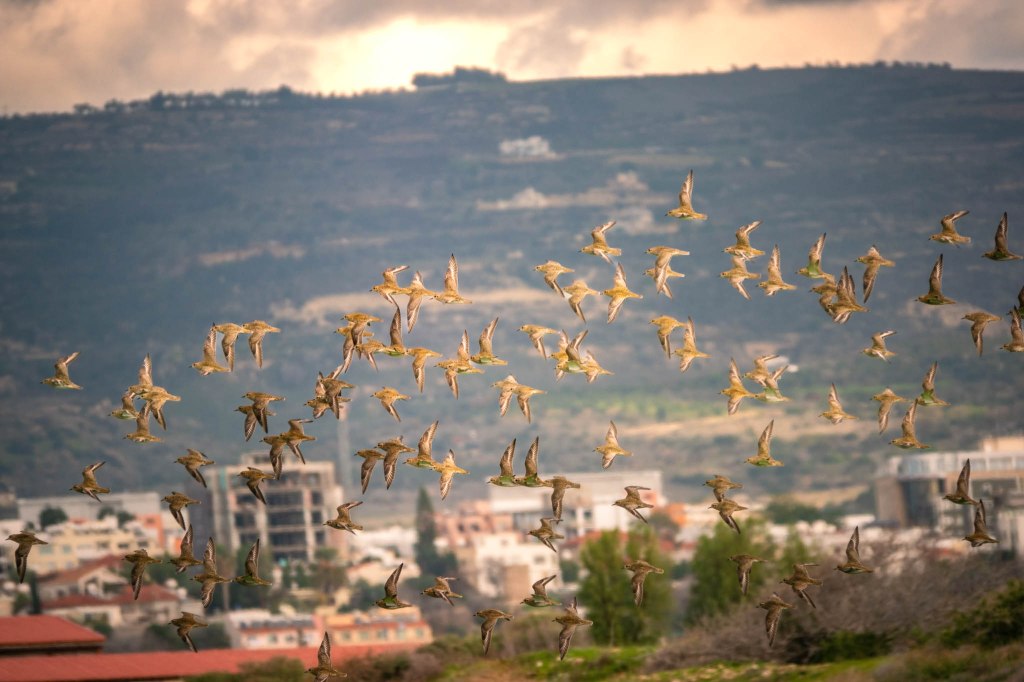
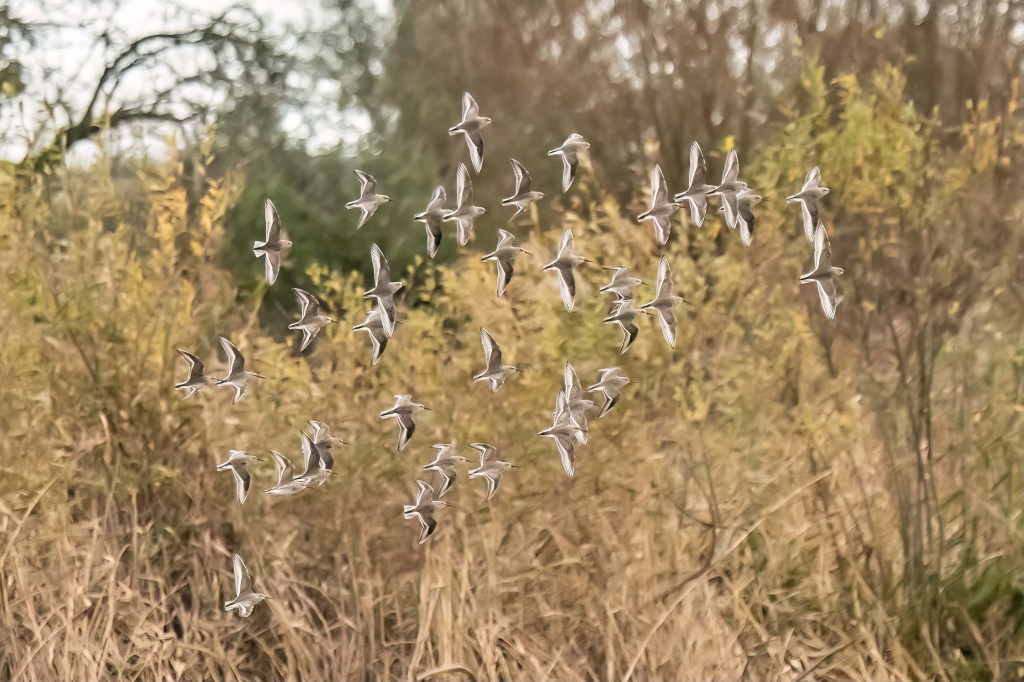
We managed to see the flock of golden plovers that we had missed earlier in the week.
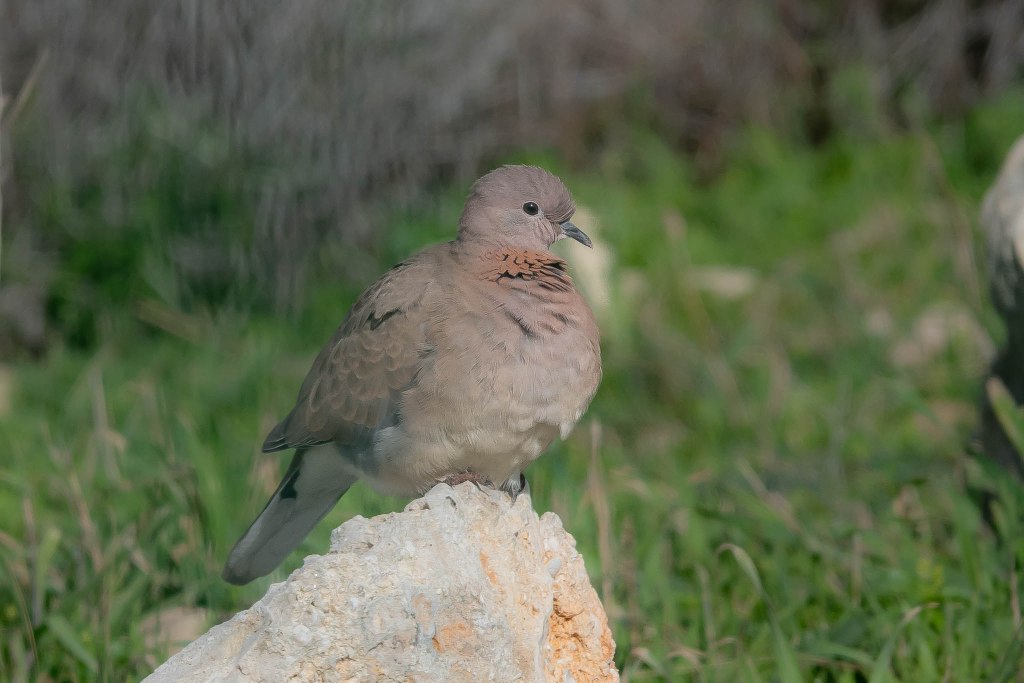
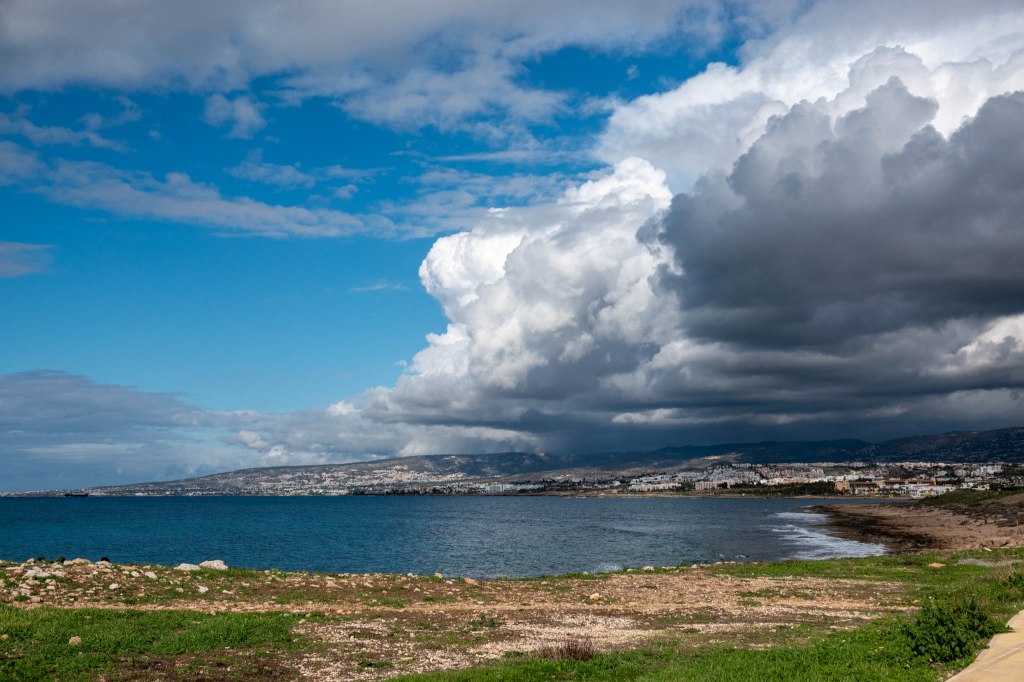
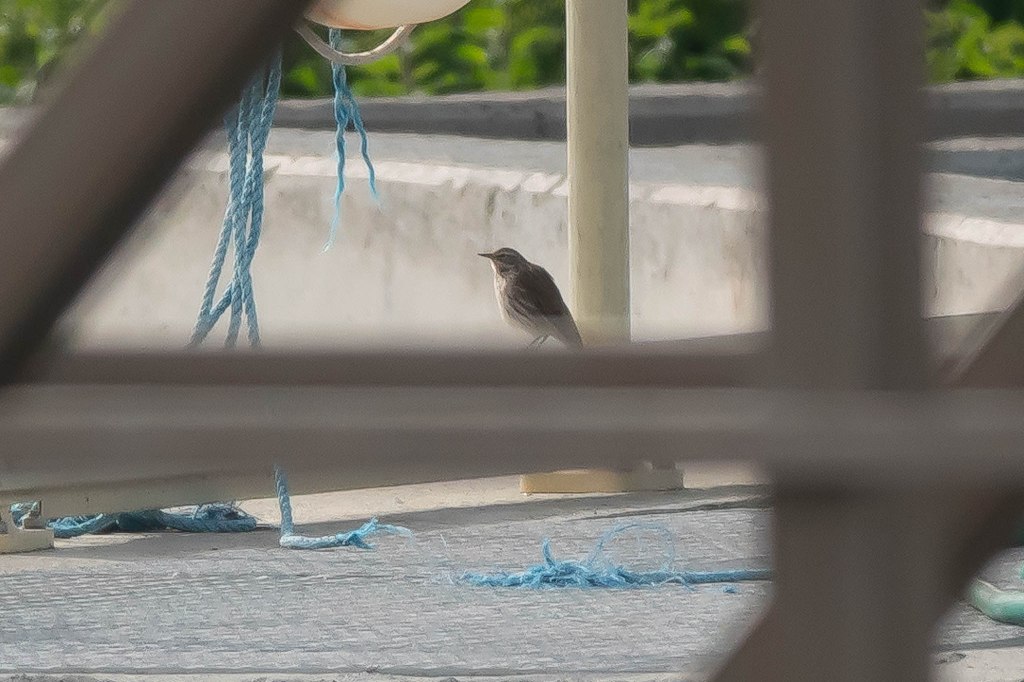
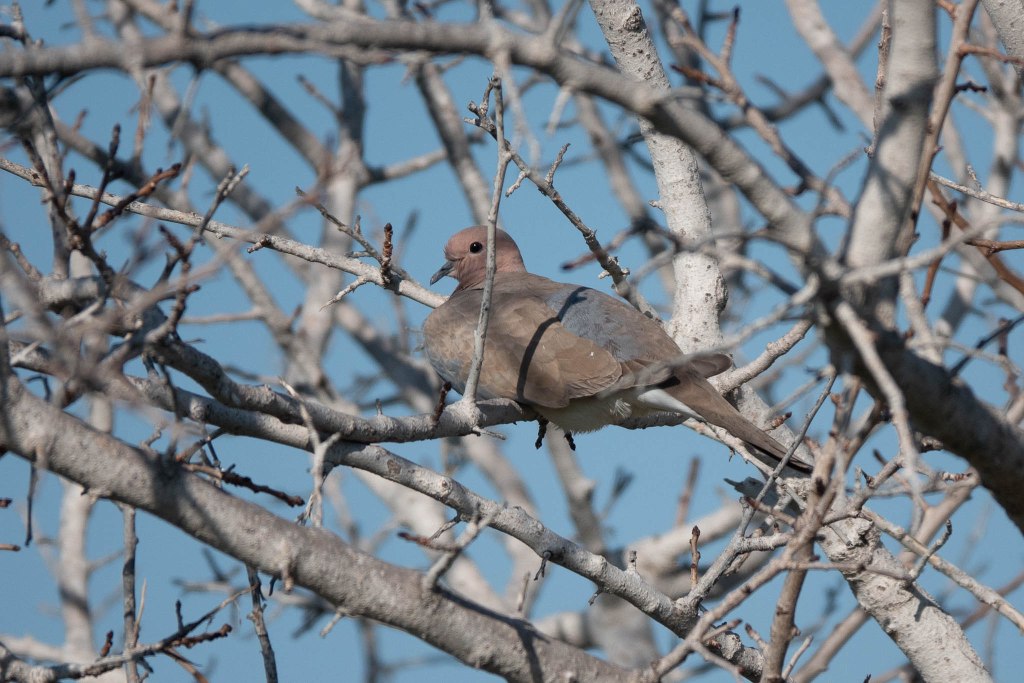
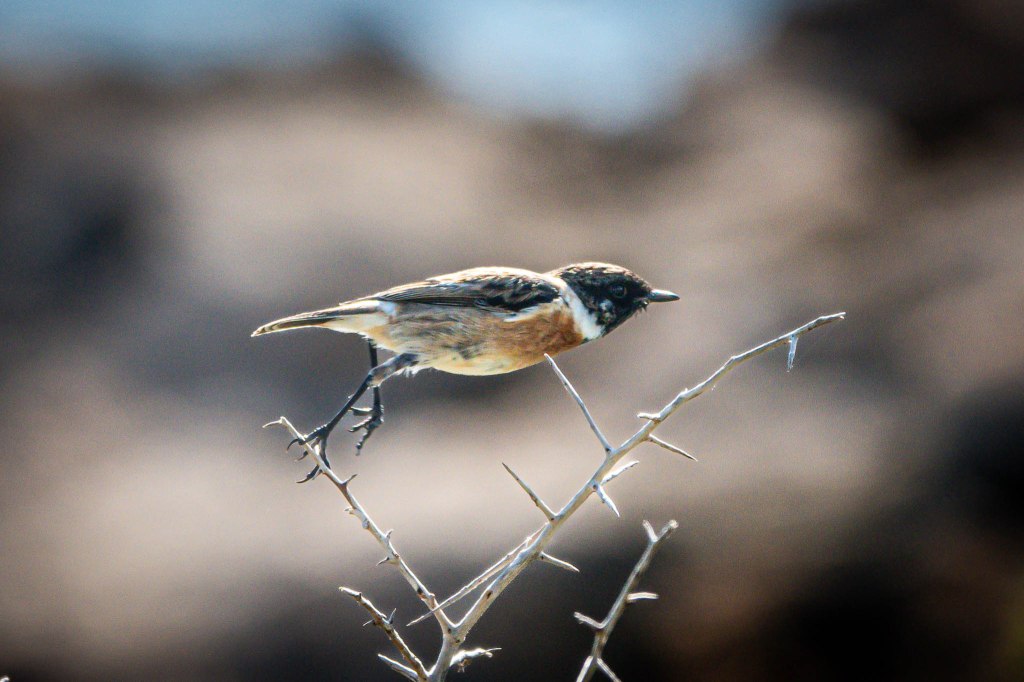
The headland seen from the balcony of our hotel roomGolden ploverGolden plover in flightGolden plover in flight – a close upThe plovers looking very goldenA single golden ploverCrested larkLaughing doveWhite wagtail through the grillStonechatWith the threatening sky we headed back to the port for lunch
To put things into perspective we spent at least double the time over lunch than we had birdwatching.
Celebrations as we left for the airport – more likely for a local wedding than our departure
The last two days of our trip to Cyprus we have spent a good amount of our time studying the flora of the Akamas Peninsula in the presence of very knowledgeable guides and their enthusiasm has rubbed off a little on us. There has been a lot of rain around but, thankfully, we have stayed dry and enjoyed the great scenery of Cyprus in moderately warm sunshine.
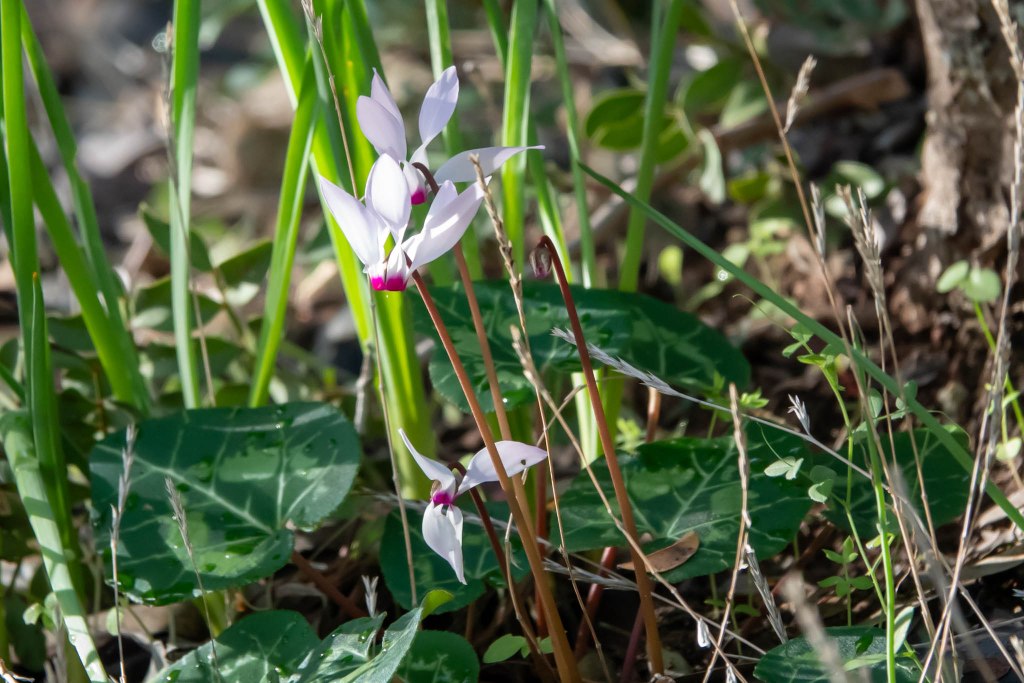
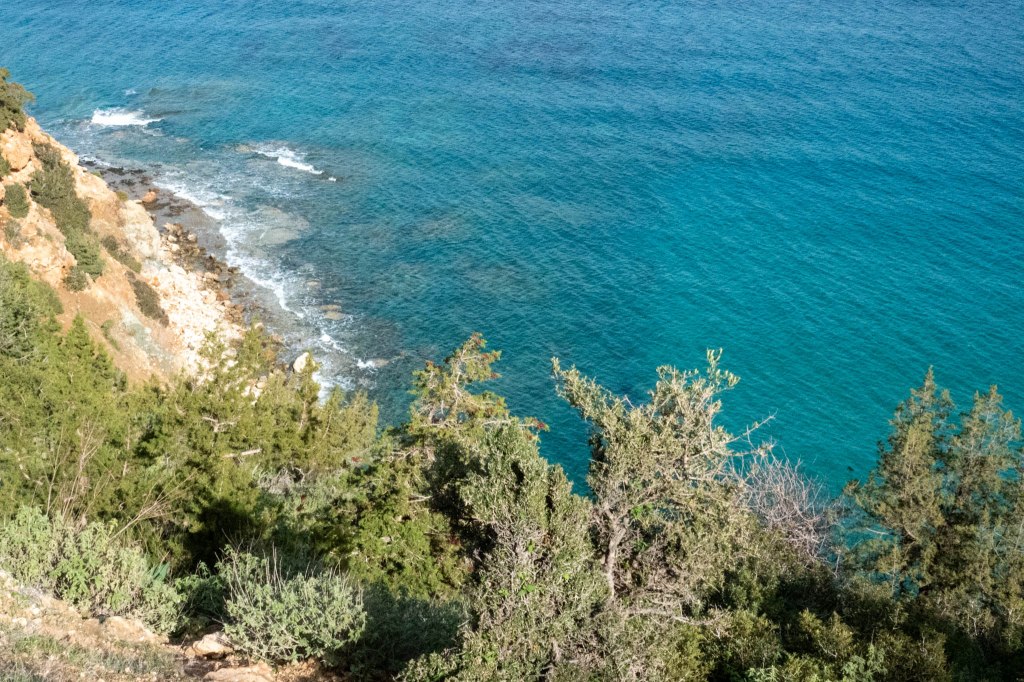
Yiannis Christophides leading us through the Botanical Gardens at the Baths of AphroditeFriar’s cowl againThe stars of the visit – the local cyclamenThe Baths of Aphrodite were a real disappointmentAcross the bay to the Troodos Mountains… and the azure waters below.Serpentine with lava above…and limestone only metres higher up.For lack of birds we study the fauna – a millipede
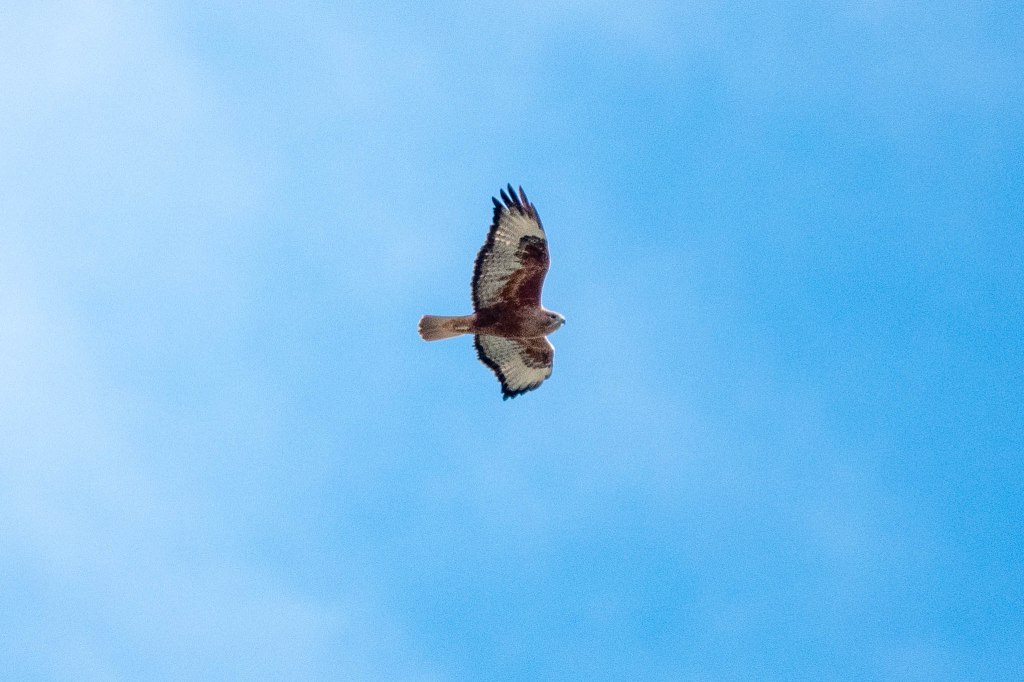
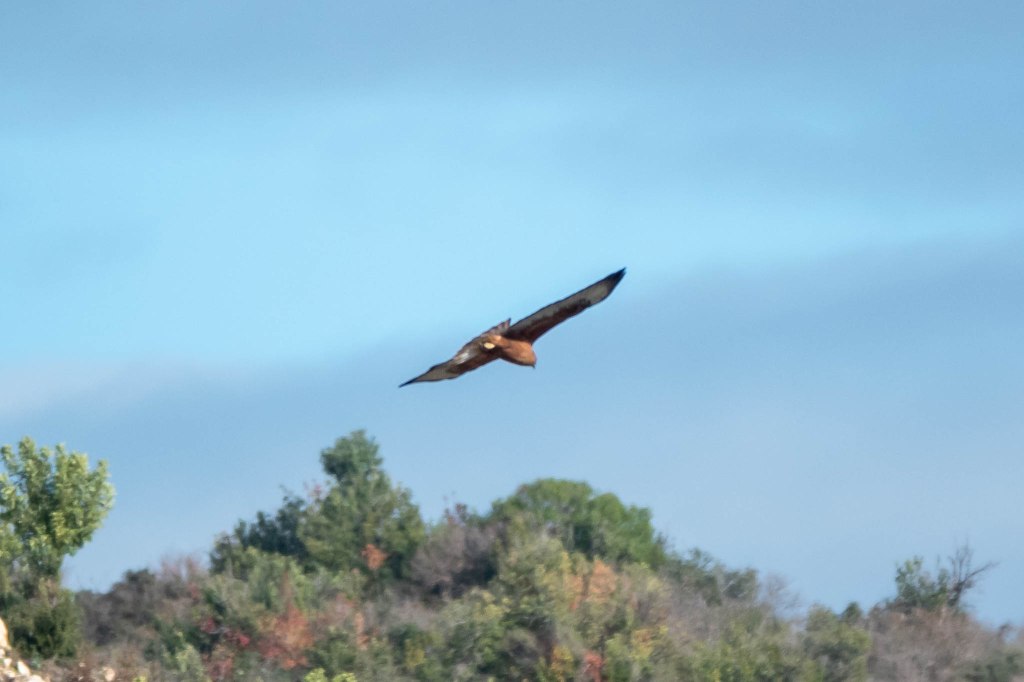
On the way back to the airport we stopped again in search of flora but managed a sighting of a long-legged buzzard.
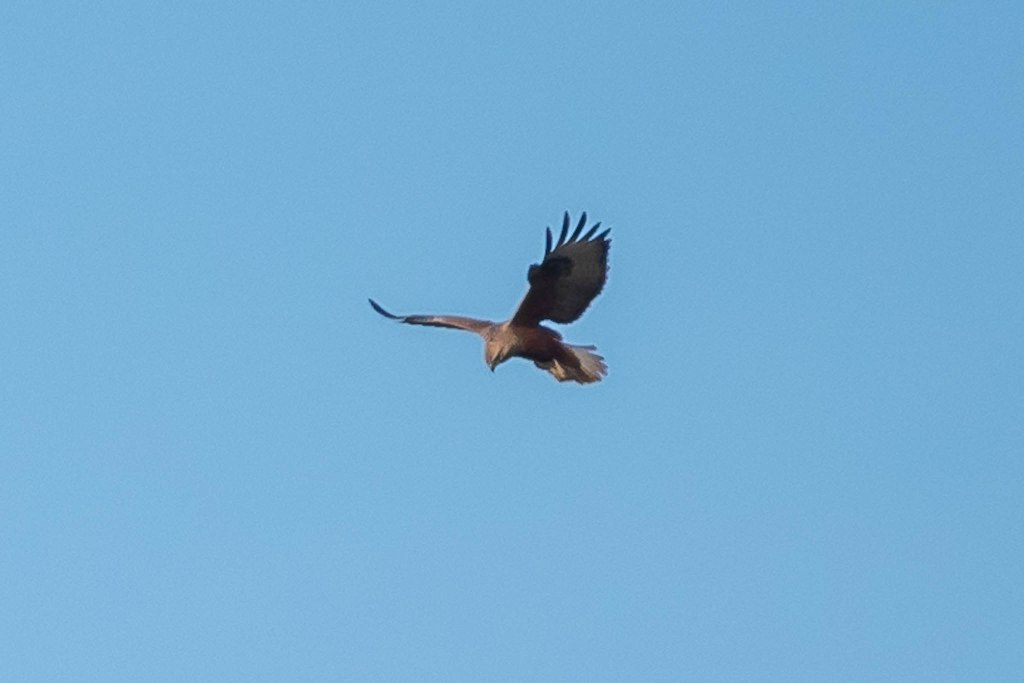
Long-legged buzzard
Down in the plain, and tucked behind the airport, we visited a water treatment works (not quite the lasting memory of Cyprus that the Tourist Board would wish for) and had the opportunity of a few more birds.
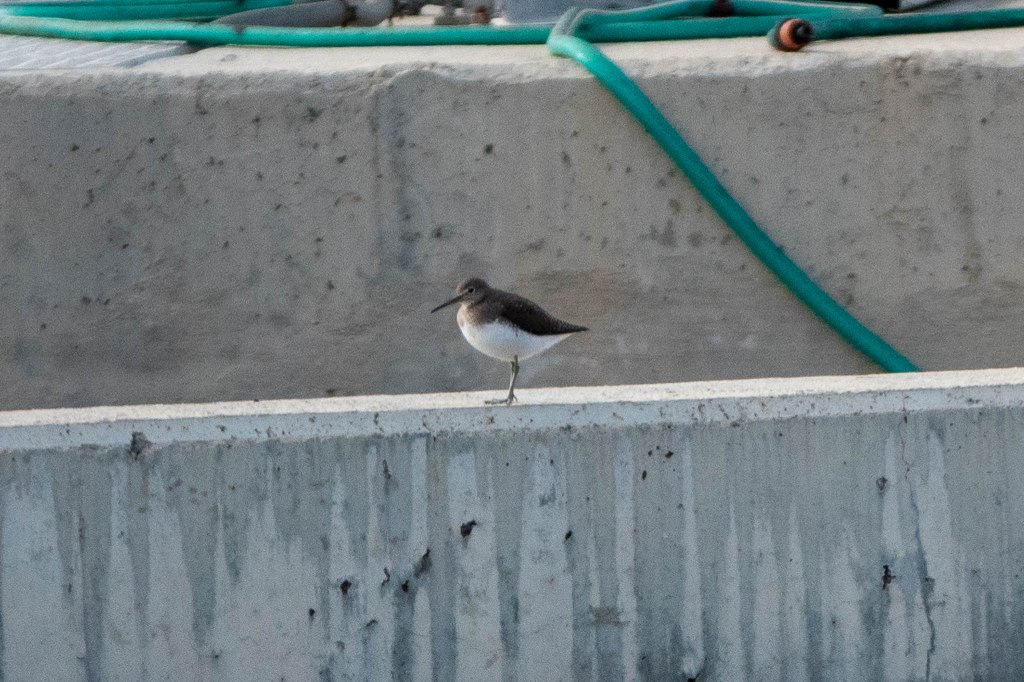
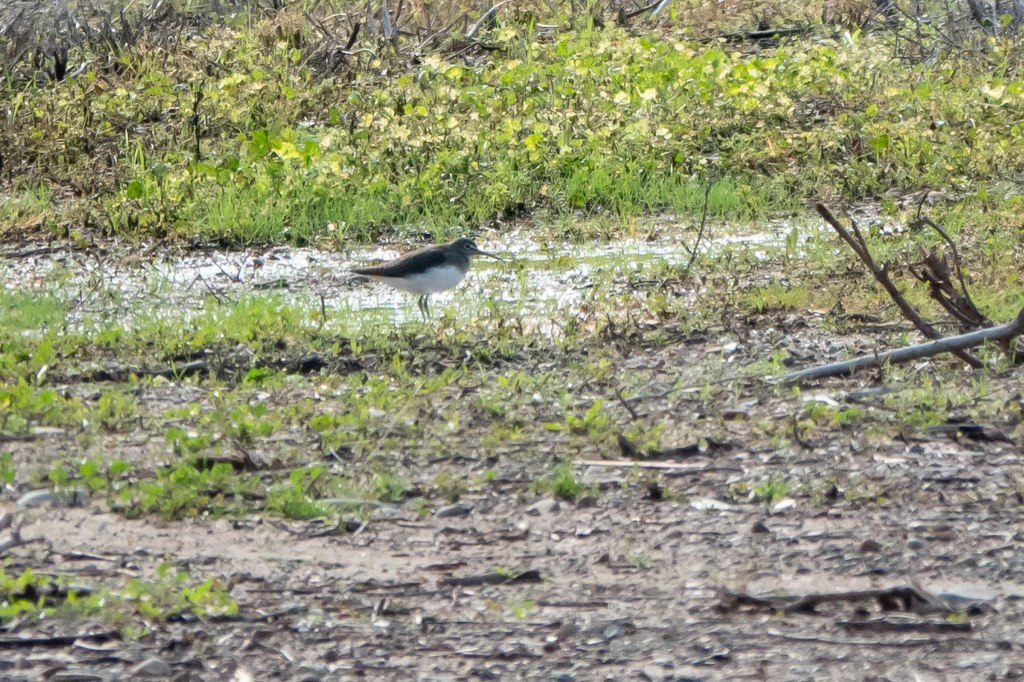
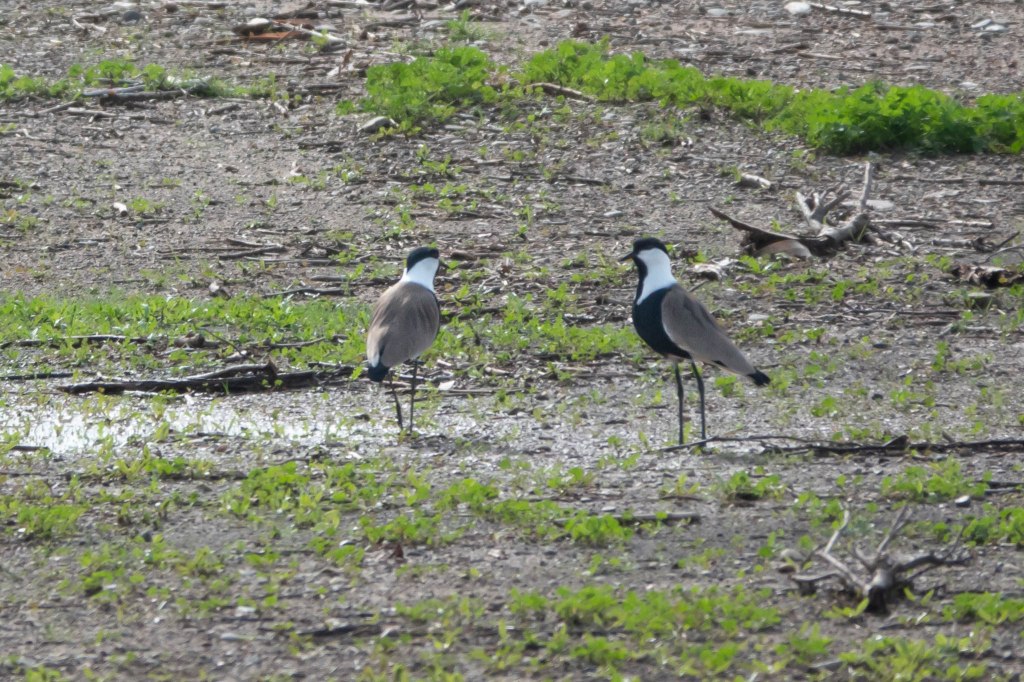
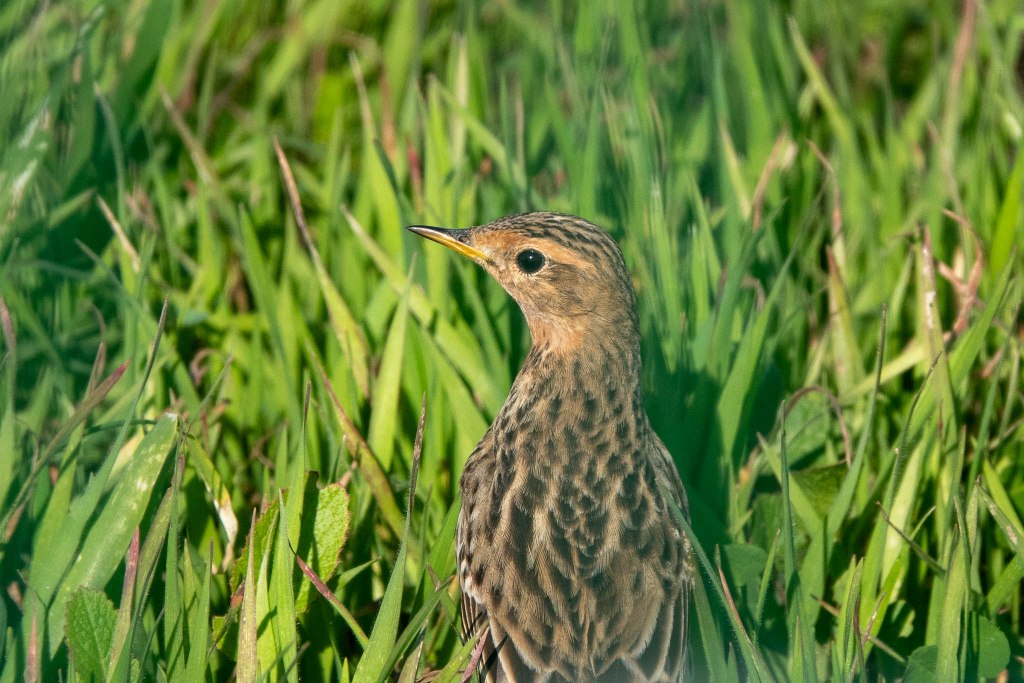
Green sandpiperA common sandpiper – not my best ever photo but quite an achievement at that distanceSpur-winged ploversA tawny pipit (a first for me) at some distanceA cattle egret was much more obligingA firebug at even closer quartersSouthern green shield bugErodium malacoides – European stork’s bill.
I must admit I would rather have seen a stork to end our trip
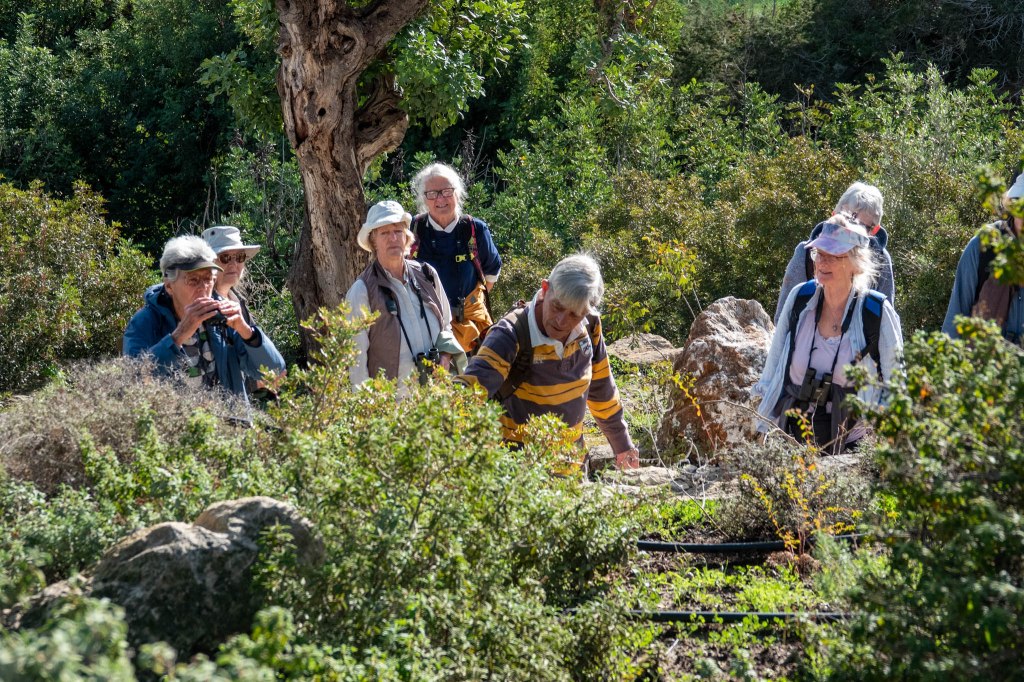
This morning we had a walk up in the hills close to our hotel in the company of the leading local botanist Yiannis Christophides. He is the author of the book which our botanist guide, Jessica, has been referring to all week.
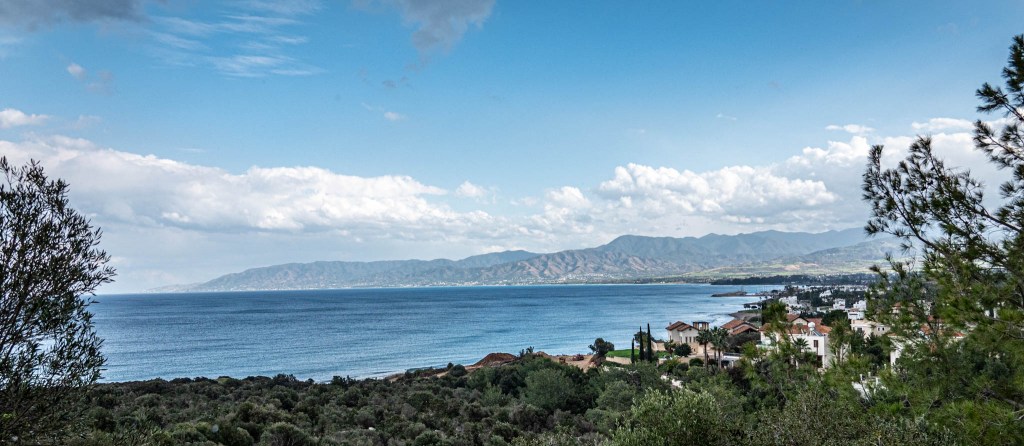
As well as the wonderful plants we saw, we had the benefit of great views of the coast; that is until the heavens opened and we had to scurry back to our hotel with hail followed by a torrential downpour with thunder and lightening.
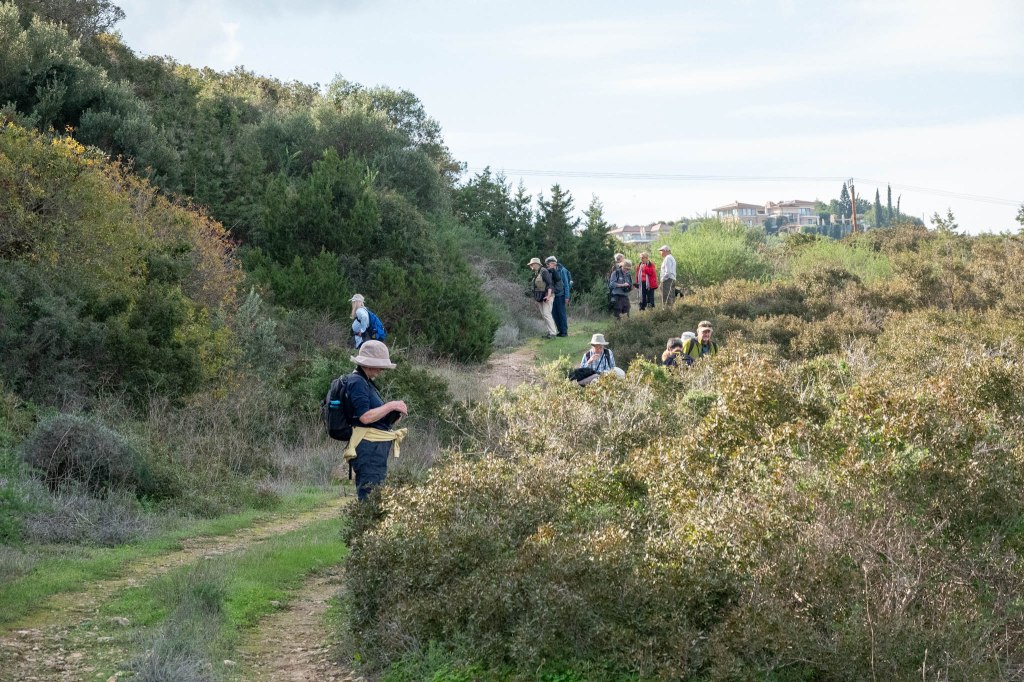
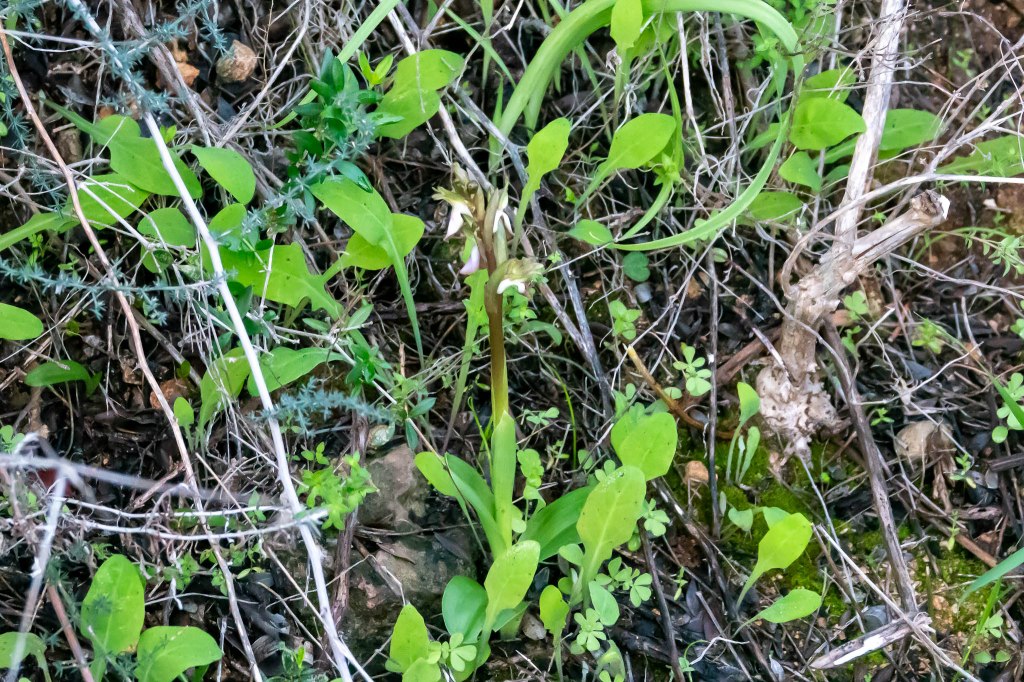
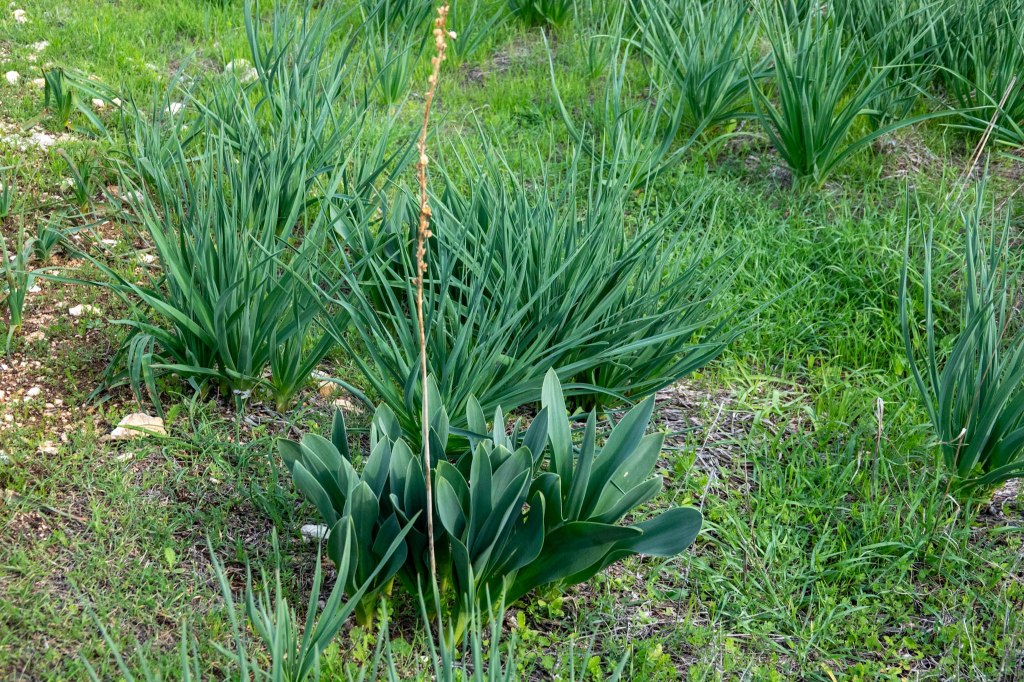
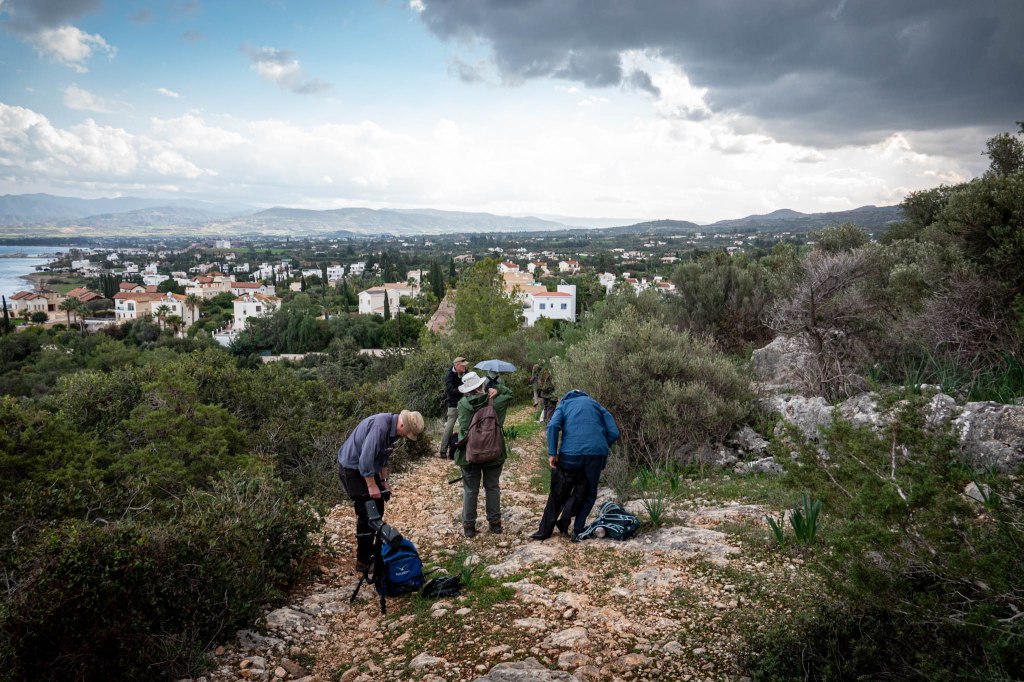
Enthusiastic amateur botanists in the fieldMy first orchid of the trip – Fan-lipped orchid
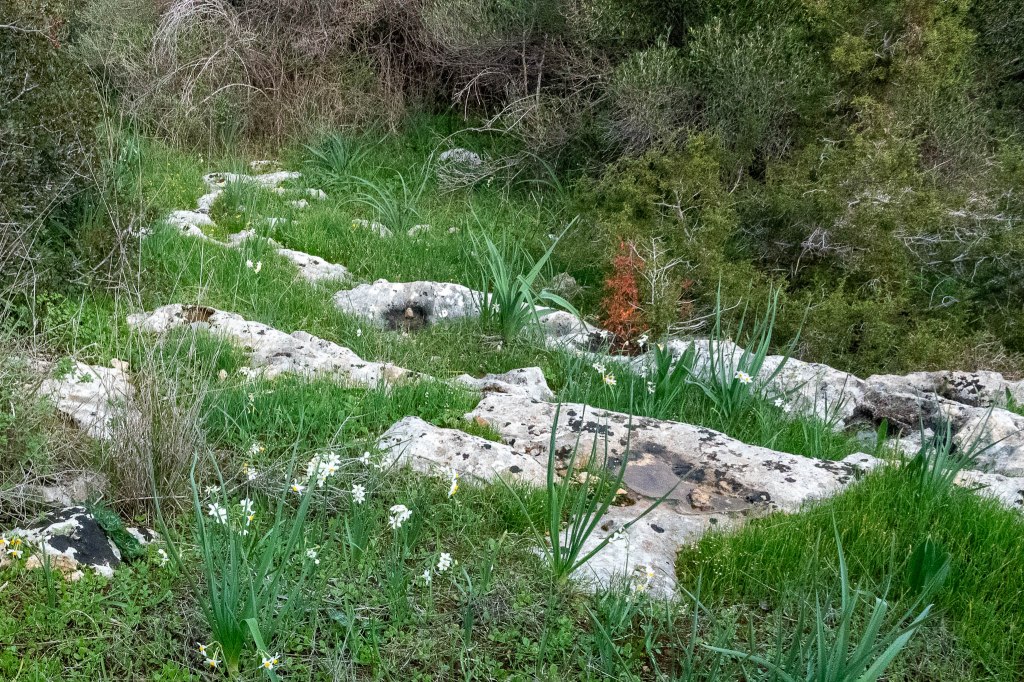
Gallery of some of the botanical delights of our morning walk
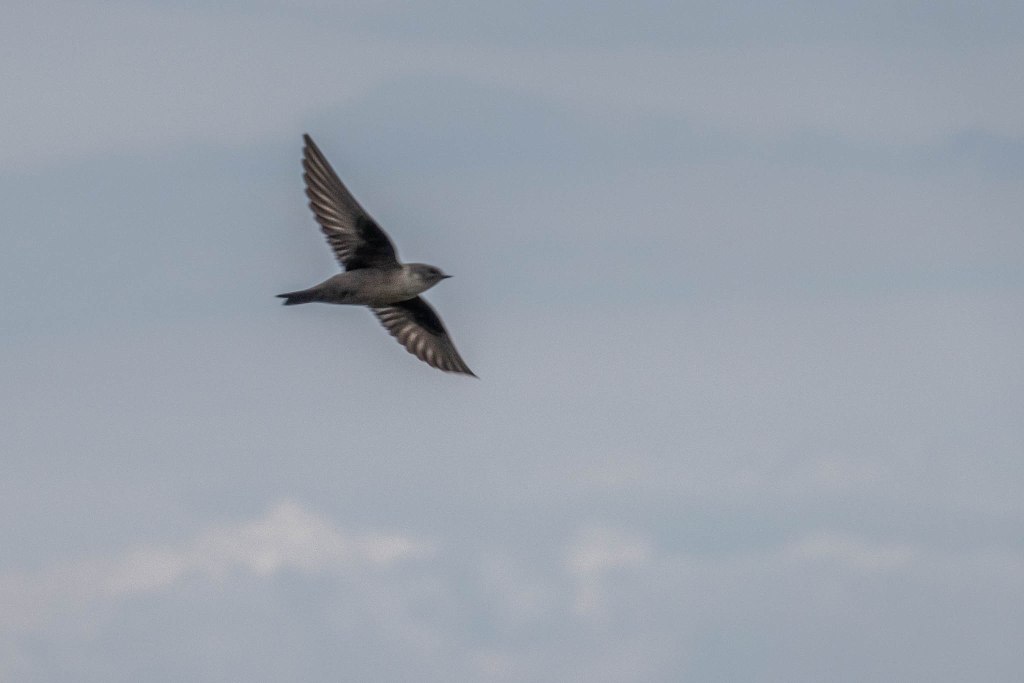
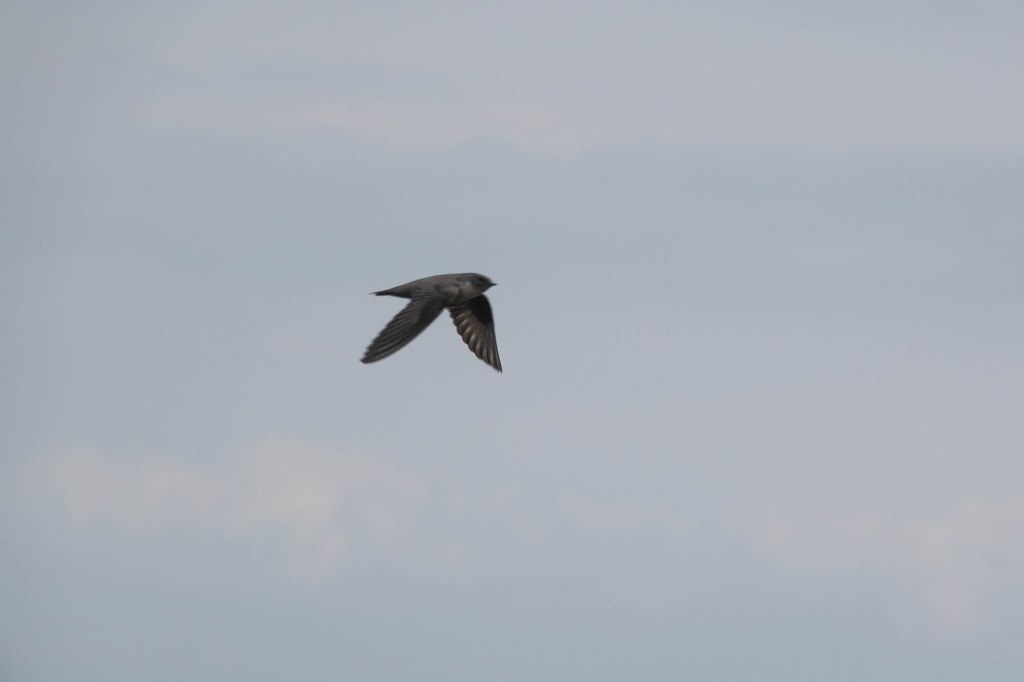
Only one bird species of note to report this morning – crag martin.
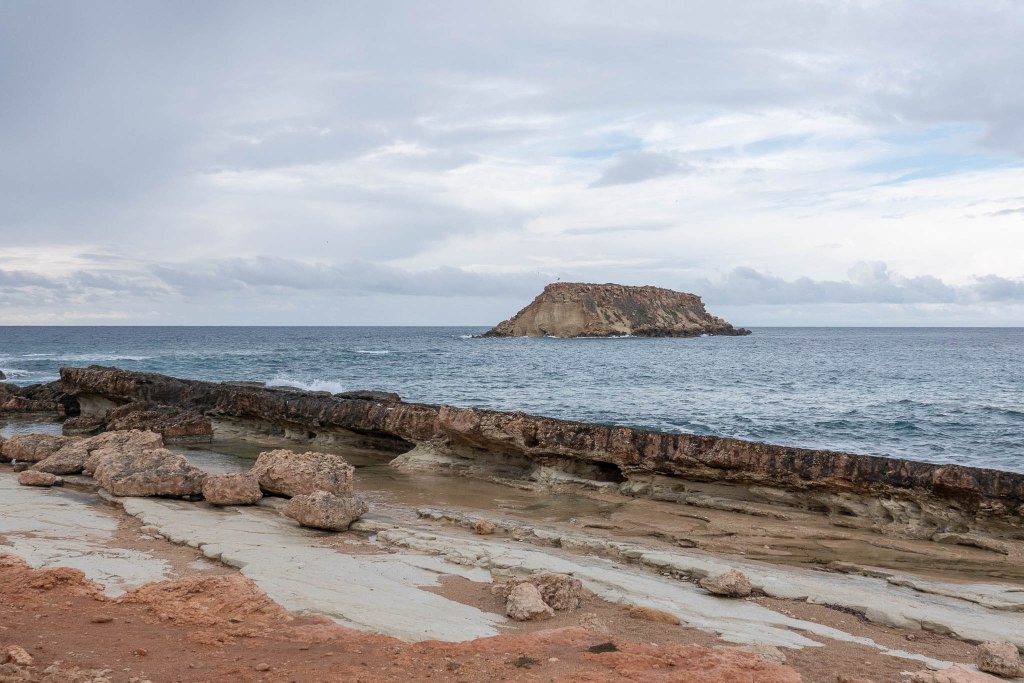
Yesterday we moved on from our base in Paphos to the Akromas Peninsula. We had a brief stop at Agios Georgious. Heavy rain was forecast and so we made the most of our time to stroll along the beach and study the local fauna and flora.
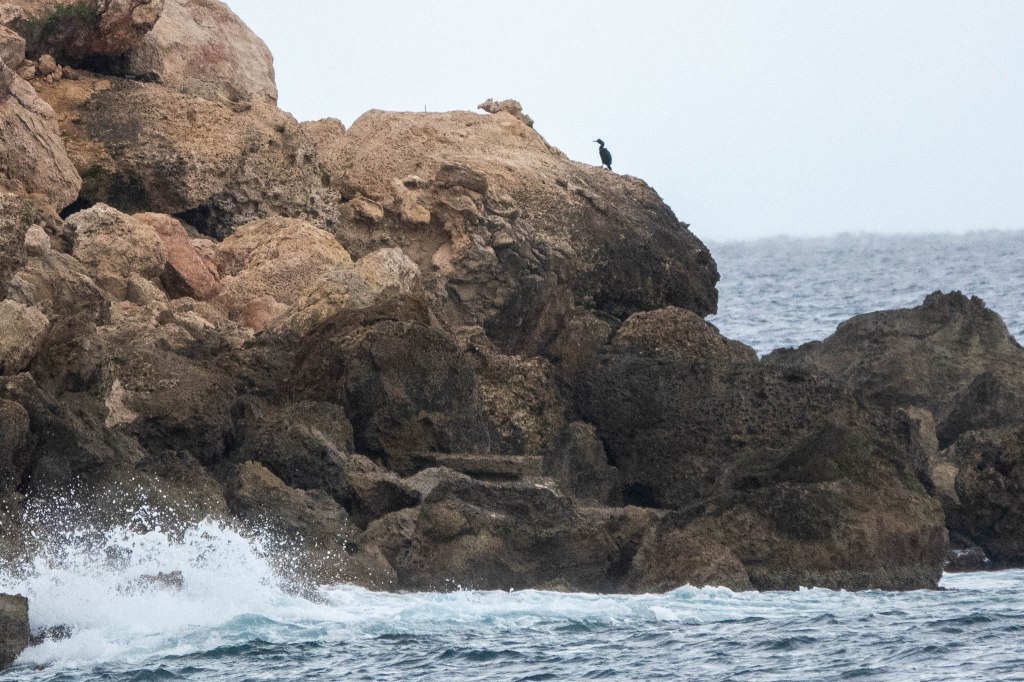
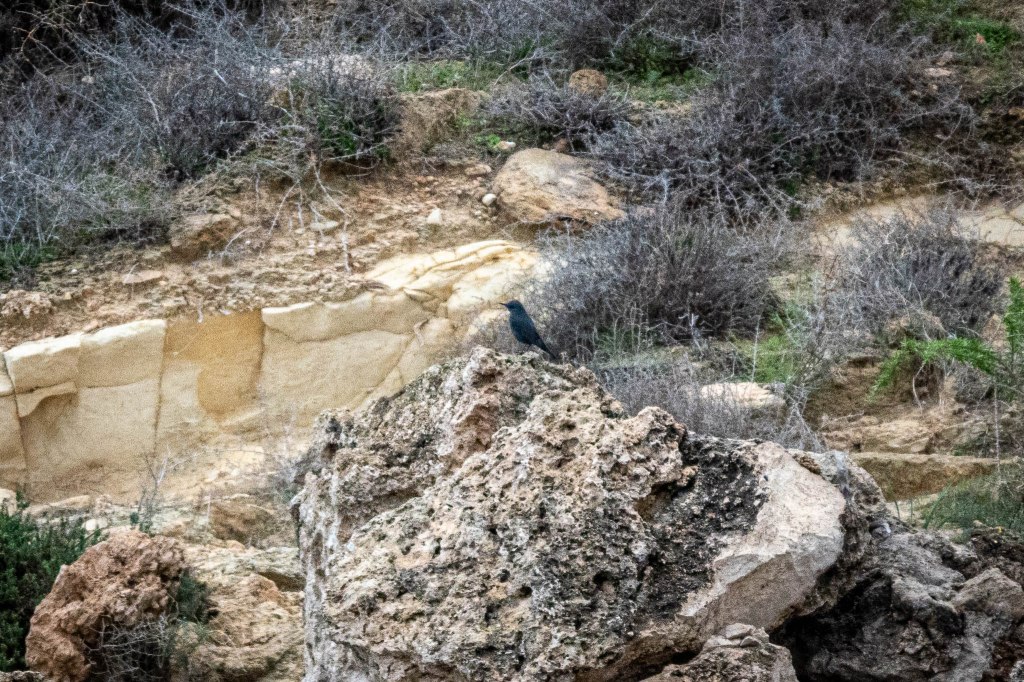
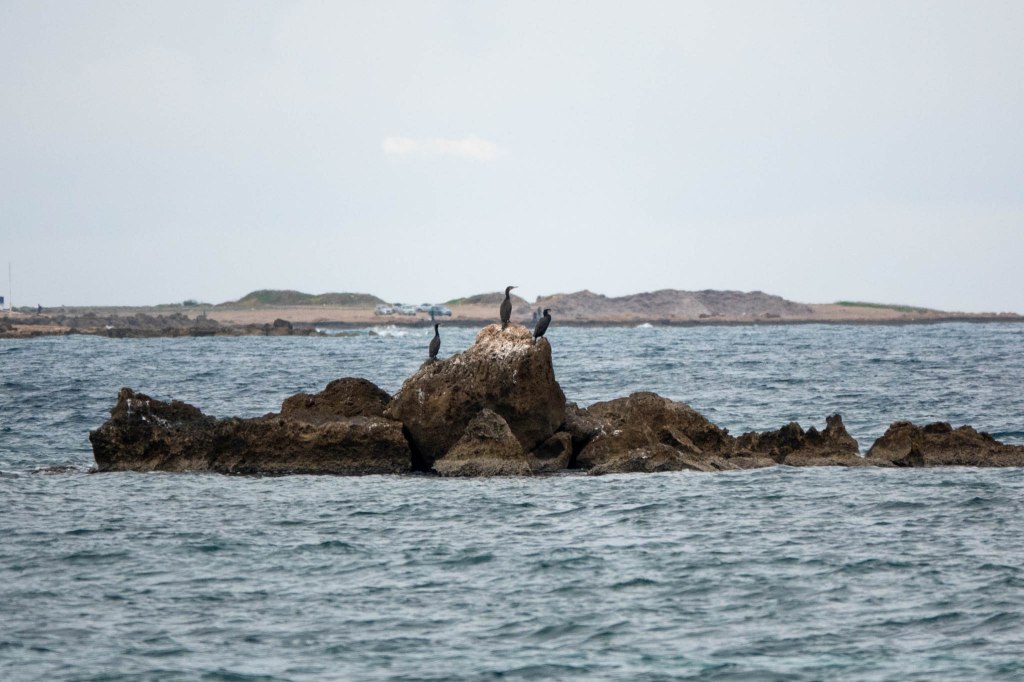
The highlight was a blue rock thrush up on the cliffs. Out to sea we could just make out a shag on a nearby island.
Shag Blue rock thrush
On the beach, surprisingly, we saw a hare. The other highlight was a tiny Kotschy’s gecko under the rocks.
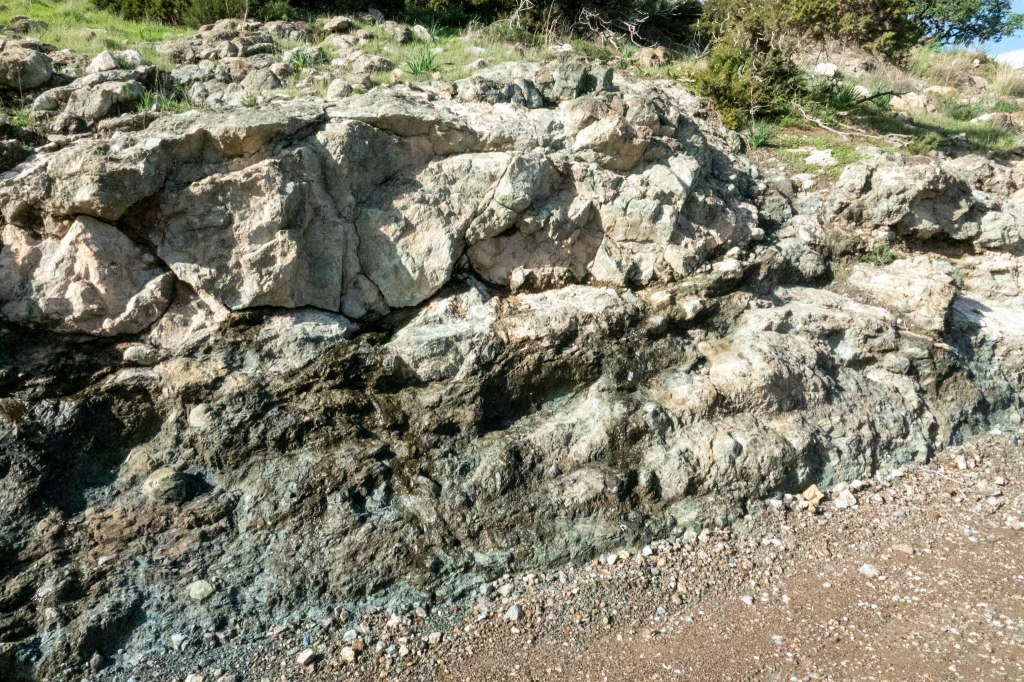
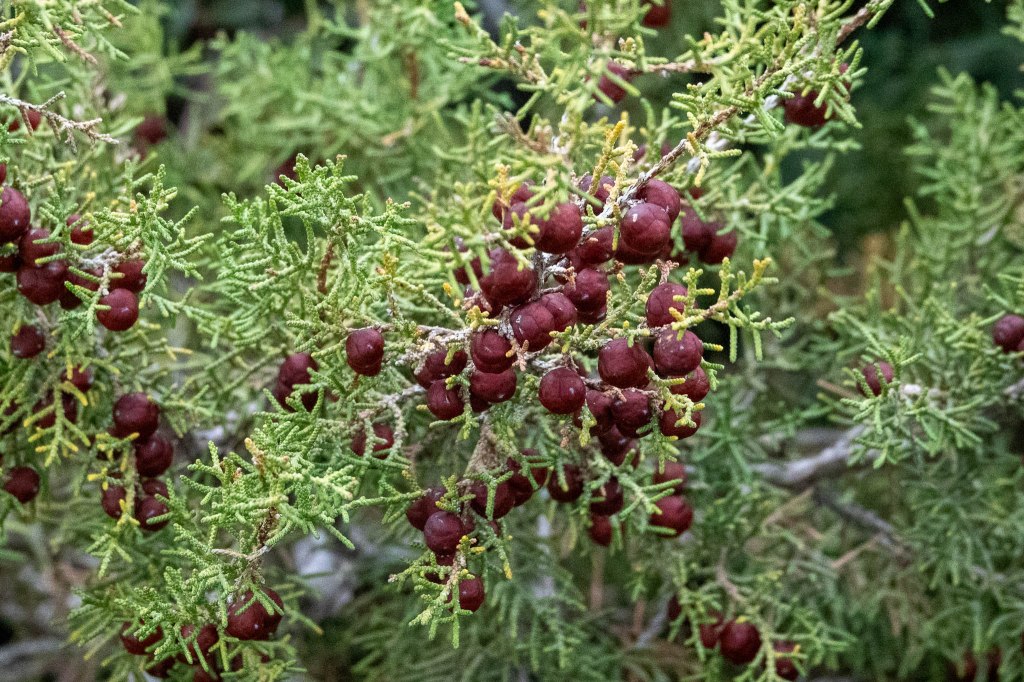
Kotschy’s geckoInteresting geology on the beachPhoenician Juniper berriesCrested lark on a stone
The rain set in but it wasn’t particularly a problem as we stopped for a leisurely lunch in a wonderful mountain taverna.
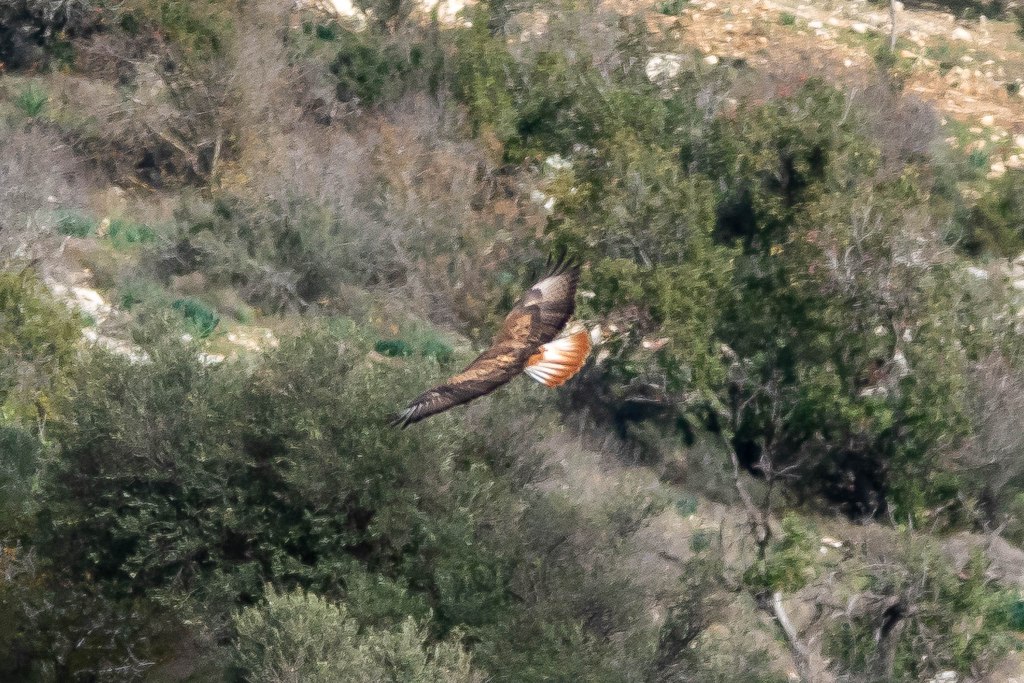
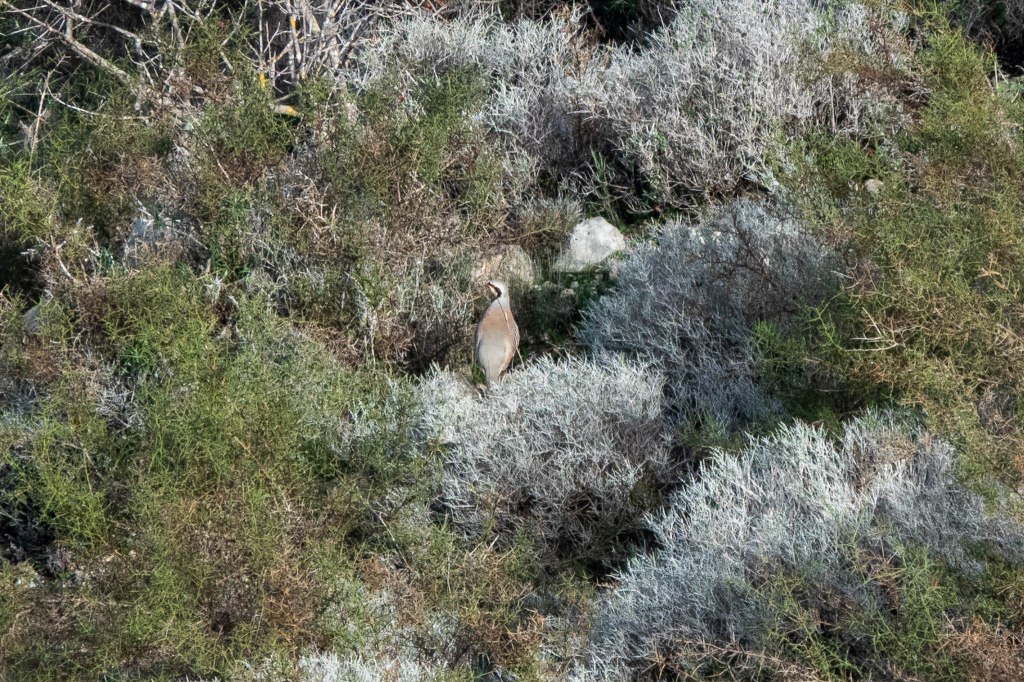
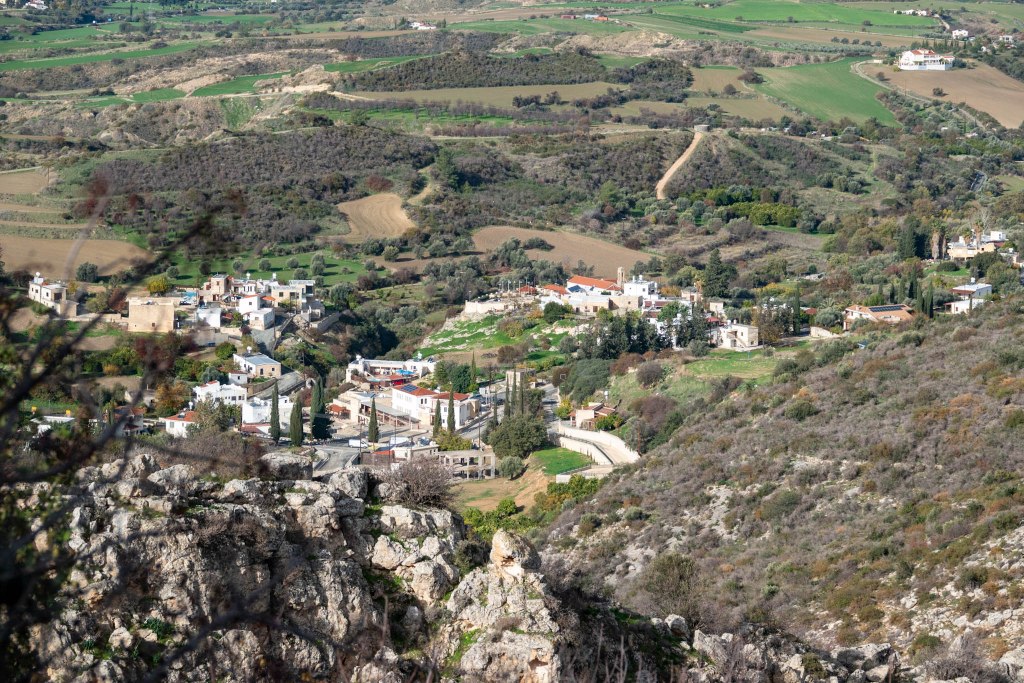
Today we headed up into the foothills of the Troodos mountains to Peristerona Gorge. Luckily there the weather held and we had gorgeous views of the valley and back down to the coast. Over the gorge we saw a long-legged buzzard and crag martins. With careful inspection with telescopes we also made out a small group of Chukar Partridge.
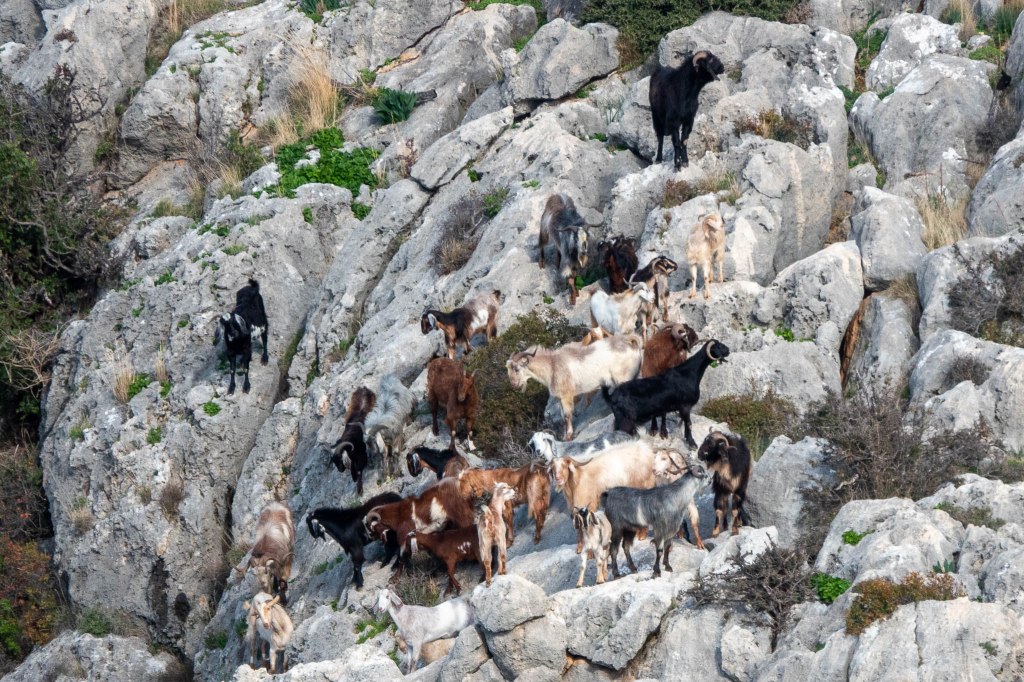
Views from the Peristerona GorgeDaisy on steroids – Southern daisyLong-legged buzzardLong-legged buzzardLong-legged buzzardGoats in the gorgeChukar partridgeChukar partridge left and rightThere must be a crag Martin in there somewhere!
We then had a short stop on a ridge to study some of the local flora. The standout for me was an Eastern Strawberry tree.
Eastern strawberry tree – our guide Jessica verified it didn’t have much taste and was ok to eat once!
The rain then set in and we took shelter in a small mountain café where I tasted the local Cyprus coffee (a bit like Turkish coffee) and a welcome glass of water.
The group then headed up the mountain in the rain to see some mouflon which were being reared before release into the wild. I took time to publish my previous day’s blog on my phone – quite amazing as we were in the middle of nowhere and I seemed to have better connection up there than in the middle of Bristol.
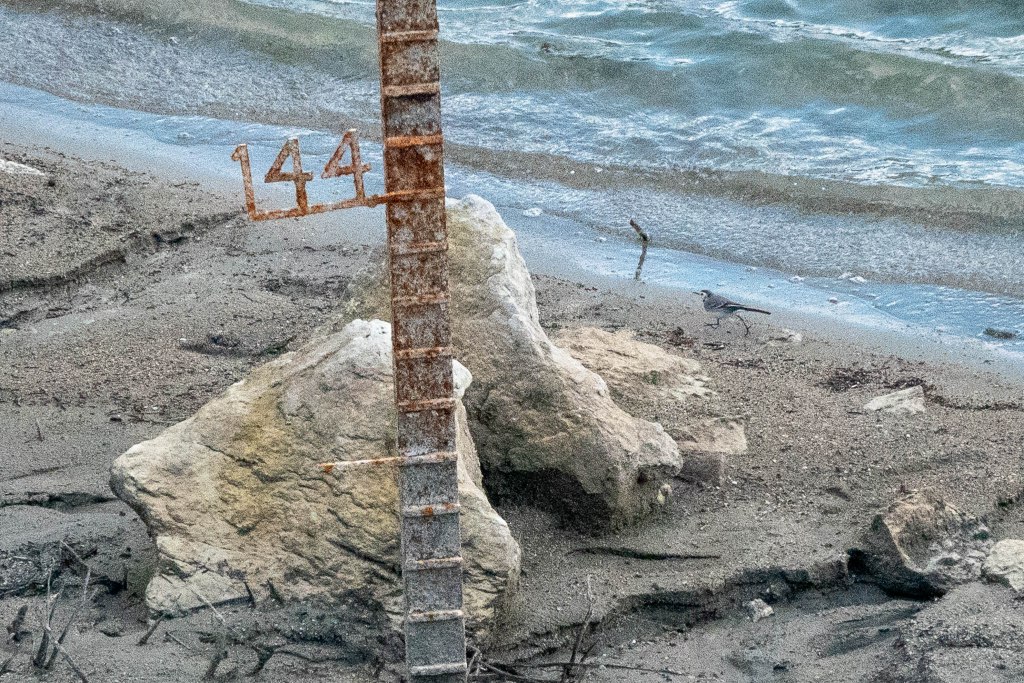
Before heading home we stopped at the Ebretou Dam where all we saw of note was a common sandpiper, a white wagtail, jackdaws, goldfinch and some feral pigeons. It was getting cold by then and we were happy to be heading back to the comforts of our hotel.
Ebretou DamCommon sandpiper on rockWhite wagtail on the beachCombining birding and botany – a bird of paradise plant in the hotel grounds
Our second day proper of the natural history trip was a very good one with lots of interesting birds and plants to see in a variety of venues on the Akrotiri Peninsula, about an hour’s drive to the east of Paphos.
We had mixed weather but managed to stay dry all day. However the light was not good and not very conducive for good photos or, indeed, any photos at all.
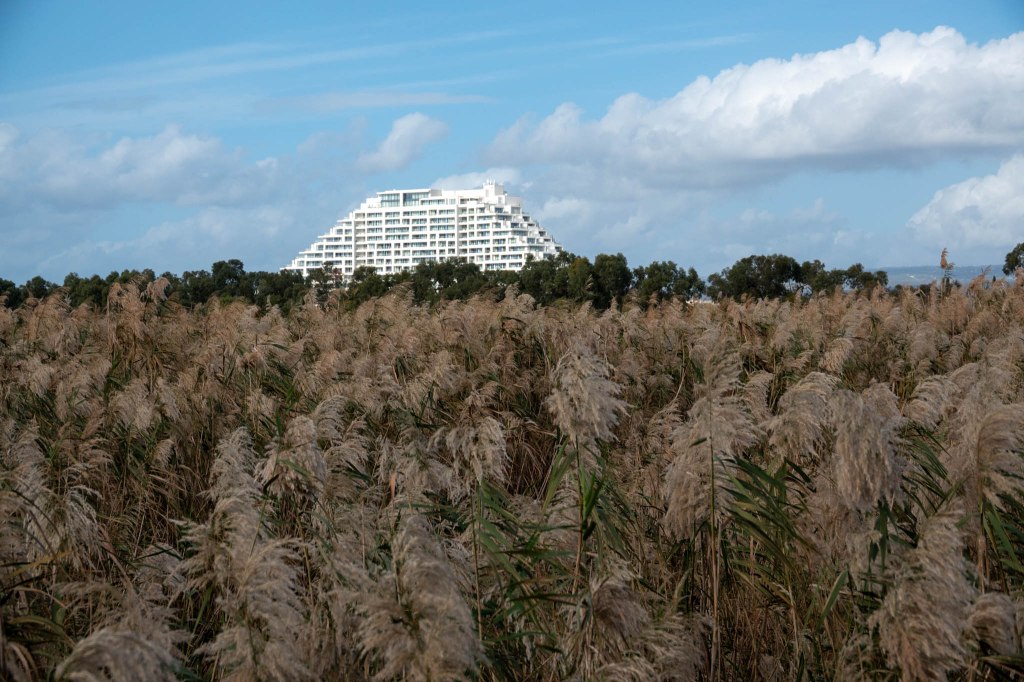
We started at the Zakaki bird hide which, although it had fabulous large posters of the birds to be seen, was poorly managed and we couldn’t see much through the giant reeds.
Not a lot to be seen from this hide
Locally we did have lots of sightings of marsh harriers and a kestrel and some of the group saw a male hen harrier. Despite my attempt to take plenty of photos, I achieved very little. When will I ever learn that tiny specks in my view finder will never produce decent photos?
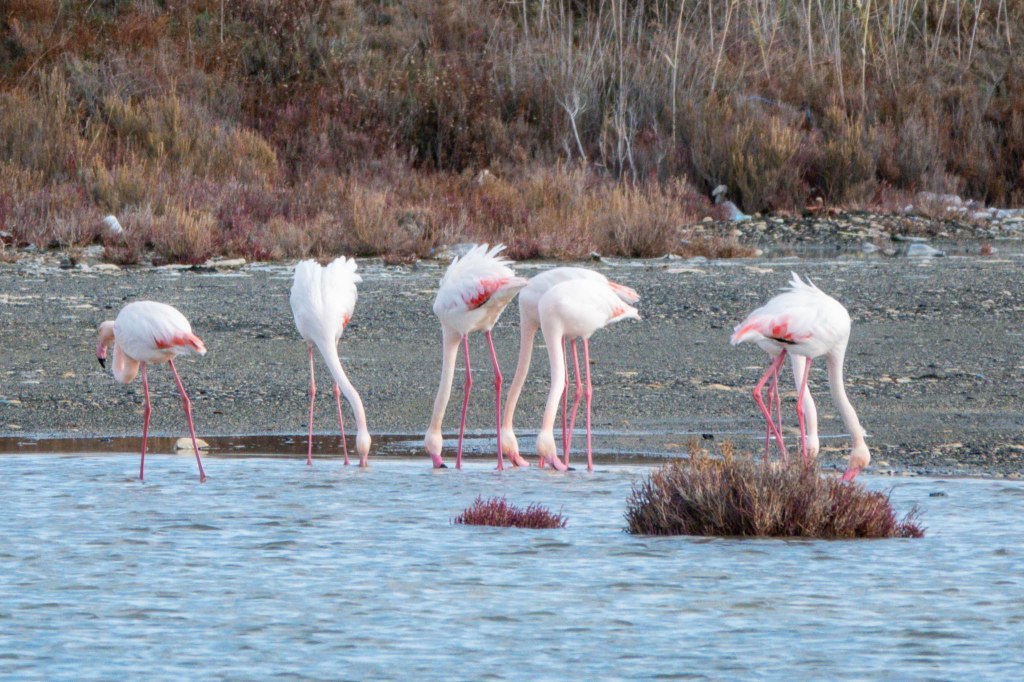
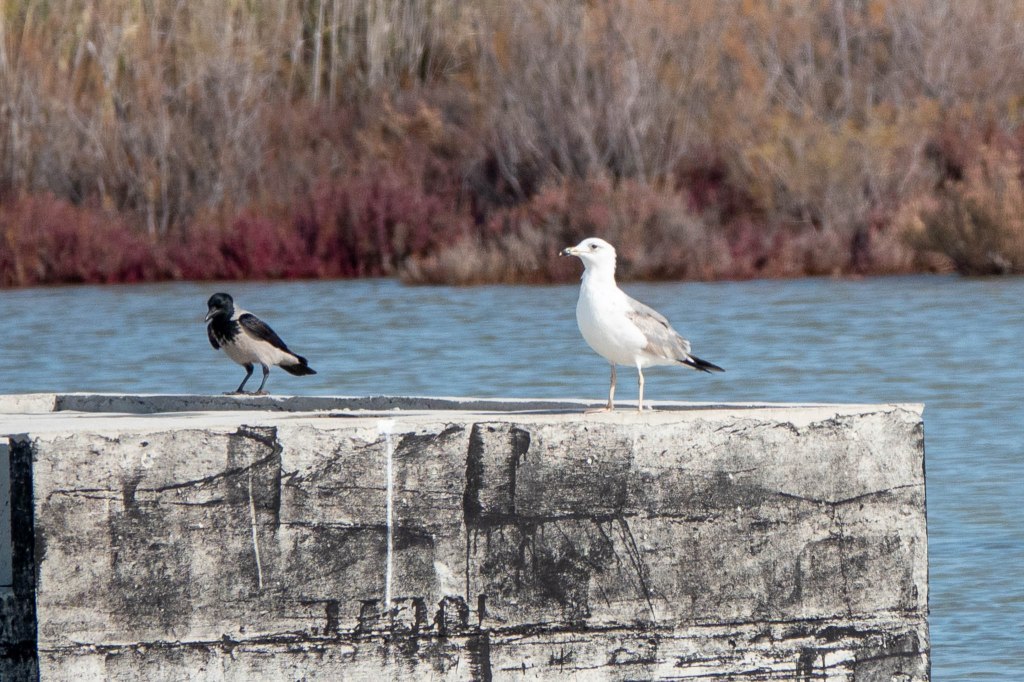
We walked further along the road to a pool next to the sea where there were greater flamingos and lots of gulls (mainly black-headed but some slender-billed and one larger one which caused lots of discussion without a definitive id.).
Greater flamingosGreater flamingosLots of discussion about this gull – Michael Sammut from Malta tells me it’s a sub-adult yellow-legged gull
We drove west along some mud flats (Lady’s Mile) but saw very little.
We crossed the estuary on the low tide in the coach and eventually arrived at a monastery (no one around – they must have all been in chapel) where we parked and walked to Bishop’s Pool. The walk here was very interesting with people spotting lots of butterflies, a hummingbird moth, carpenter bees and many interesting plants.
At the pool there were lots of ducks including shovelers, little grebes and, the best of the pick, a ferruginous duck.
Ferruginous duck
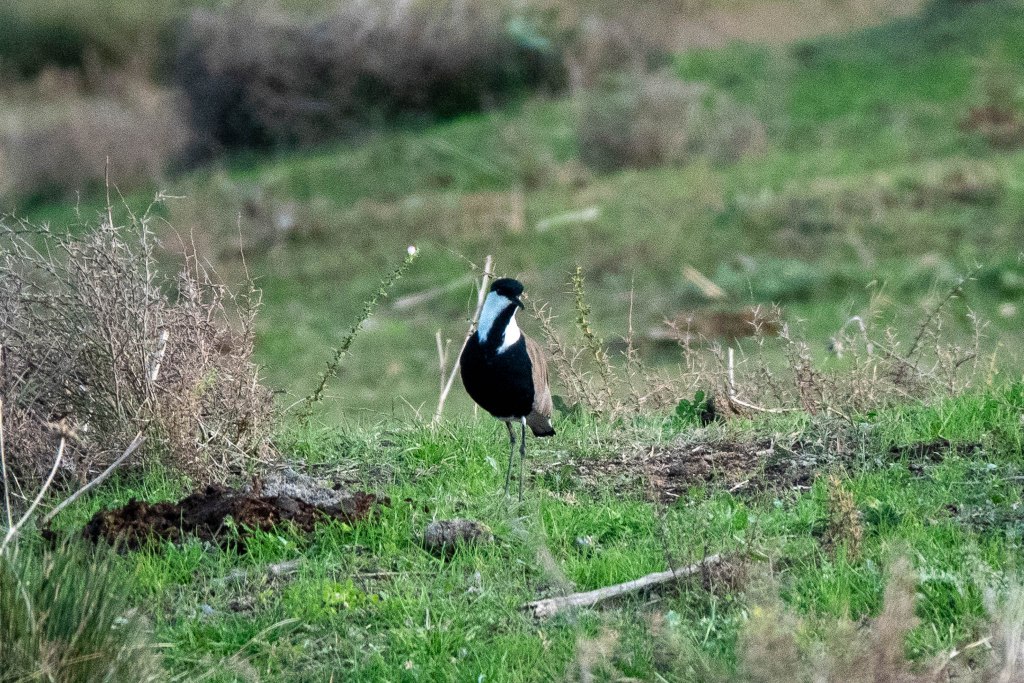
After lunch we moved on to a wetlands where there was plenty to see but impossible to photograph as it was into the poor light. The highlight here were spur winged plovers.
Spur-winged plover
Our last visit was to the Kensington Cliffs where we were treated to views of a long legged buzzard and a peregrine. We also looked more closely at a variety of the vegetation on the cliff tops.
Close up of a kestrel which spoiled my view of the ferruginous duckLong-legged buzzardPeregrine falconFavourite plant of the day – Friar’s cowlA romantic moment for a couple on the edge of the cliffs – a first sighting for me of such a cultural event.
We joined the main group of our natural history tour to Cyprus today but, as they were visiting the Archeological Park in Cyprus (which we did yesterday), we were kind to ourselves and had a gentle stroll around the park focussing on the birds.
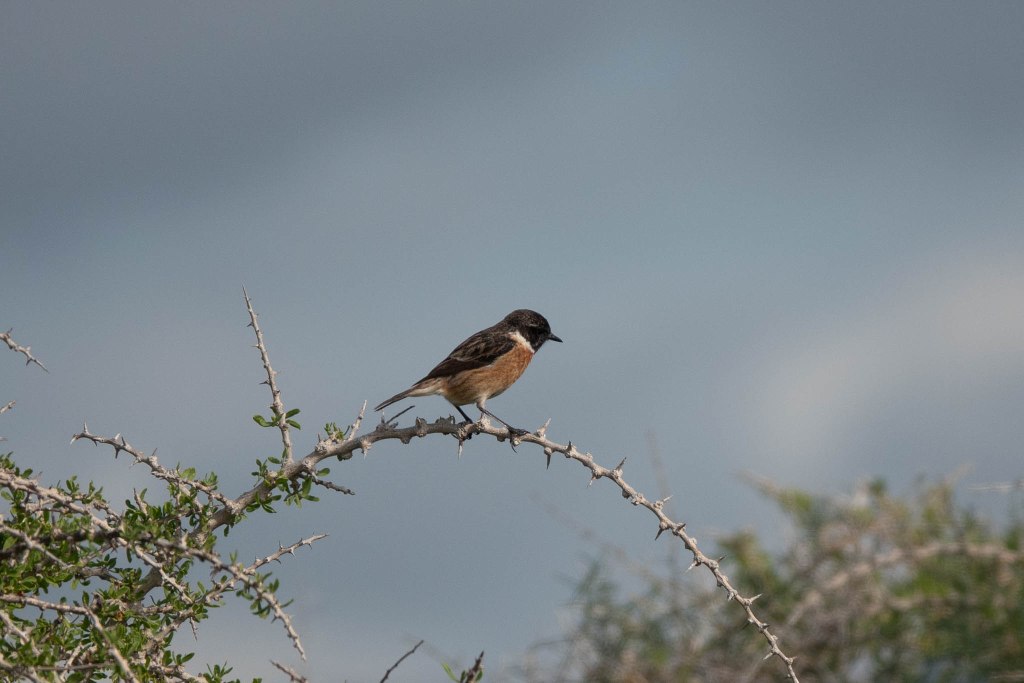
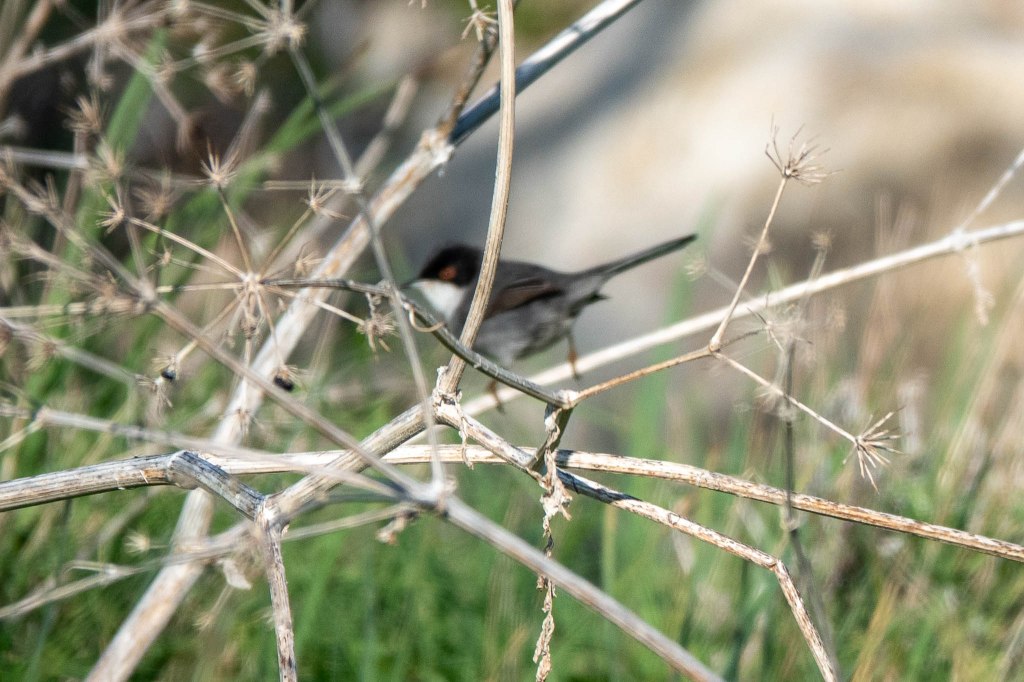
Yesterday we started with a Sardinian warbler and today it was in the same spot to greet us; yet I failed again to get a decent shot. Stonechats were two-a-penny again but we were not complaining as they are lovely little birds and much more accommodating than warblers. We did manage to see a Cetti’s warbler but it soon disappeared into the depths of a bush before I could operate my camera.
Photography with a bridge camera was not easy as the light wasn’t great today. At my time of life compromise is a constant!
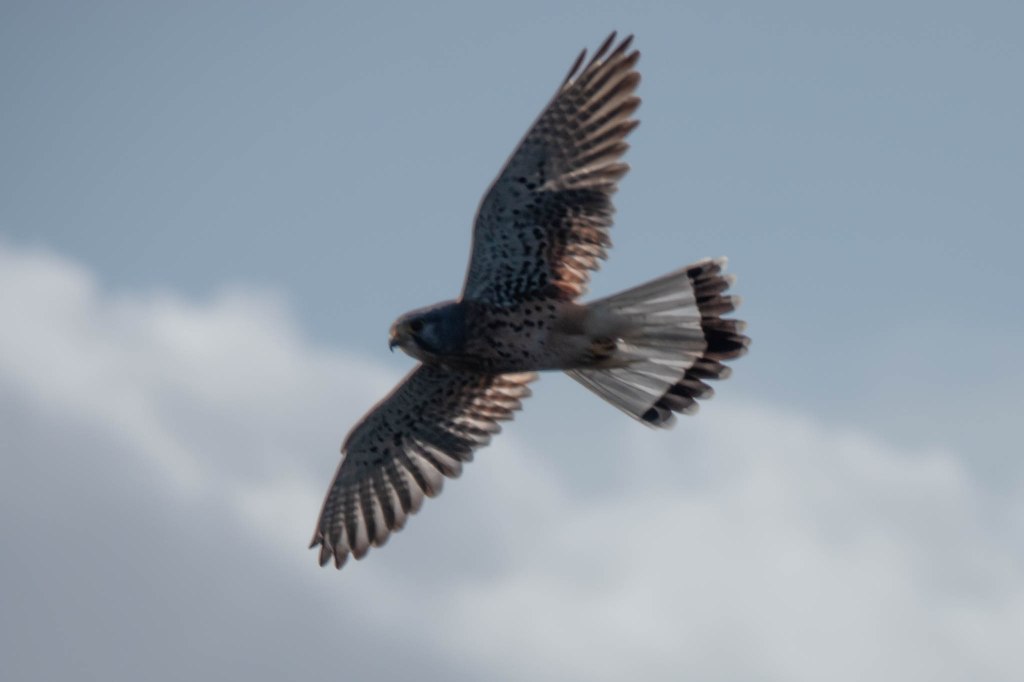
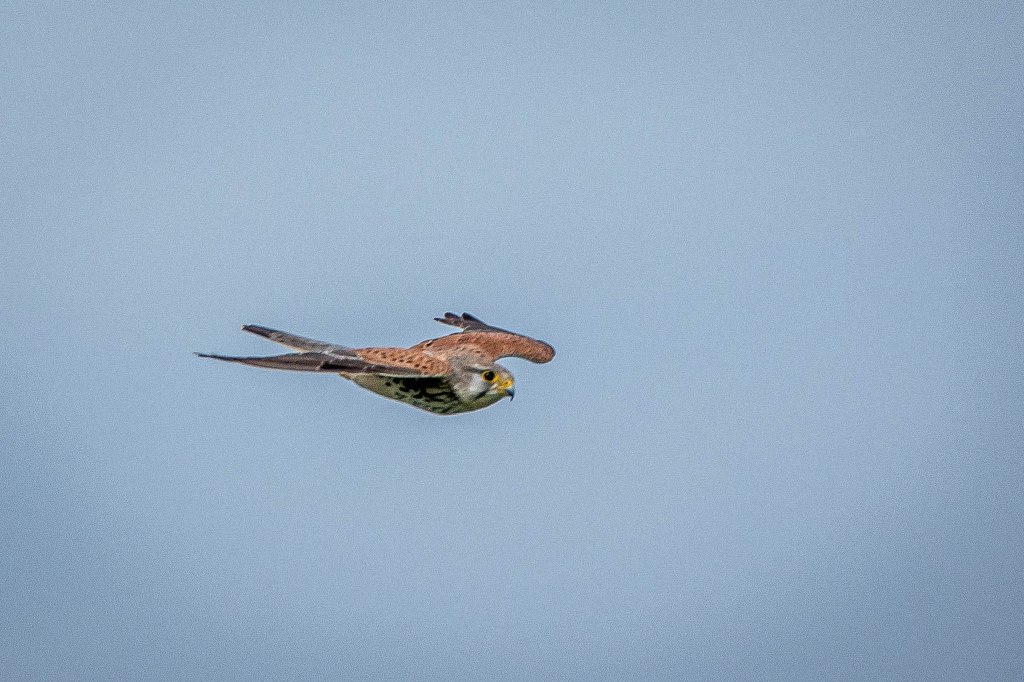
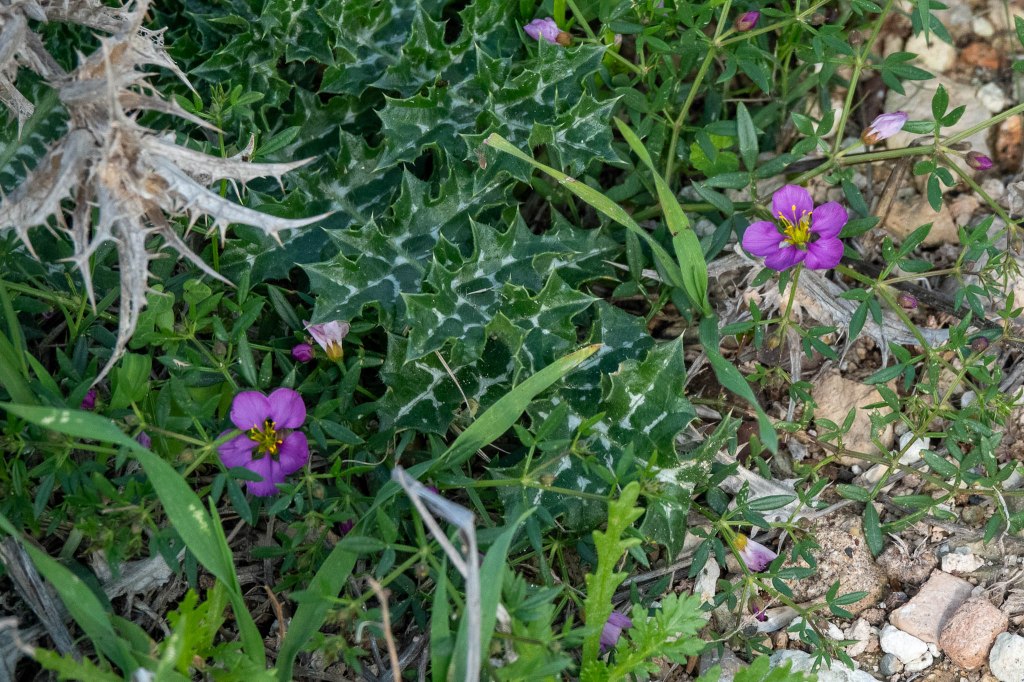
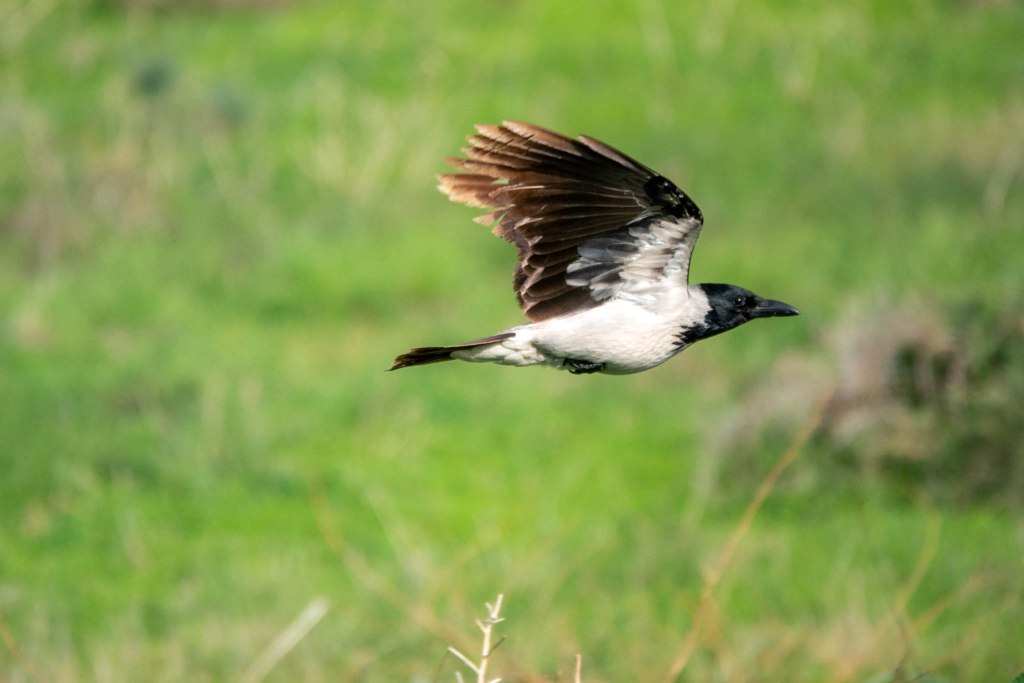
StonechatAt first I thought it must be a stonechat from its position but then realised it was a meadow pipit.This kestrel was clearly not a stonechatKestrel obligingly flying pastSome new plants to us in the park – FagoniaocreticaI think these hooded crows are more handsome than our carrion crows… and quite attractive in flightCoffee on the quay and a chance to add to our list with these great cormorants in the harbour
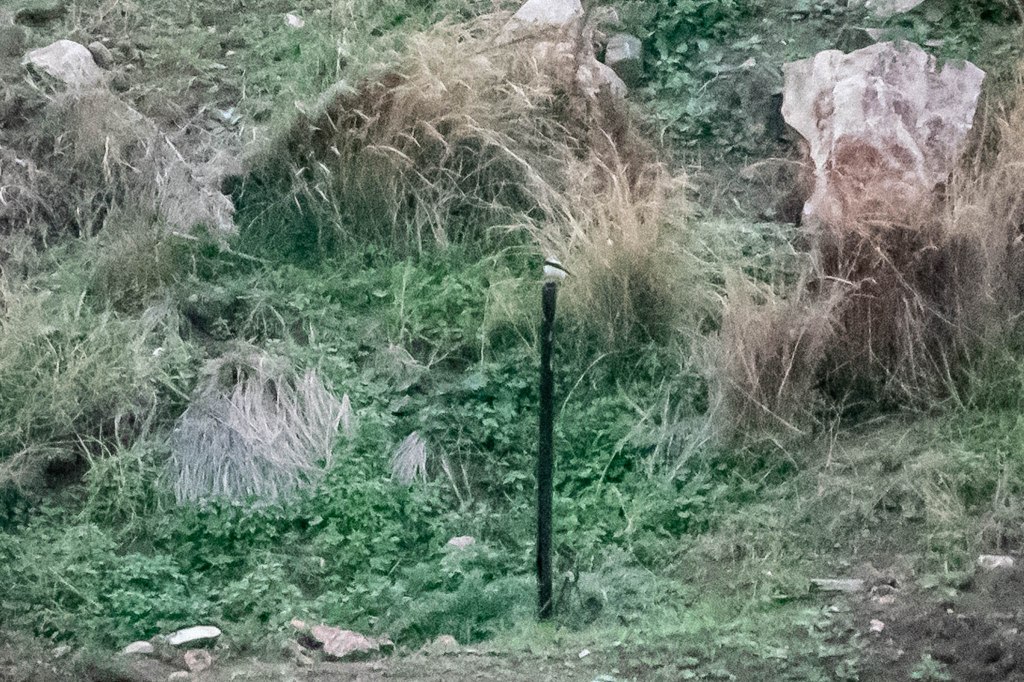
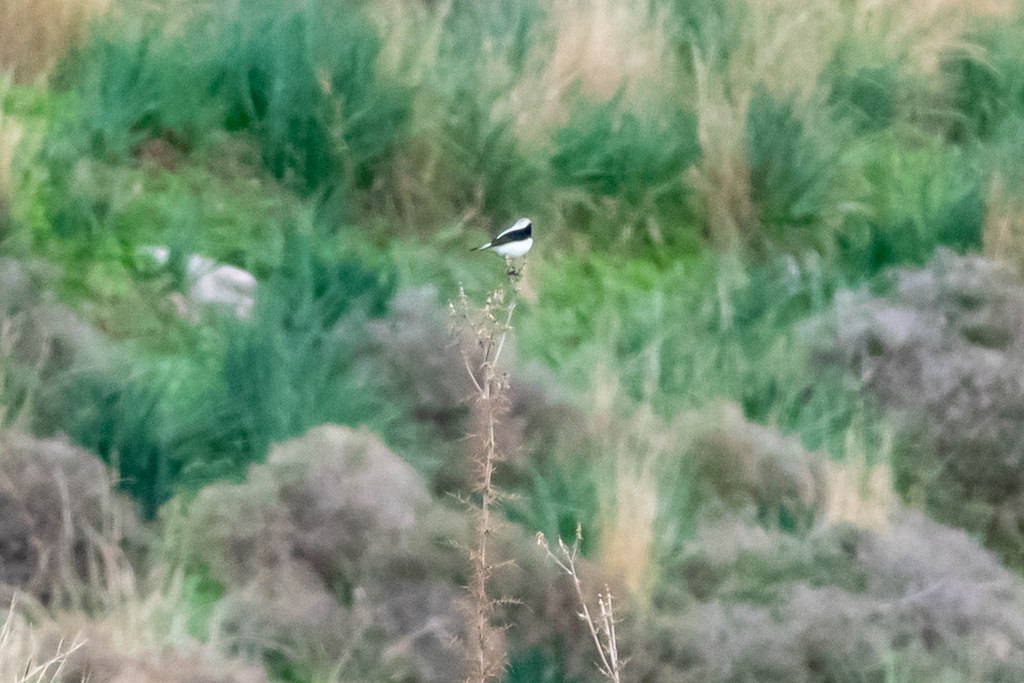
In the afternoon we travelled inland and in the Anarita Park our guide Andy had a great spot with a Finsch’s wheatear.
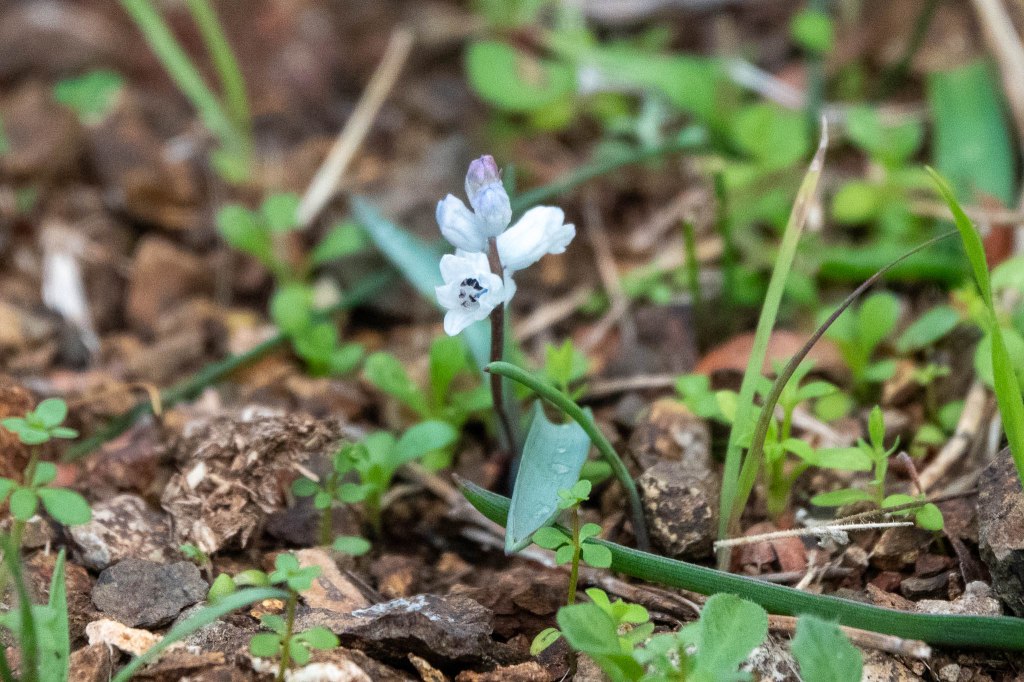
If you look closely you can see the Finsch’s wheatear on the top of the post. You might realise what a good spot this was as this is a highly cropped photo of a shot with my bridge camera with 600 mm lens.The Finsch’s wheatear a little closerAnother good spot – this time by our botanist guide Jessica – Hyacinthella millingenii
We ended our day at the Agia Vagara settling pools which was a little disappointing as the light had more or less failed by then: we saw a few common snipe and a jack snipe, a teal and a pair of coots before we got caught in a heavy shower which had been threatening for most of the day.
Although the forecast for the week had looked very good before our arrival I think it must have been written by the Cyprus Tourist Board because the reality is now somewhat disappointing. It’s definitely better than the UK though.
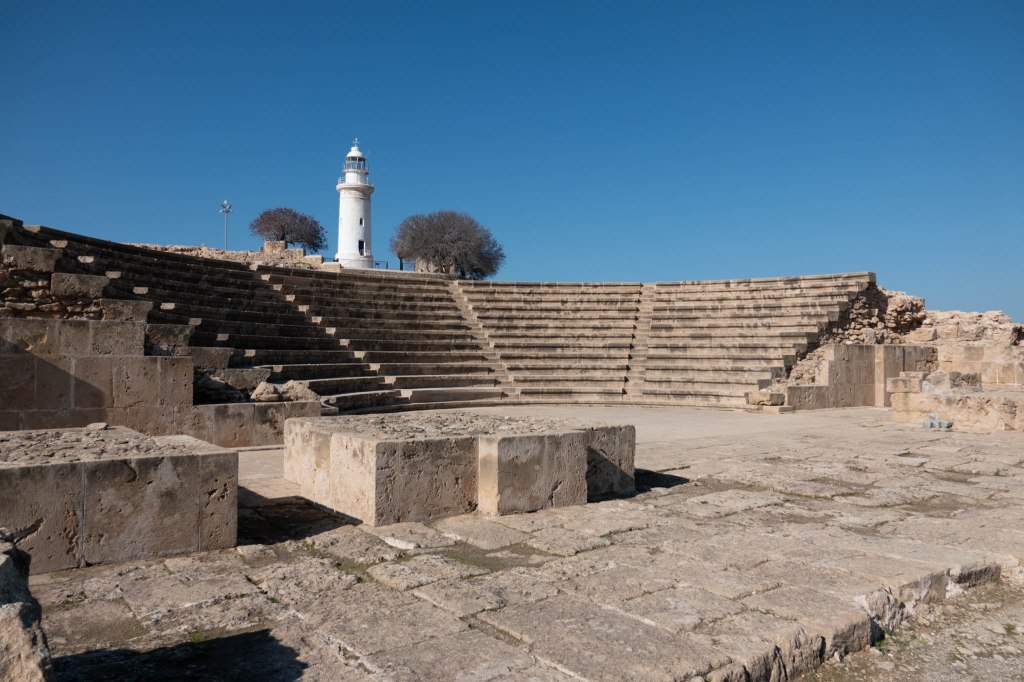
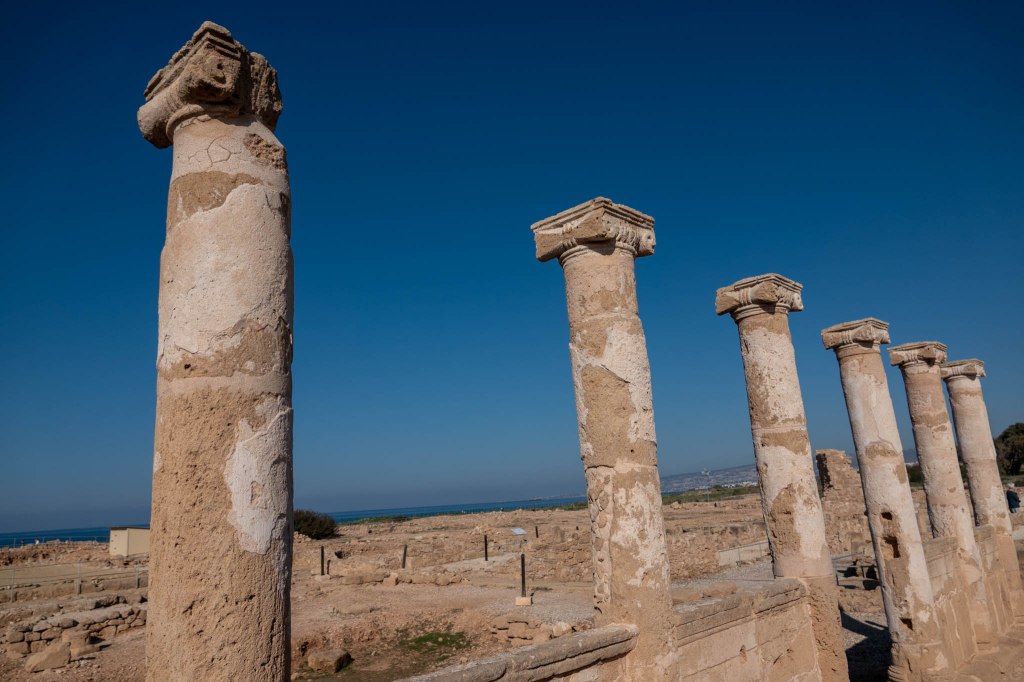
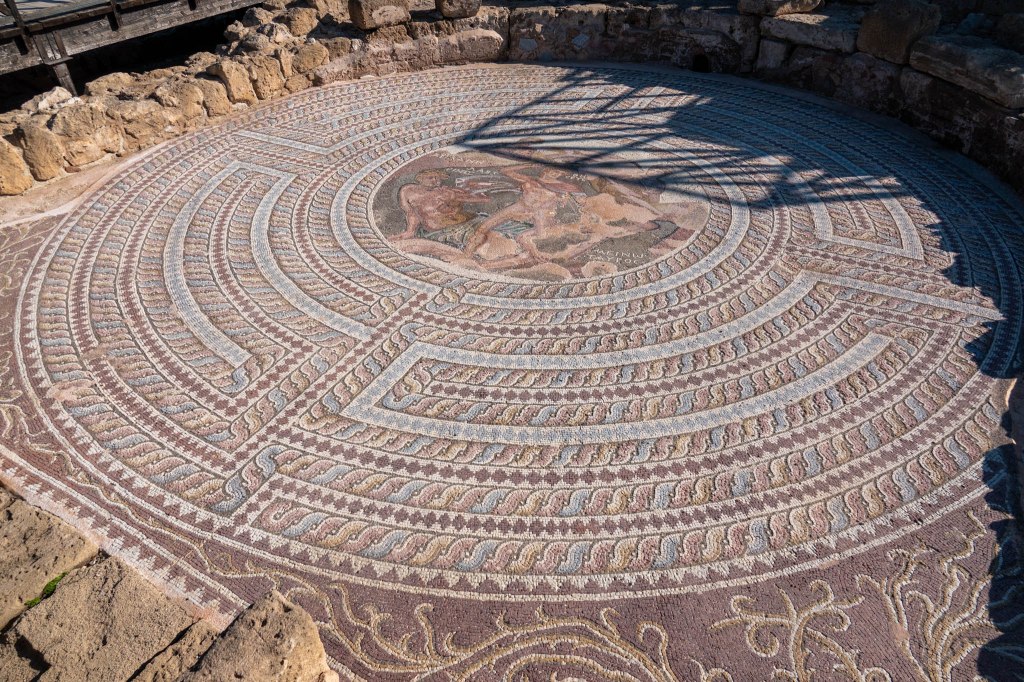
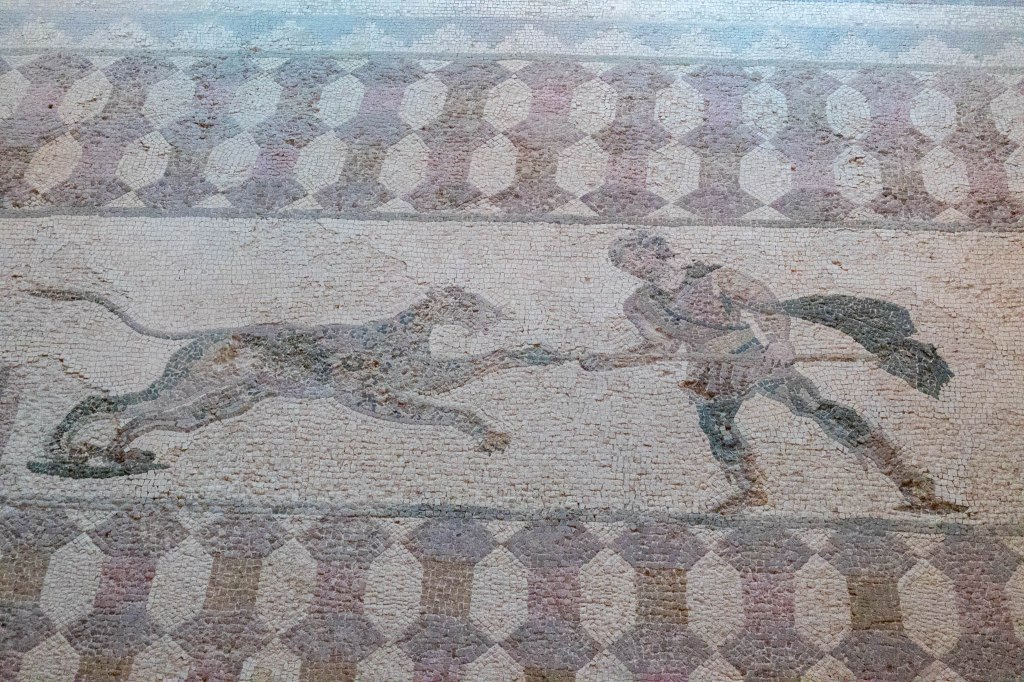
Yesterday we explored the headland near to the Archeological site at Paphos and today we more or less covered the same region; but this time inside the confines of the site. It was a wonderful visit and I shall include a few photos of the site and, in particular, the mosaics but there were lots of opportunities to see birds and some interesting plants.
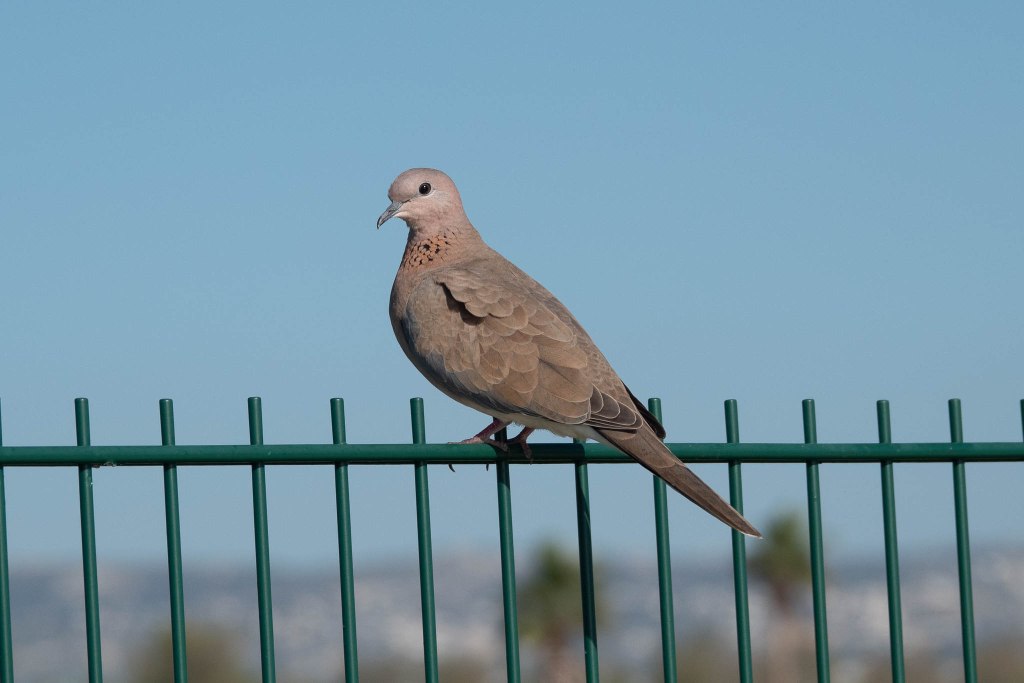
The first sighting was of a laughing dove (another first for me, except I now realise that I saw one yesterday) and then a Sardinian warbler.
Laughing doveNormally I wouldn’t publish such a poor photo but I was very pleased to see this bird- a male Sardinian warbler
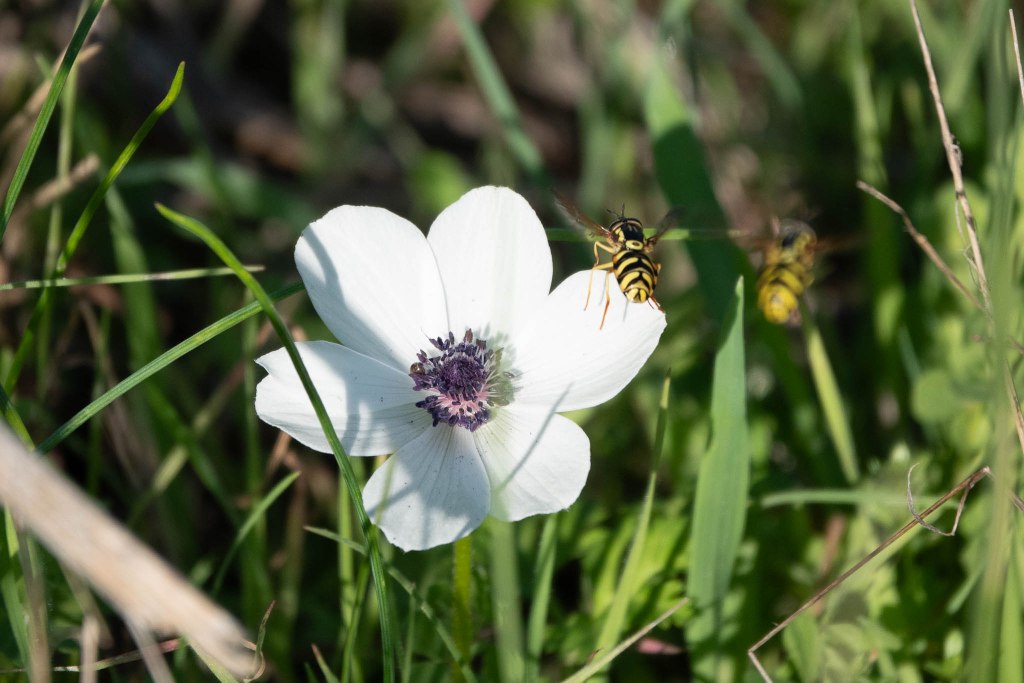
There were lots of of these Anemone coronarias – some were a much darker purple
Anemone coronaria
The other interesting plant which was prevalent was a Leontodon tuberosus.
Leontodon tuberosusThe only butterfly photo of the day – a large whiteRed-throated pipit close upNot so close up – a common chiffchaffStonechats everywhereCrested lark on the ruins
Just a few of the ruins and mosaics for a flavour of what we saw (I will come back to this when I have more time and band width).
And a few more birds to conclude:
Laughing doveLinnet
The locals certainly have stamina here (or perhaps it was a Russian gymnast).
Whilst I was admiring his skills I missed a flock of golden plovers nearby.
We have arrived in Paphos in Cyprus where we are spending a couple of days before joining a two-centre natural history tour over Christmas based firstly here in Paphos and then on the Akomas Peninsula.
Today we have had a recce around the Paphos headland and acclimatised ourselves to the local climate on a sunny day with a gentle breeze and temperatures in the high teens – rather different to the rain and storms back home.
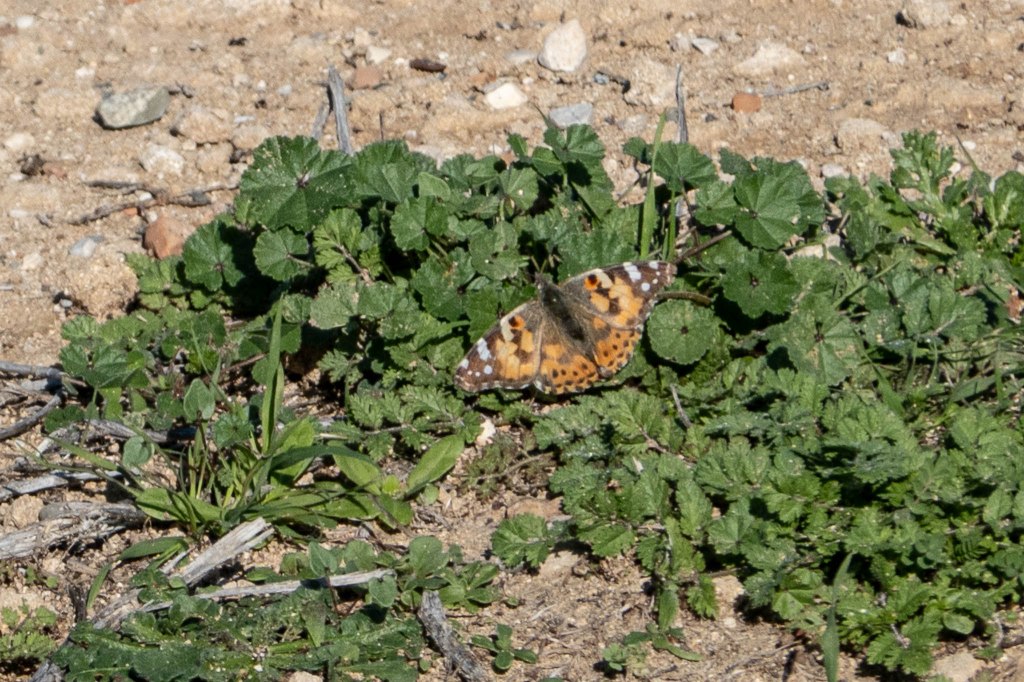
There have been opportunities of a few bird photos and even a painted lady butterfly but we’ve focussed more on settling ourselves in and enjoying the local cafés and restaurants.
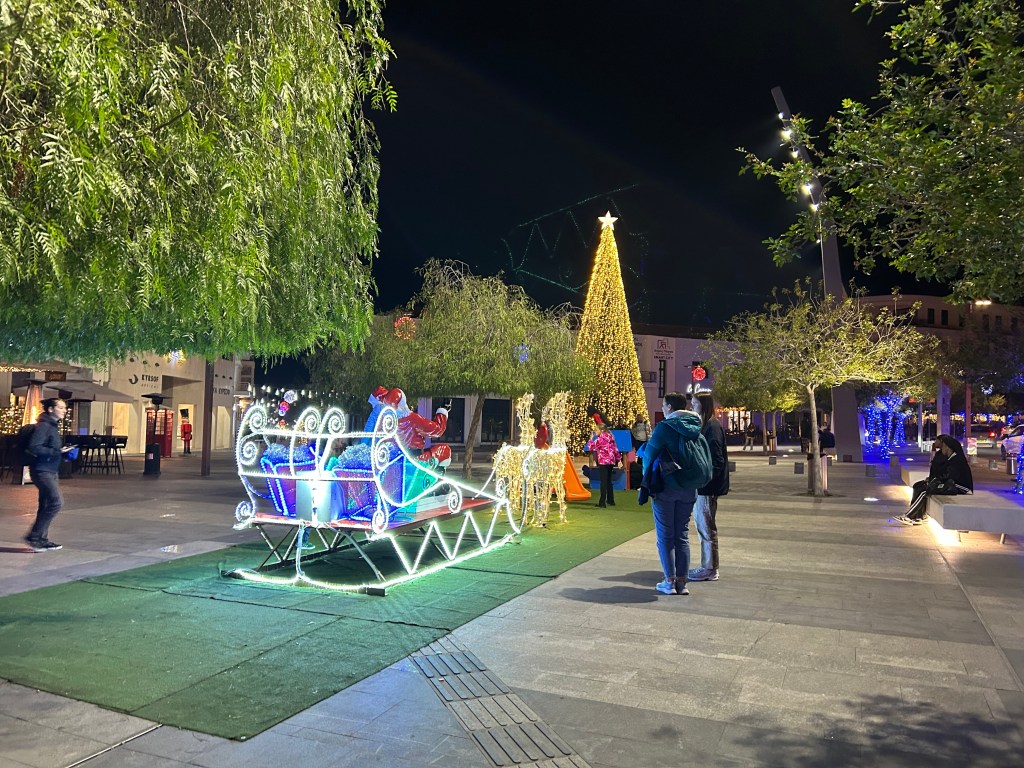
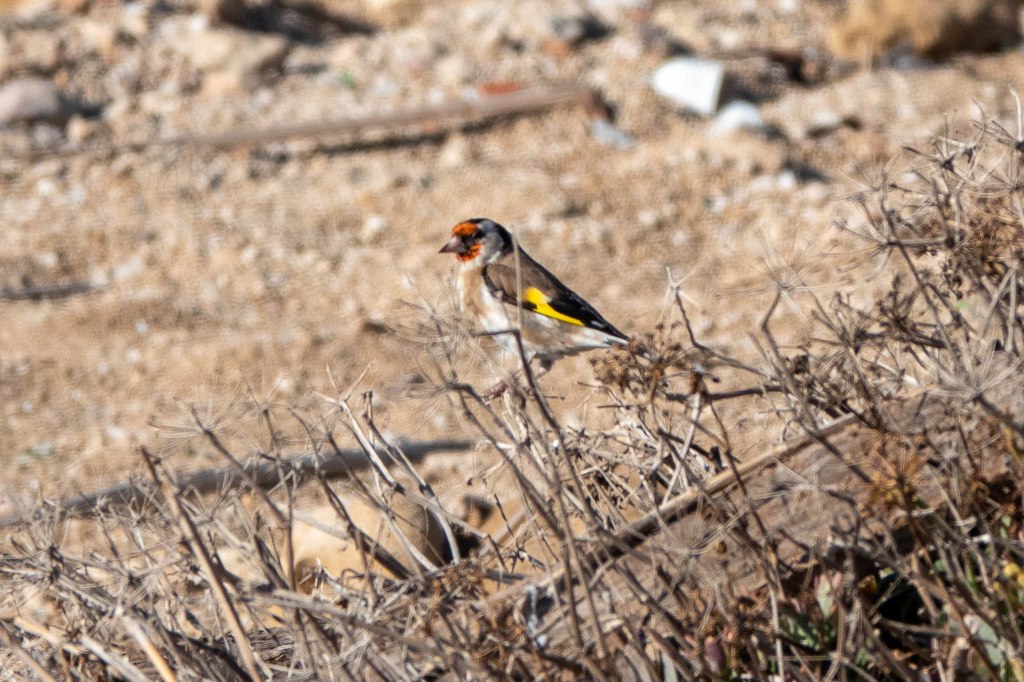
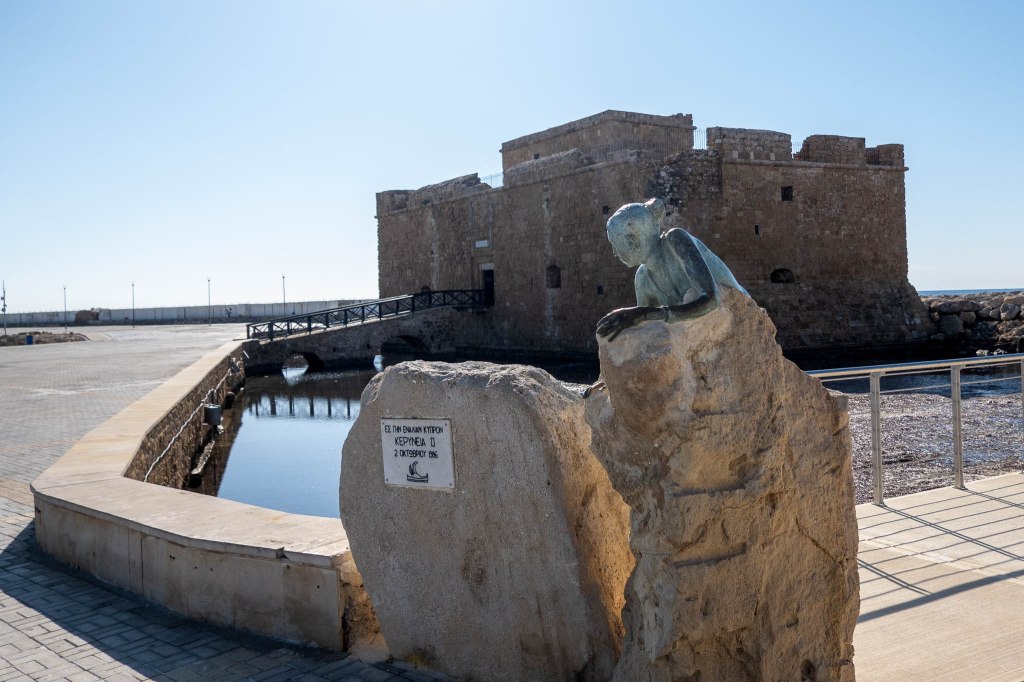
StonechatRed-throated pipit was a first for me (if that is what this is) Hooded crowLaughing doveGoldfinchKestrelStonechatPainted lady butterflyCrested larkThe Paphos headlandPaphos CastleThe little fishermanJust to remind ourselves that it really is Christmas time here.
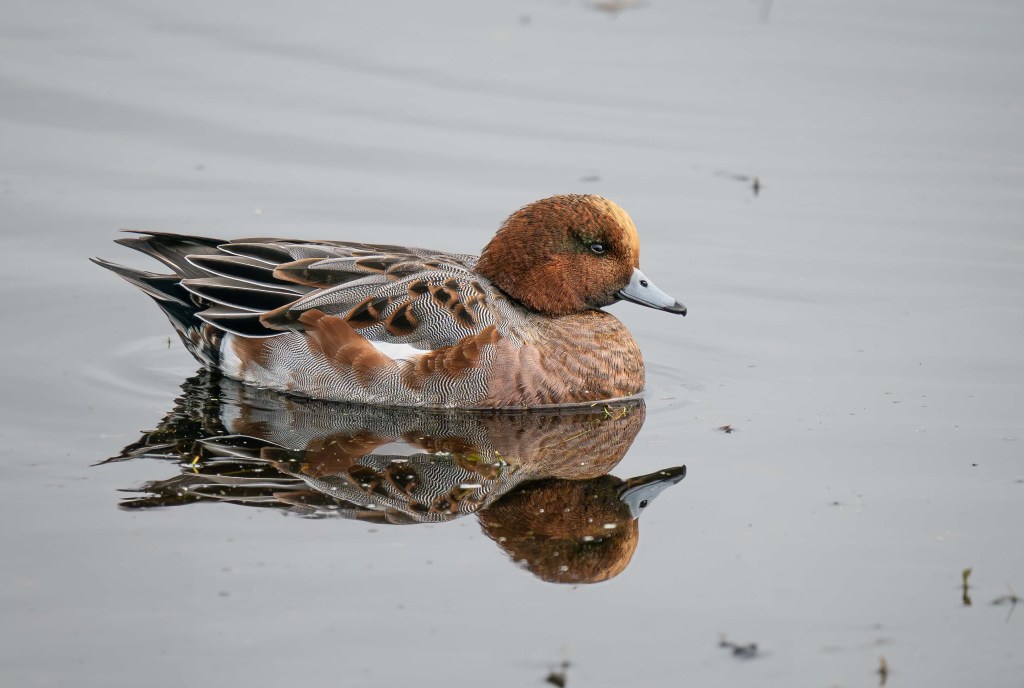
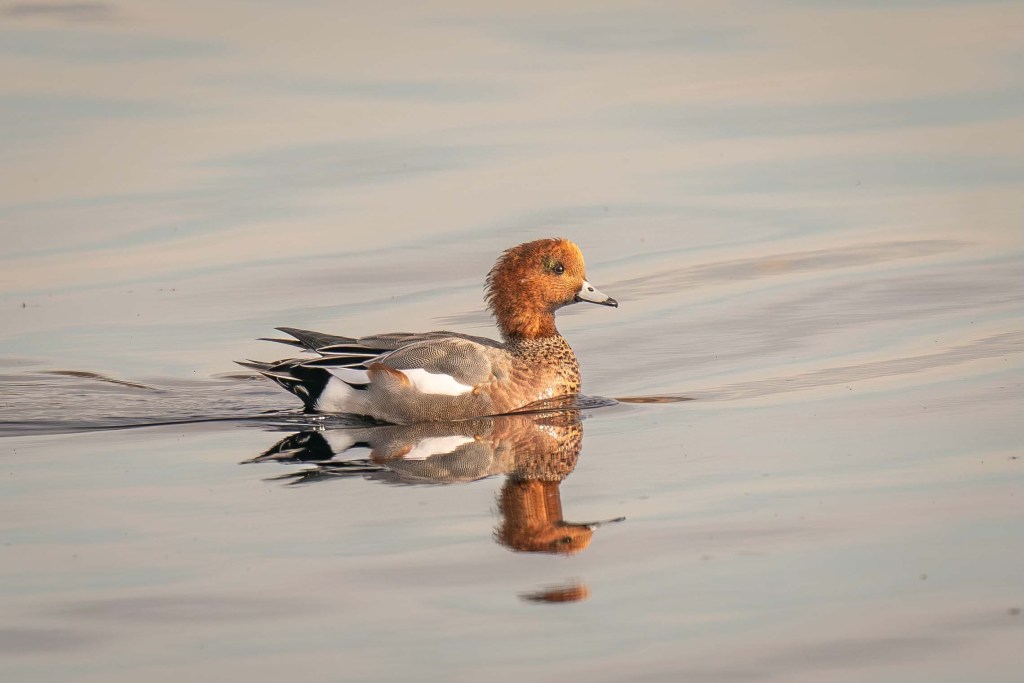
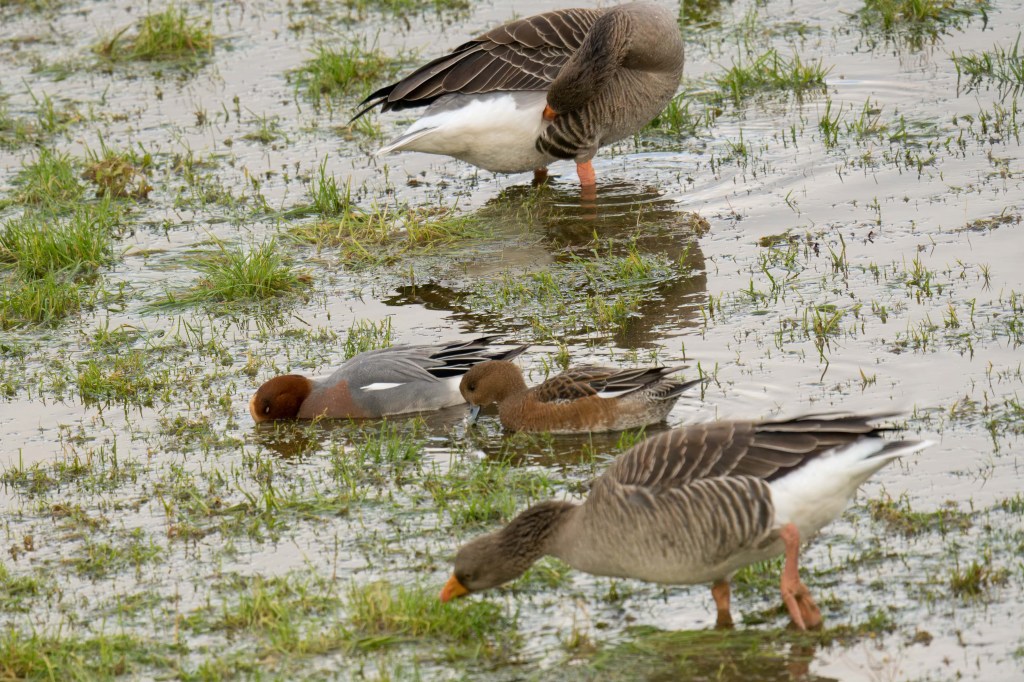
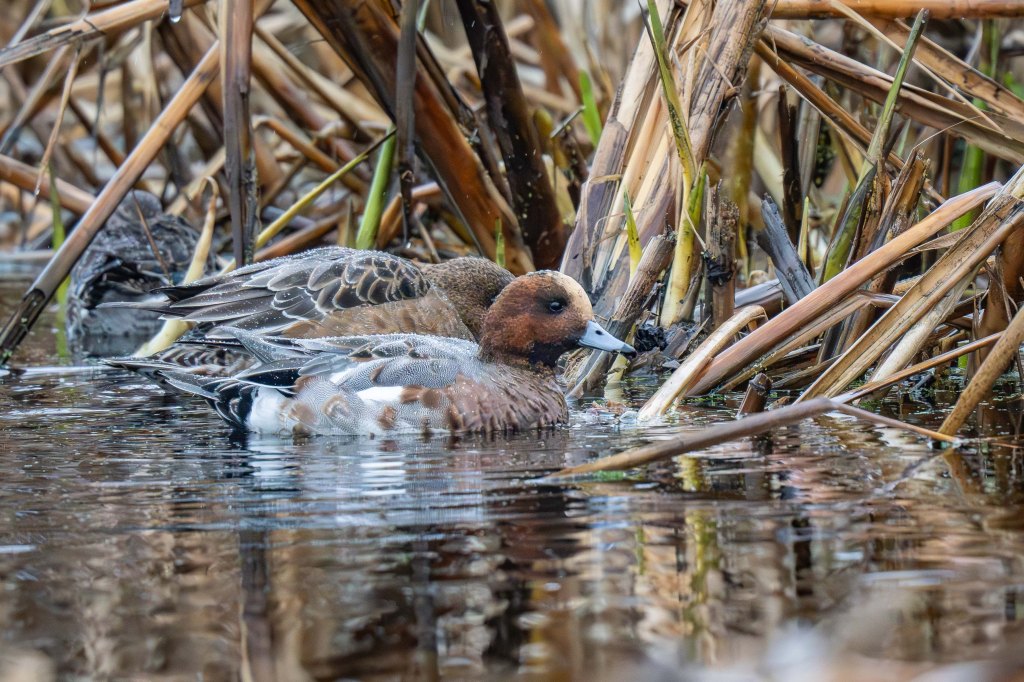
In autumn, Britain & Ireland receive vast numbers of wigeon from the breeding grounds located further north and this wintering population has increased significantly since 1983/84. The Wetland Bird Survey reveals a few widespread locations holding over 30,000 birds in winter.
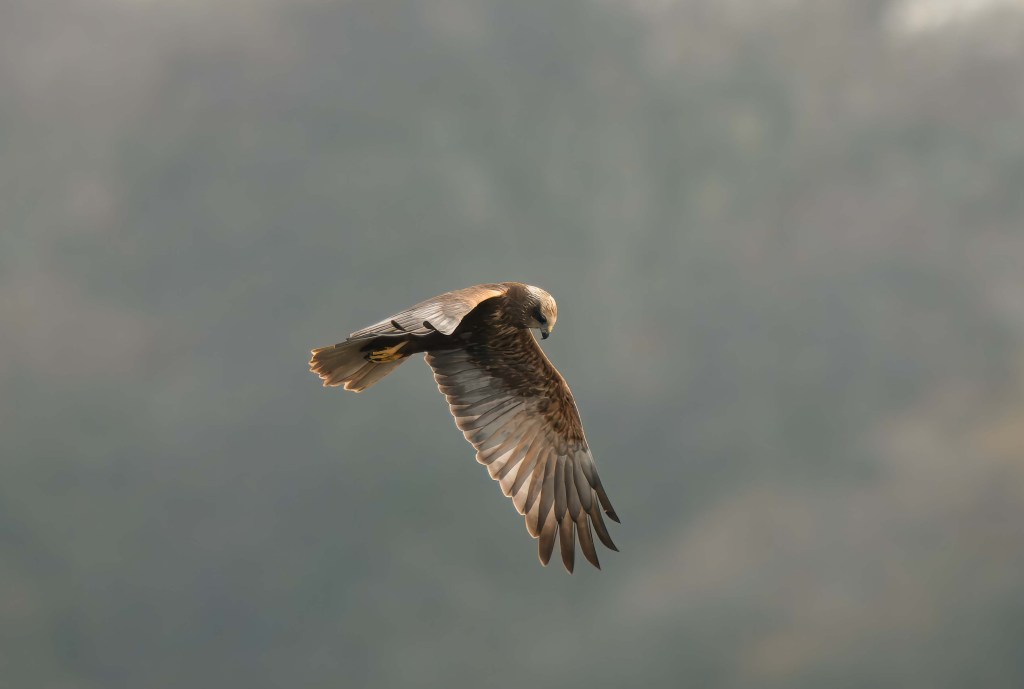
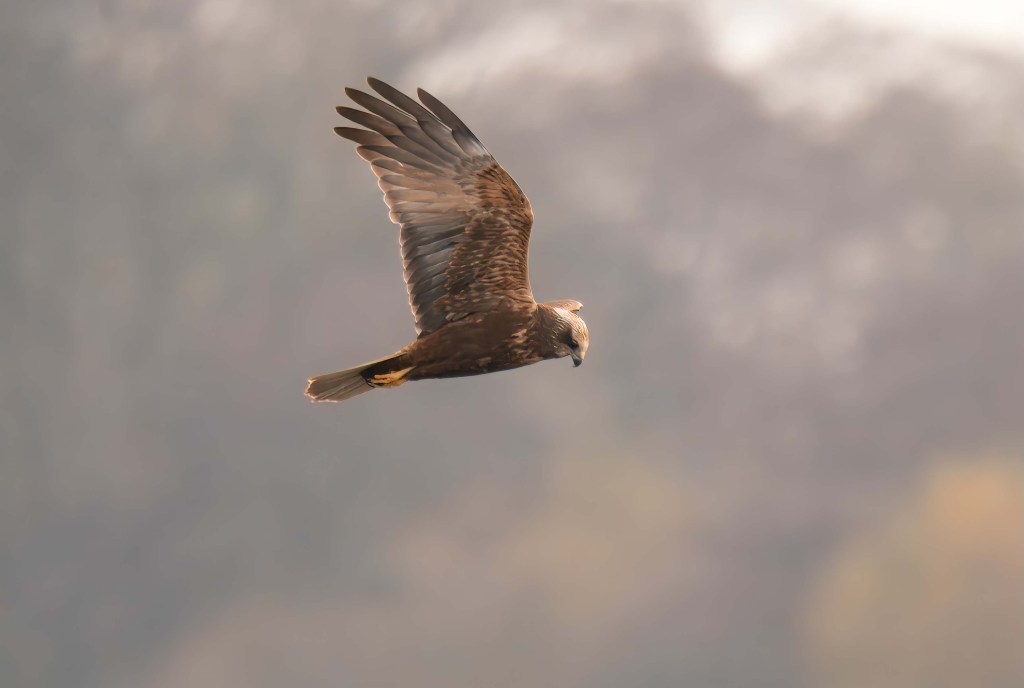
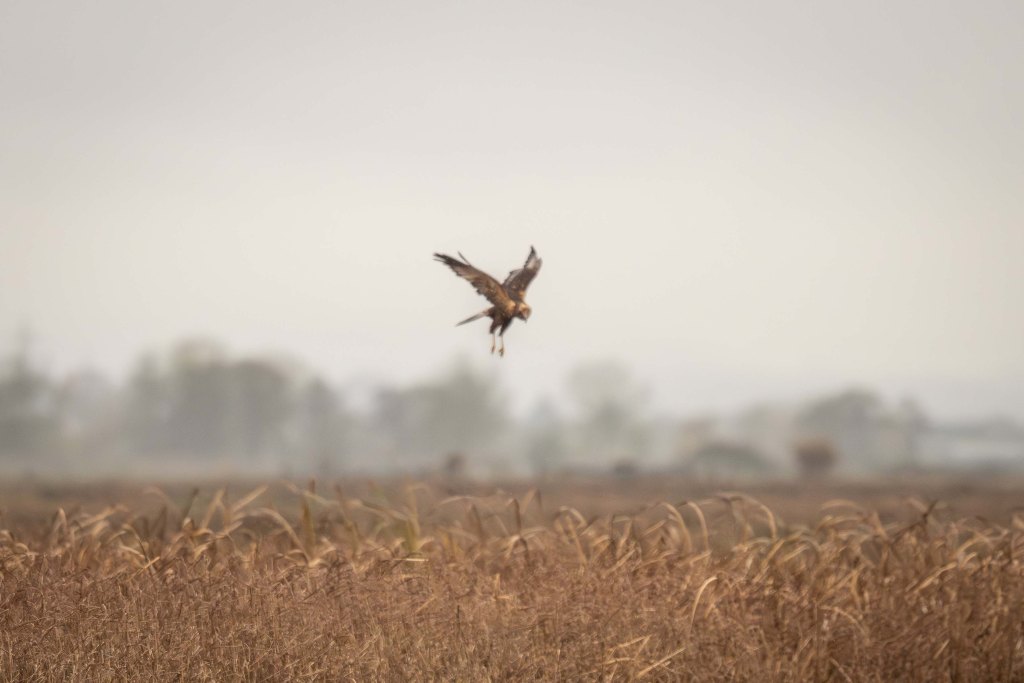
The vast majority of them must have been at Catcott today; or that’s how it seemed. Most of them seemed to be asleep when I arrived and not much disturbed them. There was the occasional distinctive whistle from them but not even a marsh harrier sent them up in a flock. Perhaps their tactic for survival was to remain still
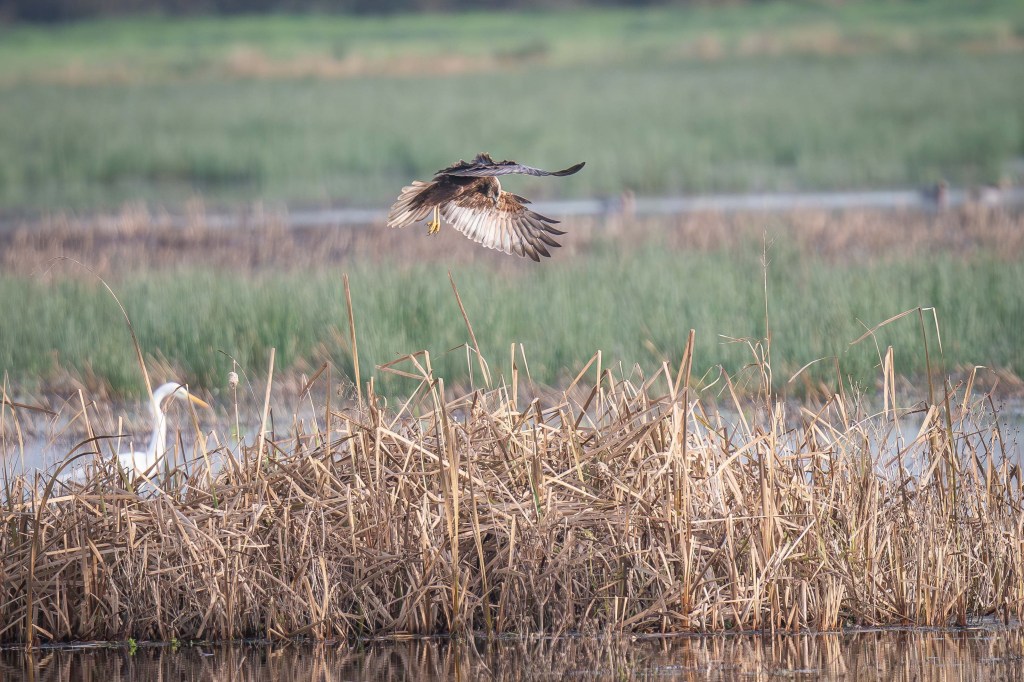
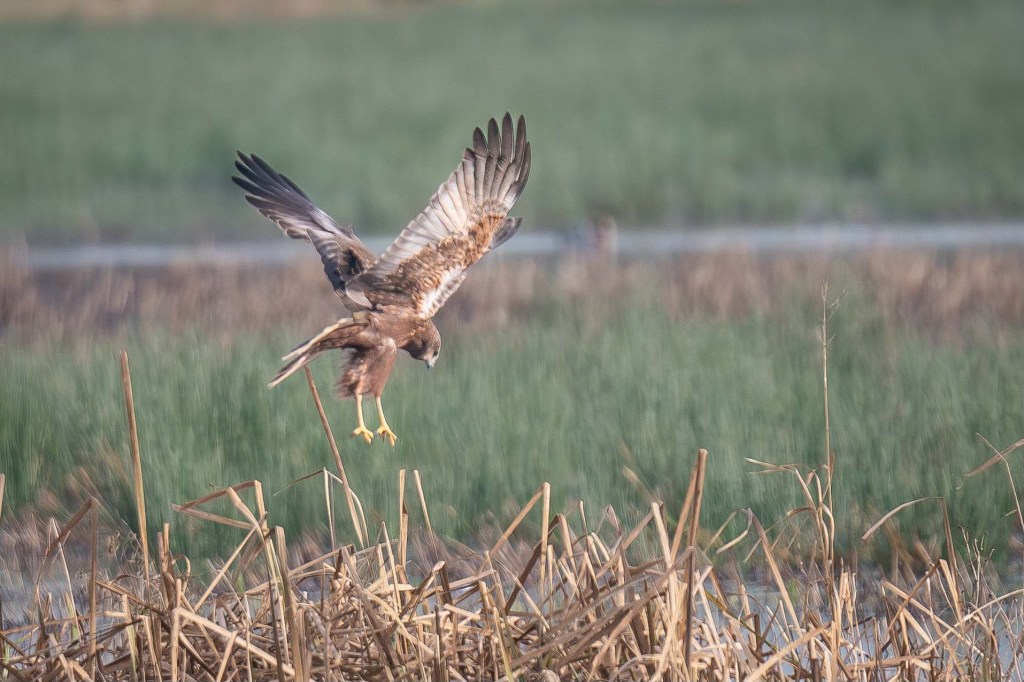
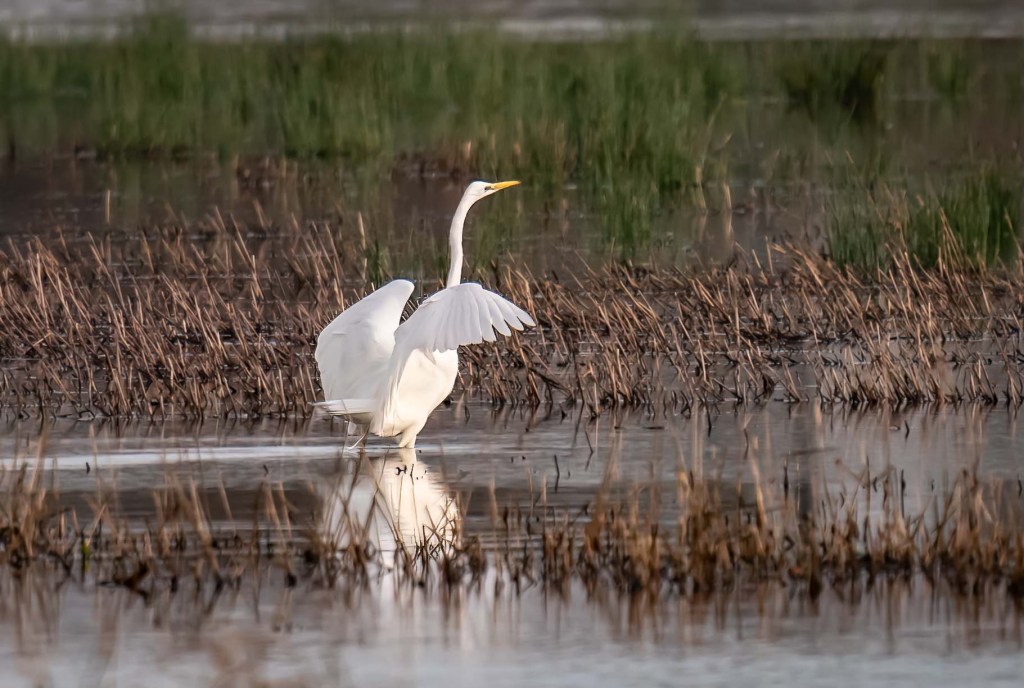
Eurasian wigeonEurasian wigeonEurasian wigeonMarsh harrierMarsh harrierMarsh harrierHad the marsh harrier spotted its prey or was this its resting place?Marsh harrierMarsh harrierGreat egret and marsh harrierThe great white egret found plenty to eat
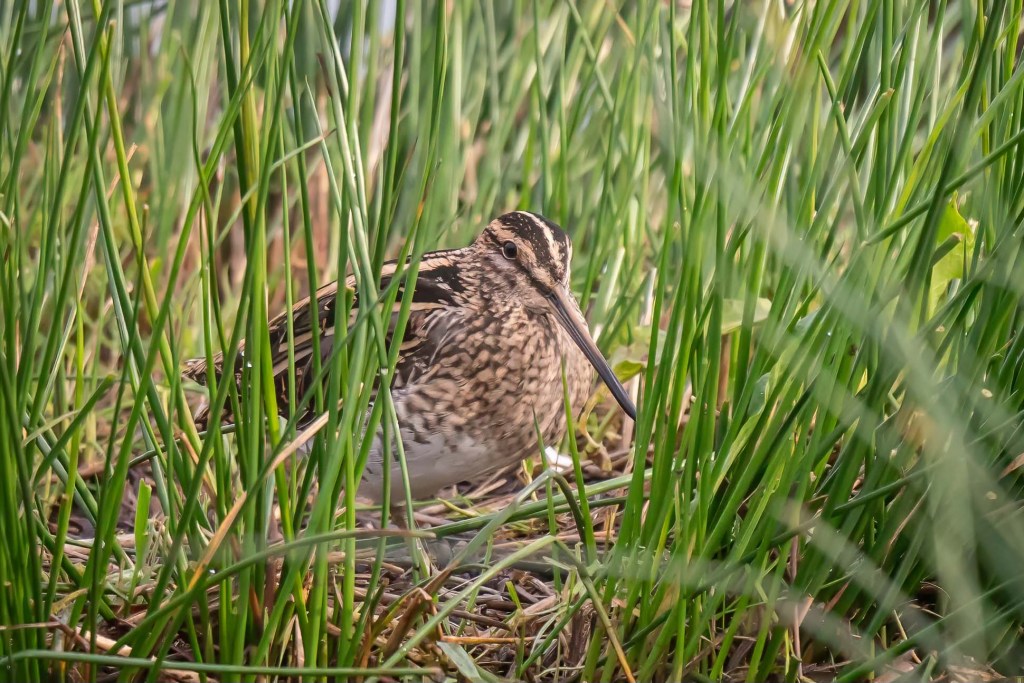
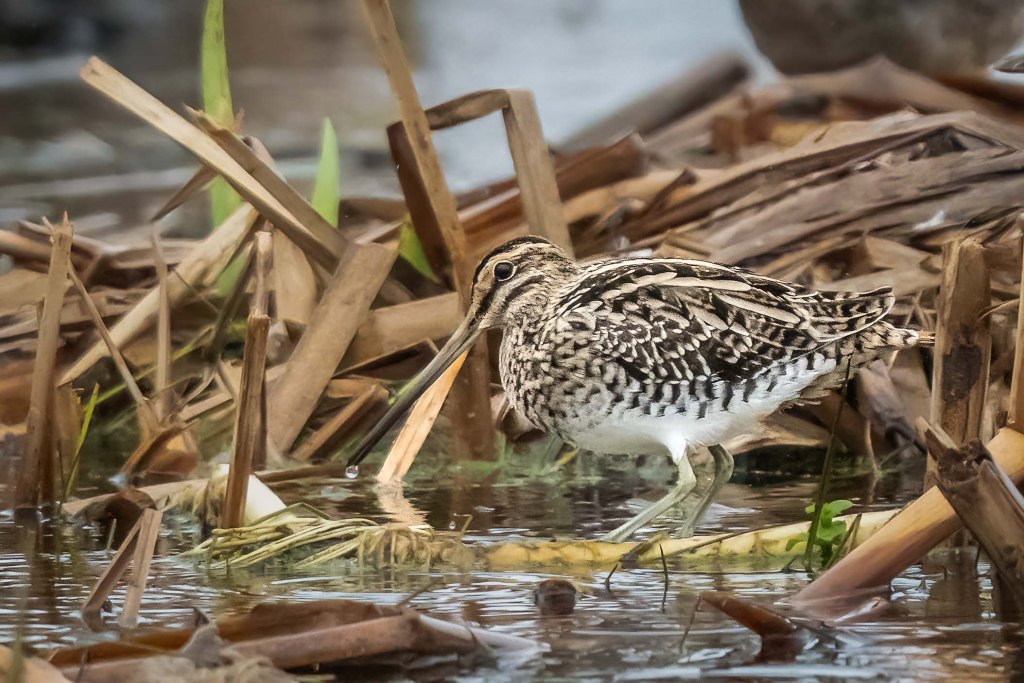
The only other spot from the hide was a common snipe which was visible for only a few moments before disappearing.
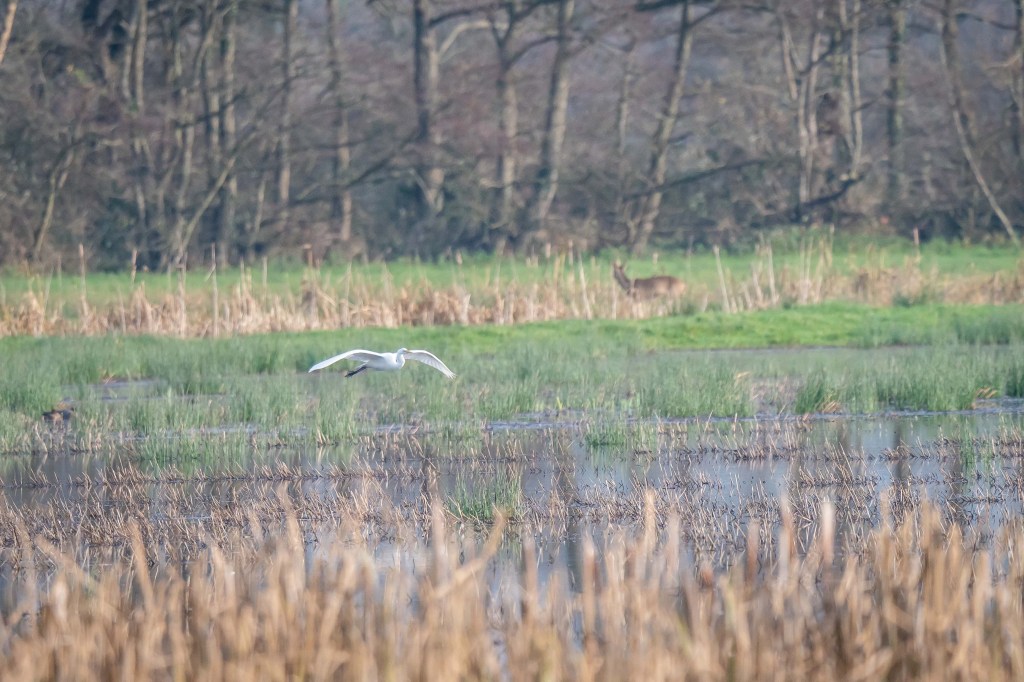
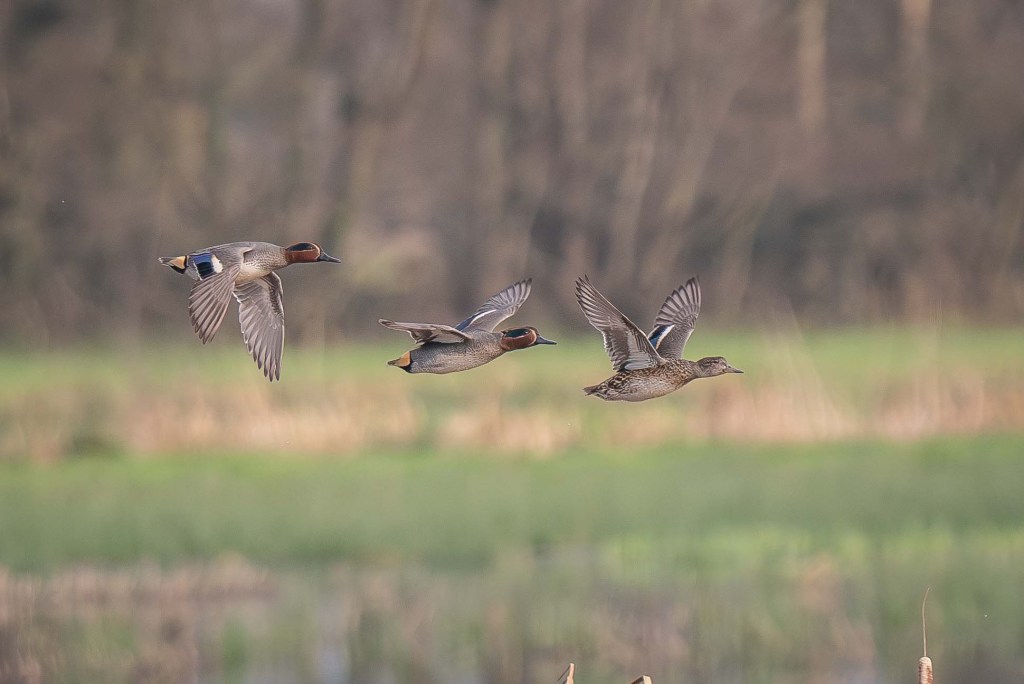
Common snipeCommon snipeHowever, the robin was not too secretiveA deer watched on as the great white egret arrivedGreat white egret landingTeal in flightAnother robin – posing againAnother great white egret fishing in a ditch as I leftMeadow pipit avoiding the danger of the barbed wire
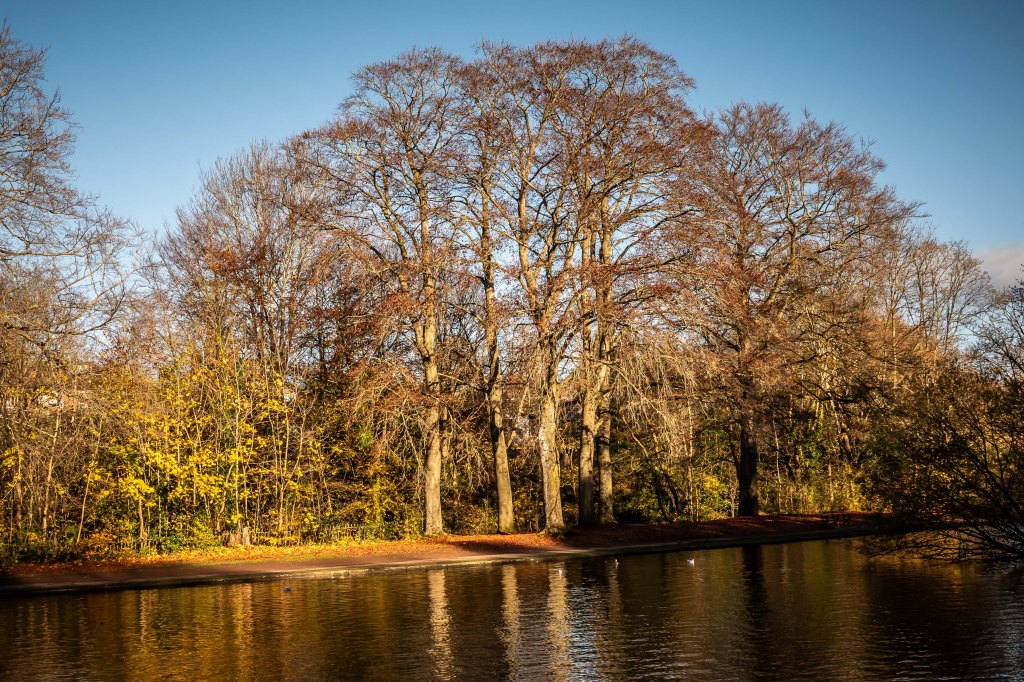
The sun was the star of our walk around the park this morning; although it was a very cold day it was a joy to feel its rays.
Very few leaves but still lots of colourA dramatic range of light
The tawny owl was visible in its box on the island in the middle of the lake but its features were not too easy to see. The cormorants in the trees were clearly enjoying the sun too.
Tawny owlGreat cormorant
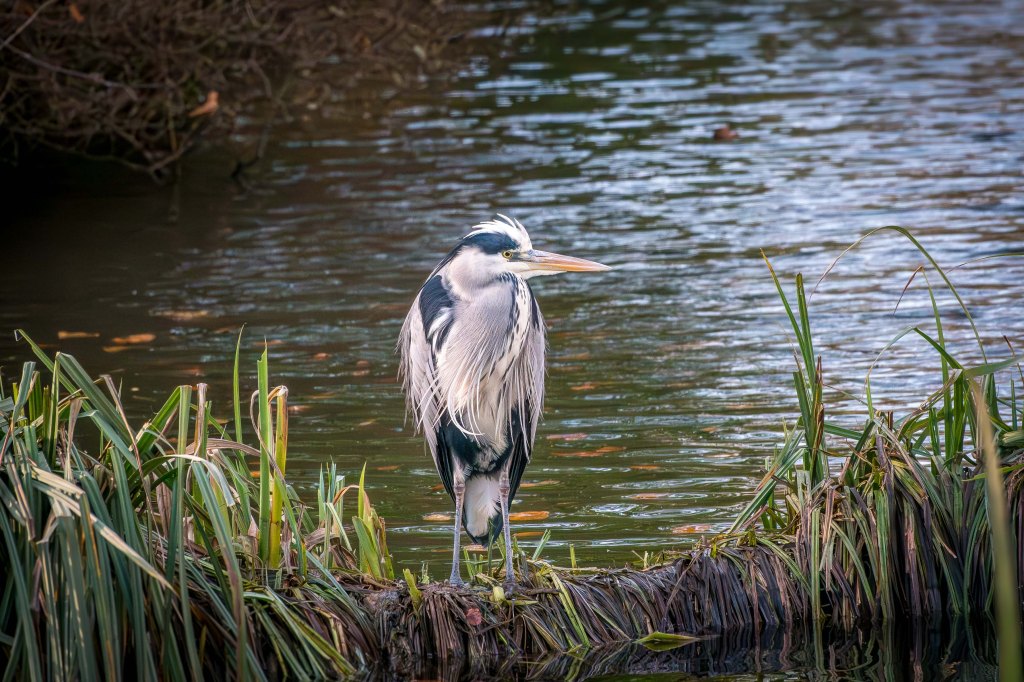
A grey heron looked quite dramatic too in the sun; it seemed more intent on posing and showed little interest in feeding.
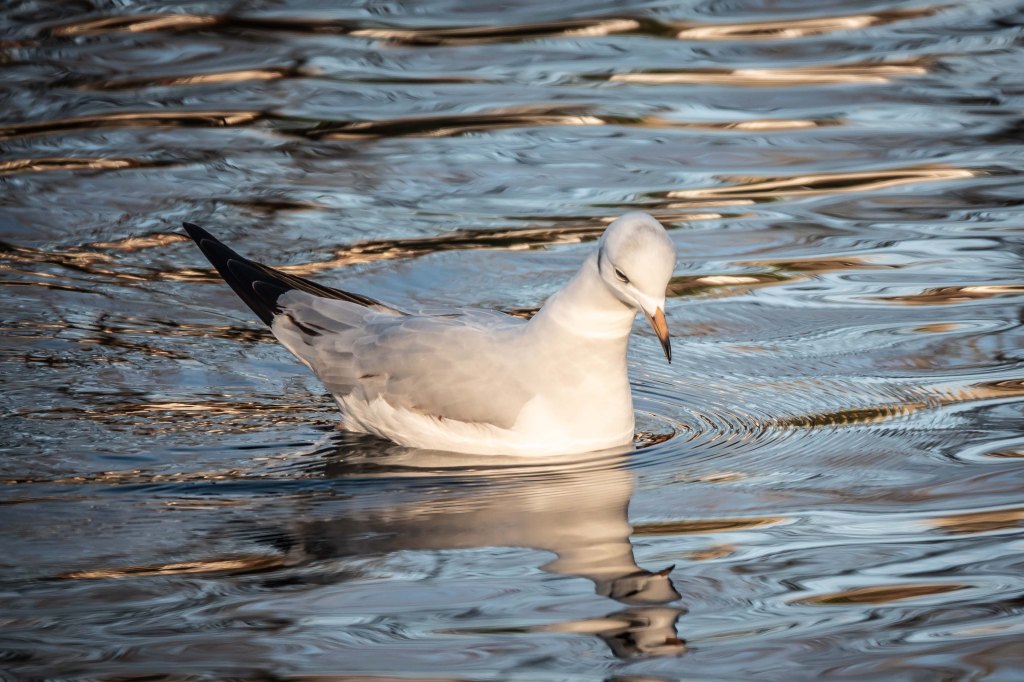
Grey heronPerhaps it was on sentry duty?Even the black-headed gulls looked attractive in the sunThey looked demure …… and then wanted to show off.
However, we felt the best poser was the robin. No surprise there, then.
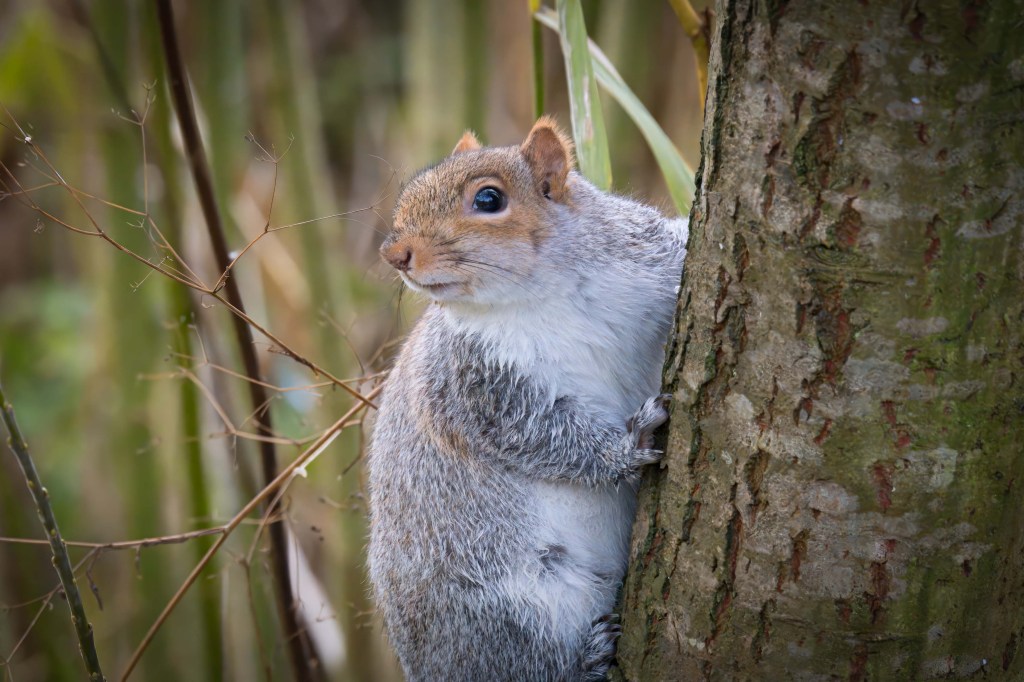
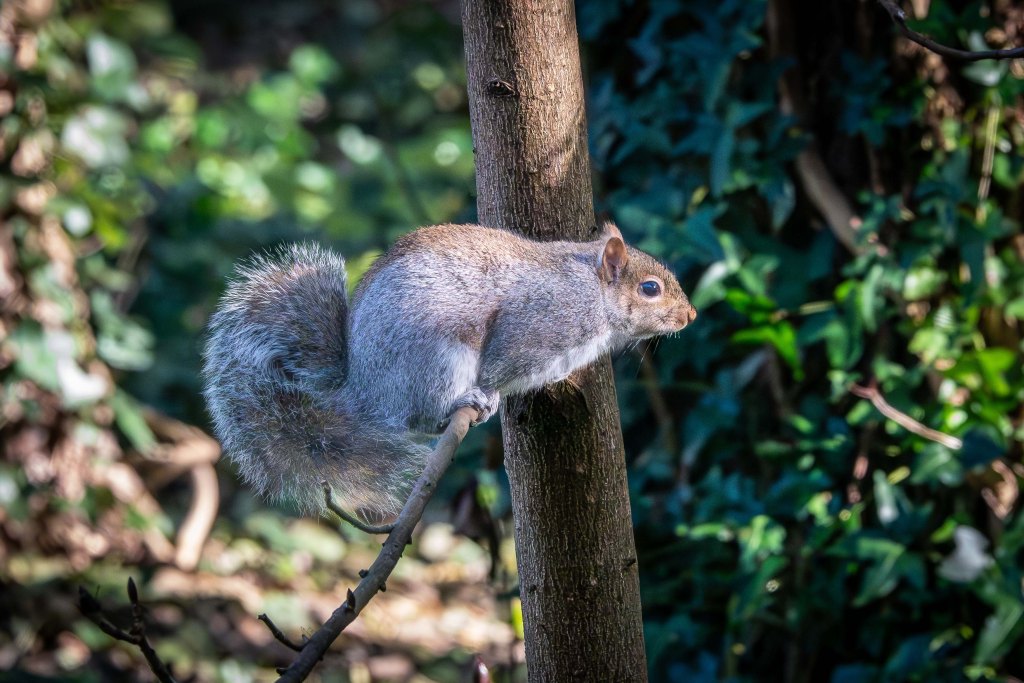
RobinHowever, the squirrel didn’t want to be outstaged
Although there was snow forecast for north of Bristol and reasonable weather forecast for mid Somerset, I was disappointed to set off in rain and sleet. It didn’t rain all day but it was pretty miserable throughout; it was quite testing seeing birds and even more challenging photographing them.
I headed for Catcott Lows as there is a hide where you can park close by; but when I arrived I found it was closed as they were “managing” the trees on the lane leading to the hide. I continued further south to RSPB Greylake, a small reserve where, again, I wasn’t going to get drenched reaching the hides.
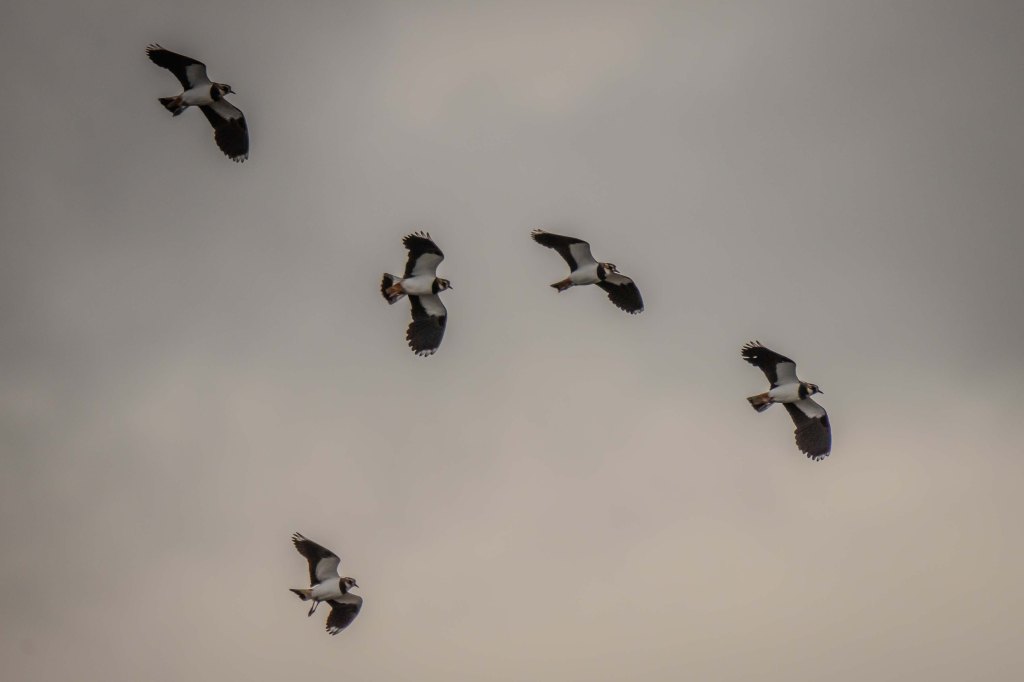
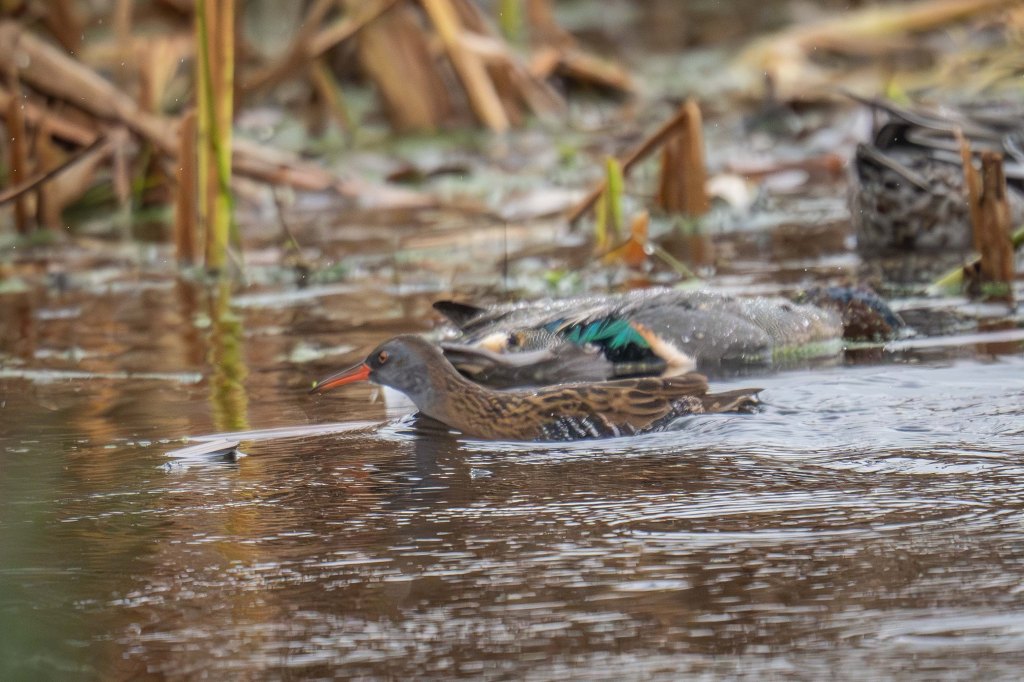
There were big numbers of lapwing, wigeon and teal. Best of all there were quite a few snipe close to the hide, a water rail and an occasional marsh harrier.
WigeonTealLapwingCommon snipeSnipeMarsh harrierMarsh harrierMarsh harrierLapwingCommon snipeWater railTeal and snipeWigeon
On the way home I saw large numbers of little egrets and cattle egrets in the fields. Also, large numbers of starling were congregating and I thought it was a shame I couldn’t stay later to see the magnificent sight of the murmurations before they roost. But there again, I don’t think the views would have been too wonderful as the bad weather set in again and the light would have been very poor.
Cattle egret
I stopped very briefly at Cheddar Reservoir where I saw large numbers of pochard. I certainly didn’t stay long as it was only 2 degrees centigrade and definitely felt much colder with the wind blowing off the water.
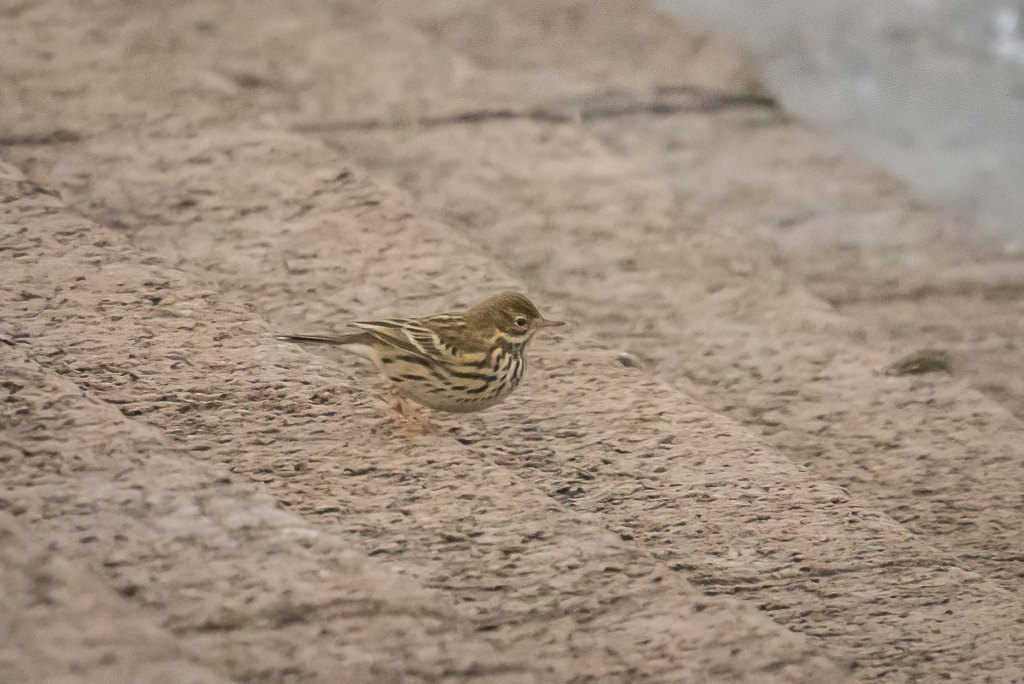
PochardMeadow pipitGrey wagtail looking as cold as I felt

















































































 Martin's Bird Blog & Nature Photos