Just time this morning for a stroll over to one of our local parks before the rain came.
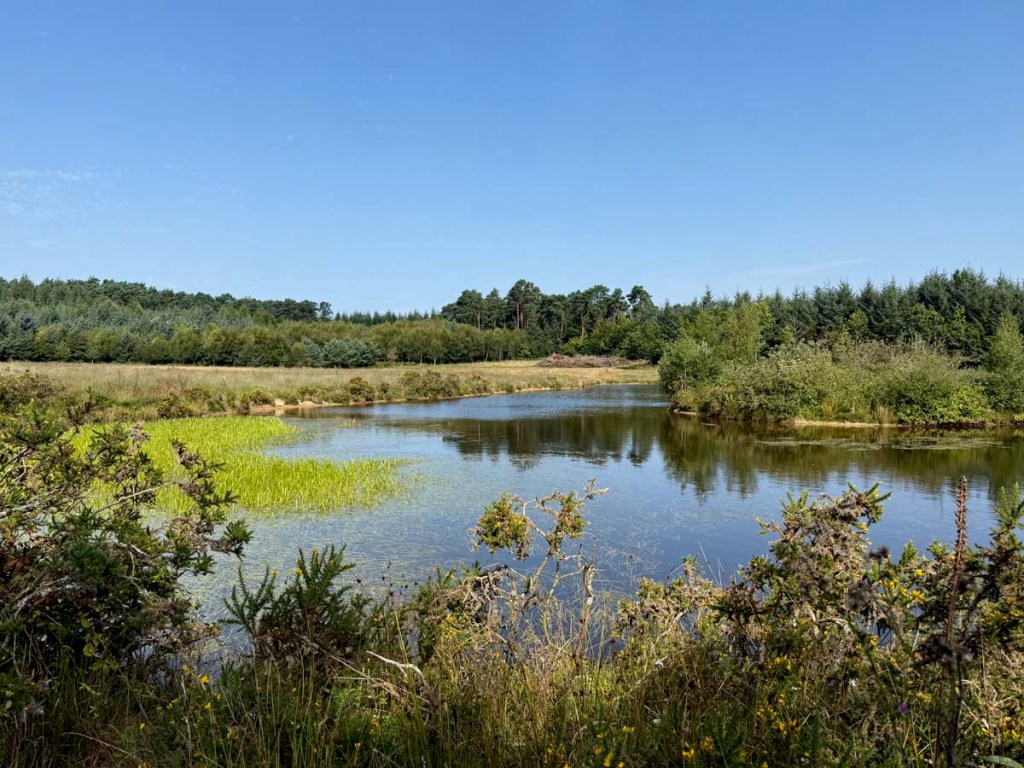
Duchess Pond in Stoke Park Estate
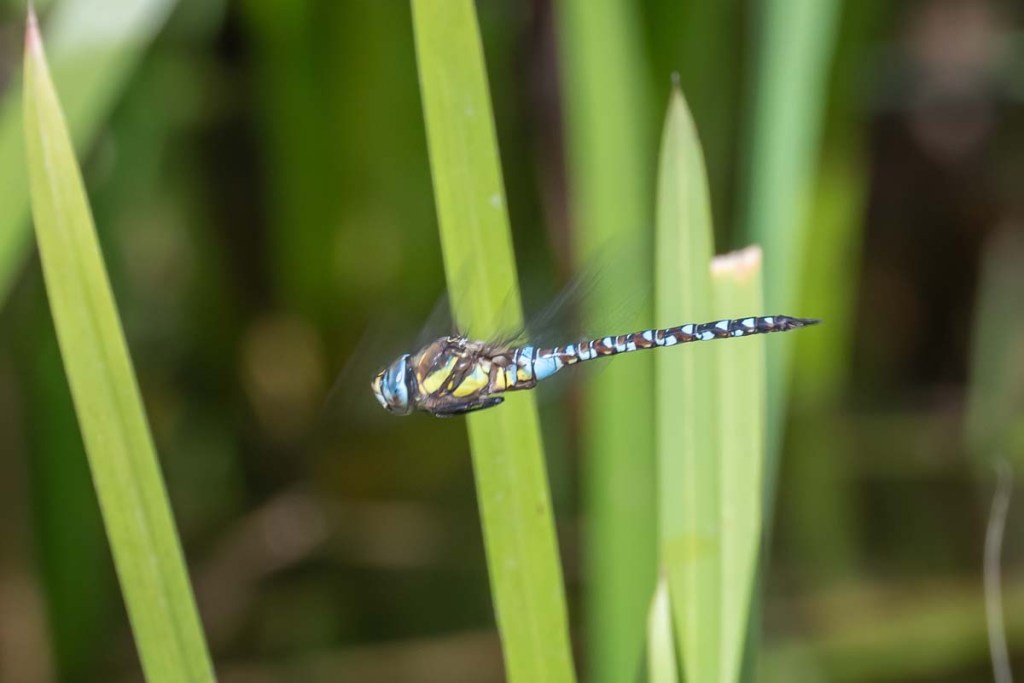
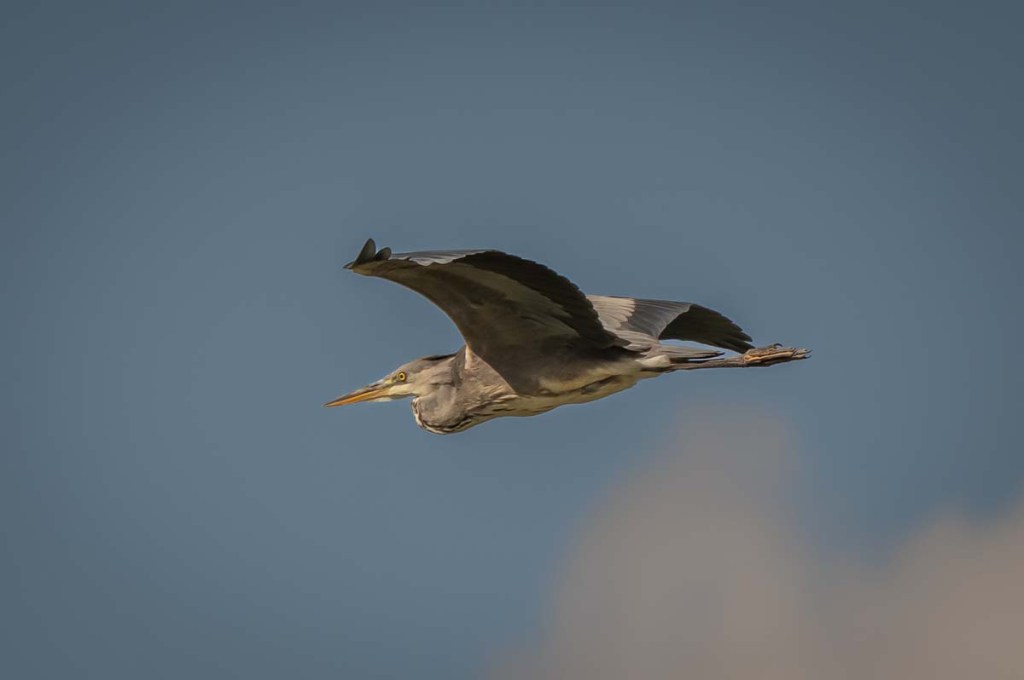
There are still plenty of dragonflies around but I didn’t see much in the way of bird life except for a grey heron (and coots and moorhens) although redstarts have been reported recently.
Common darterMigrant hawkerGrey heronGrey heronGrey heron
It’s a lovely spot but not as wonderful as it looks because it’s next to the motorway and very noisy.
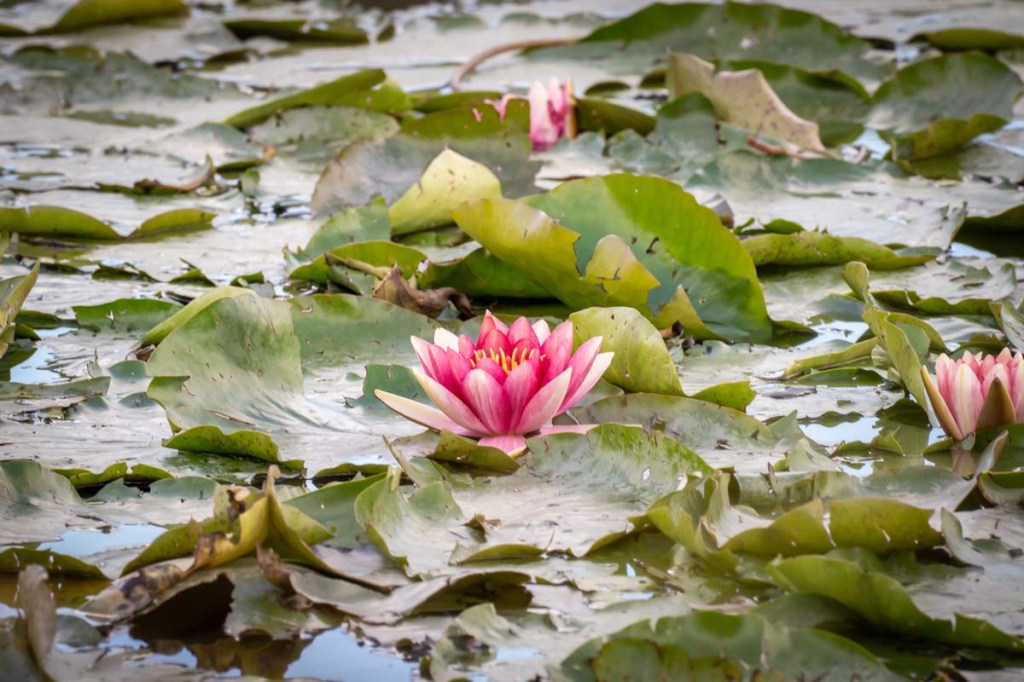
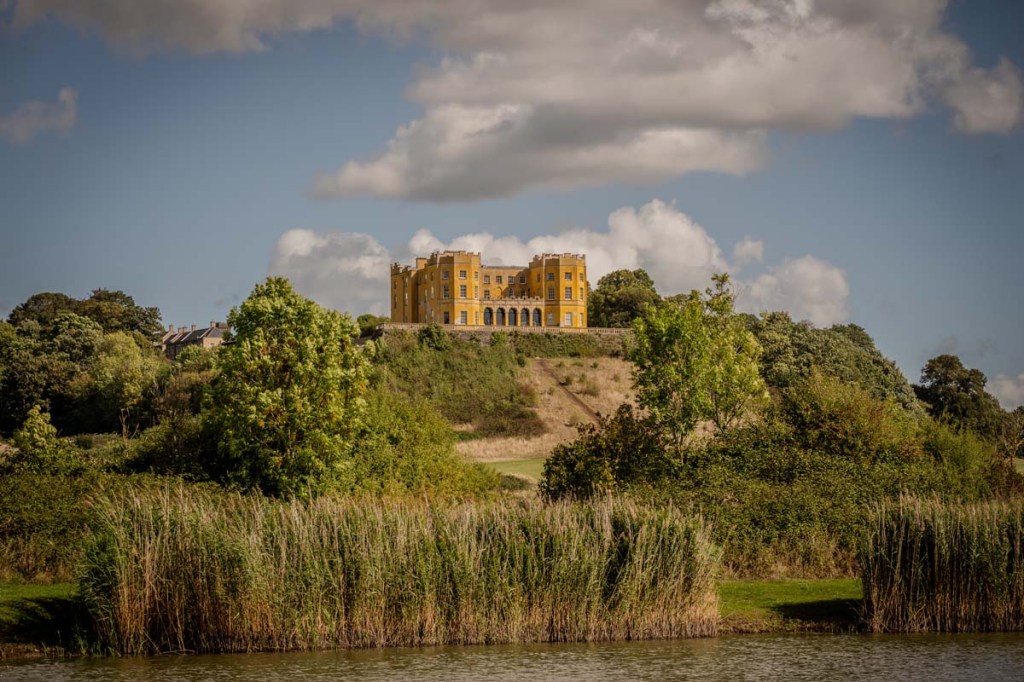
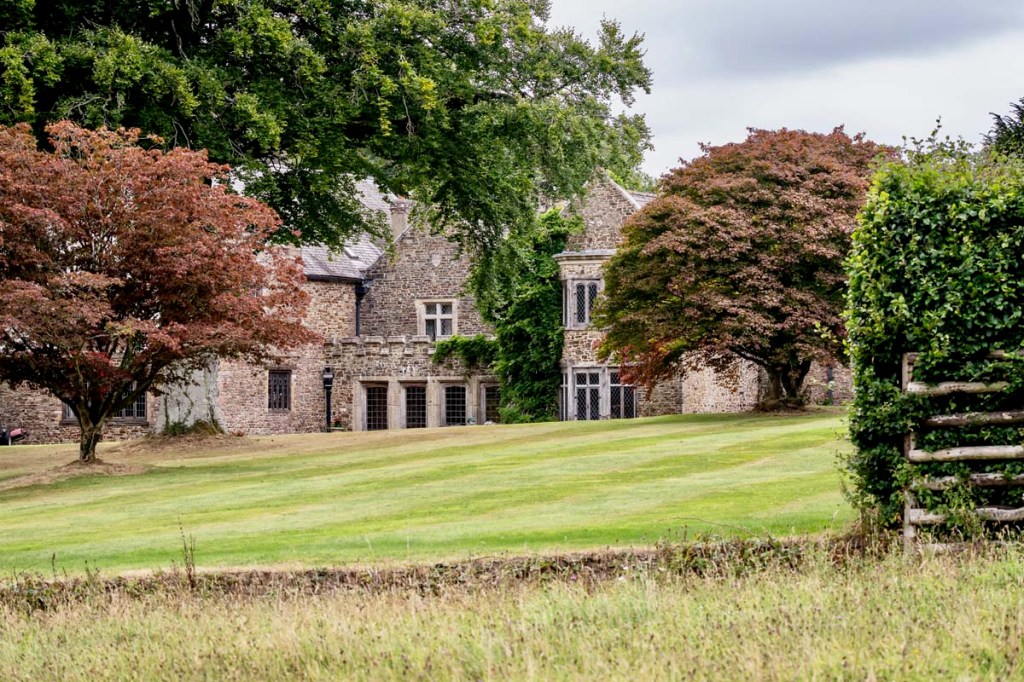
The grey heron didn’t seem to be affected by the noiseCommon dartersThe lily pads look wonderful at the momentThe Dower House (now apartments) on the edge of the park
A very popular bird watching area local to us is Chew Valley Lake, just a few miles to the south of Bristol. The lake was created in the early 1950s (officially opened in 1956) to provide water for the city of Bristol. I remember at that time standing in the street waving my Union Flag. I hasten to add that this was in no way a demonstration of political affiliation the likes of which we are currently seeing a lot, I was simply lining the street with my Junior School to see Queen Elizabeth II as she made her way to open the lake. That’s what you did for entertainment in those days.
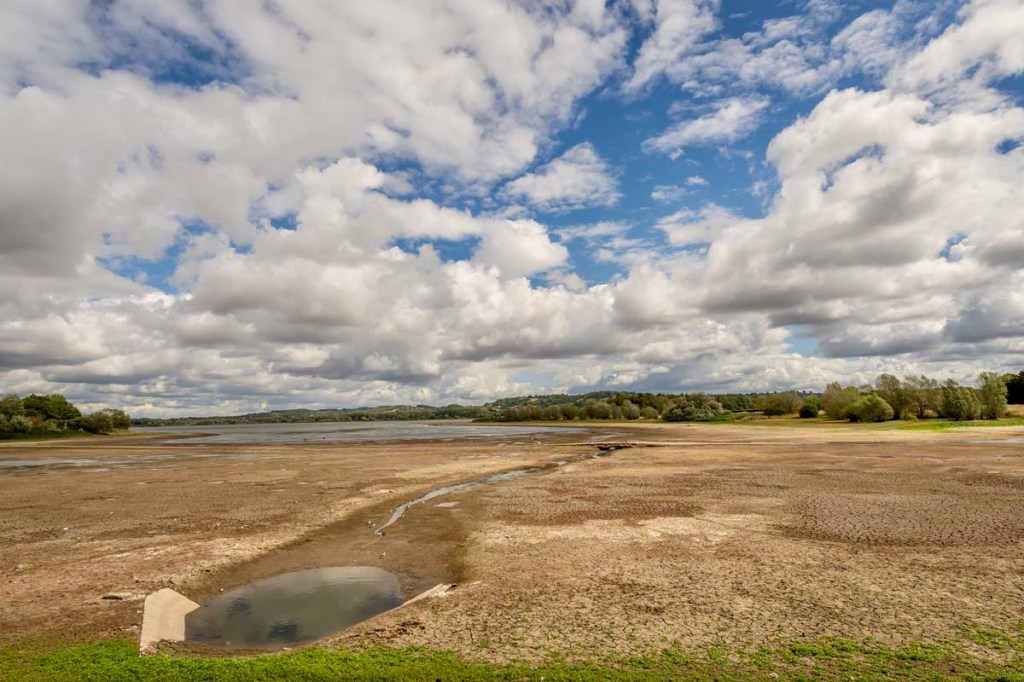
We last visited Chew Valley on May 16th when, even after a dry start to the summer, the lake was surprisingly full to the brim. We were quite surprised today to see how low the water had dropped over the summer in the very dry spell we have had. Today we had a few showers but I don’t think it would have made much a difference to the water levels.
A distant view of Chew Valley lake (from Herriot’s Bridge) with a chance of rain
Our main reason for visiting, in fact, is that a white-tailed eagle has been at the lake for the last few days. We had no luck on that score and, as a consequence of the low water levels, we didn’t see that many birds up close.
Nonetheless, we really enjoyed the scenery and enjoyed another day birding.
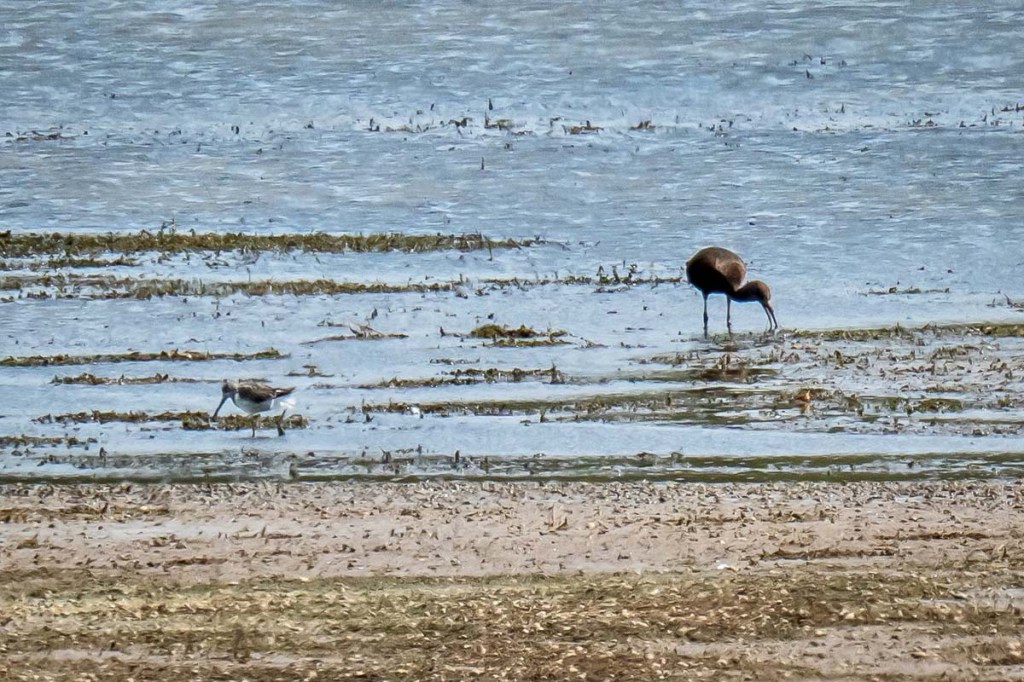
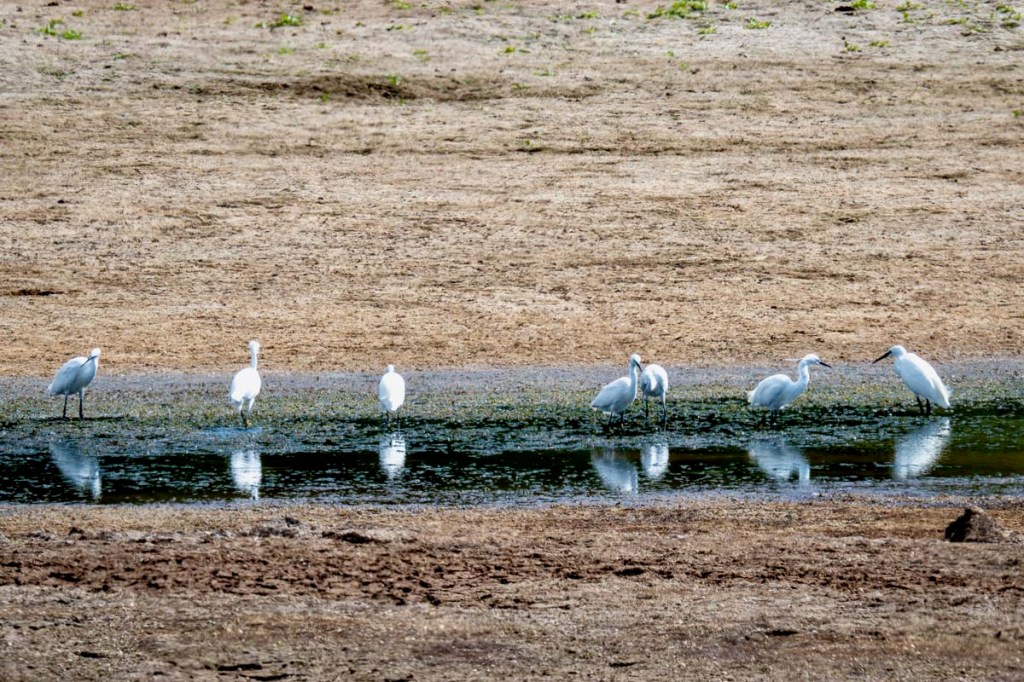
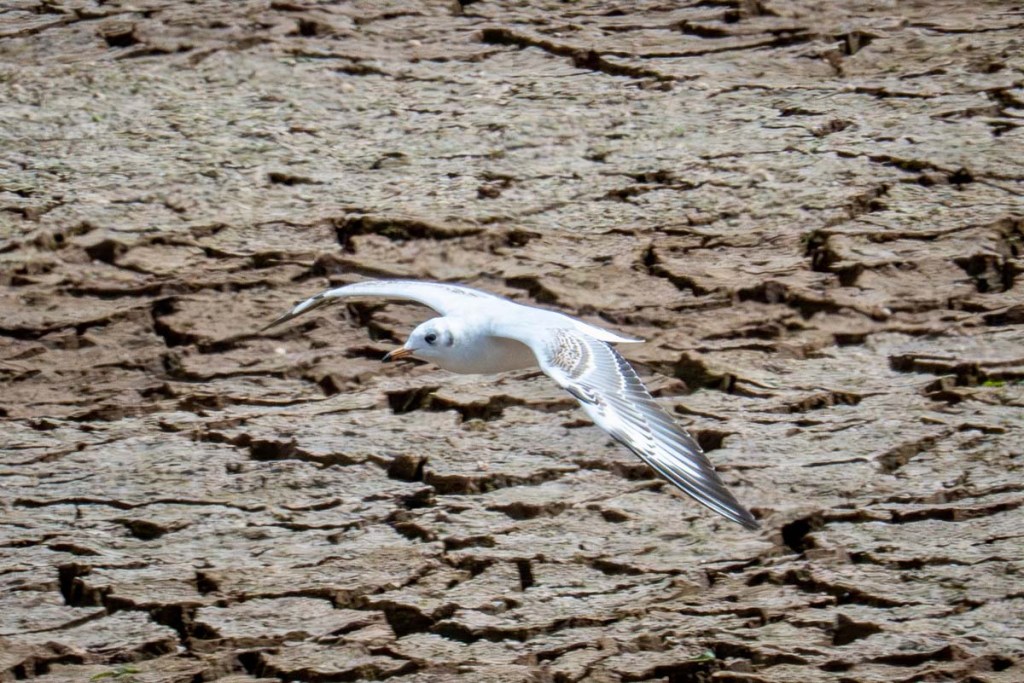
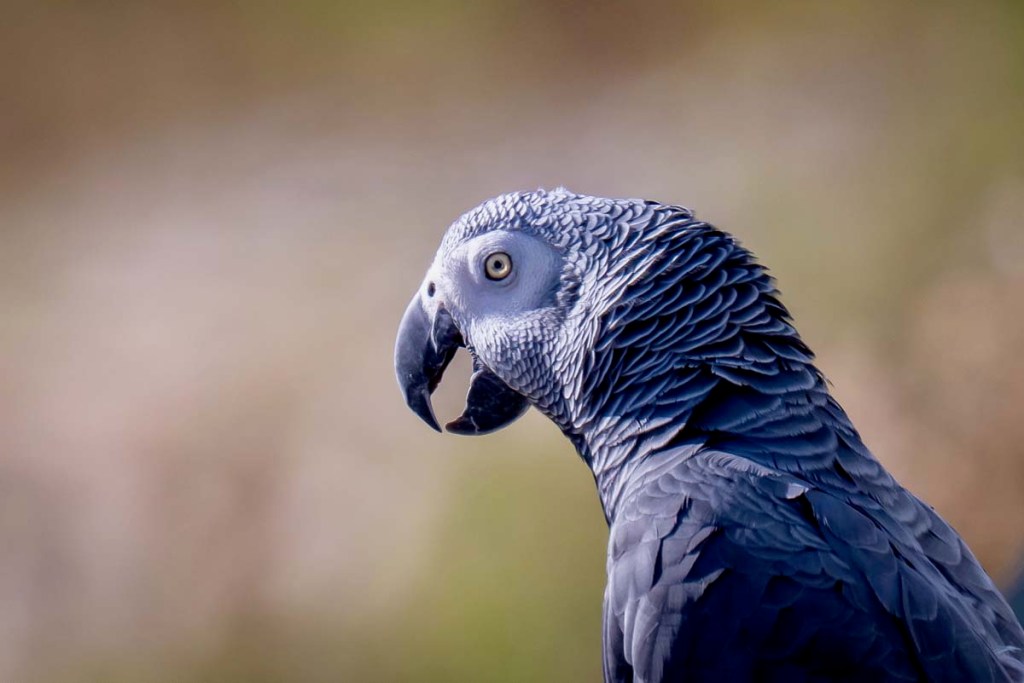
The view from Stratford hide with a peregrine at 2 o’clock (in front of the reeds) and another at 8 o’clock (next to the tree stump)A sparrowhawk flying over Herriot’s Bridge.A hobby from Herriot’s BridgeThe view from Herons’ Green – this was totally covered in water in MayA glossy ibis from Herons’ Green and a greenshank to the leftLittle egrets at Herons’ Green BayYou can see how dry it is beneath the black-headed gull in flightA small copper butterfly and a painted lady butterfly at Herriot’s BridgeWe were told the white-tailed eagle was on the island at the back of my photo – I know they are big as we have seen them in Scotland but I don’t think even a very good telescope would have helped At least we got to see some birds up close – here a cormorant at Herriot’s Bridge… and here an African Grey Parrot whose owner brings it here regularly to take the air – this is England after all!
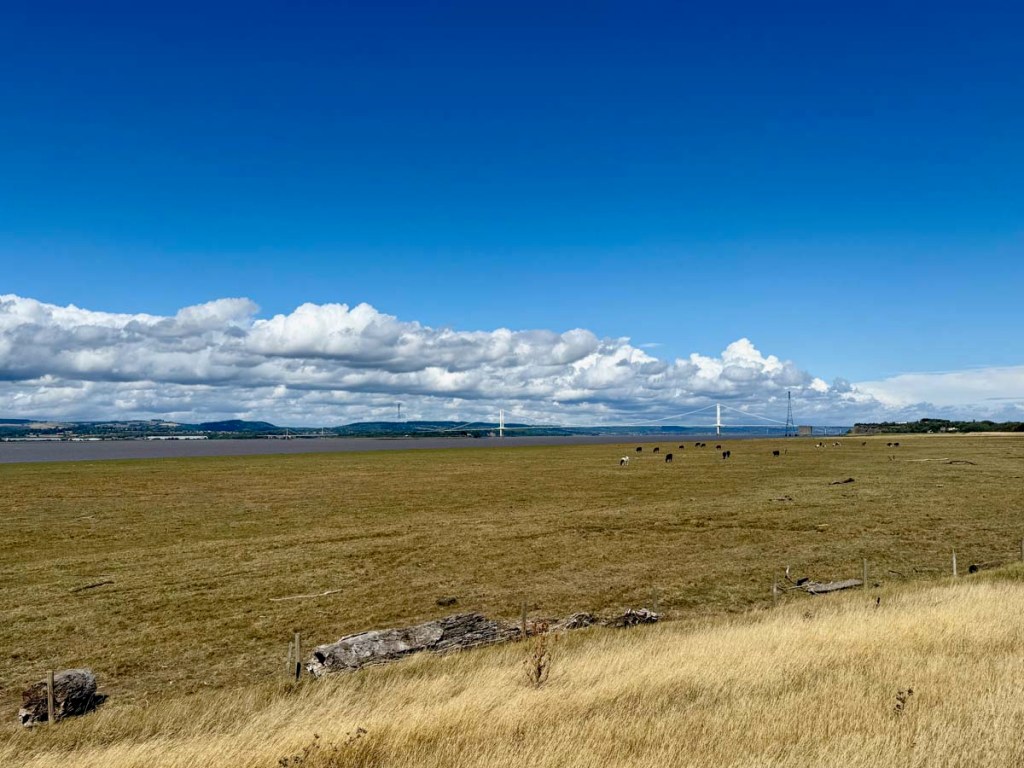
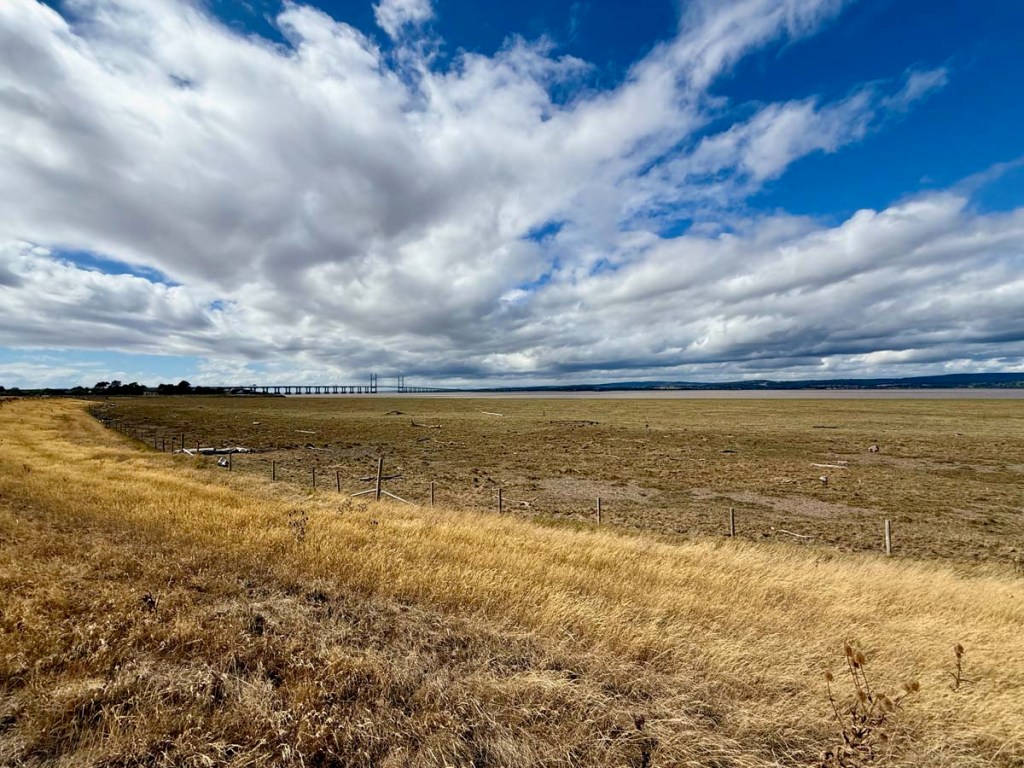
Today we had a walk along the Severn Estuary further south than WWT Slimbridge, which we have visited a lot recently, and closer to home. There is a section of the south west footpath between the two Severn Bridge crossings close to where the old Severn ferry used to operate at Aust and which is often a good place to view birds.
The weather is beginning to break and we managed to do this walk between showers and were very lucky not to get wet. We had views of a variety of birds but most at some distance.
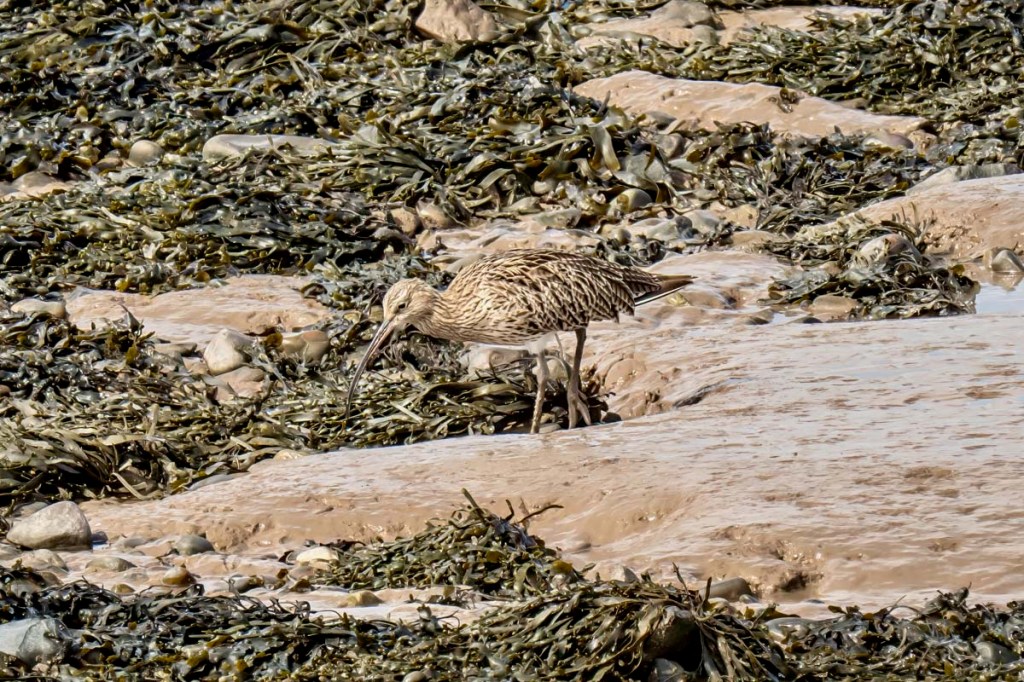
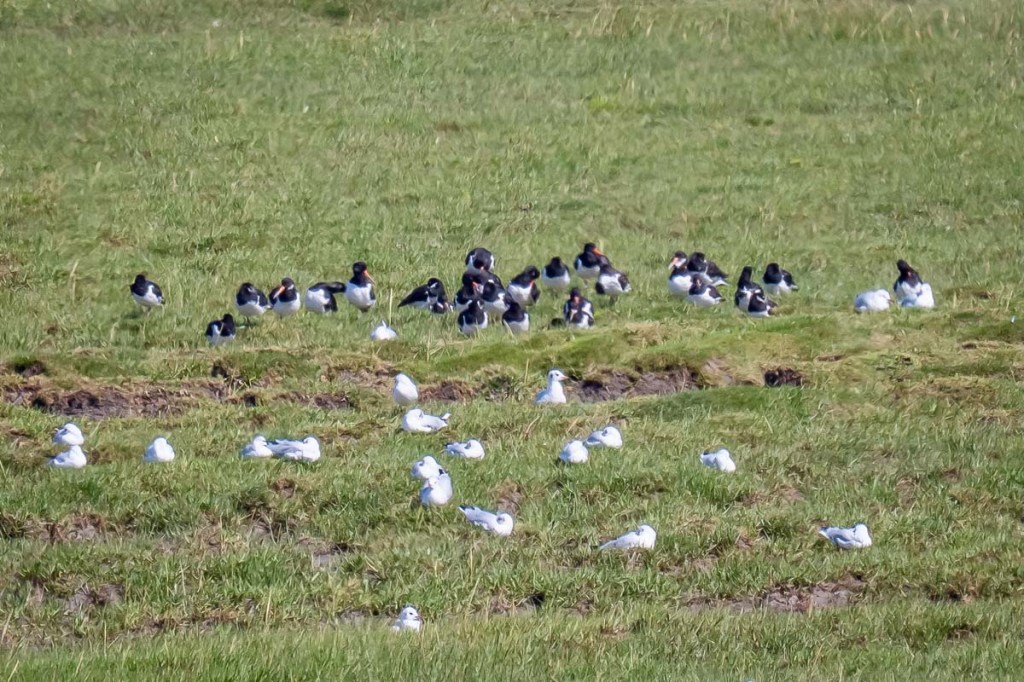
The view across Aust Warth towards the first Severn Bridge.The view back across Aust Warth towards the second Severn Bridge (now known as the Prince of Wales Bridge)Good numbers of black headed gulls, oyster catchers, Canada geese and a few curlews on the warth (the low lying area next to the sea)
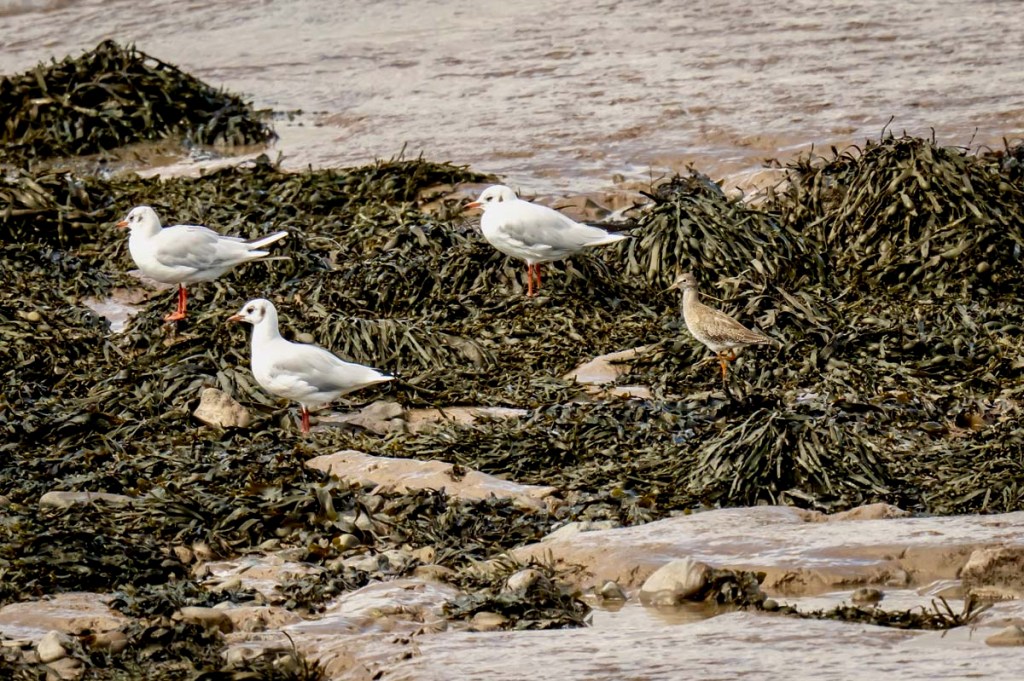
A better view of the oyster catchersThere were still a few swallows around Swallow up closeThe village of Aust in the distance – it was from here that the ferry operated to take vehicles and passengers to Wales before the Severn bridges were builtGadwall on the pools (most of which are dried up at the moment) on the other side of the warth.A distant curlew in flightWe caught up with the curlew at the end of our walk at New PassageCurlewCommon redshank at New PassageCommon redshank amongst the black headed gullsShelduck on the mud flats
We were looking for somewhere to go to avoid the crowds of Bank holiday Monday and hit on the Forest of Dean. It was certainly very peaceful and a great place to be on another very hot day.
I thought we might do well with dragonflies but the pool near the car park at RSPB Nagshead was completely dried up.
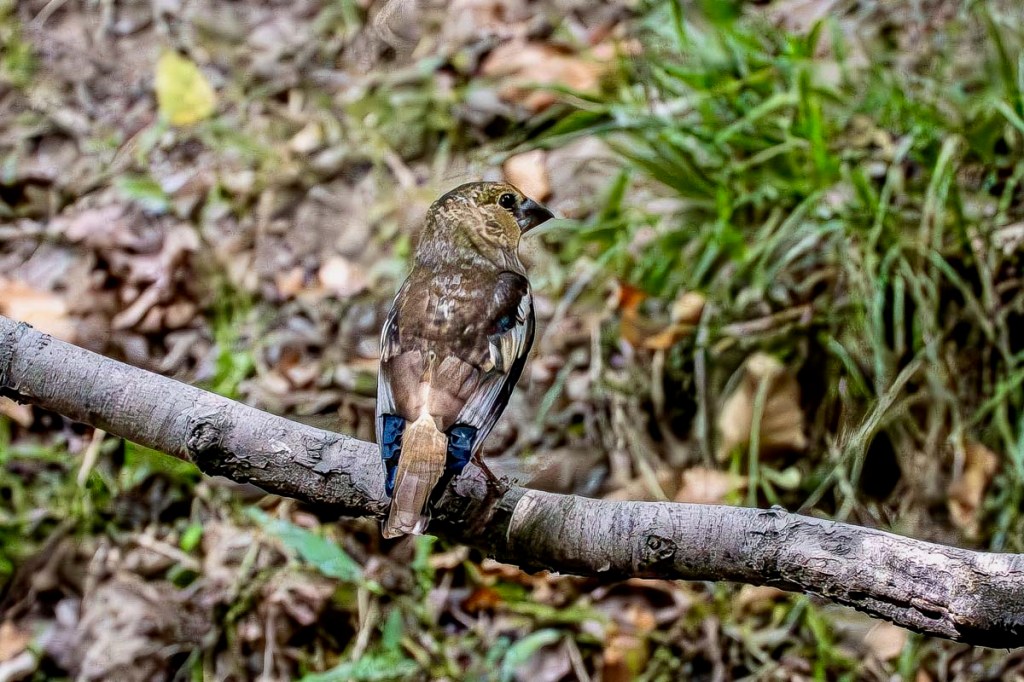
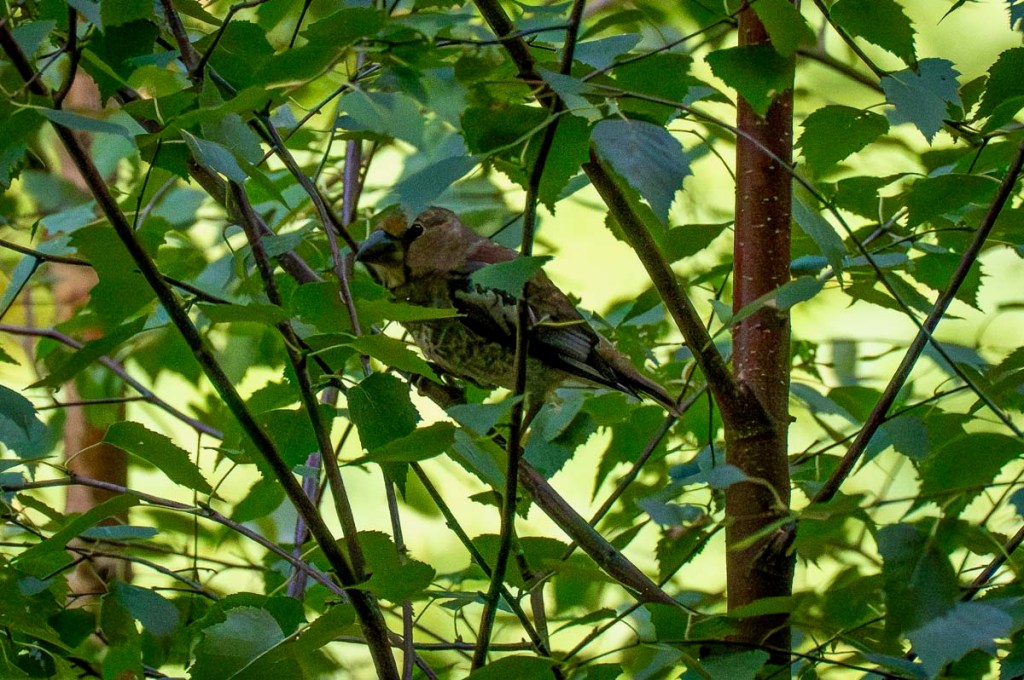
We didn’t have a lot of luck with birds either except at the Campbell hide, which had a muddy patch in front of it, we did see a few coal tits and 2 hawfinch. I have only seen hawfinch on a couple of occasions and it was a first for my wife. Good choice then.
Forest of Dean – a good place to keep cool.HawfinchHawfinch hiding in the leavesCoal tit
When I was young my mum and dad, bless them, took me to Slimbridge a couple of times: I can’t say I was very impressed; I was more into team games and I would rather get muddy by diving around on the sports field than sloshing about in wellies. My parents obviously thought it a worthy thing to do but clearly I don’t think it was really in their DNA either and so, as it was fairly expensive, we didn’t go too often.
I can’t believe how much we love going there now. I know we dodge the hordes of children (and their parents/grandparents) by heading for the hides (rather than the pens with lots of exotic birds) but I do recognise that Slimbridge is a fabulous place and does amazing work to get youngsters interested in wildlife.
Sadly we see lots of bad parenting there but today we met a young boy (and his dad) as we were heading out to the Severn Estuary who stopped us and told us that if we continued on this pathway we could follow a walkway which took us down to the estuary where we might see, if we looked carefully, curlew and ringed plovers. We were both impressed that his dad didn’t interrupt him but allowed him to be our advisor. This young boy was thoroughly enjoying his day and clearly his dad had encouraged him enough to reach this point. It was a very refreshing encounter.
Down on the estuary we clearly didn’t look carefully enough as we only heard a curlew and the ringed plovers were too far away for our “old” eyes.
On the estuary we saw lots of egrets and grey herons.
However, we did see loads whilst we were at Slimbridge. I hope you enjoy some of my photos from today.
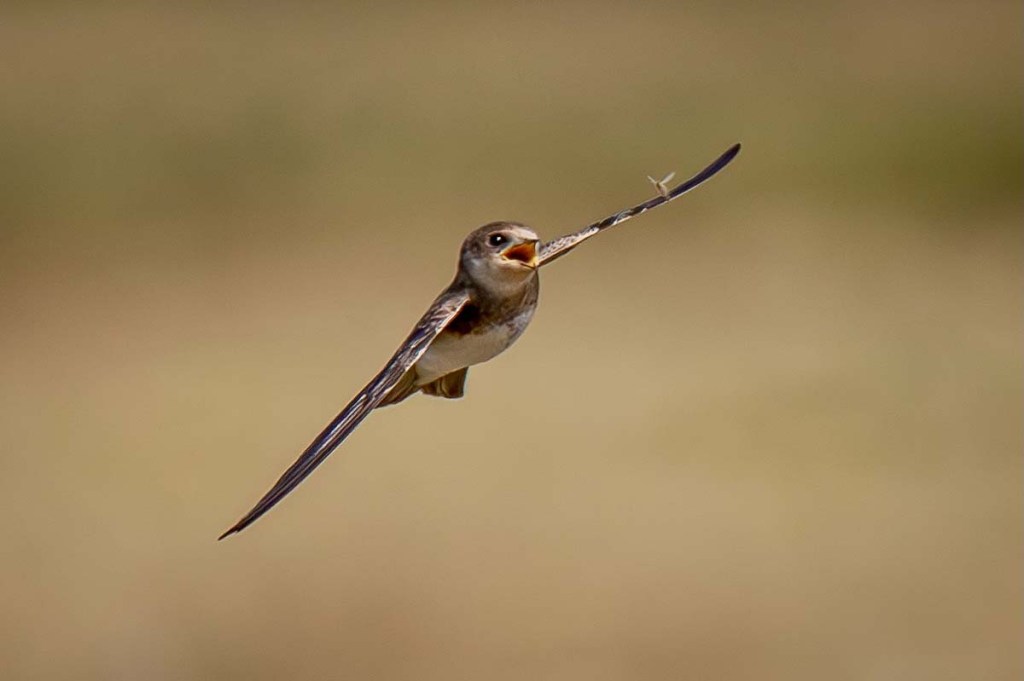
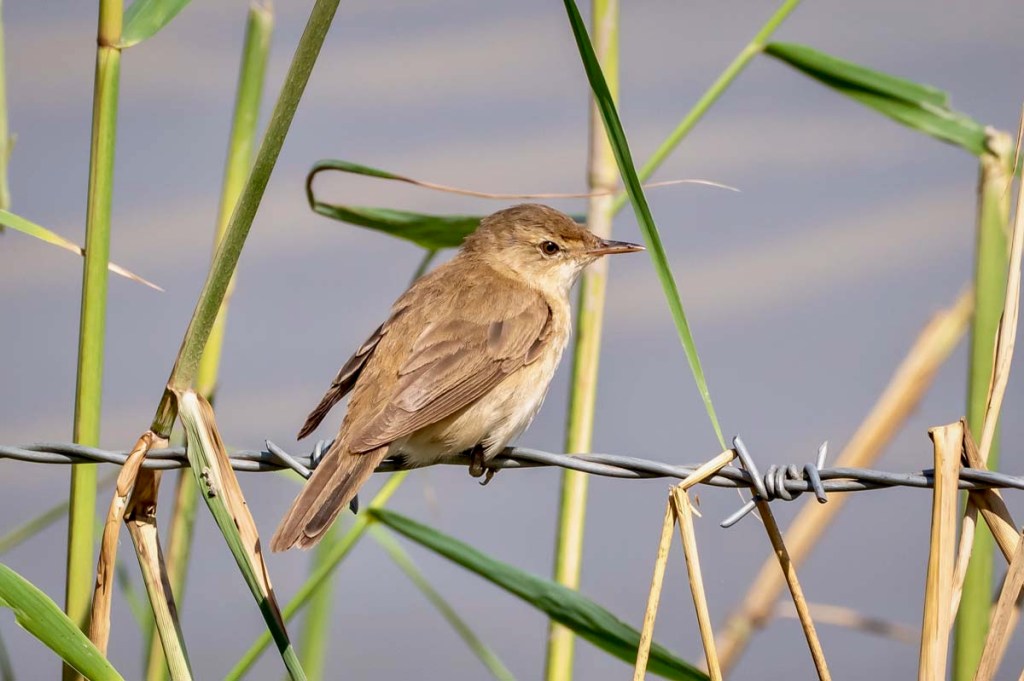
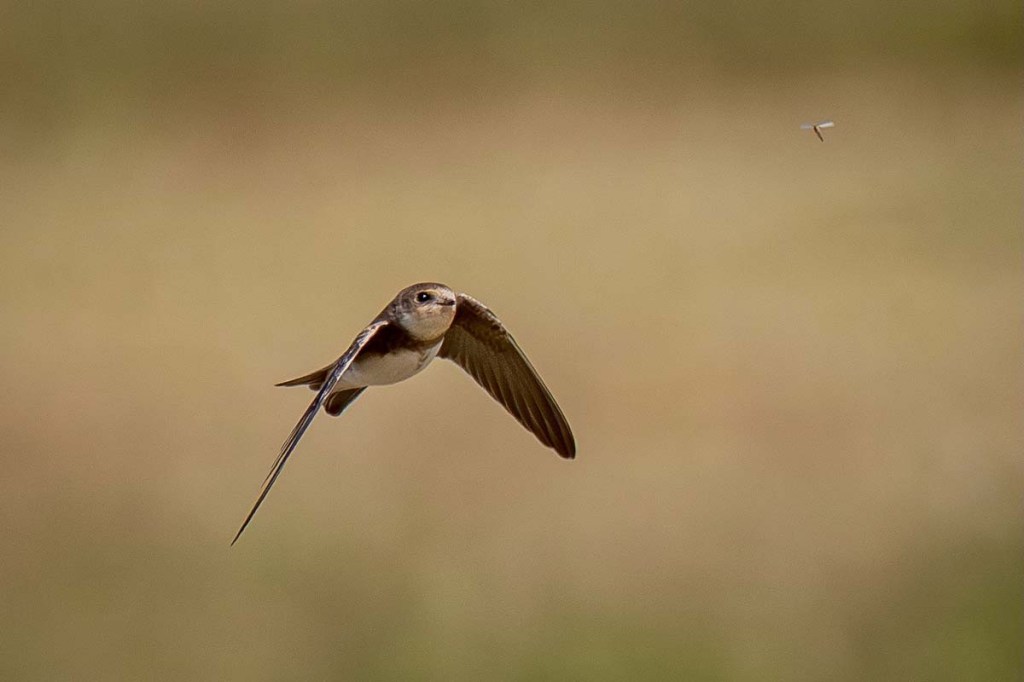
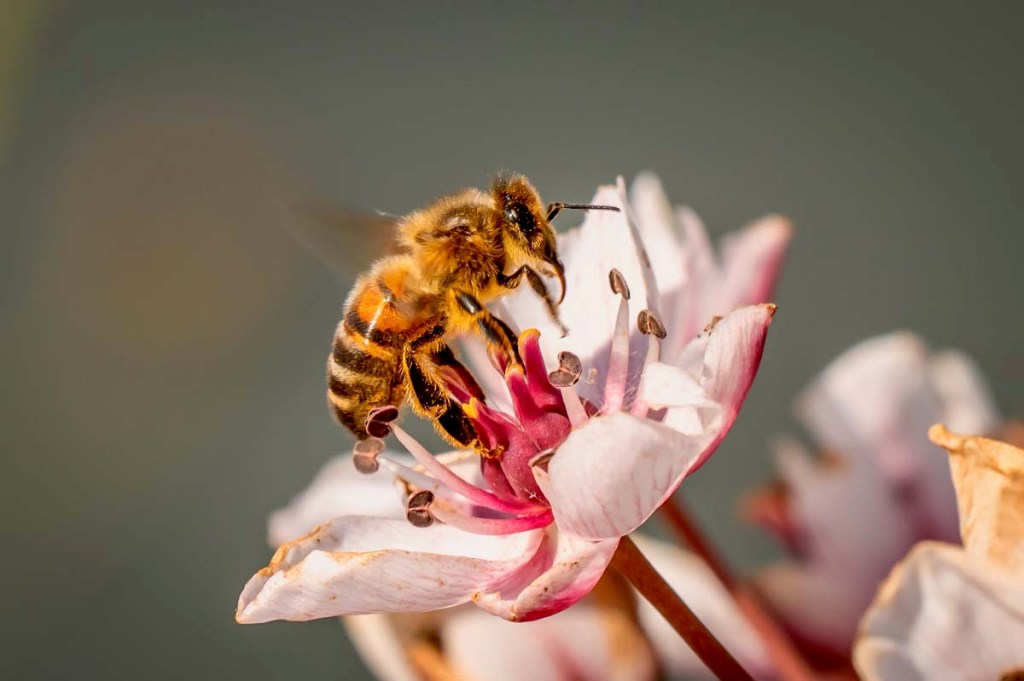
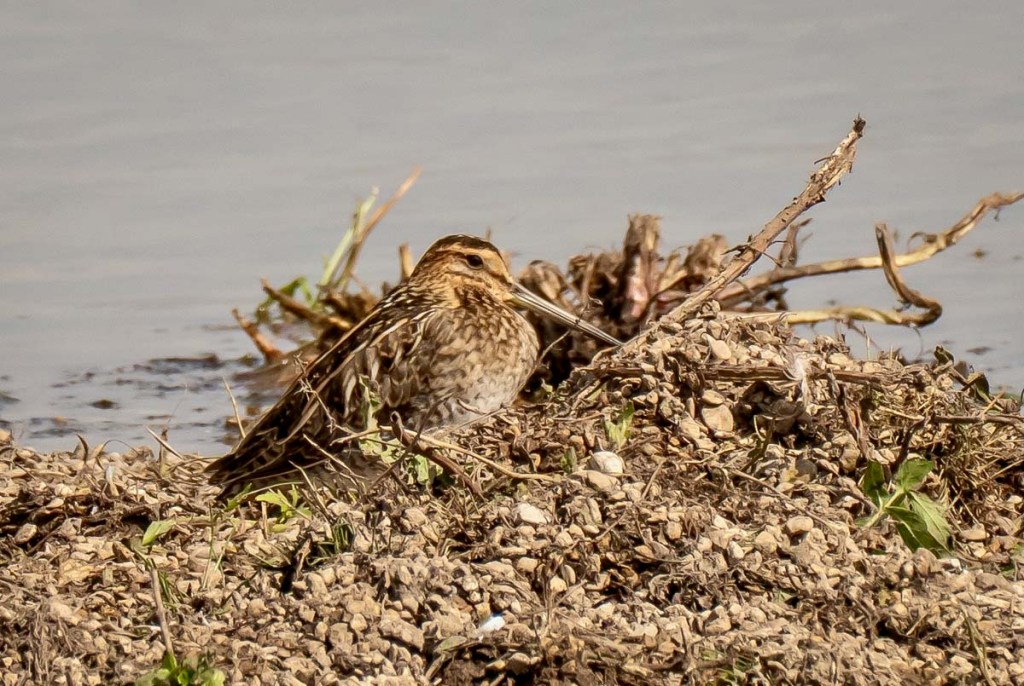
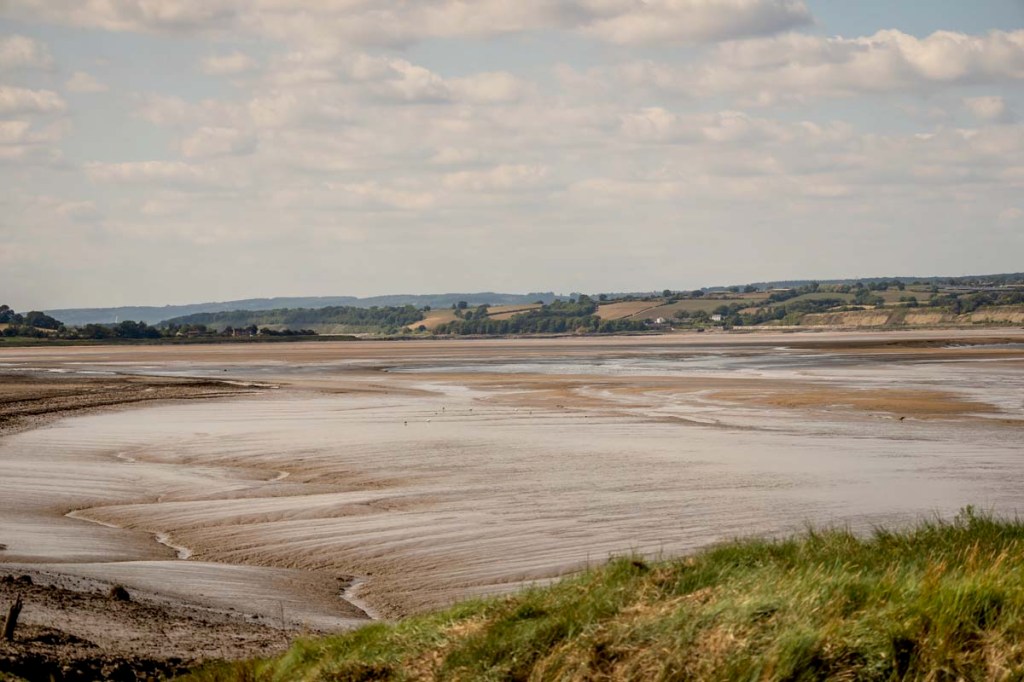
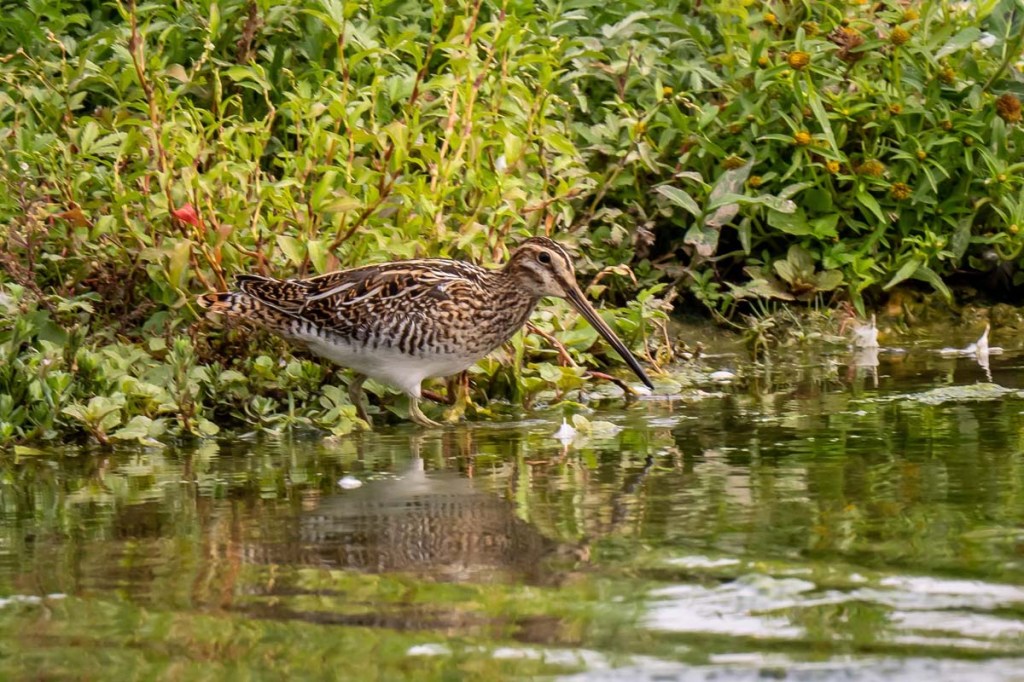
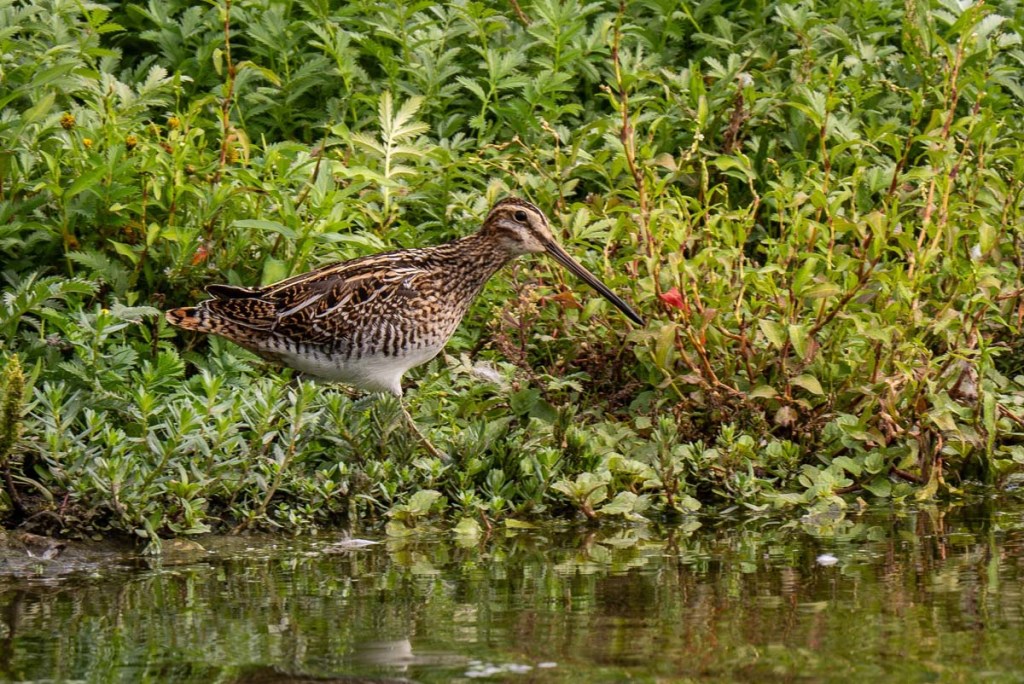
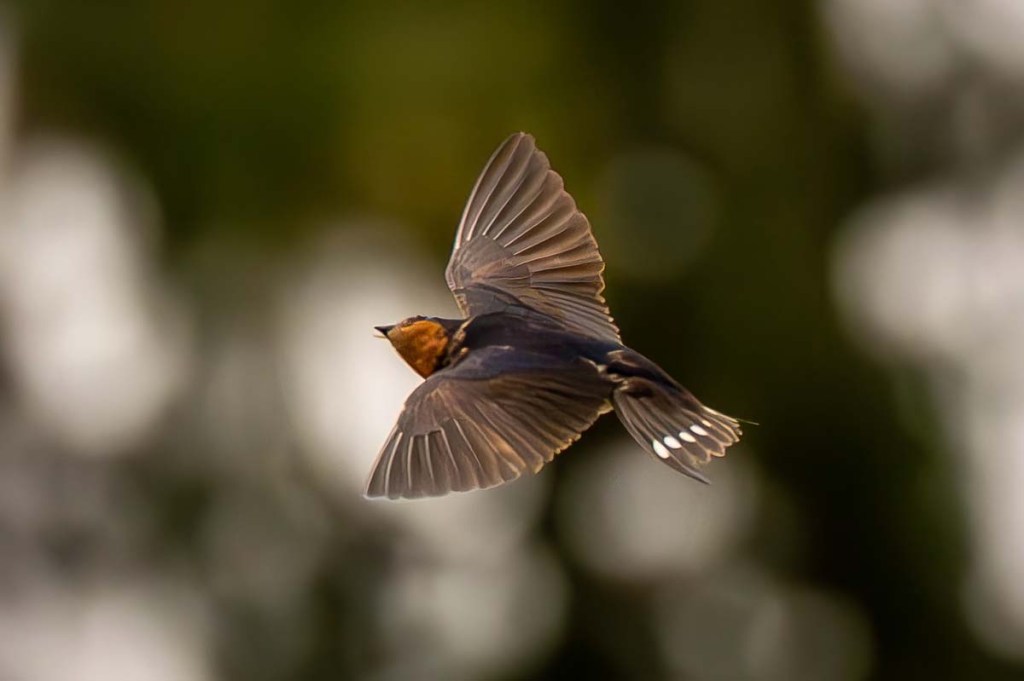
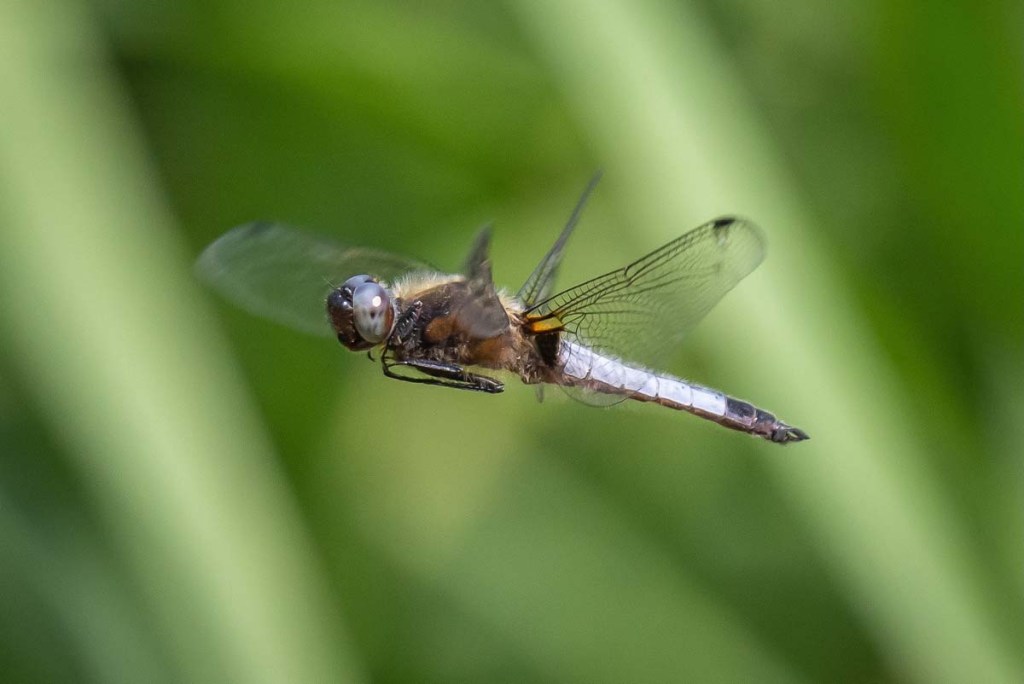
Probably my photo of the day, a Cetti’s warbler, if I am correctReed warblerReed warblerSand Martin chasing fly (top right)Sand Martin about to gorge its preySwallowSwallowGrey heronHoney beeWaspMigrant hawkerCommon snipeRock dovesCommon snipeTufted duckling practising its divingThe beauty of the Severn Estuary
It was pleasantly warm but fairly dull for our morning visit. I have nothing to complain about though compared with the poor farmers who must be really struggling with this exceptionally dry spell in this part of the world. They have definitely something to complain about this year!
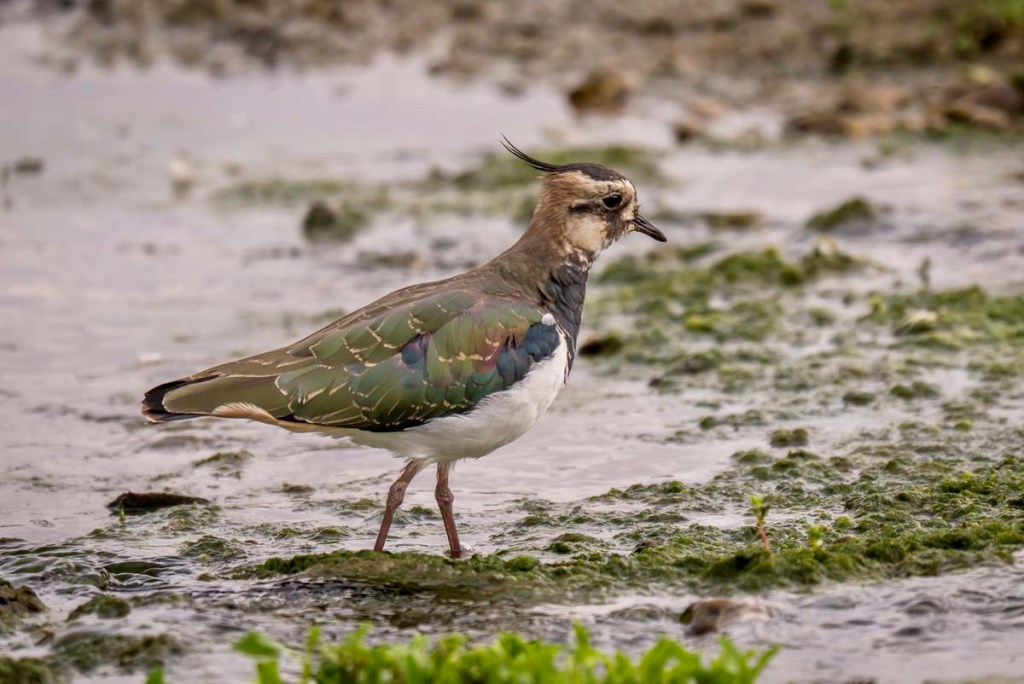
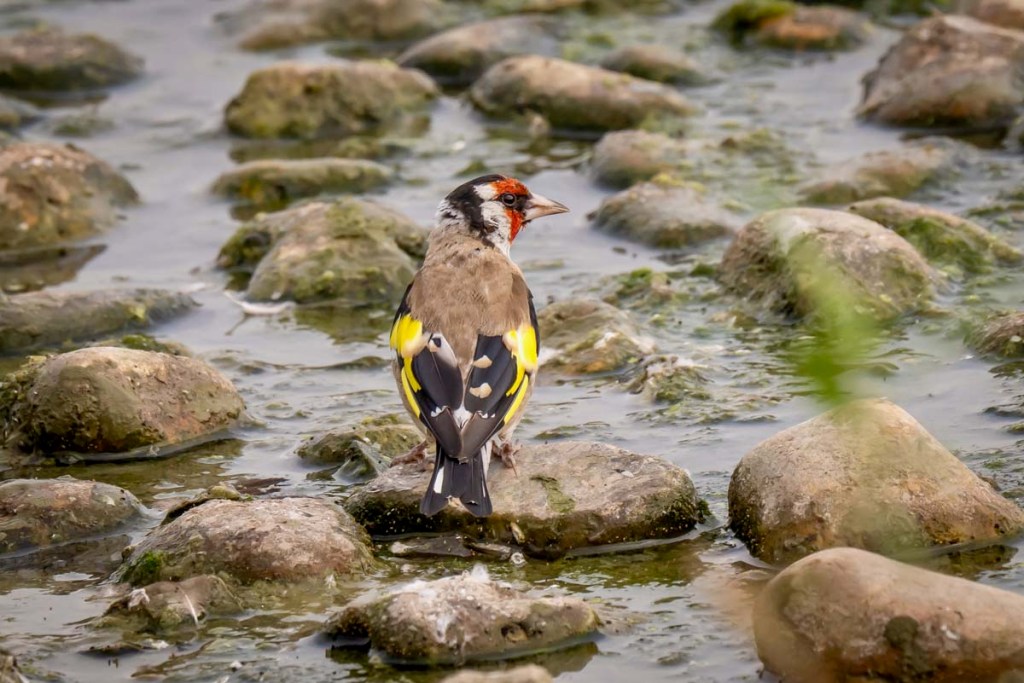
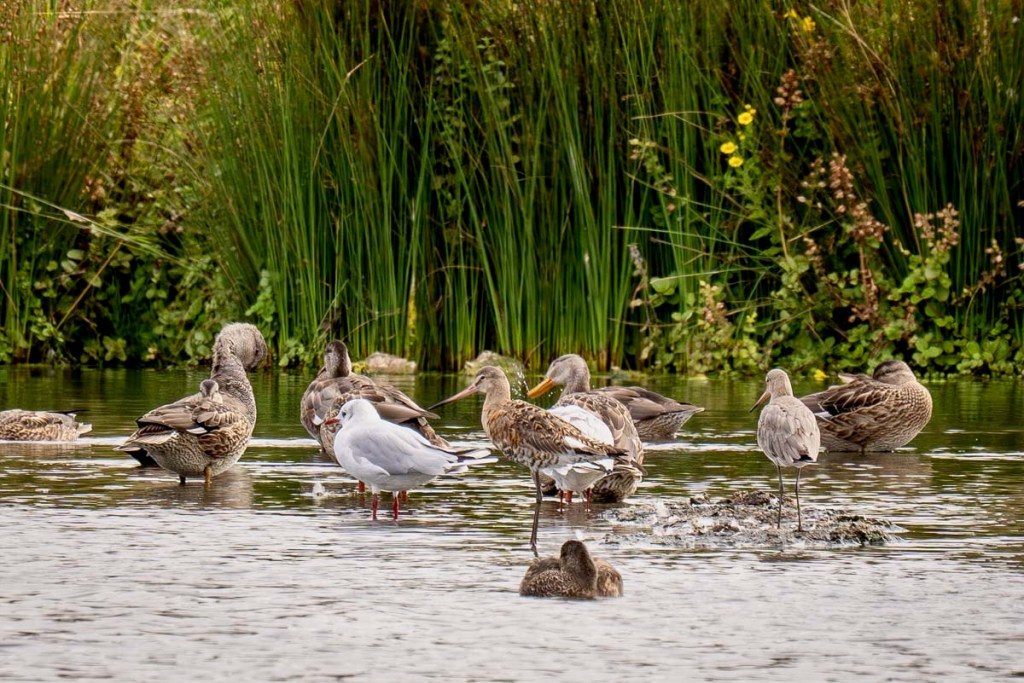
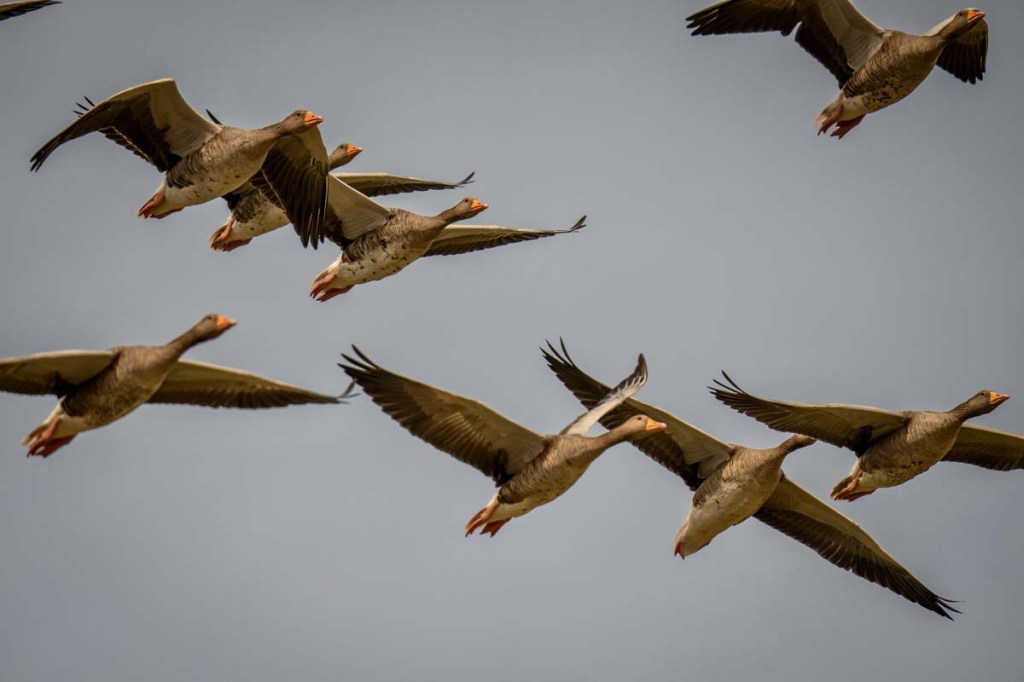
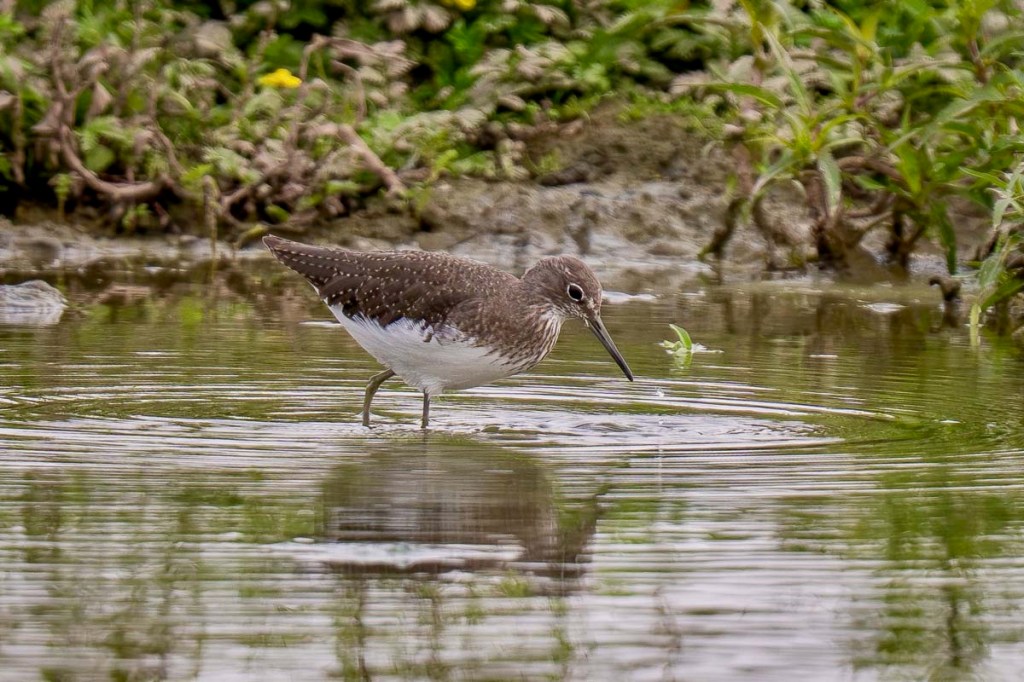
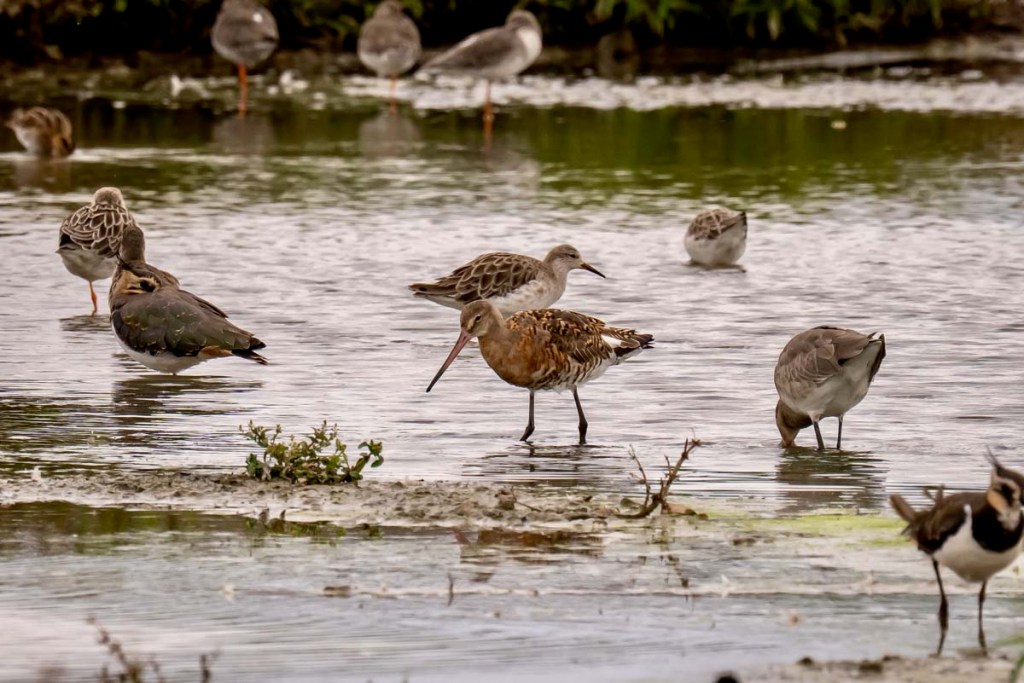
Northern lapwingWhen you are struggling for light a goldfinch is a saviourRedshank and ruff unperturbed by a noisy cootCommon redshank and ruff (right)Green sandpiper and a common snipe trying to blend in with the foliageBlack-tailed godwit centre stageA skein of greylag geese overhead… and on the groundThe green sandpiper breaks cover firstFollowed by the common snipeBlack-tailed godwit in the centre with a ruff behindDefinitely one of my favourite birds – the common snipe
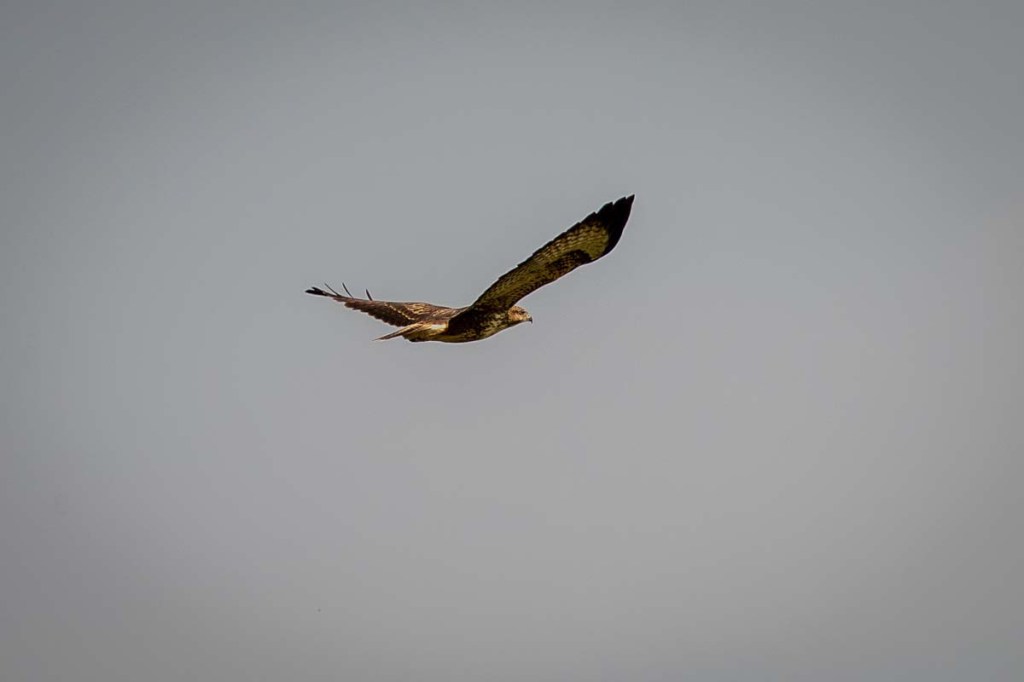
We saw and heard a fair number of birds (common buzzard, carrion crow, goldfinches, gold crest, blue tit, chaffinch, stock dove, wood pigeon, great spotted woodpecker, house martins and swallows) but especially enjoyed the trees and shrubs.
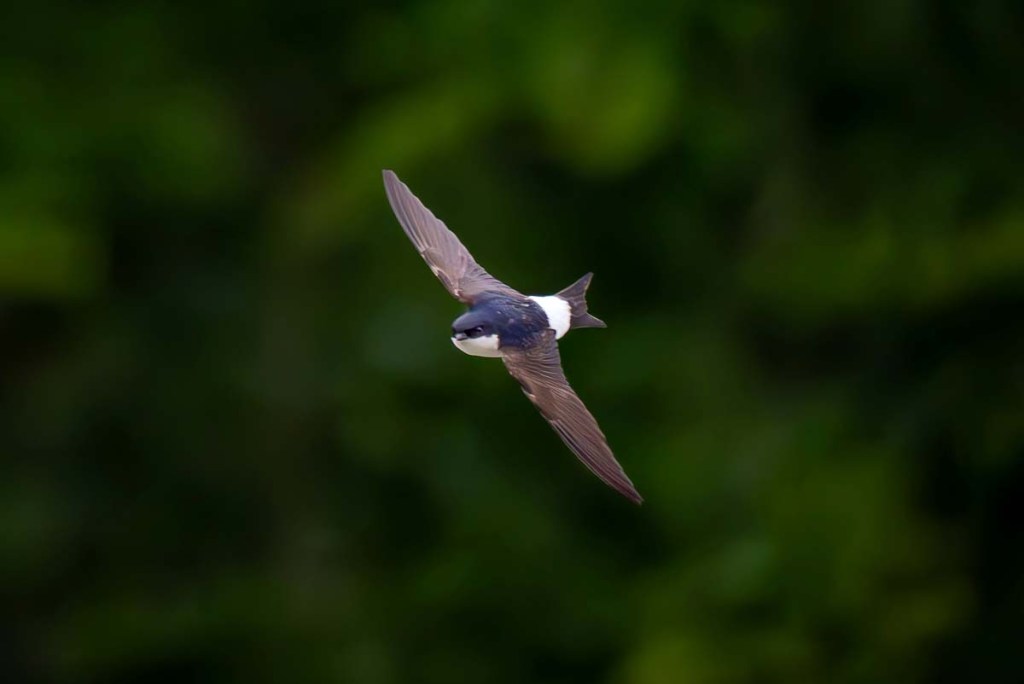
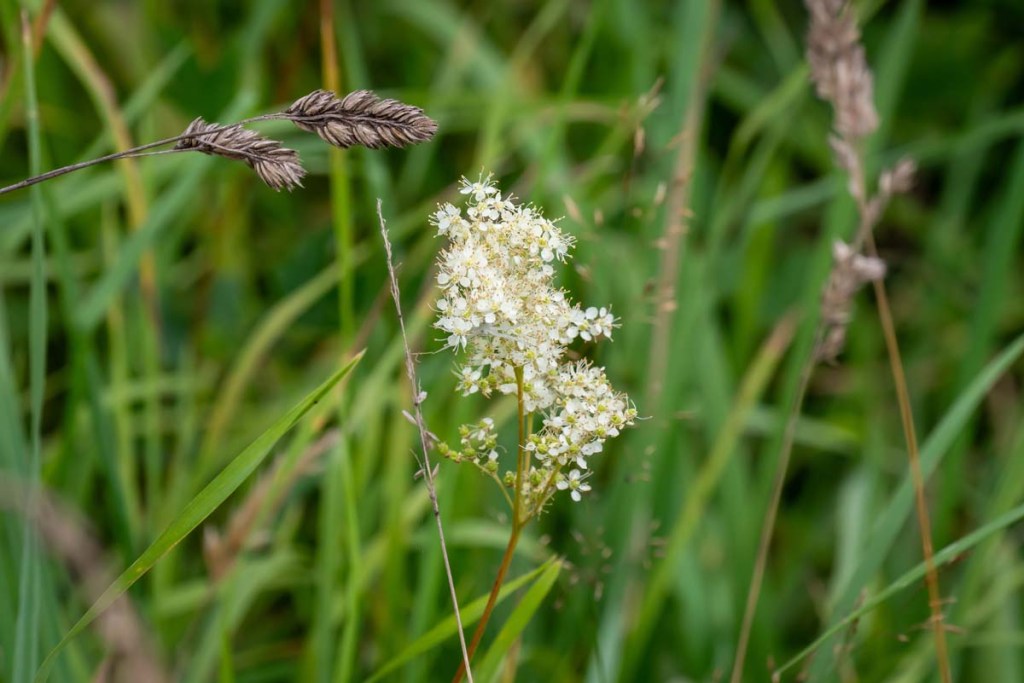
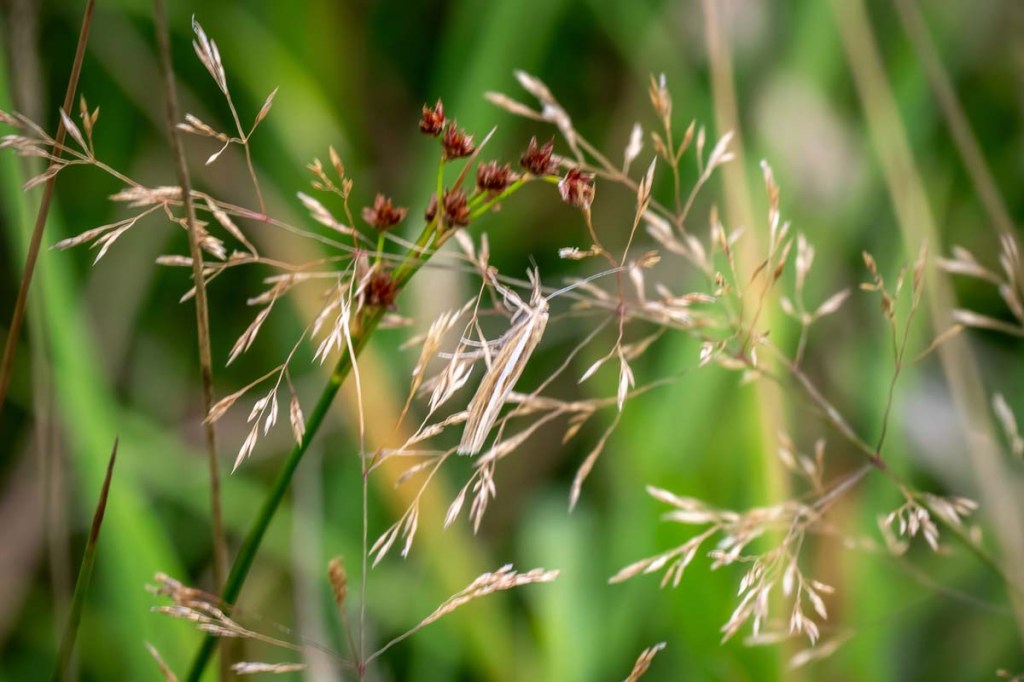
GoldfinchesSwallowHouse MartinSwallowMeadow sweetThere’s an insect in there among the grassesGreat spotted woodpecker
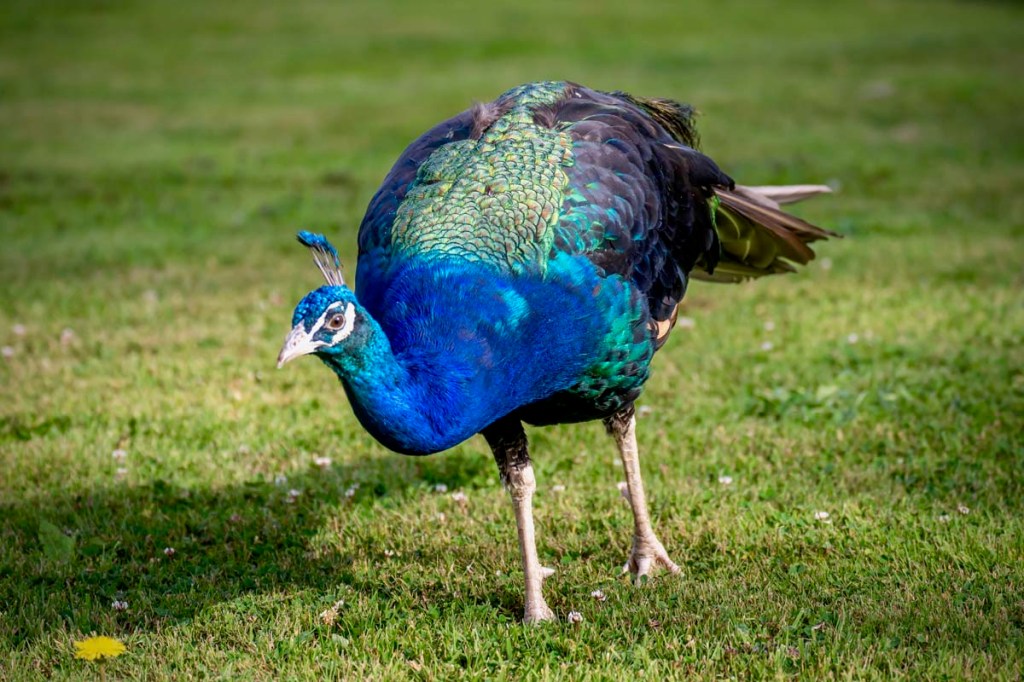
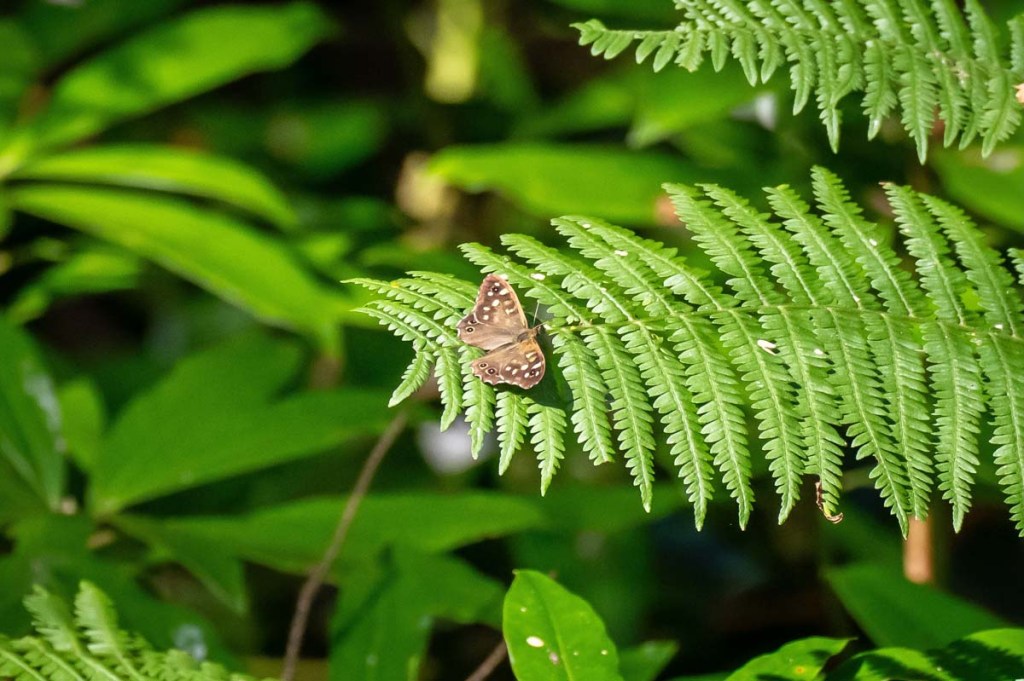
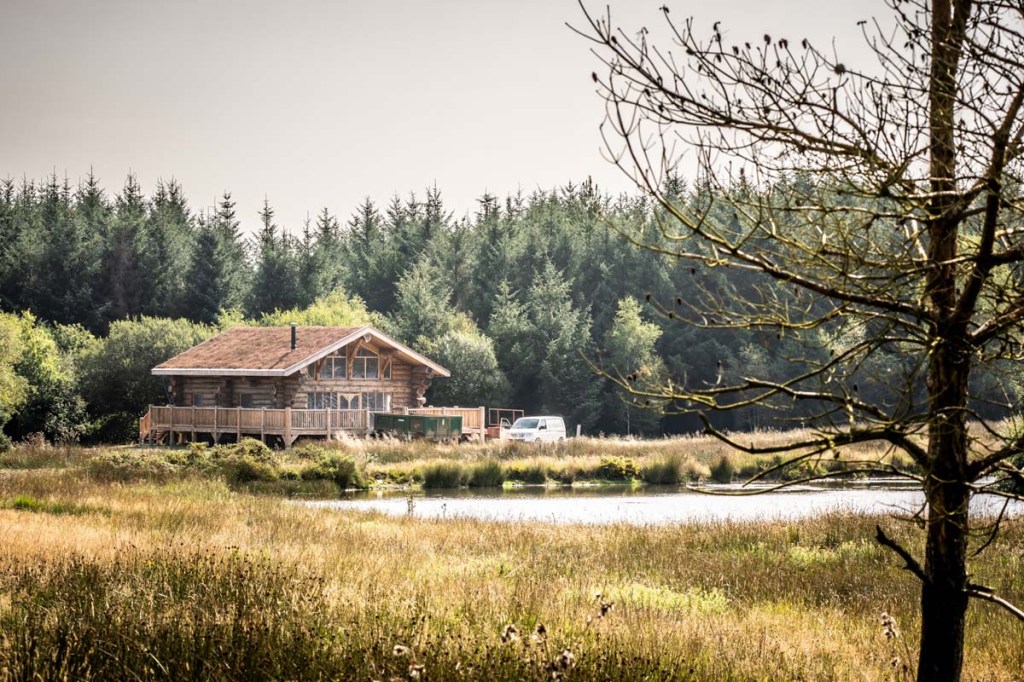
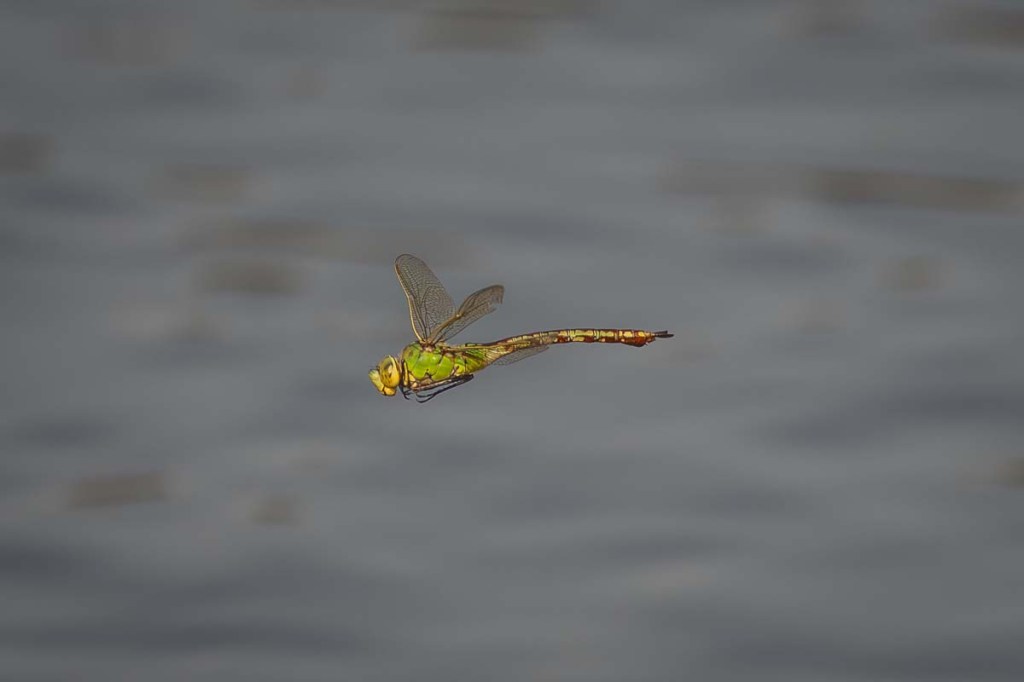
Photos from a slightly different morning walk on the Stafford Barton Estate in Devon before it got too hot for us with temperatures reaching 30C in the afternoon.
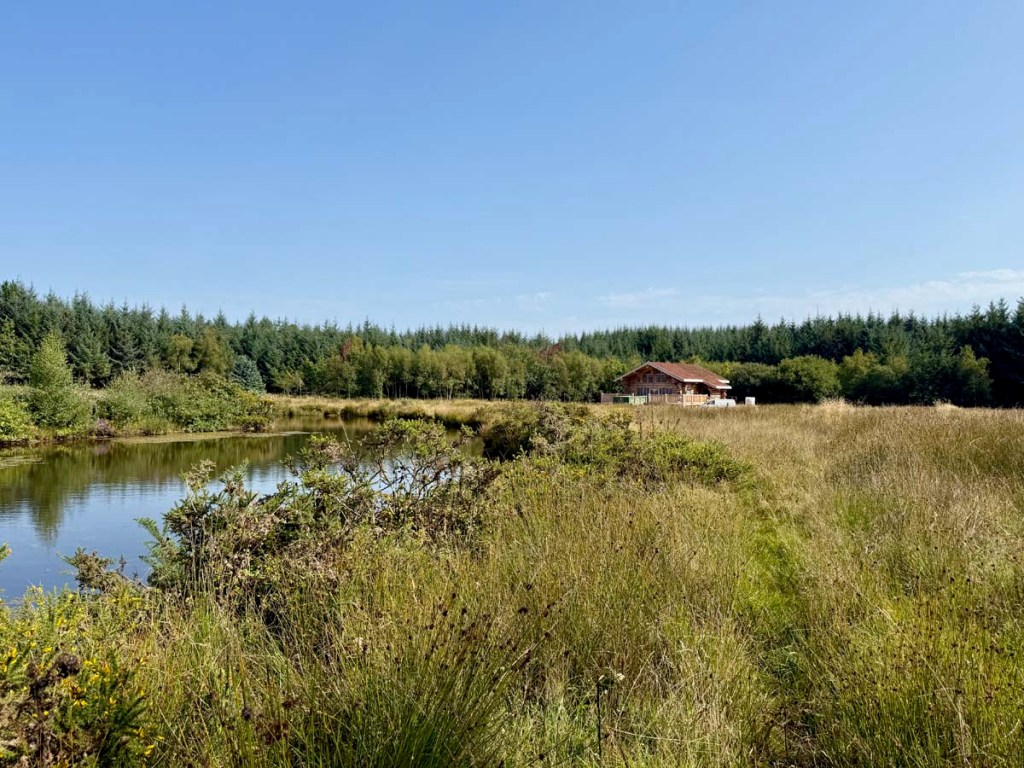
The peacock joined us for our breakfast coffeeGoldfinches waiting for their opportunitySpeckled wood butterfly in the woodsScandinavian style log cabin under construction on the estate with its lovely sedum roofEmperor dragonflyMid-air collision averted just in timeEmperor dragonfly heading straight for meMust be great seeing the seasons change hereEmperor dragonflyDon’t know much about these – water boatmen I presumeDamselfliesFortunately plenty of shade on the way homeCommon buzzard showing us the way
Local parks are a great place to see wildlife up close.
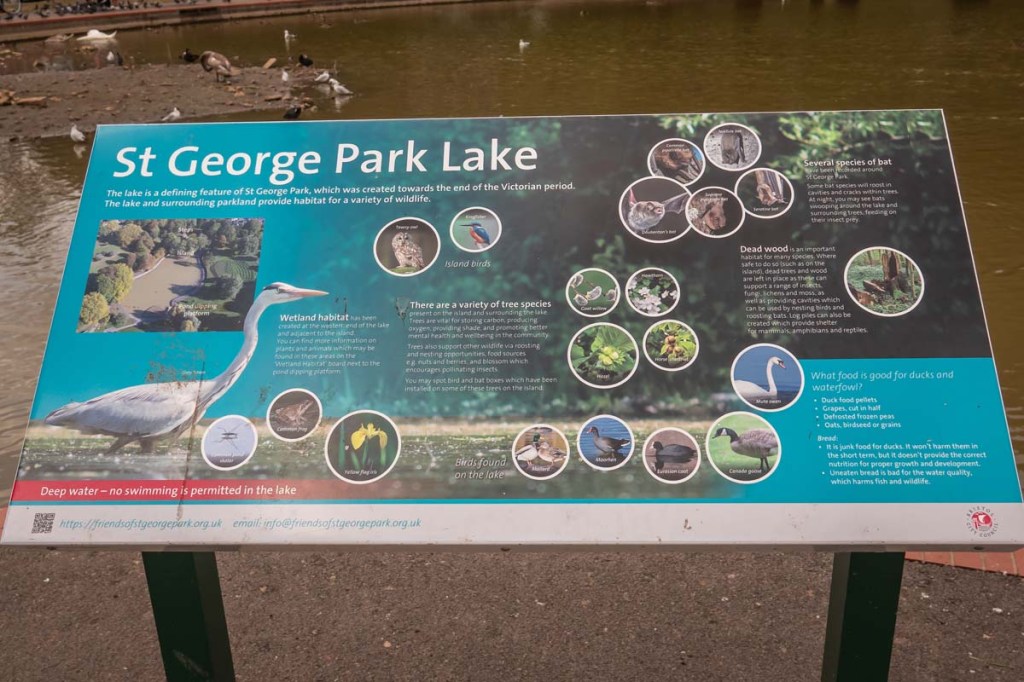
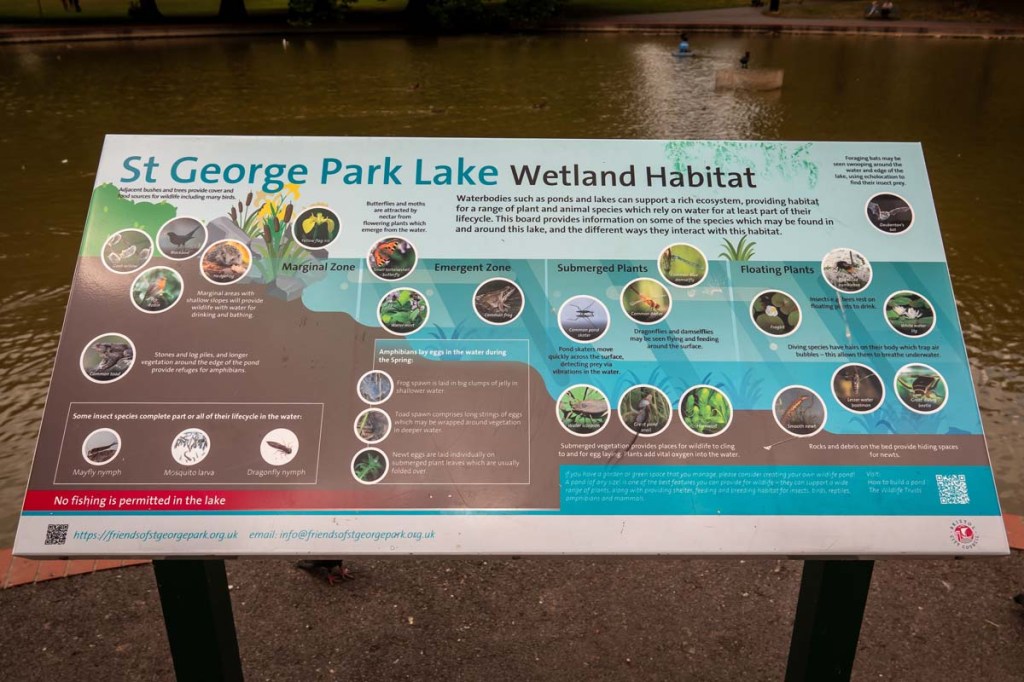
On a visit to a suburban park a little outside my local area I was very encouraged to see how much local volunteers were doing to provide information about the wildlife in the park and just as pleased to see that the information boards were being respected and not covered in graffiti.
It was also very encouraging to see how many people were showing a genuine interested in the birds.
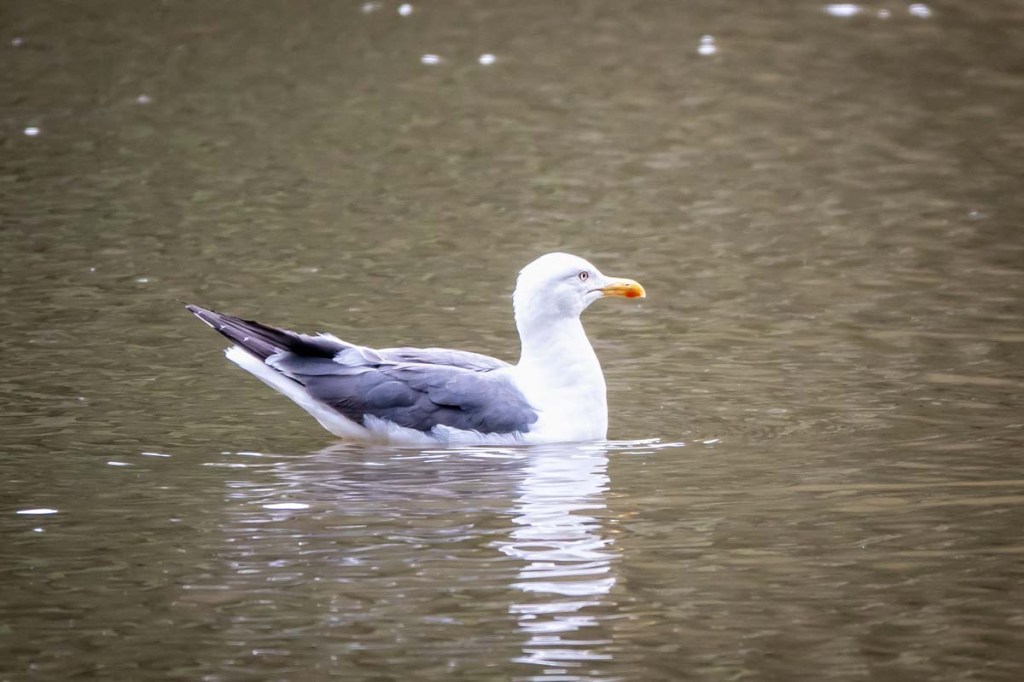
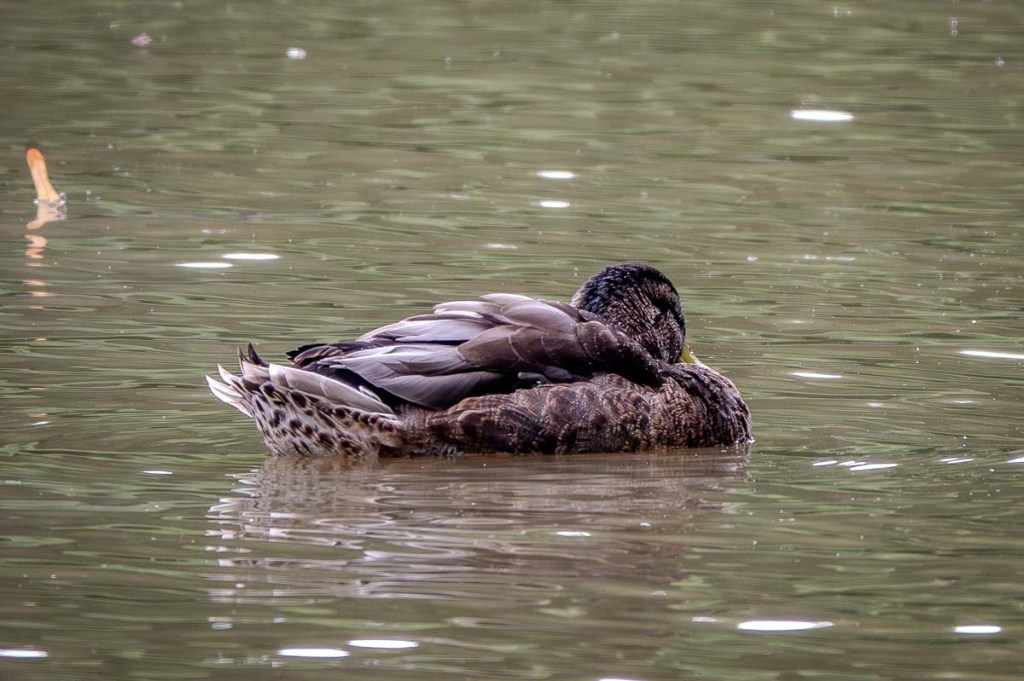
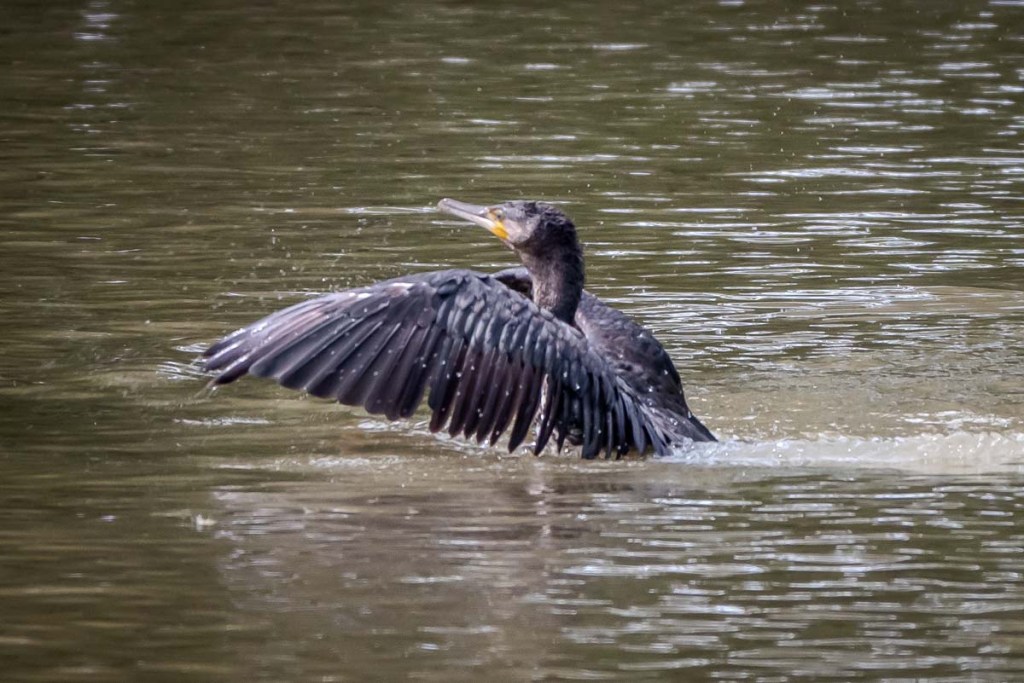
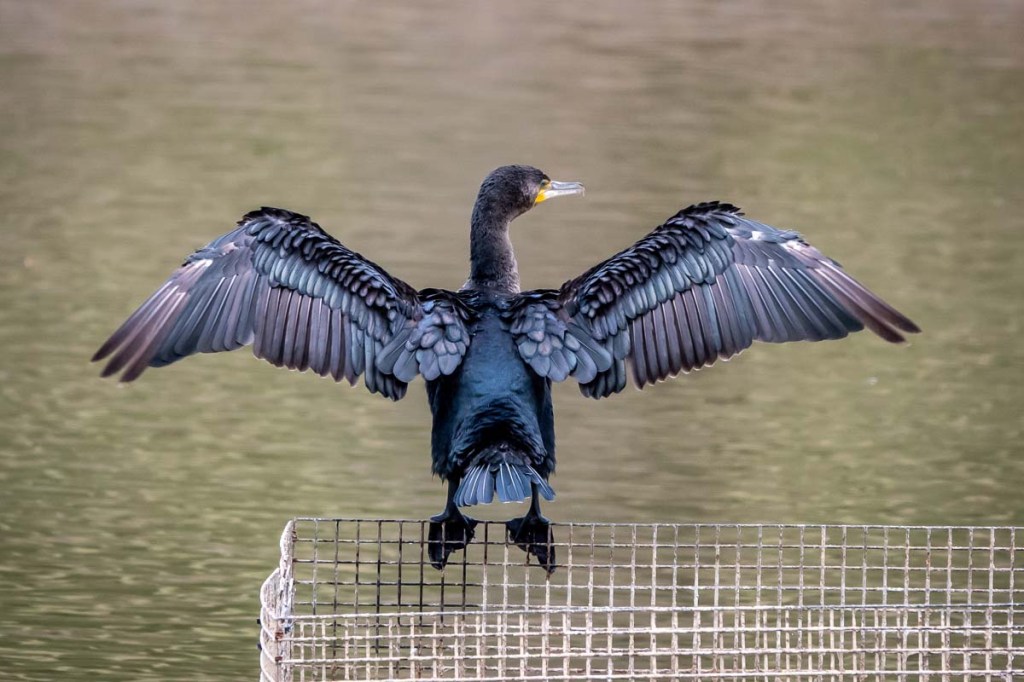
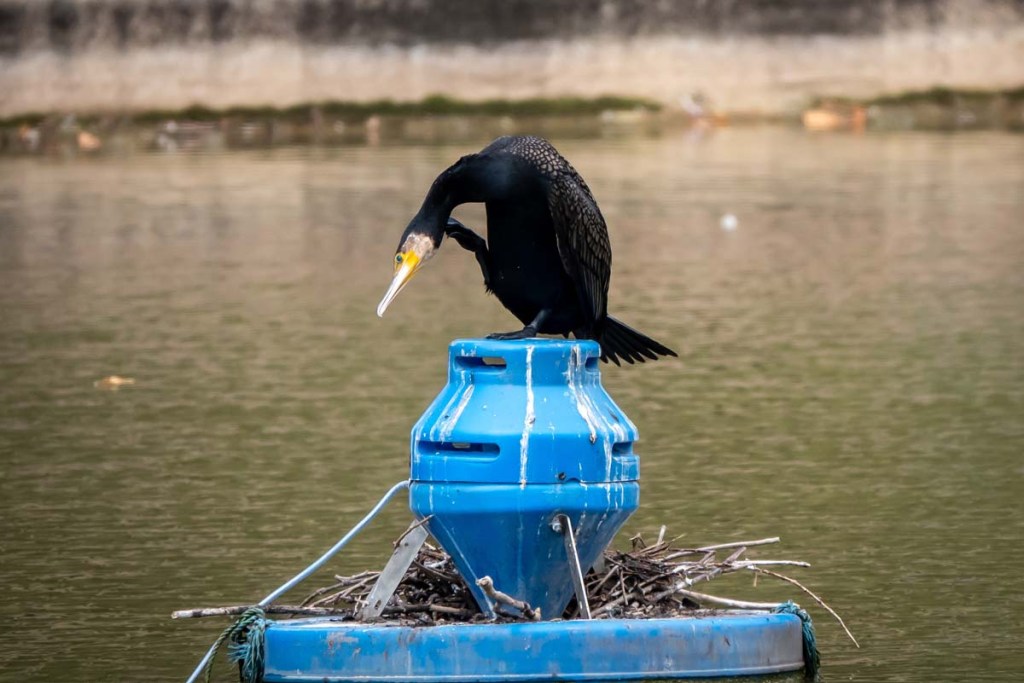
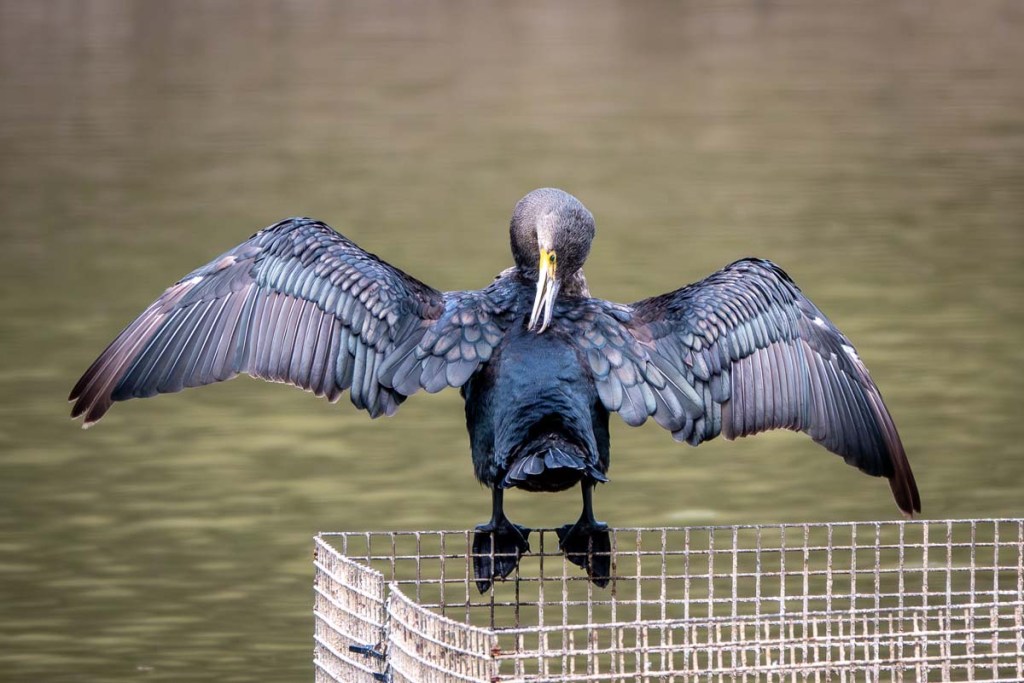
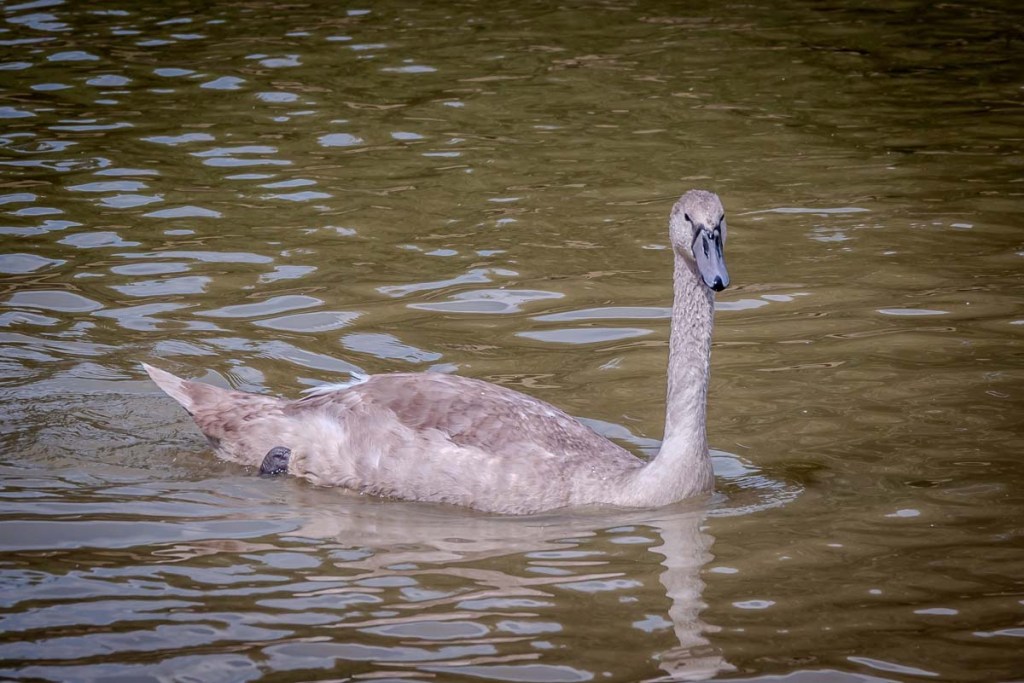
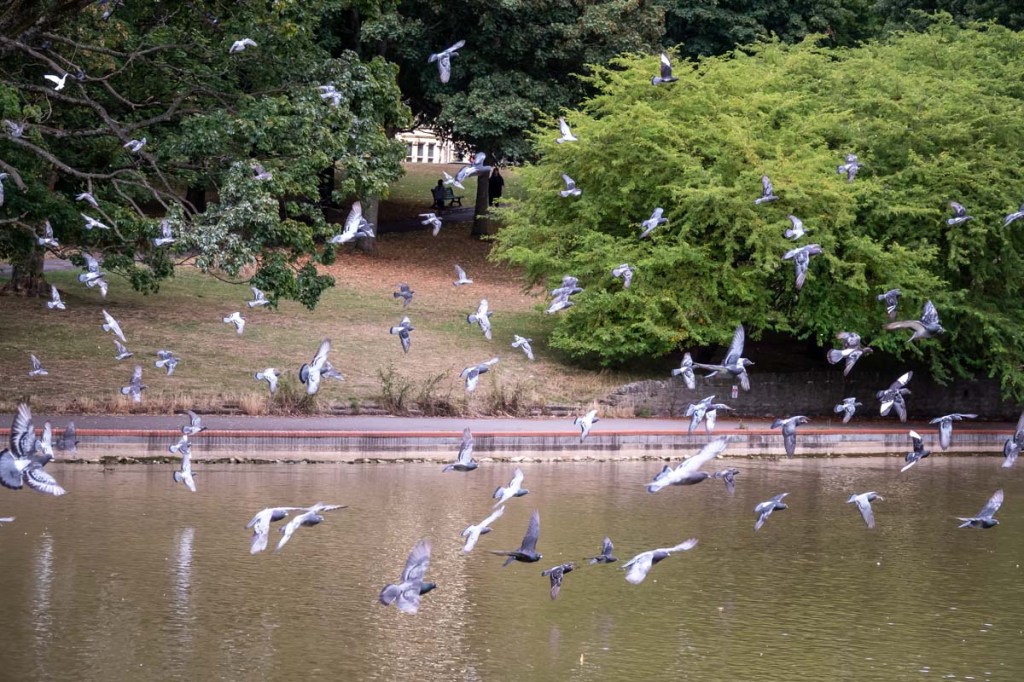
Lesser black-backed gullMallards at this time of the year are quite dull but their plumage is still very attractiveHands on with feeding the pigeonsCormorant drying its wings after a fishing tripNothing like a good flapA big surge to get out of the waterMore colour than you thinkA good place to have a scratch Demonstration od agility and balancePlenty of swans and cygnets in the parkBlack-headed gullPigeons doing a circuit of the lake to find a new source of people feeding them seeds – there were plenty of options. Everyone now seems to know not to feed them bread.
We have had a few days away in and around Brecknockshire in Wales. We started at Talybont-on-Usk which is only 55 miles away from where we live in Bristol and easily reached in well under 2 hours, driving through some stunningly beautiful countryside.
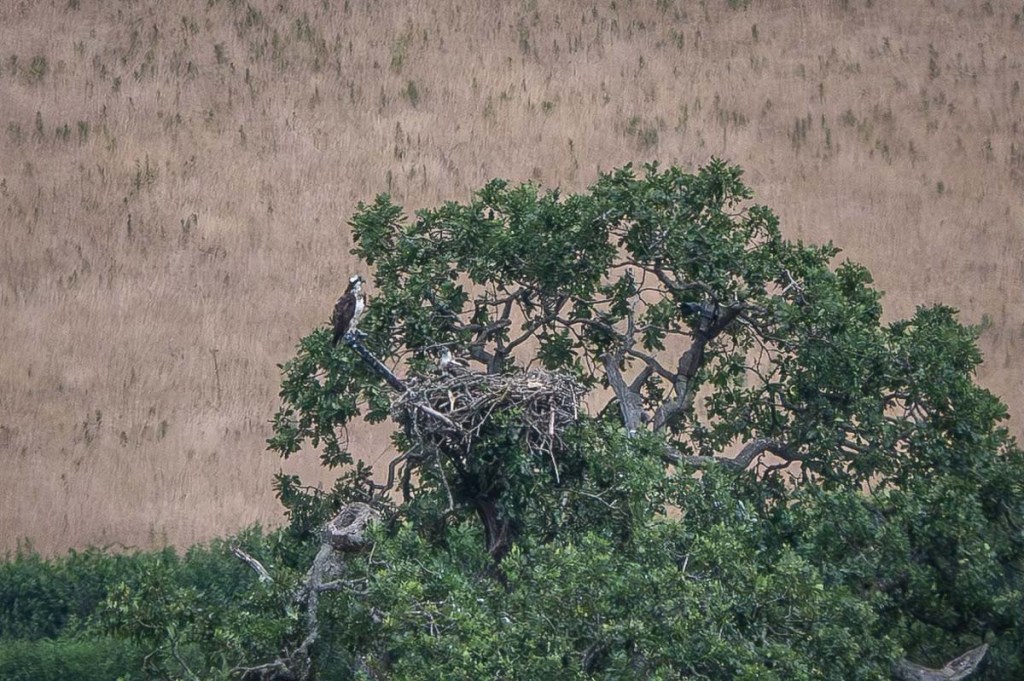
We wanted to see if we could see a pair of ospreys who have produced a chick for the first time. We walked along the Montgomeryshire and Brecon Canal where we knew there was a vantage point where we could see (at some distance) the nest.
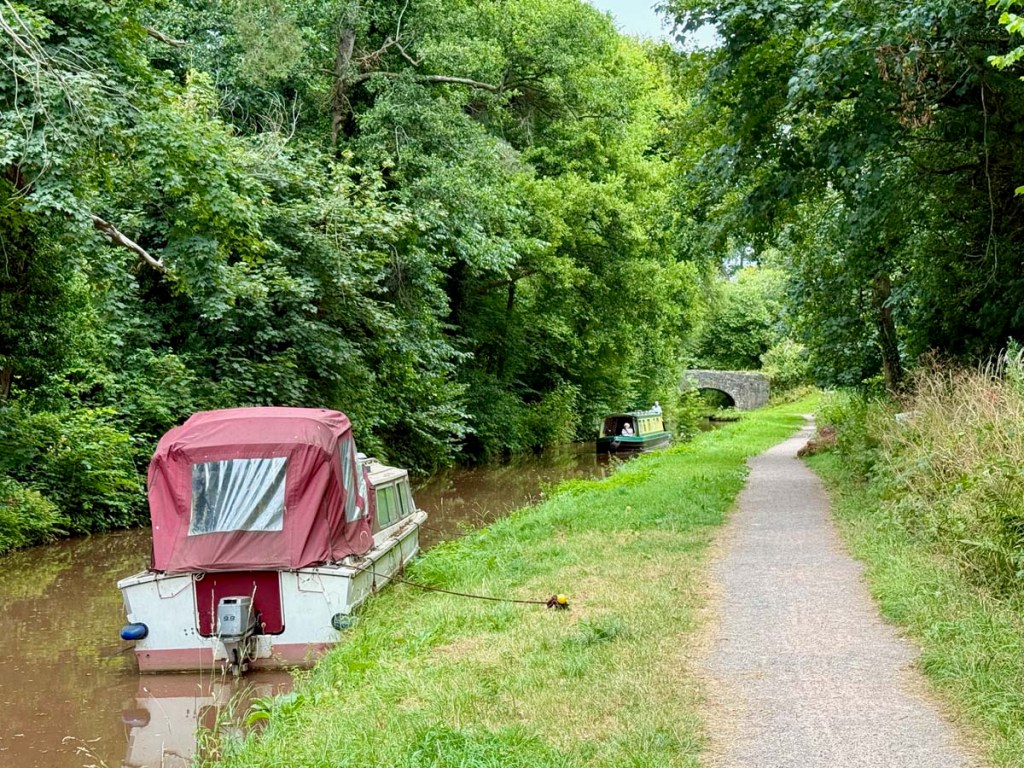
The Montgomeryshire and Brecon Canal at Talybont-on-UskThe female osprey (right) joining the male who was busy devouring a fish about 300 metres away from the nest
After all the hot weather we have had it was much nicer for us walking in the much cooler conditions. However, we hadn’t really counted on rain and , although we had views of both male and female and the chick, it was not ideal conditions for photography.
The female osprey with chick in the nest.
There’s a great website with webcams of the ospreys at https://www.uskvalleyospreys.org where you can really see what’s going on.
The weather brightened later on and we had a walk around a section of a nearby lake at Llangors.
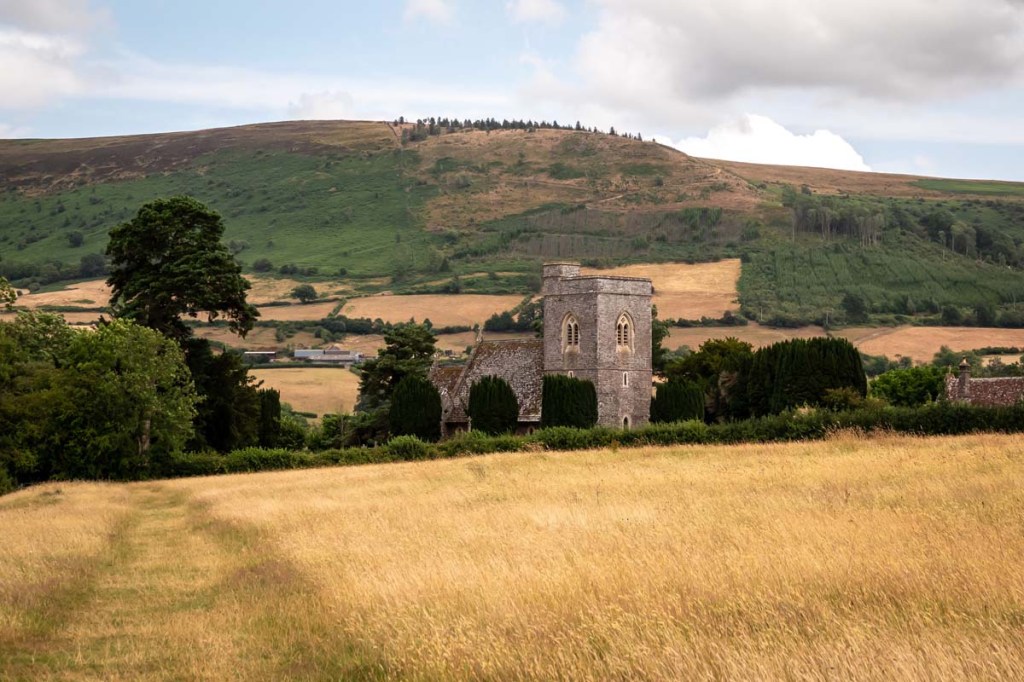
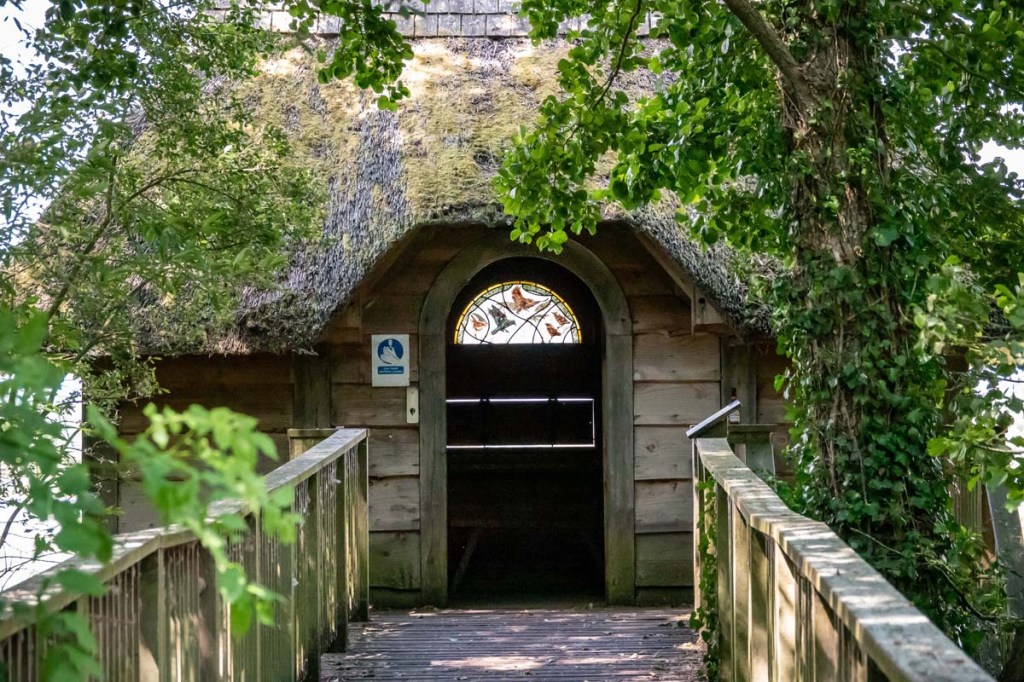
There were lots of Canada geese and cormorants on this section of the lake at the start of our walk at Llangasty Talyllyn on the south side of the lakeThe church at Llangasty TalyllynLooking north across the lakeThe thatched bird hide with a stained glass window – they take their birding seriously here in WalesThe stained glass window in the hide
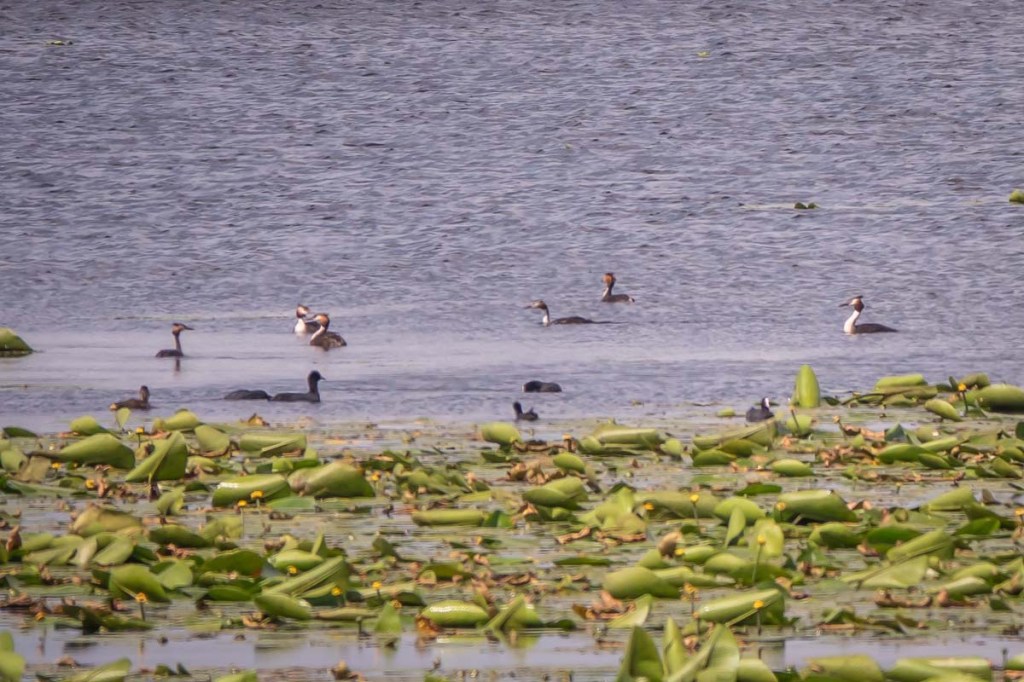
From the hide we had distant views of large numbers of great crested grebe and coots and a much closer view of a passover buzzard.
The buzzard passing in front of of the hide above the lily padsBuzzardLoads of great crested grebes
On our way back we suddenly came across a patch of ground with all sorts of wildlife:
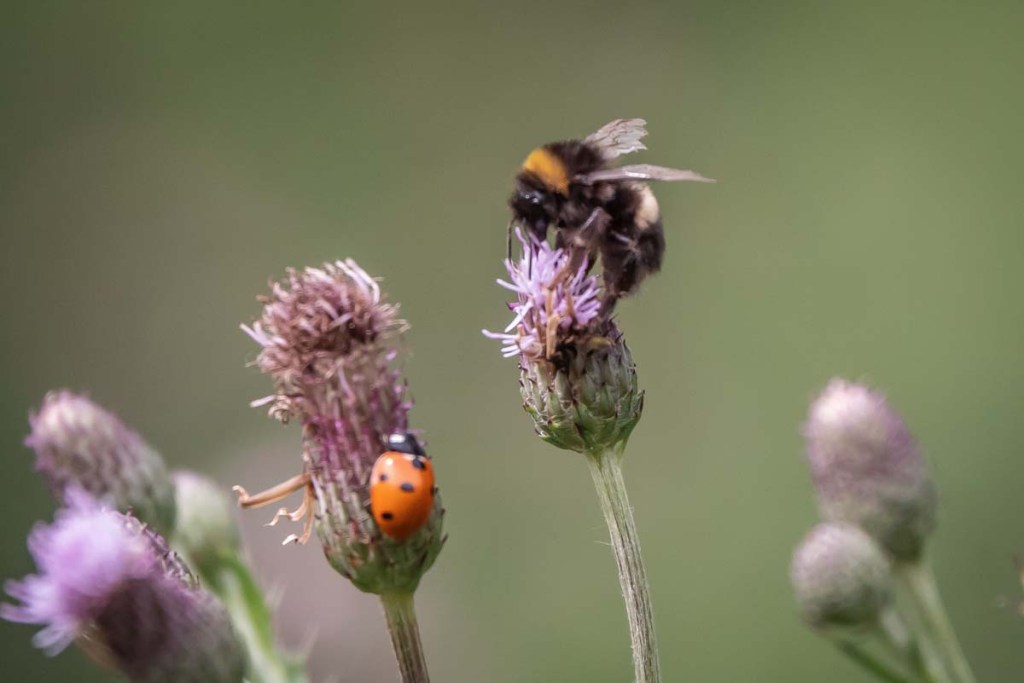
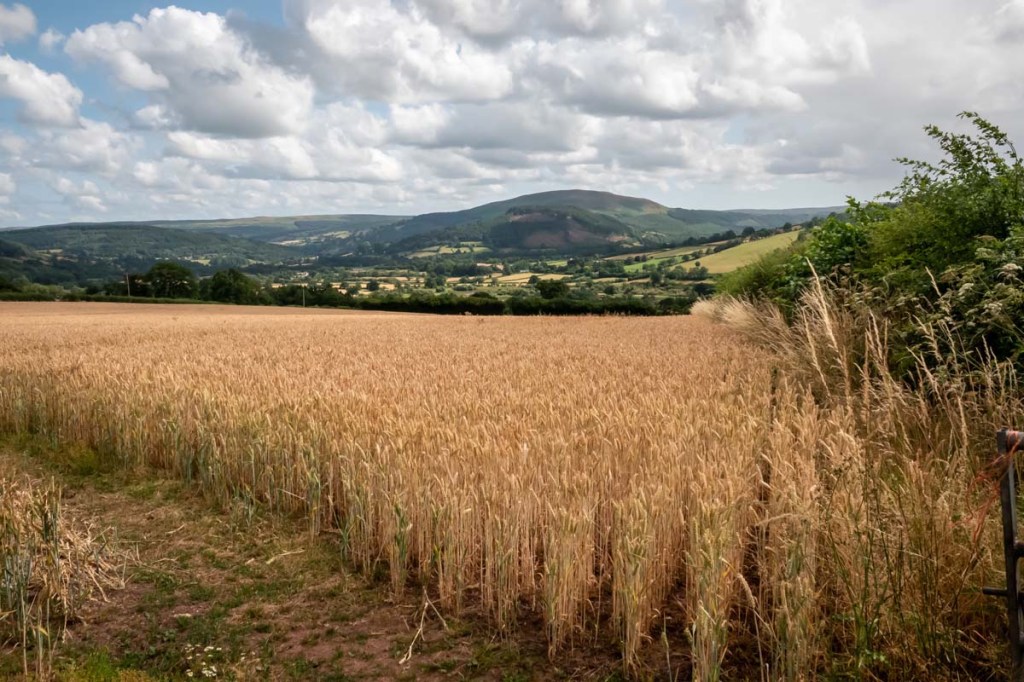
Large skipper butterflyA rather weather-beaten meadow brown butterflyBee and ladybirdPeacock butterfly and common waspCommon blue damselfly Green-veined whiteSoldier beetleHoverflyThe views of the environs of the lake were quite stunning…as were the views of the Brecon Beacons on our way to our pub accommodation at the Griffin at Felin Fach near BreconFelinfach GriffinBrecon Beacons
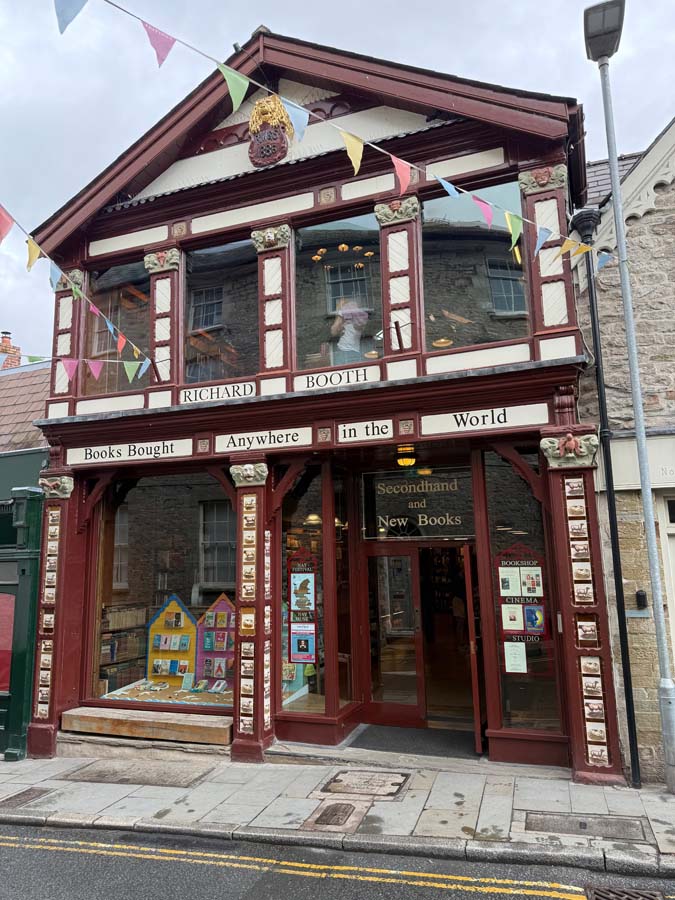
We were very unlucky with the weather on the second day and were forced to dash between showers visiting bookshops in Hay-on-Wye which is famous as a book town and for its literary festivals.
One of the many bookshops in Hay-on-Wye
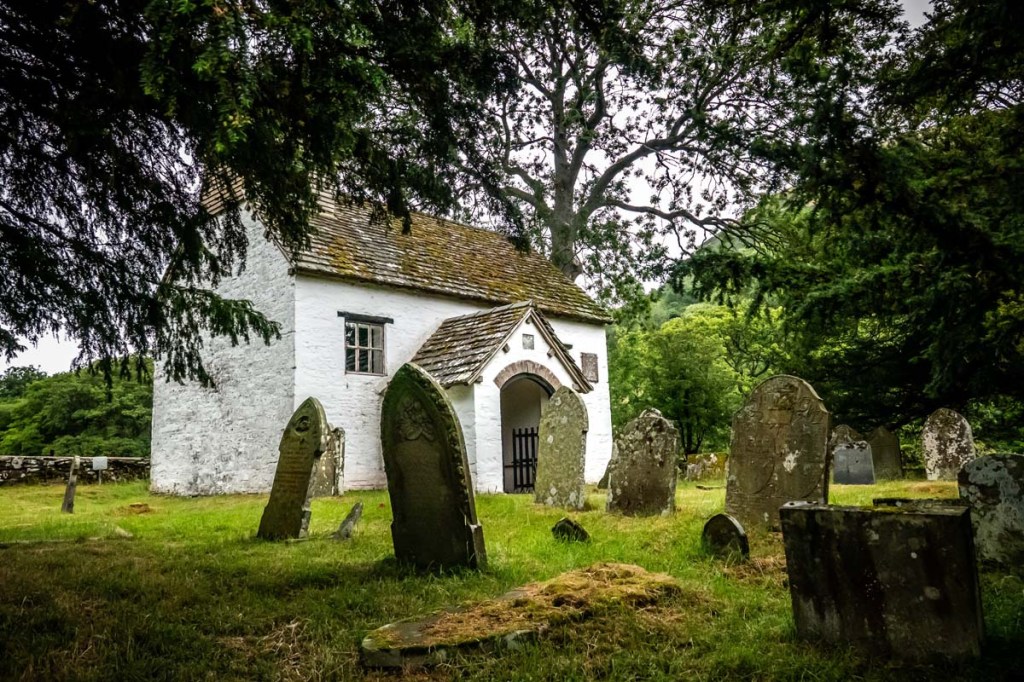
After a snack lunch (the meals were so good at the Griffin we restricted ourselves to one Welsh Cake with our coffee at lunchtime) we set off for Llanthony Priory but we failed to reach our destination as the road was inexplicably closed for several hours just short of our destination. So, we made do with the stunning scenery in the Black Mountains and made our way back to our accommodation.
Fortunately there are plenty of passing placesThe weather did not spoil our enjoyment of the viewsWe got as far as this sweet little chapel… and enjoyed seeing the wild ponies… and sheep
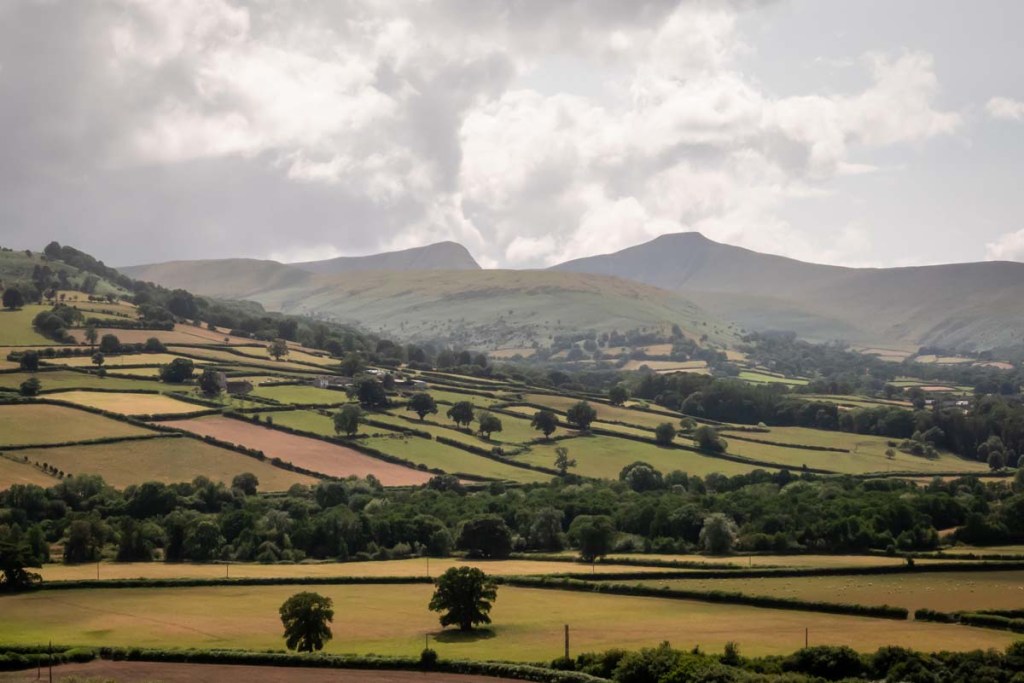
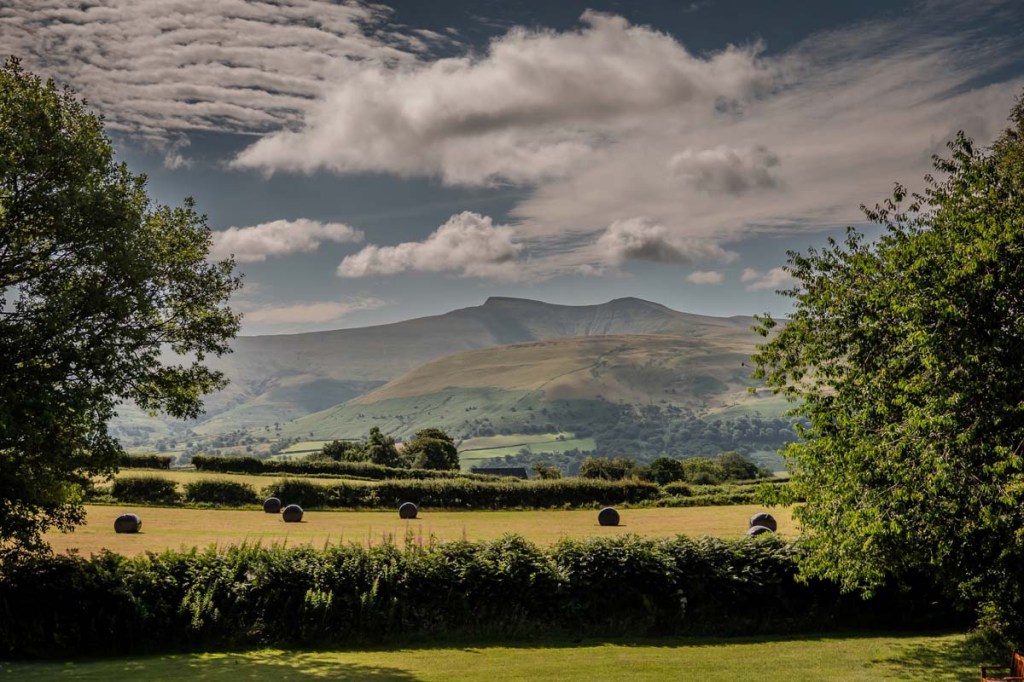
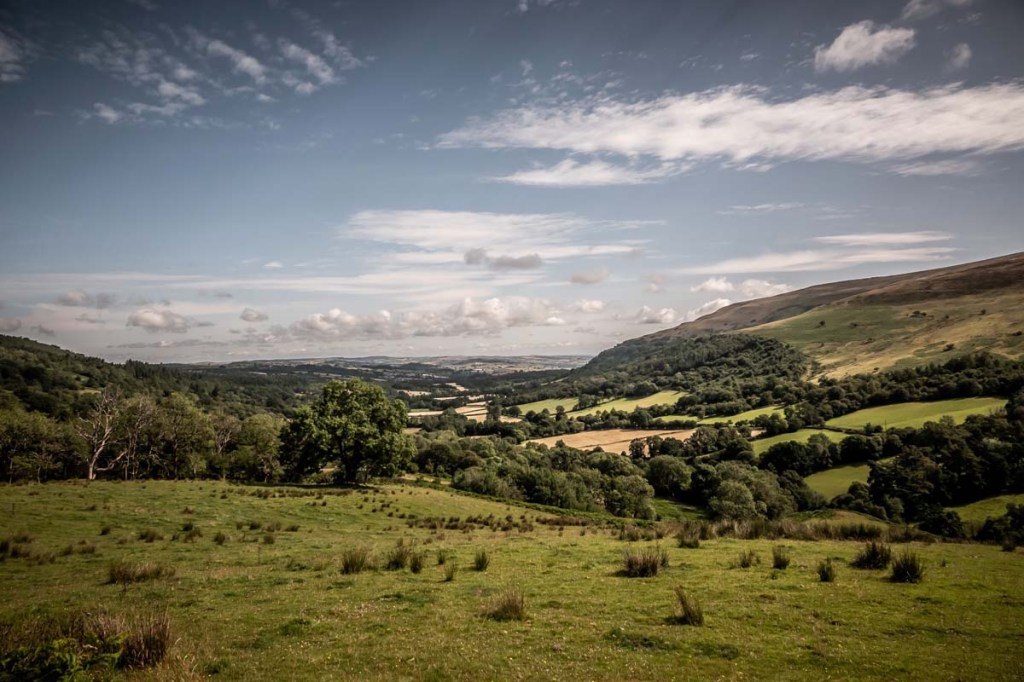
The next day there were more stunning views of the Brecon Beacons.
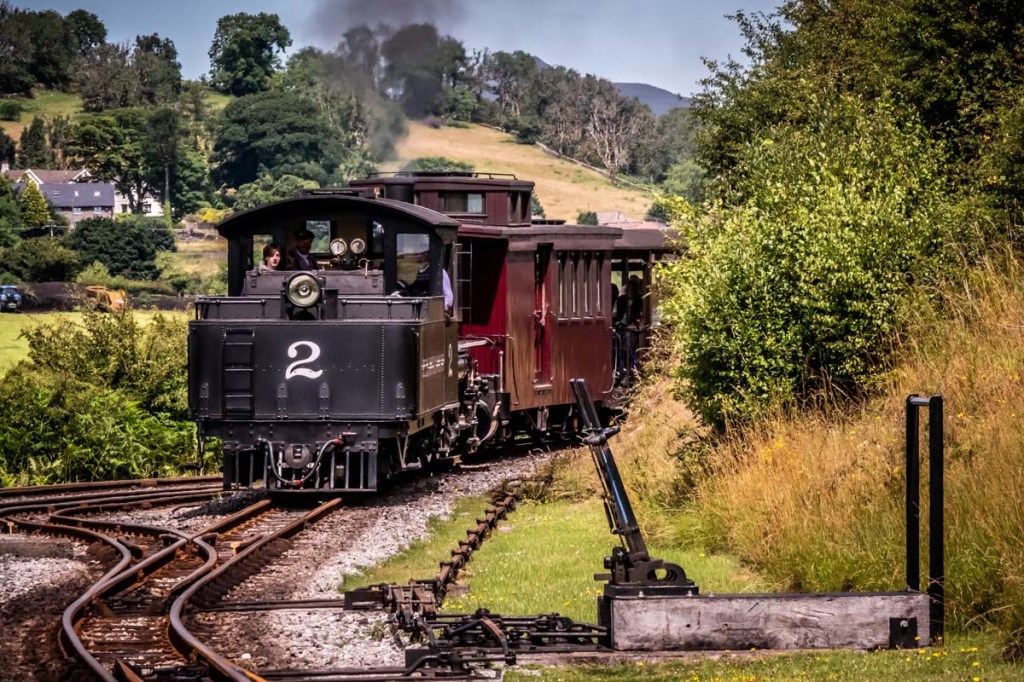
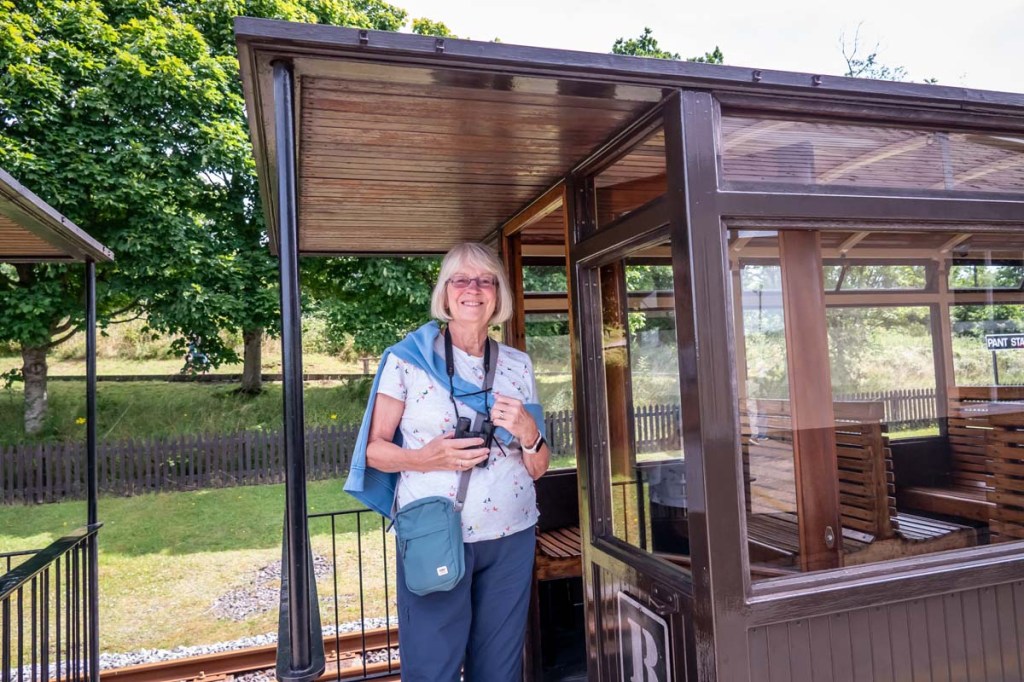
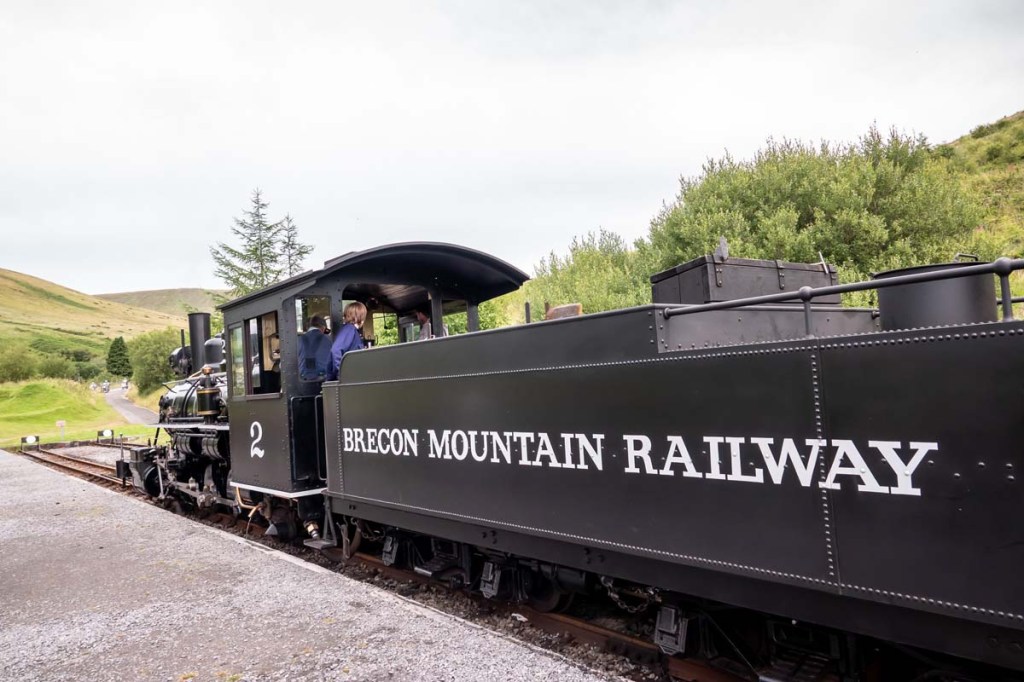
The Brecon BeaconsView back down through the valley towards BreconIt’s quite some years since we have climbed Pen-y-fan. You can just make out some of the early starters at the top We were going to climb a 1000 feet or so but by a much easier route on the Brecon Mountain Railway… starting from Pant station near Merthyr TydfilAll-weather carriagesNot quite Darjeeling or Shimla but a lot of fun all the same
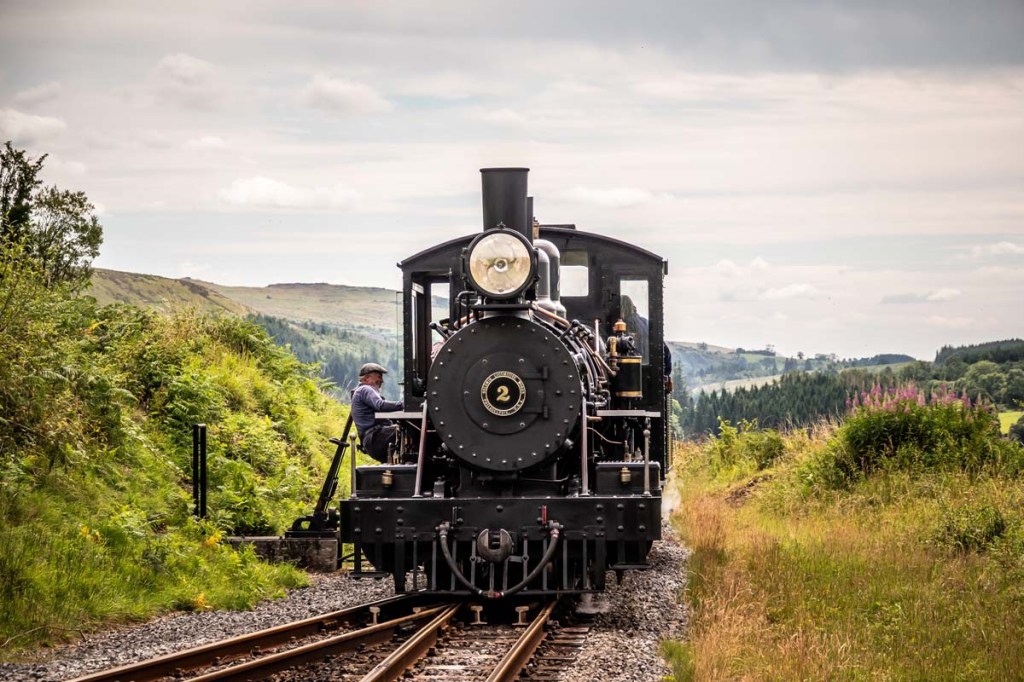
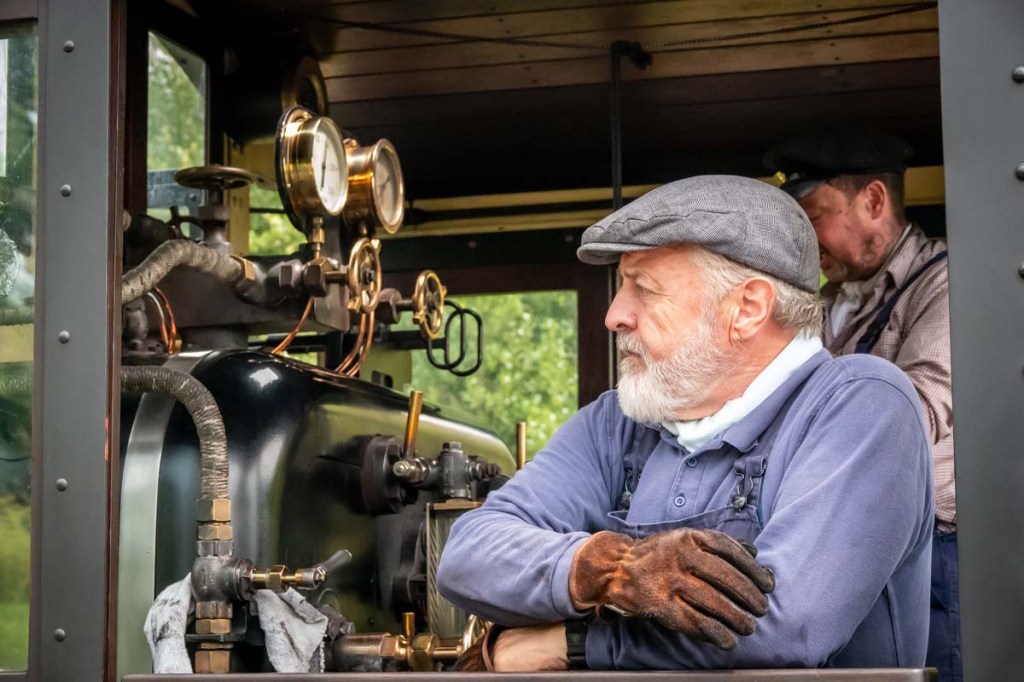
For the real train buffs a few more shots of the locomotive which was made in Philadelphia but spent all its working life between mines in South Africa from where it was rescued and restored by amazing volunteers from this part of Wales.
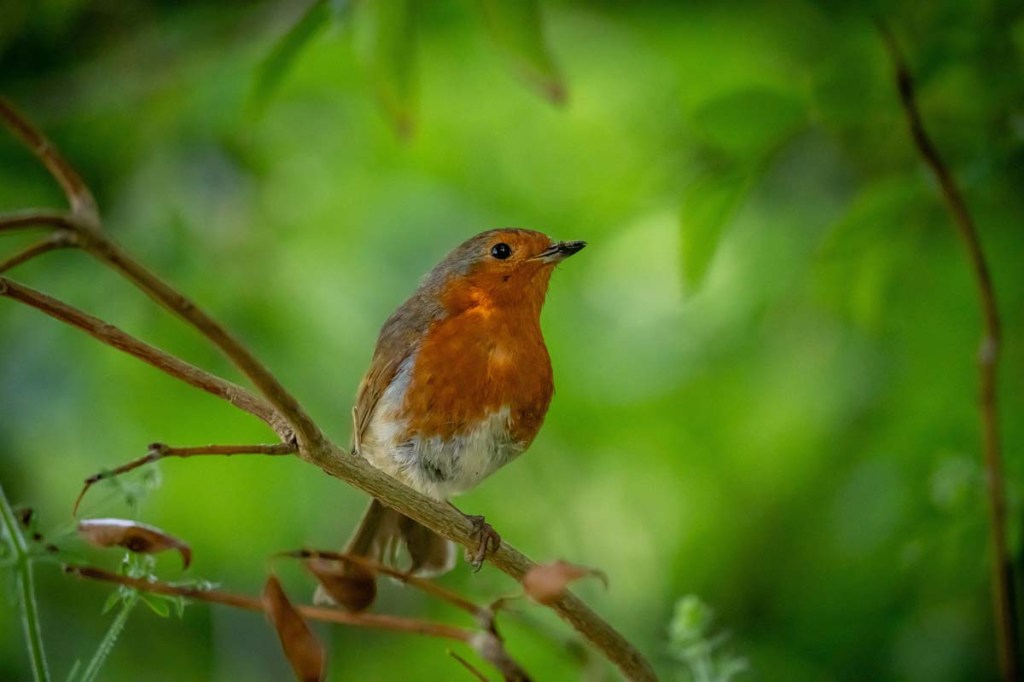
All restored by enthusiastic volunteersThe Brecon Mountain Railway fuelled by coal from Columbia!There’s generally a robin to save the day when I haven’t taken many bird photos
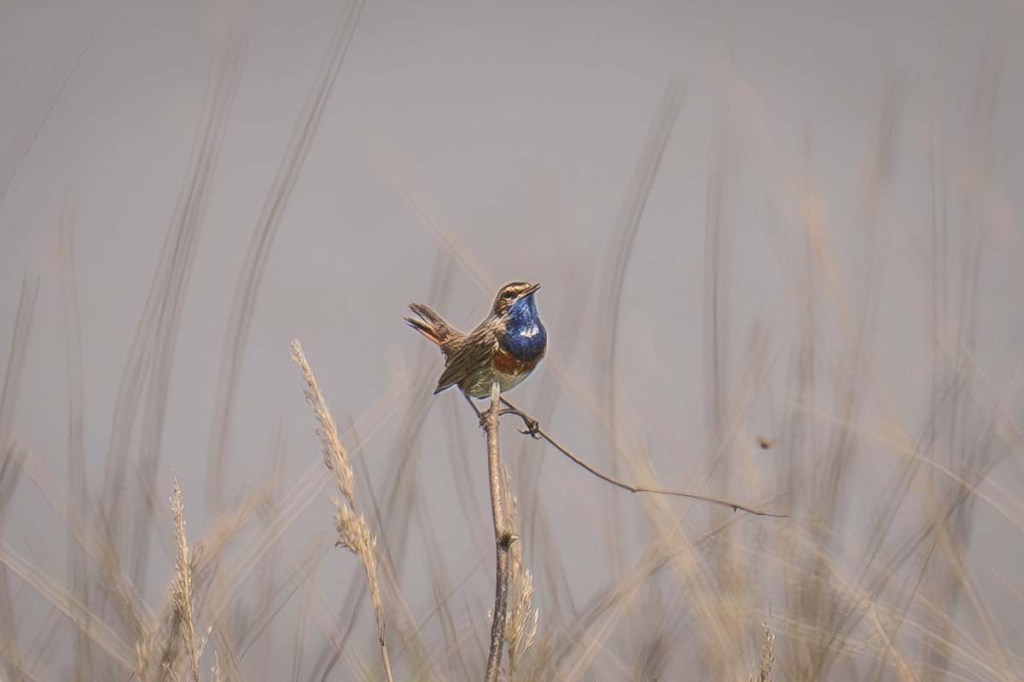
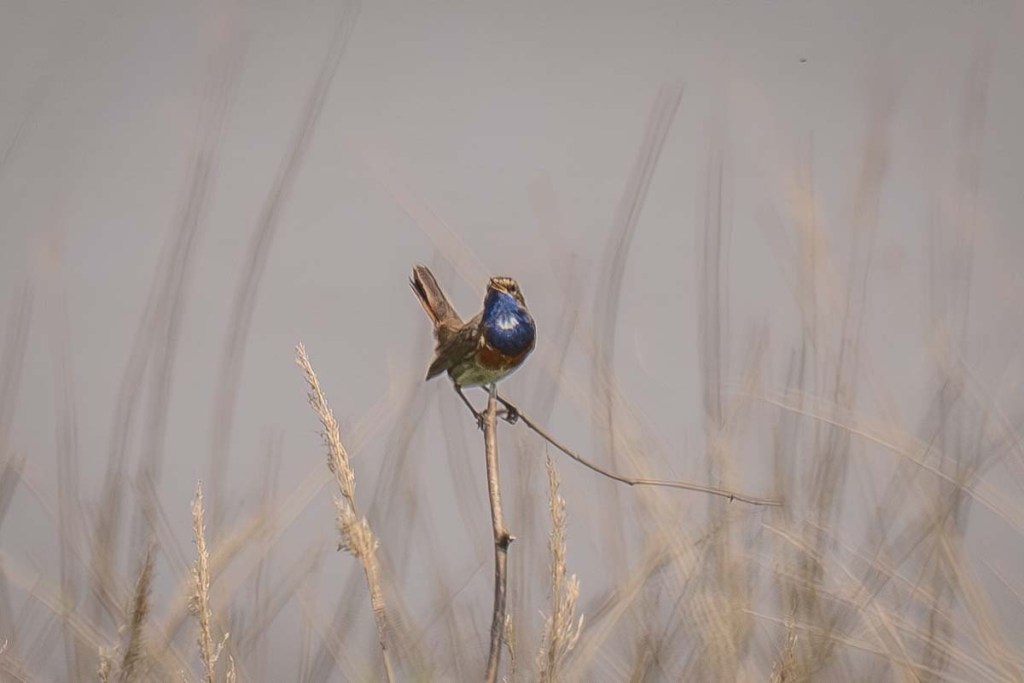
We made our second trip to Slimbridge to try to see the white-spotted bluethroat which has returned to the Severn Estuary for the fifth year running. Normally, the white-spotted subspecies typically breeds on the near continent but this is perhaps a sign that with climate change it is extending its range further north. Sadly, however, this male has so far failed to find a mate. Our luck was in and, after not too long a wait, it made an appearance. Ironically it appeared on a notice board warning not to linger and, showing its discipline, soon moved off. It continued to show well in the reeds.
You would think that singing like this its song would carry both the Bristol and English ChannelWhite spotted bluethroatWhite spotted bluethroatWhite spotted bluethroatWhite spotted bluethroat
There was plenty else to see on the walk out to the Severn Estuary.
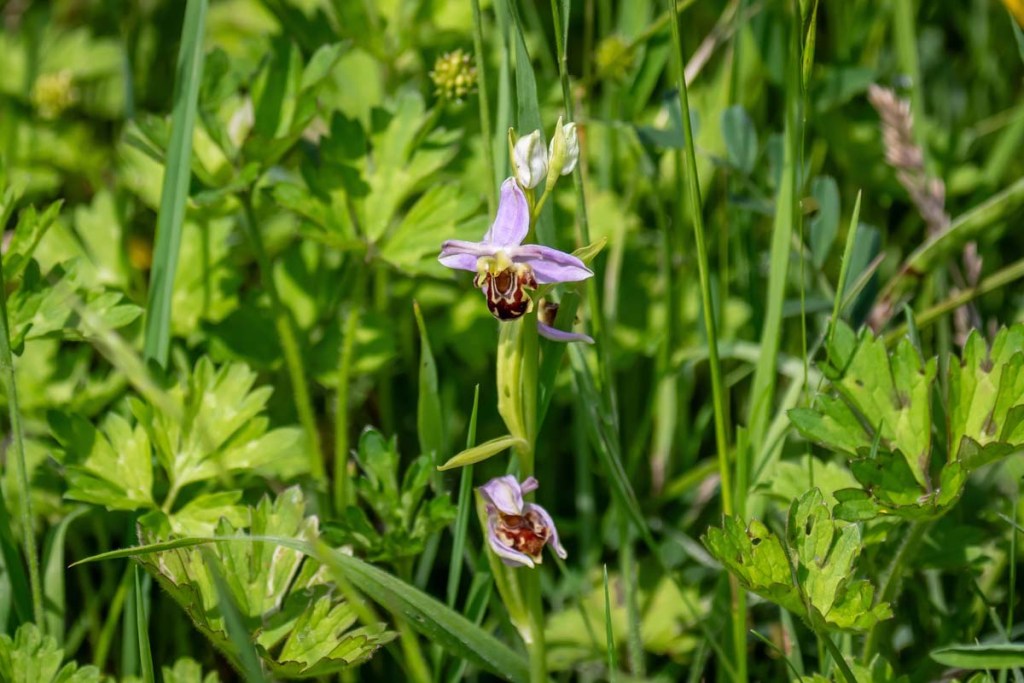
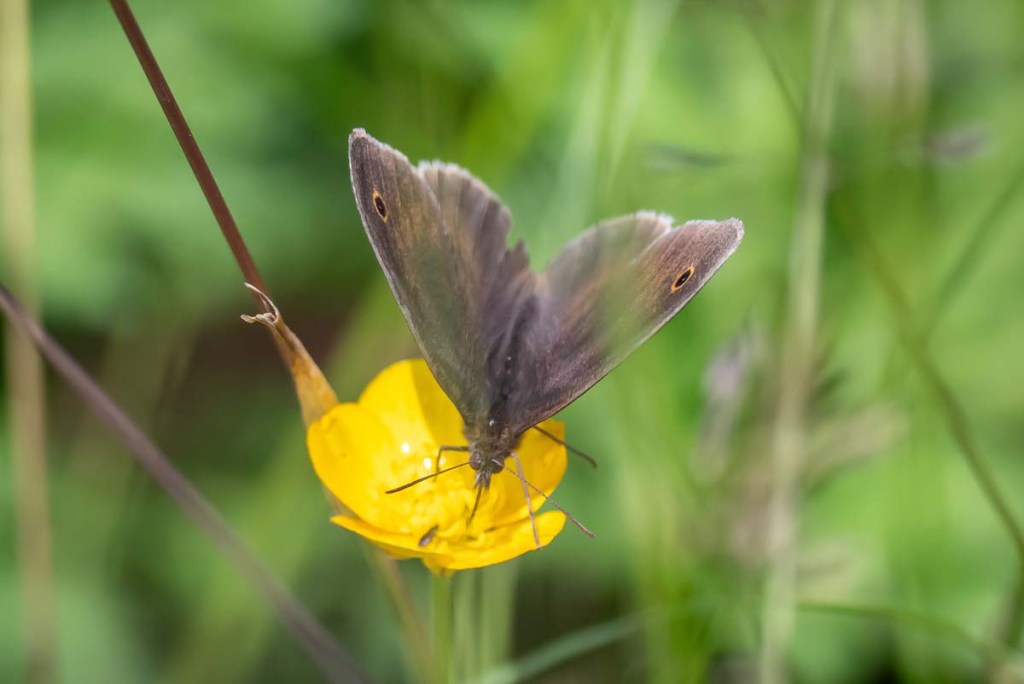
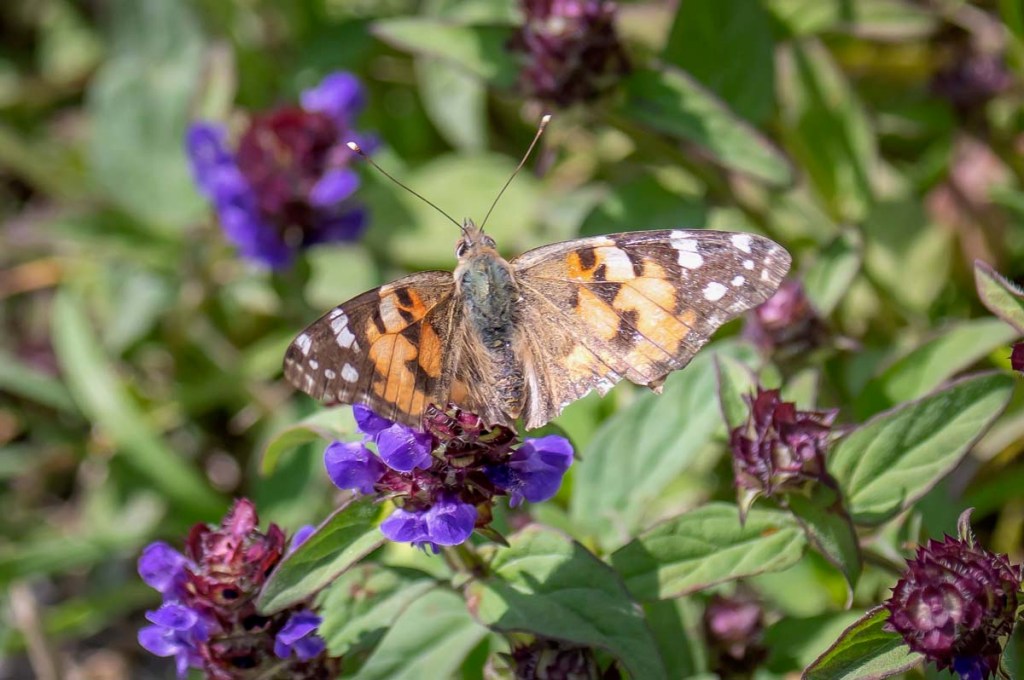
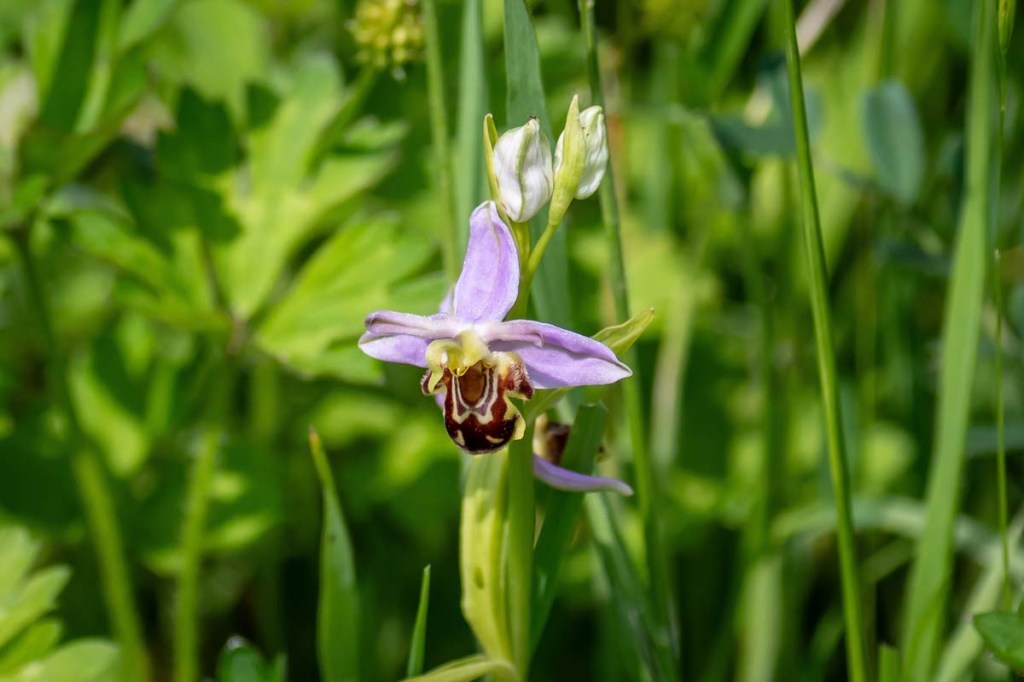
Bee orchidsMeadow brownLarge skipper butterflyPainted lady butterfly
The marbled white escaped my camera
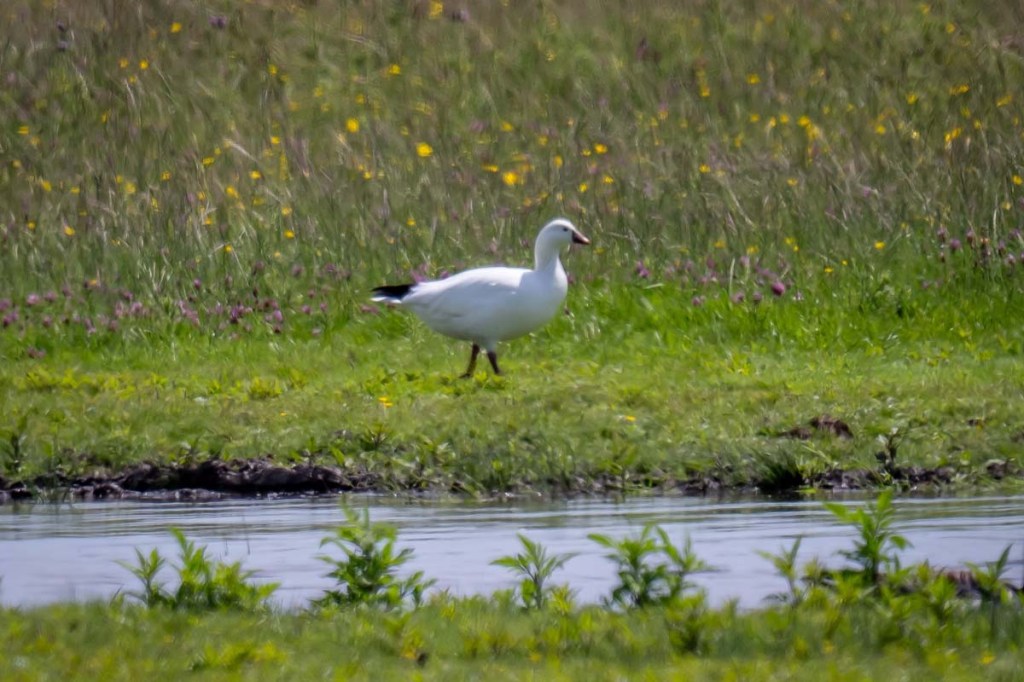
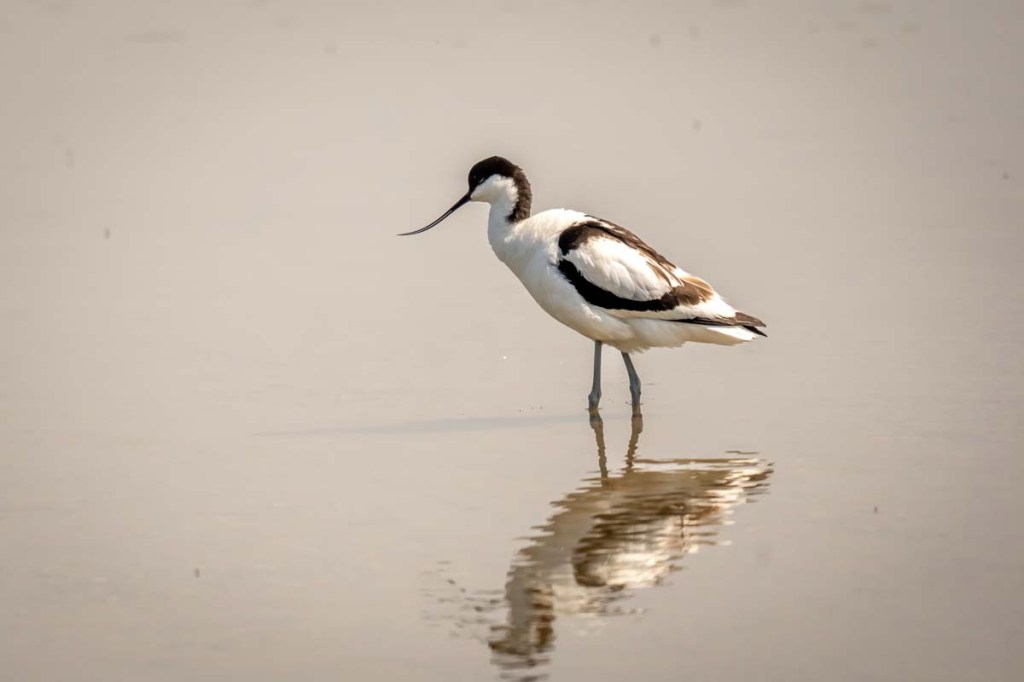
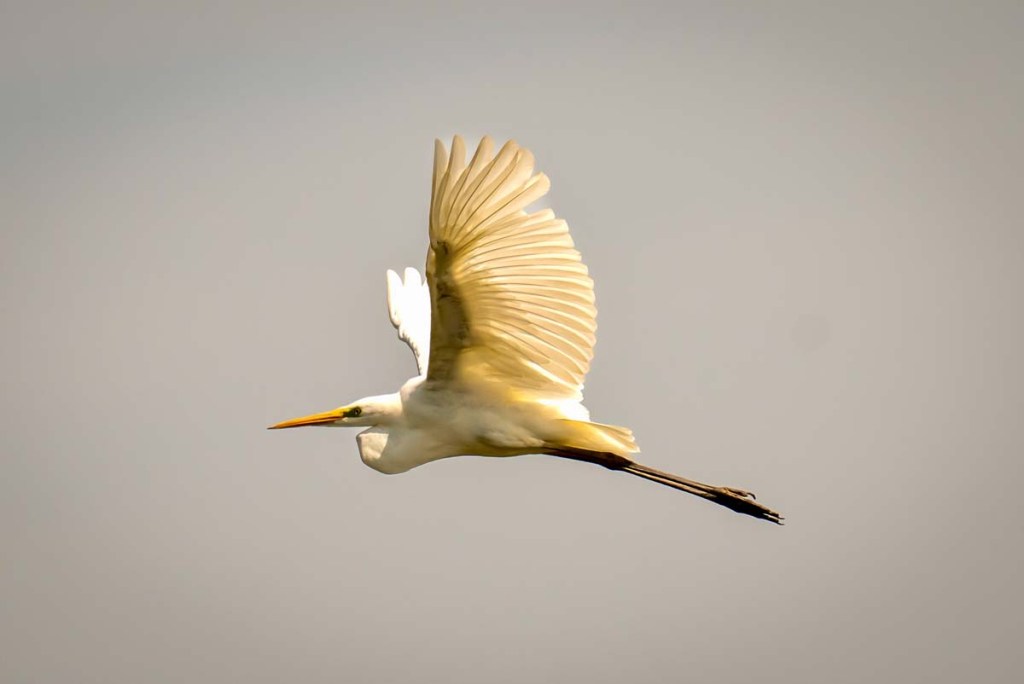
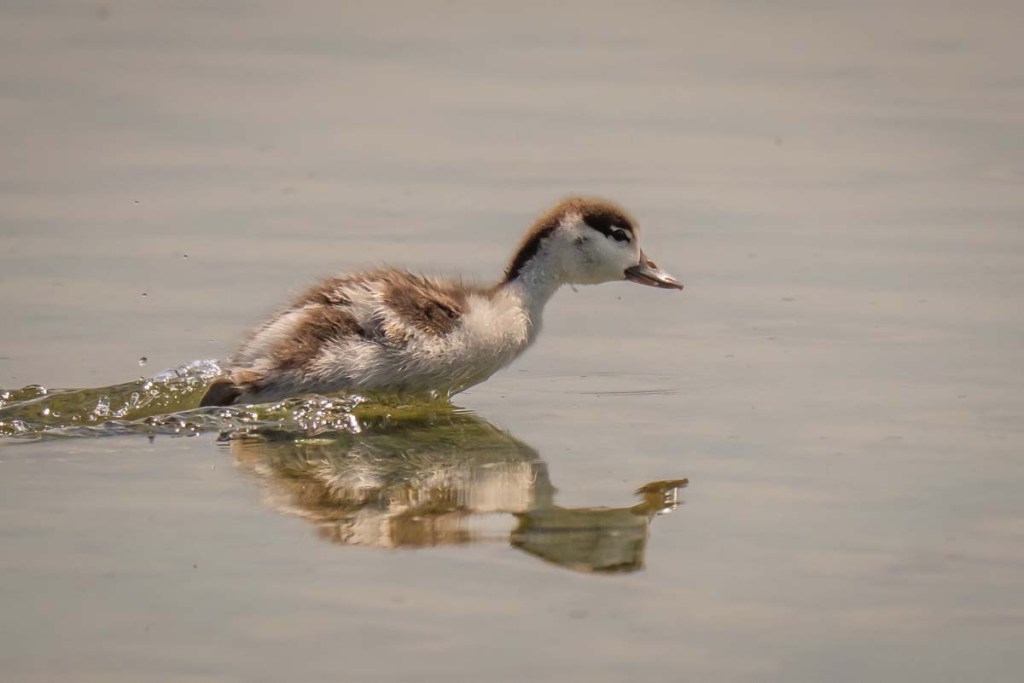
I imagine a hybrid gooseA snow goose or a Ross’s goosePied avocet (or simply avocet as we call them in the UK)Black-headed gullsGreat egretGreat egretGreat egretA shelduck ducklingMore shelduck ducklingsScarce chaseScarce chaserA rather shy robin
Following our week’s nature trip to The Camargue we have spent the last week near to Carry-le-Rouet, a seaside resort 30 kilometres west of Marseille, on the Côte Bleue.
View from the garden of our holiday let of the beach at Rouet plage which is set in a limestone calanque famous along this part of the Mediterranean coast.Rouet plage
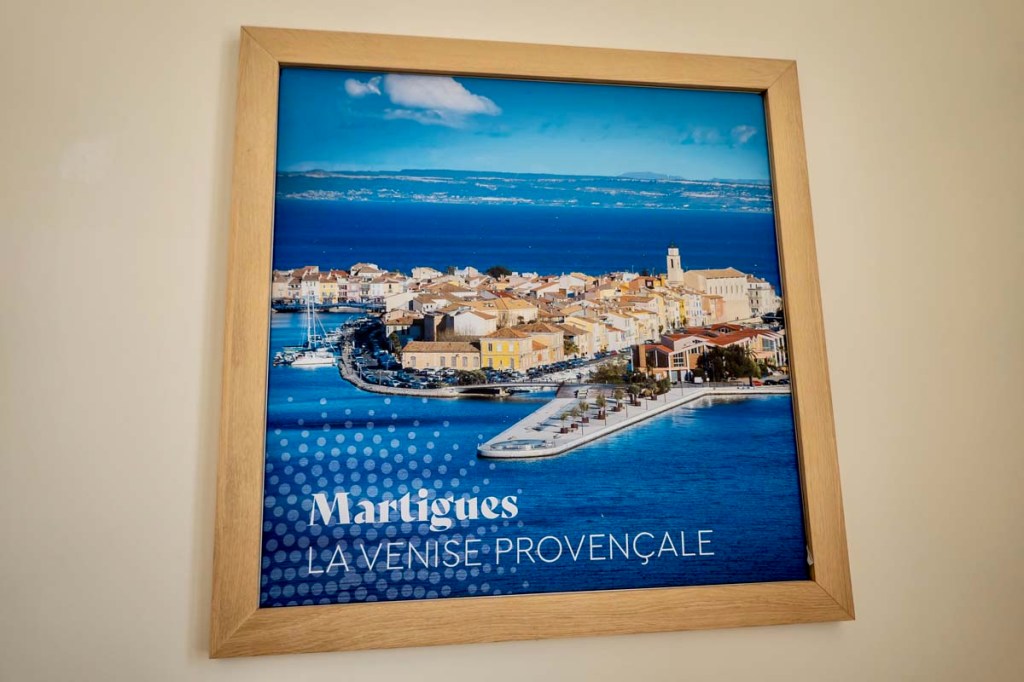
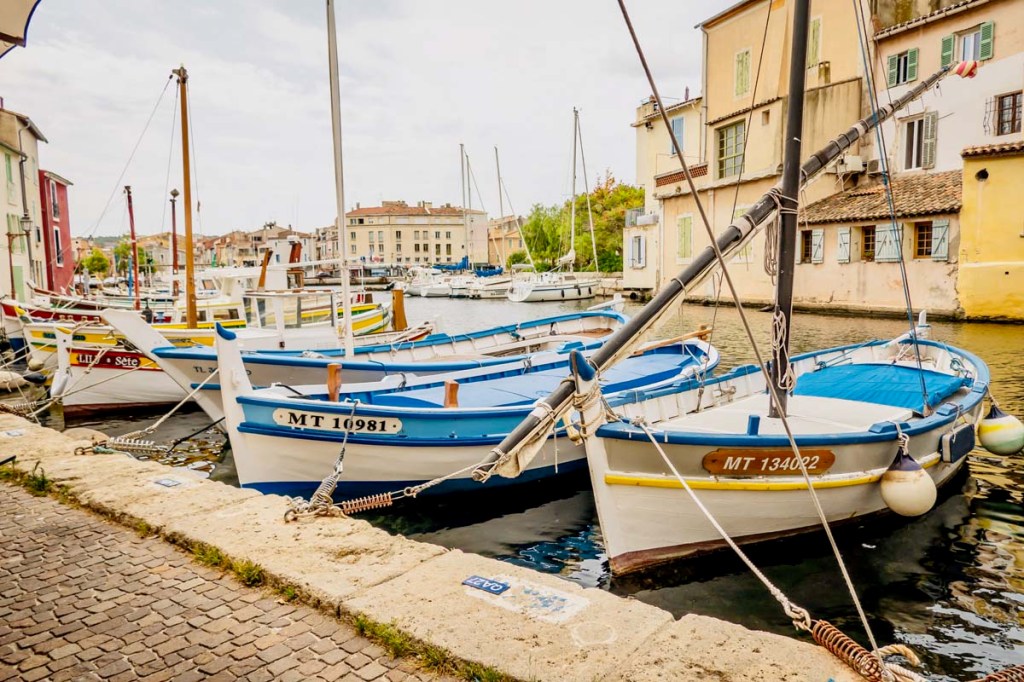
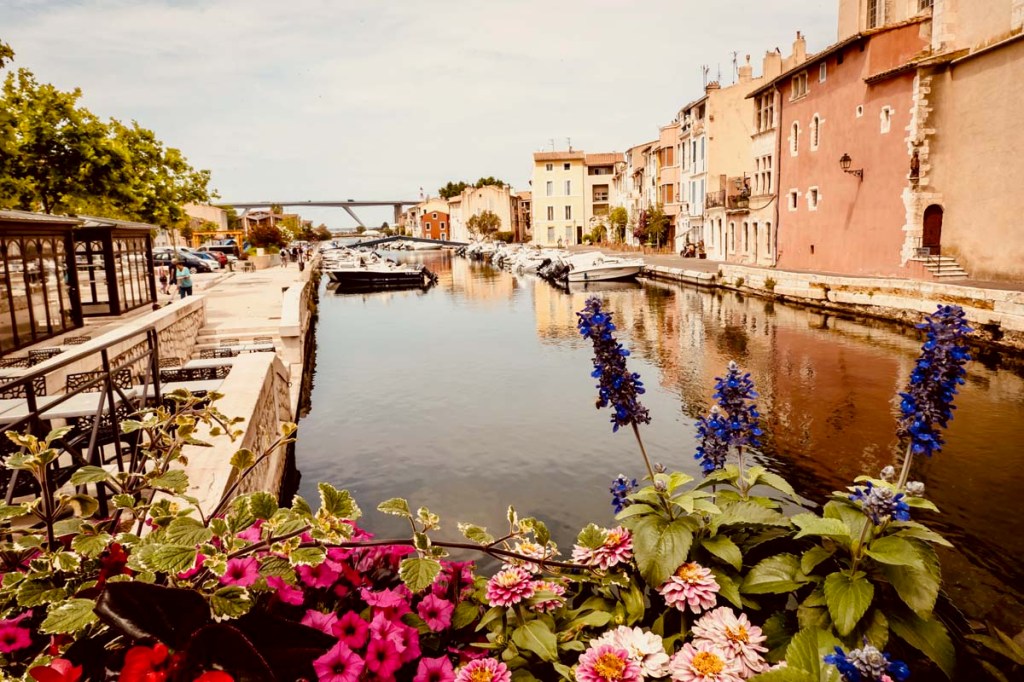
Mainly we have been relaxing in the local area but we have had a couple of trips out: one of a nature interest to Le Bassin de Réaltor near to Cabriès on the road to Aix-en-Provence and another to the nearby town of Martigues, nicknamed the “Provençale Venice” and which is a point of passage between the Mediterranean Sea and the Sea of Martigues (now Etang de Berre), close to the Côte d’Azur.
Our trip to the Bassin de Réaltor wasn’t a total success as, relying on a local source, we ended up high above the reservoir but, as it was extremely hot, we settled for a walk in the wood and an early return to Cabriès for lunch.
We saw and heard very few birds (perhaps it was too hot for them too) but we did see a few different butterflies and enjoyed the flora in the wood.
The beginning of our walkWe caught glimpses of the Bassin de Réaltor down belowSouthern red admiral butterflySouthern red admiral butterflyBlue spot hairstreak butterflySpanish gatekeeper butterfly
Martigues was beautiful but didn’t give us much opportunity for nature watching (other than a wonderful display of swifts as we ate our lunch in the area know as “le mirror aux oiseaux”) and a yellow-legged gull attempting to steal a fish which looked very much like the merlan (whiting) I had had for lunch.
The view from our table at the restaurant in “le mirror aux oiseaux – the swifts up above were too much for my phone camera!Yellow-legged gull and fishLe miroir aux oiseaux
Apart from those two trips we have stayed locally and spent a lot of time sitting on the terrace with the wonderful view of the Mediterranean below. That didn’t stop me snapping a few pics of anything that came my way.
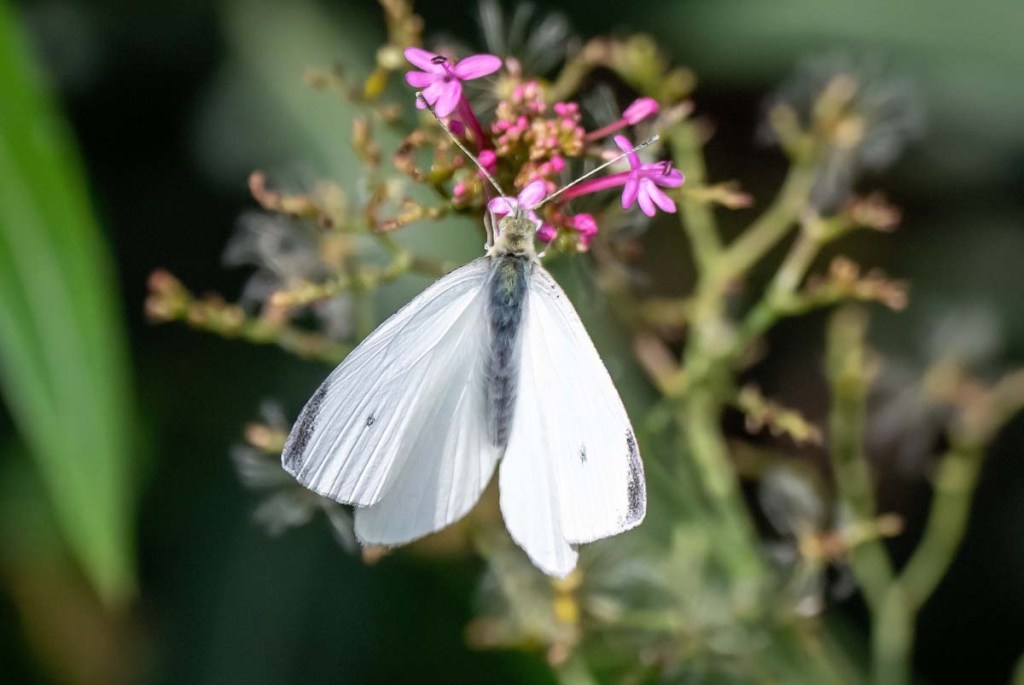
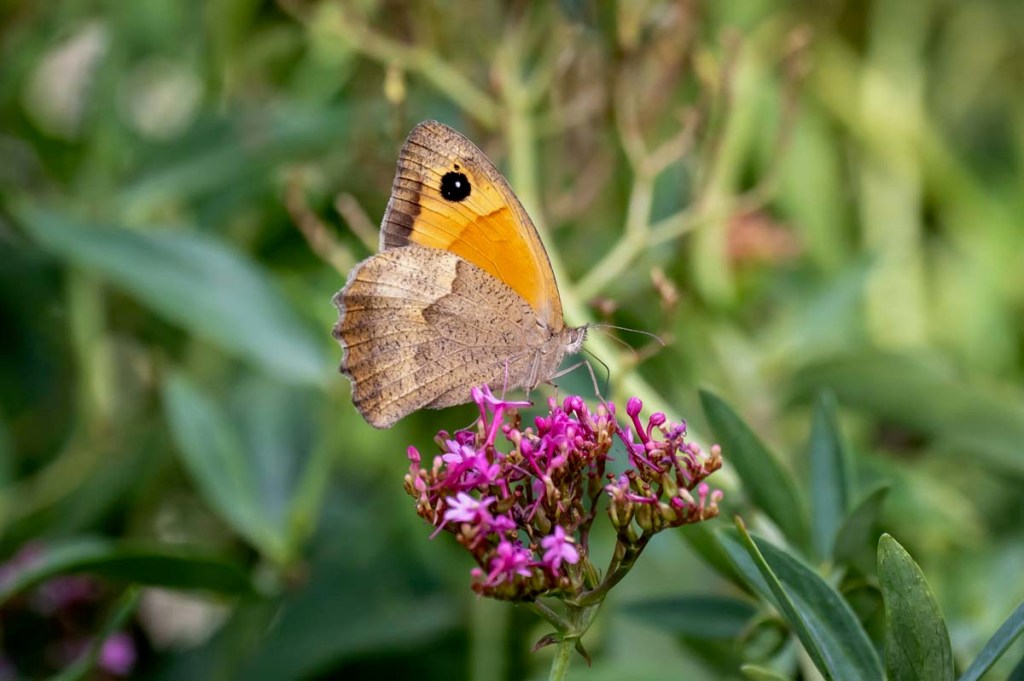
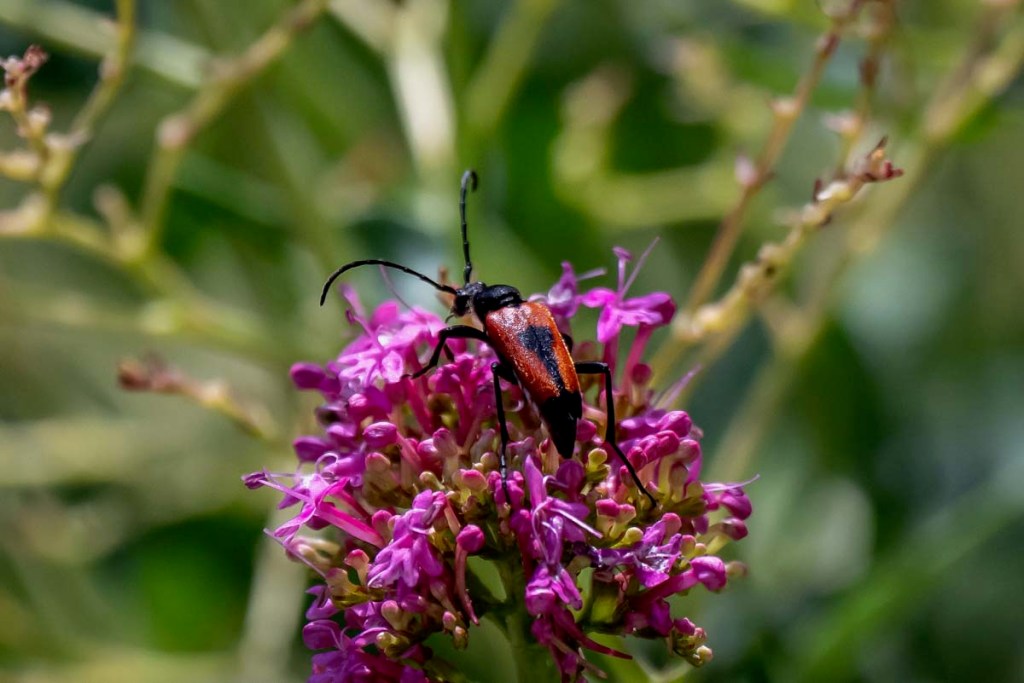
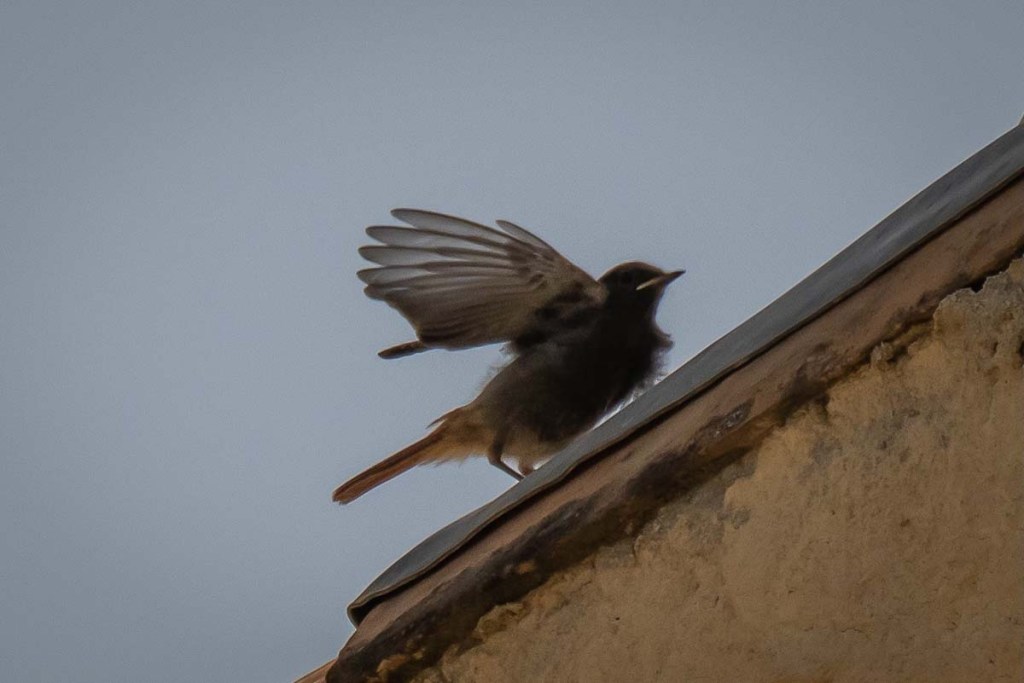
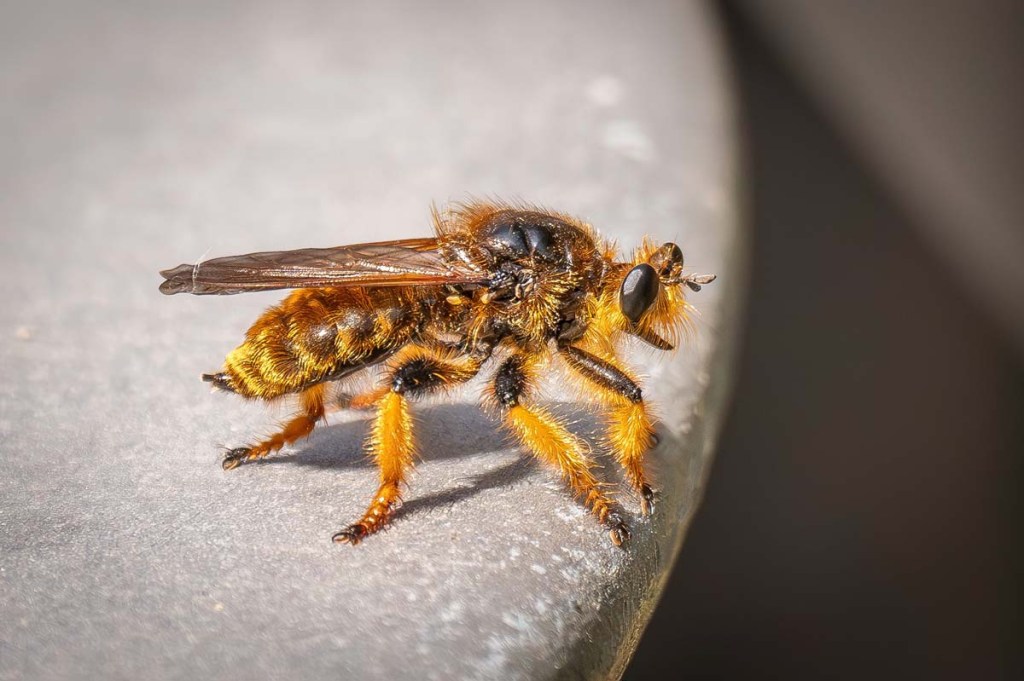
Small-white butterflyGreen-veined white butterflyMylabris quadripunctataMeadow brown butterflyLonghorn beetleTerrible picture of black redstart Common brimstoneCommon brimstoneCommon brimstoneCollared dovesEuropean paper waspRed-legged cannibalfly (apparently)Red-legged cannibalfly (apparently) – certainly frightened me and so I put my camera away





















































































 Martin's Bird Blog & Nature Photos