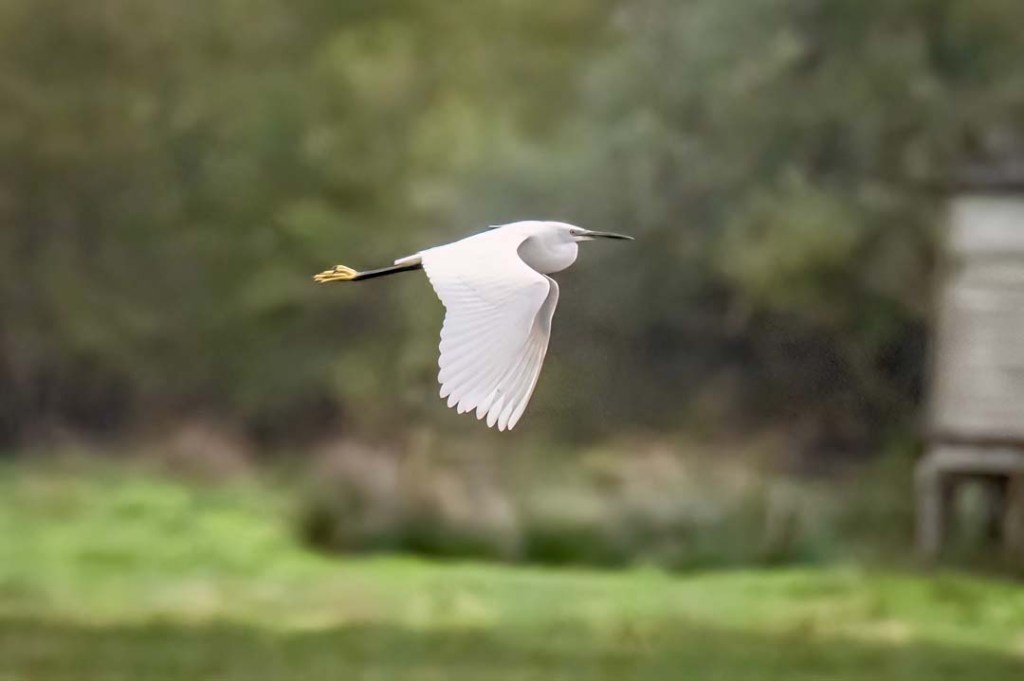
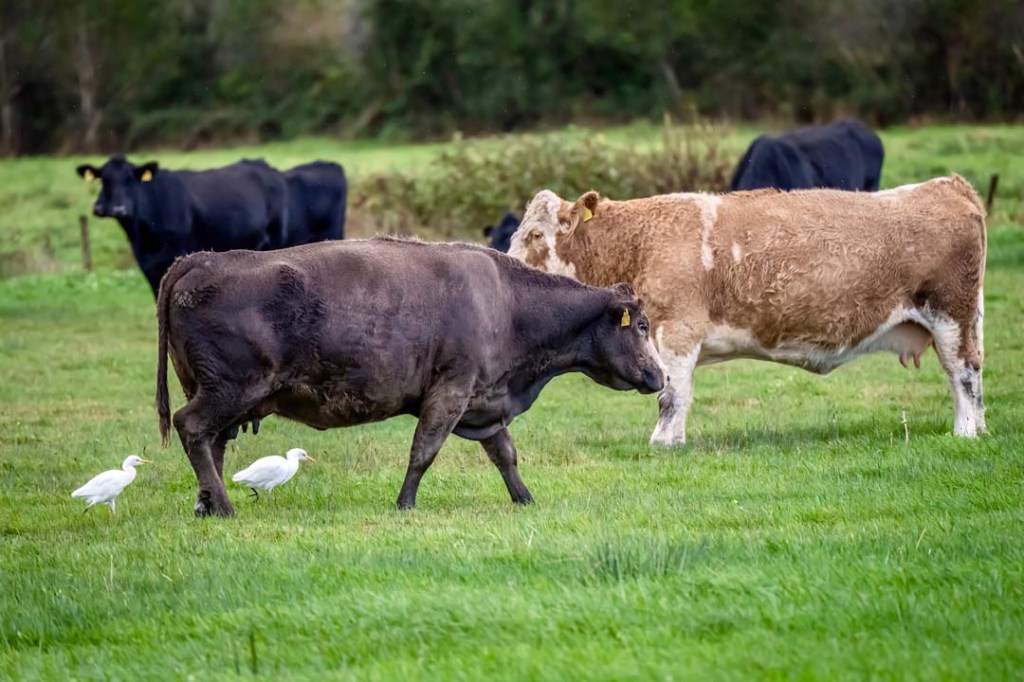
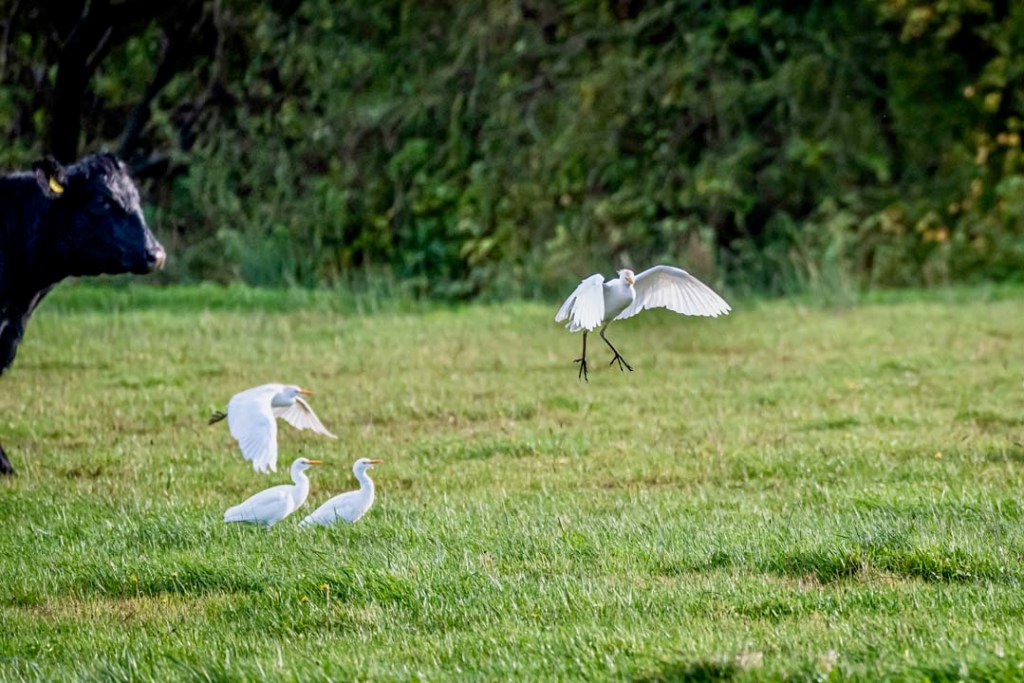
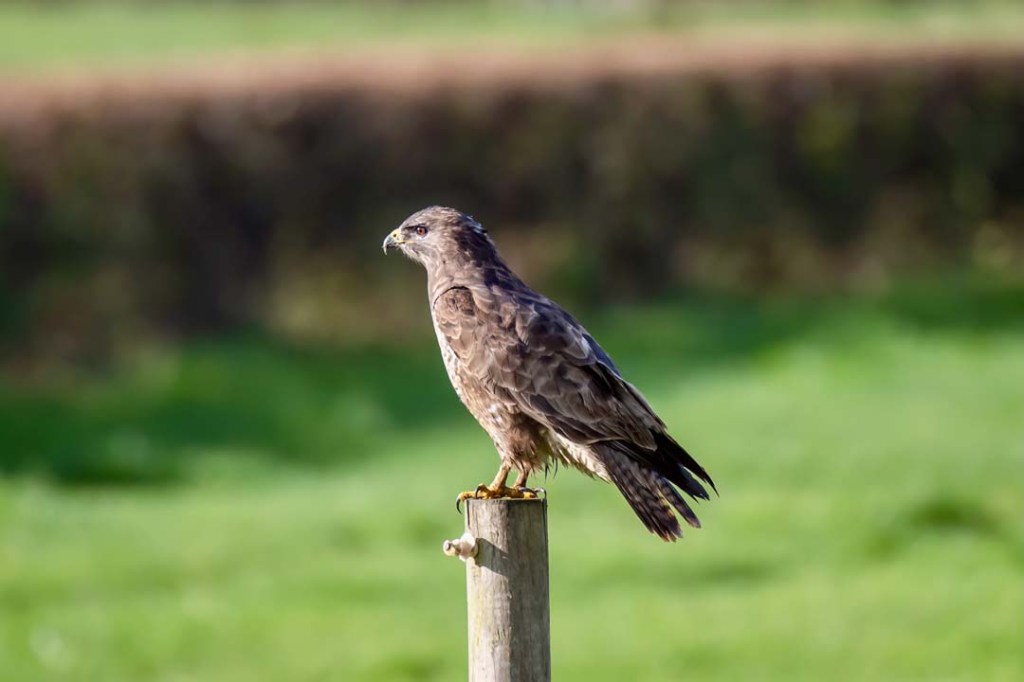
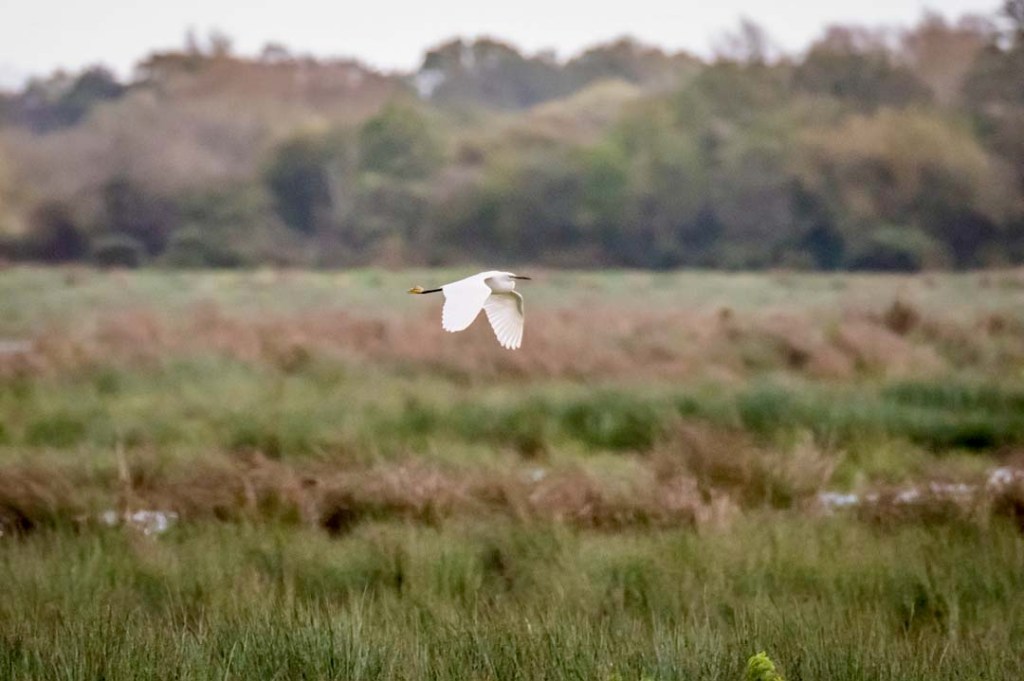
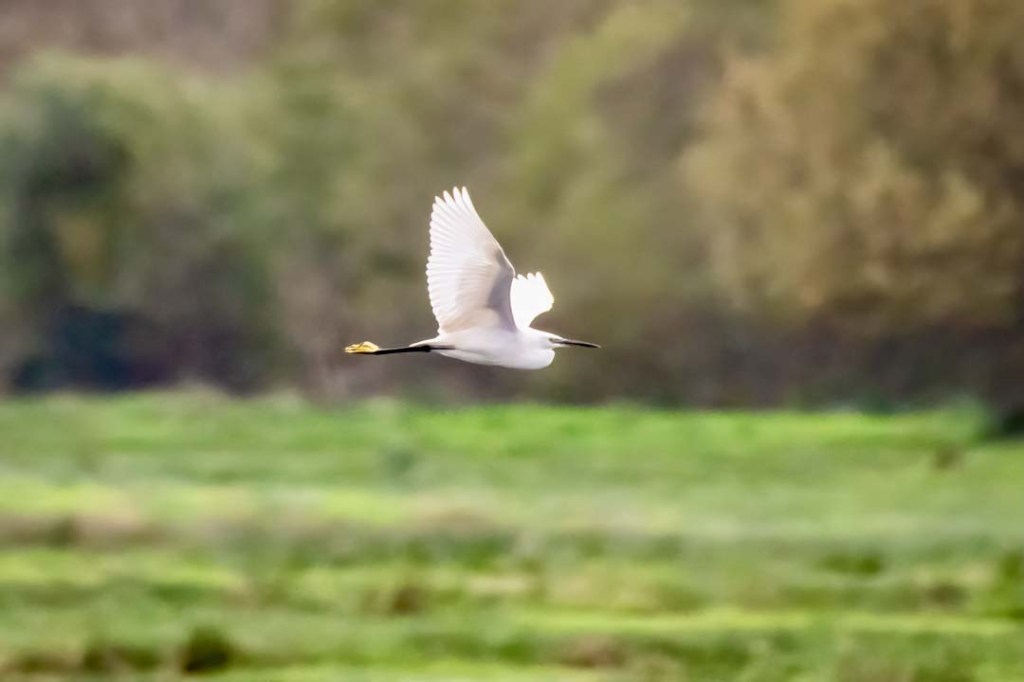
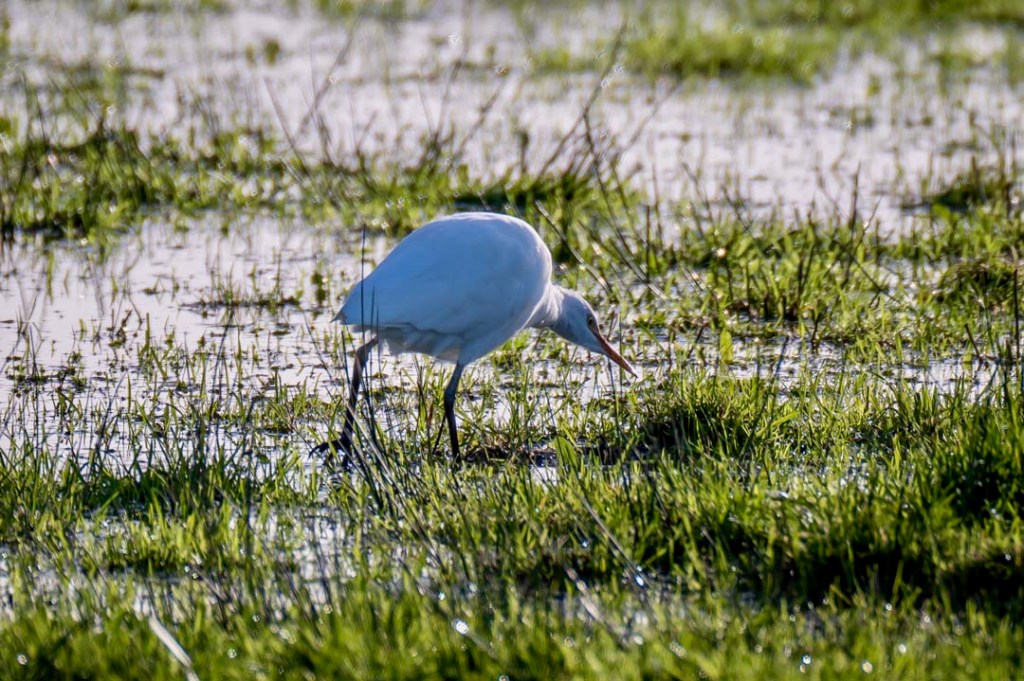
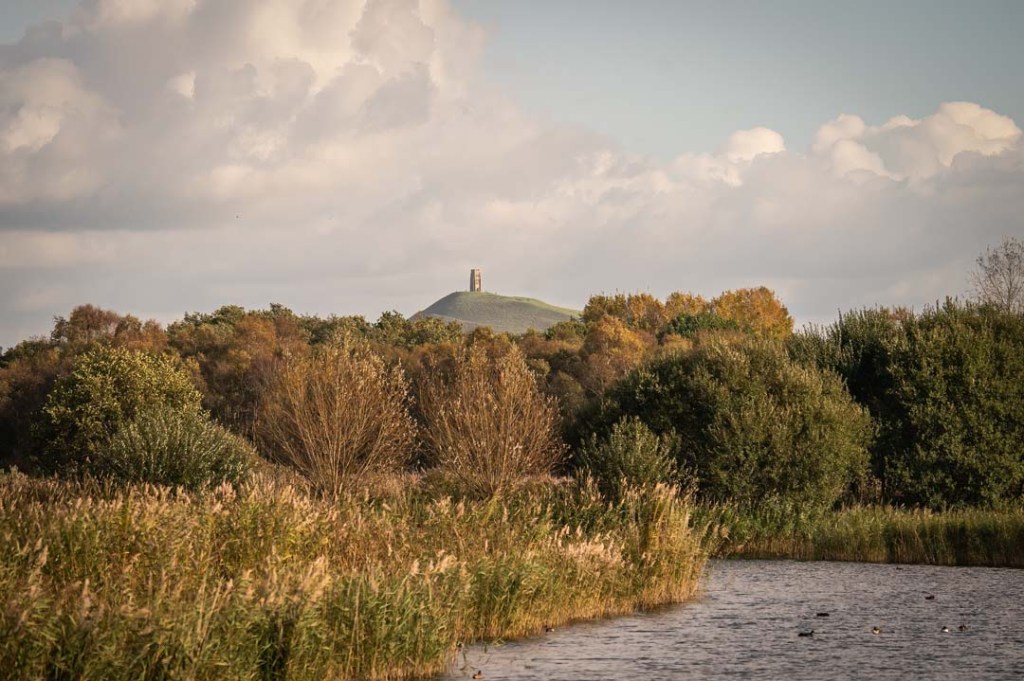
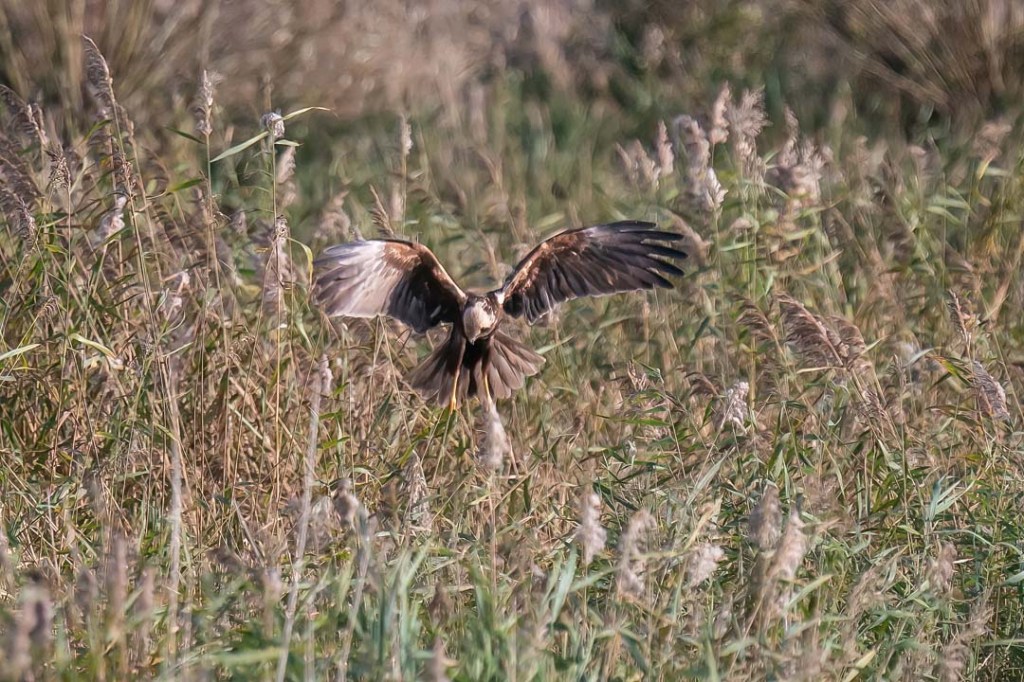
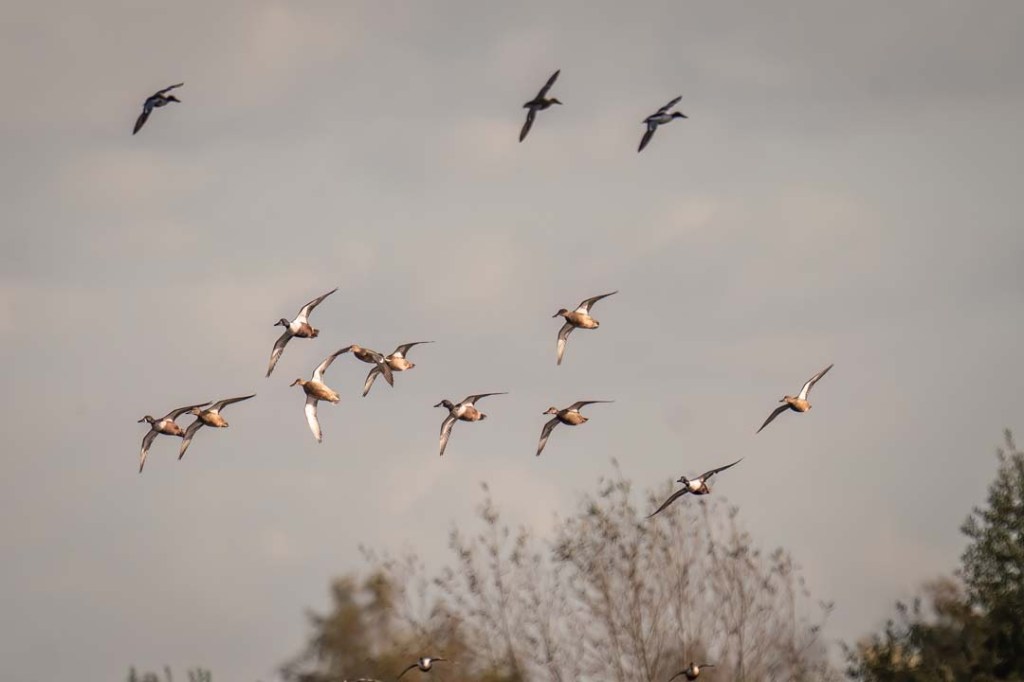
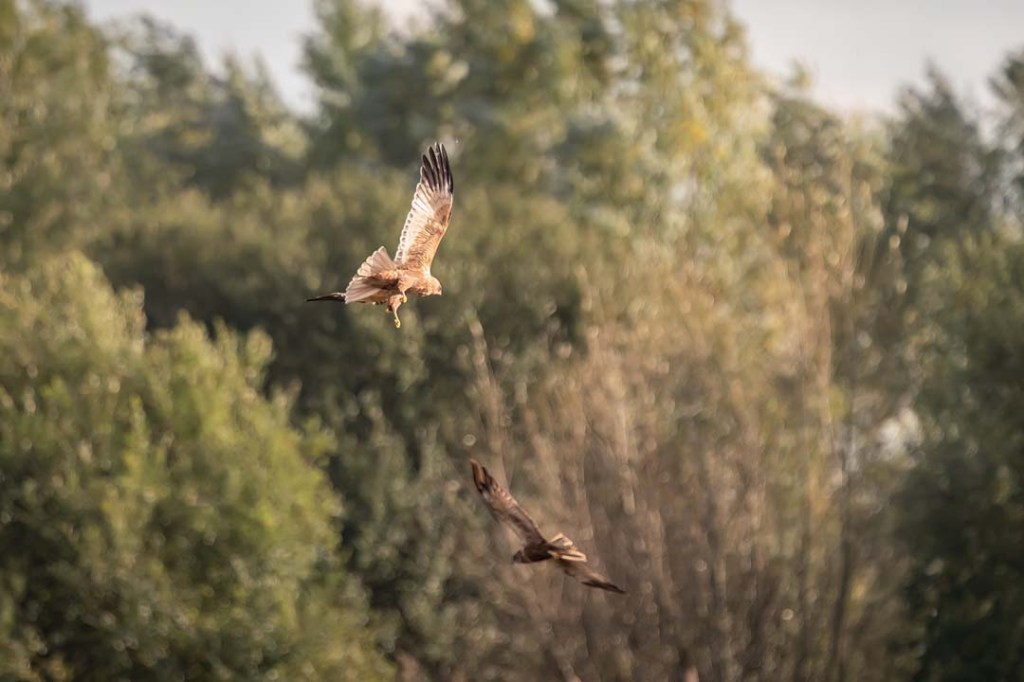
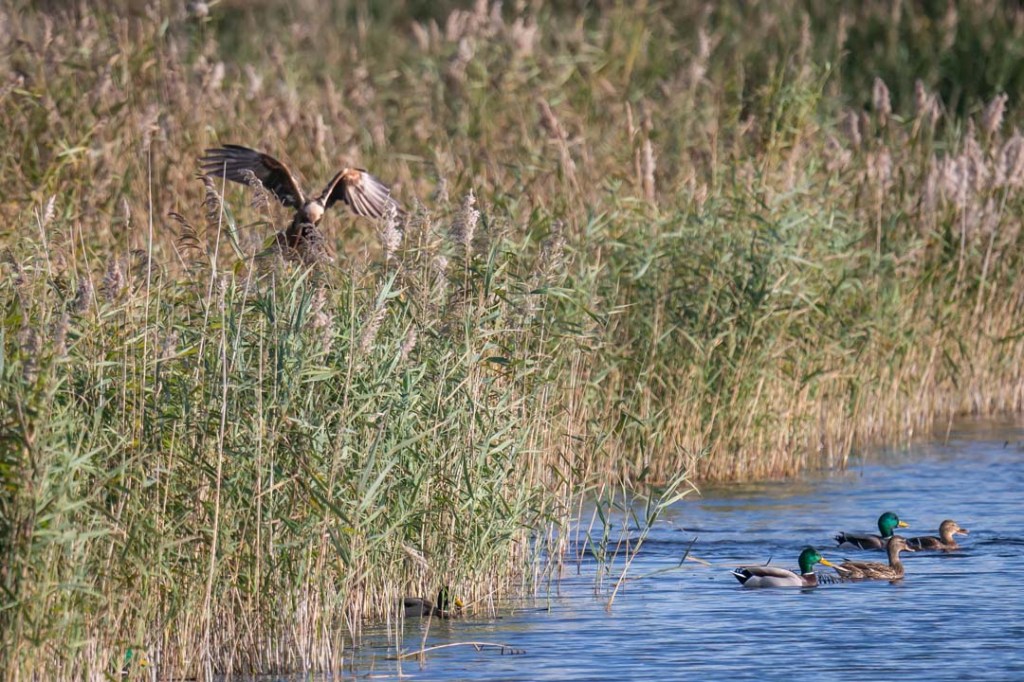
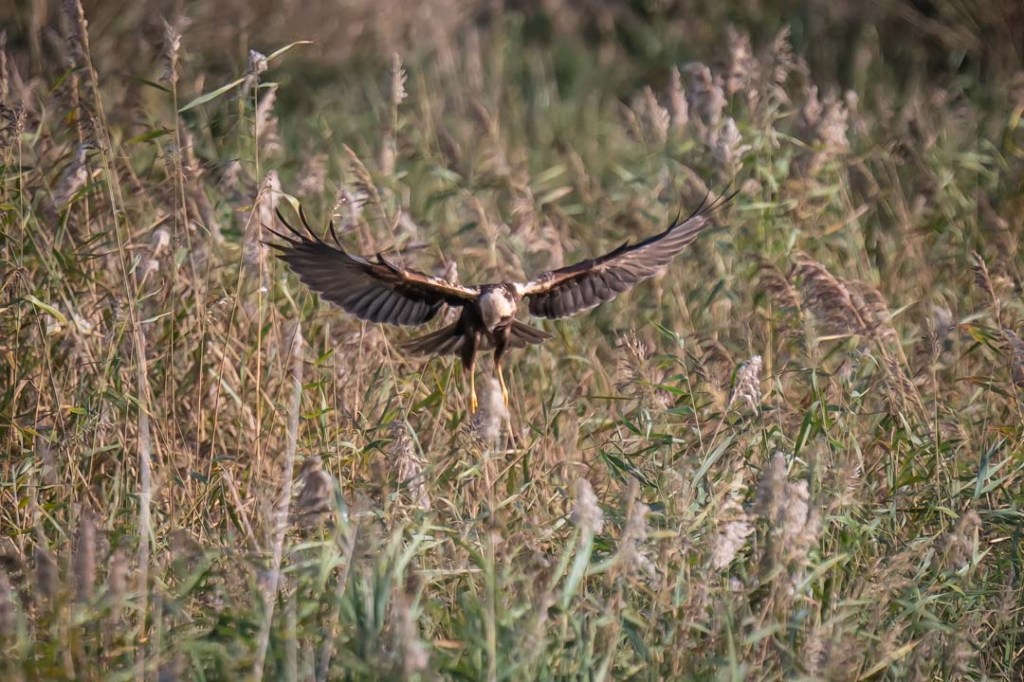
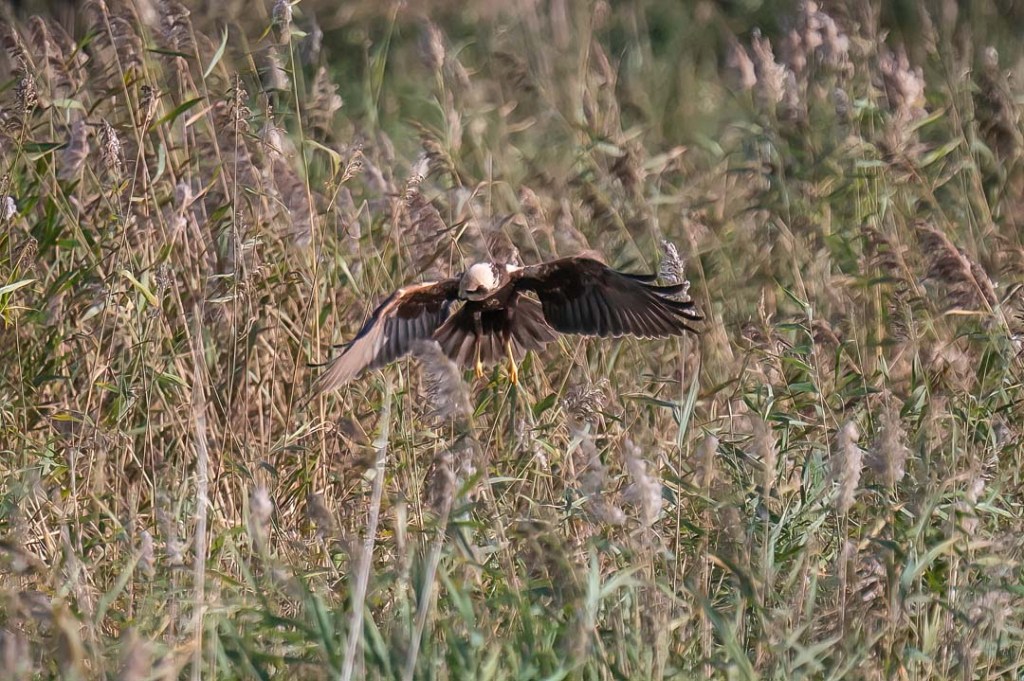
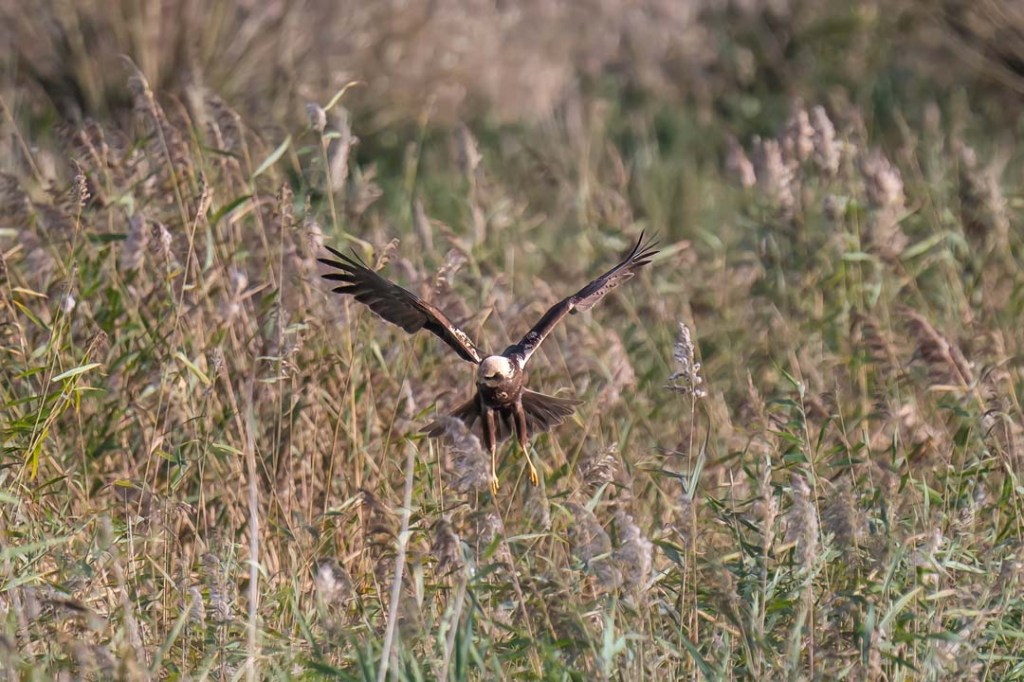
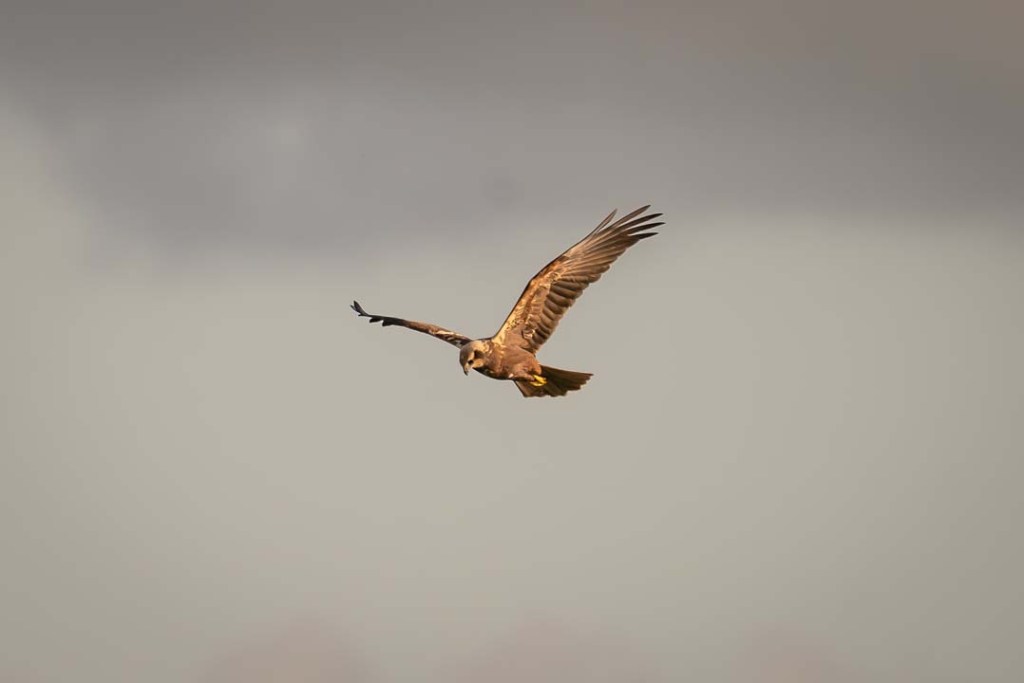
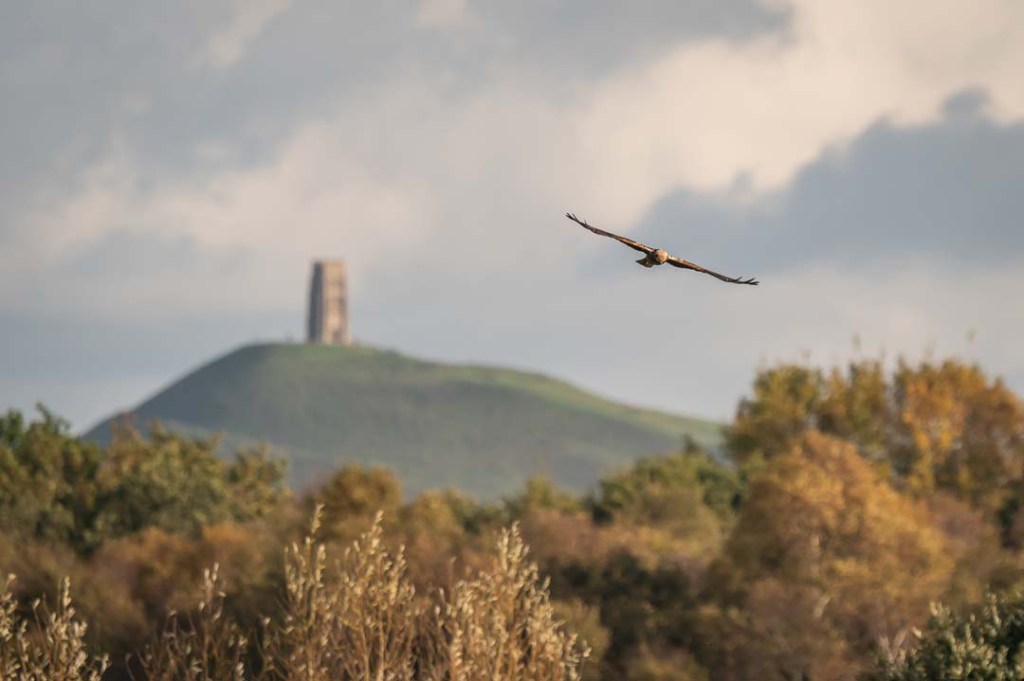
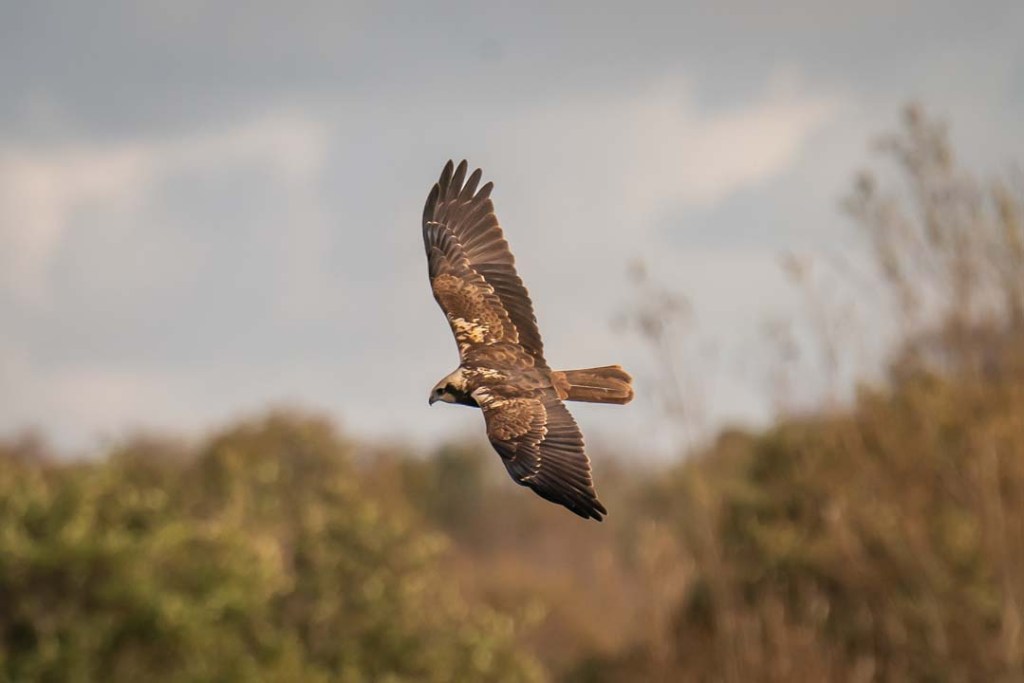
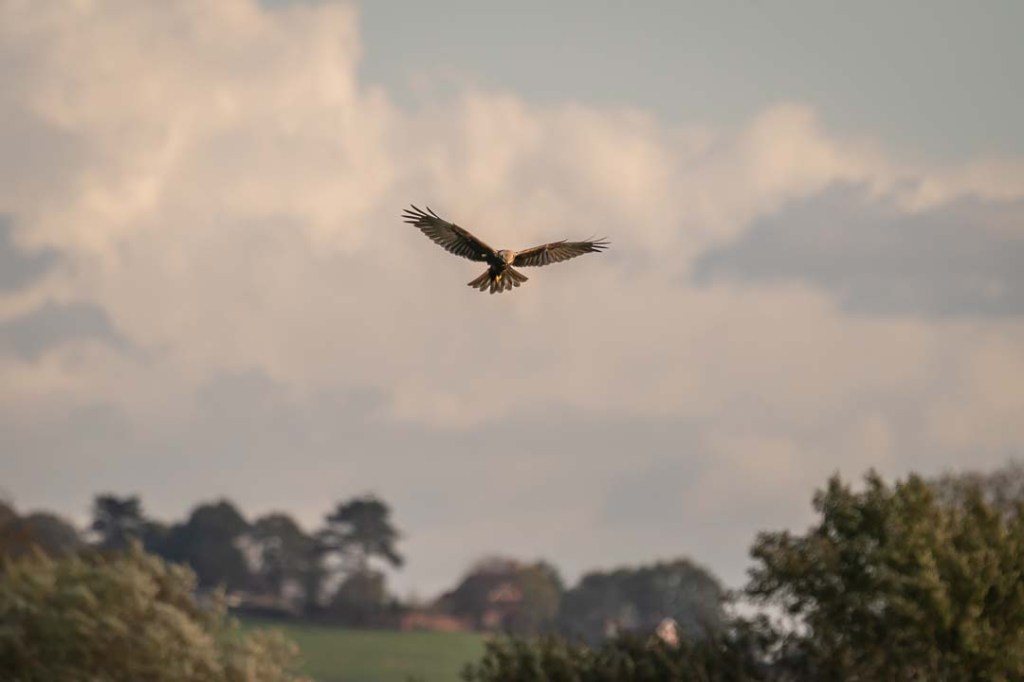
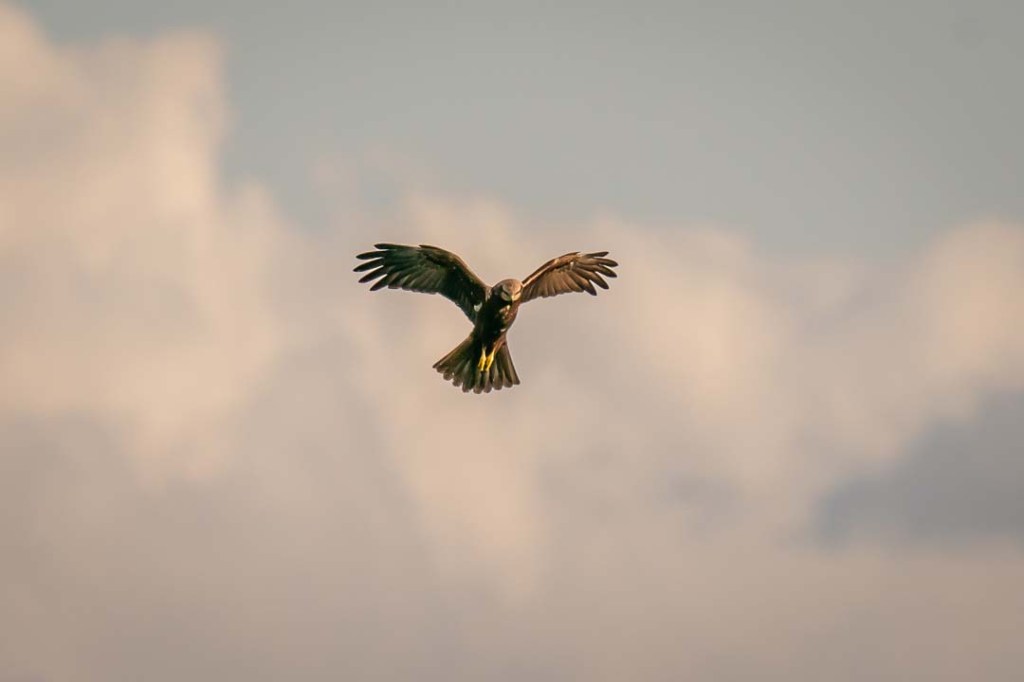
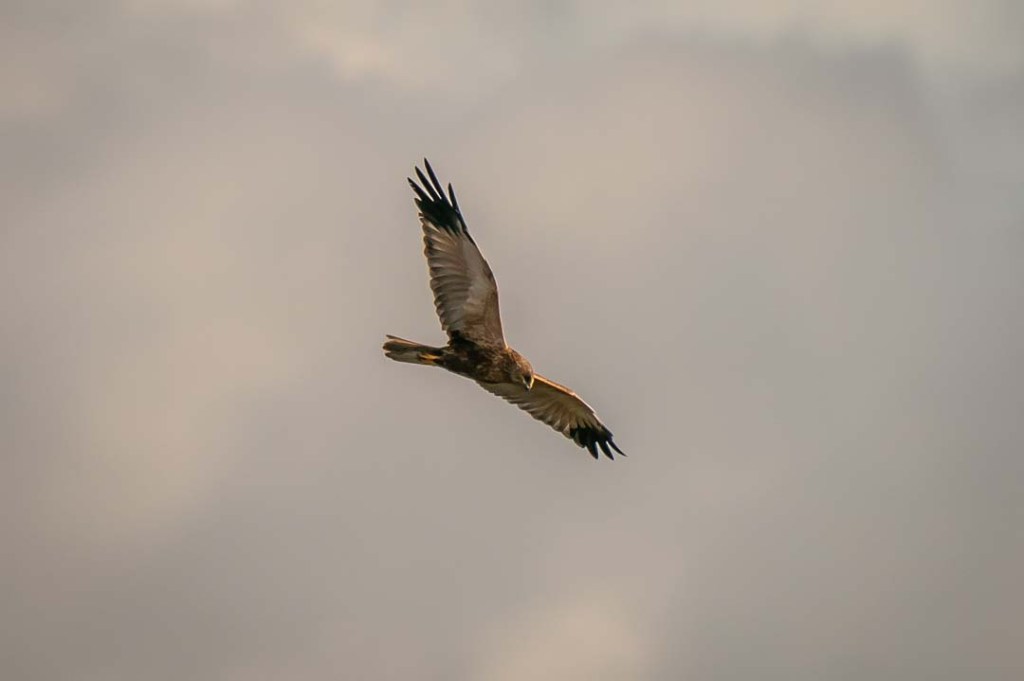
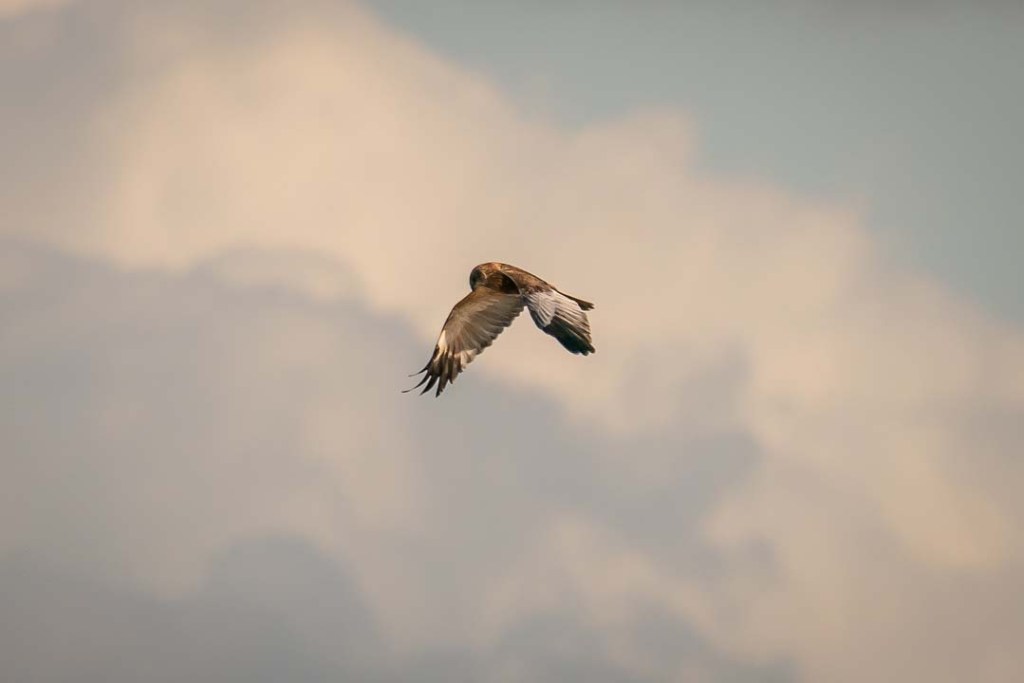
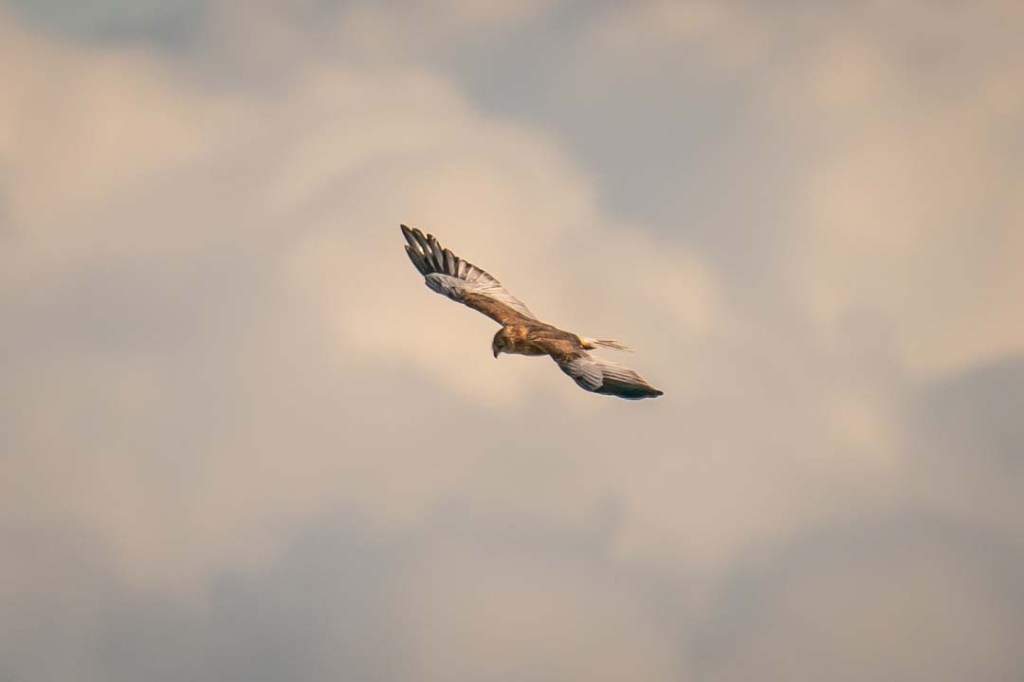
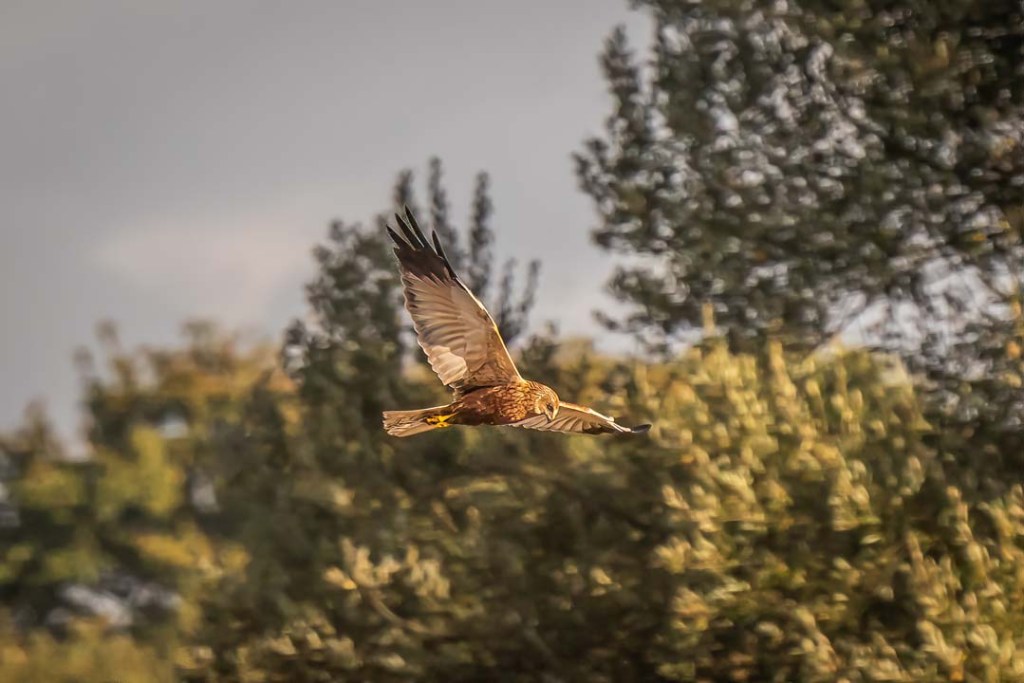
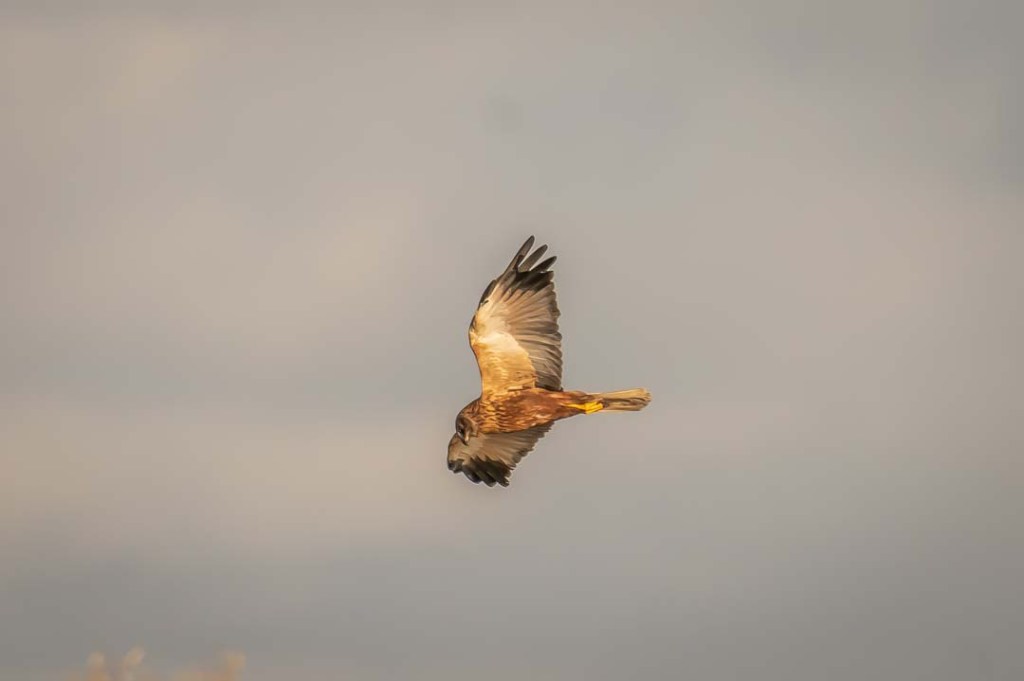
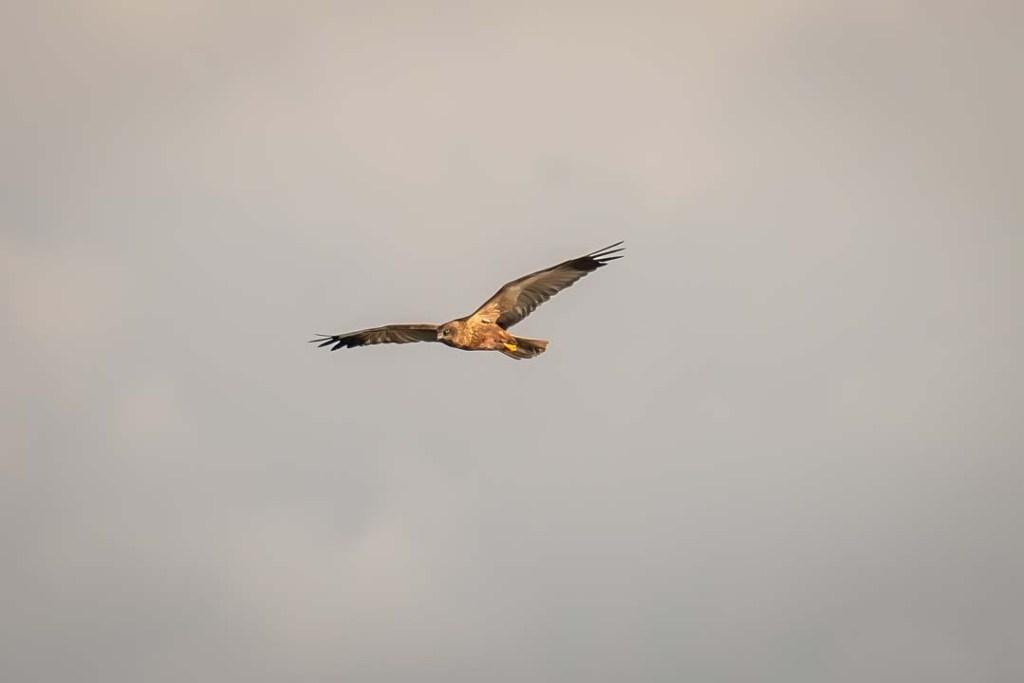
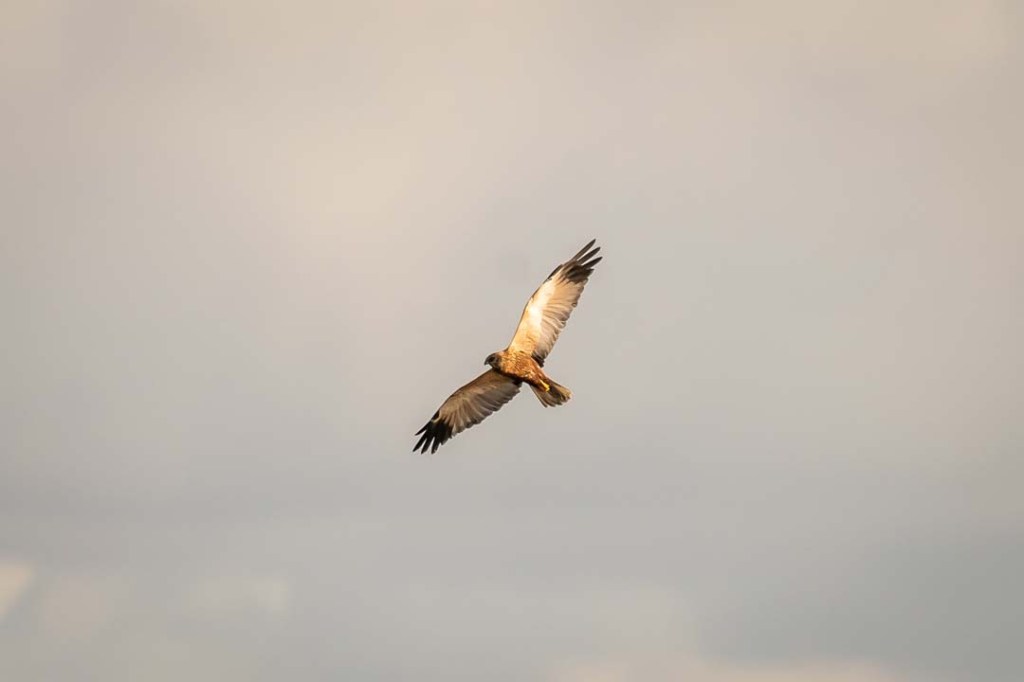
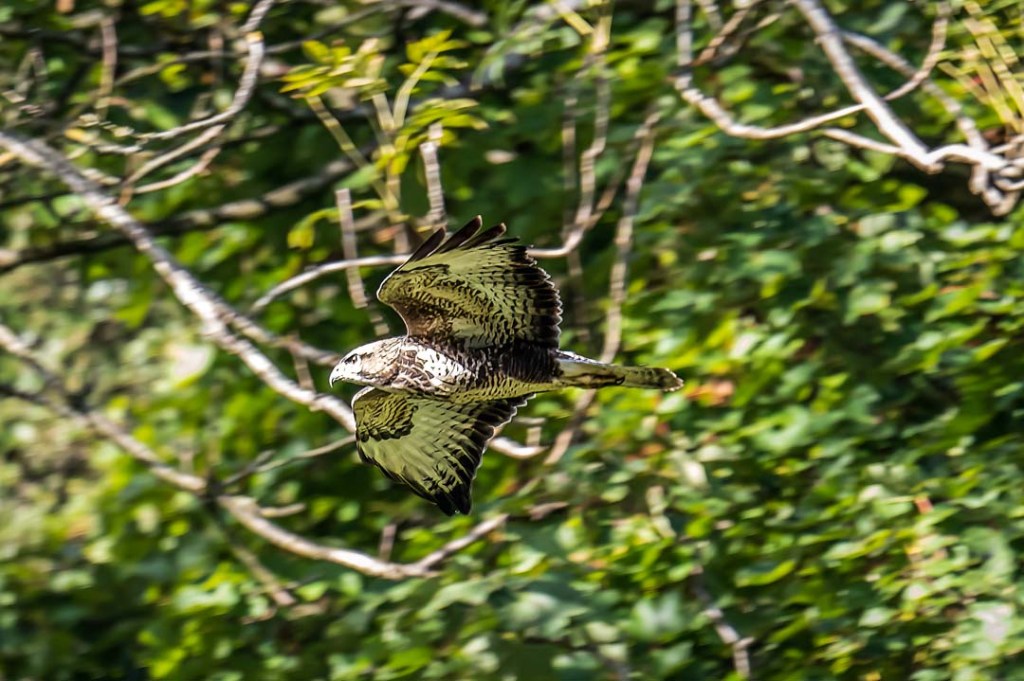
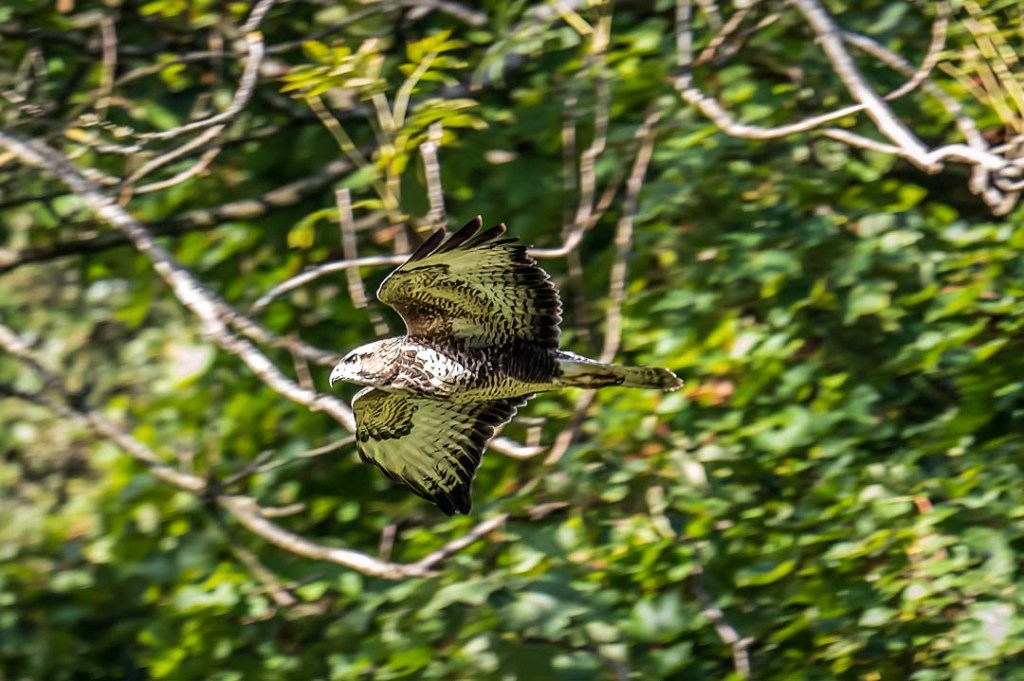
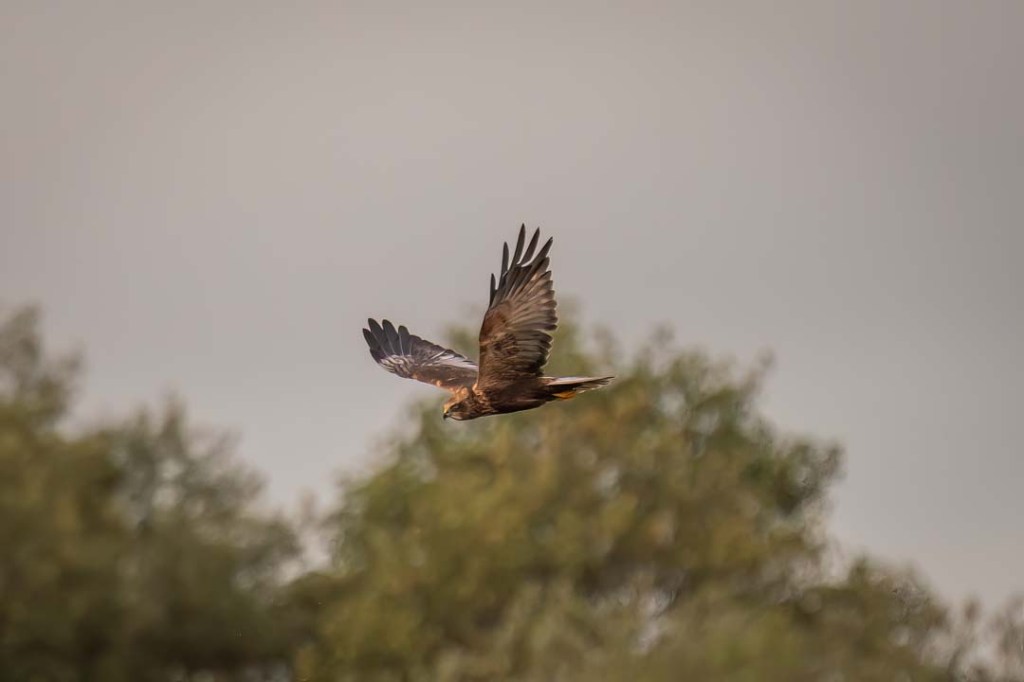
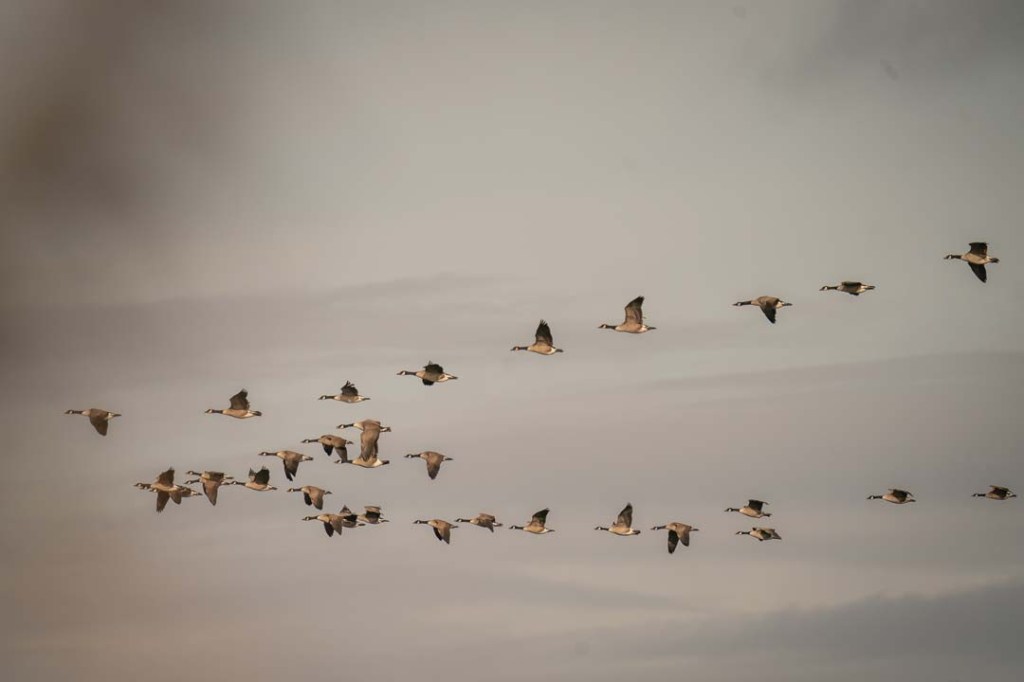
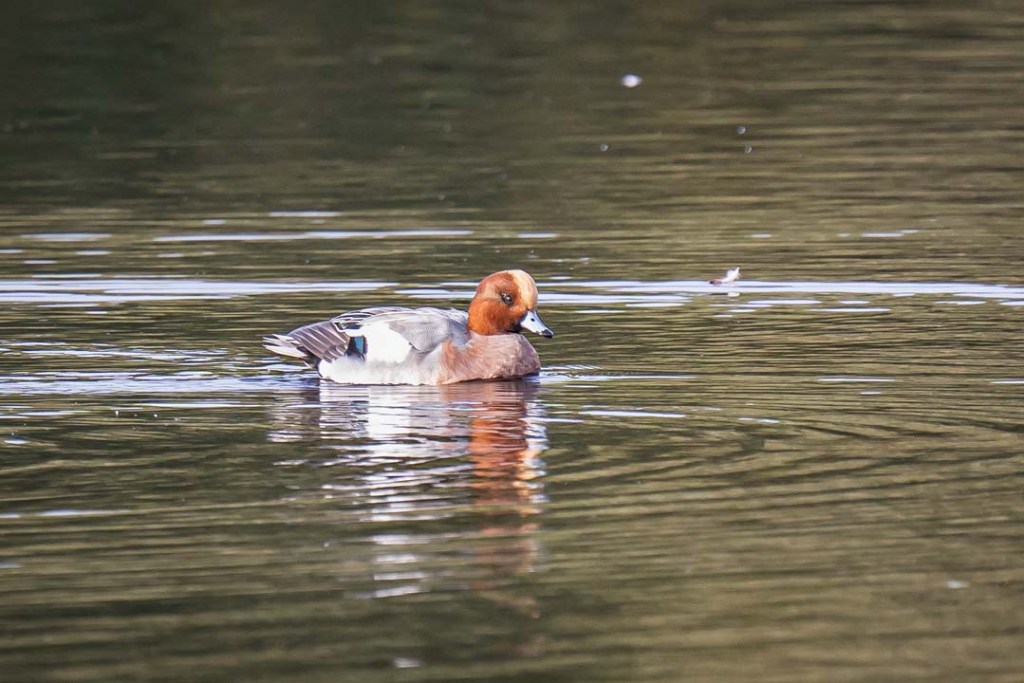
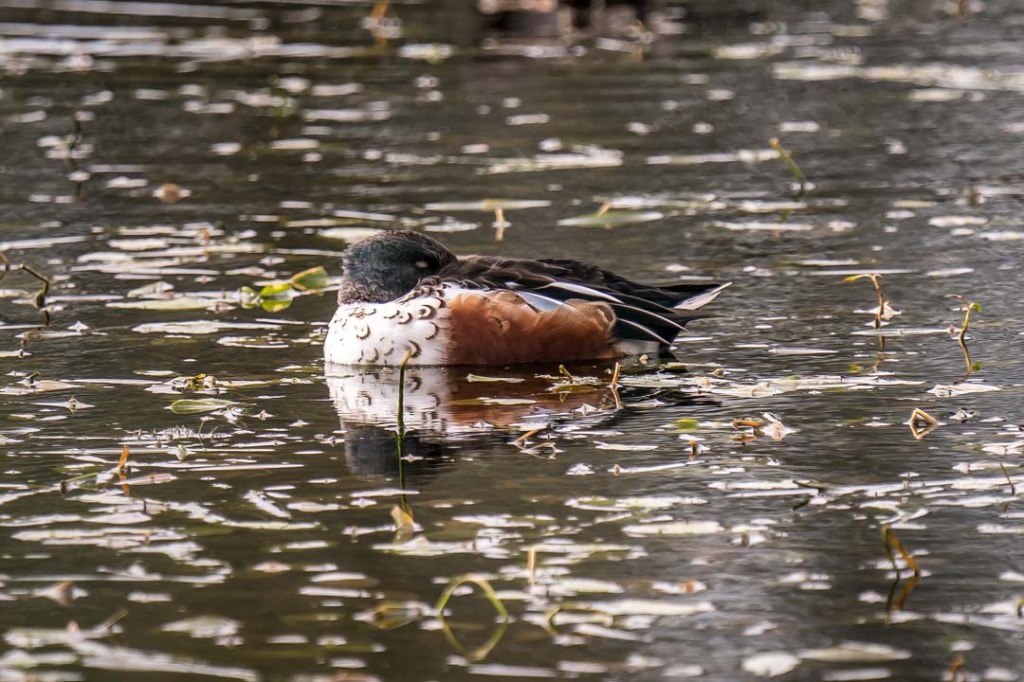
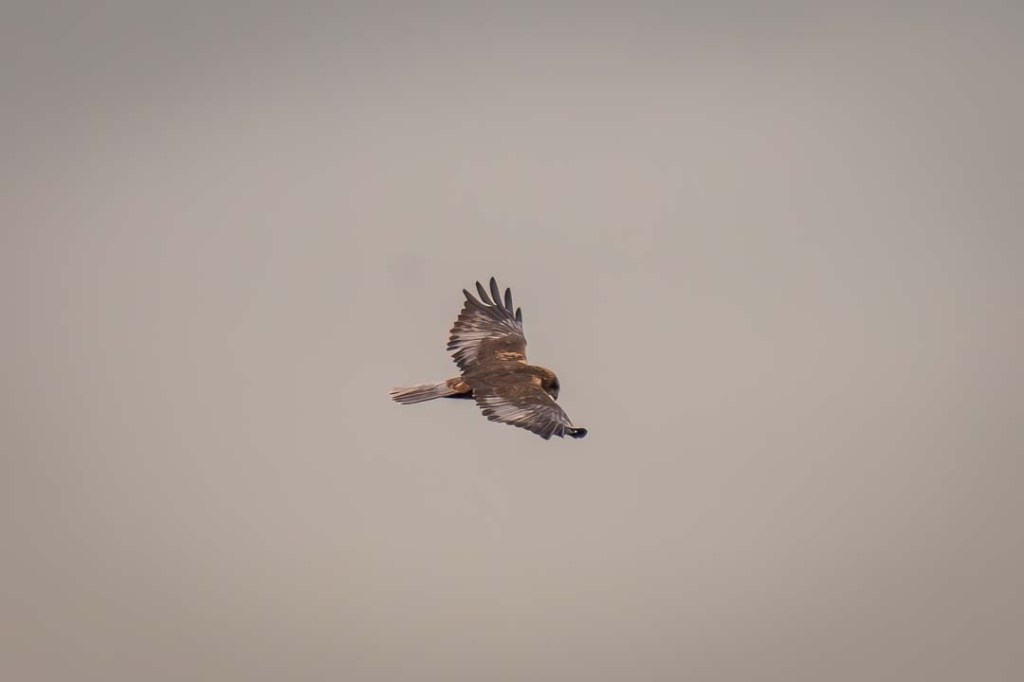
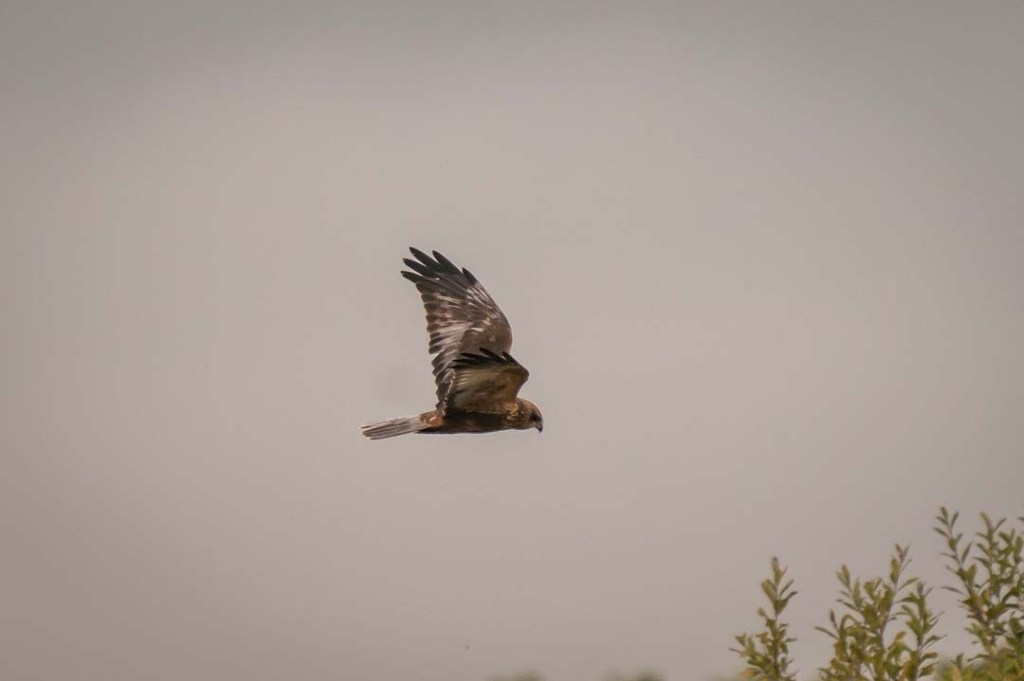
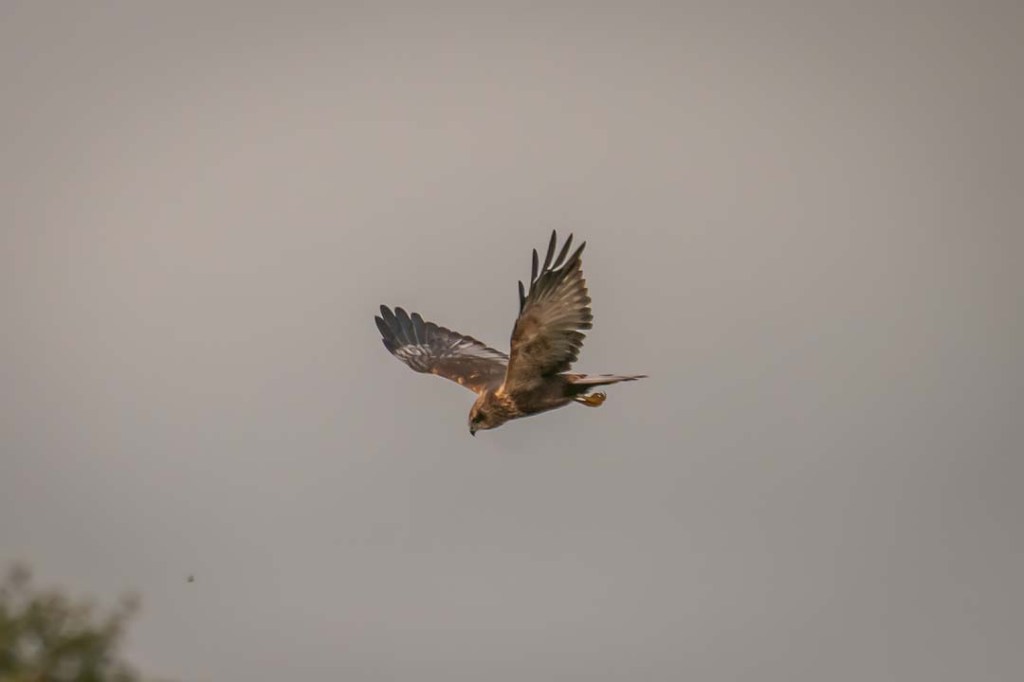
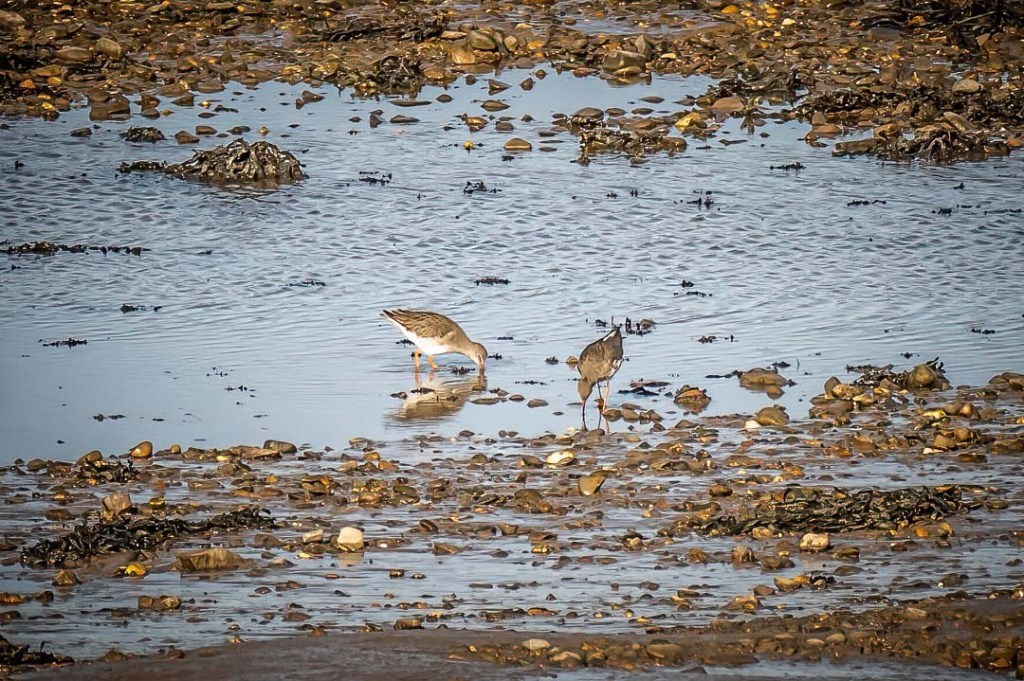
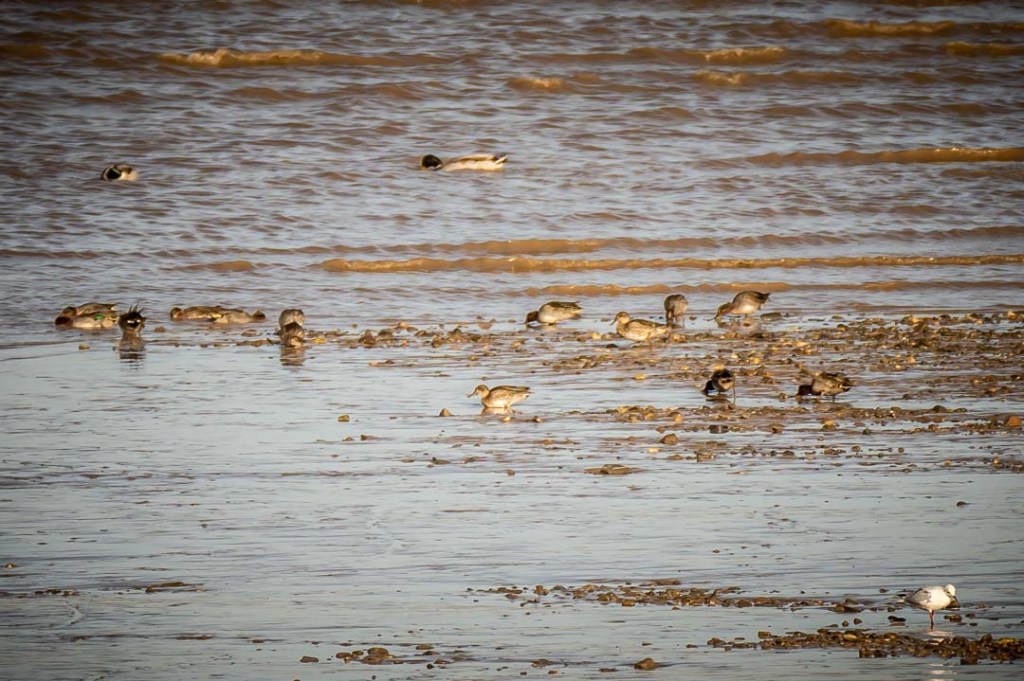
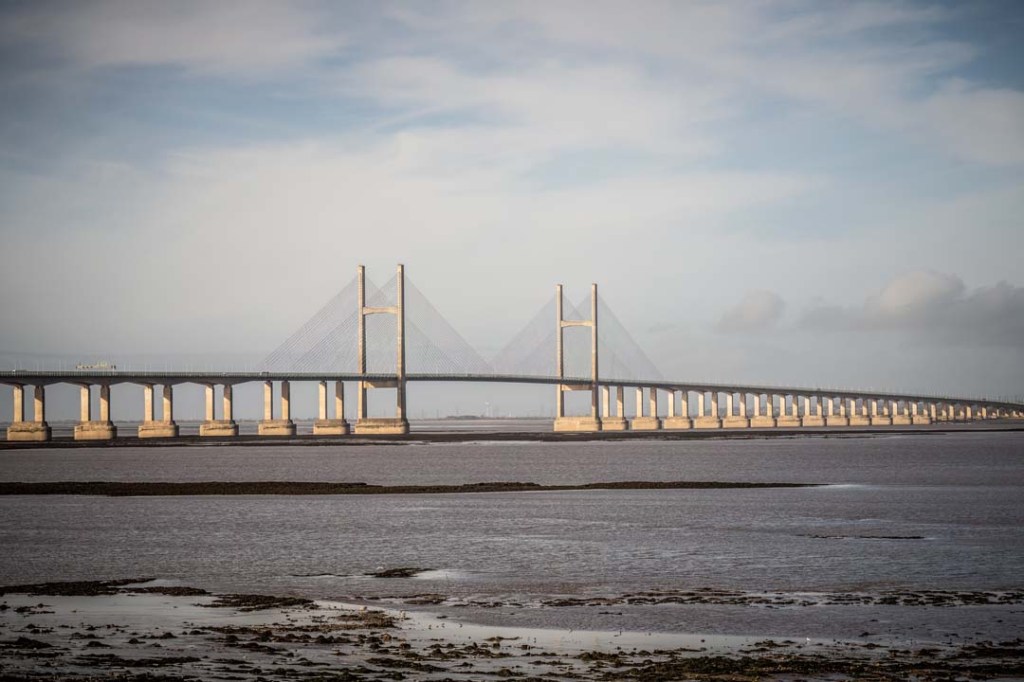
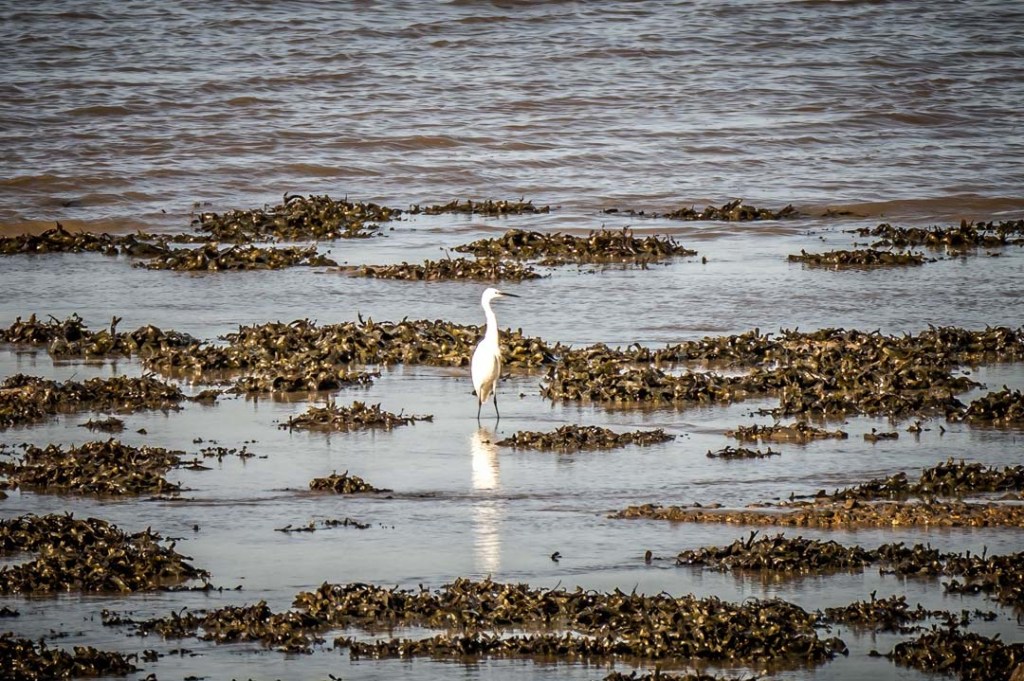
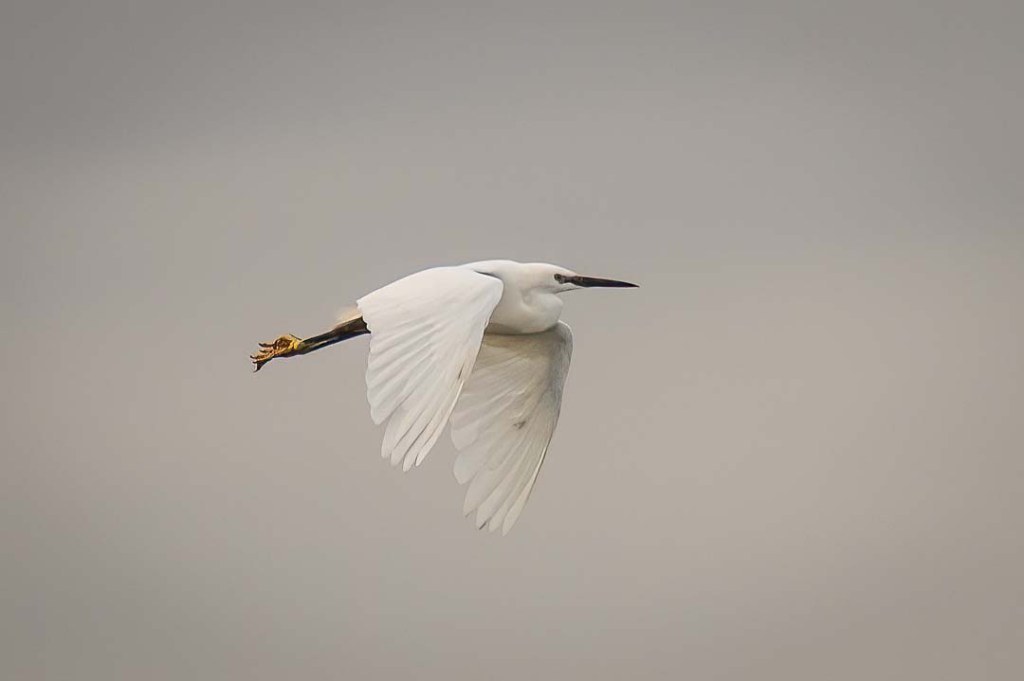
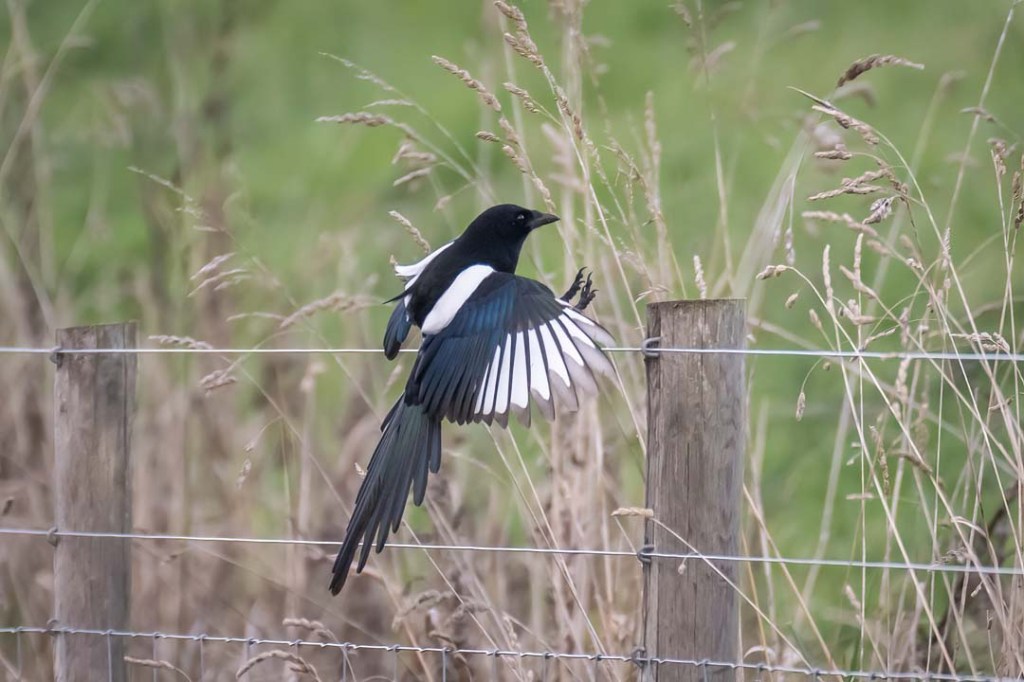
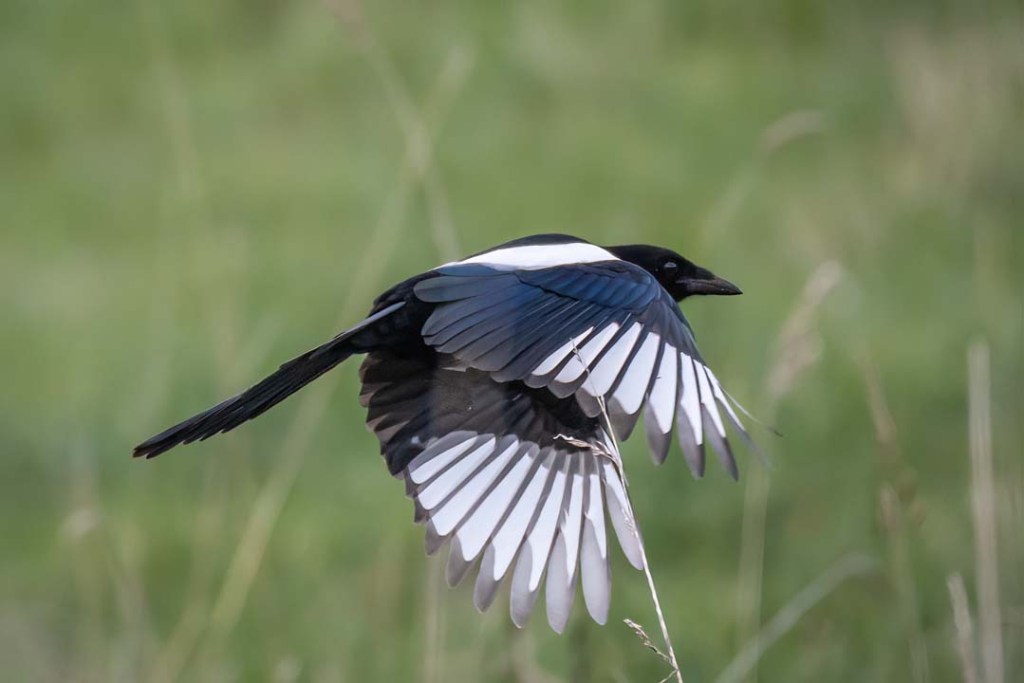
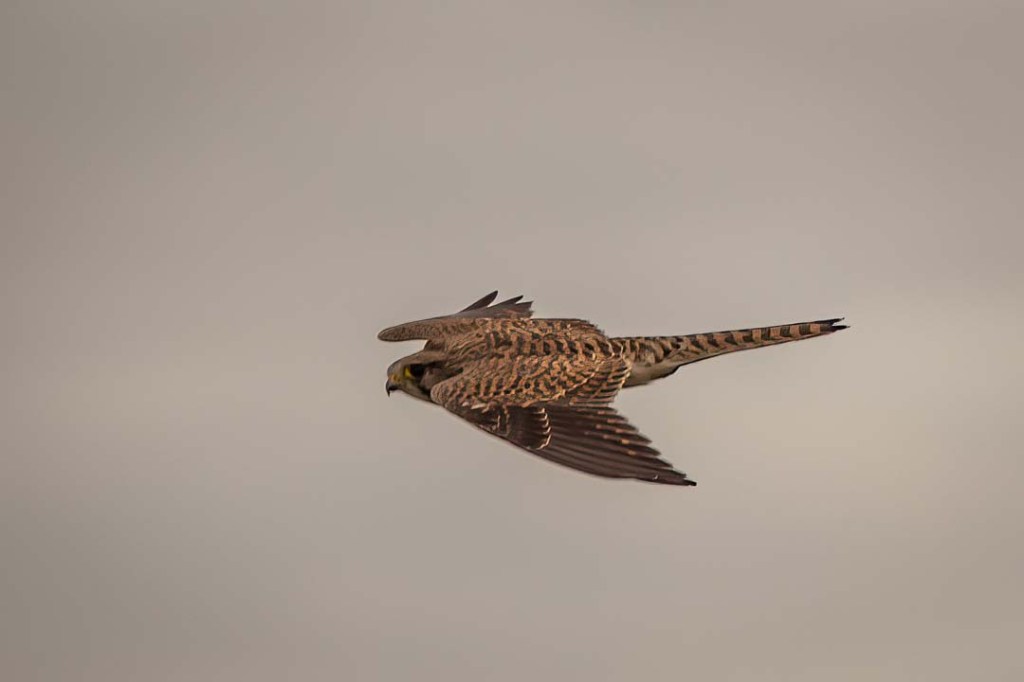
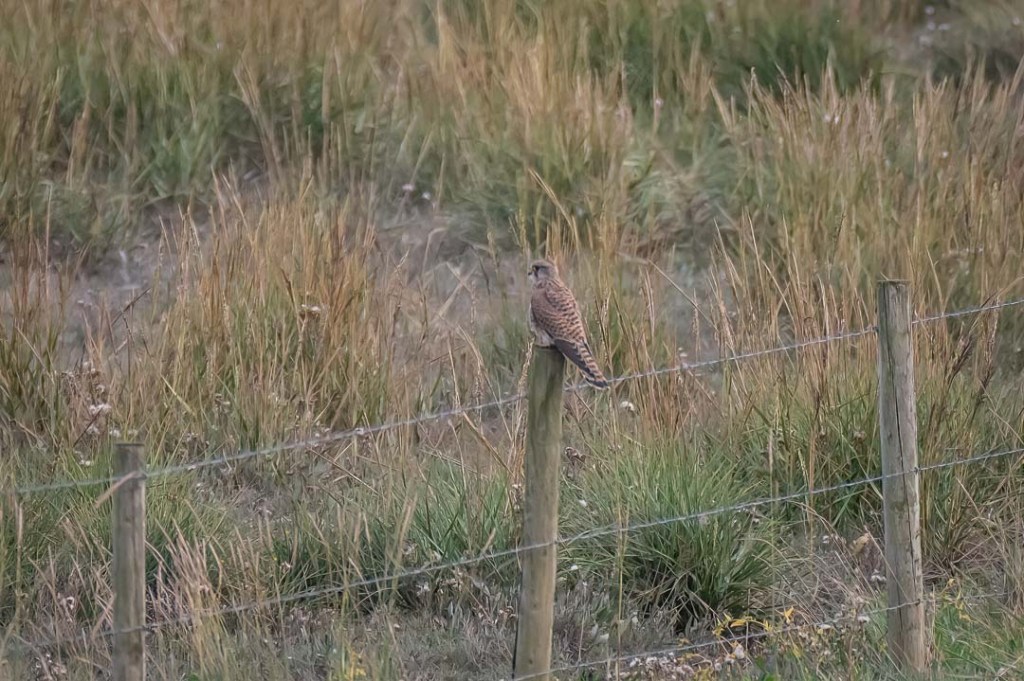
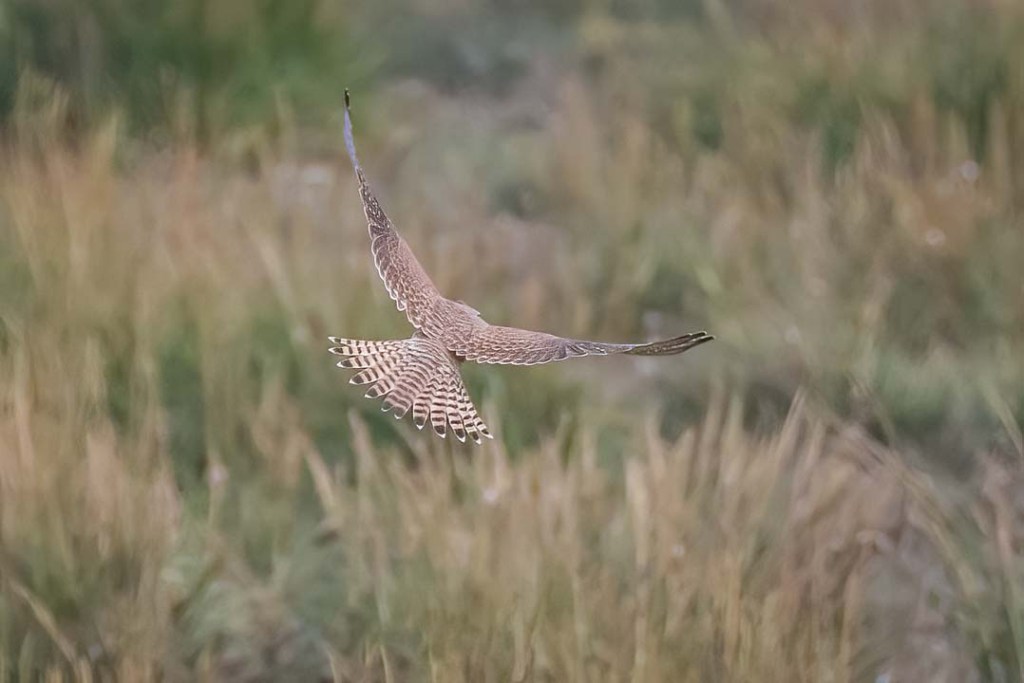
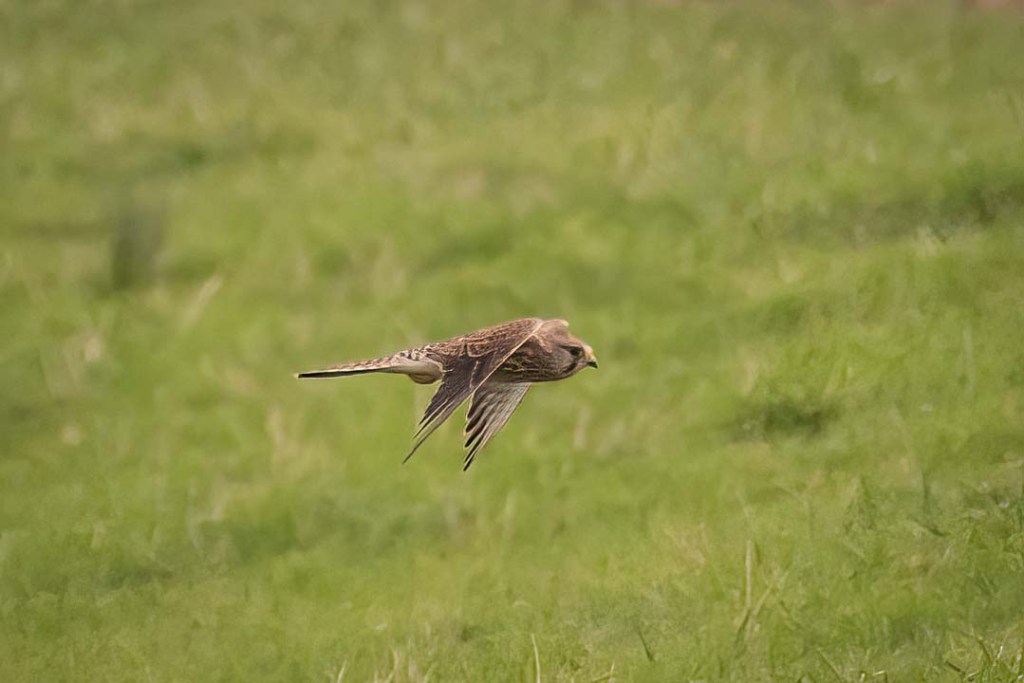
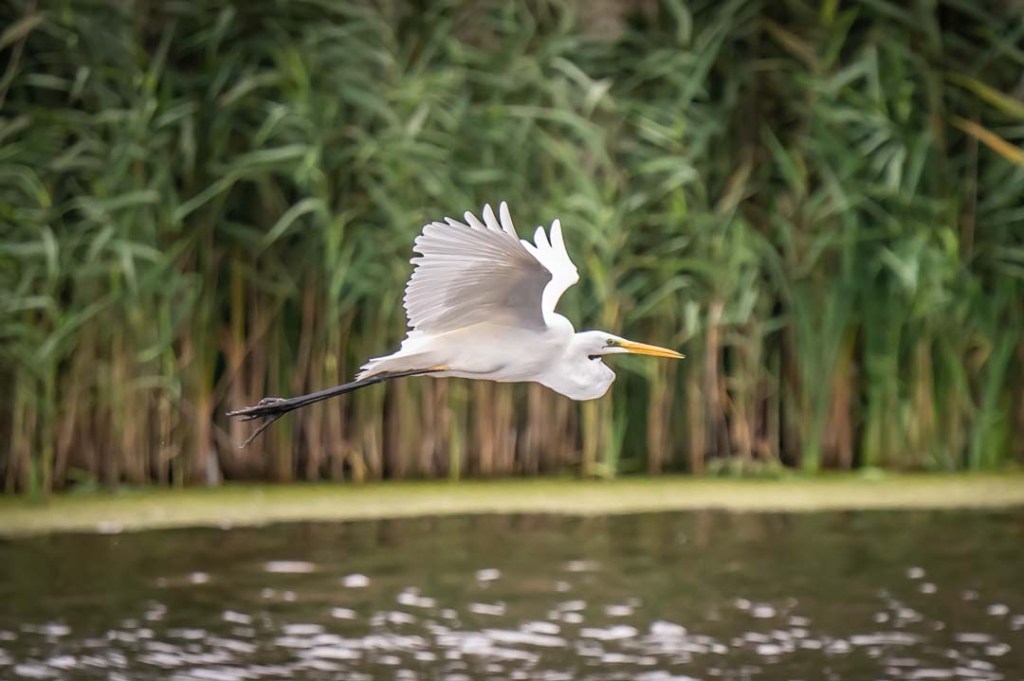
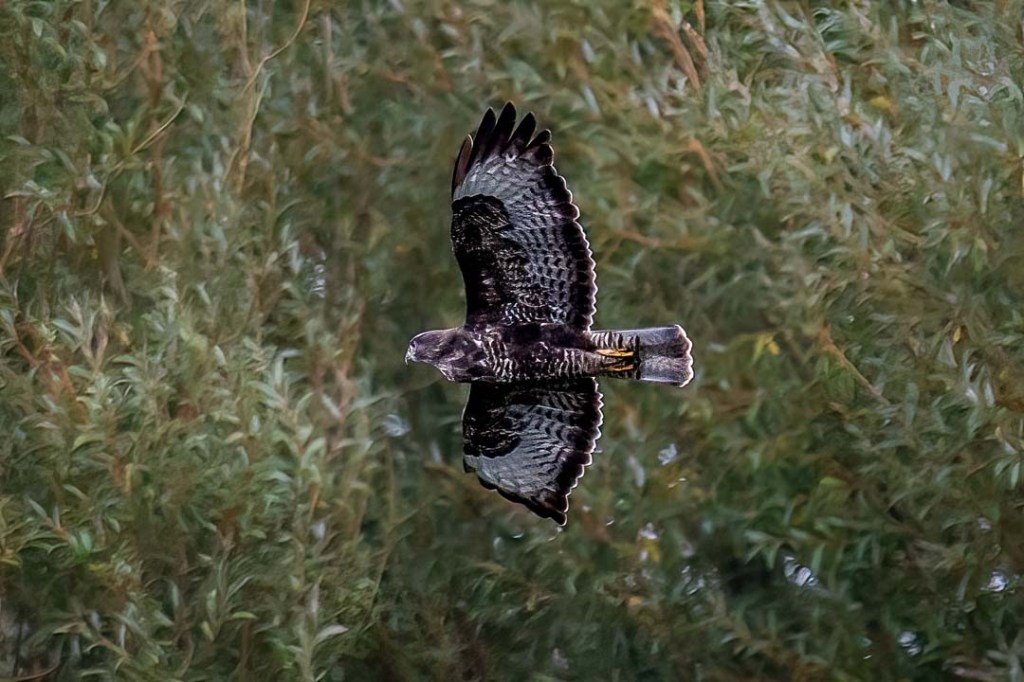
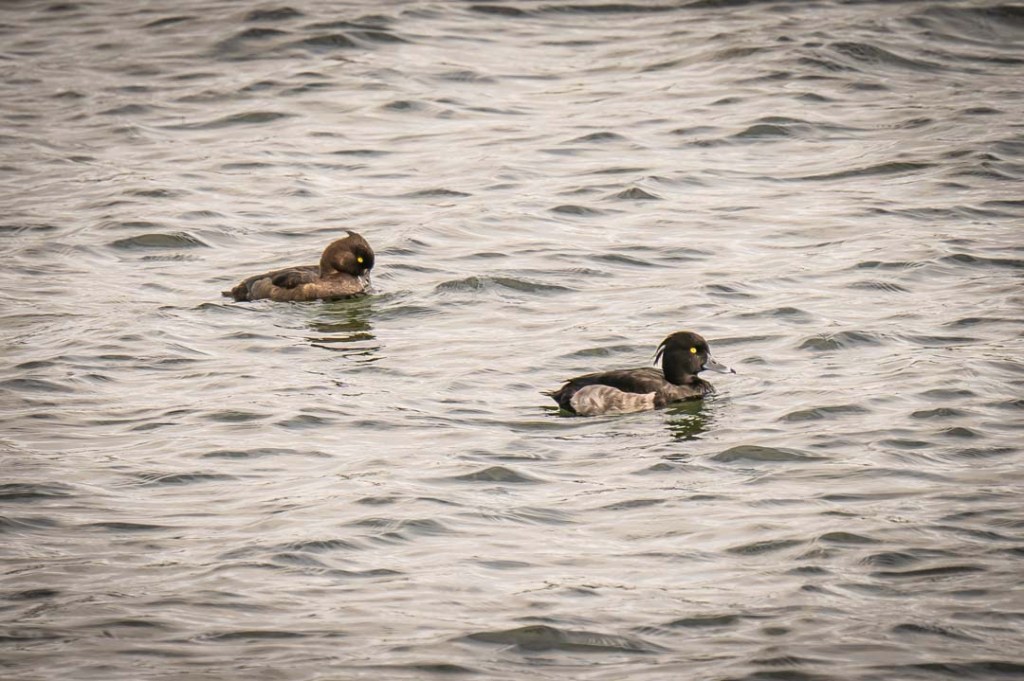
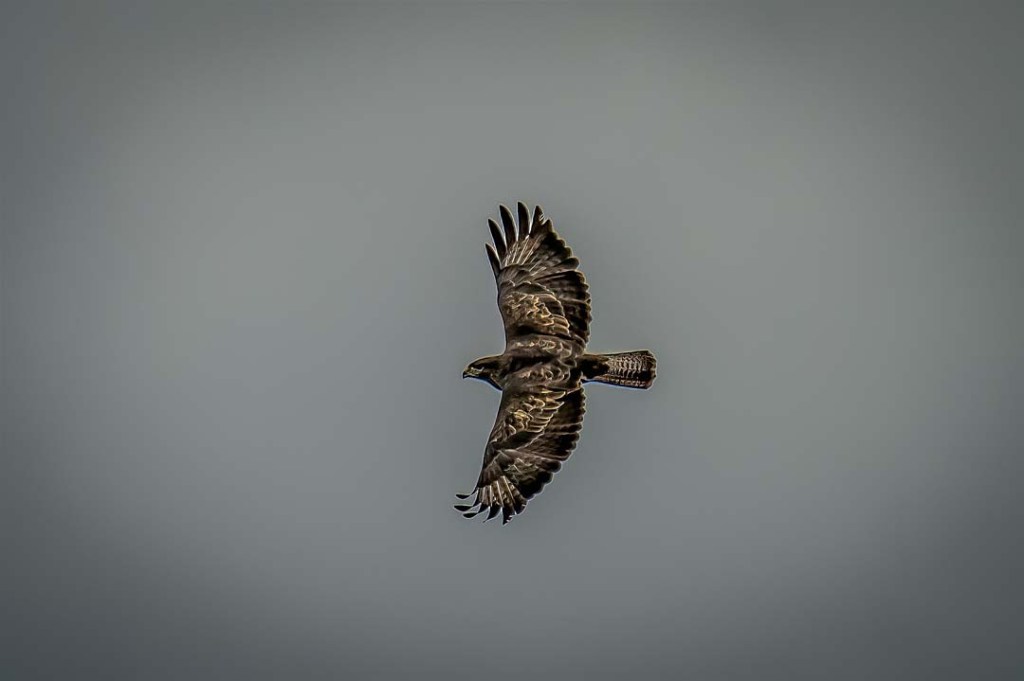
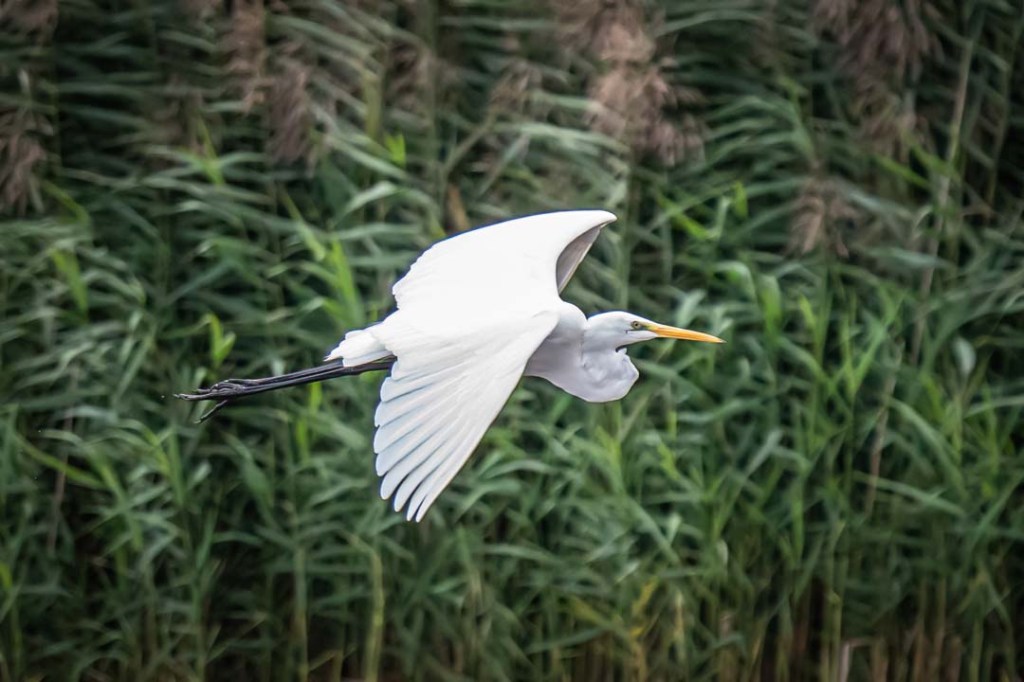
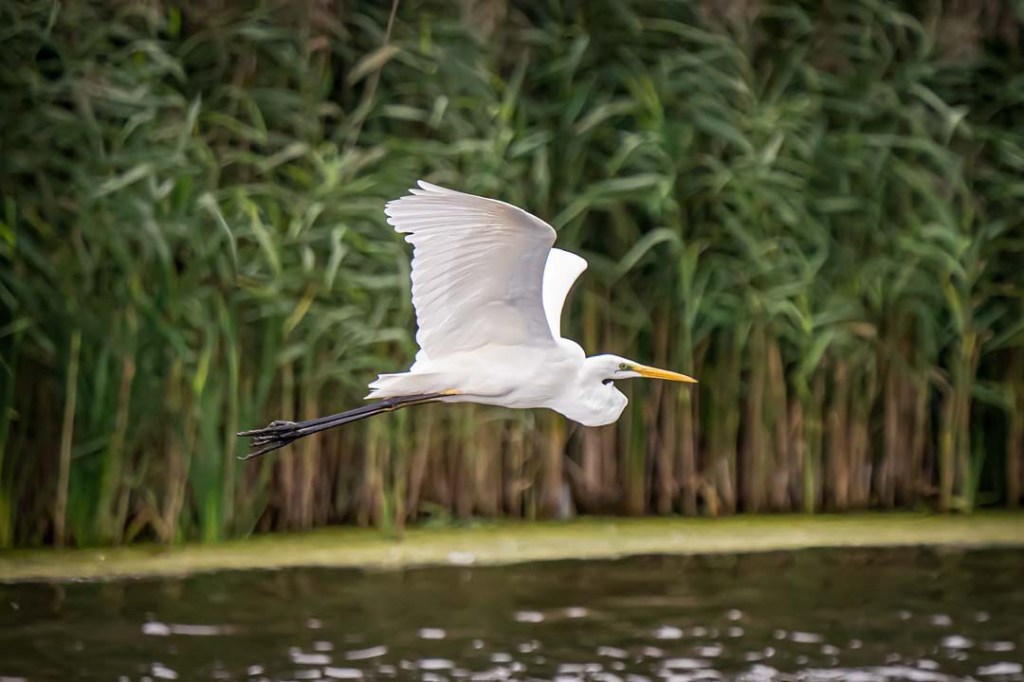
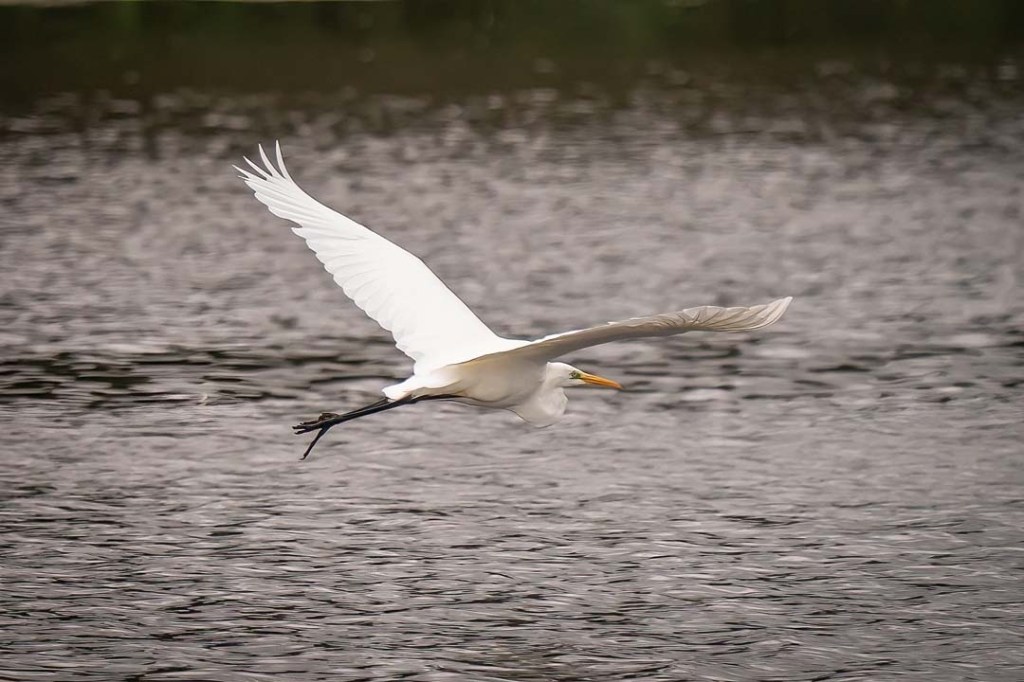
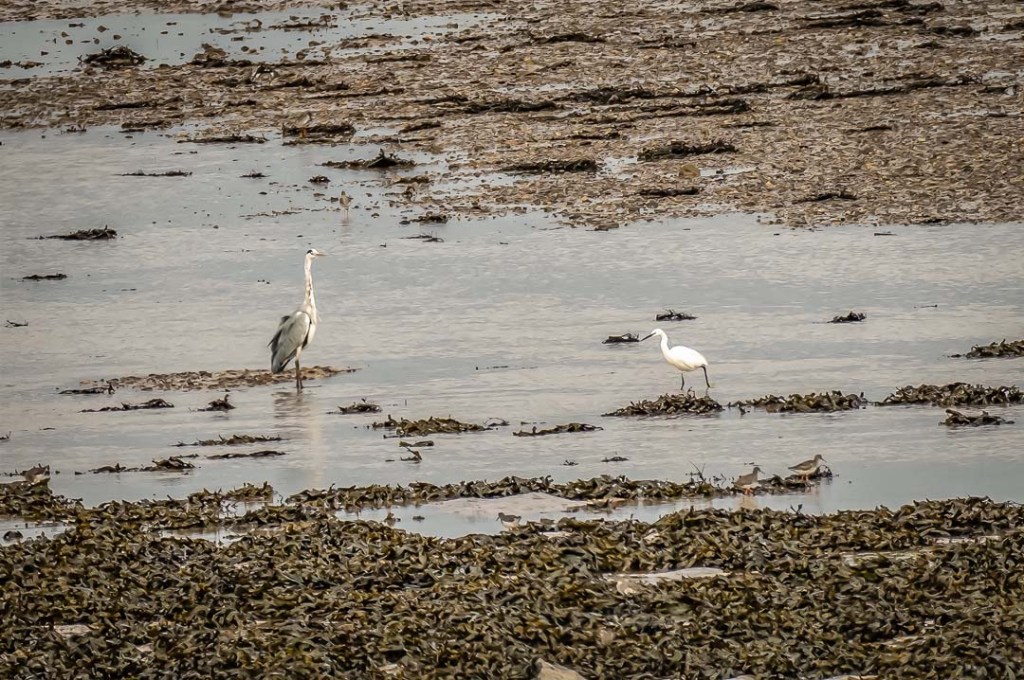
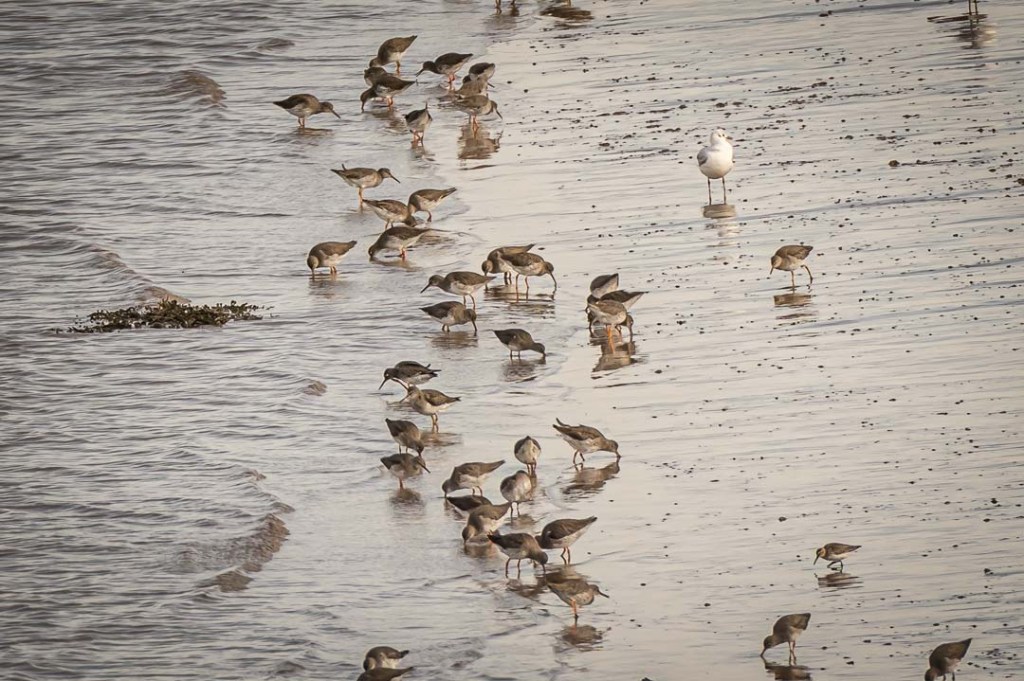
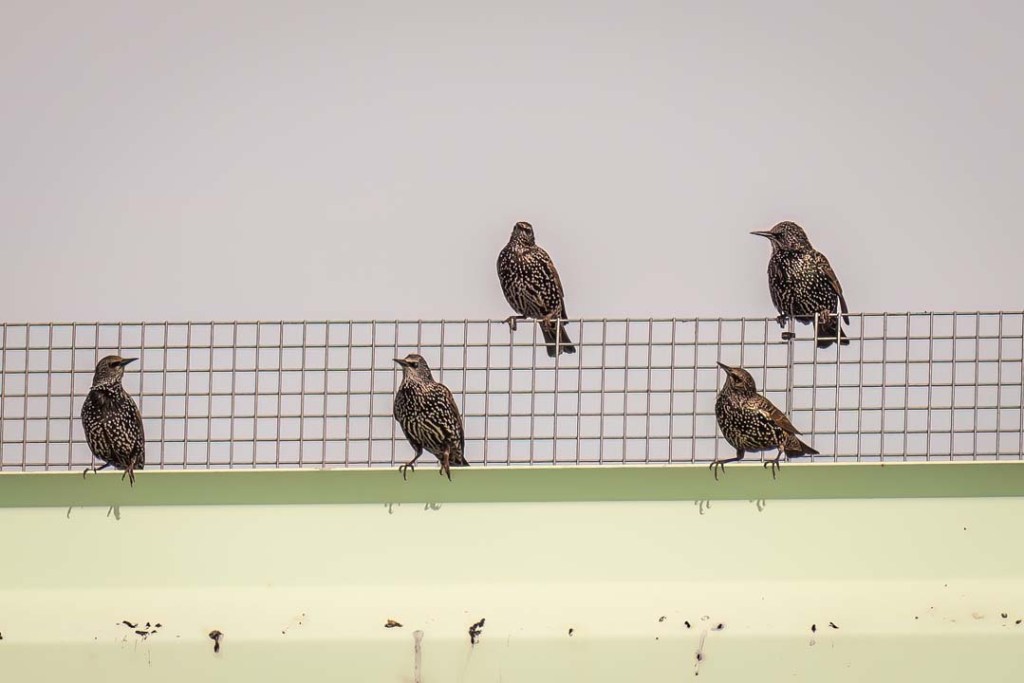
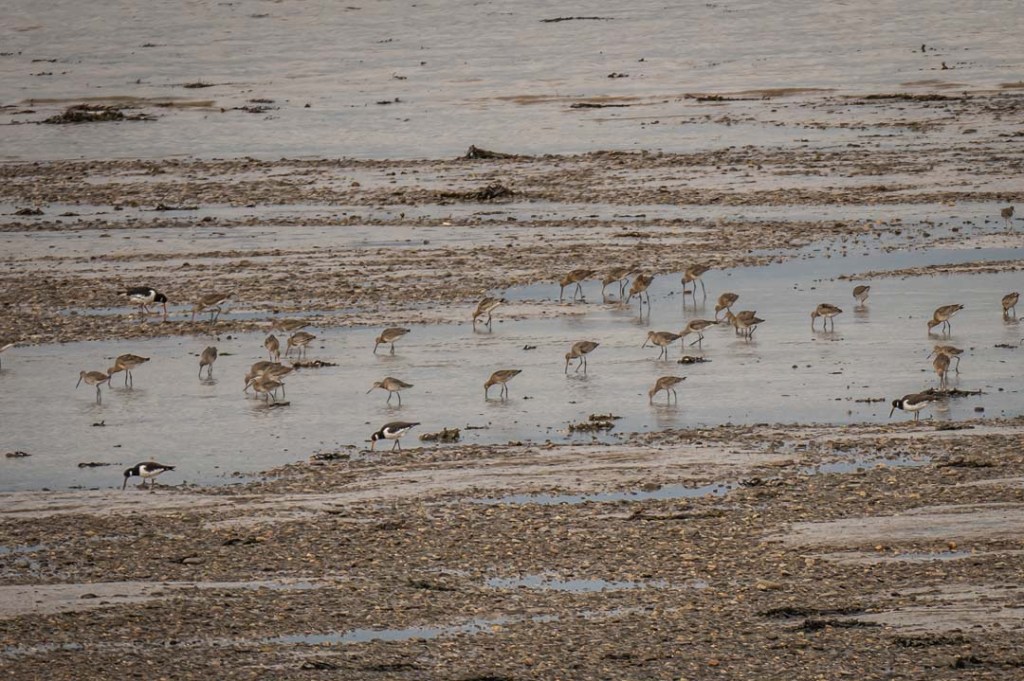
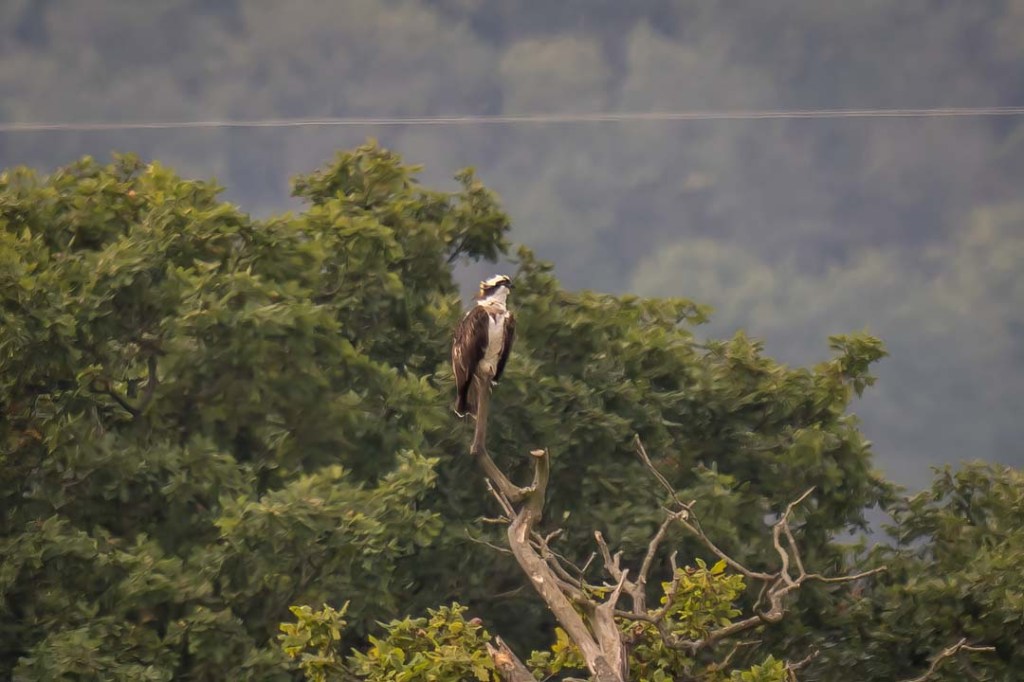
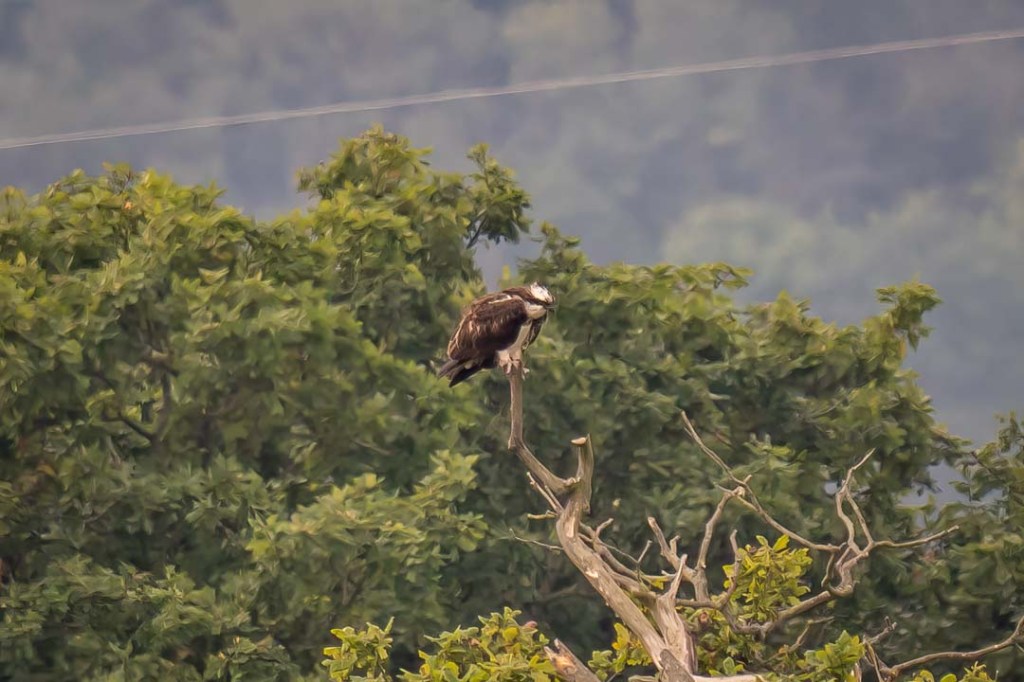
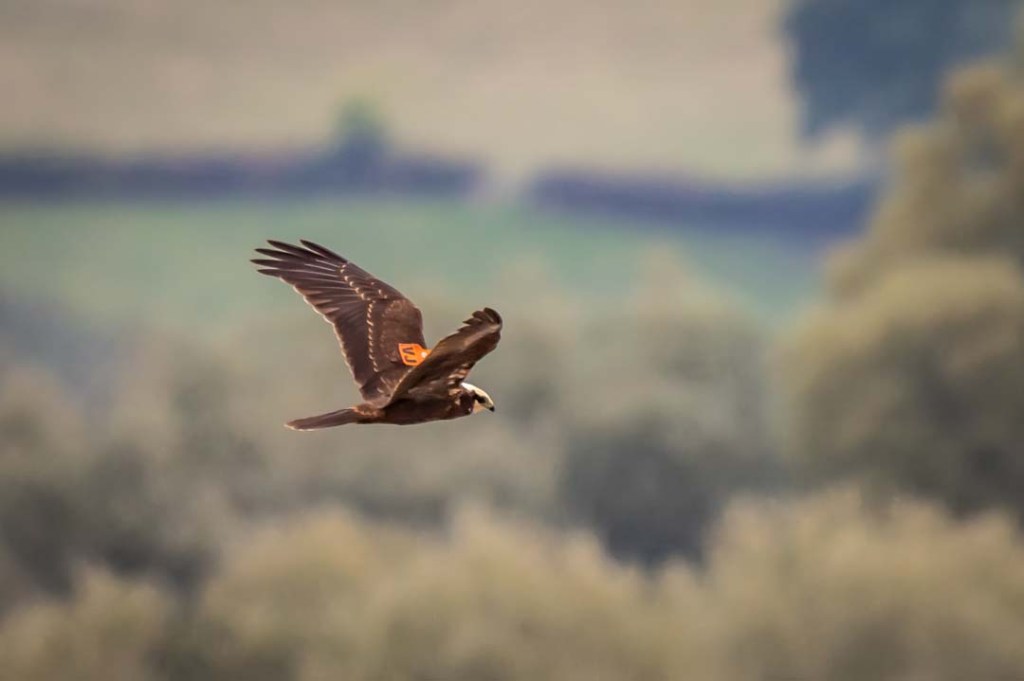
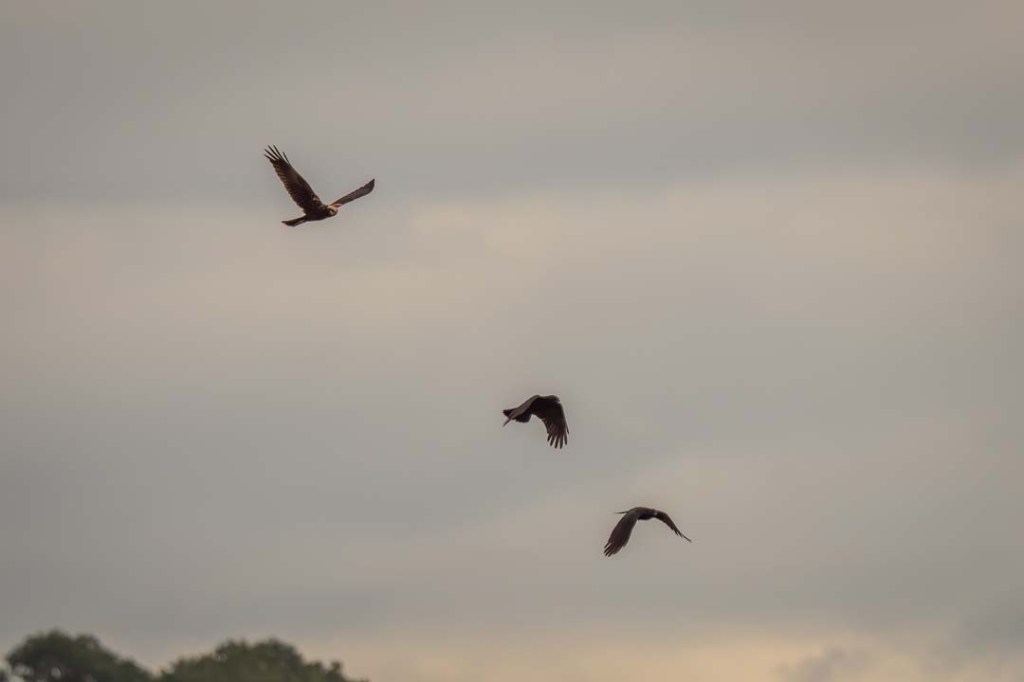
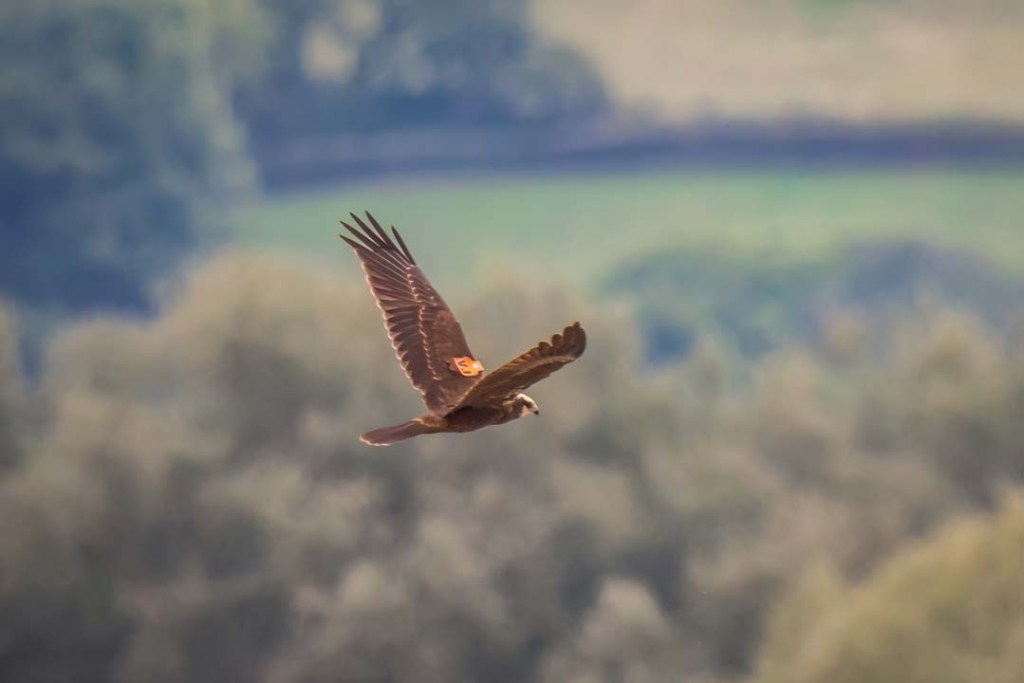
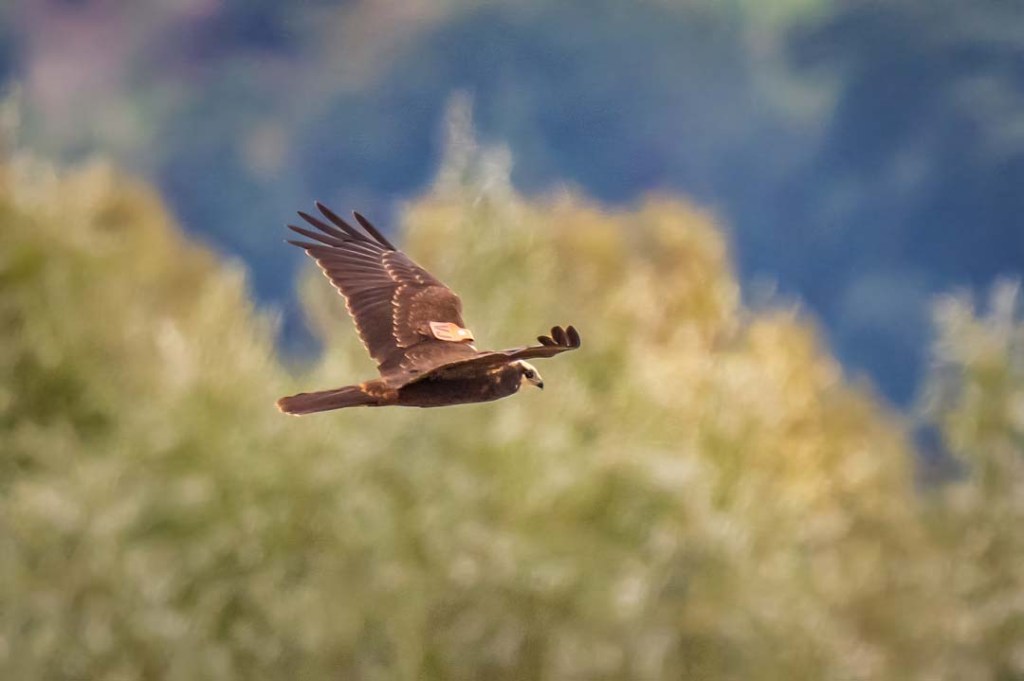
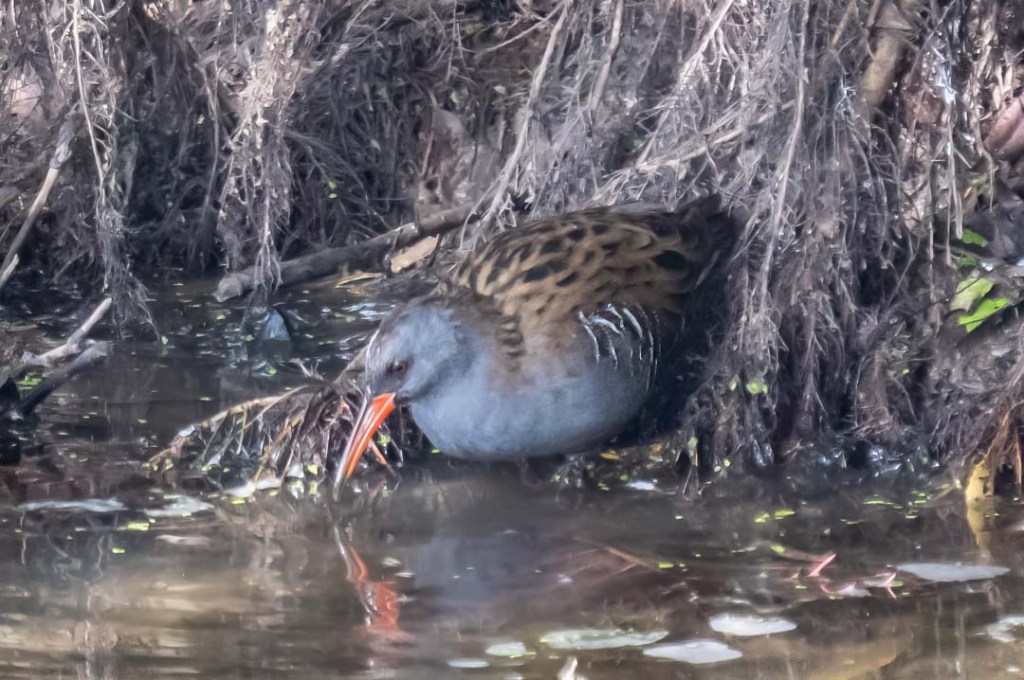
I missed the beginning of both sessions at The Owl Garden at Picton Castle and was too busy photographing the birds to catch what was what. I do know the African Fish Eagle because we had booked a trip to see these magnificent birds in the wild as we were travelling along the Garden Route in South Africa just before the COVID pandemic. Unfortunately the trip along the River Kromme at St Francis Bay was cancelled due to bad weather. How ironic that we should manage to see one in Wales in a week where we have had plenty of bad weather.
There were two sessions to see these rescue birds: the first was exclusively owls in the Owl Garden; the second was raptors flying in front of the castle.
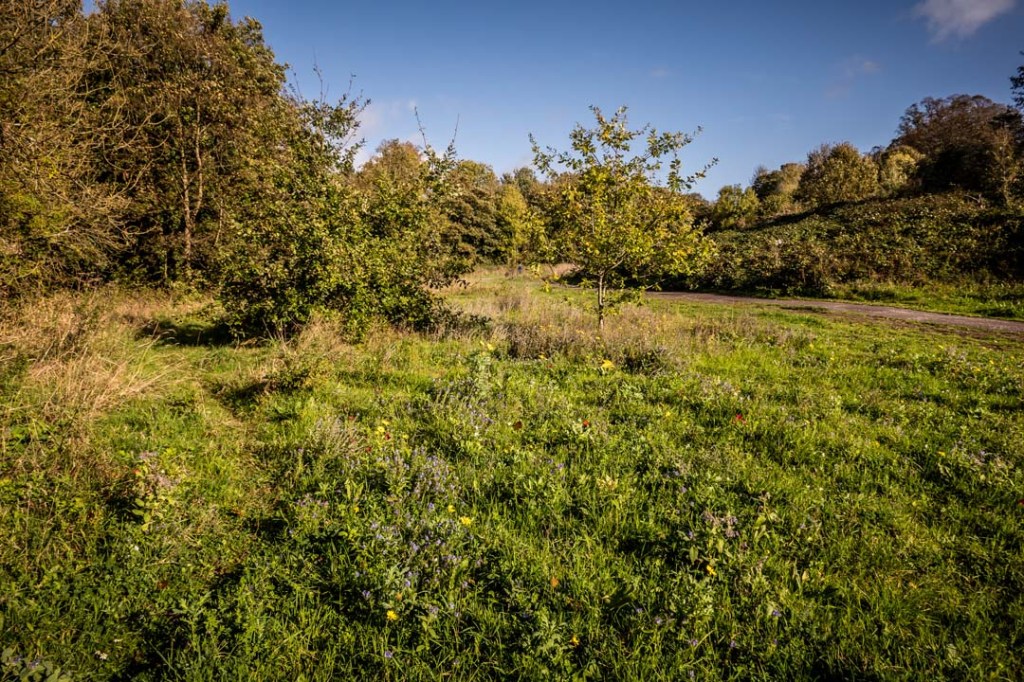
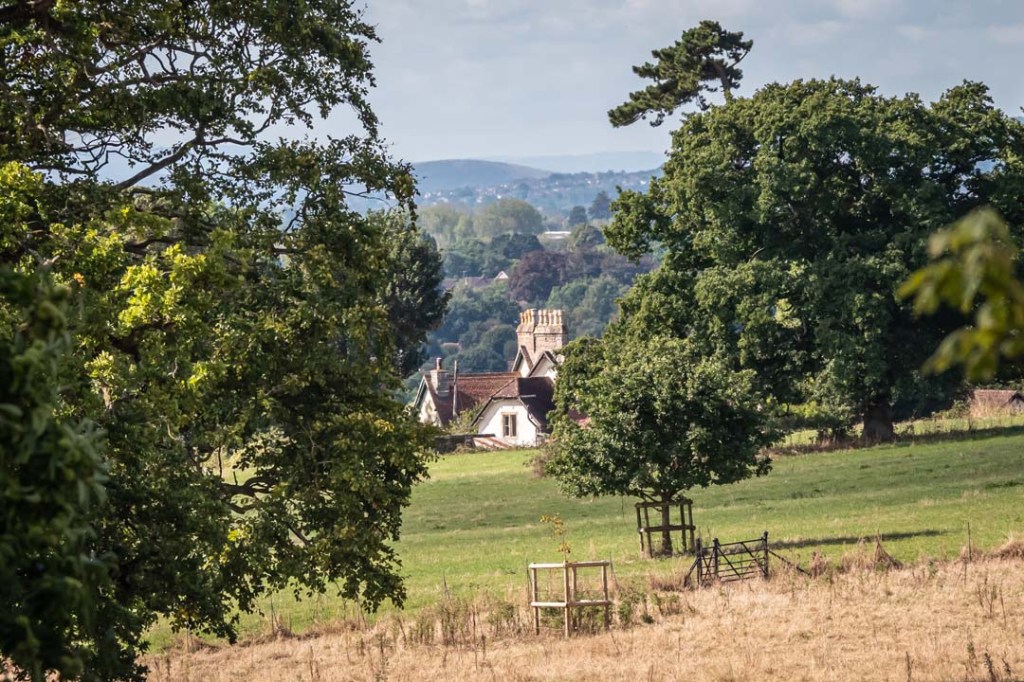
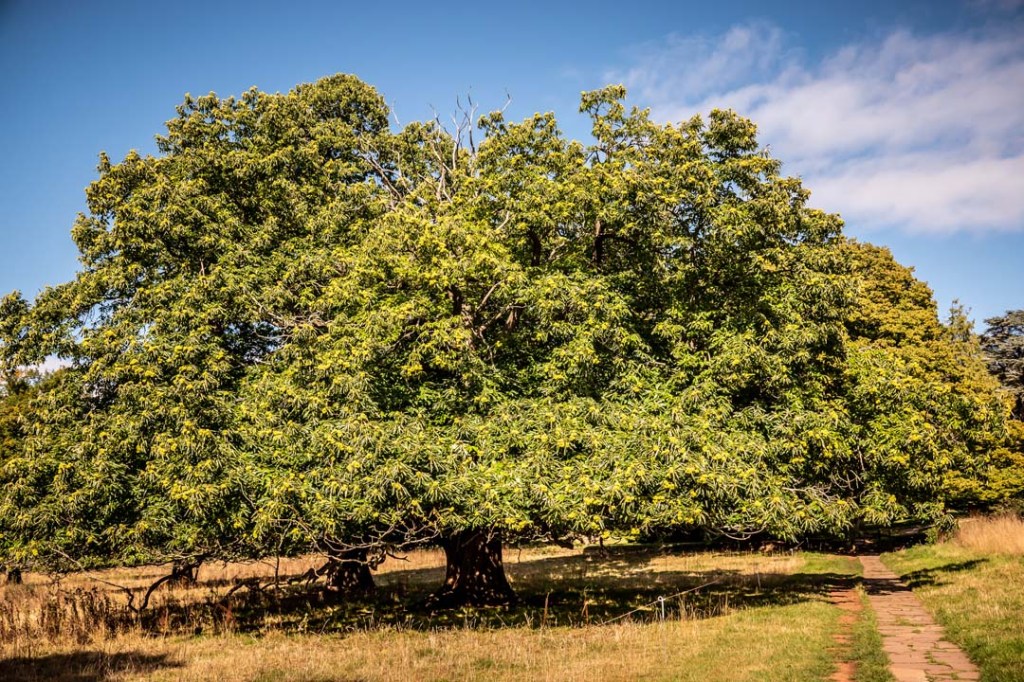
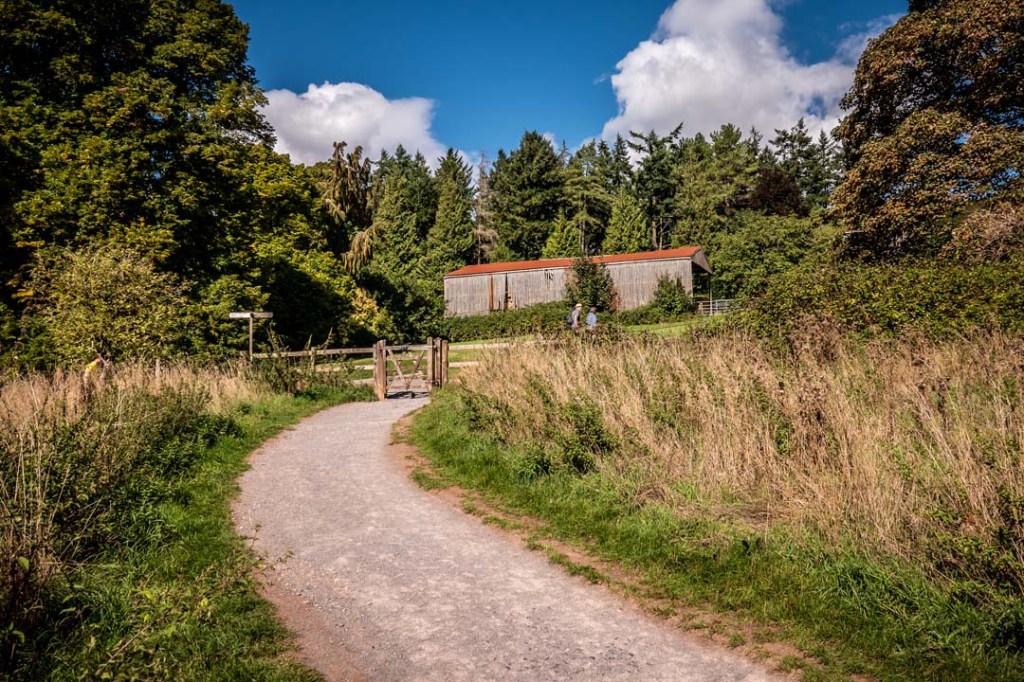
The Pembrokeshire countryside with the Preseli mountains in the background
I like to think of myself as a “glass half full” rather than a “glass half empty” man, but this week the weather in Pembrokeshire has tested my resolve. So, no trips out to the islands off the coast to see the wonderful sea birds that breed here. However, so far we have had two sunny (if not particularly warm) days and we have been able to make the most of it.
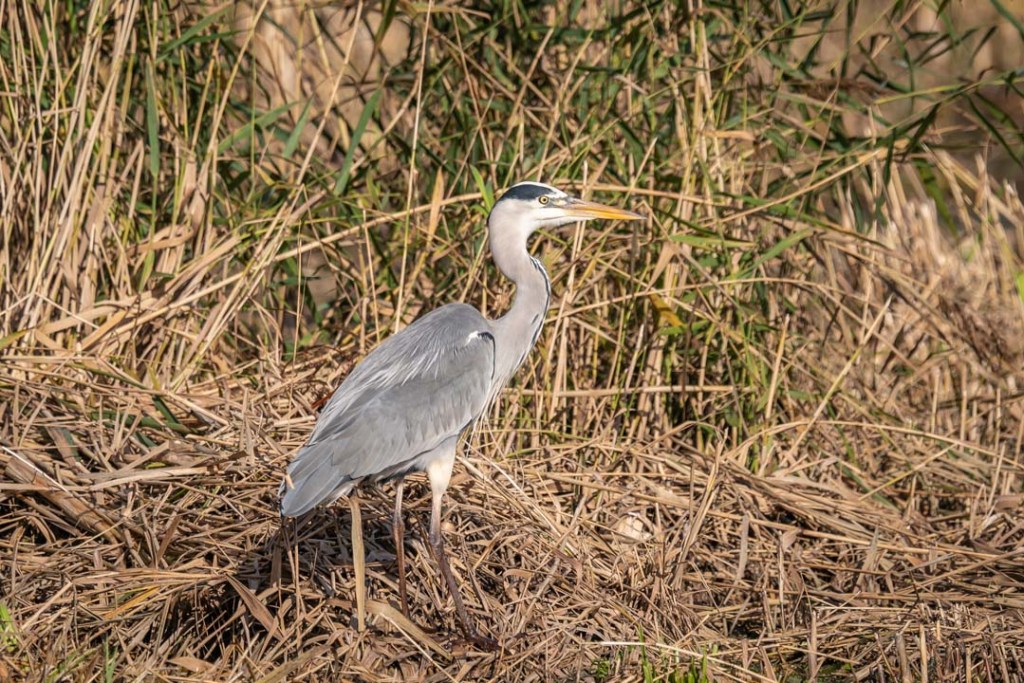
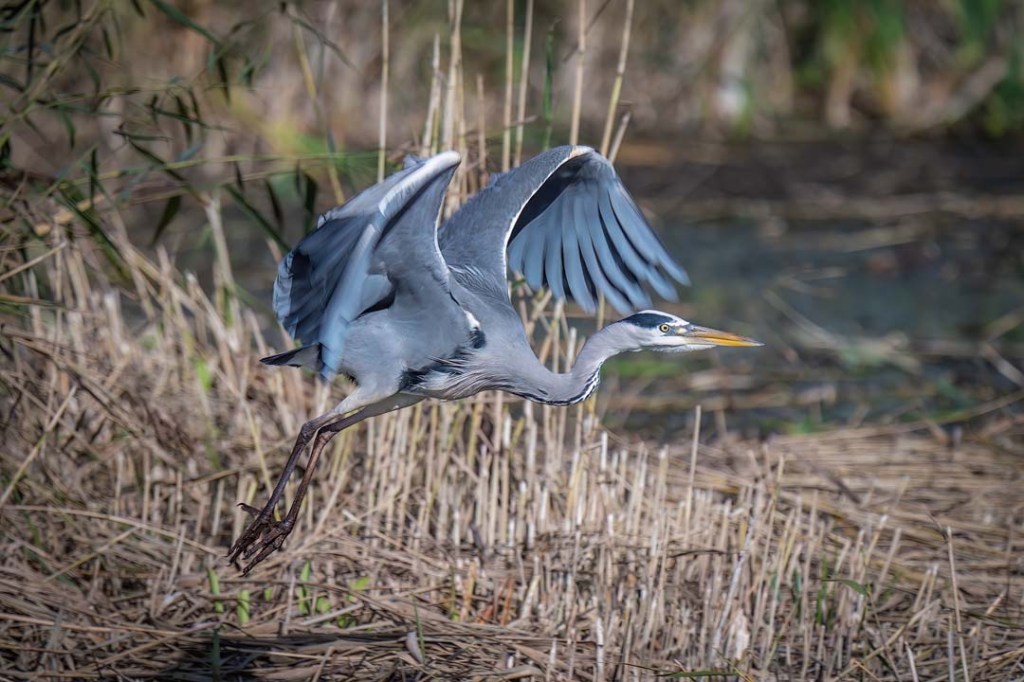
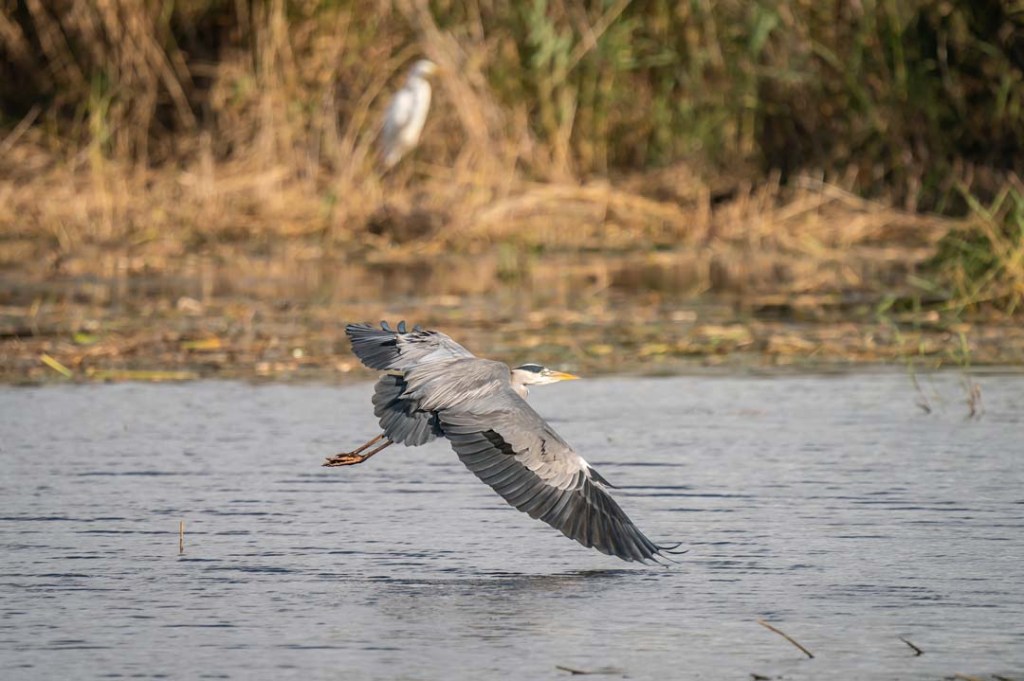
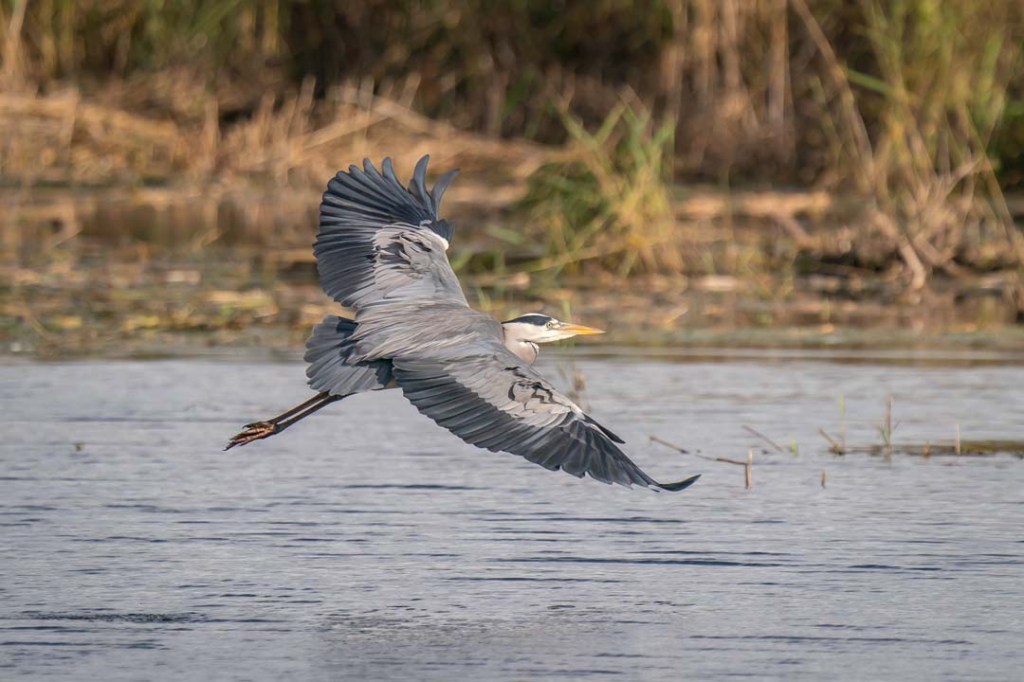
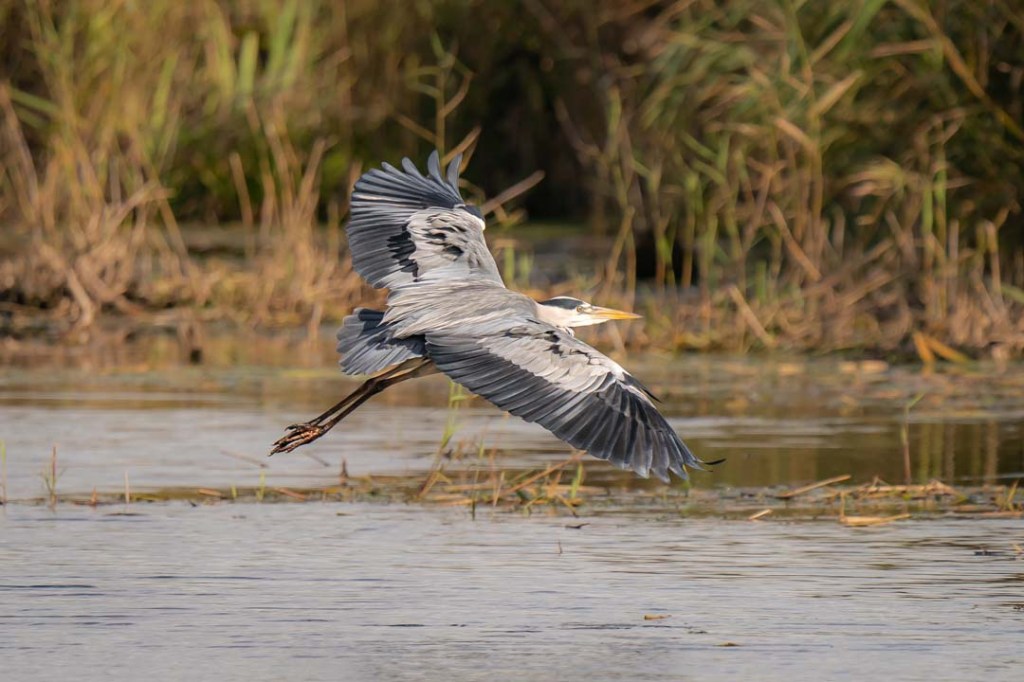
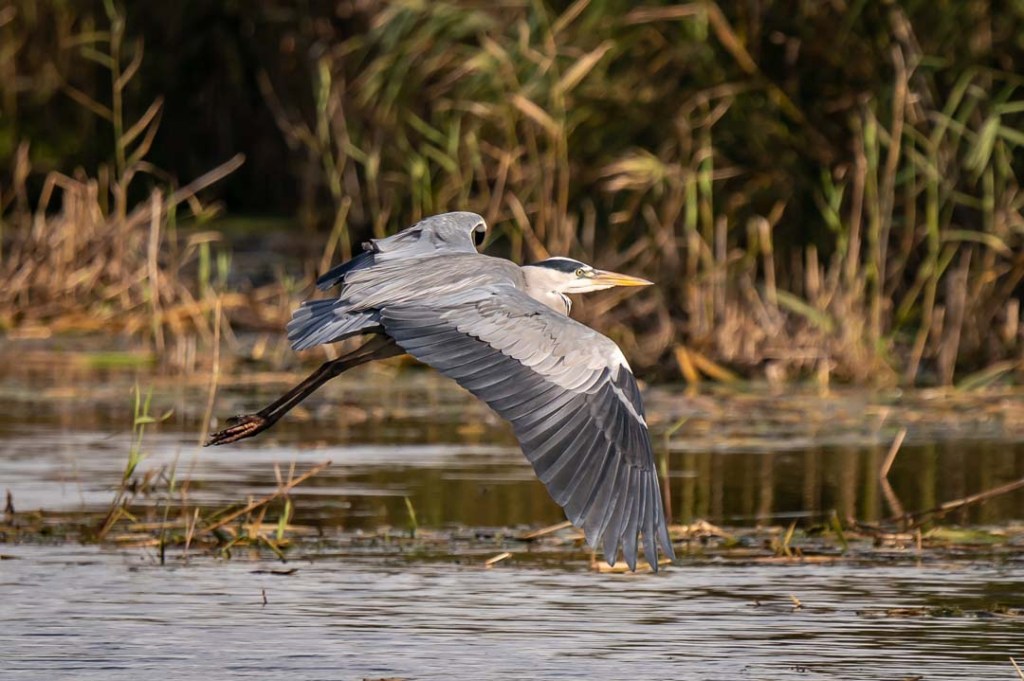
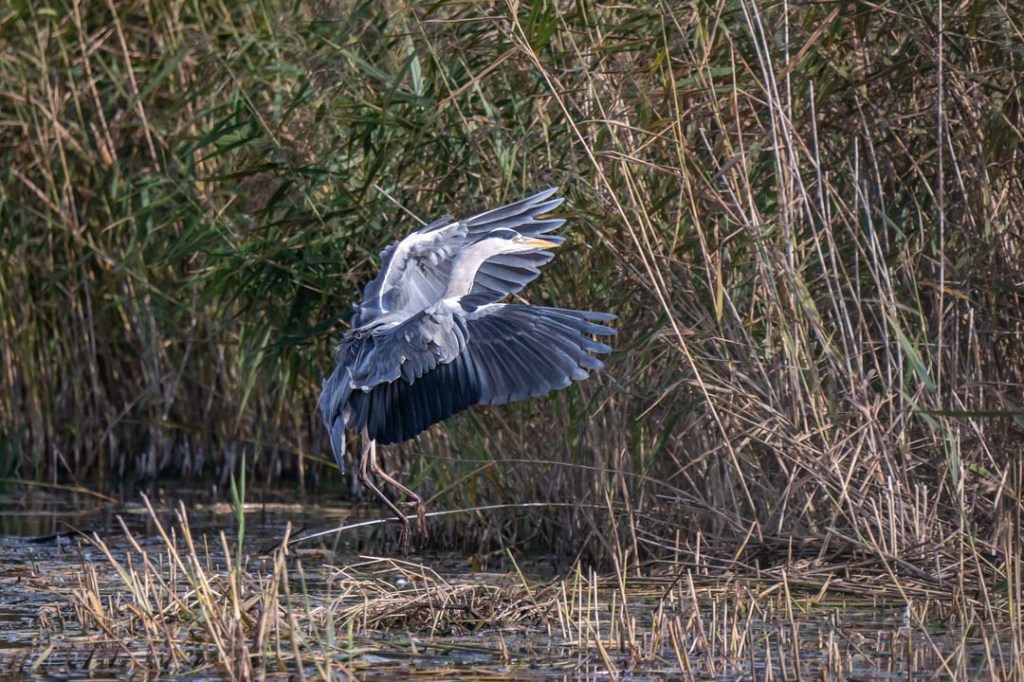
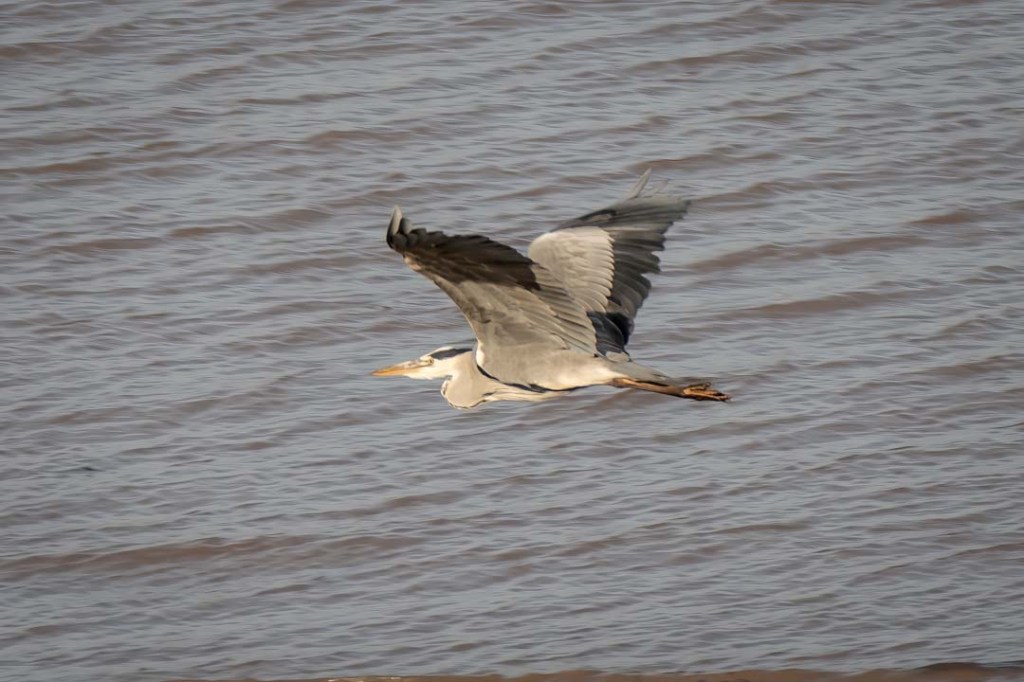
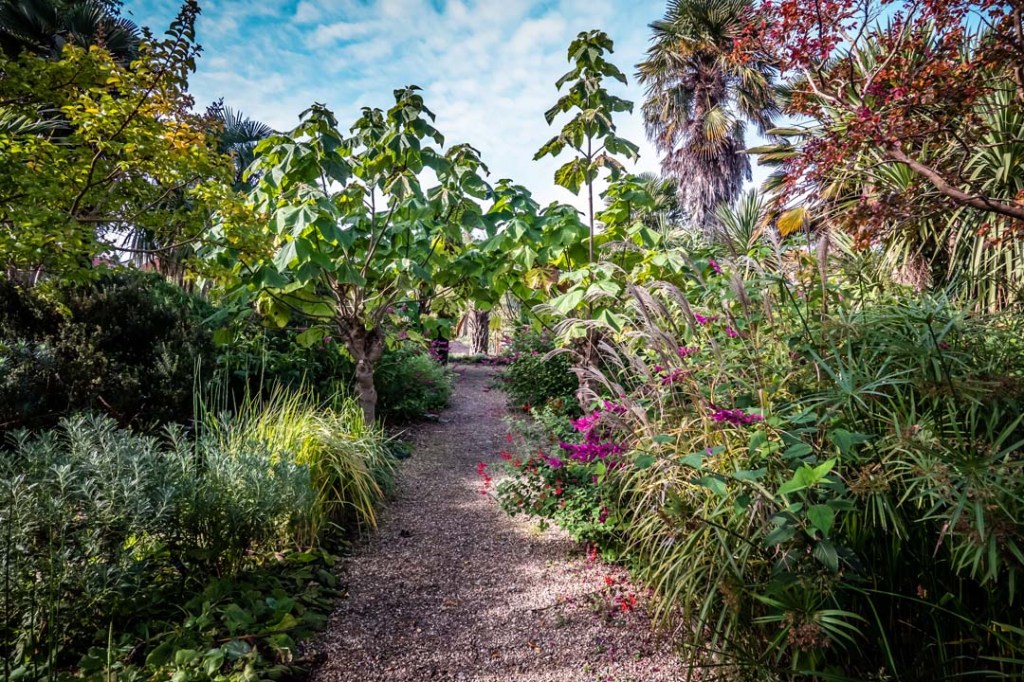
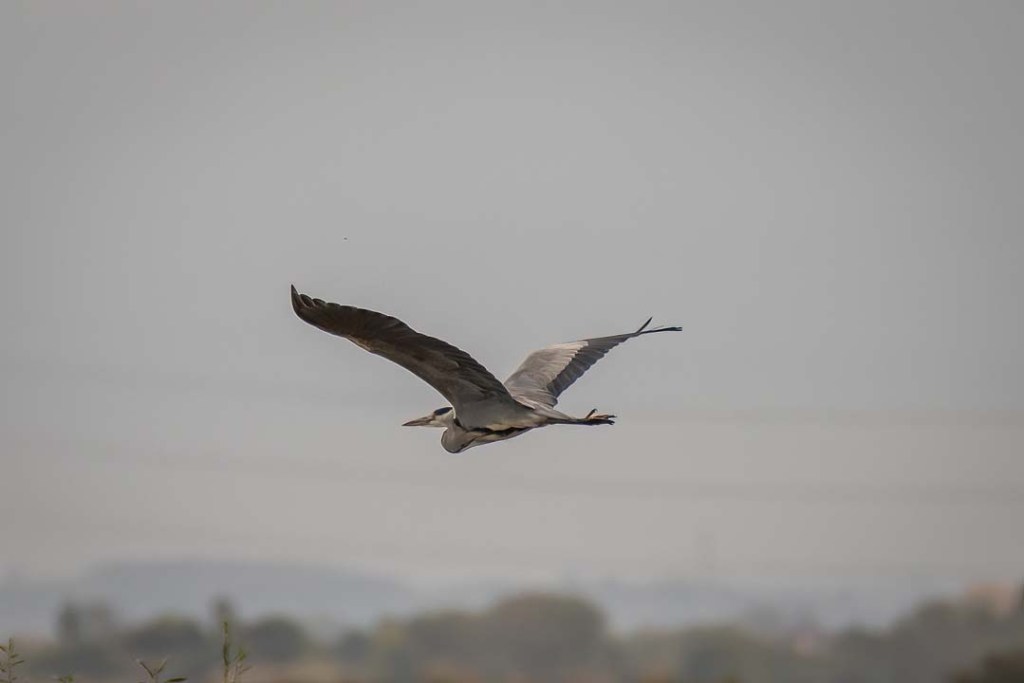
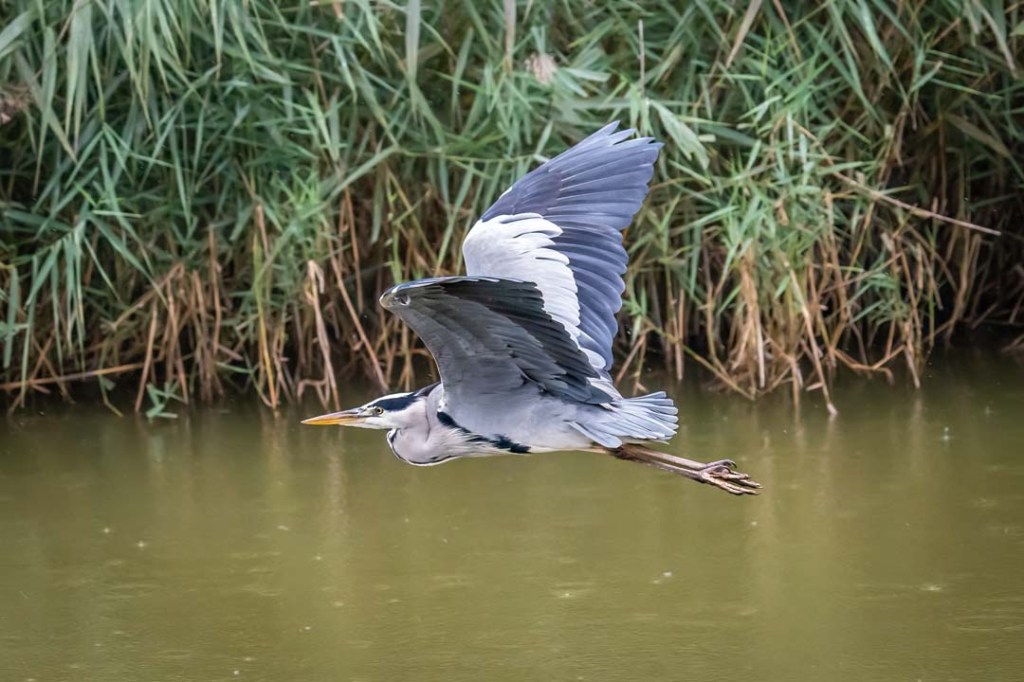
On the first of them we visited Dyffyn Fernant, a gem of a garden, between Newport and Fishguard. I don’t have a lot of bird photos to show from here as I missed a grey heron in flight and the red kite which I saw was too distant to photograph. However, there were a pair of barn swallows flitting around the garden and there were lots of ringlet butterflies. Nonetheless, a very inspiring garden created in difficult terrain.
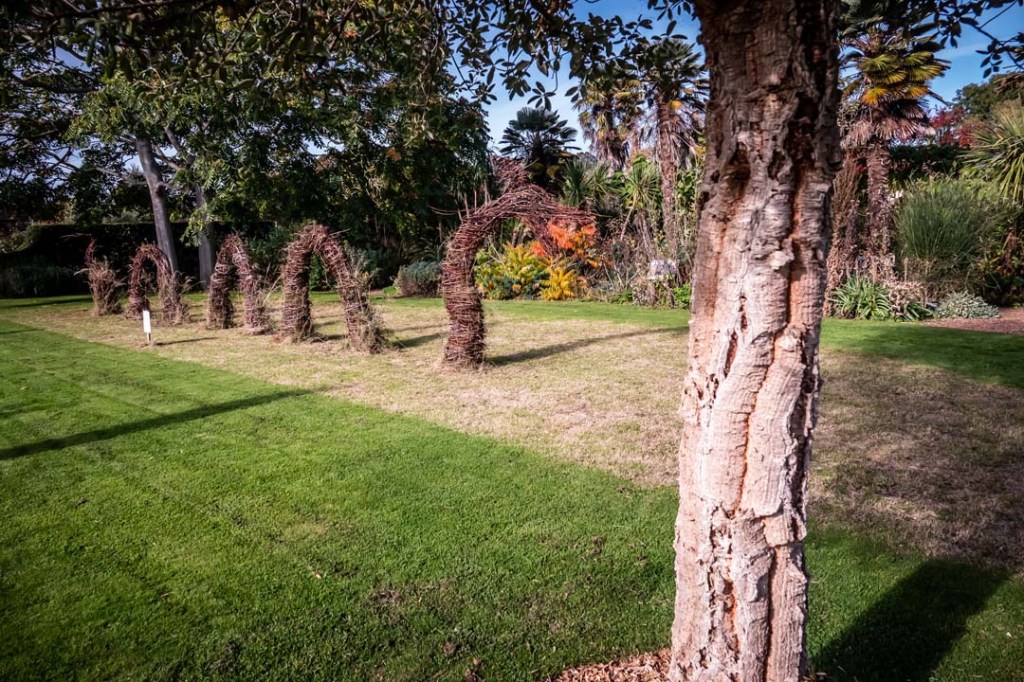
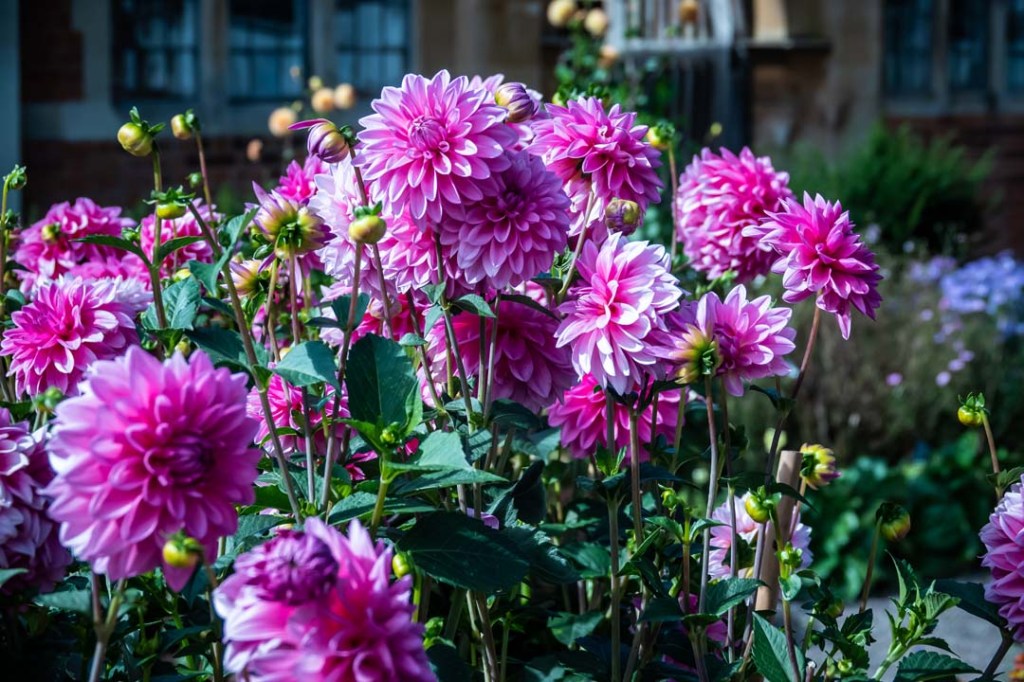
Dyffryn FernantAn interesting way to display different grassesThe RickyardI accidentally flushed a grey heron from around this pond and failed to photograph itTwo barn swallows having a chat above the gardenBarn swallowRinglet
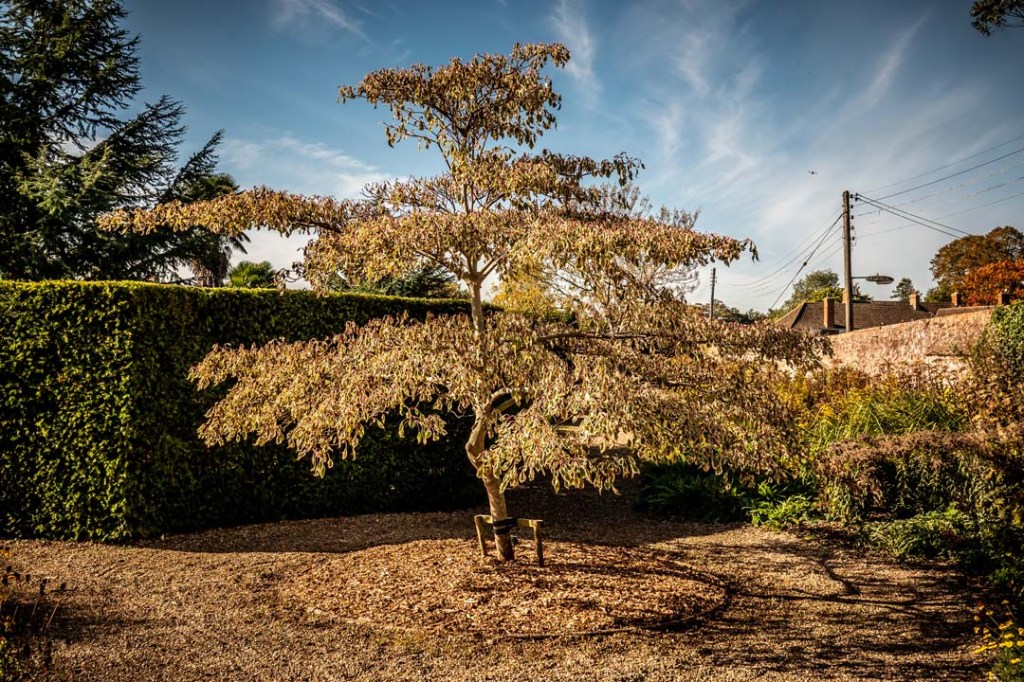
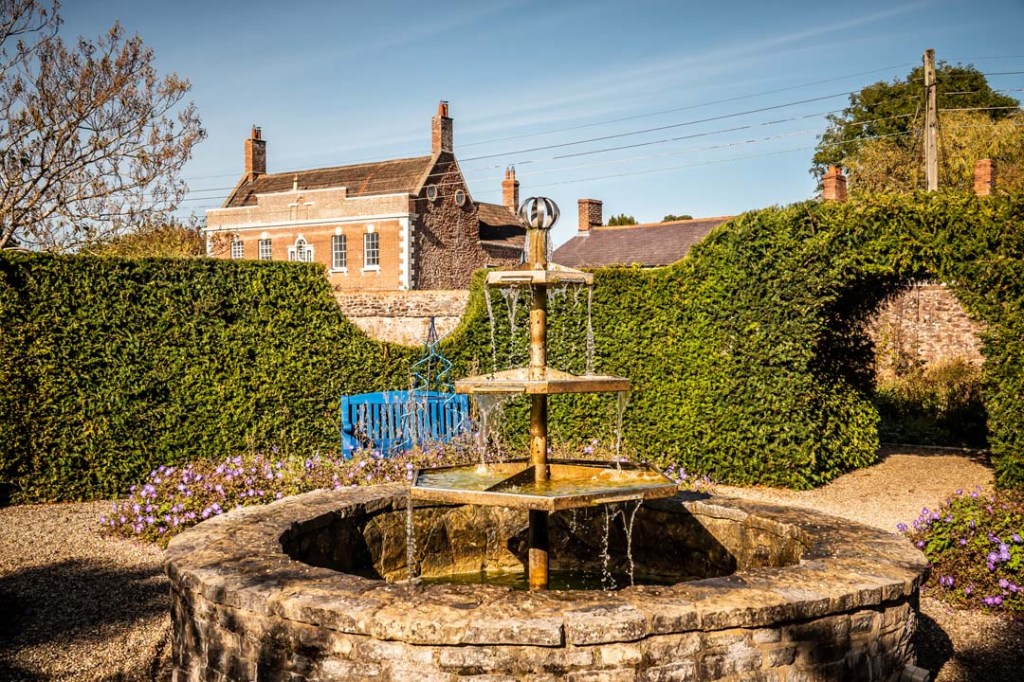
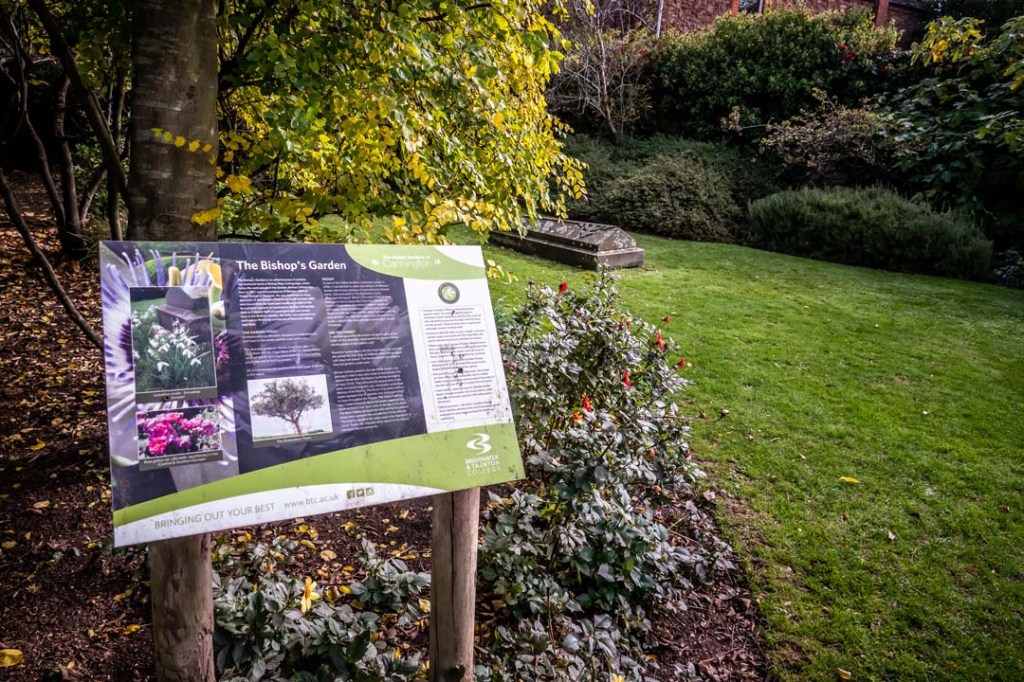
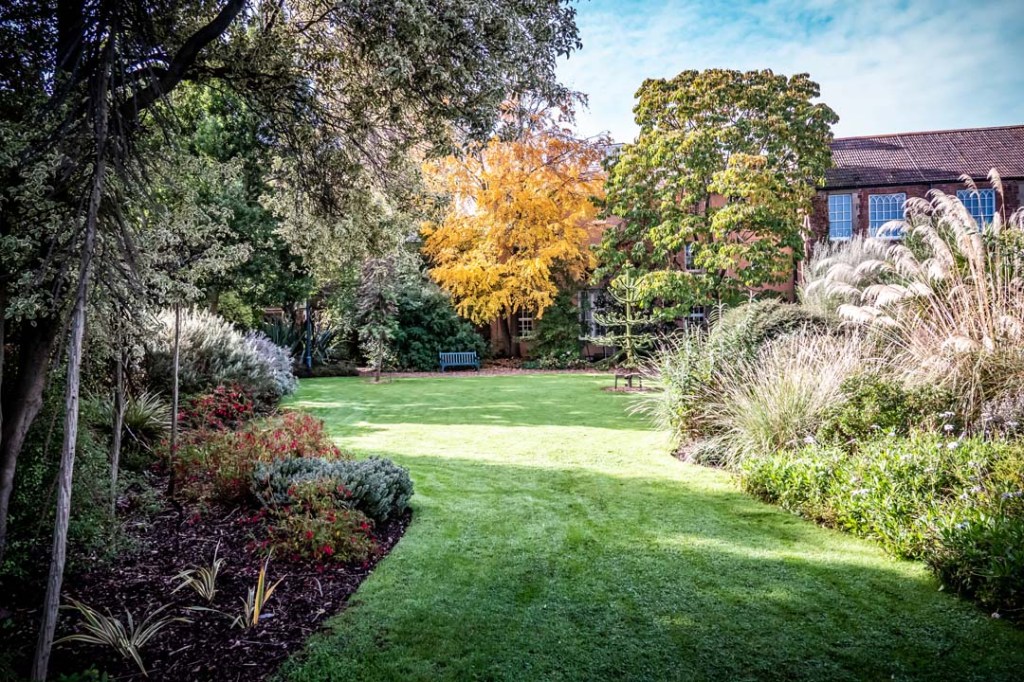
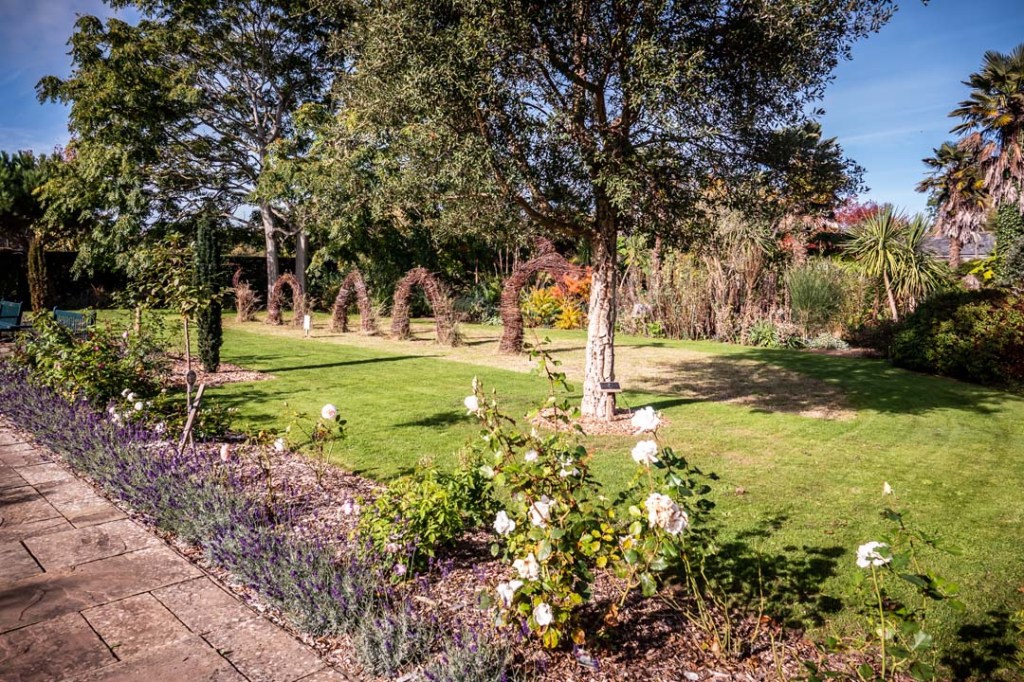
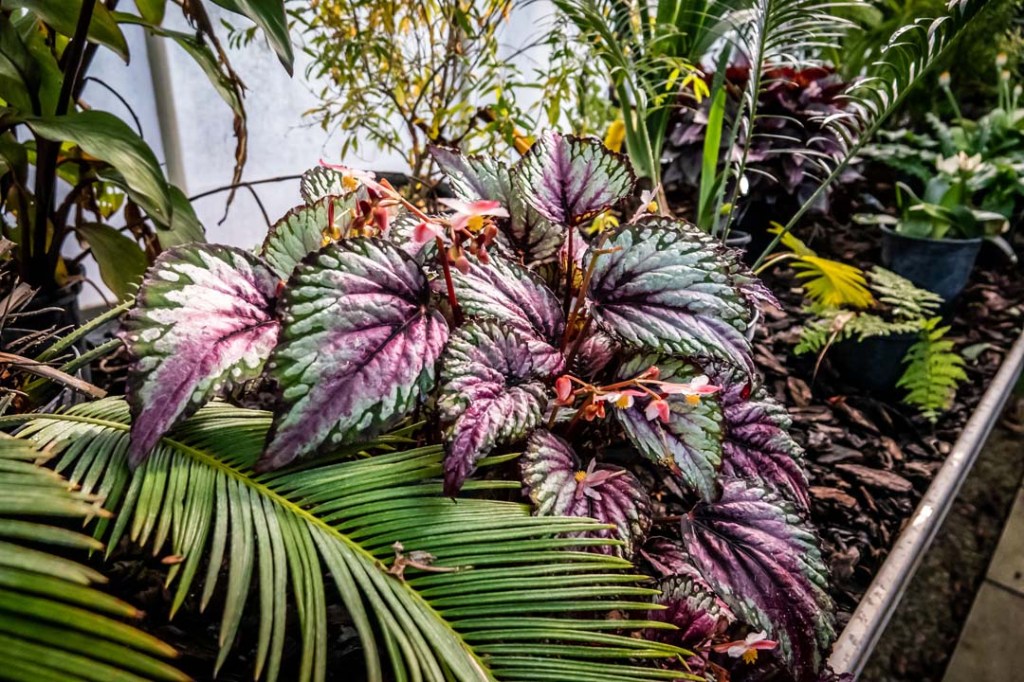
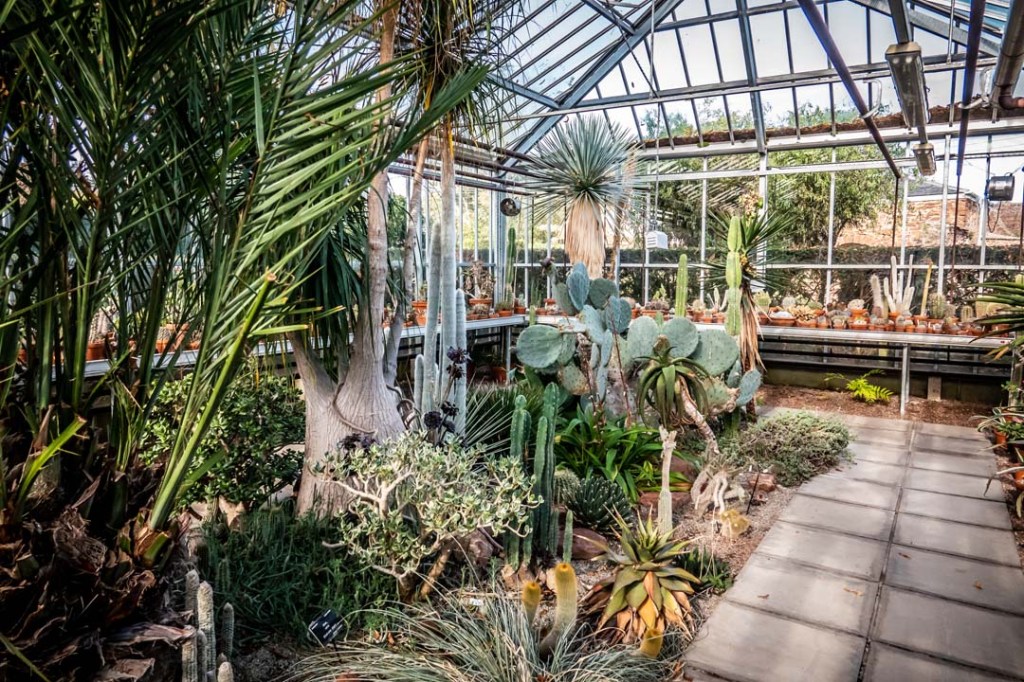
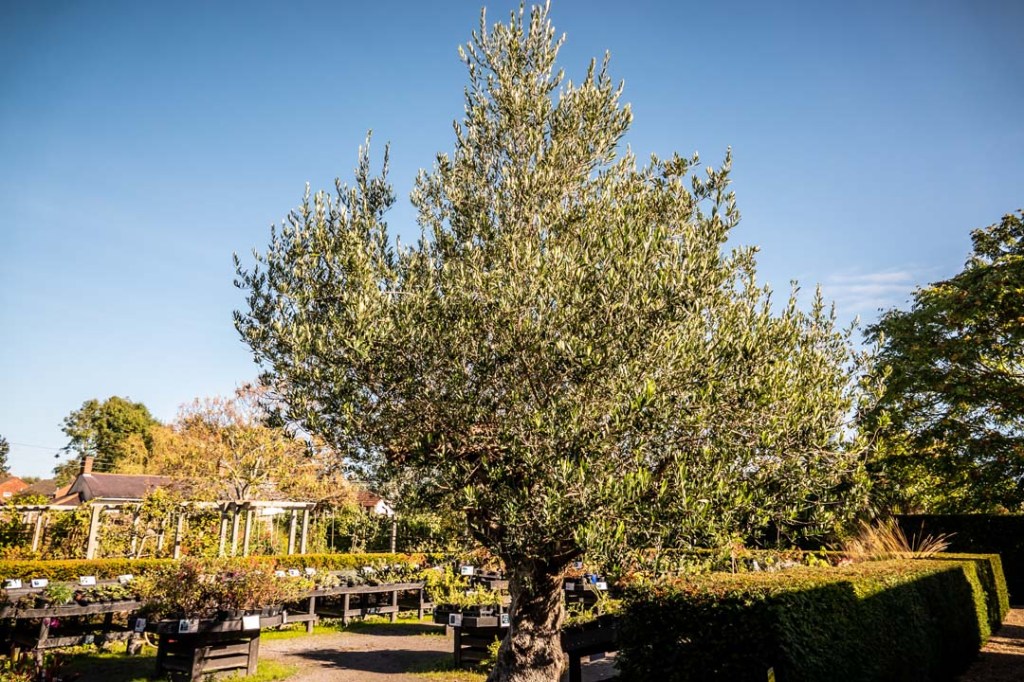
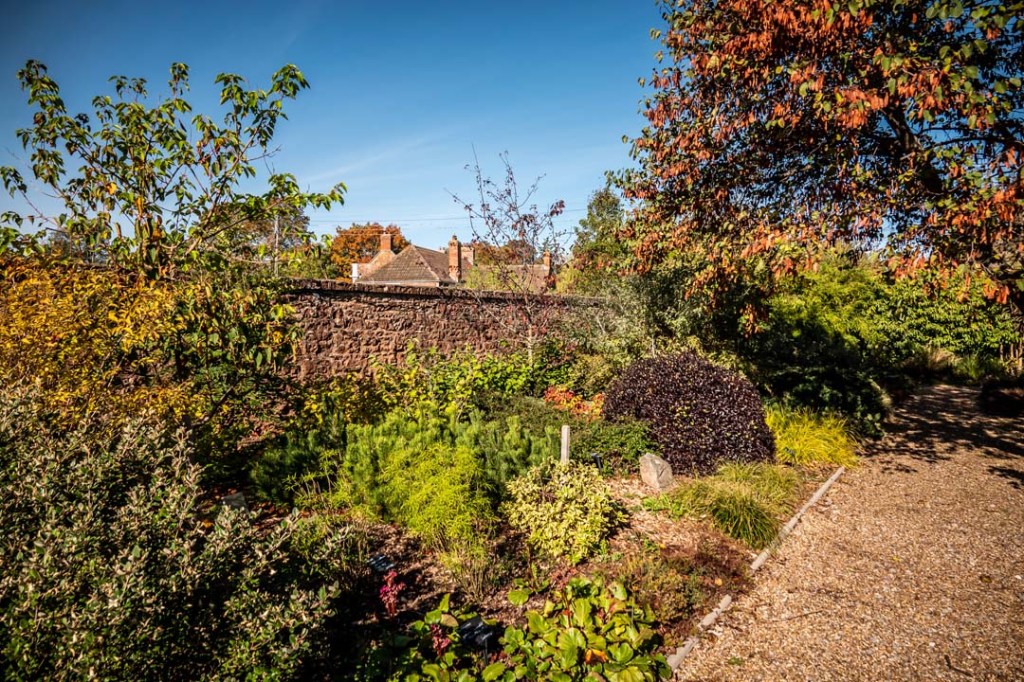
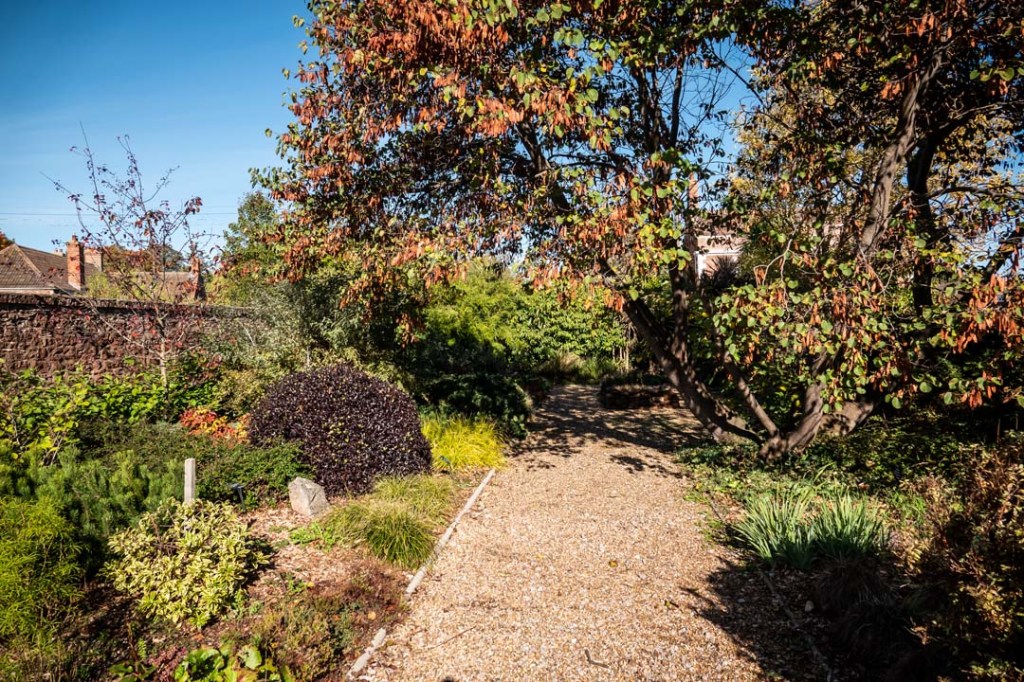
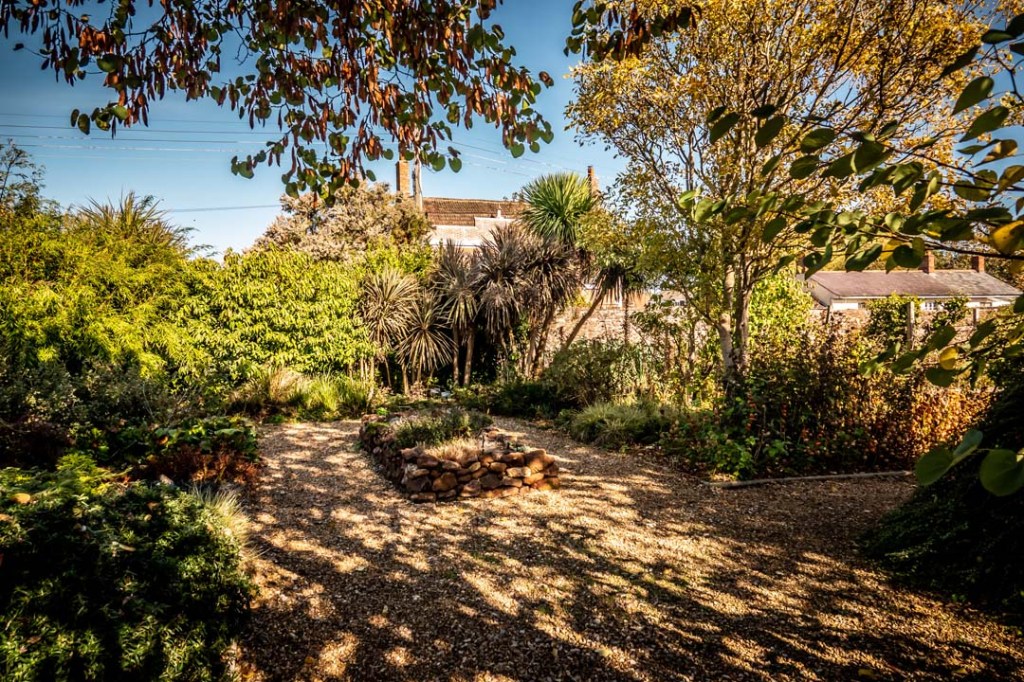
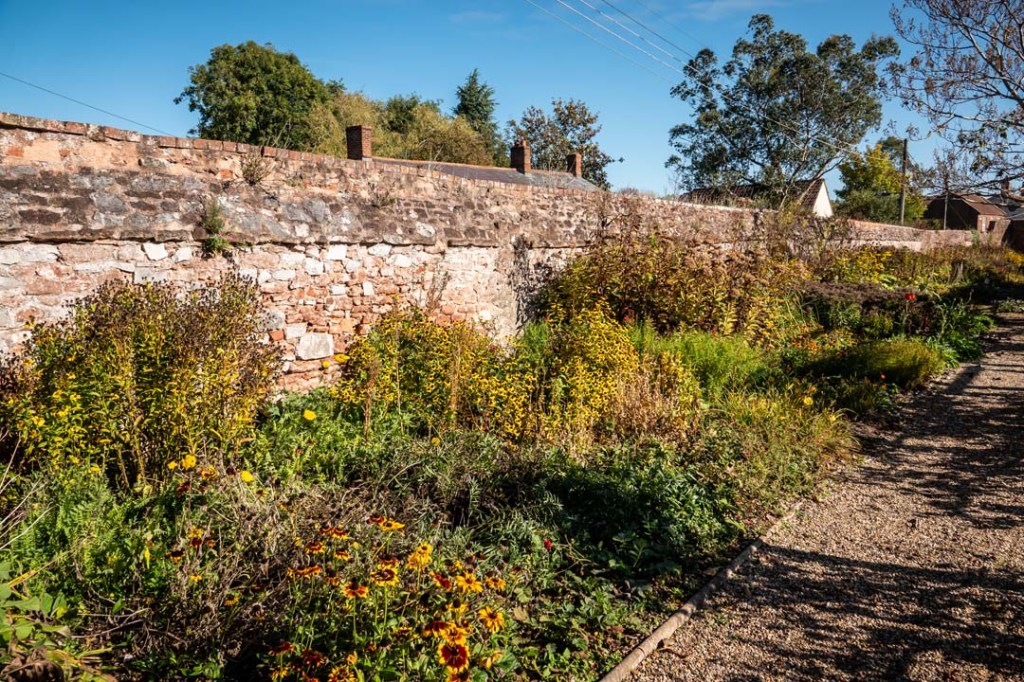
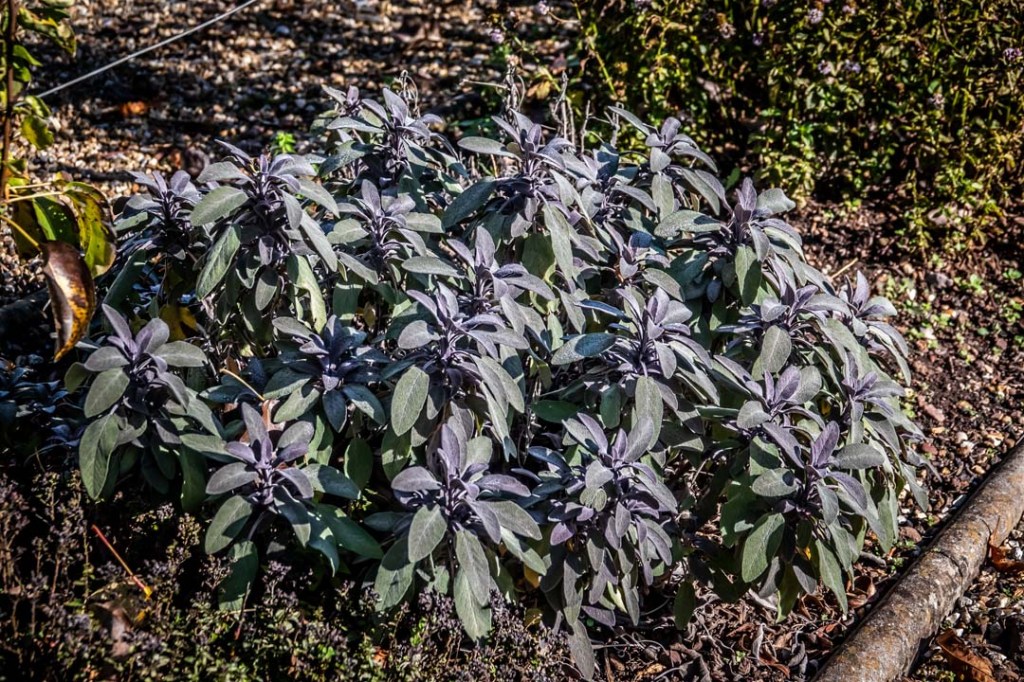
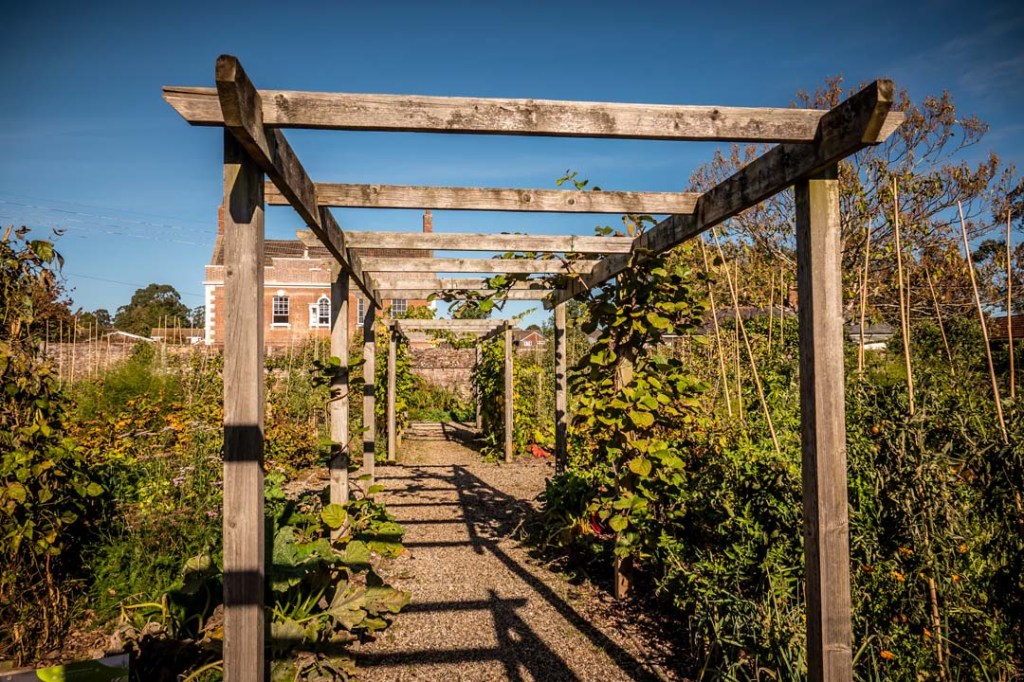
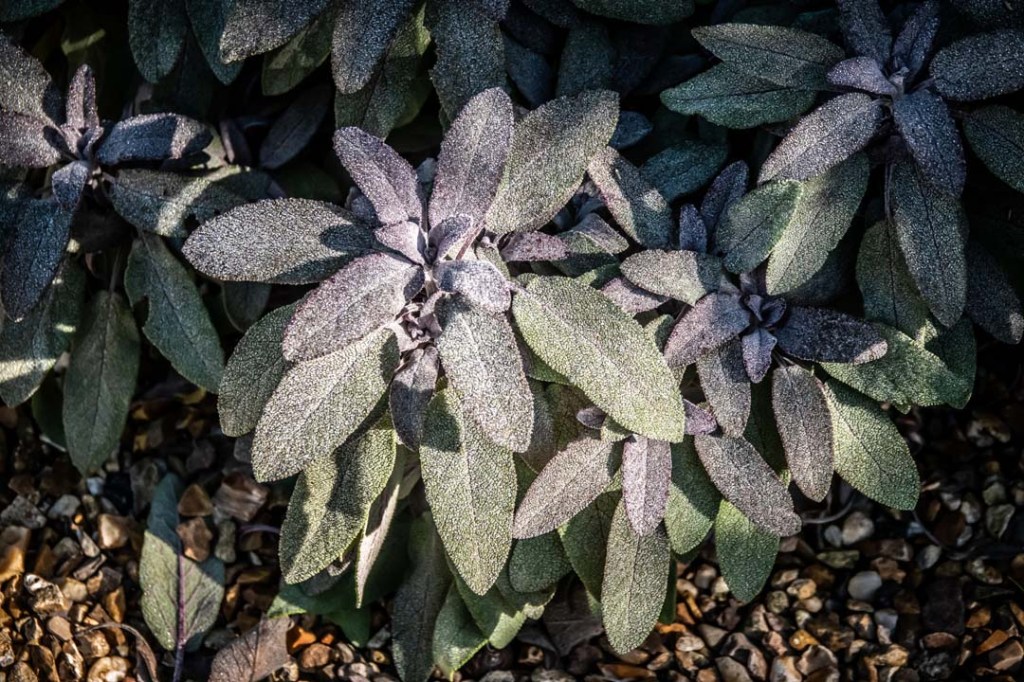
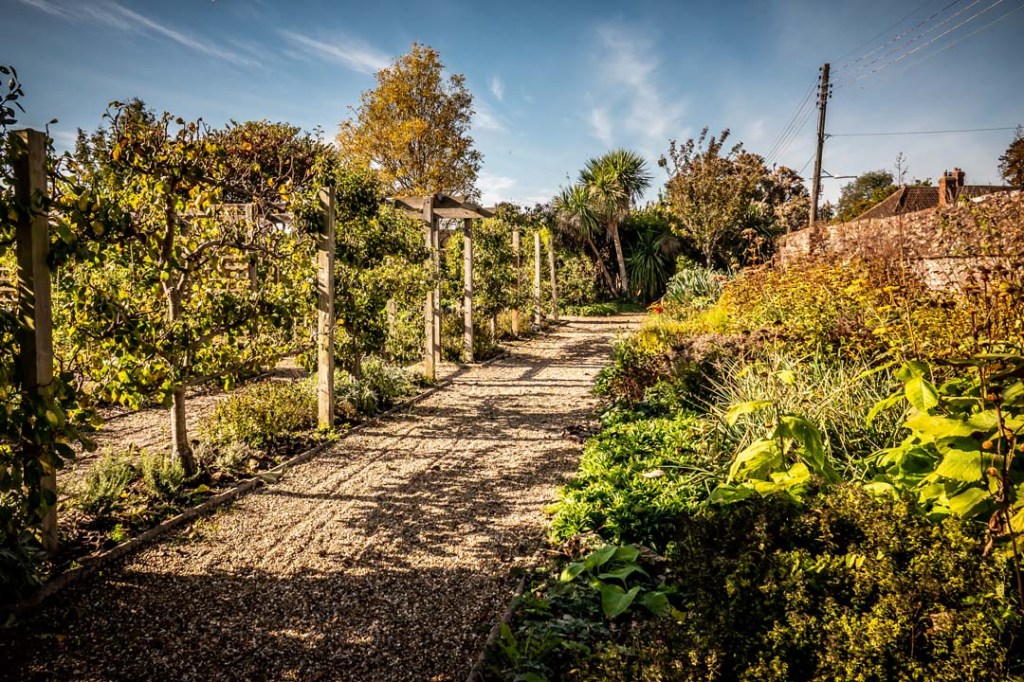
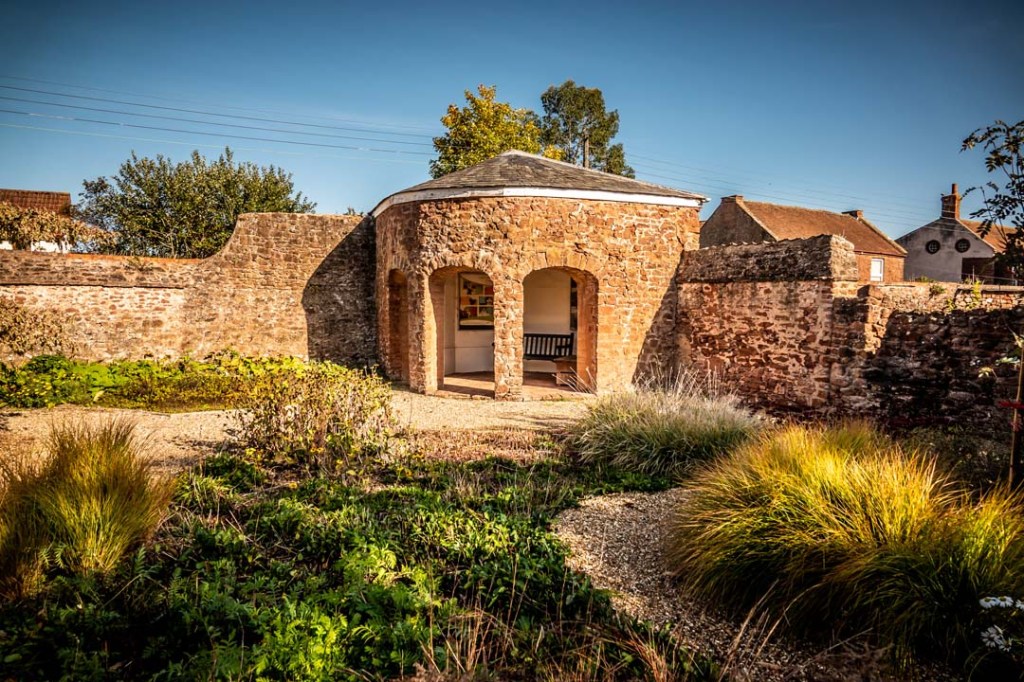
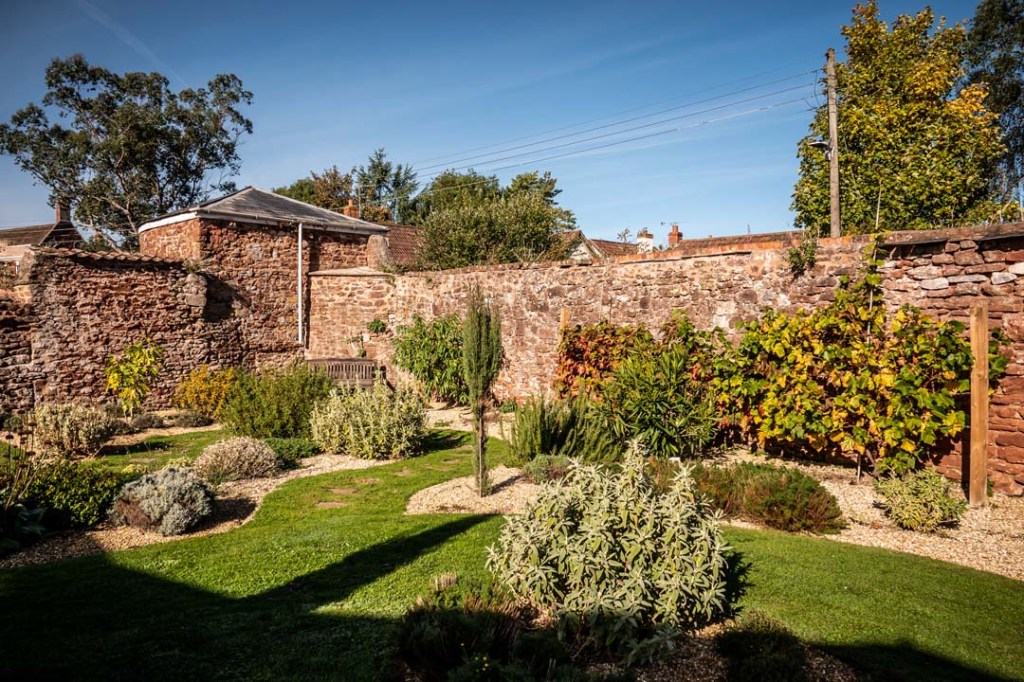
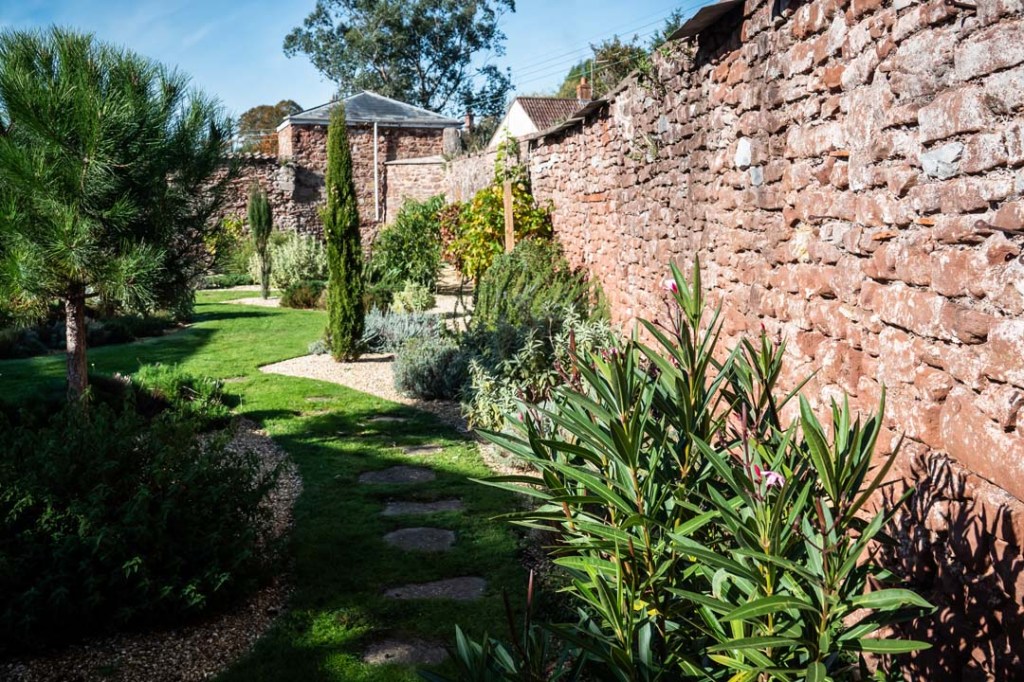
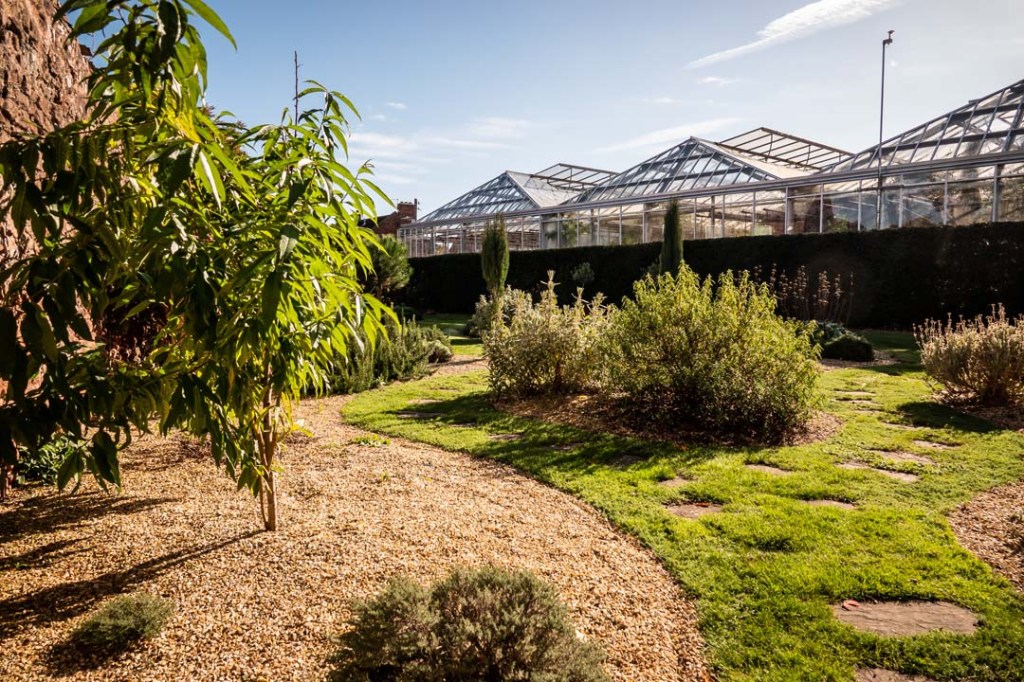
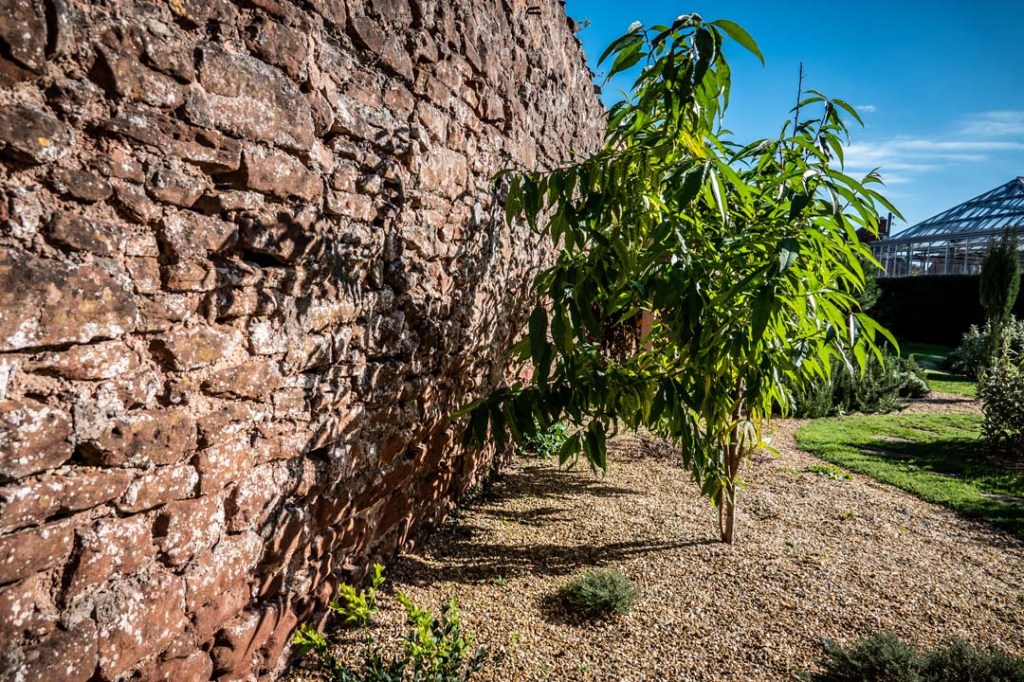
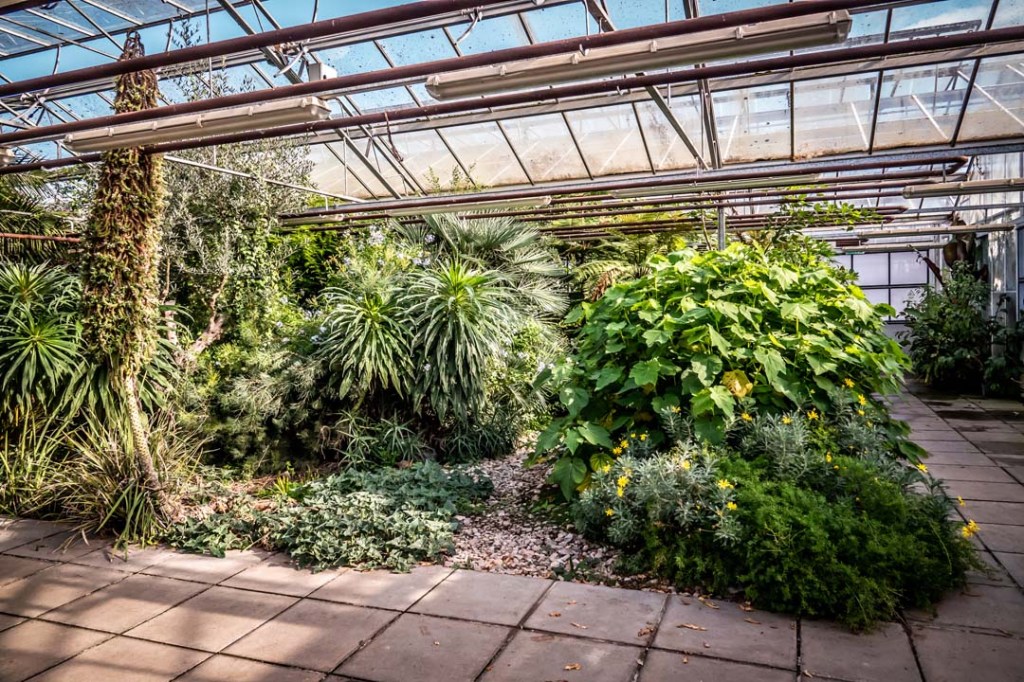
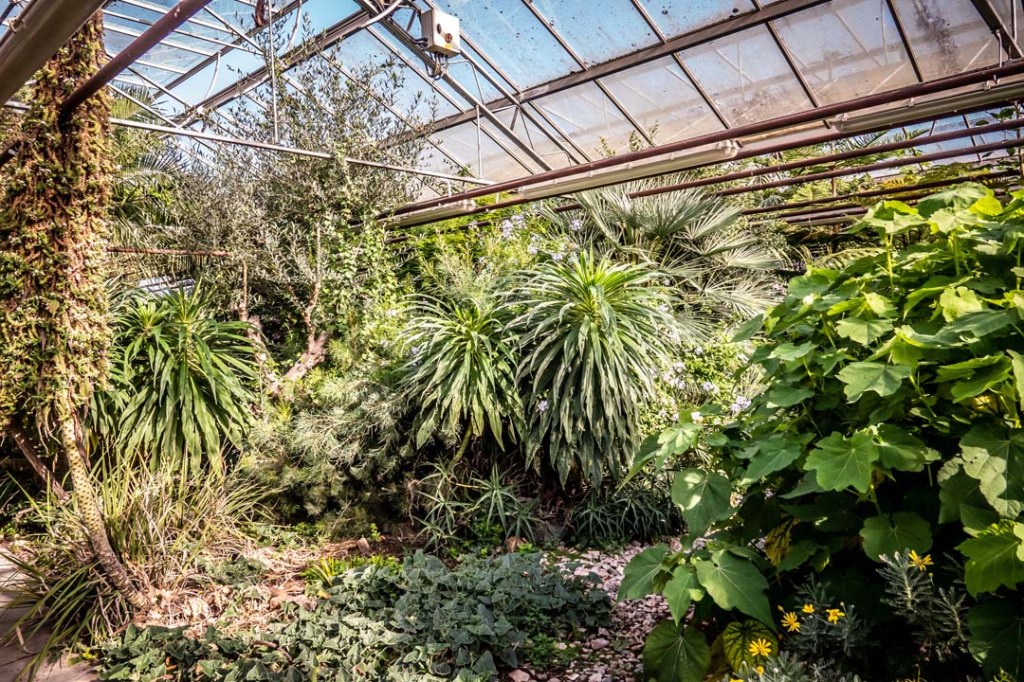
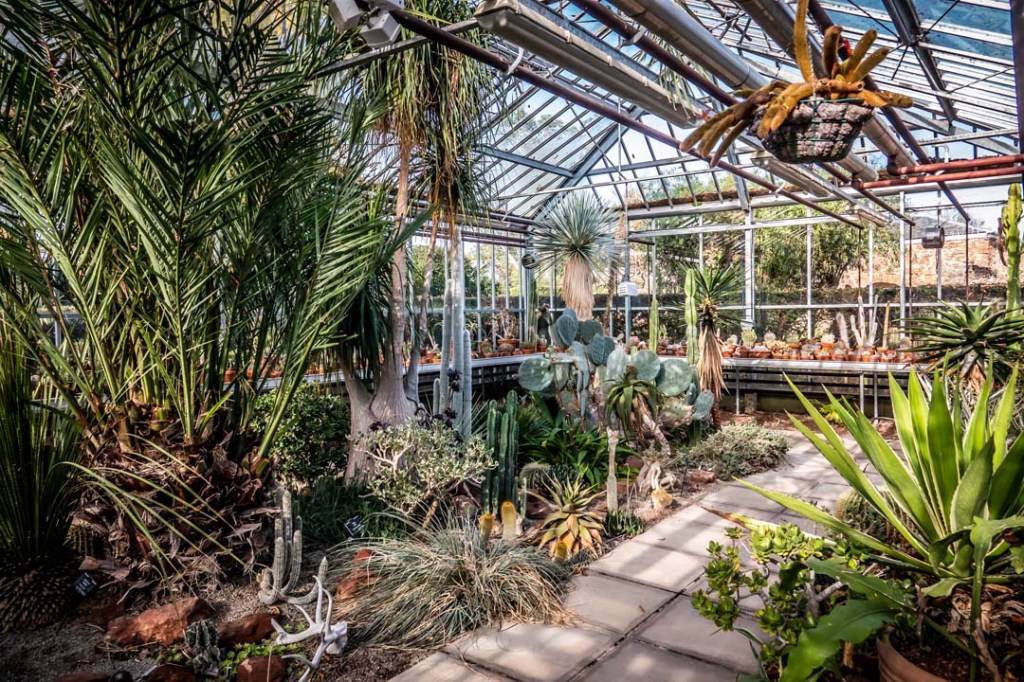
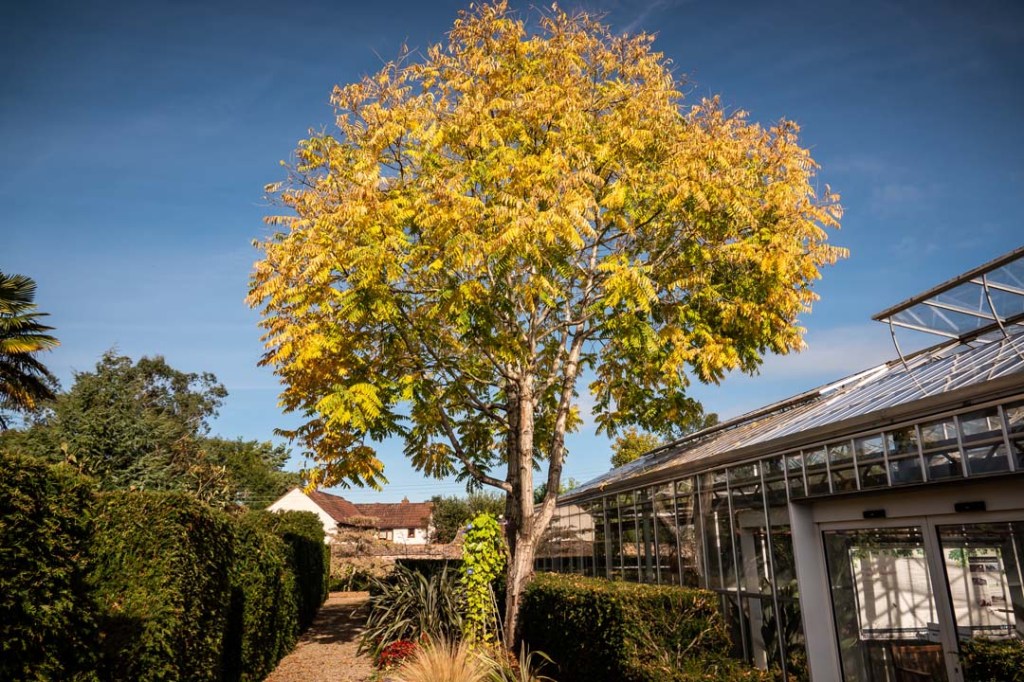
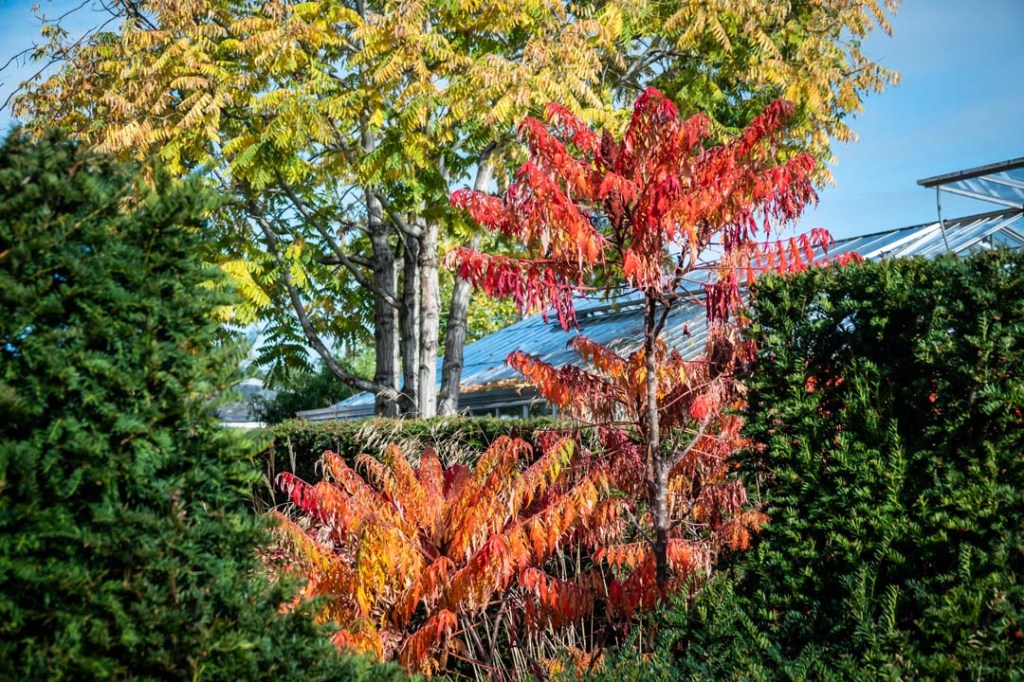
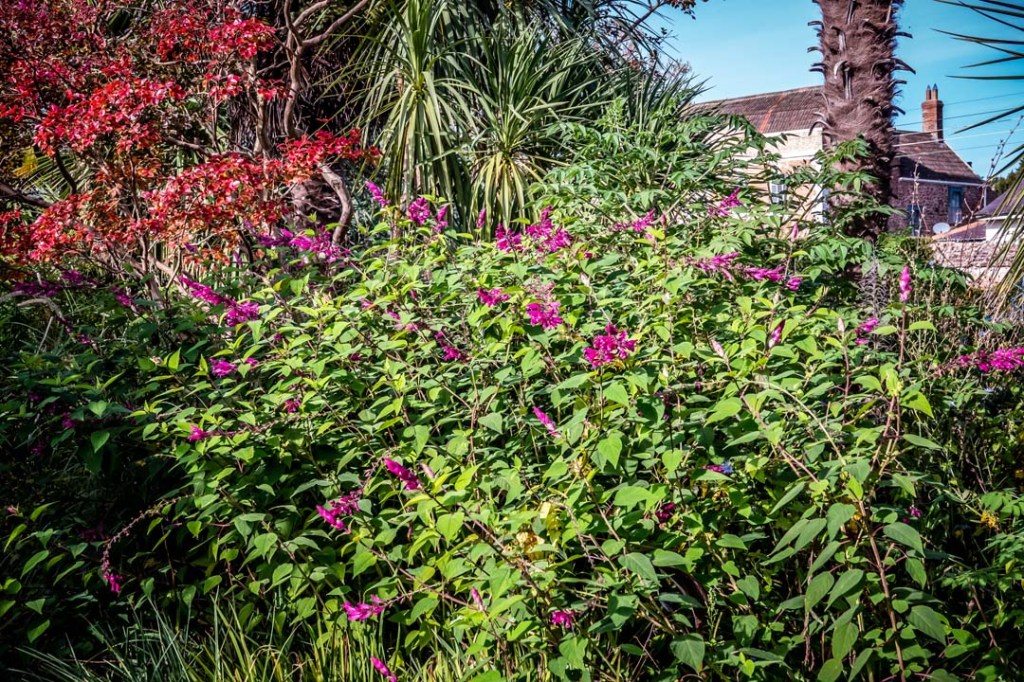
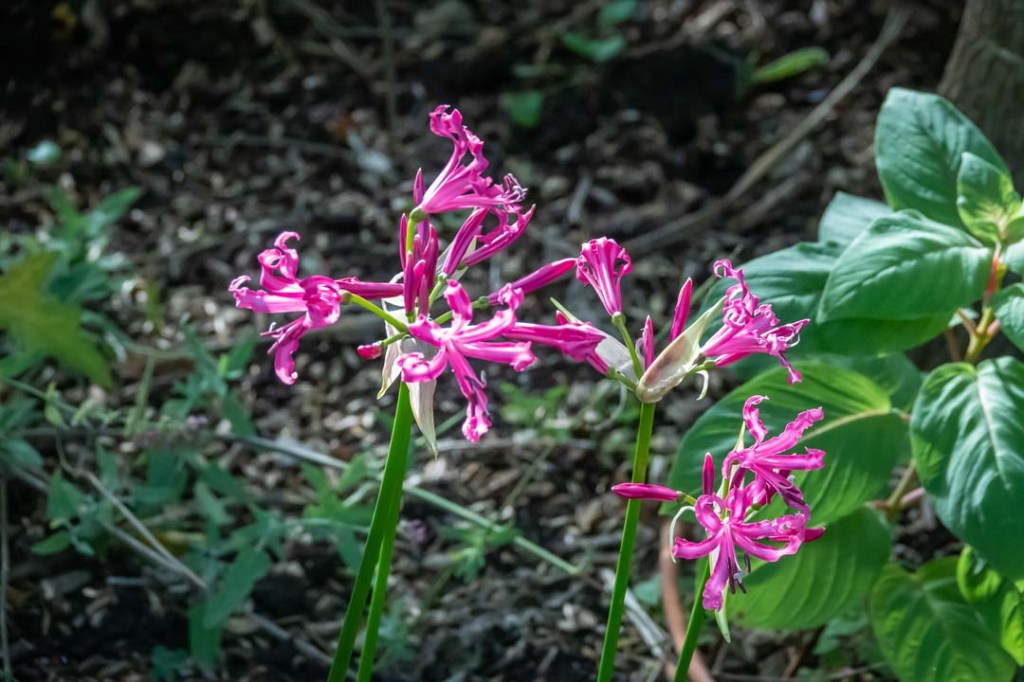
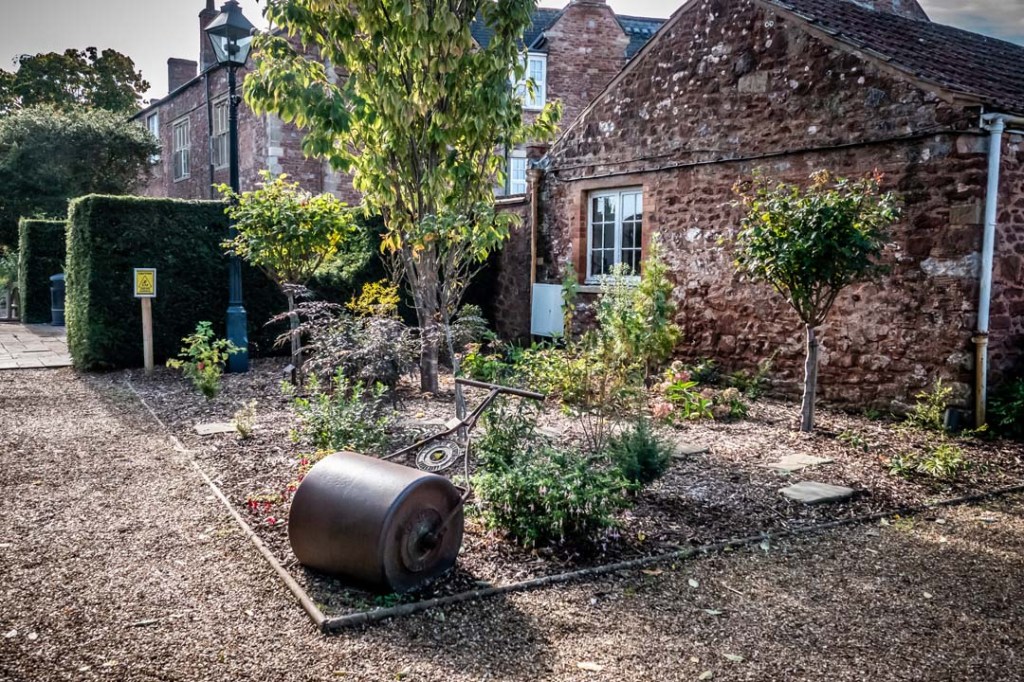
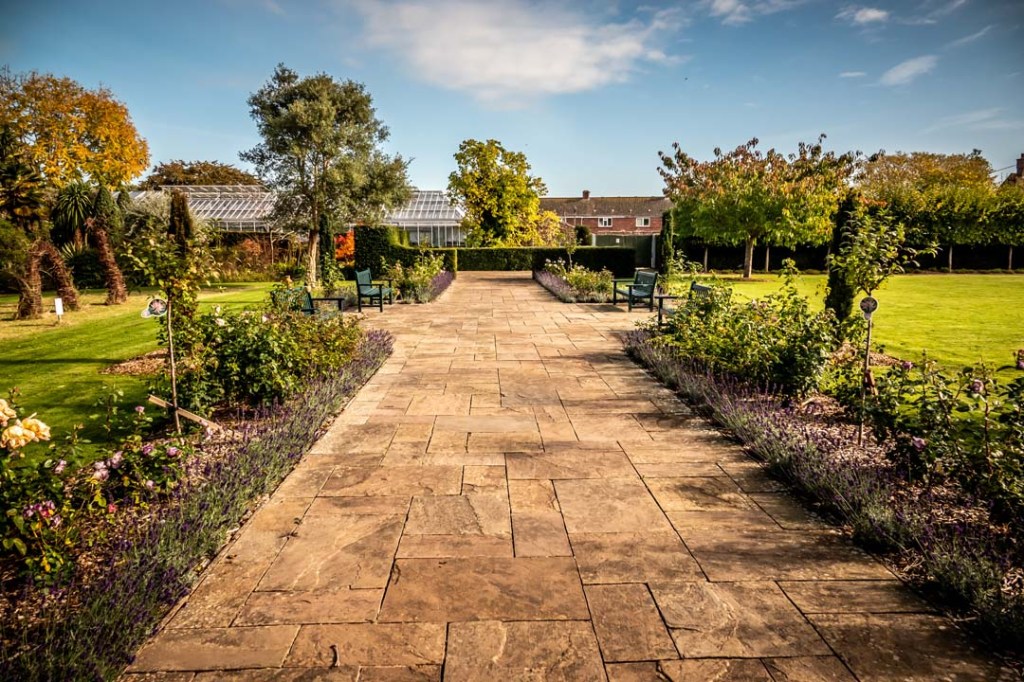
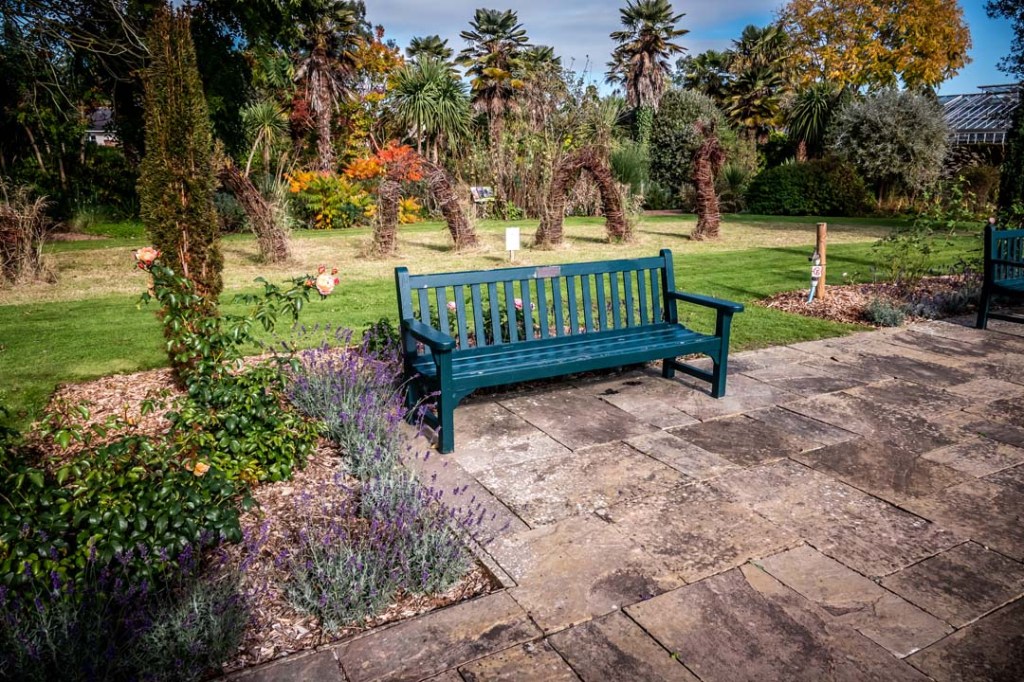
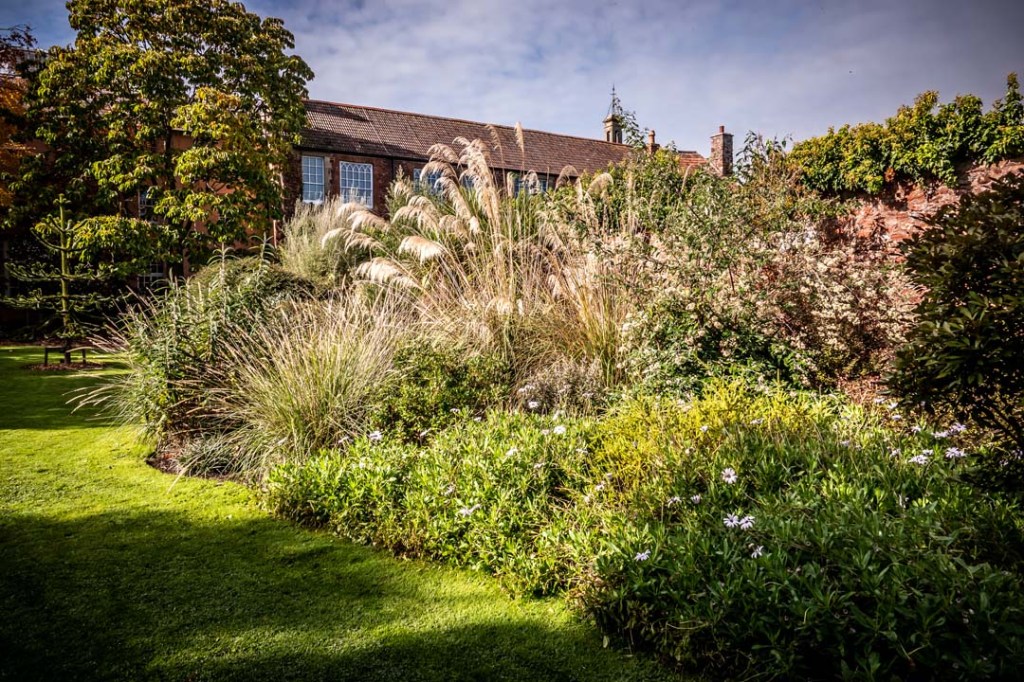
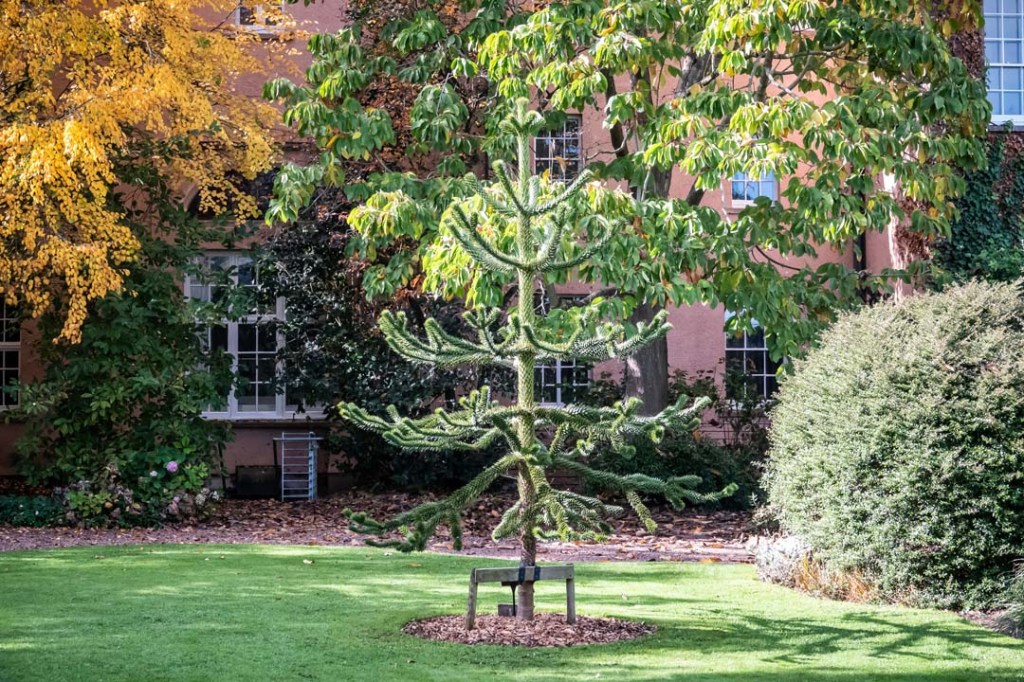
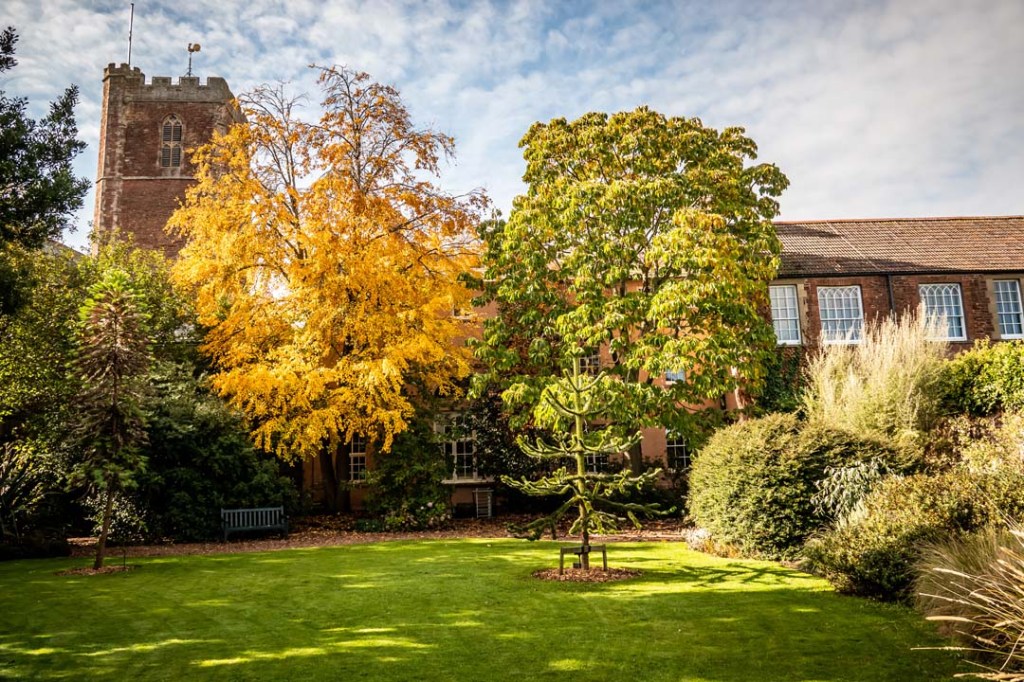
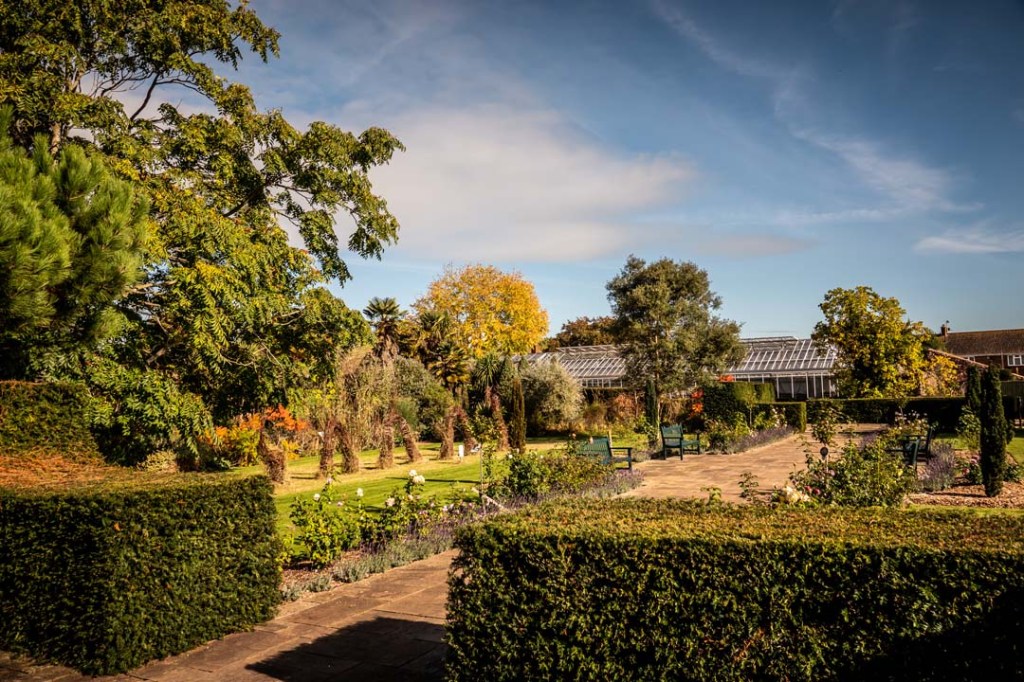
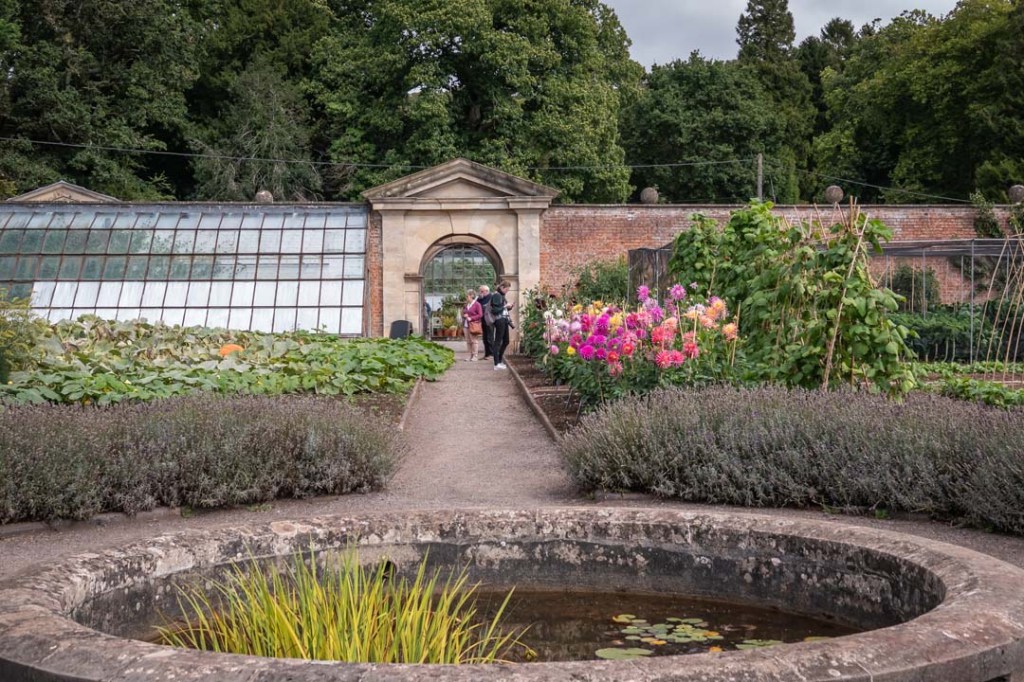
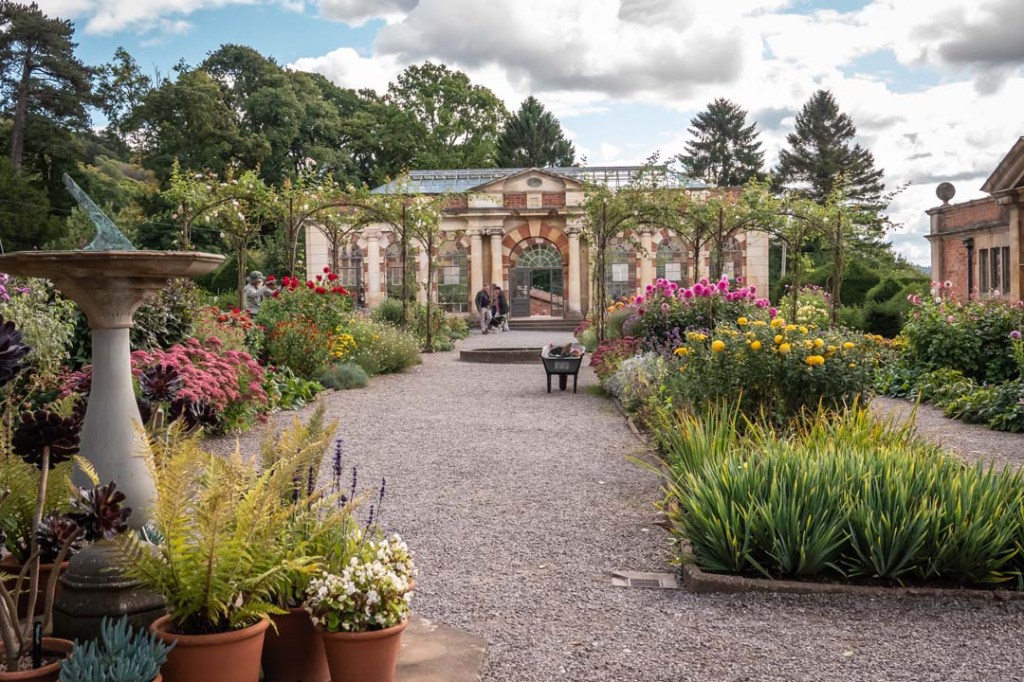
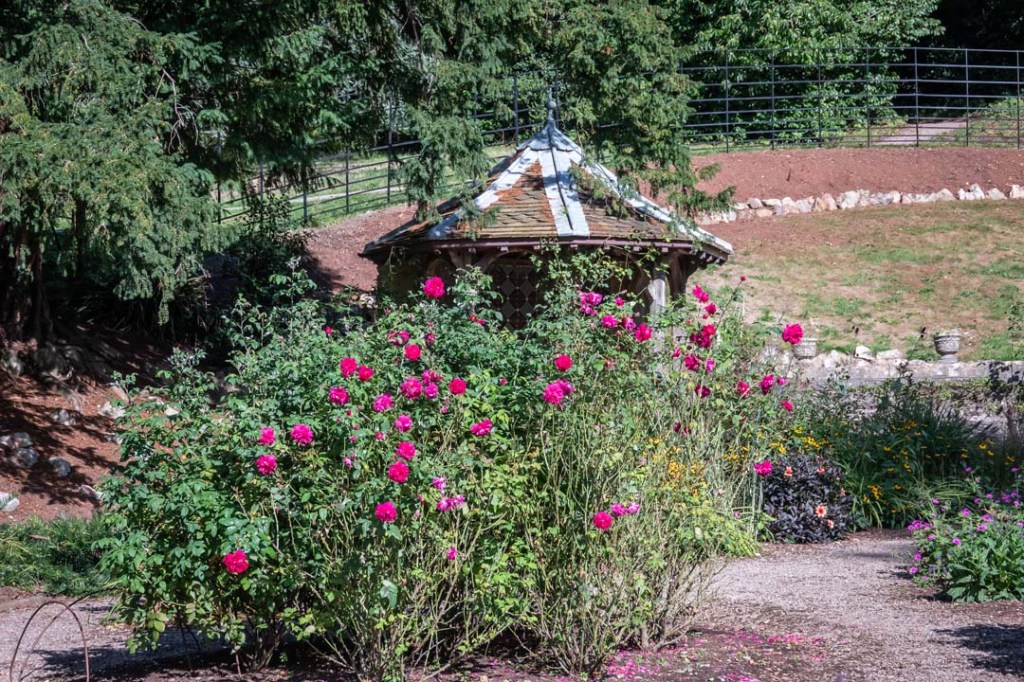
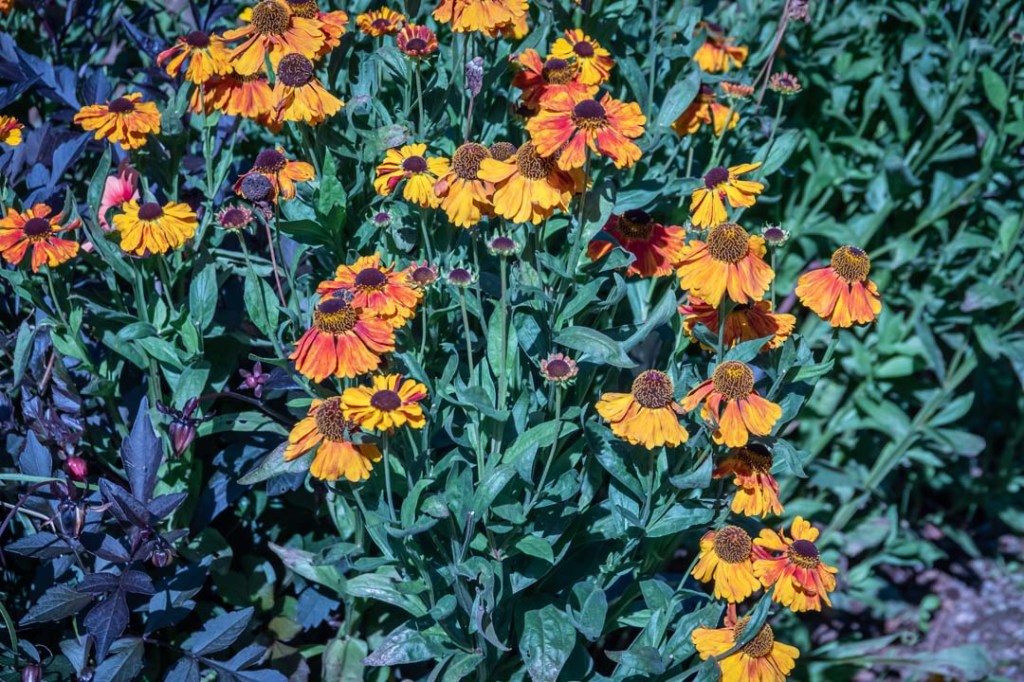
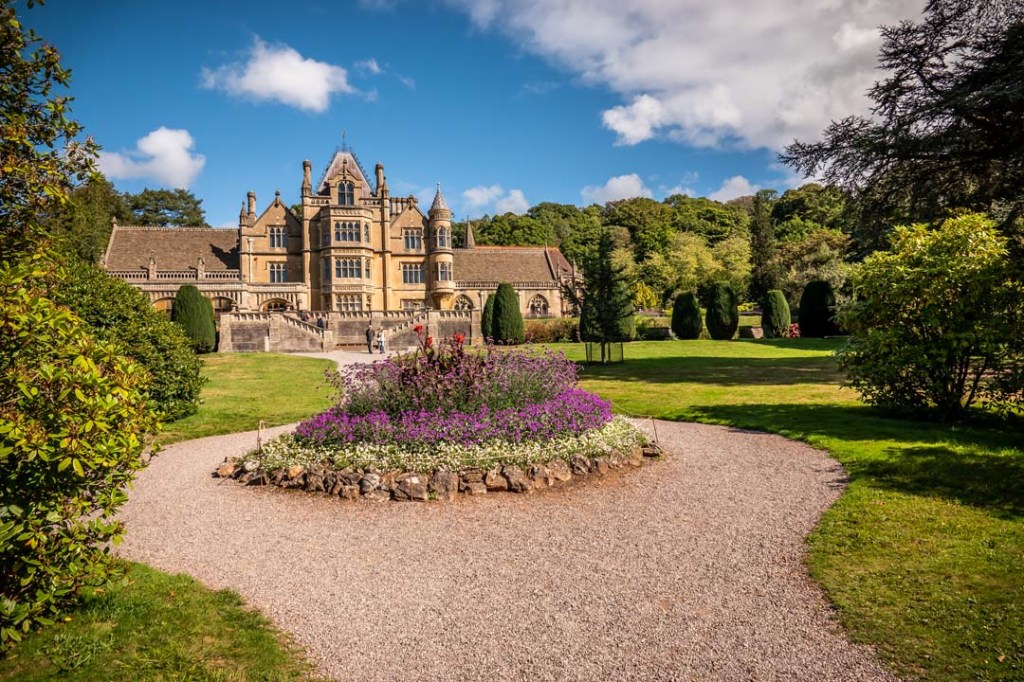
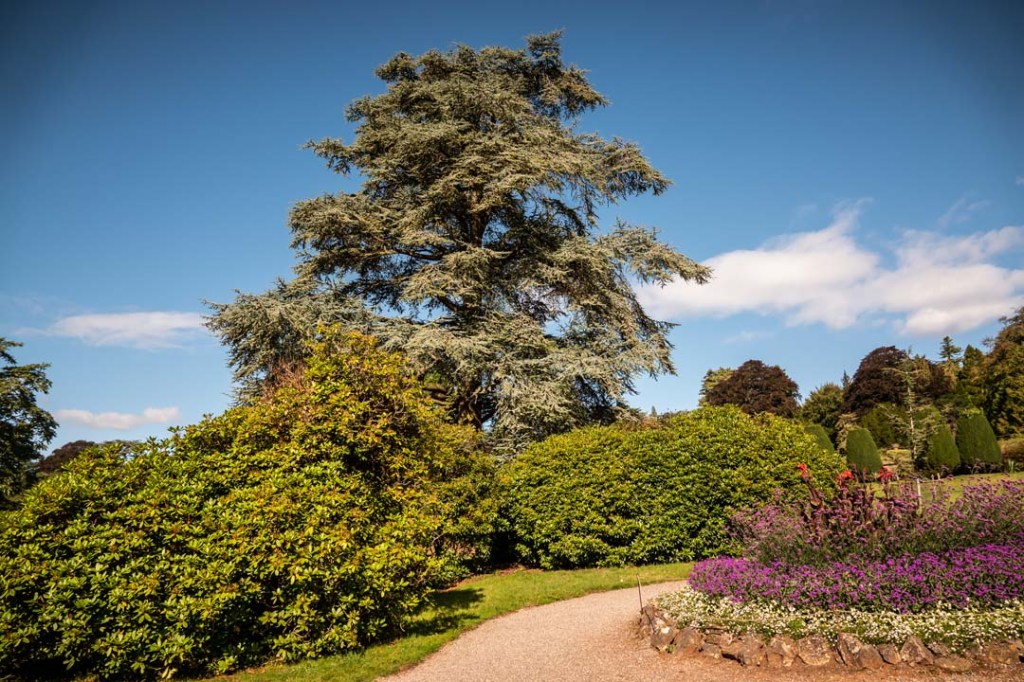
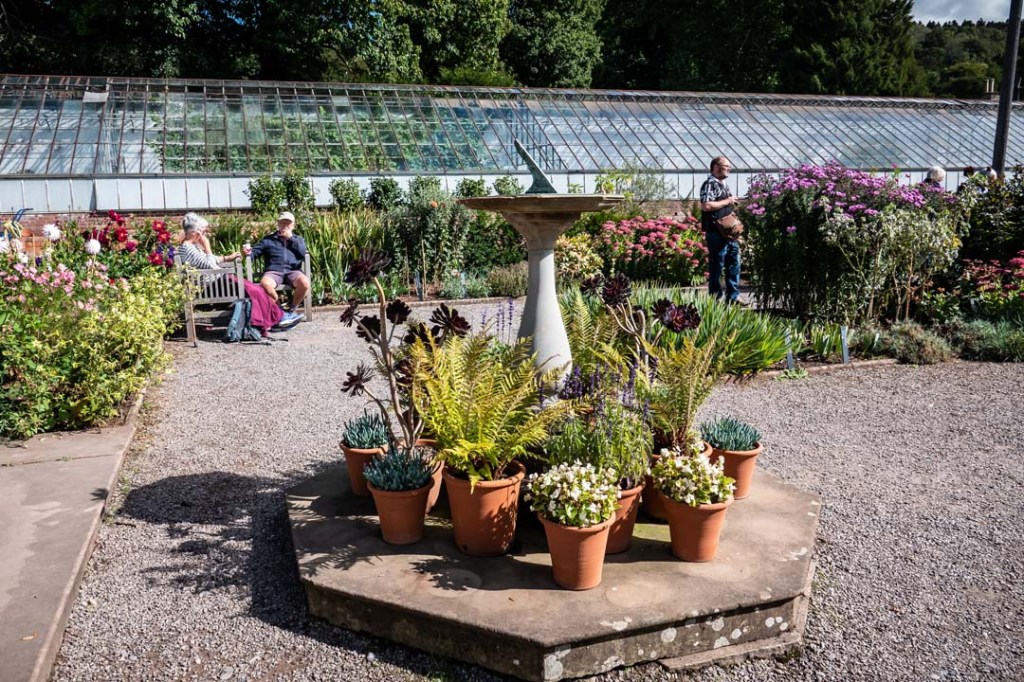
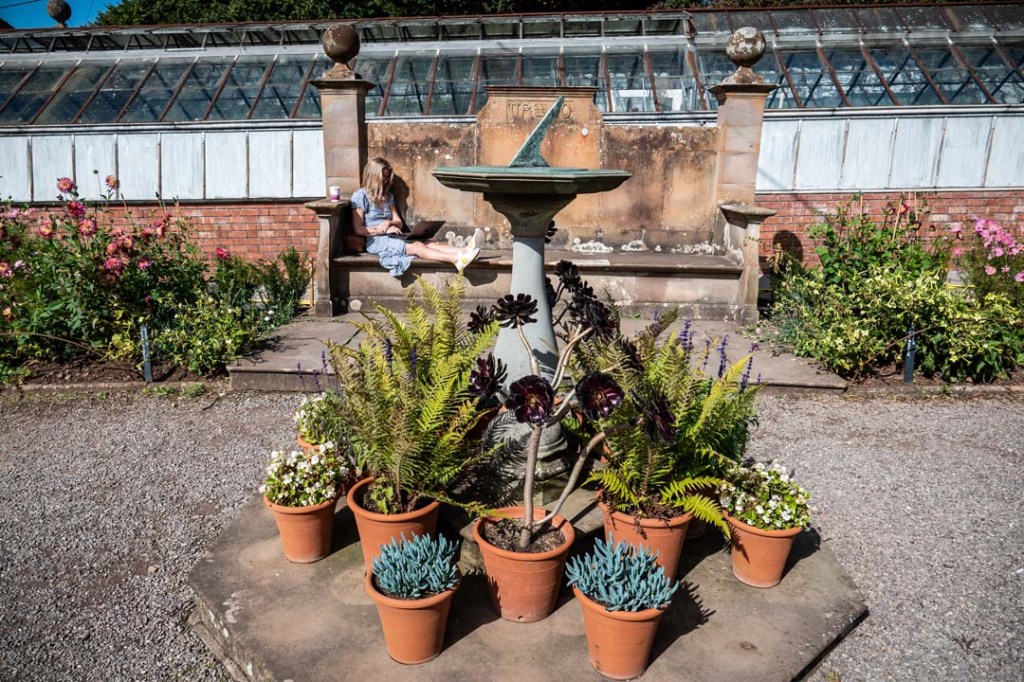
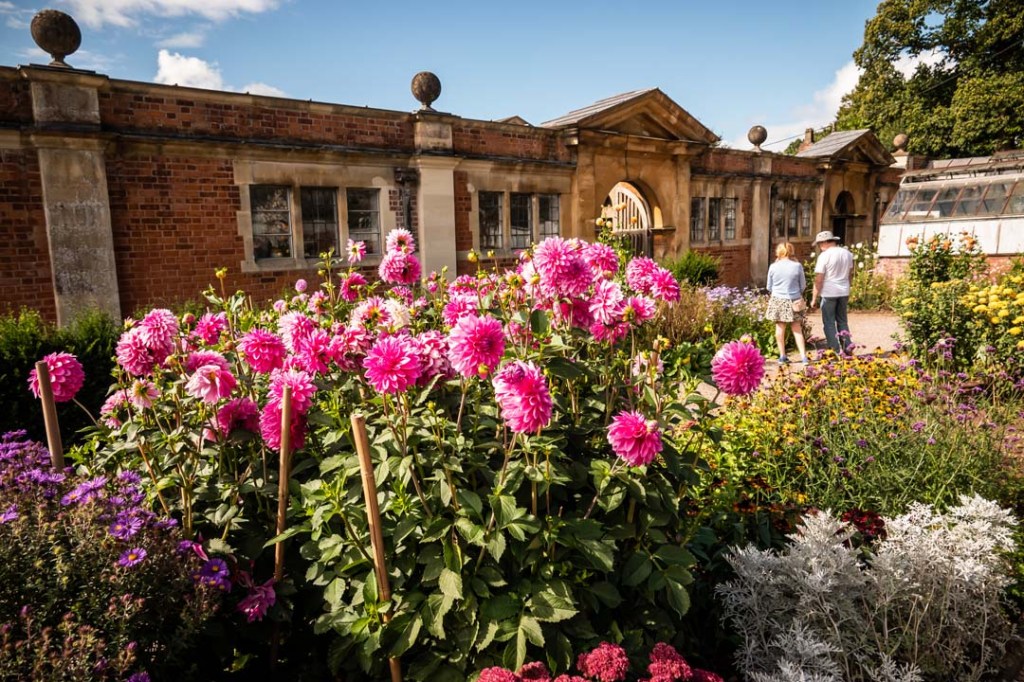
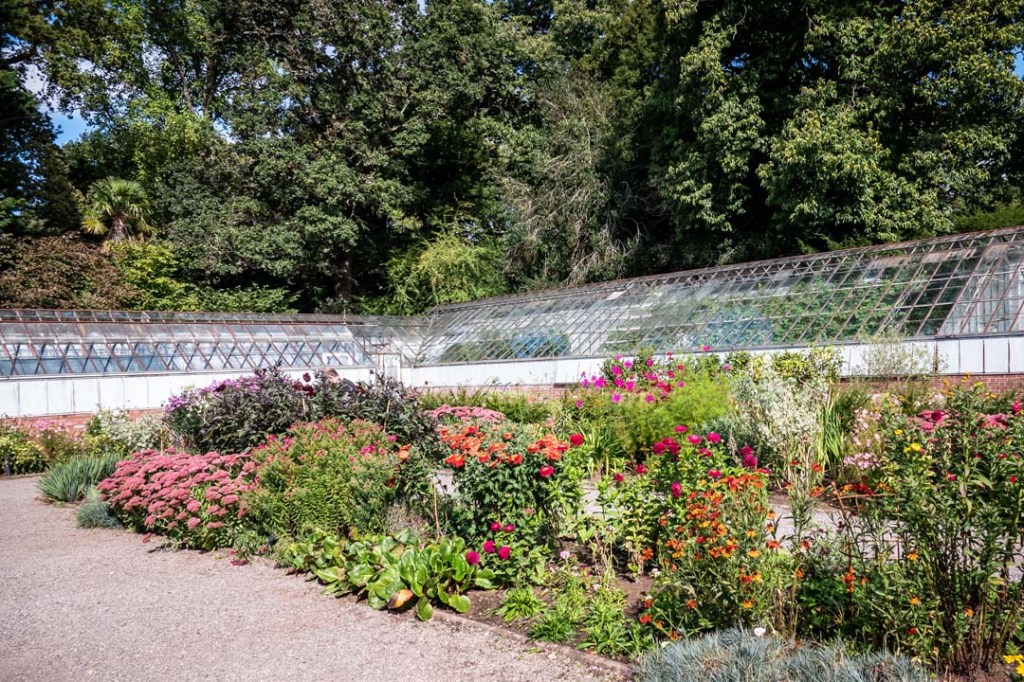
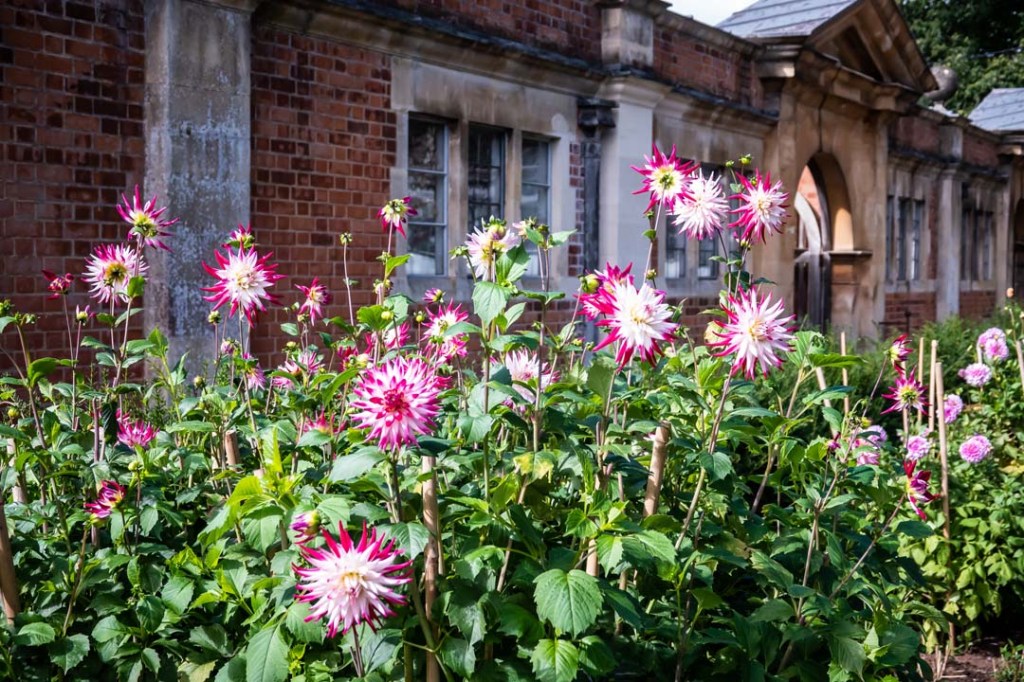
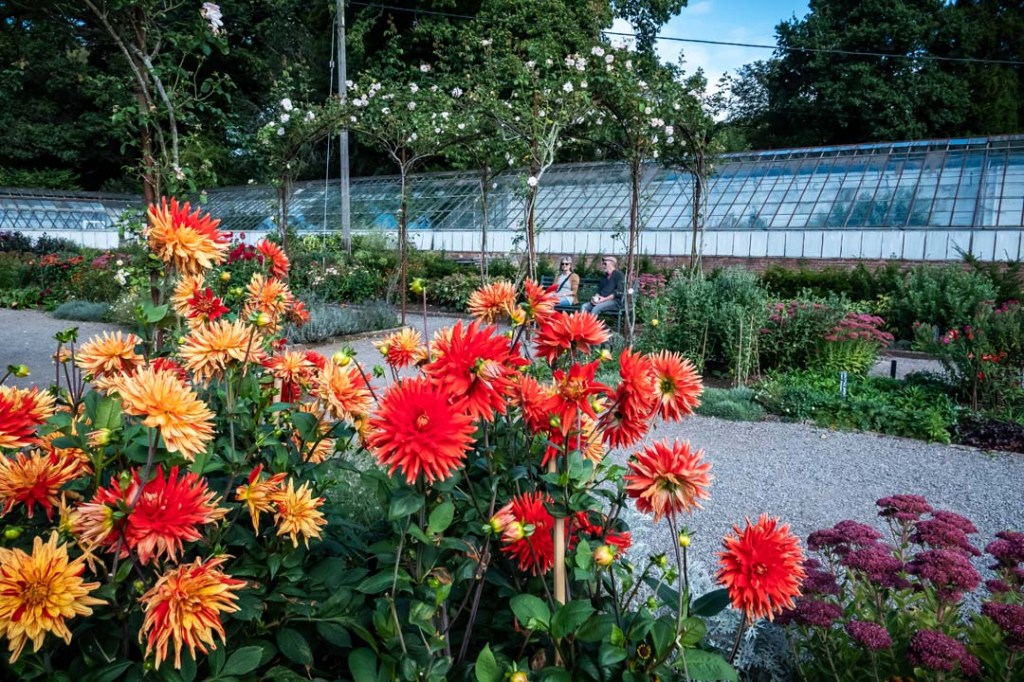
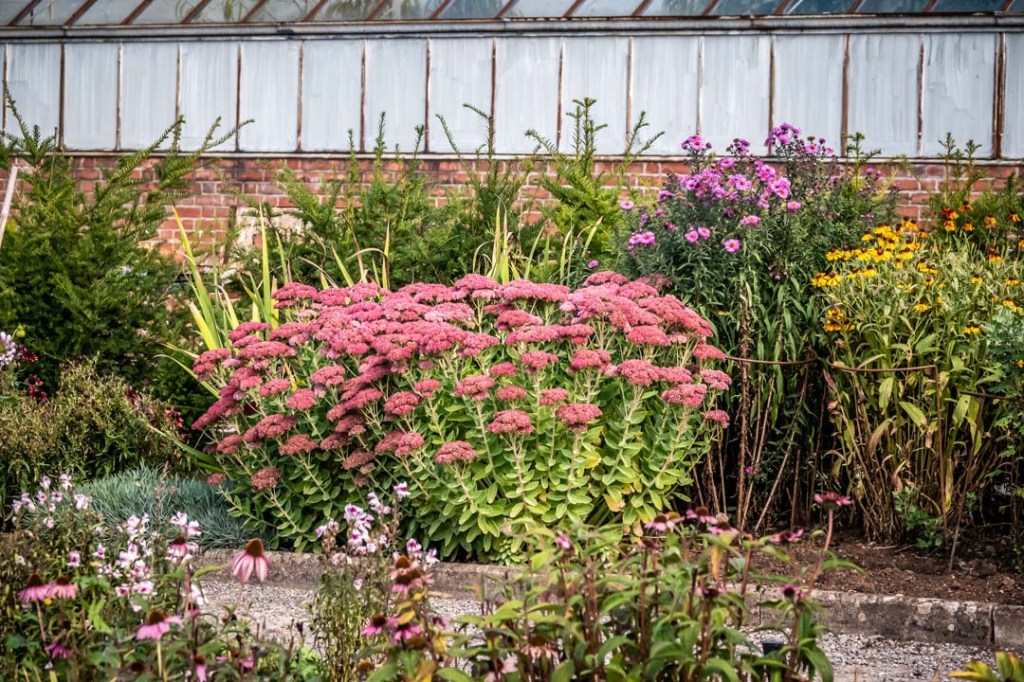
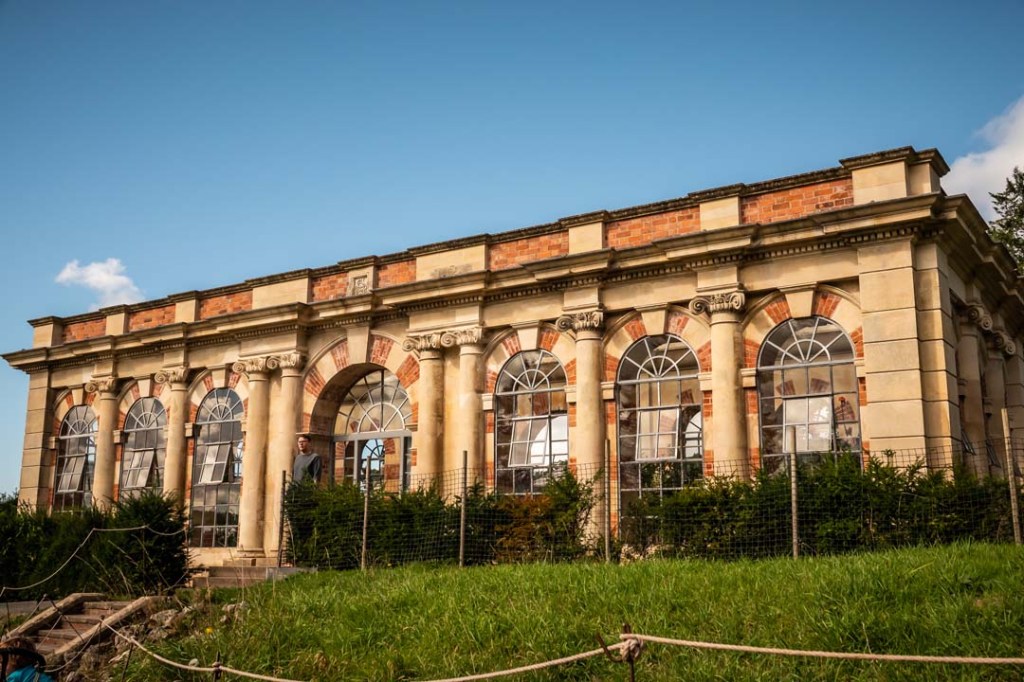
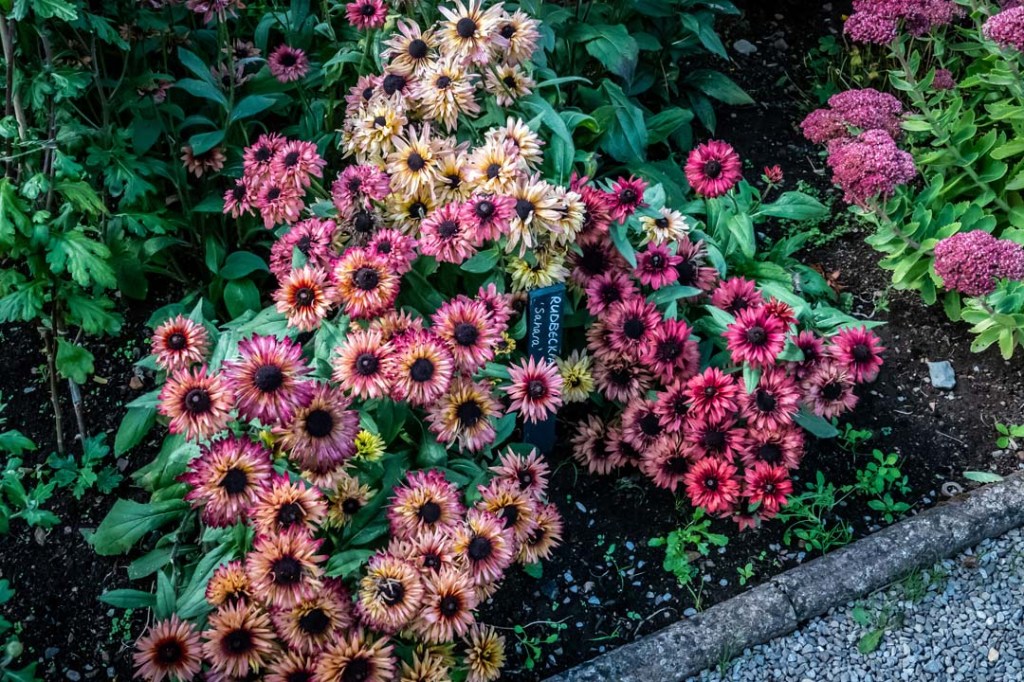
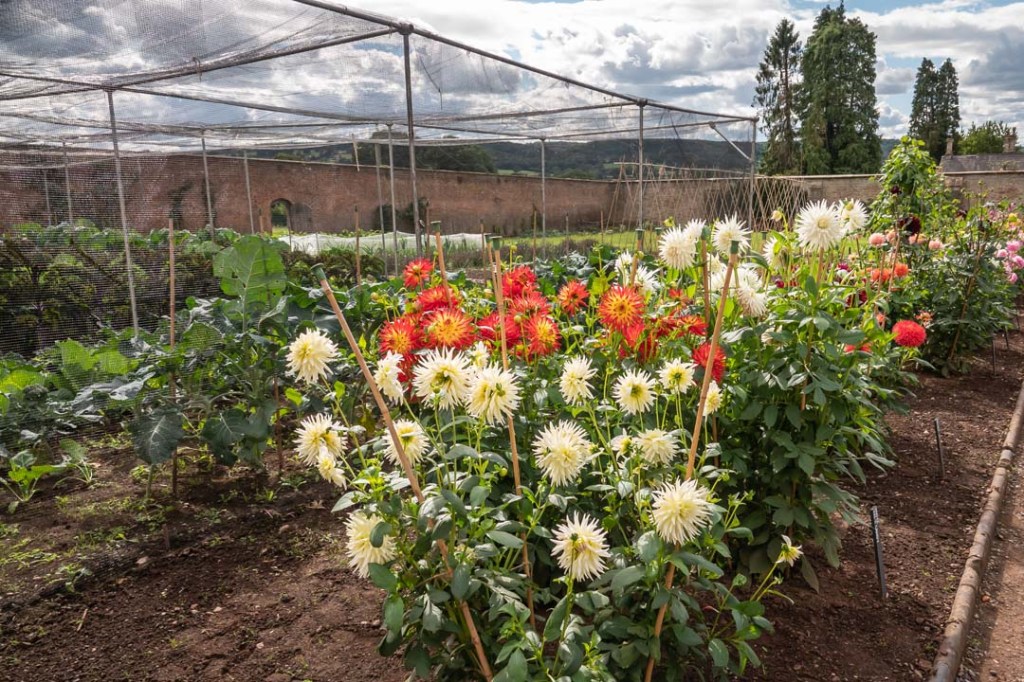
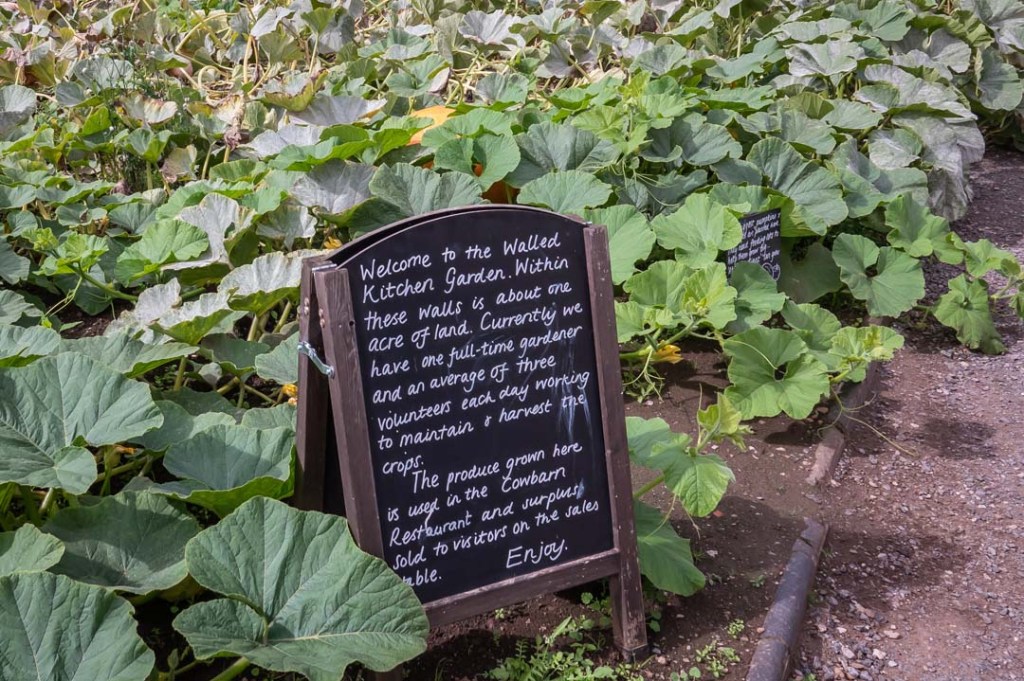
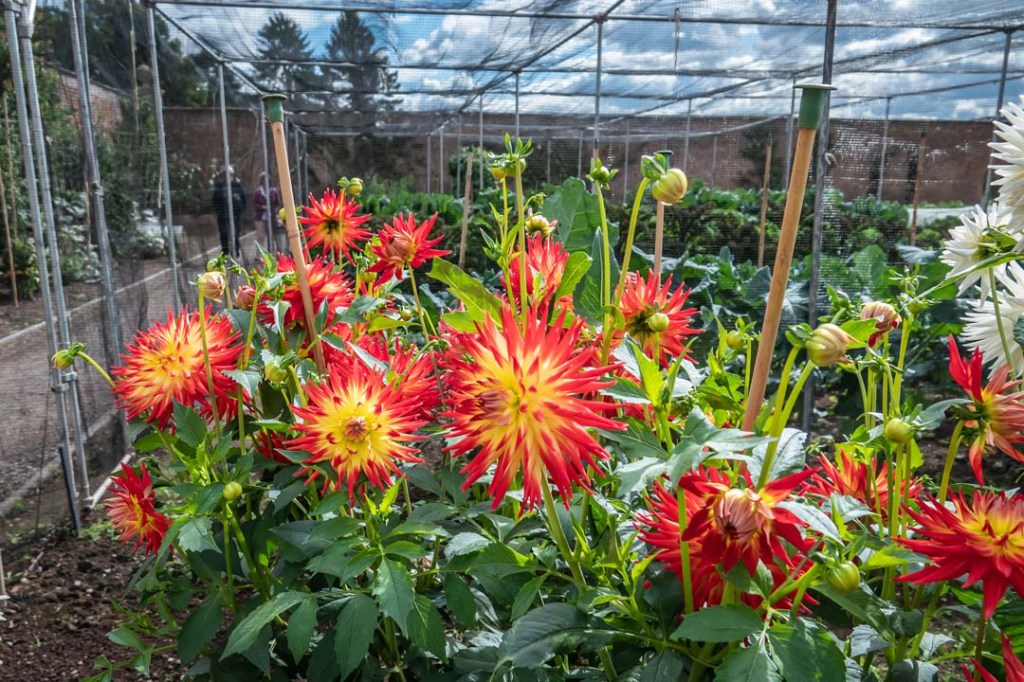
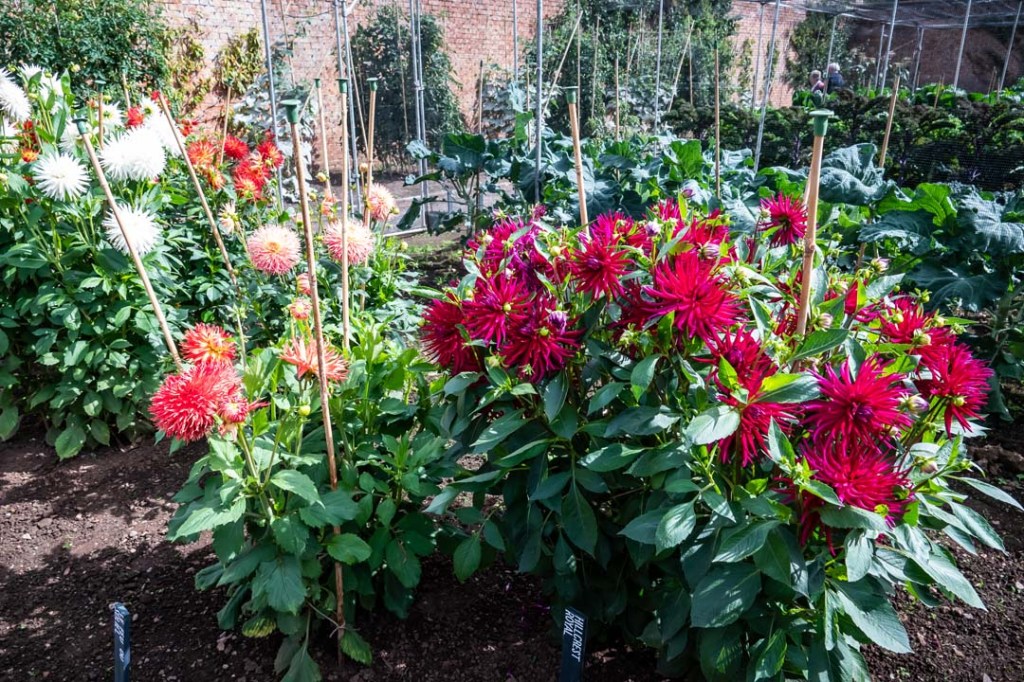
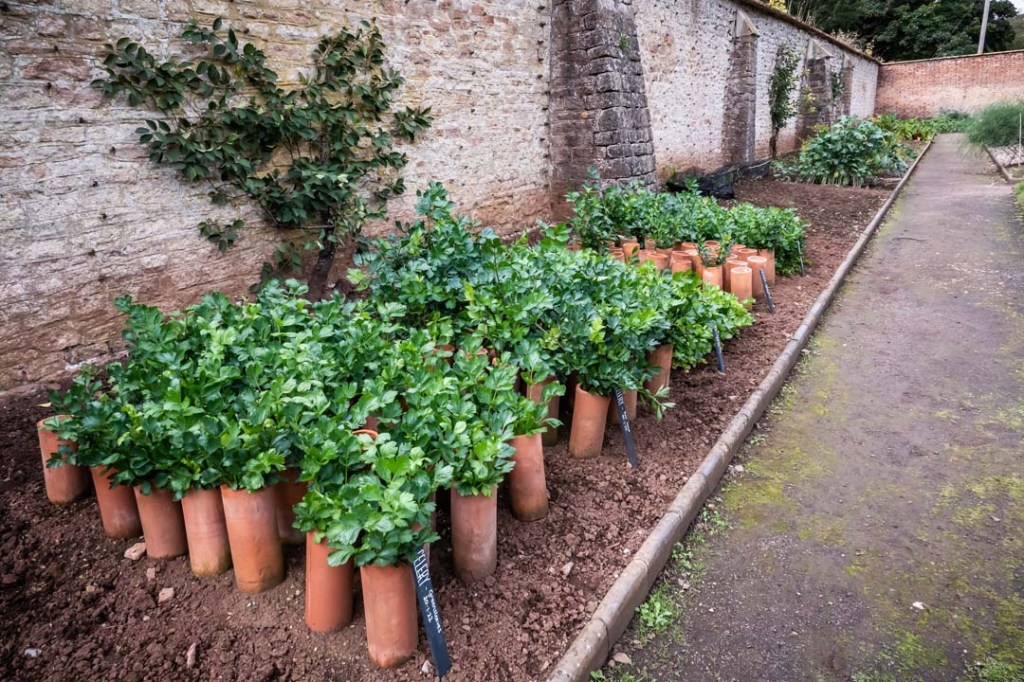
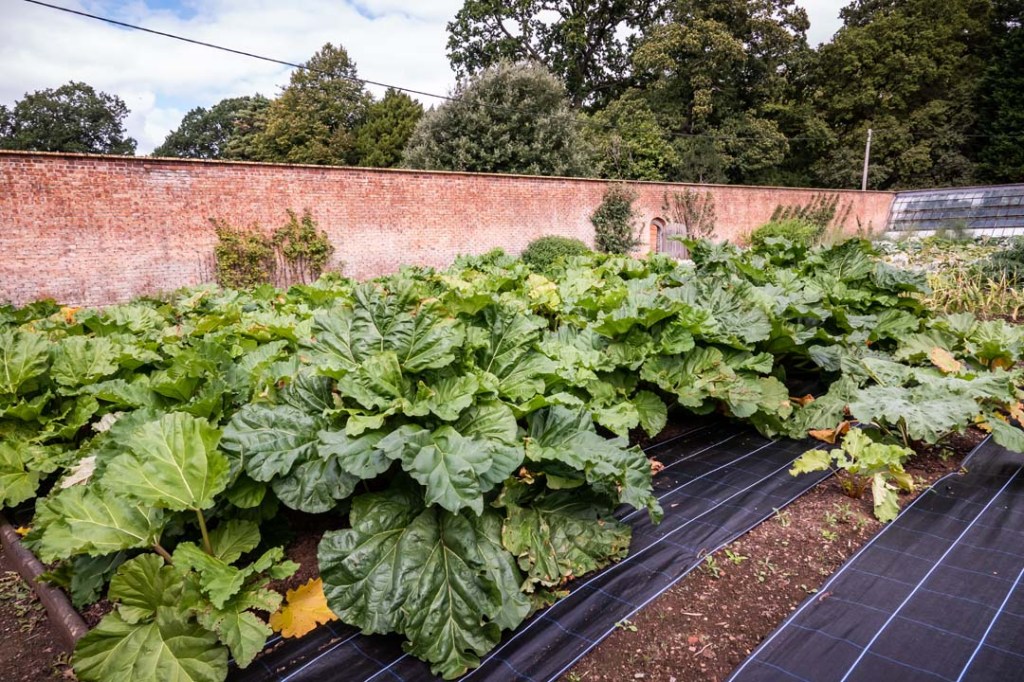
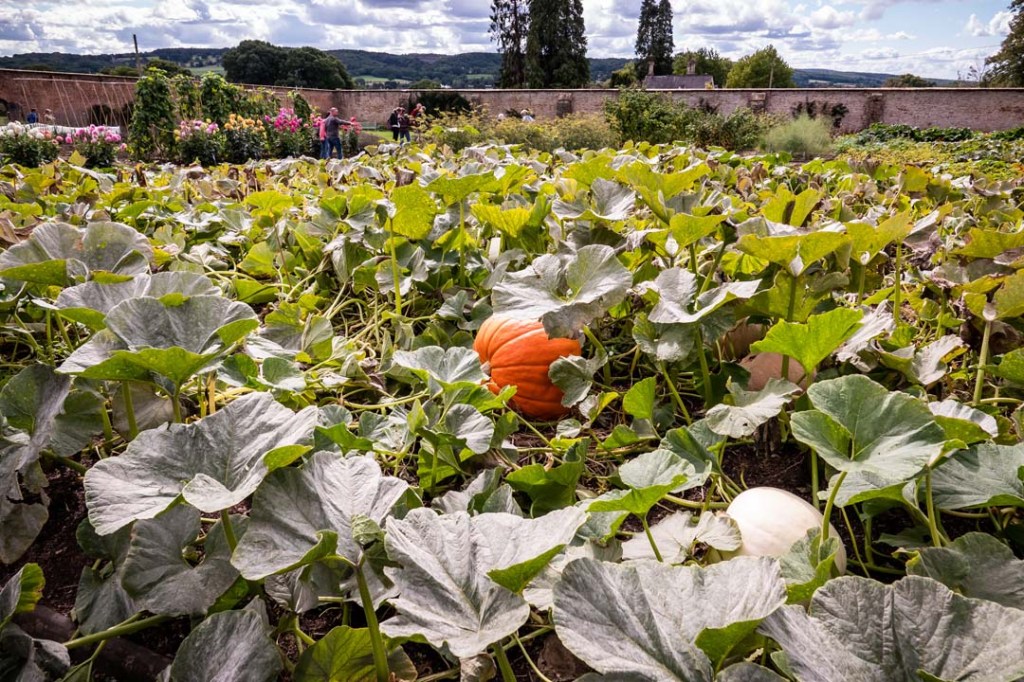
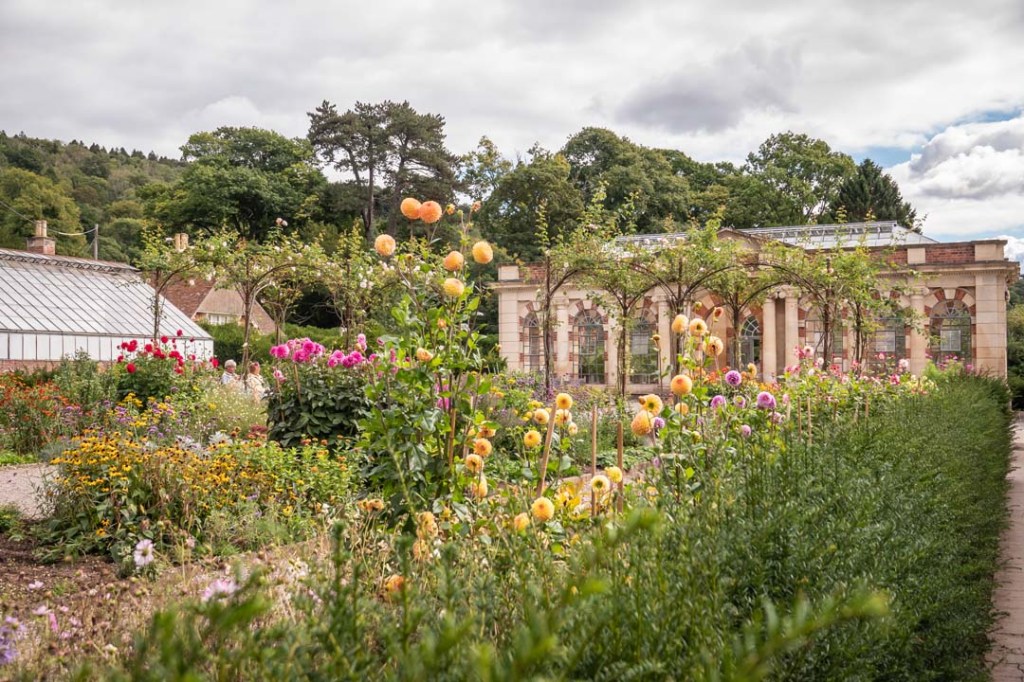
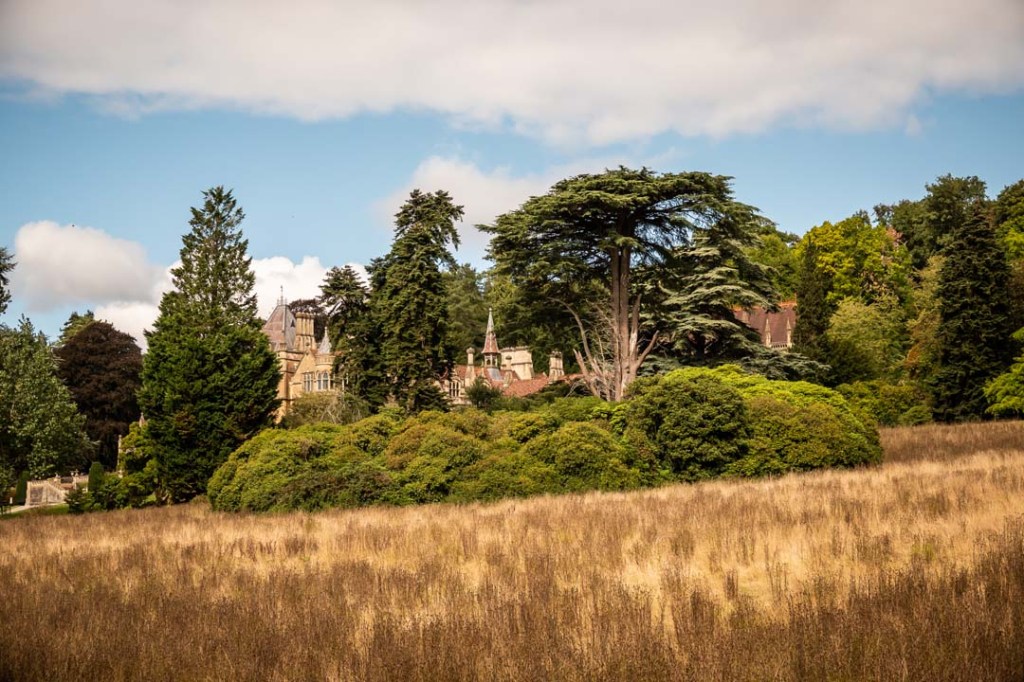
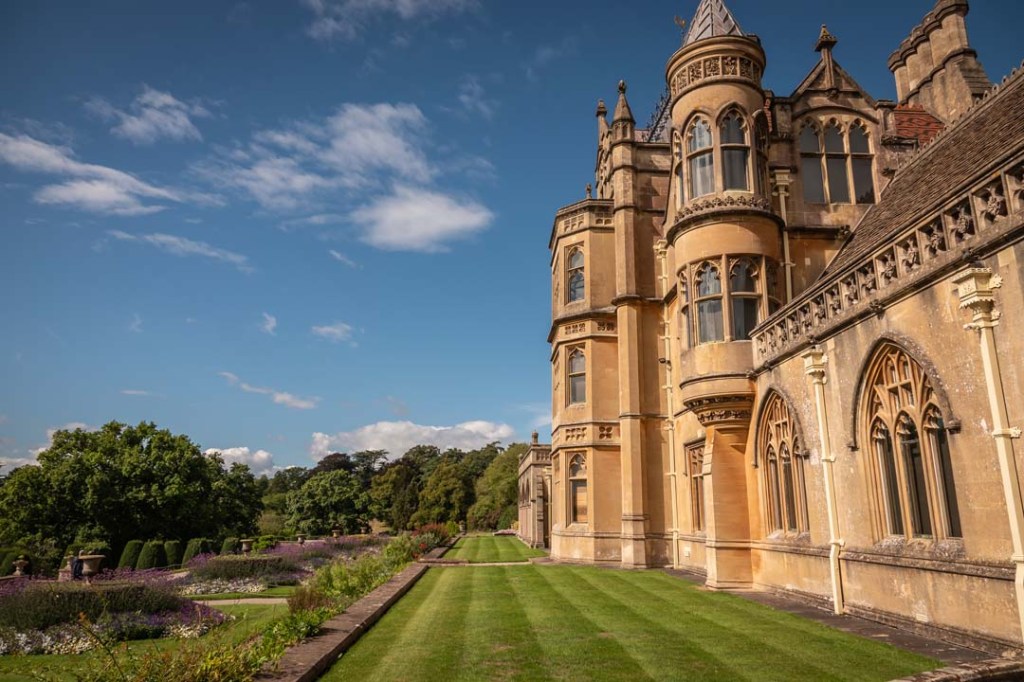
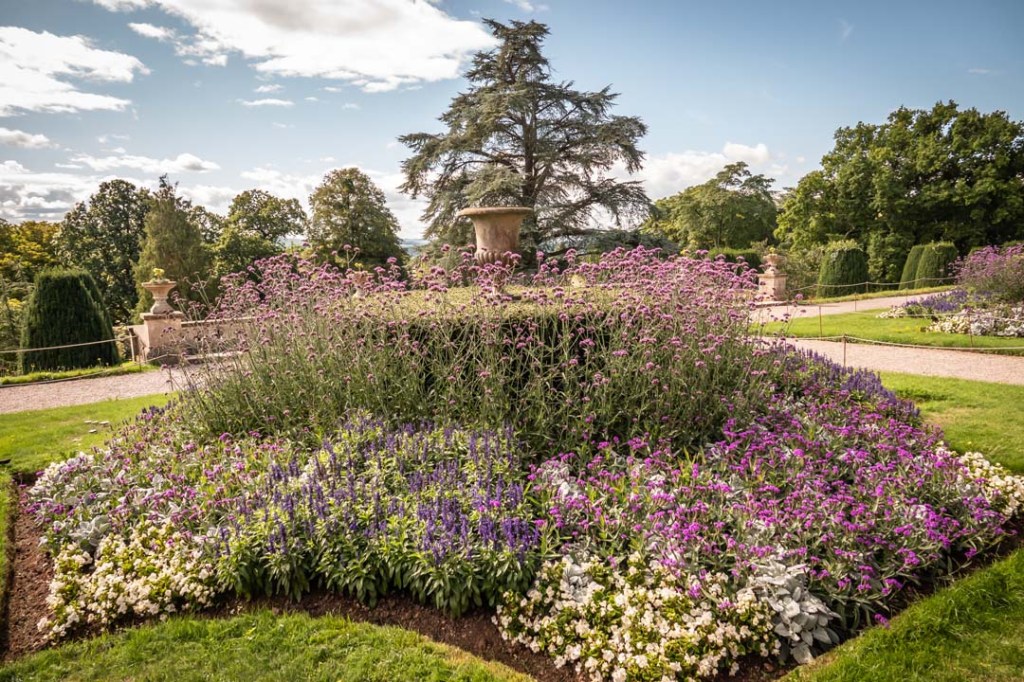
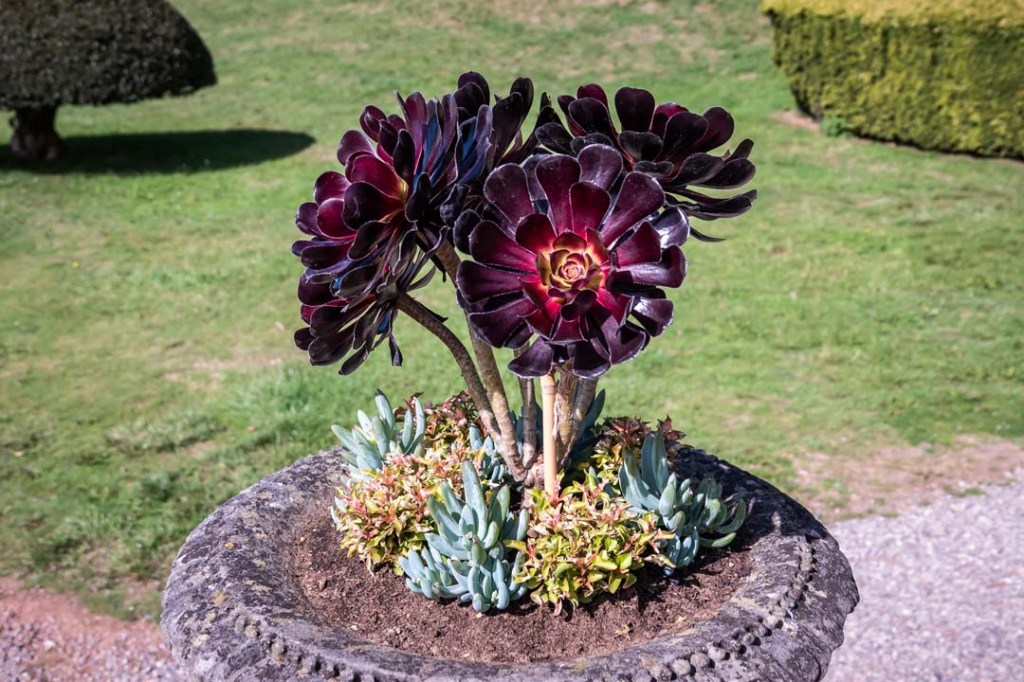
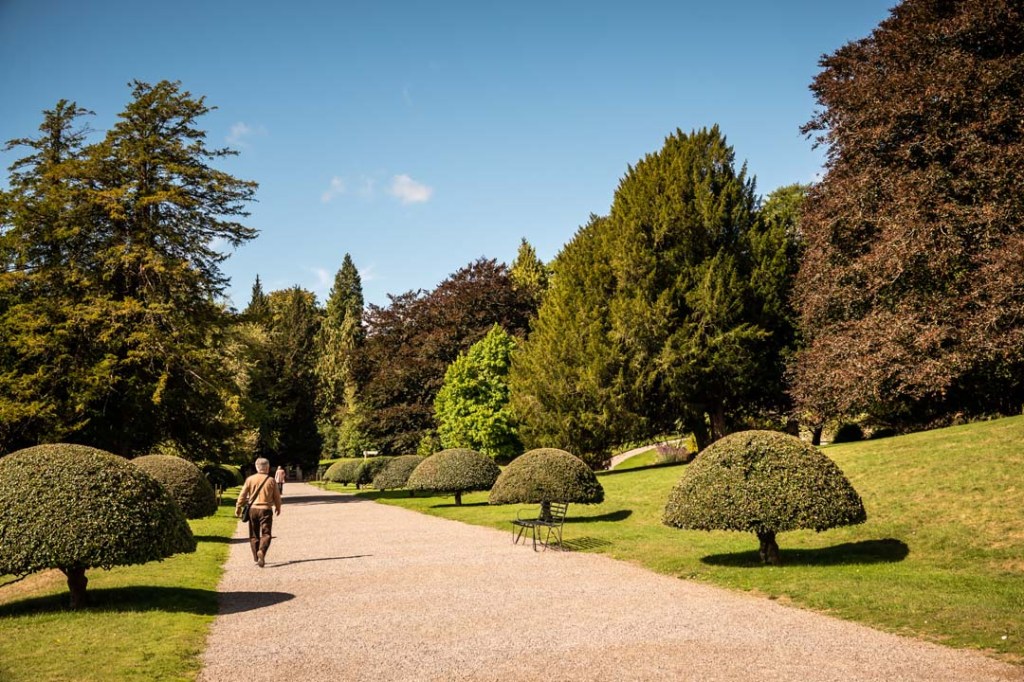
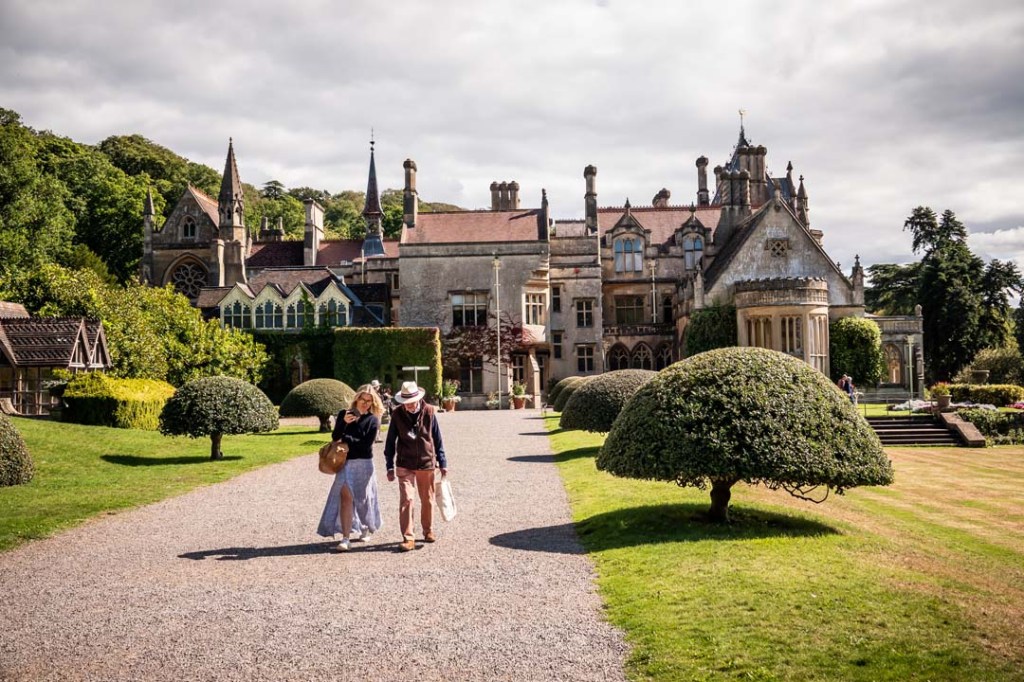
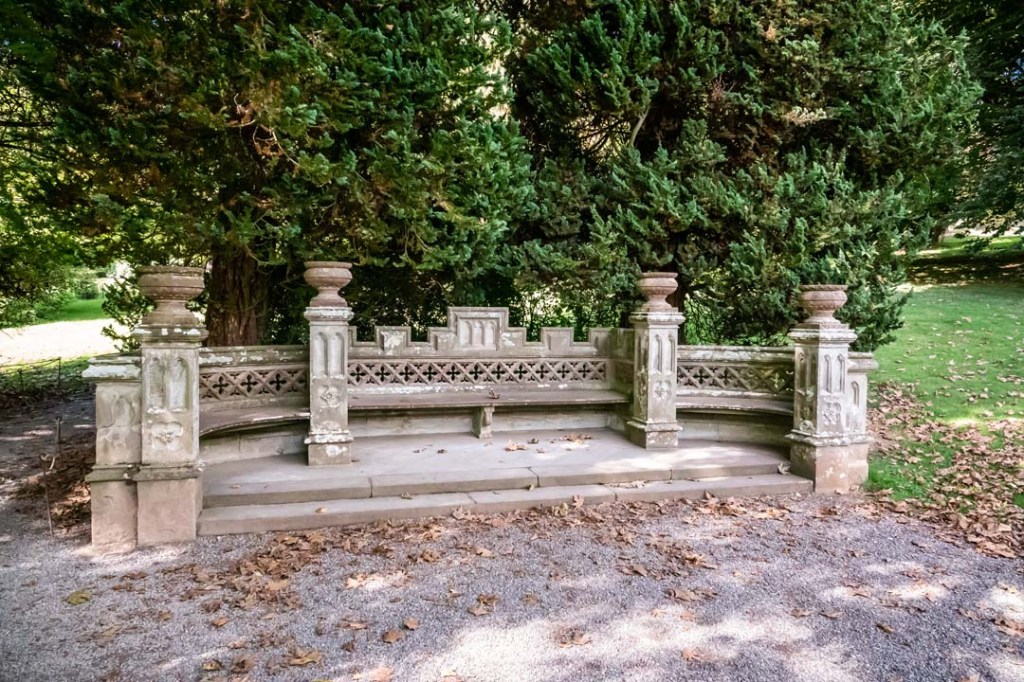
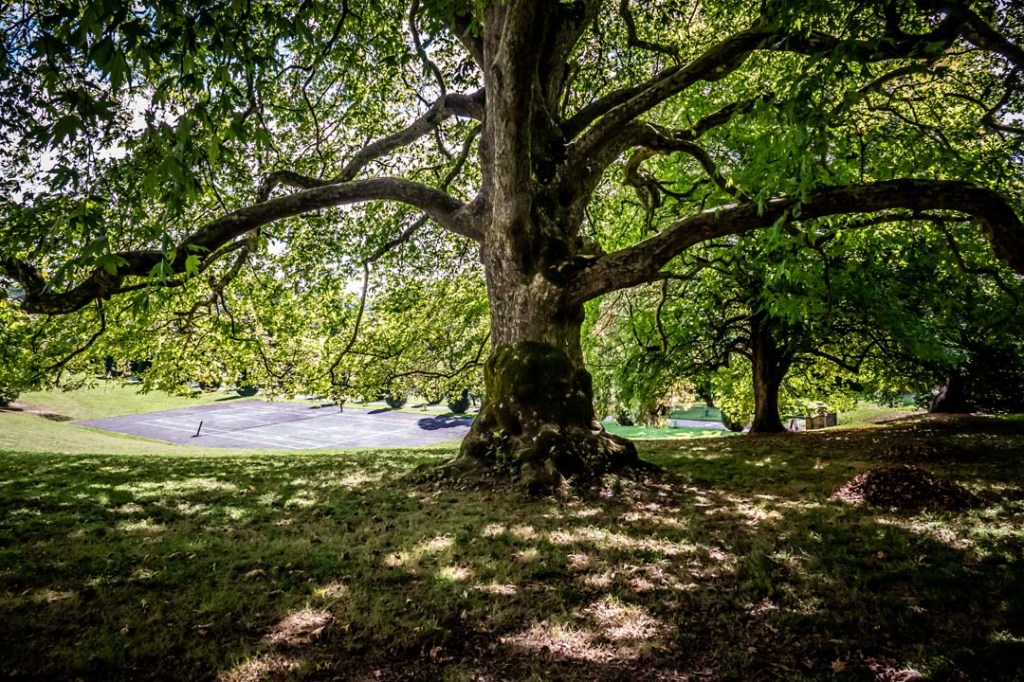
Our second “nature” trip was to Picton Castle near Haverfordwest. Here the gardens were much more formal, but we especially loved the walled garden with many plants which benefit from the temperate climate here (it has not seemed particularly temperate this week though).
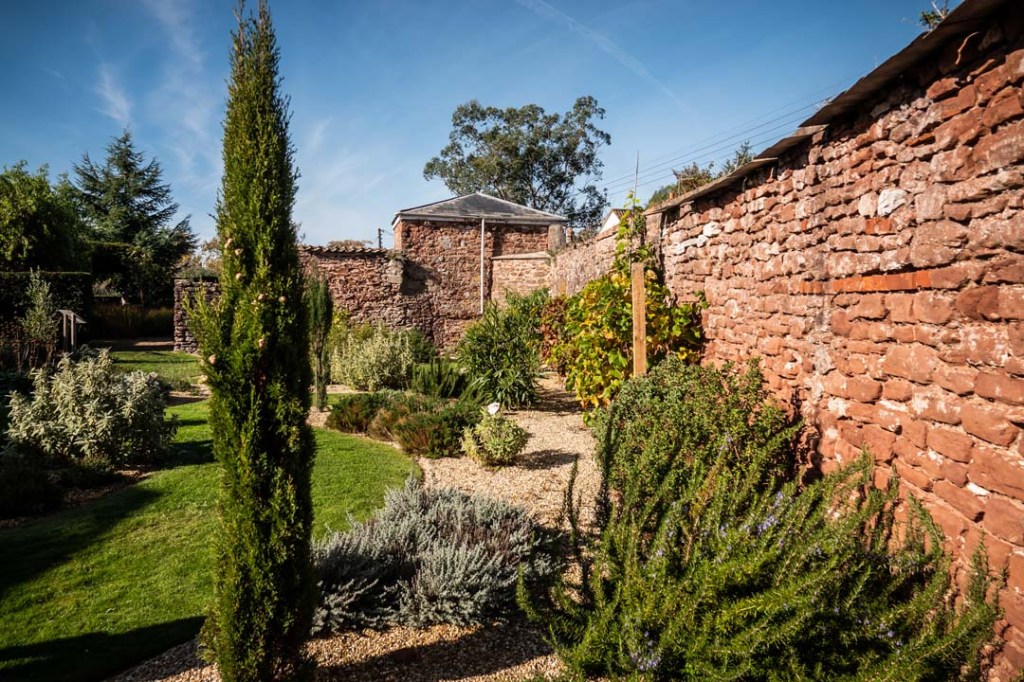
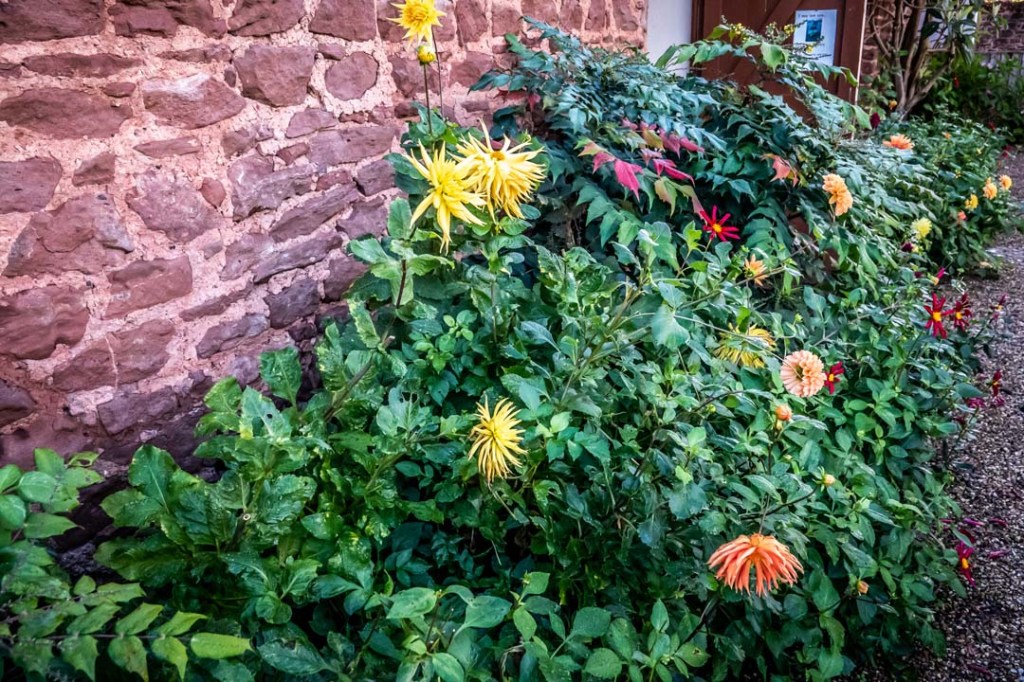
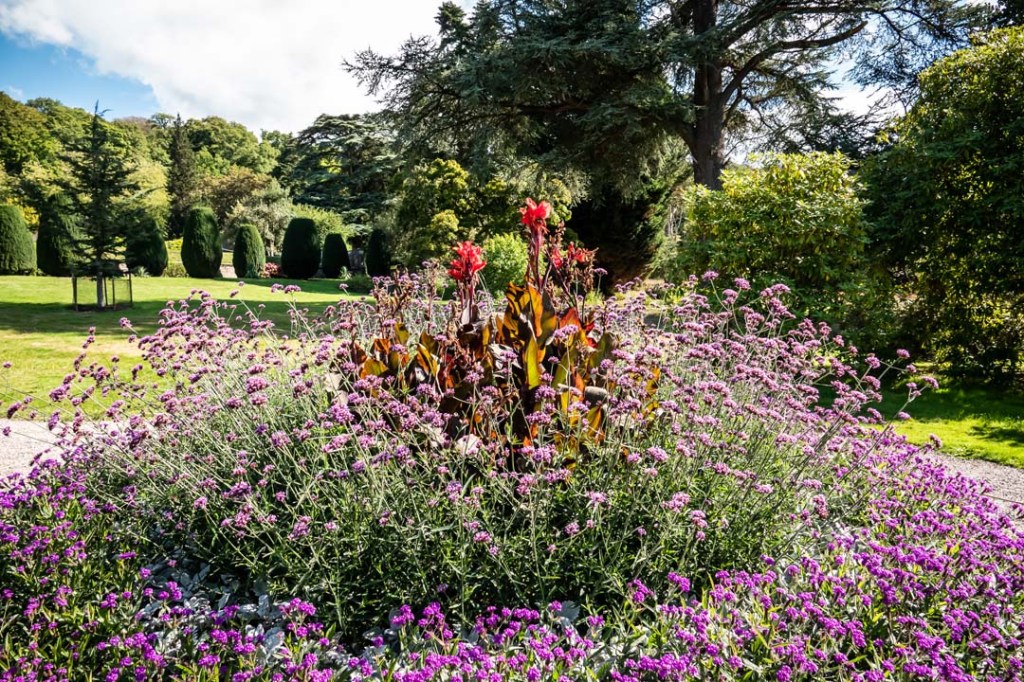
The walled garden at Picton CastleCommon bird-of-paradise flower
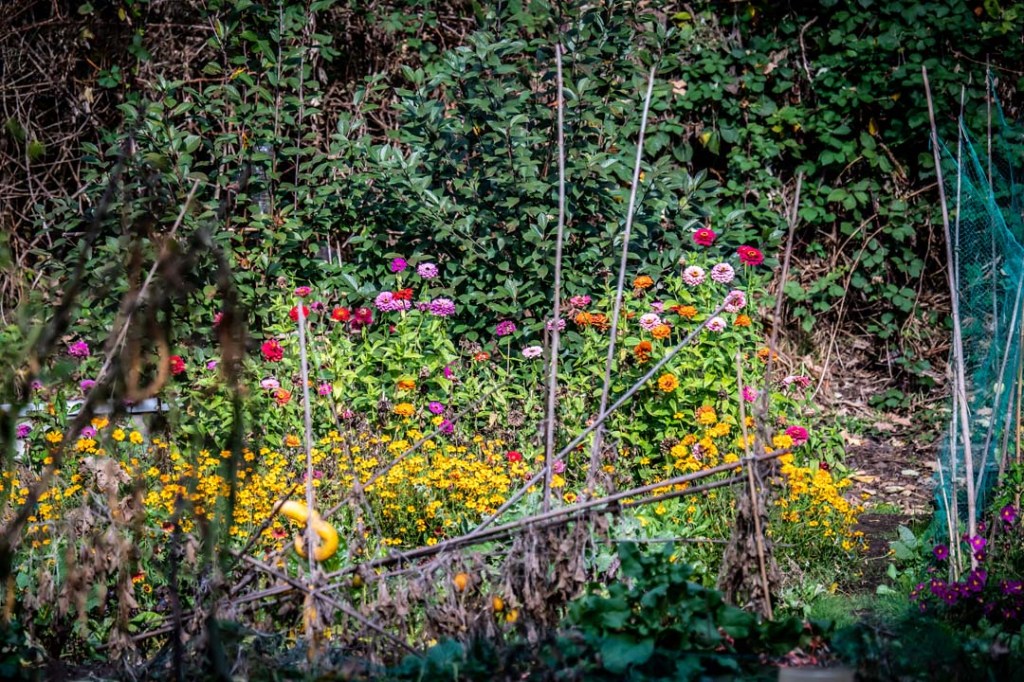
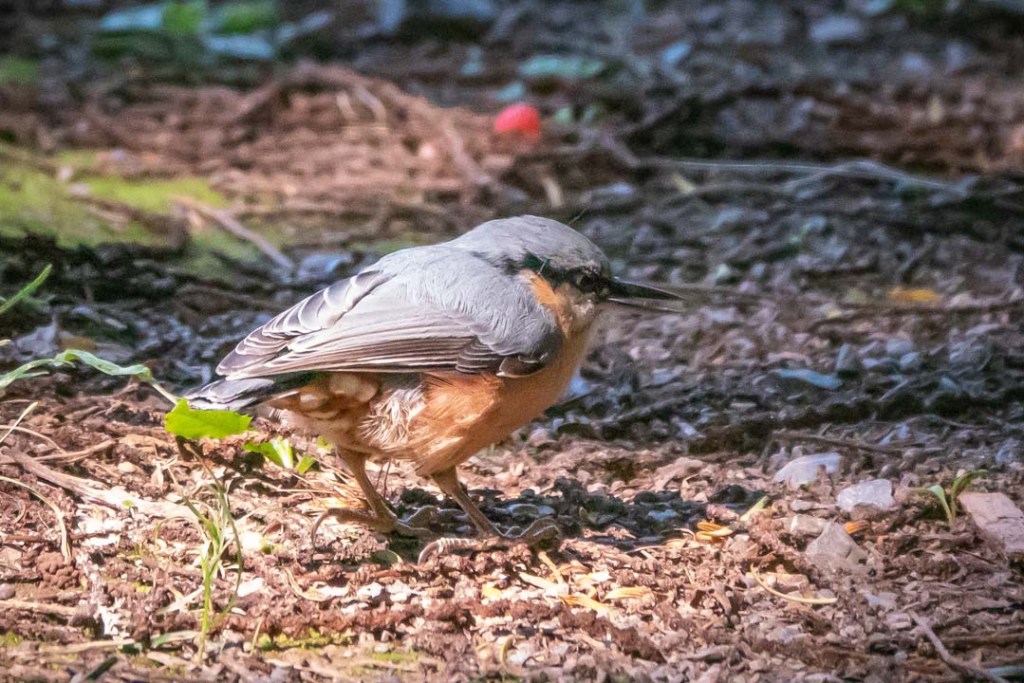
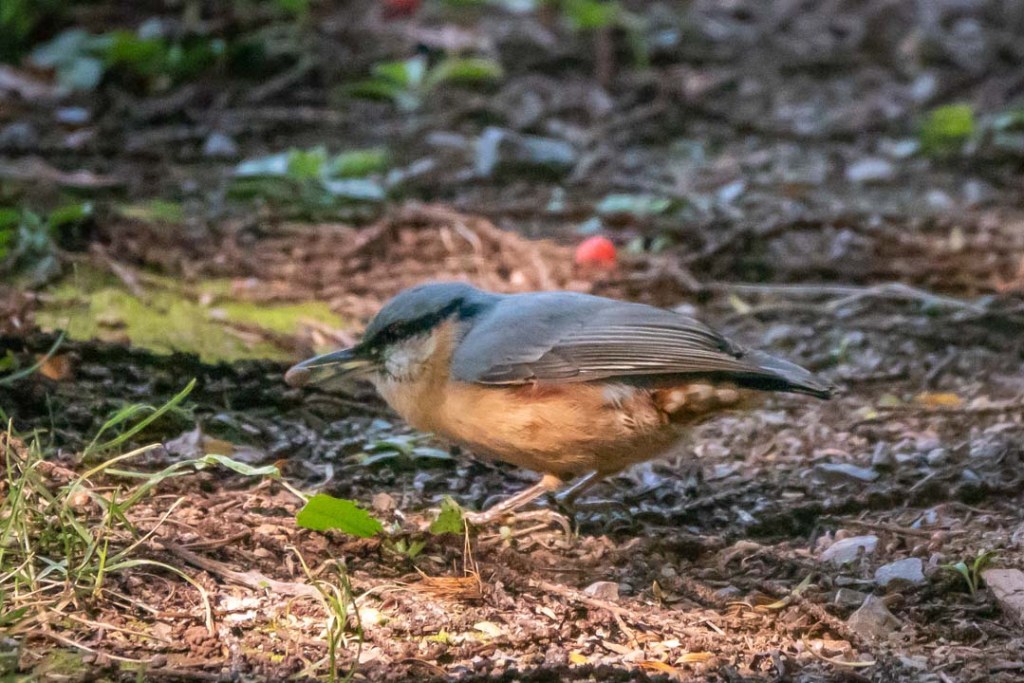
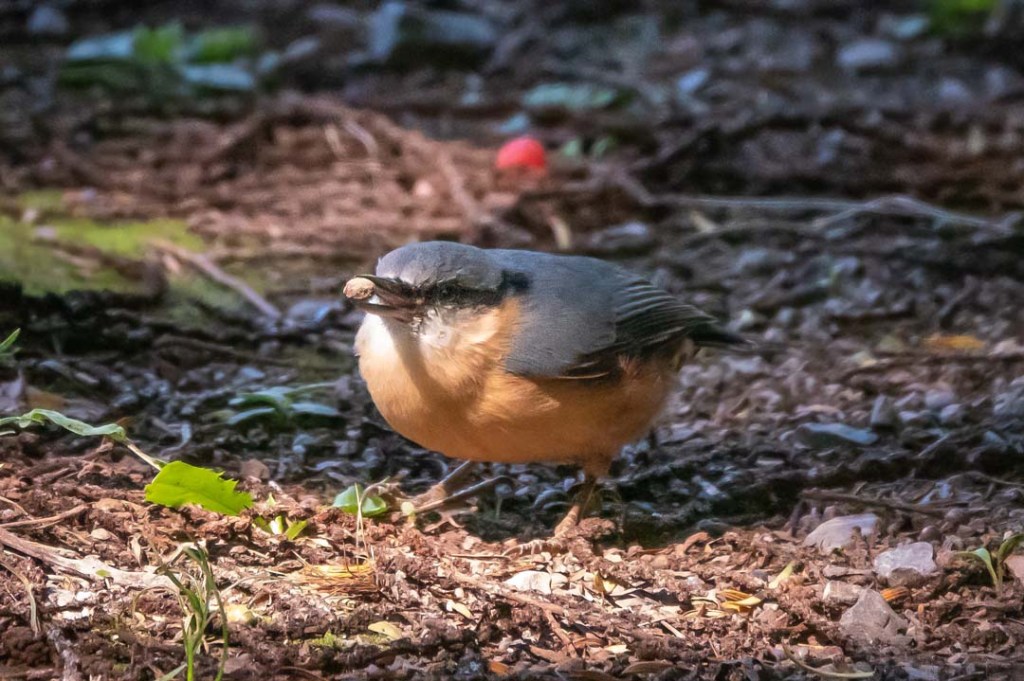
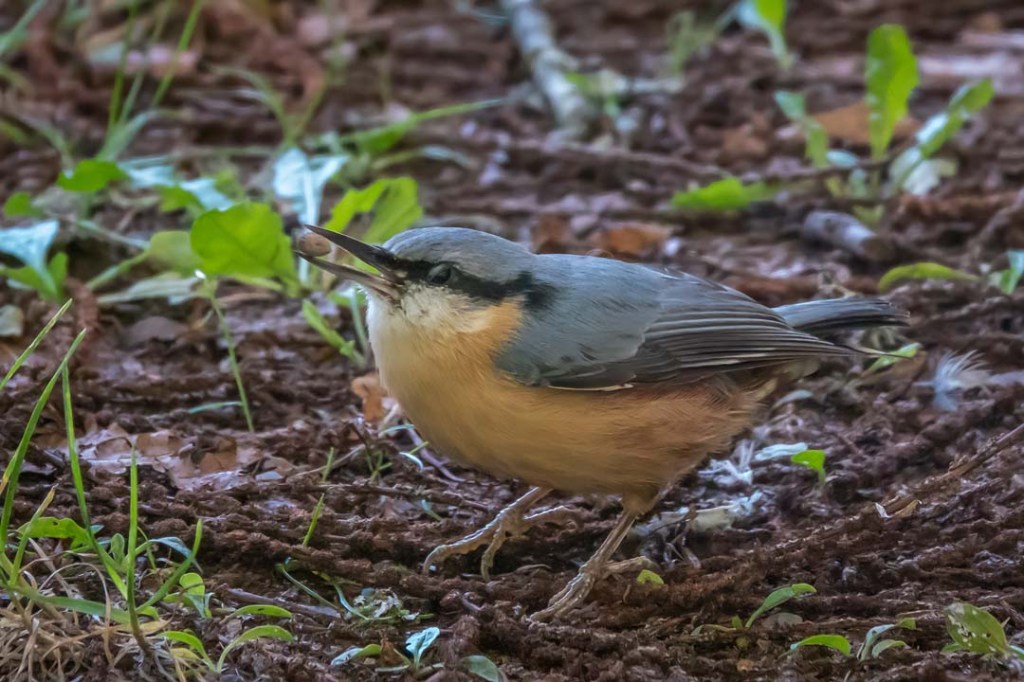
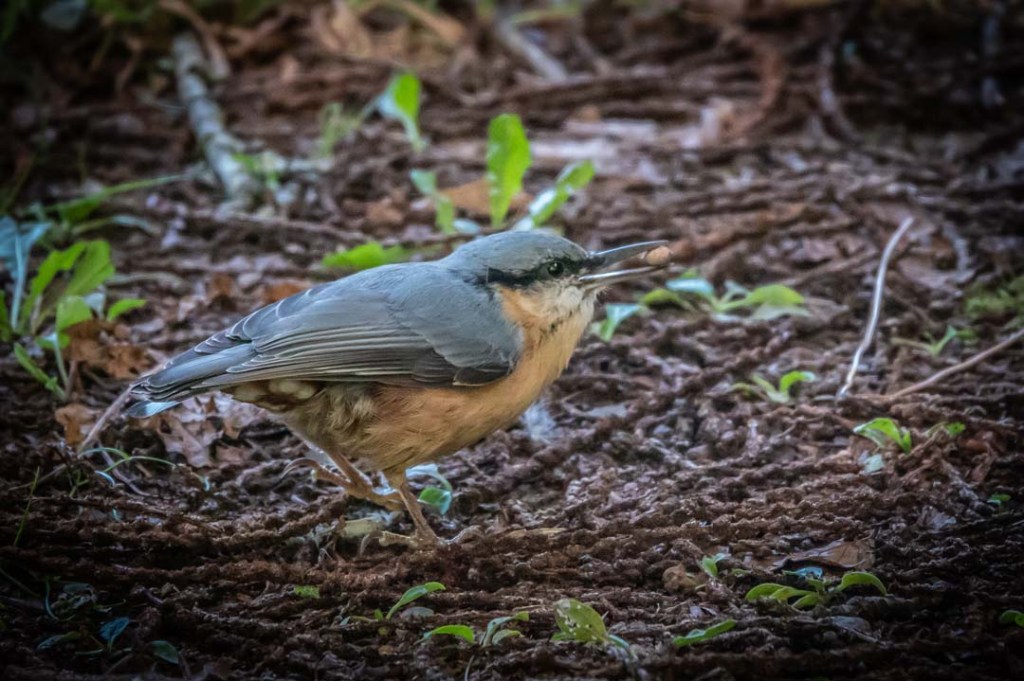
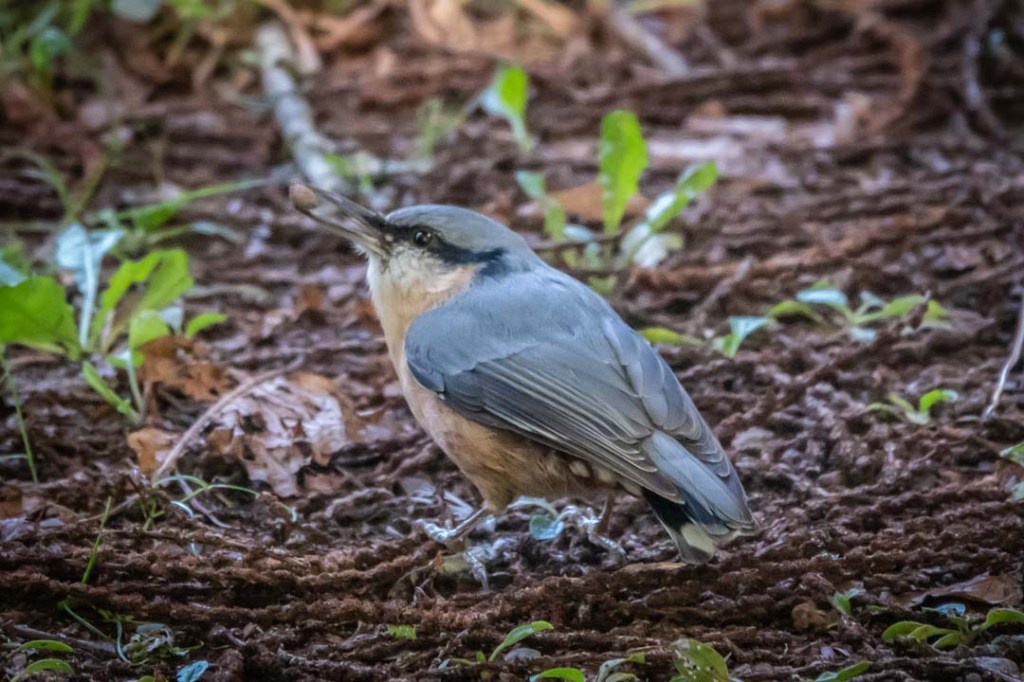
Ajacent to the walled garden was a vegetable garden which, along with some feeders, attracted lots of garden birds.
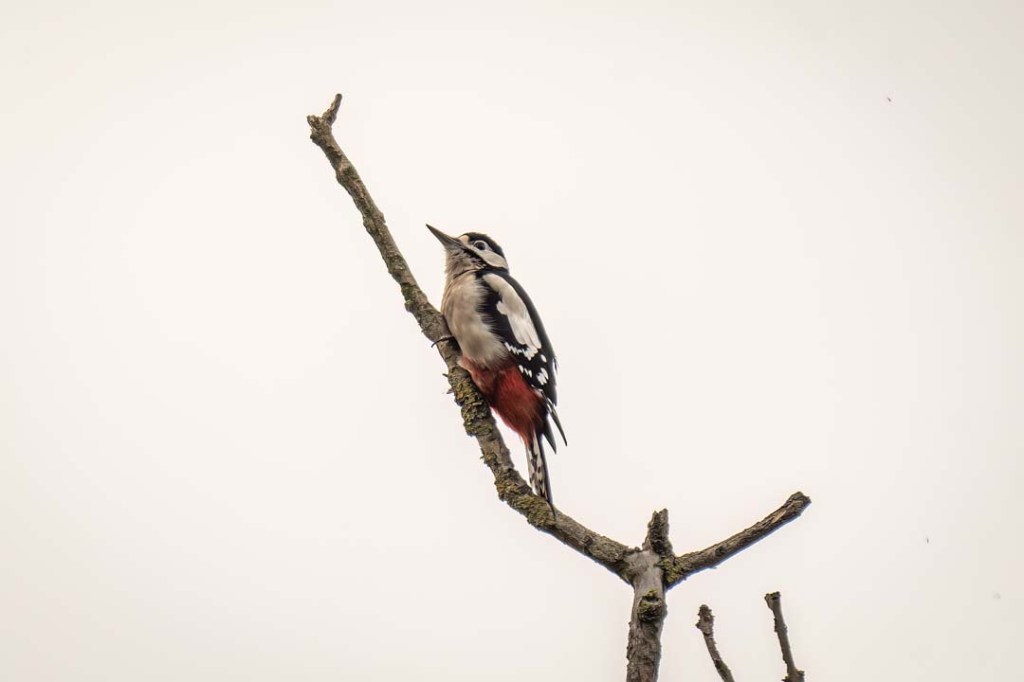
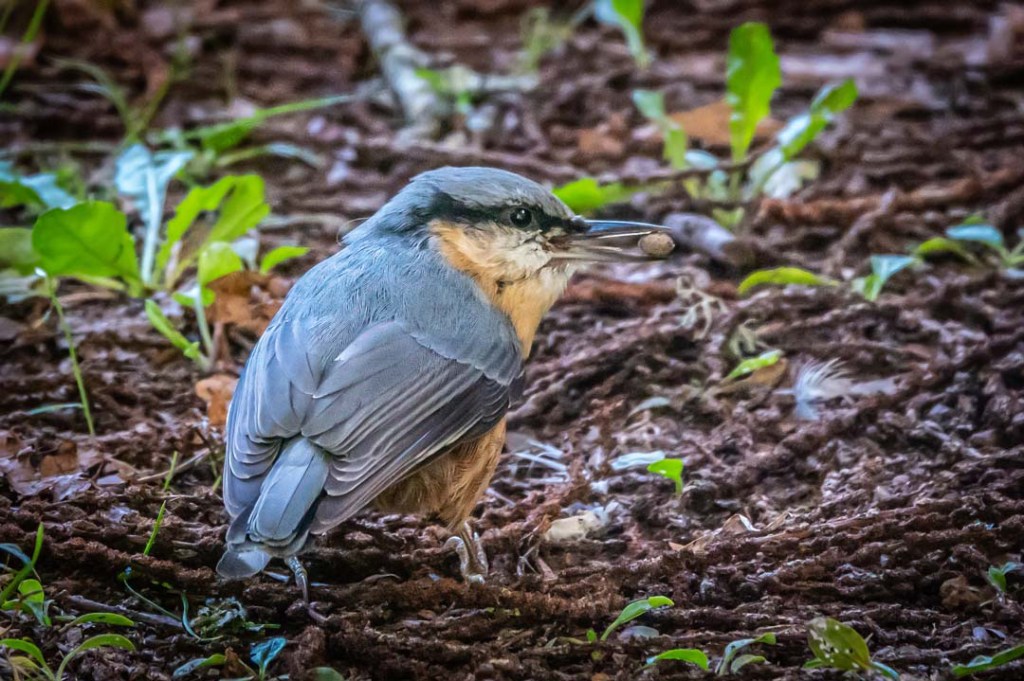
Great spotted woodpeckerNuthatchSiskinChaffinchBlue titGoldfinchJuvenile robin
The castle buildings attracted huge numbers of house martins.
The castle provided wonderful sites for house Martin nestsHouse martinHouse martin
Picton Castle is also home to The Welsh Owl Garden and, as much as I don’t like seeing birds in cages, there were two sessions with a great opportunity to see, first of all, rescue owls up close and in flight and, later in the day, some of the larger rescue raptors in flight.
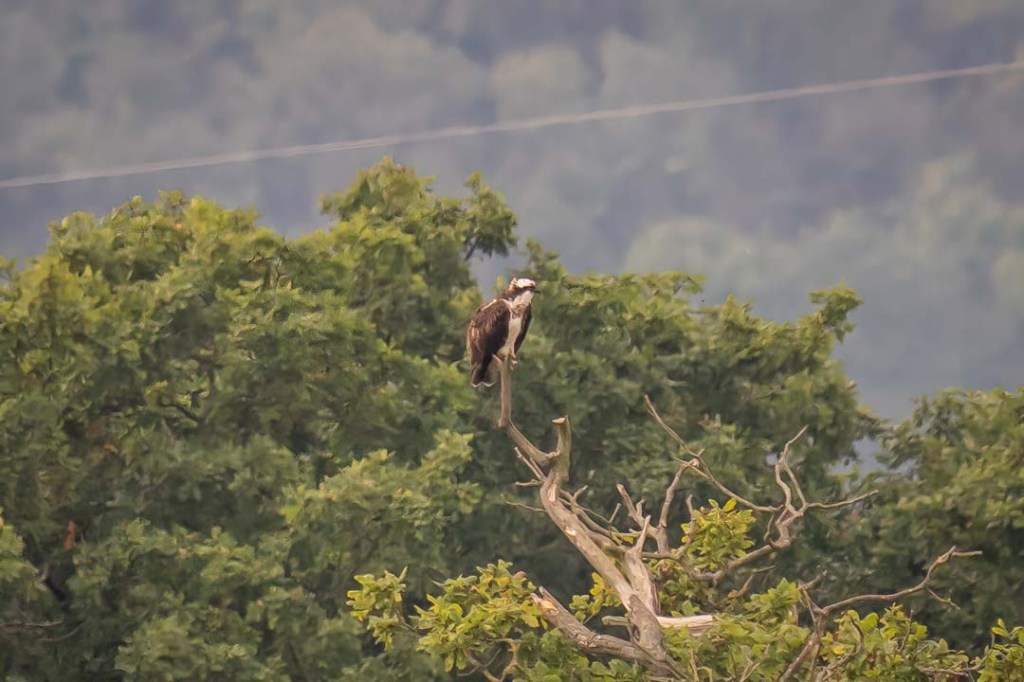
African fish eagleBarn owl
I will publish a separate blog with photos from these two sessions.
We made the most of another lovely day and had a walk around the village of Frampton-on-Severn and, in particular, to the lake behind Frampton Court.
The main attraction was the big flocks of Barnacle, Greylag and Canada geese. There were lots of meadow brown butterflies as well as damselflies and dragonflies; but it was too hot to stand around trying to photograph them.
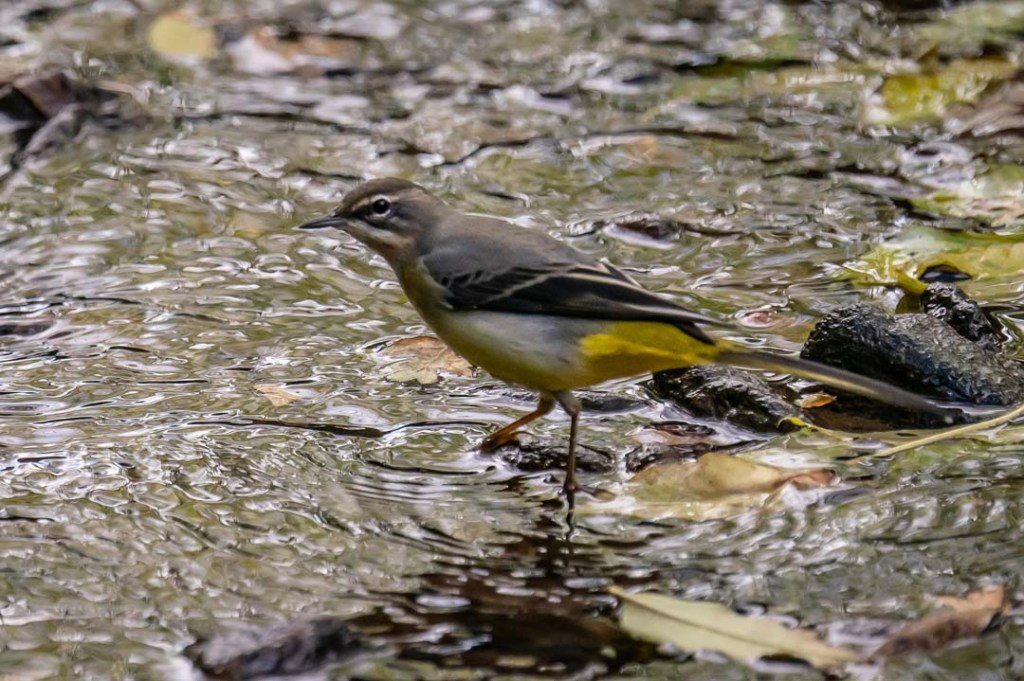
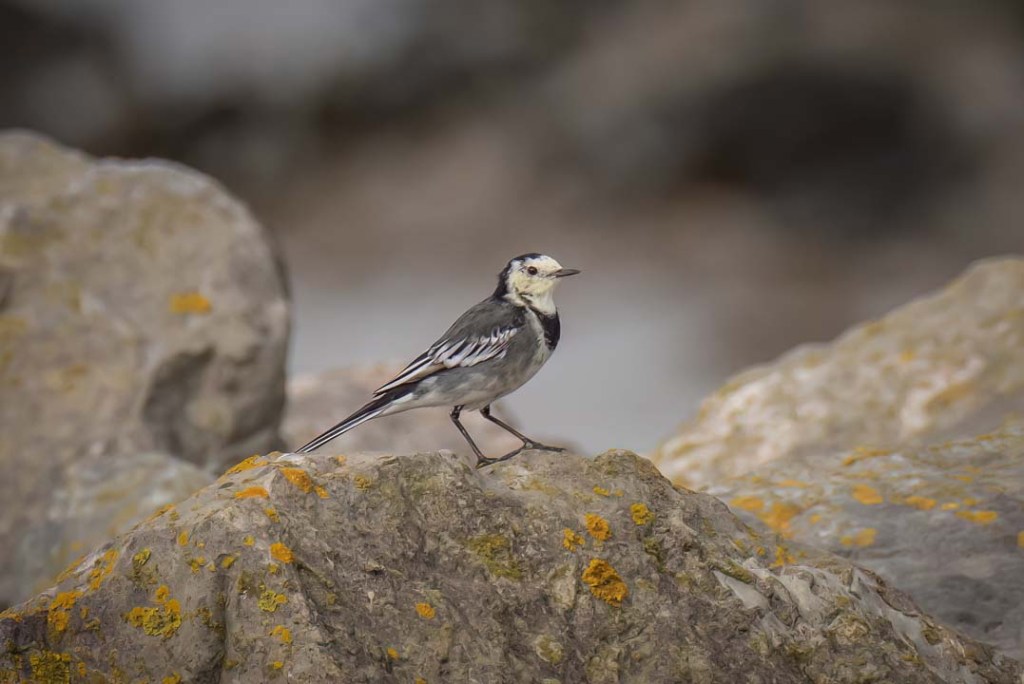
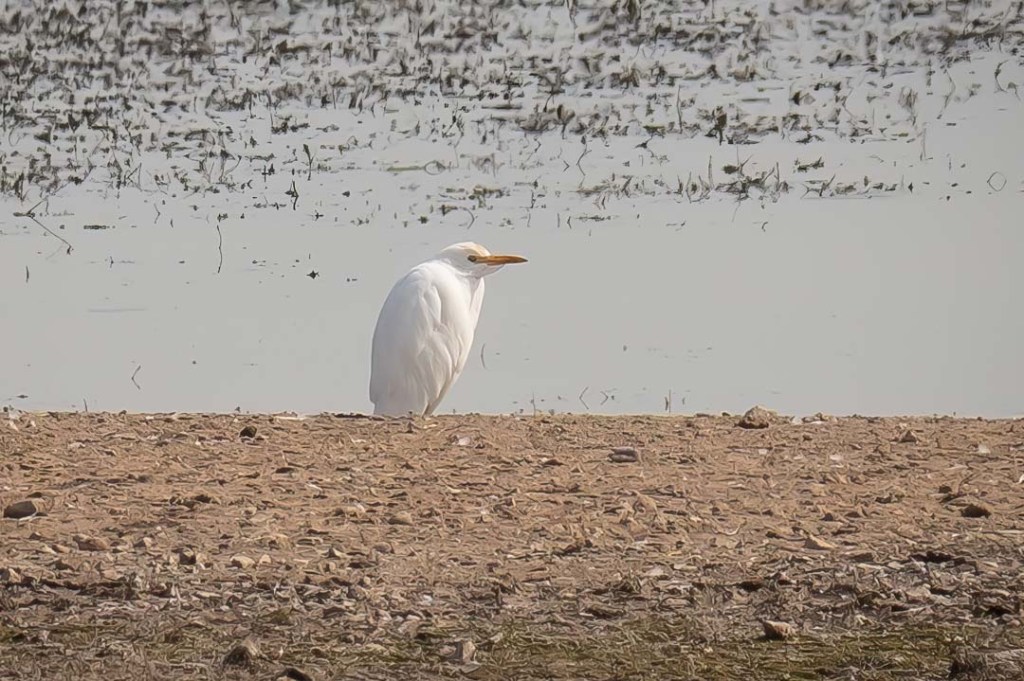
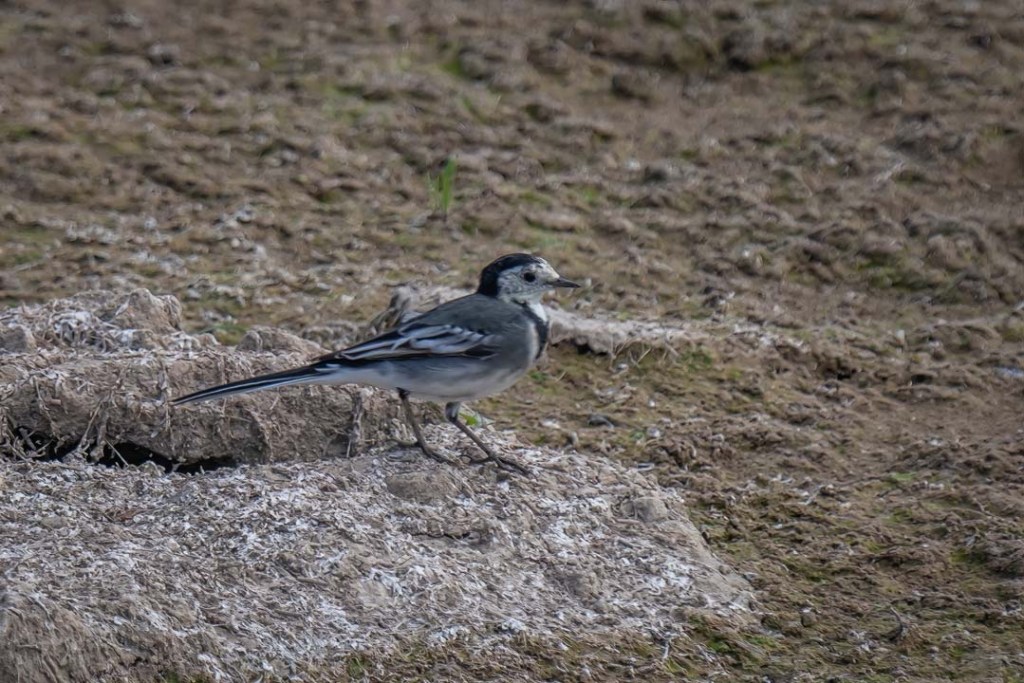
Barnacle geese in front of Frampton CourtBarnacle gooseGreylag geeseBarnacle geeseCanada geesePied wagtailMeadow brown butterflyCommon blue damselflyThis is why blackbirds go quiet about now as they begin to moult (and hide whilst they are unable to fly)
Our walk ended at the Bell Inn on the village green, which is reputed to be the longest in England, and a fine lunch.
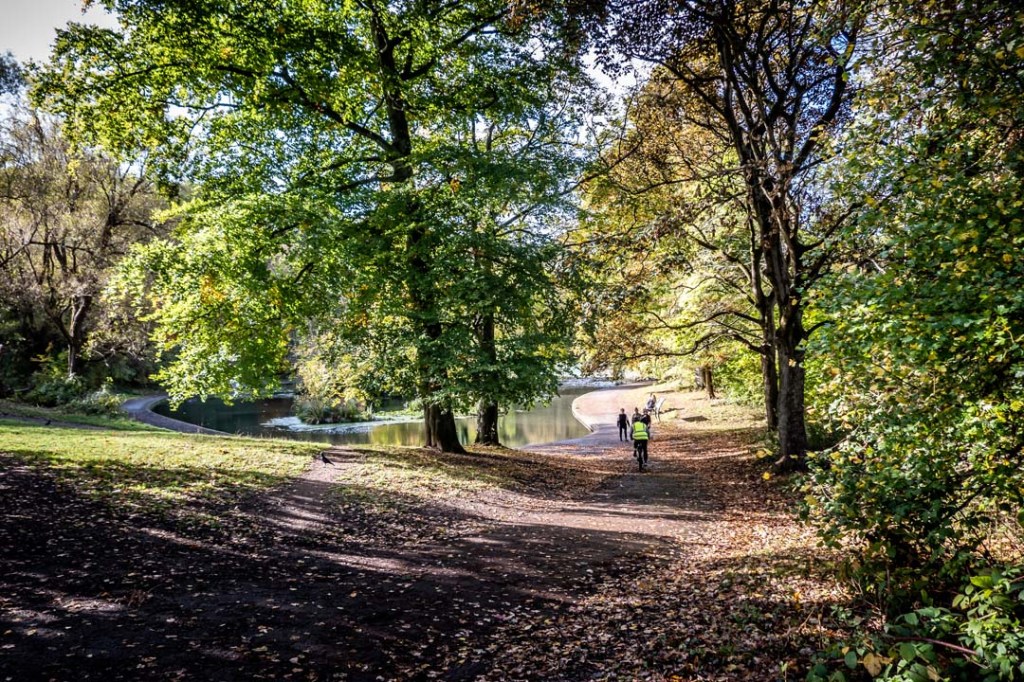
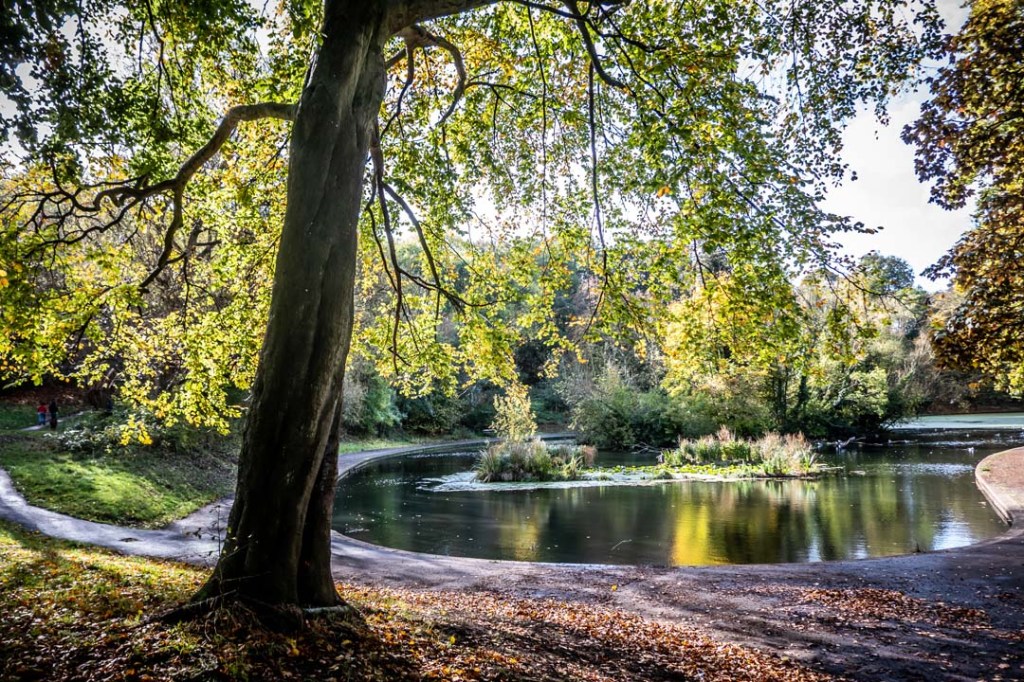
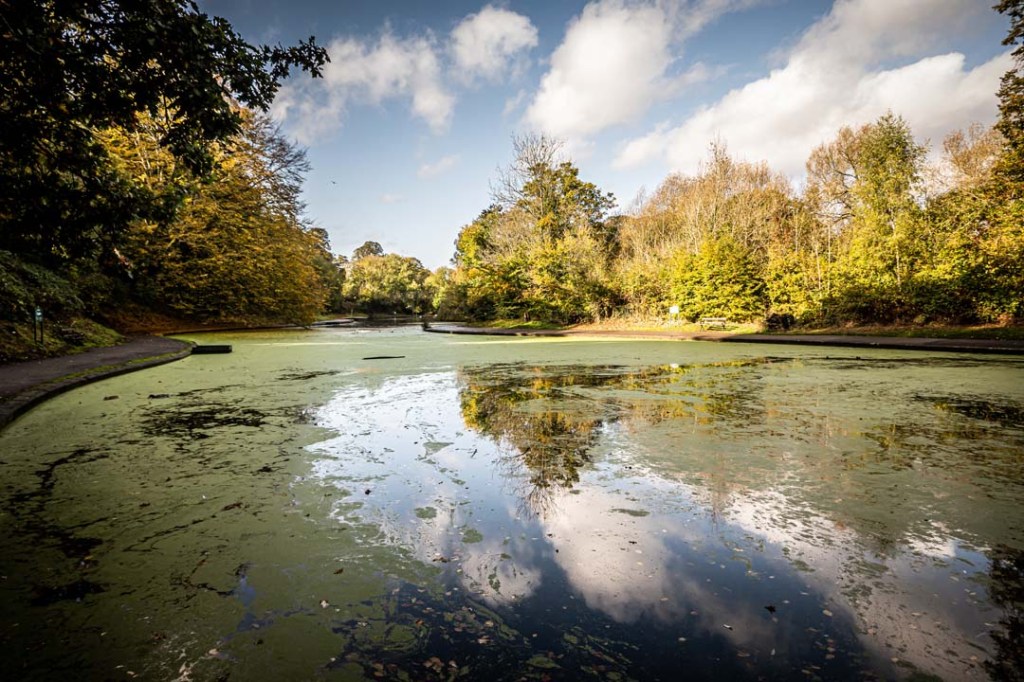
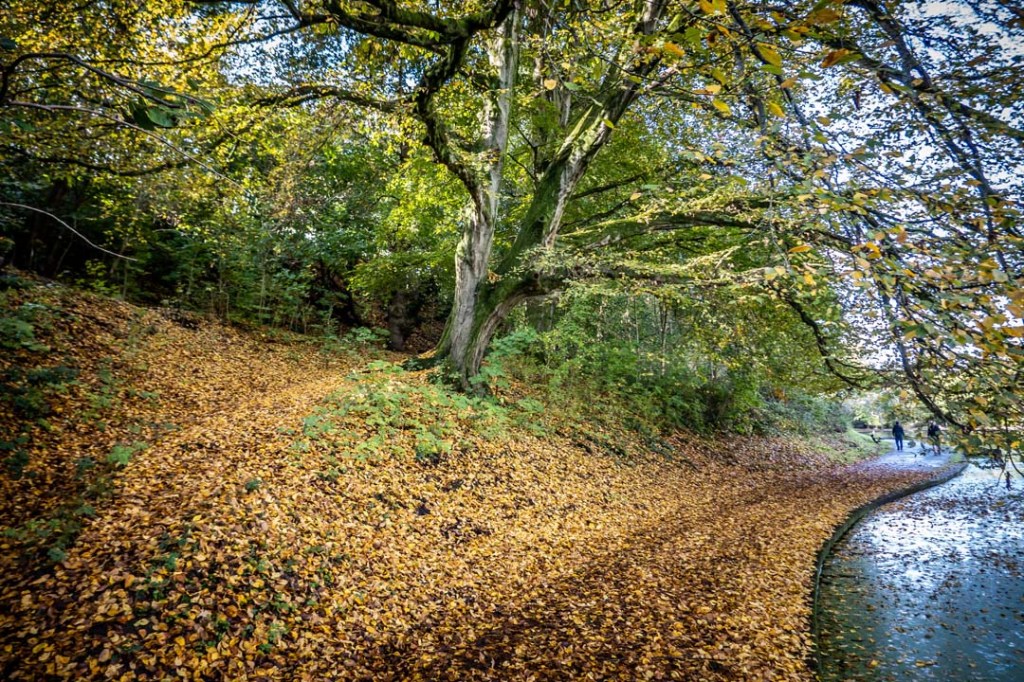
A pleasant hour or two around Duchess Pond in Stoke Park Estate in Bristol. There aren’t many birds to see at present but the dragonflies and damselflies certainly entertain.
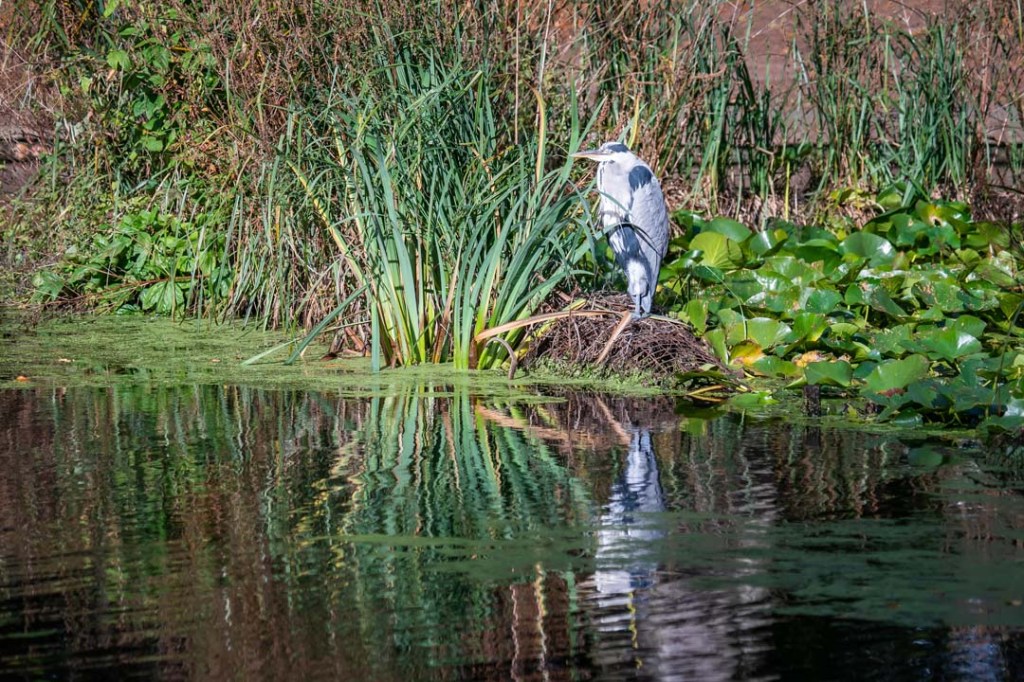
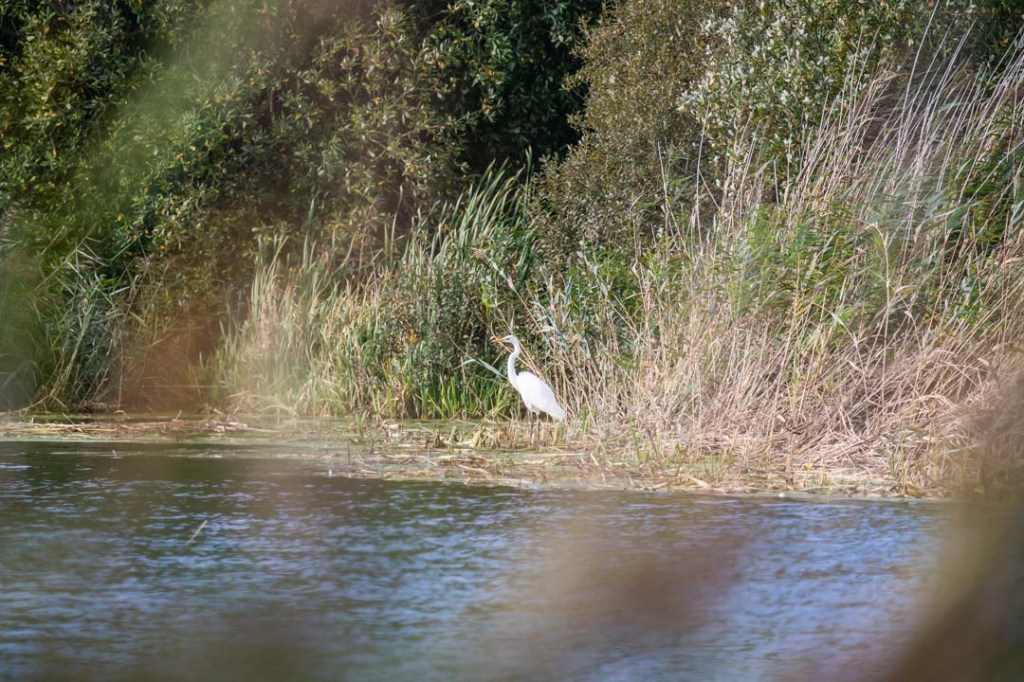
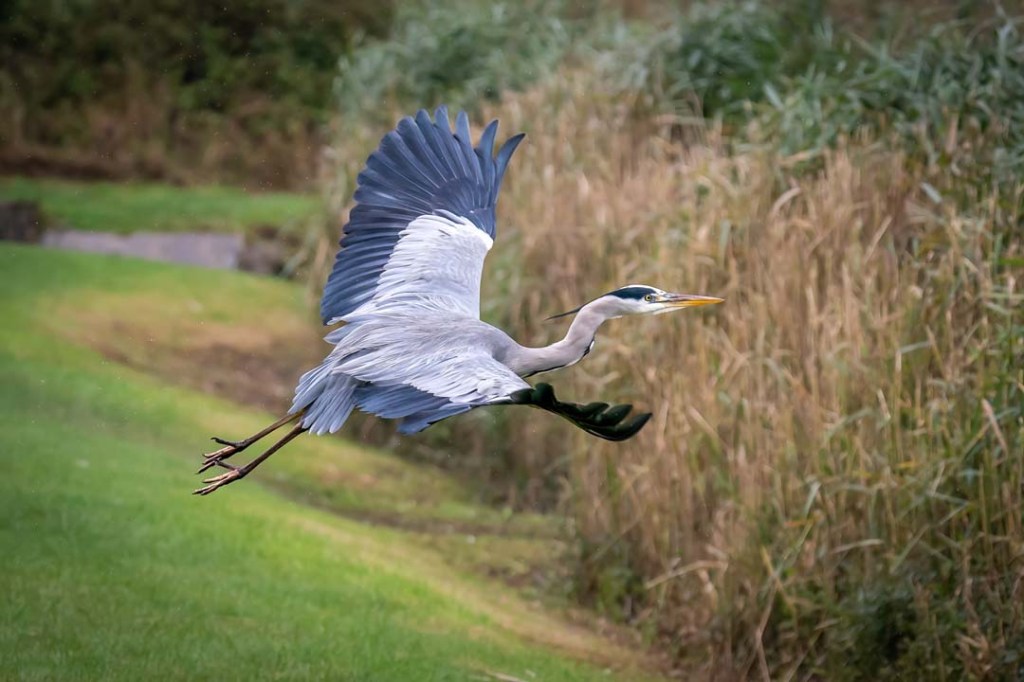
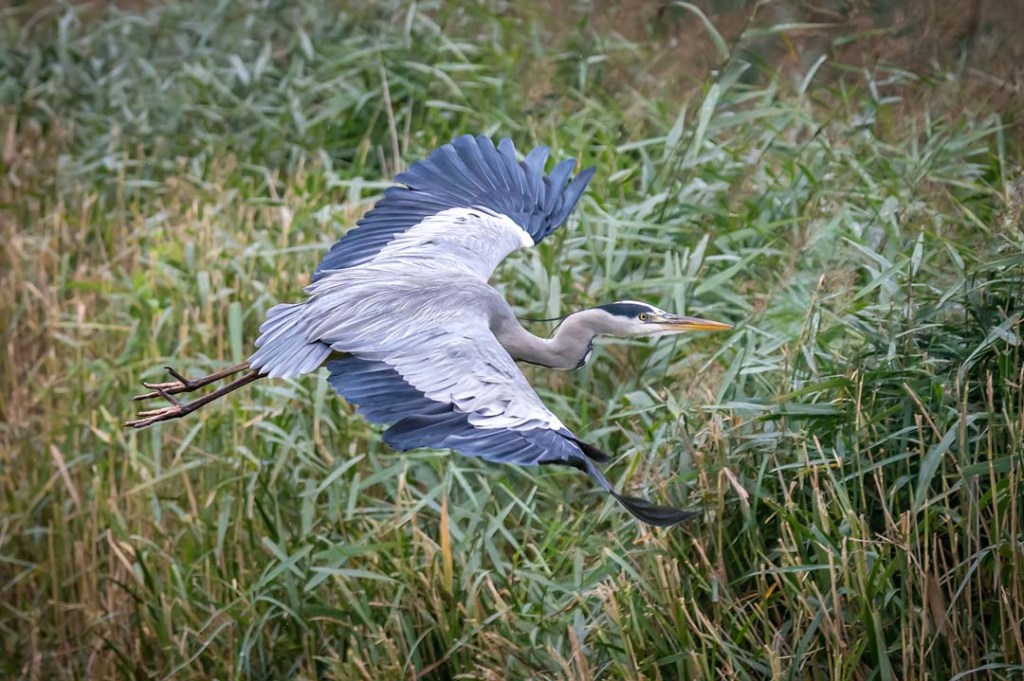
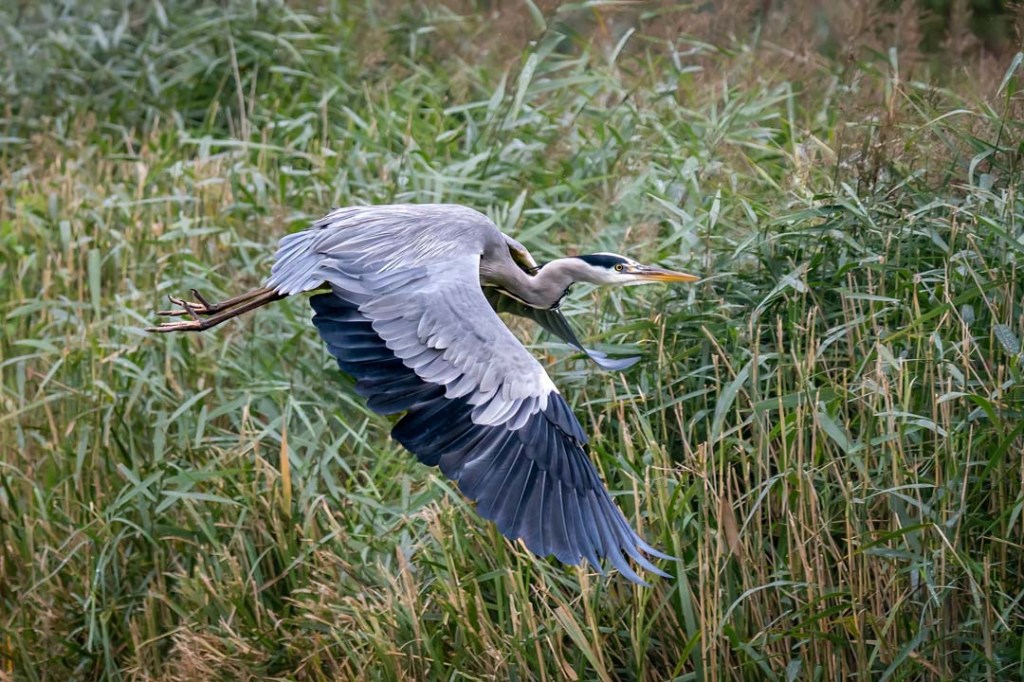
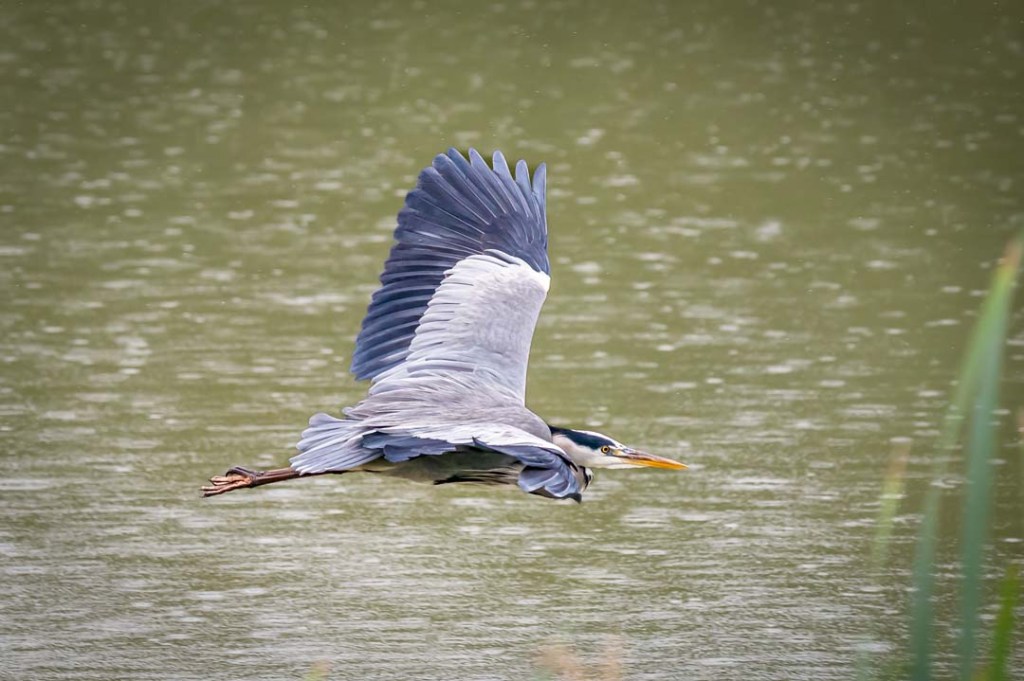
There’s a grey heron underneath here somewhereEmperor dragonflyEmperor dragonfly laying eggsCommon blue damselfliesFour spotted chaserCanada geese and goslingsCommon blue damselflyScarce chaserBlack-tailed skimmerWater smartweedWater lilyThe grey heron reveals itself
It’s been 5 months, 3 weeks and 3 days since I have been able to visit my local patch and so today was a red letter day for me. I didn’t go very far (only to Duchess Pond) and it was more of a struggle than I thought it would be (probably hot weather and heavy camera) but, even though the photographic results weren’t spectacular, it marked a special moment for me.
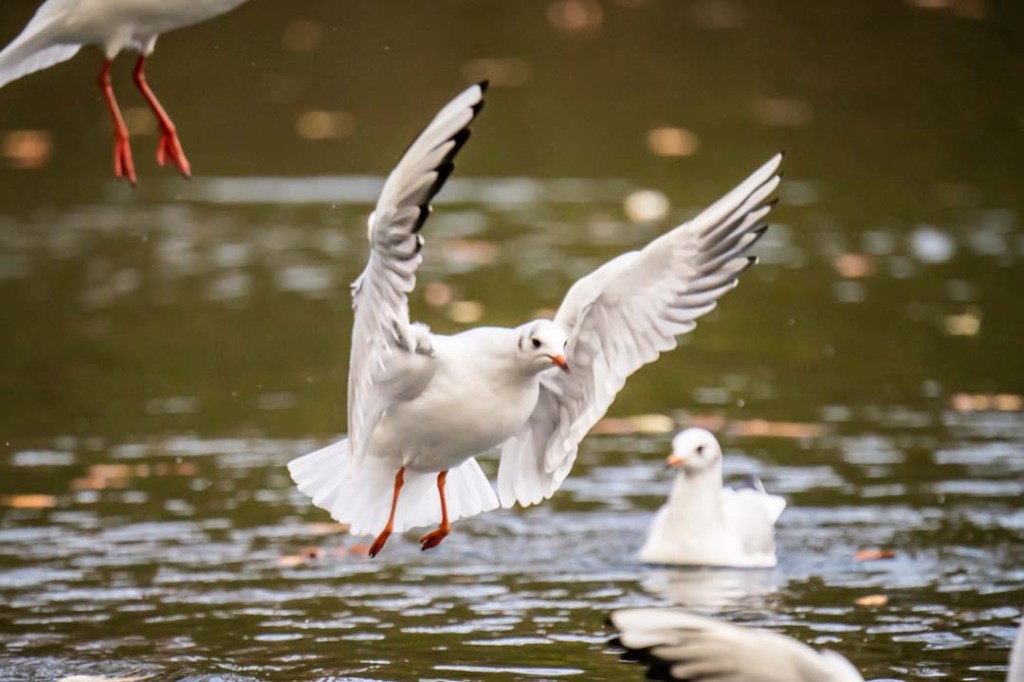
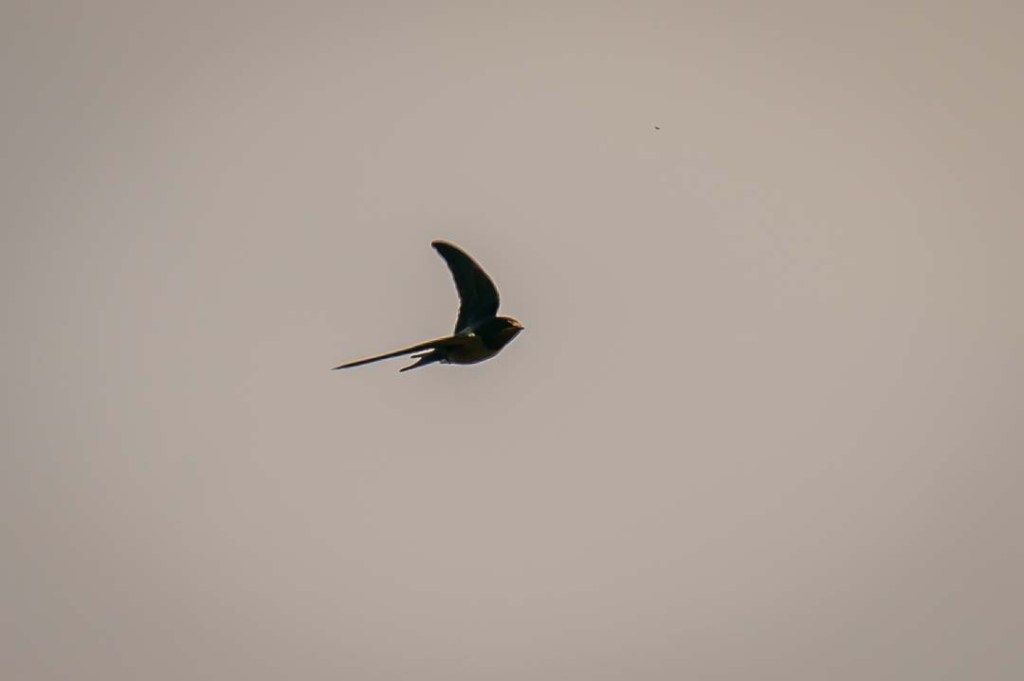
Lots of ducklings and goslings but the main ornithological interest was four swifts and 2 swallows which came down to the lake for a drink on a couple of occasions.
SwiftSwiftSwallow emerging from the water
There were lots of dragonflies and damselflies but, probably for lack of practice, I had limited success in photographing them and even more difficulty in identifying them (I must find that dragonfly and damselfly guide). I am sure some Odonata enthusiast might help me out. (In fact Larry has already come up trumps.)
Emperor dragonflyBlack tailed skimmerCommon blue damselflyScarce chaser dragonflyEmperor dragonflyFour spotted chaser dragonflyCommon blue damselflyLarge skipper butterfly
Despite the noise of the motorway this is still a great place to see nature. I hope to be able to explore a little more over the next few weeks.
The RSPB says that “Coquet Island, situated off the Northumberland coast, is a vibrant seabird sanctuary, which is home to the UK’s only roseate tern breeding colony. It is also an important site for nesting puffins and common, Sandwich and Arctic terns.”
On our last full day in Northumberland we had a walk along the beach in the morning at Warkworth from where we could see Coquet Island in one direction and Alnmouth, where we have been staying this week, in the other direction. In the afternoon we took the hour long boat trip from Amble harbour around Coquet Island and enjoyed seeing puffins, guillemots, razorbills and various terns, including the rare roseate tern.
Alnmouth from Warkworth beachThe view from Amble harbour with Warkworth Castle in the background
You are not allowed to land on the island but we enjoyed this short trip which gave me my last photographic opportunity of the holiday.
PuffinSandwich ternYou can just make out a roseate tern on the box in the centre of the image and one flying to its left.RazorbillGuillemotEider duckFemale eider duckPuffin in the waterCoquet Island
The tern colony of little terns and Arctic terns at Long Nanny on the Northumberland coast are guarded 24/7 by rangers of the National Trust each summer.
24 hour protection for the terns
“They have had mixed results in recent years and fared particularly badly during COVID lockdown when the rangers were unable to be there to protect them. The Arctic tern, which has the longest migration of any bird in the world, started breeding at Long Nanny in 1980 and has returned every year from Antarctica to nest. The little tern is one of the UK’s smallest seabirds, weighing roughly the same as a tennis ball. They feed mostly on sand eels and young herring and tend to lay between one and three camouflaged eggs on the beach. The little tern has been in serious decline since the 1980s, with fewer than 2,000 breeding pairs now left in the UK.” (National Trust website)
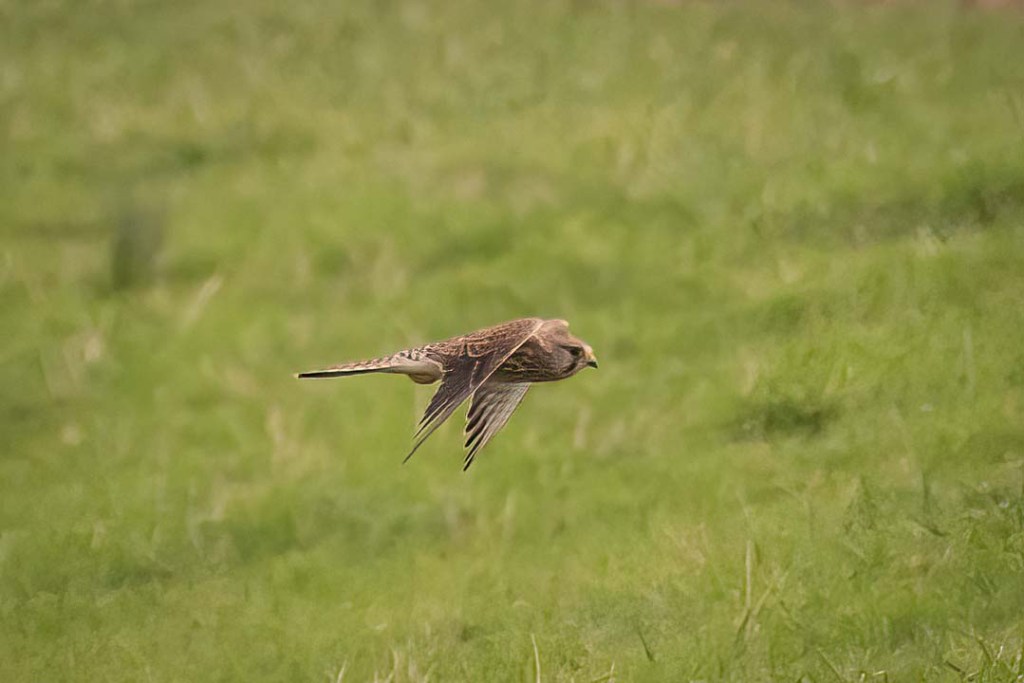
Arctic tern Arctic ternArctic ternTerns disturbed by a kestrelRangers counting little terns on the beach
In the last couple of years they have been joined by a summering American Black Tern – Britain’s first record of an adult in summer plumage.
American black ternAmerican black tern
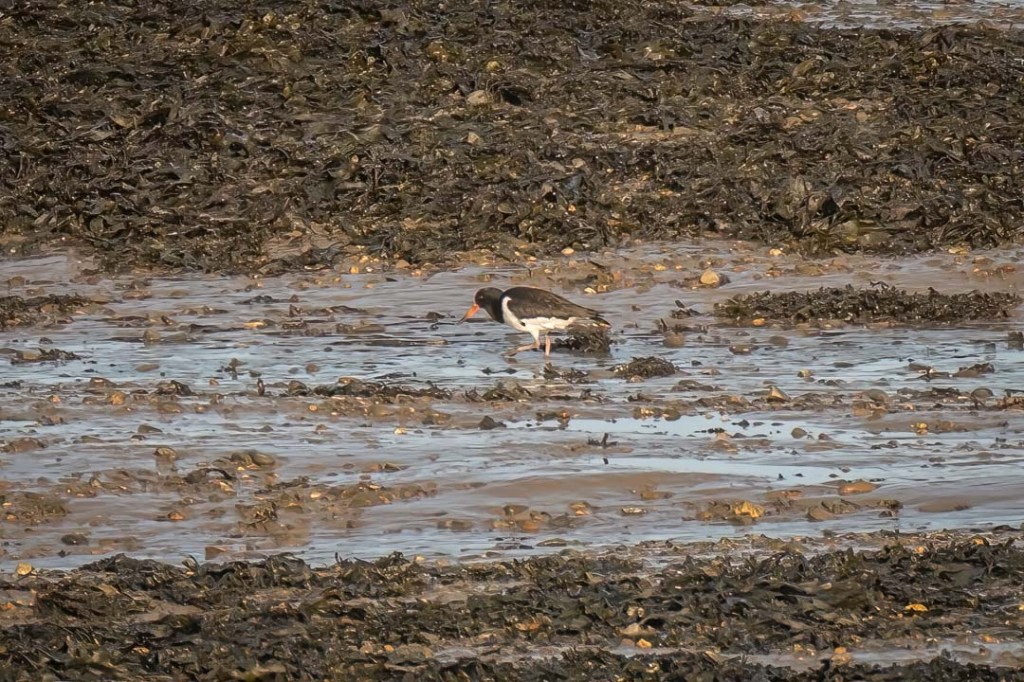
We reached Long Nanny by walking behind the dunes at Newton Links. The display of spring flowers was beautiful and we enjoyed good views of sky larks, linnets, stonechats, reed buntings and even avocets and oystercatchers on the river.
Spring flowers on Newton LinksSpring flowersSky larkLinnetsReed buntingAvocets and oystercatchers on the river
We returned along the beach enjoying the best of the Northumberland coast.
The deserted beachAccess to the beachLow Newton by the sea where we had lunch at the Ship InnDunstanburgh Castle
Our trip to the Farne Islands started from Seahouses harbour on the Northumberland coast. We were a little apprehensive as it was a gloomy morning and the sea swell was quite significant. However, the trip was quite amazing. We had fabulous views of seabirds and seals around the islands and, despite the boat’s skipper warning us that a landing might not be possible, we did manage to land on Staple Island for an hour long stay. The experience of seeing the birds, who did not seem at all perturbed by our presence, so close up was stunning.
A gloomy start to our dayGannets on our trip out to the islandsGrey seals basking (unfortunately not in the sun)RazorbillHuge colony of guillemots on Staple IslandThe main attraction – puffinsPuffin up closePuffins on their burrowsPuffin posingPuffin in flightShagPuffin with sand eelsFulmarsKittiwakesGuillemots with chickGuillemot with sand eelGuillemot on eggShag with chicksThe lighthouse on Inner FarneSandwich tern on the journey back to Seahouses
The experience, as fabulous as it was, was very different from our previous views of puffins which were on Skomer Island off the Pembrokeshire Coast of Wales. Here on the Farne Islands we were closer up to many more seabirds, but on Skomer we were able to explore the island more and enjoy the spectacular views. (See – A taste of Skomer)
In the afternoon the sun came out and we had a very pleasant early evening stroll along the coast at Boulmer where we saw stonechats, meadow pipits, oystercatchers and sanderling.
StonechatStonechatOystercatchersThe coast at BoulmerMeadow pipitSanderlingSanderling in flightPied wagtailSpring flowers along the coastal path
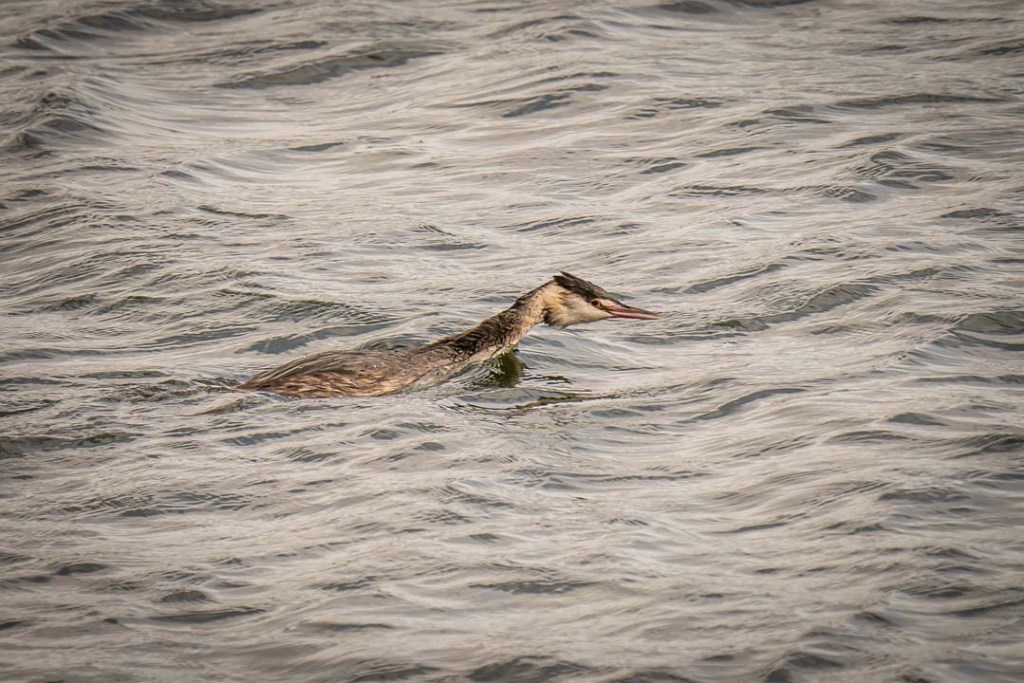
Heading north for a holiday in Northumberland we made a brief stop (for nostalgic reasons) at Attenborough Nature Reserve in Long Eaton to break the journey and to grab a cup of tea. This was my first attempt at photos for quite some time and, for lack of practice (and probably senility), I really did mess things up. However, I managed to rescue a few shots to give a flavour of this lovely reserve in the centre of England. A pair of common terns were the main feature but close to the centre we also saw Egyptian geese, a great crested grebe and a reed bunting.
Further north (by now into Northumberland) we stopped at Hauxley Wildlife Discovery Centre and Reserve where we saw more terns (common and sandwich) and many other birds that I do not see locally in Bristol such as tree sparrows and bullfinches. We also saw a beautiful red squirrel on a feeder.
The BBC were filming “Spring Watch’” at Hauxley for the following week and it was lovely to meet the charming Megan McCubbin in the first hide we visited.
Our first sortie from Alnmouth (where we are staying for the week) was to Cresswell Pond, to the south, where we had heard reports of spoonbills.
On arrival we could see two spoonbills in the distance. The light was poor and I thought my chances of photographing them would be very limited but just when I was about to give up they flew across the water and landed nearby. Quite a treat. On the way back we stopped at Amble Harbour and saw mergansers, eider ducks and an indeterminate diver.
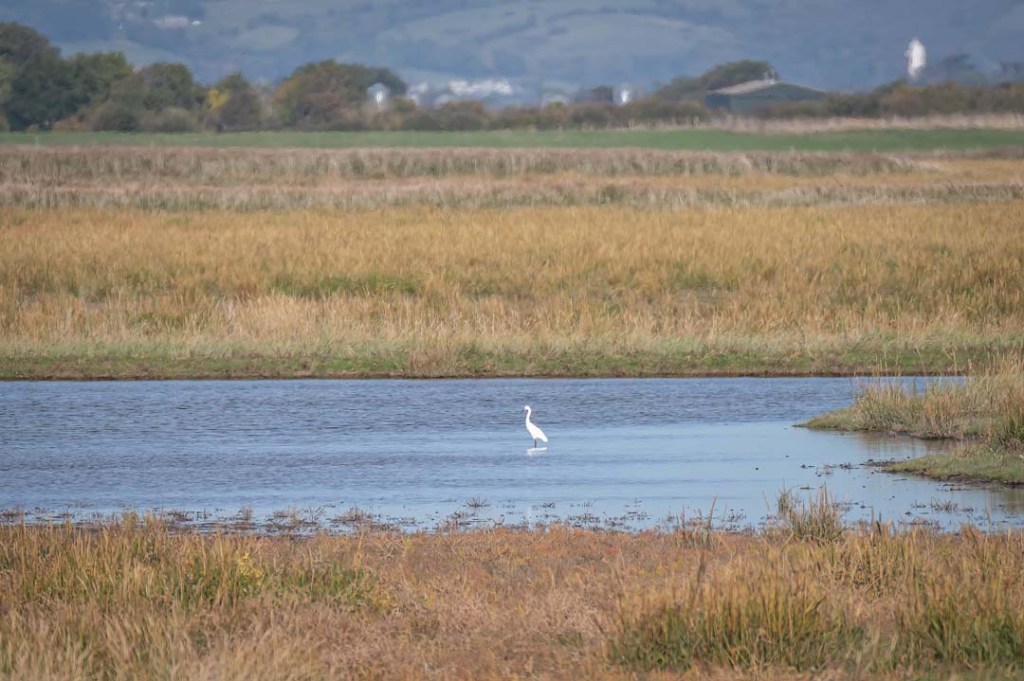
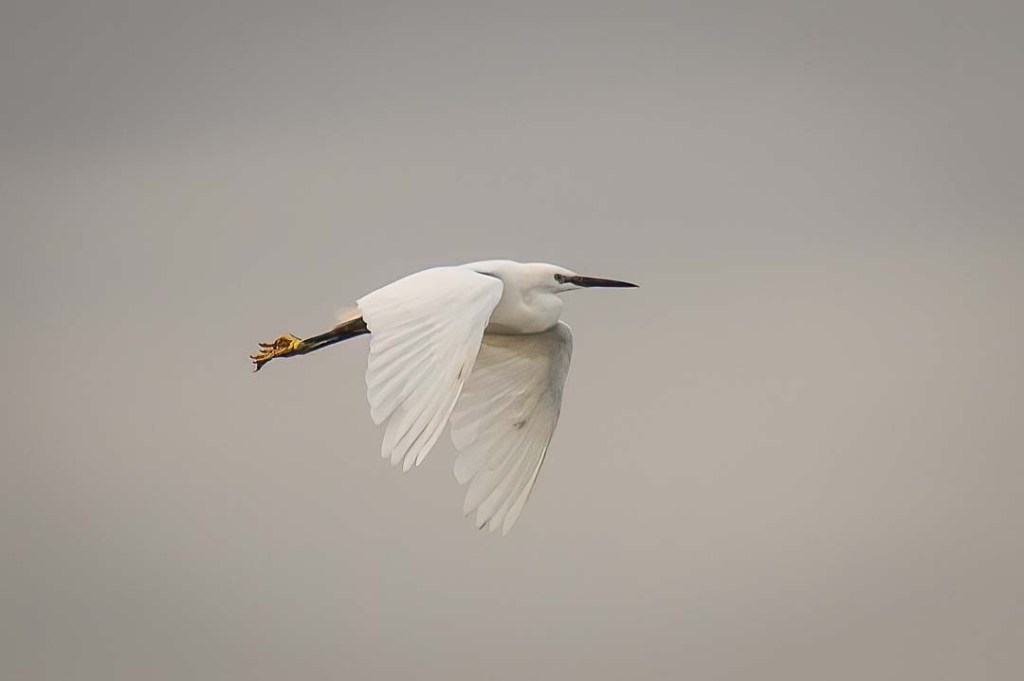
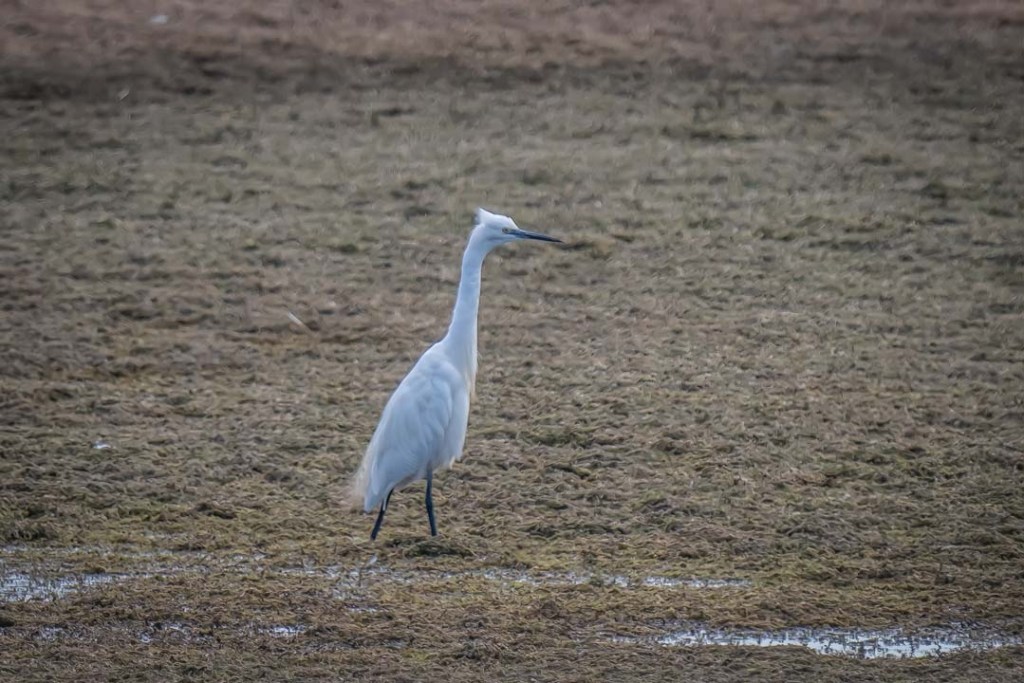
LapwingOystercatcherShelduckCommon ringed ploverCommon ringed ploverLittle egretSpoonbillSpoonbillSpoonbillsSpoonbillsSpoonbillsLinnetsMerganser?? diverEider duckGrey heron with family of eider ducks in the background Warkworth Castle in the distance in the gloom
I spent the day at Chew Valley Lake which, even though I am now out of my surgical boot, is currently my go-to place for birding as I don’t have to walk any great distance. At least I have ventured out of my garden!
The local birders I met all said that it was a very quiet time at the lake, suggesting that poor weather over the Iberian Peninsula had held up migrants. I did see some house martins but no other hirundines.
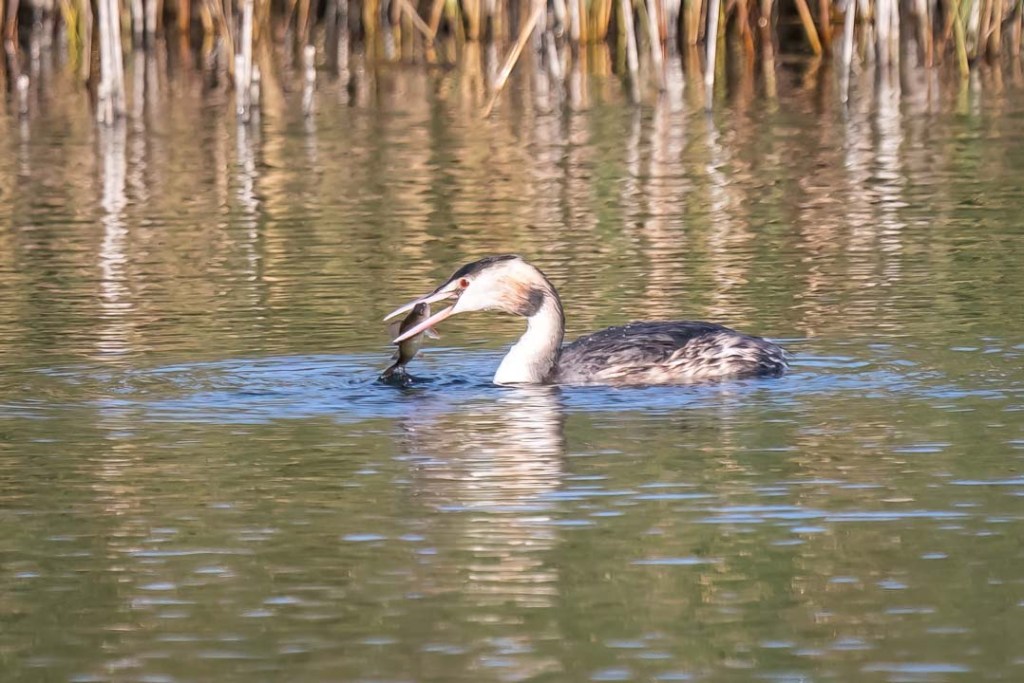
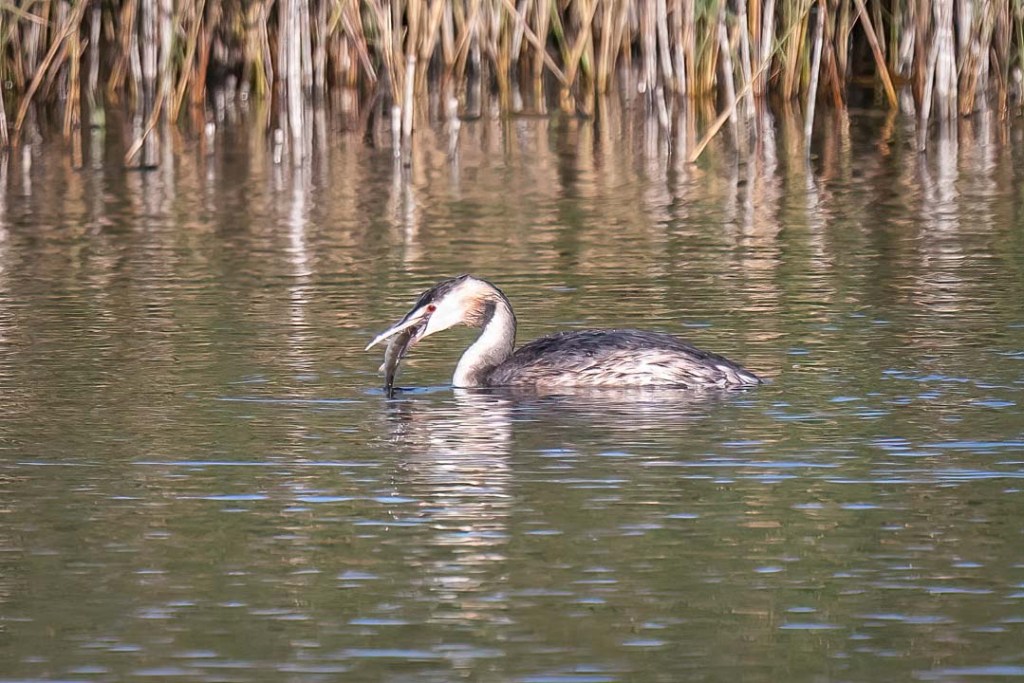
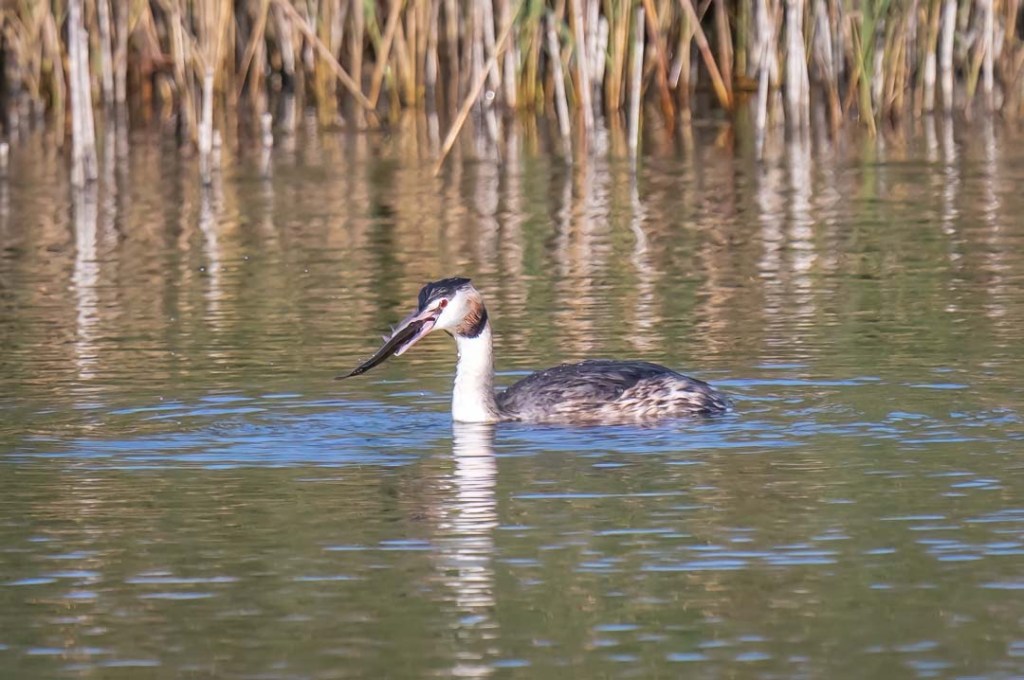
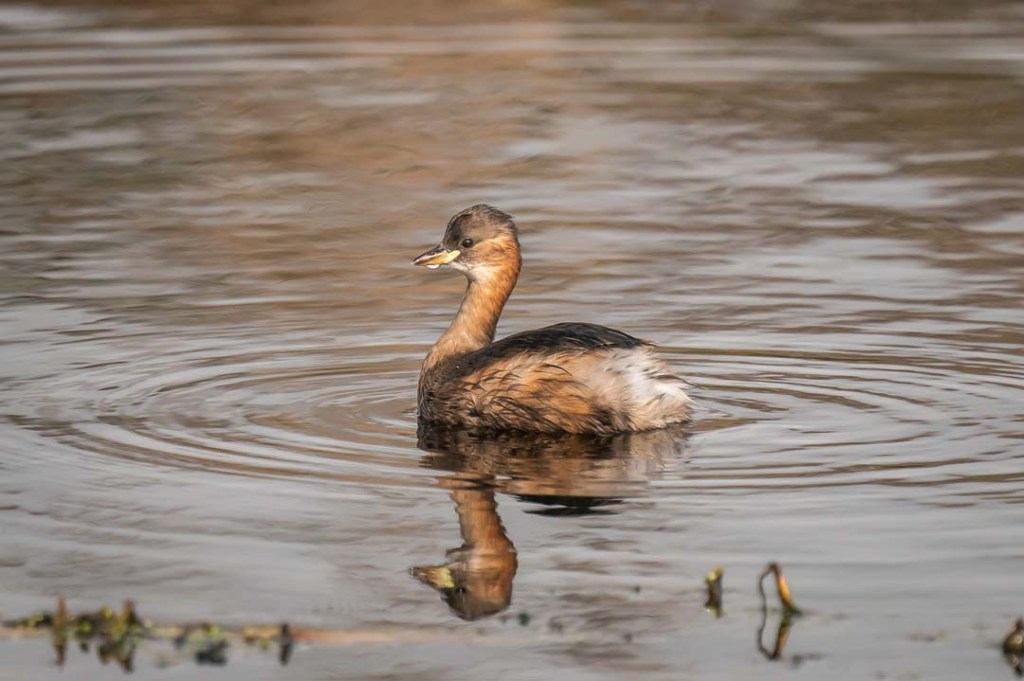
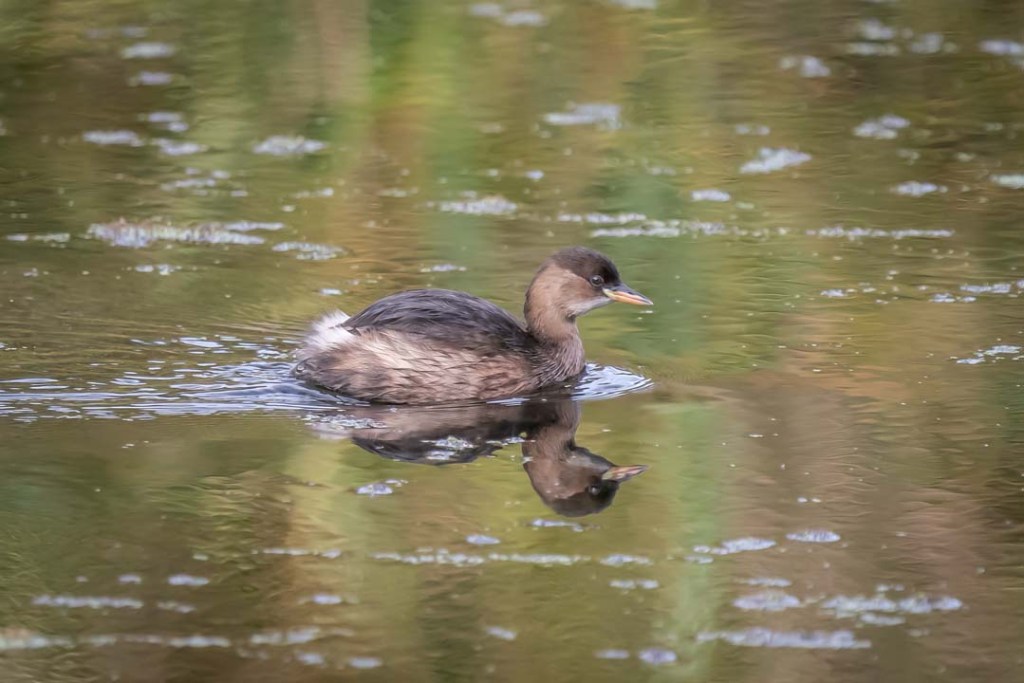
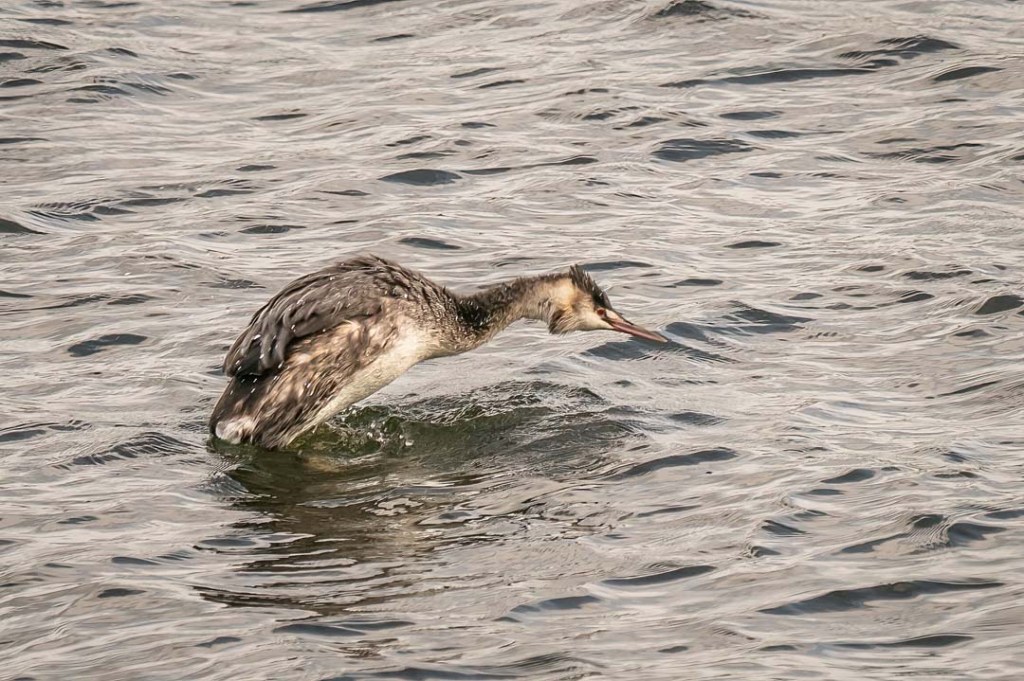
In fact, there wasn’t a great variety of birds around but I was so pleased to see a pair of great crested grebes perform the beautiful, highly ritualised moves of their courtship dance, including the weed ceremony.
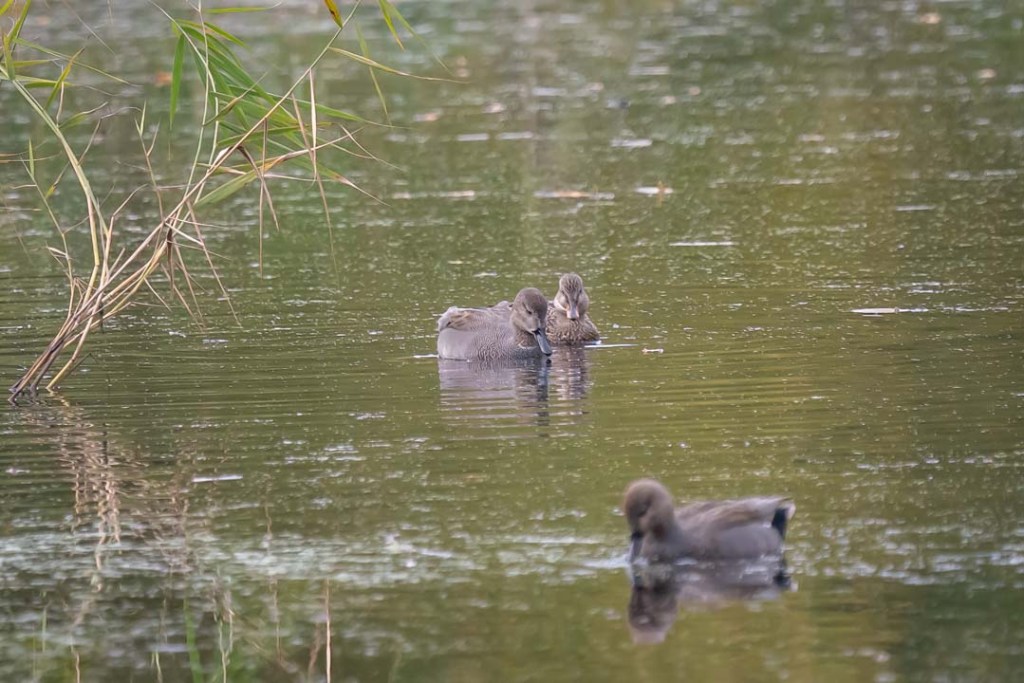
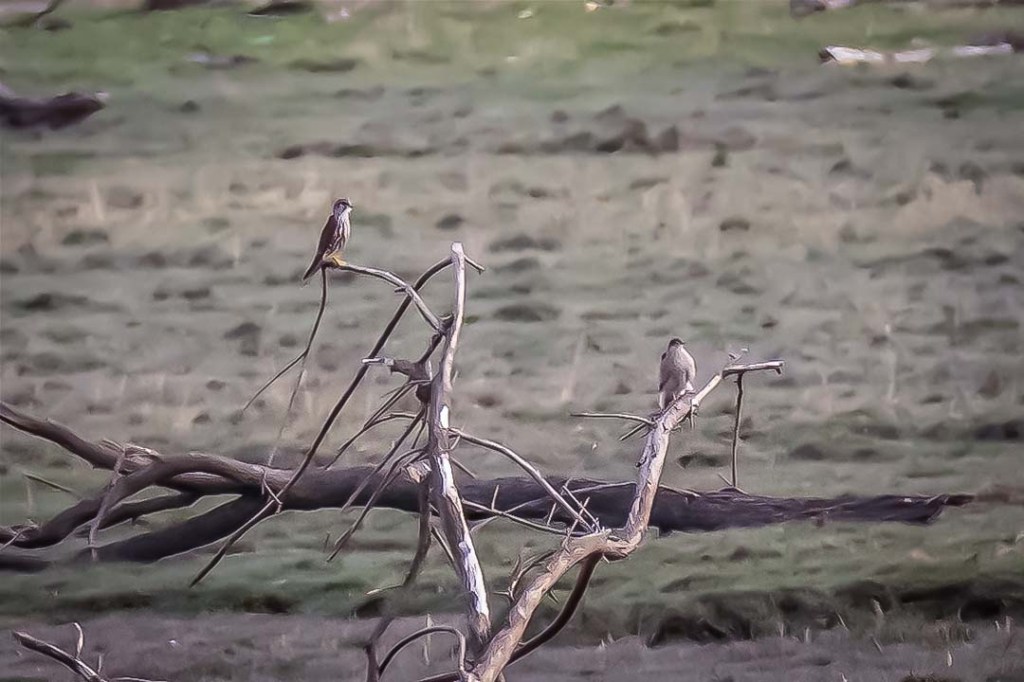
Other highlights were 3 hobbies and a male gadwall.
Having recovered from COVID it’s been good to get out and about these last few days. My Achilles’ tendon injury still limits how far I can walk but I’ve taken the opportunity to see bird activity around Chew Valley and Blagdon lakes without venturing too far from my car.
The most attractive birds have been the great crested grebes which are in breeding plumage; however, I have been disappointed not see their courting displays.
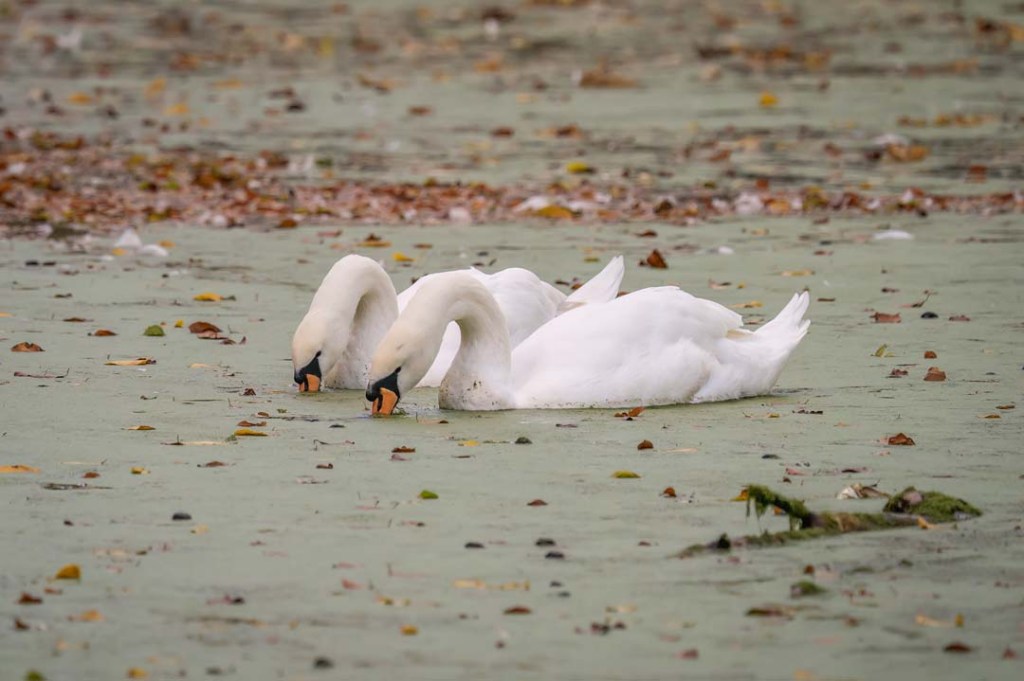
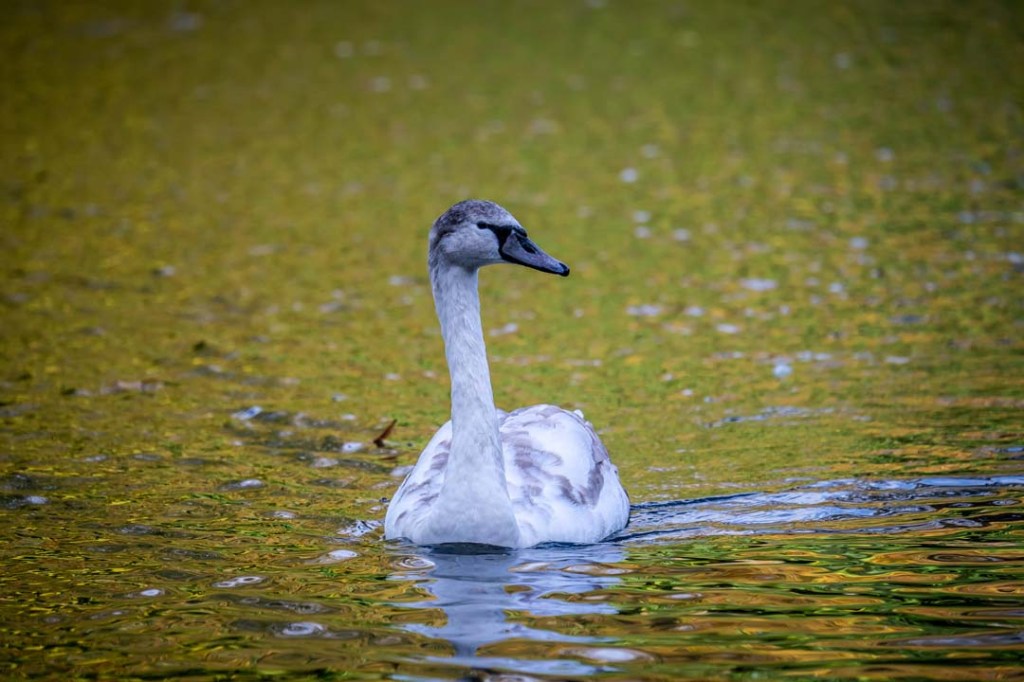
There are always plenty of mute swans which still amaze me in flight.
Great crested grebe
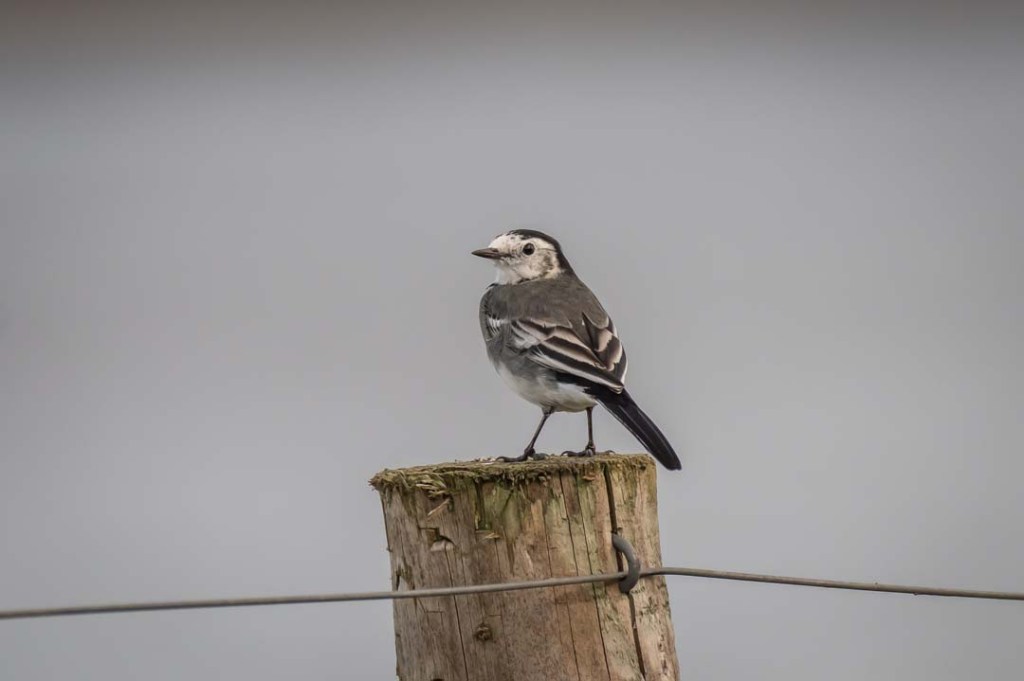
Great crested grebeRed-legged partridgeHow do these huge birds manage to fly (and so gracefully)?Mute swanPeregrine falcon quite far out in Chew Valley lakePheasant on the walkway at Stratford hide Chew Valley lakeA pair of great spotted woodpeckers could be heard drilling regularly near Stratford hideGreat tits are also very vocalChaffinchI was very pleased to see St Andrew’s Church in Blagdon flying the Ukrainian flag – I was confirmed in this church many many years ago