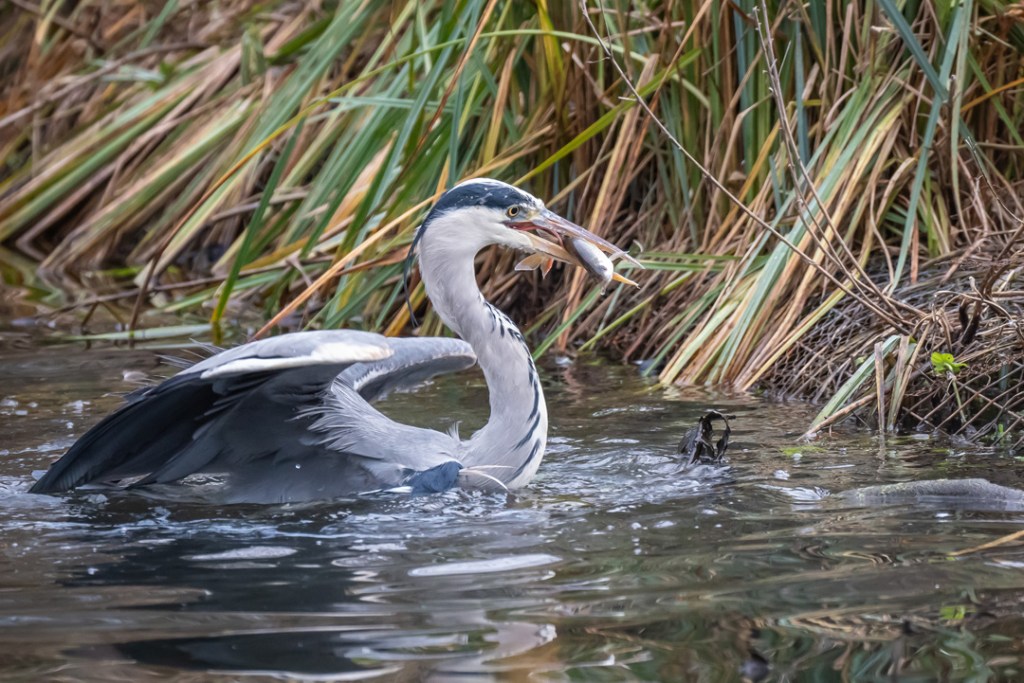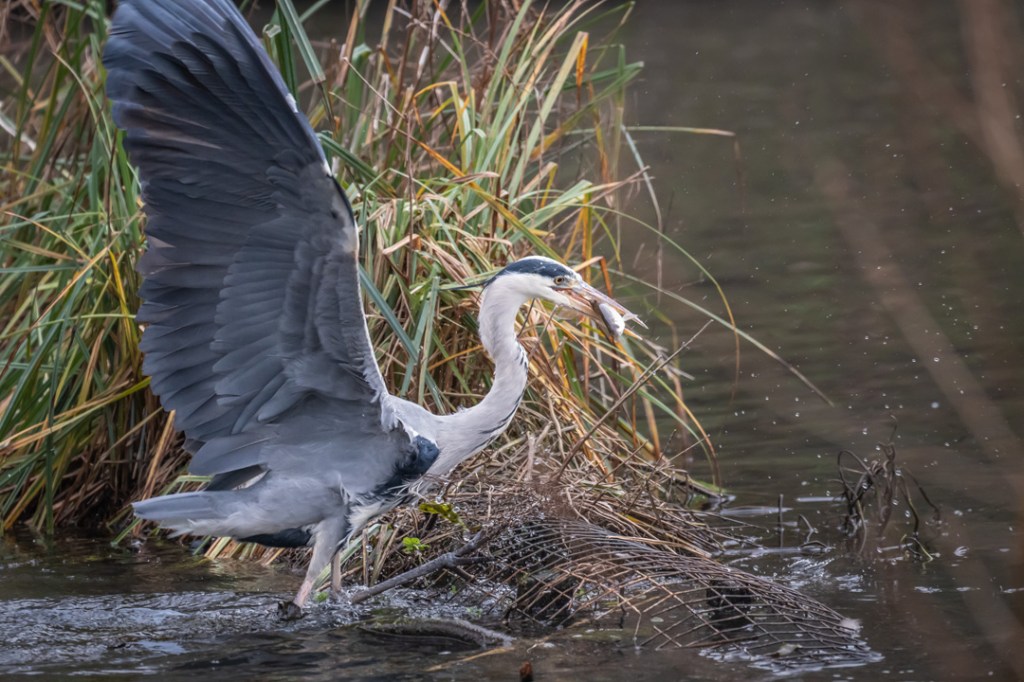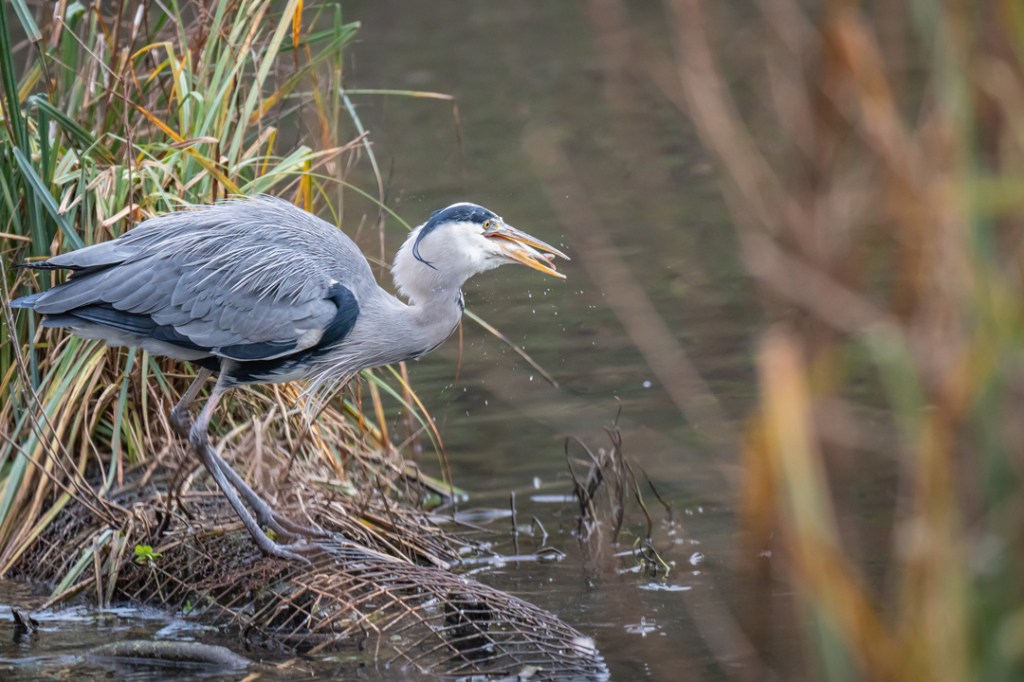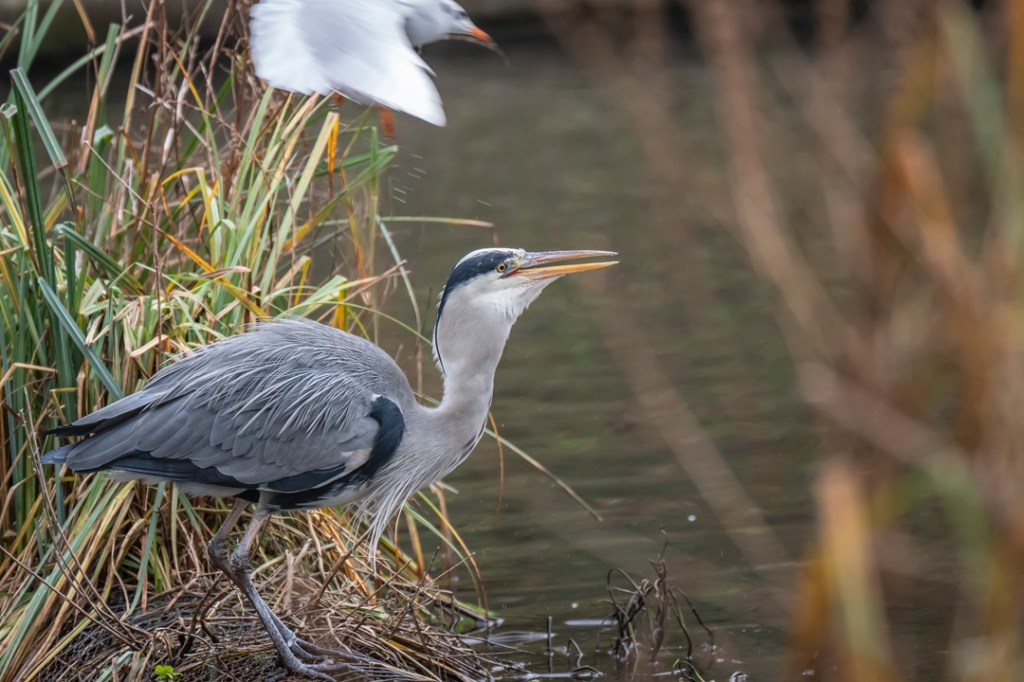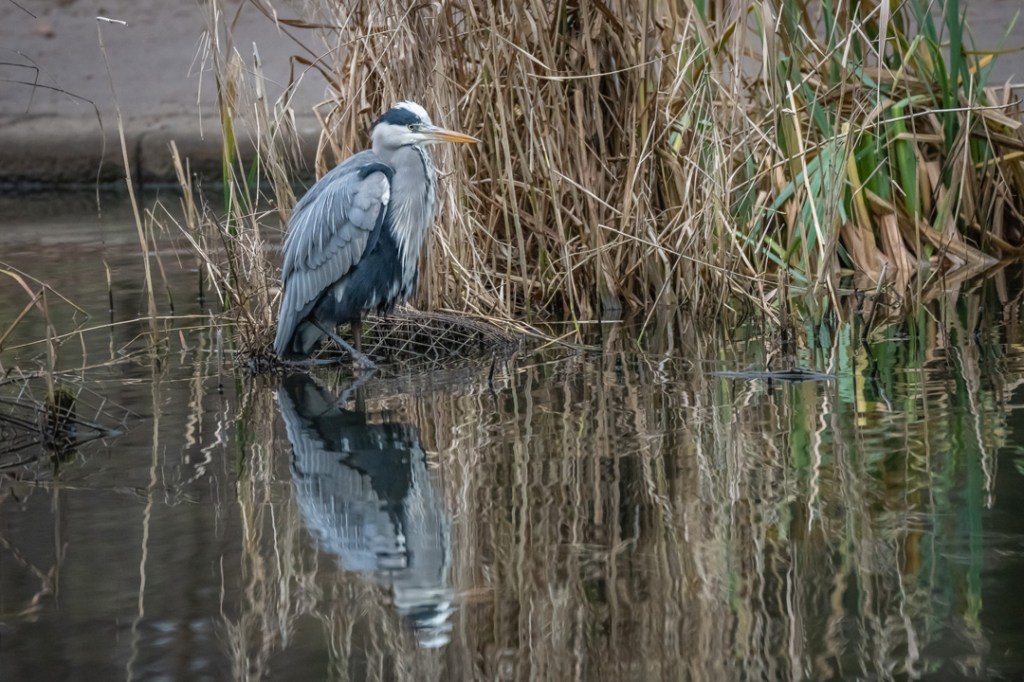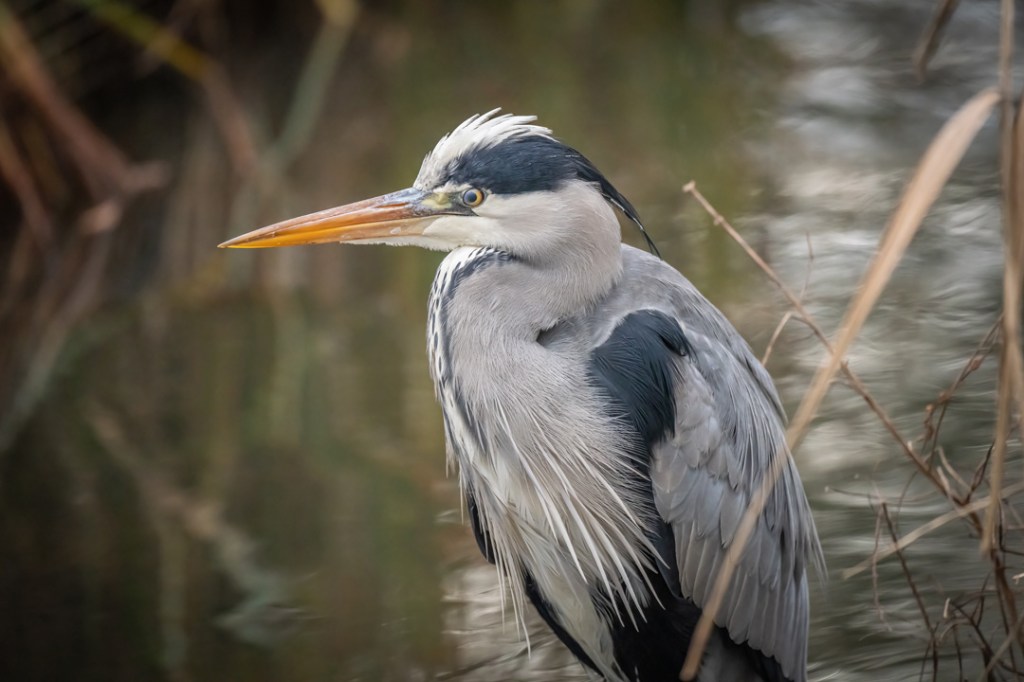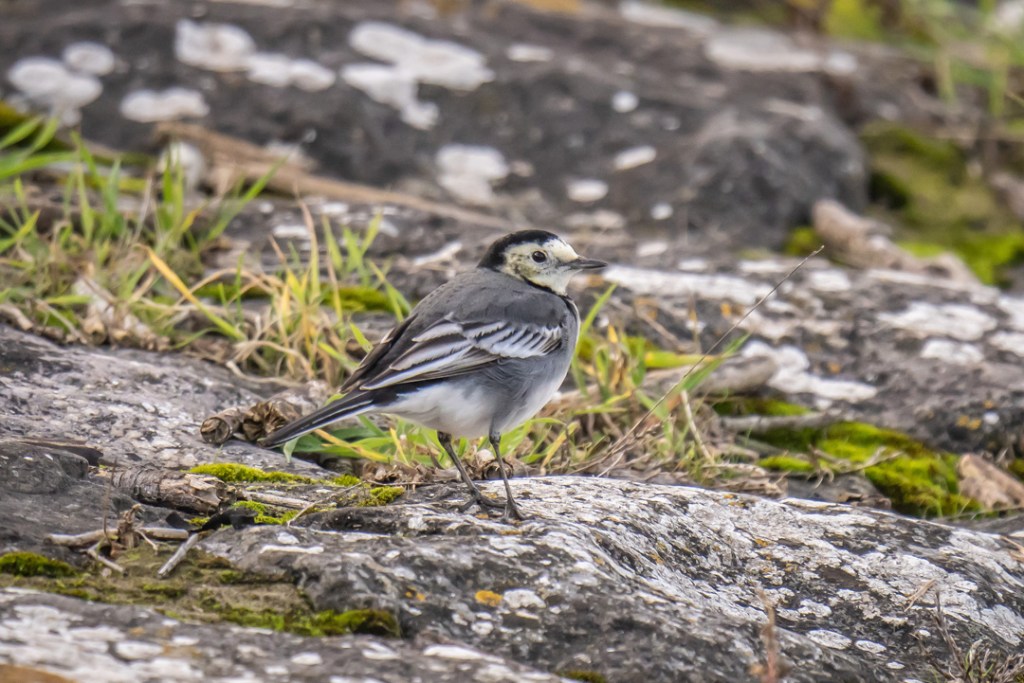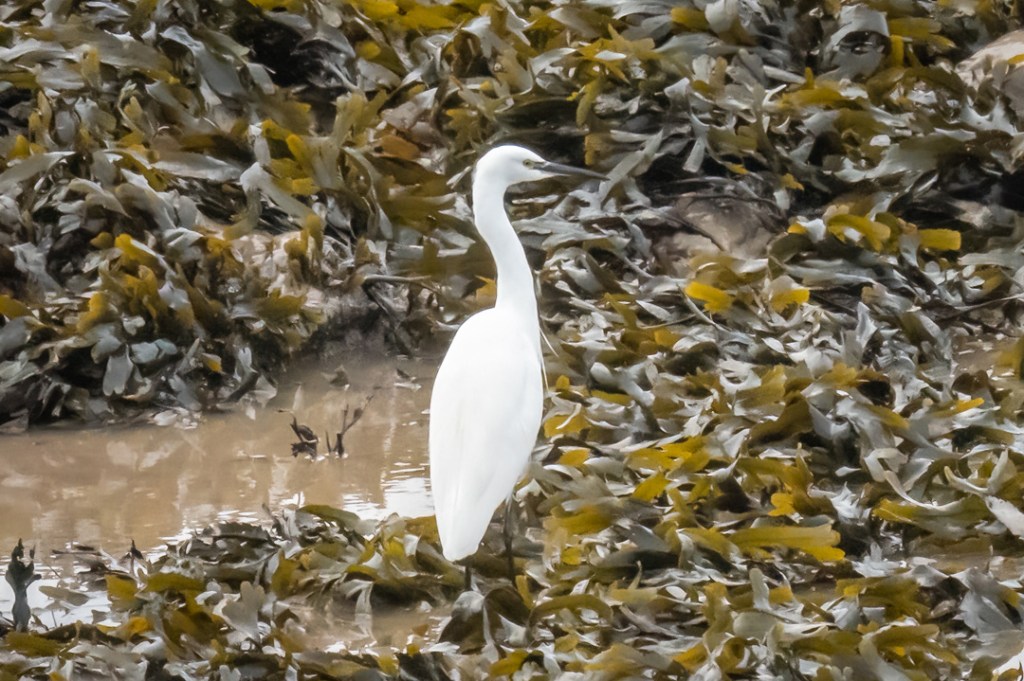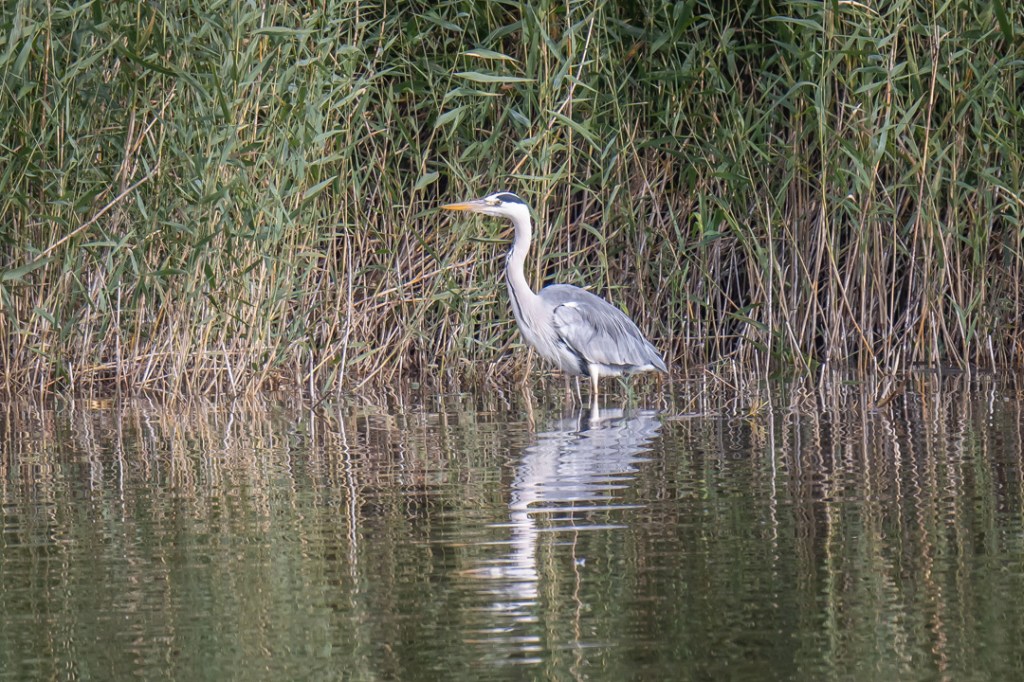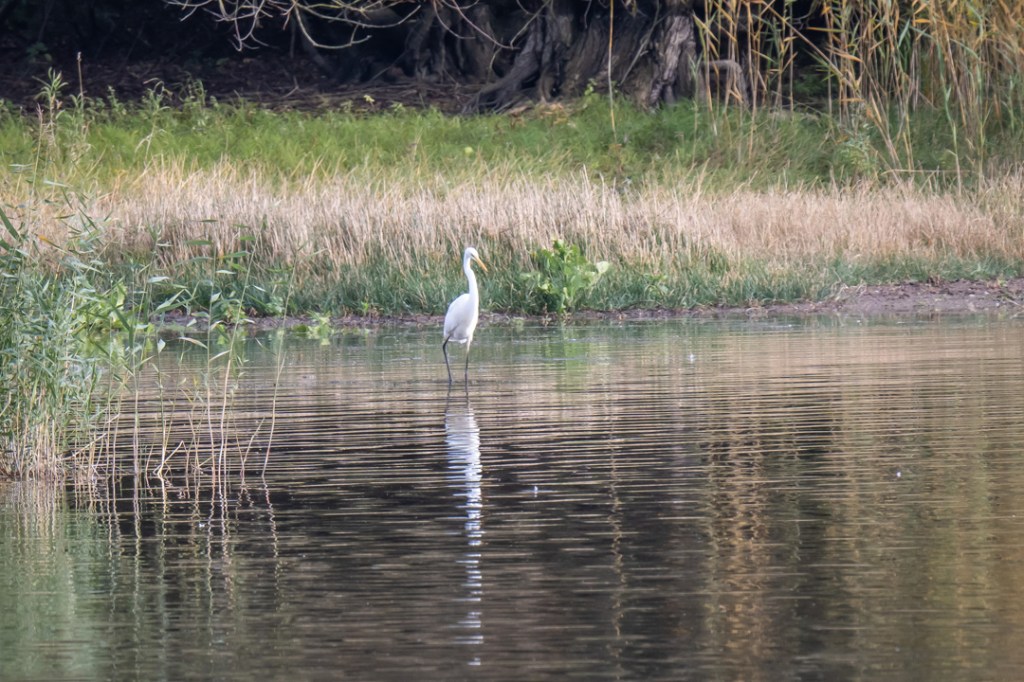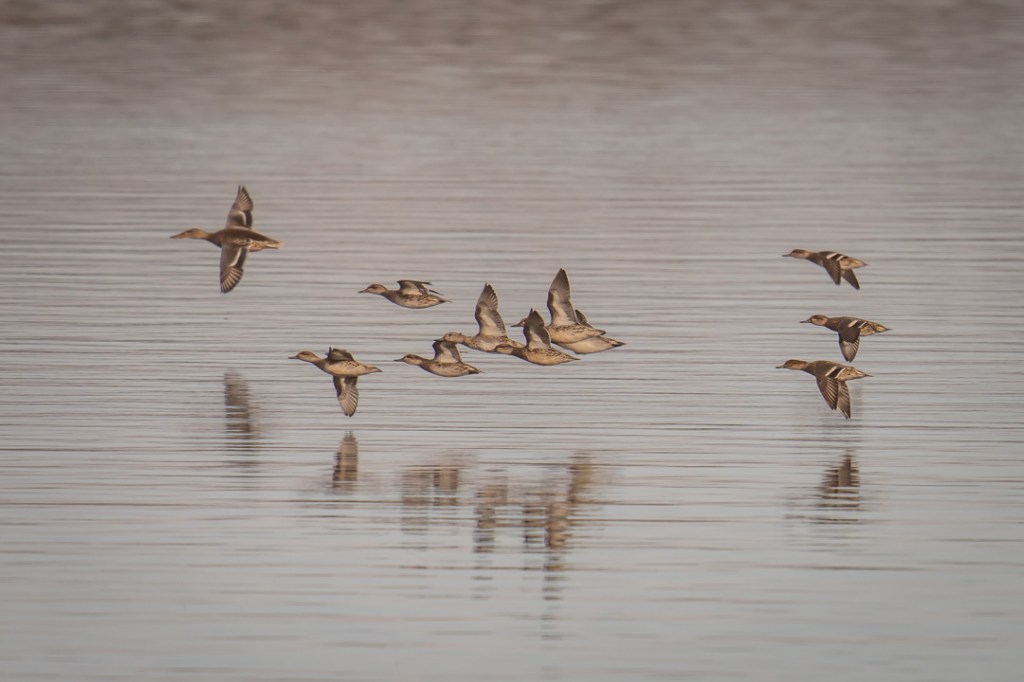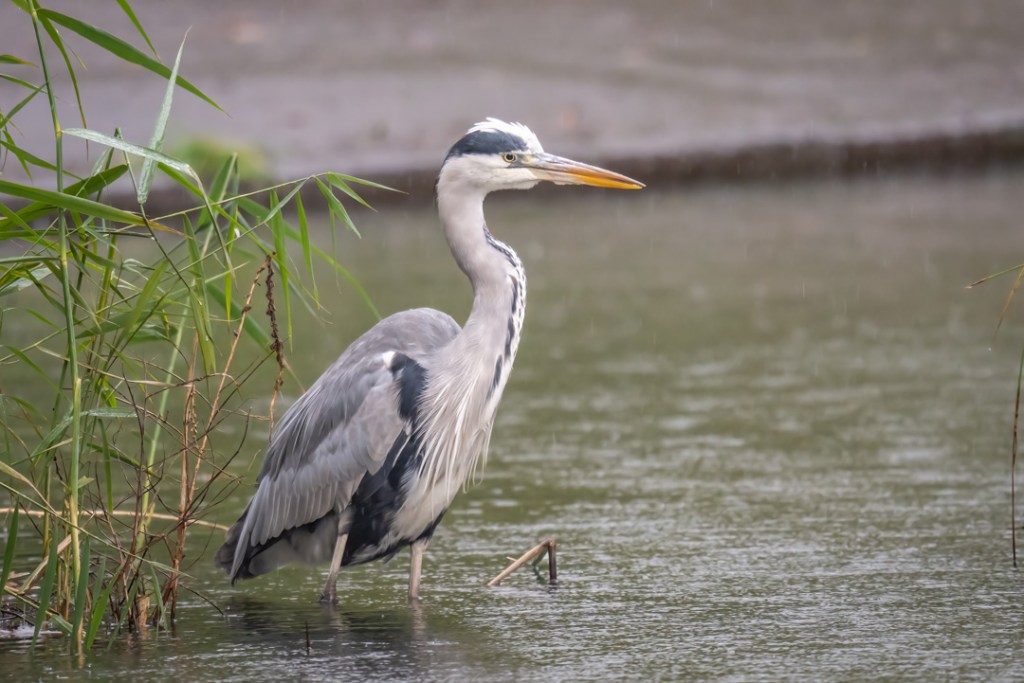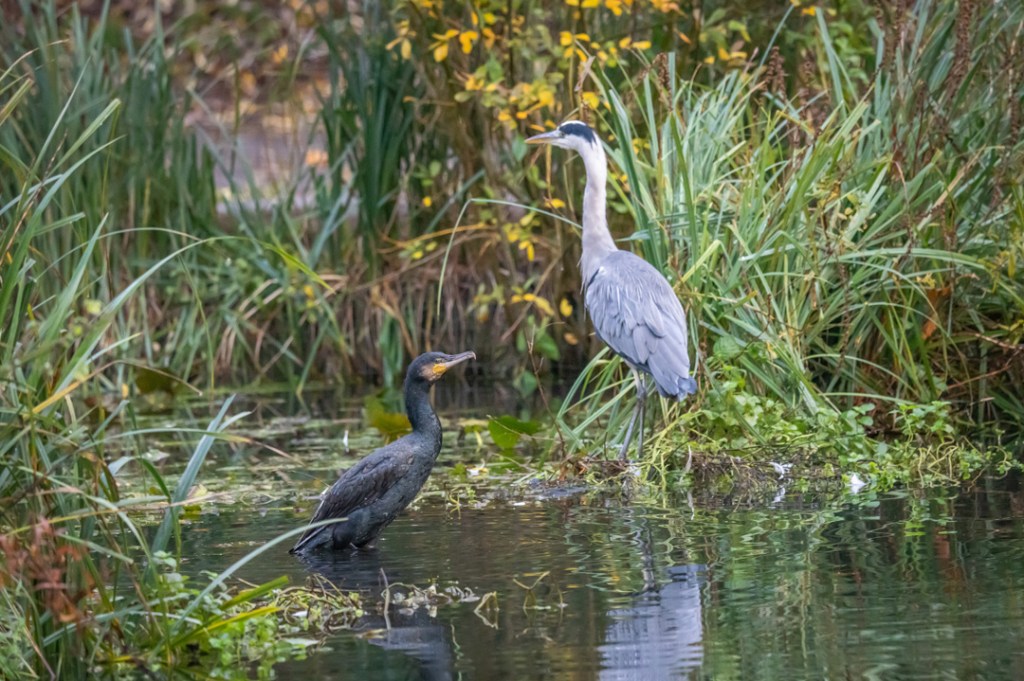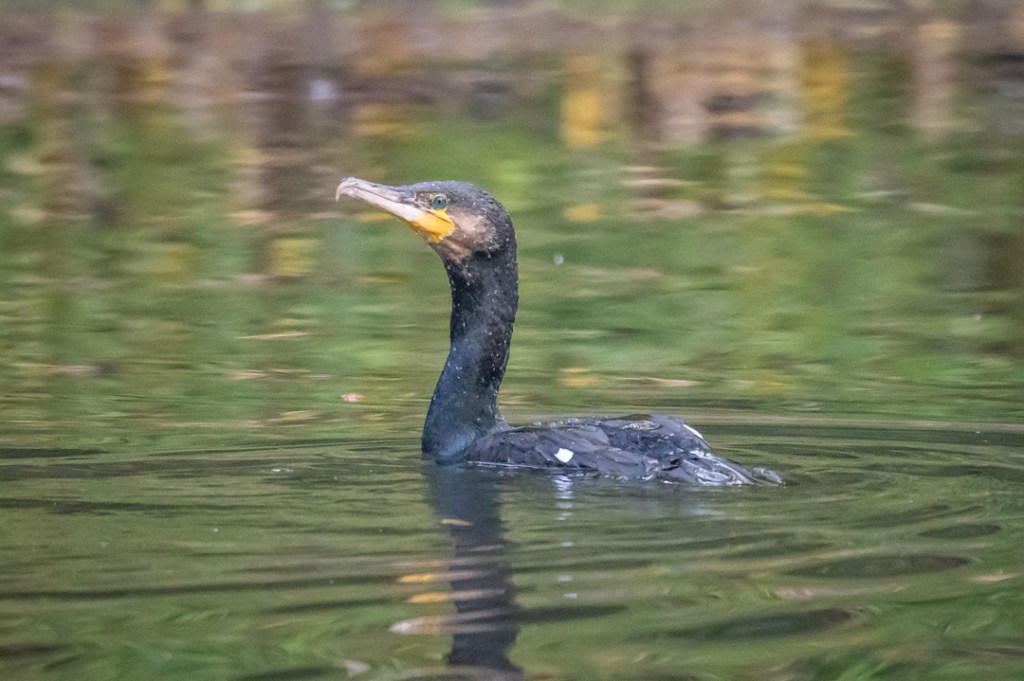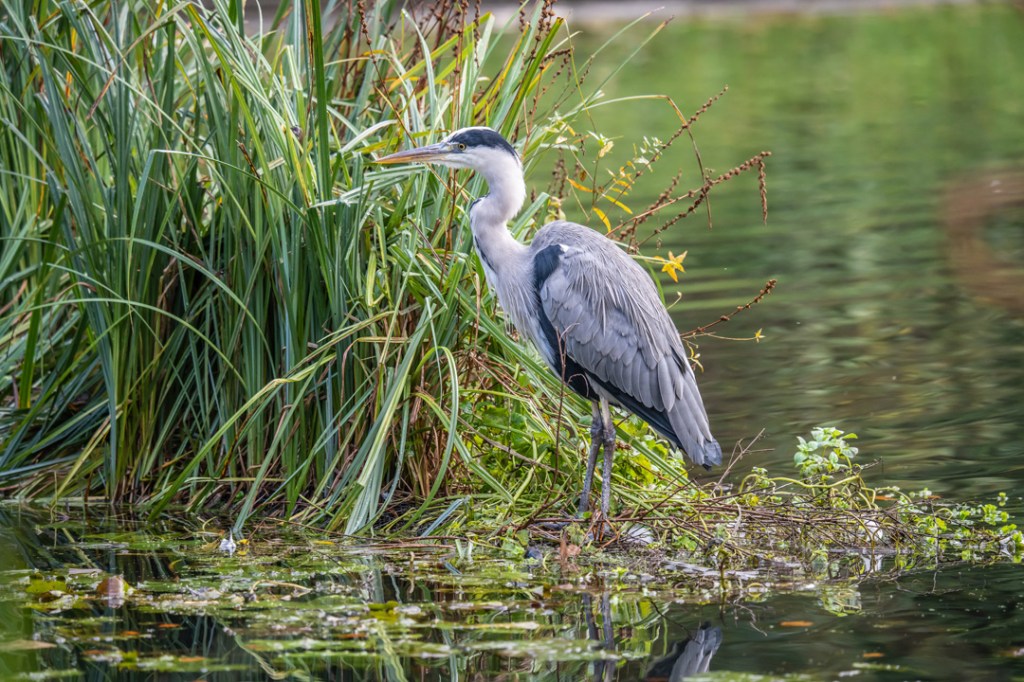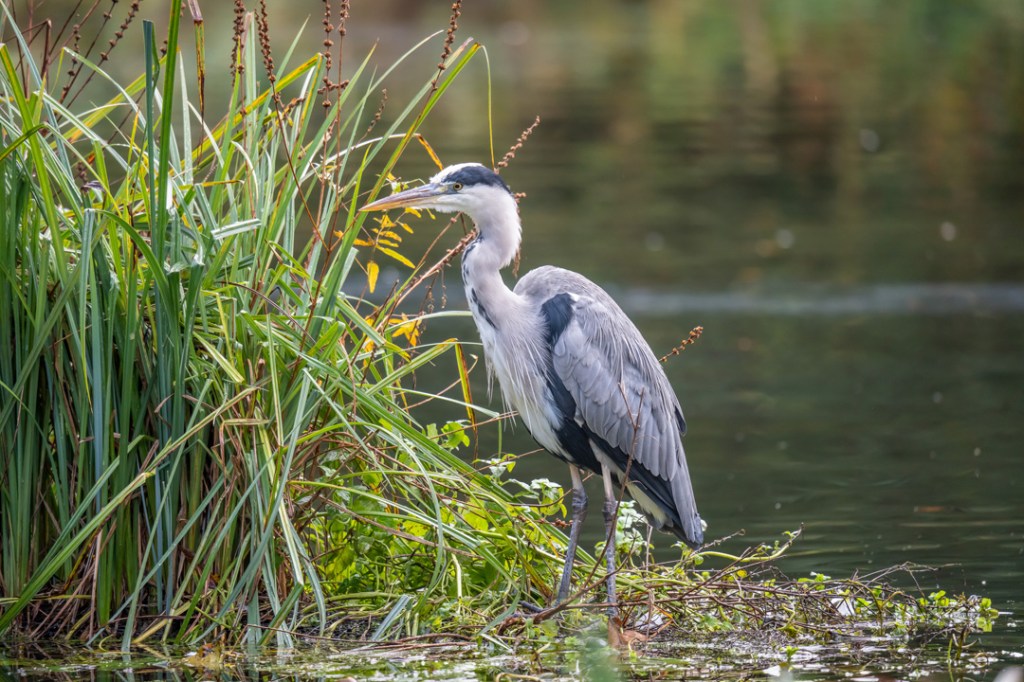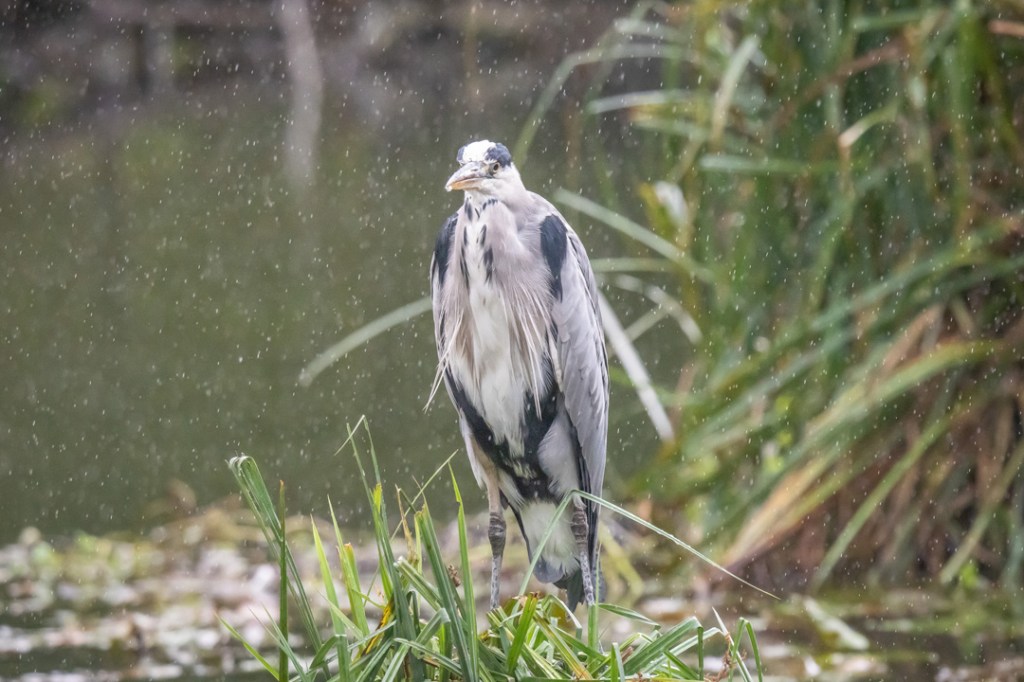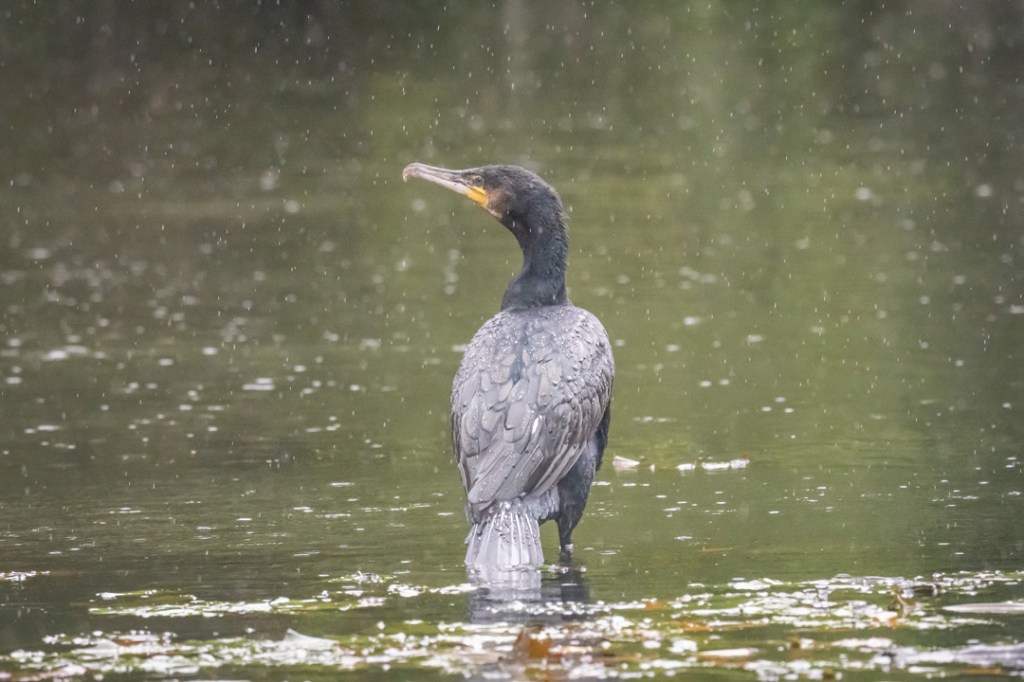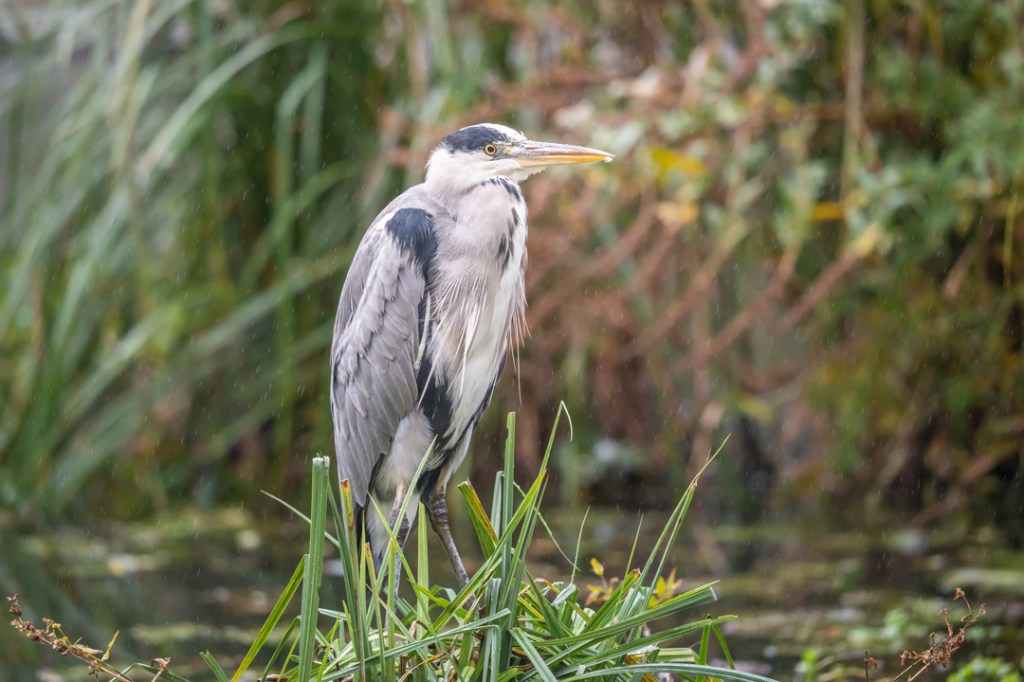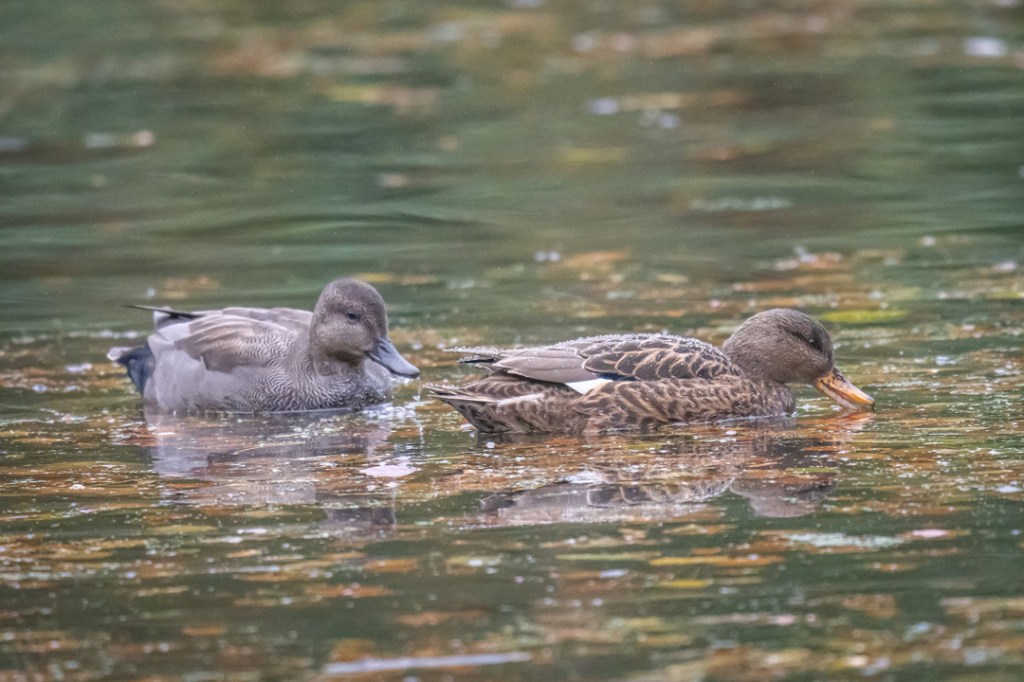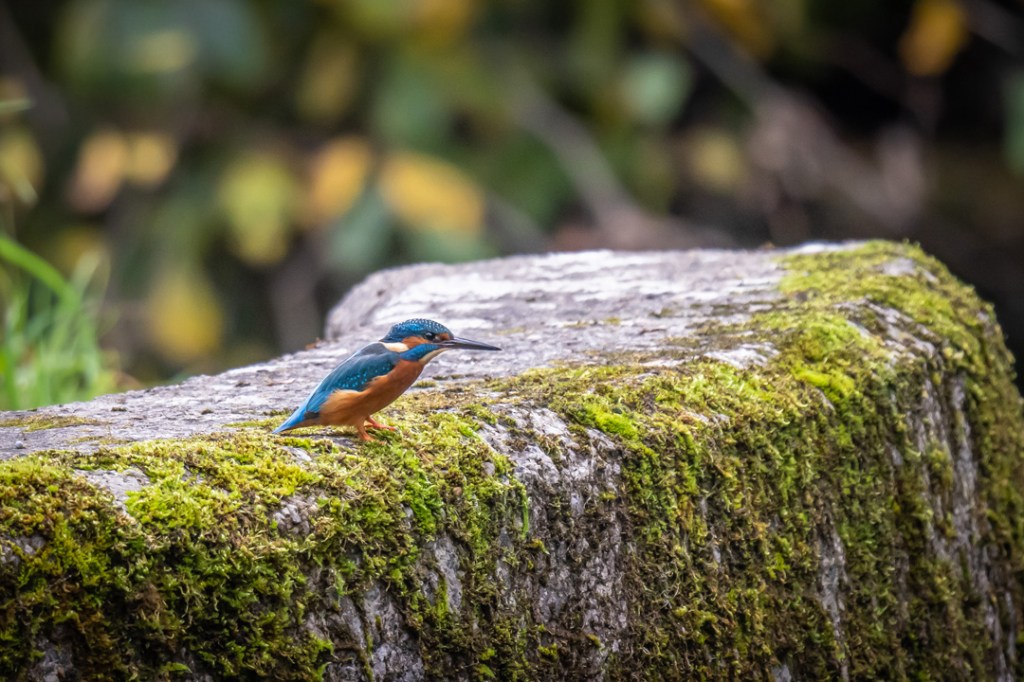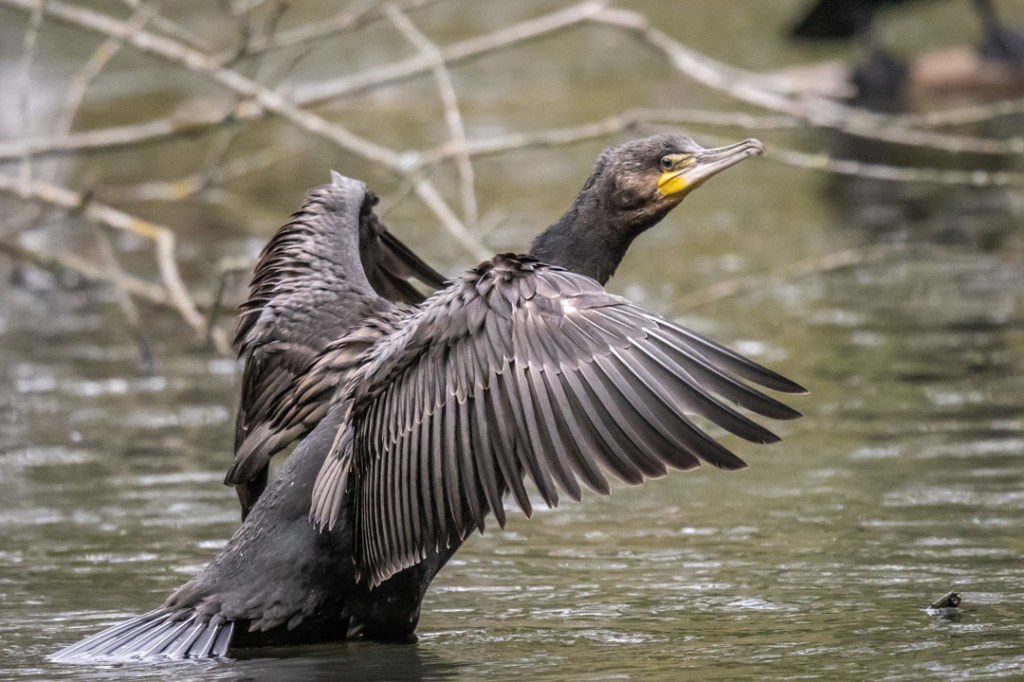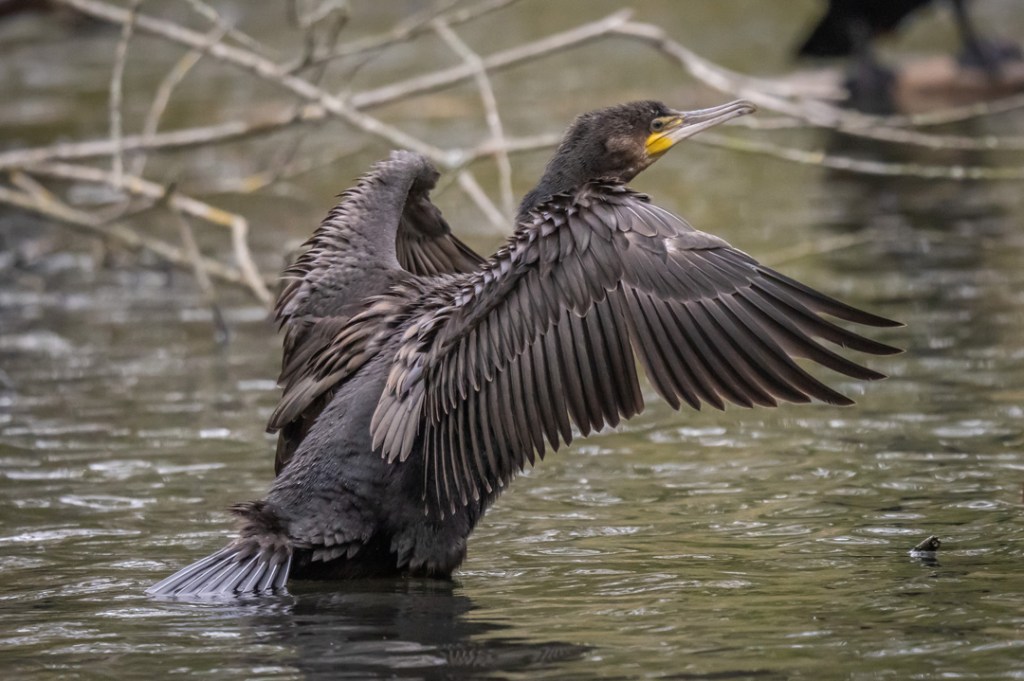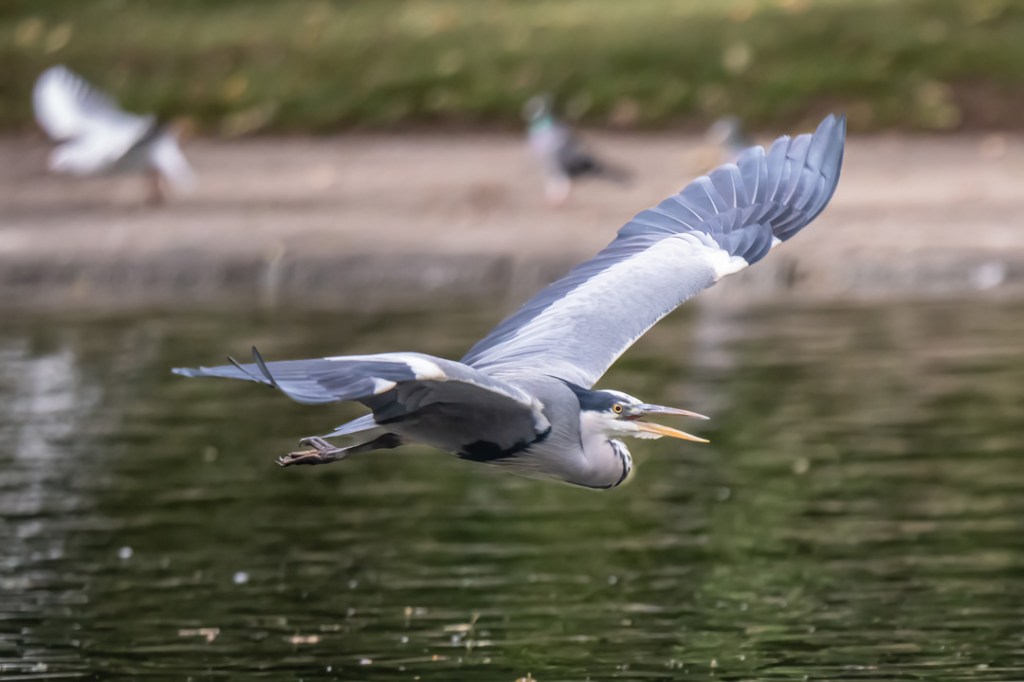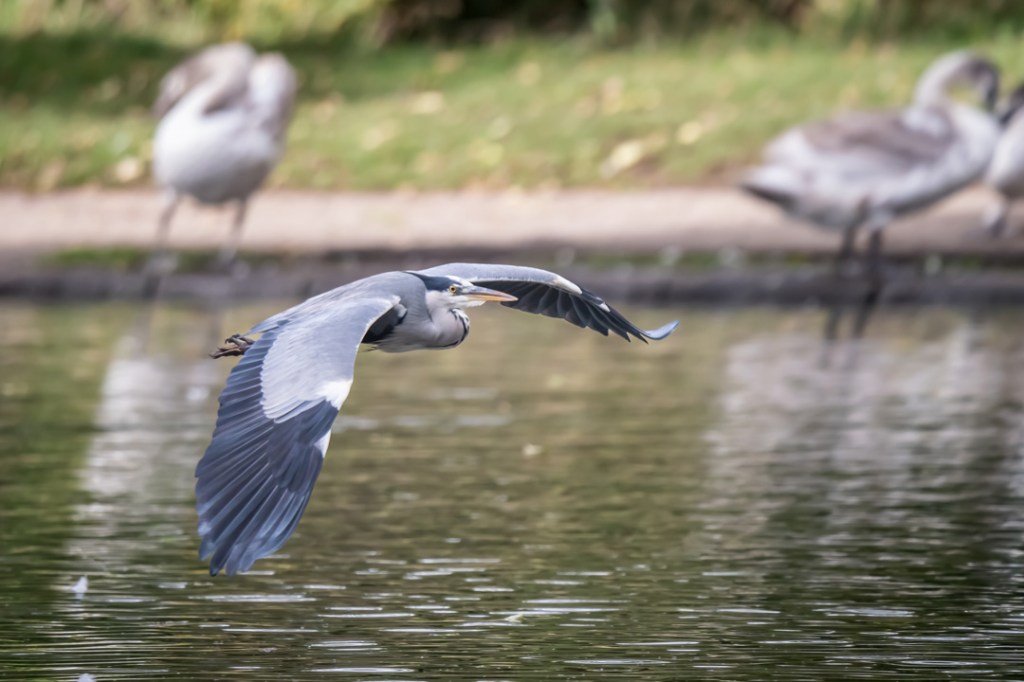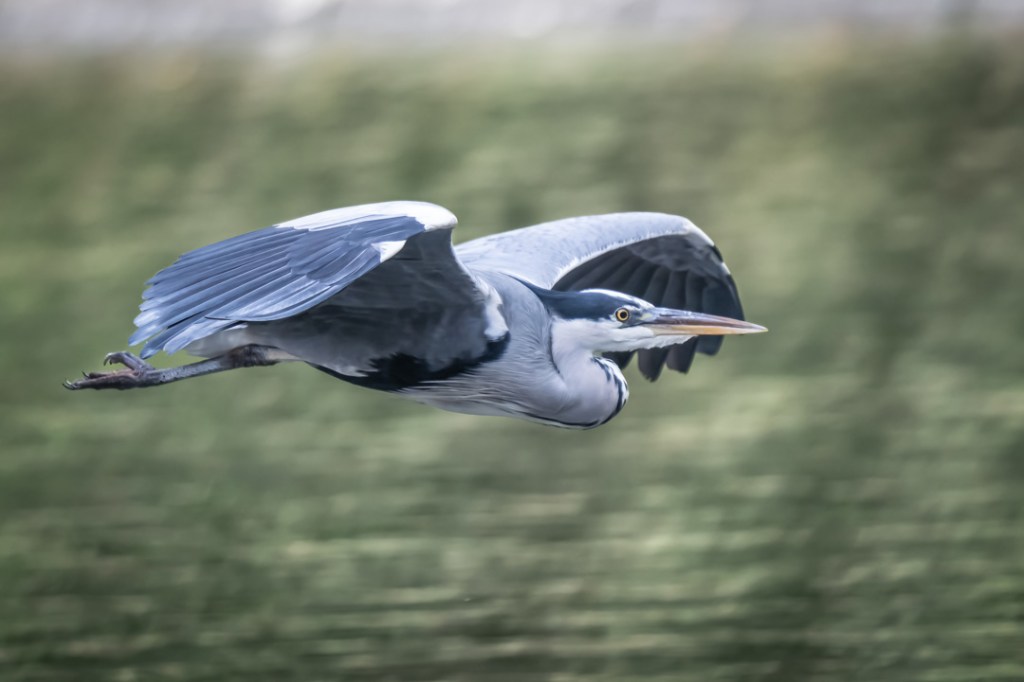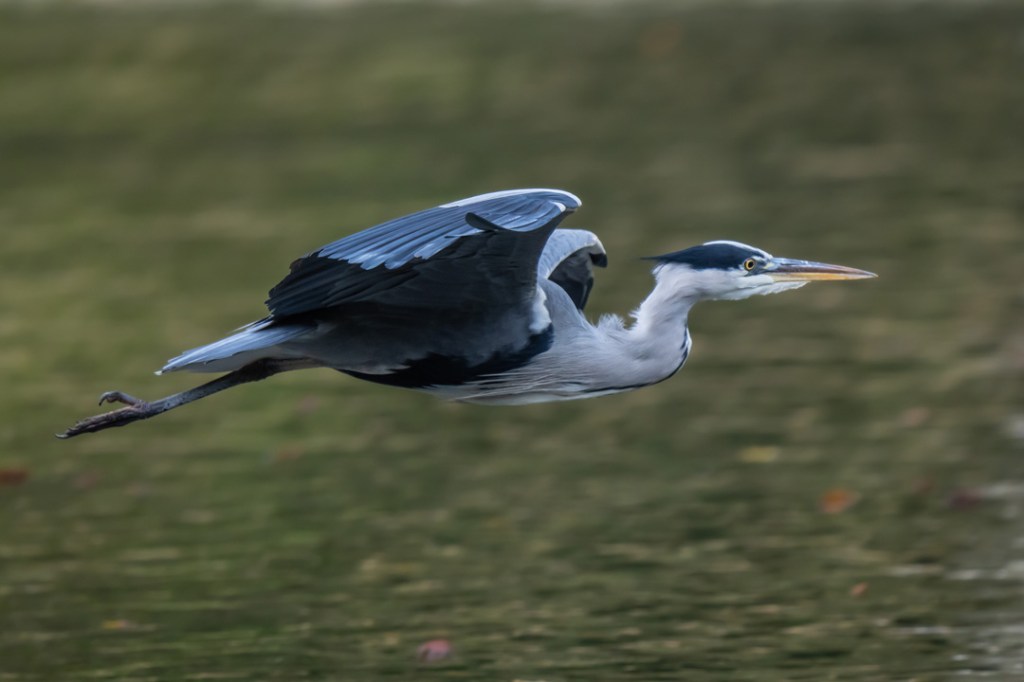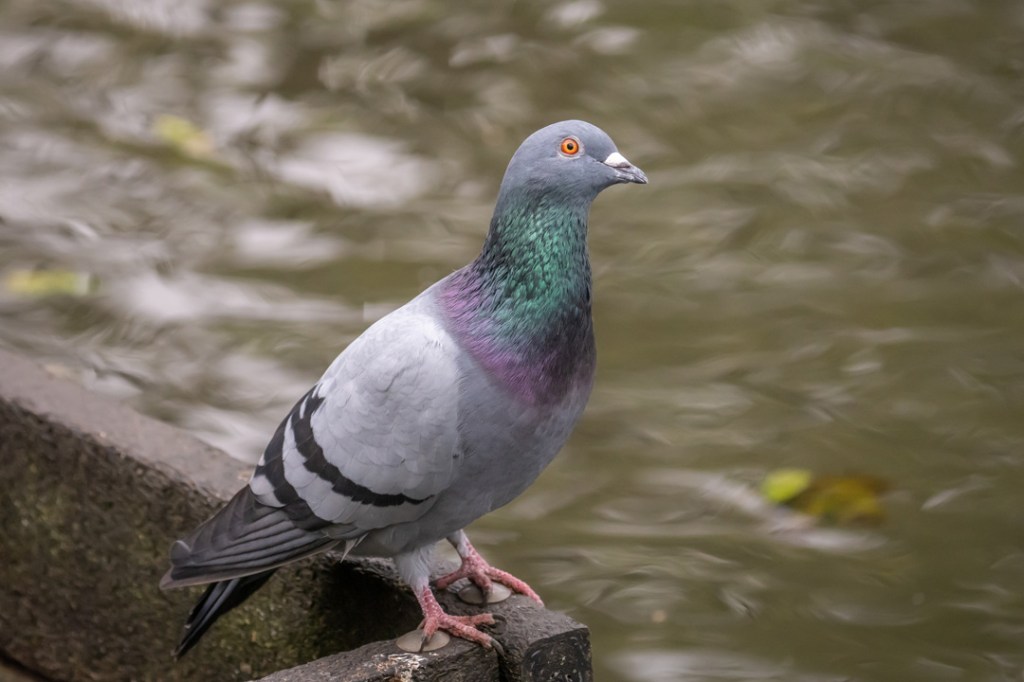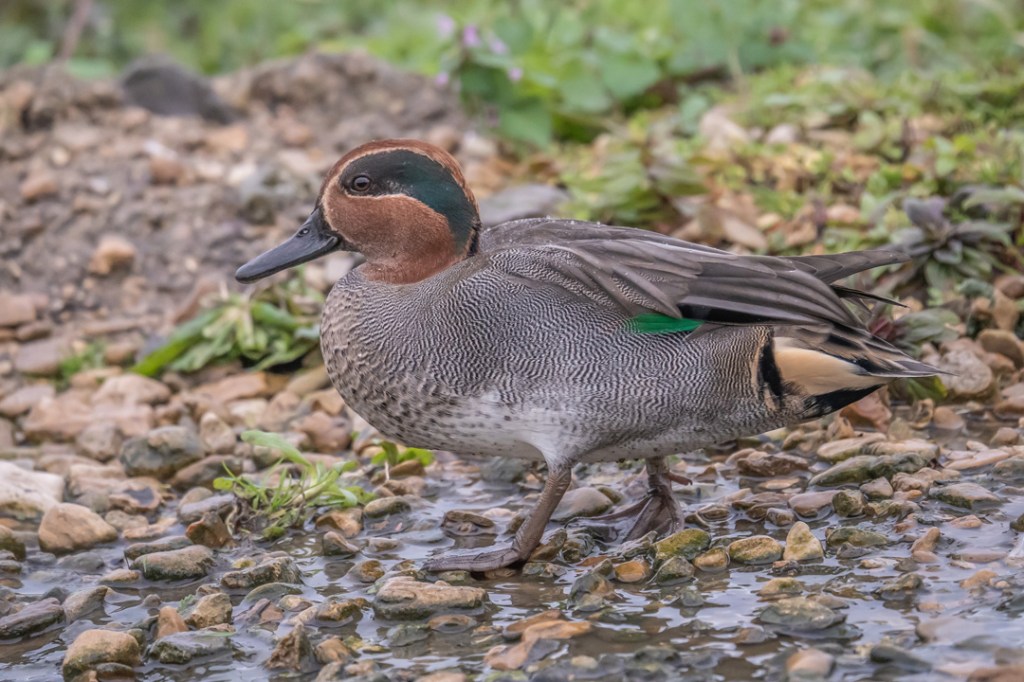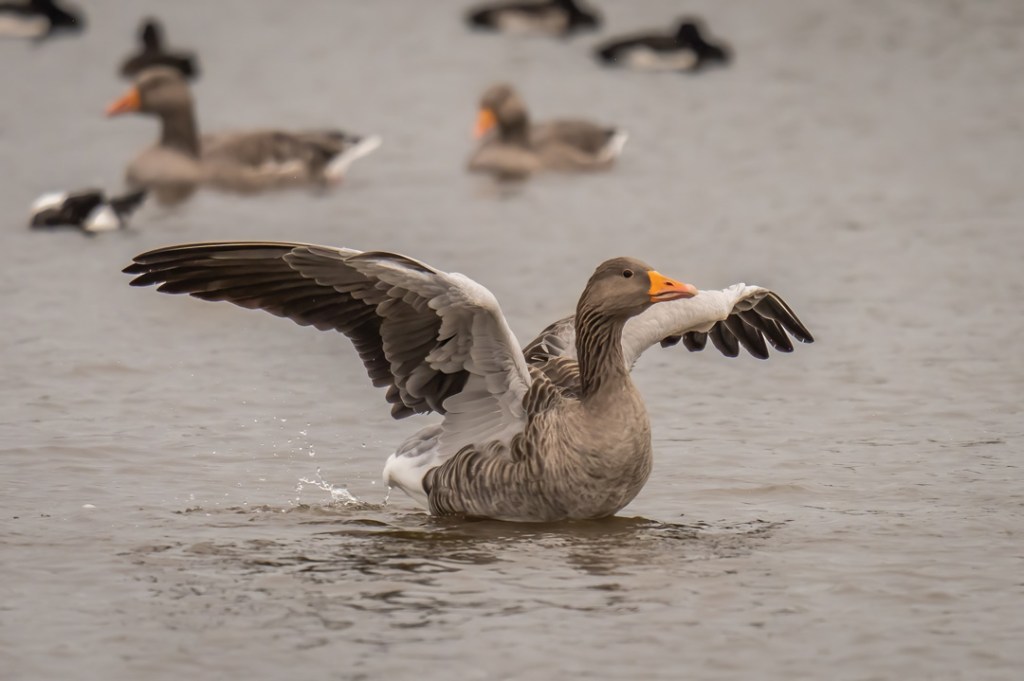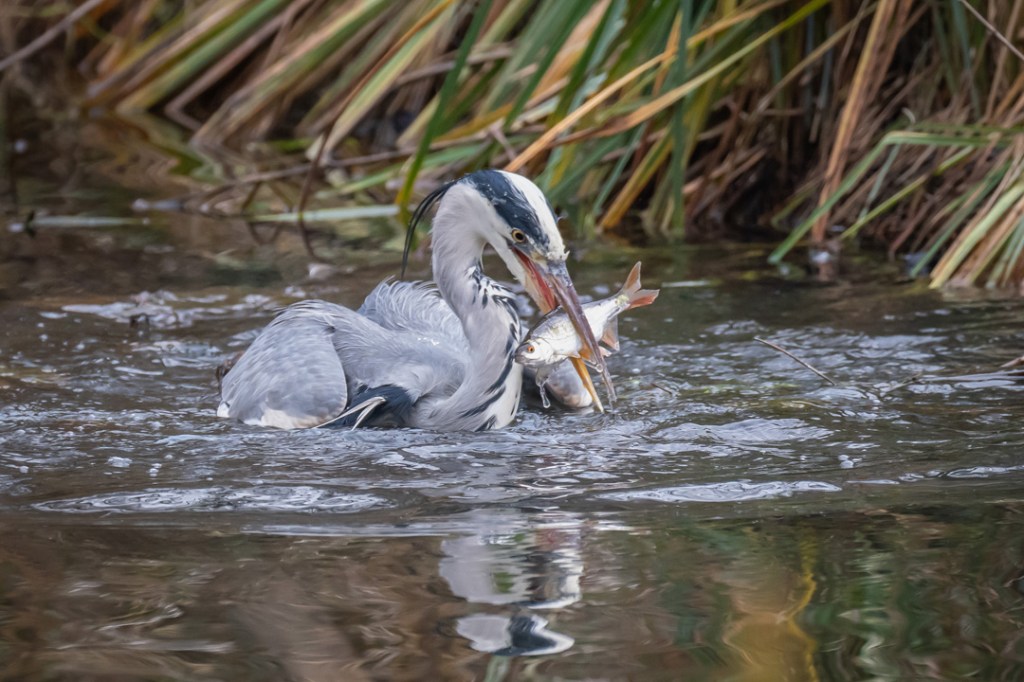
It was mainly about the grey herons in the park this morning – that was only because I couldn’t find any kingfishers or dippers!
Category: Blog
-
15th December 2021 – Dumfries and Galloway, Scotland
We are having a short stay (short in time rather than distance) in Scotland. We are staying just over the border at Glencapel, a few miles south of Dumfries on the River Nith.
There are two very good bird reserves nearby: the WWT reserve at Caerlaverock and RSPB Mersehead.
We stopped off at Kendal in the Lake District on our journey north but we only had glimpses of the beautiful scenery as the weather was not kind to us.
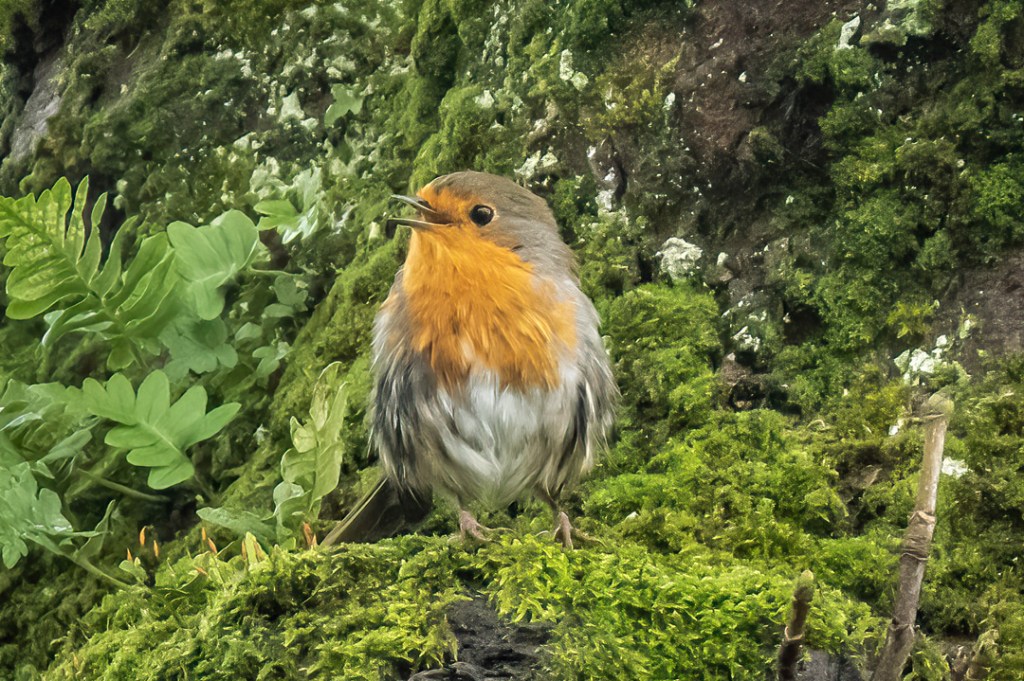
My only bird photo in the Lake District! 
A brief glimpse of the Lake District
We had a recce around WWT Caerlaverock on our arrival and were not only rewarded by seeing the large flocks of barnacle geese and Whooper swans but saw some birds we don’t see at home, in particular yellowhammers.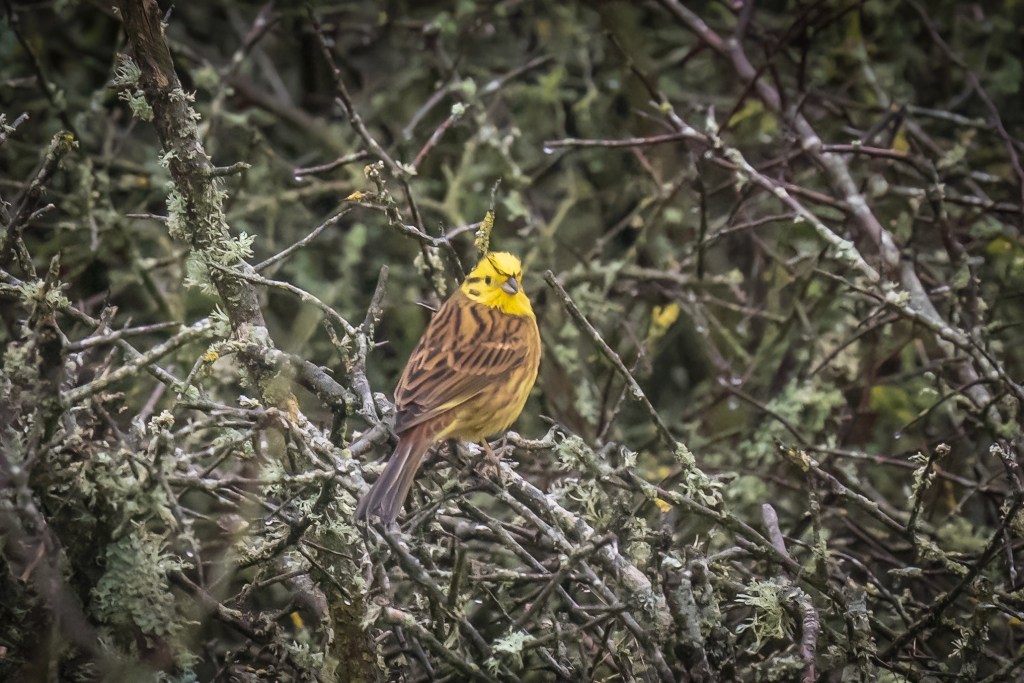
Yellowhammer 
Whooper swans 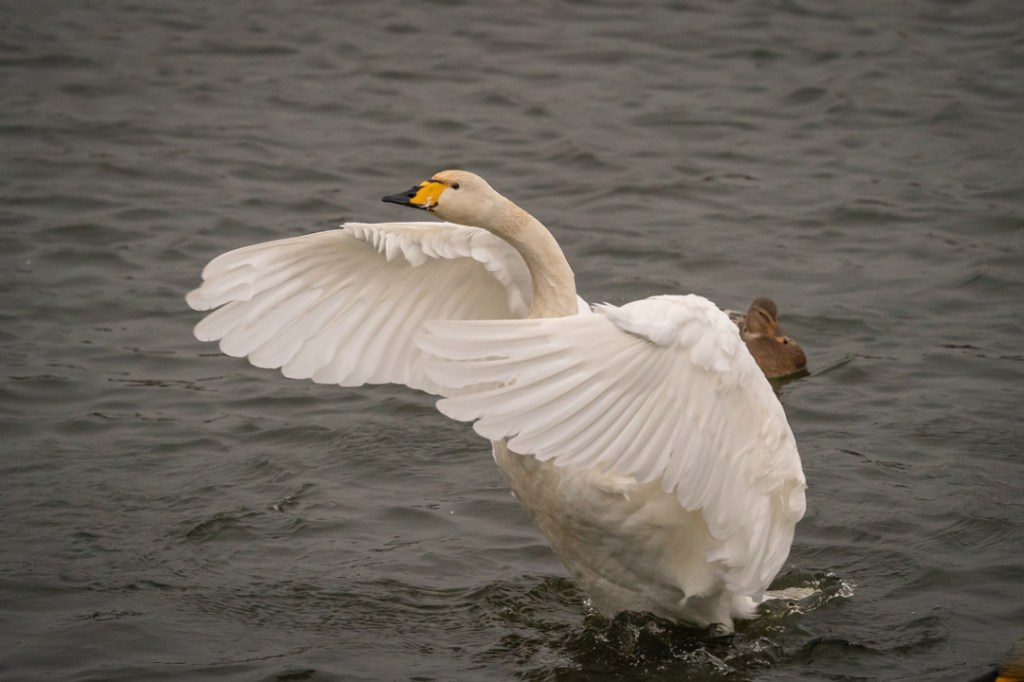
Whooper swan 
Whooper swan Our second day in Scotland we visited RSPB Mersehead, the other side of the River Nith on the edge of the Solway Firth. They have maintained a mosaic of wetland habitats on the reserve, including wet grassland, open water, ditches and reed swamp. This part of Scotland is suffering from bird flu and it was very sad to see dead carcasses of geese. Whilst the risk to people from this disease is very low, there are biosecurity measures and signage in place on the reserve for visitors to try to help prevent further spread amongst wild birds.
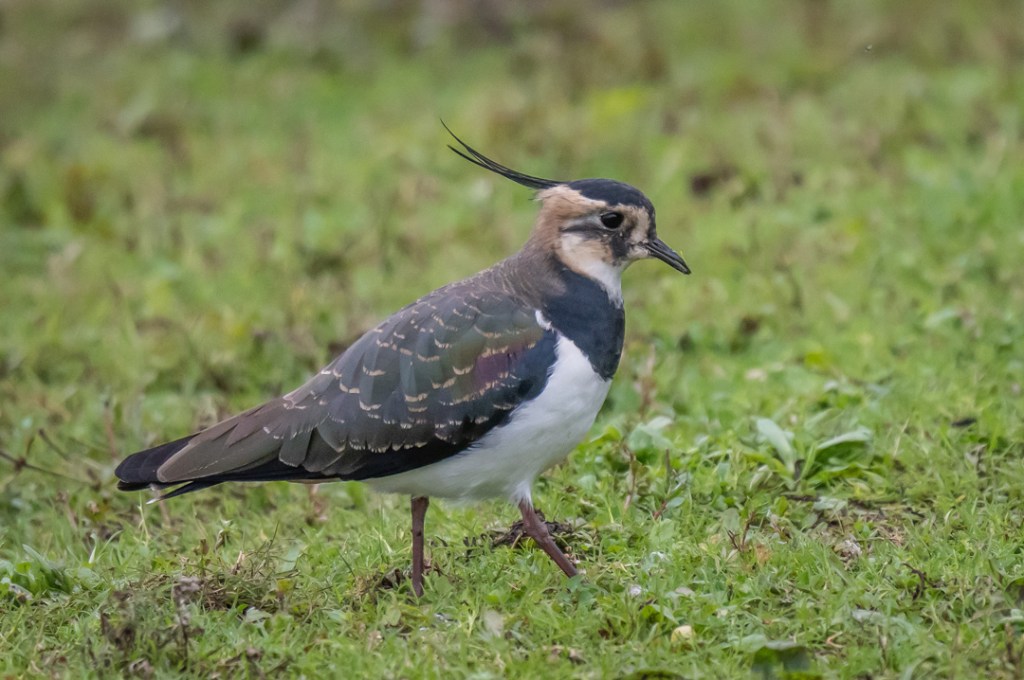
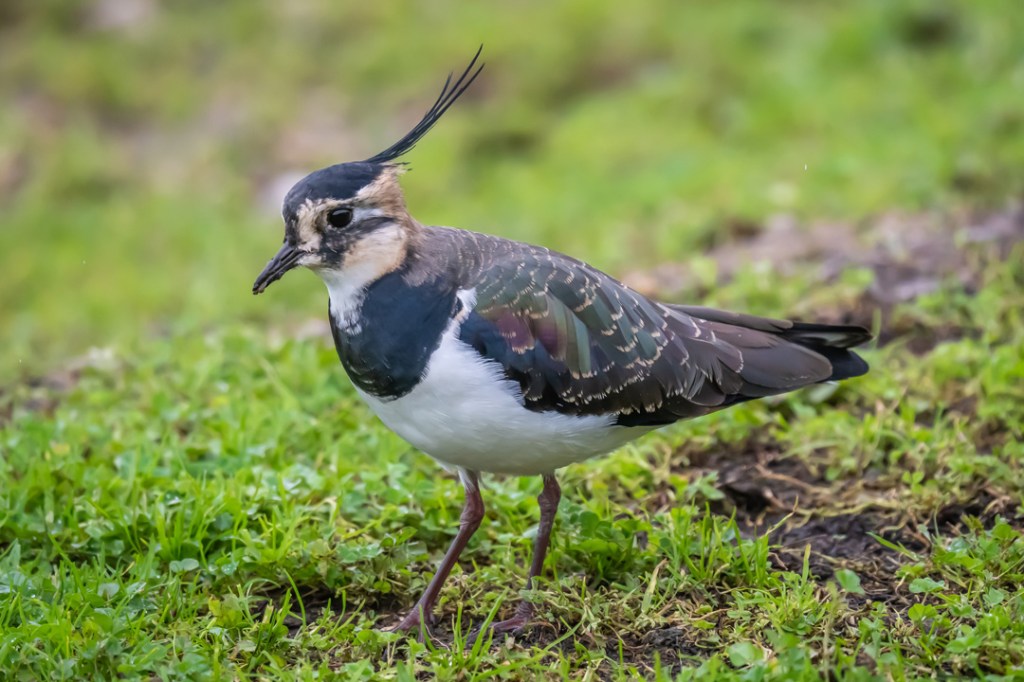
Although the star features are the barnacle geese, lapwing and pintails we also enjoyed seeing siskin and twite -birds we rarely see close to home. We also had a very close encounter with a roe deer.
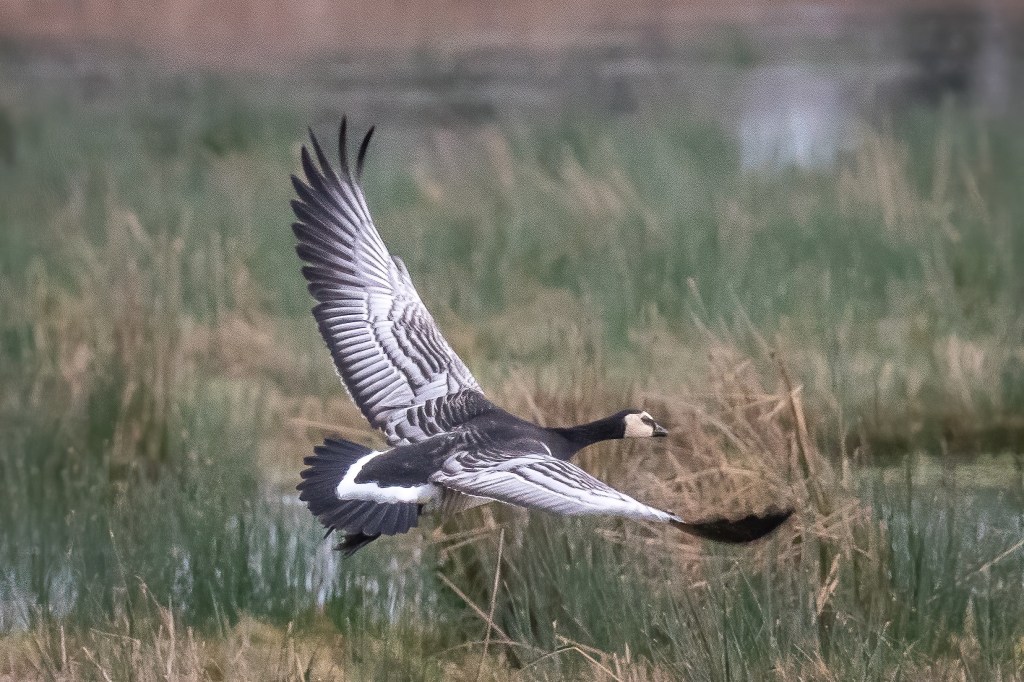
Barnacle goose 
Siskin 
Twite 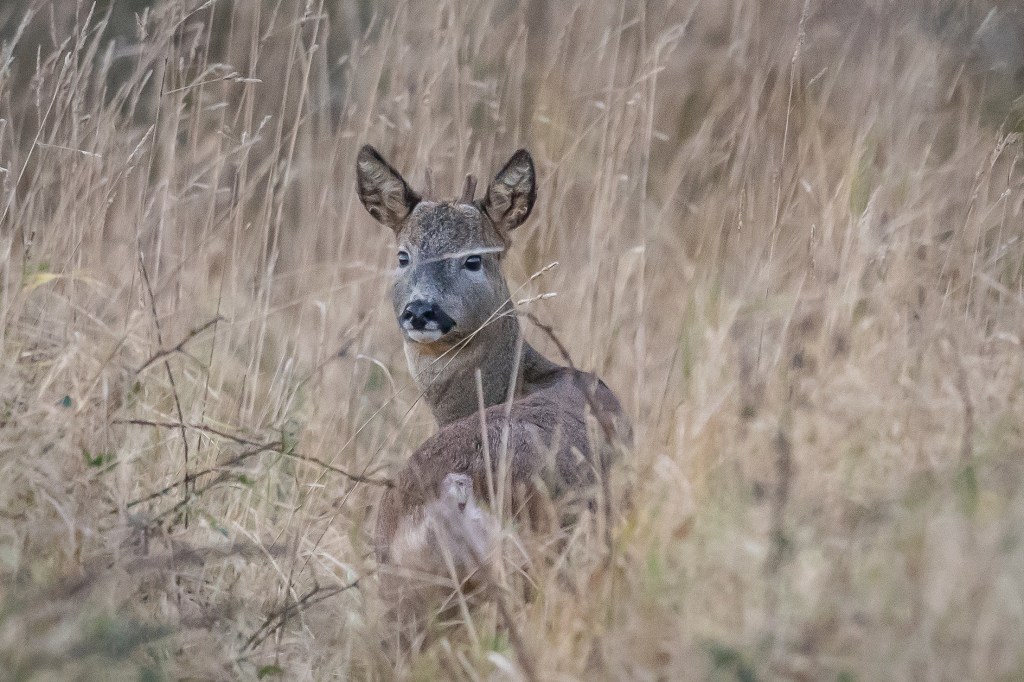

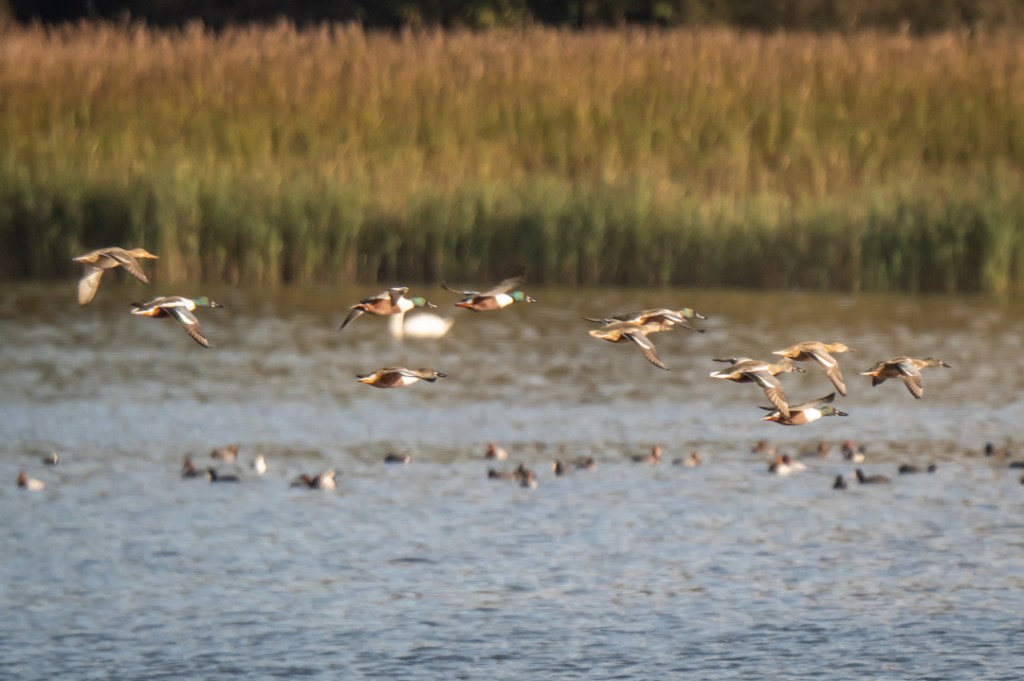
Shoveler 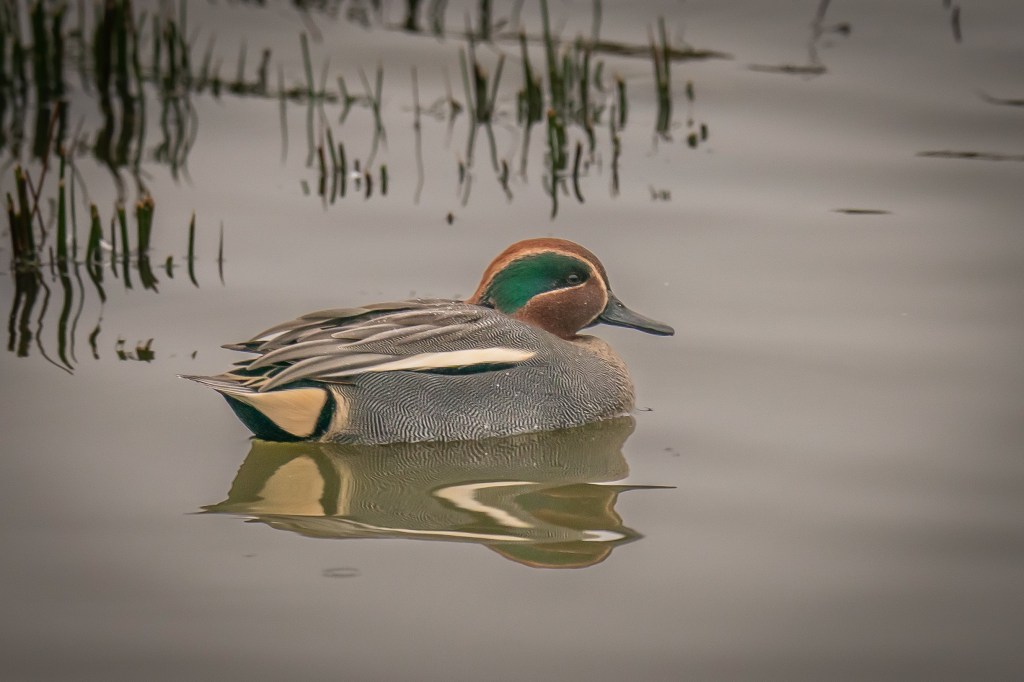
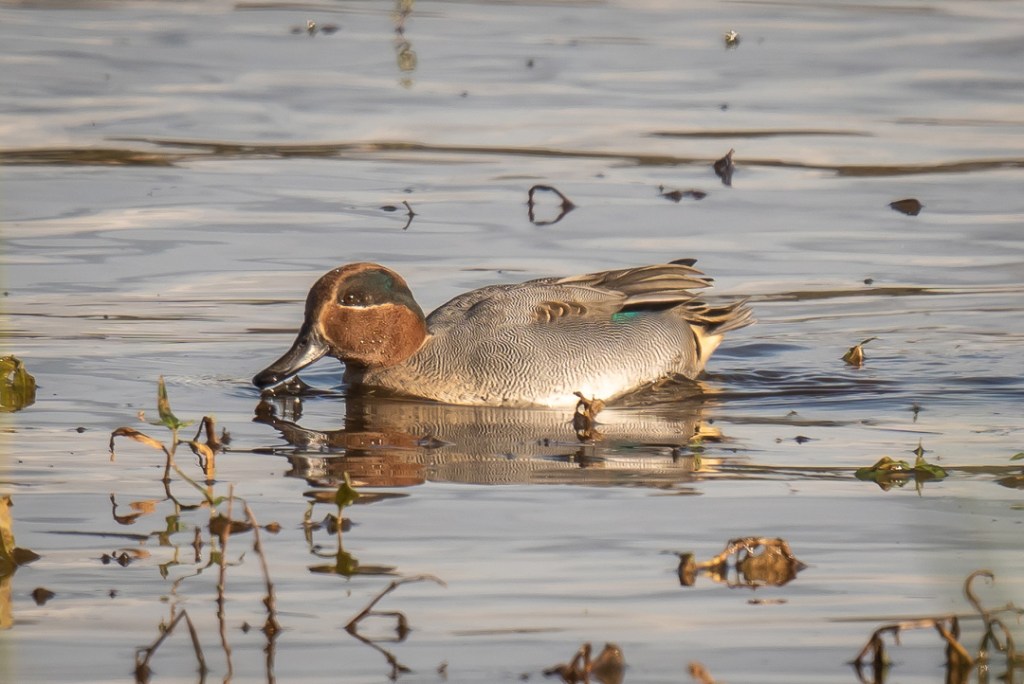
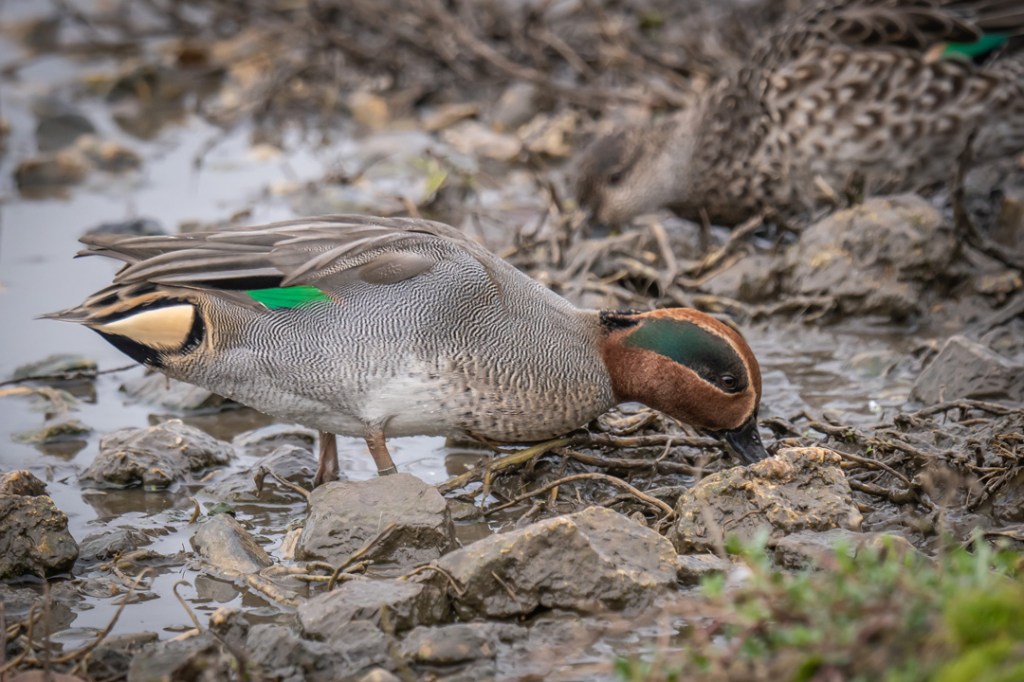
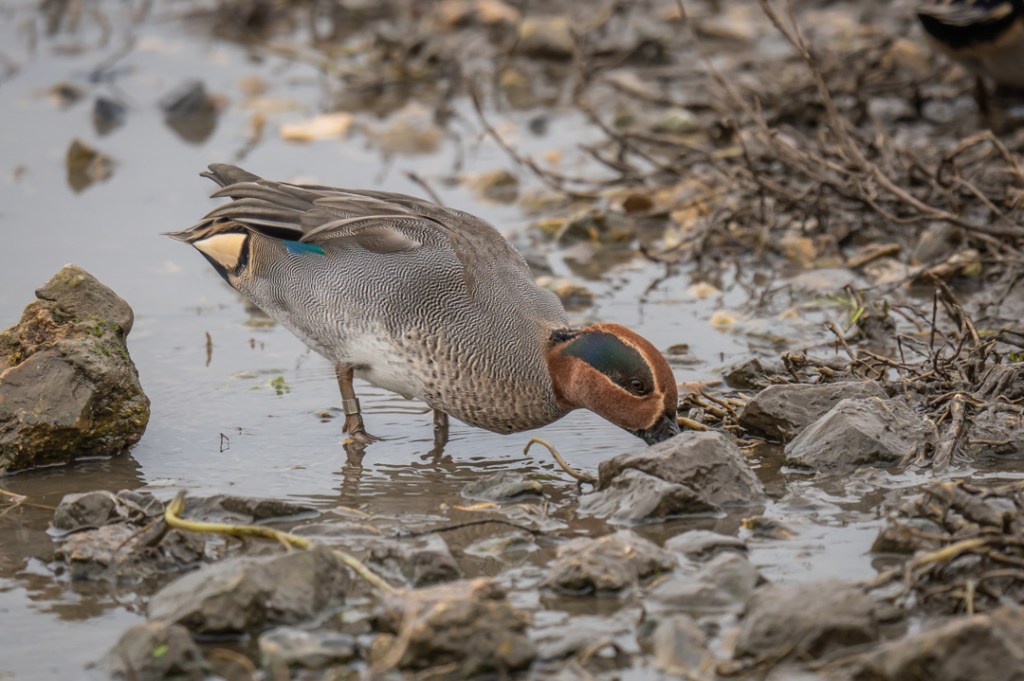
Teal 
Whooper swan 
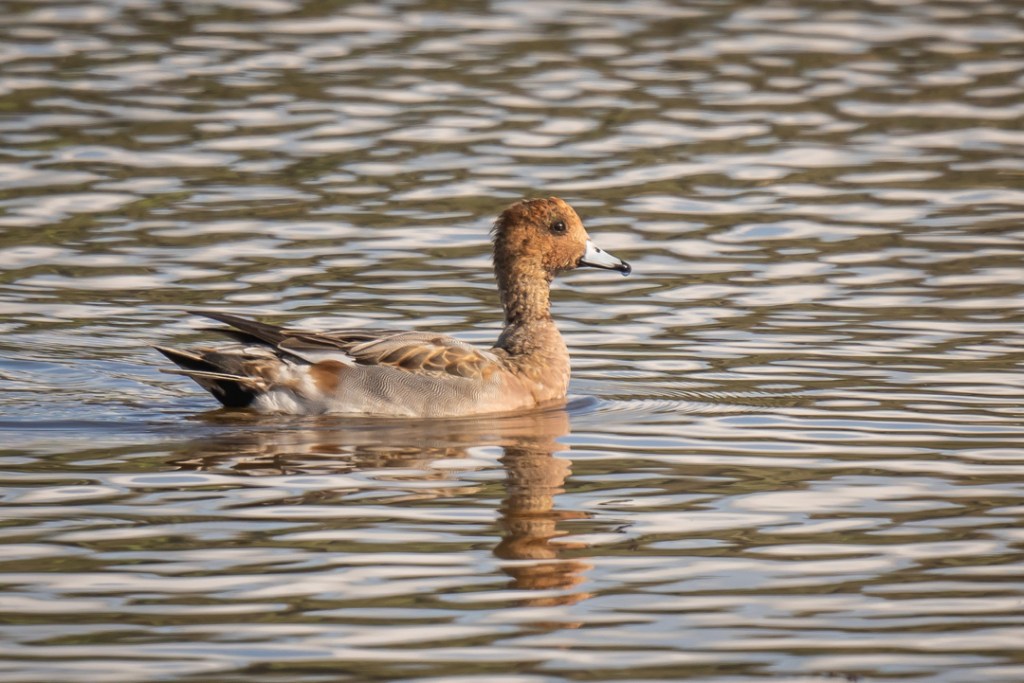
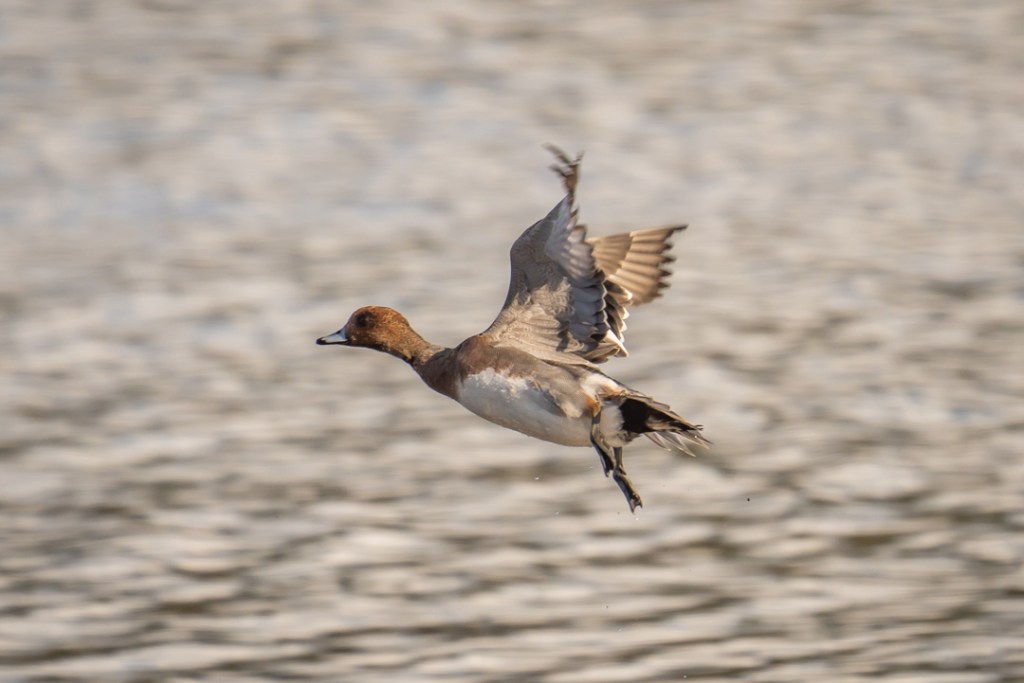
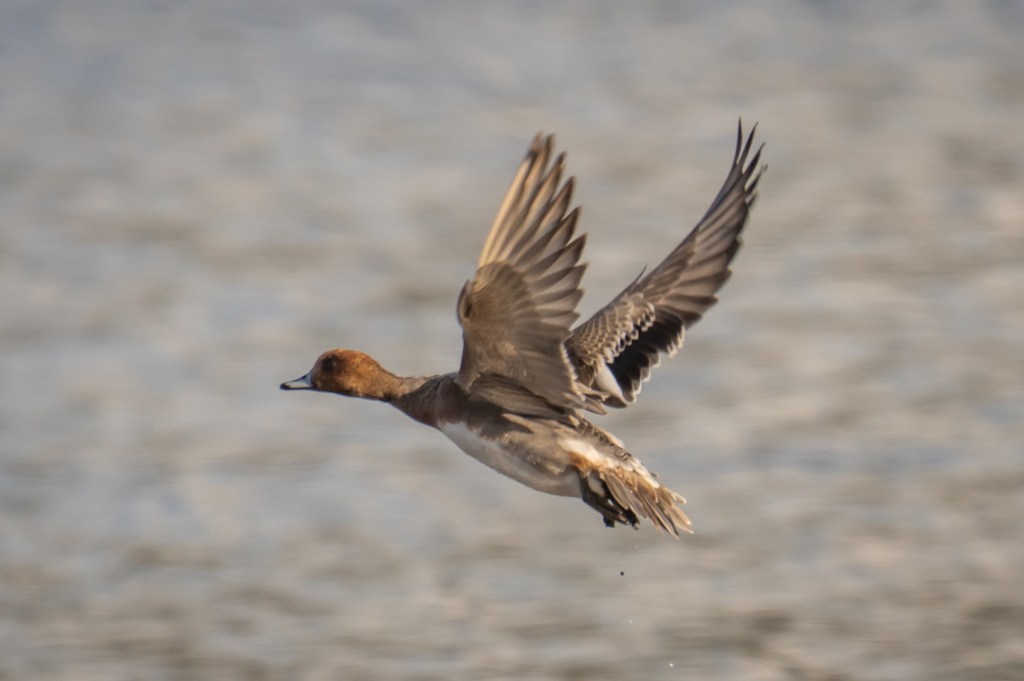
Wigeon 
Redwing 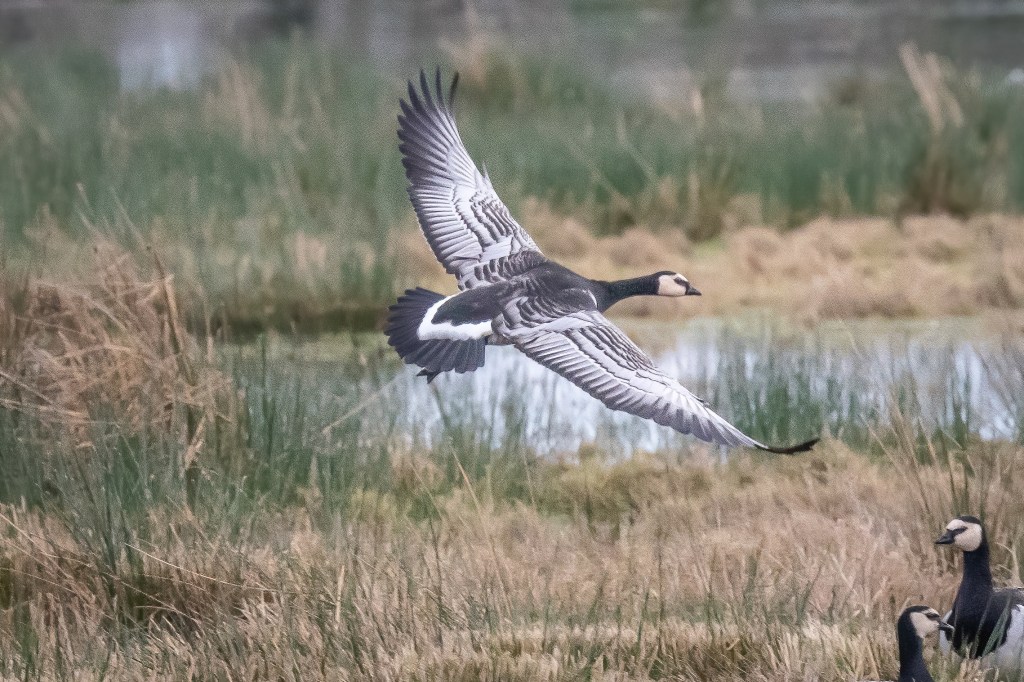
Barnacle goose 
Pintail 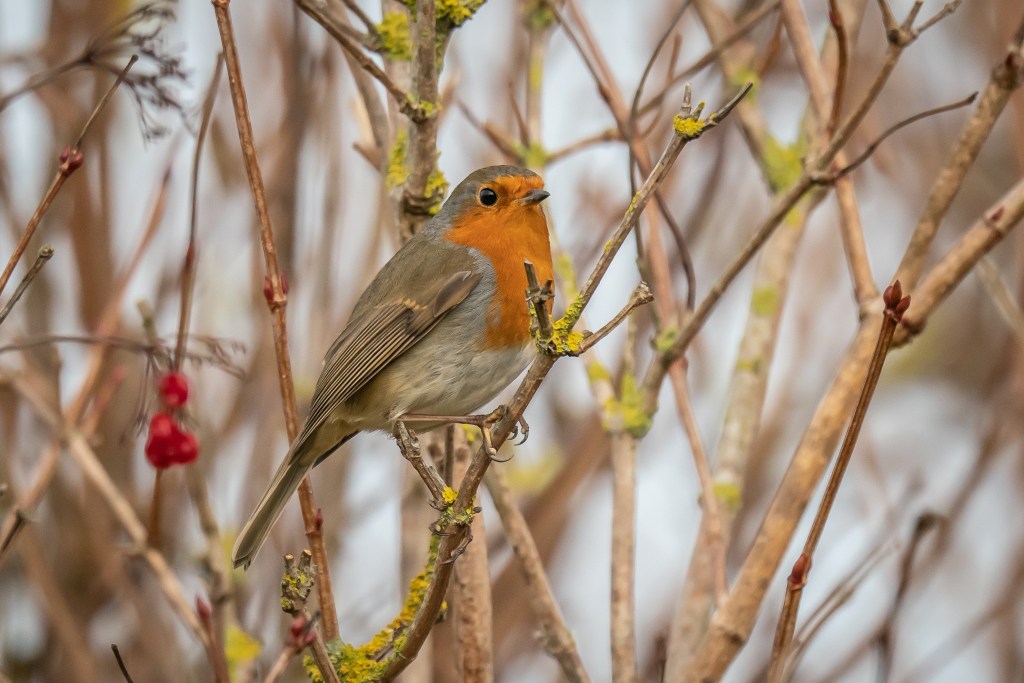
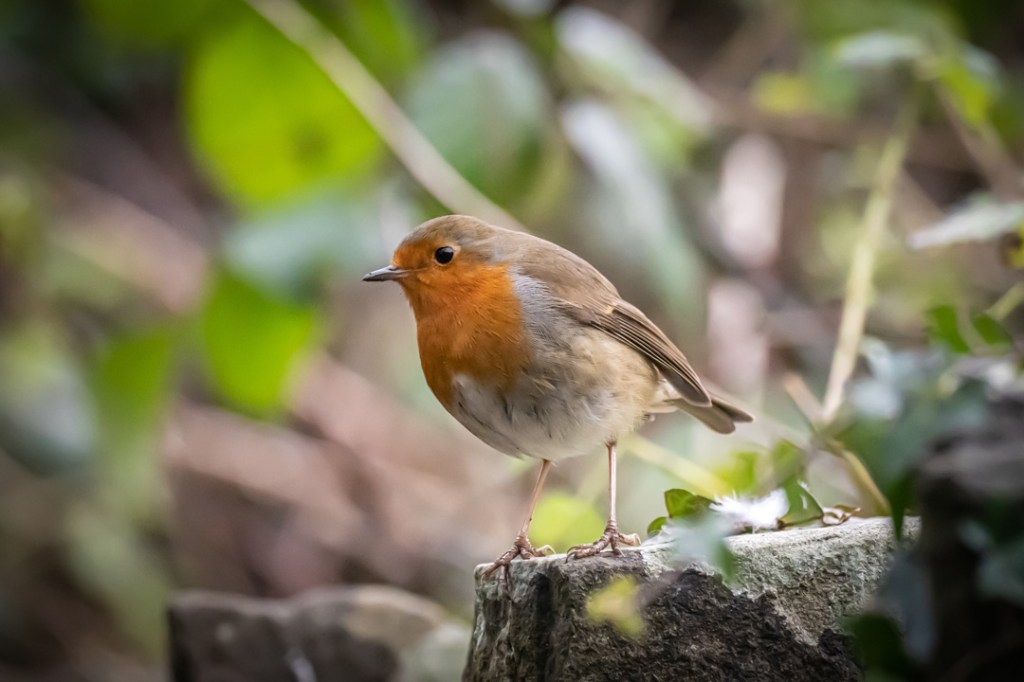
Robin 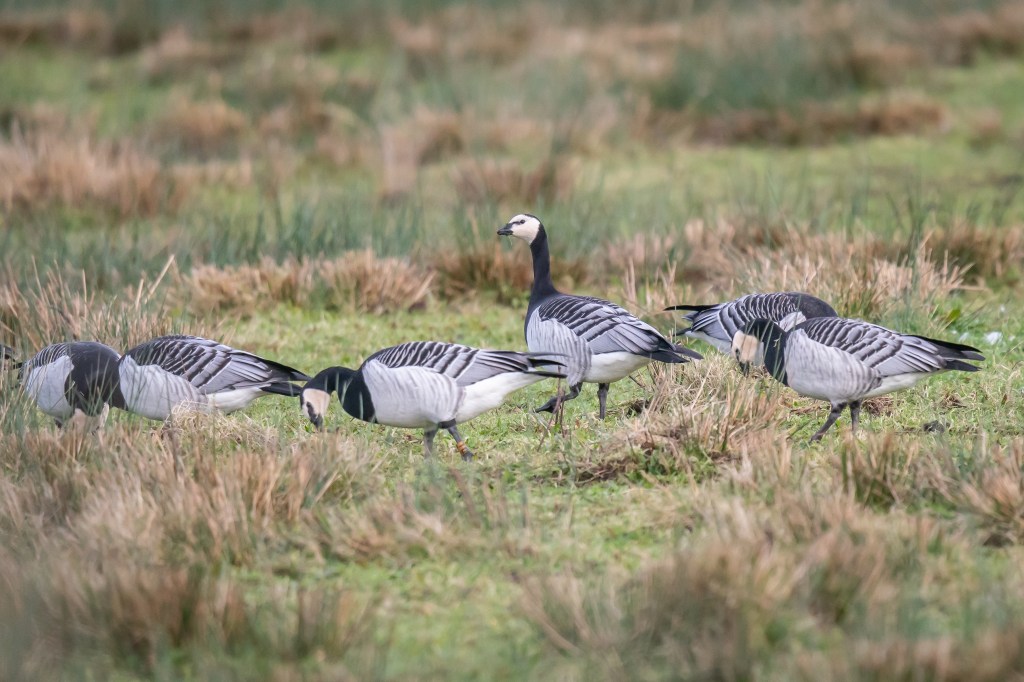
Barnacle geese 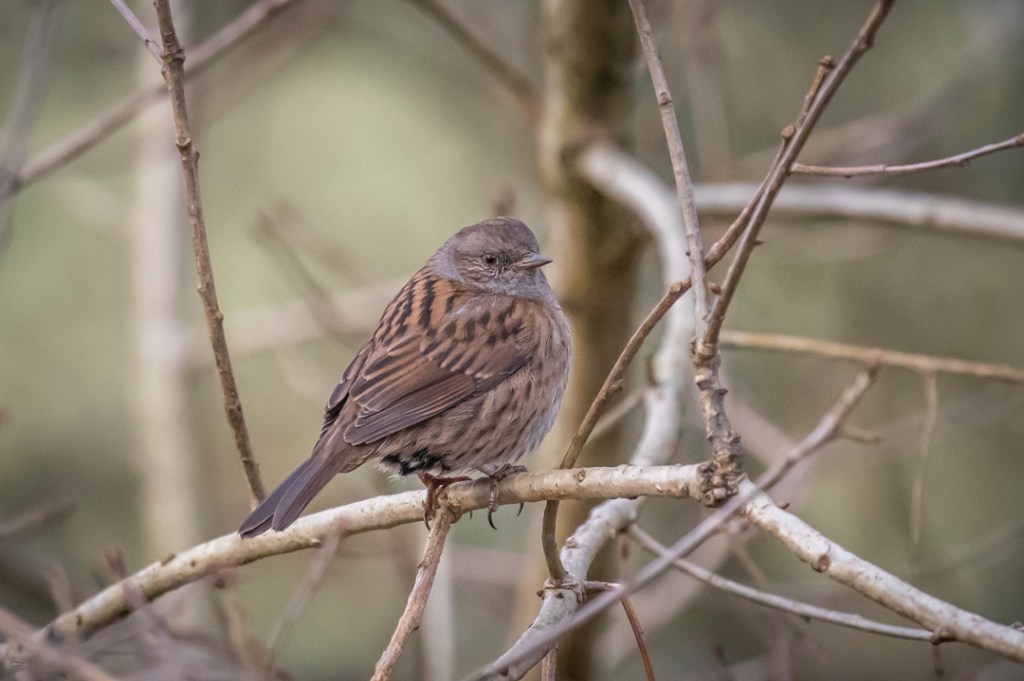
Dunnock 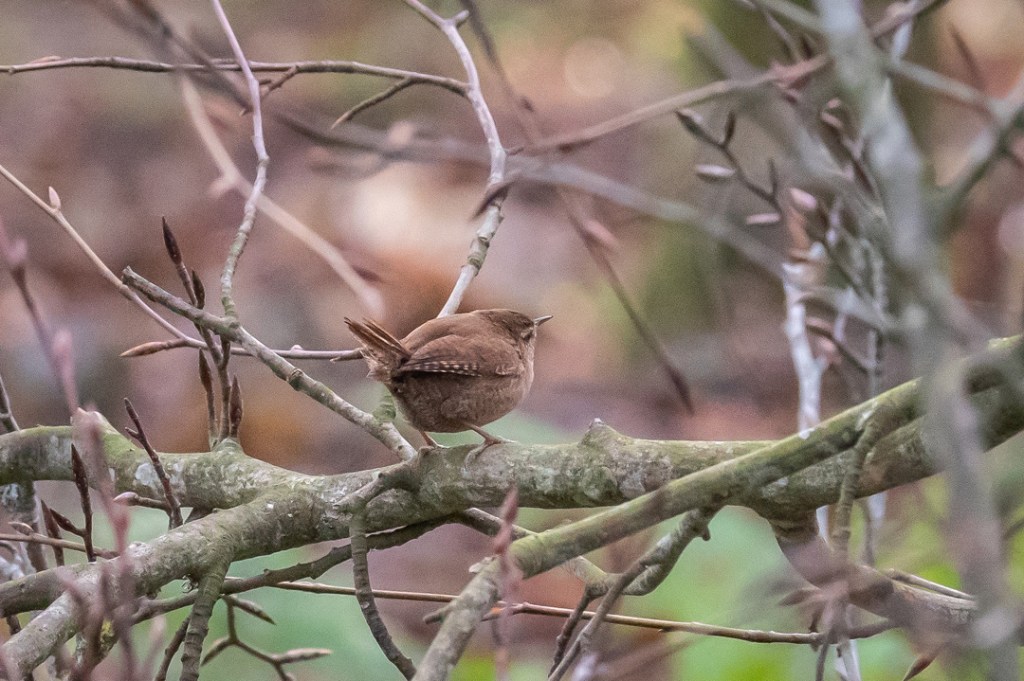
Wren Our holiday cottage looks out on to the River Nith and the Kirkconnell Merse Nature Reserve on the far bank.
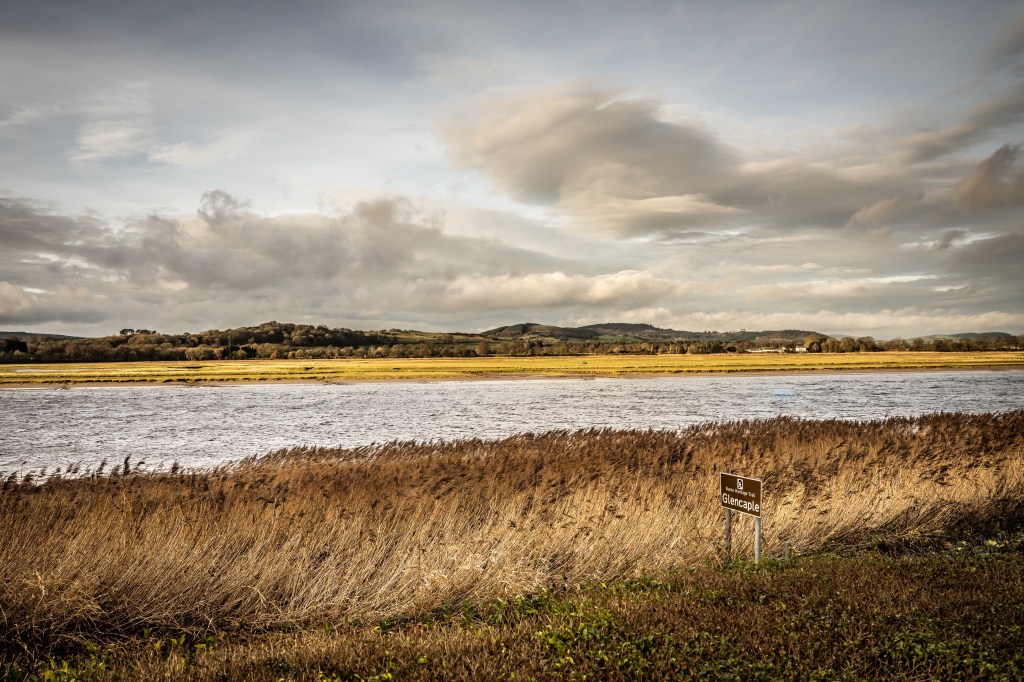
The River Nith with the the Kirkconnell Merse Nature Reserve behind 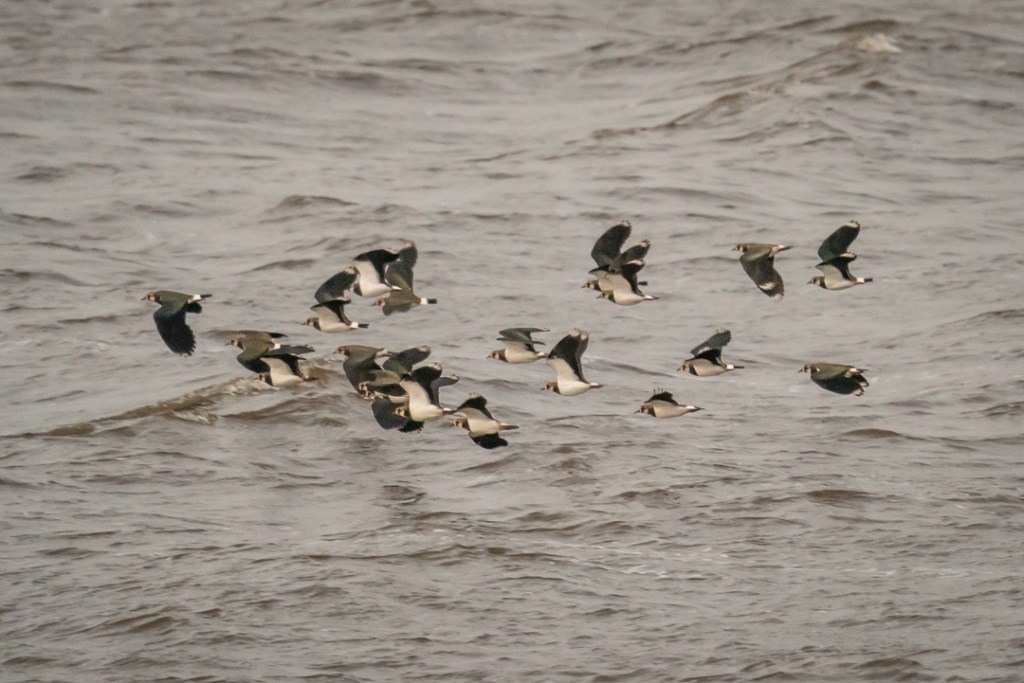
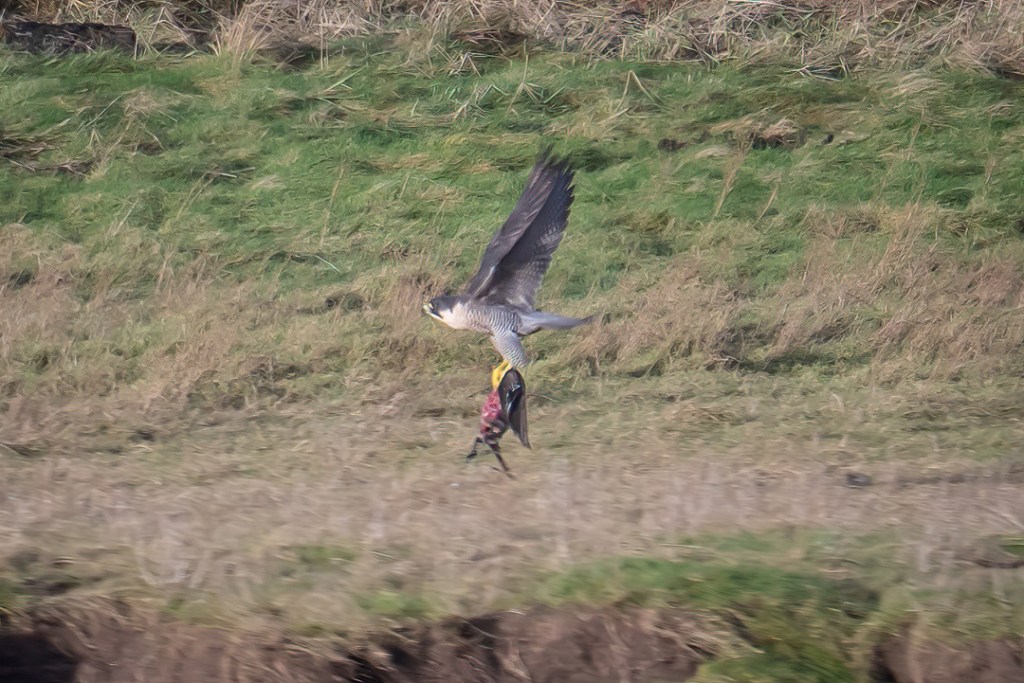
Lapwings on the River Nith As I was trying to focus on a curlew one of our friends (a top bird spotter) with whom we are staying was gesticulating from the window and, when we could make out what she was saying, we realised that there was a peregrine falcon on the far bank with its prey and a red kite on a nearby post looking to plunge in, if given half a chance. Quite a drama pursued with the peregrine and the red kite taking to flight and even another peregrine appearing.
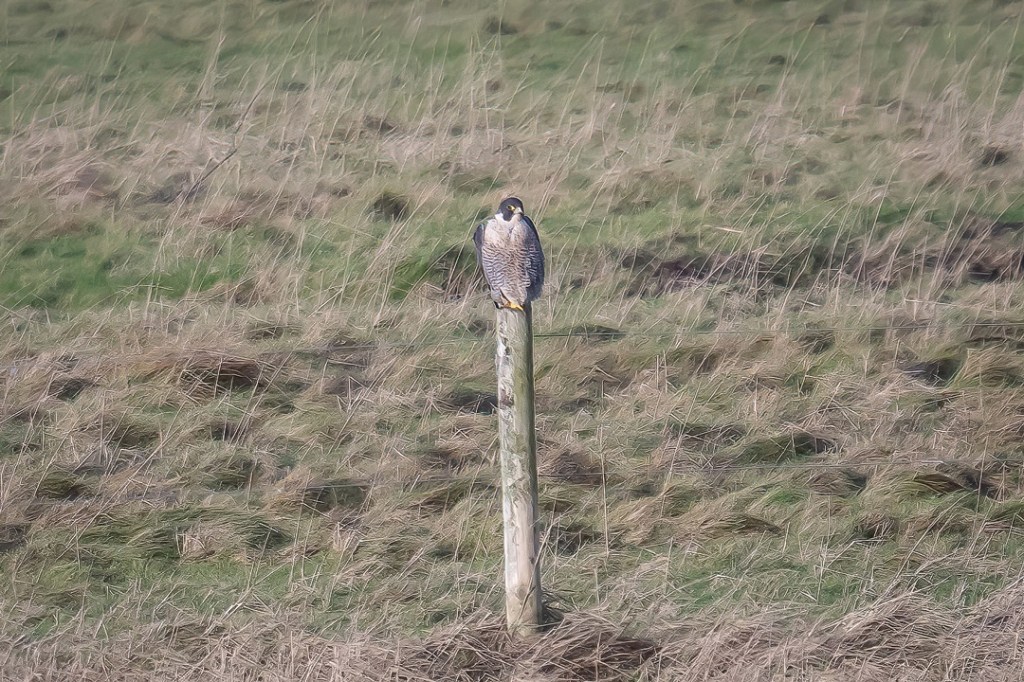
Peregrine 
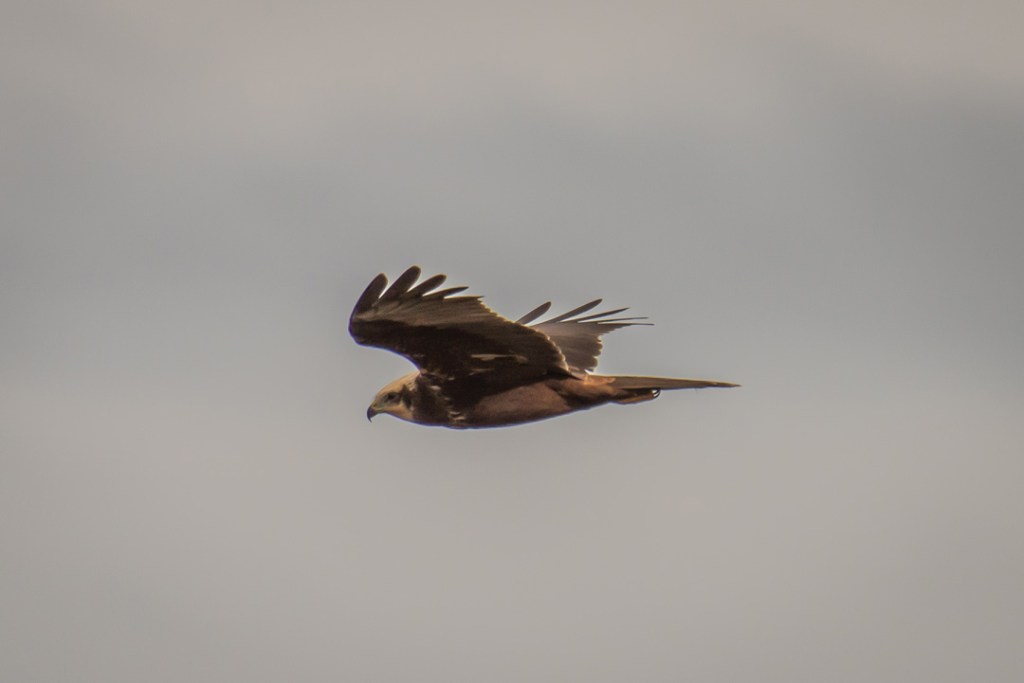
Red kite 
Peregrine in flight 
Peregrine in descent 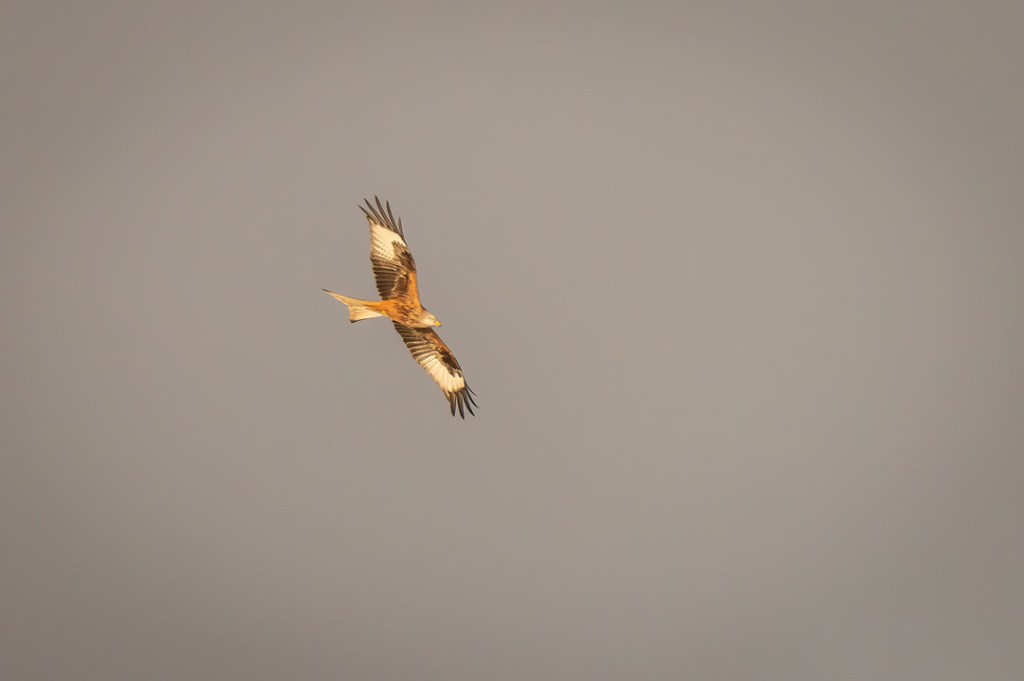
Red kite 
Peregine with its prey We eventually tore ourselves away and went off to the Caerlaverock Wetland Centre just down the road.
Again the barnacle geese and the Whooper swans were the highlight but we also enjoyed seeing close up lots of other birds such as fieldfare, redwing and blackbirds making the most of the luscious haws, the fruit of the hawthorn.

Haws 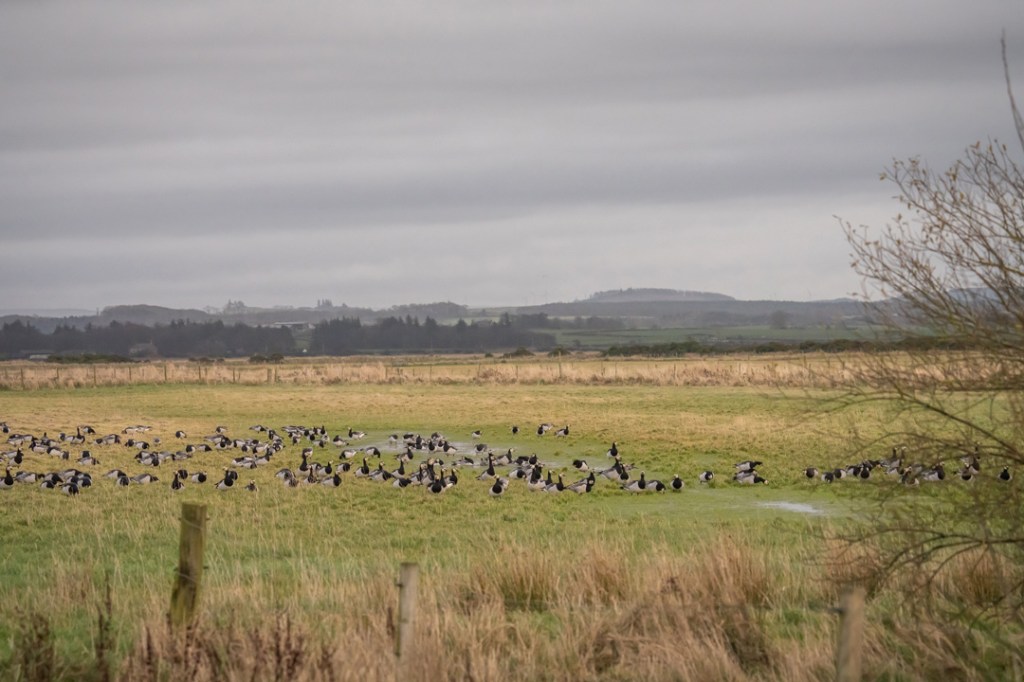
Barnacle geese On the ponds there were wigeon, teal, shelduck, pintail, tufted ducks and snipe. Along the lanes we also saw treecreepers and out on the wetlands another peregrine.
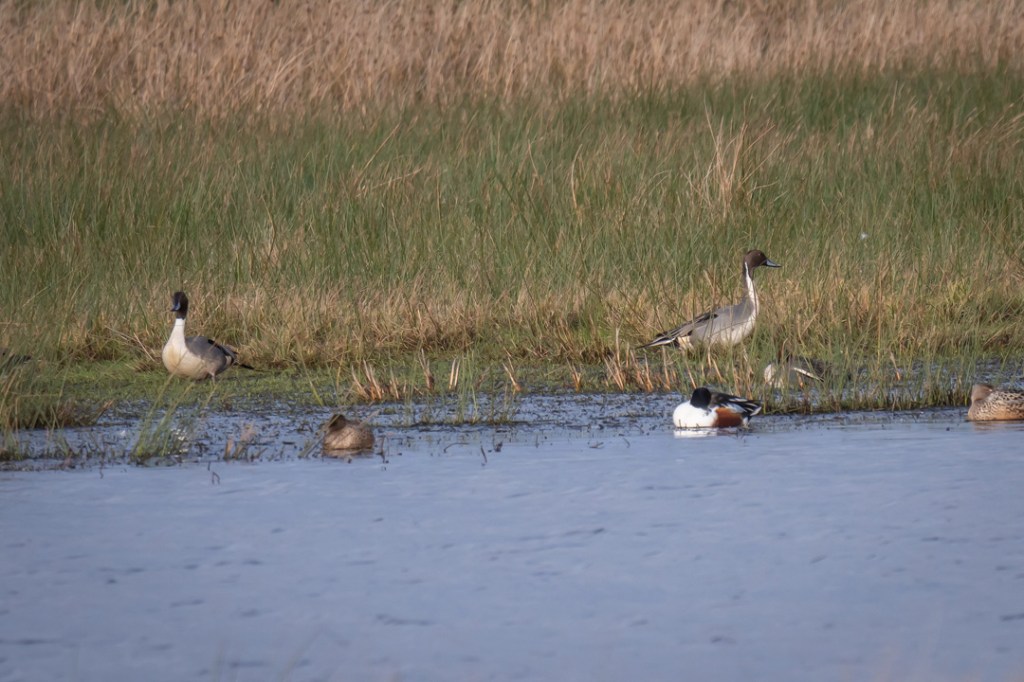
Pintail 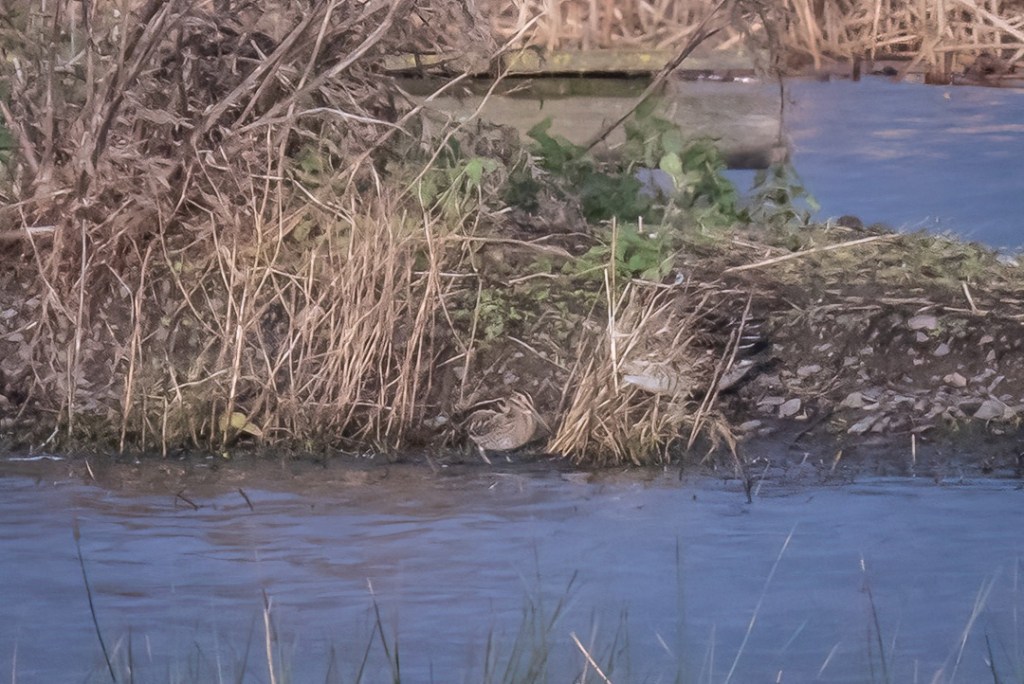
Snipe 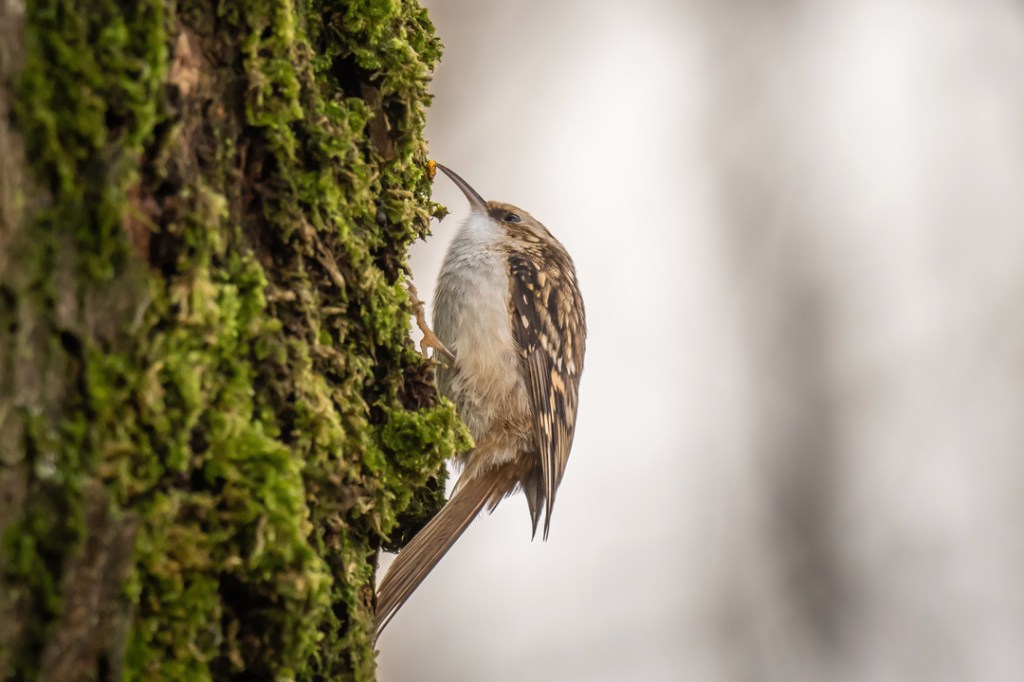
Treecreeper On the way home we stopped briefly to visit Caerlaverock Castle and then along the banks of the River Nith to see redshank and curlew feeding on the mudflats.


Caerlaverock Castle – I gather the only triangular castle in Britain 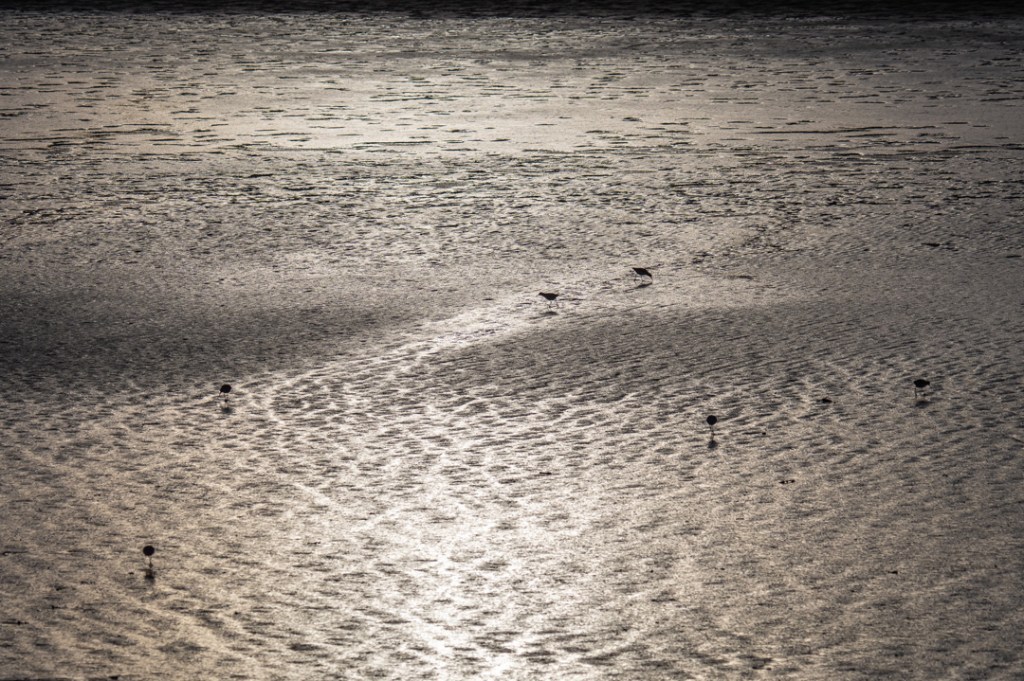
Redshank and curlew on the River Nith Back at the cottage I couldn’t resist taking photos of the spectacular sunset.
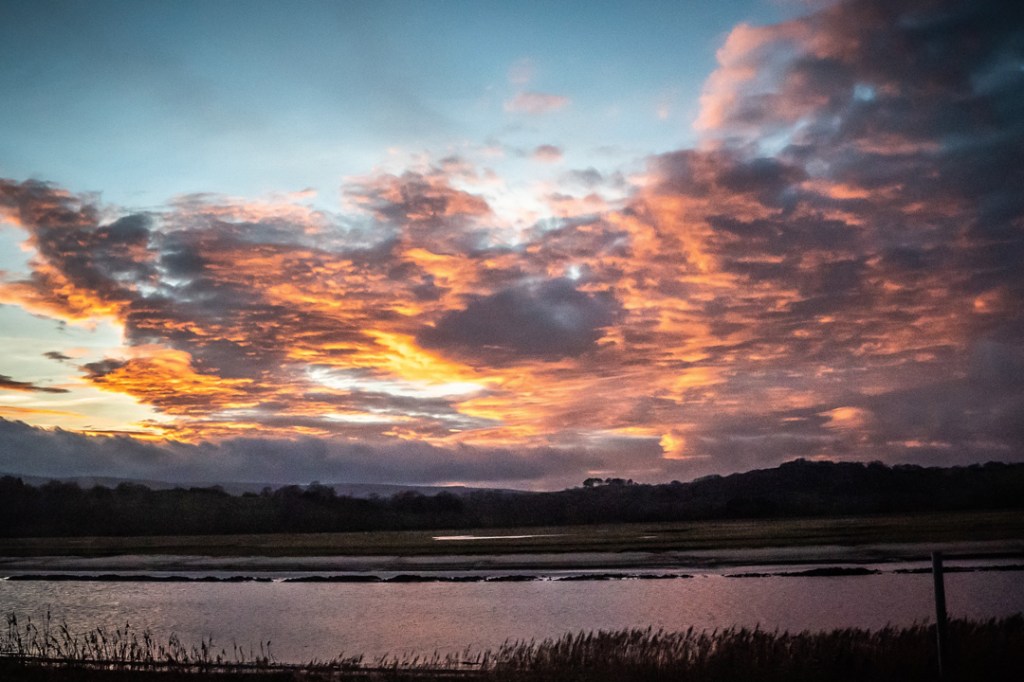
Today, our last day in Scotland, the weather has closed in and I am taking the opportunity to write my blog before the long journey home tomorrow.
Additional note
Just as we were packing the car up to return home there were a couple of extra sightings (3 golden eye and two litle egrets) on the River Nith in front of the cottage as well as a huge flock of barnacle geese which filled the sky and then landed on the reserve.

Golden eye 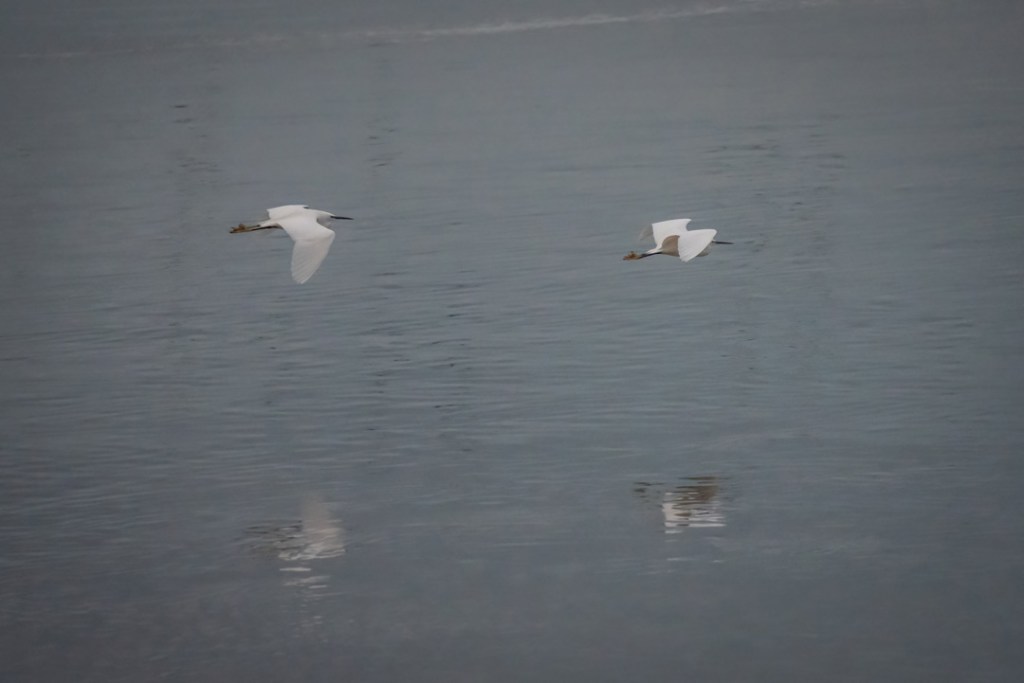
Little egrets 
The sky laden with barnacle geese 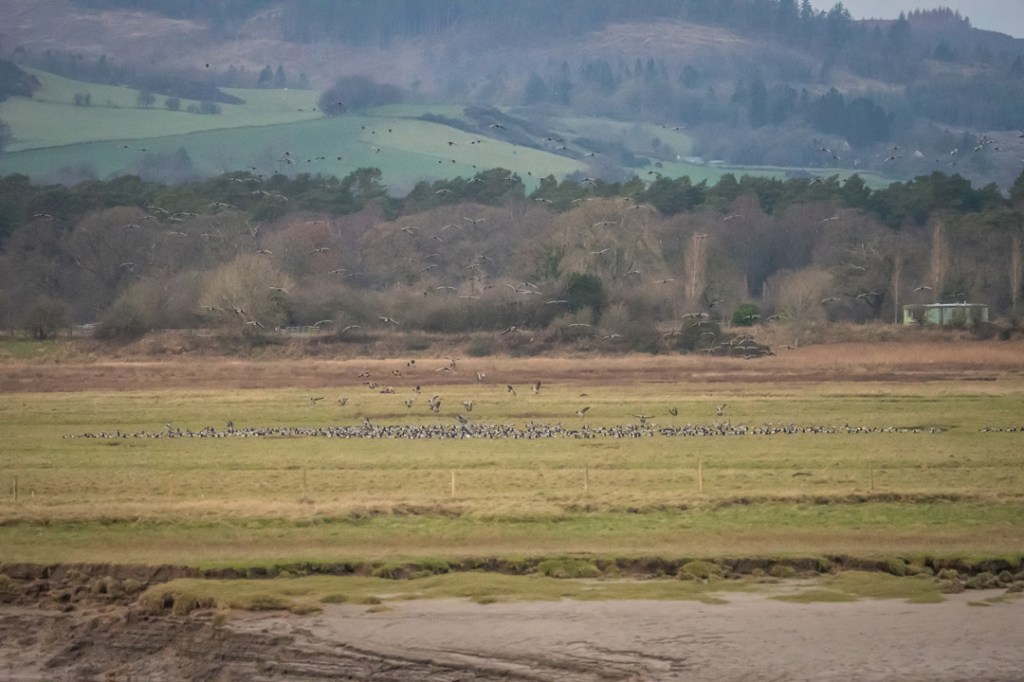
Barnacle geese 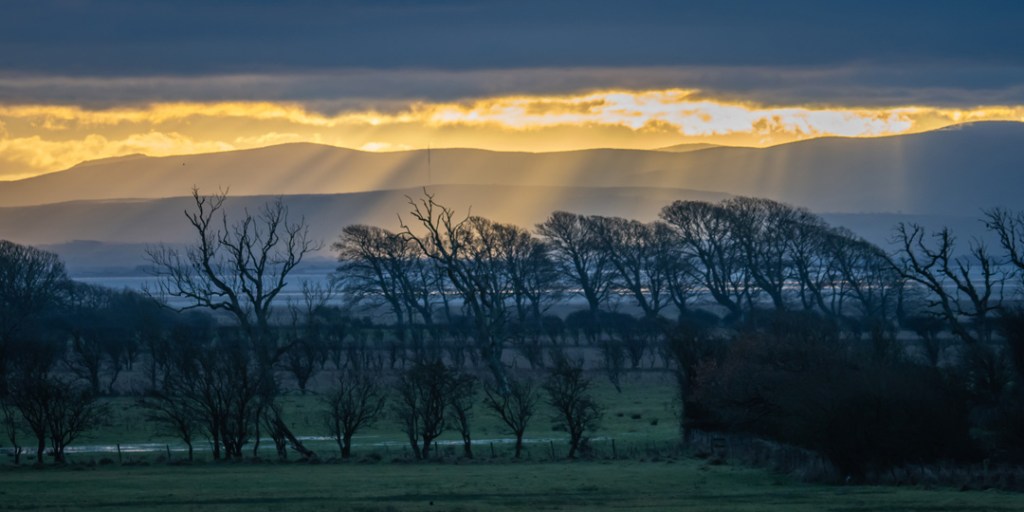
The sun rising across the Solway Firth as we left -
9th December 2021 – Eastville Park, Bristol
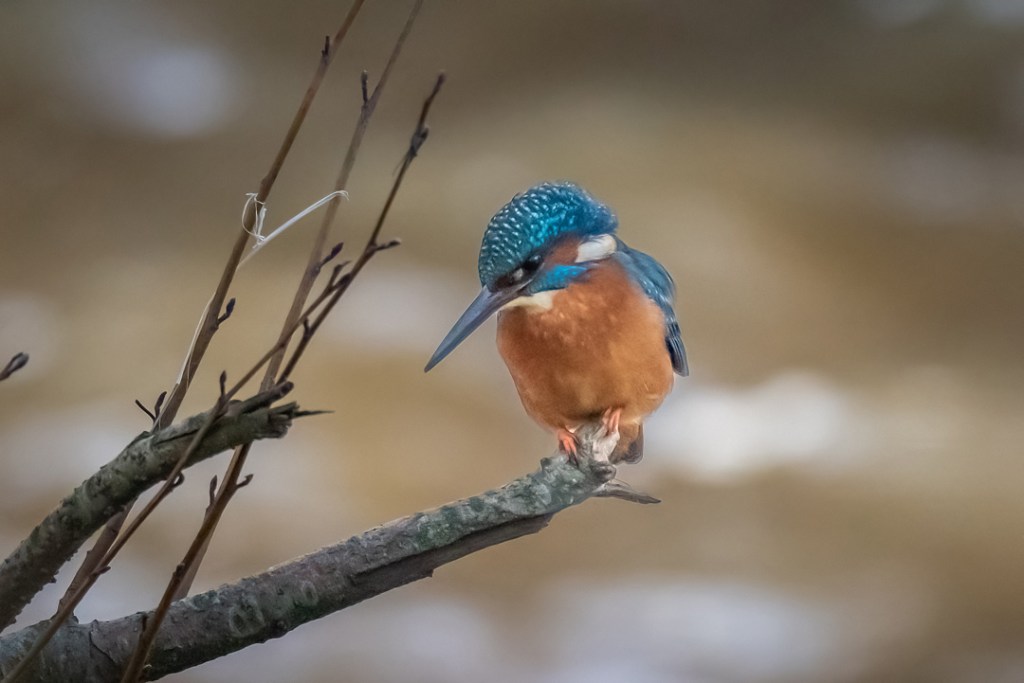
There were glimpses of sunshine as we started our walk in our local park but it soon became gloomy and rain threatened. The kingfisher, our local celebrity, (and the magic of Adobe Lightroom) persuaded me it was worth publishing a blog.
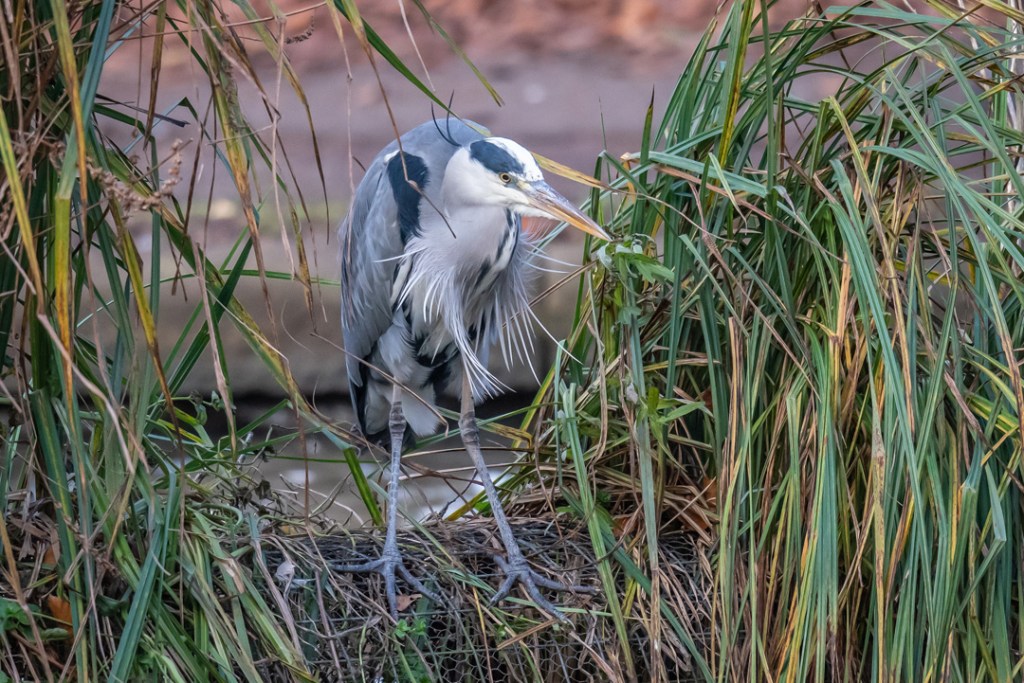
Grey heron 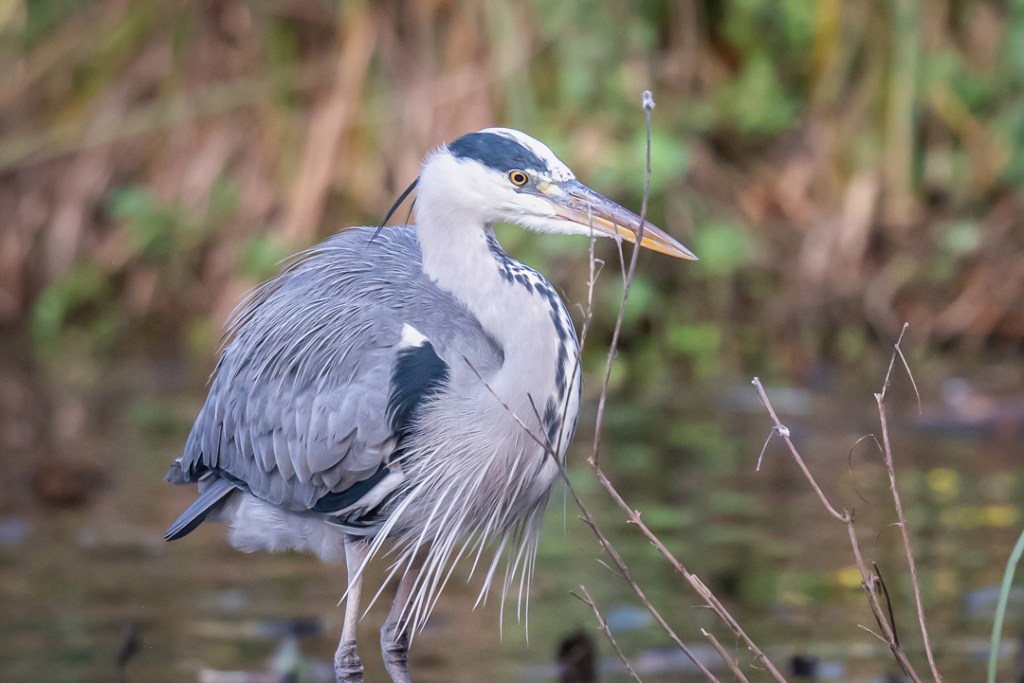
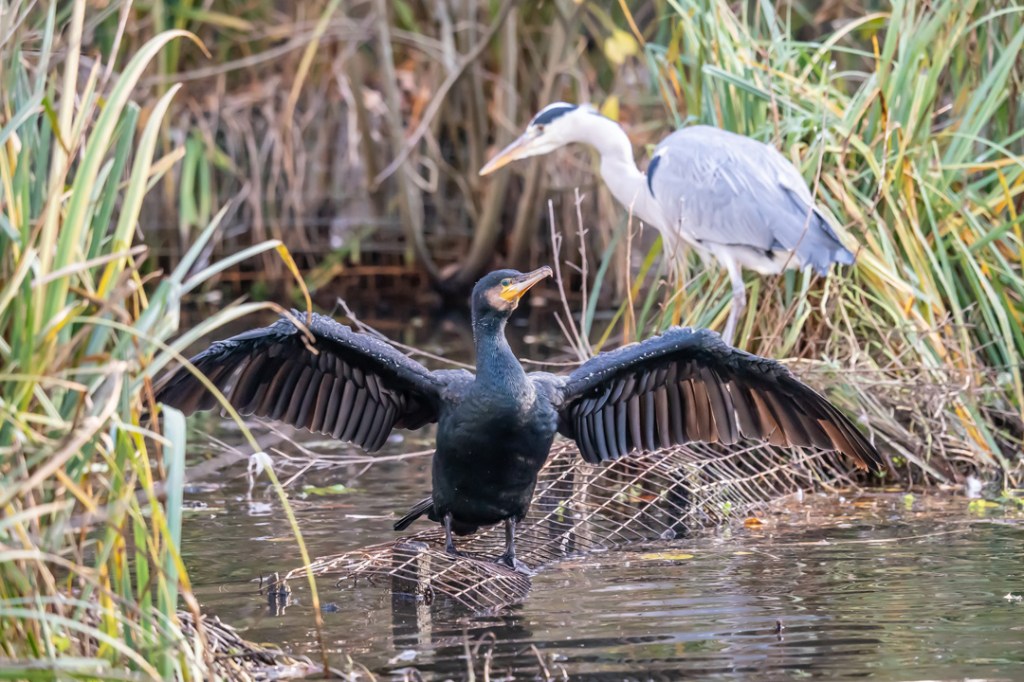
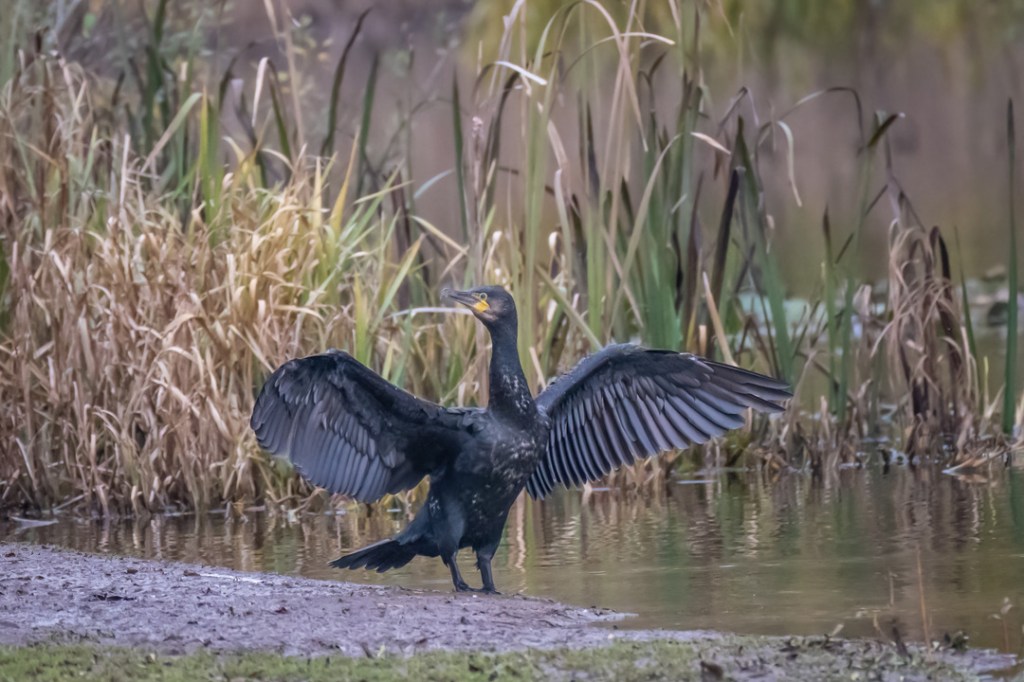
Cormorant photo-bombing the heron’s spot 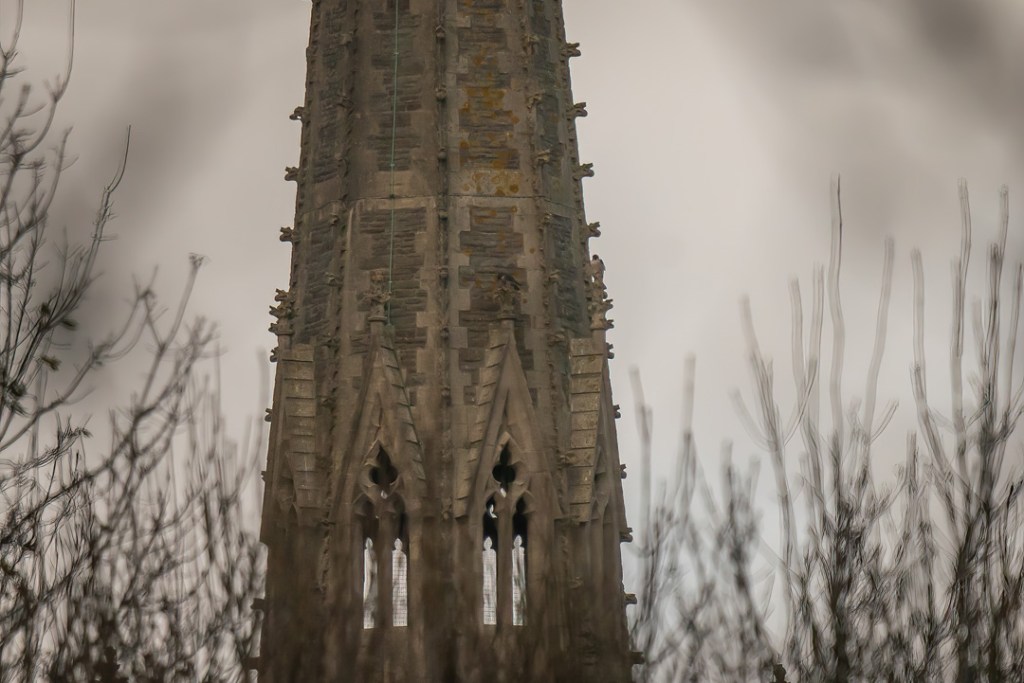
If you look closely you can see two peregrine falcons on Stapleton Church spire 
Wren on the river bank 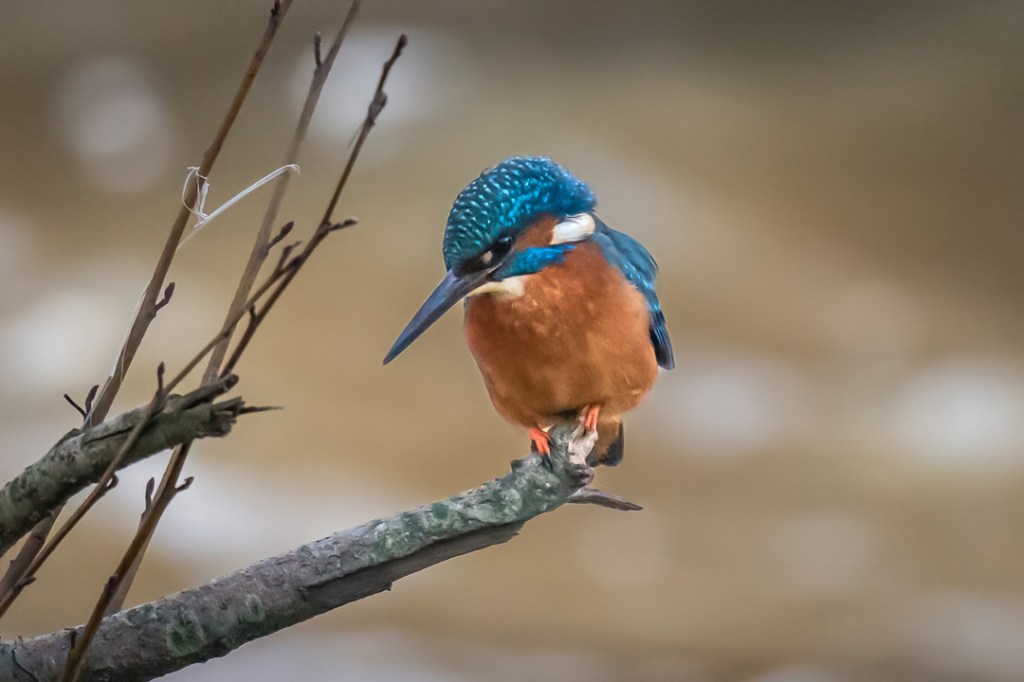
Kingfisher -

3rd December 2021 – Stoke Park Estate, Bristol
It was good to get out this morning having self-isolated all week. I went looking for a firecrest which other birders/photographers have been seeing all week in Stoke Park but I didn’t have any luck.
There were 5 ducklings on Duchess Pond which were drawing the attention of a few predators. The finest of them all was a sparrowhawk.
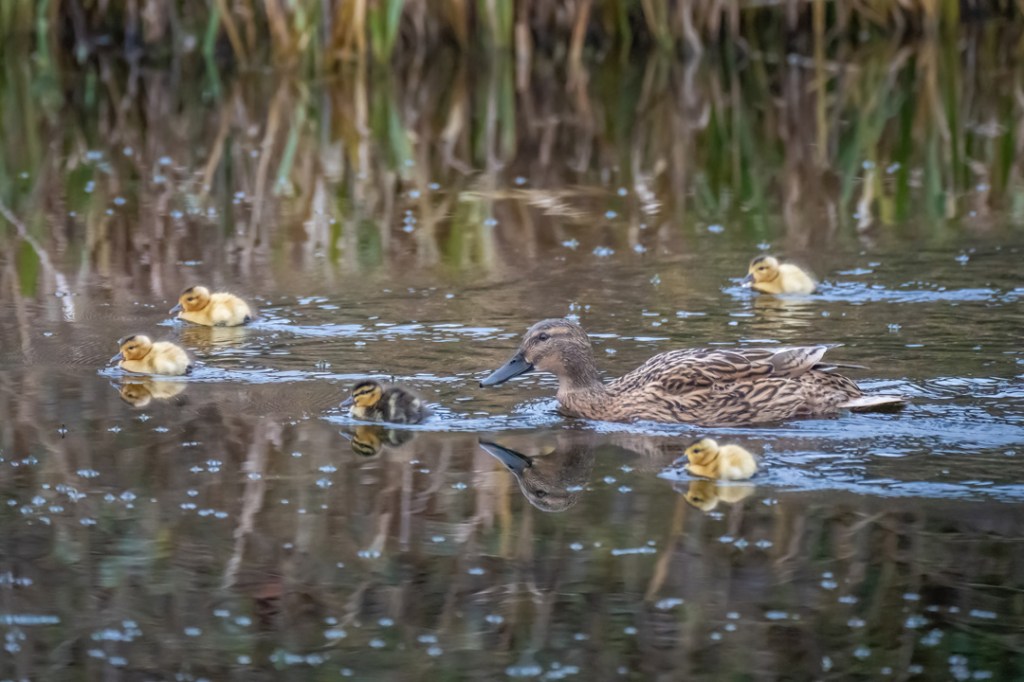
I don’t think these little ones have much chance at this time of the year 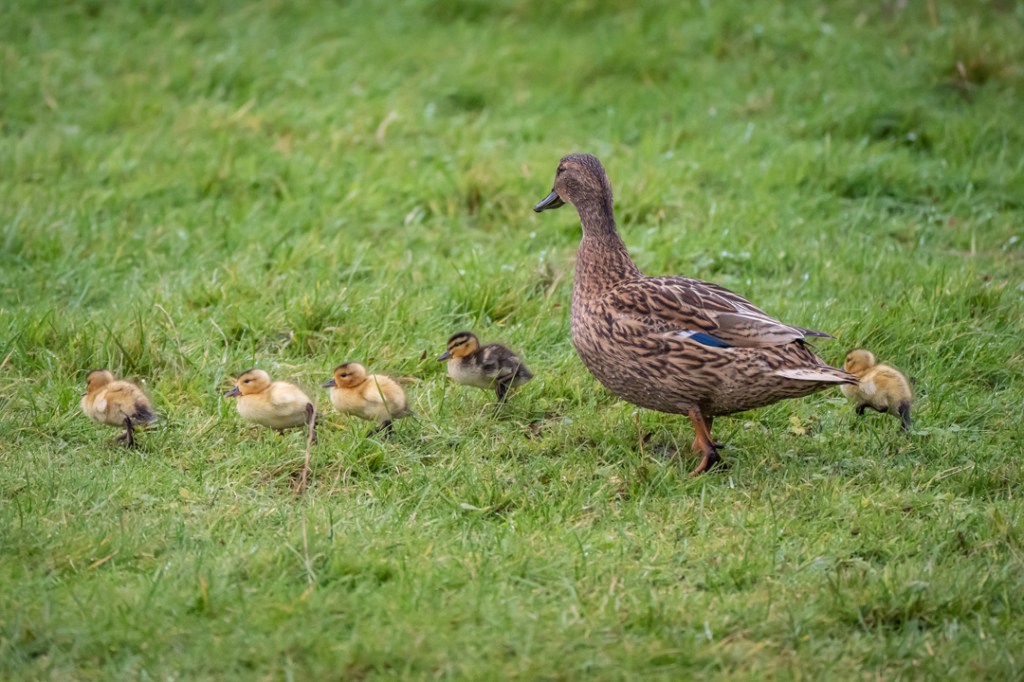
Mum is keeping a good eye on them 
Sparrowhawk 
Black-headed gull There’s always something worth photographing here but the nearby motorway is rather noisy. The beauty of nature still overcomes the disturbance of man.

Cormorant 
Robin 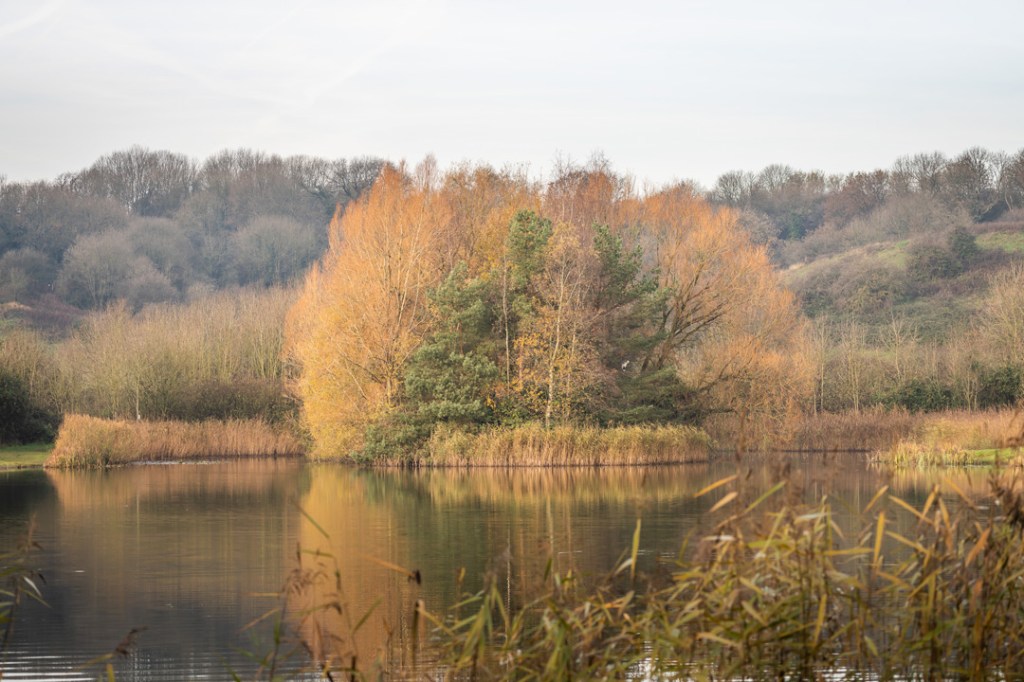
Duchess Pond 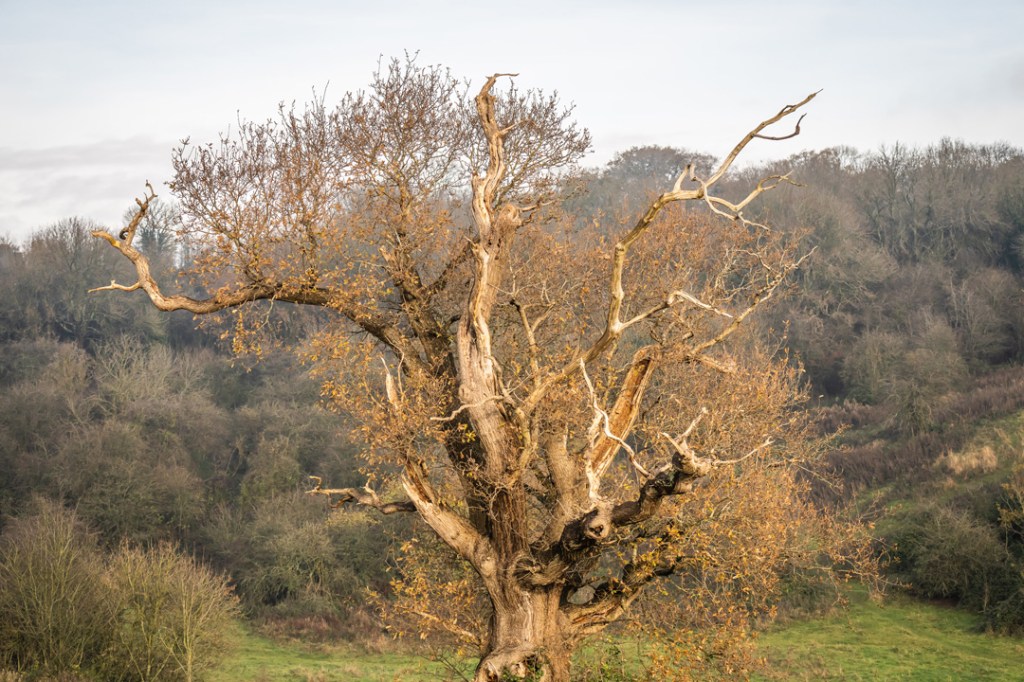
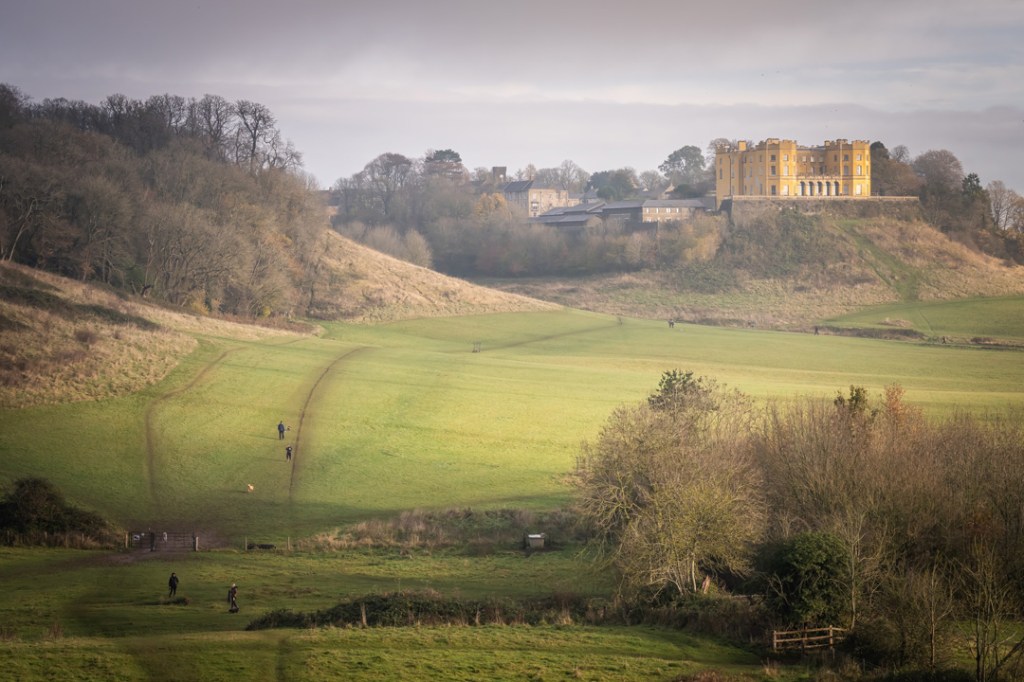
Stoke Park Estate -
17th-19th November 2021 – Gloucestershire/Worcestershire borders
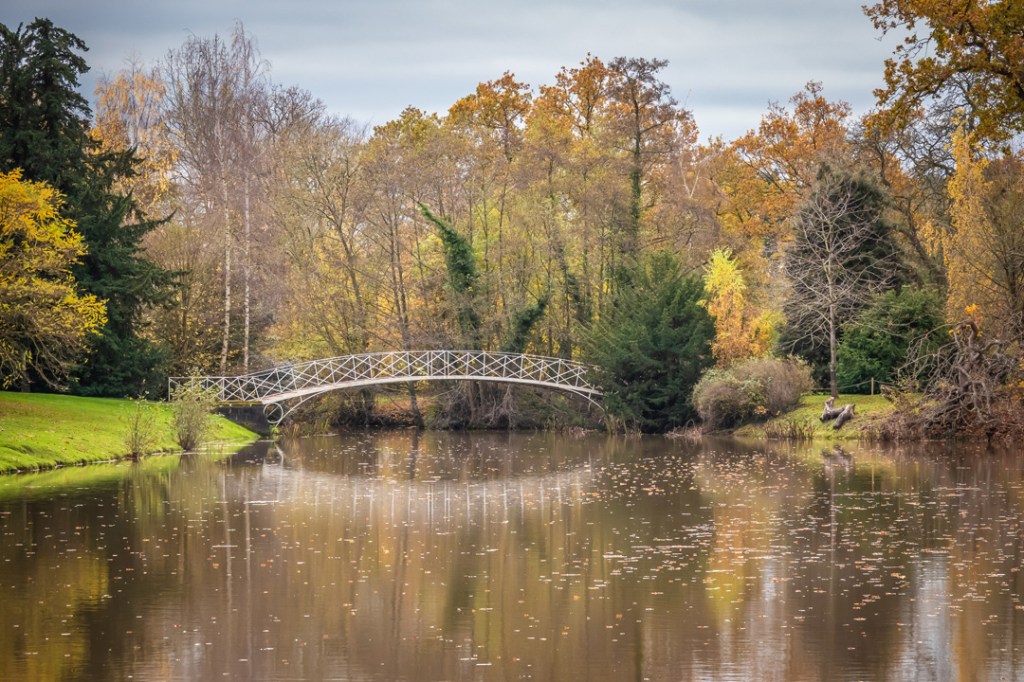
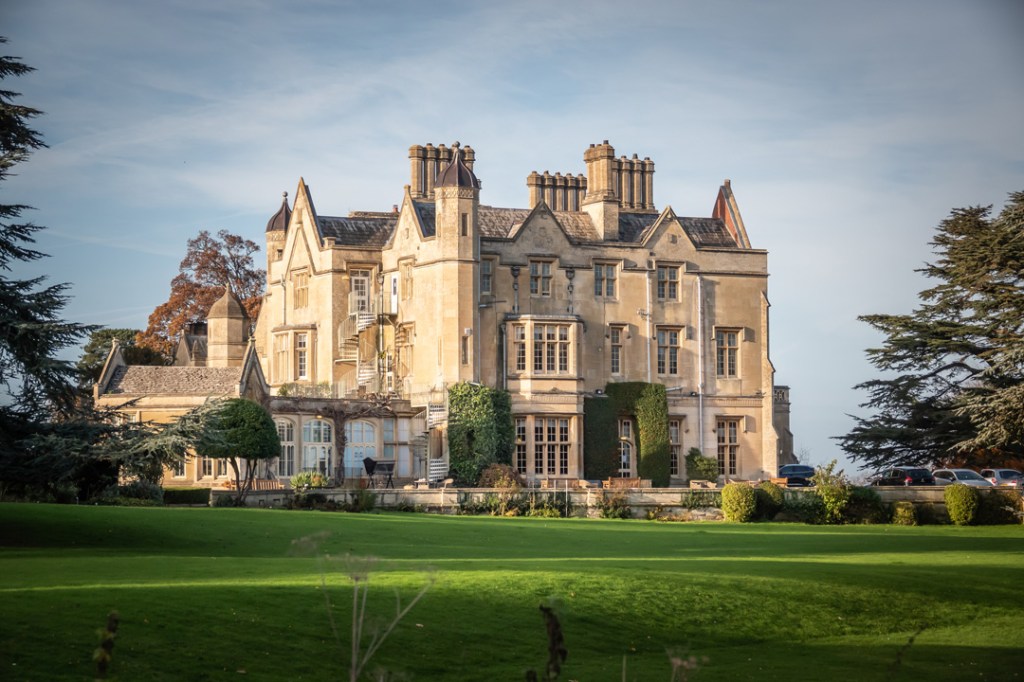
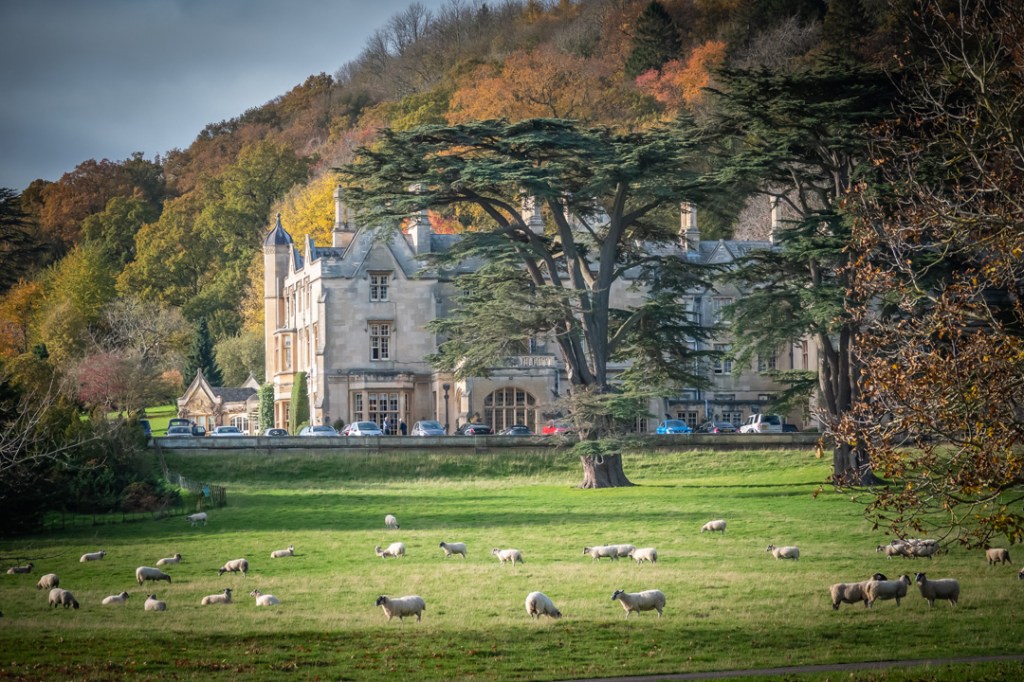
We have had a couple of nights away with friends at Dumbleton Hall Hotel on the border of Gloucestershire and Worcestershire between the towns of Evesham and Tewkesbury. Dumbleton Hall is an impressive traditional Cotswold Manor House set in 19 acres of private gardens and woodland with its own lake.
I hadn’t really expected to be taking “nature” photos during our stay and was only equipped with my bridge camera. However, there were many more opportunities than I expected and as the countryside was so colourful I am publishing a little more than just the bird photos.
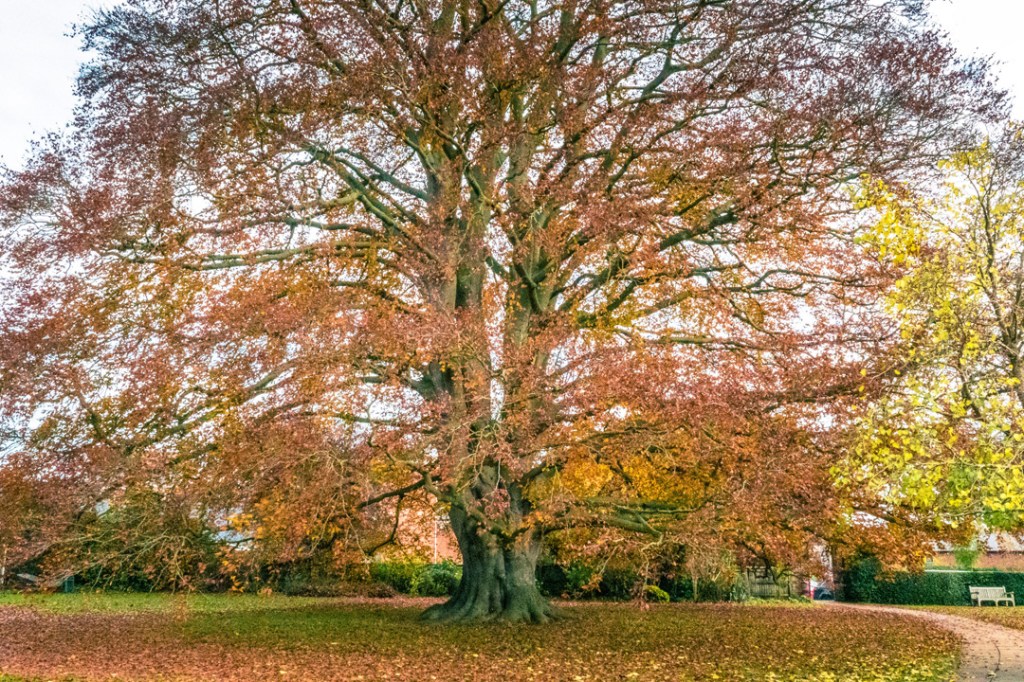
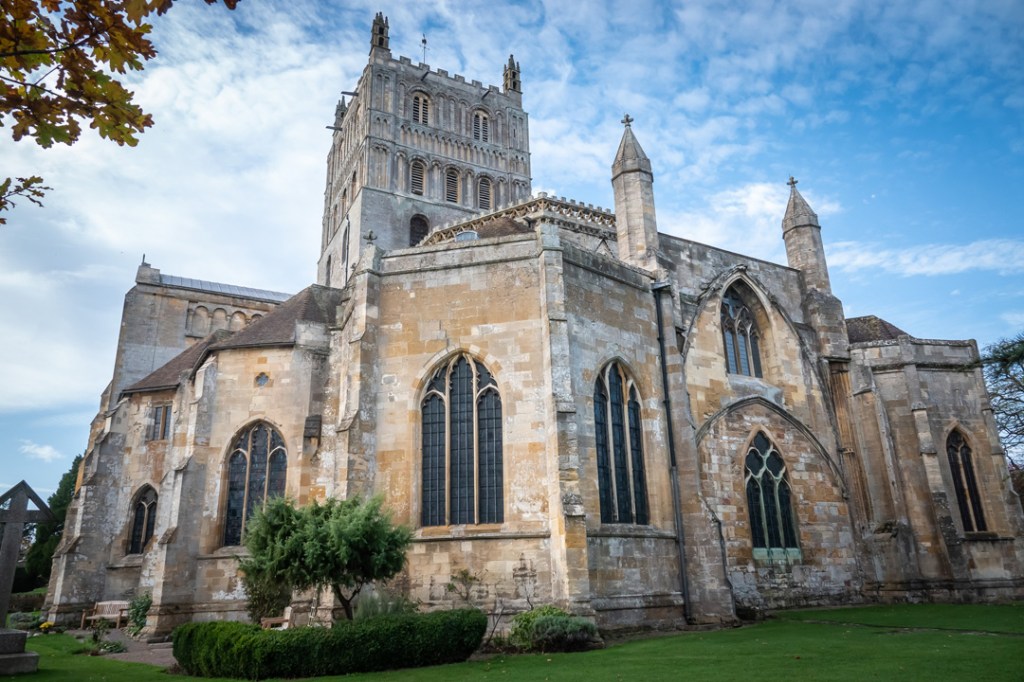
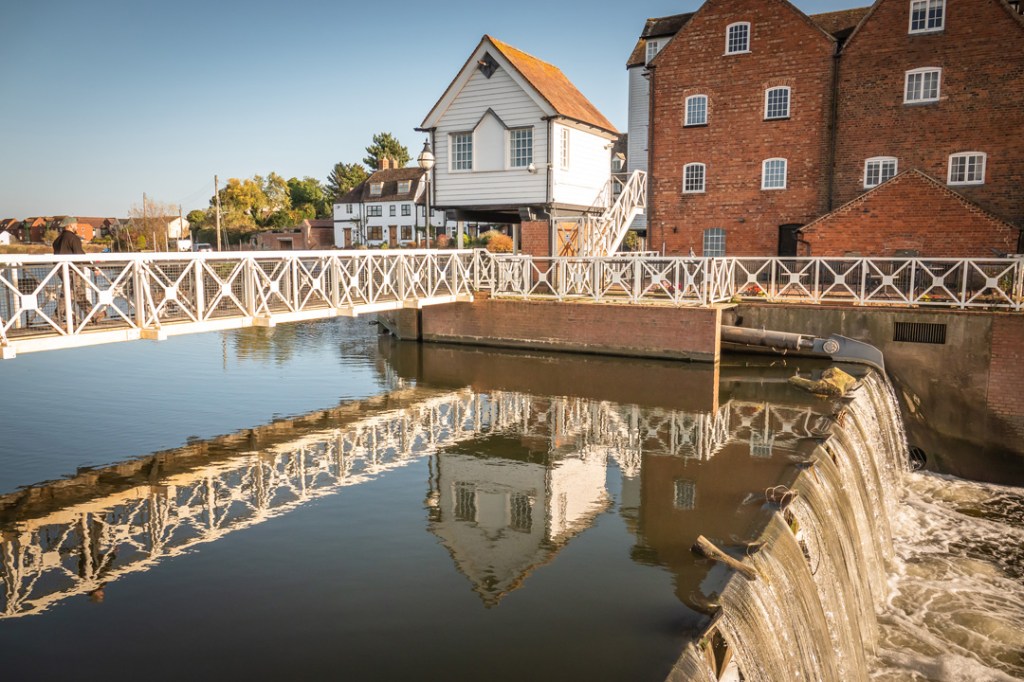
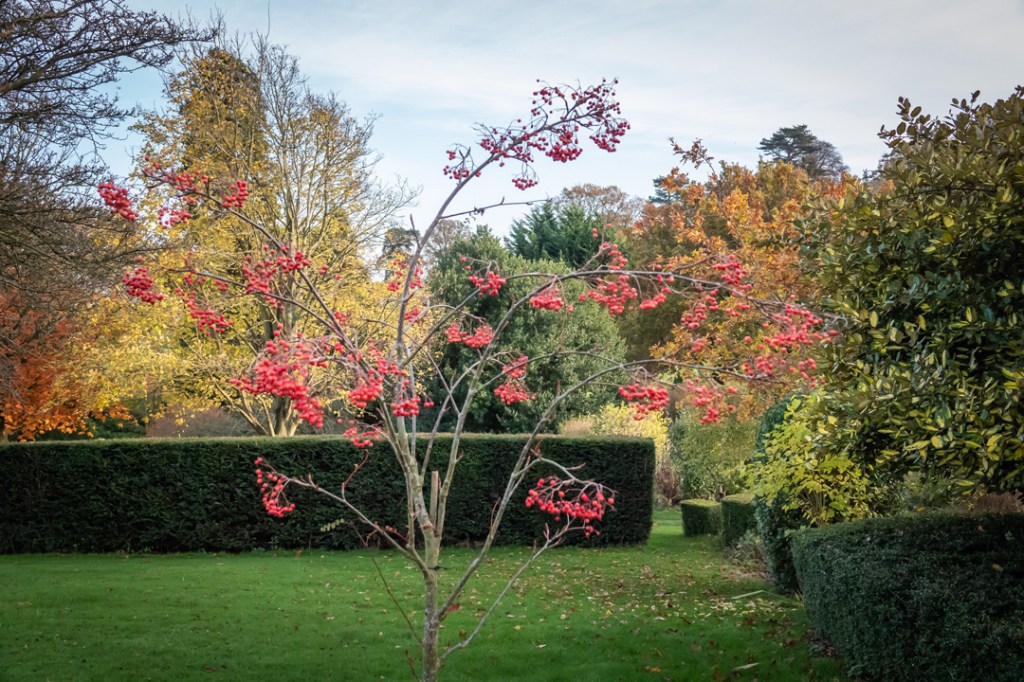
We stopped at Tewkesbury on our way there and visited the Abbey. No birds, just trees!
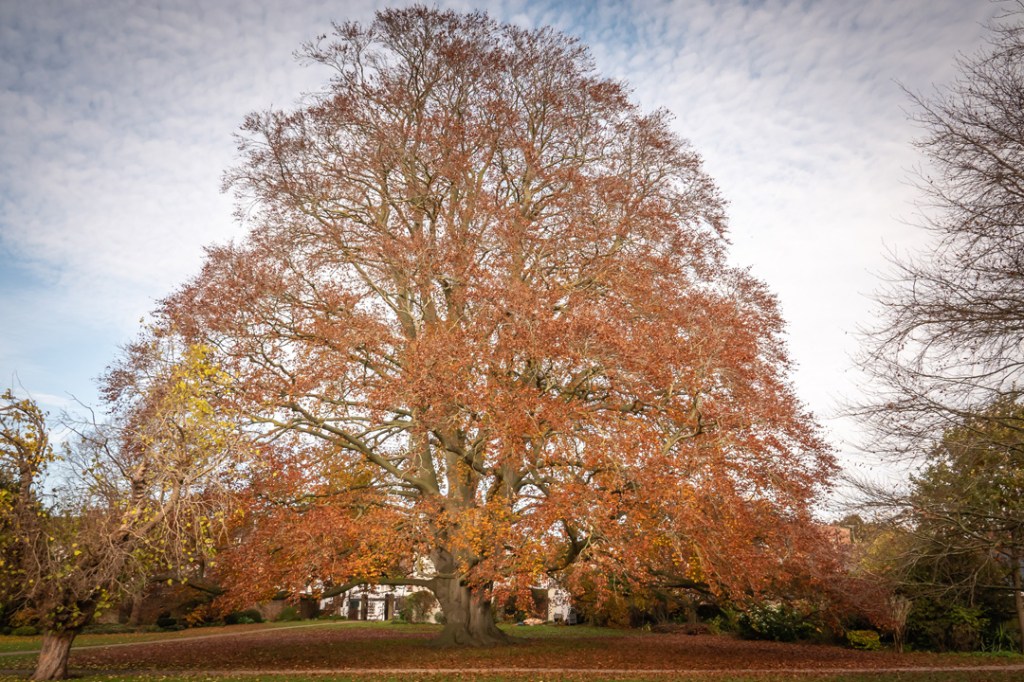
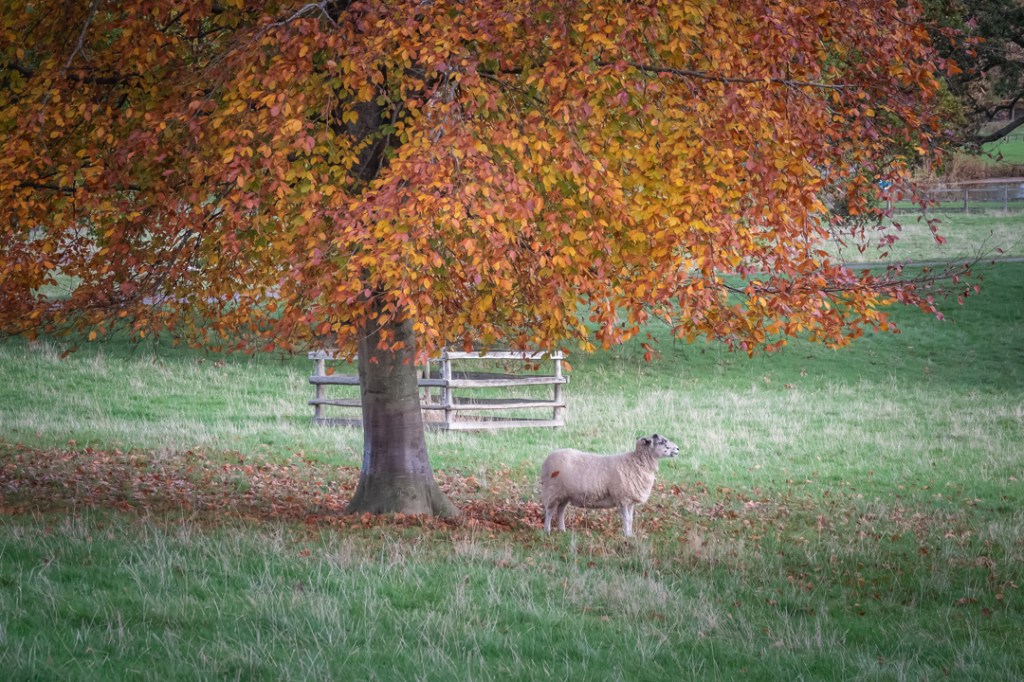
This beech was my favourite tree in the Abbey grounds Our second day we spent walking around the grounds of the hotel, on to the village of Dumbleton and over the hill to the nearby village of Alderton and its pub! Red Kites, buzzards and kestrels didn’t quite match the numbers of redwings, fieldfare and pheasants but there were plenty to see. Again the trees were amazing.

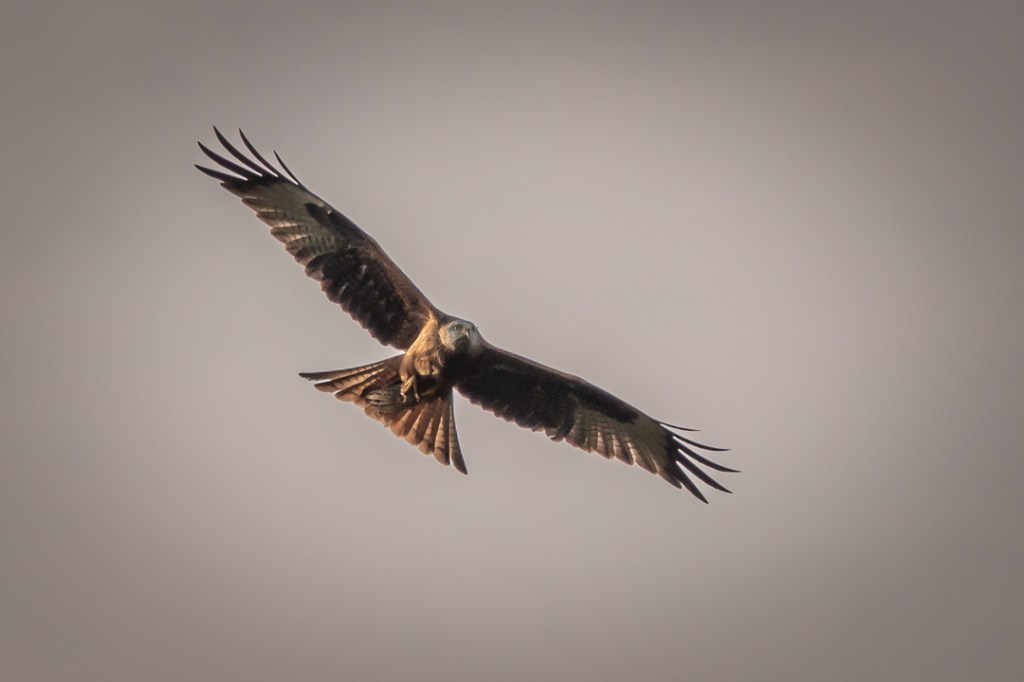
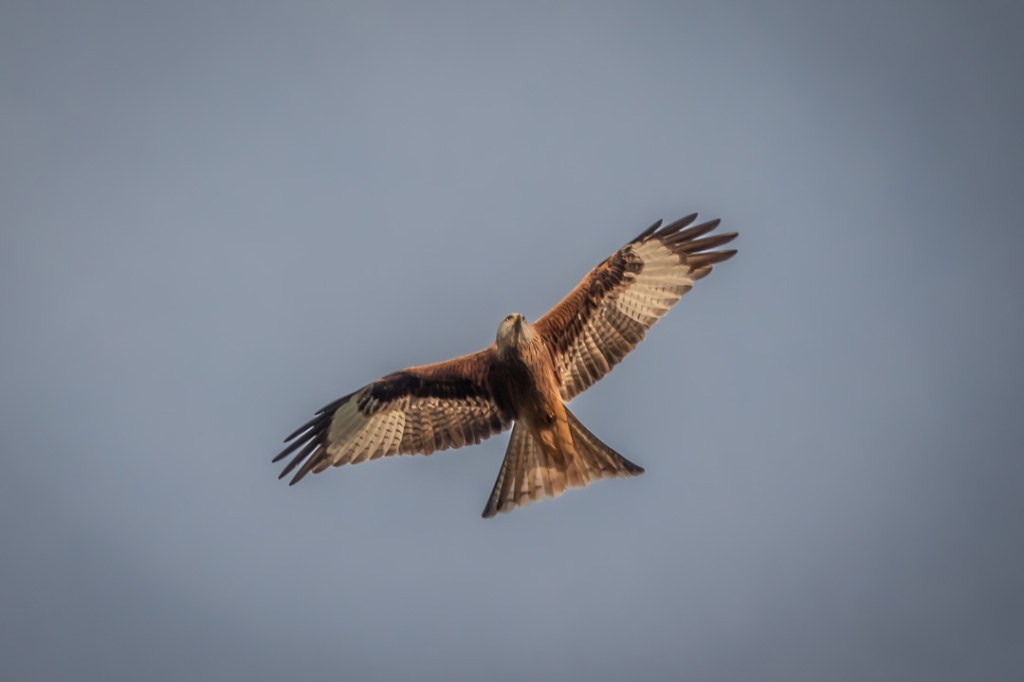
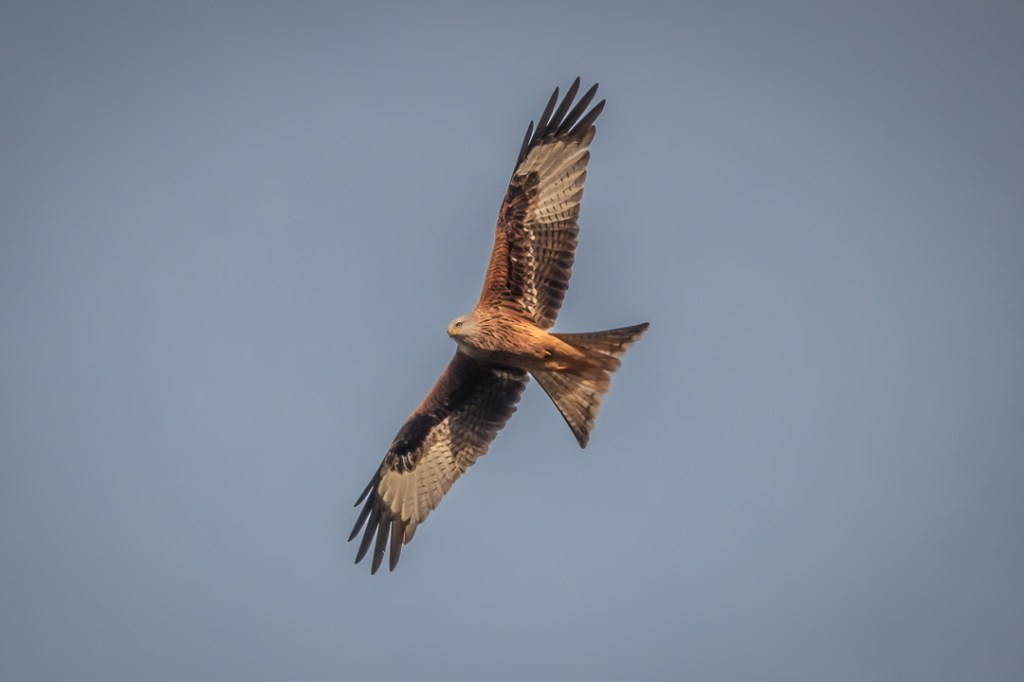
A very close encounter with a red kite 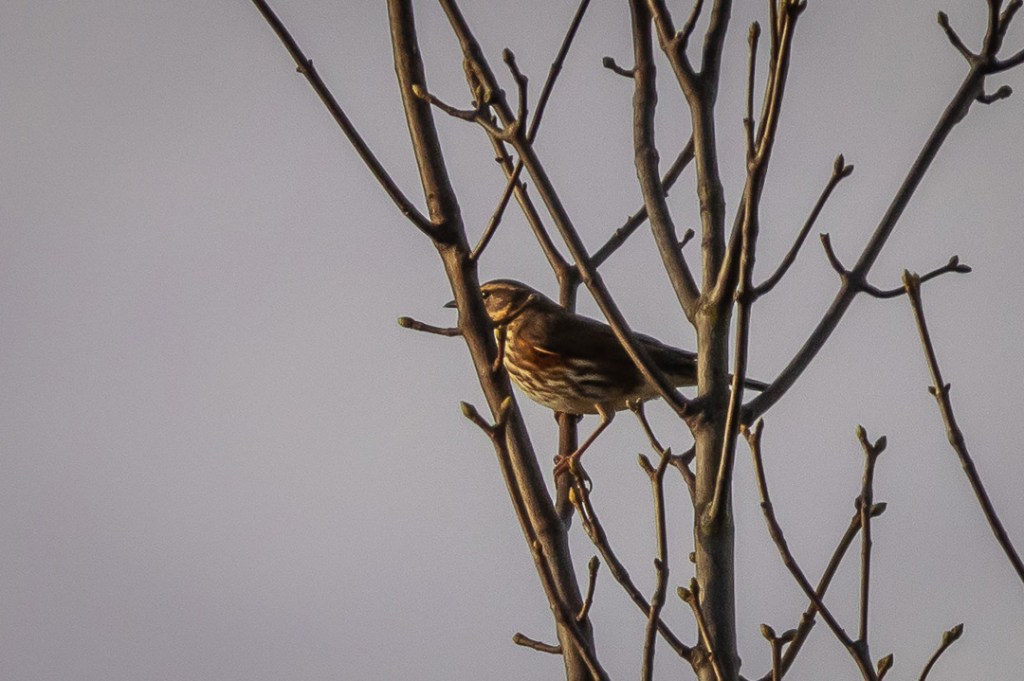
Redwing hiding behind a branch 
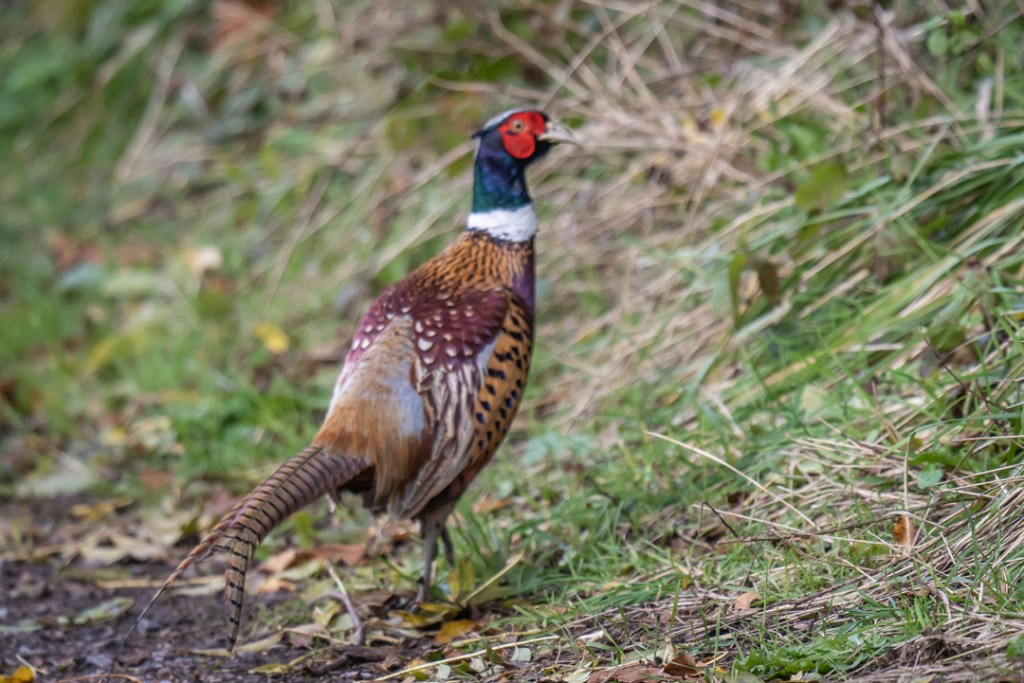
The only way I want to “shoot” a pheasant – with my camera 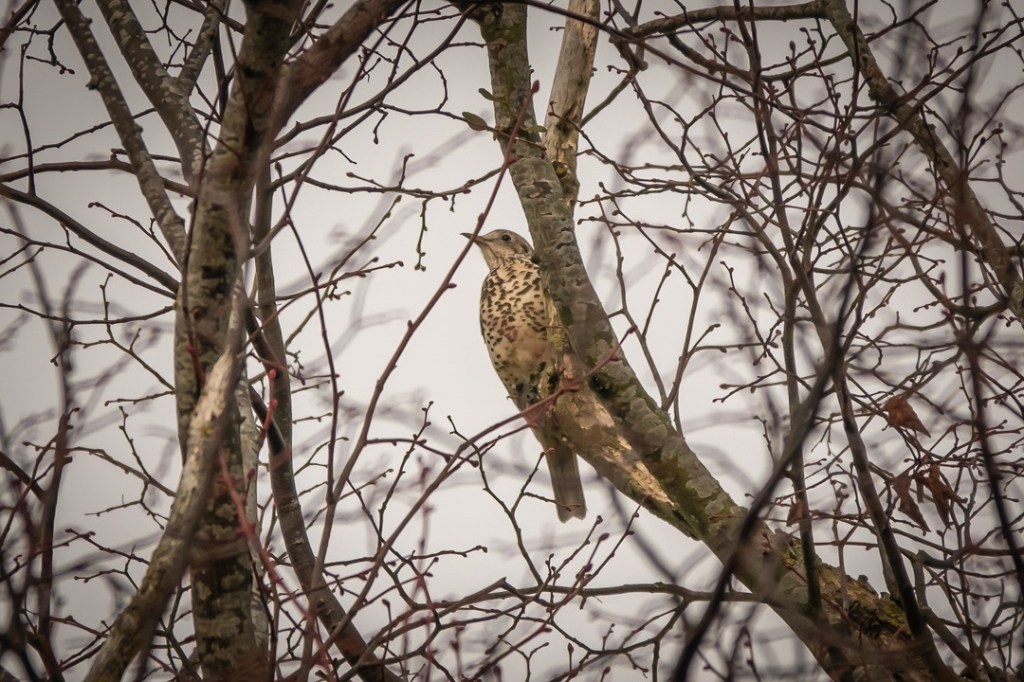
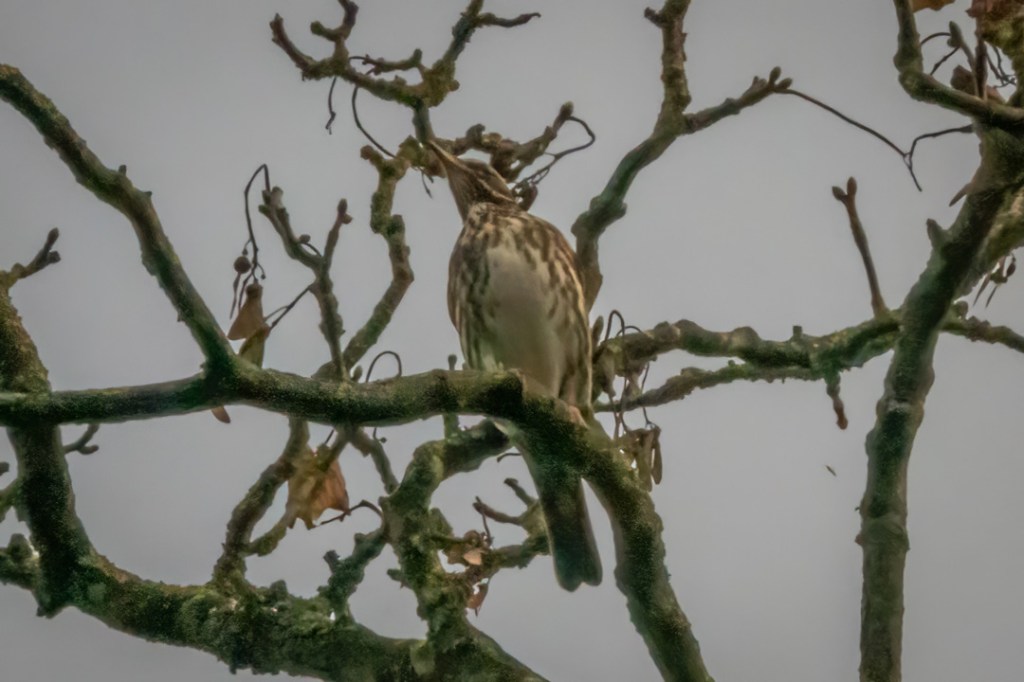
Mistle thrush 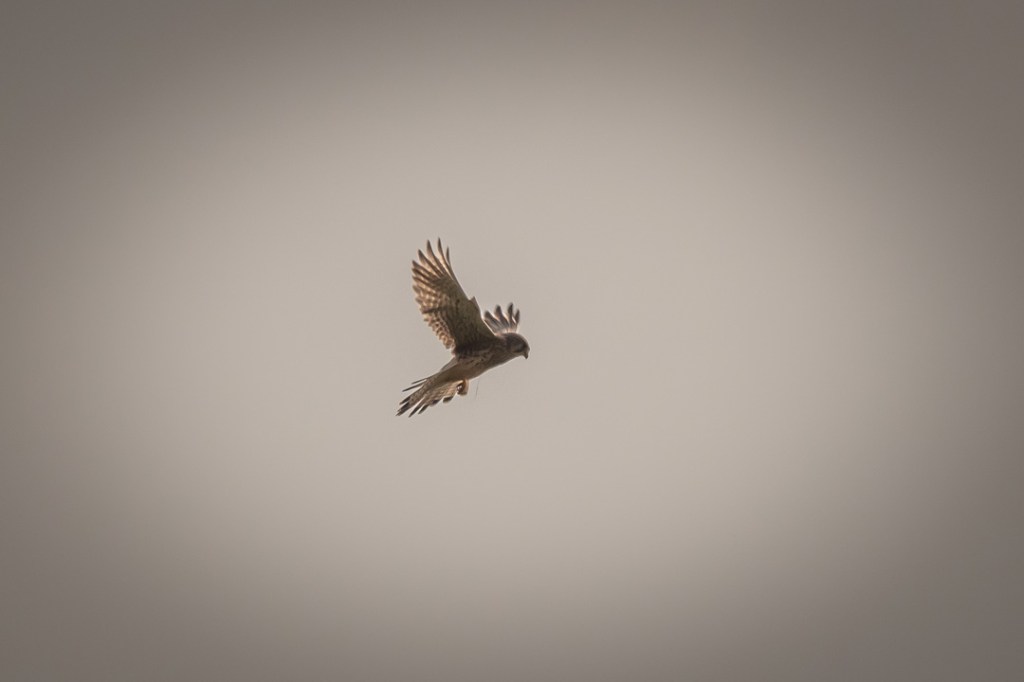
Kestrel in poor light 
Cedars in front of Dumbleton Hall 
Amazing colours all around in the unseasonably warm weather 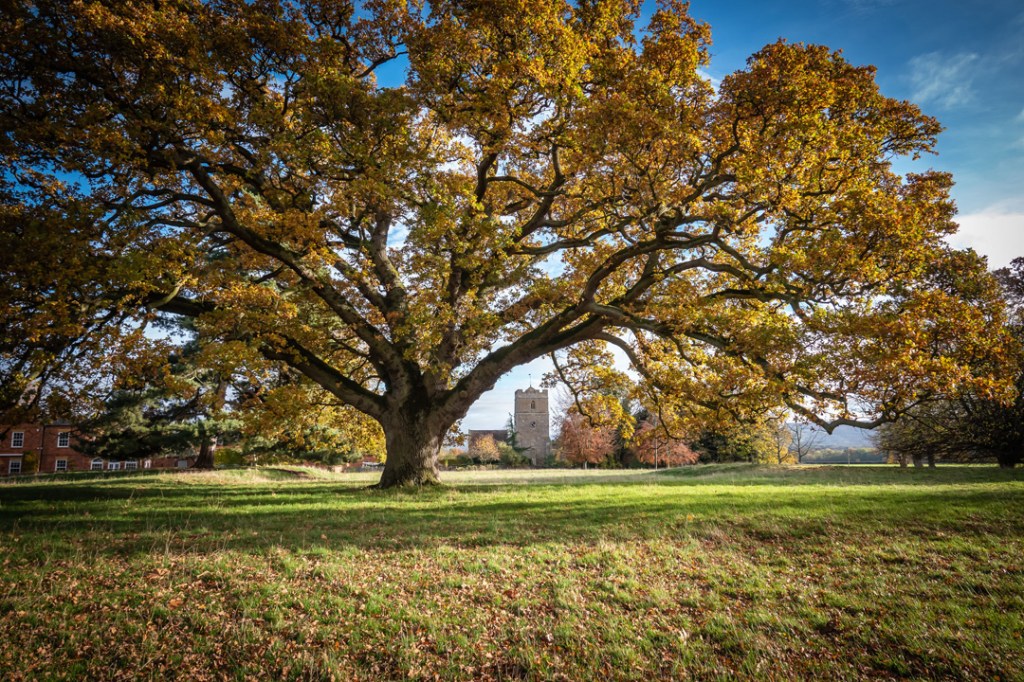
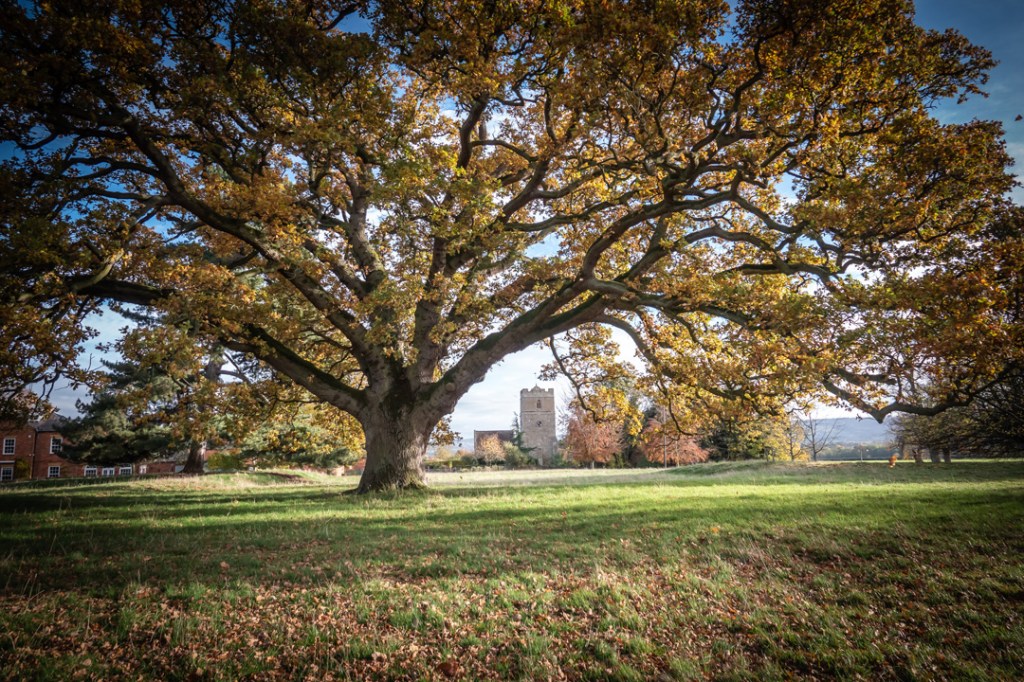
The church at Dumbleton stands just outside the grounds of Dumbleton Hall 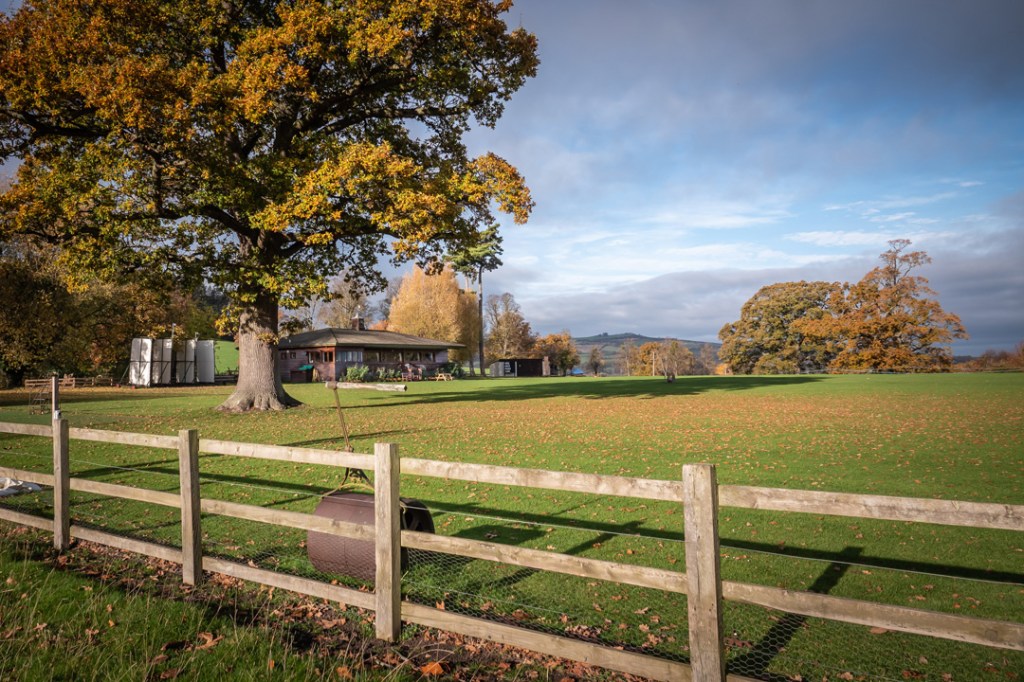
Beautiful trees surround Dumbleton cricket ground On the third day we visited the National Trust property of Croome. The Croome website says to ” Expect the unexpected. Incredible innovation, colonial links, devastating loss, remarkable survival and magnificent restoration all in one place.” Stonechats, more redwings and a kestrel wasn’t what I was expecting. With a great backdrop of the Malverns we had a splendid walk around the grounds.
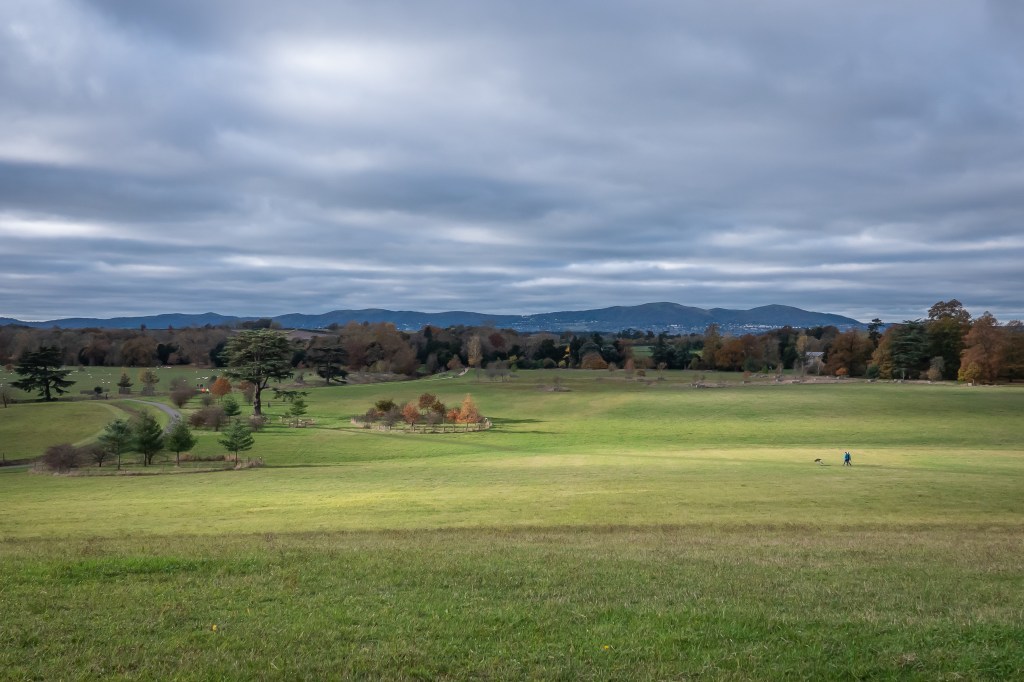
The Malverns in the background 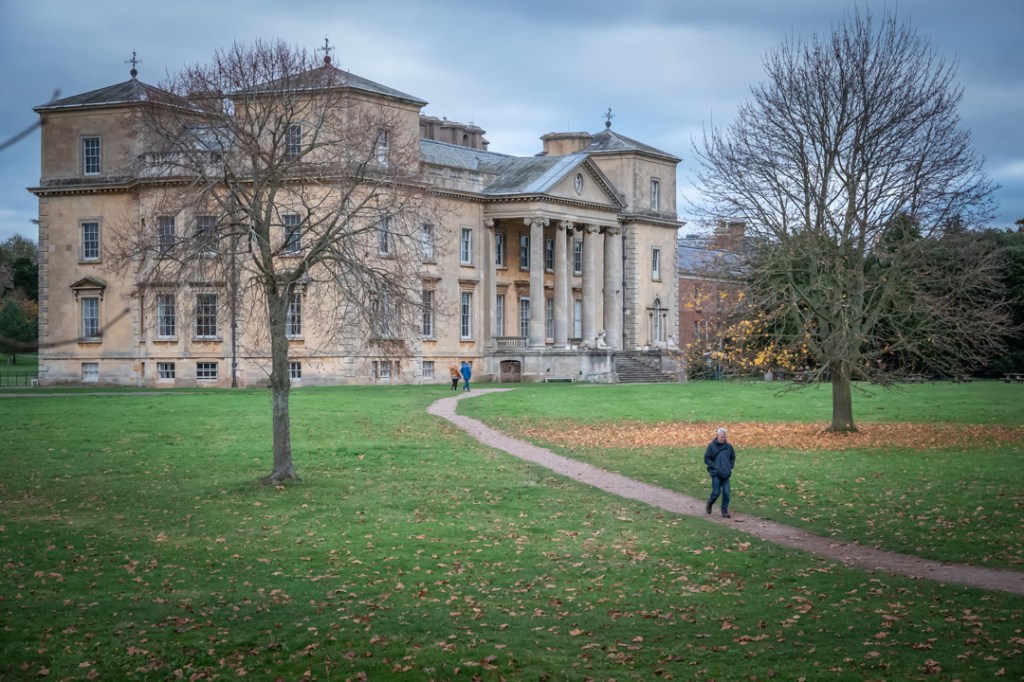
Croome Court 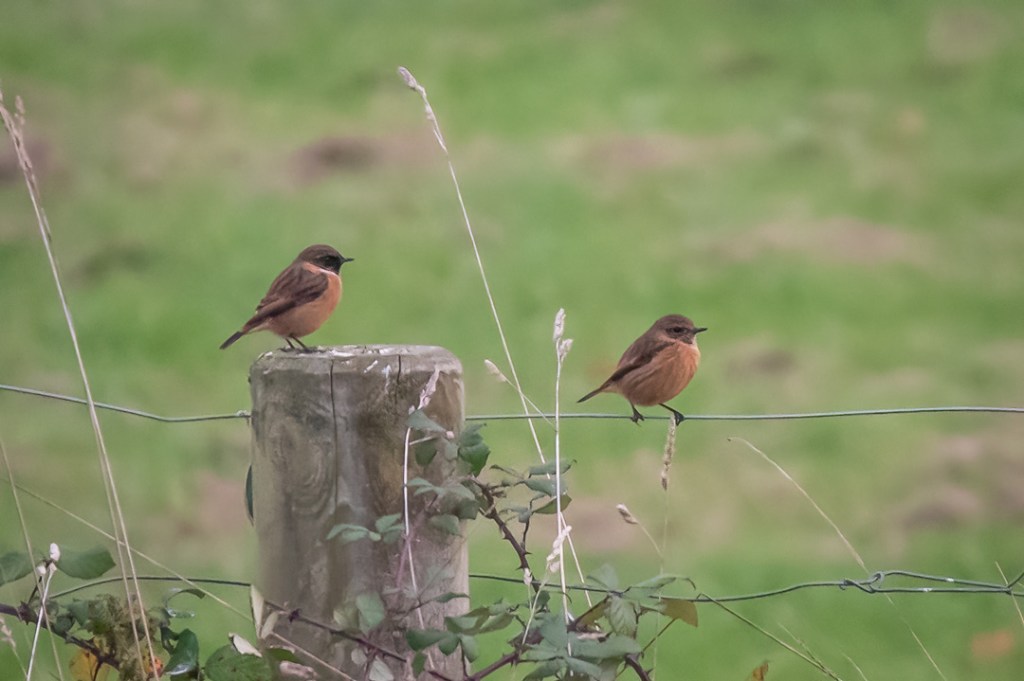
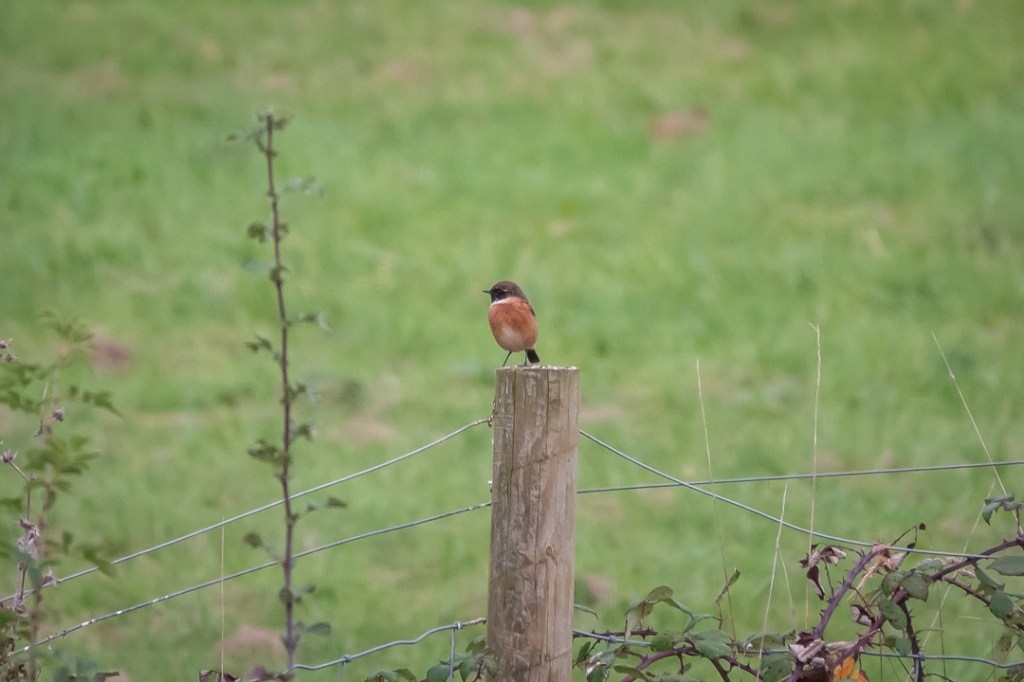
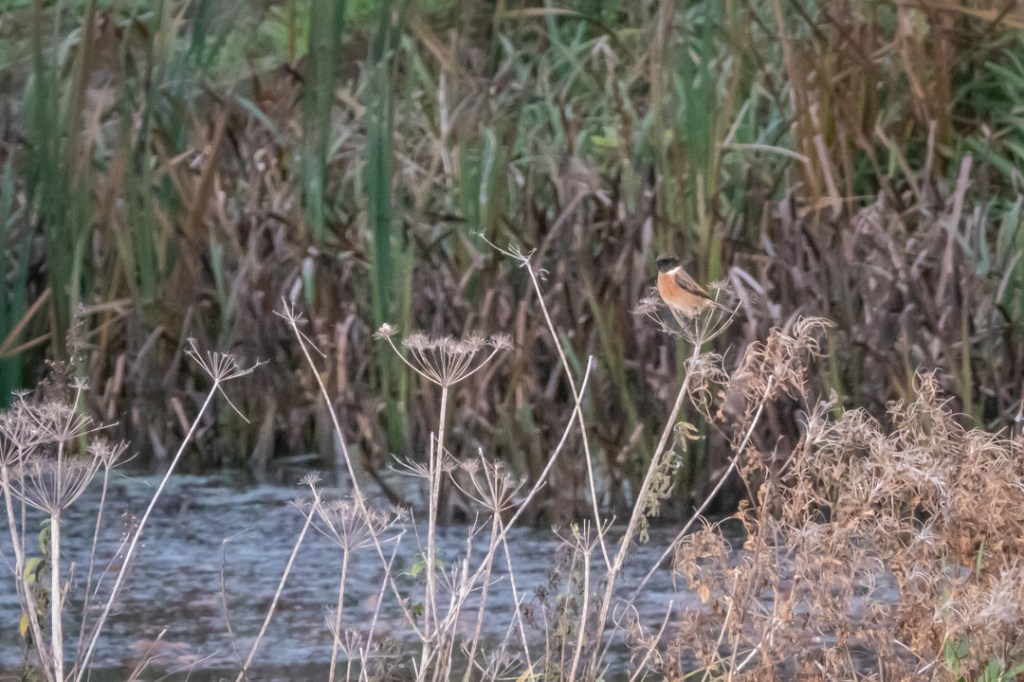
Stonechats at Croome 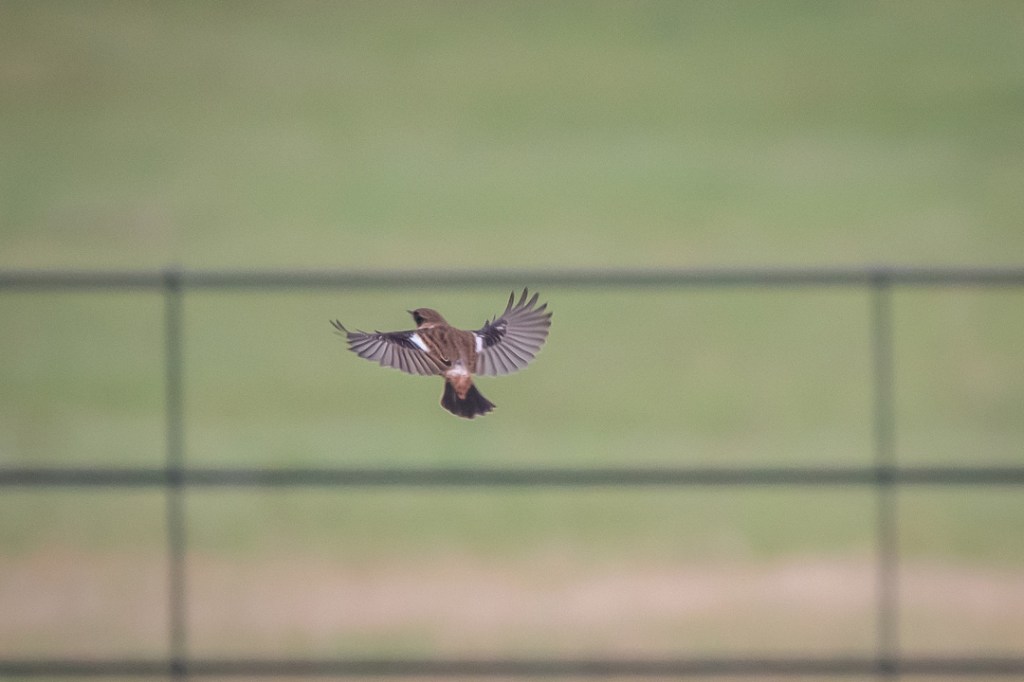
Stonechat in flight 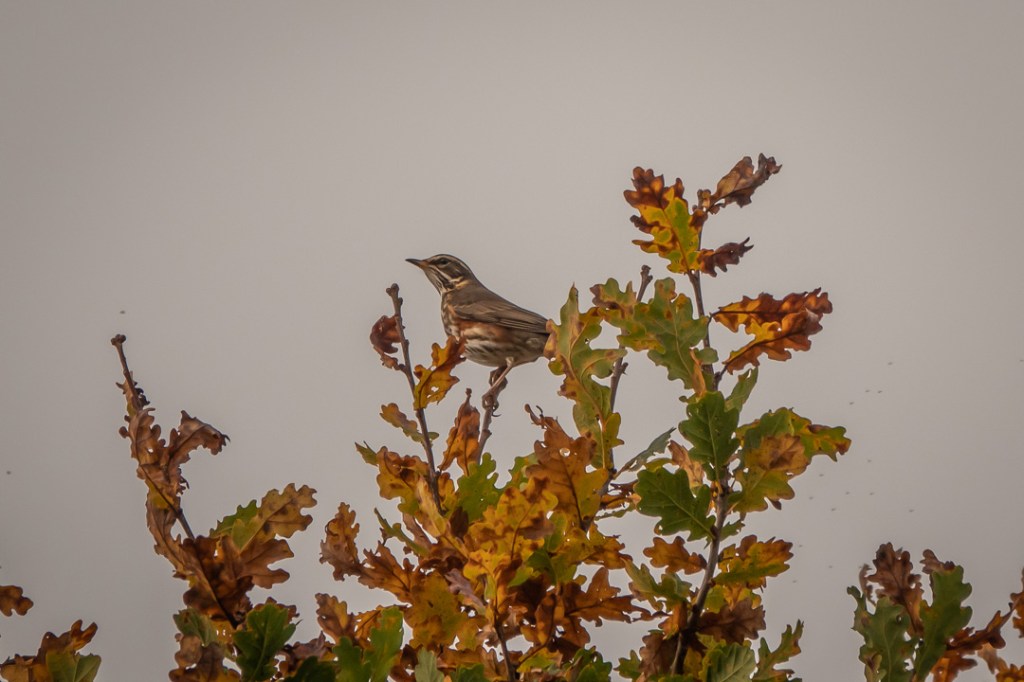
Redwing 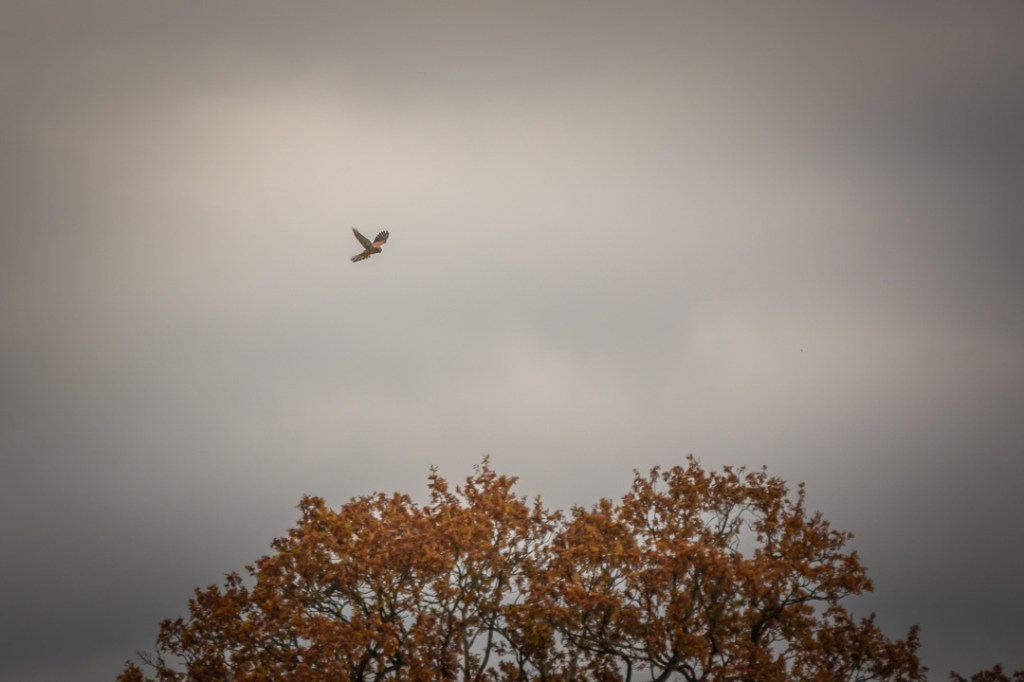
A distant kestrel -

16th November 2021 – Near Weston-super-Mare, North Somerset
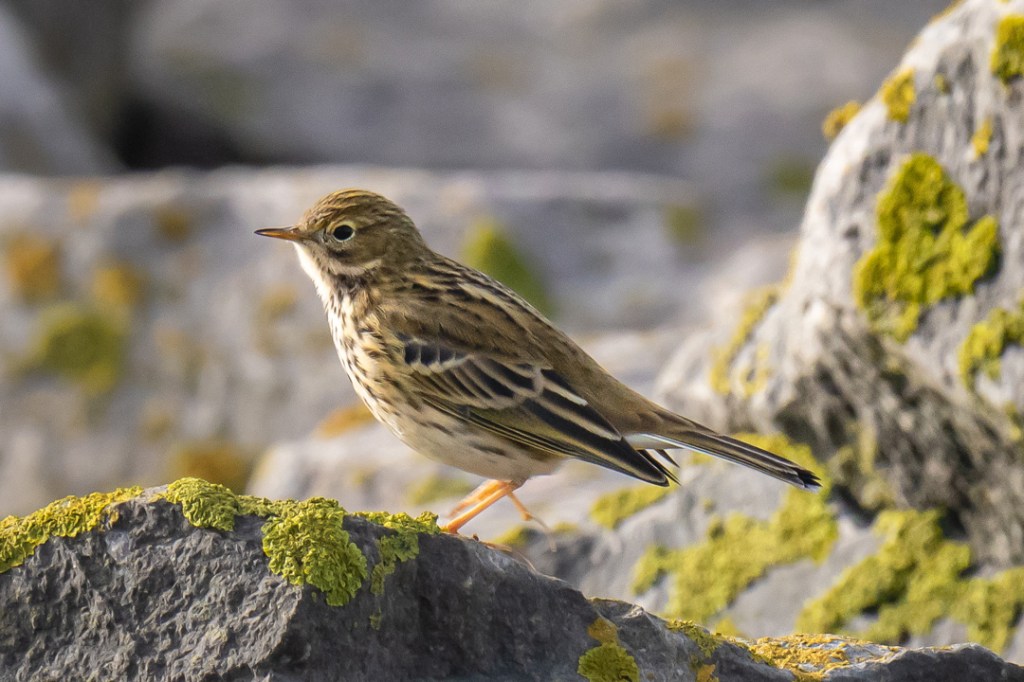
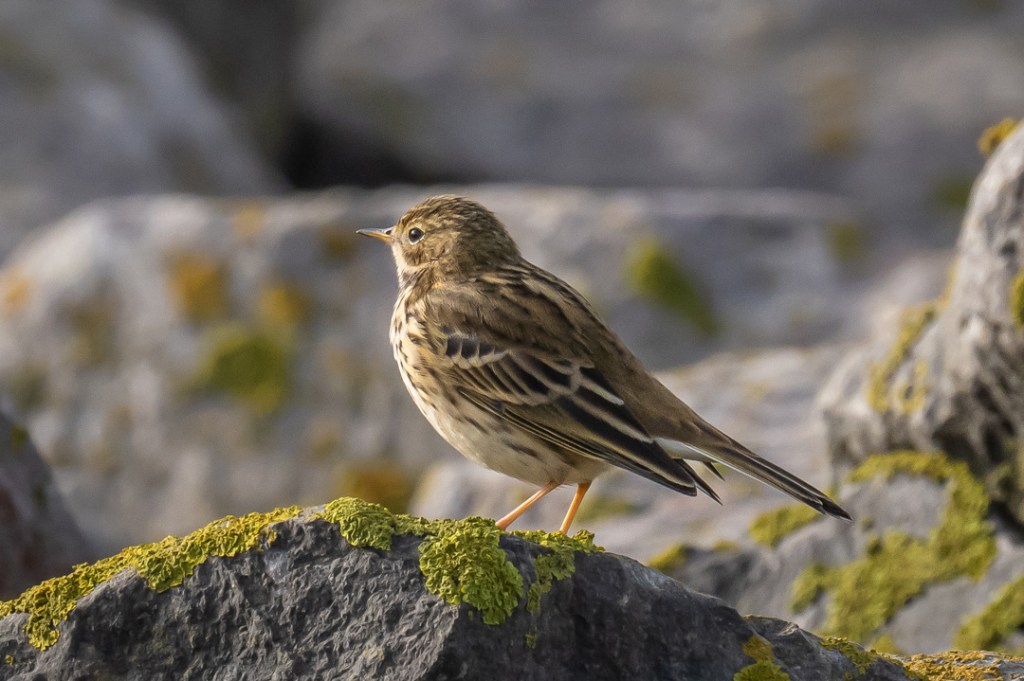
I had a very uneventful day birding near Weston-super-Mare. I started at the disused airfield in Weston which I had never visited before. There were lots of gulls (to be expected by the seaside), lots of starlings, a little egret, goldfinches, a meadow pipit and a pair of stonechats.

Little egret 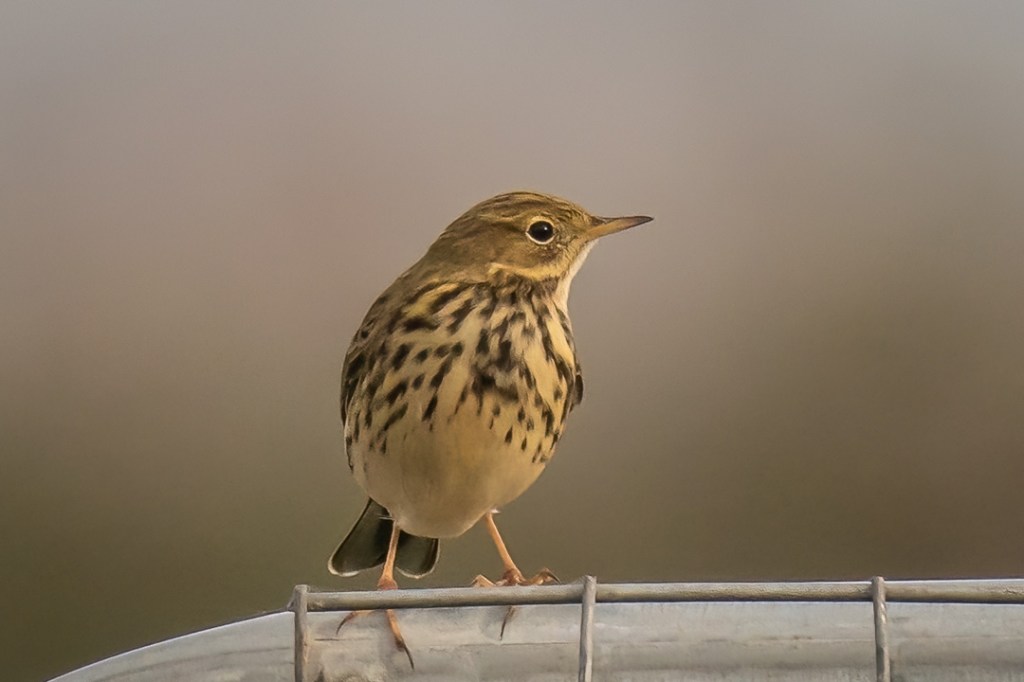
Meadow pipit 
Herring gull 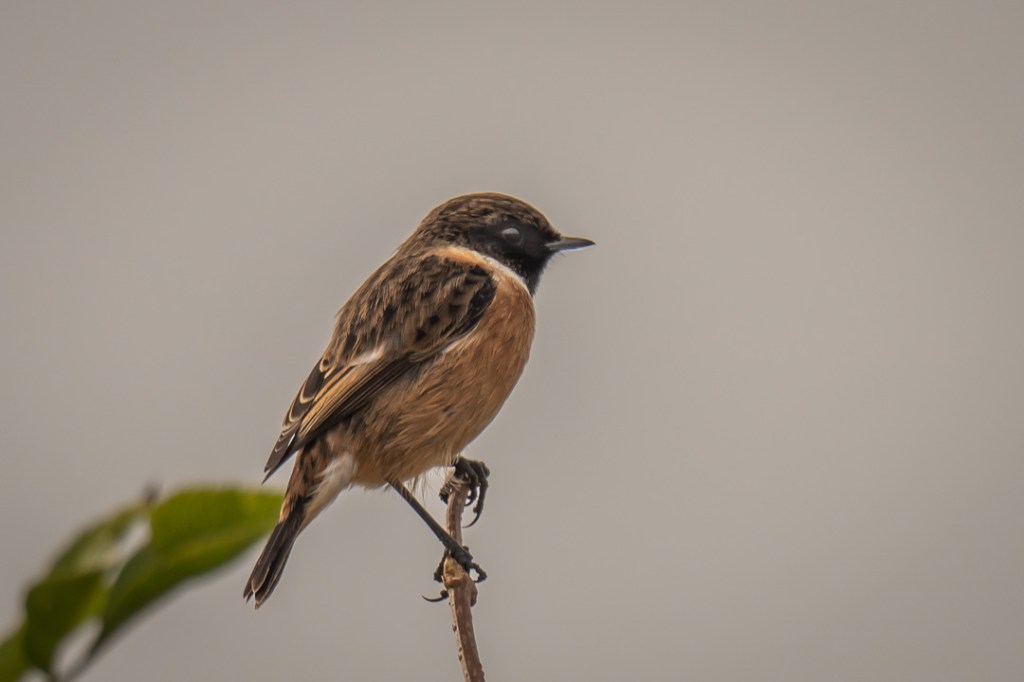
Stonechat I moved on to Uphill where I saw even less. Just another meadow pipit, a little egret and some teal.
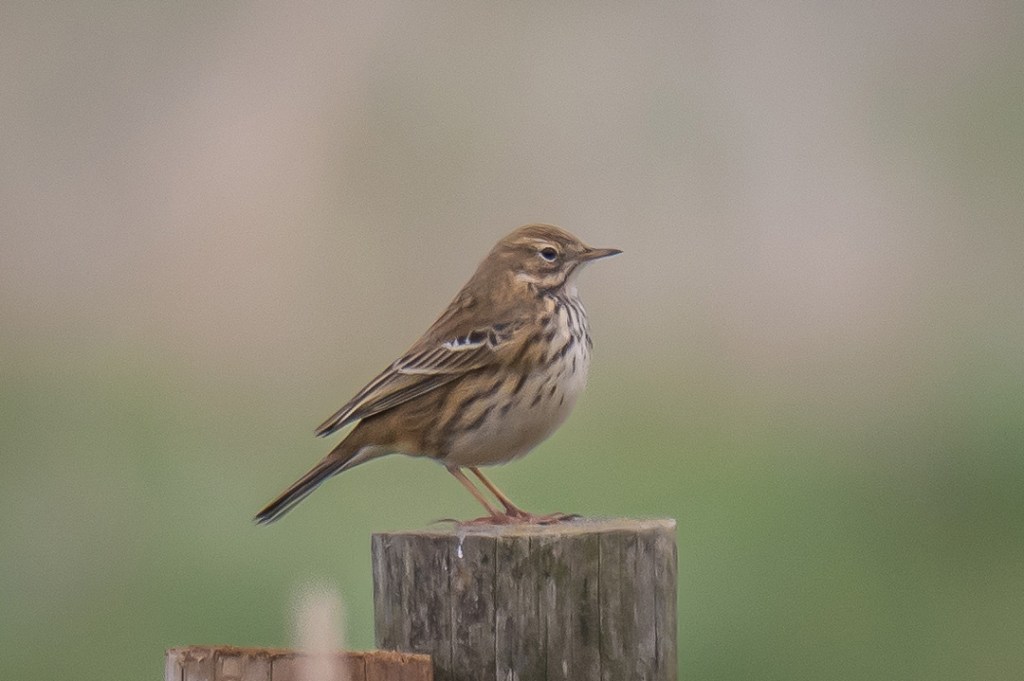
Meadow pipit In the afternoon I had a pleasant walk on Sand Point – I only saw a few stonechats but the light was so poor that I didn’t take any photos.
There will be better birding days!
-
13th November 2021 – Severn Estuary
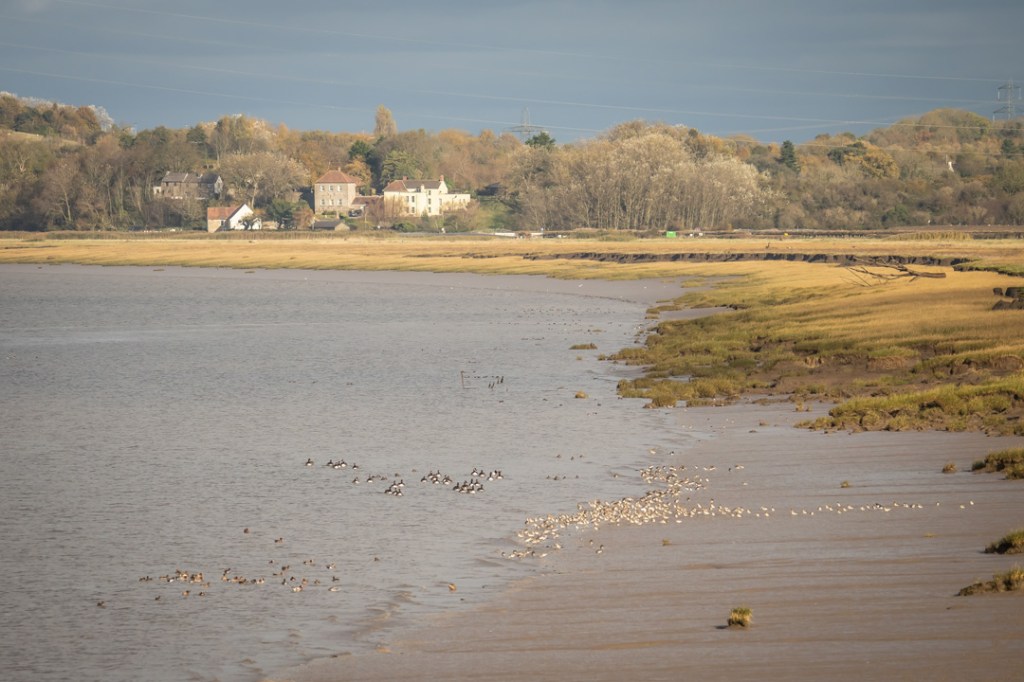
It was another amazing November morning and we had a pleasant walk along the Severn Estuary from New Passage to Severn Beach and back. We then lingered a while to watch the birds at New Passage.
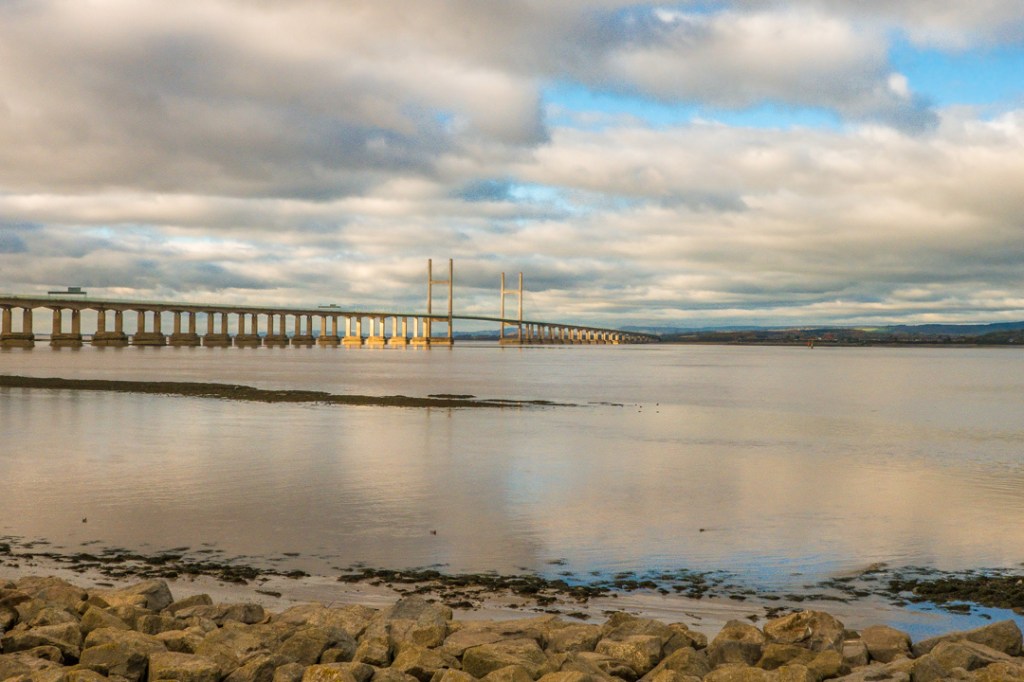
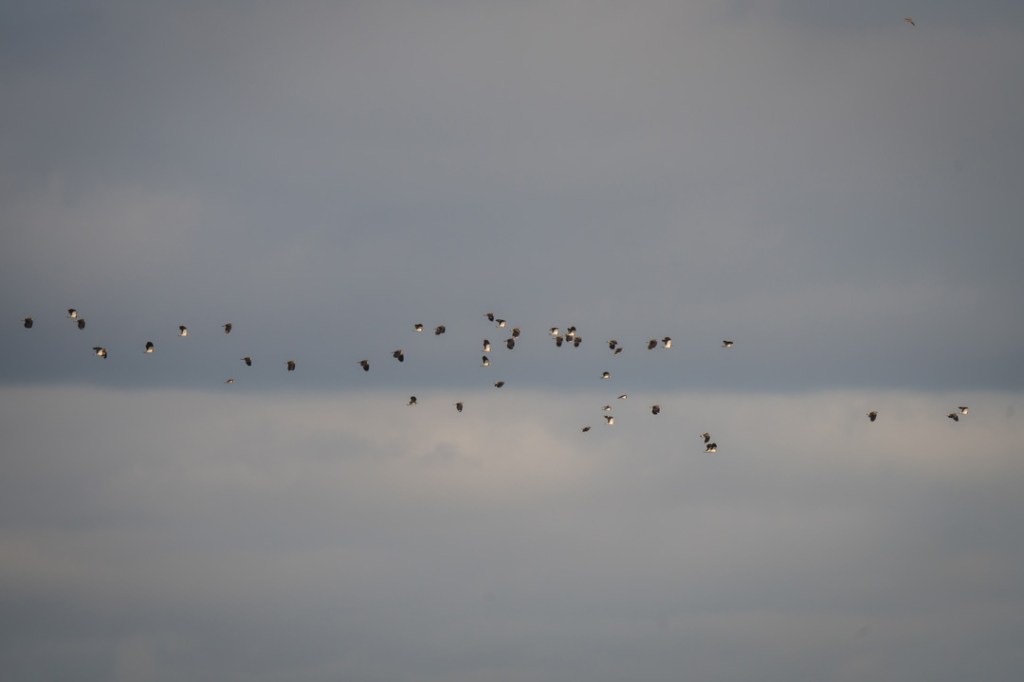
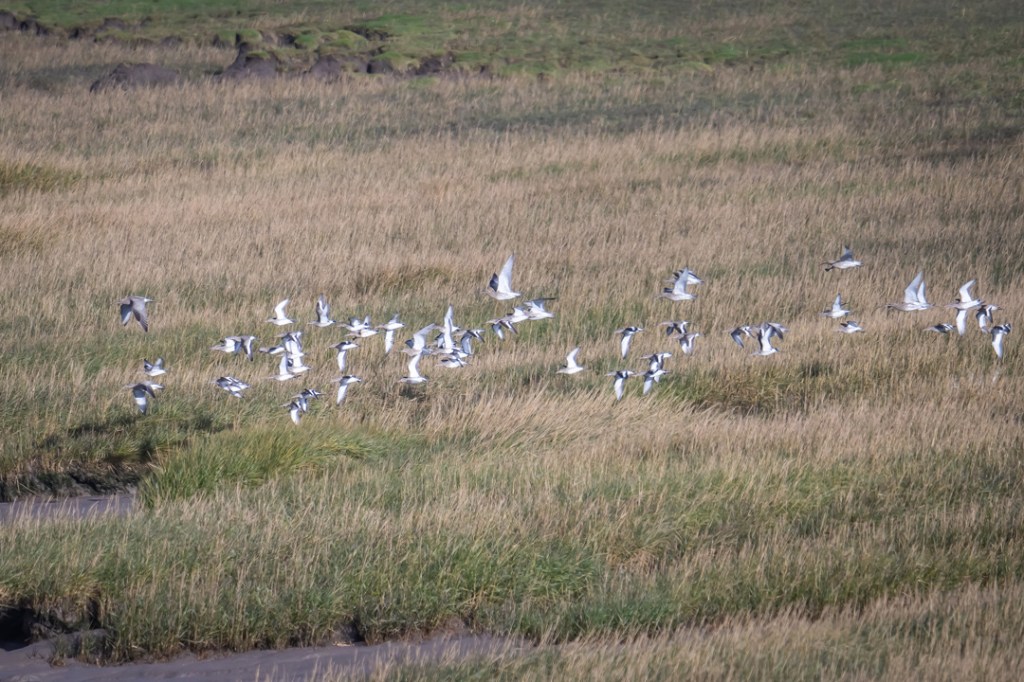
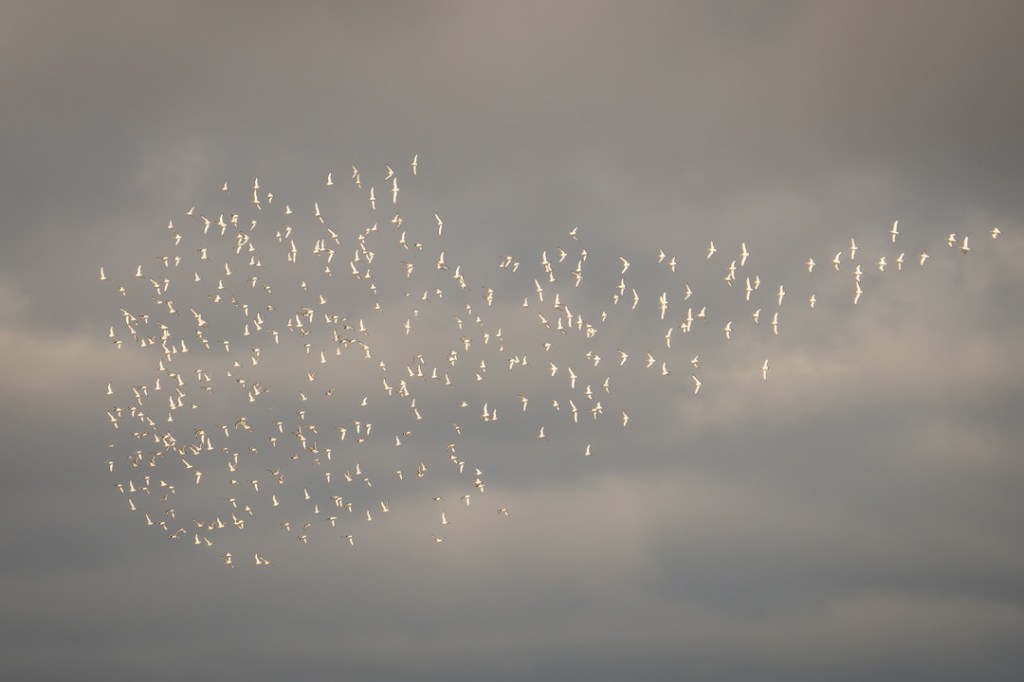
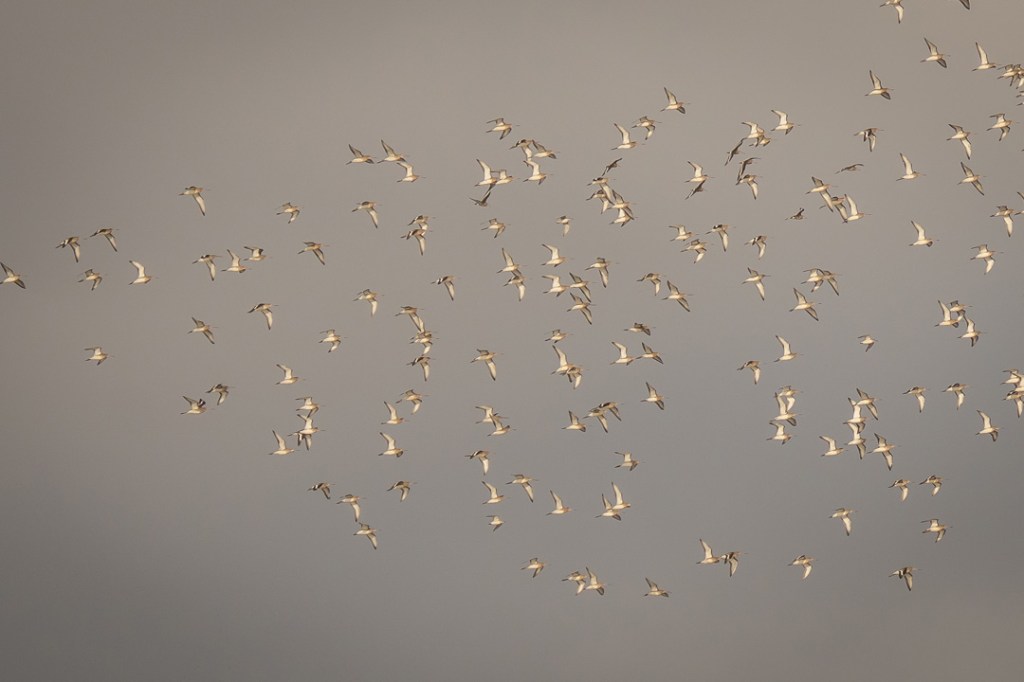
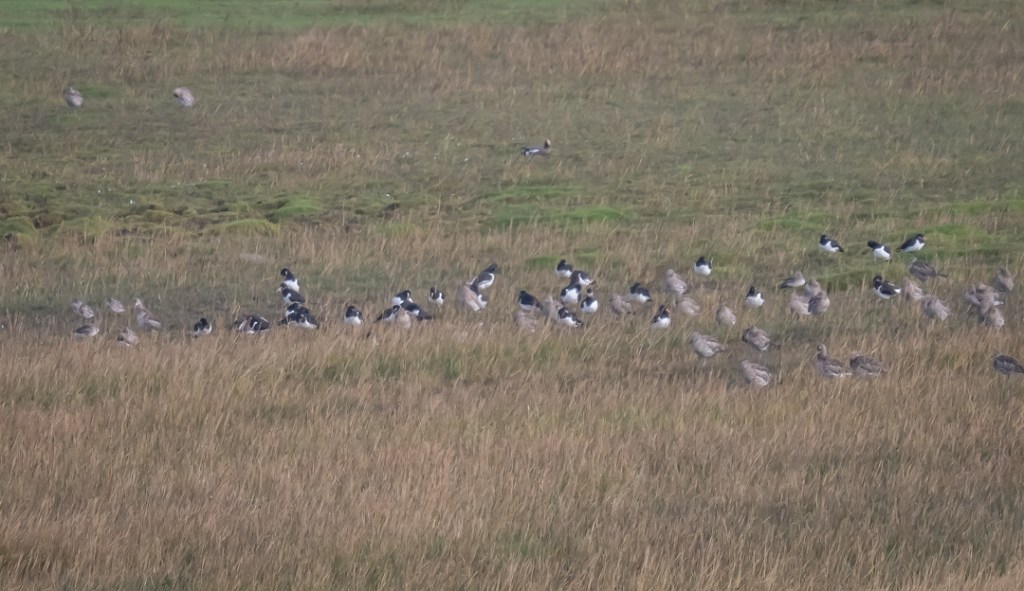
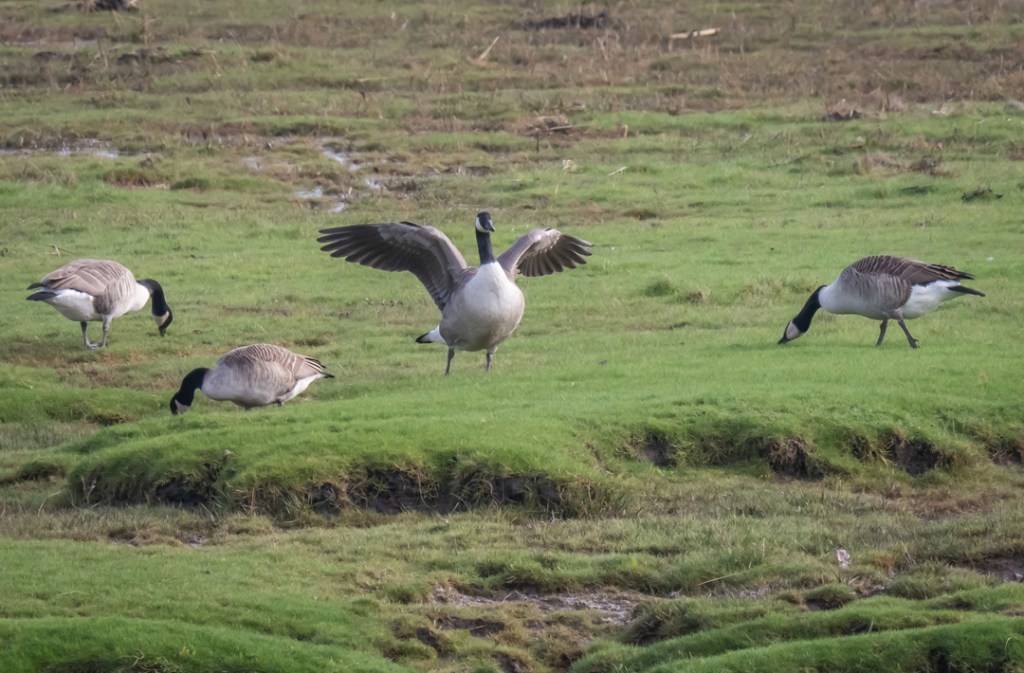
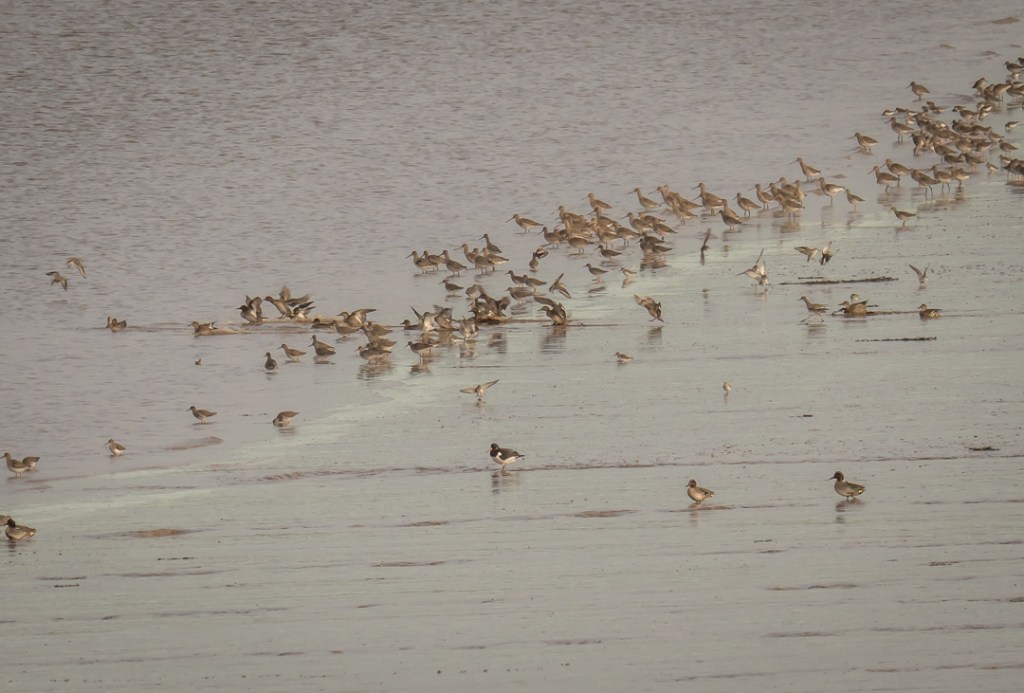
Amazingly mild and still on the Severn Estuary We could make out good flocks of wigeon, Canada geese, black-tailed godwits, lapwing and curlew as well as two northern pintail but they were all a bit distant. However, there was one spectacular moment when a peregrine spooked the black-tailed godwits and we could make it out flying above and amongst them.

Peregrine amongst the black-tailed godwits 
Peregrine flying above the godwits 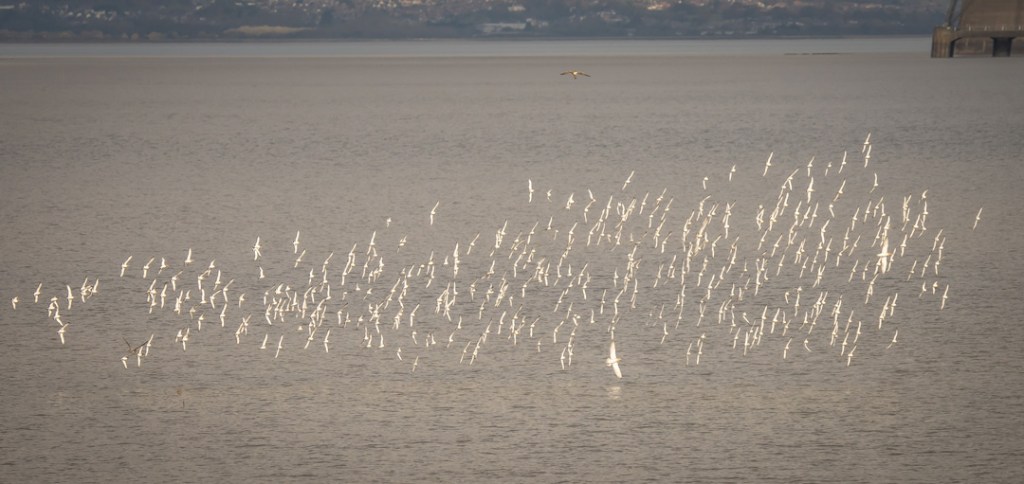
Peregrine flying above the godwits 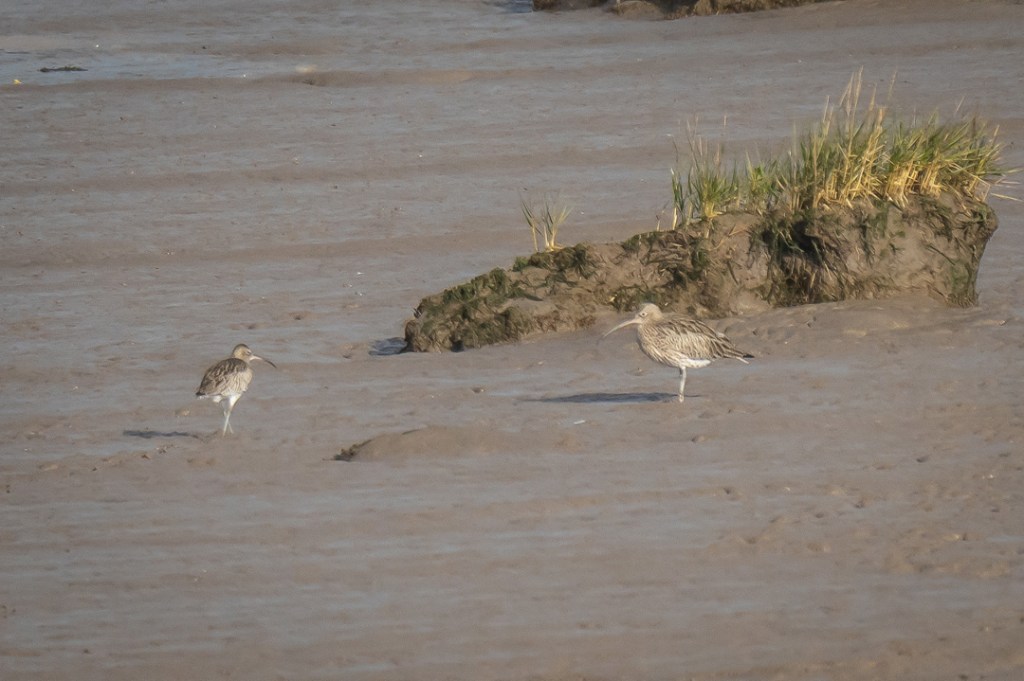
Curlews 
Northern pintail 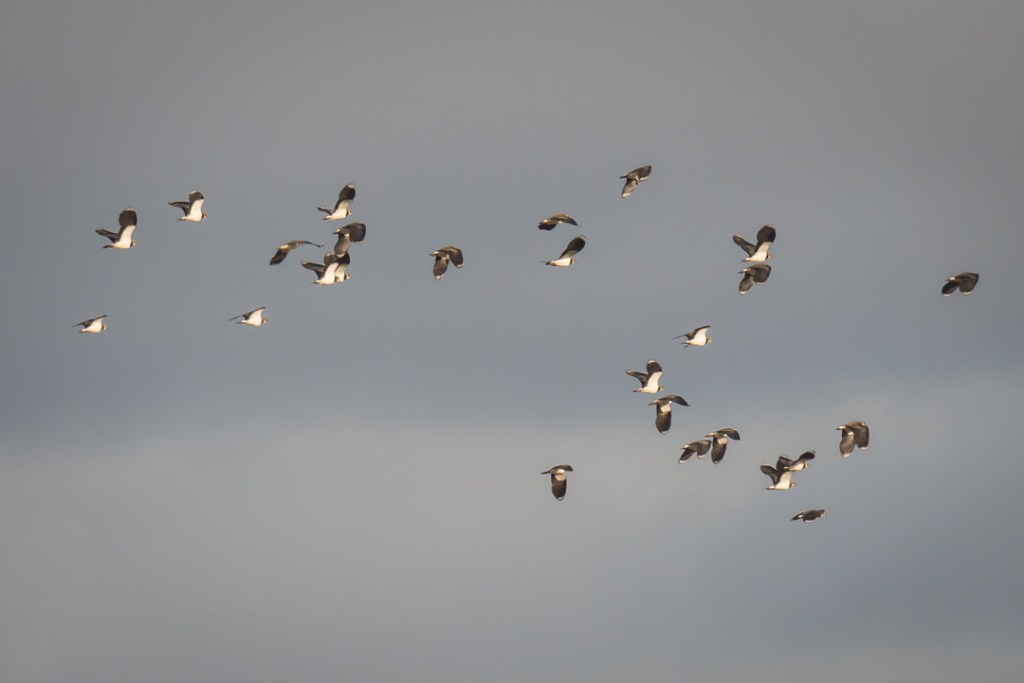
Lapwing 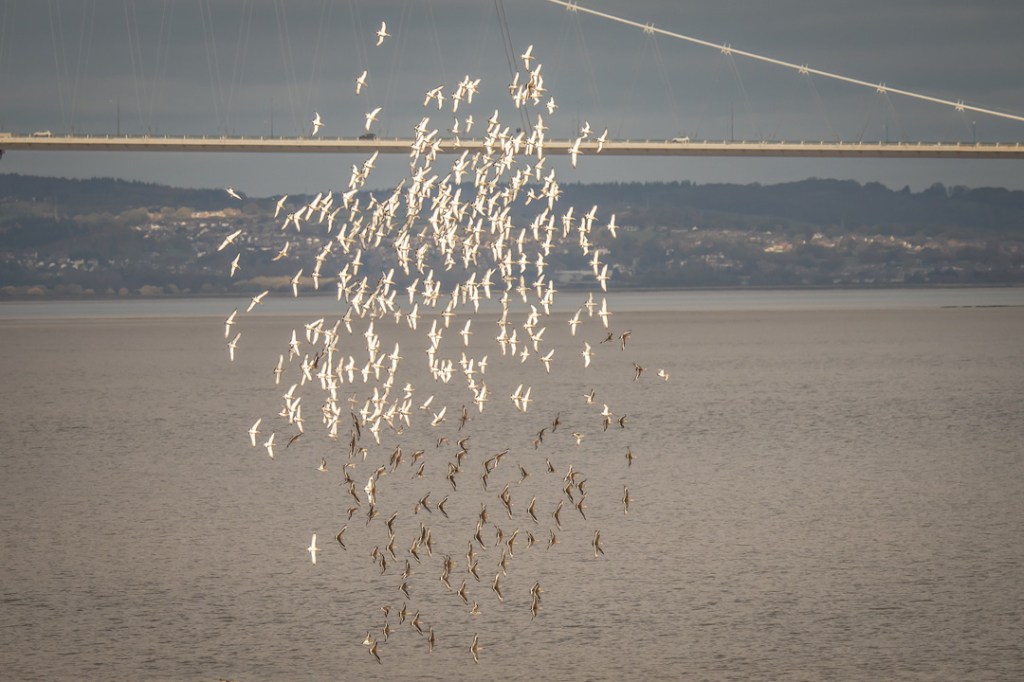
Black-tailed godwits 
Plenty of curlew on the warth 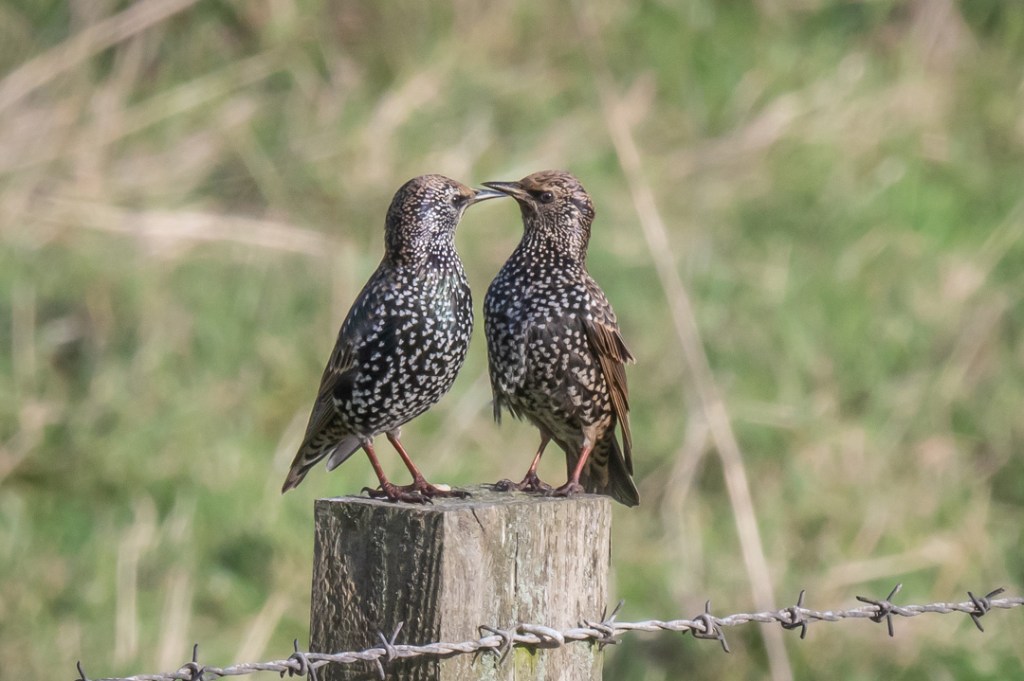
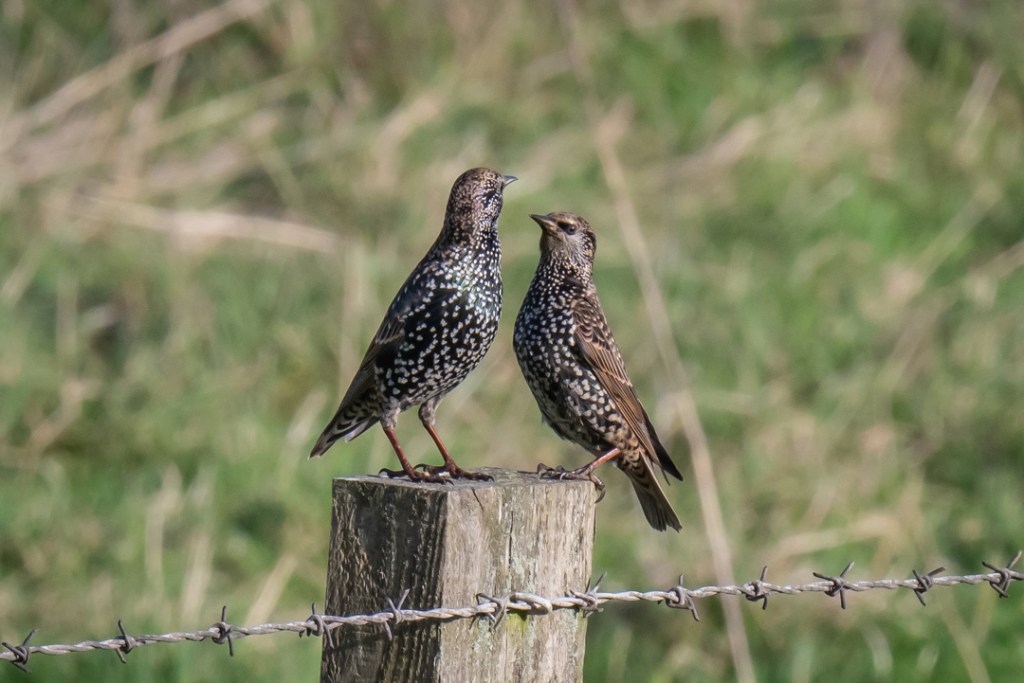
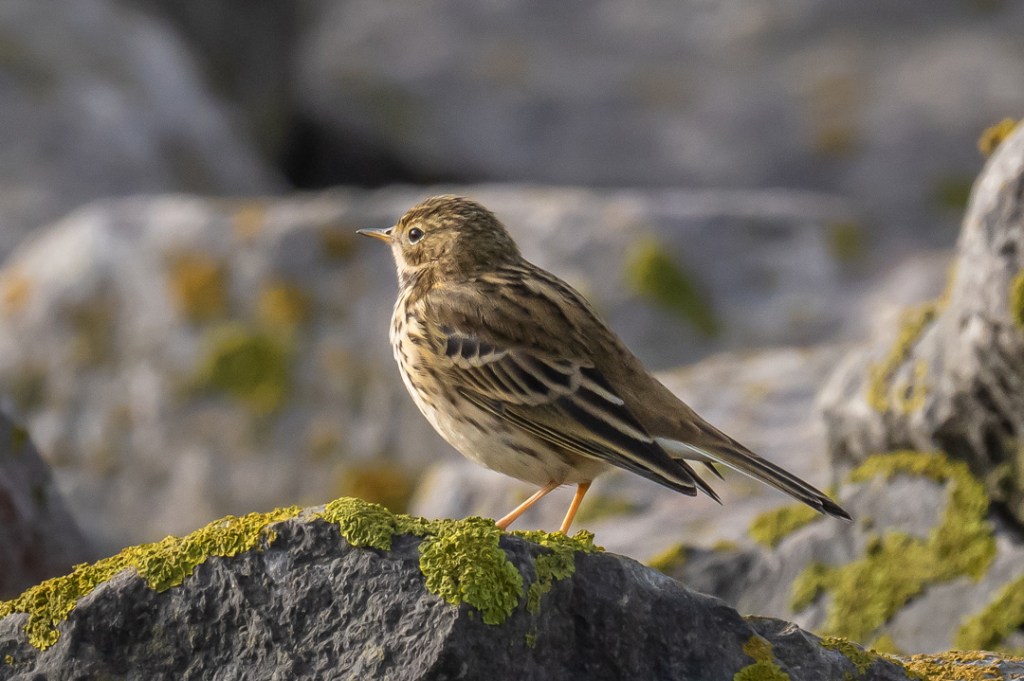
Friendly starlings -
5th November 2021 – New Passage, Severn Estuary
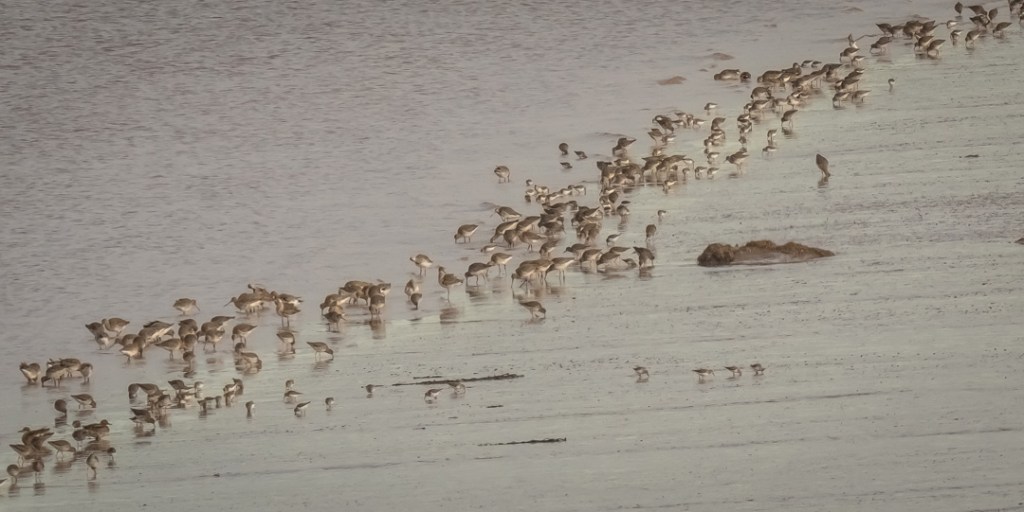
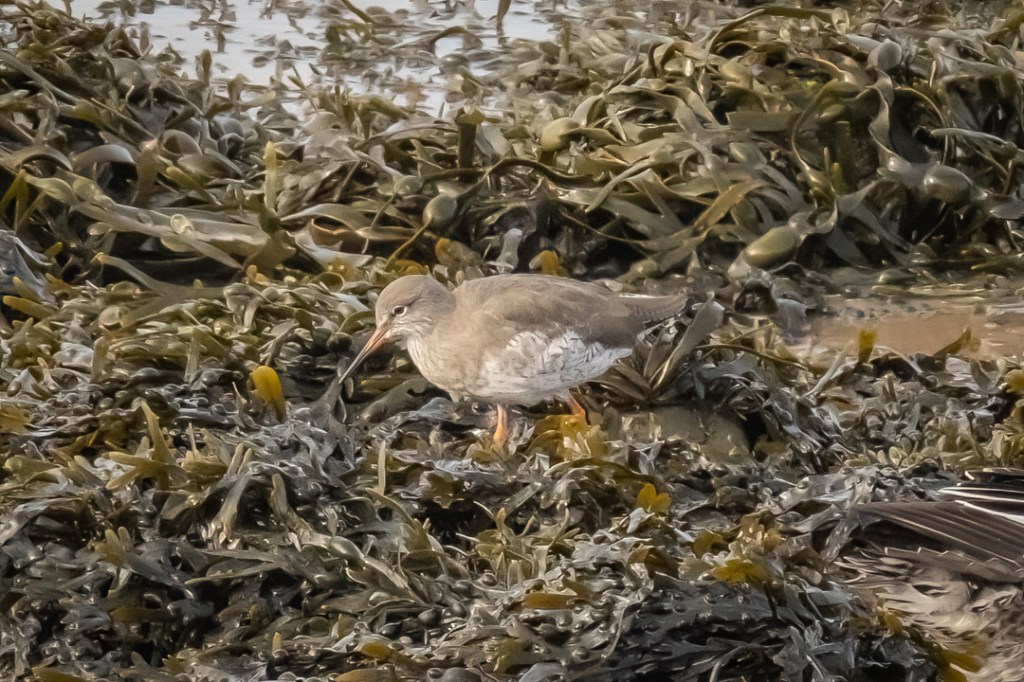
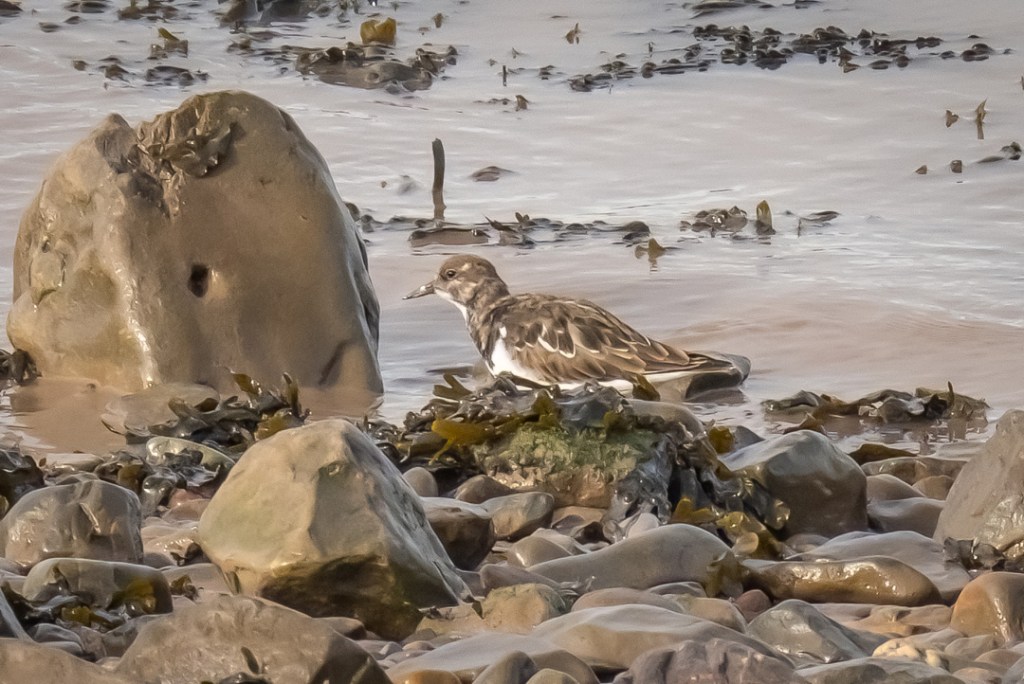
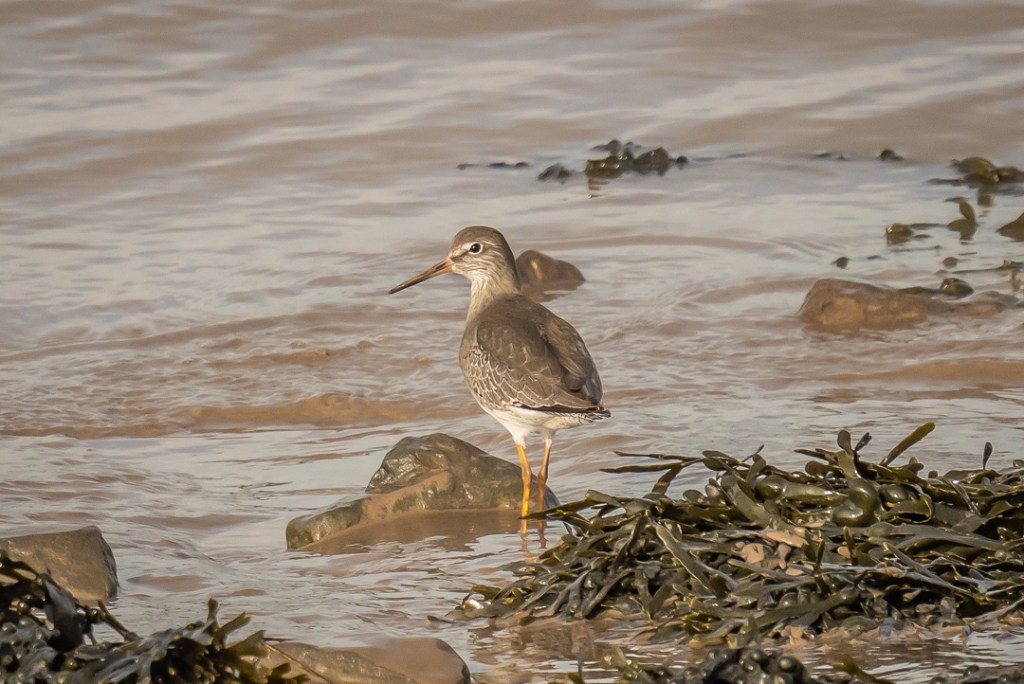
There were lots of waders on the foreshore (and on the warth) at New Passage this morning but generally they were too far away for my lens. However, a few redshank and turnstone came closer and allowed me to get some close-ups. The meadow pipit on the rocks on our walk to Severn Beach was probably the highlight for me. although I did confuse it for a rock pipit at first.

More for those with telescopes 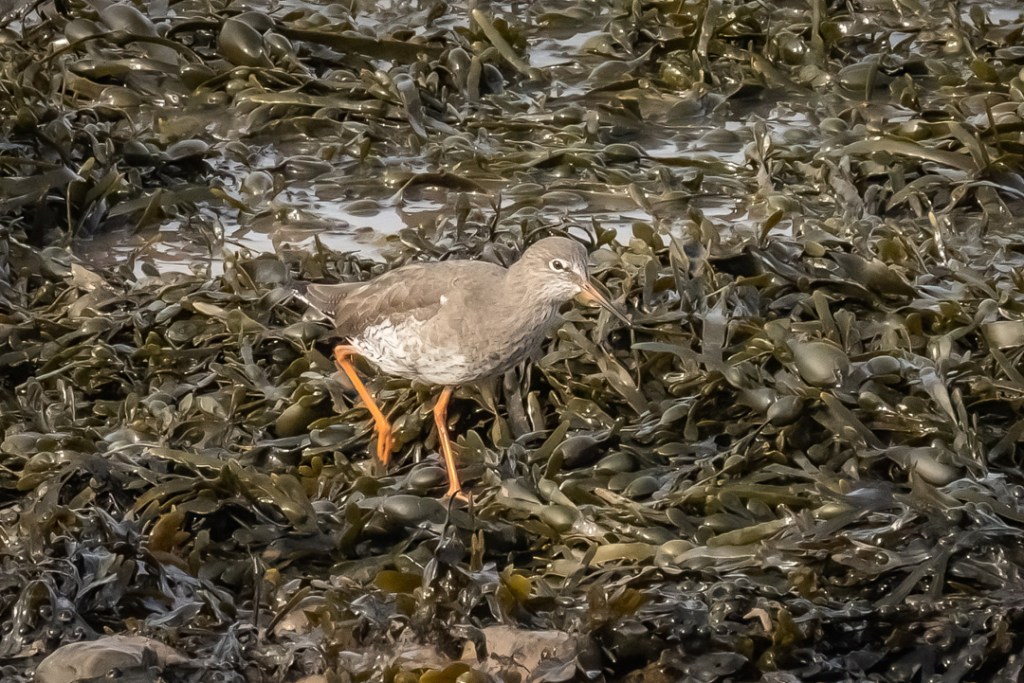
Redshank 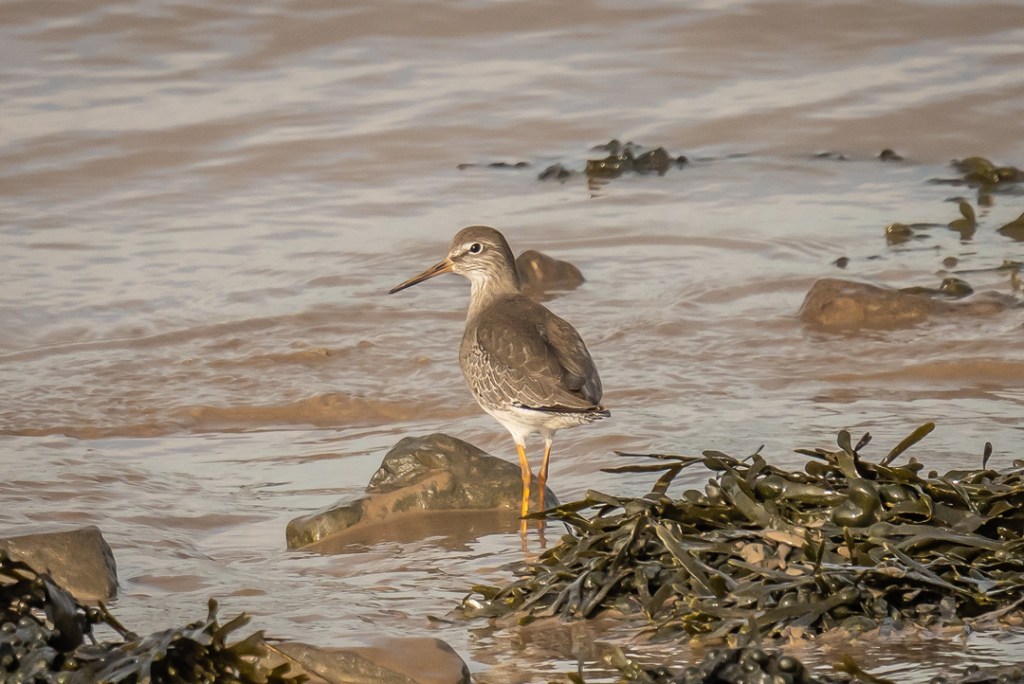
Redshank 
Redshank in flight 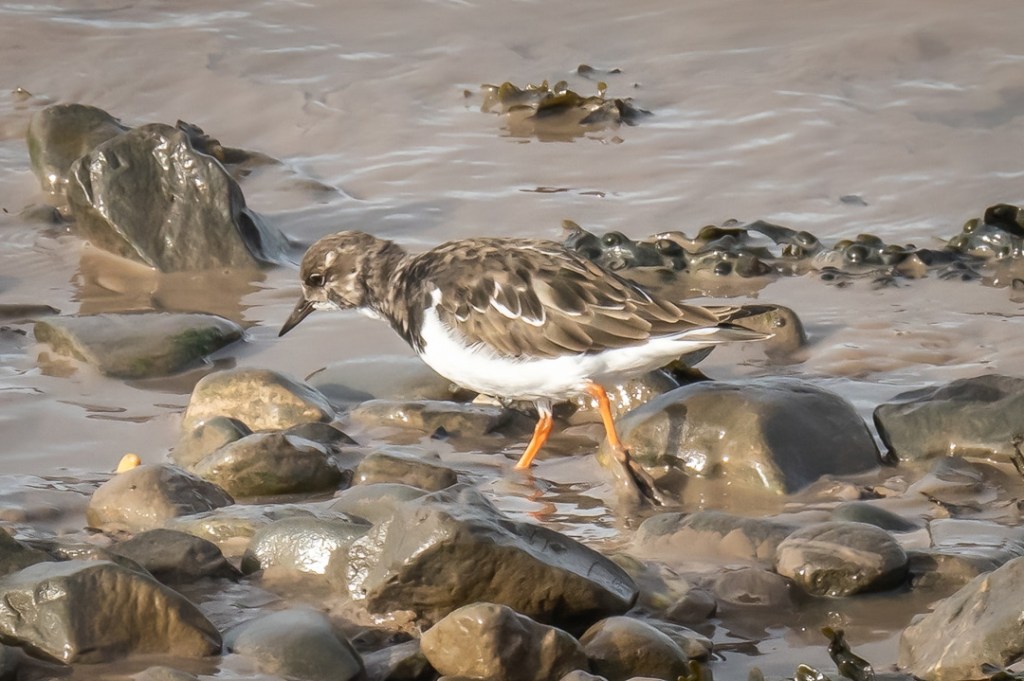
Turnstone 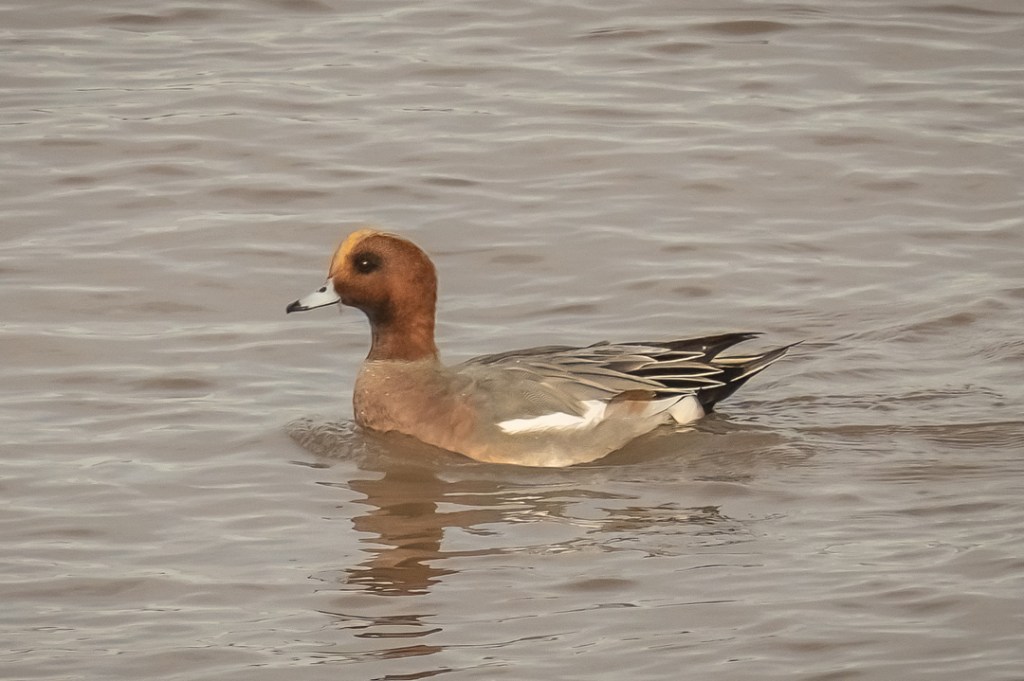
Wigeon 
Meadow pipit -

2nd November 2021 – Chew Valley, North Somerset
Fortnightly my wife has a patchwork and quilting class in North Somerset and I take the opportunity to drop her off and go birdwatching in that area. The last few occasions I have been further south to the Somerset Levels but this time I had a day in the Chew Valley at Chew Valley Lake and Blagdon Lake. The weather was fabulous and there were plenty of birds to keep me occupied.
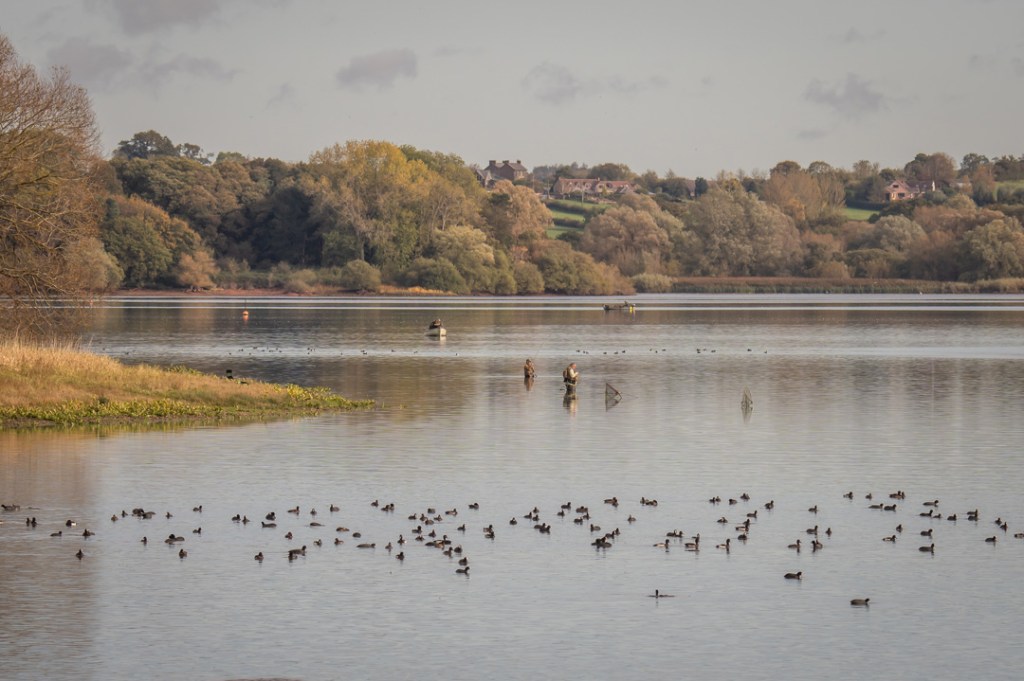
Chew Valley lake – a great place for fishing and birdwatching At my first spot, at Herriott’s bridge at Chew Valley Lake, I saw bearded tits (everyone’s favourites) but they didn’t hang around for me to photograph them. My first photos were of a pair of gadwall (could they have been the pair that I saw in Eastville Park?)
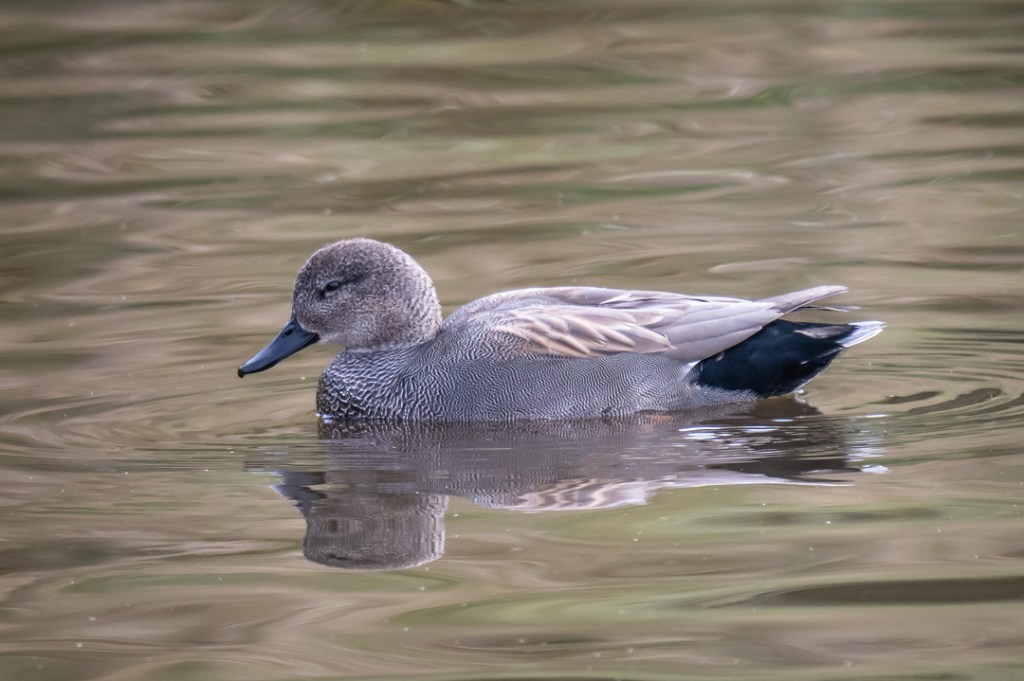
Gadwall 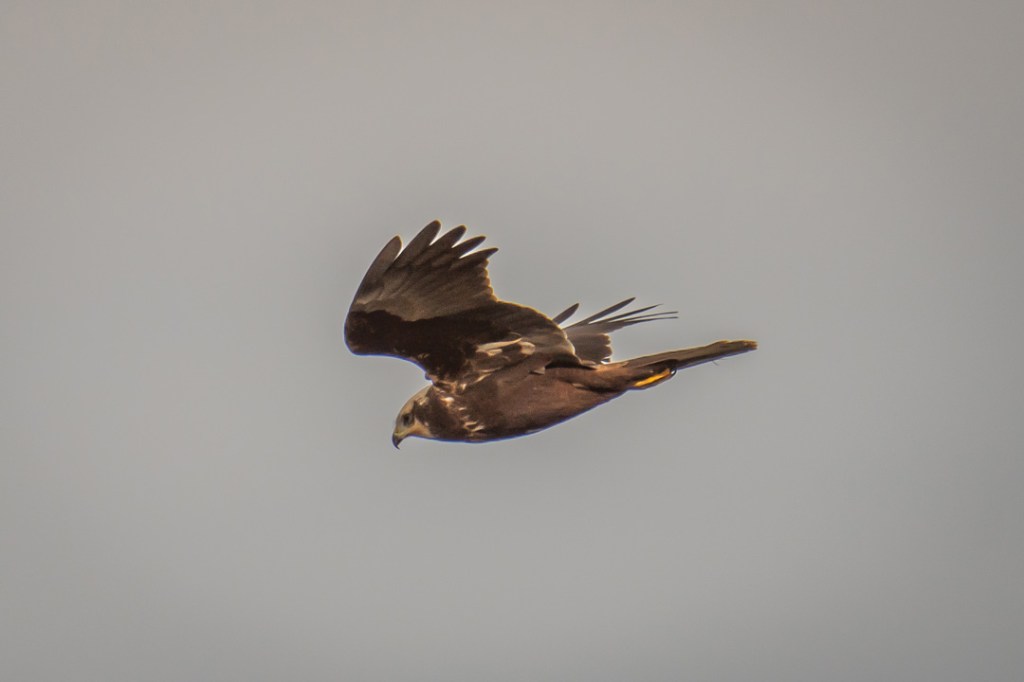
Marsh harrier spooked the waterfowl for a while There were thousands of waterfowl on the lakes but most of them were telescope distance away. Here are some of the ones that came close enough to photograph.
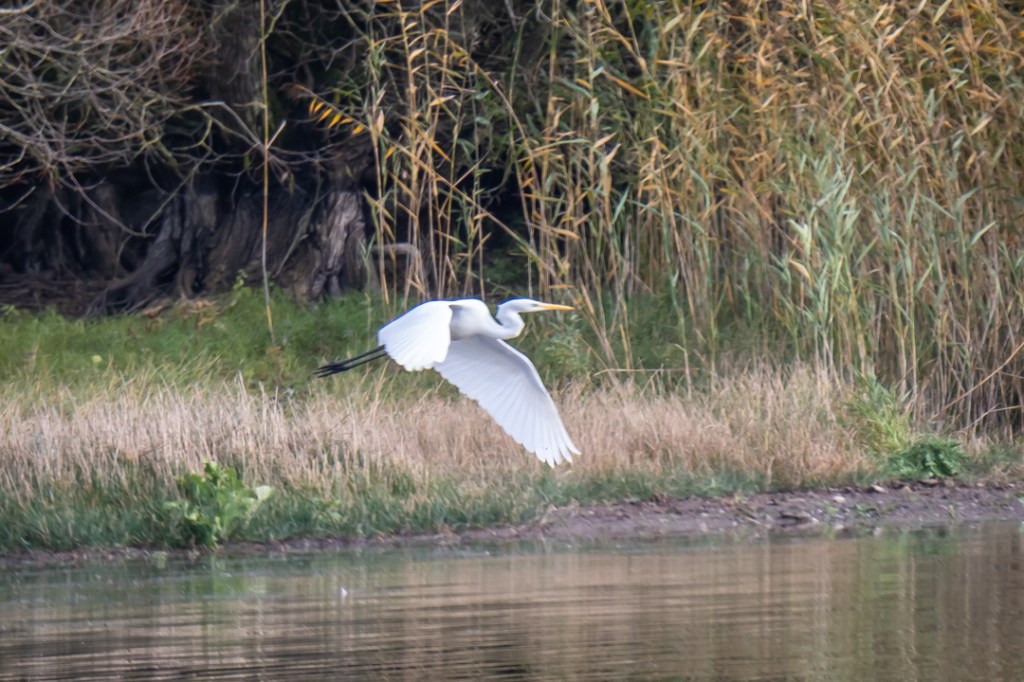
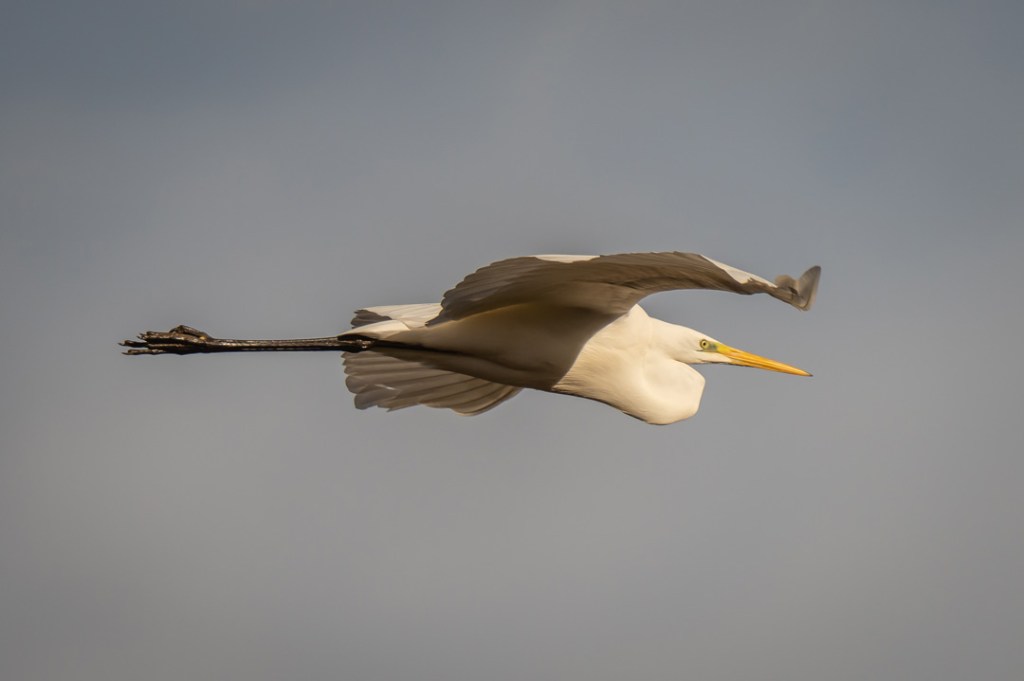
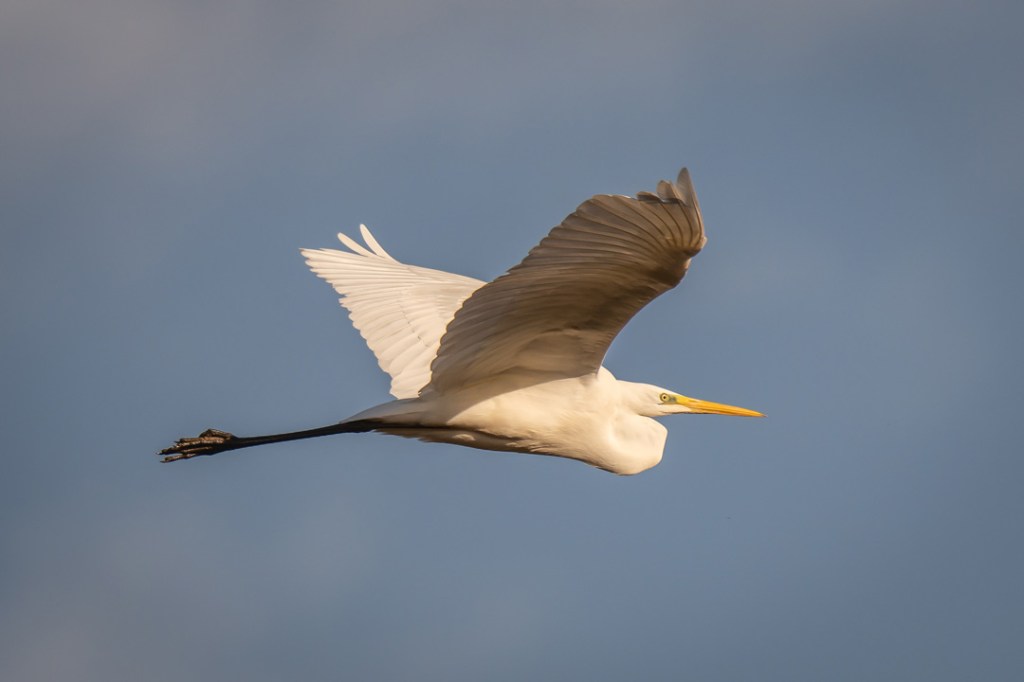
Great white egret in the distance 
Great white egret close up
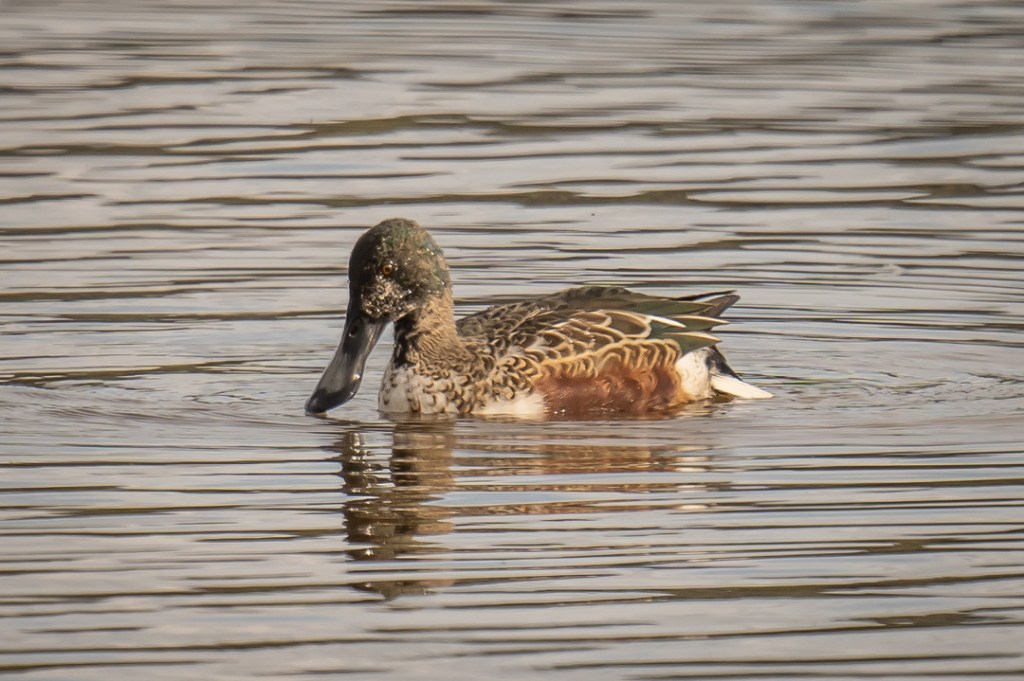
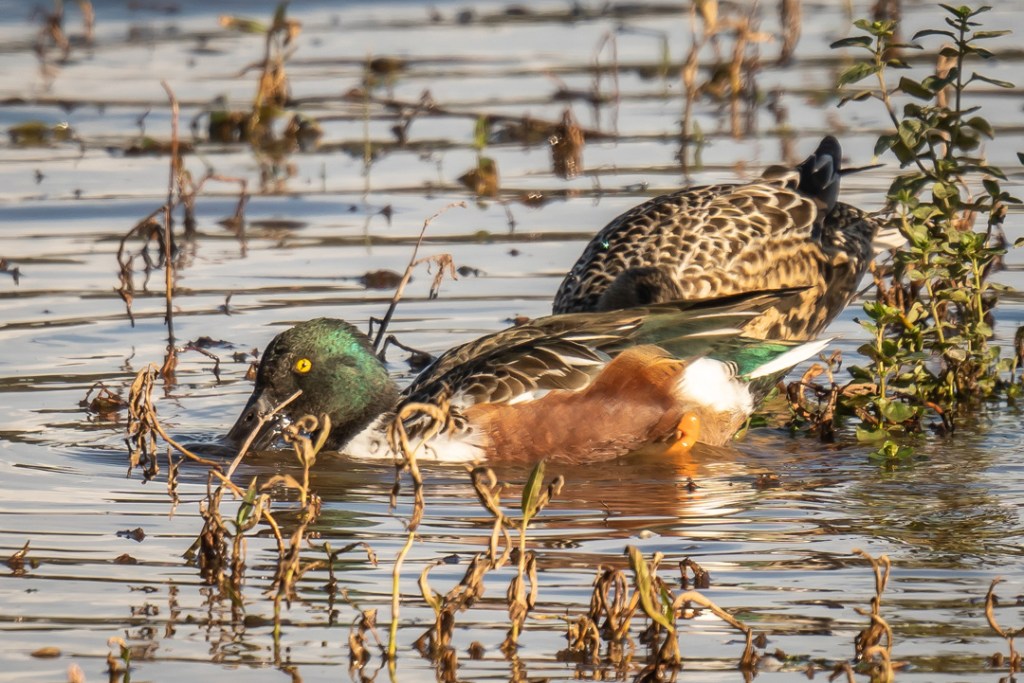
Shoveler 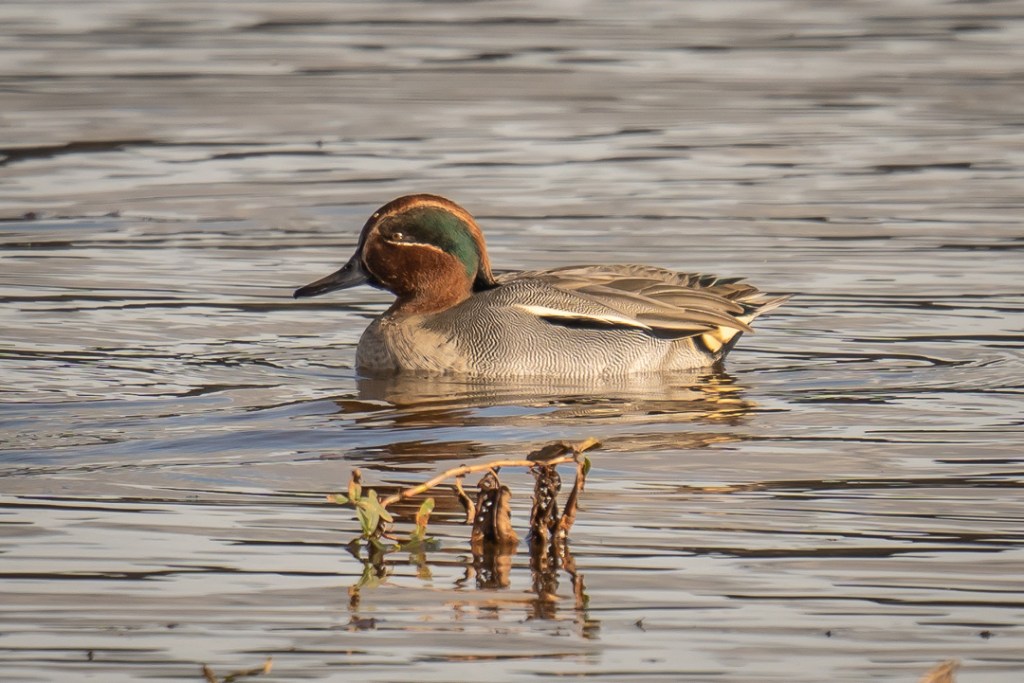
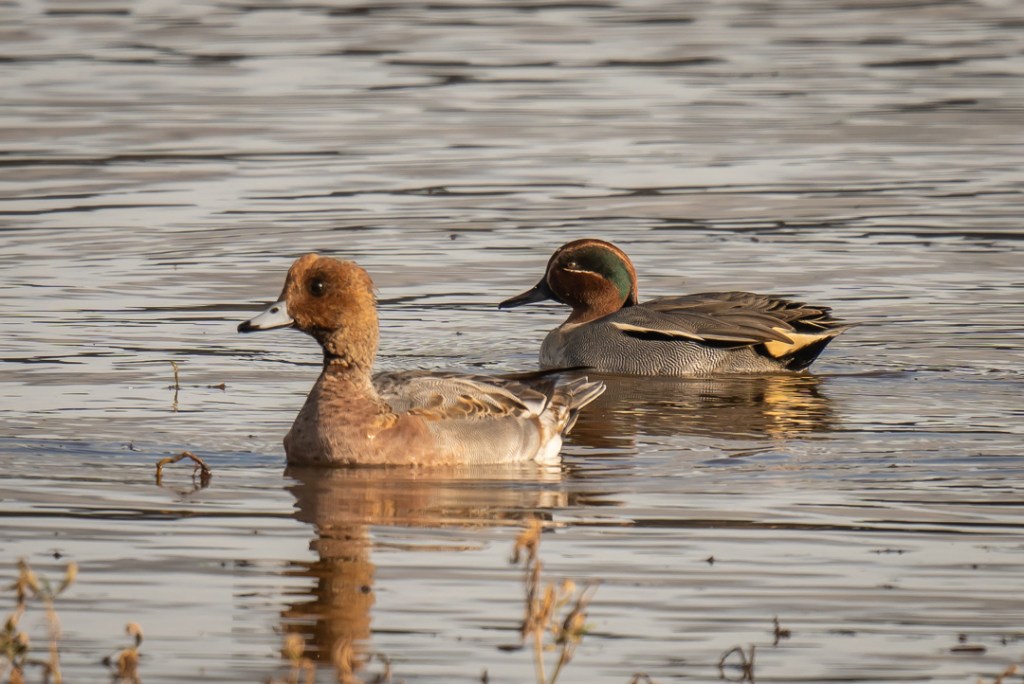
Teal 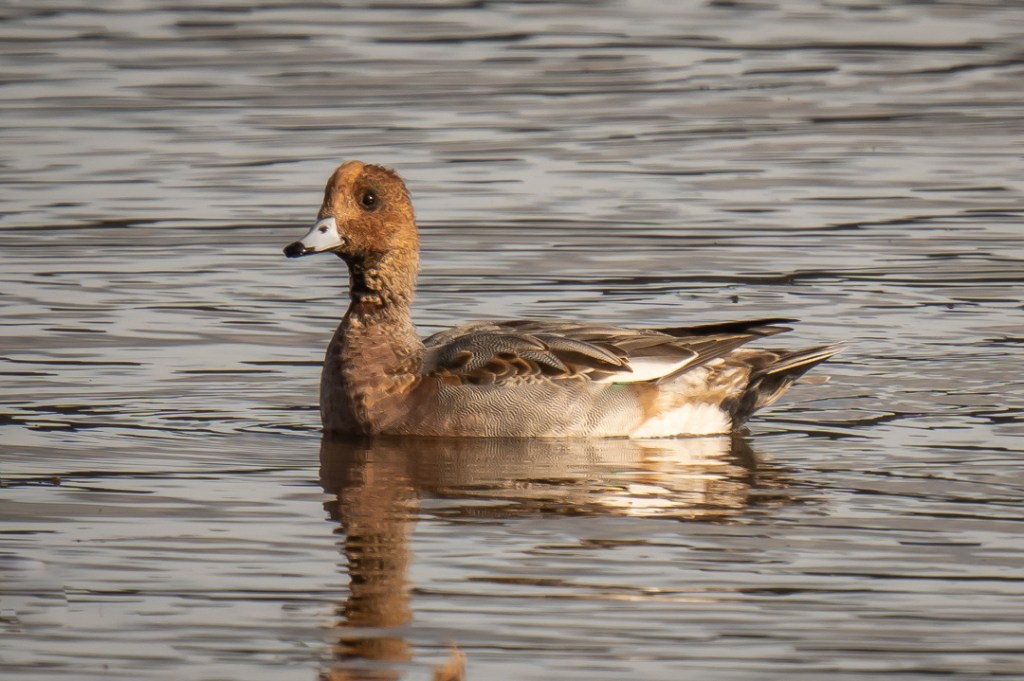
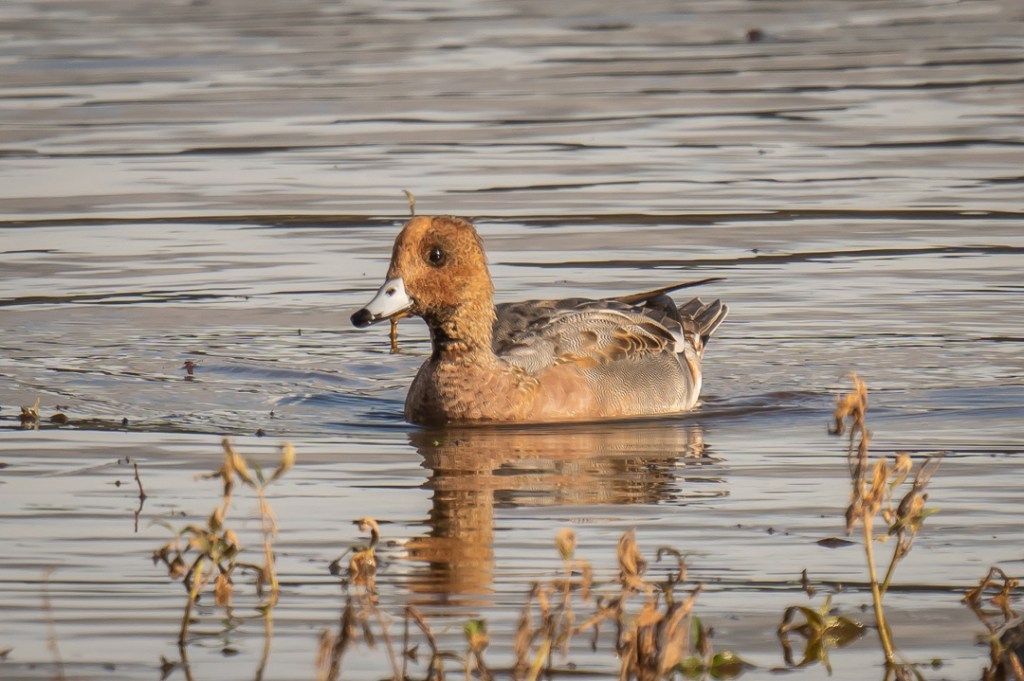
Wigeon 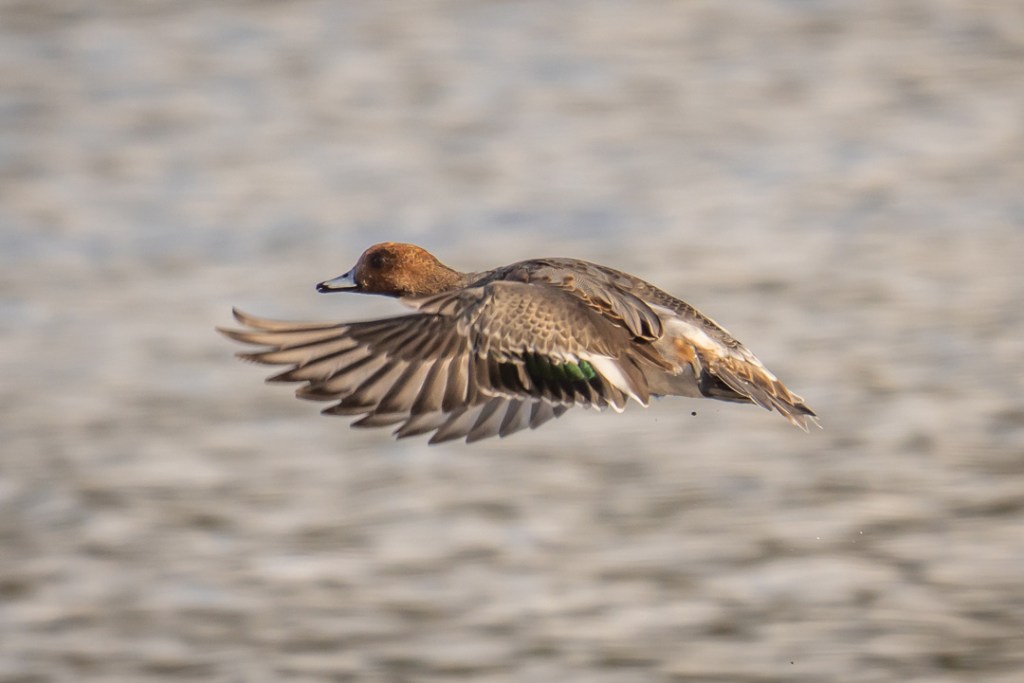
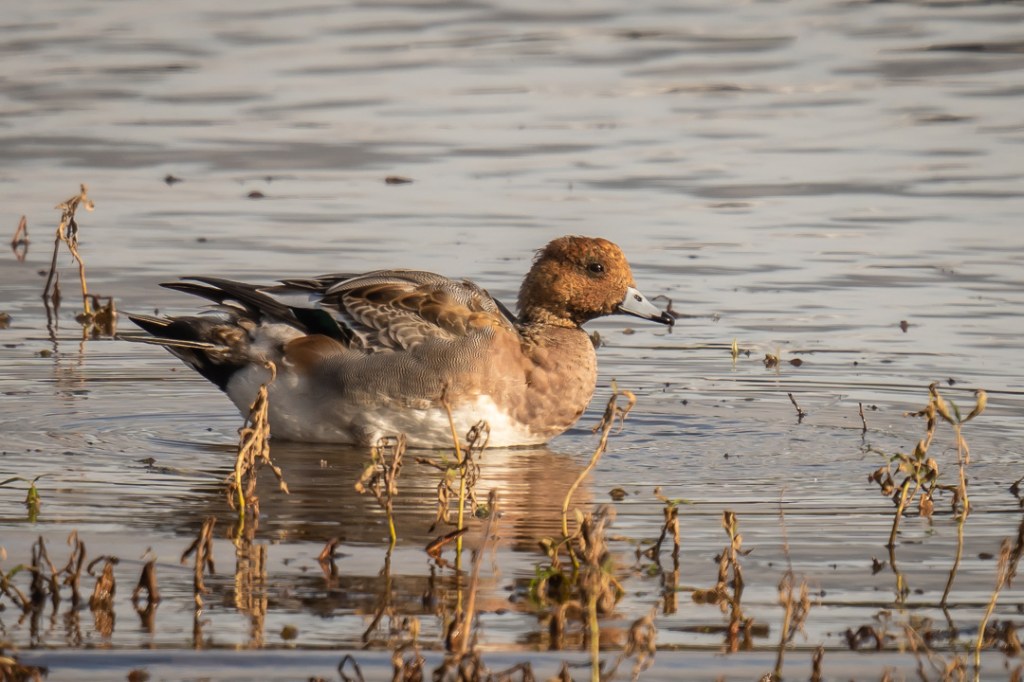
Wigeon And some of the woodland birds …
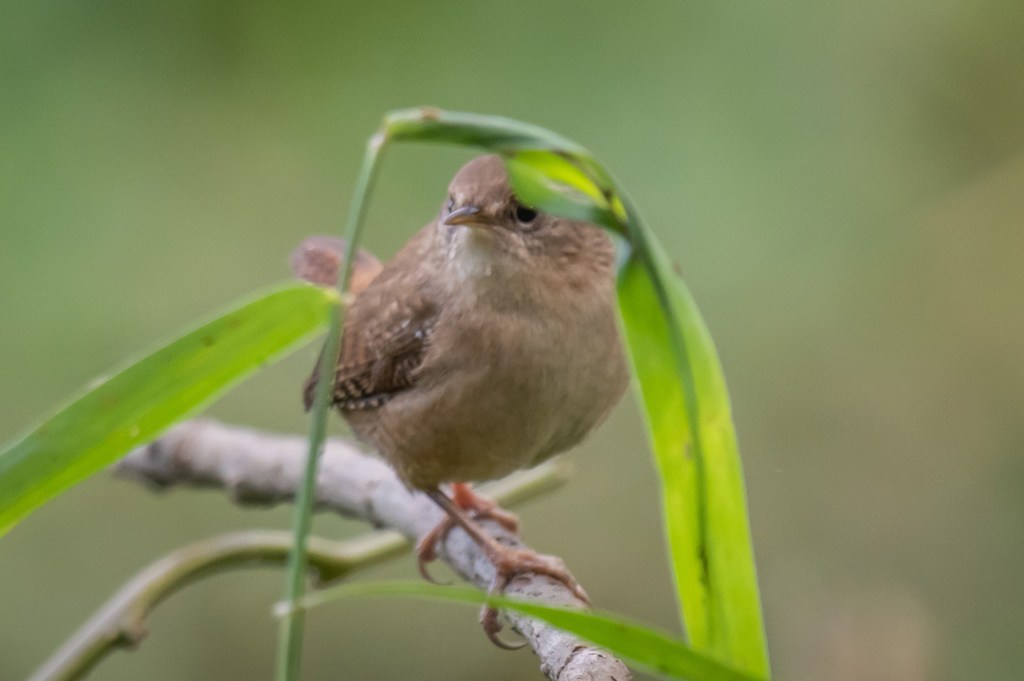
Wren 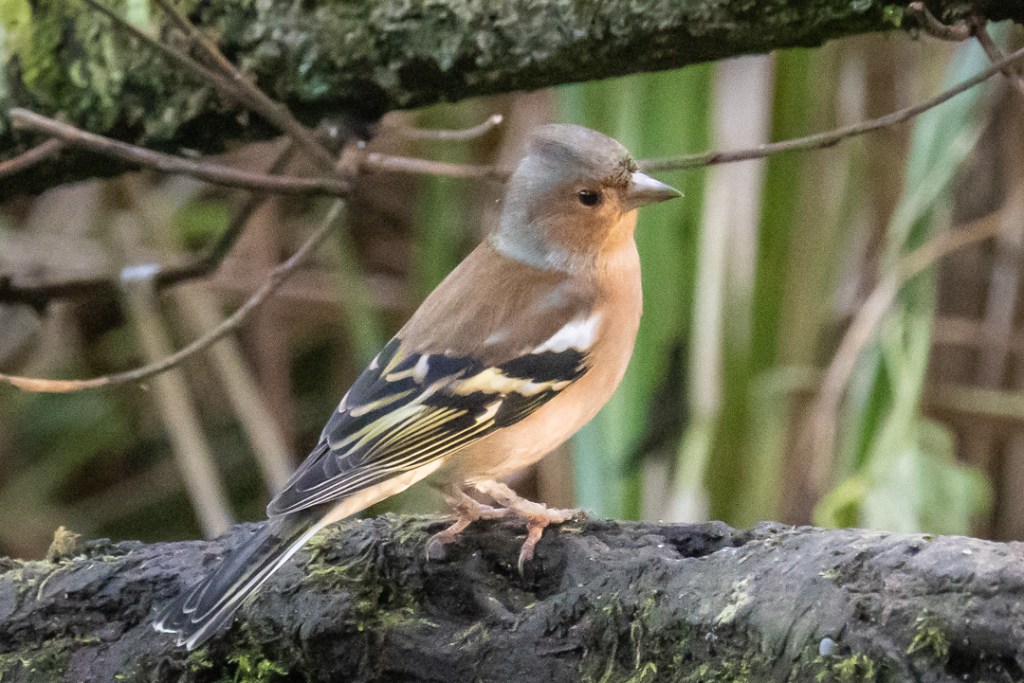
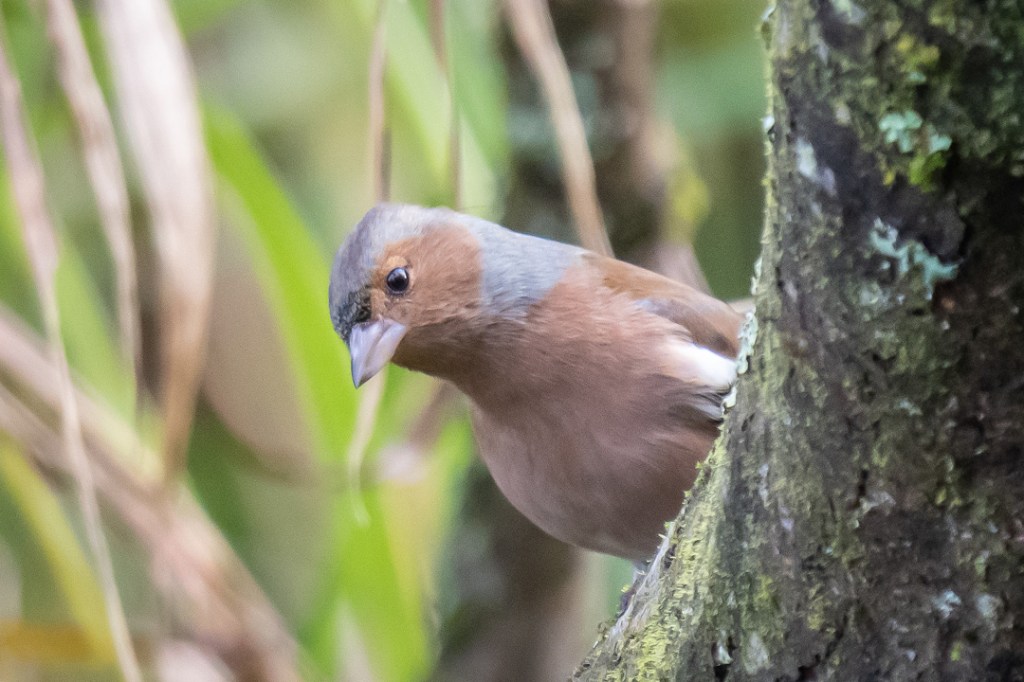
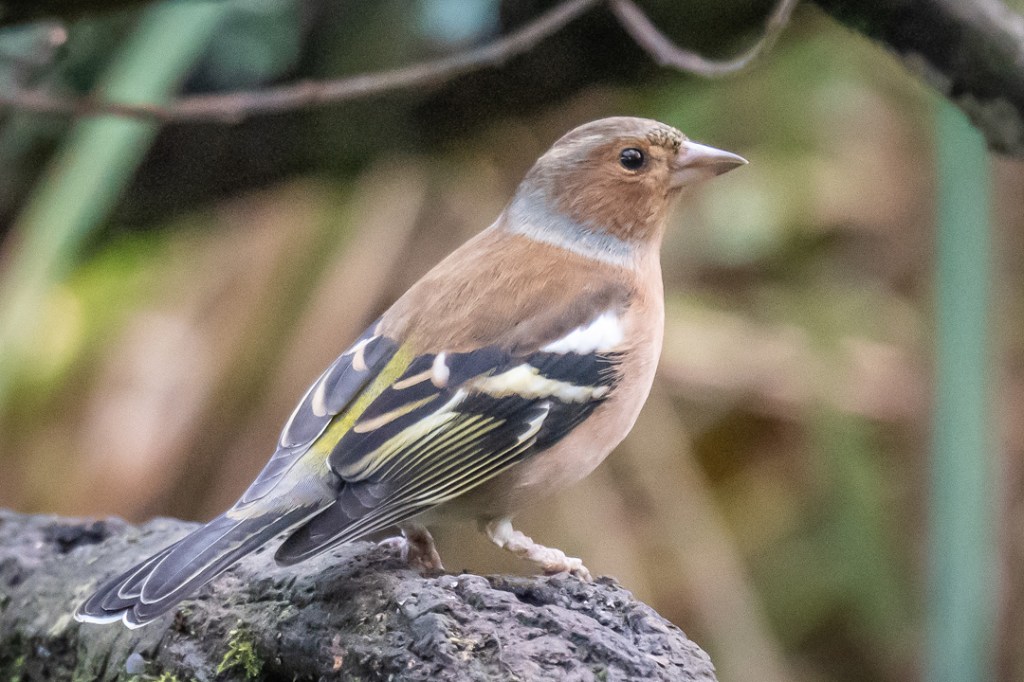
Chaffinch 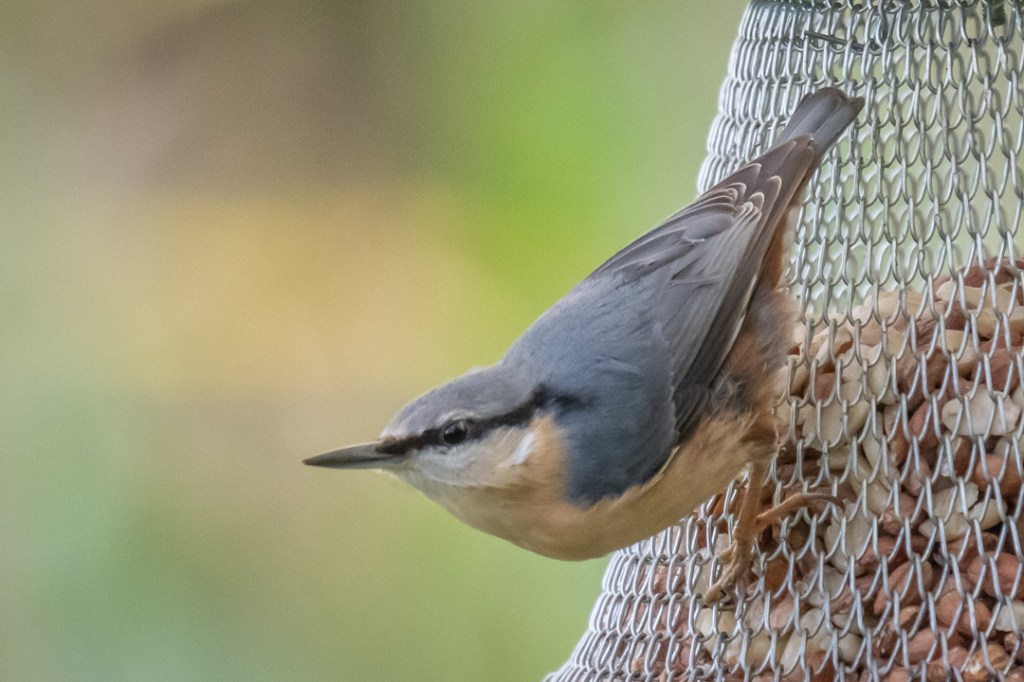
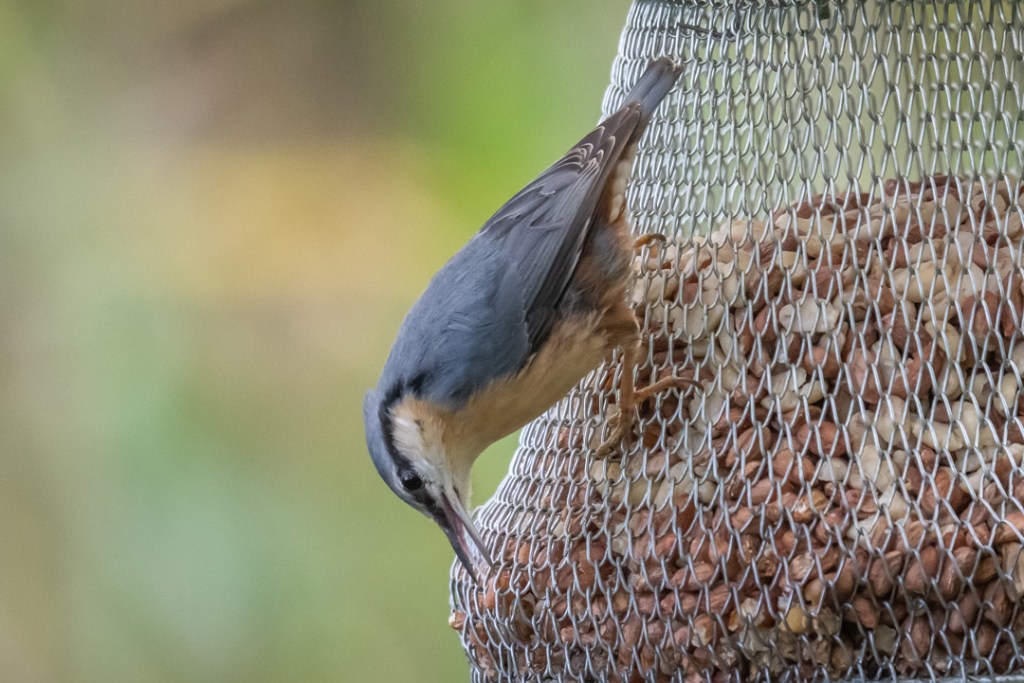
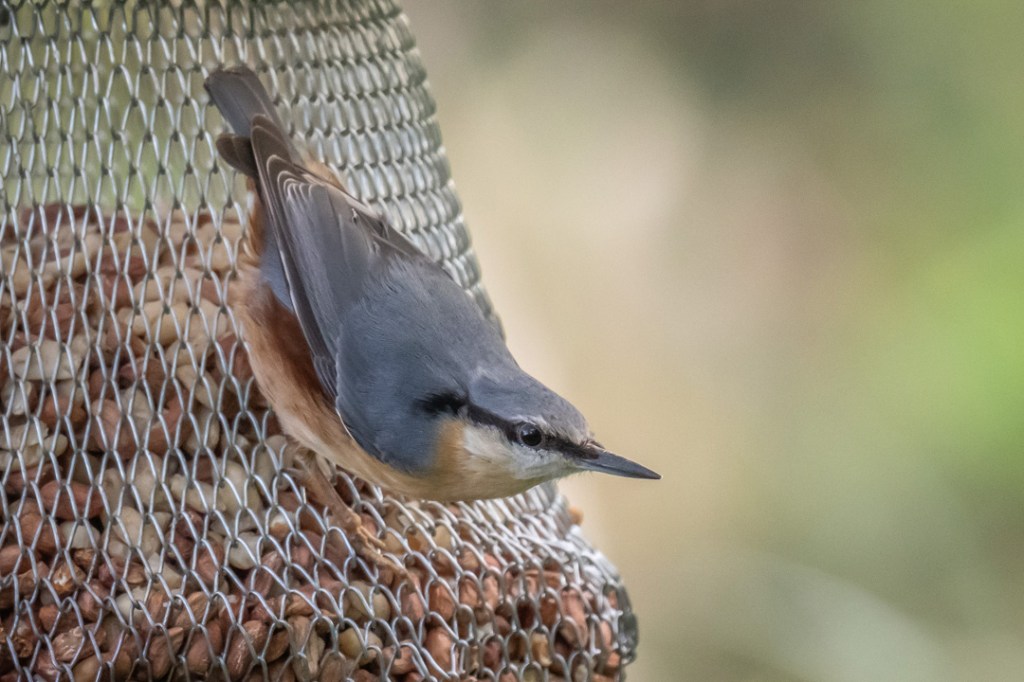
Nuthatch 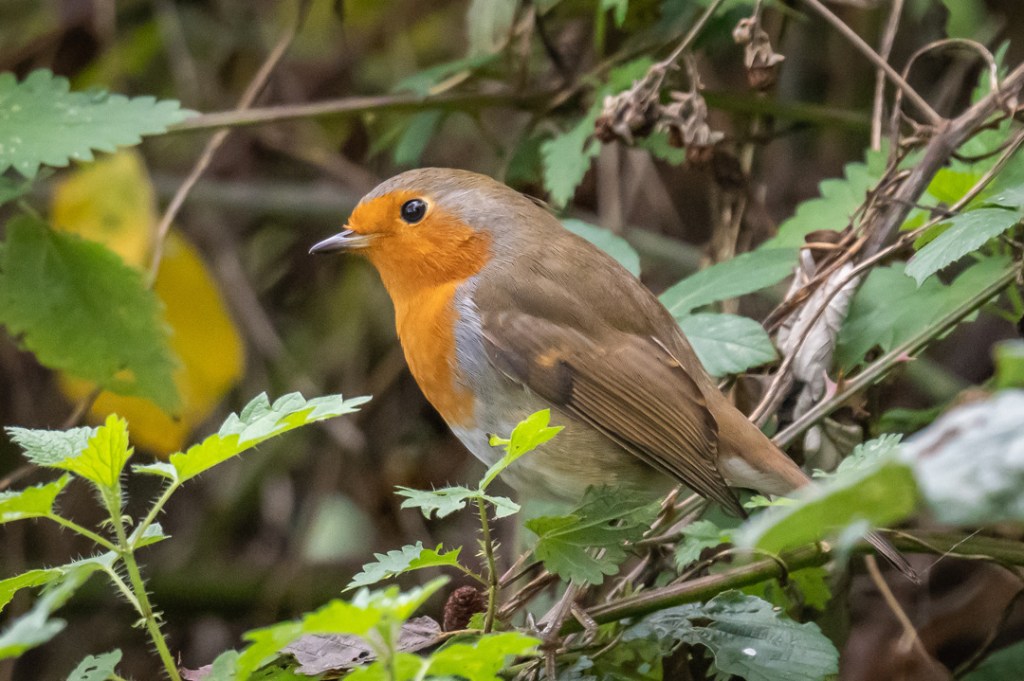
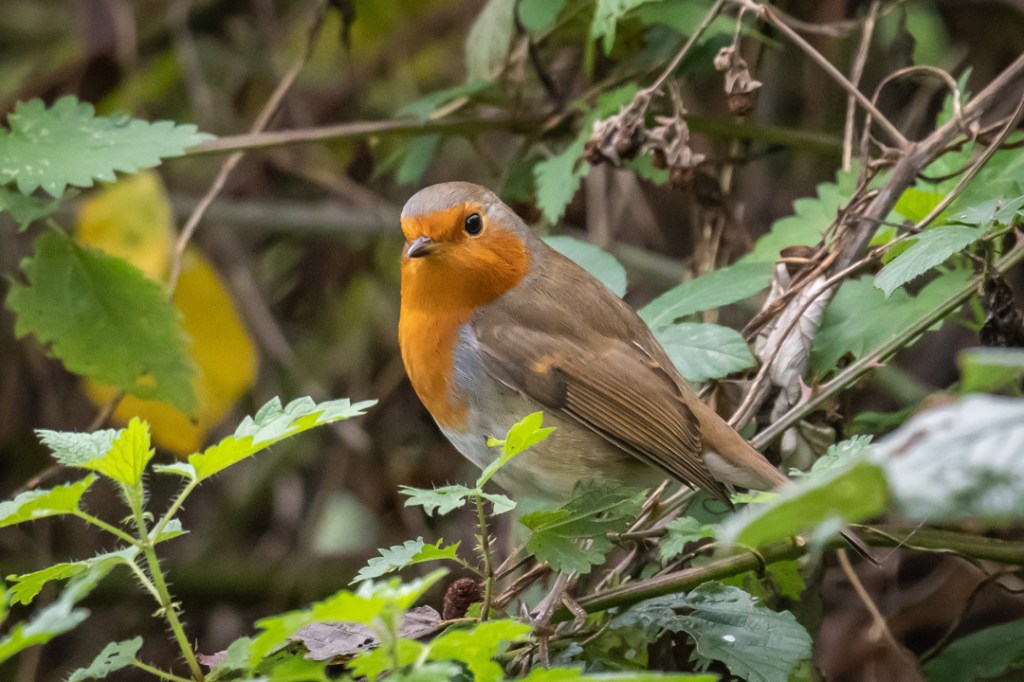
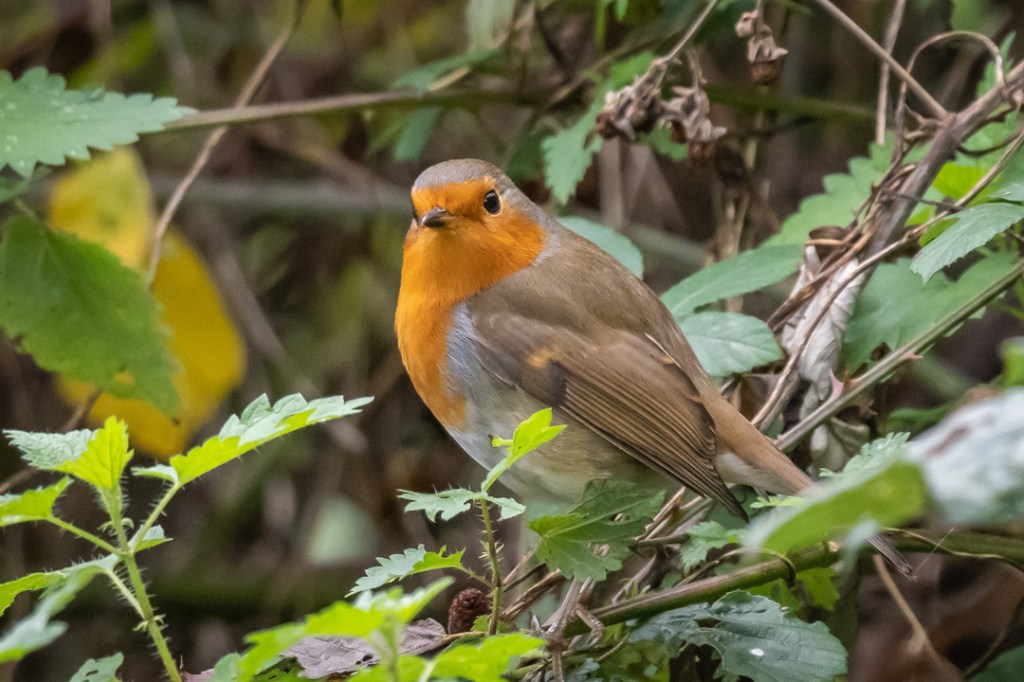
Robin 
Great tit 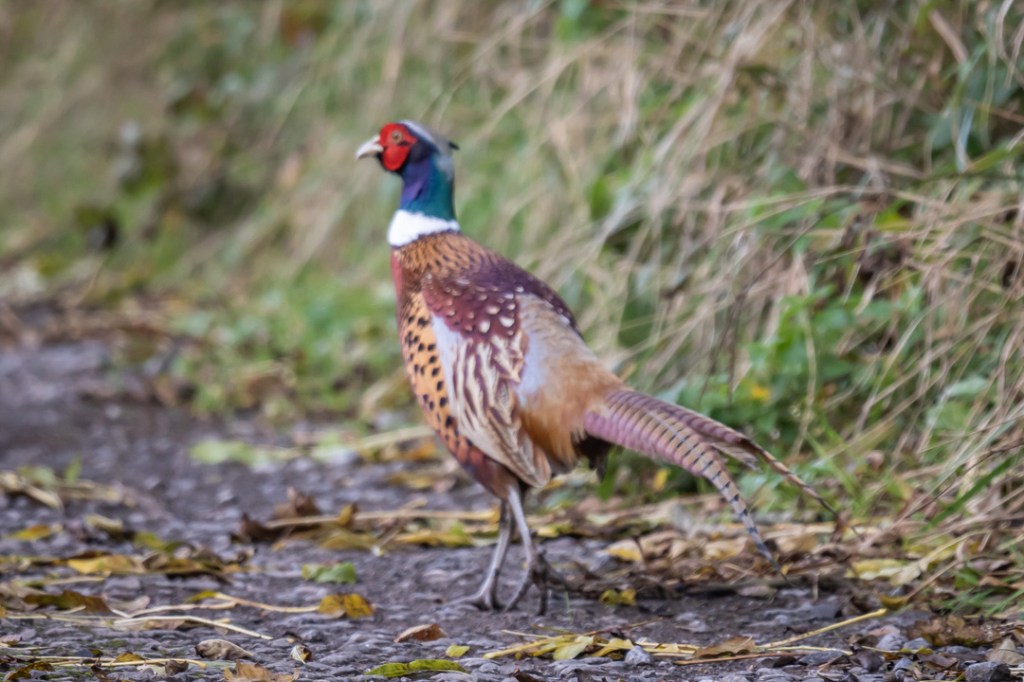
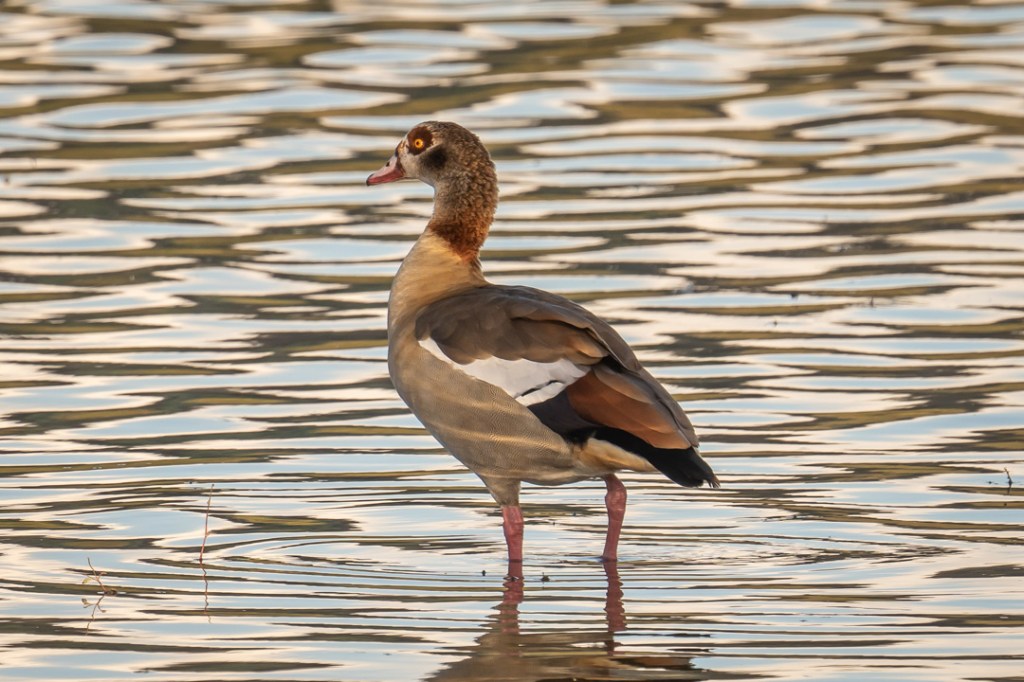
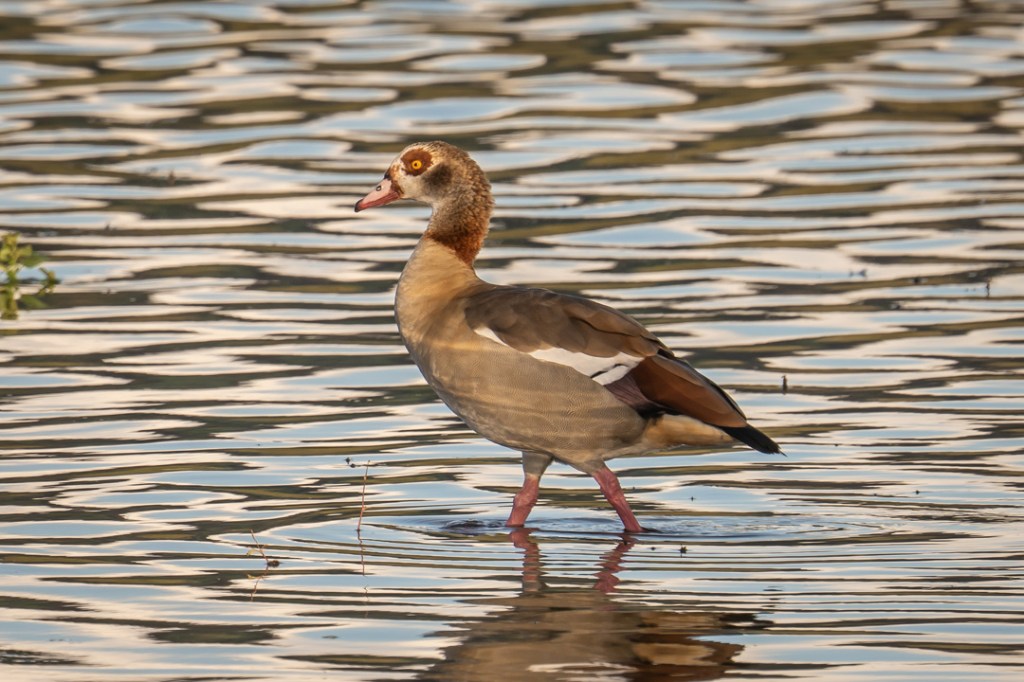
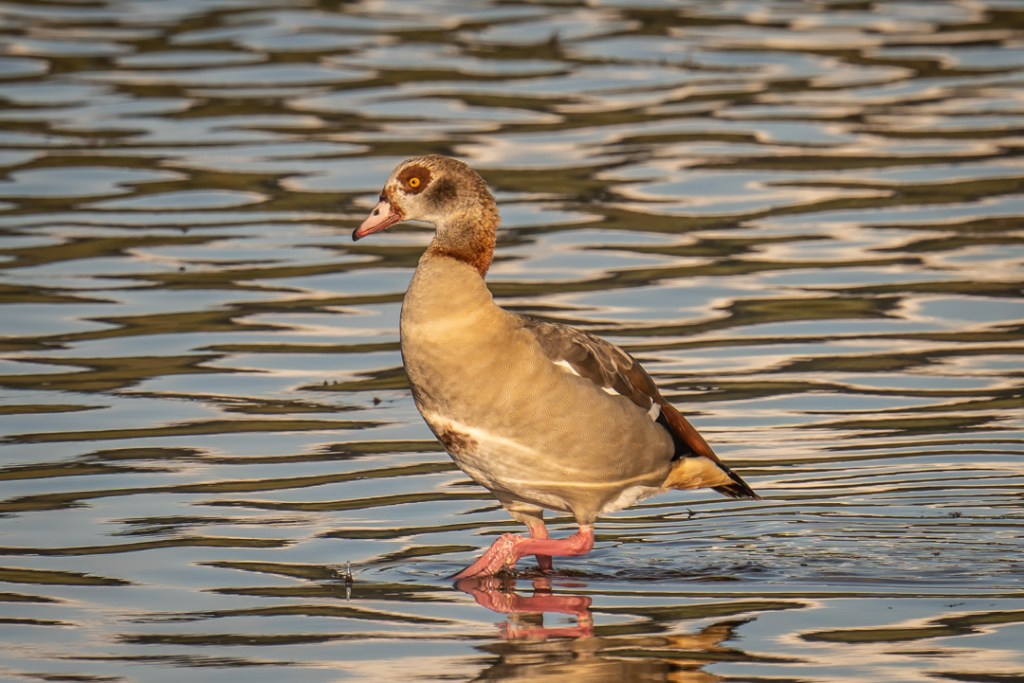
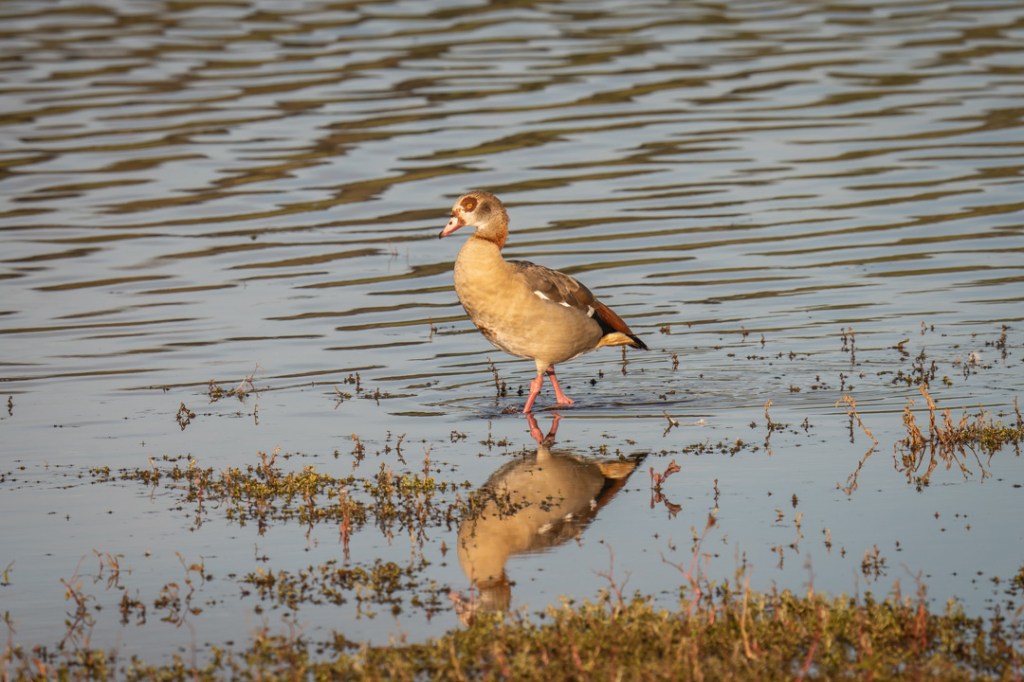
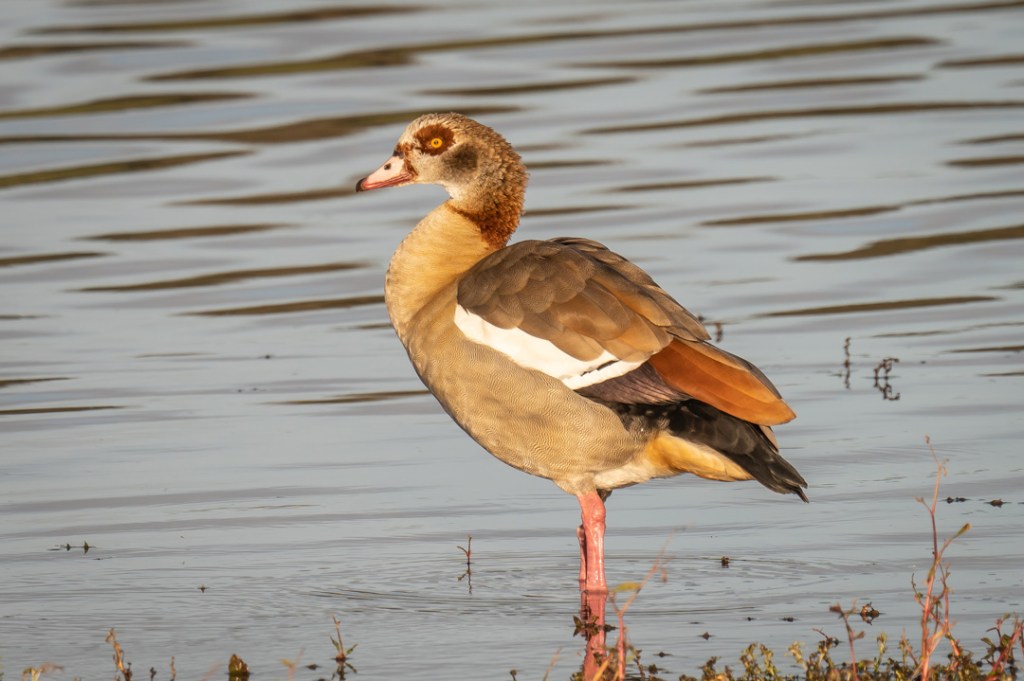
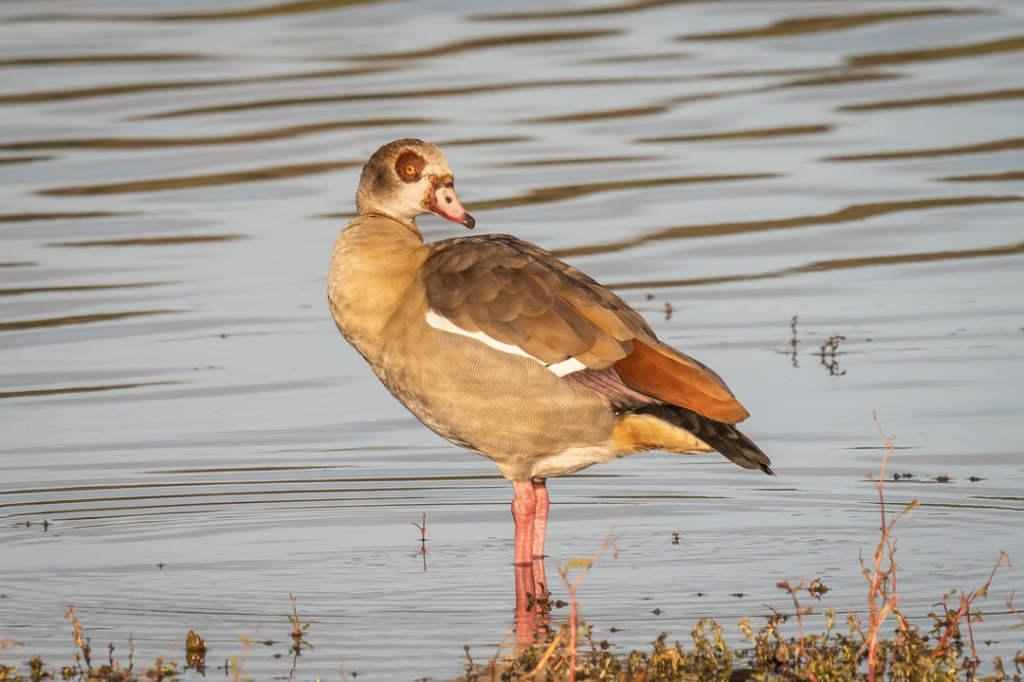
It can’t be the countryside without a pheasant At Blagdon the highlight was three Egyptian geese which looked stunning in the late afternoon sun.
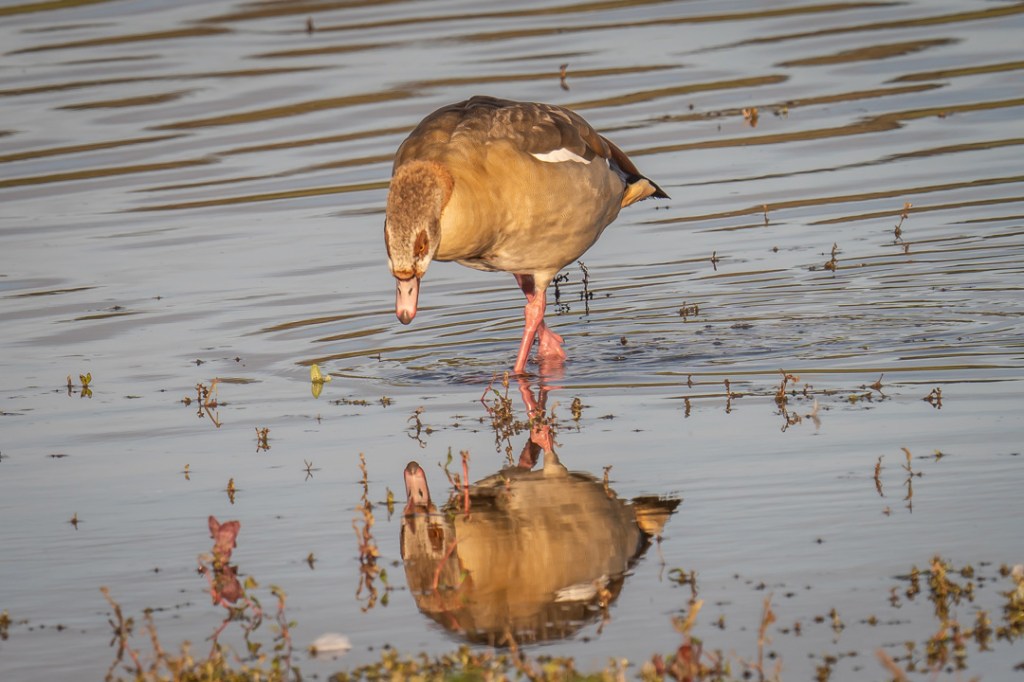
Egyptian goose 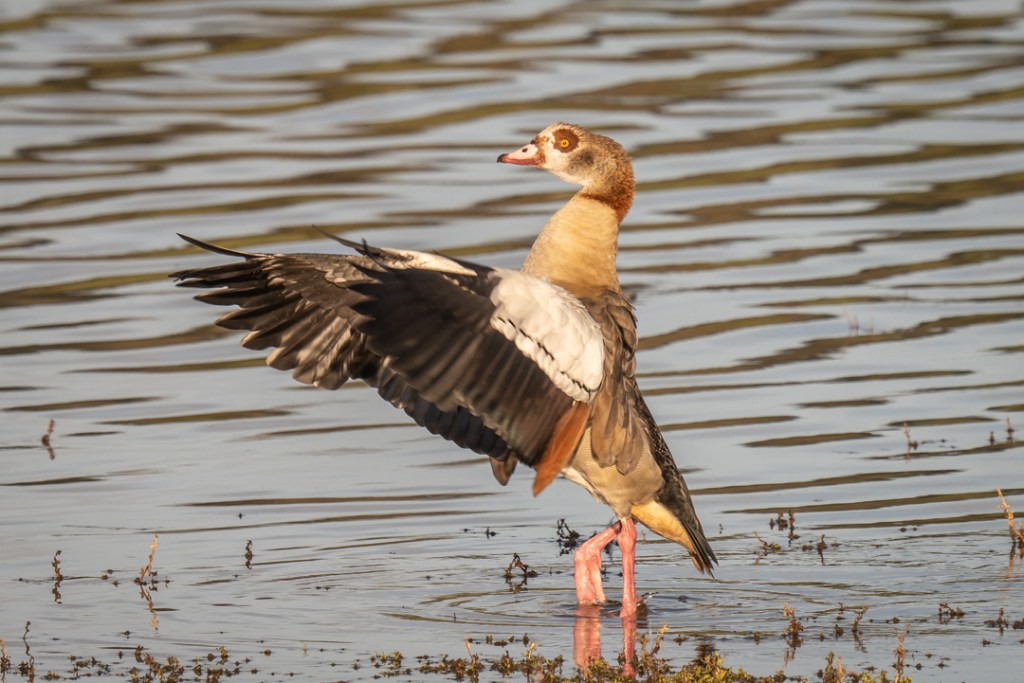
Egyptian goose 
Great black-backed gull in the middle 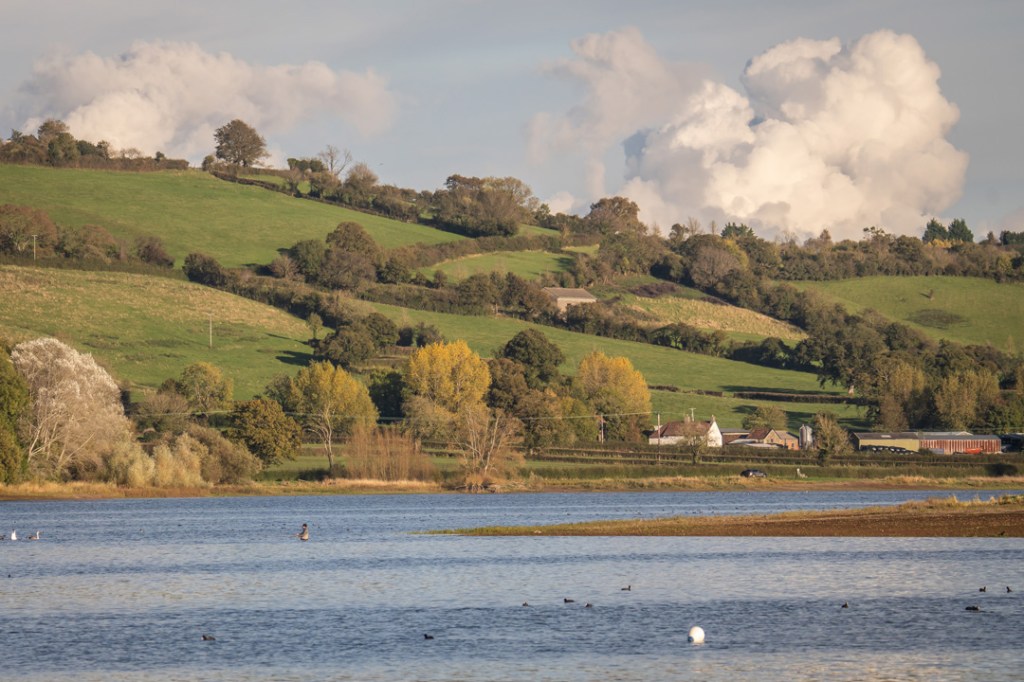
The birds have to share this lake too with the fishermen Needless to say I was late getting back to pick up my wife.
-
29th October 2021 – Eastville Park, Bristol
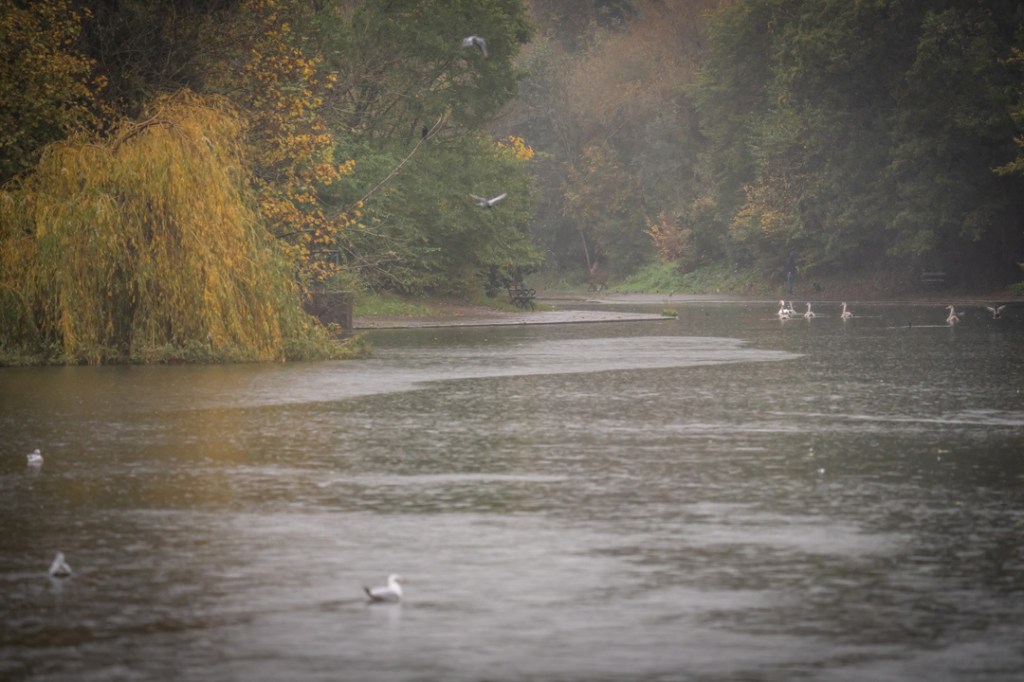
And I thought it was gloomy yesterday!
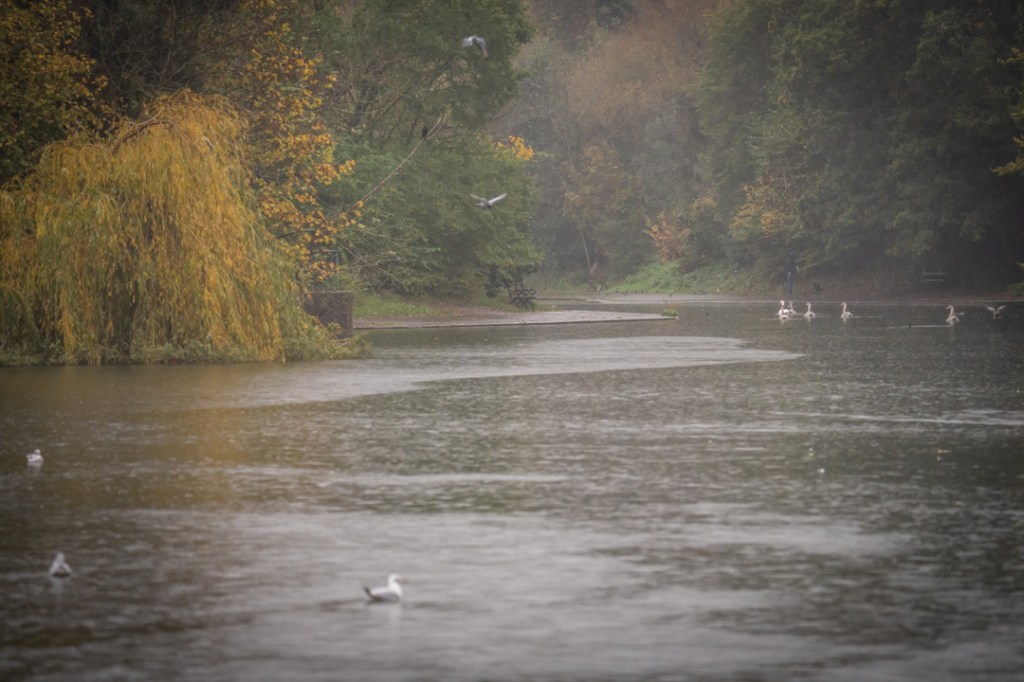
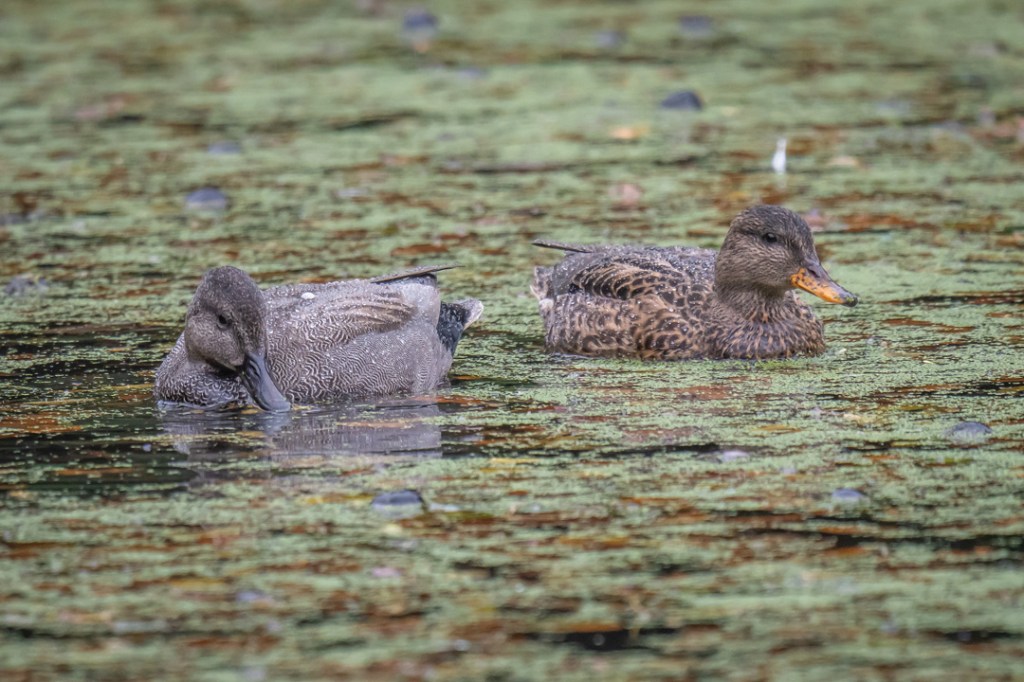
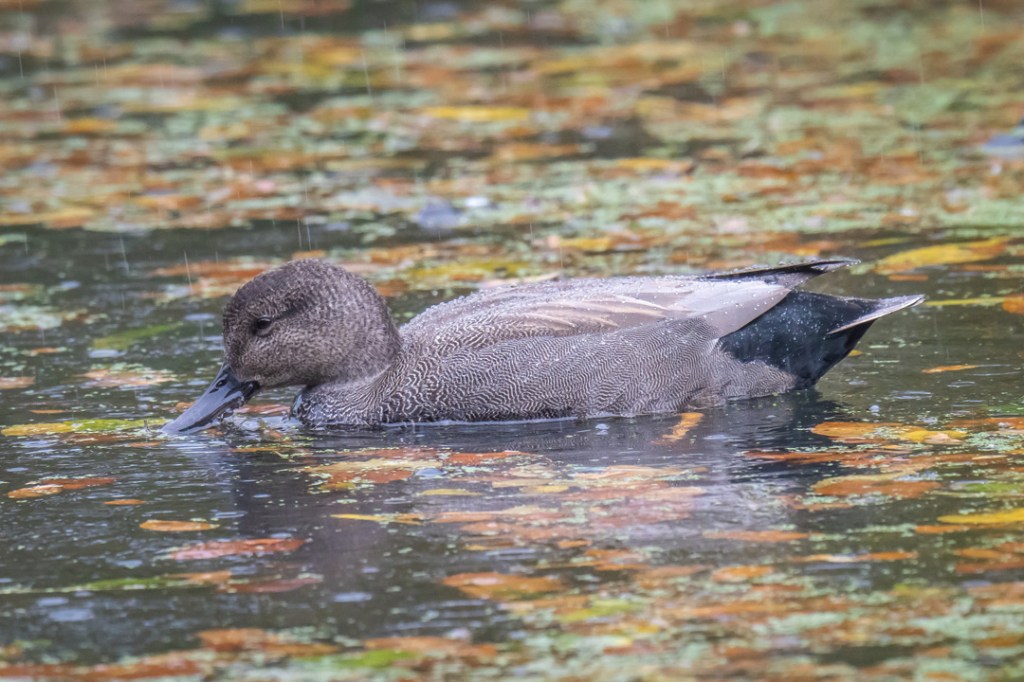
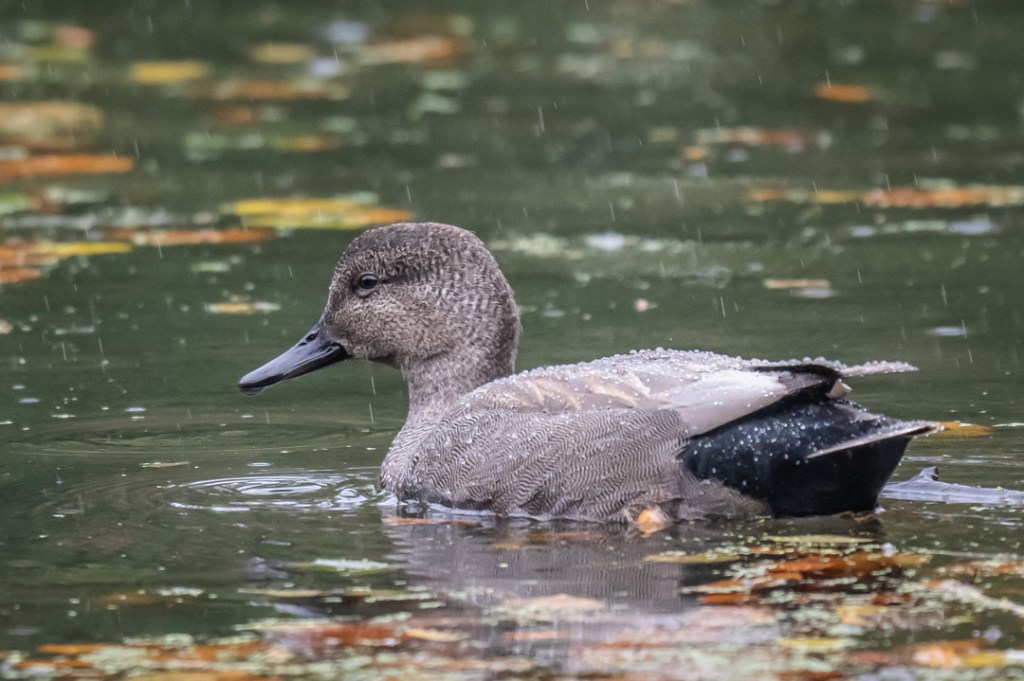
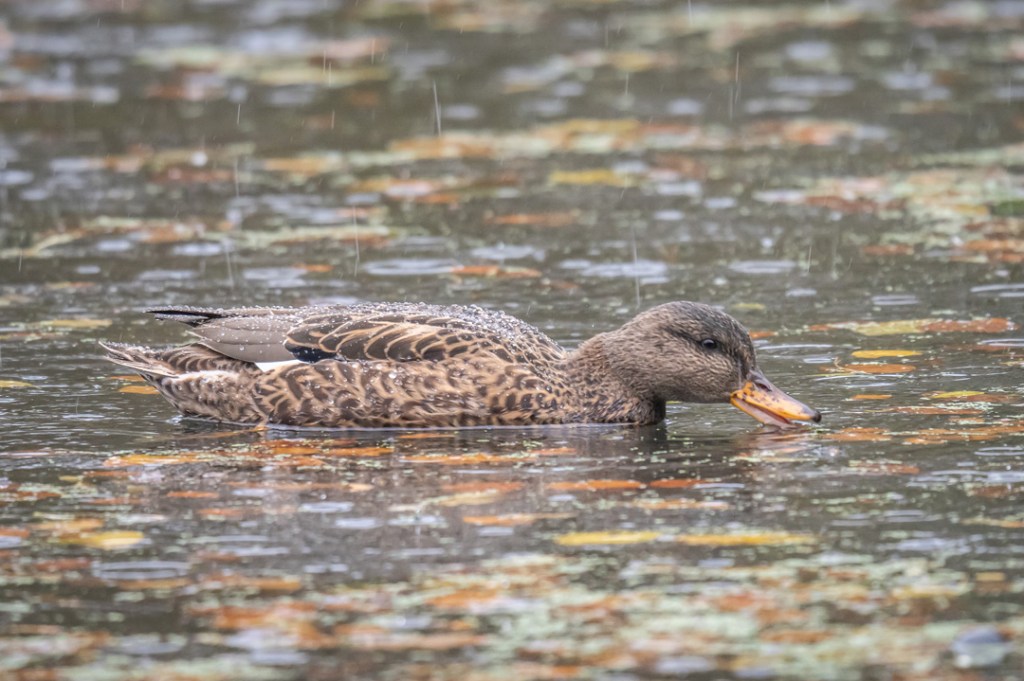
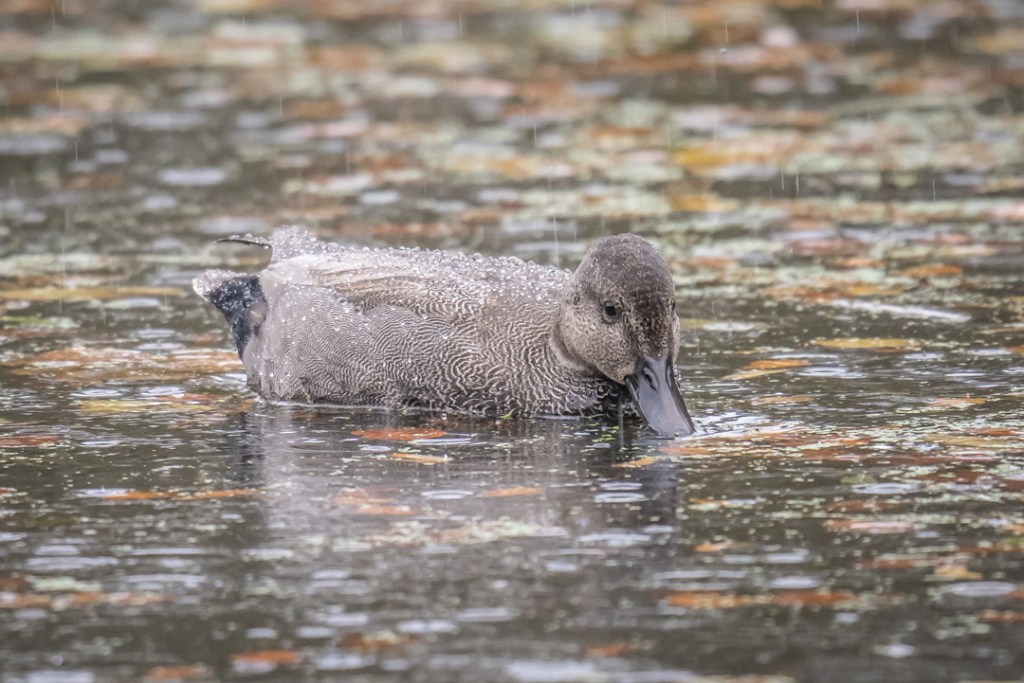
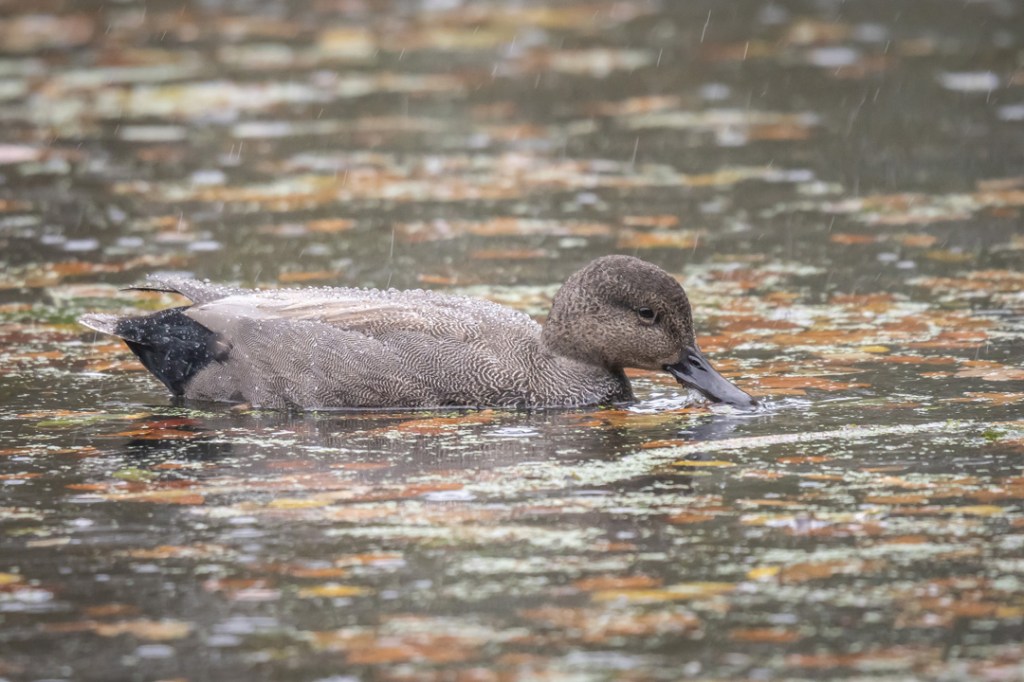
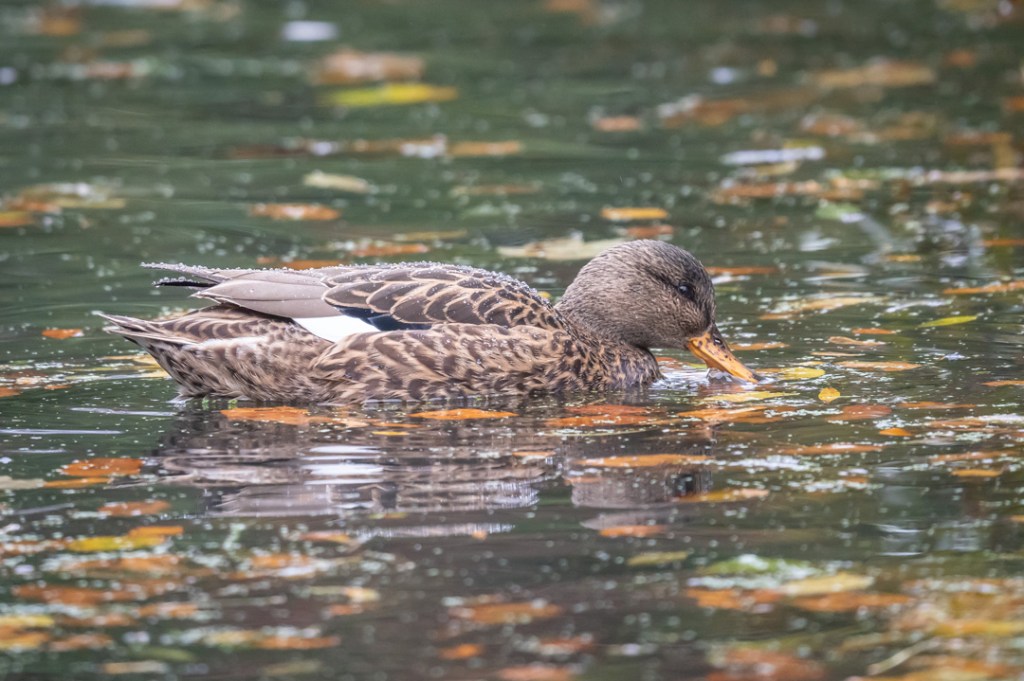
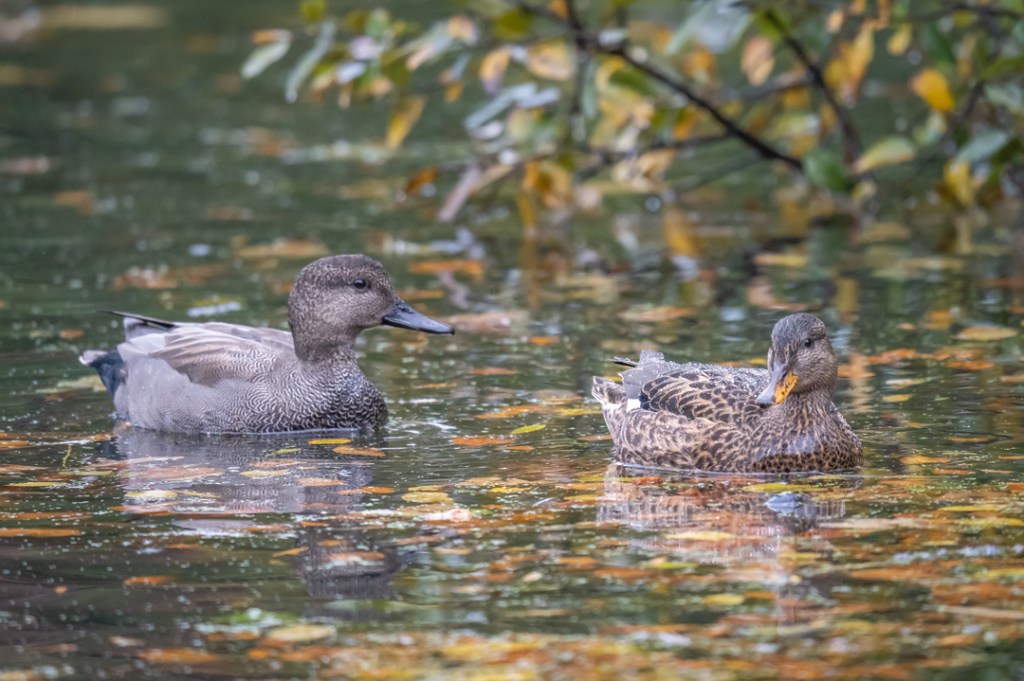
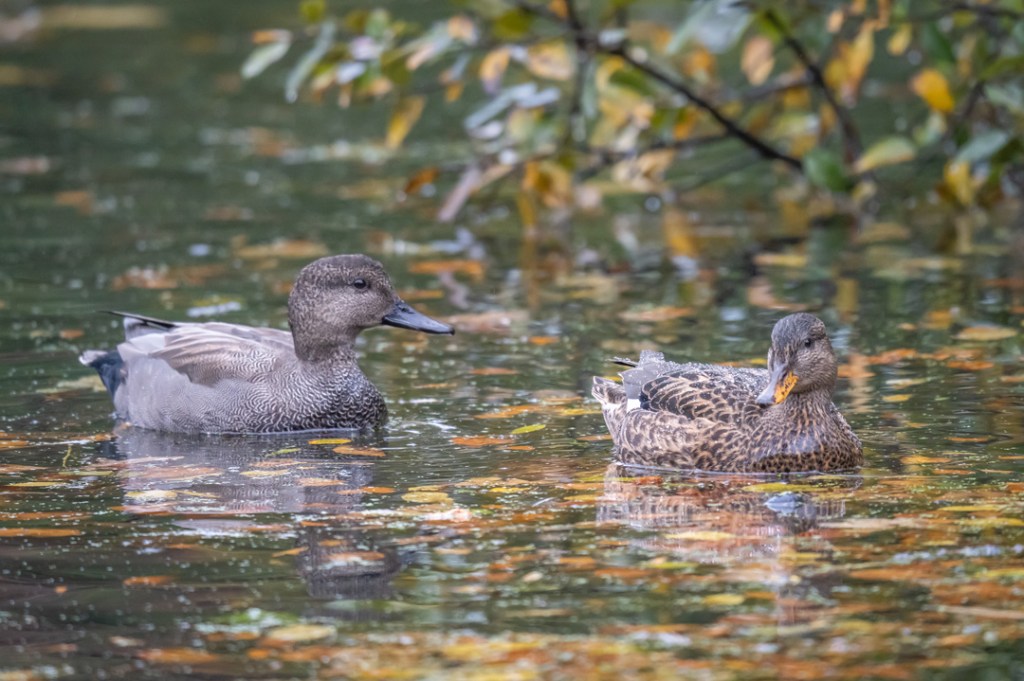
Eastville Park in the rain However, the visit was well worth it as there was a pair of gadwall (which are very rare visitors to the park).
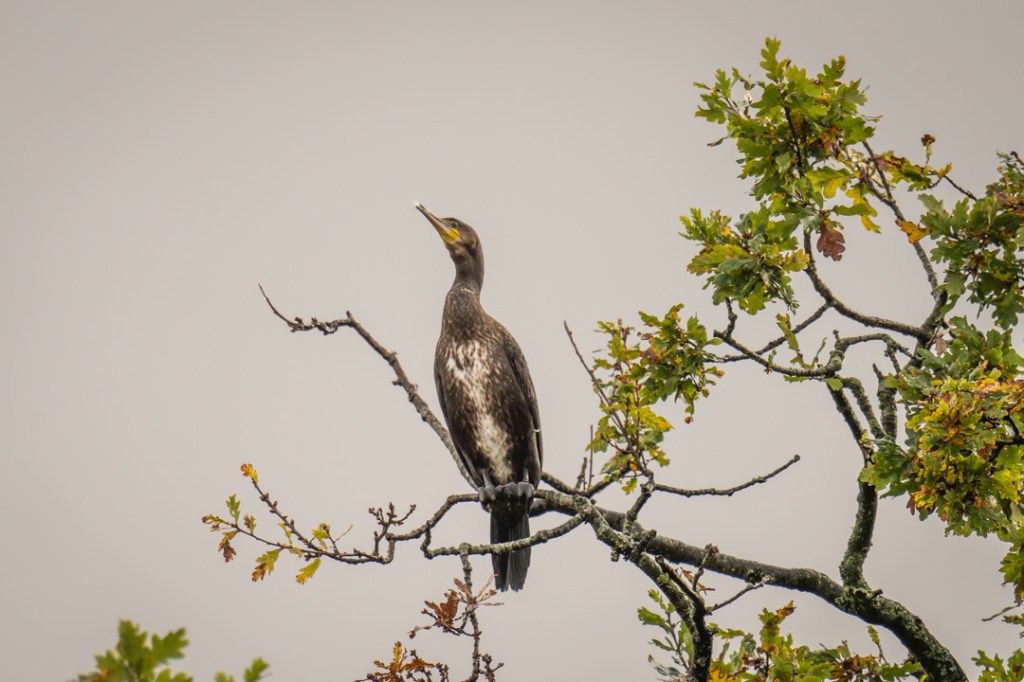
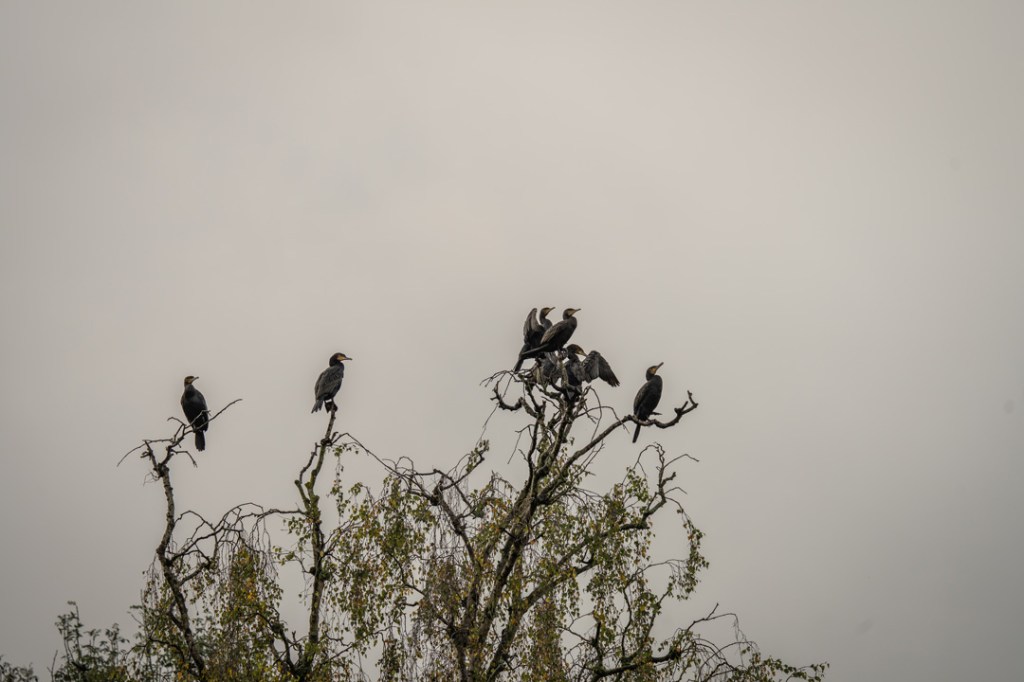
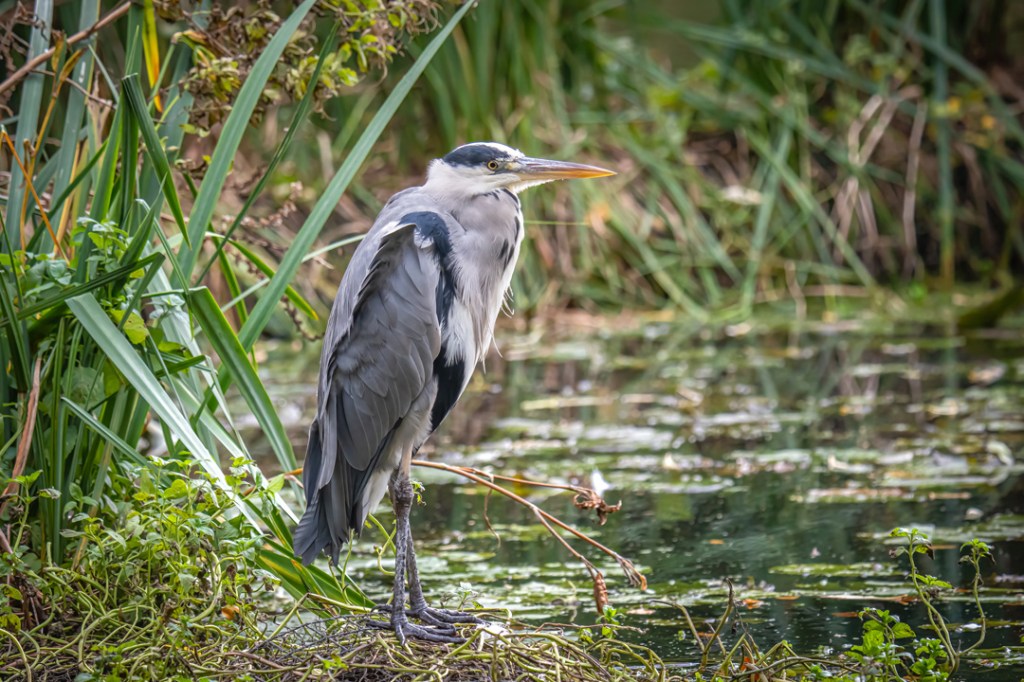
We also saw seven cormorants and three grey herons which were big enough to photograph in the dismal light. A jay also added some colour but I was too slow to photograph it.
Gadwall 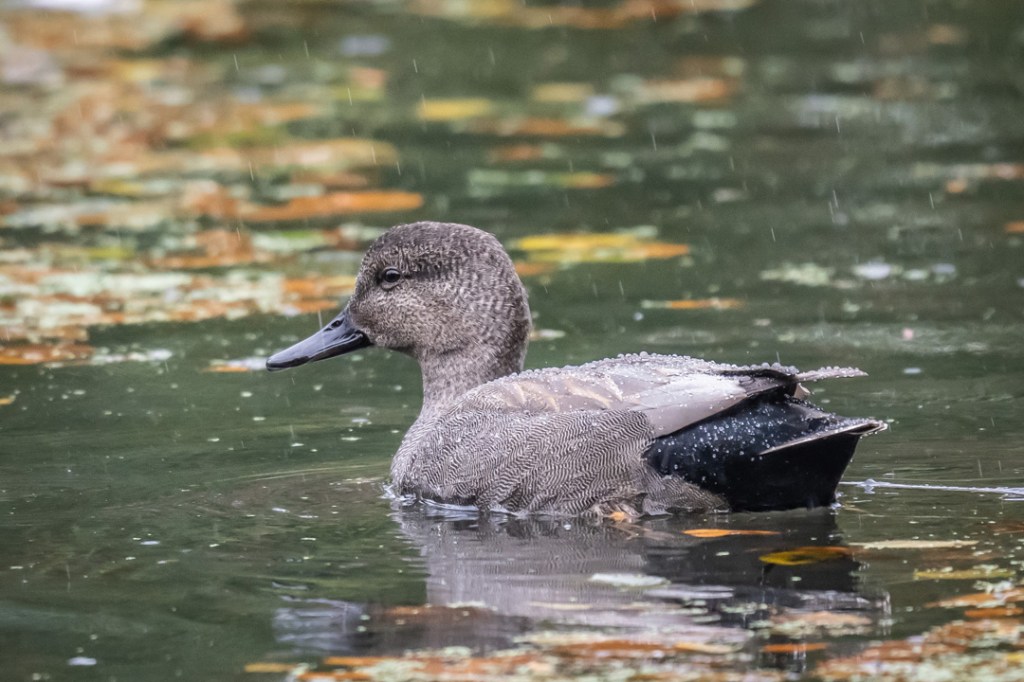
Male gadwall 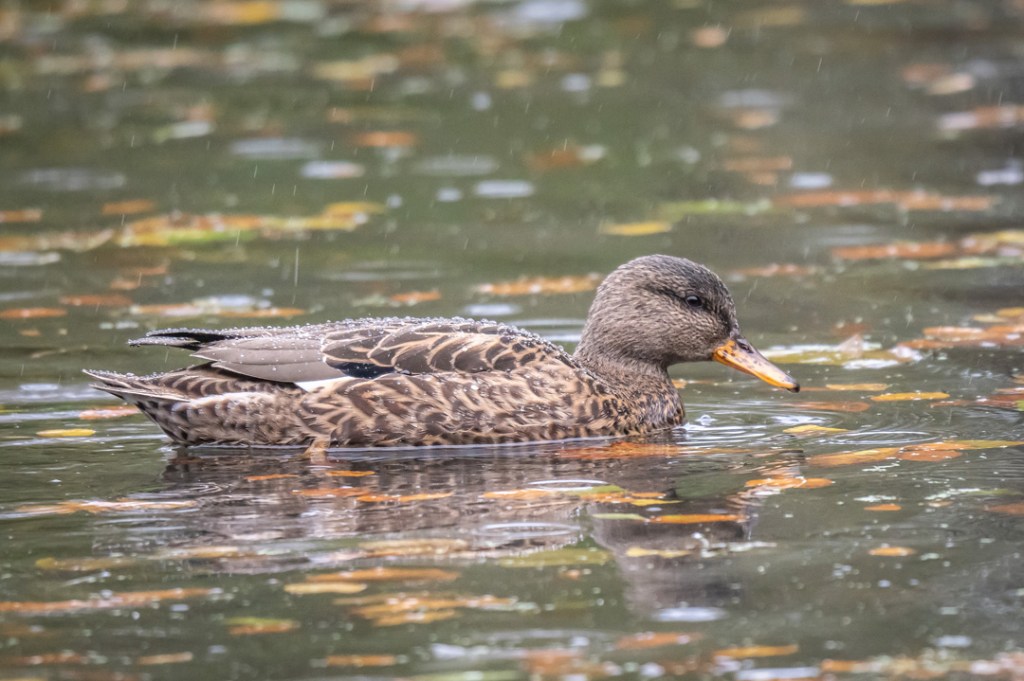
Female gadwall 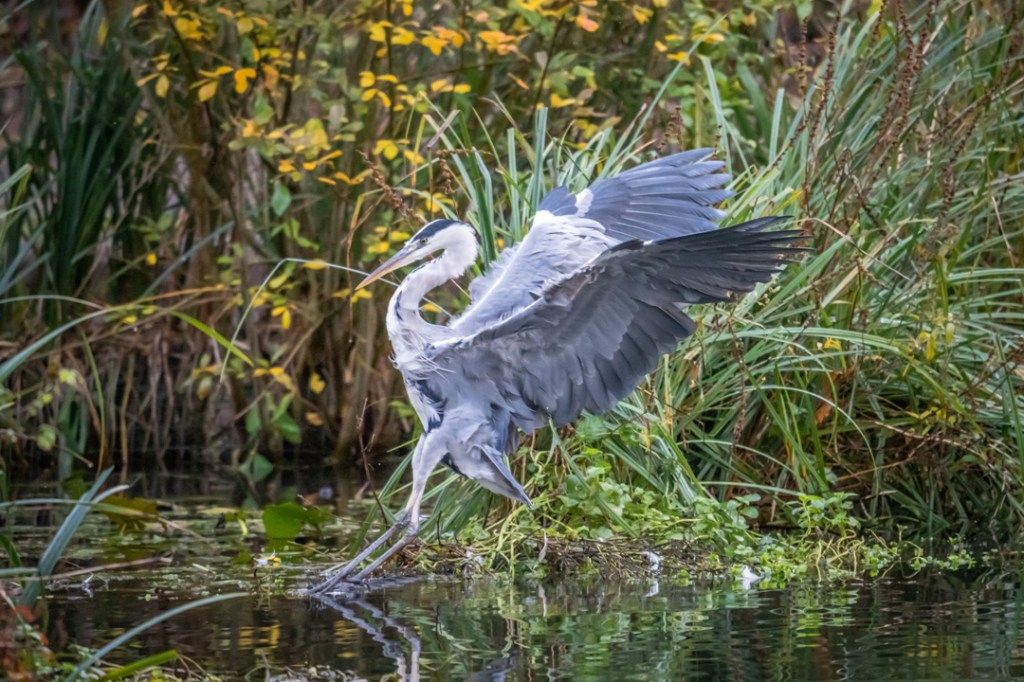
Grey heron 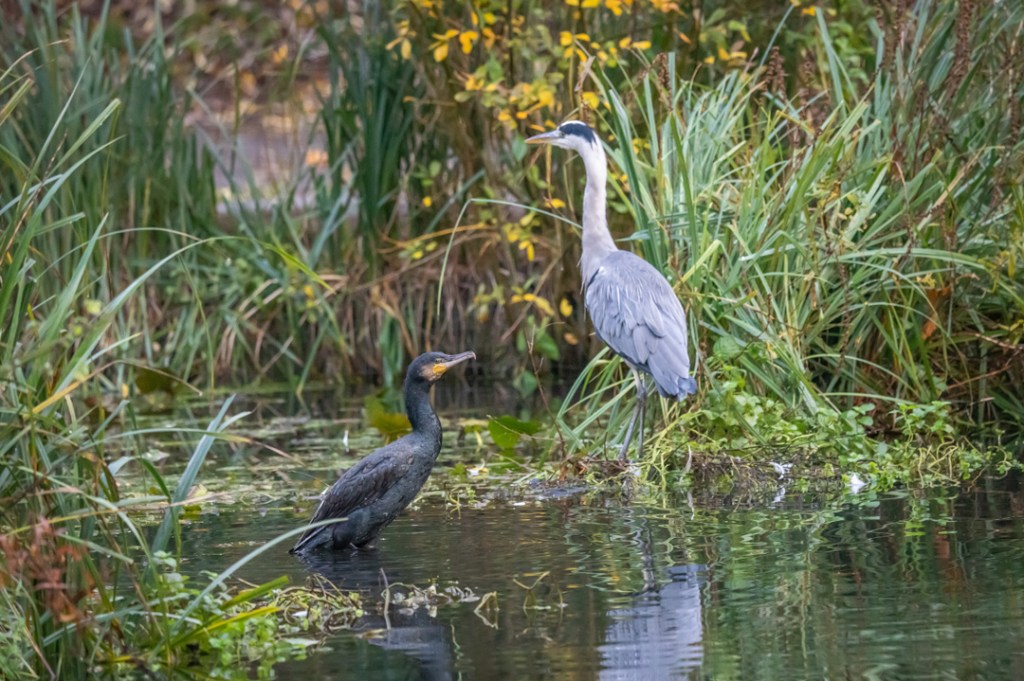
Grey heron with companion cormorant 
Cormorant -

28th October 2021 – Eastville Park, Bristol
Another gloomy (but mild) day – but not so gloomy in our local park.
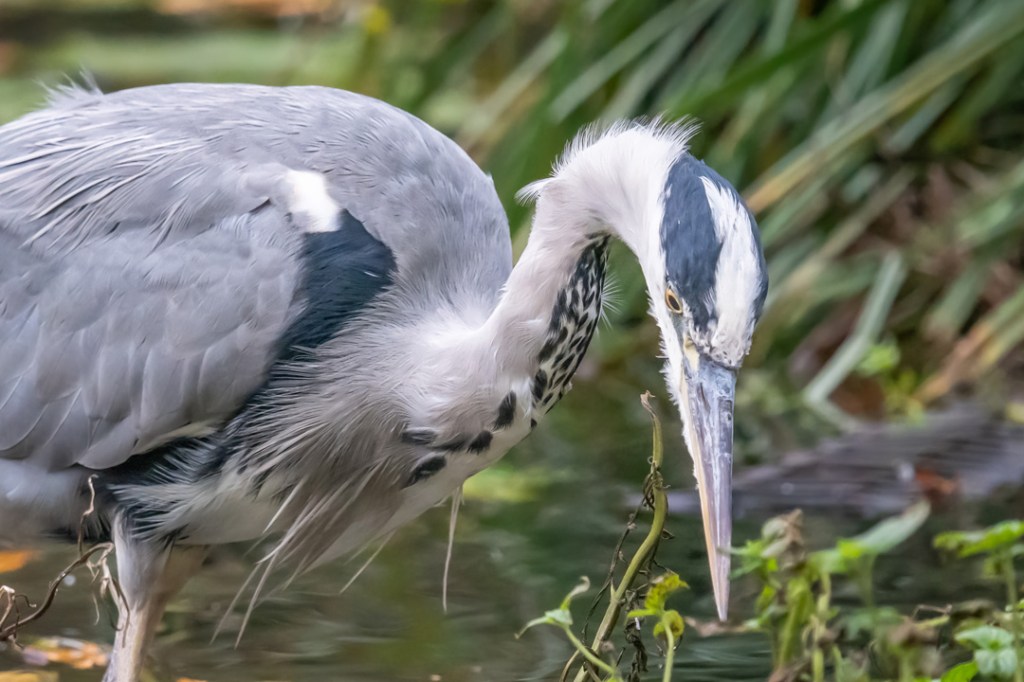
Grey heron 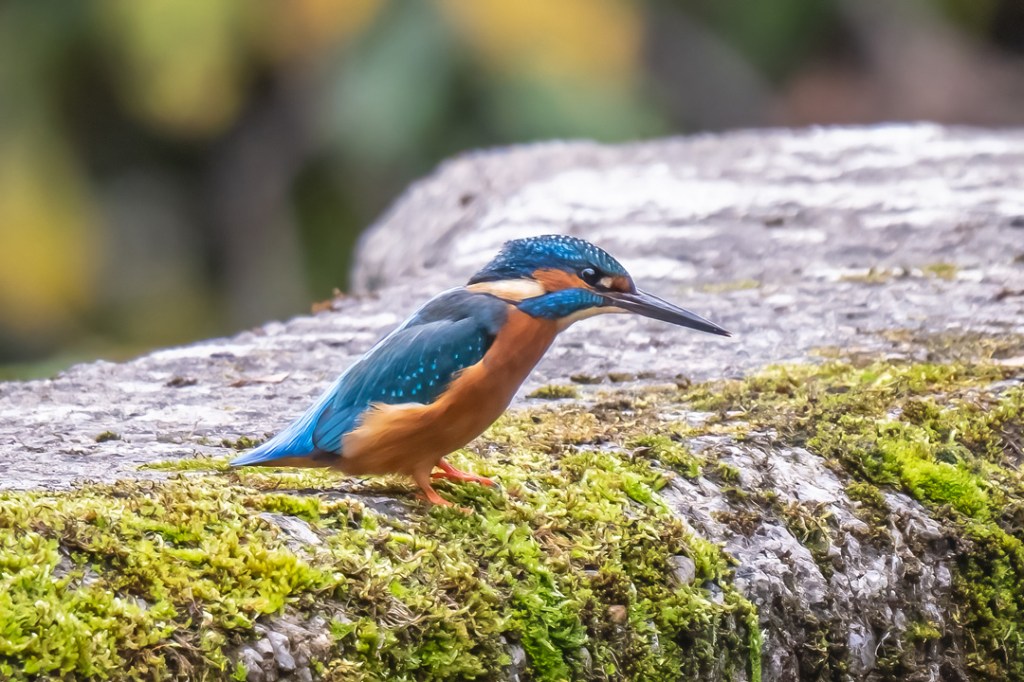
Kingfisher 
Cormorant 
Grey heron 
Black-headed gull 
Black-headed gull 
Cormorant 
Eastville Ernie -
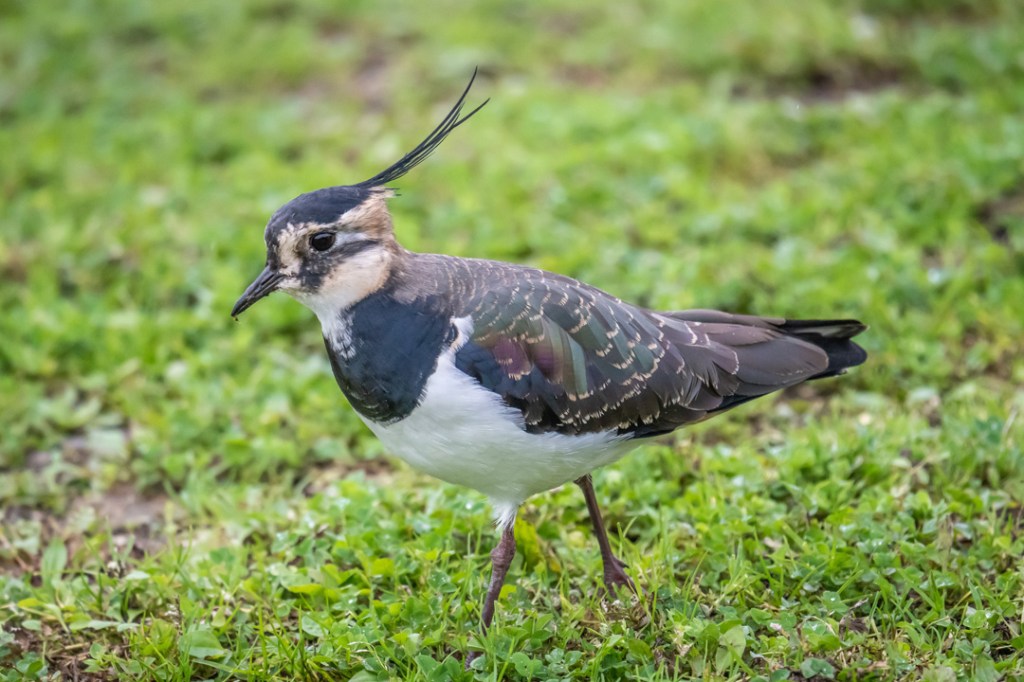
24th October 2021 – WWT Slimbridge
A few photographs of some favourites on a very gloomy morning at Slimbridge Wetlands Centre in Gloucestershire
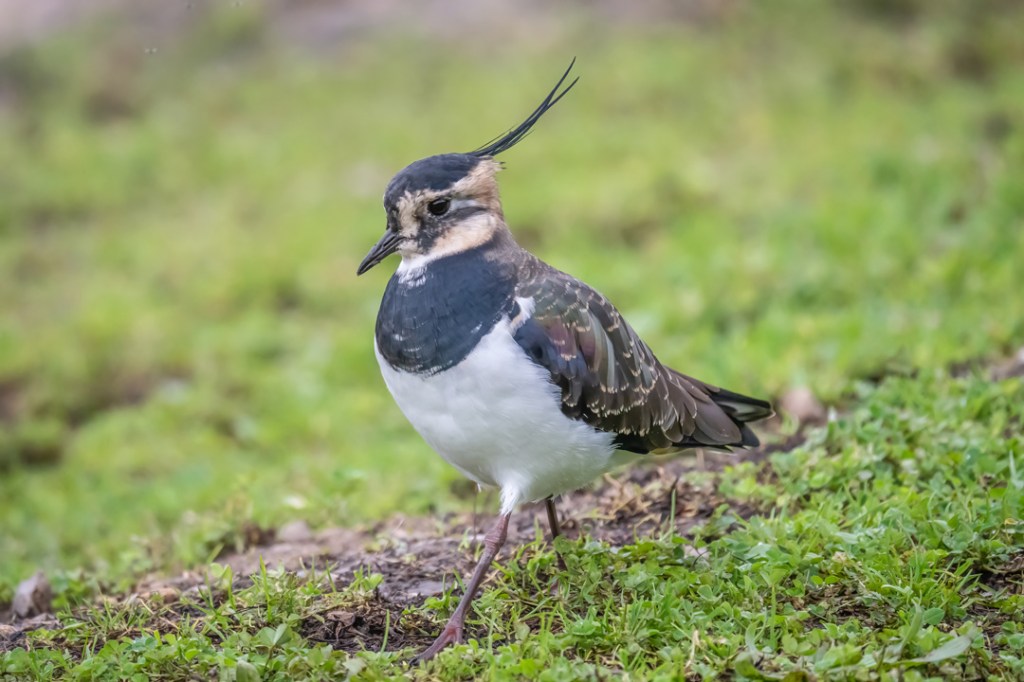
Lapwing 
Pintail 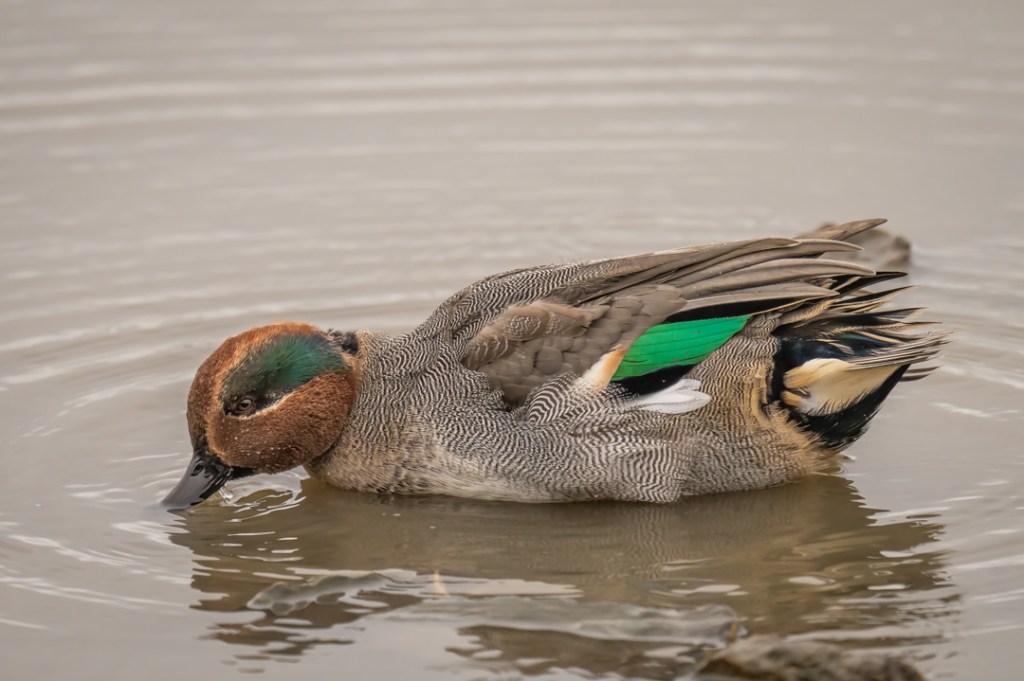
Teal 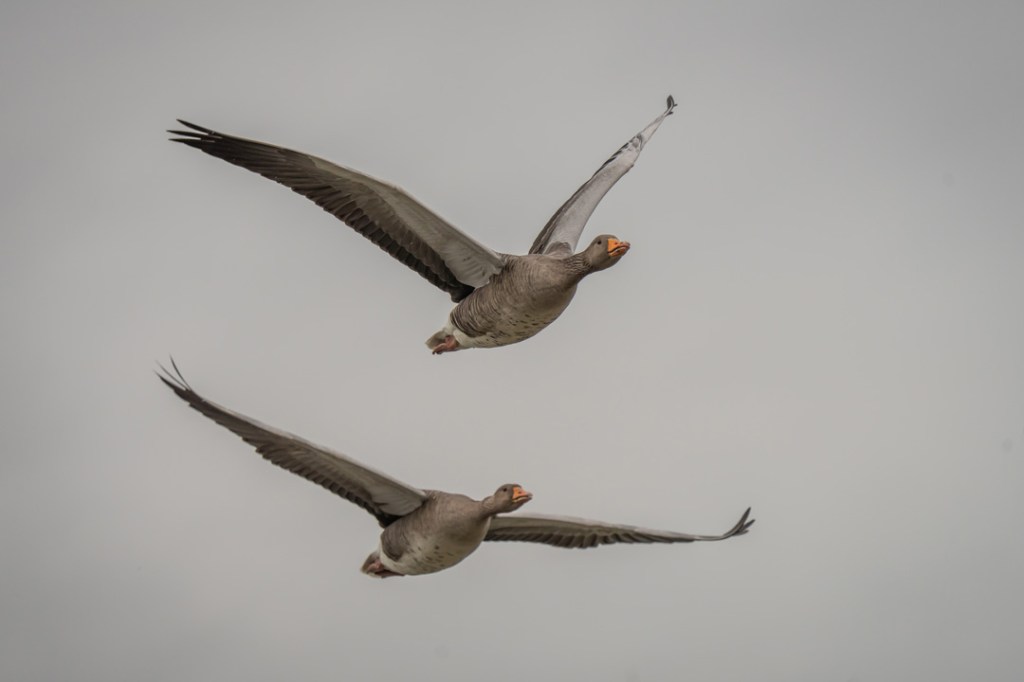
Greylag geese