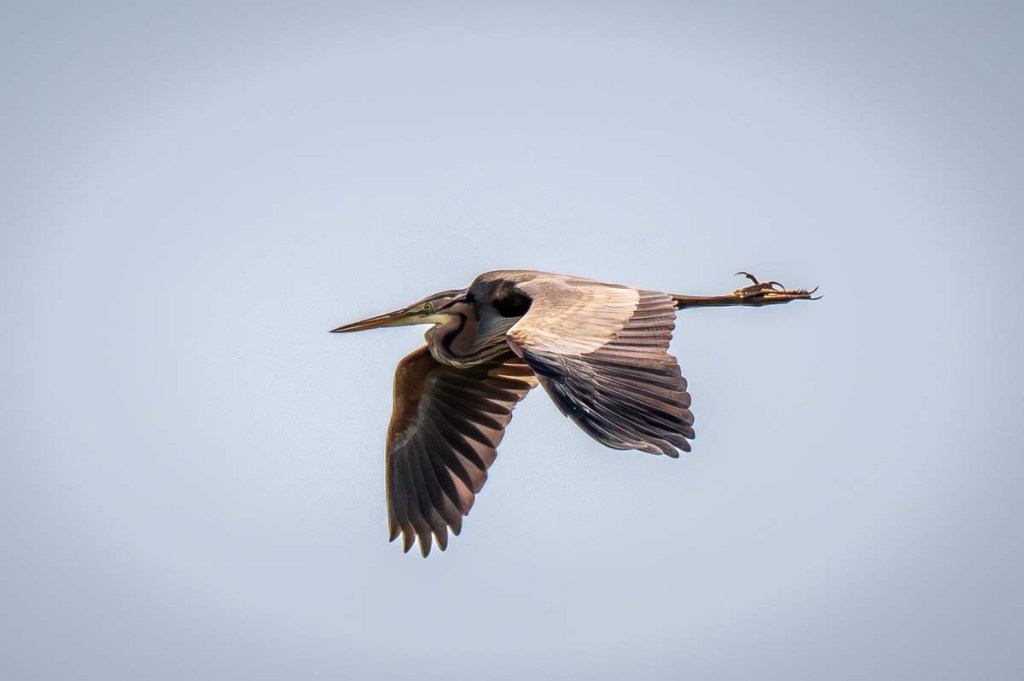
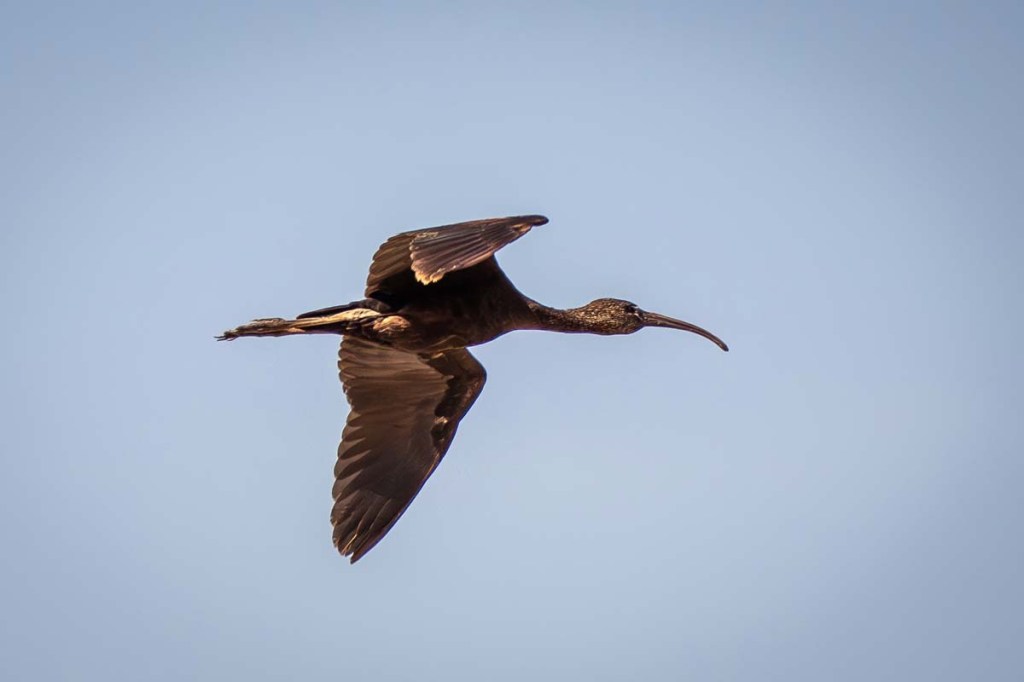
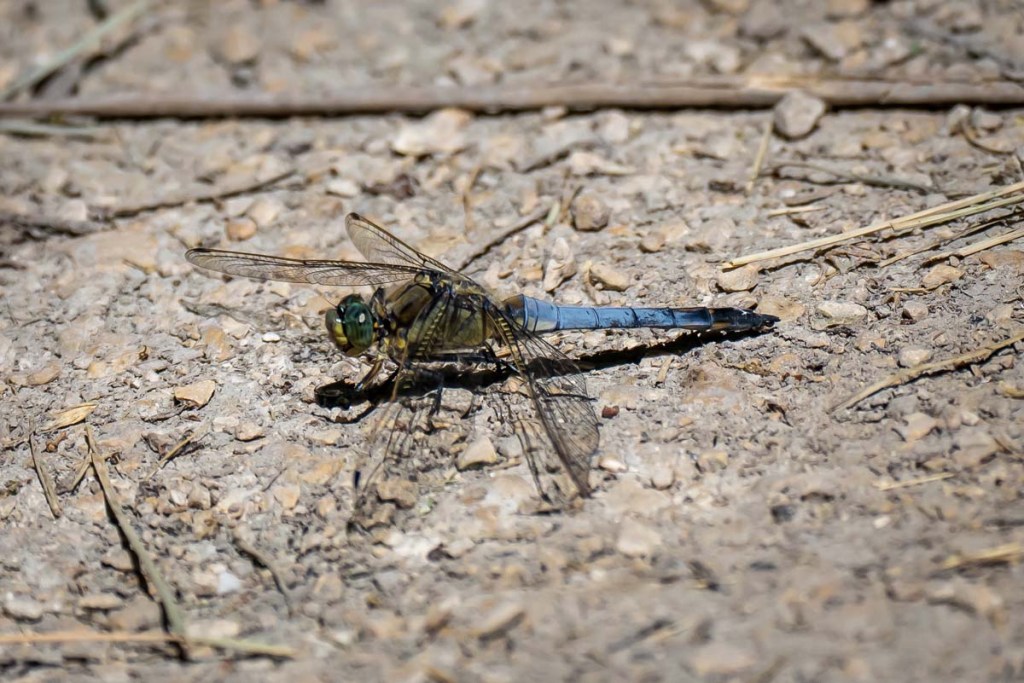
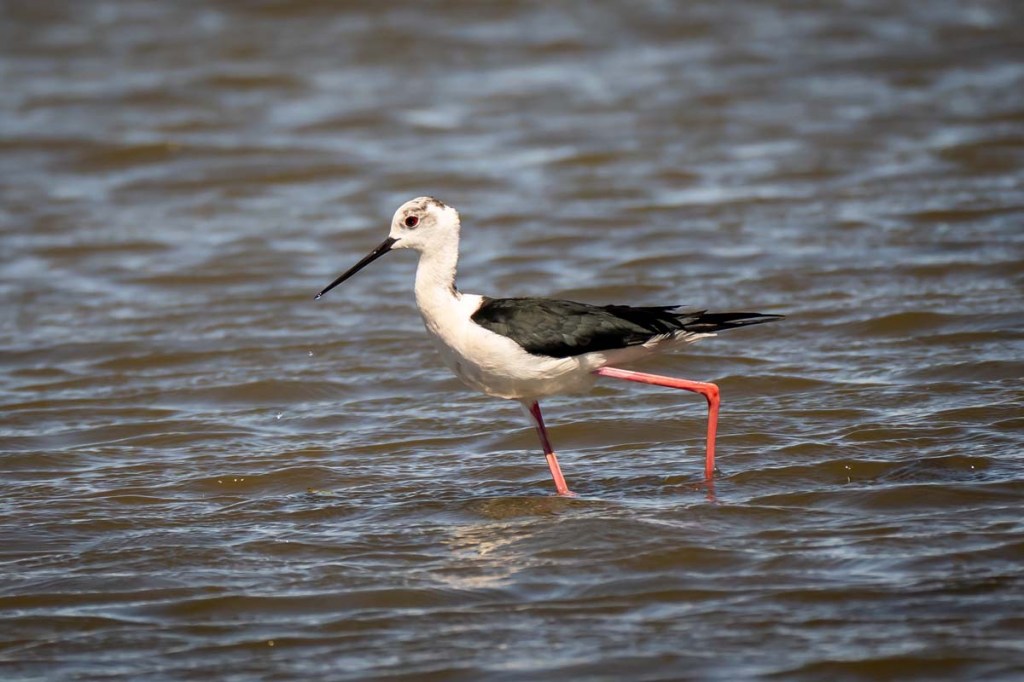
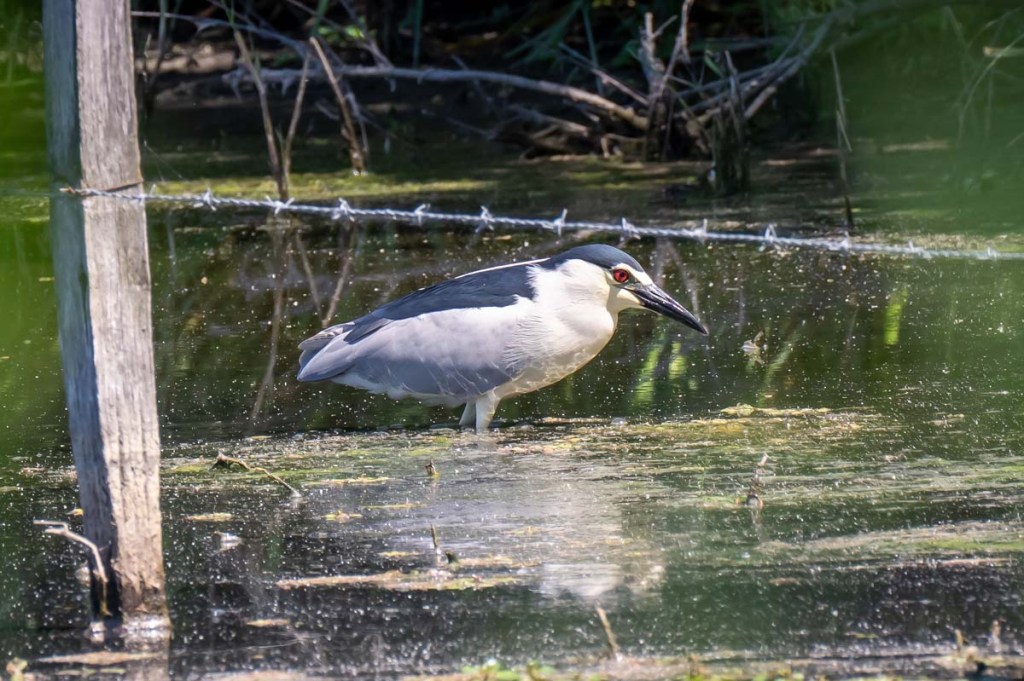
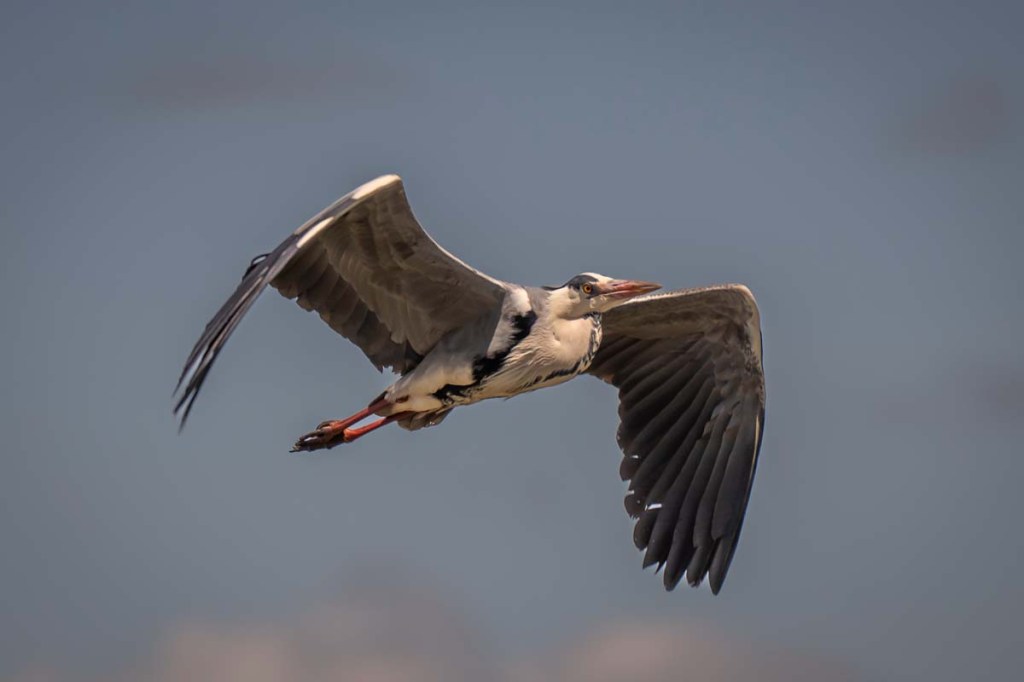
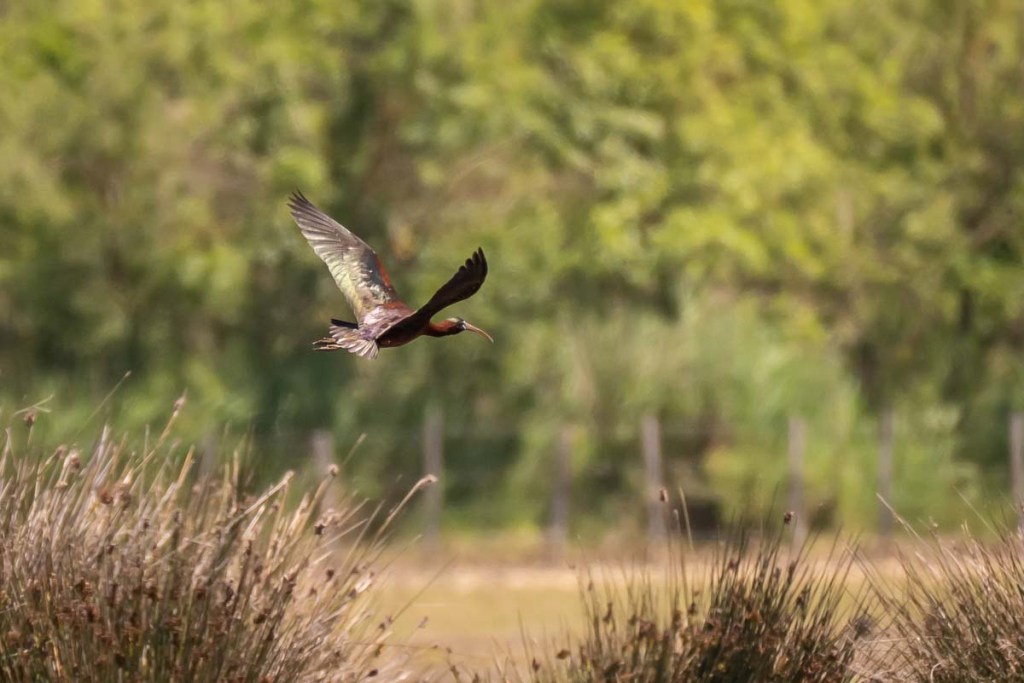
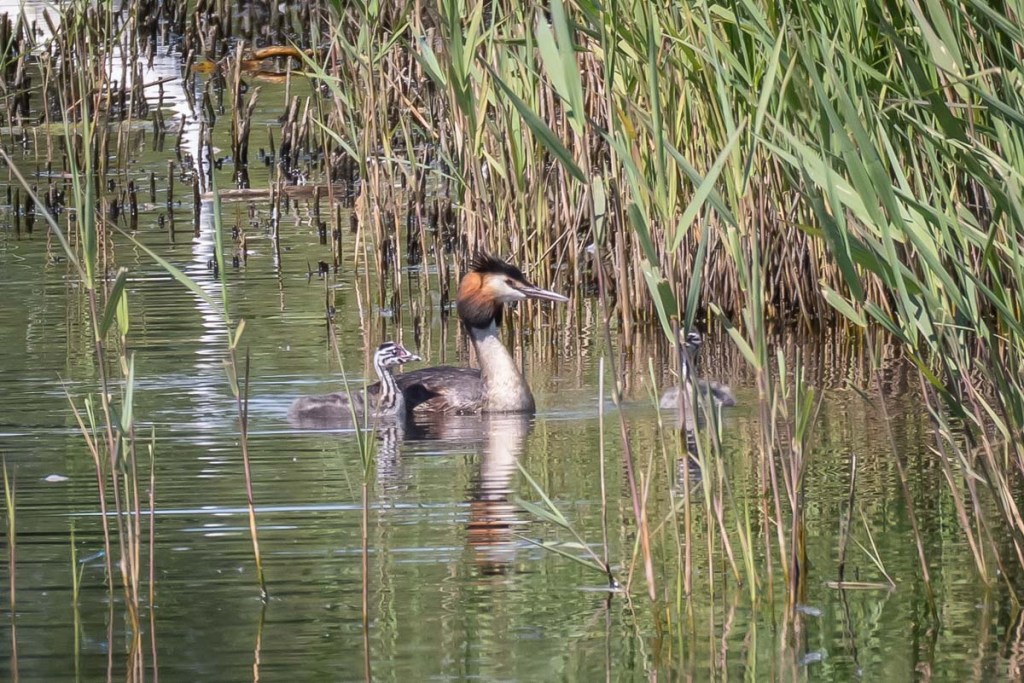
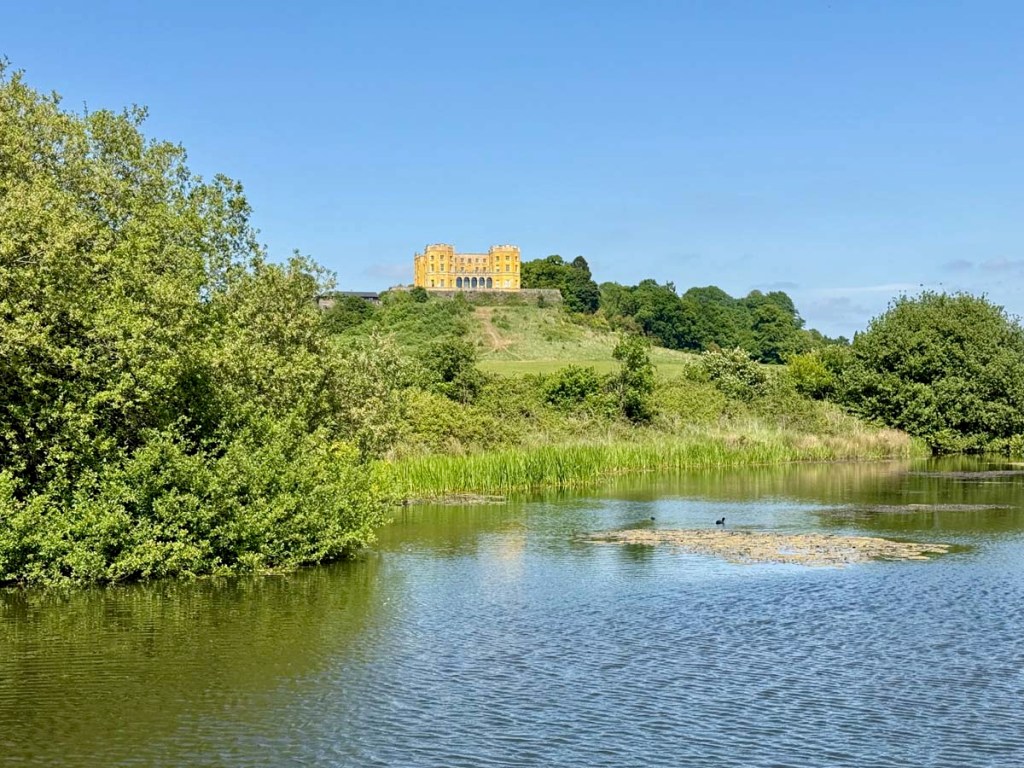
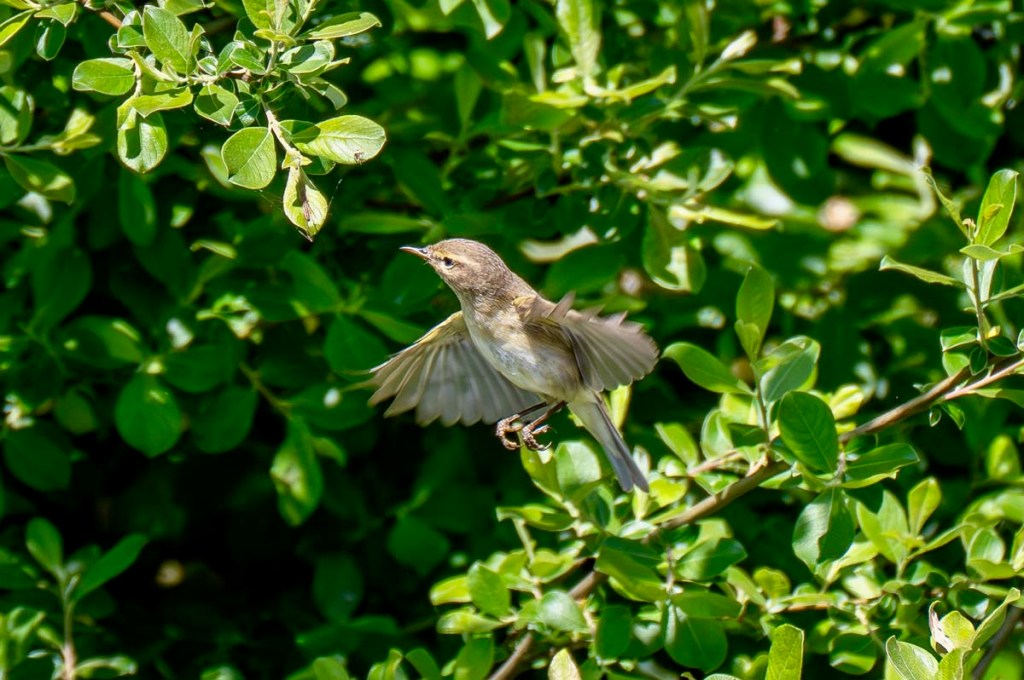
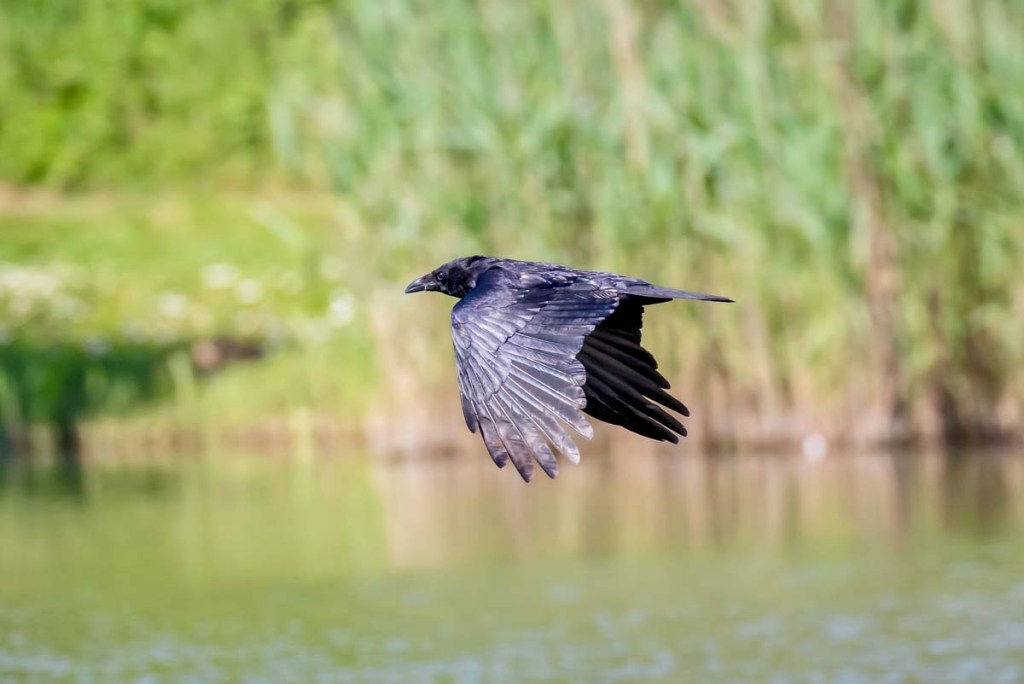
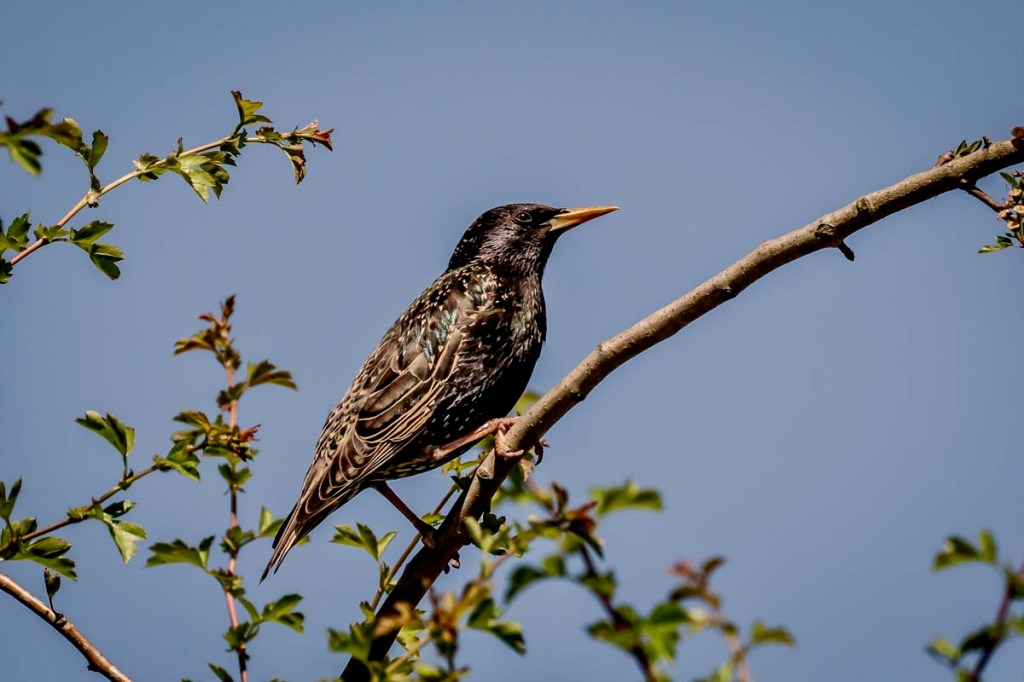
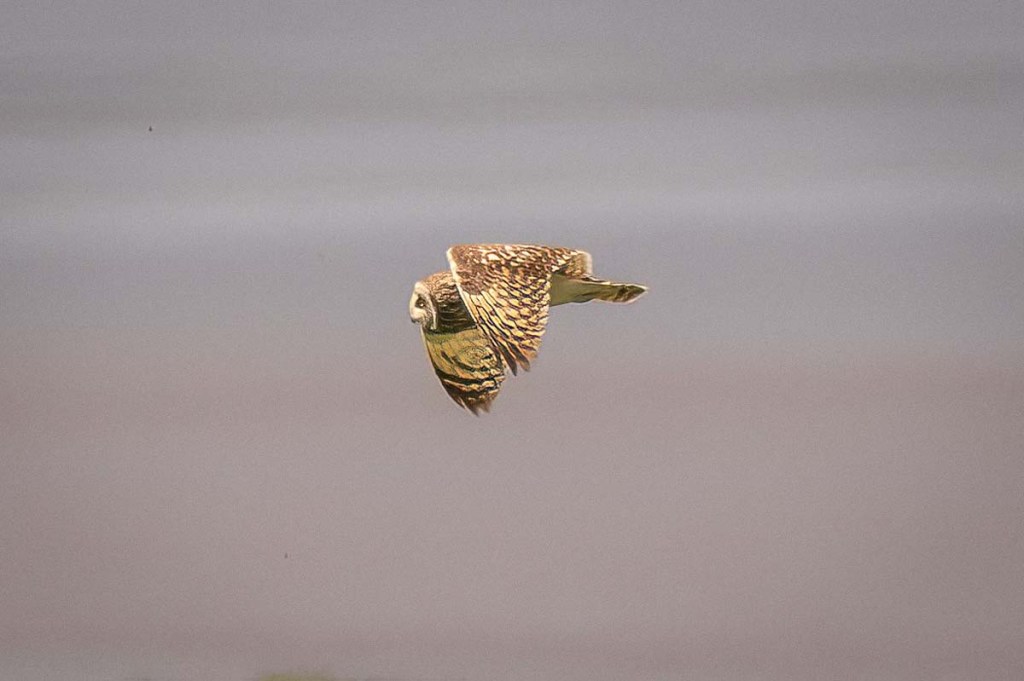
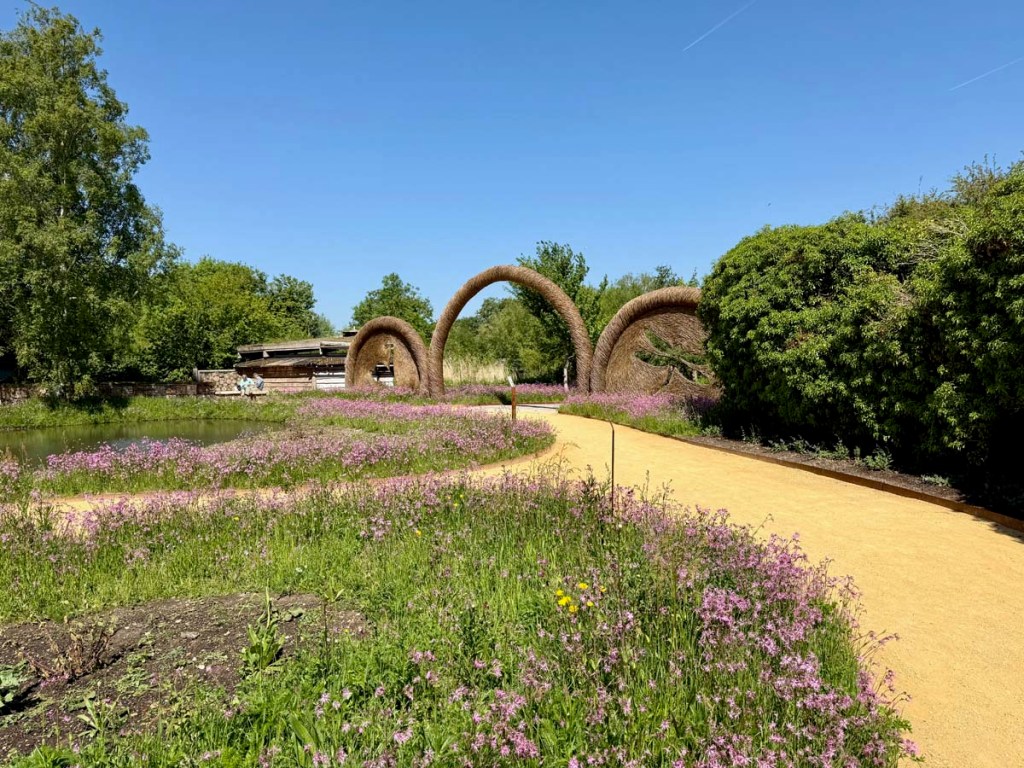
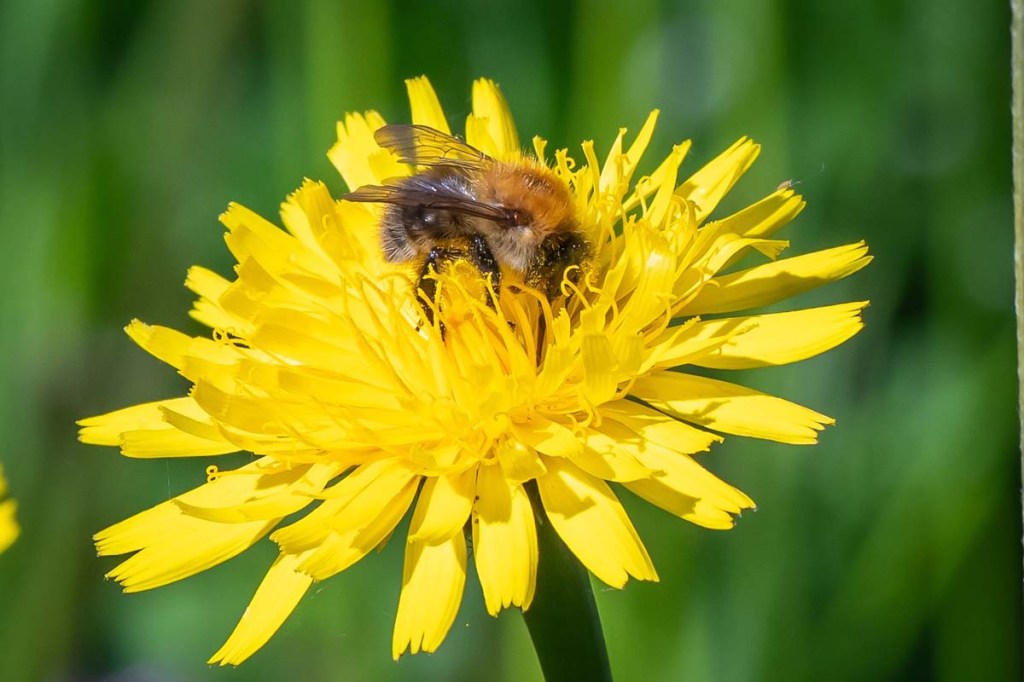
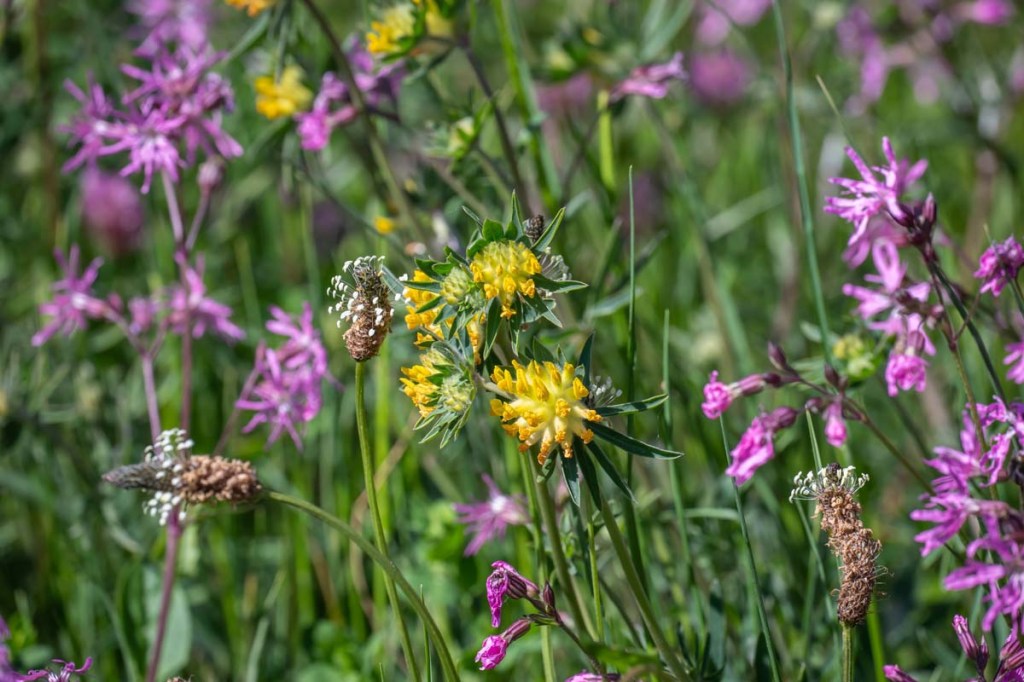
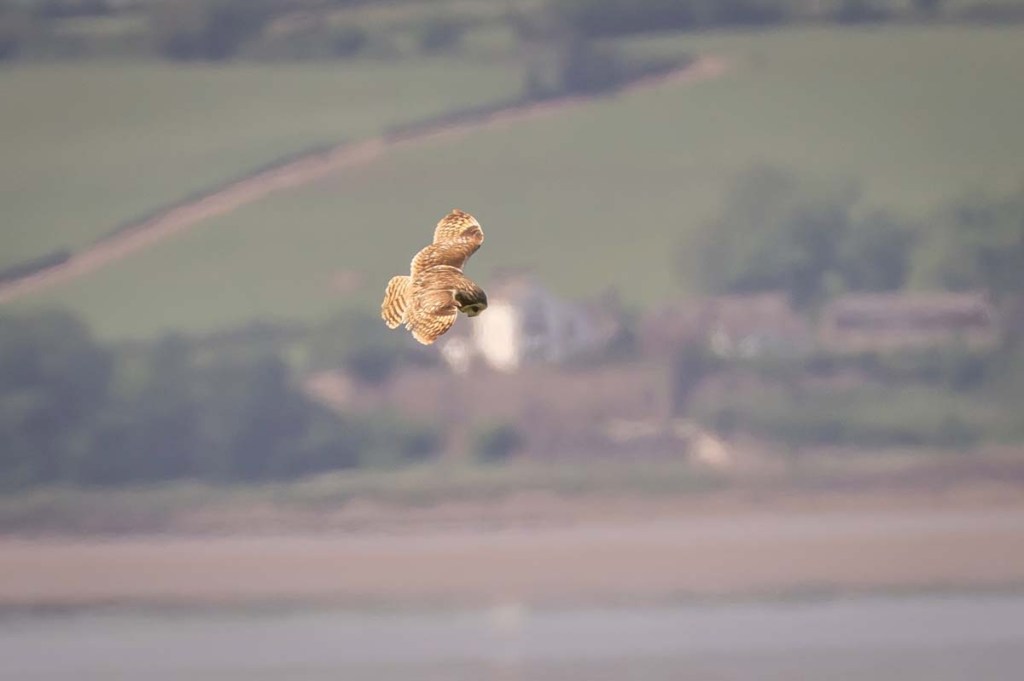
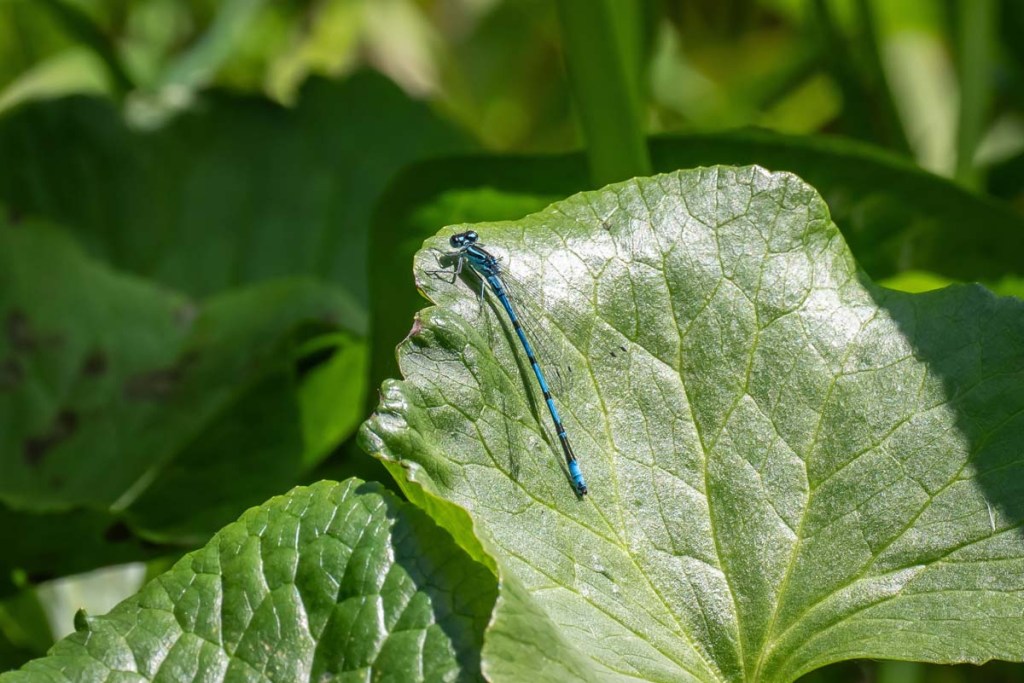
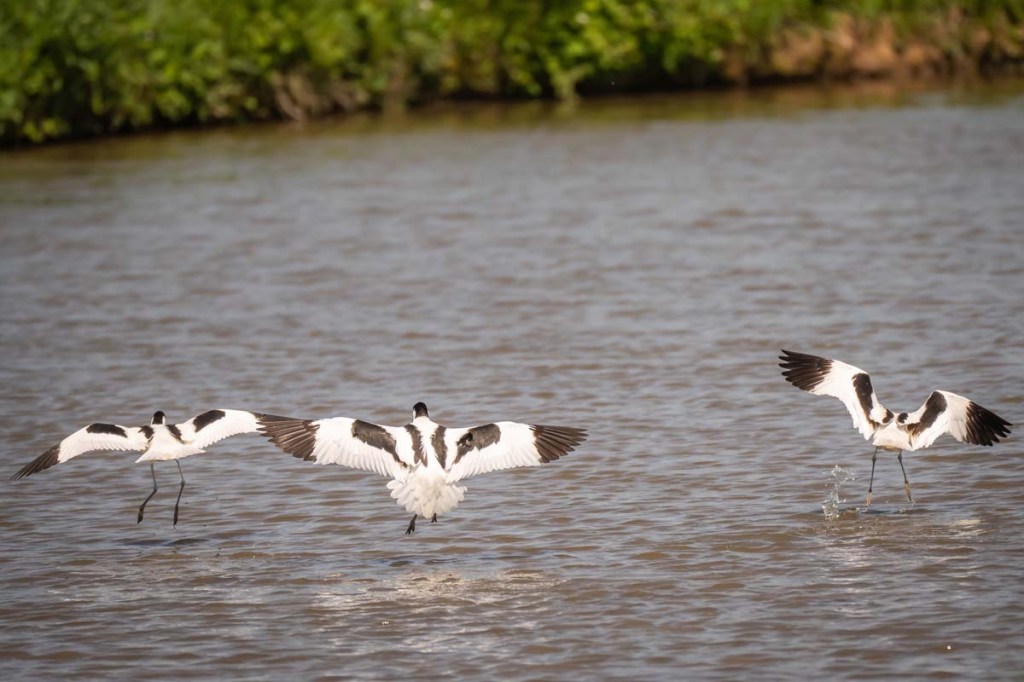
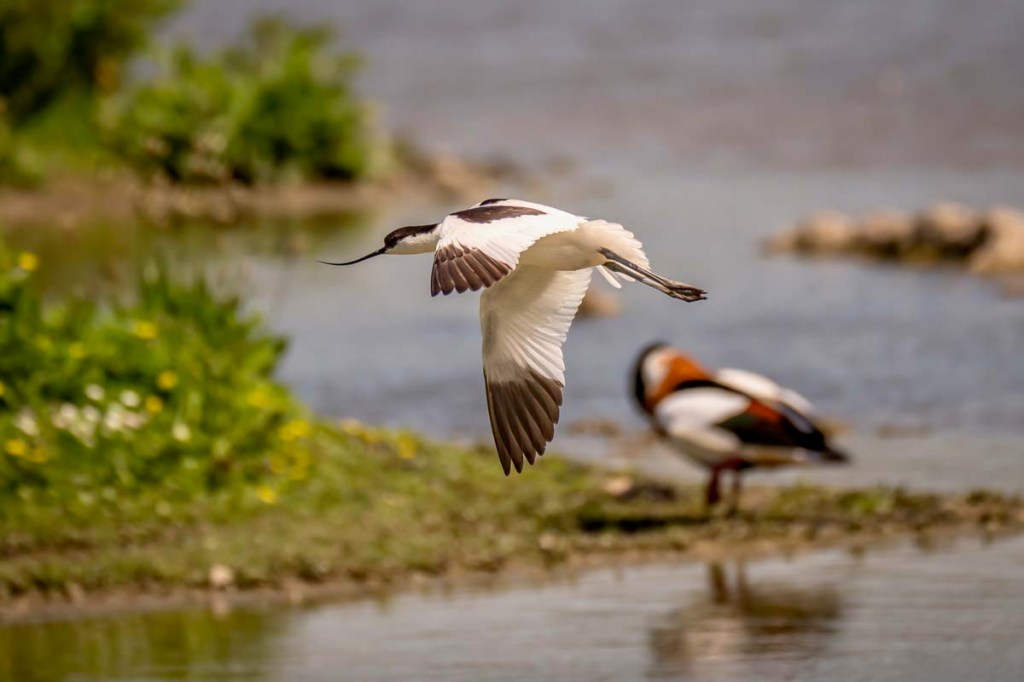
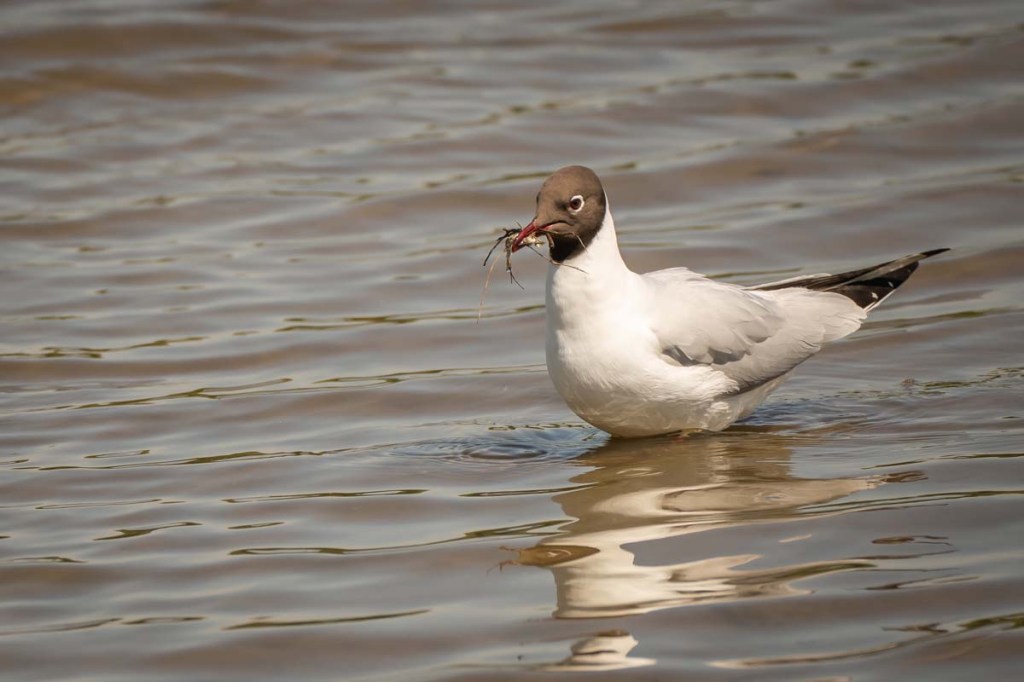
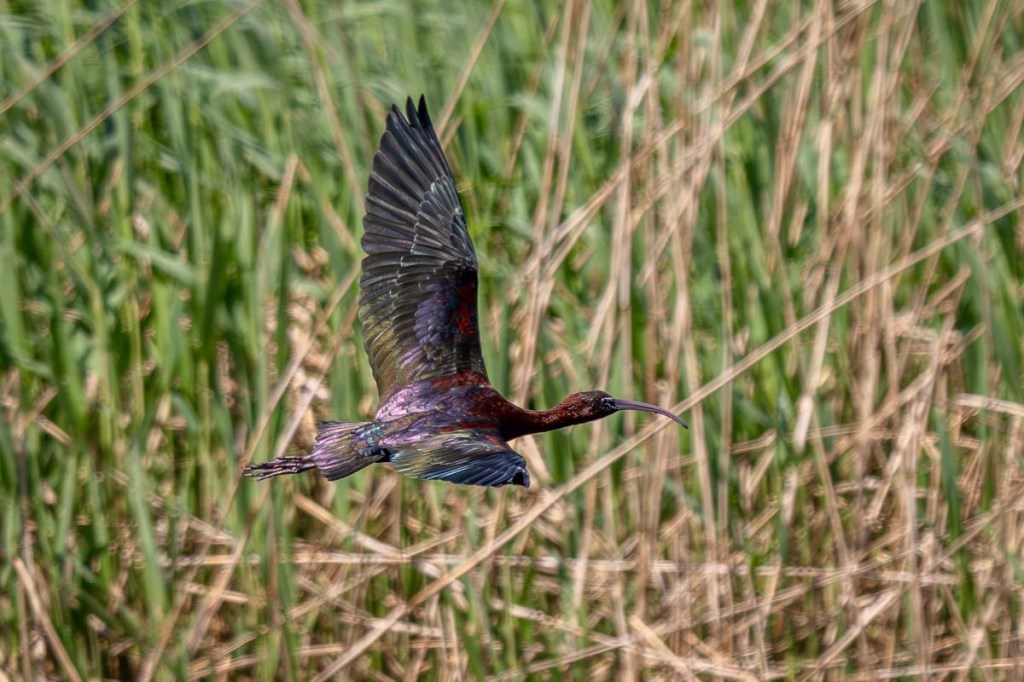
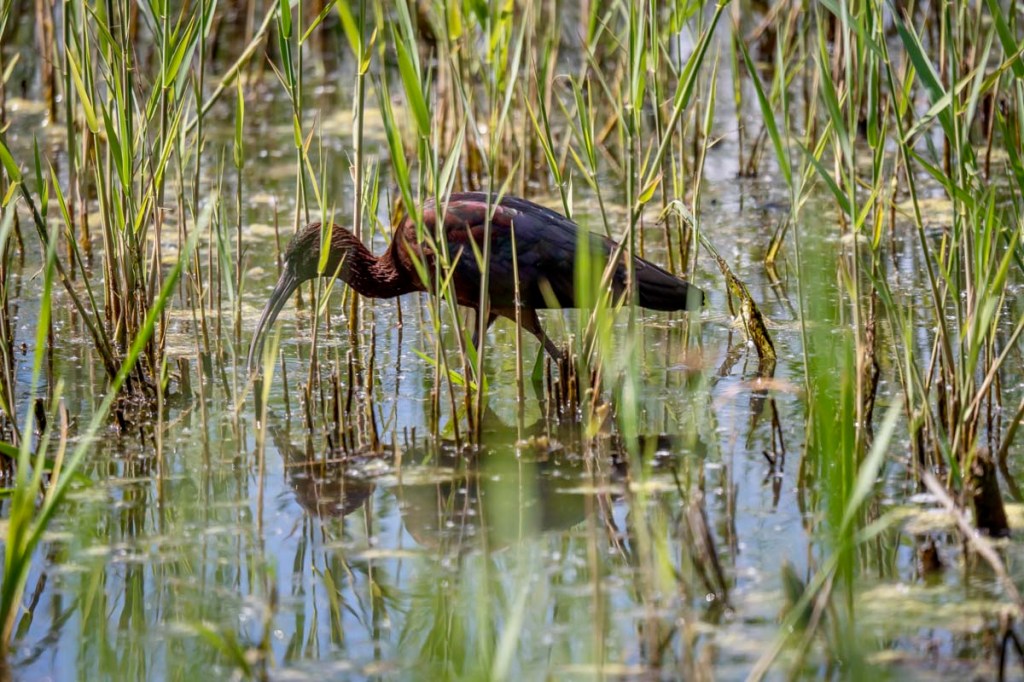
It was very wet on the Avalon Marshes today and there was a fresh wind but, thankfully, the light was very good. I couldn’t face getting muddy so I hunkered down in the hide at Catcott Lows and enjoyed seeing a variety of birds at quite close quarters.
The rarest bird was a spotted redshank and it was a toss up between lapwings, wigeon and shovelers for the most prolific numbers.
The spotted redshank was difficult to see at first… and then it took to the air… and was almost showing off
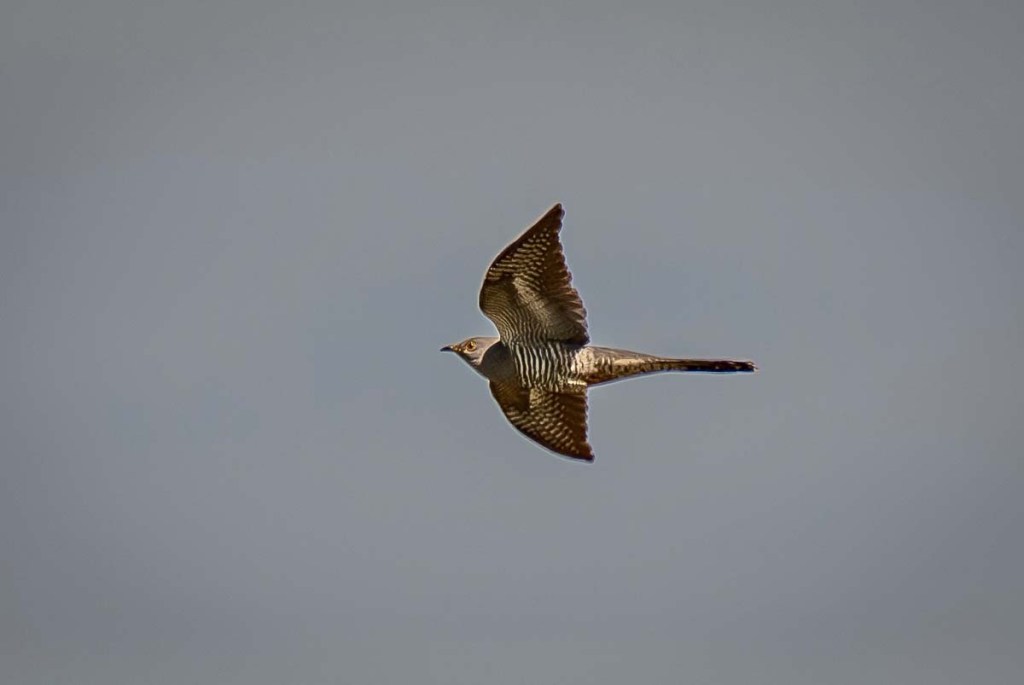
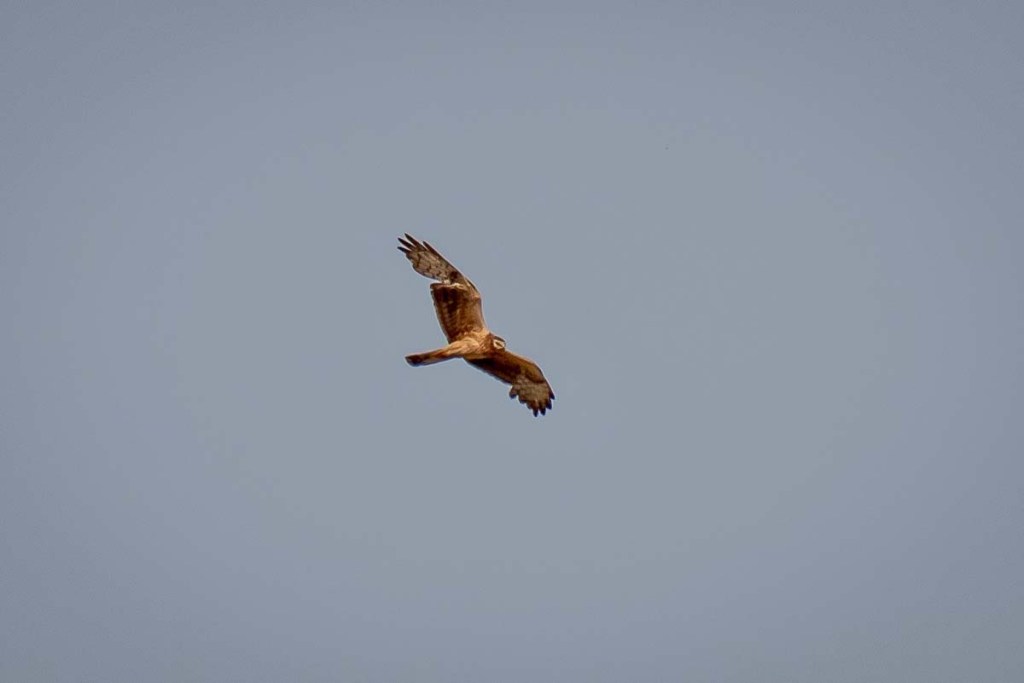
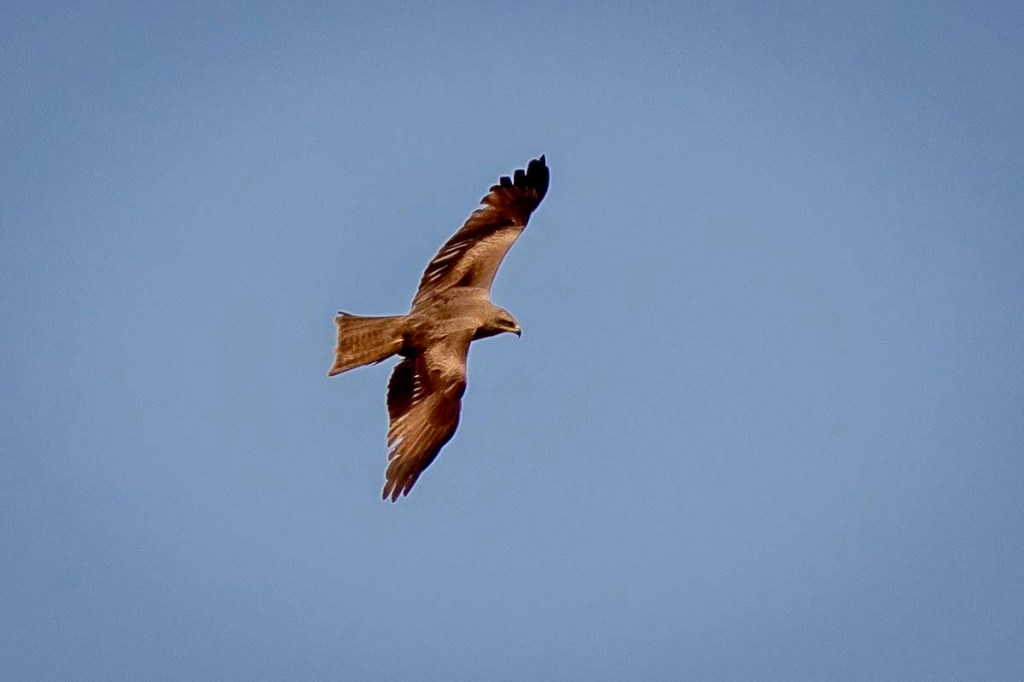
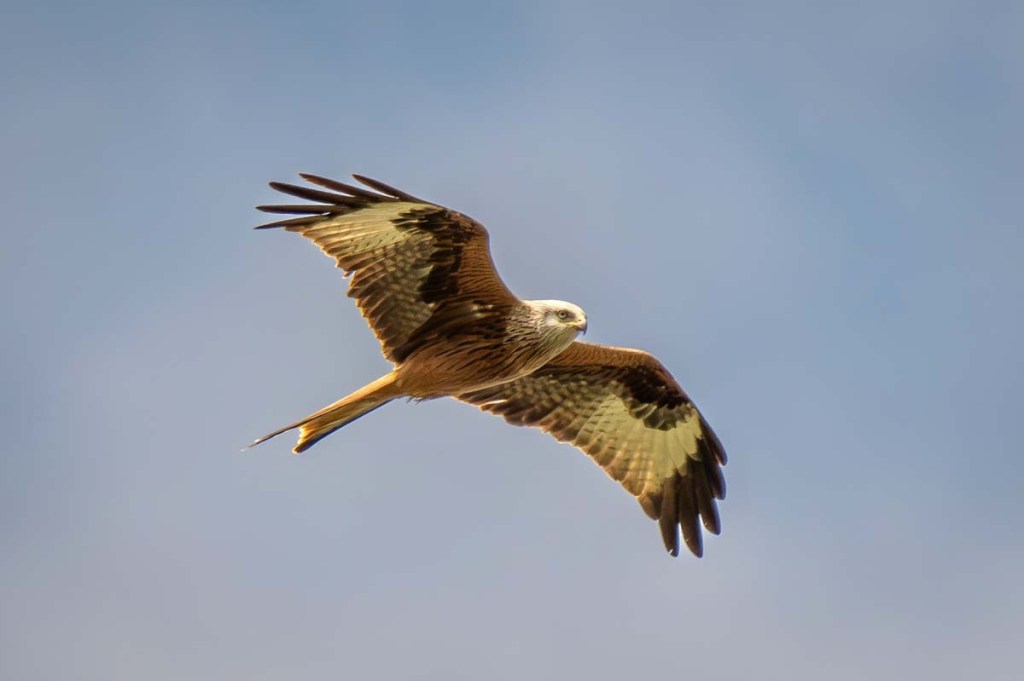
There were distant marsh harriers, a red kite and a peregrine which caused constant consternation and allowed me lots of opportunities to take photos of birds in flight.
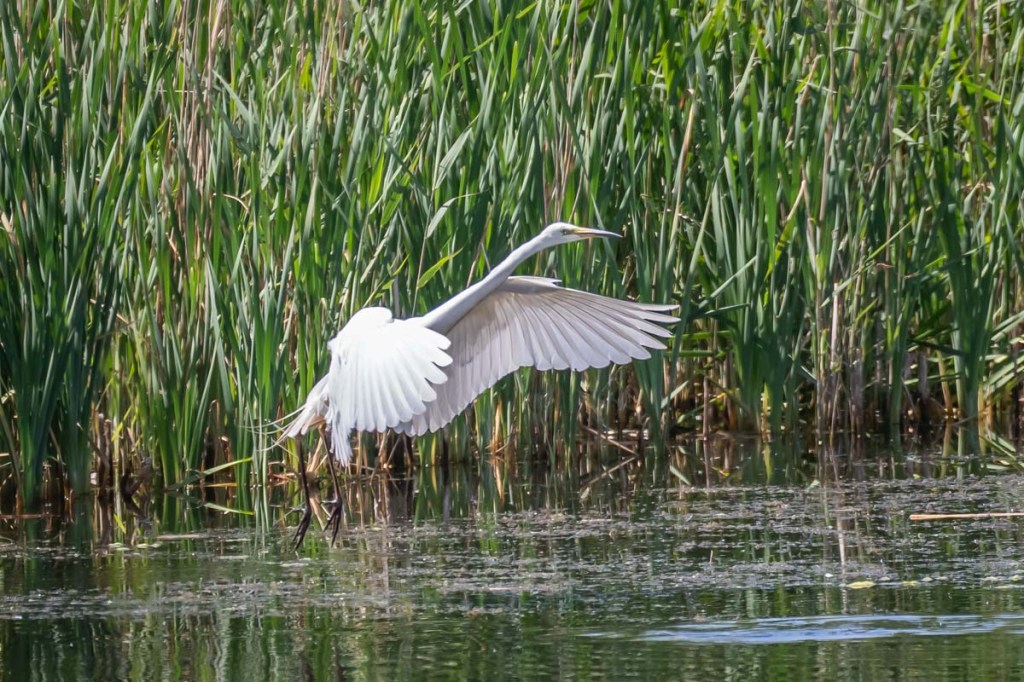
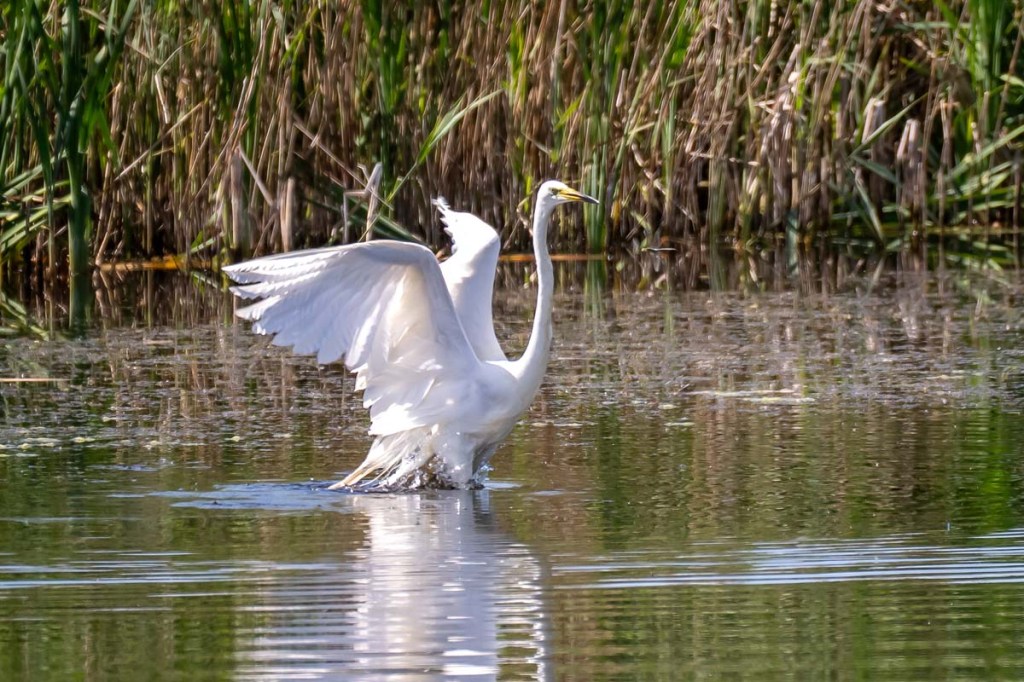
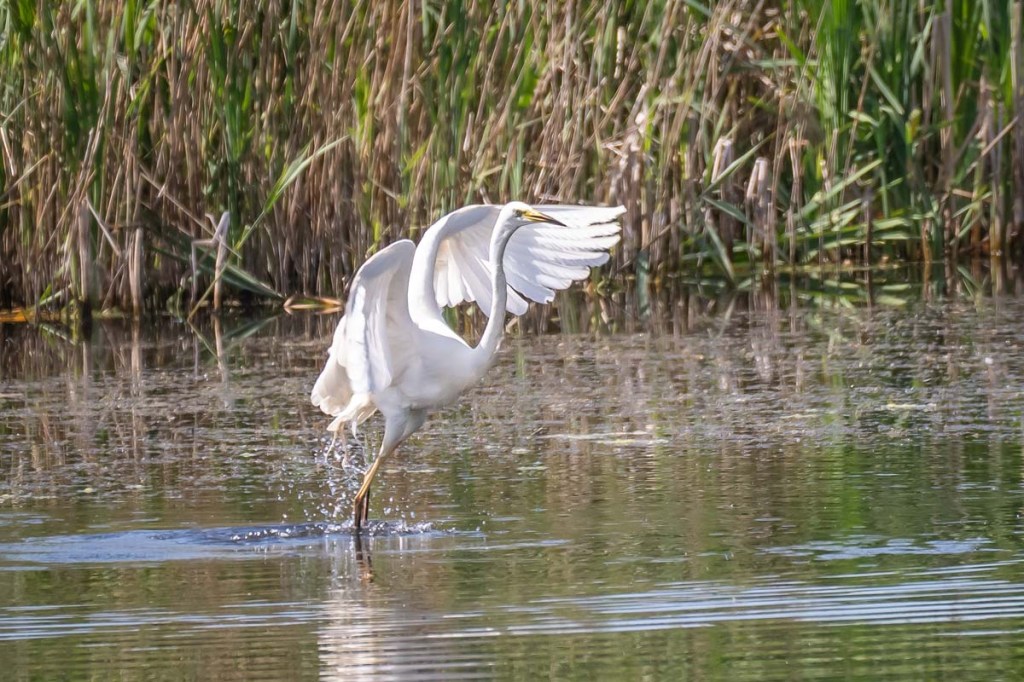
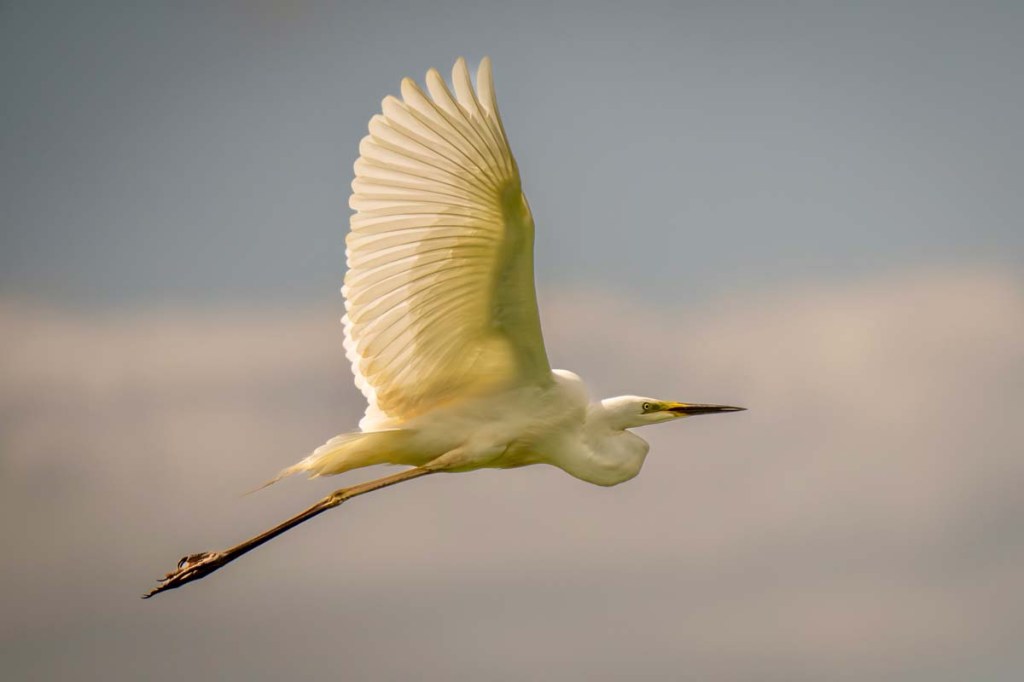
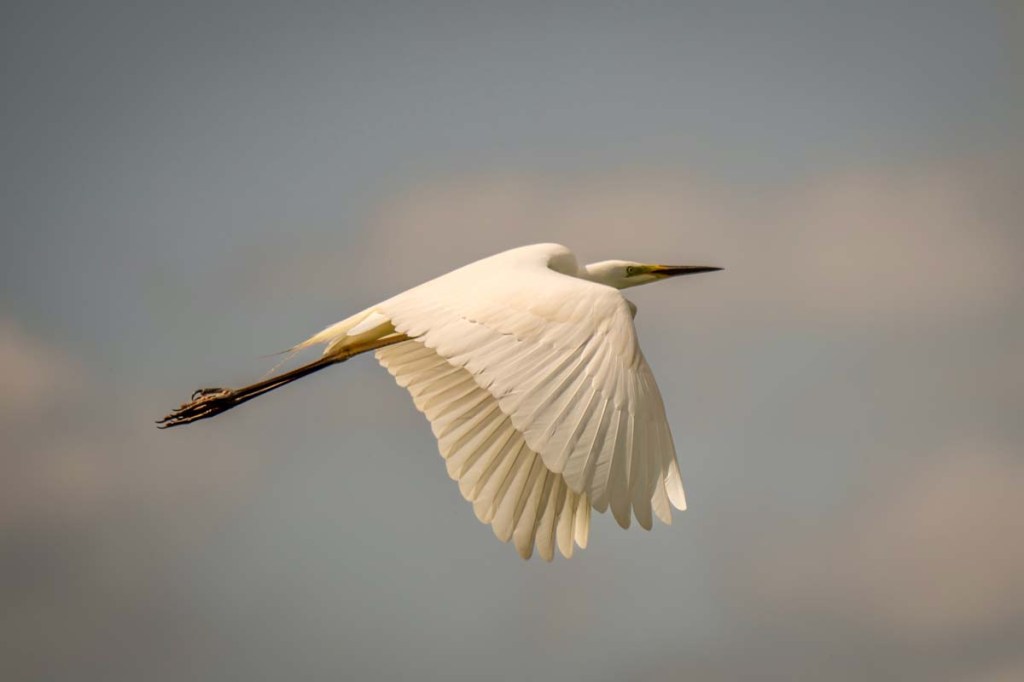
My favourites, however, were the great white egrets which are quite common here.
Great white egretGreat white egret photo bombing a little egretNorthern shovelerWigeon having a snoozeWigeonLapwing up closeLapwing in flightWigeon taking to the wingNorthern shoveler in flightThe peregrine was responsible for all of thisGreat white egretGreat white egretGreat white egretNot very often you see a single starling in these parts. I did see huge flocks of them as I drove here.Just had to get a silhouette of Glastonbury Tor in somewhere
I won’t bore you with the other 900 photos I took during the day!
There is a roundabout just outside our hotel with a statue of a seahorse. There is the largest population of seahorses in the world in the Ria Formosa Natural Park.
The seahorse roundabout
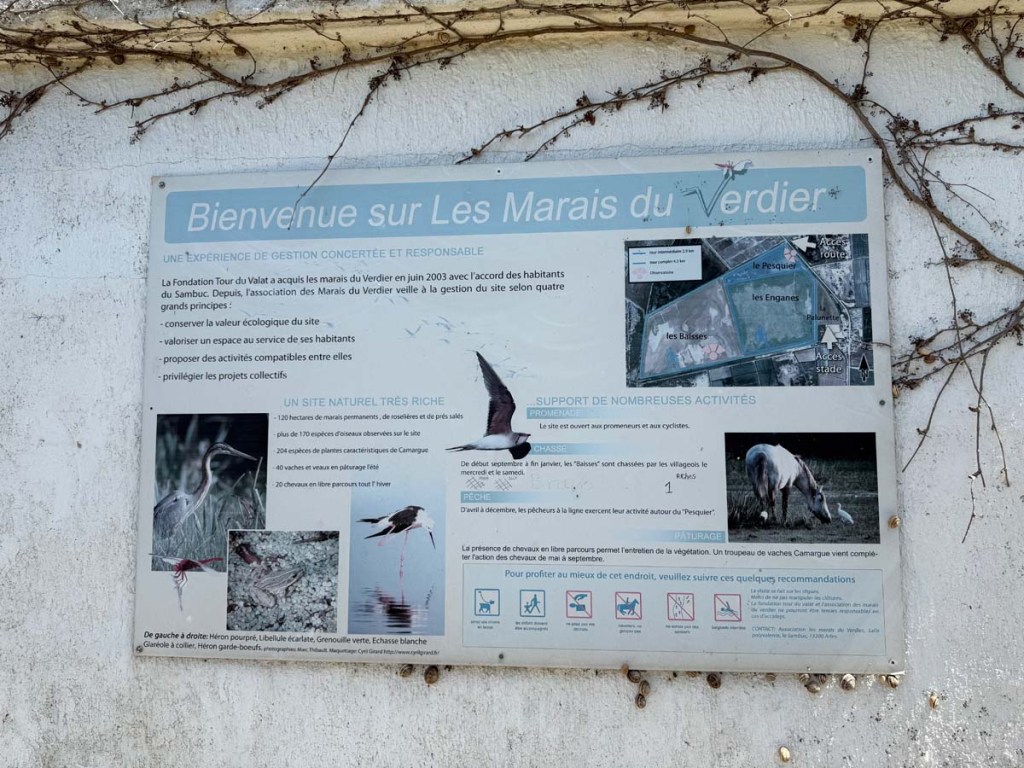
On our last full day here in Portugal we decided to revisit the Ria Formosa Nature Reserve at Quinto de Marim. At the entrance to the park there is a poster reminding us of the fragility of the seahorses in nature with the population diminished by 90% in the last 15 years.
On our boat trip earlier in the week we had seen buoys protecting the area where the seahorses exist.
We had much better light on our visit today but the tide was very low and the mudflats were almost empty of waders. However, we did have a very good view of this plover below which, according to one ID app, is a semi-palmated plover. However, it is more likely a non-breeding adult common ringed plover. In fact, having studied several sources, the slight webbing between only one of the toes convinces me that this is definitely a common ringed plover
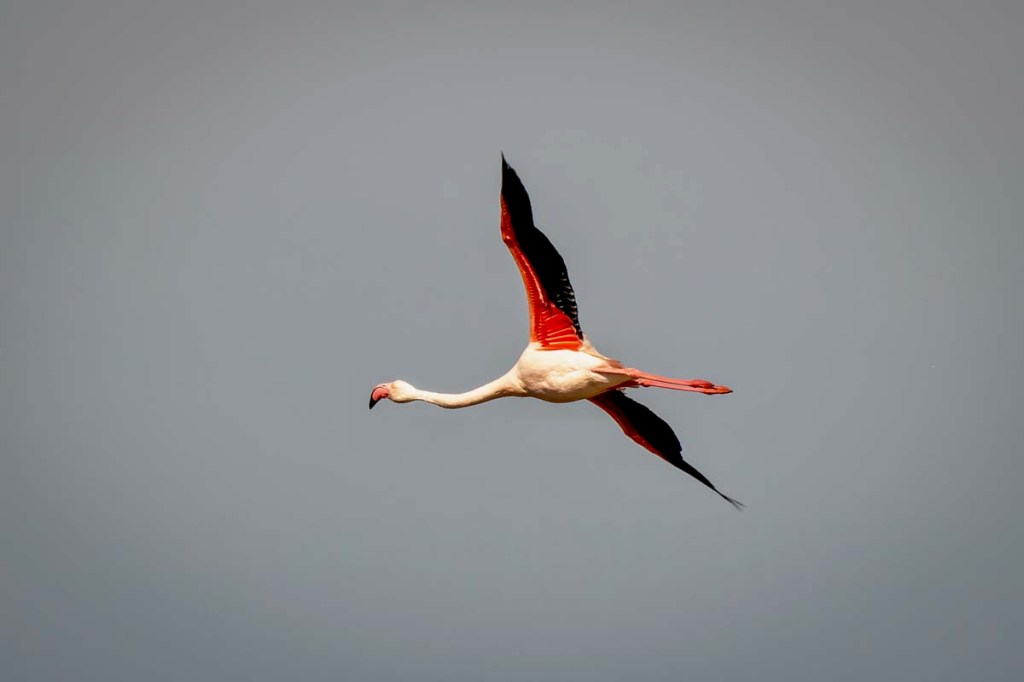
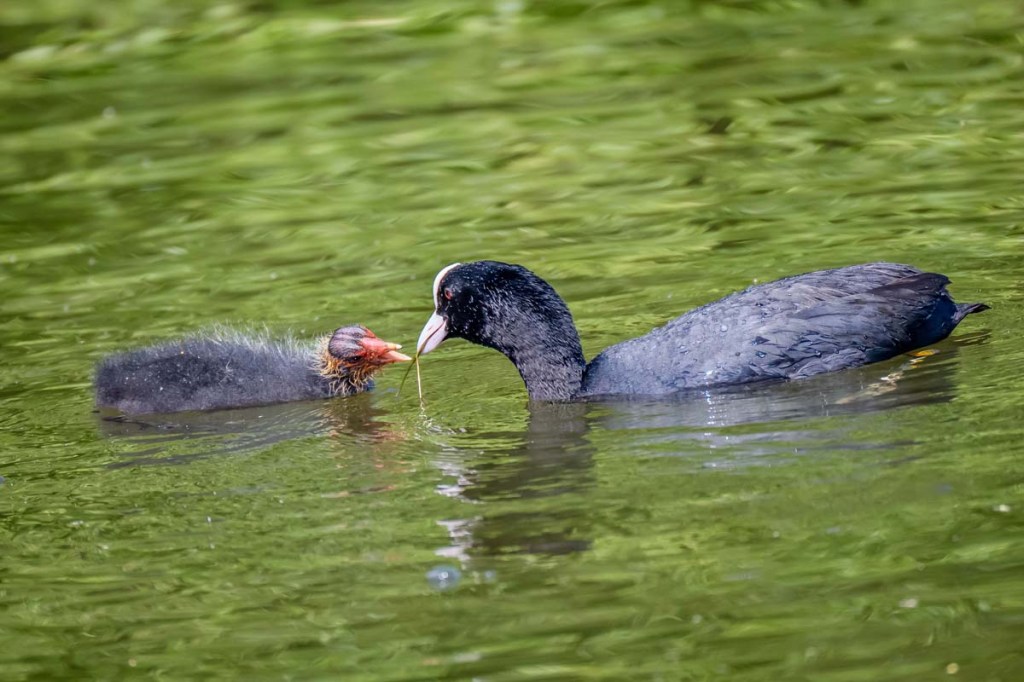
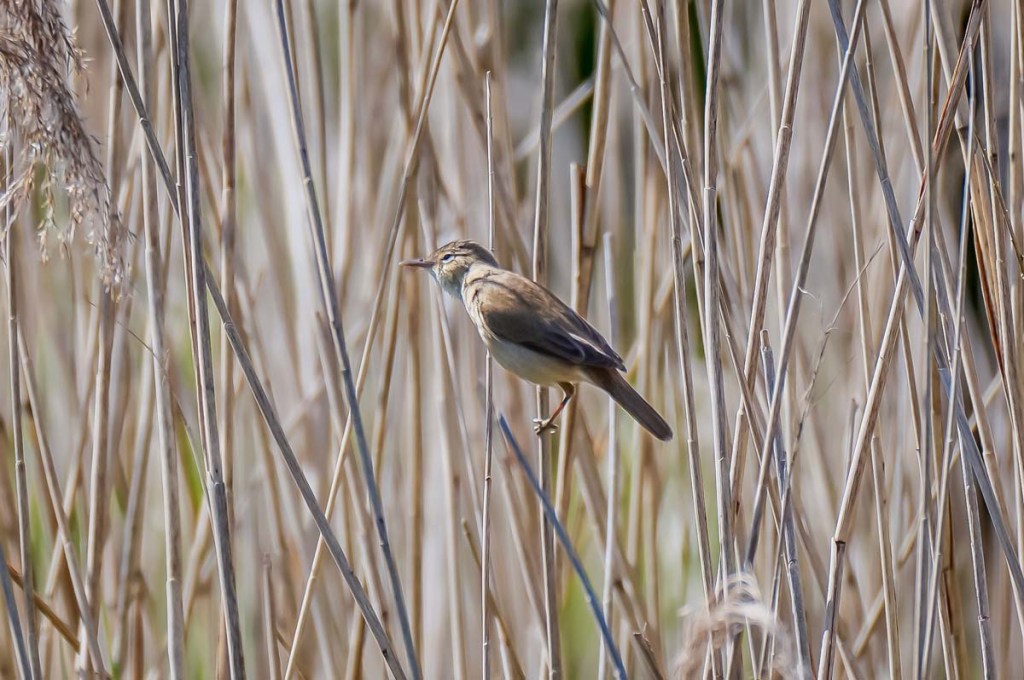
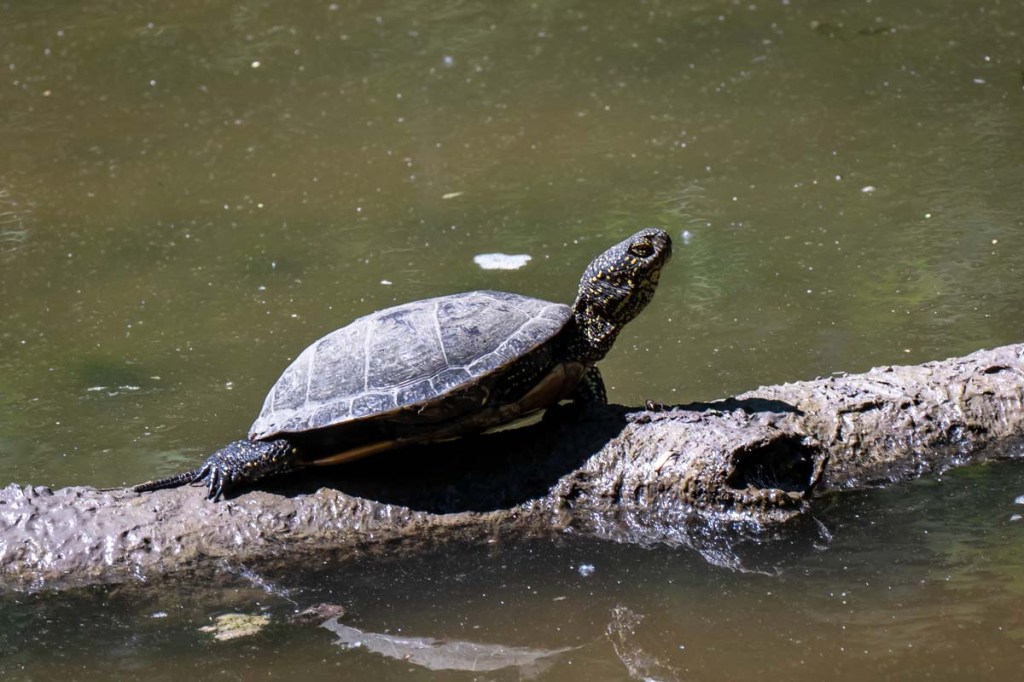
Semi-palmated plover or more likely a non-breeding adult common ringed ploverStonechatThe flora was even more beautiful after the rain and with quite warm sunshineOxalis pes-caprae has all sorts of common names, including slender yellow wood sorrelThe mudflats were empty of birdlife but it was great walkThe tidal mill with very little bird life todayMainly cattle egret with a few little egrets at the freshwater pondChiffchaffs and/or willow warblers were putting on quite a display at the freshwater pond – difficult to say which when they weren’t singingLittle grebeTealTeal and shovelerTerrapinsLupins have appeared in flower after the rain… and these beautiful crocus-leaved romuleaIberian magpieIberian magpieAnd saving the best to last, just as we were leaving the park a Eurasian hoopoeEurasian hoopoe
And then back to Olhão for a celebratory last lunch – although, we didn’t really need an excuse.
This morning we had a non-birding trip to the pretty little town of Estoi, about 10 kilometres north of Olhão. There were three interesting tourist attractions: the Matriz de Estoi Church (which we only visited briefly as there was a service on); the Palácio de Estoi (a 19th Century Neo-Rococo styled palace, now converted into a luxury posada hotel, whose beautiful ornamental gardens are open to the public; and the nearby Ruínas Romanas de Milreu, the best preserved Roman ruins in southern Portugal.
The Matriz de Estoi ChurchEl Palacio de EstoiThe orange and lemon groves
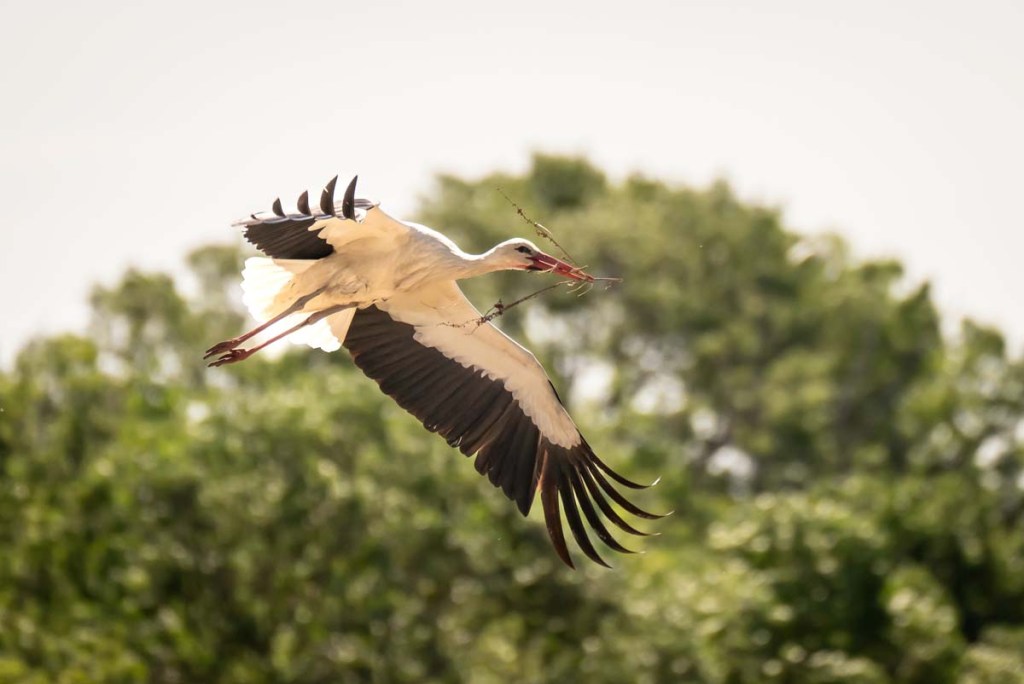
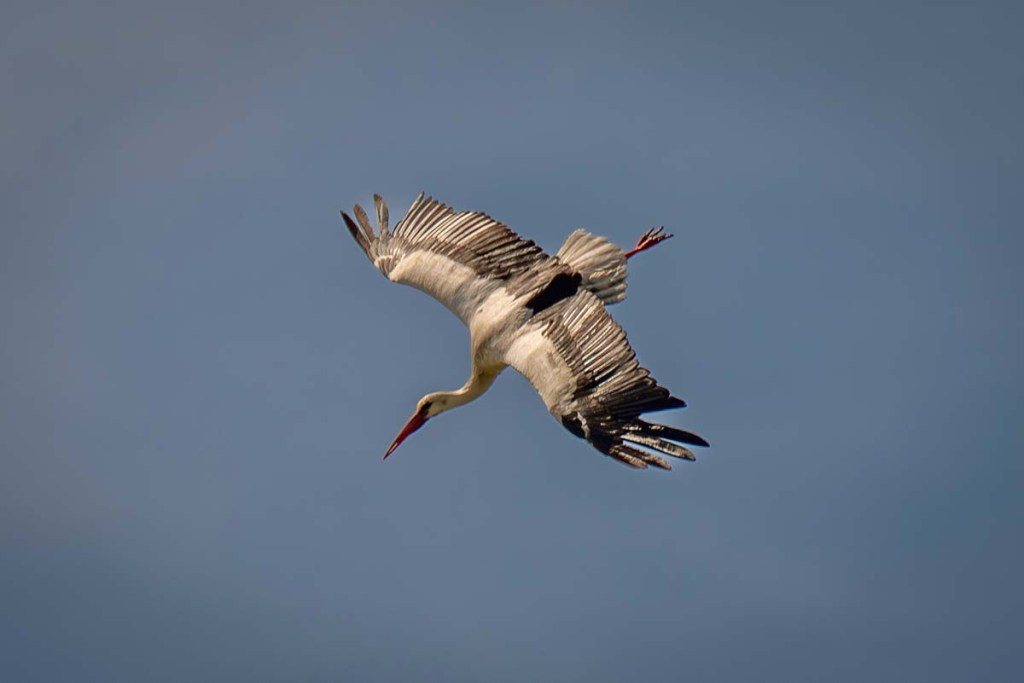
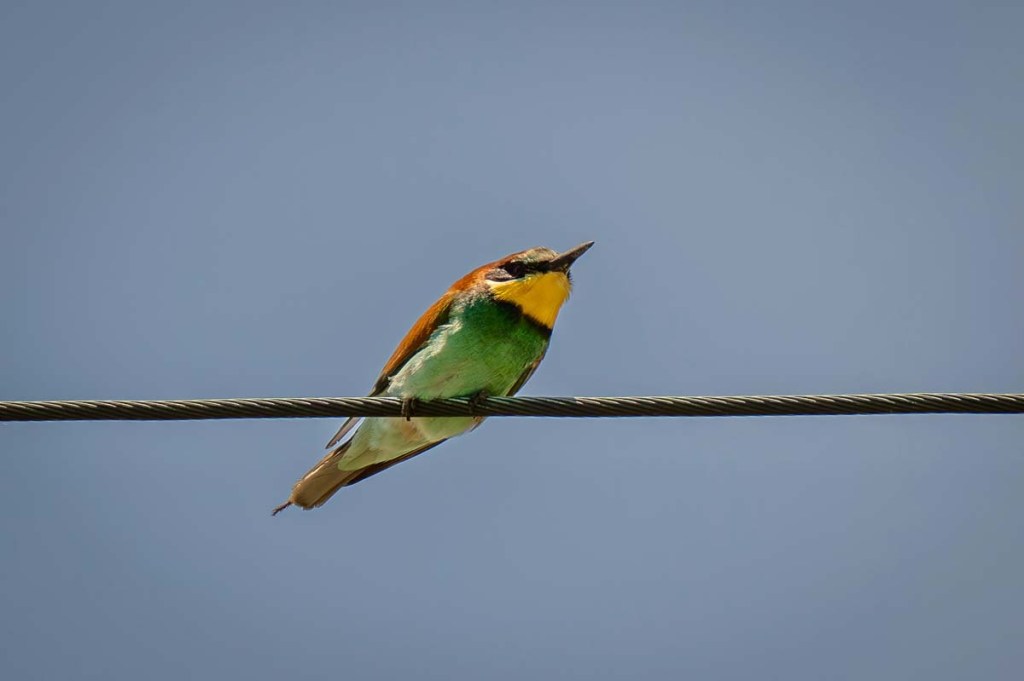
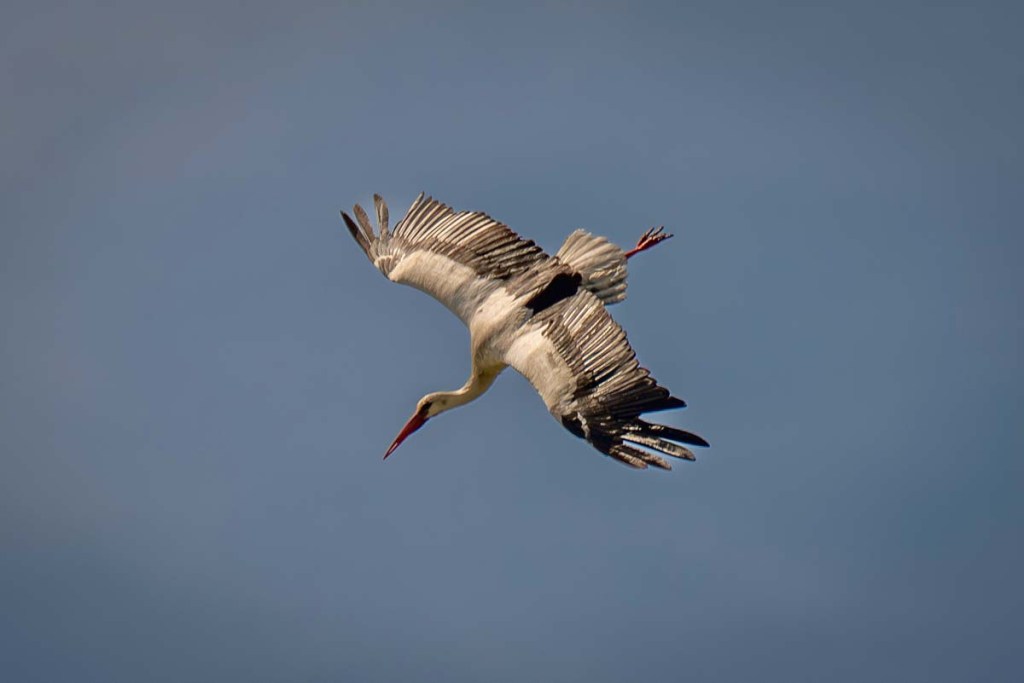
Although it was a non-birding day we did have a very good view of a European hoopoe in the gardens and white storks flying high overhead.
A traditional Portuguese farmhouse (Casa Rural) was built on top of the Roman Villa Inside the Roman villaThe temple was one of the earliest churches in Portugal , and has been used as a Roman temple, a church and a mosque, but is now a ruinThere were many fine mosaicsOf course there had to be a bath houseThe beautiful spring flowers are just everywhere in the countryside at presentAnd they are a feature of town gardens too
Today’s forecast was always looking pretty dire, with torrential rain supposedly lasting all day. As it turned out we did have torrential rain all morning (which allowed me to catch up with blogs) but it abated for a good 2 hours at lunch time and we made the most of it with a walk into town to get a spot of lunch. The rain returned in the afternoon but again stopped in time for us to get a late afternoon walk around the Salinas de Olhão. We were well rewarded with a massive number of birds in decent light, the best of which were five spoonbills. And so it wasn’t too bad a day, although we had to cope with pretty muddy boots.
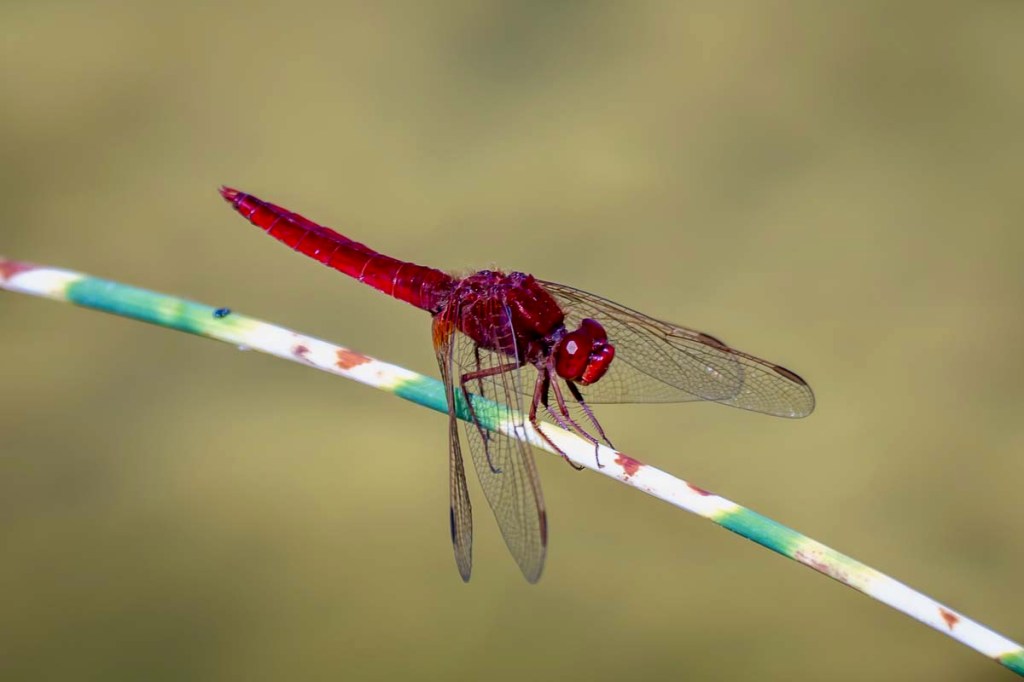
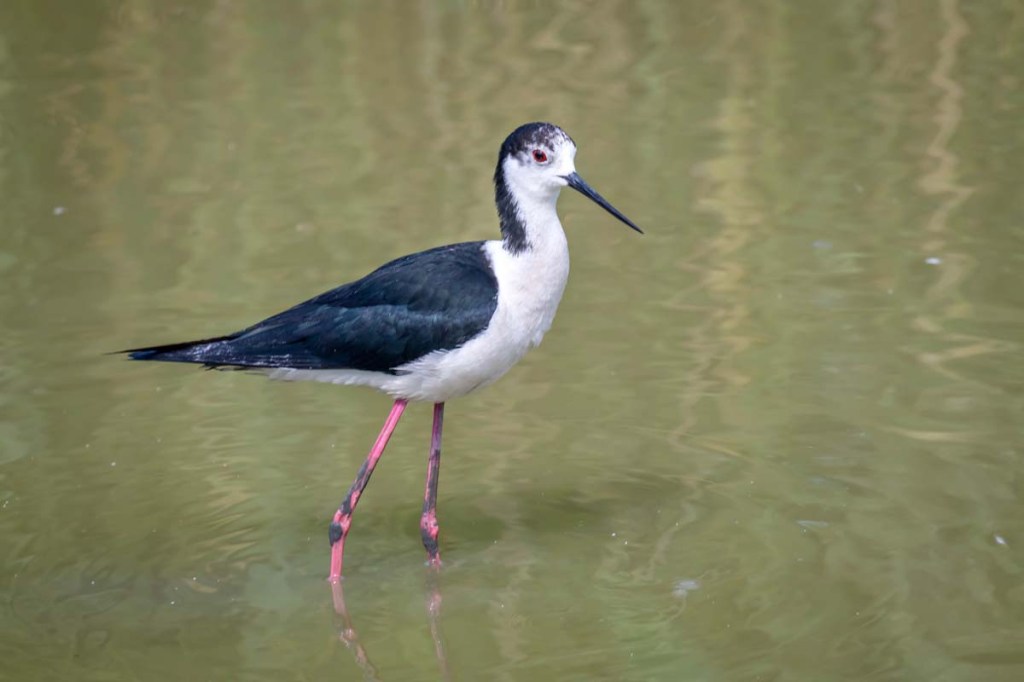
Kentish ploverChiffchaffChiffchaff in different lightEurasian spoonbillEurasian spoonbillDunlinLots of dunlin (and probably a few other waders).Las Salinas de Olhão Common ringed ploverCommon redshankBlack-tailed godwitsBlack-winged stiltsGrey ploverLesser black-backed gull with crab supperLesser black-backed gull with crab supperStonechat in the fading light
We took an Uber to Quinta de Marim, a few kilometres to the east of Olhão.
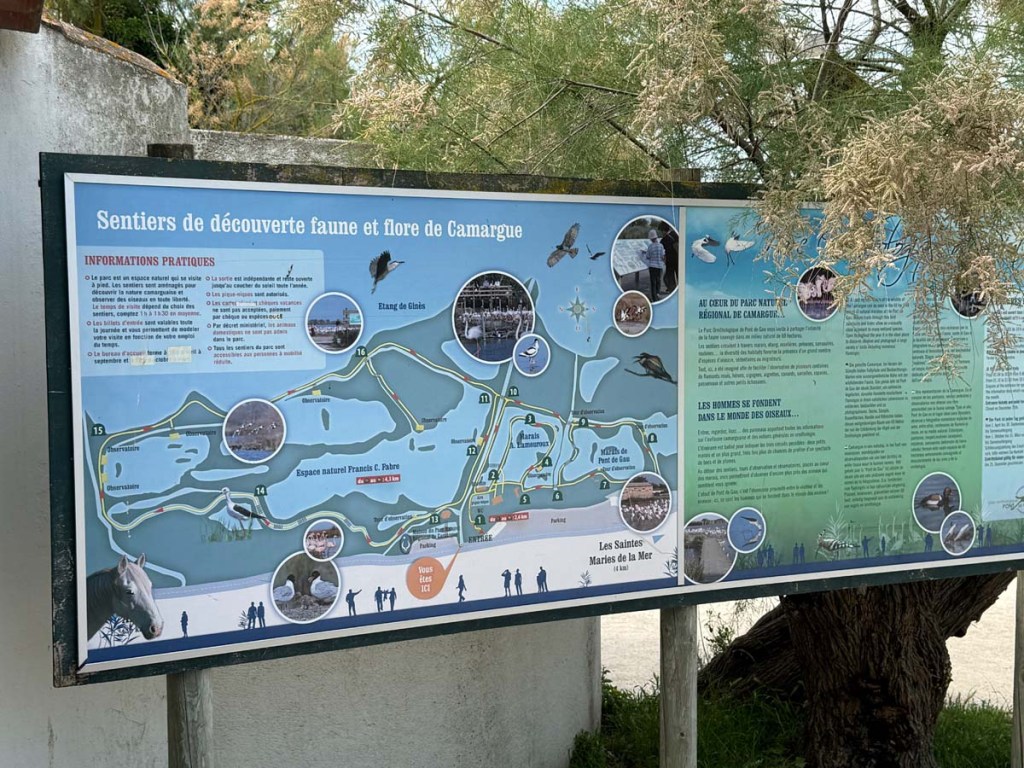
Quinta de Marim (or Centro Educação Ambiental de Marim) is a beautiful estate with many different habitats that attract birds. A 3 km trail takes you through various ecosystems – dunes, salt marshes, pine woodlands. There is a visitors’ centre and a couple of hides at the edge of the marsh, one looking across the mudflats and another looking over a fresh water pond.
The dull weather was rather disappointing for photographs but it was still quite warm (17C) and we didn’t need coats. The visit was not at all disappointing.
LavenderIberian magpies in the pine treesRosemary in flowerIberian magpie
.
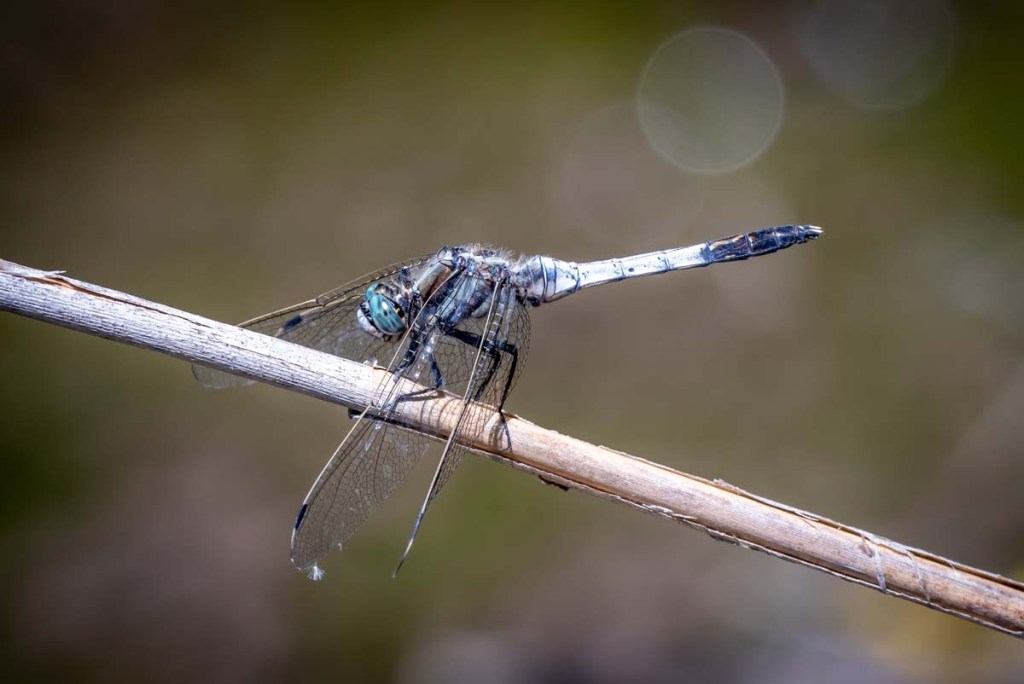
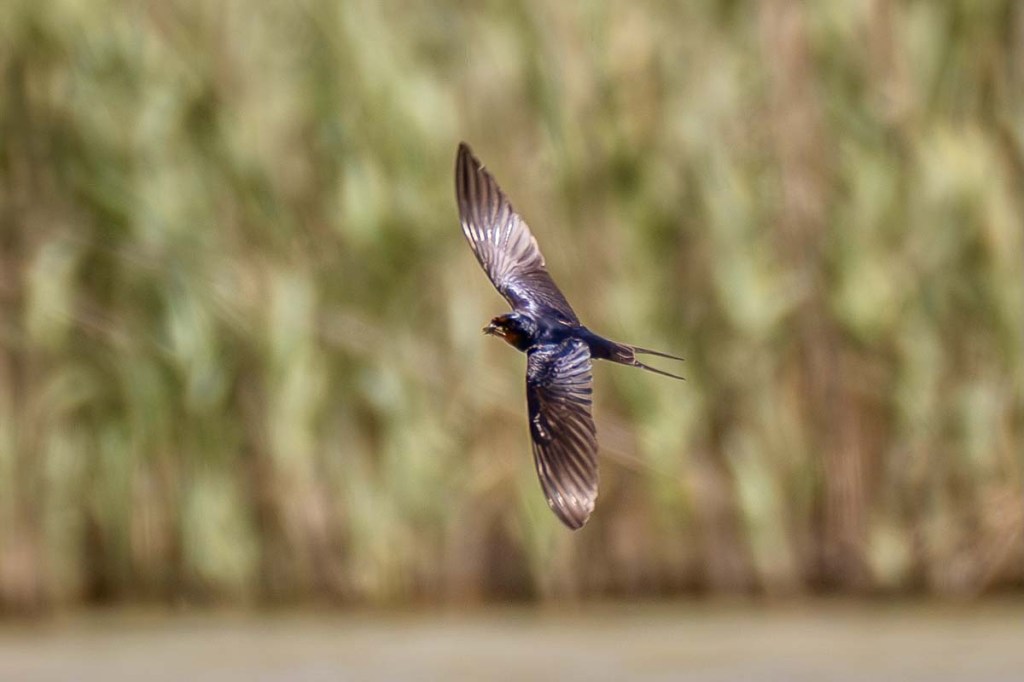
StonechatSwallowFrom the roof of the mill there were spectacular views along the coastThere were waders everywhere along this stretch of the coastGrey ploverBar-tailed godwits and a whimbrelGreenshankIberian magpiePurple viper’s buglossA flyover Eurasian spoonbillTidal mill at Quinta de Marim – In other times, when energy sources were scarce and limited only to muscle power, wind and current, tidalmillshad a major advantage over other forms of energy: their constancyand predictability. There are two daily tides that guarantee approximately4 hours of grinding. They were built in estuaries on low land and in sheltered areas where the water could be dammedKestrelWhite stork, not looking so white in this lightDunlinLittle grebes on the freshwater pondCattle egretWigeon with barn swallow flying pastRoman salting tanksCowpeaBarn swallow on a wireBlackbird on a log
In the late afternoon on our return to Olhão we had another walk around the Salinas de Olhão.
WhimbrelA different swallow ?Pied avocetRedshankPied avocet
We made the most of the sunny and calm conditions to take a three hour trip around the Ria Formosa lagoon, located in the Algarve, in southern Portugal.
In 2010, the lagoon was recognised as one of the country’s seven natural wonders and the series of barrier islands connects to the sea through six inlets, one of which is artificial to allow easier access to the port of Faro.
We spent half an hour on the tiny island of Armona, just enough time to visit the village with its charming minute houses which are mainly used as holiday homes and to savour the tropical feel of the island.
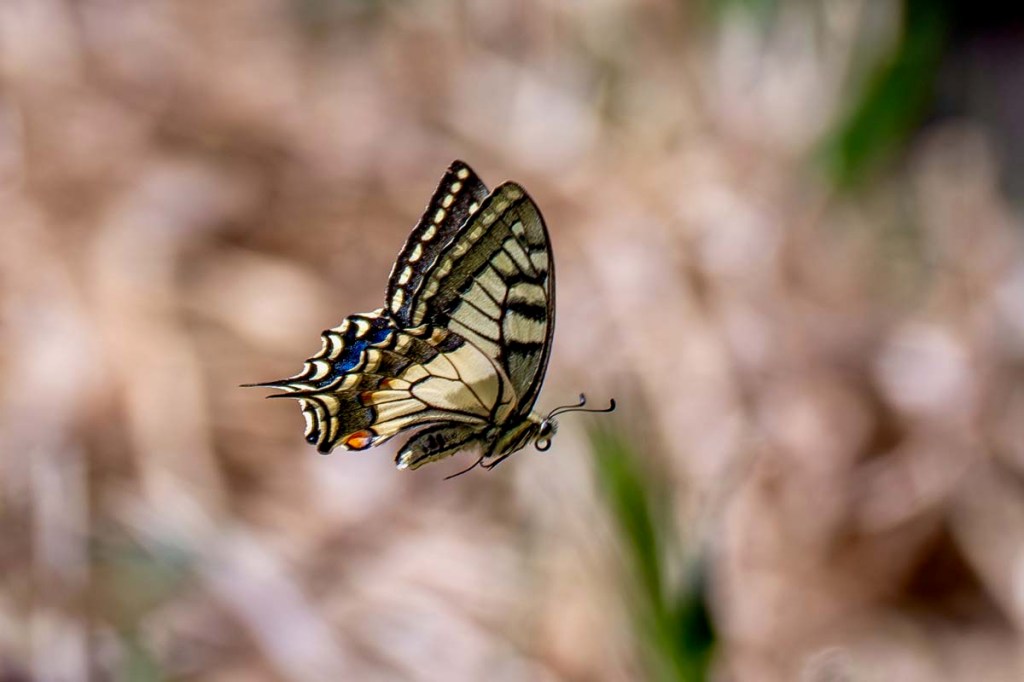
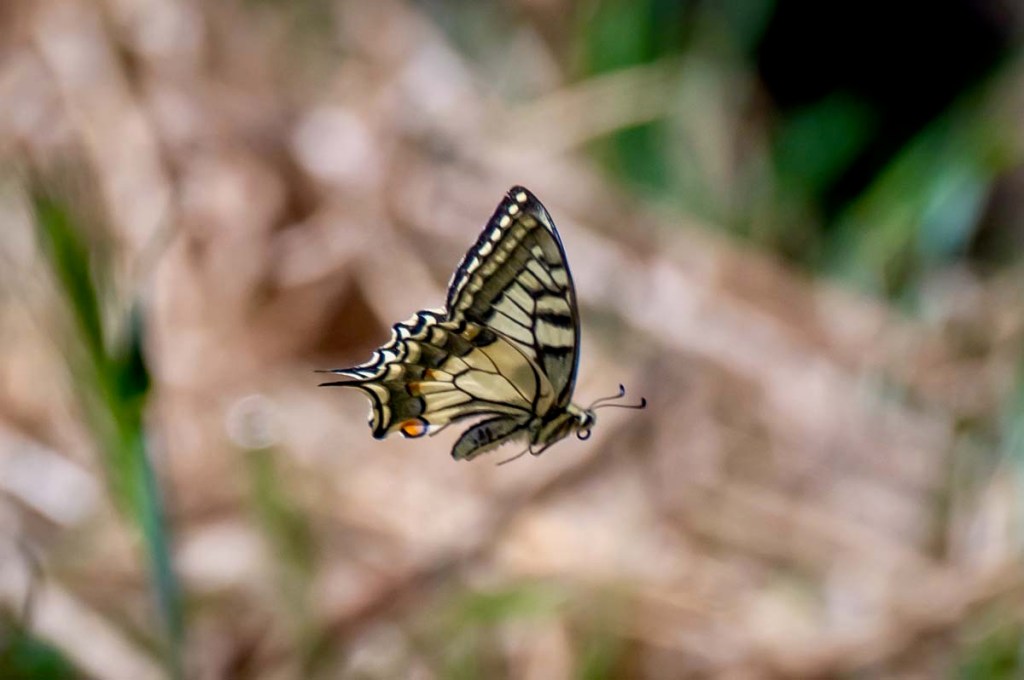
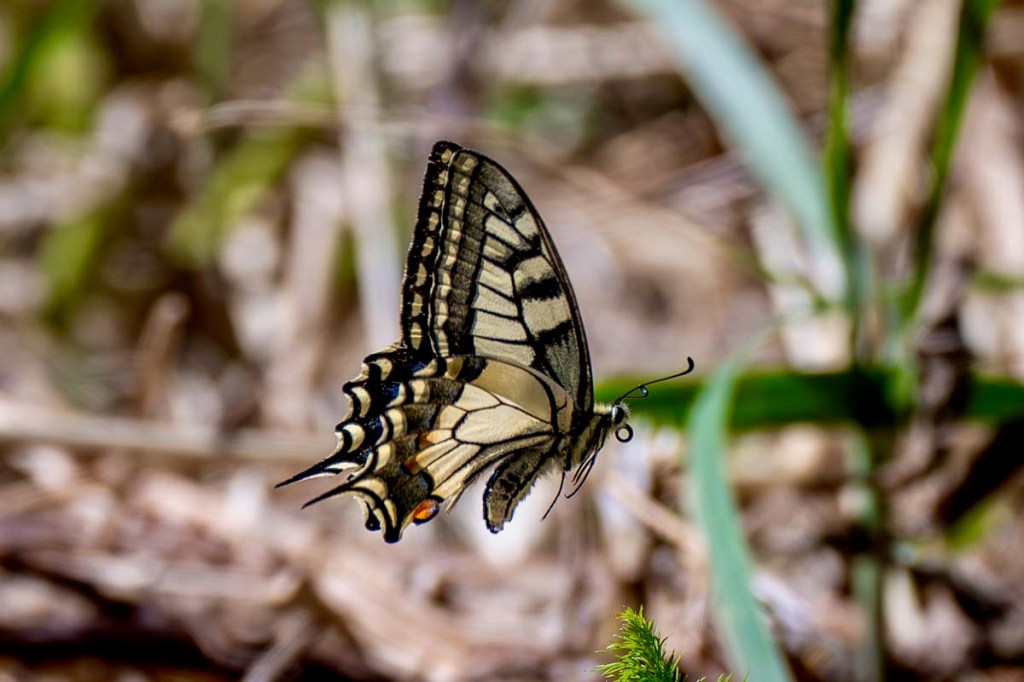
The approach to the public toiletsLarge white butterflyA typical holiday homeClear water and sandy beaches of ArmonaRuddy turnstone
We then moved on to the larger island of Culatra which has a permanent population of about 1,000 people who are mainly involved in the fishing trade.
The island has an extensive sandy beach on its ocean side to which we made our way across the protected sand dunes on a raised wooden walkway. It was warm enough to sit on the beach next to a bar and enjoy a beer.
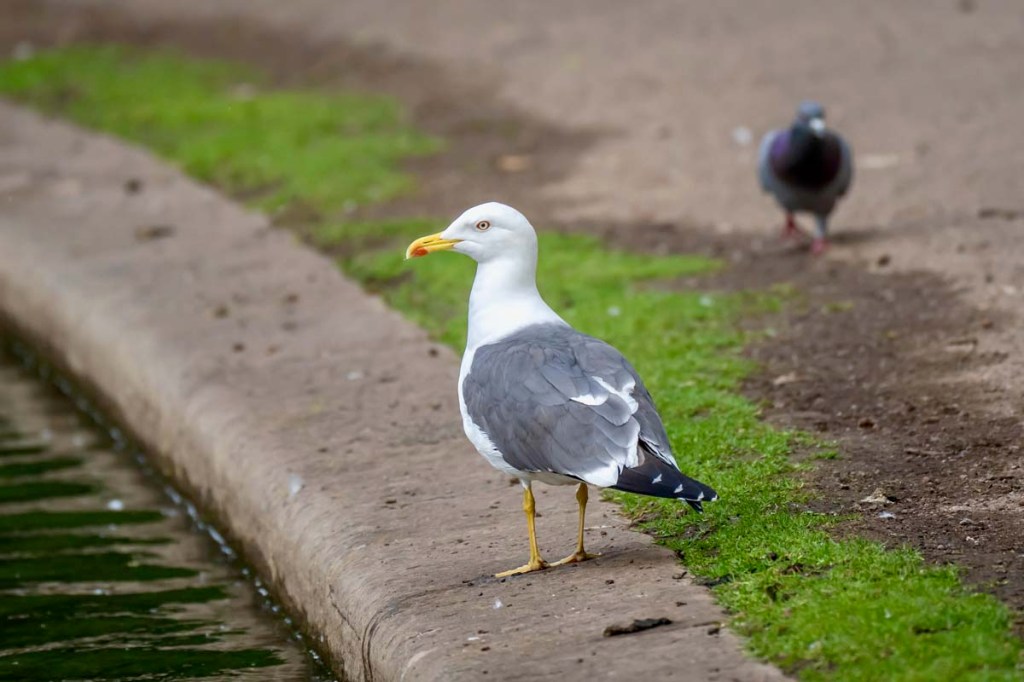
The walkway to Praia da CulatraThe best of the bird life on the island – a crested larkYellow-legged gull
As the tide was high most of the sandbanks were submerged and so, apart from gulls and cormorants, we saw very little bird life, except on the return journey we saw a small colony of spoonbills.
Eurasian spoonbillsThe covered markets of Olhão seen from the lagoon.
In the evening we had another walk around the Salinas de Olhão, next to our hotel.
Black-winged stilt in the evening sunshineLittle egretChiffchaffChiffcaffChiffchaff catching its last meal of the day
A two hour flight from Bristol, a 15 minute transfer from Faro and we are transported into what seems like another world and, in particular, a different climate.
On the first morning of our stay, within a 2 minute walk from our hotel, we are strolling amongst nature in the Salinas de Olhão with colourful wild flowers, huge numbers of waders, lots of small passerines flitting around almost at our feet and with the sun on our backs.
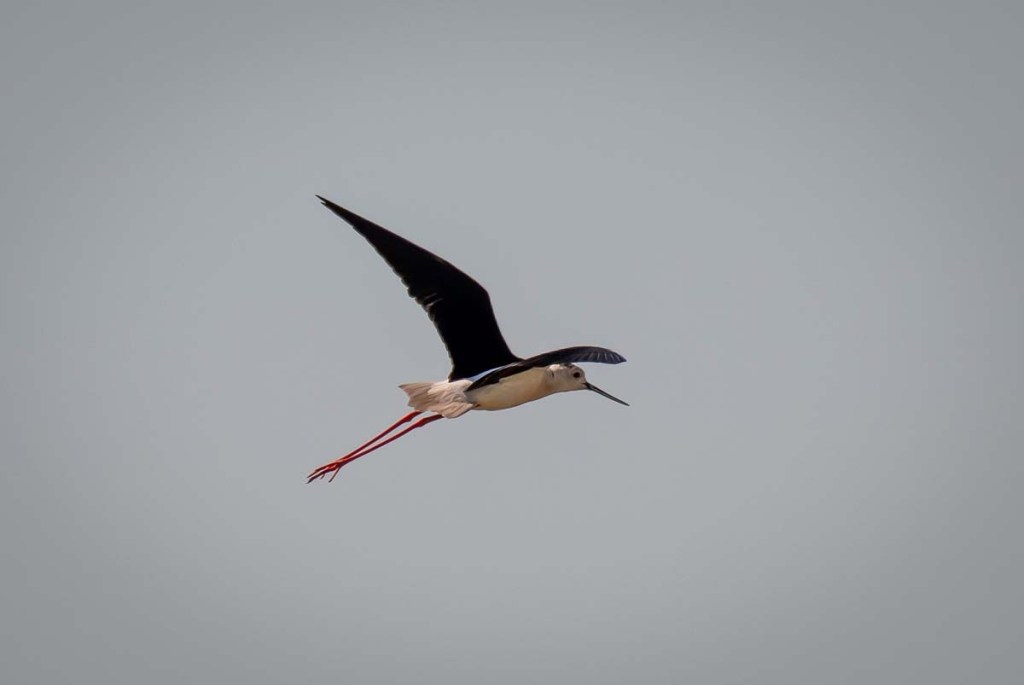
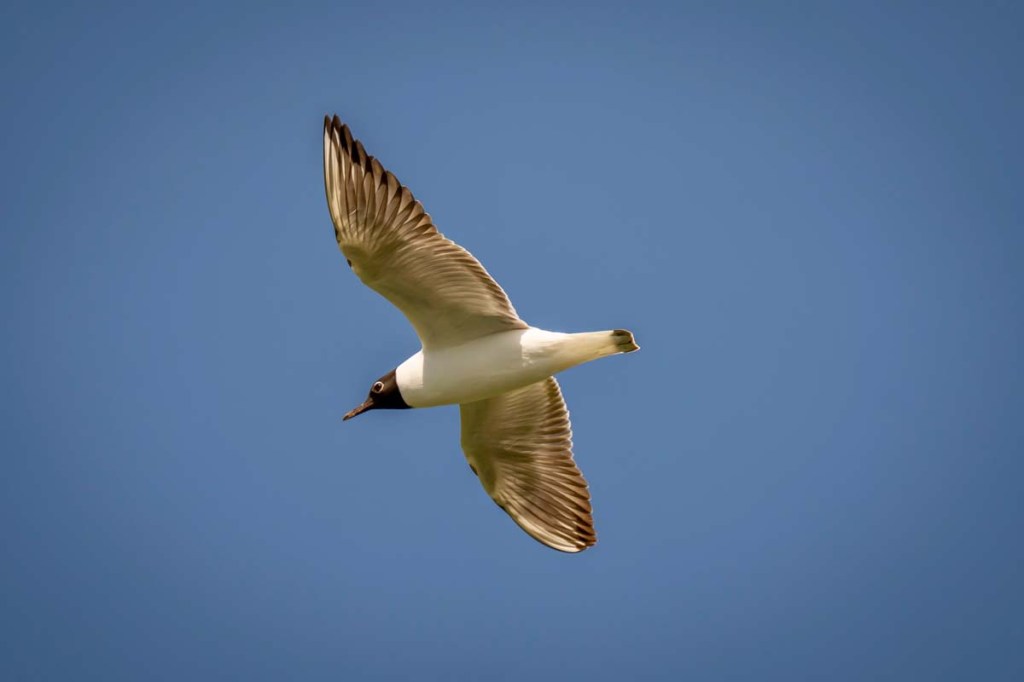
Salinas de OlhãoBlack-winged stiltRedshankRedshank photo bombing a group of dunlinWalks through the former salt pansBlack-tailed godwit centre stageLittle egretChiffchaffSardinian warblerZitting cisticola ChiffchaffBlack-winged stiltSlender-billed gullBlack-headed gullSlender-billed gullKentish ploverSanderlingGreenshank, common ringed plover, sanderling and redshank (back to front)Common ringed plover centre stageCommon sandpiper
There were very few people out and about today and I didn’t stay long as, having caught everything there was to catch in January, I was “taking it steady”.
I didn’t even bother going out again after lunch as it was raining and I had had a very pleasant lunch break in the company of a couple I had met in Cyprus at Christmas and who live in Brentwood in Essex (on the other side of the country) and who just happened to be in the Avalon Marshes Centre at the same time as me. “Small world”, as they say.
Just a few photos to show I did have a camera with me.
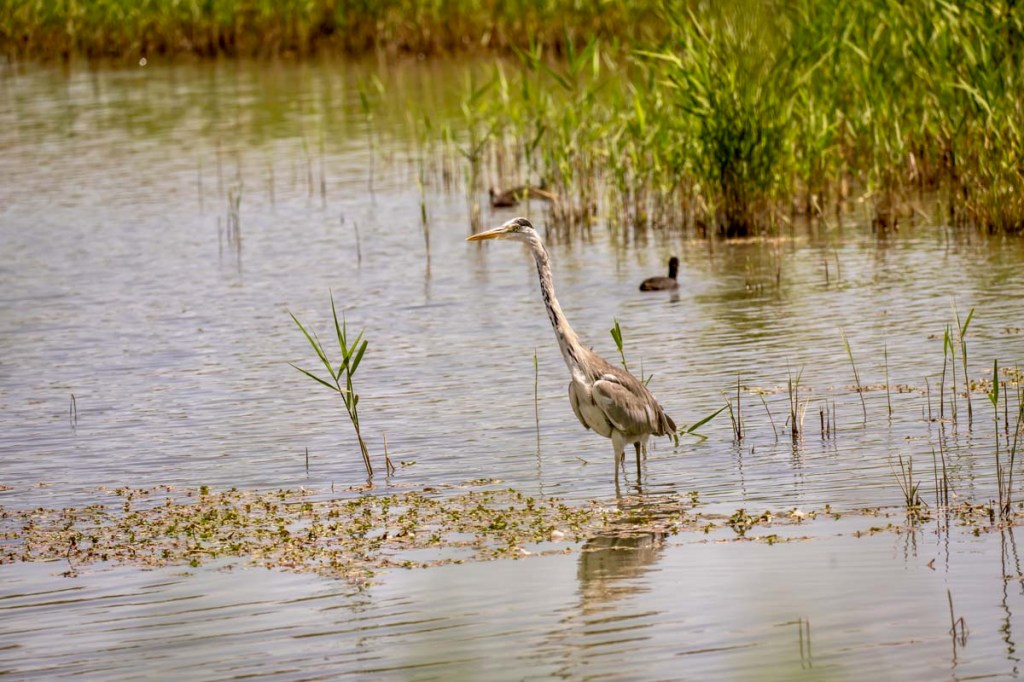
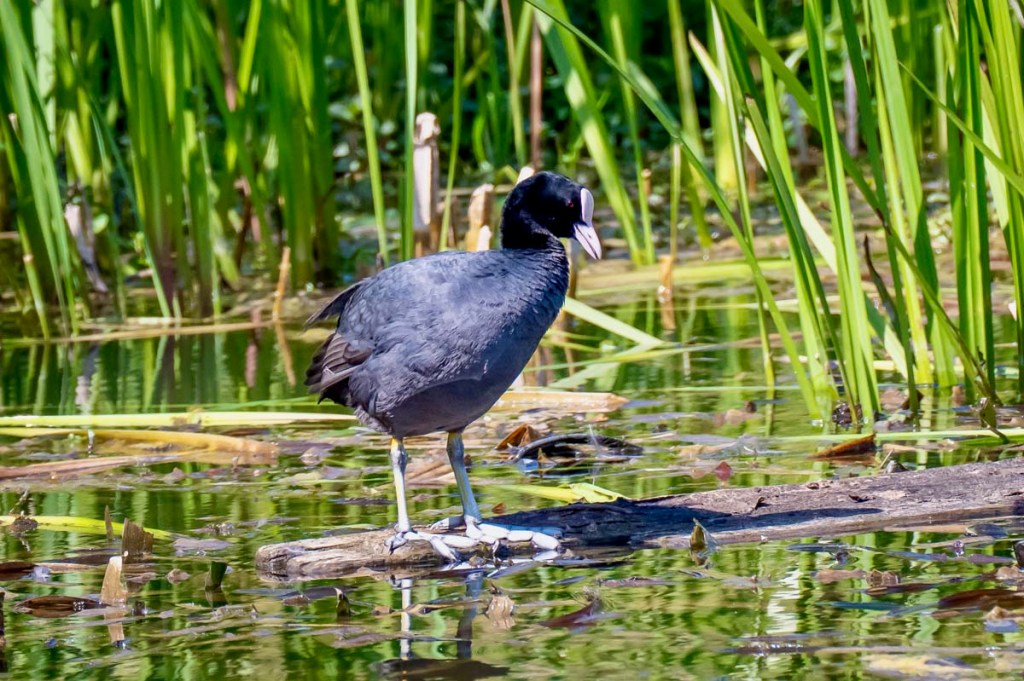
Great white egret at RSPB Ham WallIt was pretty blowy out there but this grey heron coped quite wellKeen to meet up with its mate (hopefully)Great crested grebe… trying to attract a mate?Or simply trying to score more points in the diving contestGadwall in flight. I’m sure the sky was never that blue – I must have over-edited itNorthern shovelersGrey heron with Glastonbury Tor in the backgroundWell, I can see a common snipeDunnockA cheerful robinA field full of cattle egret (and a few little egrets) on the way home… and they seemed to be heading home too.
It’s been a slow start to the year for bird photography as we have been “confined to barracks” by chest infections and very cold weather; on the few opportunities we have had to get out and about I have not felt like lugging a camera with me. And so, here we are with almost half of January gone and my first offering.
Slimbridge is a fairly safe bet as it is teeming with birds at this time of year. The big attraction is the Bewick Swans, the smallest of the swans that regularly winter here, having come from their breeding grounds in Siberia. I bet they have not been complaining about the cold as much as I have!
It was a fairly grey morning but with lots of large birds flying around I had enough photo opportunities to keep me happy.
There were also a couple of the larger Whooper swans there too.
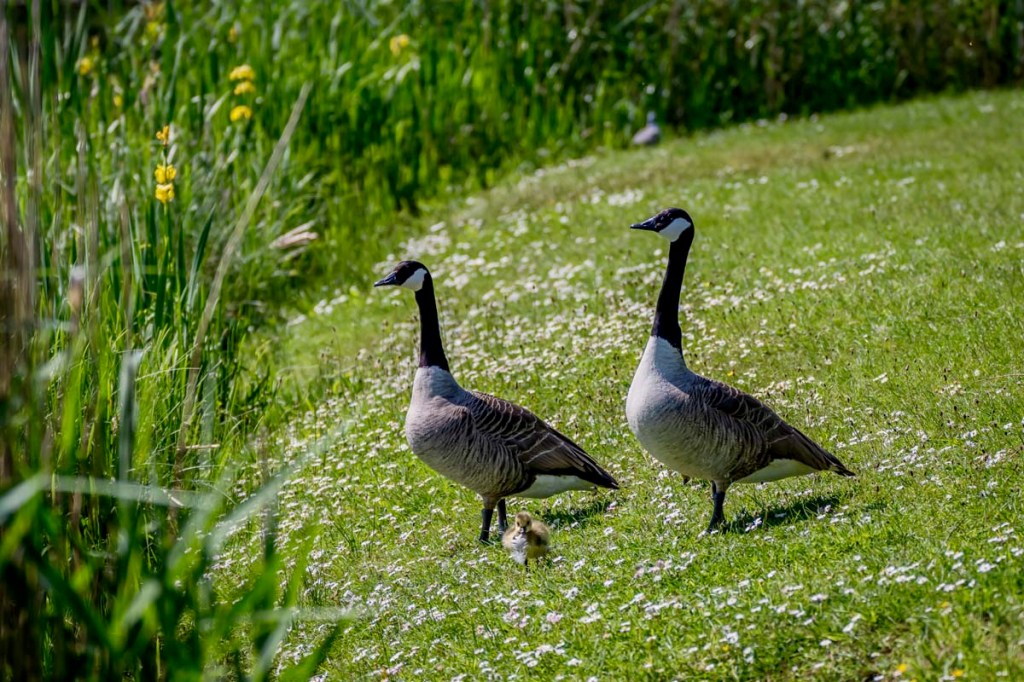
Whooper swan to the left and Bewick swan to the rightBewick swanBewick swan in flightGreylag geeseCanada gooseShelduckLapwings and dunlinNorthern pintailShelduckThe lapwings are so spectacular, even in the dull lightLapwingBewick swanIt was quite a thrill to see common cranes tooCommon cranes in flightCommon cranesThere were some small birds – a female common chaffinchSnow drops added a bit of joy at the end of our morning’s visit
The majority of our group returned home yesterday but we stayed on another day so that we could get a flight directly to Bristol. We made the most of the day by having a walk along from the port and around the headland at Paphos next to the Archaelogical site. Lo and behold there were a few birding opportunities.
We managed to see the flock of golden plovers that we had missed earlier in the week.
The headland seen from the balcony of our hotel roomGolden ploverGolden plover in flightGolden plover in flight – a close upThe plovers looking very goldenA single golden ploverCrested larkLaughing doveWhite wagtail through the grillStonechatWith the threatening sky we headed back to the port for lunch
To put things into perspective we spent at least double the time over lunch than we had birdwatching.
Celebrations as we left for the airport – more likely for a local wedding than our departure
The last two days of our trip to Cyprus we have spent a good amount of our time studying the flora of the Akamas Peninsula in the presence of very knowledgeable guides and their enthusiasm has rubbed off a little on us. There has been a lot of rain around but, thankfully, we have stayed dry and enjoyed the great scenery of Cyprus in moderately warm sunshine.
Yiannis Christophides leading us through the Botanical Gardens at the Baths of AphroditeFriar’s cowl againThe stars of the visit – the local cyclamenThe Baths of Aphrodite were a real disappointmentAcross the bay to the Troodos Mountains… and the azure waters below.Serpentine with lava above…and limestone only metres higher up.For lack of birds we study the fauna – a millipede
On the way back to the airport we stopped again in search of flora but managed a sighting of a long-legged buzzard.
Long-legged buzzard
Down in the plain, and tucked behind the airport, we visited a water treatment works (not quite the lasting memory of Cyprus that the Tourist Board would wish for) and had the opportunity of a few more birds.
Green sandpiperA common sandpiper – not my best ever photo but quite an achievement at that distanceSpur-winged ploversA tawny pipit (a first for me) at some distanceA cattle egret was much more obligingA firebug at even closer quartersSouthern green shield bugErodium malacoides – European stork’s bill.
I must admit I would rather have seen a stork to end our trip
This morning we had a walk up in the hills close to our hotel in the company of the leading local botanist Yiannis Christophides. He is the author of the book which our botanist guide, Jessica, has been referring to all week.
As well as the wonderful plants we saw, we had the benefit of great views of the coast; that is until the heavens opened and we had to scurry back to our hotel with hail followed by a torrential downpour with thunder and lightening.
Enthusiastic amateur botanists in the fieldMy first orchid of the trip – Fan-lipped orchid
Gallery of some of the botanical delights of our morning walk
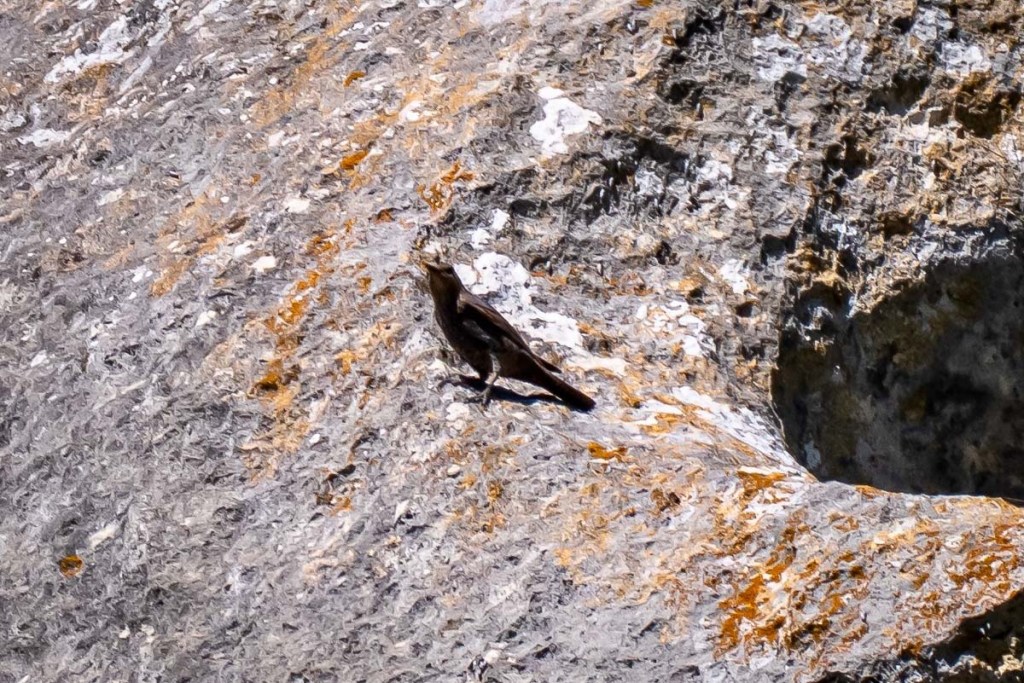
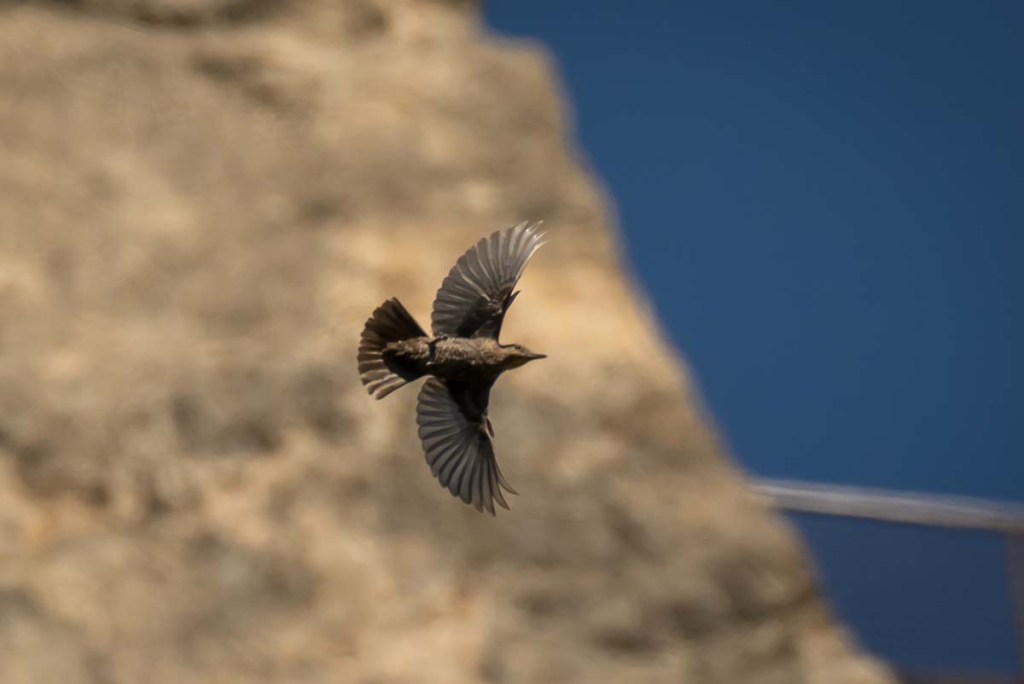
Only one bird species of note to report this morning – crag martin.