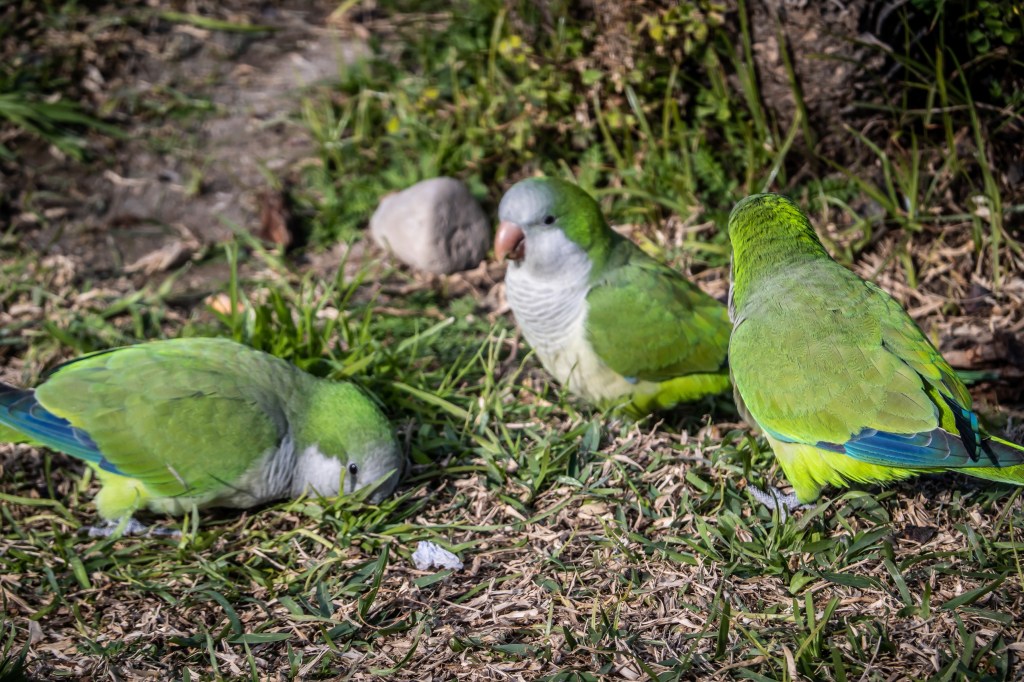
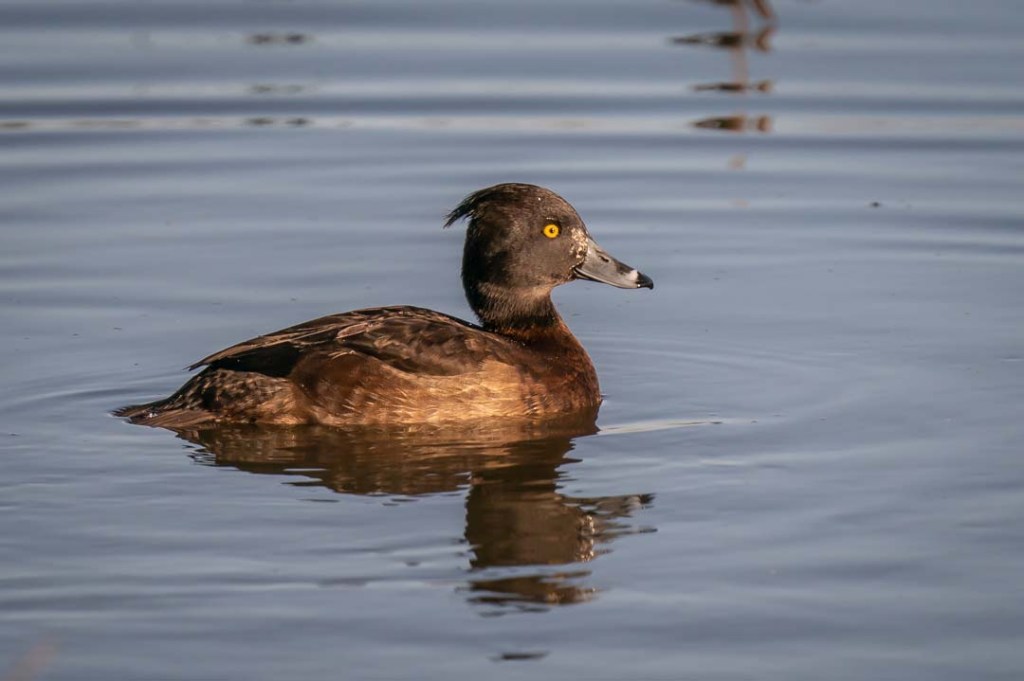
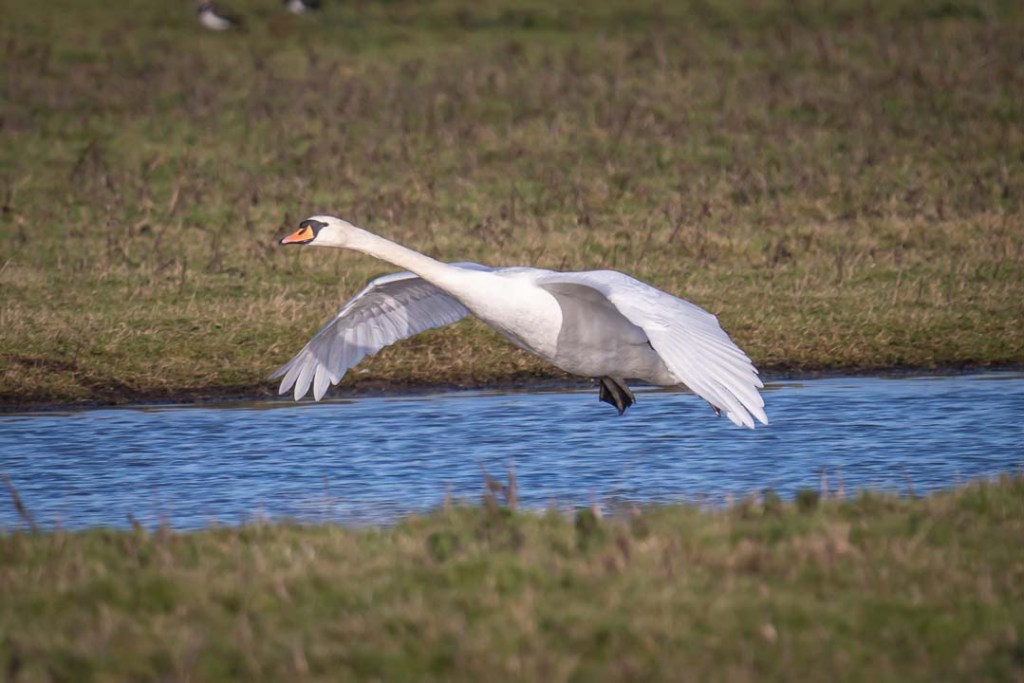
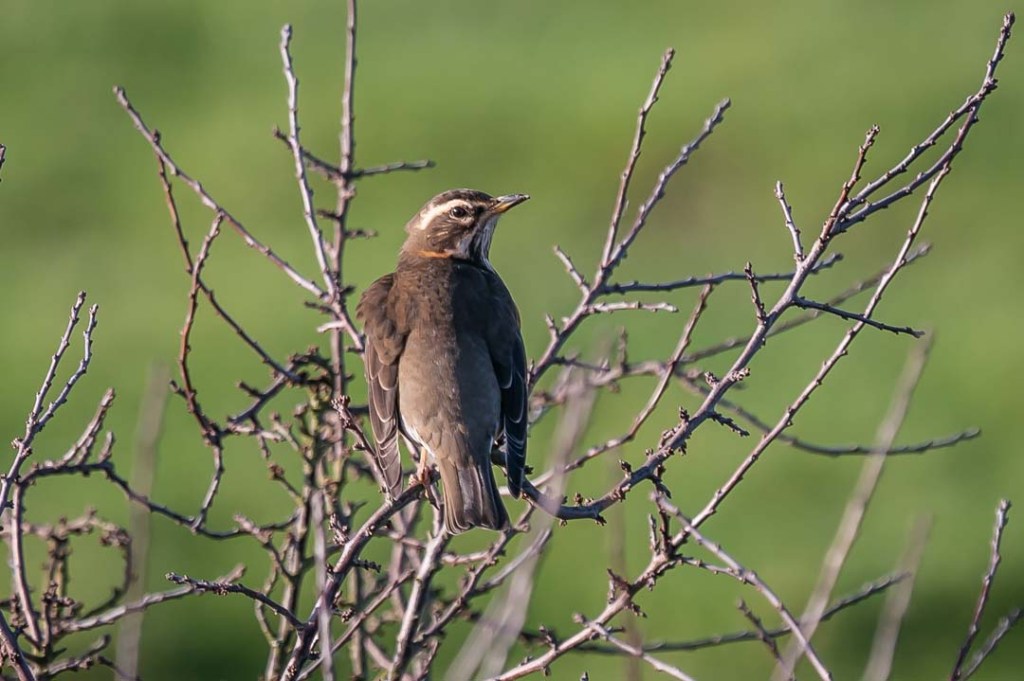
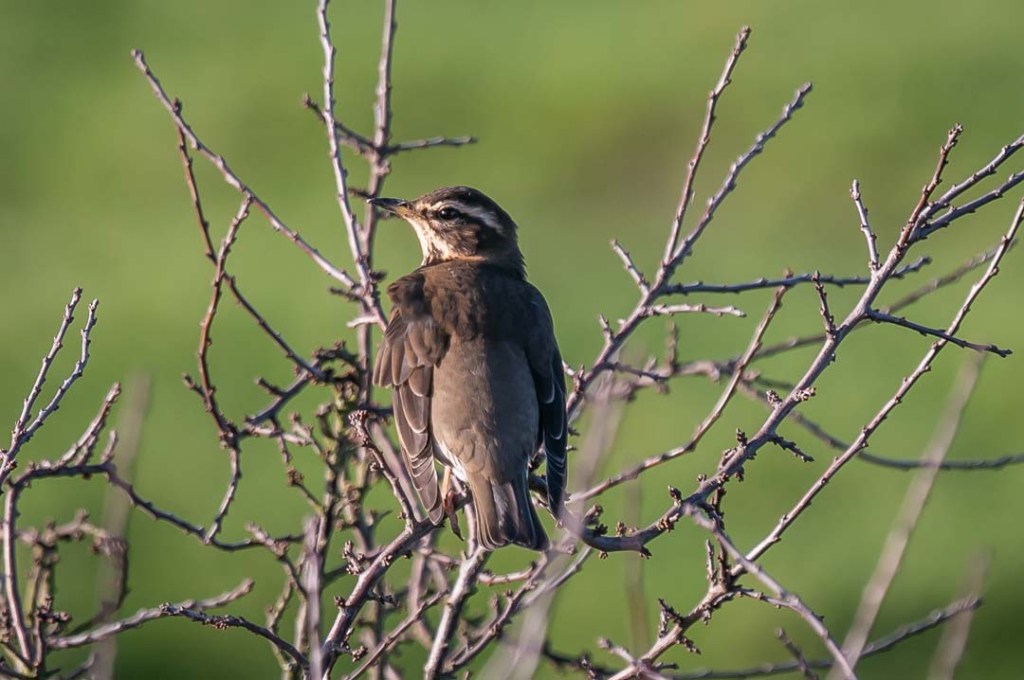
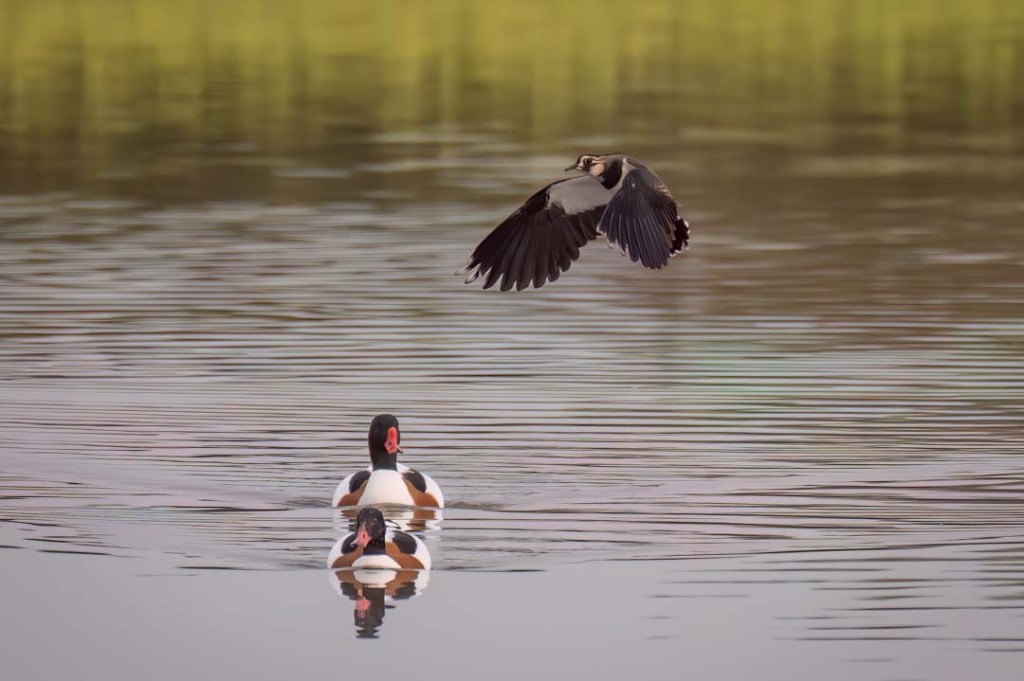
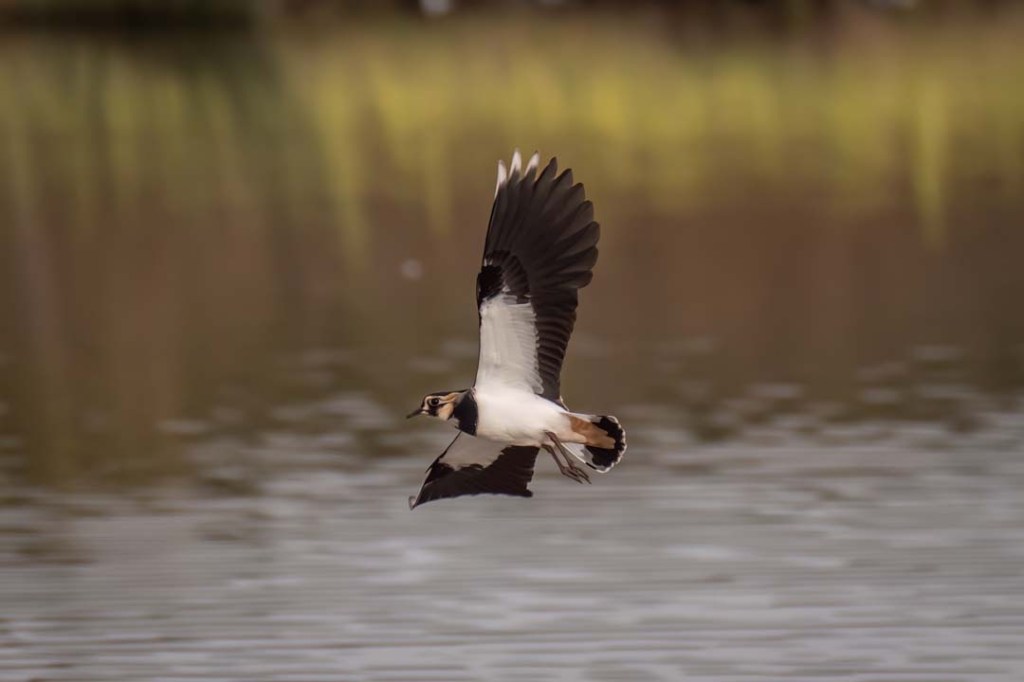
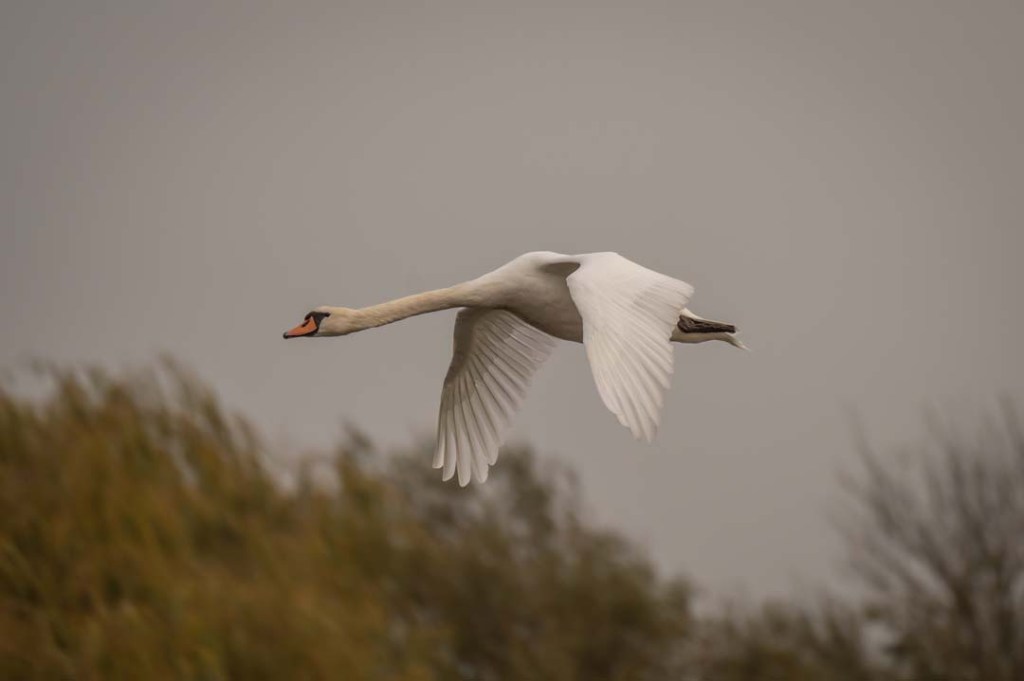
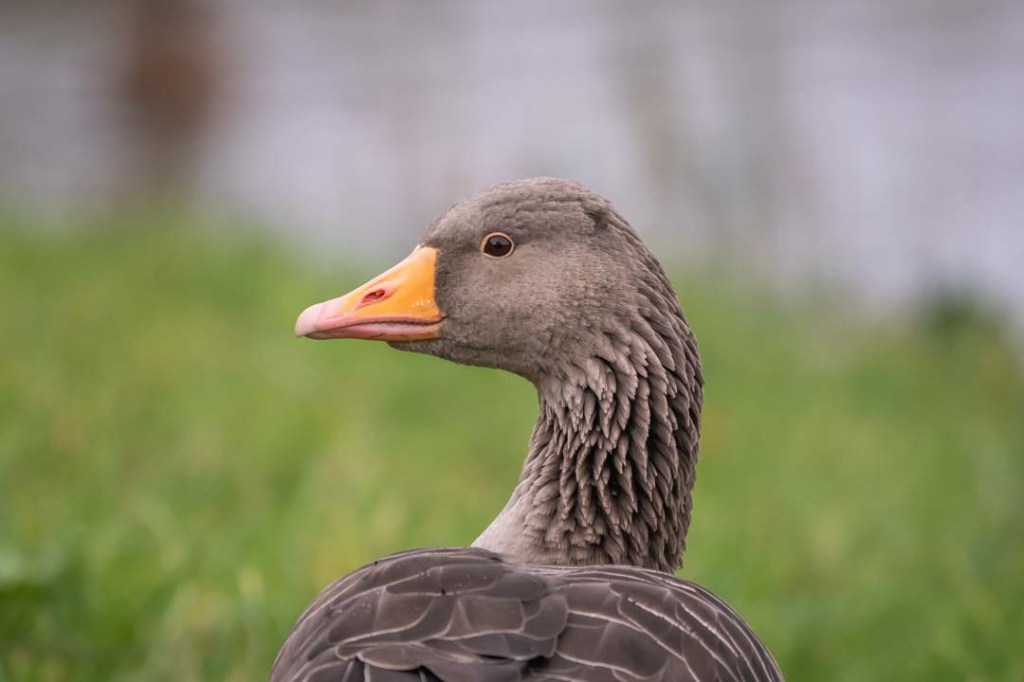
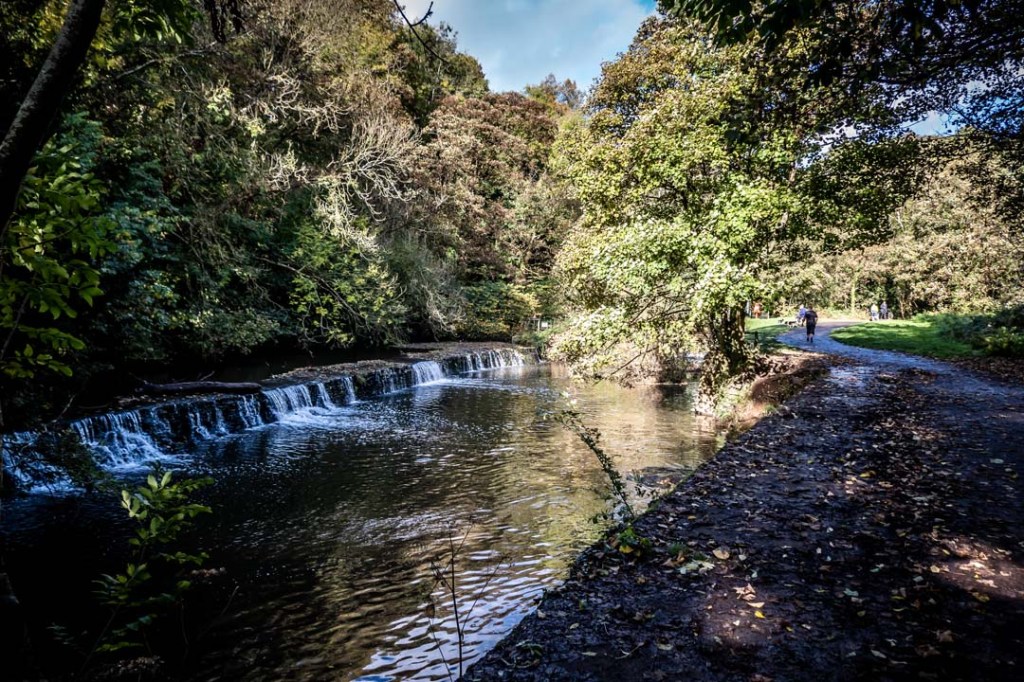
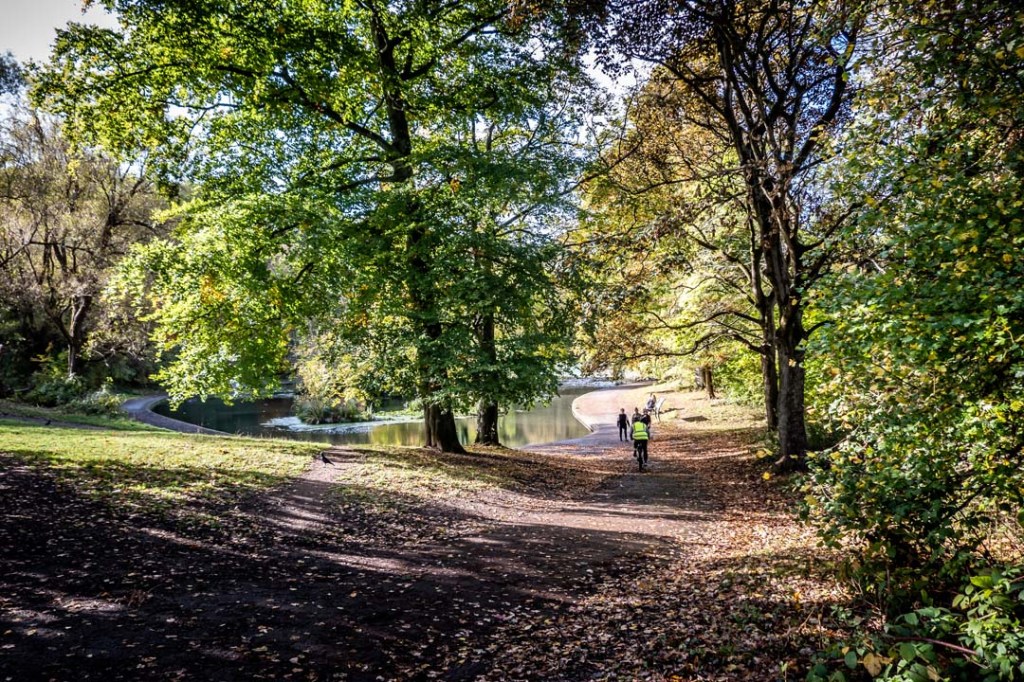
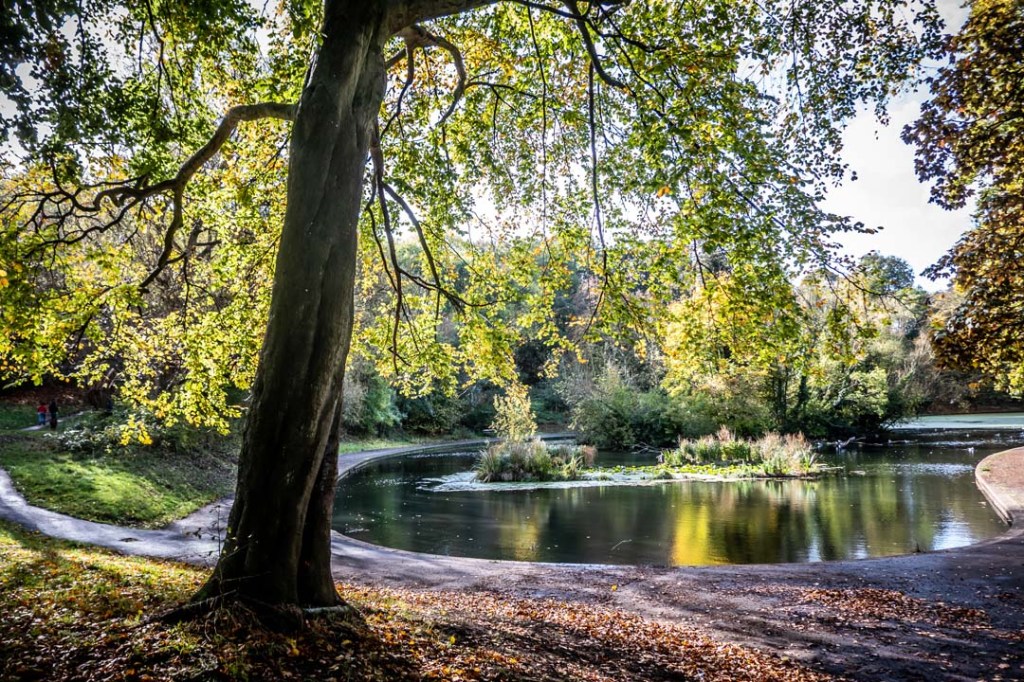
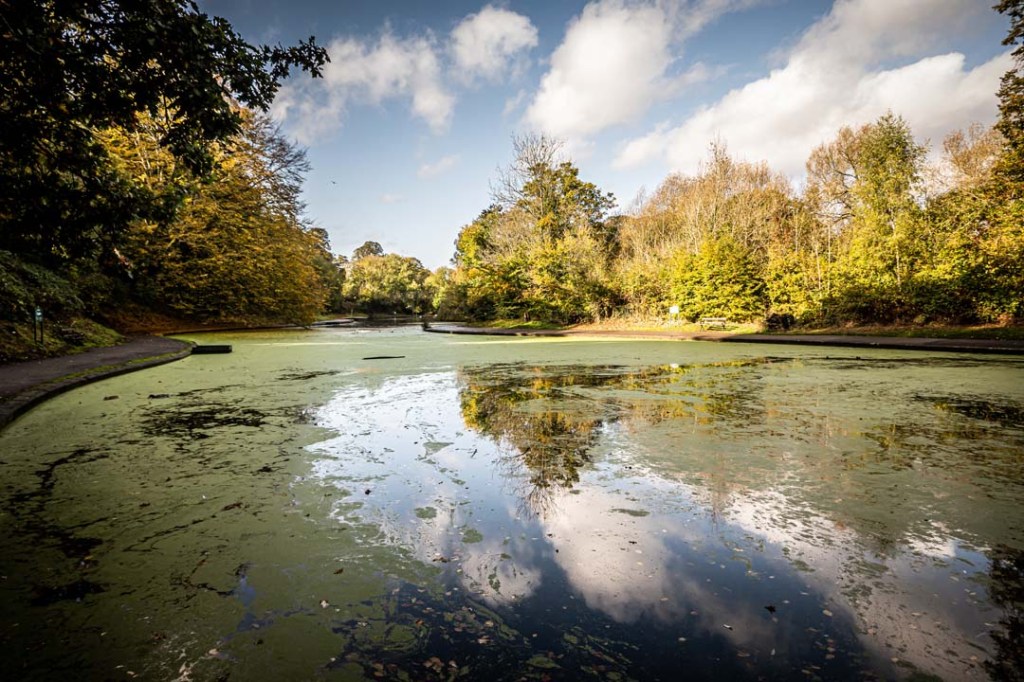
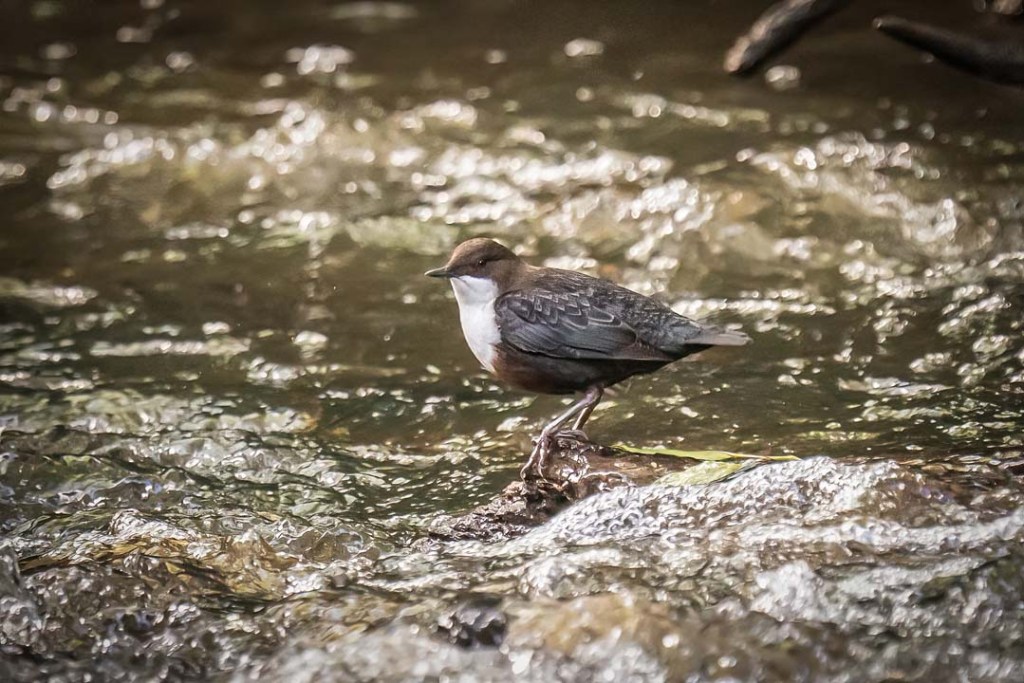
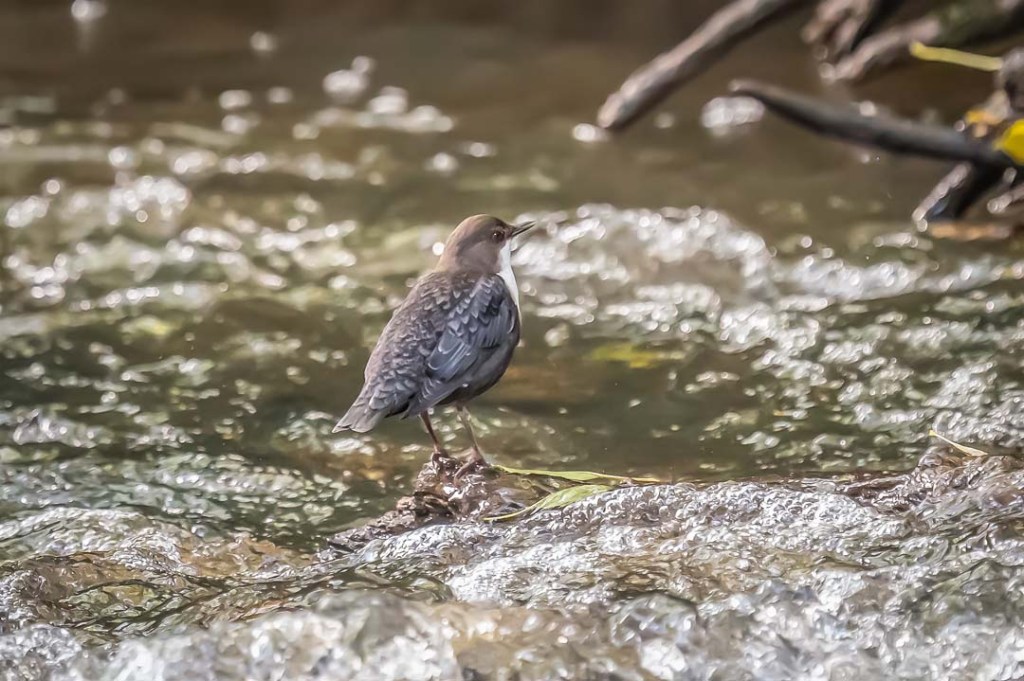
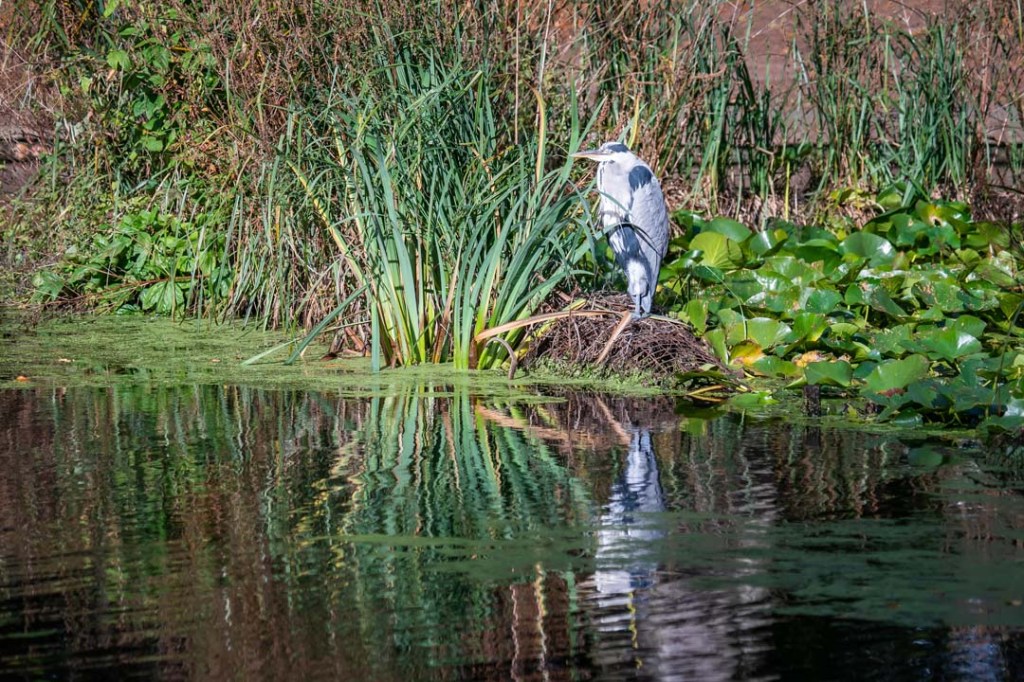
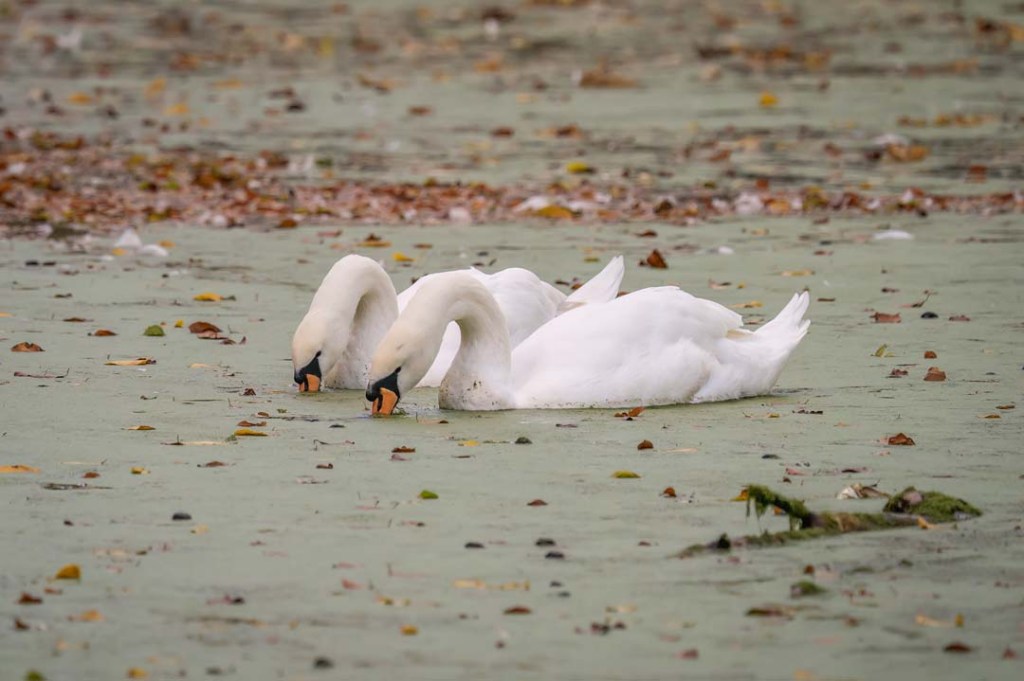
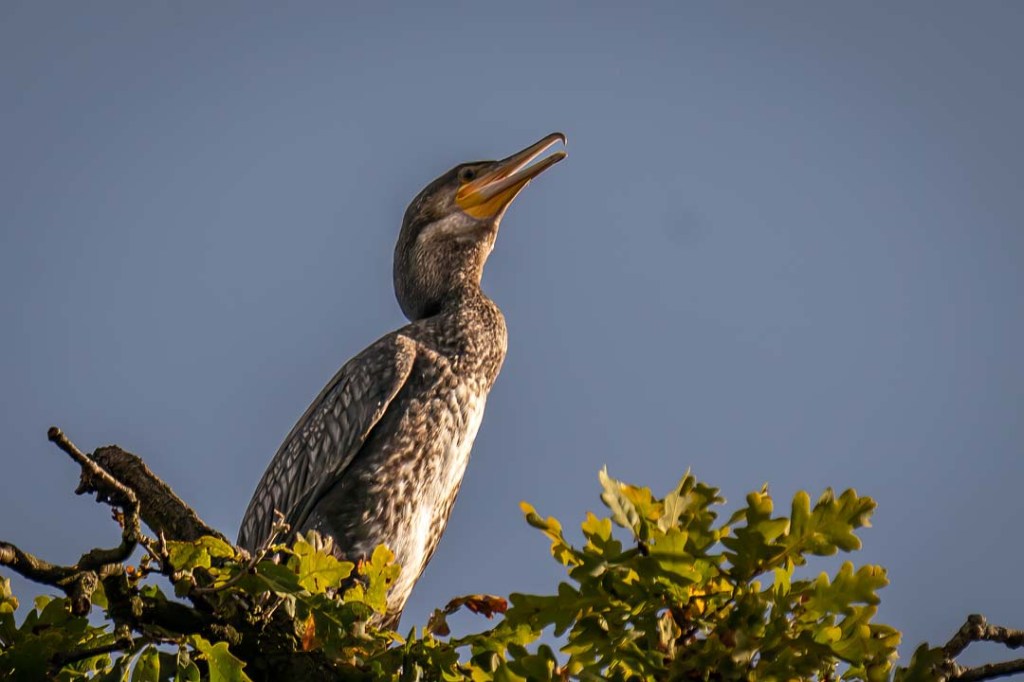
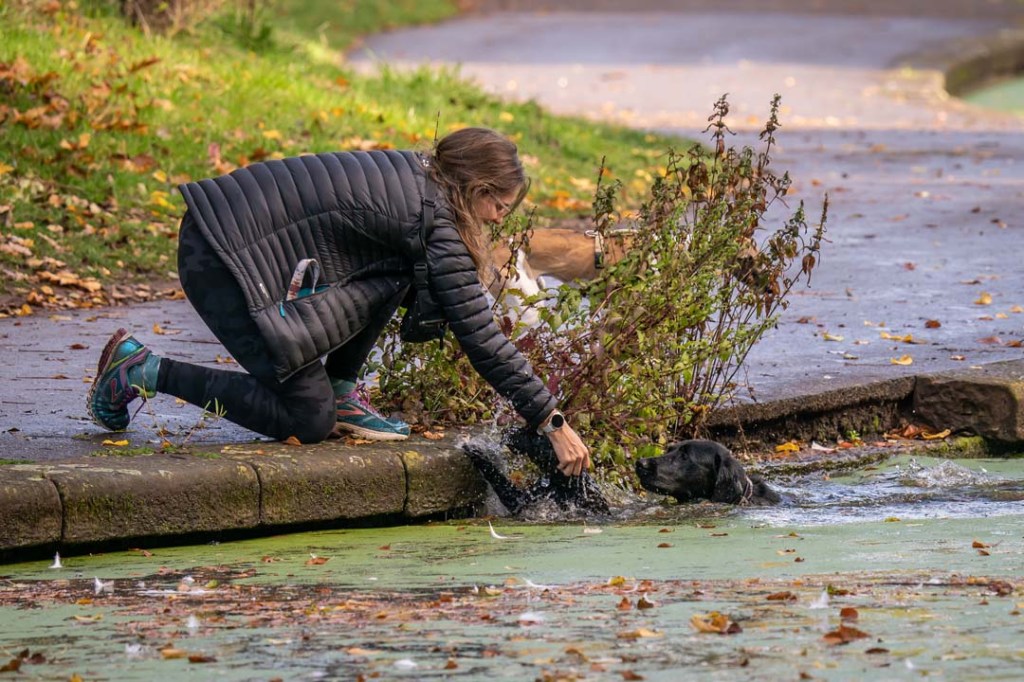
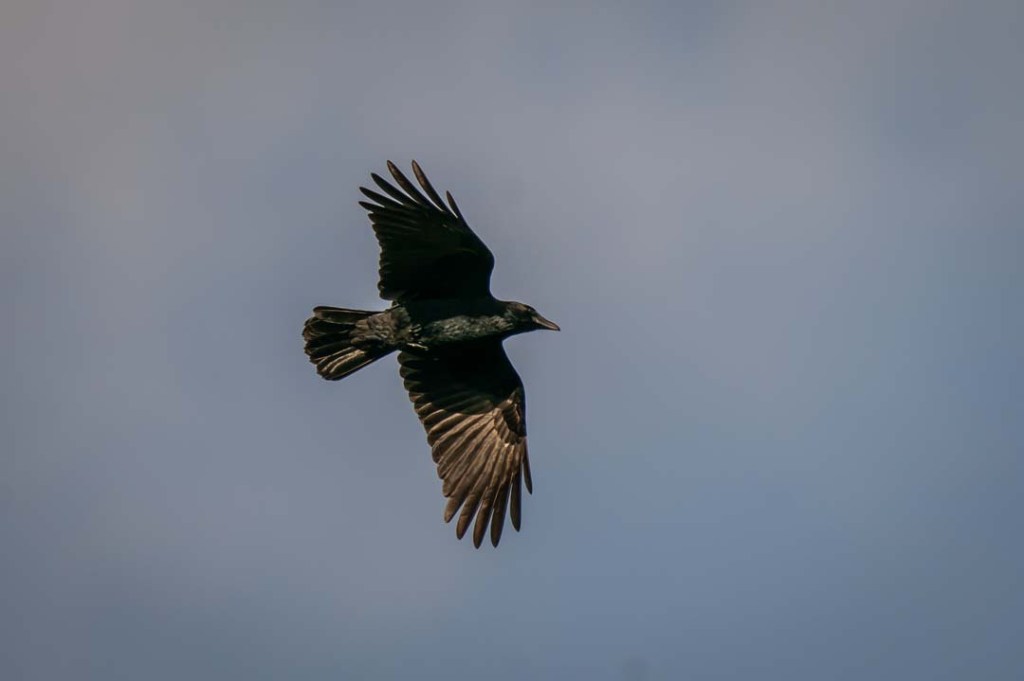
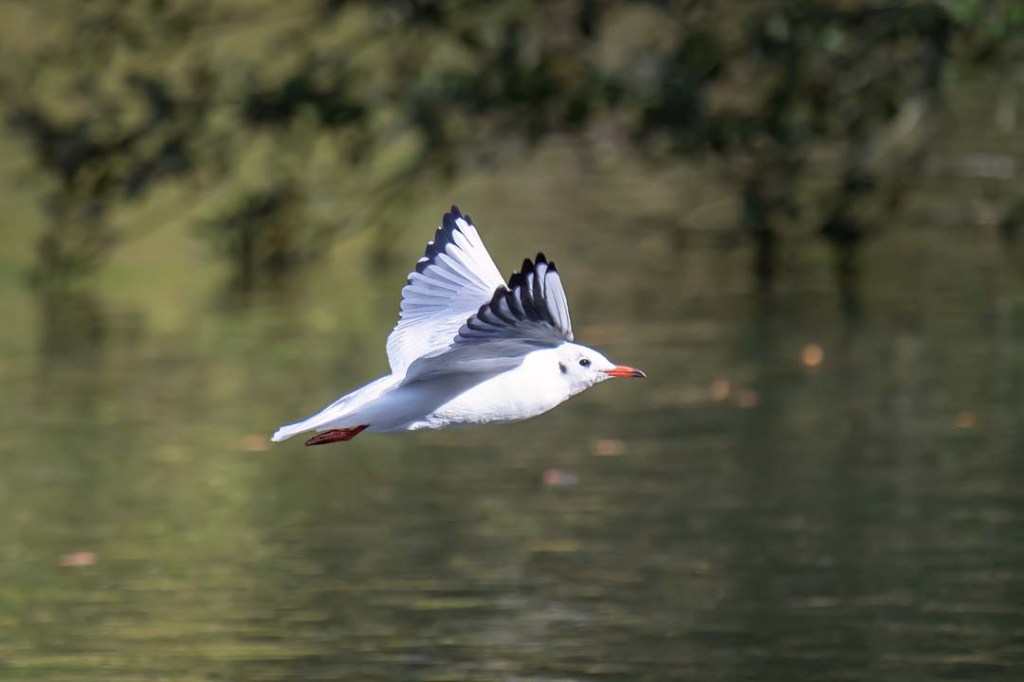
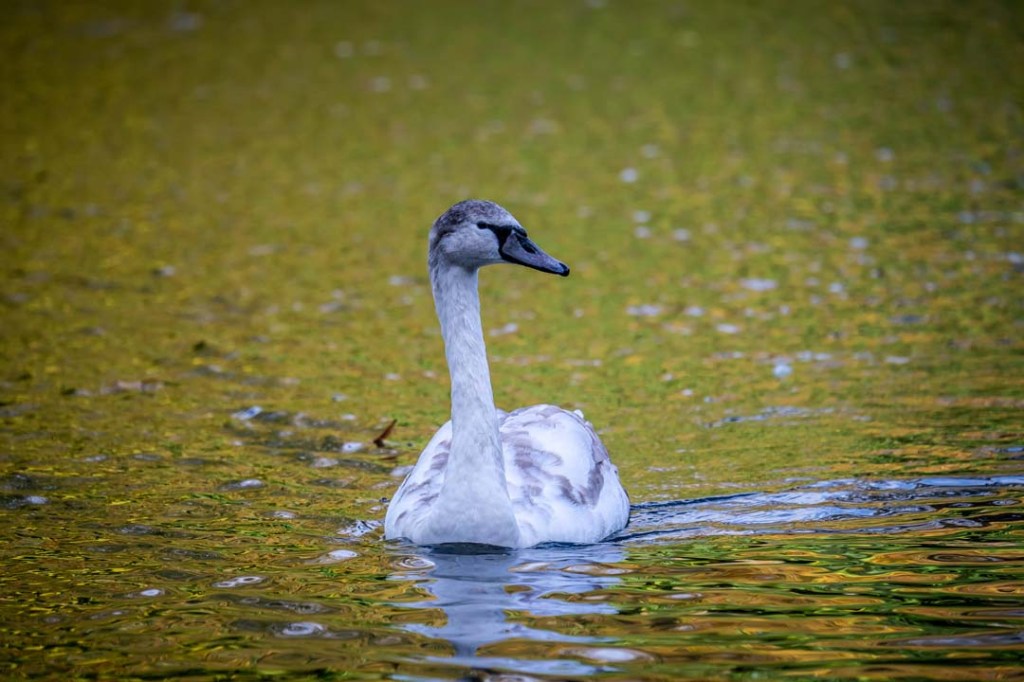
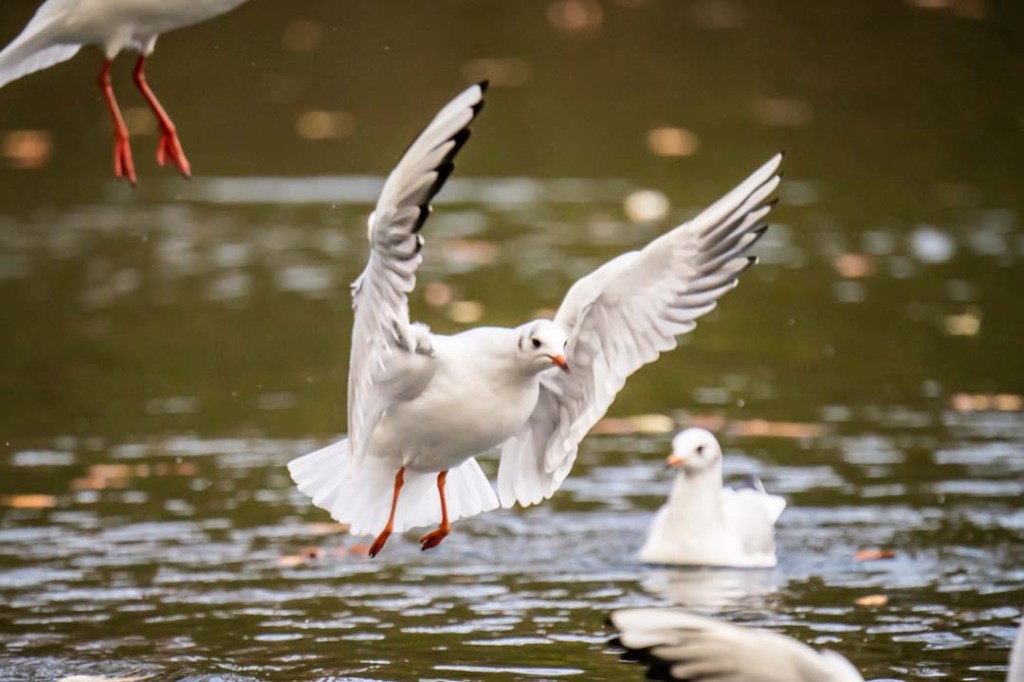
A gentle stroll around the local park and a chance to get back close up to birds.


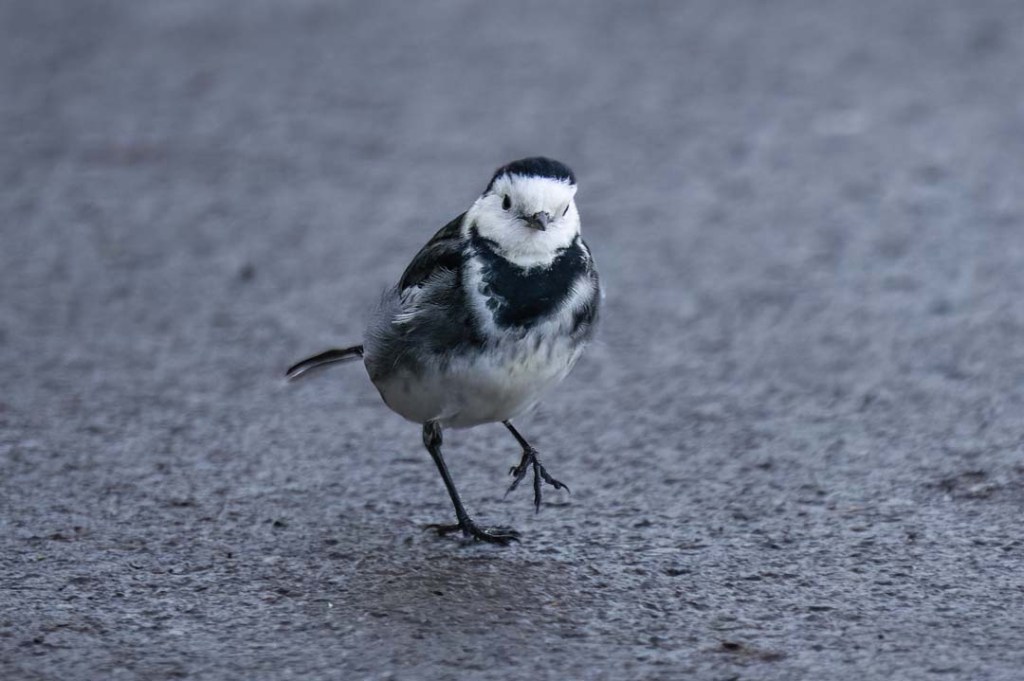

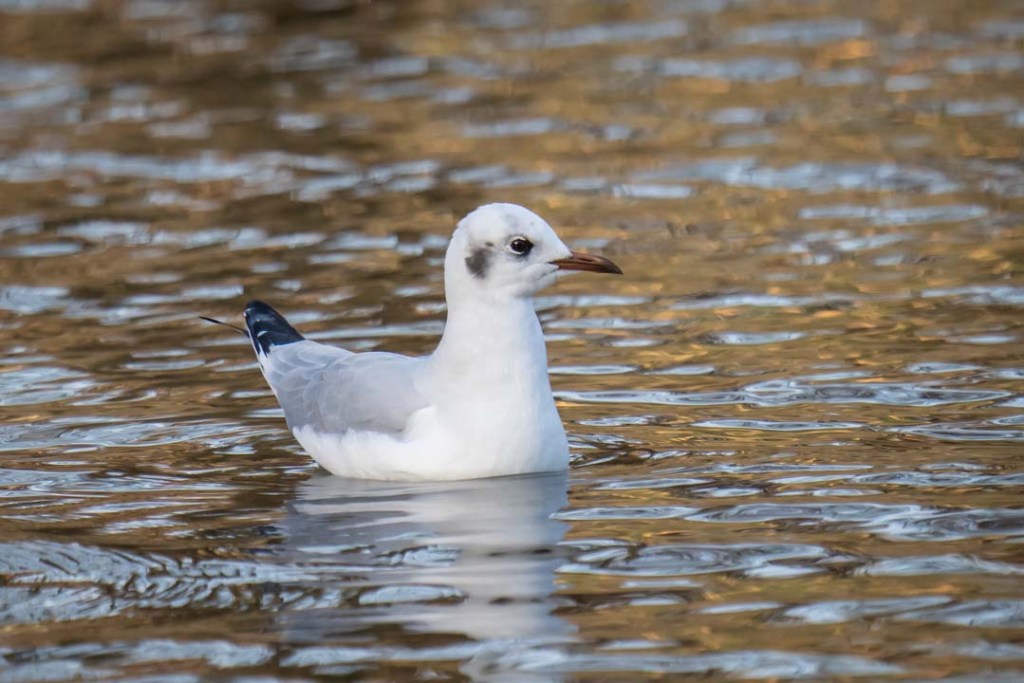


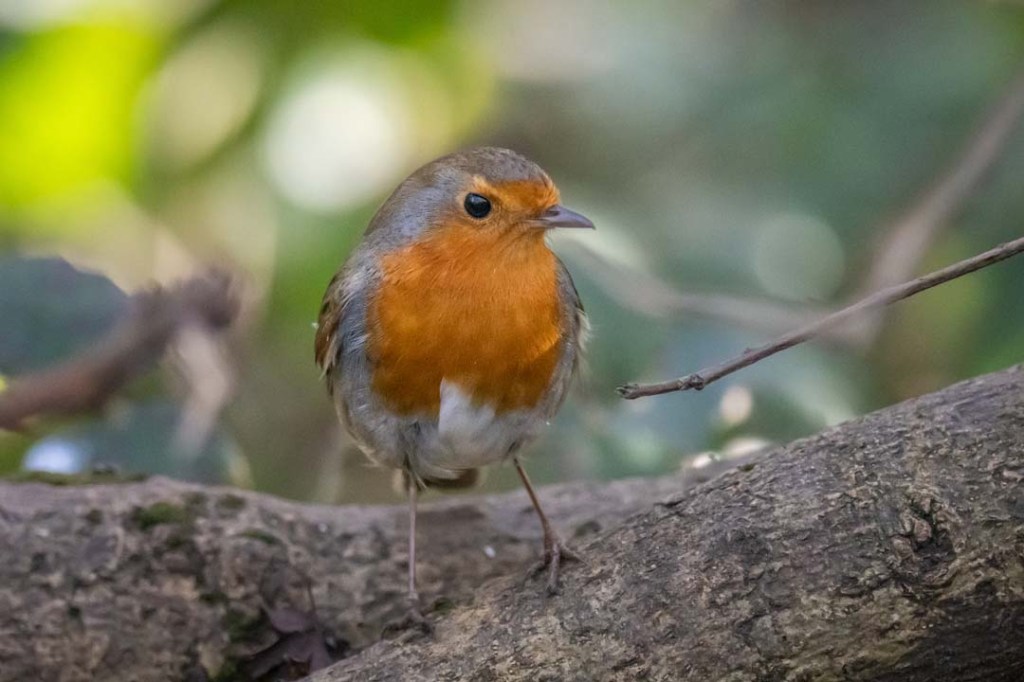
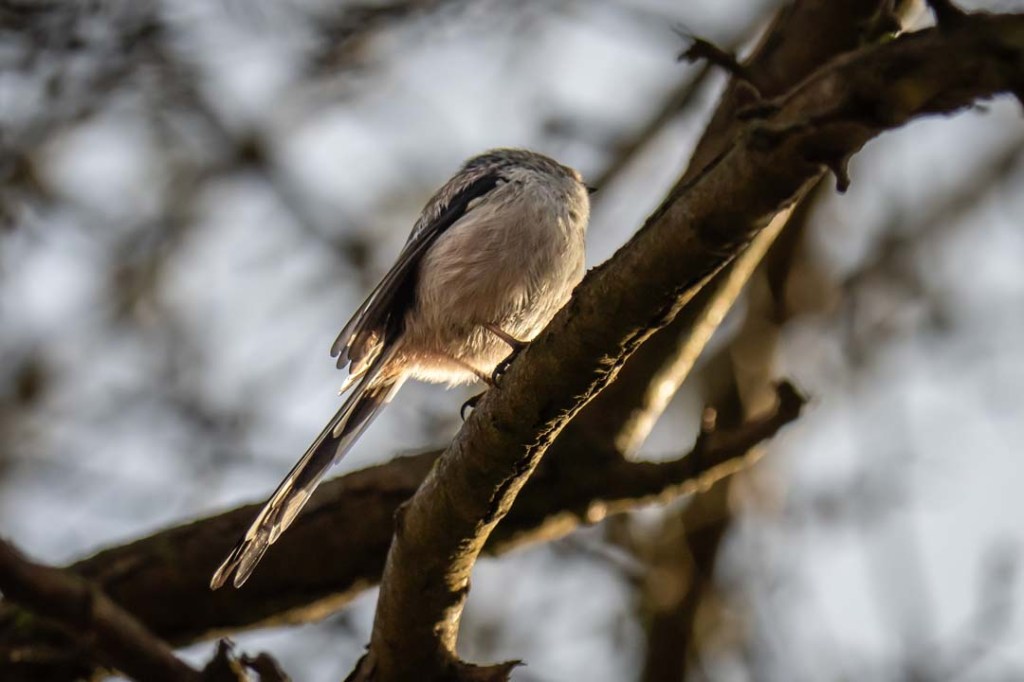
A gentle stroll around the local park and a chance to get back close up to birds.

We have been lucky enough to spend the last 10 days in Andalusia in Southern Spain – five of them on a birding trip to the Doñana National Park.
It has been surprisingly cold at times but we have had wall to wall sunshine and seen Spain at its best with doses of tourism in Seville (3 days), Málaga (2 days) as well as the 5 days immersed in nature in Doñana.

A flavour of Seville – slideshow of some of the sites we visited
A flavour of Malaga – slideshow of some of the sites we visited
The birding holiday was organised by ingloriousbustards.com and was superb. As an accidental birder I know my limitations. I’m a keen amateur photographer who likes taking photographs of birds and so there were certain aspects of the holiday which were a little disappointing. At times I was frustrated that the sightings were so distant and my photographic opportunities were limited.
Previous wildlife trips to Namibia, Kruger and the Western Cape of South Africa had presented better photographic opportunities – see Birds of Southern Africa and Birds of Thornybush Private Game Reserve, Greater Kruger
Yet, I did enjoy the trip and the owners of ingloriousbustards.com, Simon and Niki, were excellent birders who located a huge number of different species (124 and counting) and ensured that we all had the opportunity to see them through telescopes. By the end I was carried along by the enthusiasm and knowledge of all these “real” birders and was wishing I had taken my telescope so that we could have spent more time viewing the birds.
DAY ONE
Our group of 10 was picked up by Simon and Niki at Seville train station in 2 minibuses and driven the 80 odd kilometres to El Rocio in Doñana in just over an hour. Throughout the week I always felt comfortable with their driving, which I see as a big bonus on such trips. We were then straight into birding.
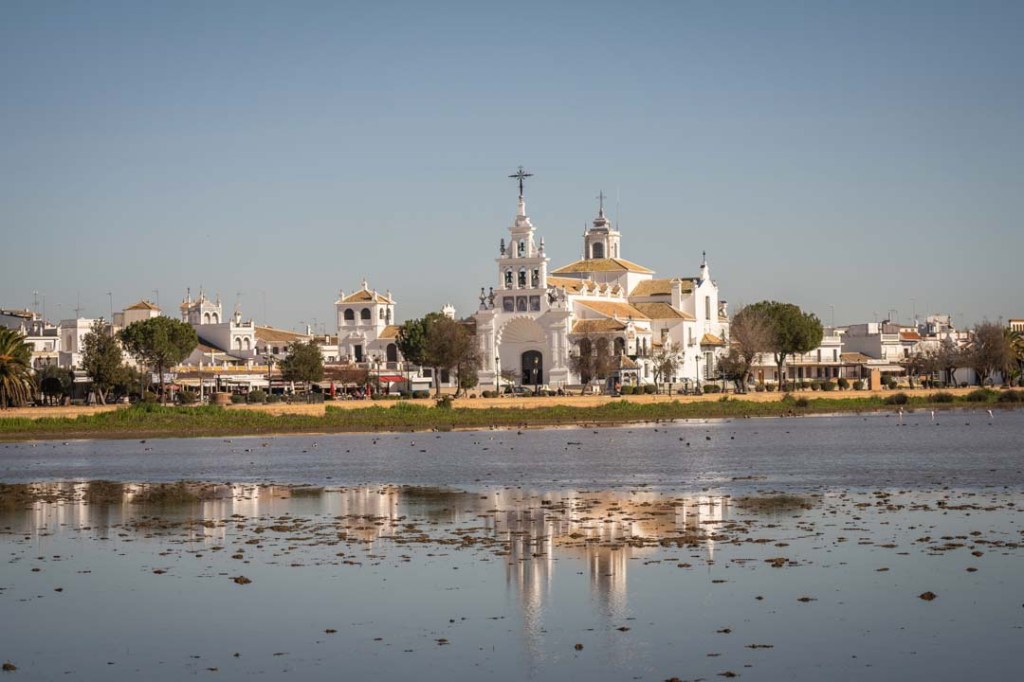
We spent the first session birding around the lagoon adjacent to El Rocio and had our first picnic lunch, as all days, in the field with uninterrupted birding. The picnics were simple and nutritious, with delicious hams, cheeses, fruit and other locally sourced products and a glass of juice or wine (organic of course) and plenty of water.


Niki and Simon took our cases off to the hotel and we followed on foot enjoying more birding opportunities. The lake was teeming with waders and waterbirds and, in particular, the Greater Flamingos and Spoonbills looked spectacular.


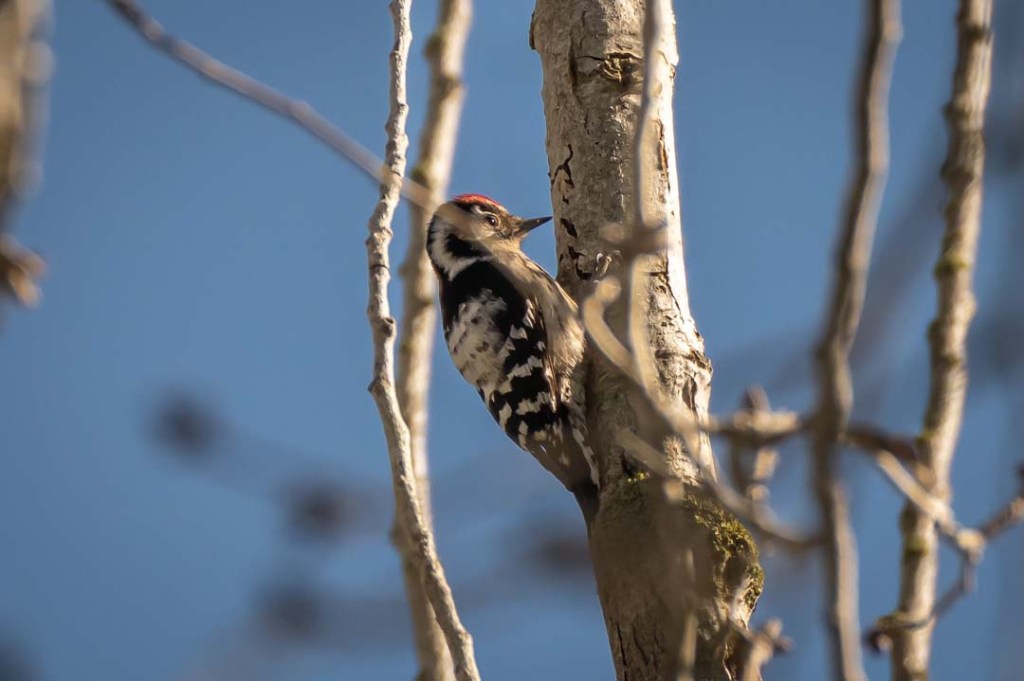
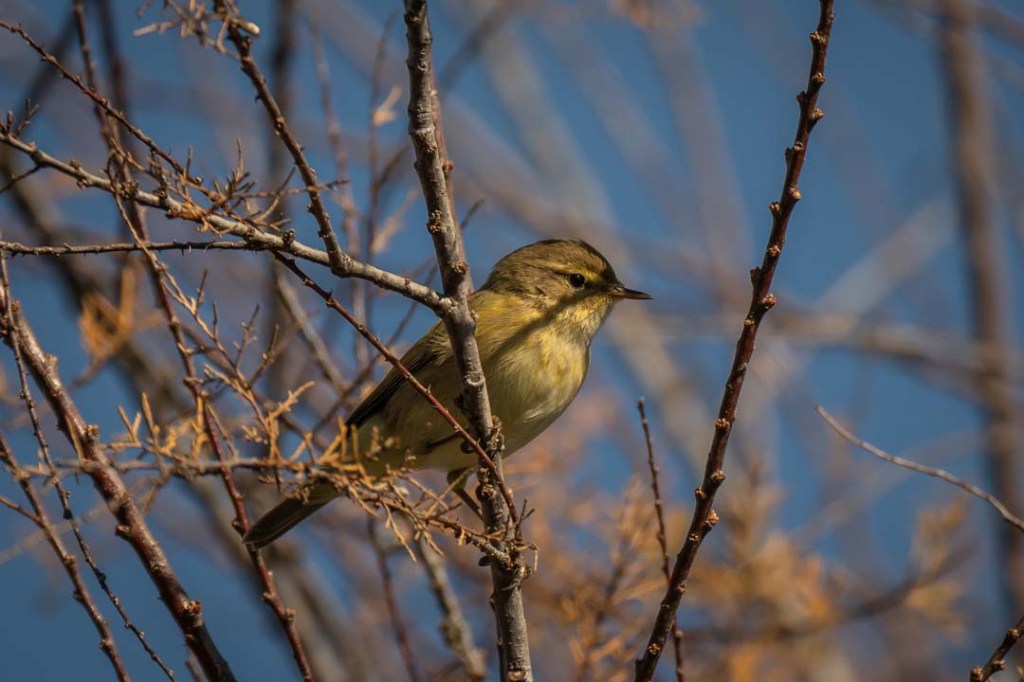
However, it was just as interesting seeing the small birds around the outskirts of the lagoon such as Chiffchaff, Sardinian Warblers, Waxbills, Common Redstart and two birds which certainly caused me some excitement, a Hoopoe and a Lesser Spotted Woodpecker (a first for me).



After moving into our rooms we were off out again with another inspection of the lagoon. Close-ups of Western Swamphen, Cattle Egret (at the feet of horses this time), Black-tailed Godwits, and Glossy Ibis and distant deer in the evening sun were my favourite memories of this session.


We had all our evening meals at 8 o’clock in the local restaurant. The meals were all very good but for me the tuna and the swordfish were standouts. I cannot comment on the vegetarian options but I heard no complaints; but I can say that the wines which accompanied meals were good and copious.
Slideshow of photos from Day One
DAY TWO
Into the park. Lots of rarities and some very close ups.
Our first sighting in the park was a Booted Eagle. More rarities followed with Marbled Ducks, a male Garganey and a Ferruginous Duck. I achieved some photos but nothing that I would like to publish. We did have good views in telescopes, however.
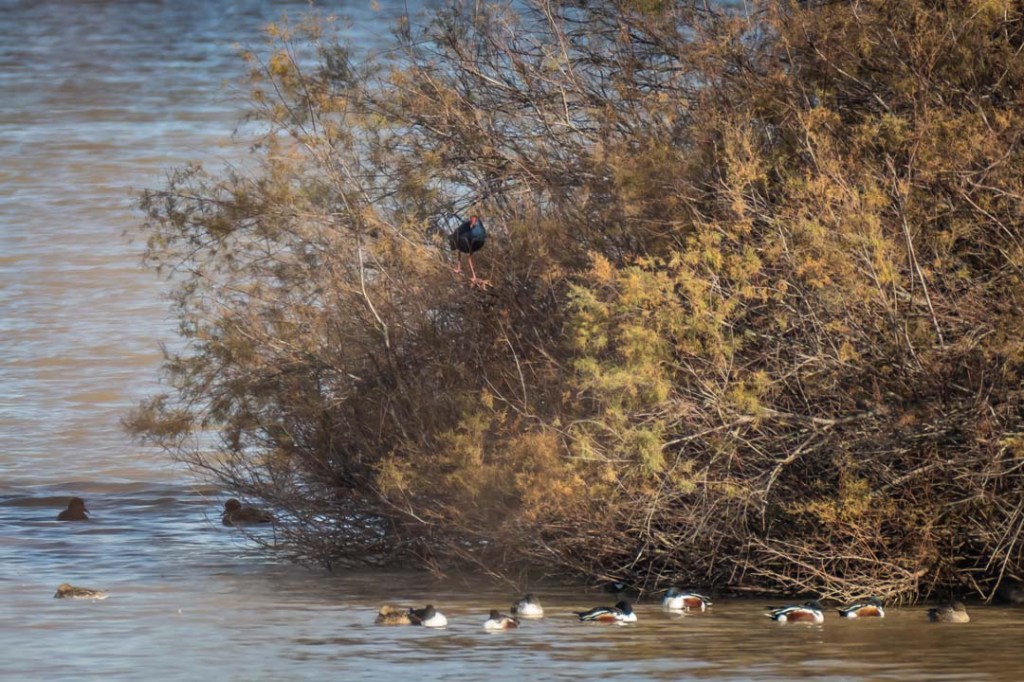
A quirky Western Swamphen up a tree was little easier to photograph.


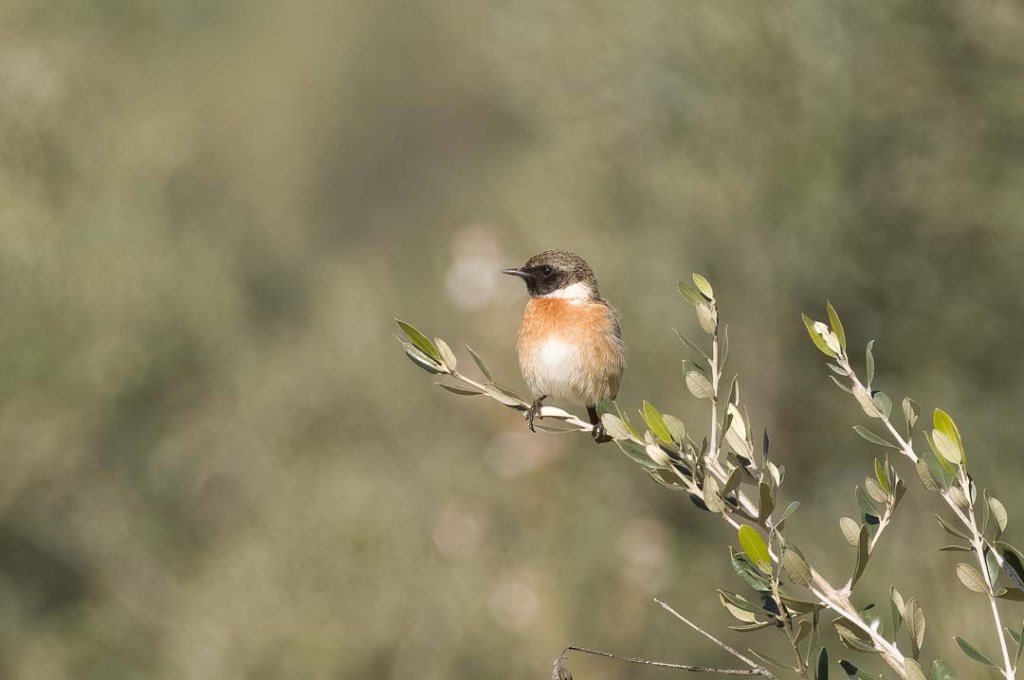
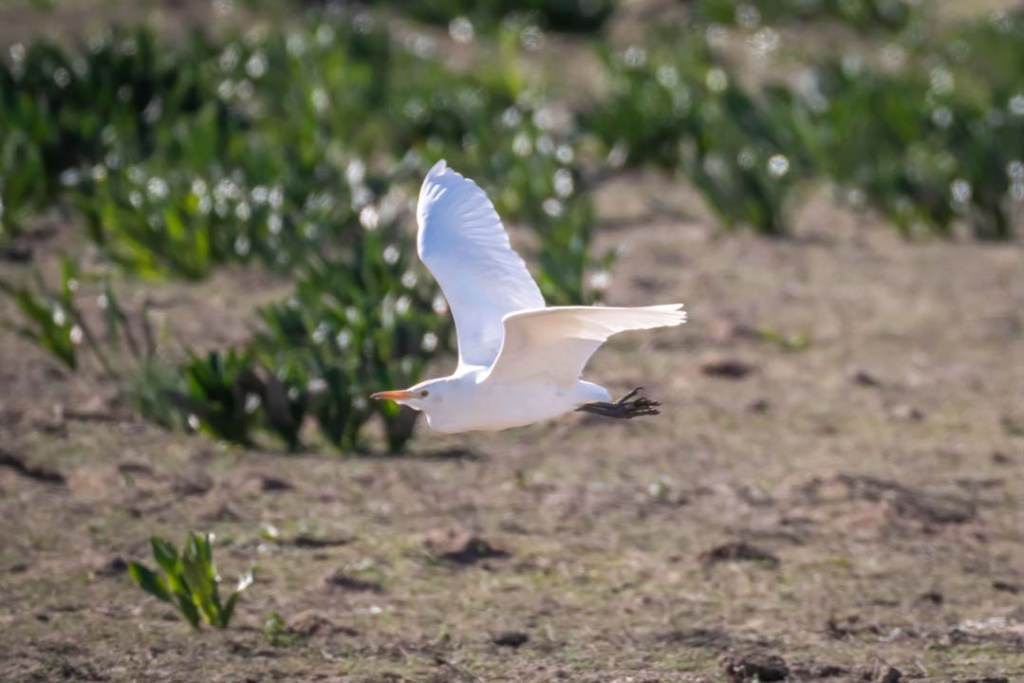


Slideshow of photos from Day Two
DAY THREE
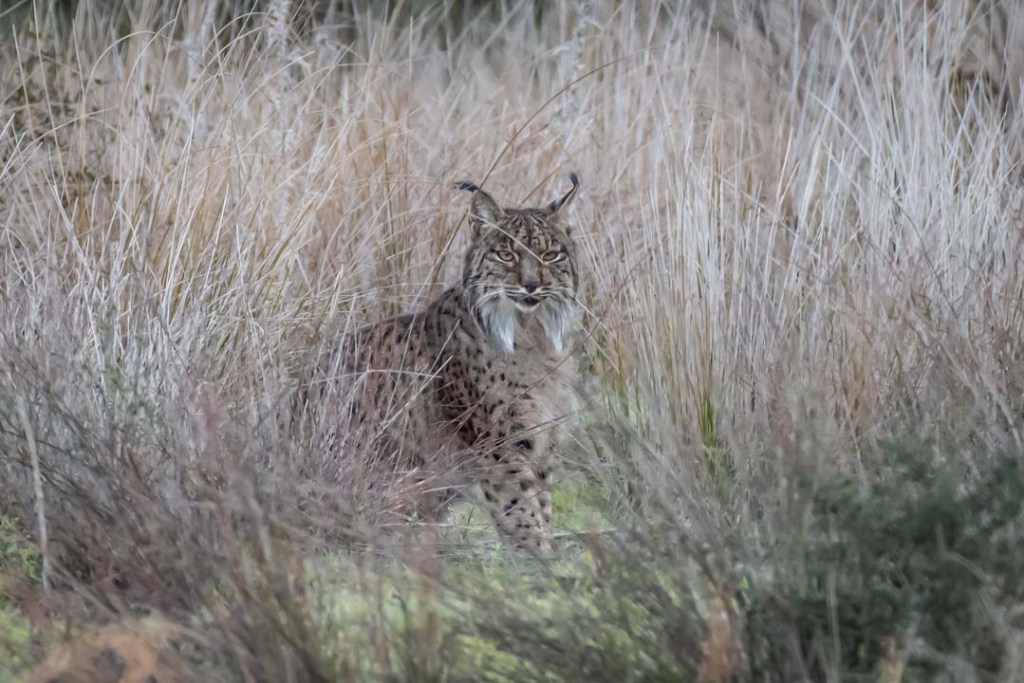
This was a very special day. We were driven by guides from Doñana Nature in search of the Iberian Lynx – the most endangered of all wildcats in the world.. I was amazed when we had a sighting. I must thank Stuart for his assistance in capturing shots with my camera of the lynx through an open window of the minibus which I could not access. The excitement was not diminished in any way.
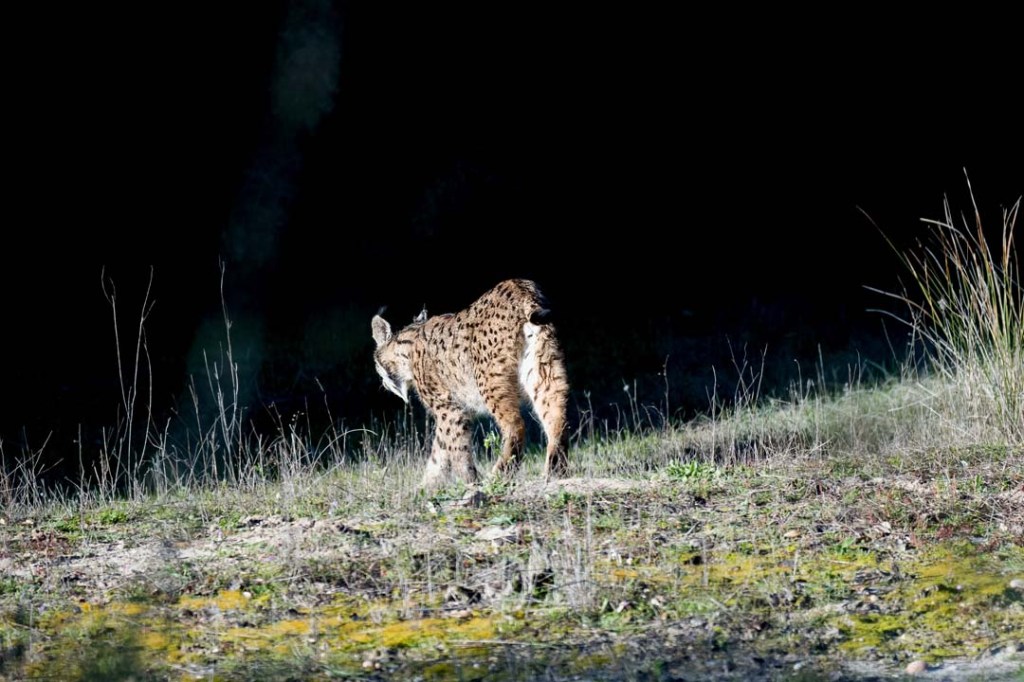

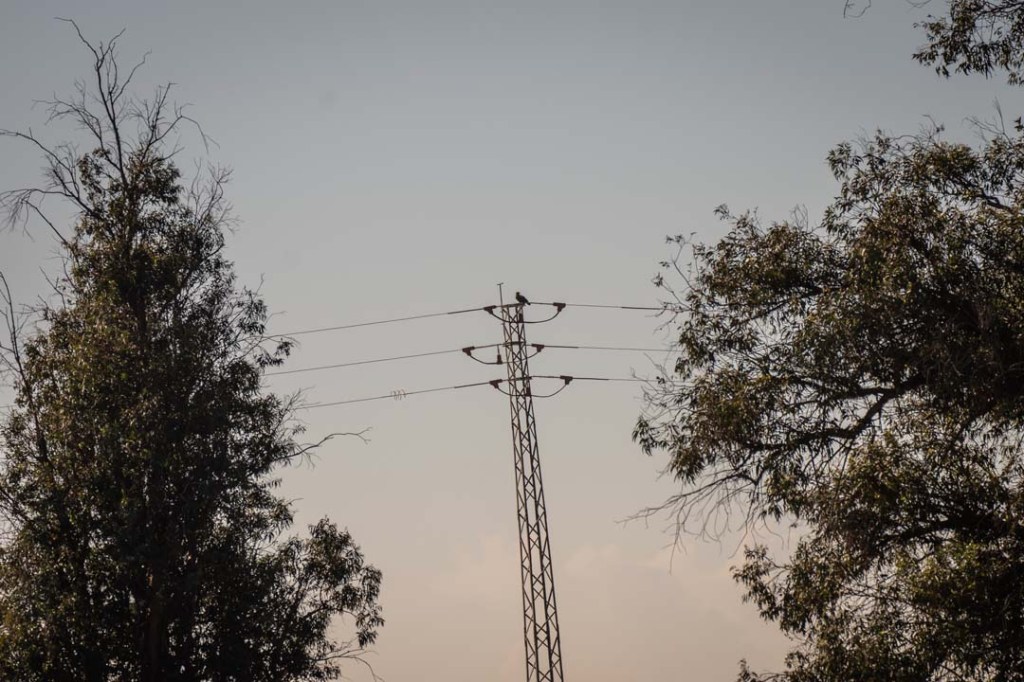
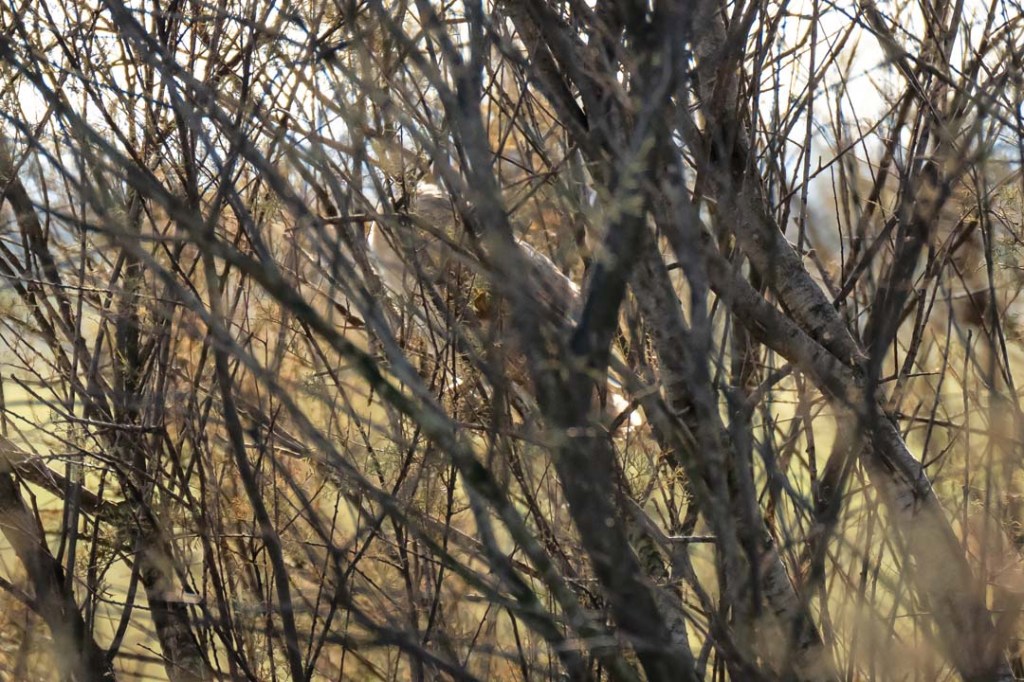
Distant views of Spanish Imperial Eagle were also pretty special but my favourite “bird” moment was two little owls brilliantly camouflaged in some tree stumps.
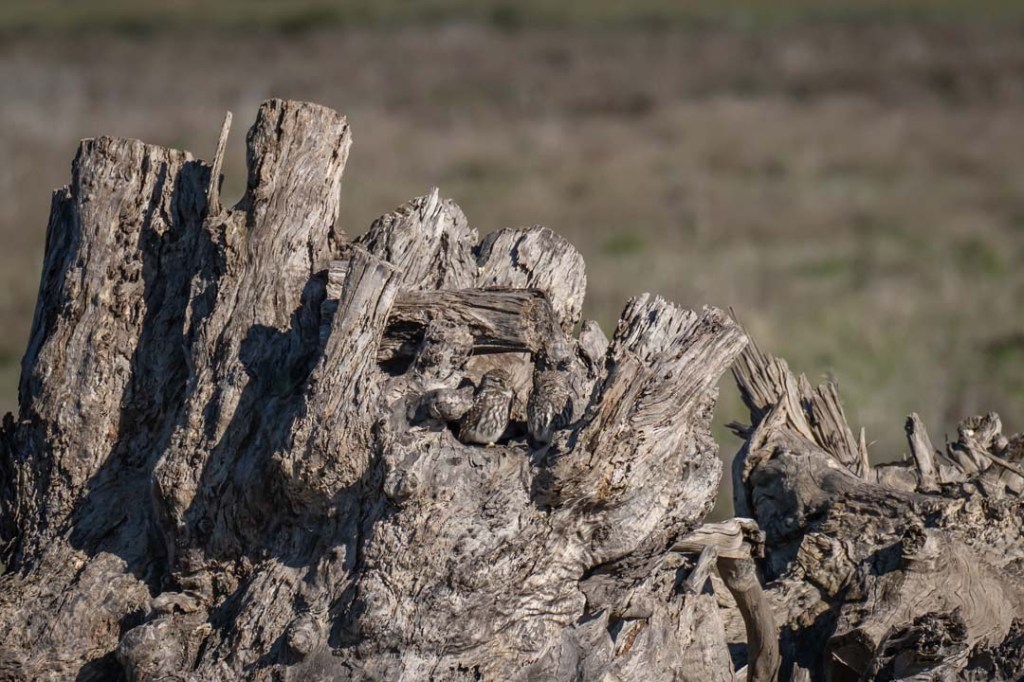

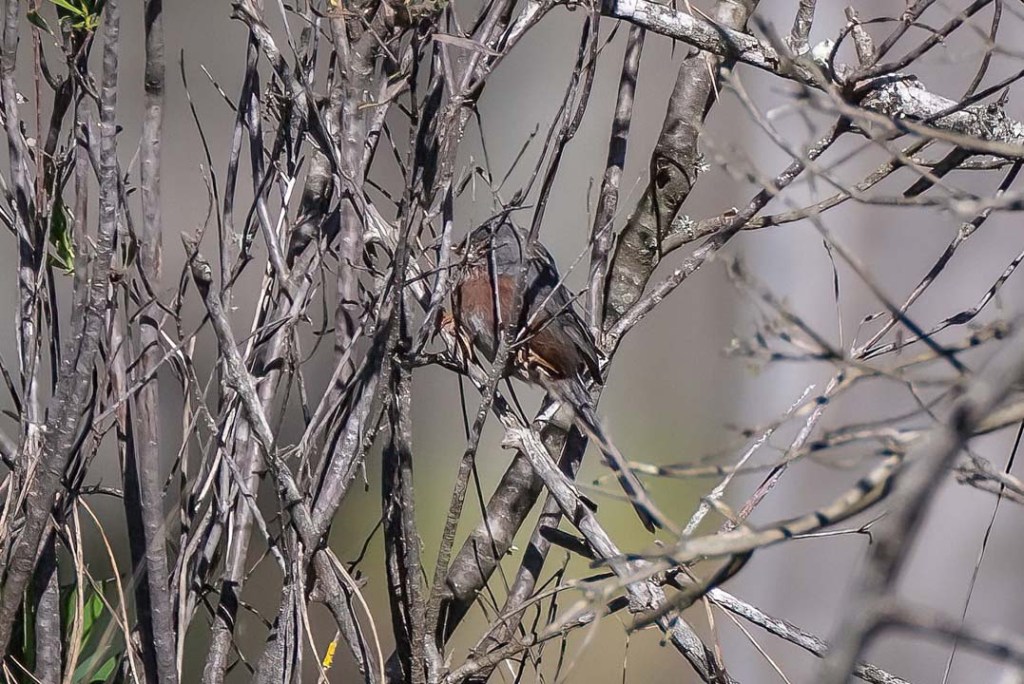

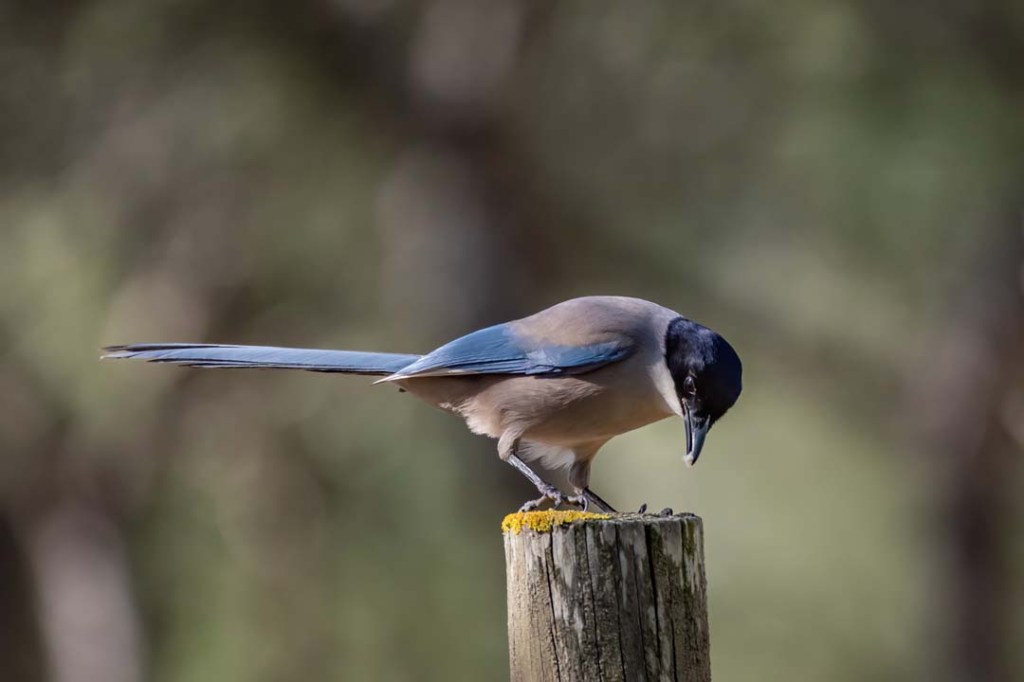
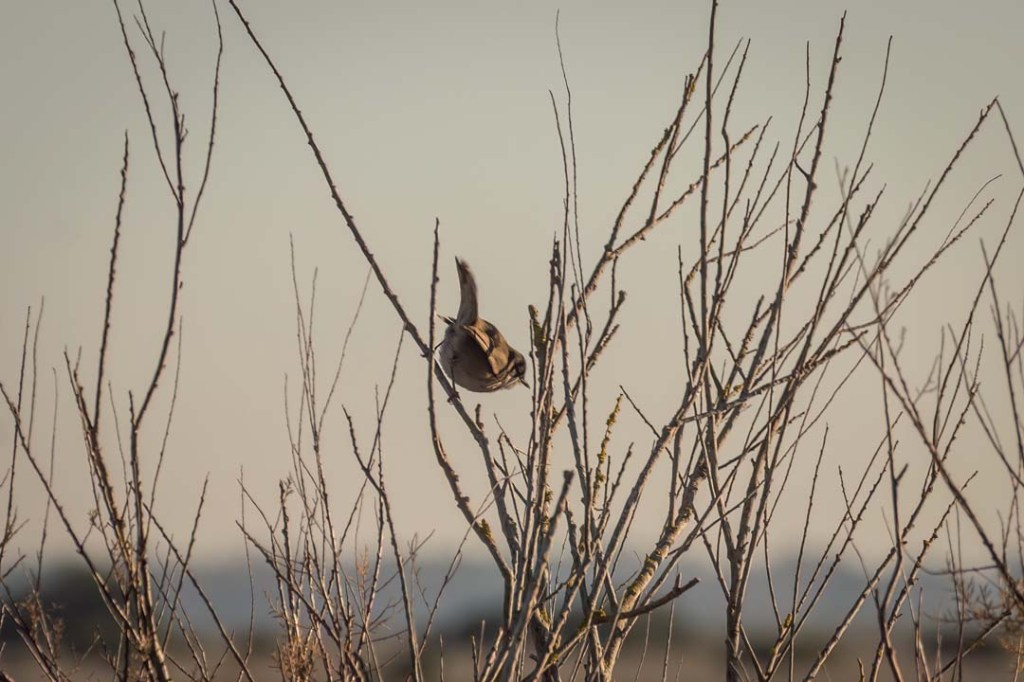
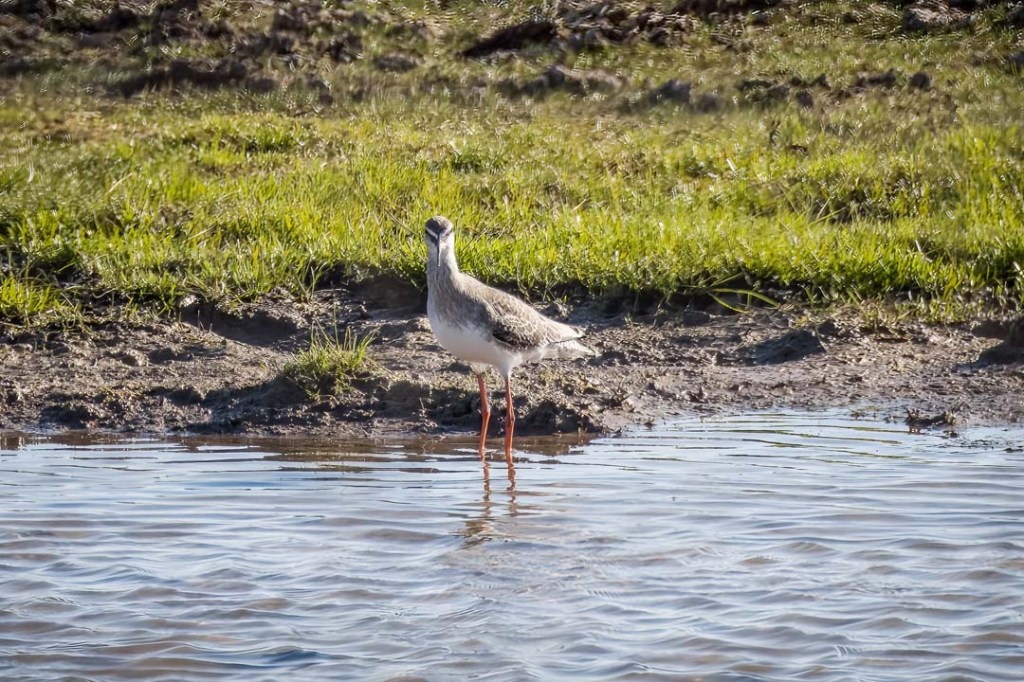
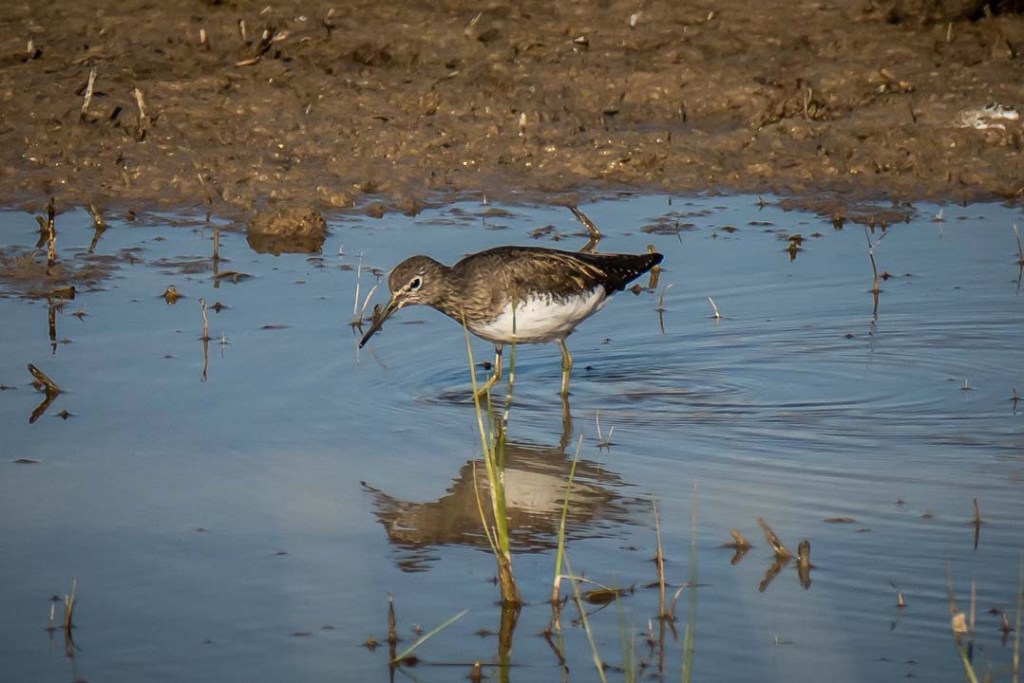
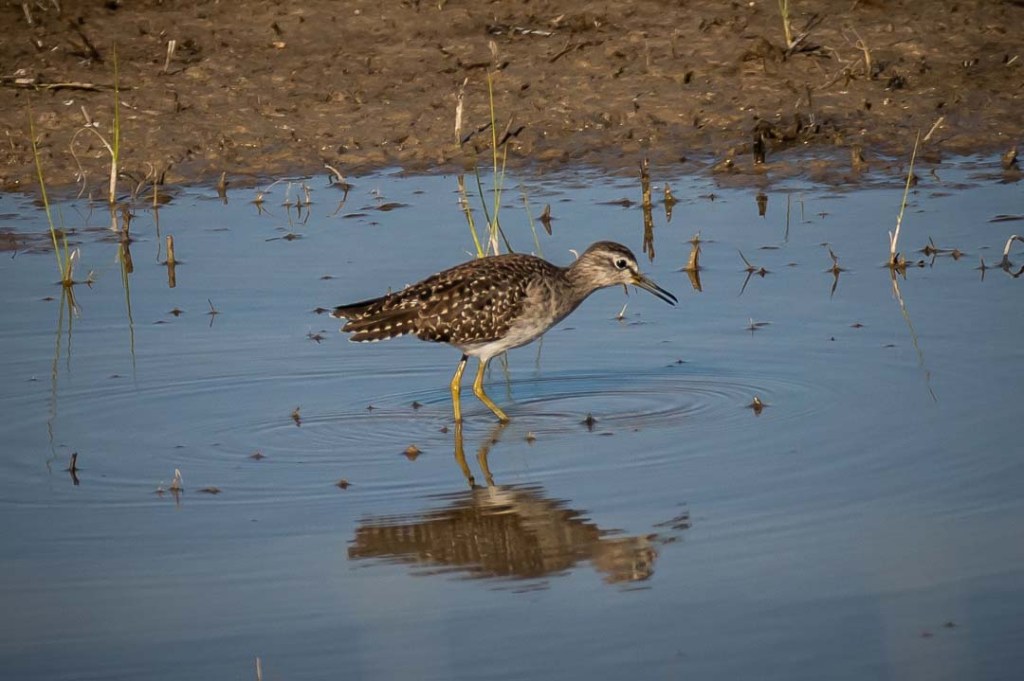
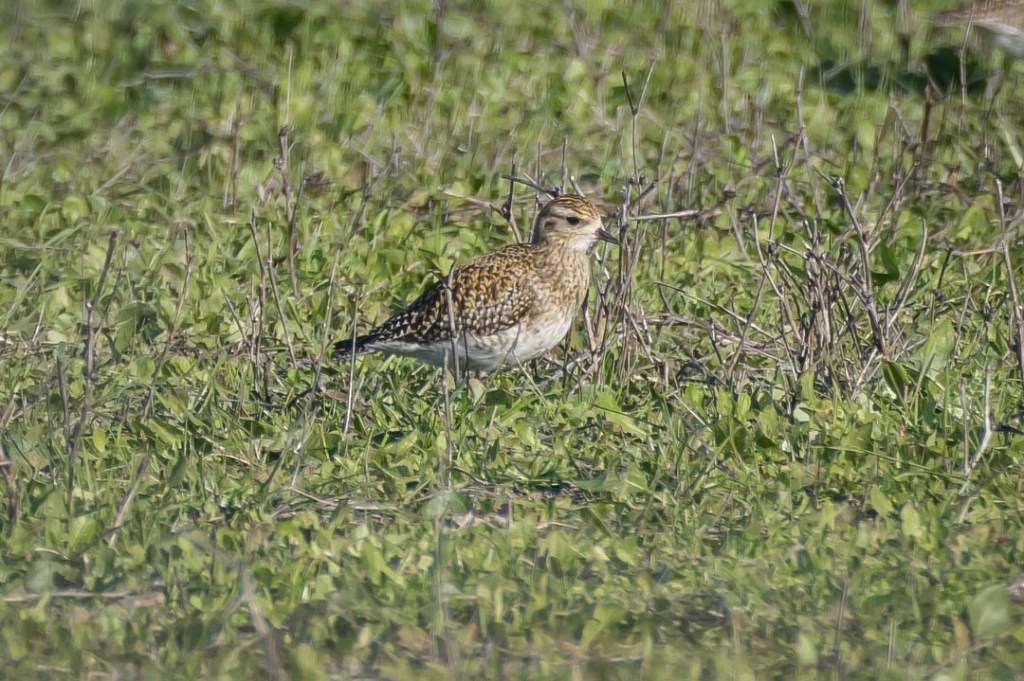


Slideshow of photos from Day Three
DAY FOUR
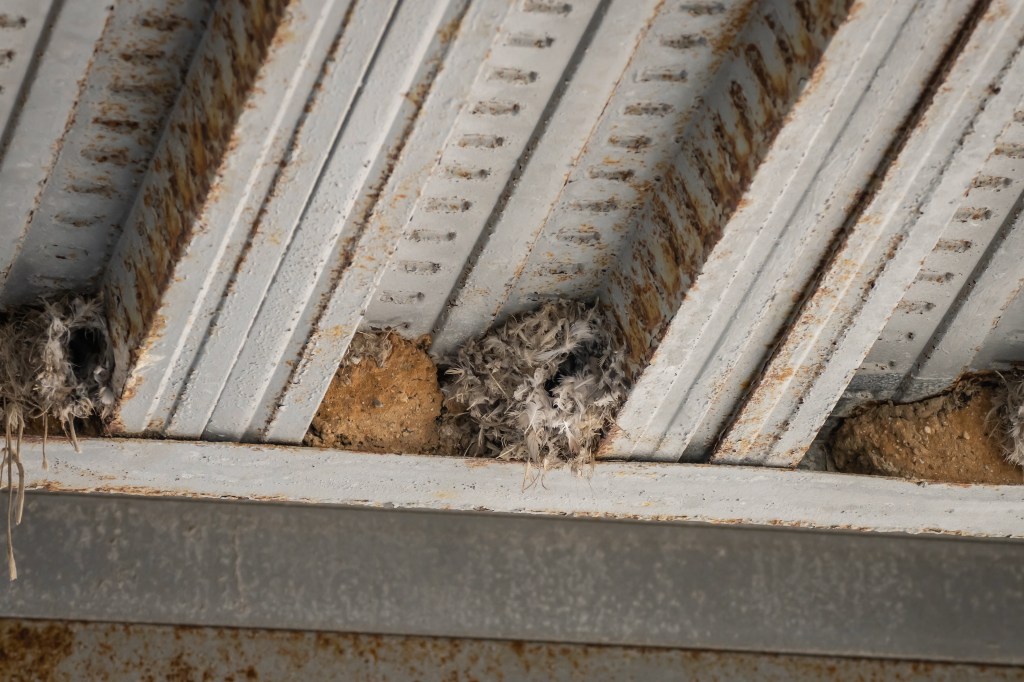
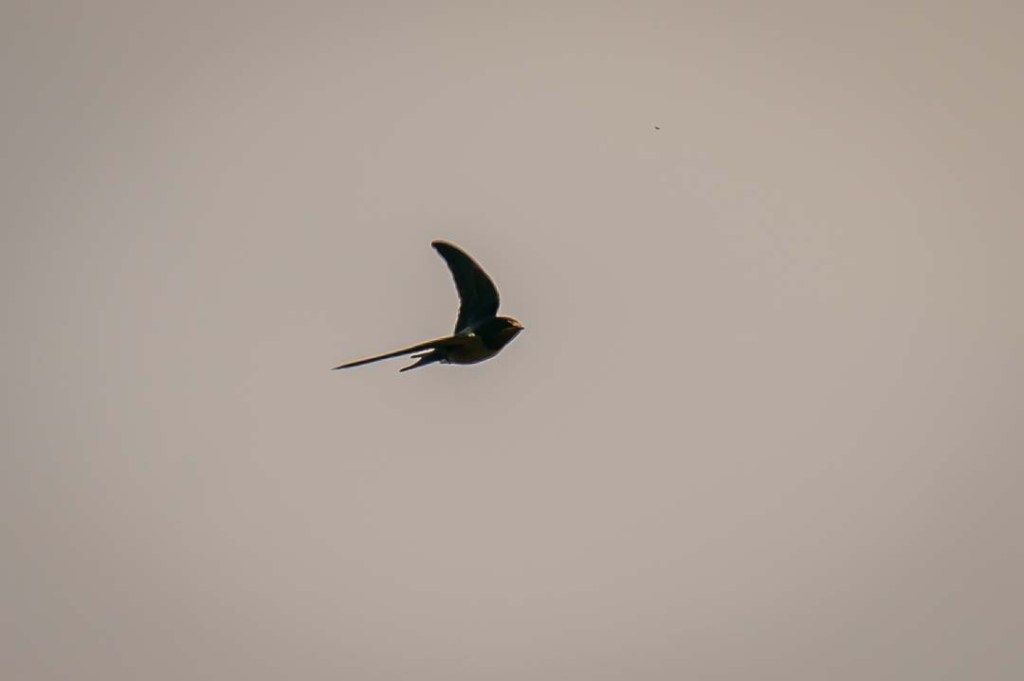
We had a long journey in the minibuses via Seville to Chipiona, just south of Sanlucar de Barremeda on the eastern side of the Guadalquivir River. We went to see Little Swifts which roost there. I managed to see the last one leaving the roost but sadly no photos.
Then on to the salt pans at Bonanza, north of Sanlucar de Barremeda.
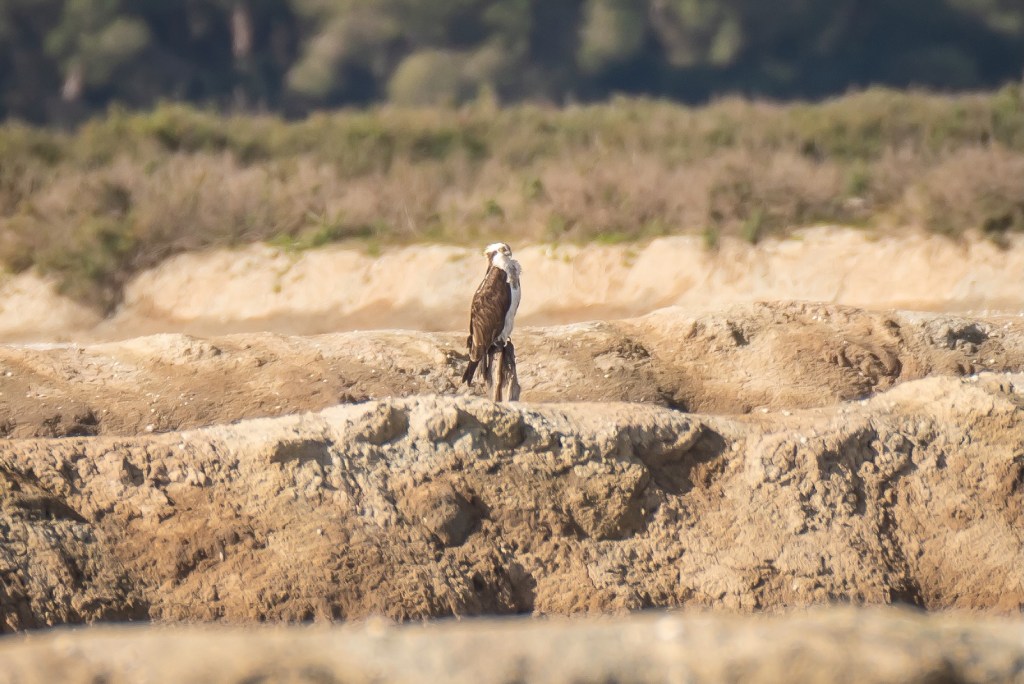
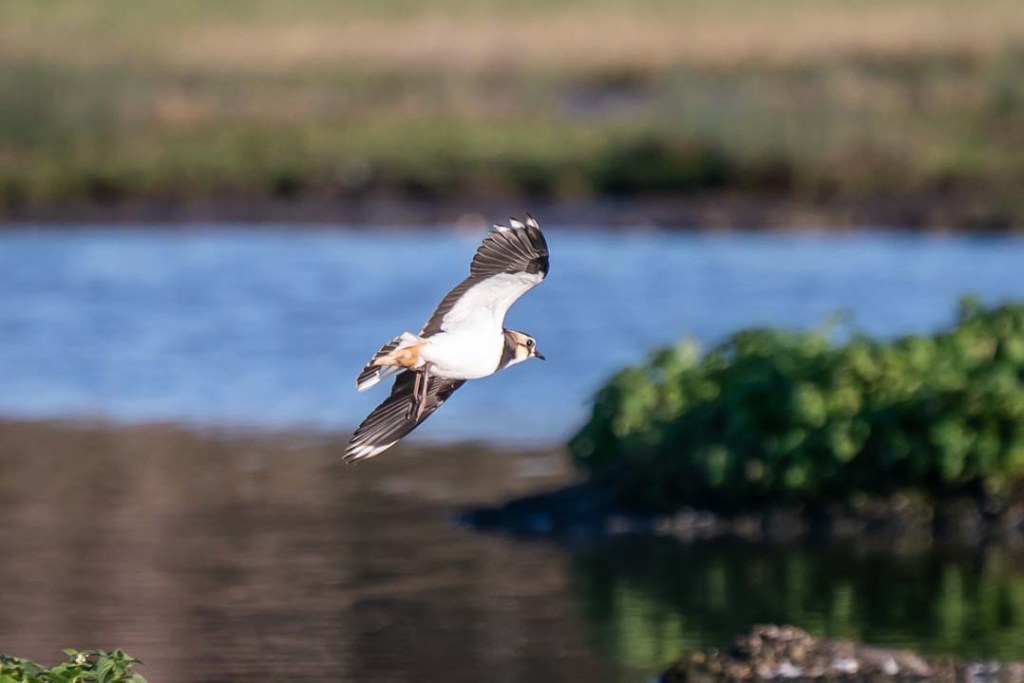
Top spot for me was an Osprey but a Kentish Plover was also pretty special.
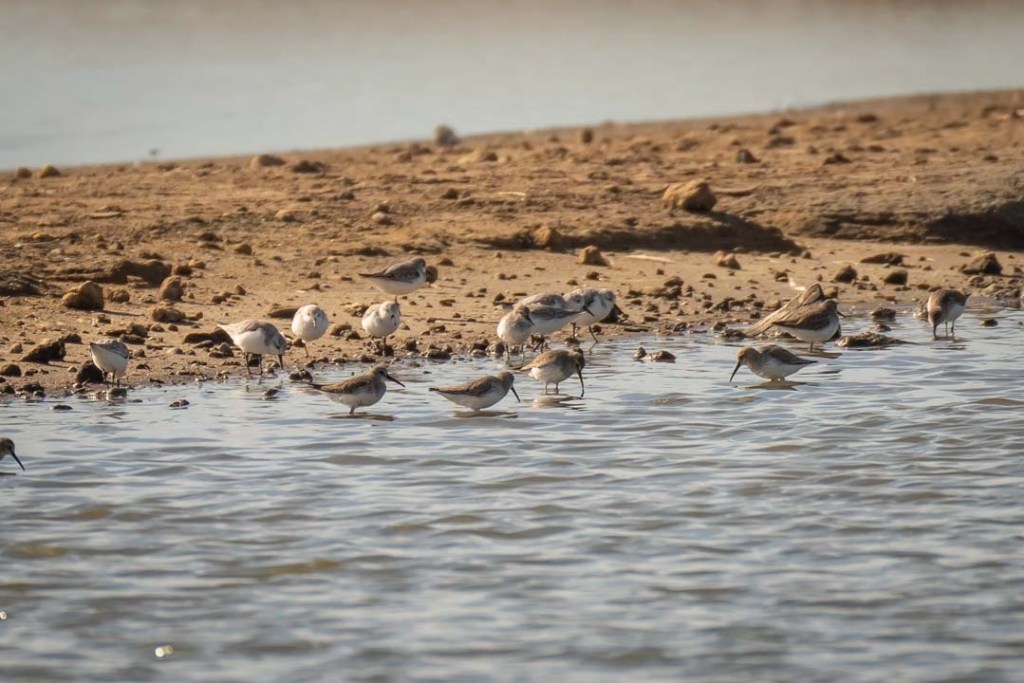

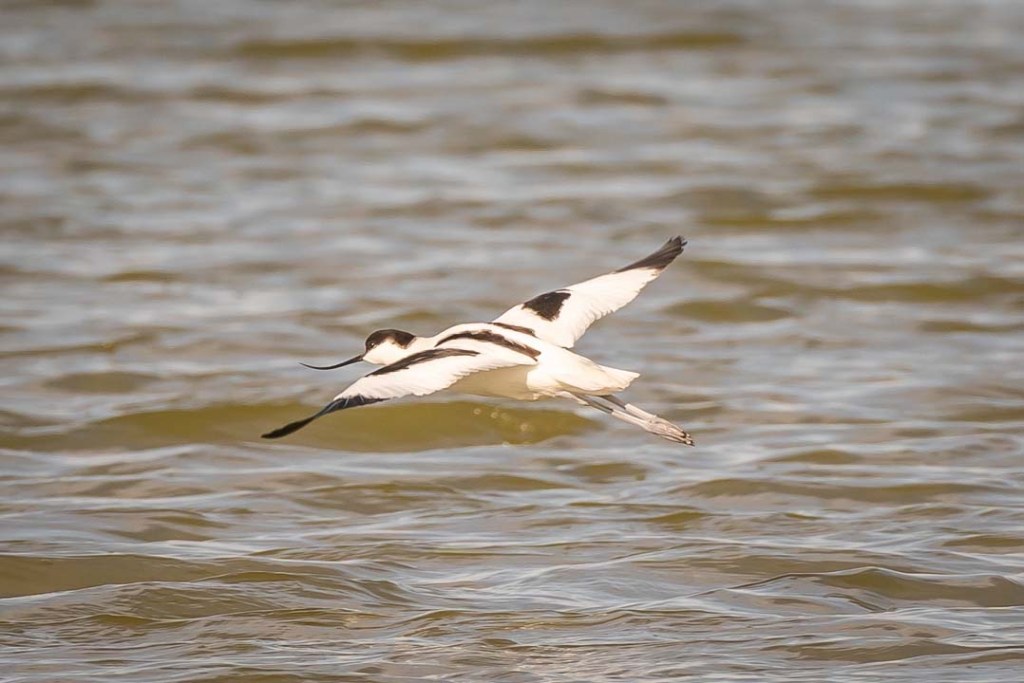
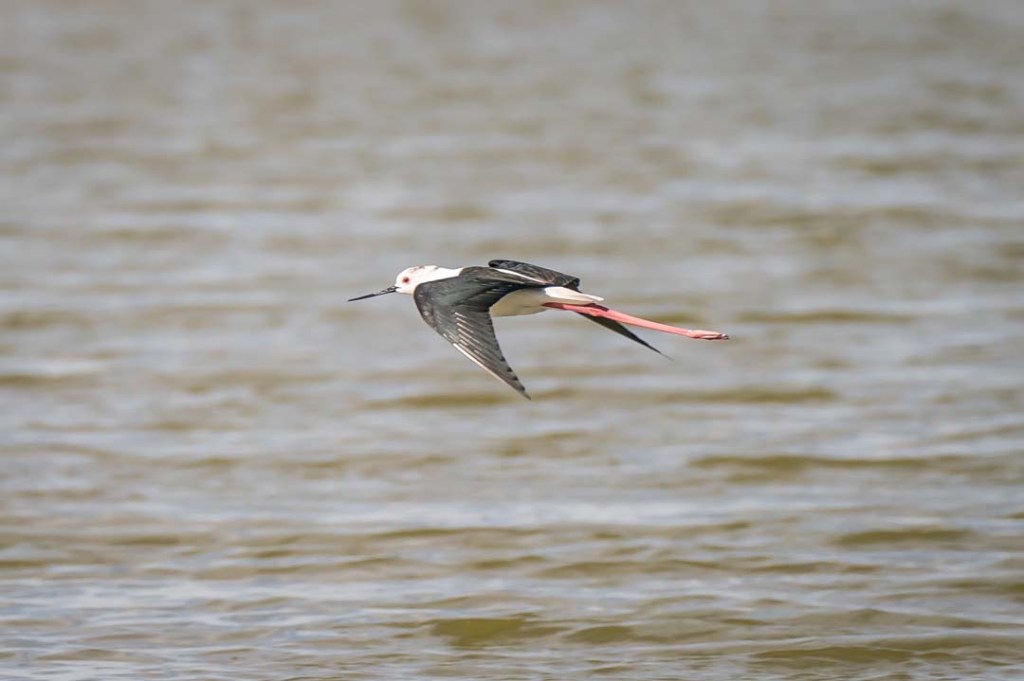
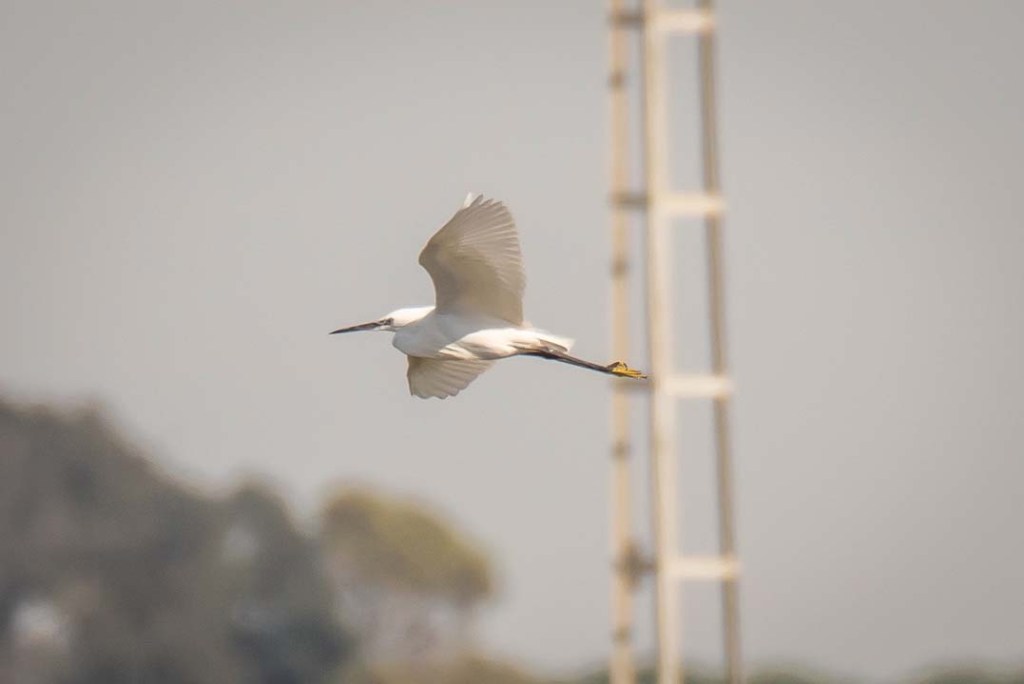

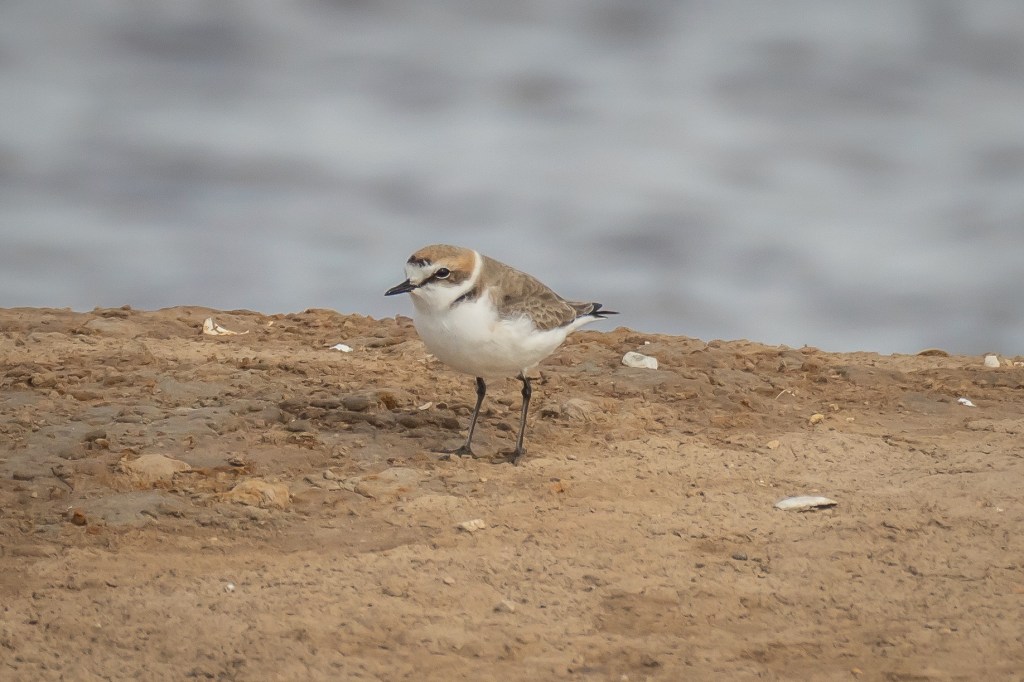
At the third site, from the roadside near three pools north of Bonanza we had good views of White-headed Ducks and large roosts of Black-crowned Night Herons.
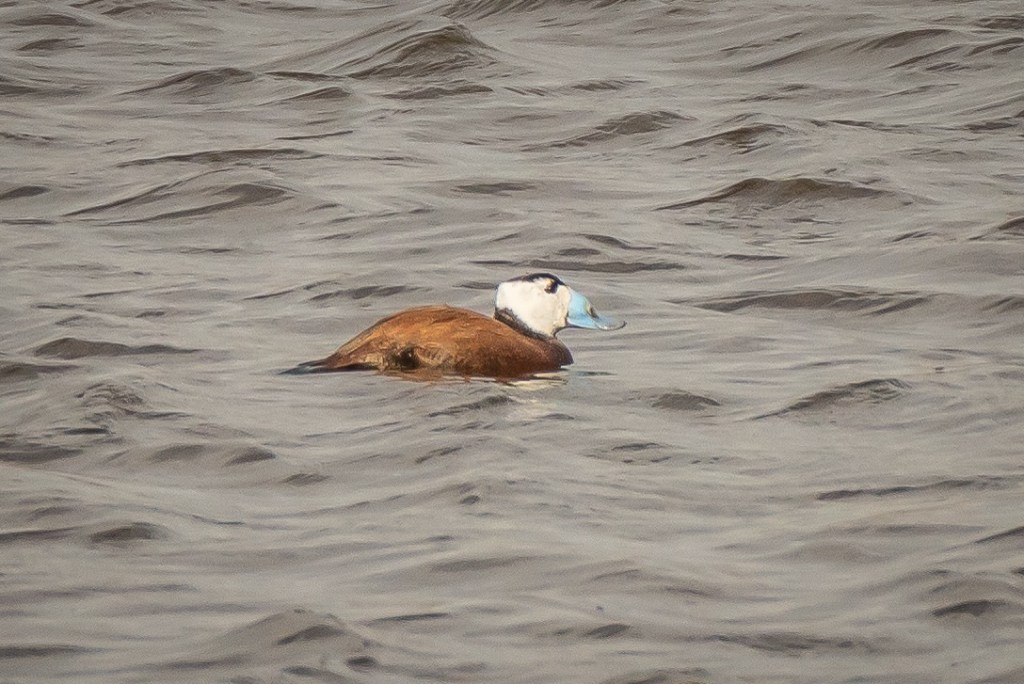

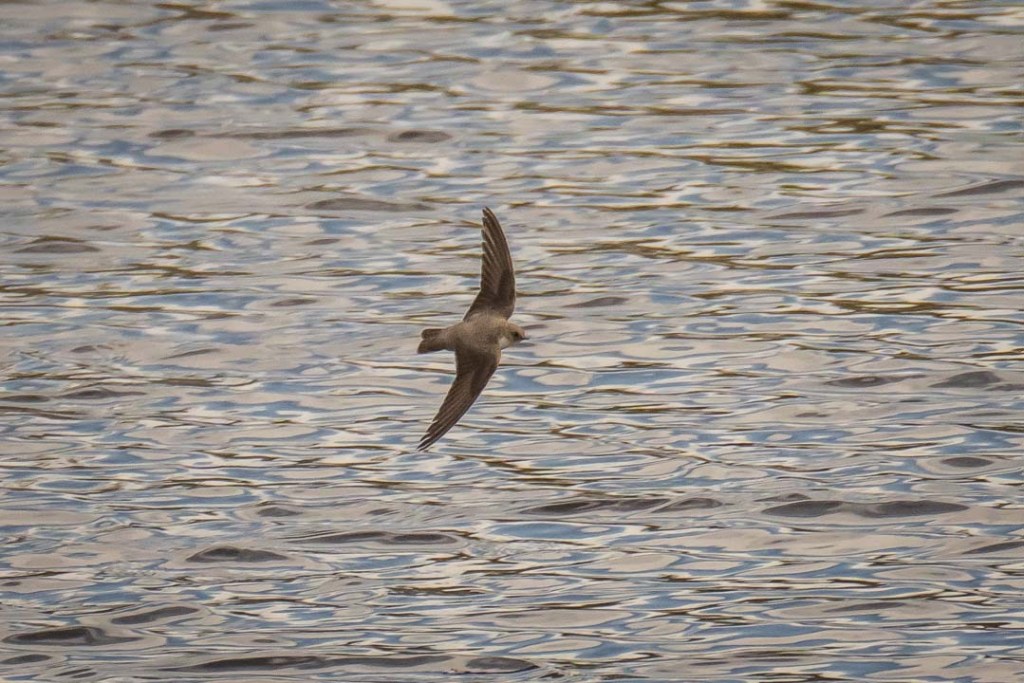
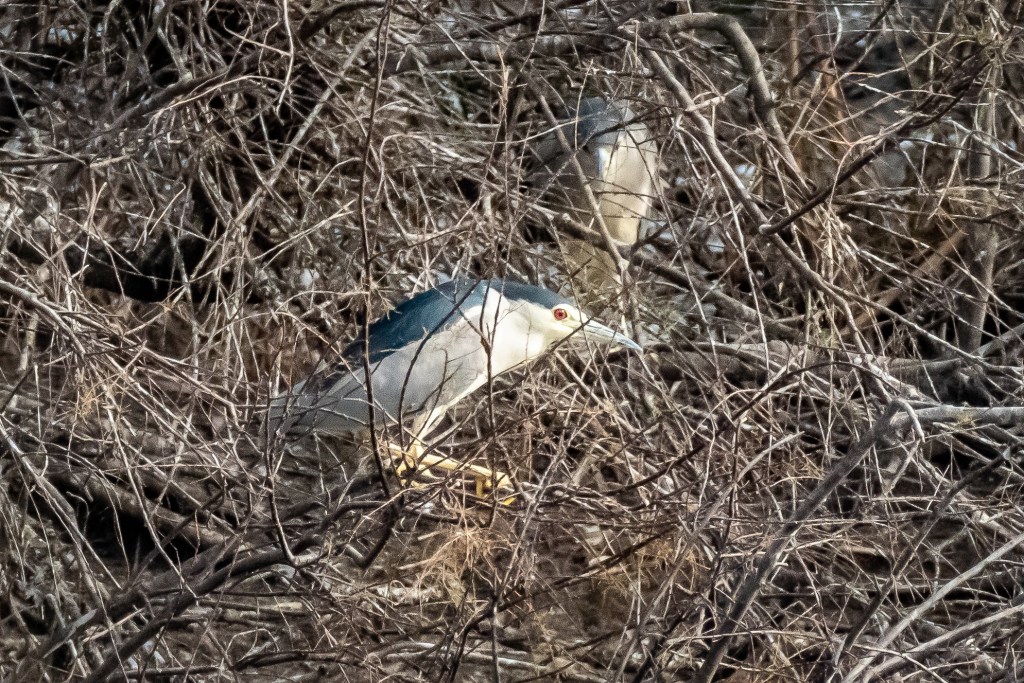

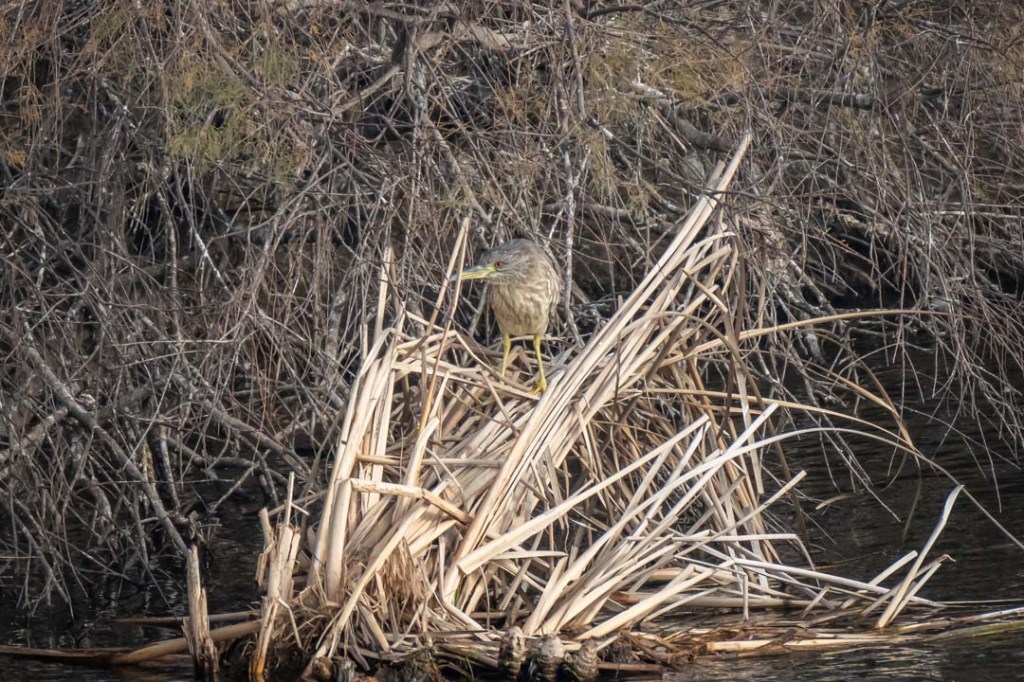

Slideshow of photos from Day Four
DAY FIVE
The group were off again birding for a morning session but we had to leave the group early as we had trains to catch from Seville to Malaga via Cordoba but managed a couple of hours birding on our own around the lagoon. The Glossy Ibis were particularly stunning in the beautiful morning sun, and along with the spectacular views of El Rocio we were left with wonderful memories of this birding trip.
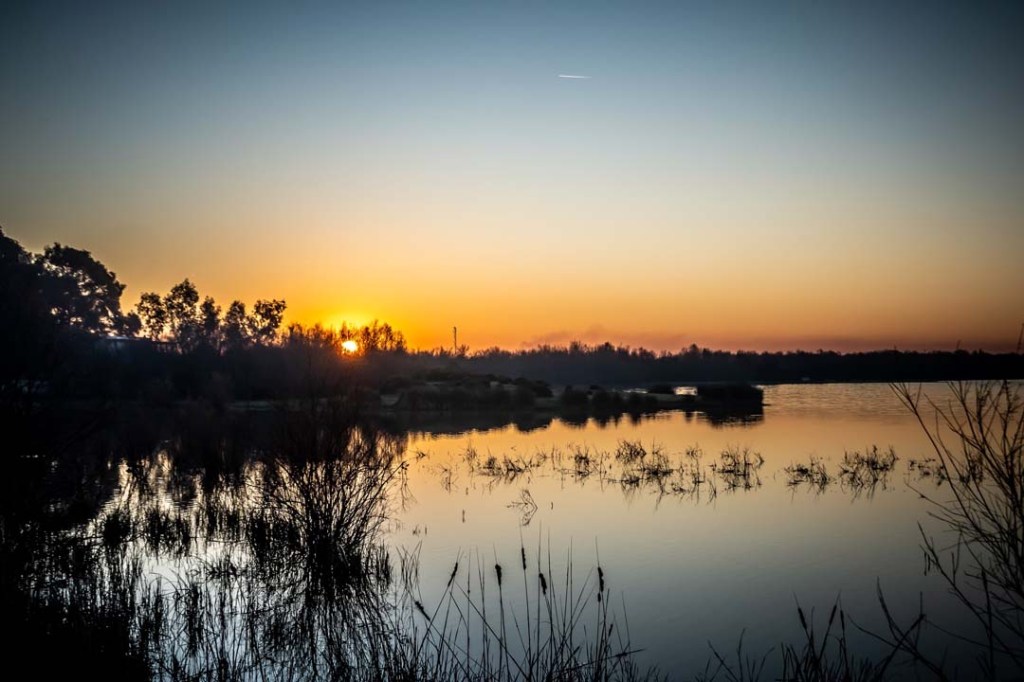
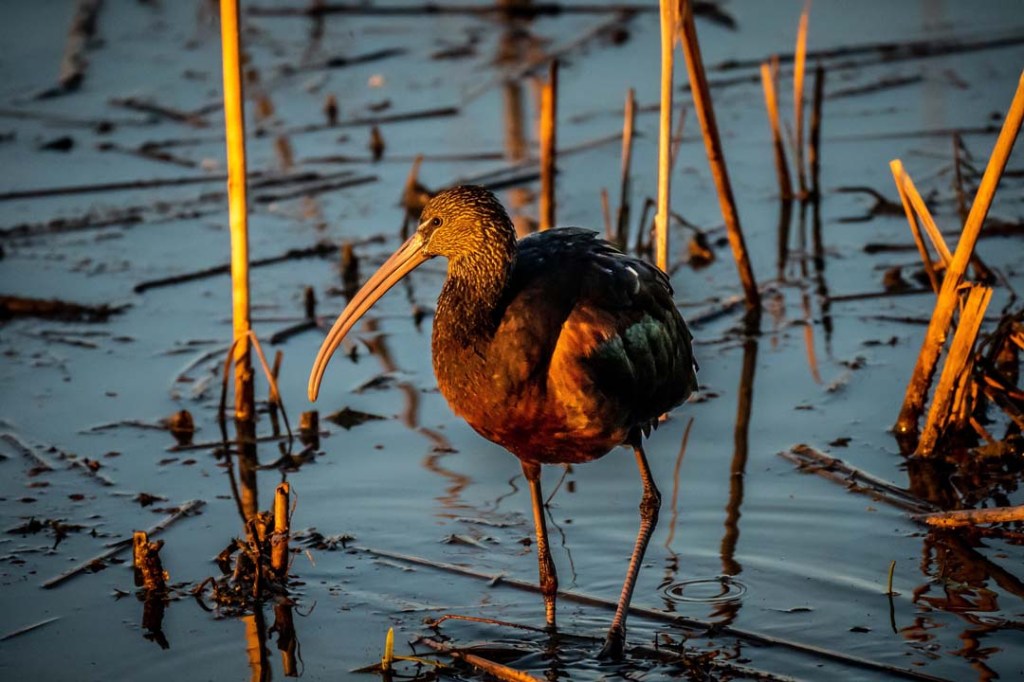
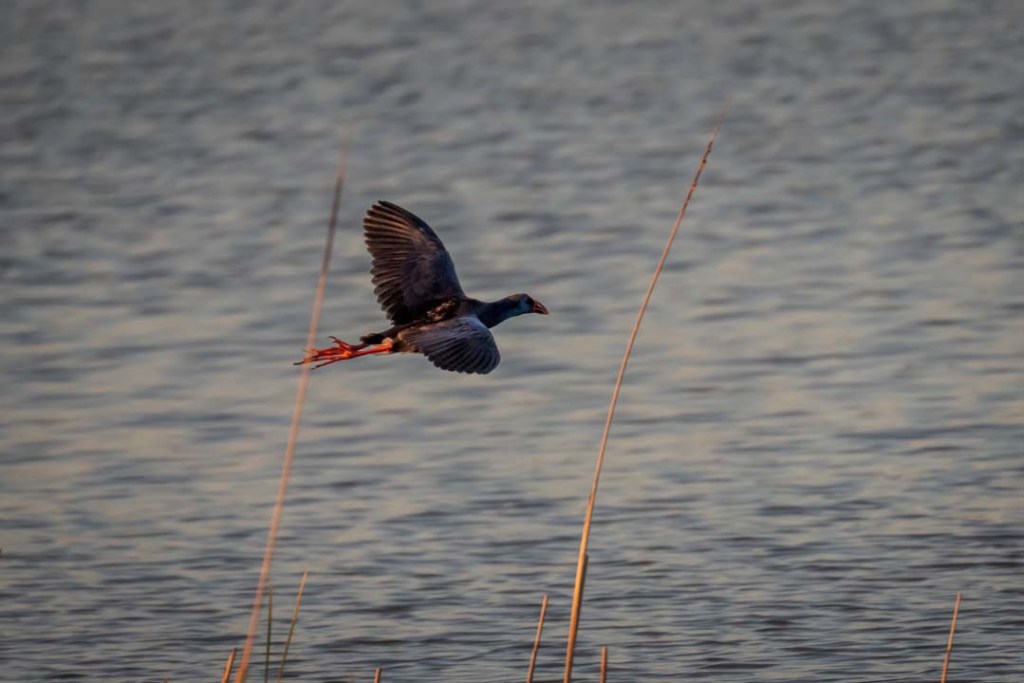
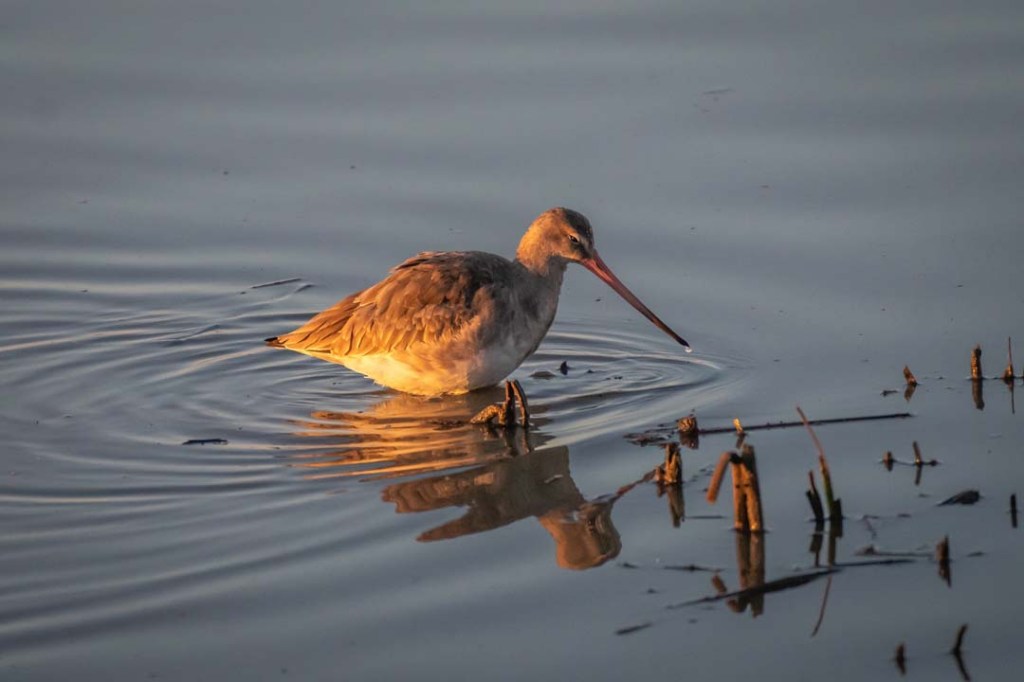
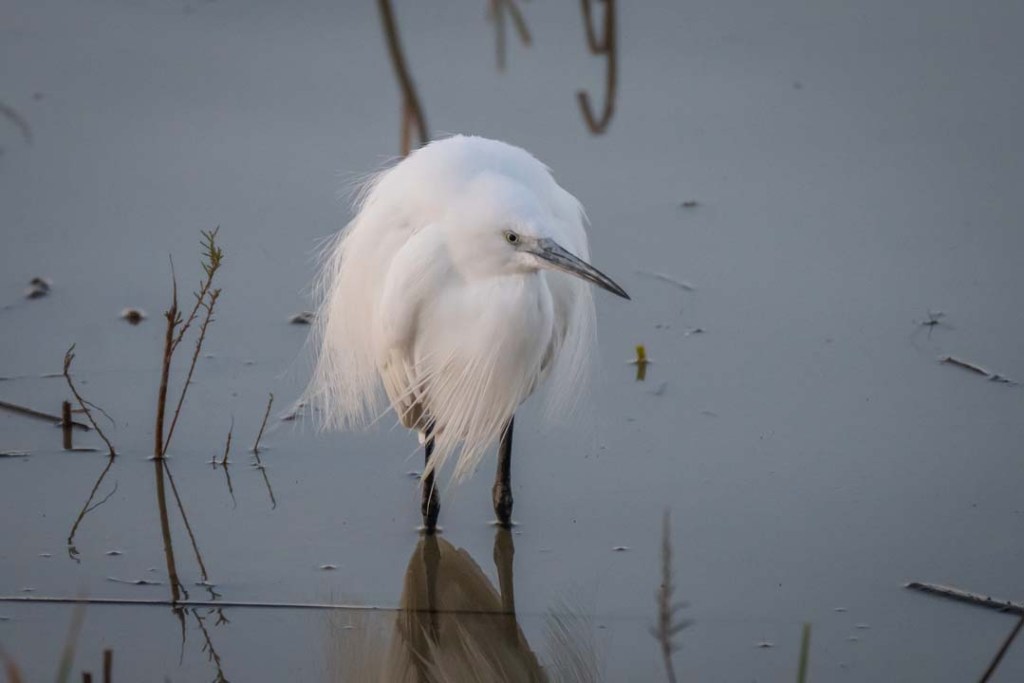
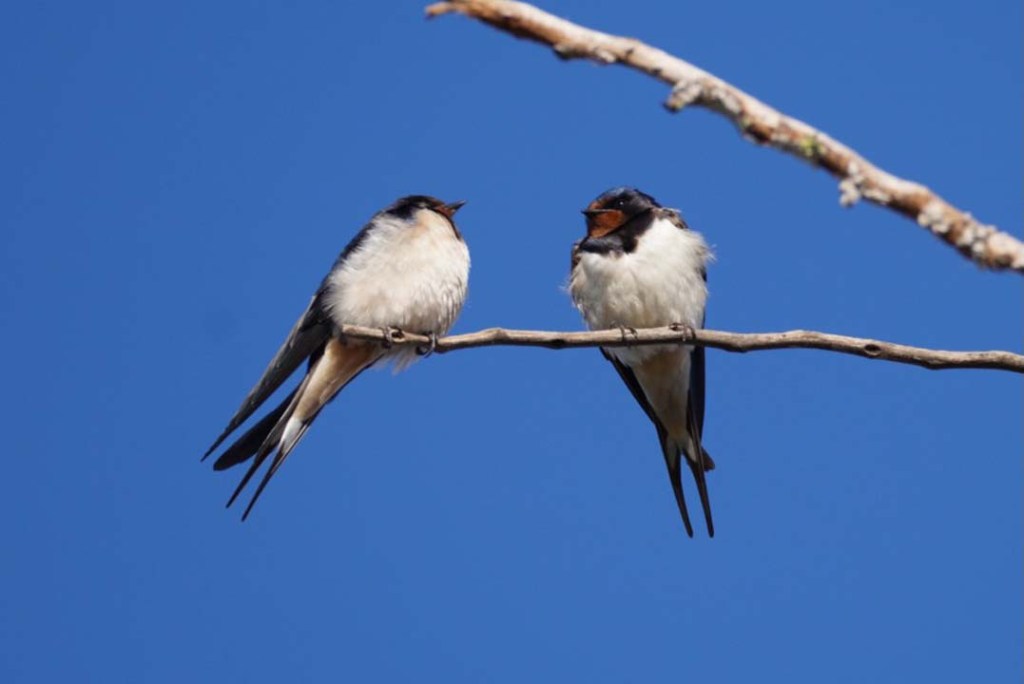

Slideshow of photos from Day Five
El Rocio
El Rocio is a very special place with its sandy roads and cowboy culture. At the end of our stay it was building up for the visit of huge numbers of horses and horse riders. I’m not sure if I would want to be there with such large numbers. It was great fun with just a taste of the culture.


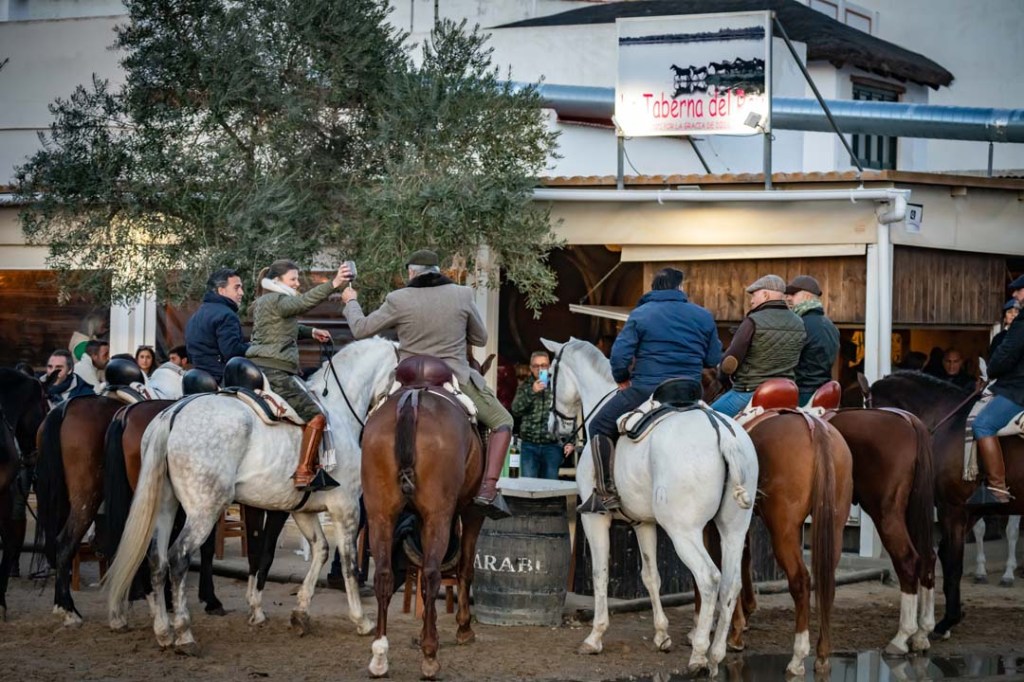
Slideshow of photos from El Rocio
Sadly things are not flourishing in Doñana. Simon and Niki pointed out to us the problems created by strawberry growers in and around the park which are well documented in the following articles which appeared in The Times Newspaper.
Strawberry farmers can take their pick of illegal wells
Signs of life draining away from protected wetland
But some stories are encouraging
Warning light plan to save rare lynx from becoming roadkill
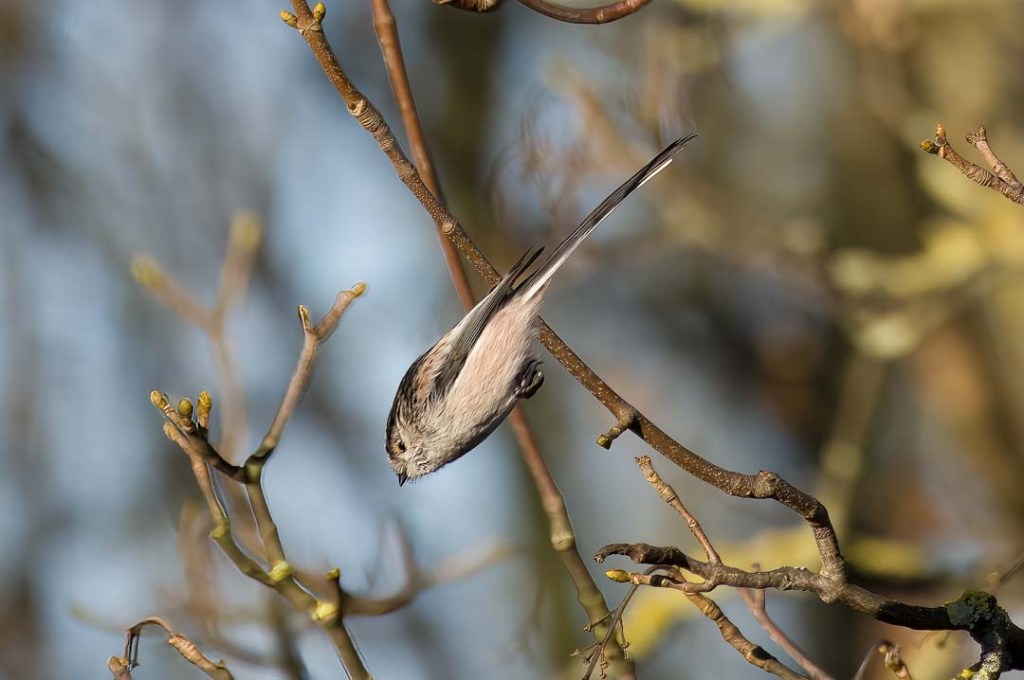
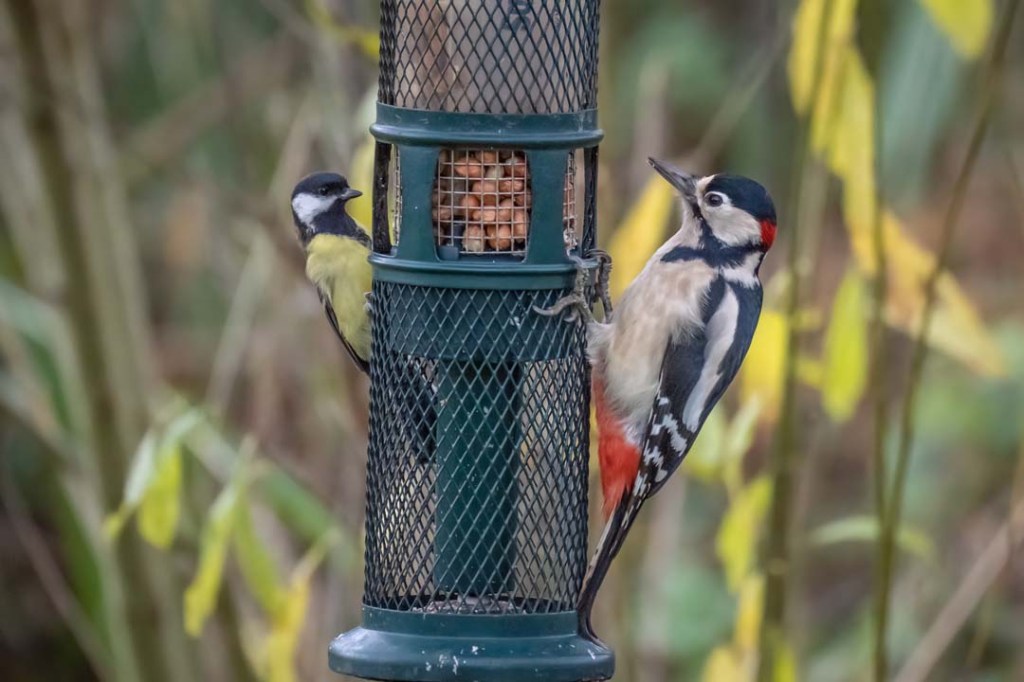
We have been visiting friends in Sheffield over the new year. On New Year’s Day we accepted the challenges of the weather and had a short walk on the Eastern Moors in the Peak District on the edges of Sheffield. Here I managed a few photographs of birds near feeders.
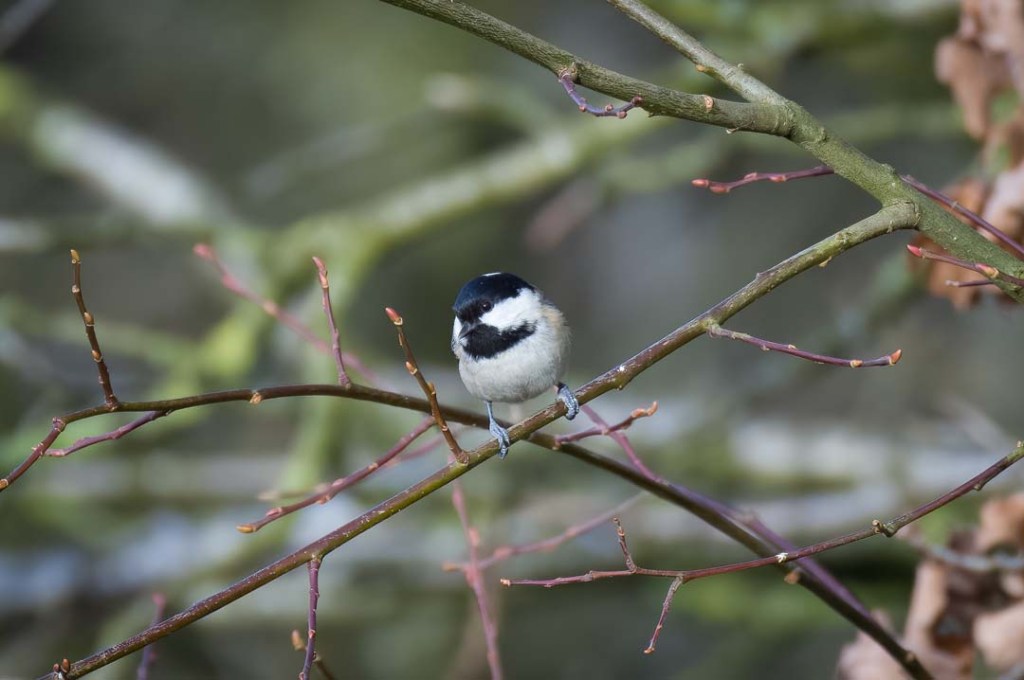
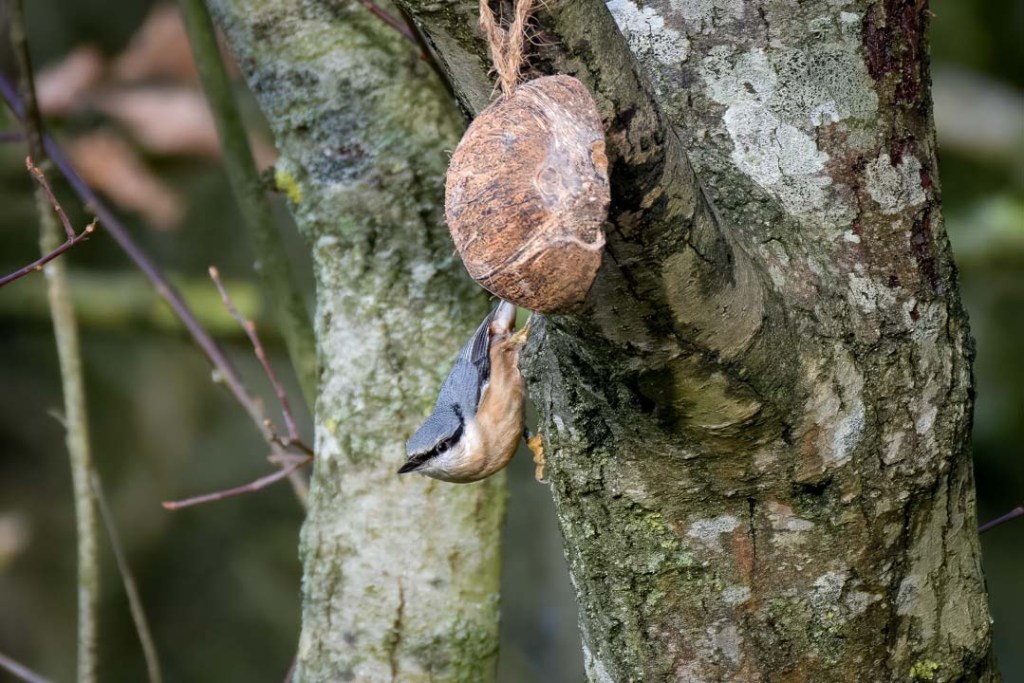

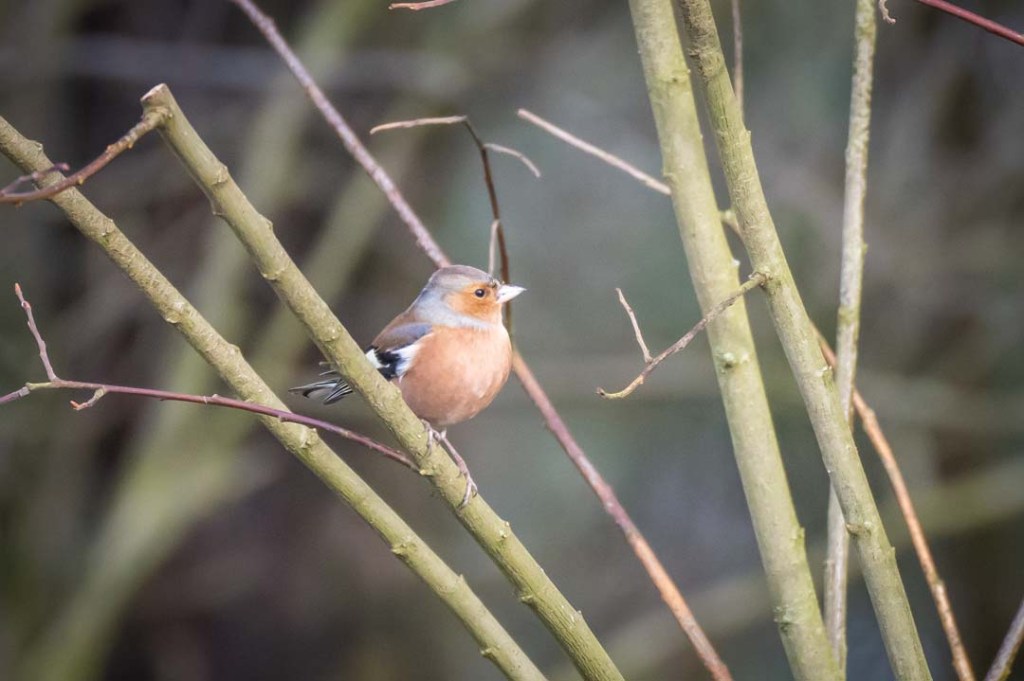
On the 2nd January the weather was most kind to us and we visited 2 reserves near Barnsley: Wombwell Ings and RSPB Old Moor in the Dearne Valley.
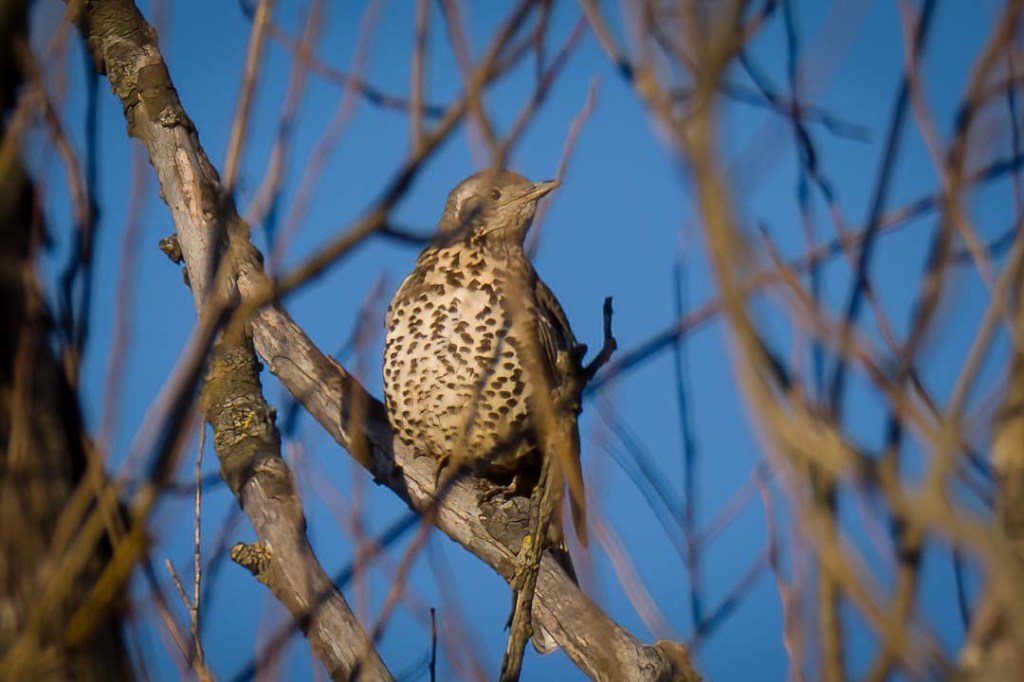

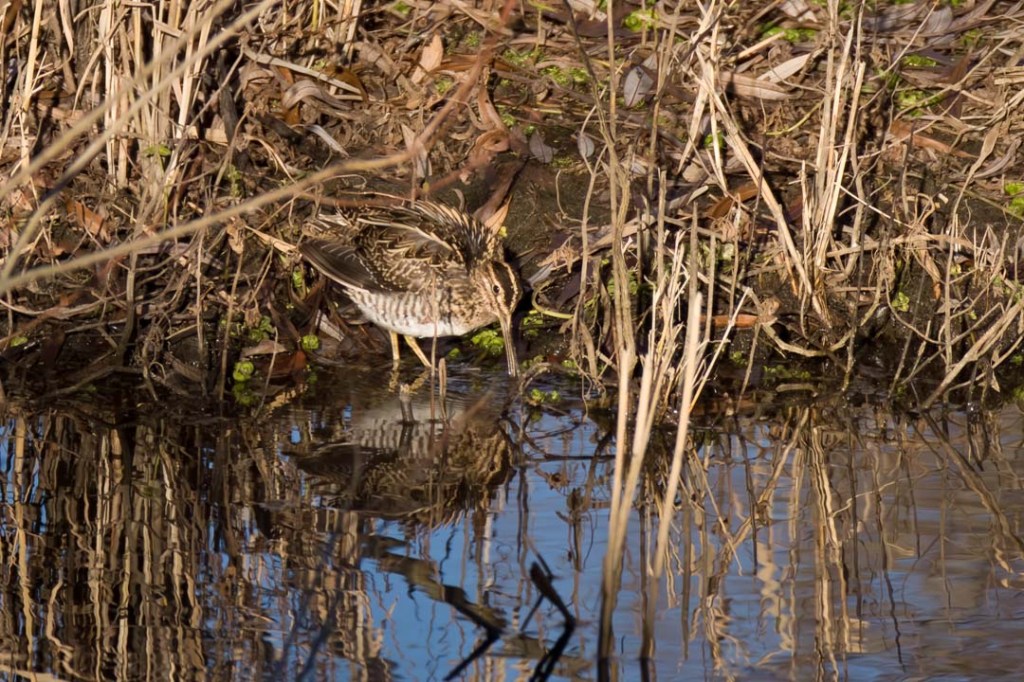


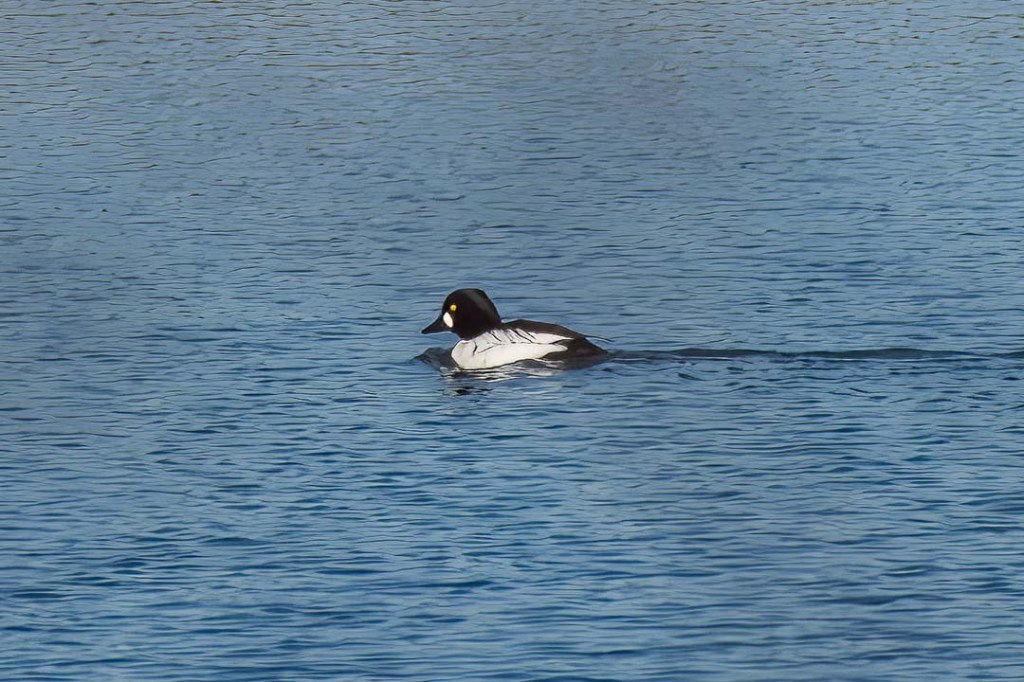


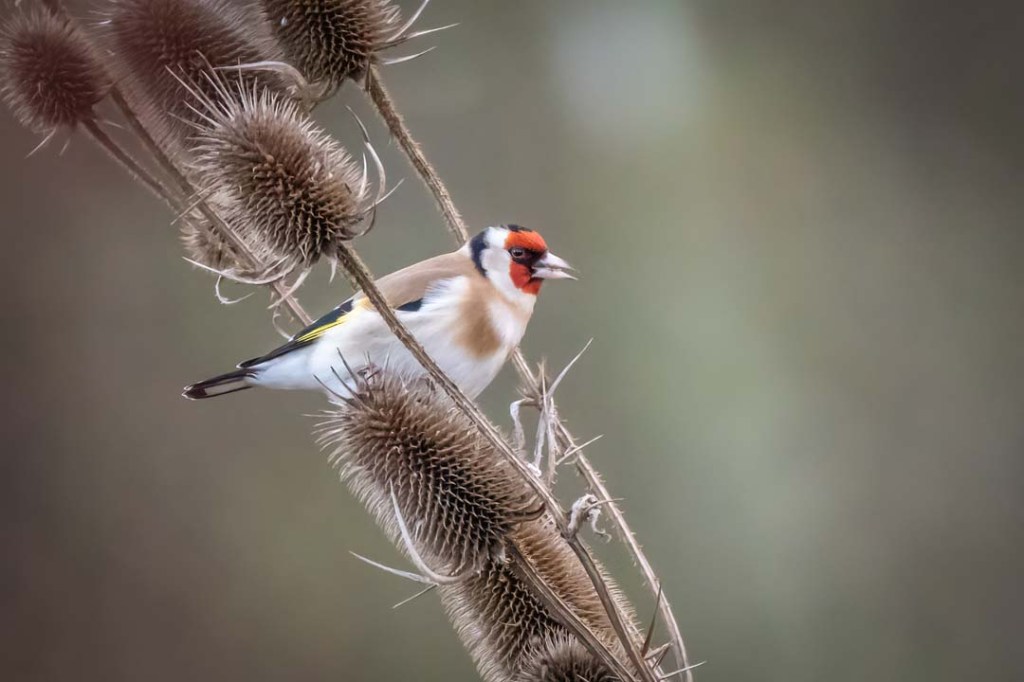
Slideshow of photos from the Dearne Valley:

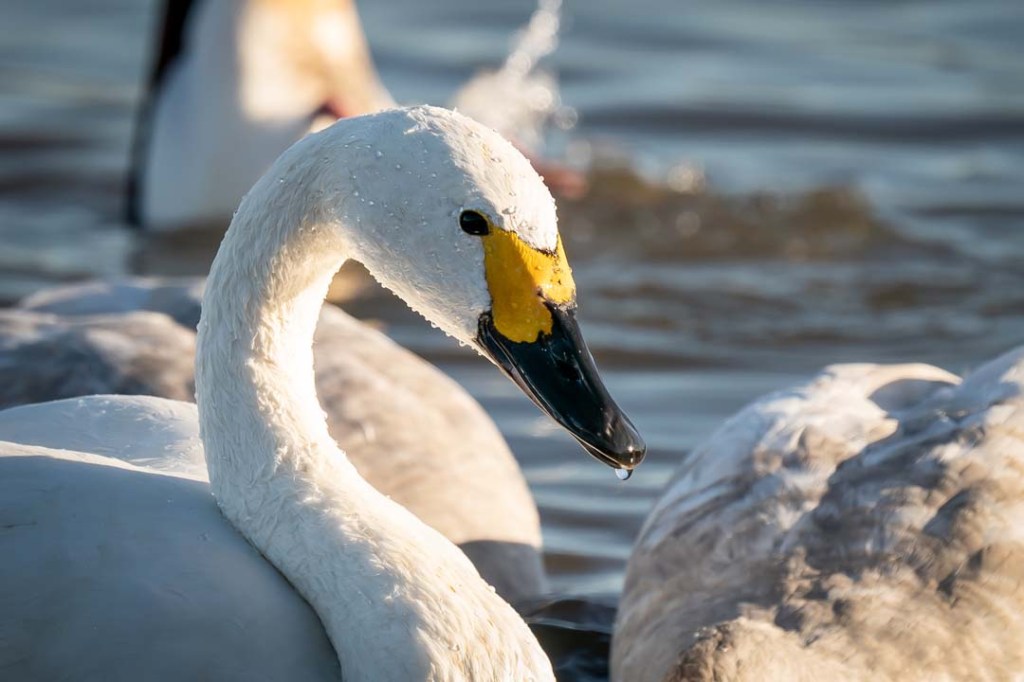
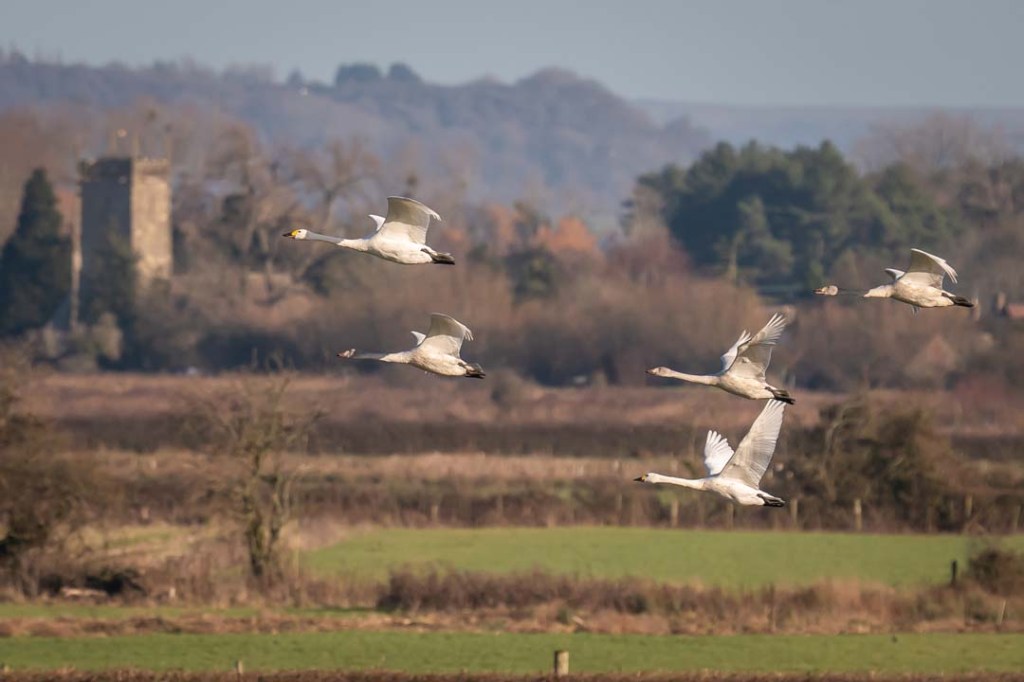
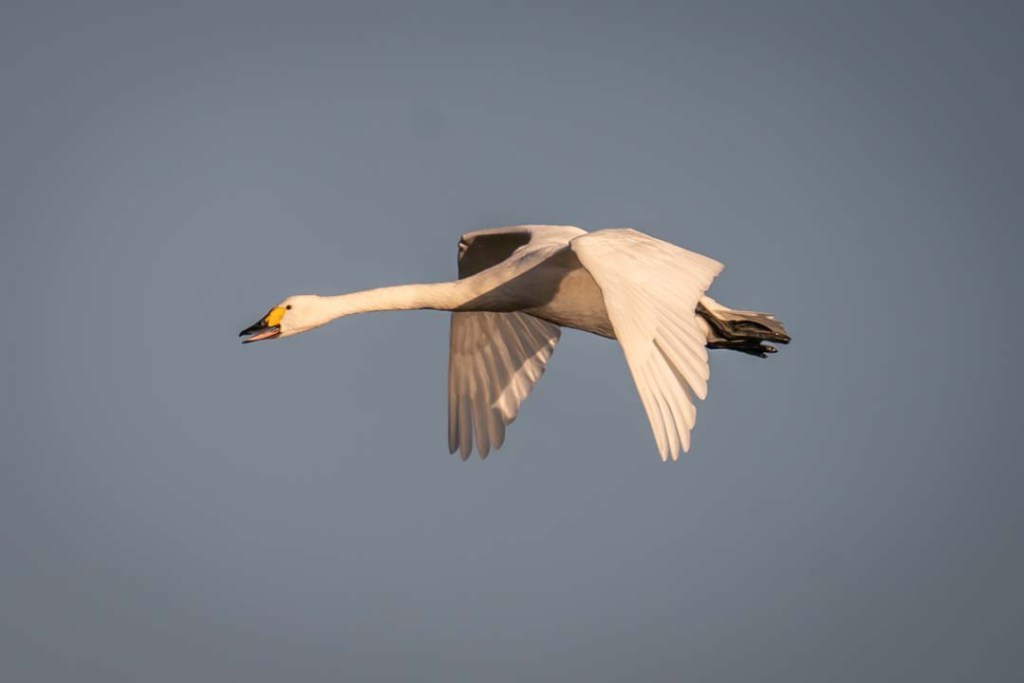
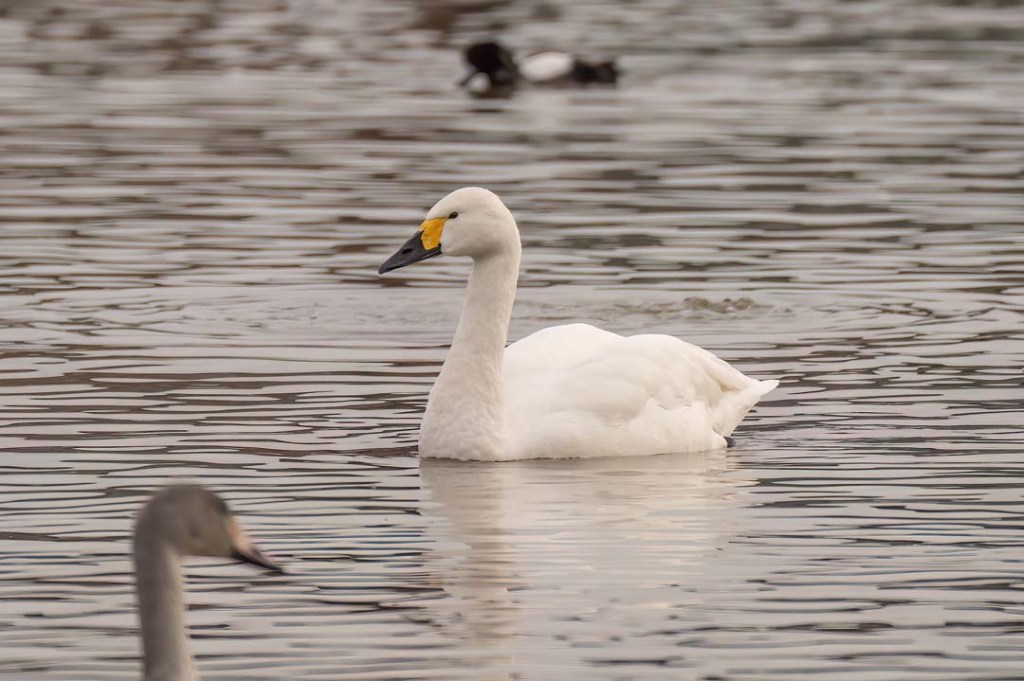
At this time of the year the Bewick and Whooper Swans are normally the celebrities at Slimbridge. However, today a diminutive goose, a Ross’s Goose (or possibly a snow goose) made a surprise appearance. I have never seen one of these birds before.
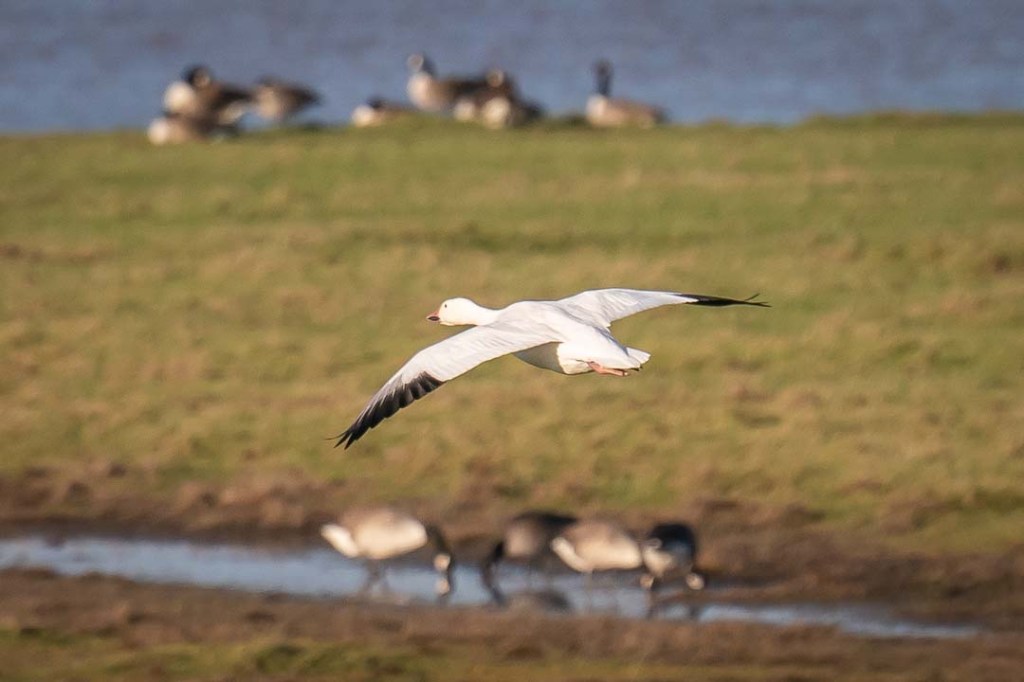


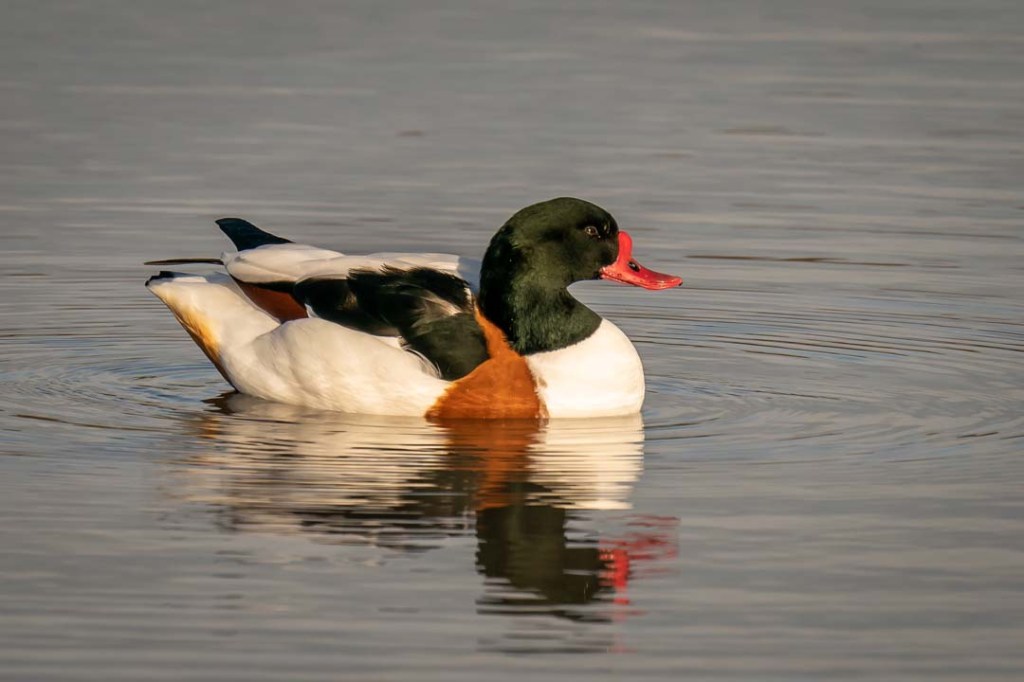
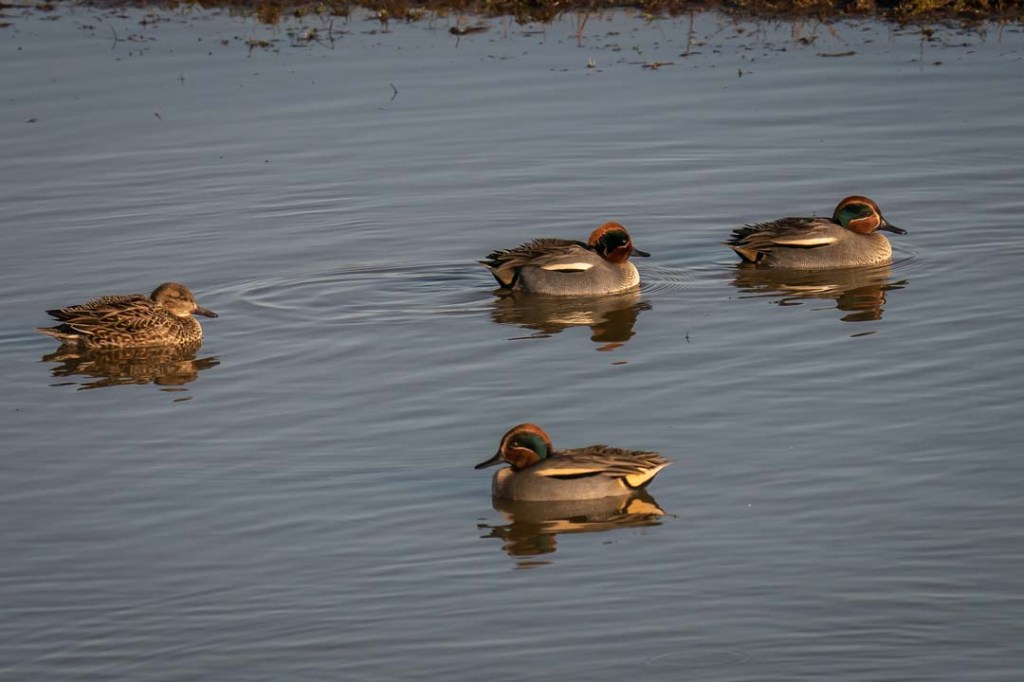
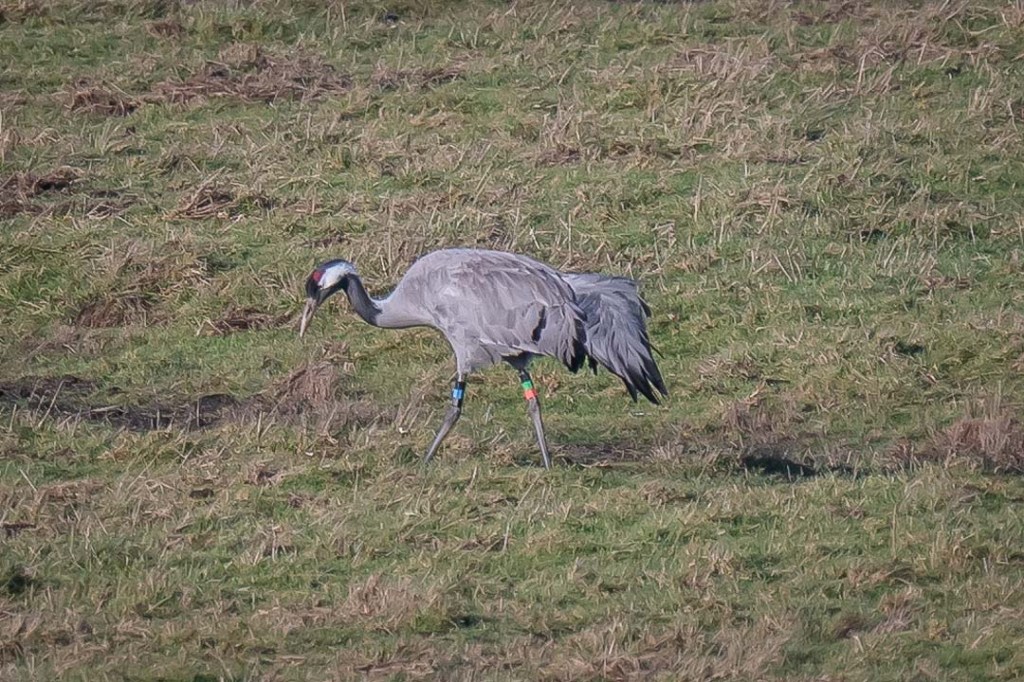
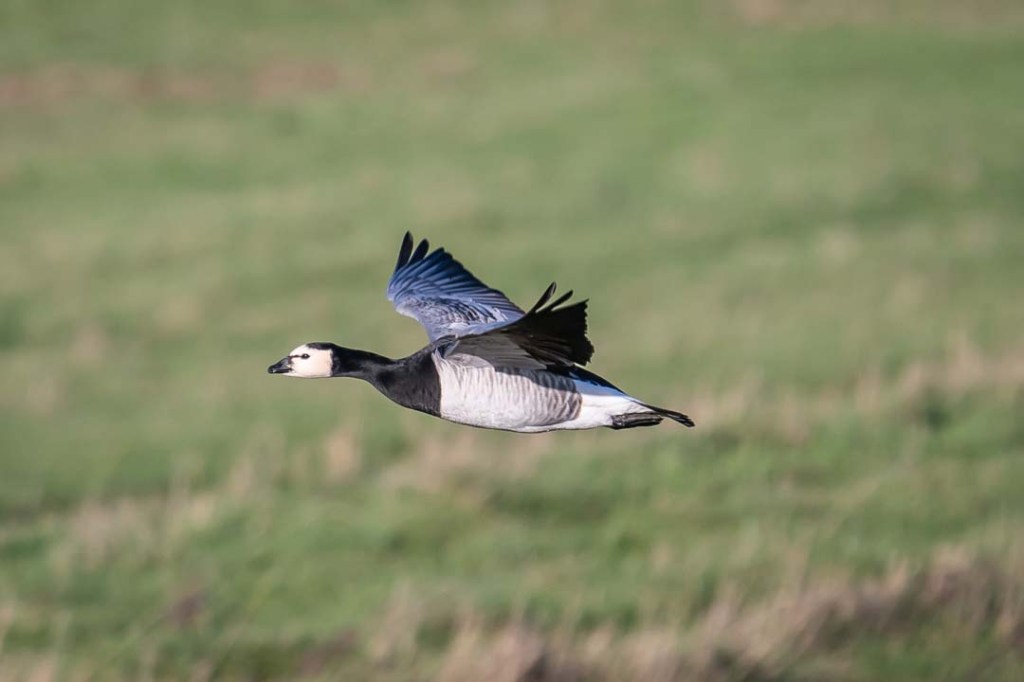


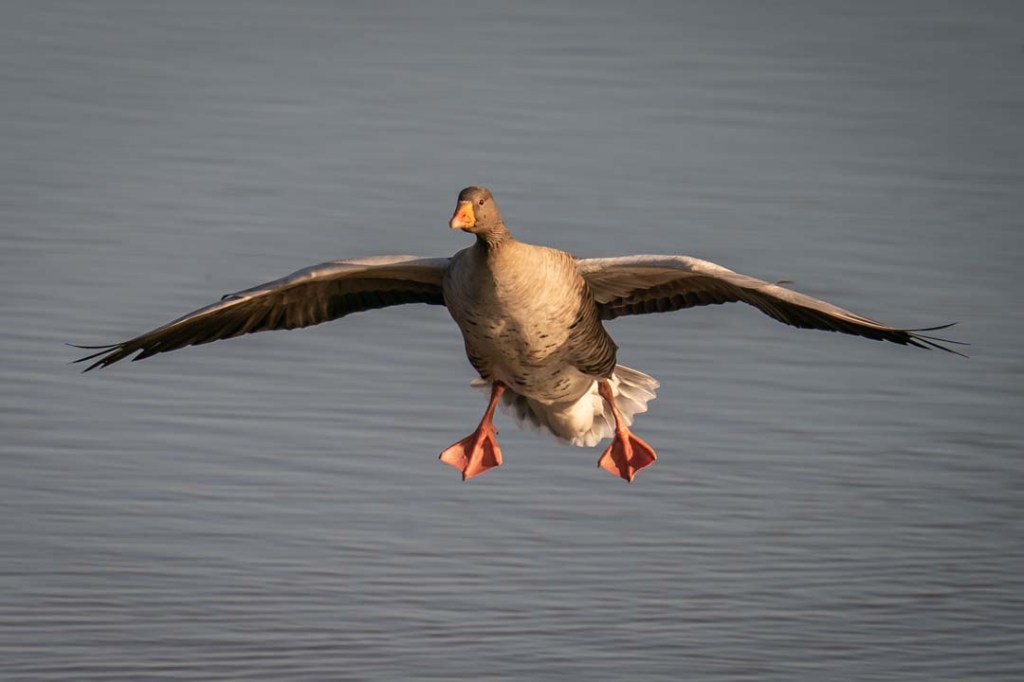


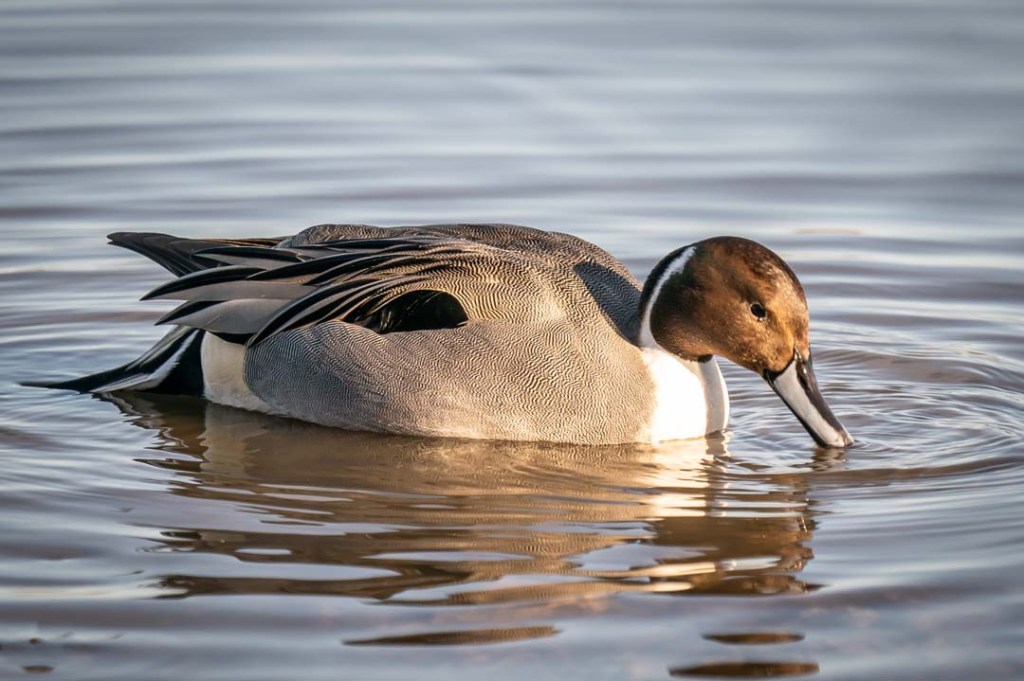
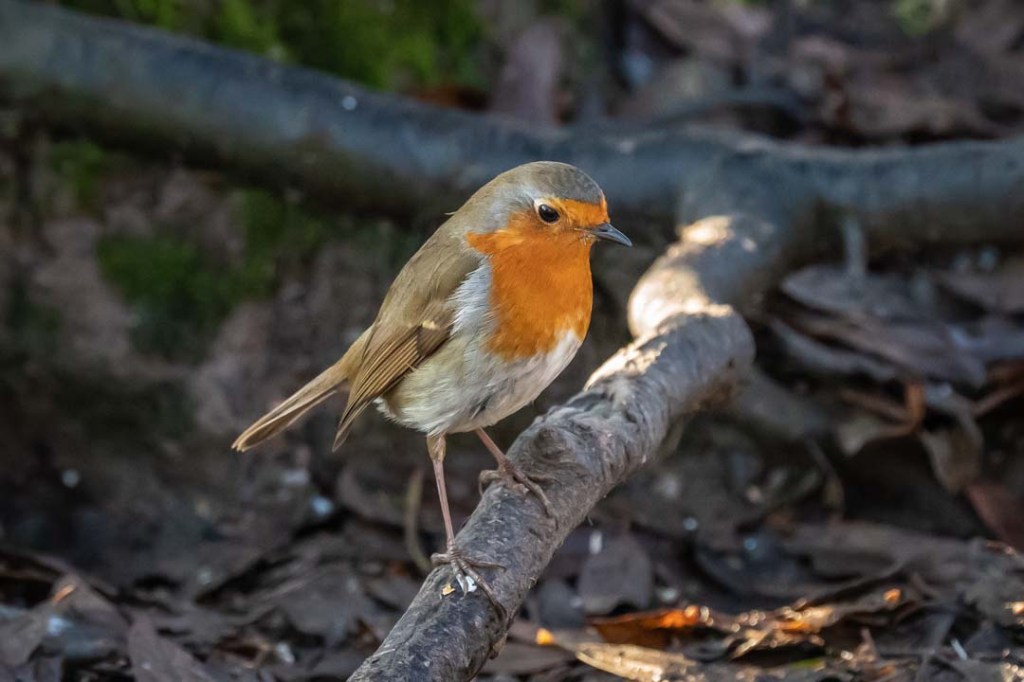
Slideshow of photos from this morning:

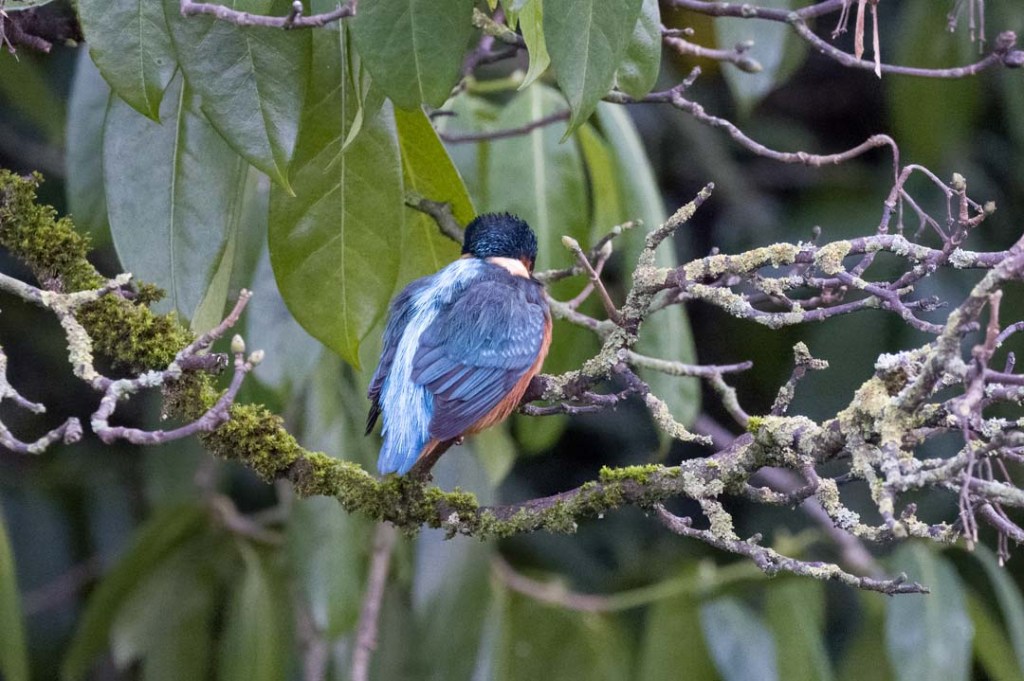
The kingfisher was on the River Frome (at the bottom of our road) when we started our walk to Eastville Park and there again at the end of our walk, but it was just a fleeting visit – luckily just long enough for me to get my camera out of its bag.
It was fairly treacherous underfoot with the frozen ground but much worse for the poor birds on the frozen lake.
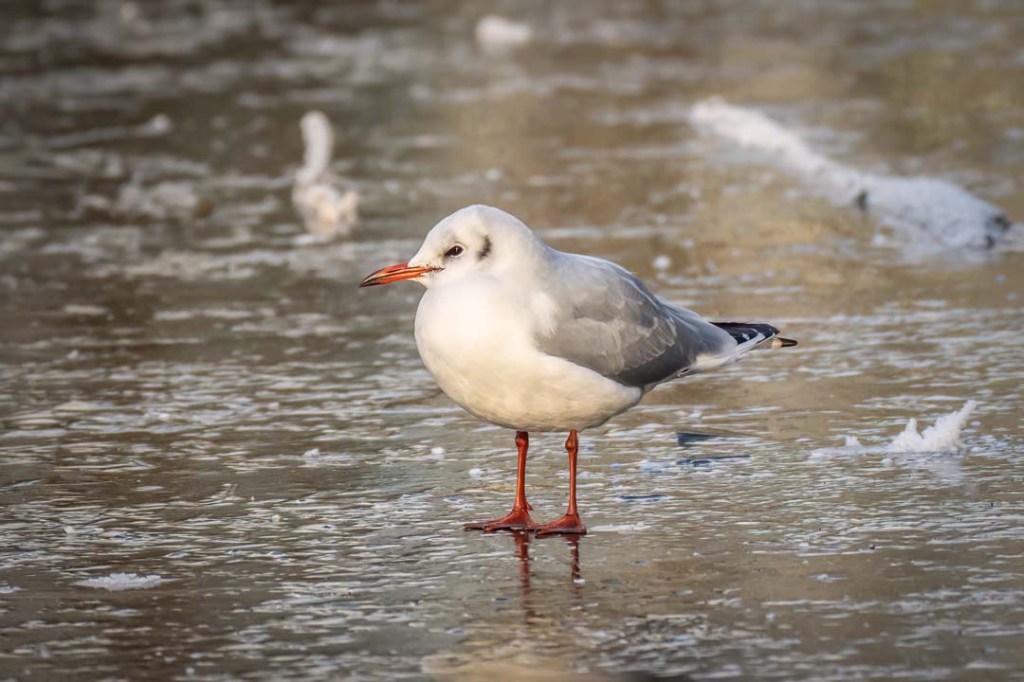
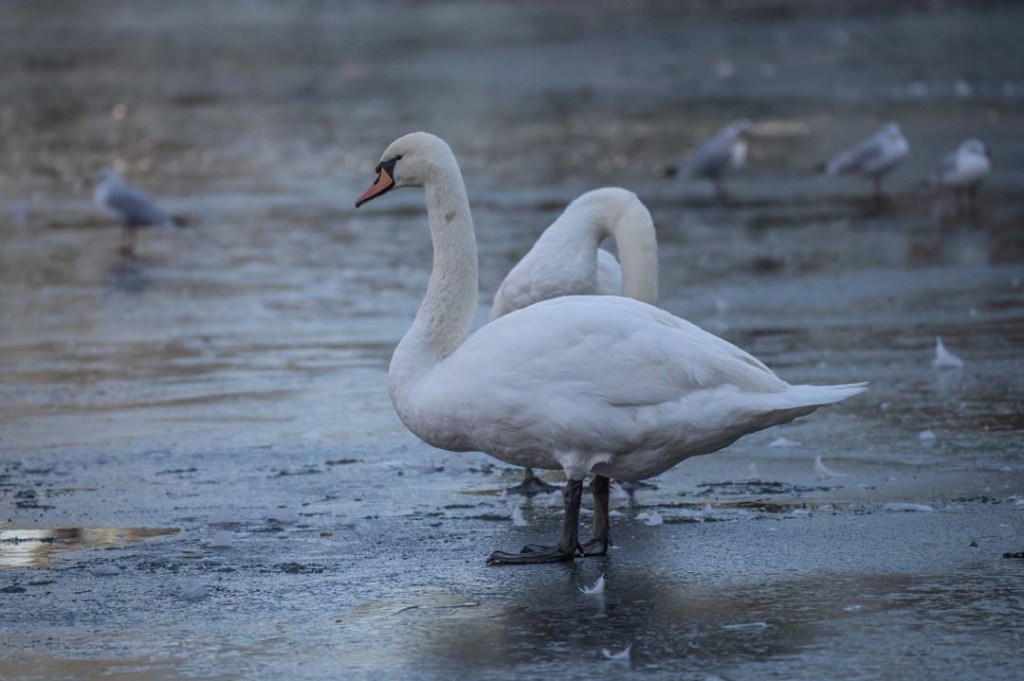

Slideshow of this mornings photos:

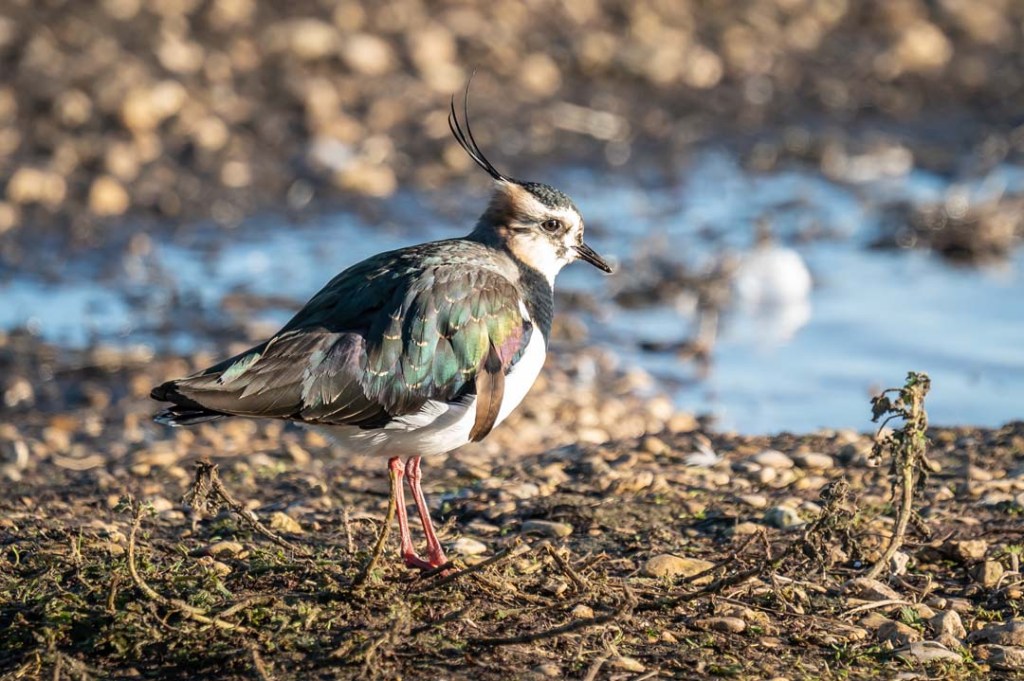
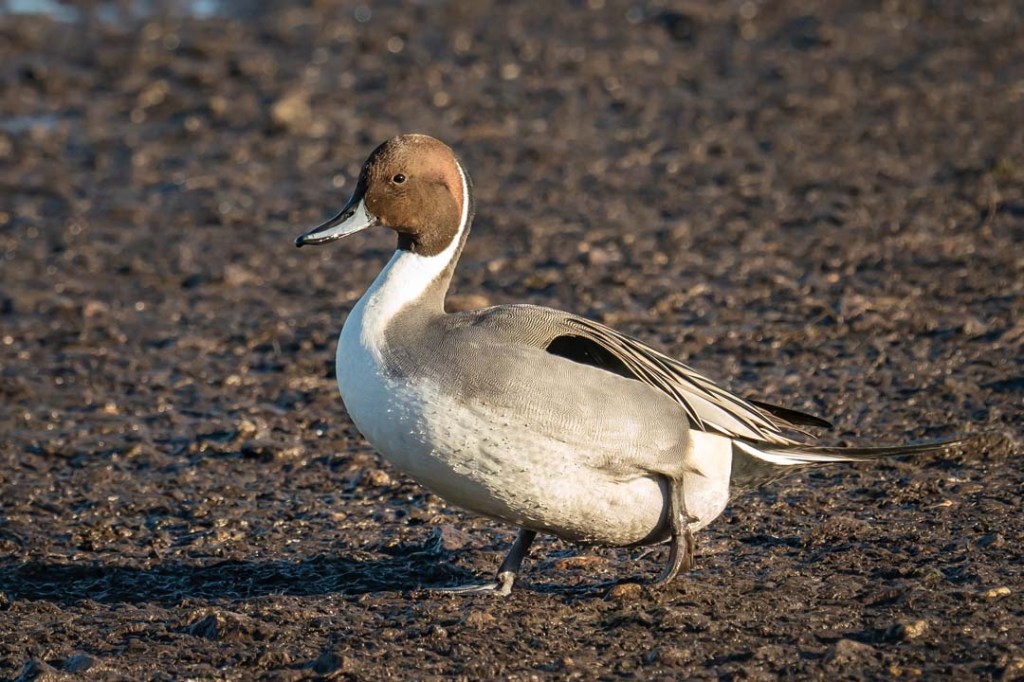
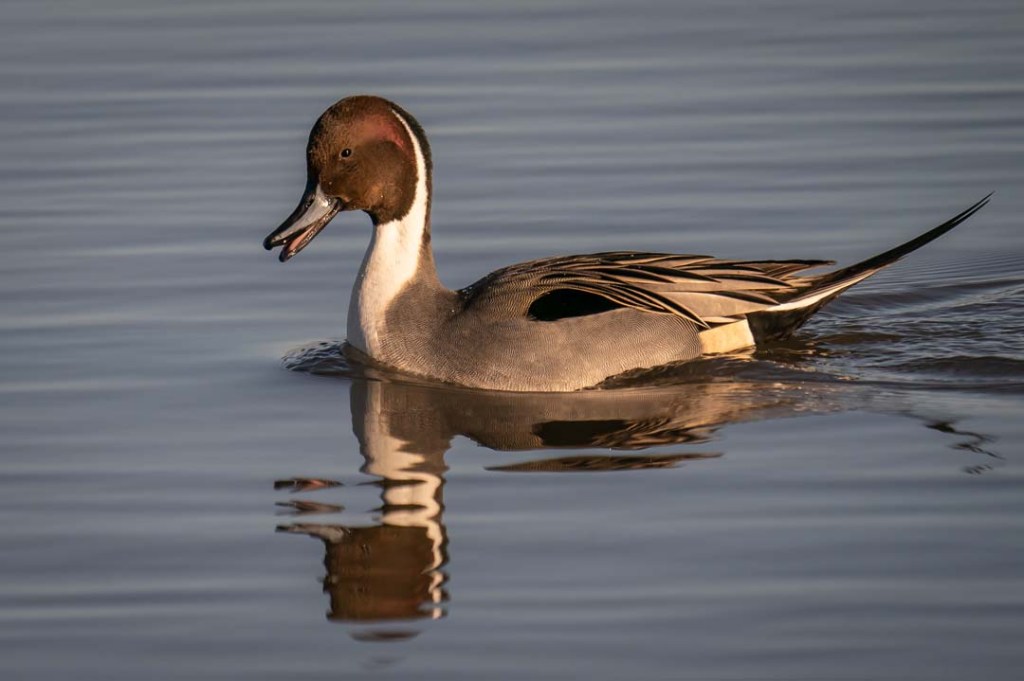
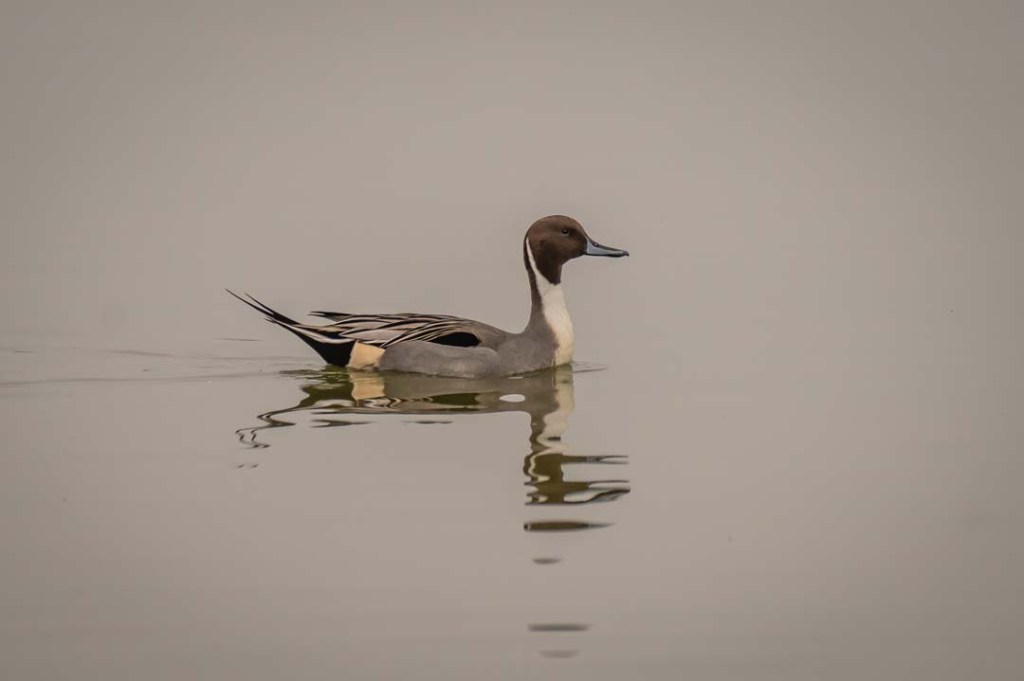
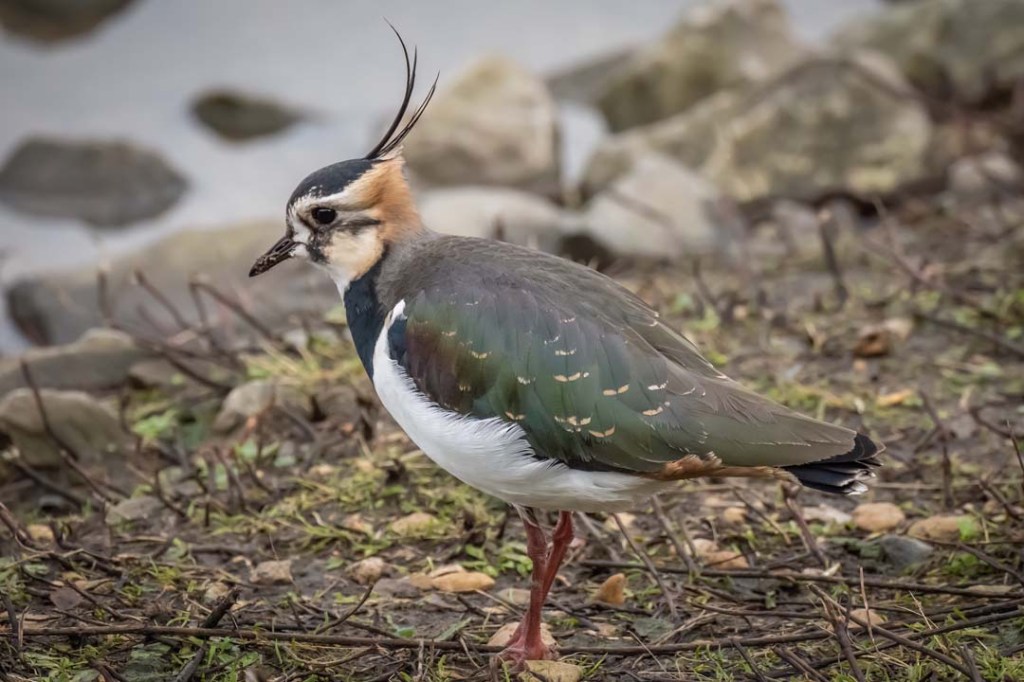
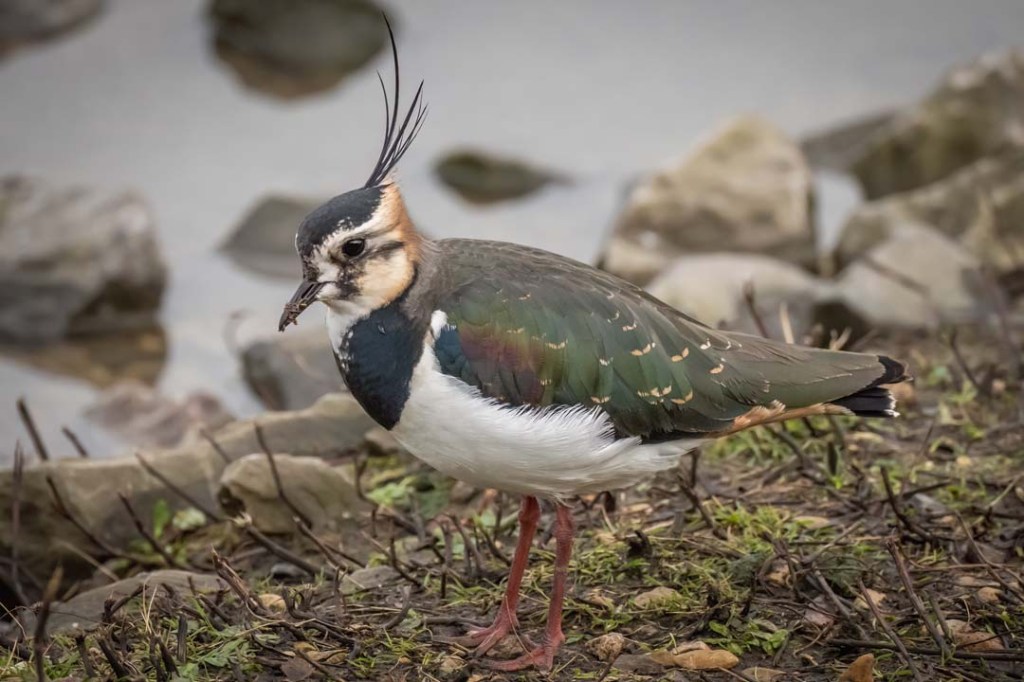
A dull day at Slimbridge can still be very rewarding. A great spotted woodpecker was one of the highlights along with large flocks of lapwings and golden plover. Plenty of northern pintails too.
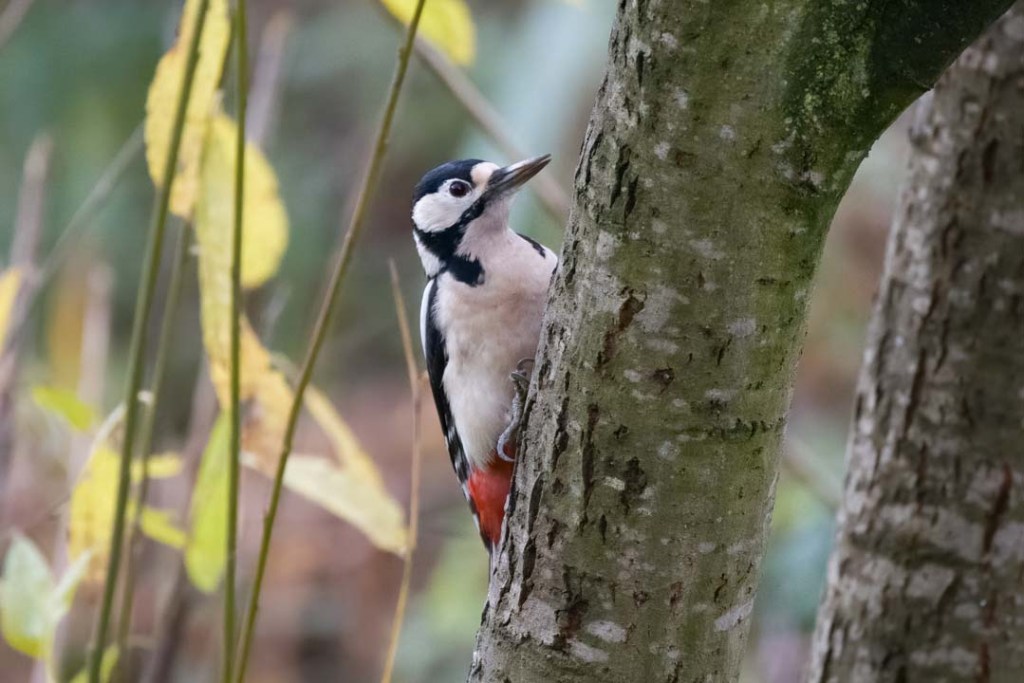
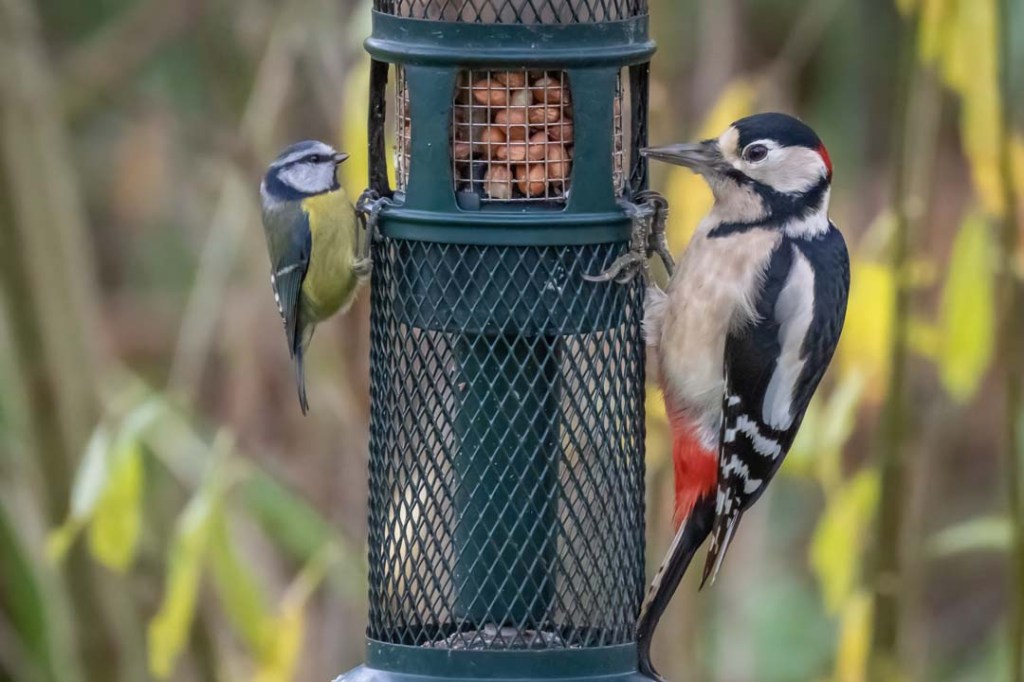
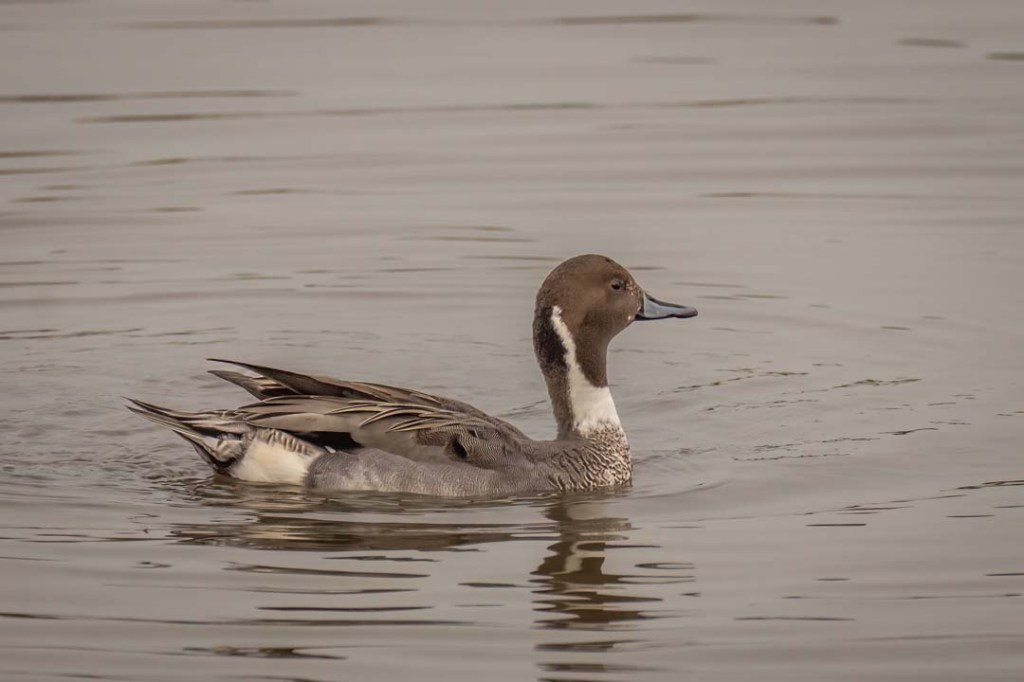
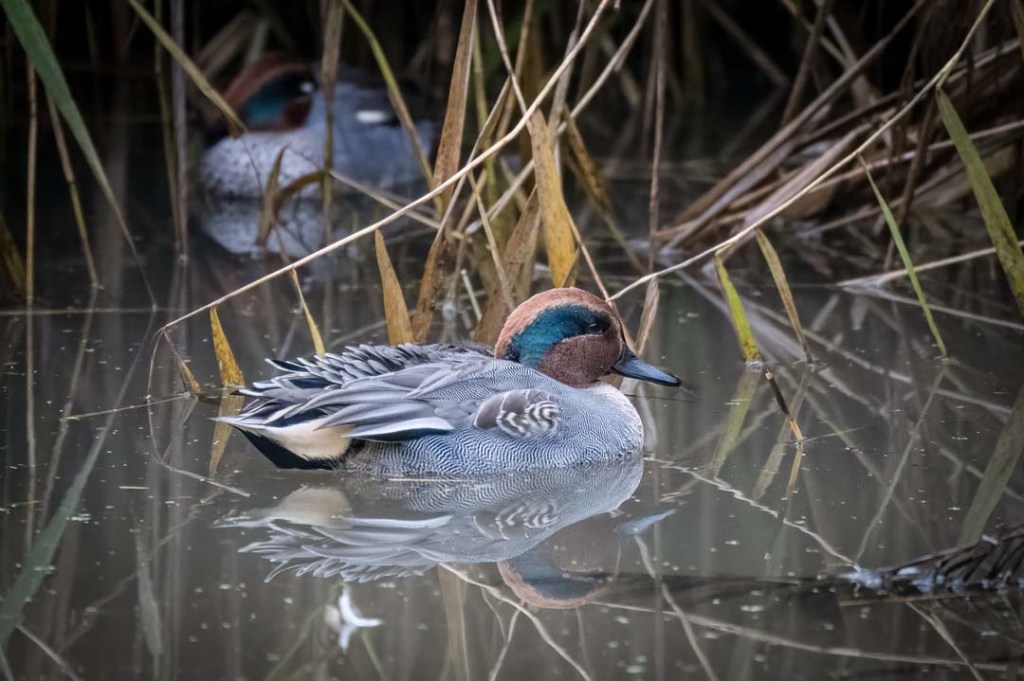

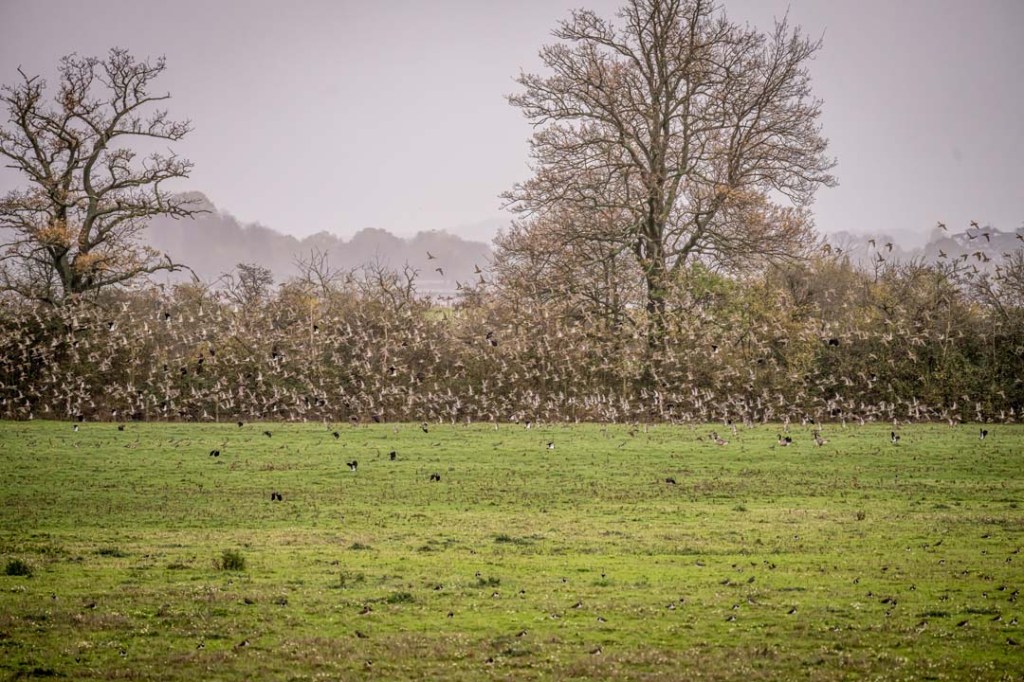


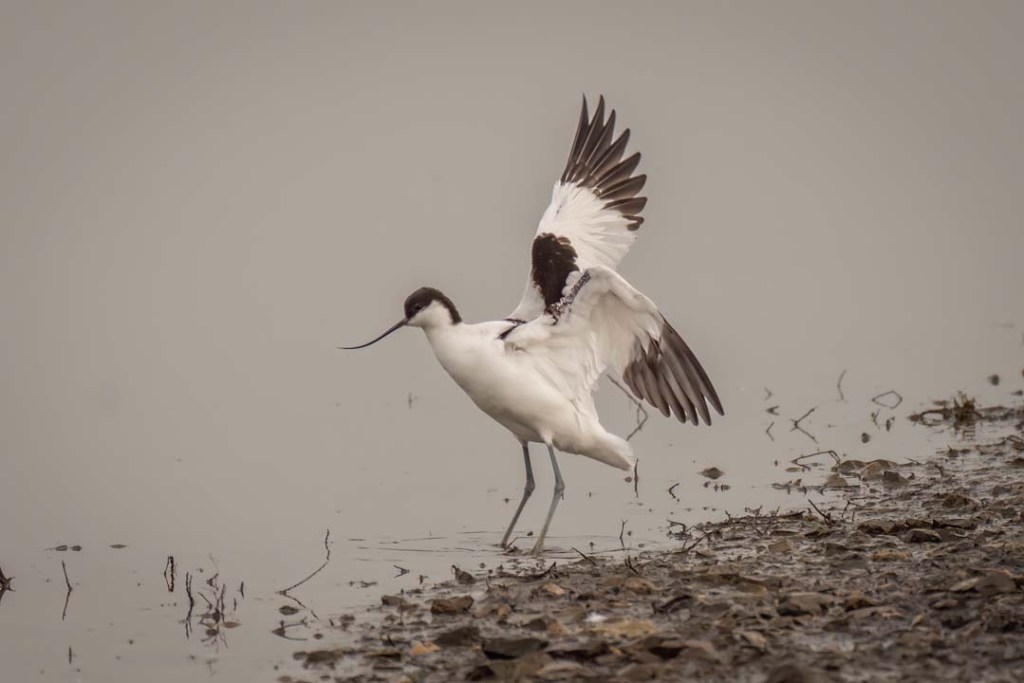
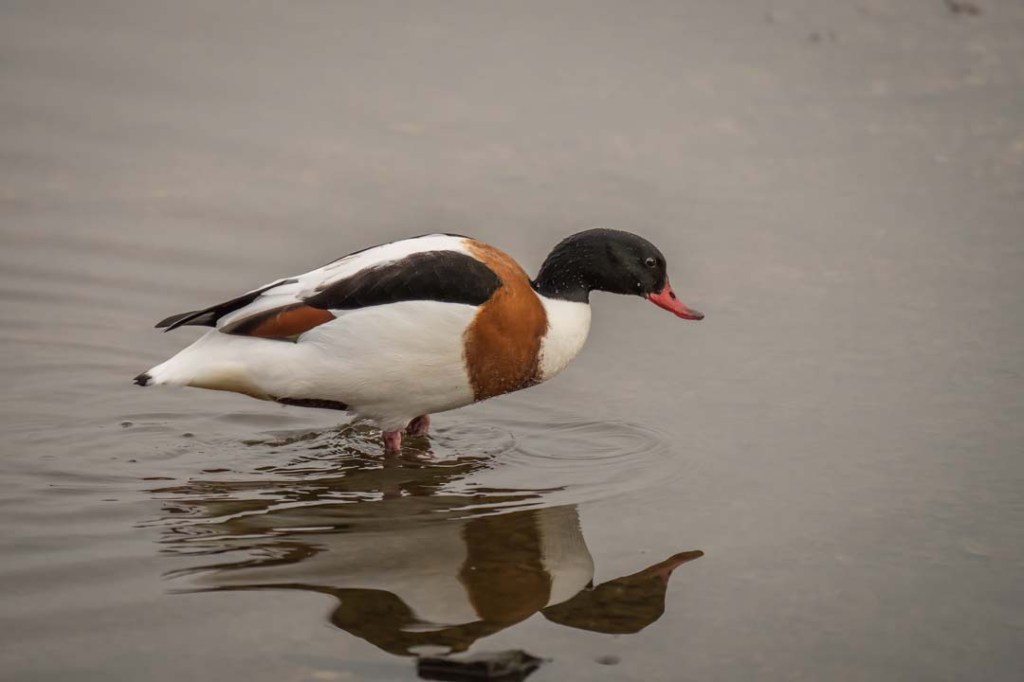
Slideshow of this morning’s photos:
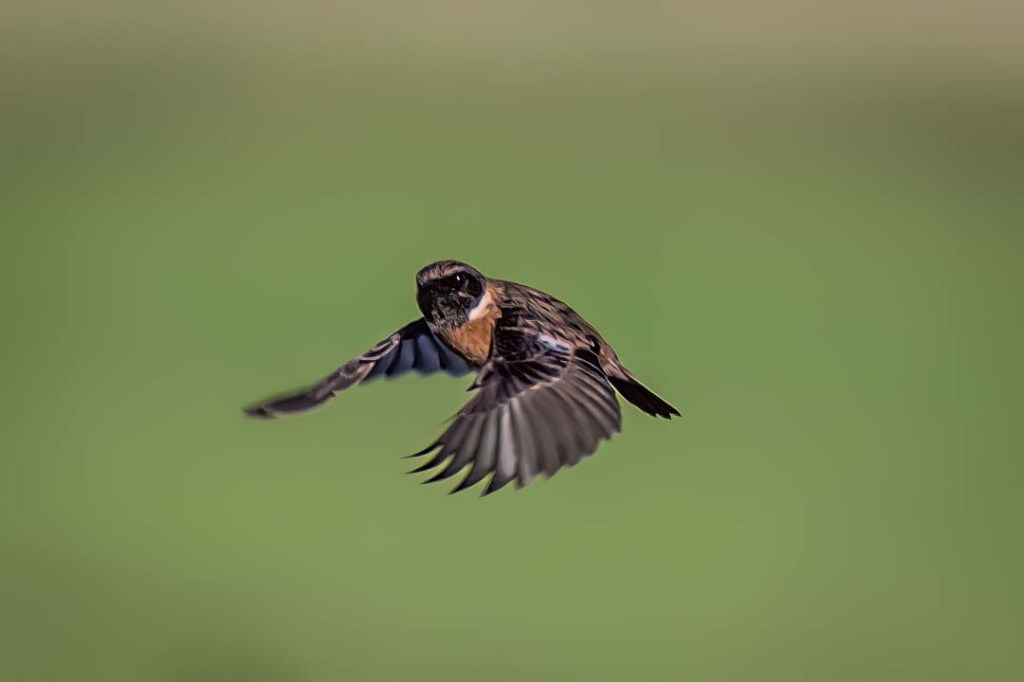
It was very wet underfoot but there was good light and it was still quite mild on my walk through our local park this morning.


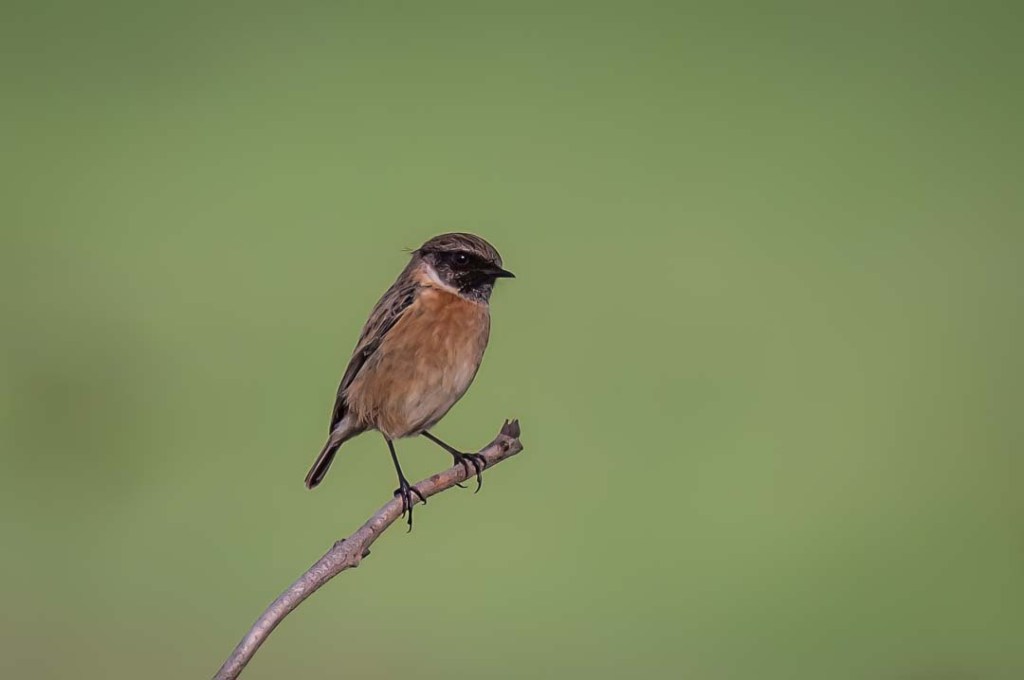
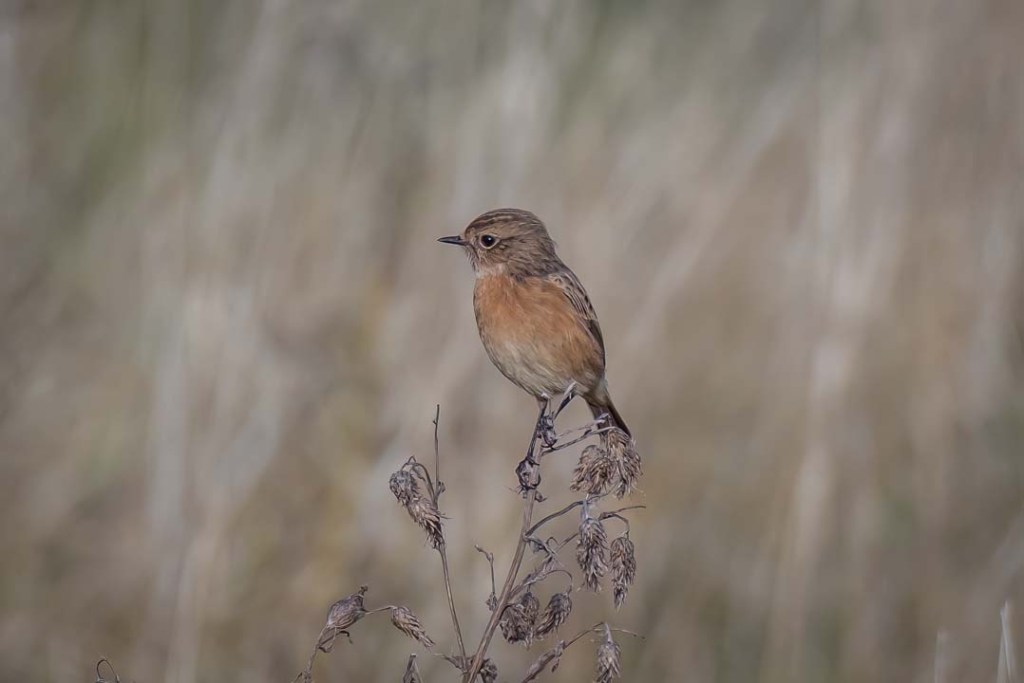
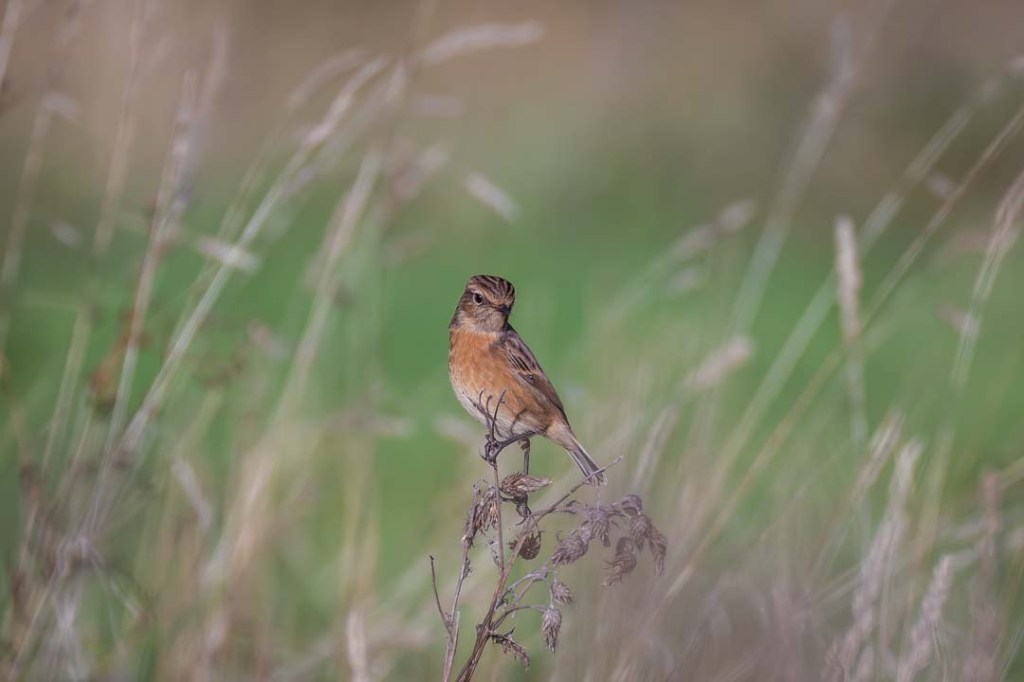
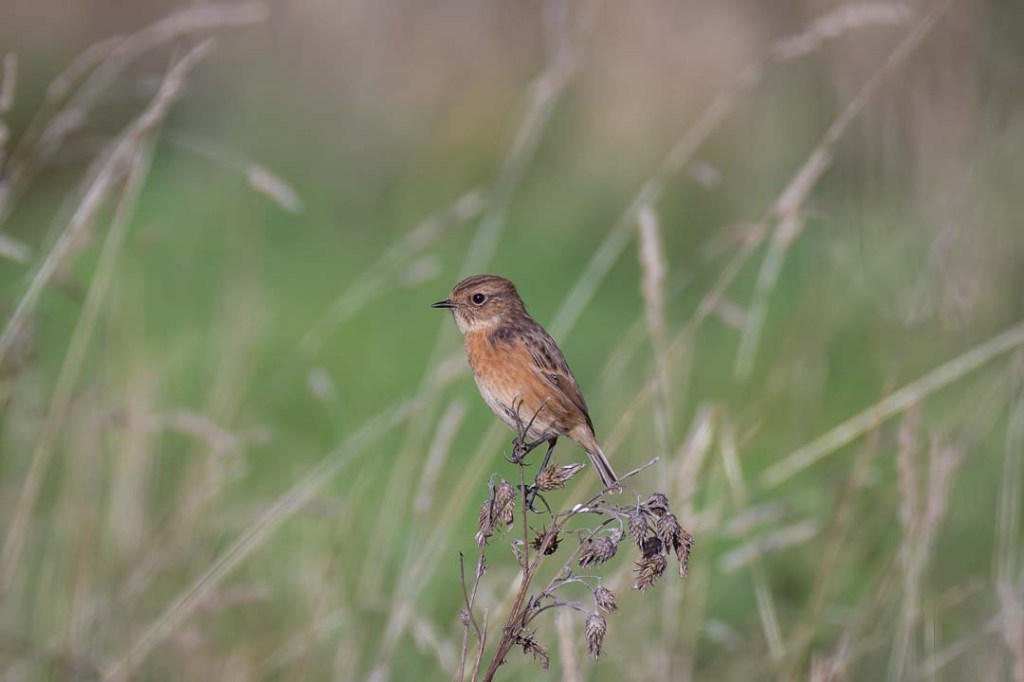
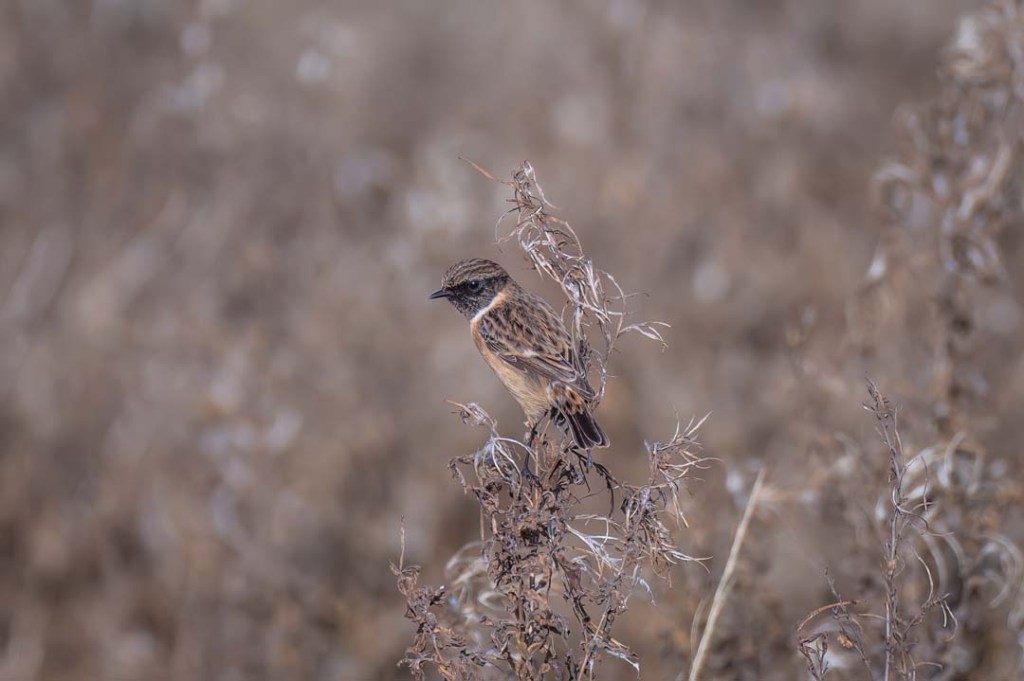
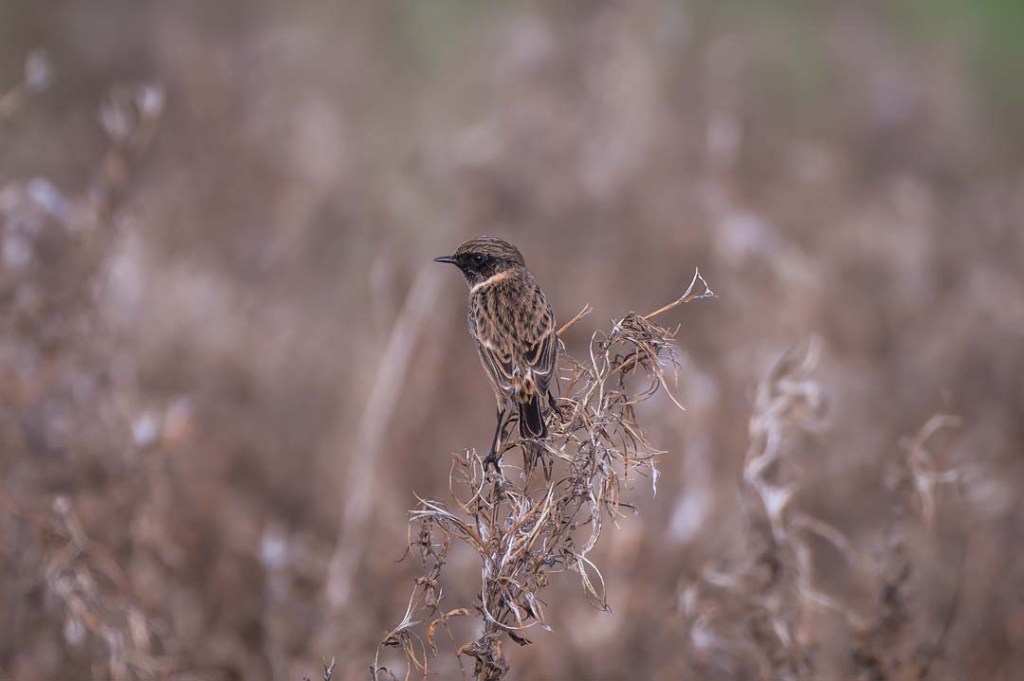
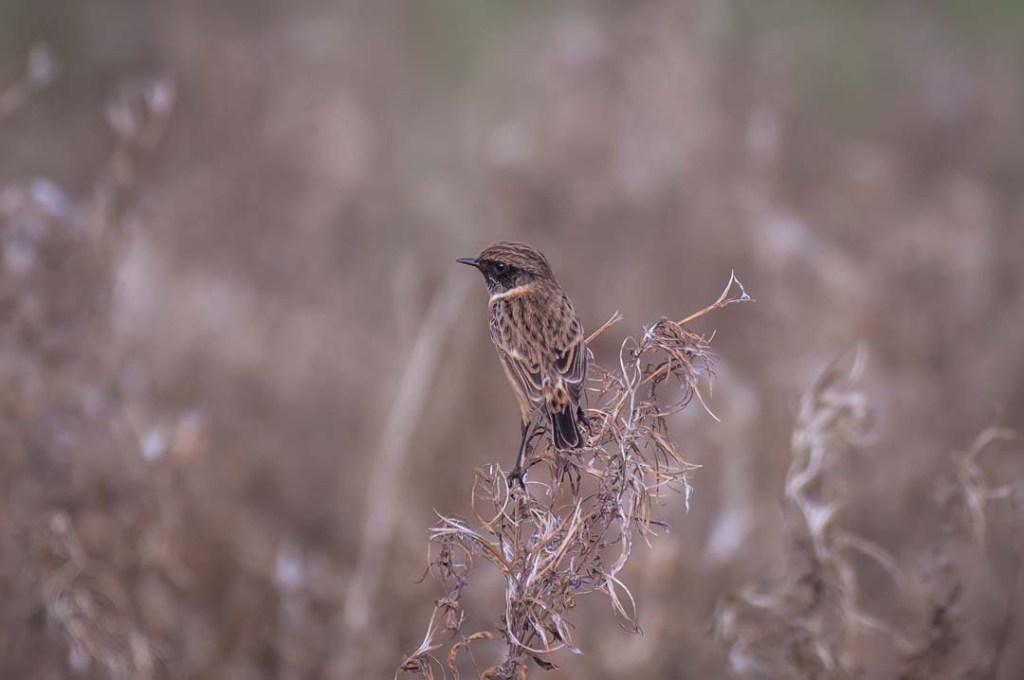
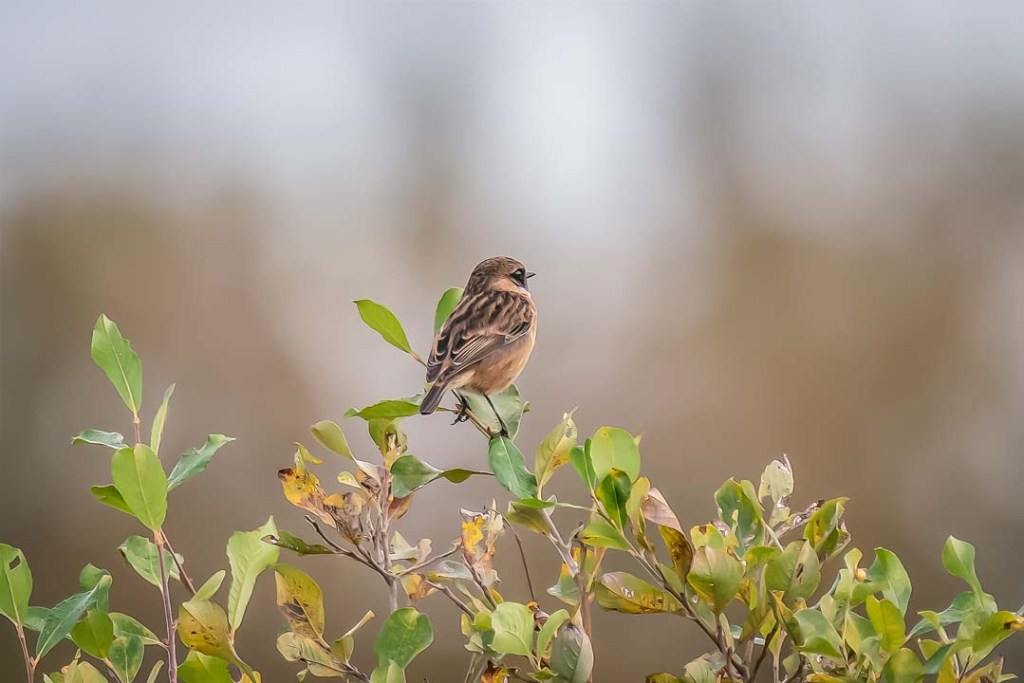
A pair of stonechats brightened my day which might have been even better if I had managed to find the firecrests which other local birders have been reporting regularly in the last few days. Another challenge for another day.
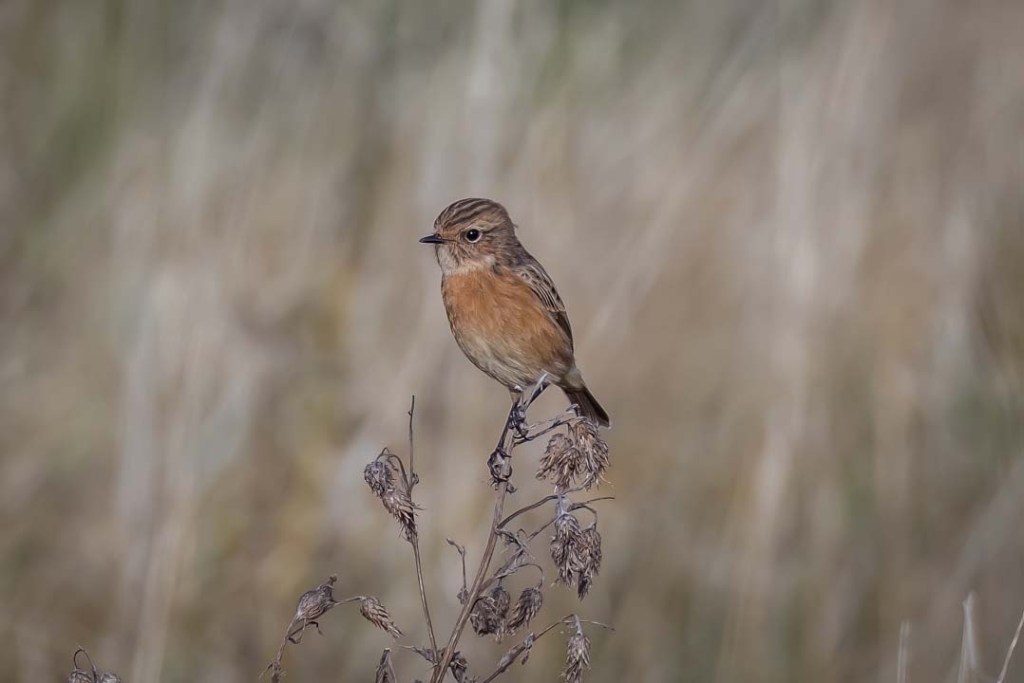

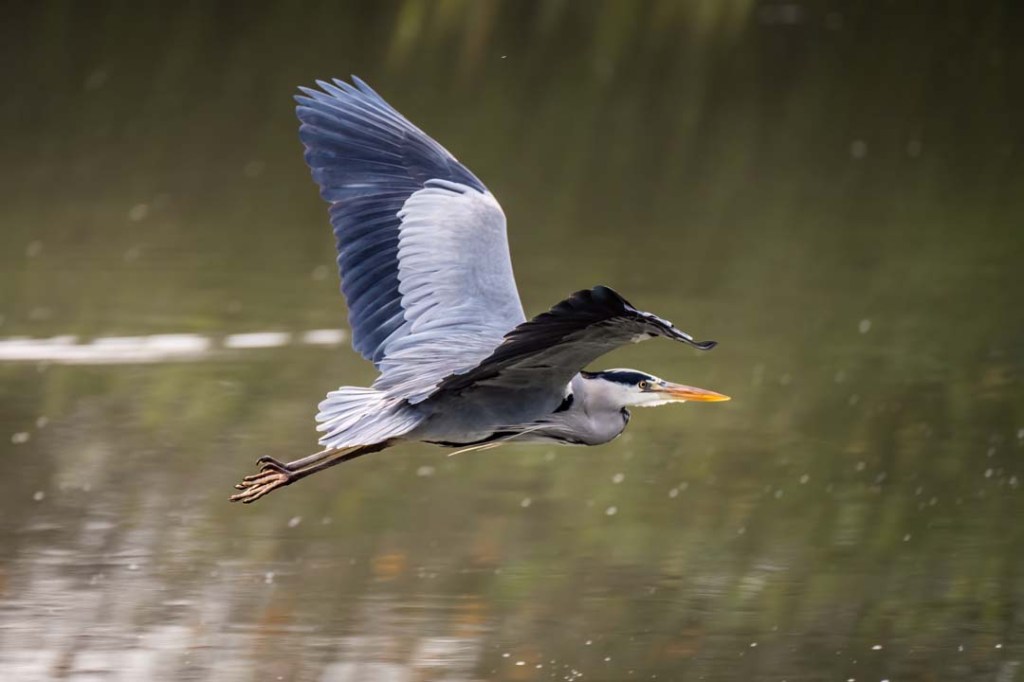


Slideshow of my photos from this morning:
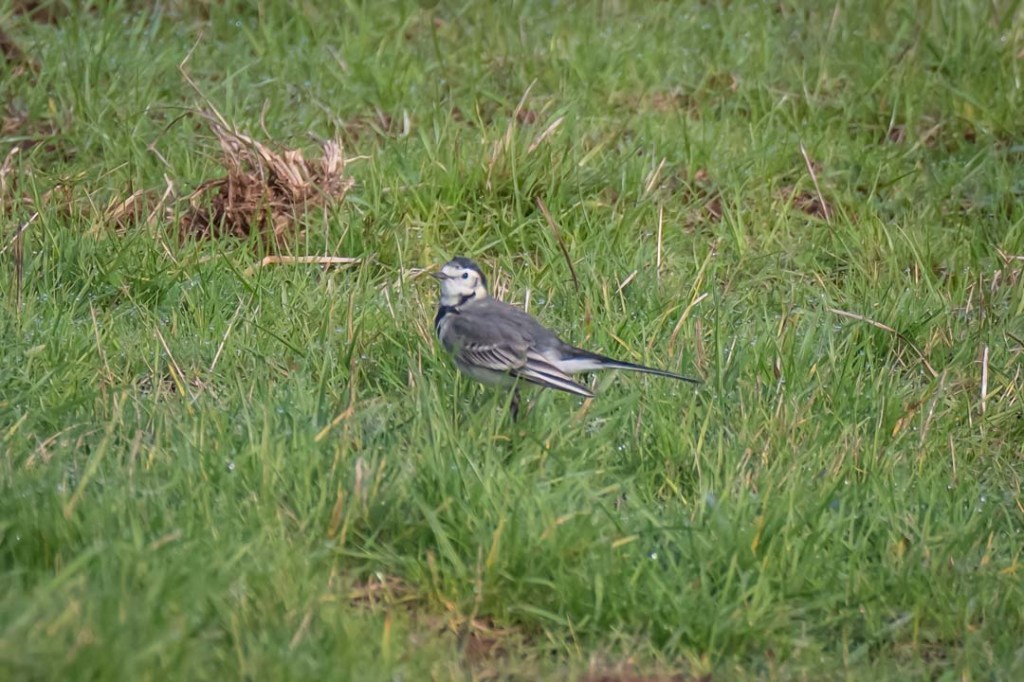
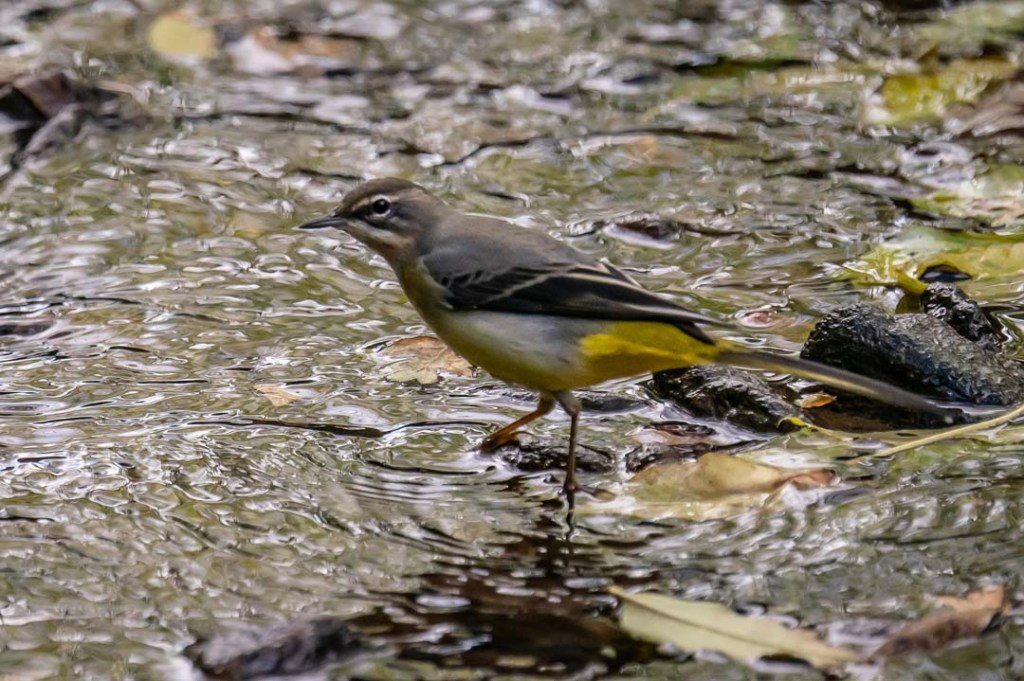
I stopped off at Cheddar Reservoir on my way to the Avalon Marshes in Somerset but a heavy shower sent me scurrying back to my car; and so my only photo of my brief walk was of a pied wagtail.

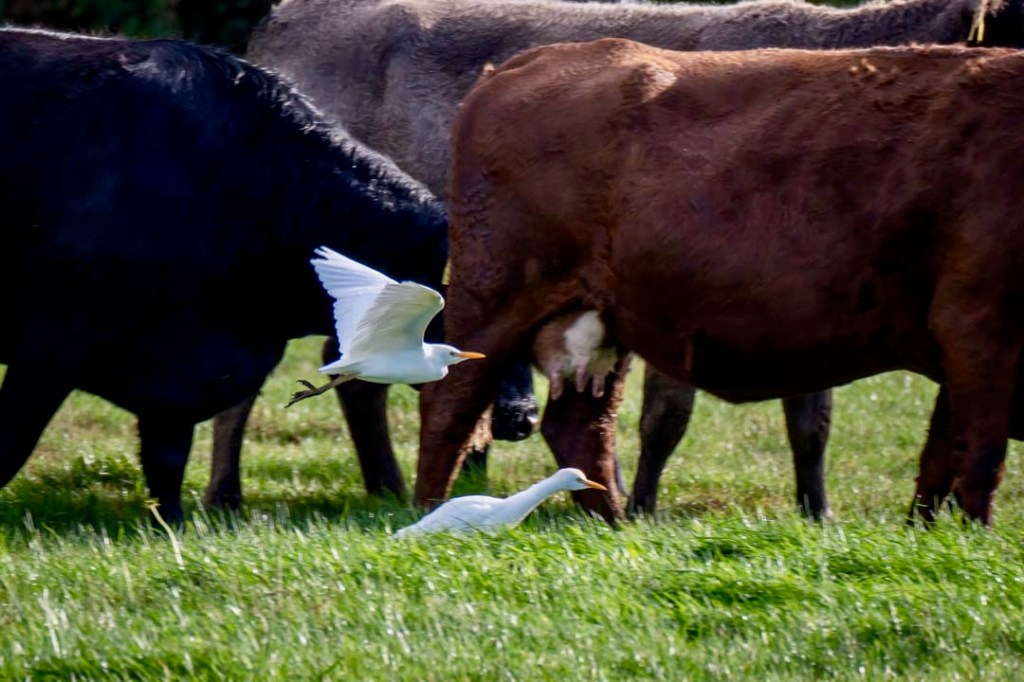
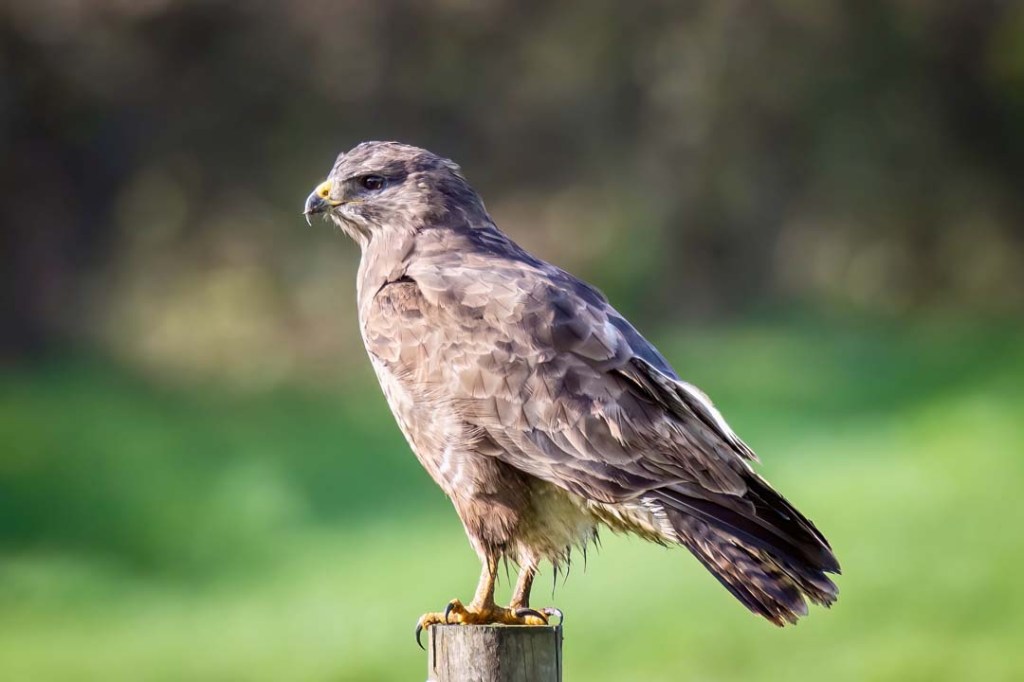
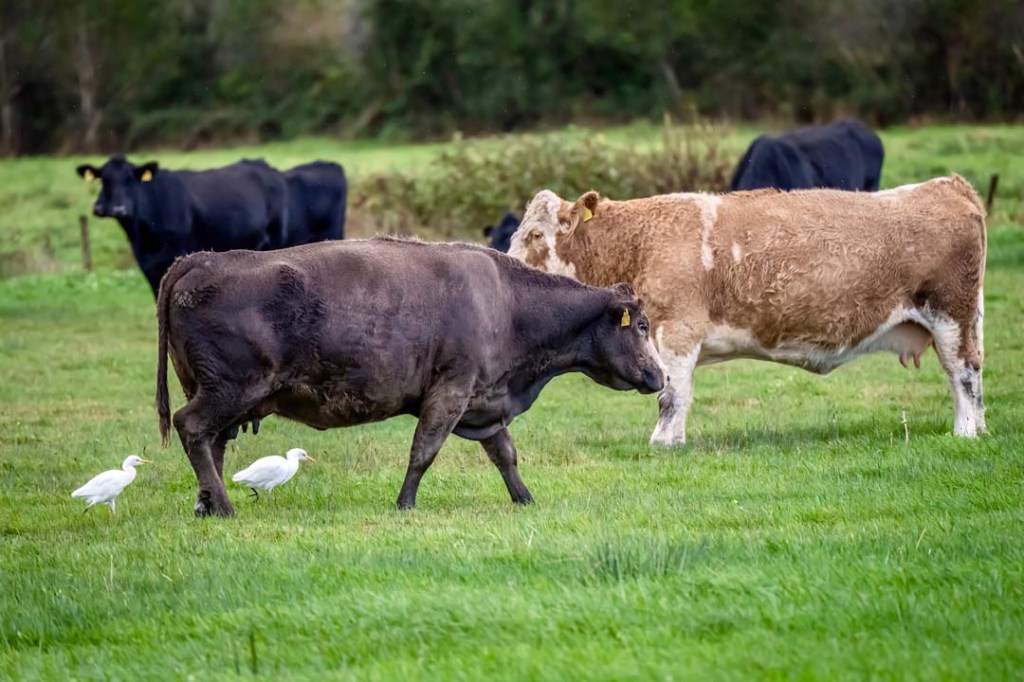
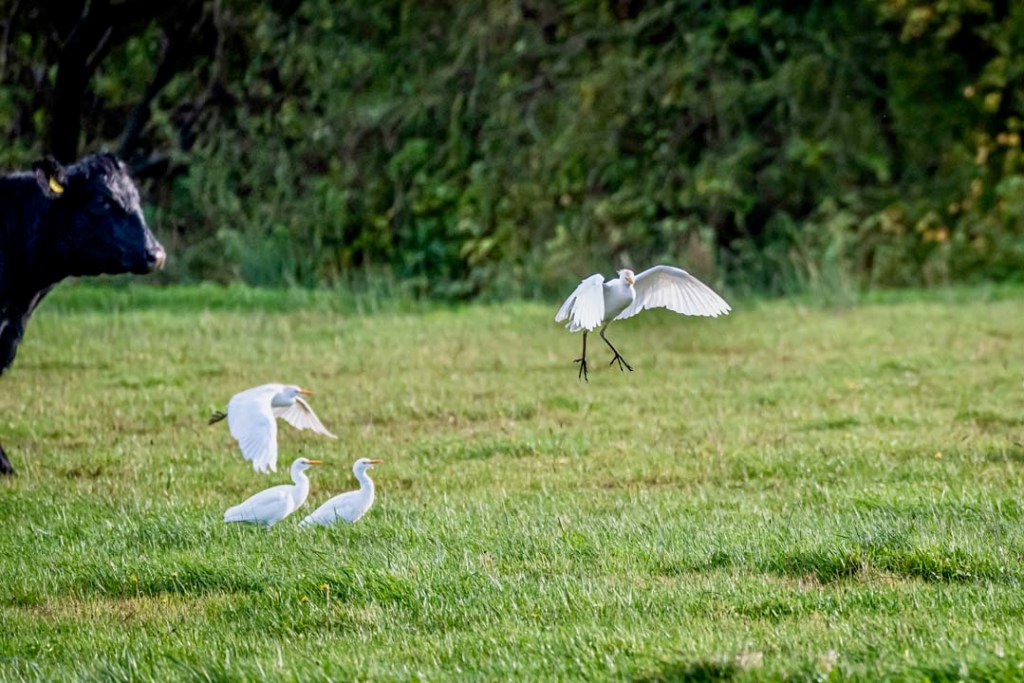
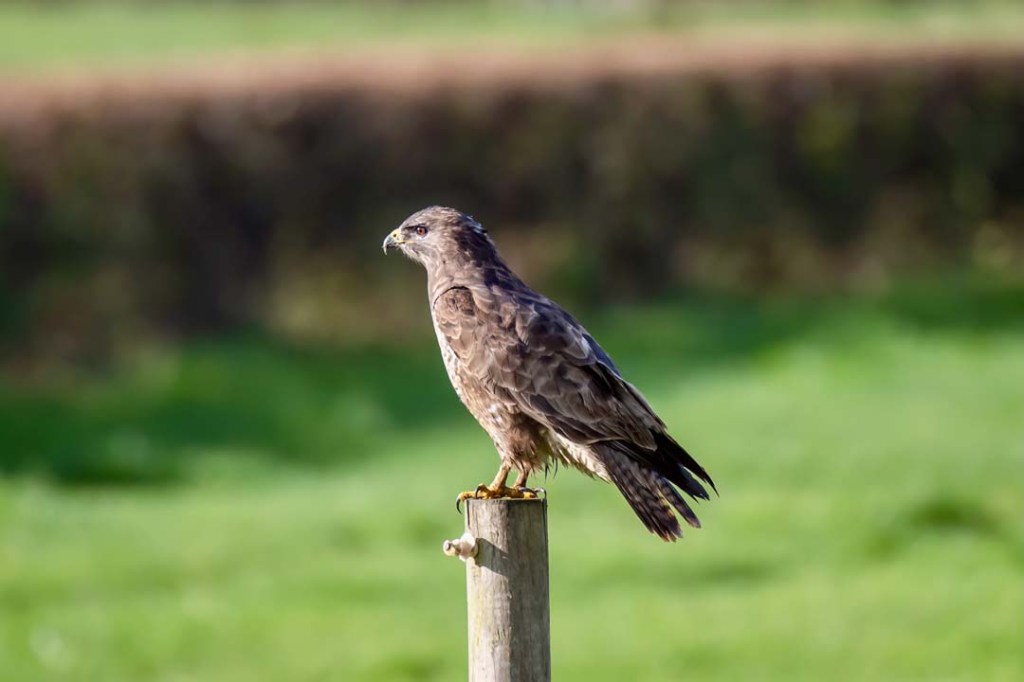
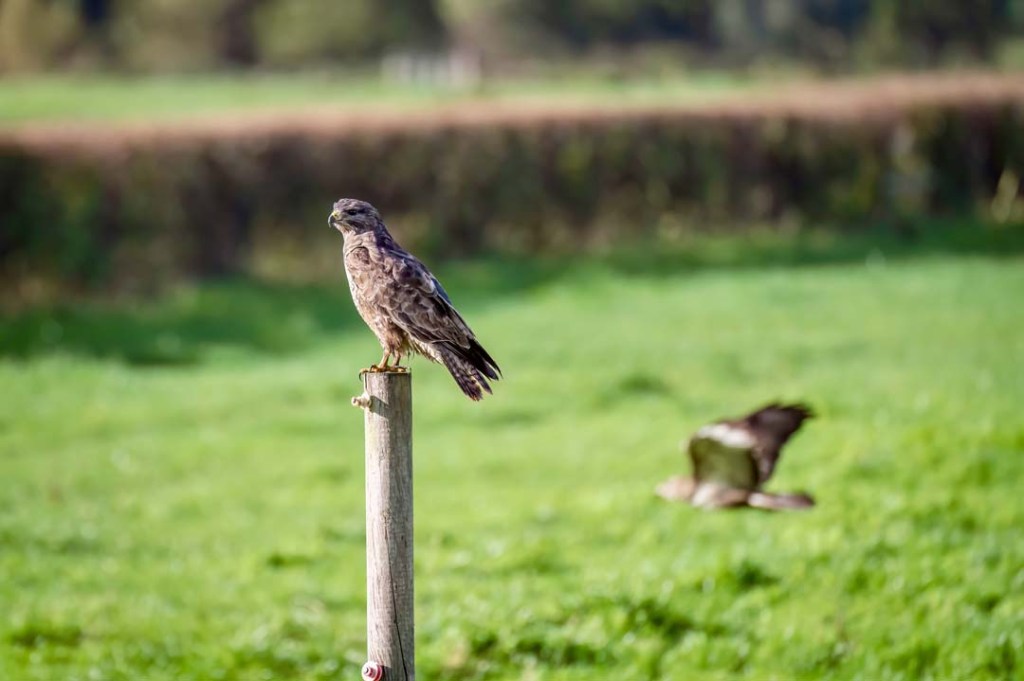
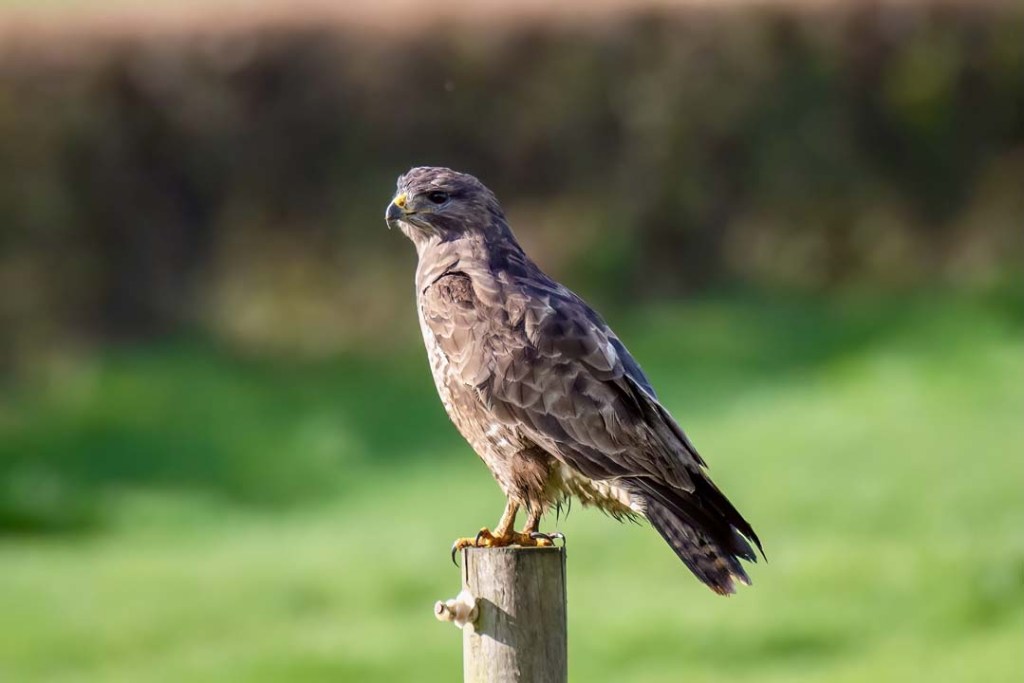
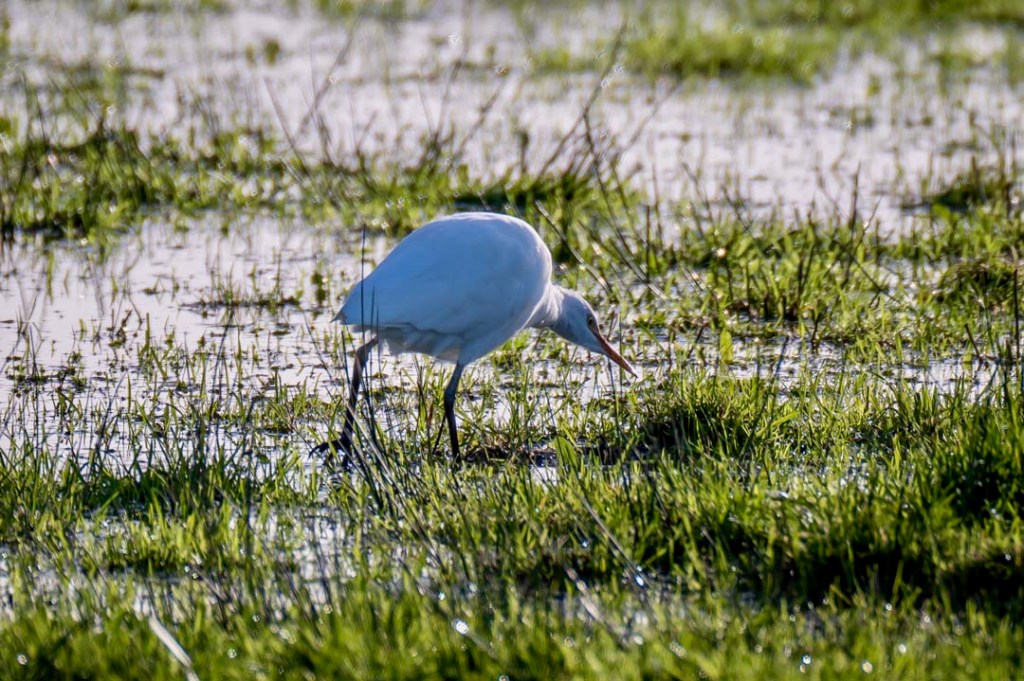
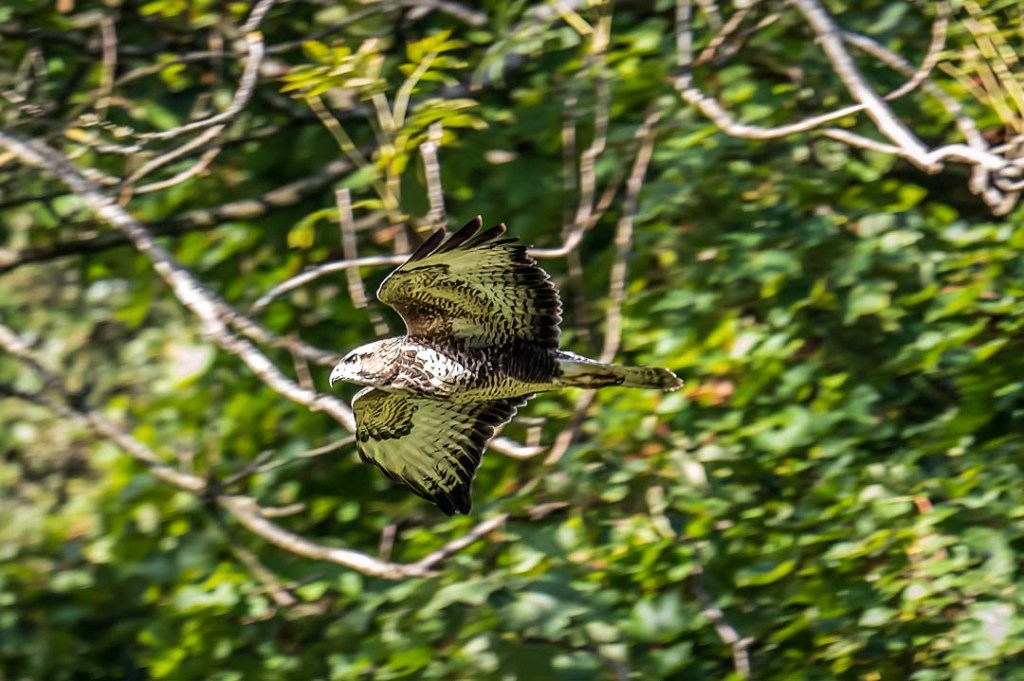
I made another stop by the roadside after Wedmore when I saw a flock of 22 cattle egret. I even managed some shots of a pair of buzzards in the same area.

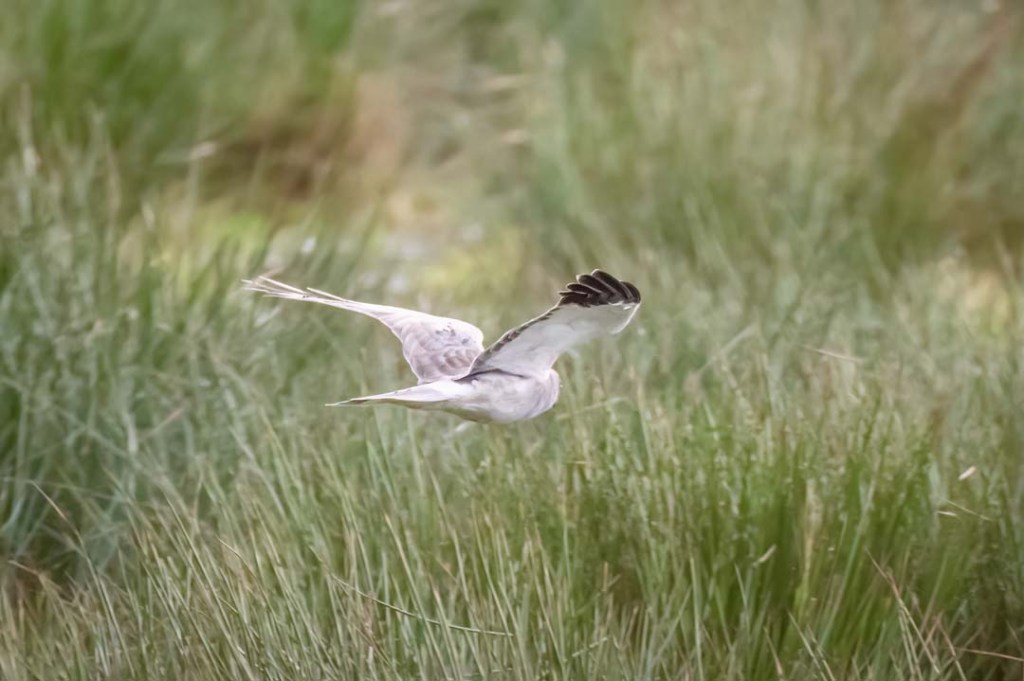
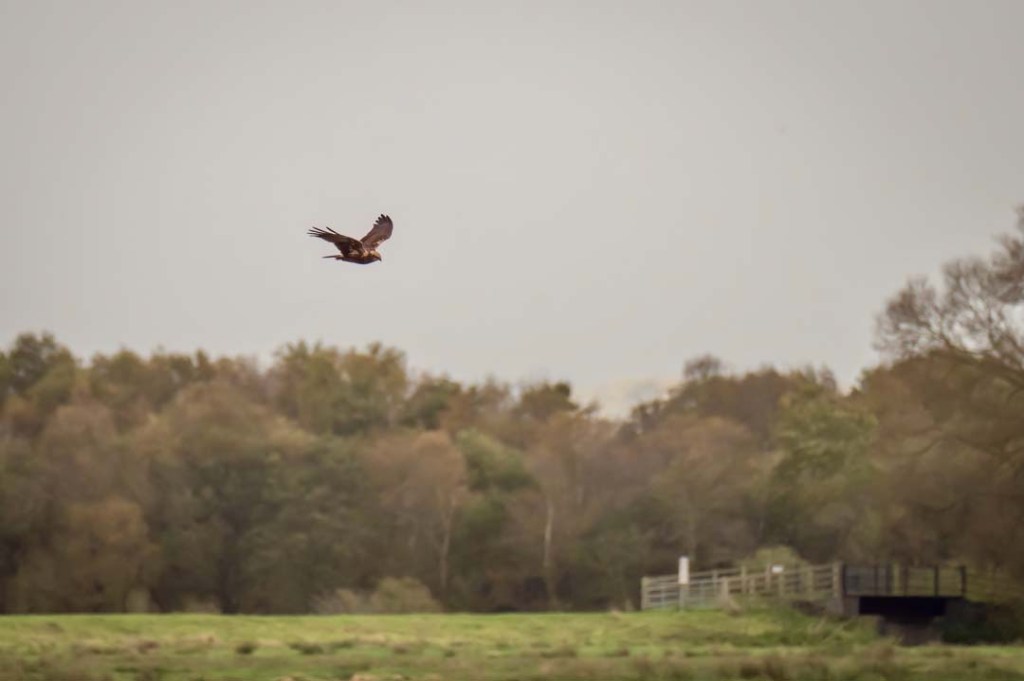
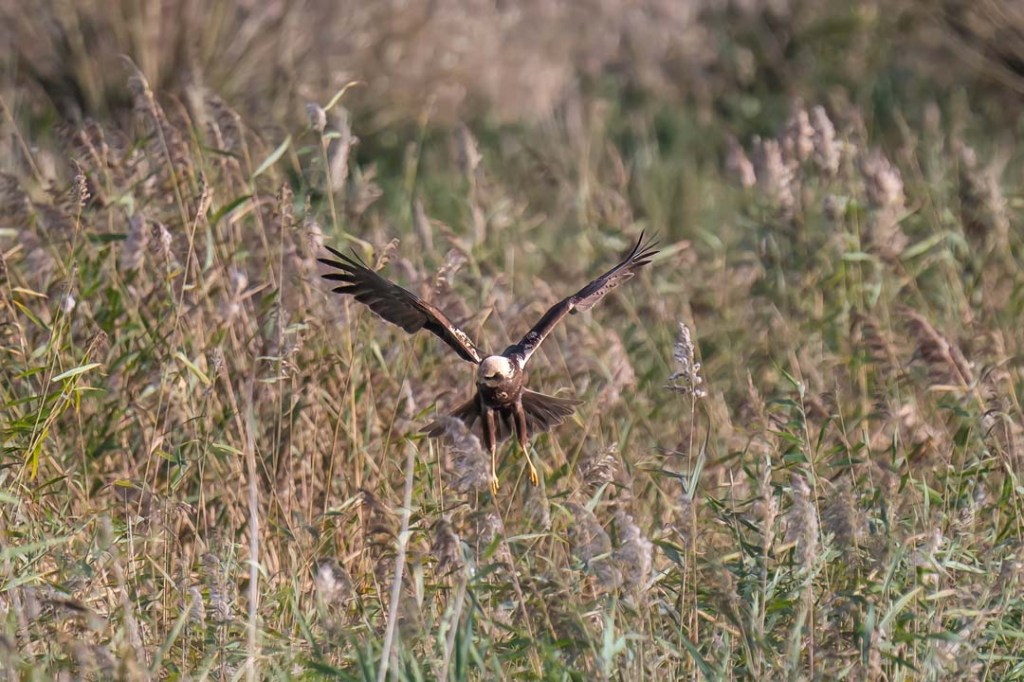
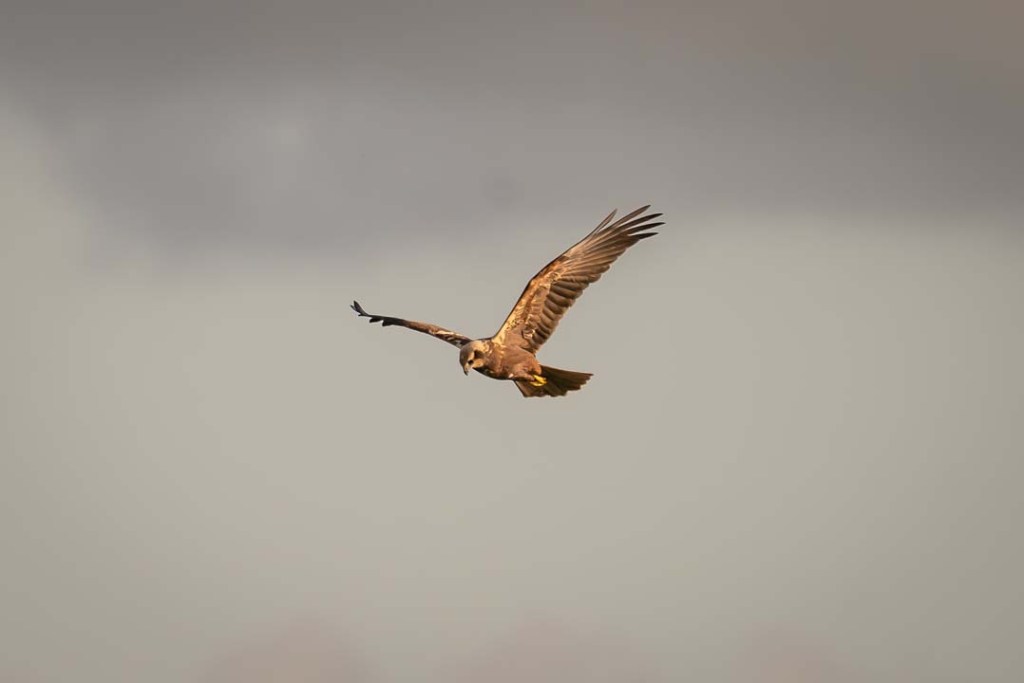
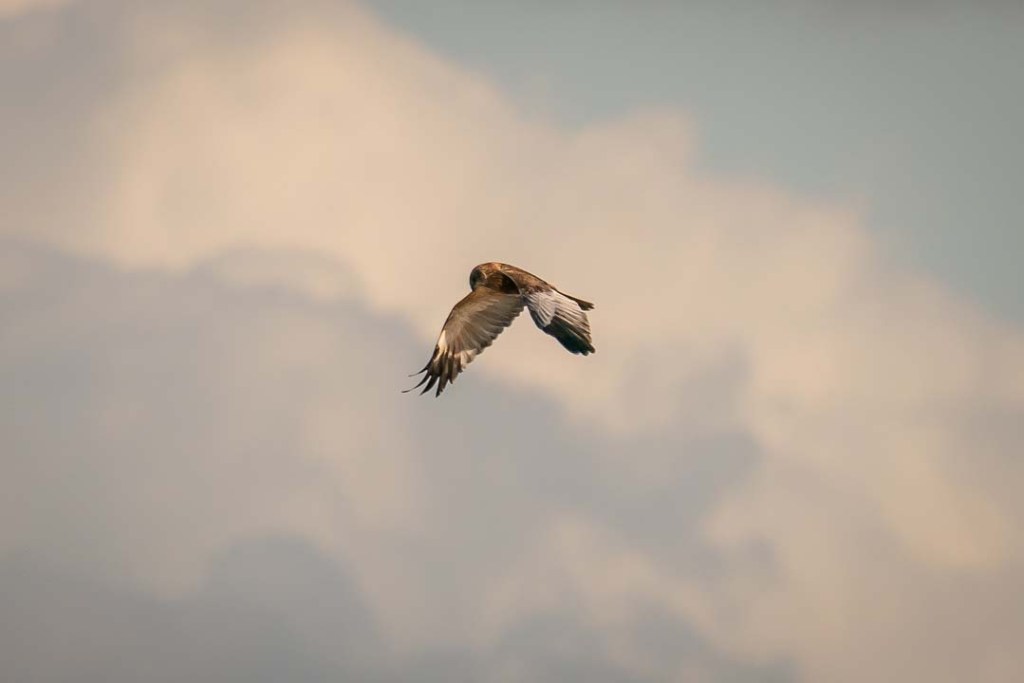
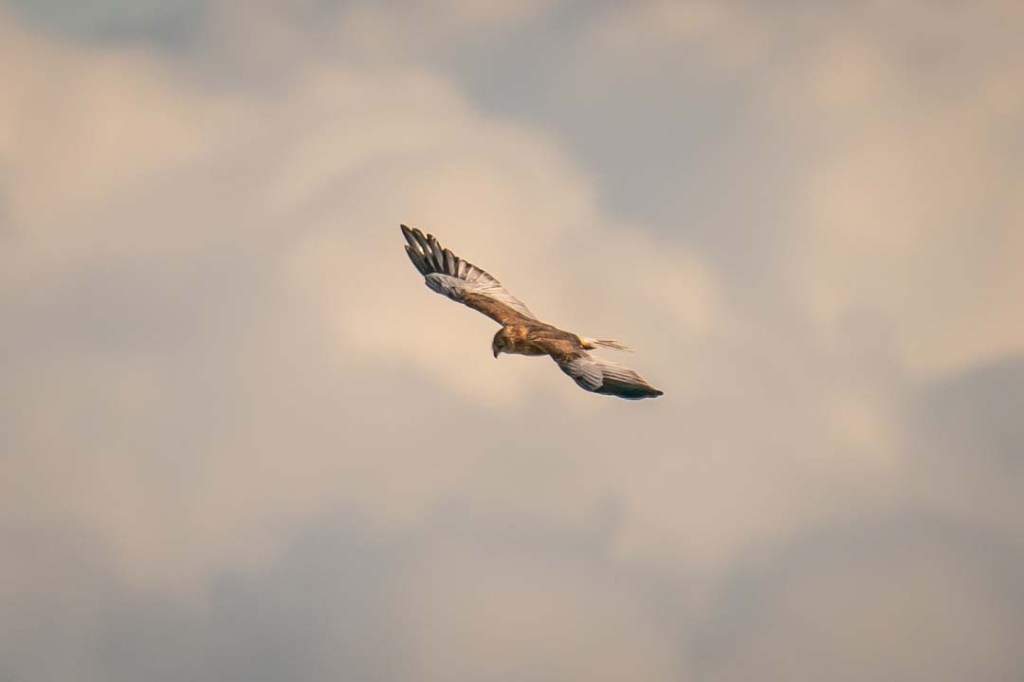
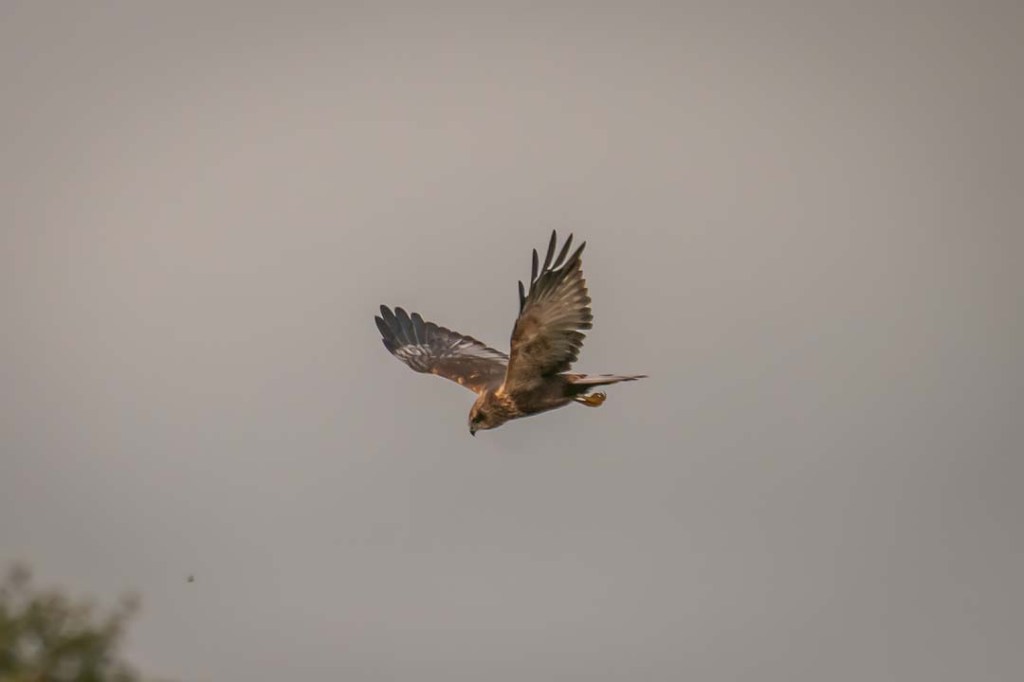
When I arrived at Catcott everyone in the hide was in a state of excitement having seen a hen harrier, marsh harriers and red kites in the last few minutes. Before too long the hen harrier flashed right in front of the hide. I had wonderful views of it but, even though I have a photographic record of it, my photos were rather disappointing.

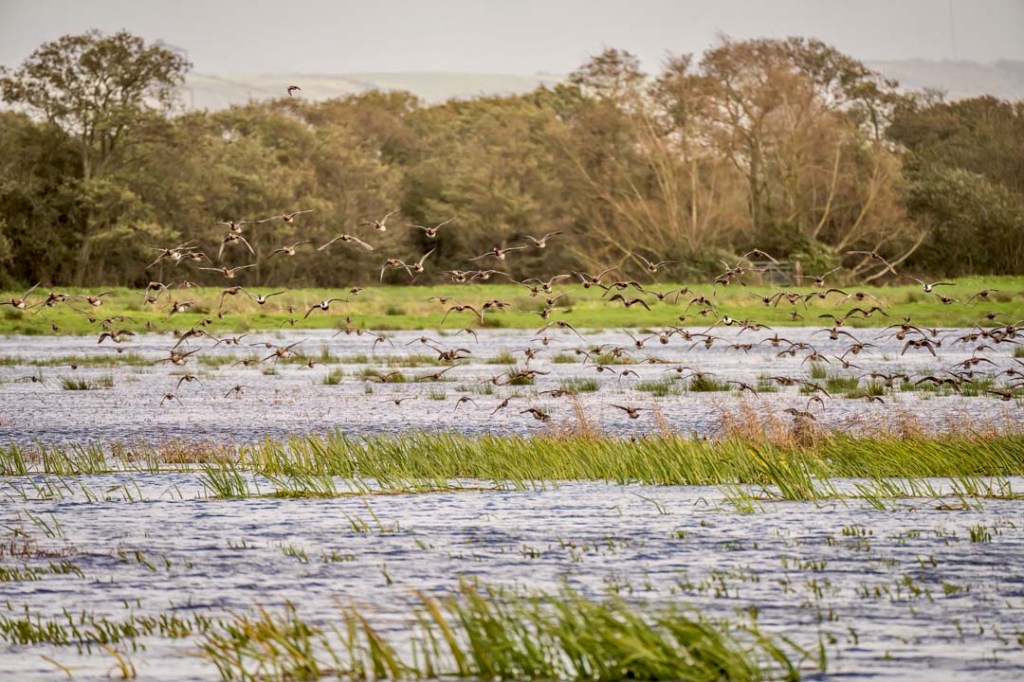
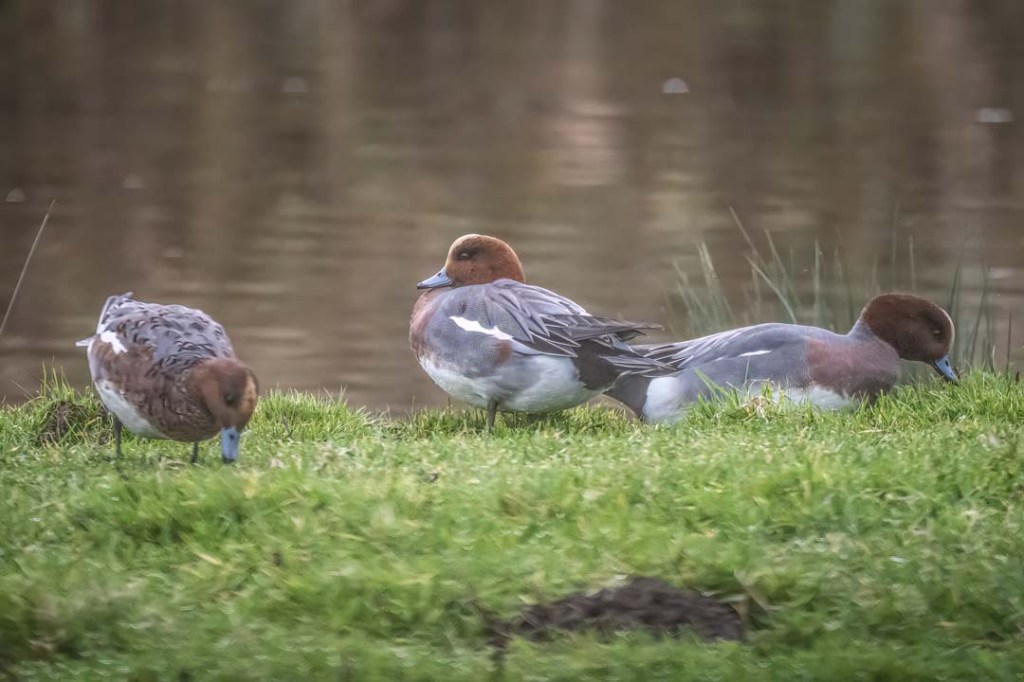
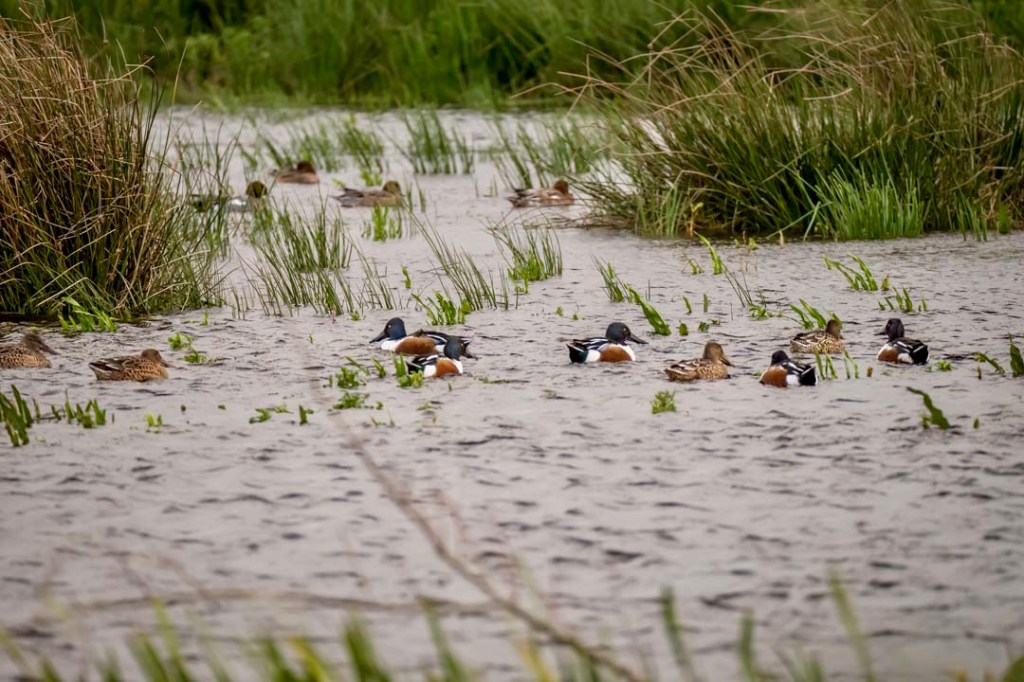
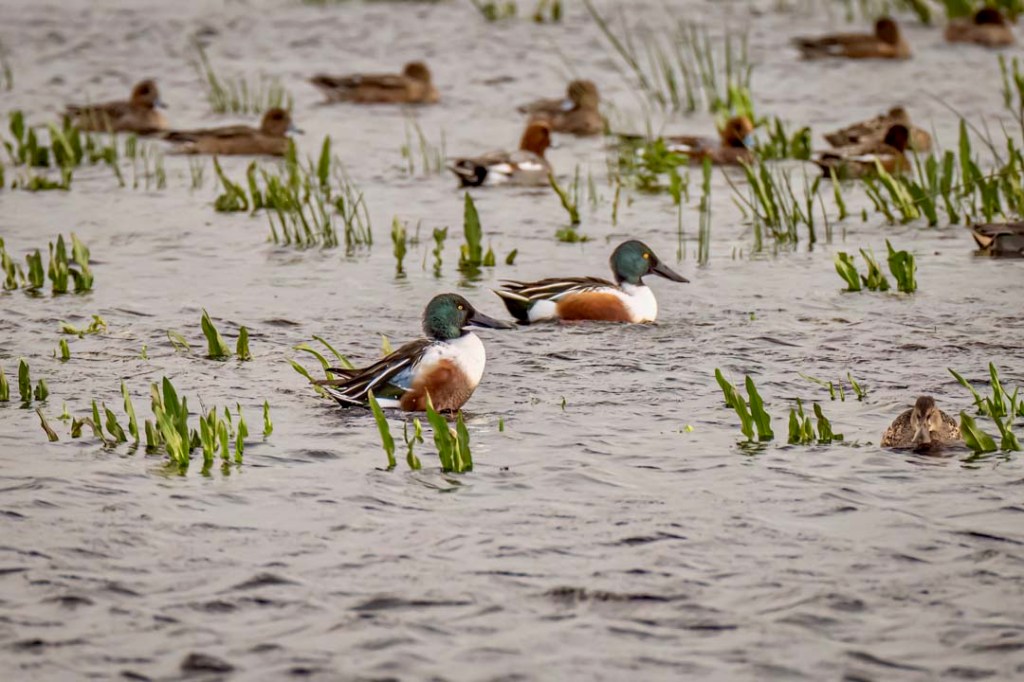
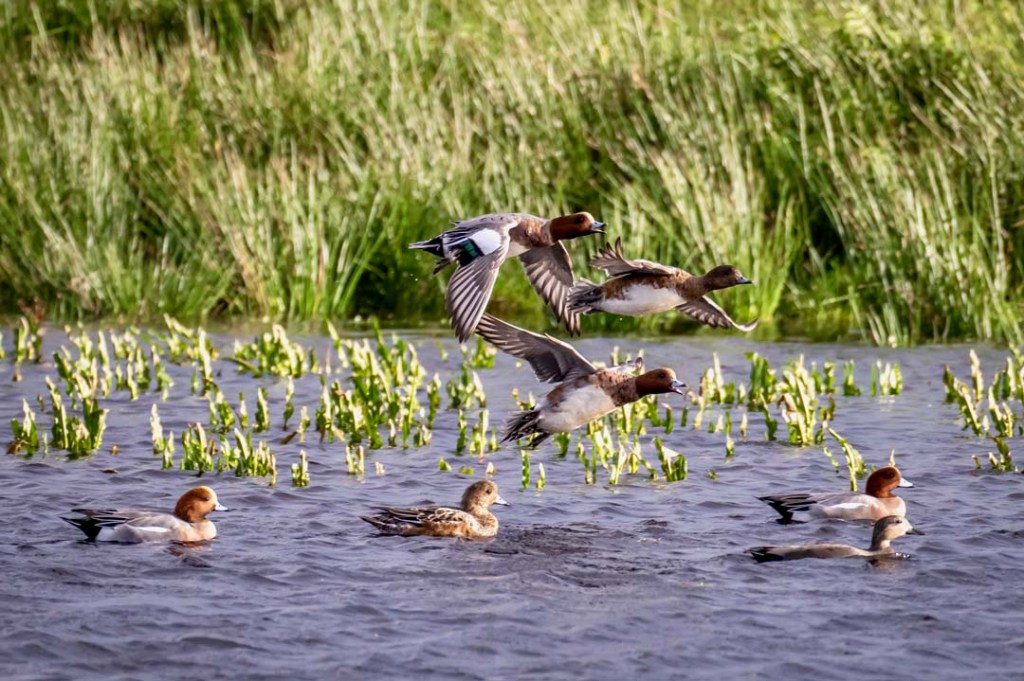
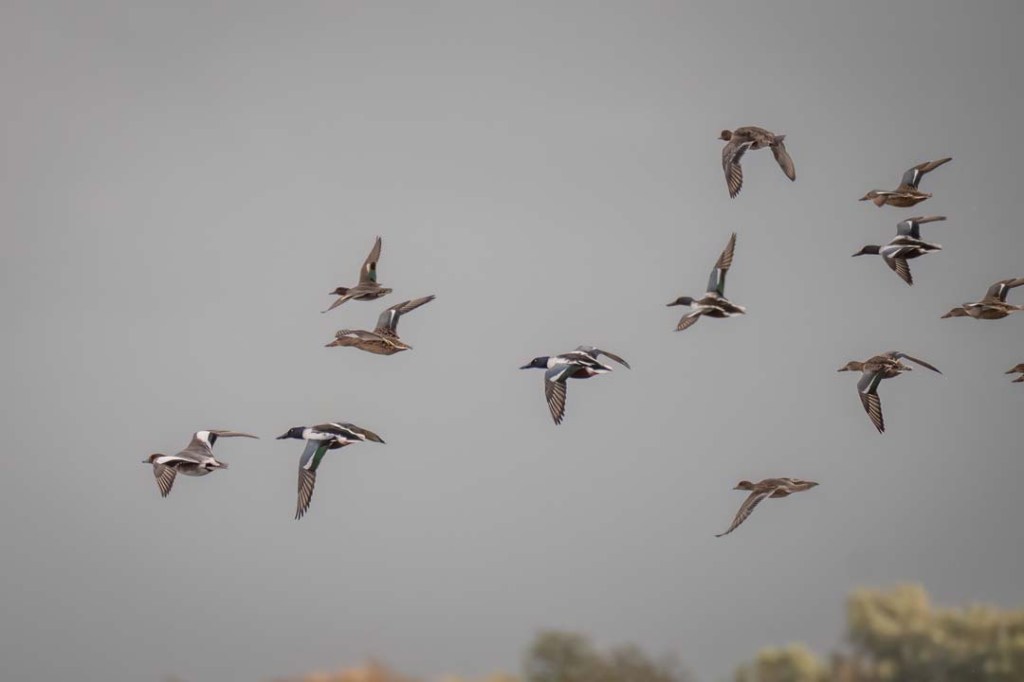
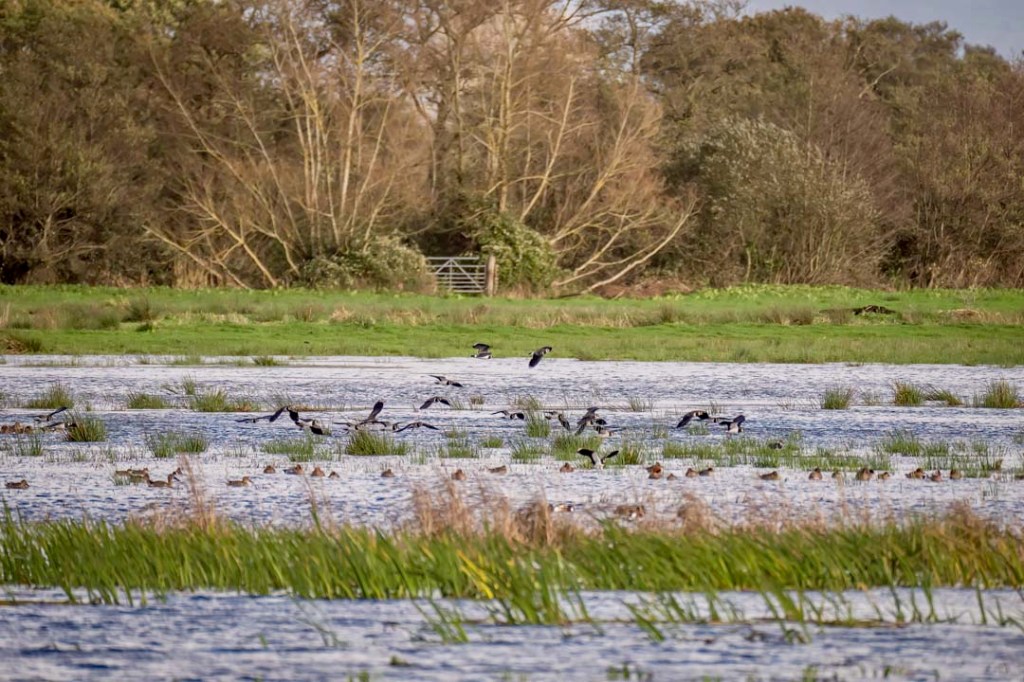
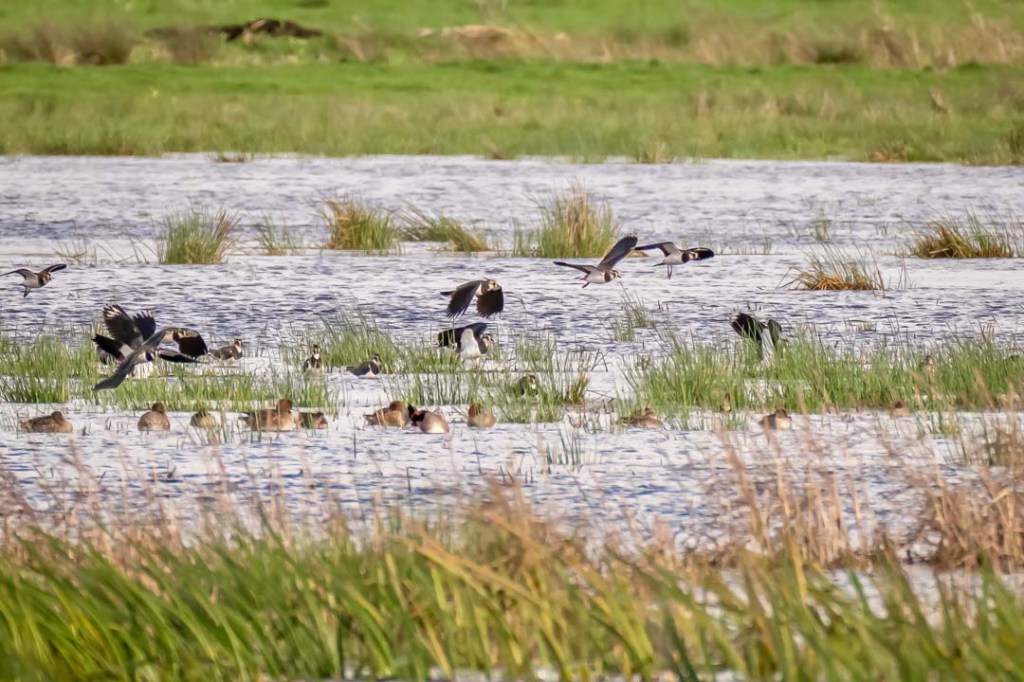
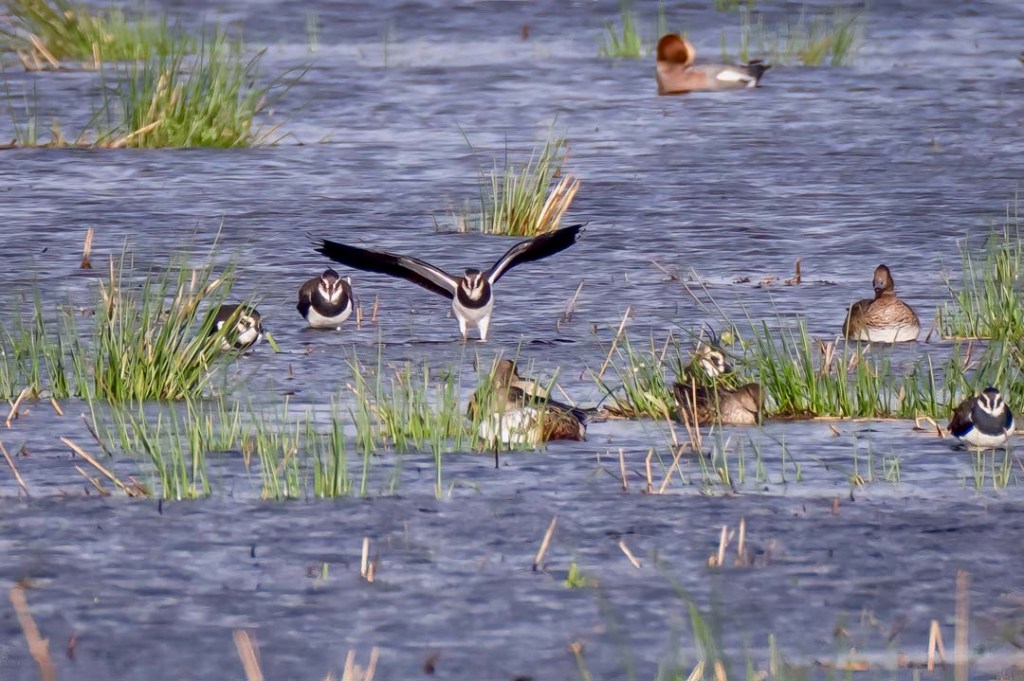
It was great to see much more water on the levels and the number of shoveler, wigeon and lapwings is beginning to increase.


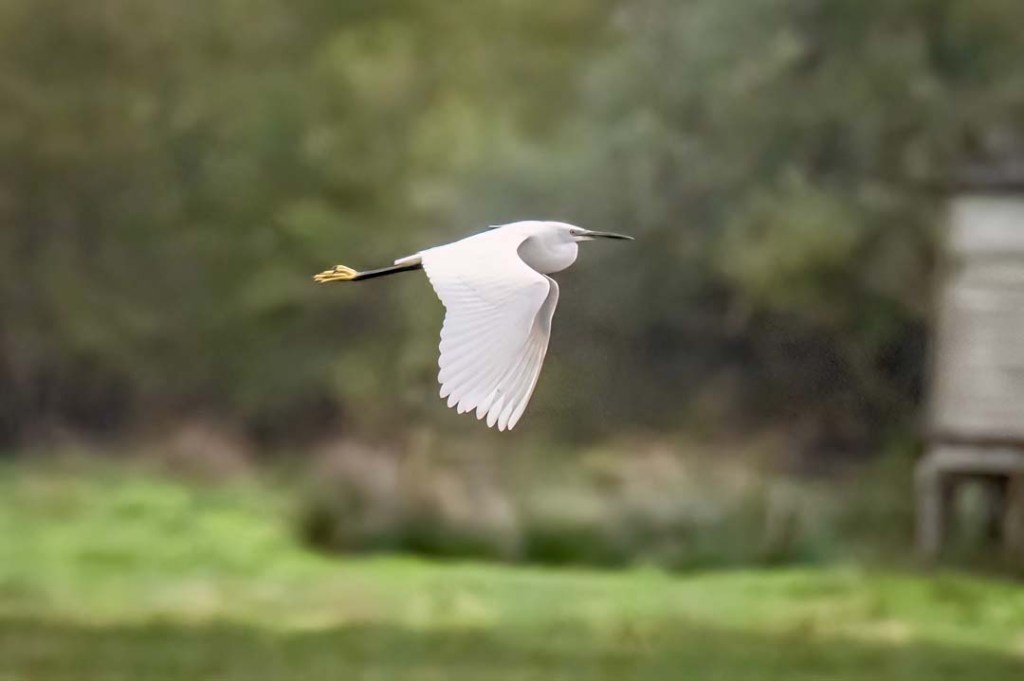
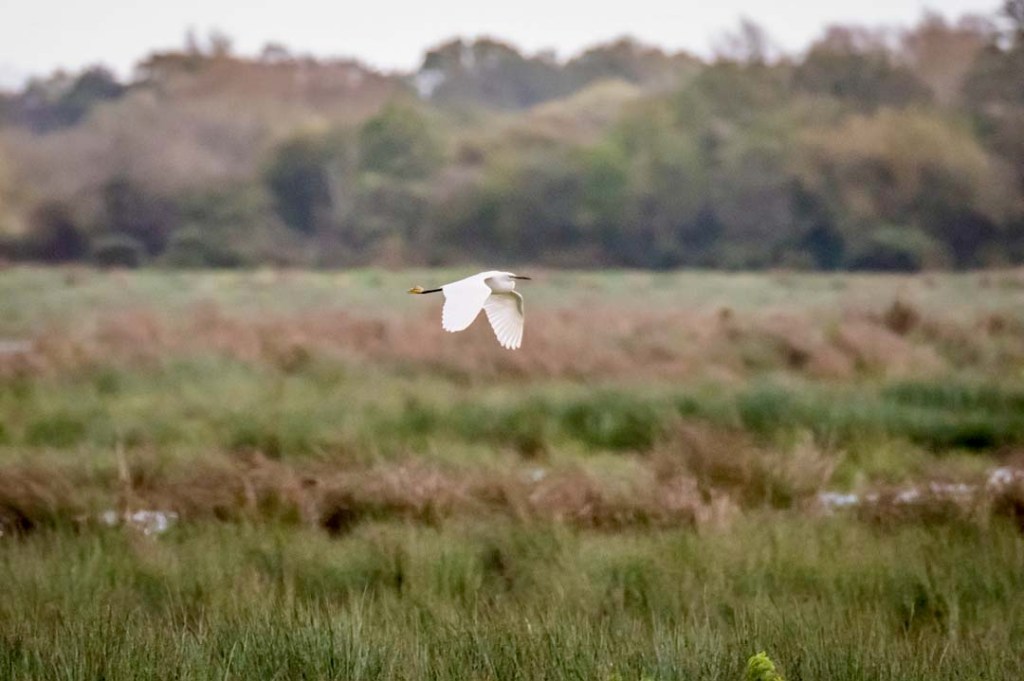
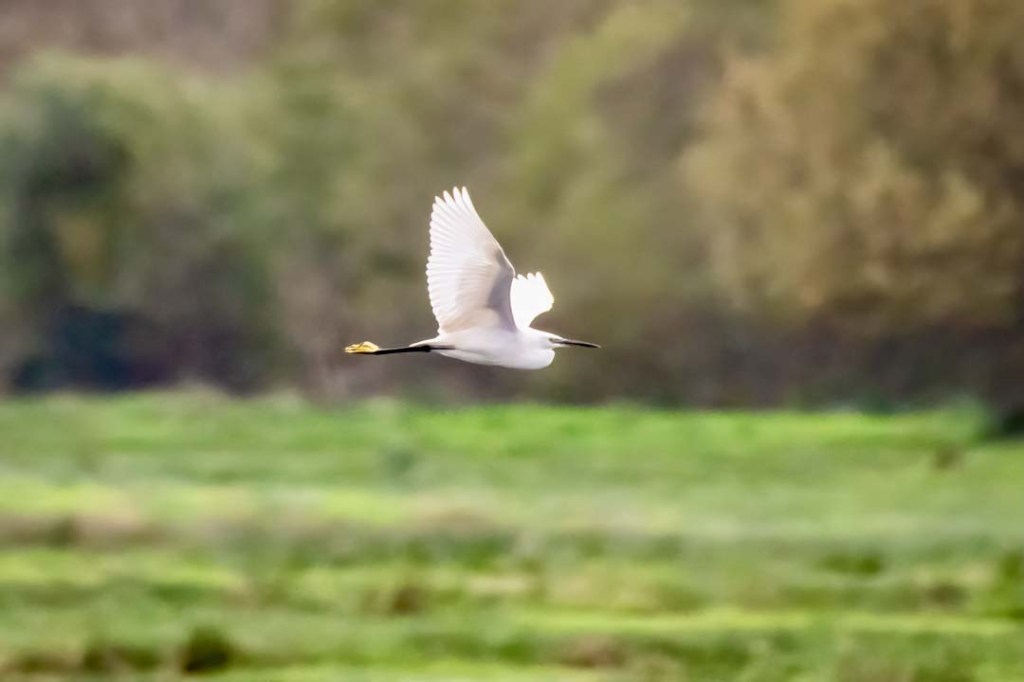
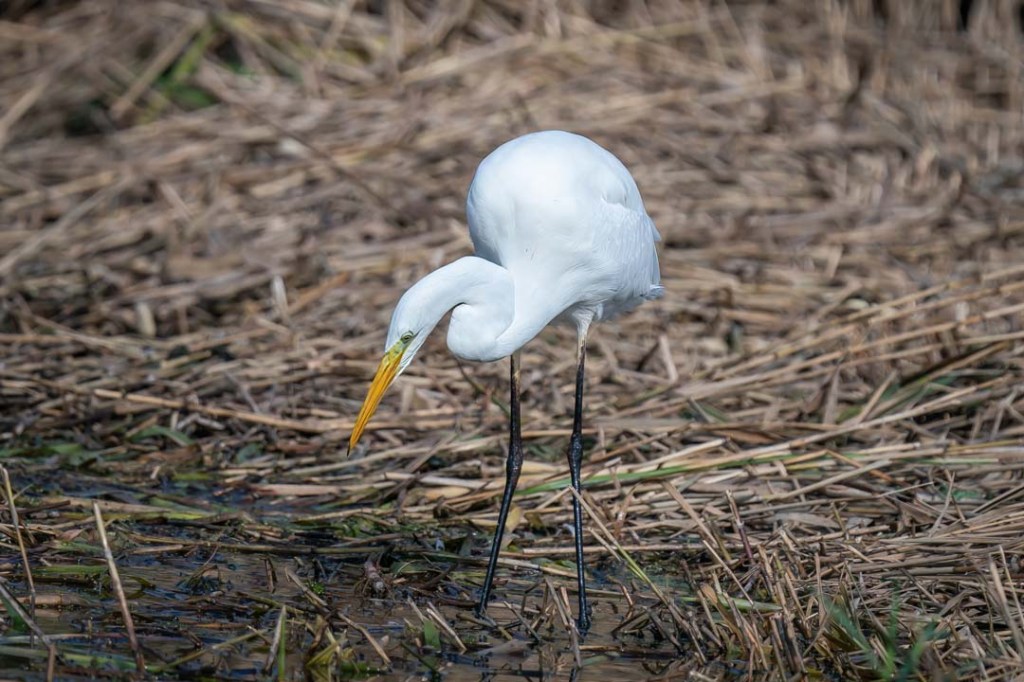
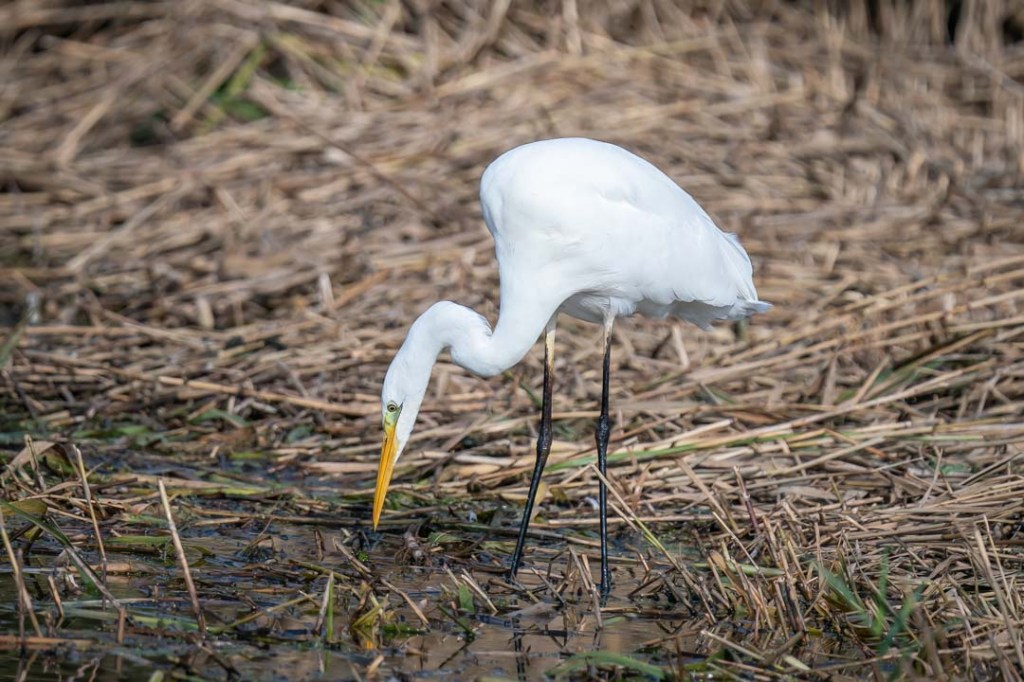
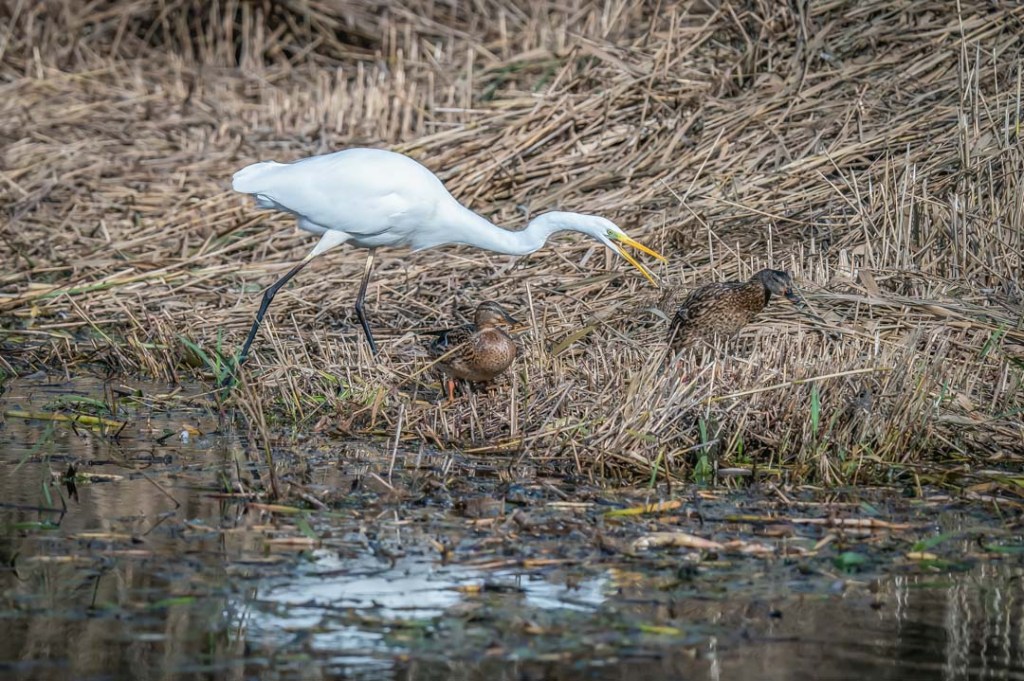
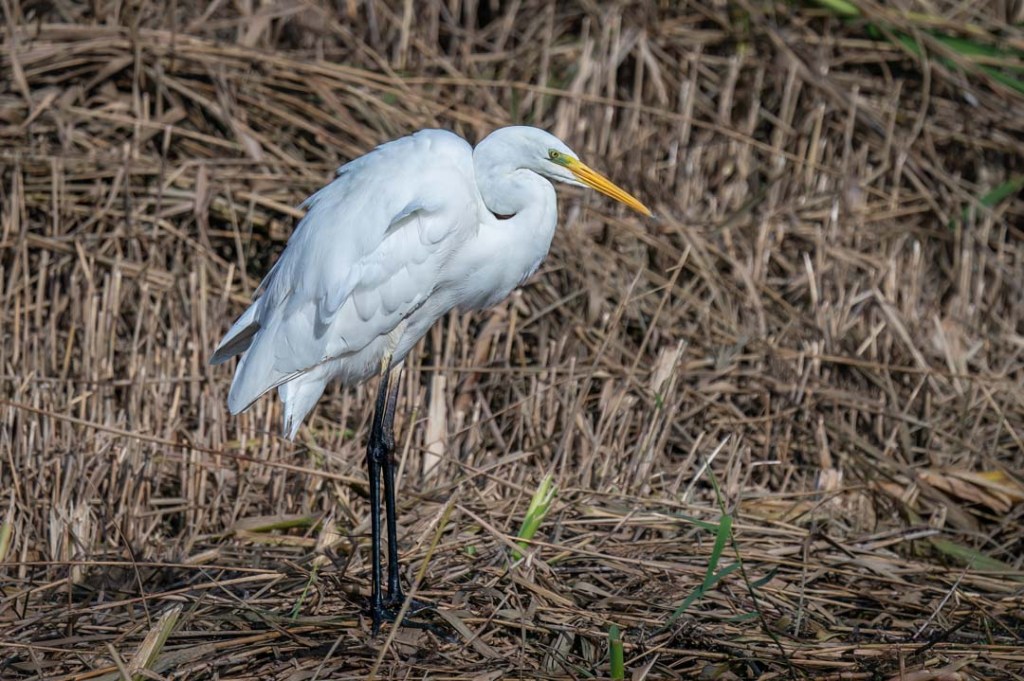
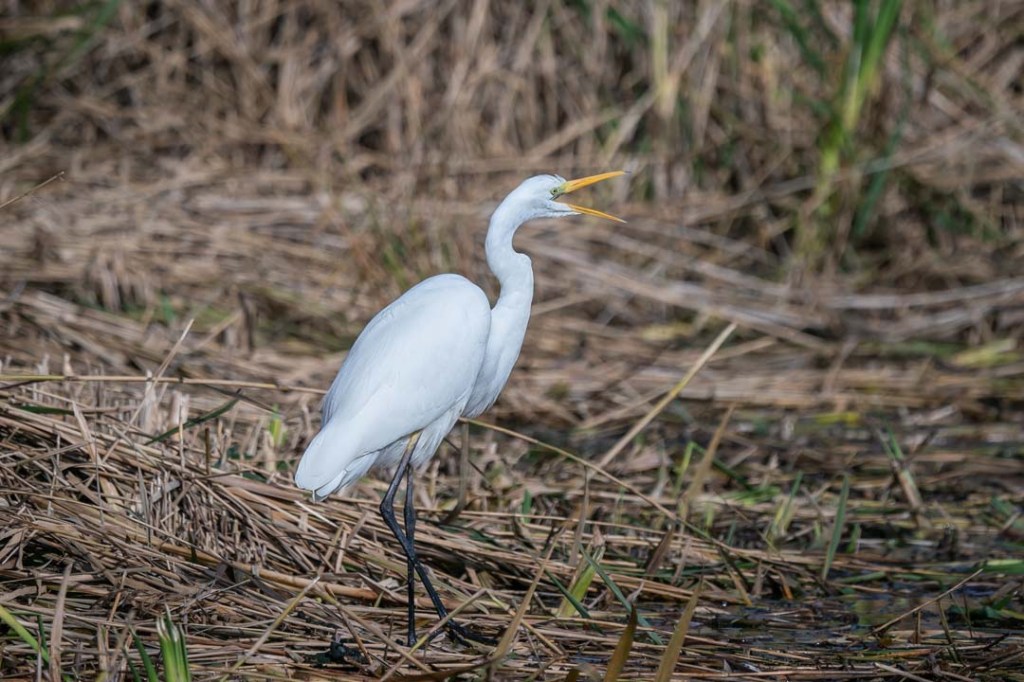
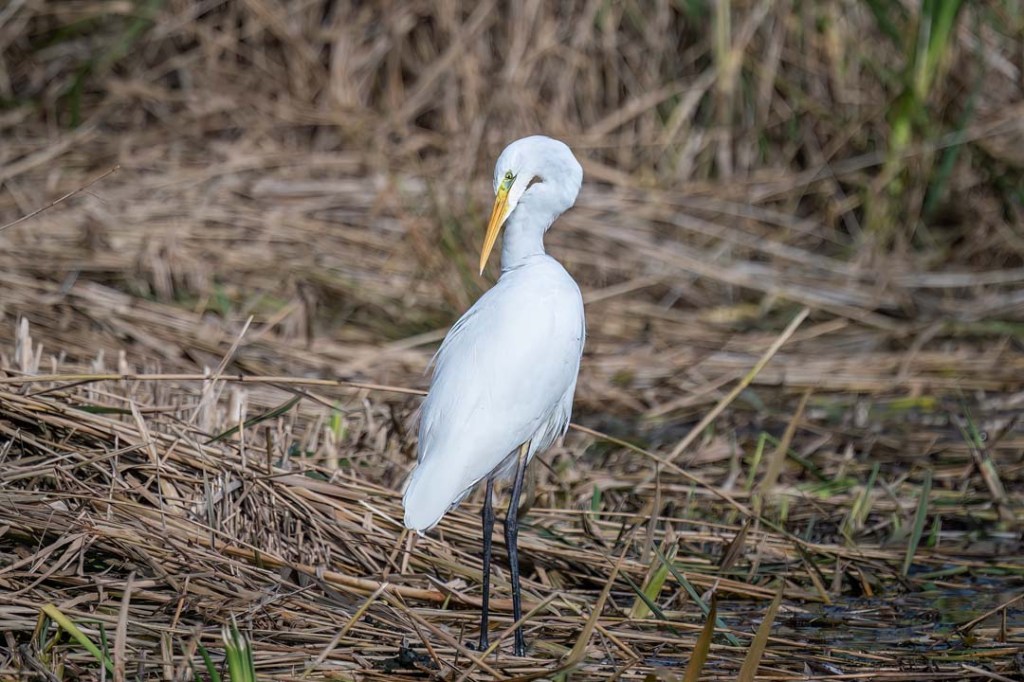
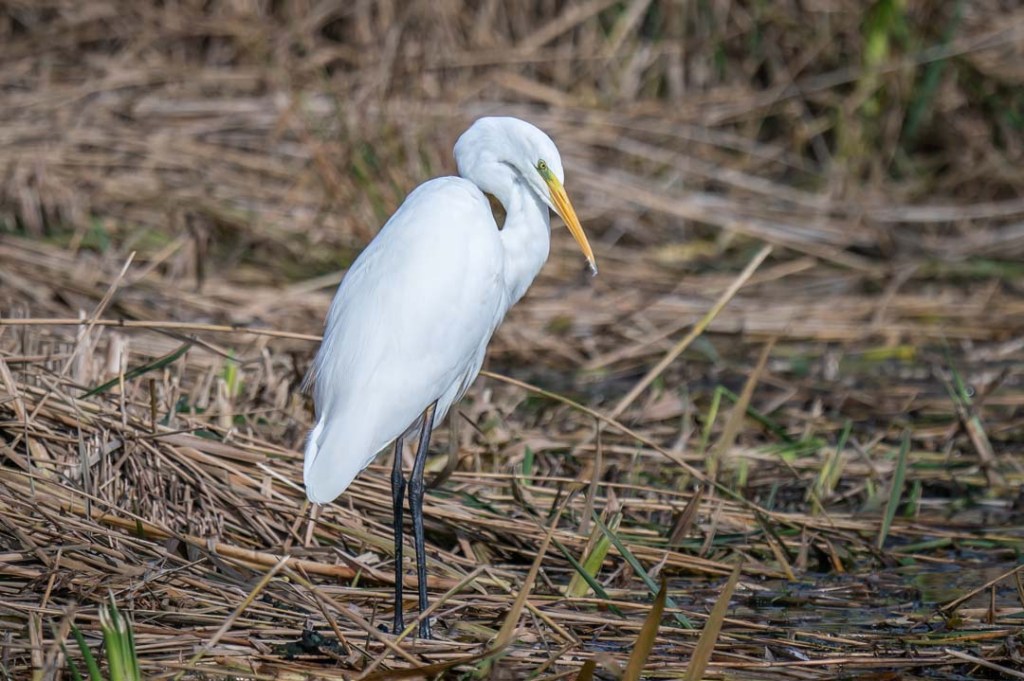
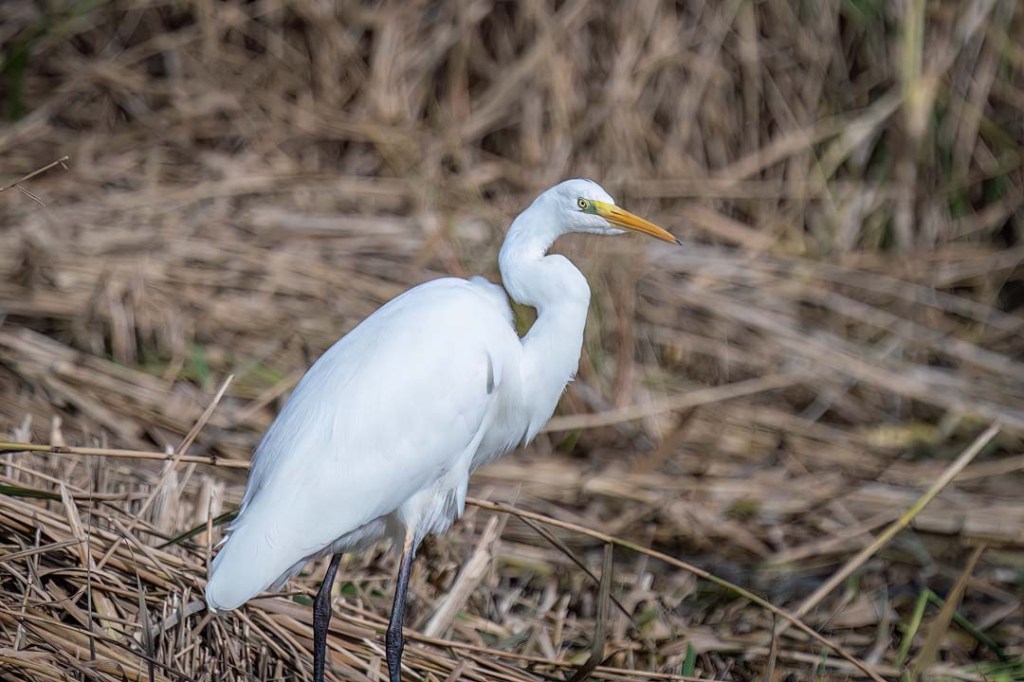
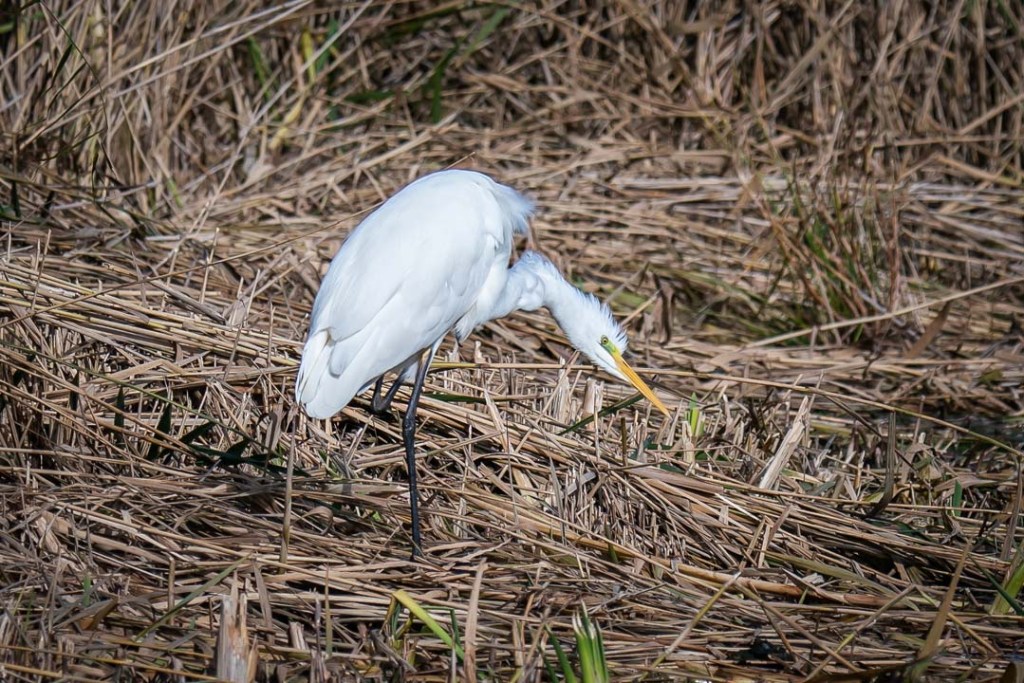
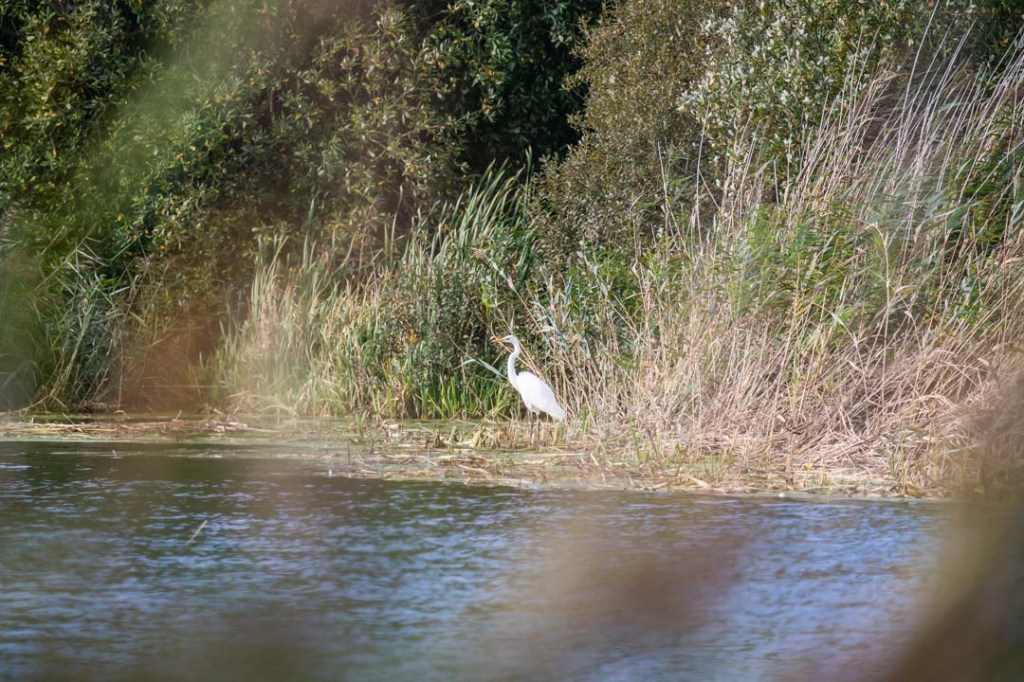
A female marsh harrier also appeared. I could see distant great white egrets and my full collection of egrets was soon completed with the arrival of a little egret.

On my way back I had another look for the cattle egrets and found that the flock was more than twice as big as I had seen earlier.

Slideshow of today’s photos:

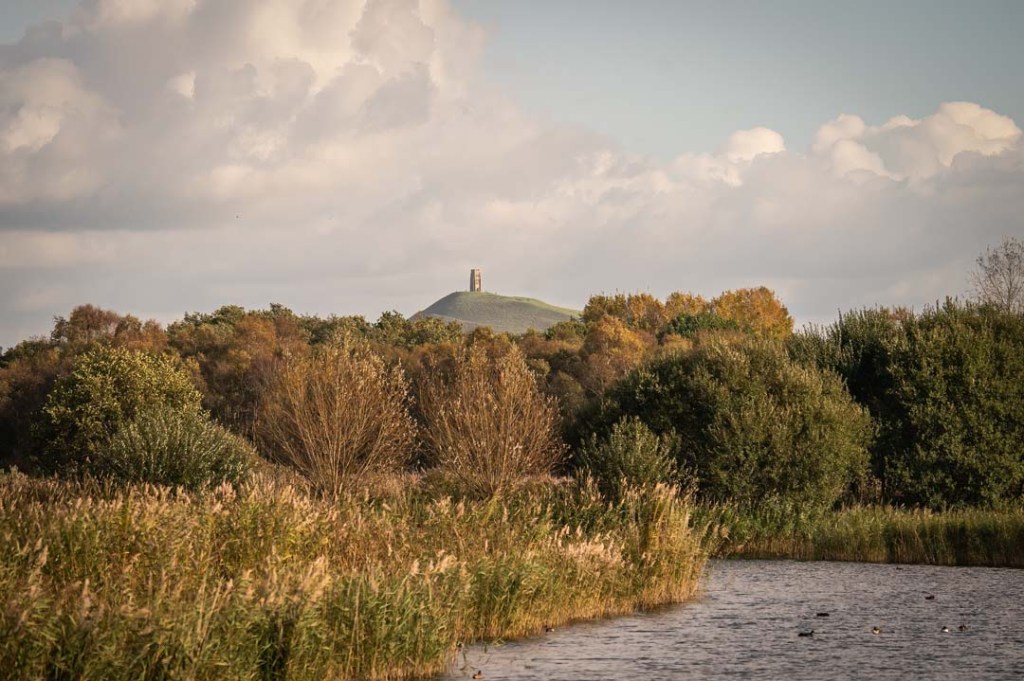
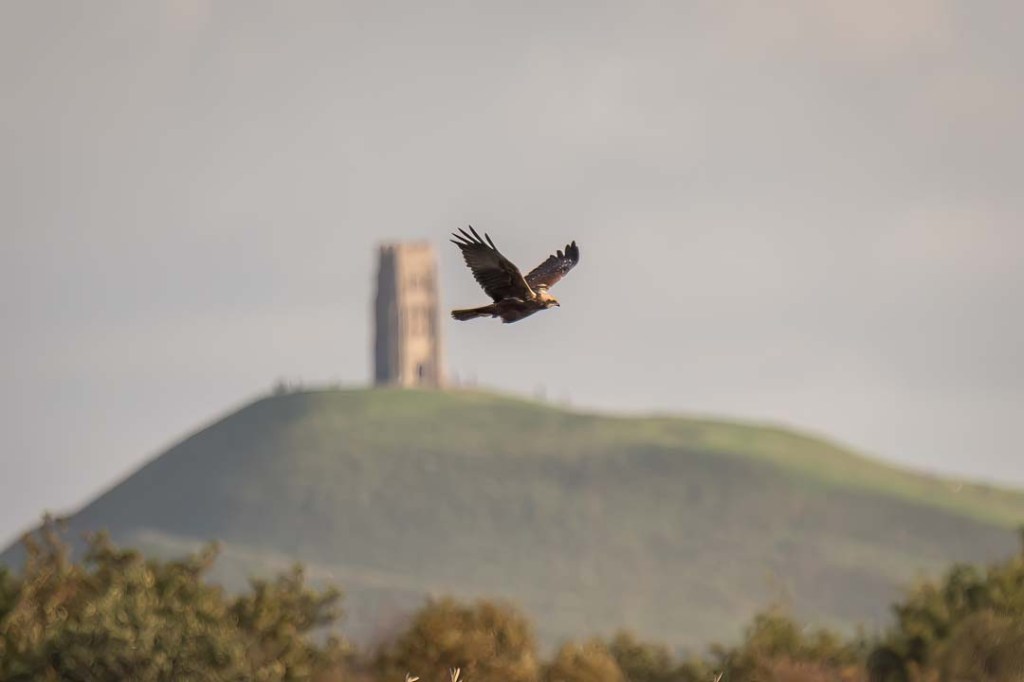
A glorious day on the Somerset Levels. We had a brief visit to RSPB Greylake. However, it was very quiet there other than a flock of lapwing which, along with a bittern, were spooked by a marsh harrier.
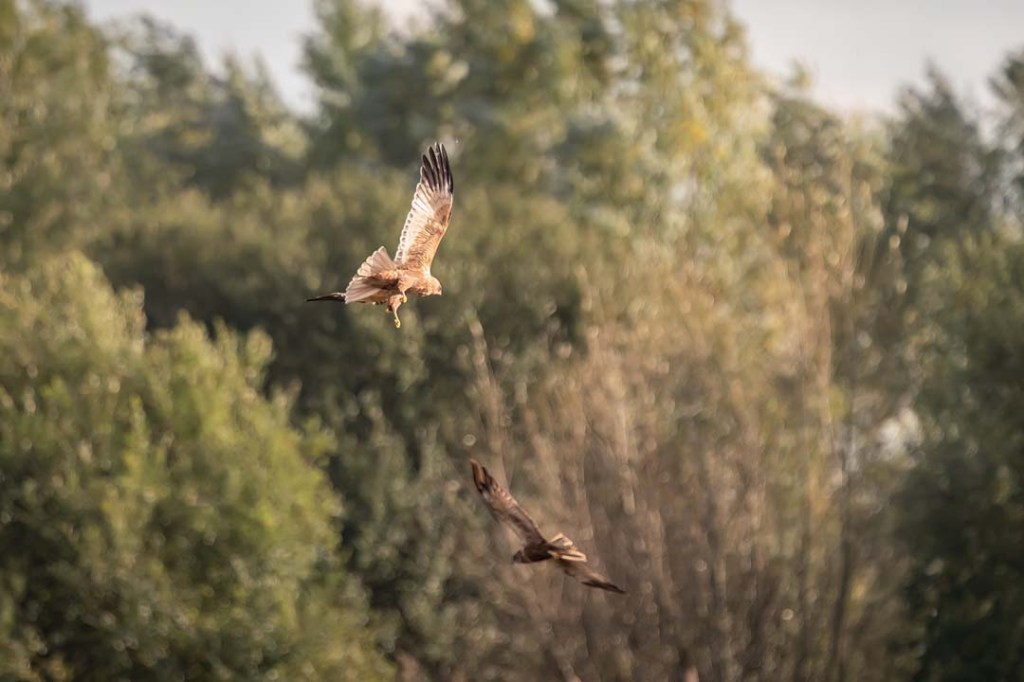
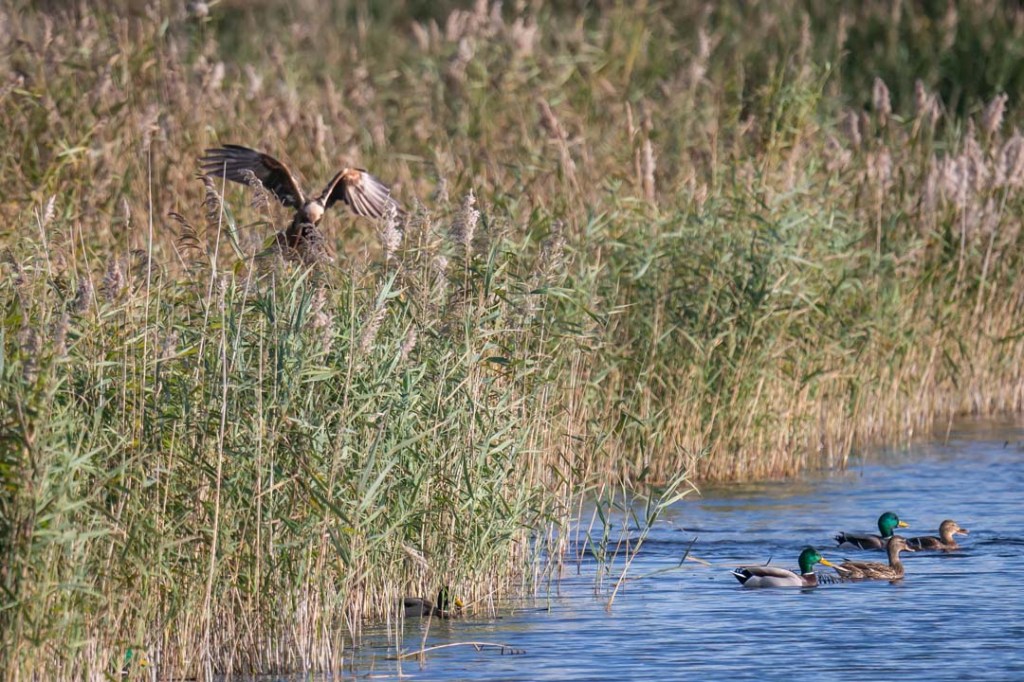
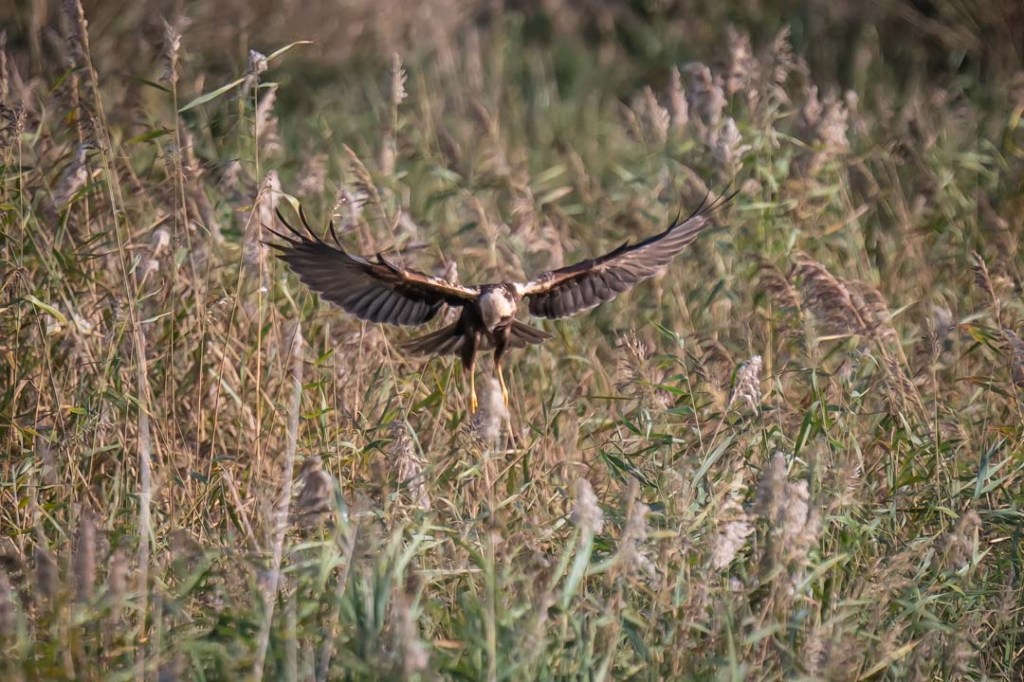
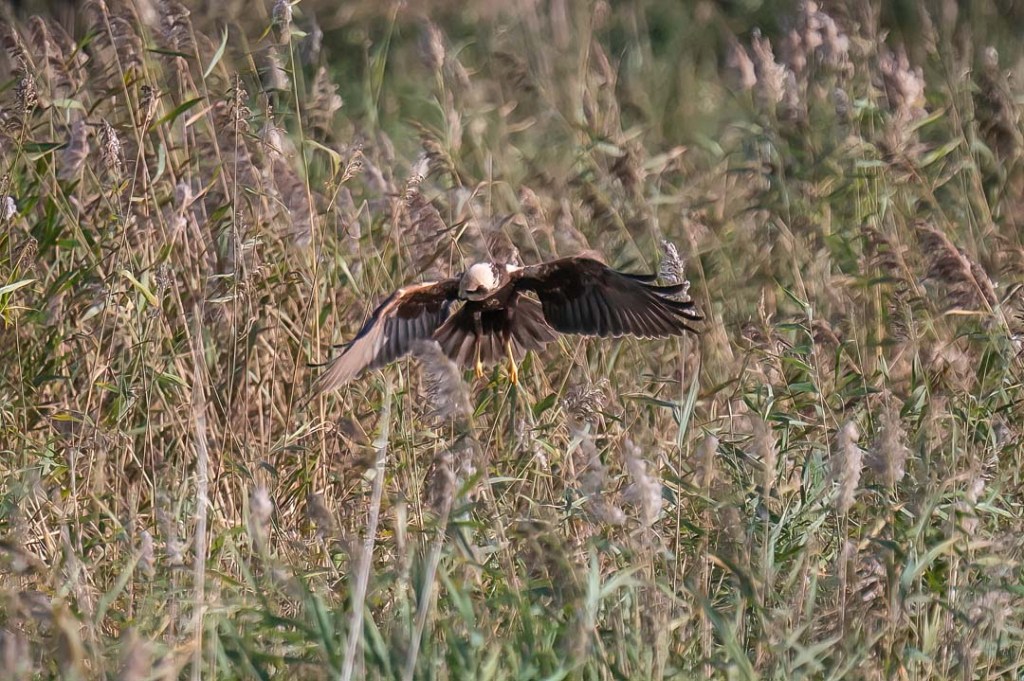
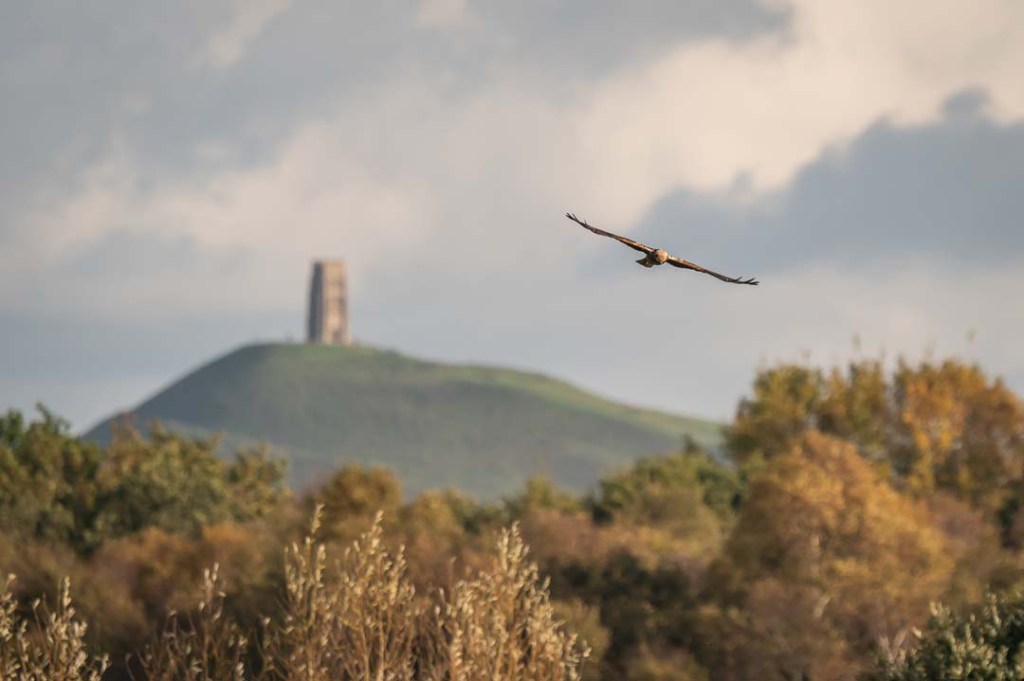
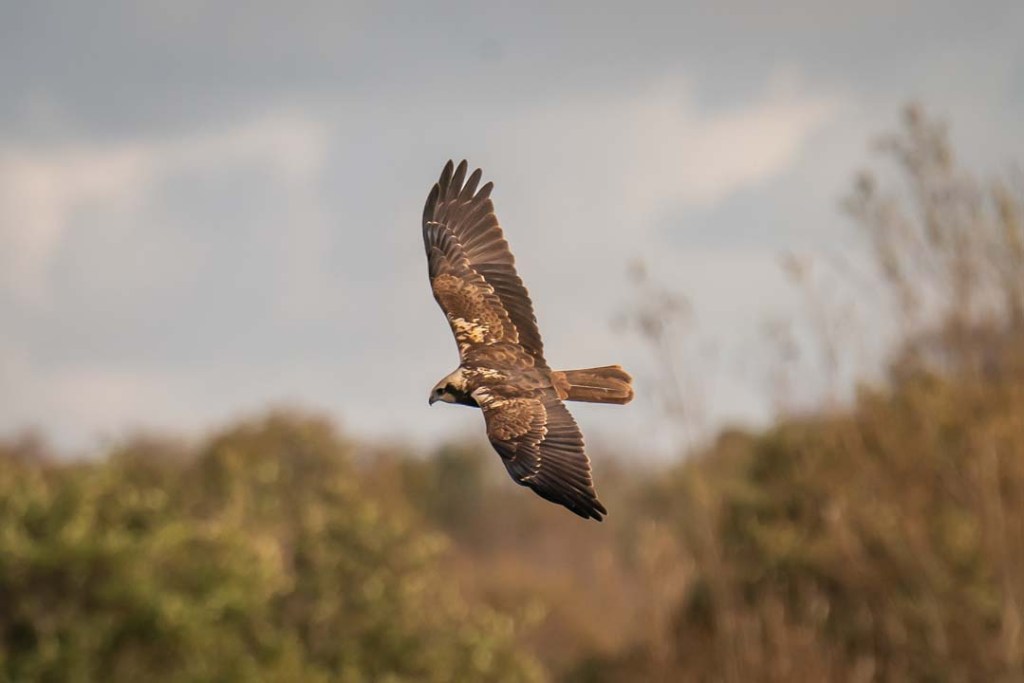
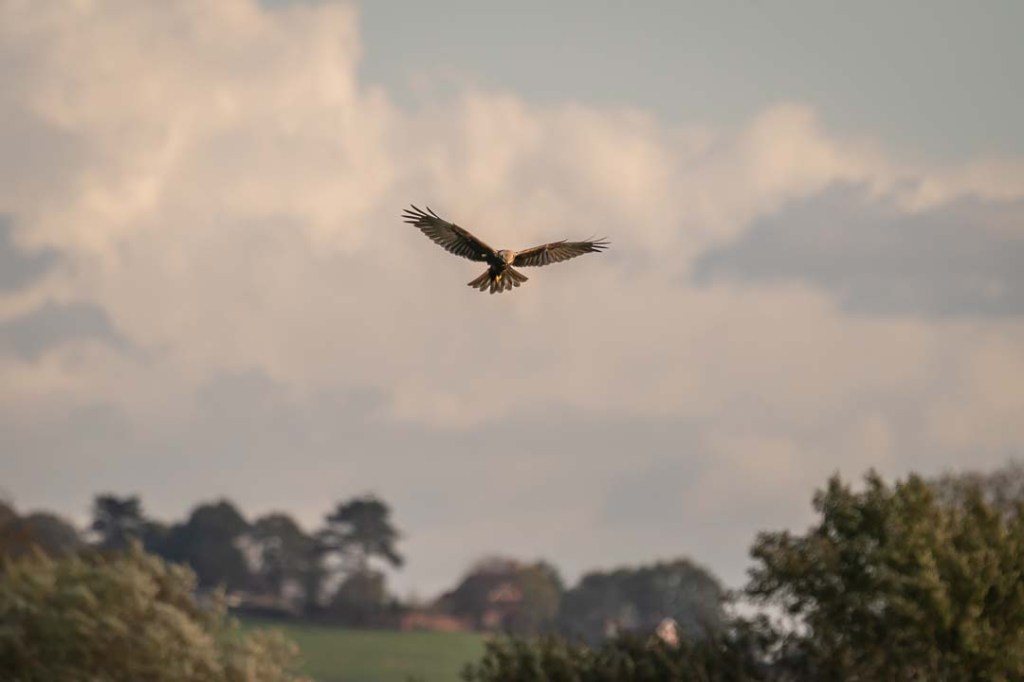
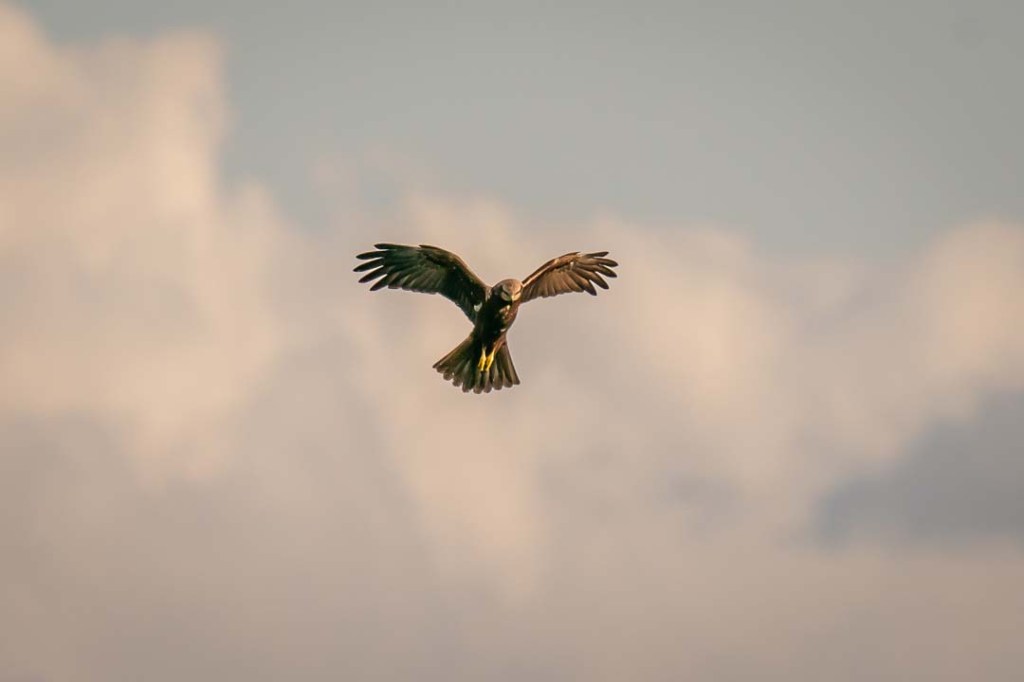
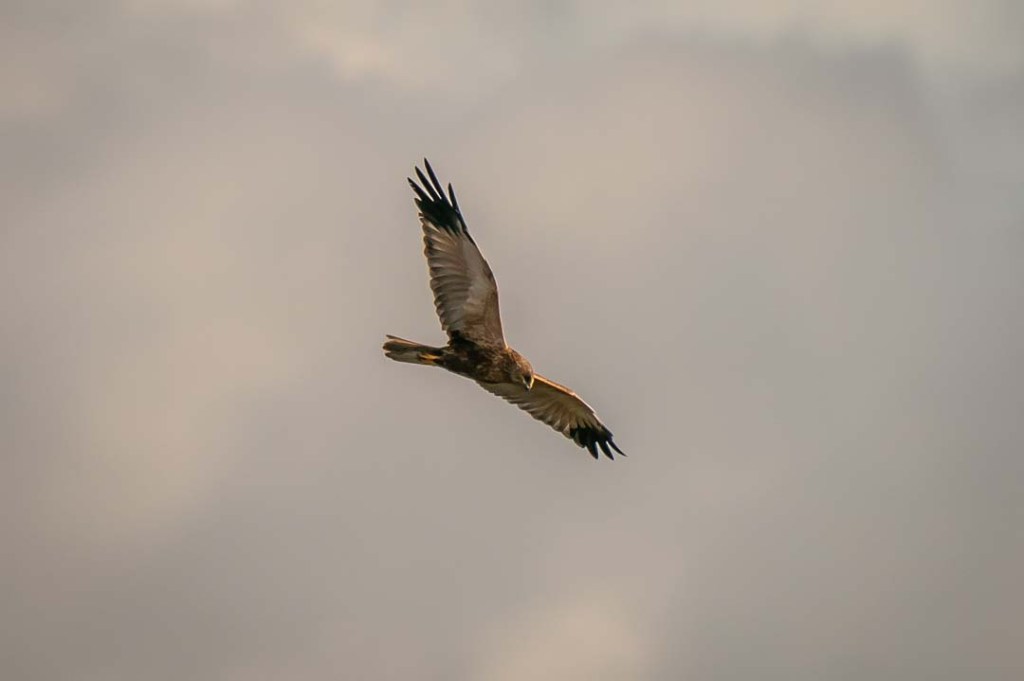
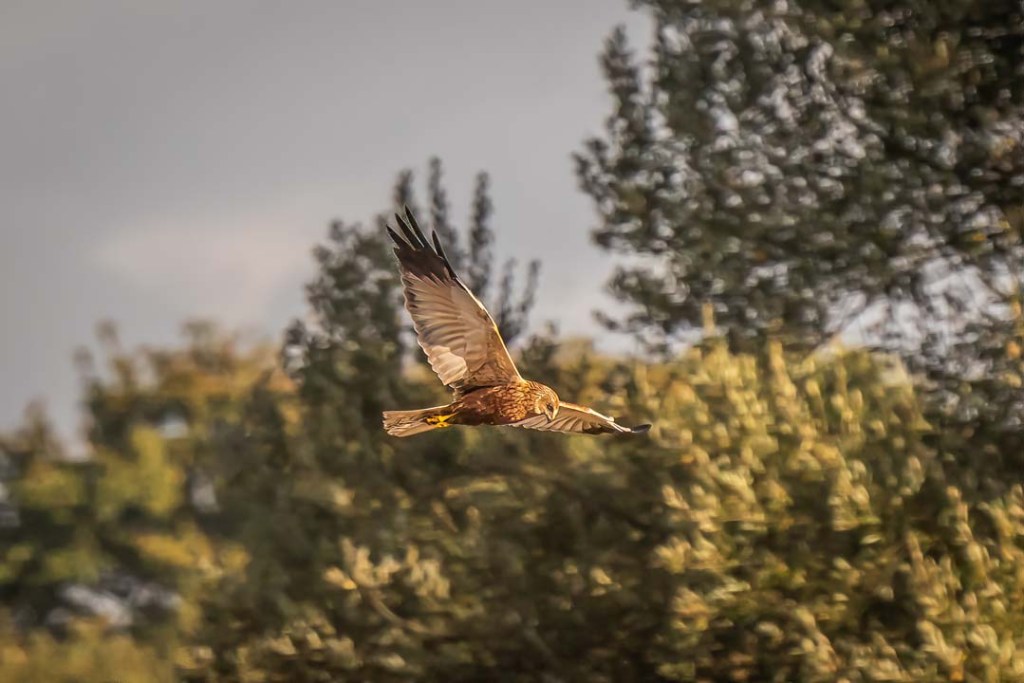
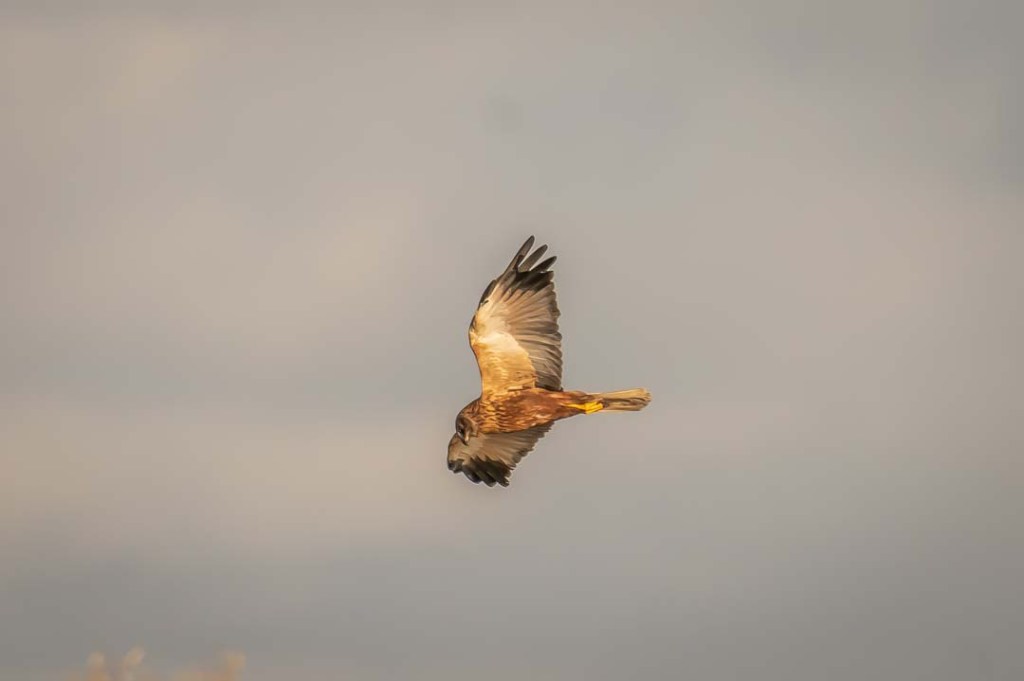
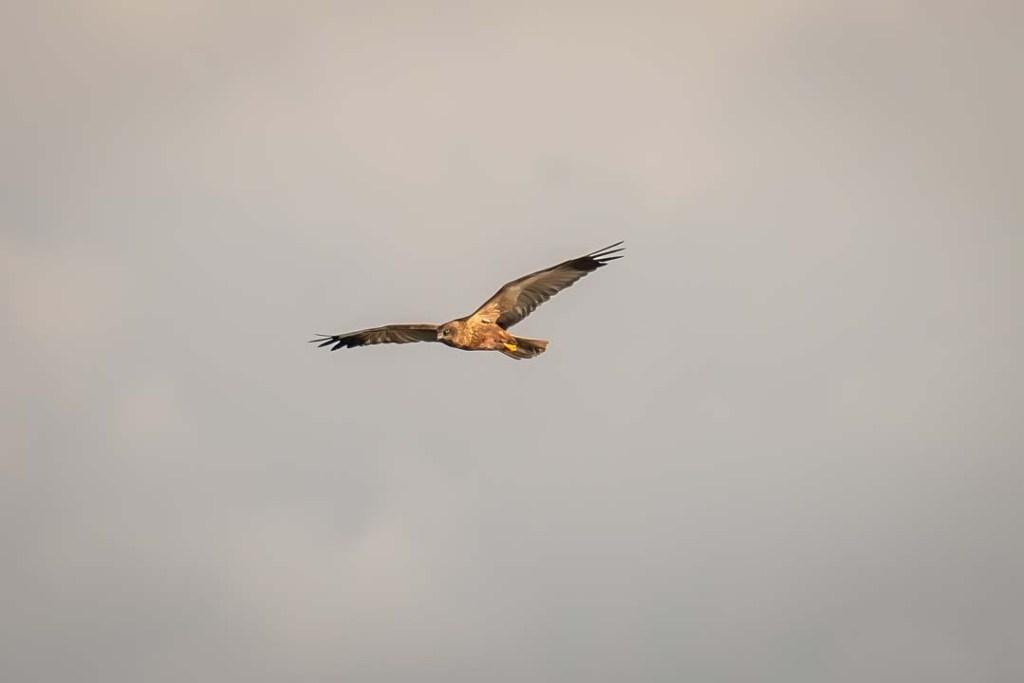
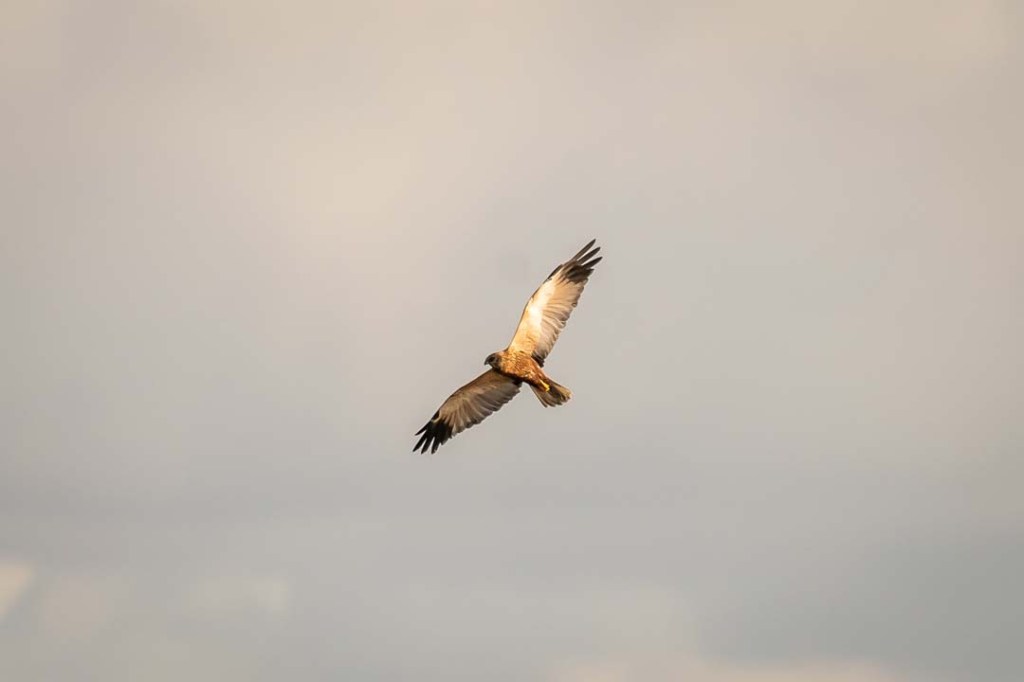
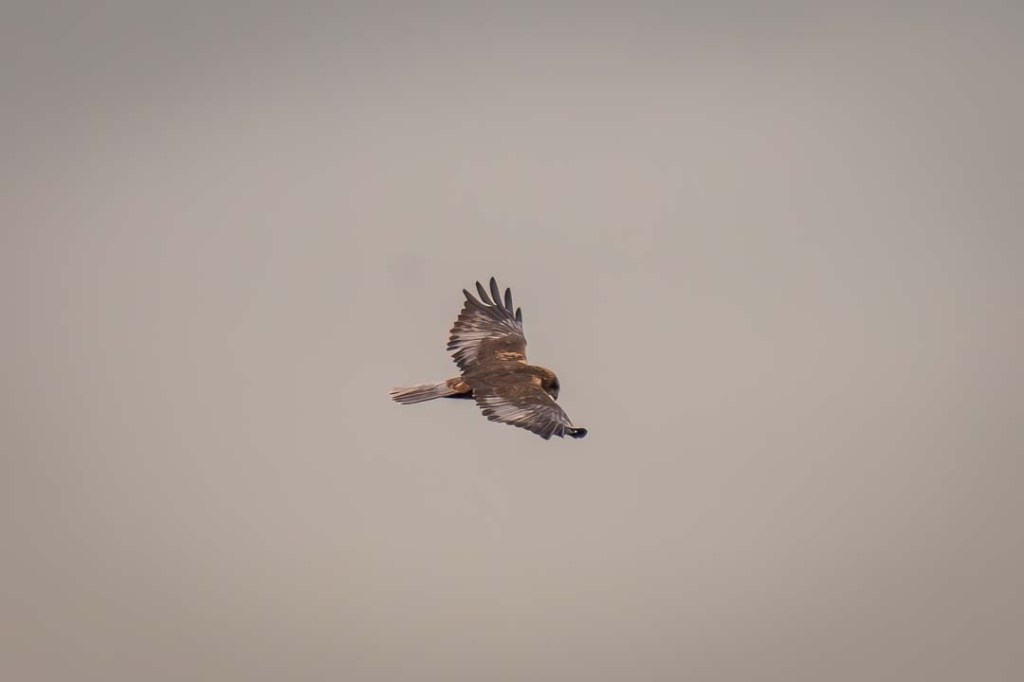
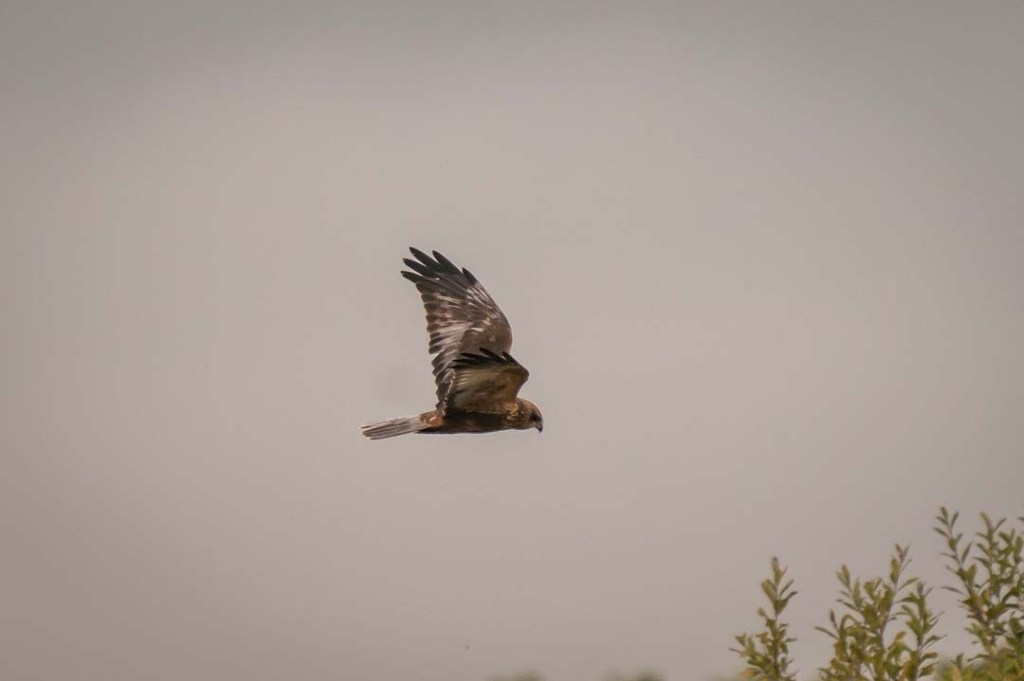
We moved on to RSPB Ham Wall and spent a good deal of our time watching a pair of marsh harriers hunting. Quite spectacular.
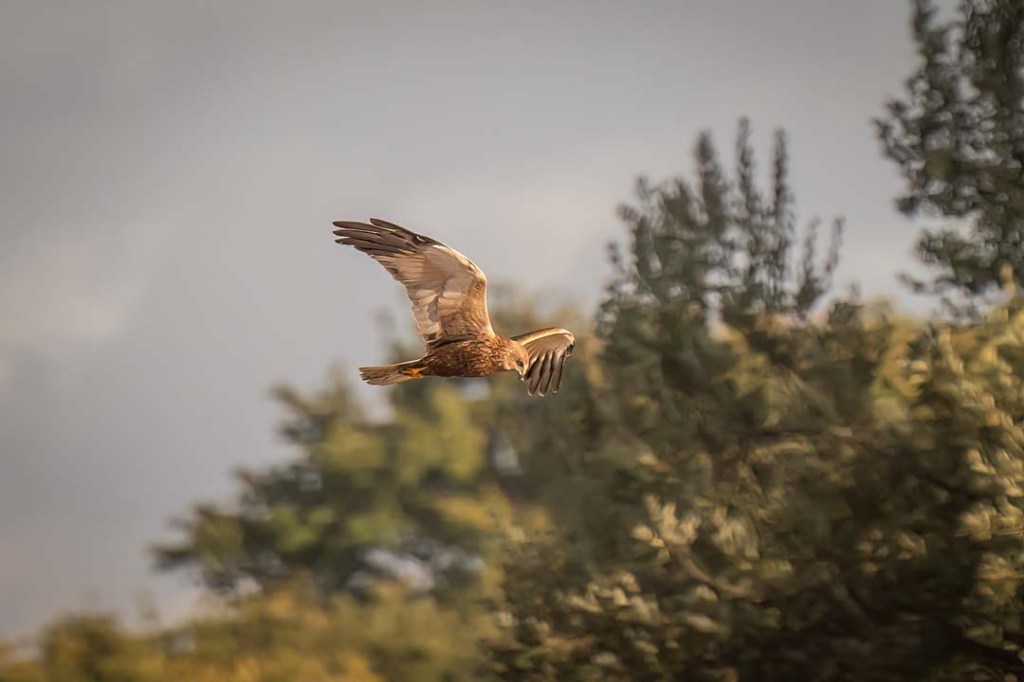
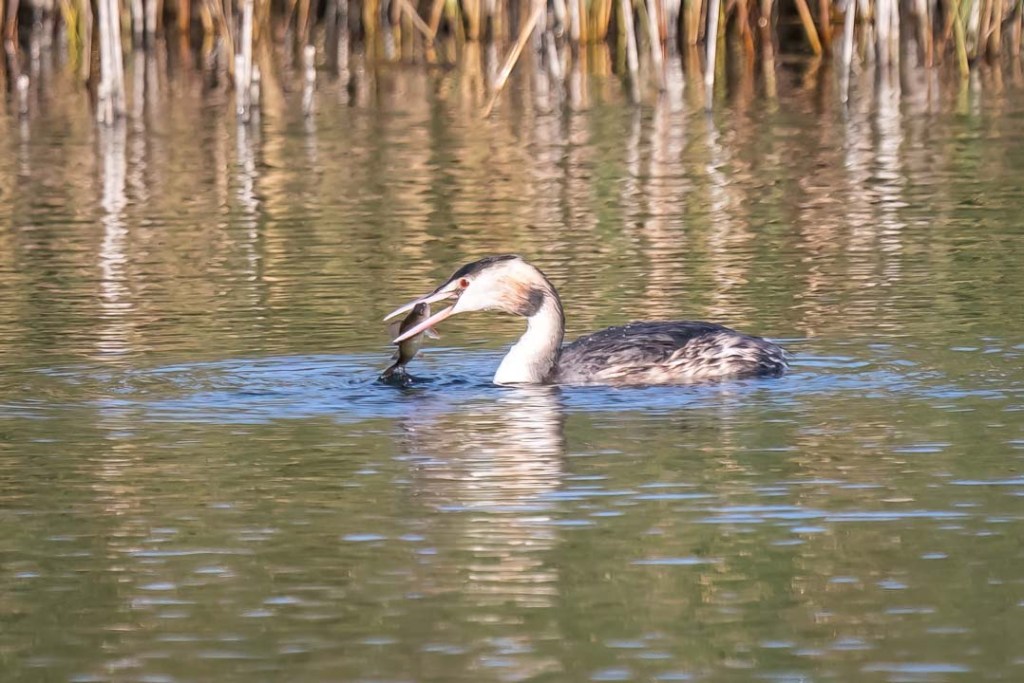
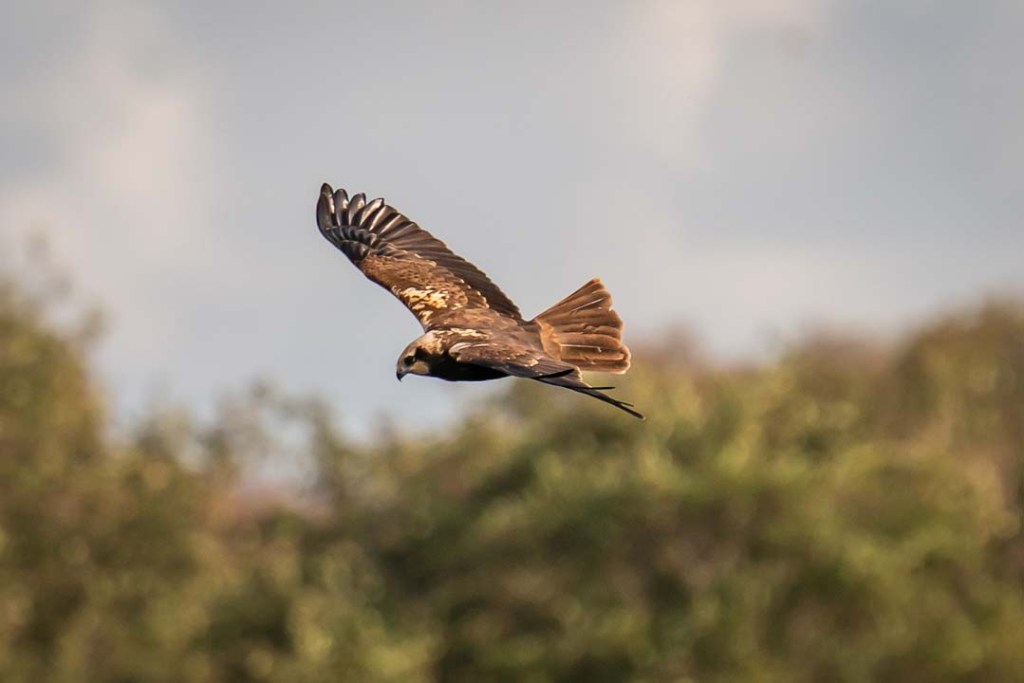


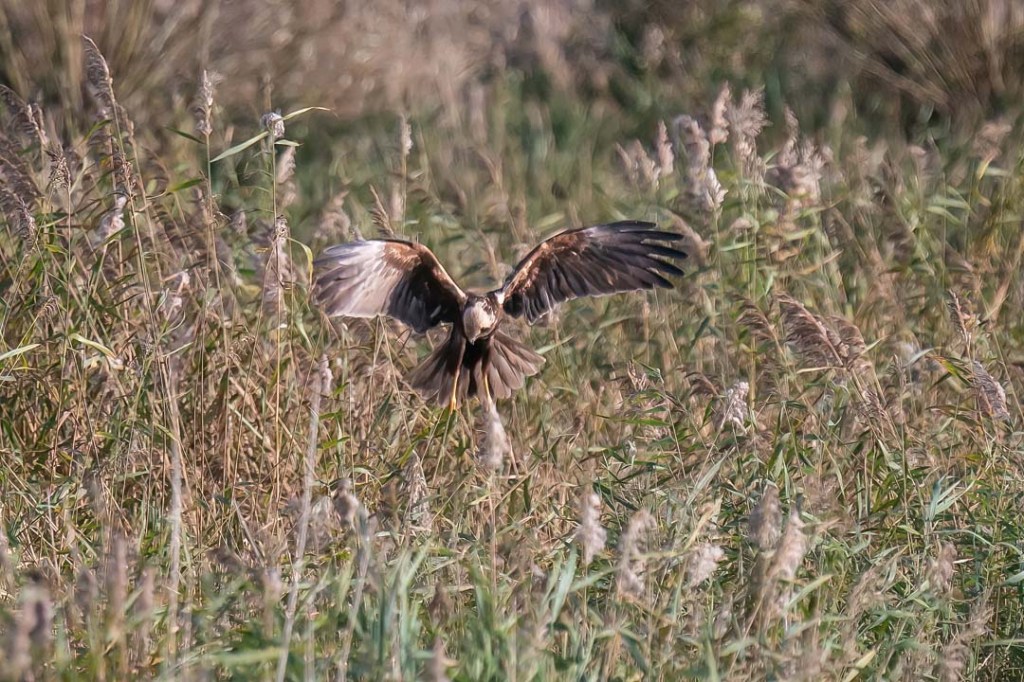

I had a walk around my local park this morning – the first time I felt I could do this since rupturing my Achilles’ tendon at the beginning of the year. No kingfisher today but I wasn’t disappointed by what I saw.
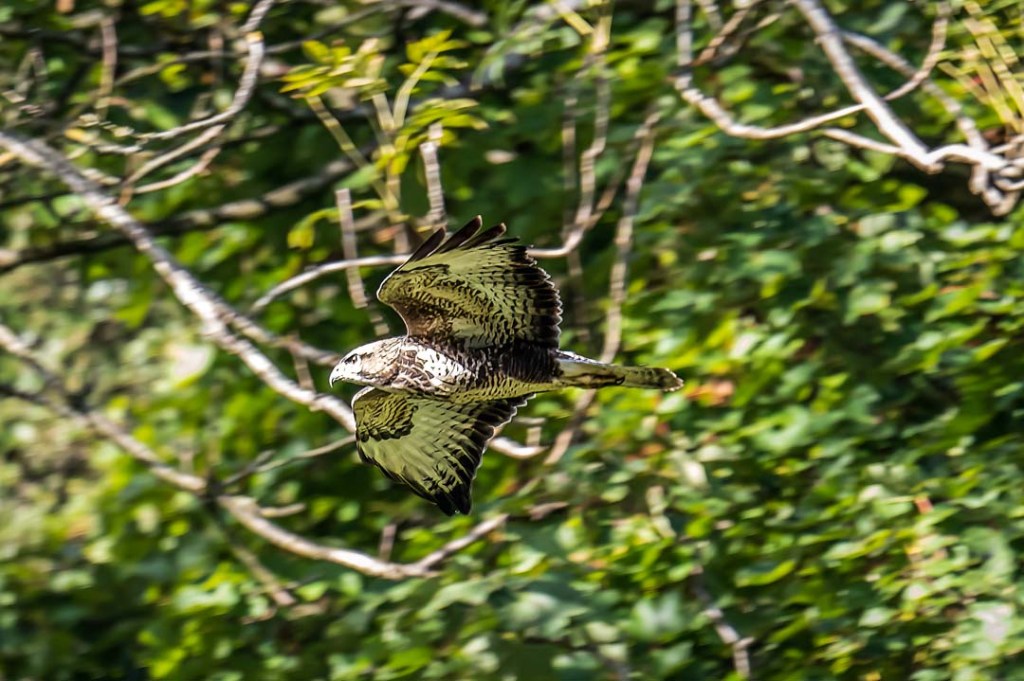
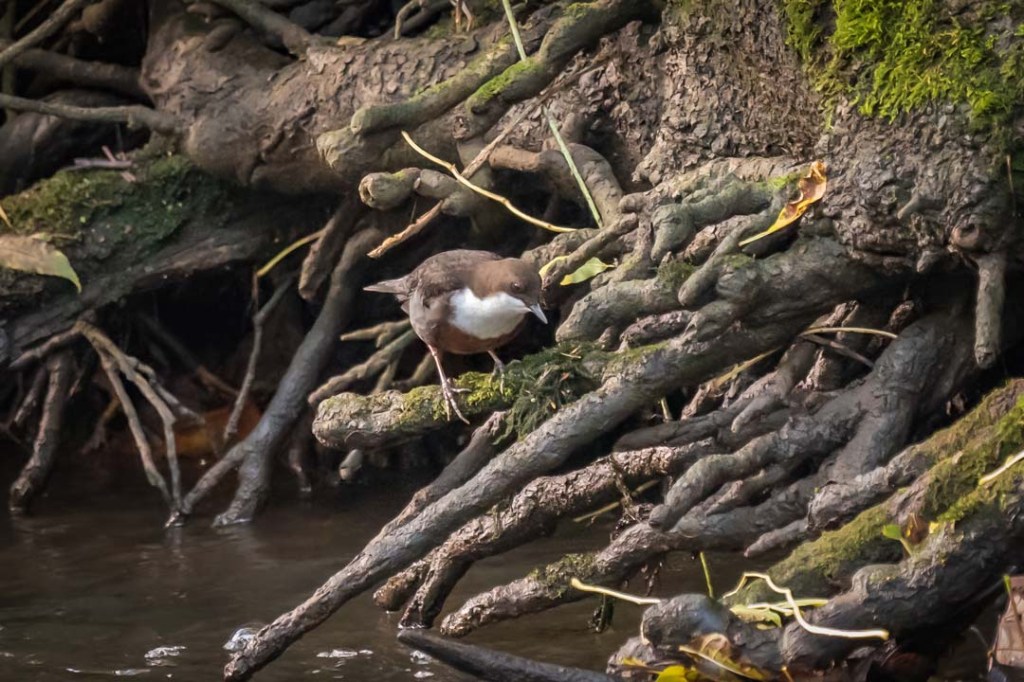


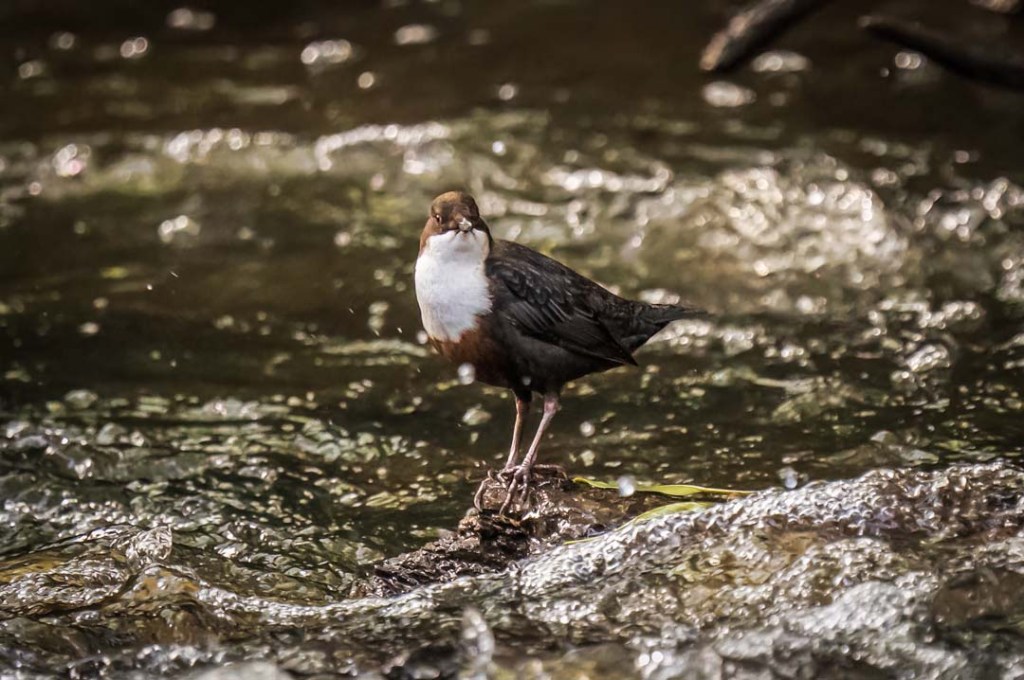


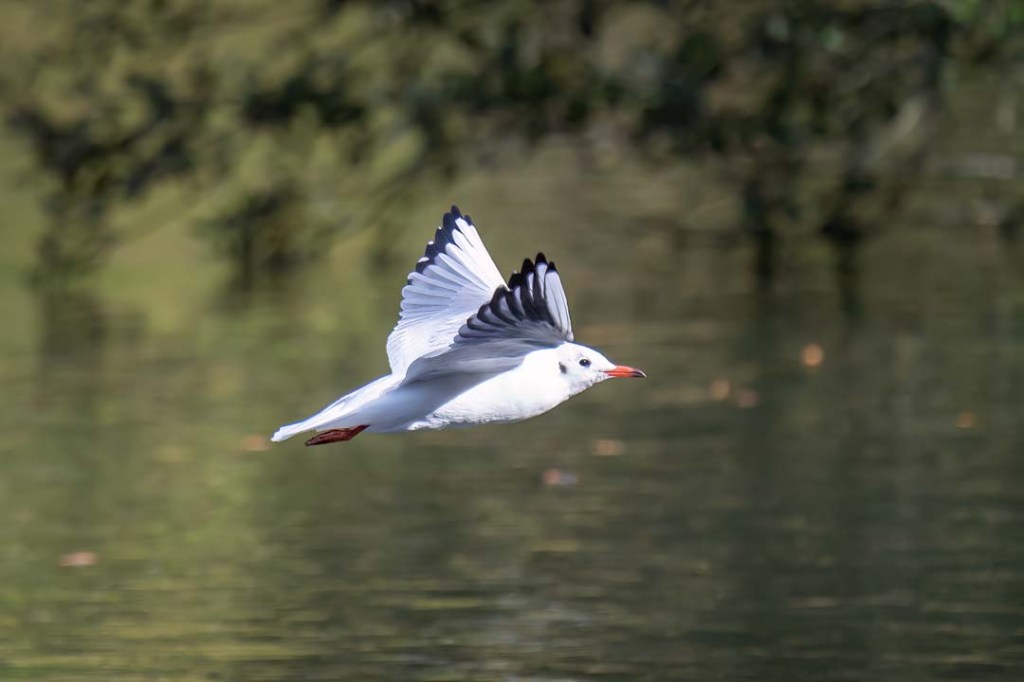
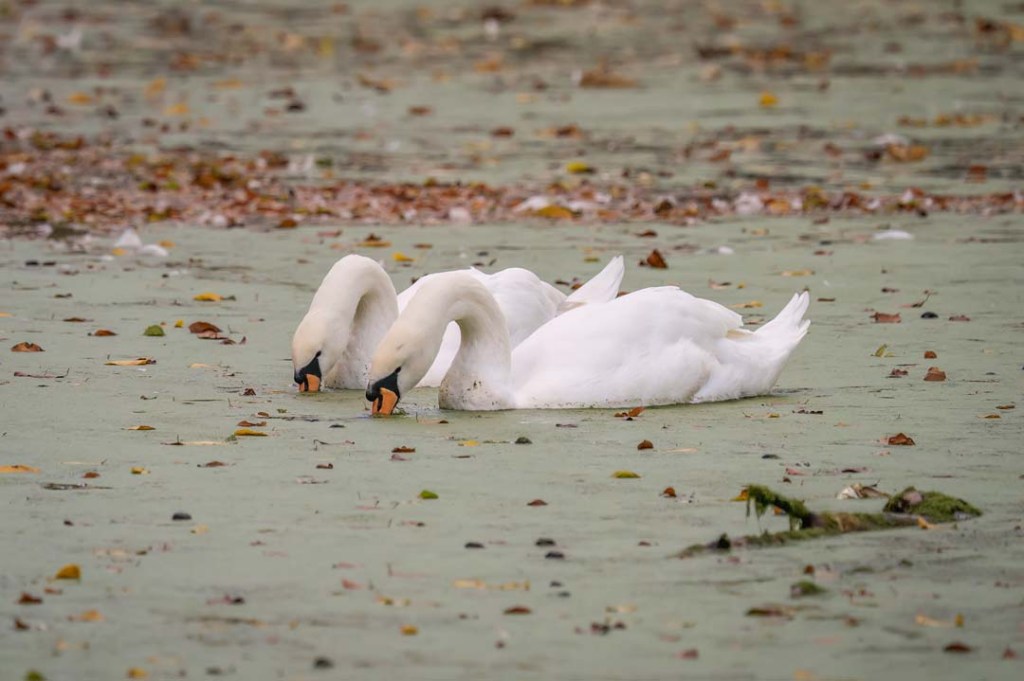
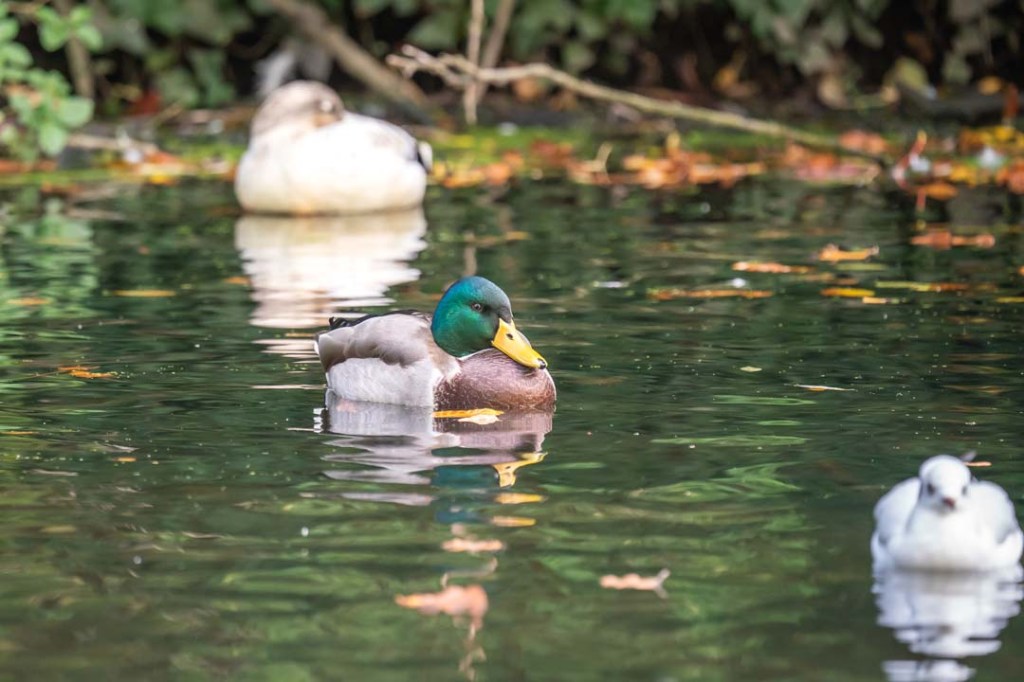

Slideshow of my photos from my walk this morning:
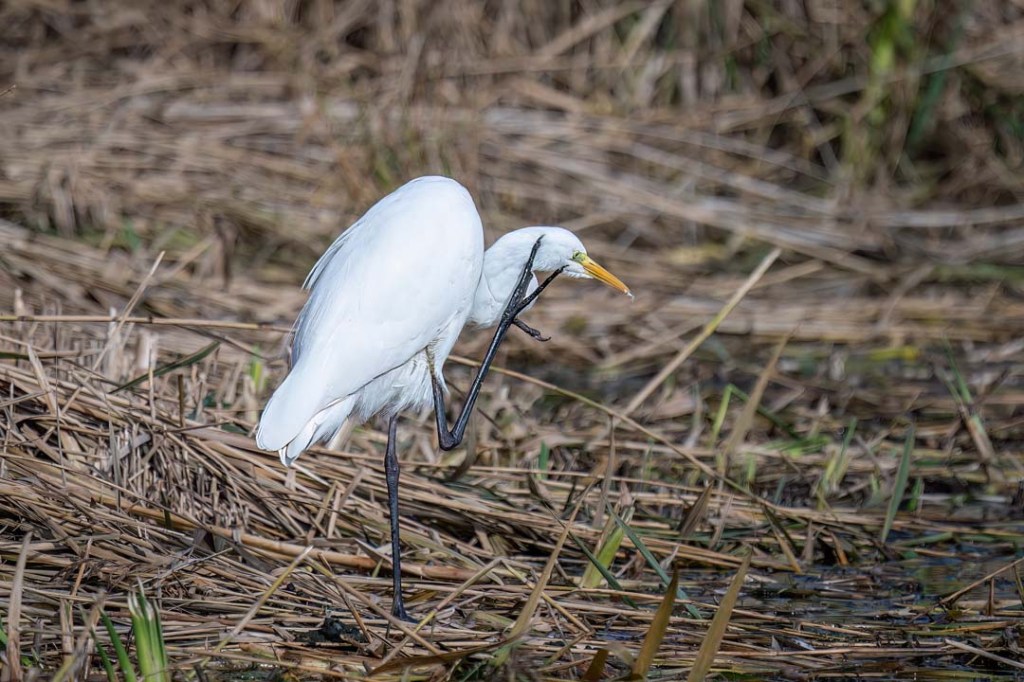
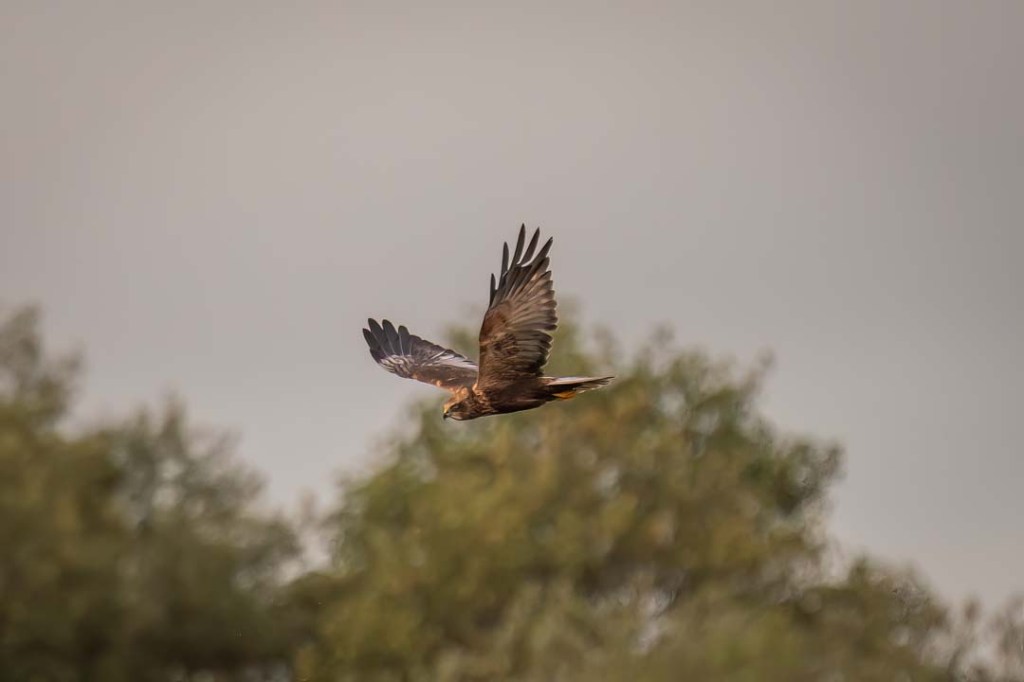
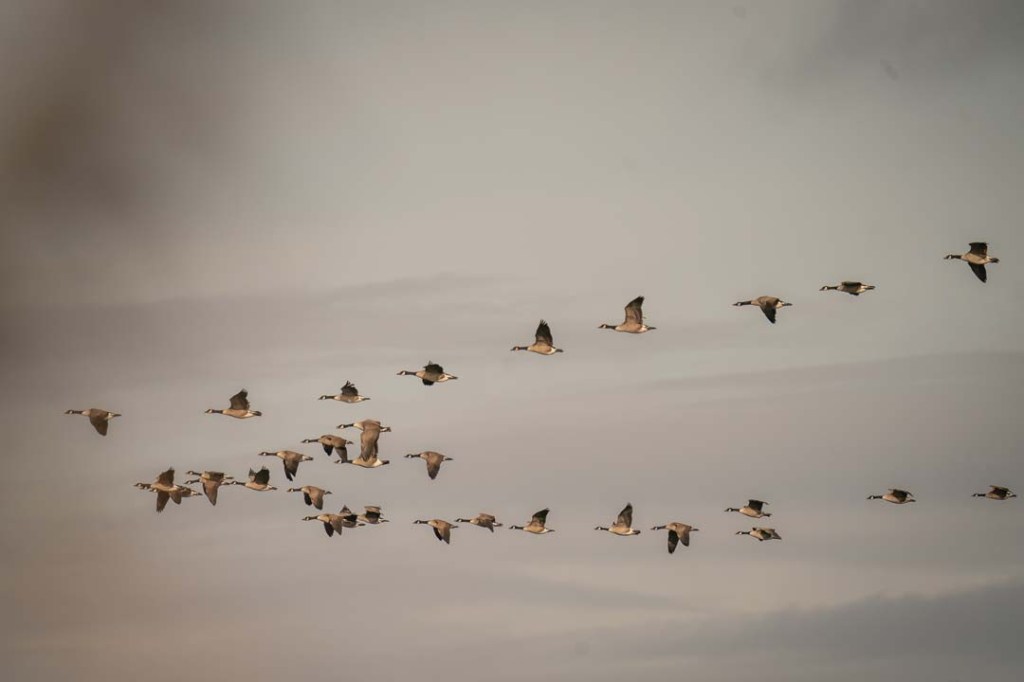
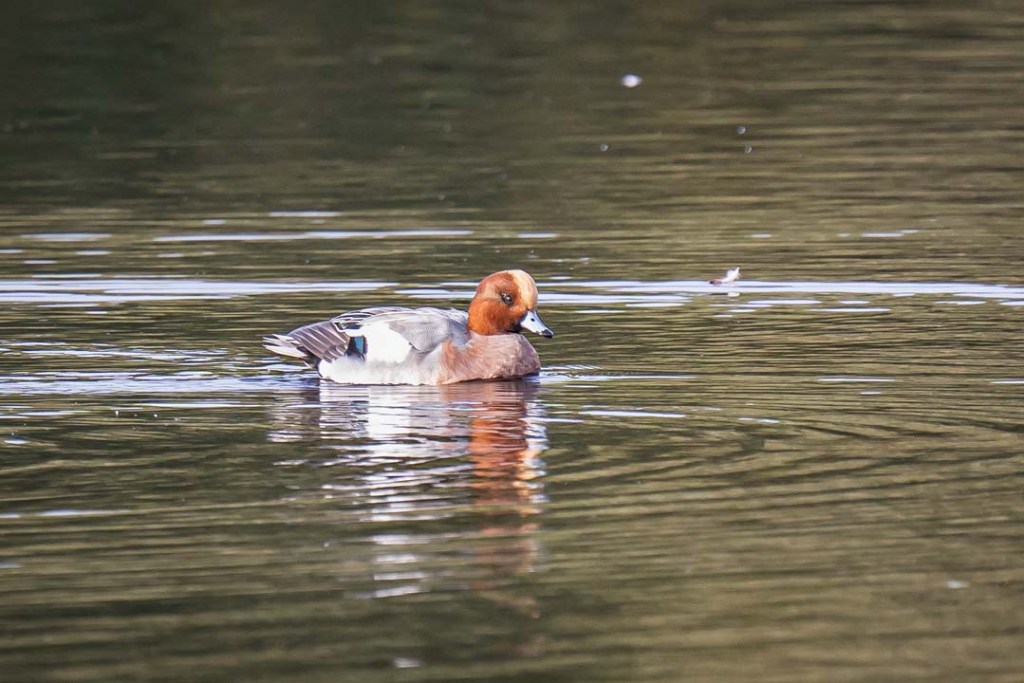
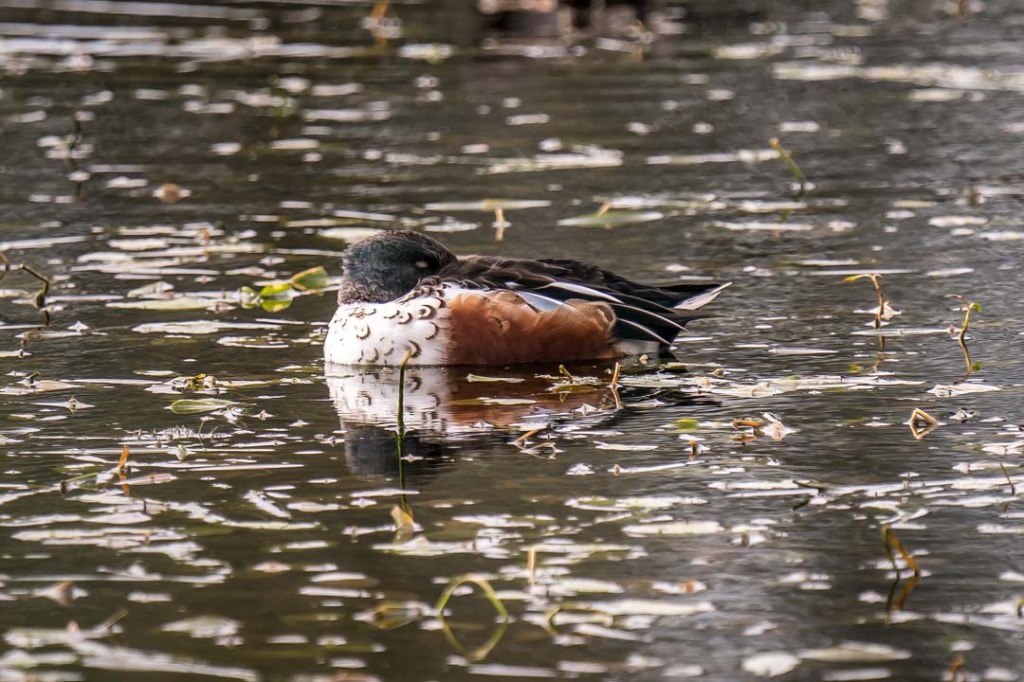
It was a glorious morning for birding at Westhay Moor on the Somerset Levels. I had hoped to see bearded tits (reedlings) but, although I did hear them, I had no success in seeing them. However, I did have several sightings of reed buntings and a kingfisher but didn’t manage any photos.
There were plenty birds there to keep me clicking (although modern cameras thankfully don’t even have to make that annoying sound) and I was not disappointed with the photos I took.
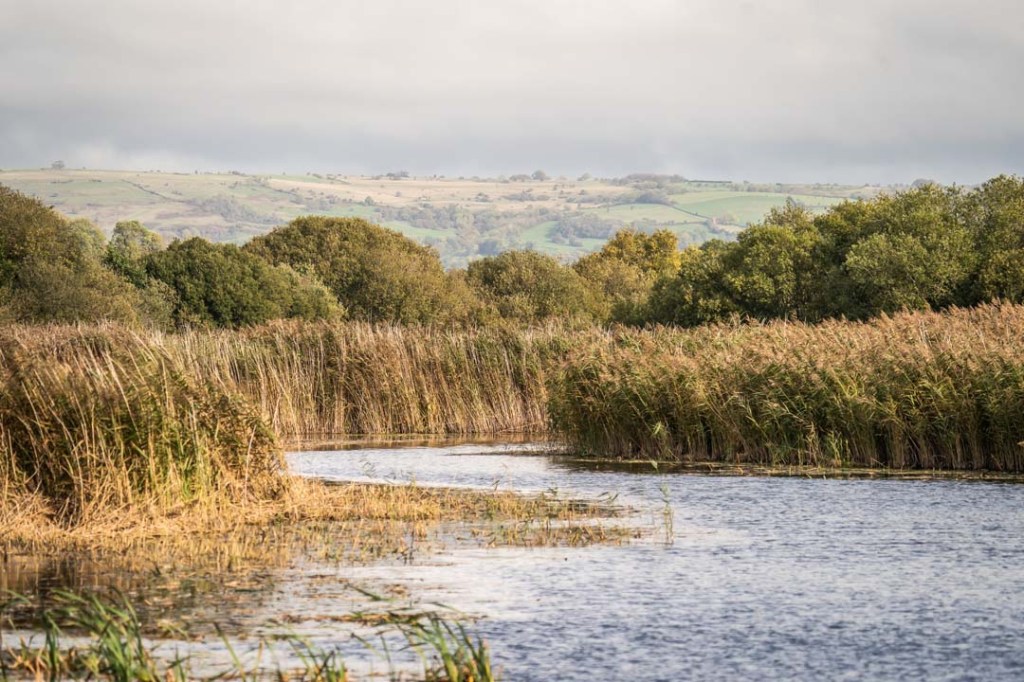
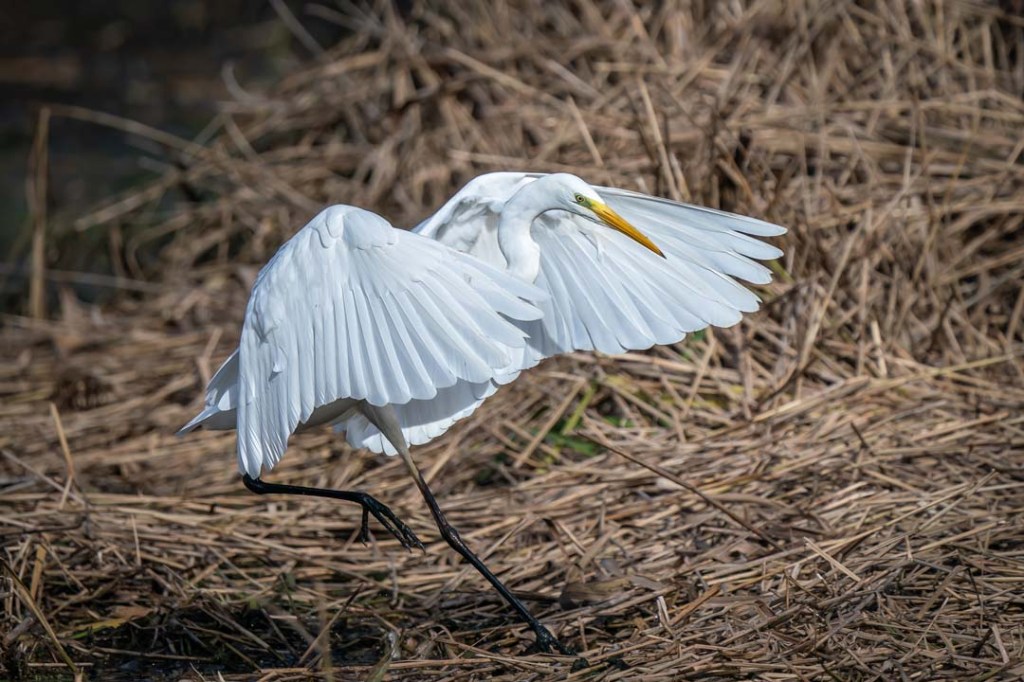
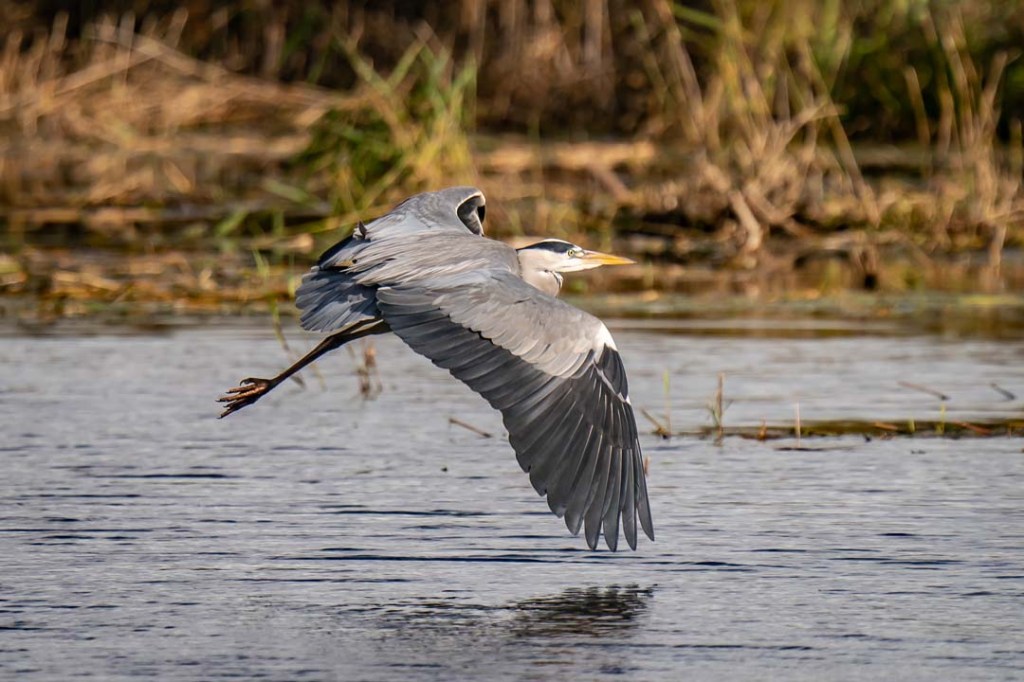
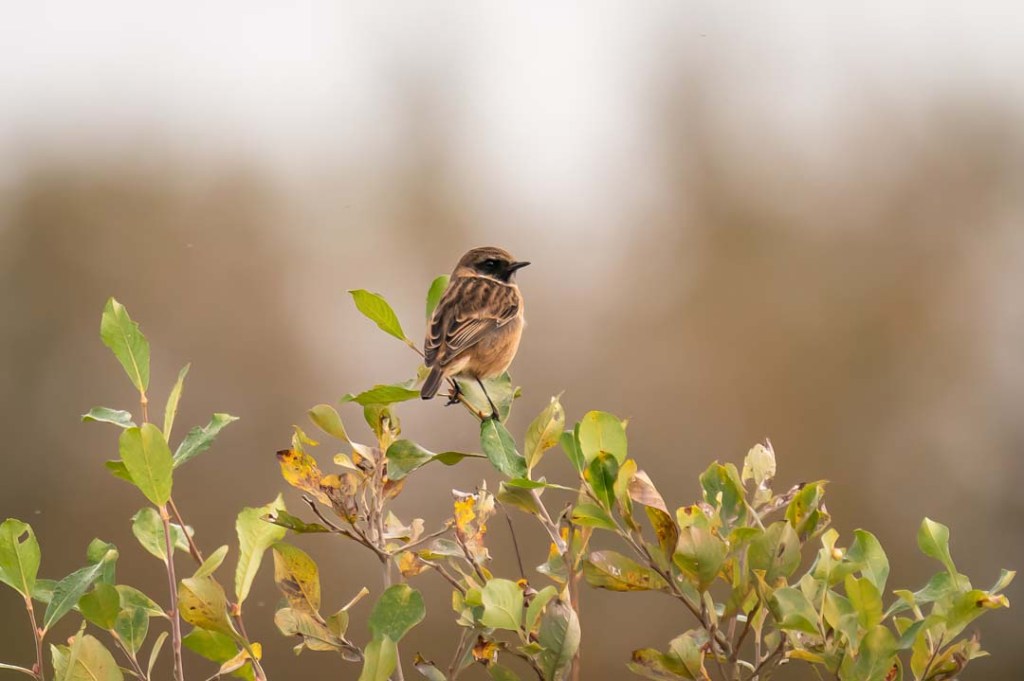
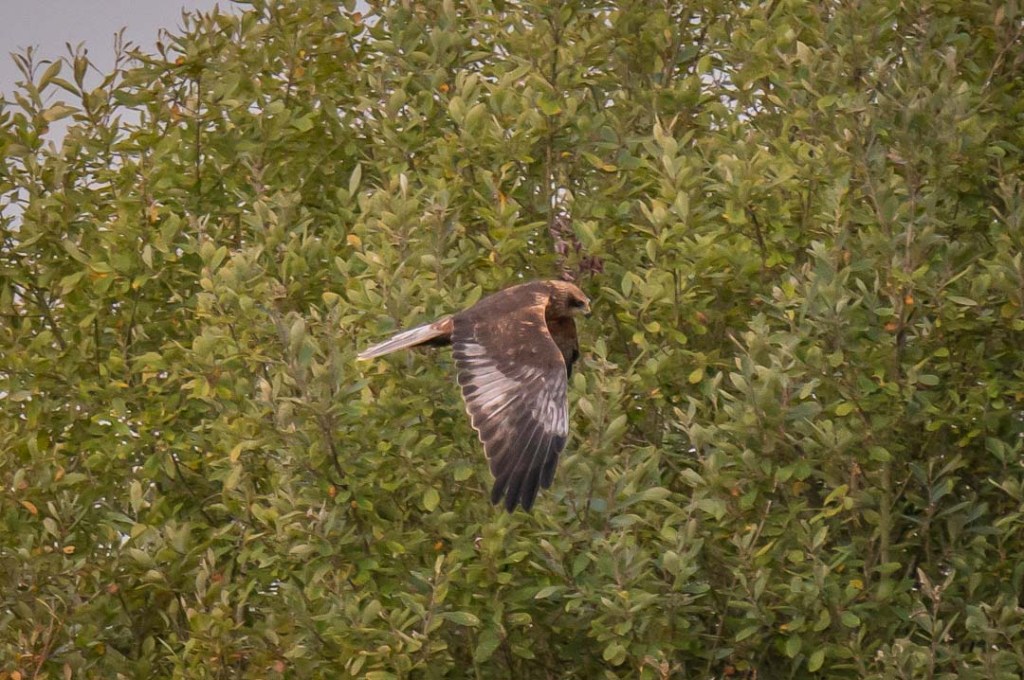

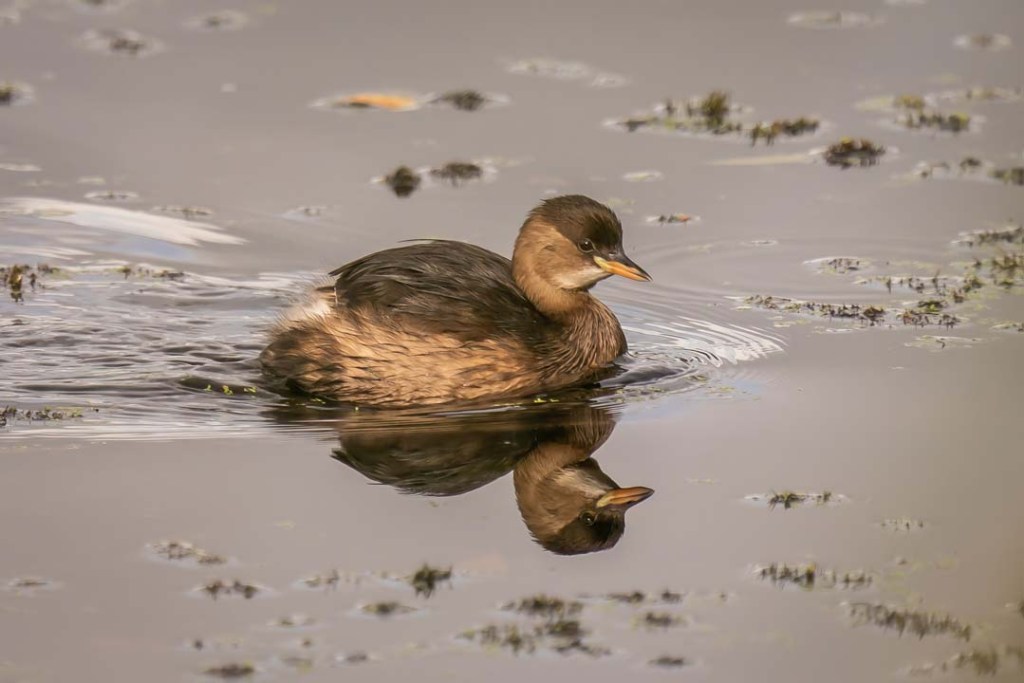
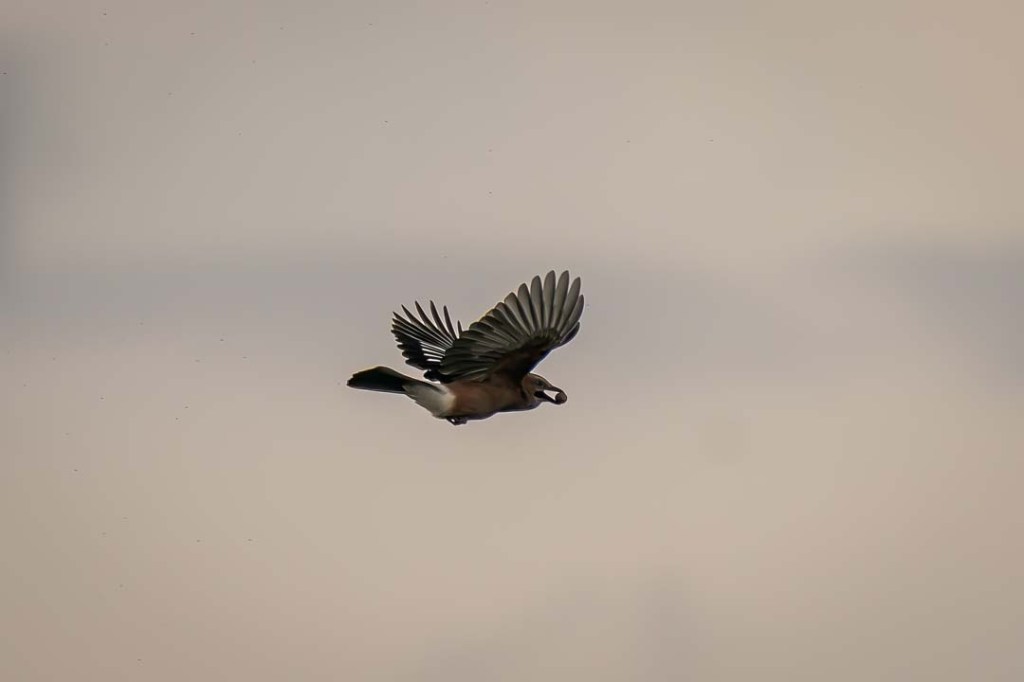


Slideshow of my photos from today:

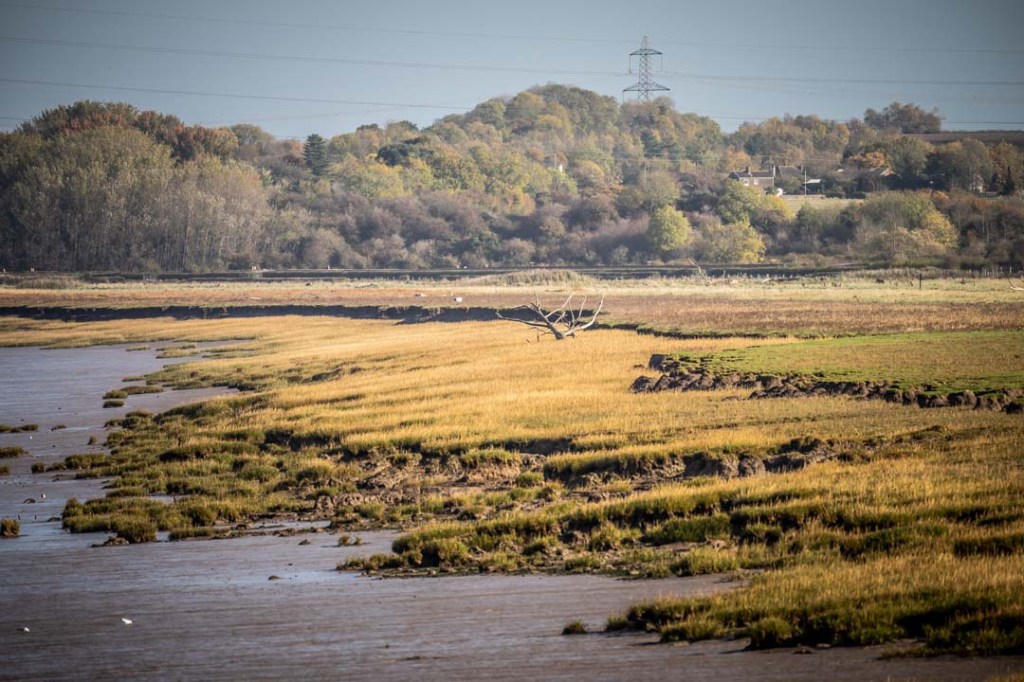
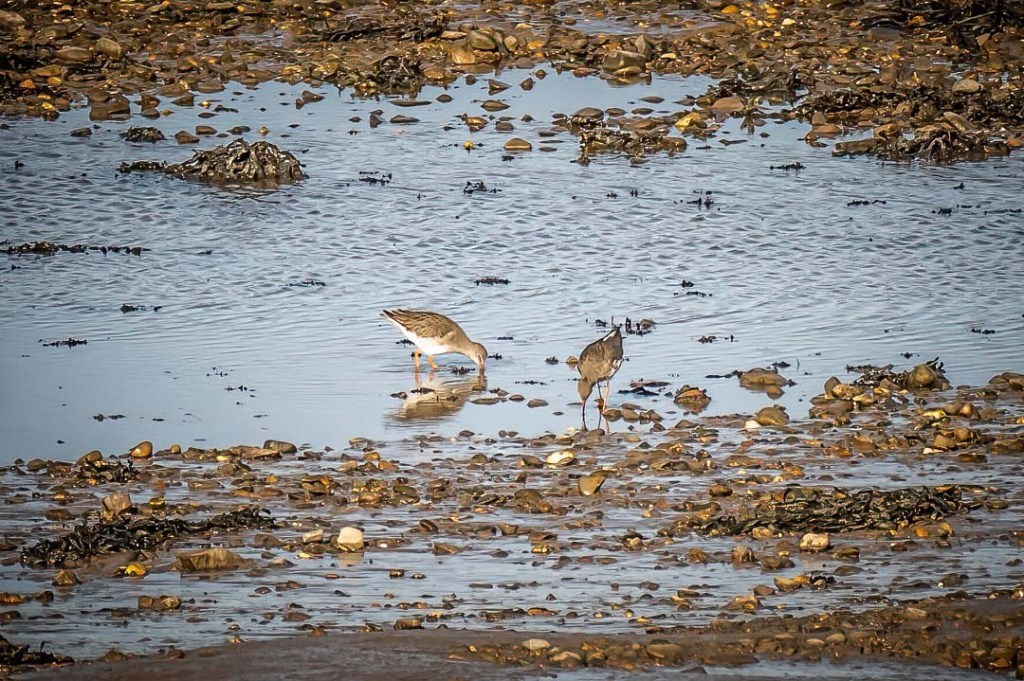
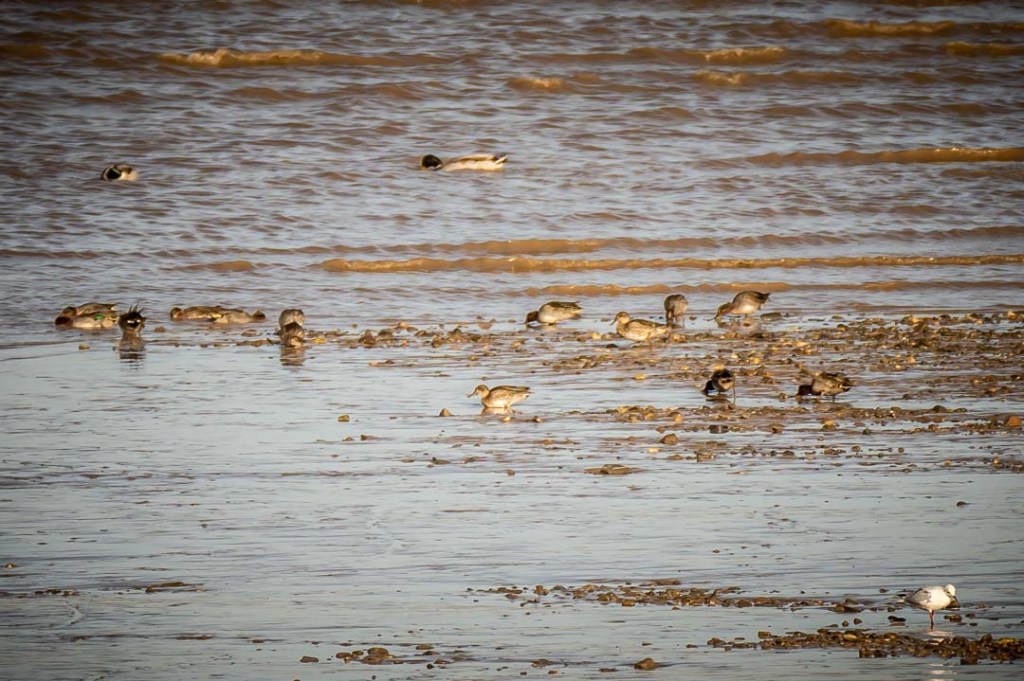
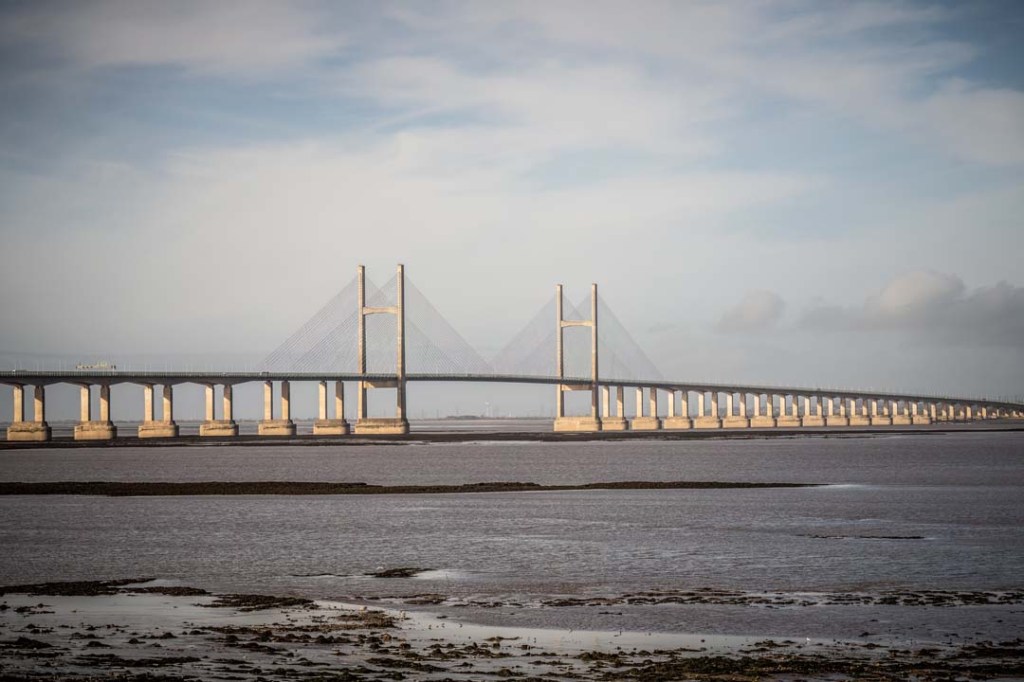
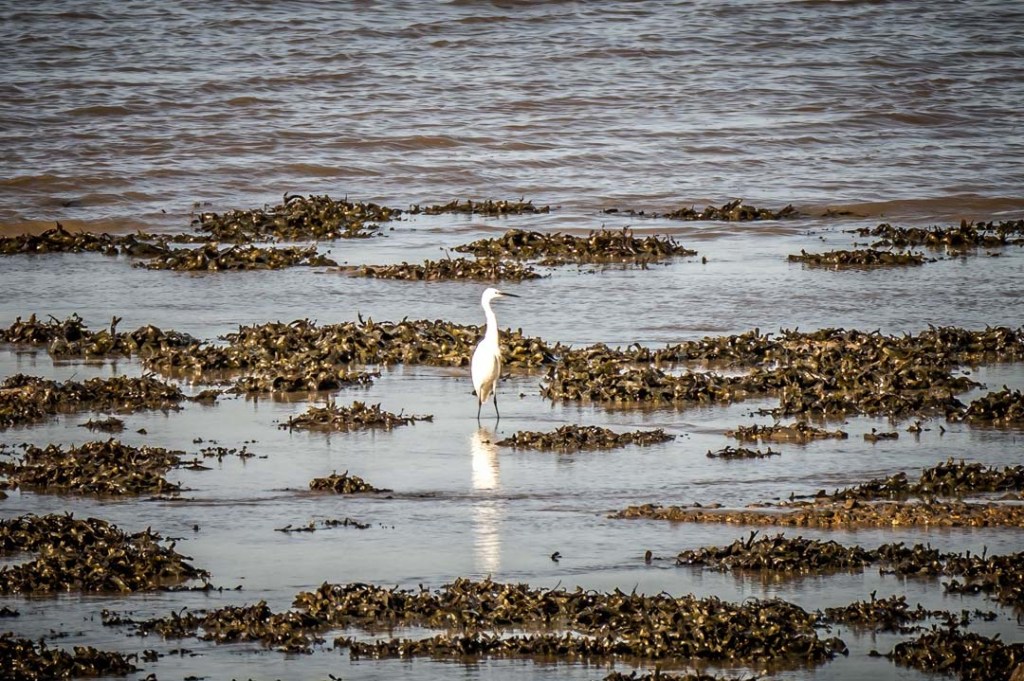
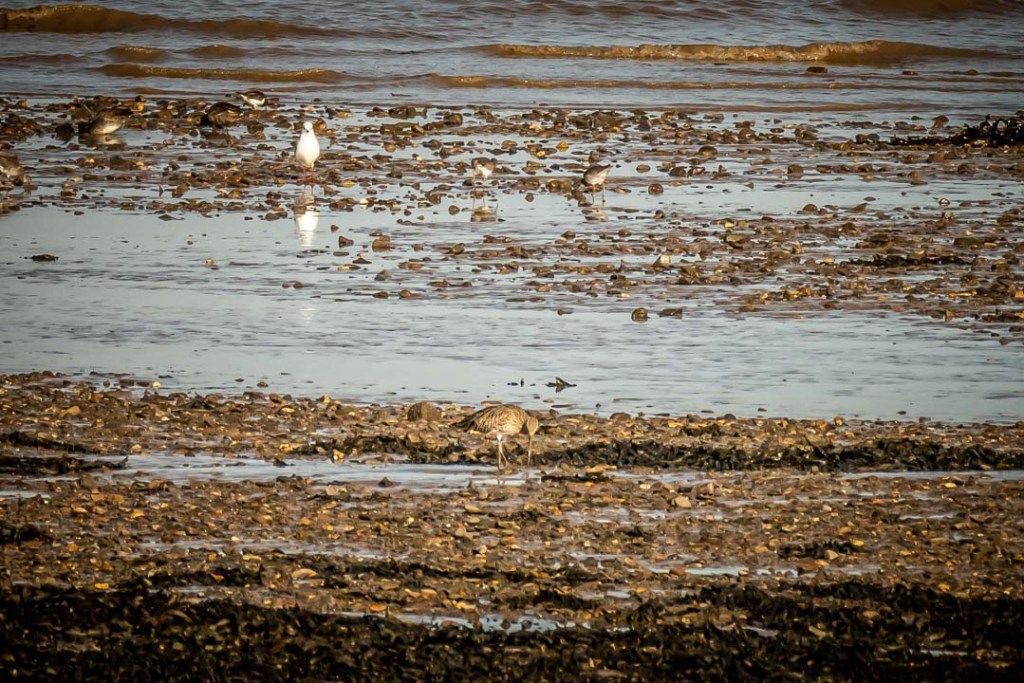
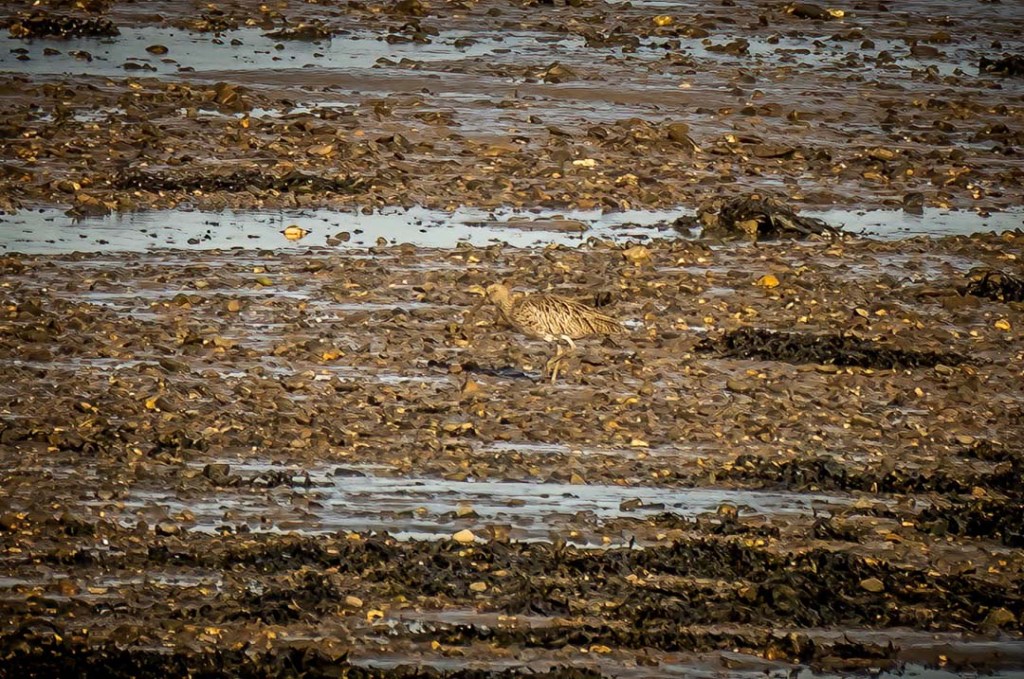
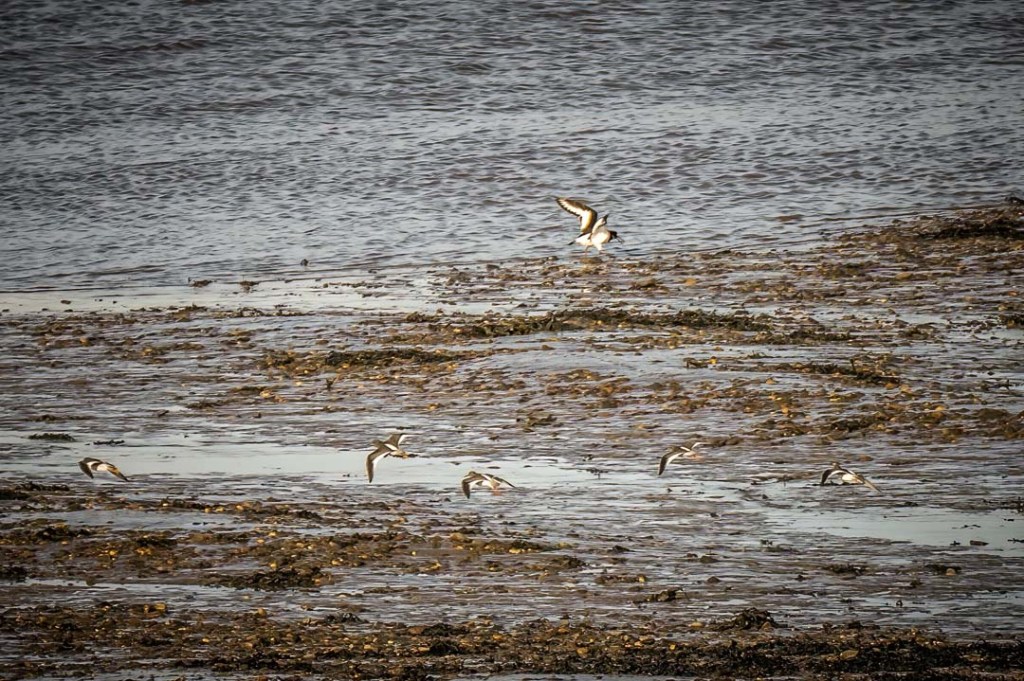
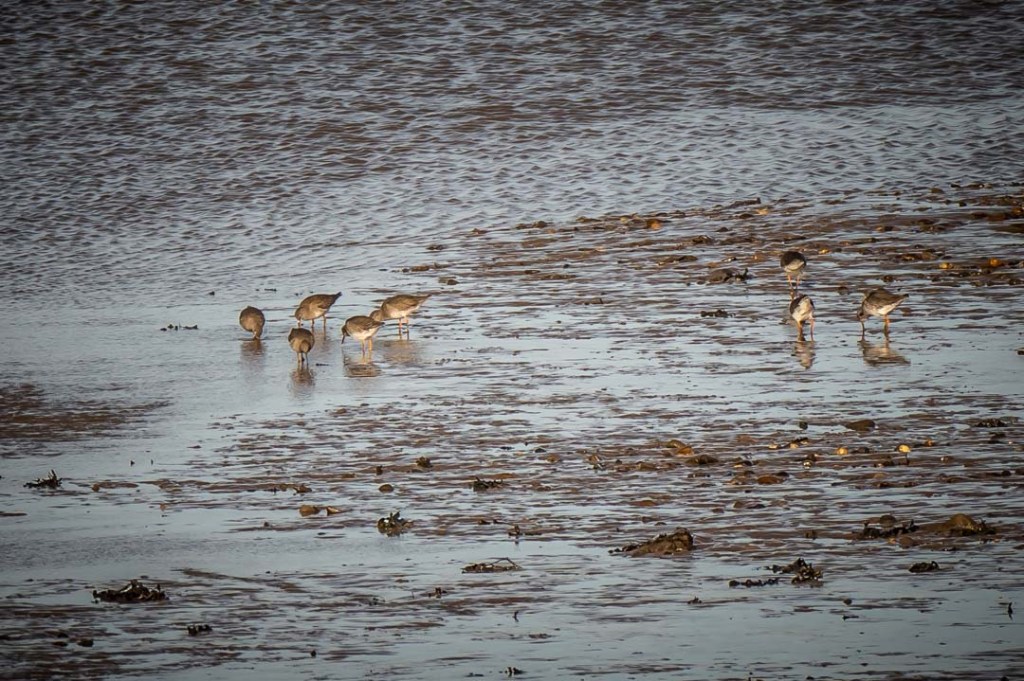
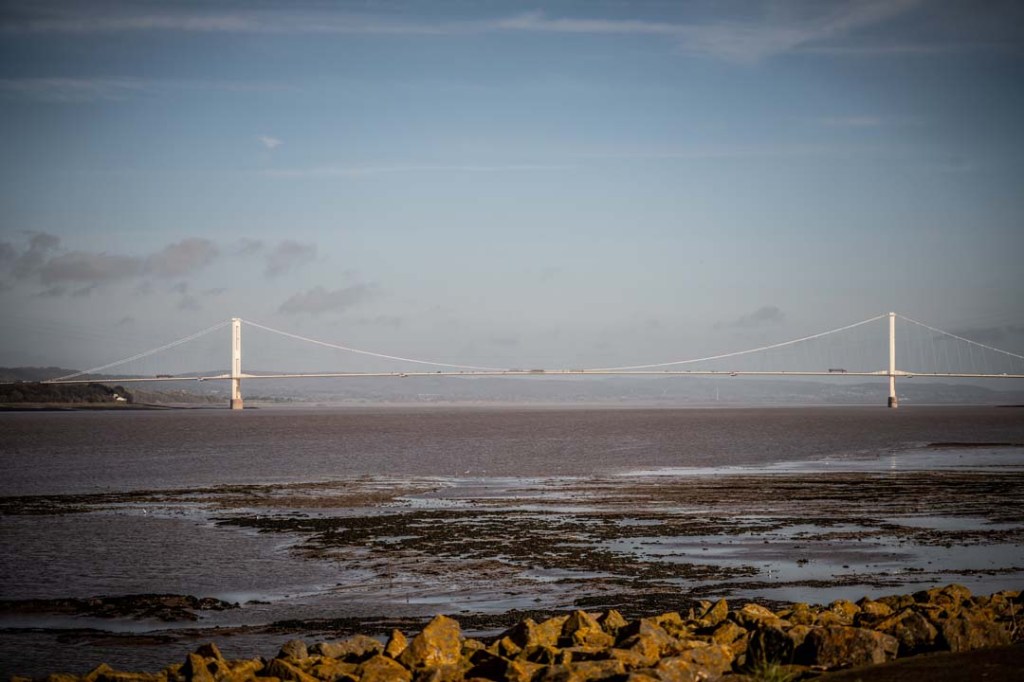
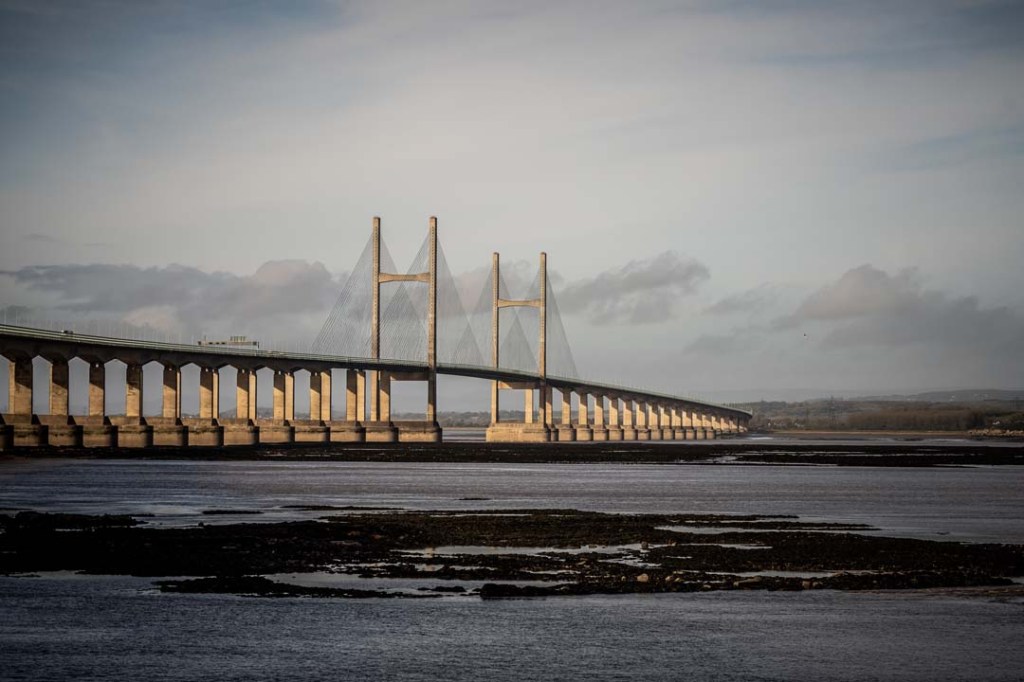
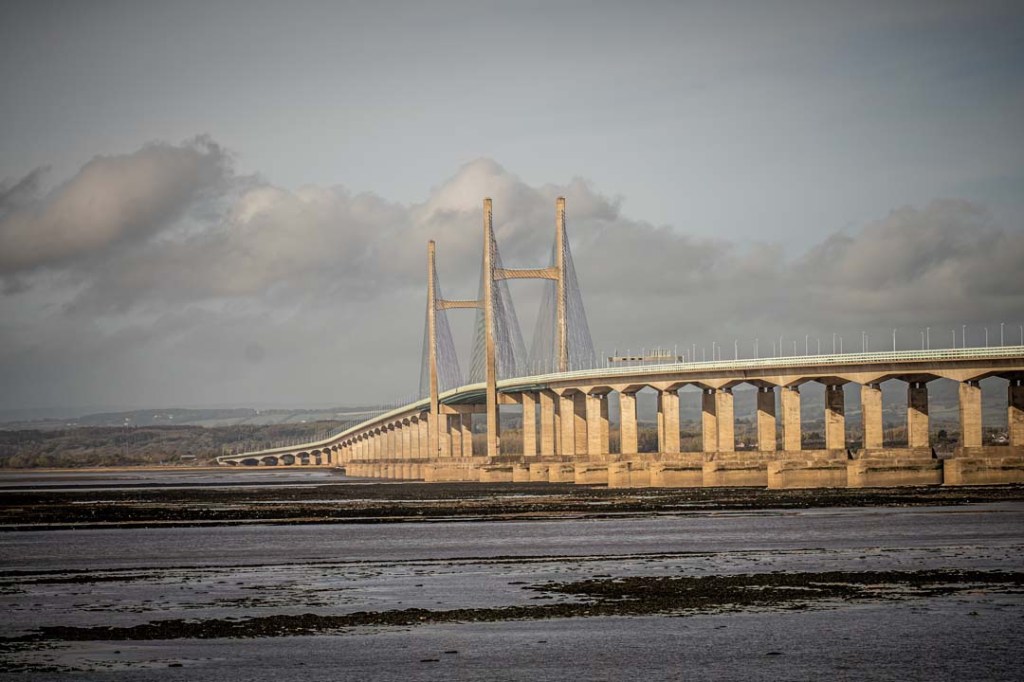
Following a very wet day yesterday, it was great to get out and enjoy a walk along the Severn Estuary between New Passage and Severn Beach. The tide was already quite low when we arrived at New Passage but we were allowed some distant views of waders. However, before we reached Severn Beach there was nothing to be seen and my camera was packed away for the return journey.


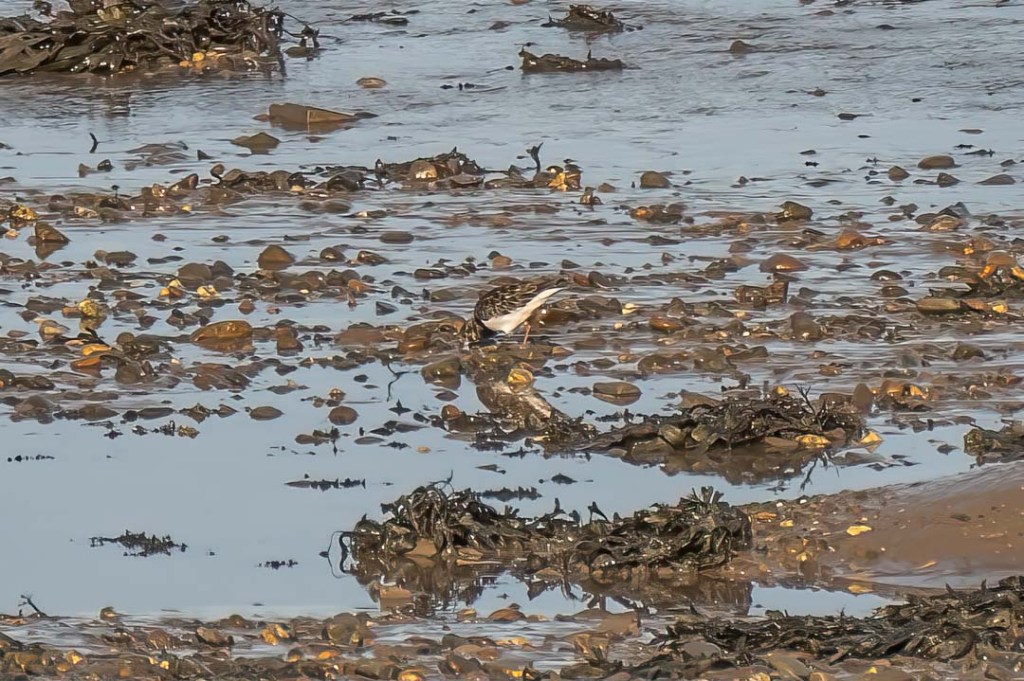
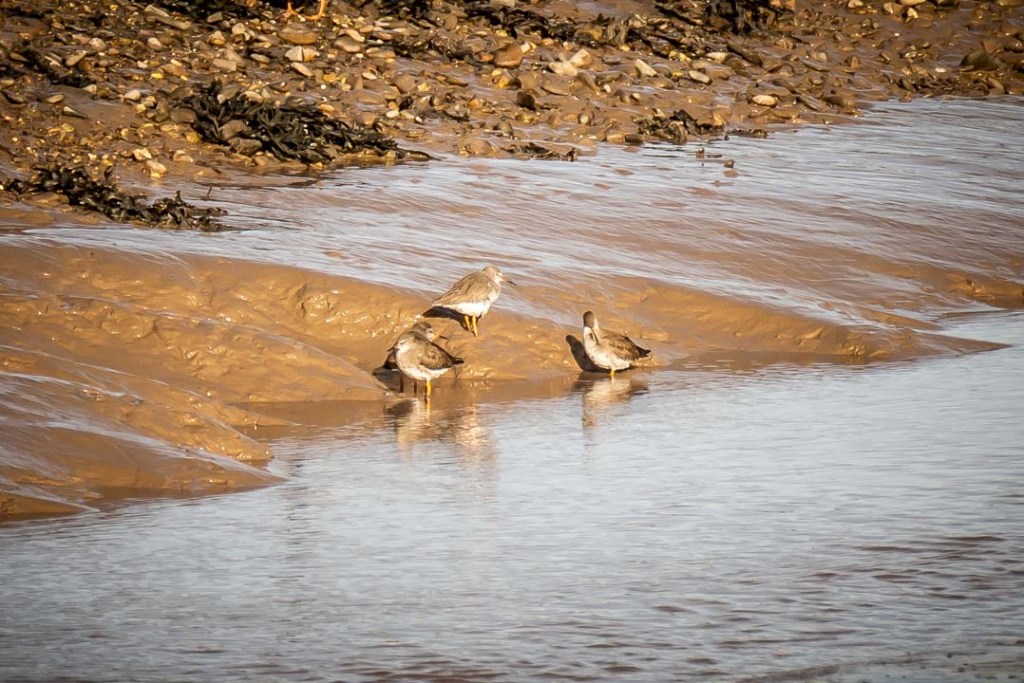


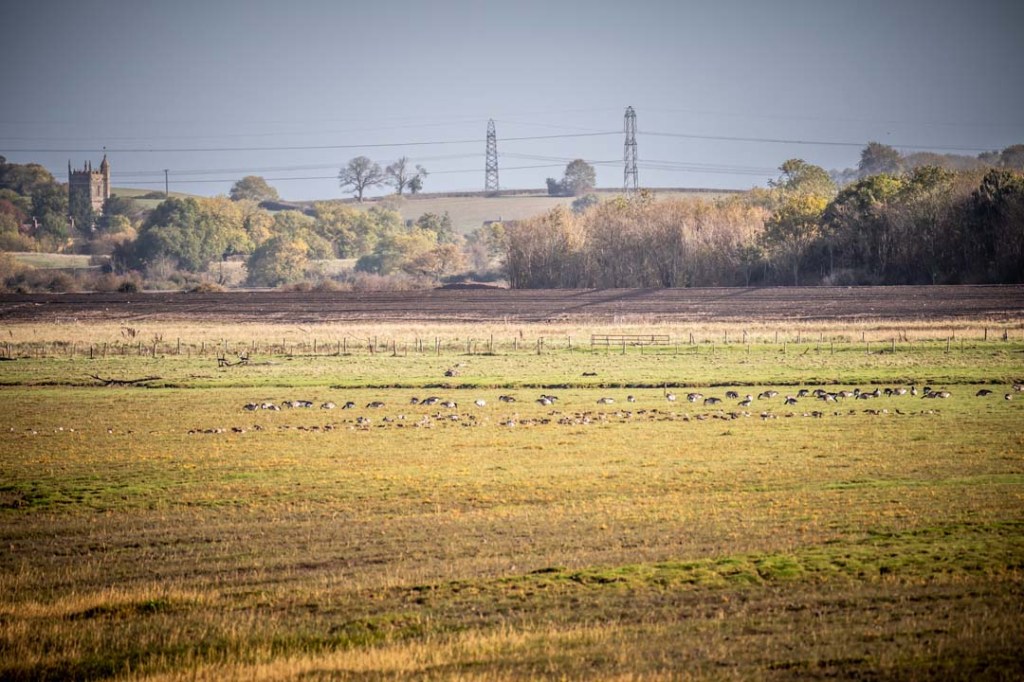
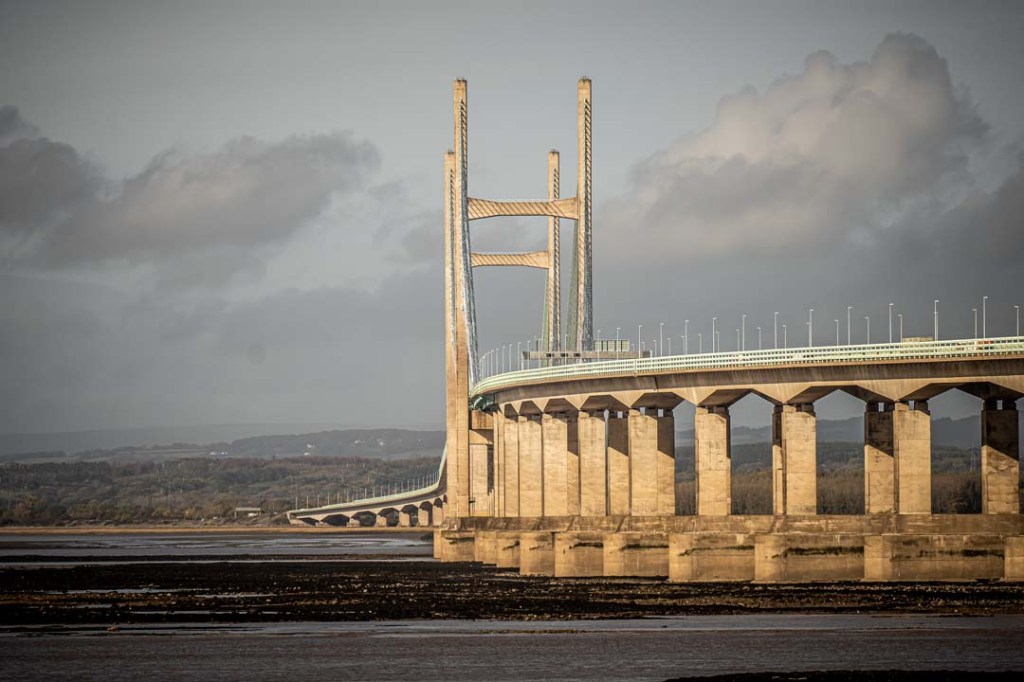
Slideshow of this morning’s photos:
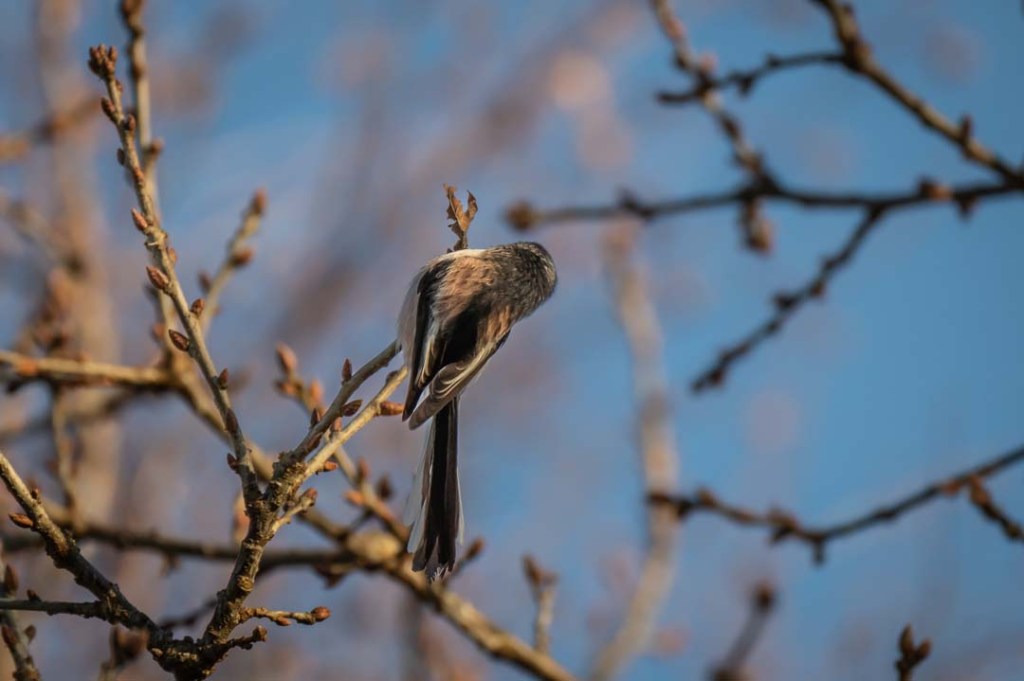
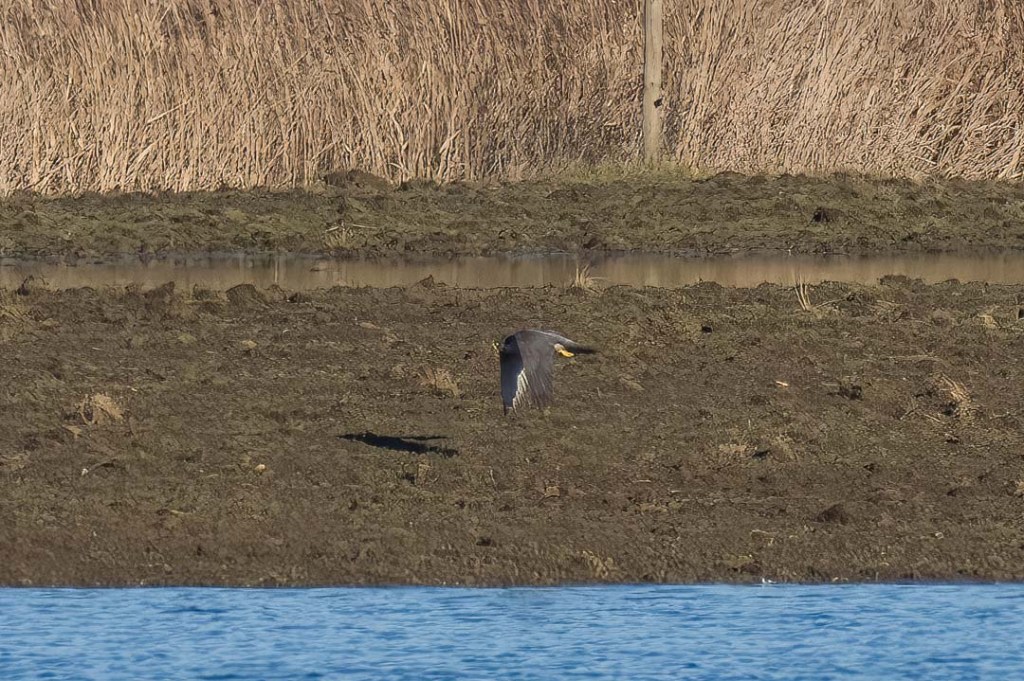













































































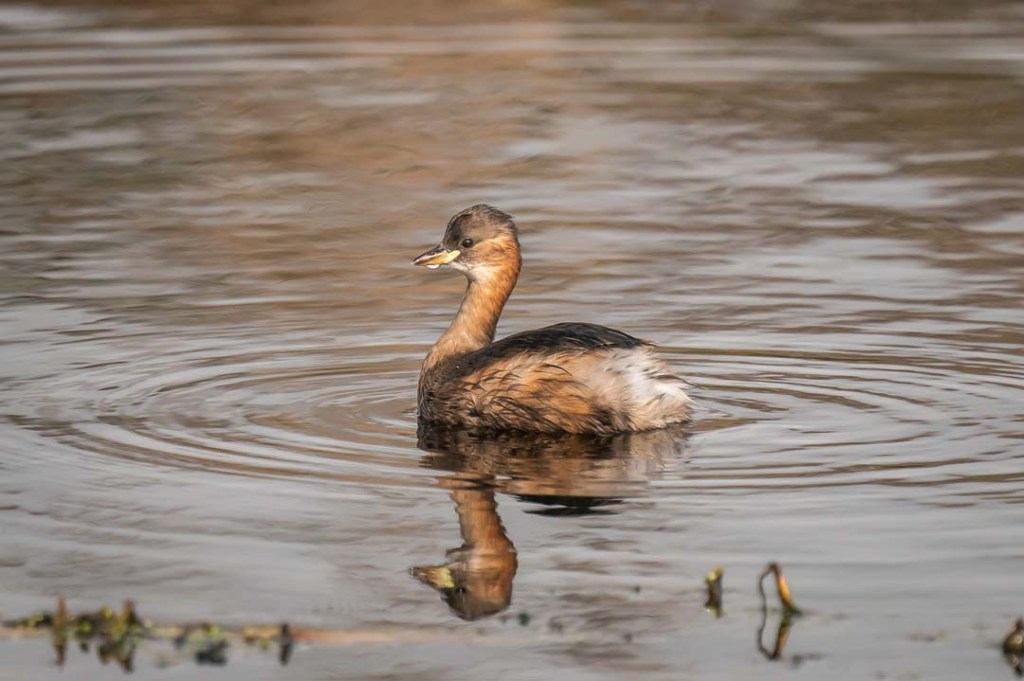

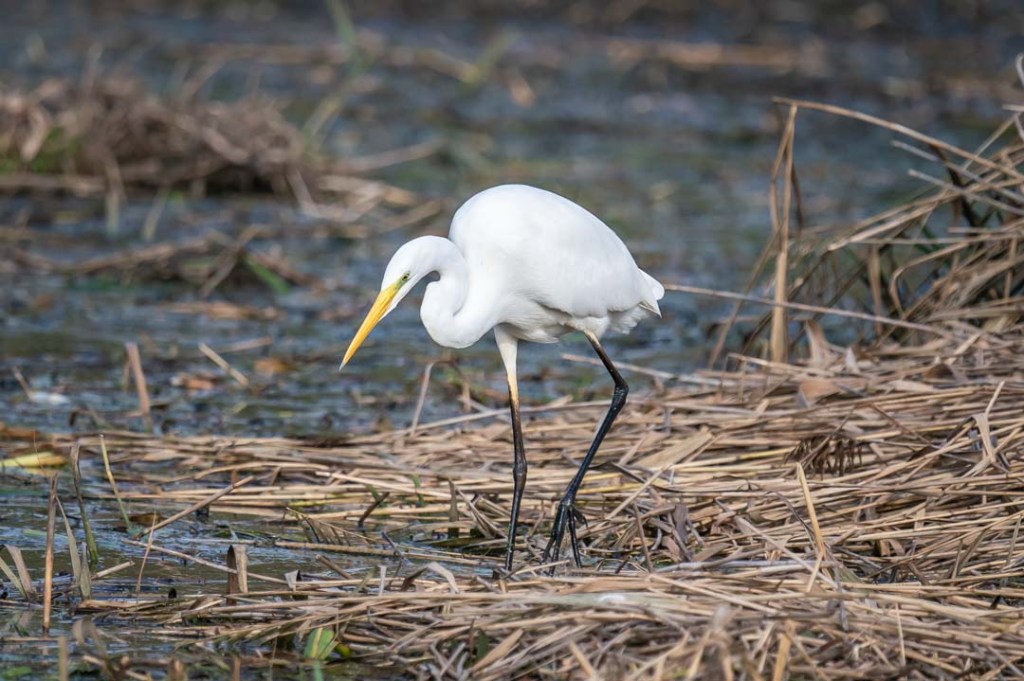

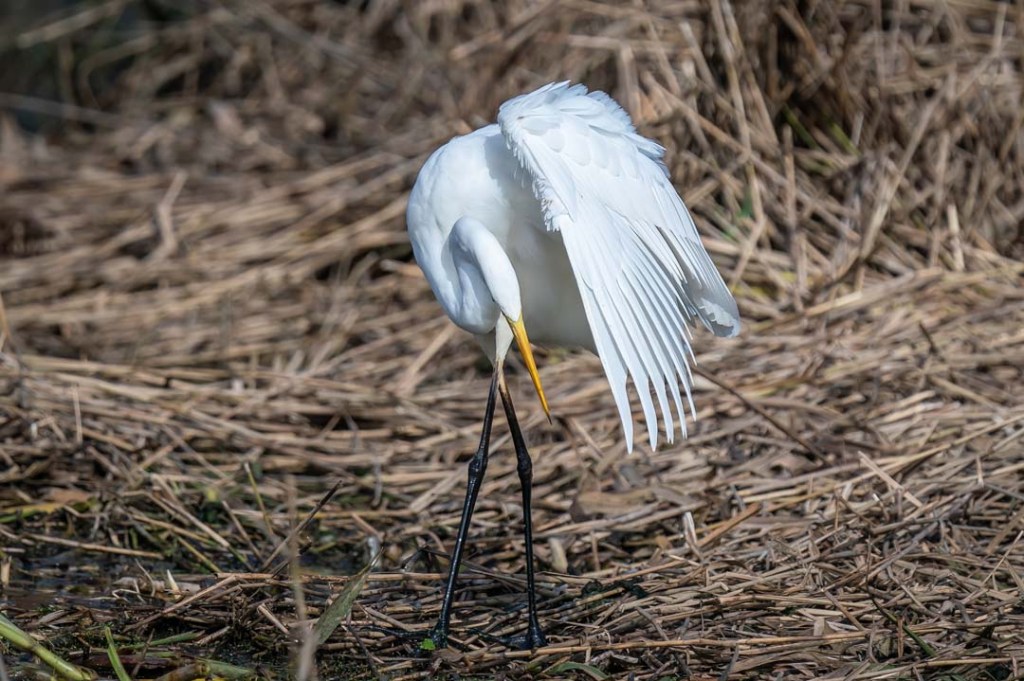
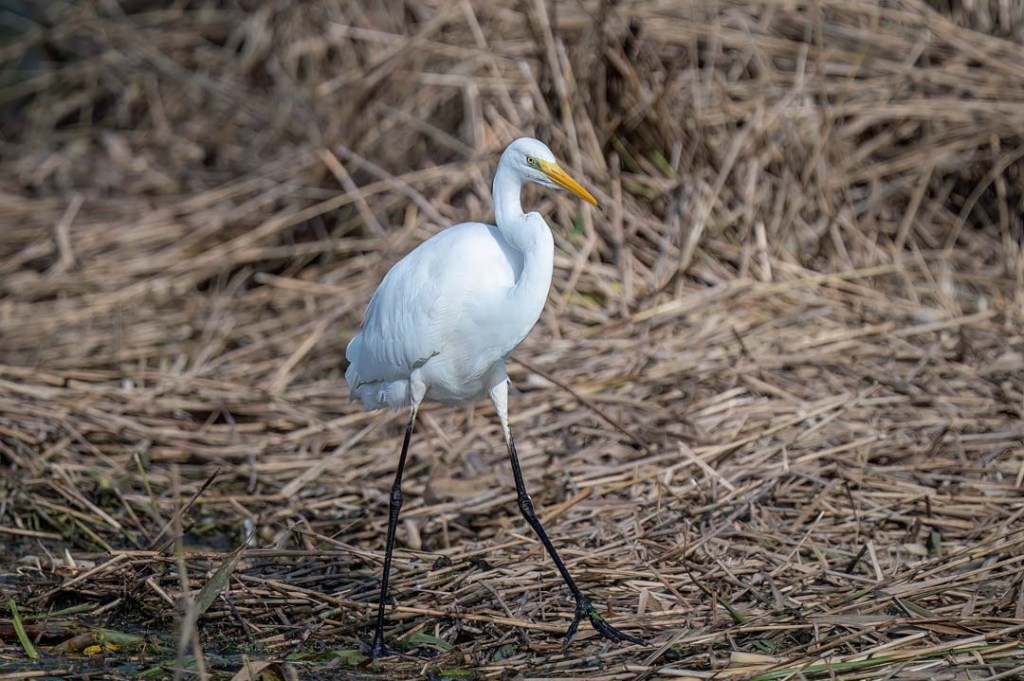











 Martin's Bird Blog & Nature Photos