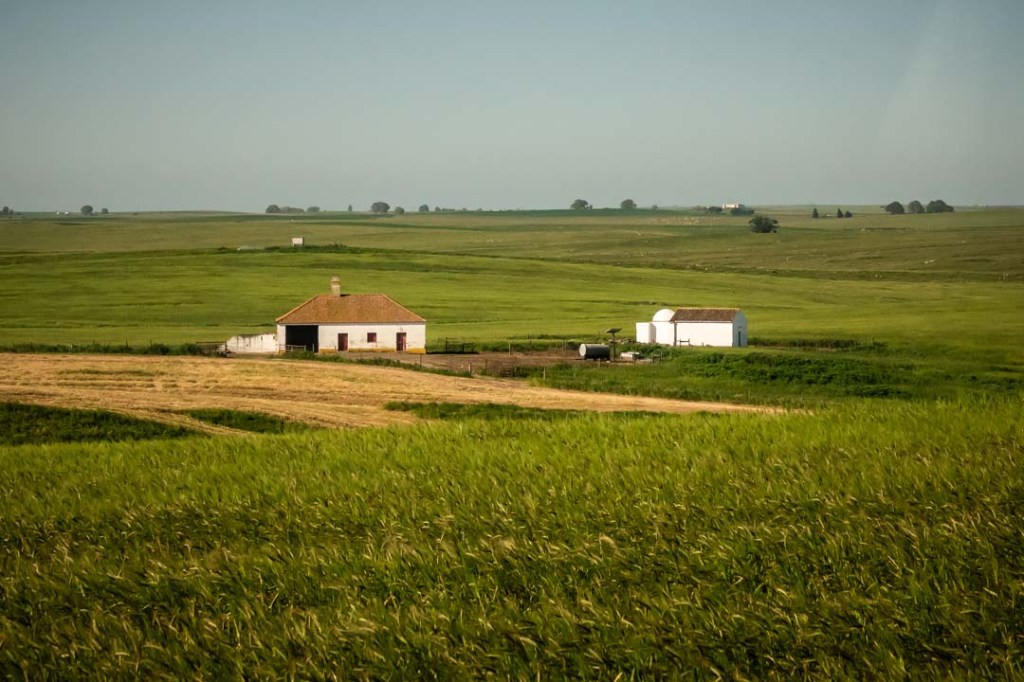
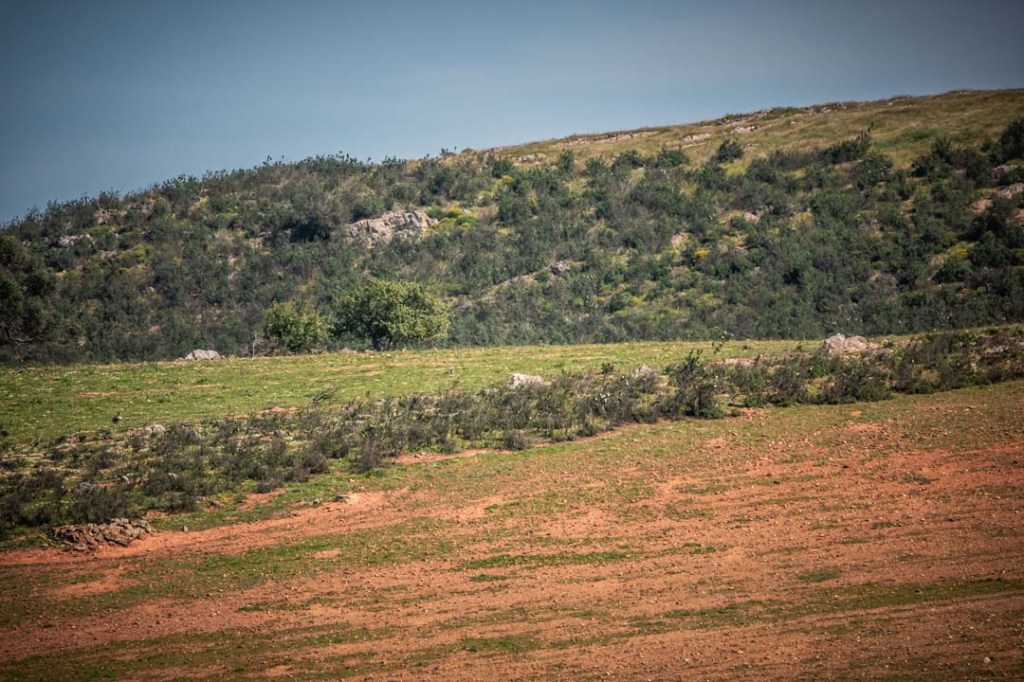
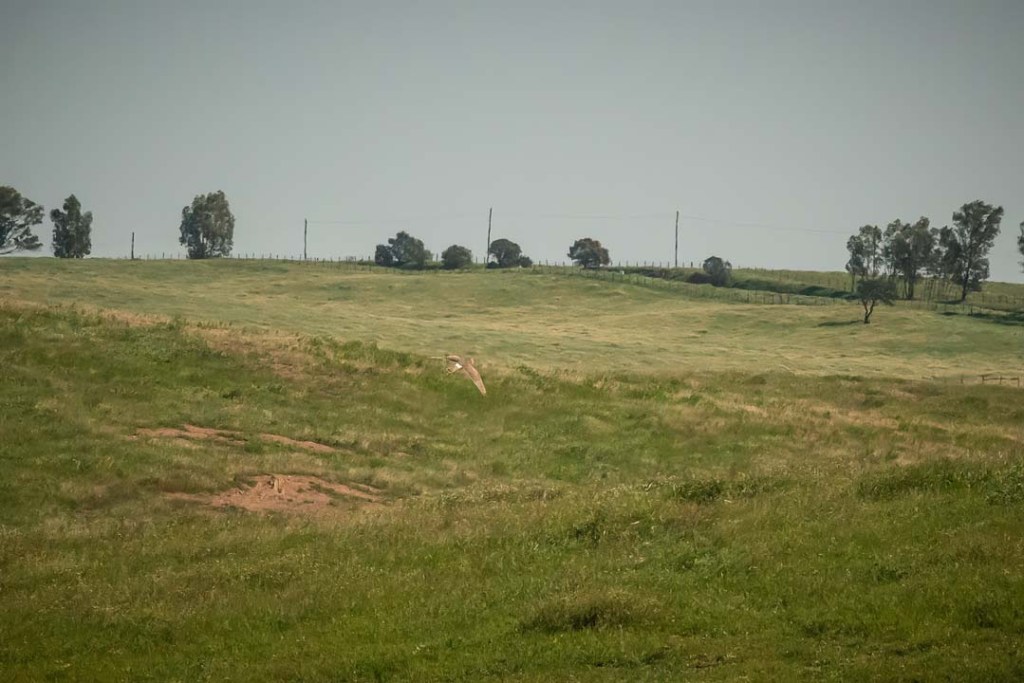
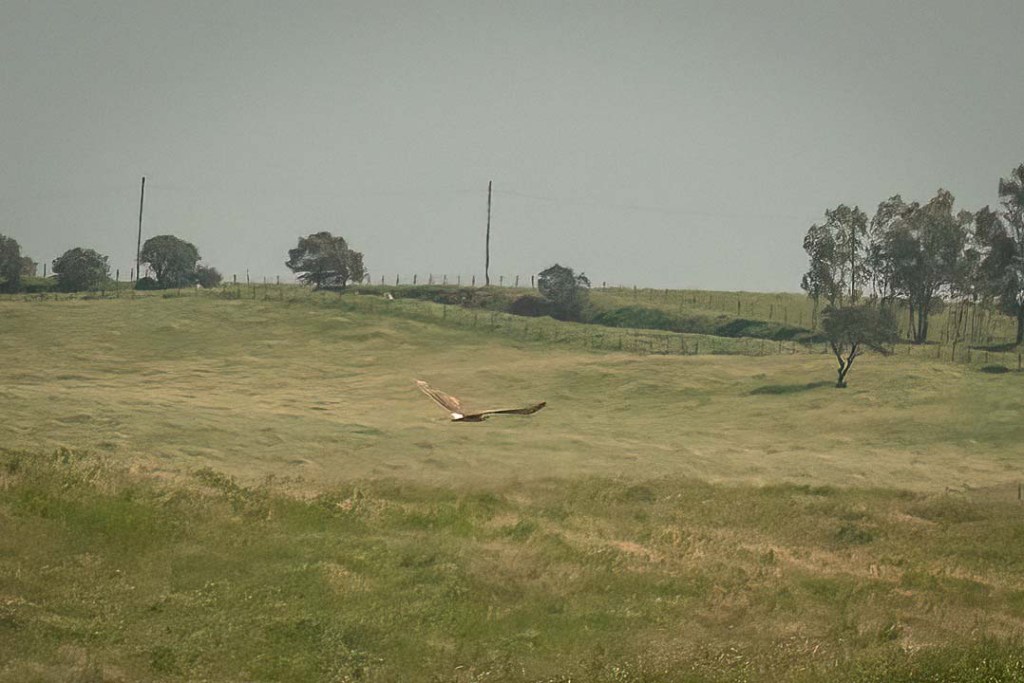
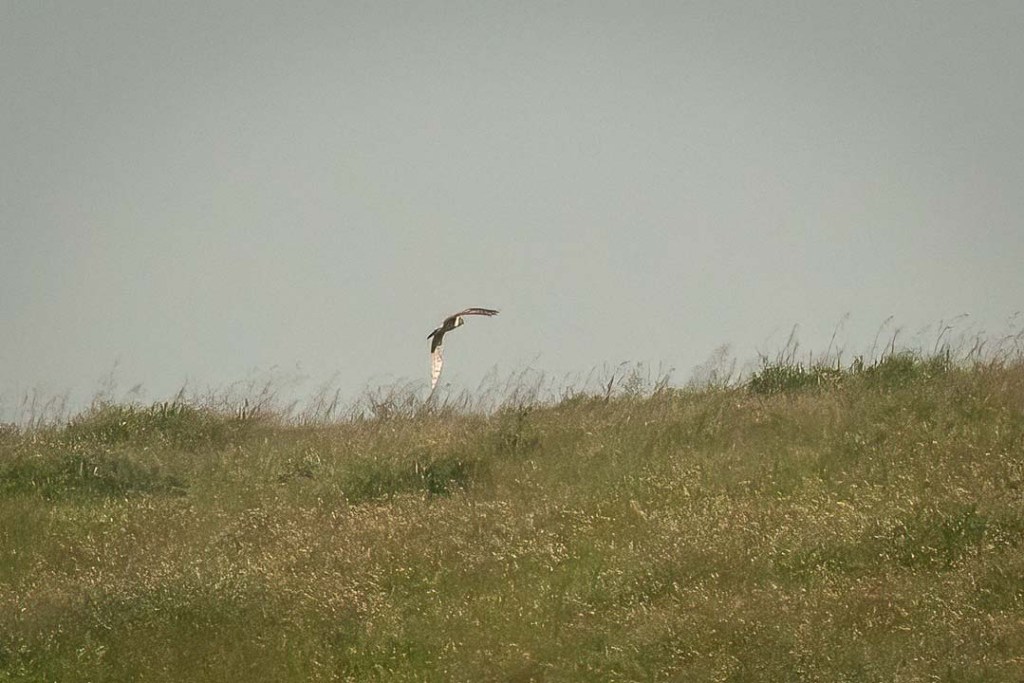
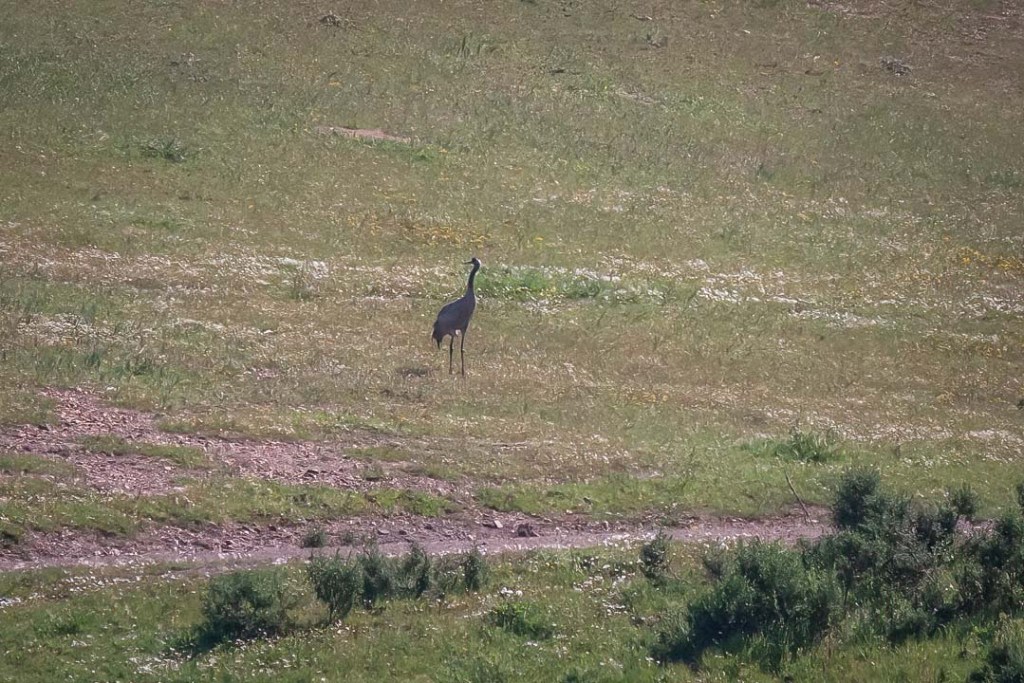
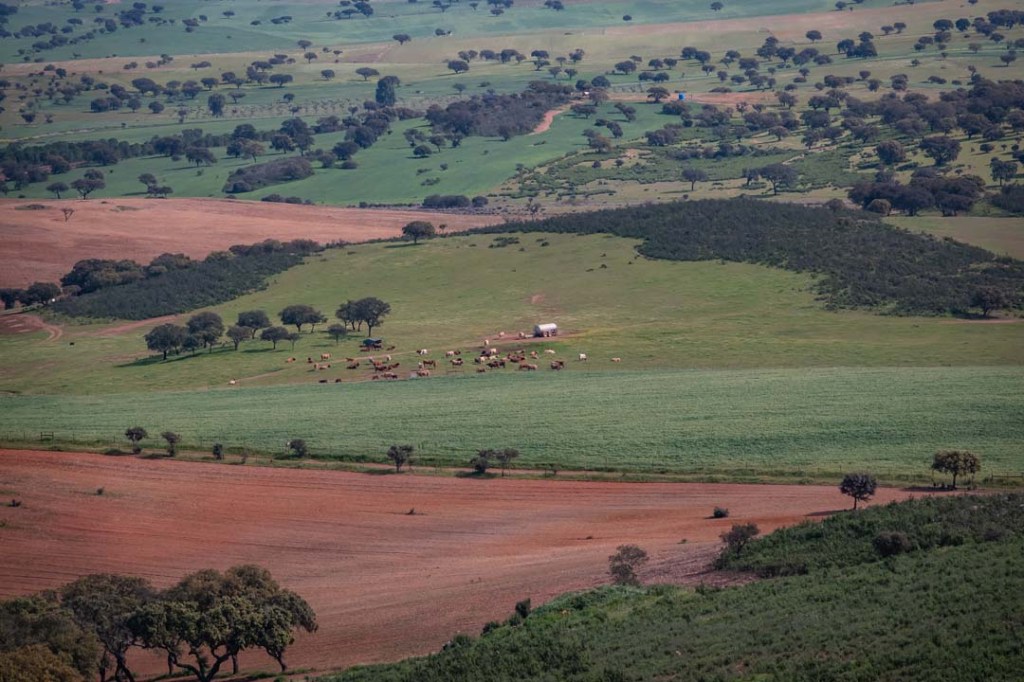
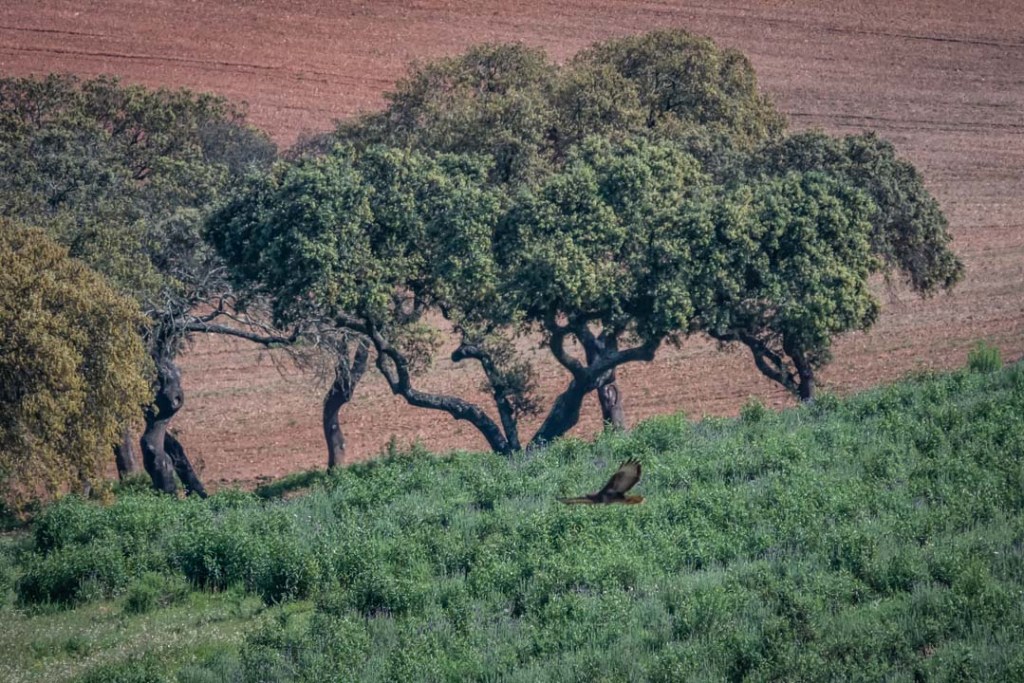
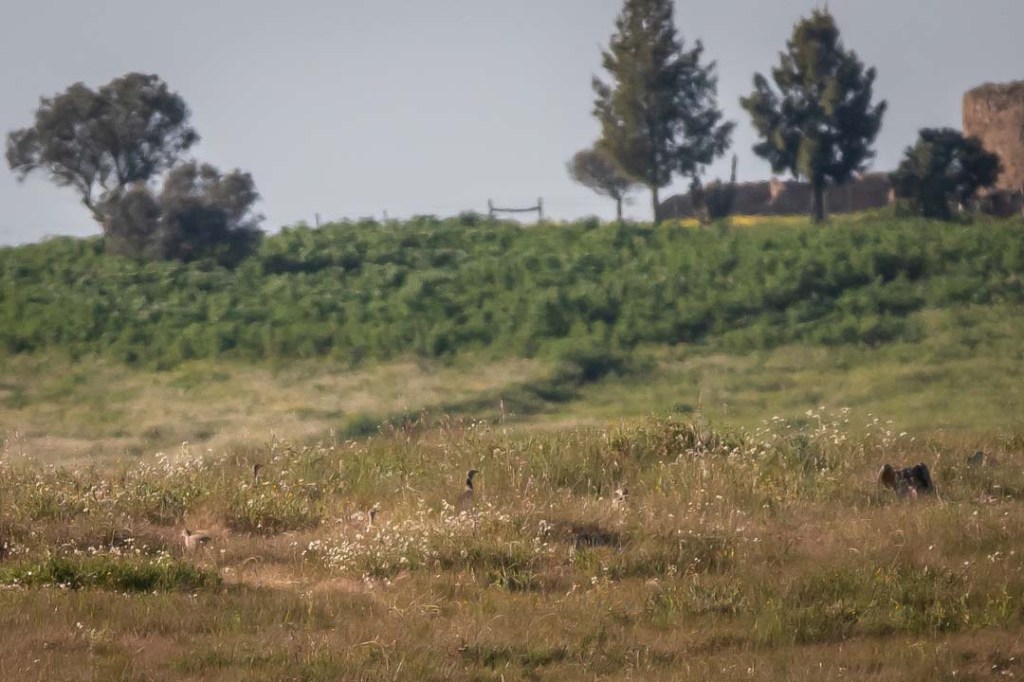
On our fifth and final day of our birding trip in Portugal we travelled 2 hours north to Castro Verde. The landscape here, on the edges of the steppes, was totally different to what we had seen in The Algarve. It was a different birding experience too when the telescope really came into its own and photographs of birds were rarer because of the great distances at which we observed birds.

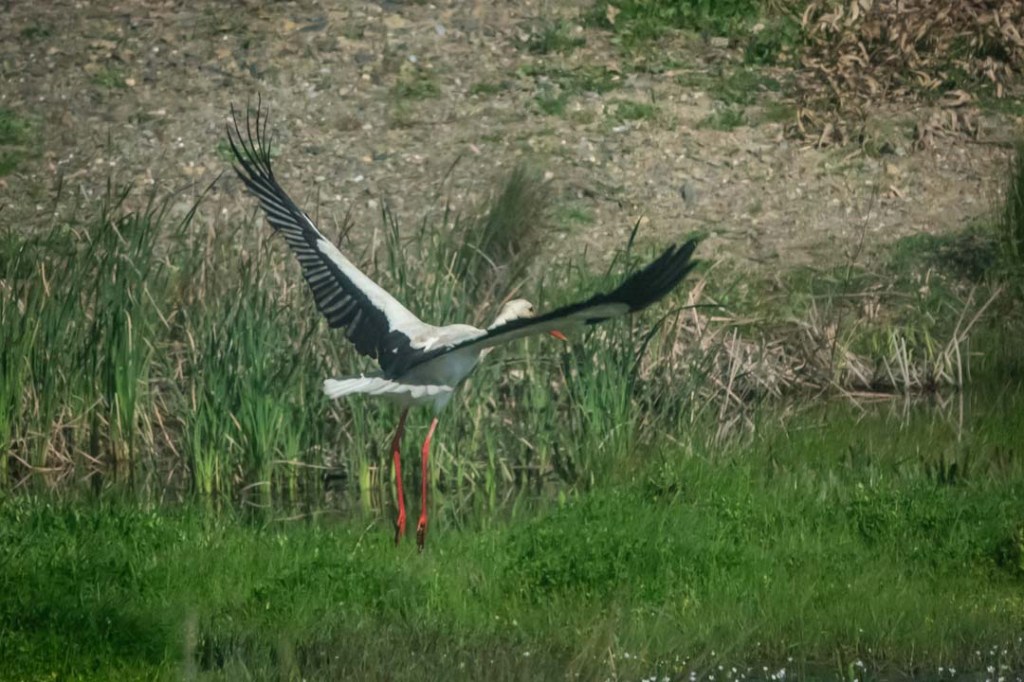

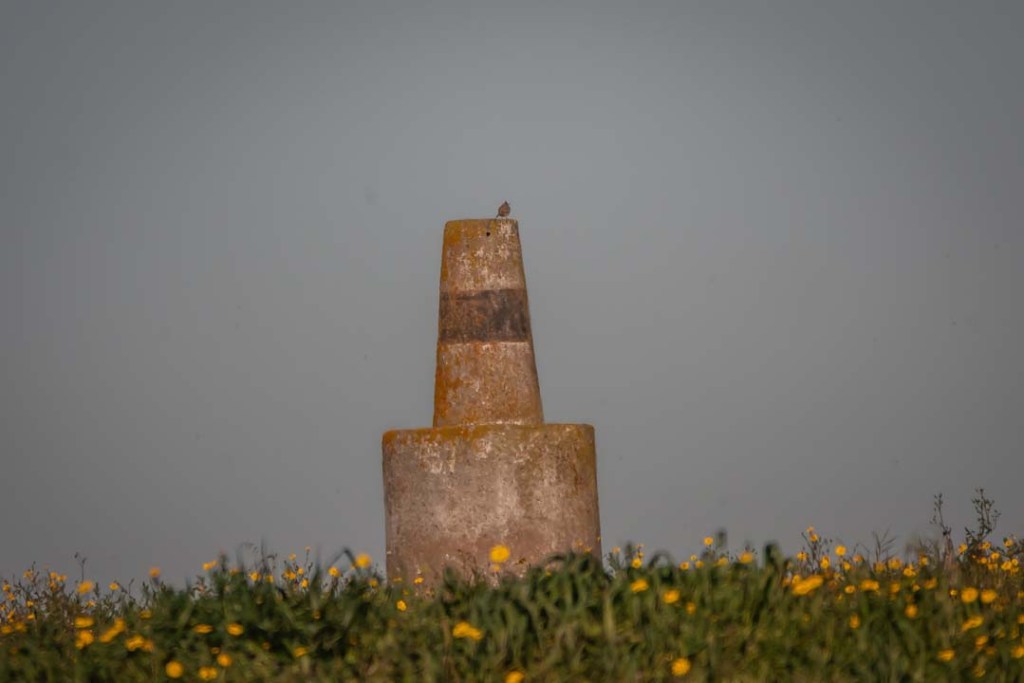

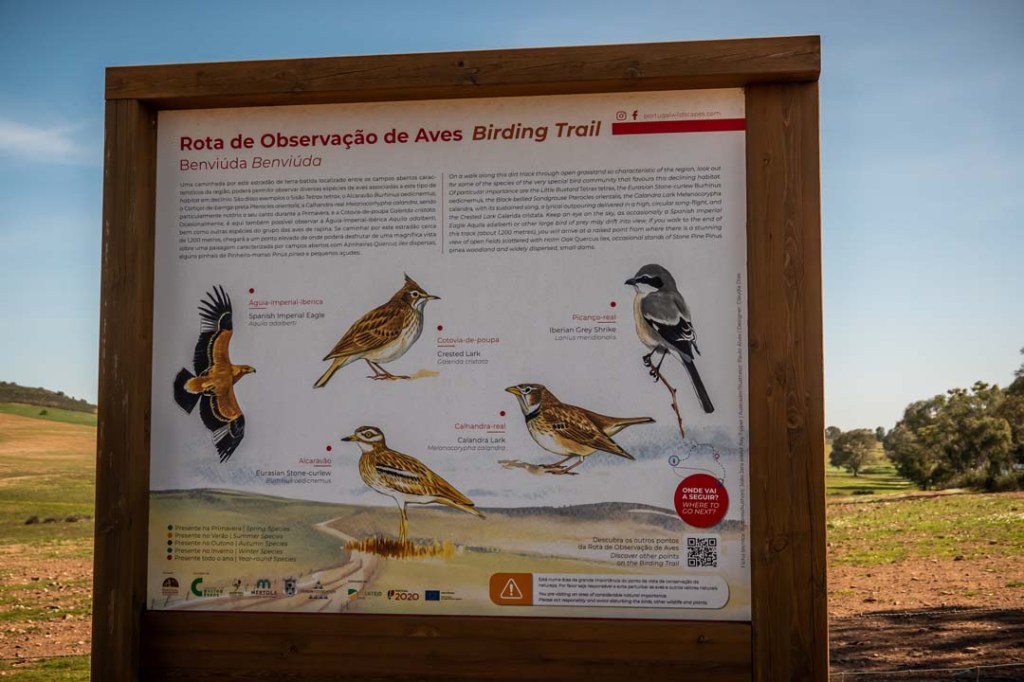



57 species observed:
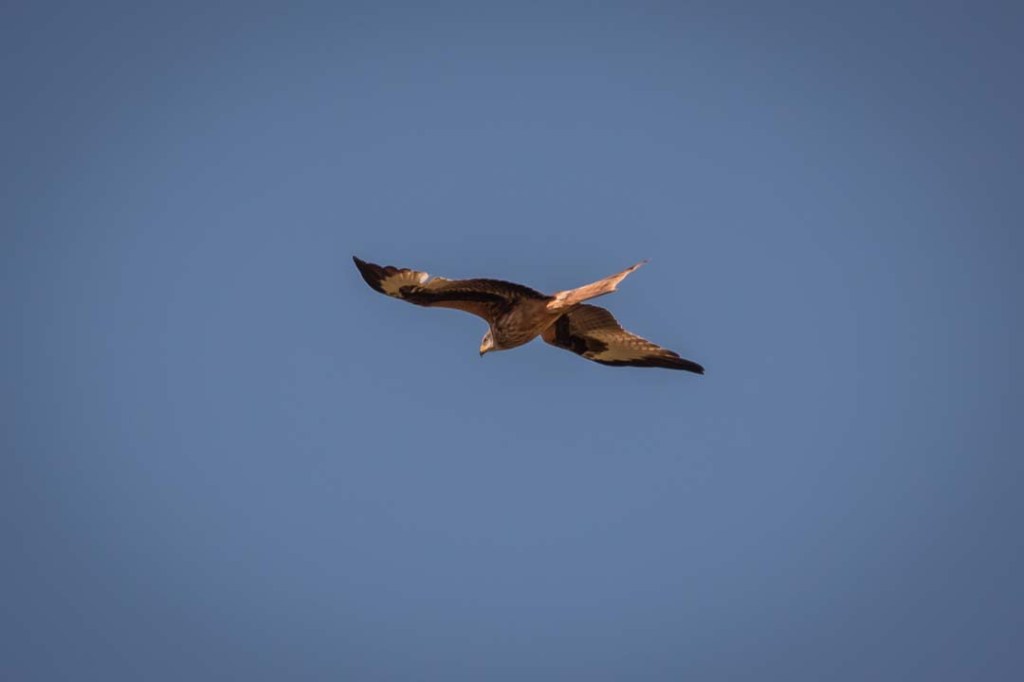
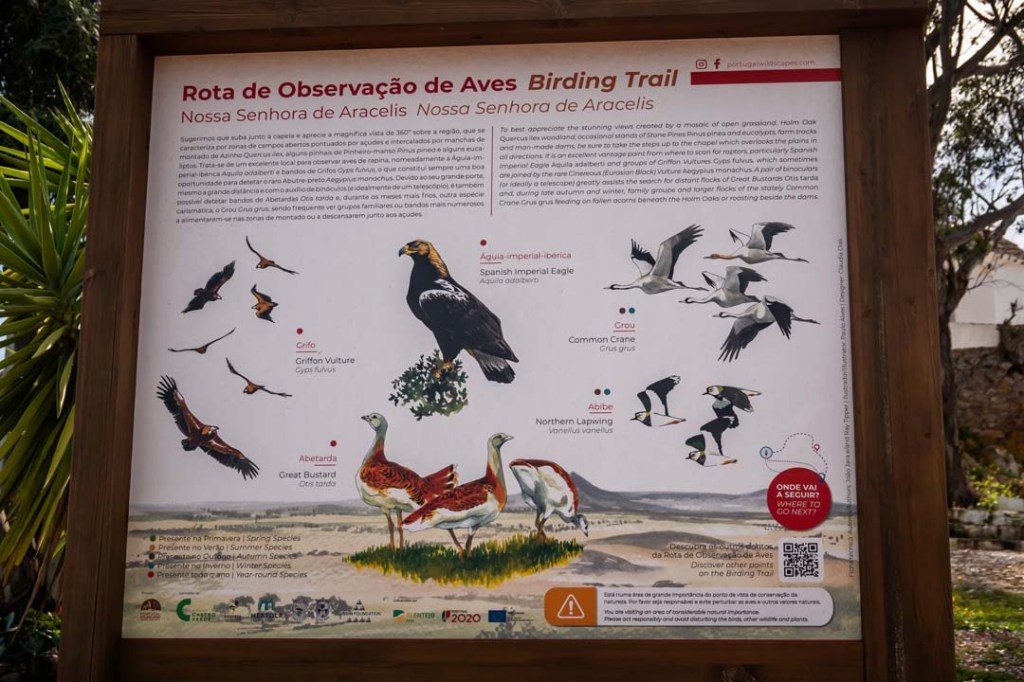
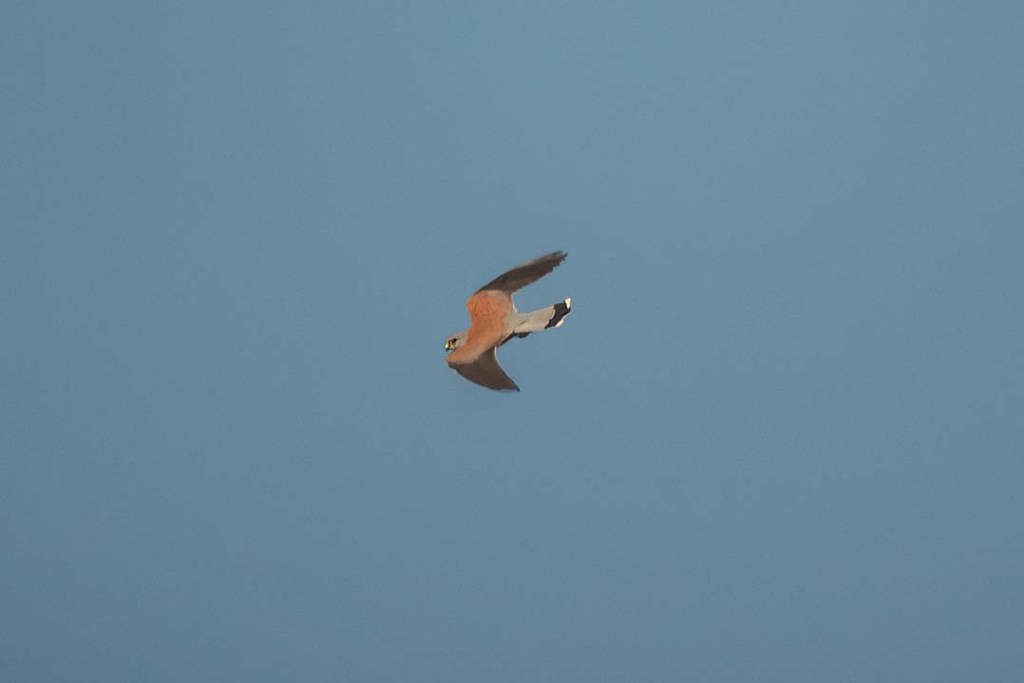
Gadwall; Mallard; Ferruginous Duck; Little Grebe; Common Woodpigeon; Collared Dove ; Black-bellied Sandgrouse; Great Bustard; Little Bustard; Eurasian Coot; Common Crane; European Golden Plover; Northern Lapwing; Yellow-legged Gull; White Stork; Little Egret ; Western Cattle Egret; Eurasian Spoonbill; Spanish Eagle; Western Marsh Harrier ; Hen Harrier; Red Kite ; Black Kite; Common Buzzard; Long-eared Owl (in the village of Castro Verde); Eurasian Hoopoe; Lesser Kestrel ; Common Kestrel ; Iberian Grey Shrike; Iberian Magpie; Common Magpie; Eurasian Jackdaw; Carrion Crow; Common Raven; Eurasian Blue Tit (heard); Calandra Lark; Eurasian Skylark; Thekla’s Lark; Crested Lark; Zitting Cisticola (heard); Barn Swallow; Western House Martin; Common Chiffchaff; Iberian Chiffchaff; Sardinian Warbler; Short-toed Treecreeper; Spotless Starling; Eurasian Blackbird; European Stonechat; House Sparrow; Spanish Sparrow; Pied Wagtail/White Wagtail; Meadow Pipit; Common Linnet; European Goldfinch; European Serin; Corn Bunting.
Throughout the holiday we saw a total of 130 species:
Common Shelduck; Northern Shoveler; Gadwall; Eurasian Wigeon; Mallard; Northern Pintail; Eurasian Teal; Red-crested Pochard; Common Pochard; Ferruginous Duck; Red-legged Partridge;Greater Flamingo; Little Grebe; Rock Dove; Common Woodpigeon; Collared Dove; Black-bellied Sandgrouse; Great Bustard; Little Bustard; Common Moorhen; Eurasian Coot; Western Swamphen; Common Crane; Stone-curlew; Black-winged Stilt; Pied Avocet; Eurasian Oystercatcher; Grey Plover; European Golden Plover; Common Ringed Plover; Northern Lapwing; Kentish Plover; Whimbrel; Eurasian Curlew; Bar-tailed Godwit; Black-tailed Godwit; Common Snipe; Common Sandpiper; Common Redshank; Spotted Redshank; Common Greenshank; Ruddy Turnstone; Ruff; Curlew Sandpiper; Sanderling; Dunlin; Purple Sandpiper; Little Stint; Black-headed Gull; Audouin’s Gull; Yellow-legged Gull; Lesser Black-backed Gull; Caspian Tern; Sandwich Tern; Northern Gannet; Great Cormorant; European Shag; Little Egret; Western Cattle Egret; Great White Egret; Grey Heron; Glossy Ibis; Eurasian Spoonbill; Osprey; Black-winged Kite; Short-toed Eagle; Booted Eagle; Spanish Eagle; Western Marsh Harrier; Hen Harrier; Red Kite; Common Buzzard; Little Owl; Long-eared Owl; Eurasian Hoopoe; Common Kingfisher; Eurasian Wryneck; Great Spotted Woodpecker; Lesser Kestrel; Common Kestrel; Peregrine Falcon; Iberian Grey Shrike; Iberian Magpie; Common Magpie; Red-billed Chough; Eurasian Jackdaw; Carrion Crow; Common Raven; Crested Tit; Eurasian Blue Tit; Great Tit; Calandra Lark; Eurasian Skylark; Thekla’s Lark; Crested Lark; Zitting Cisticola; Eurasian Crag Martin; Barn Swallow; Western House Martin; Common Chiffchaff; Iberian Chiffchaff; Cetti’s Warbler; Long-tailed Tit; Eurasian Blackcap; Sardinian Warbler; Goldcrest; Short-toed Treecreeper; Common Starling; Spotless Starling; Eurasian Blackbird; Ring Ouzel; European Robin; Bluethroat; Black Redstart; Blue Rock Thrush; European Stonechat; Black-headed Weaver; Common Waxbill; House Sparrow; Spanish Sparrow; Western Yellow Wagtail; Pied Wagtail/White Wagtail; Meadow Pipit; Water Pipit; Common Chaffinch; European Greenfinch; Common Linnet; European Goldfinch; European Serin; Eurasian Siskin; Corn Bunting.


 Martin's Bird Blog & Nature Photos
Leave a comment