Birding in the Algarve

We had a gentle start to our Saga birding holiday to the Algarve which gave us a chance to recover from our rather uncomfortable flight of the day before. (An unexpected cloud burst on the tarmac caught us by surprise and resulted in us sitting for the two and a half hour flight from Bristol to Faro soaked to the skin.)
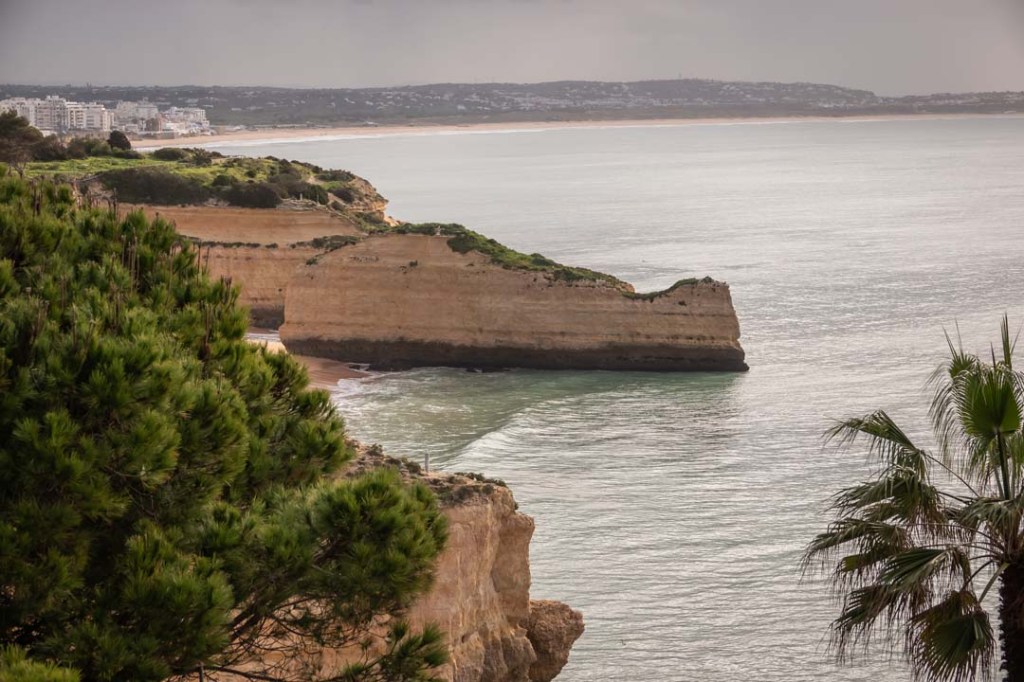
After breakfast we were able to explore the bird life of the hotel grounds and get our bearings. From our balcony we had a splendid view along the coastline and could see through the telescope on the cliff opposite both cormorants and shag.
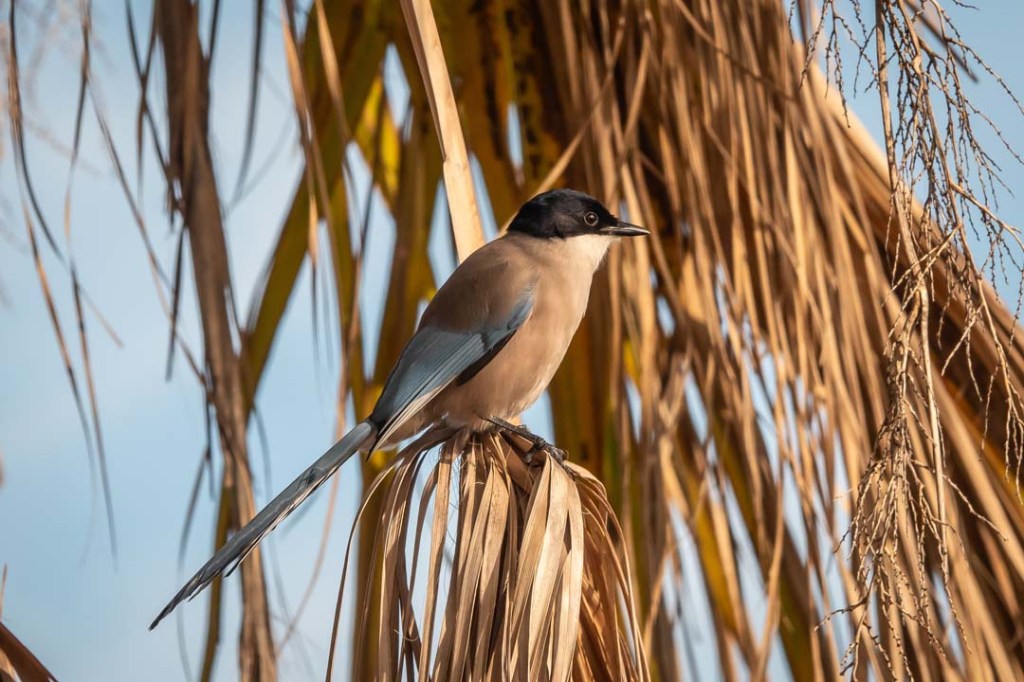
Iberian magpies and house sparrows, however, were much closer and didn’t even require binoculars.
Later in the morning Maria, our very enthusiastic, knowledgeable and personable guide for the week gave us a good presentation of the birding areas we were going to explore and, accompanied by excellent photos, an idea of the of the birds we might expect to see.
After lunch we had a short drive by coach to our first birding area Lagoa dos Salgados (also known as Pera Marsh) where we joined by Rui, a local bird guide.The excellent website Walk Algarve describes this area:
“Lagoa dos Salgados is one of the most important freshwater wetlands in the Algarve. Despite being much smaller than Ria Formosa or even the Alvor Estuary, Lagoa dos Salgados is nonetheless inhabited by a quite large quantity and variety of bird species that include numerous rarities and scarcities. With reason, this severely threatened IBA site has become one of the most rewarding and sought-after birding hotspots in the Algarve.”
Before we even started birding we saw a spectacular oscellated lizard.


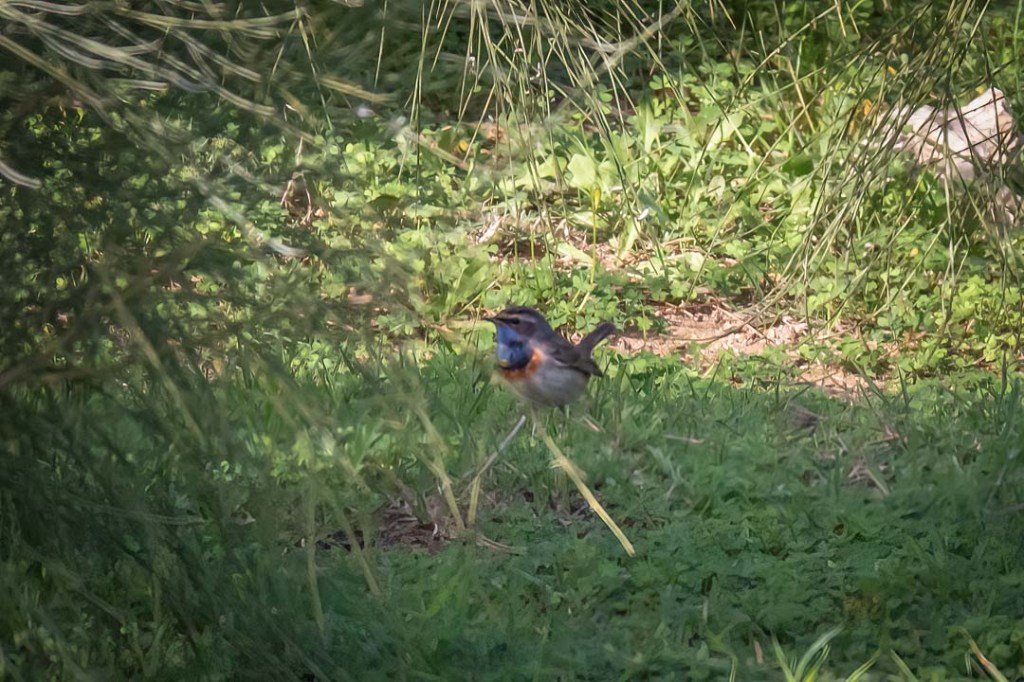
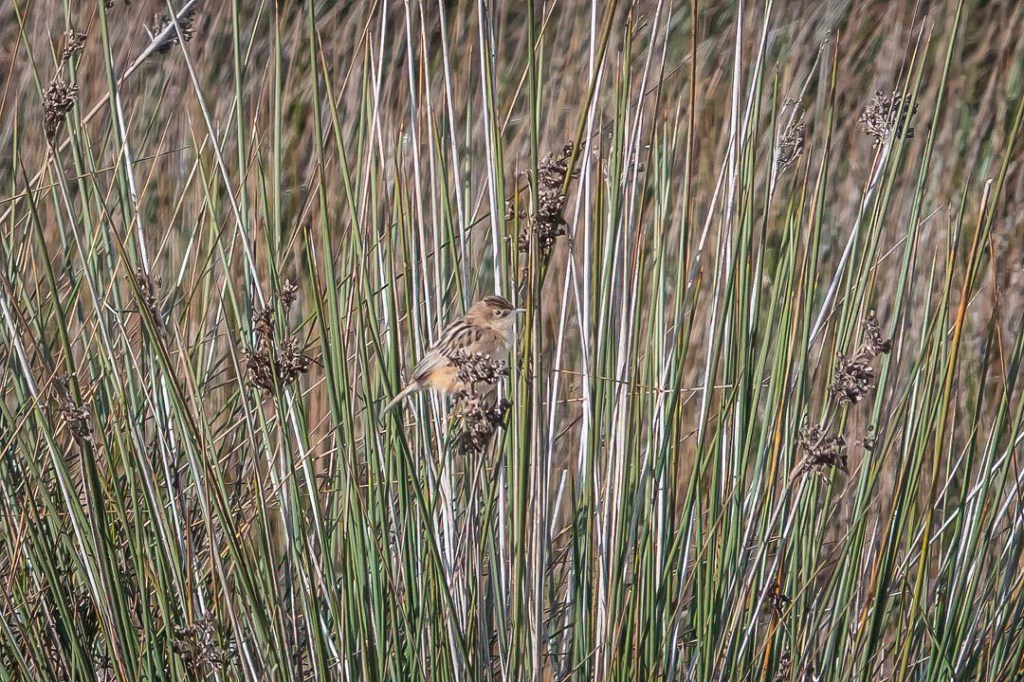
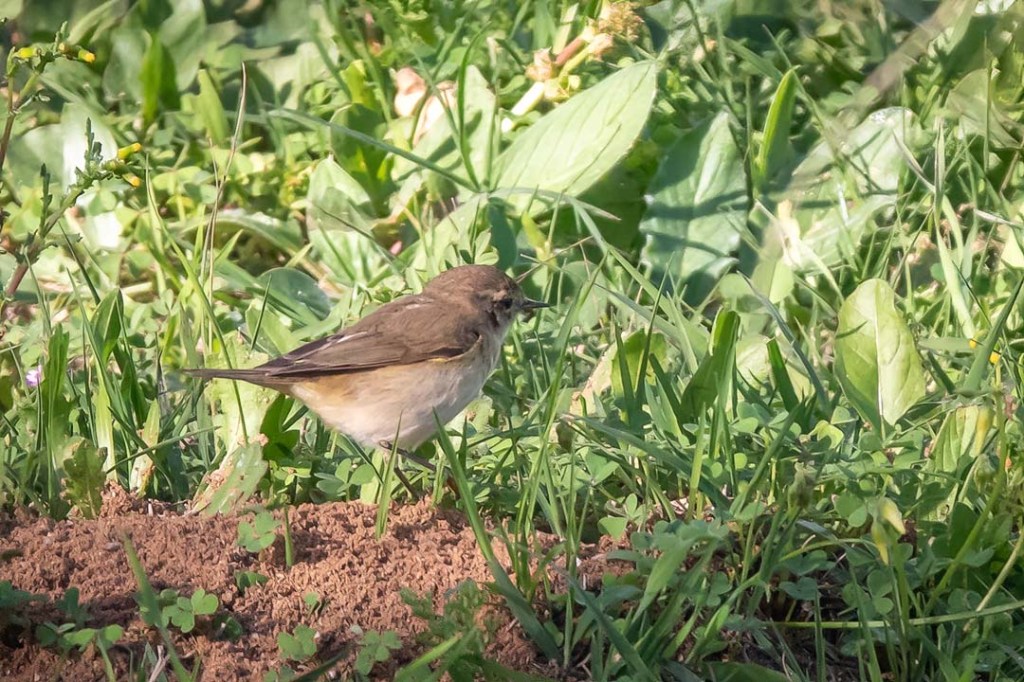
The first section of our walk was along a boardwalk where we had good views of the wetlands. We soon had close up views of a bluethroat (which was not easy to photograph as it darted in and out of the bushes in the shade) and a zittling cisticola in the reeds.

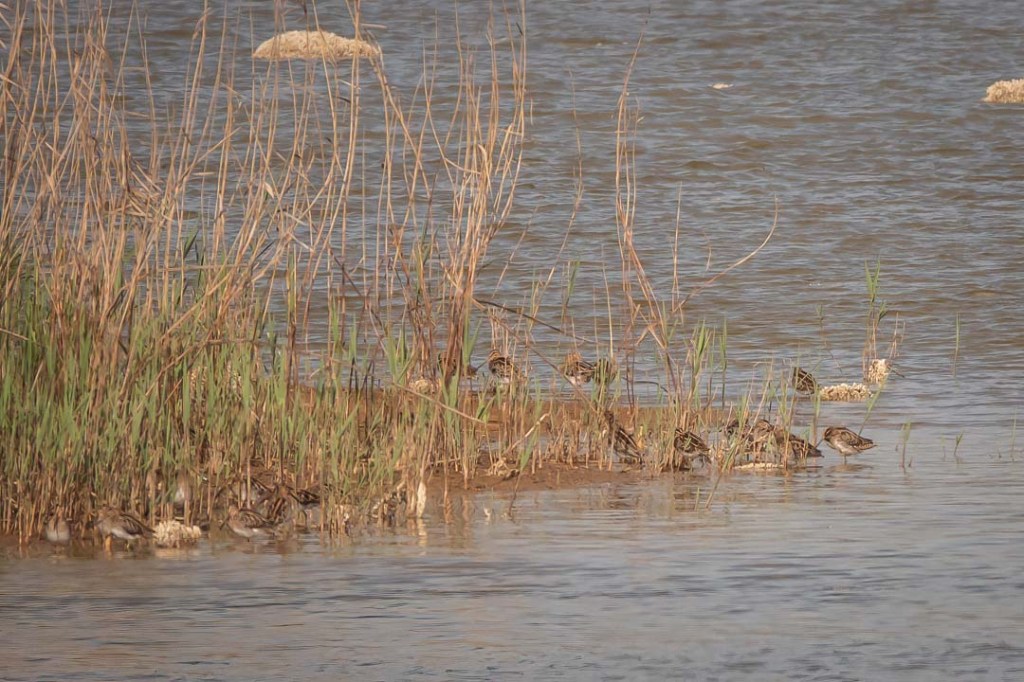
From the board walk we could easily pick out a large variety of waders and gulls.
Marsh harriers and a booted eagle in the distance excited the group. We retraced our steps and then walked on grassy paths around the fringes of the wetlands where we had even better views. Spectacularly a small flock of spoonbills flew in to join a small colony of herons.

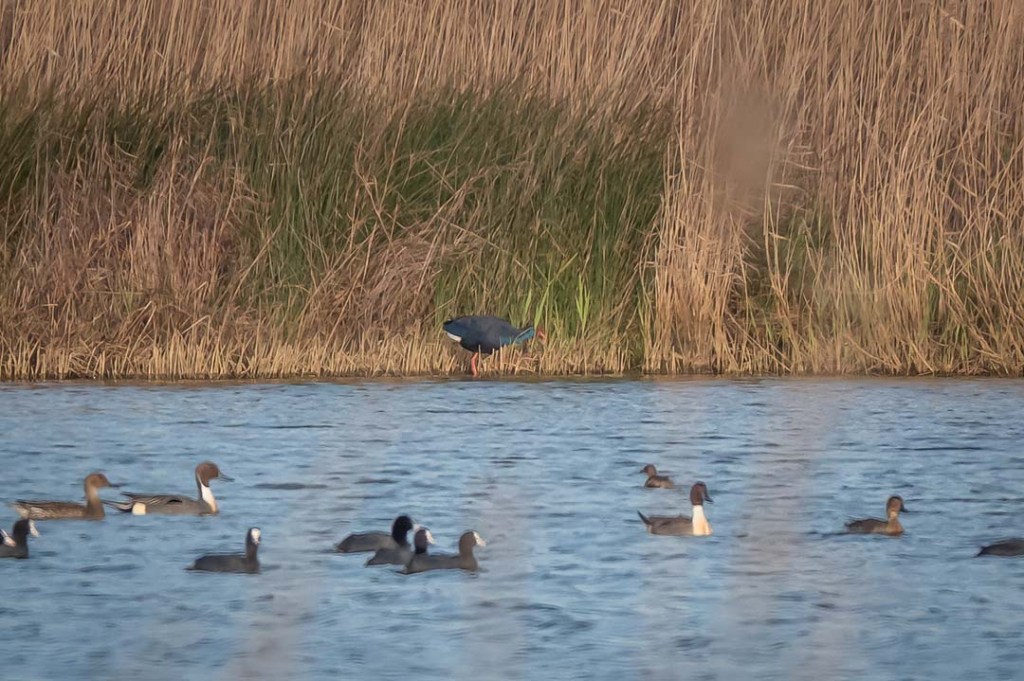
Purple swamphen could also be easily seen.

I loved seeing swallows (both barn and red rumped) for the first time this year as they have already arrived back here from their long flights from Africa.

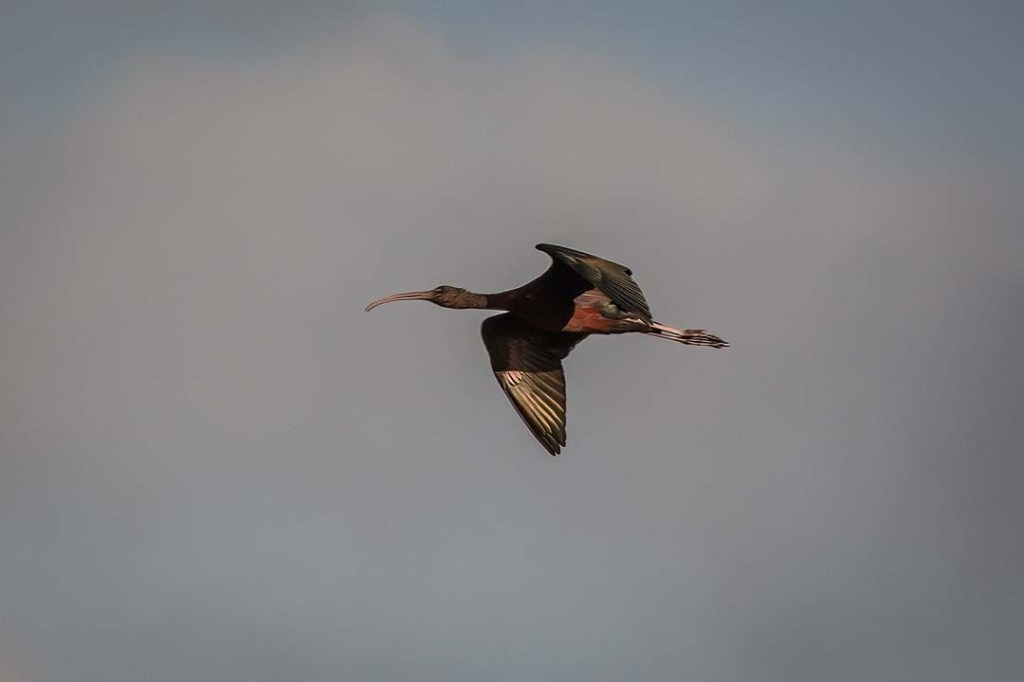
Black-tailed godwits also stood out in their breeding plumage.
I must admit I often dropped behind the group as I jostled activities between viewing with binoculars and telescope and trying to take photos with my bridge camera. (I have sacrificed my Sony mirror camera and long lenses for a telescope on this trip). Fortunately the terrain was very easy but by the end of the day I was certainly ready for a beer.
A very good start to the week.

List of species observed:
Northern Shoveler; Gadwall; Eurasian Wigeon; Mallard; Northern Pintail; Eurasian Teal; Common Pochard; Little Grebe; Collared Dove; Common Moorhen; Eurasian Coot; Western Swamphen; Black-winged Stilt; Northern Lapwing; Black-tailed Godwit; Common Snipe; Common Redshank; Sanderling; Dunlin; Audouin’s Gull;Mediterranean Gull; Yellow-legged Gull; Lesser Black-backed Gull; Caspian Tern; Great Cormorant; Little Egret; Western Cattle Egret; Grey Heron; Glossy Ibis; Eurasian Spoonbill; Booted Eagle;Western Marsh Harrier; Little Owl — Heard; Common Kestrel; Iberian Magpie; Common Magpie; Eurasian Skylark; Crested Lark;Zitting Cisticola; Barn Swallow; Western House Martin; Red-rumped Swallow;Common Chiffchaff;Cetti’s Warbler — heard; Sardinian Warbler — Heard; Spotless Starling; Eurasian Blackbird;Bluethroat; European Stonechat; House Sparrow; Pied Wagtail/White Wagtail; Meadow Pipit; European Greenfinch; Common Linnet; Corn Bunting
Number of Taxa: 55
 Martin's Bird Blog & Nature Photos
Leave a comment