Strictly speaking we are not on a birding holiday but it just so happens that the first two optional excursions we have opted for are bird watching trips!
Today we were taken to the countryside in a small group of 6 to just north of Huelva in search of small birds and raptors.
It was a very successful trip but I am finding it difficult to compile a blog as I don’t have as many decent photos as I had hoped for. Firstly, I have come equipped only with a bridge camera, and secondly, many of the birds we saw (and on many occasions we had very good views) were seen from inside the minibus which would have benefited from a good clean which I accept, with the shortage of water in this part of Spain, is not practical.
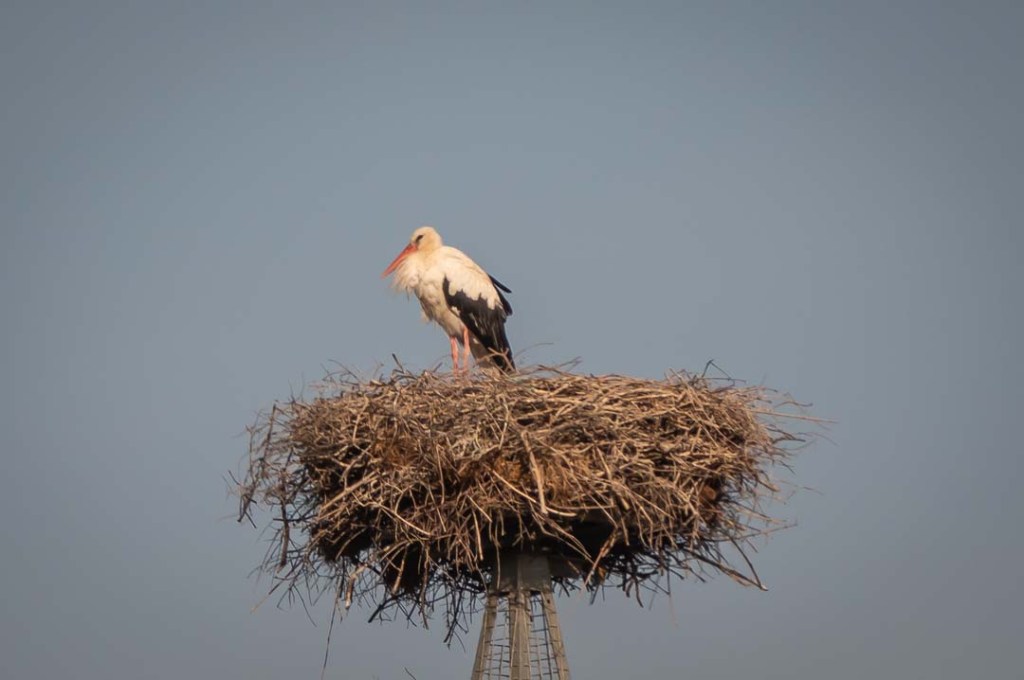
En route we had good views of white storks which live all year round in this part of Spain.

On our first stop near to Niebla we saw a black-winged kite (a first for me) which looked spectacular through the telescope.


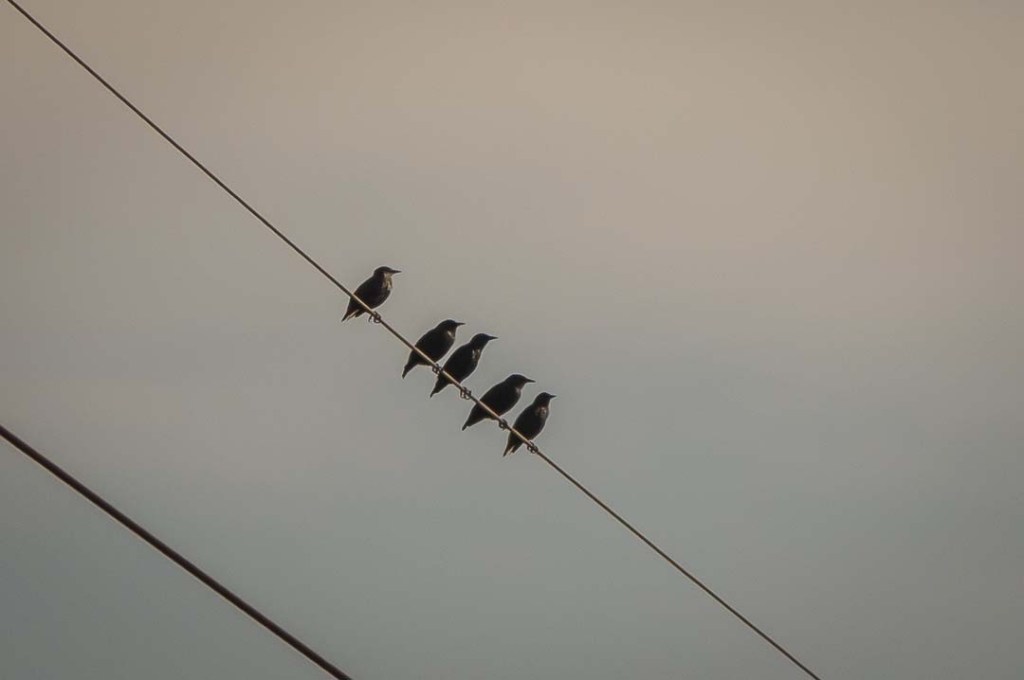
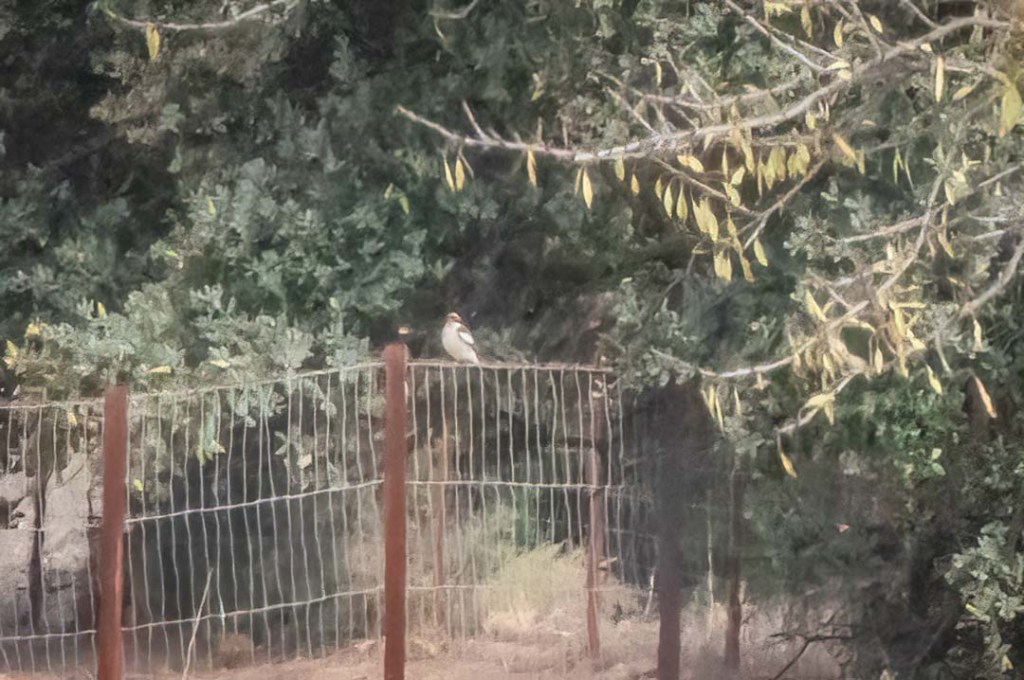
At this first stop we also saw lots of crested lark, spotless starlings, hoopoes, stonechats, a woodchat shrike, several kestrels and (as usual) heard Cetti’s warbler.



We then stopped at the Rio Tinto which should have been rust red but was completely dried up and quite verdant. Here, under a bridge we saw a couple of crag martins.
We went into the town of Niebla and saw the spectacular castle from the outside in the hope of seeing lesser kestrels; but, as our guide could see none, we didn’t make a stop – hence no photos.
Soon afterwards we had a sighting of our first short-toed eagle.
Around here we saw lots of small birds including common whitethroat, willow warbler, spotted flycatcher, stonechat, northern wheatear and two new birds to me a zitting cisticole and a melodious warbler.
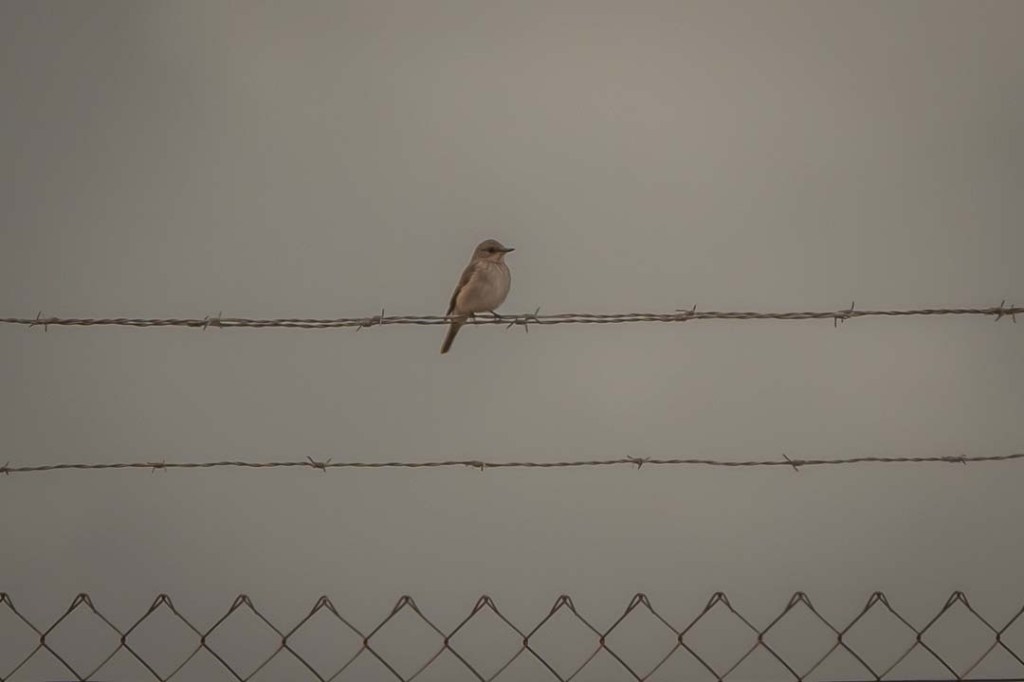
There were also quite a few Iberian magpies which seemed very shy here compared to the picnic spots where we had seen them before.
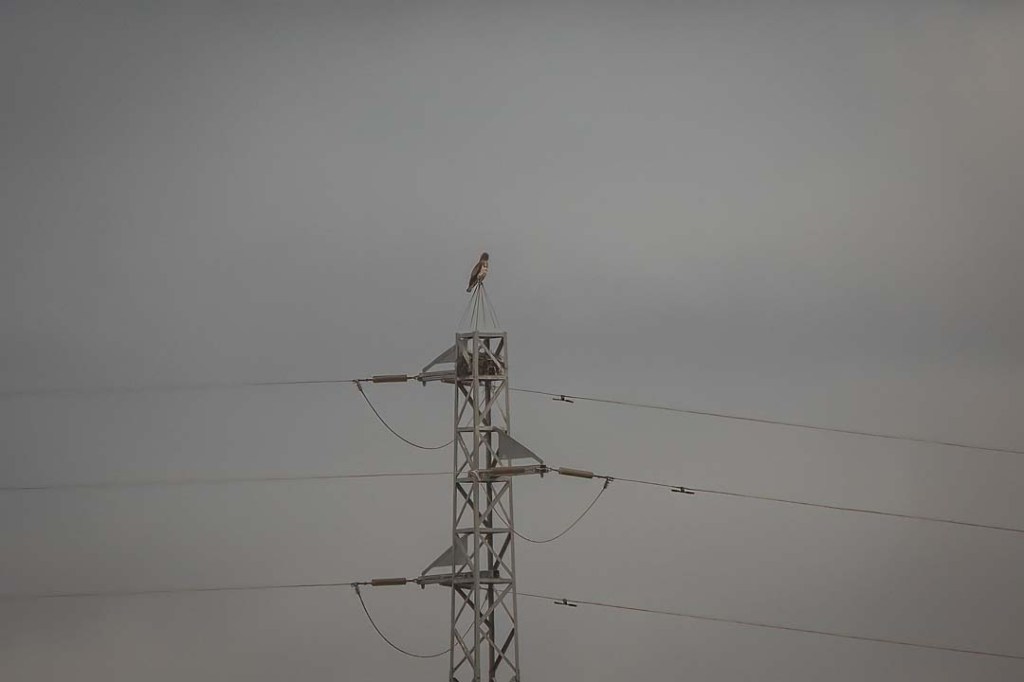
We also had good views of a booted eagle, another short-toed eagle and an osprey in flight.

Just before the village of Trigueros we also saw red-rumped swallows and a male marsh harrier as well as a raven and another kestrel.


At this point the weather was deteriorating and, much to the thrill of our guide, looked like rain. However, none materialised and as we returned to Isla Cristina, where we are staying, the weather began to improve.
As we crossed the salt pans we could see flamingos and Audouin gulls. But more of those tomorrow when we have the second of our morning bird watching trips.


 Martin's Bird Blog & Nature Photos
Leave a comment