This was the way to start our trip. We stopped after a few minutes in the nearest village as our guides went in search of supplies. So the birding began In the main square of Almoharin.
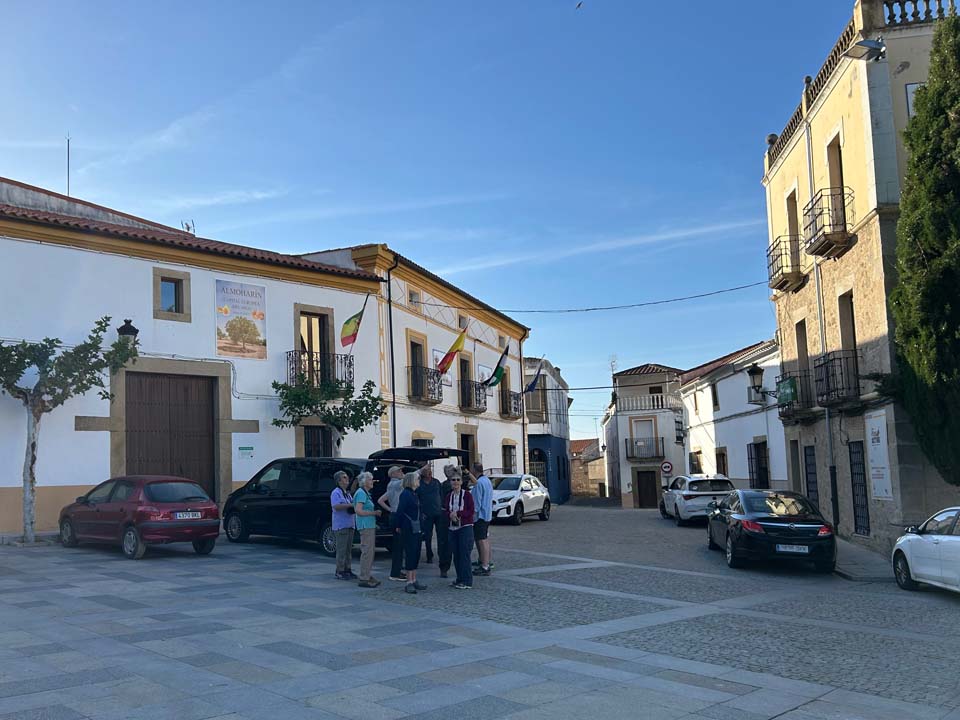


Just outside the village, in a safe spot alongside the road, we were soon given another chance to “go birding”. This time it was to hear, for the first time on the trip, the wonderful sound of nightingales.
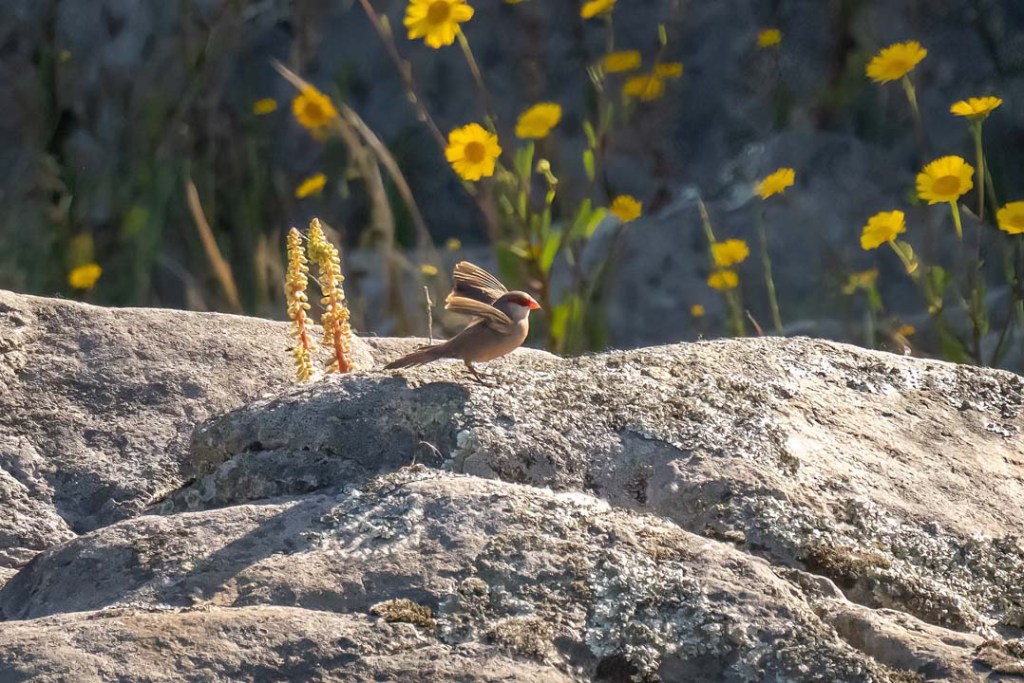
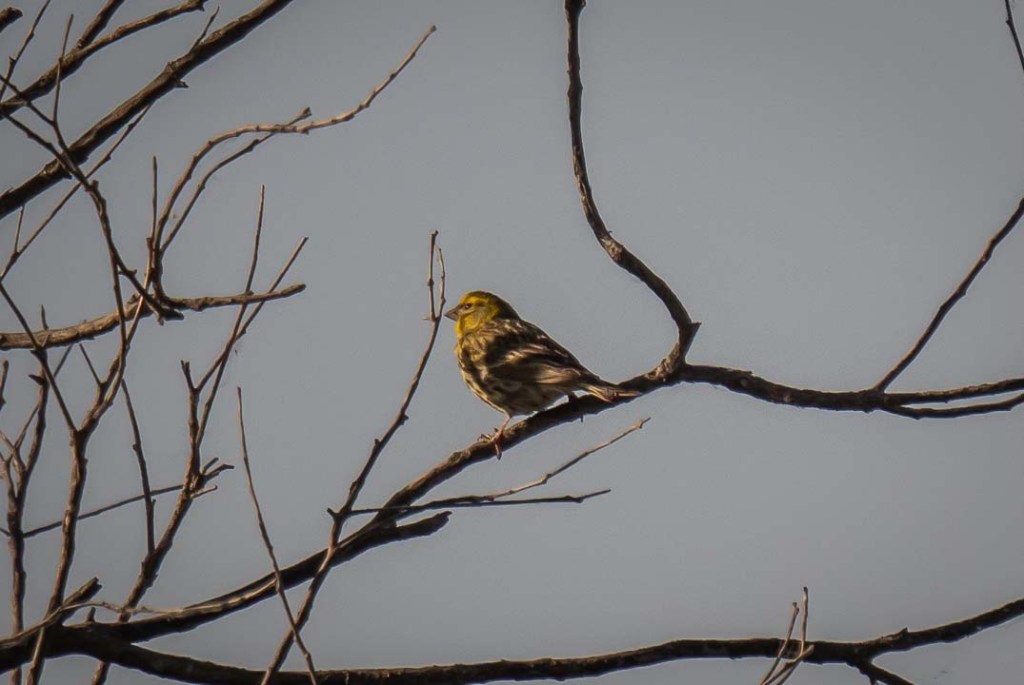
Waxbills and a serin were all I managed to photograph.
Our next stop was at the Madrigalejo rice fields. This was a great spot. The group saw all sorts here, including wood sandpiper, but personally I was fascinated by the bee eaters and could have spent hours trying to photograph them. I do realise, however, that not everyone (including Wendy) sees things that way.

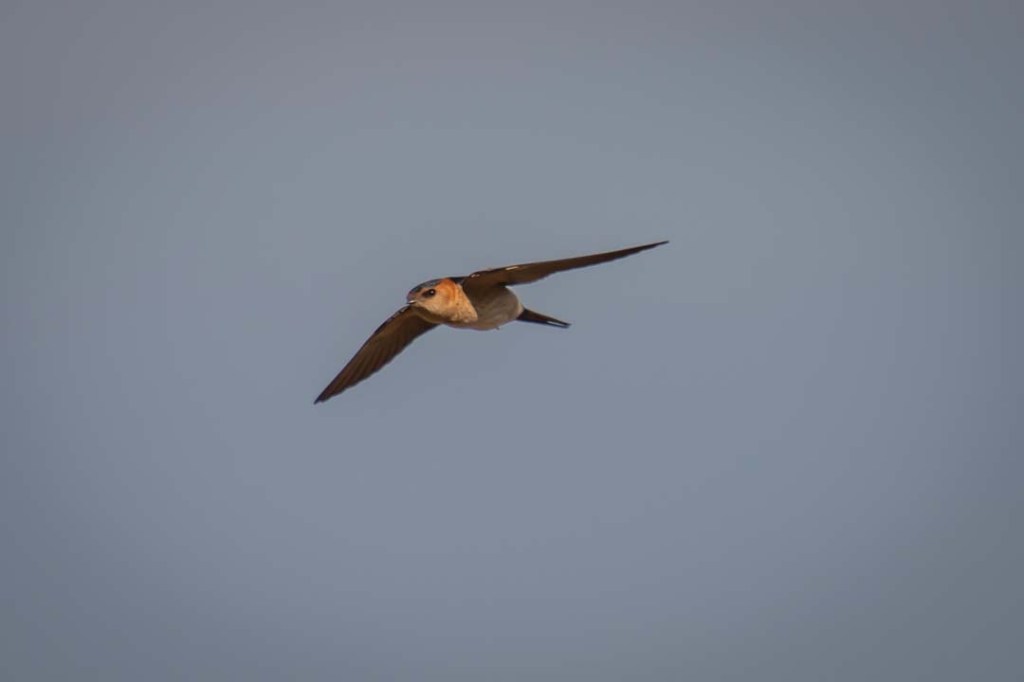
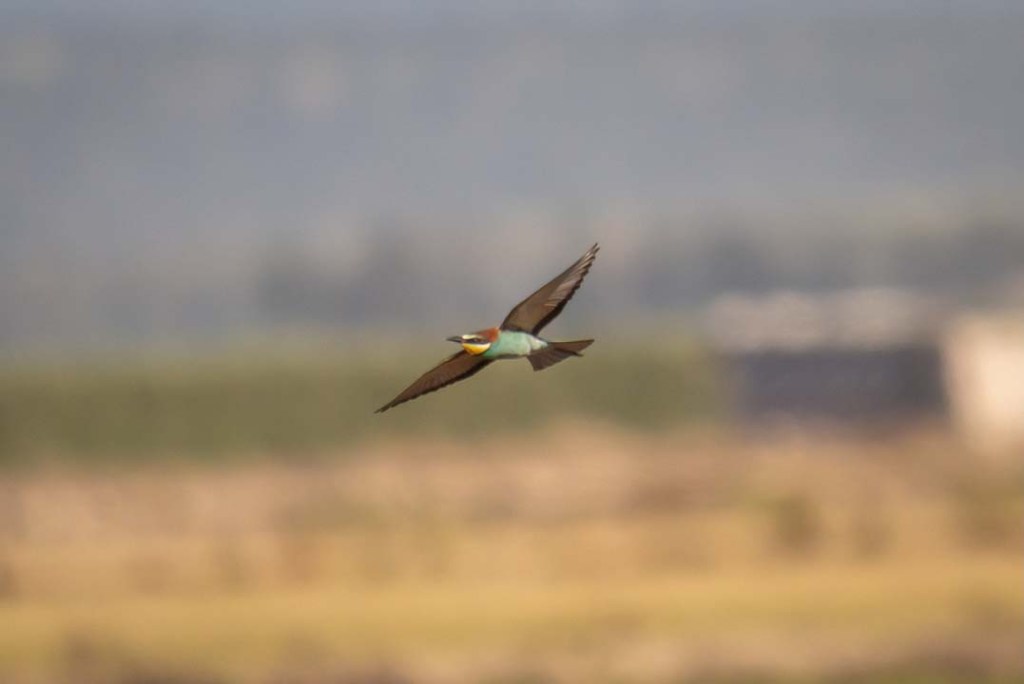
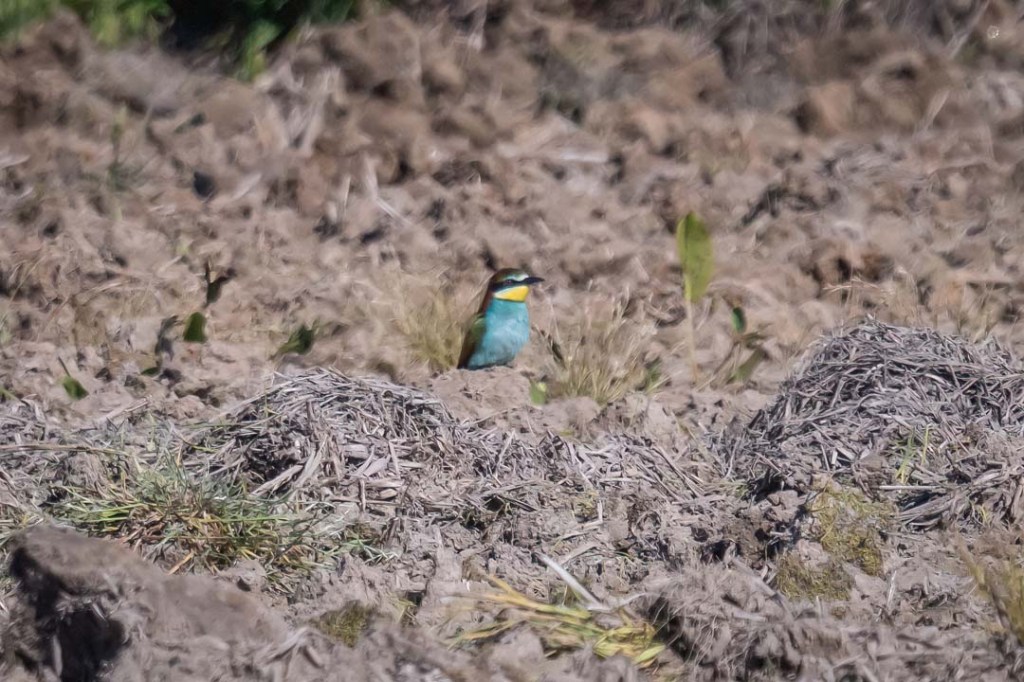

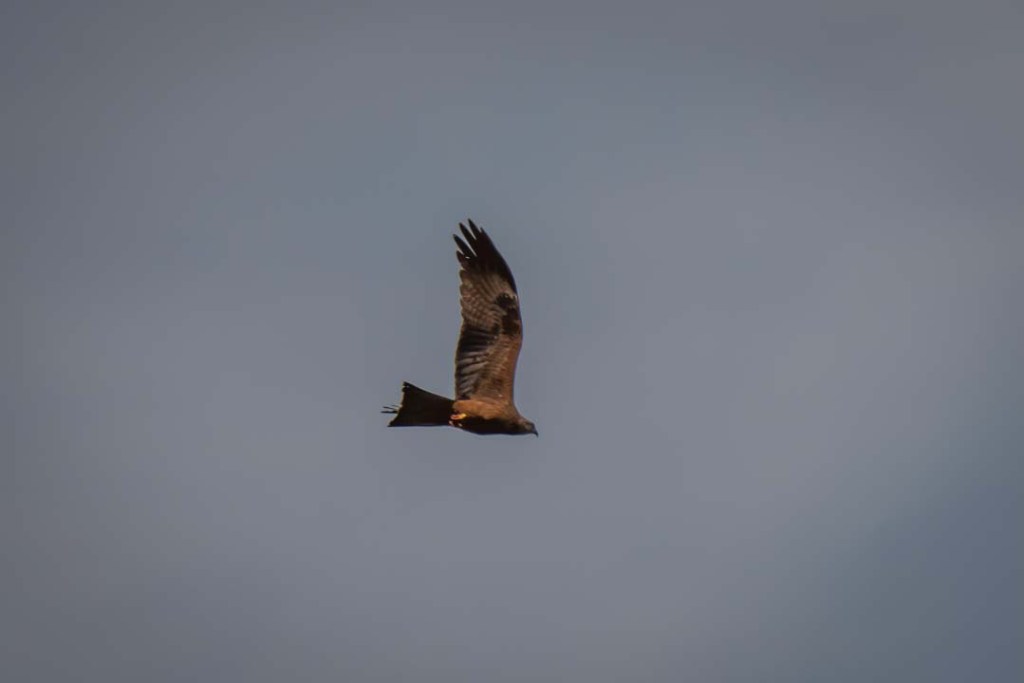
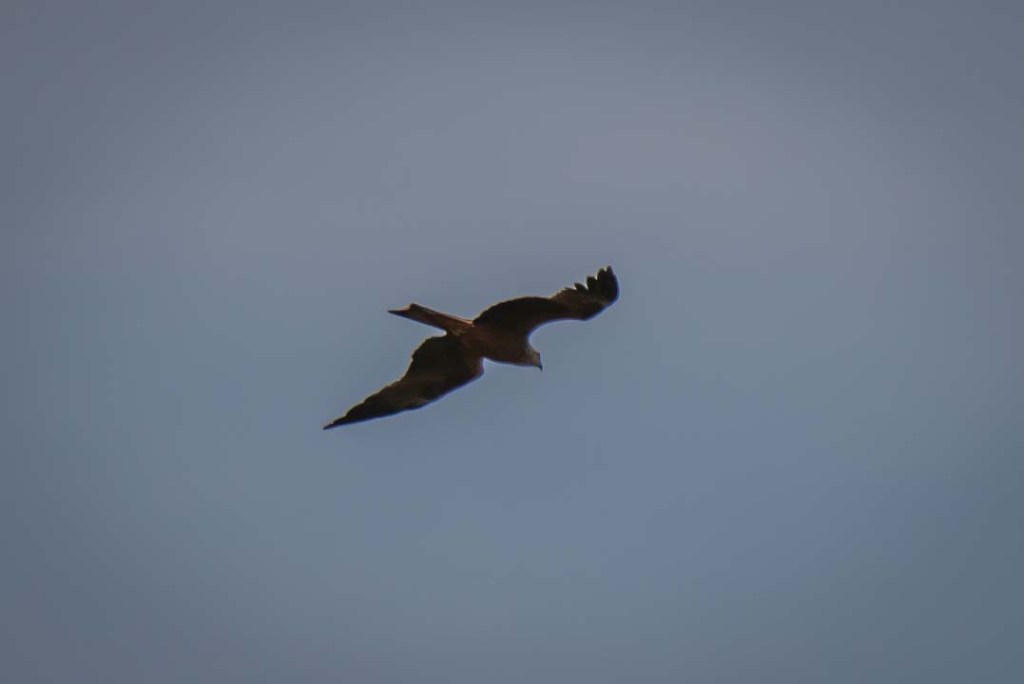
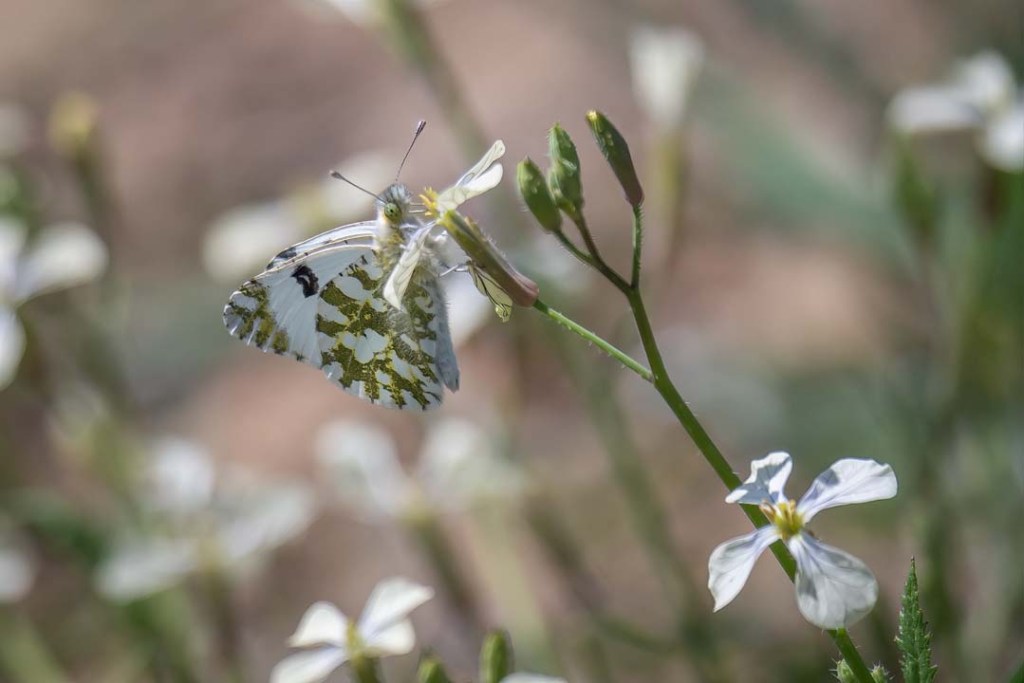
Our next stop was not too far away, near a river where we listened to the birds again. My lack of concentration meant that I wondered off for a while in search of butterflies. Just as I had the camera set up for close objects a booted eagle flew low overhead.
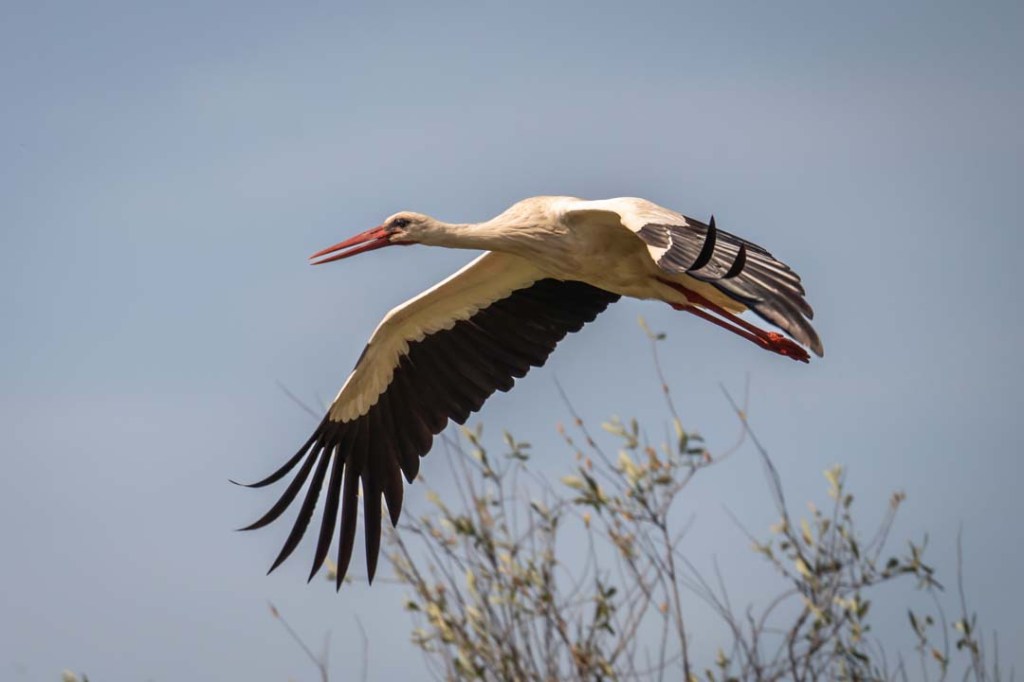
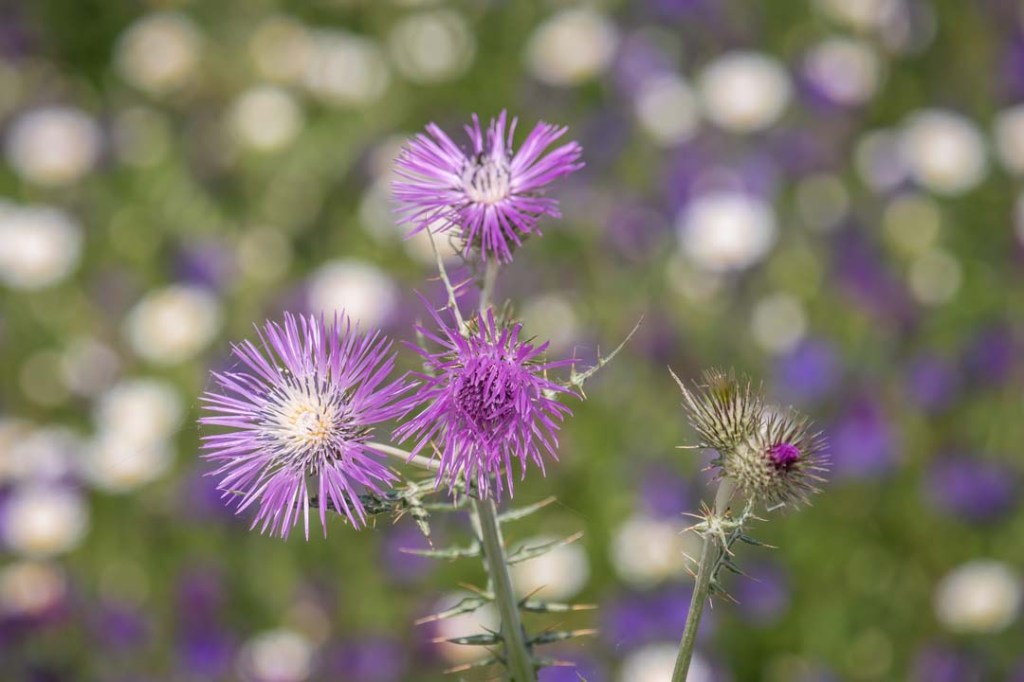
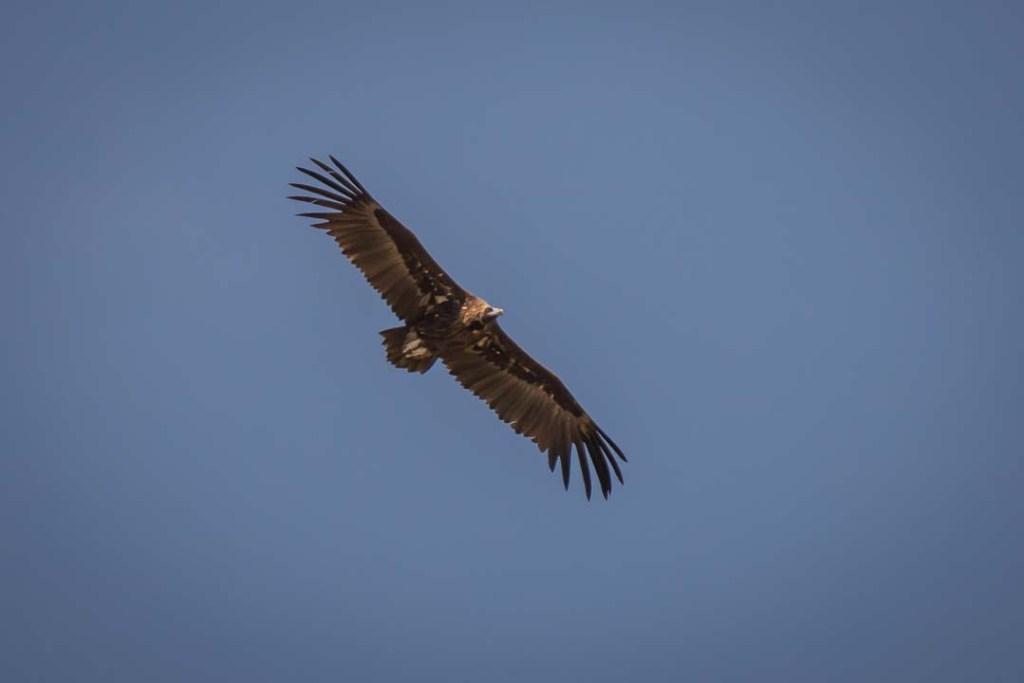
Next we moved up on to the steppes at Campalugar. My recollection of this area was closeups of vultures and a Montagu’s harrier.
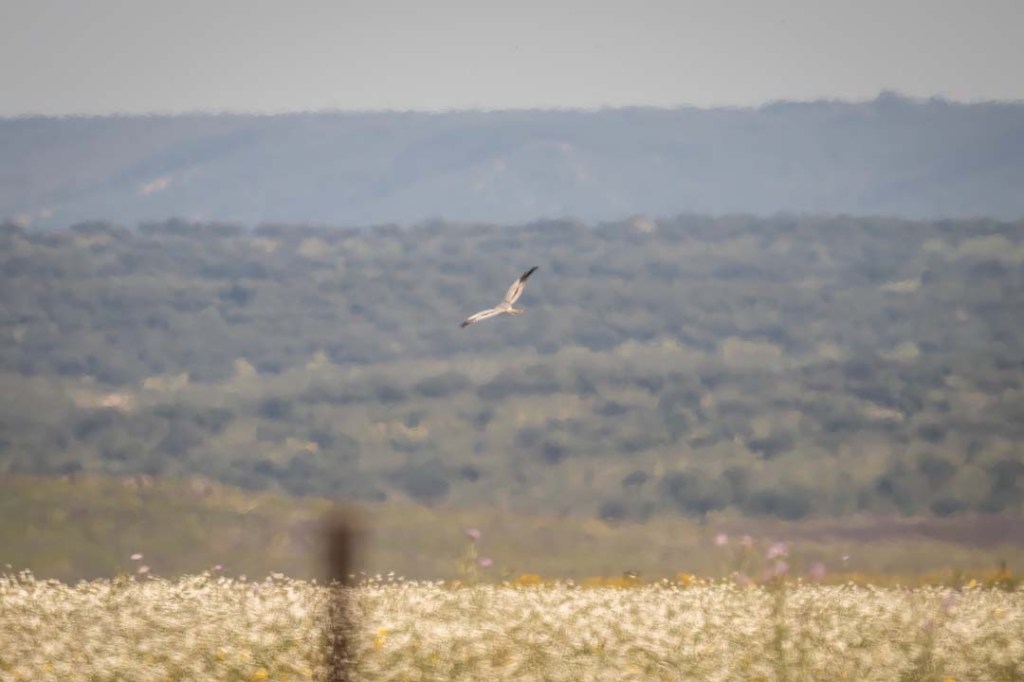
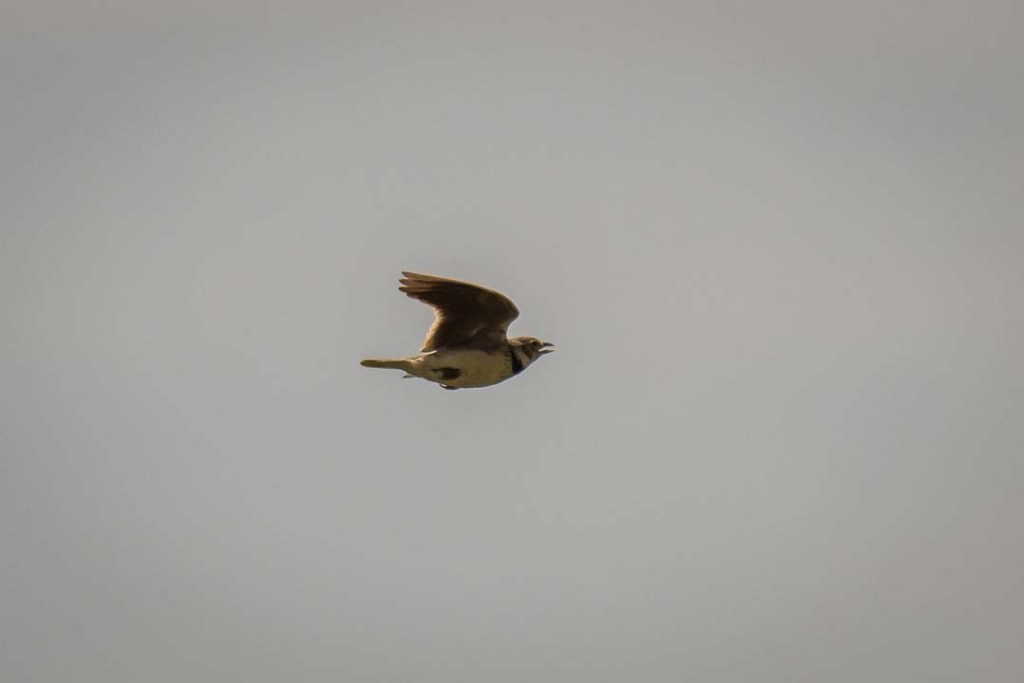
Whilst the others were in pursuit of possible distant sand grouse or bustards I enjoyed taking in the wonderful landscapes and the occasional Calandra lark and crested (or maybe Thekla’s) lark.
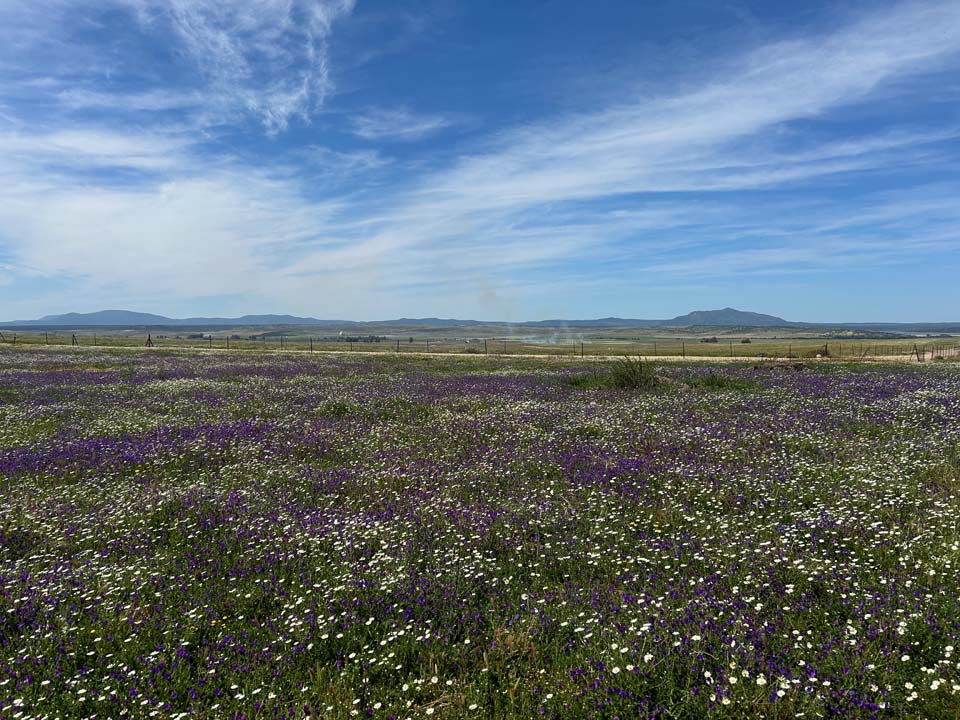
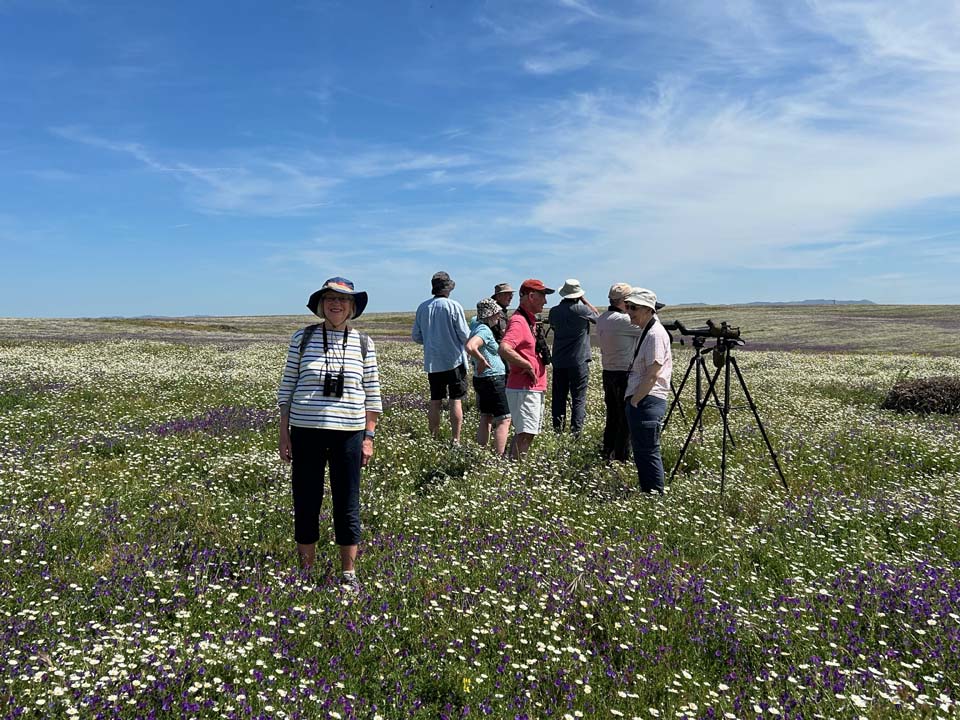



No bustards or sand grouse but a very good day’s birding. It was very hot (for us coming from the UK) on the steppes but clearly nothing like as hot as it can get.
Not so slow in Extremadura, but nobody was complaining.
 Martin's Bird Blog & Nature Photos