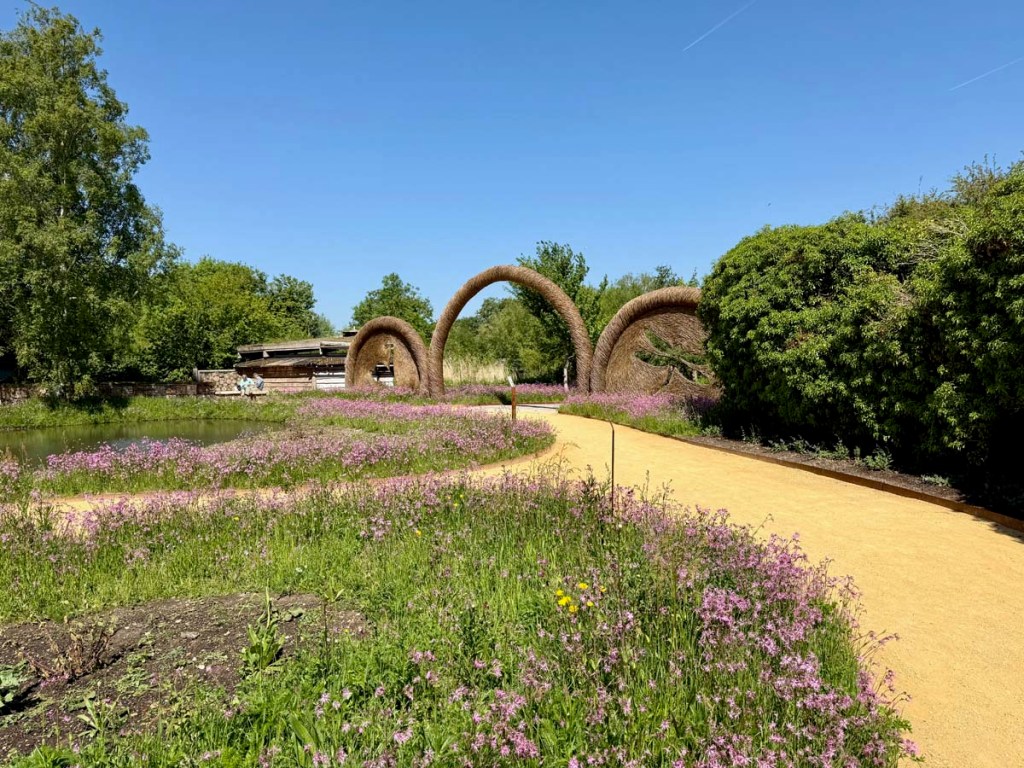
It’s the first time we have seen the new ‘Estuary Shoreline’ landscape at Slimbridge. It’s situated in front of the Kingfisher café and, although we had our doubts as we saw it being developed through the winter, we were very impressed with what the talented Grounds Team have achieved in designing it and building it in-house.
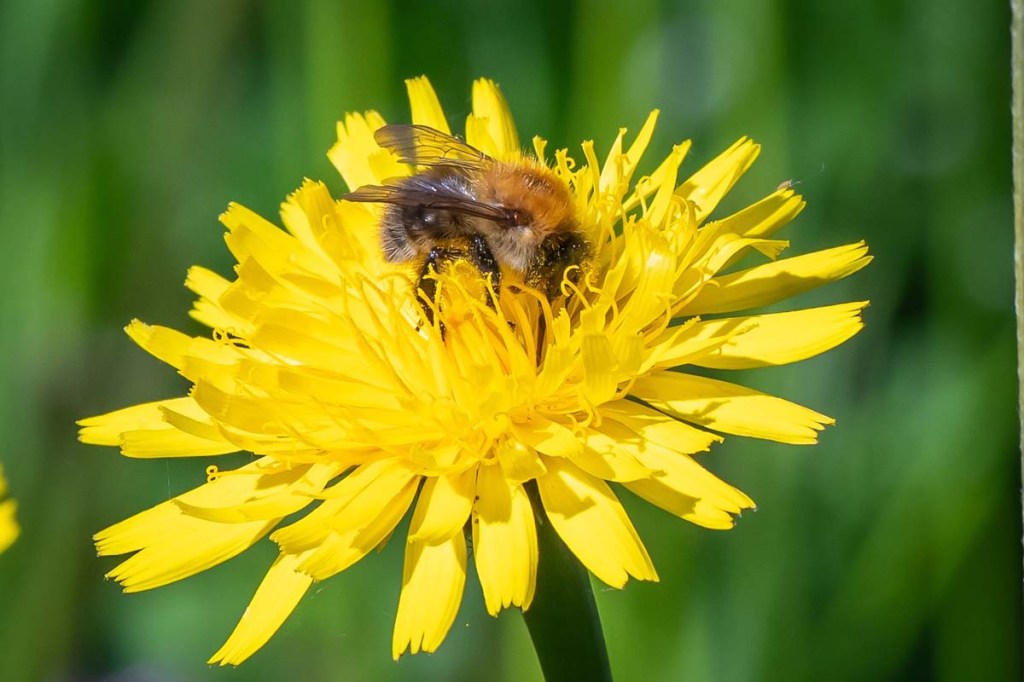
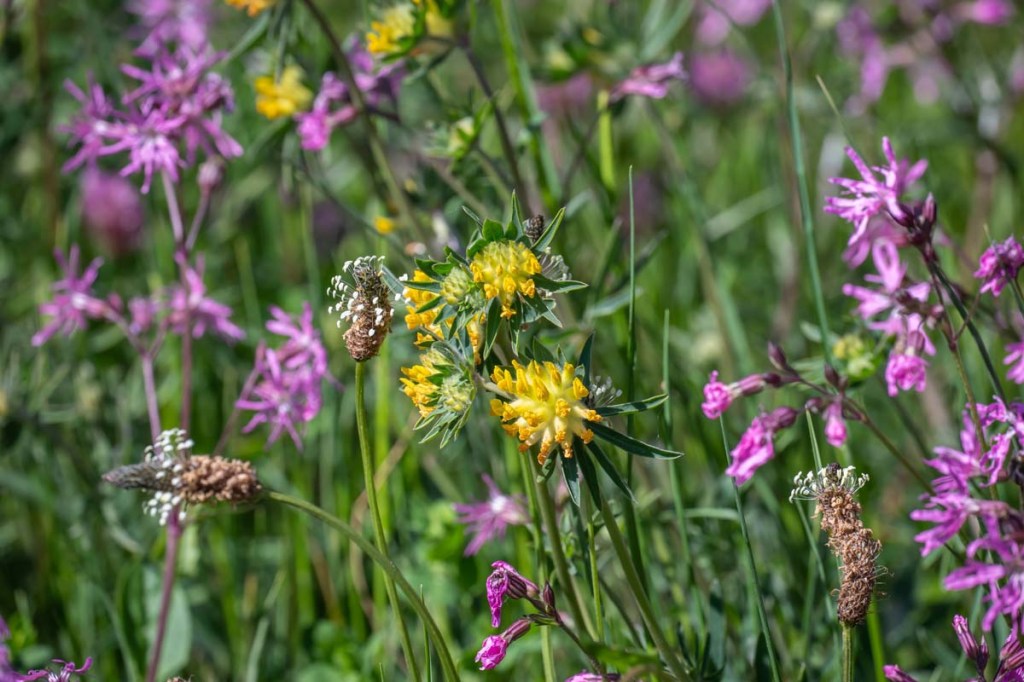
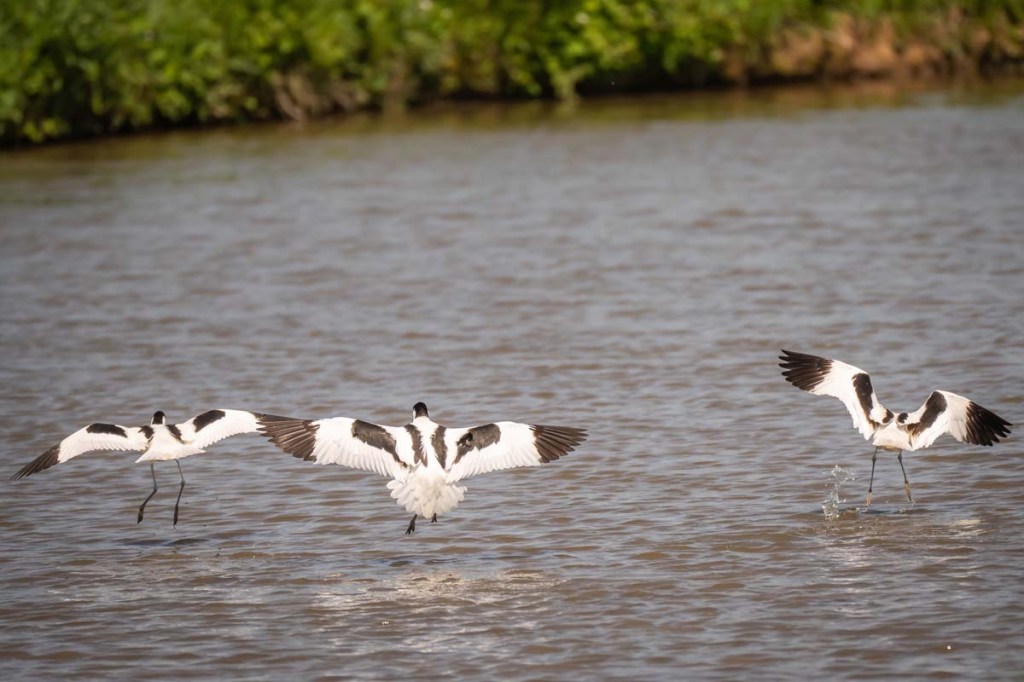
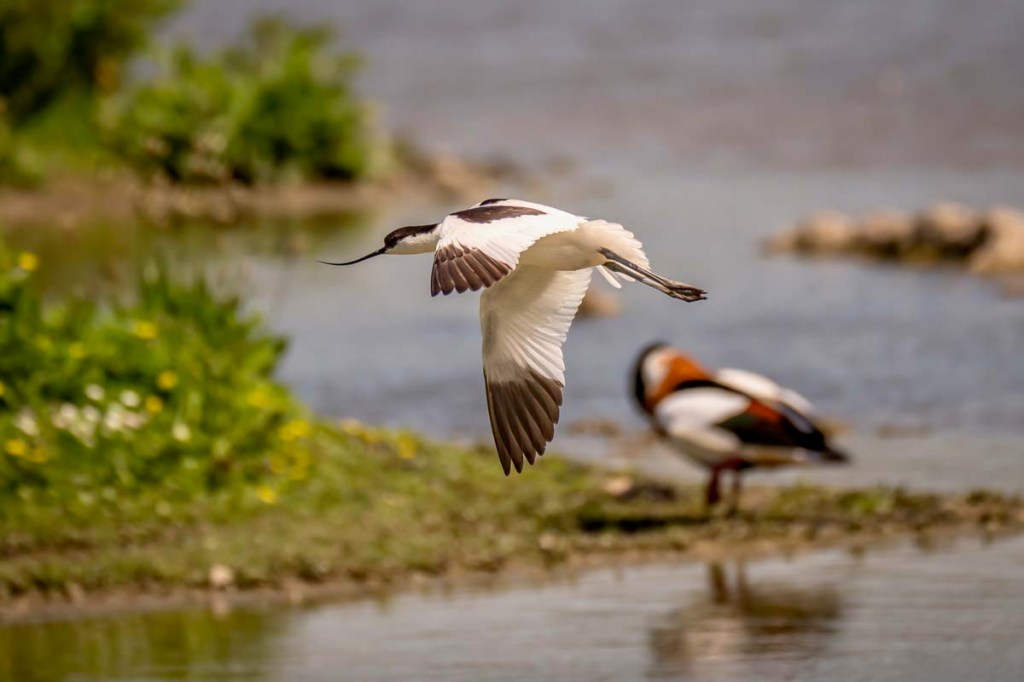
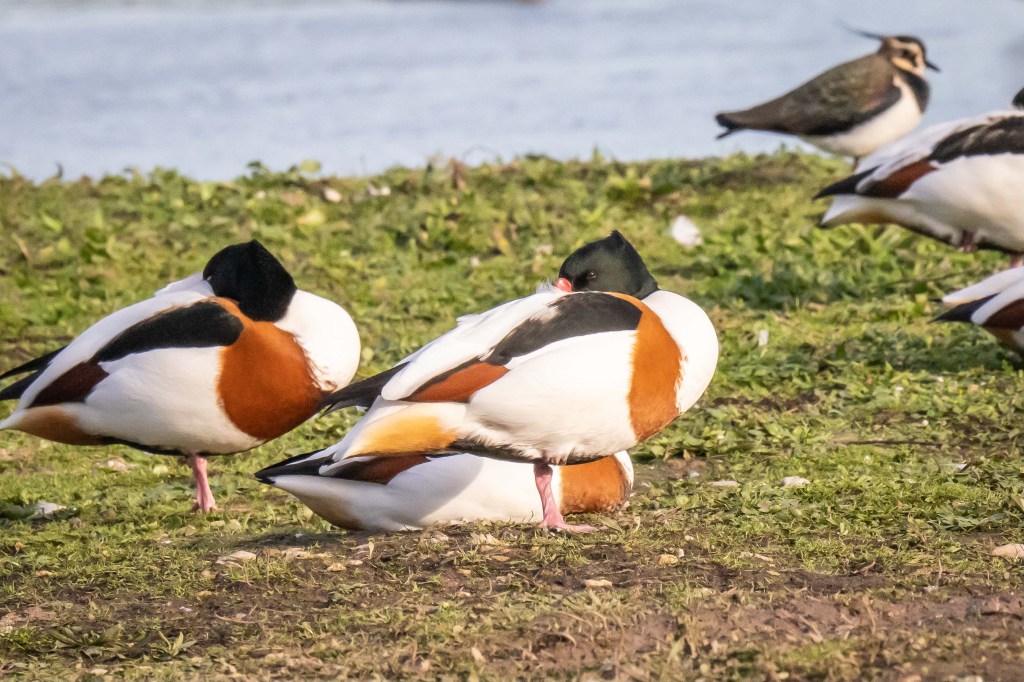
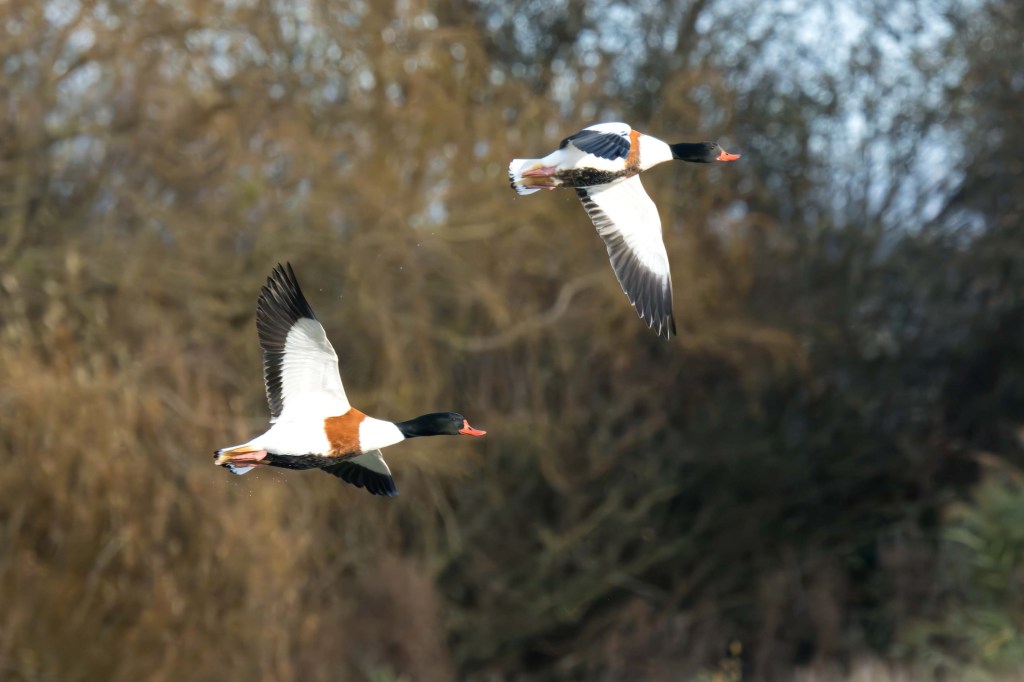
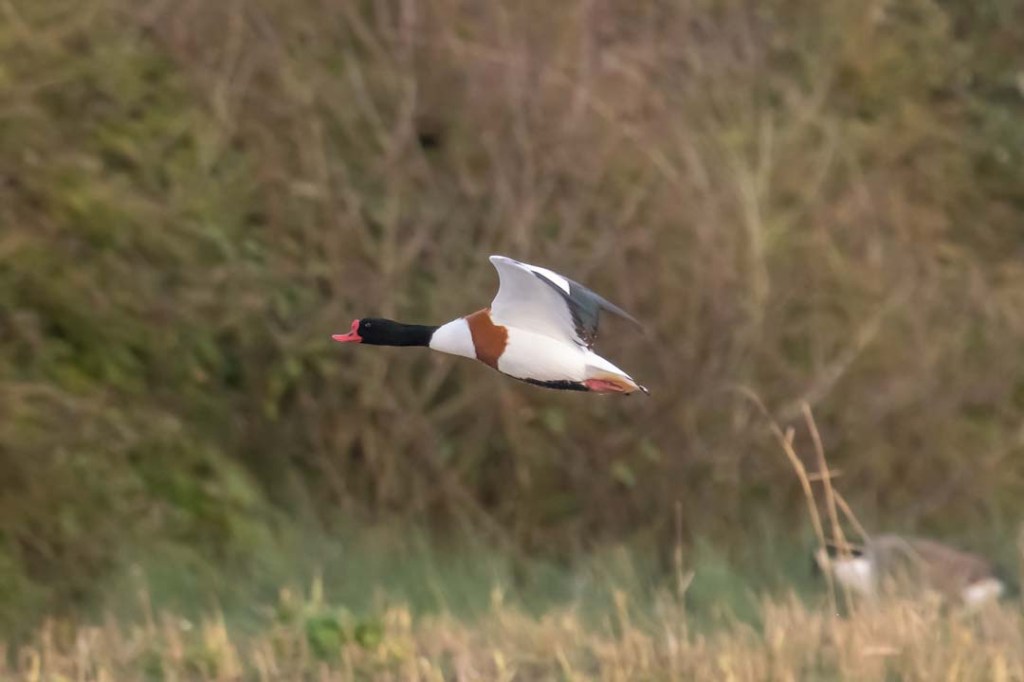
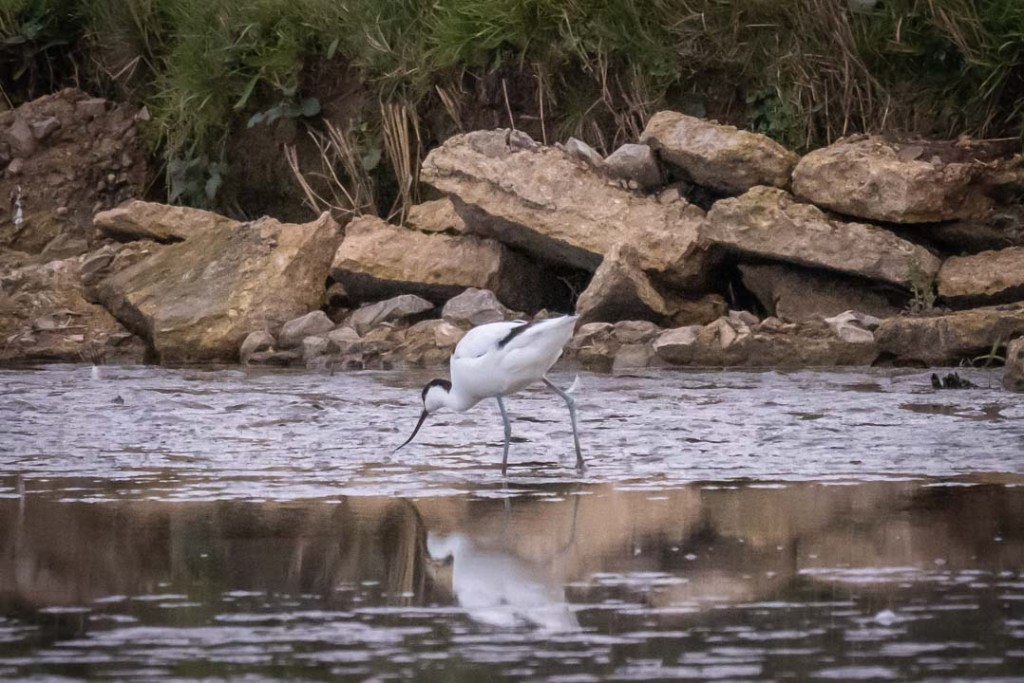
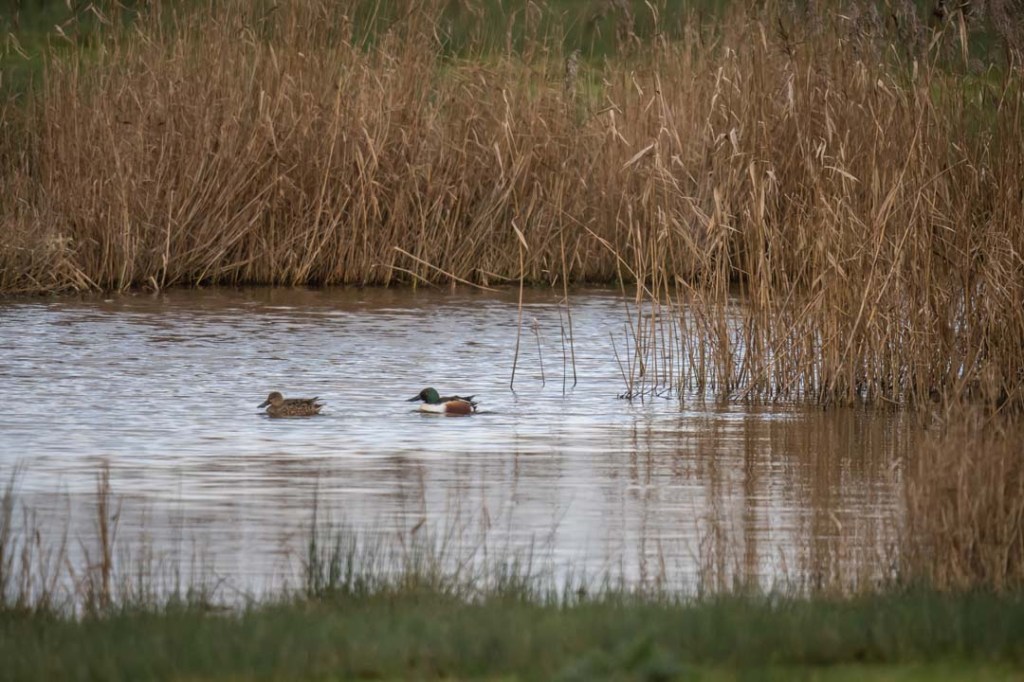
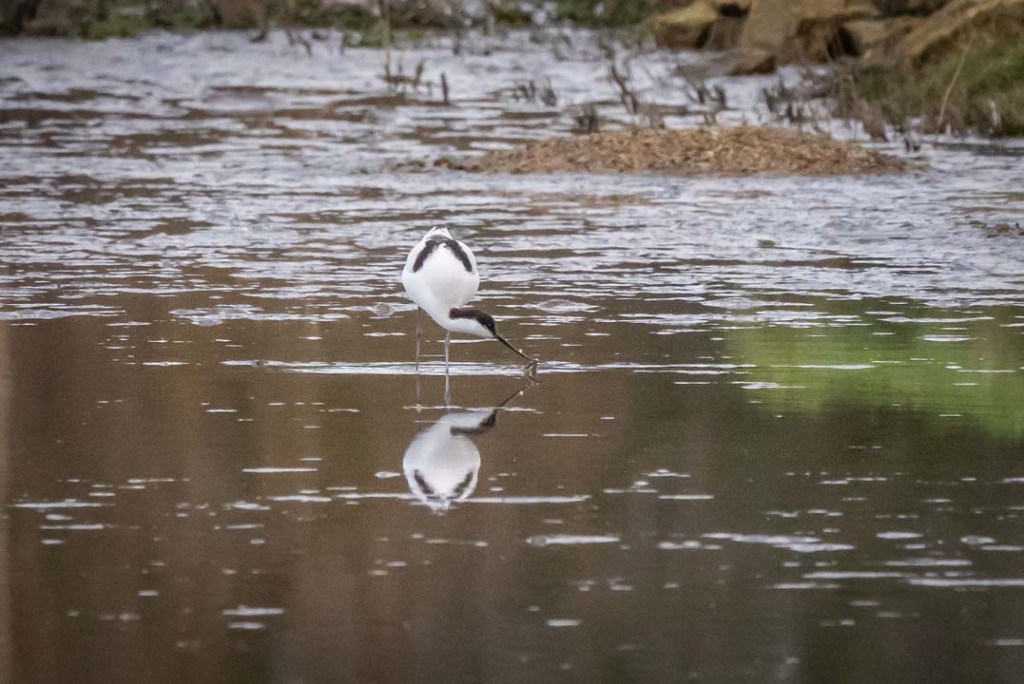
The new ‘Estuary Shoreline’ landscapeWonderful wild flowers enhanced the new landscapeThe bees (early nesting bumblebee) were loving the new plantings at the “Estuary Shoreline landscape”Common carder beeShelduck looked magnificent in their breeding plumageThe avocets probably stole the showA very handsome shoveler duck
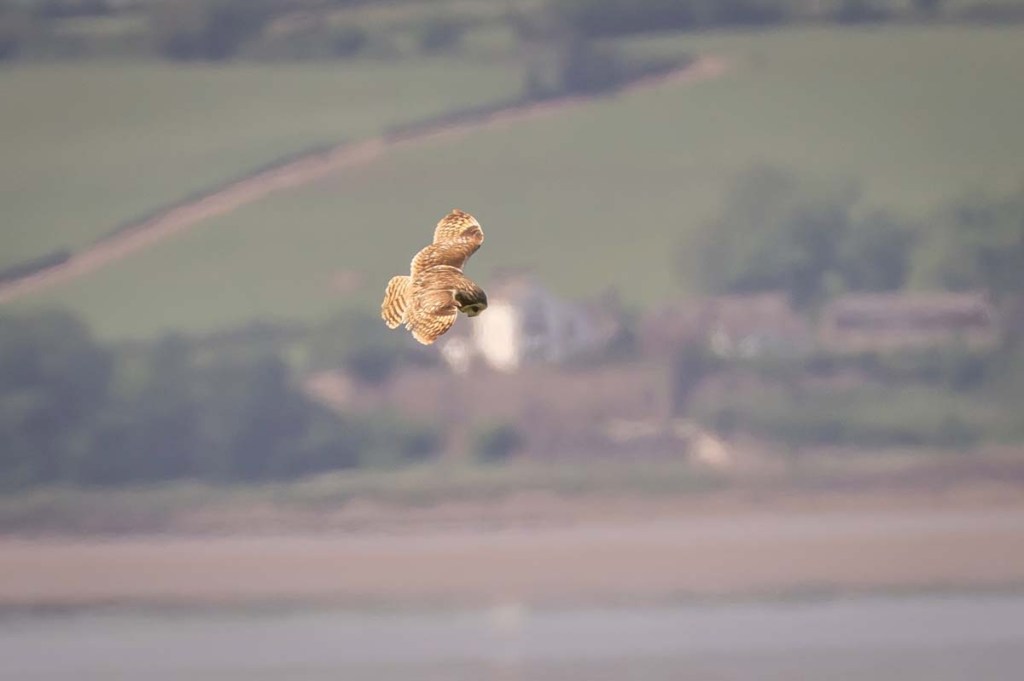
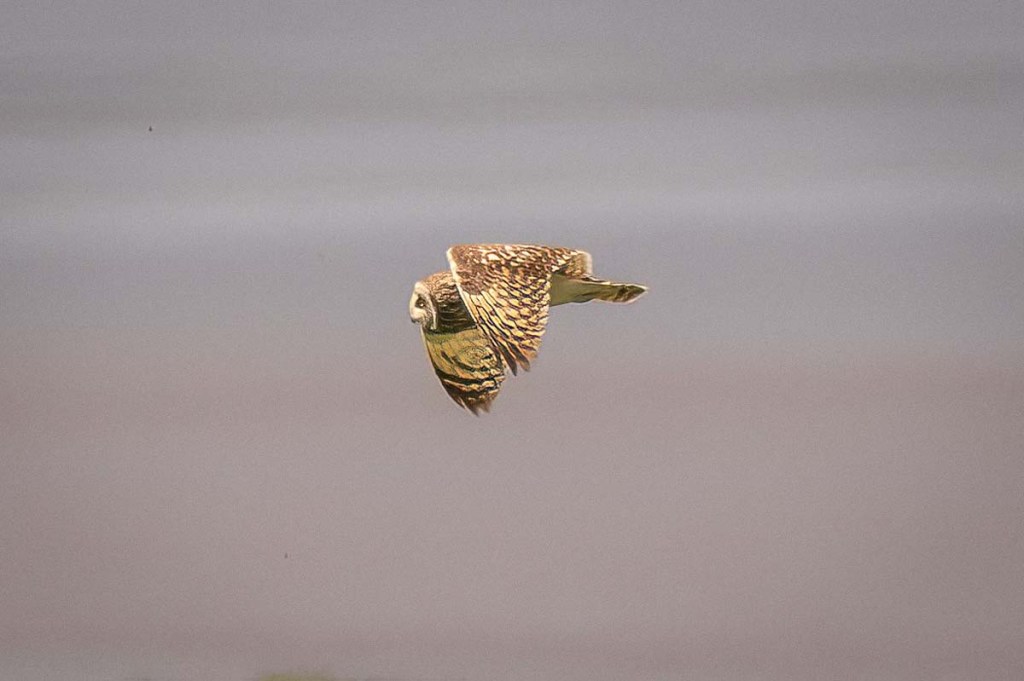
It was a joy to walk out to the estuary and, although the white spotted bluethroat which has returned here for the fifth year in a row evaded us, we did enjoy the display by a short-eared owl.
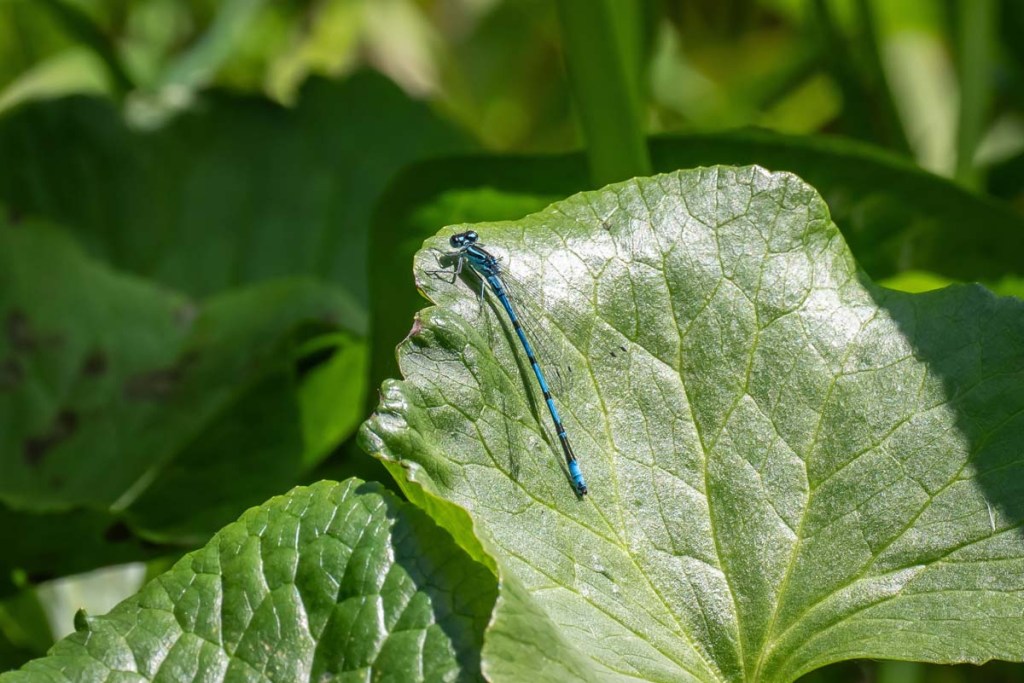
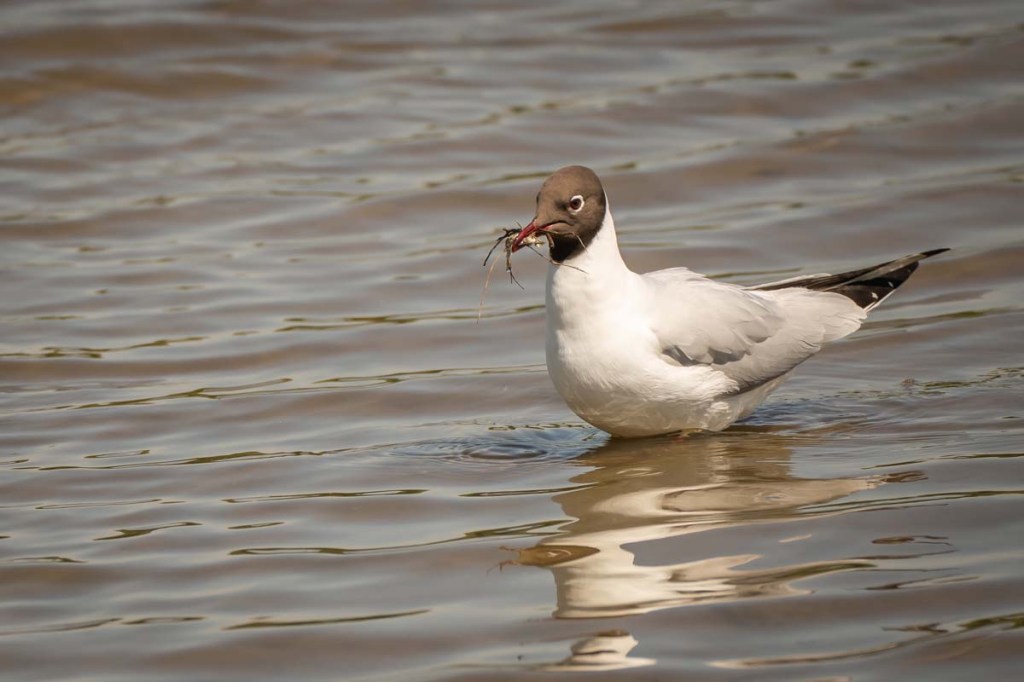
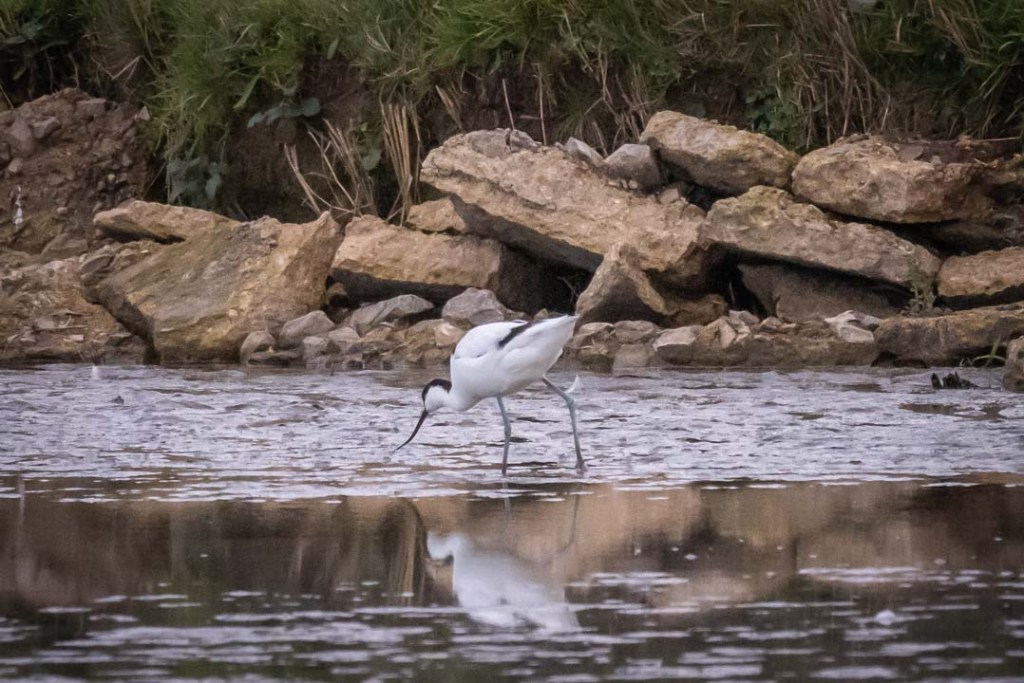
Short-eared owlShort-eared owlShort-eared owlShort-eared owlShort-eared owlShort-eared owlShort-eared owlShort-eared owlThere were plenty of these azure damselflies to seeAvocets Avocet flying over shelduckAvocetBlack-headed gull with nesting materialAvocet on its nest
A lovely morning spent photographing birds at Slimbridge. Nothing remarkable except for nature itself and the warmth of the sun on our backs.
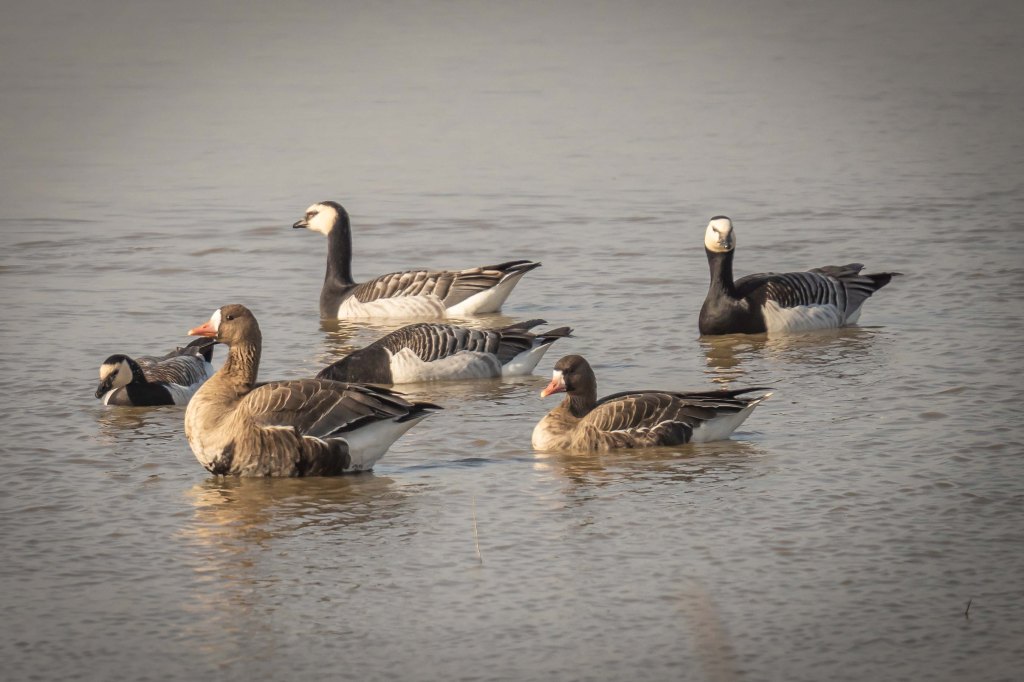
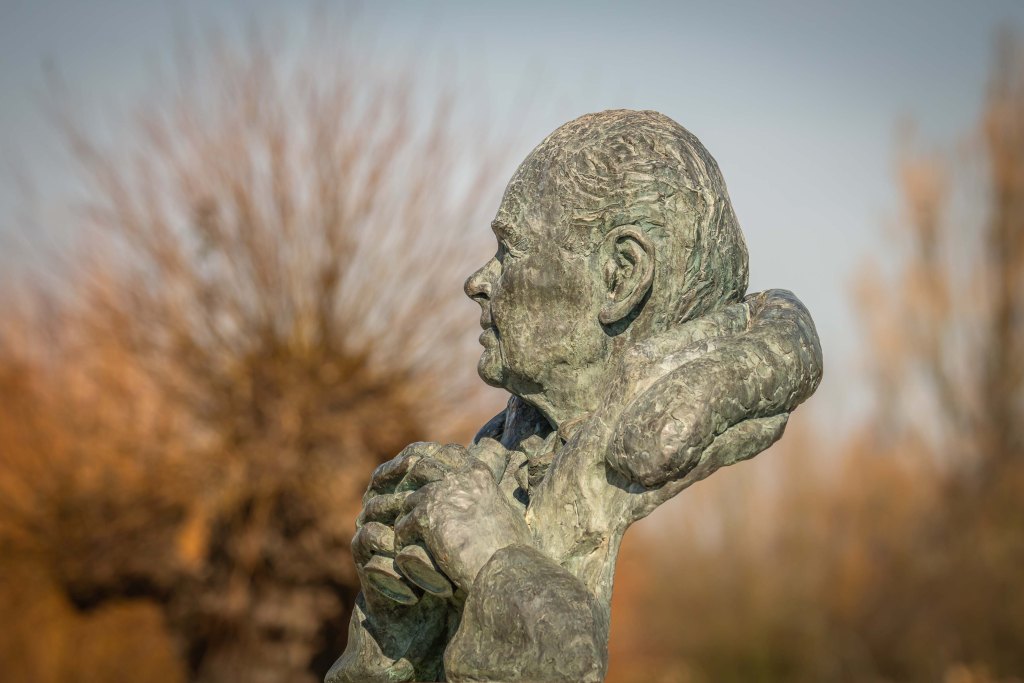
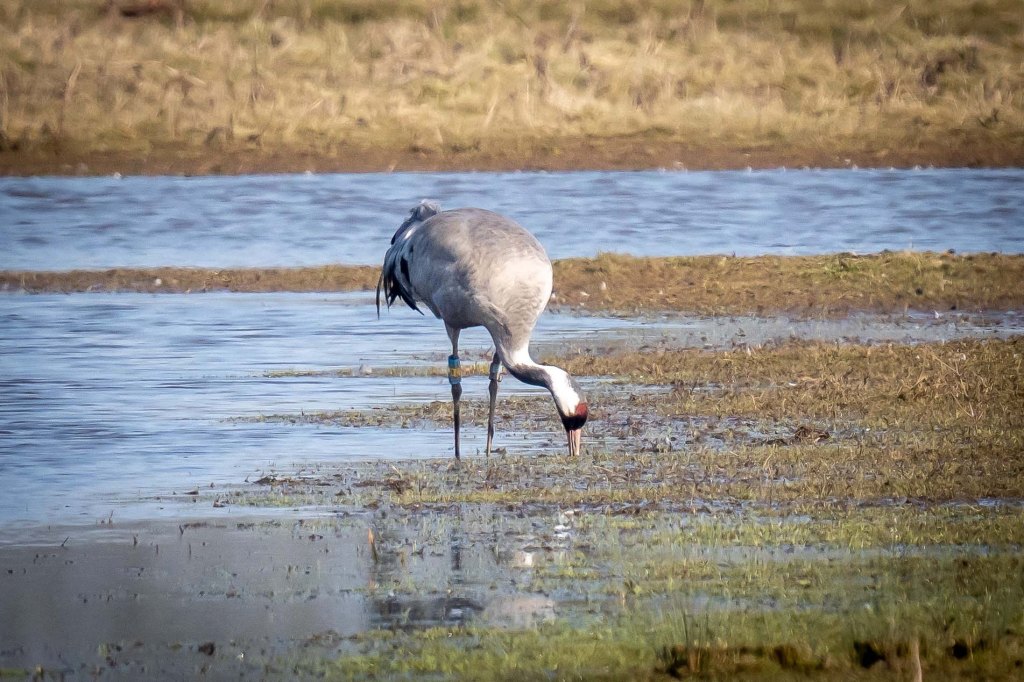
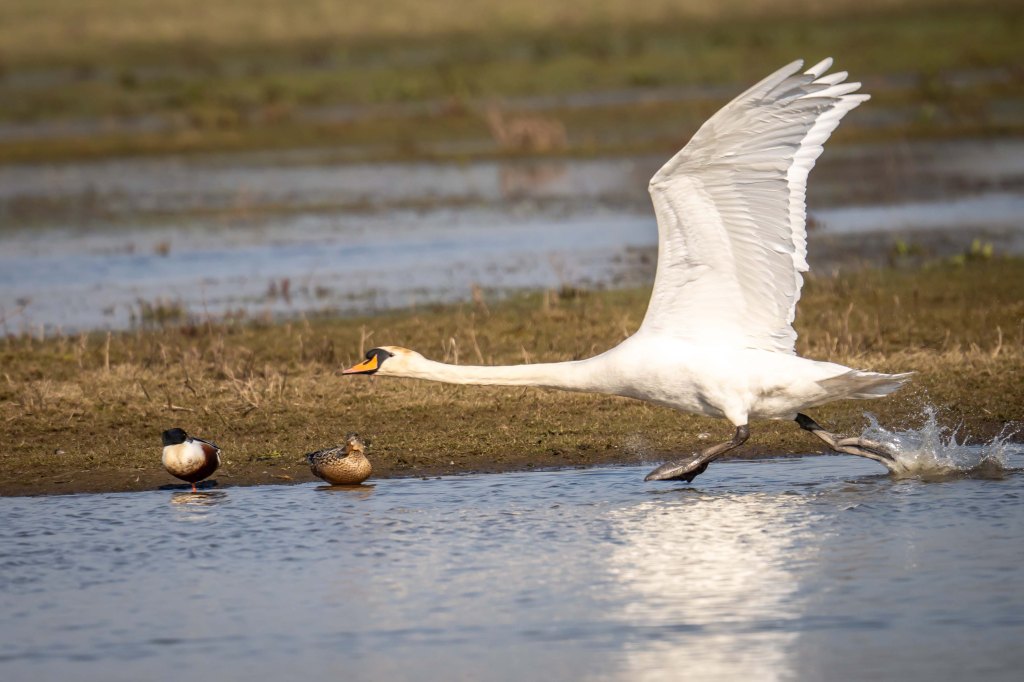
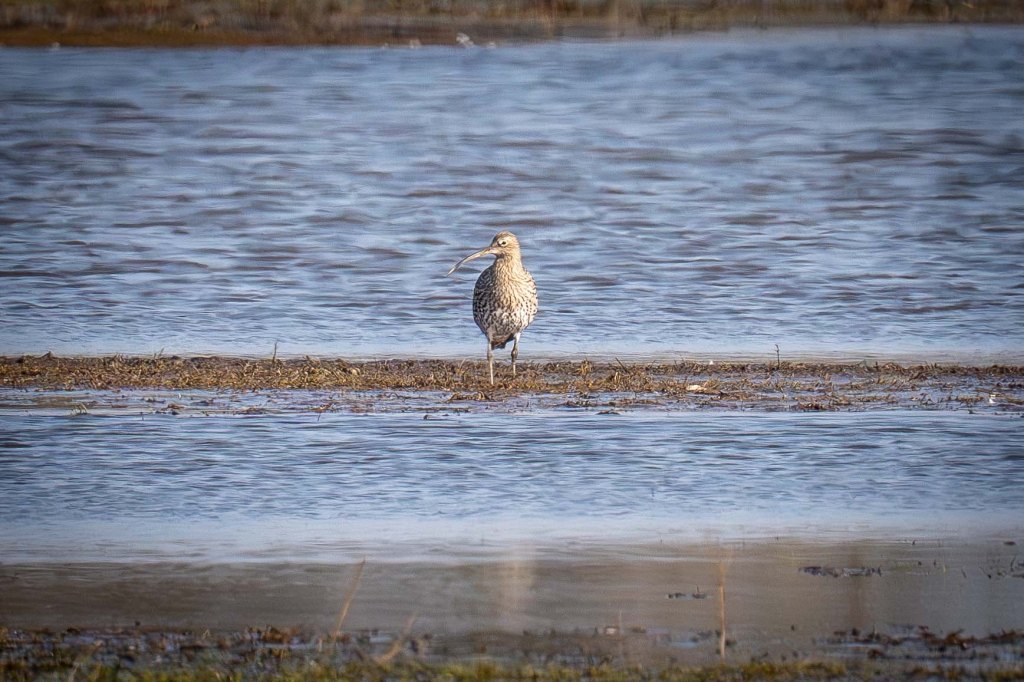
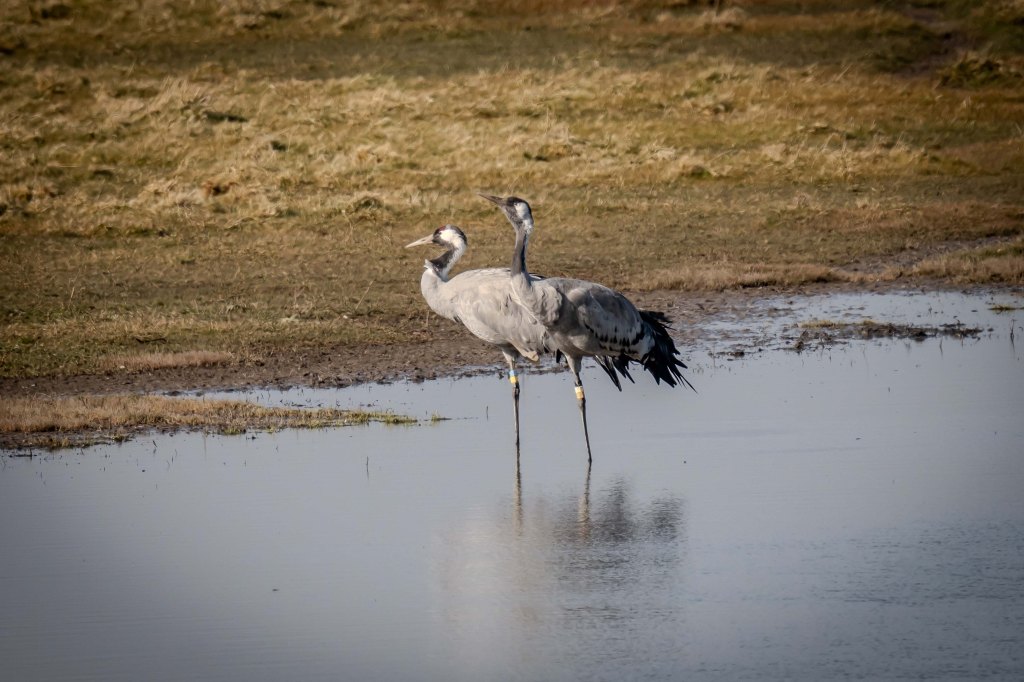
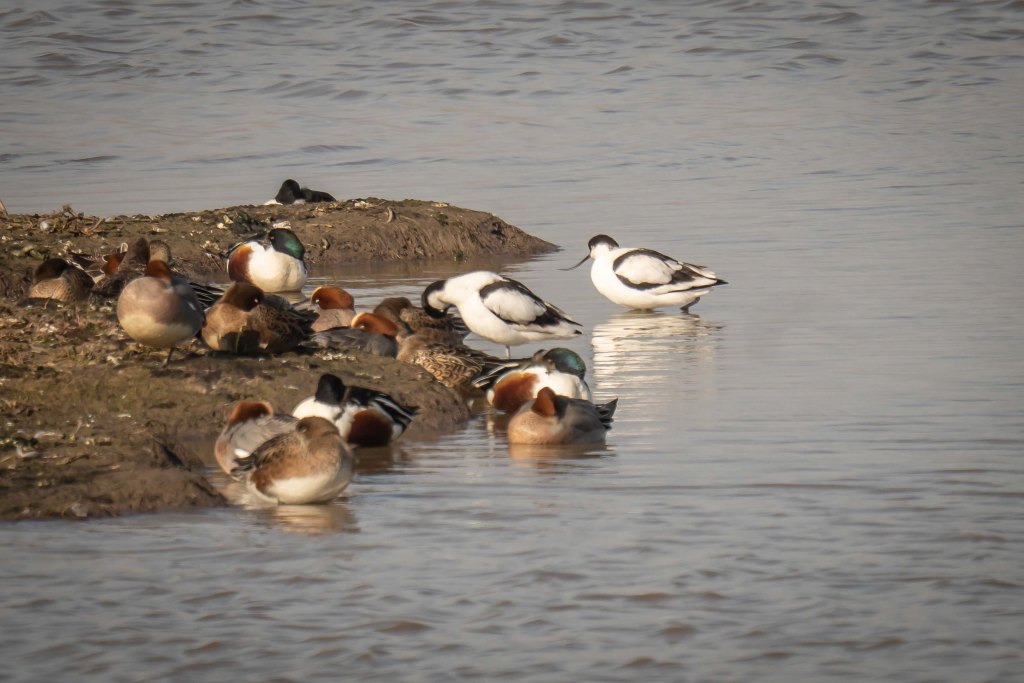
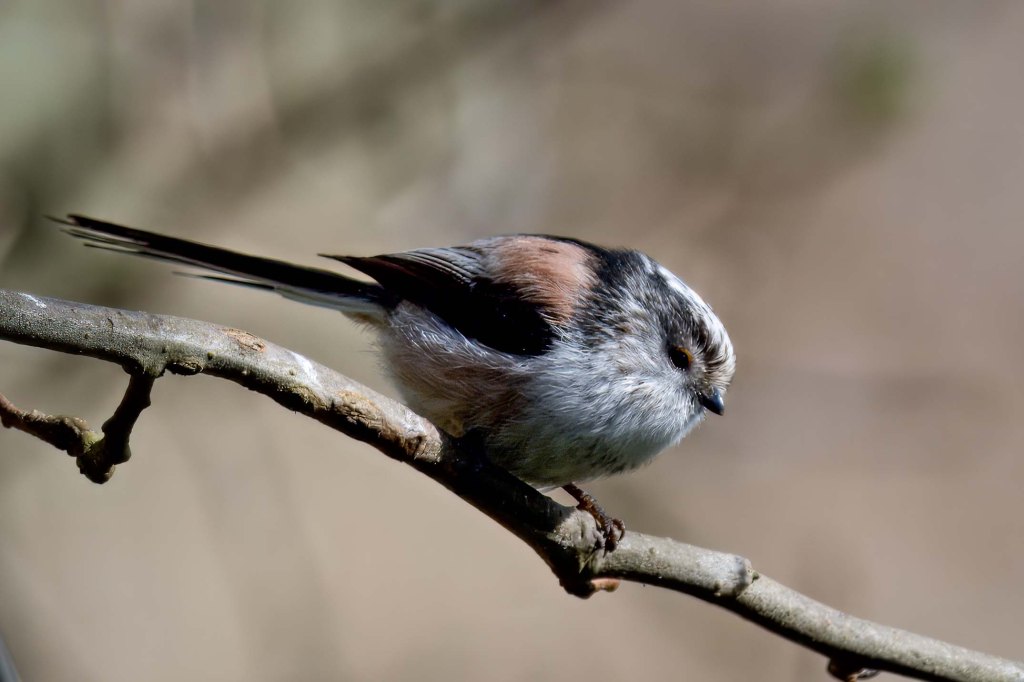
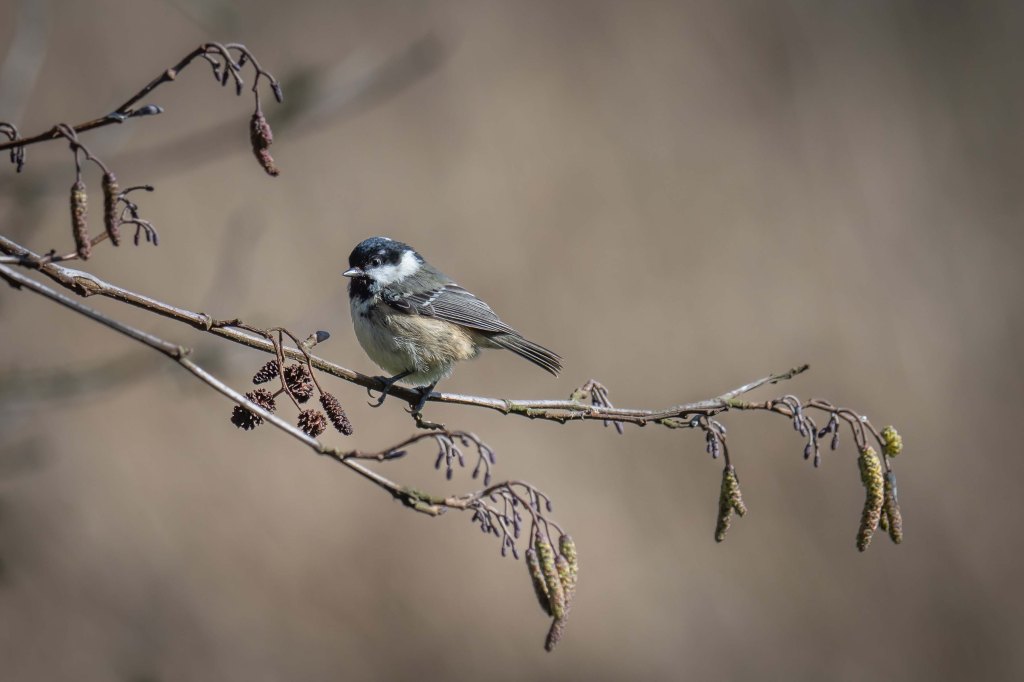
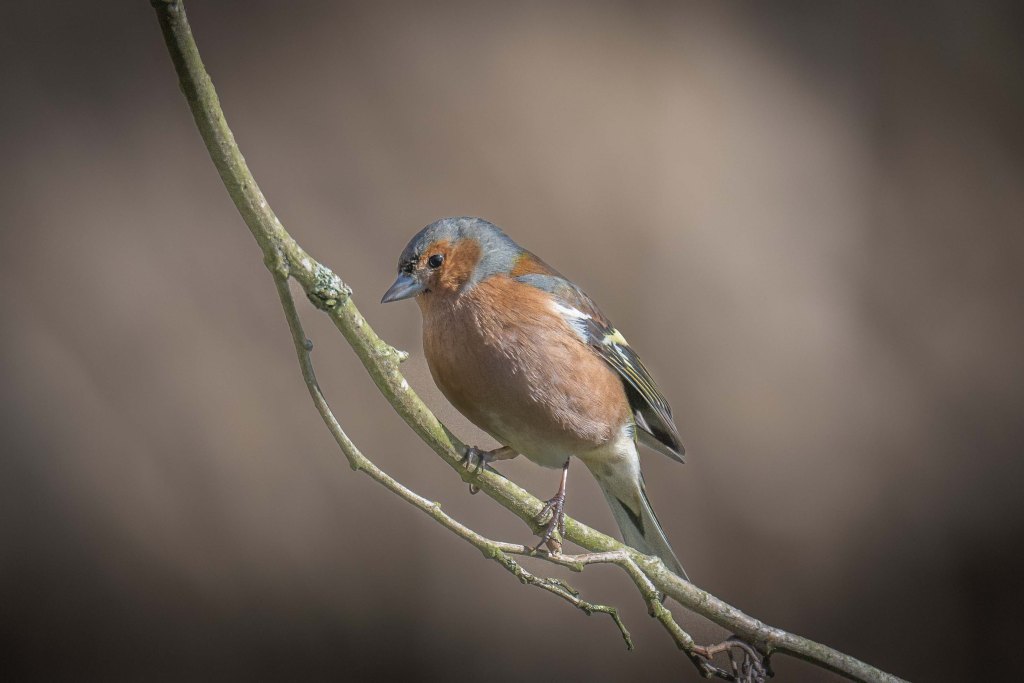
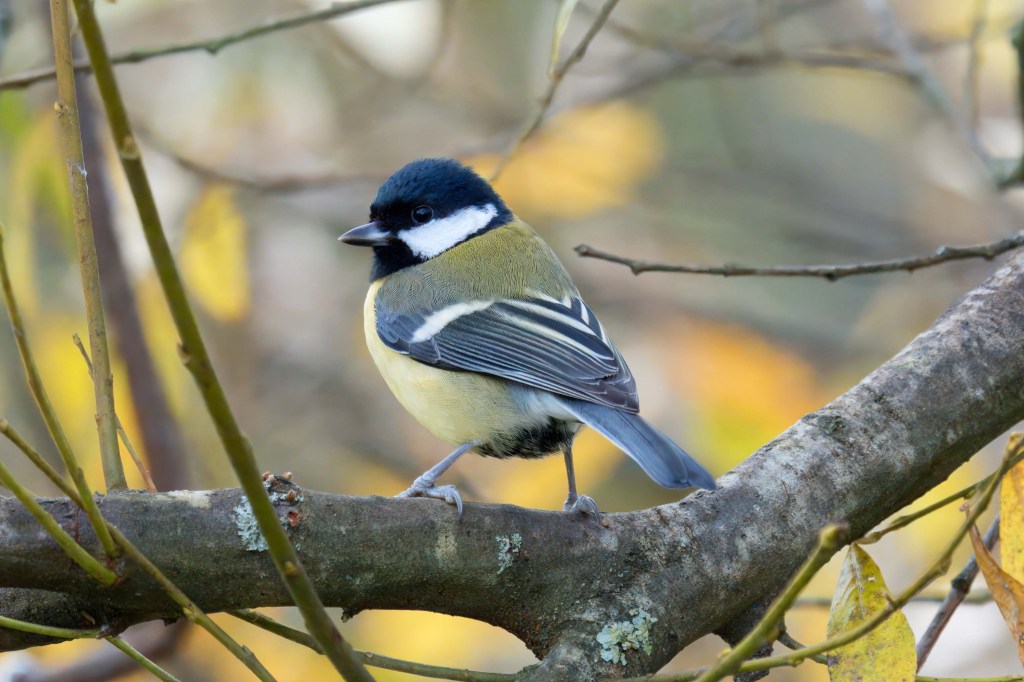
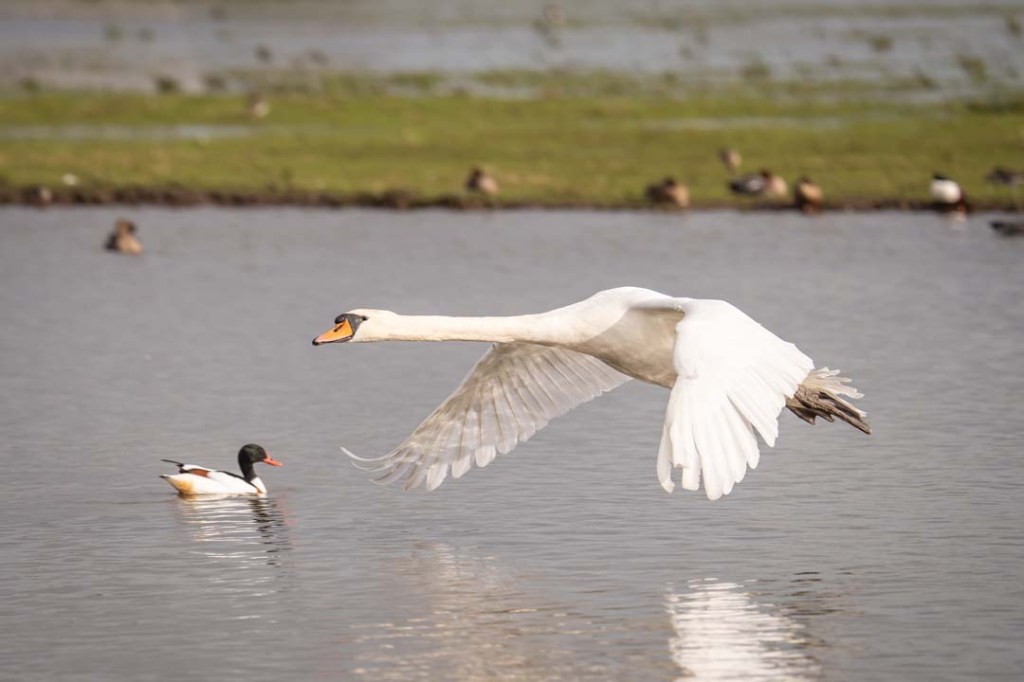
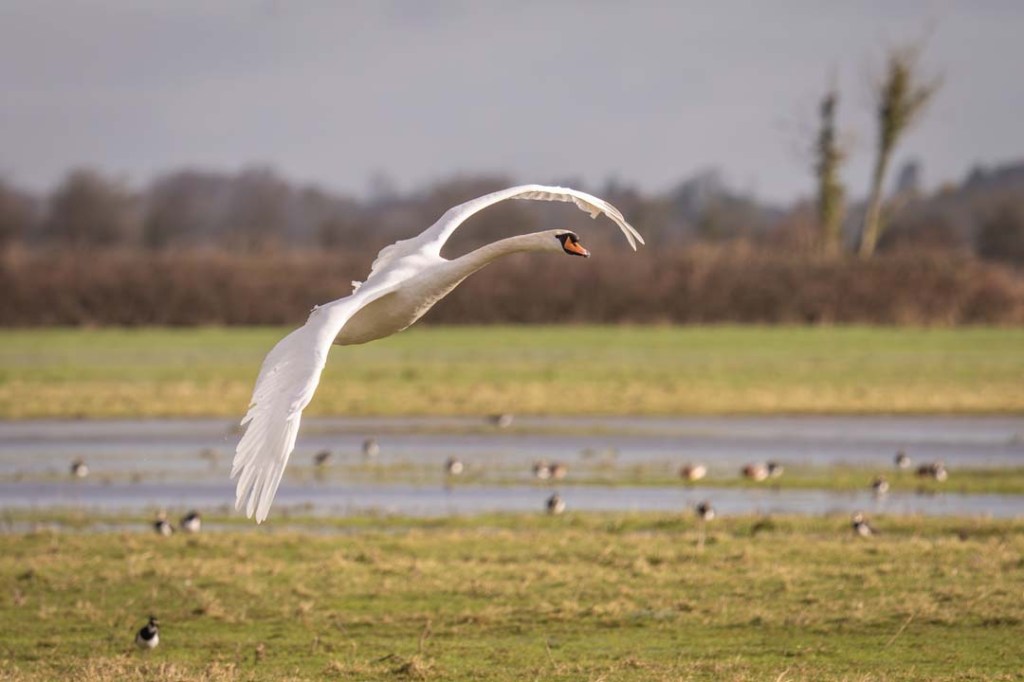
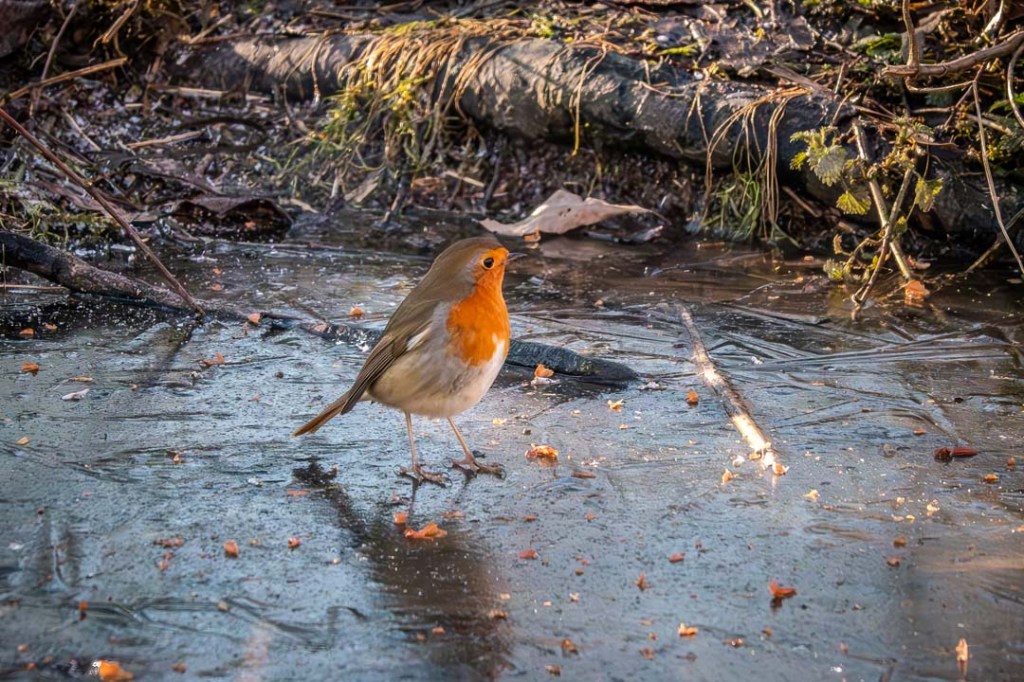
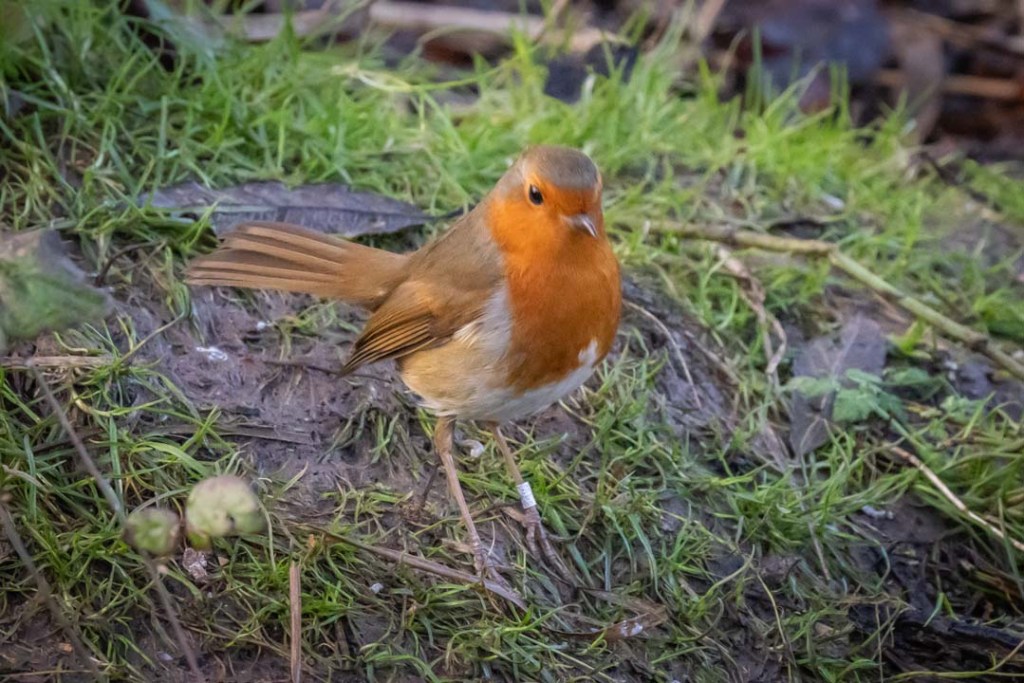
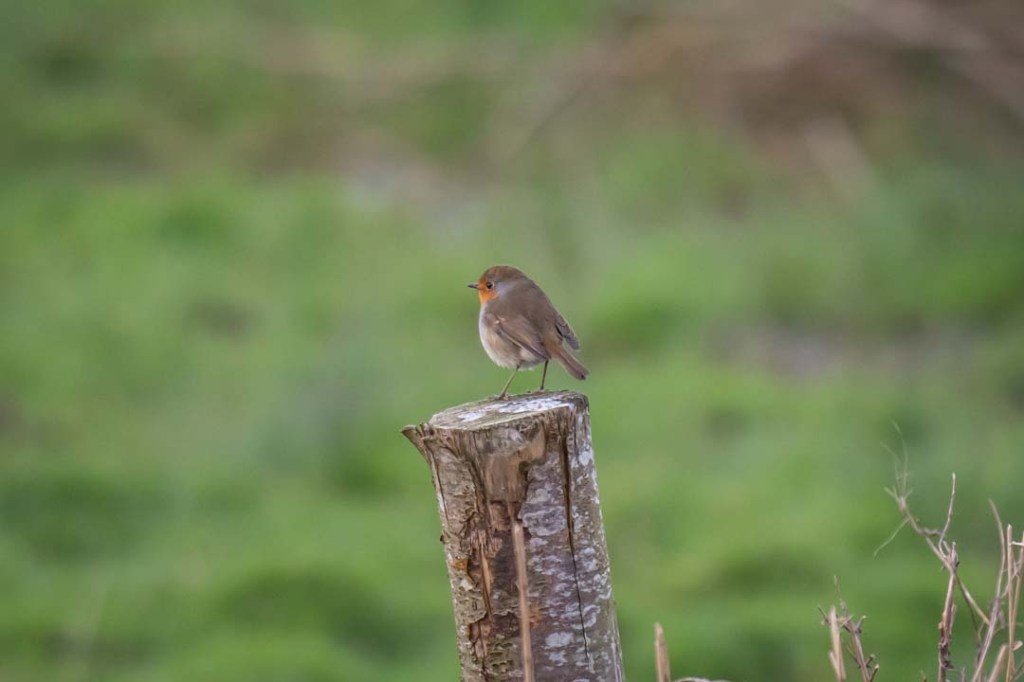
Statue of Sir Pater Scott who established the Wildfowl & Wetlands Trust in 1946 and helped found the World Wide Fund for Nature,Northern pintailGreylag gooseCommon craneMute swan taking offEurasian curlewEurasian tealCommon craneAvocets standing out from the wigeon and the shovelersWhite fronted geese in front of the barnacle geeseMore barnacle geese arriving above the Canada geeseGreenfinchGoldfinchLong-tailed titBlue titCoal titCommon chaffinchRobin
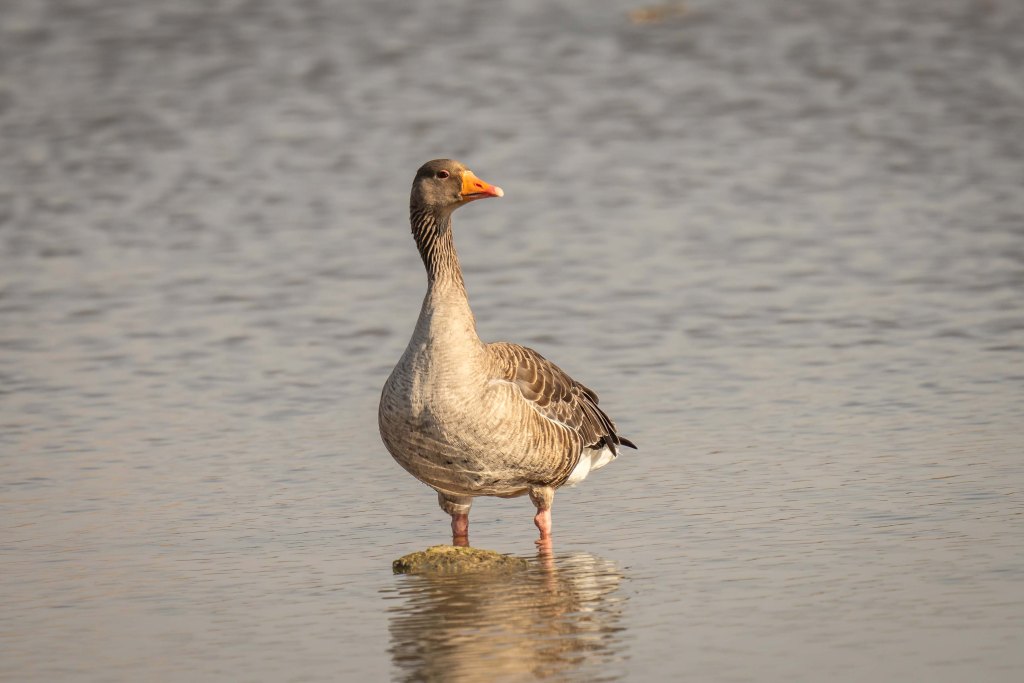
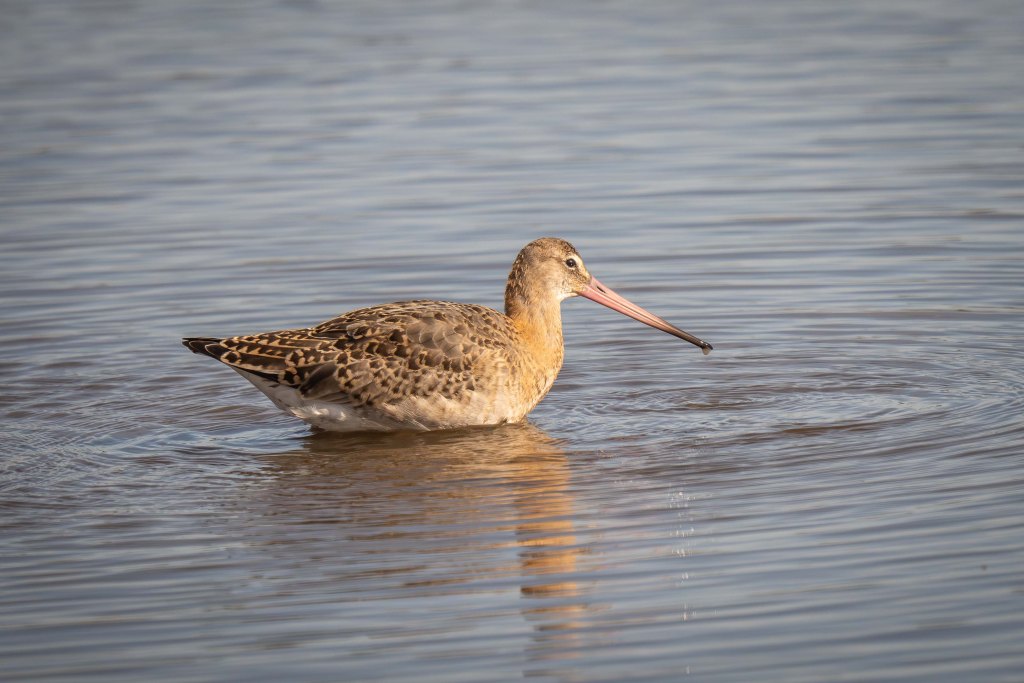
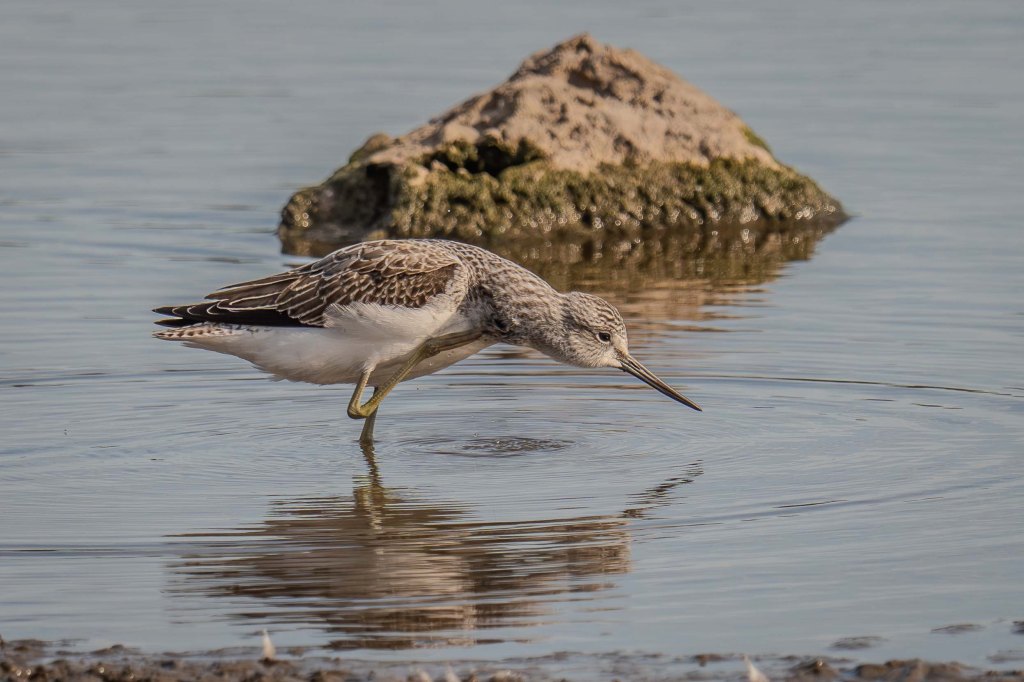
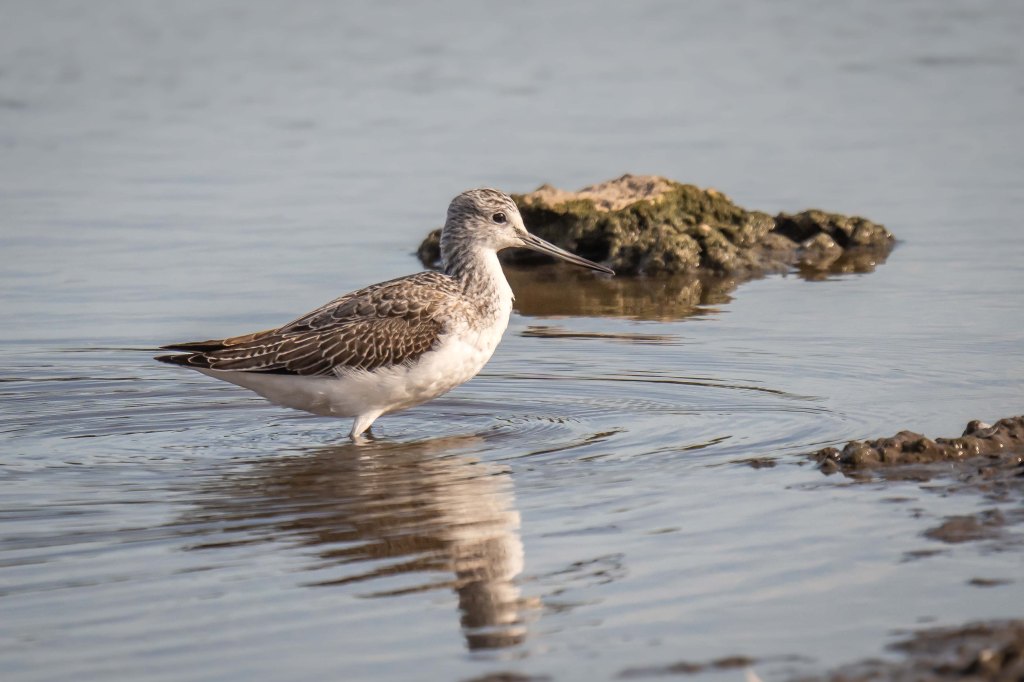
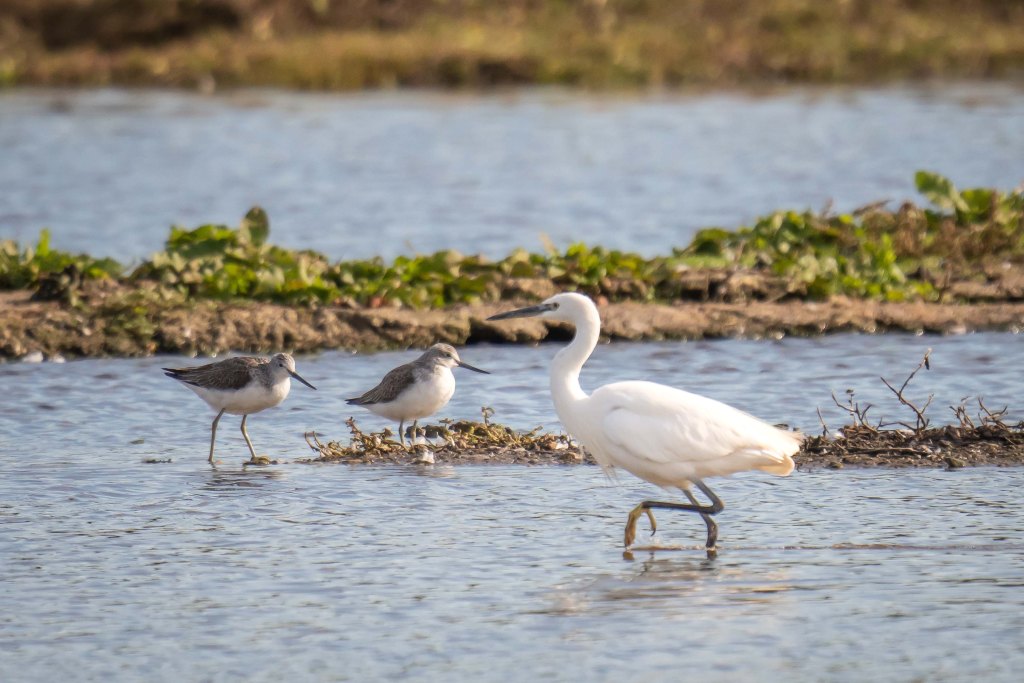
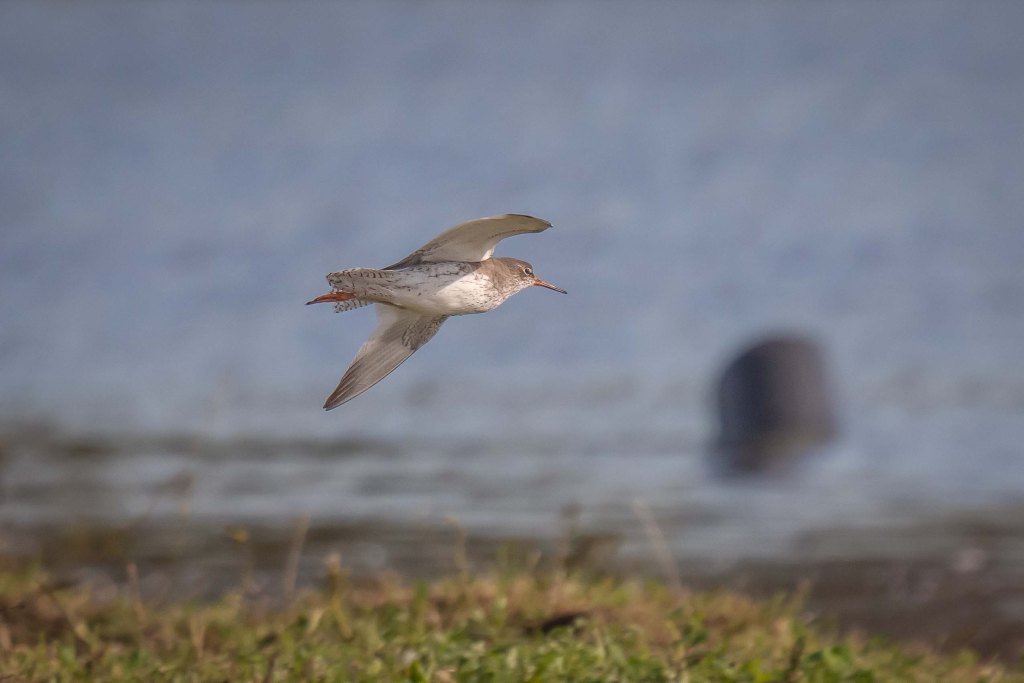
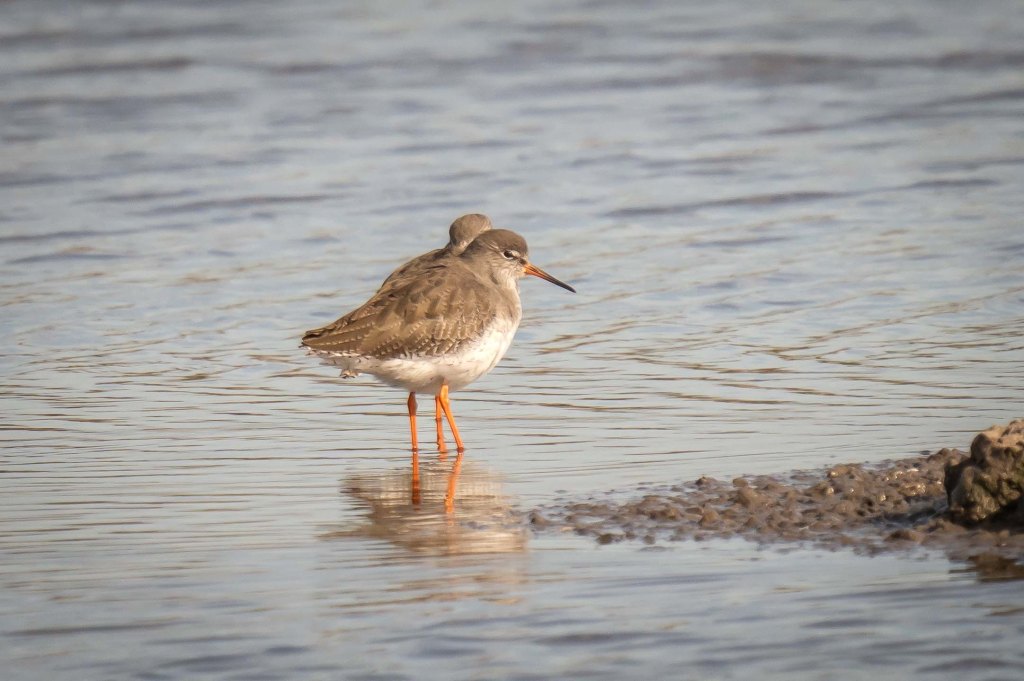
A beautiful start to the day encouraged us to venture north from Bristol to spend a while at the World Wetlands Trust reserve at Slimbridge. We were well rewarded with close ups of black-tailed godwits, common greenshank, common redshank, northern lapwings, a little egret, Canada and Greylag geese and a green sandpiper.
Unfortunately, the beautiful light didn’t last long and nor did we.
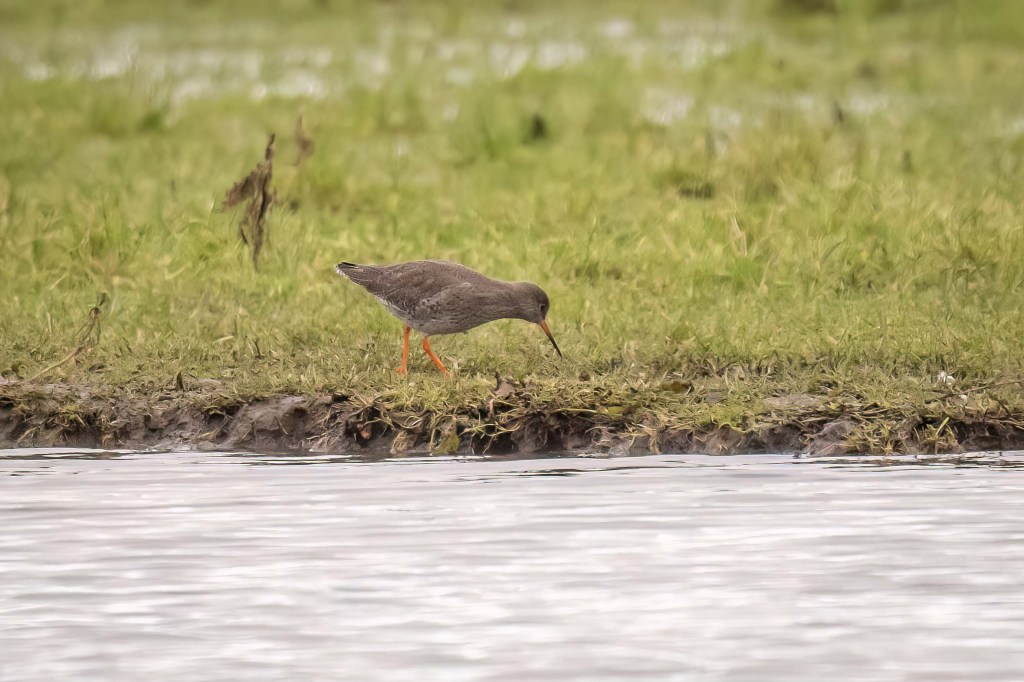
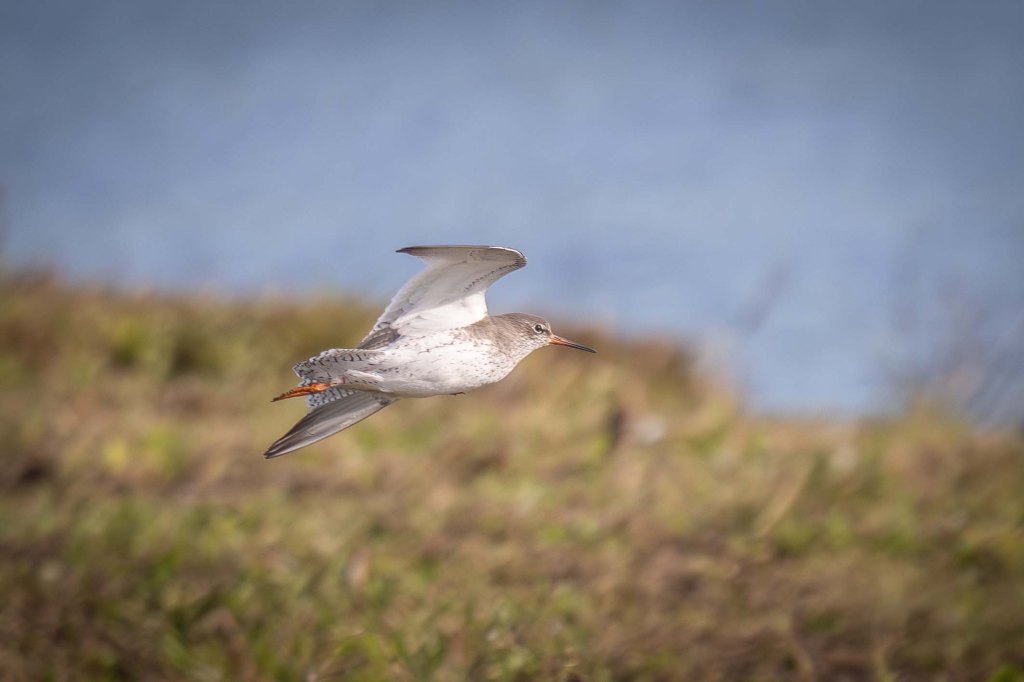
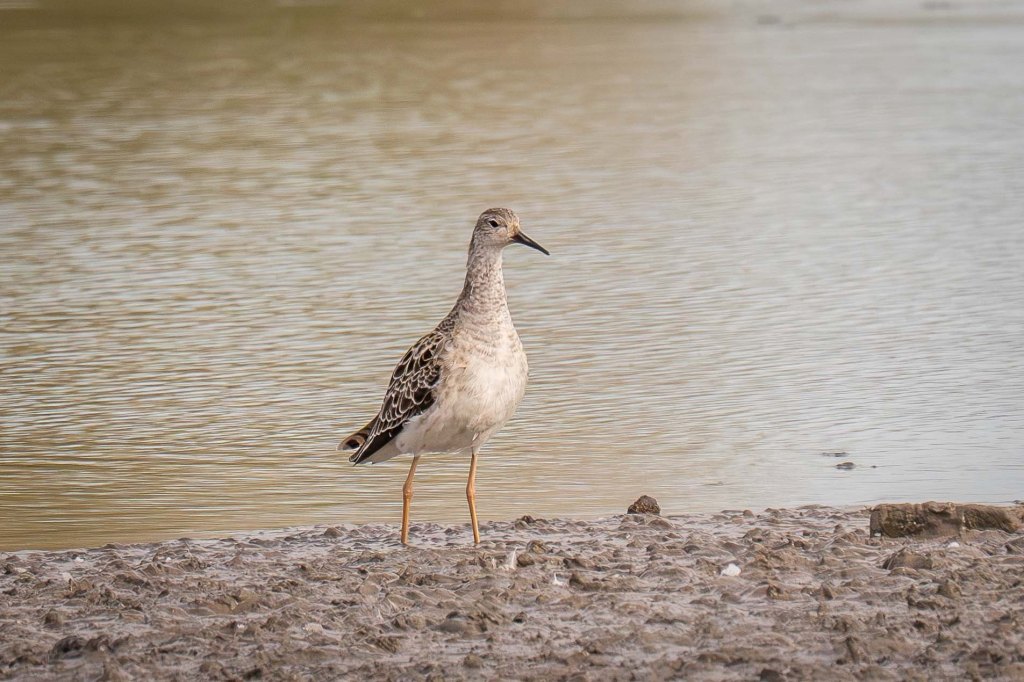
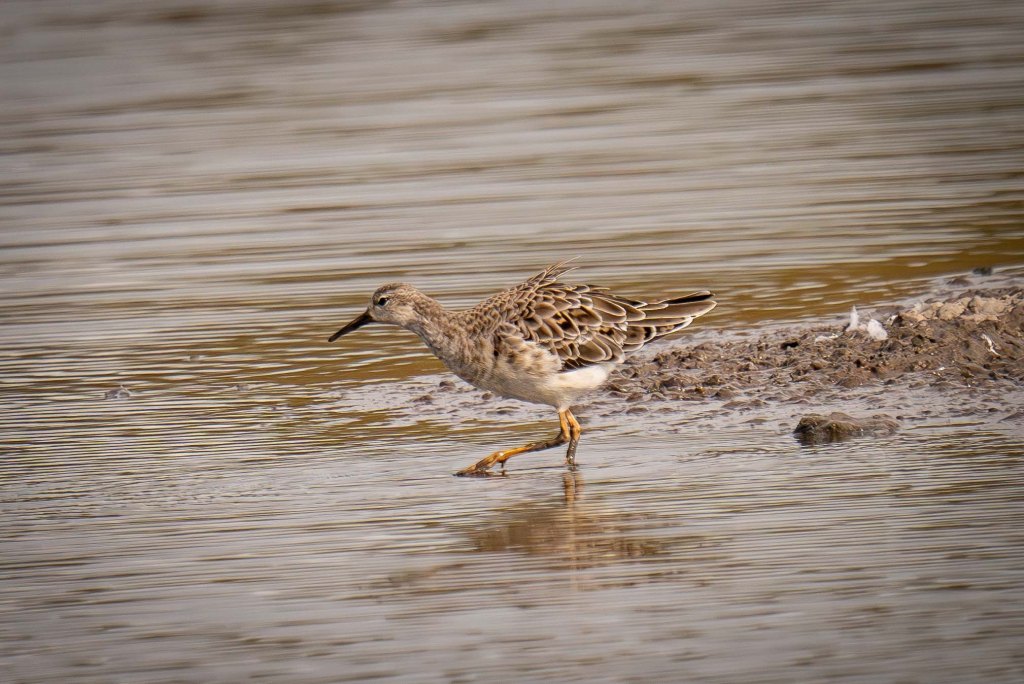
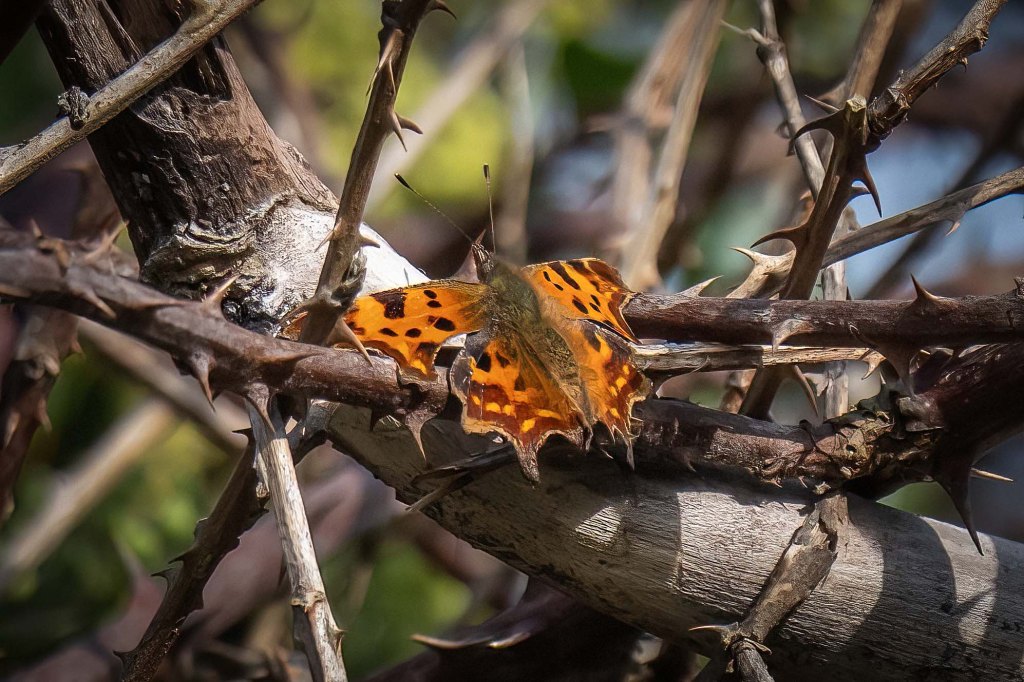
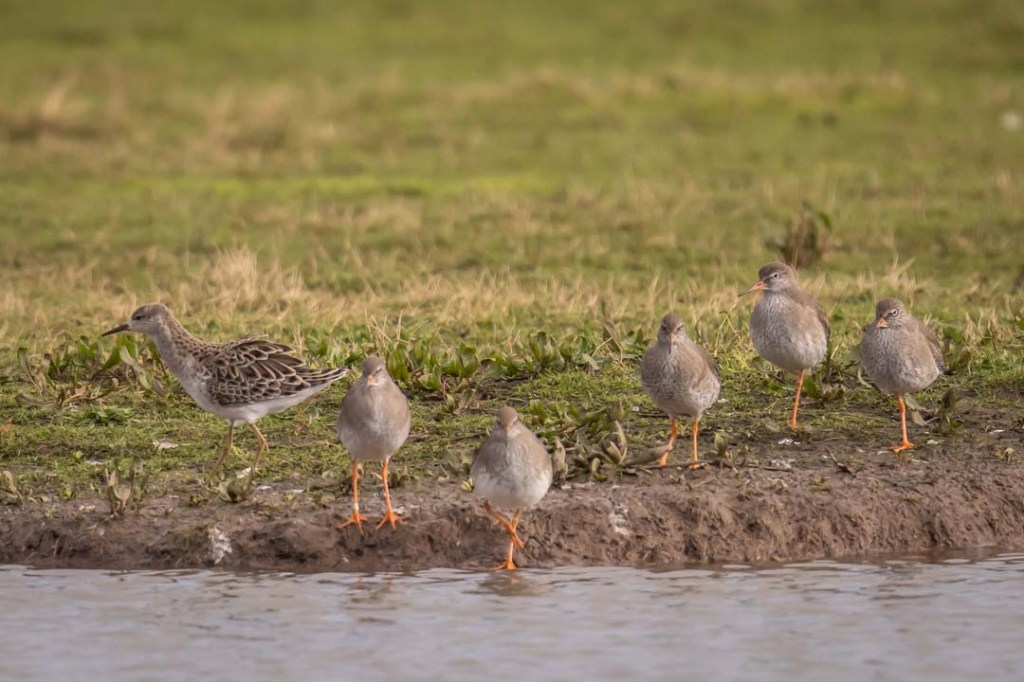
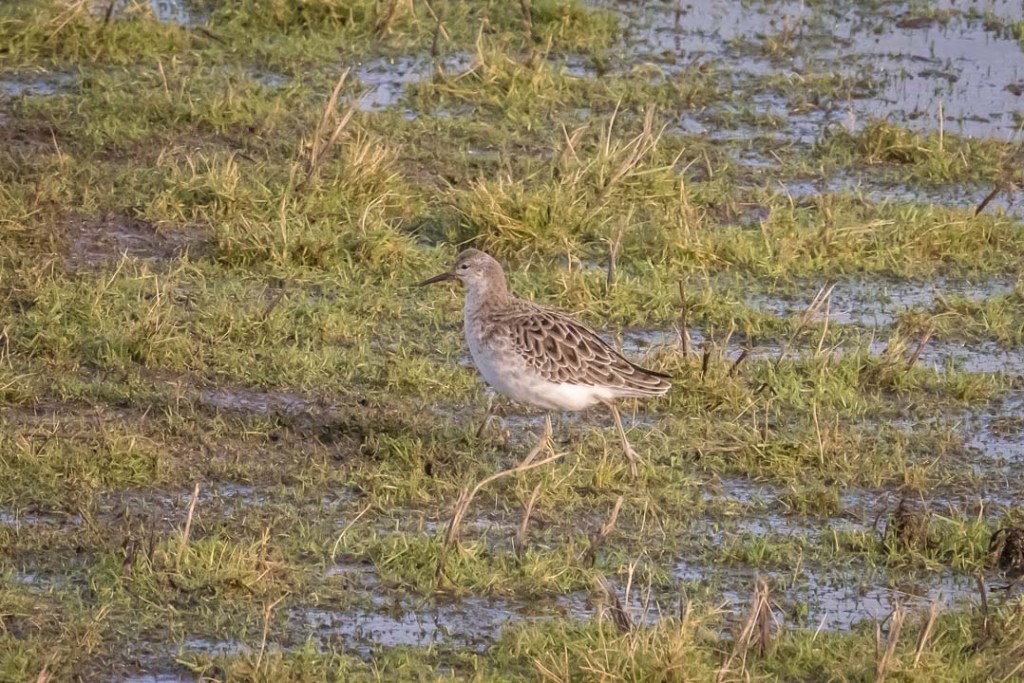
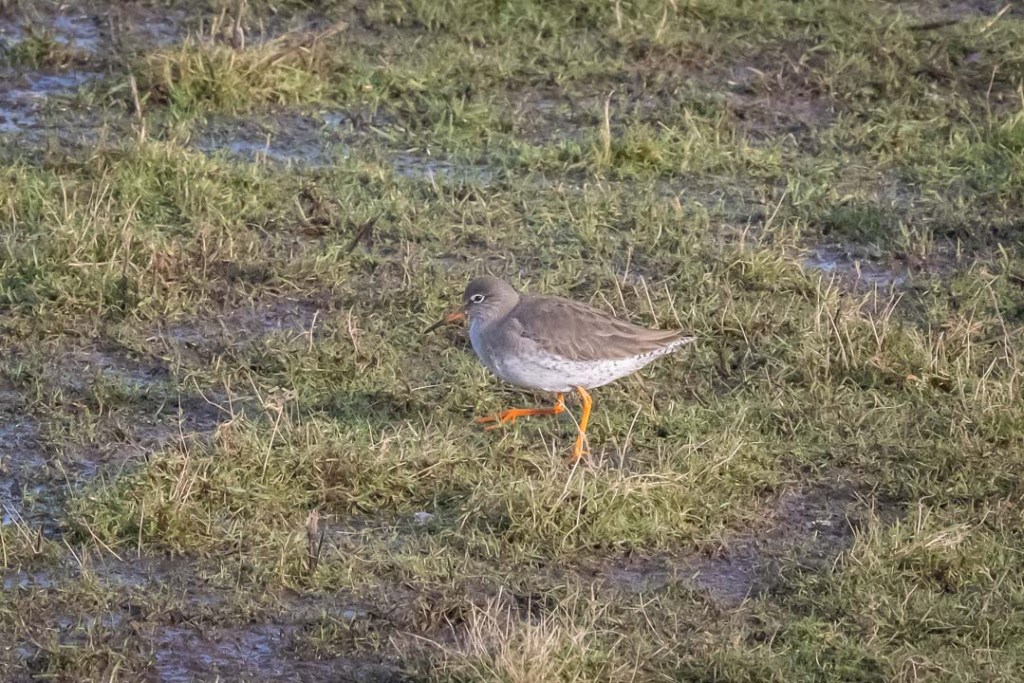
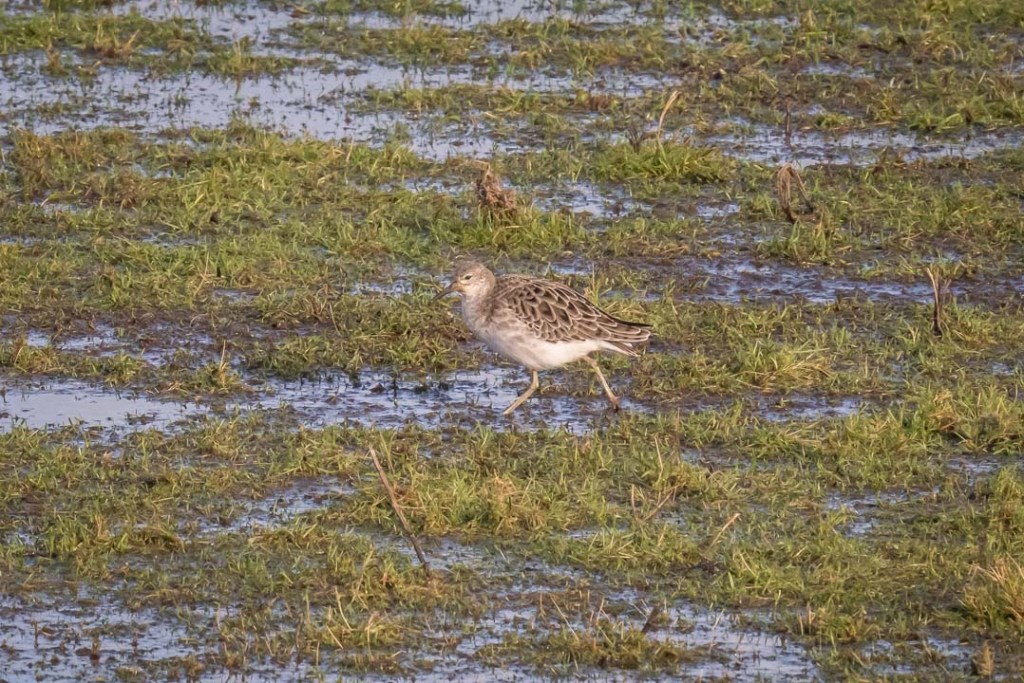
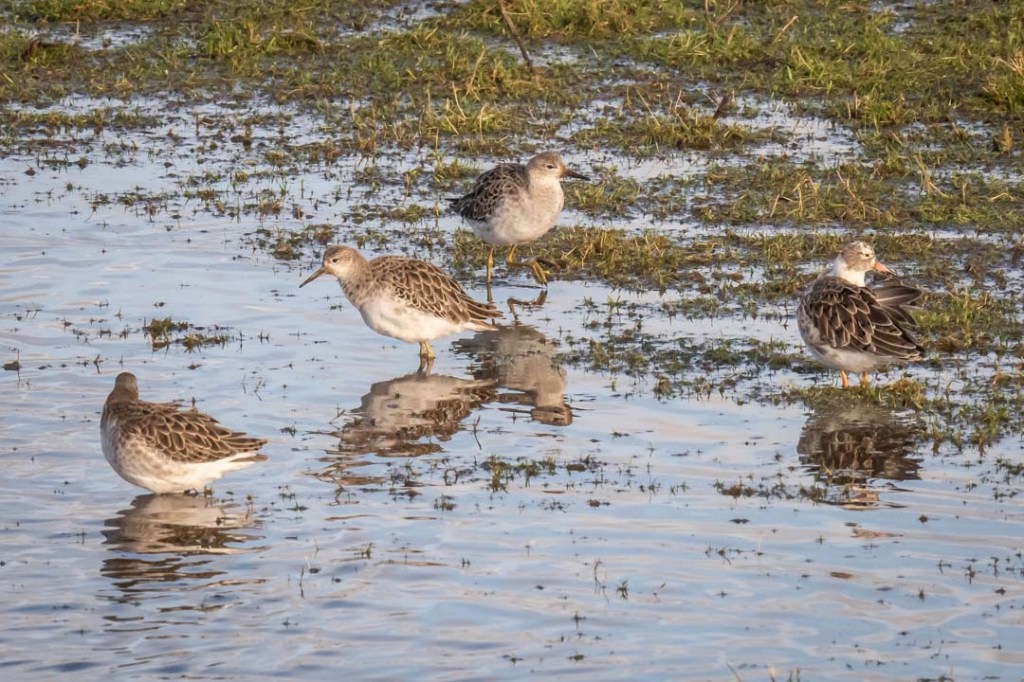
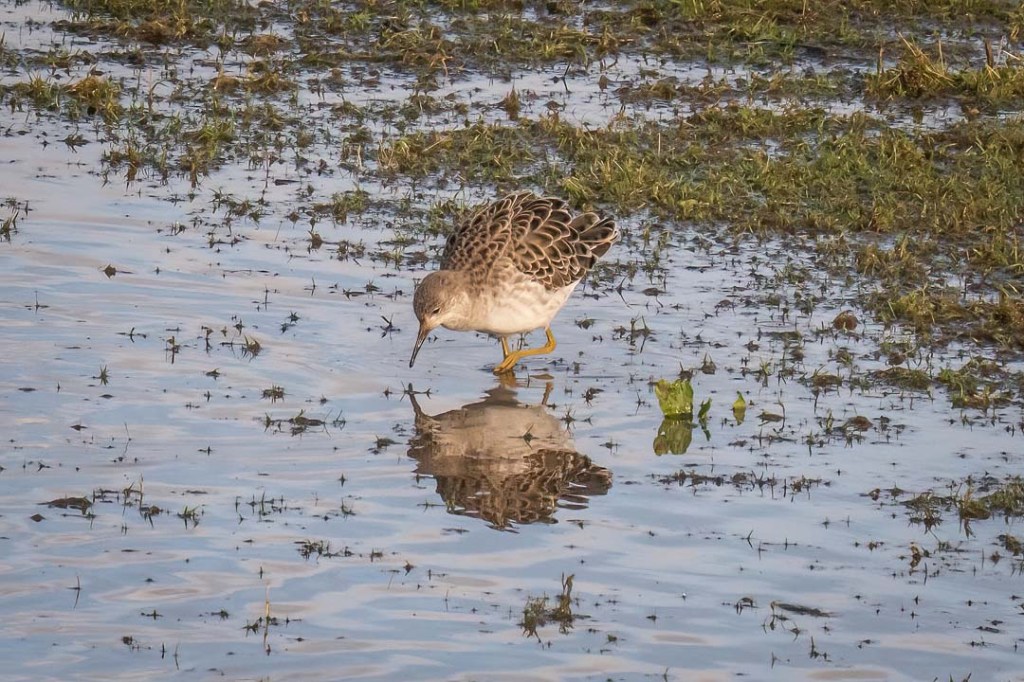
Black-tailed godwitBlack-tailed godwitCommon greenshankCommon greenshankCommon greenshankCommon greenshank and little egretNorthern lapwing and little egretCommon redshank in flightCommon redshank with their feet firmly on the groundCanada geeseEurasian tealGreylag geeseClose up of a northern lapwing showing its beautiful iridescent plumage to best effectRuffRuffGreen sandpiperGreen sandpiperRuffComma butterfly
Peter Scott opened Slimbridge, the first of nine WWT Wetland Centres across the UK, in 1946. Since then generations of families have visited the centre where their interest in nature and conservation has been nurtured.
However, today it seemed more like a vast playground for very young children and their mums, most of whom showed very little interest in the wildlife. It could have been worse as I imagine many of the older children were absent having their shoes fitted for the return to school.
We managed to find a few quiet areas away from the play areas and enjoyed seeing a few interesting birds.
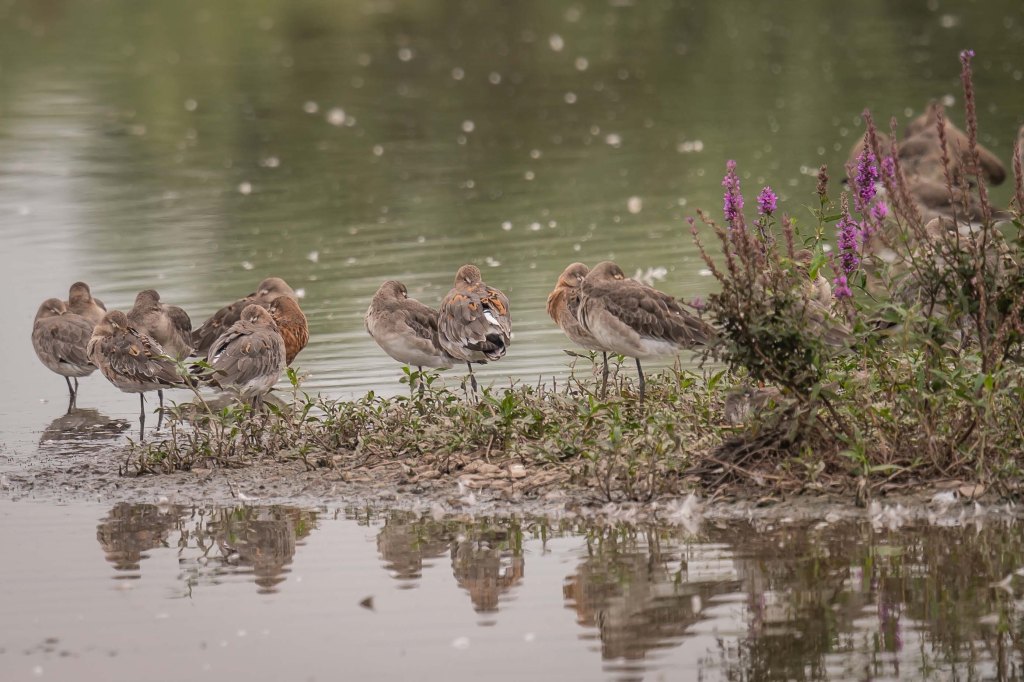
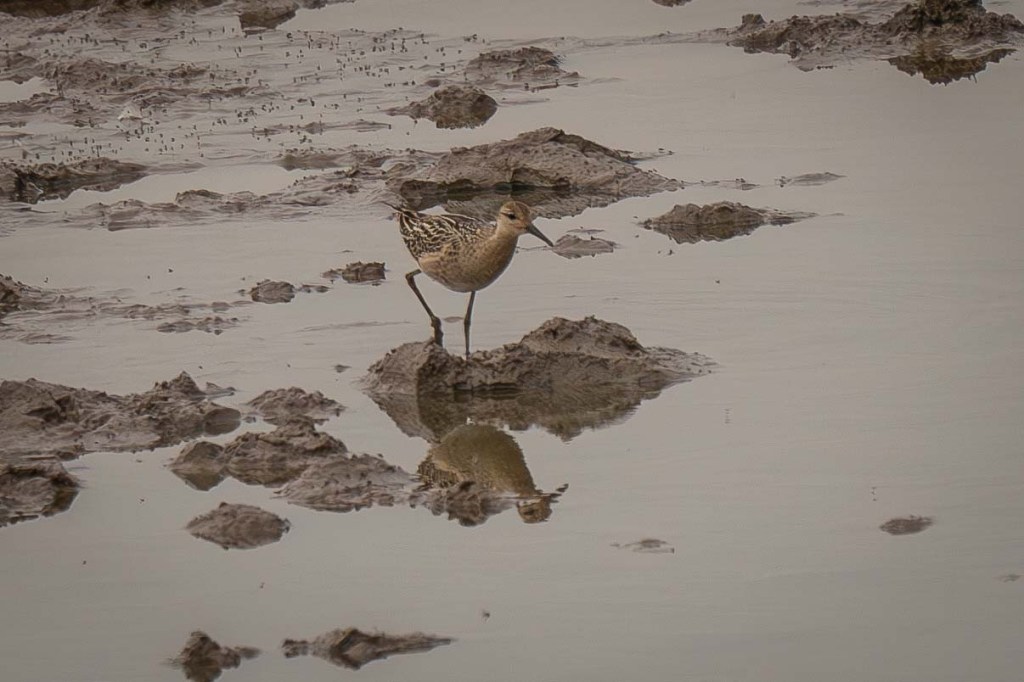
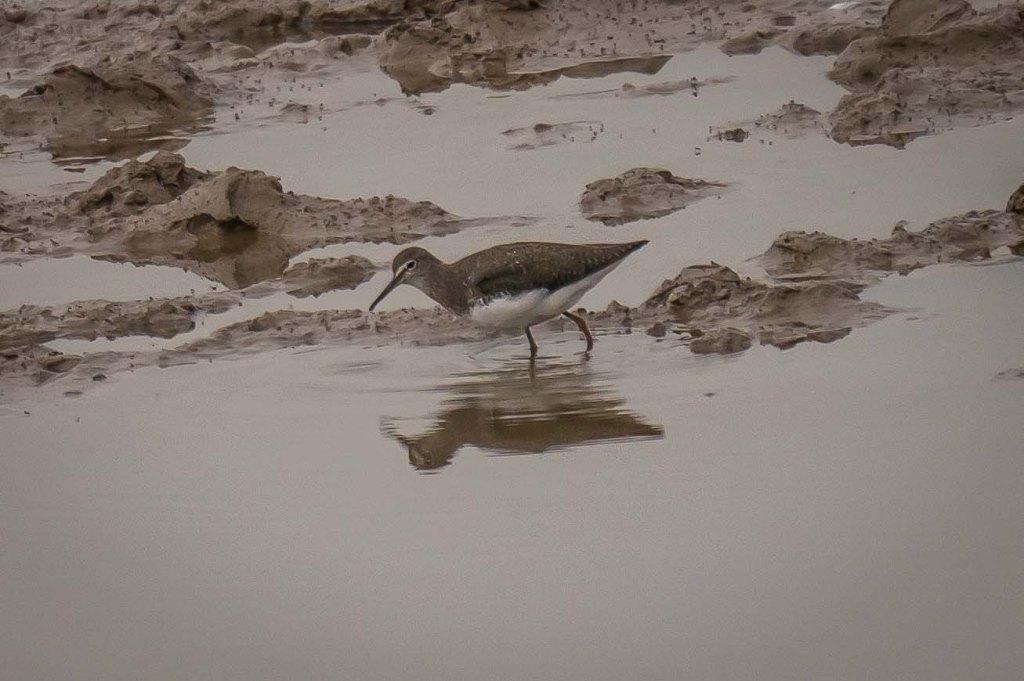
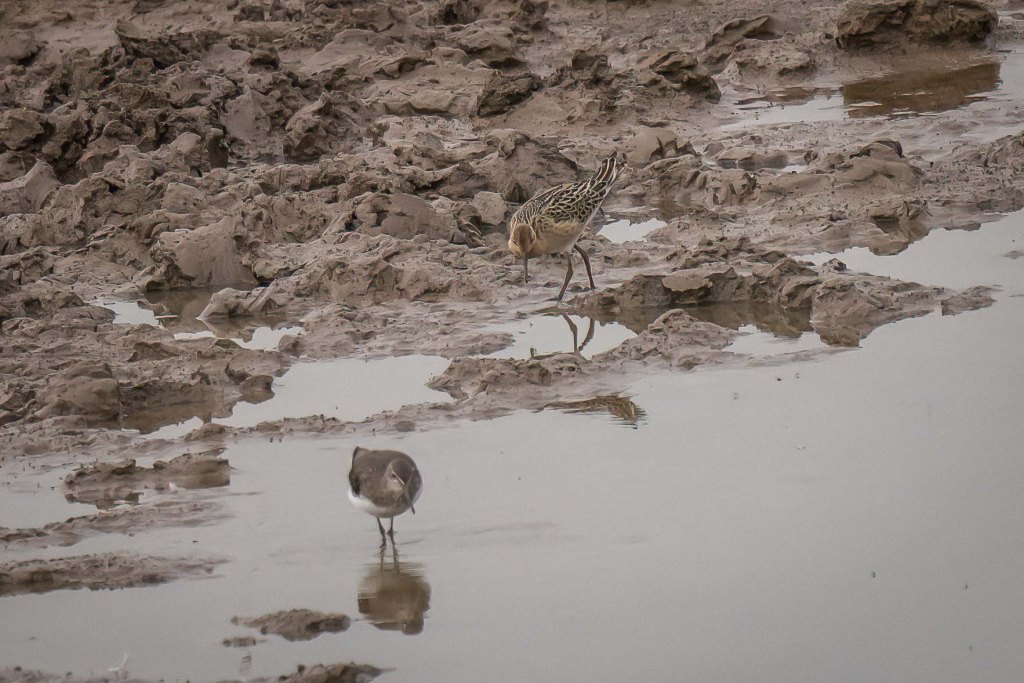
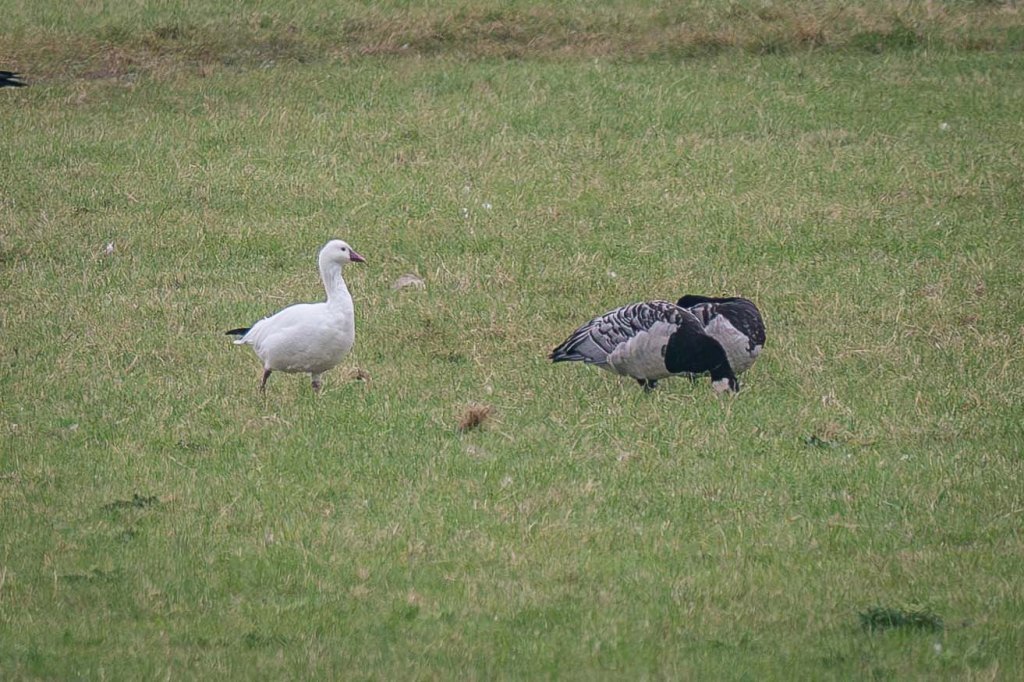
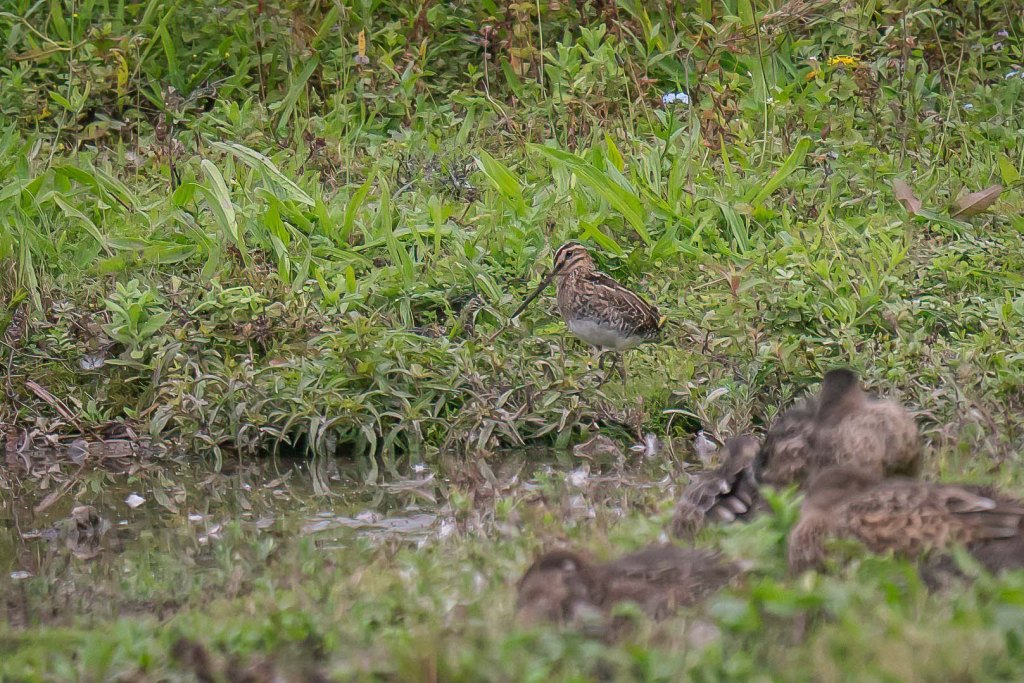
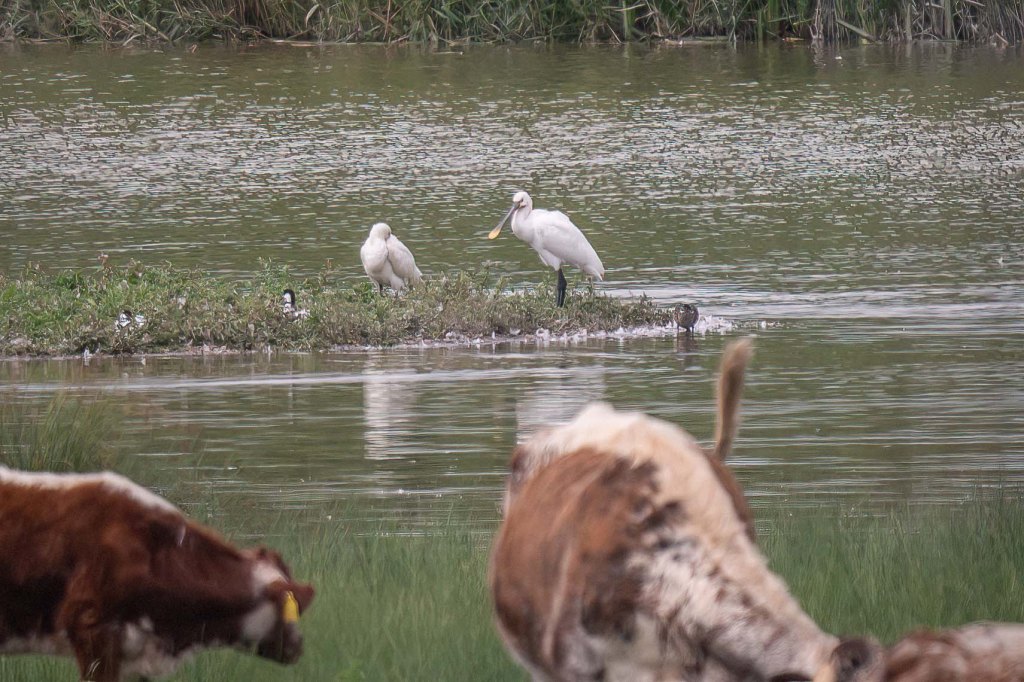
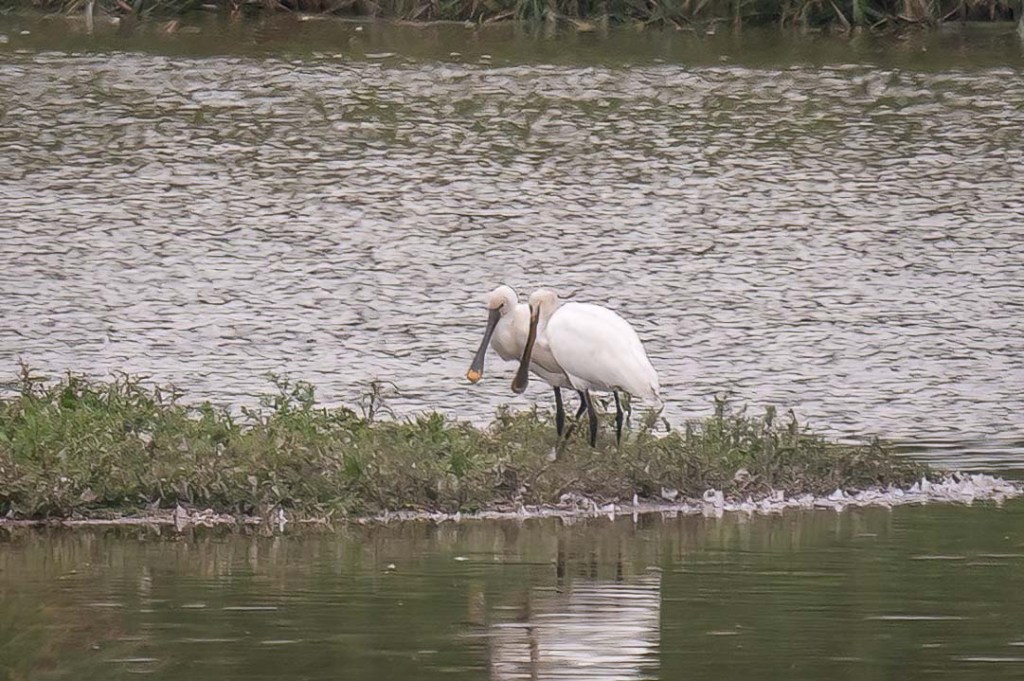
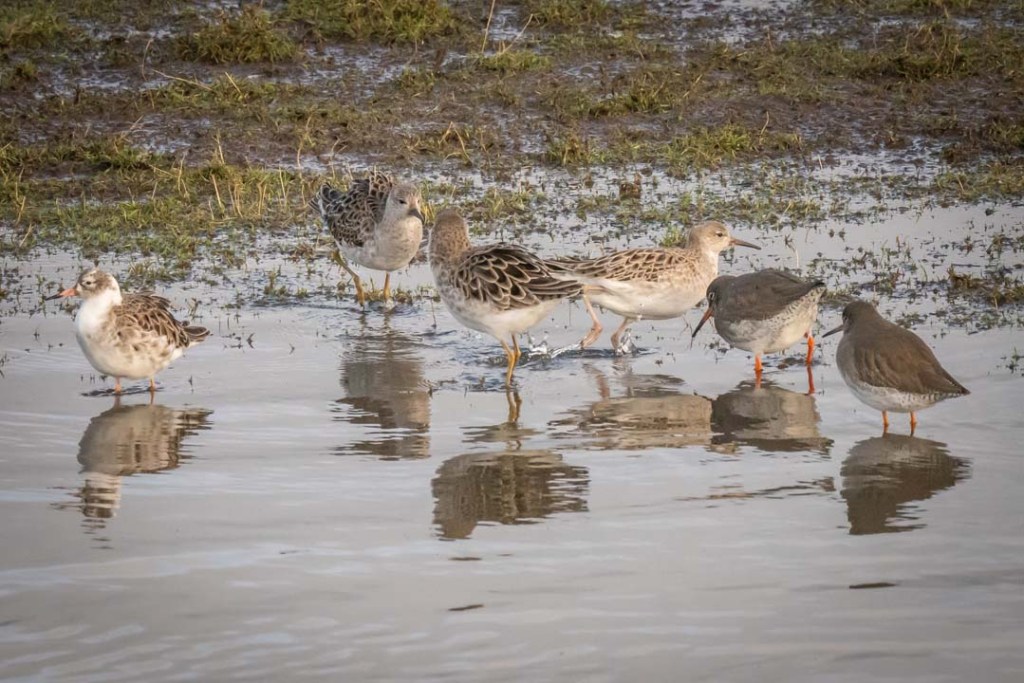
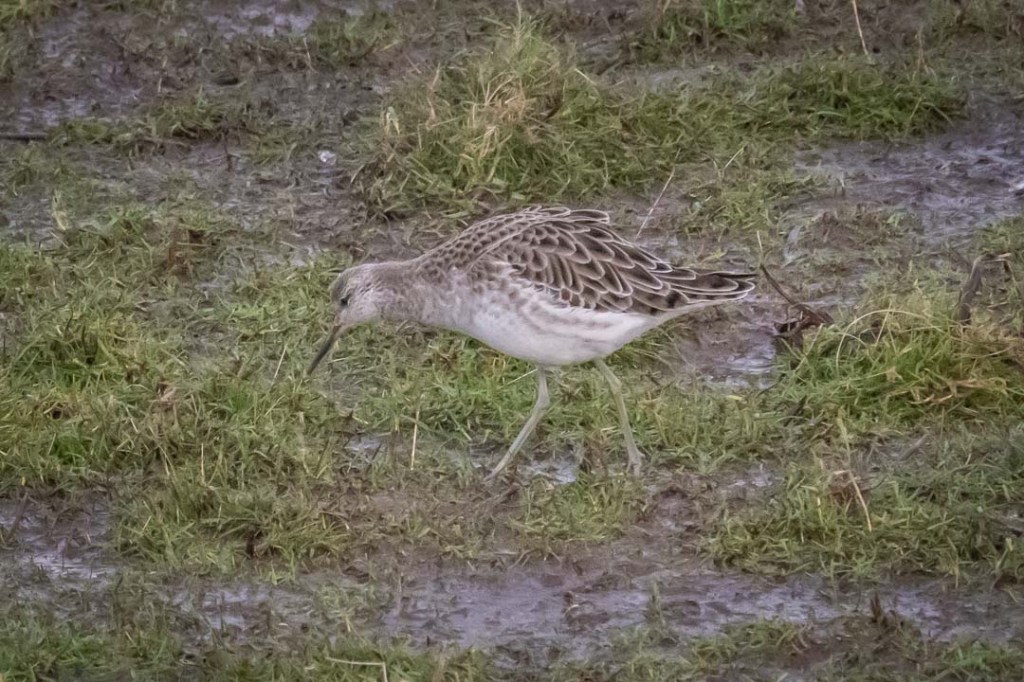
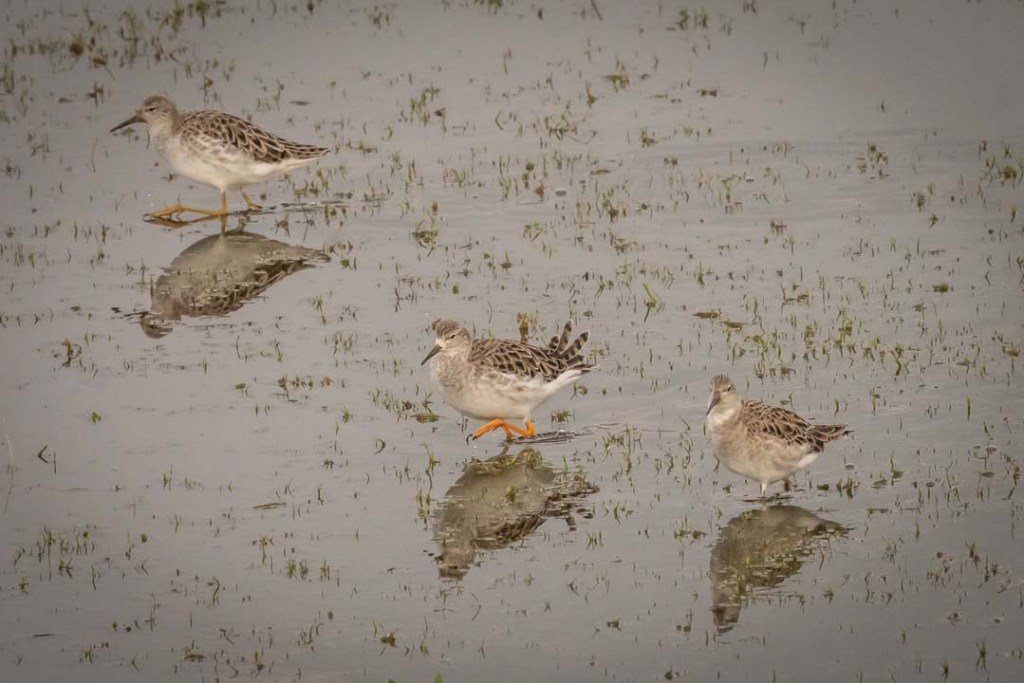
Black-tailed godwitsThe black-tailed godwits were losing their breeding plumageSpotted redshankGreenshankJuvenile ruffGreen sandpiperThe ruff and the green sandpiper togetherVery distant common craneRoss’s goose and barnacle geeseGrey heron with its catchCommon snipeCommon snipe in flight2 Eurasian spoonbillsEurasian spoonbills
Another break in the rain and so we make a dash for Slimbridge. There’s not much doubt that these are currently wetlands.
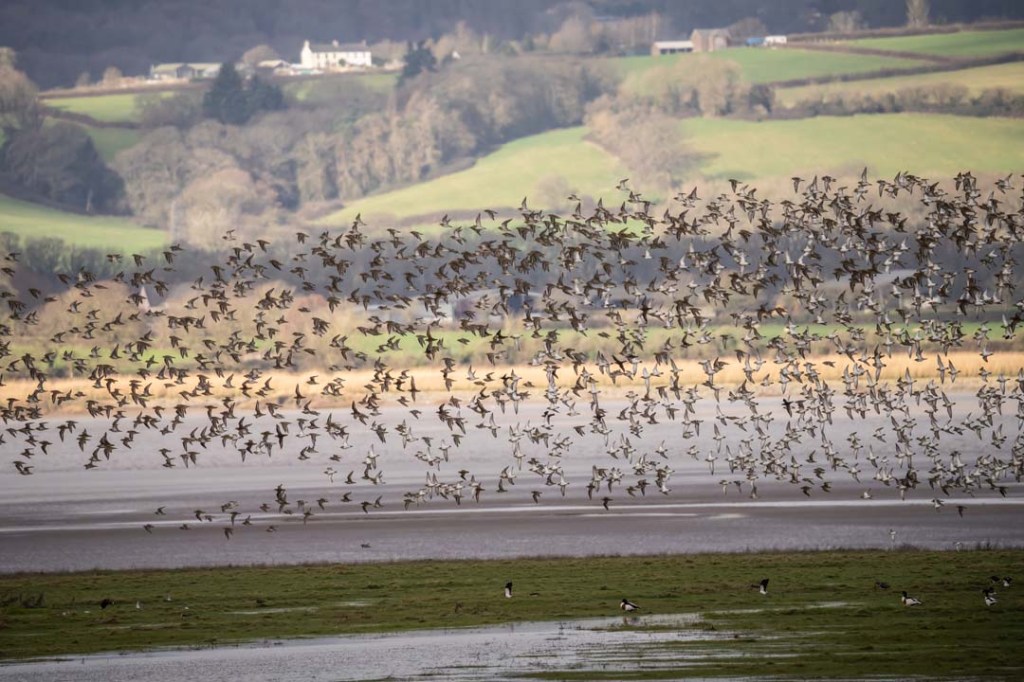
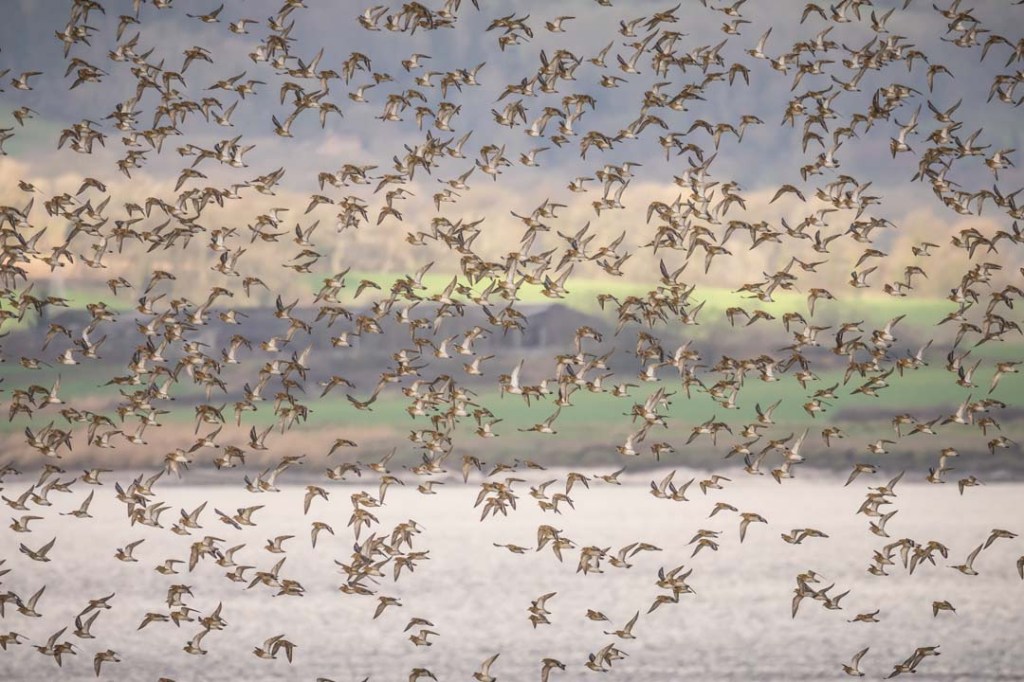
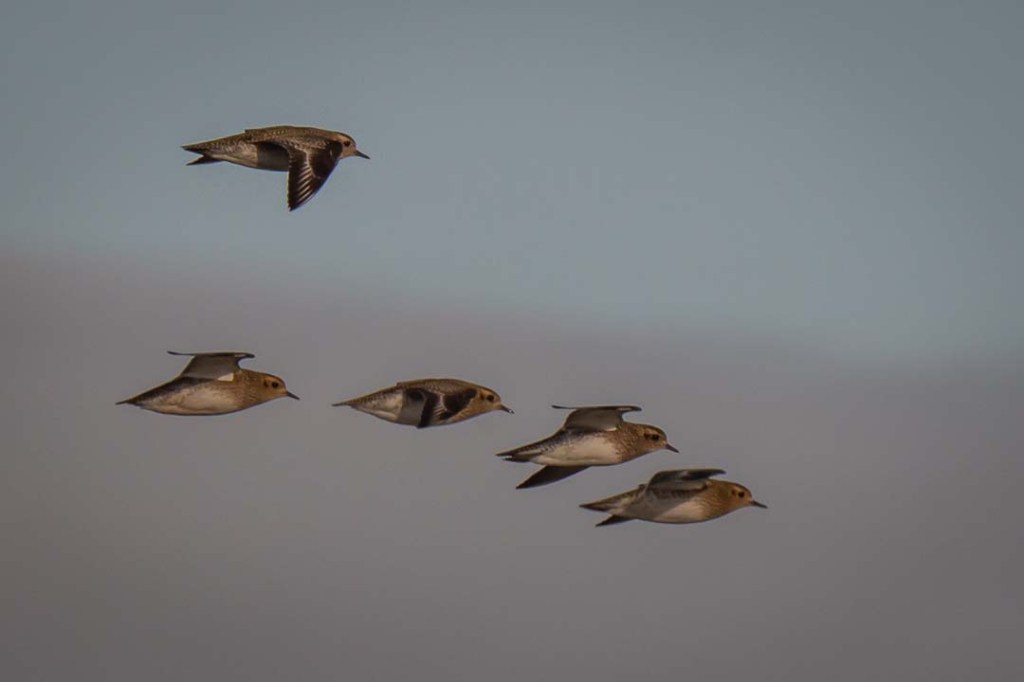
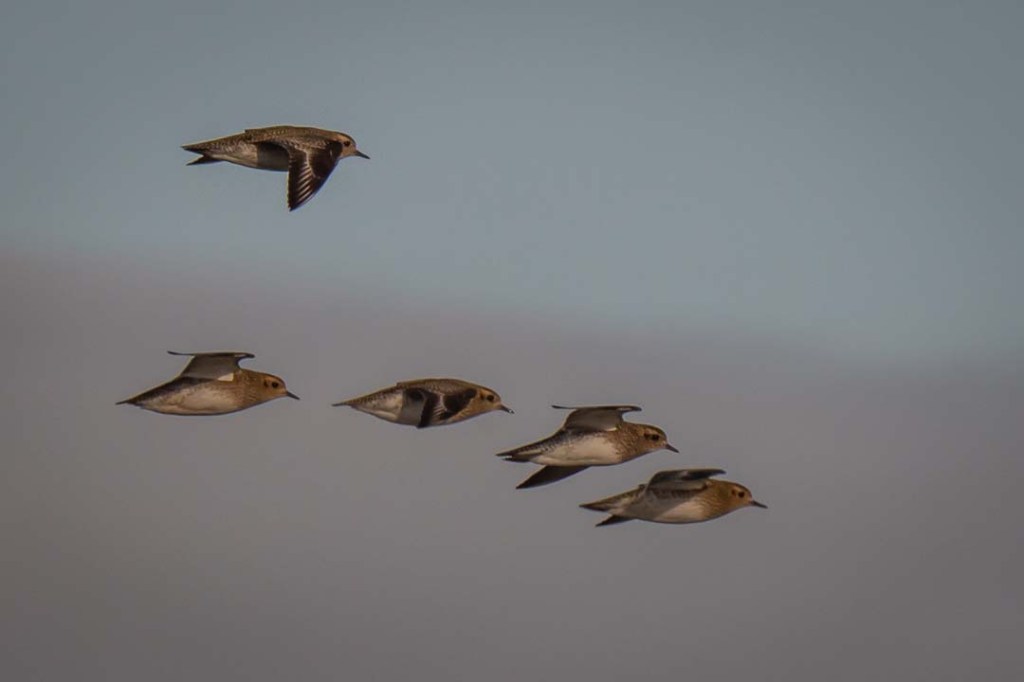
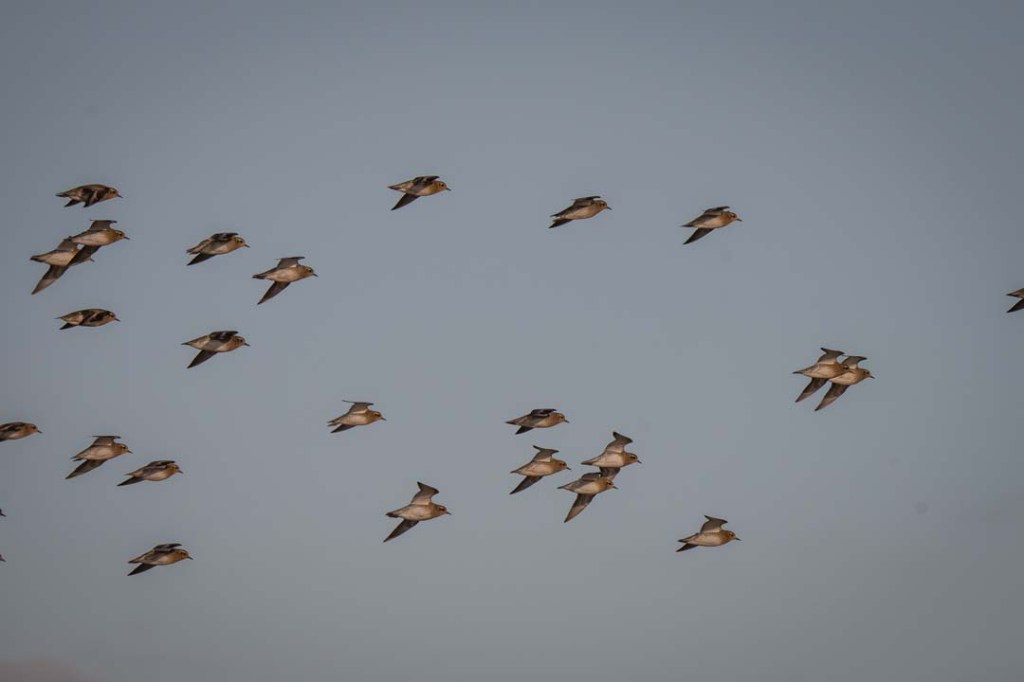
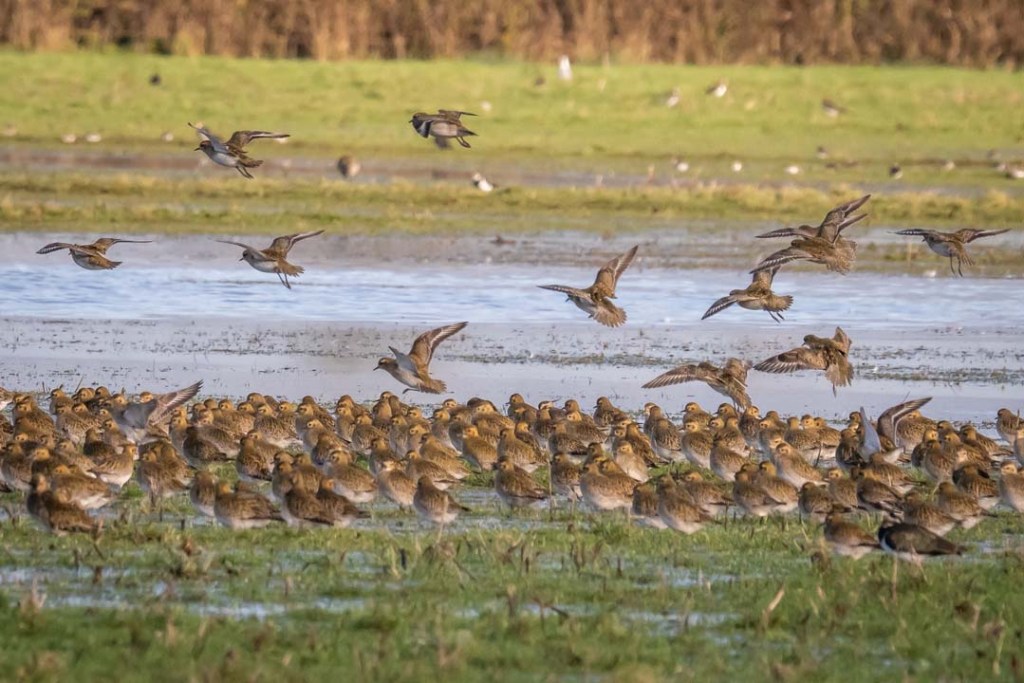
Northern lapwings and golden plover clearly enjoying the wet conditions
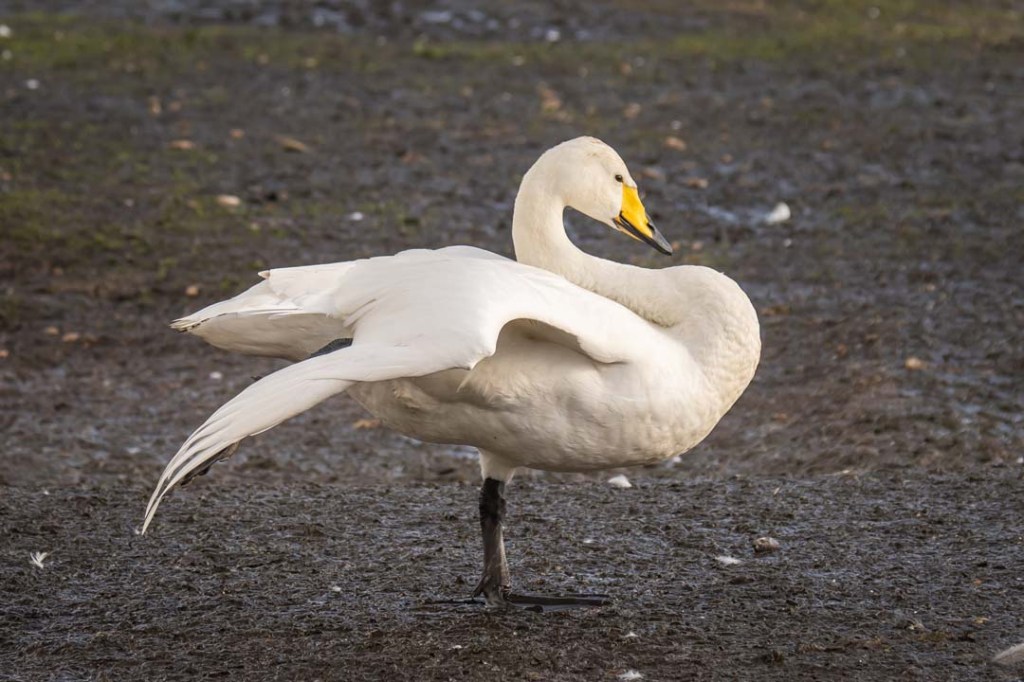
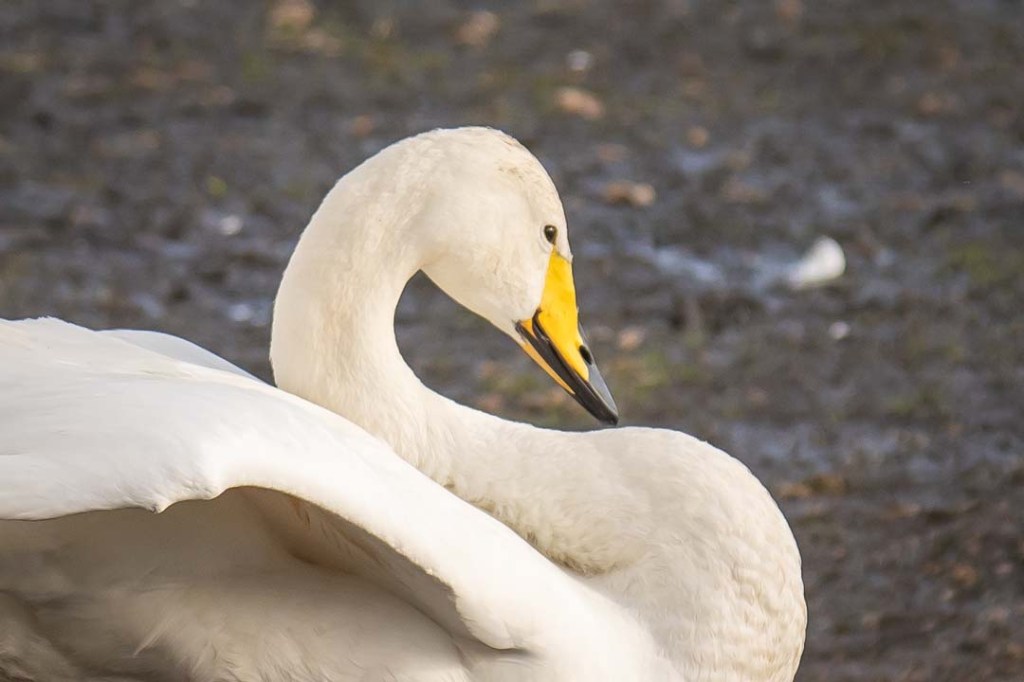
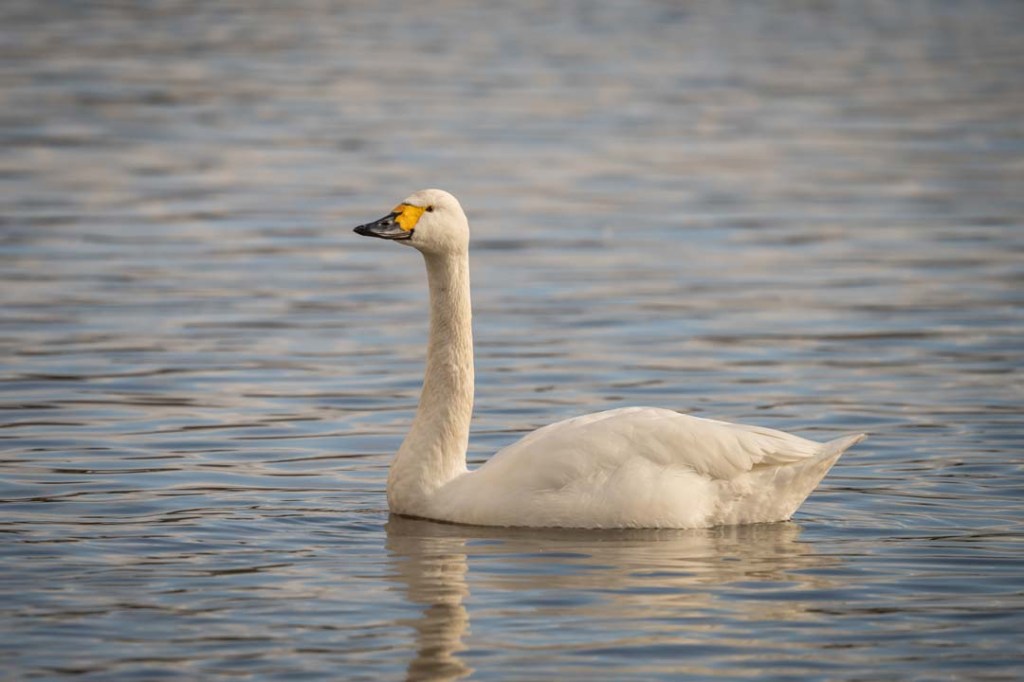
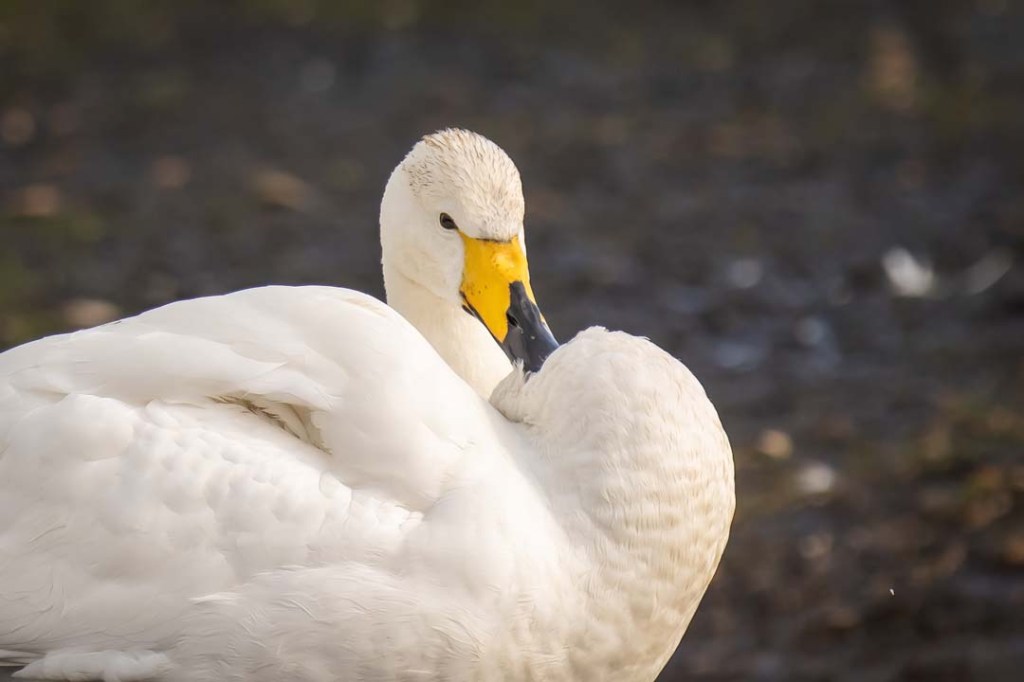
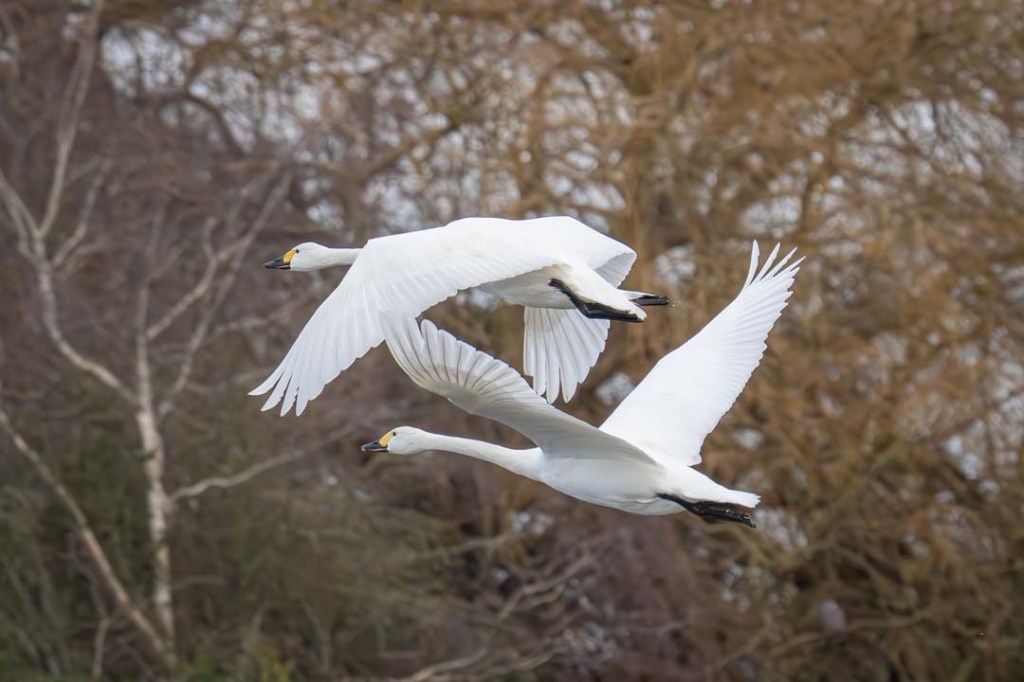
There were a few rarities there today (spoonbill, dark-bellied Brent goose) but the only rarity (for Slimbridge) which we managed to see amongst the thousands of birds on view were two Whooper swans who have joined the visiting Bewick swans and the native mute swans.
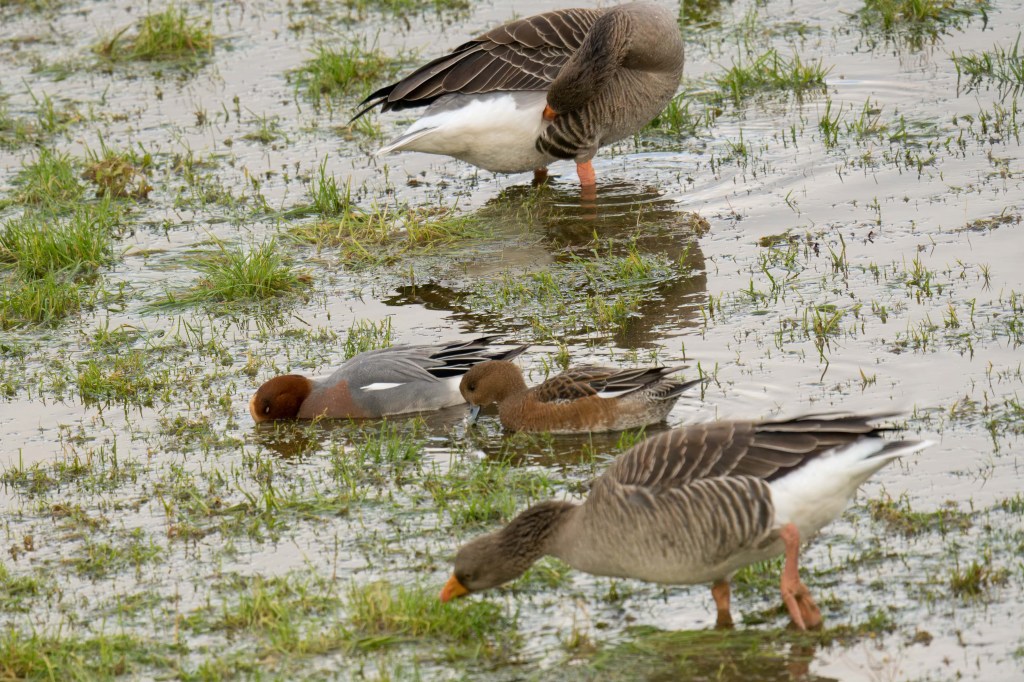
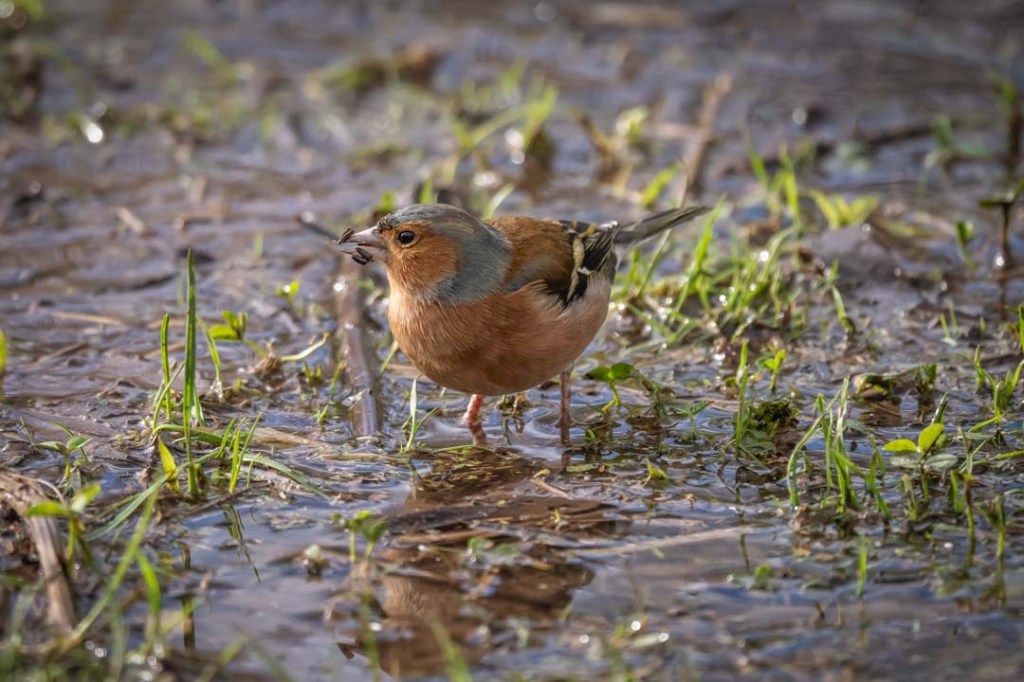
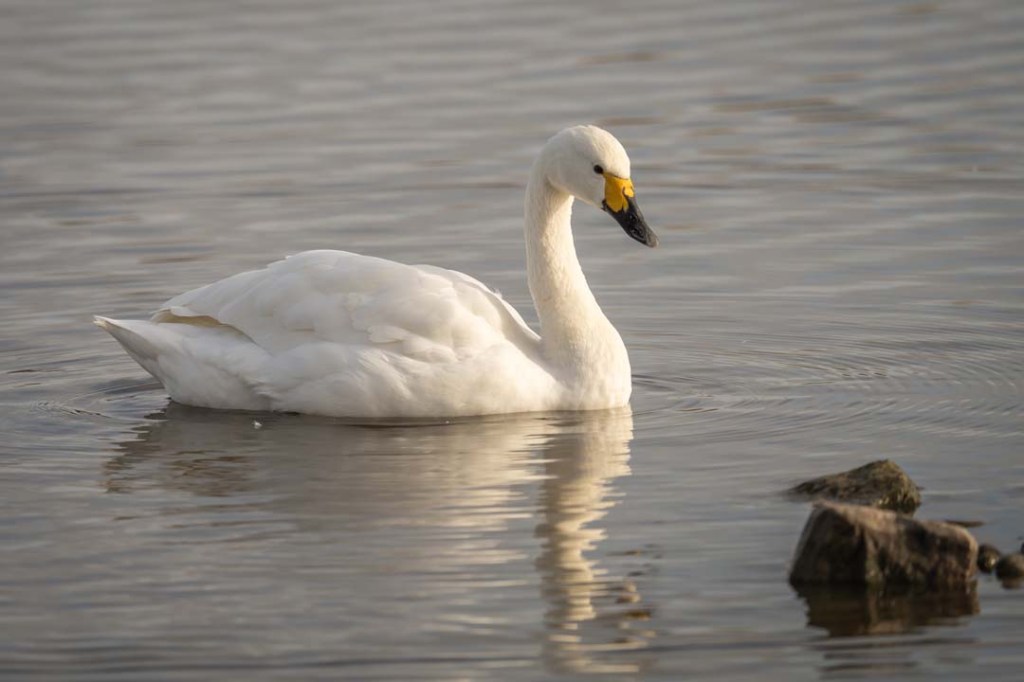
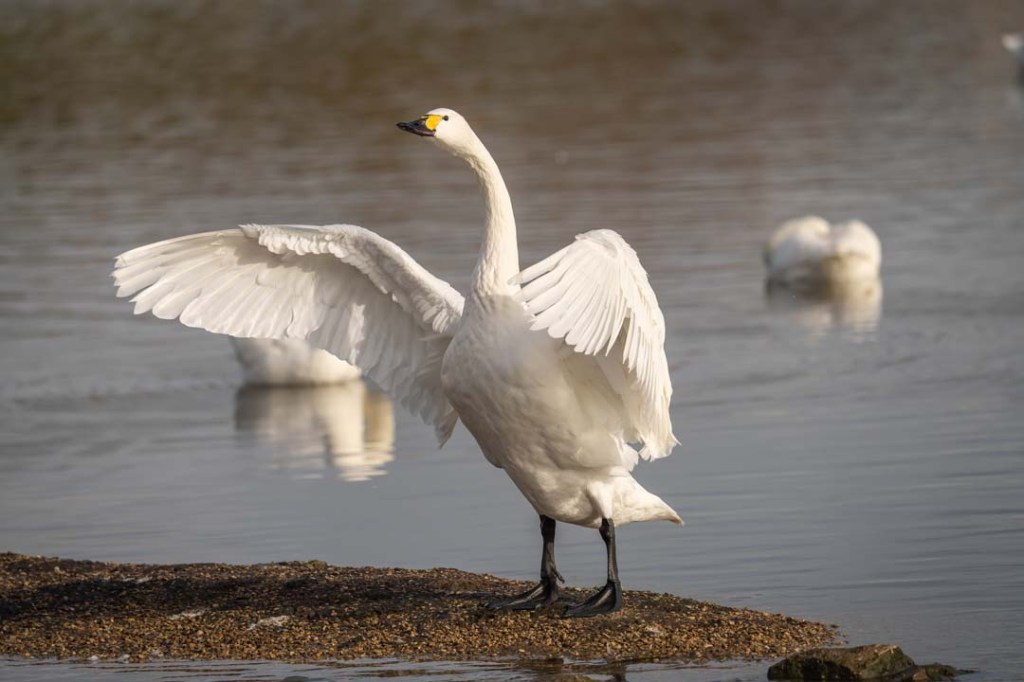
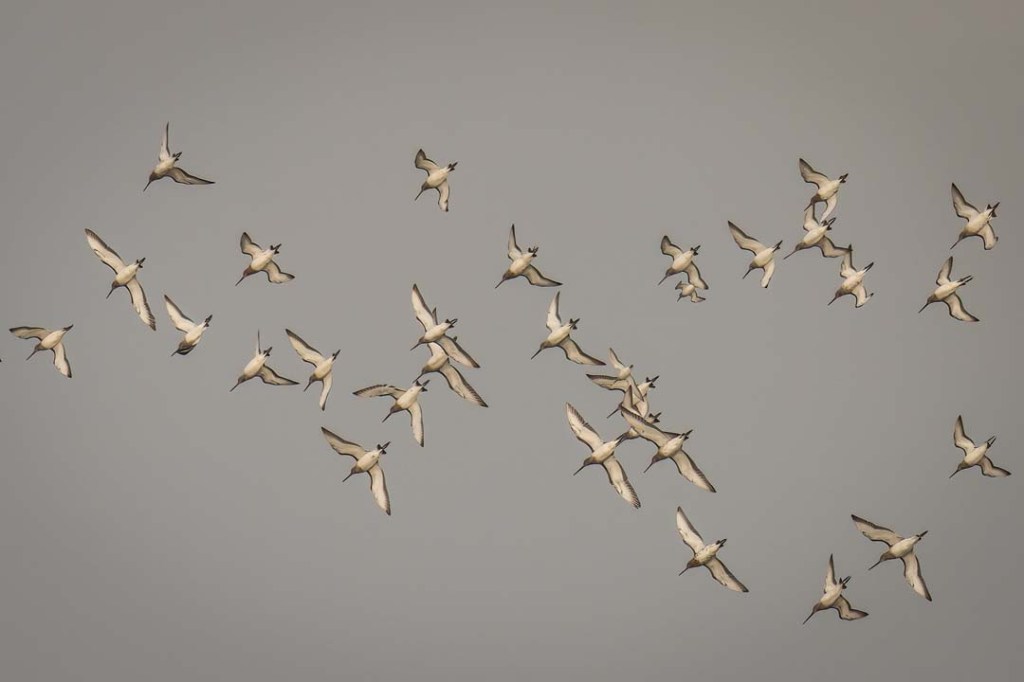
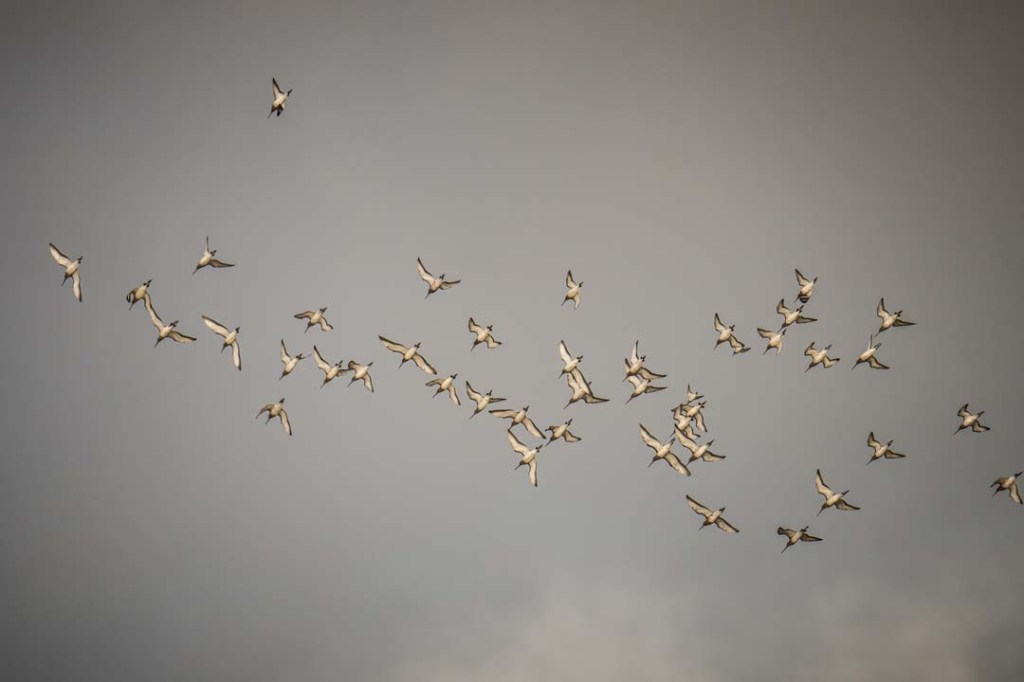
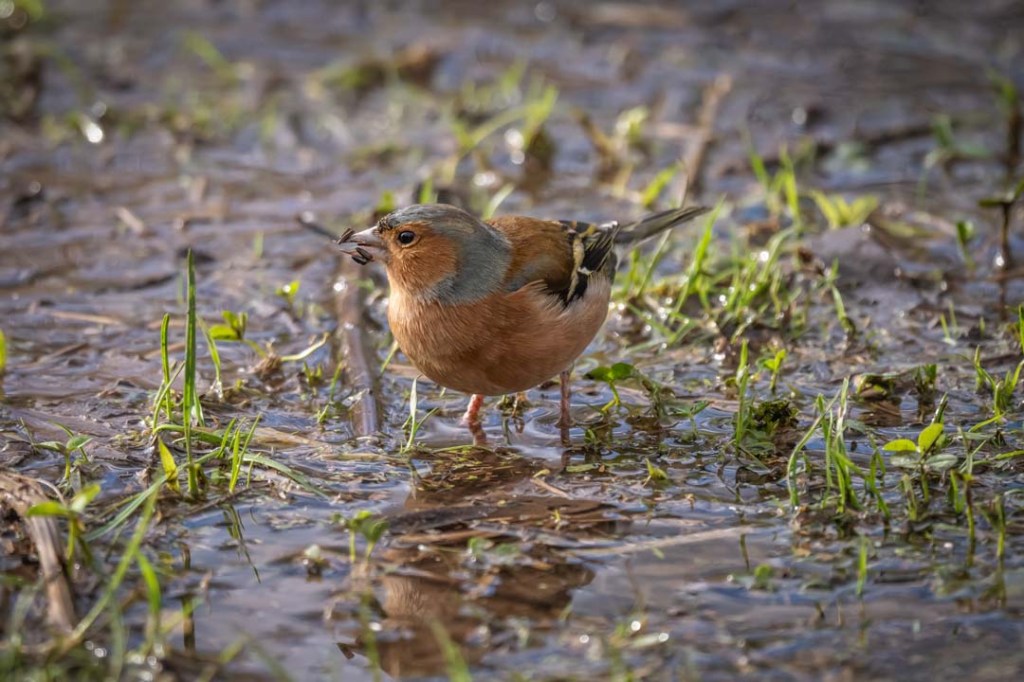
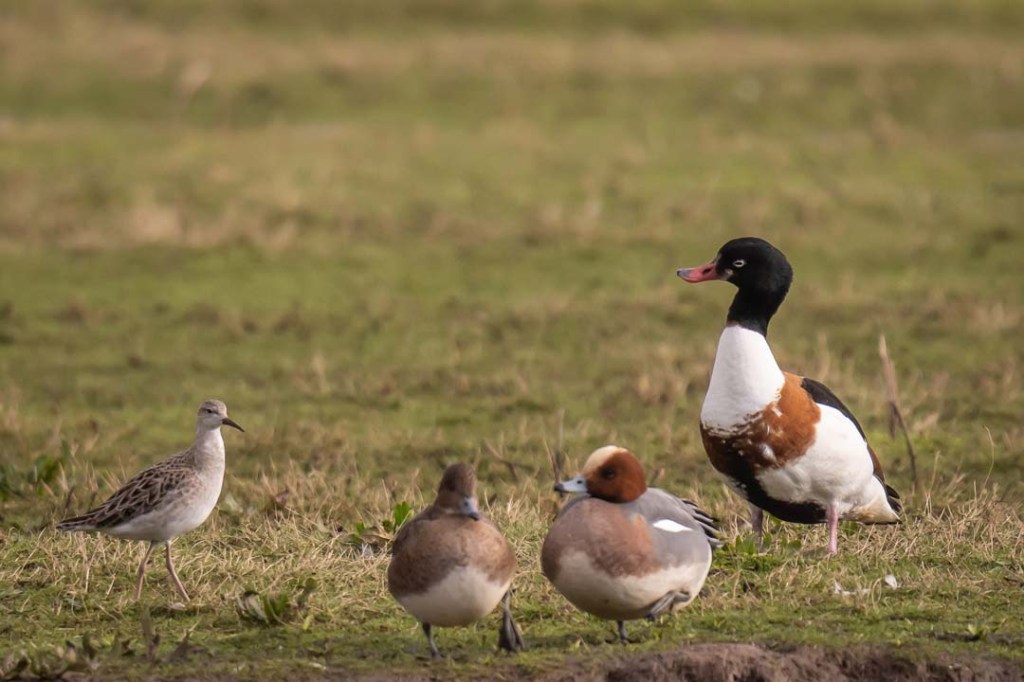
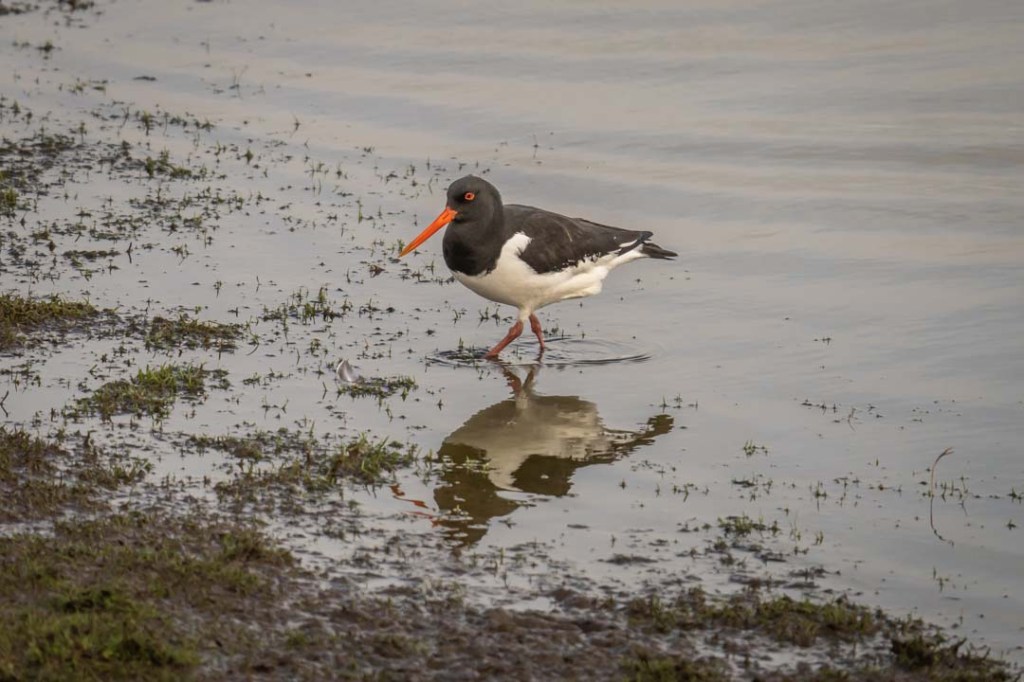
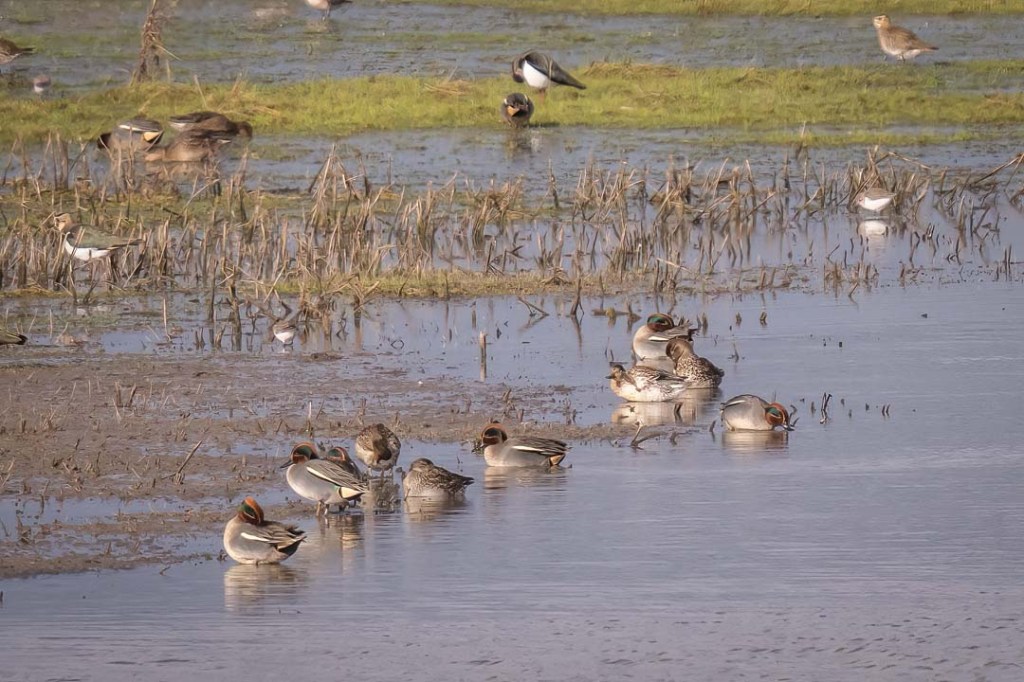
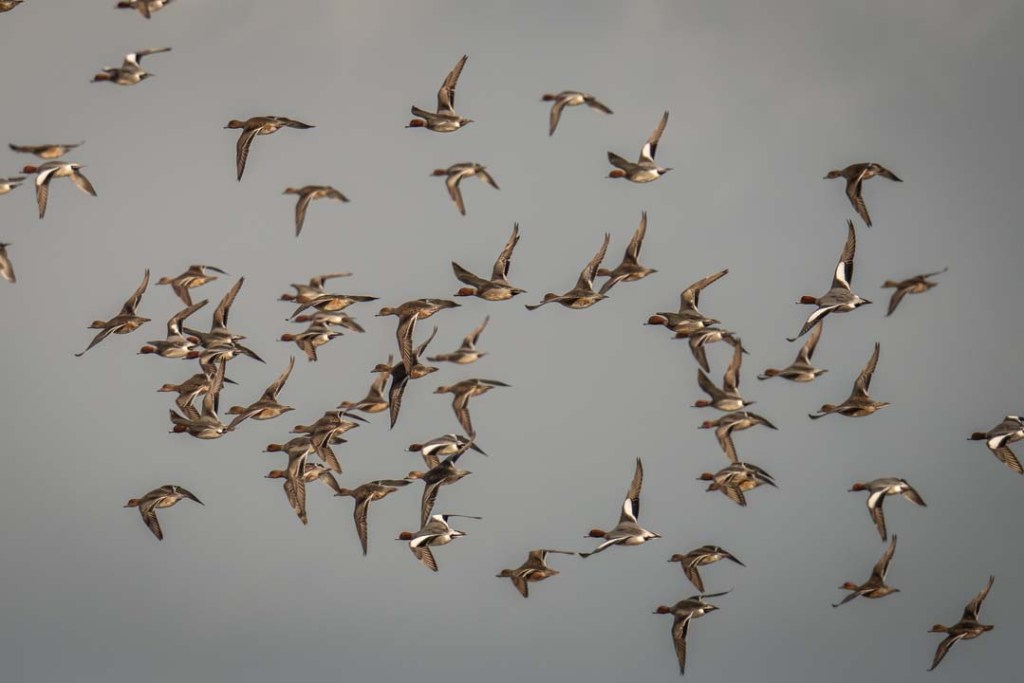
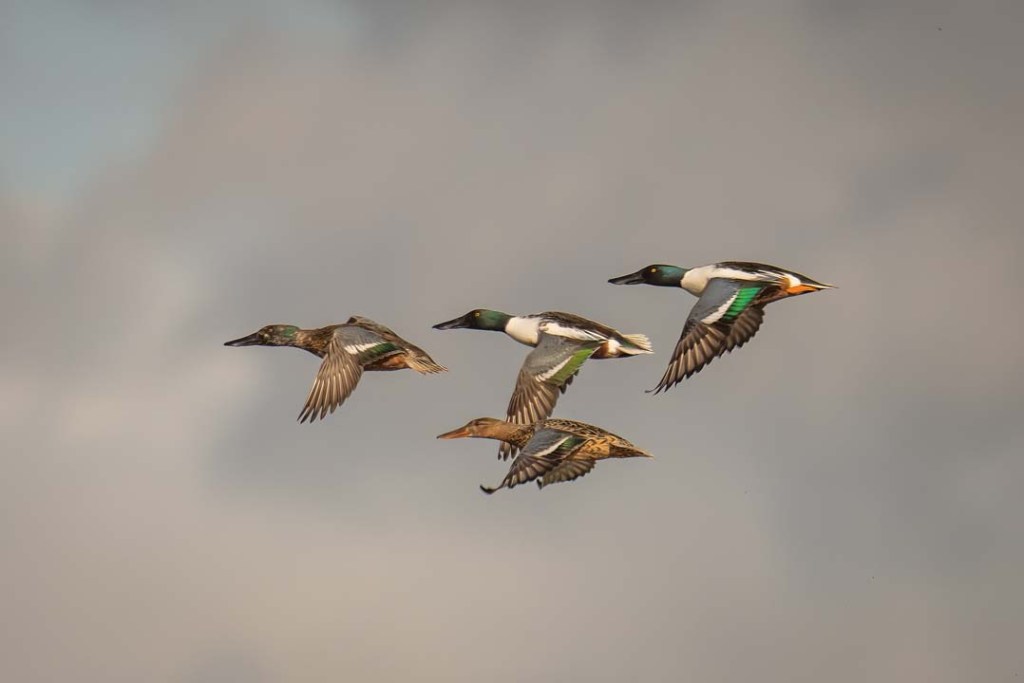
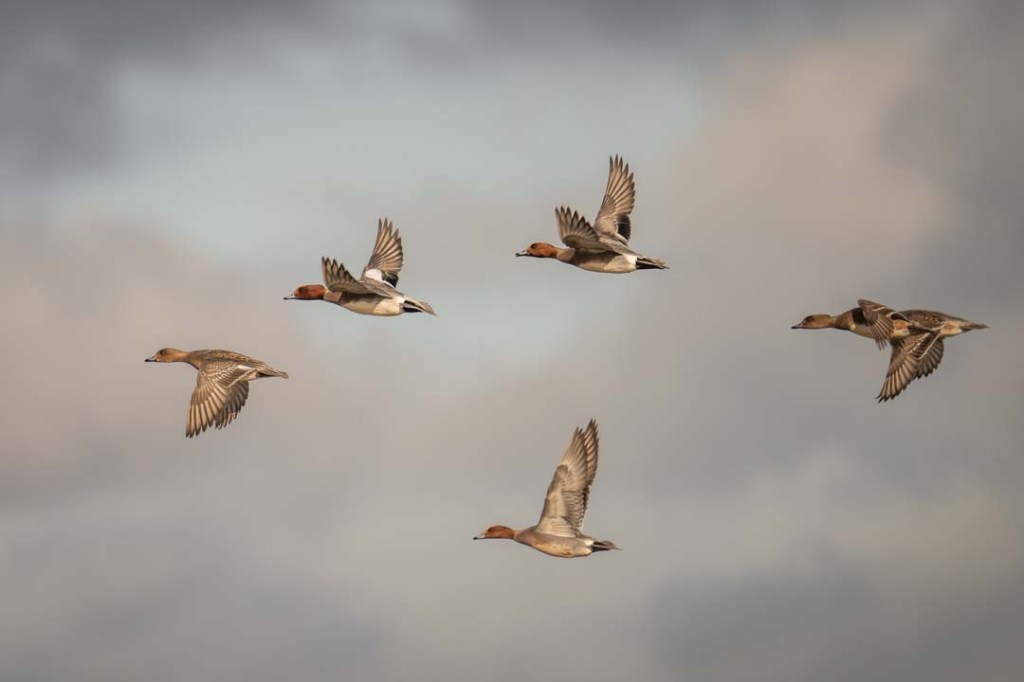
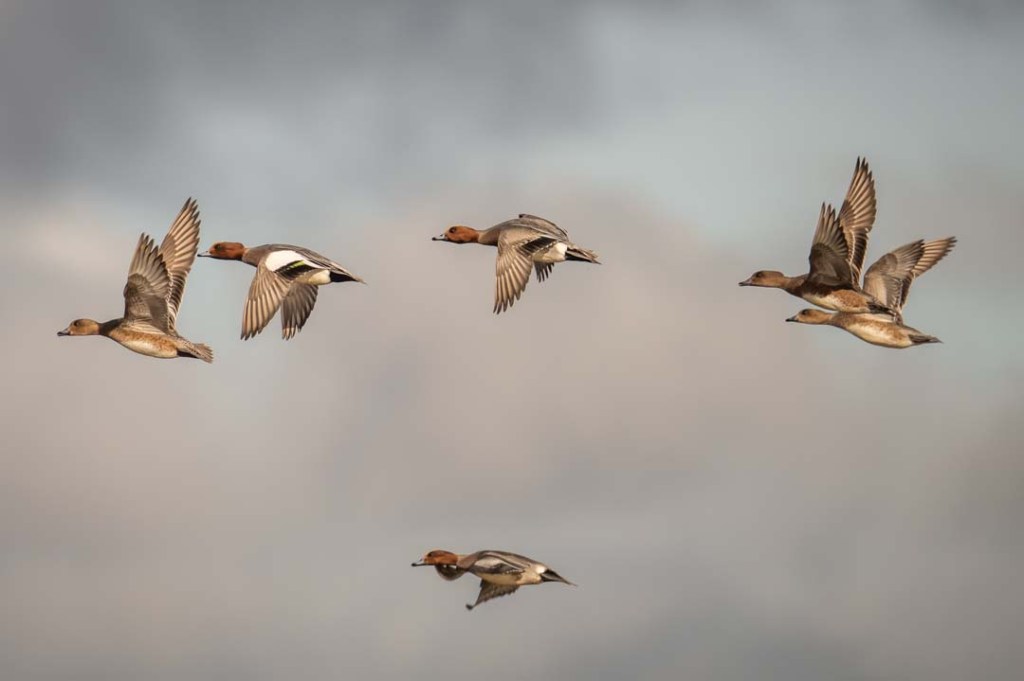
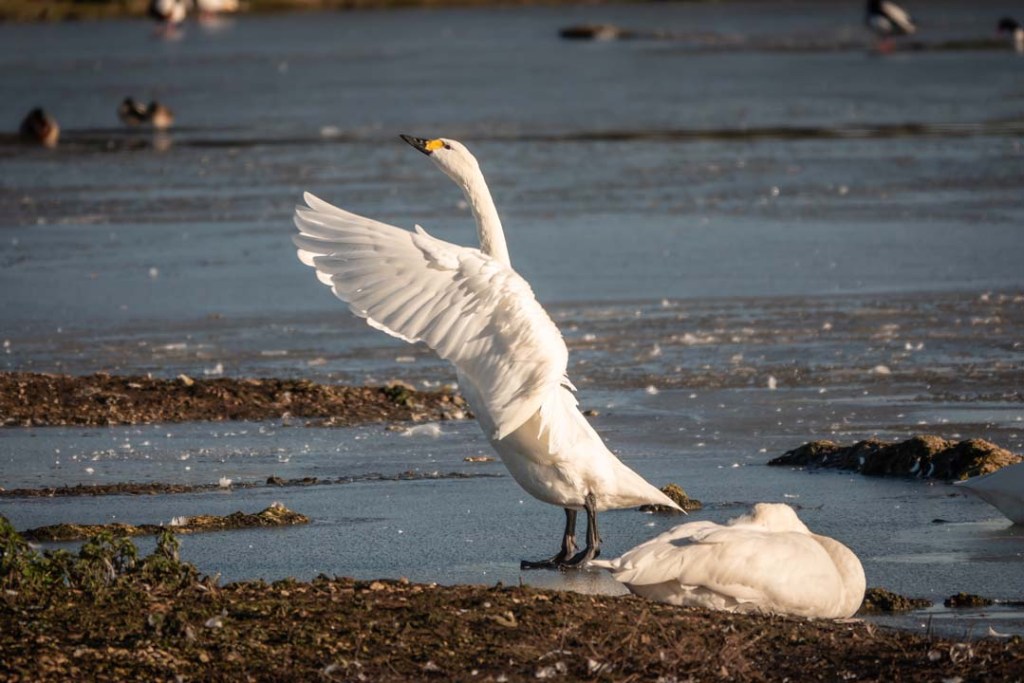
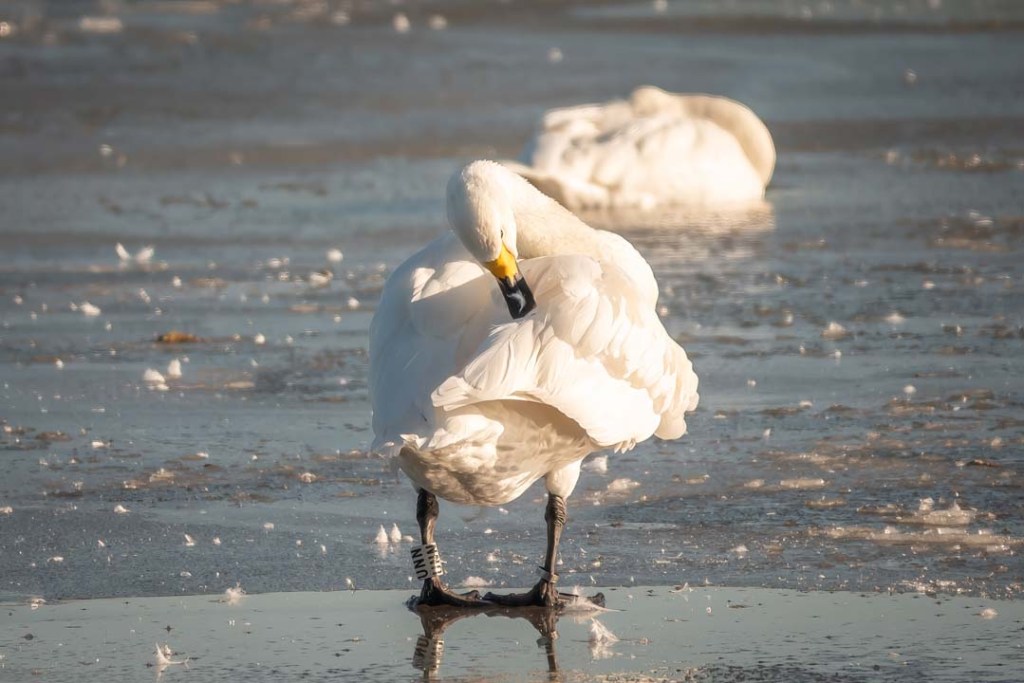
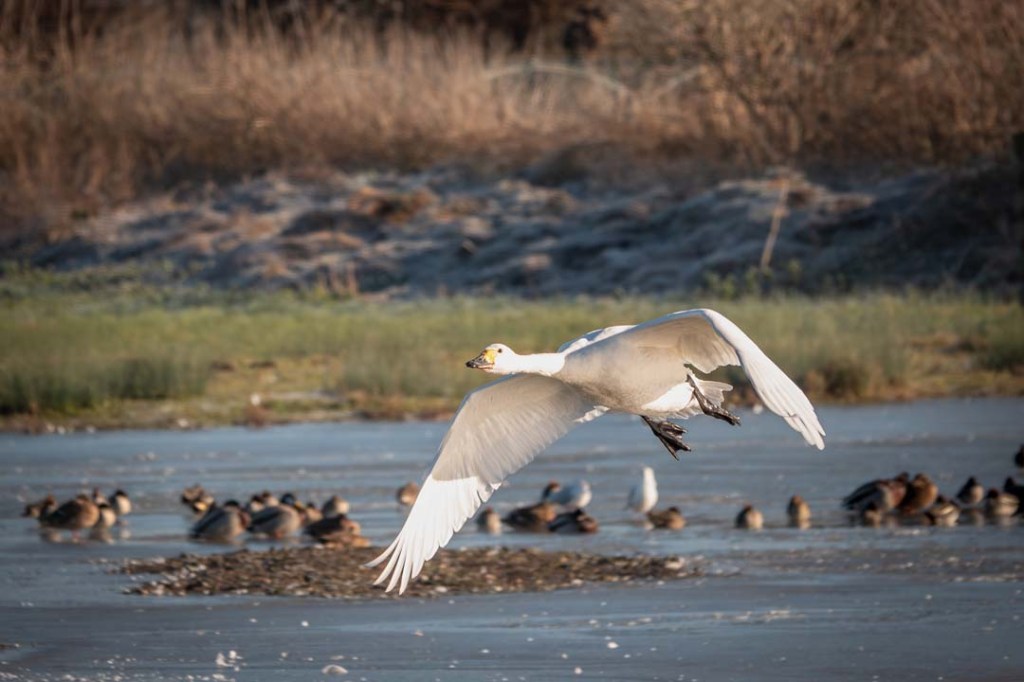
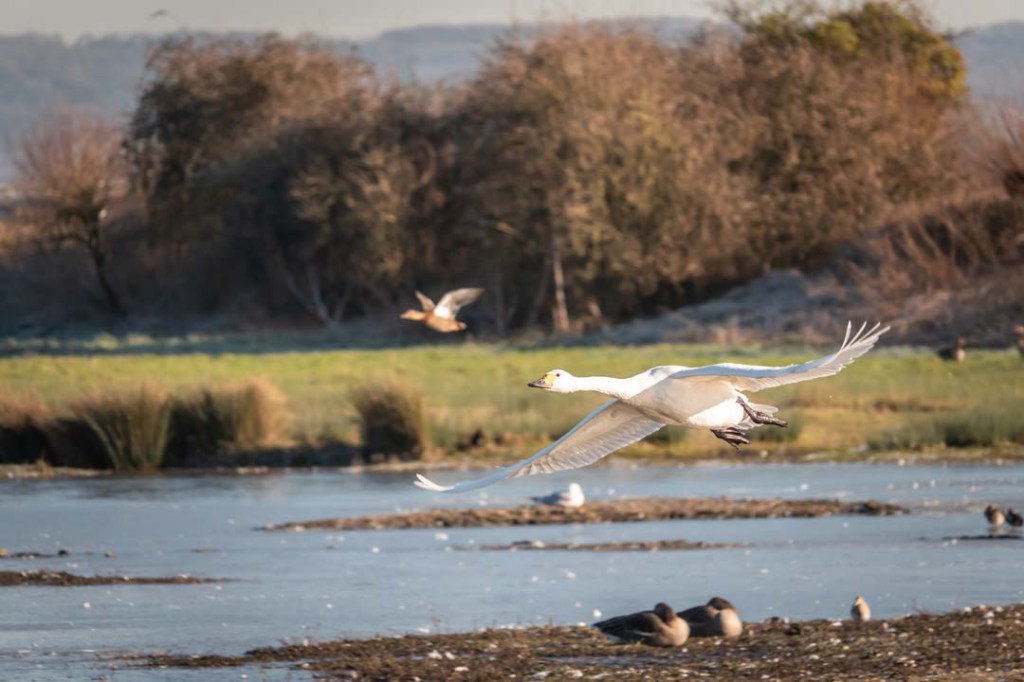
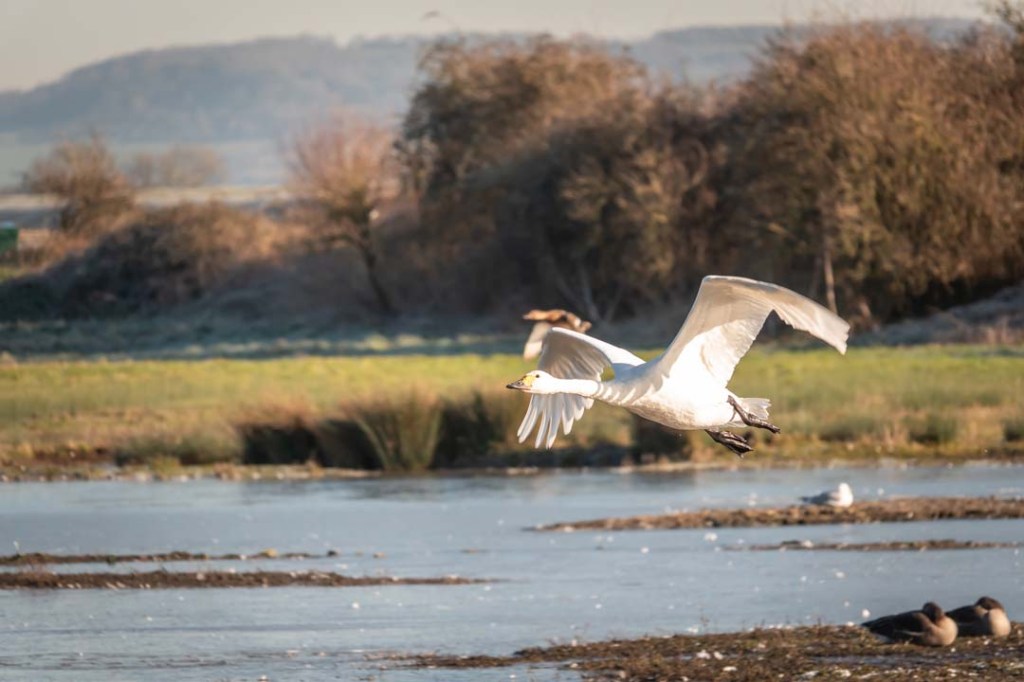
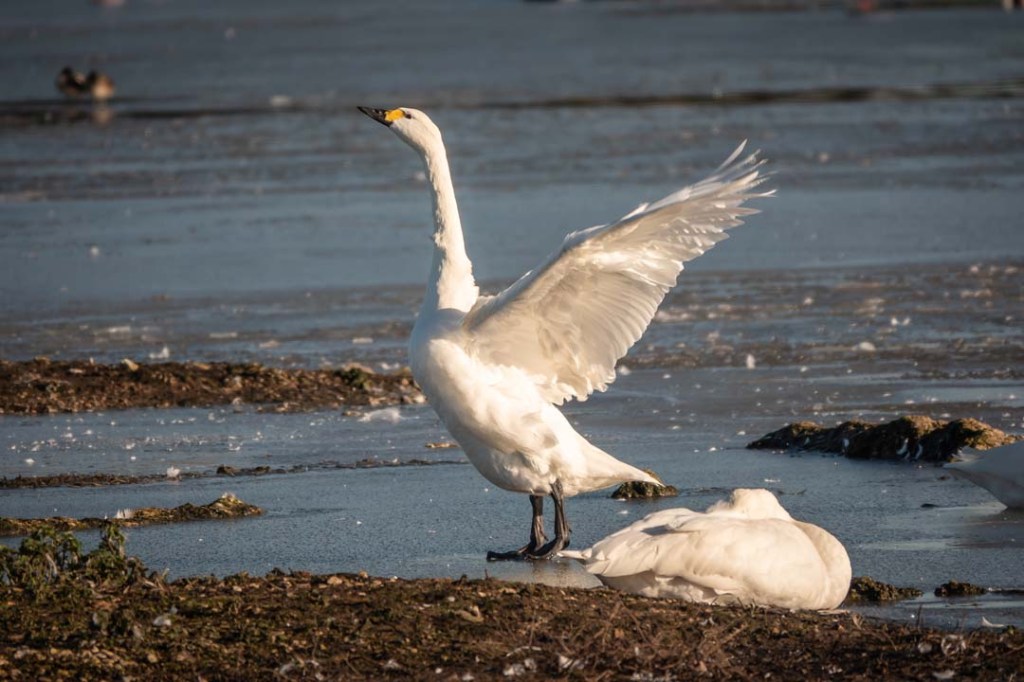
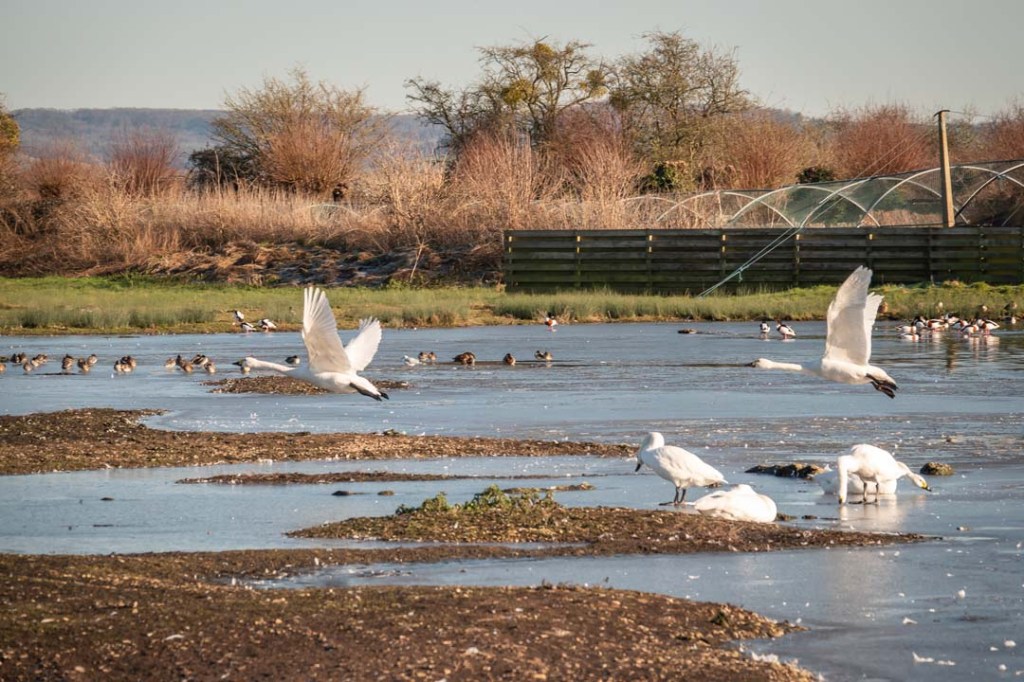
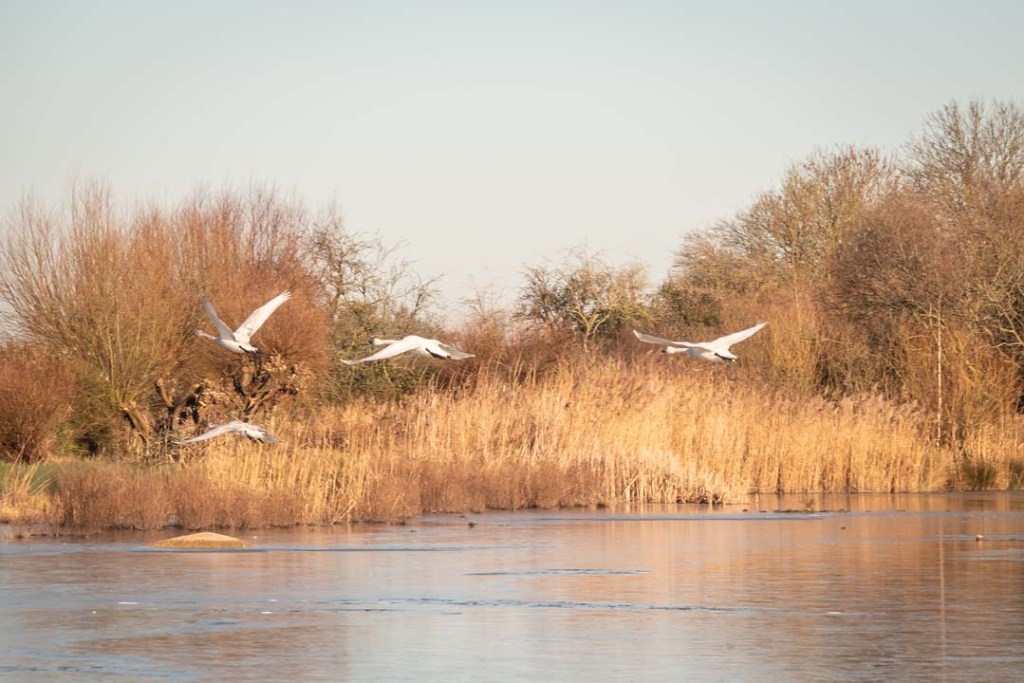
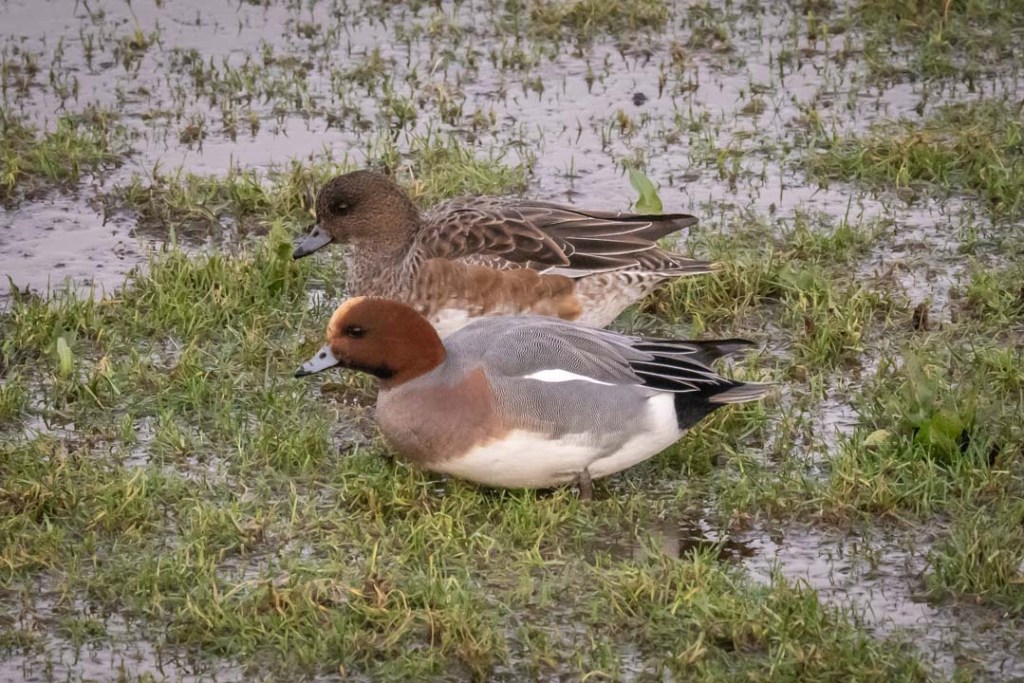
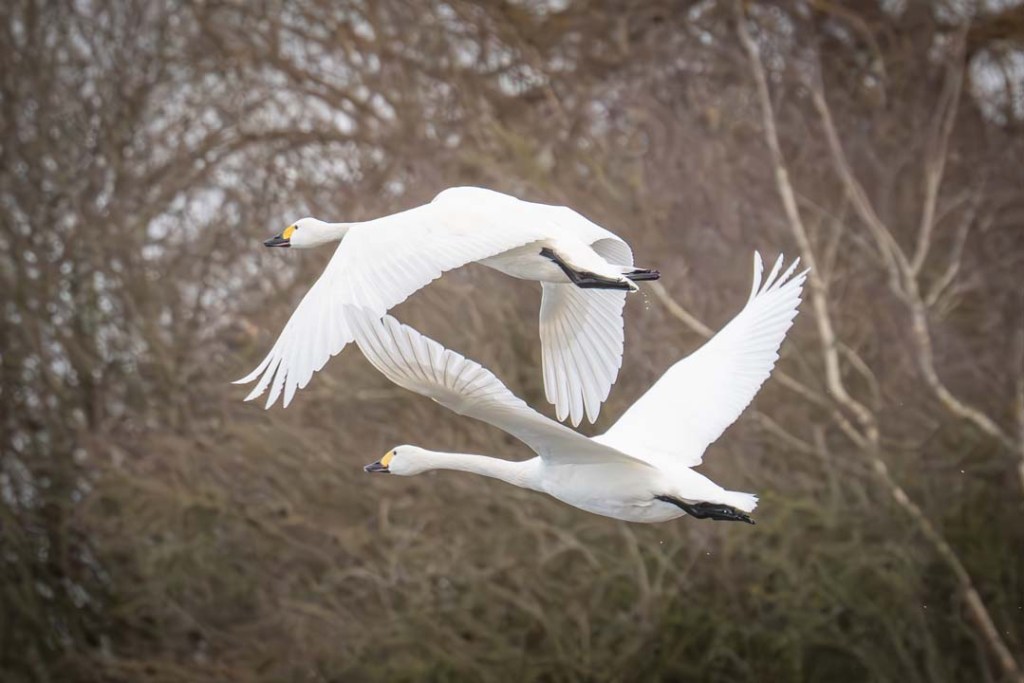
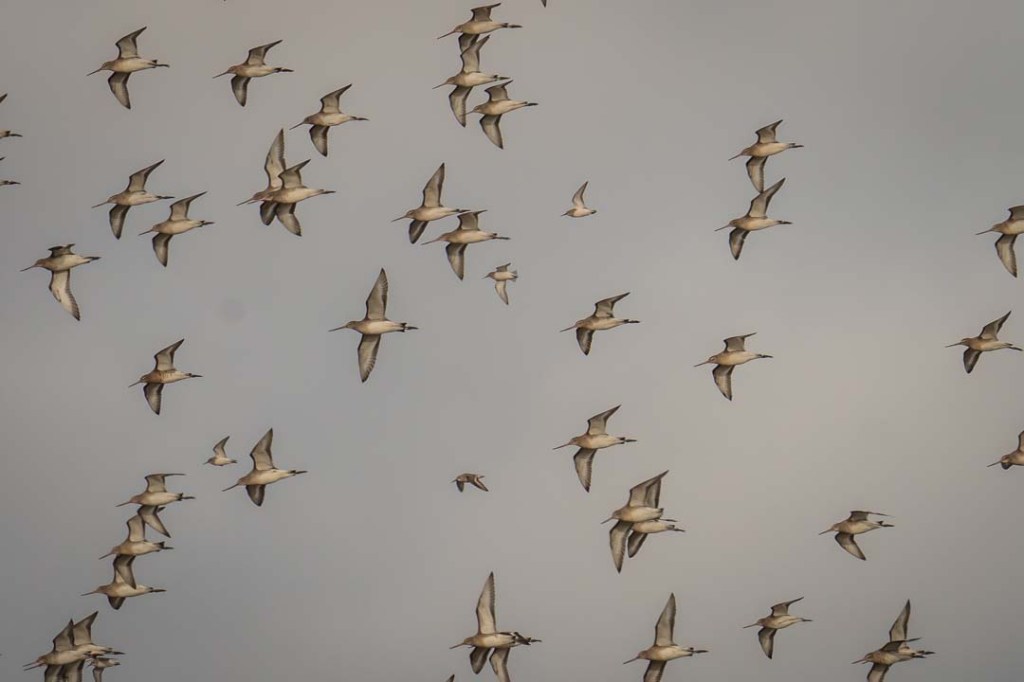
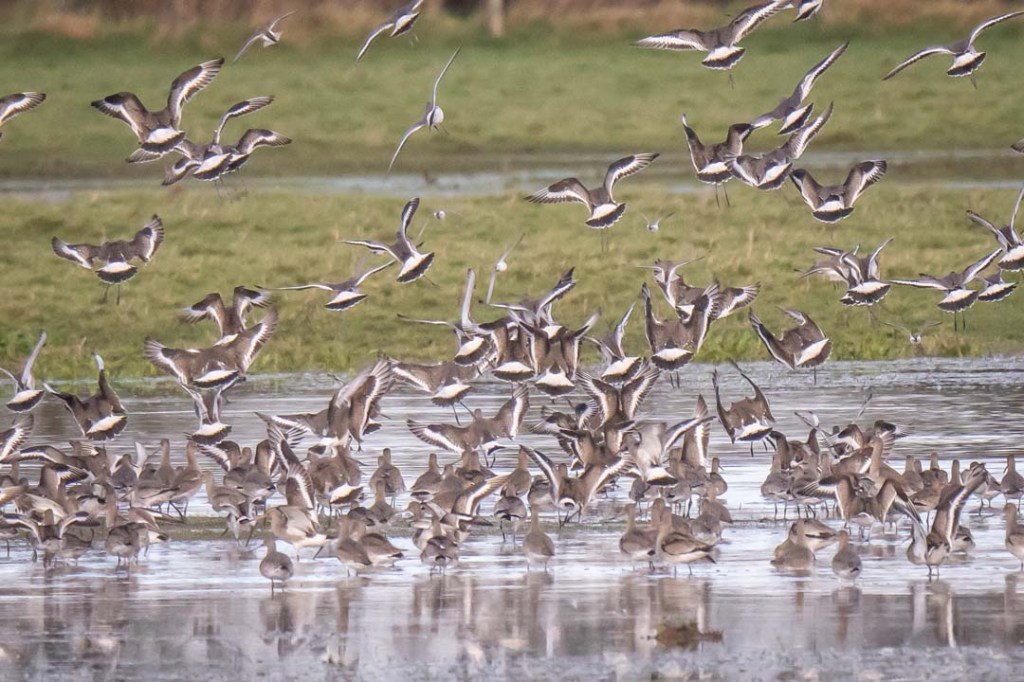
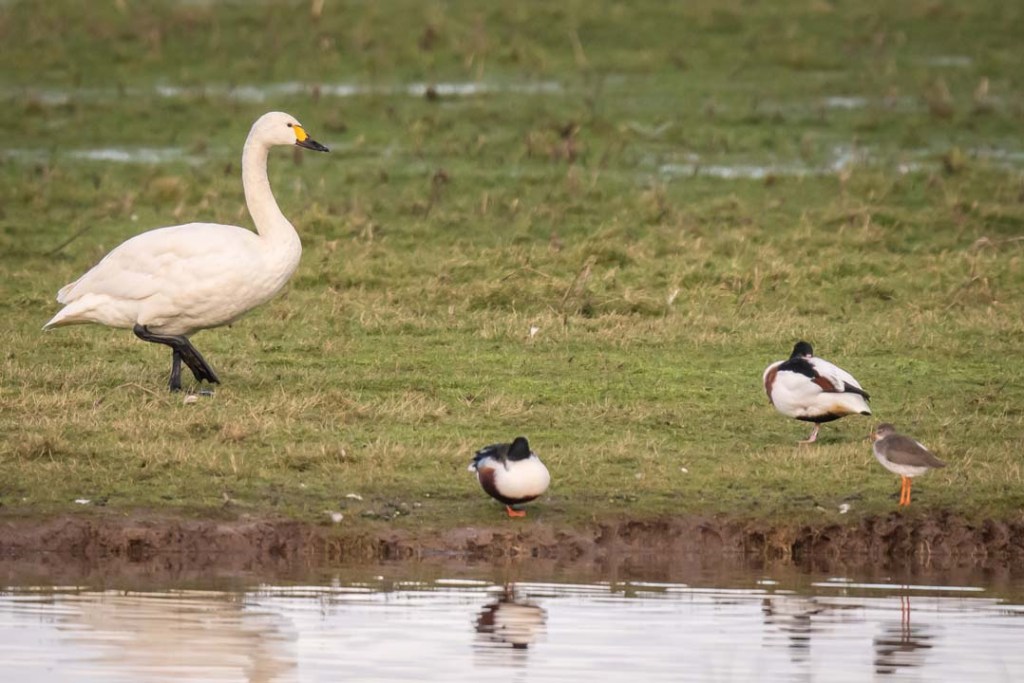
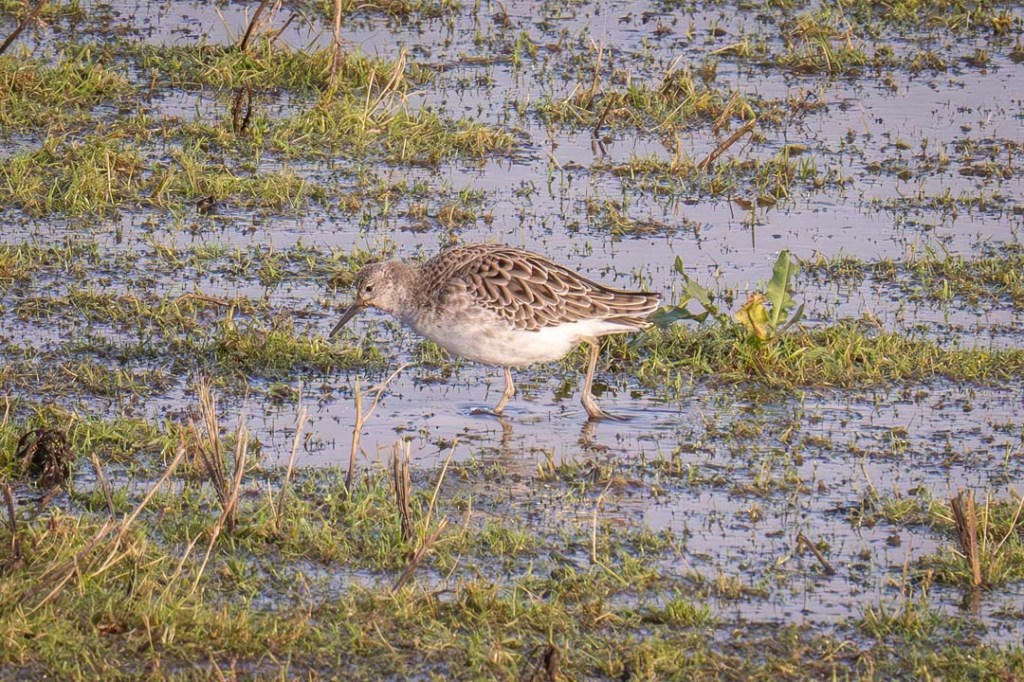
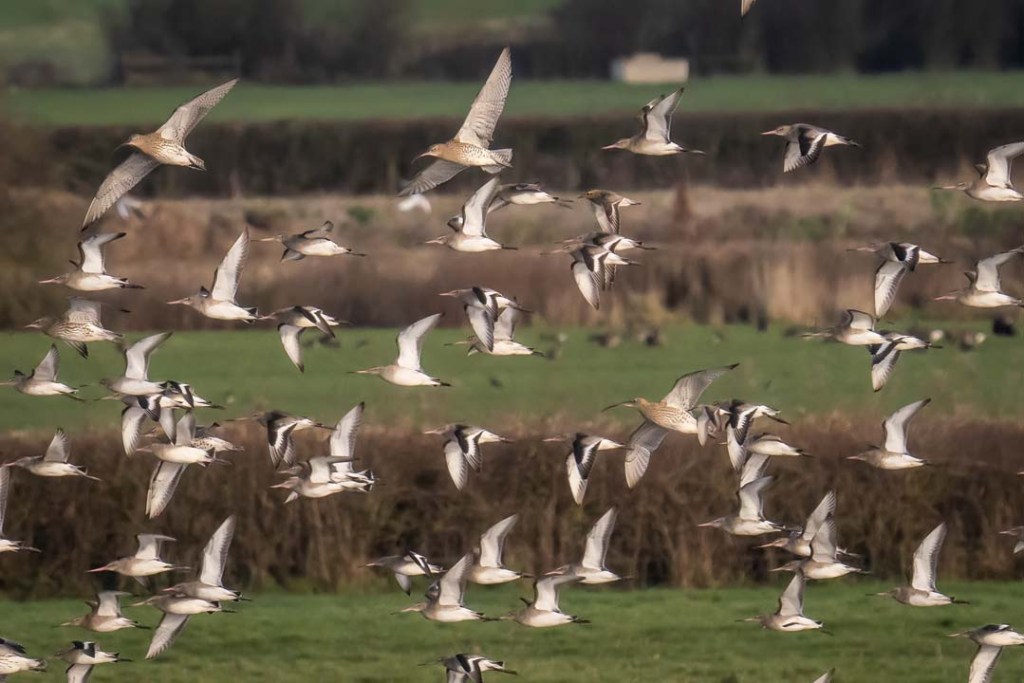
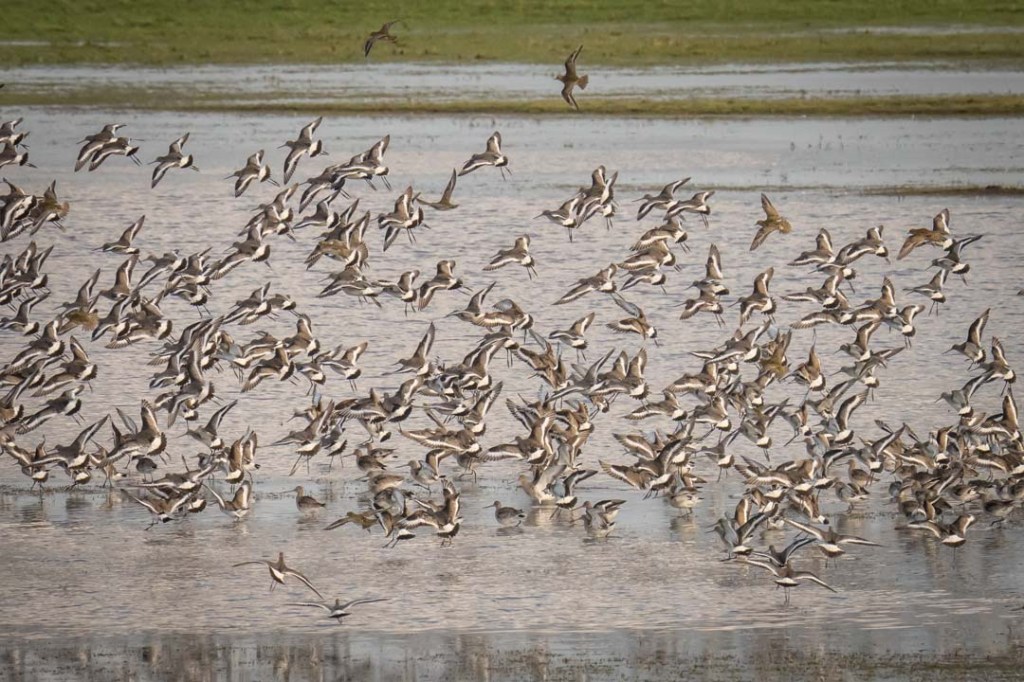
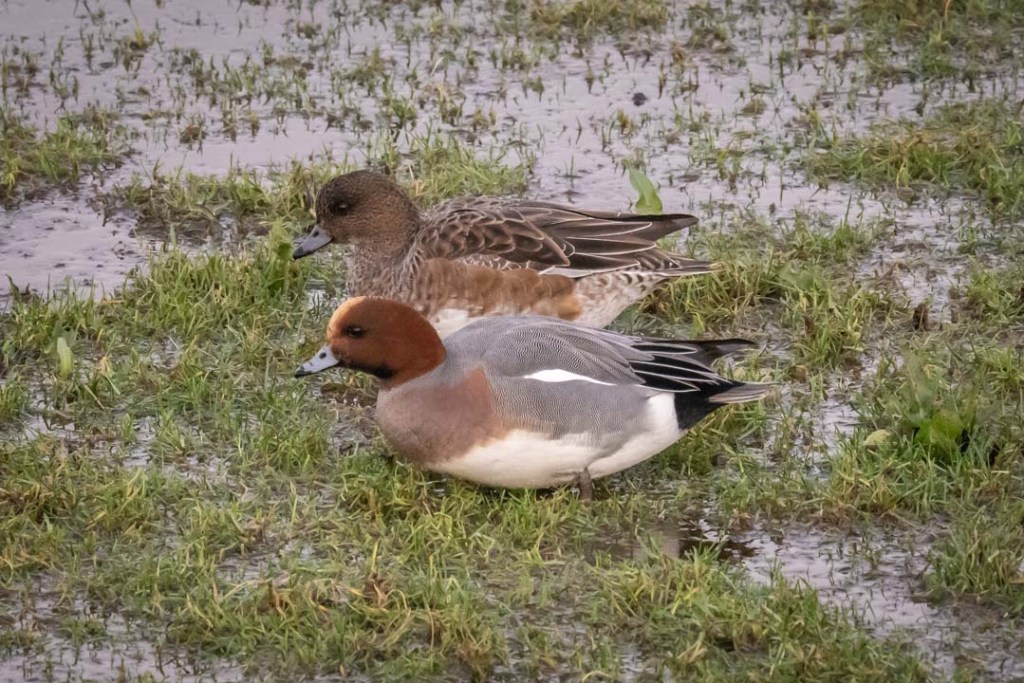
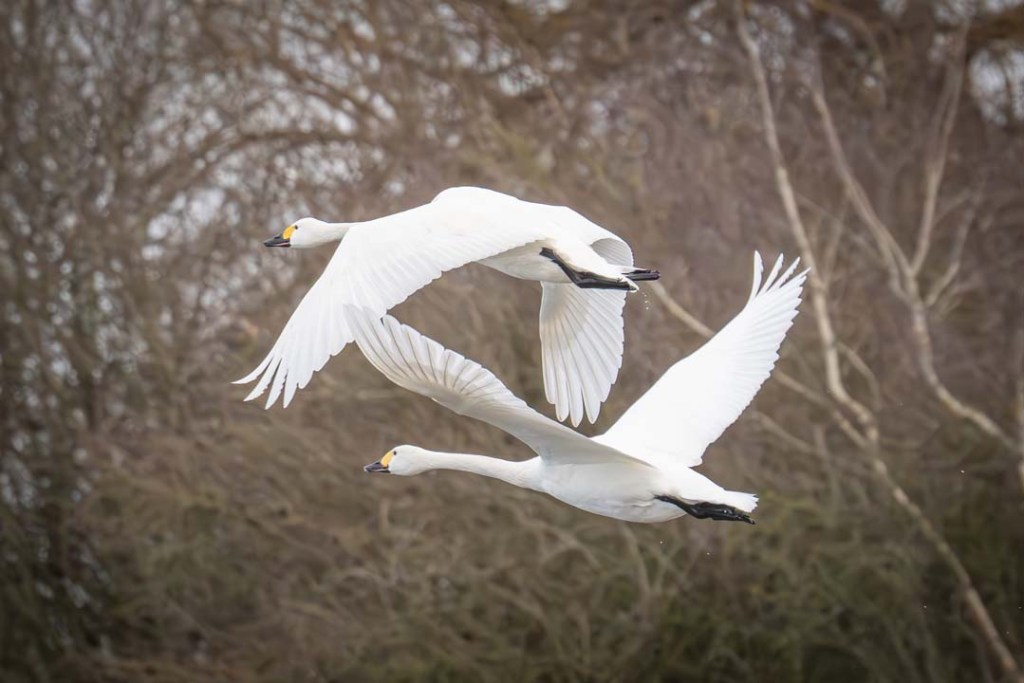
Bewick swanWhooper swanMute swanNorthern pintailA ruff and a shelduck either side of a pair of wigeon Black-tailed godwits were easier to pick out when they took to the airLapwingsEven the chaffinch had to negotiate the wet conditionsWe heard the curlews way before we saw themI only saw two oystercatchersThere were rather a lot more golden ploverThe golden plovers regularly made splendid displays over the wetlandsNorthern shovelersWigeonWhooper swan up closeThe Bewick swans are much smaller than the Whoopers (and the mute swans) and have proportionally more black and less yellow on their billsMale and female tufted duck
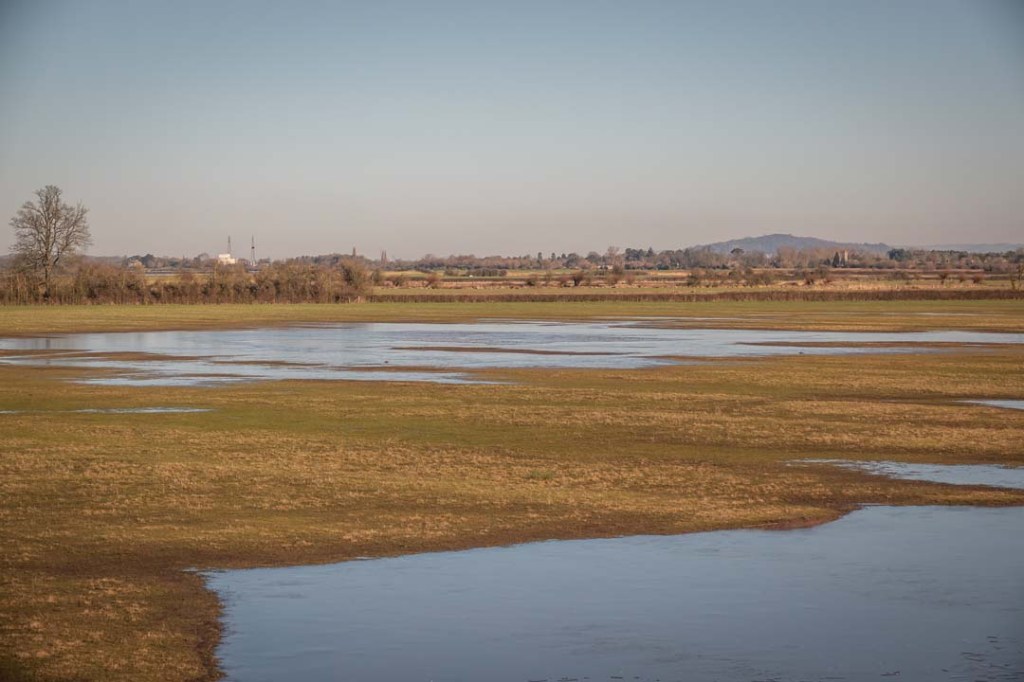
Following a series of storms in recent weeks, many parts of the country are now suffering flooding (in some cases quite severe). We are fortunate not to have been affected by these floods but locally it is very wet and muddy and difficult to get out and about.
However, we had no problems getting to WWT Slimbridge today and enjoyed seeing large flocks of waders taking full advantage of the wetlands.
The light was not always good but we were very thankful to be out enjoying some fresh air and, for a change, there was hardly any wind.
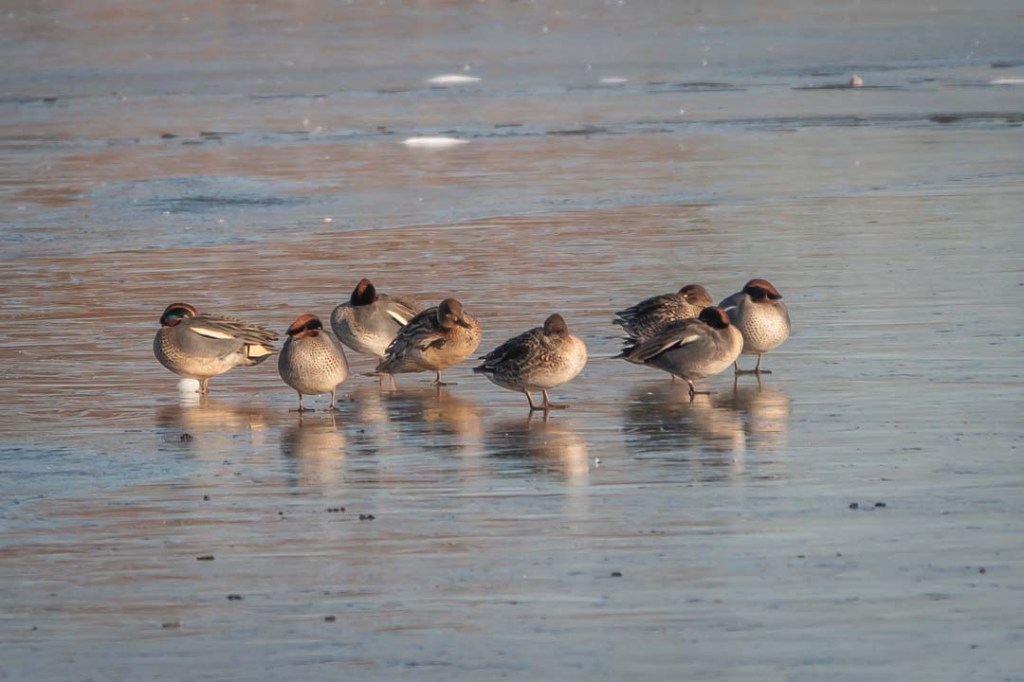
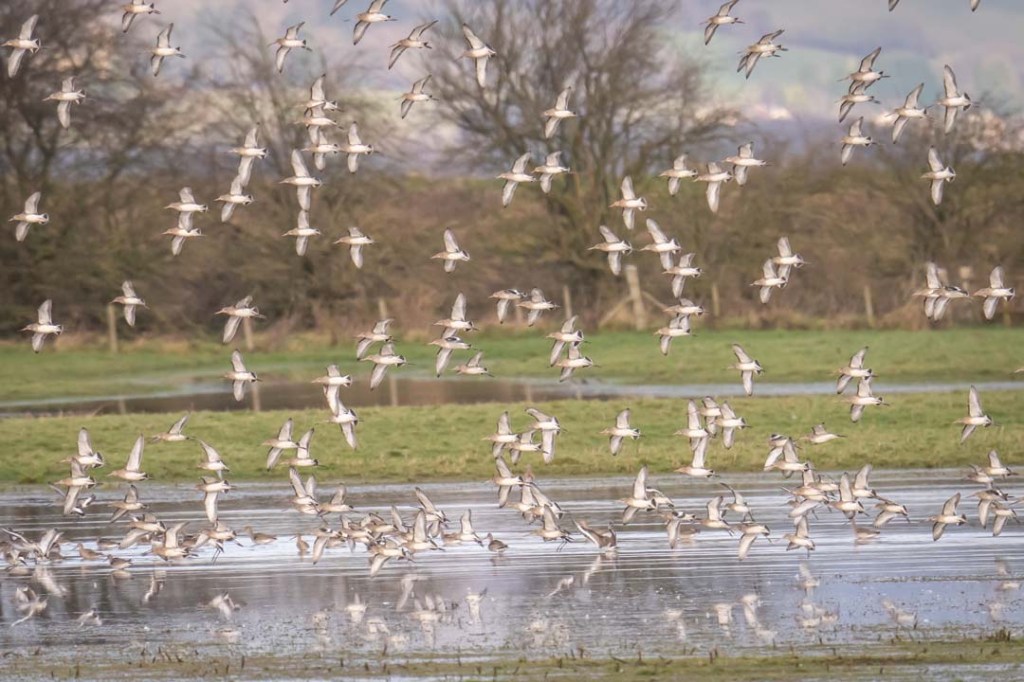
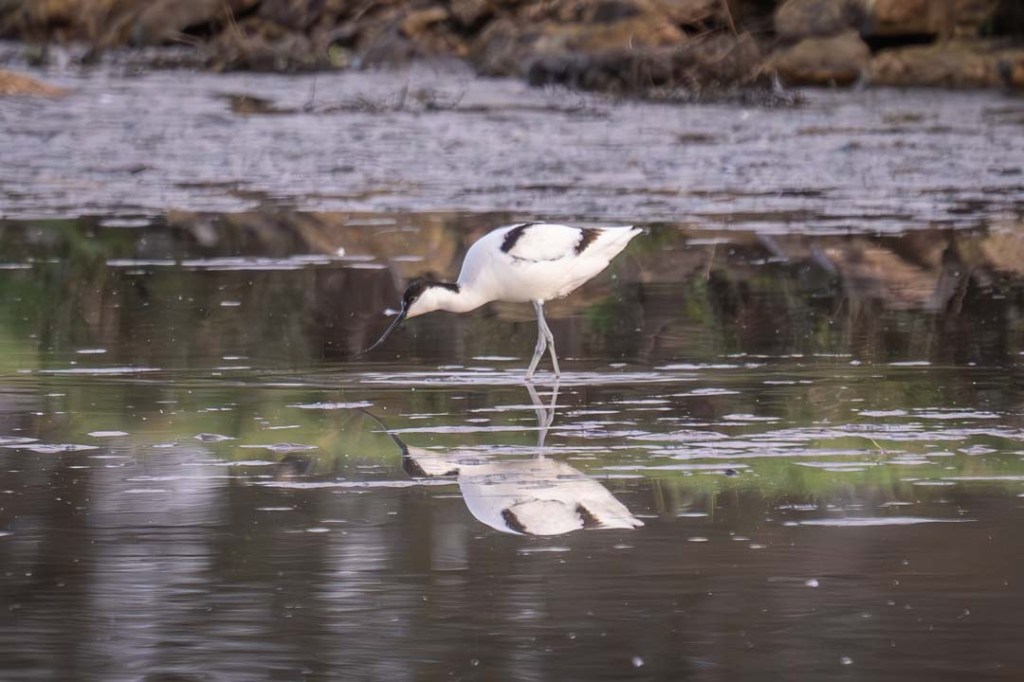
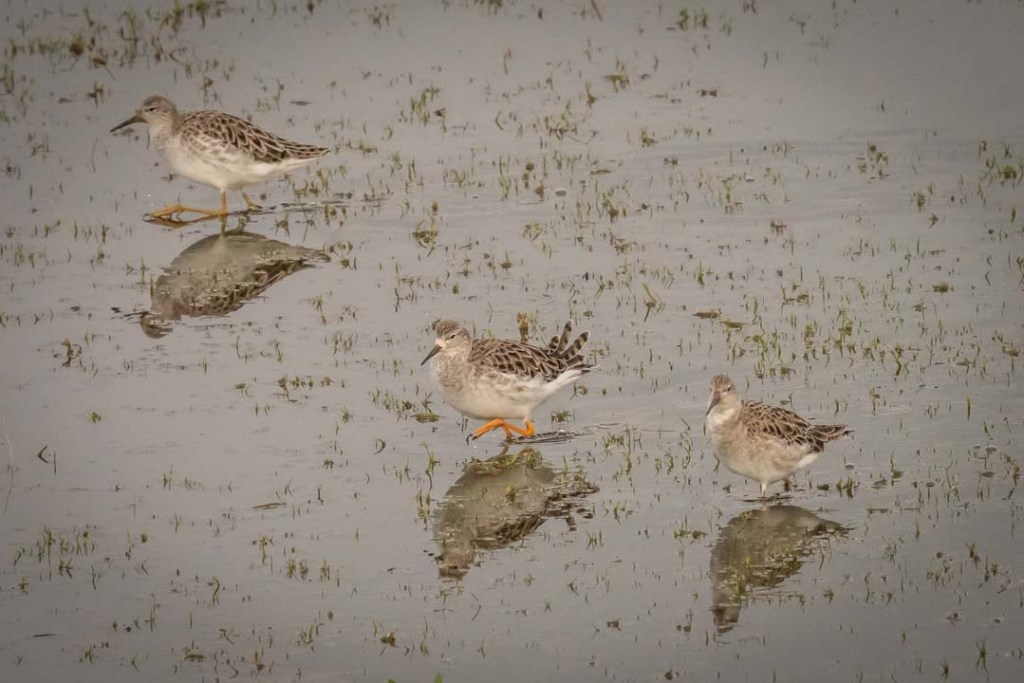
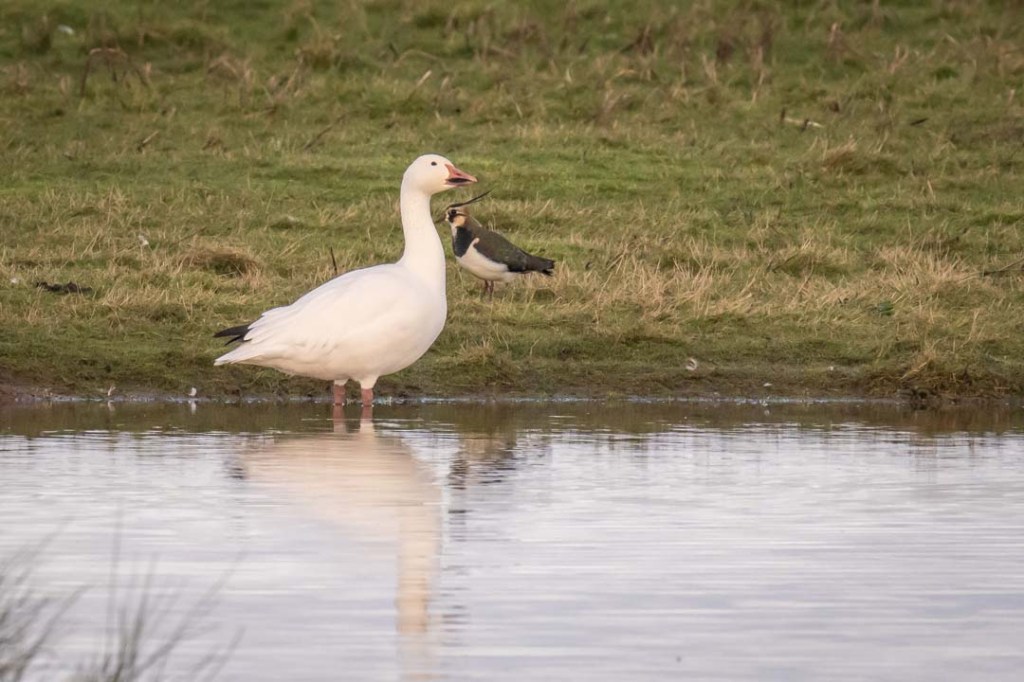
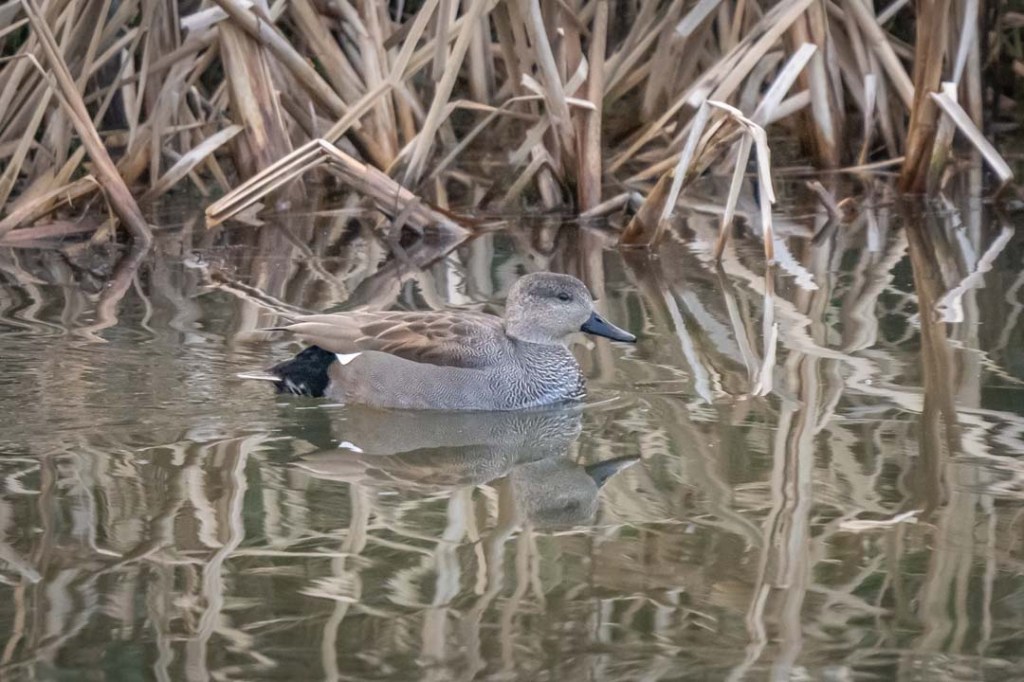
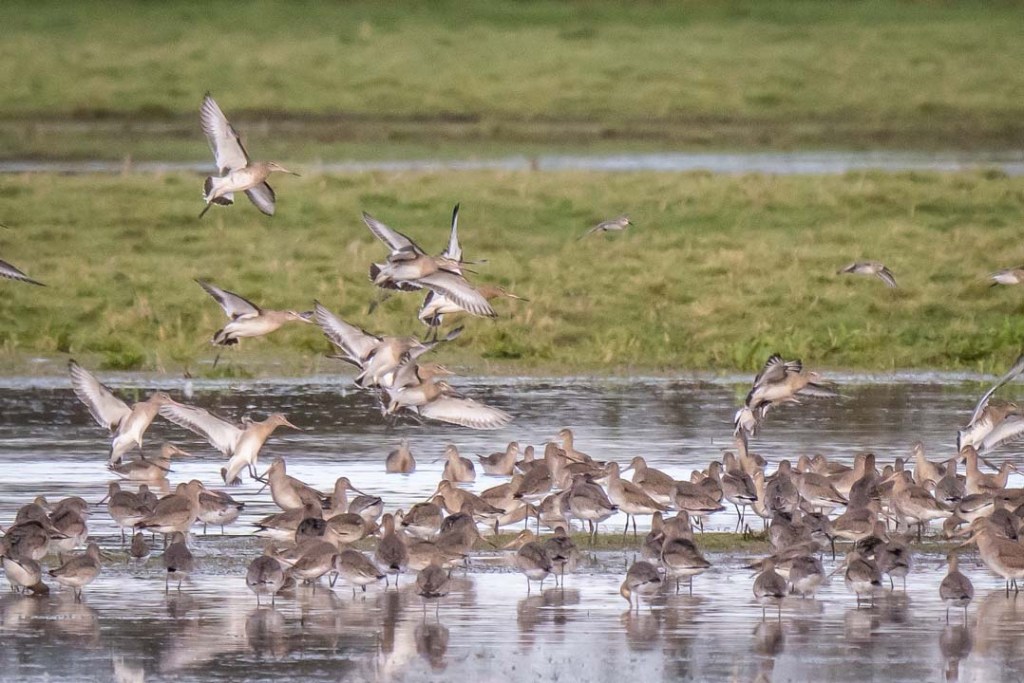
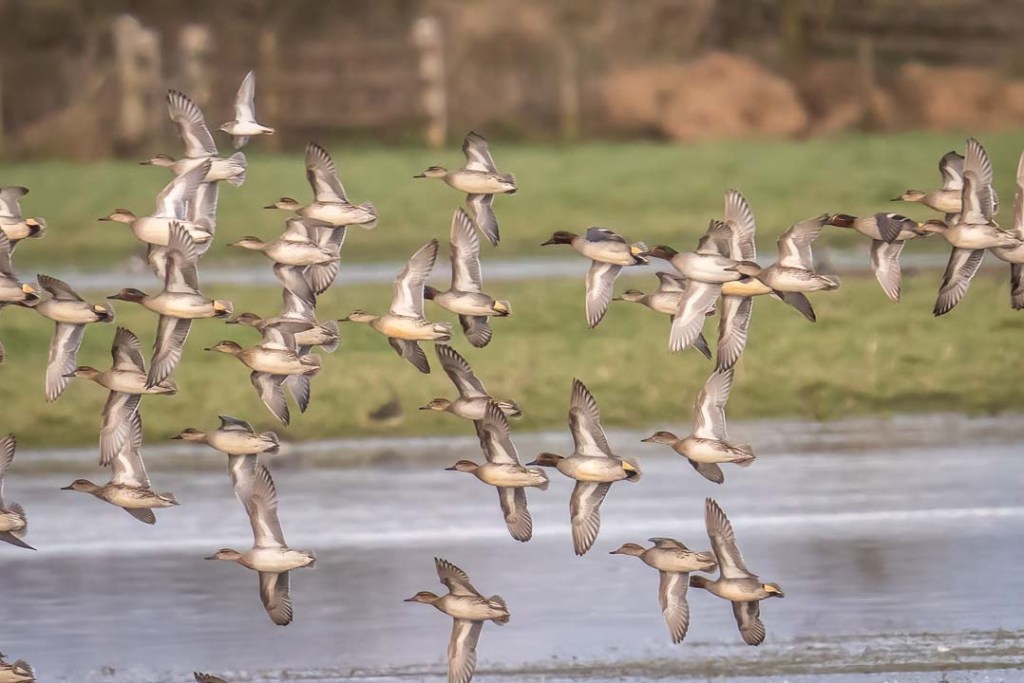
Golden ploverGolden ploverBlack-tailed godwitsWigeonCurlewAvocetRuffSnow gooseTealShelduckRedshankLapwingWigeonAvocetShovelerGadwallBewick swans
It was dull at Slimbridge this morning but quite mild. It was definitely a pleasure to be spared the wind and rain which have plagued us for the last few weeks.
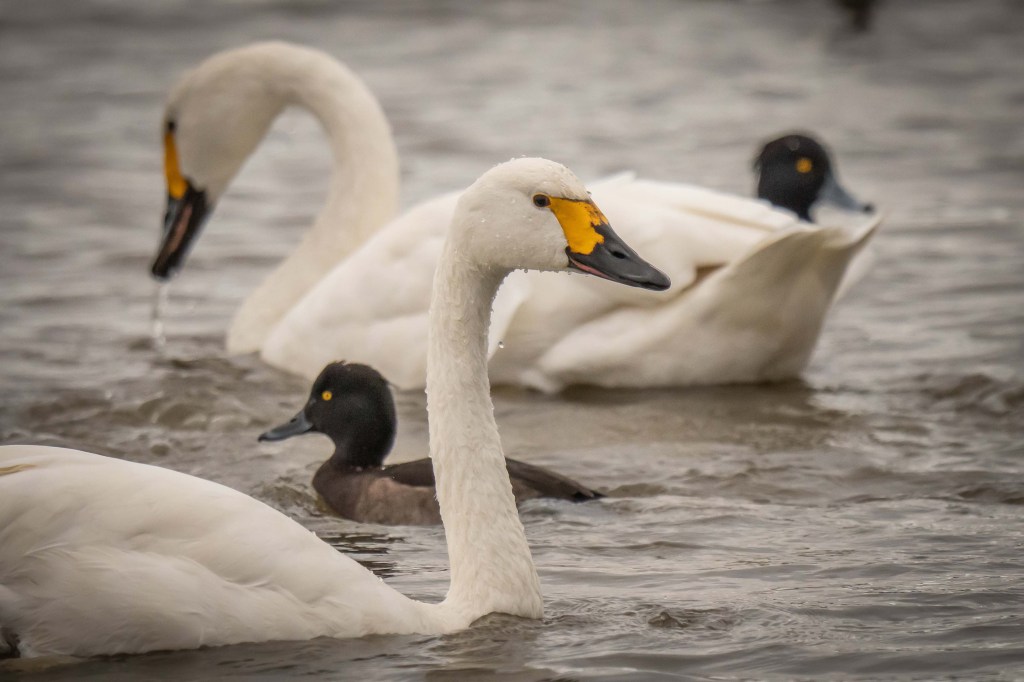
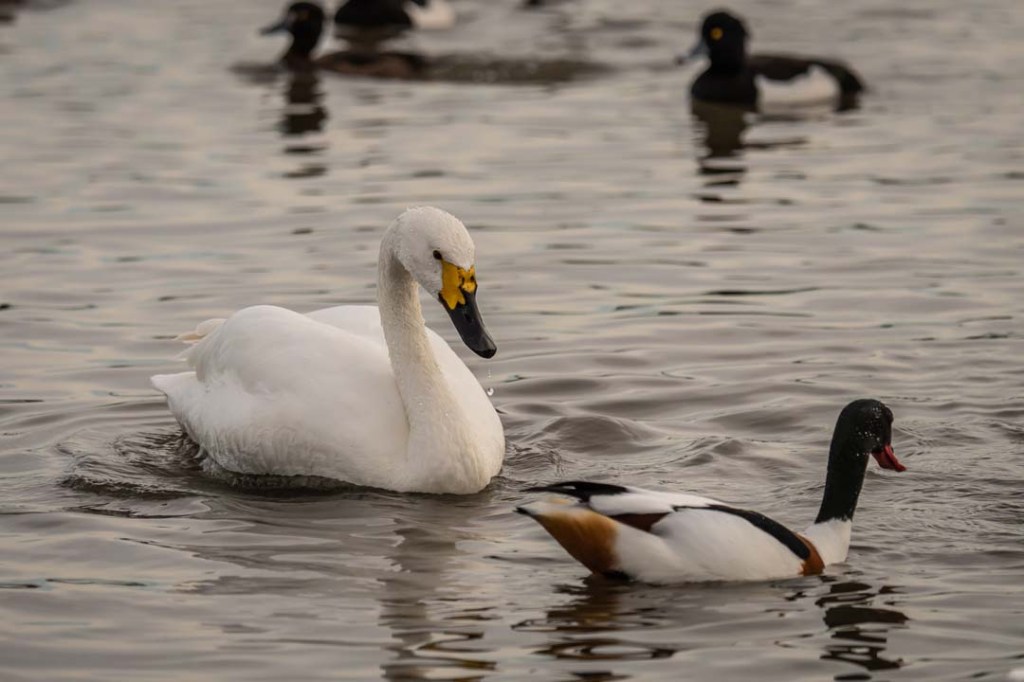
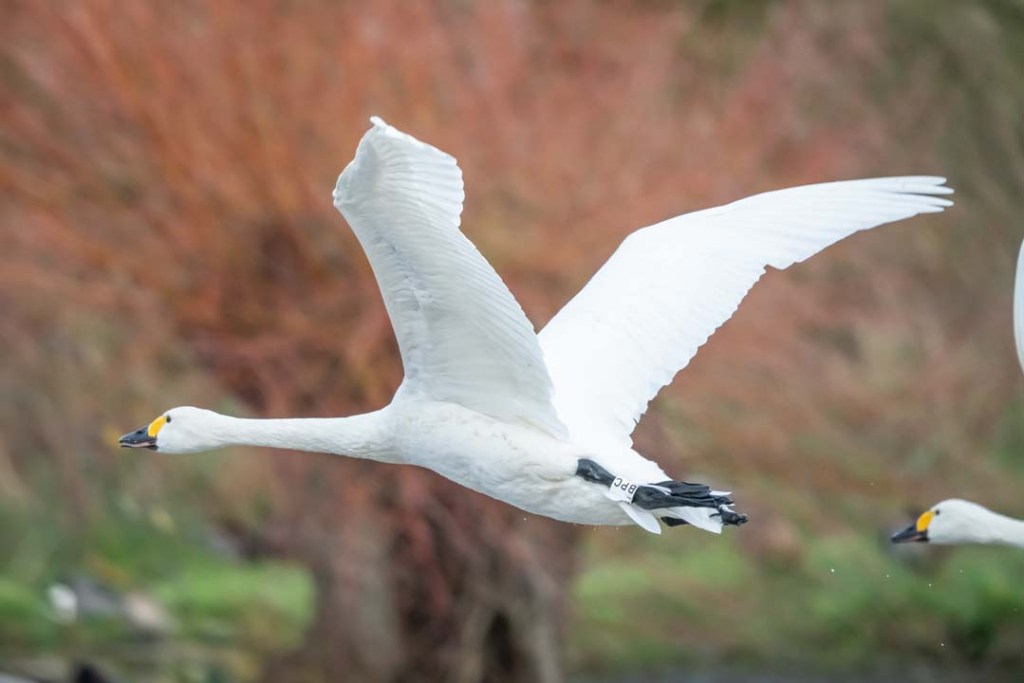
Bewick swans
At this time of year the highlights are the Bewick swans which migrate here from the arctic tundra of Russia.
This year the Bewicks didn’t arrive at Slimbridge until the 16th November which is the latest they have arrived on site since 1965. Experts are linking their delayed arrival to climate change, combined with a mixture of stormy and mild weather in recent weeks.
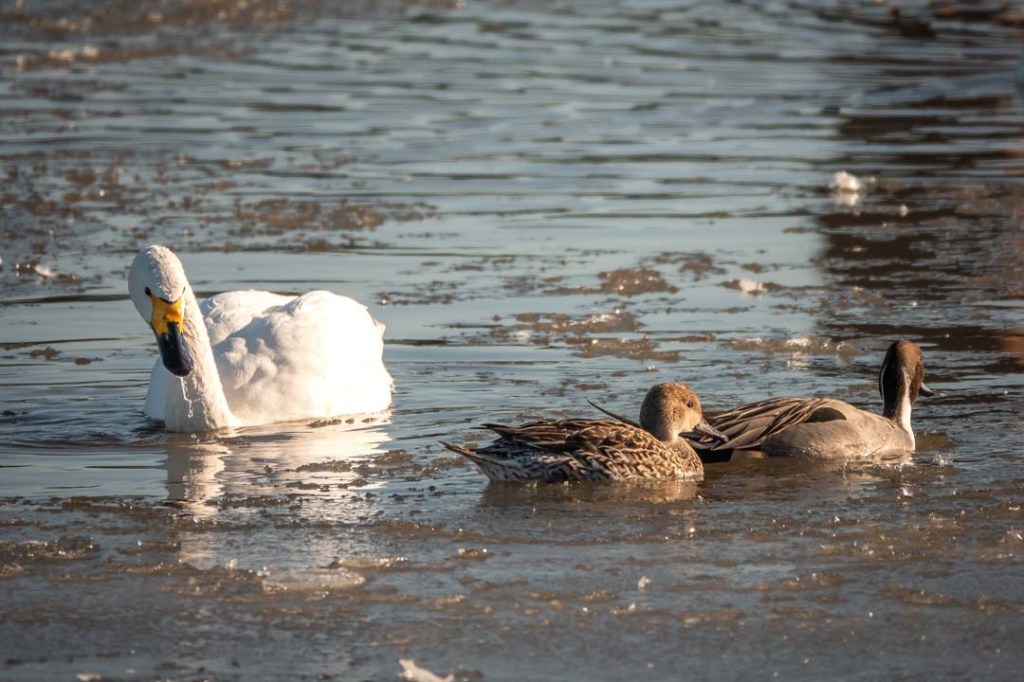
The Bewicks are quite small swans , as can be seen compared to a shelduck
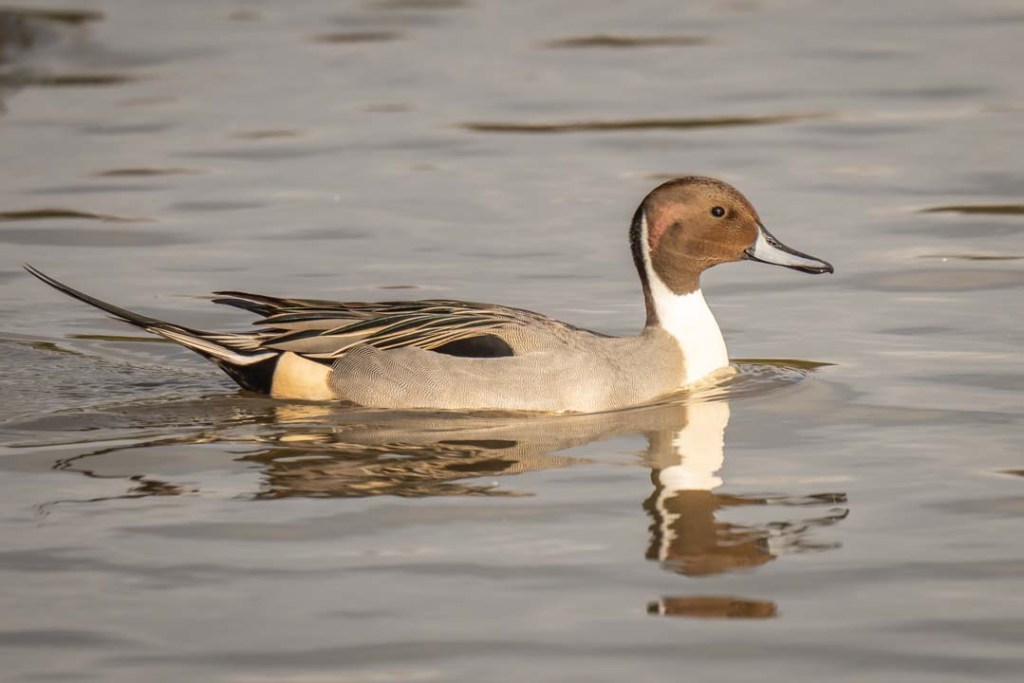
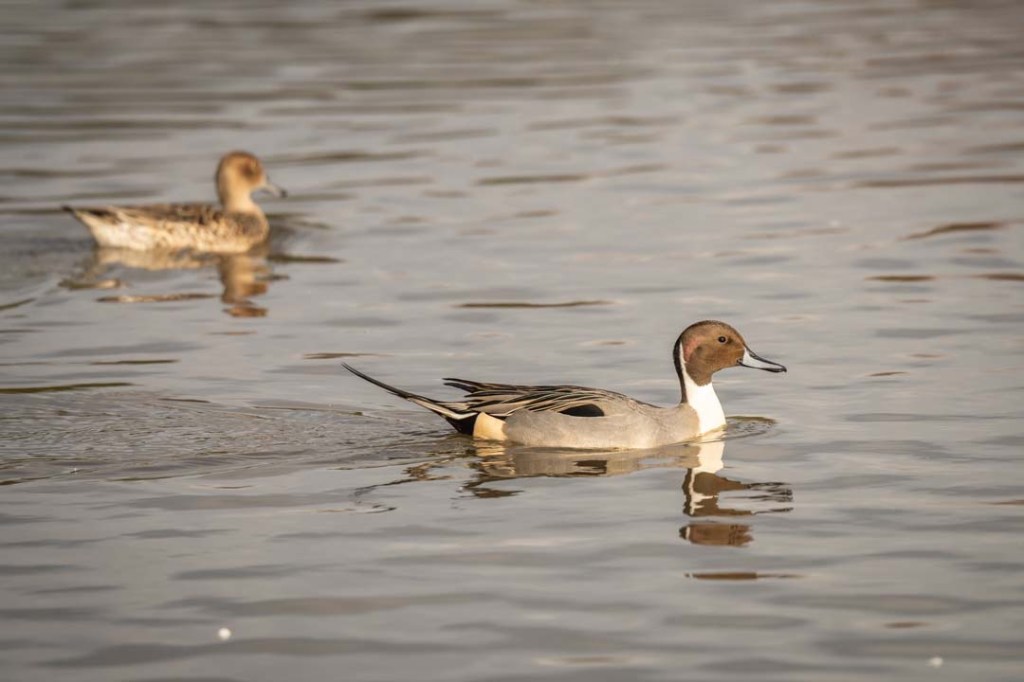
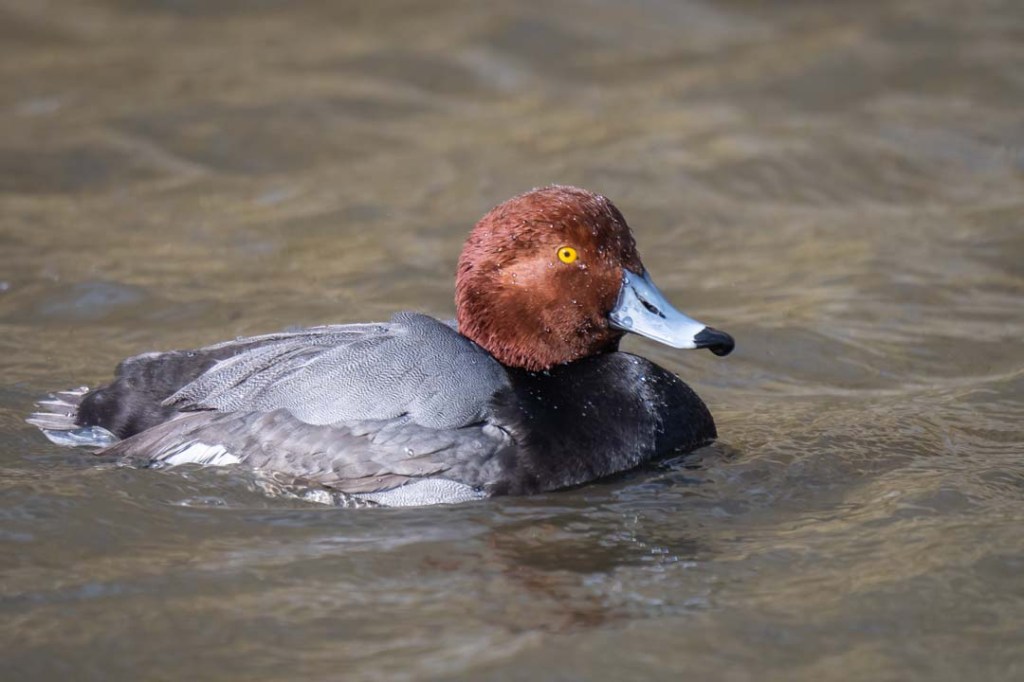
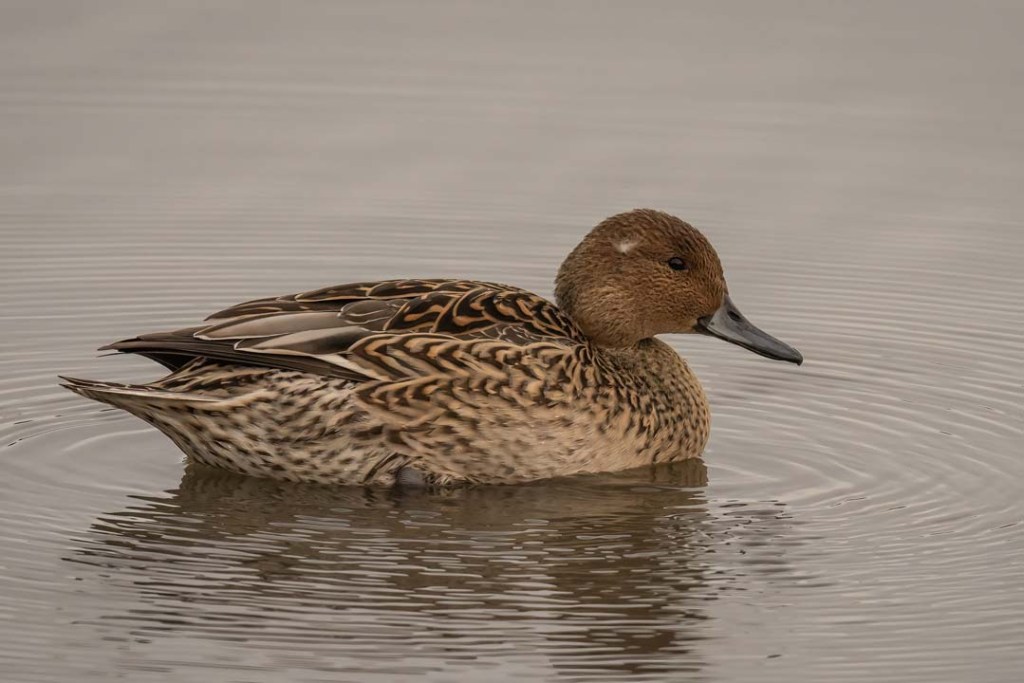
There were fair numbers of one of my favourite ducks, the northern pintail.
Northern pintails Female northern pintail
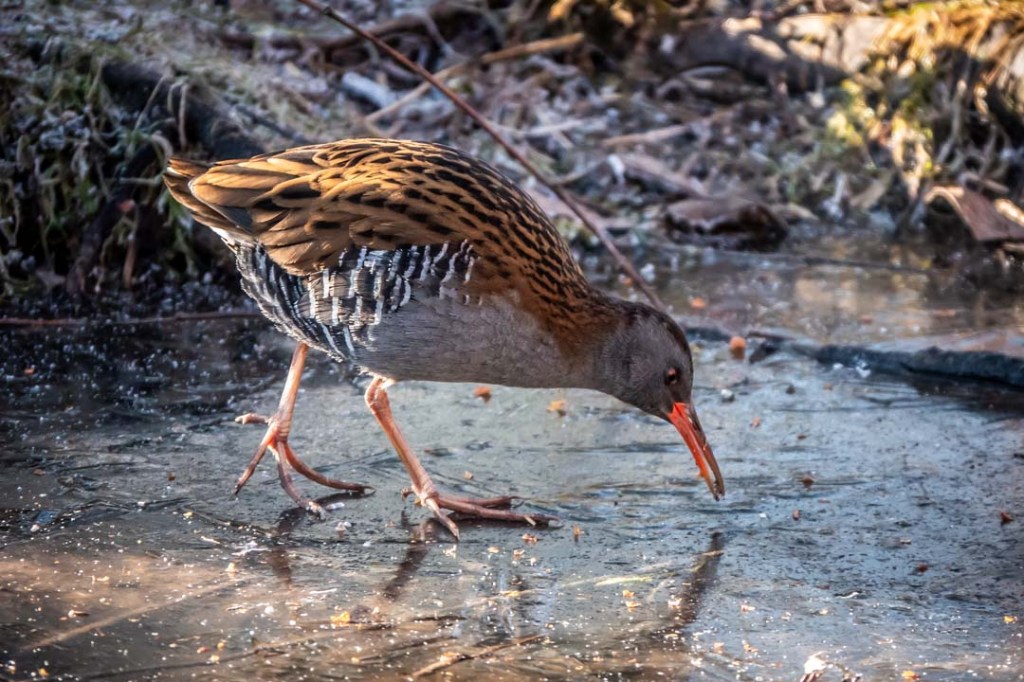
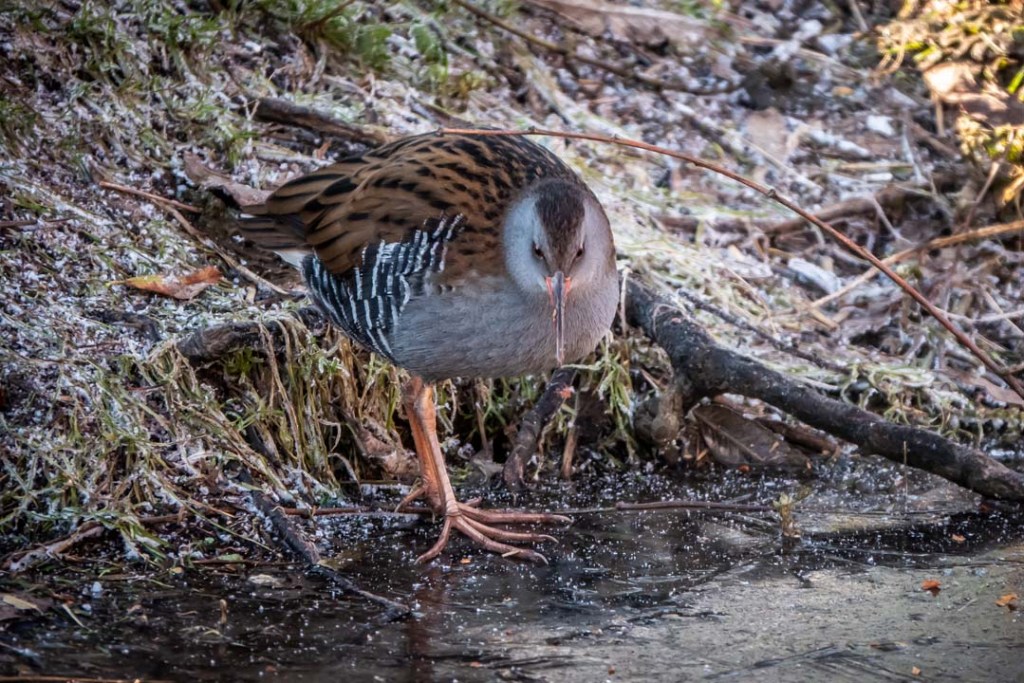
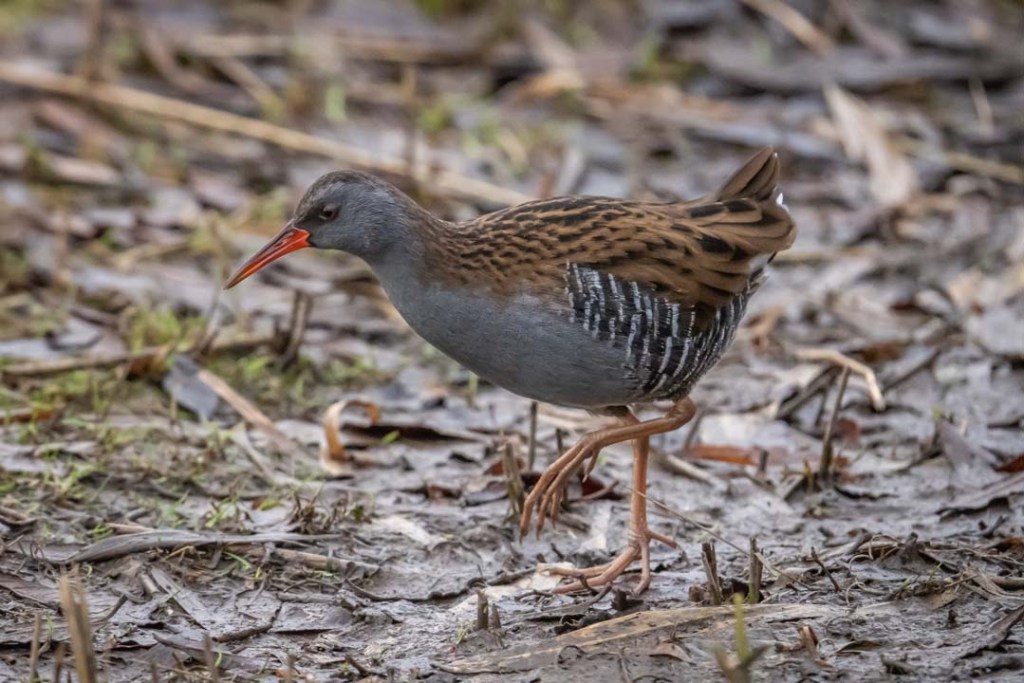
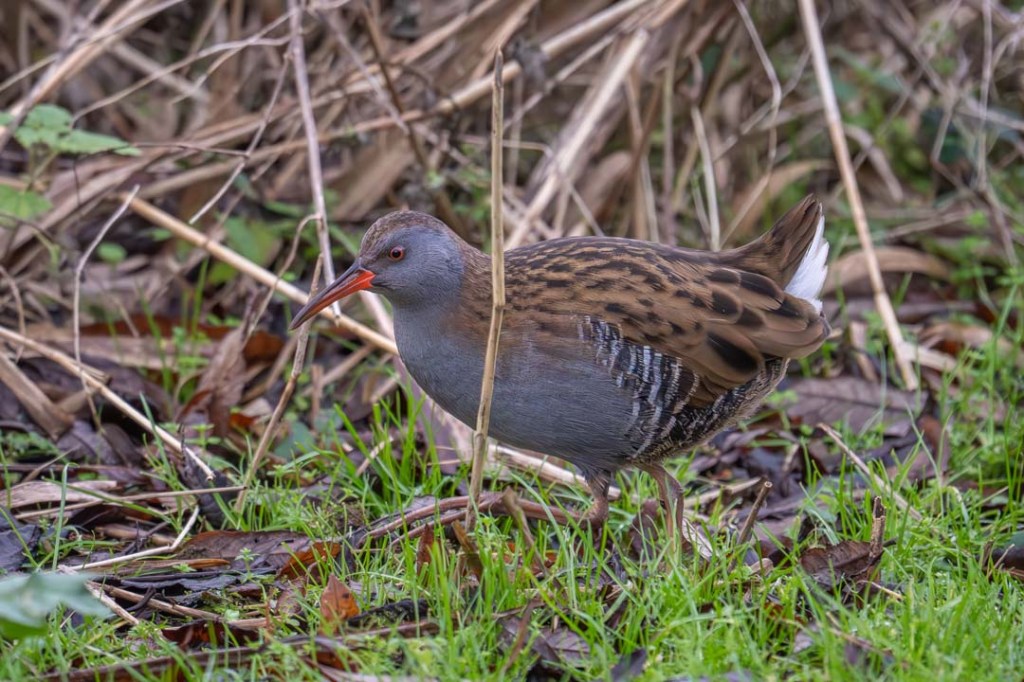
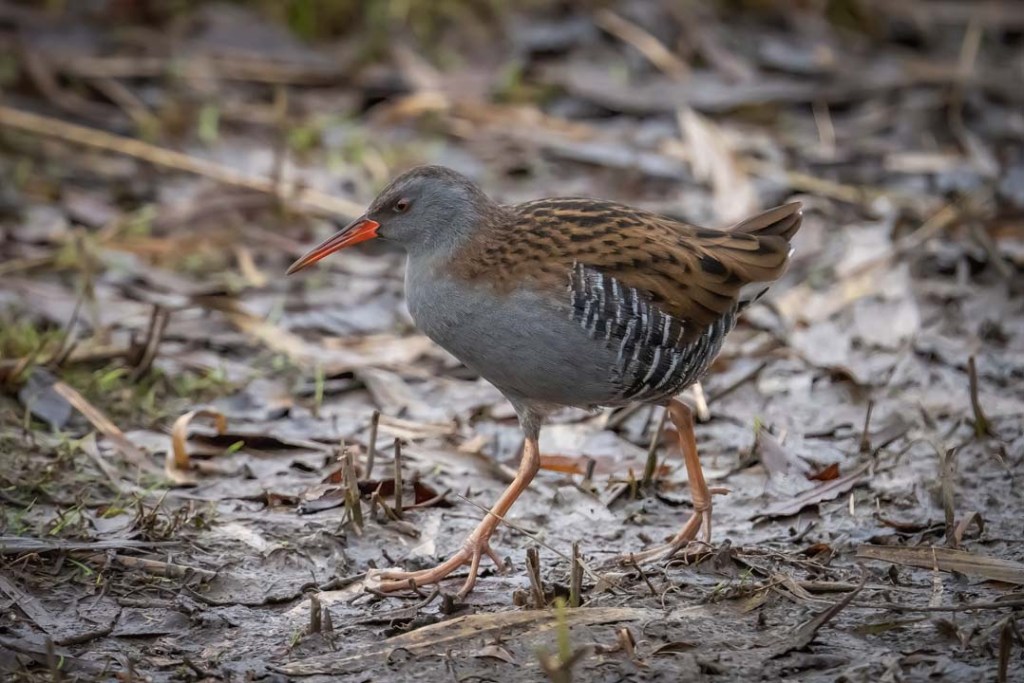
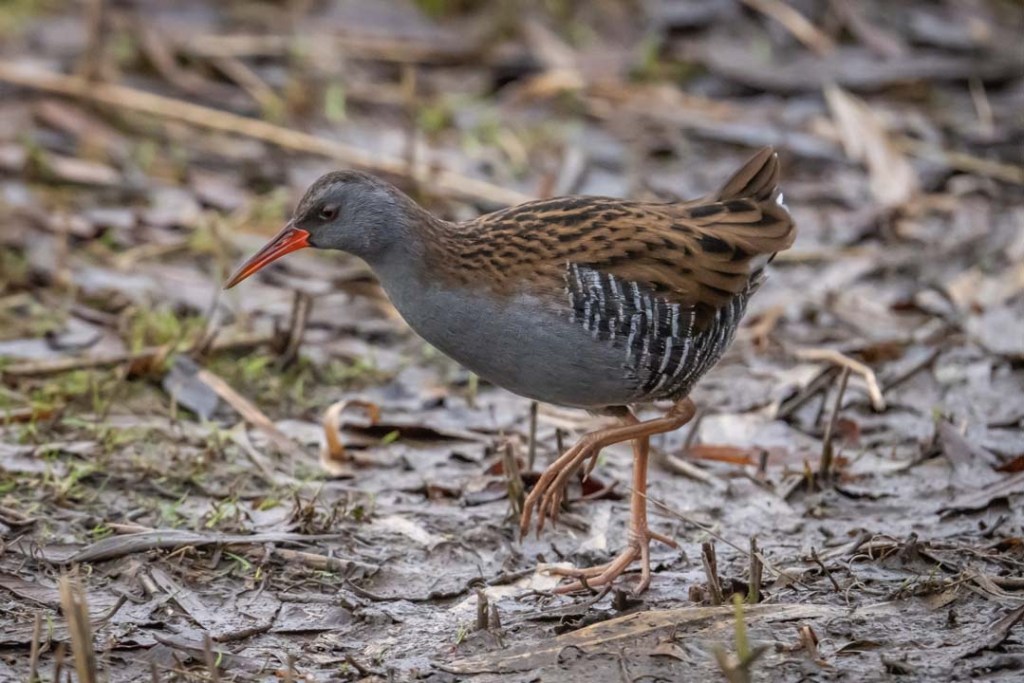
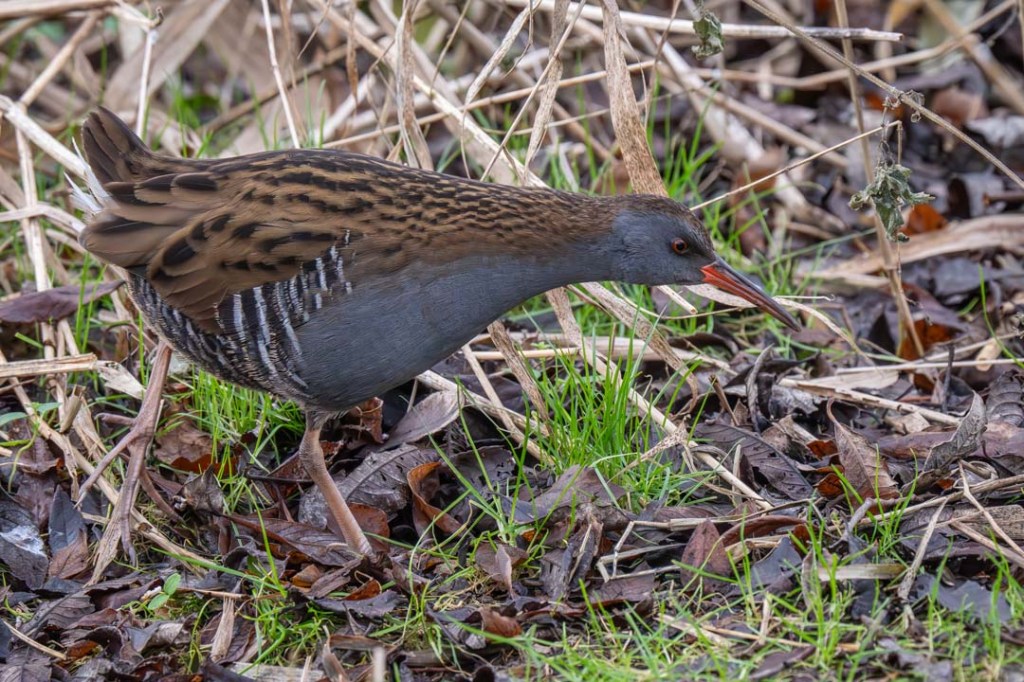
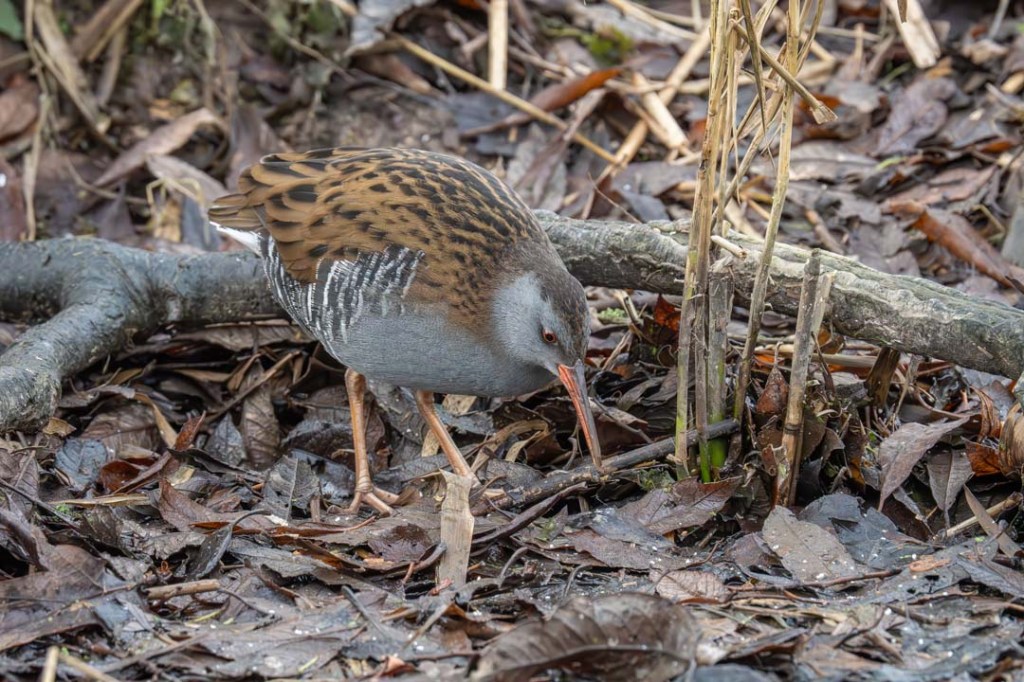
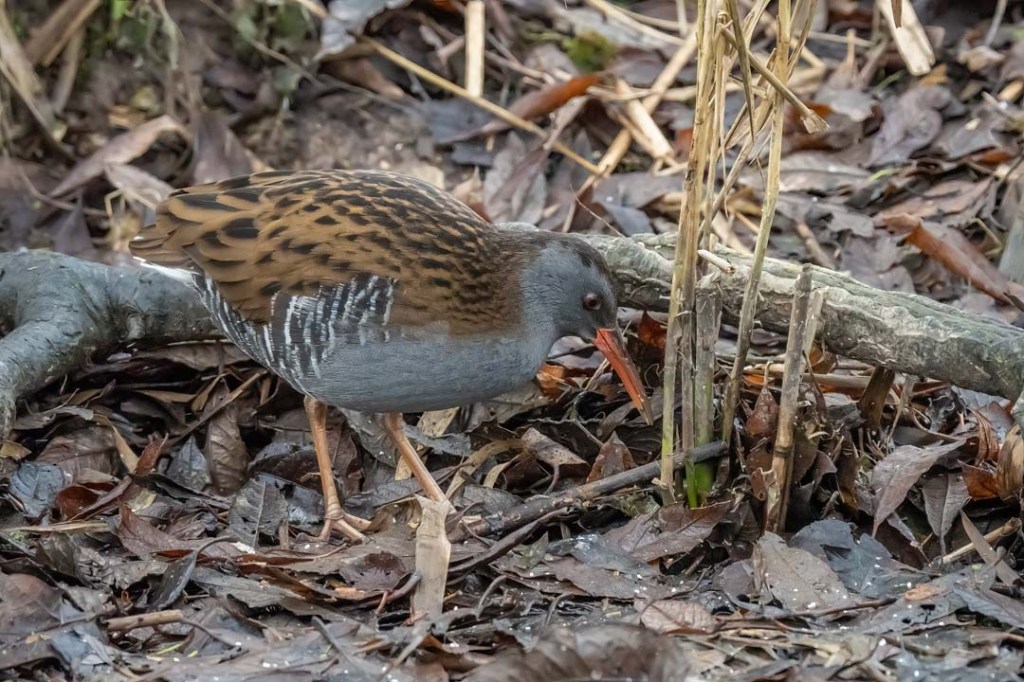
We also had good views of the generally secretive water rail – with two parading very close up.
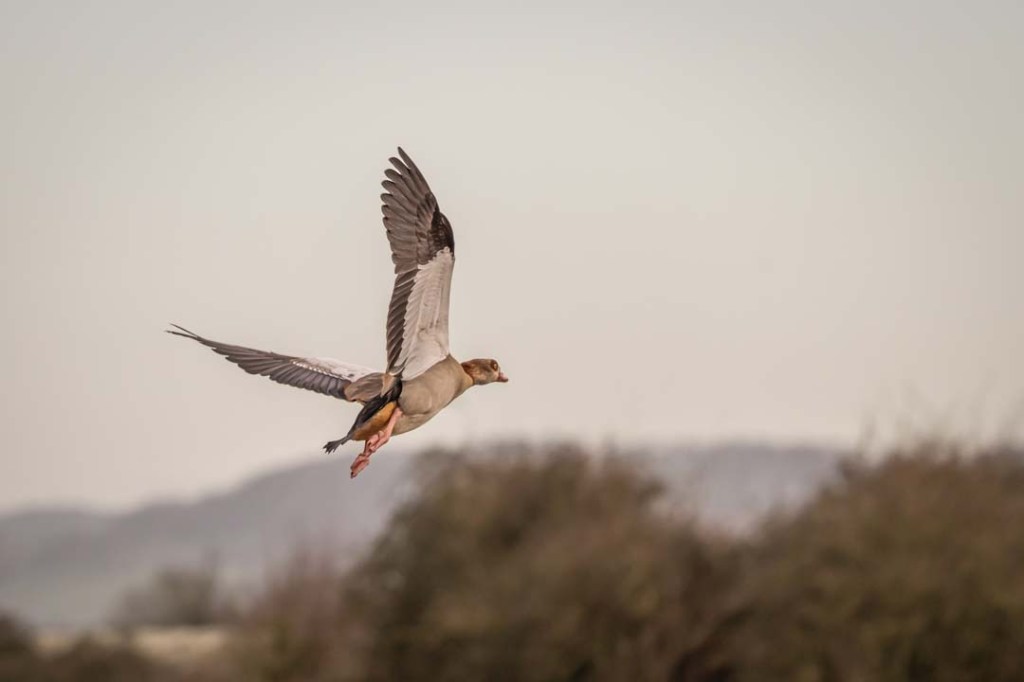
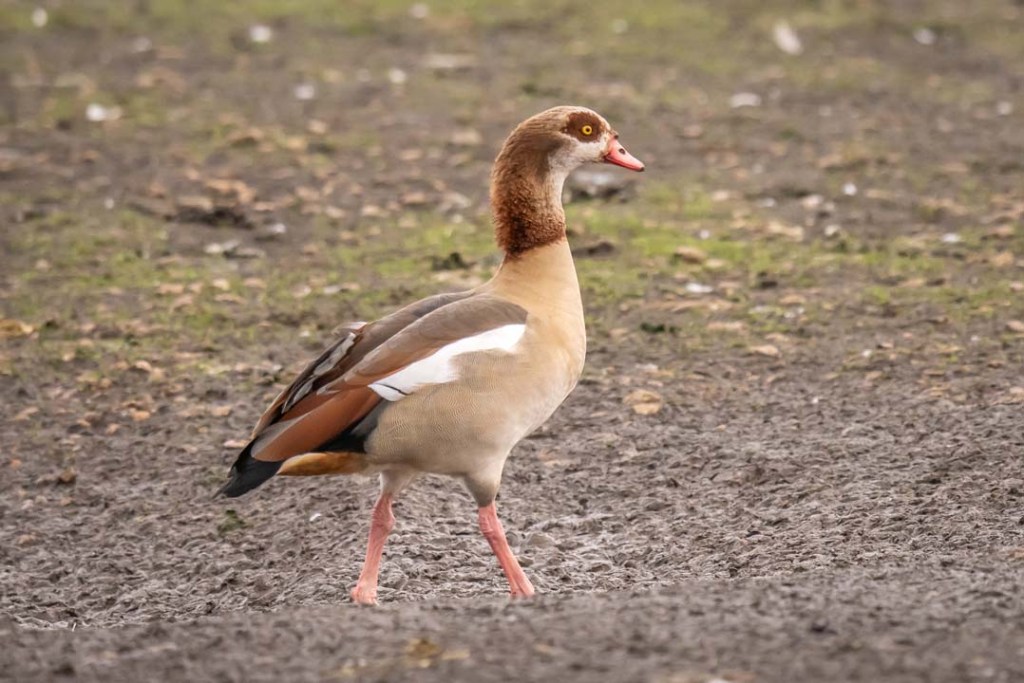
Water railWater railTwo Egyptian geese flew in to join the large number of greylag and Canadian geese.Egyptian goose
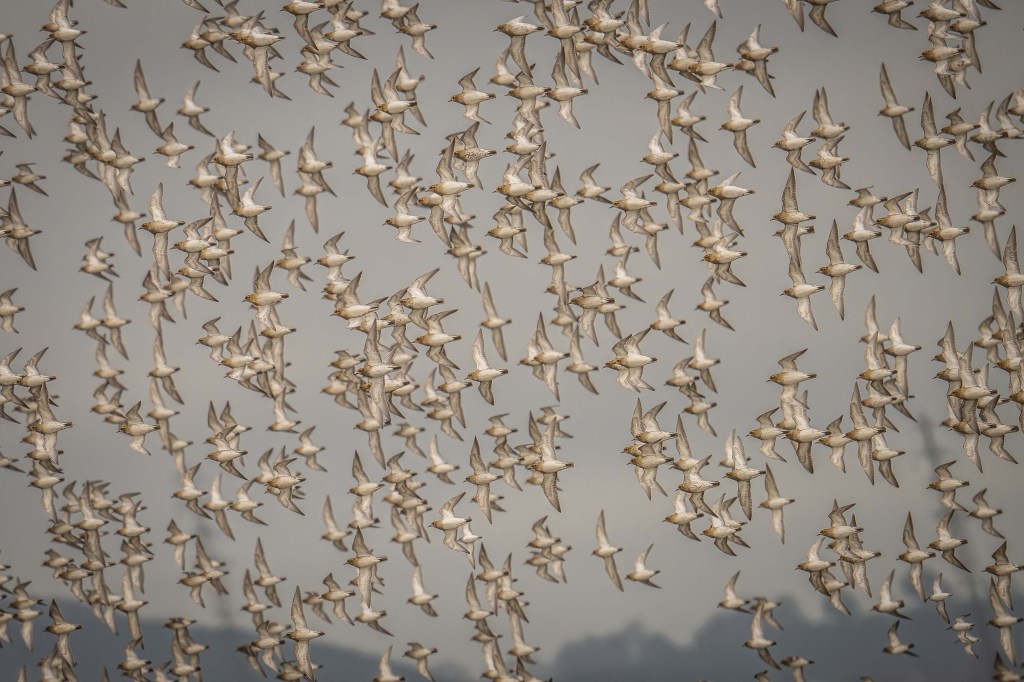
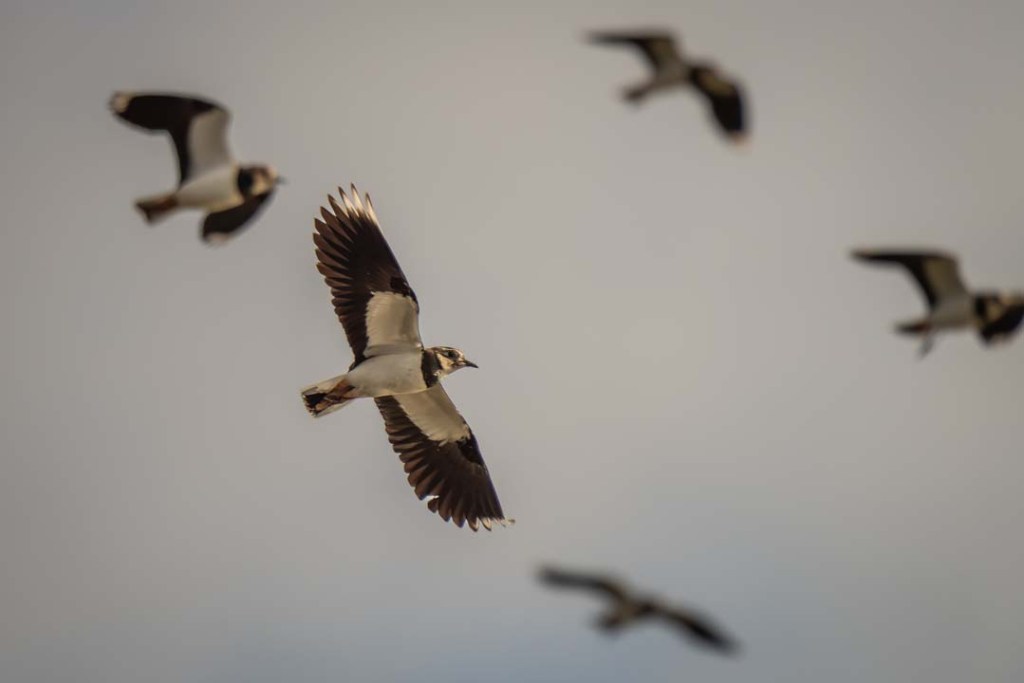
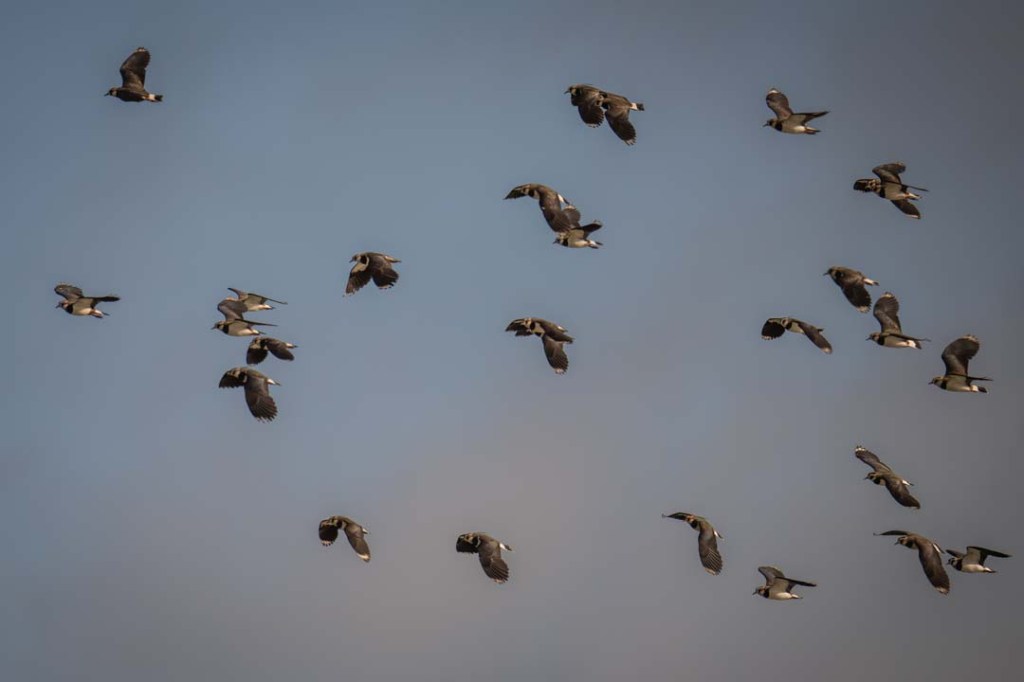
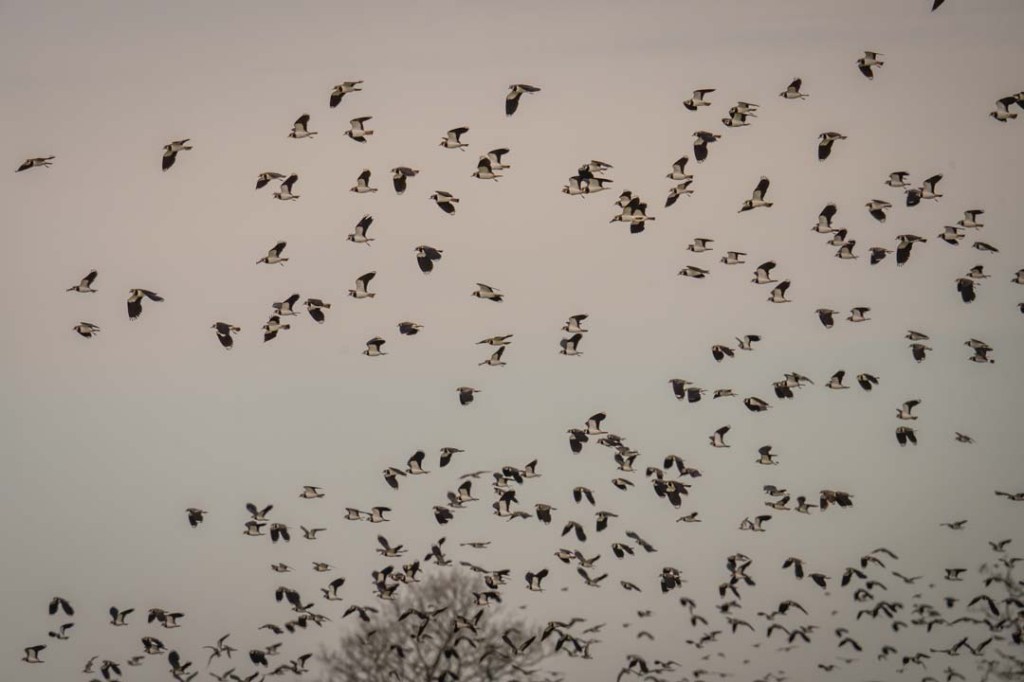
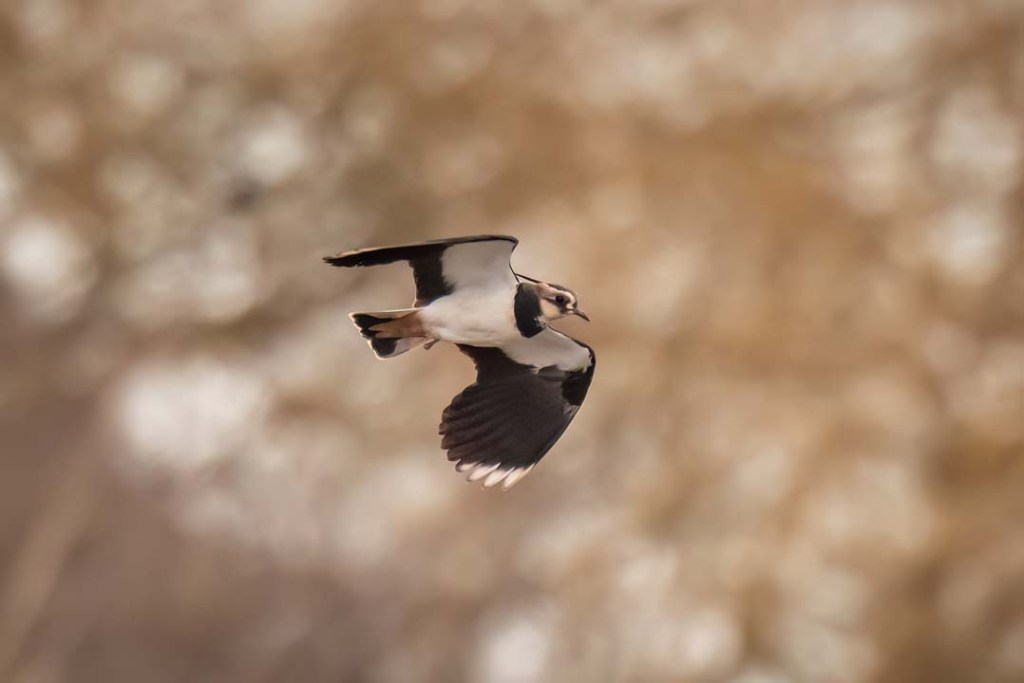
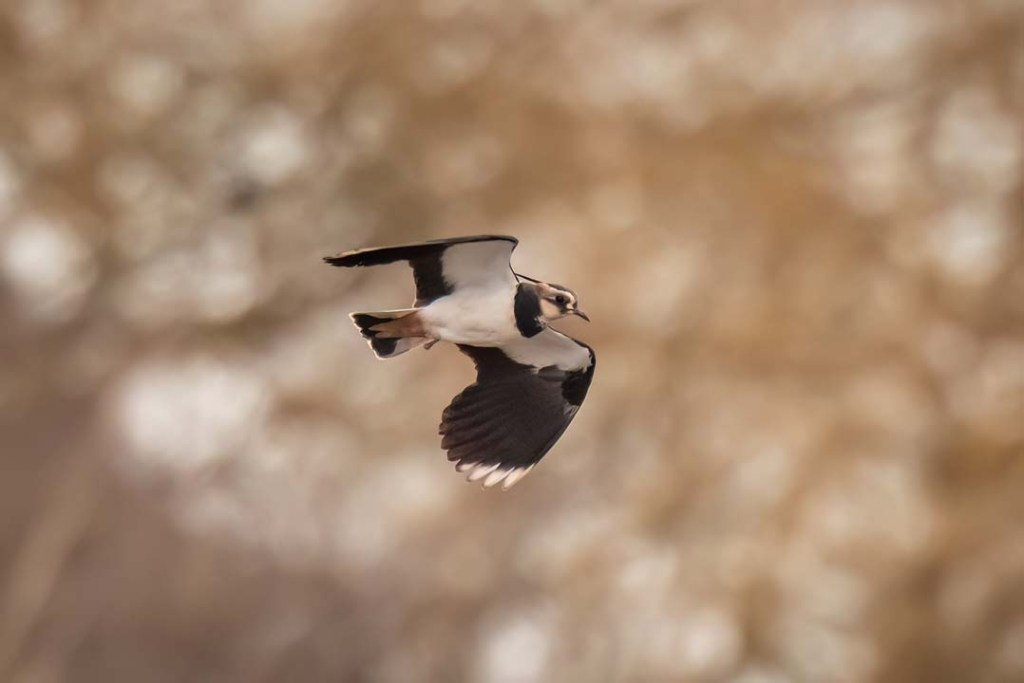
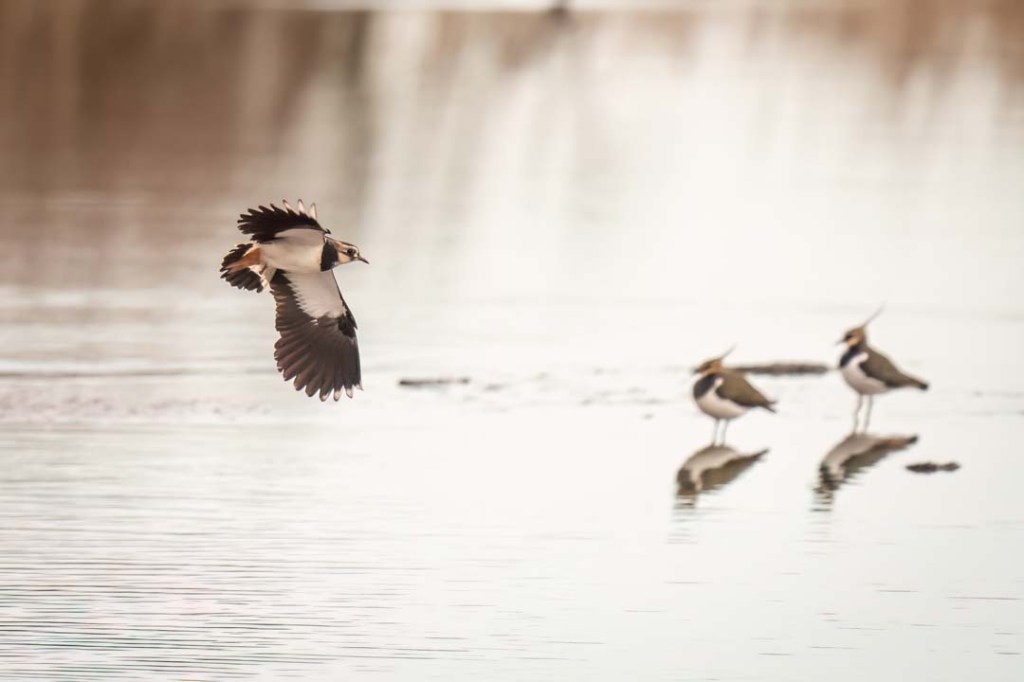
The wet fields were teeming with lapwing which every now and again were spooked by a predator and took to the skies. Unfortunately, in the the dull conditions they didn’t make the spectacular show that we often see here. We were disappointed also not to see any golden plover which also generally make a great display.
LapwingLapwing
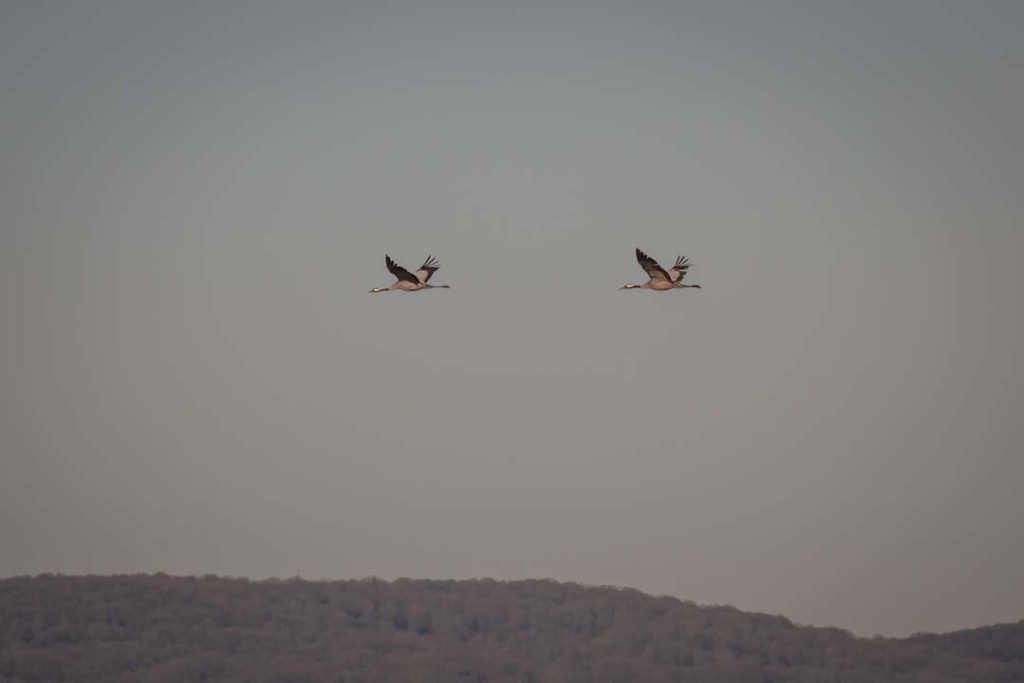
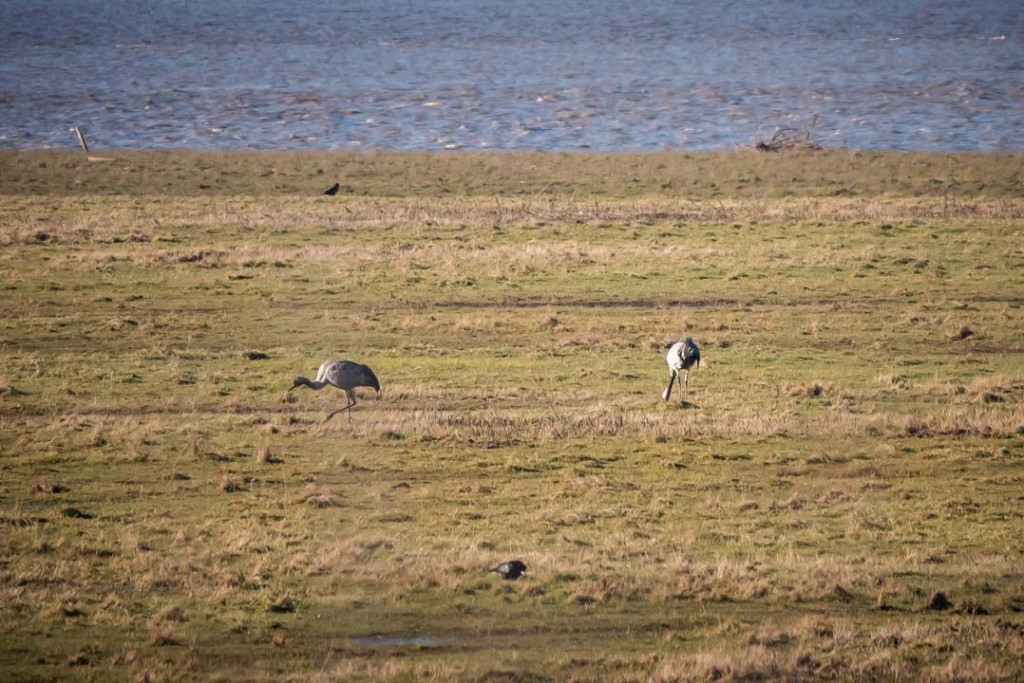
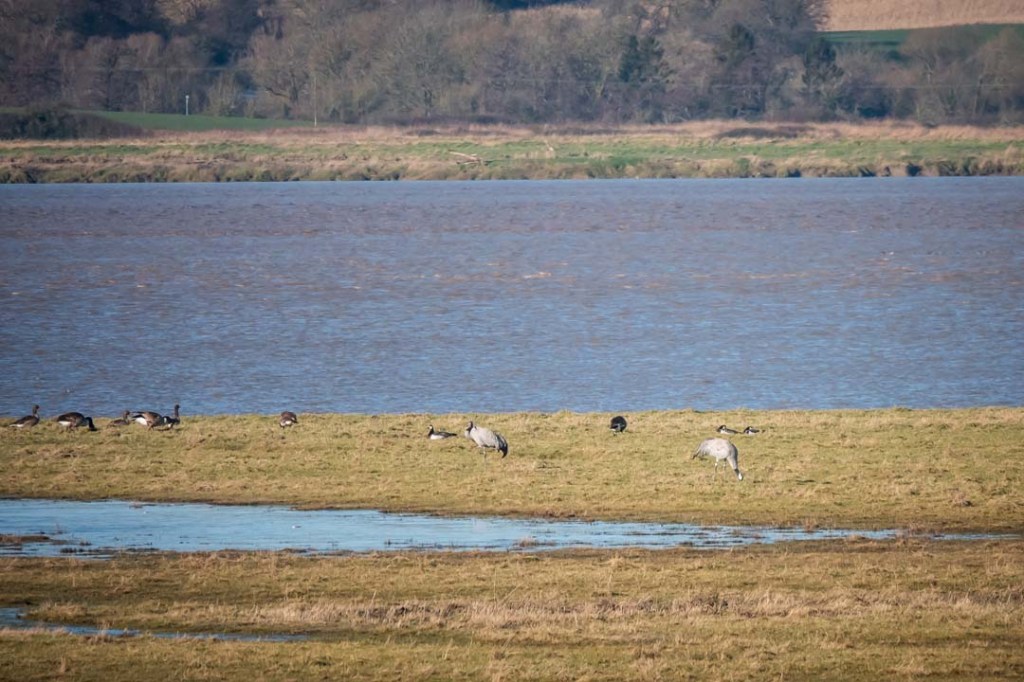
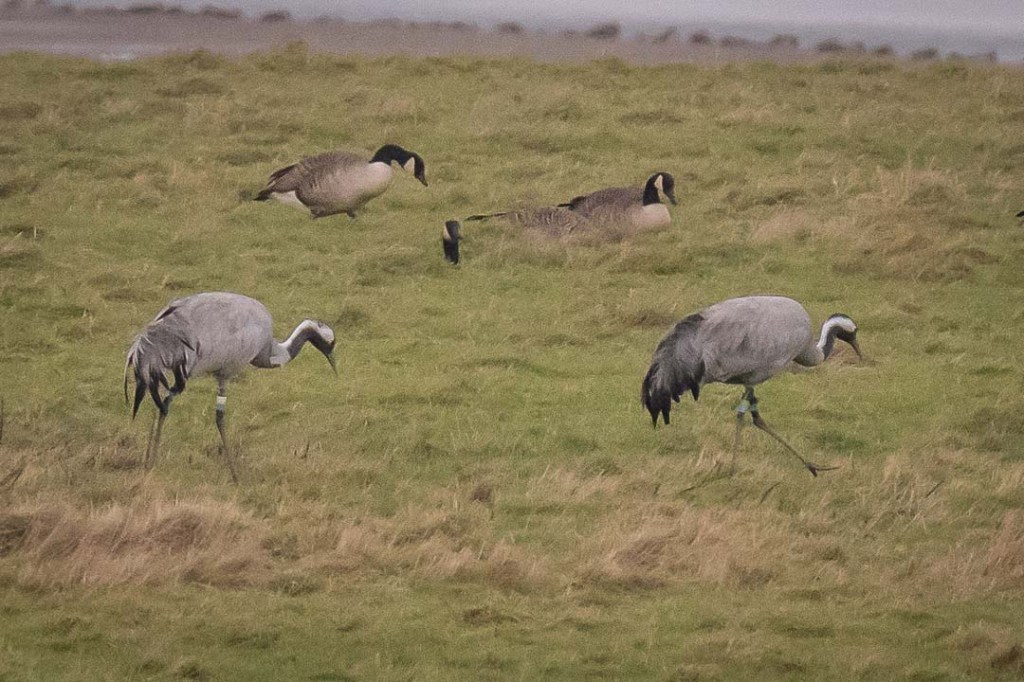
There is always a chance to see common crane here but today they were all very distant.




























































































































 Martin's Bird Blog & Nature Photos