It was a very gloomy morning at Slimbridge but, even though we are between seasons with not so many birds around, our spirits were lifted with some exciting moments. We even heard our first willow warbler.
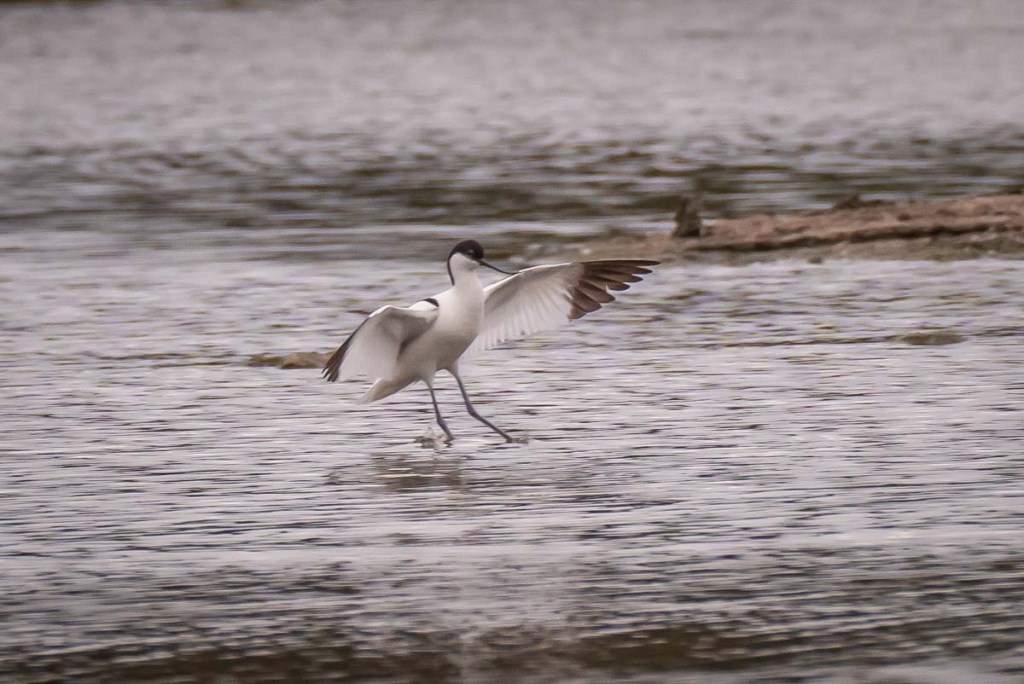
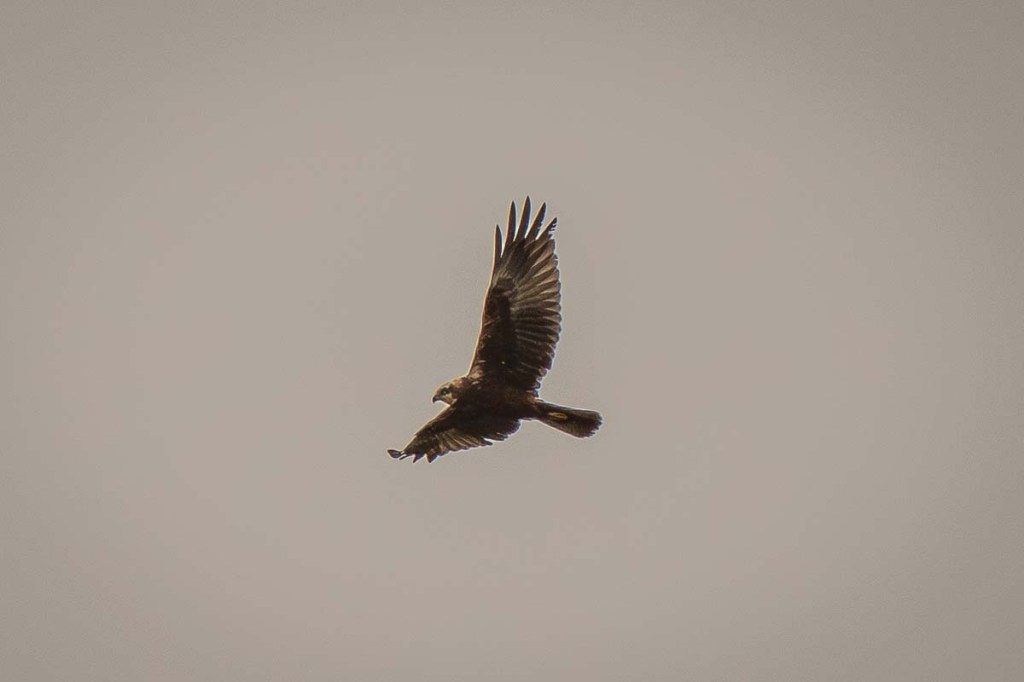
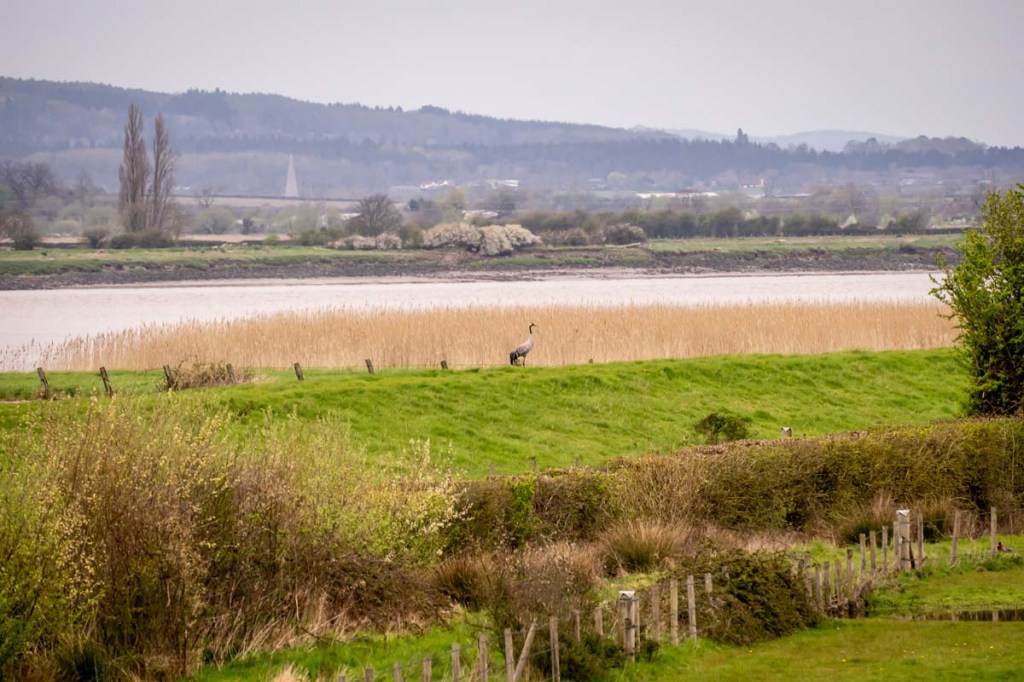
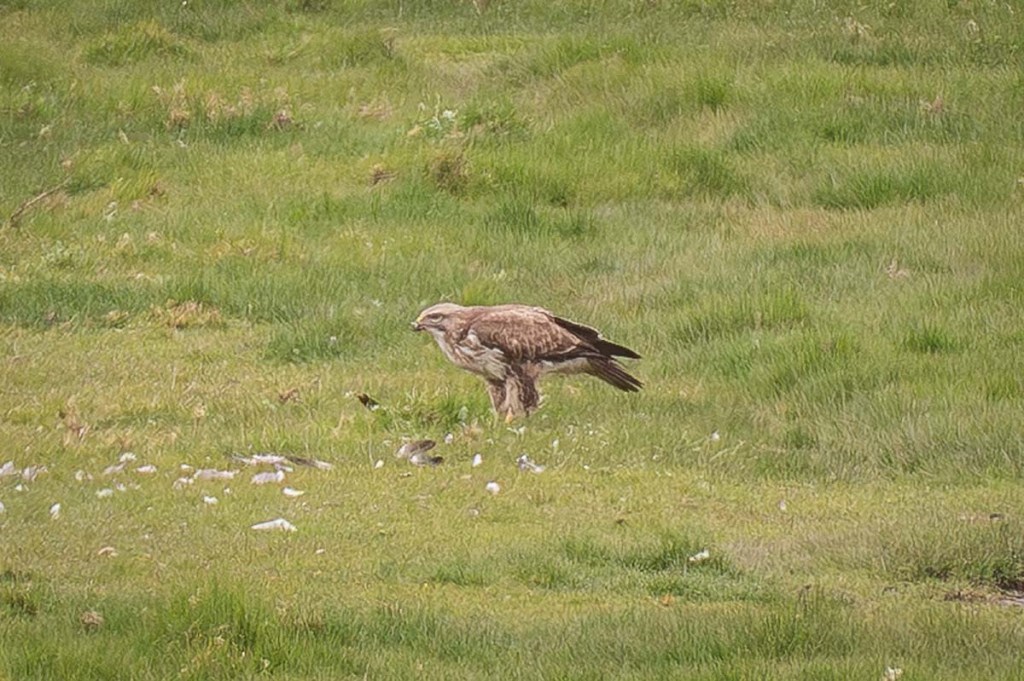
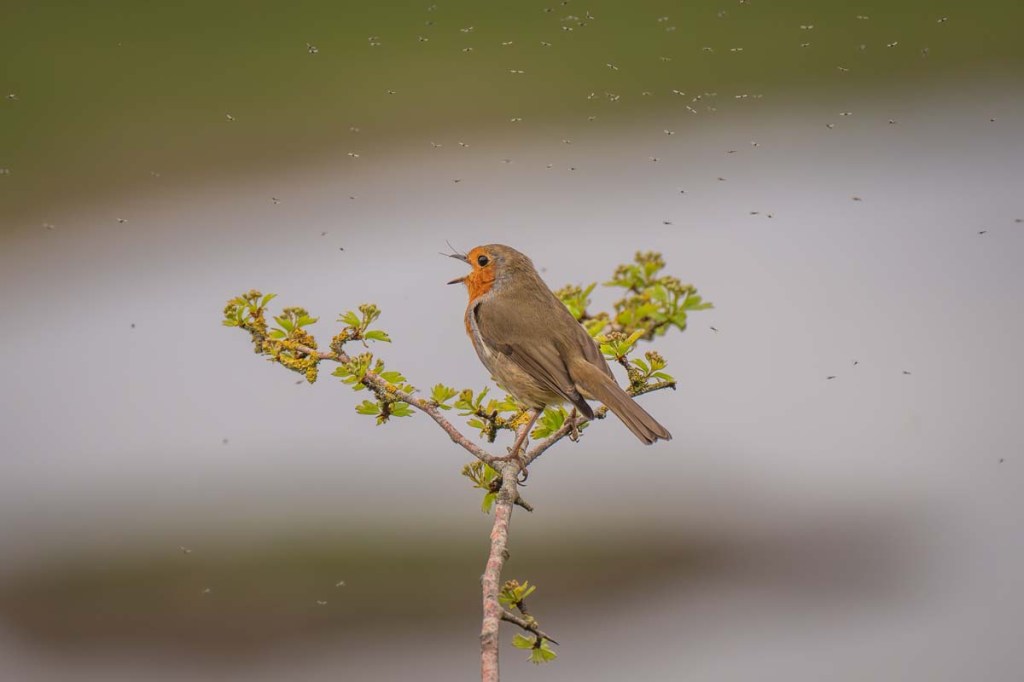
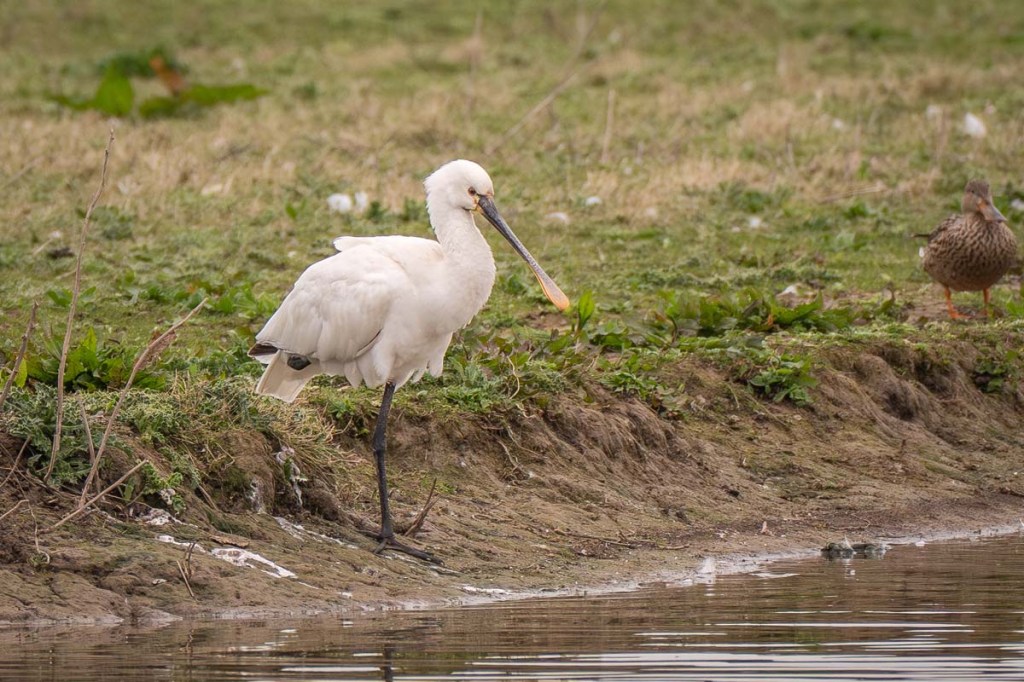
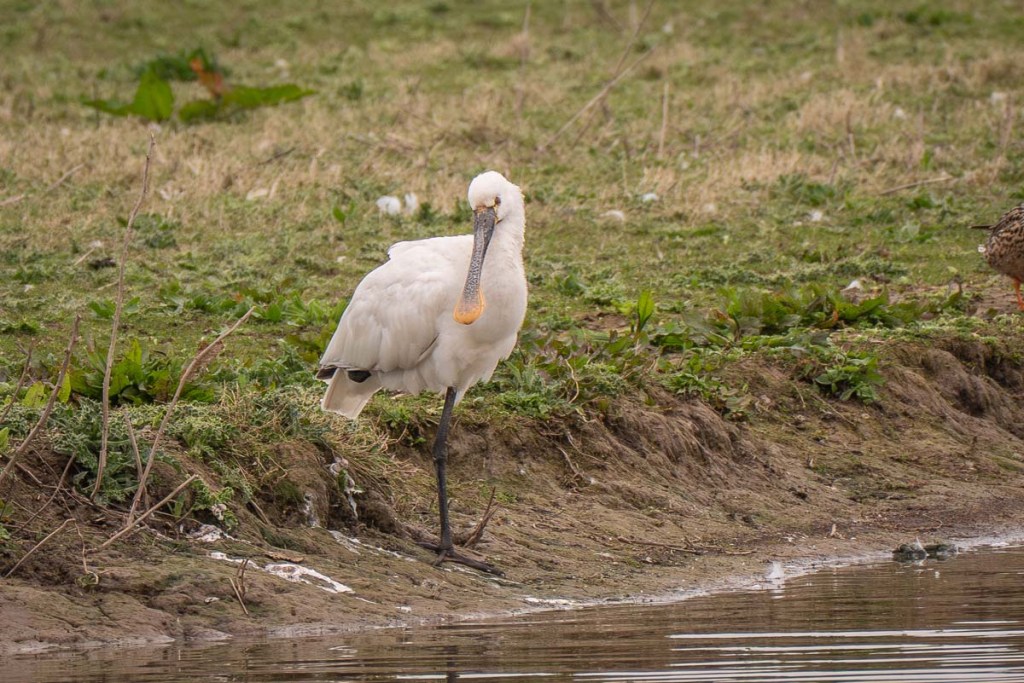
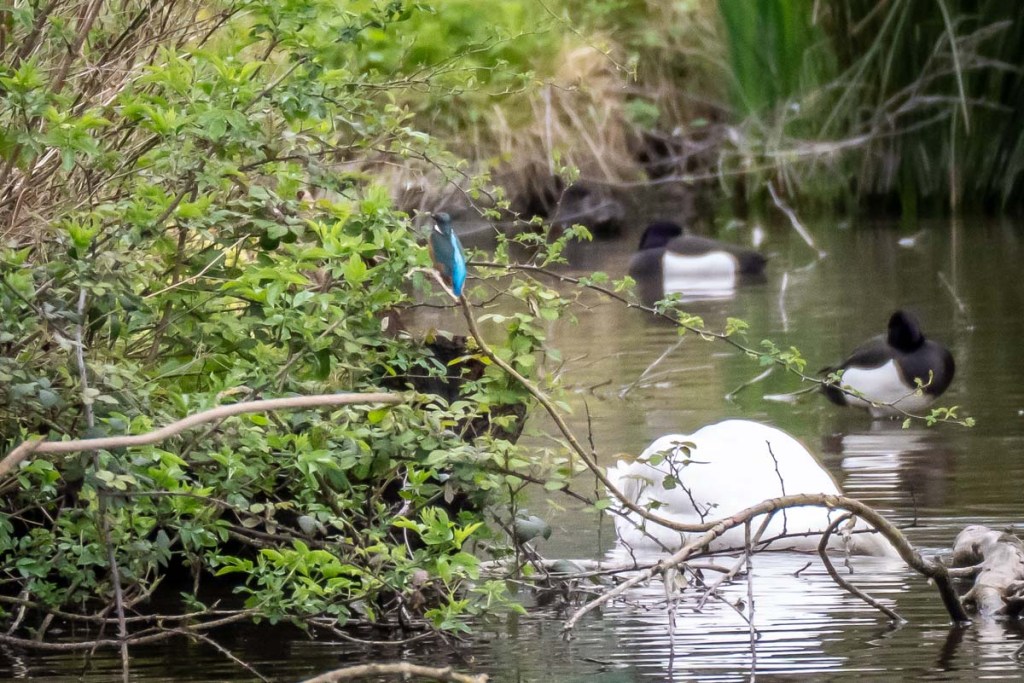
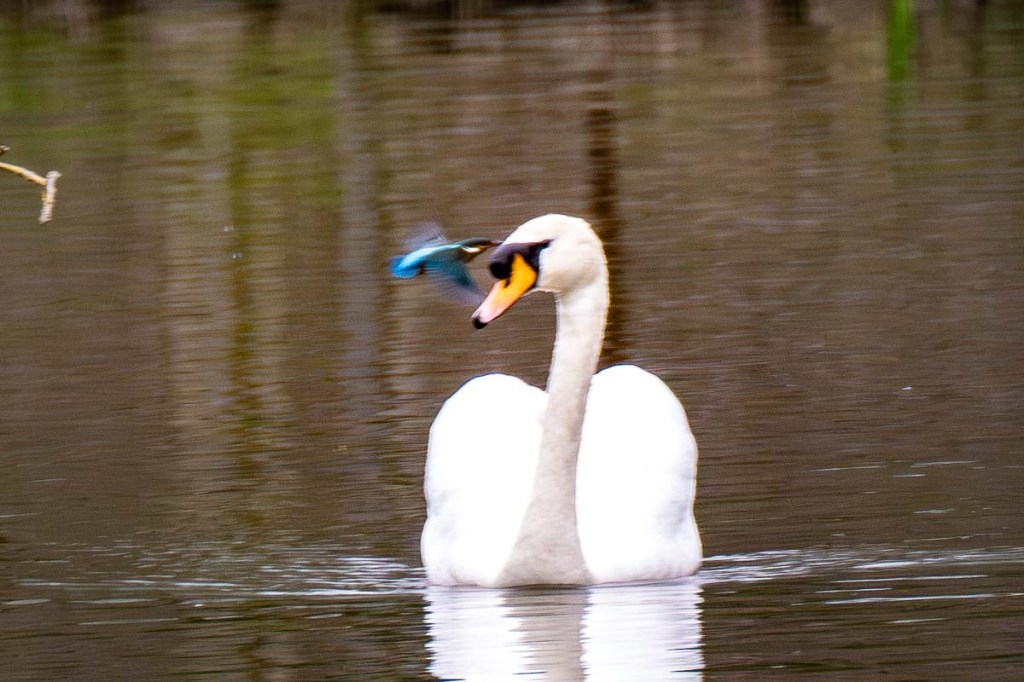
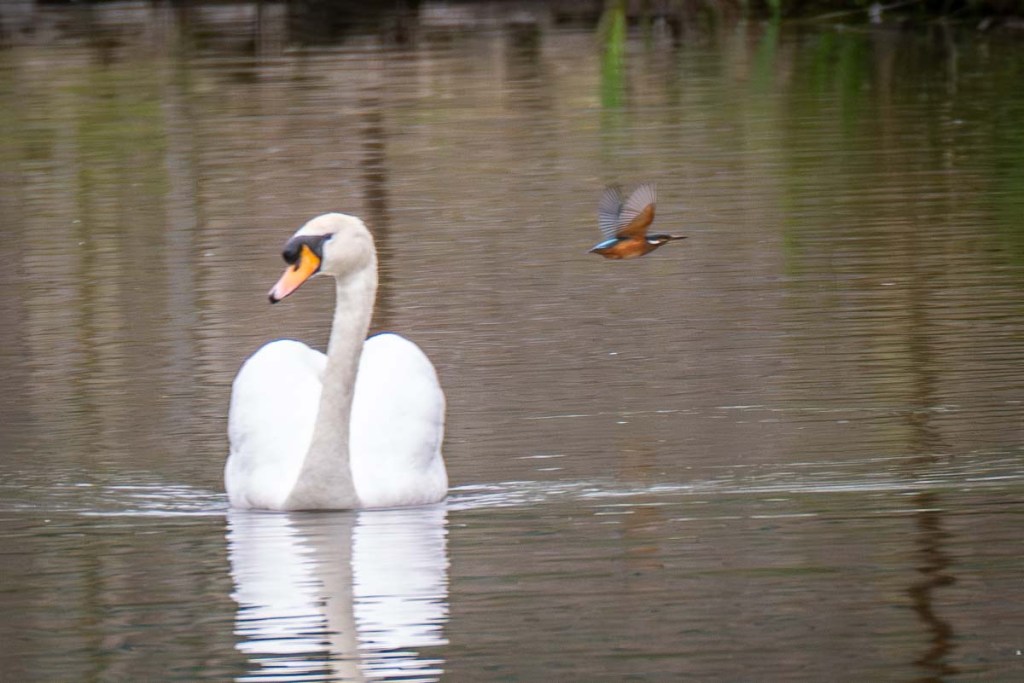
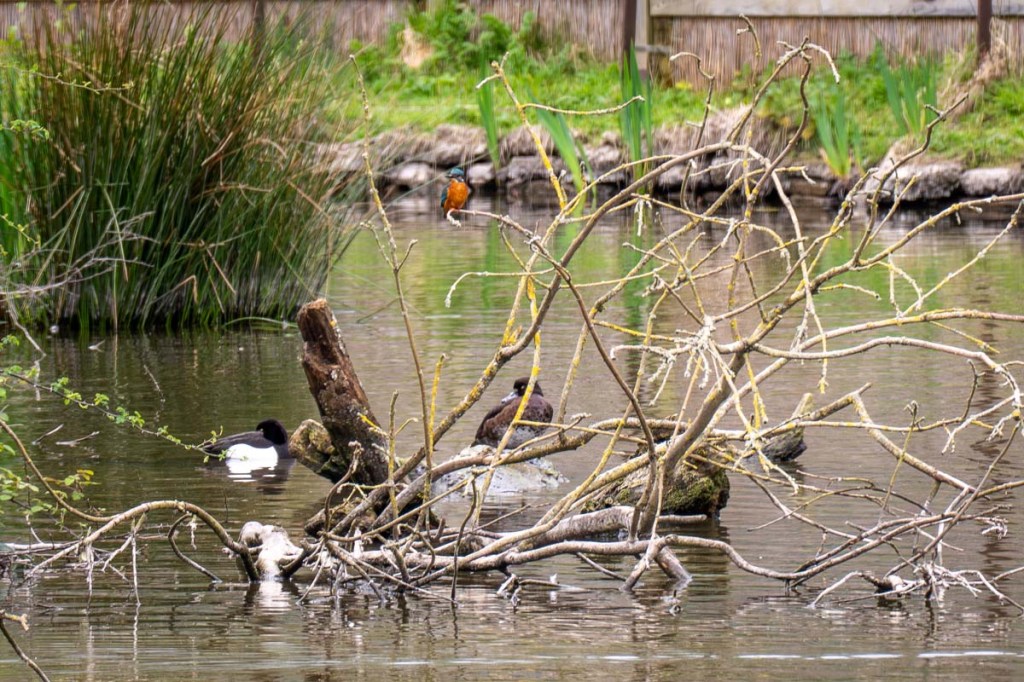
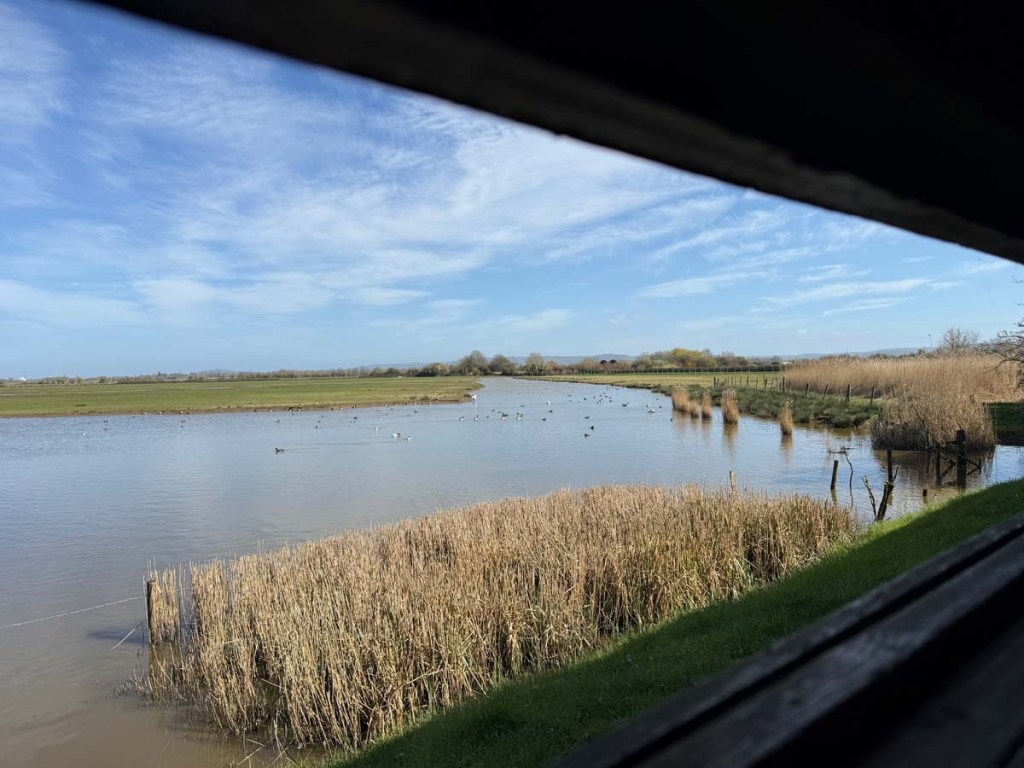
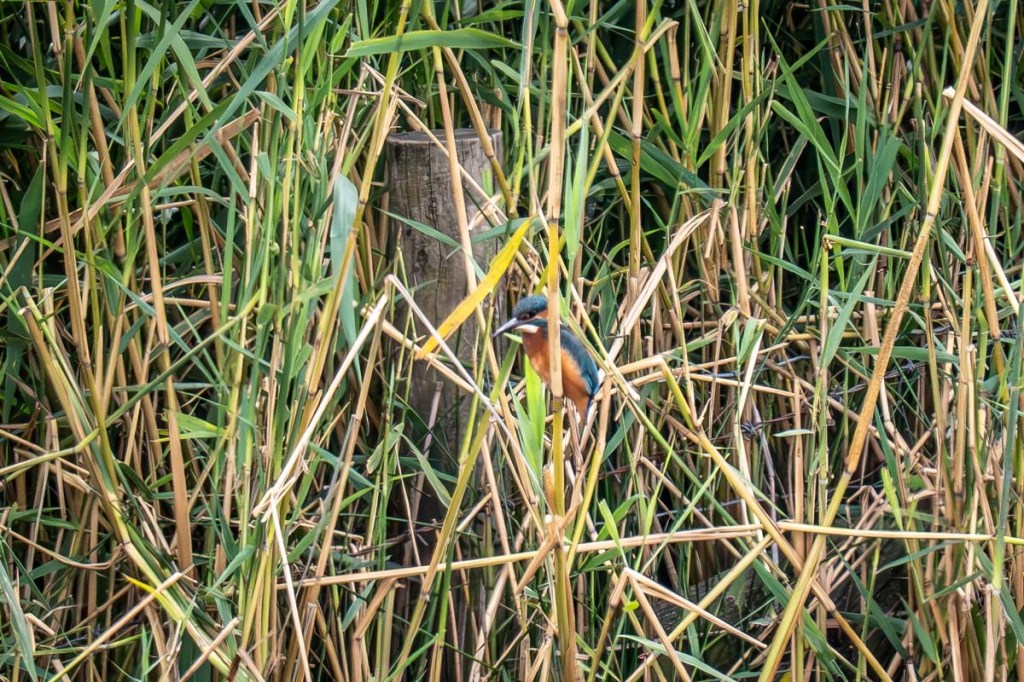
Avocet from the Rushy hide.Western marsh harrier high over the Rushy hideCommon crane on the Severn Estuary from the Estuary Tower hideCommon buzzard from the Estuary Tower hideEuropean robin with plenty of flies for company (or food?)Eurasian spoonbill from the Robbie Garnett hideEurasian spoonbill from the Robbie Garnett hideKingfisher from the Decoy hideKingfisher from the Decoy hideCollision avoidedKingfisher from the Decoy hide
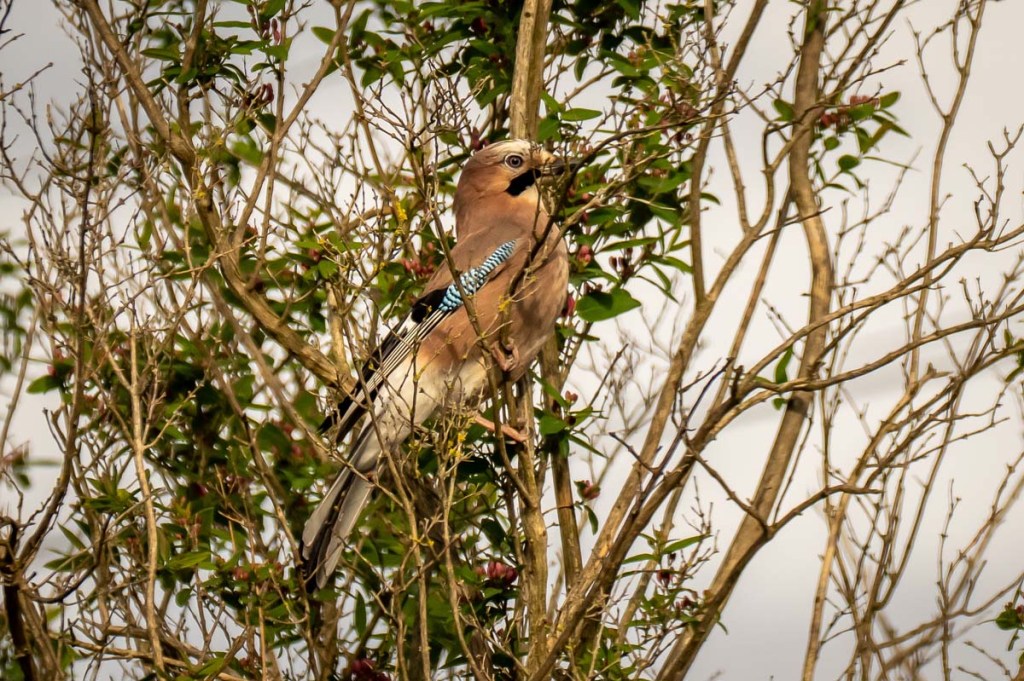
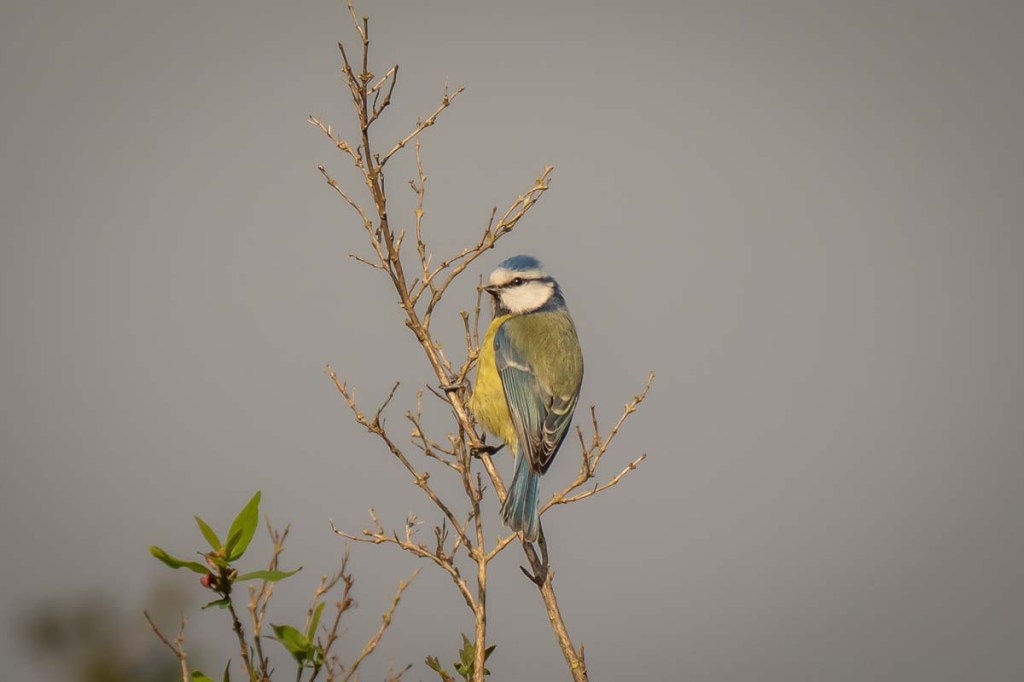
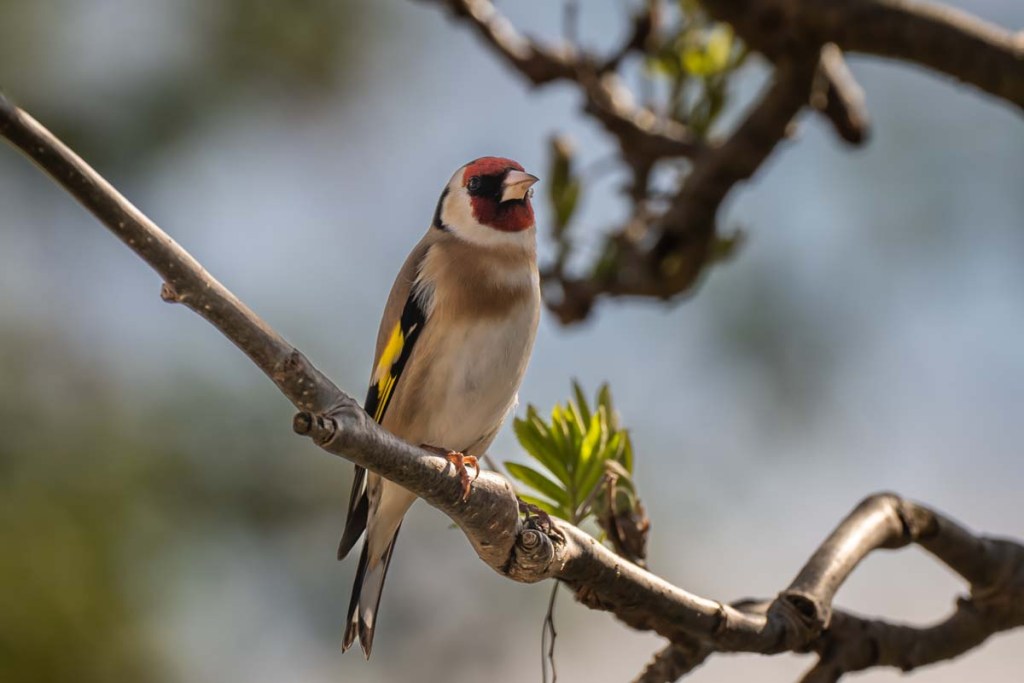
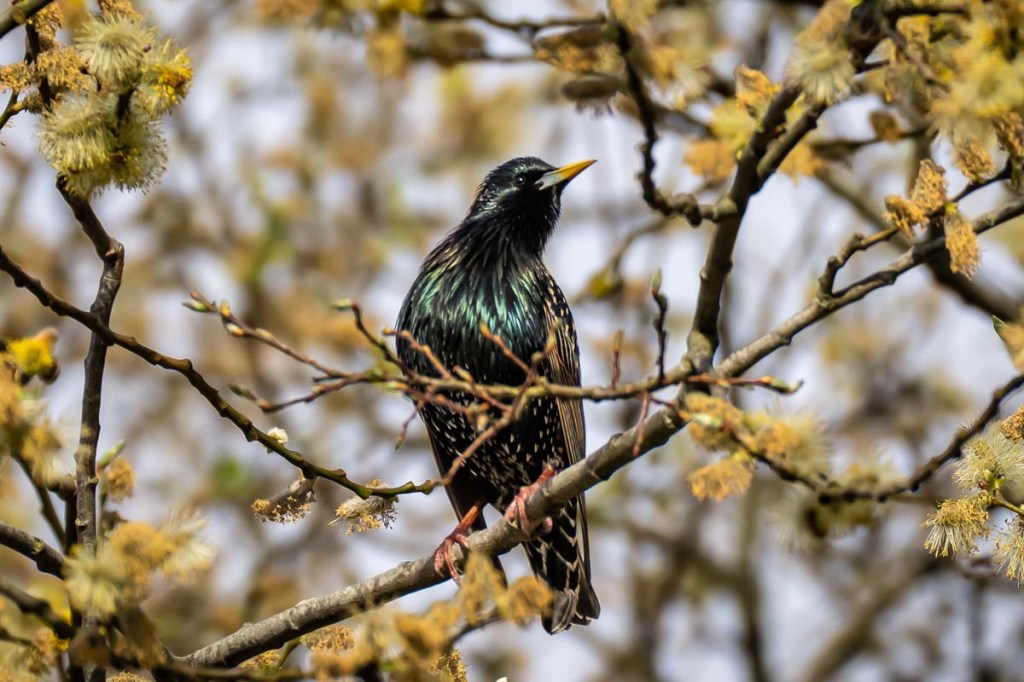
Yesterday there was a little sunshine and I managed a few photos of garden birds in our garden.
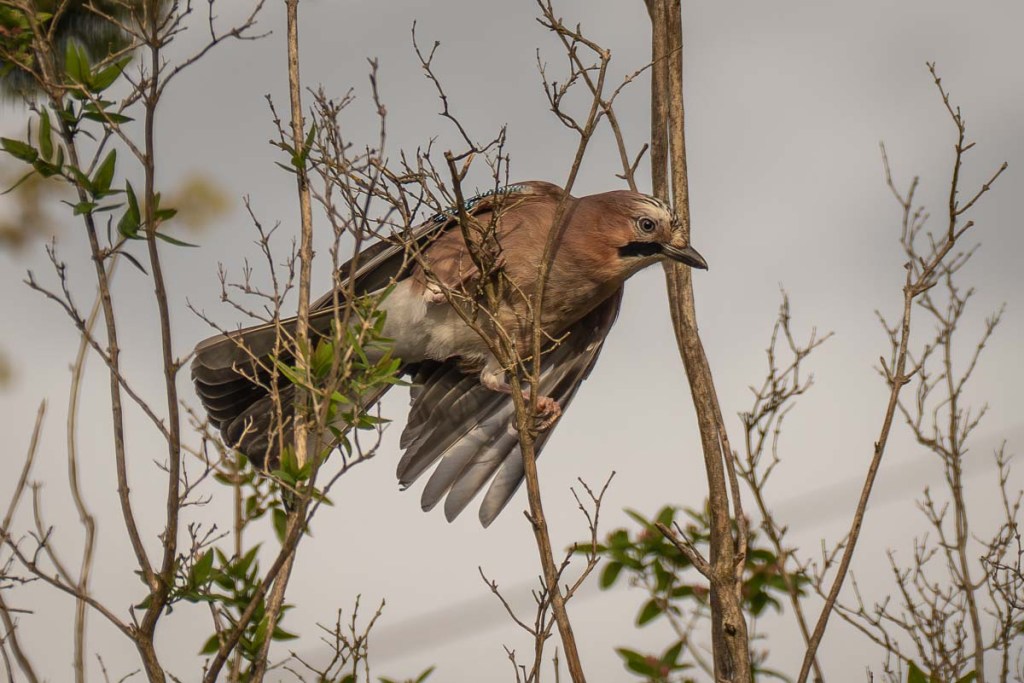
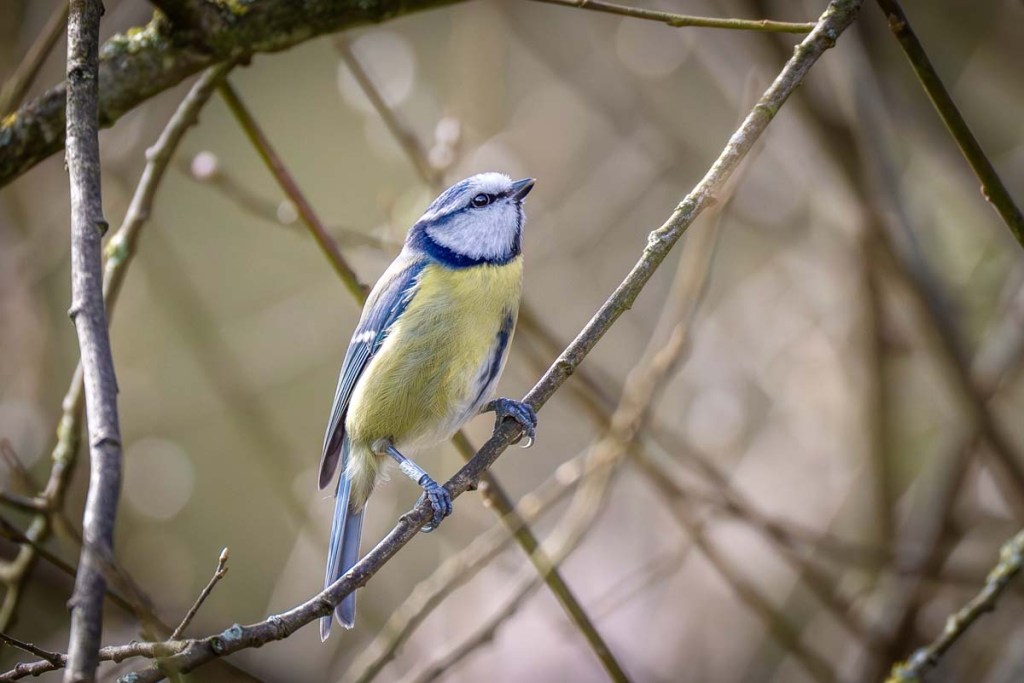
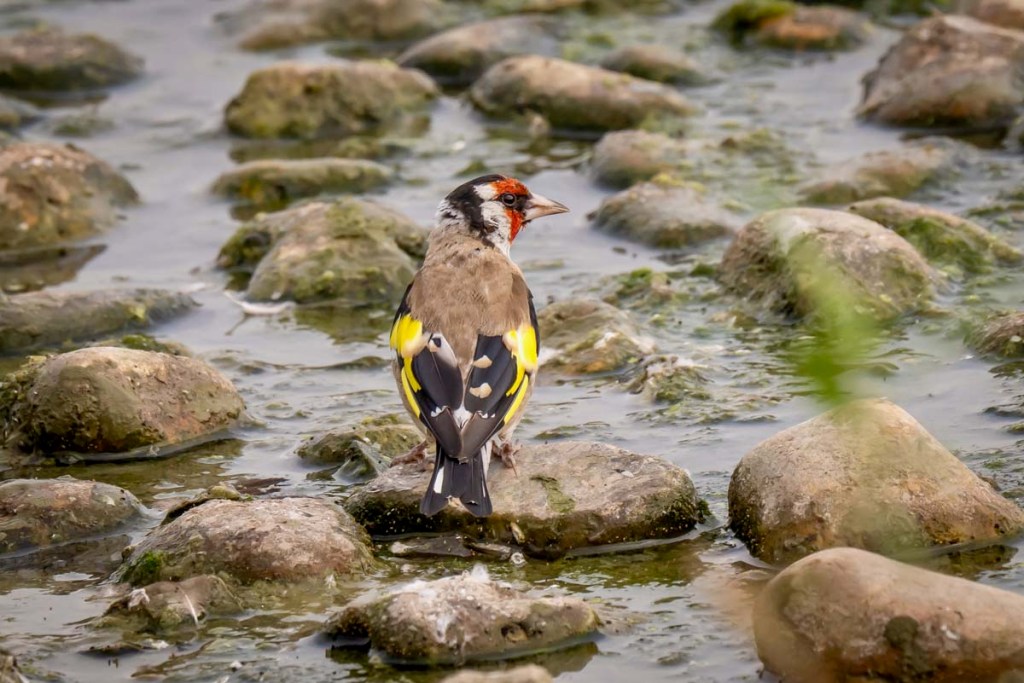
Eurasian jay (from the dining room, in fact, as I fetched my camera)Eurasian jayBlue titEuropean goldfinchStarling
What a joy to be out and about and immersed in nature again today. I know with the wet weather we have had this winter many others would also be feeling the same.
However, I’m especially grateful as in the past 3 and a half months since my last blog I have had some serious surgery to contain bladder and prostate cancer. I am very pleased that today I have got to the point where I could make the 25 mile journey to Slimbridge and even happier that I could manage to carry a camera to capture some of the beautiful moments.
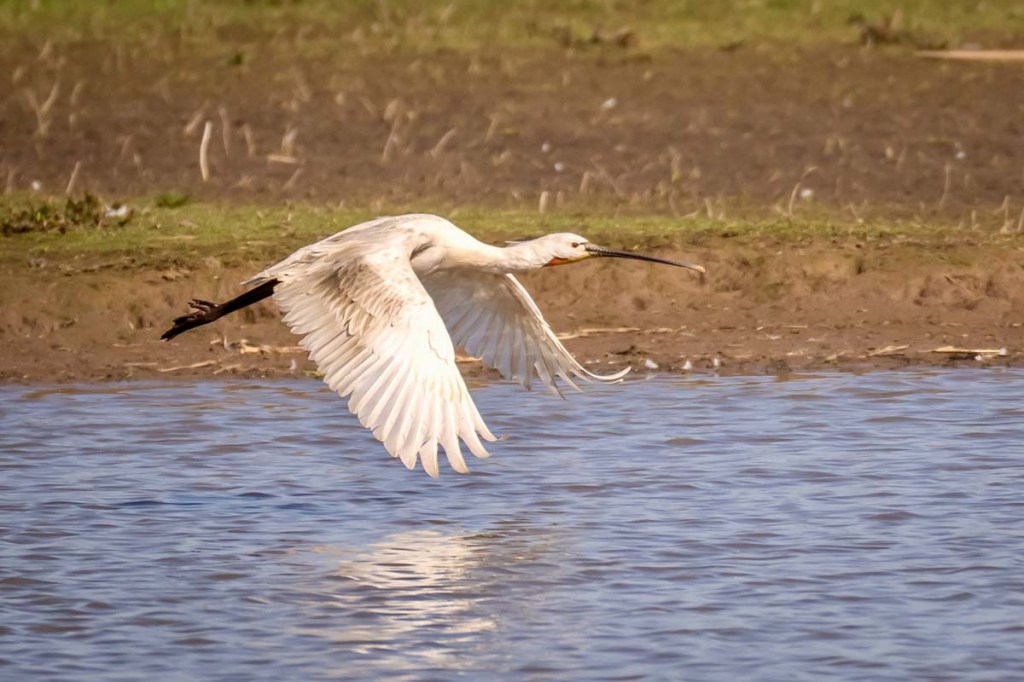
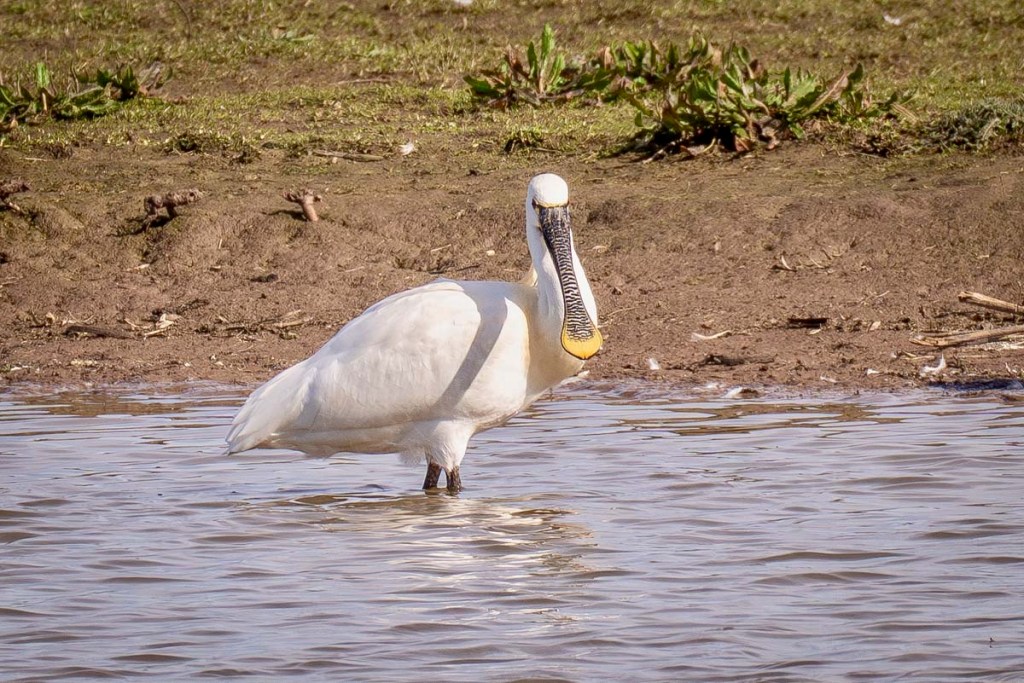
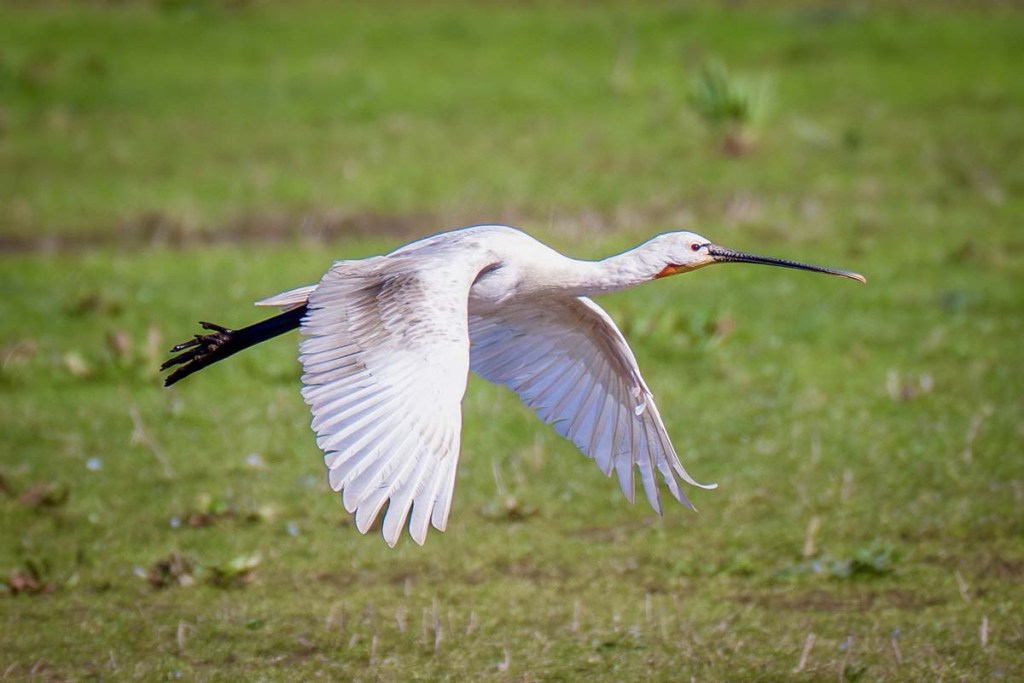
I was restricted to the two nearest hides to the centre’s entrance but that was more than enough for today. The highlights were 3 Eurasian spoonbills but each and every bird was a special delight for me. Hope you like some of the photos too.
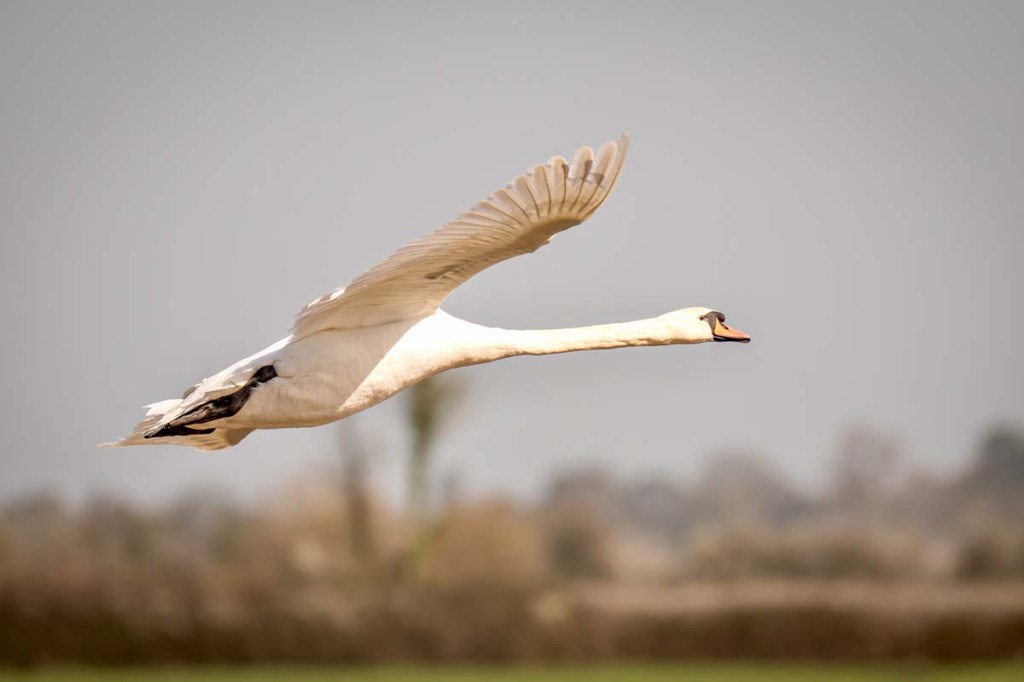
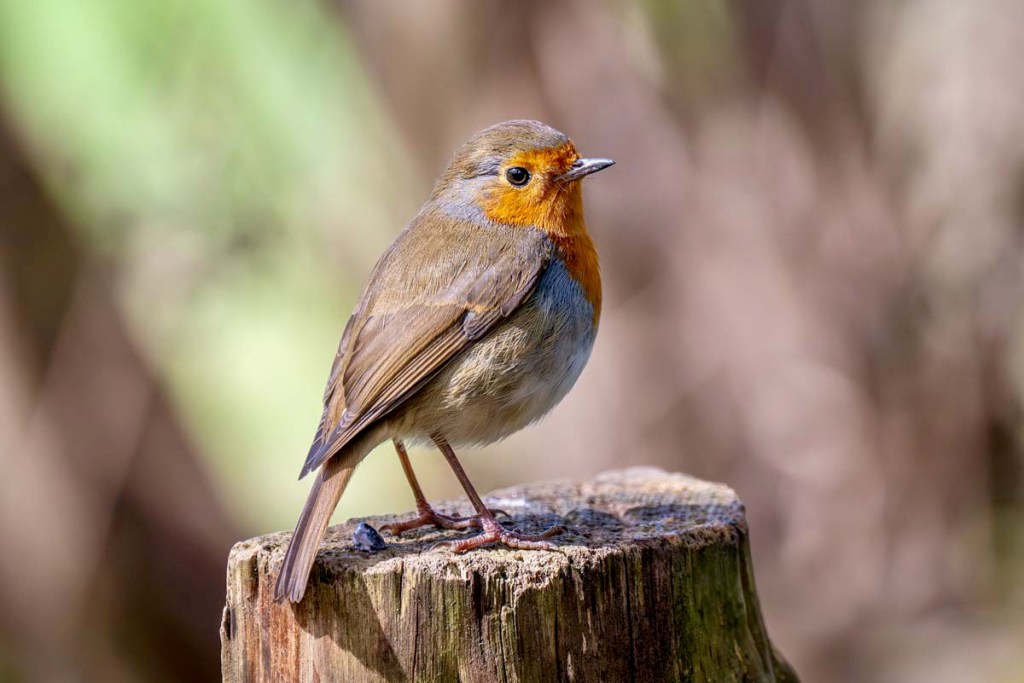
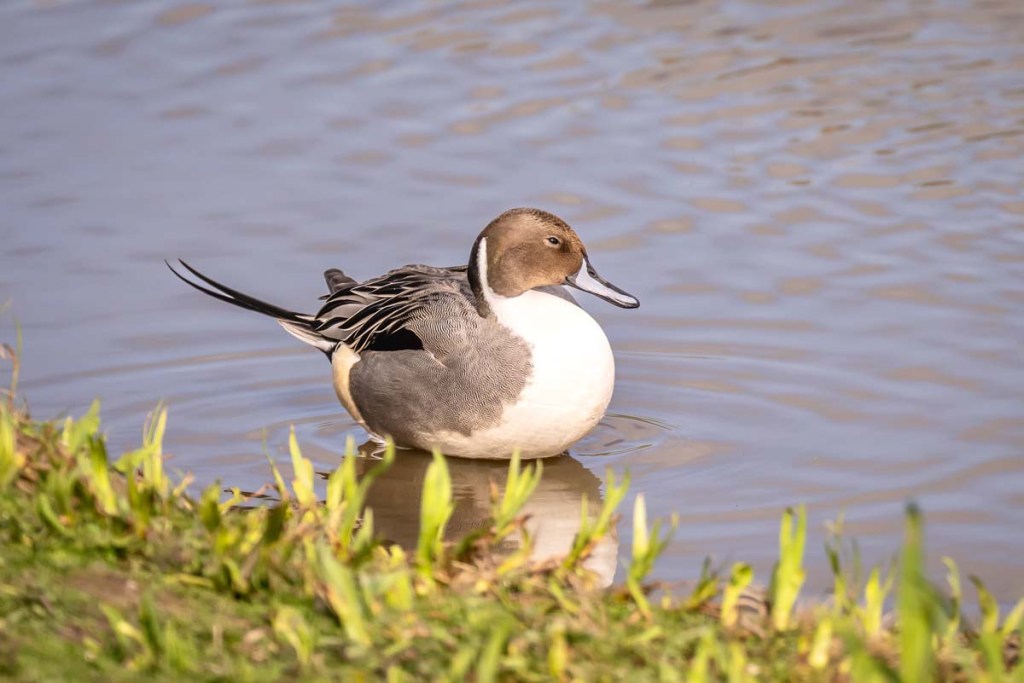
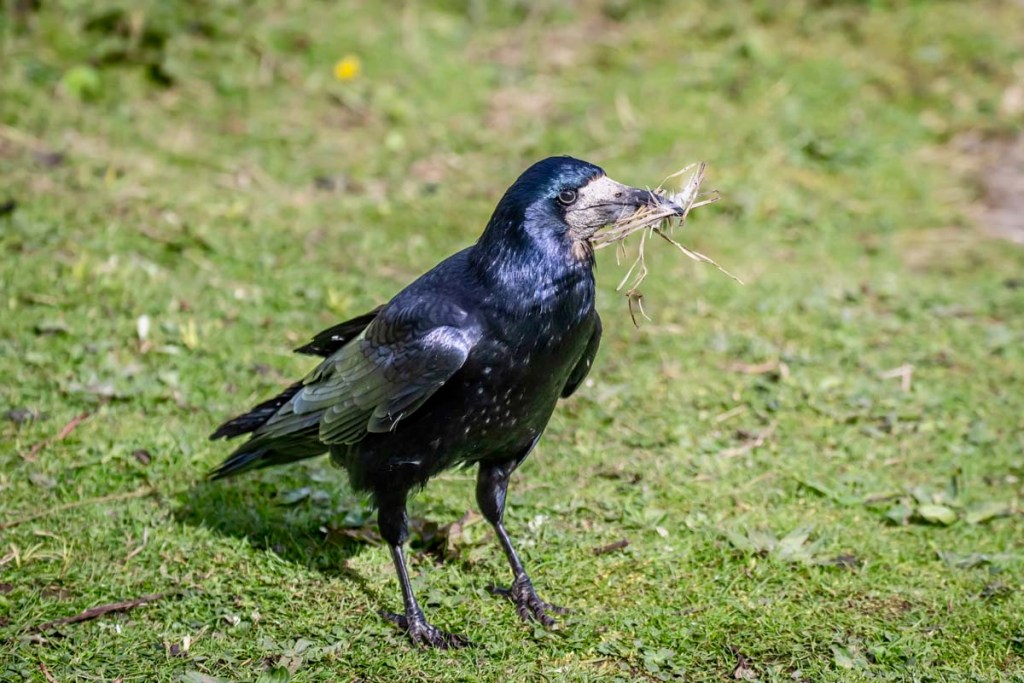
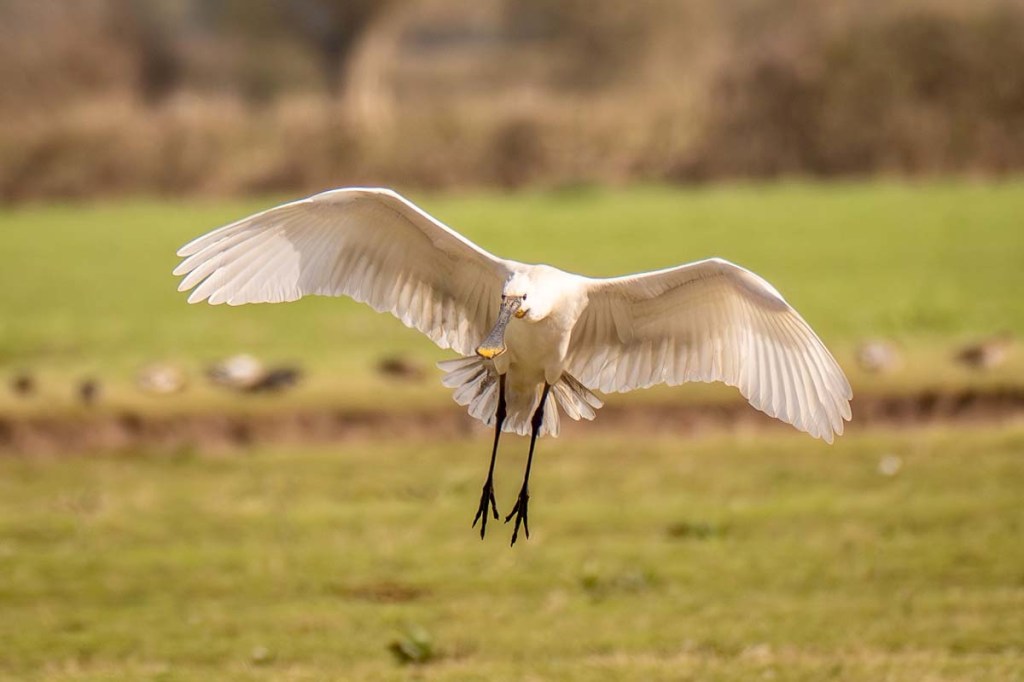
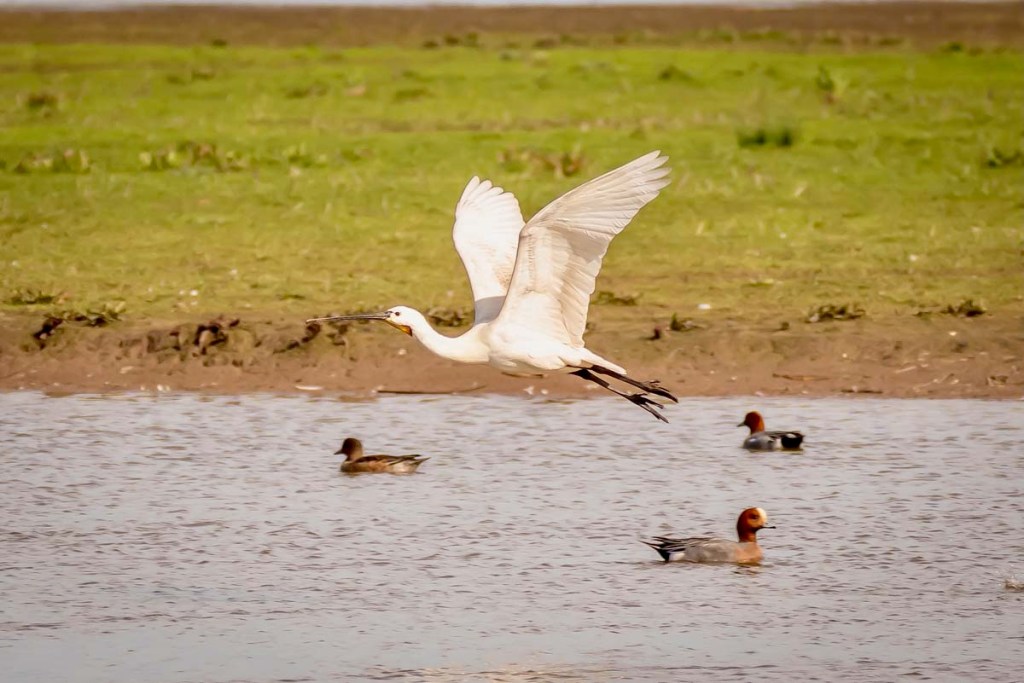
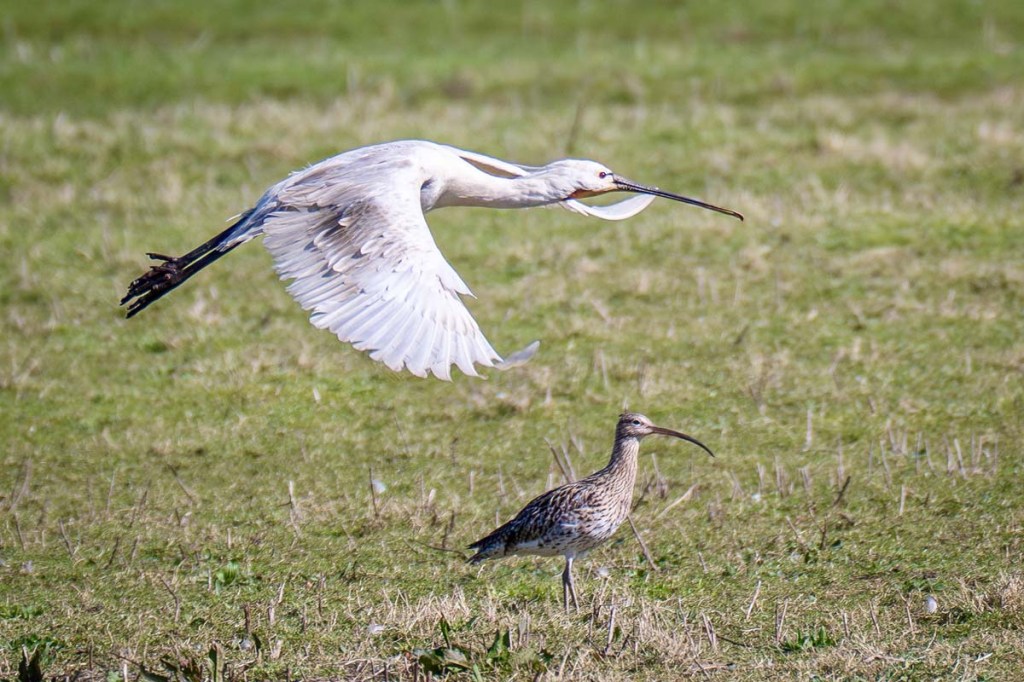
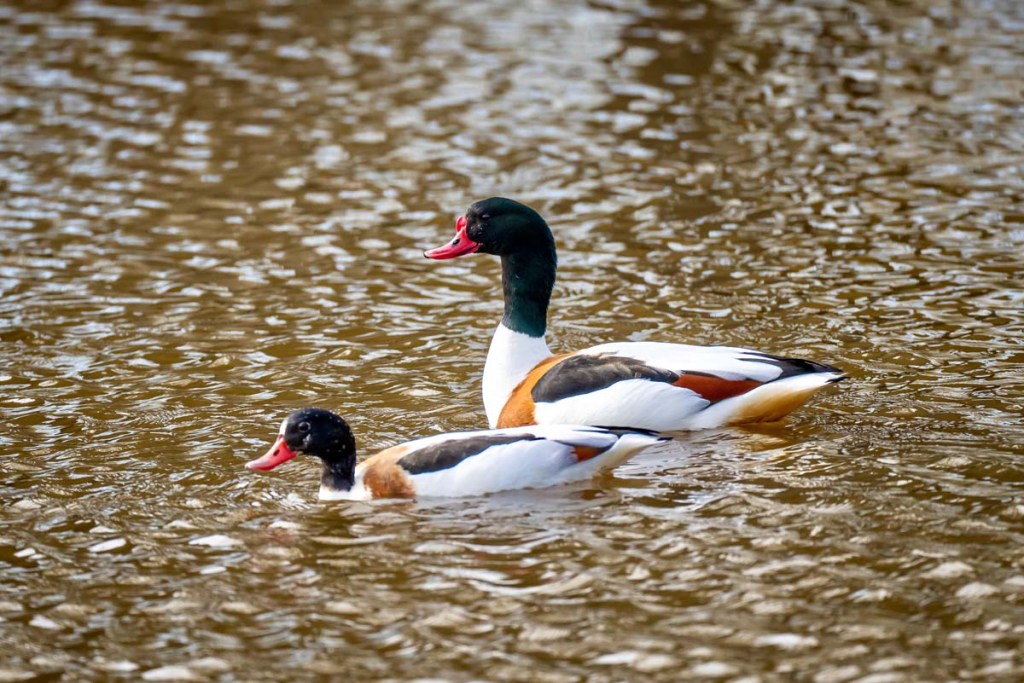
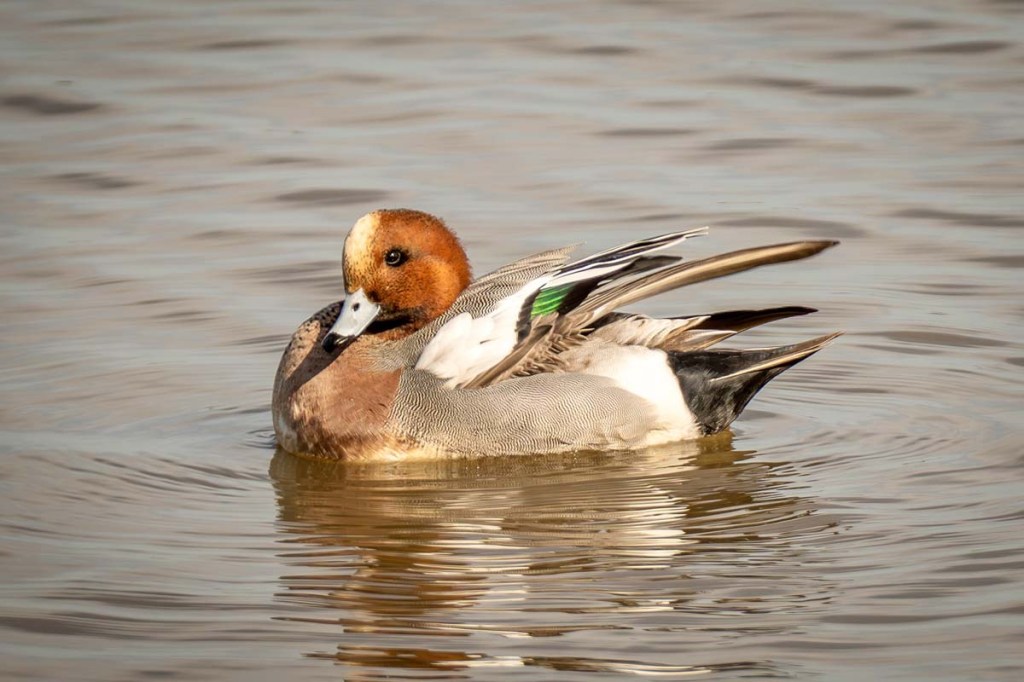
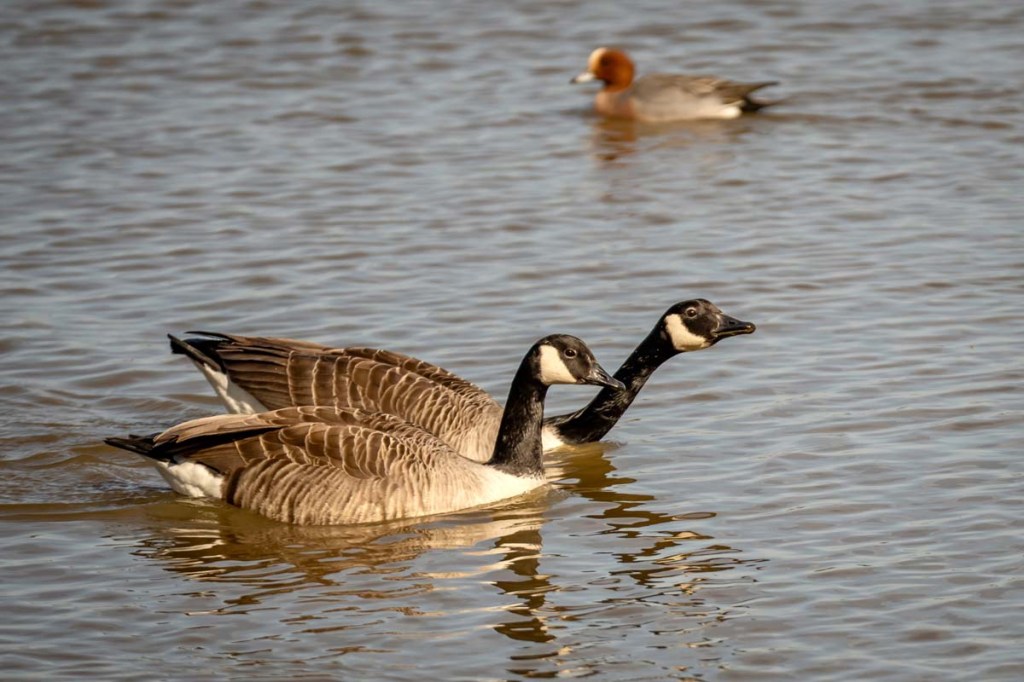
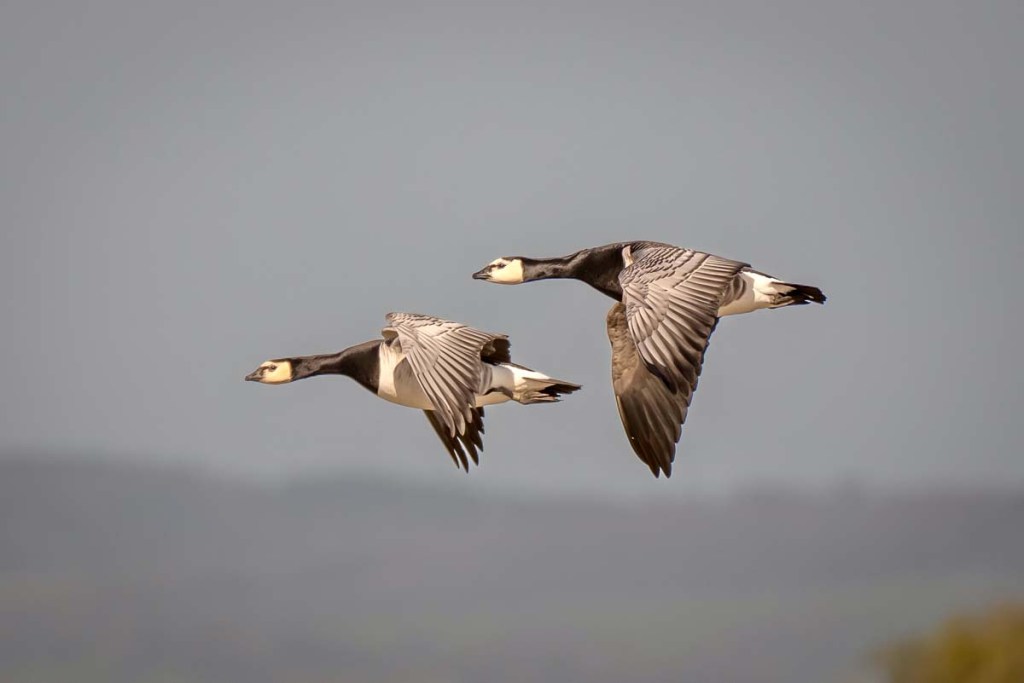
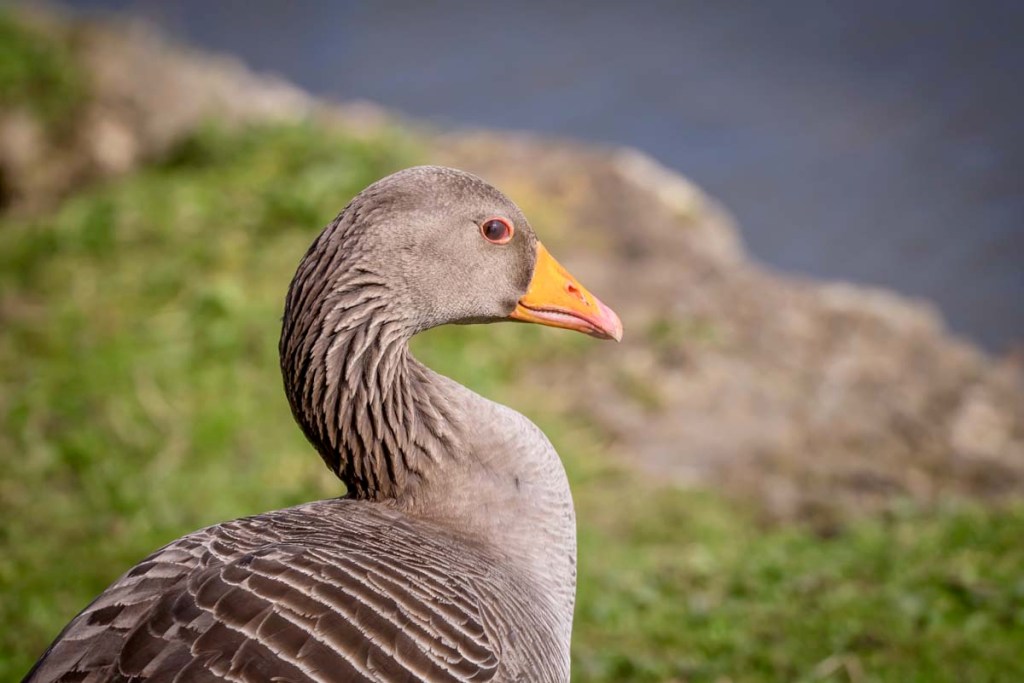
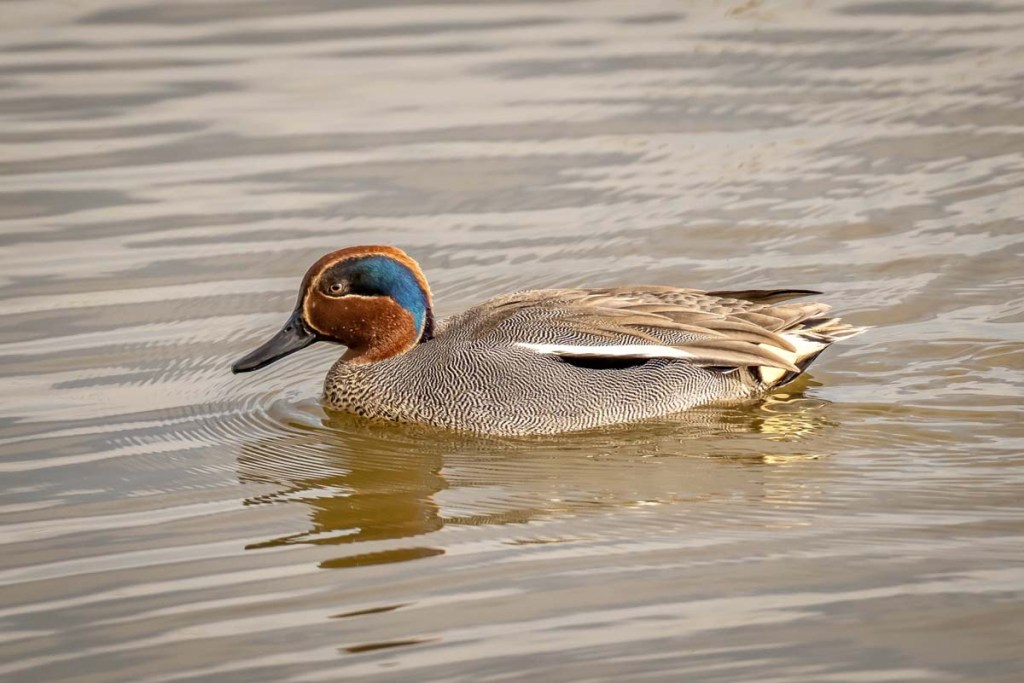
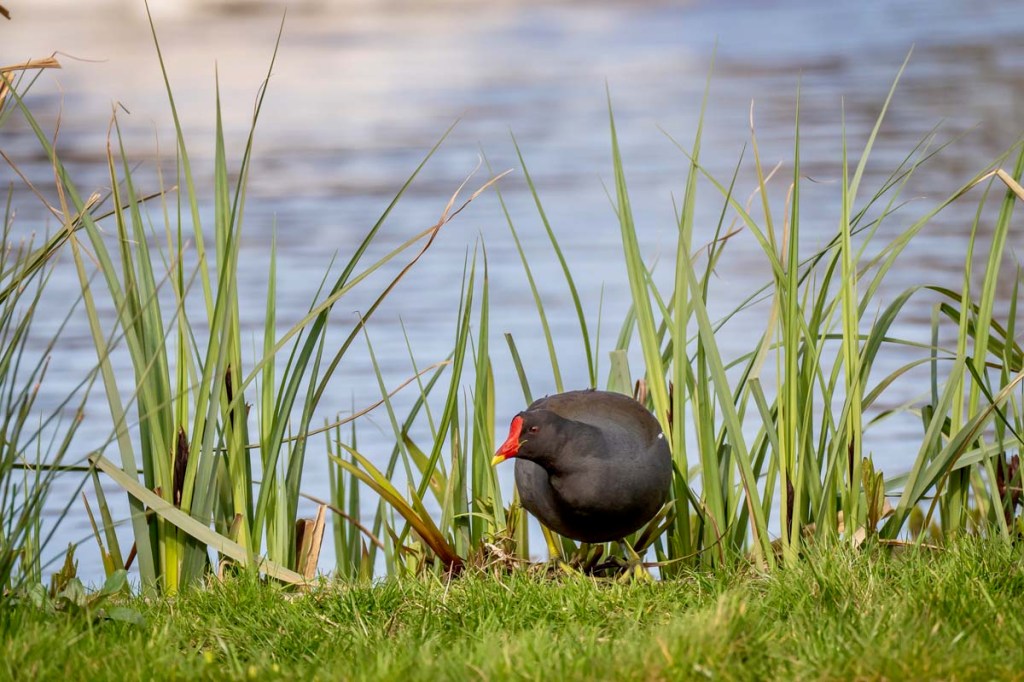
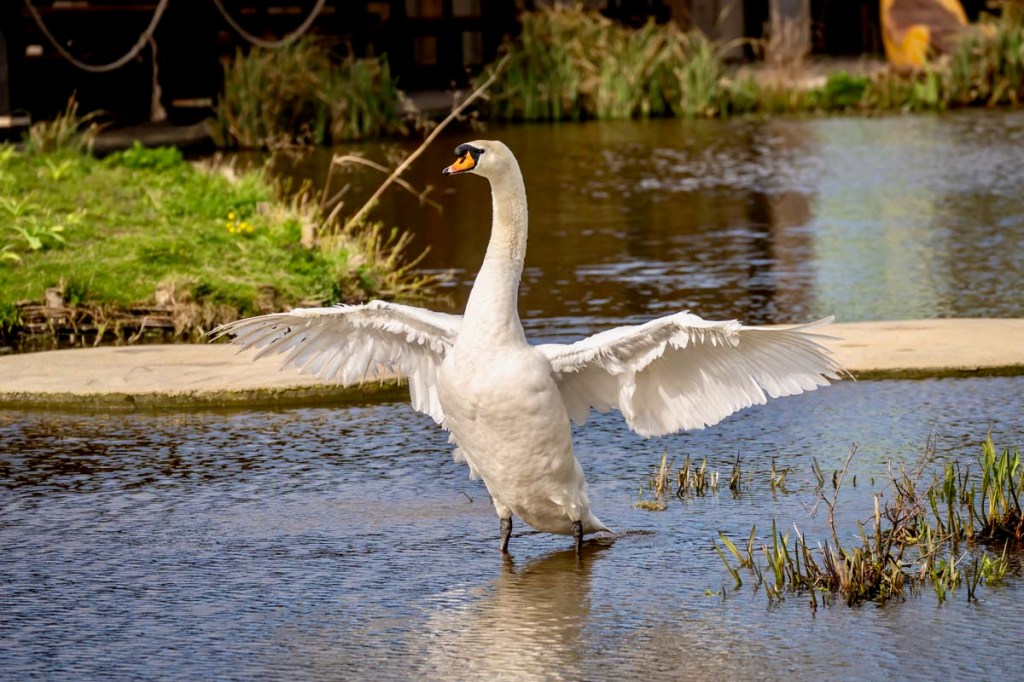
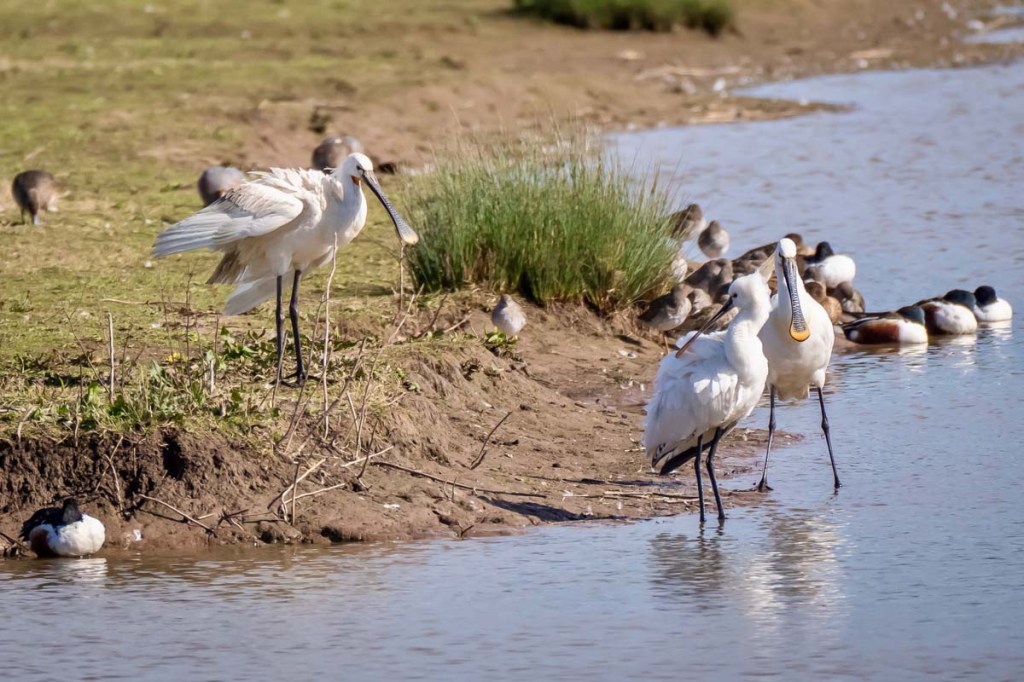
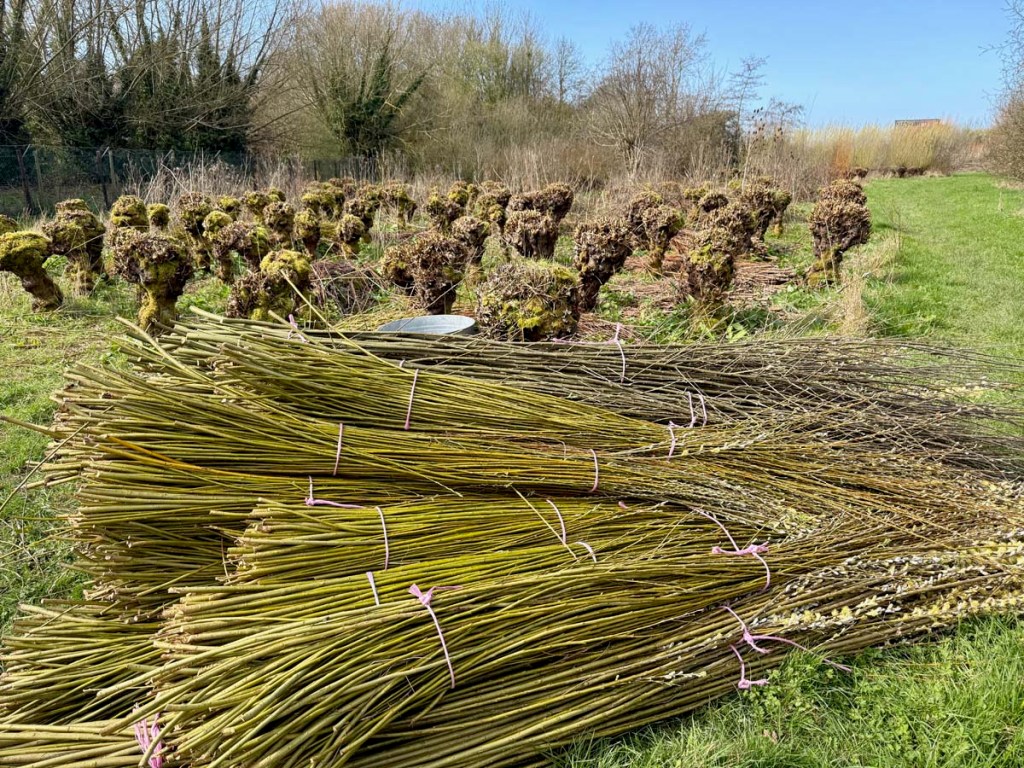
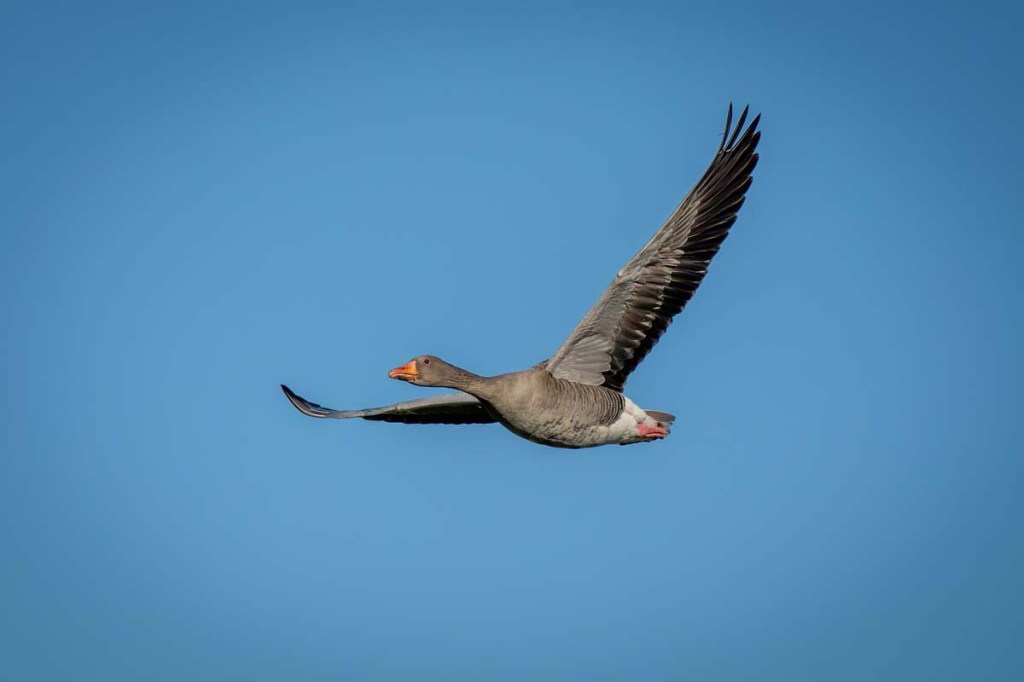
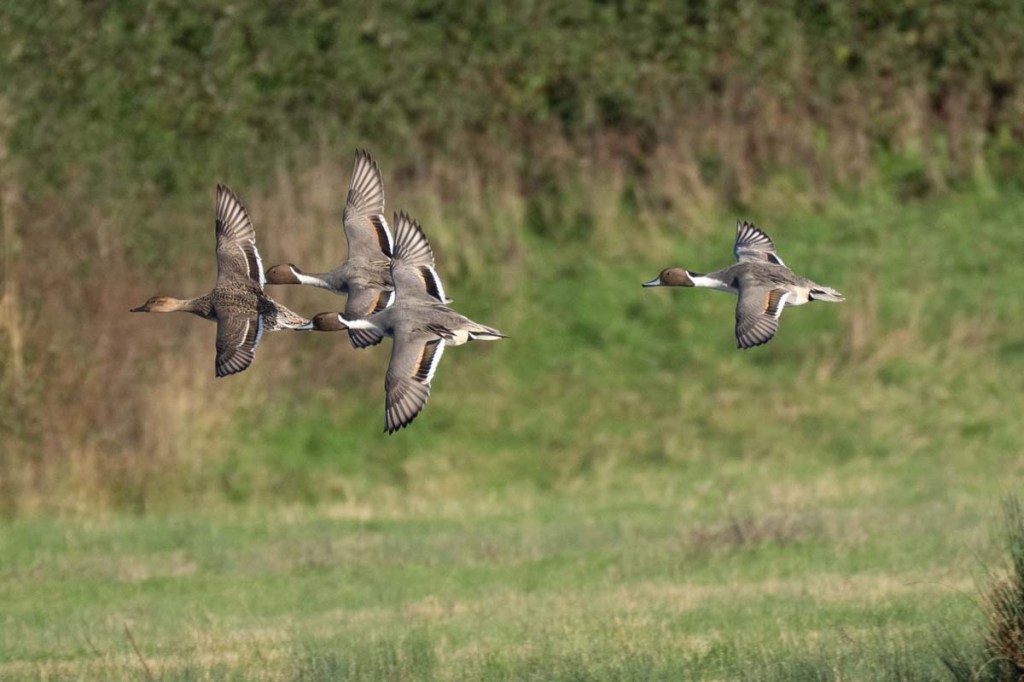
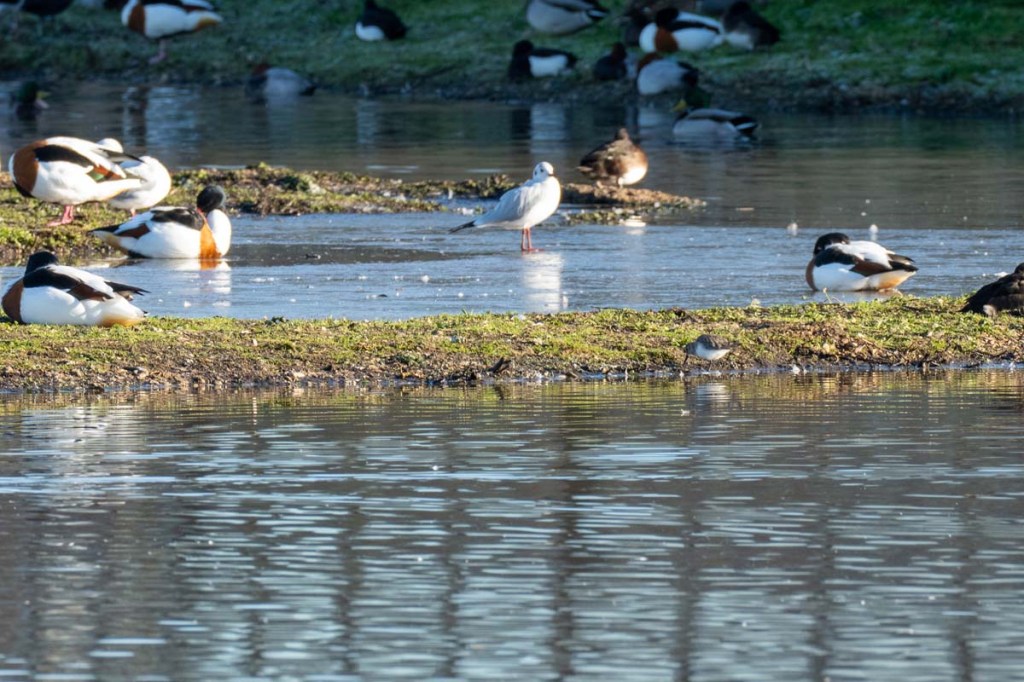
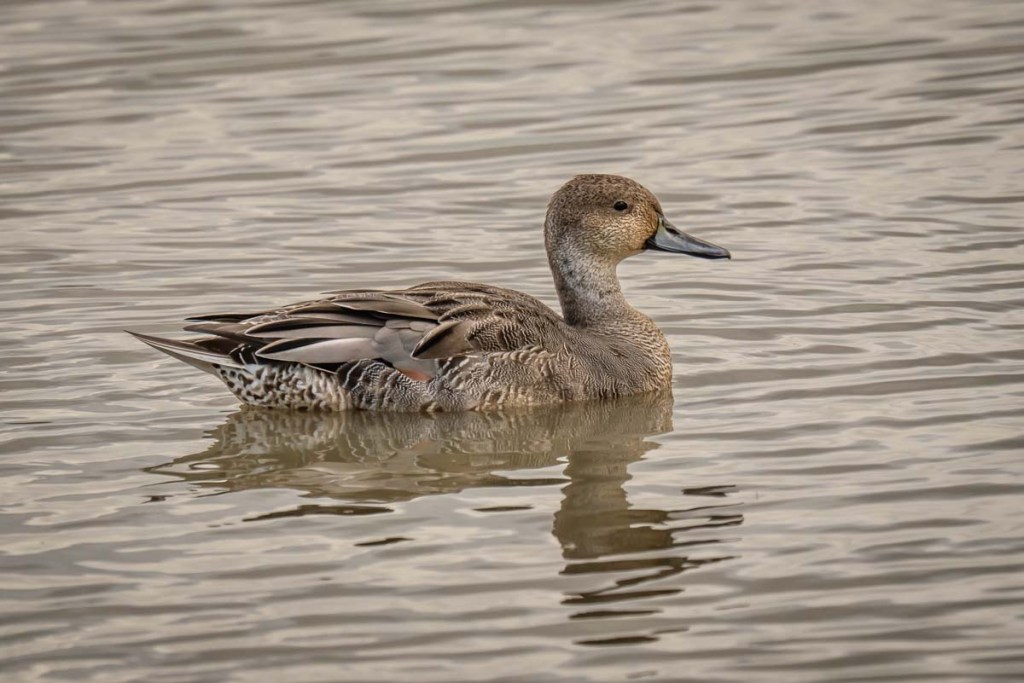
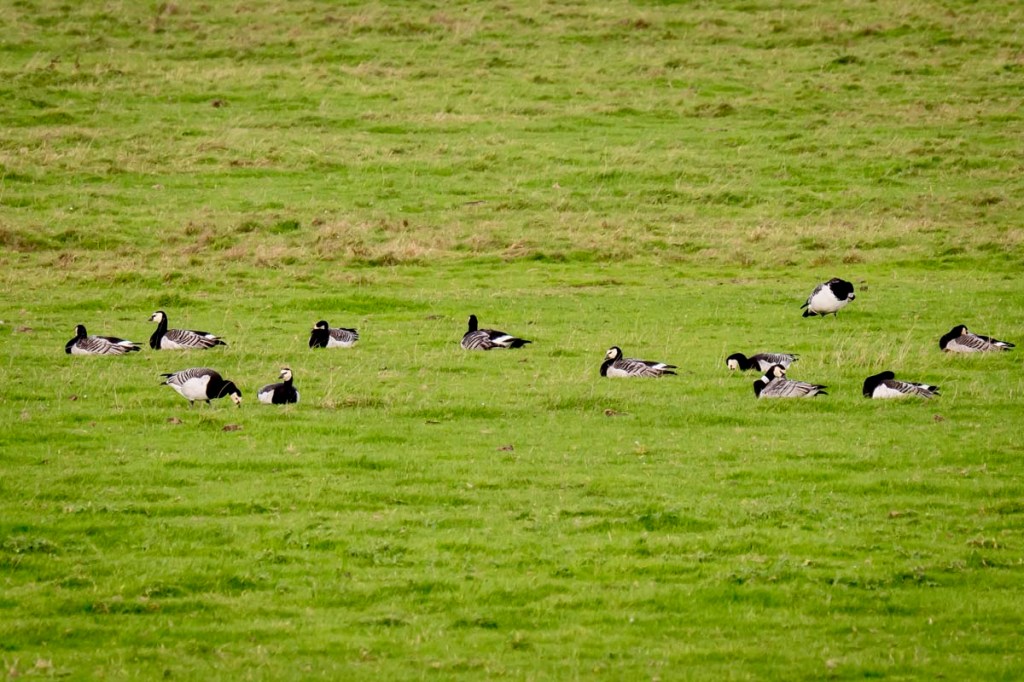
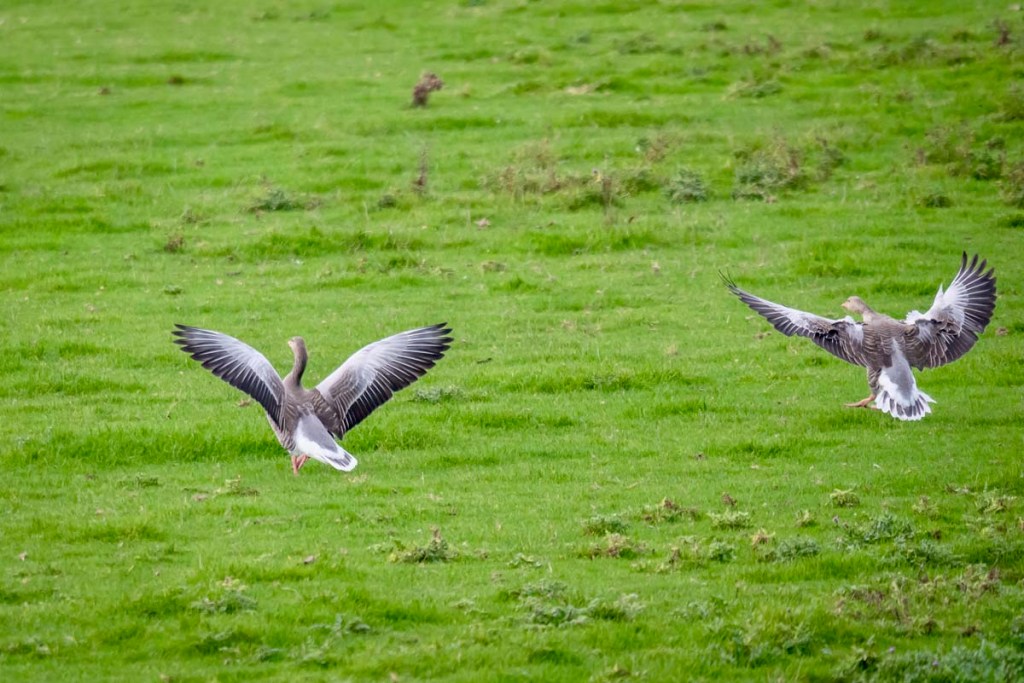
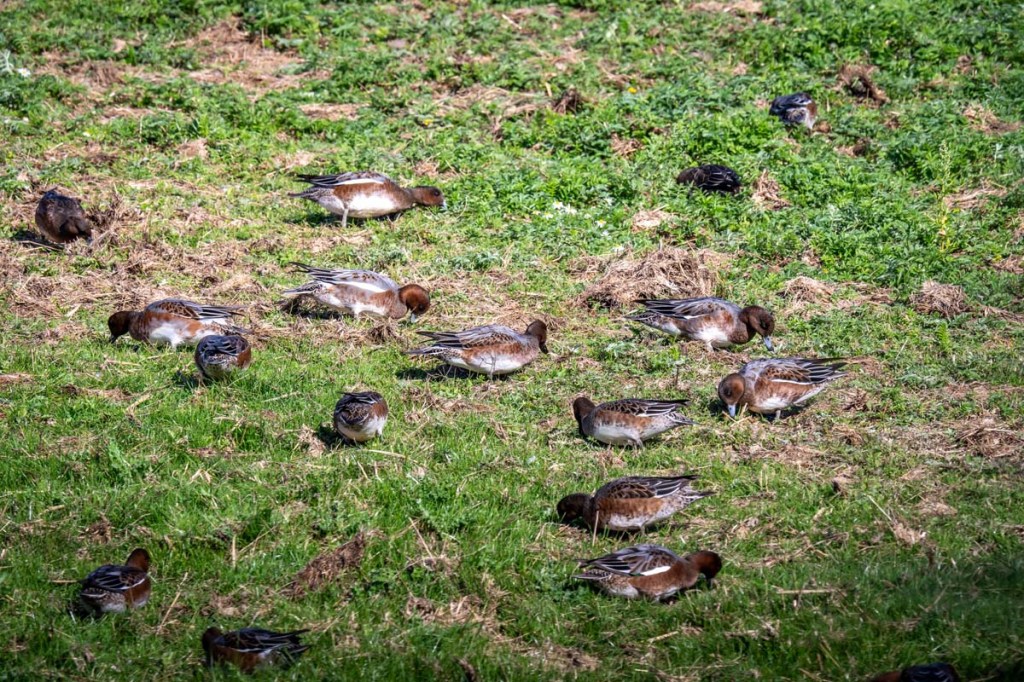
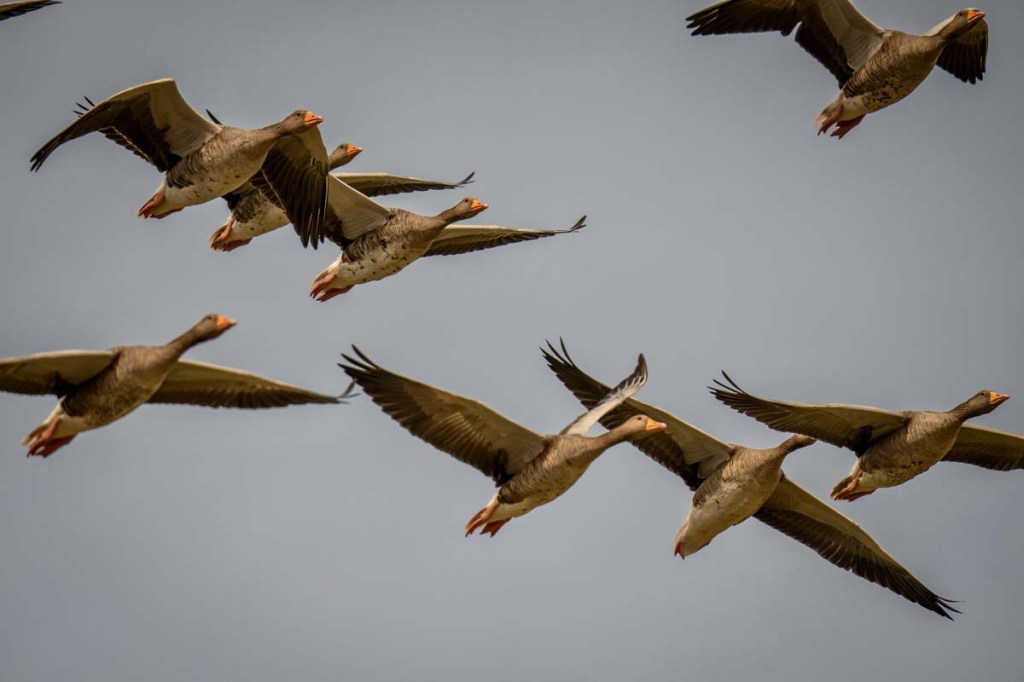
The whooper and Bewick swans have all headed back to Russia and we are left with mute swans… and black swans too.I felt this robin, only a few steps away, came to greet us personally.One of my favourites, a Northern pintailThere were plenty of raucous rooks looking for nesting materialEurasian spoonbillEurasian spoonbillEurasian spoonbill posing for the cameraEurasian spoonbill up close and in flightA sense of scale – Eurasian spoonbill and Eurasian curlewAnother sense of scale – male and (smaller) female shelduckWigeonCanada geeseBarnacle geeseGreylag gooseThe teals were very colourful in the sun… as were the blue titsCommon moorhenA showy mute swanThe 3 Eurasian spoonbills togetherLots of work to be done at this time of the year – cutting the willowThis is what it would be like without a long lens!
The bright sunlight tempted us out again to WWT Slimbridge, just half an hour up the motorway from where we live in Bristol. However, we weren’t quite prepared for the cold winds which greeted us when we arrived on the estuary of the River Severn.
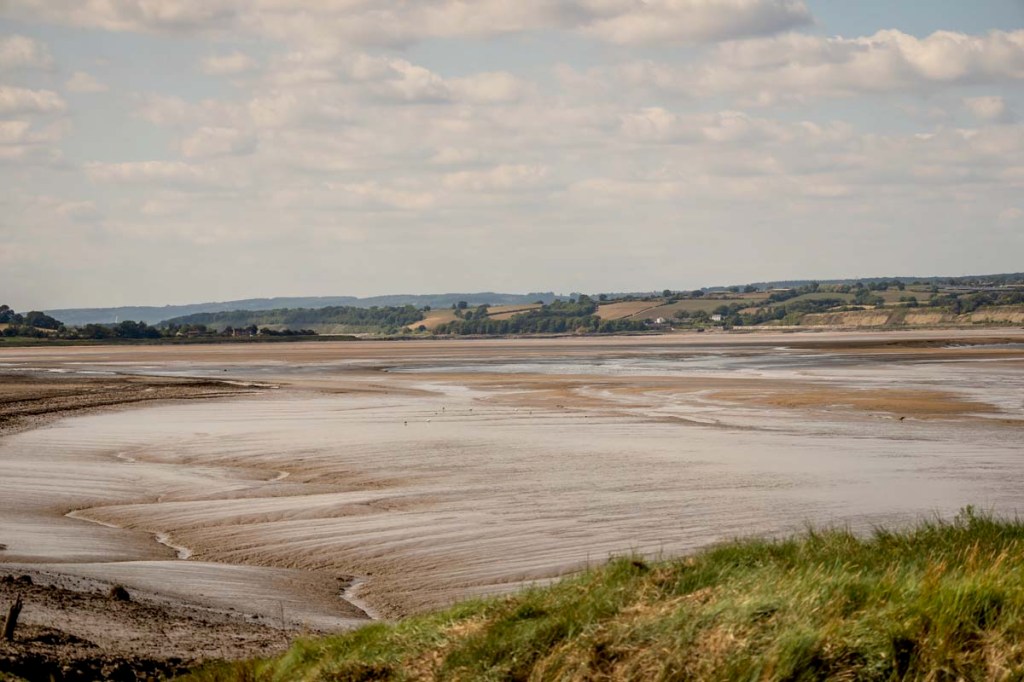
The Severn estuary
I don’t know whether I was affected by the cold but my photos were pretty dreadful and I have very few that I want to publish today.
In the last few blogs I have been experimenting with video and so I offer a short video of some of the birds we saw today. I have left the wind noise (but toned down) to give you a feeling of the cold wind!
Despite my excitement in my last blog about the Bewick’s swans there was not one to be seen today.
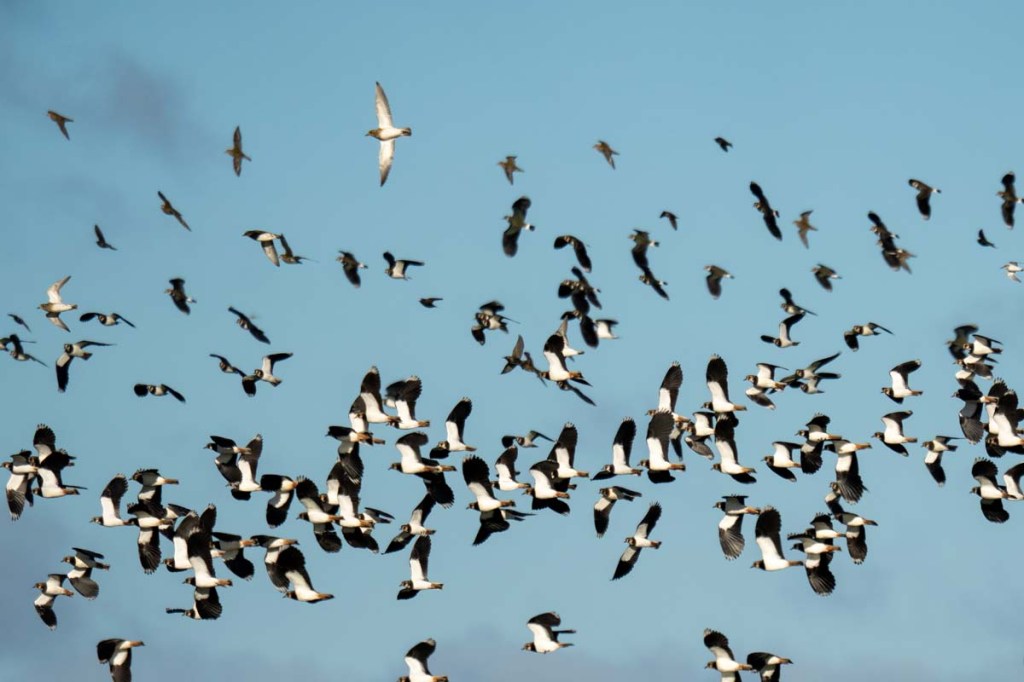
There were lots of geese and a few curlew but not much aerial activity except occasionally for flocks of lapwings and shelduck.
I’m sorry that this is the fourth blog in a row from Slimbridge but I am currently limited to where I can go and, luckily, we are able to access this reserve fairly easily and I can easily visit some of the hides.
I’ve no need to apologise really as this is a great nature reserve and at this time of the year it is quite exciting with lots of birds arriving from the north.
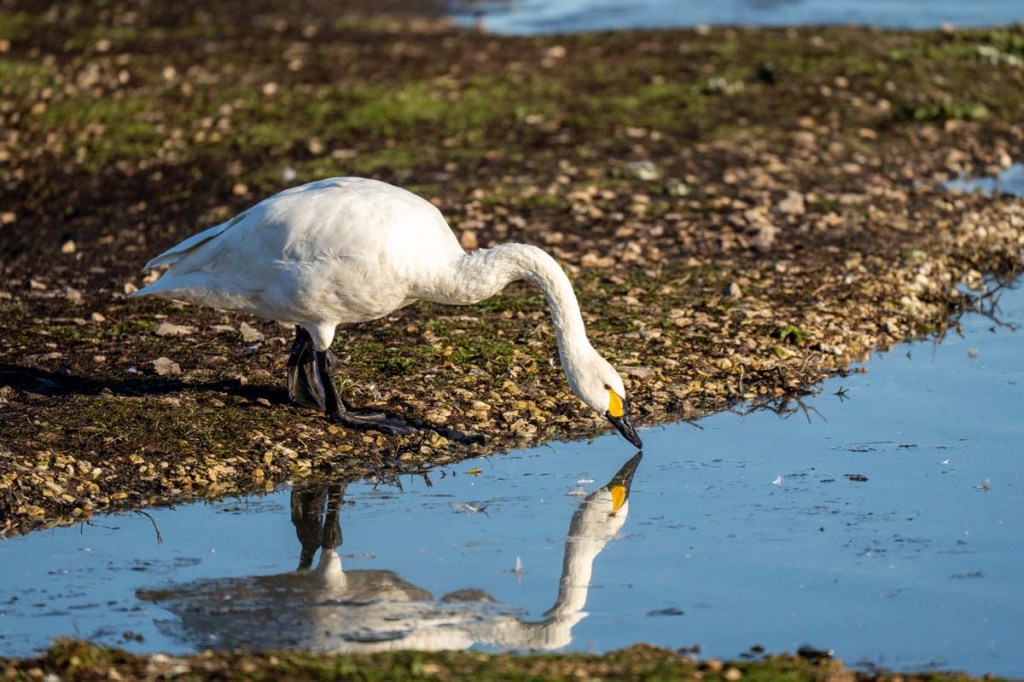
The headline news is the arrival of the Bewick swans. The first ones arrived on the 16th November, the same date the Bewick’s arrived in the winter of 2023, which marked the latest they’ve returned to the reserve since 1965. Sadly, and probably another sign of global warming, their numbers here in Gloucestershire are dwindling (Slimbridge has lost about 43% of their Bewick’s swans over the last five years).
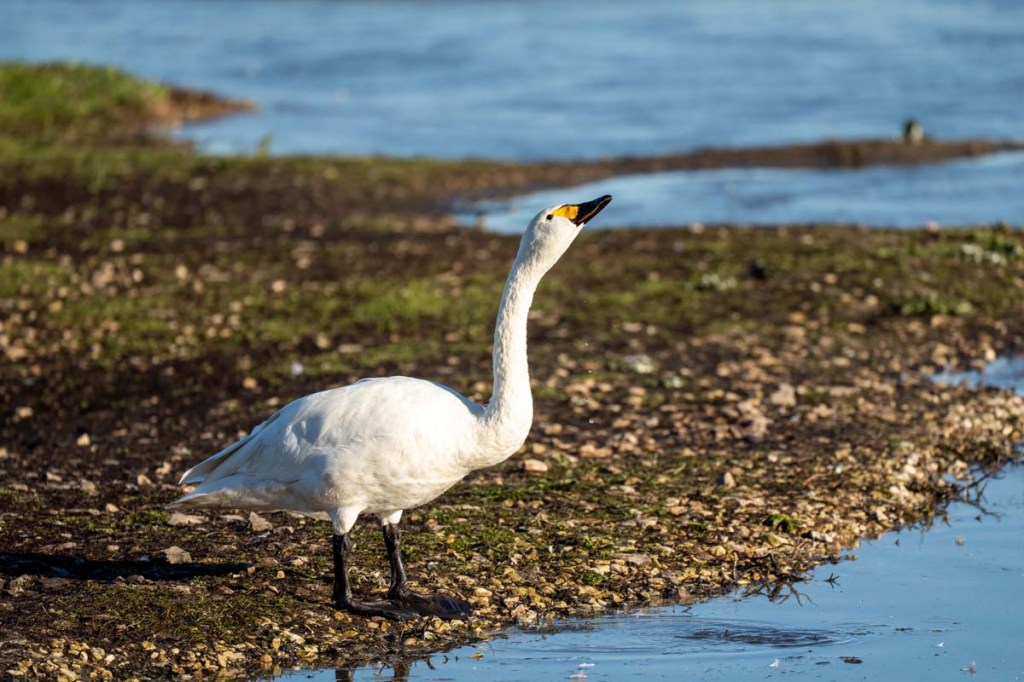
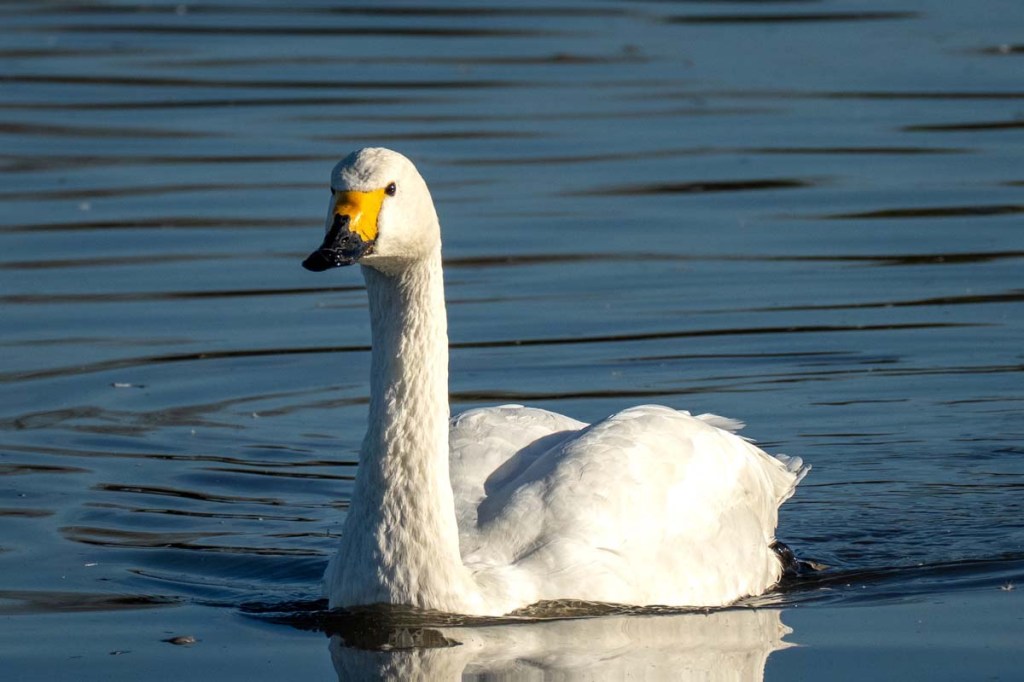
Bewick’s swanBewick’s swan
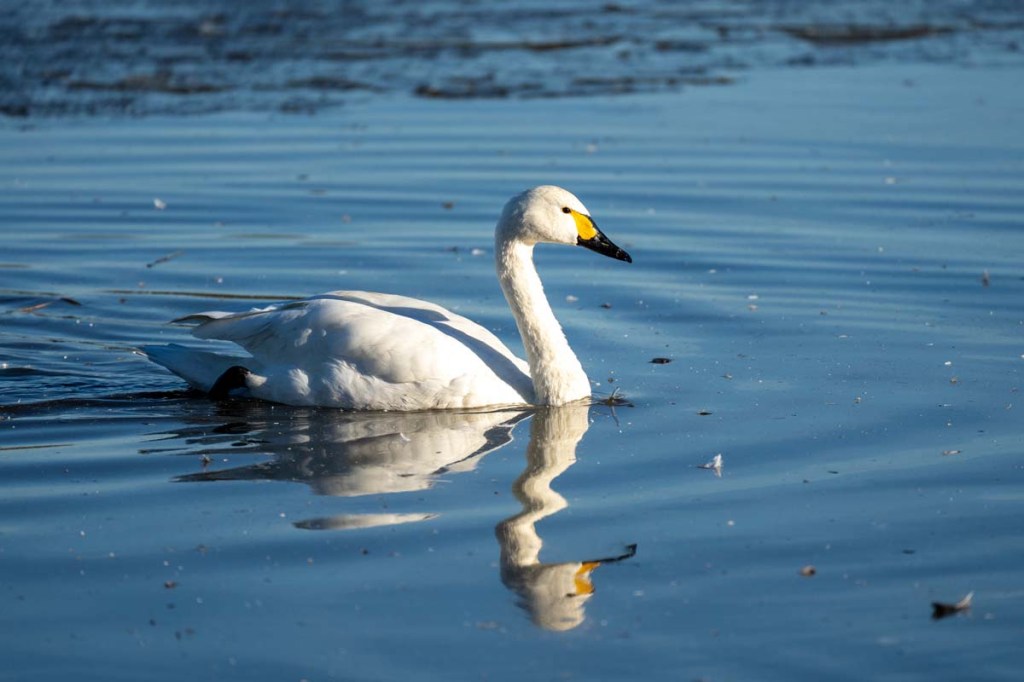
Bewick’s swans are the UK’s smallest swan (115 to 127 cm in length and with a wingspan of between 170 to 195 cm and weighing 6000 g) and are white with a yellow and black bill. It can be distinguished from the whooper swan by the less extensive yellow markings on its bill. Individual Bewick’s swans can be identified by looking at their bill: the pattern of black and yellow that they display is as unique as a fingerprint.
Bewick’s swan
Bewick’s swans spend their winters in this country; they arrive from Siberia in late autumn, returning north again in the spring. They will often feed on fields during the day, eating crops like leftover potatoes and grain, before heading to roost on open water. As well as the Severn Estuary they are primarily seen in areas like East Anglia and Lancashire.
Bewick’s swans
The WWT website has this to say about the Bewick’s:
“Britain’s rarest, smallest and most musical swan is all about family. Extended family groups make long, dangerous migrations together to visit the UK each winter.
Their story
In 1963, Peter and Philippa Scott and their young daughter were painting Bewick’s swans at their window in Slimbridge. As they sketched, they noticed each bird’s bill markings were slightly different. They learned to recognise each one by face and gave them names.
Through their art, the Scotts discovered their new friends had loyal partners for life. Paired birds will seek each other if separated during migration, and perform joyous “triumph ceremonies” on being reunited. They also mourn following the loss of a mate, generally taking at least 1 year to re-pair and longer to breed with a new partner.
The Scott family learned the swans also form strong extended family bonds. When parents, offspring, siblings and (very occasionally) grandchildren come together at feeding sites and on the roost, their soft honking greeting is the soundtrack of Britain’s wetlands in winter.
The challenge
Every autumn, Bewick’s swans face a dangerous migration to the UK from northern Russia. Along their 3,500km route between the breeding and wintering sites there are predators, fewer wetlands and the risk of hitting power lines, but if they don’t migrate, they will be caught in the ice and snow of the arctic winter. In spring, they do it all again as they fly back to Russia. We also fear the rapidly changing climate of the Arctic will affect them.
They are illegally hunted – often mistakenly because their small size makes them resemble geese in low winter light. They are also susceptible to eating the lead ammunition sprayed from shotguns, which poisons, weakens and often kills them.”
When we arrived there were a few Bewick’s to be seen from the Rushy hide but, probably as most of the pond was frozen over, they soon flew off. Fortunately, they returned later in the morning before we left the reserve.
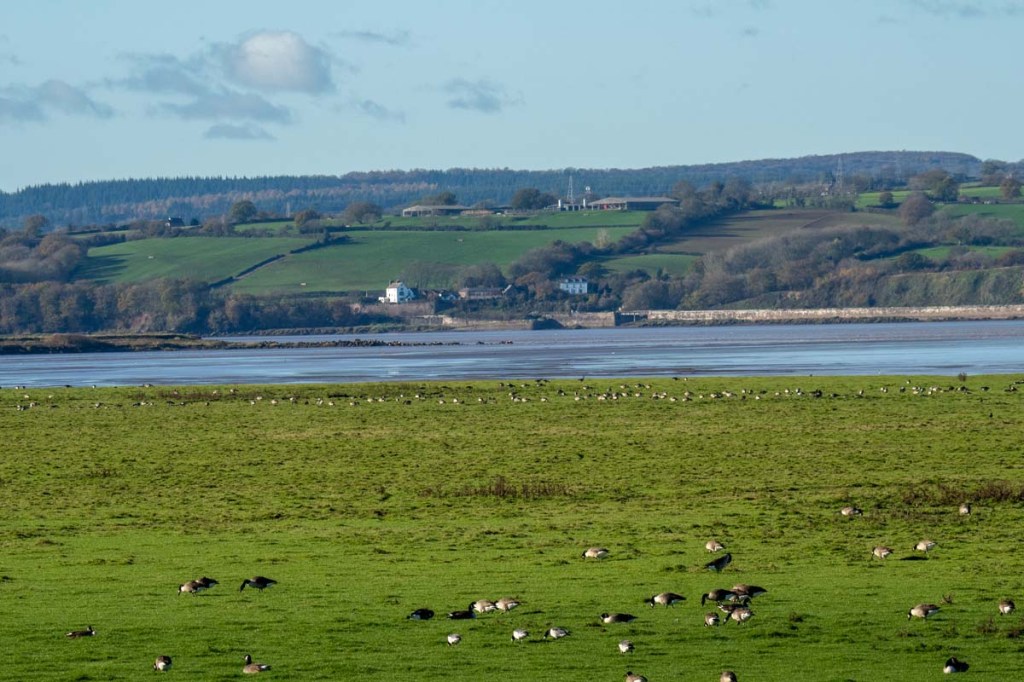
Elsewhere there were lots of geese (Canada, Barnacle and Greylag) on the area close to the River Severn.
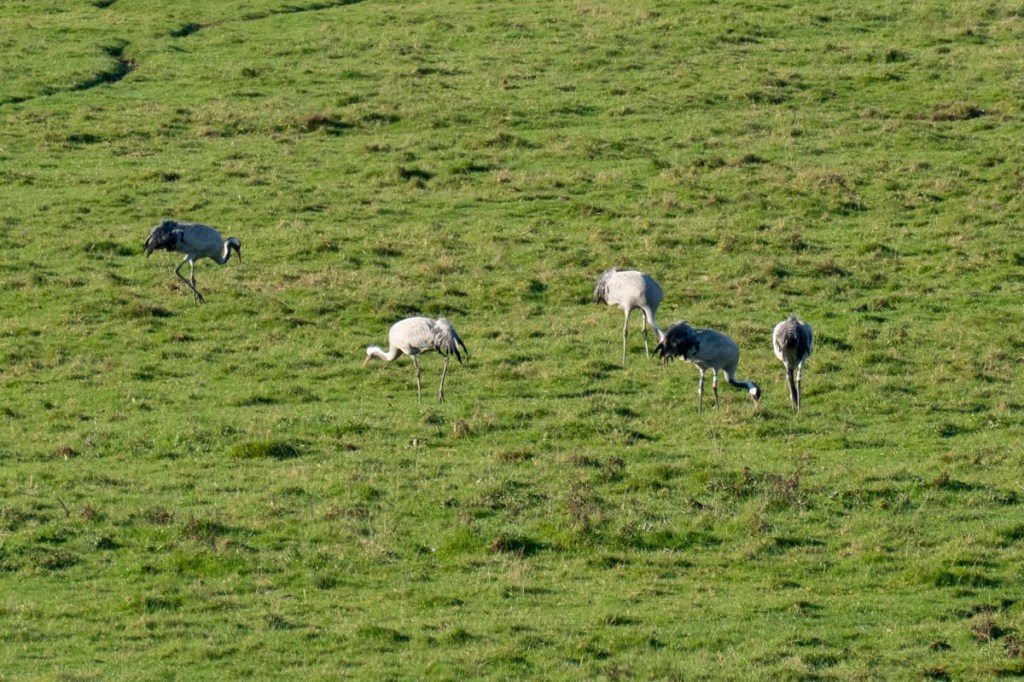
Geese close to the River Severn. The edges of the Forest of Dean can be seen at the rear of the photo – another good “birding” spot.Barnacle geese struggling on the frozen pond. Greylag geese to the rear.Always good to get sight of common cranesBarnacle gooseGreylag goose
There were very few waders, probably due to the shallow water (of which there is normally plenty at Slimbridge) being frozen and our main sightings were a small flock of dunlin which flew in and huddled together on a small island on the Rushy.
Dunlin huddled togetherBewick’s swan behind the dunlin. Tufted ducks and shelducks also on the pool.Northern pintails – the female taking the lead
The Temmink’s stint, which we had seen for the first time on our last visit, was still around but at some distance from us.
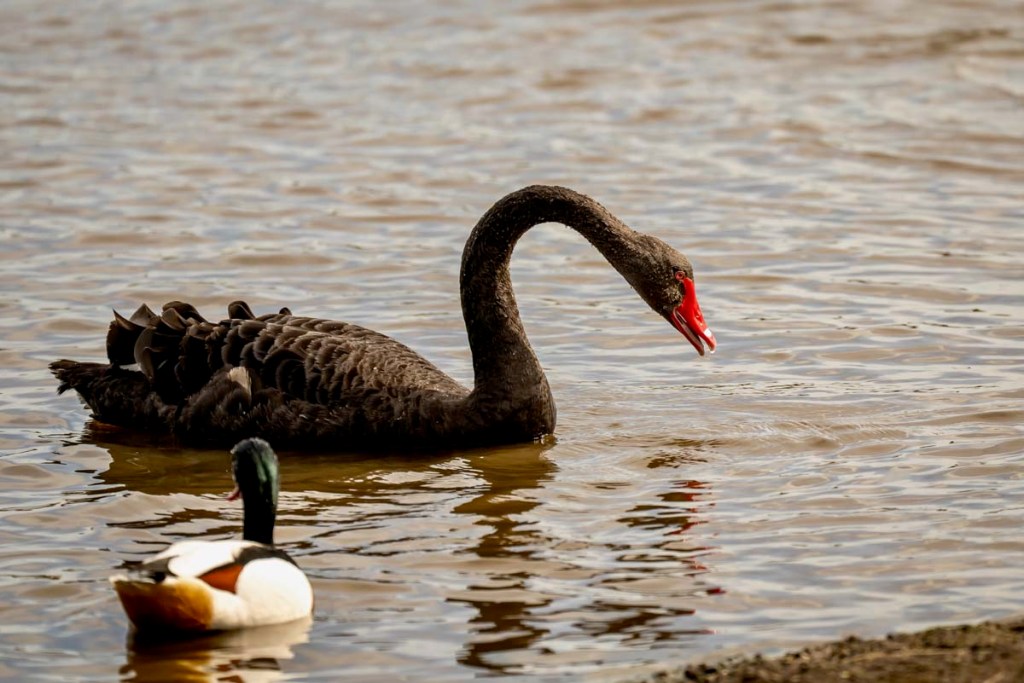
The Temminck’s stint on the near edge of the bankTemminck’s stintBewick’s swanBewick’s swanBewick’s swanBewick’s swanNot all swans are white!
Another visit to Slimbridge and a very different day to our visit earlier in the week, with sunshine and very warm temperatures (15C) for this time of the year.
It’s getting very exciting here with large numbers of birds arriving from the north. No whooper or Bewick swans yet, but a small number of white fronted geese have just arrived from the north of Russia.
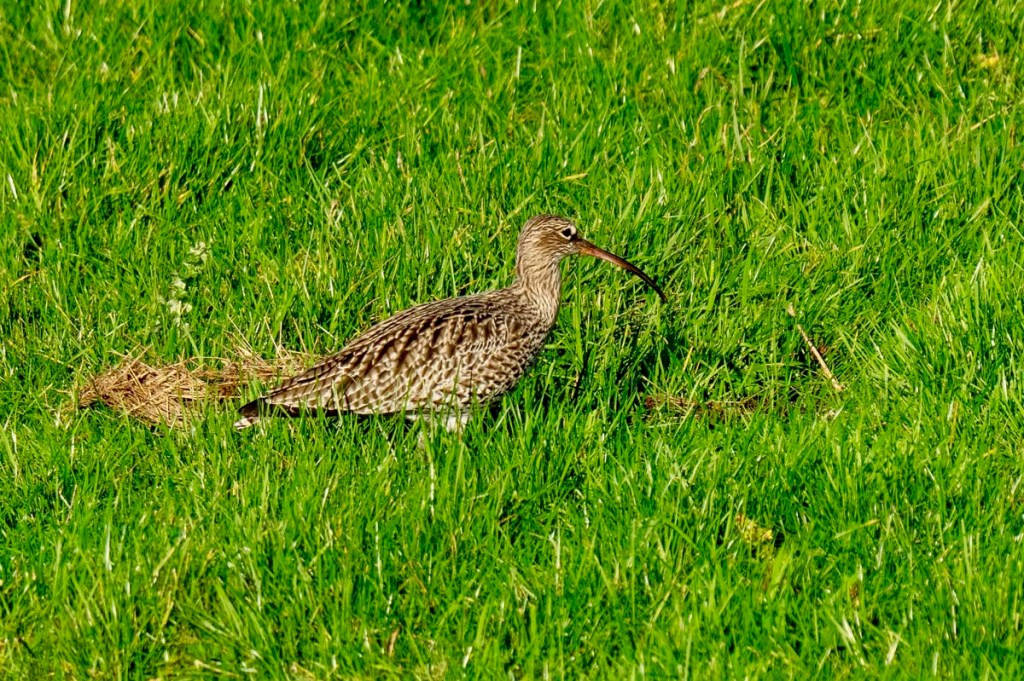
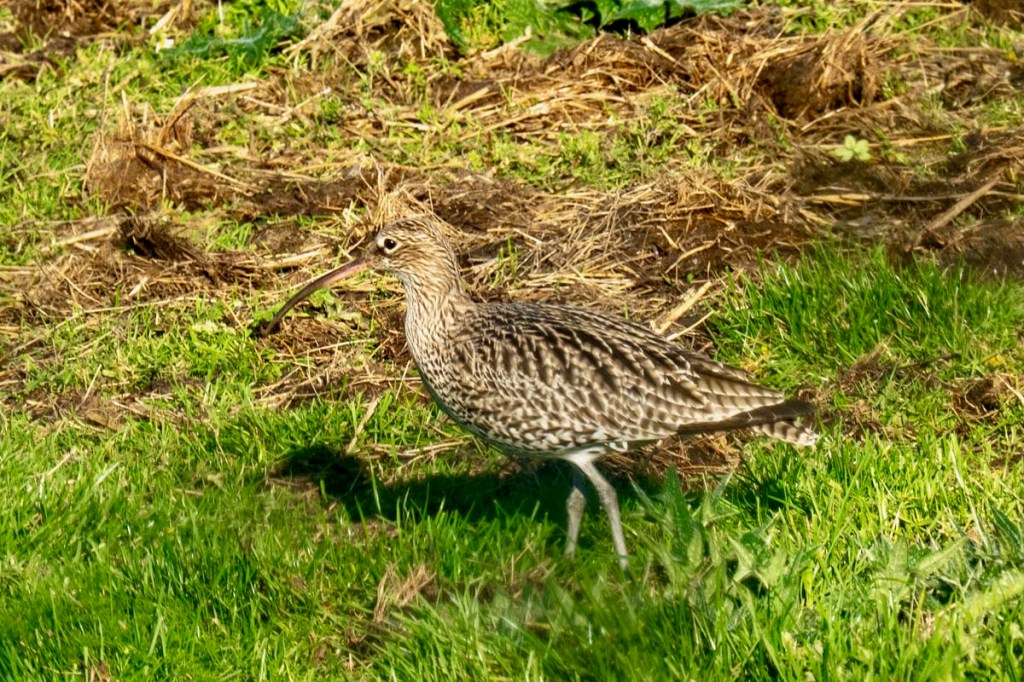
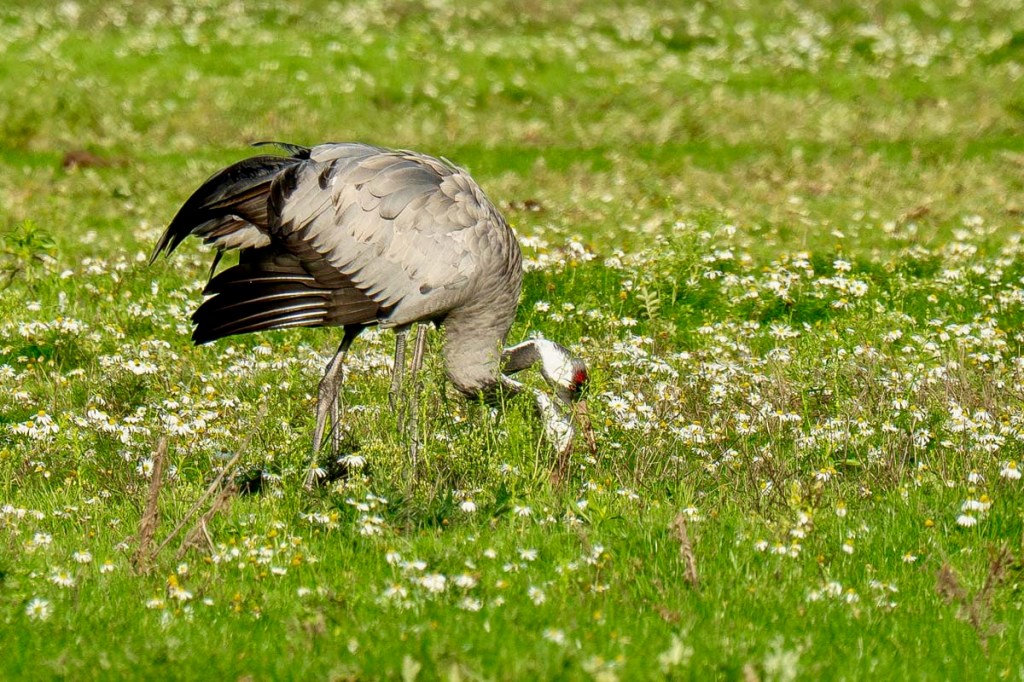
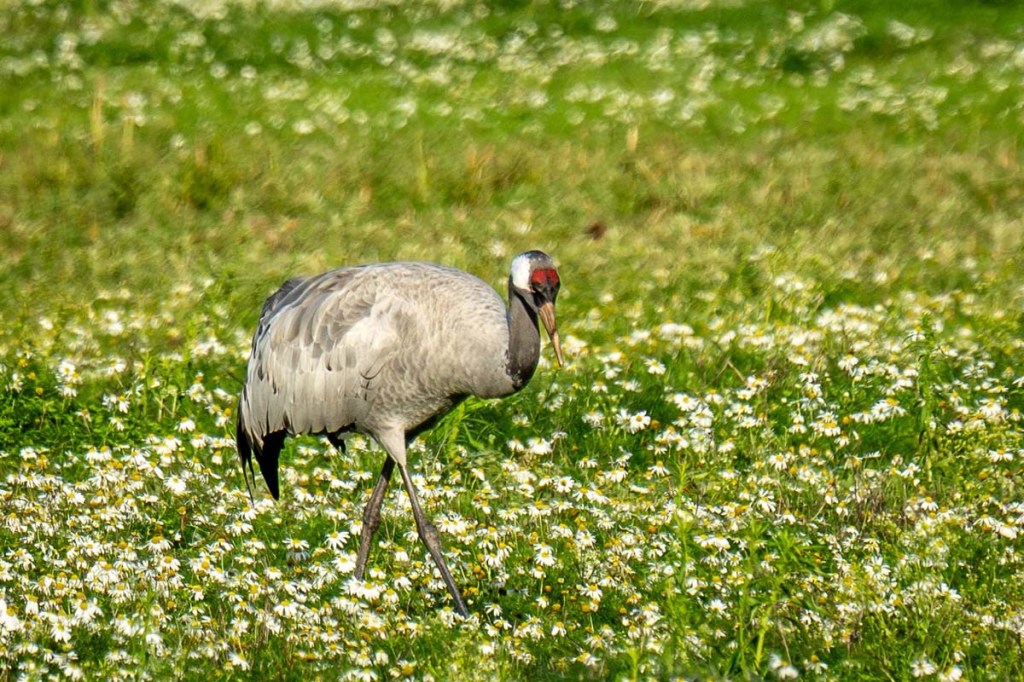
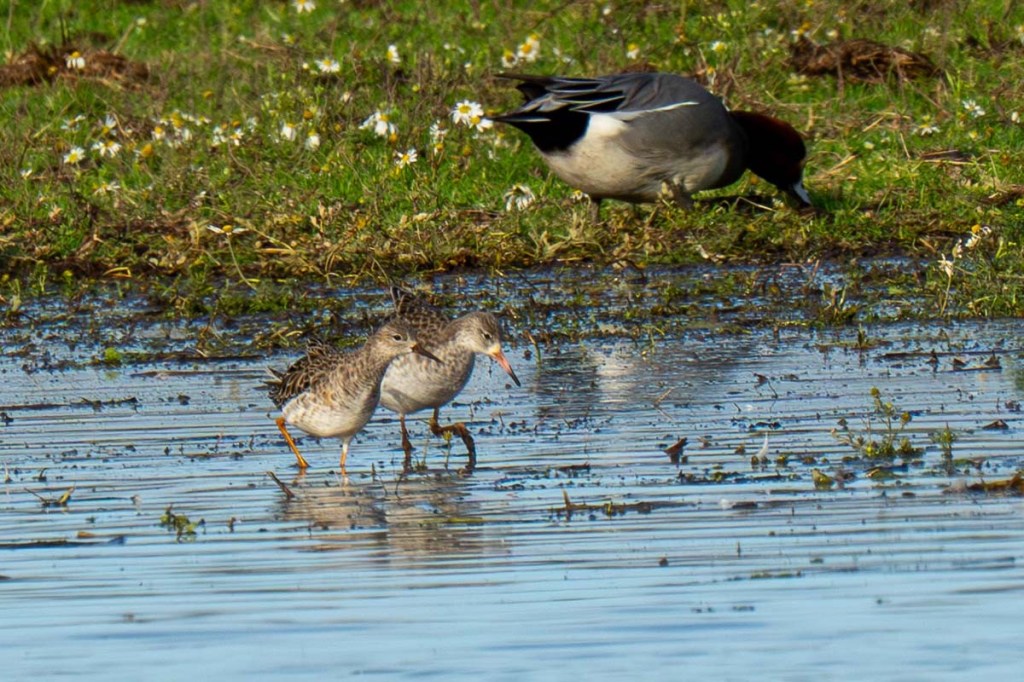
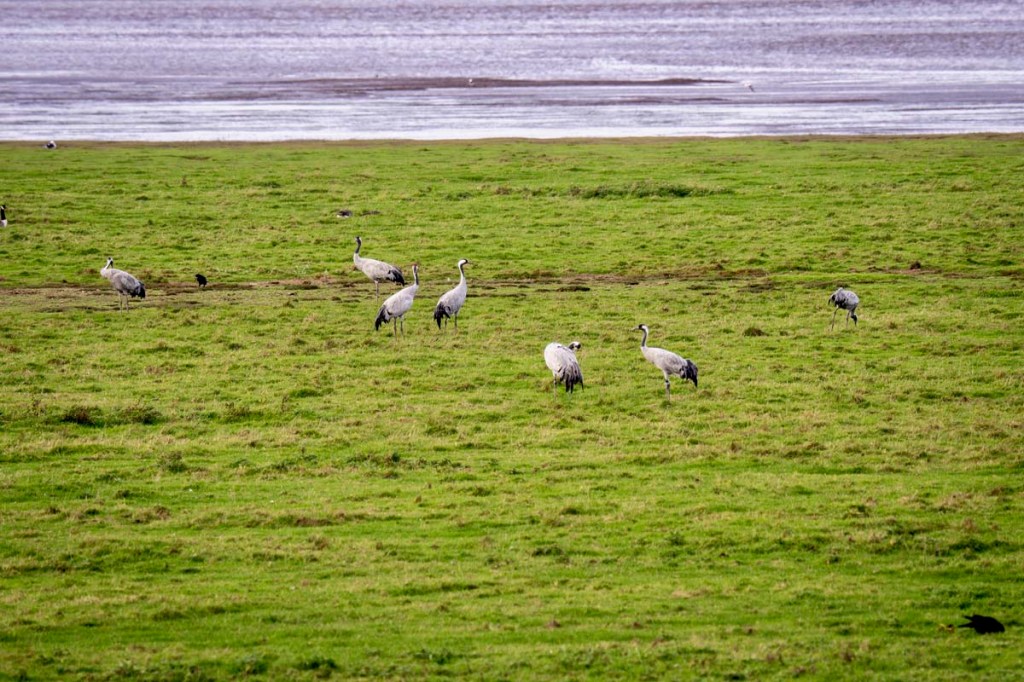
White fronted geese busy feeding to replenish the energy they took to get hereWigeonCommon redshankTeal and common redshankAvocetPeregrine falcon surveying the geeseEurasian curlewEurasian curlewEurasian curlewThe biggest flocks today were northern lapwing Common cranes with no tags – so naturally wild birdsCommon cranesCommon craneNorthern lapwing with common redshankRuff
We realised how spoilt we had been with the wonderful light on our recent trip to Portugal when we arrived at Slimbridge on a gloomy Monday morning.
However, I can think of many more worse places to be on a Monday morning.
Before the morning was out the sun broke through and we ended our visit eating lunch in the sunshine outside the café, having seen some lovely birds.
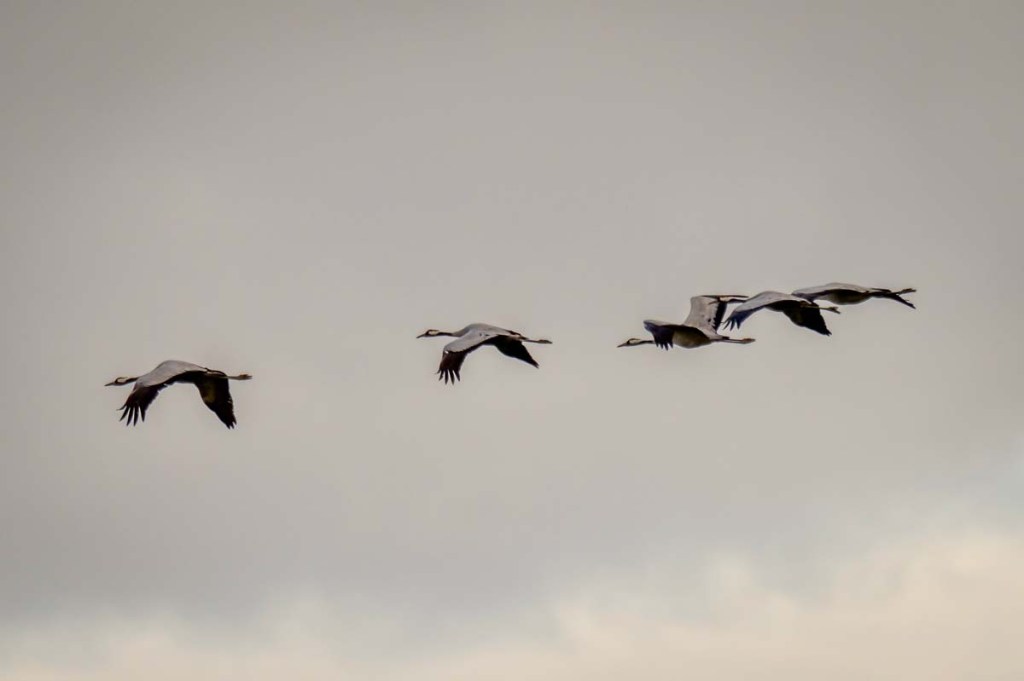
The reported Temminck’s stint had flown before our arrival but we were treated to the sight of a flock of over 20 common cranes flying out over the River Severn.
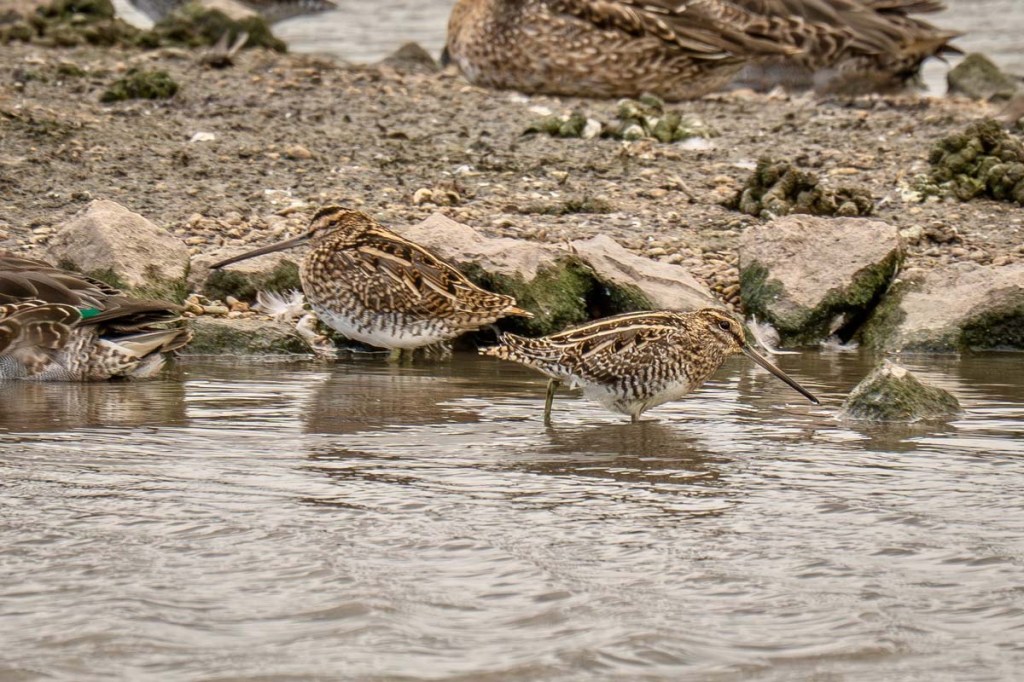
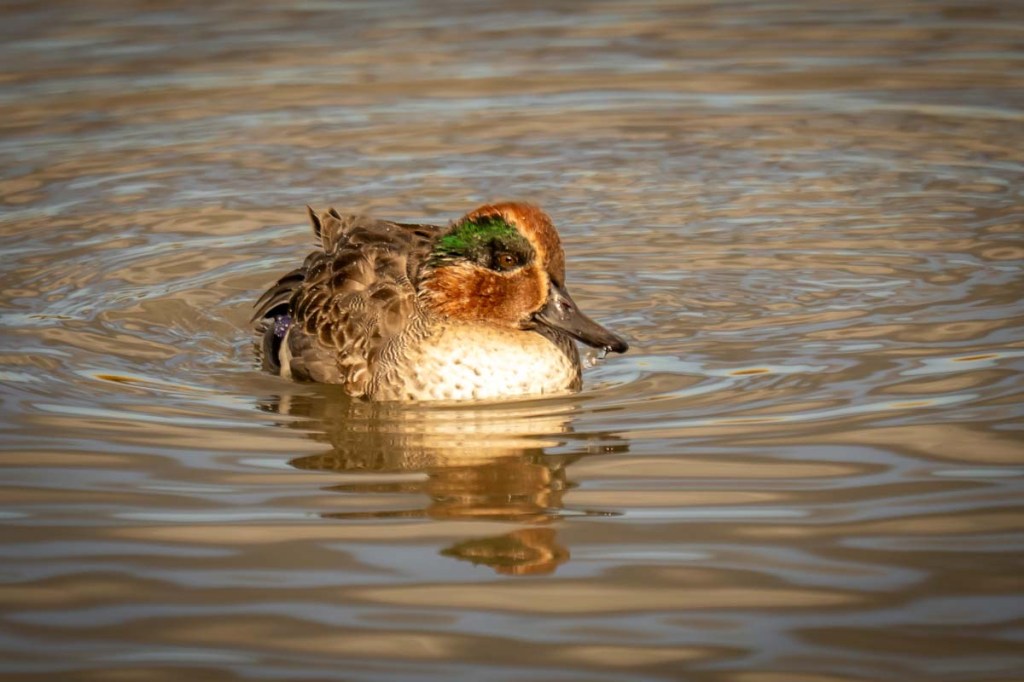
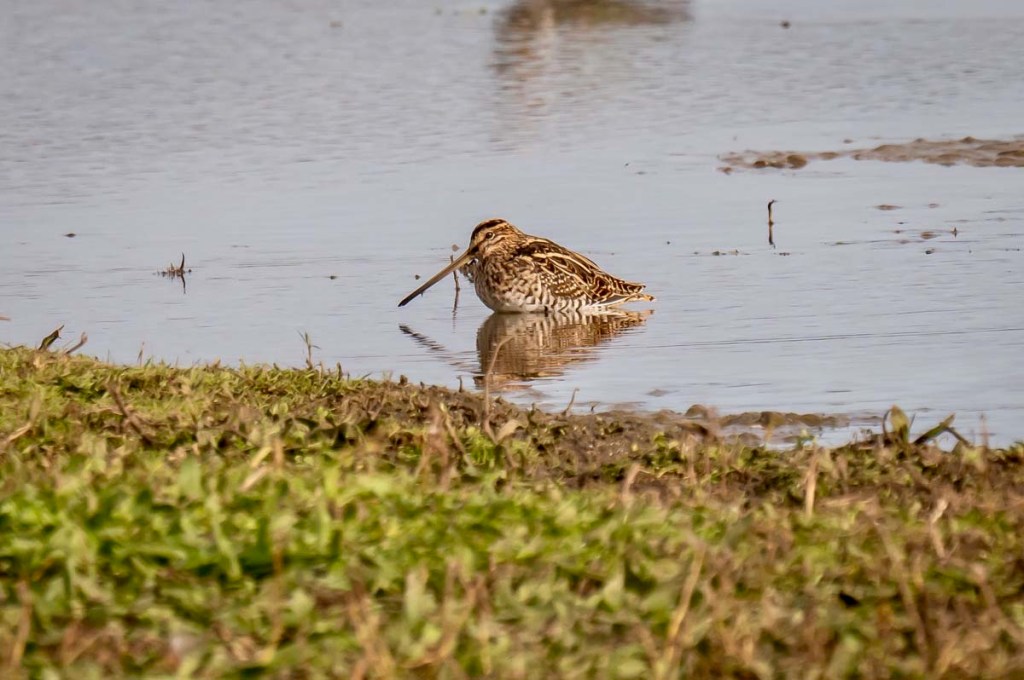
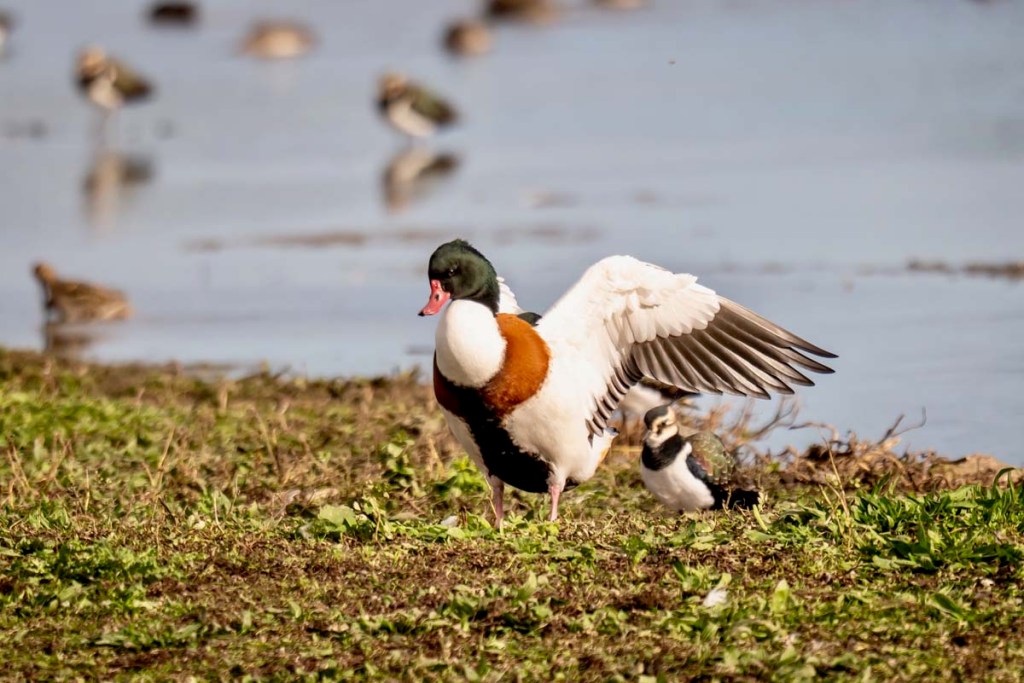
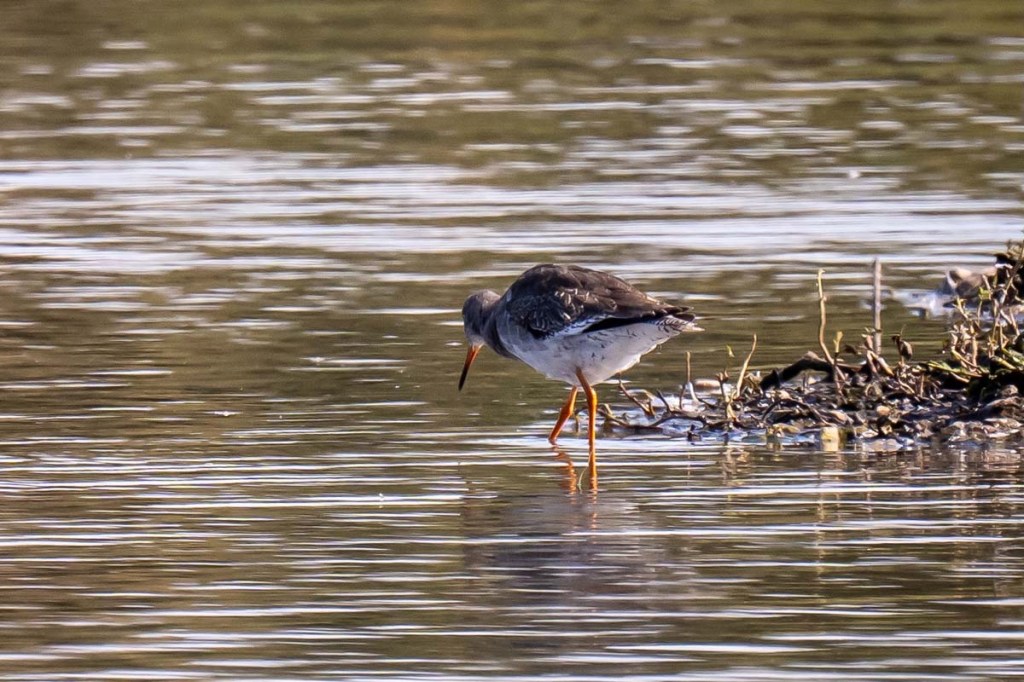
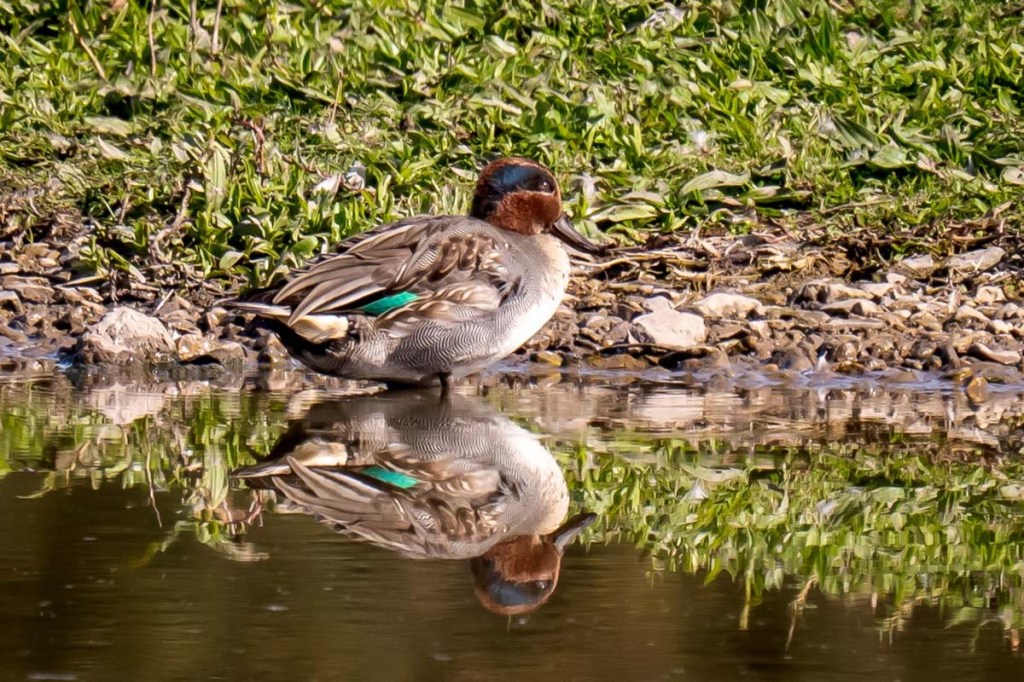
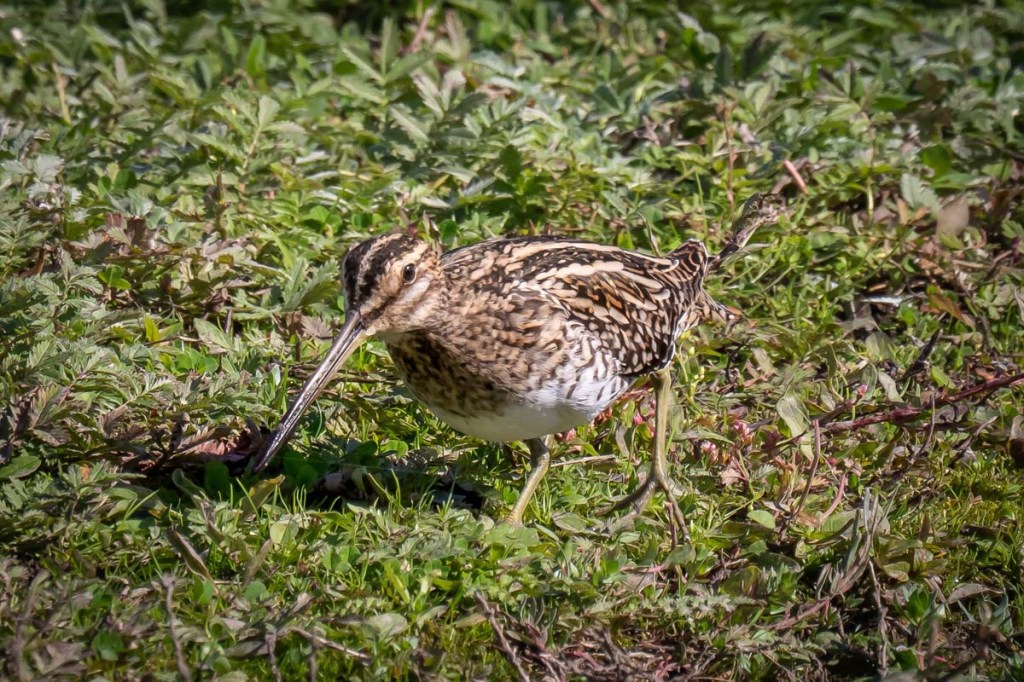
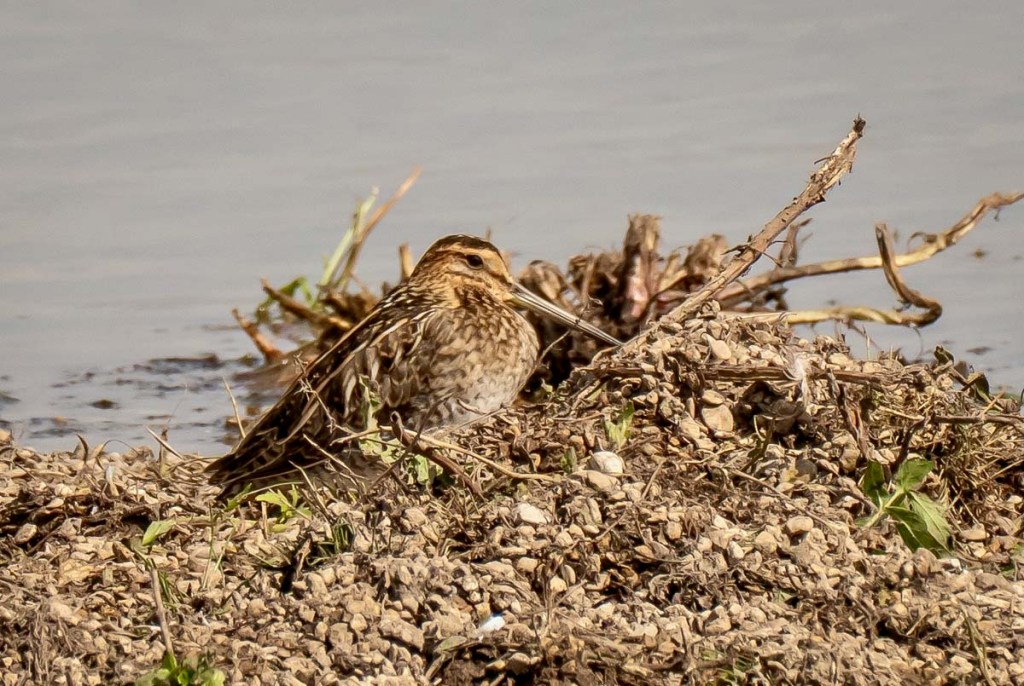
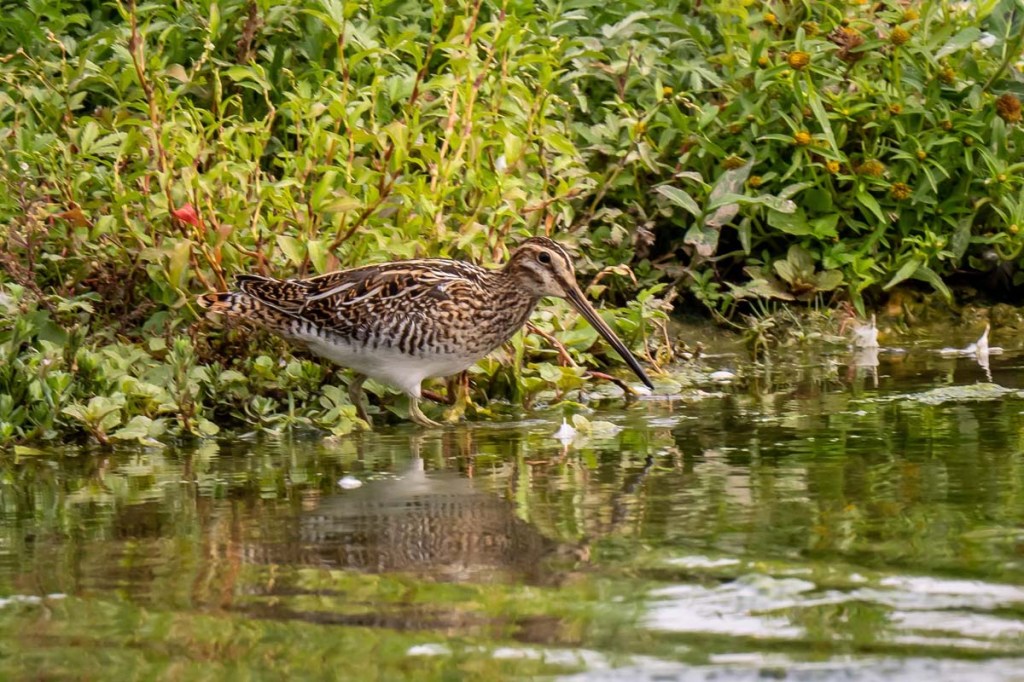
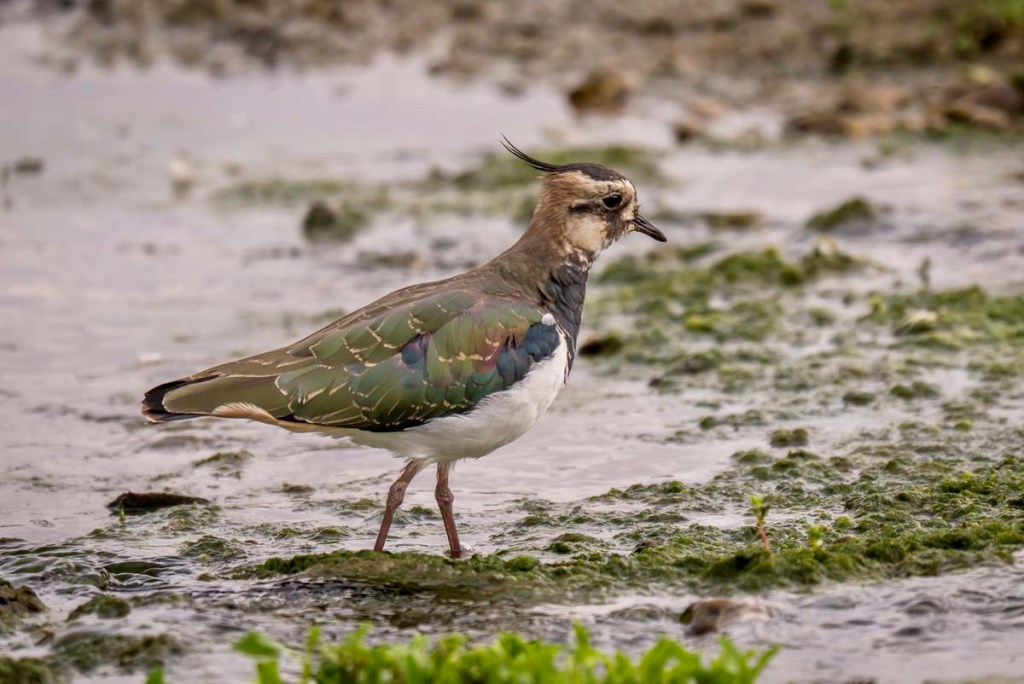
Common snipeFemale northern pintailThe tail end of a flock of common cranes arriving at SlimbridgeBarnacle geeseGreylag geeseGreylag geeseEurasian tealNorthern lapwingEurasian teal and common redshankCommon snipeCommon shelduckSome of the 20+ common cranes before they headed off over the River Severn
What an amazing summer! It seems to go on and on. Statistically I have seen it has been the best ever in the UK; better than even the summer of 1976 which, as I was in my late 20s and enjoying a great summer of sport, was for me the best before this one.
What a treat too to be able to go off birding on a Monday morning following a great weekend of sport (now sadly only as a spectator) with success for England in the Women’s Rugby World Cup final, a trip to see Bristol Bears gain a good win over Leicester Tigers in the first match of a new season, Arsenal sneaking a win in the dying moments of their game and the success of the European team in the Ryder Cup golf. This morning was just as good though.
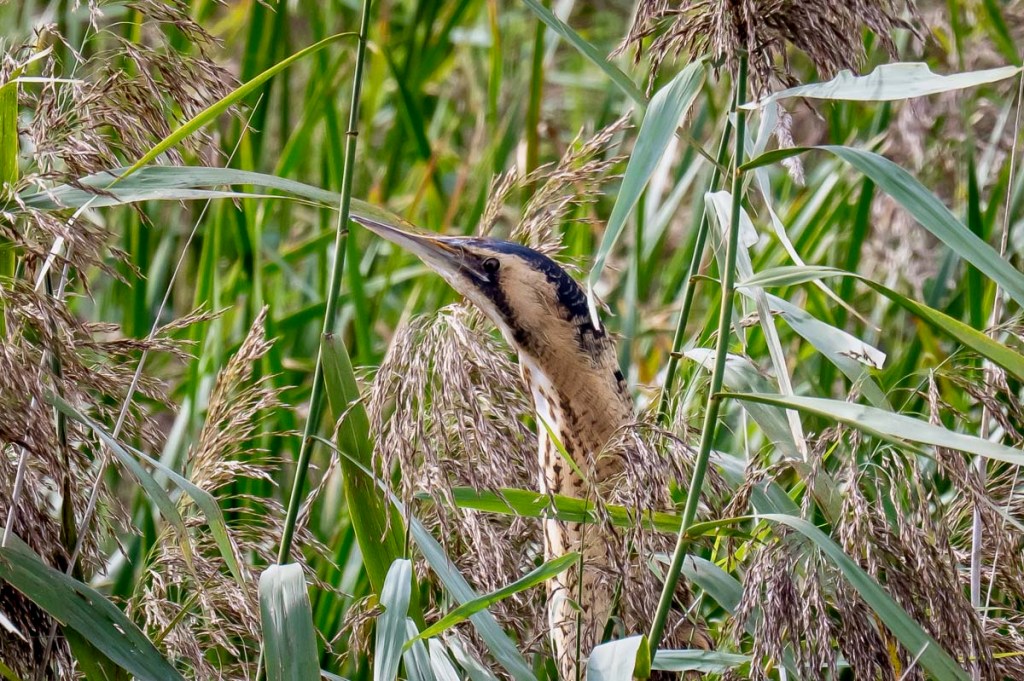
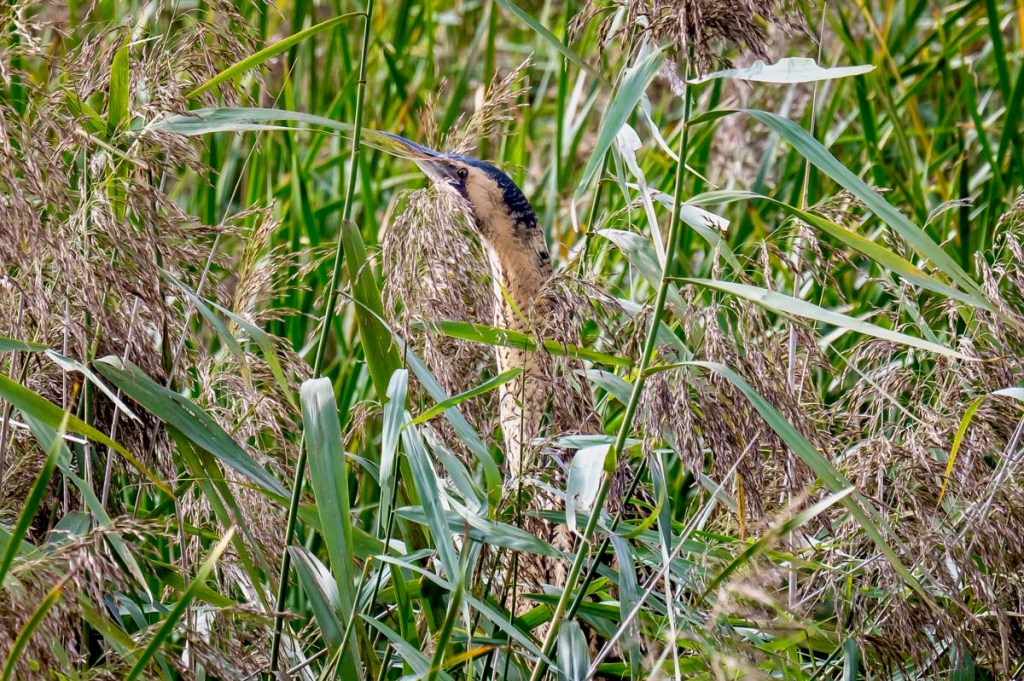
We saw so much and in such wonderful light (so no complaining from me except that I still failed to capture two common cranes flying right in front of me – ineptitude on my part). The best was clearly seeing the very secretive great bittern but it was all quite a joy and we enjoyed our trip to Slimbridge so much that we stayed much longer than usual and had a very late lunch there too.
Great bitternGreat bittern
Apologies to all who were hard at work on a Monday morning: in my defence I did 47 years of those.
Some of my photos:
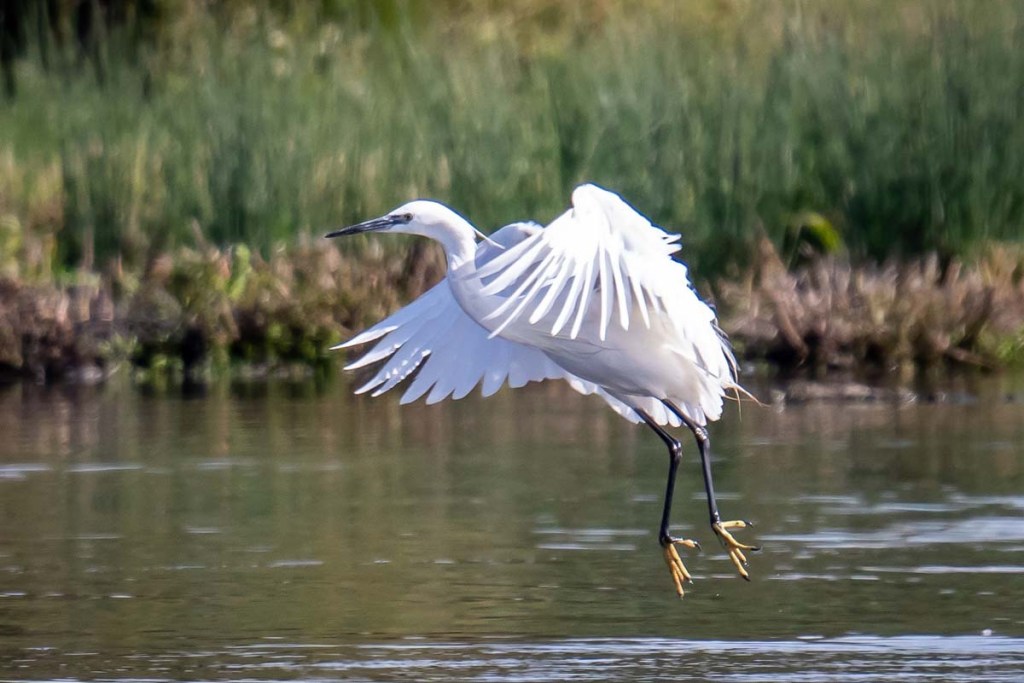
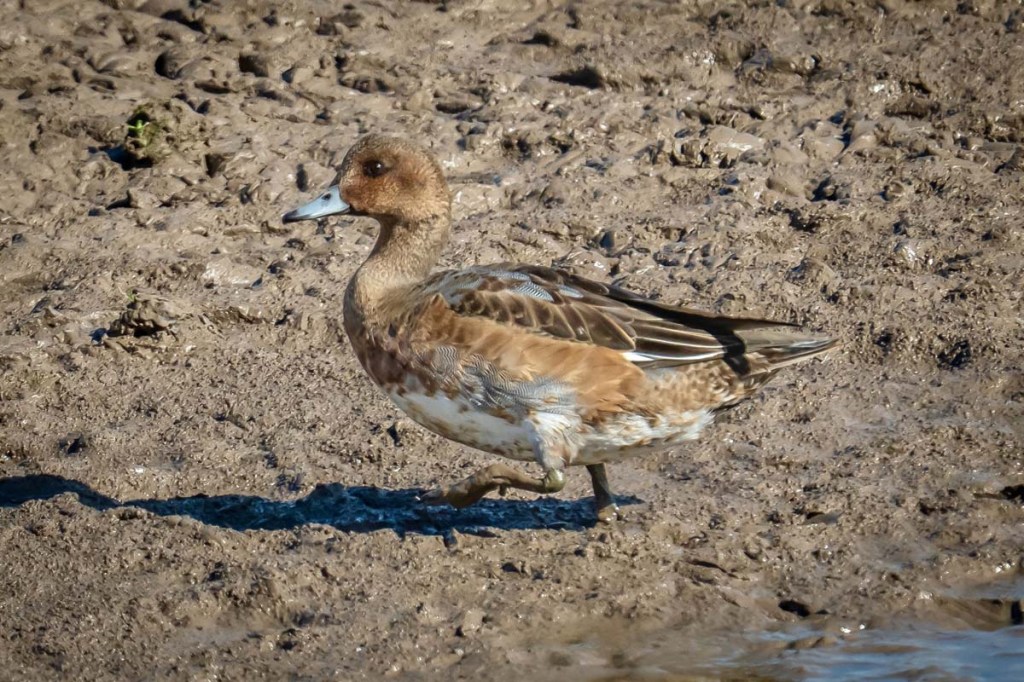
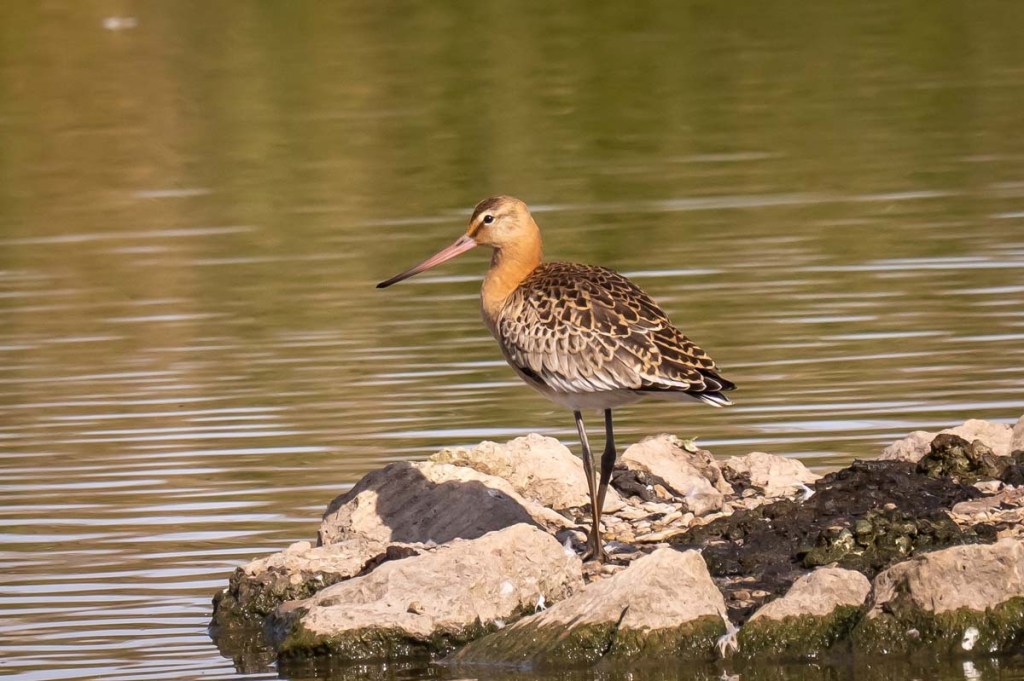
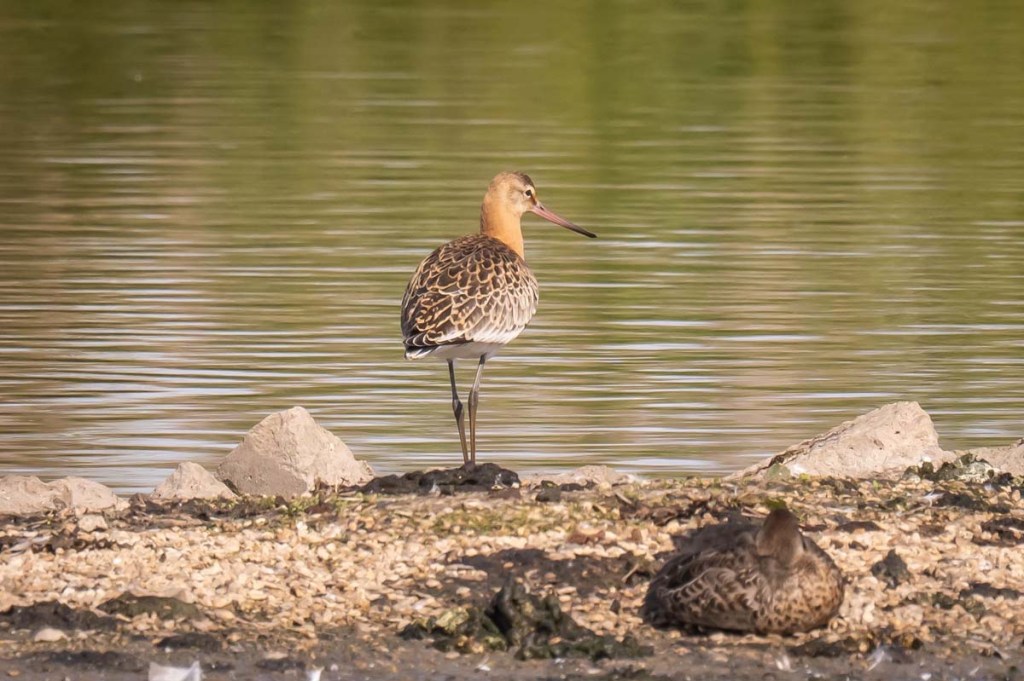
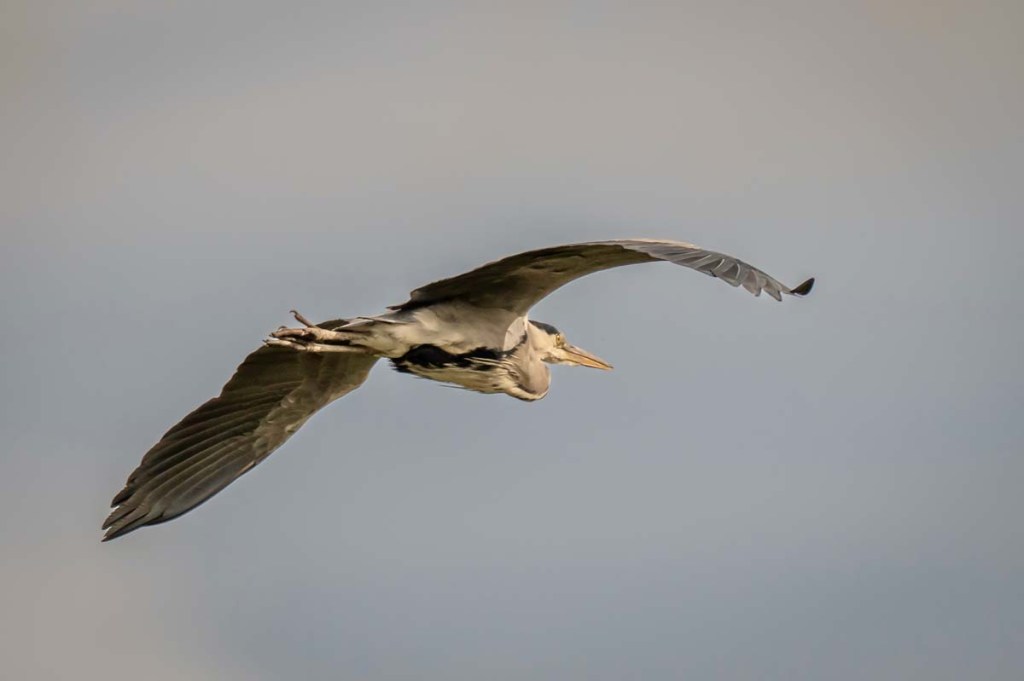
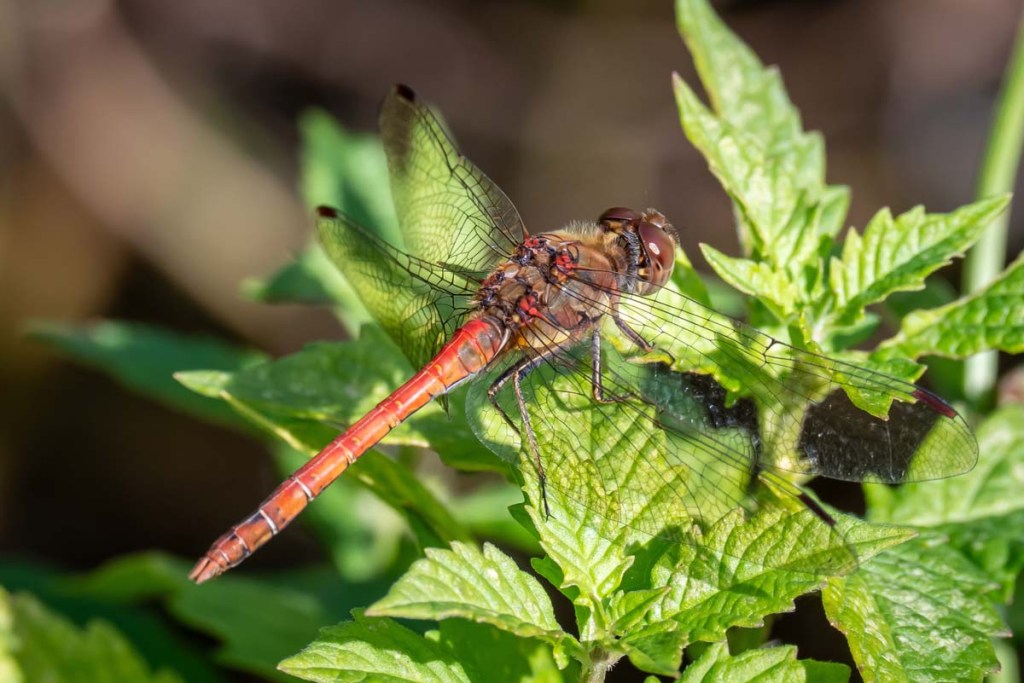
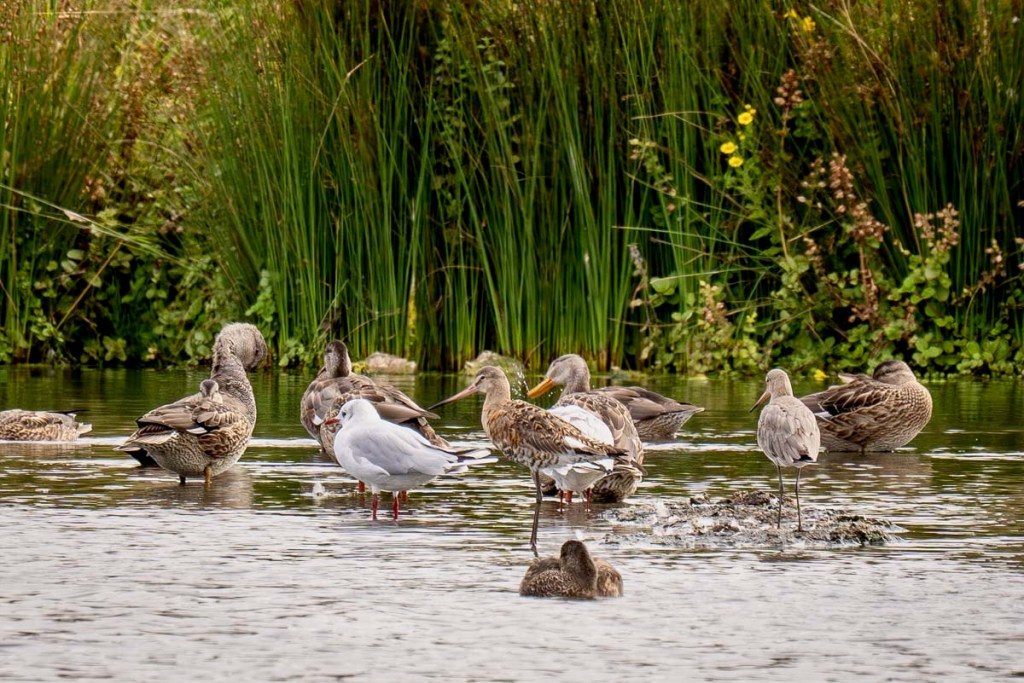
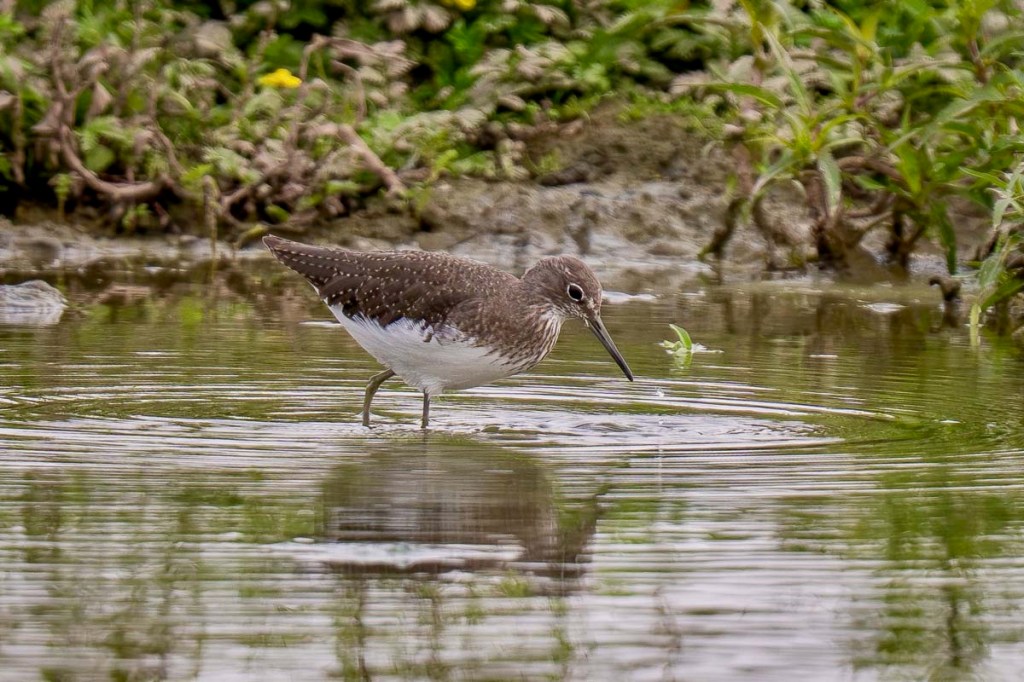
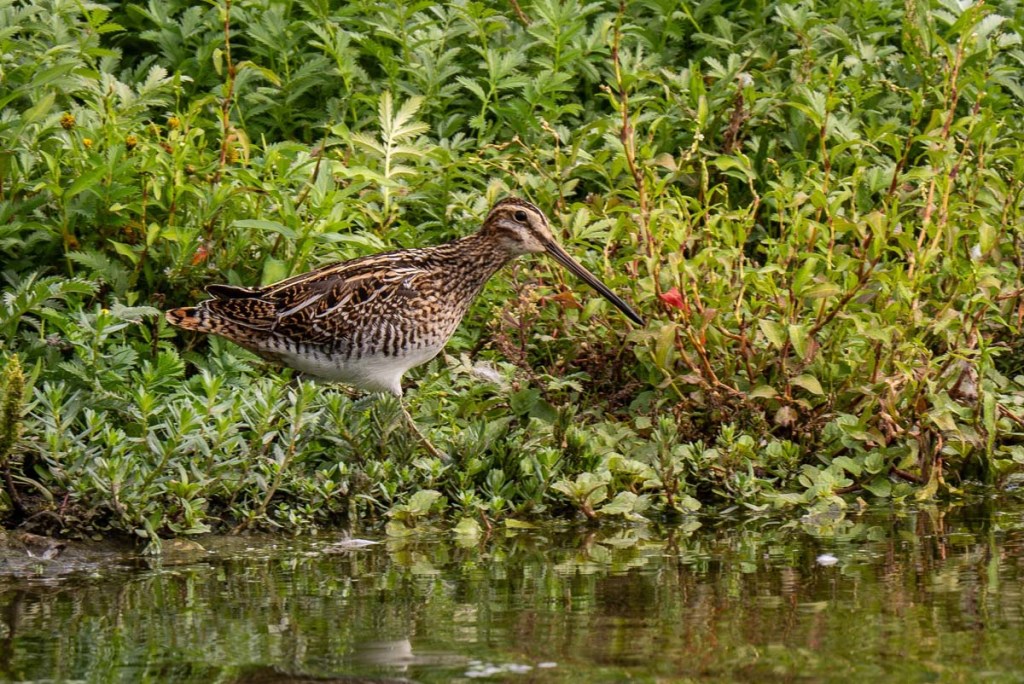
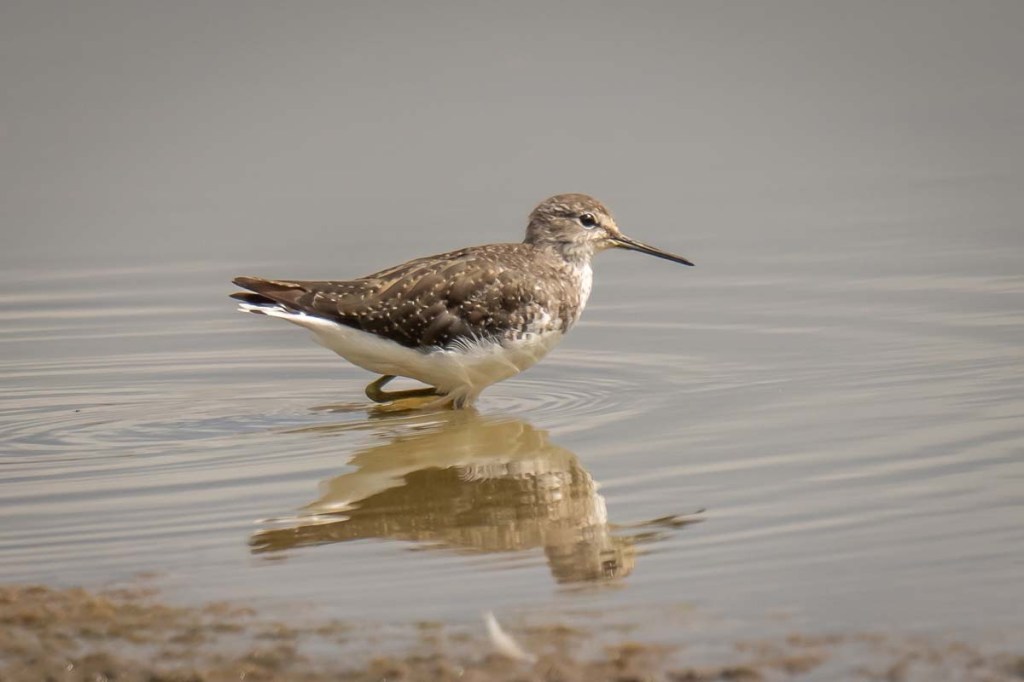
RuffCommon redshankLittle egretNorthern lapwingEurasian tealGreen sandpiperGreen sandpiper with greylag goose (for size comparison)Green sandpiper with mallardLots of geese and a handful of common crane on the Severn EstuaryEurasian wigeonEurasian wigeon close upCommon snipeCommon snipeCommon snipeCommon snipe and green sandpiperBlack-tailed godwitBlack-tailed godwitGreat bitternGreat bitternGrey heronCommon darter (for Mike in the USA) still around
Some of the other activities at WWT Slimbridge:
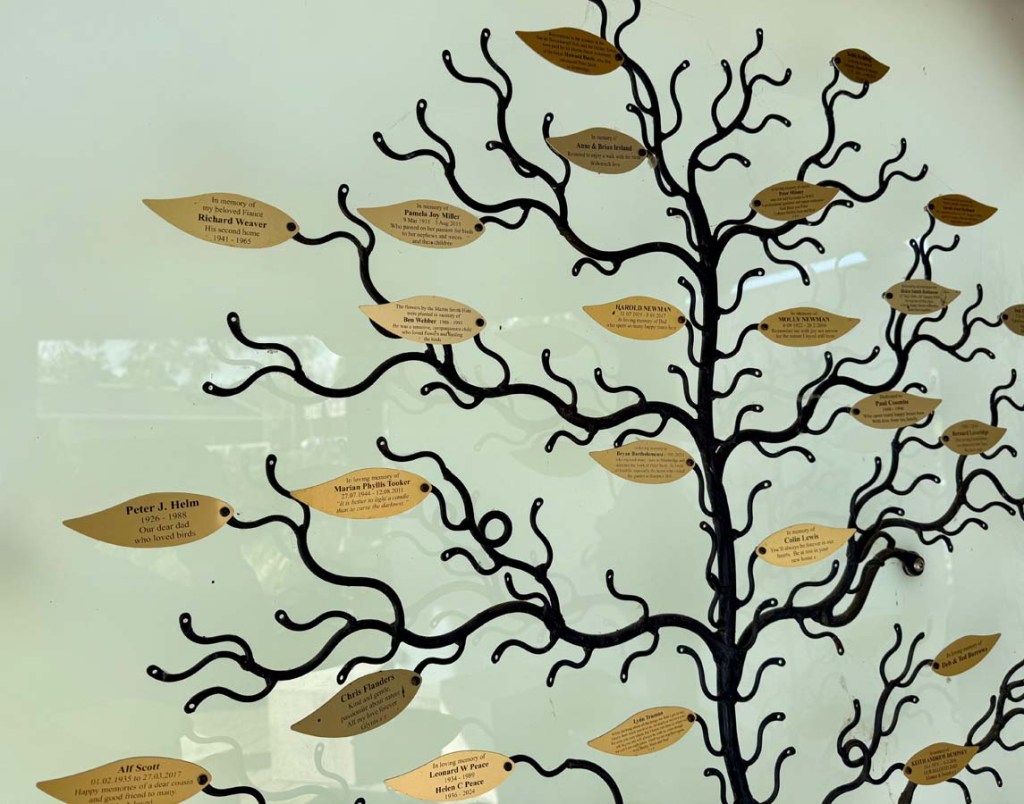
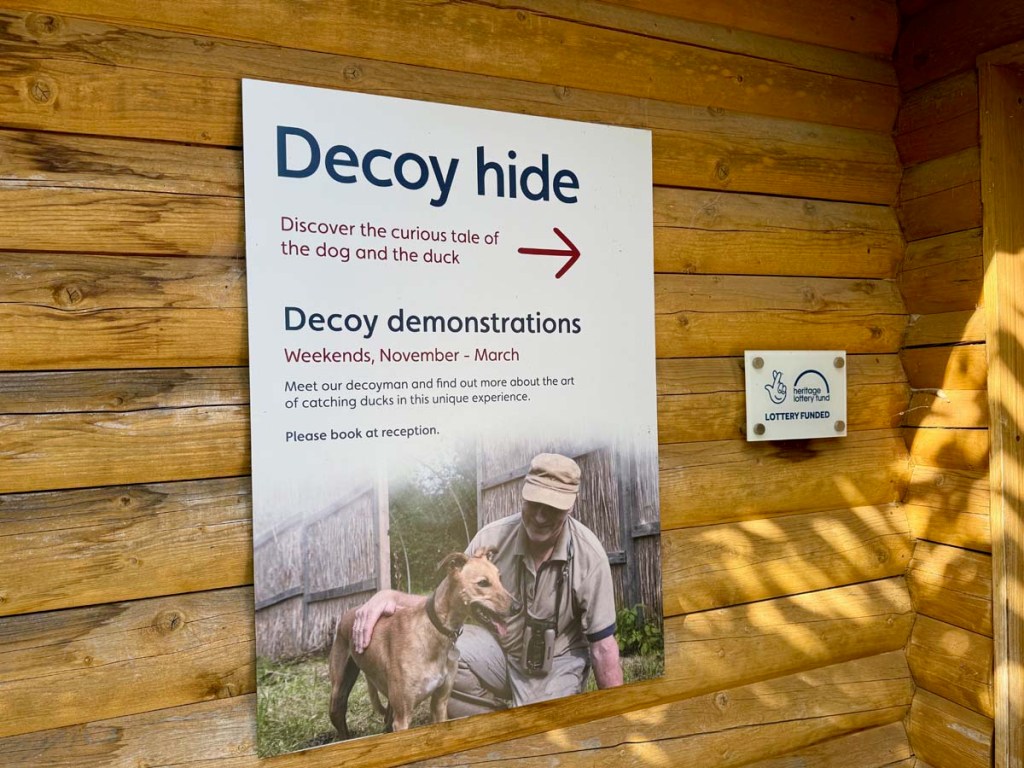
The visitors centre at WWT SlimbridgeTrees of life in the remembrance gardenNever forgottenDuck decoyI don’t suppose Sir Pater Scott would have minded.
What a surprise! Just as we seemed to be moving into autumn we get a late summer’s day. The French call it l’ėtė de la St Martin and we call it an Indian summer, but I’m probably getting carried away as St Martin’s Day isn’t until the 11th November. Anyway it reached 22 degrees in sunny Gloucestershire and, although I was wearing a T-shirt, I wished I was in shorts.
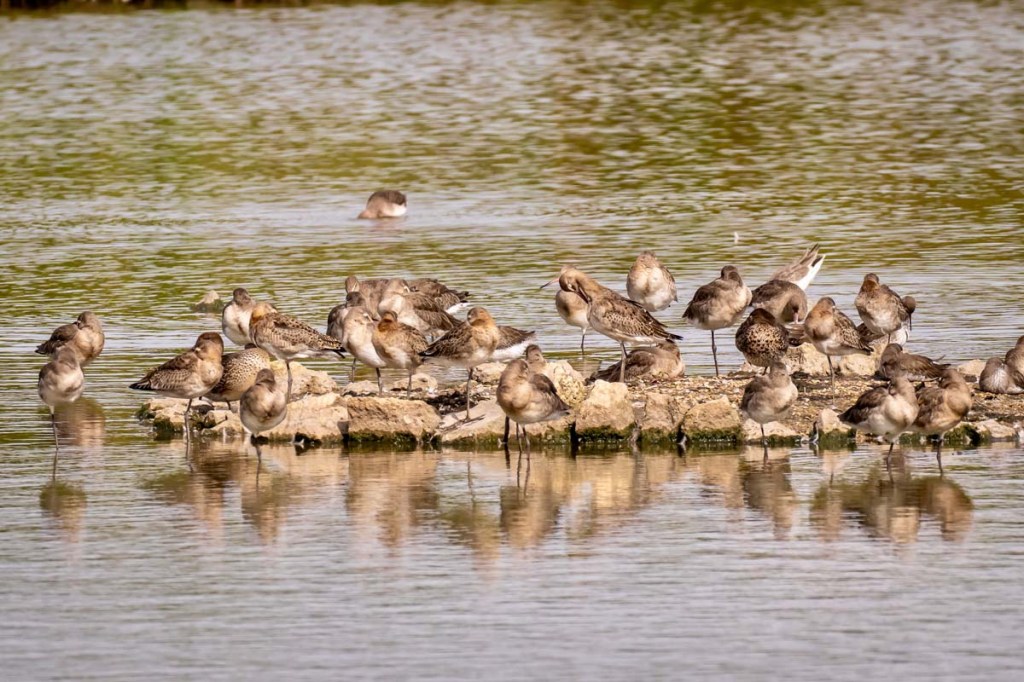
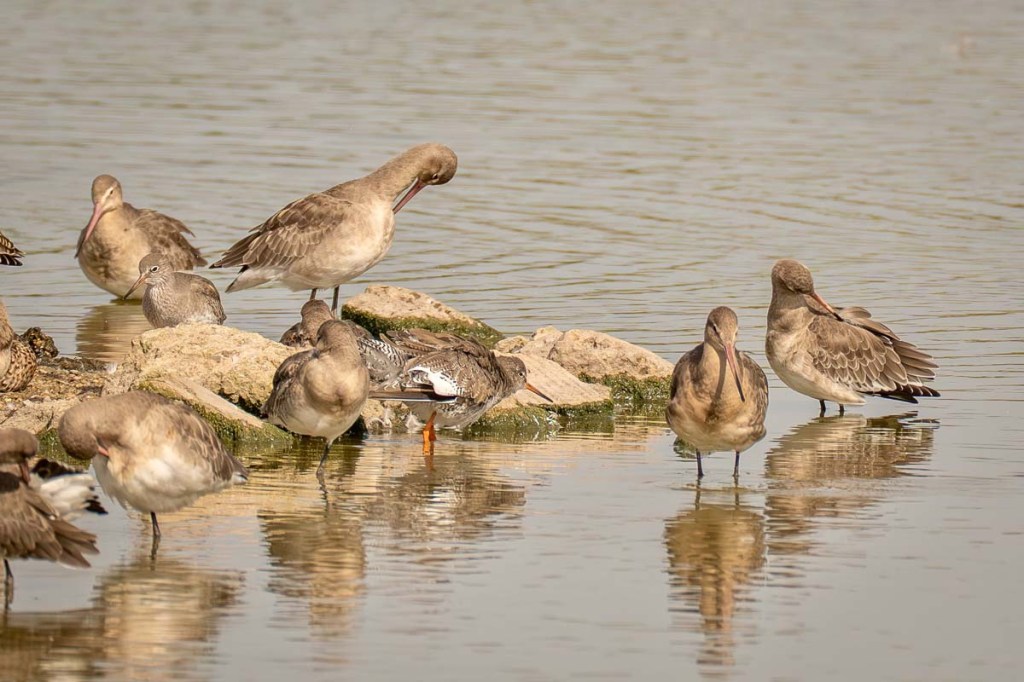
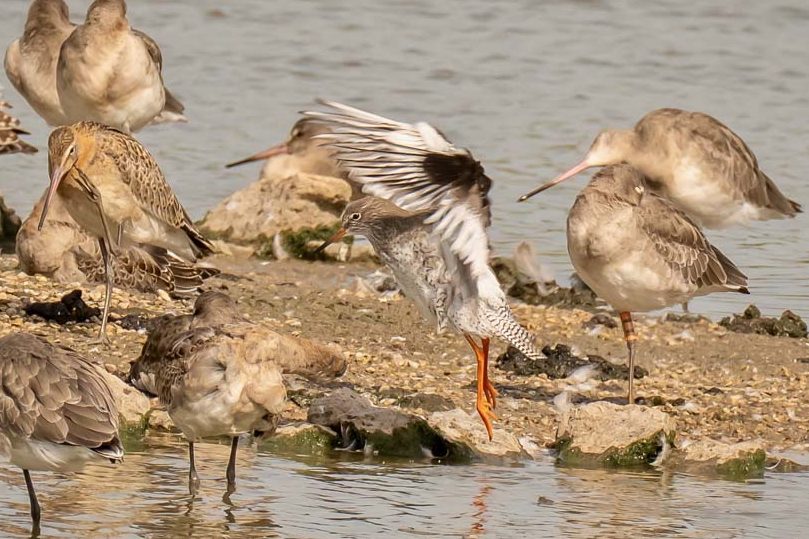
Slimbridge seemed to be moving on. There were flocks of greylag geese and quite a number of Canada geese too. From our favourite hide there were loads of bar-tailed godwits which were nice to see but difficult to photograph as there didn’t seem to be a focal point. A redshank amidst the group helped a little and then when they scattered from the threat of a peregrine it was easier to pick a focal point. There were some ruff too but very far off. Common snipe are some of our favourite birds but they were quite coy too.
The highlight of the day was a male grey phalarope (not as attractive as the female) but miles away so don’t hold your breath for any great images.
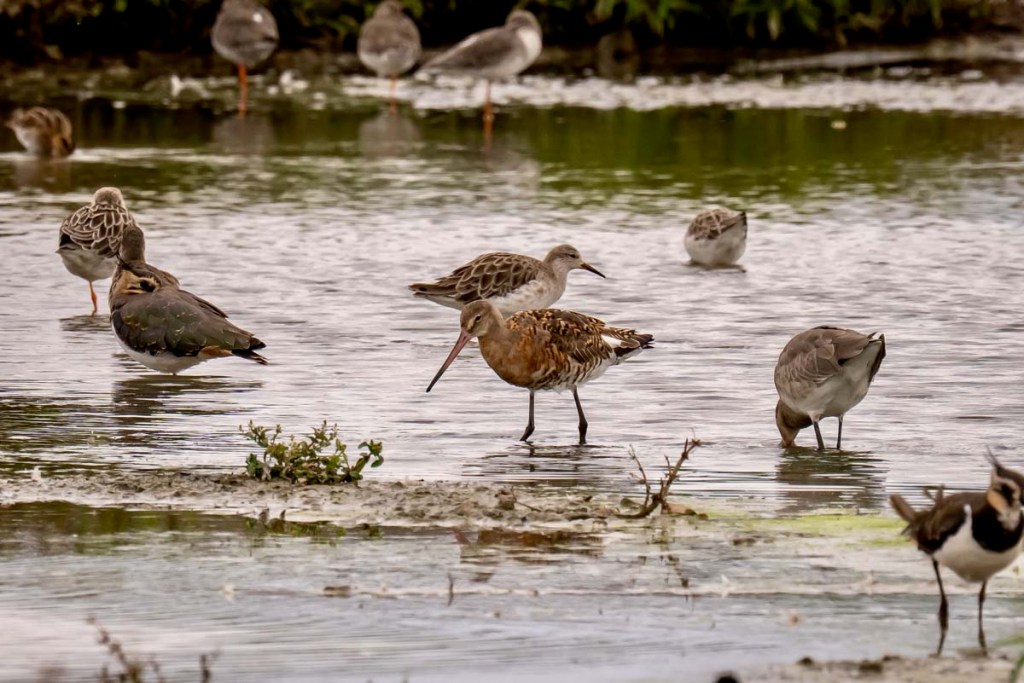
A brimstone greeted us on arrivalThere were several big groups of black-tailed godwits like this
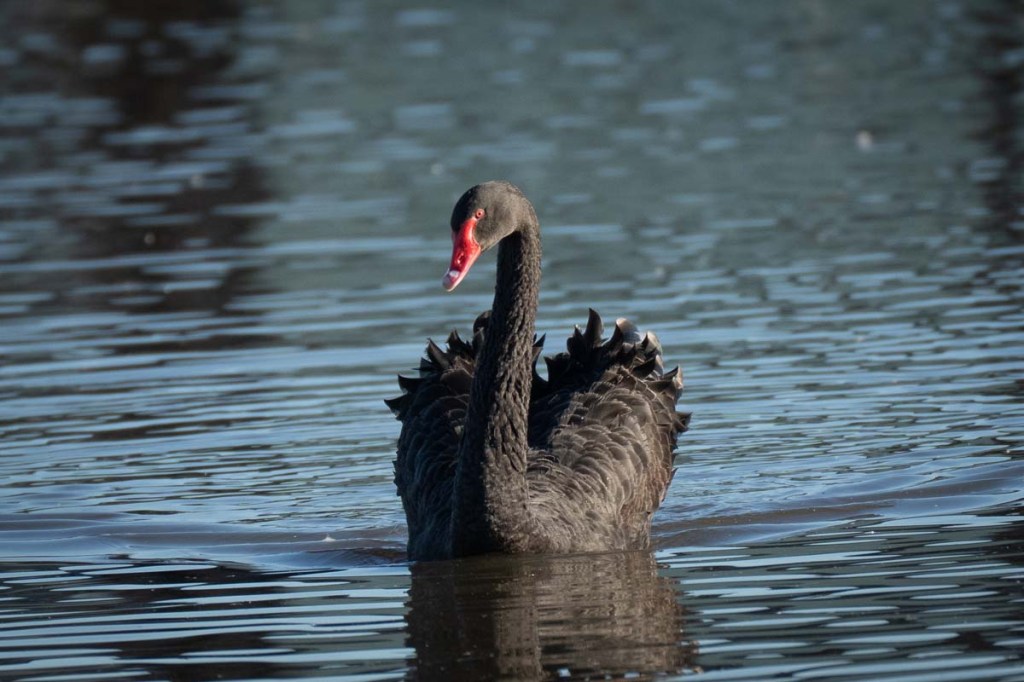
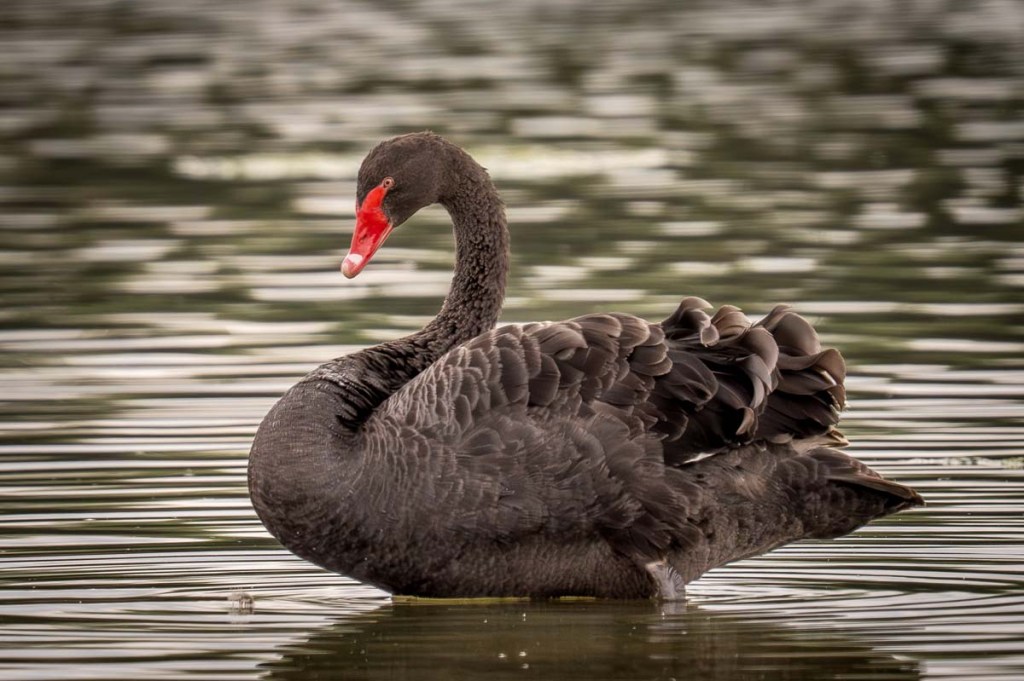
What a beauty – a black swan, certainly no ugly ducklingSloes from a blackthorn – think lots of gin!Common snipe being very coyBlack-tailed godwitRuff at the back of the poolLapwings are always present hereRedshank amongst the godwitsRedshank jumping for joyGodwits take to the airCan you spot the grey phalarope? Bang in the middle of my photo with a 400 mm lens and heavily cropped. It looked just as tiny with a x60 telescope. Oh the joys of birding!
When I was young my mum and dad, bless them, took me to Slimbridge a couple of times: I can’t say I was very impressed; I was more into team games and I would rather get muddy by diving around on the sports field than sloshing about in wellies. My parents obviously thought it a worthy thing to do but clearly I don’t think it was really in their DNA either and so, as it was fairly expensive, we didn’t go too often.
I can’t believe how much we love going there now. I know we dodge the hordes of children (and their parents/grandparents) by heading for the hides (rather than the pens with lots of exotic birds) but I do recognise that Slimbridge is a fabulous place and does amazing work to get youngsters interested in wildlife.
Sadly we see lots of bad parenting there but today we met a young boy (and his dad) as we were heading out to the Severn Estuary who stopped us and told us that if we continued on this pathway we could follow a walkway which took us down to the estuary where we might see, if we looked carefully, curlew and ringed plovers. We were both impressed that his dad didn’t interrupt him but allowed him to be our advisor. This young boy was thoroughly enjoying his day and clearly his dad had encouraged him enough to reach this point. It was a very refreshing encounter.
Down on the estuary we clearly didn’t look carefully enough as we only heard a curlew and the ringed plovers were too far away for our “old” eyes.
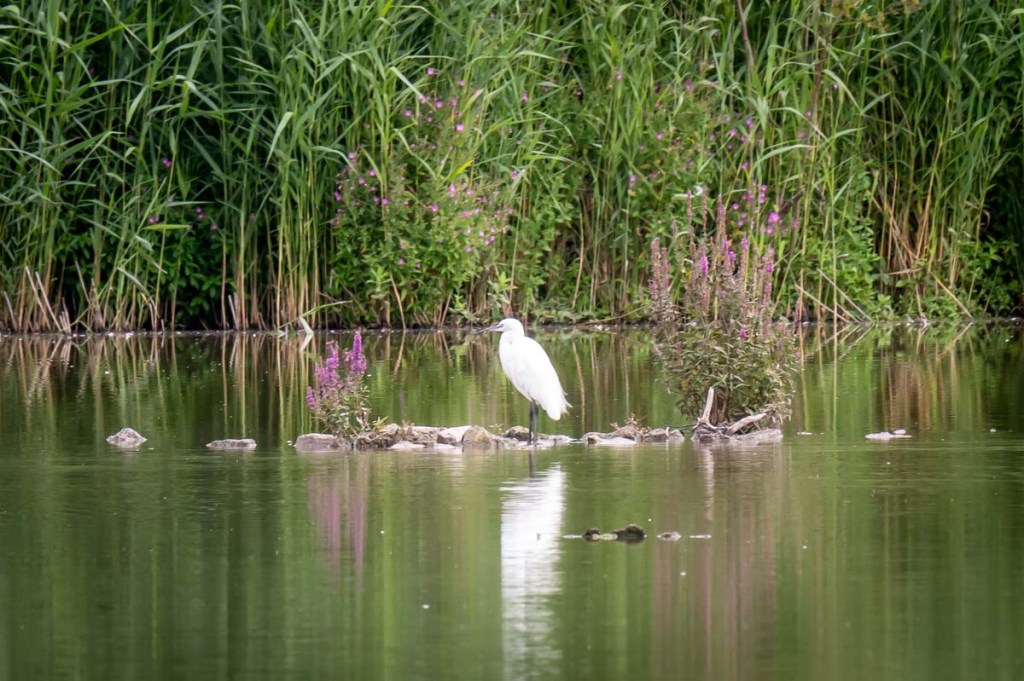
On the estuary we saw lots of egrets and grey herons.
However, we did see loads whilst we were at Slimbridge. I hope you enjoy some of my photos from today.
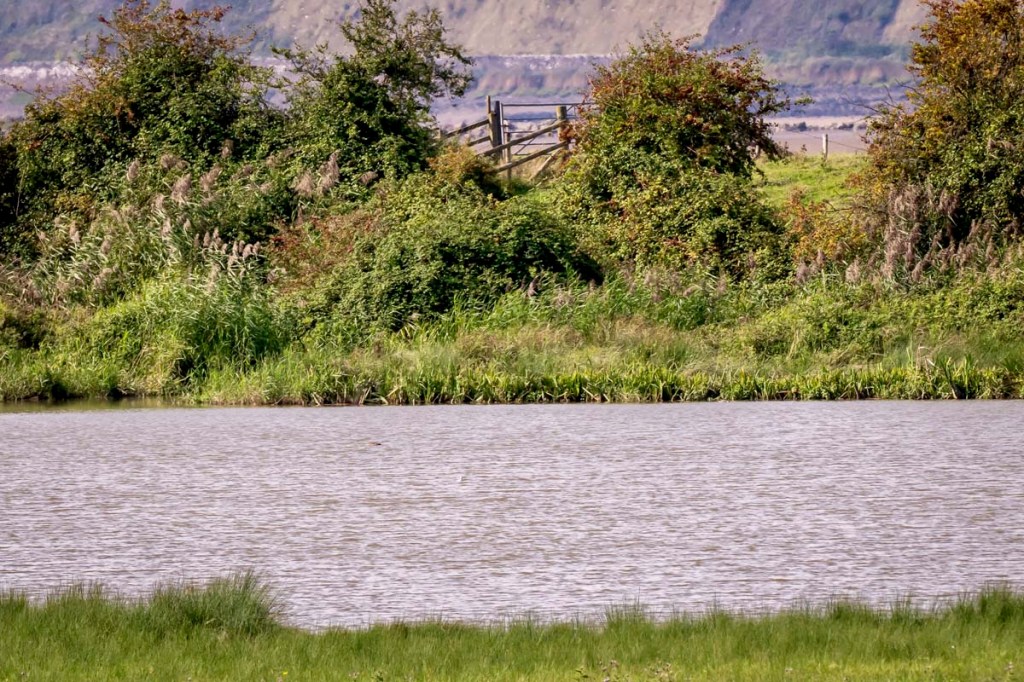
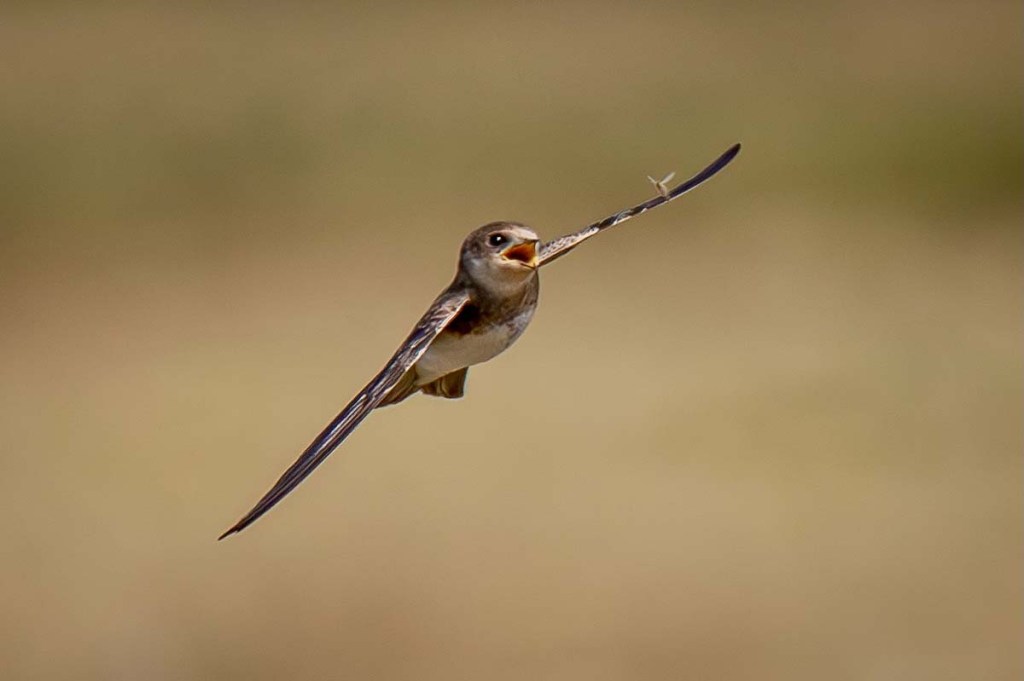
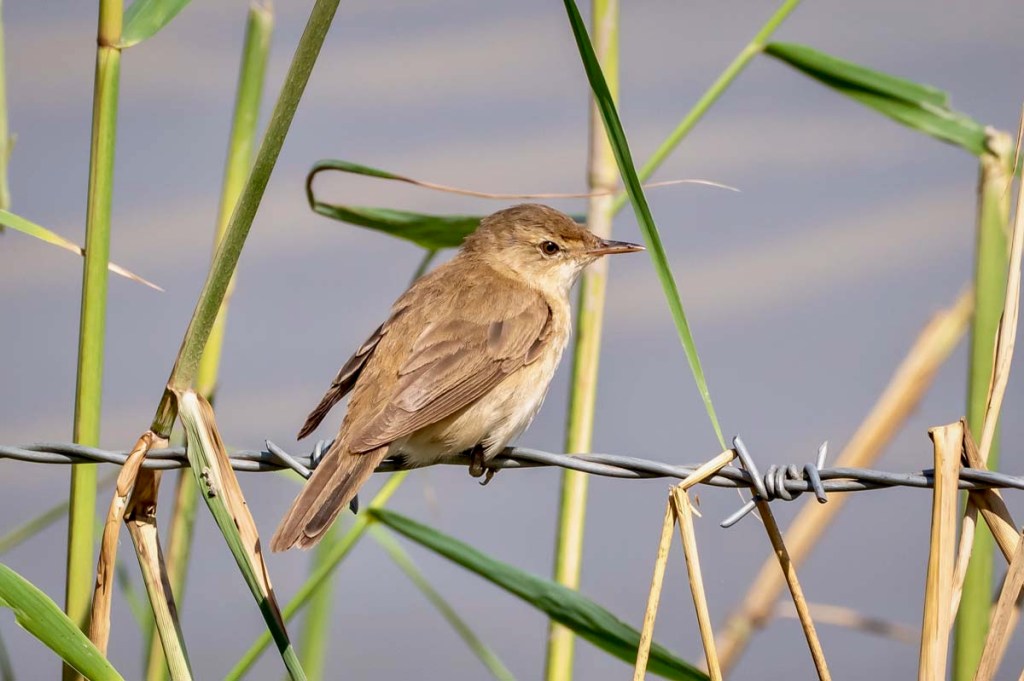
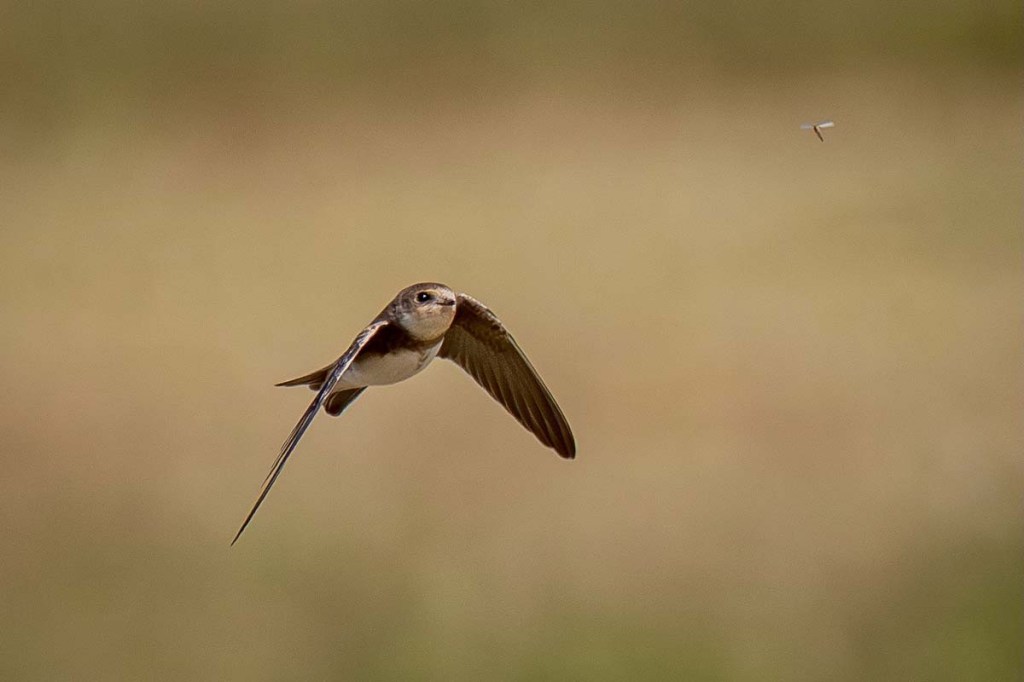
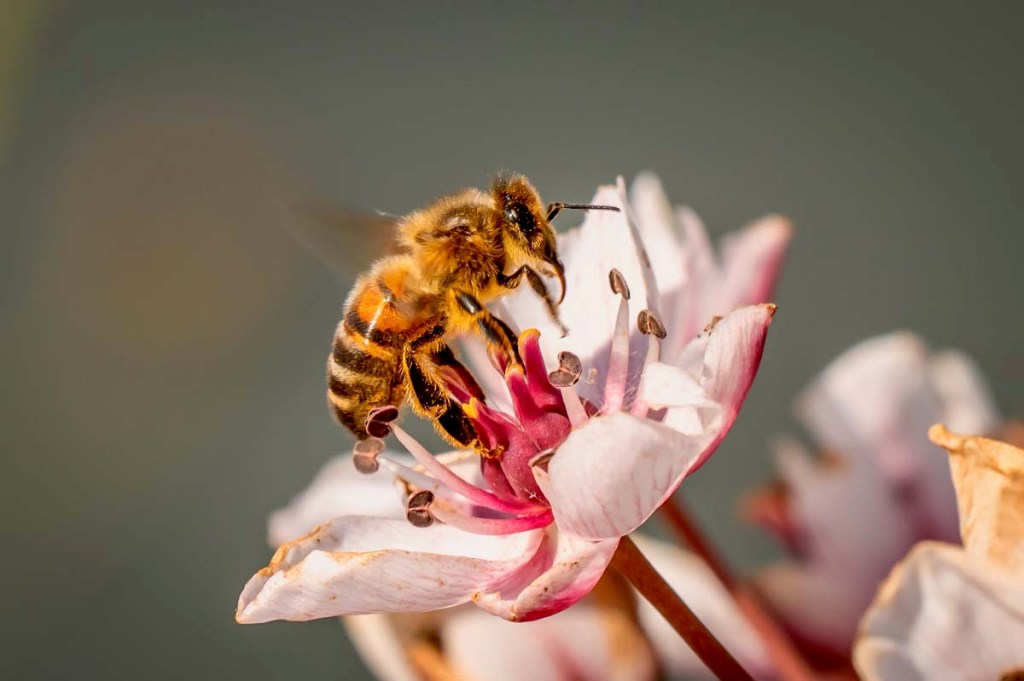
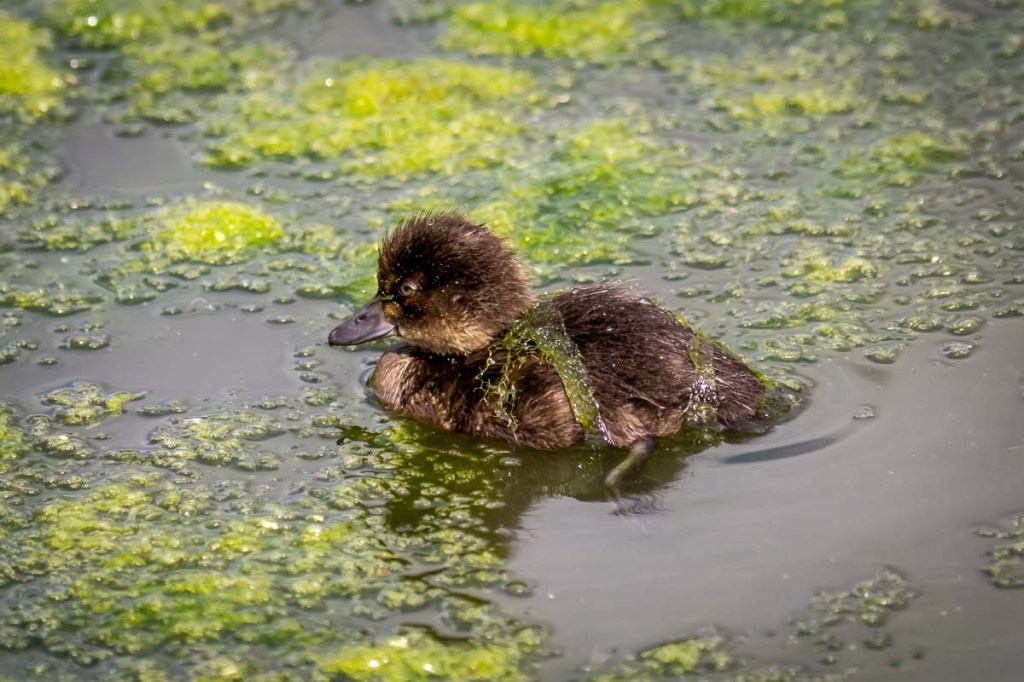
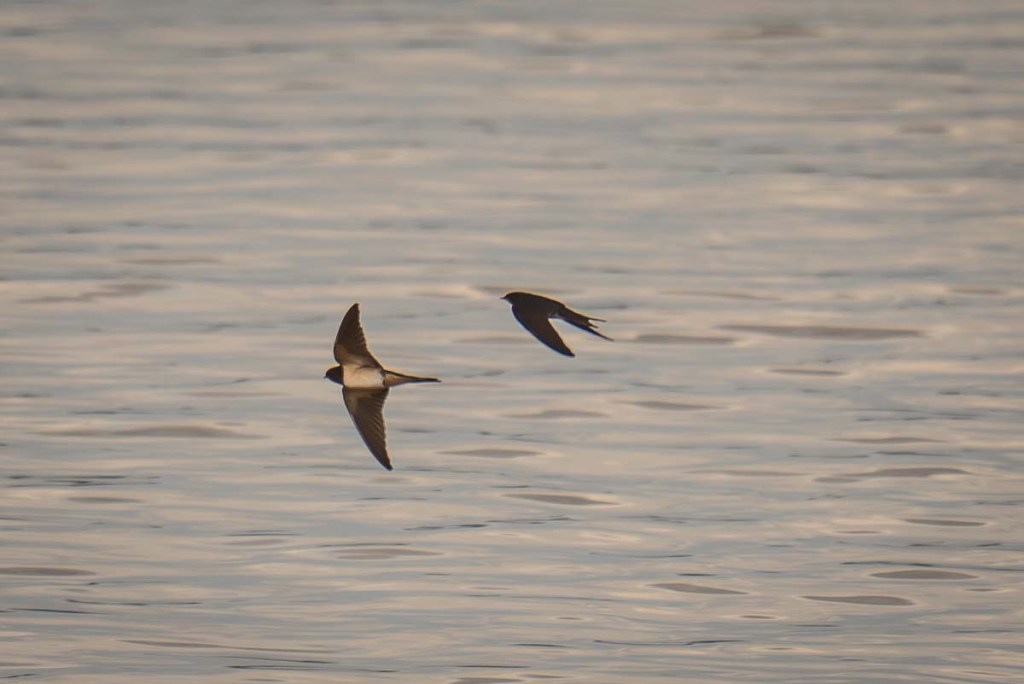
Probably my photo of the day, a Cetti’s warbler, if I am correctReed warblerReed warblerSand Martin chasing fly (top right)Sand Martin about to gorge its preySwallowSwallowGrey heronHoney beeWaspMigrant hawkerCommon snipeRock dovesCommon snipeTufted duckling practising its divingThe beauty of the Severn Estuary
It was pleasantly warm but fairly dull for our morning visit. I have nothing to complain about though compared with the poor farmers who must be really struggling with this exceptionally dry spell in this part of the world. They have definitely something to complain about this year!
Northern lapwingWhen you are struggling for light a goldfinch is a saviourRedshank and ruff unperturbed by a noisy cootCommon redshank and ruff (right)Green sandpiper and a common snipe trying to blend in with the foliageBlack-tailed godwit centre stageA skein of greylag geese overhead… and on the groundThe green sandpiper breaks cover firstFollowed by the common snipeBlack-tailed godwit in the centre with a ruff behindDefinitely one of my favourite birds – the common snipe
The WWT (Wildlife and Wetlands Trust) is a growing, global community of nature lovers who do brilliant things for nature, especially encouraging young people to engage with nature. However, we visit WWT Slimbridge in the school holidays with some trepidation as we know it is going to be packed with very noisy, excitable children. Yet today (as most times) we were able to visit certain parts of the reserve in relative peace and quiet. The only children we came across were well-behaved and already enthusiastic nature lovers, generally accompanied by knowledgeable and encouraging grandparents.
This is the time of the year when many “birders” turn to butterflies but today there was plenty to keep us engaged and the only butterflies of note were red admirals. We had a good walk down to the Severn Estuary and , although the tide was really too high to see much on the water, we saw plenty en route.
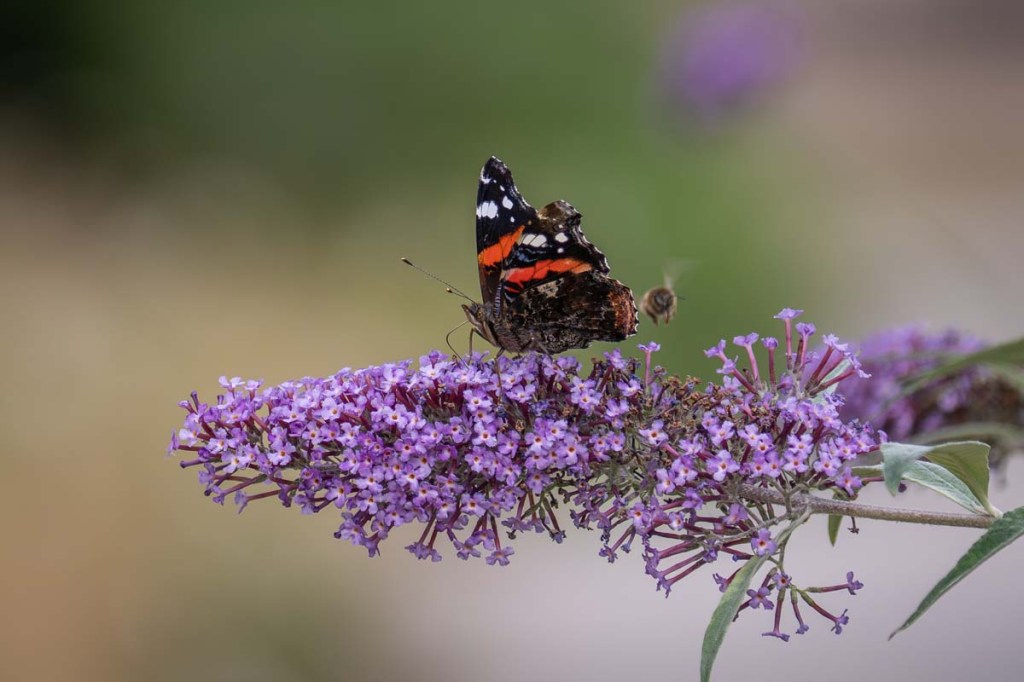
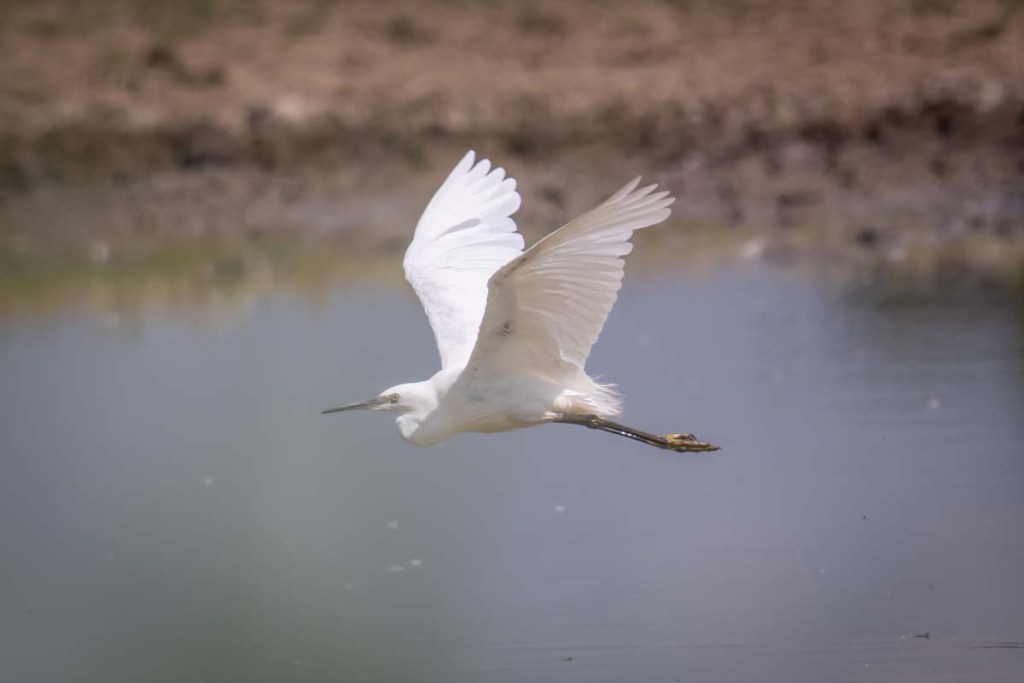
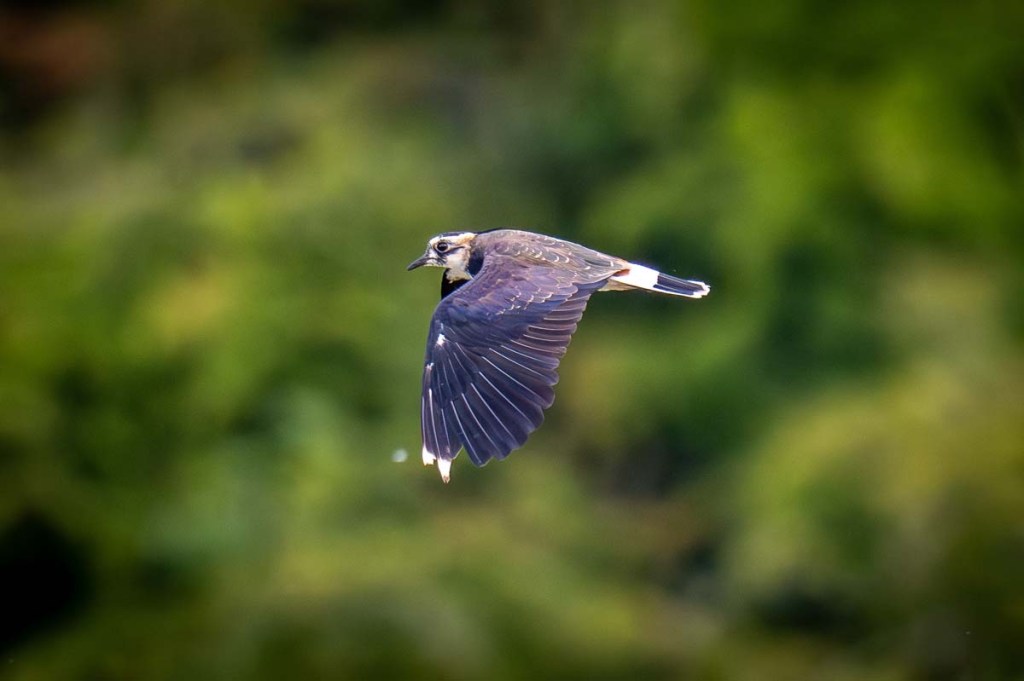
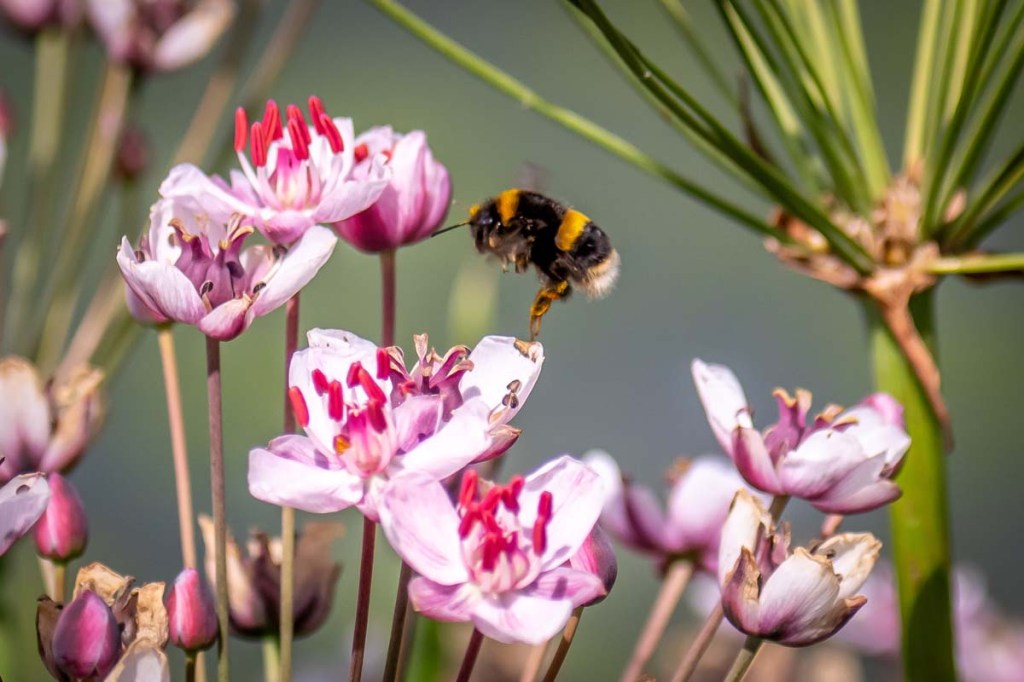
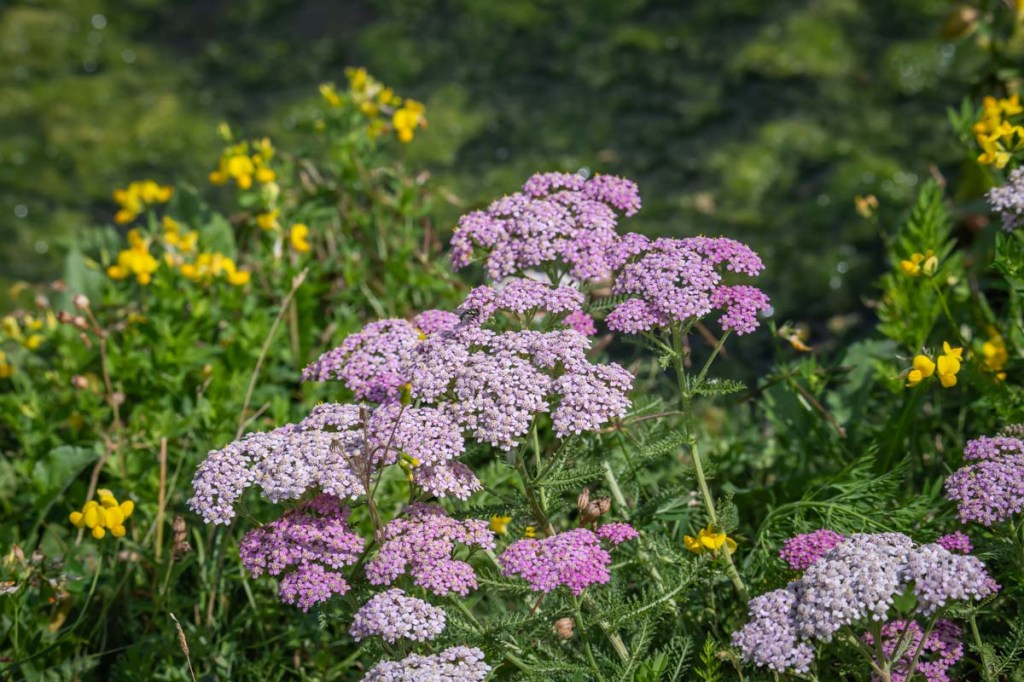
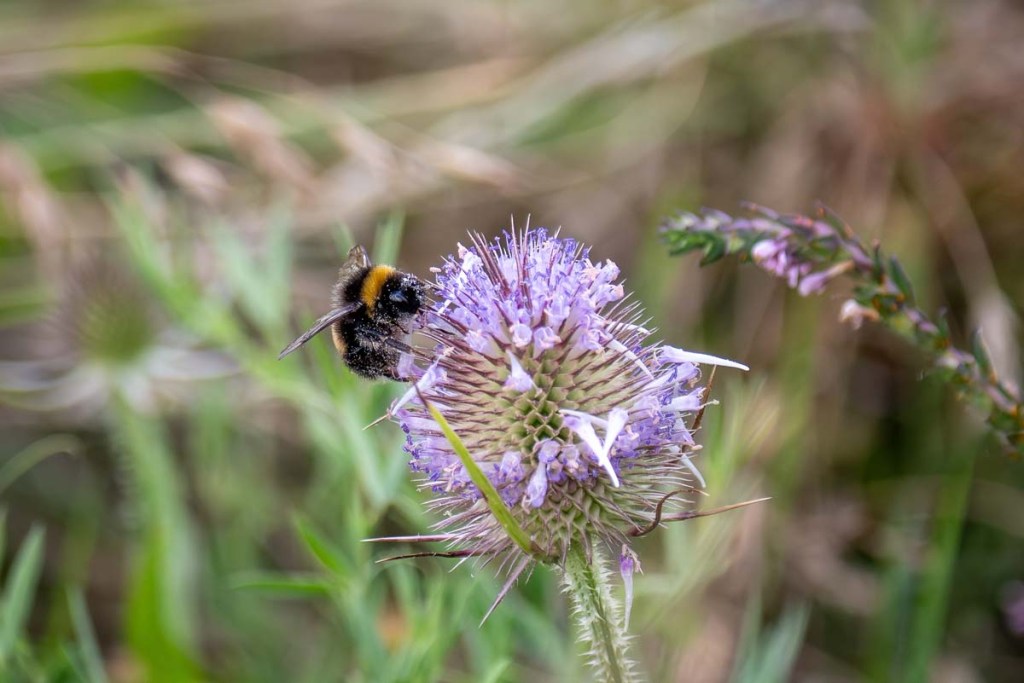
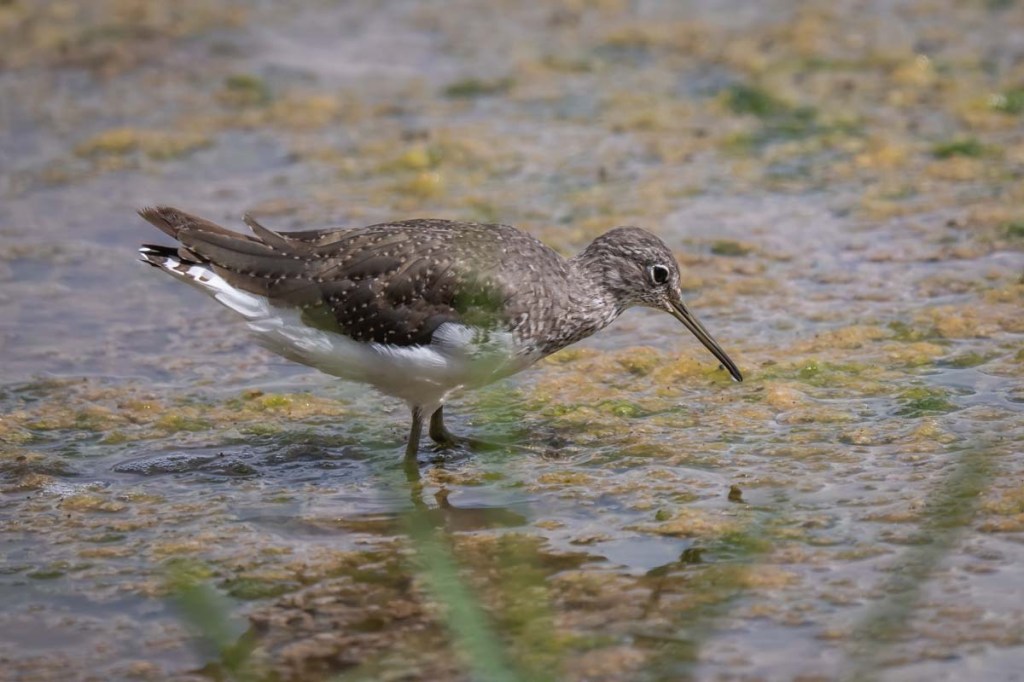
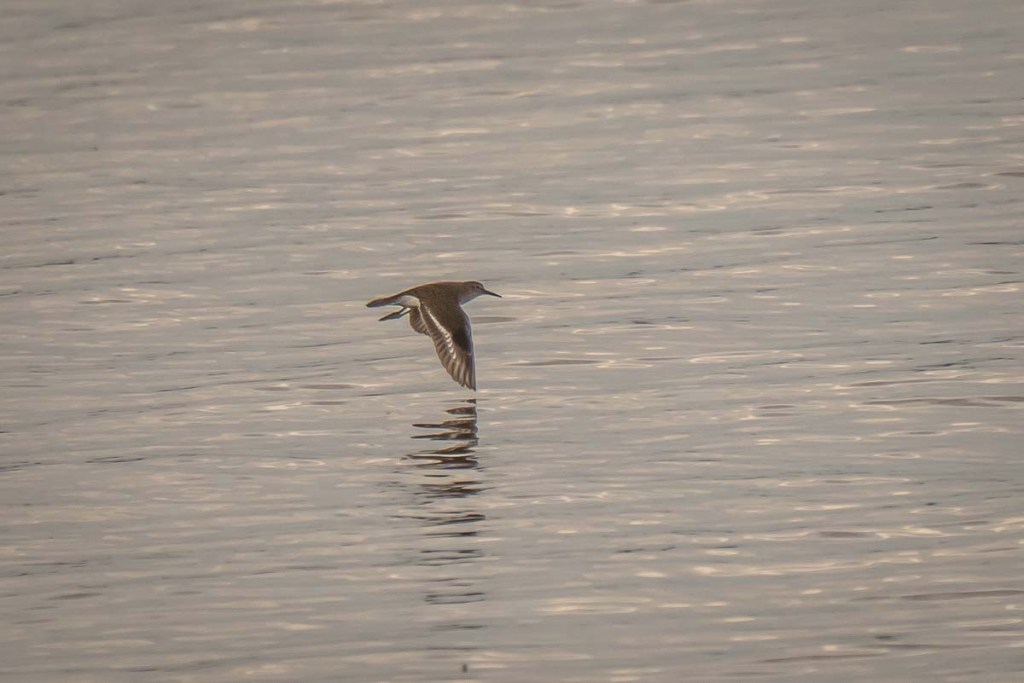
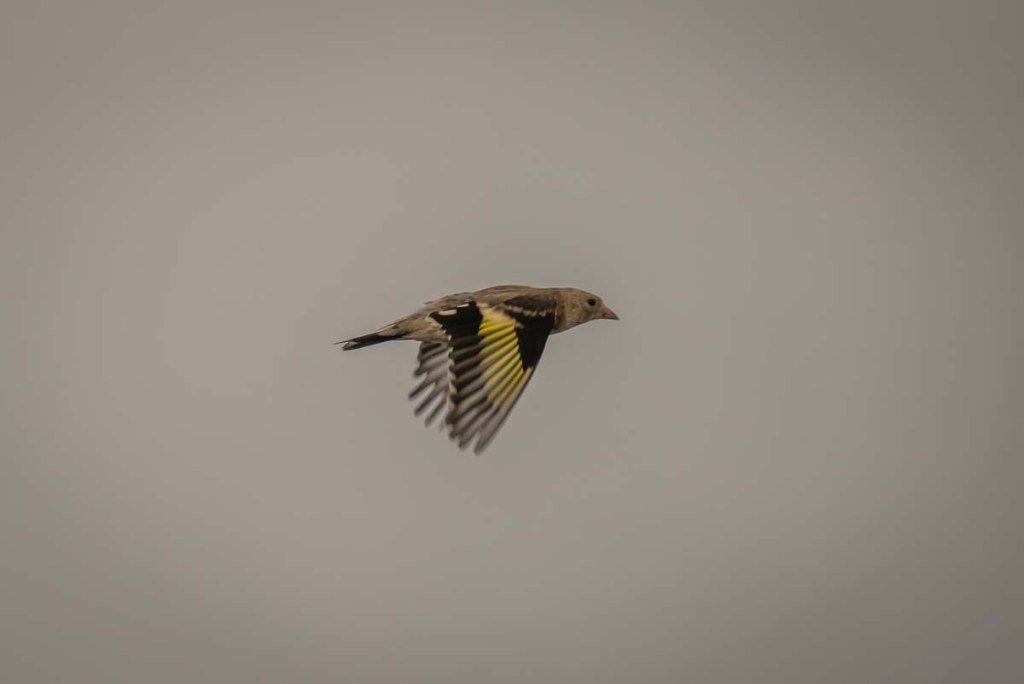
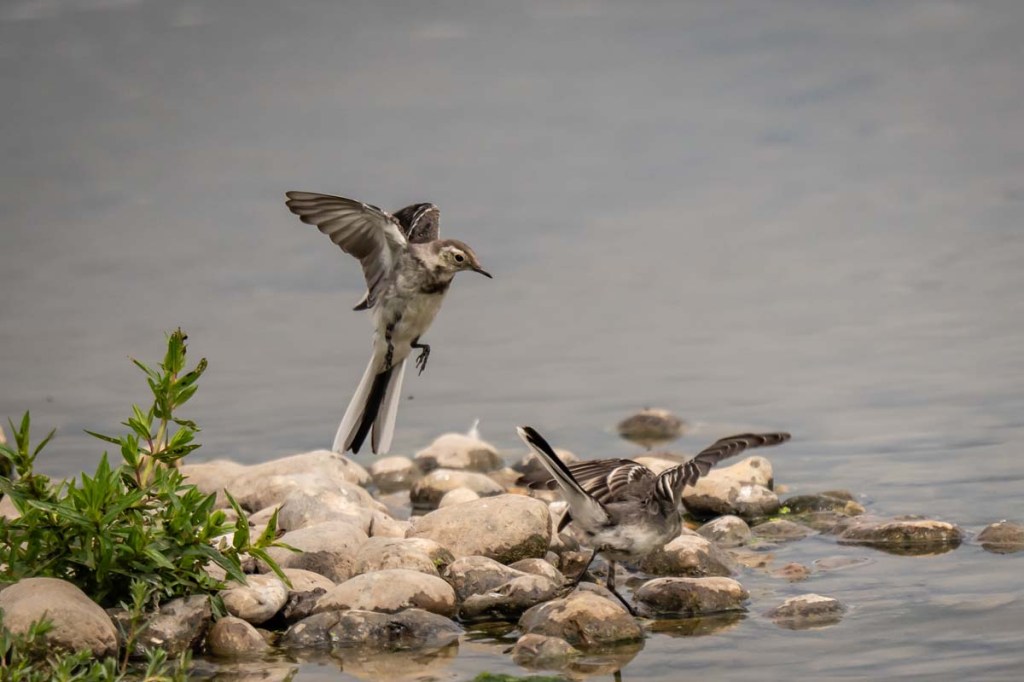
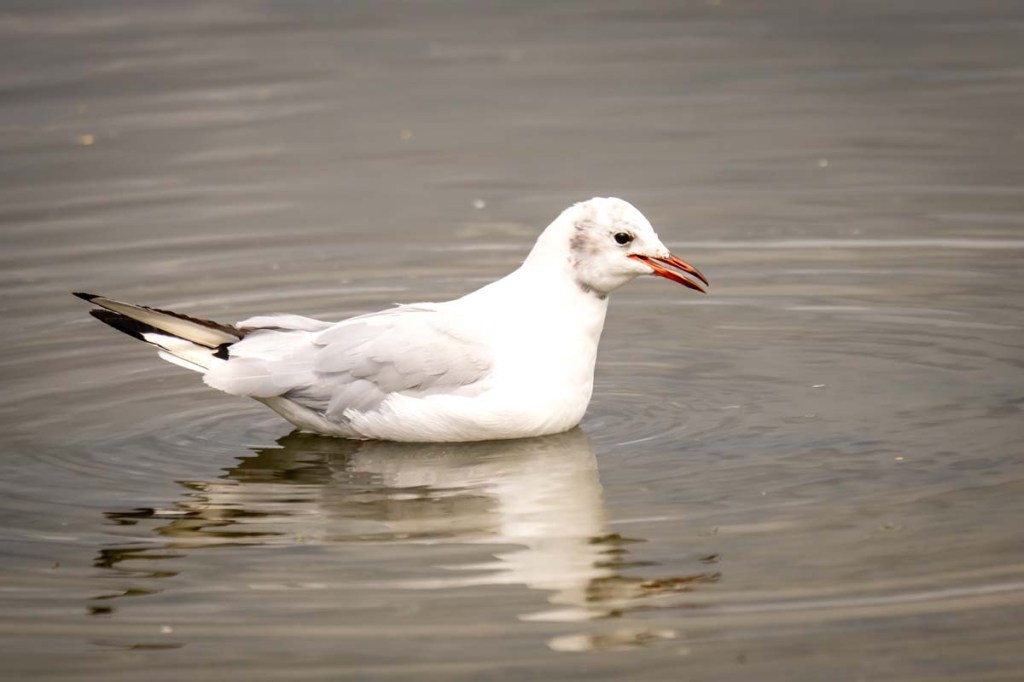
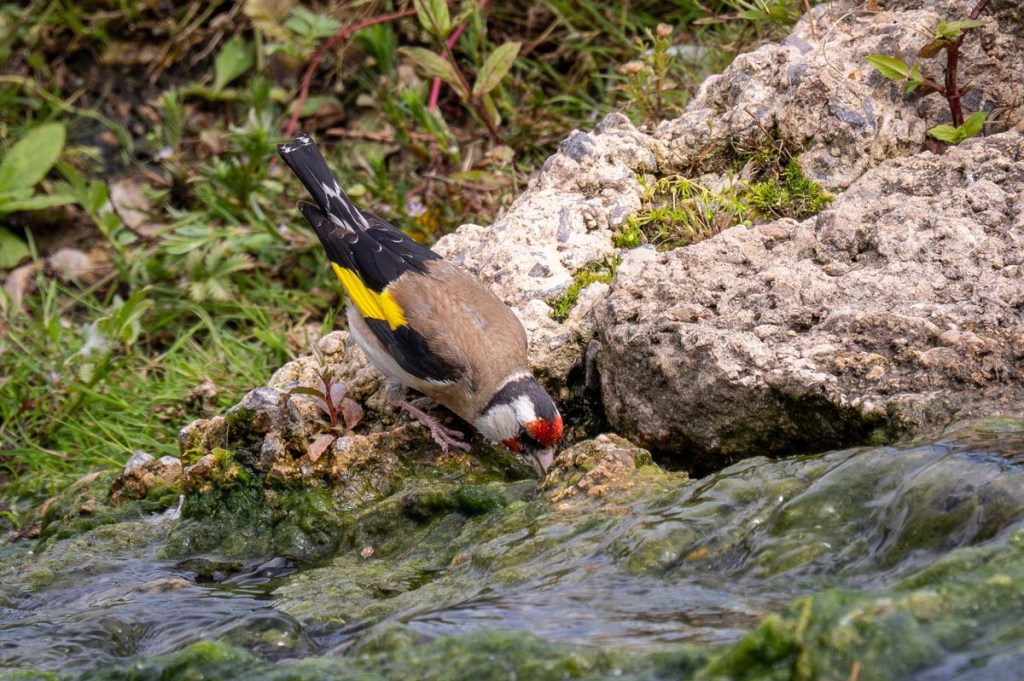
Red admirals are ubiquitous at the moment in this part of the countrySlimbridge is famous for its Bewick and Whooper swans in winter but today there was a black swan.The juxtaposition of this little egret to the black swan was quite splendidA young lapwingWho says we only have LBJs in the UK? Goldfinch having a drink.We are lucky to see so many egrets in this part of the world these days.Little egret in flightLapwing in flightA proud mum tufted duck… and one of her ducklings… and another (only because they are so cute)Clever planting attracts many beesI wish the achillea in my garden was as bright as this cousinOne of five green sandpipersGreen sandpiperGreen sandpiperSand Martin down on the estuaryThe light was poor down by the estuary but I could just capture these barn swallowsCommon sandpiper on the Severn EstuaryGoldfinch in flightKingfisher with a small appetiserKingfisherKingfisherKingfisherKingfisherKingfisherPied/white wagtailPied/white wagtailsBlack-headed gullBlack-headed gullGoldfinch
A spoonbill, common cranes and curlews (heard but not seen) all too far for my lens.
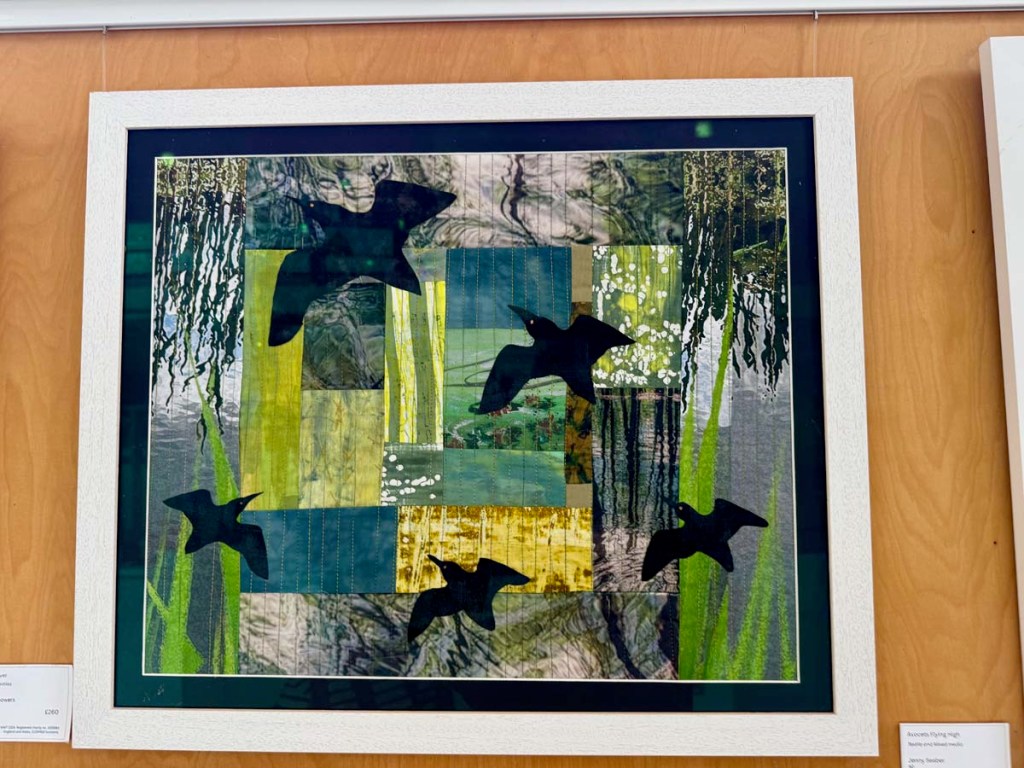
There was even a lovely exhibition of very accomplished textile wall hangings
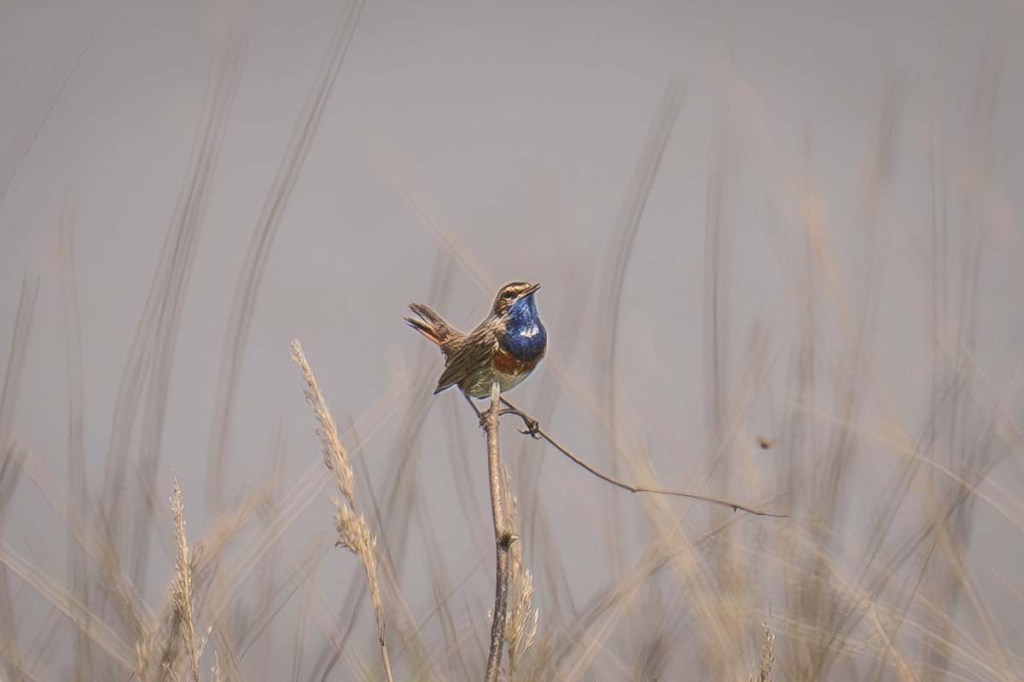
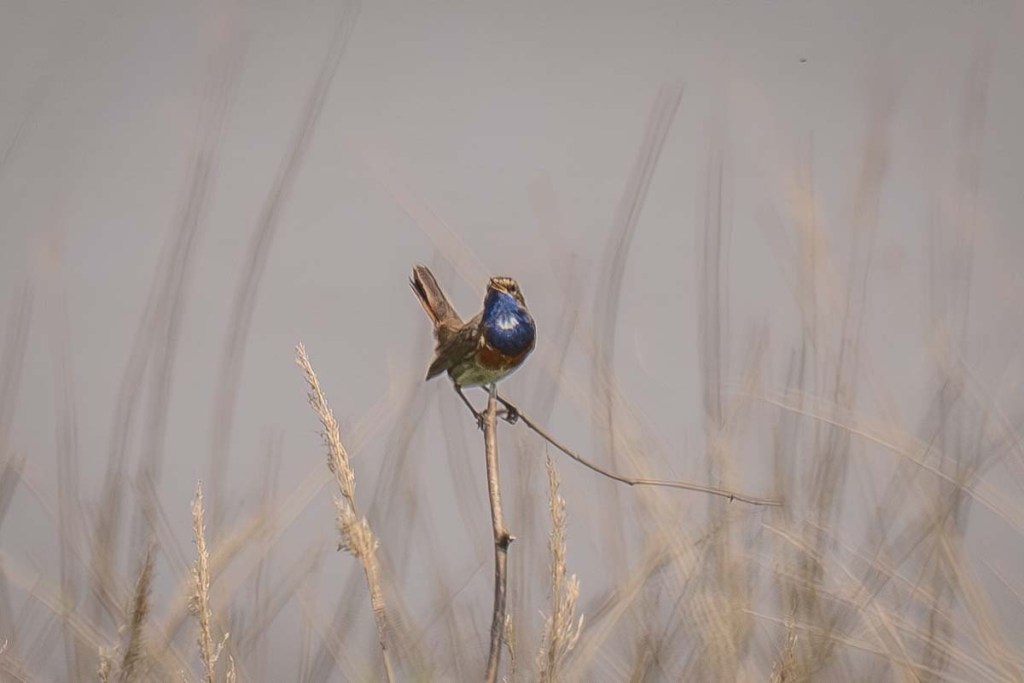
We made our second trip to Slimbridge to try to see the white-spotted bluethroat which has returned to the Severn Estuary for the fifth year running. Normally, the white-spotted subspecies typically breeds on the near continent but this is perhaps a sign that with climate change it is extending its range further north. Sadly, however, this male has so far failed to find a mate. Our luck was in and, after not too long a wait, it made an appearance. Ironically it appeared on a notice board warning not to linger and, showing its discipline, soon moved off. It continued to show well in the reeds.
You would think that singing like this its song would carry both the Bristol and English ChannelWhite spotted bluethroatWhite spotted bluethroatWhite spotted bluethroatWhite spotted bluethroat
There was plenty else to see on the walk out to the Severn Estuary.
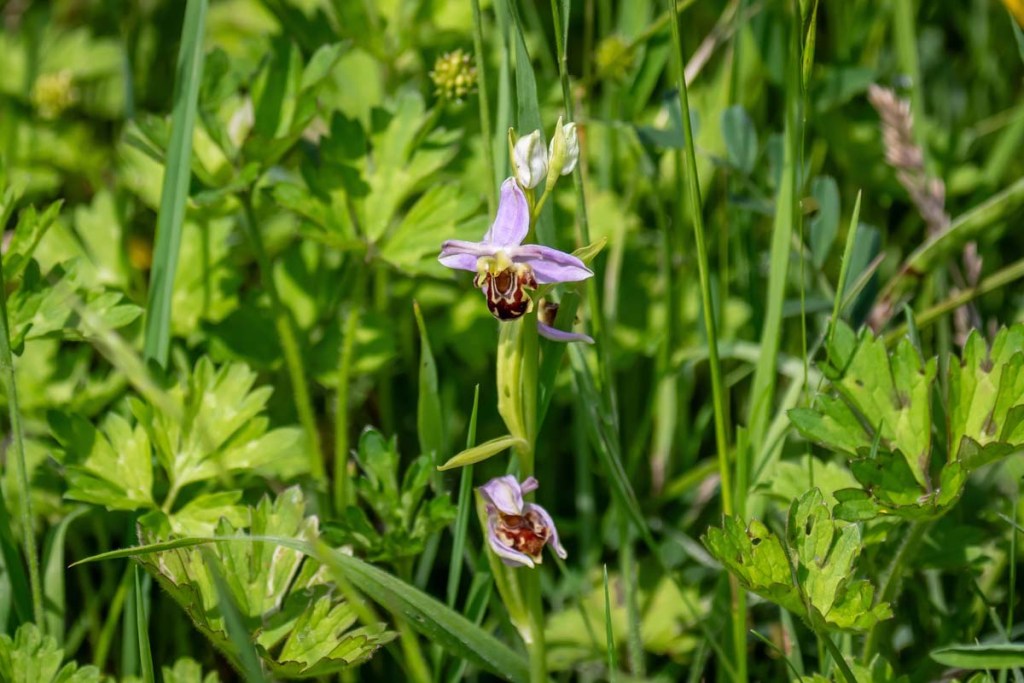
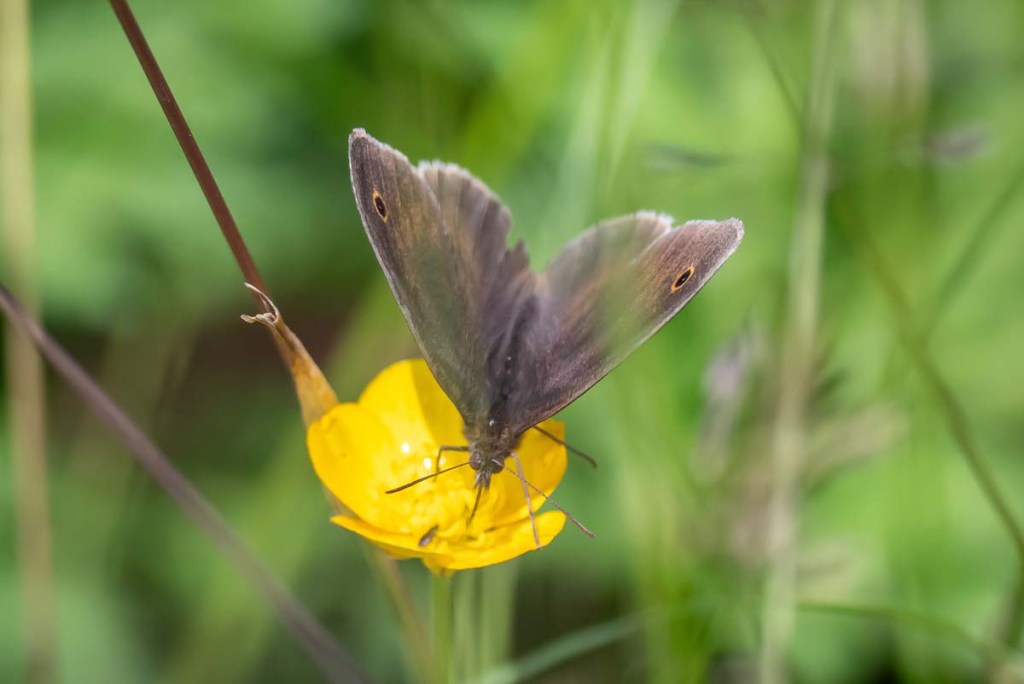
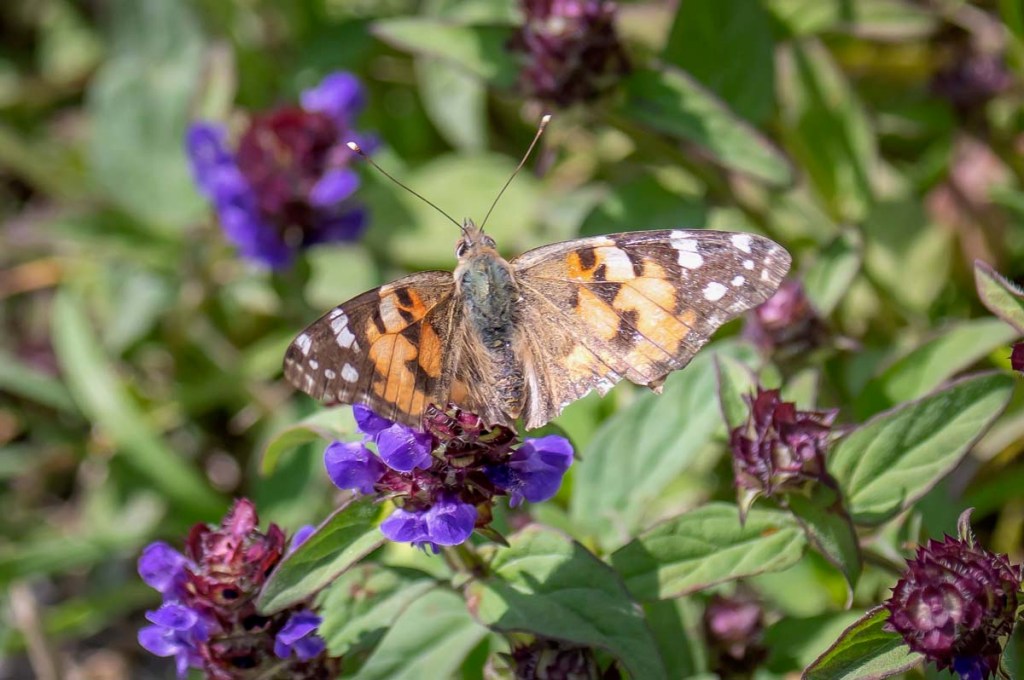
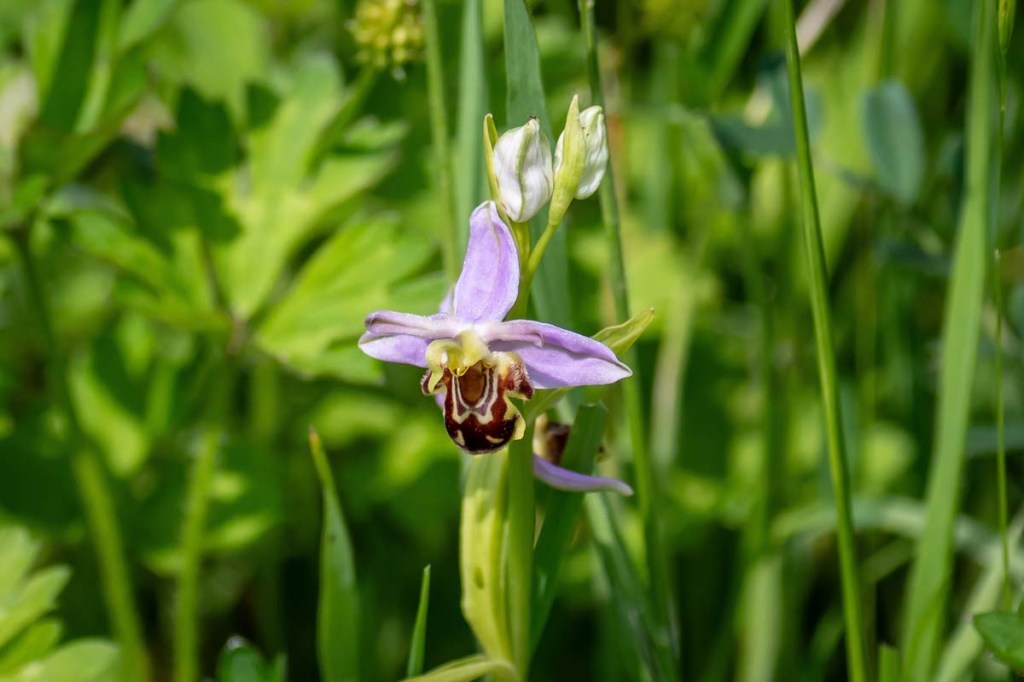
Bee orchidsMeadow brownLarge skipper butterflyPainted lady butterfly
The marbled white escaped my camera
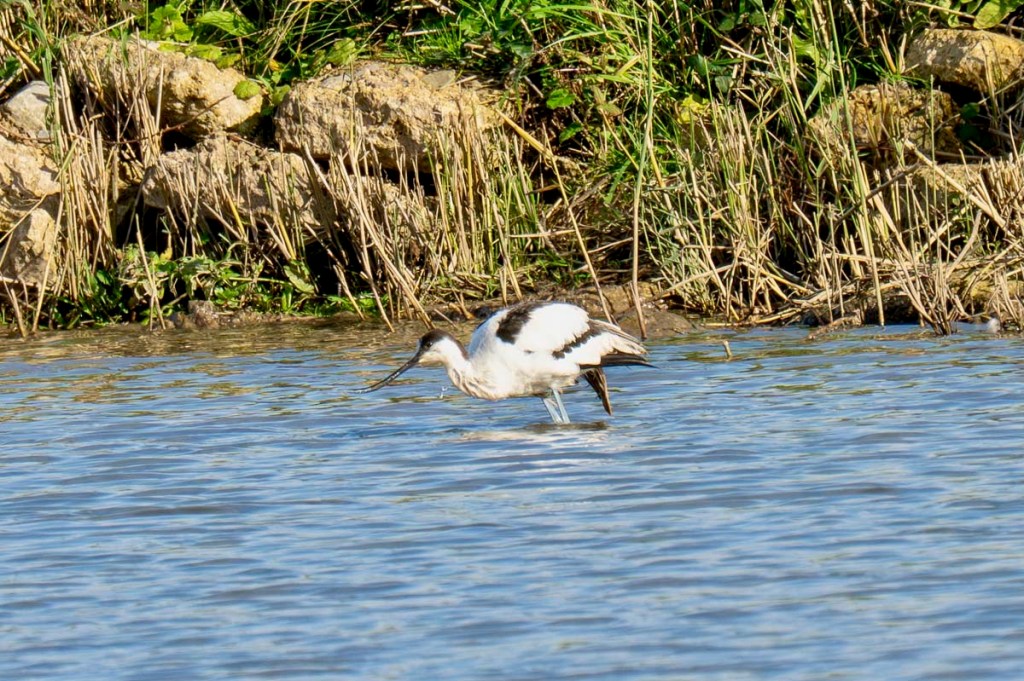
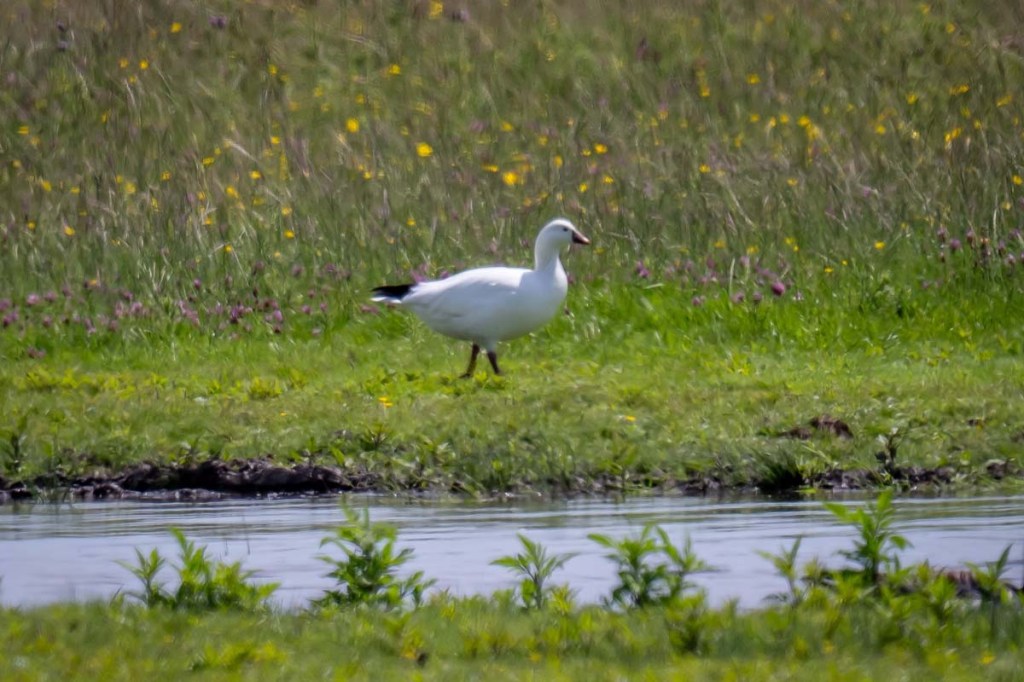
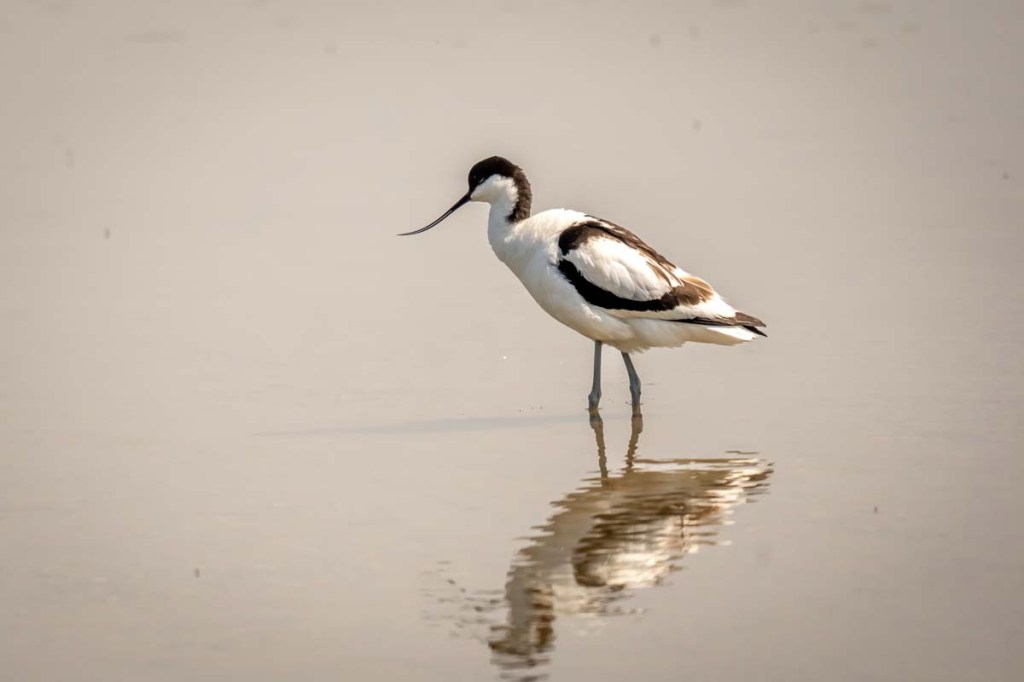
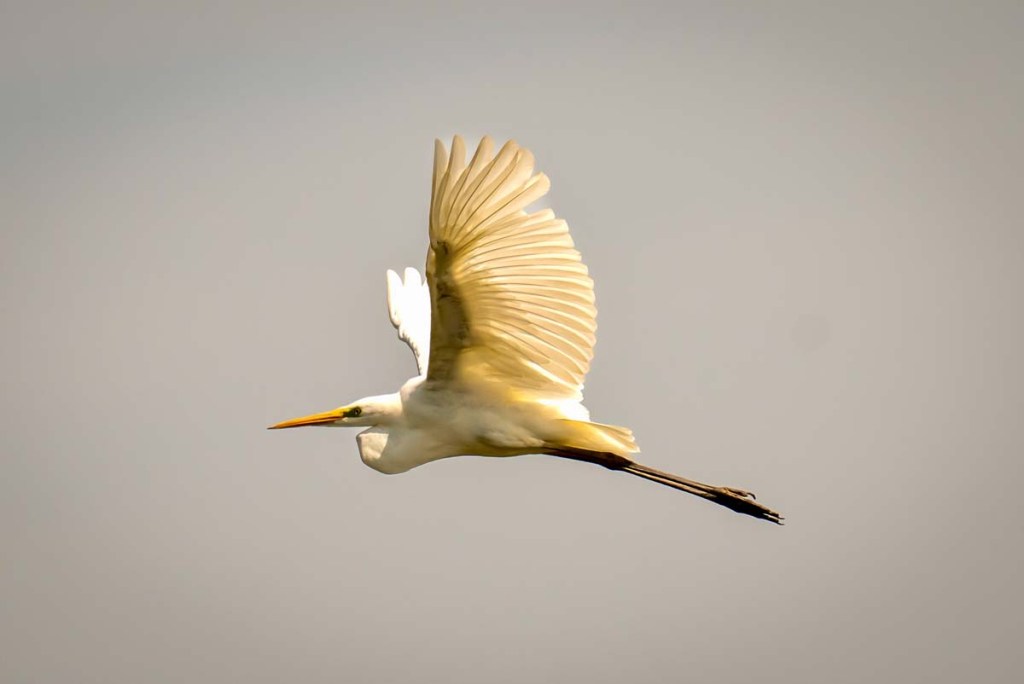
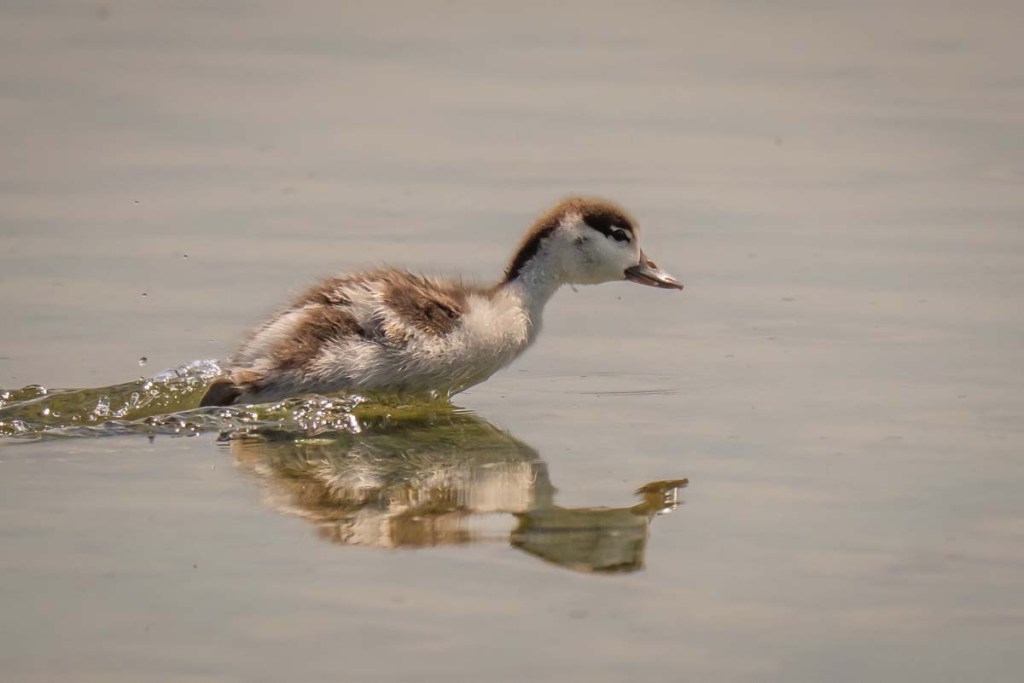
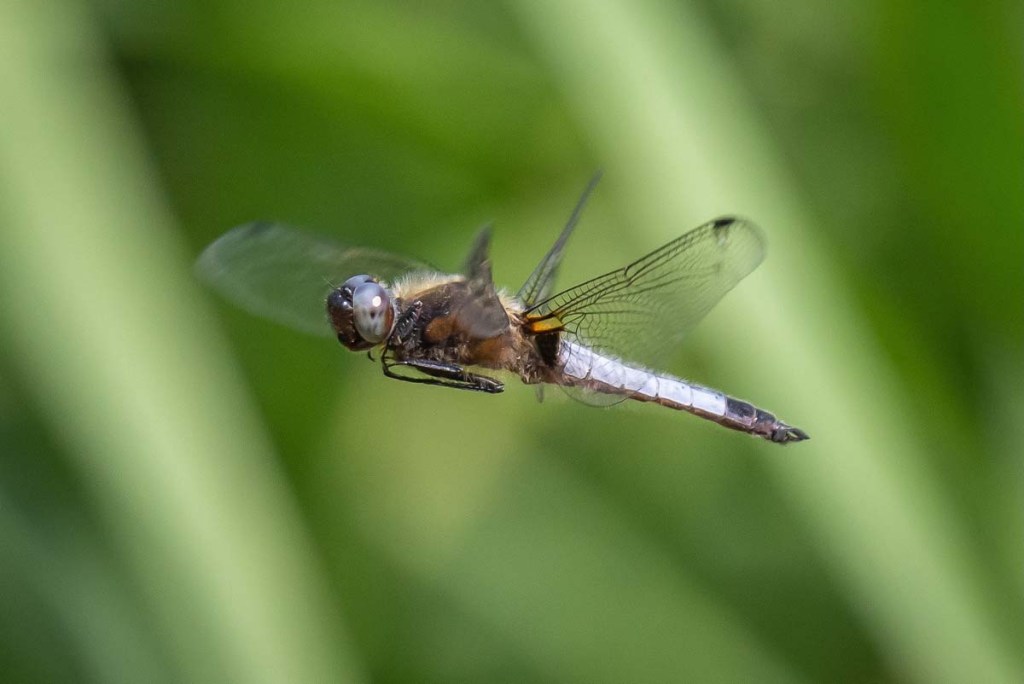
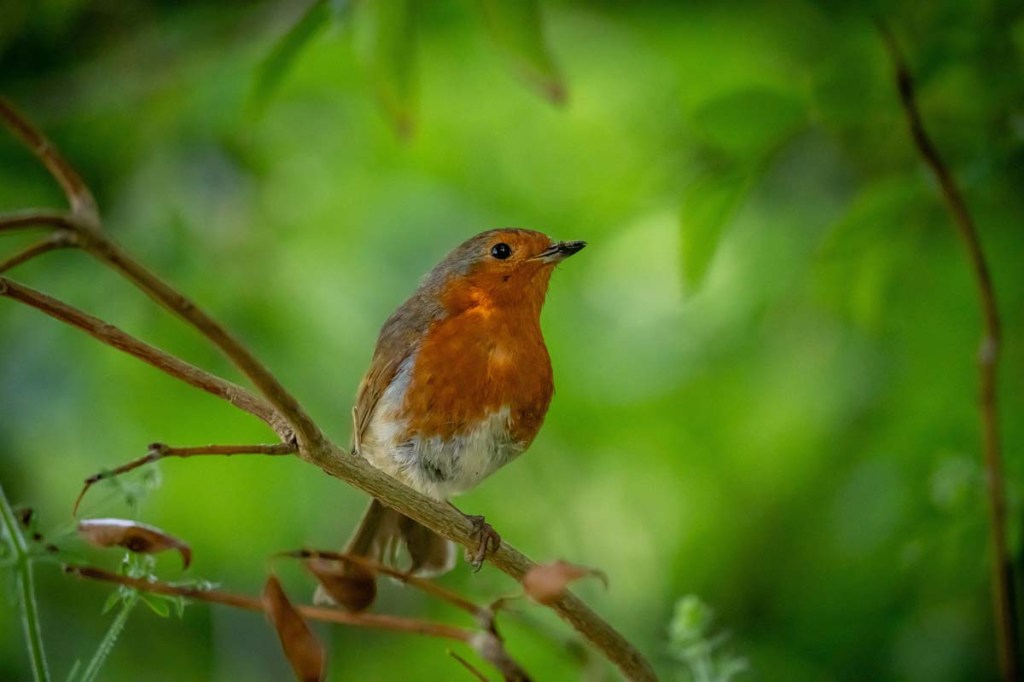
I imagine a hybrid gooseA snow goose or a Ross’s goosePied avocet (or simply avocet as we call them in the UK)Black-headed gullsGreat egretGreat egretGreat egretA shelduck ducklingMore shelduck ducklingsScarce chaseScarce chaserA rather shy robin








































































 Martin's Bird Blog & Nature Photos