There’s another world out there!
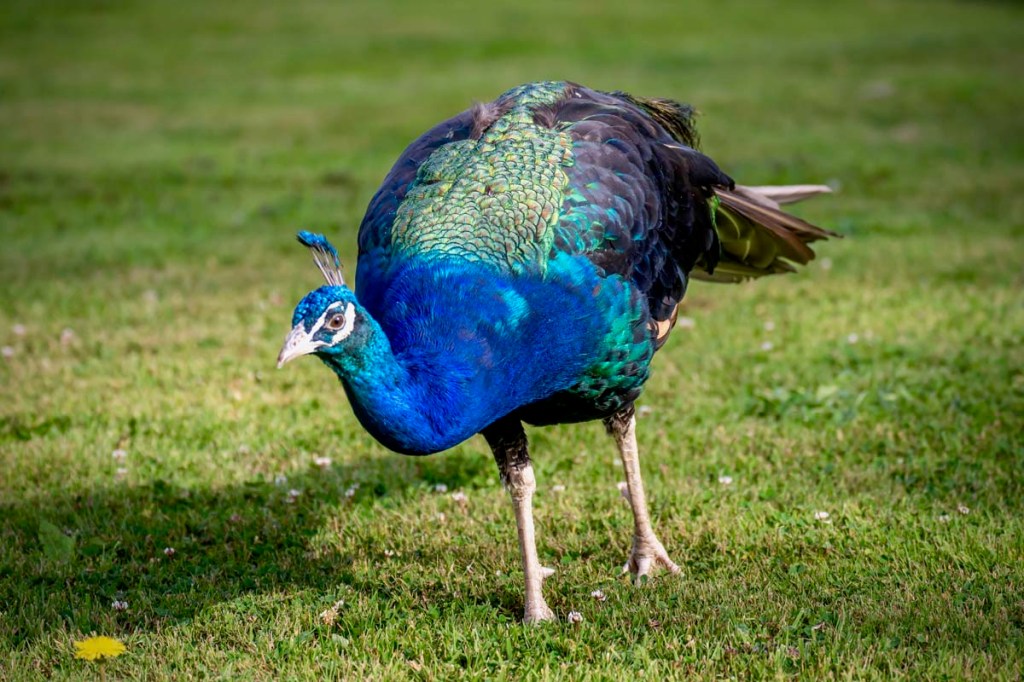
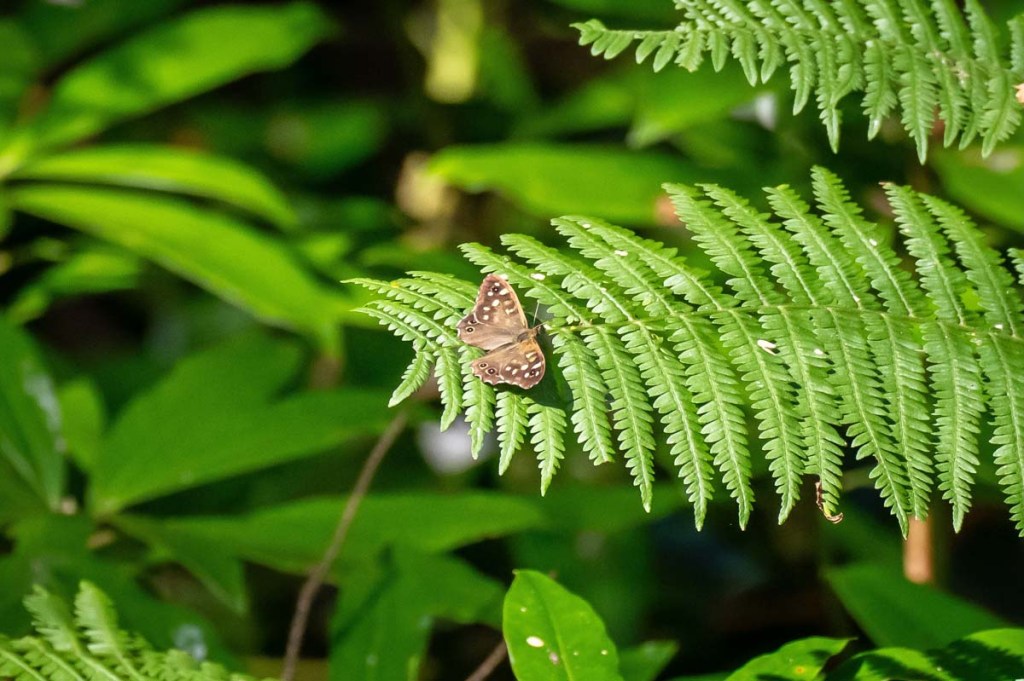
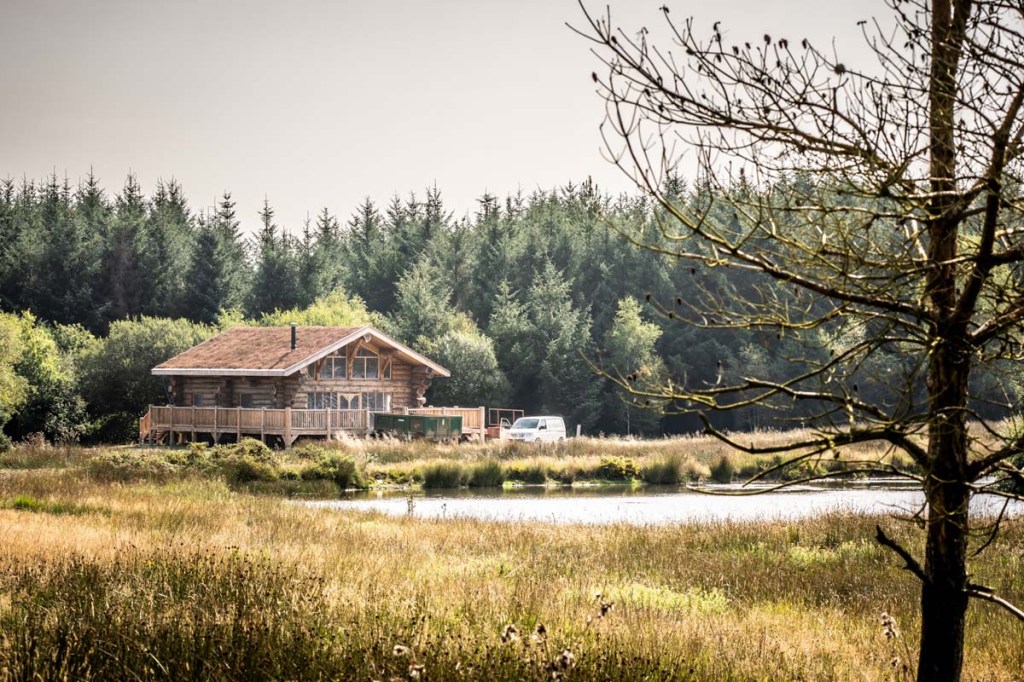
Photos from a slightly different morning walk on the Stafford Barton Estate in Devon before it got too hot for us with temperatures reaching 30C in the afternoon.



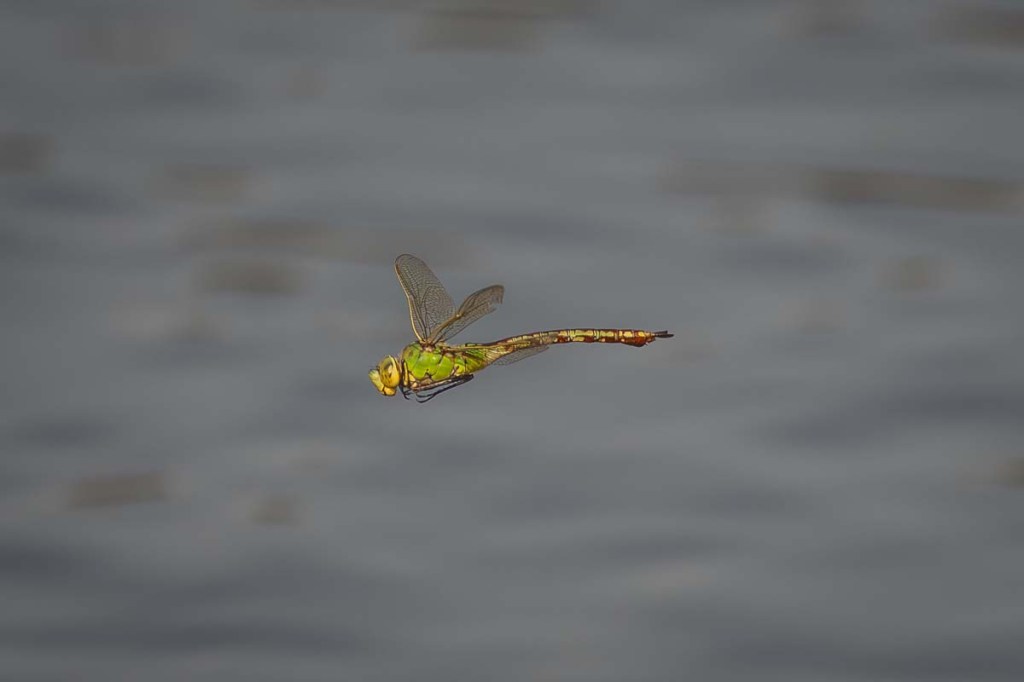


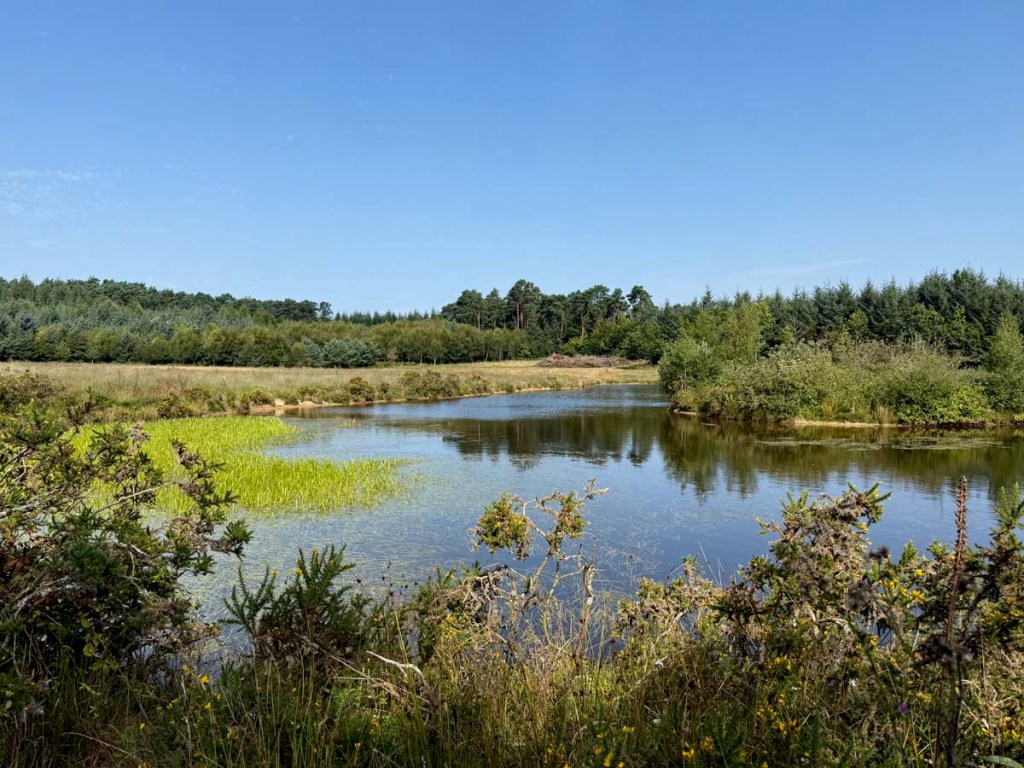
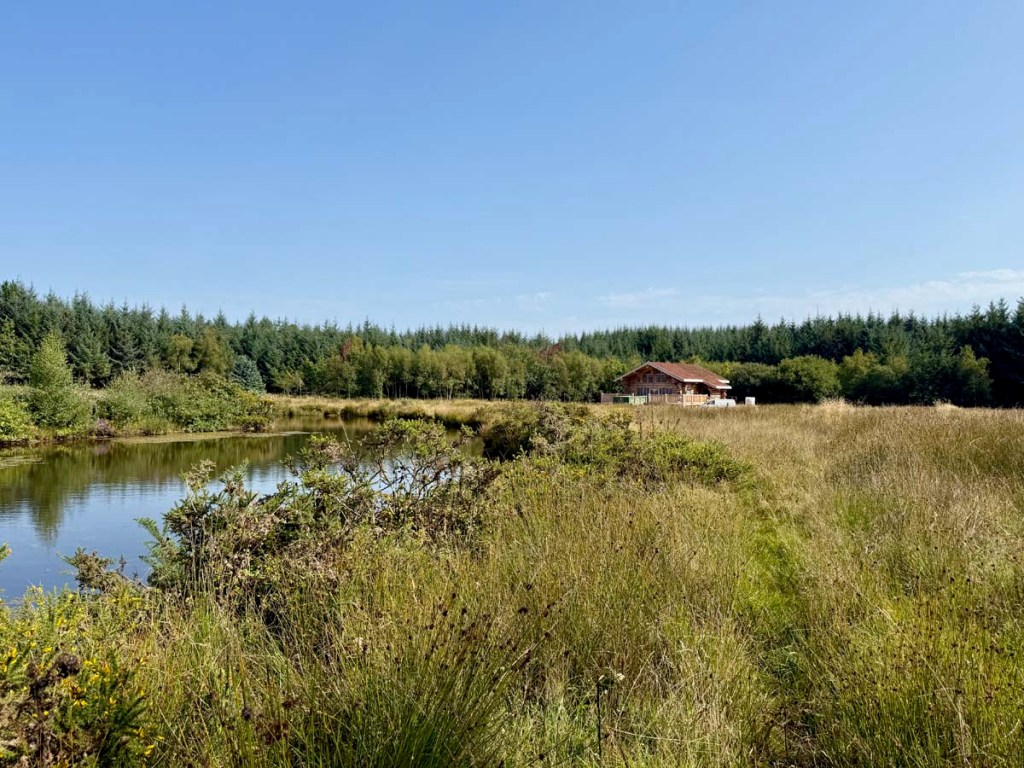


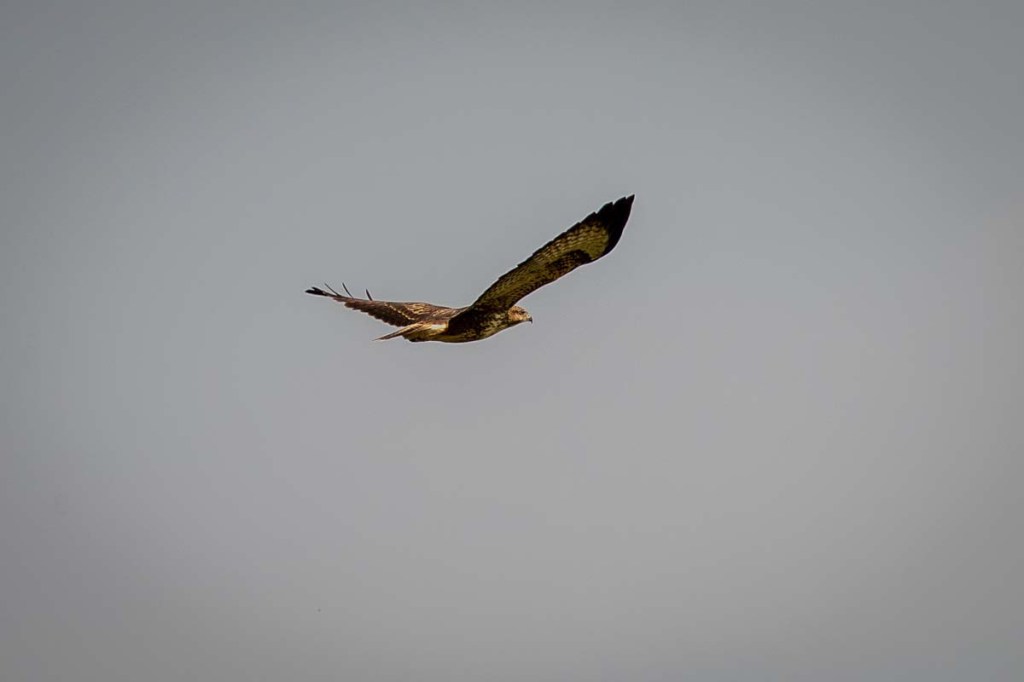
There’s another world out there!
Photos from a slightly different morning walk on the Stafford Barton Estate in Devon before it got too hot for us with temperatures reaching 30C in the afternoon.
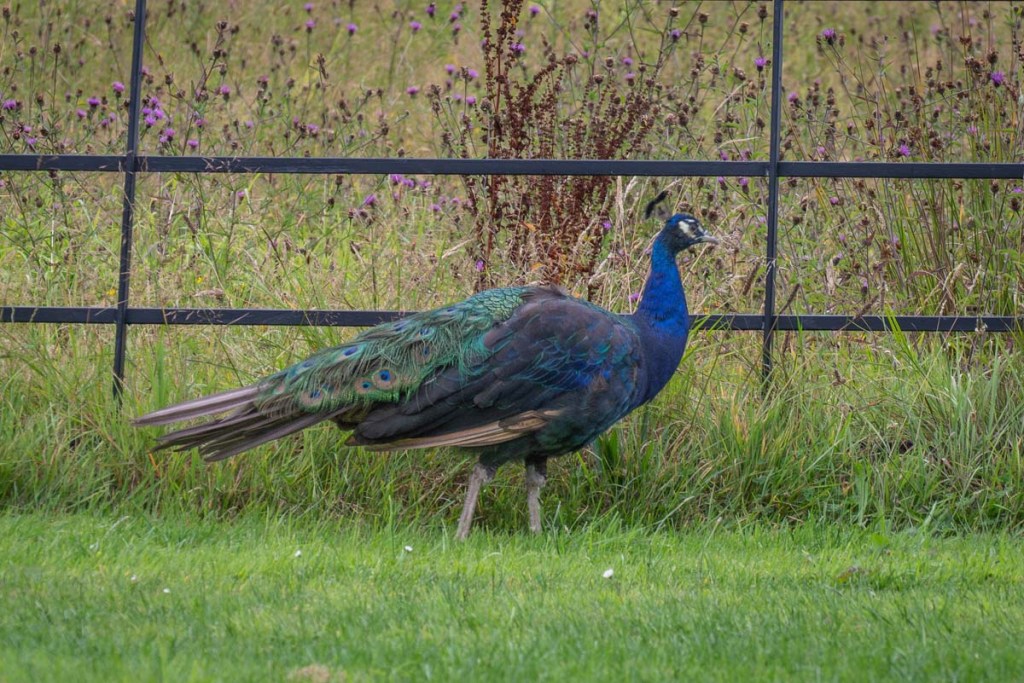
For 47 years of my working life as a teacher I had to take my holidays with the majority of the population in July and August. So now, in my retirement, we rarely go away at this time of the year. However, it’s such an exceptionally wonderful summer that we could’t resist another trip when we saw a cottage advertised on a private estate in north Devon. It’s a beautiful part of the country and only just over a 100 miles from home. The fact that there is a major RHS garden just down the road was an added attraction. So far we haven’t visited RHS Garden Rosemoor as we are so enjoying the peace and quiet of the gardens, the heaths and the woodland of the estate and visiting a couple of local nature reserves.


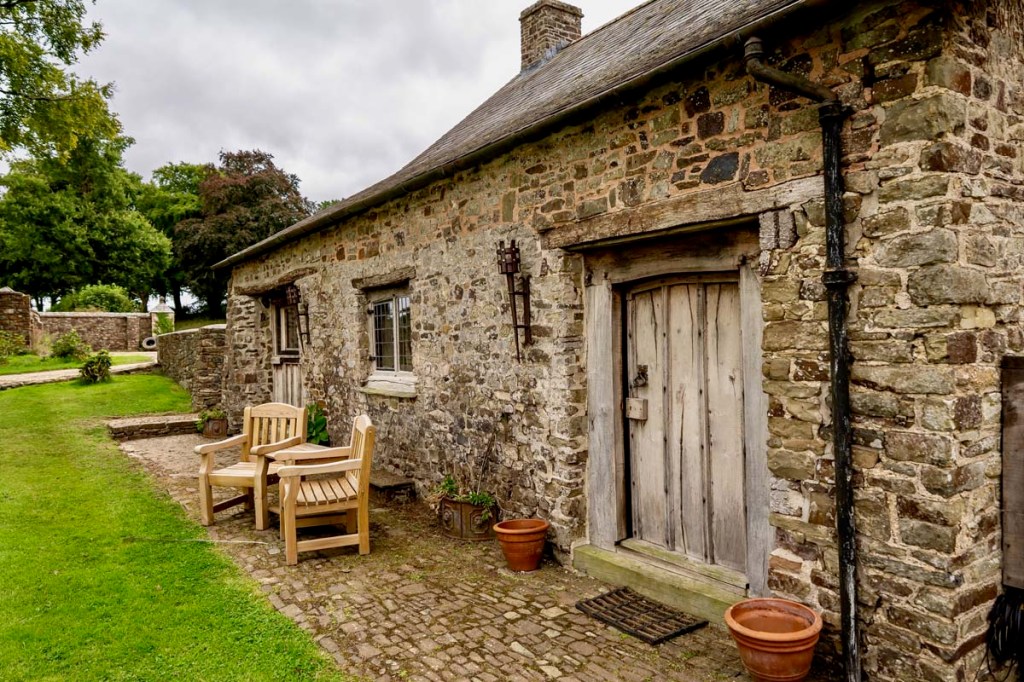


The estate took on a different tone on our second full day here when the owners opened the gardens to the local villages and we were treated to live music, local ales and ciders and cream teas on the lawns. What is there not to like about all this?


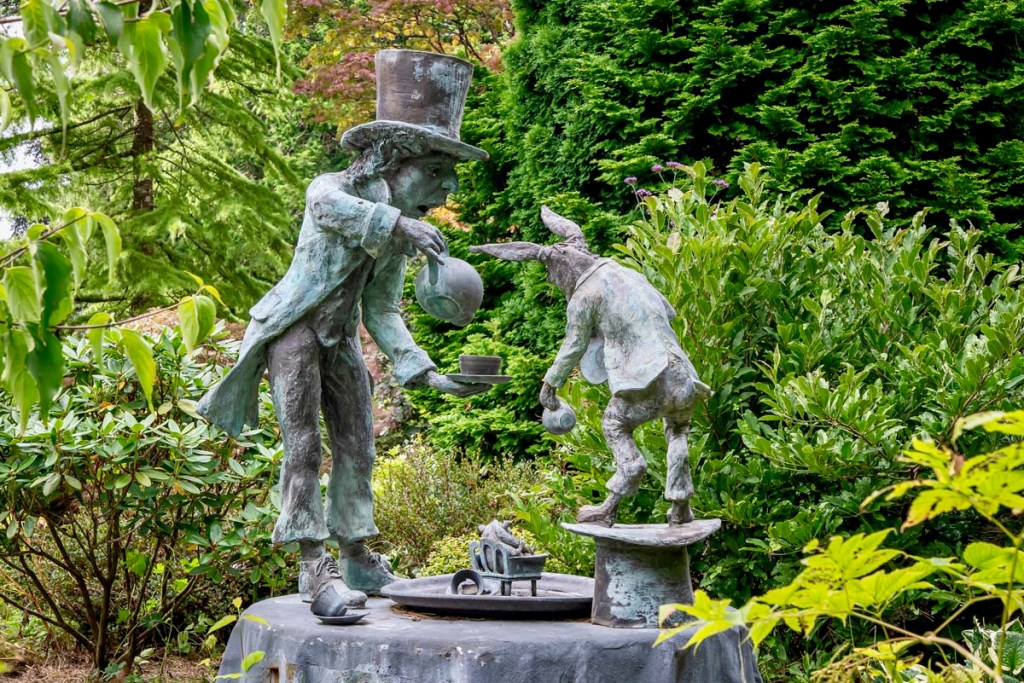

This is such a special place that I wanted to keep a memory of the estate and so have prepared a separate page which you can share by following this link to Stafford Barton Estate August 2025

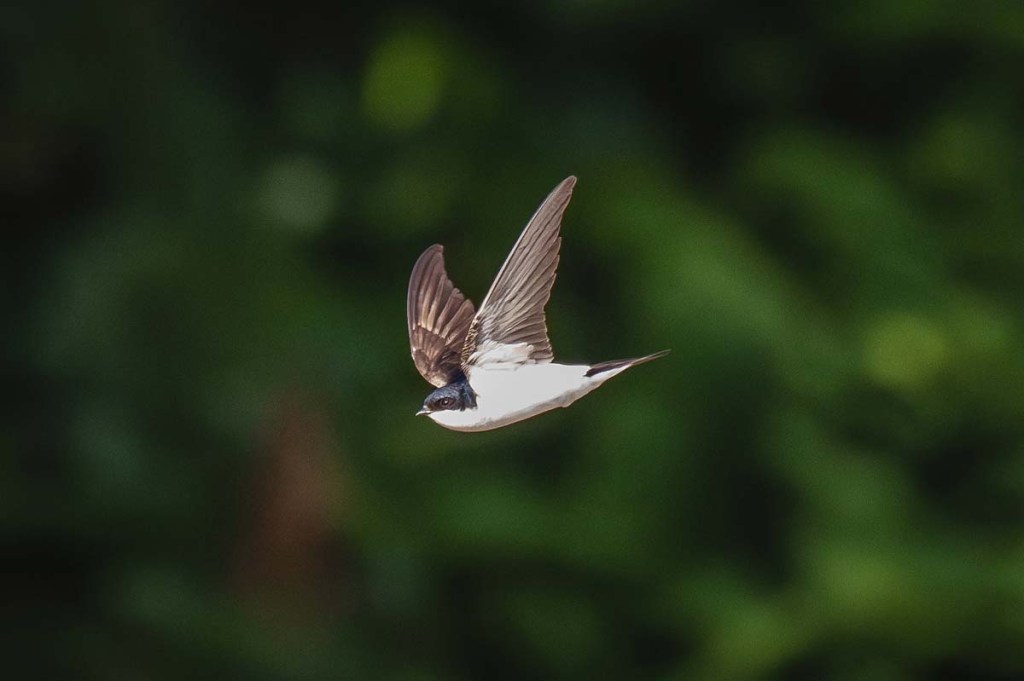
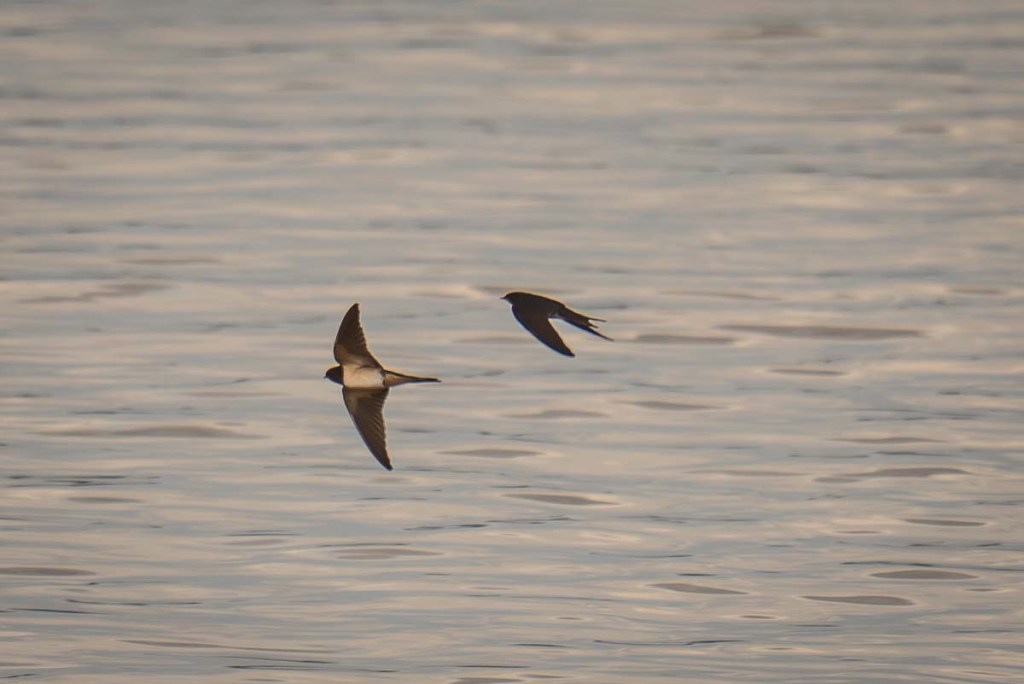
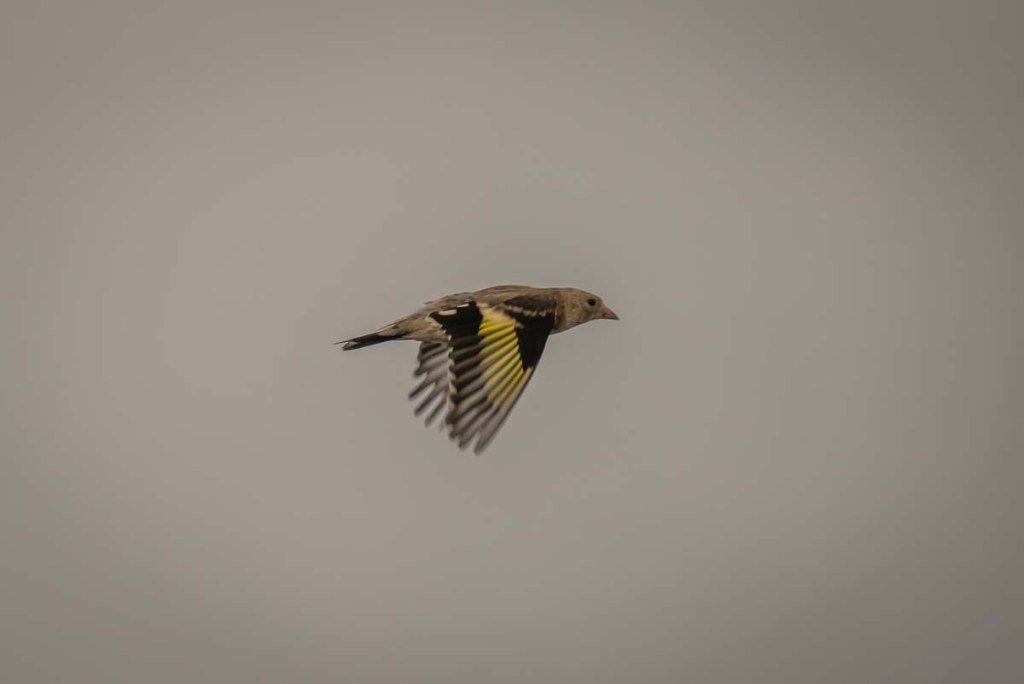
As for the nature opportunities: so far I have been able to practice my camera skills on the house martins and swallows but have had some difficulty capturing the large flocks (a charm indeed!) of goldfinches which swoop down to gorge on the seed heads in the lovely meadows which are left for the wildlife. There has been plenty of wildlife to photograph and keep me busy on our walks too.

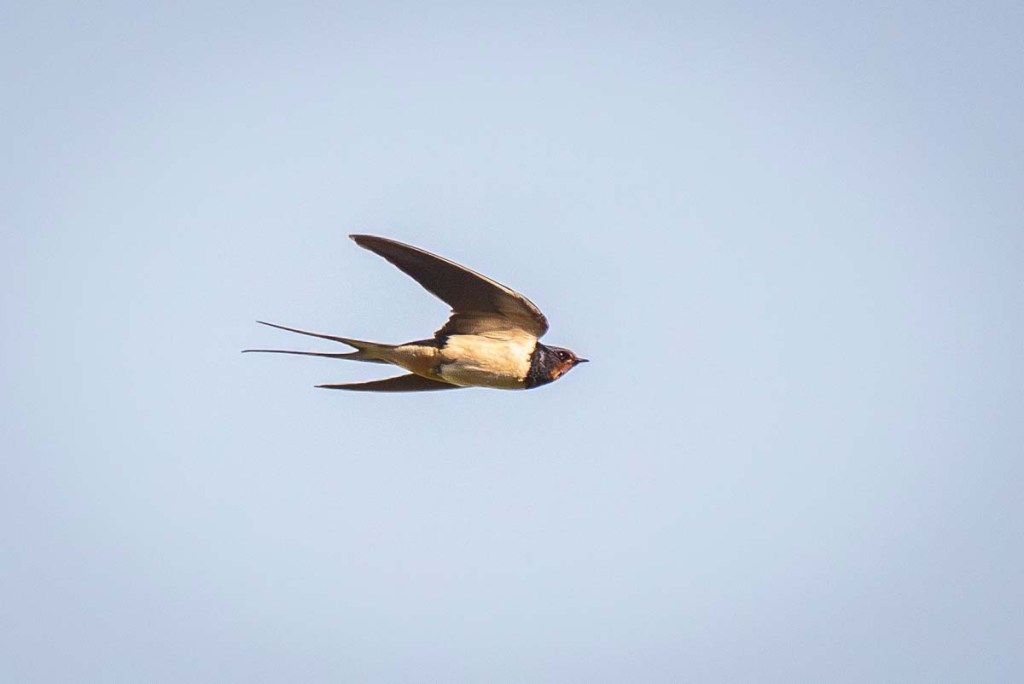


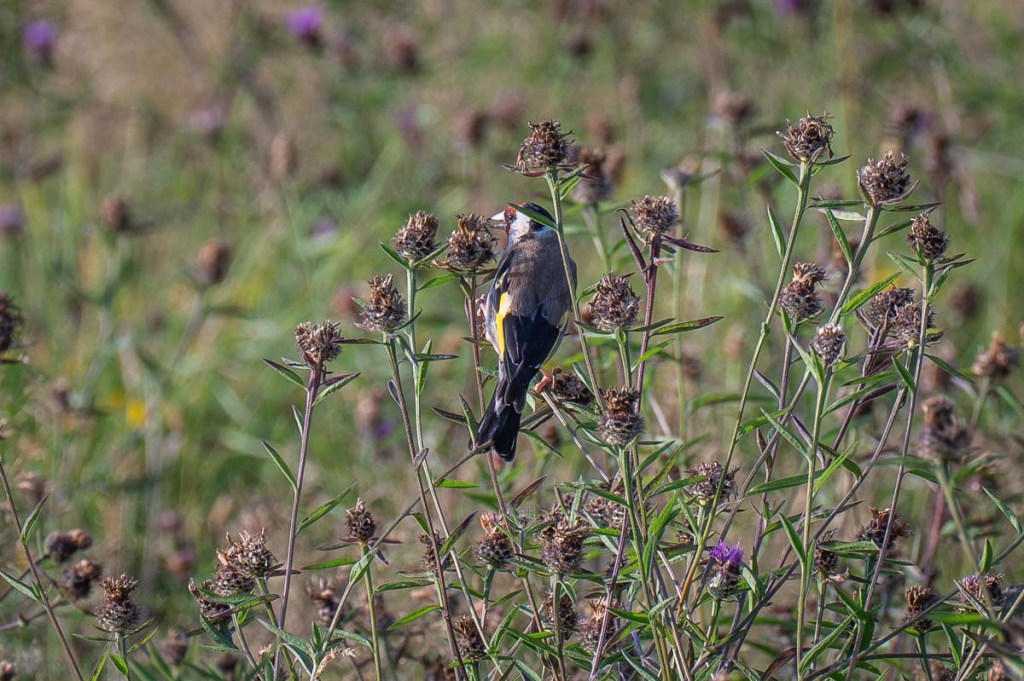


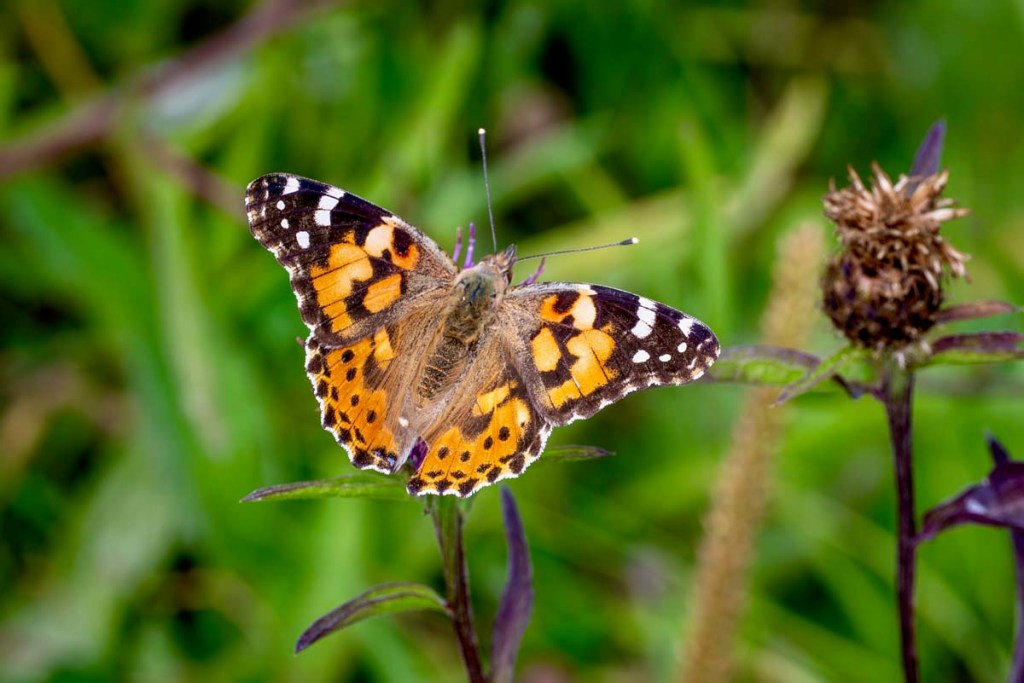

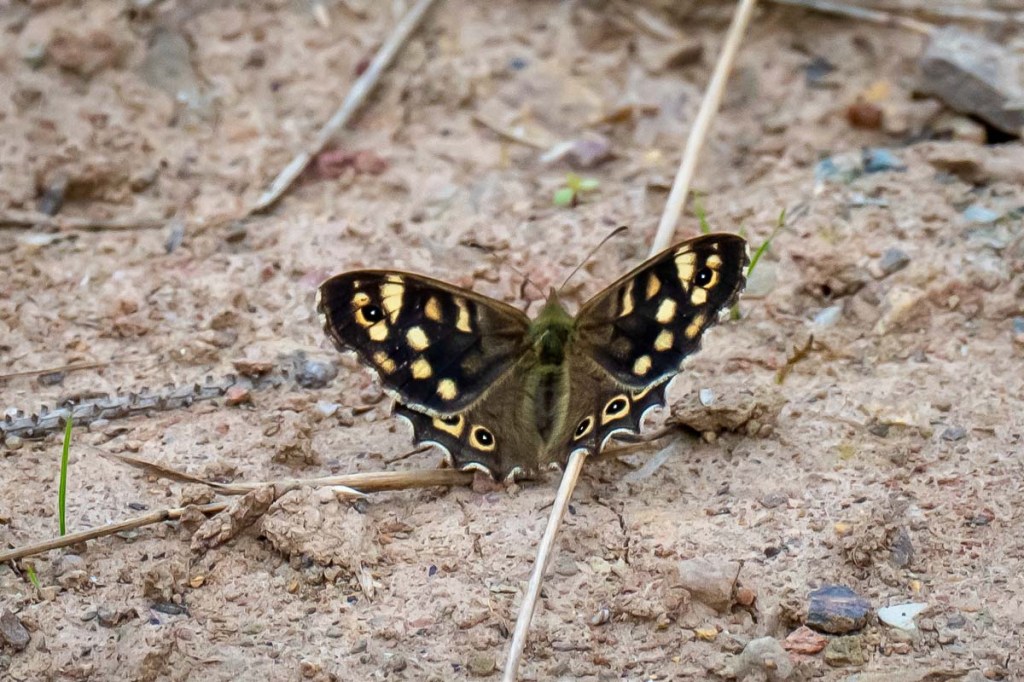


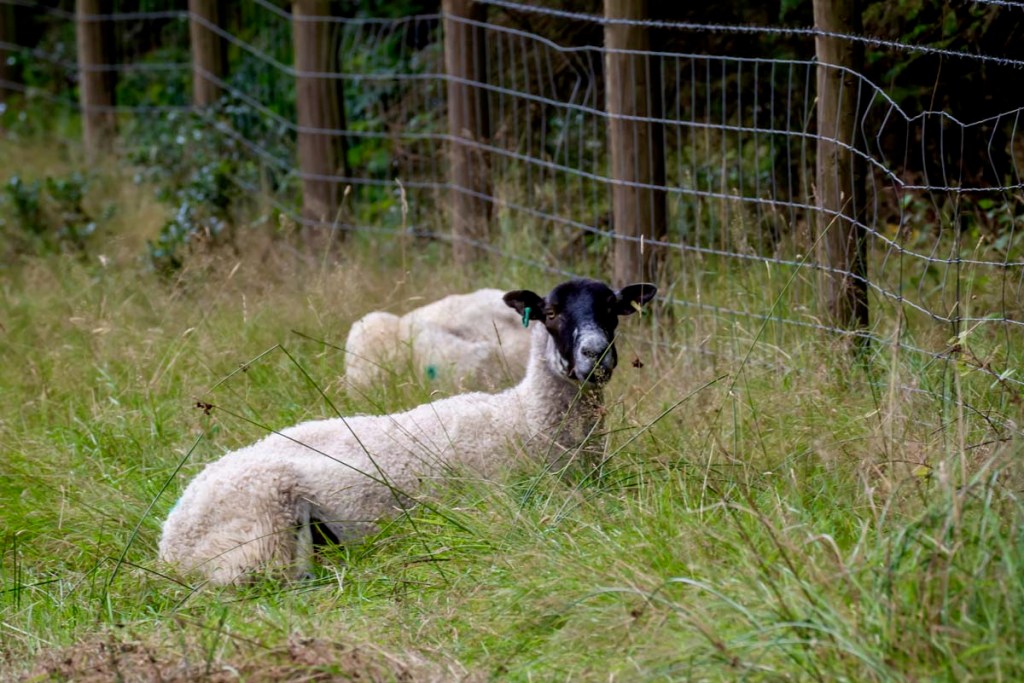


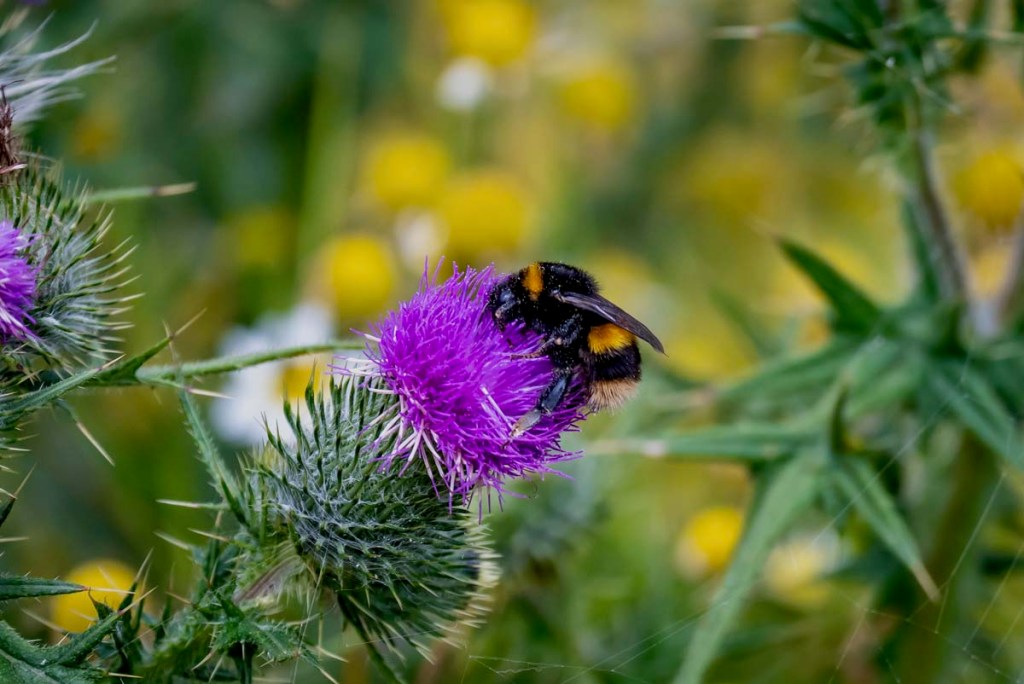


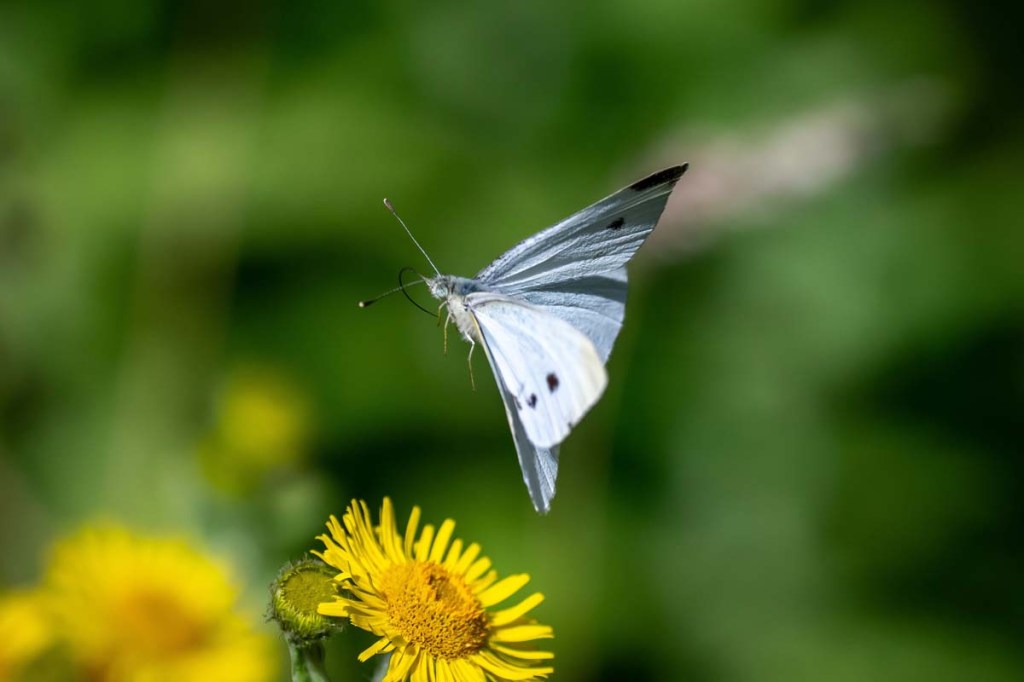


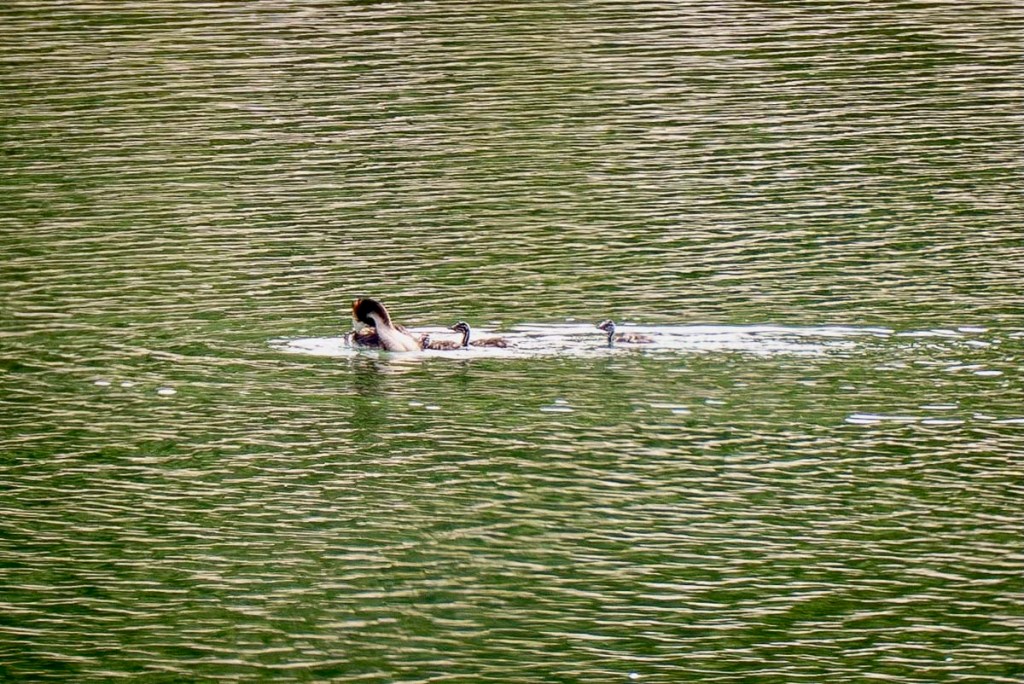

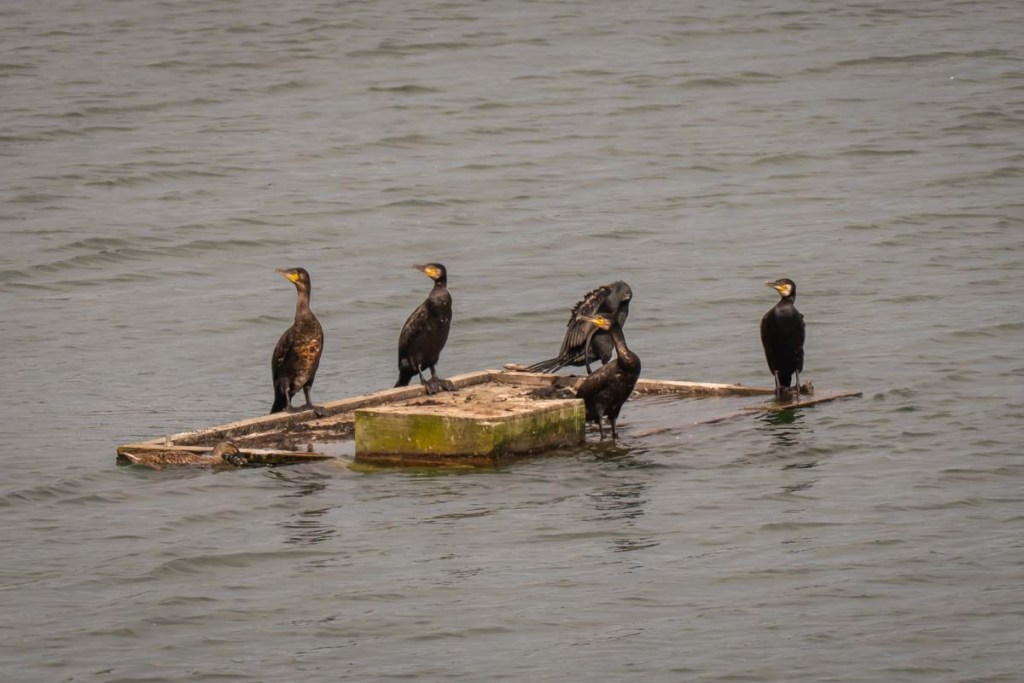

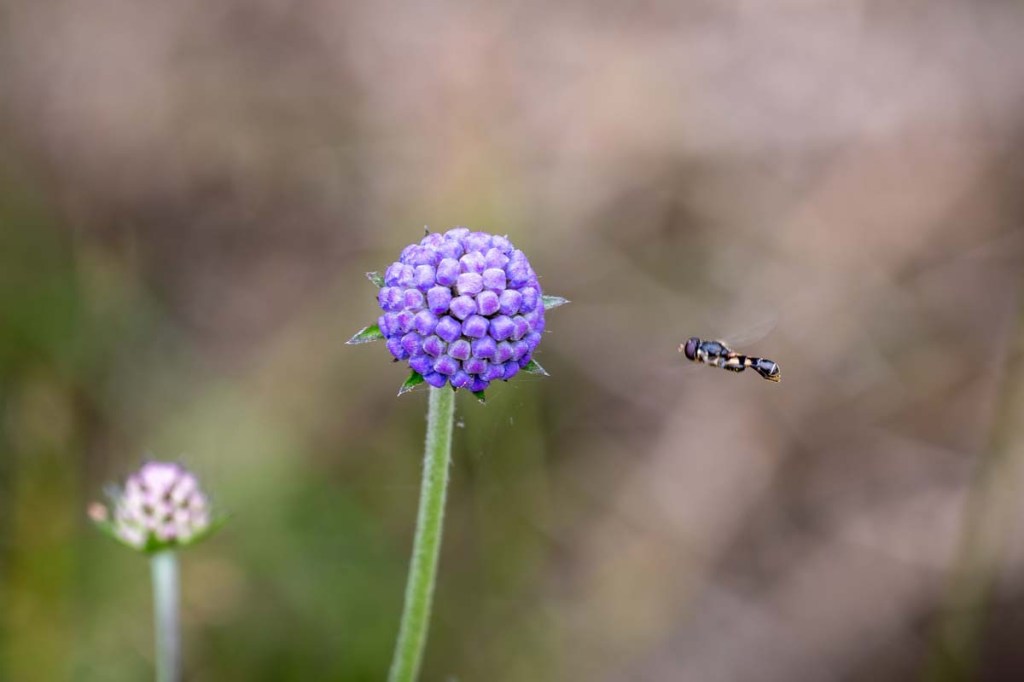
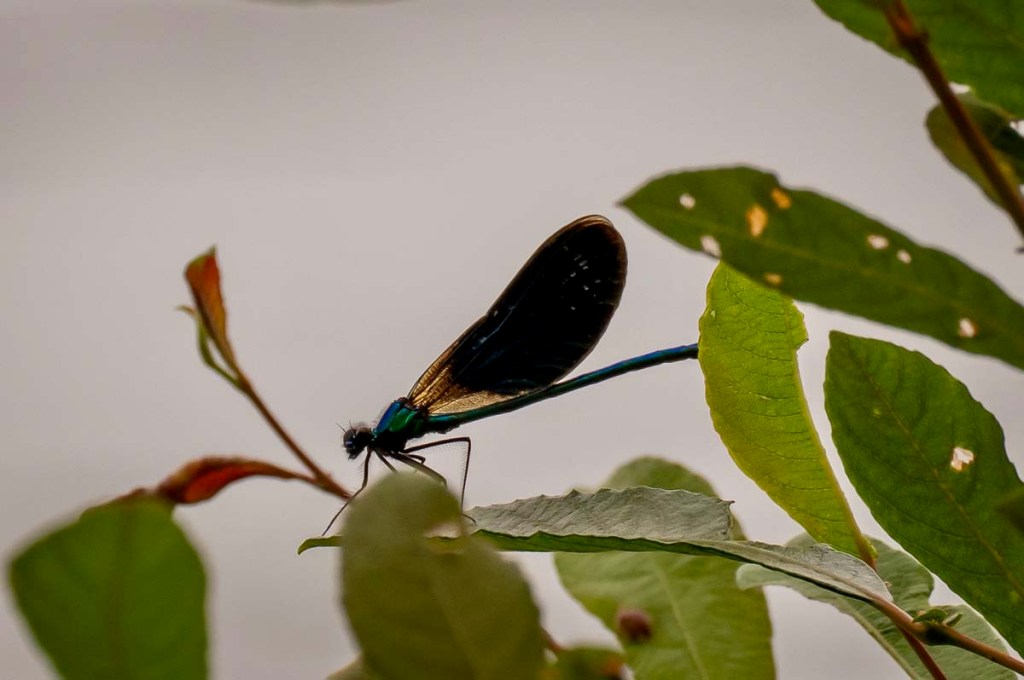
That’s three day’s done with three more to go. I thought I wouldn’t get a chance to do a blog during the holiday as the only fault I could find with our accommodation was that the broad band was slow and yet three days in and the owner has got BT Open Reach to upgrade it! What service!

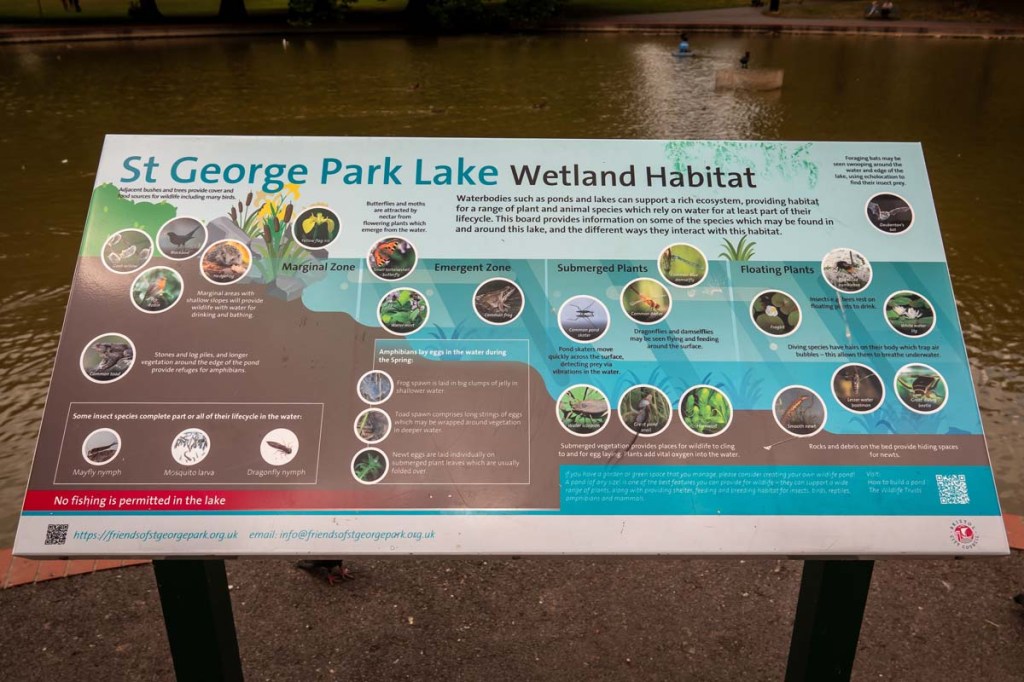
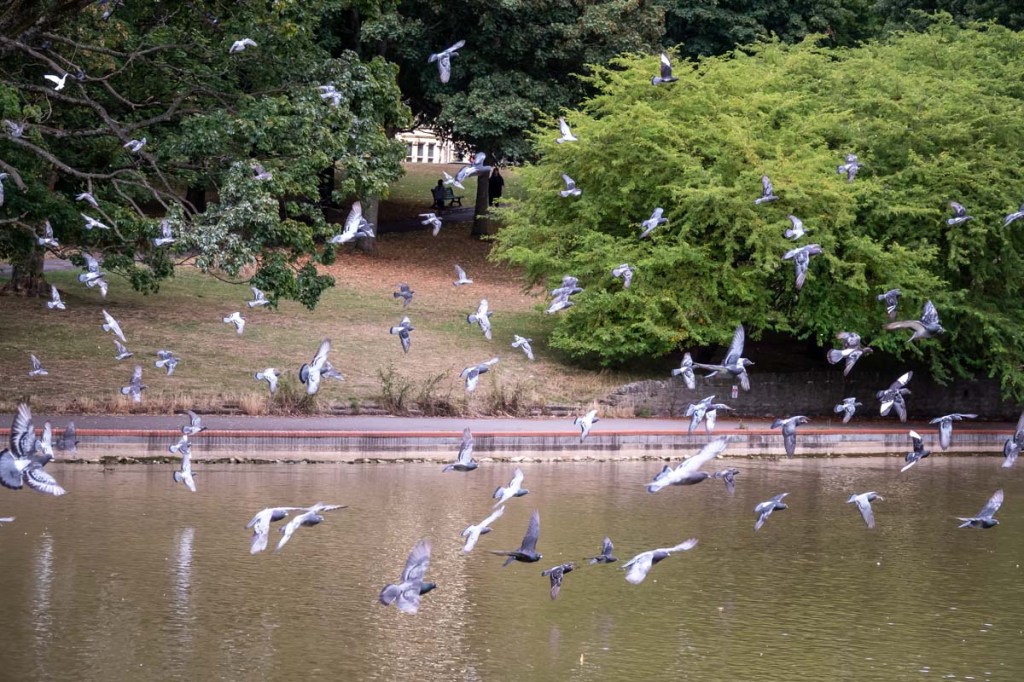
Local parks are a great place to see wildlife up close.
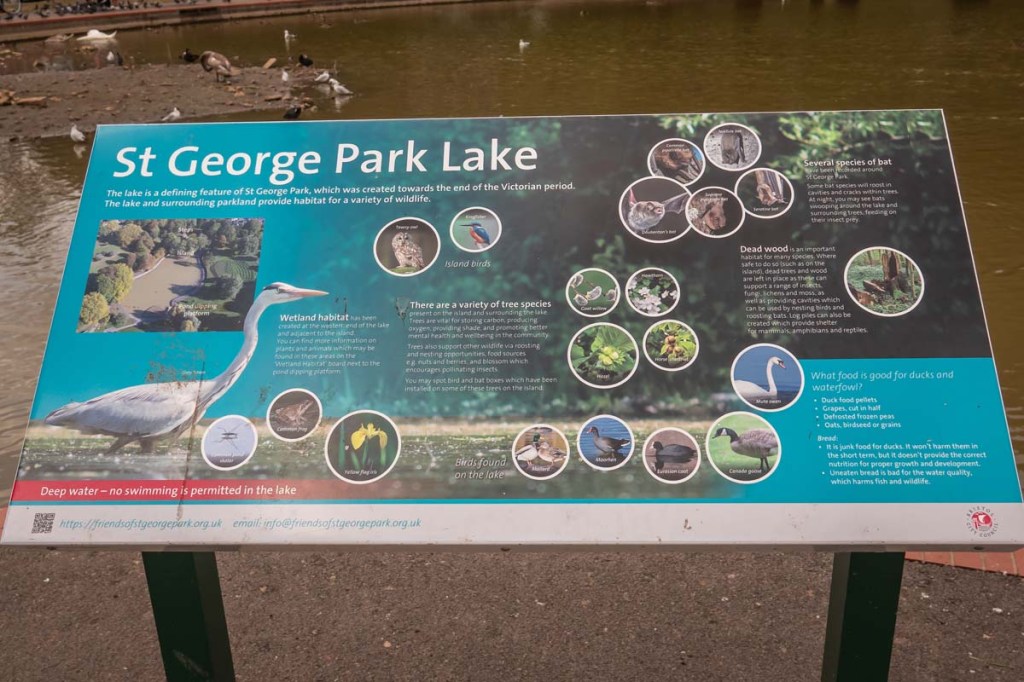
On a visit to a suburban park a little outside my local area I was very encouraged to see how much local volunteers were doing to provide information about the wildlife in the park and just as pleased to see that the information boards were being respected and not covered in graffiti.
It was also very encouraging to see how many people were showing a genuine interested in the birds.
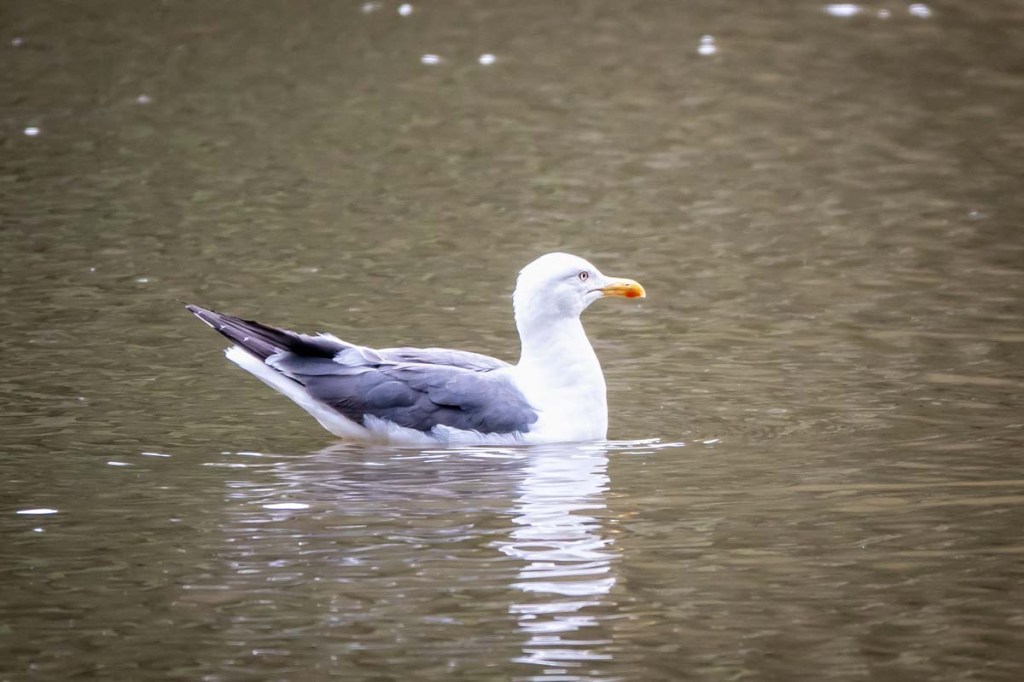
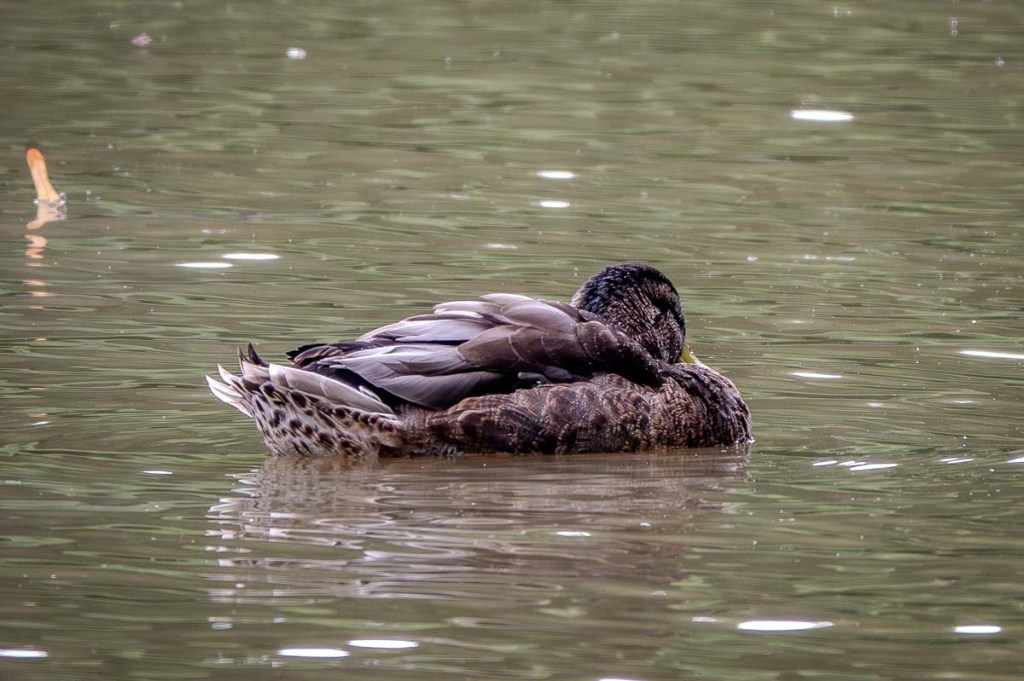


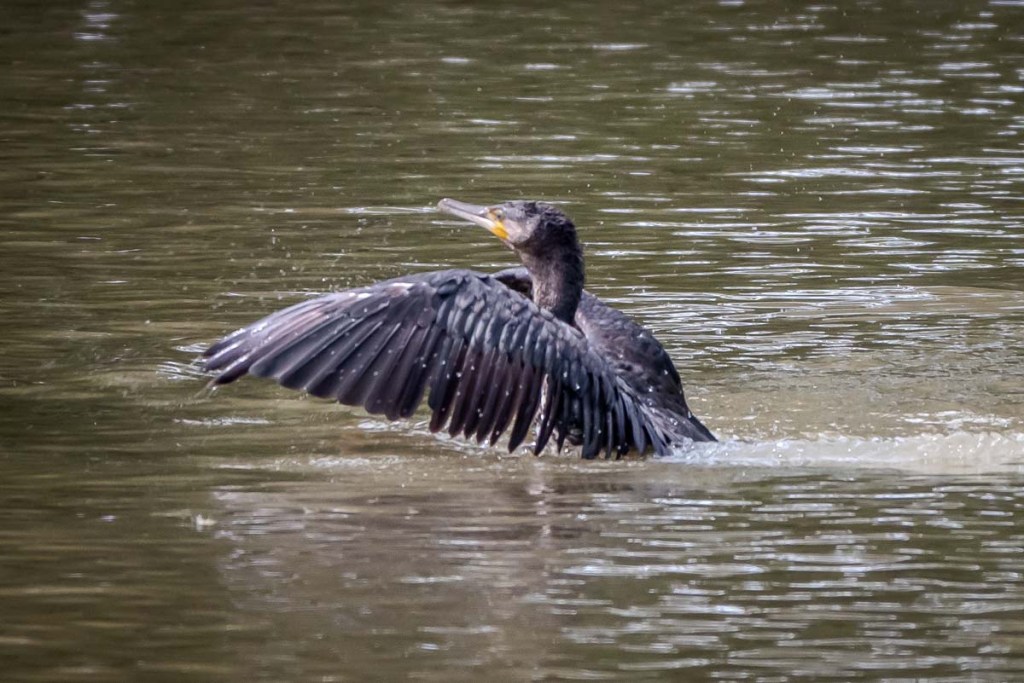

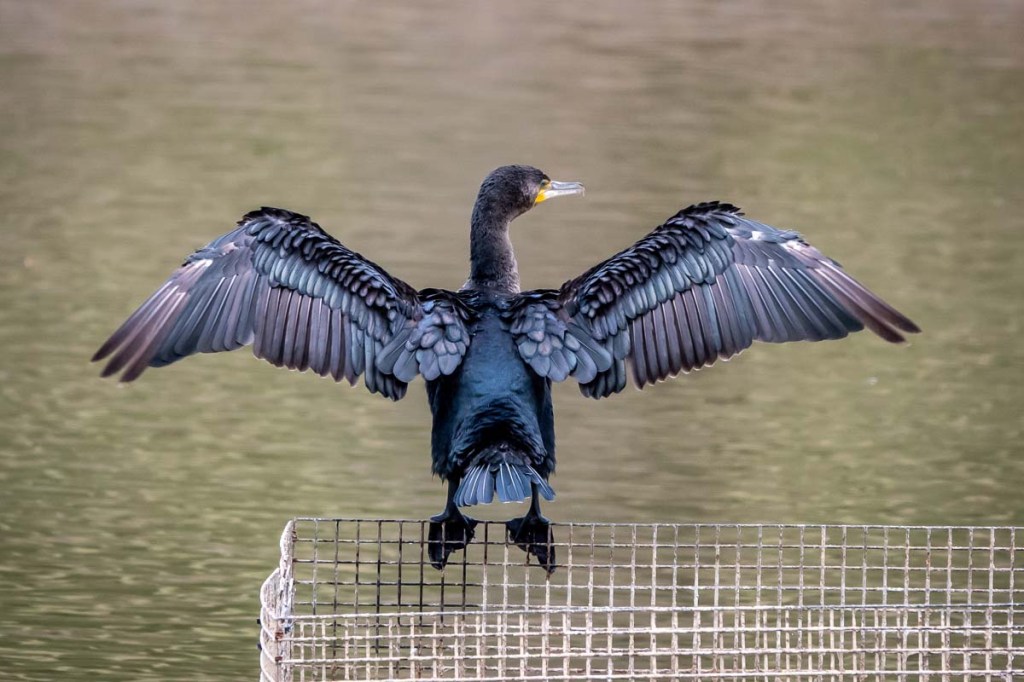
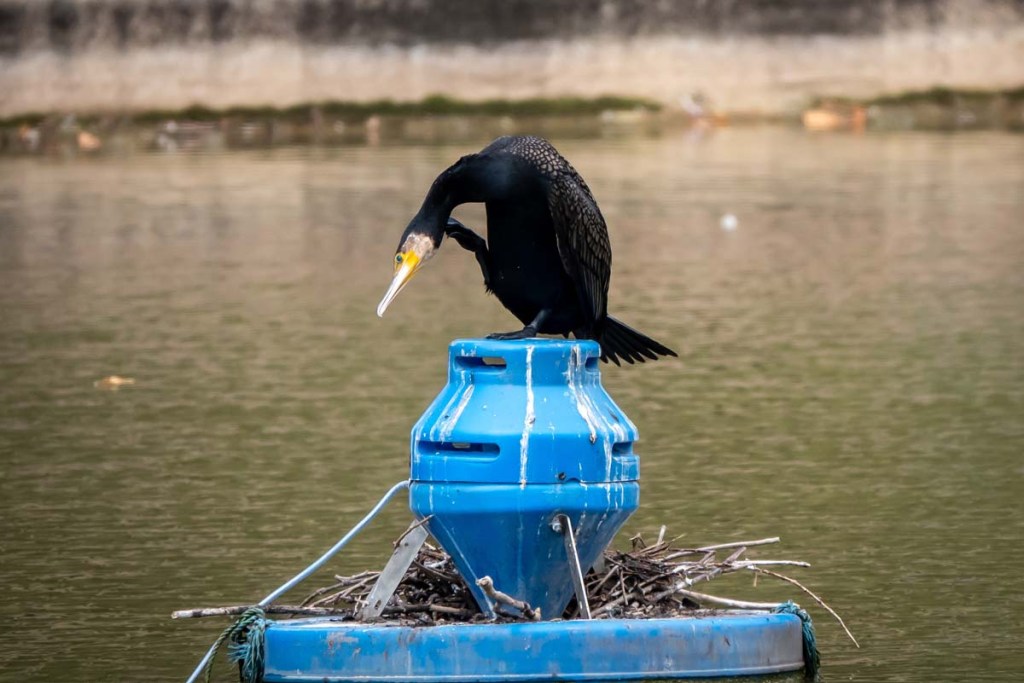
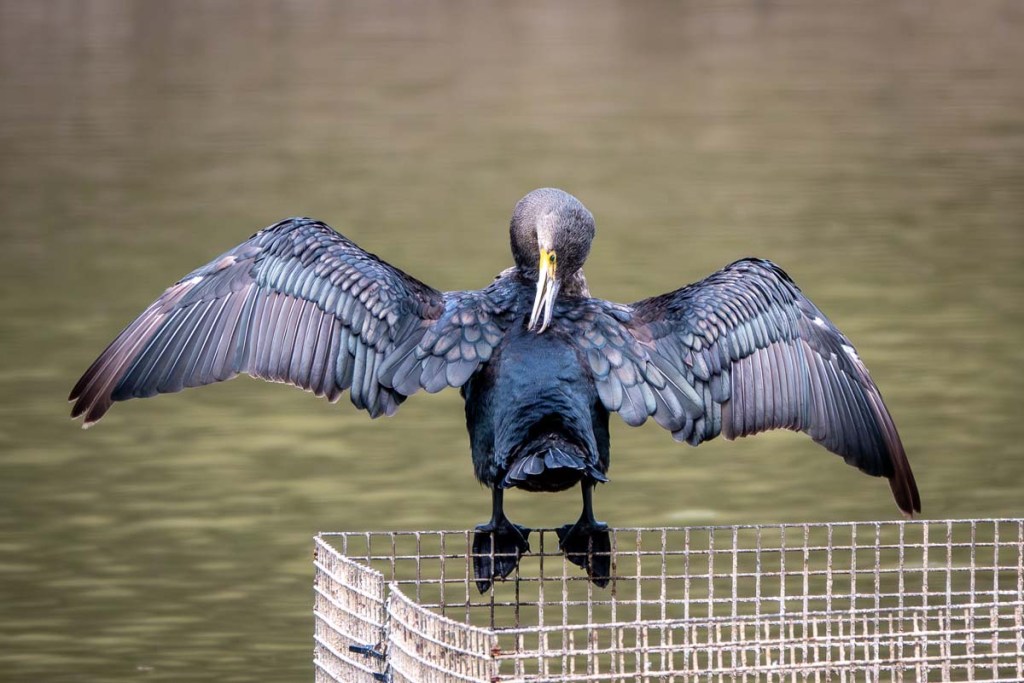
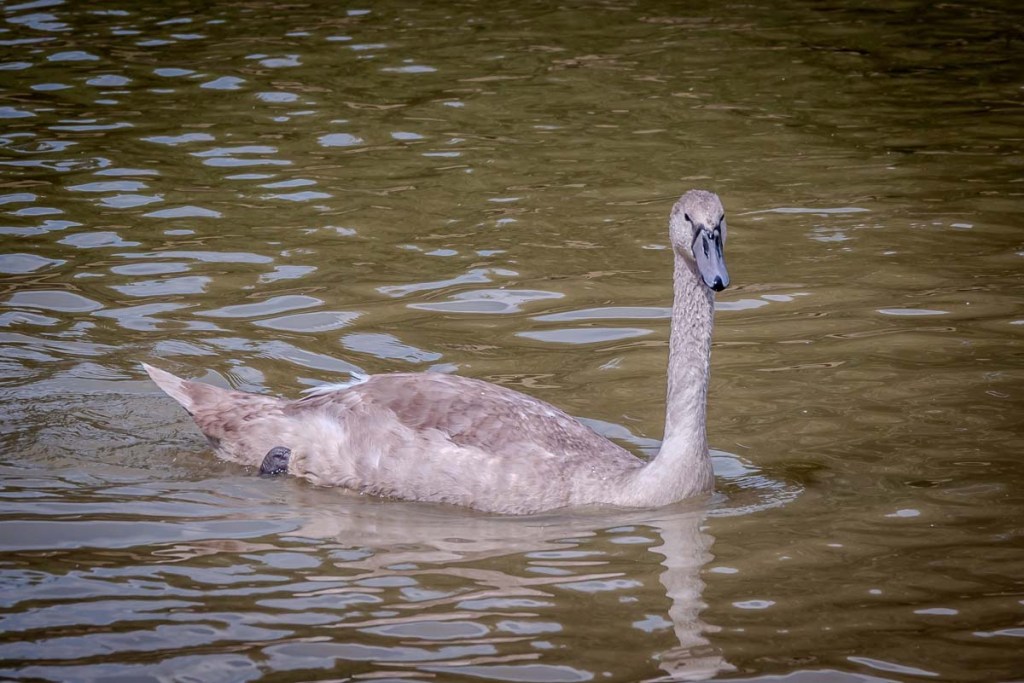


The WWT (Wildlife and Wetlands Trust) is a growing, global community of nature lovers who do brilliant things for nature, especially encouraging young people to engage with nature. However, we visit WWT Slimbridge in the school holidays with some trepidation as we know it is going to be packed with very noisy, excitable children. Yet today (as most times) we were able to visit certain parts of the reserve in relative peace and quiet. The only children we came across were well-behaved and already enthusiastic nature lovers, generally accompanied by knowledgeable and encouraging grandparents.
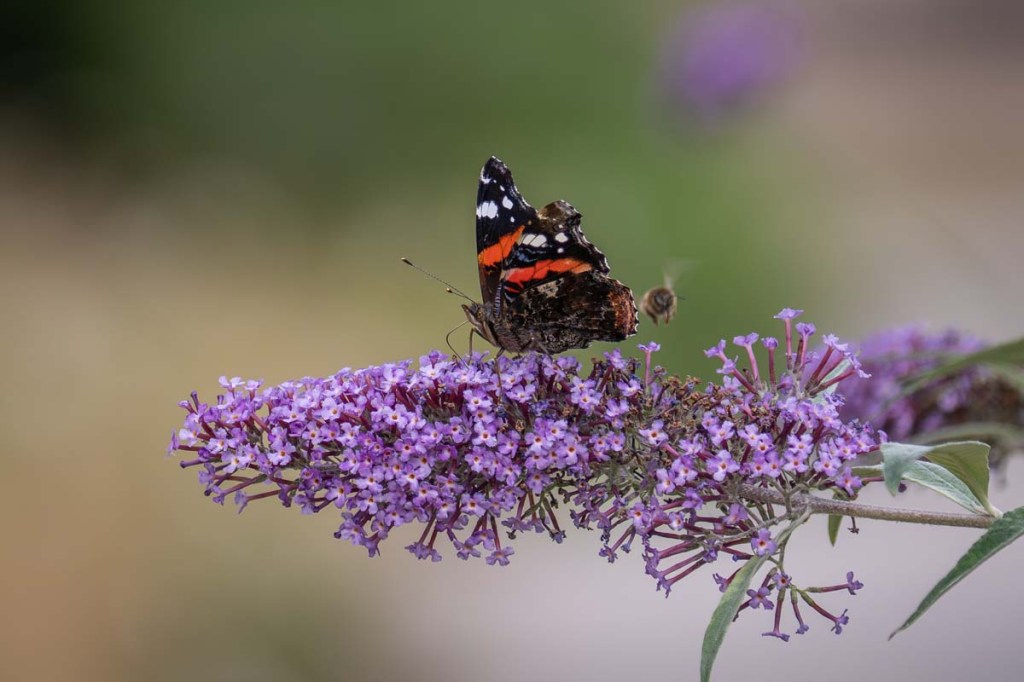
This is the time of the year when many “birders” turn to butterflies but today there was plenty to keep us engaged and the only butterflies of note were red admirals. We had a good walk down to the Severn Estuary and , although the tide was really too high to see much on the water, we saw plenty en route.
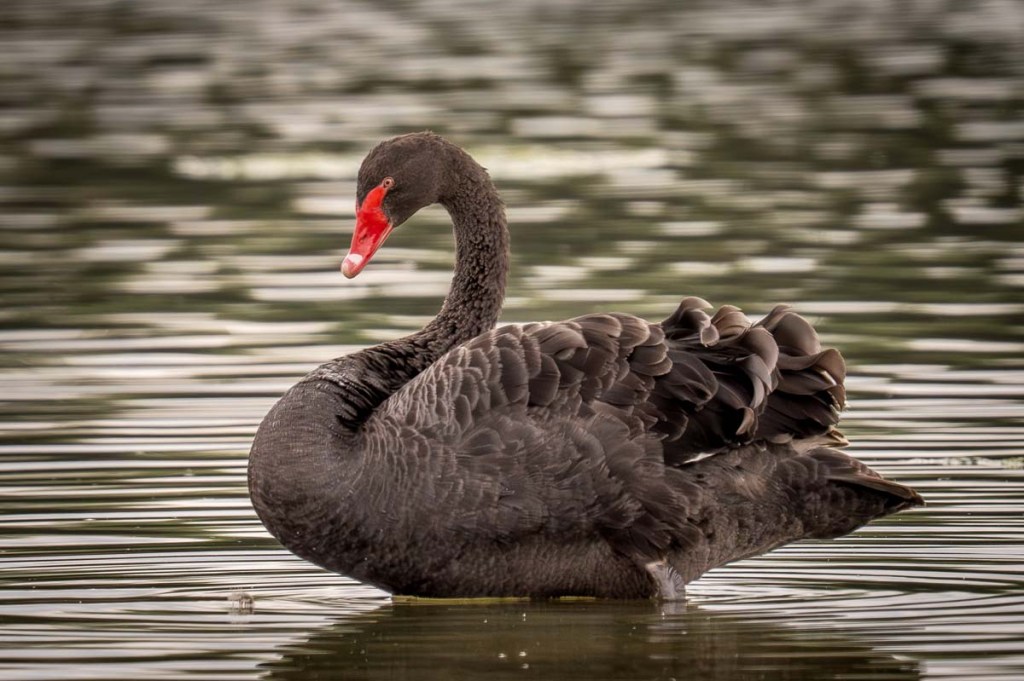


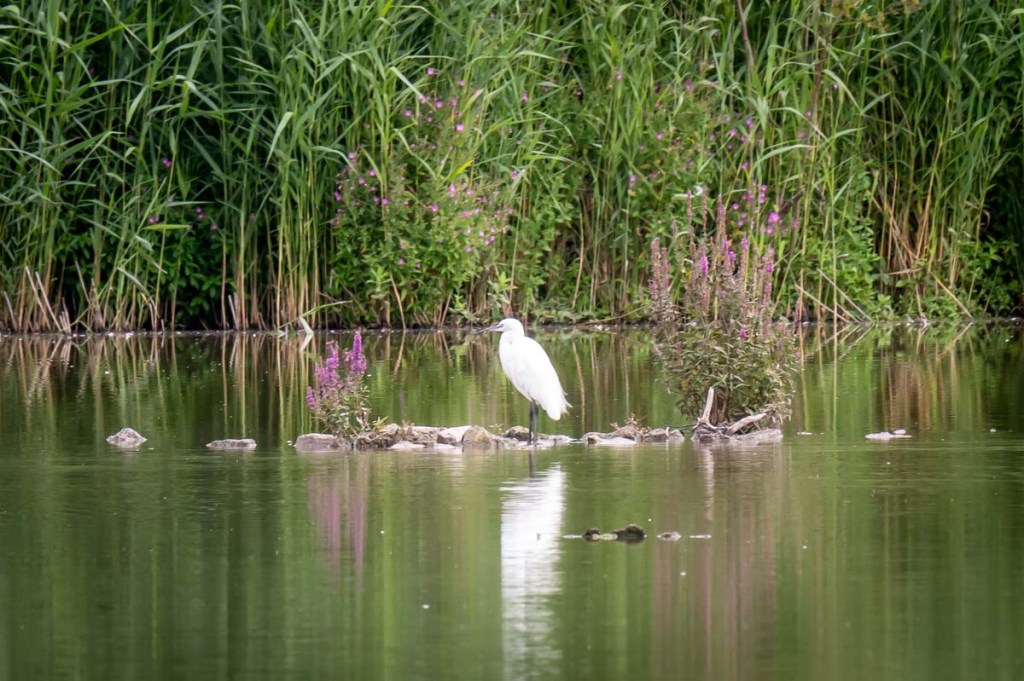
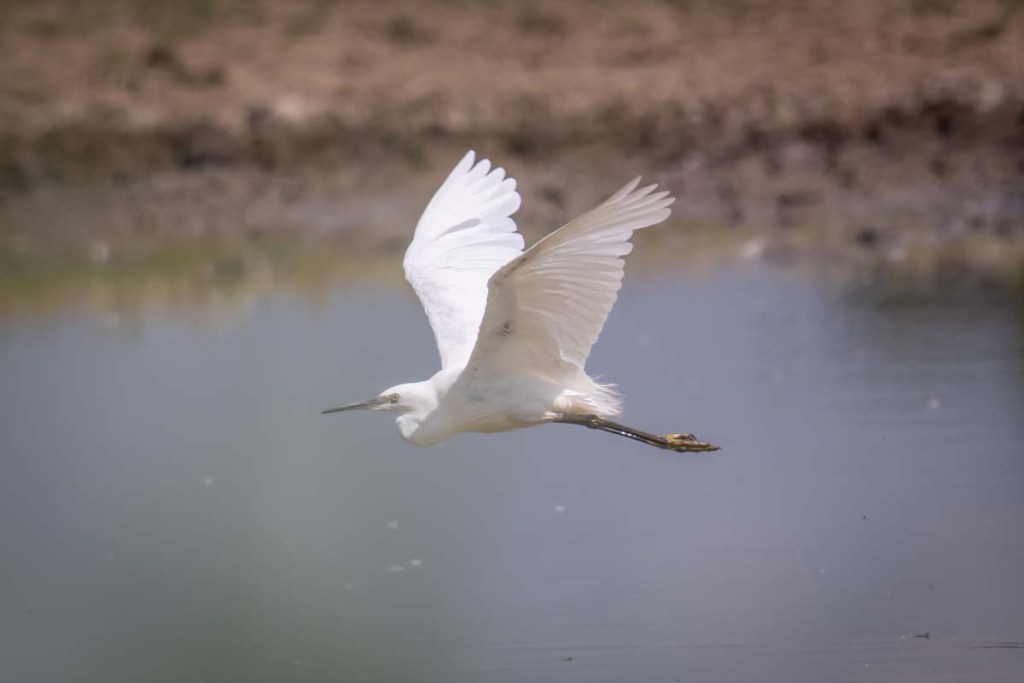
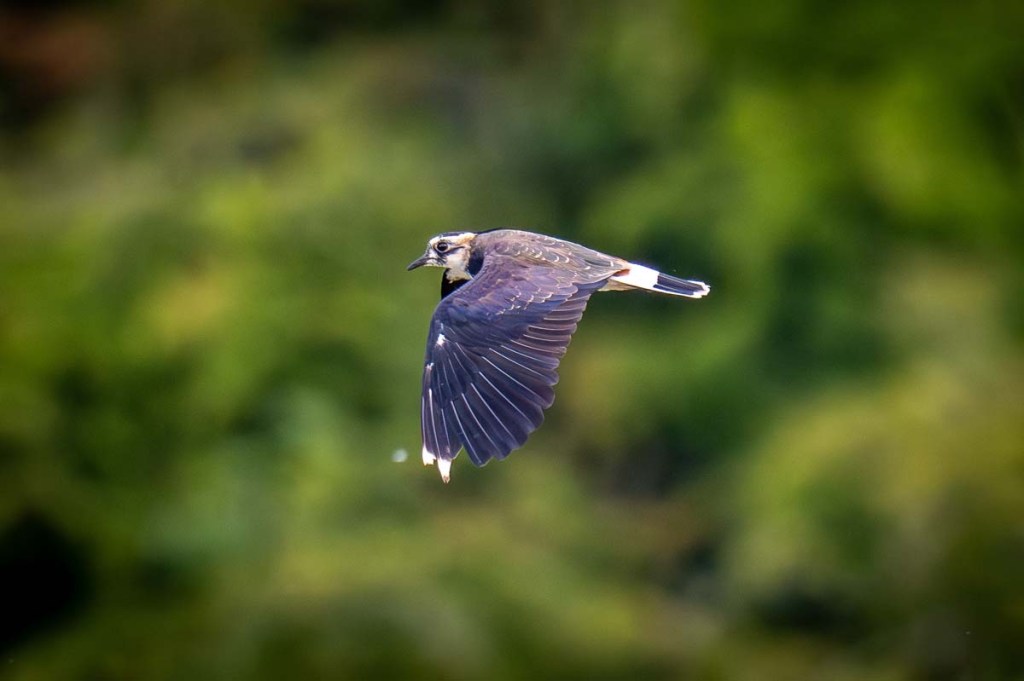

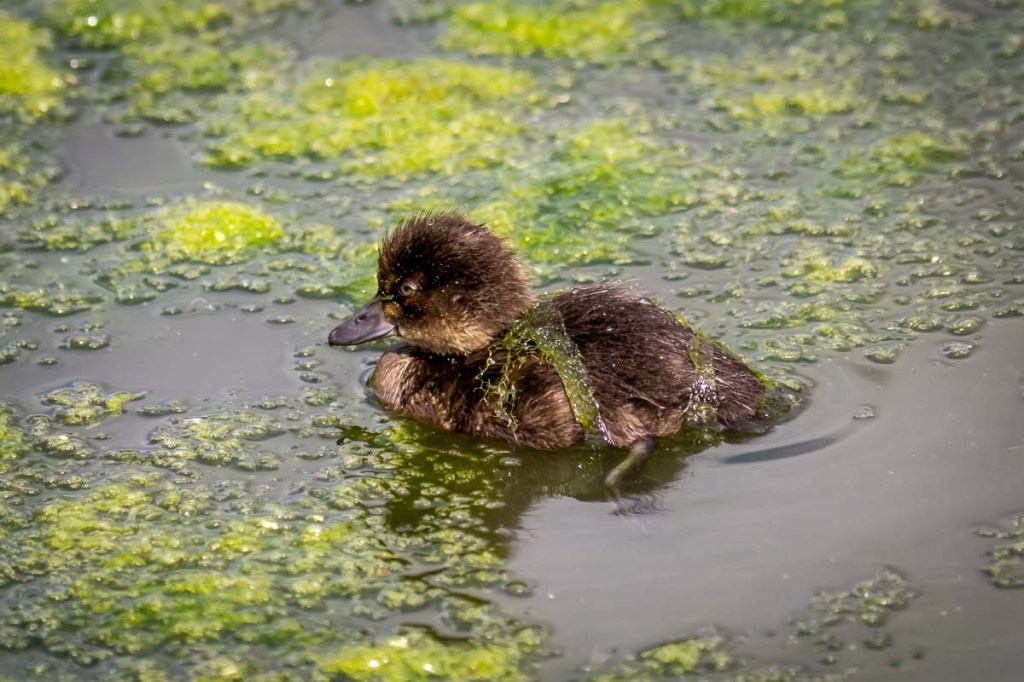

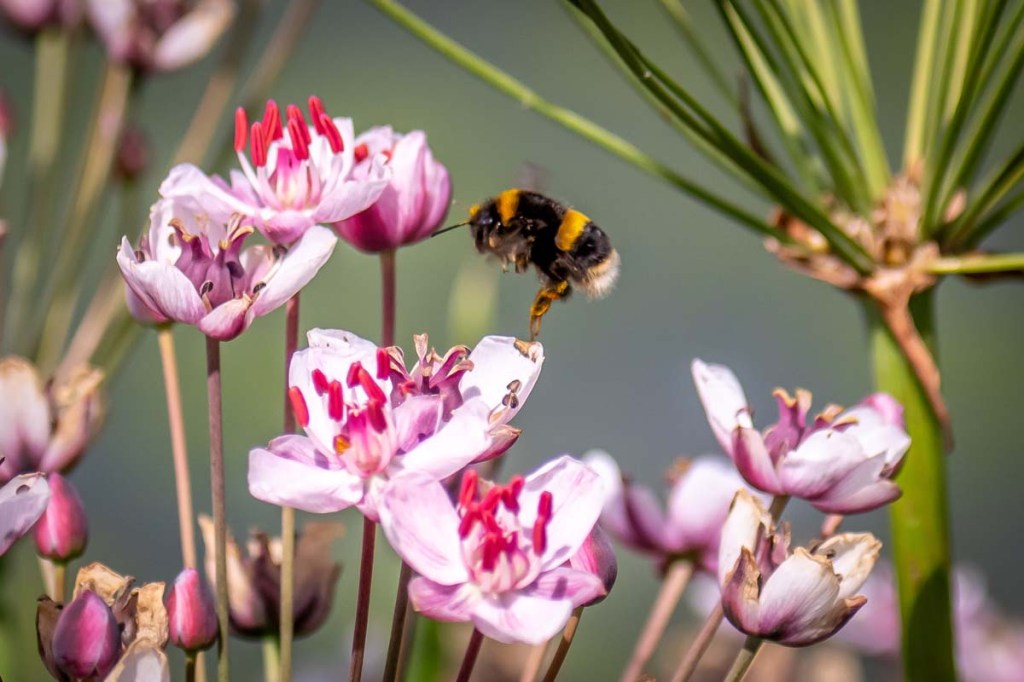


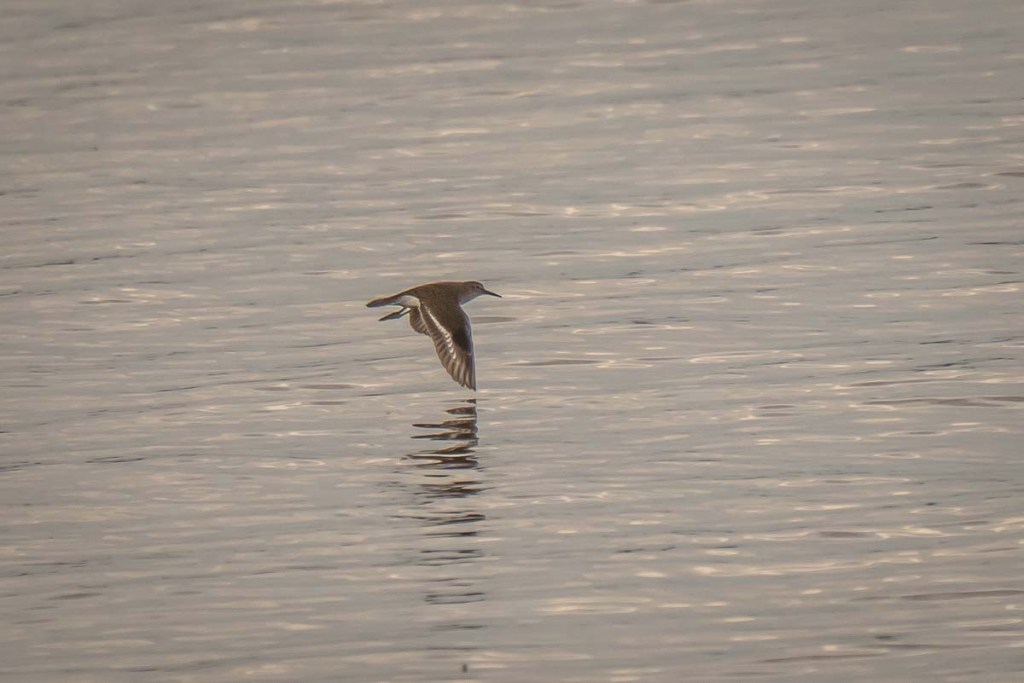


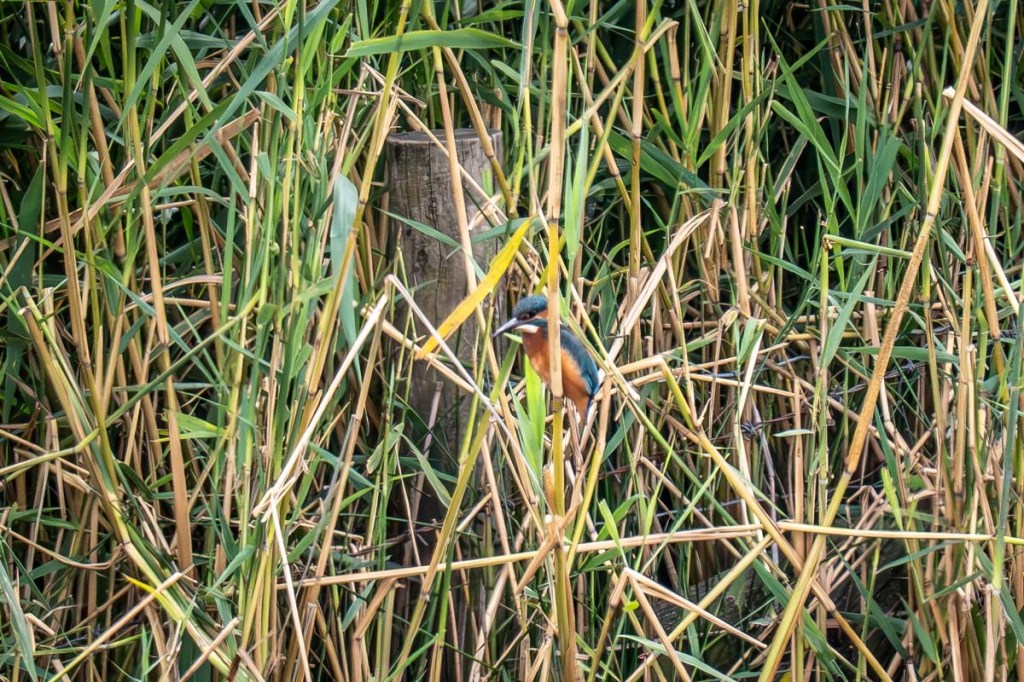


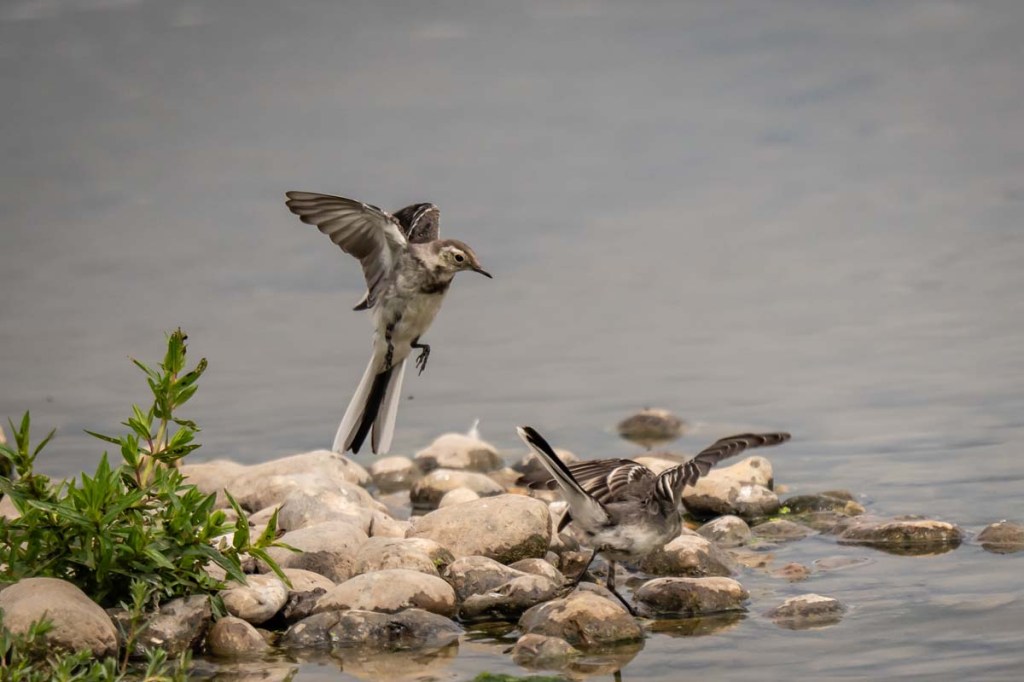
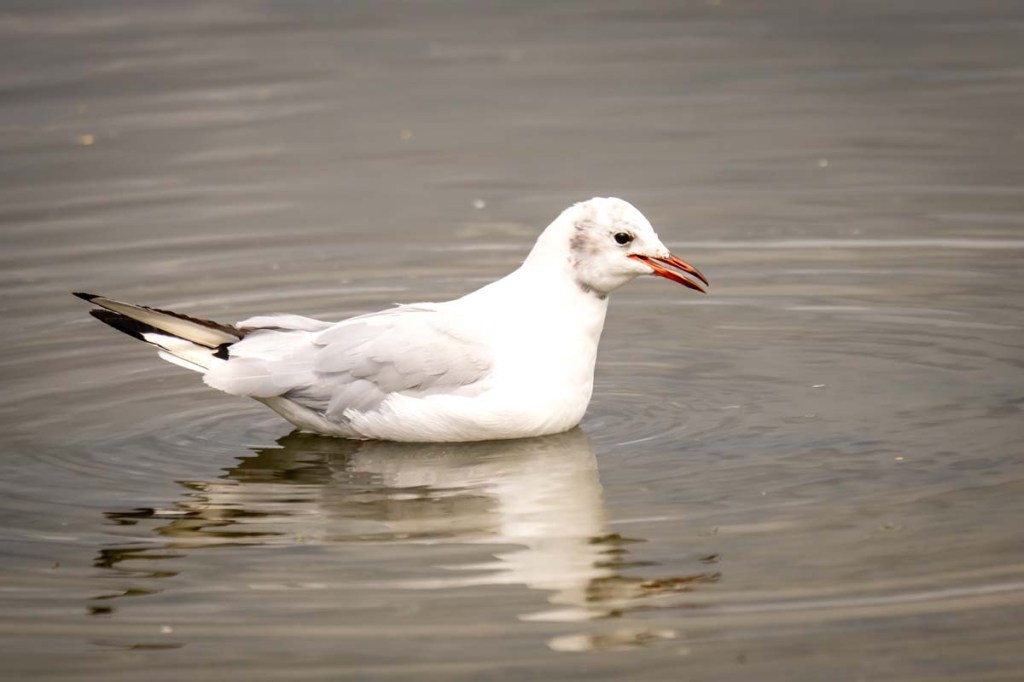

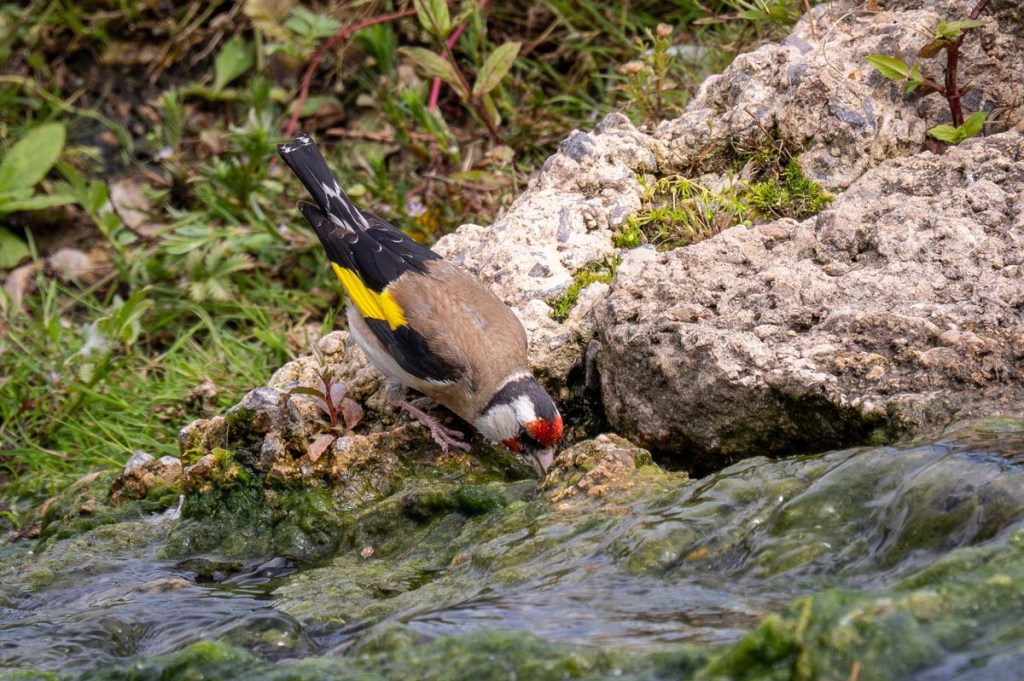
A spoonbill, common cranes and curlews (heard but not seen) all too far for my lens.


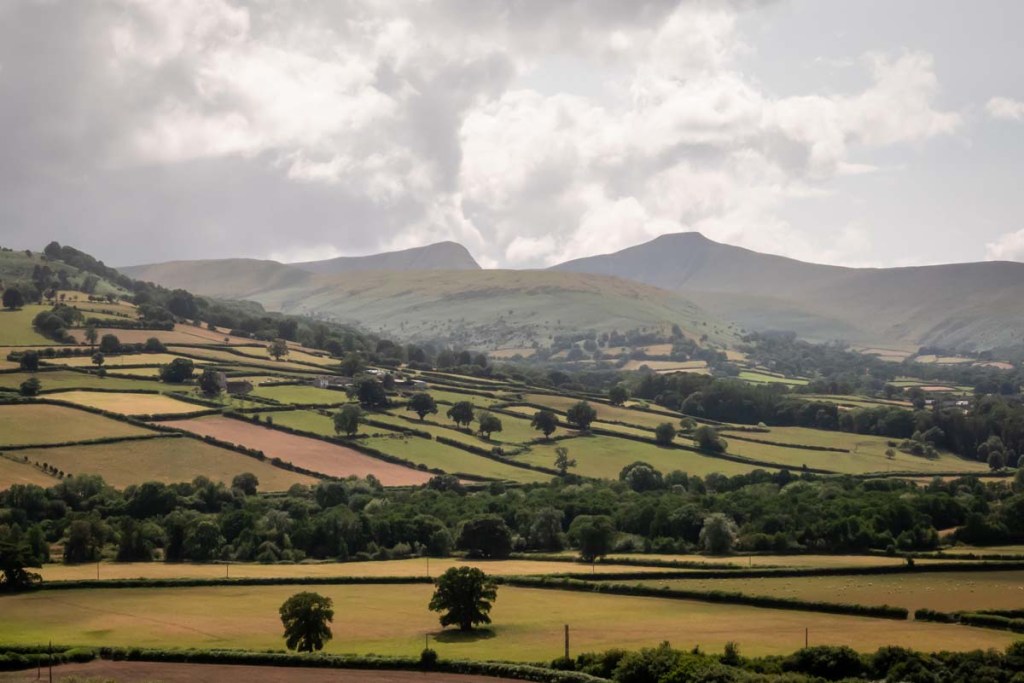
We have had a few days away in and around Brecknockshire in Wales. We started at Talybont-on-Usk which is only 55 miles away from where we live in Bristol and easily reached in well under 2 hours, driving through some stunningly beautiful countryside.
We wanted to see if we could see a pair of ospreys who have produced a chick for the first time. We walked along the Montgomeryshire and Brecon Canal where we knew there was a vantage point where we could see (at some distance) the nest.
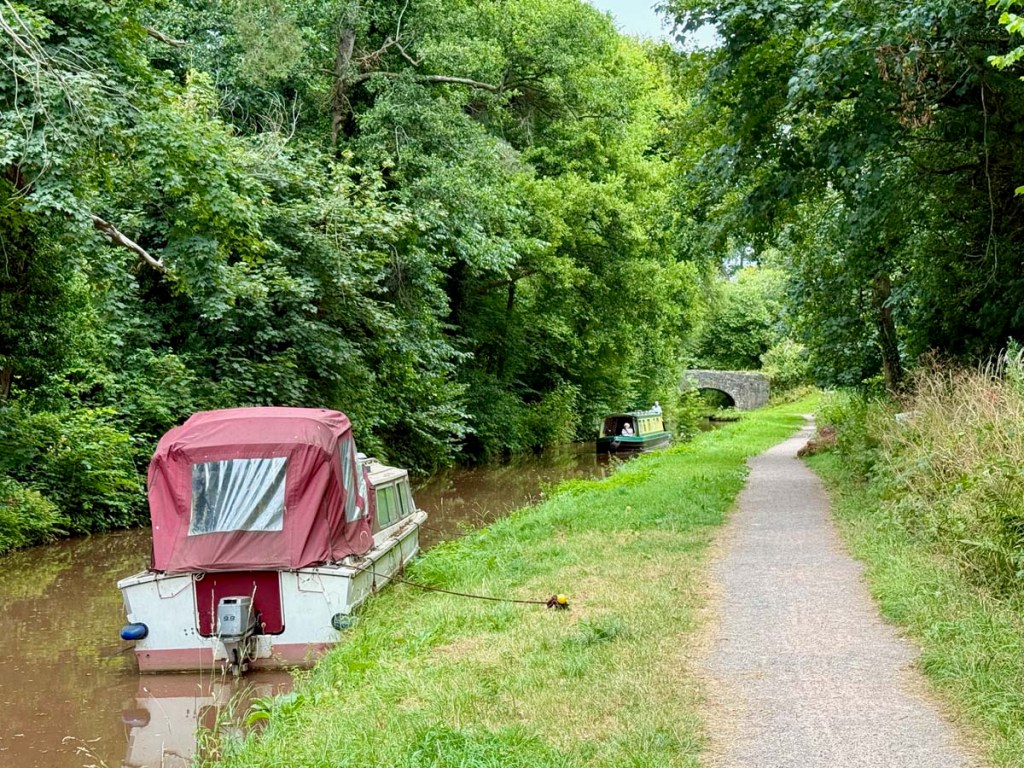

After all the hot weather we have had it was much nicer for us walking in the much cooler conditions. However, we hadn’t really counted on rain and , although we had views of both male and female and the chick, it was not ideal conditions for photography.
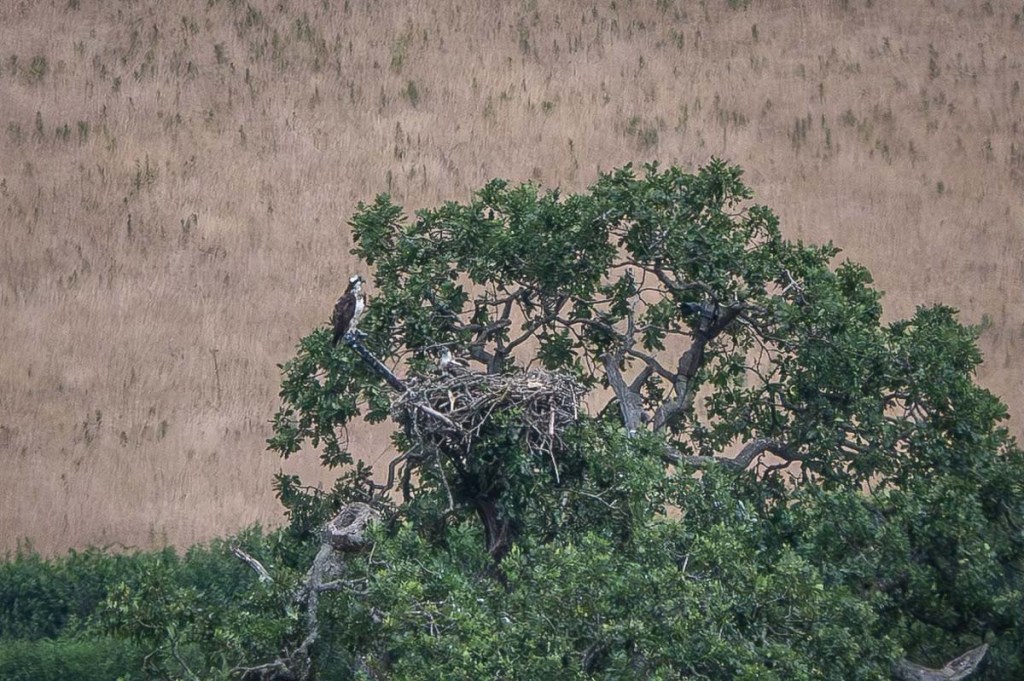
There’s a great website with webcams of the ospreys at https://www.uskvalleyospreys.org where you can really see what’s going on.
The weather brightened later on and we had a walk around a section of a nearby lake at Llangors.

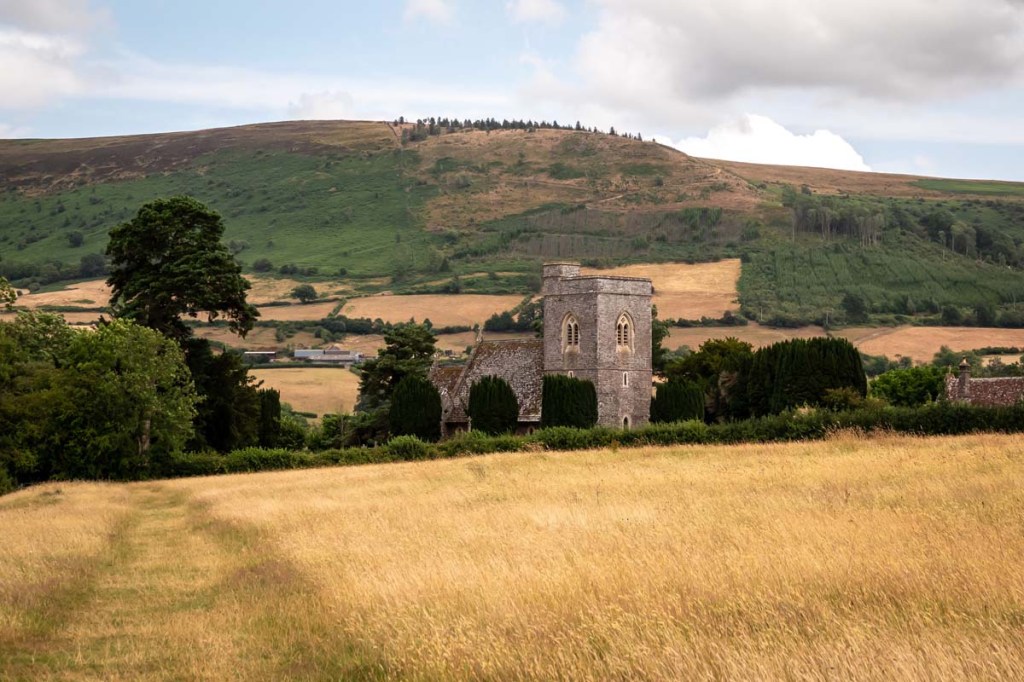

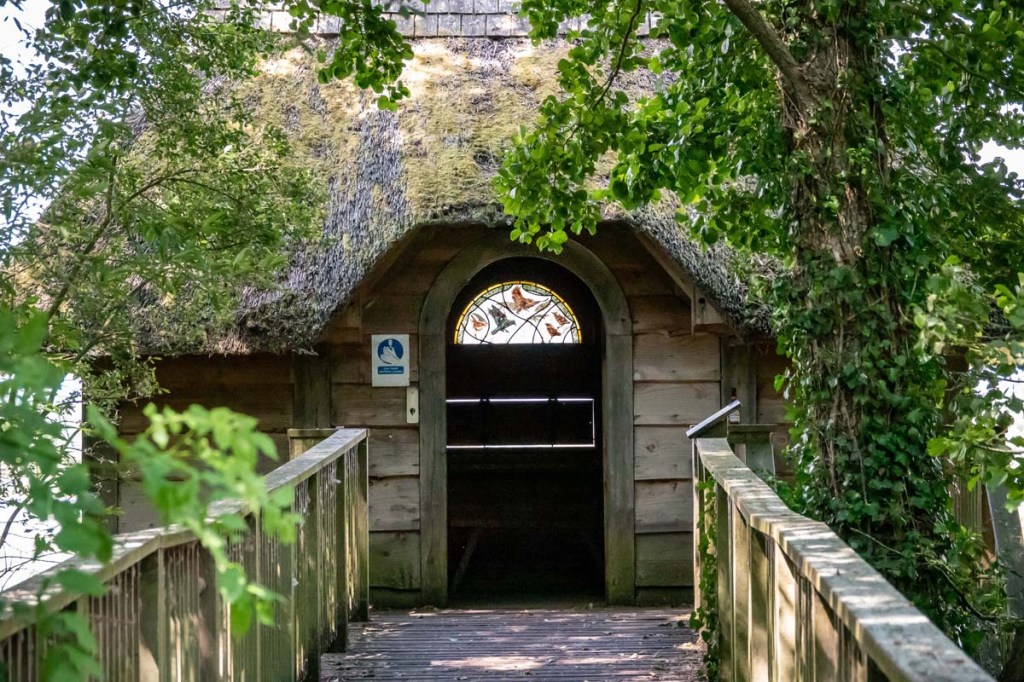
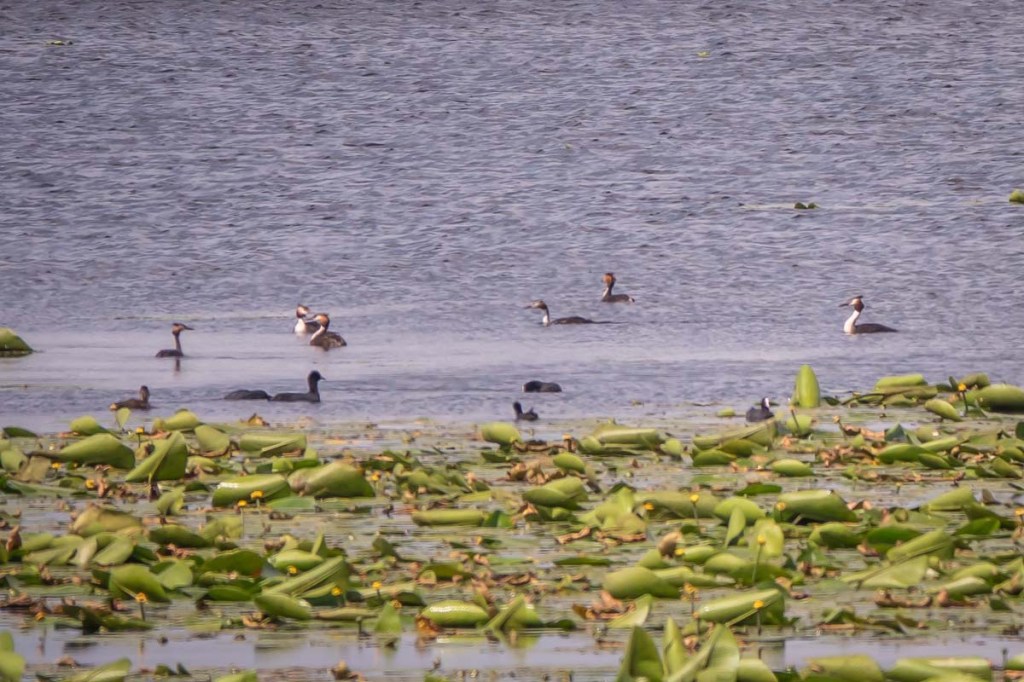
From the hide we had distant views of large numbers of great crested grebe and coots and a much closer view of a passover buzzard.


On our way back we suddenly came across a patch of ground with all sorts of wildlife:


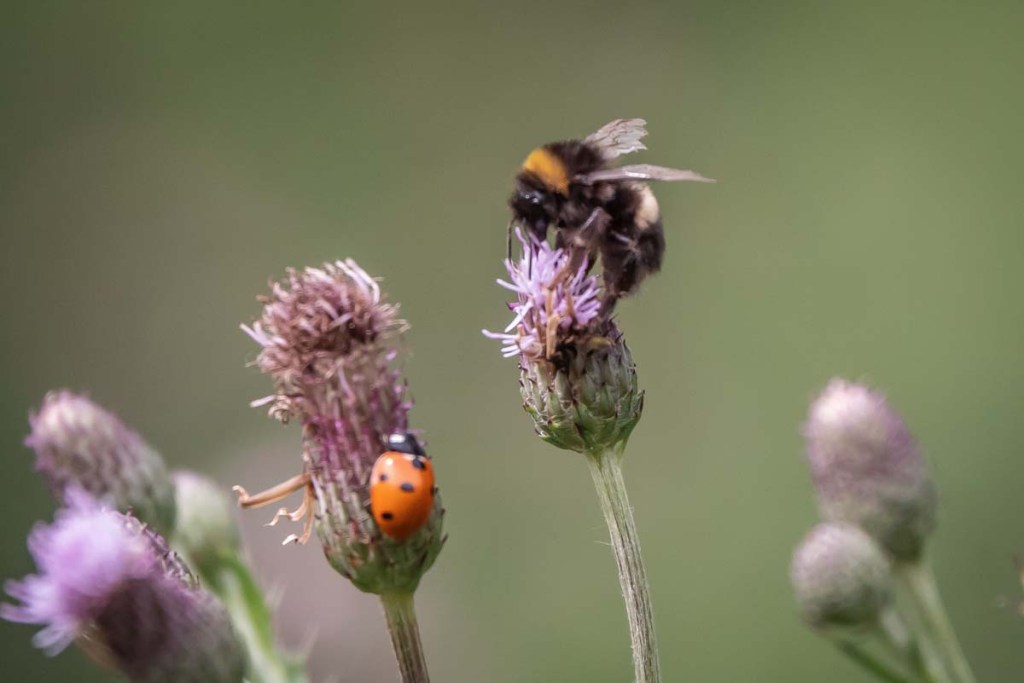


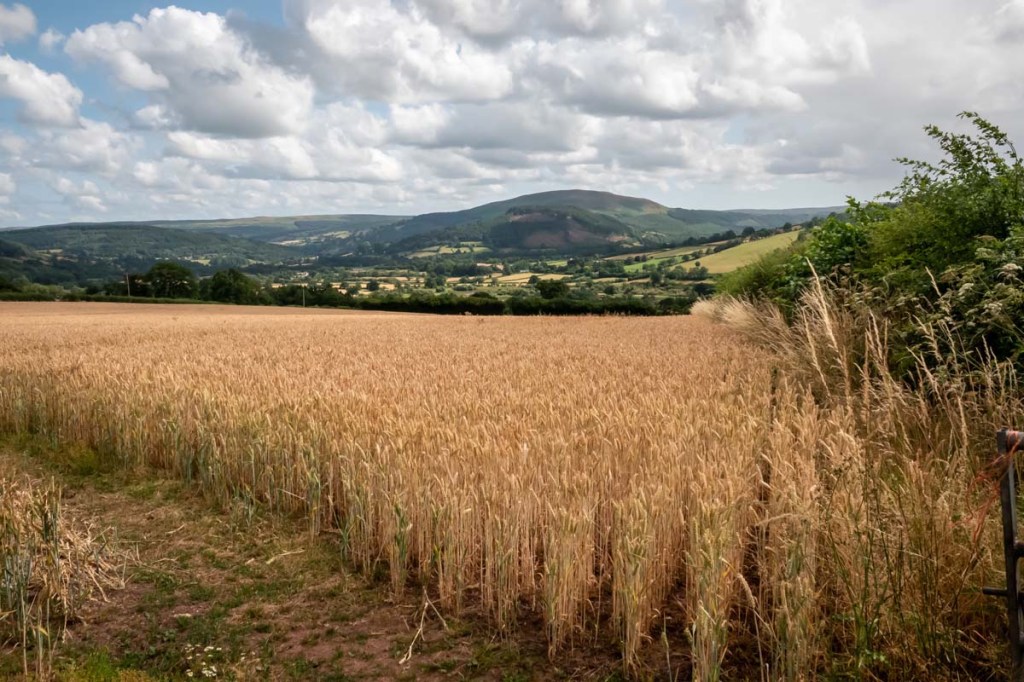

We were very unlucky with the weather on the second day and were forced to dash between showers visiting bookshops in Hay-on-Wye which is famous as a book town and for its literary festivals.
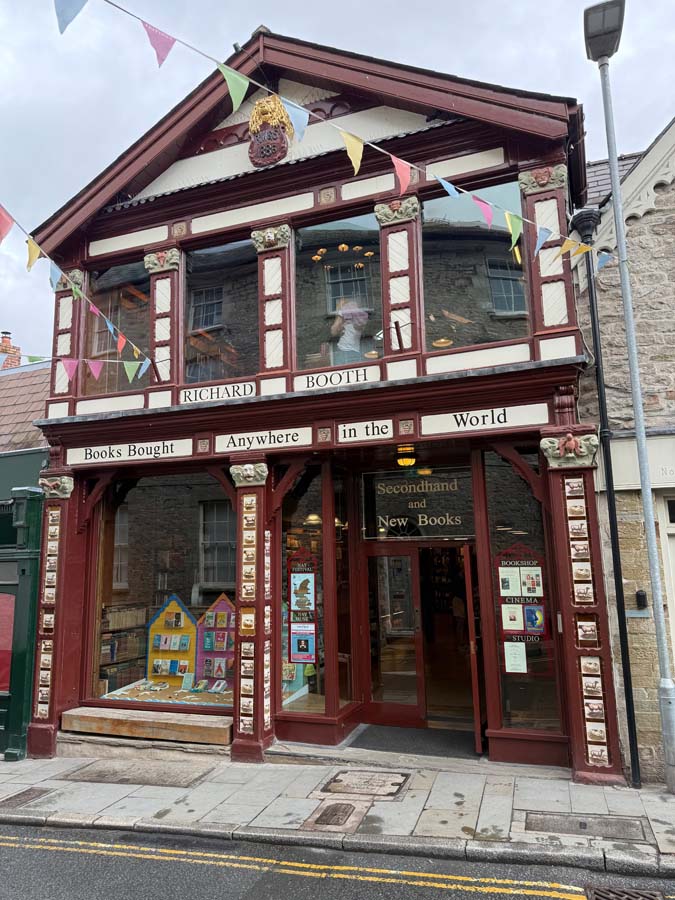
After a snack lunch (the meals were so good at the Griffin we restricted ourselves to one Welsh Cake with our coffee at lunchtime) we set off for Llanthony Priory but we failed to reach our destination as the road was inexplicably closed for several hours just short of our destination. So, we made do with the stunning scenery in the Black Mountains and made our way back to our accommodation.


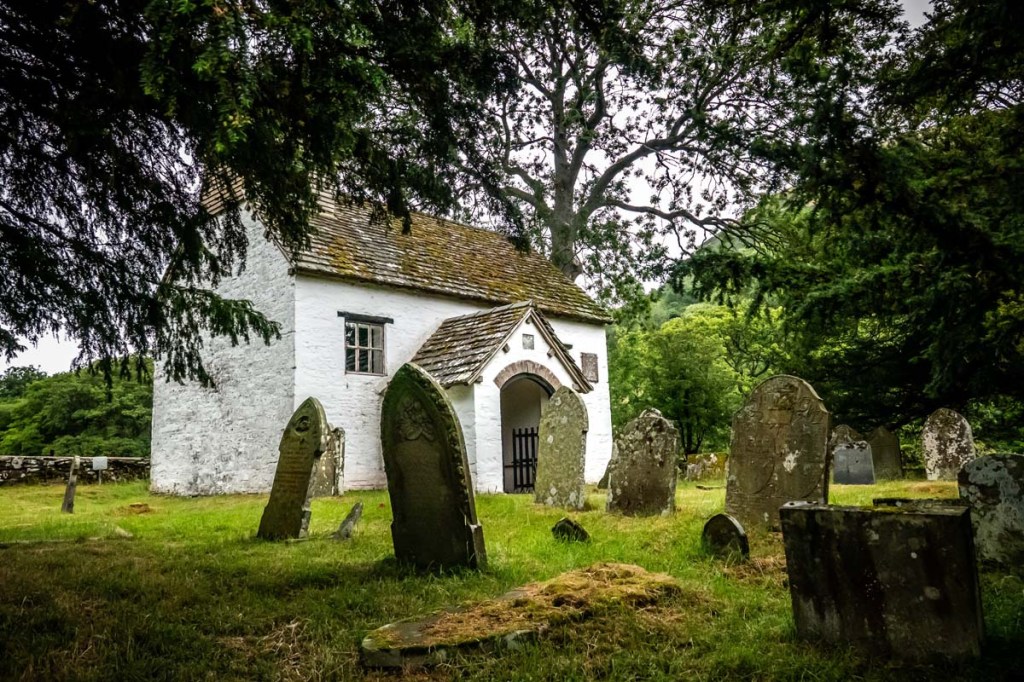


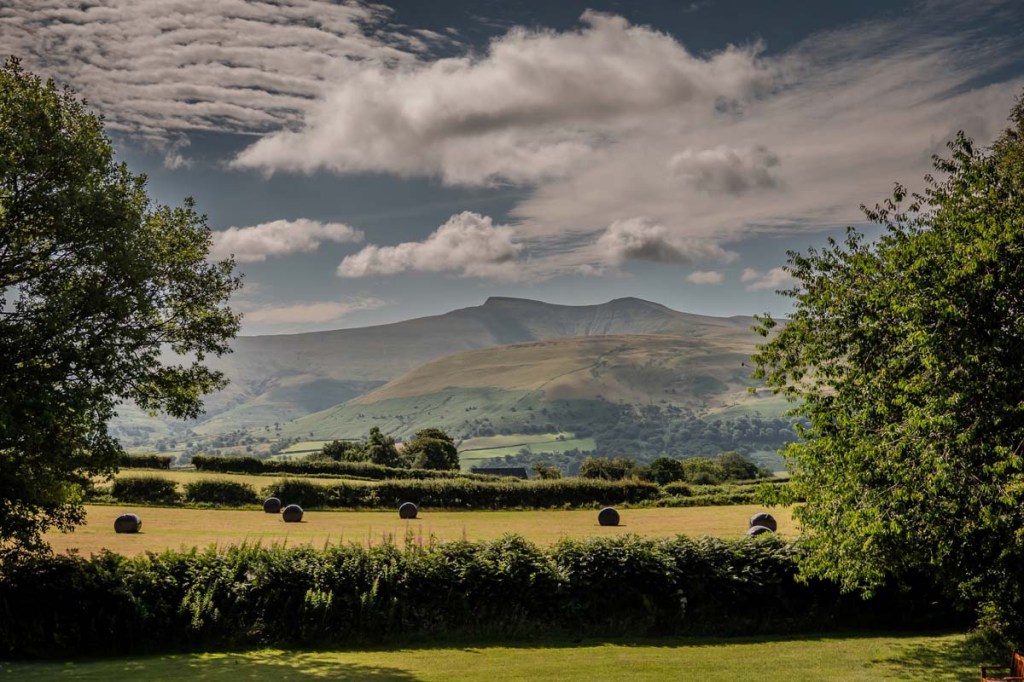
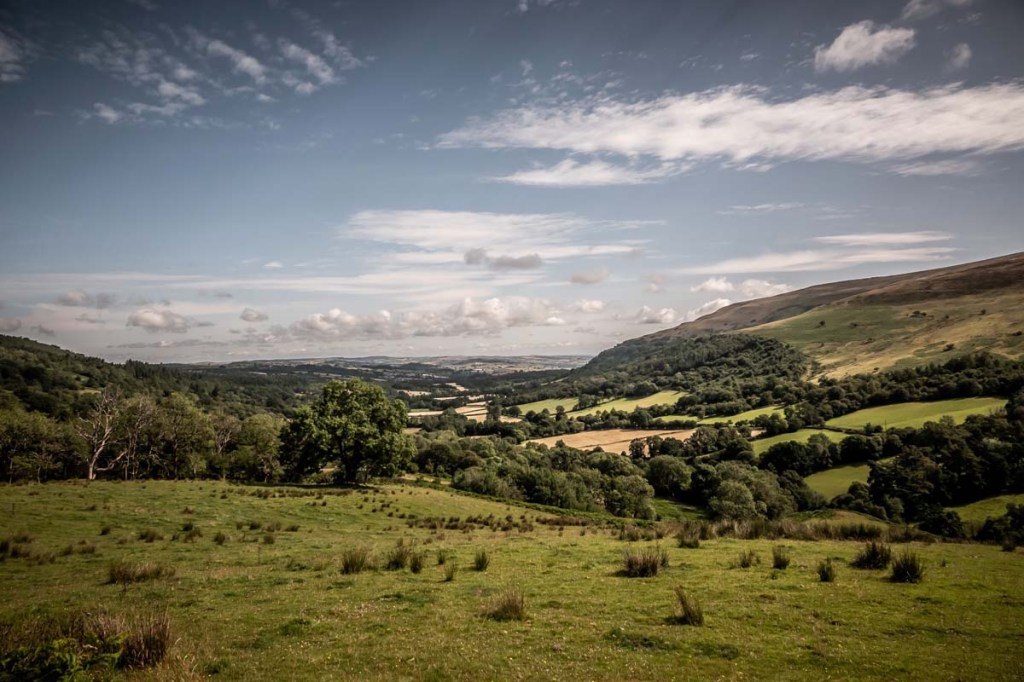
The next day there were more stunning views of the Brecon Beacons.

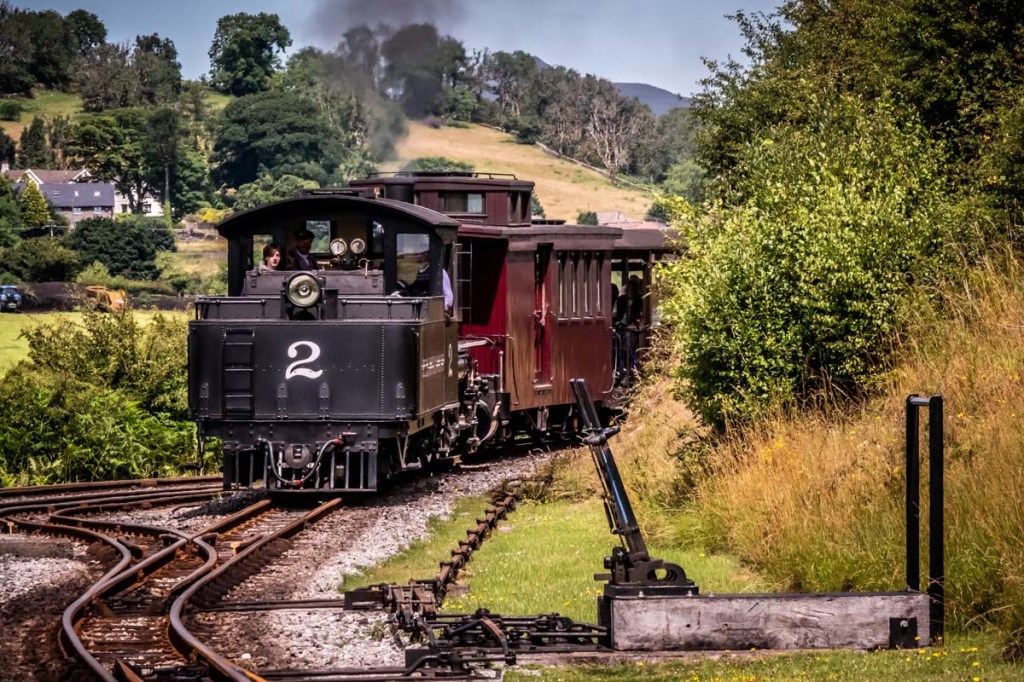

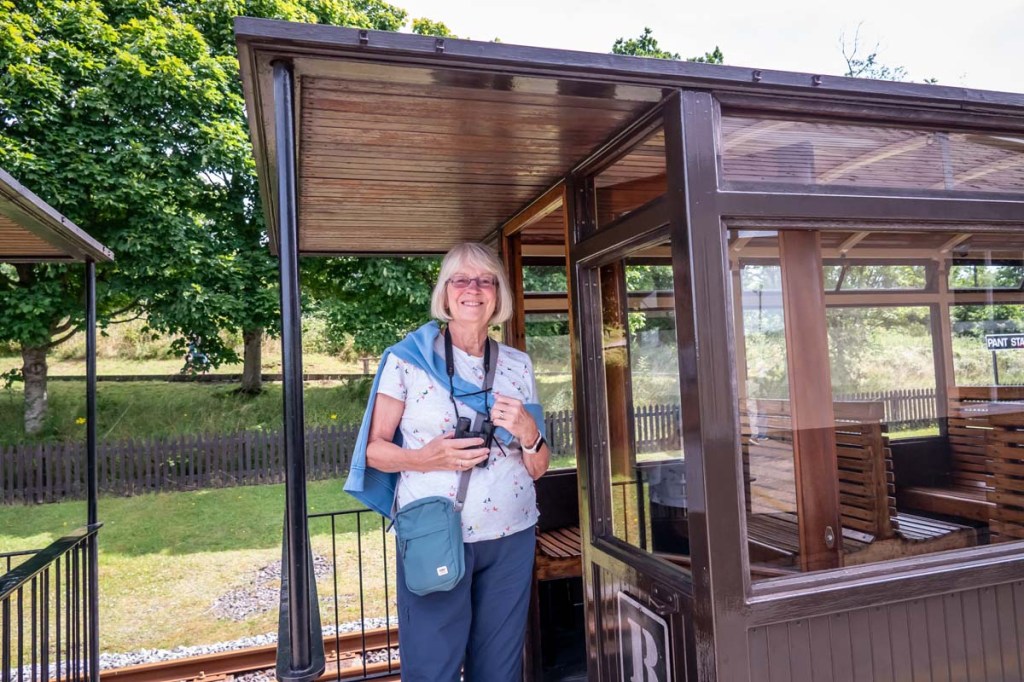
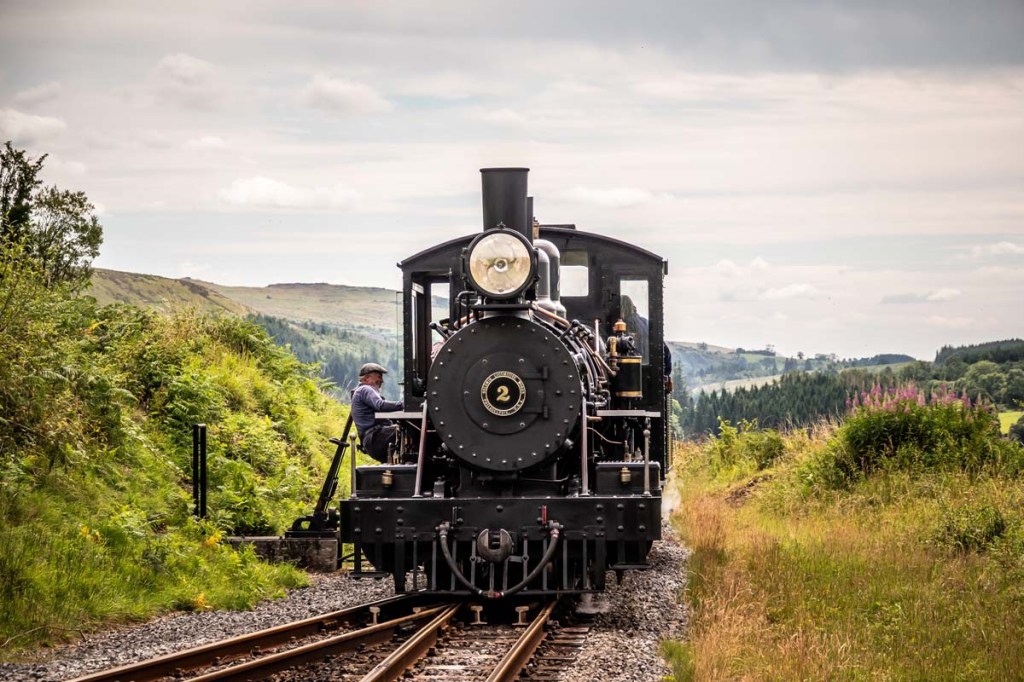
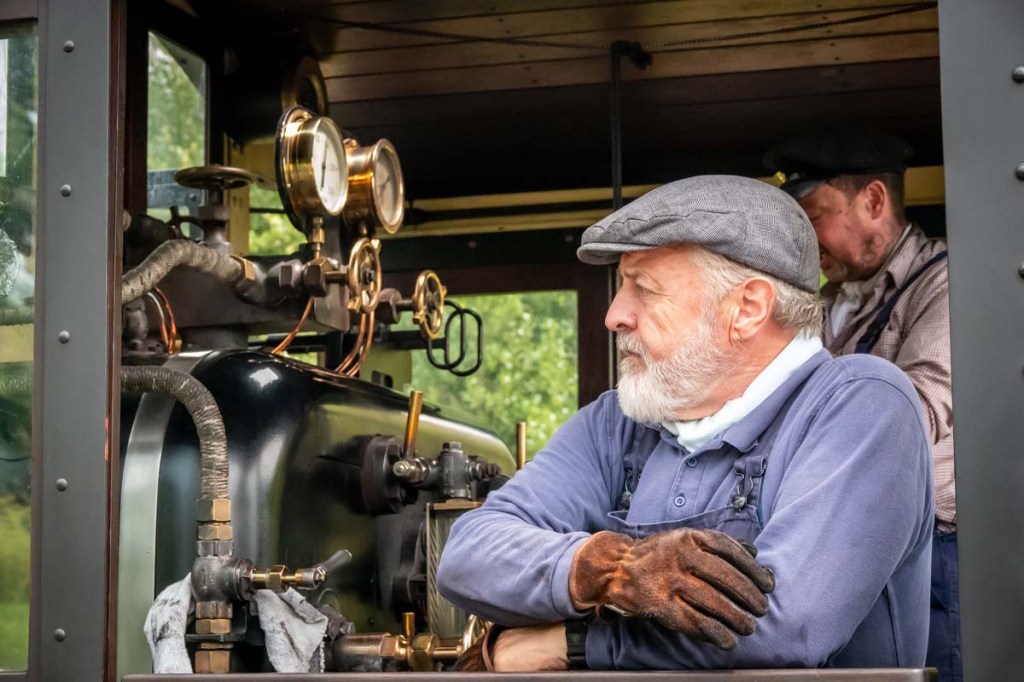
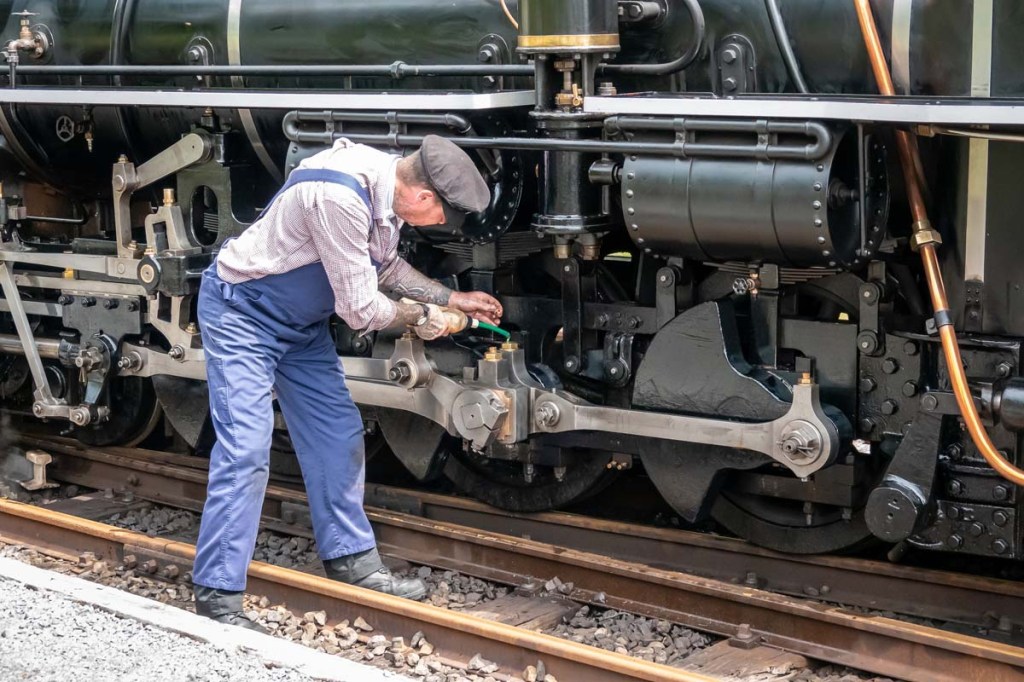
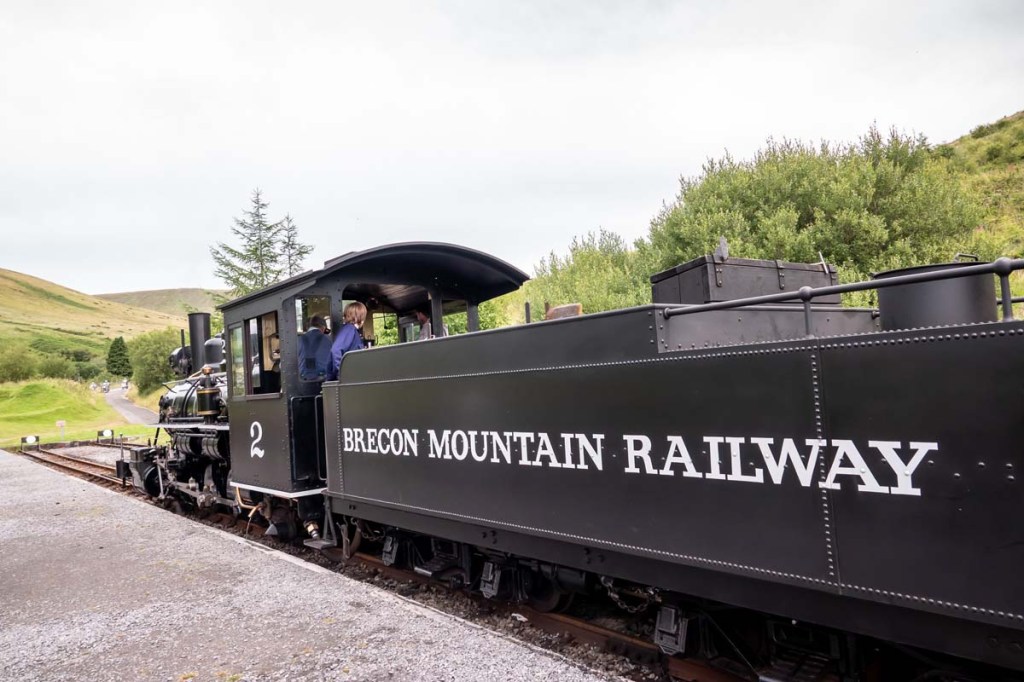
For the real train buffs a few more shots of the locomotive which was made in Philadelphia but spent all its working life between mines in South Africa from where it was rescued and restored by amazing volunteers from this part of Wales.



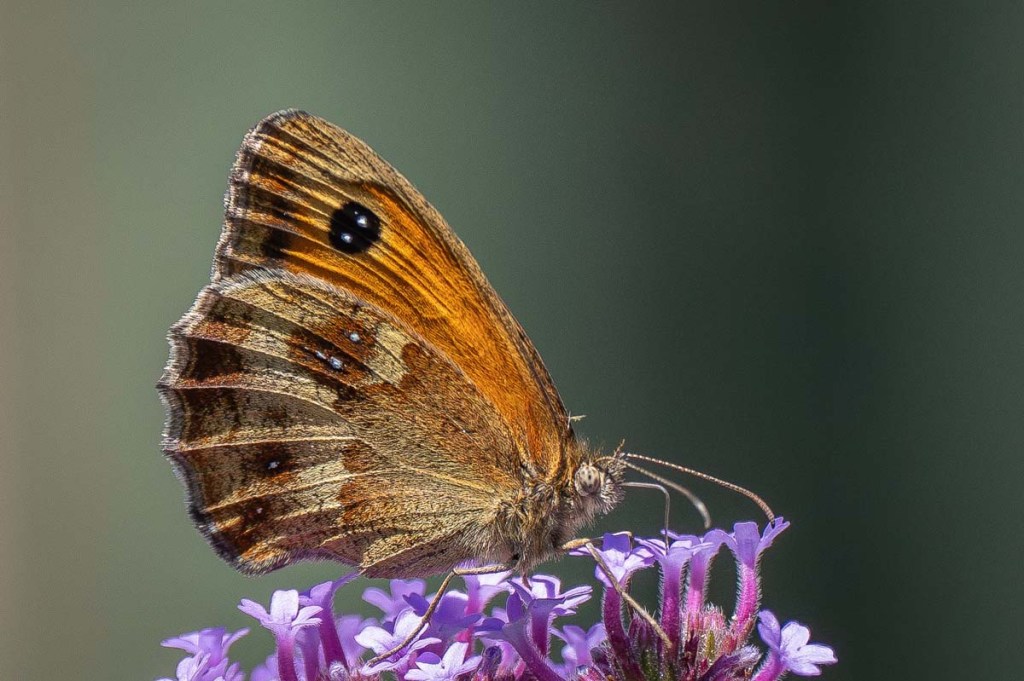
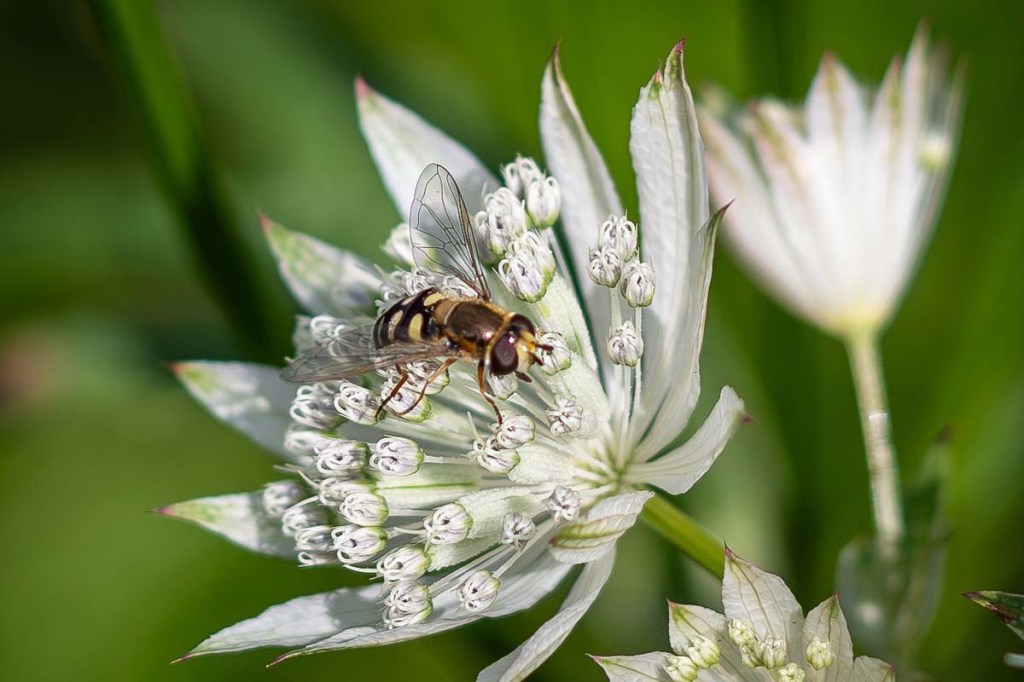
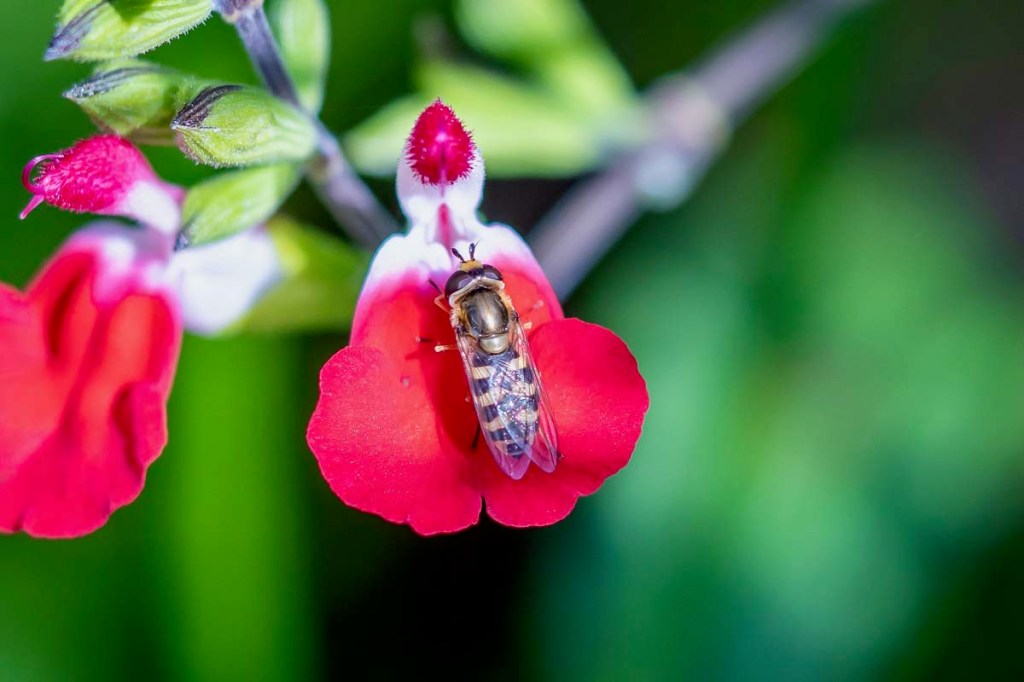
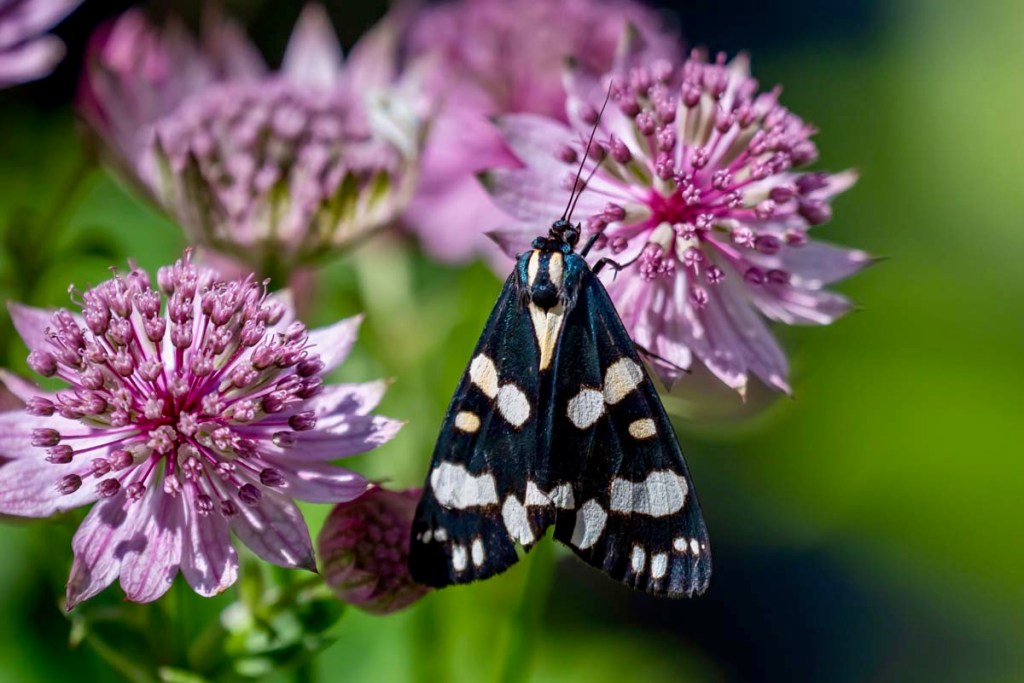
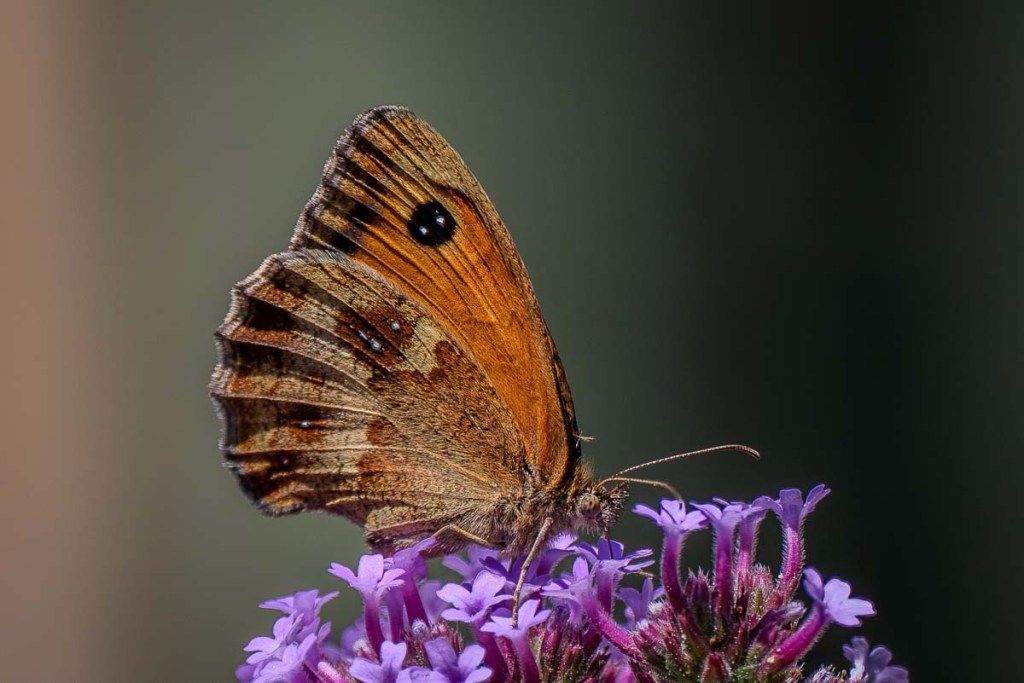
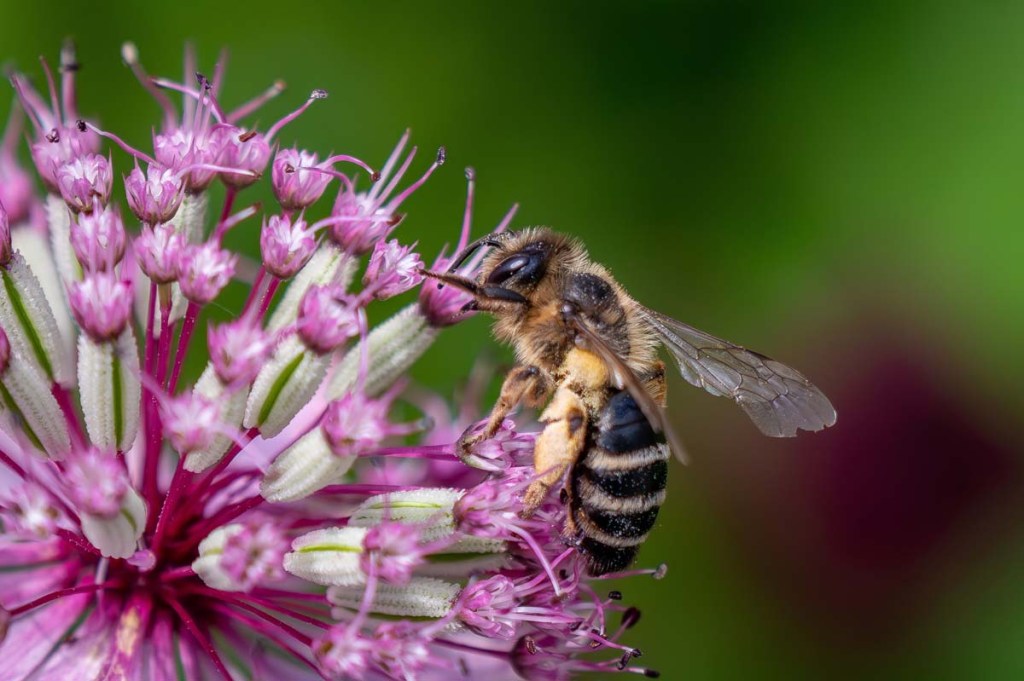
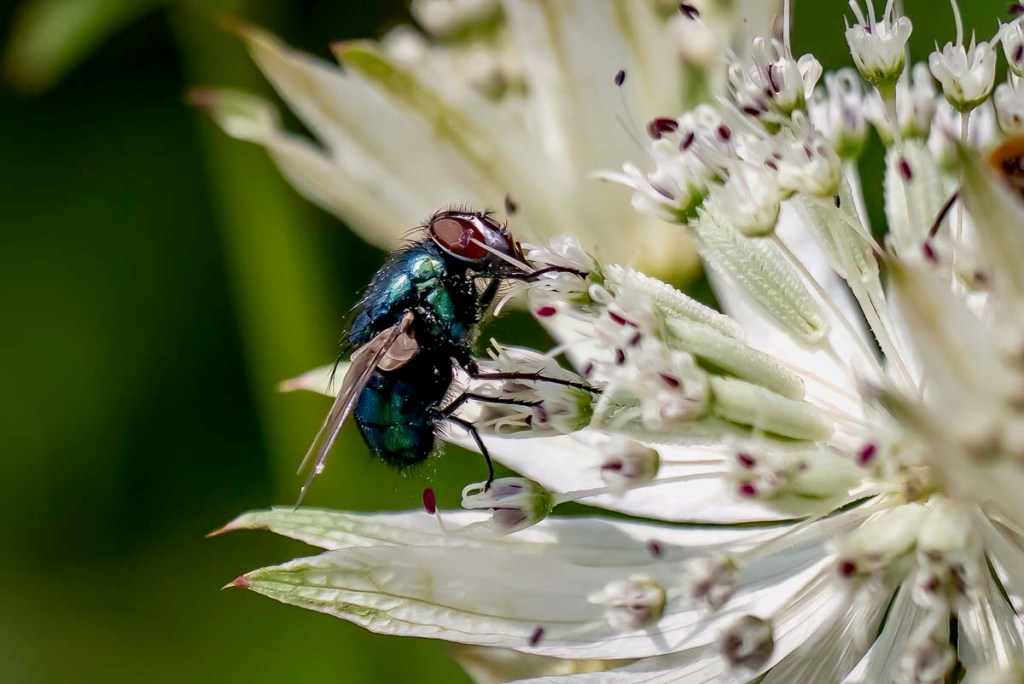
We are enjoying (or is it enduring?) our second heatwave of the summer and with temperatures reaching 32 ° C today its certainly too hot to go birding; so, I have gone on safari in the garden to amuse myself.
But now I’m finding it a bit too hot to write a blog. Back to the tennis and the cricket then …
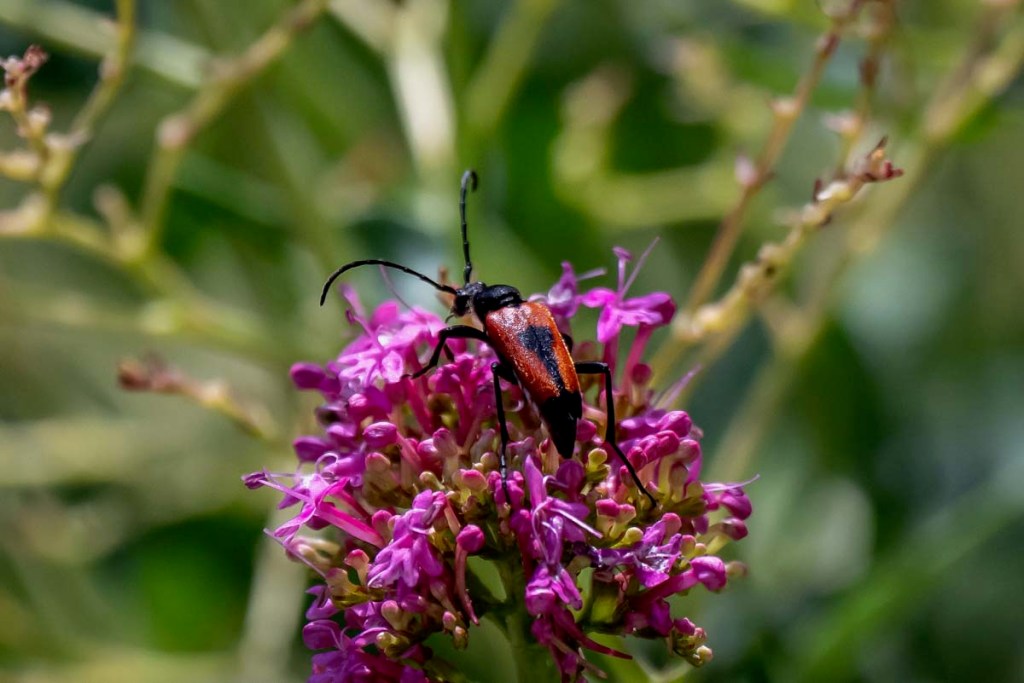
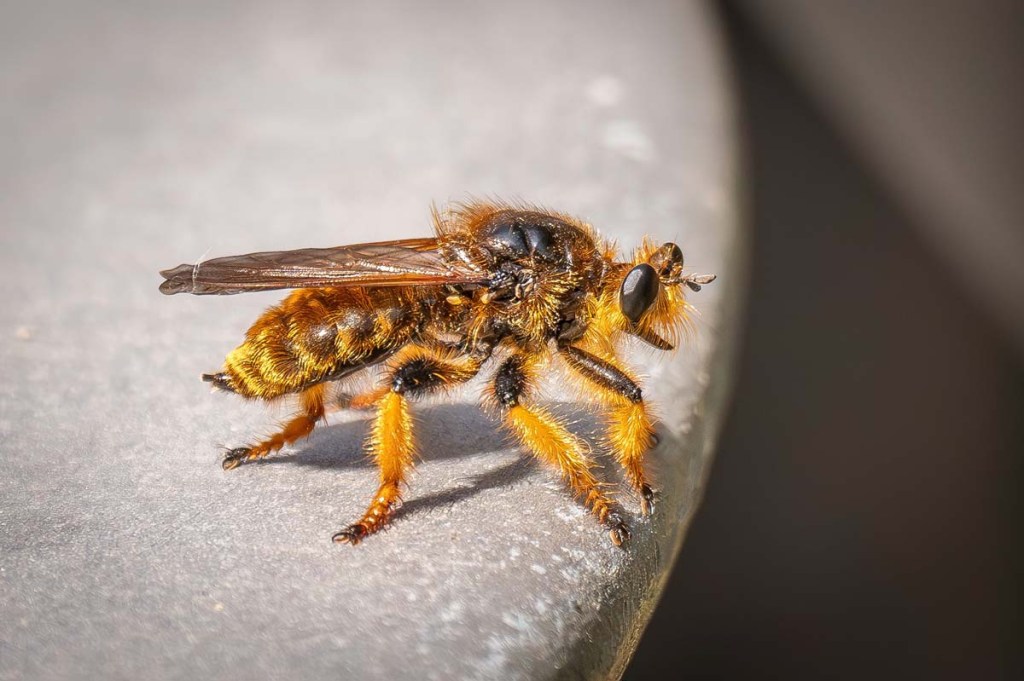
But before I go, just a few photos of what I discovered:





We made our second trip to Slimbridge to try to see the white-spotted bluethroat which has returned to the Severn Estuary for the fifth year running. Normally, the white-spotted subspecies typically breeds on the near continent but this is perhaps a sign that with climate change it is extending its range further north. Sadly, however, this male has so far failed to find a mate. Our luck was in and, after not too long a wait, it made an appearance. Ironically it appeared on a notice board warning not to linger and, showing its discipline, soon moved off. It continued to show well in the reeds.


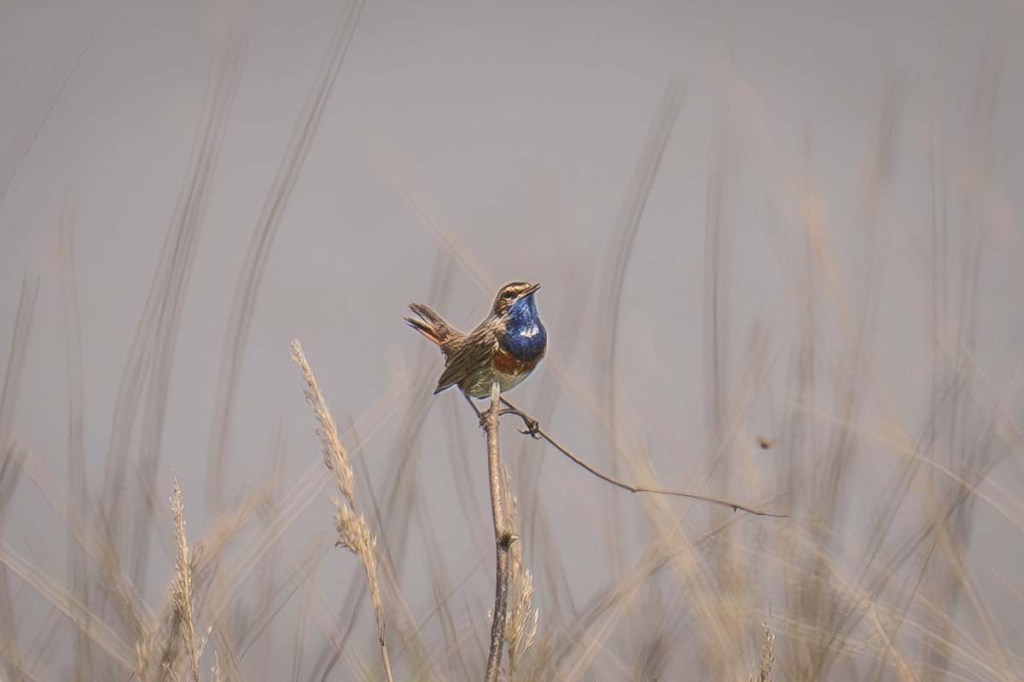
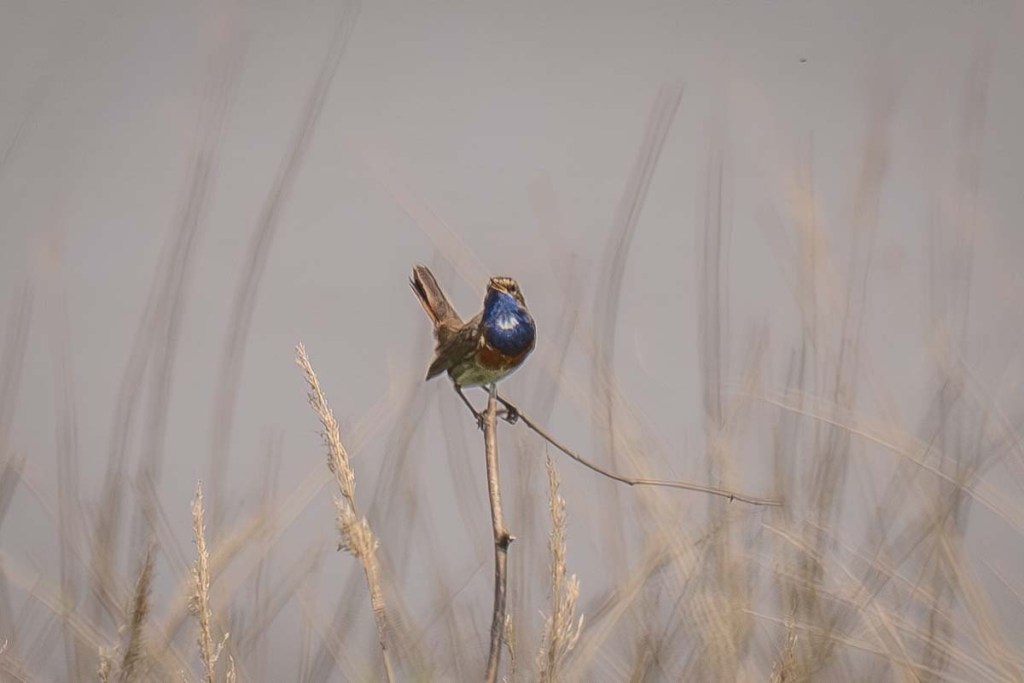

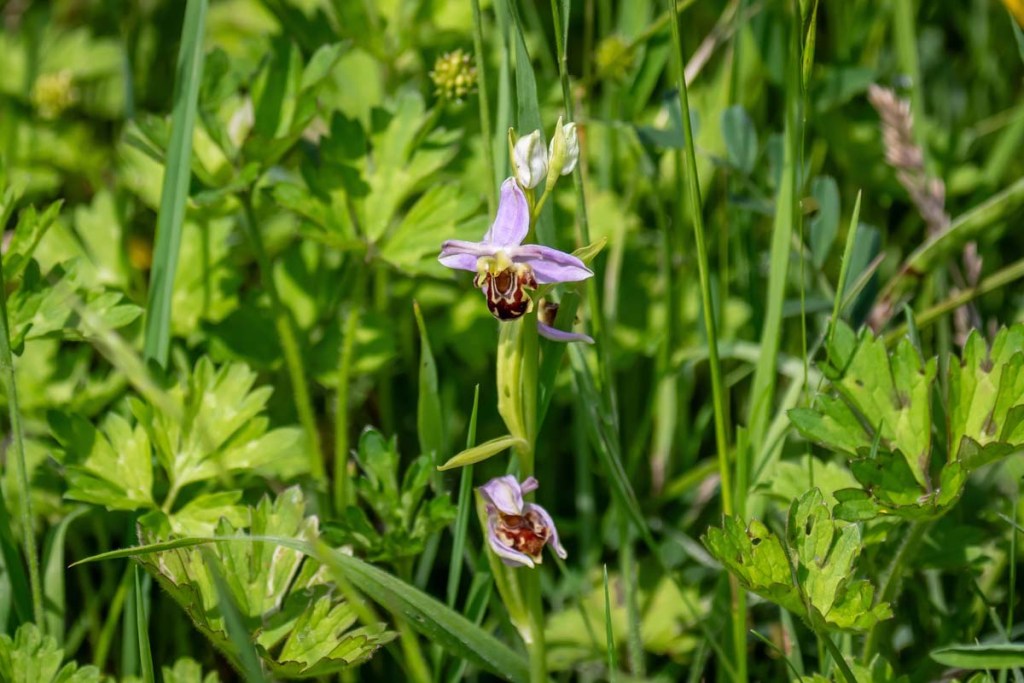
There was plenty else to see on the walk out to the Severn Estuary.
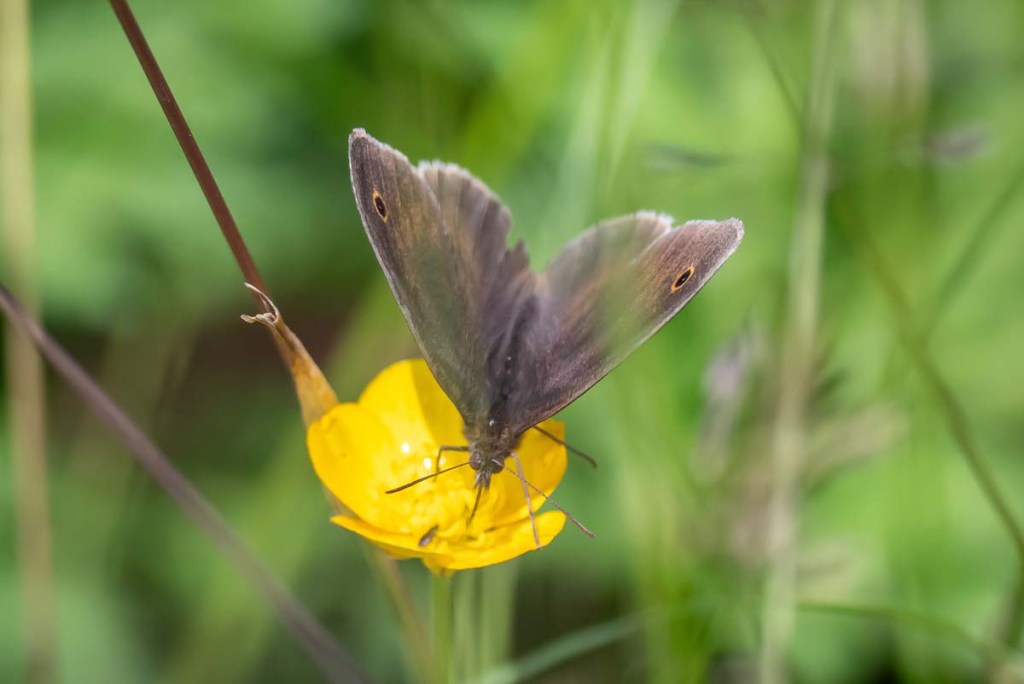

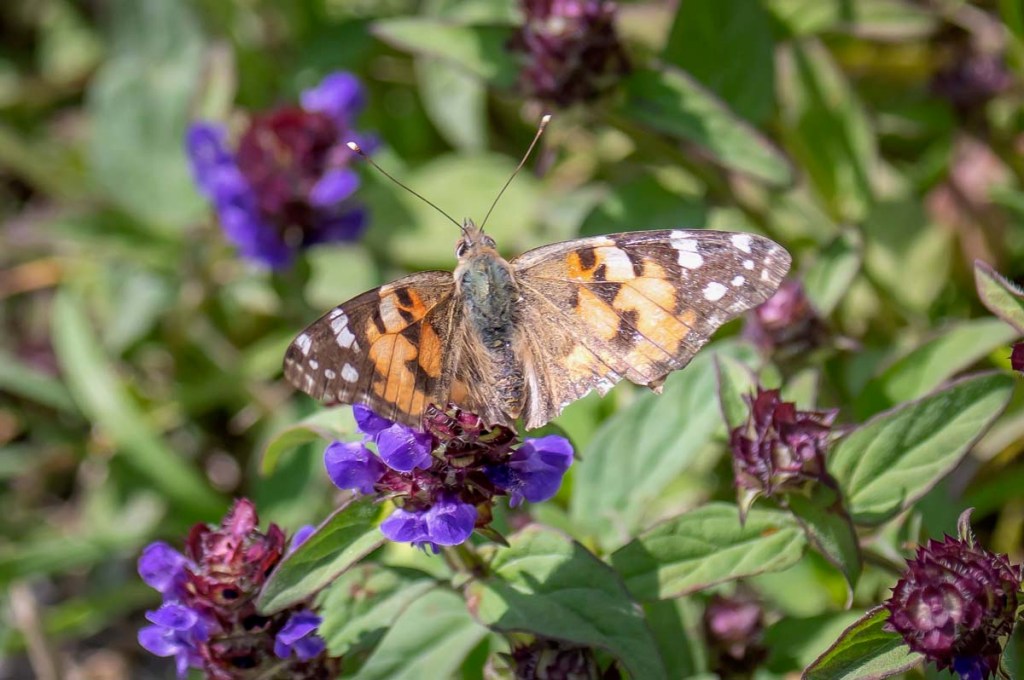
The marbled white escaped my camera



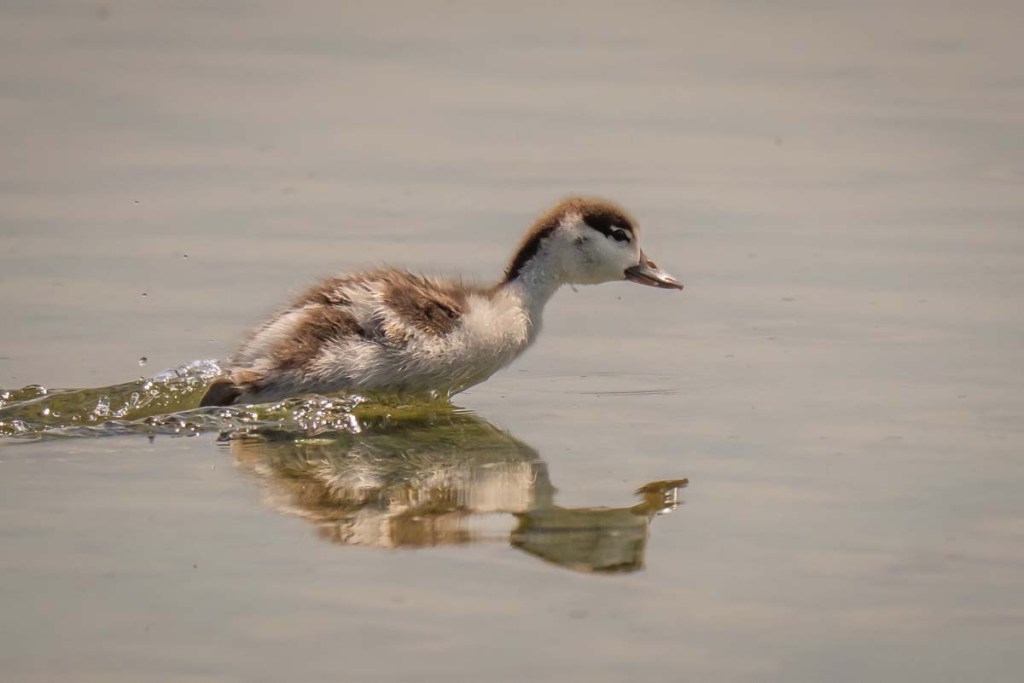

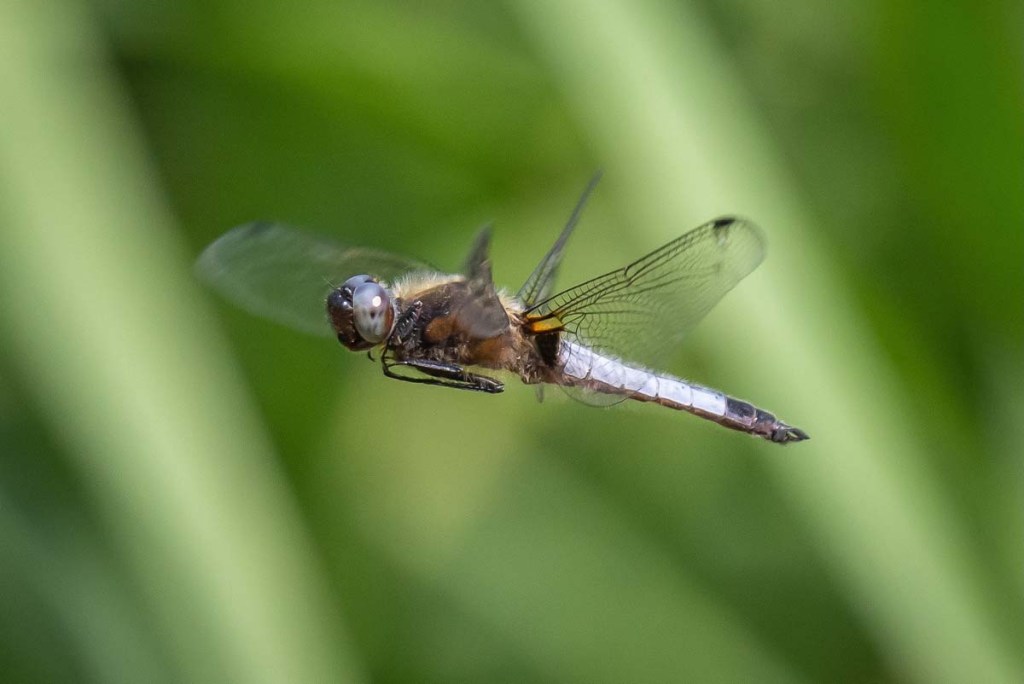

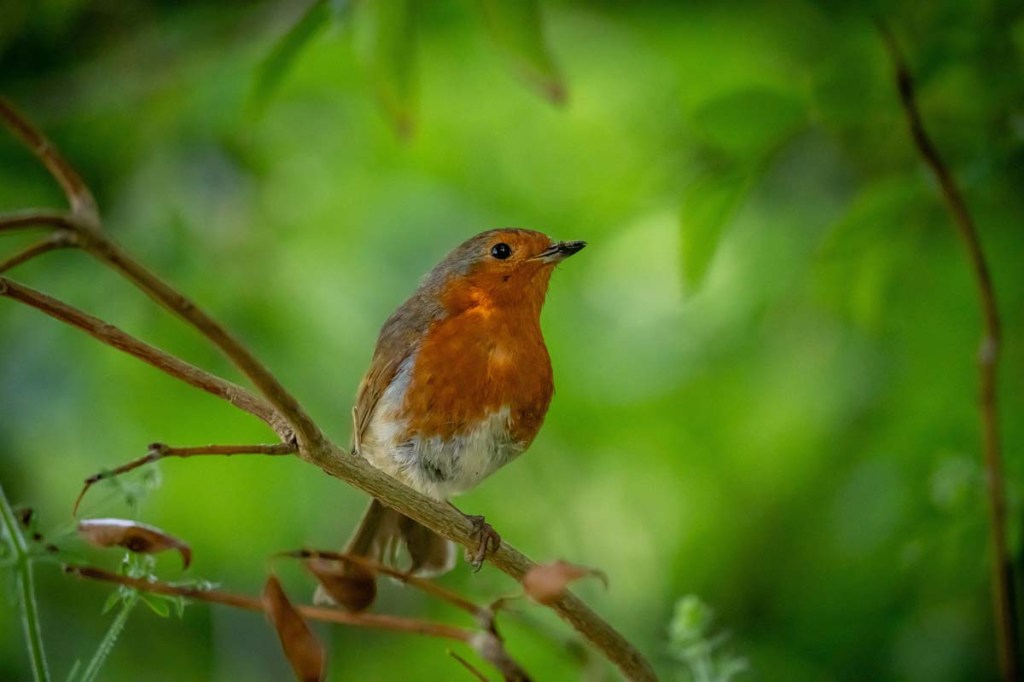

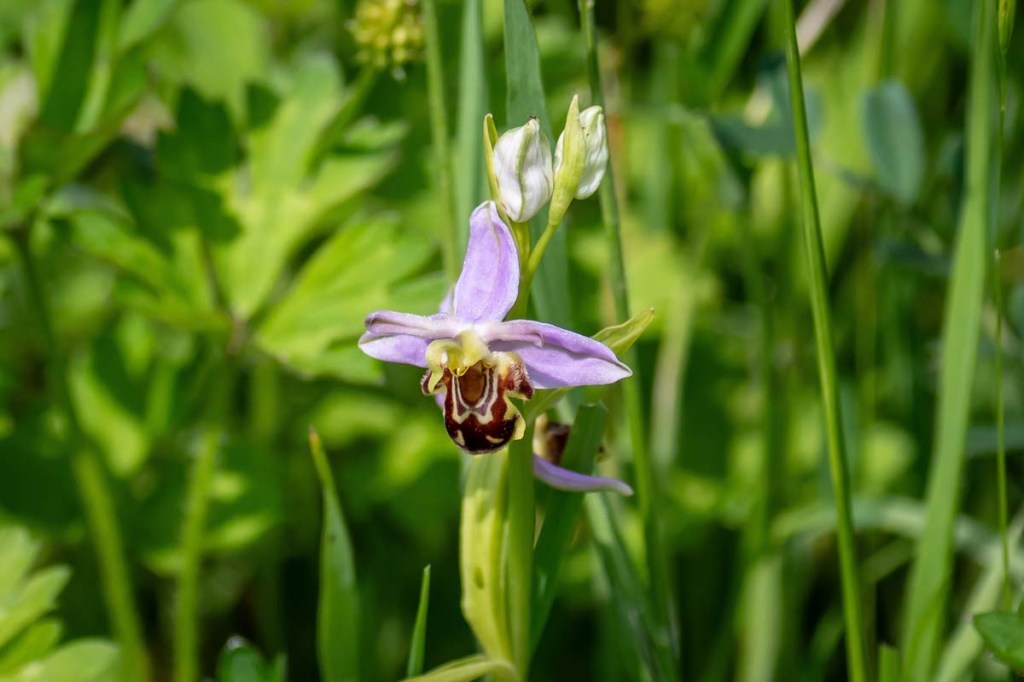

Following our week’s nature trip to The Camargue we have spent the last week near to Carry-le-Rouet, a seaside resort 30 kilometres west of Marseille, on the Côte Bleue.


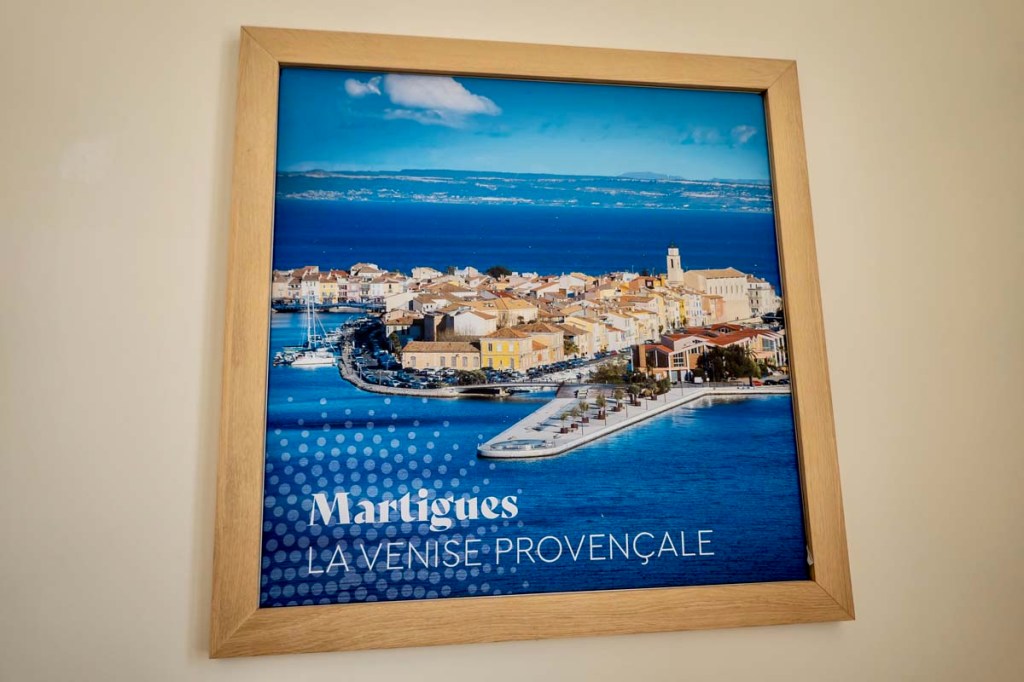
Mainly we have been relaxing in the local area but we have had a couple of trips out: one of a nature interest to Le Bassin de Réaltor near to Cabriès on the road to Aix-en-Provence and another to the nearby town of Martigues, nicknamed the “Provençale Venice” and which is a point of passage between the Mediterranean Sea and the Sea of Martigues (now Etang de Berre), close to the Côte d’Azur.
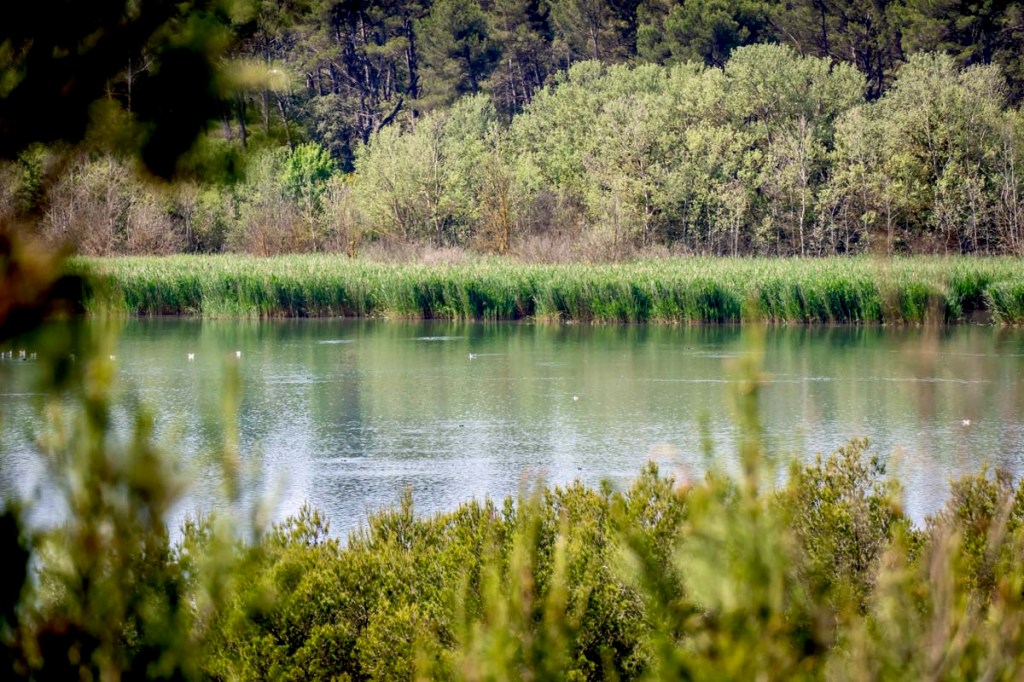
Our trip to the Bassin de Réaltor wasn’t a total success as, relying on a local source, we ended up high above the reservoir but, as it was extremely hot, we settled for a walk in the wood and an early return to Cabriès for lunch.
We saw and heard very few birds (perhaps it was too hot for them too) but we did see a few different butterflies and enjoyed the flora in the wood.



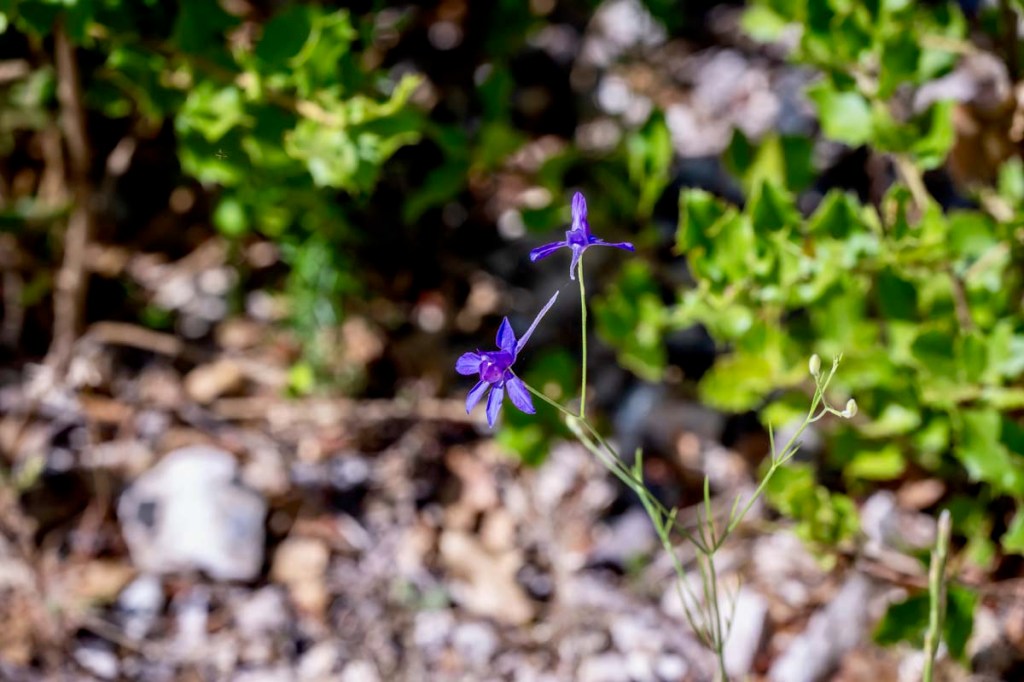
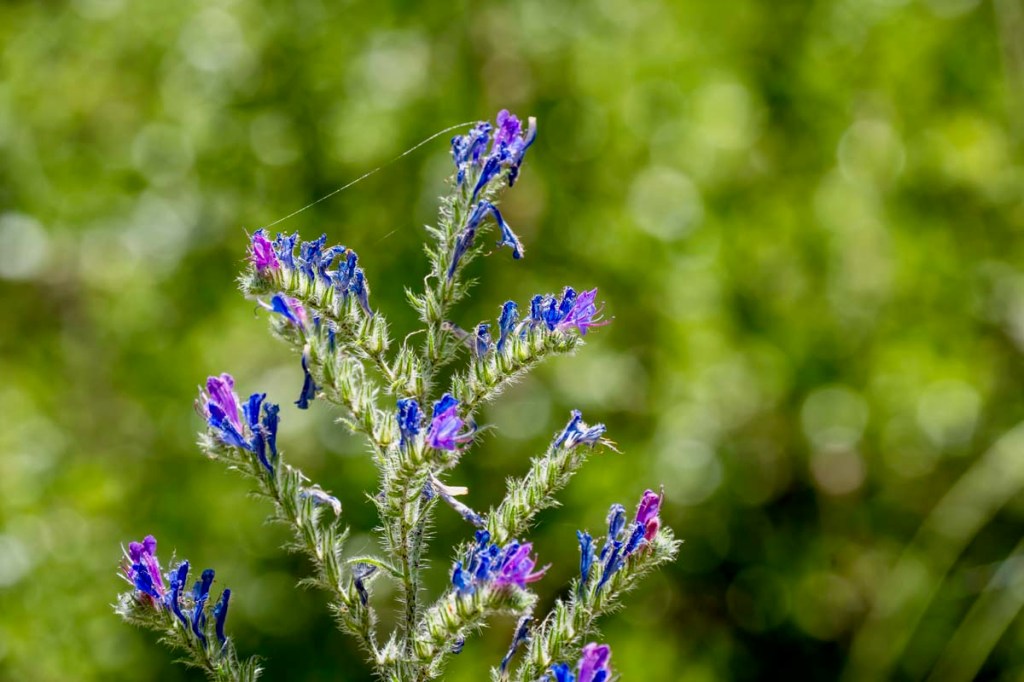
And some beautiful flora:


Martigues was beautiful but didn’t give us much opportunity for nature watching (other than a wonderful display of swifts as we ate our lunch in the area know as “le mirror aux oiseaux”) and a yellow-legged gull attempting to steal a fish which looked very much like the merlan (whiting) I had had for lunch.
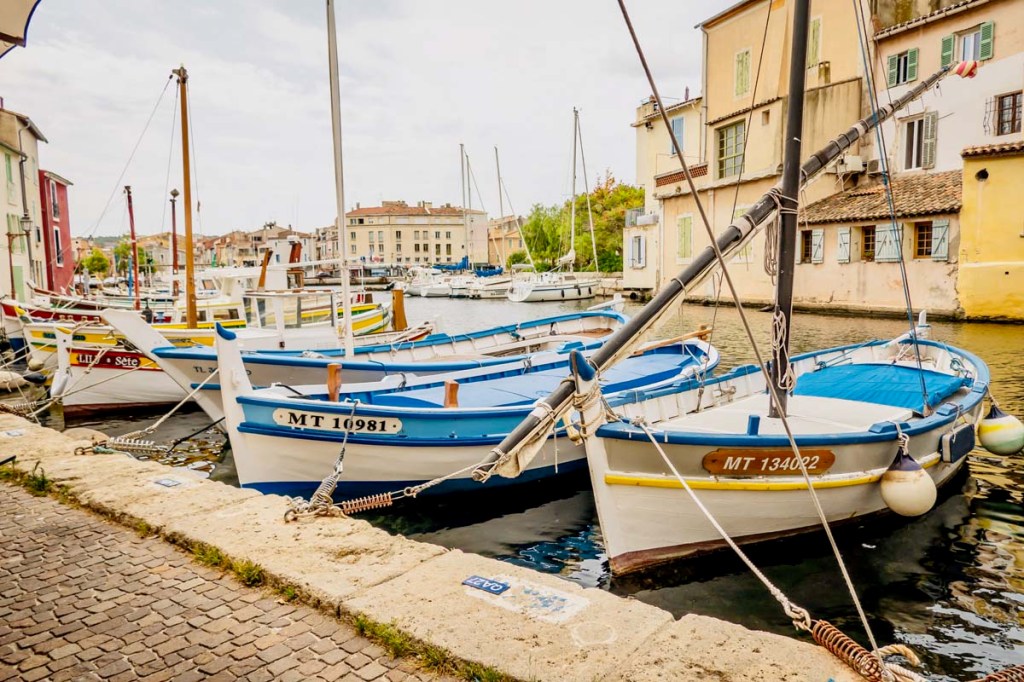

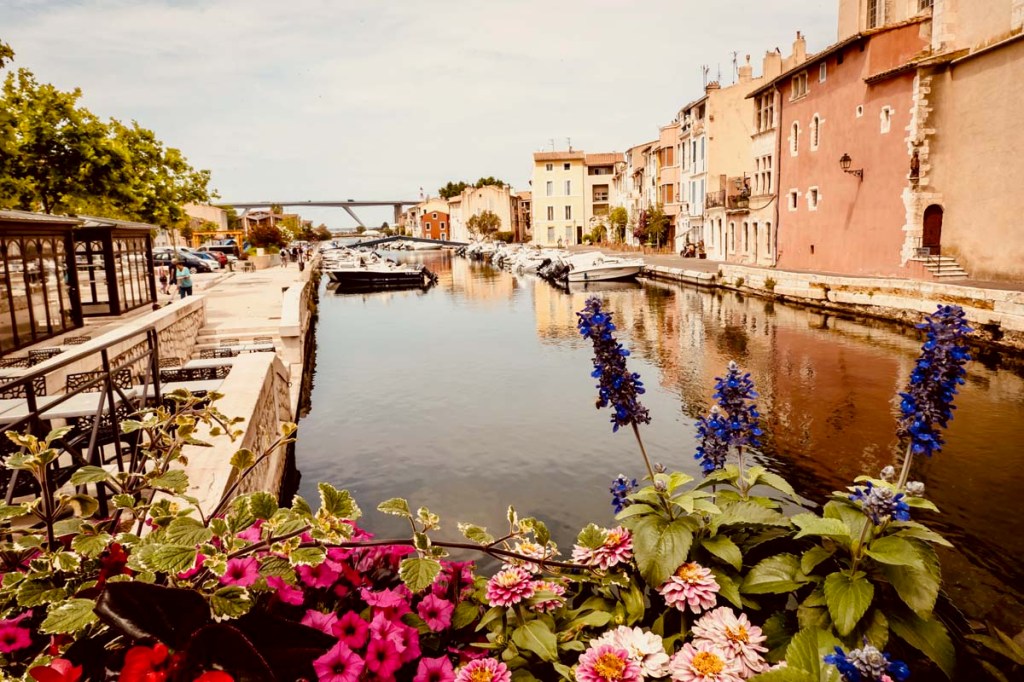
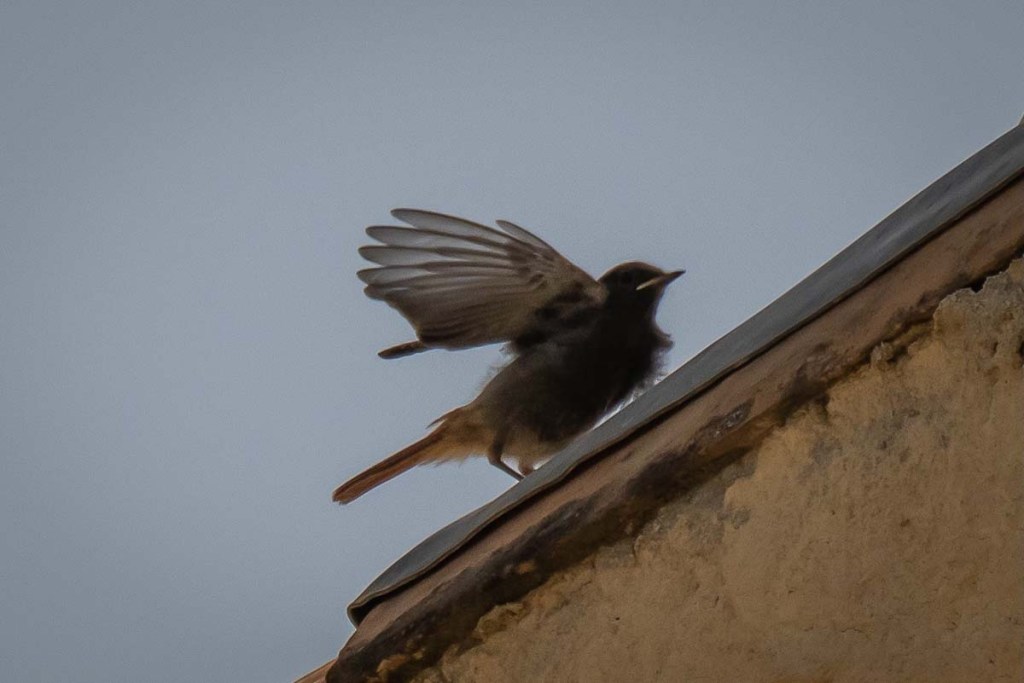
Apart from those two trips we have stayed locally and spent a lot of time sitting on the terrace with the wonderful view of the Mediterranean below. That didn’t stop me snapping a few pics of anything that came my way.
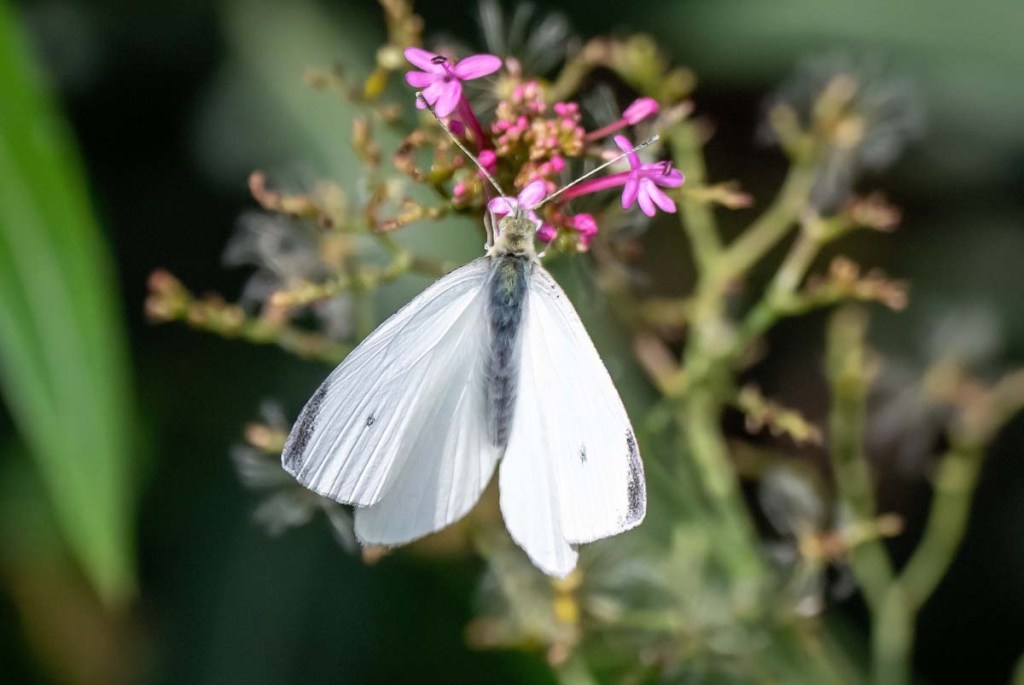


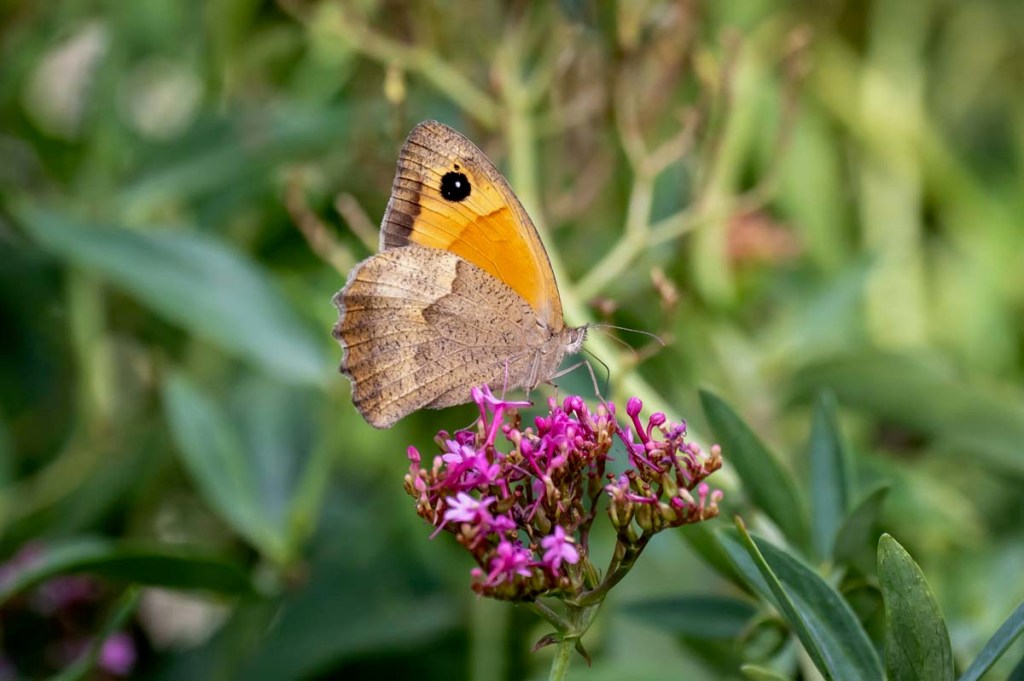



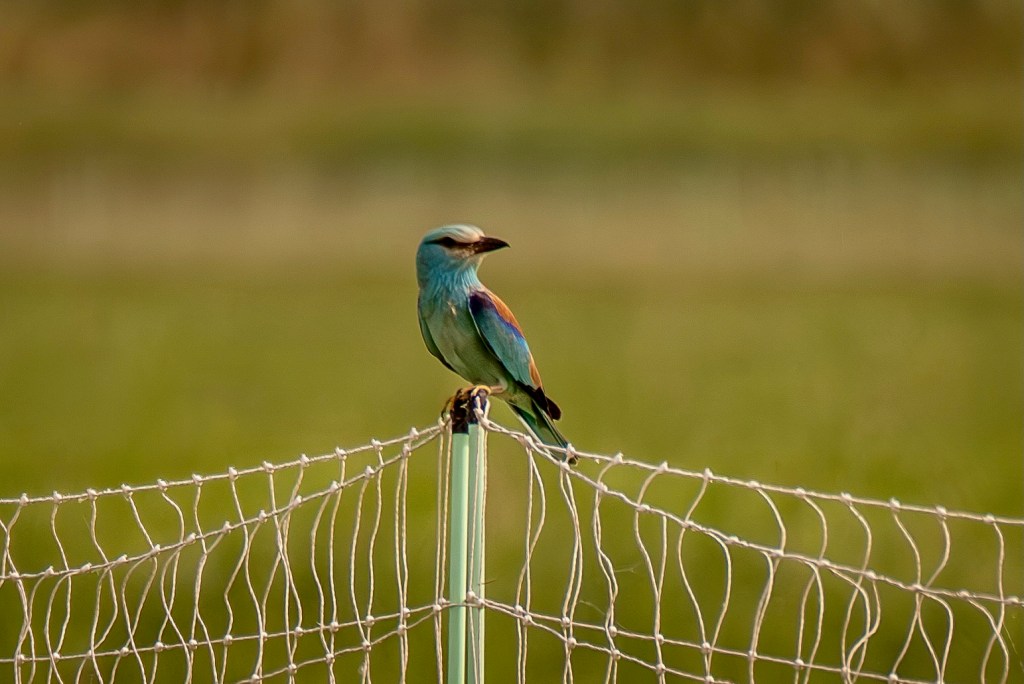
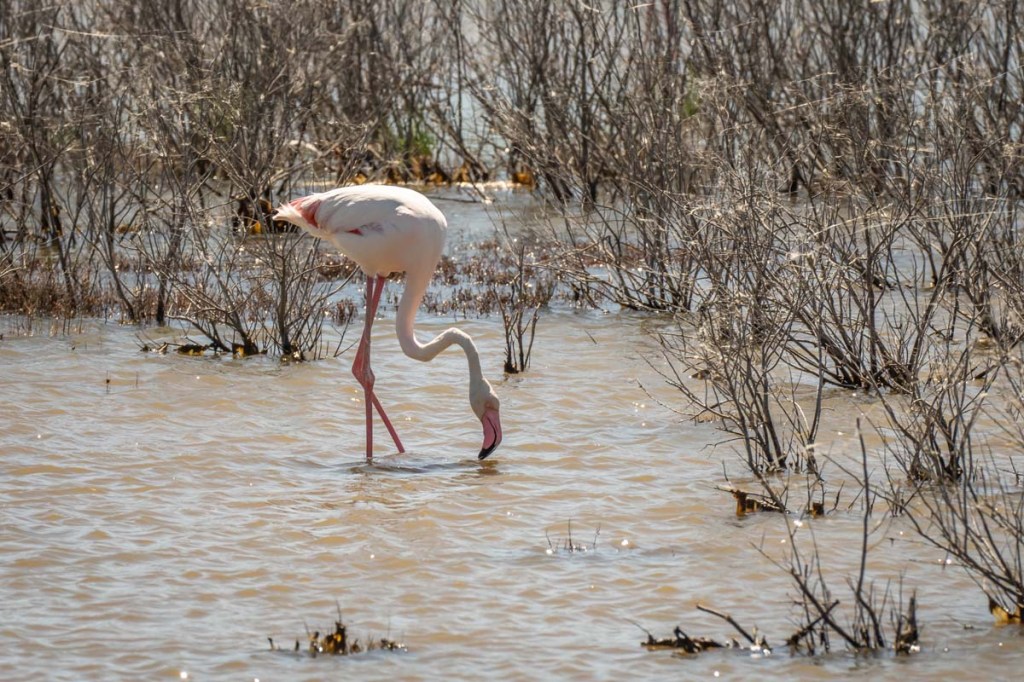
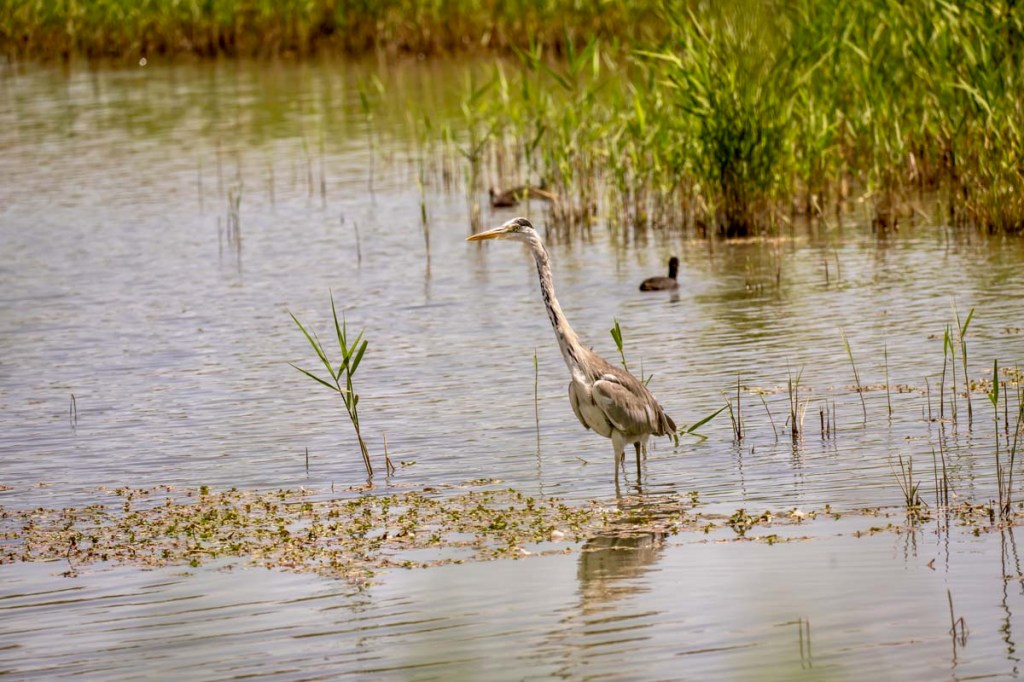
We really enjoyed our recent nature trip to the Camargue. We knew the region a little before this trip as we have visited here a number of times as tourists in the days when we had a motorhome; but this was our first trip here since we have become particularly interested in bird watching.
The week was organised by the speciality nature trip company “Naturetrek” and we have been very pleased with the “Go slow in the Camargue” programme. The administration before the tour was good, the accommodation and food at the hotel was more than adequate for such a trip and the two guides, Marcus John and Neil Murphy, were excellent: they were very knowledgeable, drove the minibuses with care and consideration, produced amazingly good picnic lunches with locally resourced food and drink , had a very good rapport with all the group and made sure everyone saw a fantastic number of birds. Above all they are clearly good chaps and were a pleasure to be with. As well as providing a suitable programme to achieve the programme title of “Go slow in the Camargue” they also offered regular optional early morning walks and late evening sorties. They were the main reasons for the success of the tour.
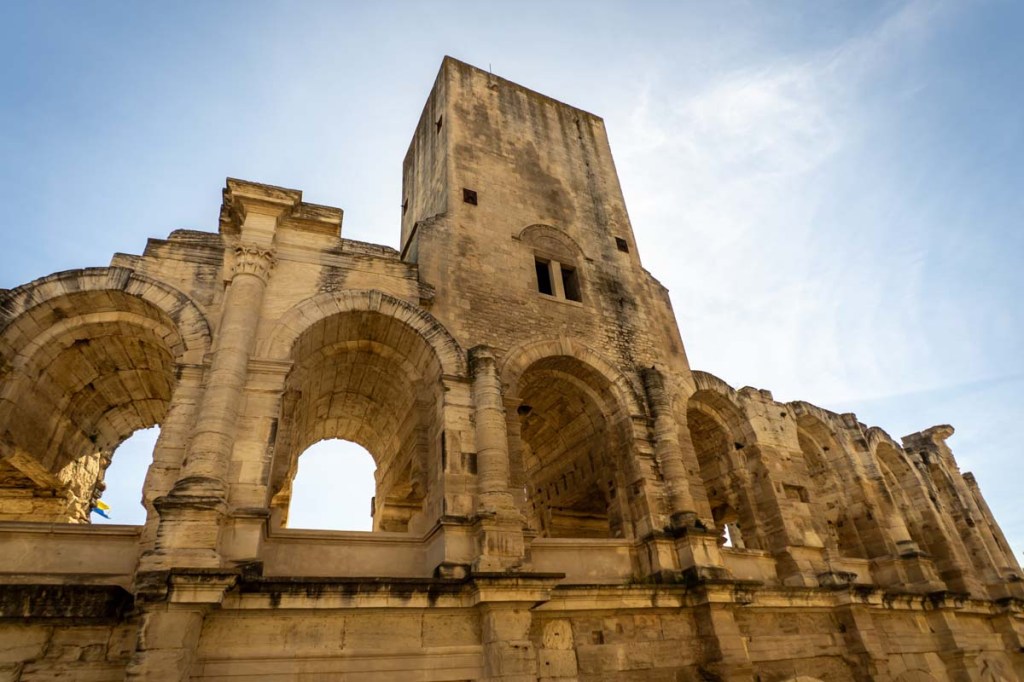
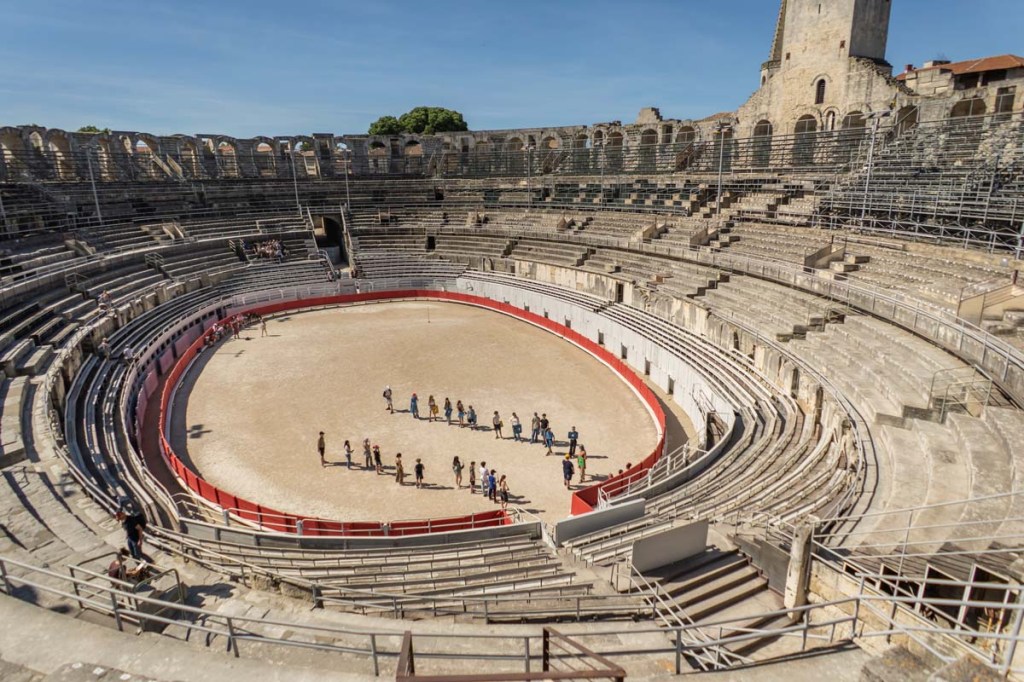
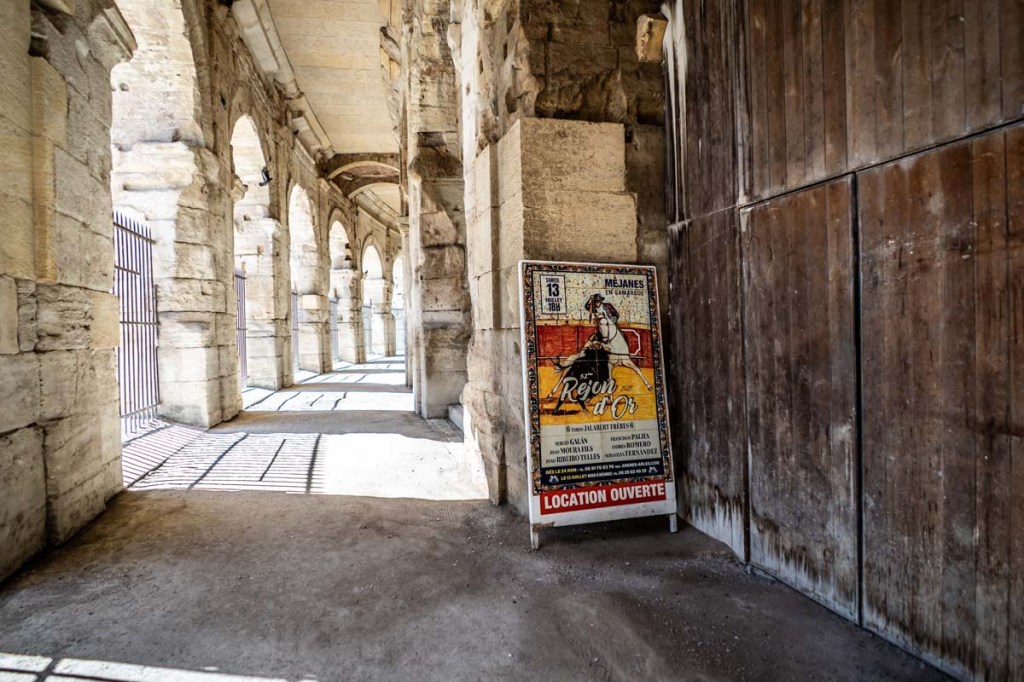
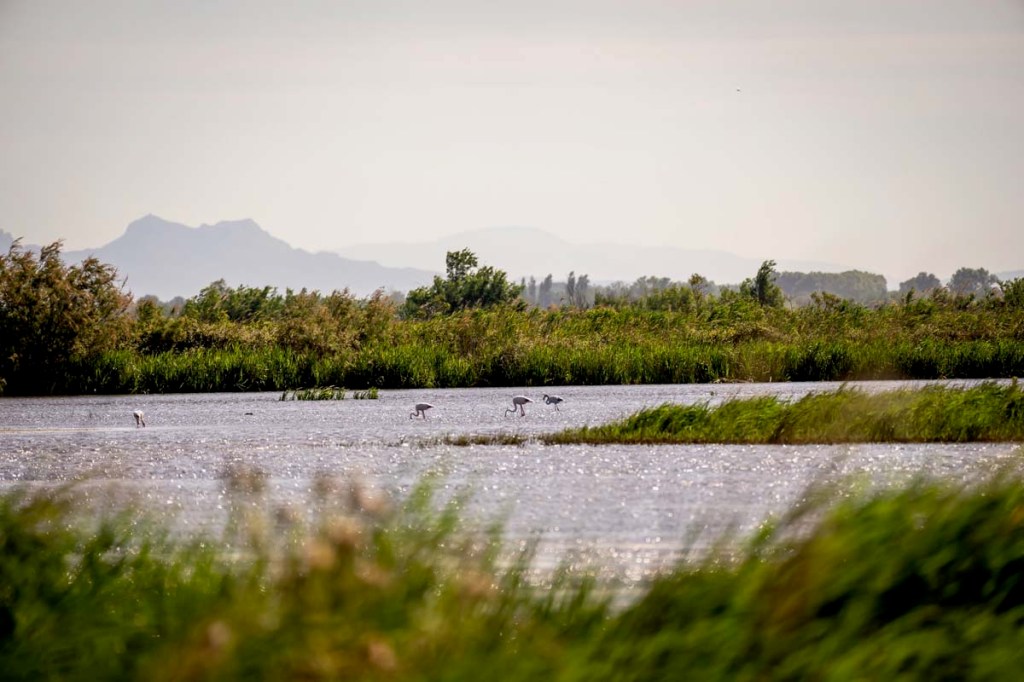
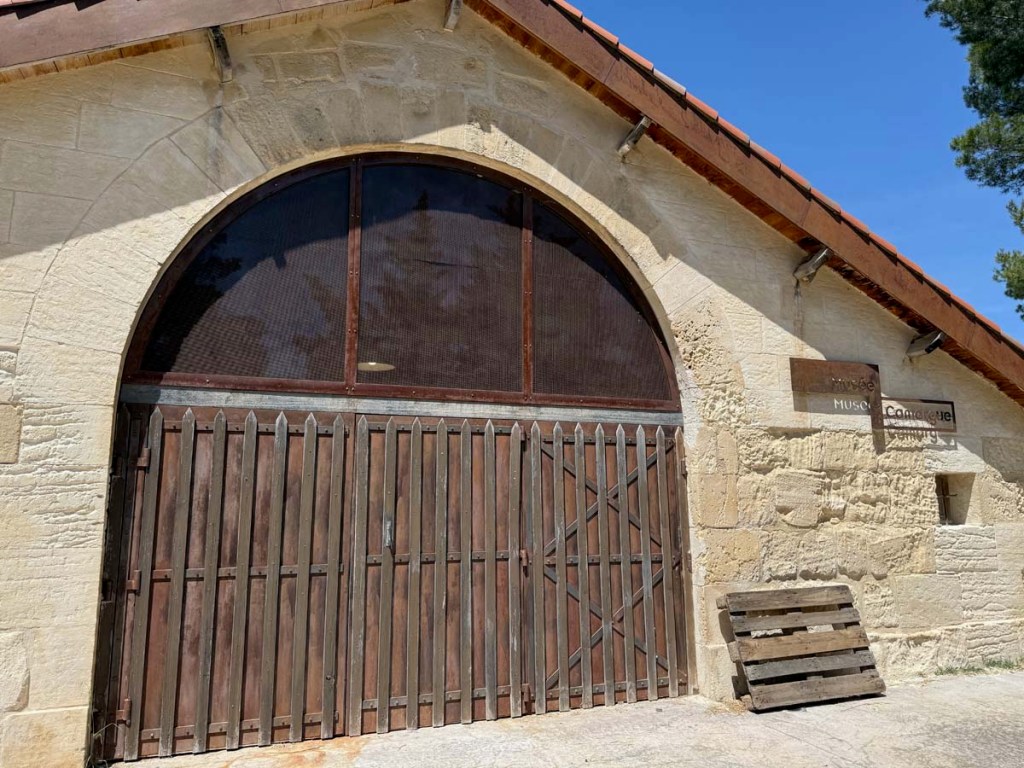
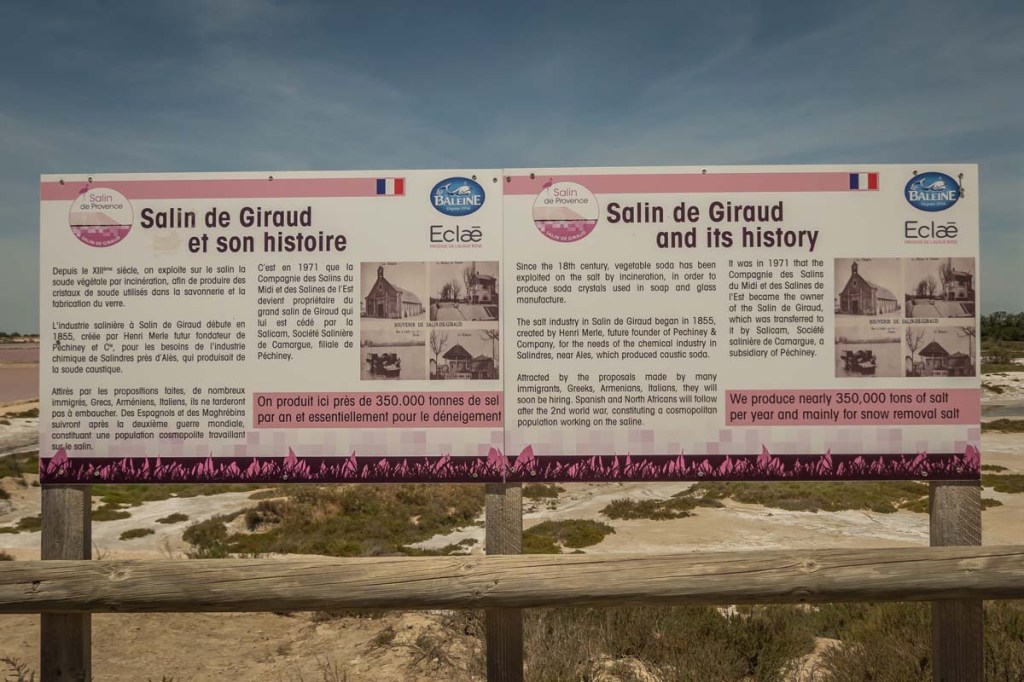
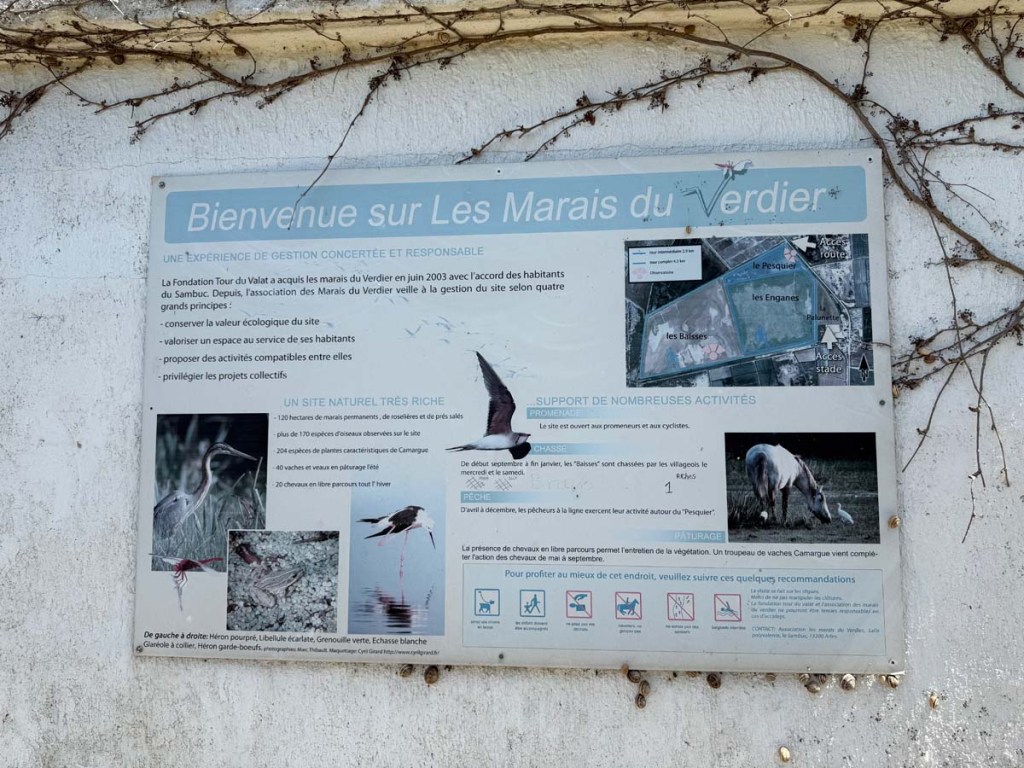
We visited various local nature reserves, stopped often by the roadside in the marshes of the Camargue, had a trip to the coast to see different types of birds and see the salt works (le Salin de Giroud), did a number of other “touristy” visits to Arles, the Roman aqueduct of Barbegal near Fontvielle, Les Baux de Provence and Le Musée de Camargue – all whilst incorporating opportunities for more bird watching.




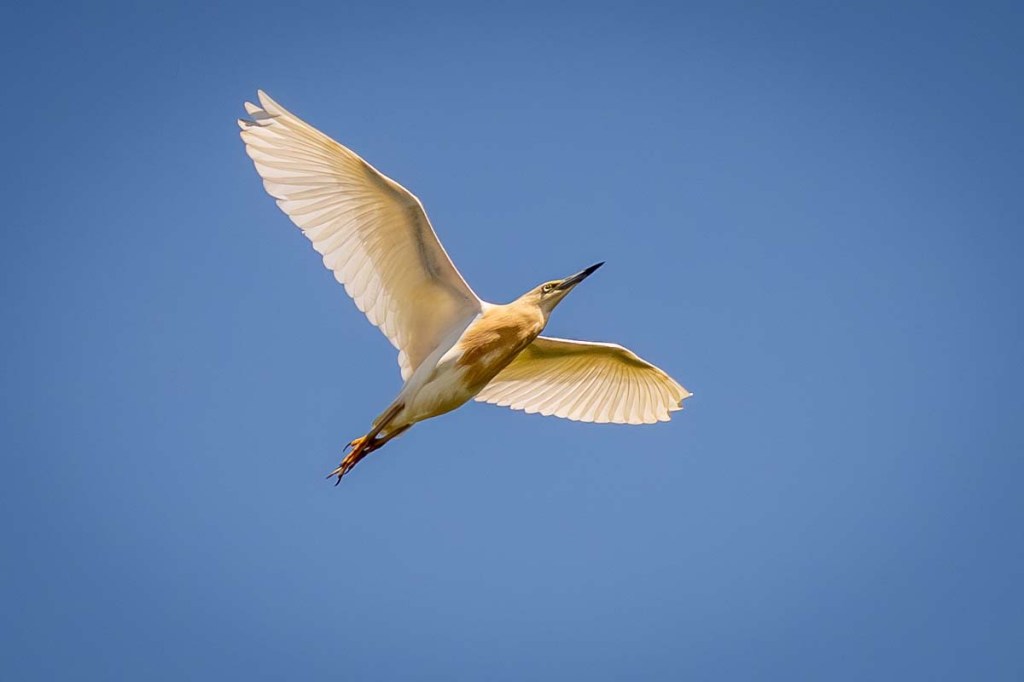
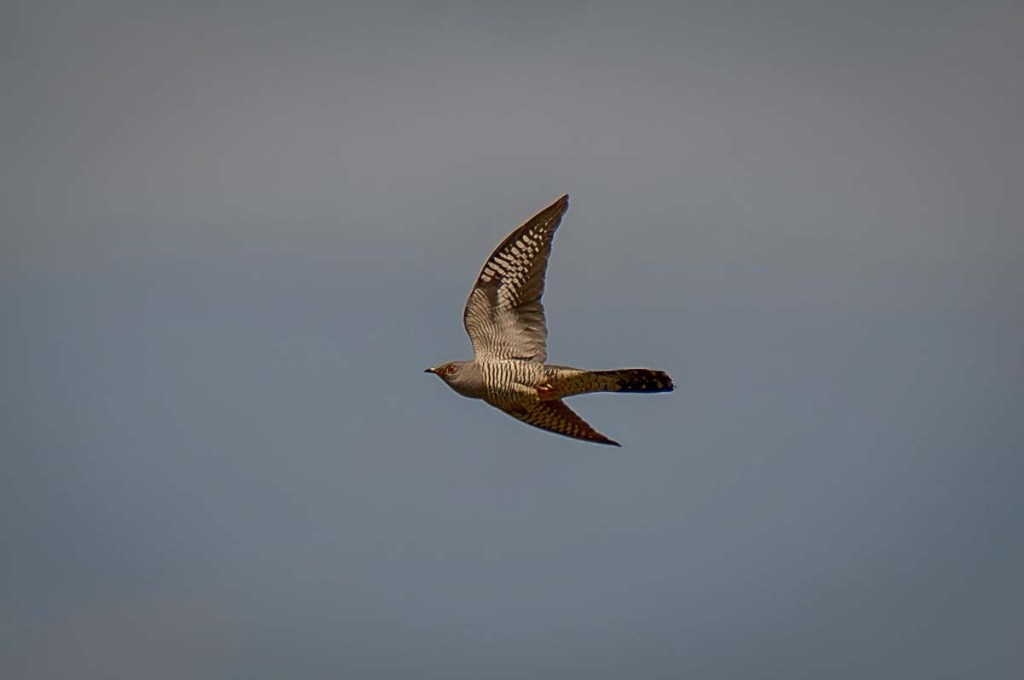


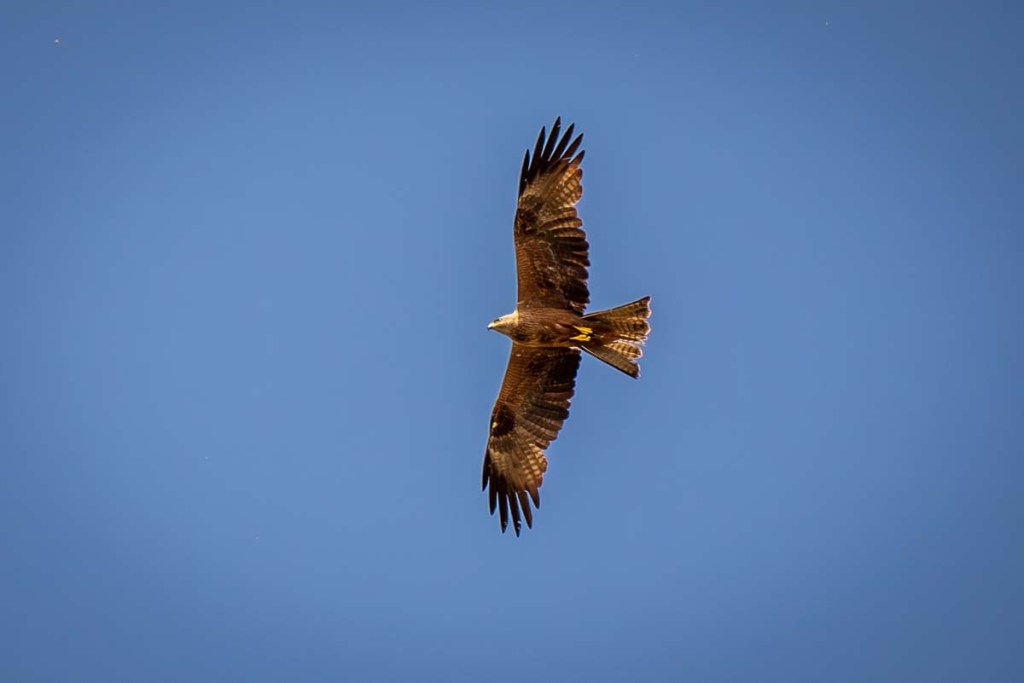


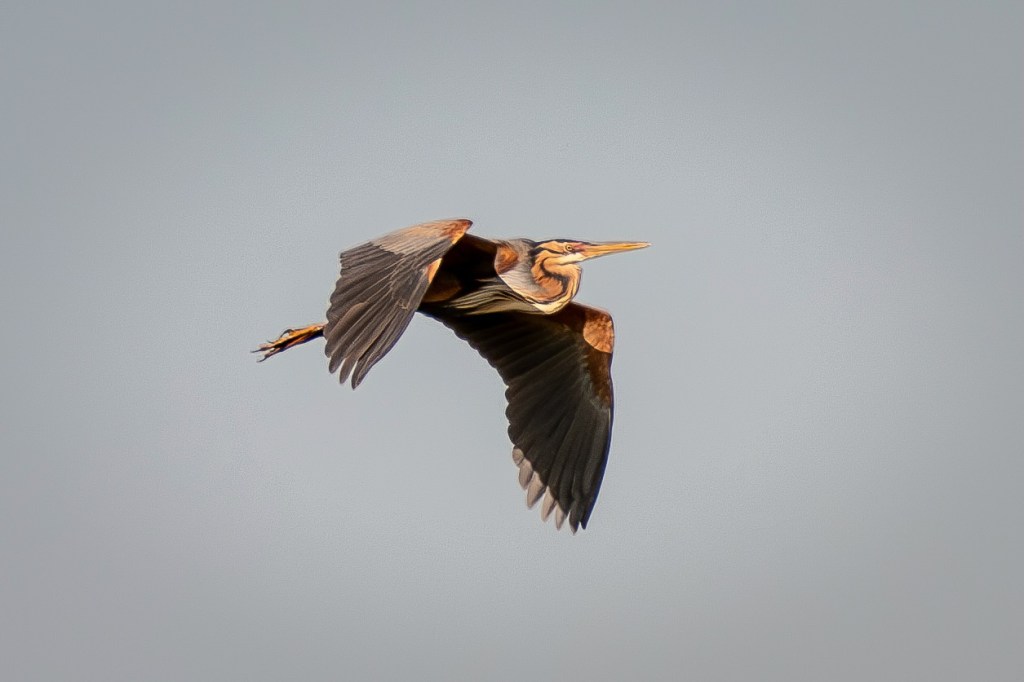

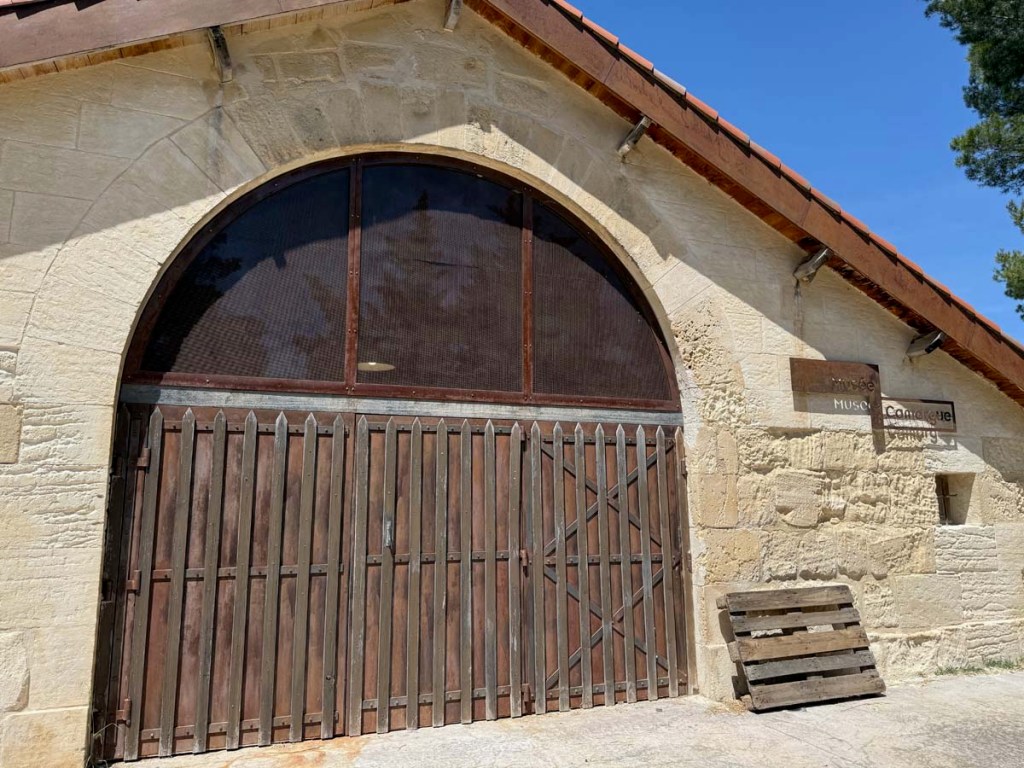
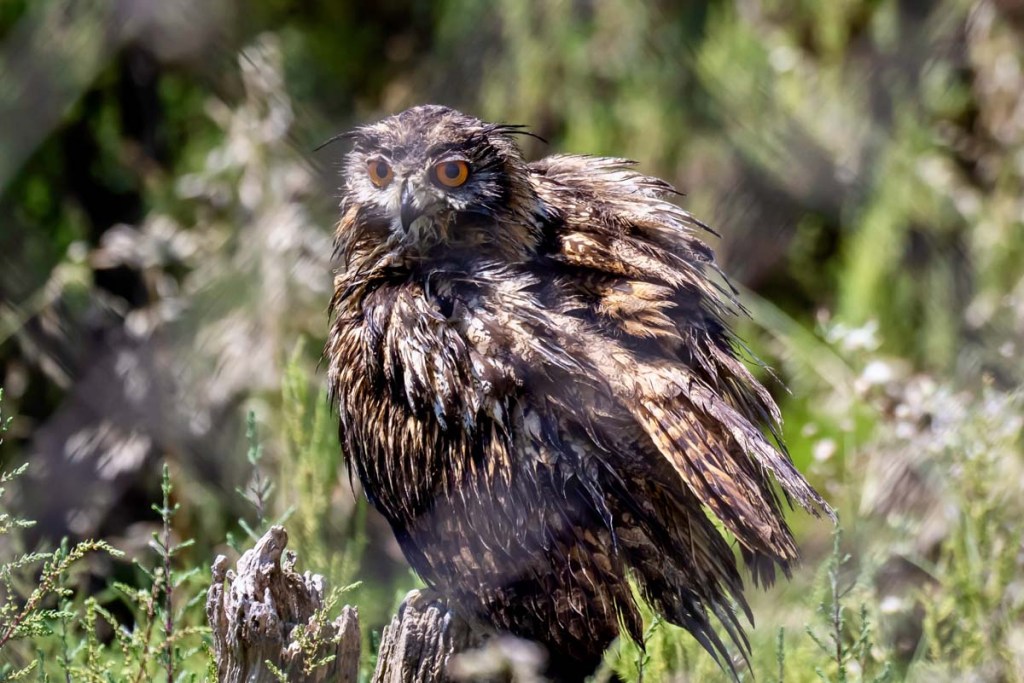


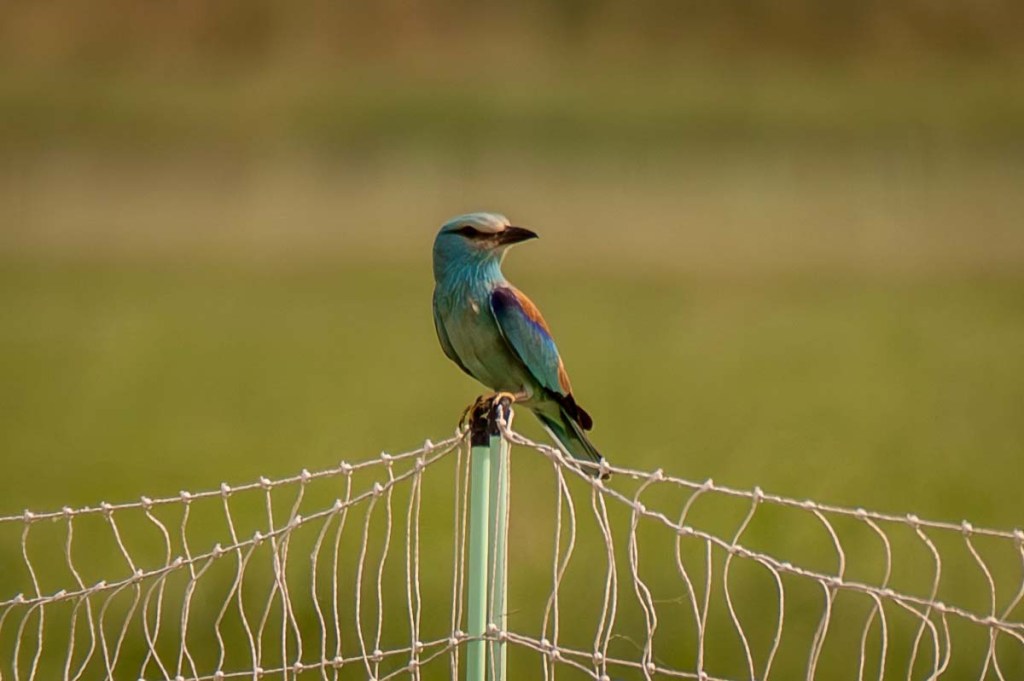


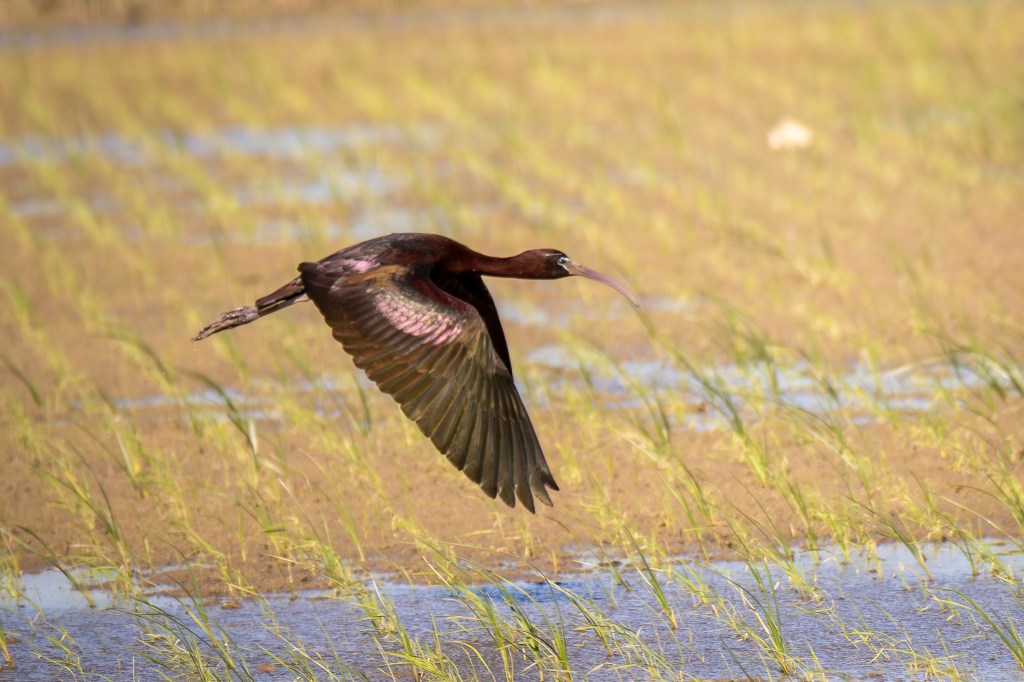

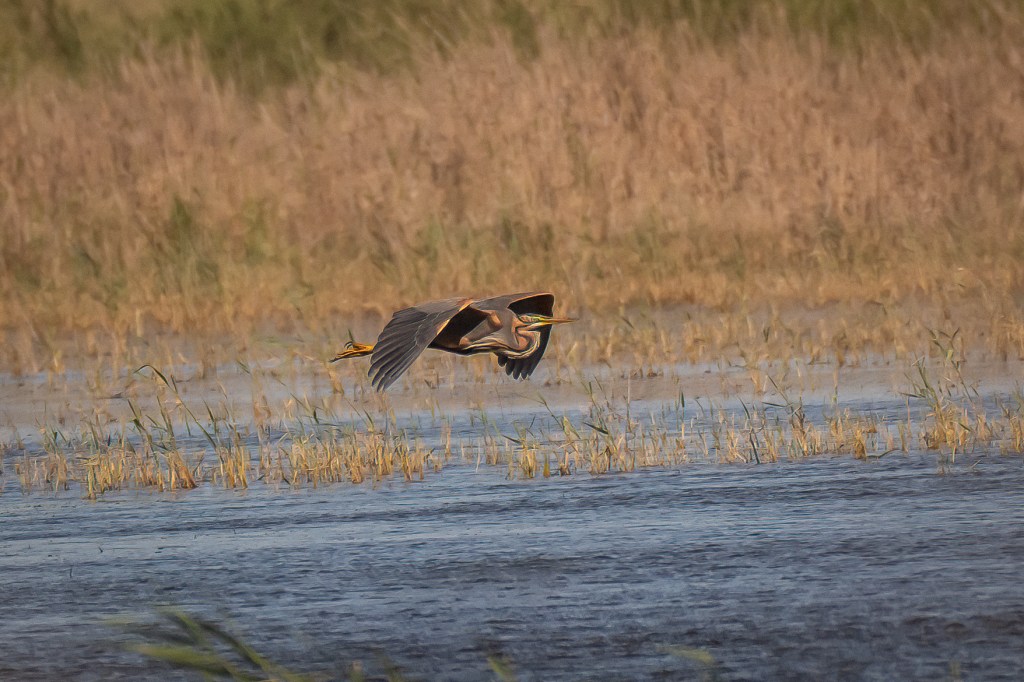
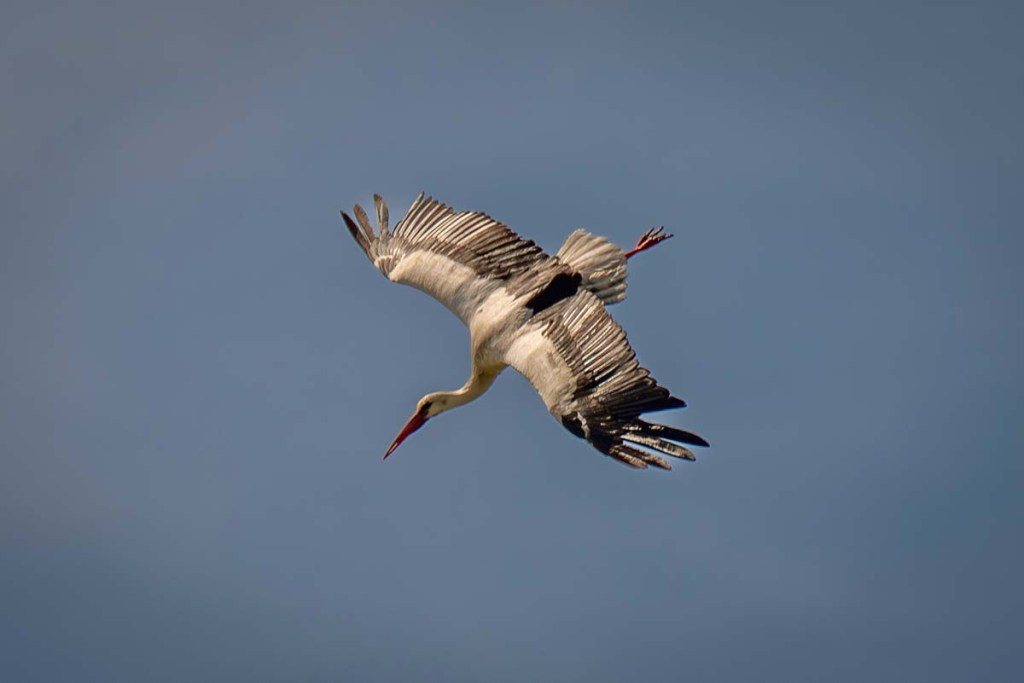





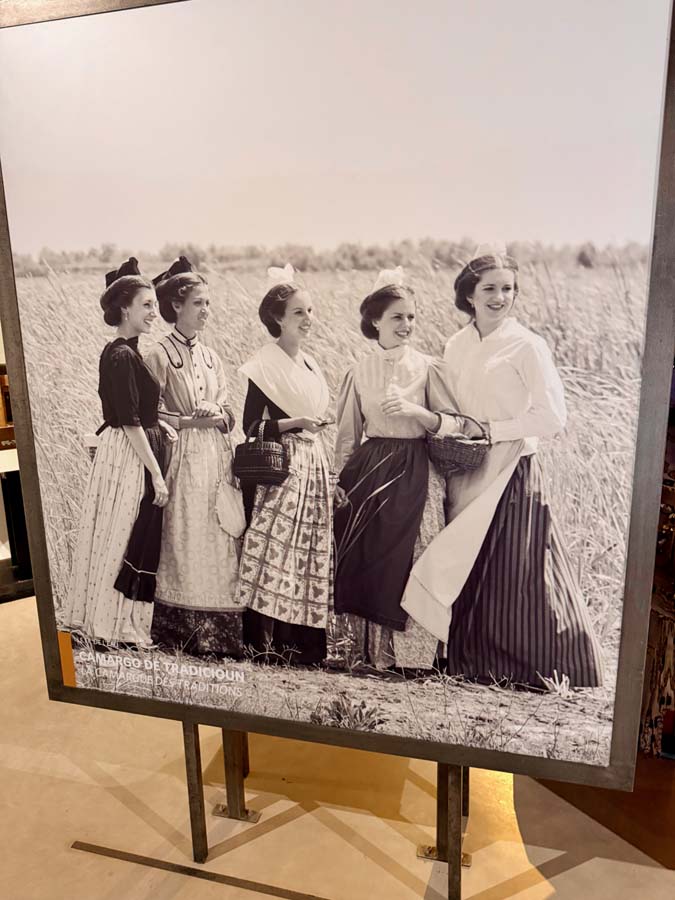
Oh and I nearly forgot … those wonderful wild horses of the Camargue:


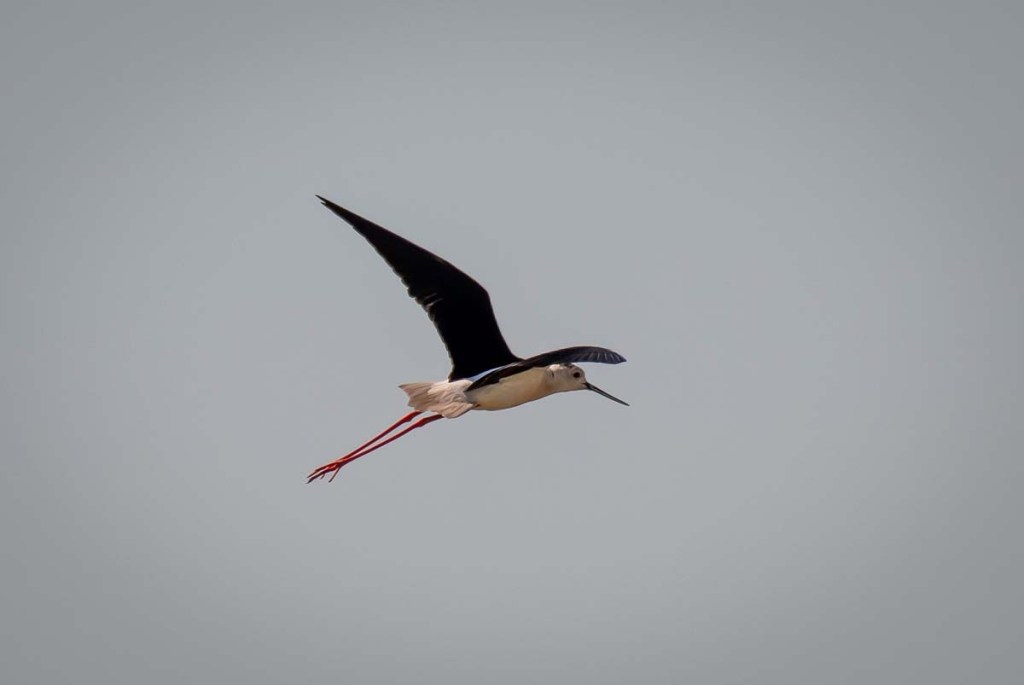
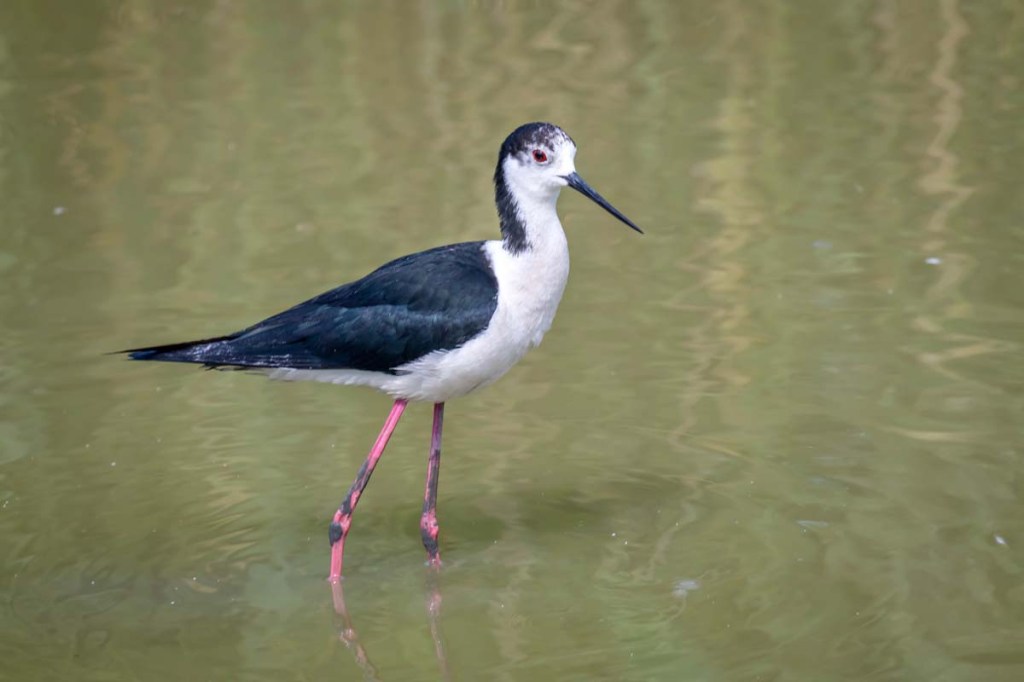
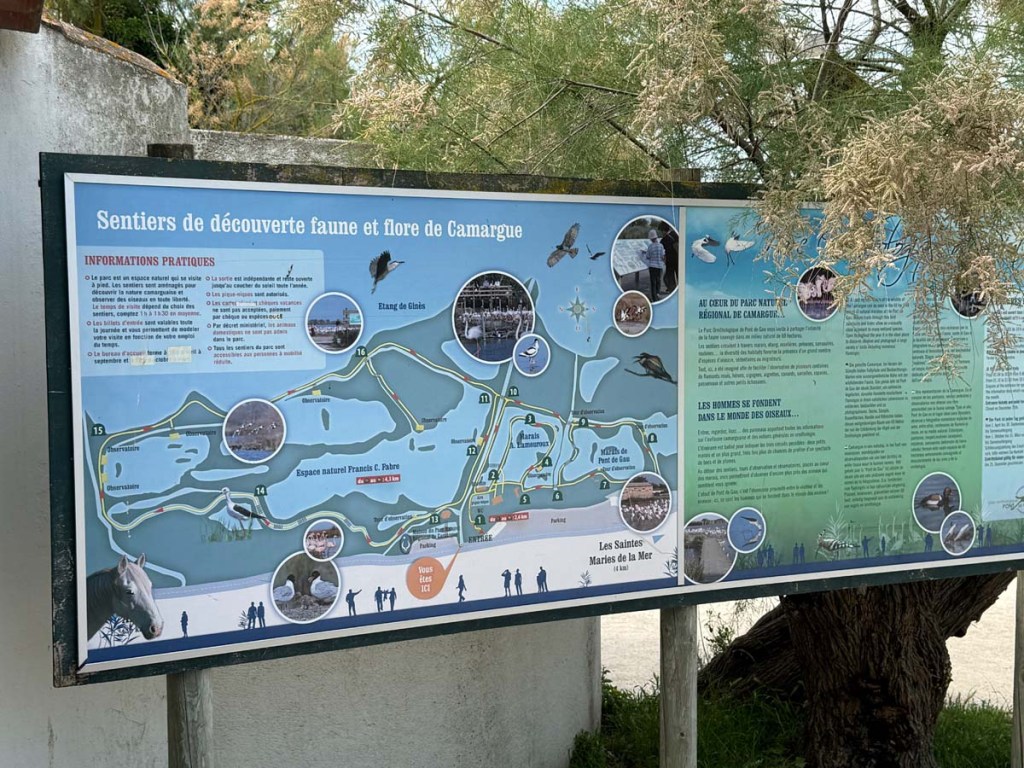
More amazing photo opportunities today at the Parc Ornithogique de Pont de Gau.
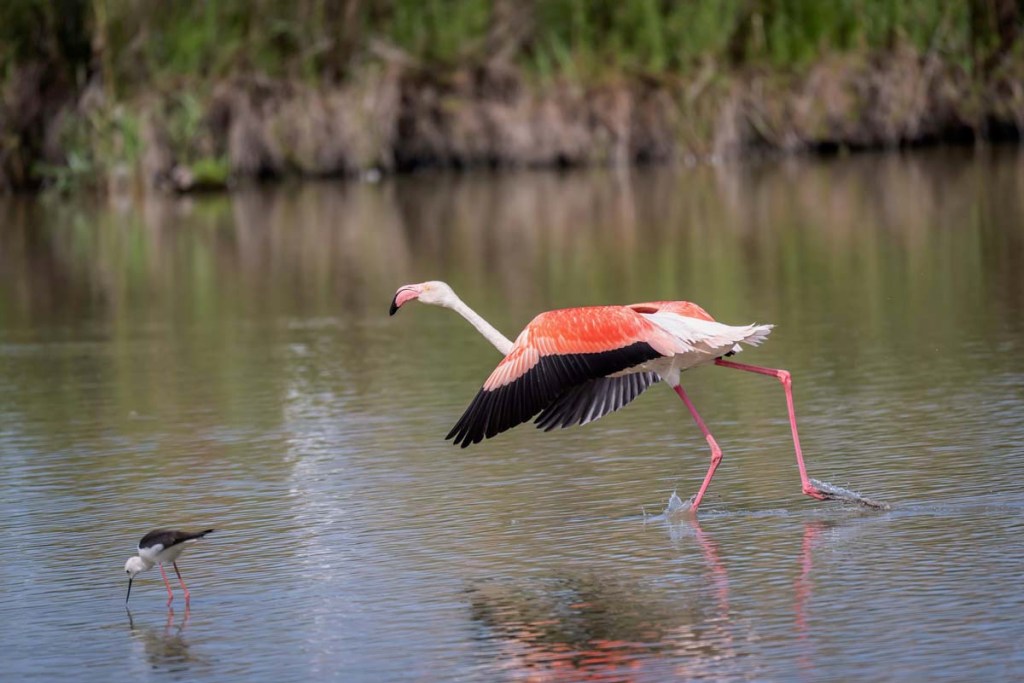
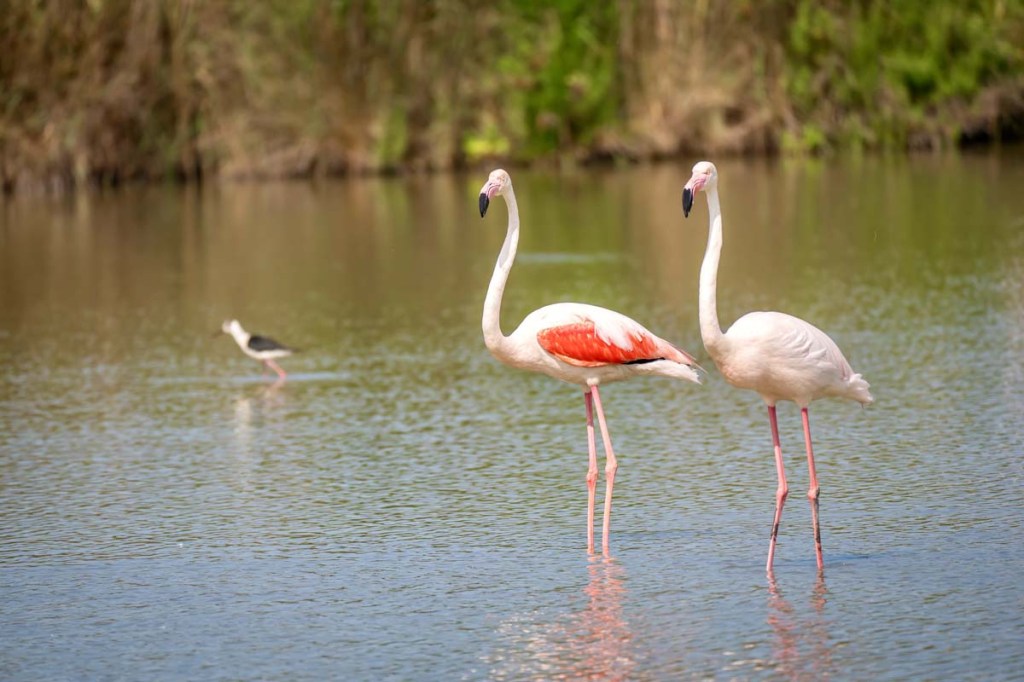
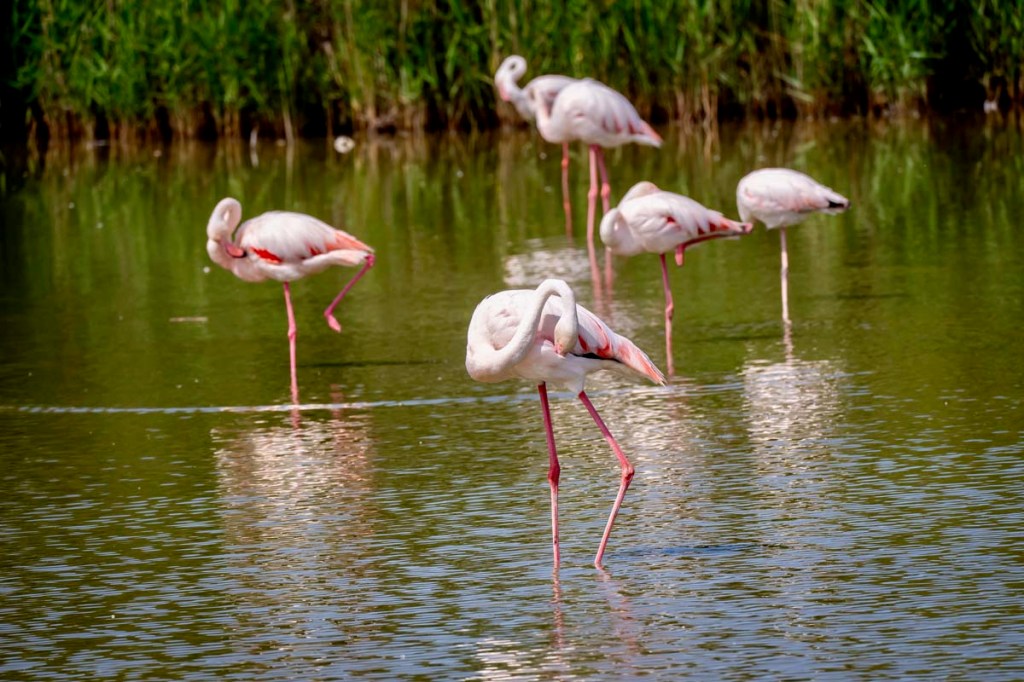


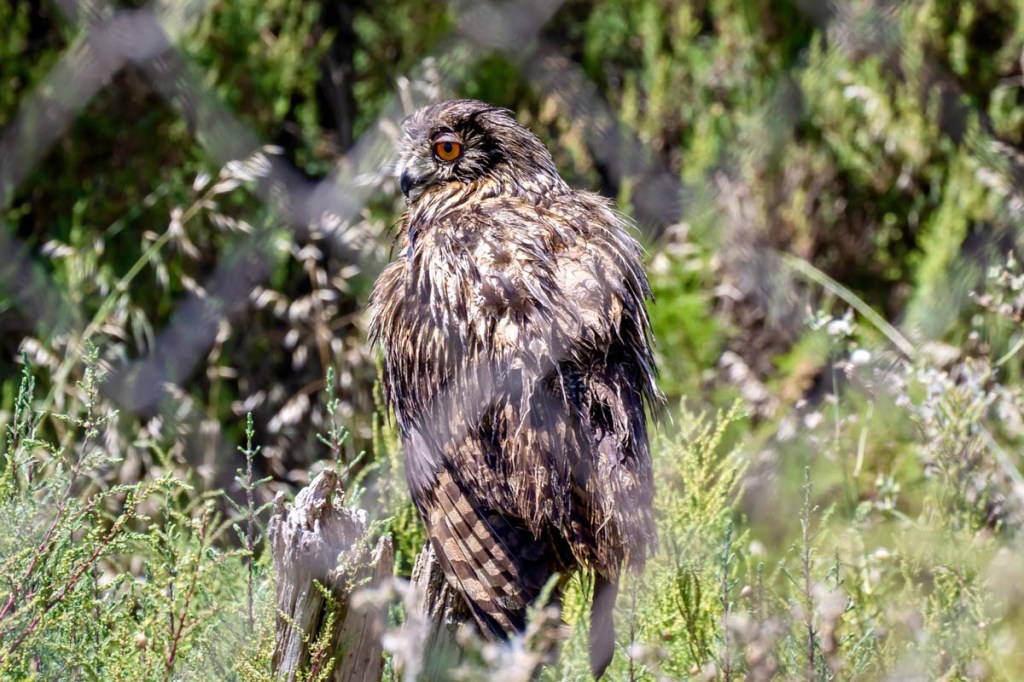

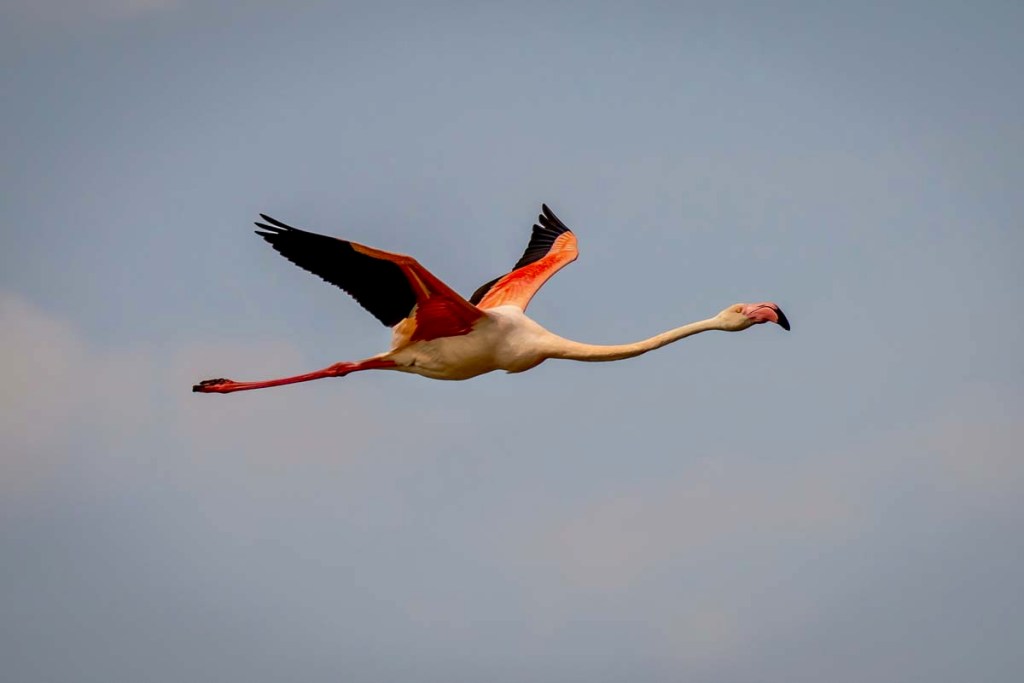


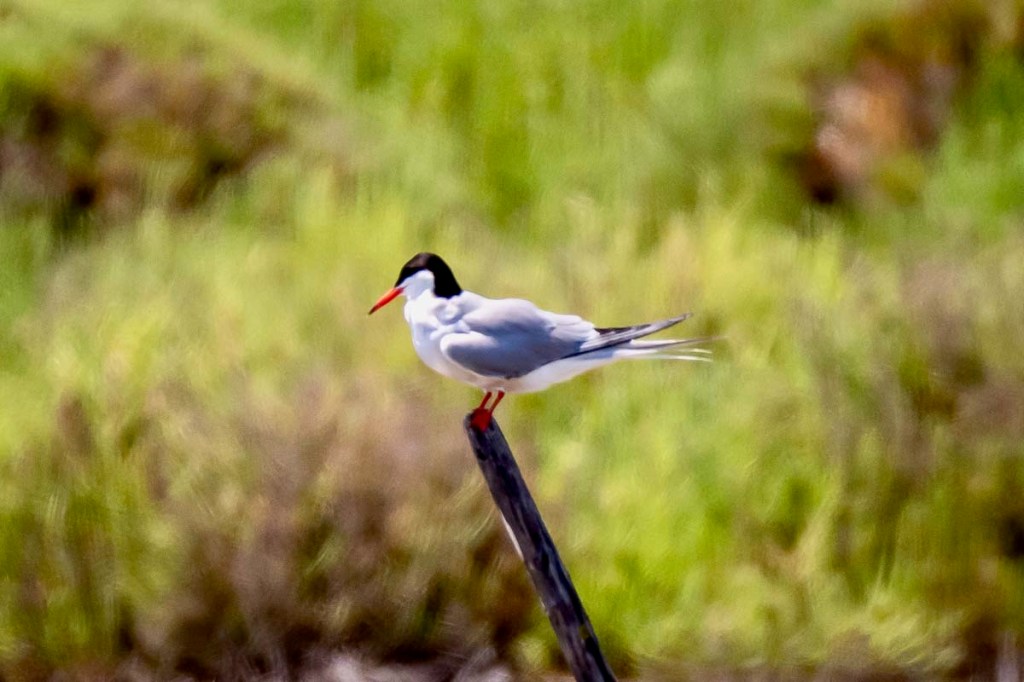




Now I’m wondering what to do with the remaining 1500 photos from today!
Post script:and now for a week to recover on the coast near Marseille.


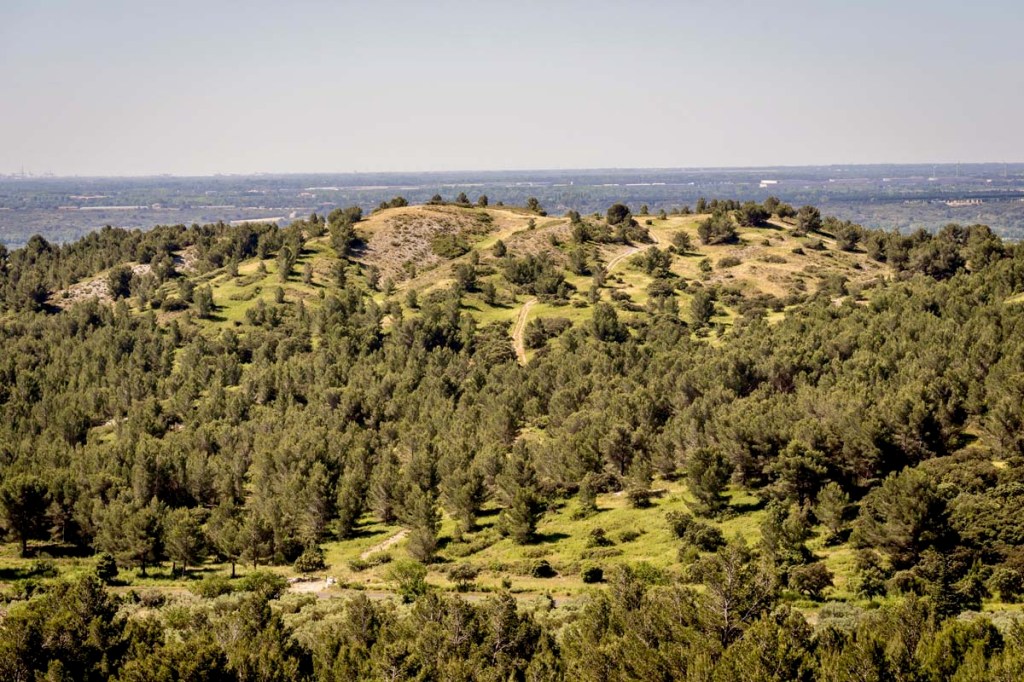
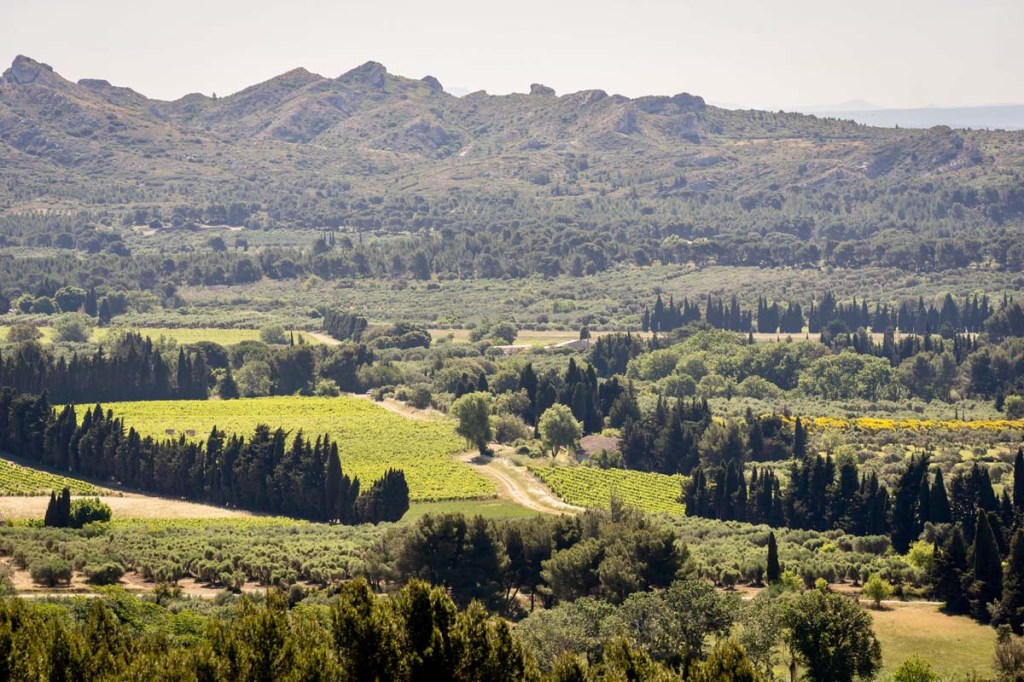
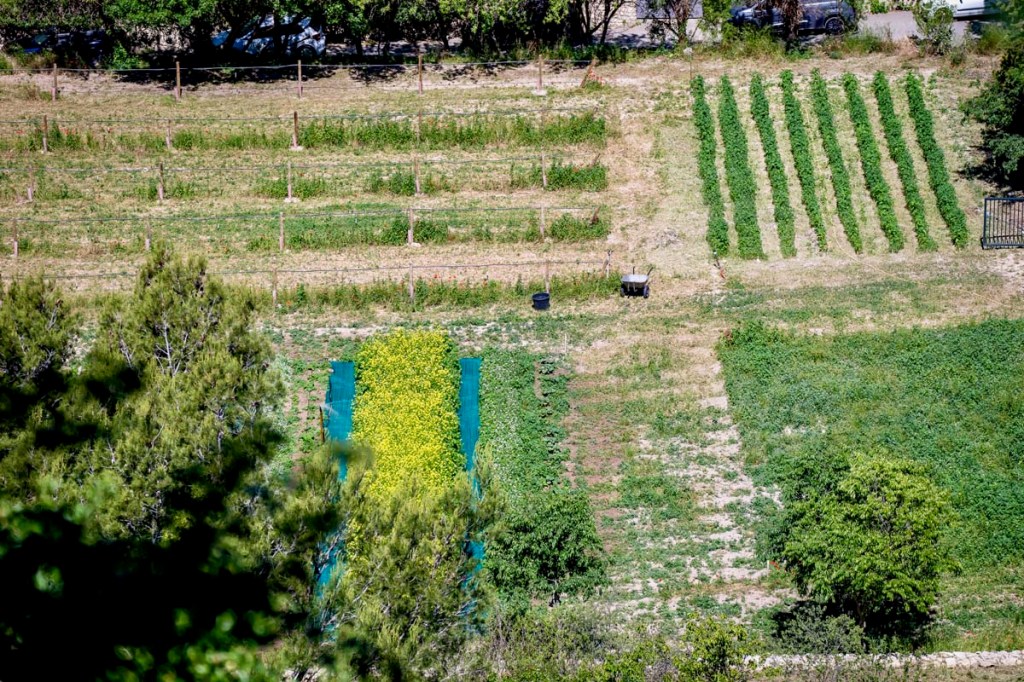
This morning we visited Les Beaux de Provence, a rocky outcrop that is crowned with a ruined castle overlooking the plains to the south located in the foothills of the Alpilles mountains, northeast of Arles. We spent less than an hour and a half birding below the castle as it was very hot; then a similar period of time visiting the beautiful village and, along with many tourists, tasting its ice creams!
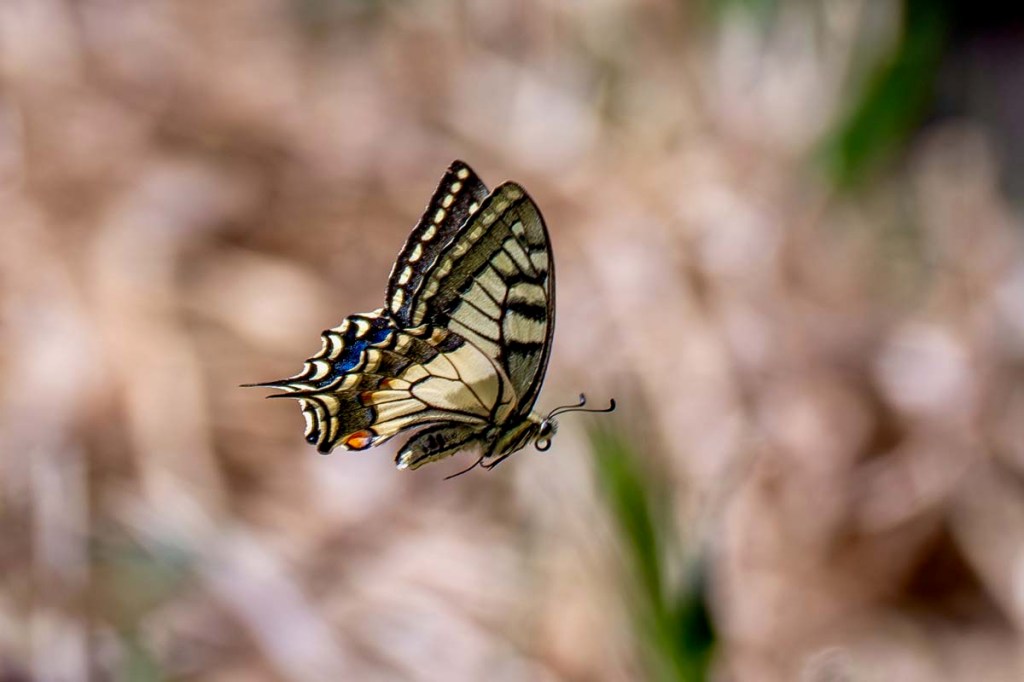
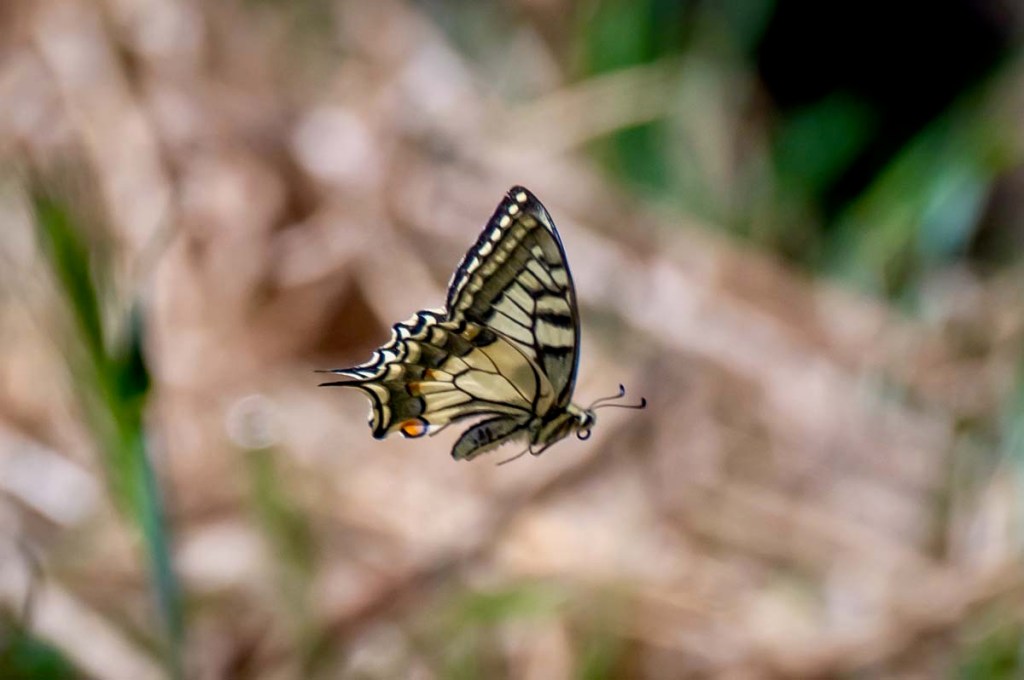
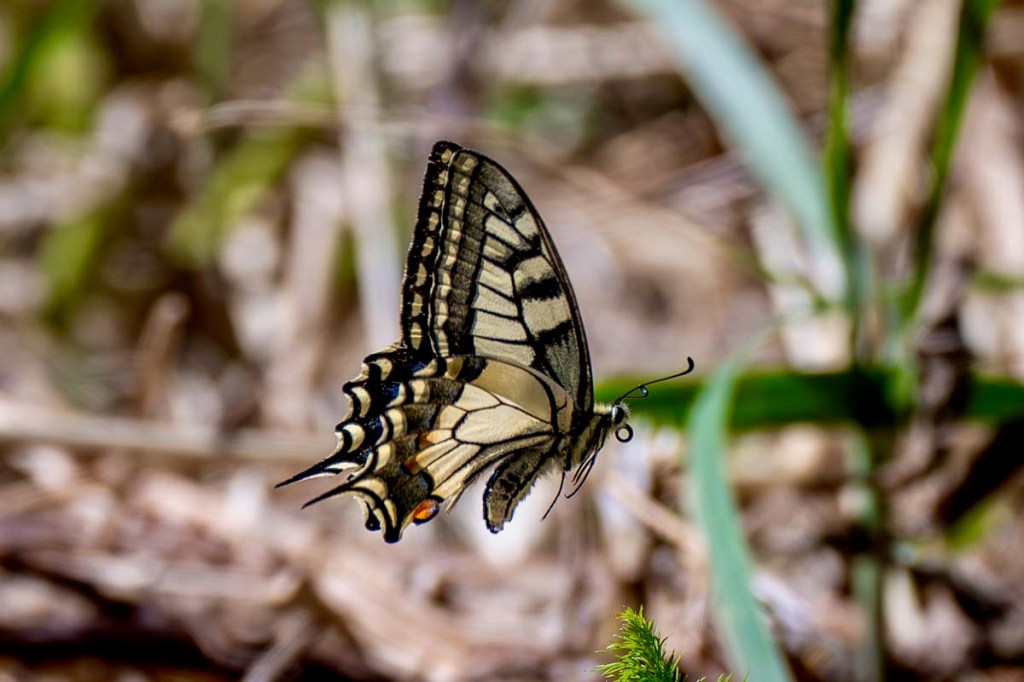
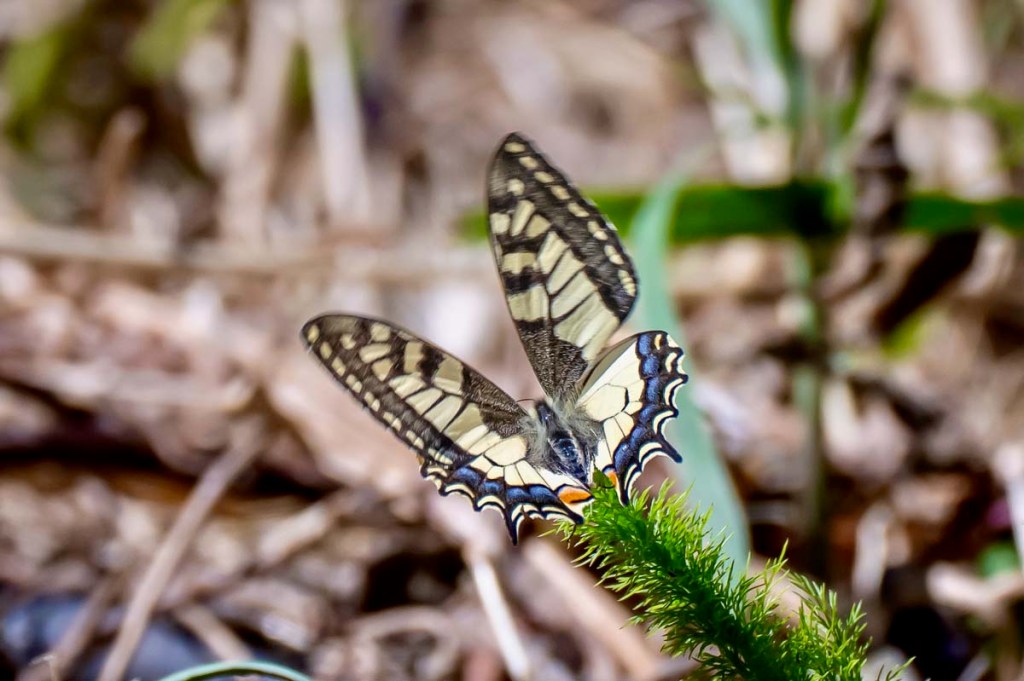
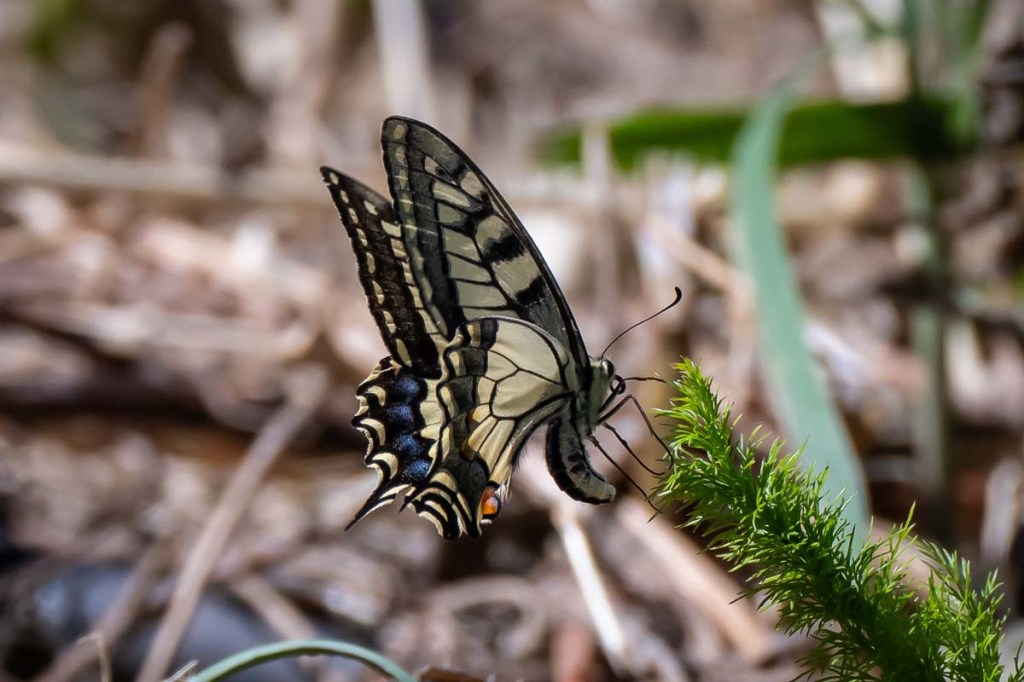
There was one very special moment when I managed to track a swallowtail butterfly for just over a minute and took a huge number of shots of it, mainly in flight. I am happy to share just a few of them with you in this blog.


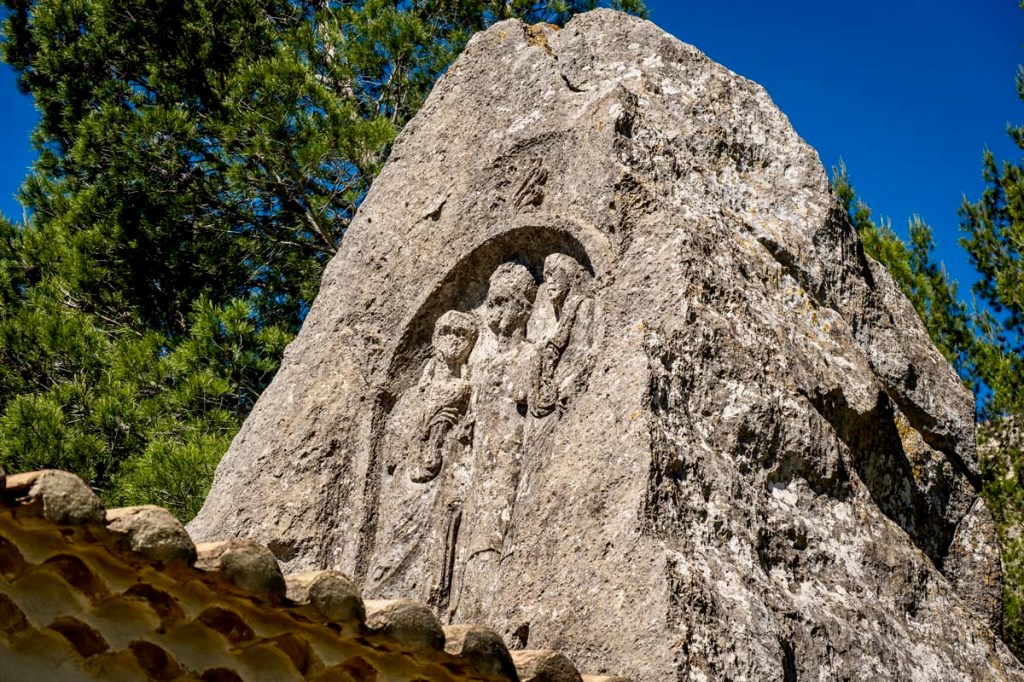
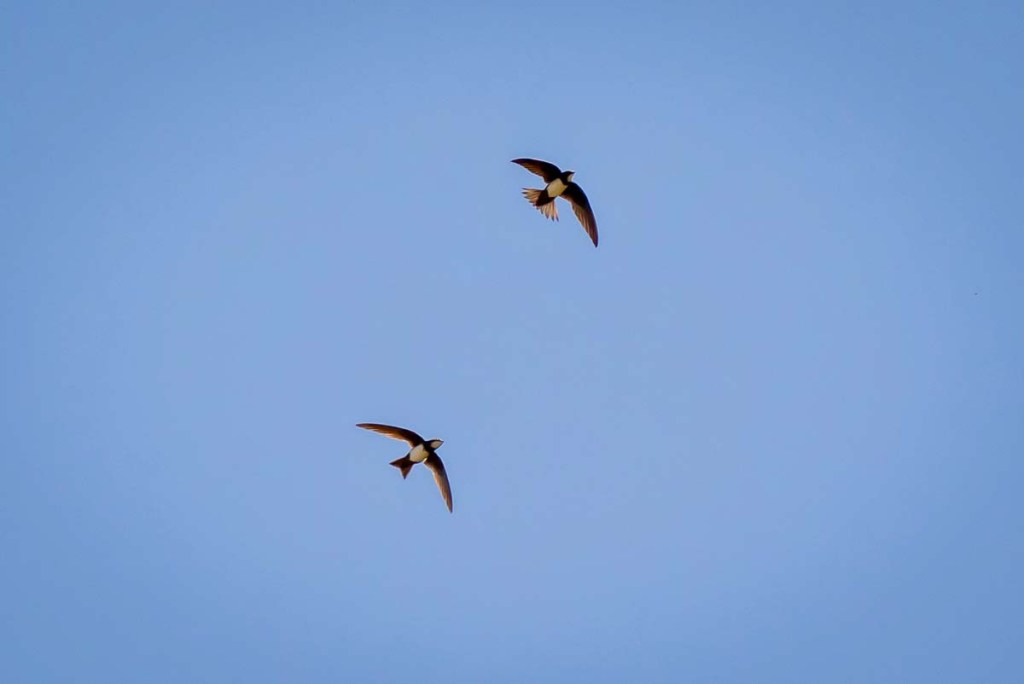

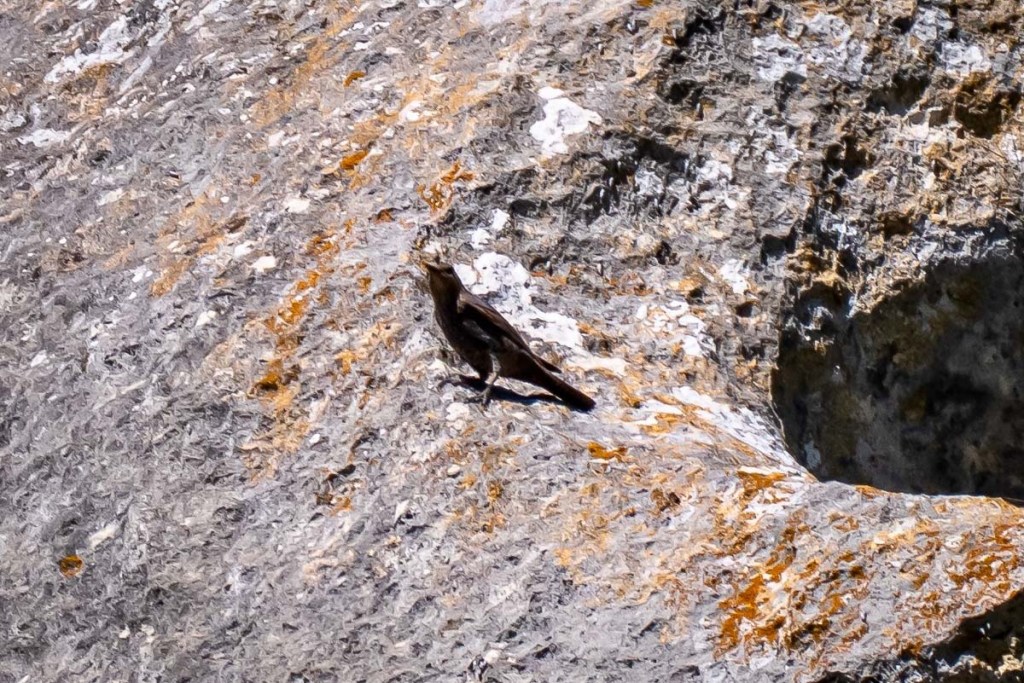
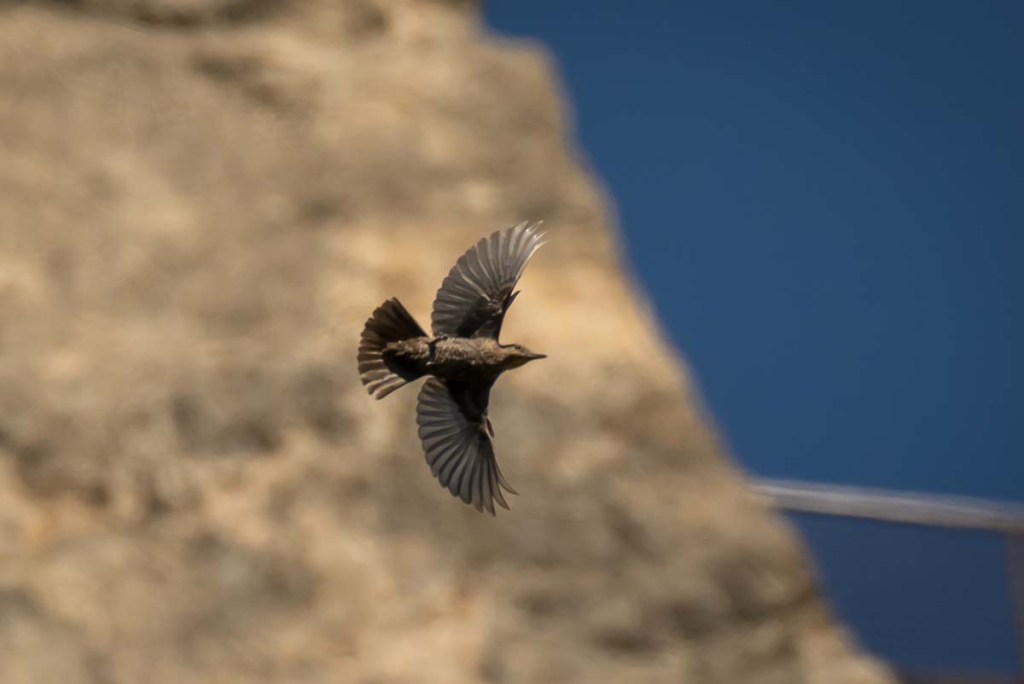






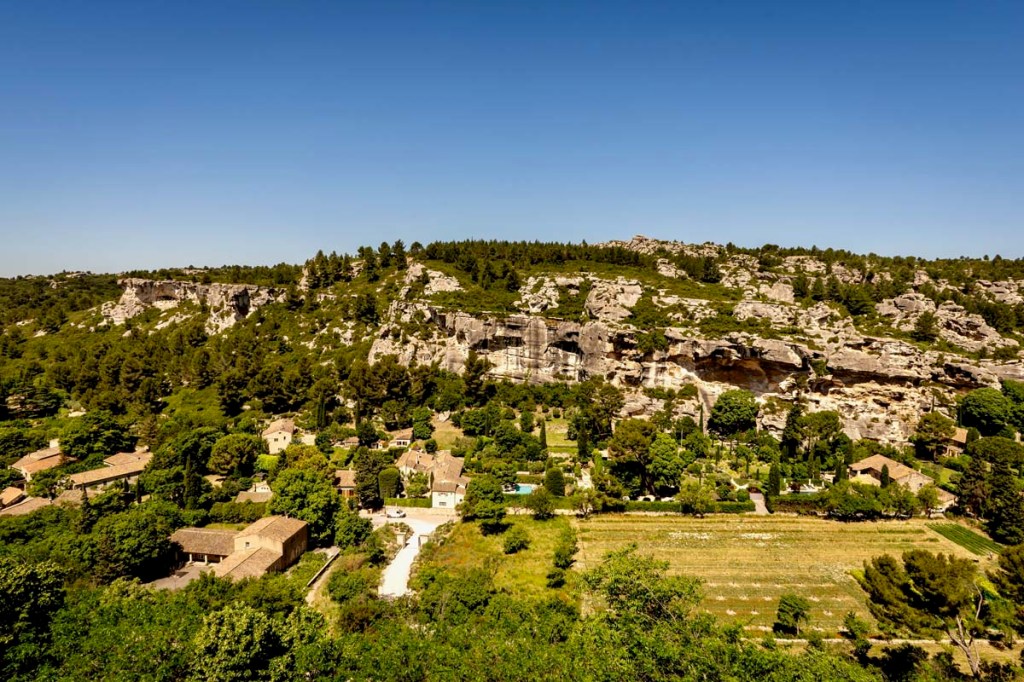
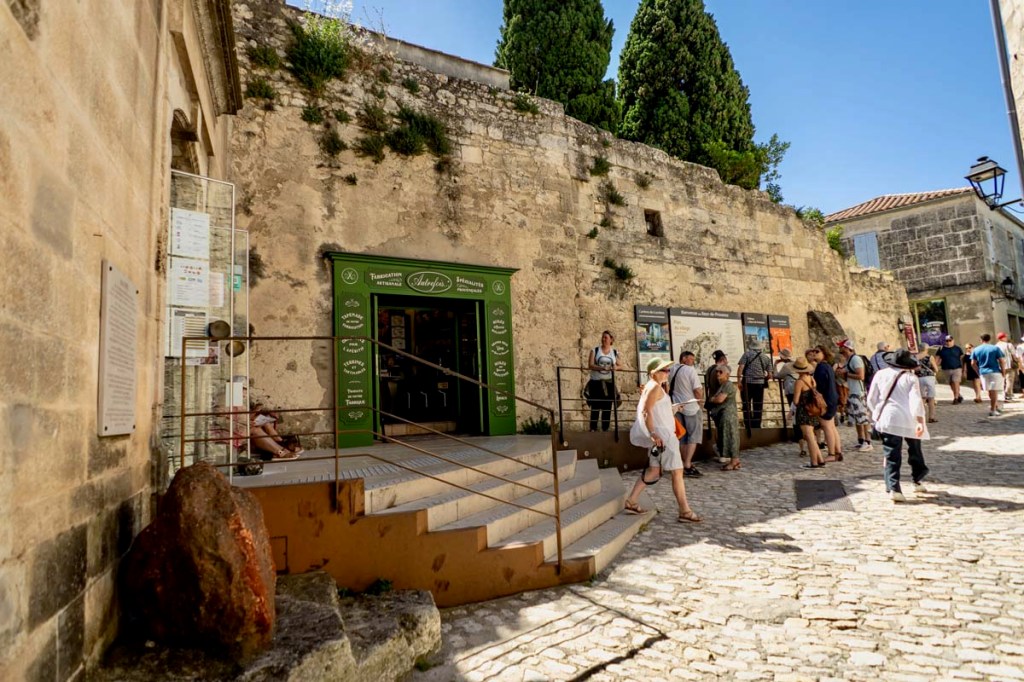

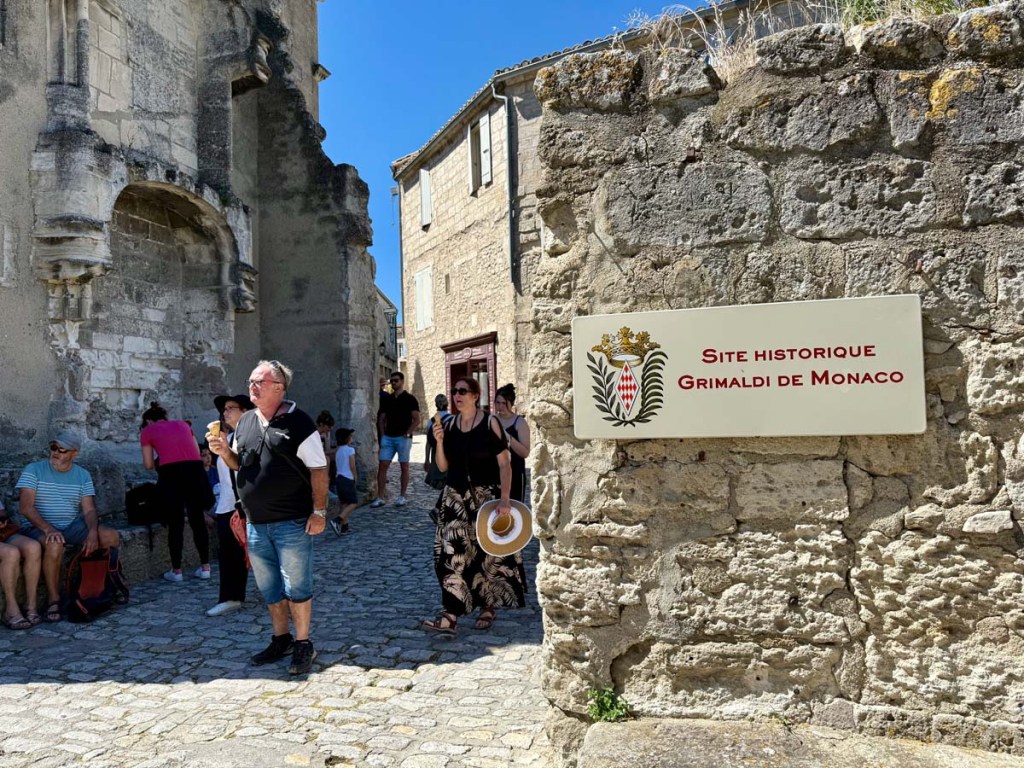
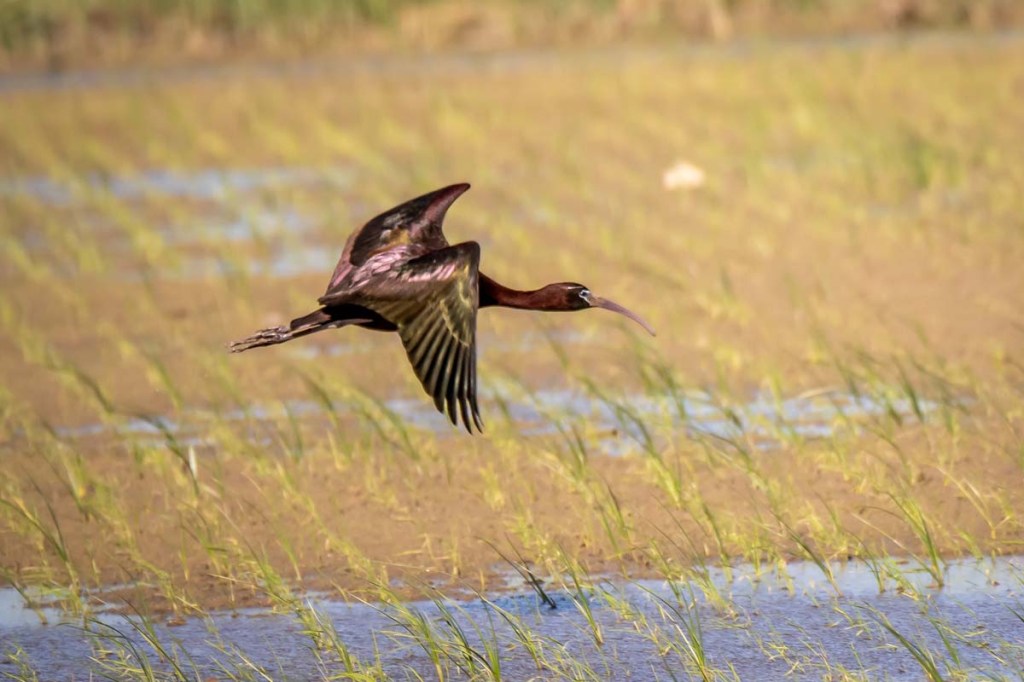
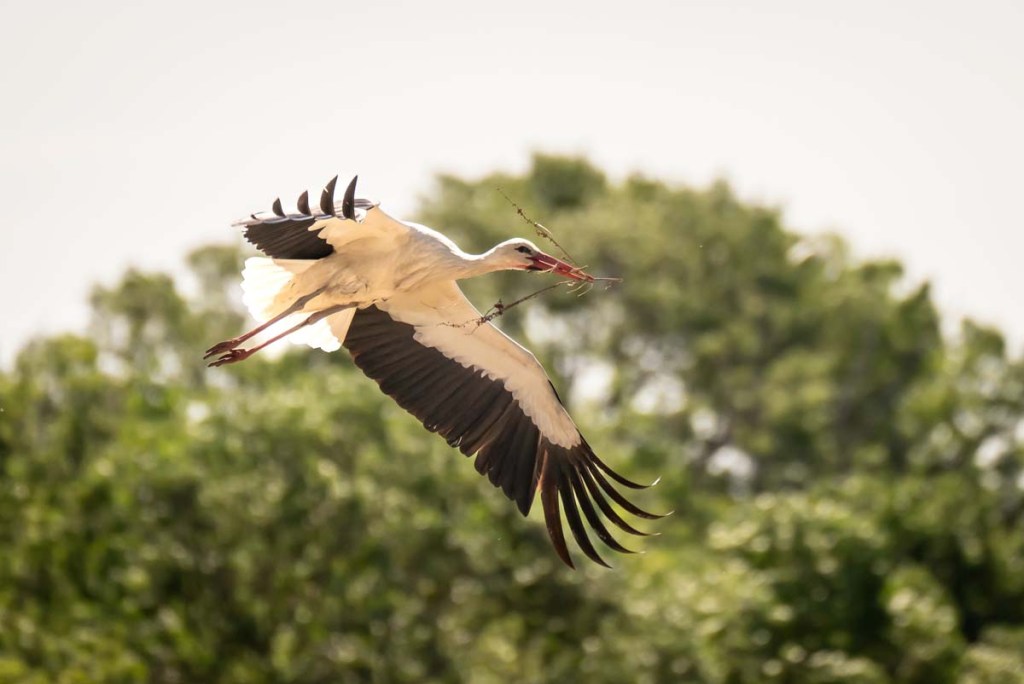
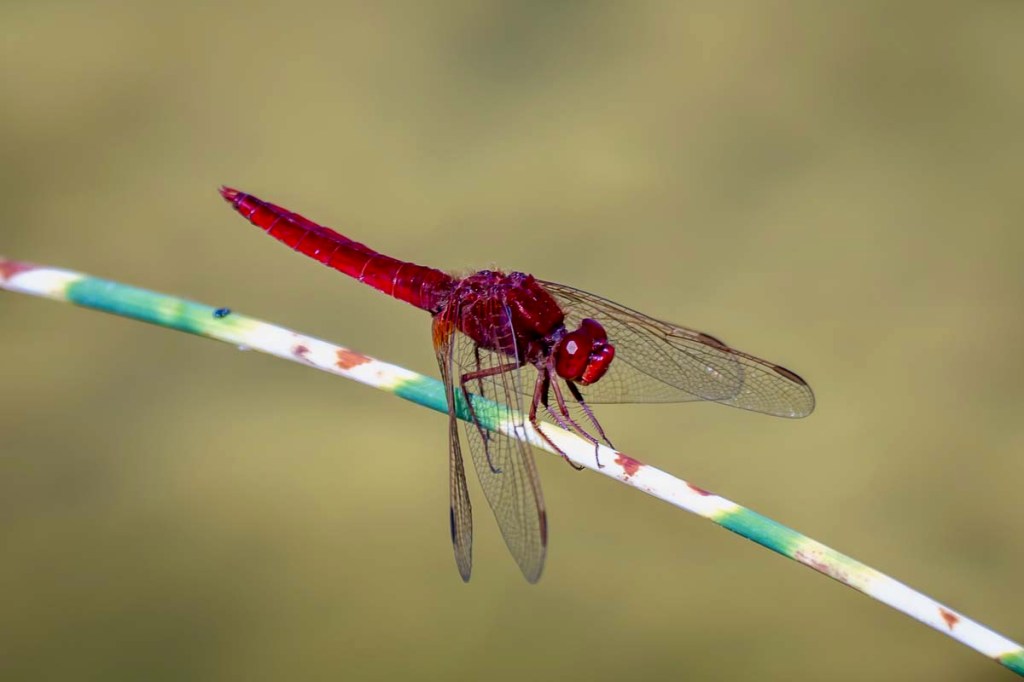
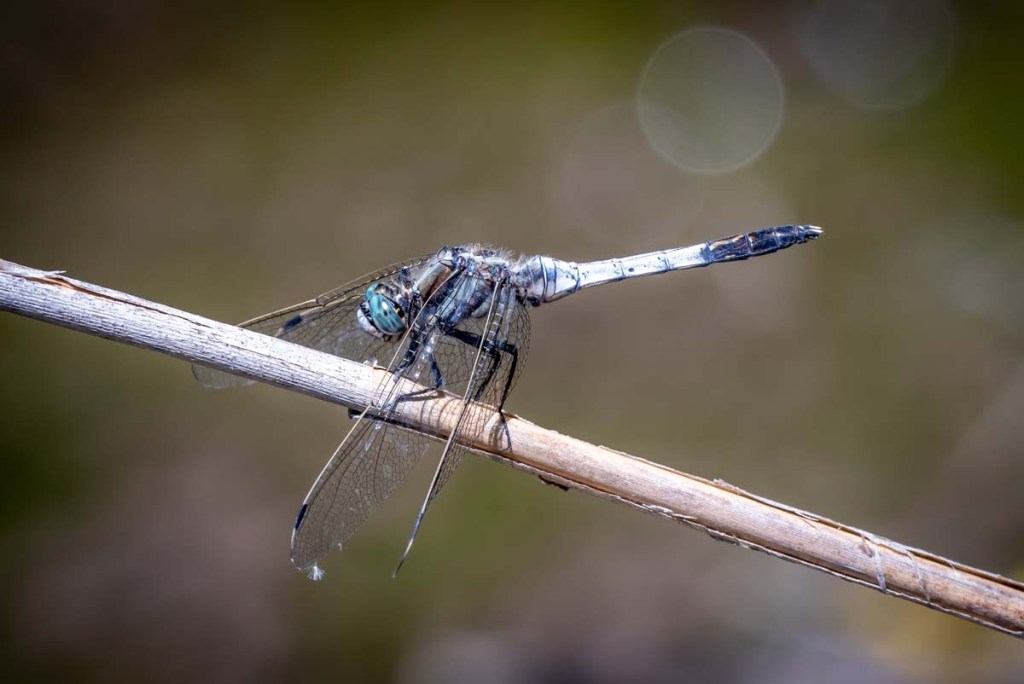
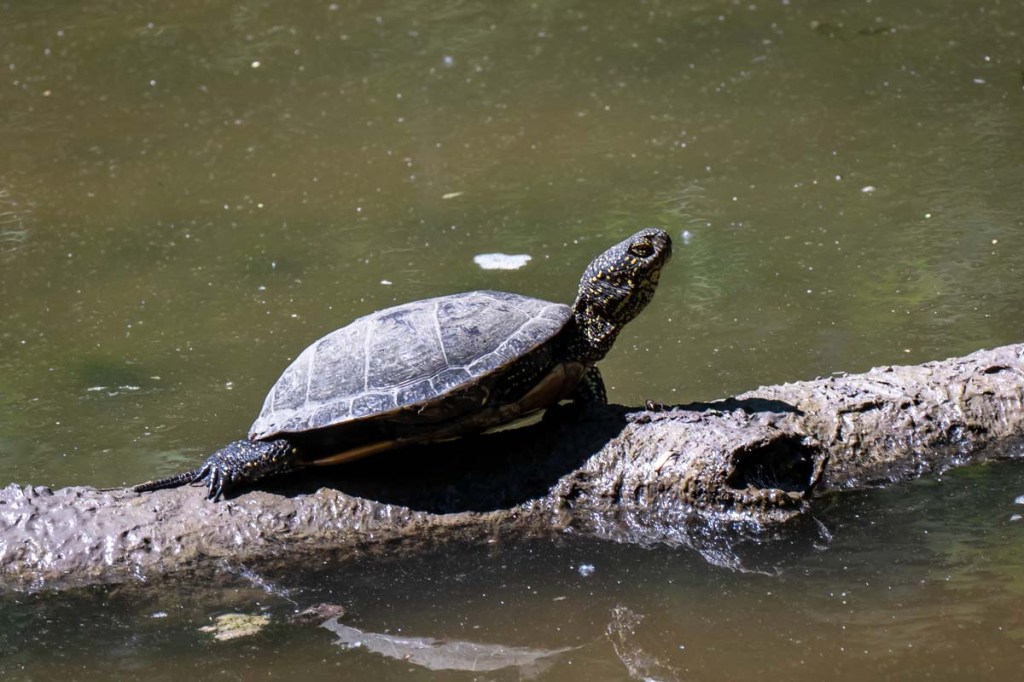
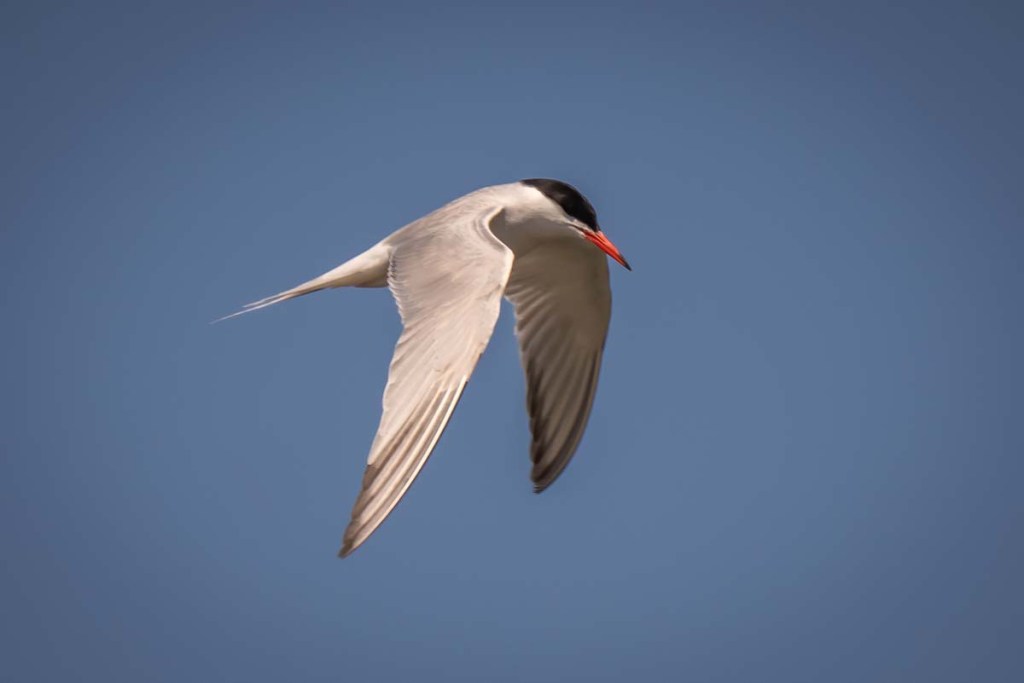
I am having such wonderful photographic opportunities on our trip to The Camargue that I am having limited time to edit photographs and record the narrative of our trip. So, just a few photos to give a taste of what a wonderful time we have been having in the last few days.