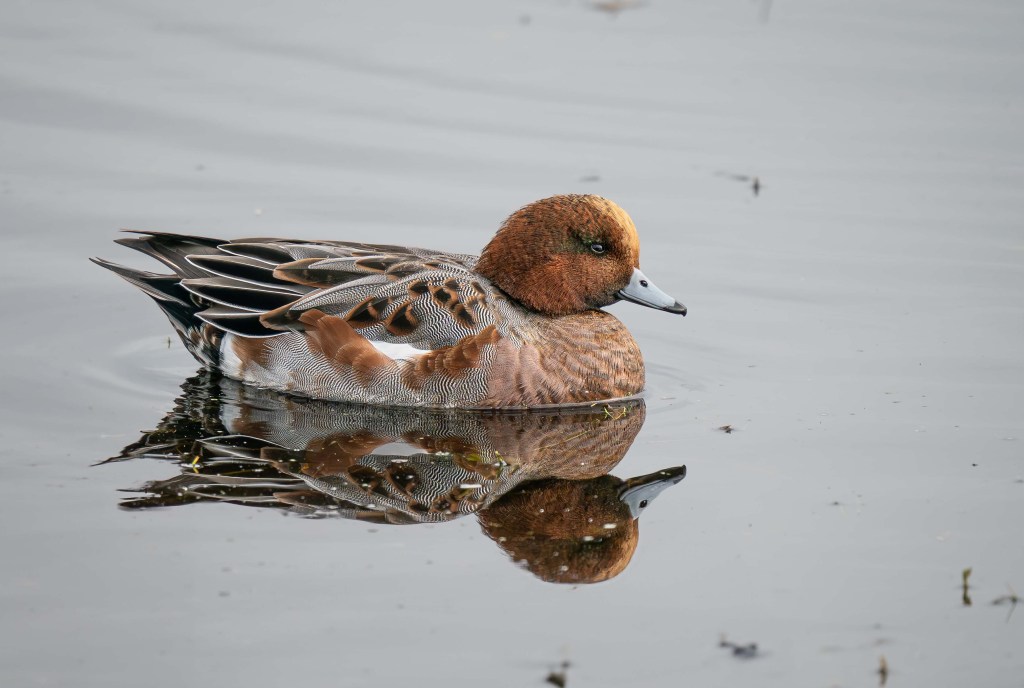
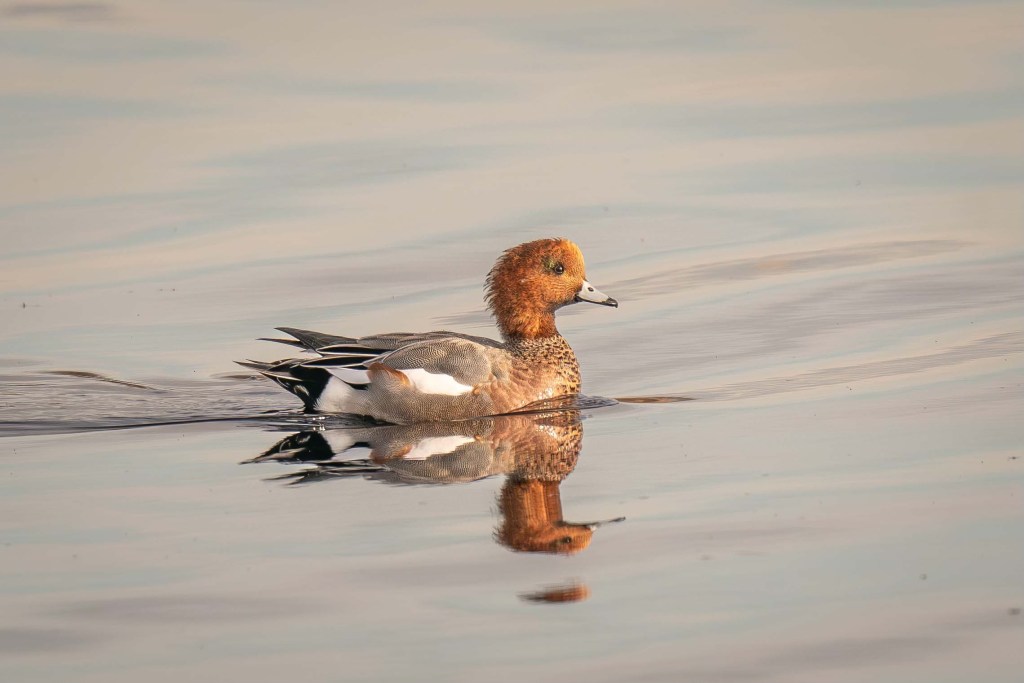
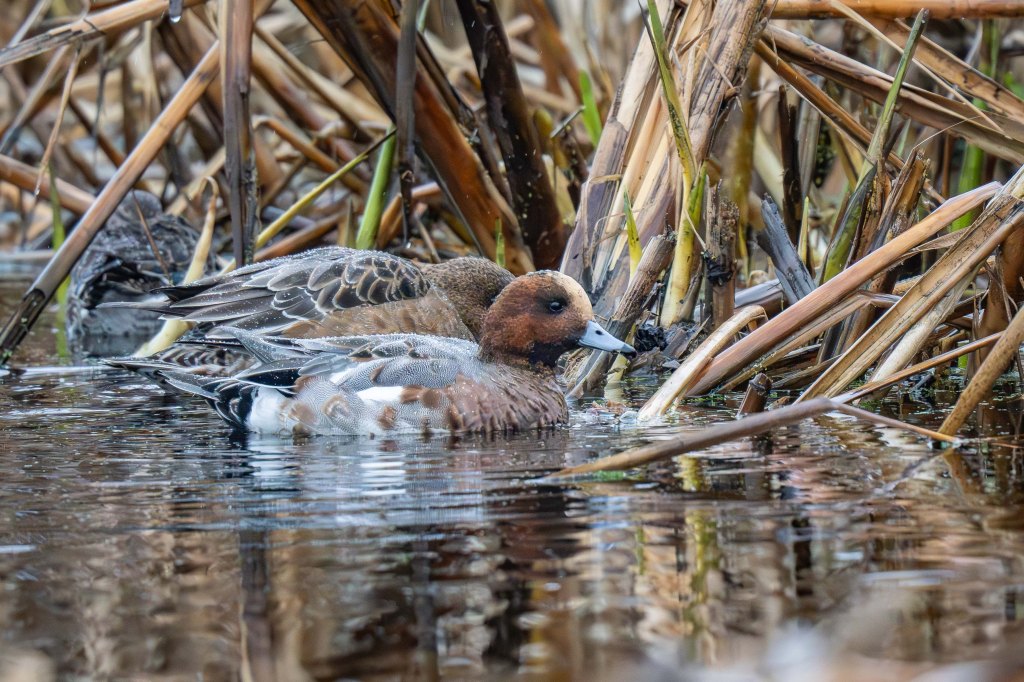
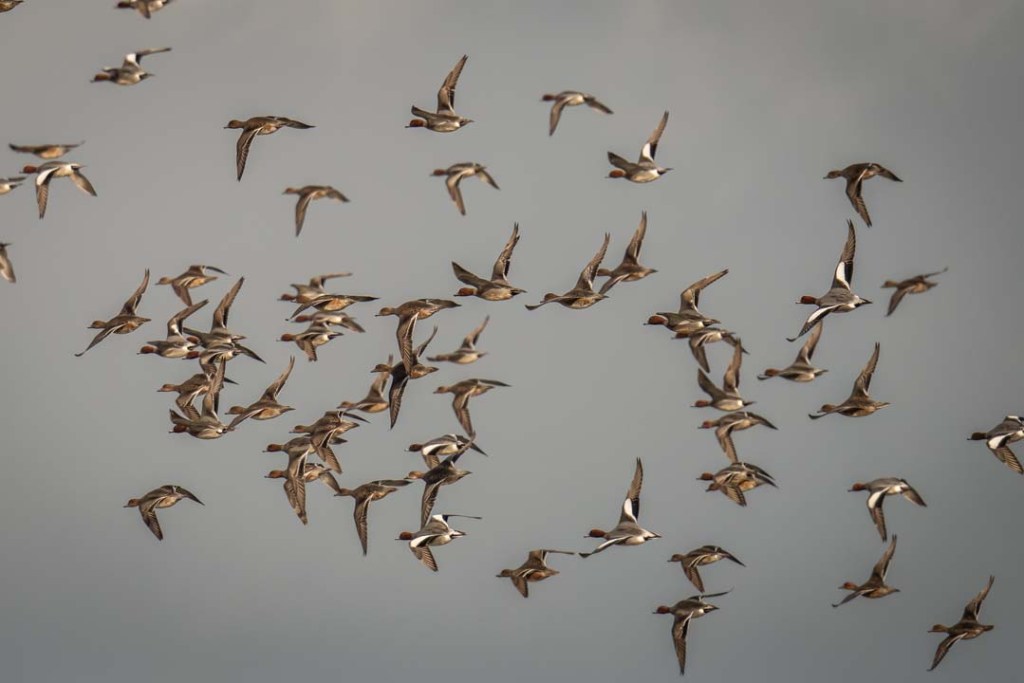
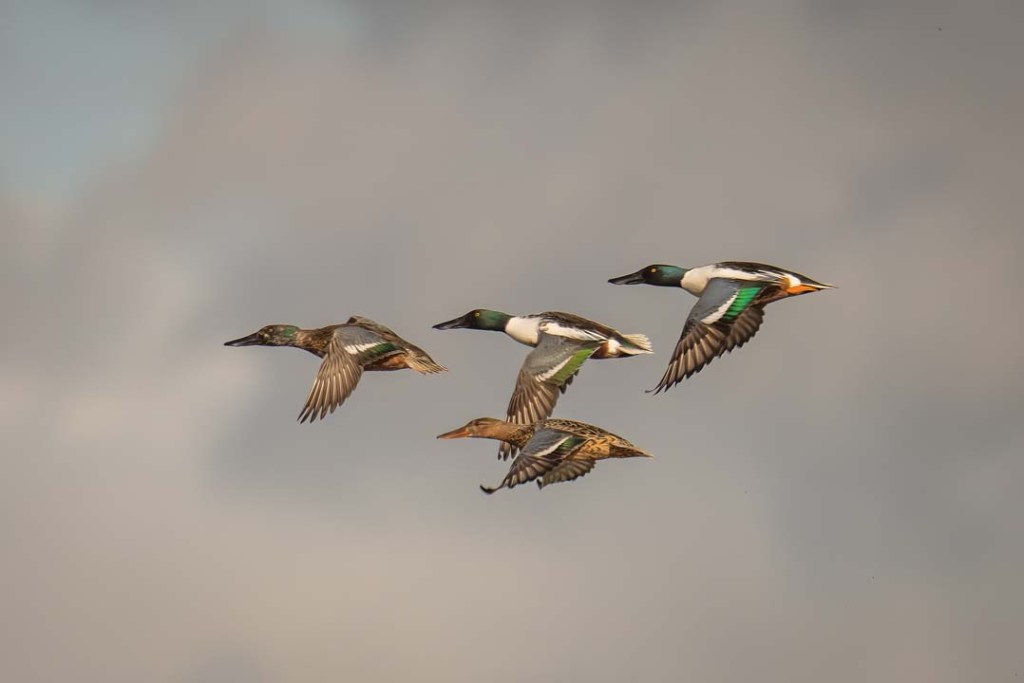
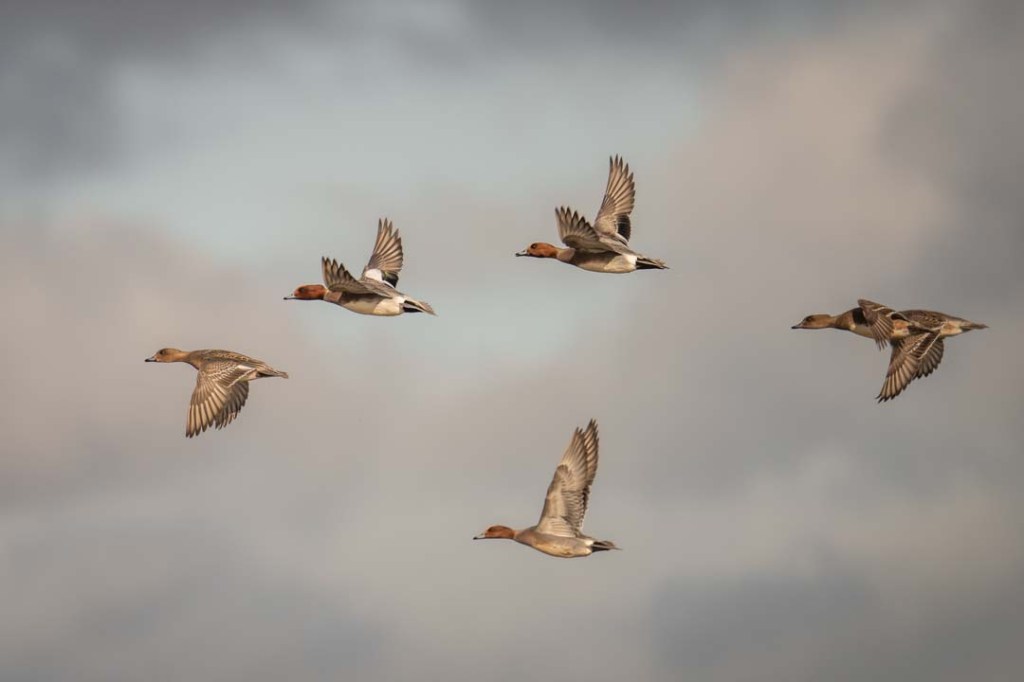
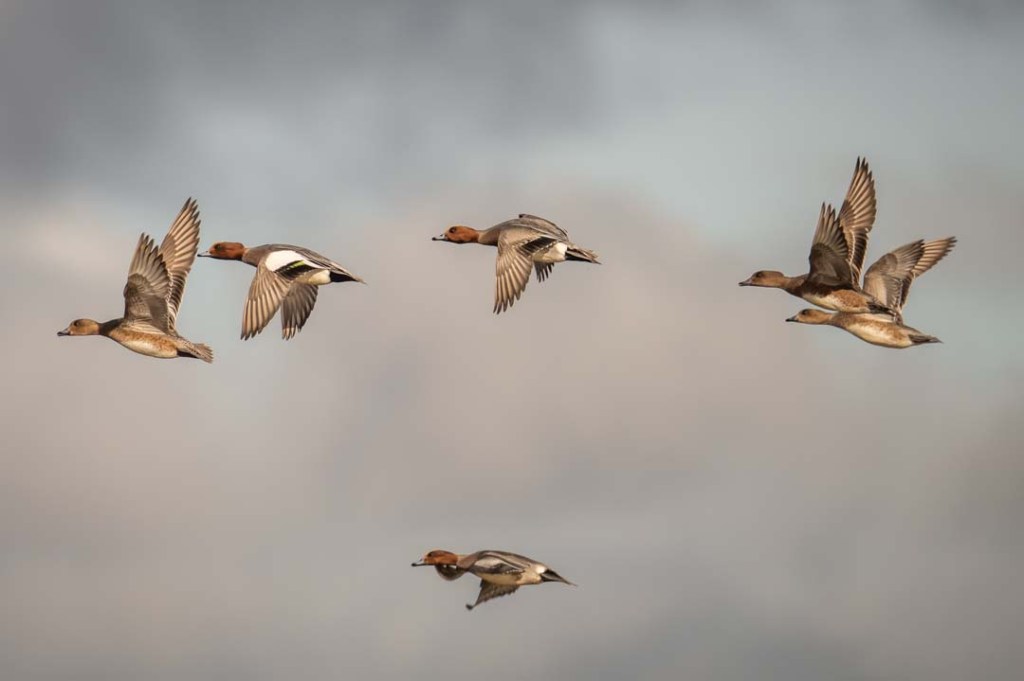
In autumn, Britain & Ireland receive vast numbers of wigeon from the breeding grounds located further north and this wintering population has increased significantly since 1983/84. The Wetland Bird Survey reveals a few widespread locations holding over 30,000 birds in winter.
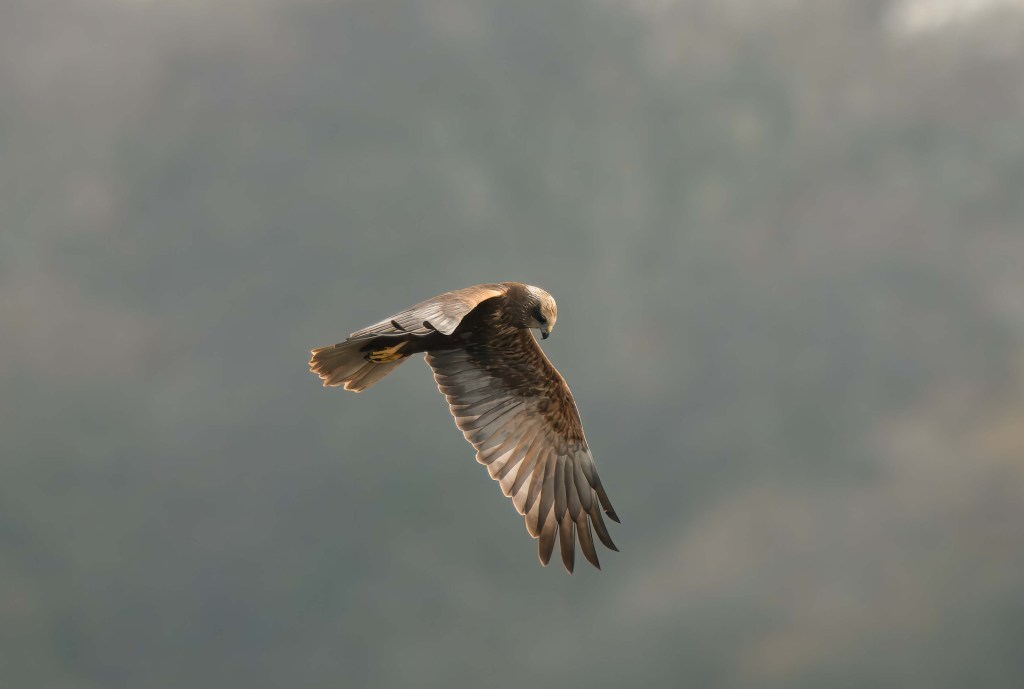
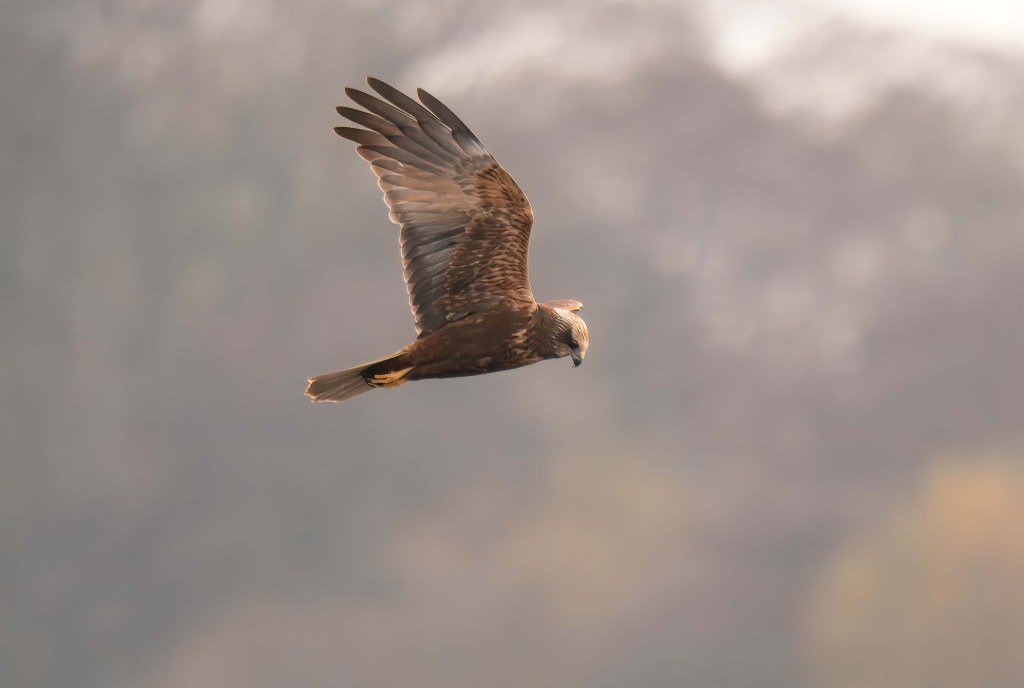
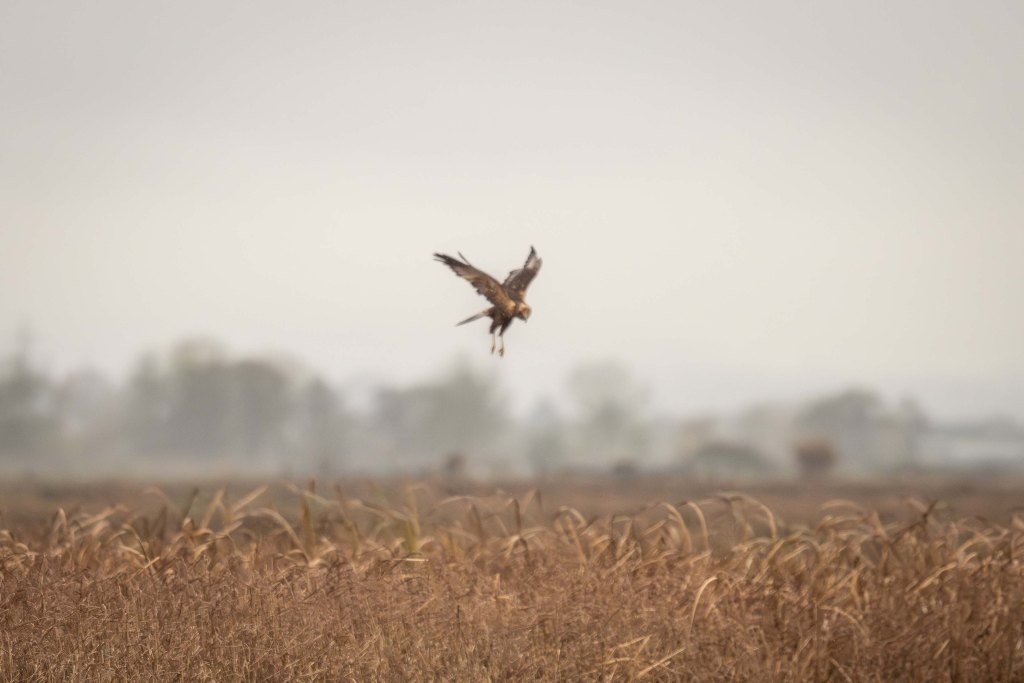
The vast majority of them must have been at Catcott today; or that’s how it seemed. Most of them seemed to be asleep when I arrived and not much disturbed them. There was the occasional distinctive whistle from them but not even a marsh harrier sent them up in a flock. Perhaps their tactic for survival was to remain still
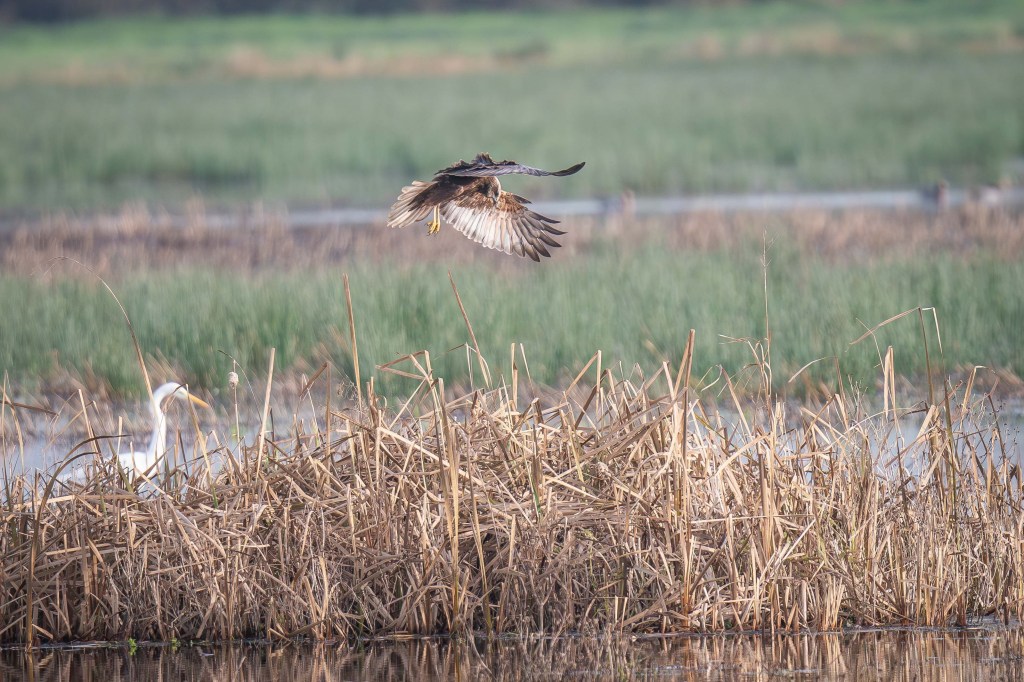
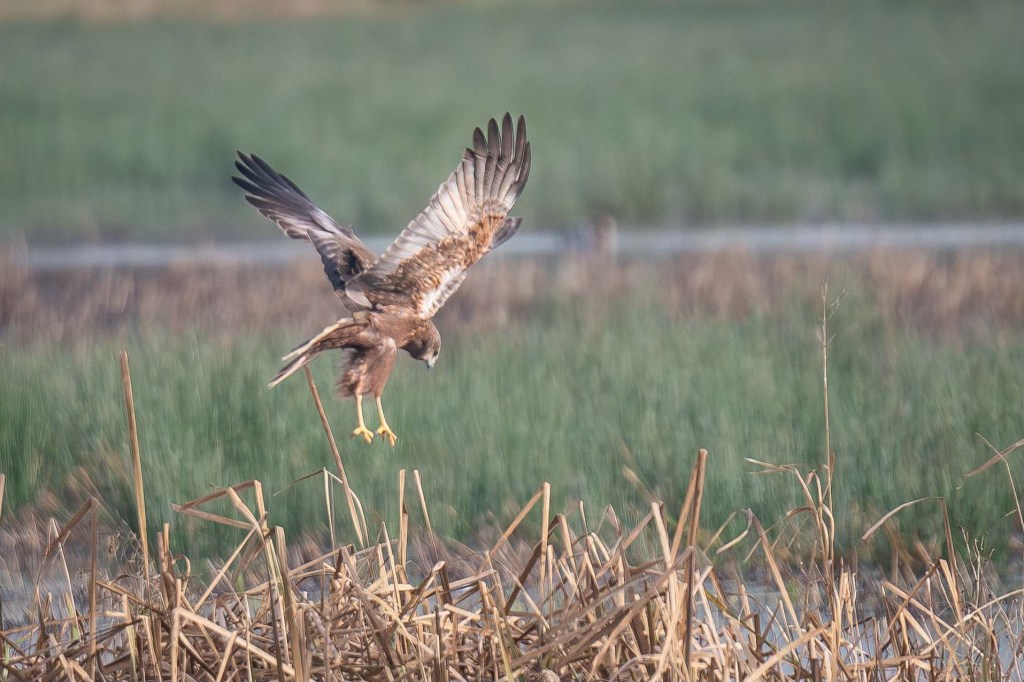
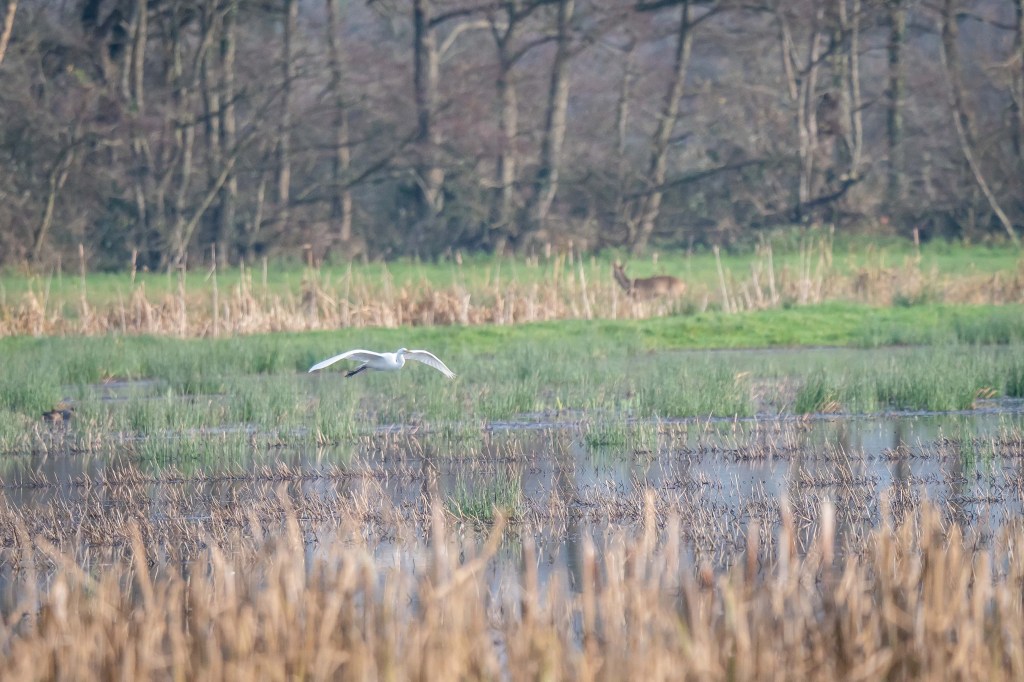
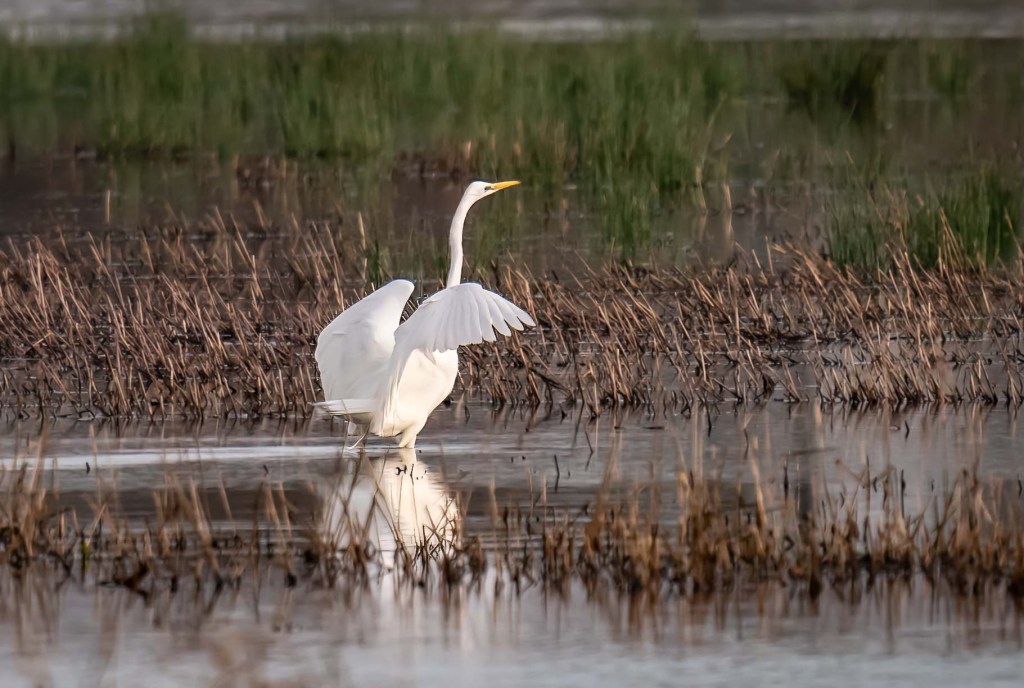
Eurasian wigeonEurasian wigeonEurasian wigeonMarsh harrierMarsh harrierMarsh harrierHad the marsh harrier spotted its prey or was this its resting place?Marsh harrierMarsh harrierGreat egret and marsh harrierThe great white egret found plenty to eat
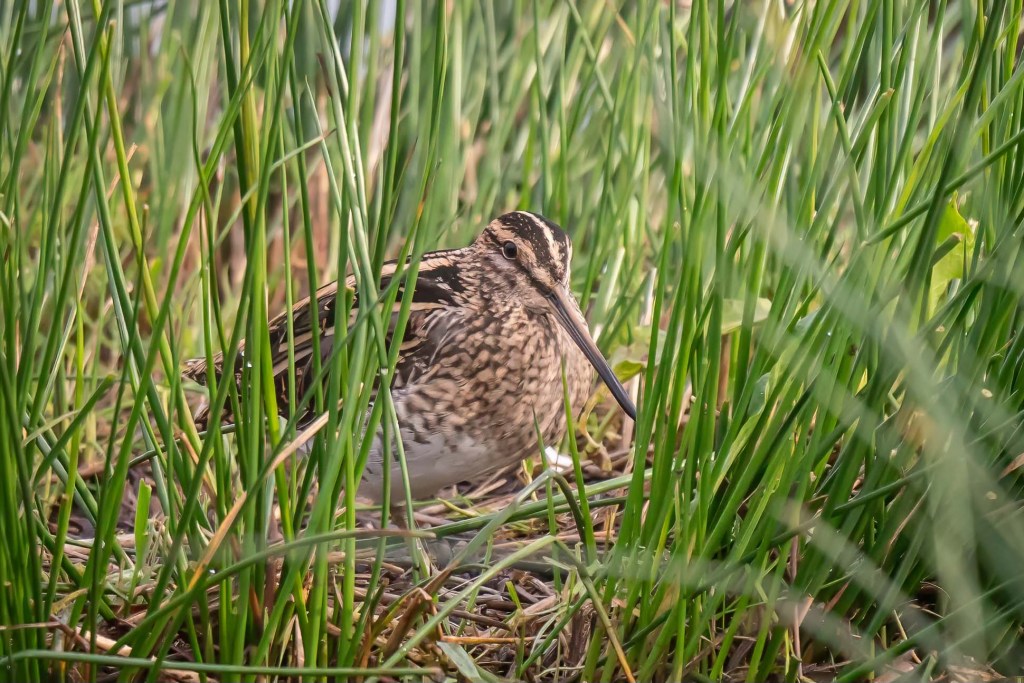
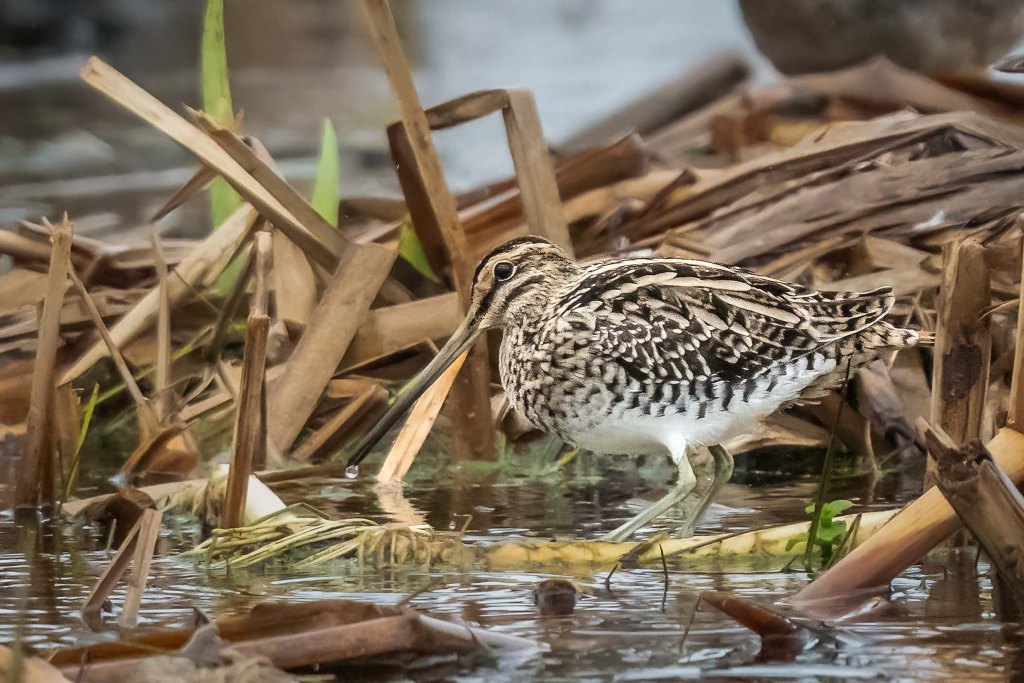
The only other spot from the hide was a common snipe which was visible for only a few moments before disappearing.
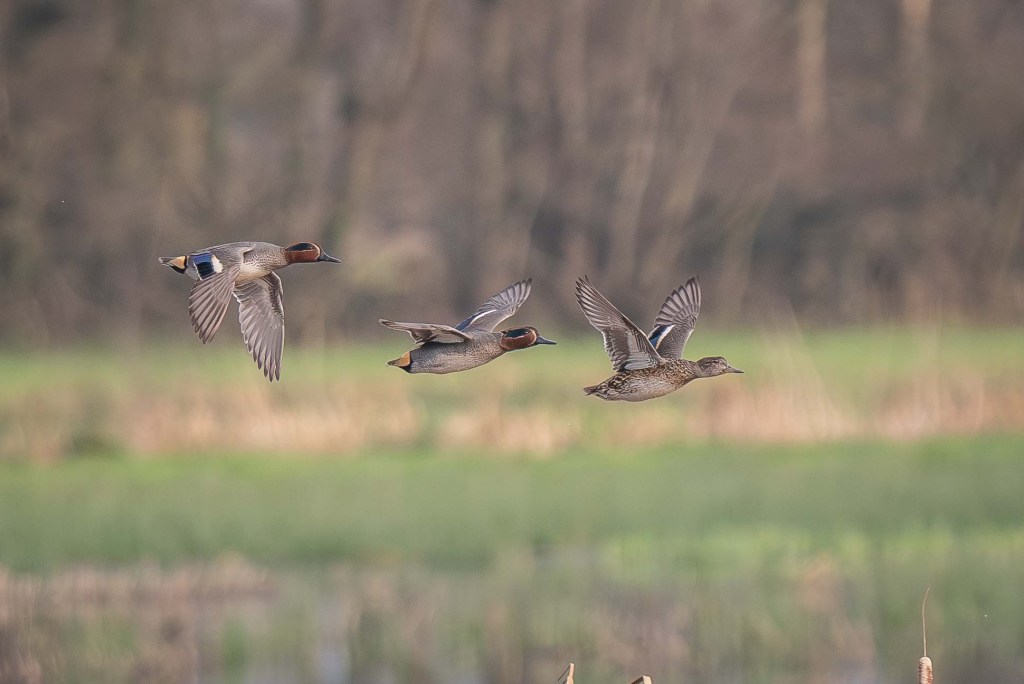
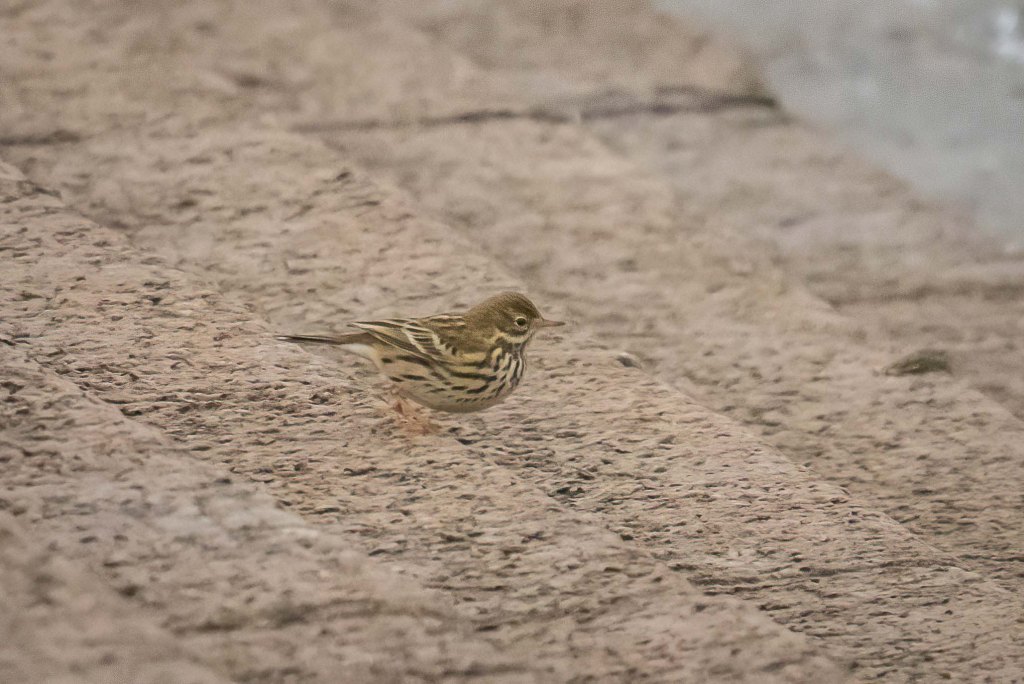
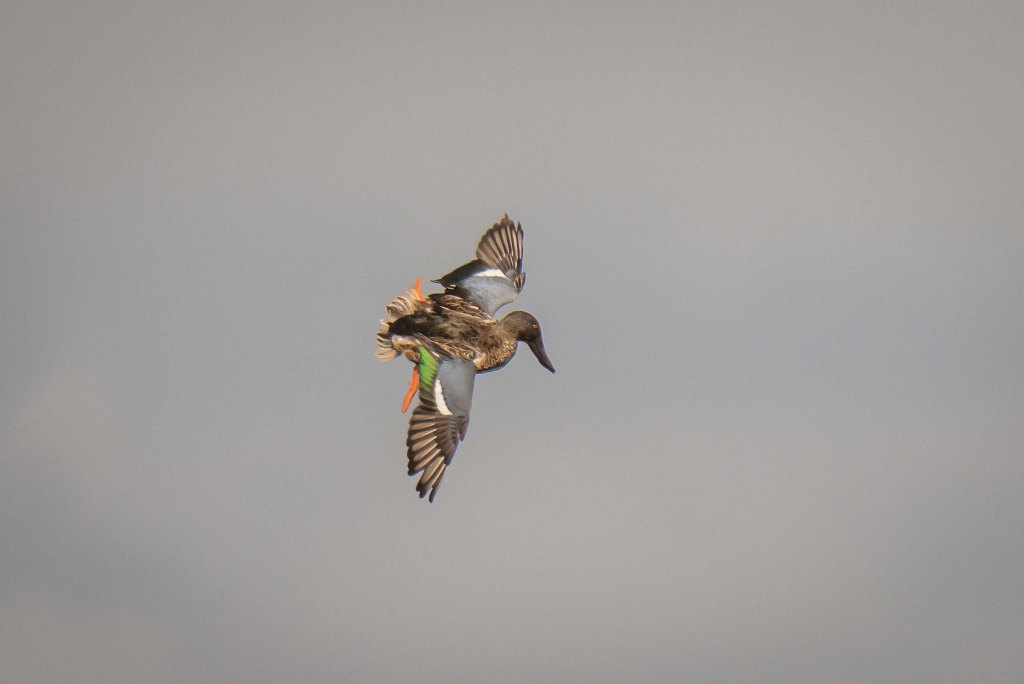
Common snipeCommon snipeHowever, the robin was not too secretiveA deer watched on as the great white egret arrivedGreat white egret landingTeal in flightAnother robin – posing againAnother great white egret fishing in a ditch as I leftMeadow pipit avoiding the danger of the barbed wire
Although there was snow forecast for north of Bristol and reasonable weather forecast for mid Somerset, I was disappointed to set off in rain and sleet. It didn’t rain all day but it was pretty miserable throughout; it was quite testing seeing birds and even more challenging photographing them.
I headed for Catcott Lows as there is a hide where you can park close by; but when I arrived I found it was closed as they were “managing” the trees on the lane leading to the hide. I continued further south to RSPB Greylake, a small reserve where, again, I wasn’t going to get drenched reaching the hides.
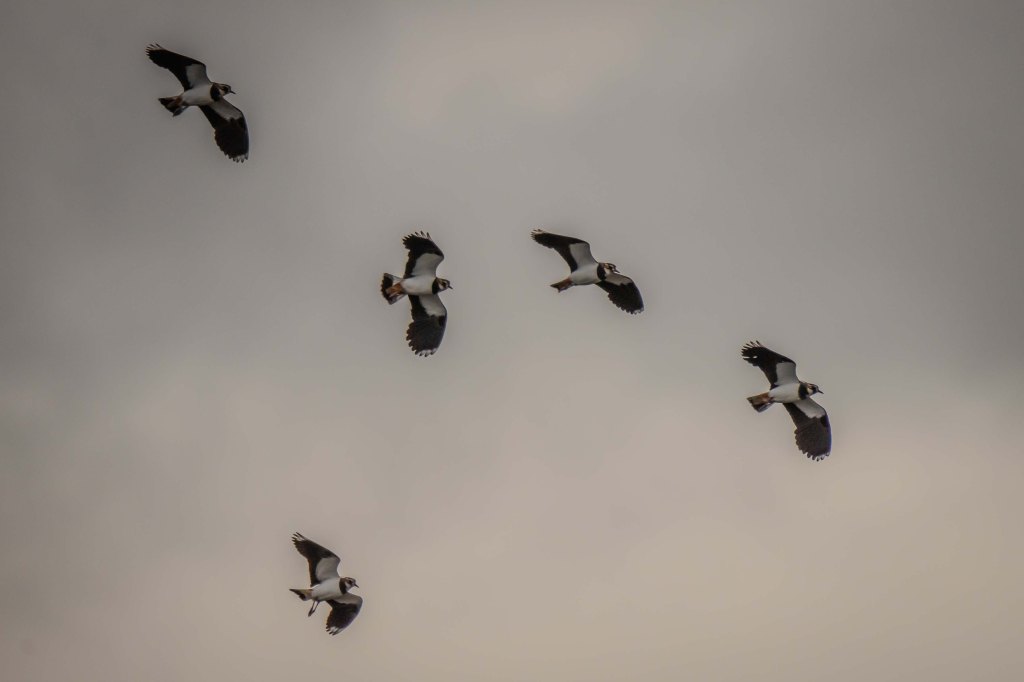
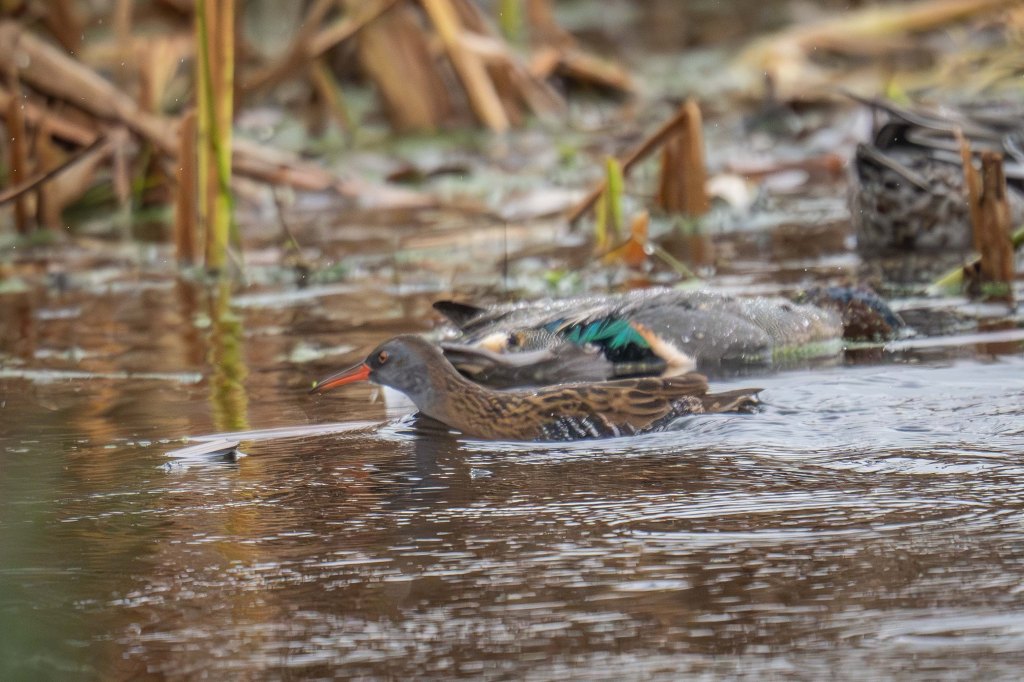
There were big numbers of lapwing, wigeon and teal. Best of all there were quite a few snipe close to the hide, a water rail and an occasional marsh harrier.
WigeonTealLapwingCommon snipeSnipeMarsh harrierMarsh harrierMarsh harrierLapwingCommon snipeWater railTeal and snipeWigeon
On the way home I saw large numbers of little egrets and cattle egrets in the fields. Also, large numbers of starling were congregating and I thought it was a shame I couldn’t stay later to see the magnificent sight of the murmurations before they roost. But there again, I don’t think the views would have been too wonderful as the bad weather set in again and the light would have been very poor.
Cattle egret
I stopped very briefly at Cheddar Reservoir where I saw large numbers of pochard. I certainly didn’t stay long as it was only 2 degrees centigrade and definitely felt much colder with the wind blowing off the water.
PochardMeadow pipitGrey wagtail looking as cold as I felt
There were the first glimpses of the sun for over a week as we started our walk around the park this morning. However, it was only a teaser and it didn’t last long. We are promised better tomorrow.
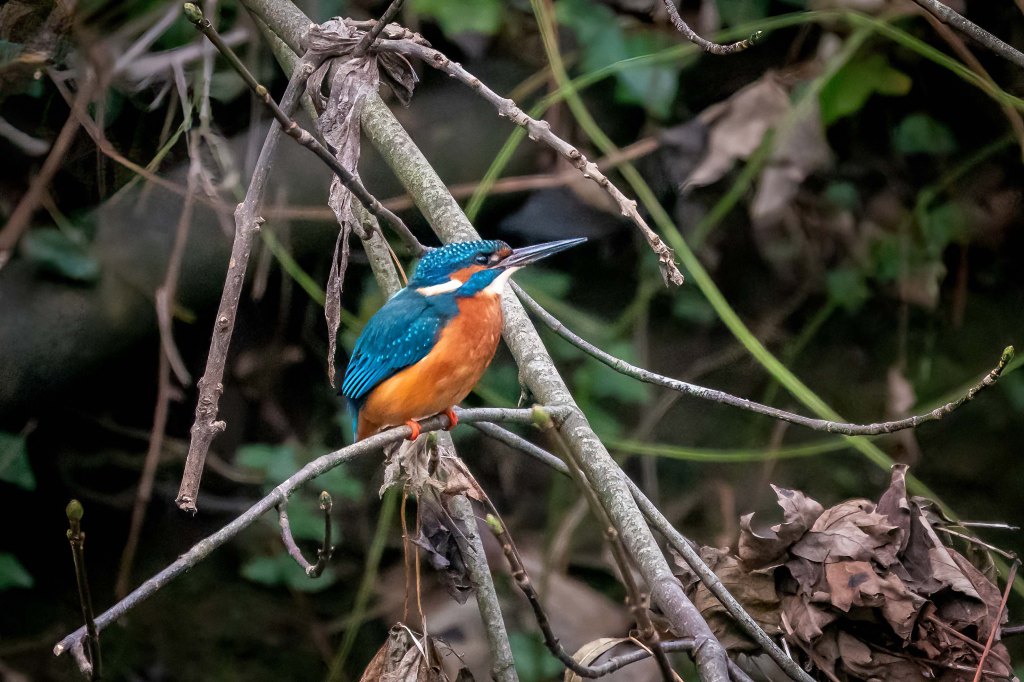
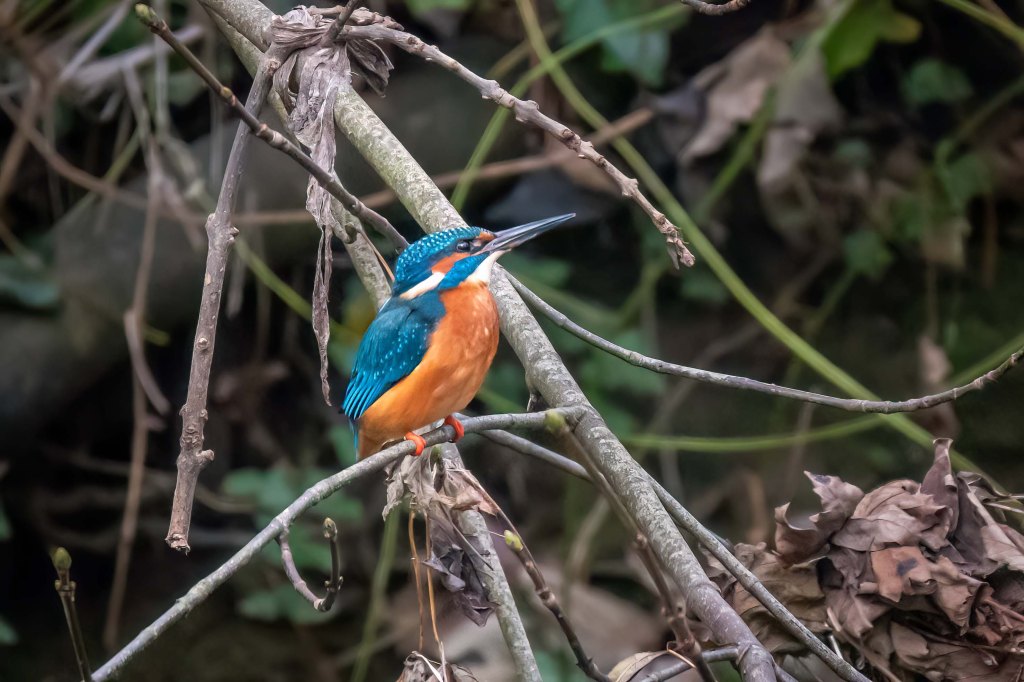
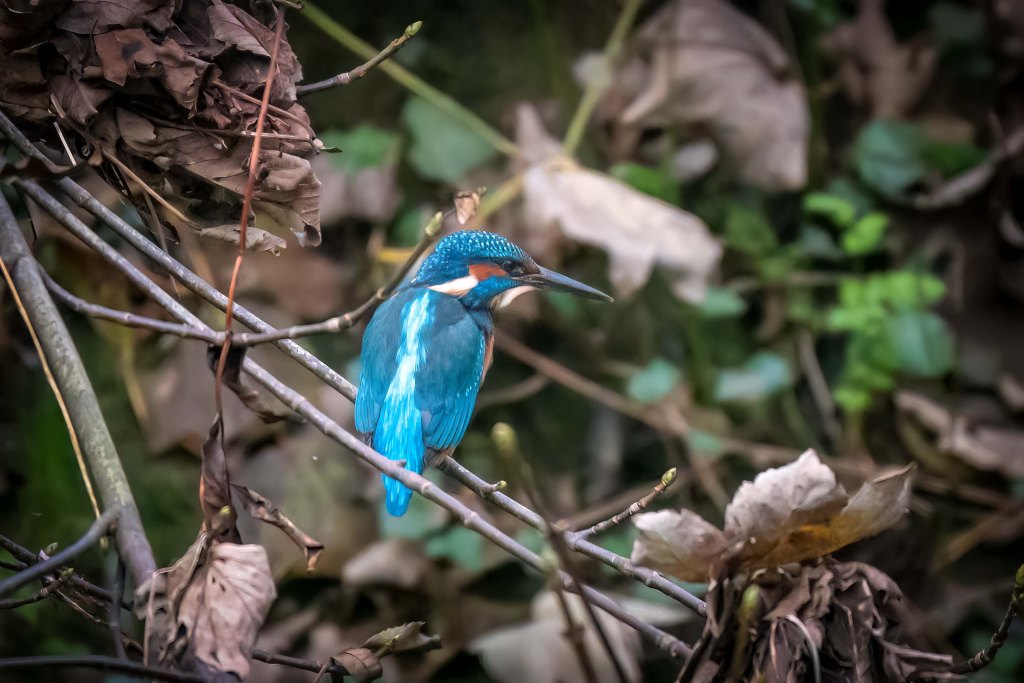
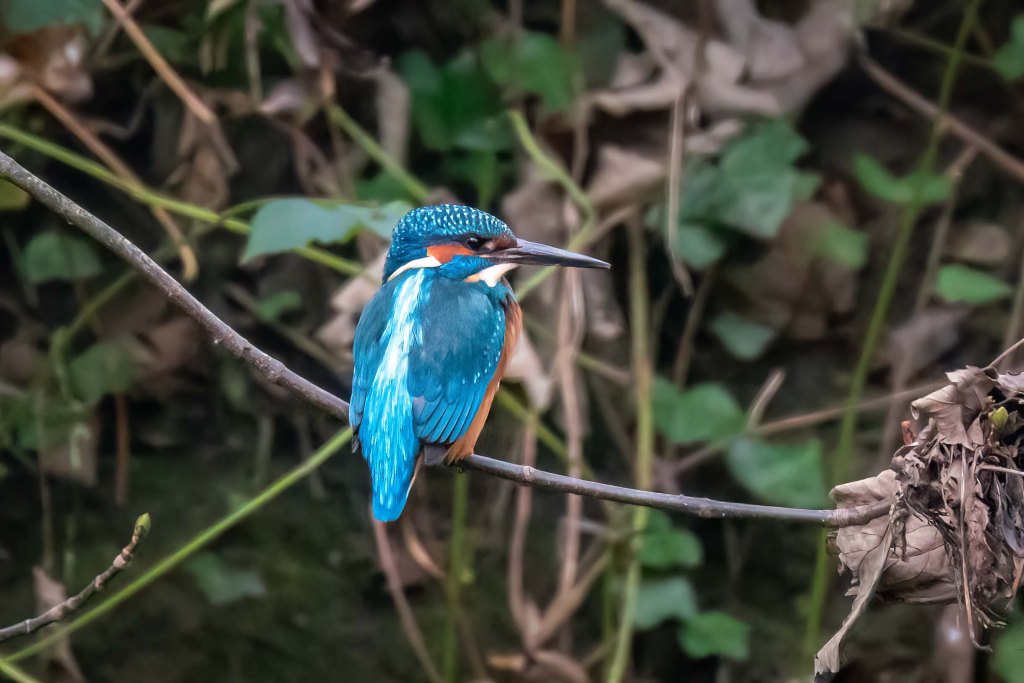
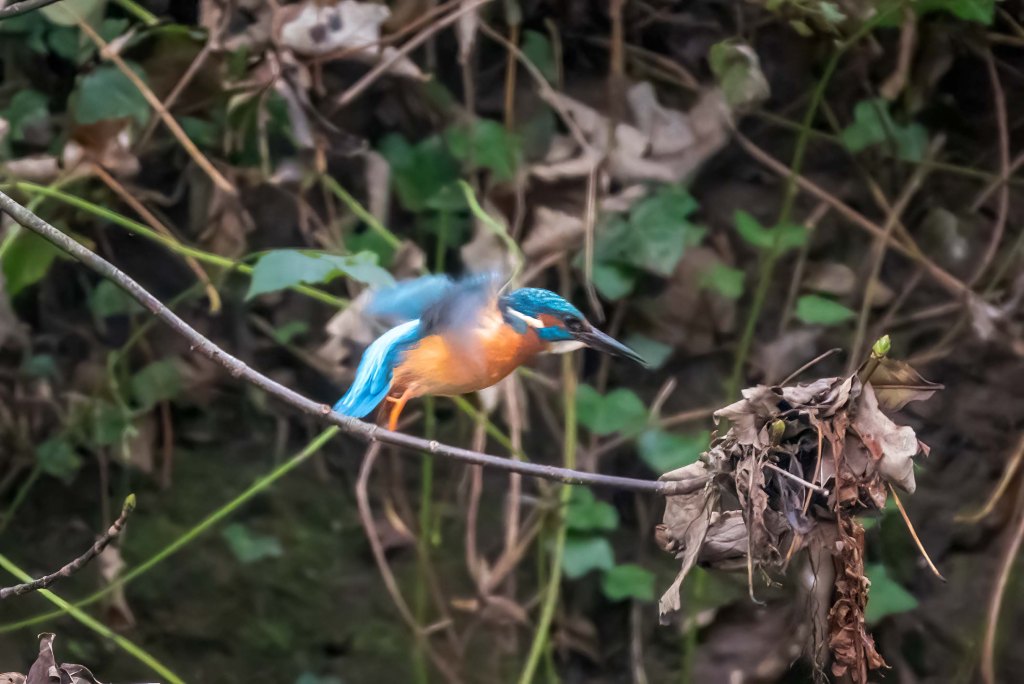
No sun maybe, but there were flashes of brightness throughout our walk as we had several sightings of the magnificent kingfisher. Firstly, we saw one flying along the River Frome west to east, and then two together flying from east to west. Then closer to the park there was one perching and posing.
KingfisherKingfisherKingfisher… and away.
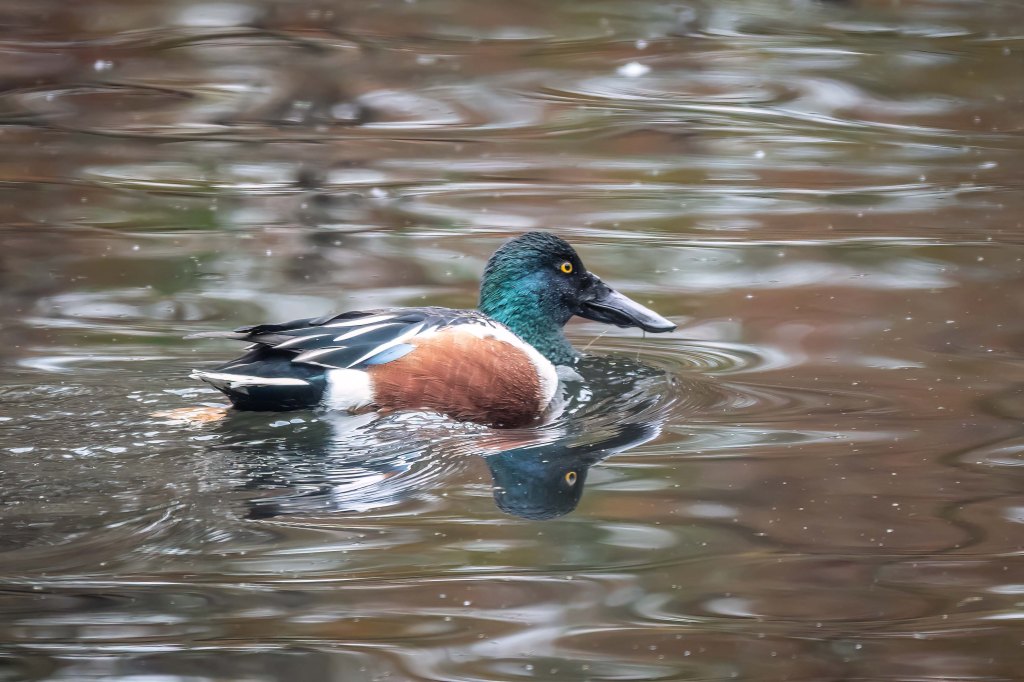
There was a newcomer to the lake as a northern shoveler seems to have taken up residence.
Northern shovelerNorthern shoveler
However there are always plenty of gulls resident and today we saw lesser black-backed and black-headed.
Lesser black-backed gullBlack-headed gull
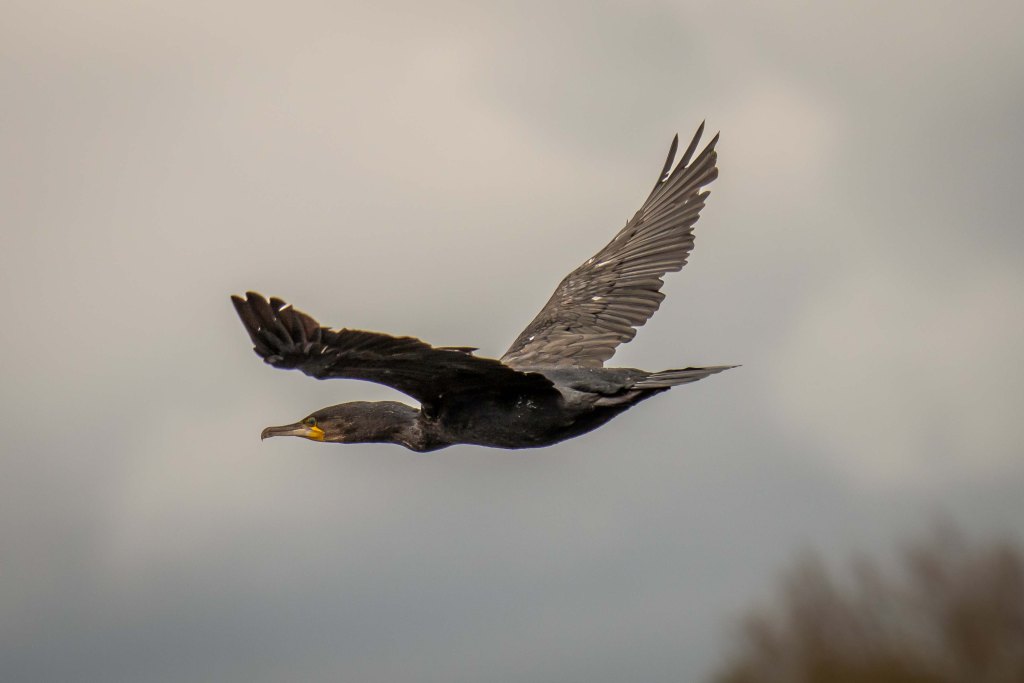
There always seem to be plenty of cormorants at the lake. The fish stocks must be pretty low by now.
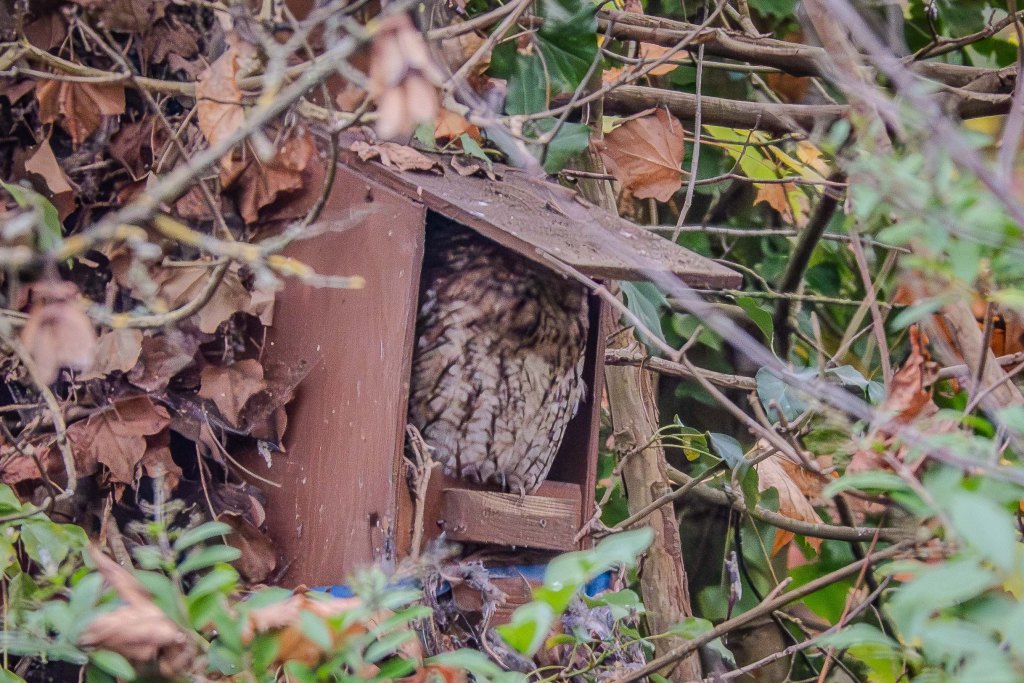
CormorantCormorant drying its wings ready for take offThe tawny owl was visible ut not so easy to see today
Other birds were available …
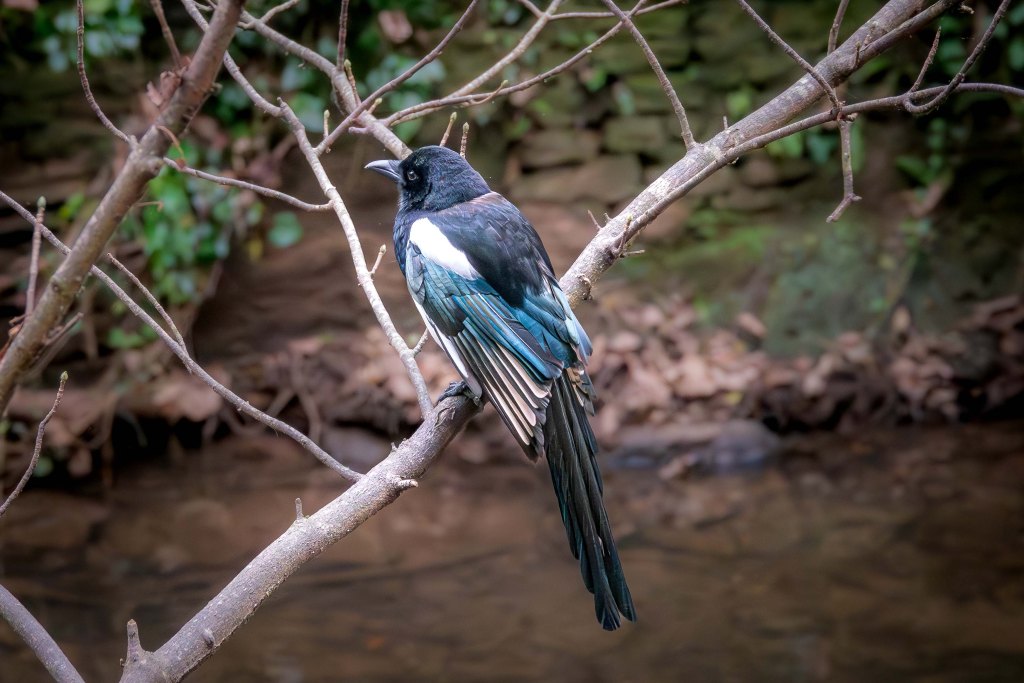
Carrion crowNo sunshine but the colours of the magpie were still apparent
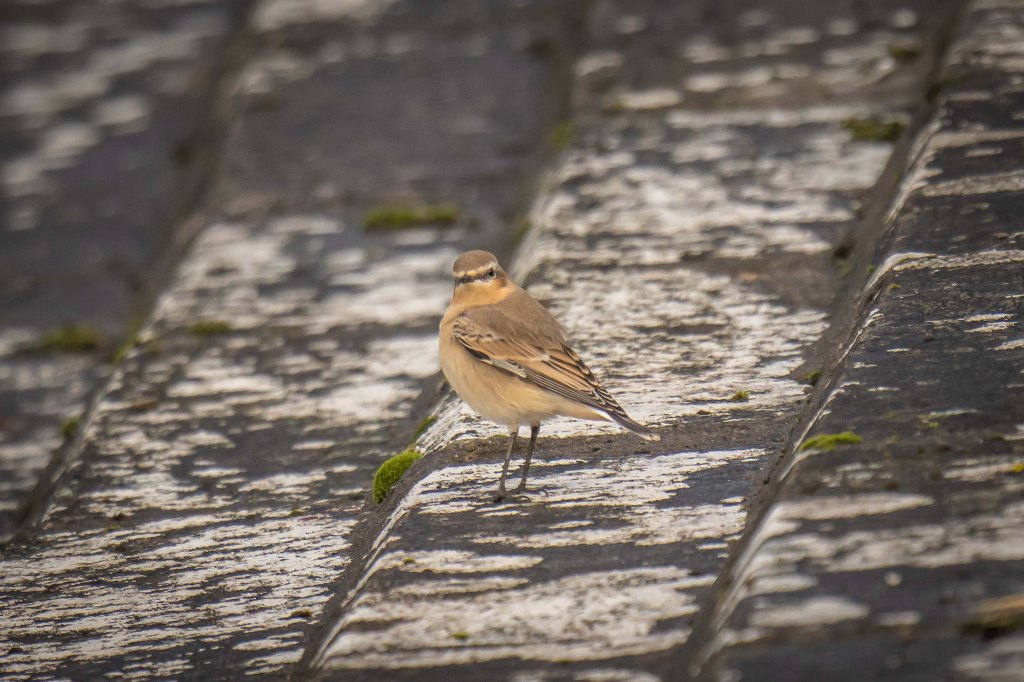
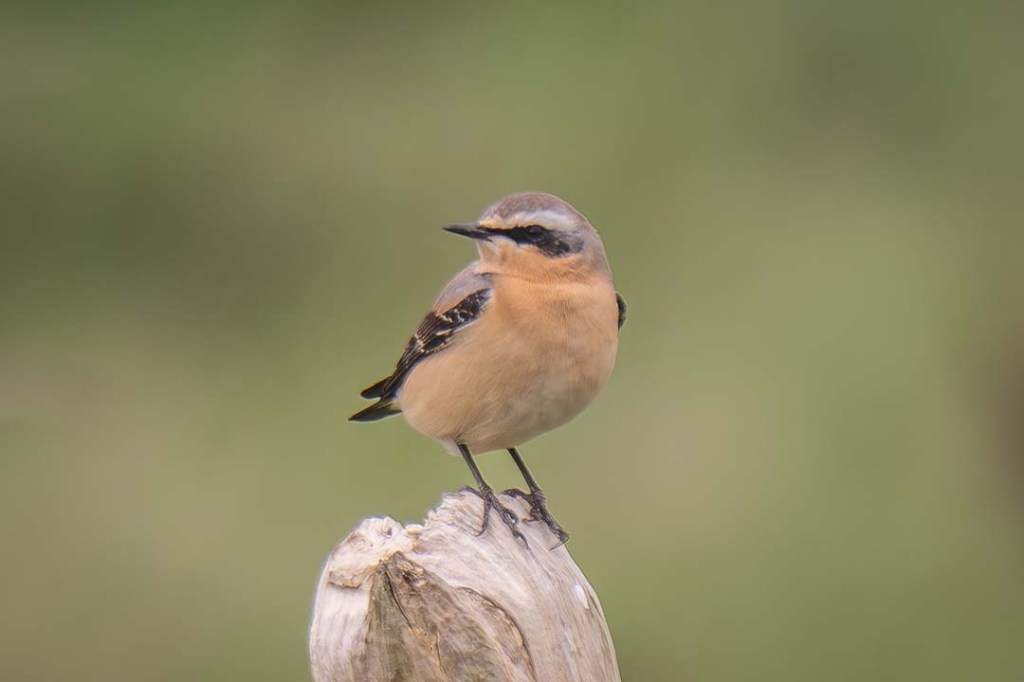
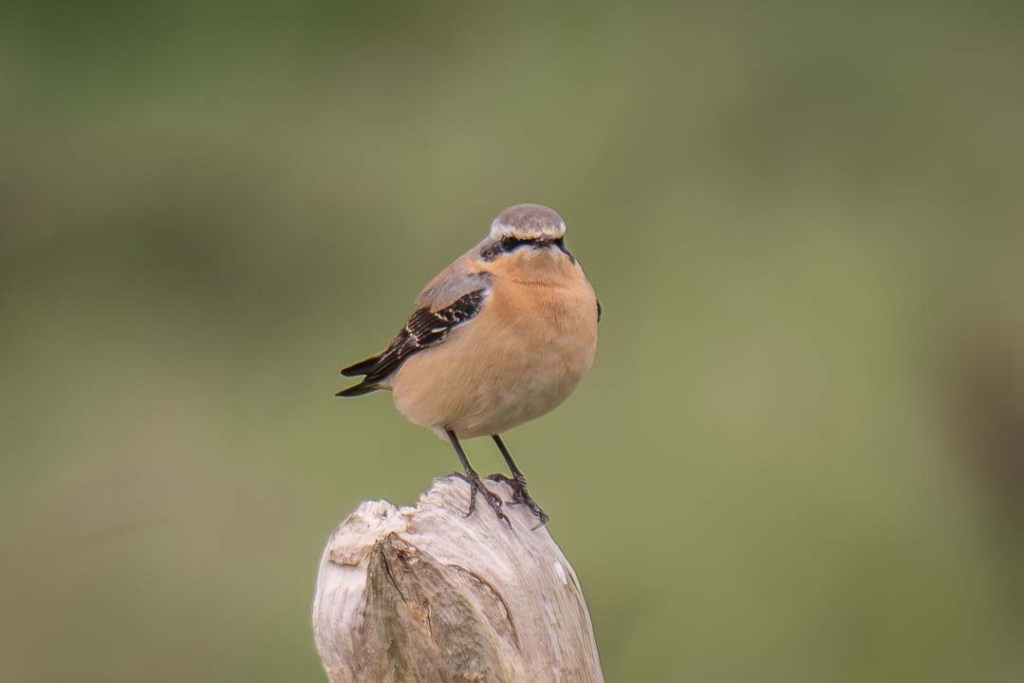
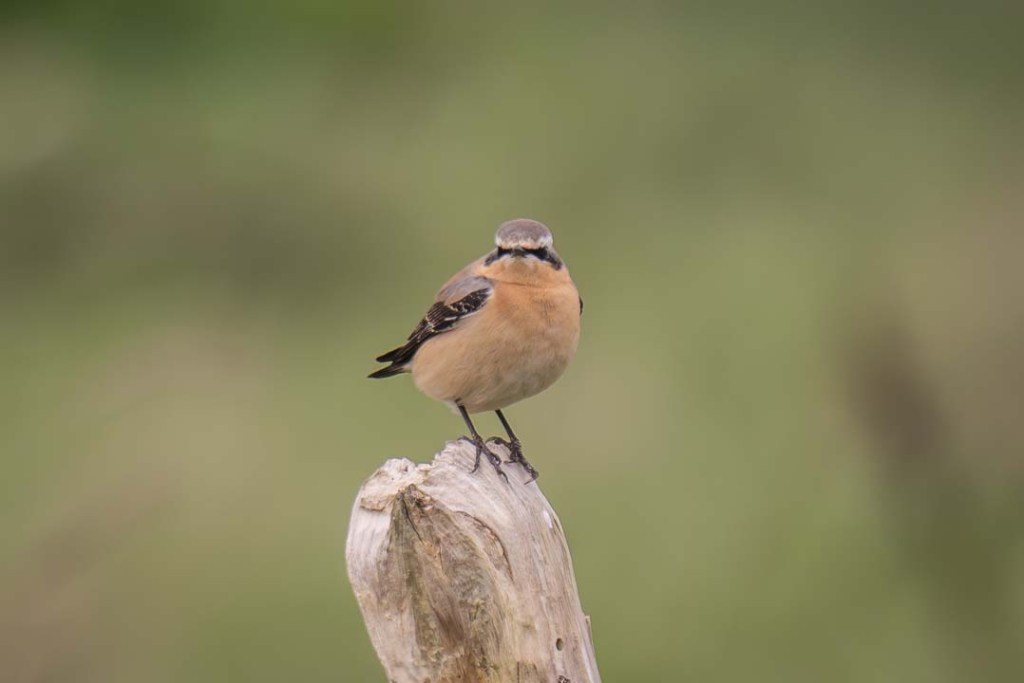
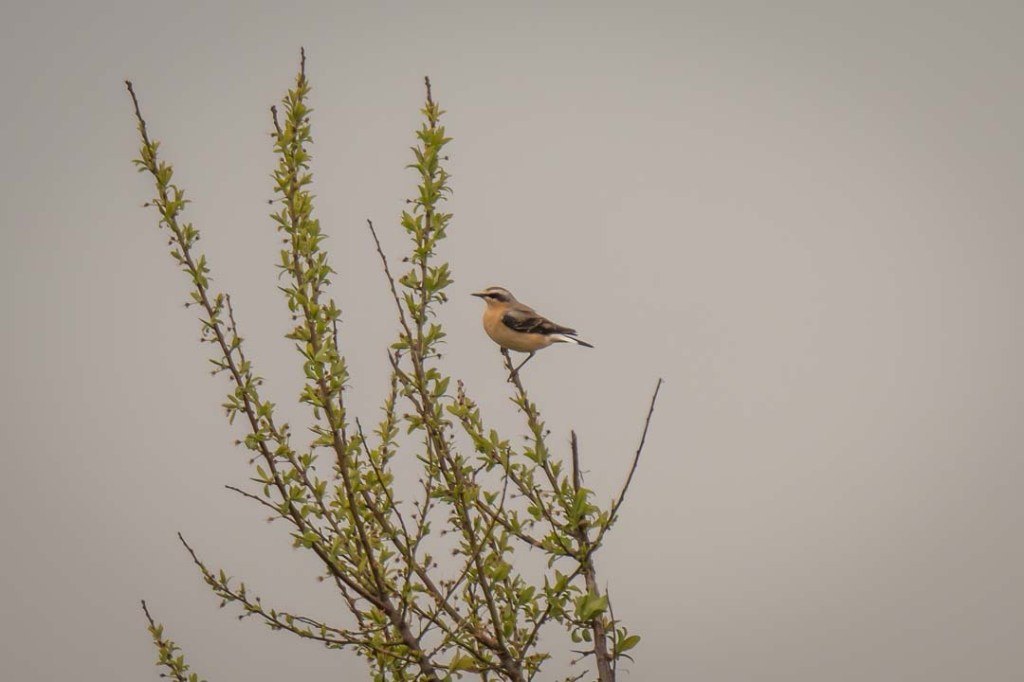
It doesn’t seem to have stopped raining in the last fortnight so I wasn’t too surprised to find, when I called in again at Cheddar Reservoir, that the water levels had risen. I’m sure that Bristol Waterworks, as well as the Almighty, had something to do with it. So no waders today. However, I was very pleased to see a northern wheatear which had popped in on its migration south.
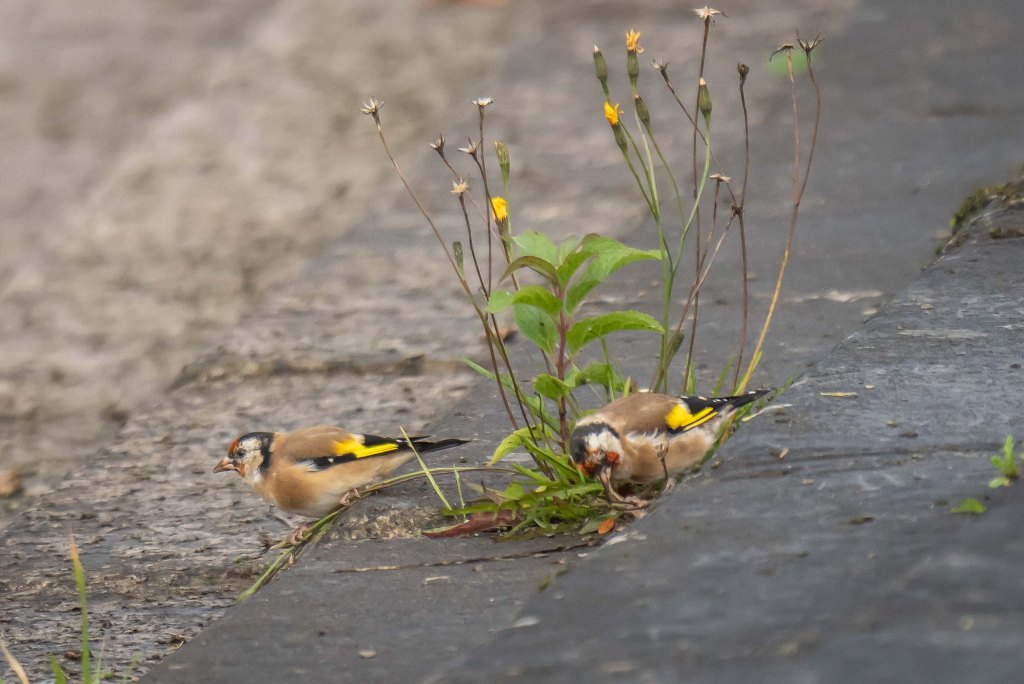
There were other small passerines flitting around to keep it company.
Meadow pipitGoldfinches
I then carried on south to the Avalon Marshes.
I only had time for RSPB Ham Wall, but there was enough there to keep me occupied in the rather poor light. There were very few people around: perhaps they have all migrated too!
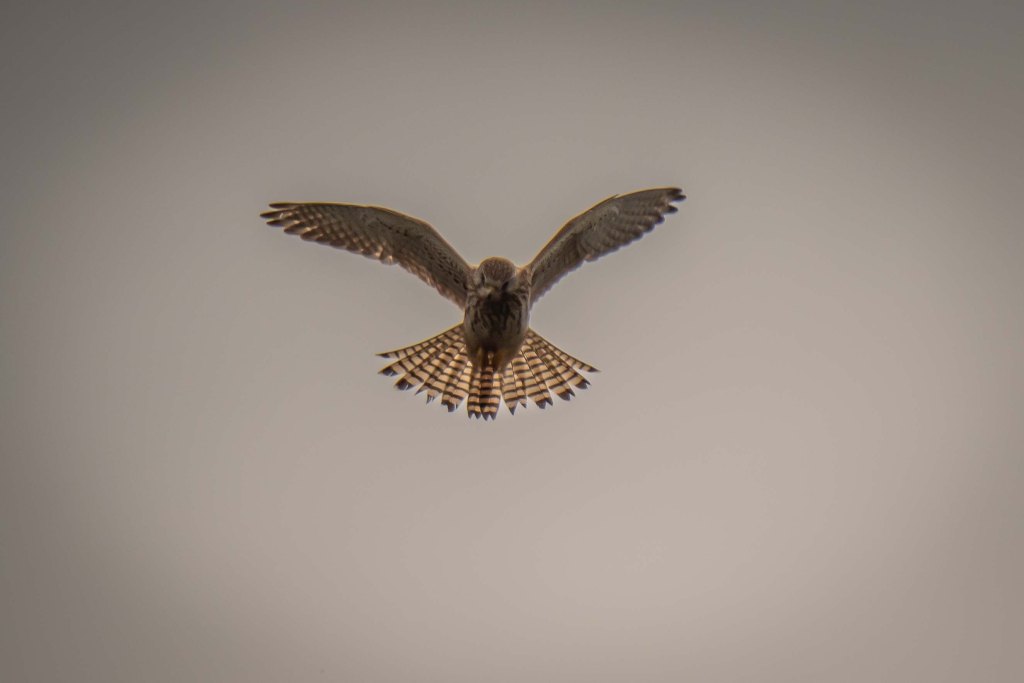
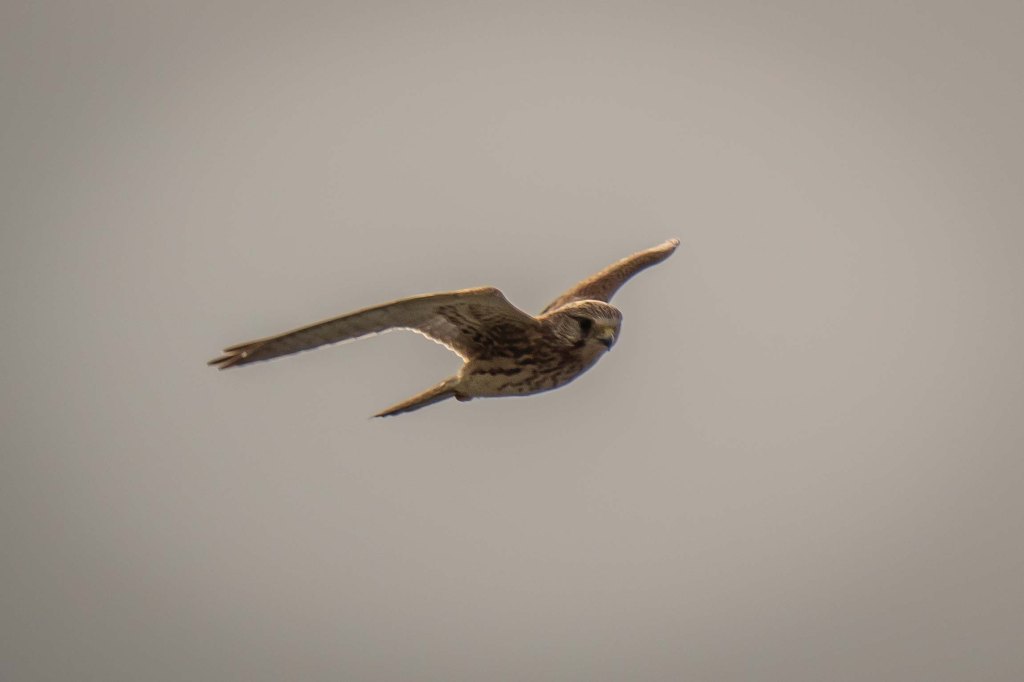
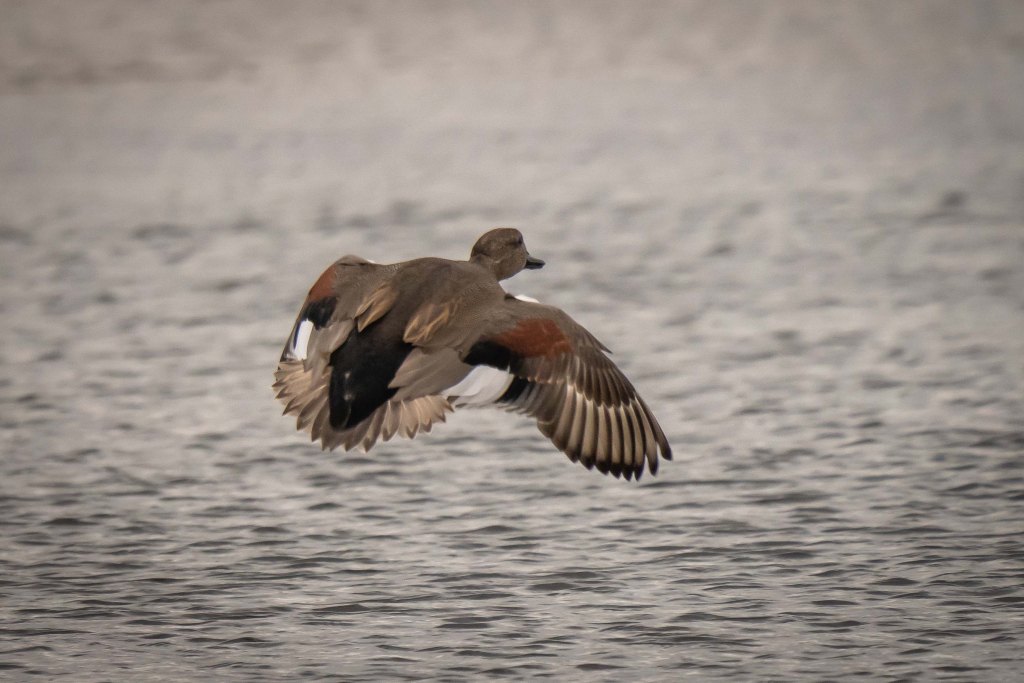
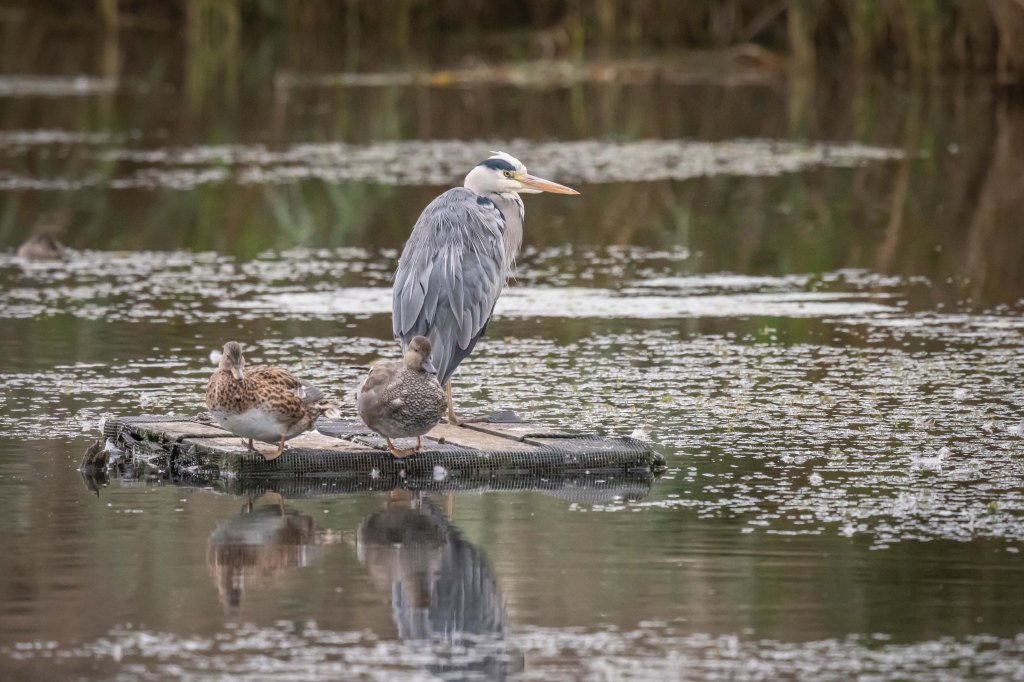
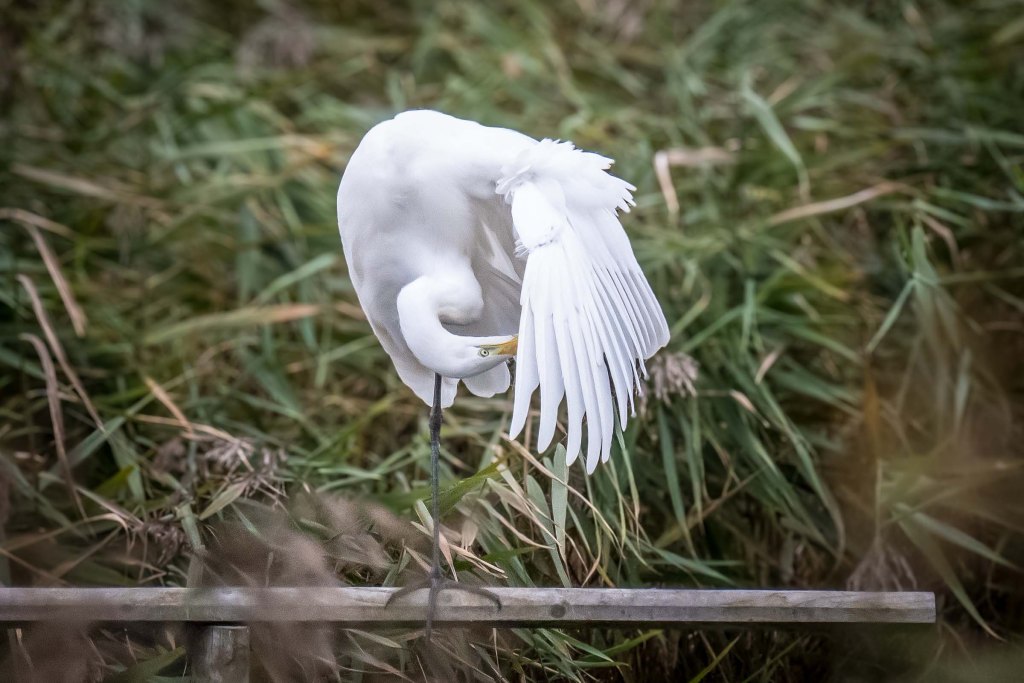
An acrobatic shovelerGadwall having a washGreat crested grebe about to diveCormorantKestrelKestrelKestrelGreat crested grebeGadwallGrey heron with gadwall as bodyguardsGreat white egret preeningGreat white egret the right way up
It’s been so wet underfoot that birdwatching has not been my preferred pastime in the last few weeks.
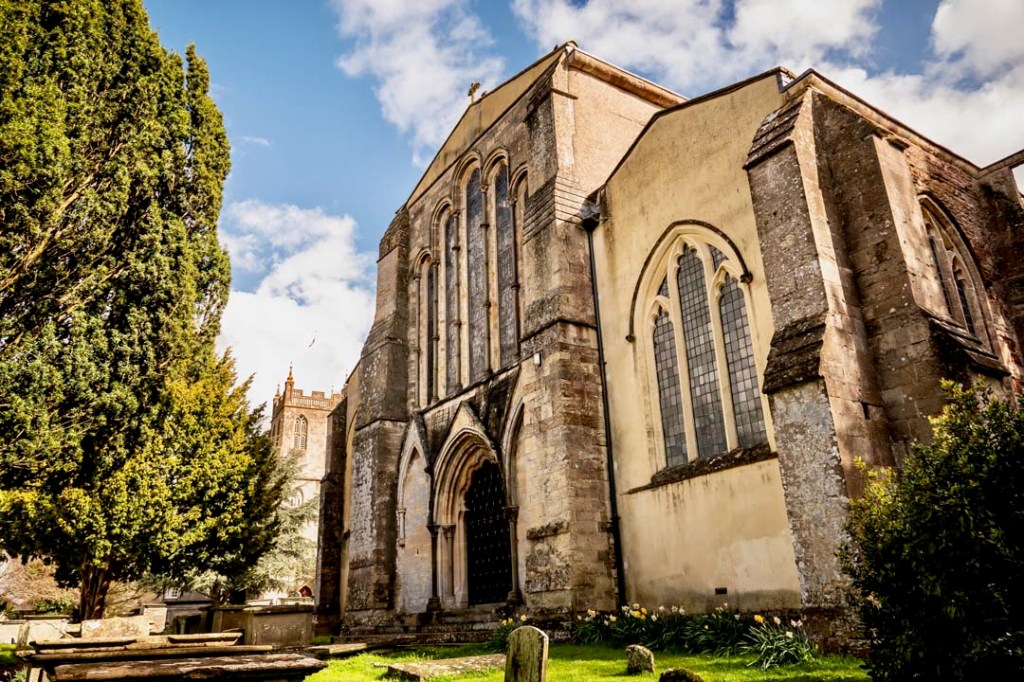
I’ve even been tempted to start a blog of other activities and had a go at a visit to a local church (see St Mary’s Berkeley, further up the Severn Estuary).
However, I am probably on dodgy ground here as I know so little about ecclesiastical architecture and just as little about history.
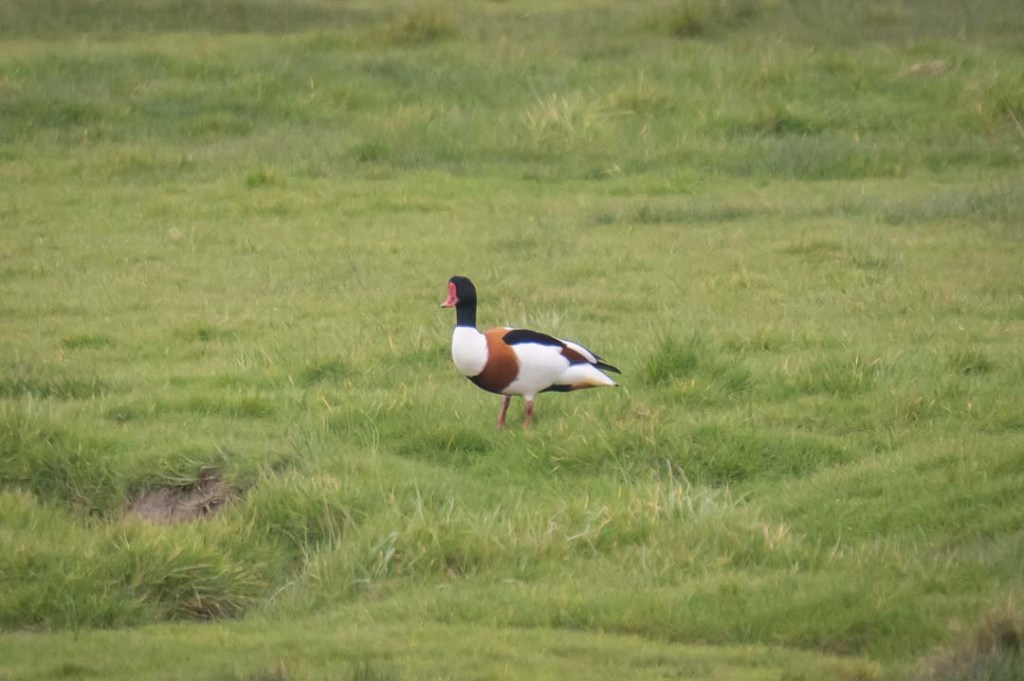
The only shelduck to come close enough for a photo opportunity
We hit on a walk along the new flood defences along the Severn Estuary near Aust. We were hoping that the new path would not be too muddy, as turned out to be the case. The tide was very high and so there were no waders around but we did have distant views of lots of shelduck and a few Canada geese.
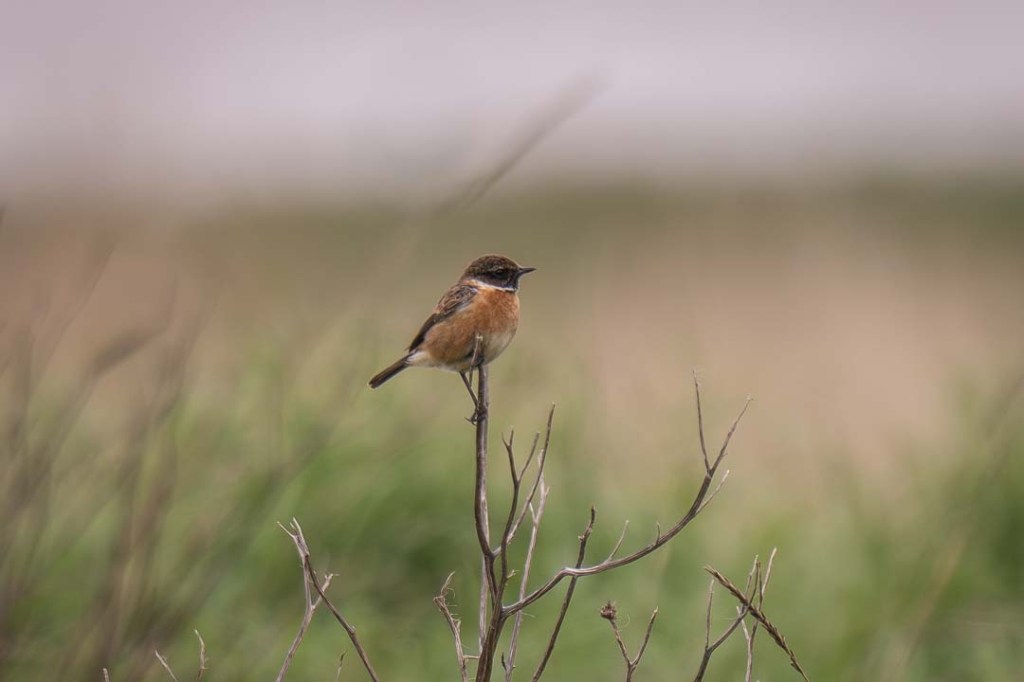
StonechatStonechat
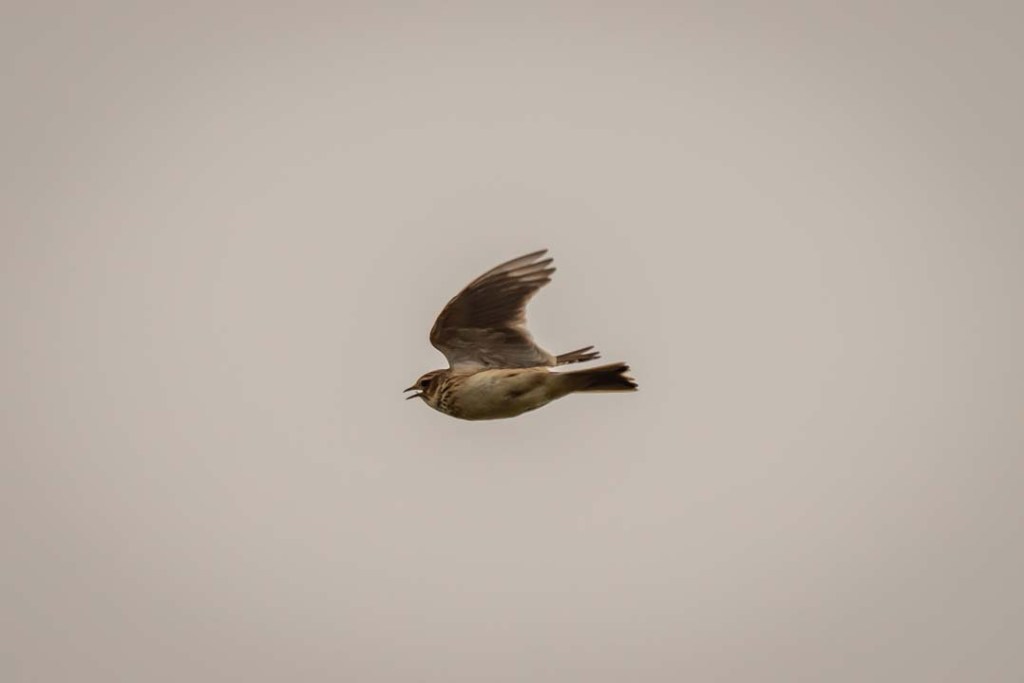
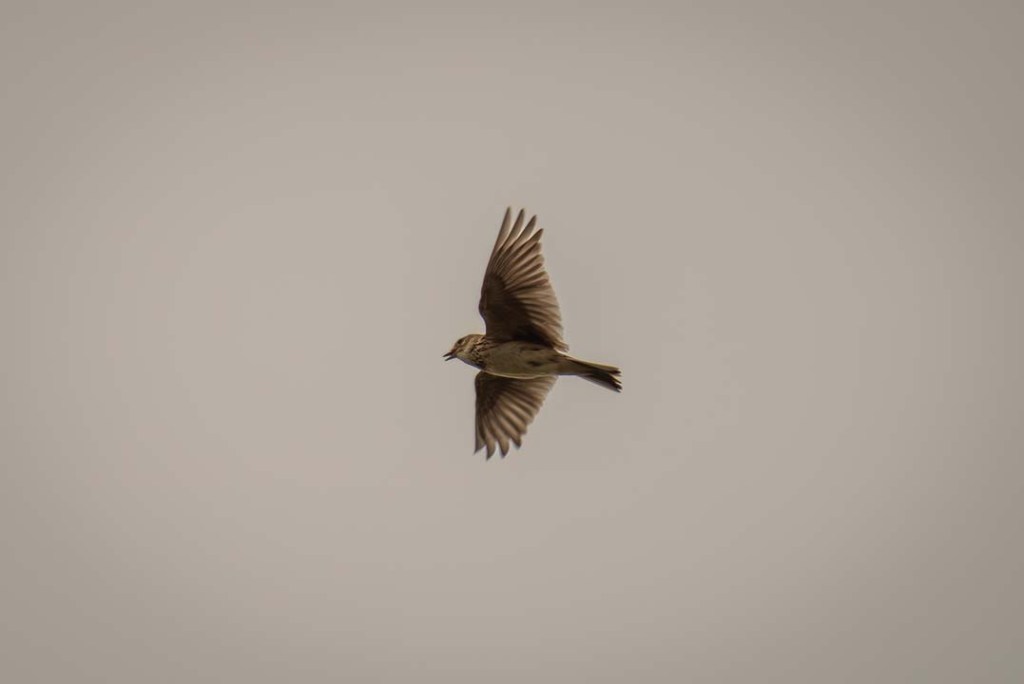
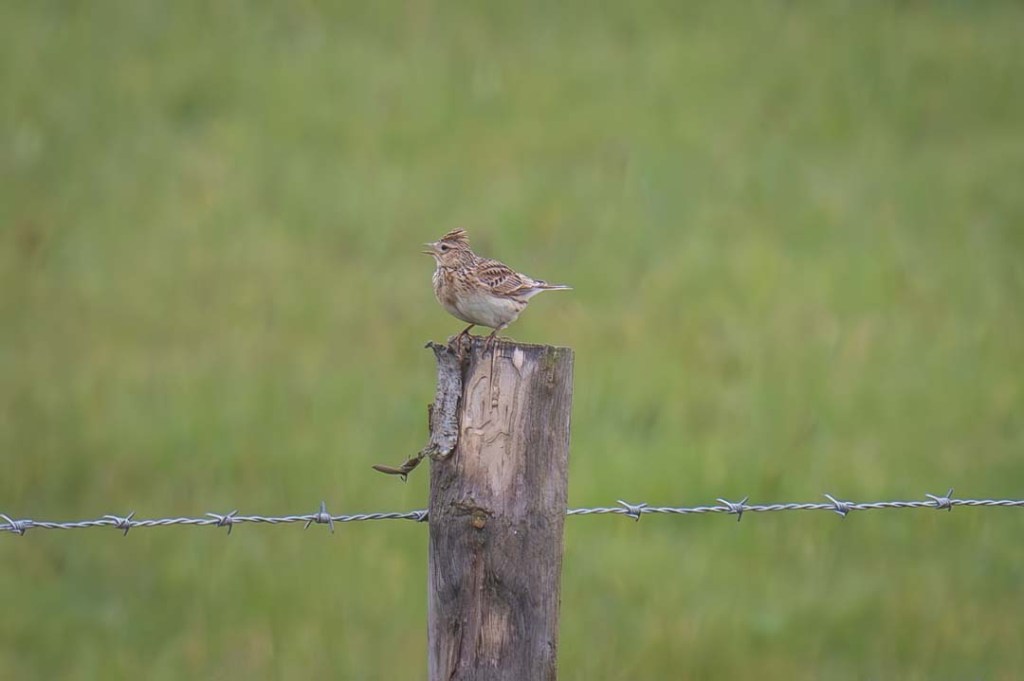
However, we were rewarded in the early part of our walk with a a fairly close-up view of a northern wheatear and a stonechat; skylarks were with us all along the walk and certainly lifted our spirits.
Another break in the rain and so we make a dash for Slimbridge. There’s not much doubt that these are currently wetlands.
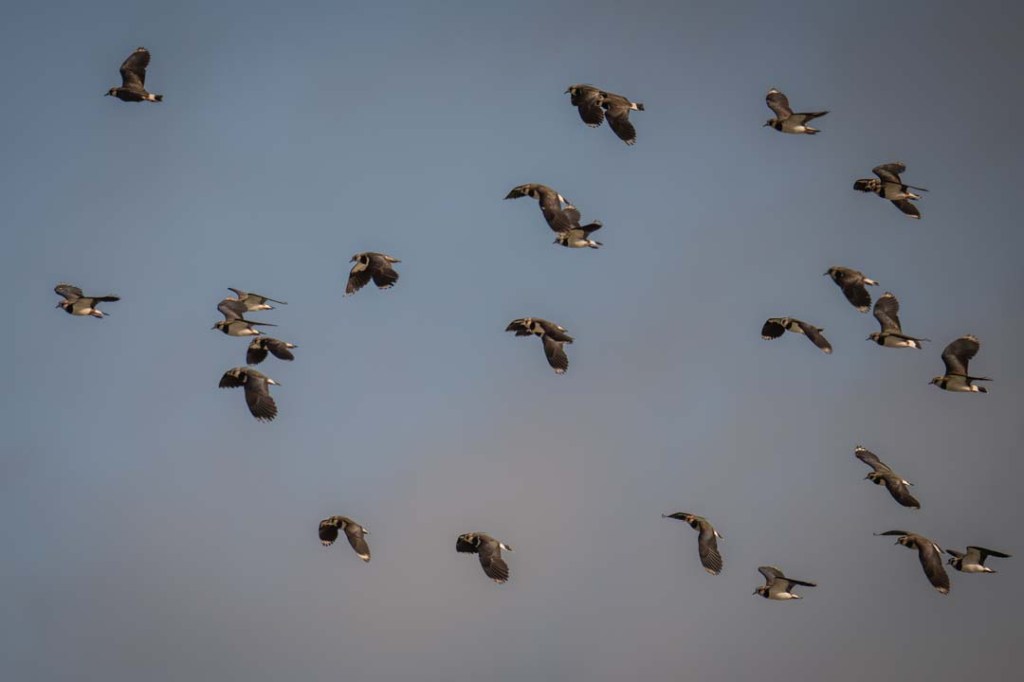
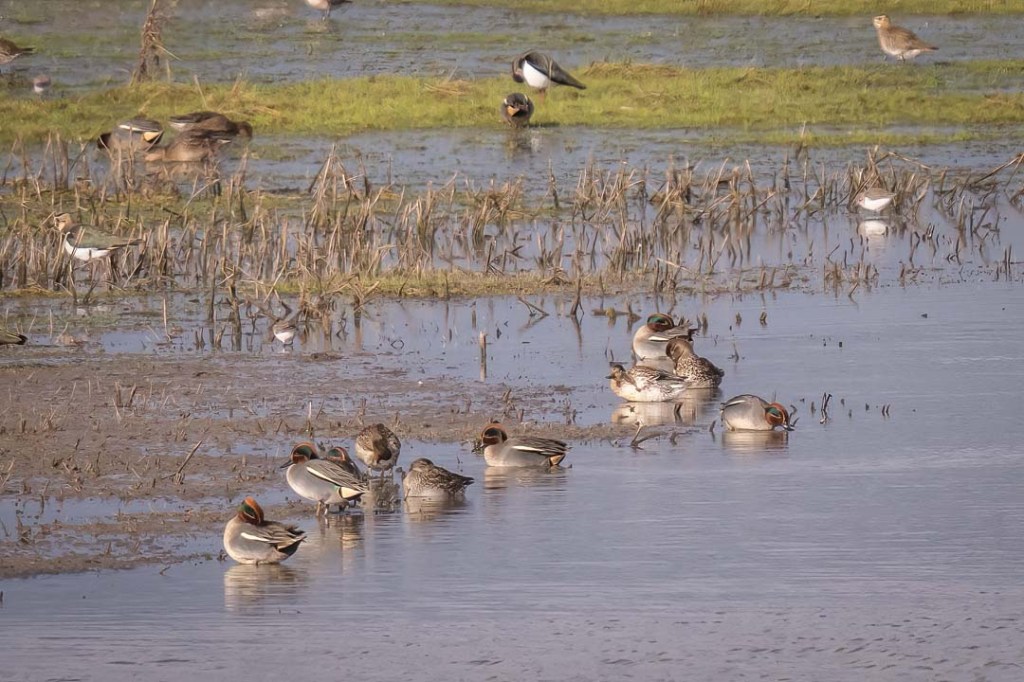
Northern lapwings and golden plover clearly enjoying the wet conditions
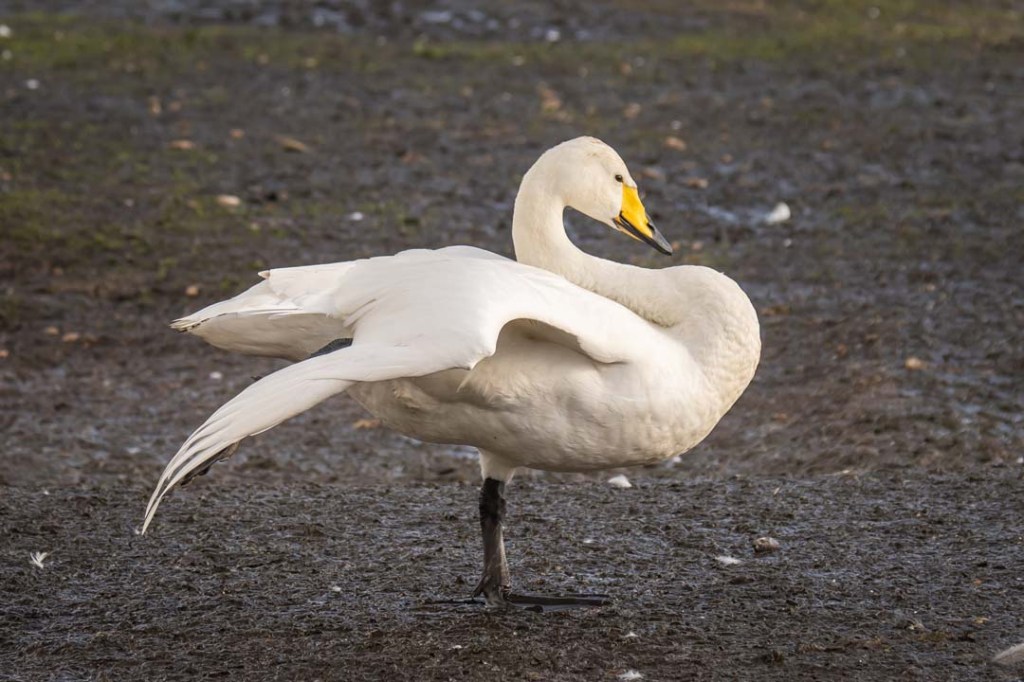
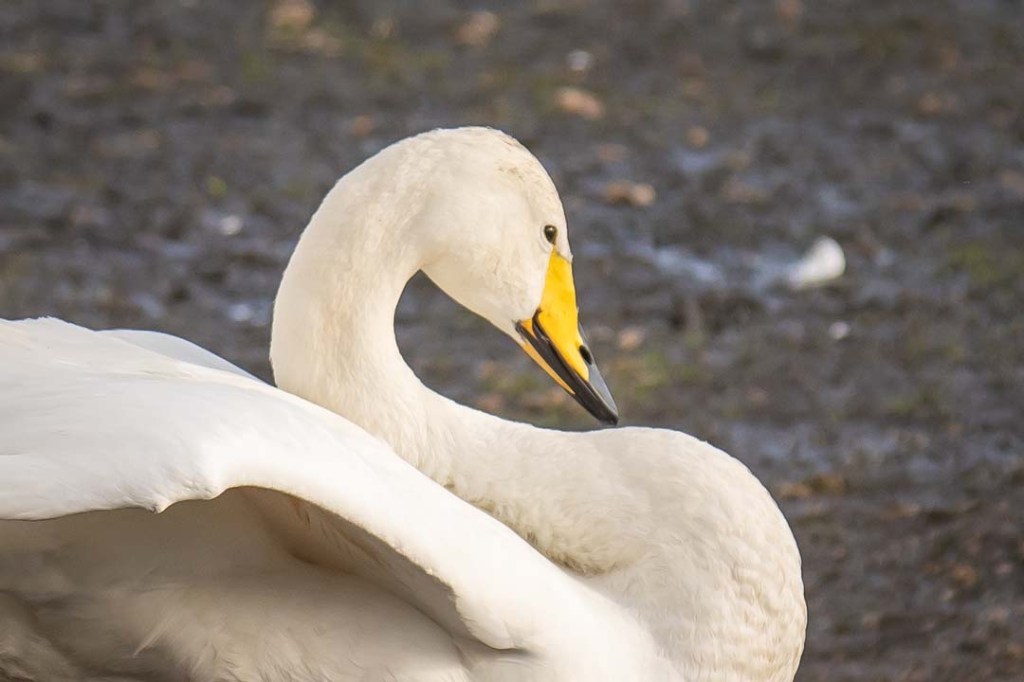
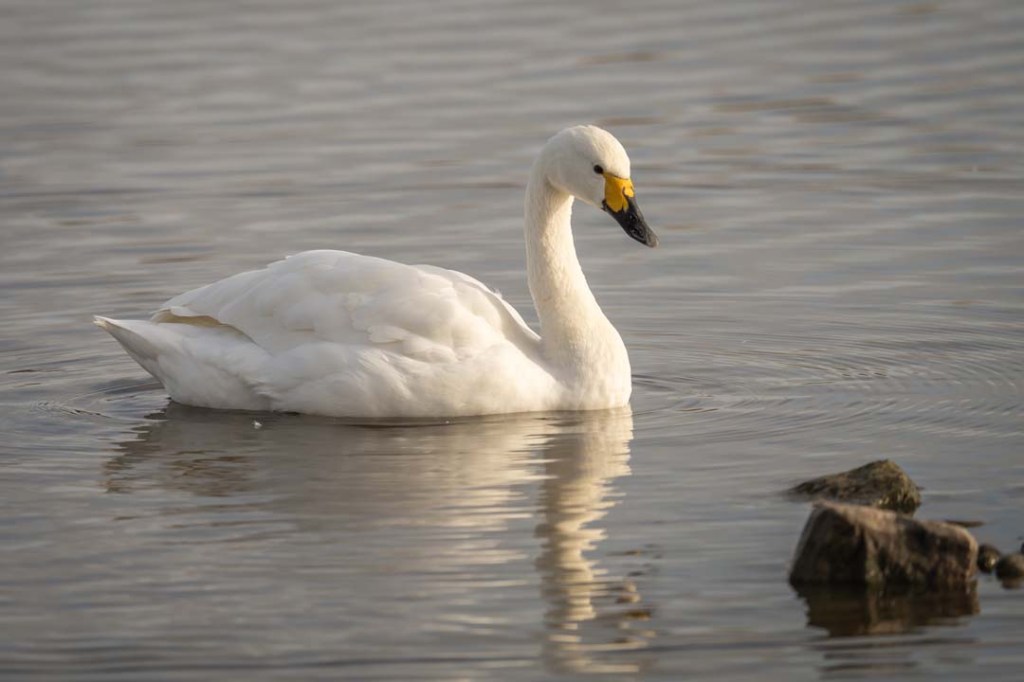
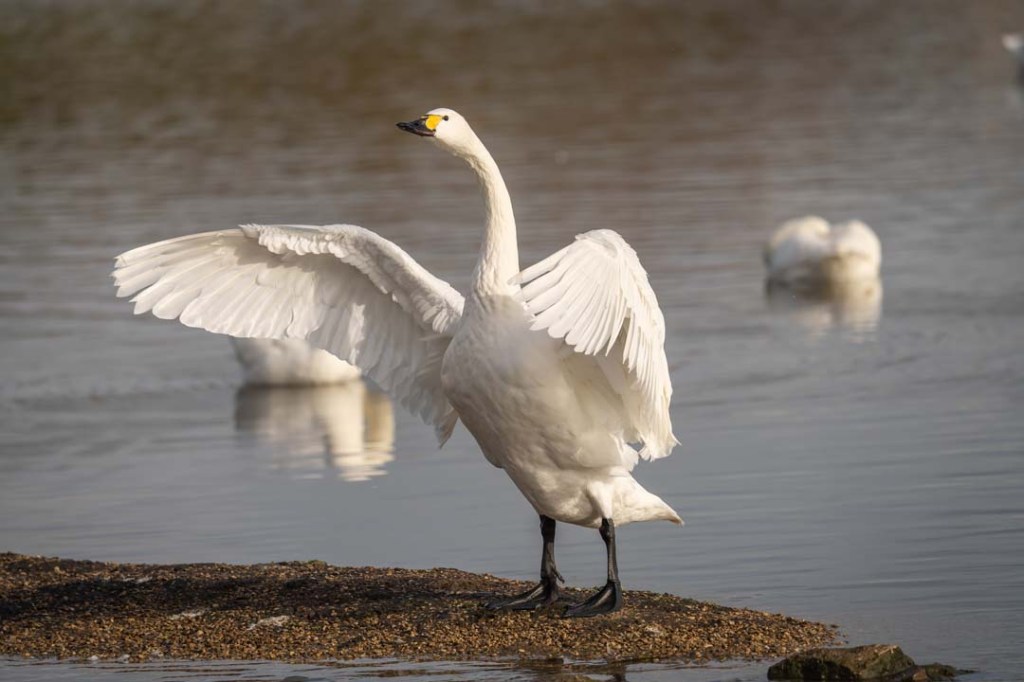
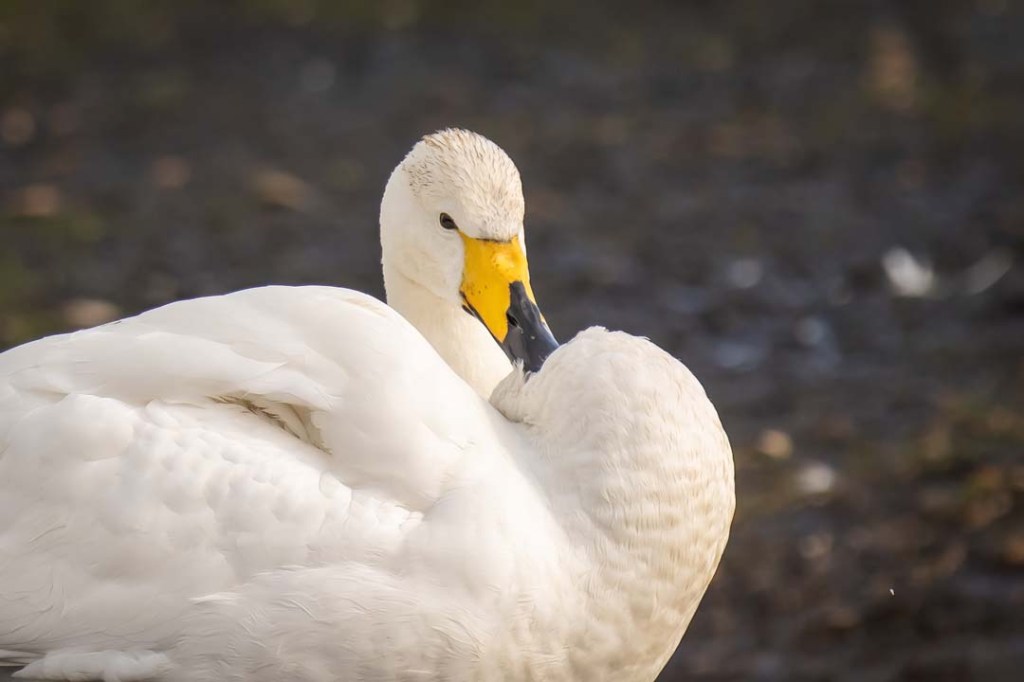
There were a few rarities there today (spoonbill, dark-bellied Brent goose) but the only rarity (for Slimbridge) which we managed to see amongst the thousands of birds on view were two Whooper swans who have joined the visiting Bewick swans and the native mute swans.
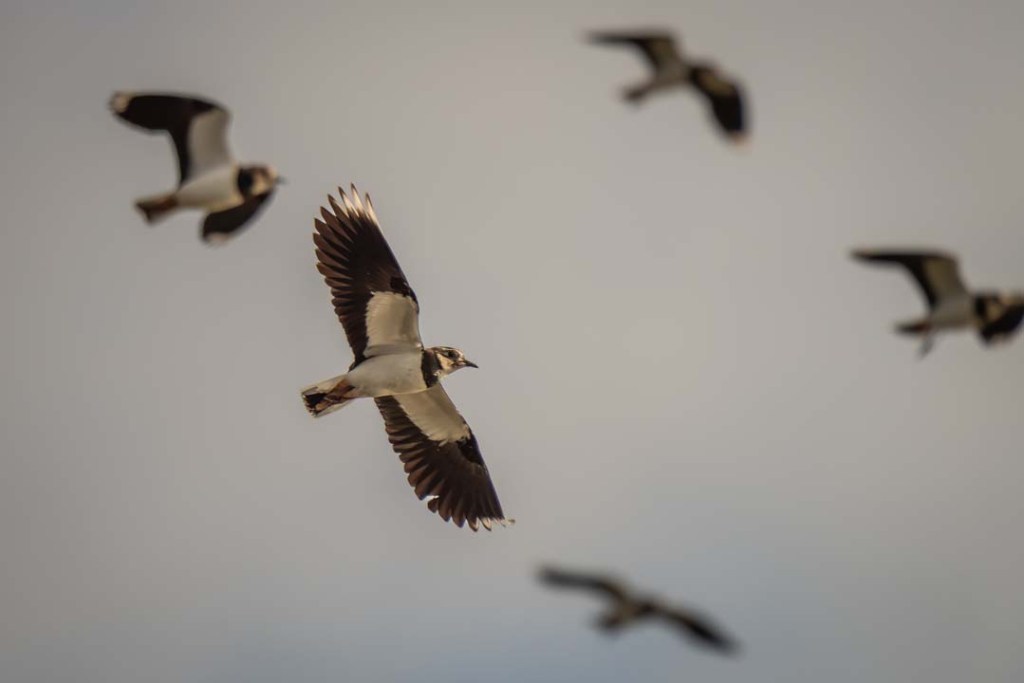
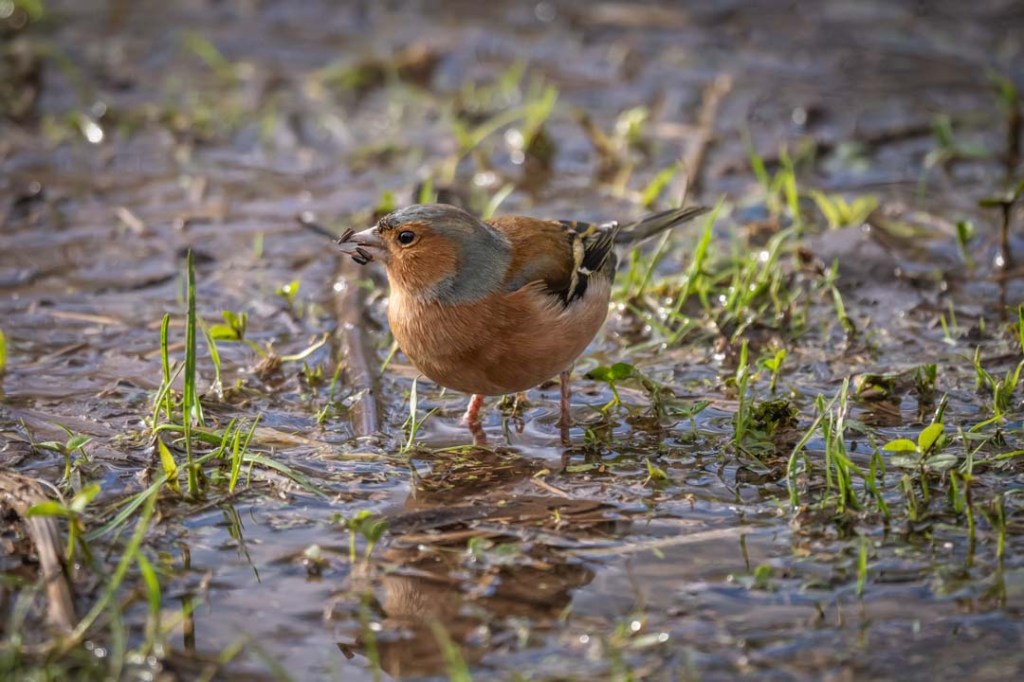
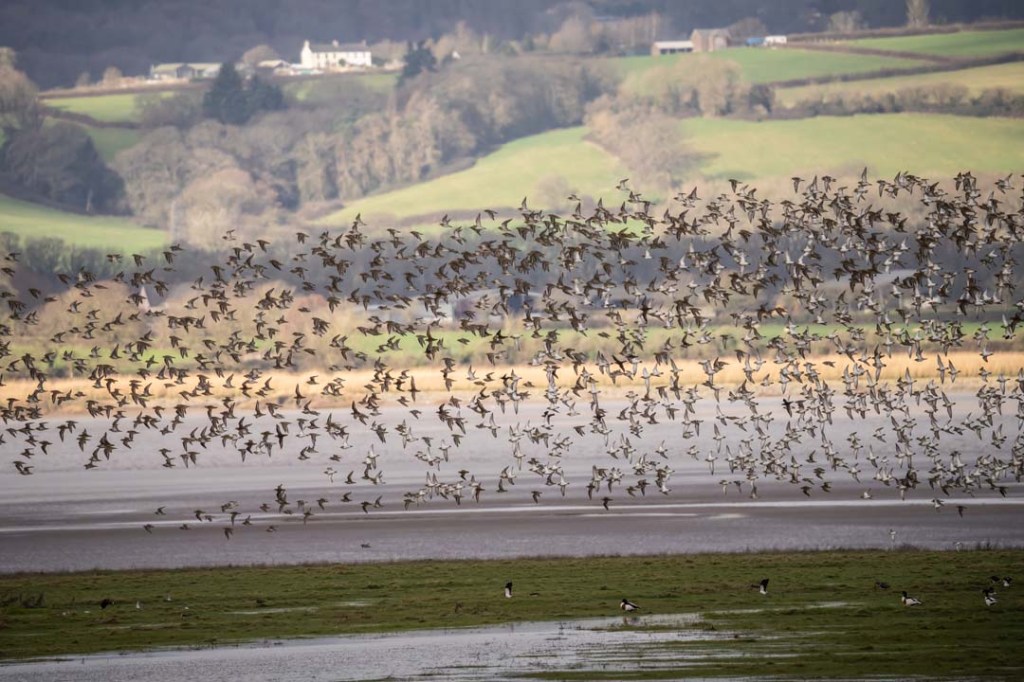
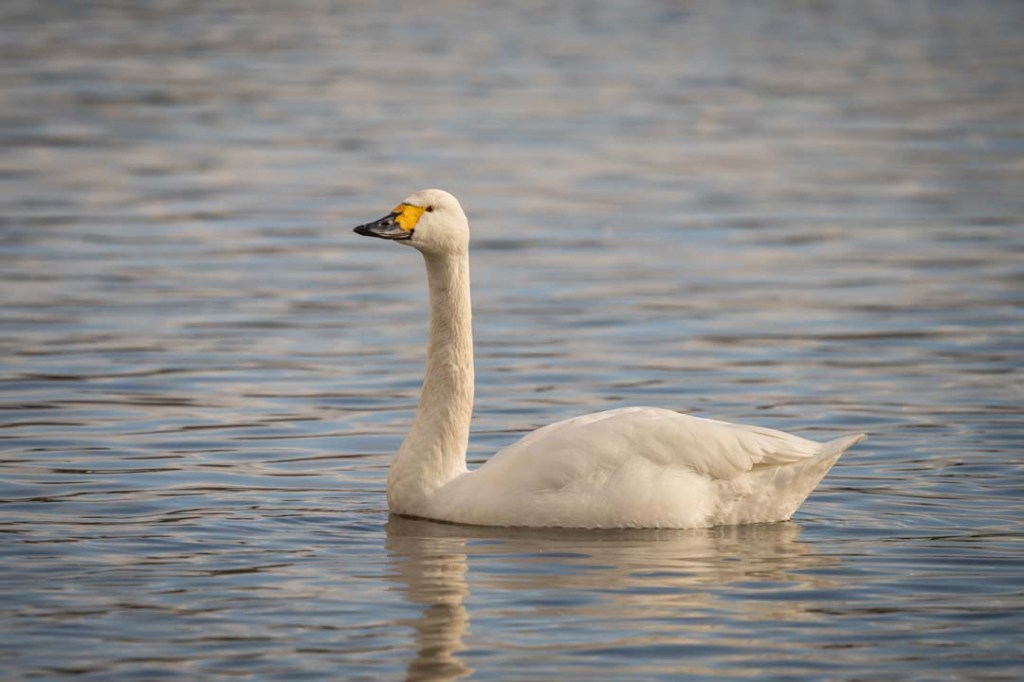
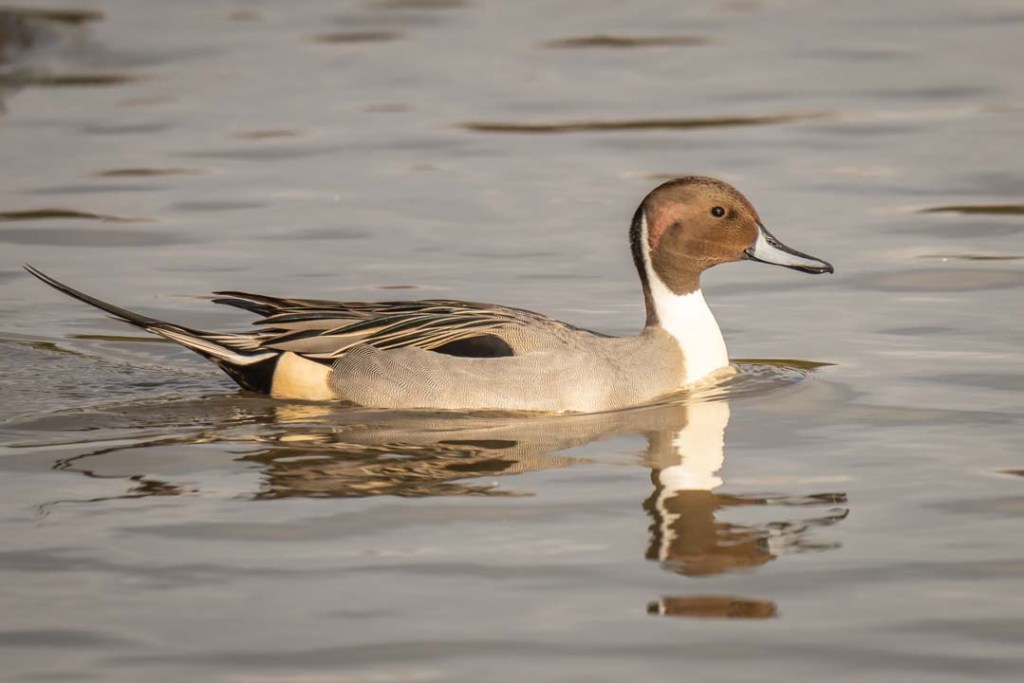
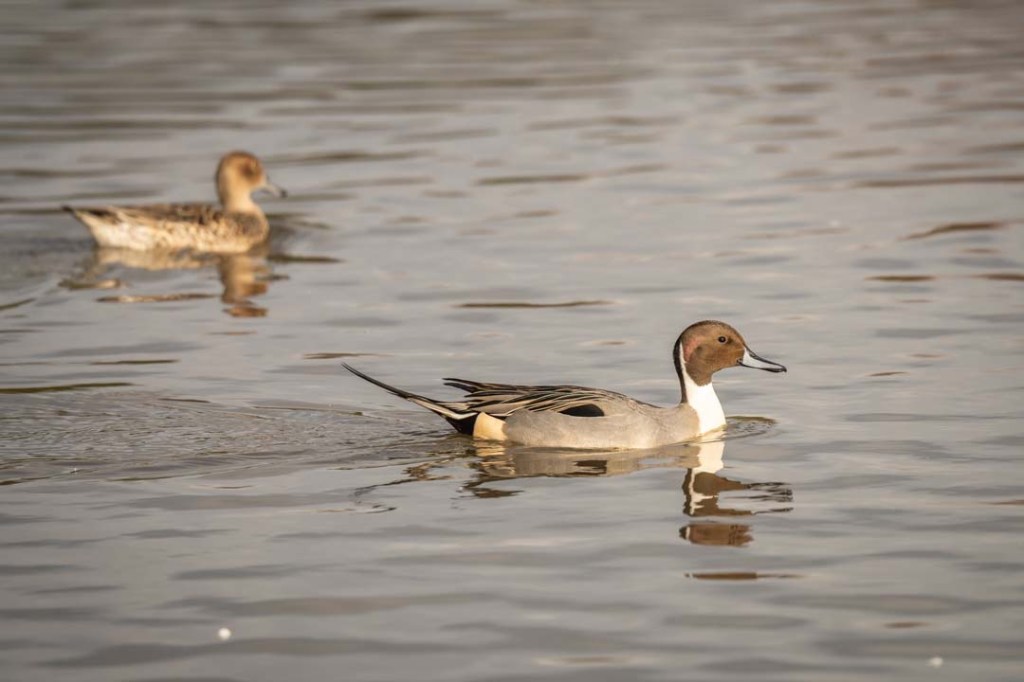
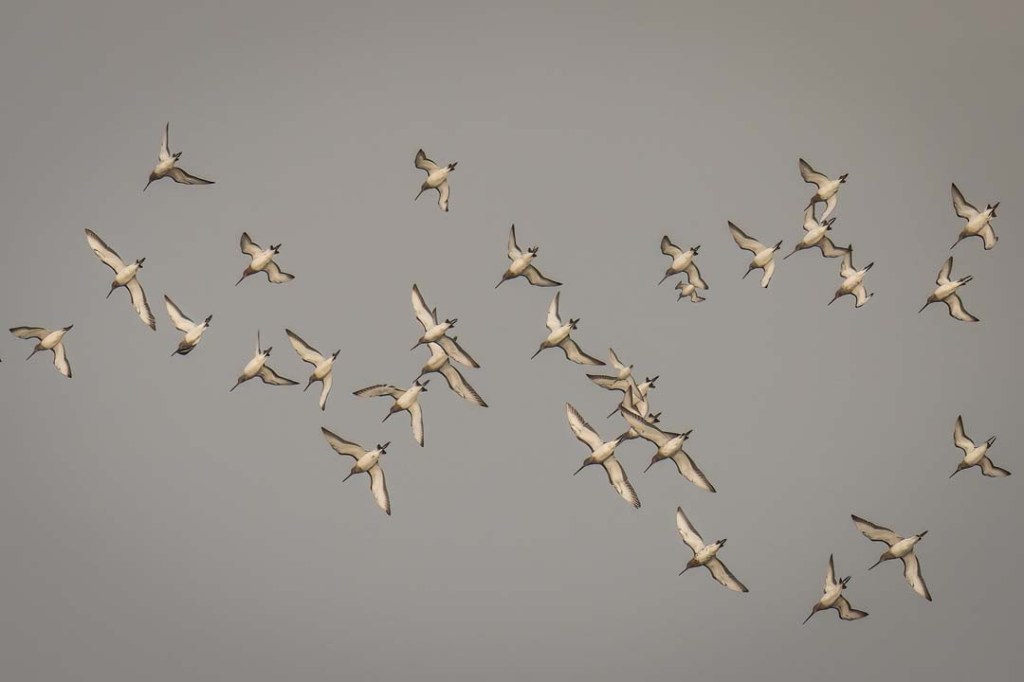
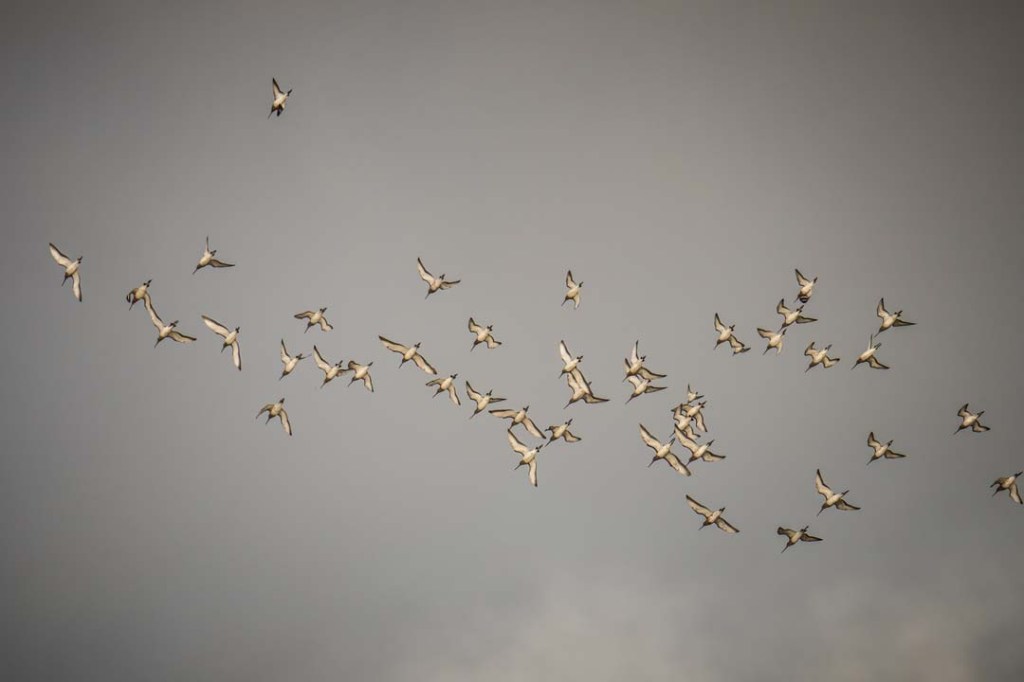
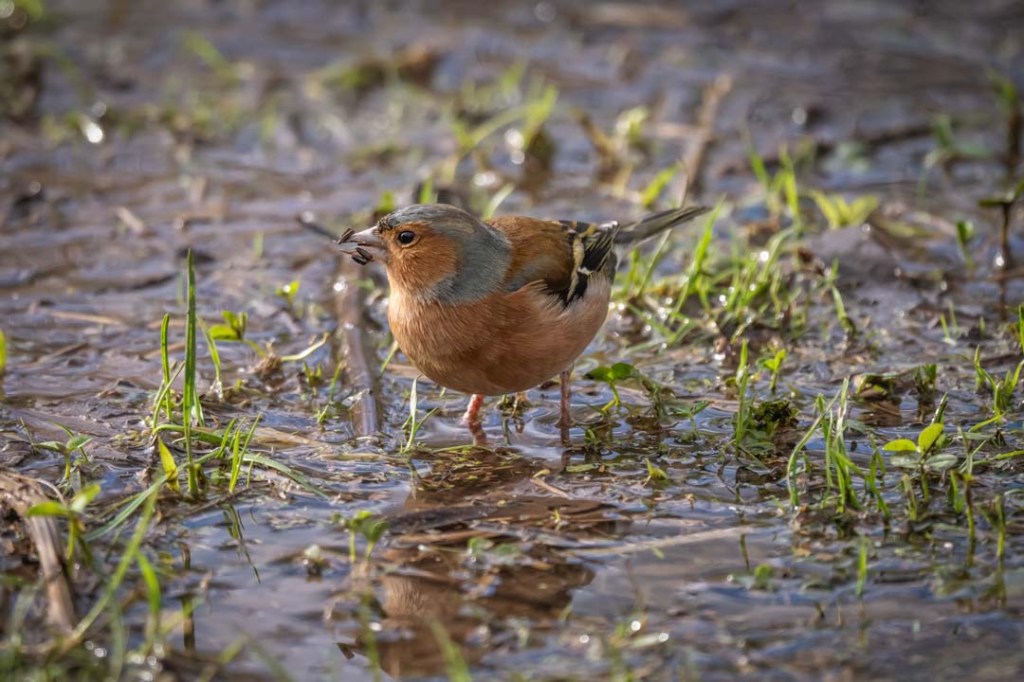
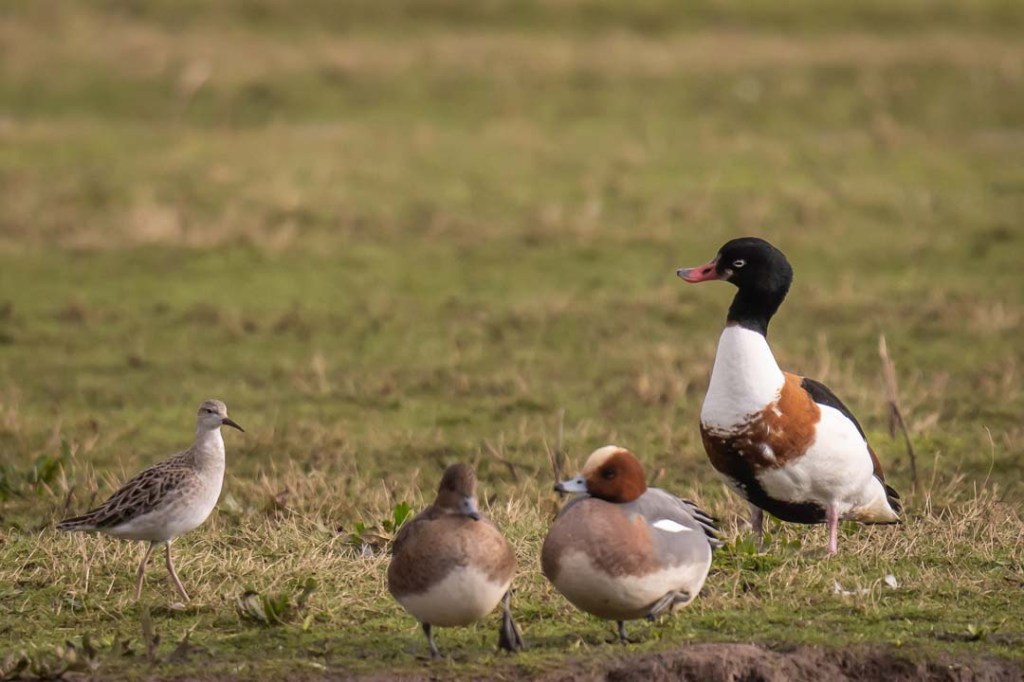
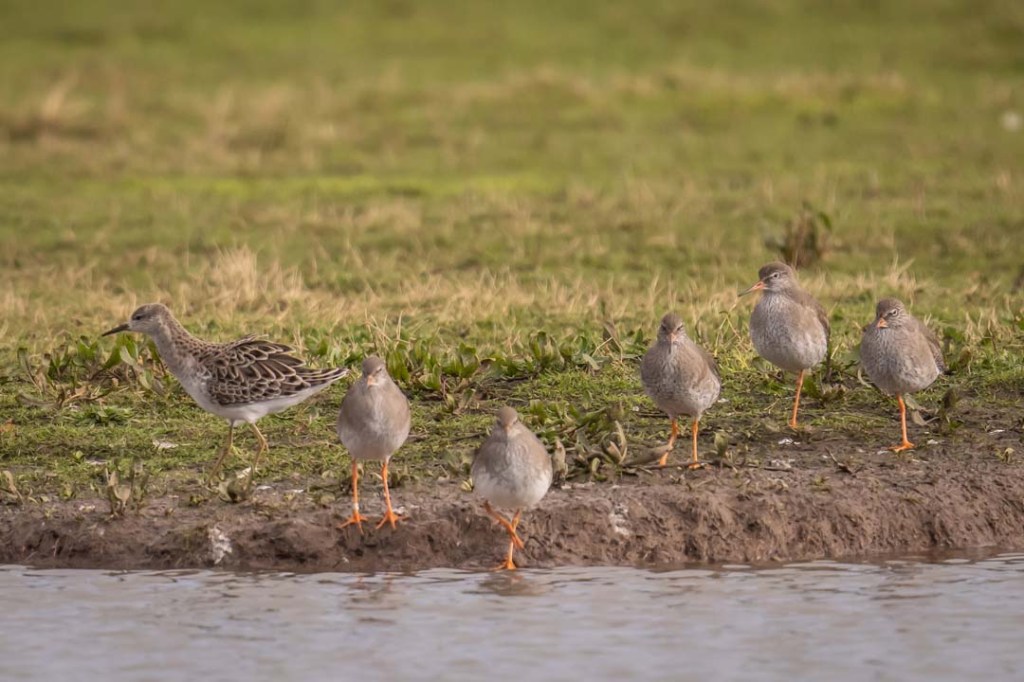
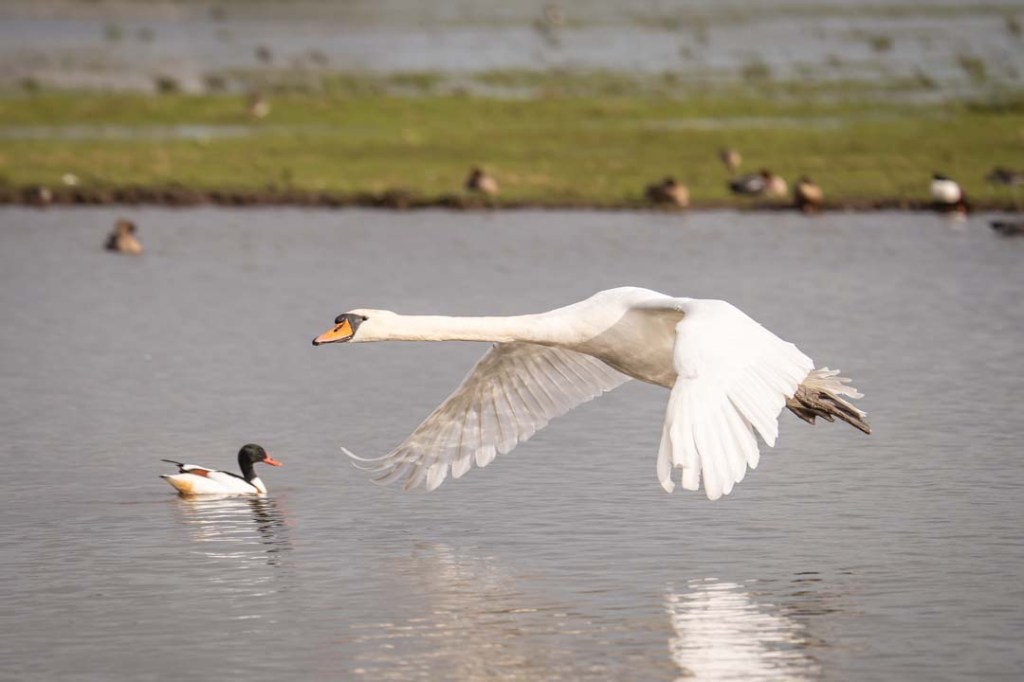
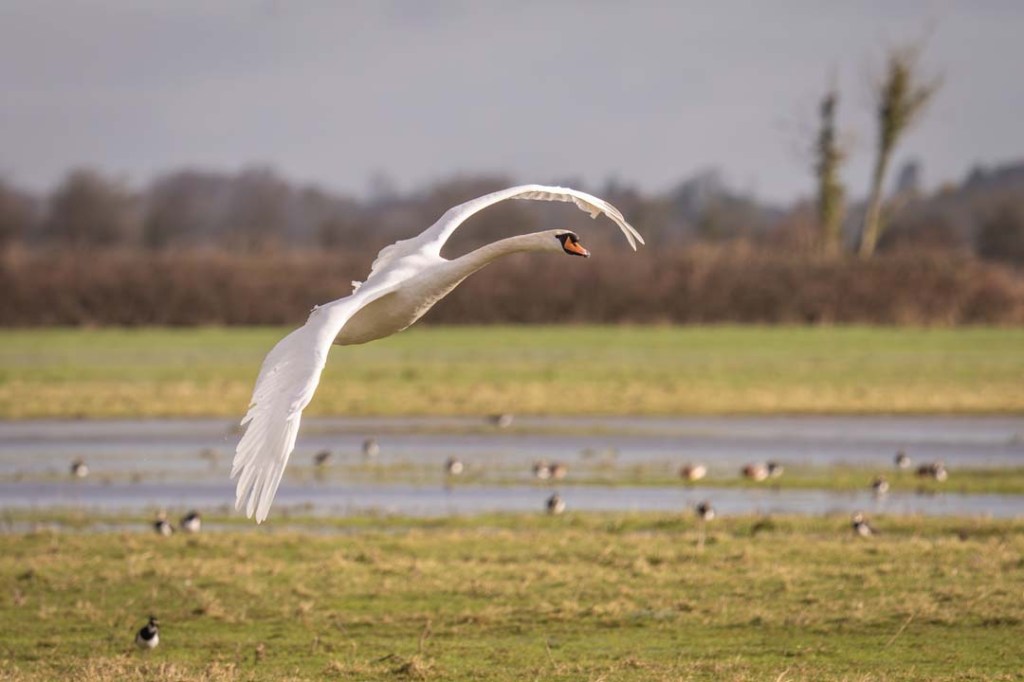
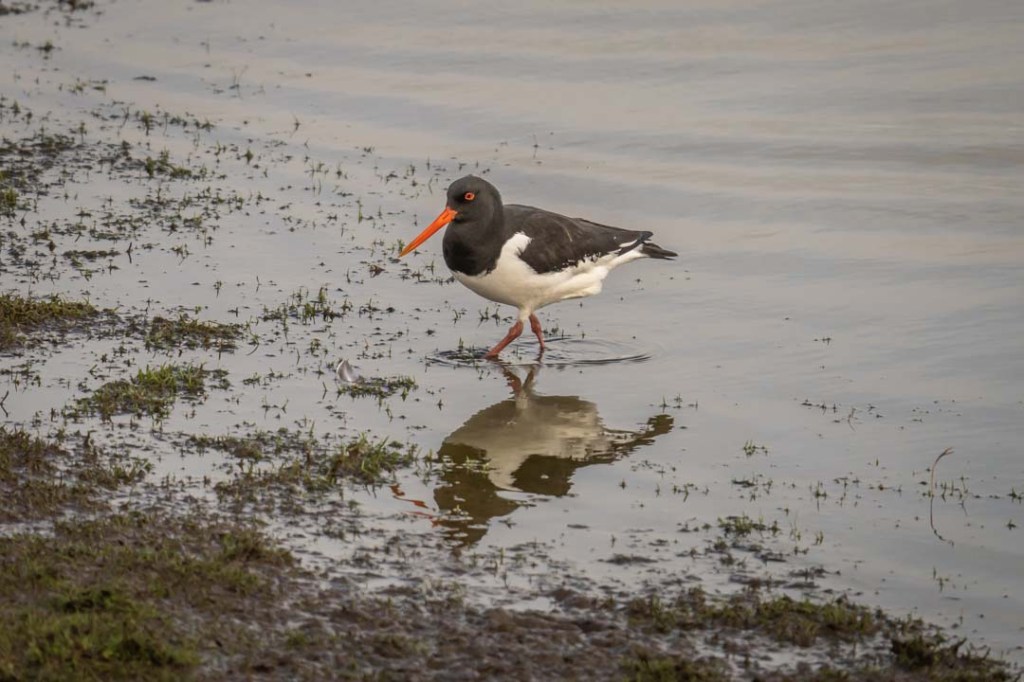
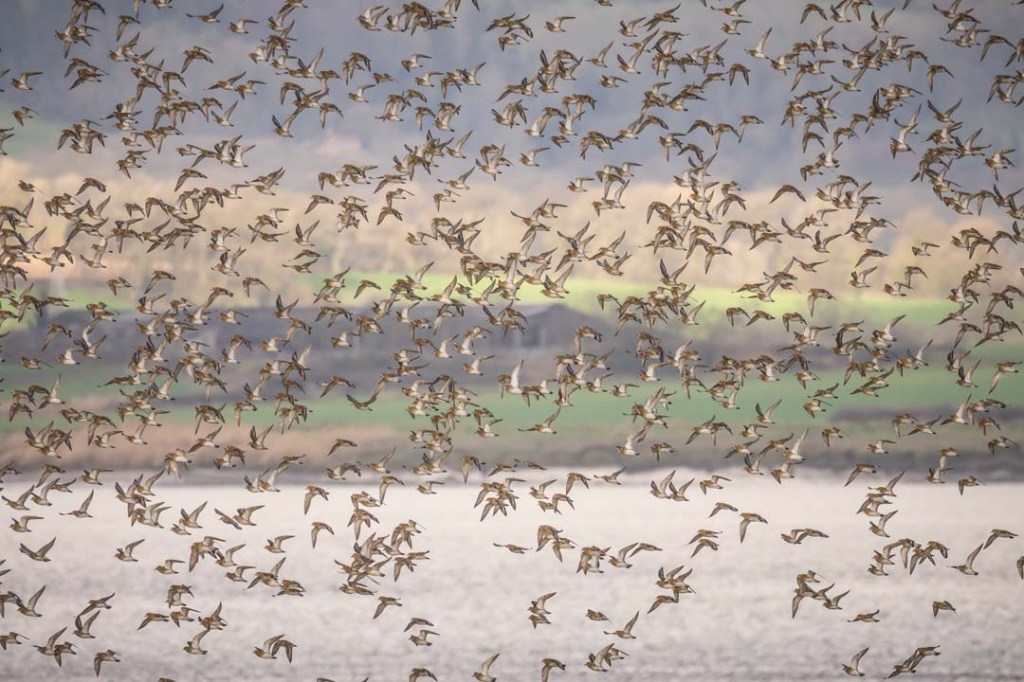
Bewick swanWhooper swanMute swanNorthern pintailA ruff and a shelduck either side of a pair of wigeon Black-tailed godwits were easier to pick out when they took to the airLapwingsEven the chaffinch had to negotiate the wet conditionsWe heard the curlews way before we saw themI only saw two oystercatchersThere were rather a lot more golden ploverThe golden plovers regularly made splendid displays over the wetlandsNorthern shovelersWigeonWhooper swan up closeThe Bewick swans are much smaller than the Whoopers (and the mute swans) and have proportionally more black and less yellow on their billsMale and female tufted duck