Tag: Waders

  • 21st November 2025 – WWT Slimbridge, Gloucestershire

    21st November 2025 – WWT Slimbridge, Gloucestershire

    I’m sorry that this is the fourth blog in a row from Slimbridge but I am currently limited to where I can go and, luckily, we are able to access this reserve fairly easily and I can easily visit some of the hides. 

    I’ve no need to apologise really as this is a great nature reserve and at this time of the year it is quite exciting with lots of birds arriving from the north. 

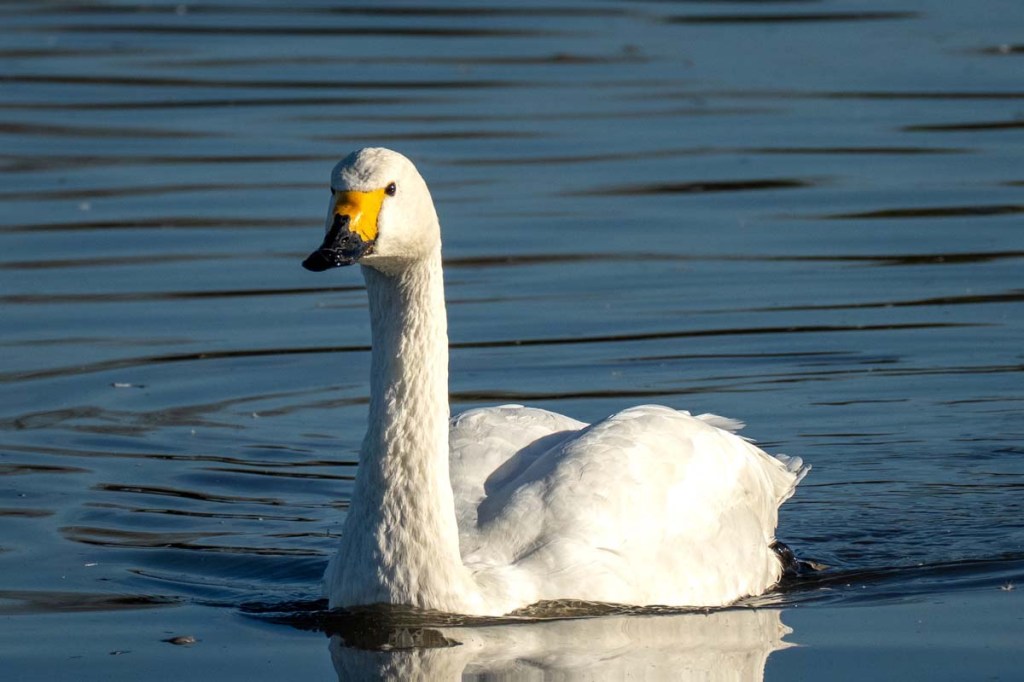
    The headline news is the arrival of the Bewick swans. The first ones arrived on the 16th November, the same date the Bewick’s arrived in the winter of 2023, which marked the latest they’ve returned to the reserve since 1965. Sadly, and probably another sign of global warming, their numbers here in Gloucestershire are dwindling (Slimbridge has lost about 43% of their Bewick’s swans over the last five years). 
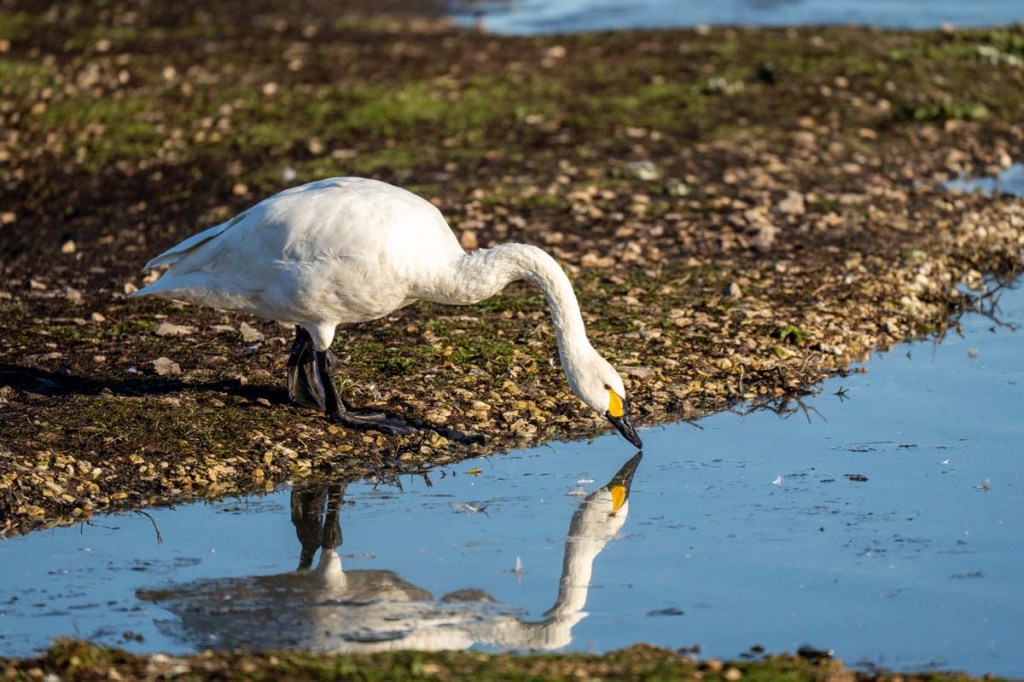
    Bewick’s swan
    Bewick’s swan

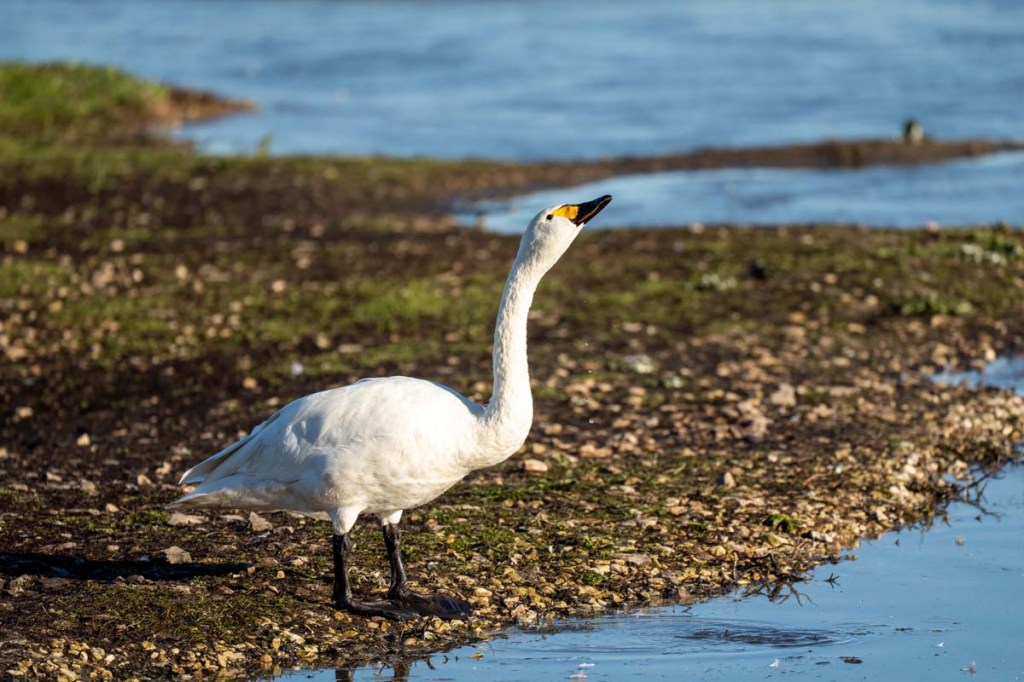
    Bewick’s swans are the UK’s smallest swan (115 to 127 cm in length and with a wingspan of between 170 to 195 cm and weighing 6000 g) and are white with a yellow and black bill. It can be distinguished from the whooper swan by the less extensive yellow markings on its bill. Individual Bewick’s swans can be identified by looking at their bill: the pattern of black and yellow that they display is as unique as a fingerprint.
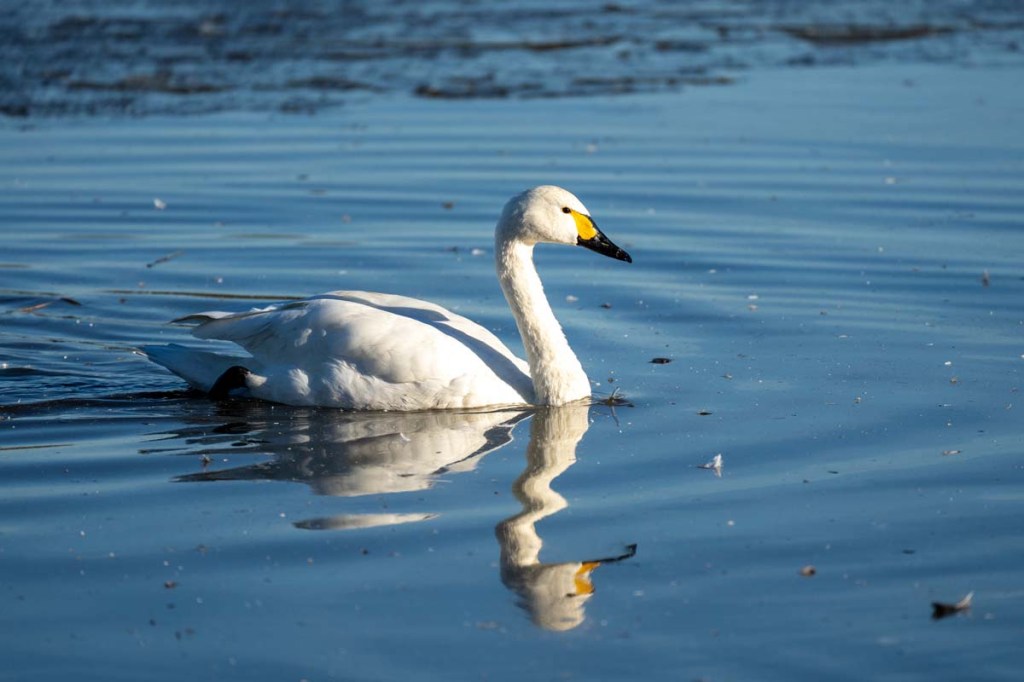
    Bewick’s swan

    Bewick’s swans spend their winters in this country; they arrive from Siberia in late autumn, returning north again in the spring. They will often feed on fields during the day, eating crops like leftover potatoes and grain, before heading to roost on open water. As well as the Severn Estuary they are primarily seen in areas like East Anglia and Lancashire

    Bewick’s swans

    The WWT website has this to say about the Bewick’s:

    “Britain’s rarest, smallest and most musical swan is all about family. Extended family groups make long, dangerous migrations together to visit the UK each winter.

    Their story

    In 1963, Peter and Philippa Scott and their young daughter were painting Bewick’s swans at their window in Slimbridge. As they sketched, they noticed each bird’s bill markings were slightly different. They learned to recognise each one by face and gave them names.

    Through their art, the Scotts discovered their new friends had loyal partners for life. Paired birds will seek each other if separated during migration, and perform joyous “triumph ceremonies” on being reunited. They also mourn following the loss of a mate, generally taking at least 1 year to re-pair and longer to breed with a new partner.

    The Scott family learned the swans also form strong extended family bonds. When parents, offspring, siblings and (very occasionally) grandchildren come together at feeding sites and on the roost, their soft honking greeting is the soundtrack of Britain’s wetlands in winter.

    The challenge

    Every autumn, Bewick’s swans face a dangerous migration to the UK from northern Russia. Along their 3,500km route between the breeding and wintering sites there are predators, fewer wetlands and the risk of hitting power lines, but if they don’t migrate, they will be caught in the ice and snow of the arctic winter. In spring, they do it all again as they fly back to Russia. We also fear the rapidly changing climate of the Arctic will affect them.

    They are illegally hunted – often mistakenly because their small size makes them resemble geese in low winter light. They are also susceptible to eating the lead ammunition sprayed from shotguns, which poisons, weakens and often kills them.”

    When we arrived there were a few Bewick’s to be seen from the Rushy hide but, probably as most of the pond was frozen over, they soon flew off. Fortunately, they returned later in the morning before we left the reserve.

    Elsewhere there were lots of geese (Canada, Barnacle and Greylag) on the area close to the River Severn.

    Geese close to the River Severn. The edges of the Forest of Dean can be seen at the rear of the photo – another good “birding” spot.

    Barnacle geese struggling on the frozen pond. Greylag geese to the rear.

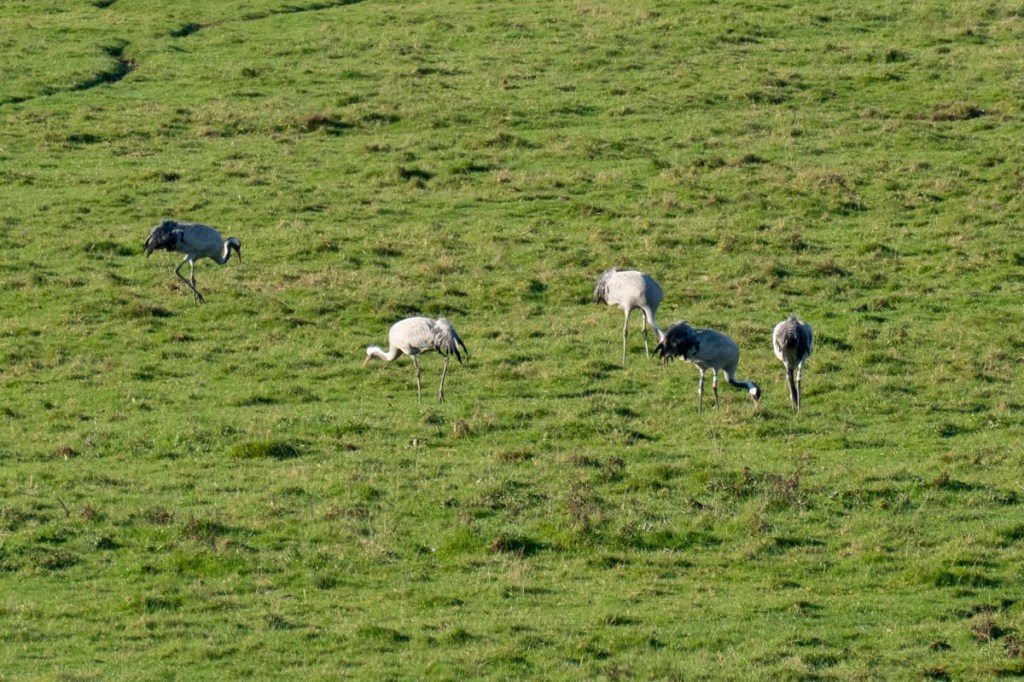
    Always good to get sight of common cranes

    Barnacle goose

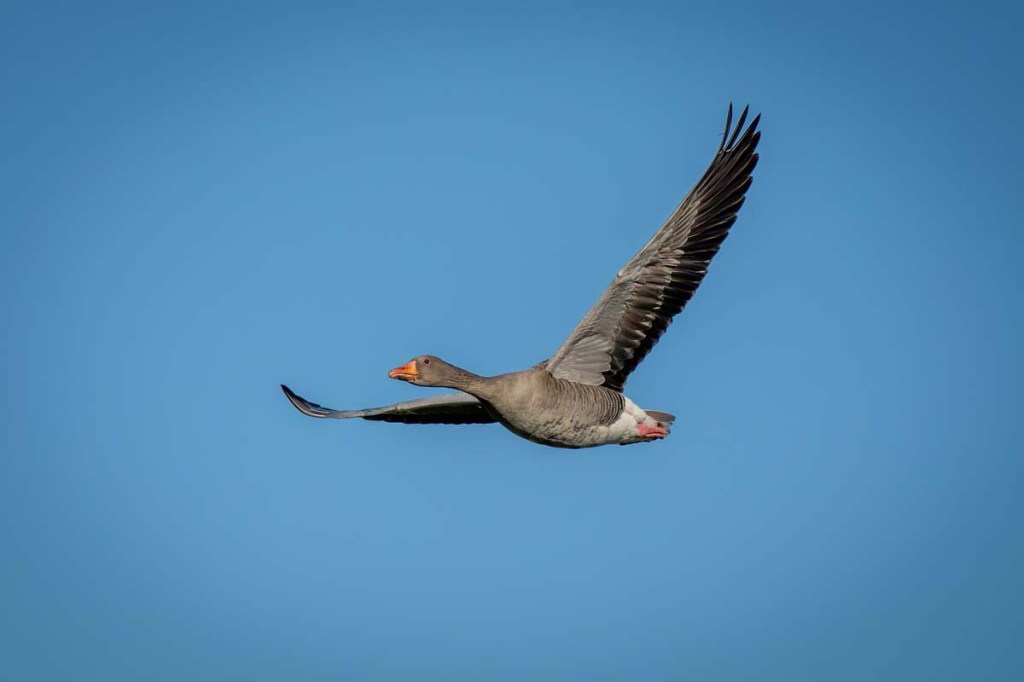
    Greylag goose

    There were very few waders, probably due to the shallow water (of which there is normally plenty at Slimbridge) being frozen and our main sightings were a small flock of dunlin which flew in and huddled together on a small island on the Rushy.

    Dunlin huddled together

    Bewick’s swan behind the dunlin. Tufted ducks and shelducks also on the pool.

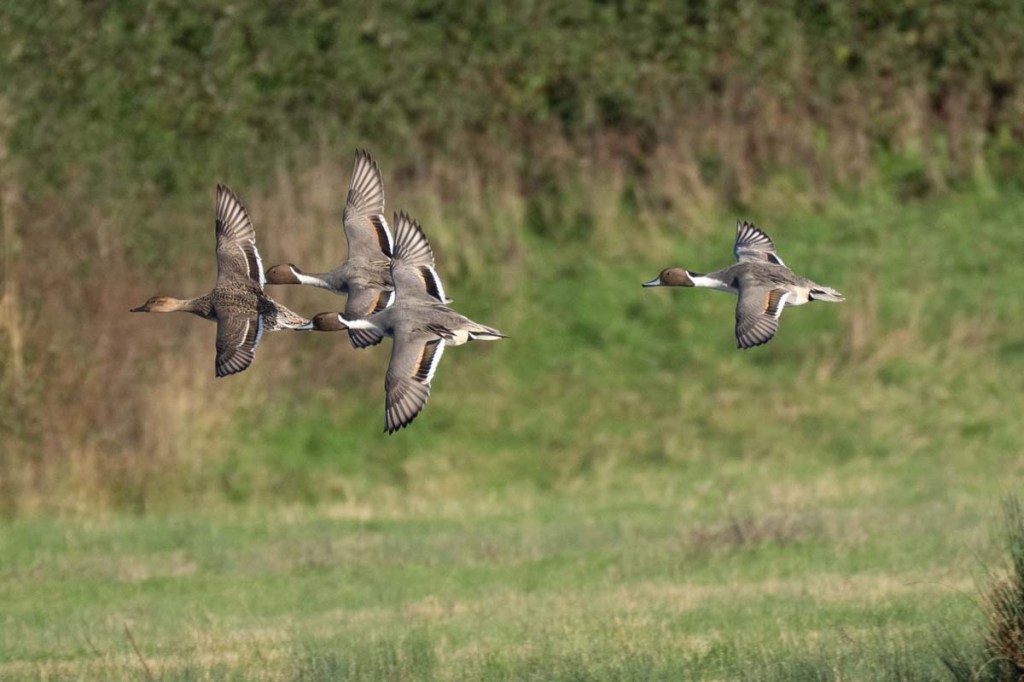
    Northern pintails – the female taking the lead

    The Temmink’s stint, which we had seen for the first time on our last visit, was still around but at some distance from us.
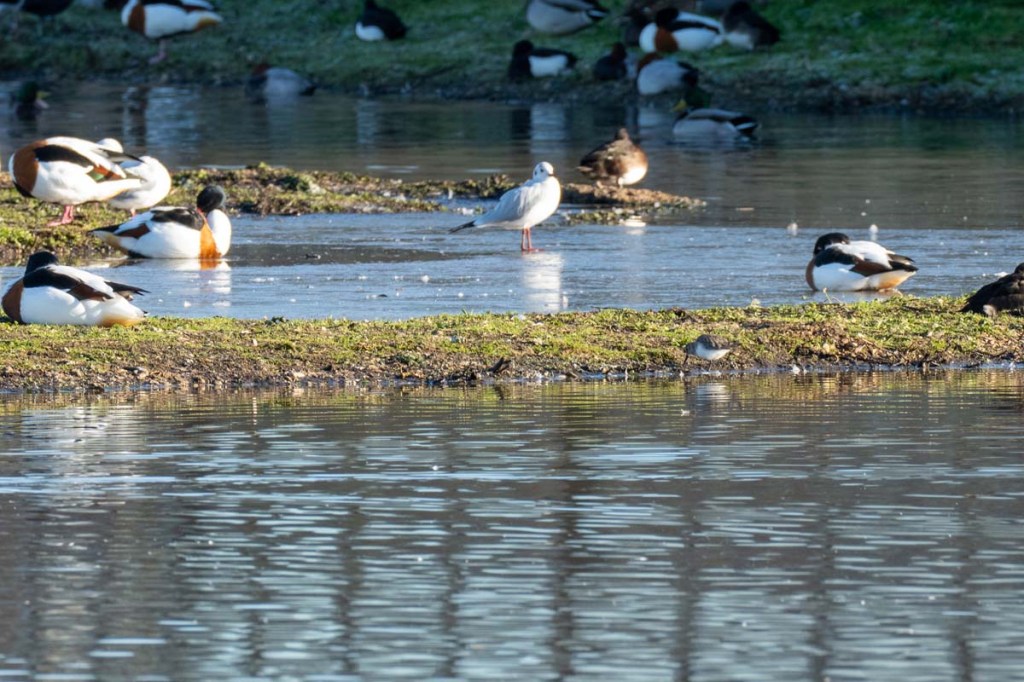
    The Temminck’s stint on the near edge of the bank

    Temminck’s stint

    Bewick’s swan

    Bewick’s swan

    Bewick’s swan

    Bewick’s swan

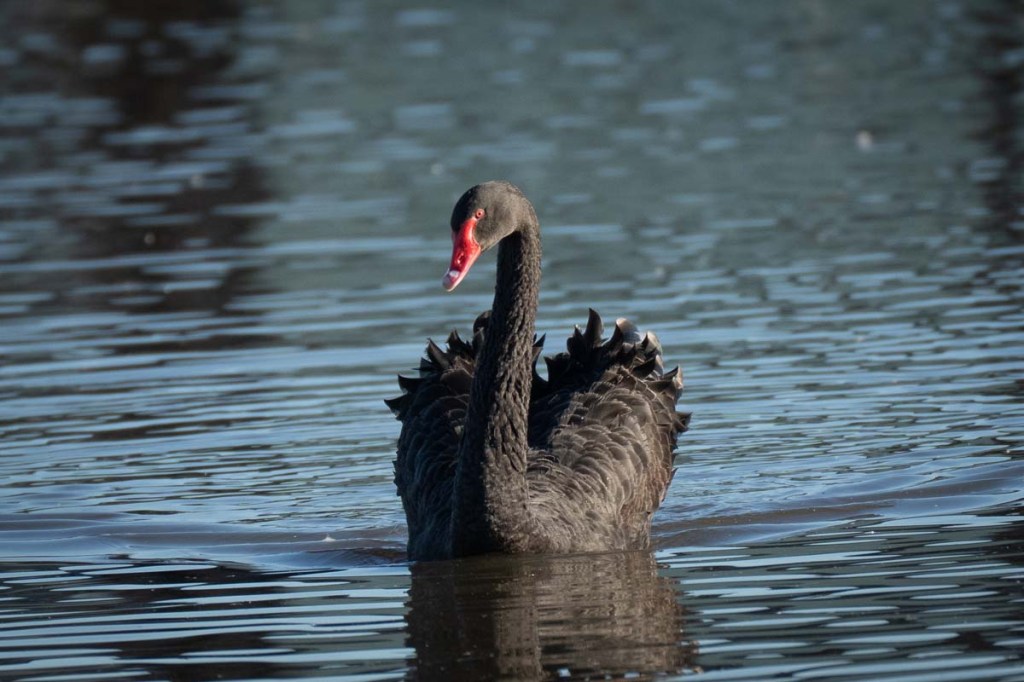
    Not all swans are white!

  • 28th July 2025 – WWT Slimbridge, Gloucestershire

    28th July 2025 – WWT Slimbridge, Gloucestershire

    The WWT (Wildlife and Wetlands Trust) is a growing, global community of nature lovers who do brilliant things for nature, especially encouraging young people to engage with nature. However, we visit WWT Slimbridge in the school holidays with some trepidation as we know it is going to be packed with very noisy, excitable children. Yet today (as most times) we were able to visit certain parts of the reserve in relative peace and quiet. The only children we came across were well-behaved and already enthusiastic nature lovers, generally accompanied by knowledgeable and encouraging grandparents.

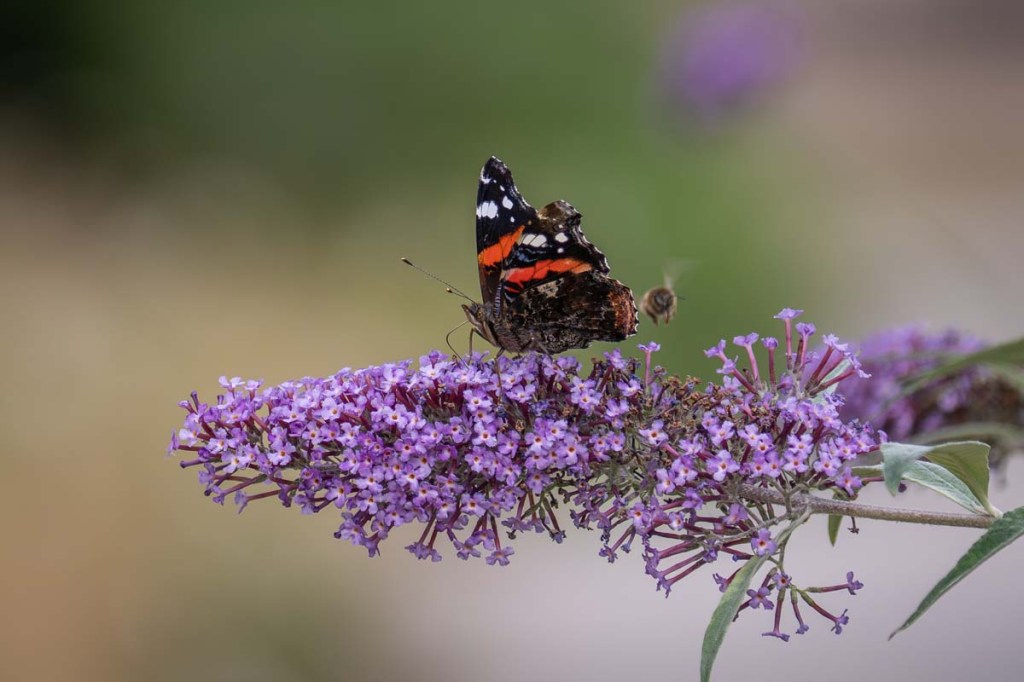
    This is the time of the year when many “birders” turn to butterflies but today there was plenty to keep us engaged and the only butterflies of note were red admirals. We had a good walk down to the Severn Estuary and , although the tide was really too high to see much on the water, we saw plenty en route.
    Red admirals are ubiquitous at the moment in this part of the country

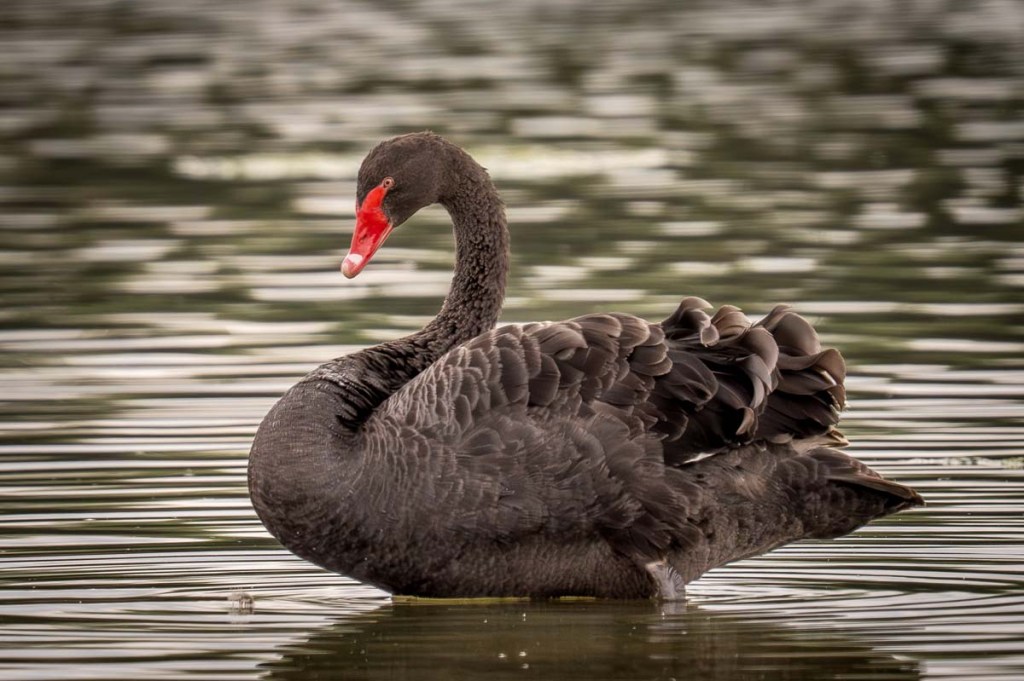
    Slimbridge is famous for its Bewick and Whooper swans in winter but today there was a black swan.

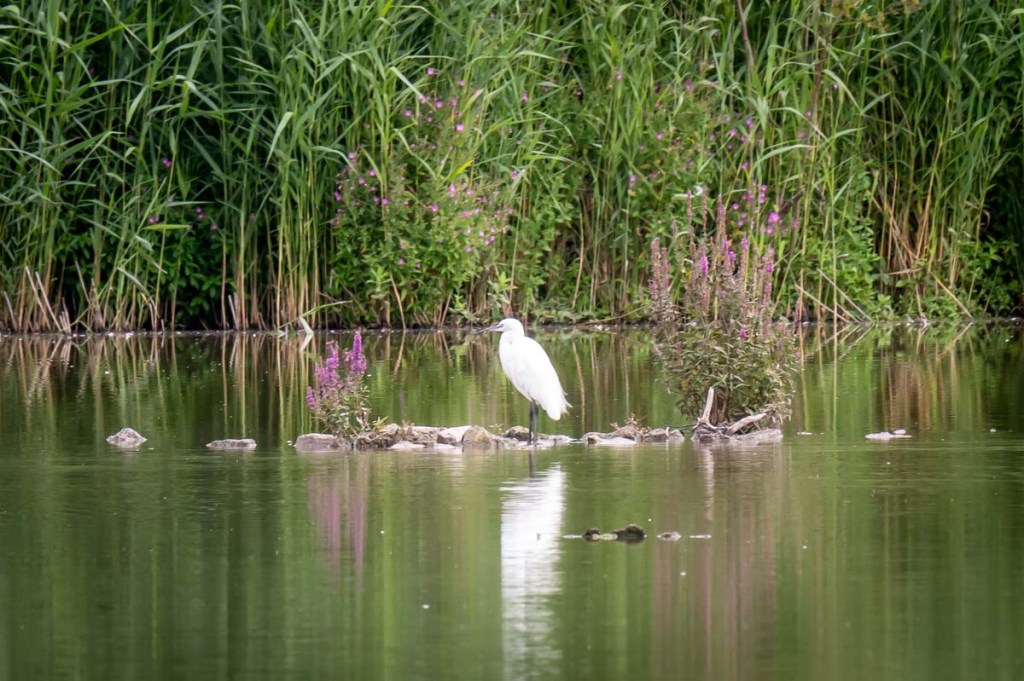
    The juxtaposition of this little egret to the black swan was quite splendid

    A young lapwing

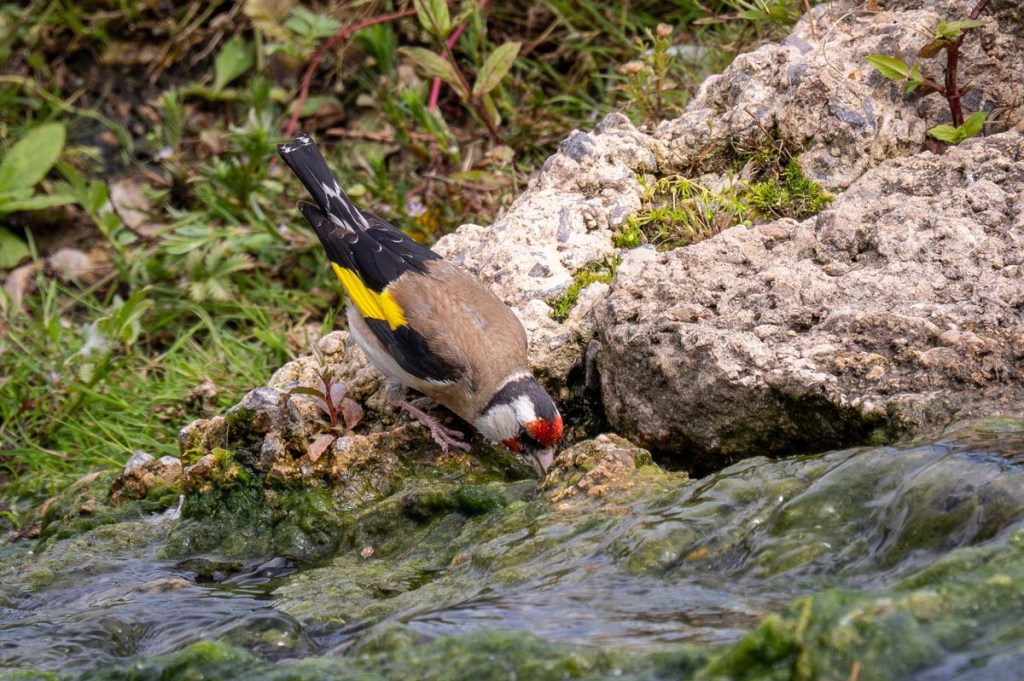
    Who says we only have LBJs in the UK? Goldfinch having a drink.

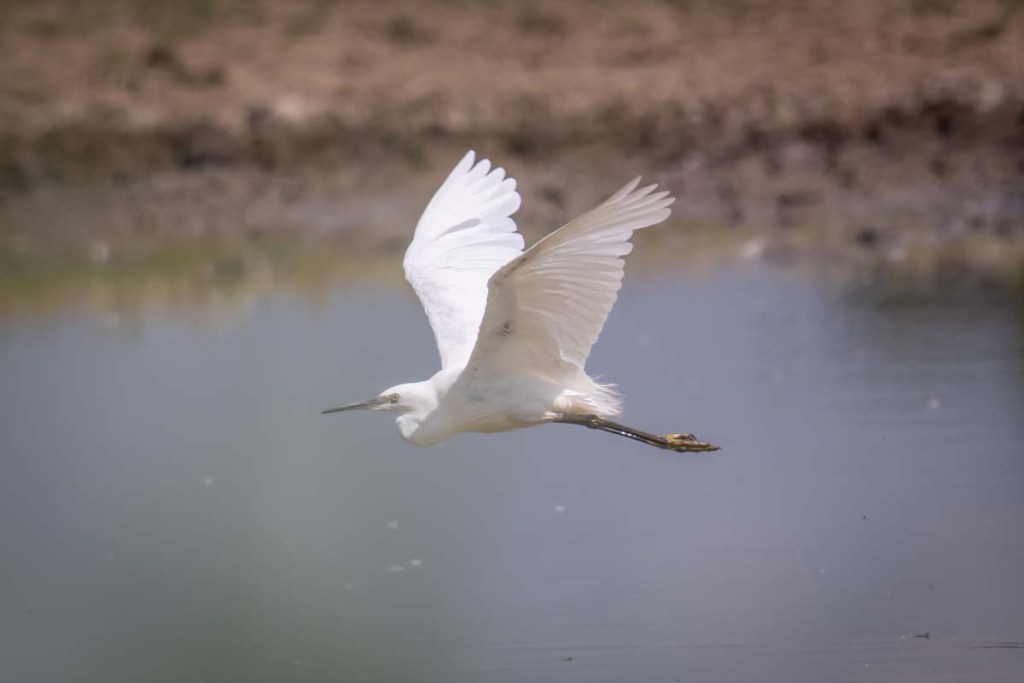
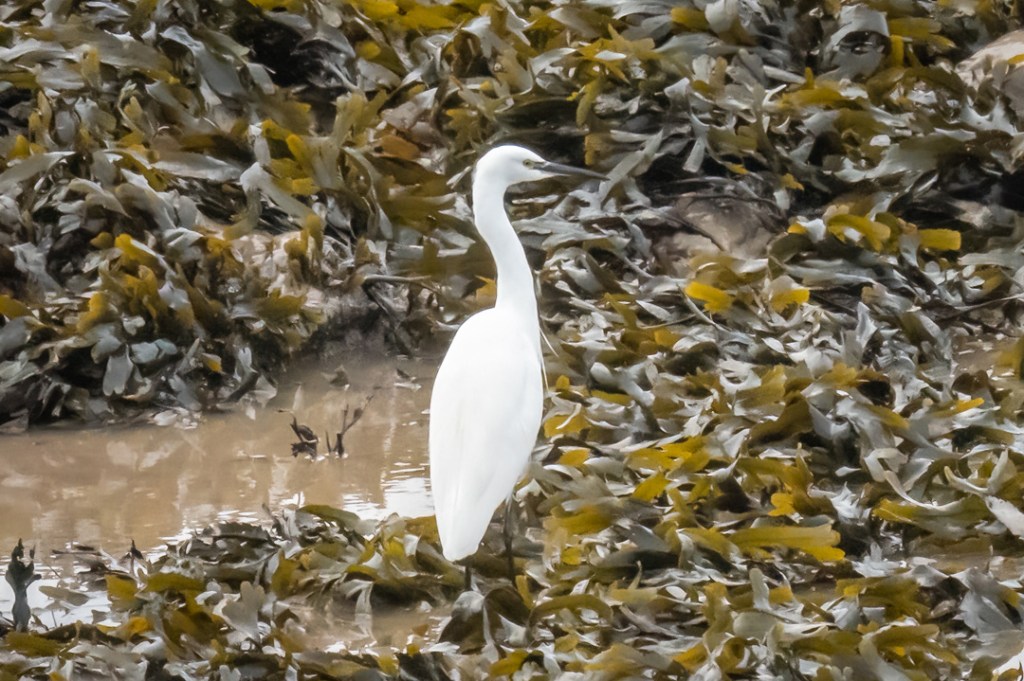
    We are lucky to see so many egrets in this part of the world these days.

    Little egret in flight

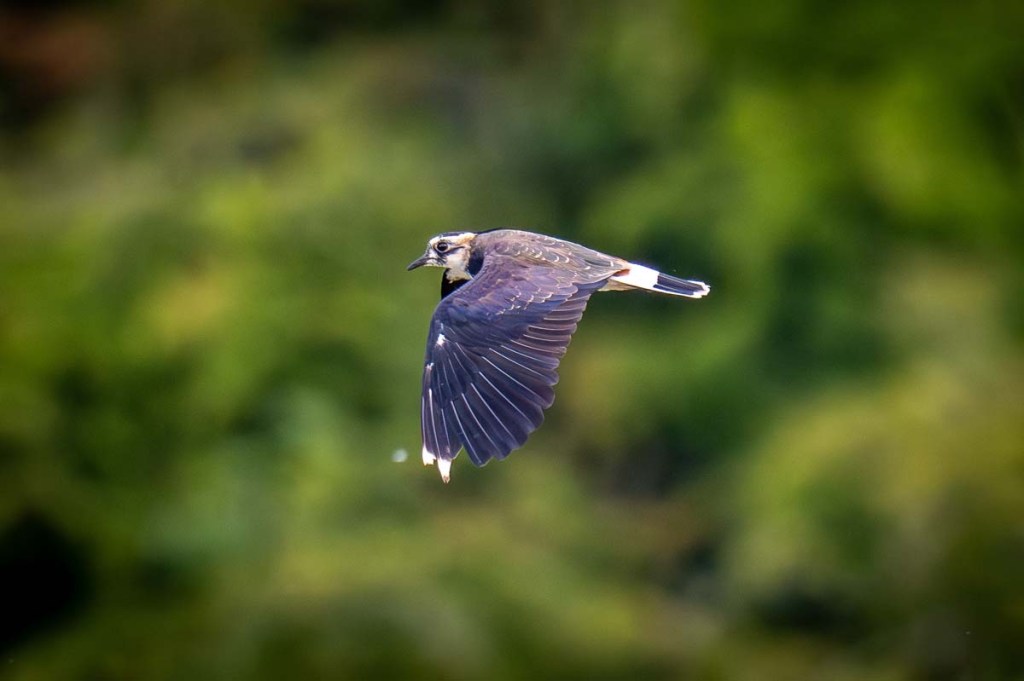
    Lapwing in flight

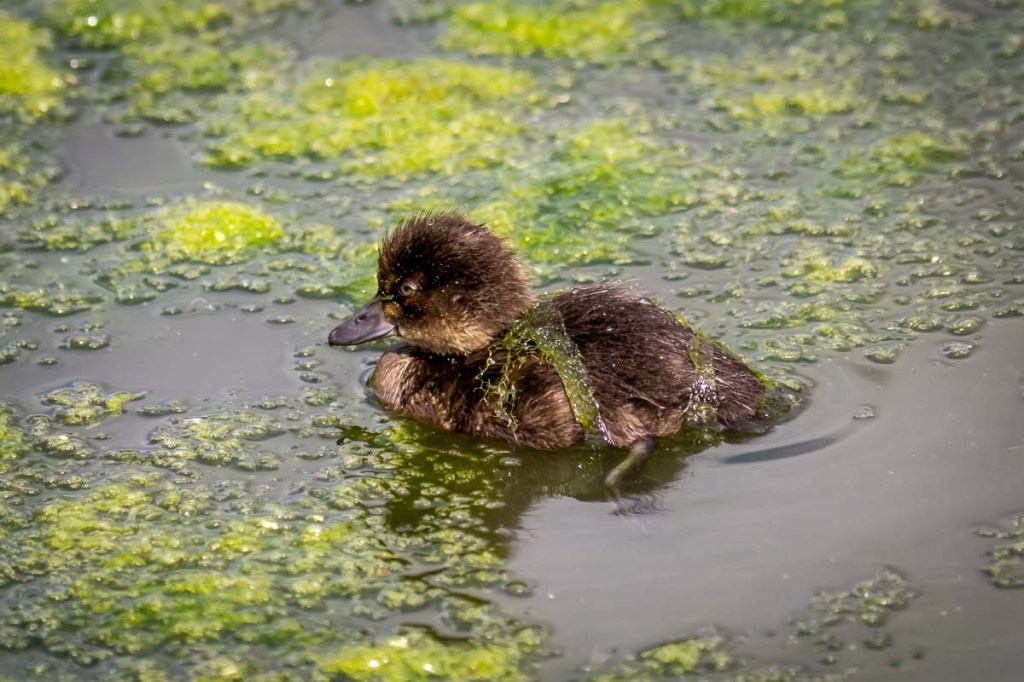
    A proud mum tufted duck

    … and one of her ducklings
    … and another (only because they are so cute)

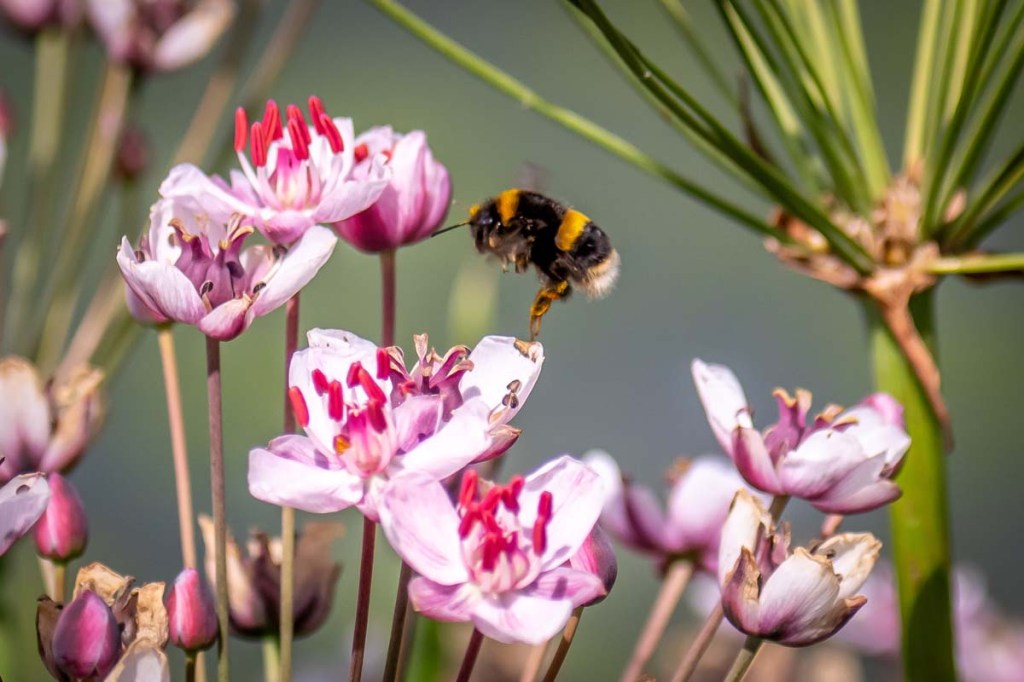
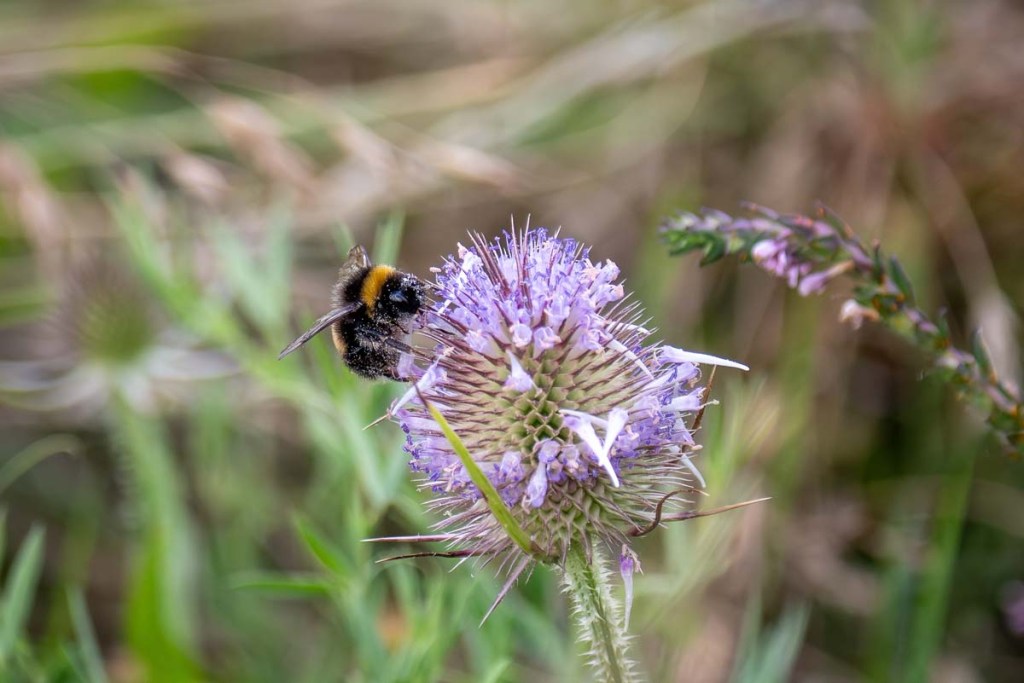
    Clever planting attracts many bees

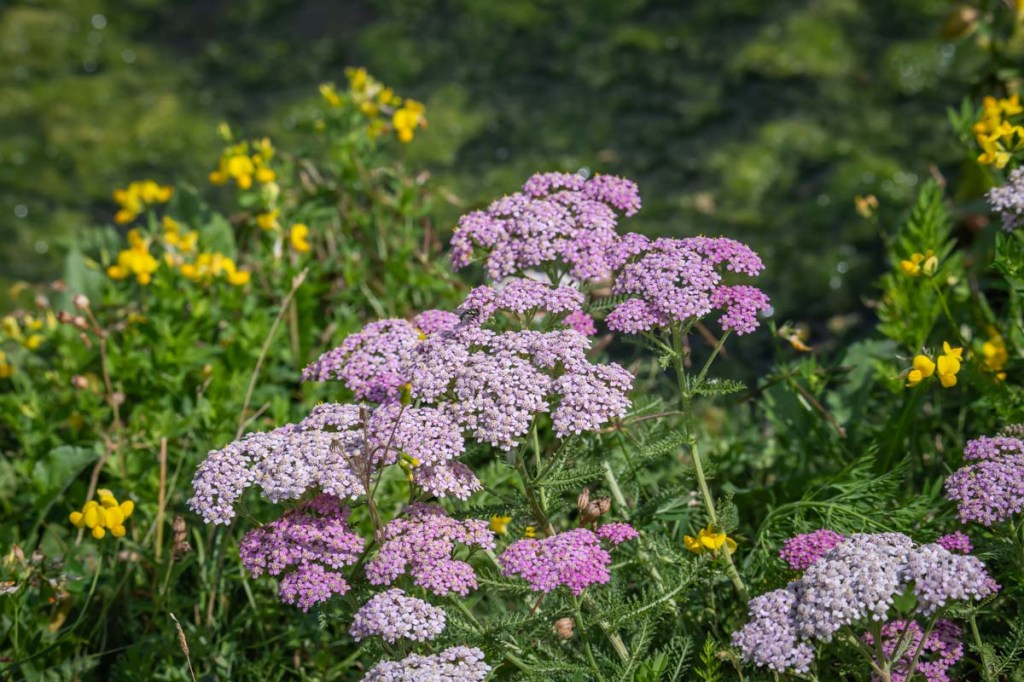
    I wish the achillea in my garden was as bright as this cousin

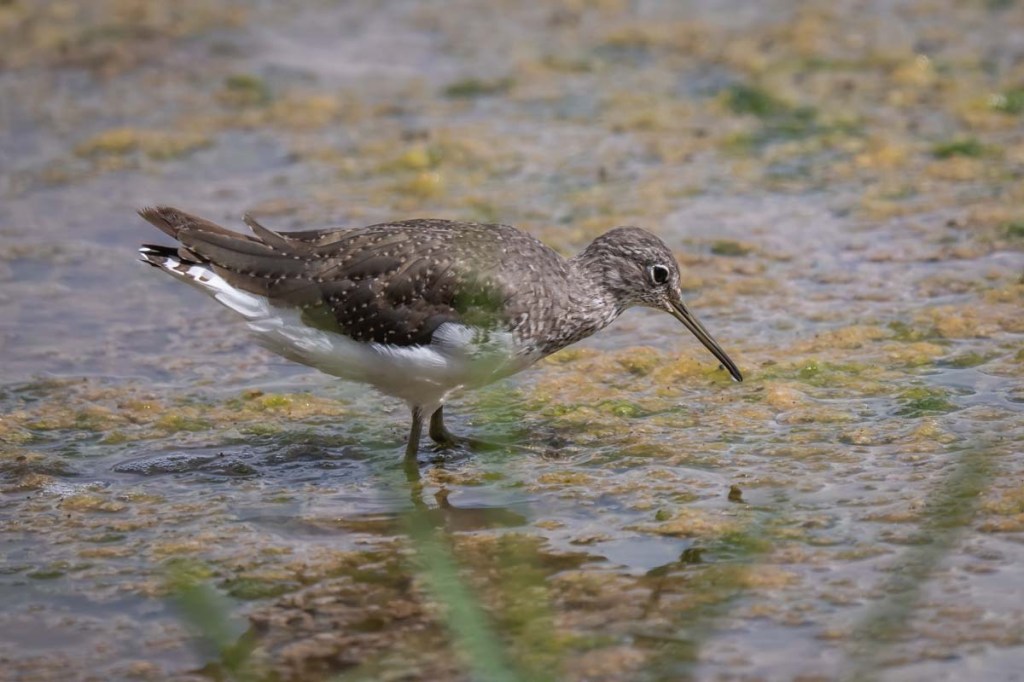
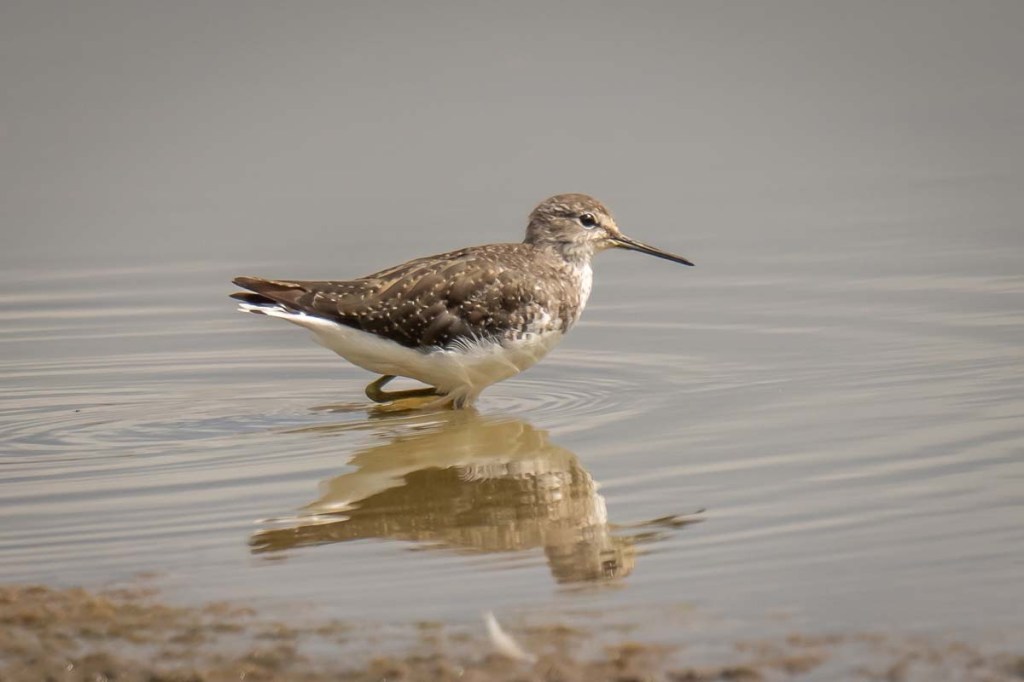
    One of five green sandpipers

    Green sandpiper

    Green sandpiper

    Sand Martin down on the estuary

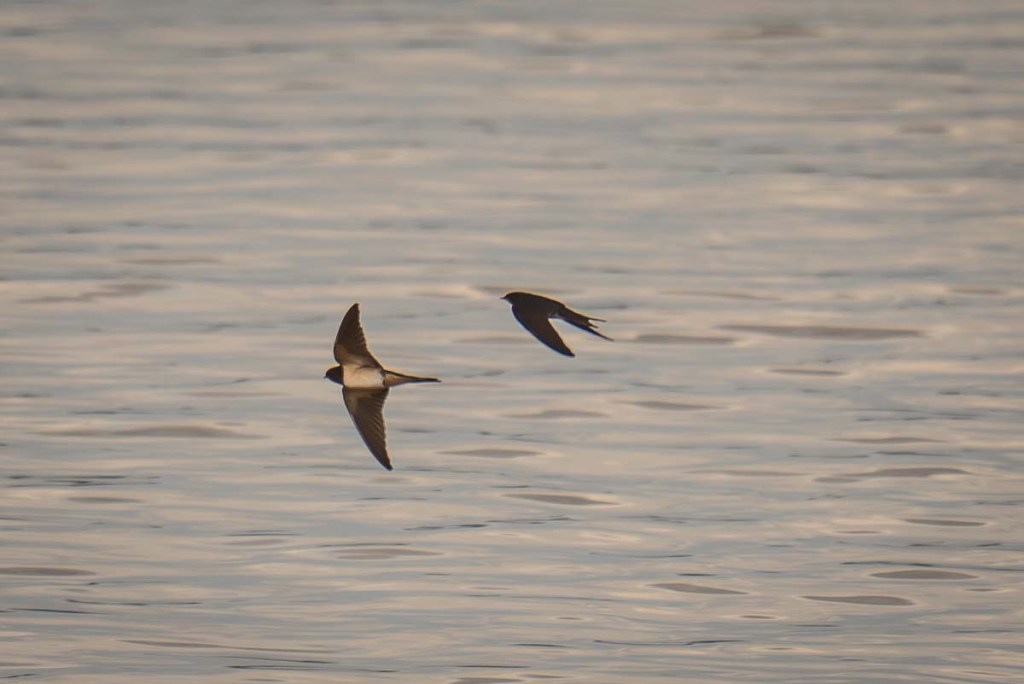
    The light was poor down by the estuary but I could just capture these barn swallows

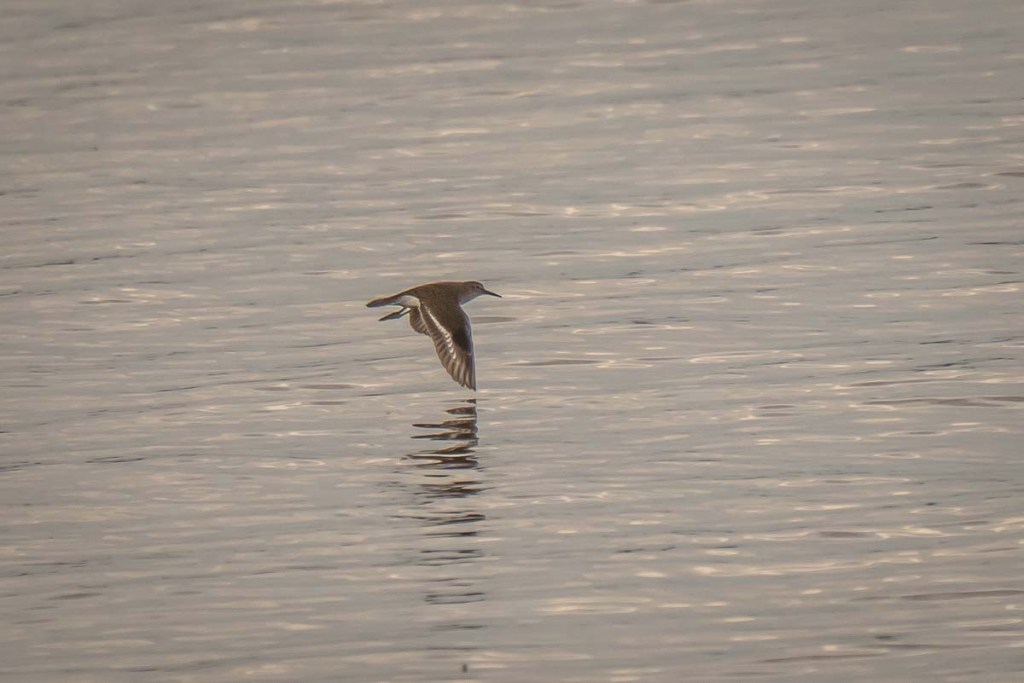
    Common sandpiper on the Severn Estuary

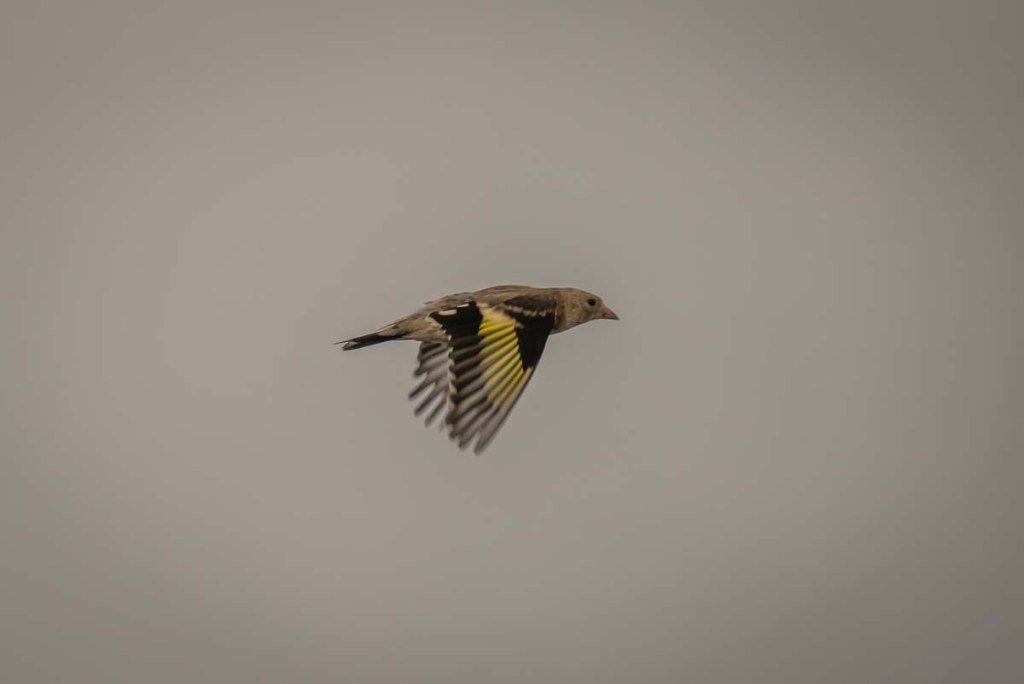
    Goldfinch in flight

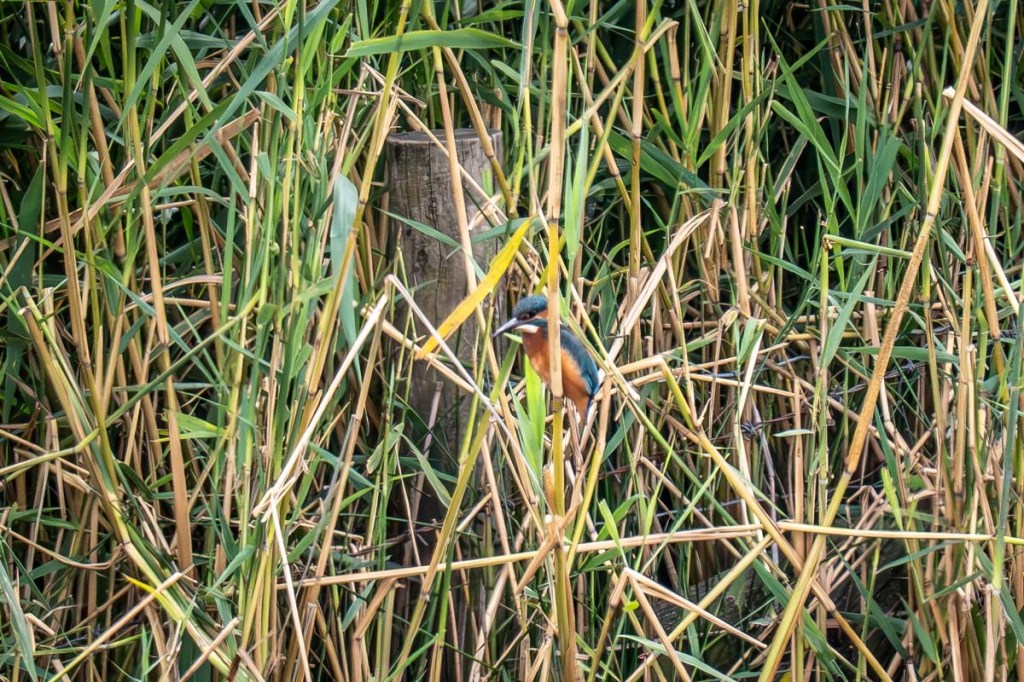
    Kingfisher with a small appetiser

    Kingfisher

    Kingfisher

    Kingfisher

    Kingfisher

    Kingfisher
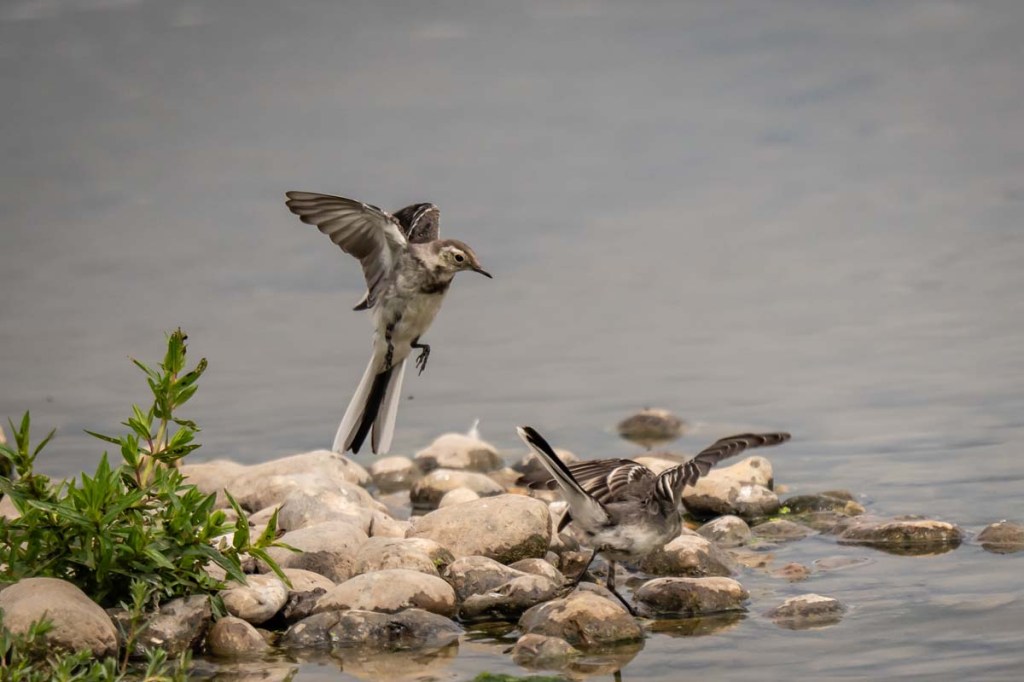
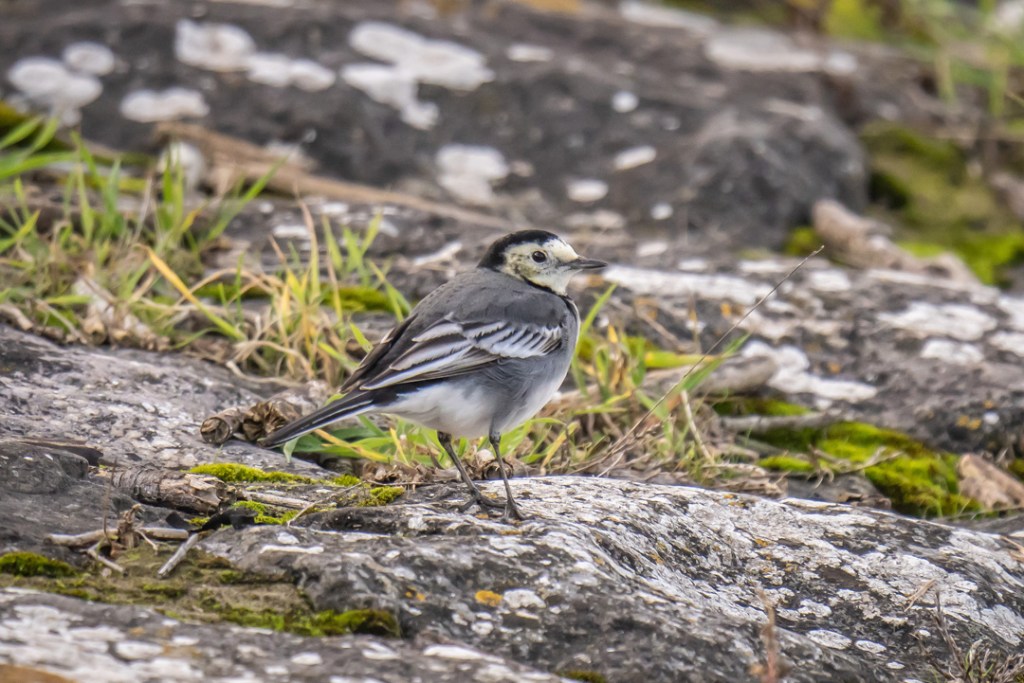
    Pied/white wagtail

    Pied/white wagtails

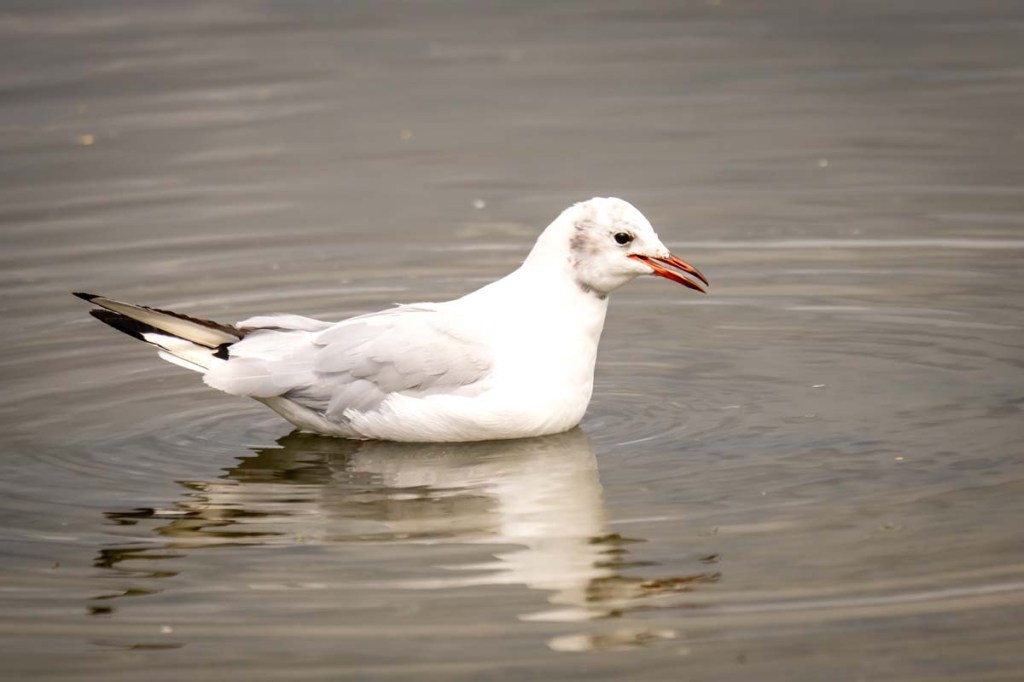
    Black-headed gull

    Black-headed gull

    Goldfinch

    A spoonbill, common cranes and curlews (heard but not seen) all too far for my lens.

    There was even a lovely exhibition of very accomplished textile wall hangings

  • 4th October 2024 – WWT Slimbridge, Gloucestershire

    4th October 2024 – WWT Slimbridge, Gloucestershire

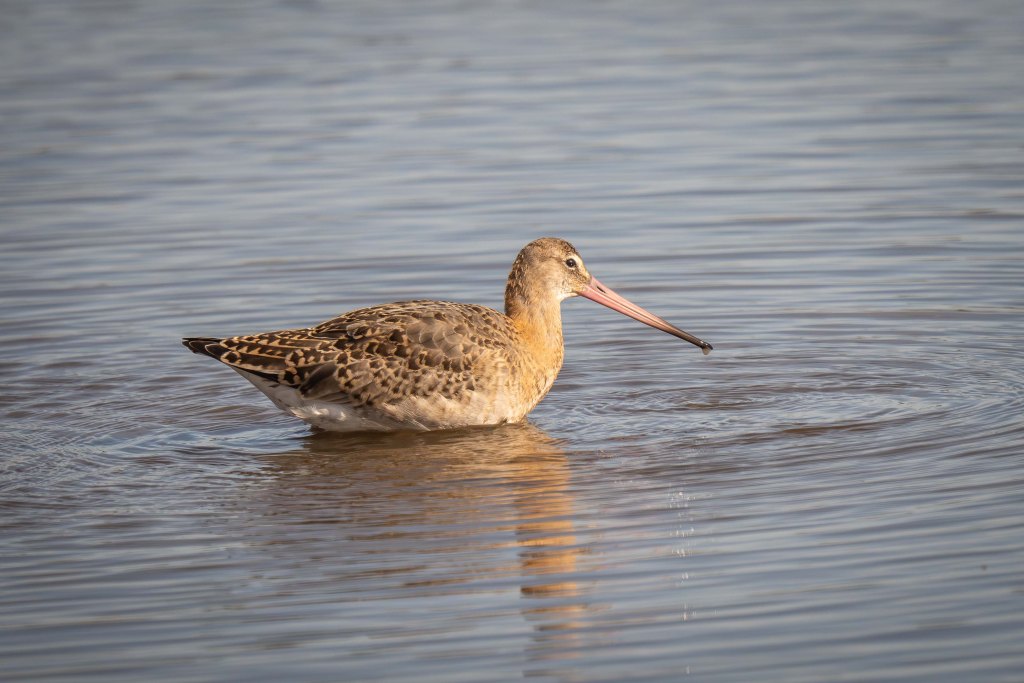
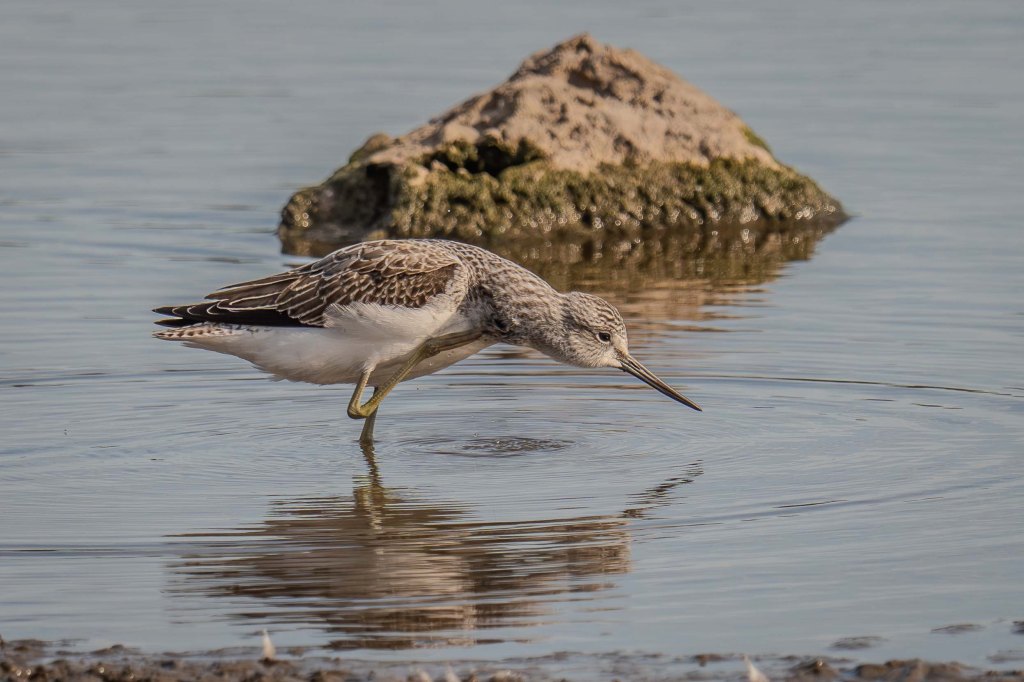
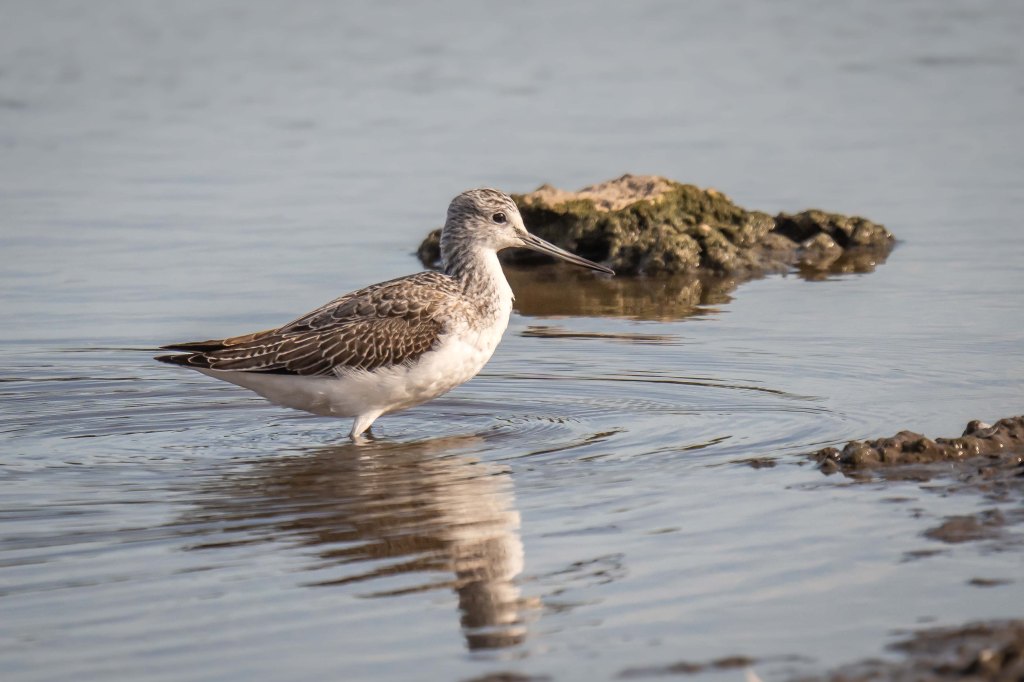
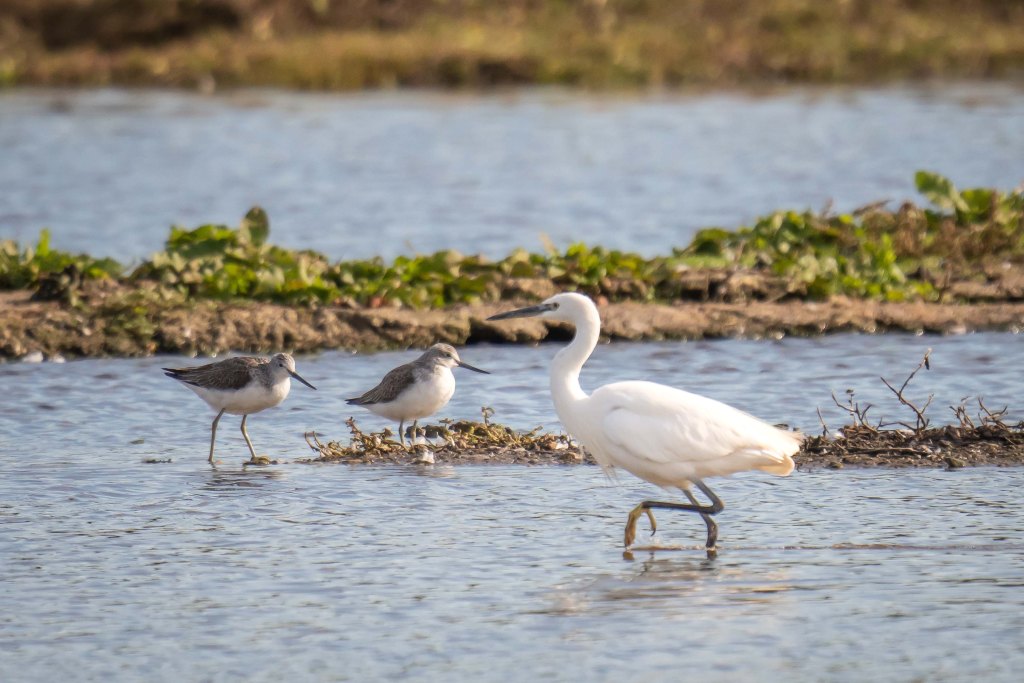
    A beautiful start to the day encouraged us to venture north from Bristol to spend a while at the World Wetlands Trust reserve at Slimbridge. We were well rewarded with close ups of black-tailed godwits, common greenshank, common redshank, northern lapwings, a little egret, Canada and Greylag geese and a green sandpiper.

    Unfortunately, the beautiful light didn’t last long and nor did we.

    Black-tailed godwit

    Black-tailed godwit

    Common greenshank

    Common greenshank

    Common greenshank

    Common greenshank and little egret

    Northern lapwing and little egret

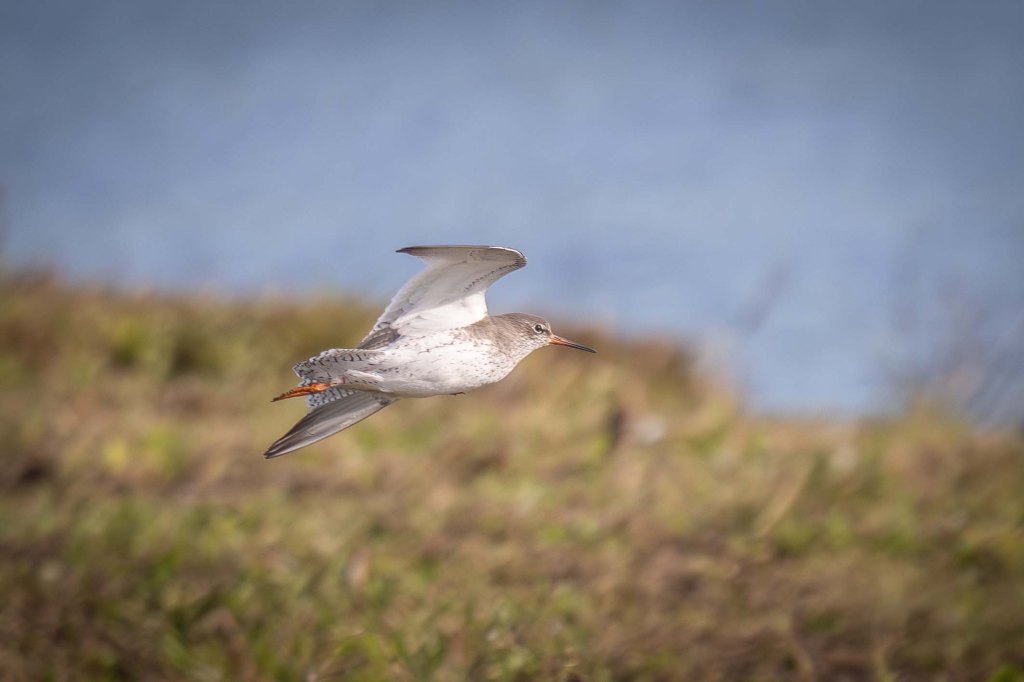
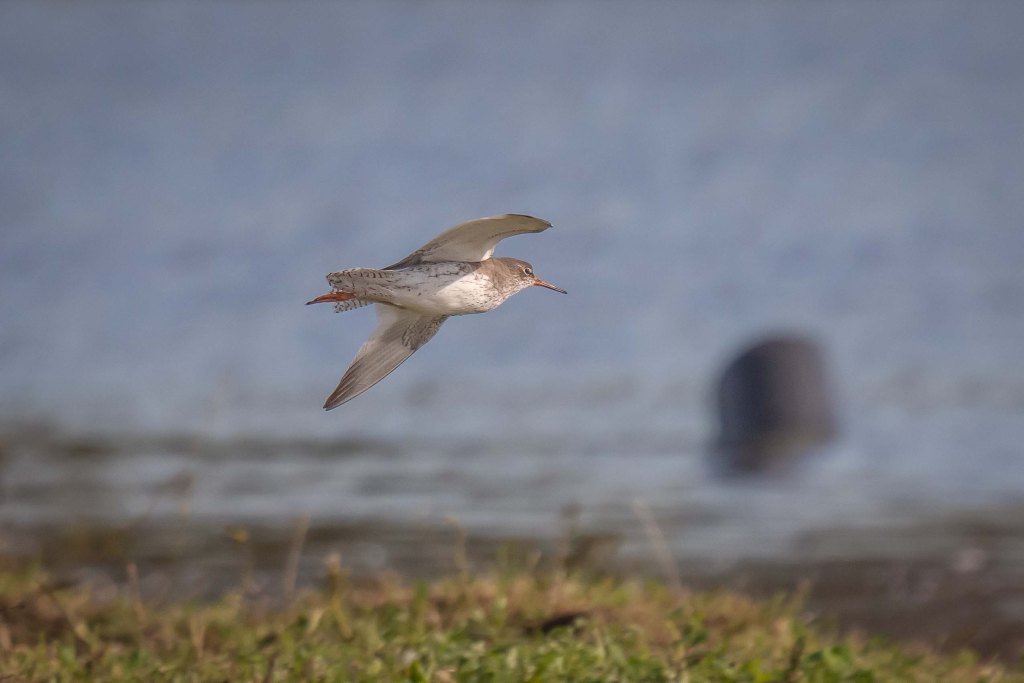
    Common redshank in flight

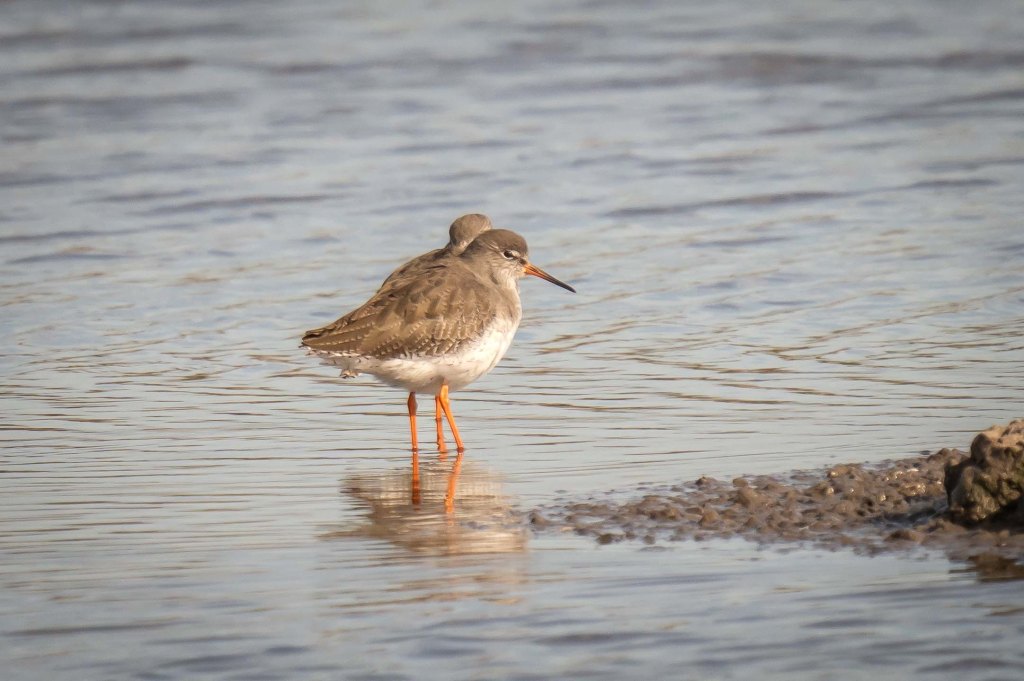
    Common redshank with their feet firmly on the ground

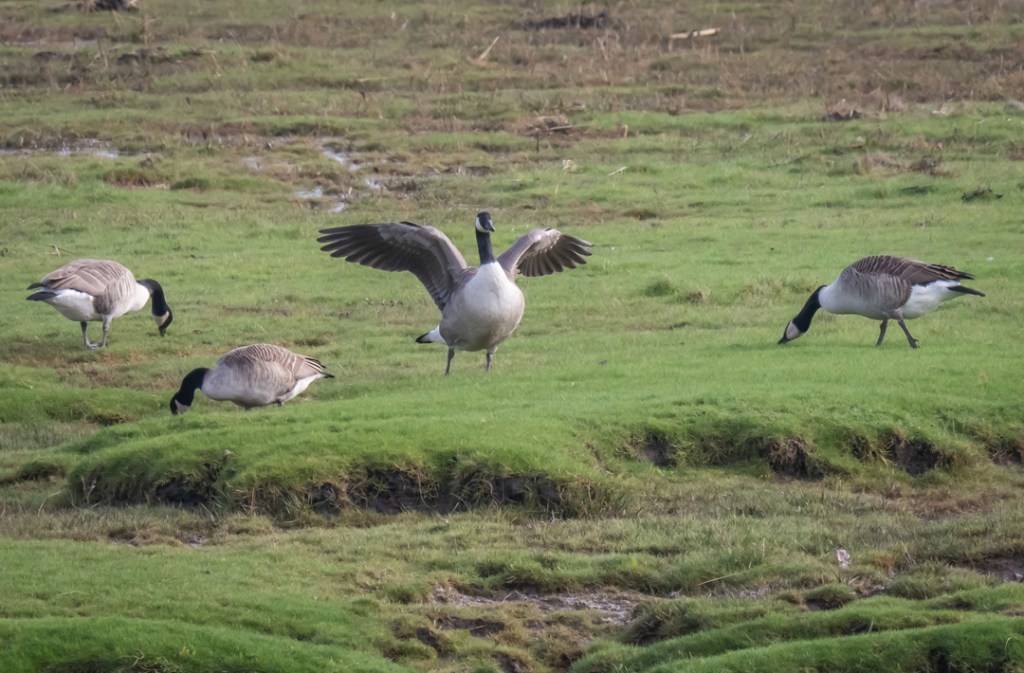
    Canada geese

    Eurasian teal

    Greylag geese

    Close up of a northern lapwing showing its beautiful iridescent plumage to best effect

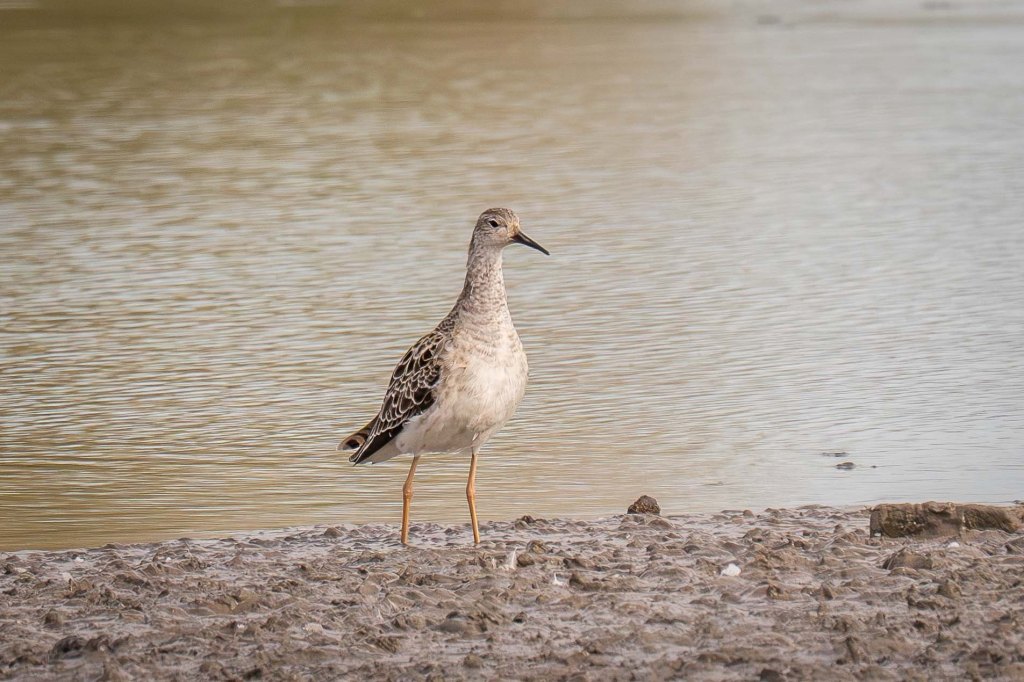
    Ruff

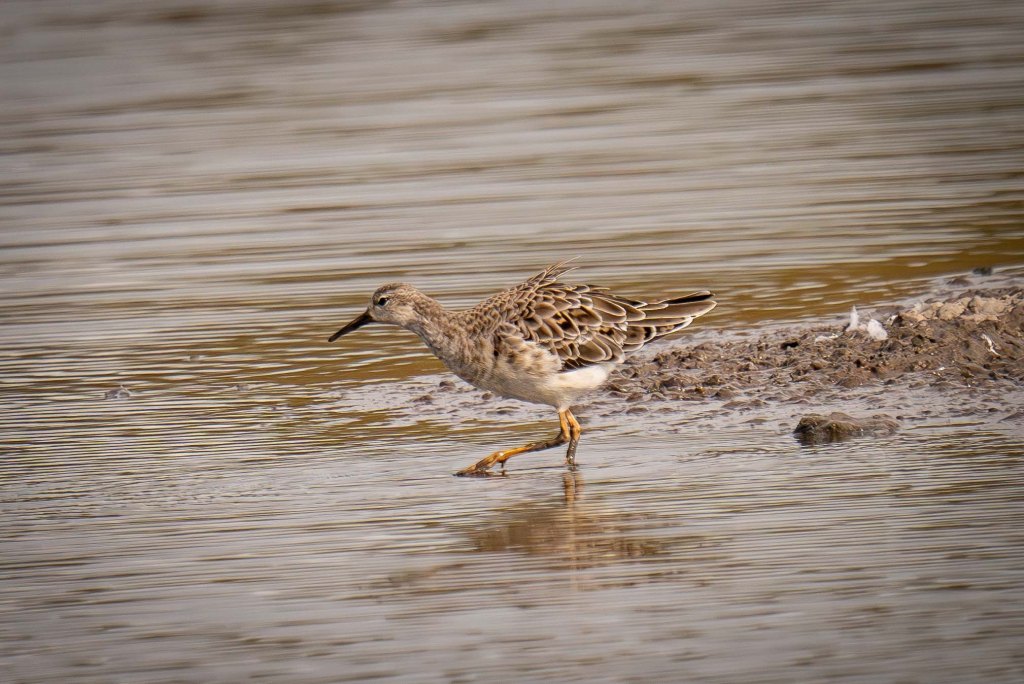
    Ruff

    Green sandpiper

    Green sandpiper

    Ruff

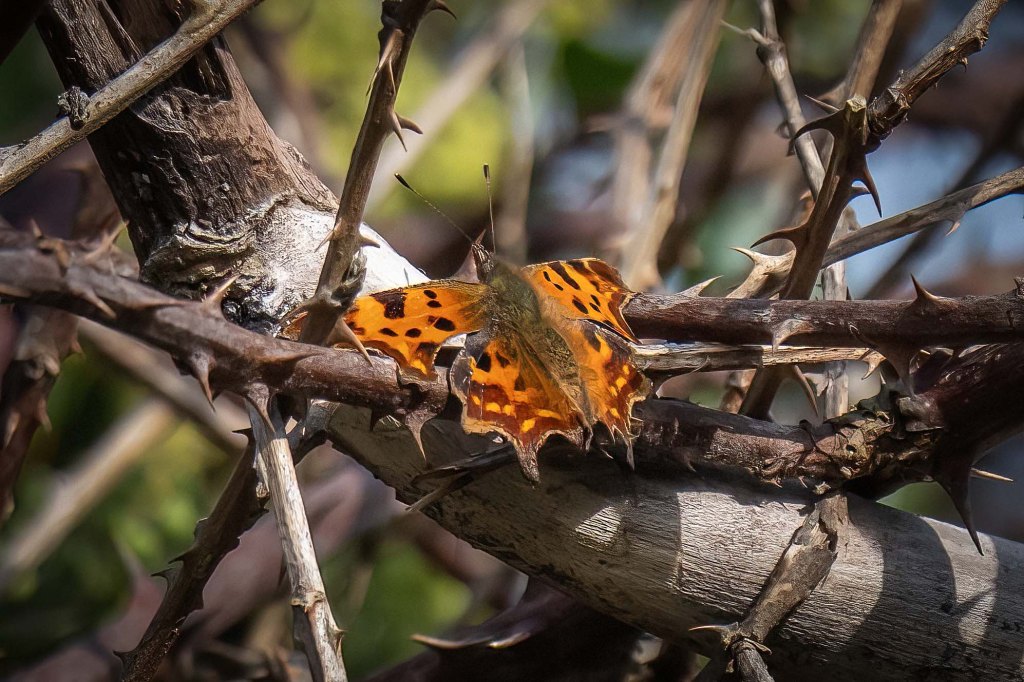
    Comma butterfly

  • 5th November 2021 – New Passage, Severn Estuary

    5th November 2021 – New Passage, Severn Estuary

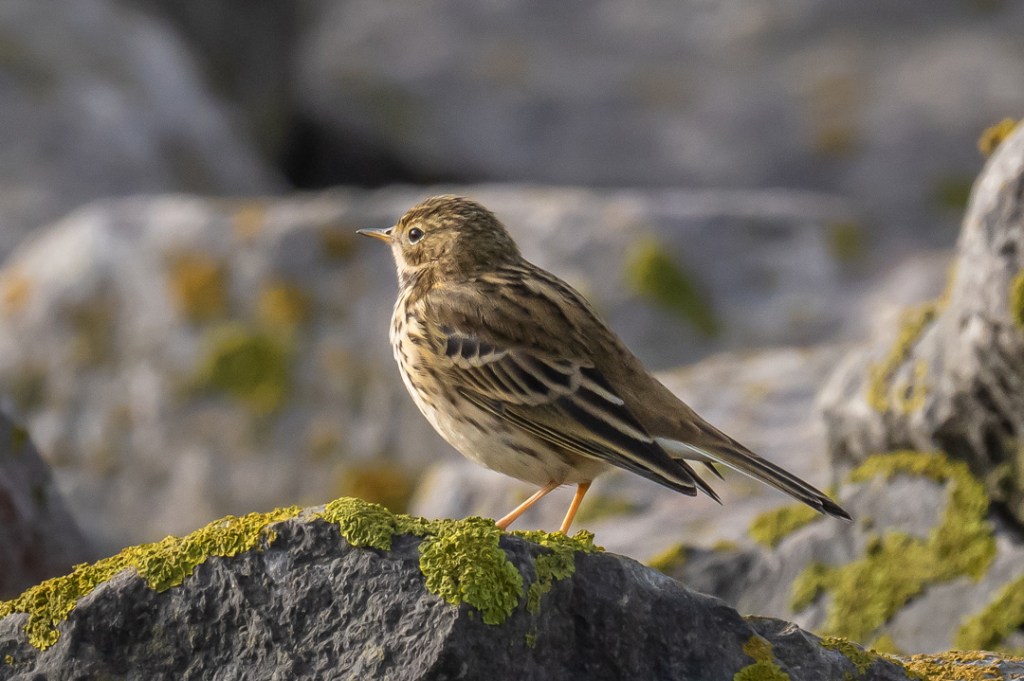
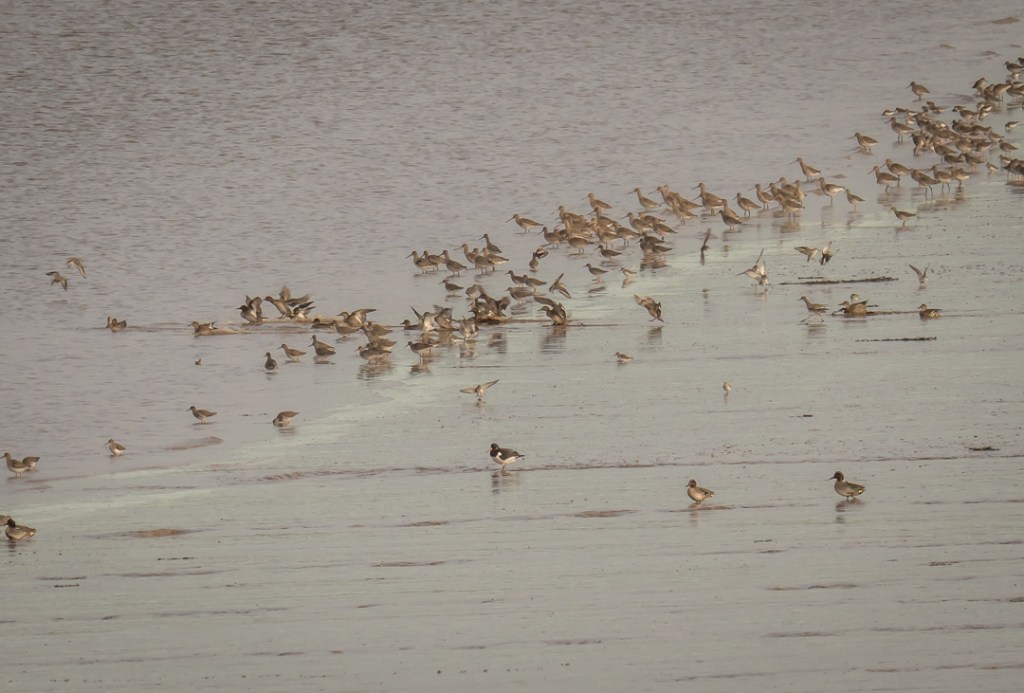
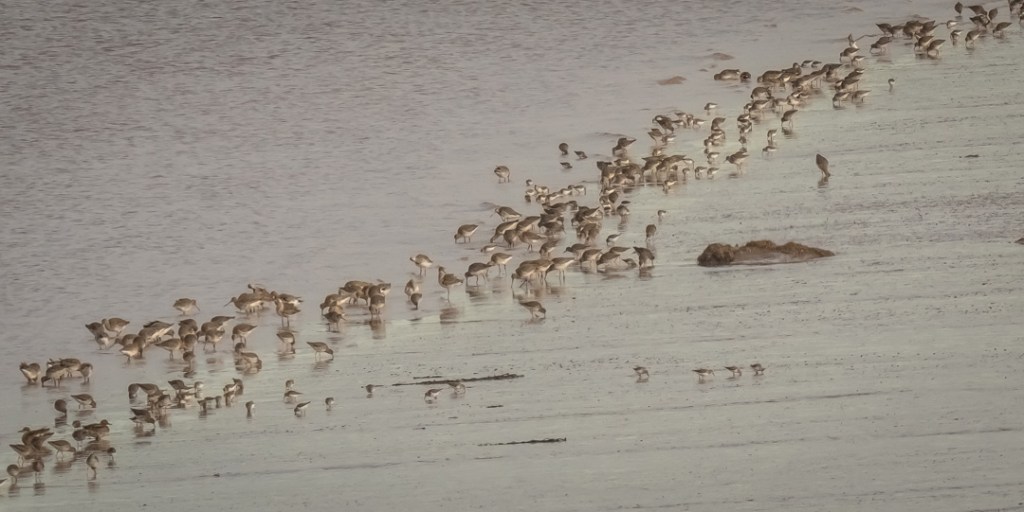
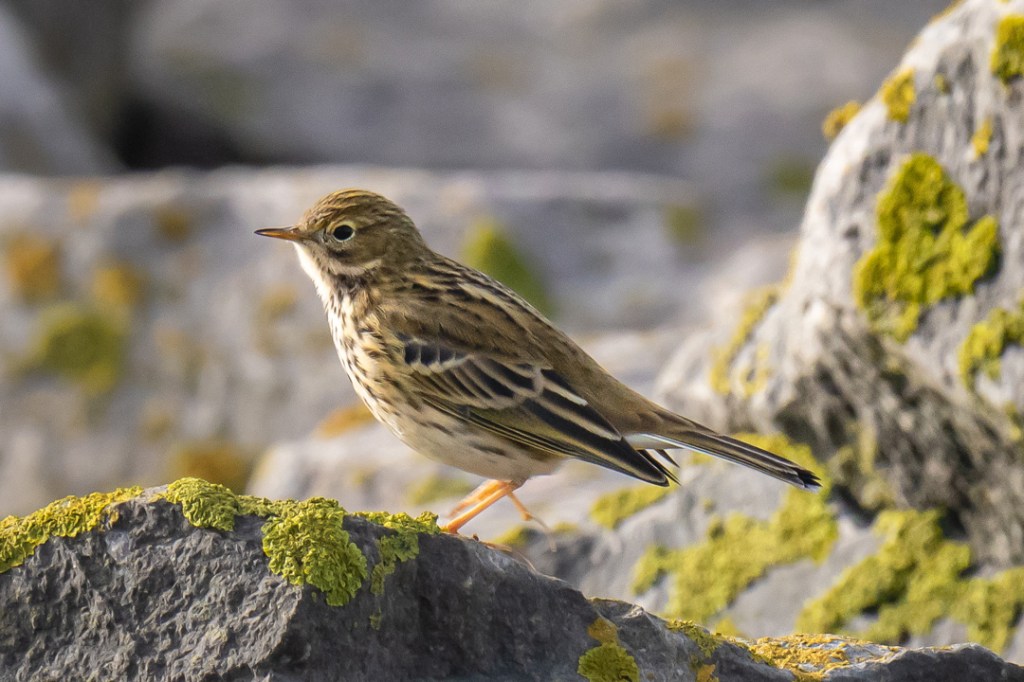
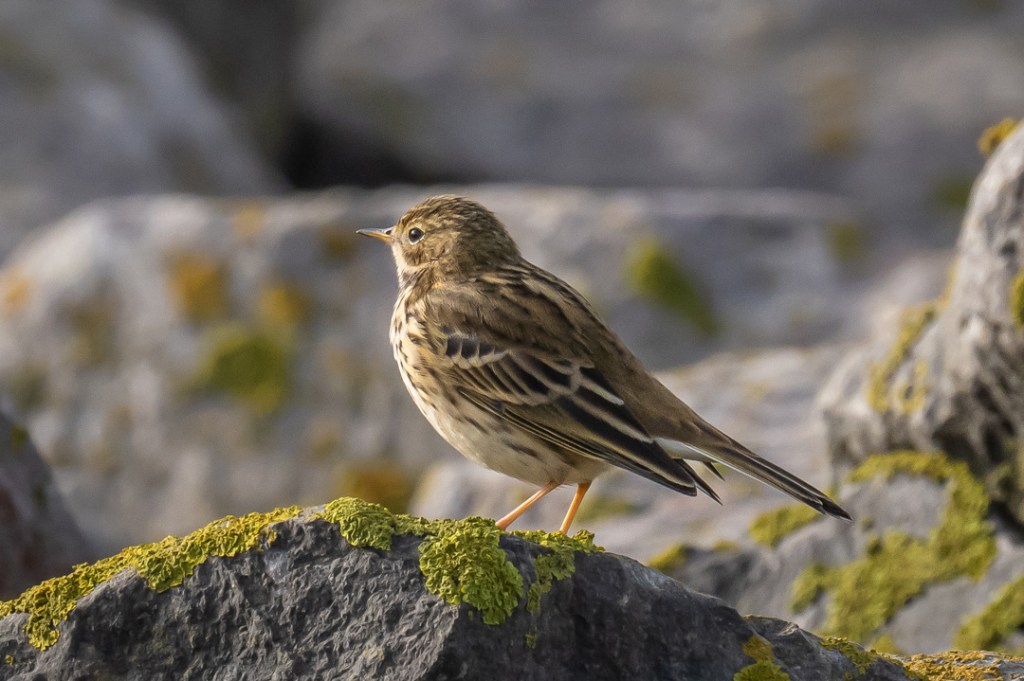
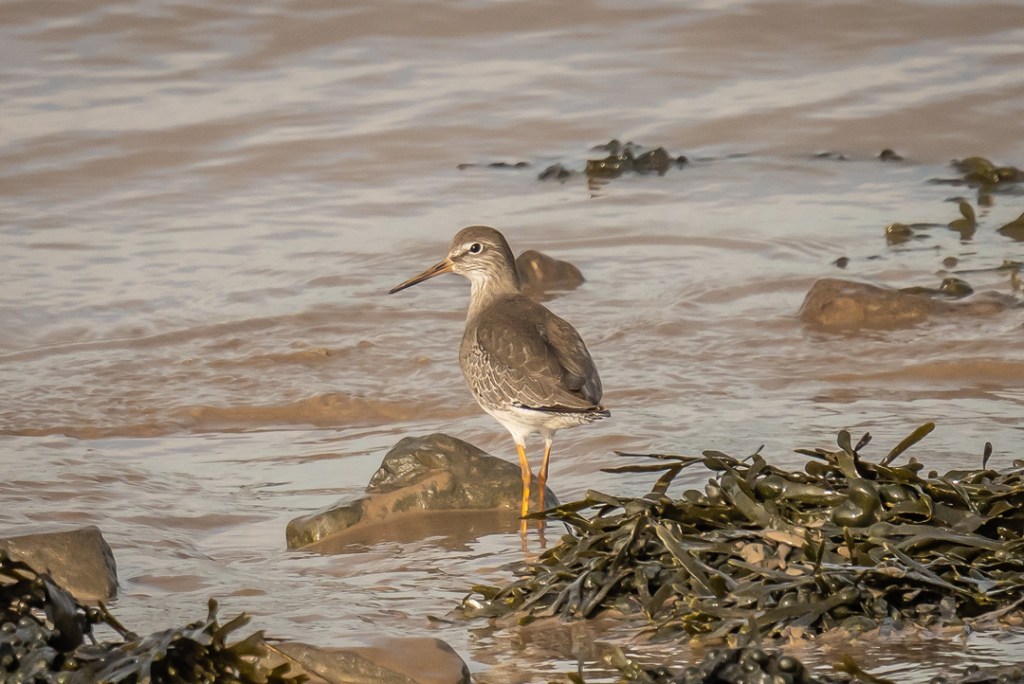
    There were lots of waders on the foreshore (and on the warth) at New Passage this morning but generally they were too far away for my lens. However, a few redshank and turnstone came closer and allowed me to get some close-ups. The meadow pipit on the rocks on our walk to Severn Beach was probably the highlight for me. although I did confuse it for a rock pipit at first.

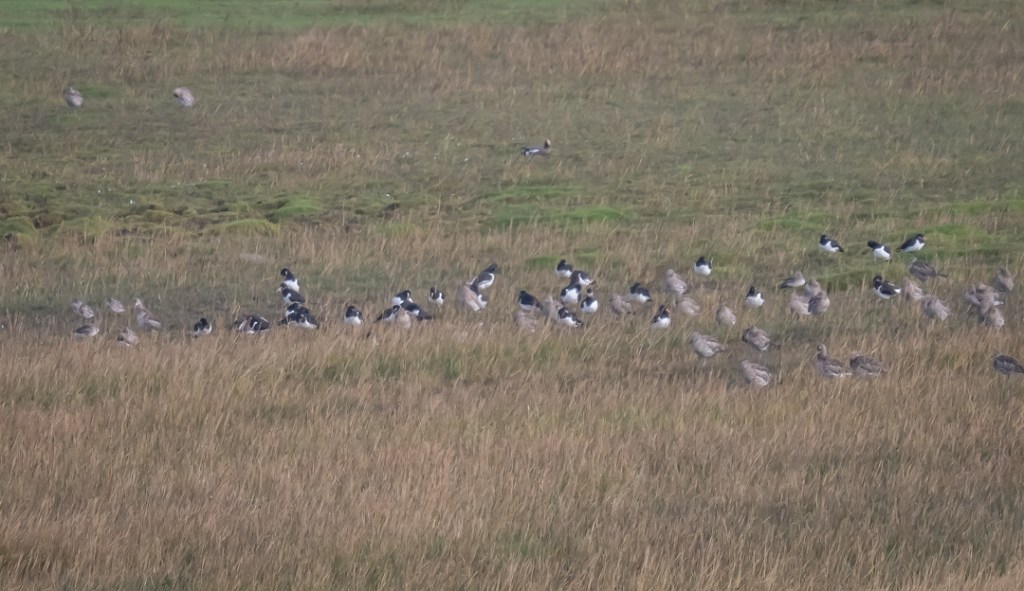
    More for those with telescopes
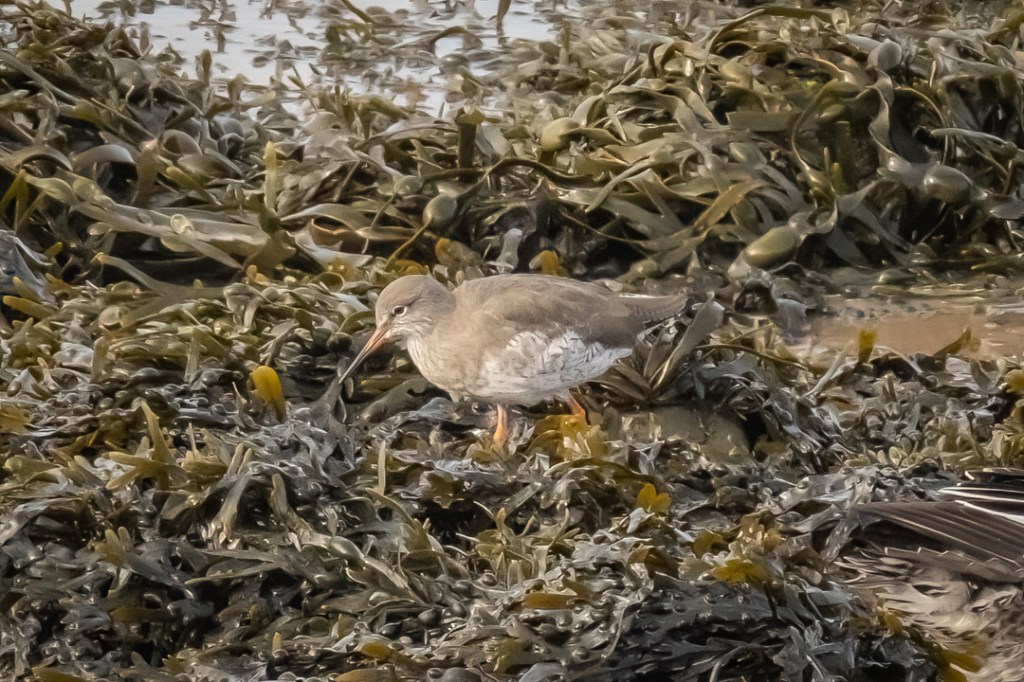
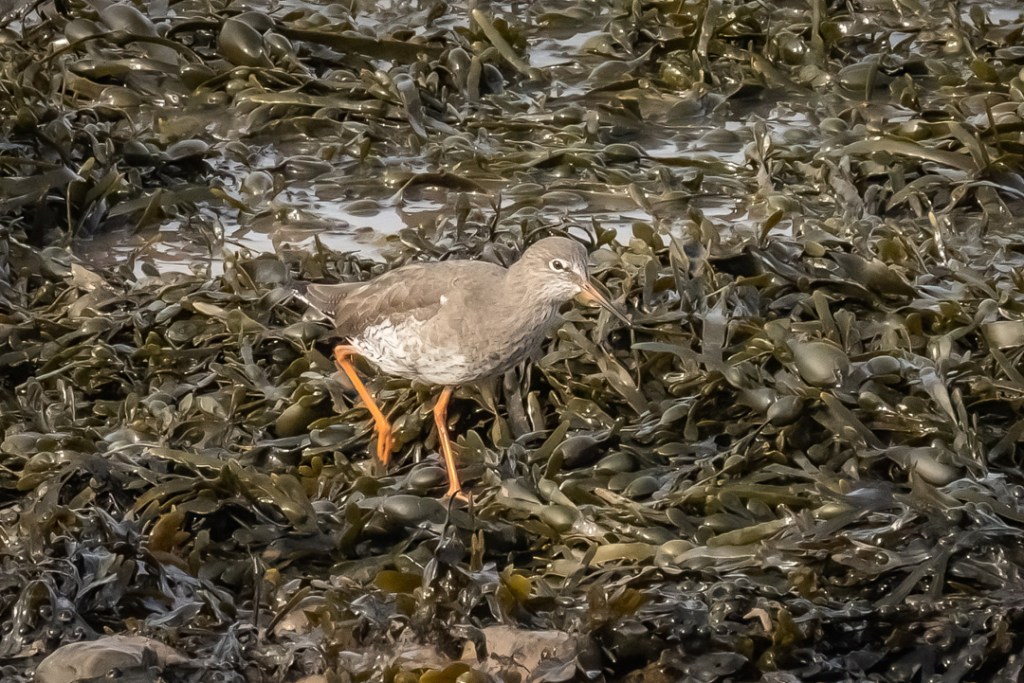
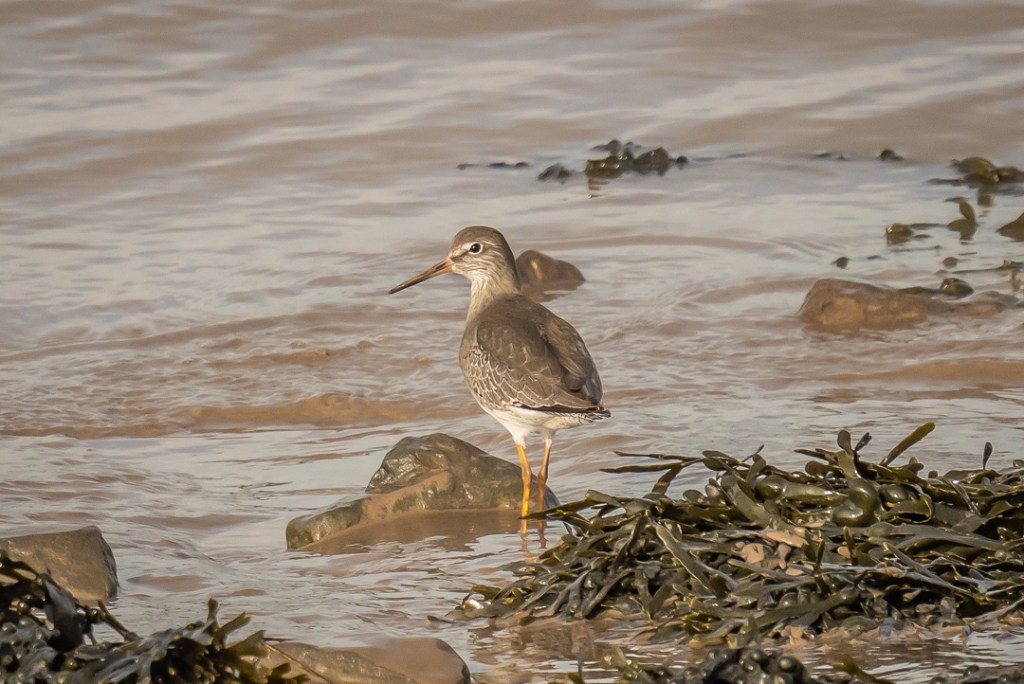
    Redshank
    Redshank
    Redshank in flight
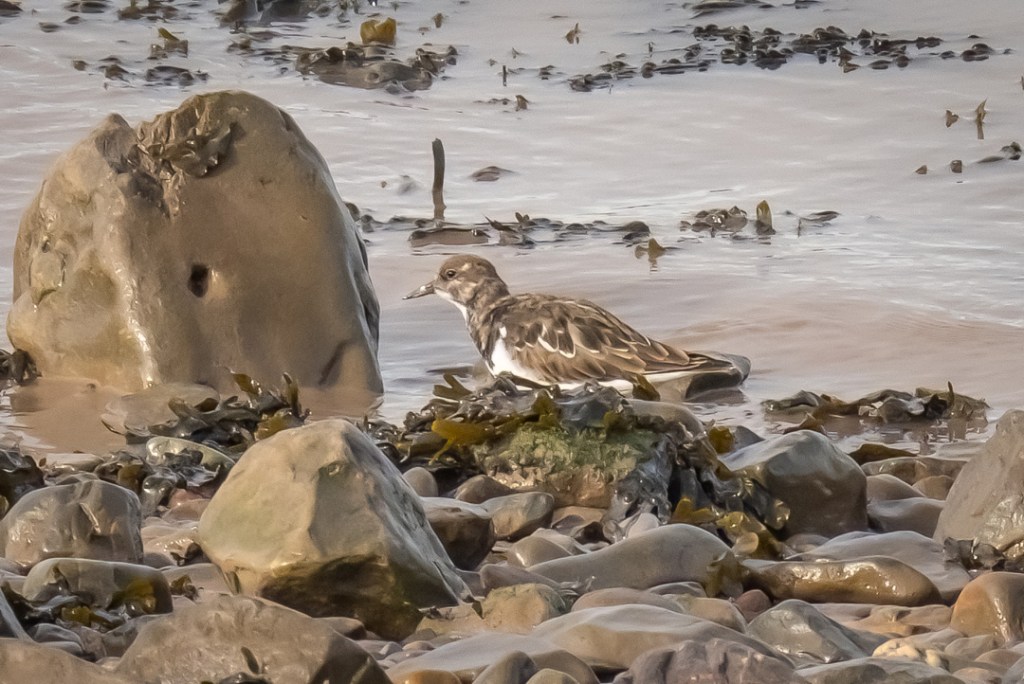
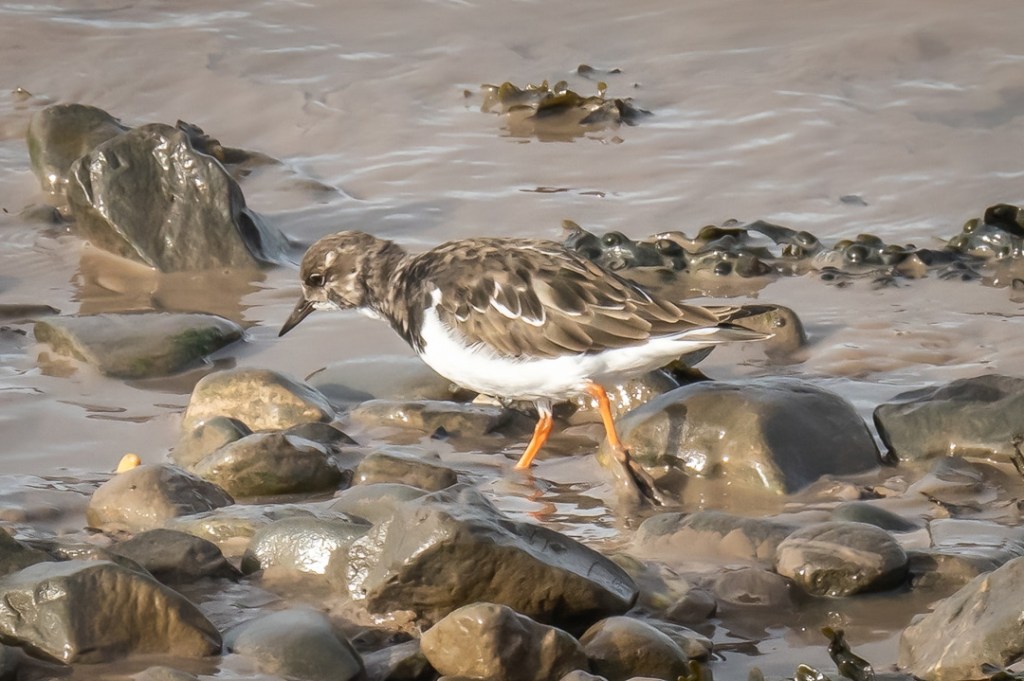
    Turnstone
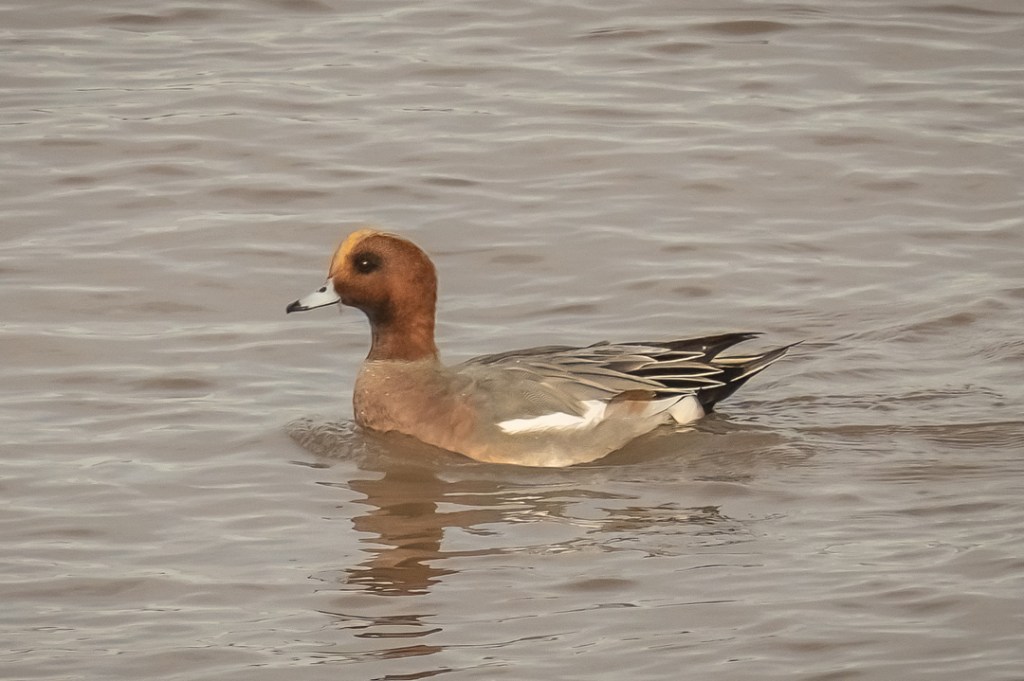
    Wigeon
    Meadow pipit