Tag: travel

  • 30th November 2025 – Chew Valley Lake, North Somerset

    30th November 2025 – Chew Valley Lake, North Somerset

    Chew Valley Lake

    We had a fabulous time in the winter sunshine at Chew Valley Lake this morning. Chew Valley Lake, just south of Bristol, is the sixth-largest artificial lake by area in the United Kingdom, with an area of 1,200 acres (4.9 km2), but only the forty-seventh largest by volume, reflecting the fact that it is a shallow lake. It is a national centre for birdwatching, with over 260 species recorded. It is particularly shallow at the moment following the dry summer and today there were lots of birds benefiting from the ideal conditions for waders and waterfowl and plenty for me to photograph.

    However, the most exciting aspect of our birding session was meeting 7 year old Stanley and his dad who, in fact, pointed out the common kingfisher to us. It was a sheer delight to chat to Stanley who was most knowledgeable about birds and clearly loved being out and about in the fresh air with his dad pursuing his hobby. Stanley told us all about the places he had been recently and what birds he had seen. He told me that he had recently seen a bittern and that one of his favourite birds was a Bewick’s swan. When I told him that we had just seen a pair of Whooper swans at another part of the lake he was very keen to go and see them. Stanley’s dad told me that Stanley much prefers being out birdwatching rather than staying at home, as many young people do, absorbed in electronic games. I am sure that Stanley will become a well adjusted and decent man just as, I imagine, his dad is.

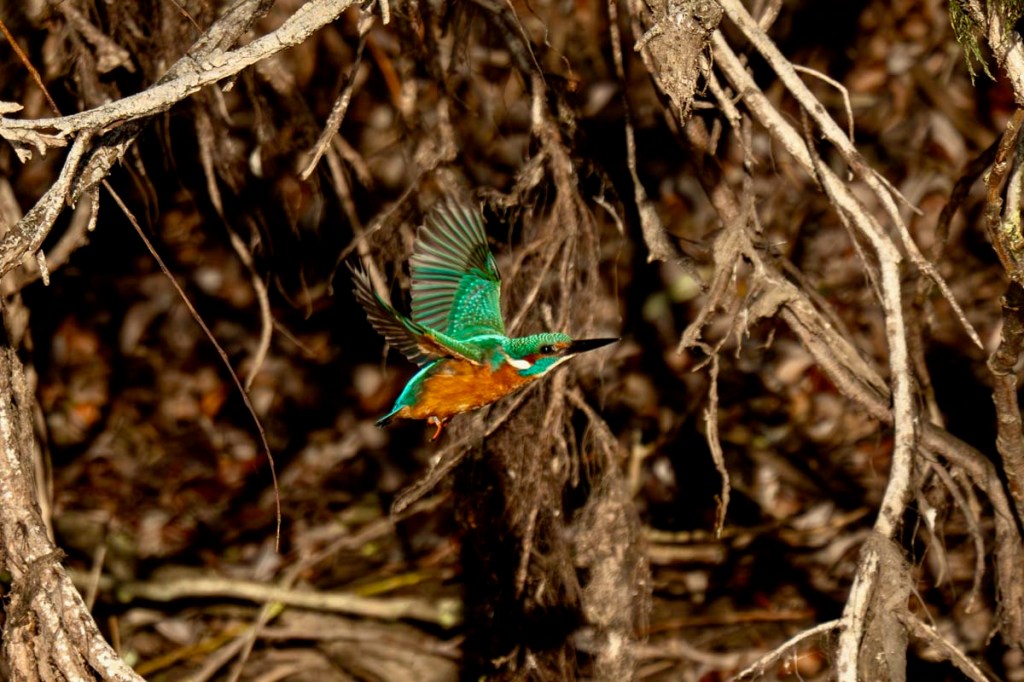
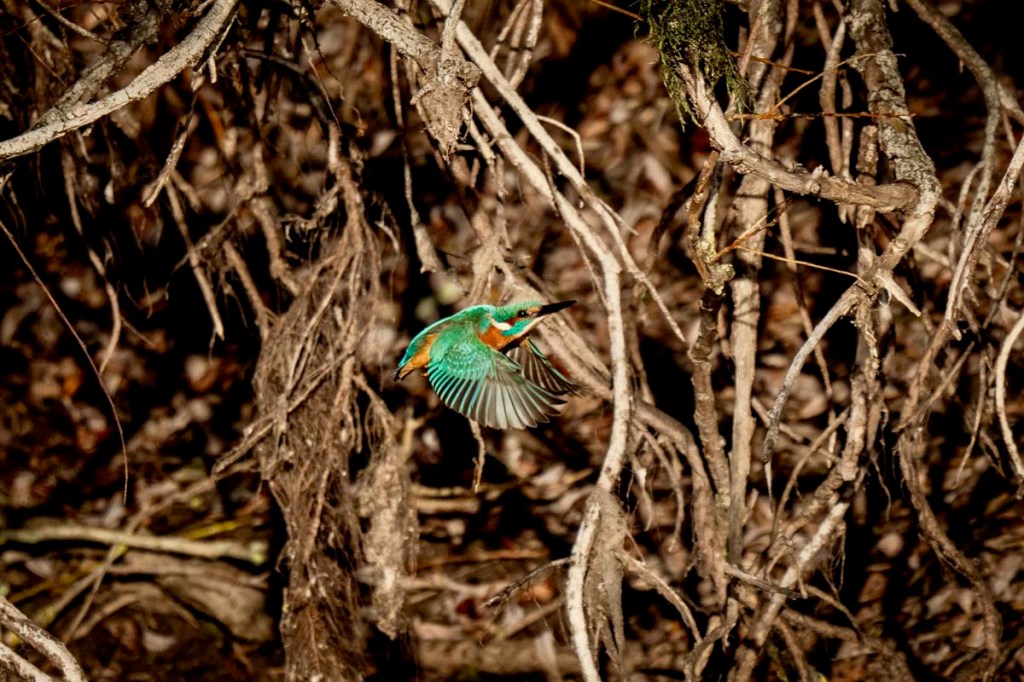
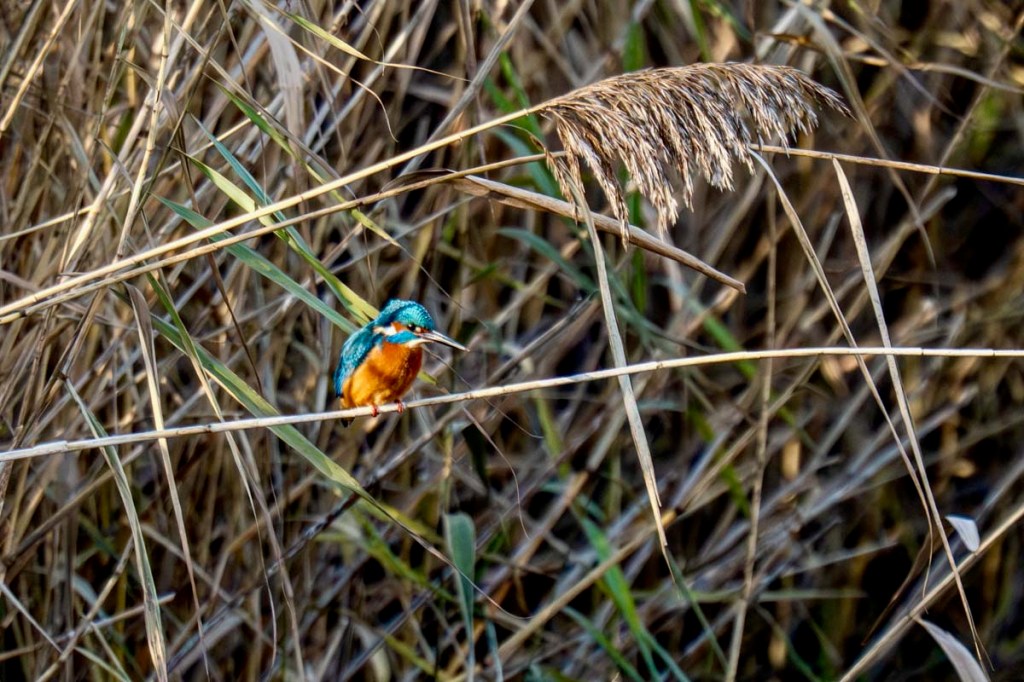
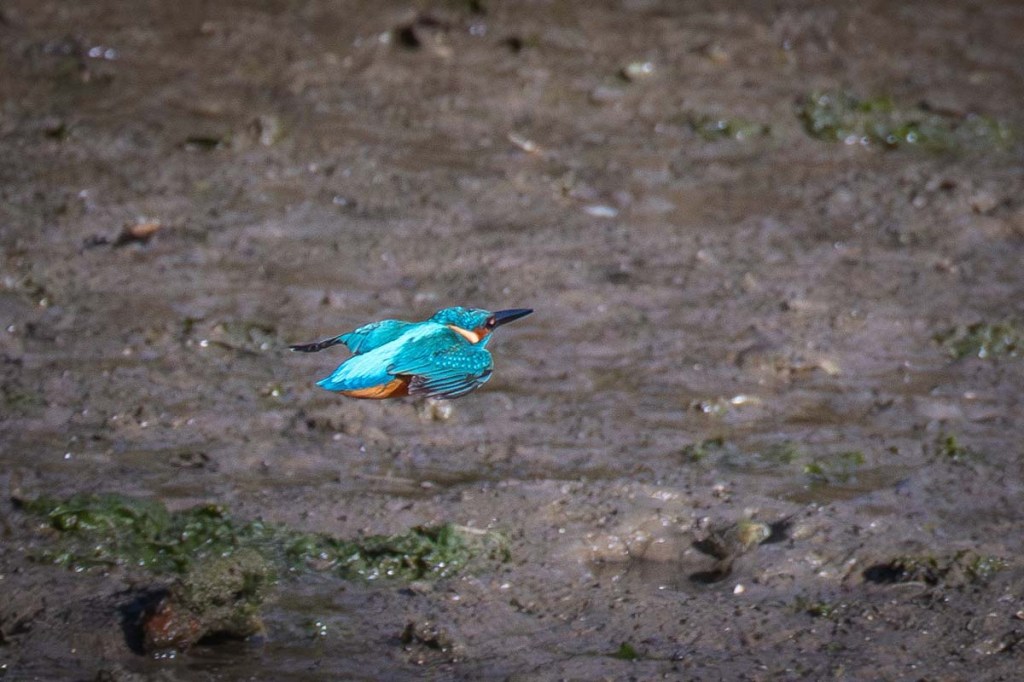
    It was very interesting watching the kingfisher as it moved from one side of a sluice to another (and from shade to bright sunshine) as it seem to change considerably in colour. I remember reading that the common kingfisher is in fact brown and that the bright blue colour you perceive is due to a phenomenon called structural colouration. Structural  colouration is seen throughout the animal kingdom and makes creatures appear much more colourful than they actually are. So while the coloured pigments in the kingfisher’s feathers are brown, you actually view them as a brilliant blue. It takes some believing, I know.

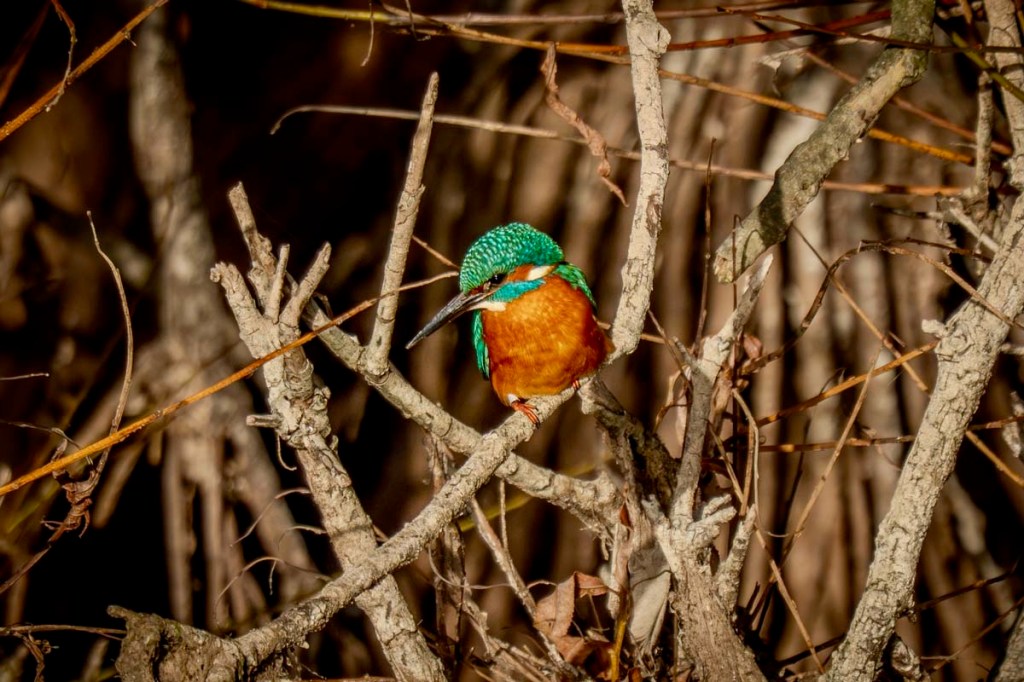
    The common kingfisher just catching a few rays of sunshine in the dark reeds.

    The kingfisher on the other side of the sluice.

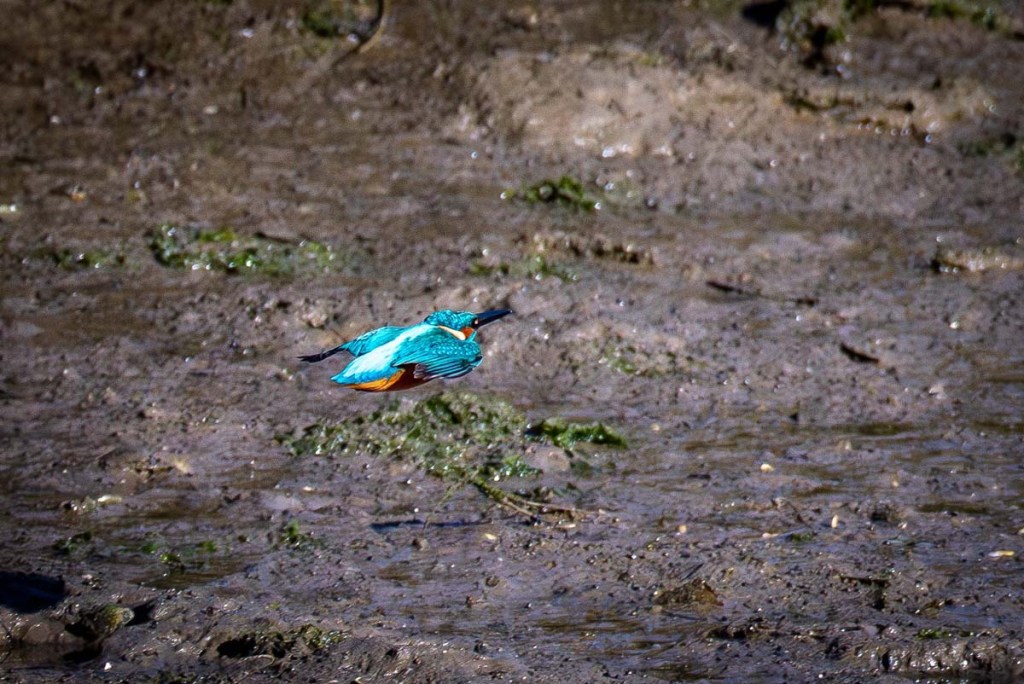
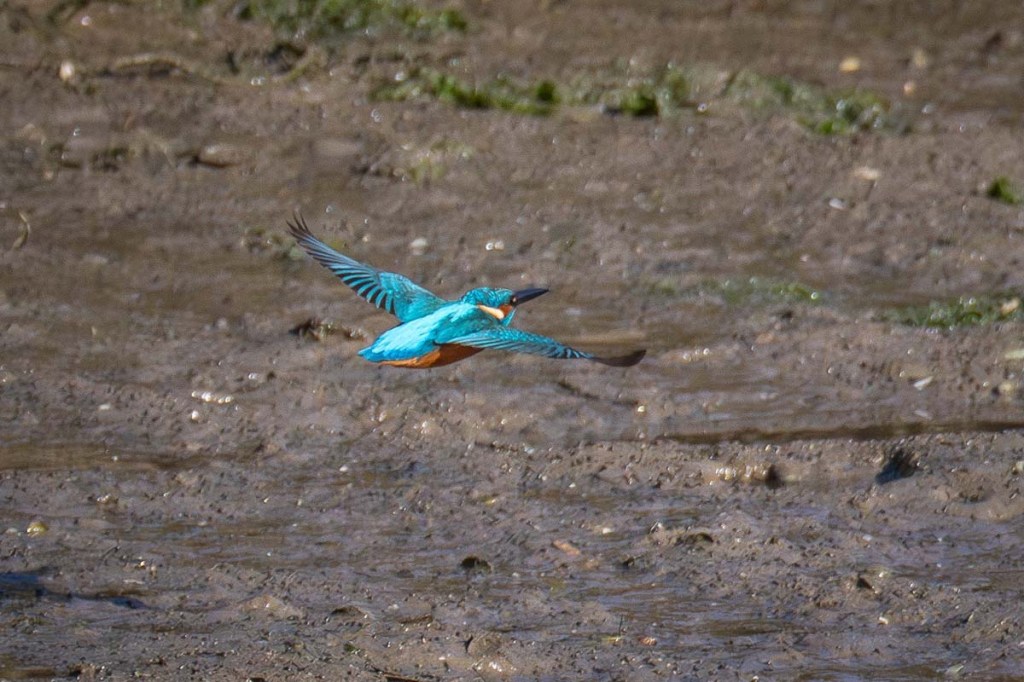
    Common kingfisher

    … and away.

    Common kingfisher

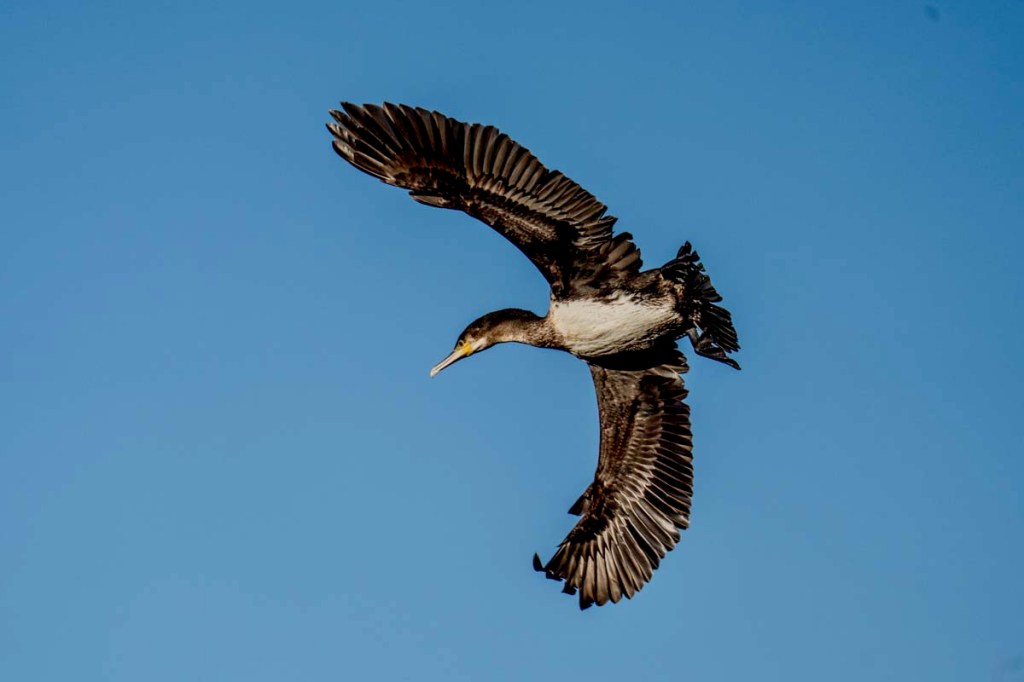
    Cormorant in flight just above the kingfisher

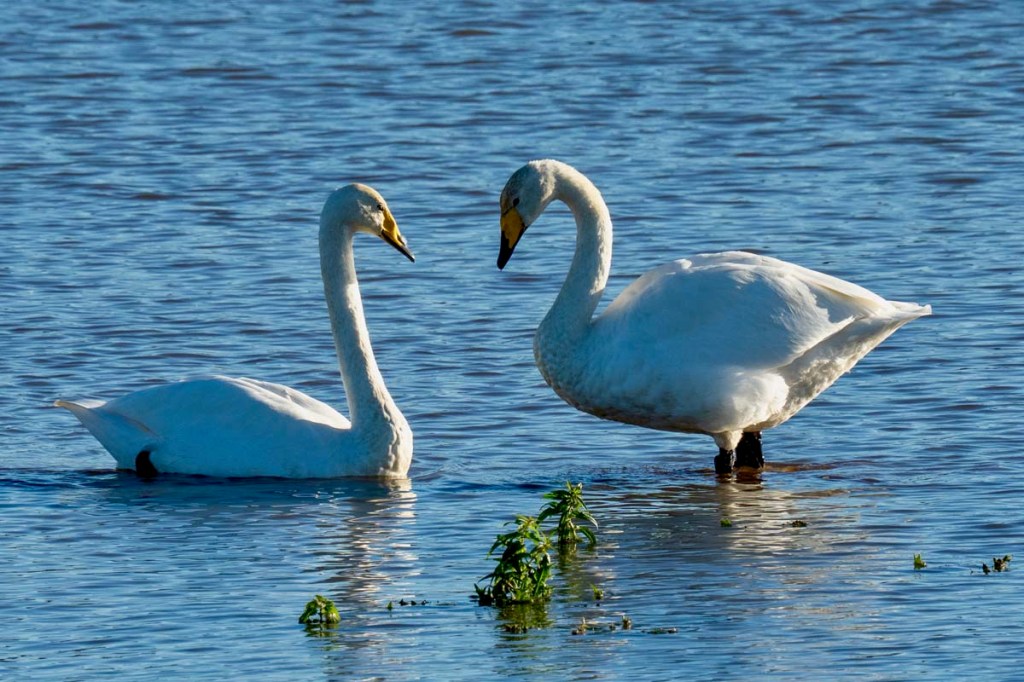
    Whooper swans – bigger than Bewick’s: it is mainly a winter visitor to the UK from Iceland, although a small number of pairs nest in the north. 

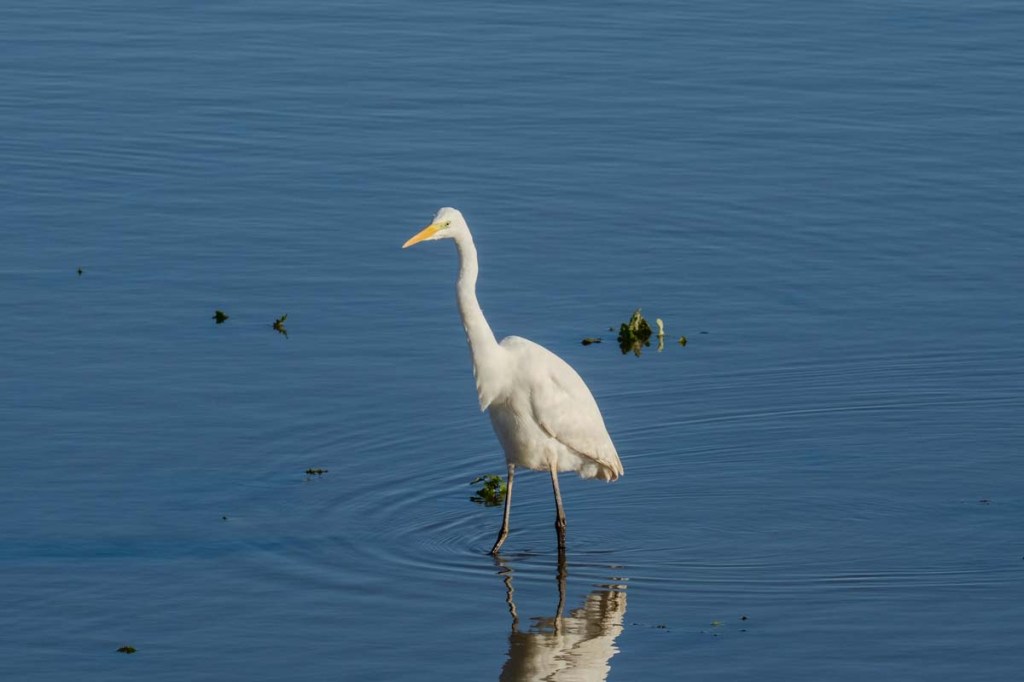
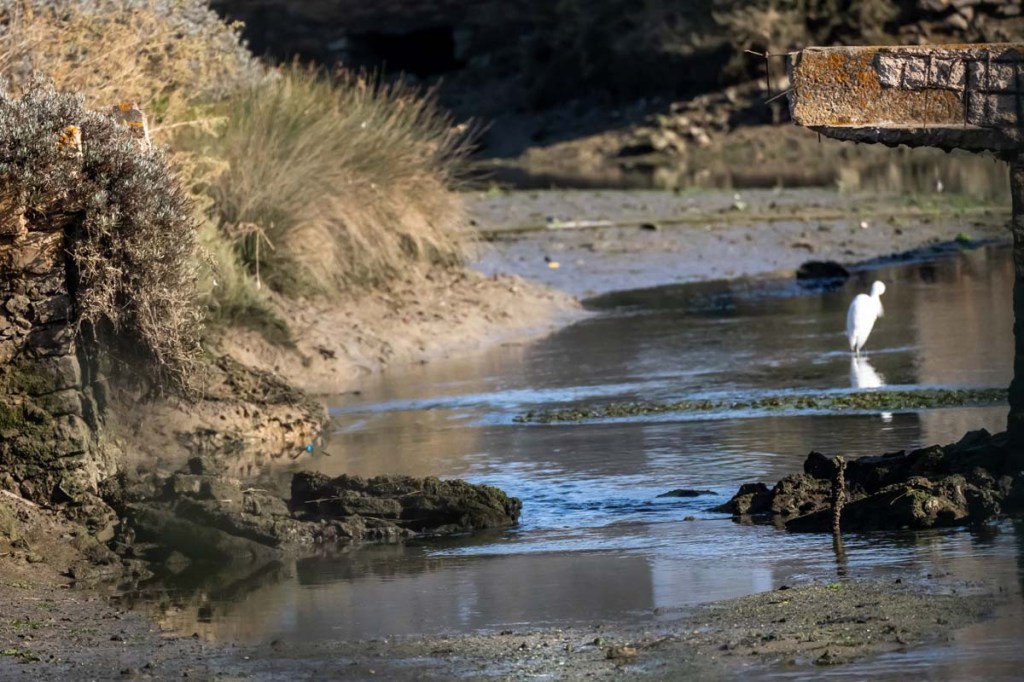
    Great white egret

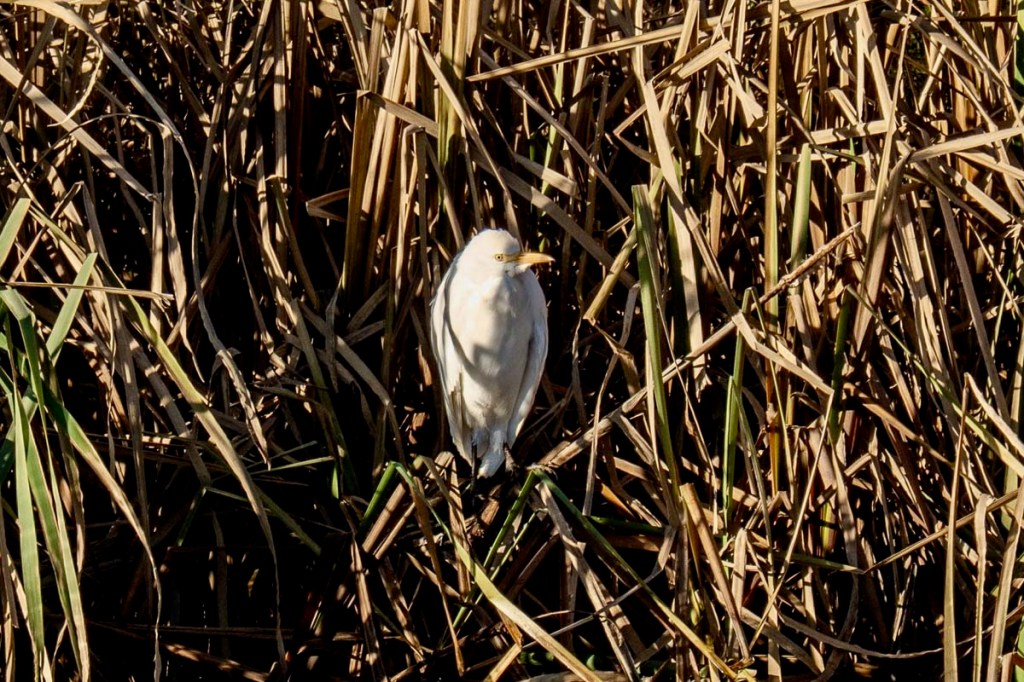
    Cattle egret – the third egret we see in Britain, the little egret, was also to be seen on the lake.

    Black-tailed godwits in flight

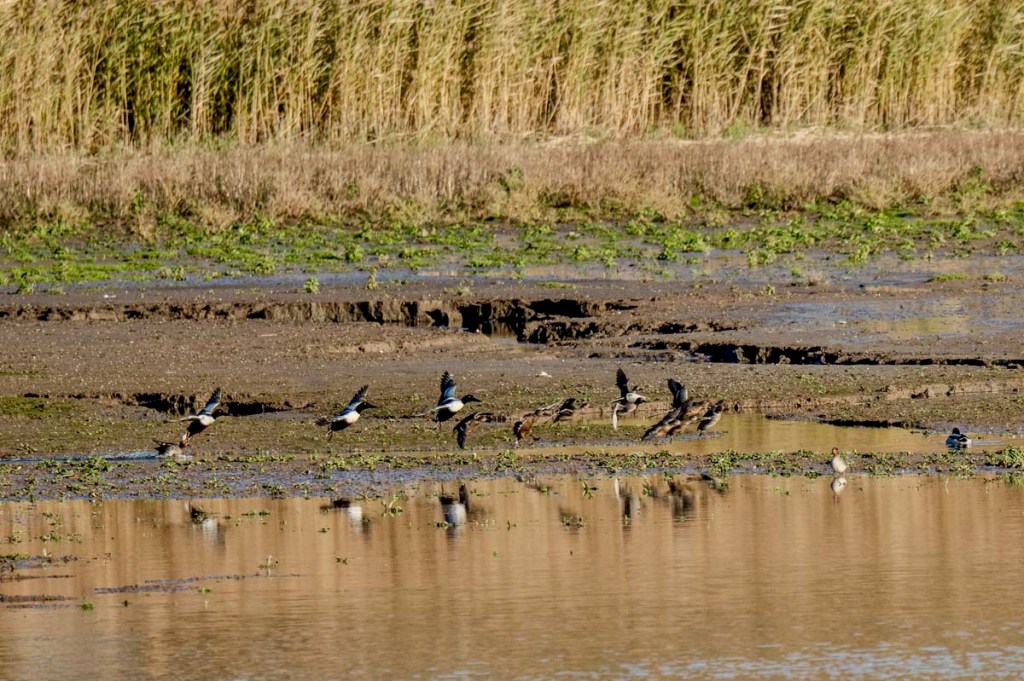
    Northern shoveler in flight

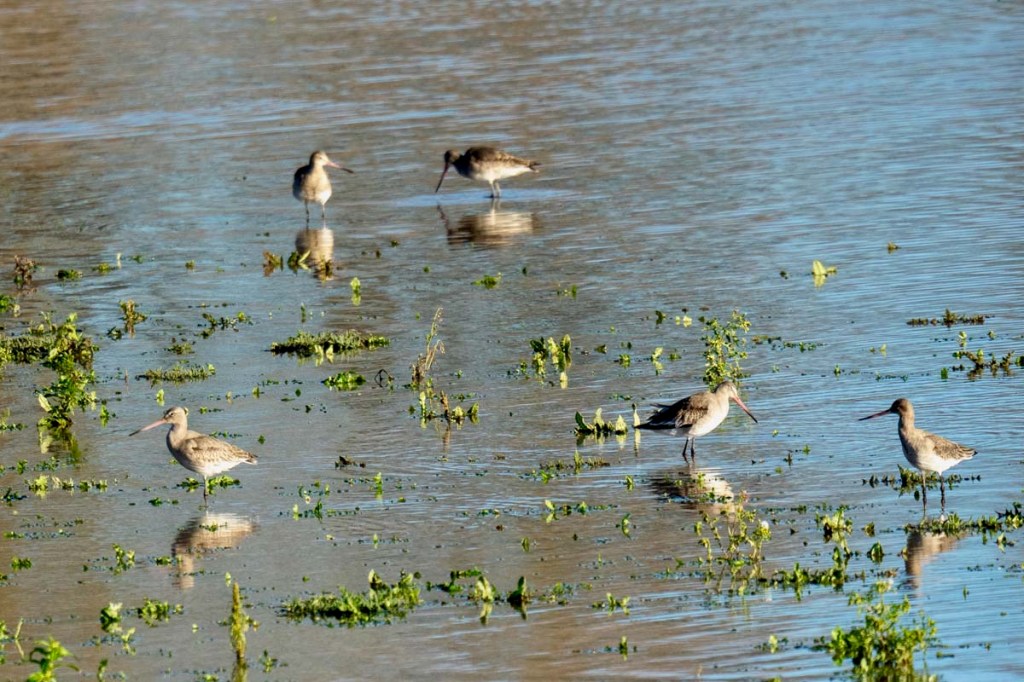
    Black-tailed godwits feeding

    Black-tailed godwits flying over a northern shoveler

    Canada goose

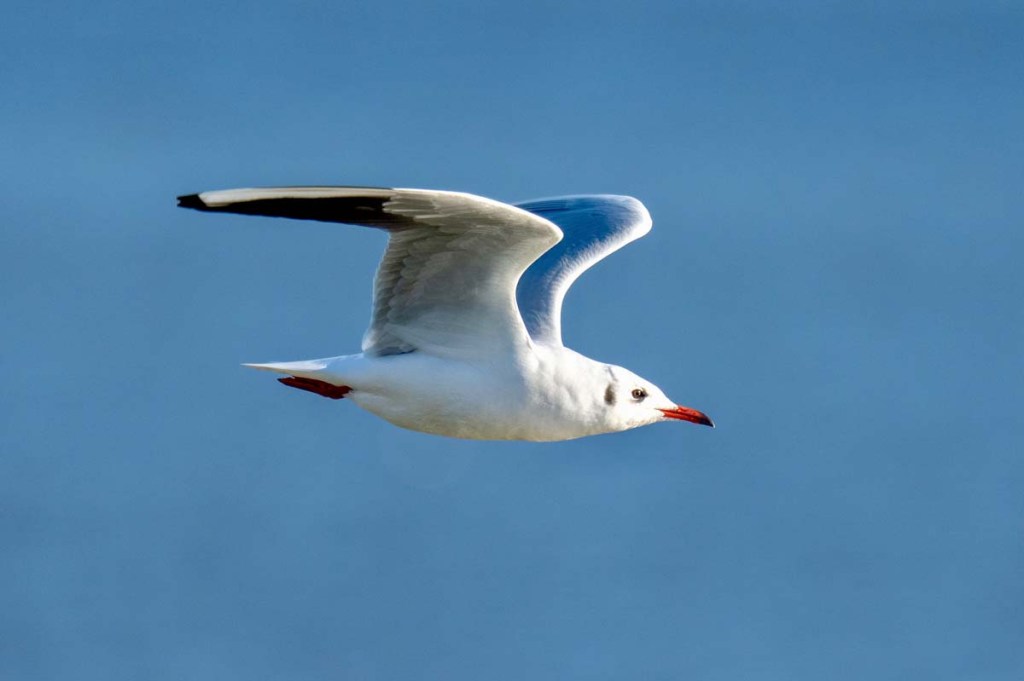
    Black-headed gull

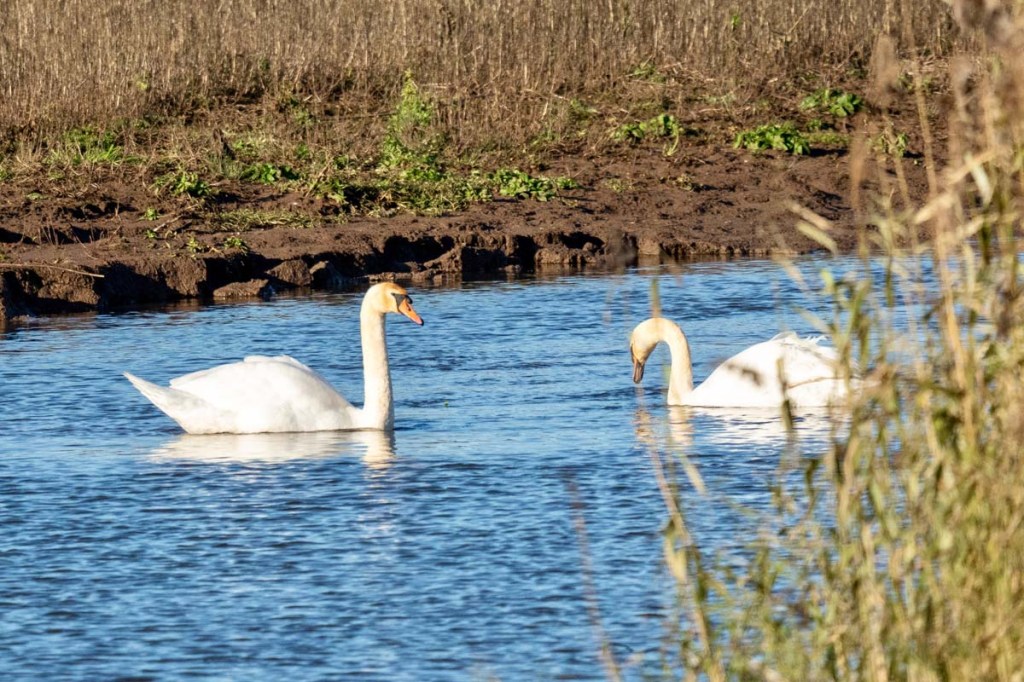
    Mute swans

    And just one more kingfisher shot

    … or maybe two, just to show the different colours.

  • 17th October 2025 –  Quinta de Marim Nature Park , Portugal

    17th October 2025 – Quinta de Marim Nature Park , Portugal

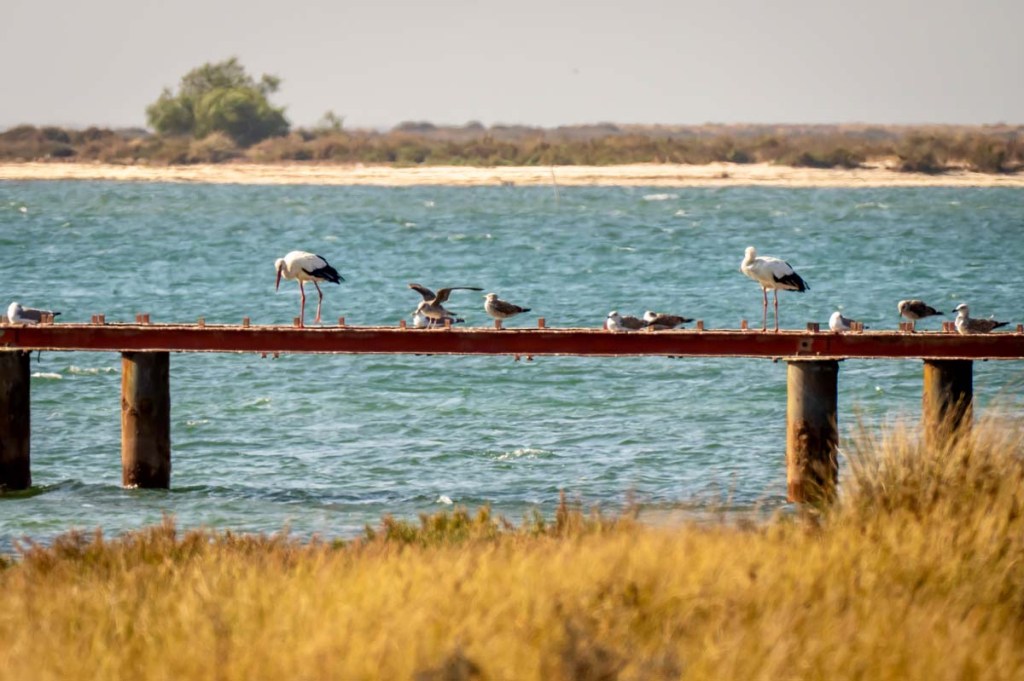
    After morning coffee in Fuseta we took an Uber for just a few euros along the coast to the Nature Park at Quinta de Marim. This is a favourite of ours: a 3 km trail takes you through various ecosystems – dunes, salt marshes, pine woodlands and there is a hide at the edge of the marsh. There’s also a very interesting tidal mill where generally you see lots of interesting birds. Unfortunately today there was a full tide and the only birds on the coast were clinging to a pier.

    White storks and gulls with nowhere to go

    Tidal mill

    Umbrella pines, typical of this region

    Boardwalks to take you through some of the dune systems

    We saw lots of Iberian magpies and collared doves but my photos were too poor to publish.

    However, there was lots to see at the hide which overlooks a small inland pool. I made a rather silly ID error here thinking a had seen a western swamphen, but it was really only a moorhen. Perhaps it was the terrapin alongside which confused me as we had seen western swamphens and terrapins together a little further along the coast at St Lourenco.

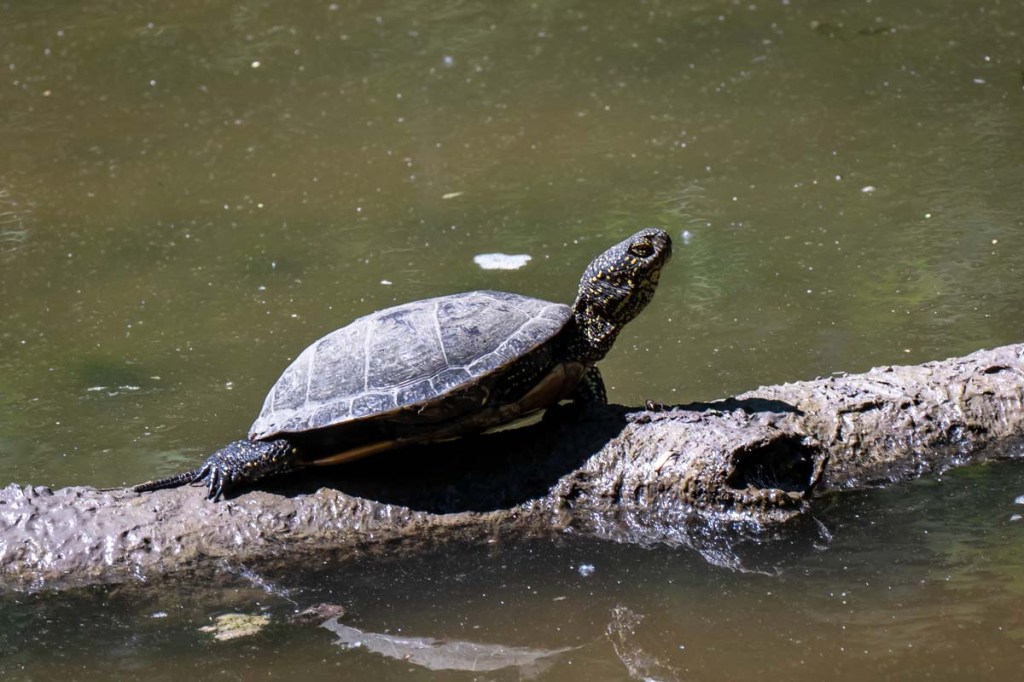
    Moorhen and terrapin

    Photo of a western swamphen taken along the coast at St Lourenco earlier this year

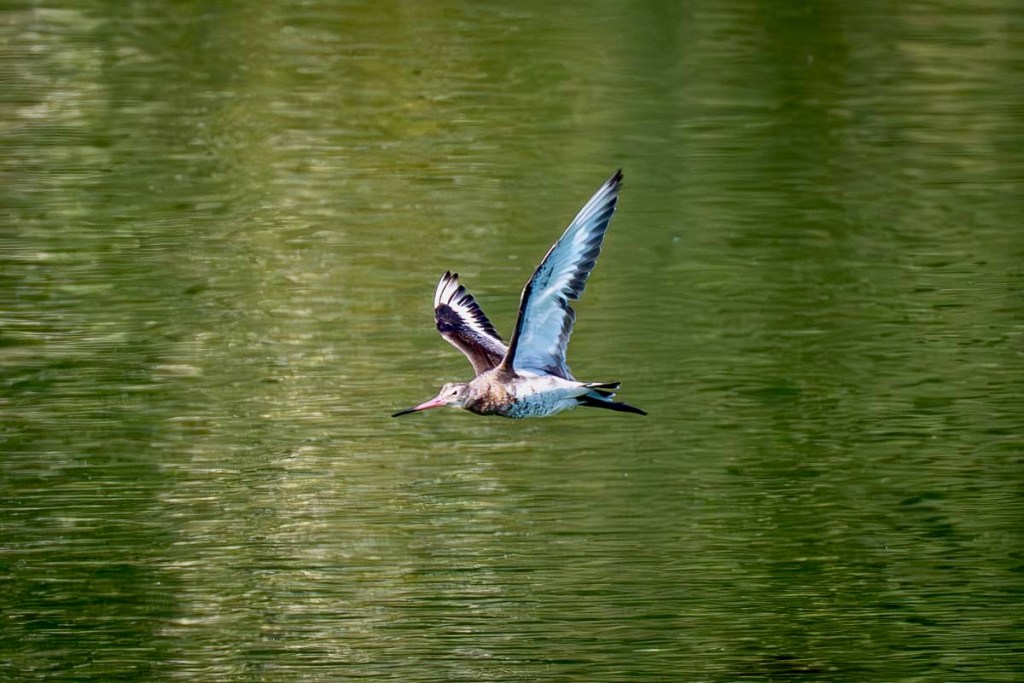
    Black-tailed godwit

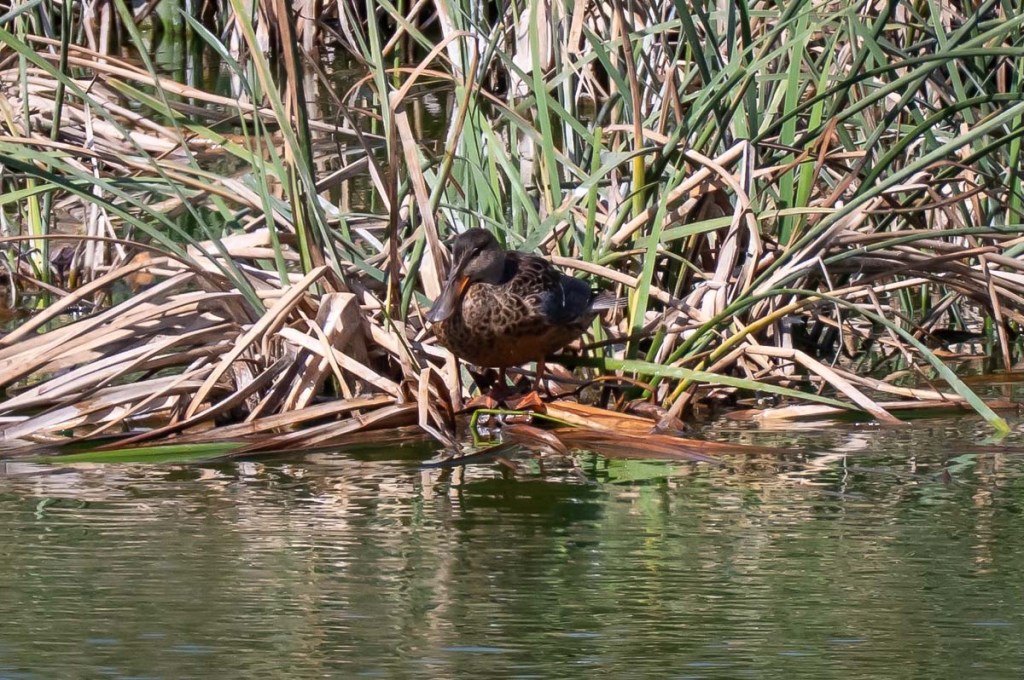
    Gadwall

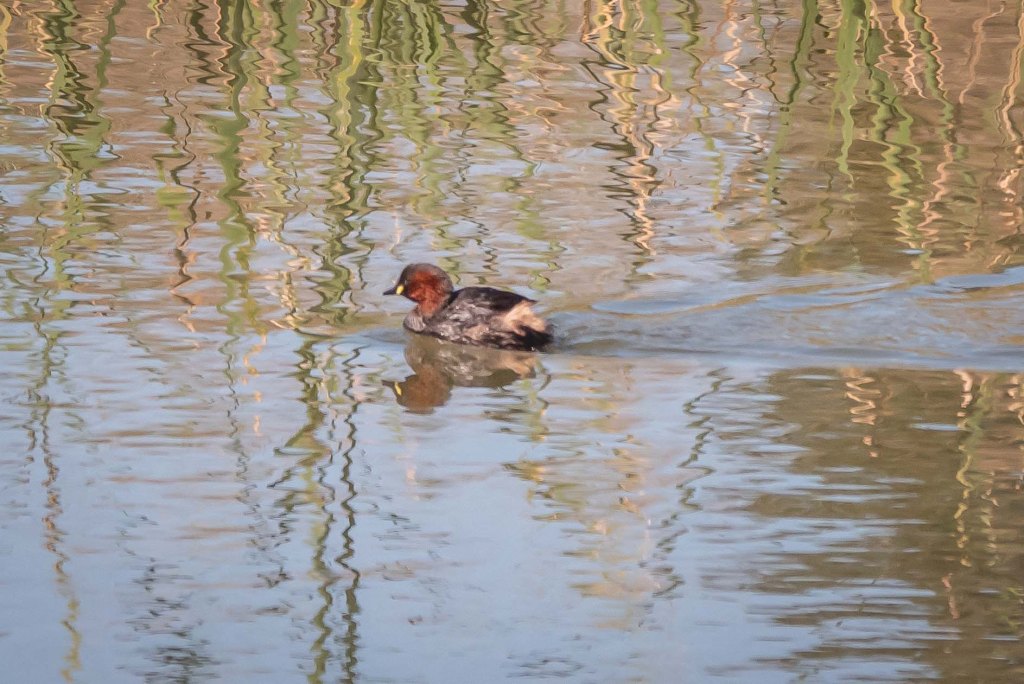
    Little grebe
    Shoveler

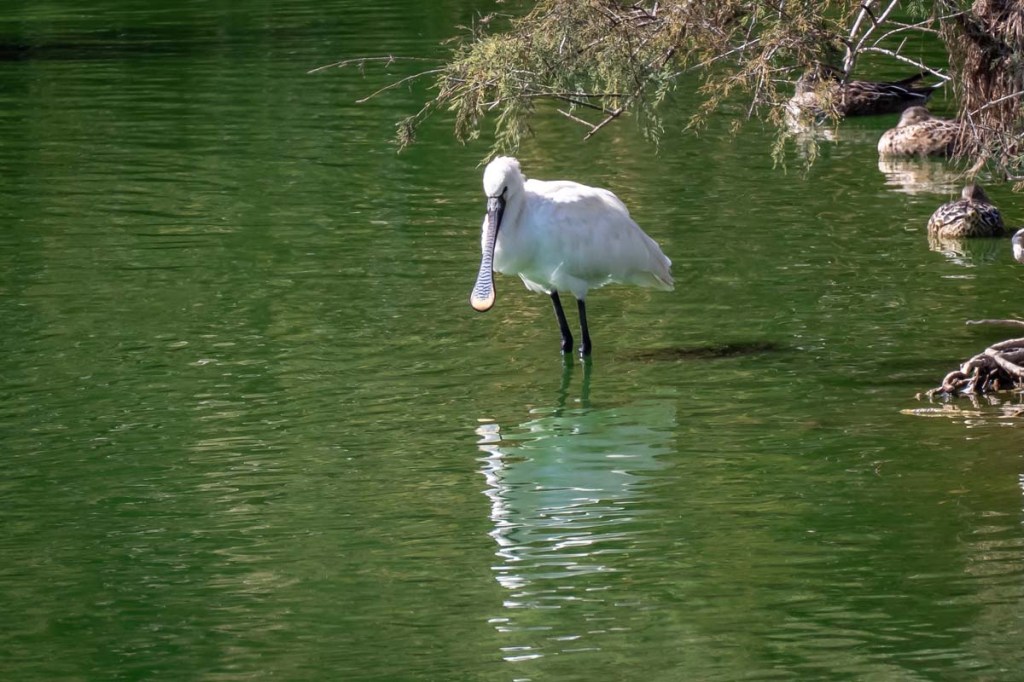
    Eurasian spoonbill

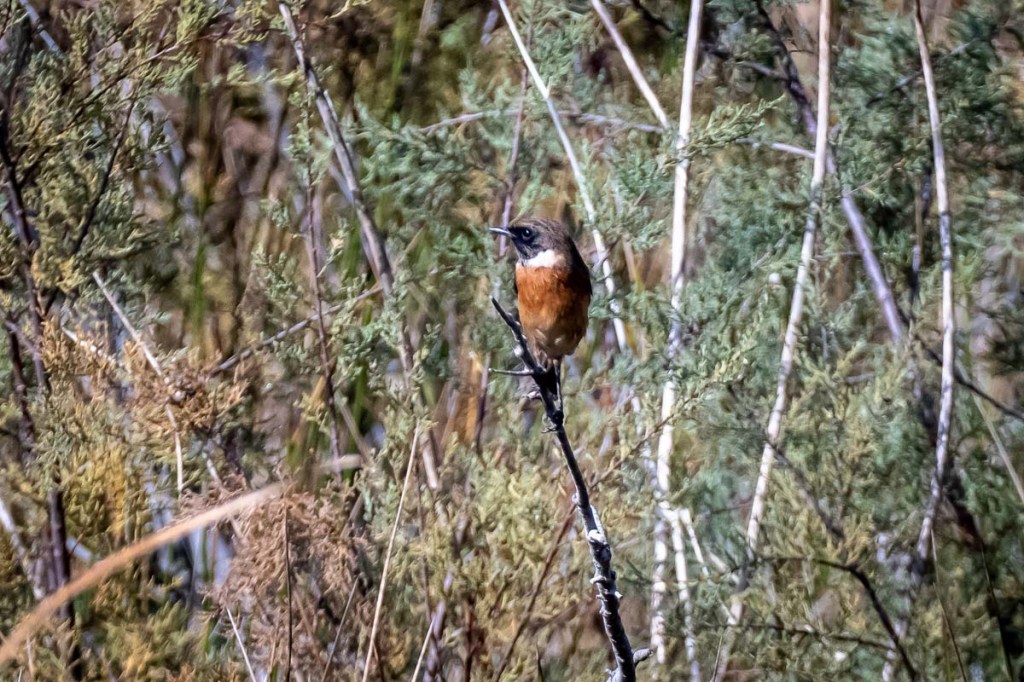
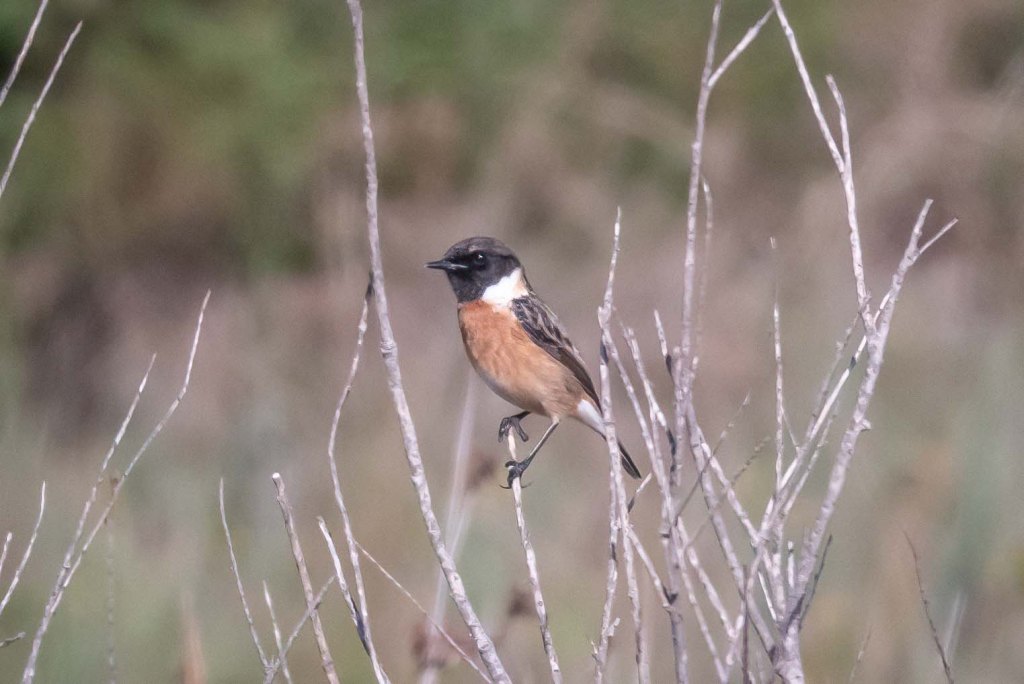
    Stonechat

    There were also lots of little egrets and grey herons around the lake but I will spare you my photos of these!

    Our enjoyment of this nature reserve became even greater when, on leaving the park, we discovered a lovely local restaurant – the Restaurant Vista Formosa where the waiter told us that next time we should climb the stairs to see why it has this name. He assured us we would not be disappointed. Definitely a good reason to return.

  • 16th October 2025 – Fuseta, Portugal

    16th October 2025 – Fuseta, Portugal

    Today we have been exploring the salt pans of Fuseta from where we have had some glorious views of the birdlife and the scenery of this part of Portugal. We stopped off at a small café/restaurant on the far side of the pans and extended our stay to include lunch – all of which was incredibly good value.

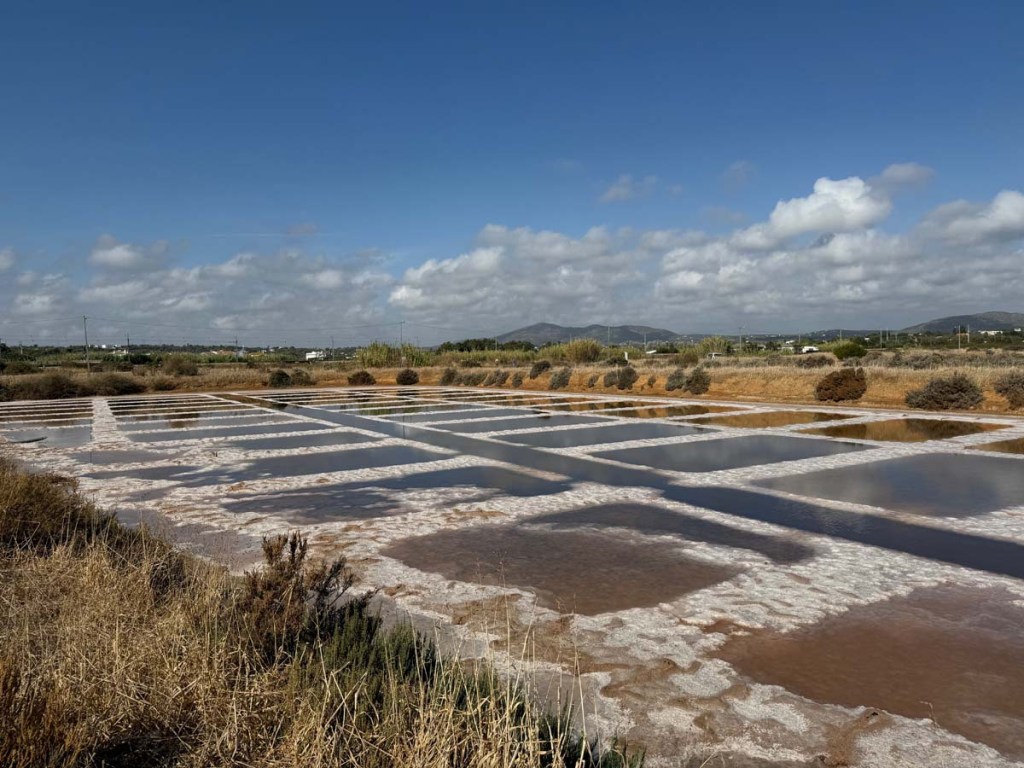
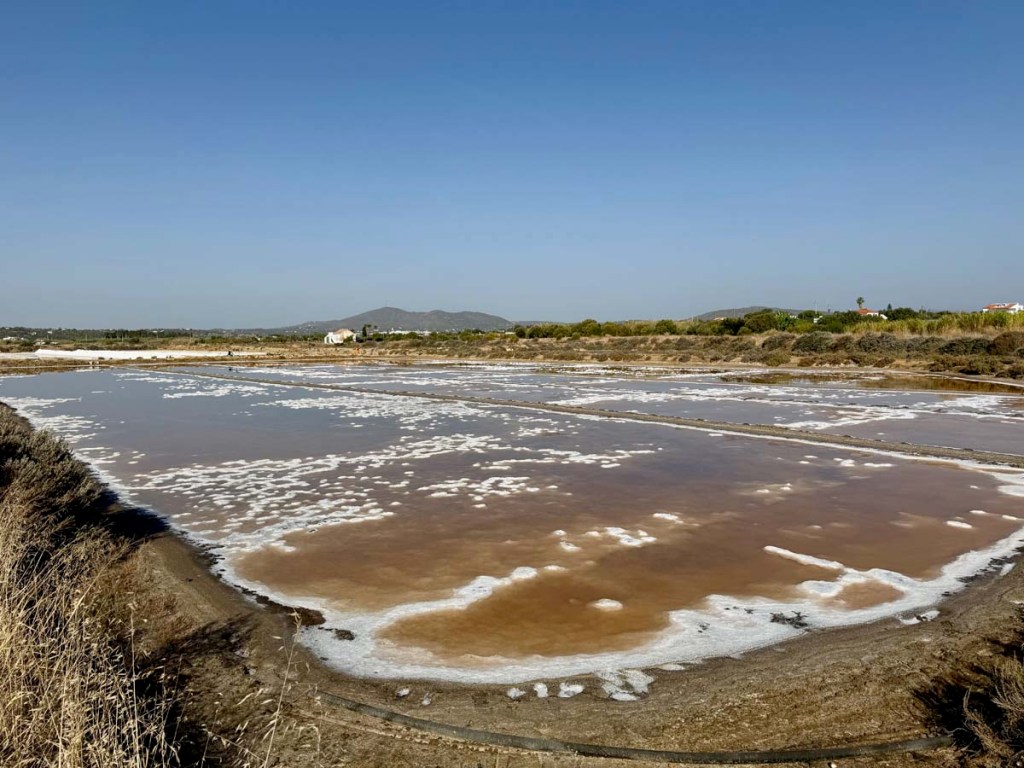
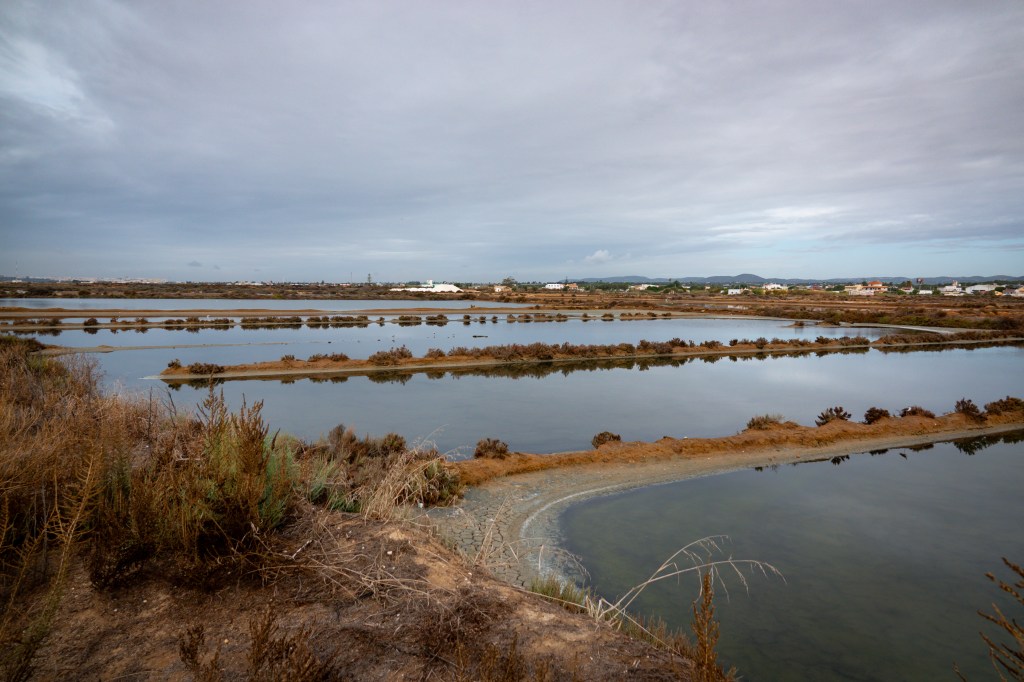
    Salt pans of Fuseta

    Salt pans of Fuseta

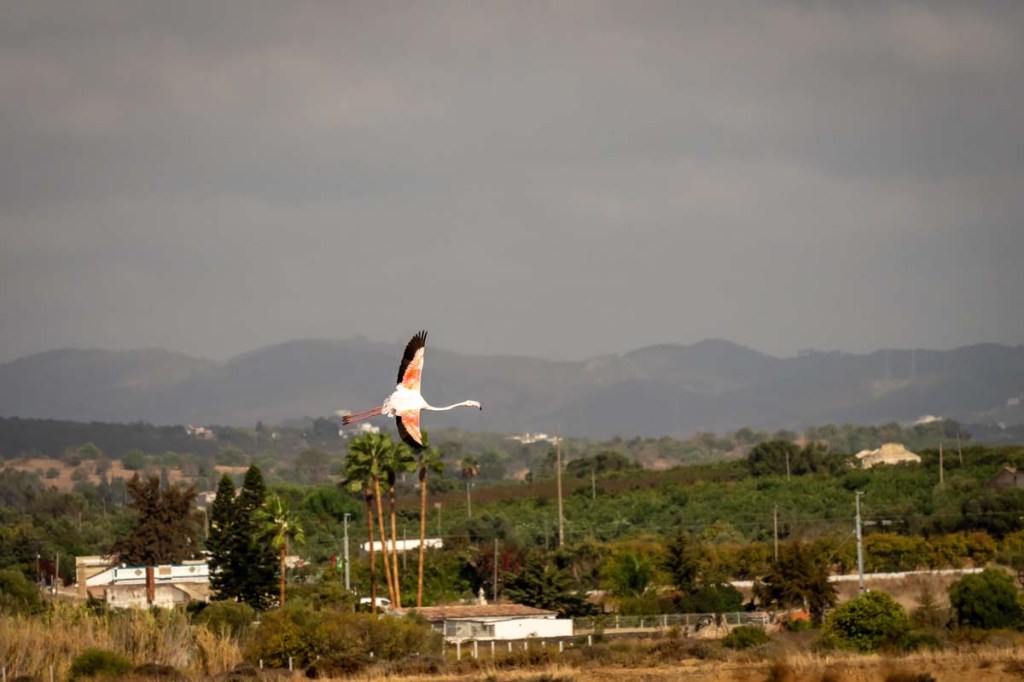
    Greater flamingo

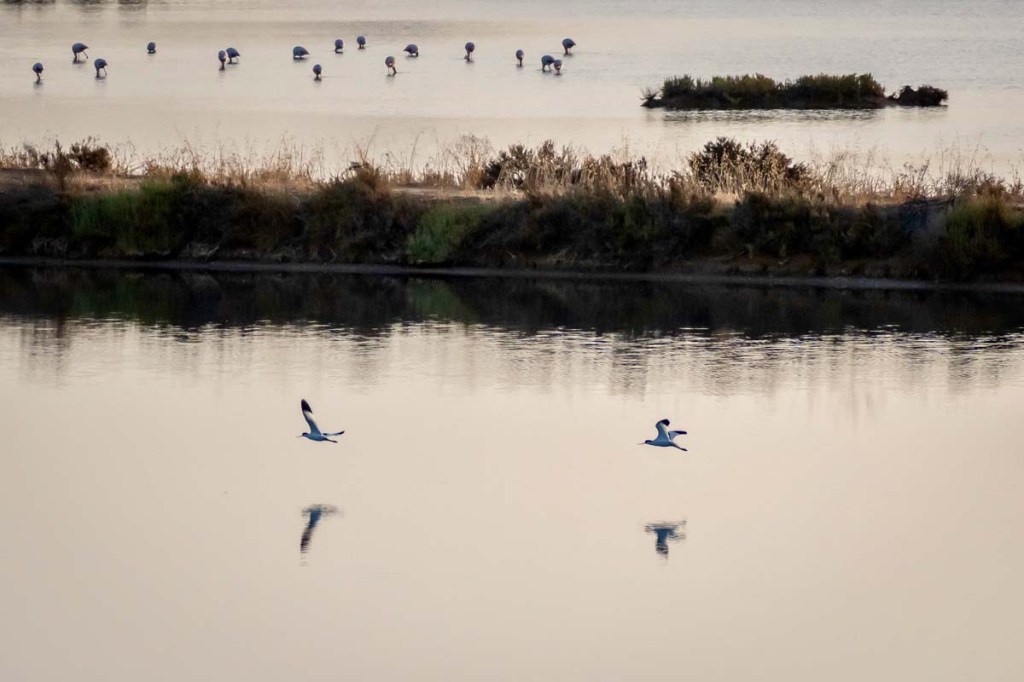
    Greater flamingos

    Greater flamingos coming in to land

    Greater flamingo seemingly walking on water

    Amazing views of gulls too

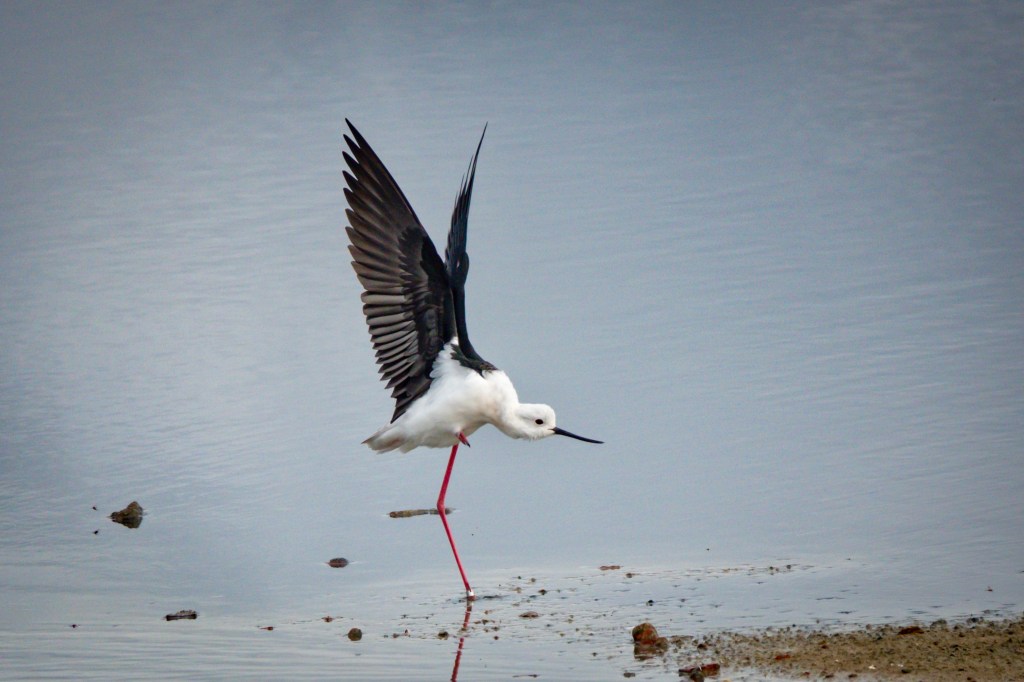
    Black-winged stilts and a ruddy turnstone

    I can’t work this one out. Yellow legs and (apparently) slim bill. Maybe a common gull? (Over to you Michael).

    More gulls and the church at Fuseta in the background

    The walk back seemed further but we had a good stop as, incredibly, we bumped in to two men on bikes on the long distance cycle track through the Algarve who I used to teach as boys nearly 50 years ago back in Bristol in the UK. I am always amazed that such encounters ever happen.

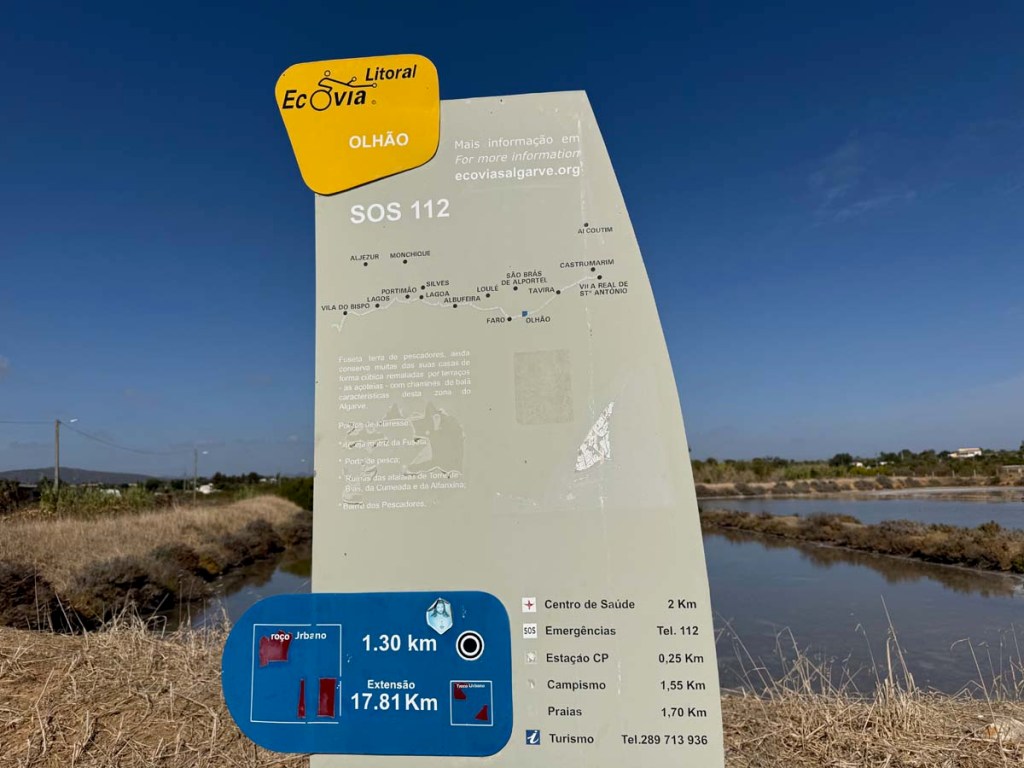
    The long distance cycle track through The Algarve

    We were quite happy to encounter a few spoonbills too, but I had to take the photos through a net as they were on private property. Manual focus helped somewhat.

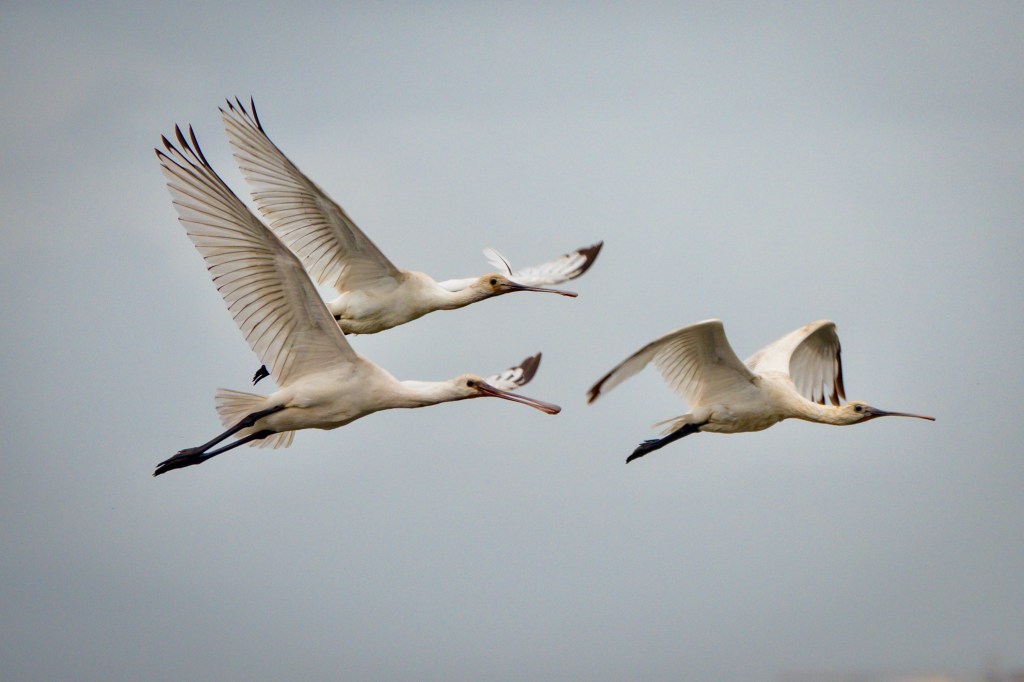
    Eurasian spoonbills

    Eurasian spoonbill

    More views of the salt pans and salt mountain – there must be other ingredients too with all those gulls!

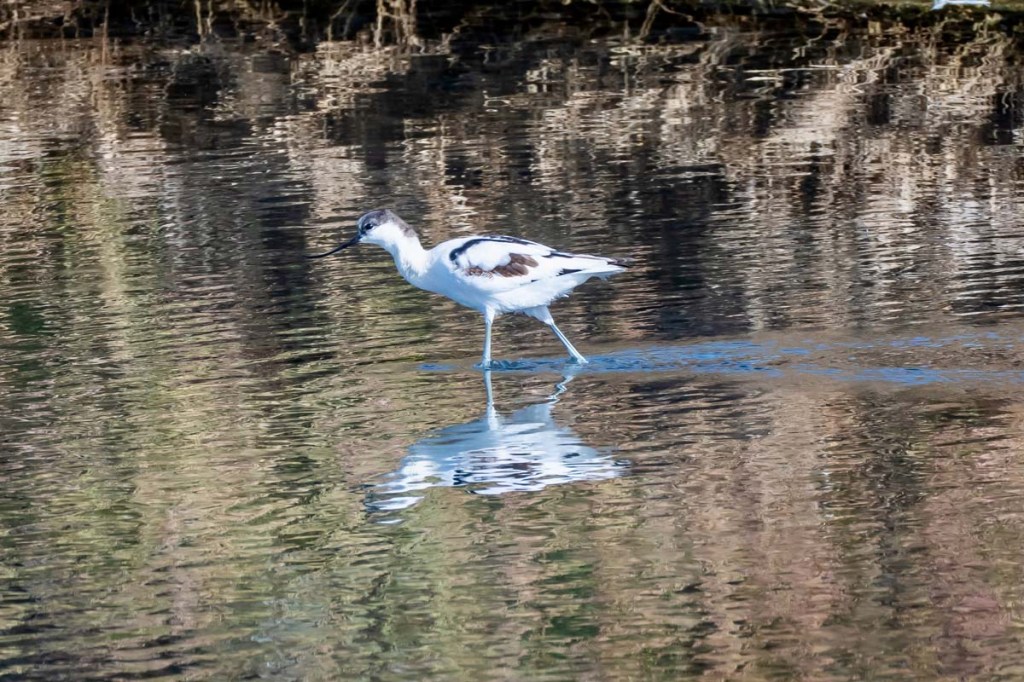
    Pied avocets
    Carline thistles, I believe

    Back at base we had a relaxing time where I managed a few of the birds I was hoping to see.

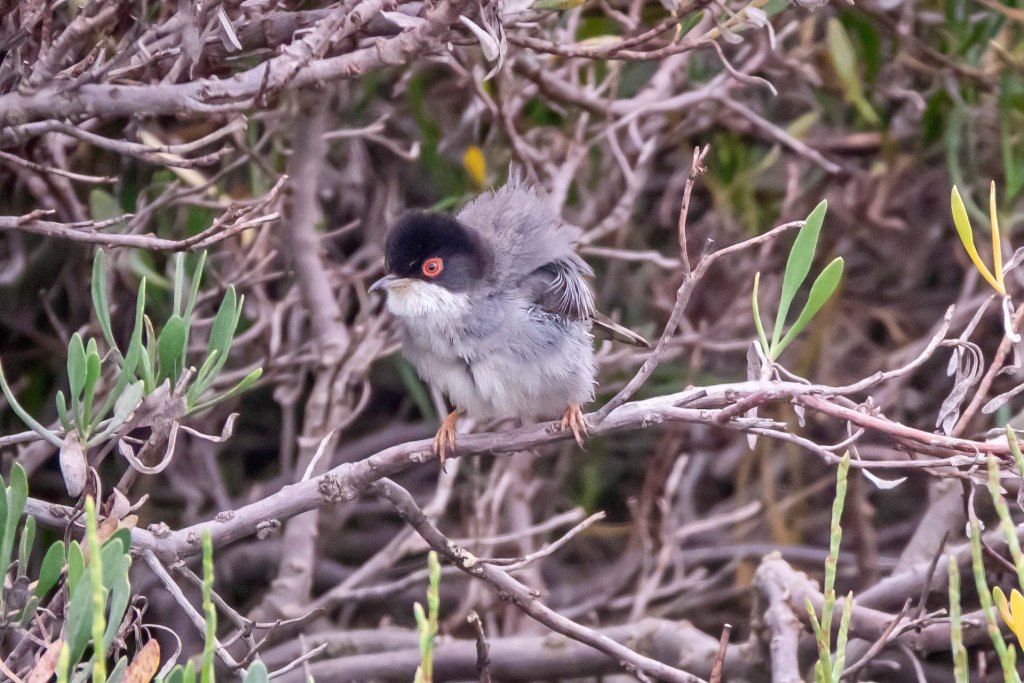
    Sardinian warbler had escaped me until now

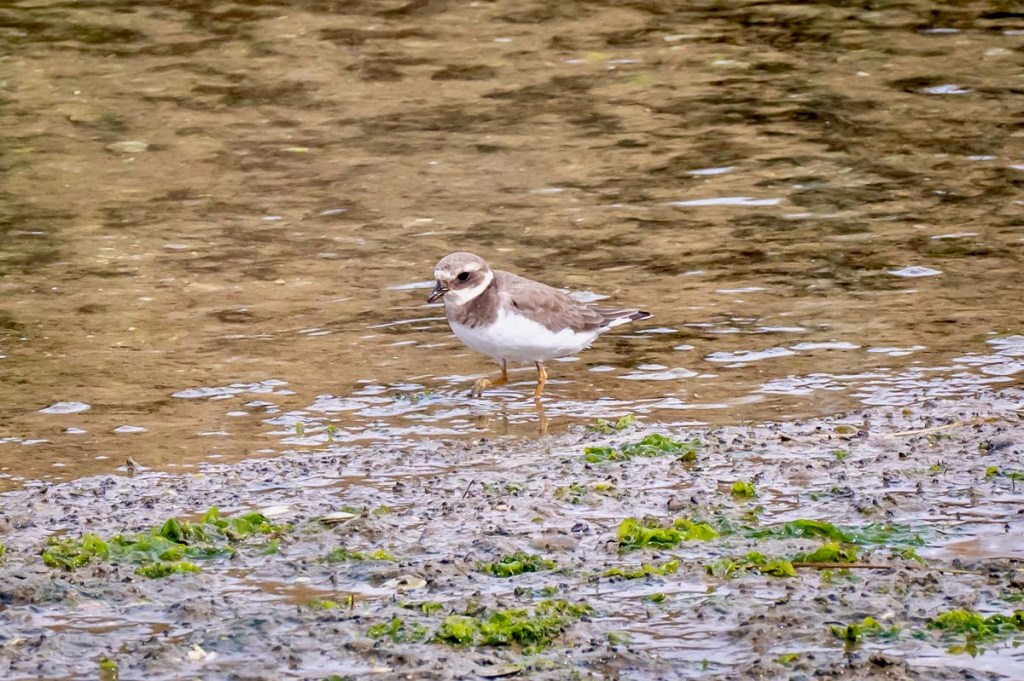
    Common ringed plover in flight

    The one bird I was keen to photograph – the common kingfisher (sort of my signature bird – Martin Pêcheur in French)

    Common kingfisher

    Common kingfisher

    Still in my viewfinder

    Can you spot it here? I’ll give you a clue – bottom left.

    Pied avocets settling down for the night

    However the greater flamingos were still quite frisky

  • 12th October 2025 – Fuseta, Portugal

    12th October 2025 – Fuseta, Portugal

    Whilst Portugal was going to the polls in the country’s local elections (which are apparently poised to be another win for Europe’s far right) we were taking it easy on a stroll through the salt pans of Fuseta. We weren’t alone – there seemed to be be more people cycling, running and walking along the long distance path along the Algarve than heading to the polls. But to be fair, listening to the voices in the local square at lunch time there were more French people than Portuguese. This may be one of the reasons why the Portuguese are complaining about the cost of housing – the problem is particularly critical in Lisbon, where average home prices have shot up by nearly 80 percent over the last five years and are currently hovering at €5,769 per square meter.

    We were so refreshed from the rest over the last few days that we were up to see the sun rising. And what a treat it was with a flock of spoonbills flying over the sun.

    Spoonbills flying over the rising sun

    Spoonbills

    The flamingos had flown away last night but they were back when we awoke this morning.

    An early morning grey heron

    Pied avocets in the foreground

    I’m not a great fan of gulls but they looked good as the sun rose:

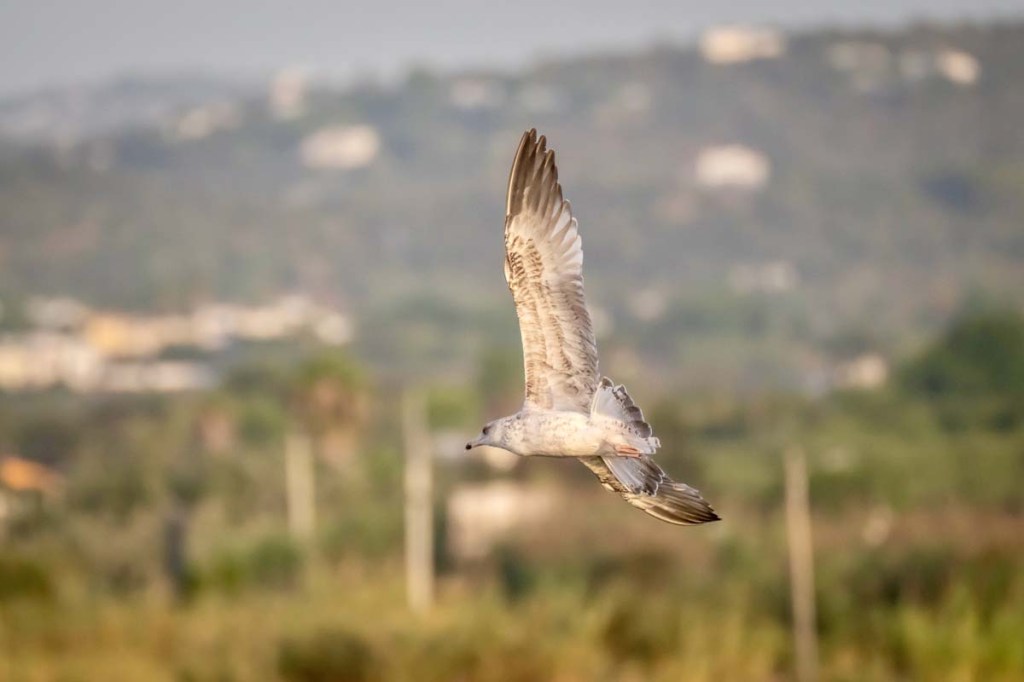
    Yellow-legged gull

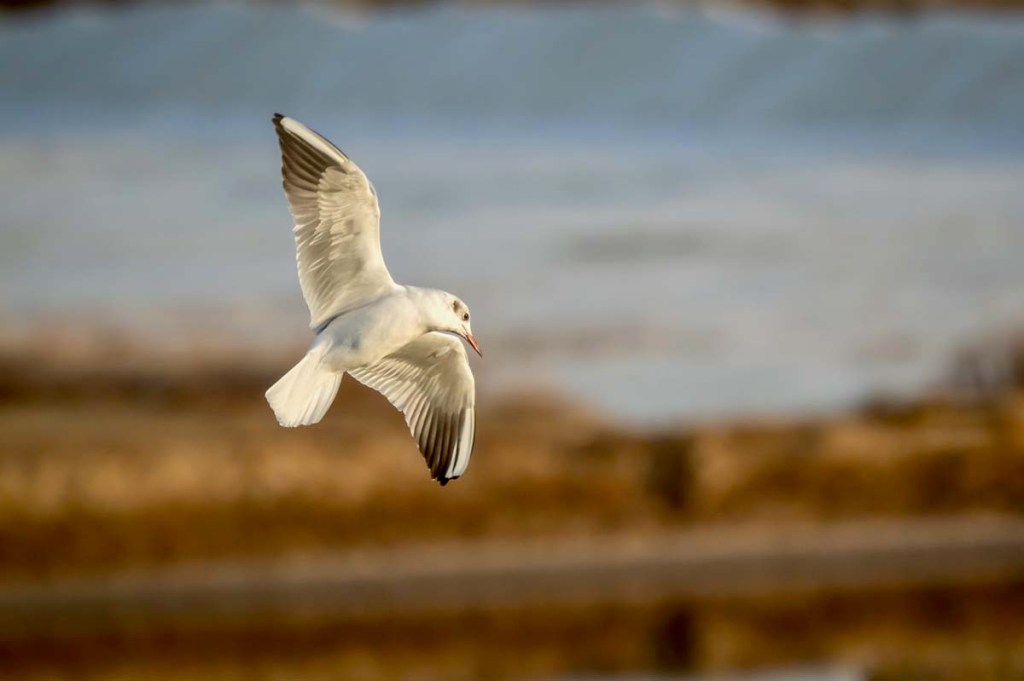
    Black-headed gull

    A crested lark at the beginning of our walk

    The railway station just 5 minutes from our apartment on the outskirts of Fuseta

    Our apartment (a converted carpenter’s workshop) seen from the other side of the salt pans

    A pied avocet

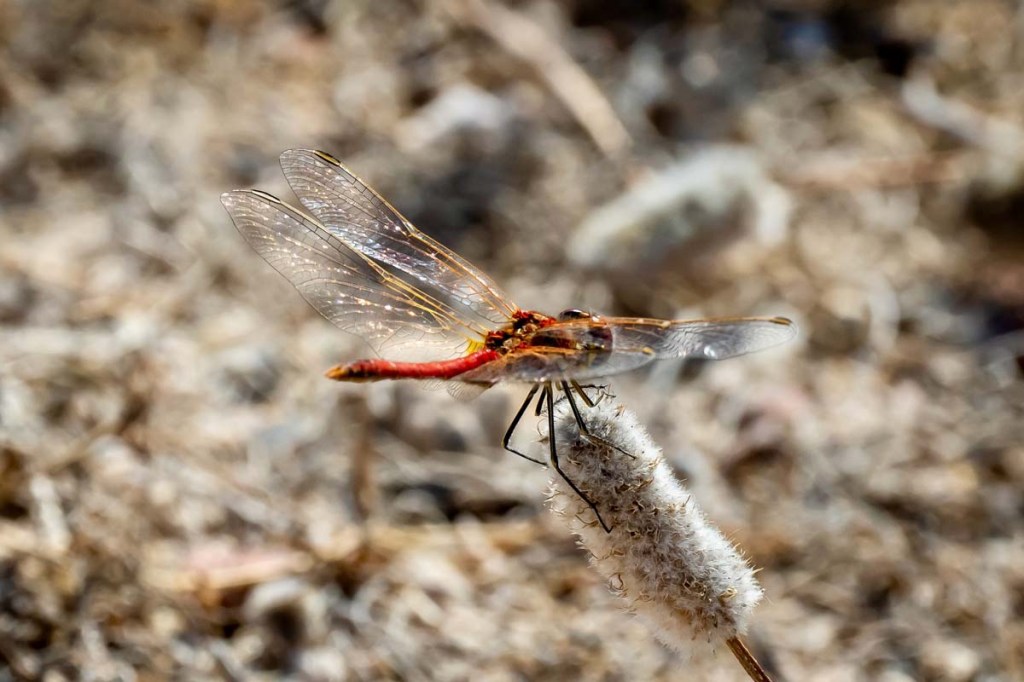
    Still dragonfly season here

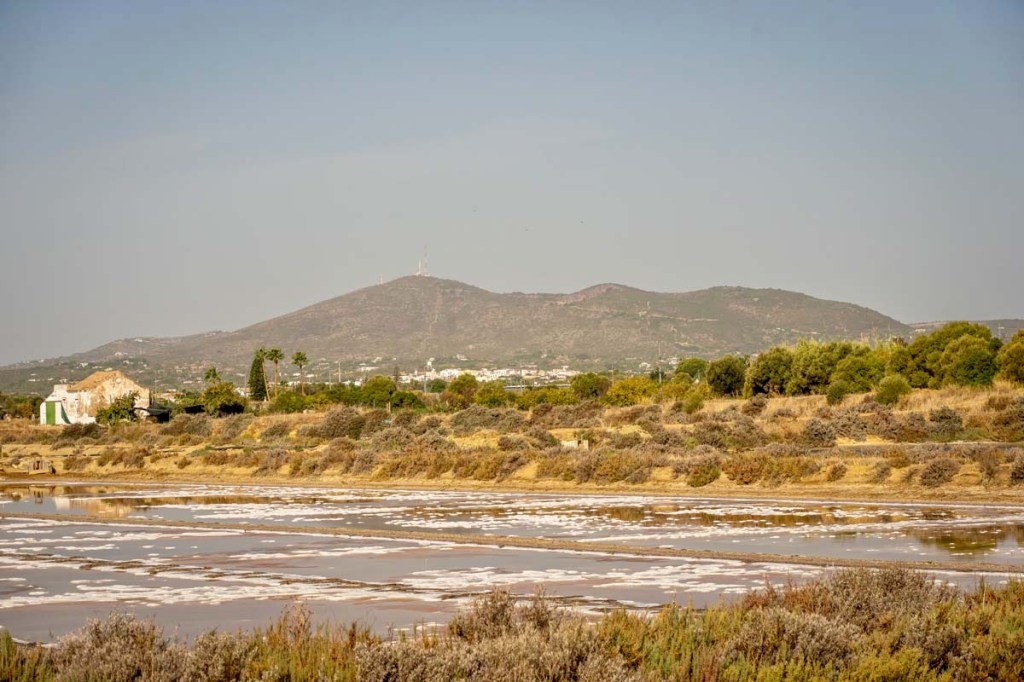
    Across the salt pans to the mountains in the backgound
    Black-winged stilt

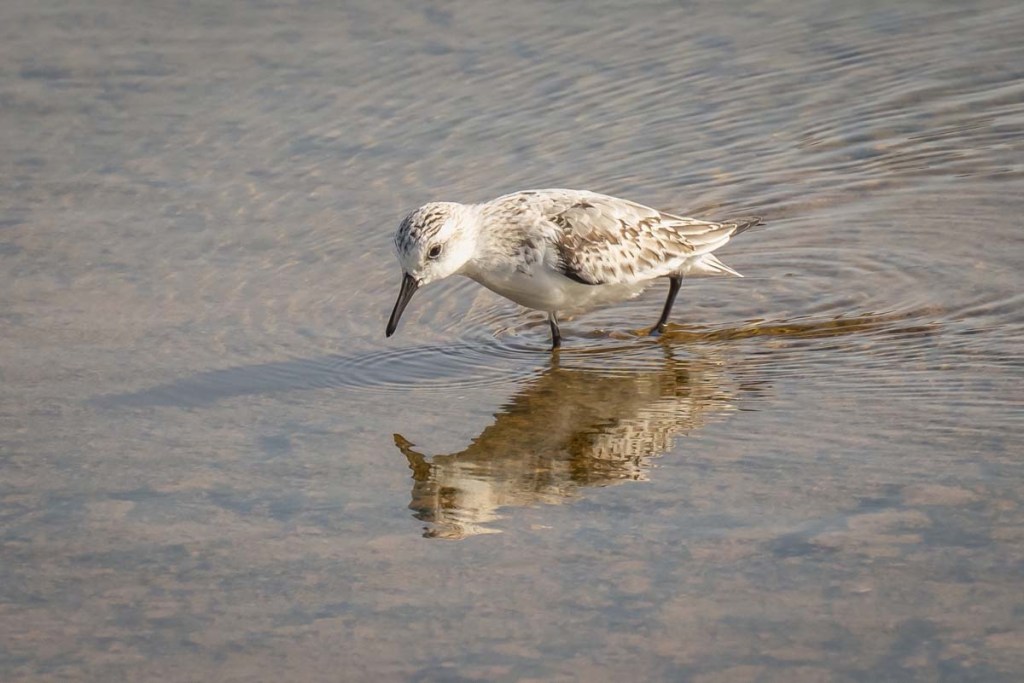
    Sanderling

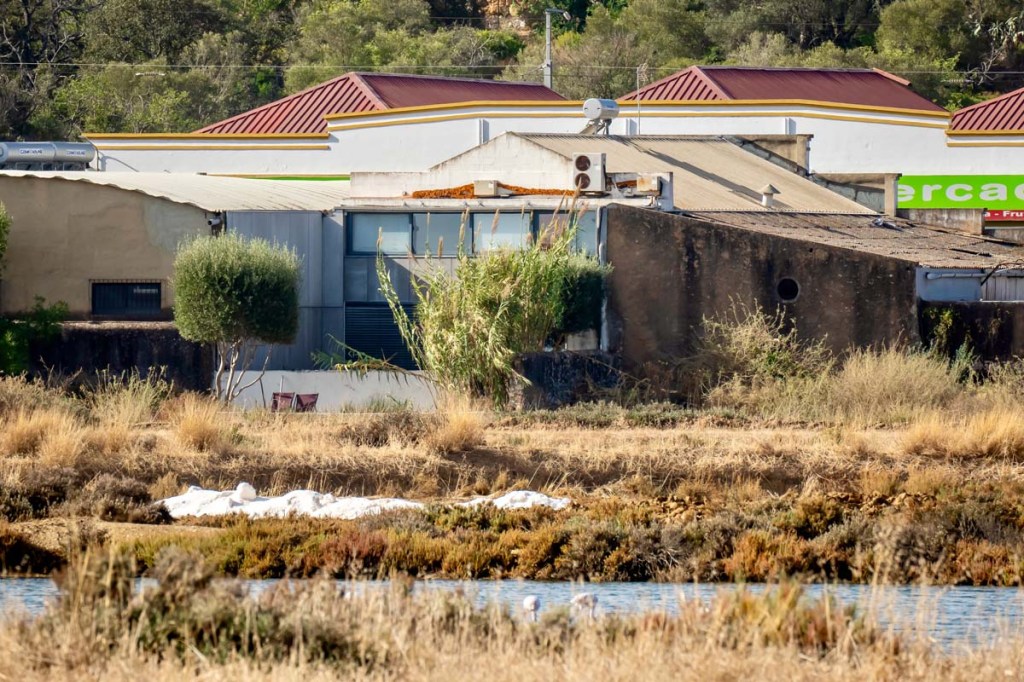
    Salt mountain from the other side

    Looking back at Fuseta

    The salt pans of Fuseta

    The salt pans of Fuseta

    As we approached the village we were heading for there were lots of plants still in flower.

    At the village we discovered the café/restaurant was closed and so we headed back to Fuseta.

    View from our terrace

    Common ringed plover in the stream by our terrace

    Redshank in the same place

    … and a curlew sandpiper
  • 16th July 2025 – Brecknockshire, Wales

    16th July 2025 – Brecknockshire, Wales

    We have had a few days away in and around Brecknockshire in Wales. We started at Talybont-on-Usk which is only 55 miles away from where we live in Bristol and easily reached in well under 2 hours, driving through some stunningly beautiful countryside.

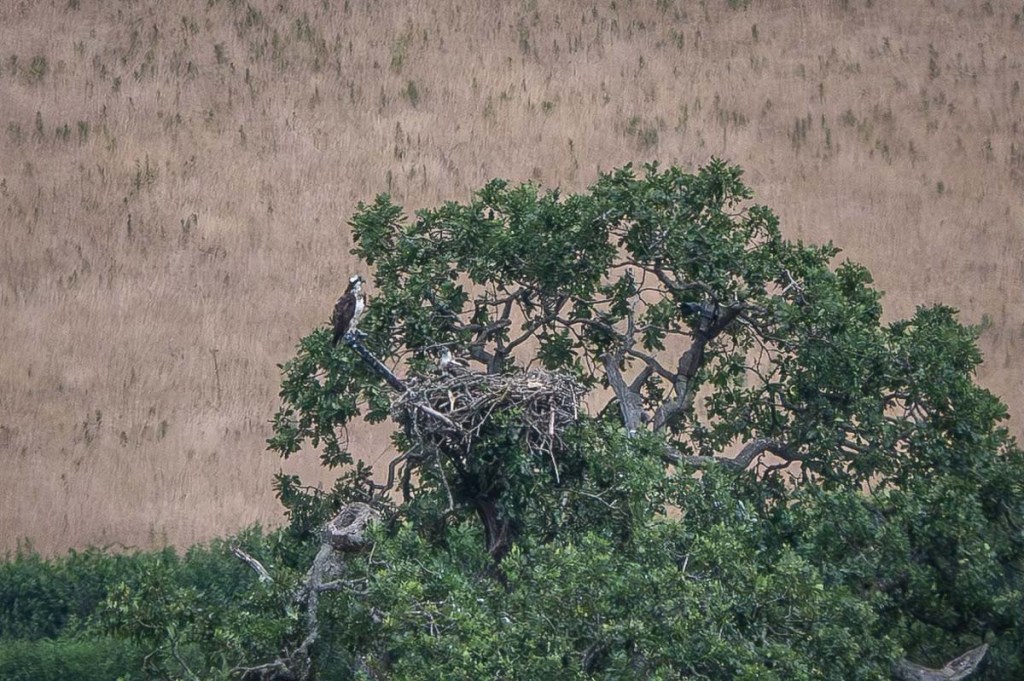
    We wanted to see if we could see a pair of ospreys who have produced a chick for the first time. We walked along the Montgomeryshire and Brecon Canal where we knew there was a vantage point where we could see (at some distance) the nest.

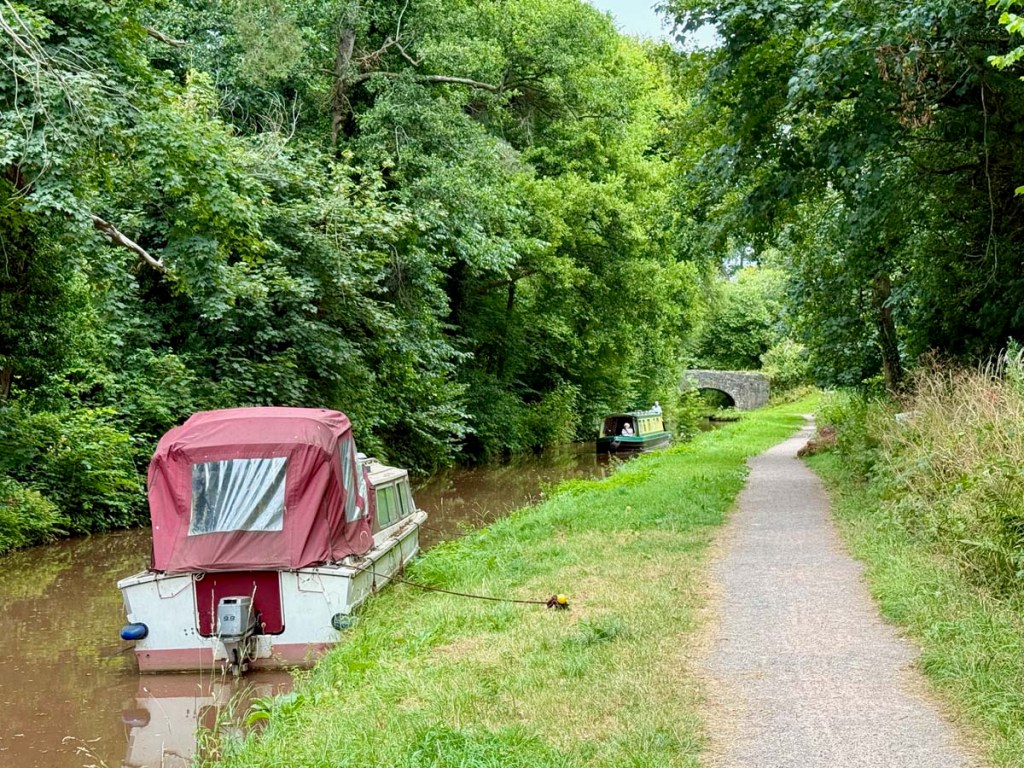
    The Montgomeryshire and Brecon Canal at Talybont-on-Usk

    The female osprey (right) joining the male who was busy devouring a fish about 300 metres away from the nest

    After all the hot weather we have had it was much nicer for us walking in the much cooler conditions. However, we hadn’t really counted on rain and , although we had views of both male and female and the chick, it was not ideal conditions for photography.

    The female osprey with chick in the nest.

    There’s a great website with webcams of the ospreys at https://www.uskvalleyospreys.org where you can really see what’s going on.

    The weather brightened later on and we had a walk around a section of a nearby lake at Llangors.

    There were lots of Canada geese and cormorants on this section of the lake at the start of our walk at Llangasty Talyllyn on the south side of the lake

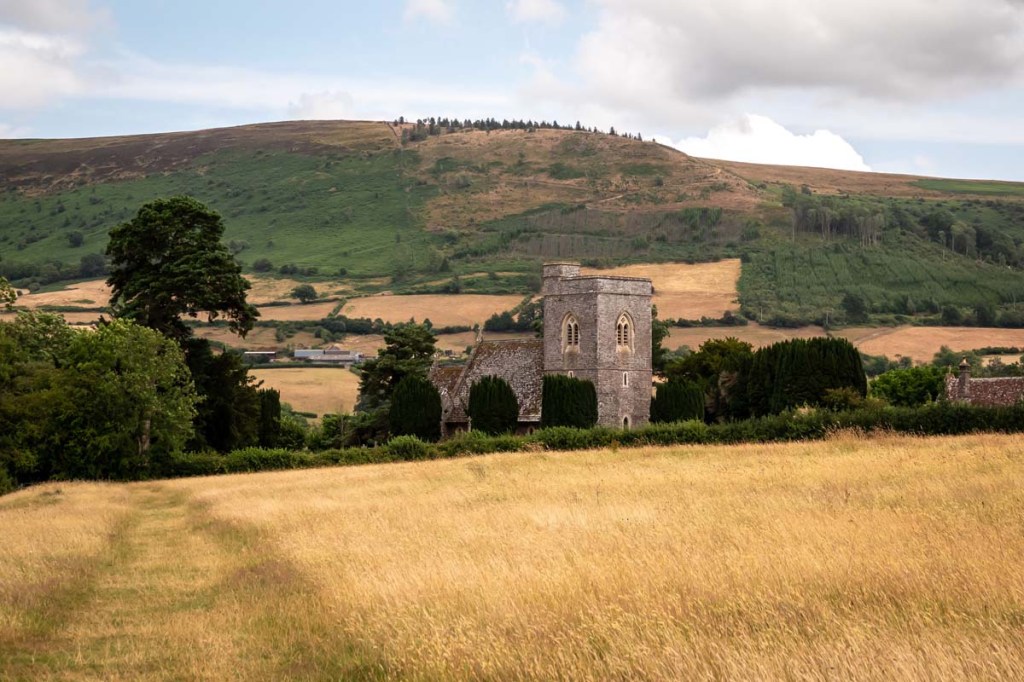
    The church at Llangasty Talyllyn

    Looking north across the lake

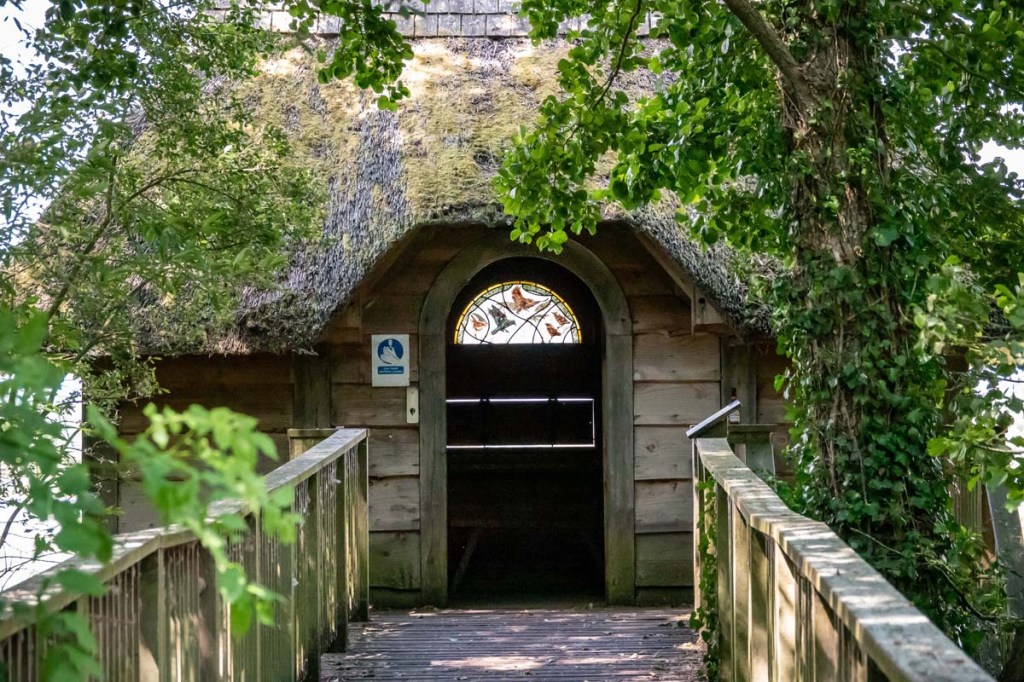
    The thatched bird hide with a stained glass window – they take their birding seriously here in Wales

    The stained glass window in the hide

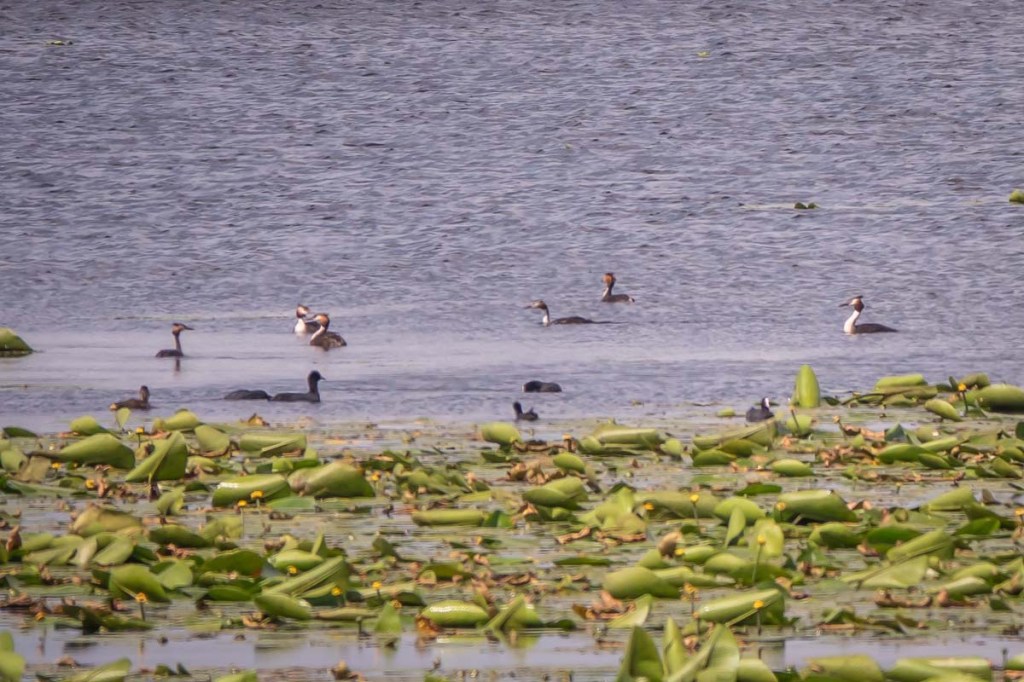
    From the hide we had distant views of large numbers of great crested grebe and coots and a much closer view of a passover buzzard.

    The buzzard passing in front of of the hide above the lily pads

    Buzzard

    Loads of great crested grebes

    On our way back we suddenly came across a patch of ground with all sorts of wildlife:

    Large skipper butterfly

    A rather weather-beaten meadow brown butterfly

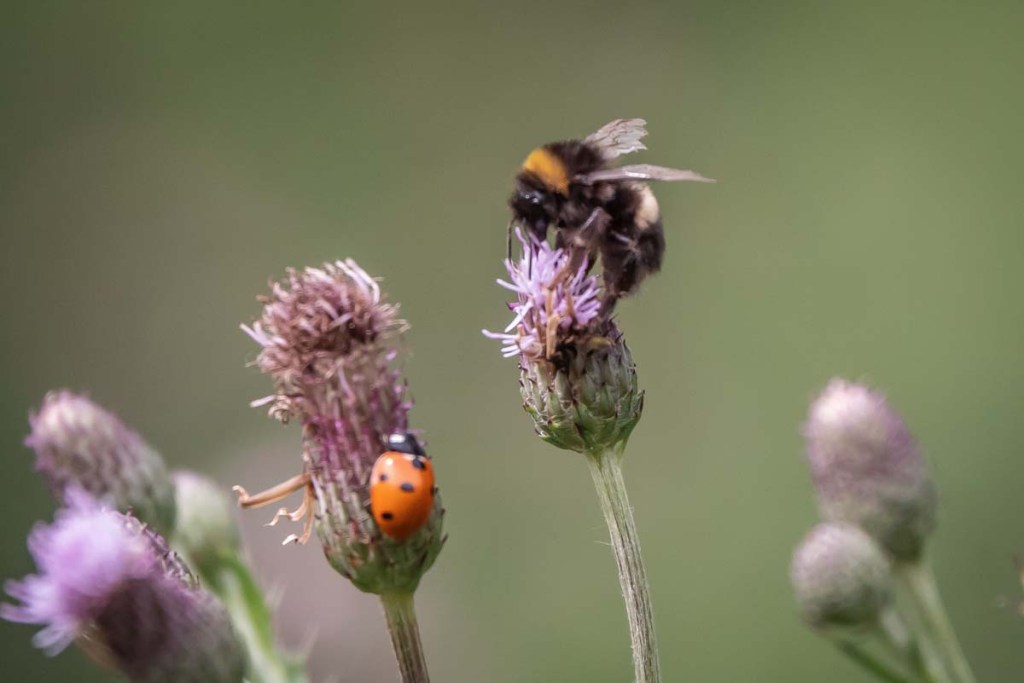
    Bee and ladybird

    Peacock butterfly and common wasp

    Common blue damselfly

    Green-veined white

    Soldier beetle
    Hoverfly

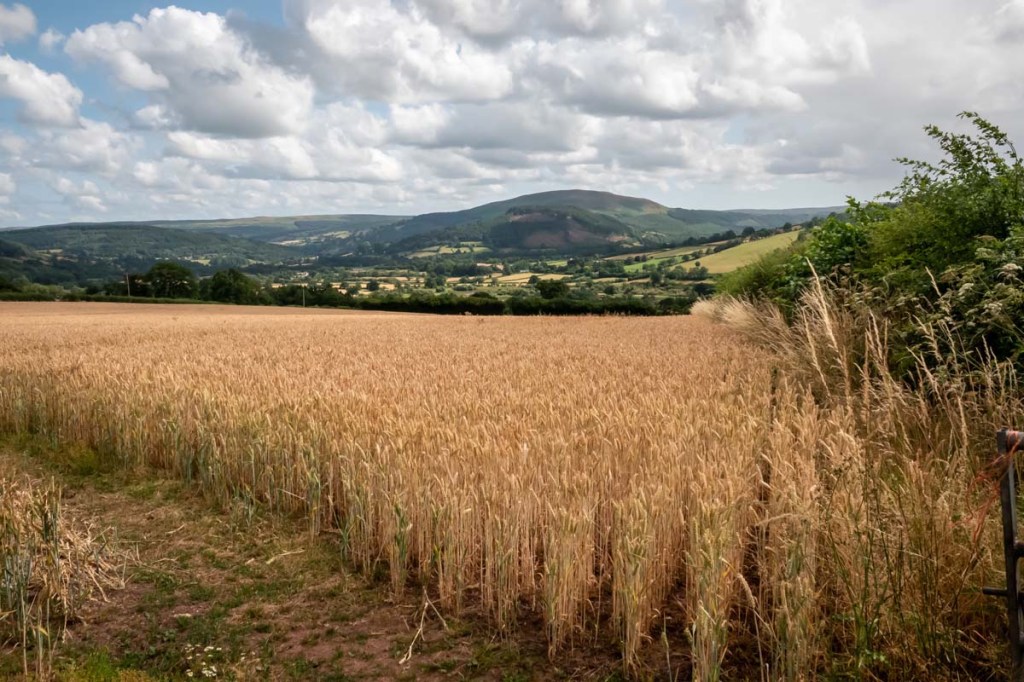
    The views of the environs of the lake were quite stunning

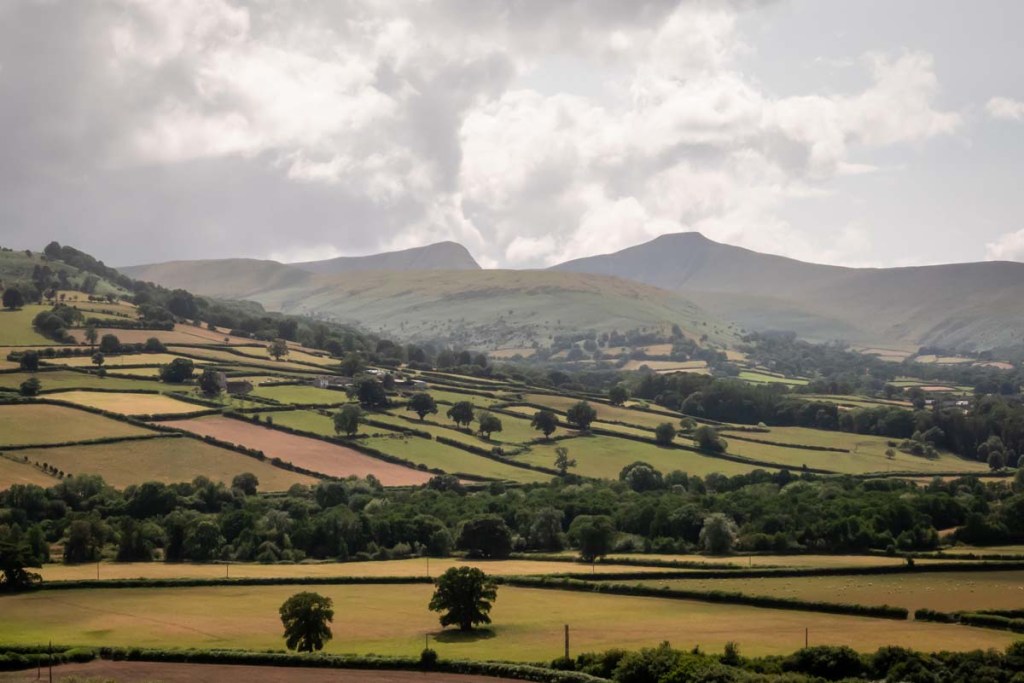
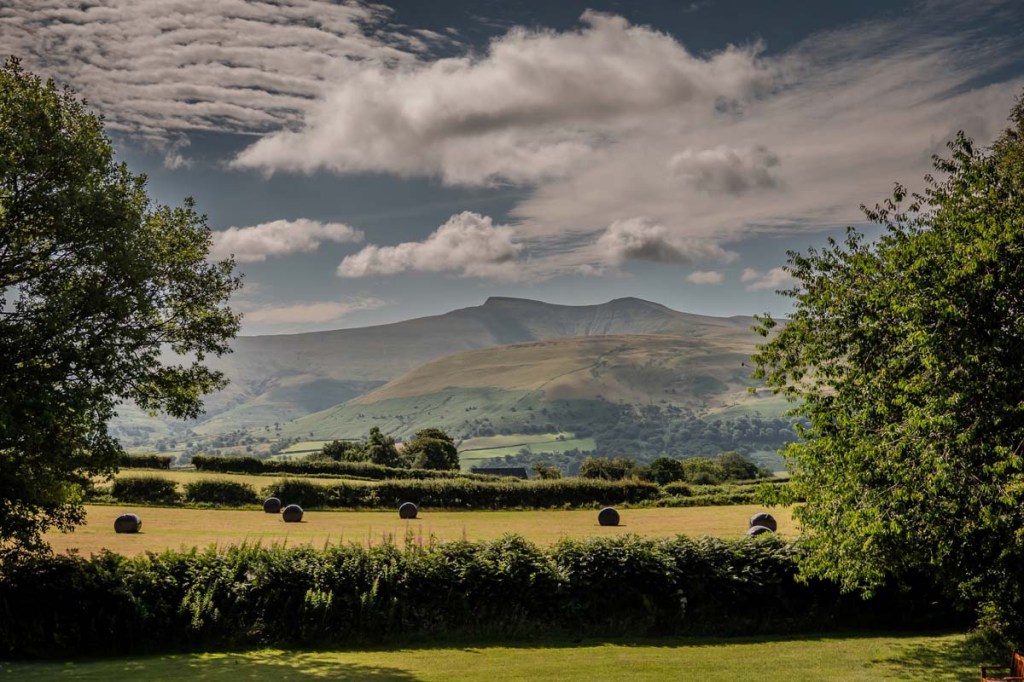
    …as were the views of the Brecon Beacons on our way to our pub accommodation at the Griffin at Felin Fach near Brecon

    Felinfach Griffin

    Brecon Beacons

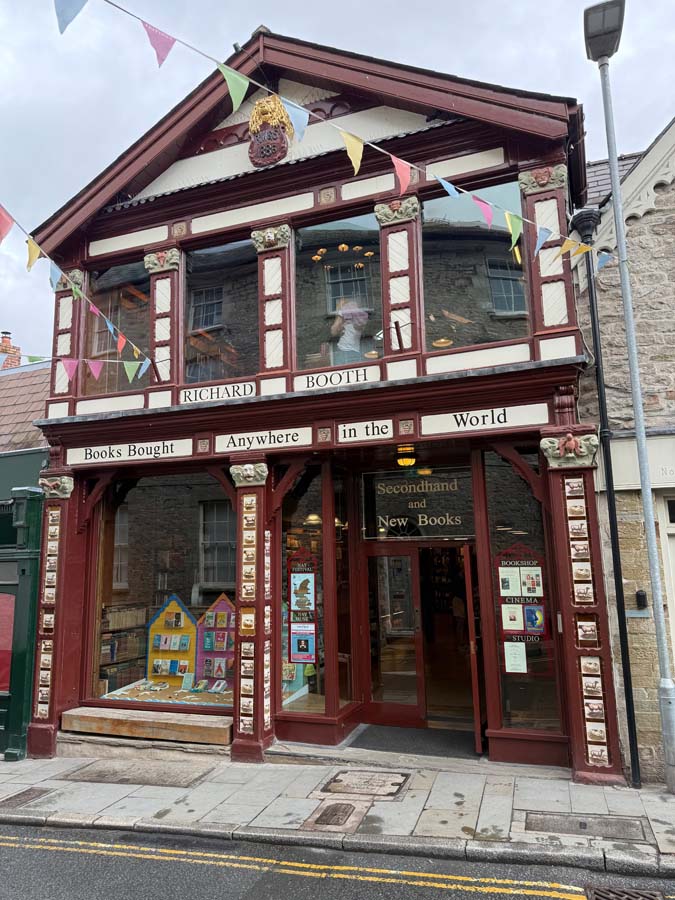
    We were very unlucky with the weather on the second day and were forced to dash between showers visiting bookshops in Hay-on-Wye which is famous as a book town and for its literary festivals.

    One of the many bookshops in Hay-on-Wye

    After a snack lunch (the meals were so good at the Griffin we restricted ourselves to one Welsh Cake with our coffee at lunchtime) we set off for Llanthony Priory but we failed to reach our destination as the road was inexplicably closed for several hours just short of our destination. So, we made do with the stunning scenery in the Black Mountains and made our way back to our accommodation.

    Fortunately there are plenty of passing places

    The weather did not spoil our enjoyment of the views

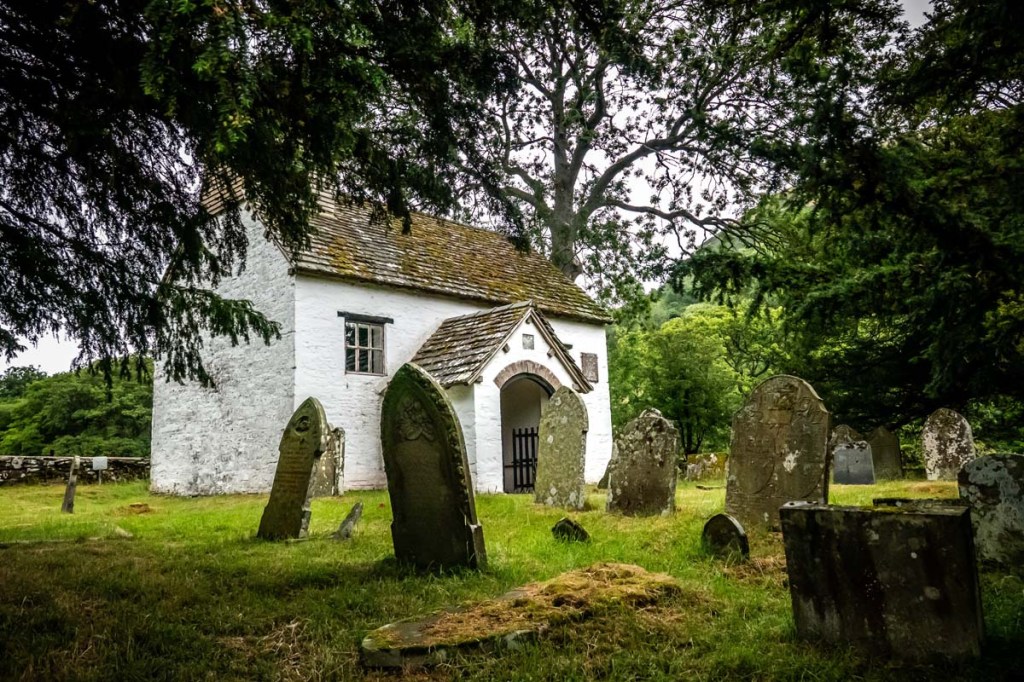
    We got as far as this sweet little chapel

    … and enjoyed seeing the wild ponies

    … and sheep

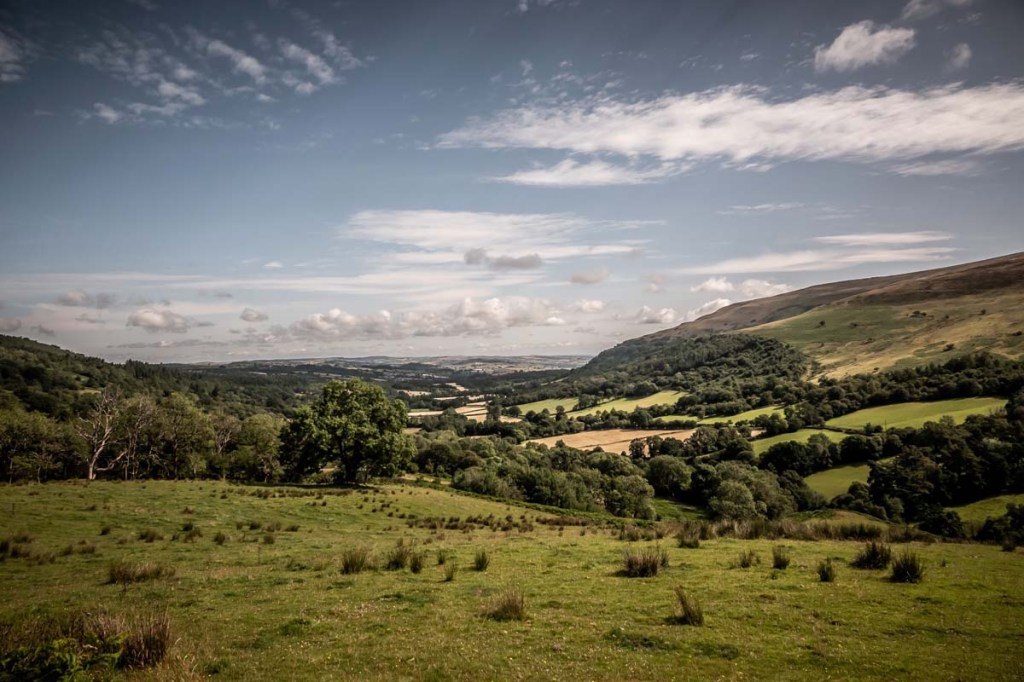
    The next day there were more stunning views of the Brecon Beacons.

    The Brecon Beacons

    View back down through the valley towards Brecon

    It’s quite some years since we have climbed Pen-y-fan. You can just make out some of the early starters at the top
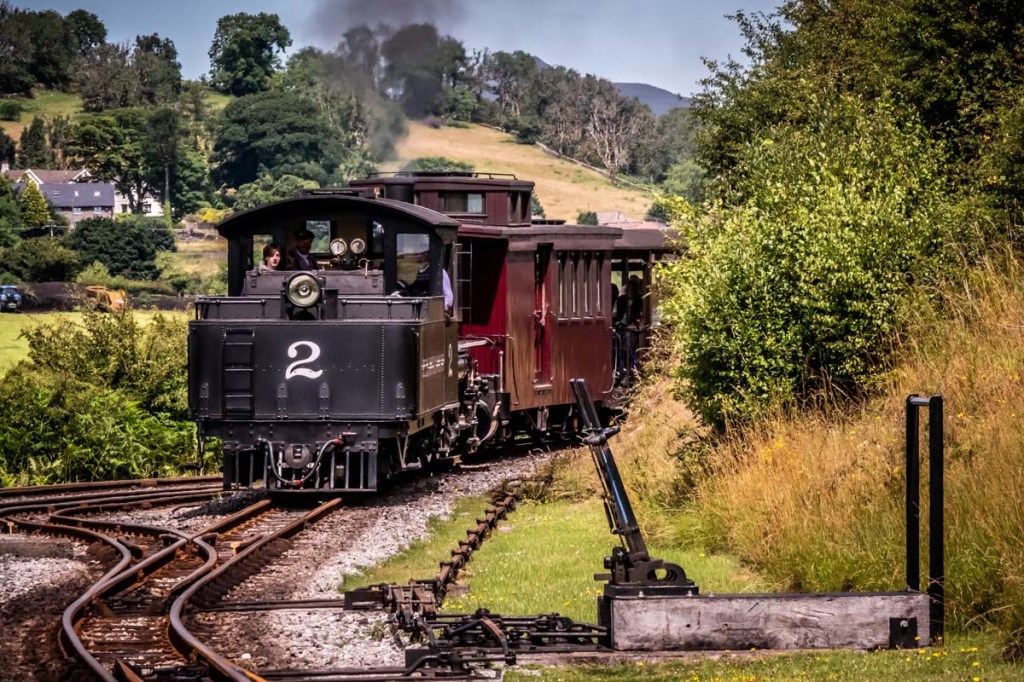
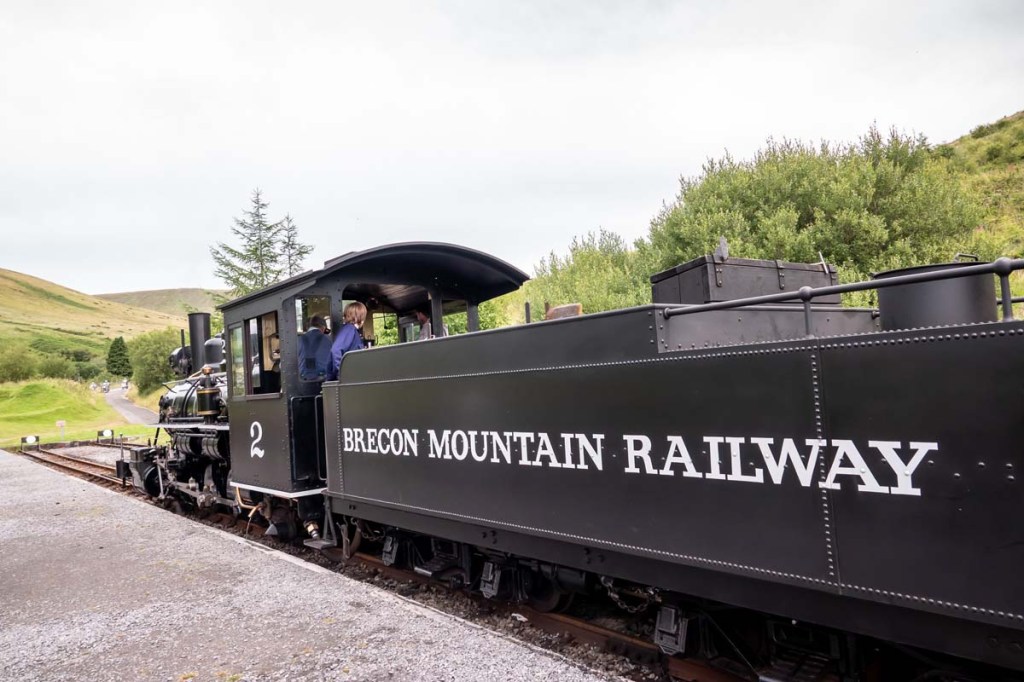
    We were going to climb a 1000 feet or so but by a much easier route on the Brecon Mountain Railway

    … starting from Pant station near Merthyr Tydfil

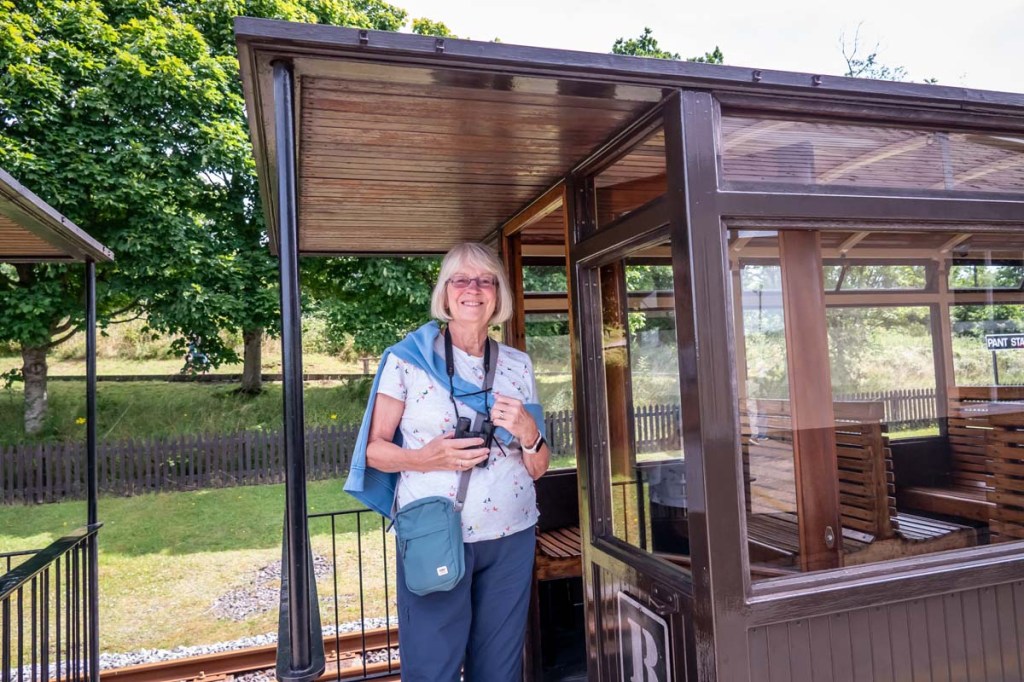
    All-weather carriages

    Not quite Darjeeling or Shimla but a lot of fun all the same

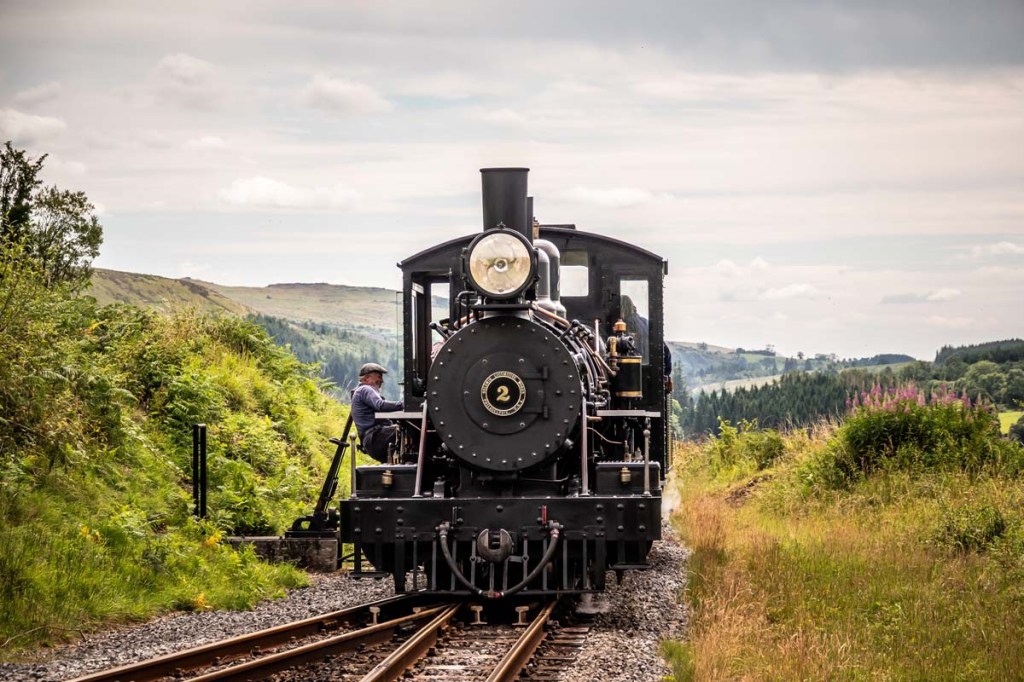
    For the real train buffs a few more shots of the locomotive which was made in Philadelphia but spent all its working life between mines in South Africa from where it was rescued and restored by amazing volunteers from this part of Wales.

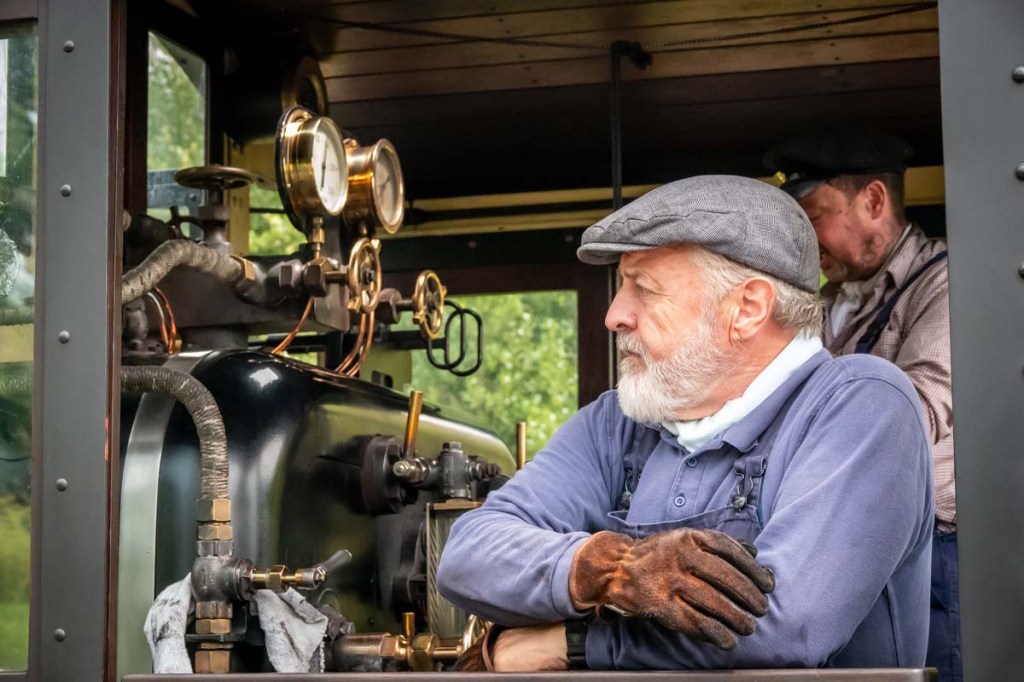
    All restored by enthusiastic volunteers

    The Brecon Mountain Railway fuelled by coal from Columbia!

    There’s generally a robin to save the day when I haven’t taken many bird photos

  • 2nd June 2025 – Reflections on our trip to the Camargue

    2nd June 2025 – Reflections on our trip to the Camargue

    We really enjoyed our recent nature trip to the Camargue. We knew the region a little before this trip as we have visited here a number of times as tourists in the days when we had a motorhome; but this was our first trip here since we have become particularly interested in bird watching.

    White stork

    The week was organised by the speciality nature trip company “Naturetrek” and we have been very pleased with the “Go slow in the Camargue” programme. The administration before the tour was good, the accommodation and food at the hotel was more than adequate for such a trip and the two guides, Marcus John and Neil Murphy, were excellent: they were very knowledgeable, drove the minibuses with care and consideration, produced amazingly good picnic lunches with locally resourced food and drink , had a very good rapport with all the group and made sure everyone saw a fantastic number of birds. Above all they are clearly good chaps and were a pleasure to be with. As well as providing a suitable programme to achieve the programme title of “Go slow in the Camargue” they also offered regular optional early morning walks and late evening sorties. They were the main reasons for the success of the tour.

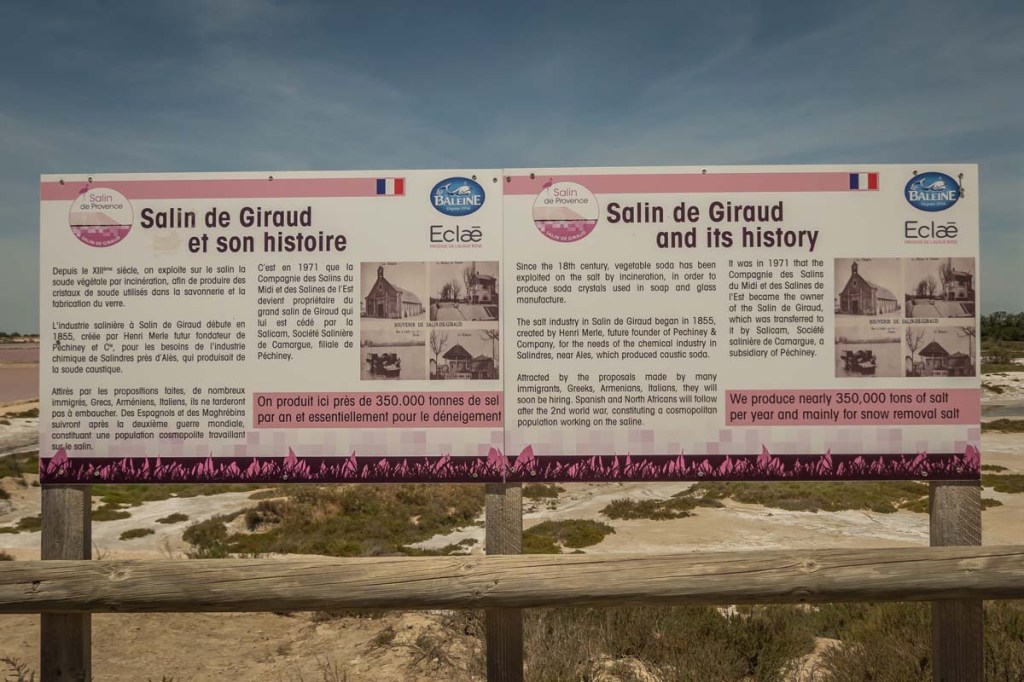
    We visited various local nature reserves, stopped often by the roadside in the marshes of the Camargue, had a trip to the coast to see different types of birds and see the salt works (le Salin de Giroud), did a number of other “touristy” visits to Arles, the Roman aqueduct of Barbegal near Fontvielle, Les Baux de Provence and Le Musée de Camargue – all whilst incorporating opportunities for more bird watching.

    Ruins of the Roman aqueduct of Barbegal

    Le salin de Giroud
    Le salin de Giroud

    Pelagic birding (?) at la plage de Piémanson.

    Gull-billed terns certainly rate high on any of my lists (if I had any)

    Probably my bird of the week – night heron

    One of my favourite reserves in the Camargue

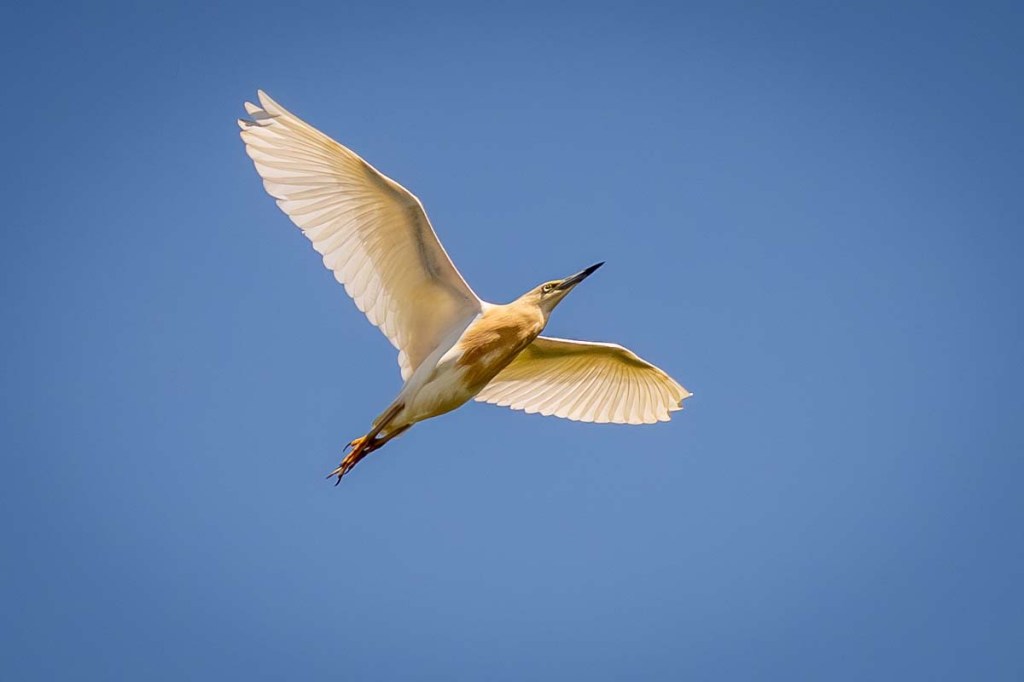
    At the Maraiis du Vigueirat reserve we saw grey, purple and, here, squacco heron

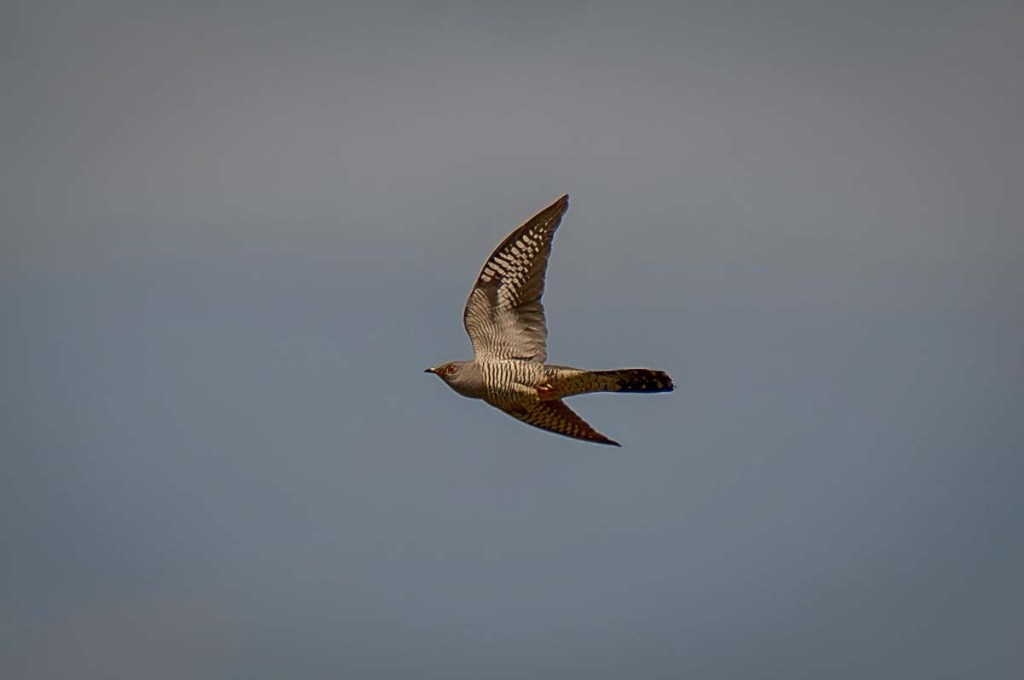
    Another of the nature reserves we visited which I shall remember for a good sighting of a cuckoo

    Cuckoo – great to see as well as hear

    One of our picnic venues – beneath a mulberry bush

    One swallow doesn’t make a summer – but this one convinced me that we really were in summer

    Hôtel des Granges just outside Arles

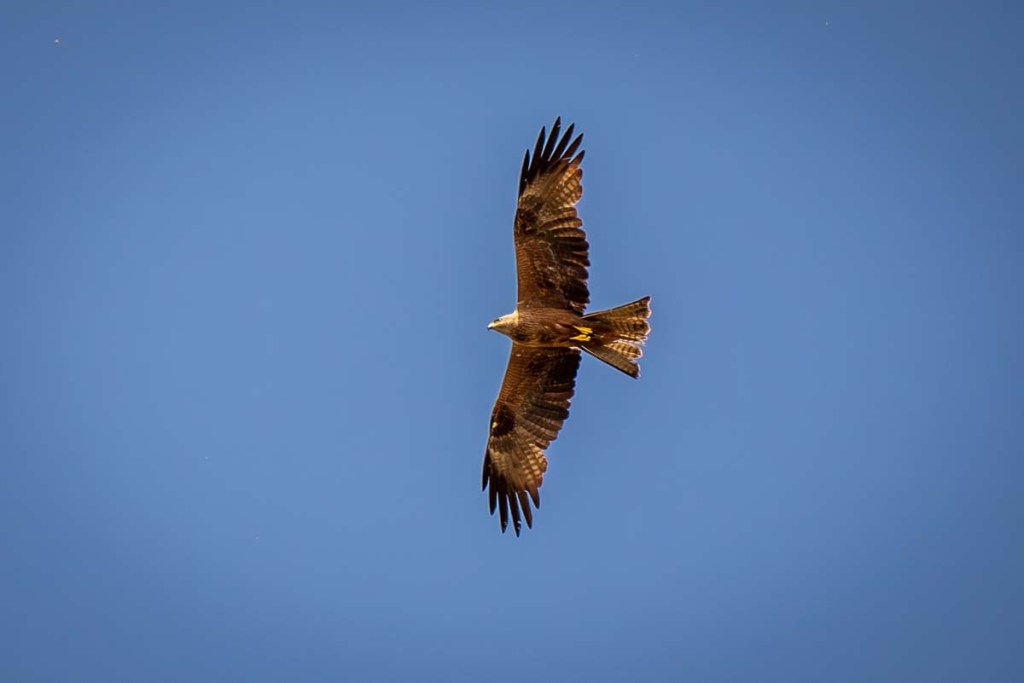
    We often saw black kites close over our hotel and enjoyed the song of nightingales throughout the week

    View from our bedroom window of l’Abbaye de Montmajour

    Hobby on one of the optional early morning walks

    My favourite shot from beside the road – six spoonbills seen from le Chemin de Mas d”Agon

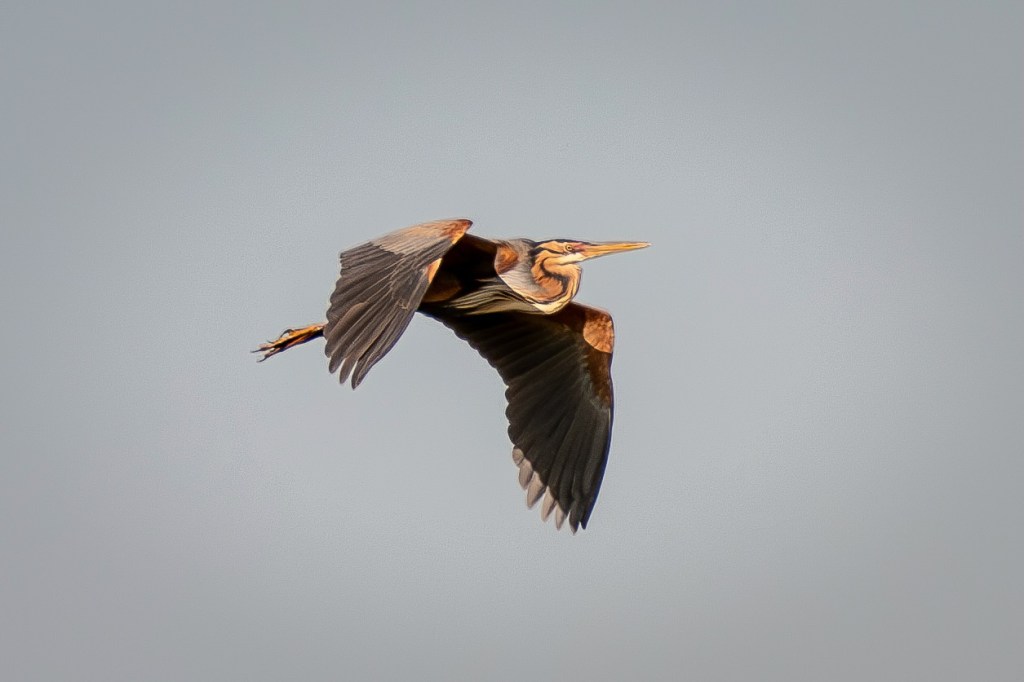
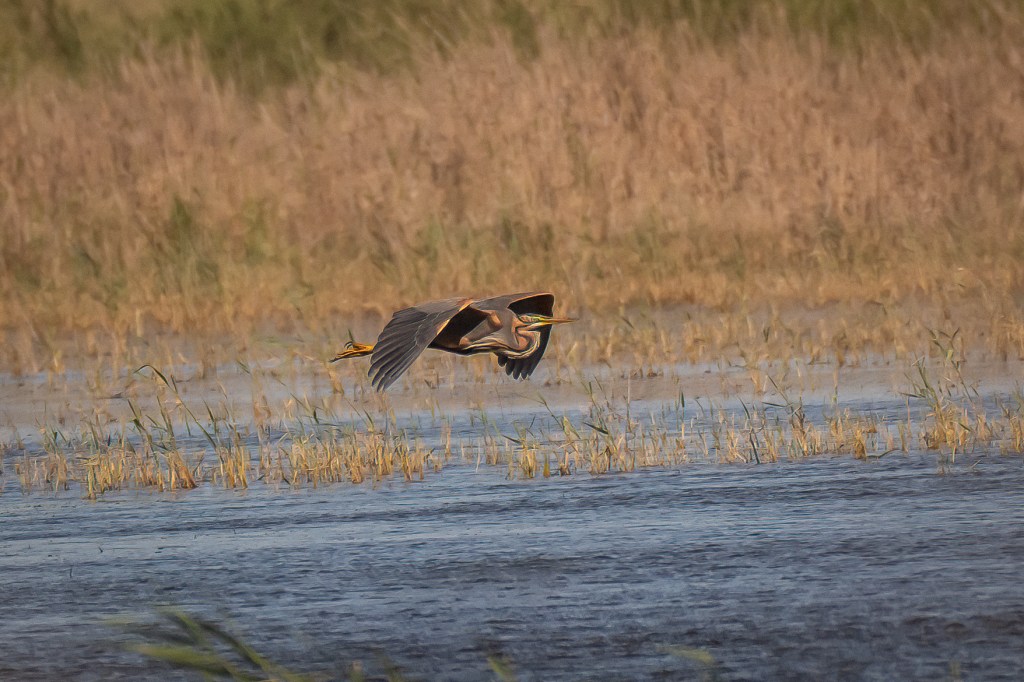
    Purple herons at the same place on the Chemin de Mas d’Agon

    Let’s hope that one day these beauties are regulars in our skies (but we will probably be in a lot of trouble in other ways!)

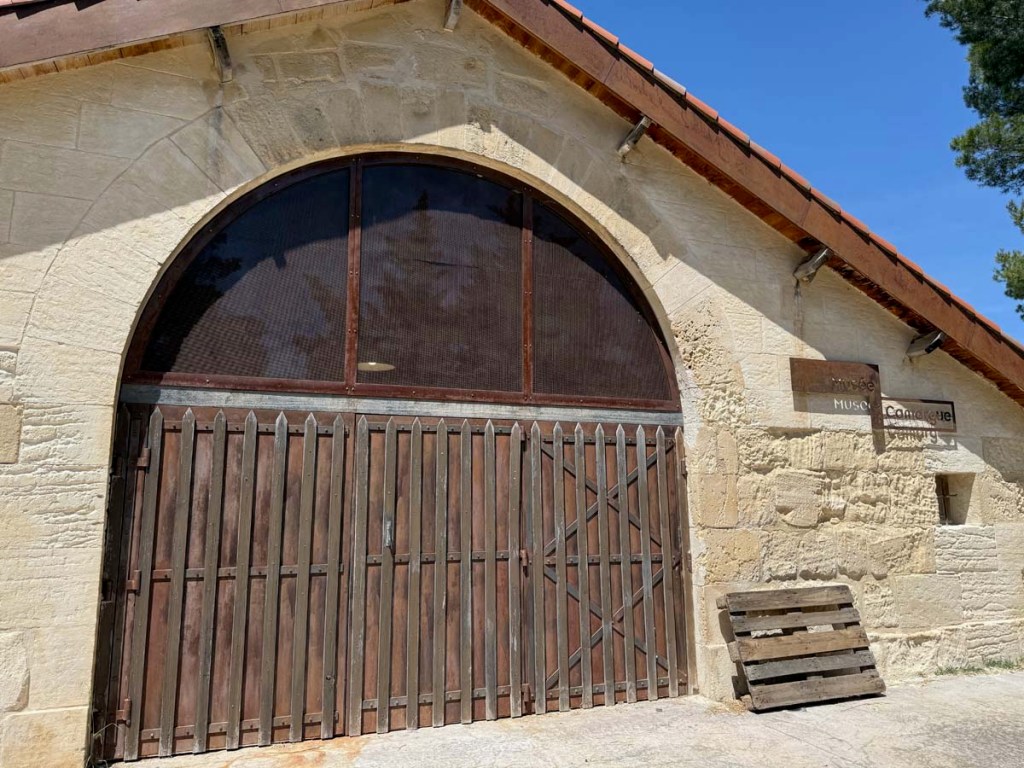
    Le Musée de Camargue

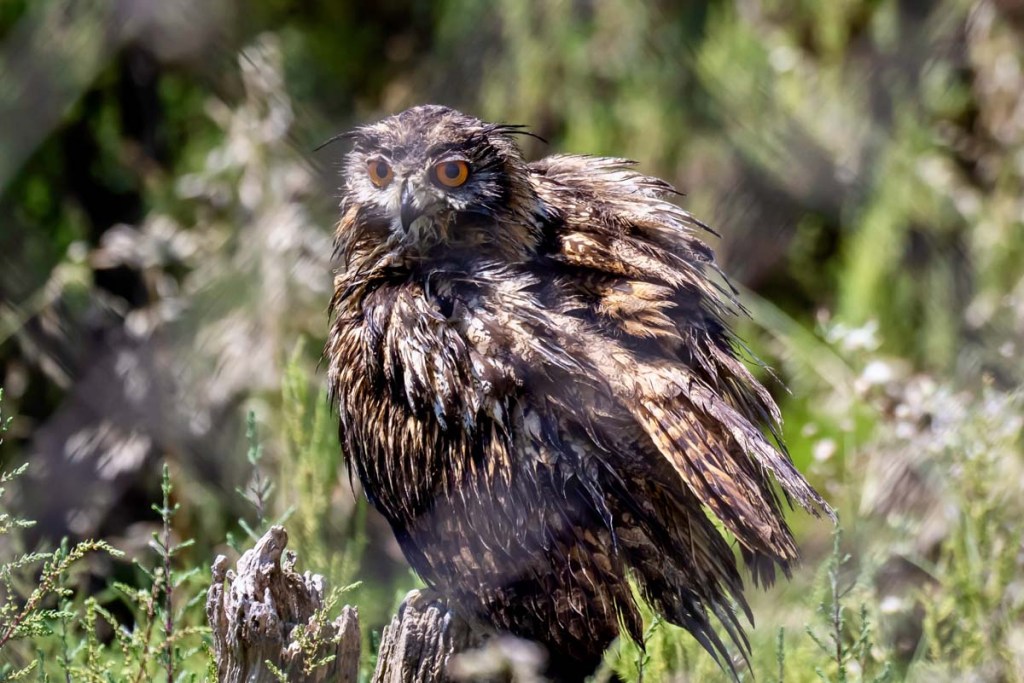
    I don’t like to see birds in cages but it is worth remembering what amazing things people do in rescuing such birds

    Les Arènes d’Arles

    Photographic exhibition in the streets of Arles

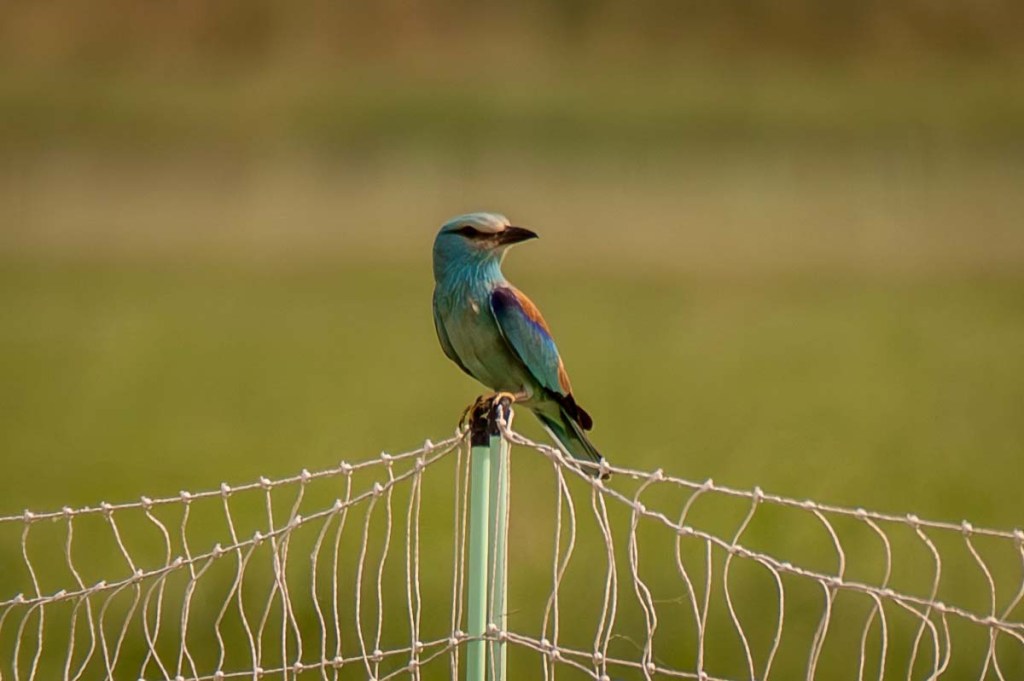
    European roller seen on one of our optional evening trips

    Our visit to Les Baux de Provence

    My favourite memory of les Baux de Provence – a swallowtail butterfly

    Our guide Marcus was relieved that I was able to get a shot of a bee eater, certainly after all the banter I gave him.

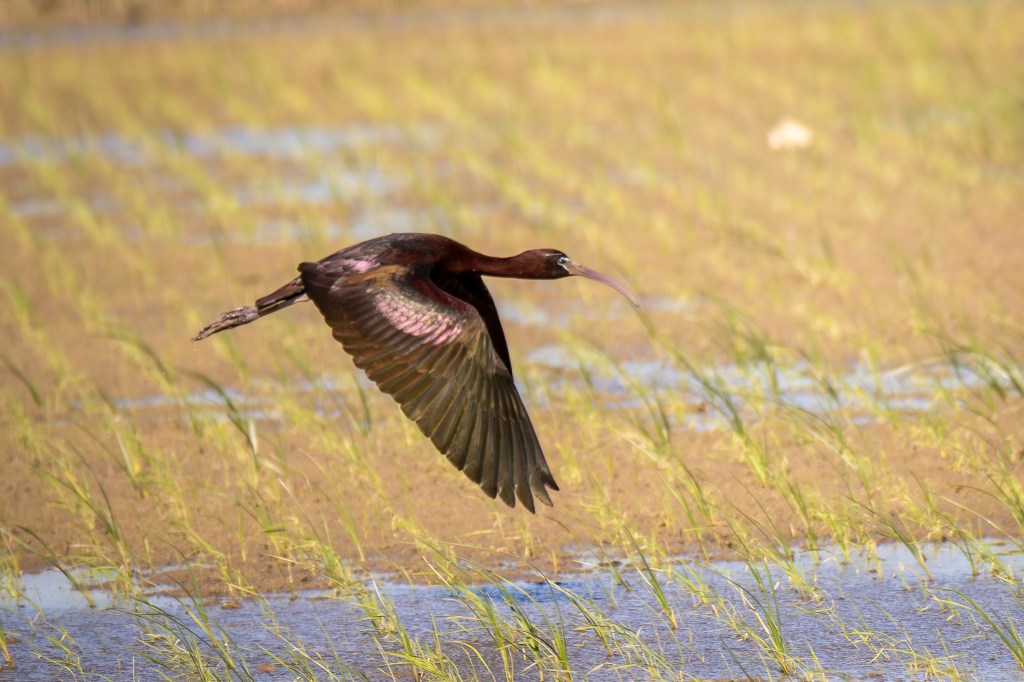
    Glossy ibis were regularly seen in the rice fields

    The rice fields brought us loads of beautiful birds and many interesting beers too

    Purple heron at the Marais de Mas d”Agon

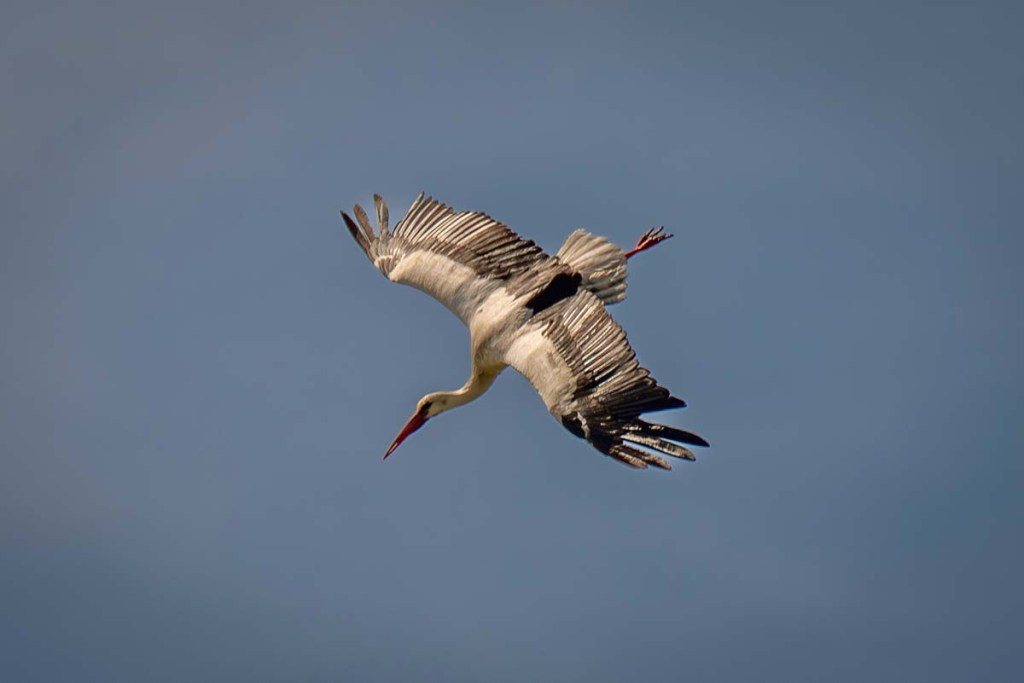
    How can such big birds, such as this white stork, be so agile?

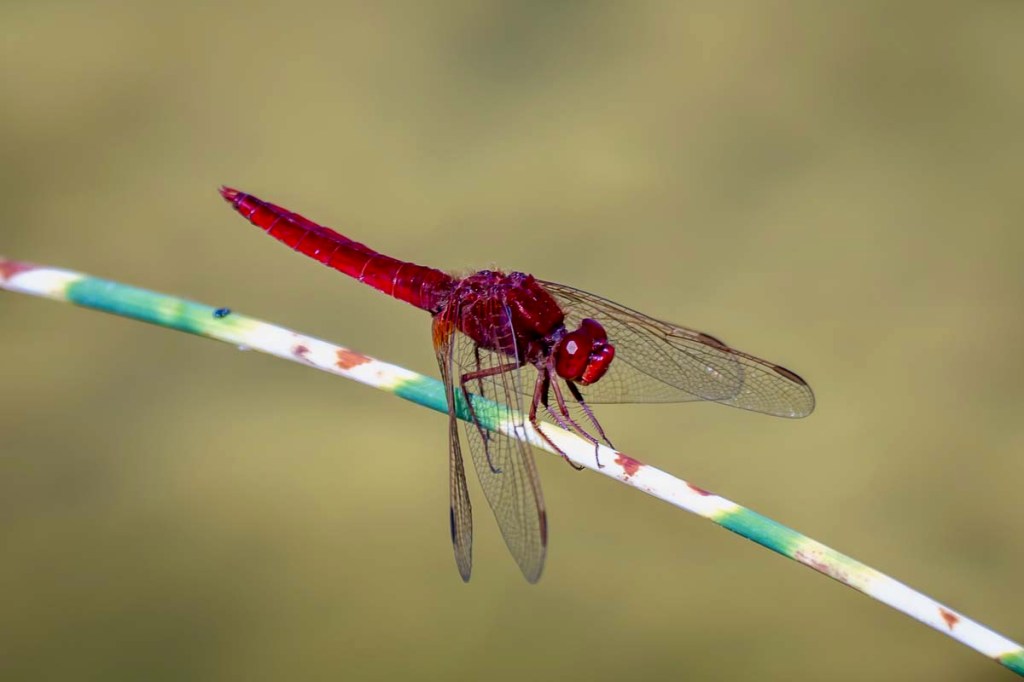
    It wasn’t all about the birds – Orange-tipped orange dropwing
    Flora and fauna

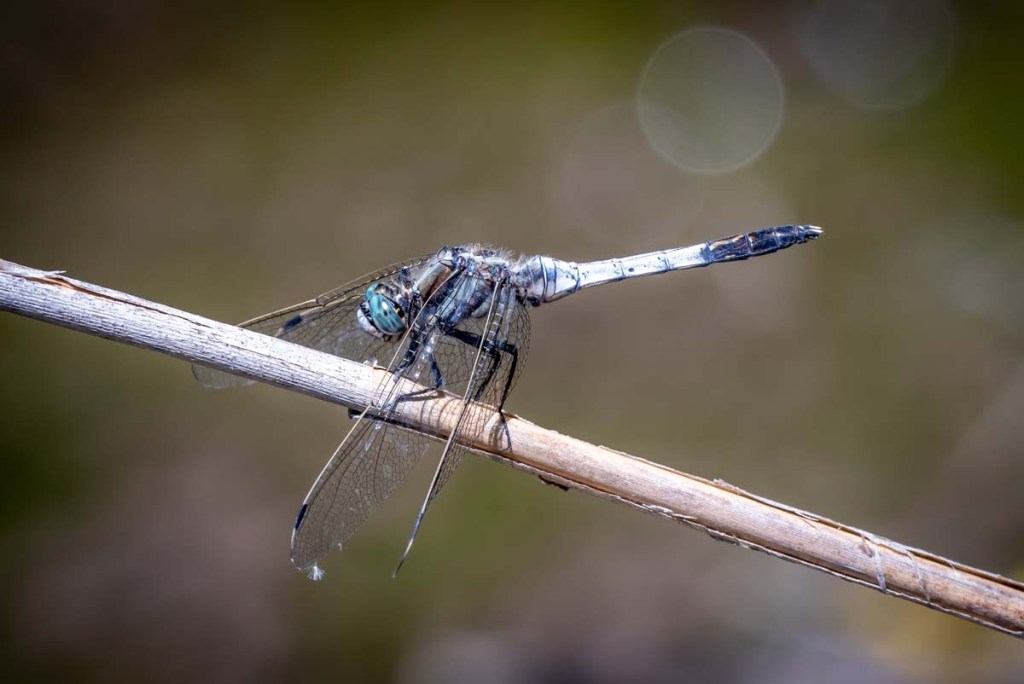
    White-tailed skimmer

    Terrapin at the Marais de Vigueirat

    Coypu

    It wouldn’t be the Camargue without greater flamingos

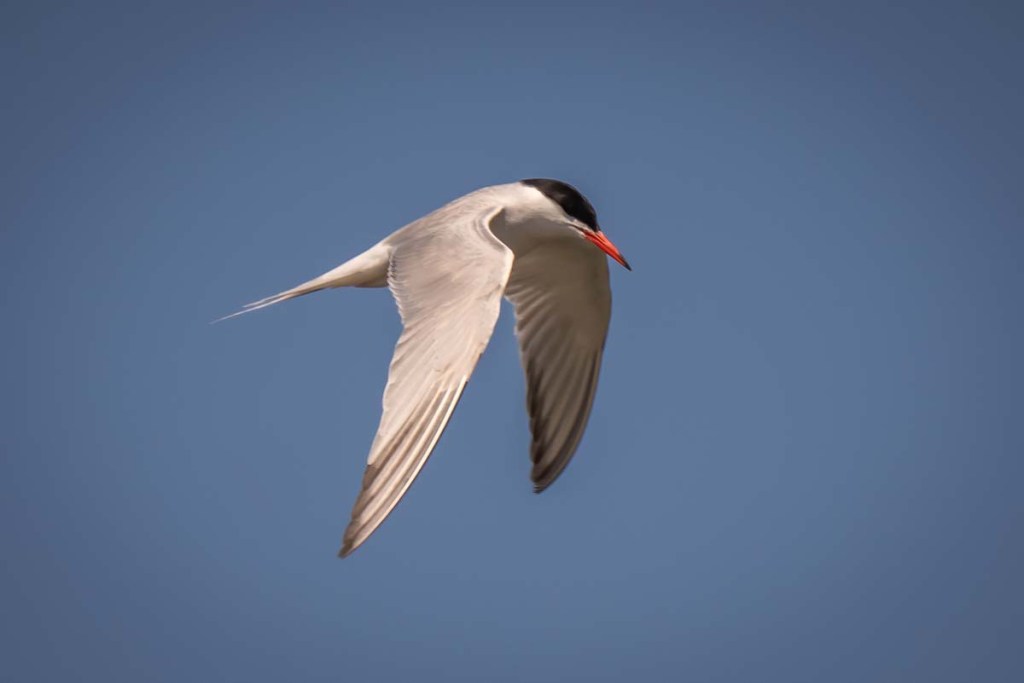
    Common tern was the most common of the terns we saw

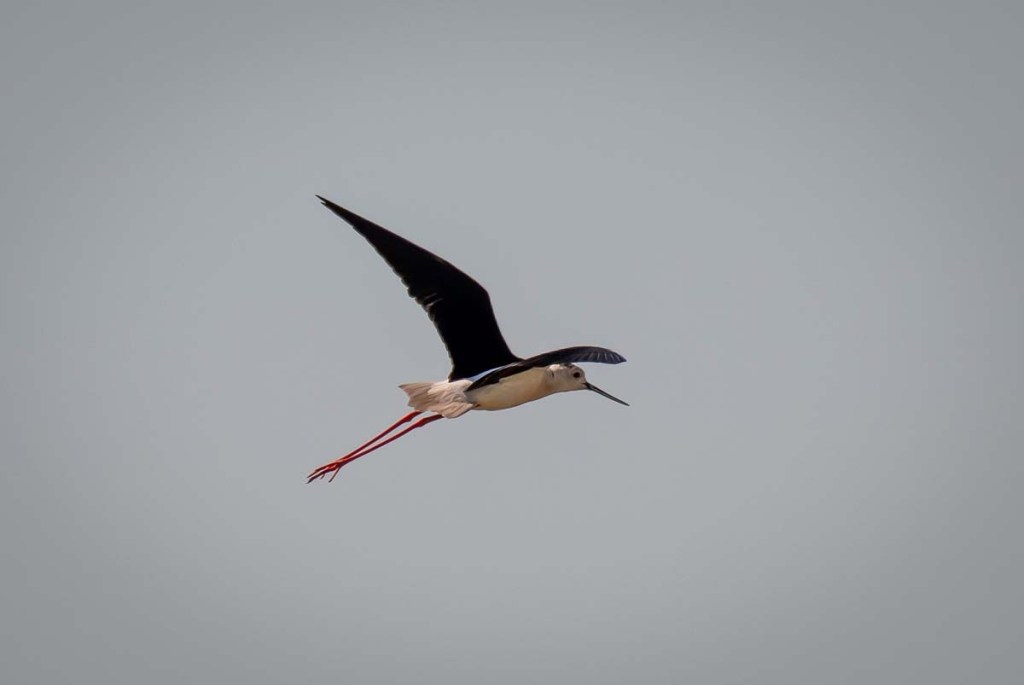
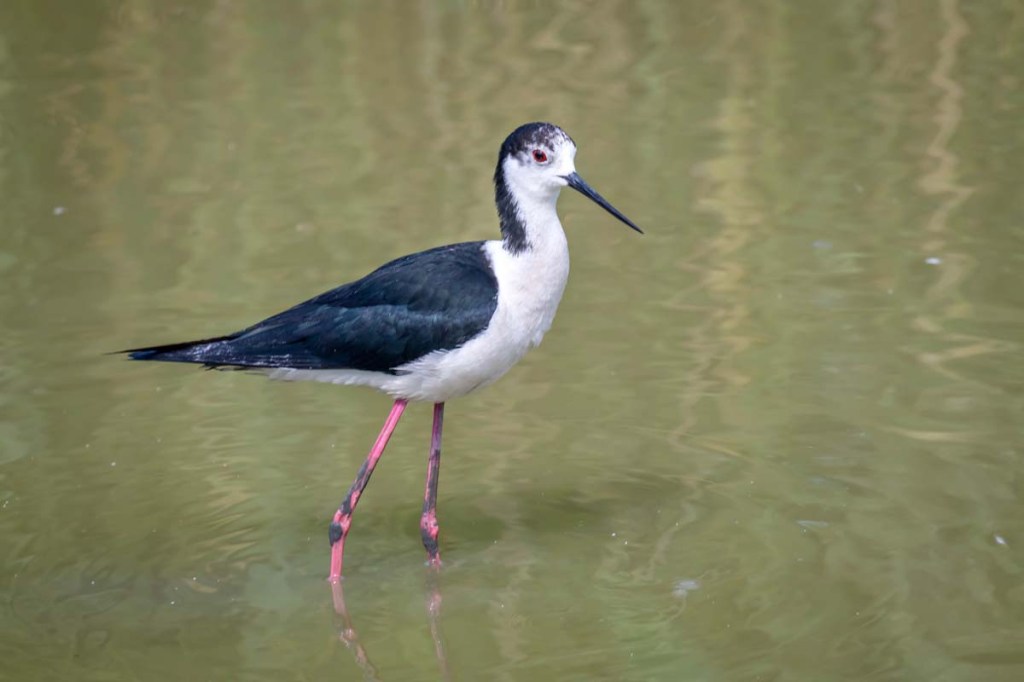
    Black-winged stilts were seen at all the reserves

    Black-winged stilt

    So many of the glossy ibis, herons and storks with juveniles

    Grey herons

    White storks

    Spanish gatekeepers seemed much brighter than the gatekeepers we see in the UK
    Painted lady butterfly

    Large skipper butterfly

    False ilex hairstreak butterfly at Les Baux de Provence

    Did I mention the swallowtail?

    Oh and I nearly forgot … those wonderful wild horses of the Camargue:

  • 11th April 2025 – Olhão, Portugal

    11th April 2025 – Olhão, Portugal

    We were rather devastated yesterday when, setting off for a walk around the salt pans at Olhão right next to our hotel, we found the path had been closed by a new construction project. We abandoned our plans and decided to take the ferry to Culatra, one of the islands in the Ria Formosa.

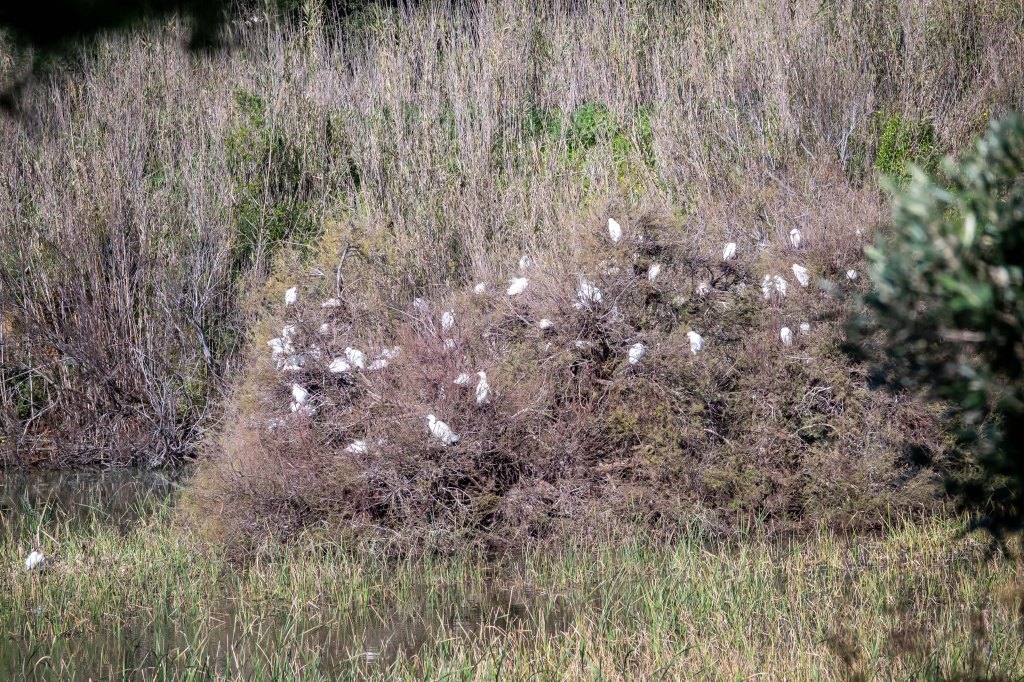
    There were limited birding opportunities but from the ferry we saw a distant colony of spoonbills and egrets.

    Spoonbills and egrets

    On Culatra there were plenty of yellow legged gulls and lesser black-backed gulls as well some Audouin gulls.

    Audouin gull

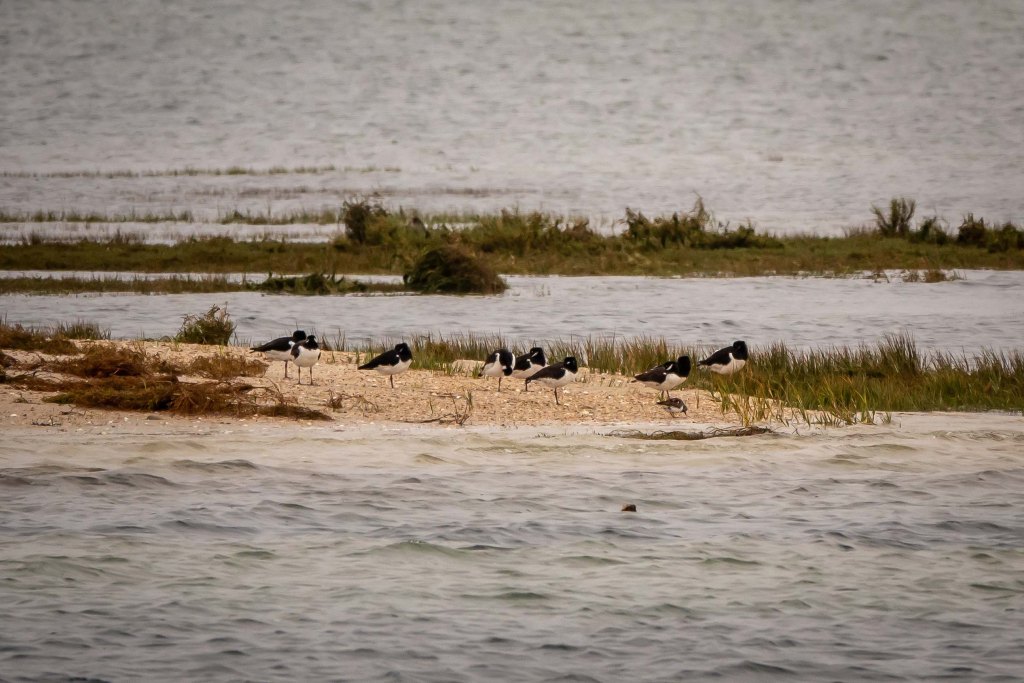
    On the return journey we could see oystercatchers and a small flock of common ringed plovers which easily overtook the ferry.

    Oystercatchers

    Common ringed plover

    Today we managed to find a way around the blocked path without too much of a detour and, despite the disappointing cloudy conditions, enjoyed a very enjoyable walk around the salt pans. We were well rewarded with plenty of birds and a pleasant walk.

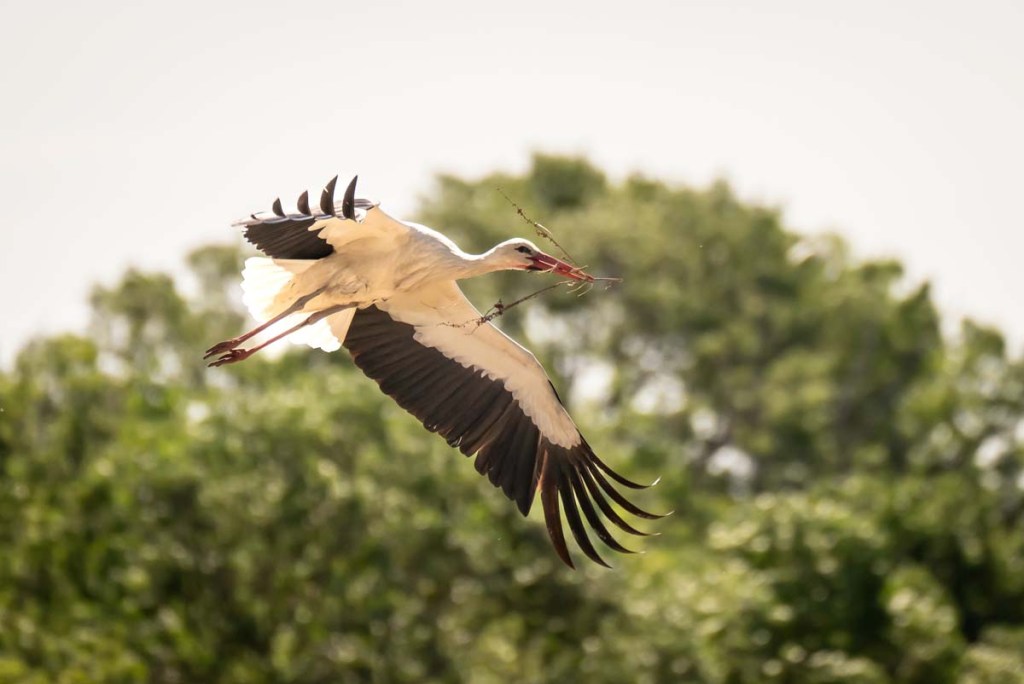
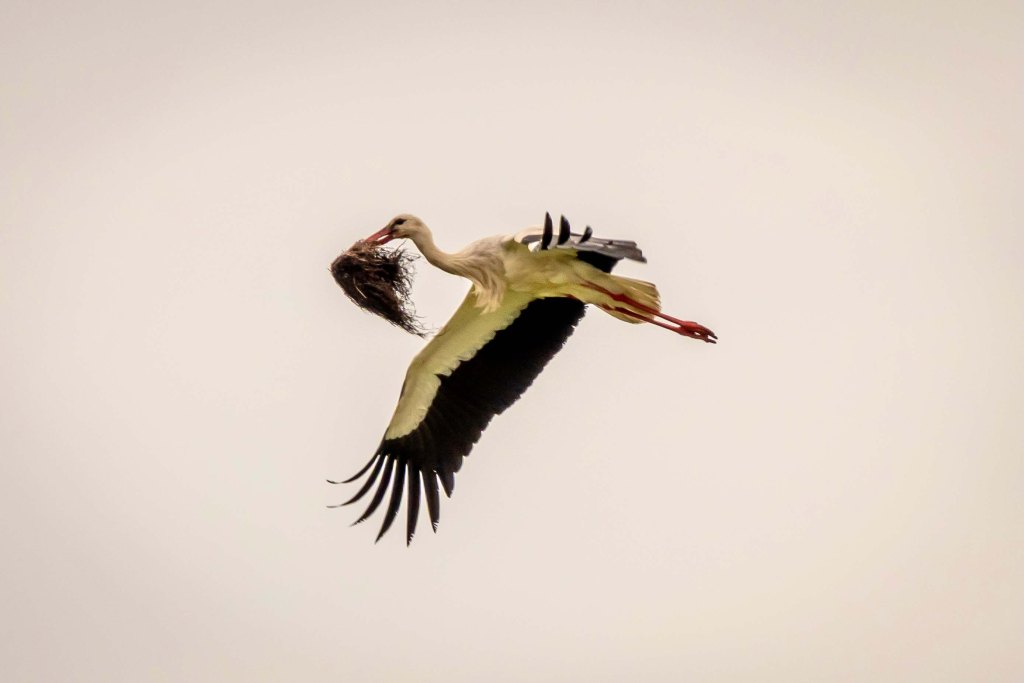
    White stork with nesting material

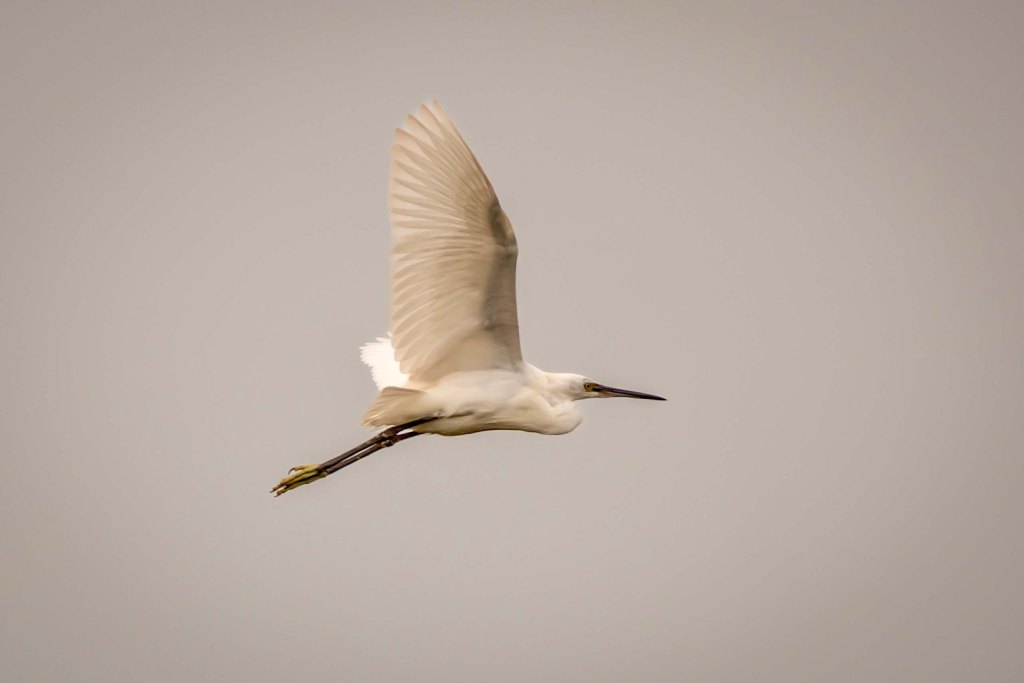
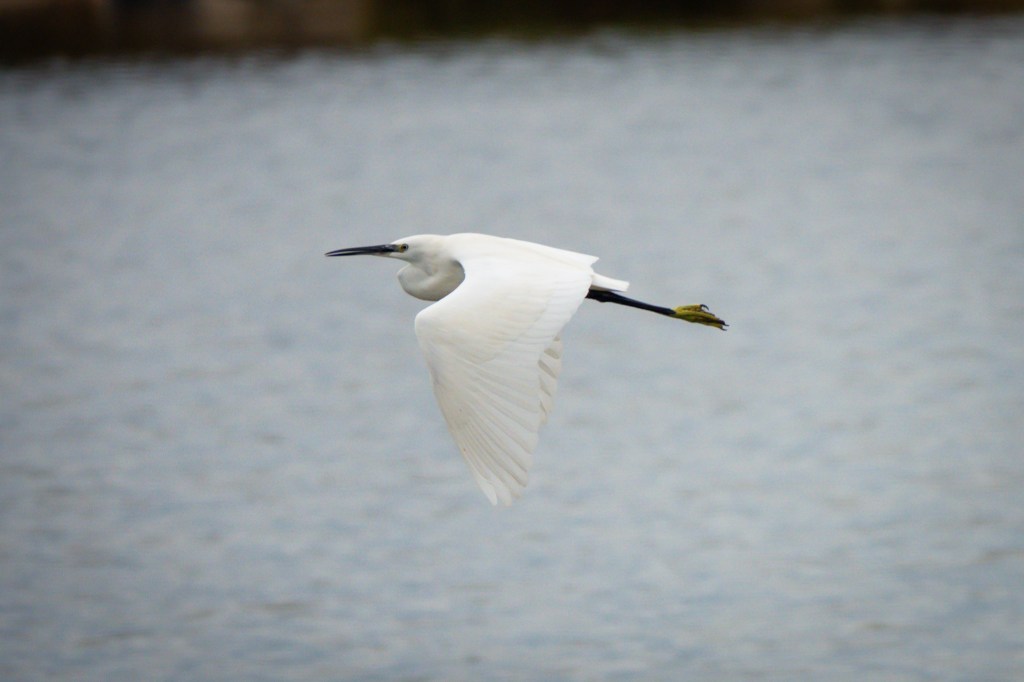
    Little egret over the salt pans

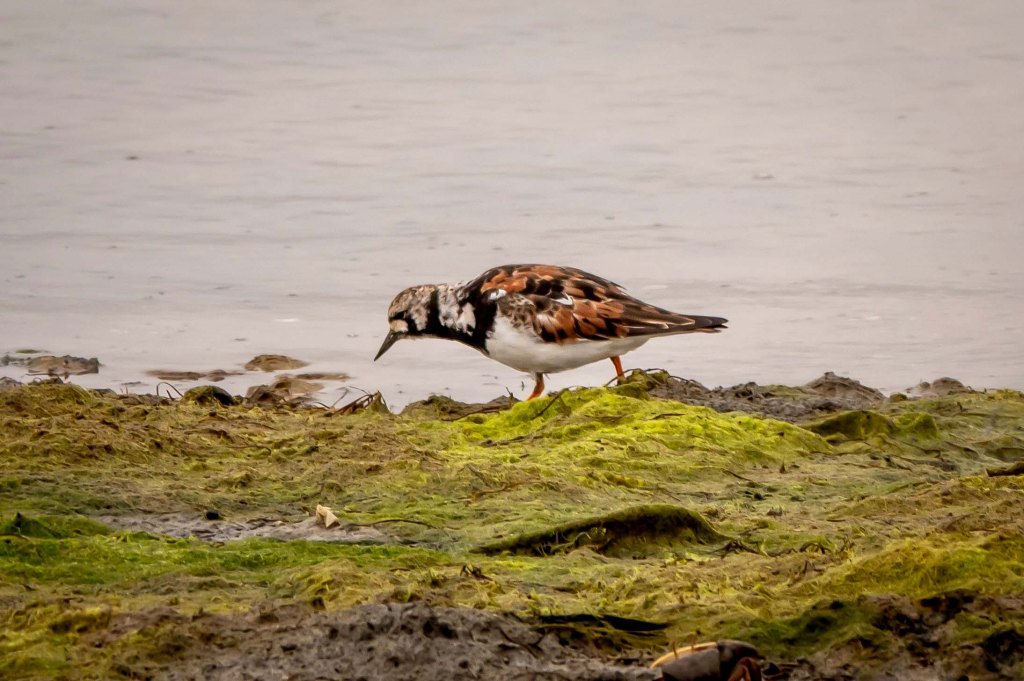
    Ruddy turnstone

    On several of the salt pans there were large number of waders

    A shelduck stands proud of the grey plover, dunlin, sanderlings and ruddy turnstones

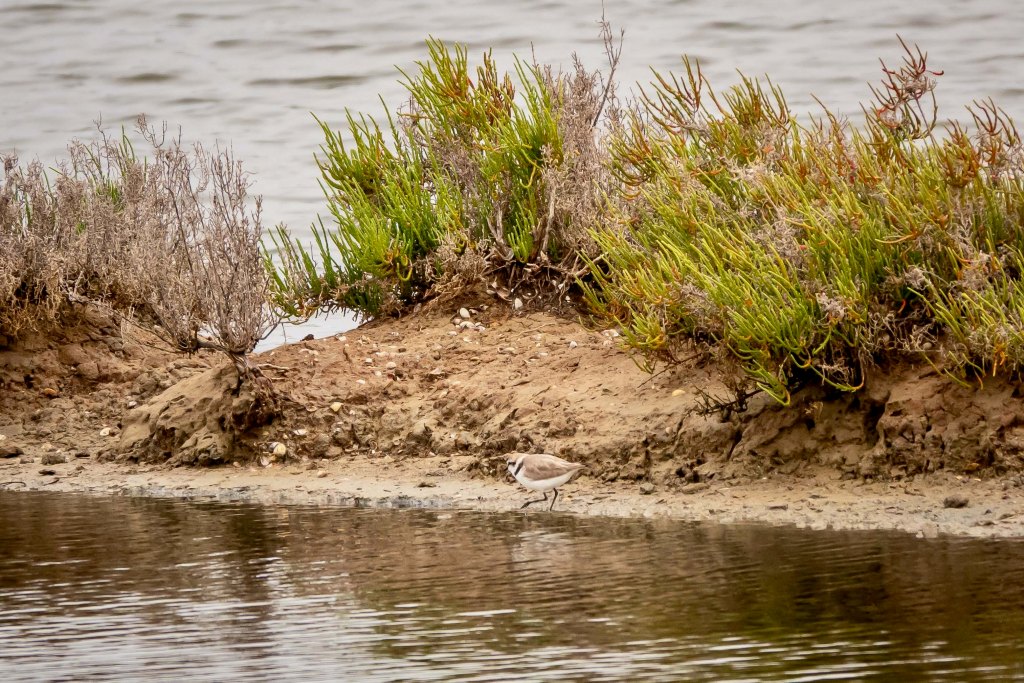
    Kentish plover

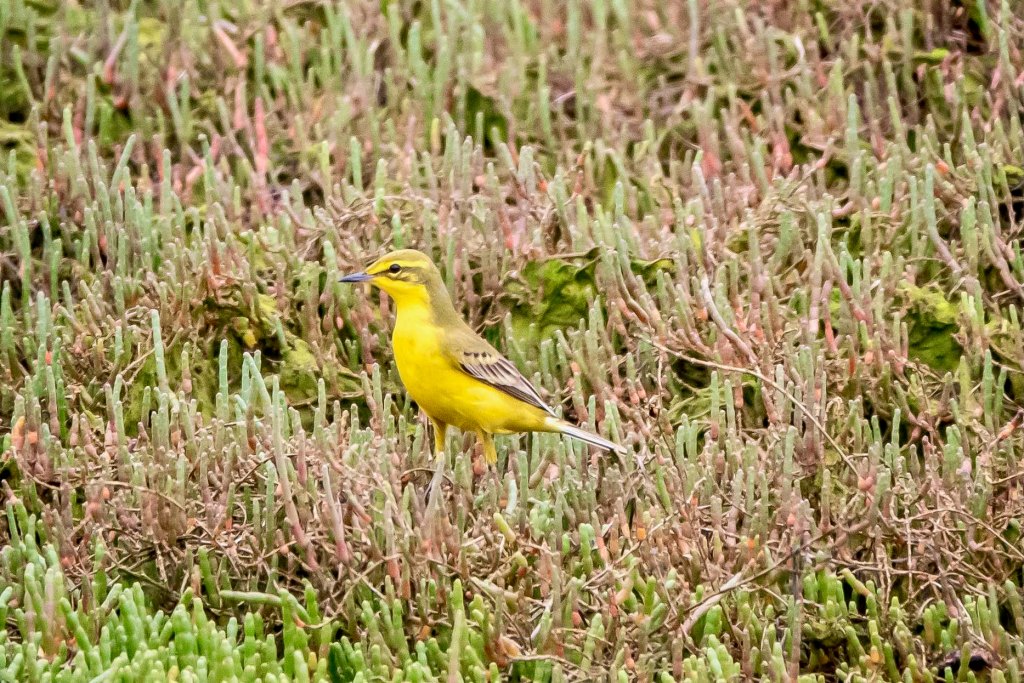
    The first of several western yellow wagtails which we saw around the salt pans

    A black-winged stilt

    Common ringed plover

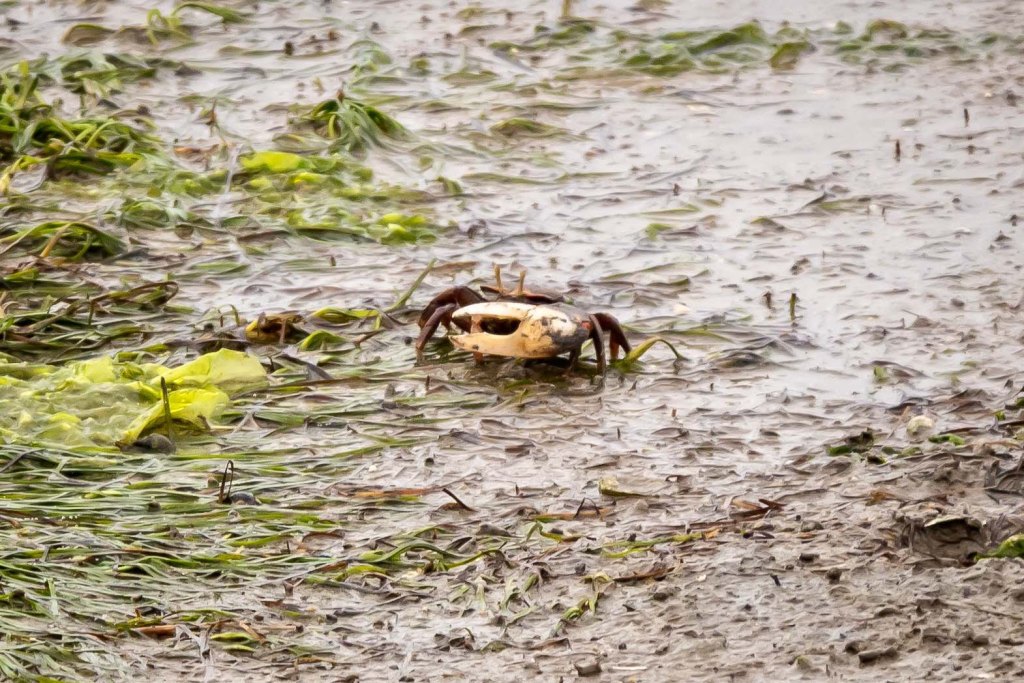
    Crabs everywhere

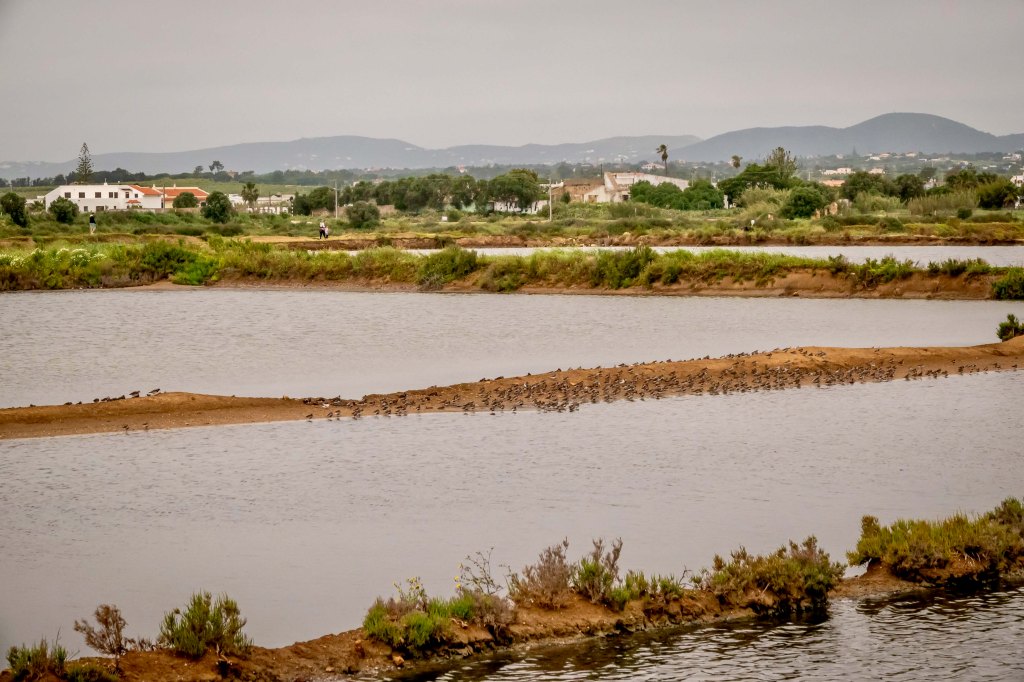
    A view inland across the salt pans

    A little tern behind the dunlin

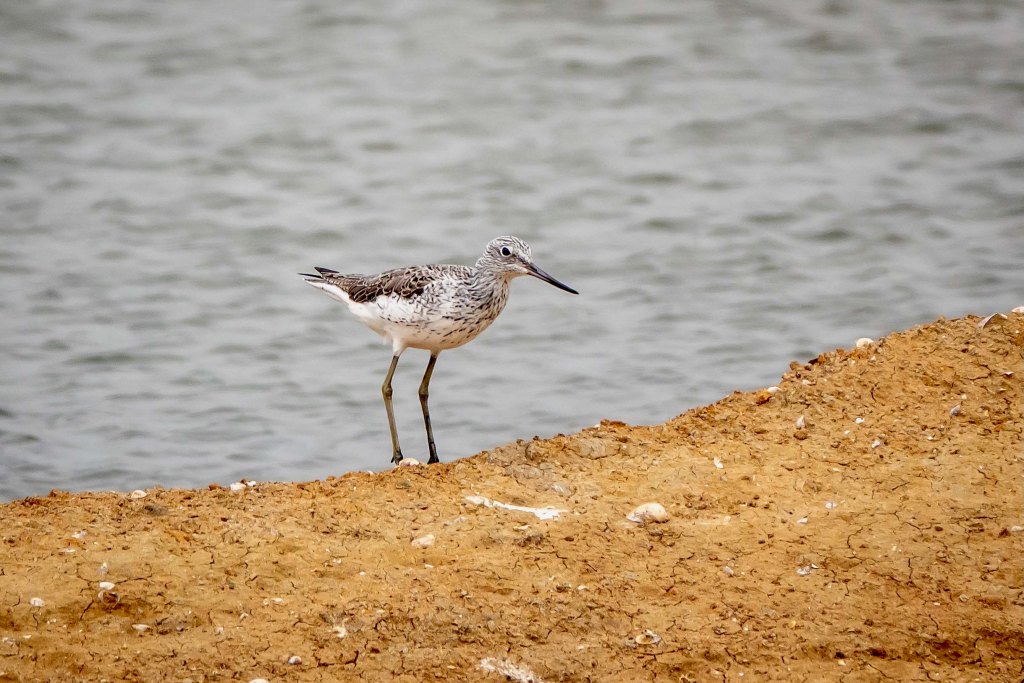
    Common greenshank

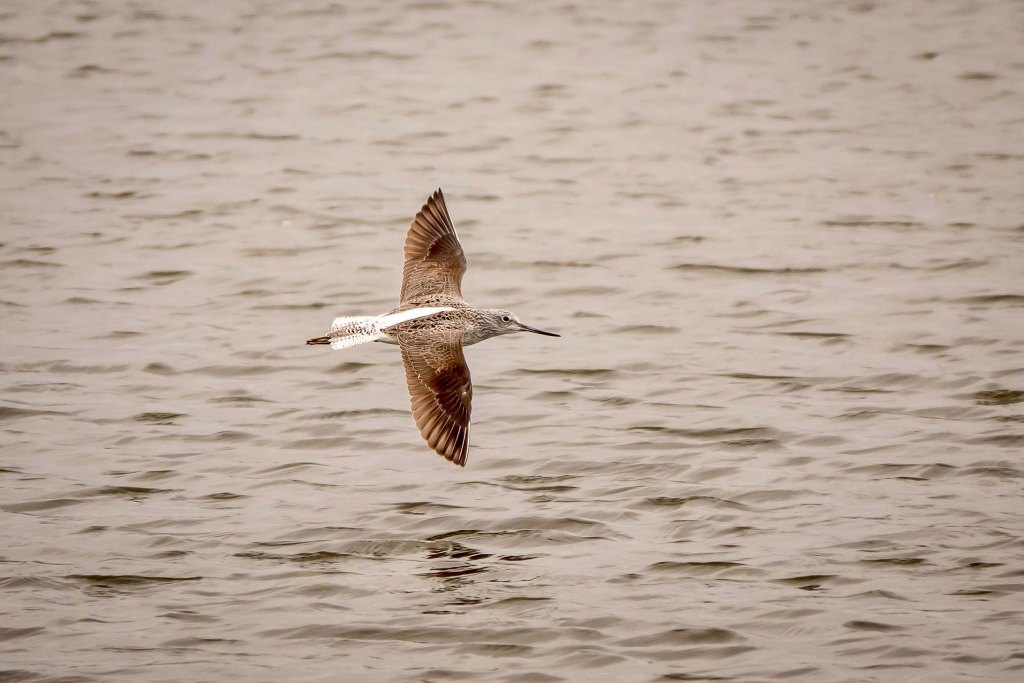
    Common greenshank in flight

    3 more western yellow wagtails appeared

    Western yellow wagtail

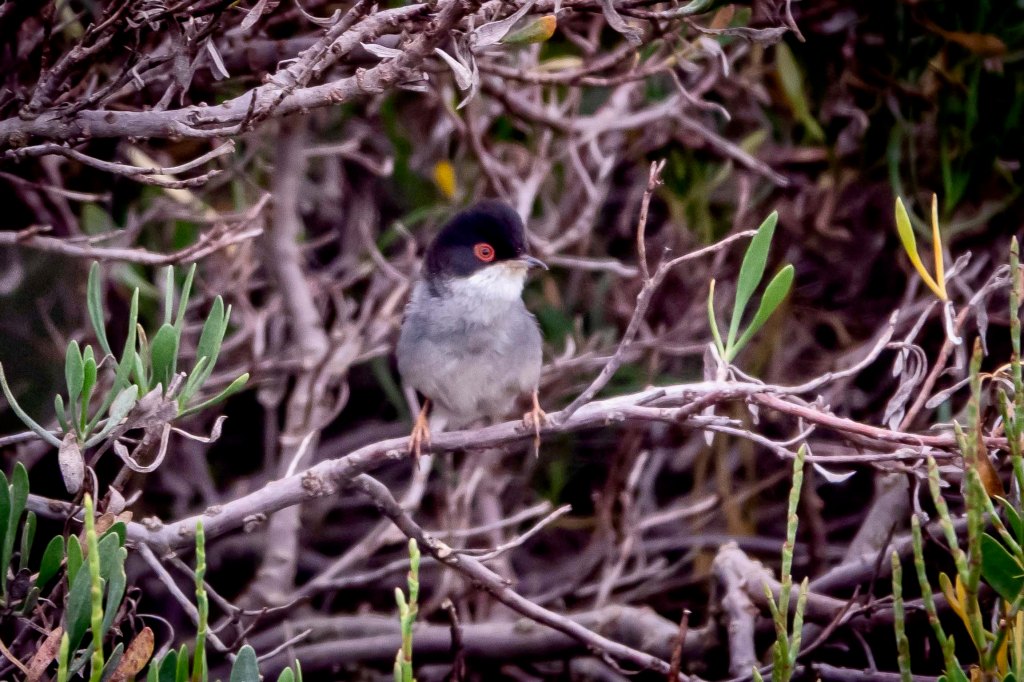
    Sardinian warbler

    Sardinian warbler

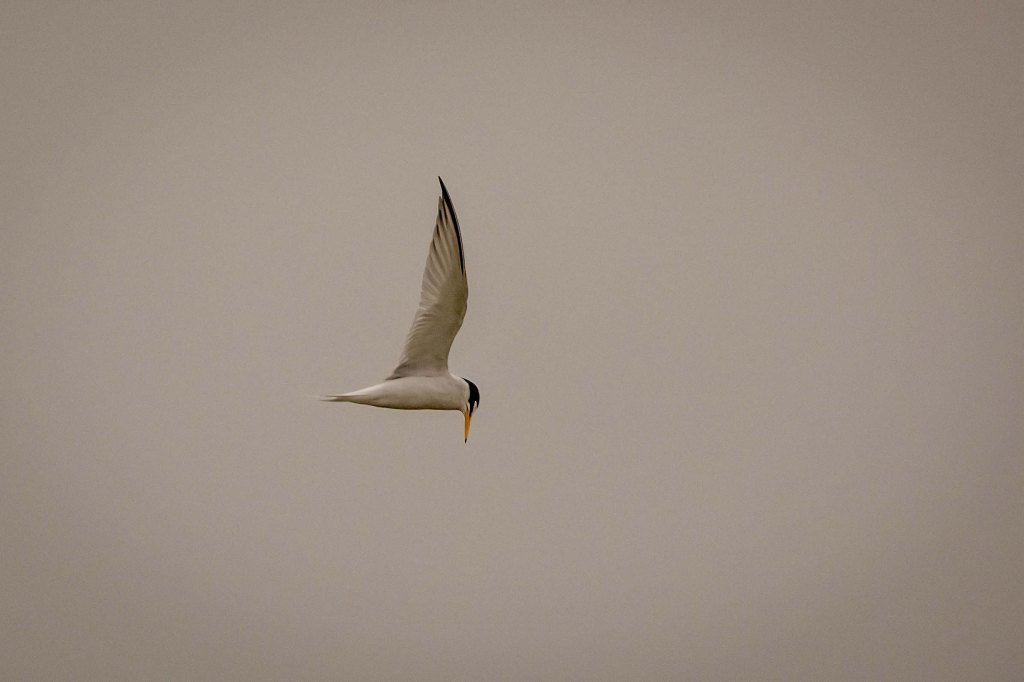
    Little tern

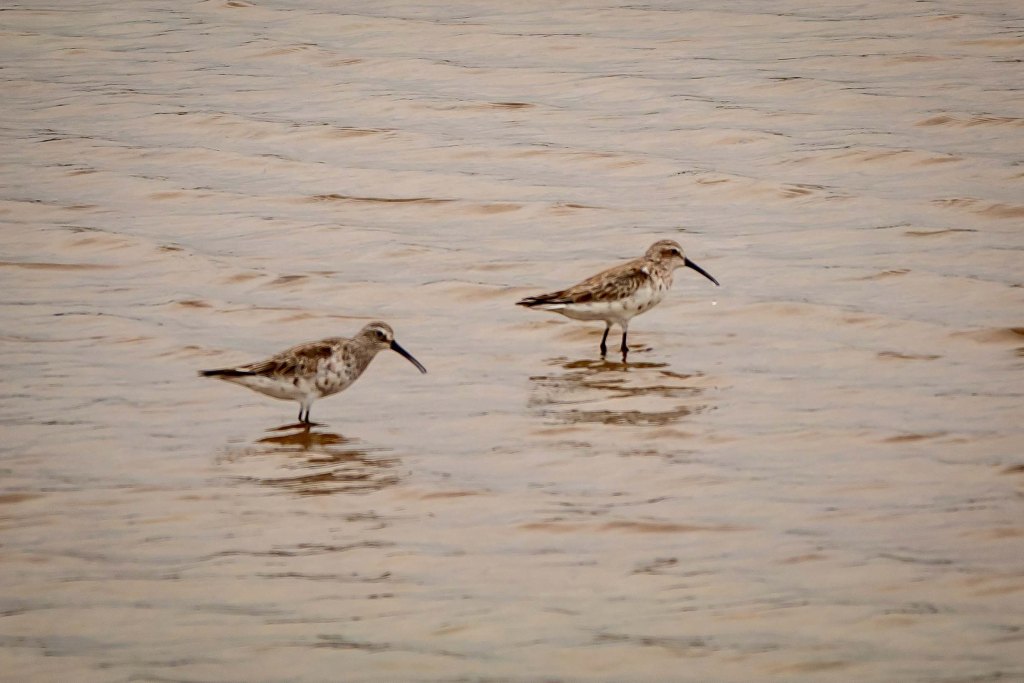
    These looked larger than dunlin and I wondered if they were curlew sandpiper

    View back across the salt pans towards Olhão

    White stork

    White stork with mini snack

    White stork building a nest on a chimney tower

    The white storks should be pretty safe up there

  • 9th April 2025 – Fuzeta, The Algarve, Portugal

    9th April 2025 – Fuzeta, The Algarve, Portugal

    After a few glorious weeks of wall to wall blue skies (but with fresh winds) in England we have arrived in the eastern end of the Algarve in Portugal where it is much warmer but the skies are a little greyish and the forecast is unsettled.

    From a birding perspective it was very exciting yesterday evening to sit having our first beer on the front at Olhão (where we are staying) and to see a 100 plus swifts soaring overhead. Their screeching was quite a din but it made us feel that summer had arrived.

    Today we took a taxi to the birding area of the Salinas da Fuzeta, a complex of salt pans just north of the town of Fuzeta, to the east of Olhão. The salt pans are part of the Parque Natural Ria Formosa.

    It was quite an exciting start as the first bird we saw was a bee-eater; a beautiful bird that we have only seen on a few occasions.

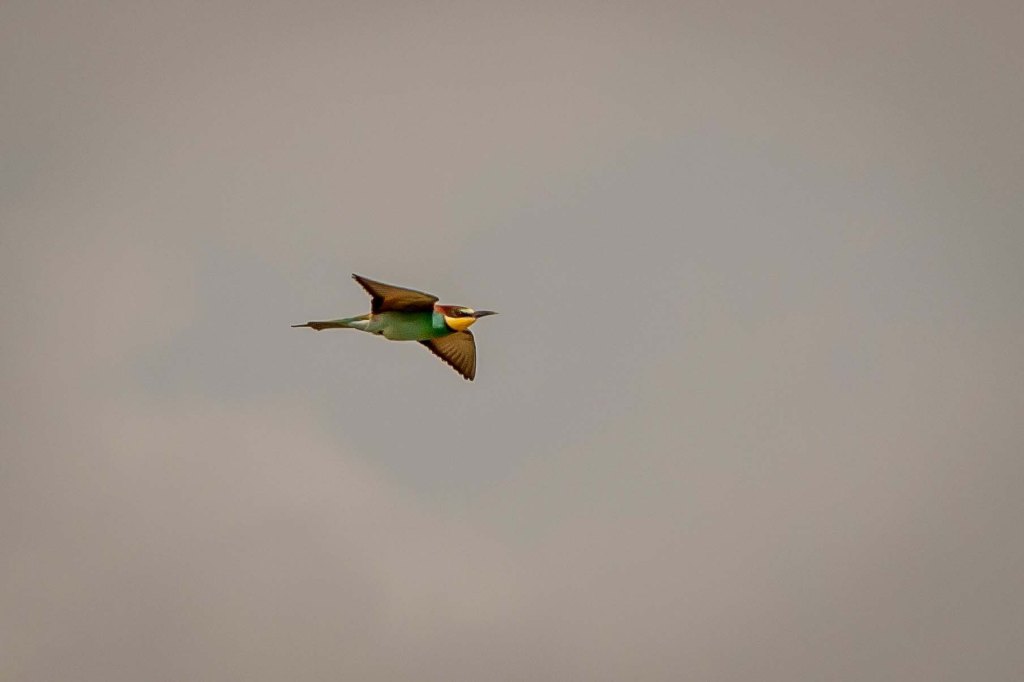
    Bee-eater

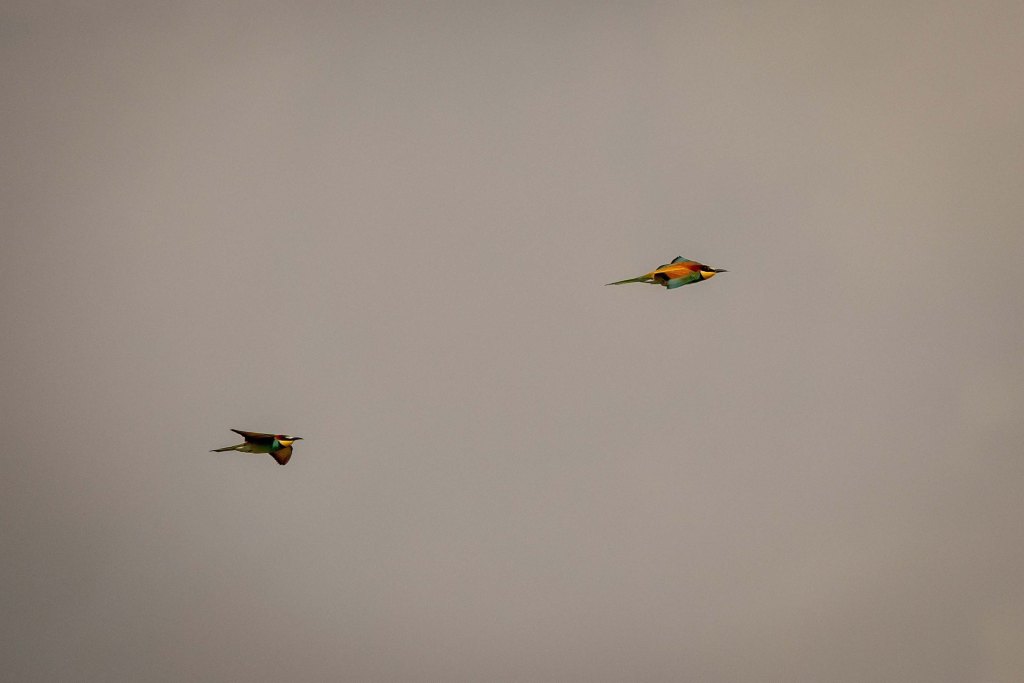
    Not one but two!

    Along the salt pans there were plenty of waders but no greater flamingos which we had hoped to see here.

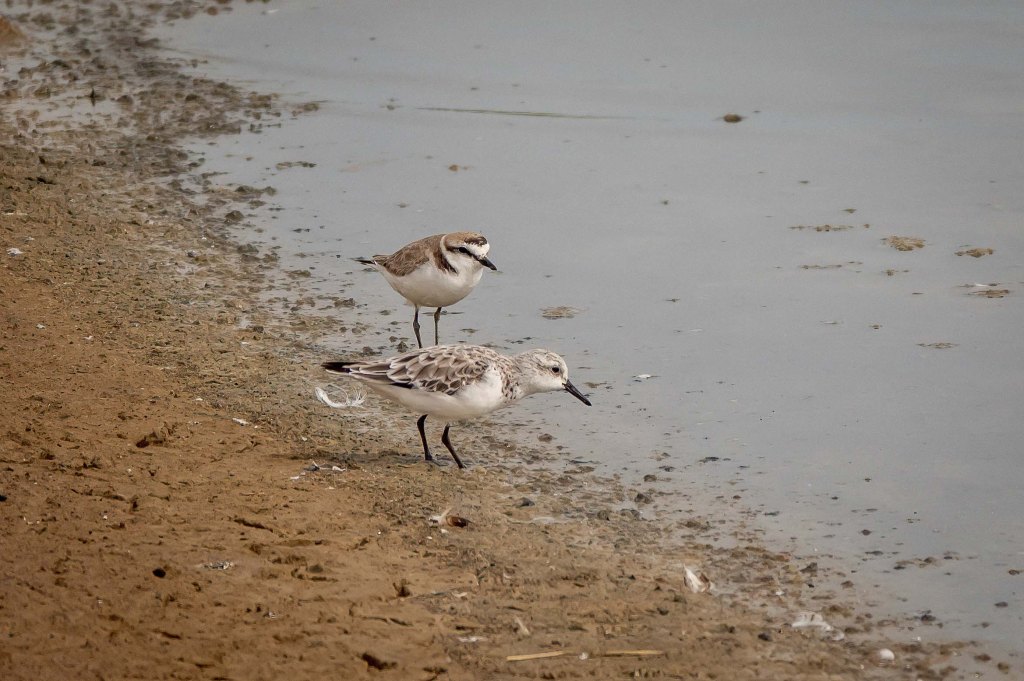
    Kentish plover and a sanderling

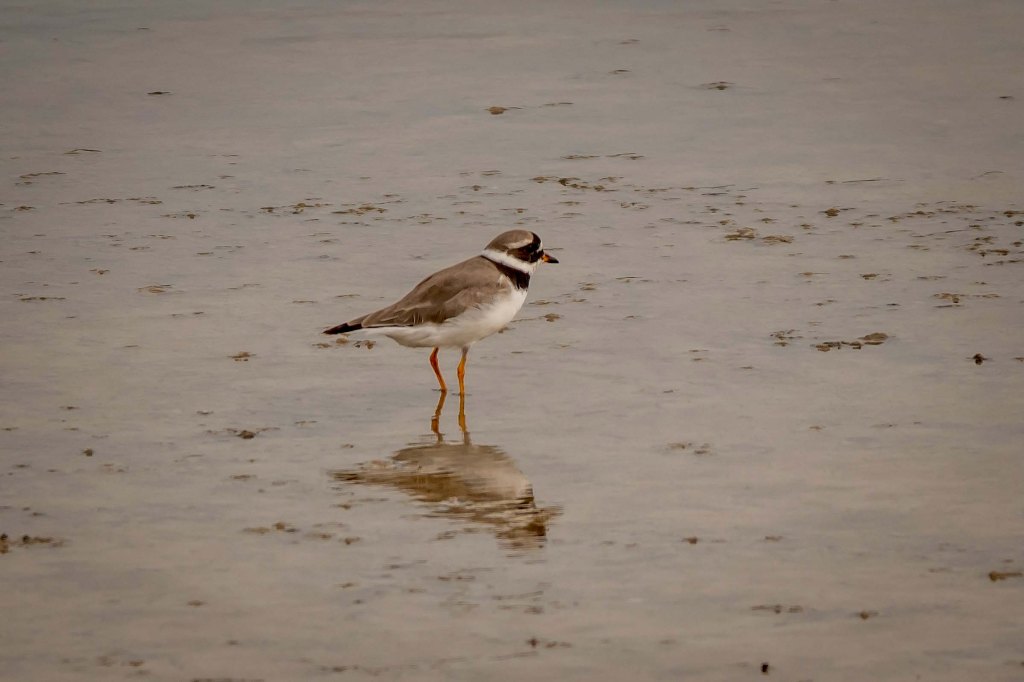
    Common ringed plover

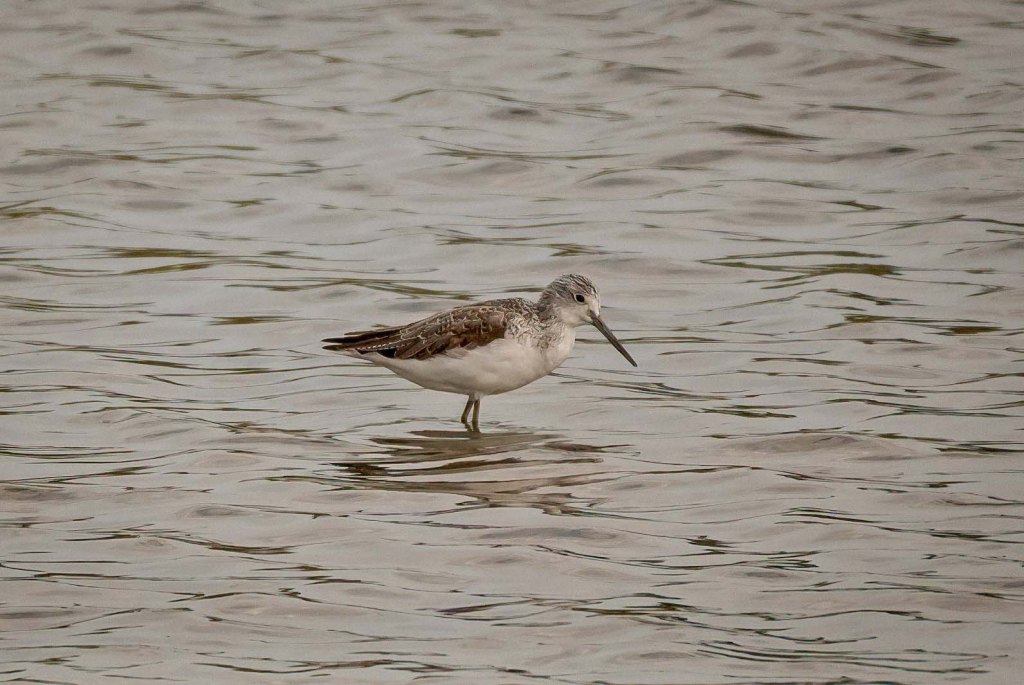
    Common greenshank

    Little stint

    Pied avocet

    A mixture of waders for the experts to identify

    Black-winged stilts

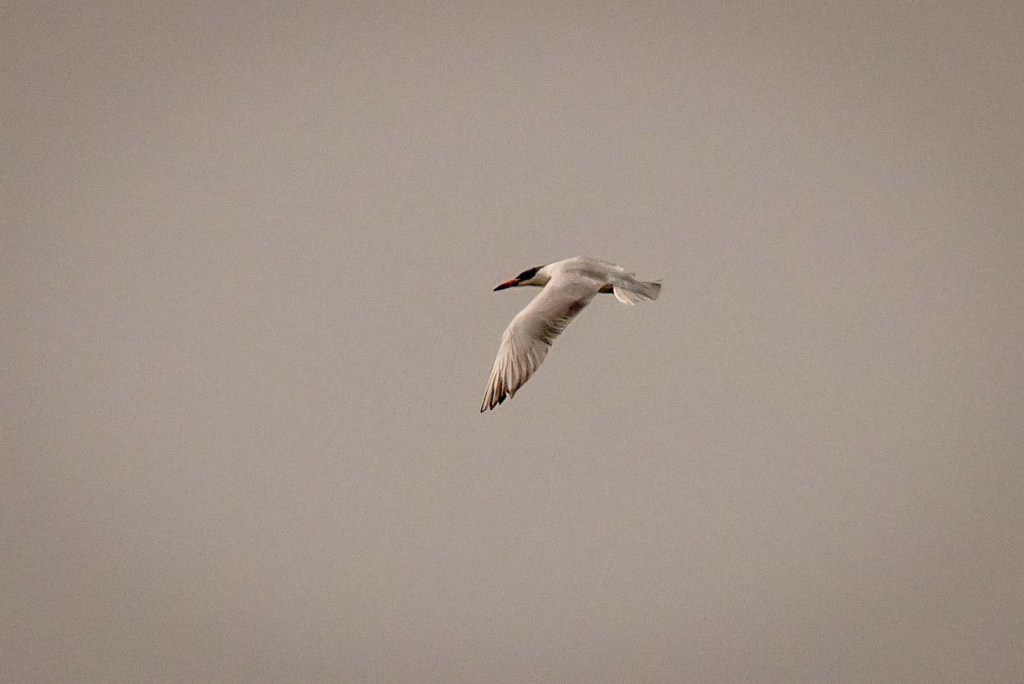
    A distant Caspian tern

    Avocets doing what they do at this time of the year

    Kentish plover

    A western yellow wagtail

    The flora around here was also very attractive.

    As we walked into town there were hirondines everywhere.

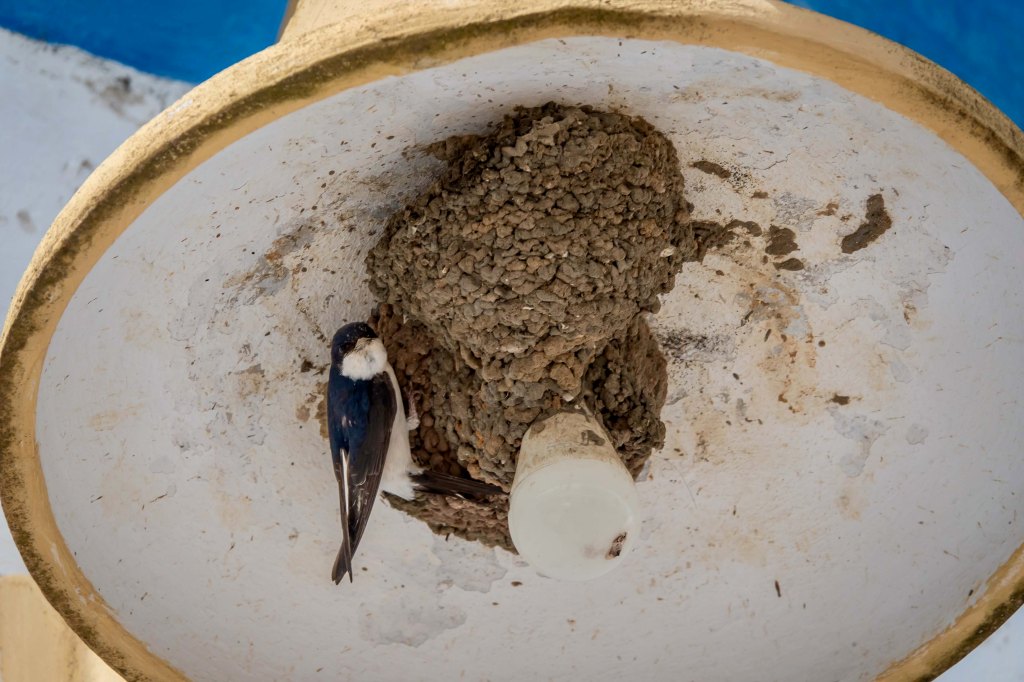
    A house Martin building a nest in a street lamp

    After a wonderful seafood lunch on the front at À do Rui (a top recommendation from a friend) we had little appetite for any more birdwatching and all we saw was a common sandpiper on the shores of the Ria Formosa.

    A common sand piper on the shores of the Ria Formosa

    The lifeboat station at Fuzeta

  • 13th February 2025 – Ria Formosa Nature Reserve, The Algarve, Portugal

    13th February 2025 – Ria Formosa Nature Reserve, The Algarve, Portugal

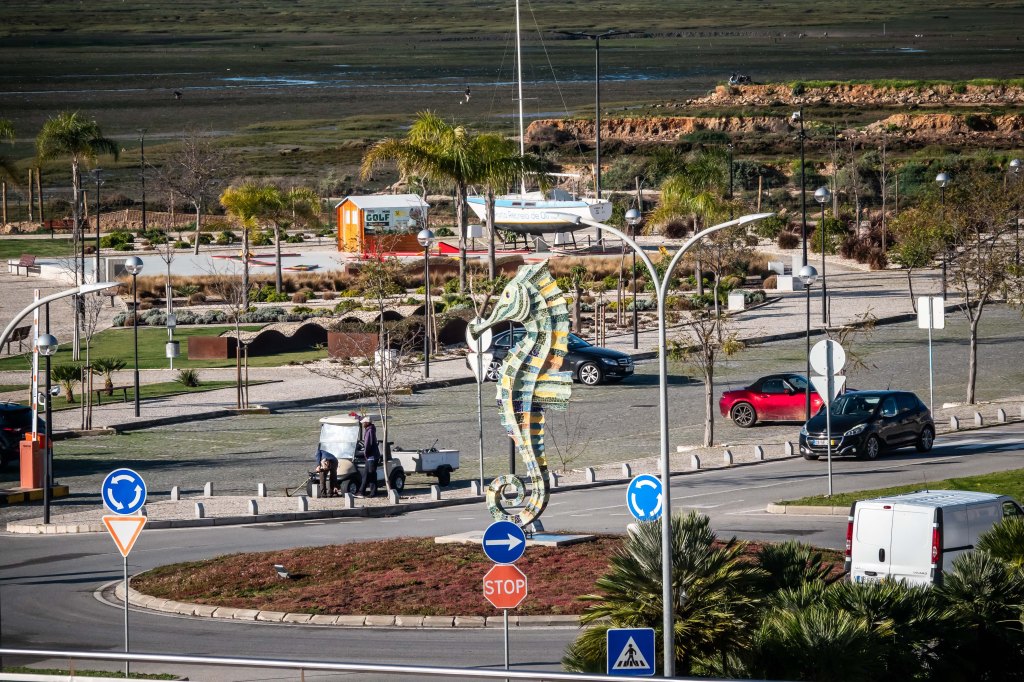
    There is a roundabout just outside our hotel with a statue of a seahorse. There is the largest population of seahorses in the world in the Ria Formosa Natural Park.

    The seahorse roundabout

    On our last full day here in Portugal we decided to revisit the Ria Formosa Nature Reserve at Quinto de Marim. At the entrance to the park there is a poster reminding us of the fragility of the seahorses in nature with the population diminished by 90% in the last 15 years.

    On our boat trip earlier in the week we had seen buoys protecting the area where the seahorses exist.

    We had much better light on our visit today but the tide was very low and the mudflats were almost empty of waders. However, we did have a very good view of this plover below which, according to one ID app, is a semi-palmated plover. However, it is more likely a non-breeding adult common ringed plover. In fact, having studied several sources, the slight webbing between only one of the toes convinces me that this is definitely a common ringed plover

    Semi-palmated plover or more likely a non-breeding adult common ringed plover

    Stonechat

    The flora was even more beautiful after the rain and with quite warm sunshine

    Oxalis pes-caprae has all sorts of common names, including slender yellow wood sorrel

    The mudflats were empty of birdlife but it was great walk

    The tidal mill with very little bird life today

    Mainly cattle egret with a few little egrets at the freshwater pond

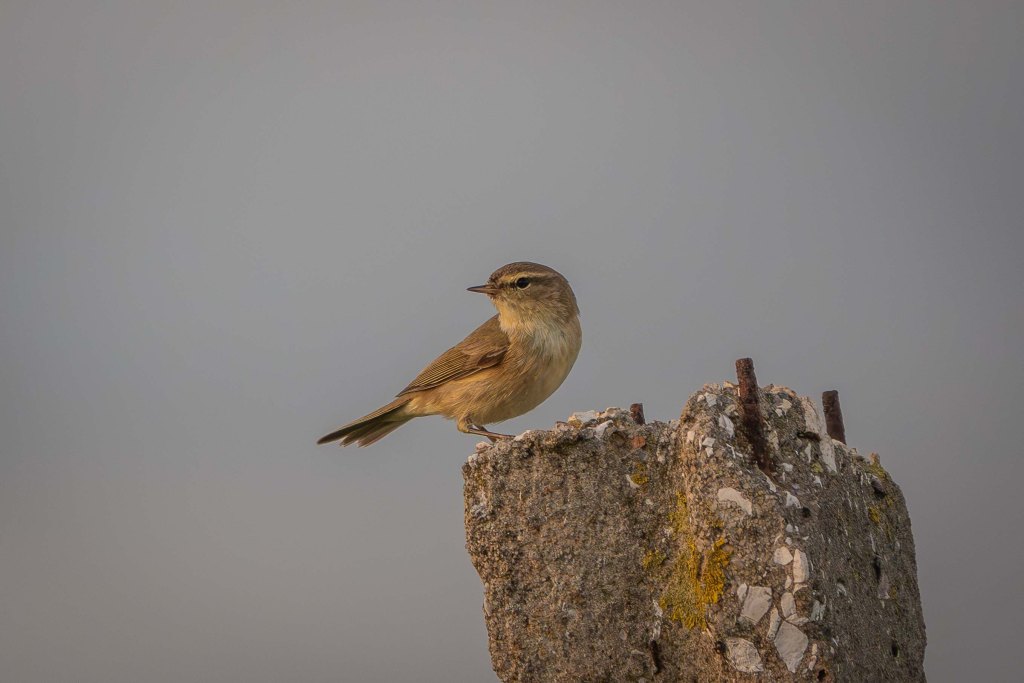
    Chiffchaffs and/or willow warblers were putting on quite a display at the freshwater pond – difficult to say which when they weren’t singing

    Little grebe

    Teal

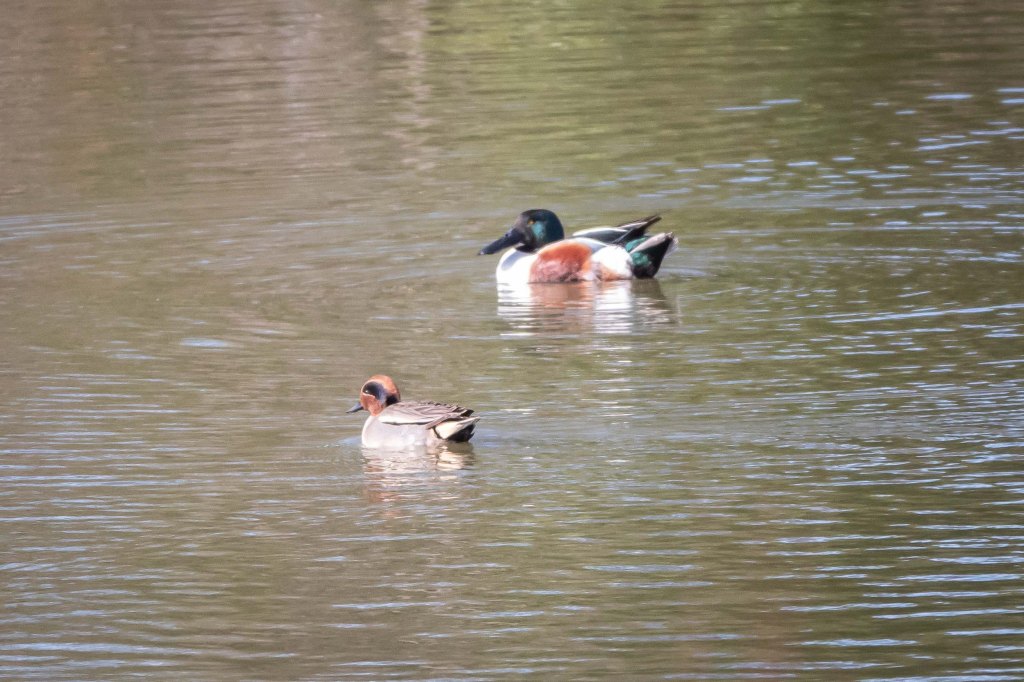
    Teal and shoveler

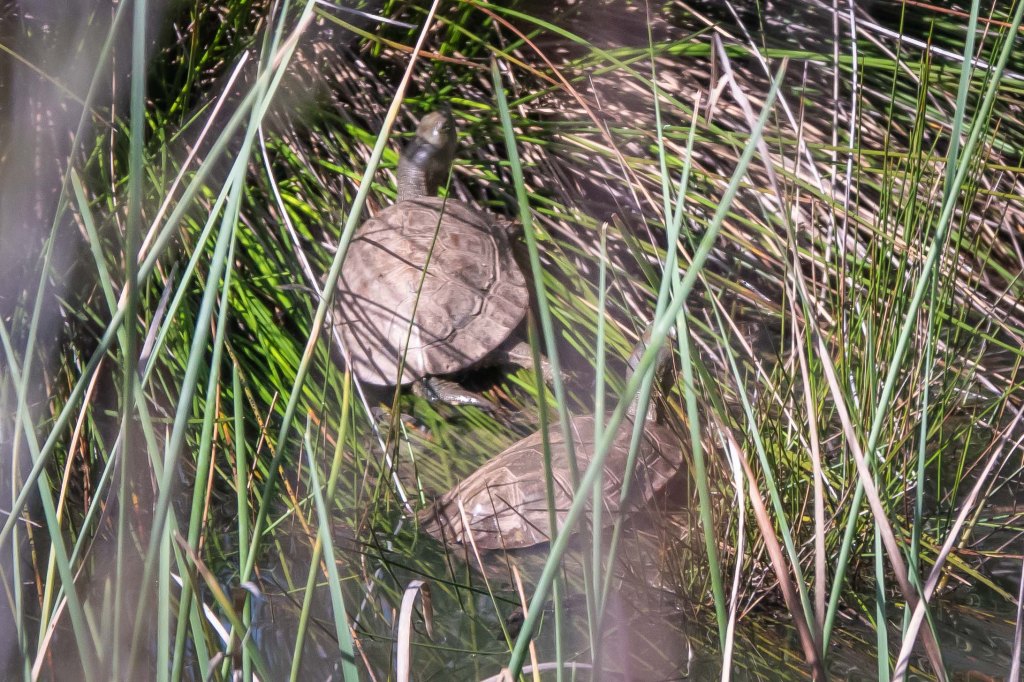
    Terrapins

    Lupins have appeared in flower after the rain

    … and these beautiful crocus-leaved romulea

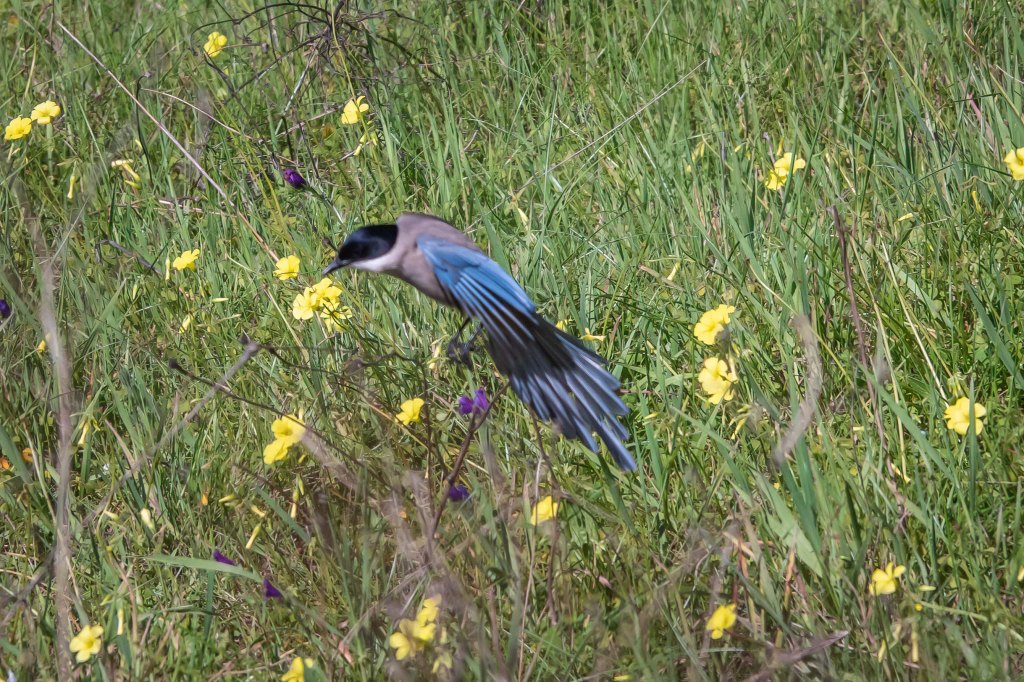
    Iberian magpie

    Iberian magpie

    And saving the best to last, just as we were leaving the park a Eurasian hoopoe

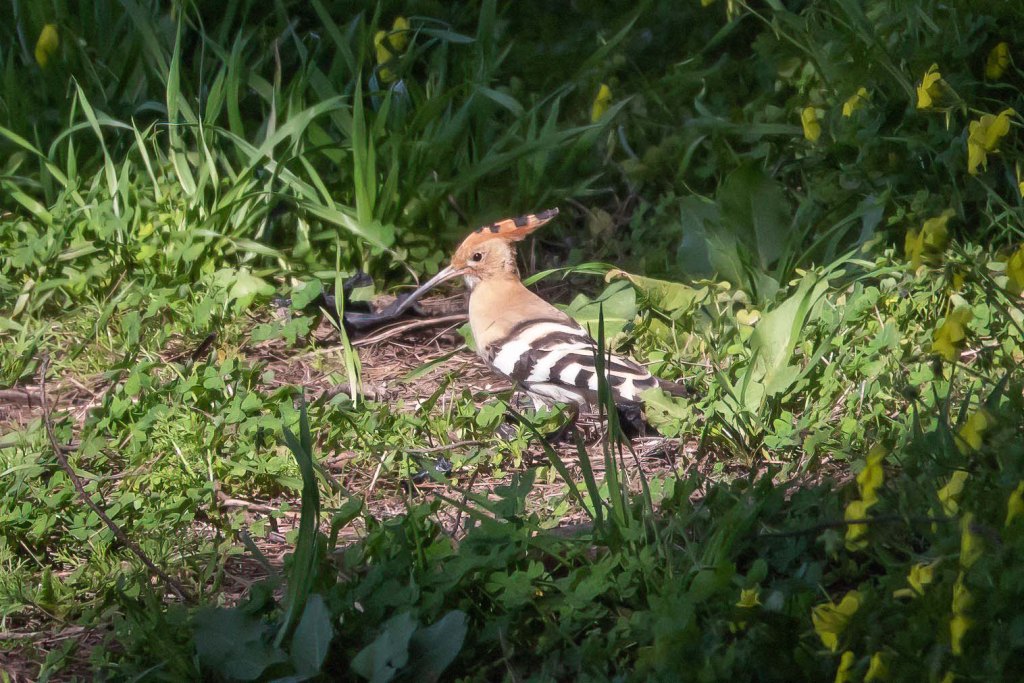
    Eurasian hoopoe

    And then back to Olhão for a celebratory last lunch – although, we didn’t really need an excuse.

  • 9th February 2025 – Ria Formosa, Portugal

    9th February 2025 – Ria Formosa, Portugal

    We made the most of the sunny and calm conditions to take a three hour trip around the Ria Formosa lagoon, located in the Algarve, in southern Portugal.

    In 2010, the lagoon was recognised as one of the country’s seven natural wonders and the series of barrier islands connects to the sea through six inlets, one of which is artificial to allow easier access to the port of Faro.

    We spent half an hour on the tiny island of Armona, just enough time to visit the village with its charming minute houses which are mainly used as holiday homes and to savour the tropical feel of the island.

    The approach to the public toilets

    Large white butterfly

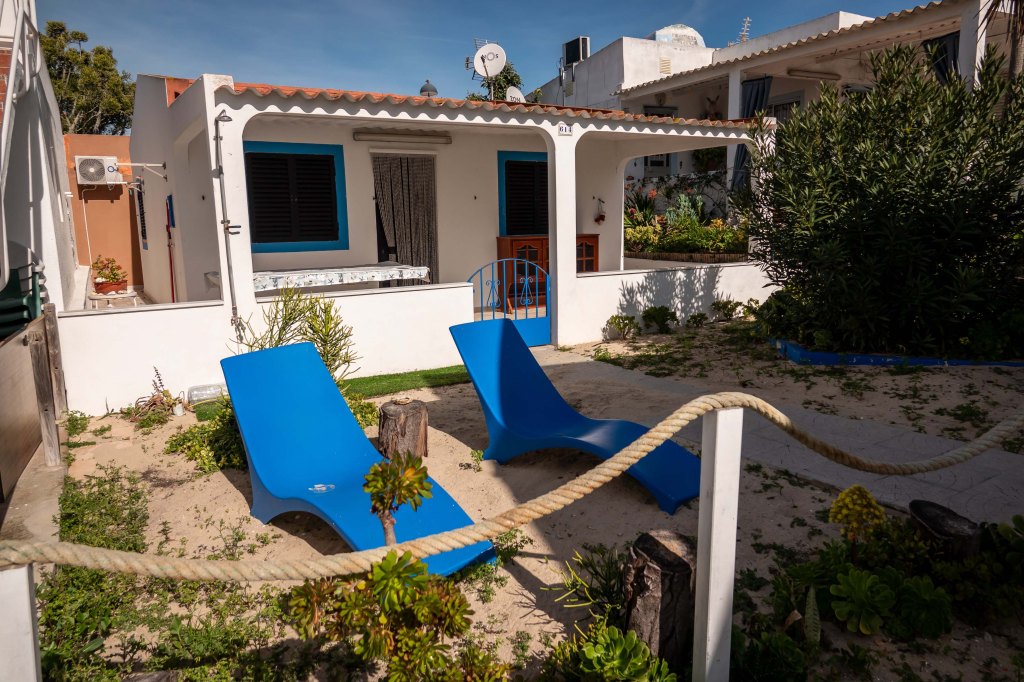
    A typical holiday home

    Clear water and sandy beaches of Armona

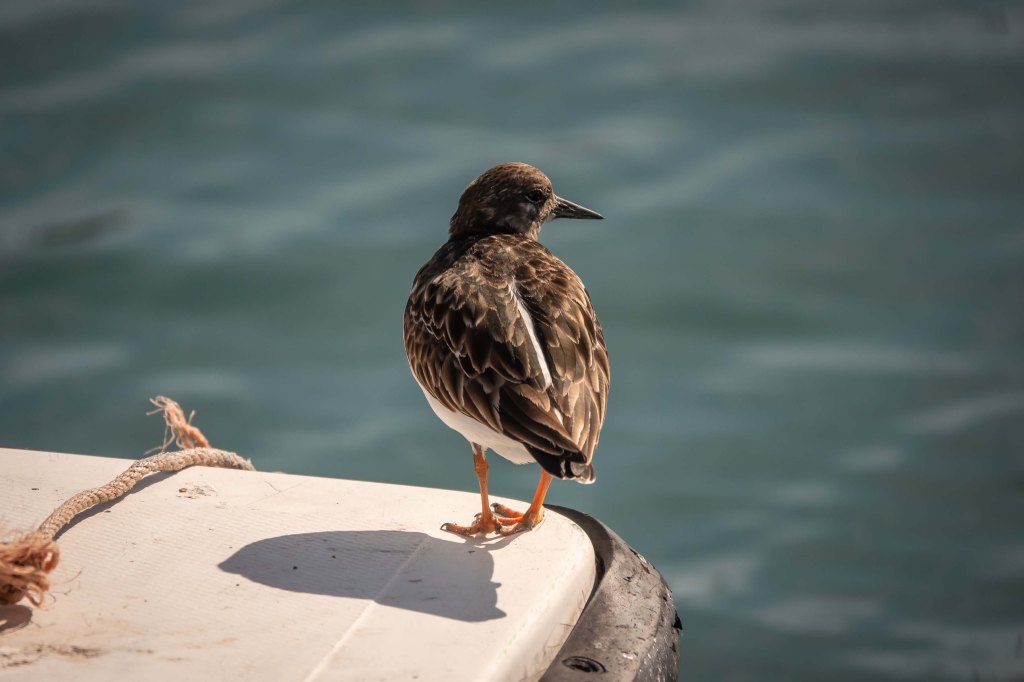
    Ruddy turnstone

    We then moved on to the larger island of Culatra which has a permanent population of about 1,000 people who are mainly involved in the fishing trade.

    The island has an extensive sandy beach on its ocean side to which we made our way across the protected sand dunes on a raised wooden walkway. It was warm enough to sit on the beach next to a bar and enjoy a beer.

    The walkway to Praia da Culatra

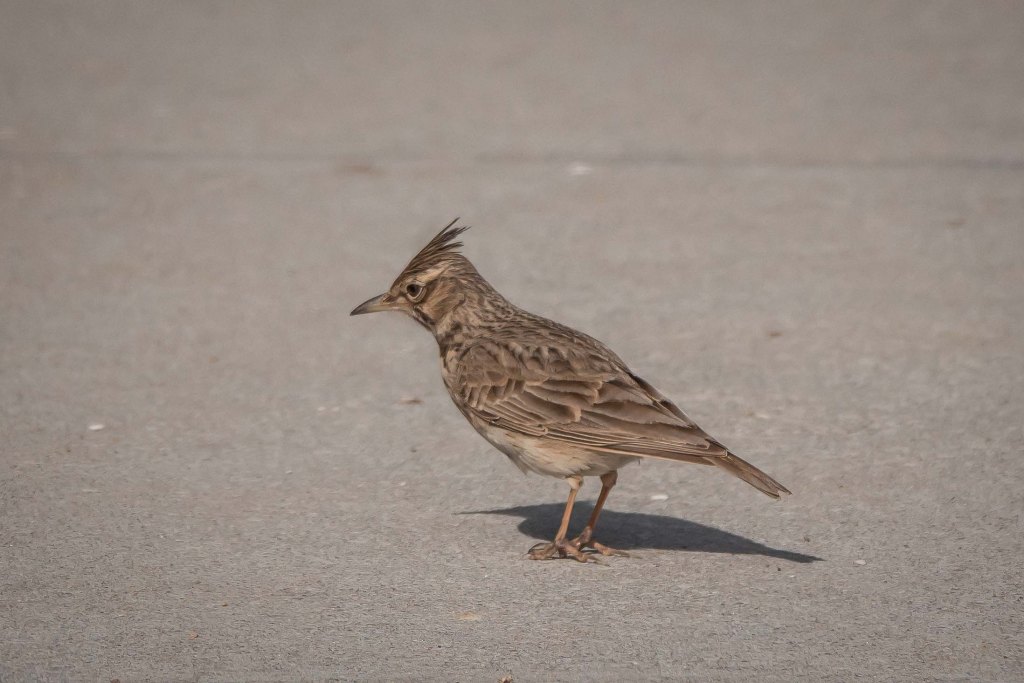
    The best of the bird life on the island – a crested lark

    Yellow-legged gull

    As the tide was high most of the sandbanks were submerged and so, apart from gulls and cormorants, we saw very little bird life, except on the return journey we saw a small colony of spoonbills.

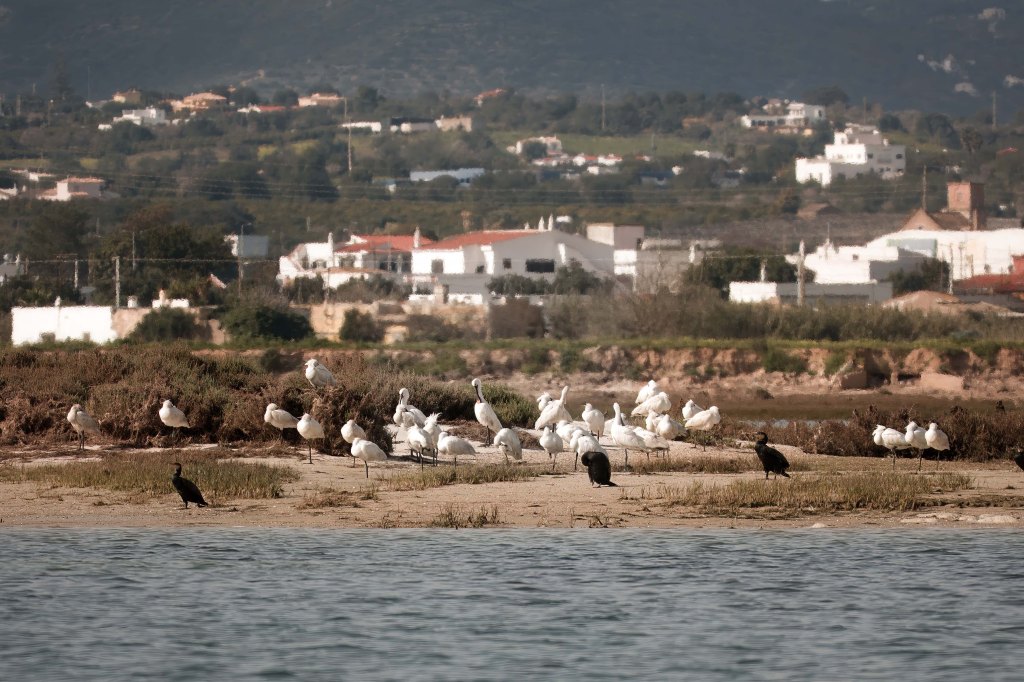
    Eurasian spoonbills

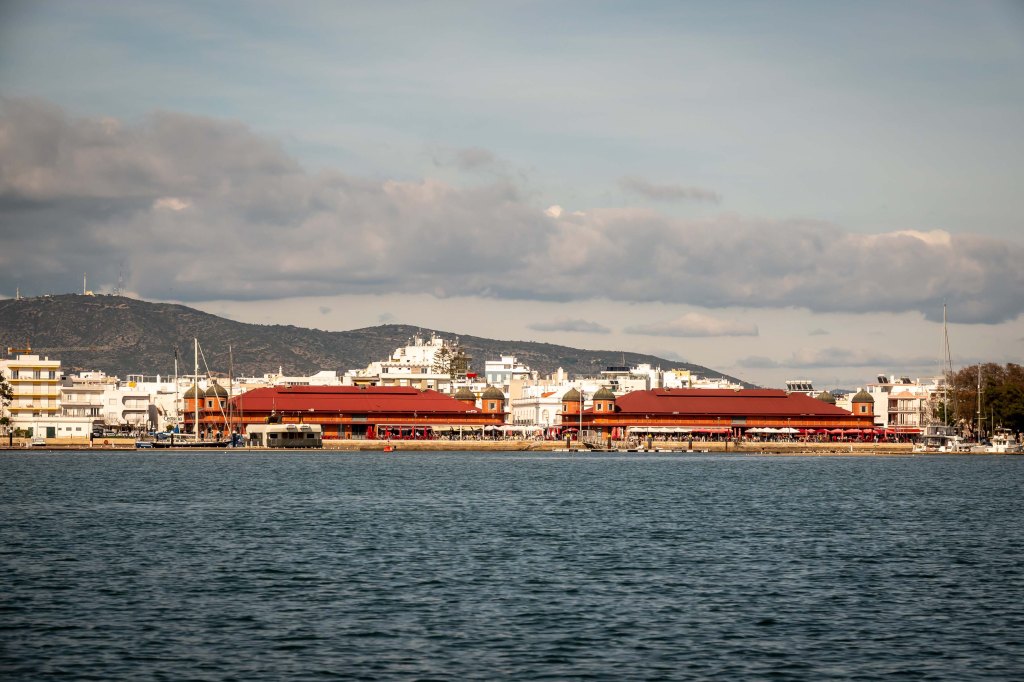
    The covered markets of Olhão seen from the lagoon.

    In the evening we had another walk around the Salinas de Olhão, next to our hotel.

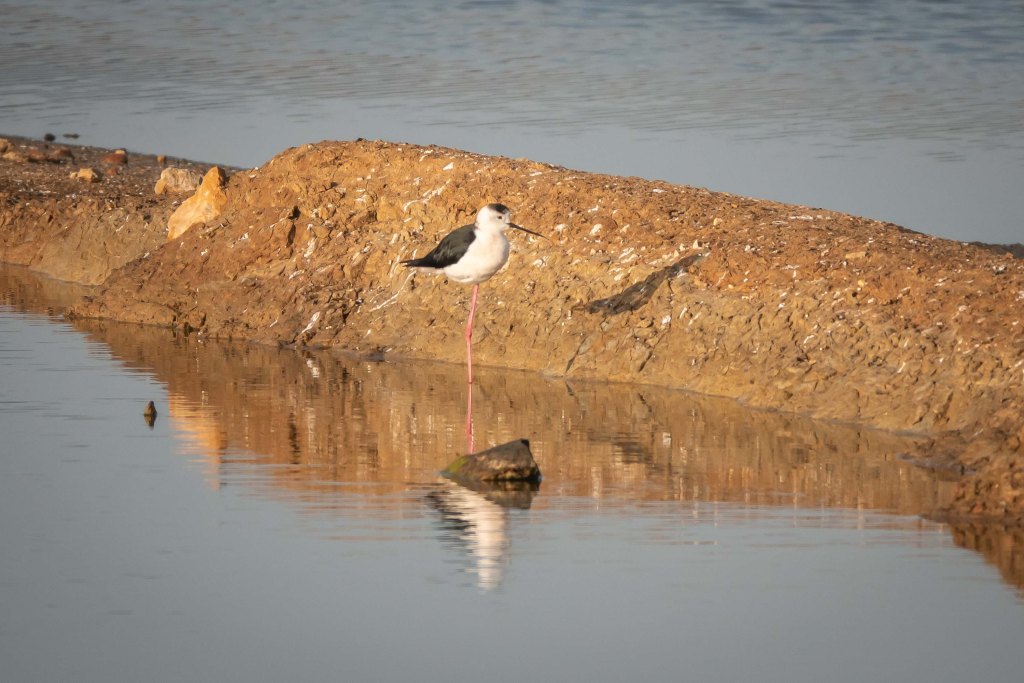
    Black-winged stilt in the evening sunshine

    Little egret

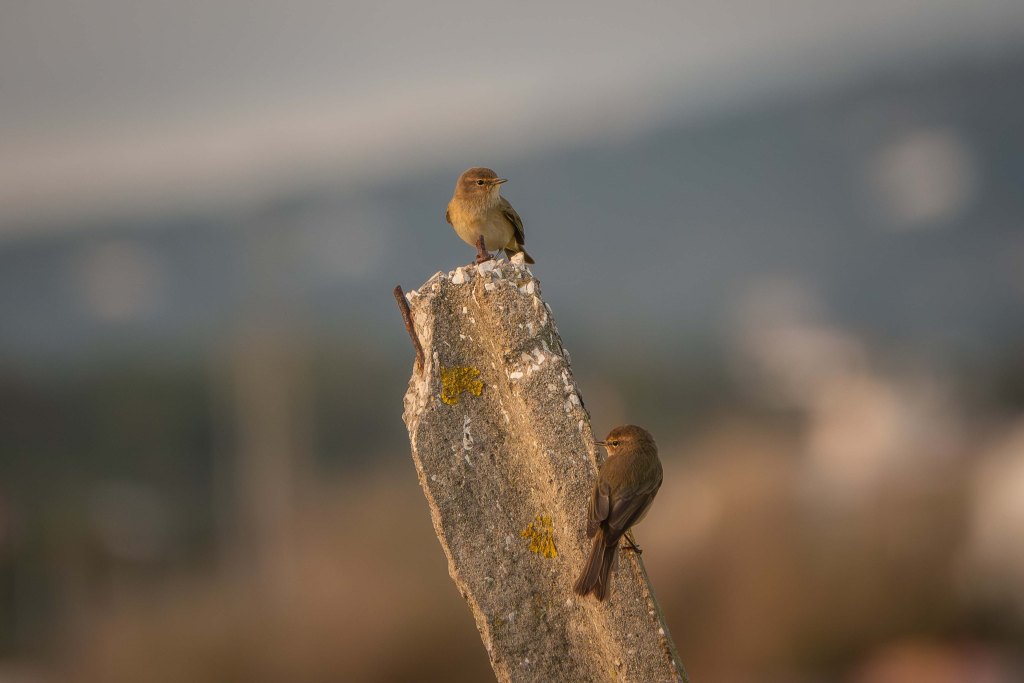
    Chiffchaff

    Chiffcaff

    Chiffchaff catching its last meal of the day

  • 24th December 2024 – Cyprus

    24th December 2024 – Cyprus

    Yesterday we moved on from our base in Paphos to the Akromas Peninsula. We had a brief stop at Agios Georgious. Heavy rain was forecast and so we made the most of our time to stroll along the beach and study the local fauna and flora.

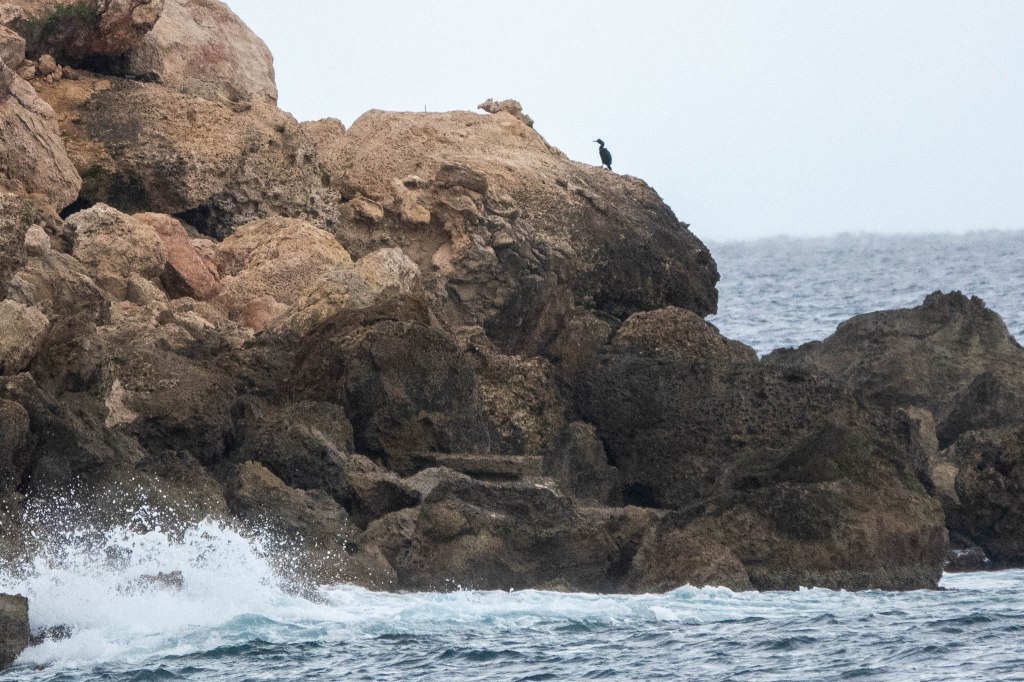
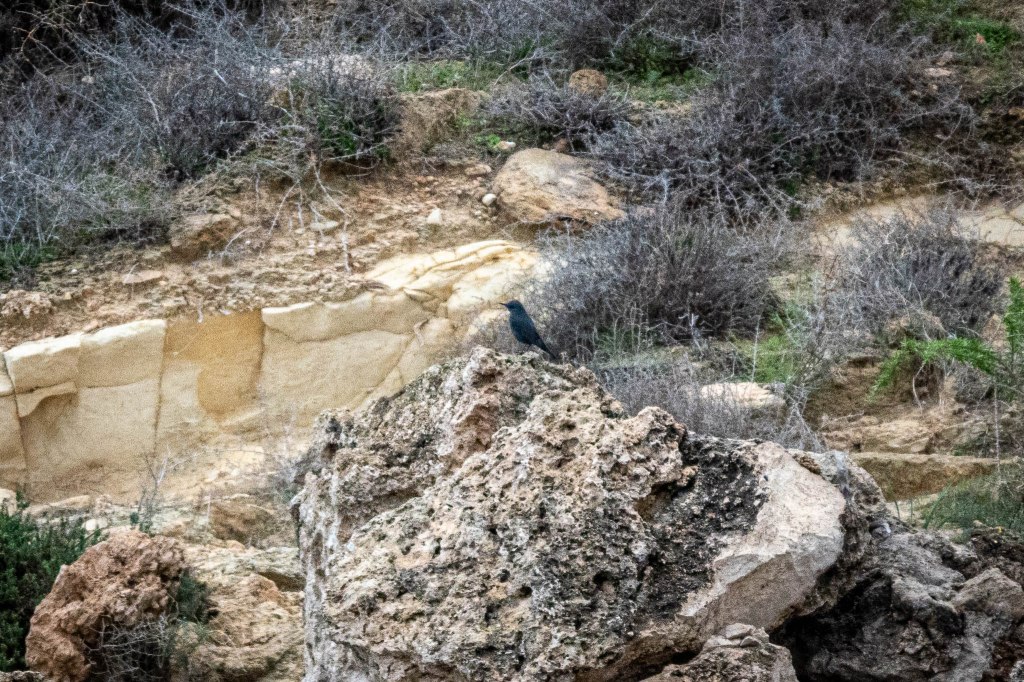
    The highlight was a blue rock thrush up on the cliffs. Out to sea we could just make out a shag on a nearby island.

    Shag
    Blue rock thrush

    On the beach, surprisingly, we saw a hare. The other highlight was a tiny Kotschy’s gecko under the rocks.

    Kotschy’s gecko

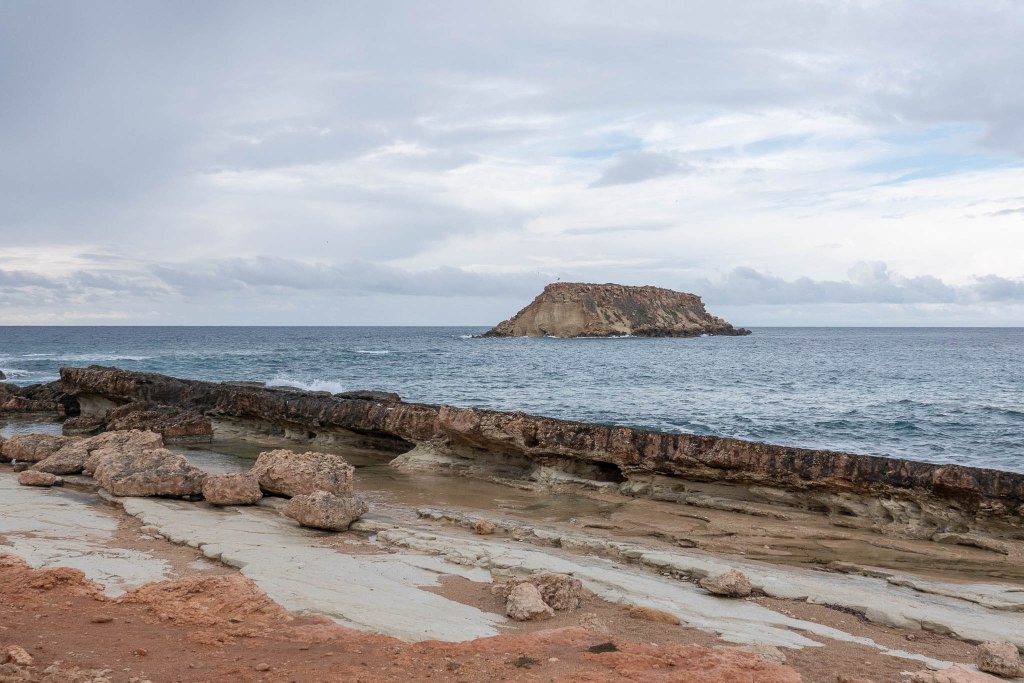
    Interesting geology on the beach

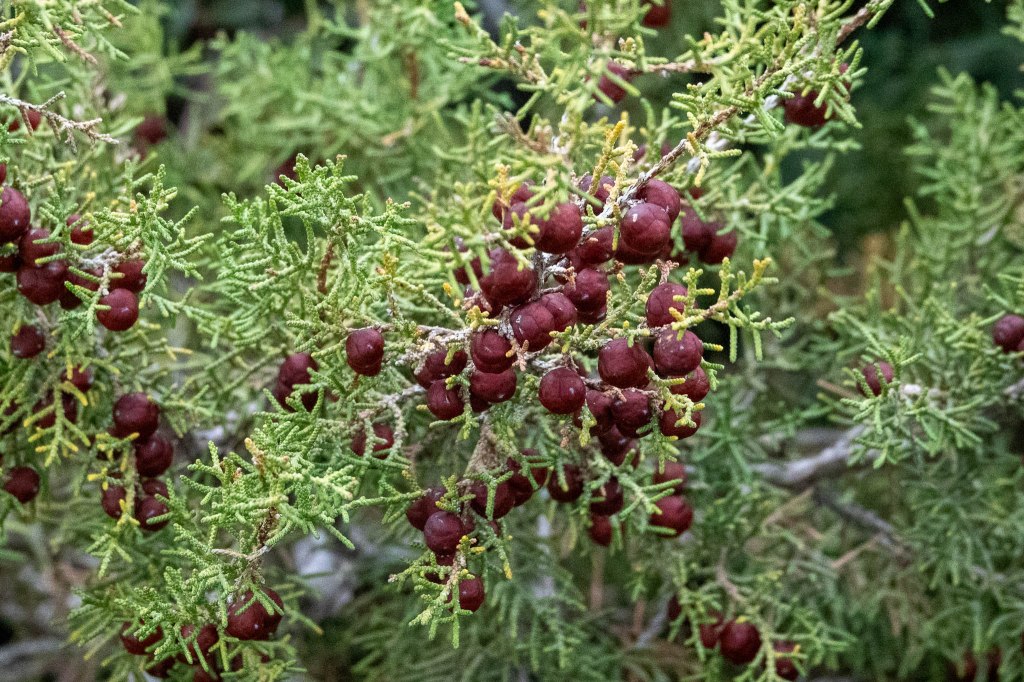
    Phoenician Juniper berries

    Crested lark on a stone

    The rain set in but it wasn’t particularly a problem as we stopped for a leisurely lunch in a wonderful mountain taverna.

    Today we headed up into the foothills of the Troodos mountains to Peristerona Gorge. Luckily there the weather held and we had gorgeous views of the valley and back down to the coast. Over the gorge we saw a long-legged buzzard and crag martins. With careful inspection with telescopes we also made out a small group of Chukar Partridge.

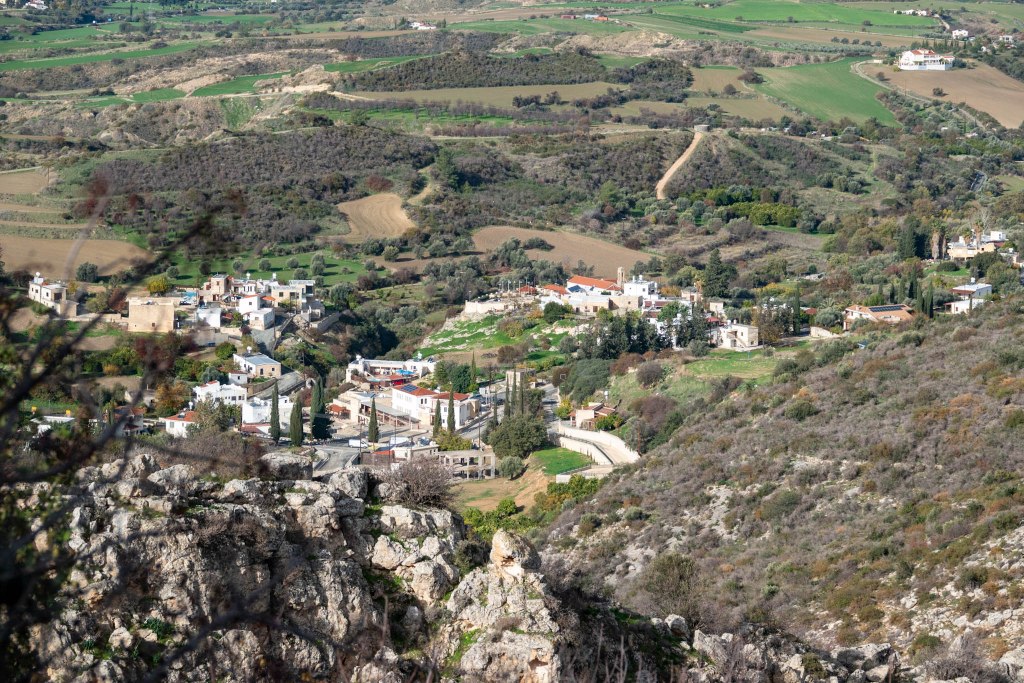
    Views from the
    Peristerona Gorge
    Daisy on steroids – Southern daisy

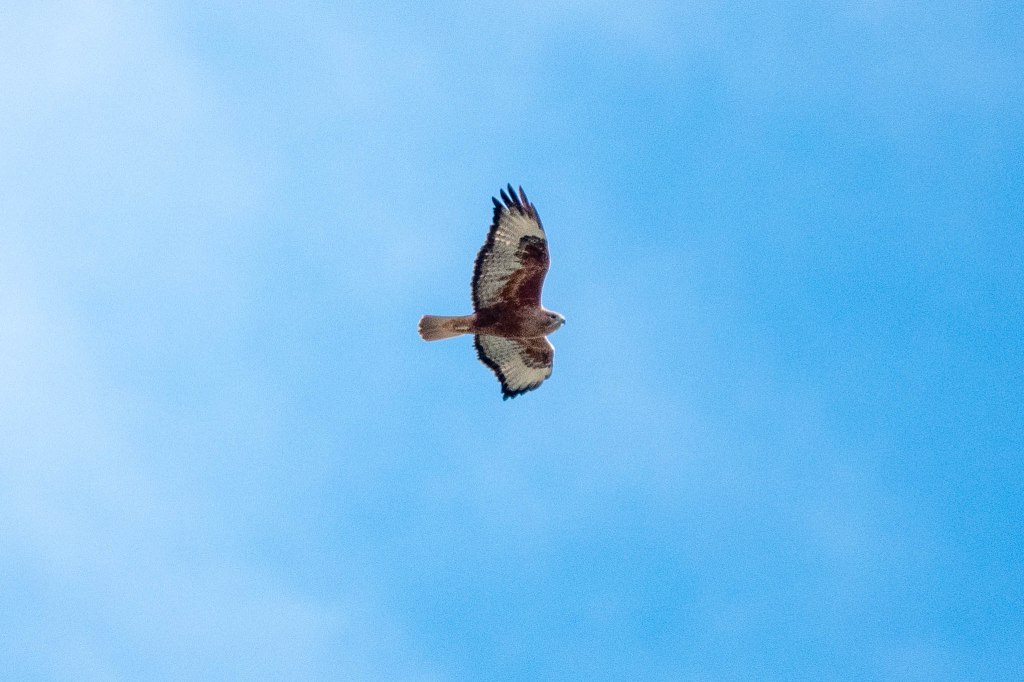
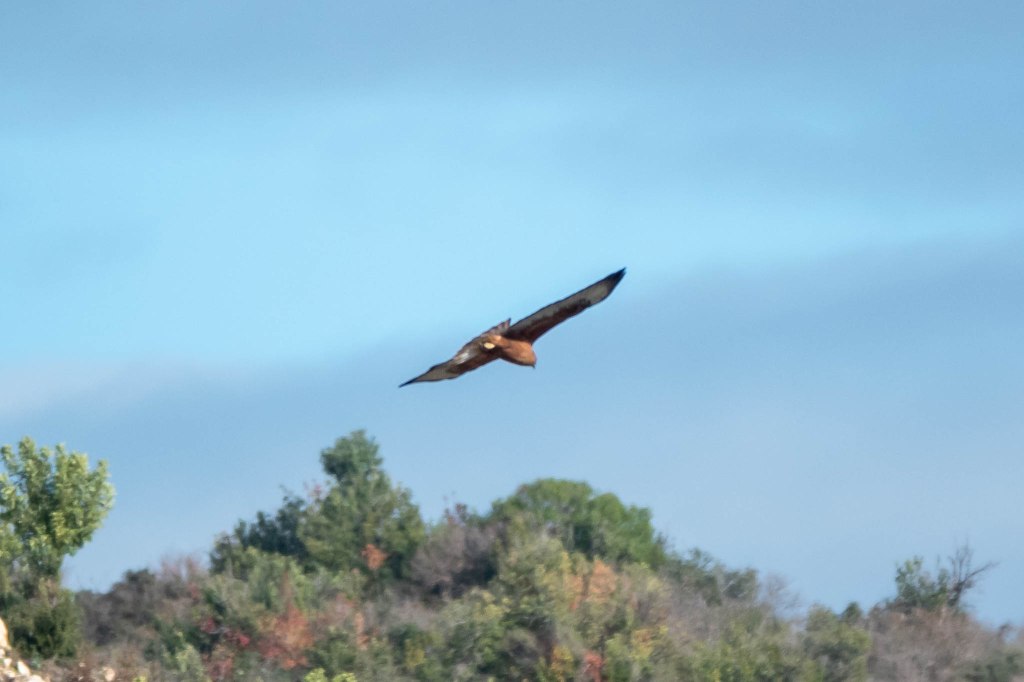
    Long-legged buzzard

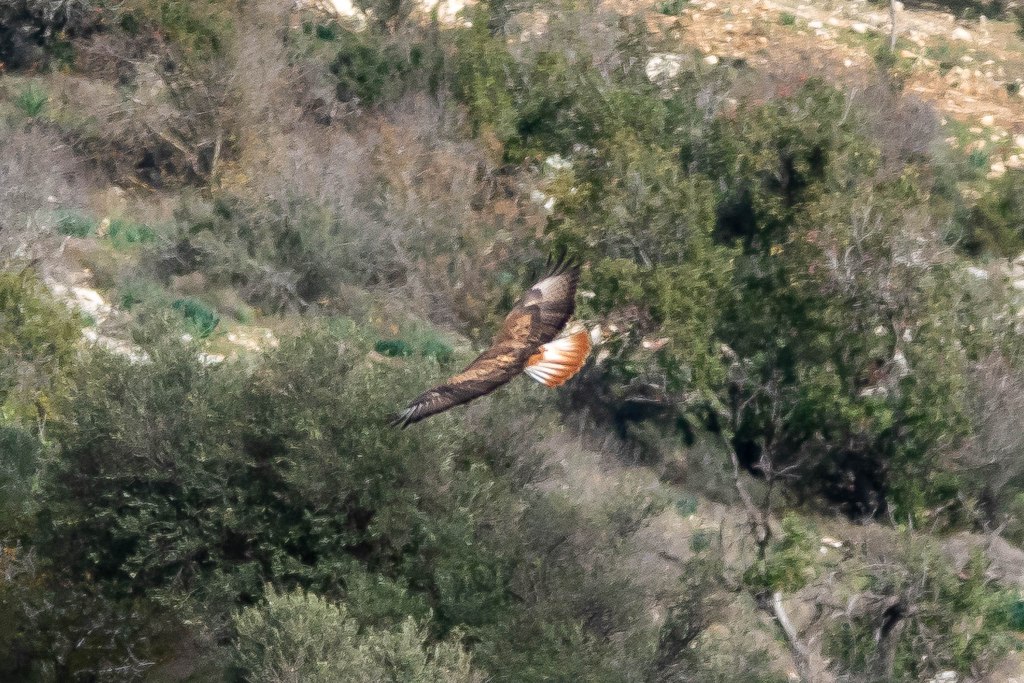
    Long-legged buzzard

    Long-legged buzzard

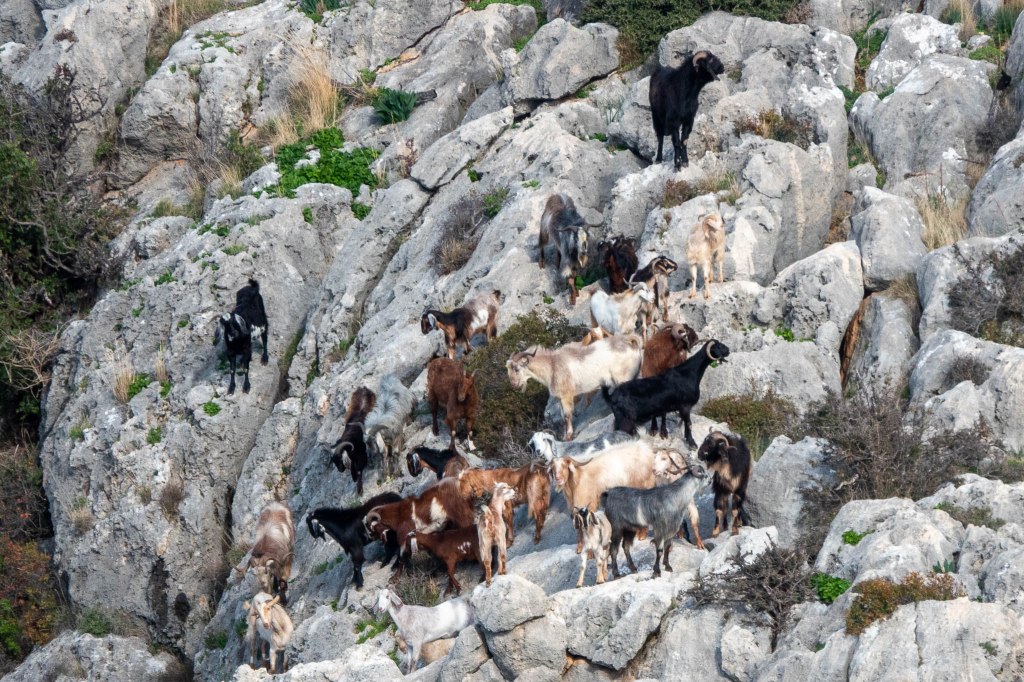
    Goats in the gorge

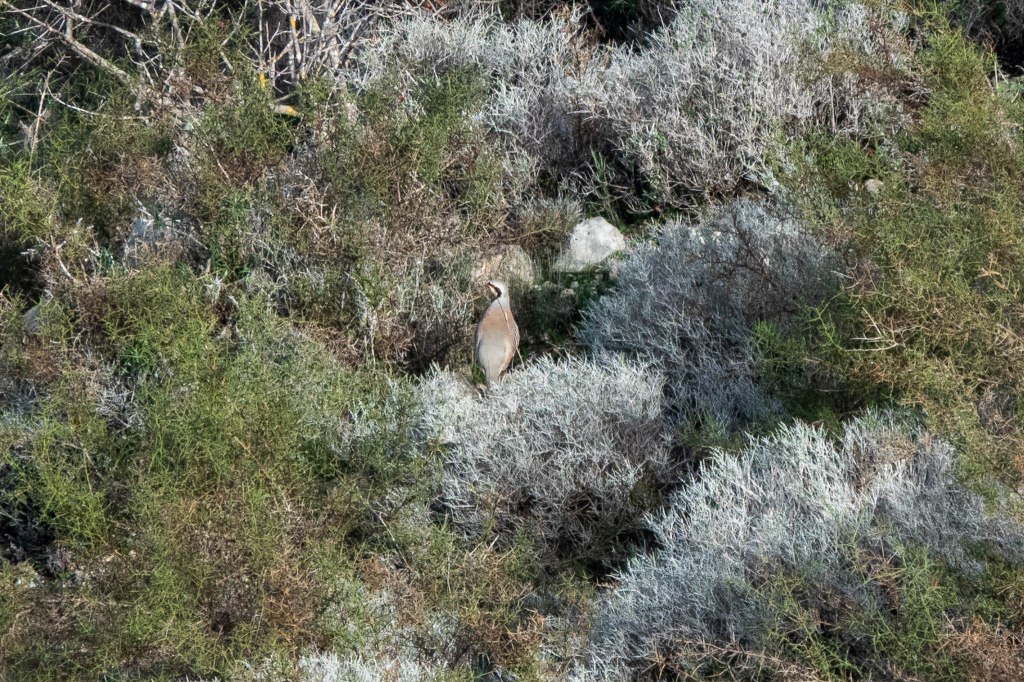
    Chukar partridge

    Chukar partridge left and right
    There must be a crag Martin in there somewhere!

    We then had a short stop on a ridge to study some of the local flora. The standout for me was an Eastern Strawberry tree.

    Eastern strawberry tree – our guide Jessica verified it didn’t have much taste and was ok to eat once!

    The rain then set in and we took shelter in a small mountain café where I tasted the local Cyprus coffee (a bit like Turkish coffee) and a welcome glass of water.

    The group then headed up the mountain in the rain to see some mouflon which were being reared before release into the wild. I took time to publish my previous day’s blog on my phone – quite amazing as we were in the middle of nowhere and I seemed to have better connection up there than in the middle of Bristol.

    Before heading home we stopped at the Ebretou Dam where all we saw of note was a common sandpiper, a white wagtail, jackdaws, goldfinch and some feral pigeons. It was getting cold by then and we were happy to be heading back to the comforts of our hotel.

    Ebretou Dam

    Common sandpiper on rock

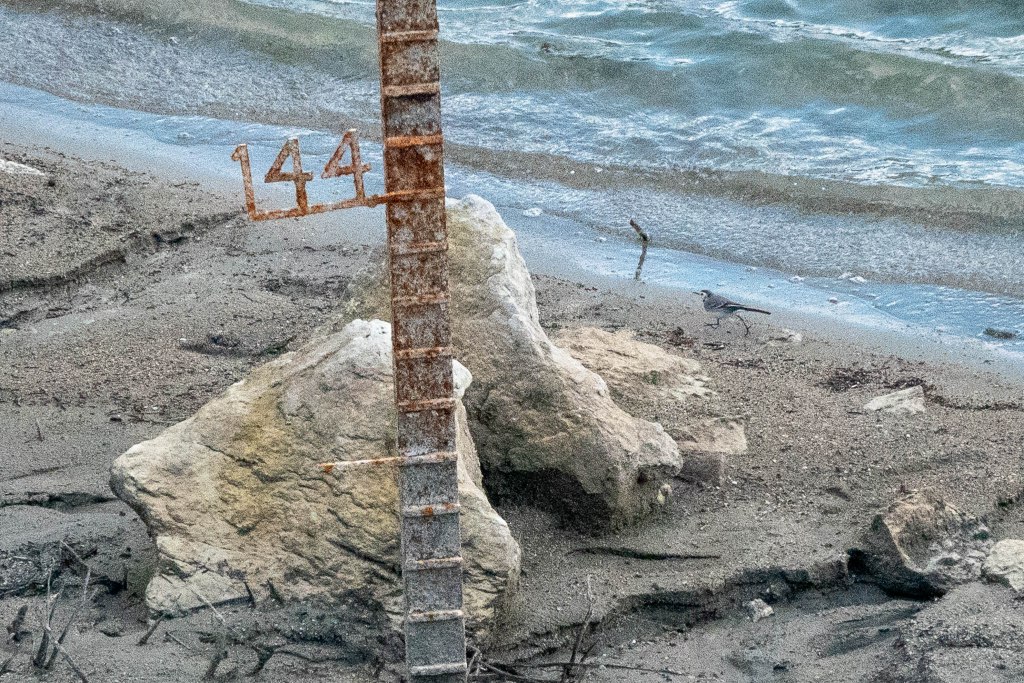
    White wagtail on the beach
    Combining birding and botany – a bird of paradise plant in the hotel grounds
  • 10th October 2024 – Salinas de Olhão, The Algarve, Portugal

    10th October 2024 – Salinas de Olhão, The Algarve, Portugal

    We are enjoying a short stay based in Faro on the Algarve in Portugal.

    It’s not really a ‘birding’ holiday but we have come equipped with walking boots, binoculars and, in my case, a bridge camera. 

    Our second ‘birding’ opportunity was to the east of Faro along some of the disused salt pans to the west of Olhão. Here we were lucky to have fairly close up views of waders (although not fantastic light) on the estuary and especially good views of spoonbills, little egrets, greater flamingos and other waders on the salt pans. 

    Black-tailed godwit
    Flyover spoonbills

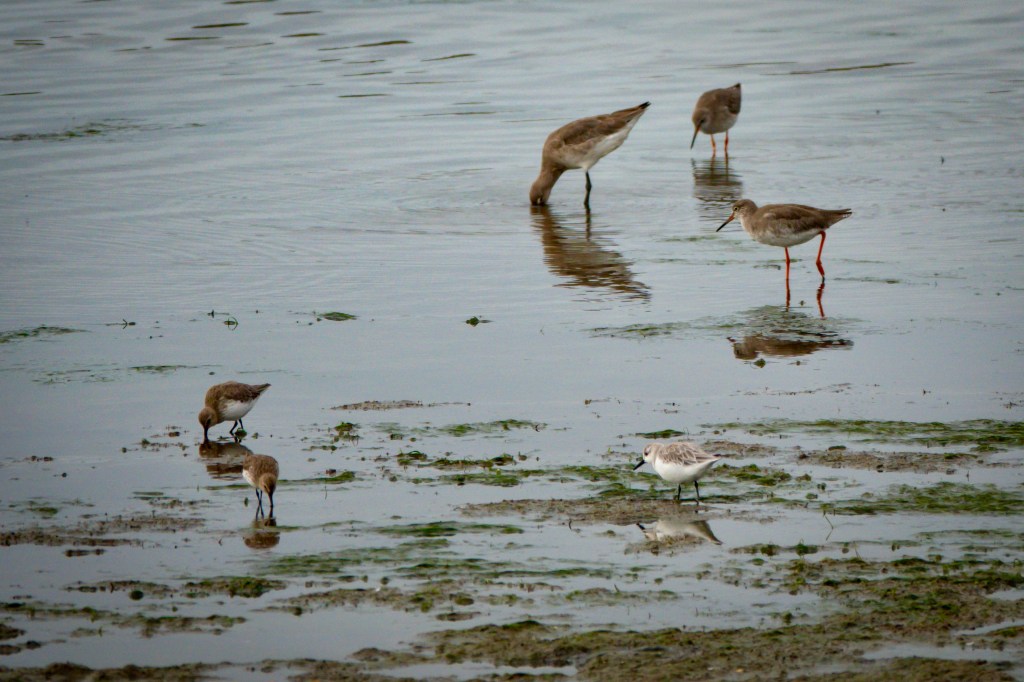
    Selection of waders

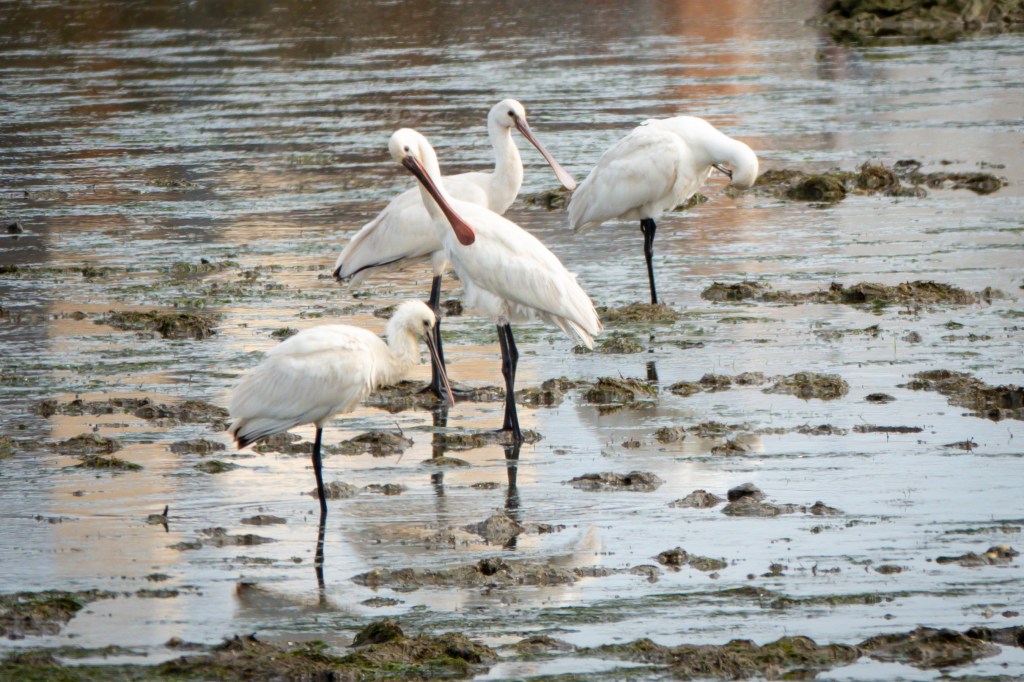
    Spoonbills preening
    Dunlin
    Little egret

    Common ringed plover

    Sanderling
    Turnstone

    Black-winged stilt

    Caspian tern

    Slender-billed gull

    Zitting cisticola
    Greater flamingos

    Greenshank

    Las salinas de Olhāo

    After our birding session we behaved more like normal tourists and visited the food market at Olhāo and had another lovely lunch in a back street alley restaurant away from the main tourist area. This time our walking gear didn’t look too out of place.

    The back alleys of Ohāo

    The rest of our stay we have been doing cultural things and just wandering around Faro enjoying the local flora.

    Faro Town Hall at night

    The cathedral at Faro

    Faro old city walls at night