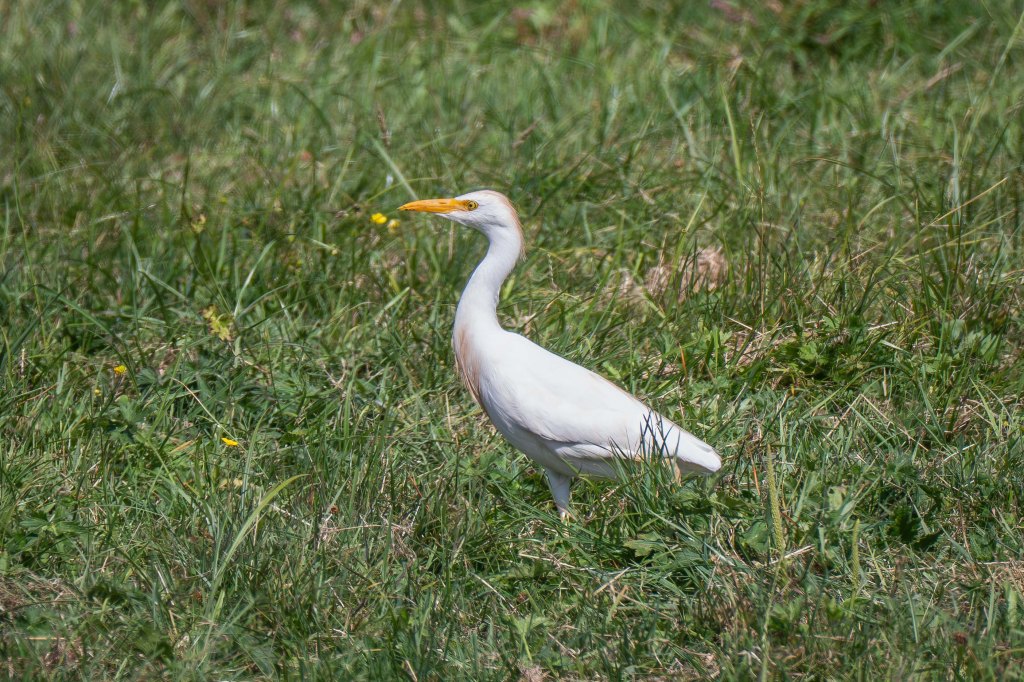
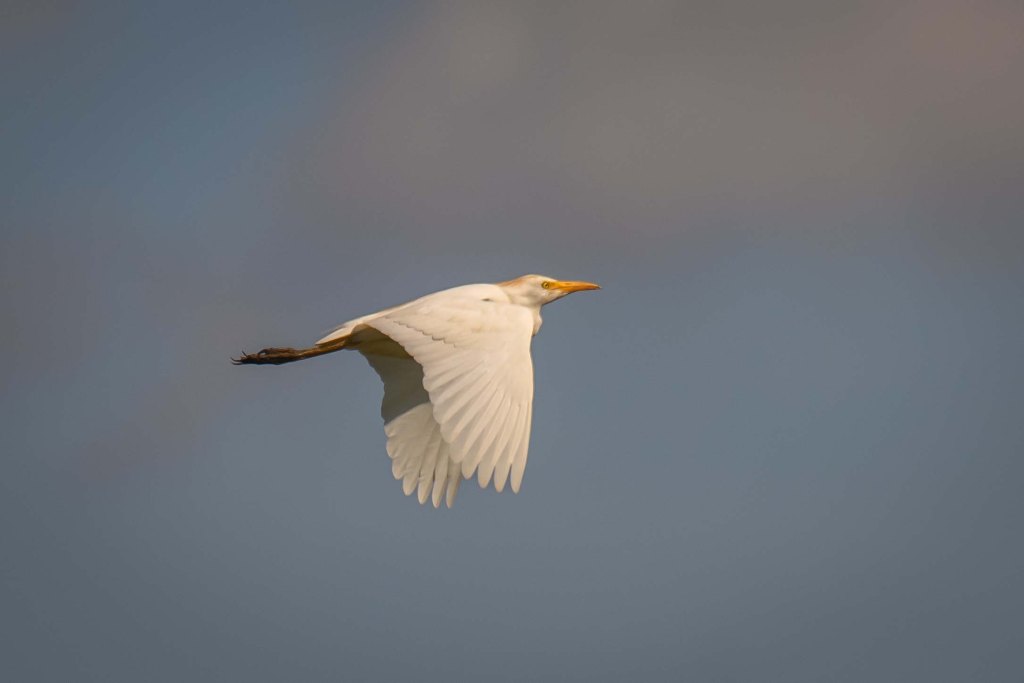
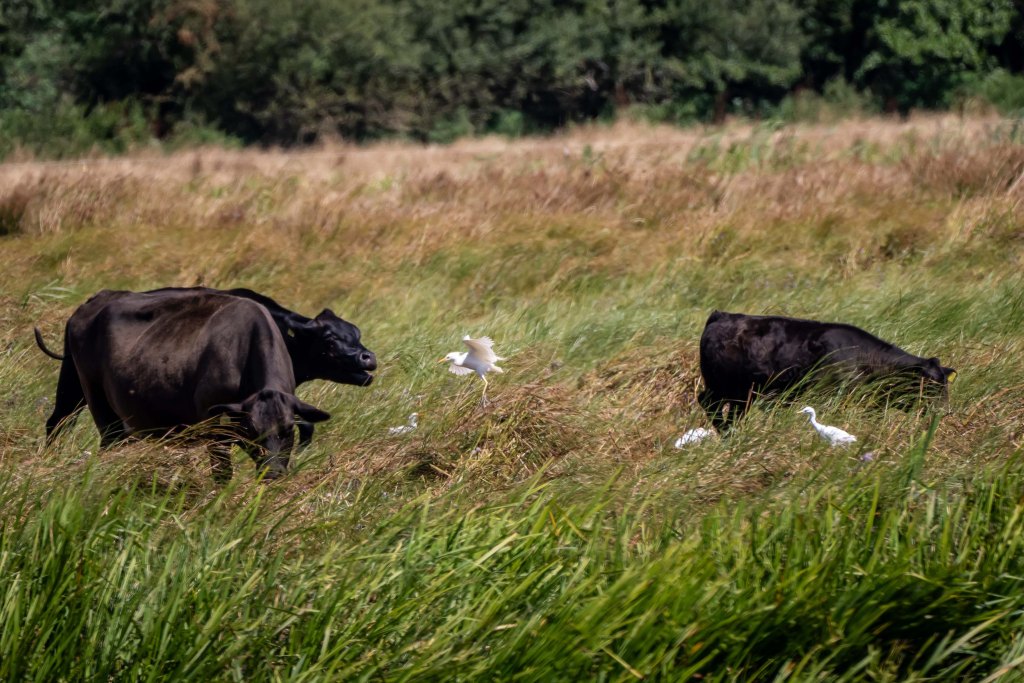
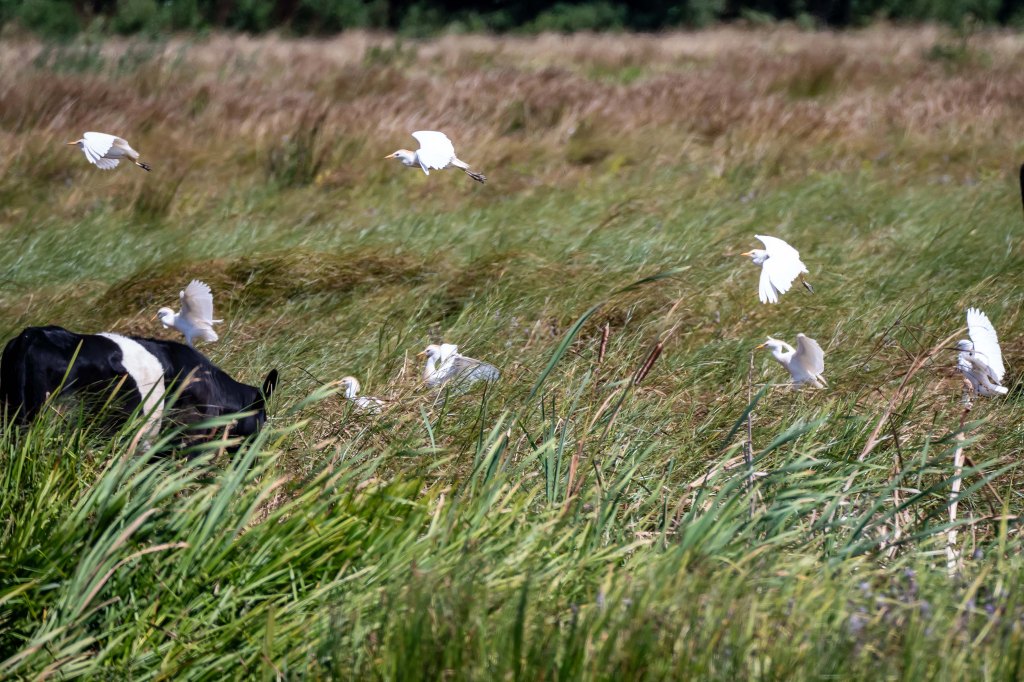
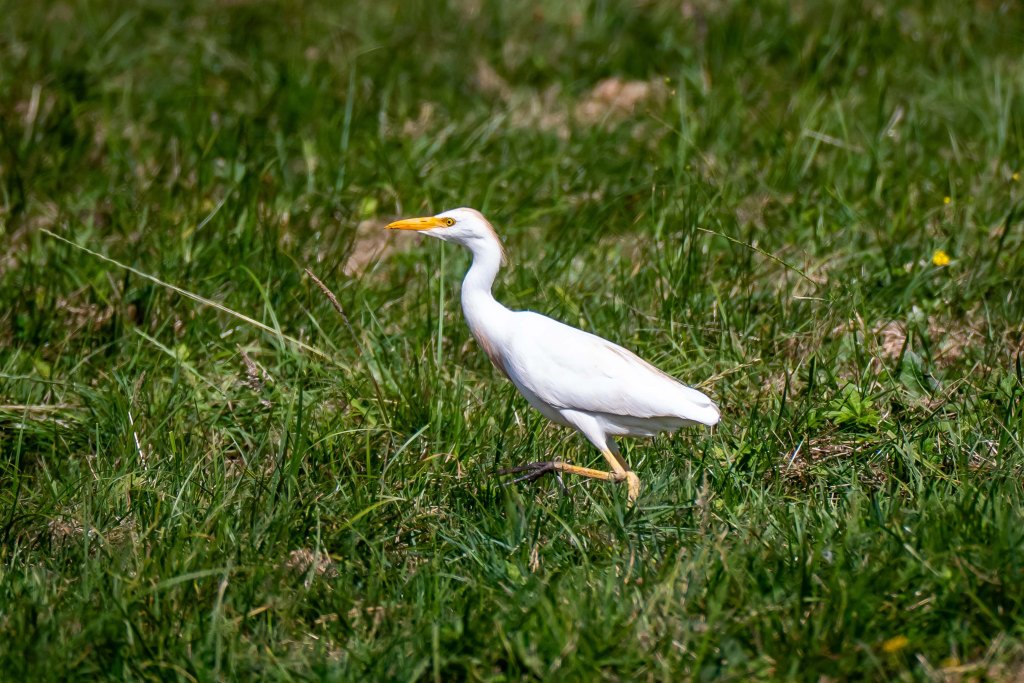
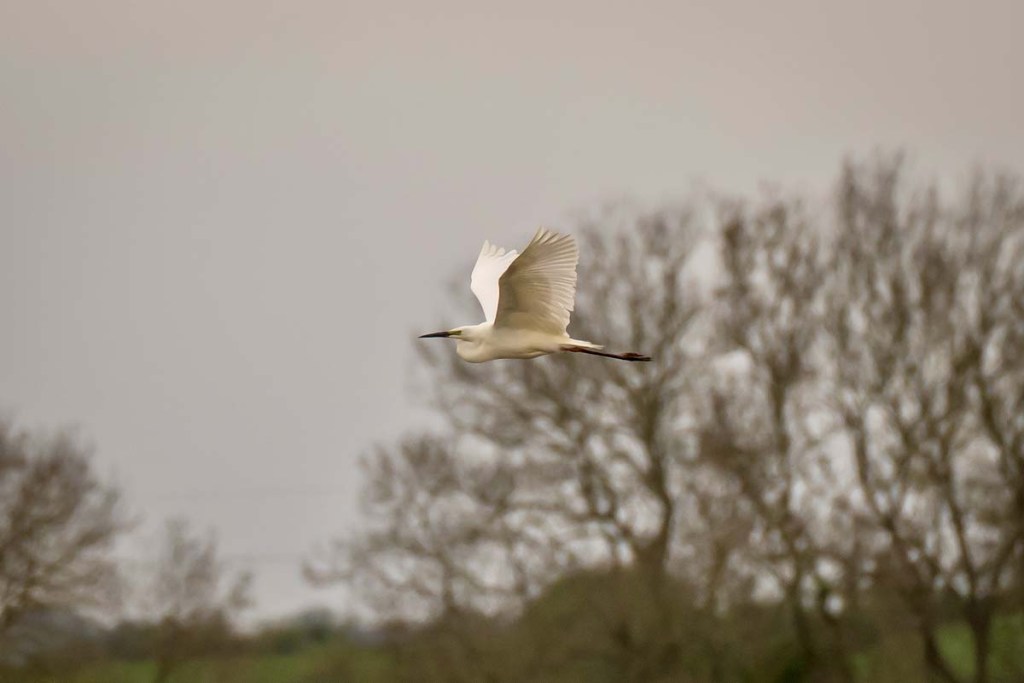
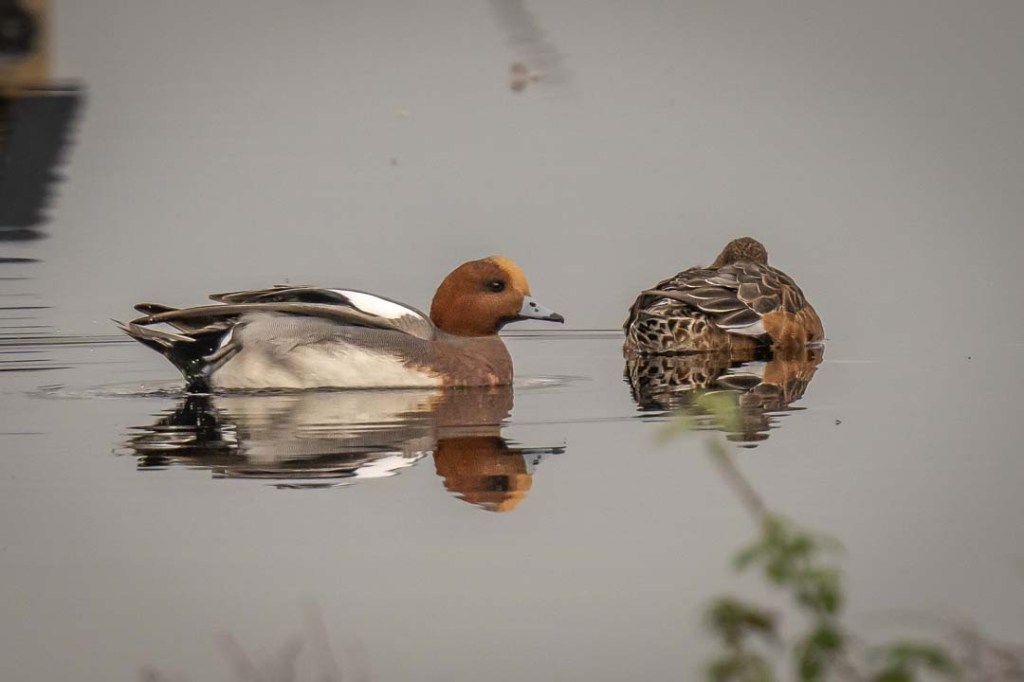
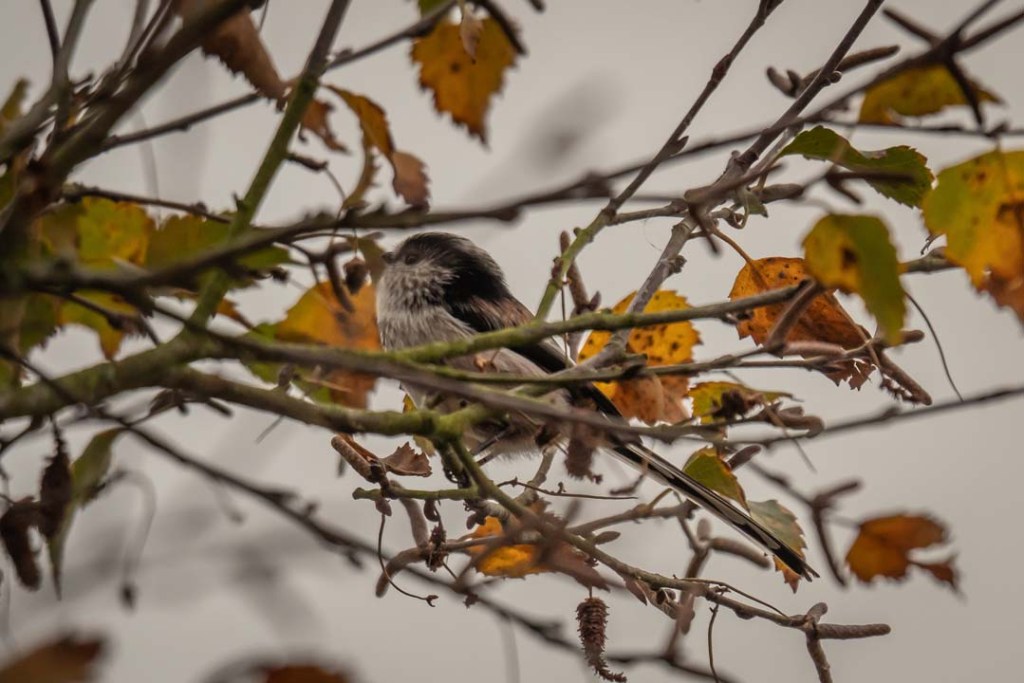
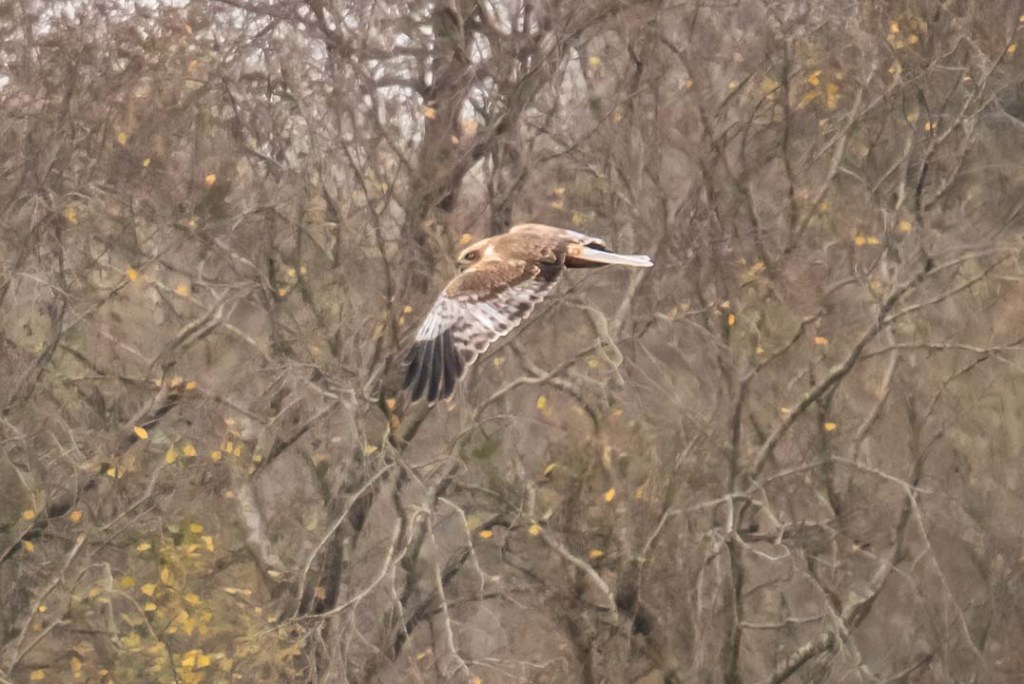
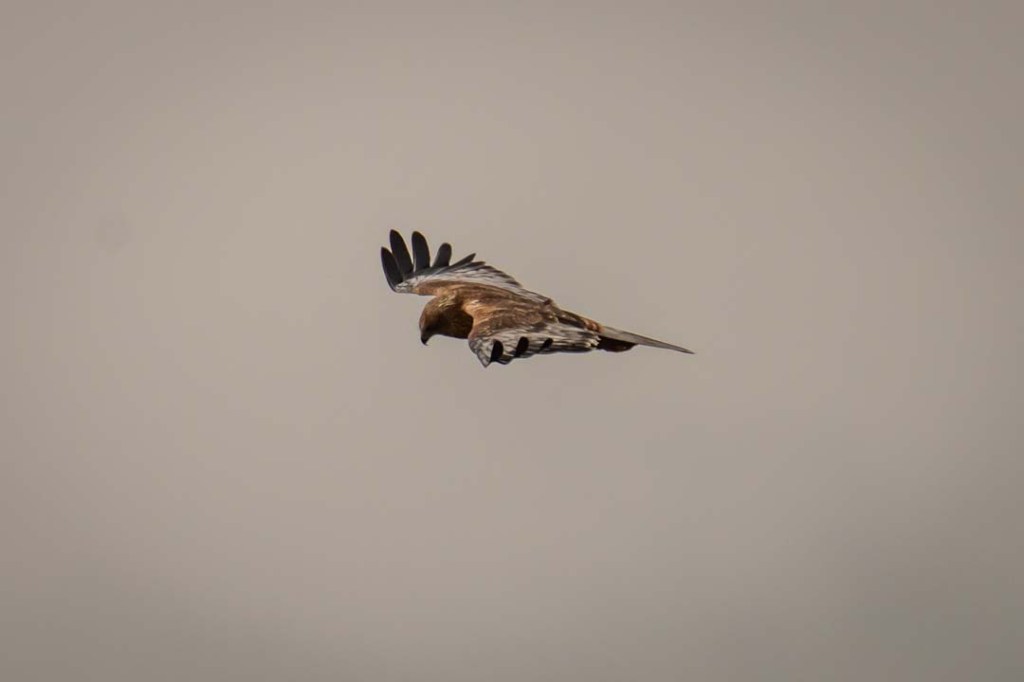
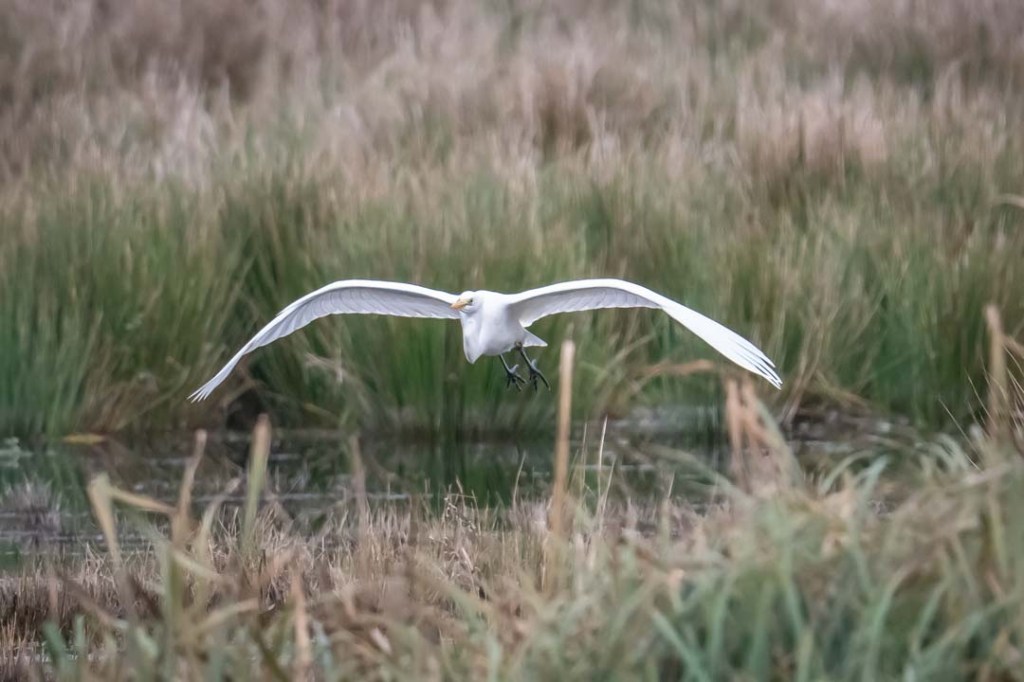
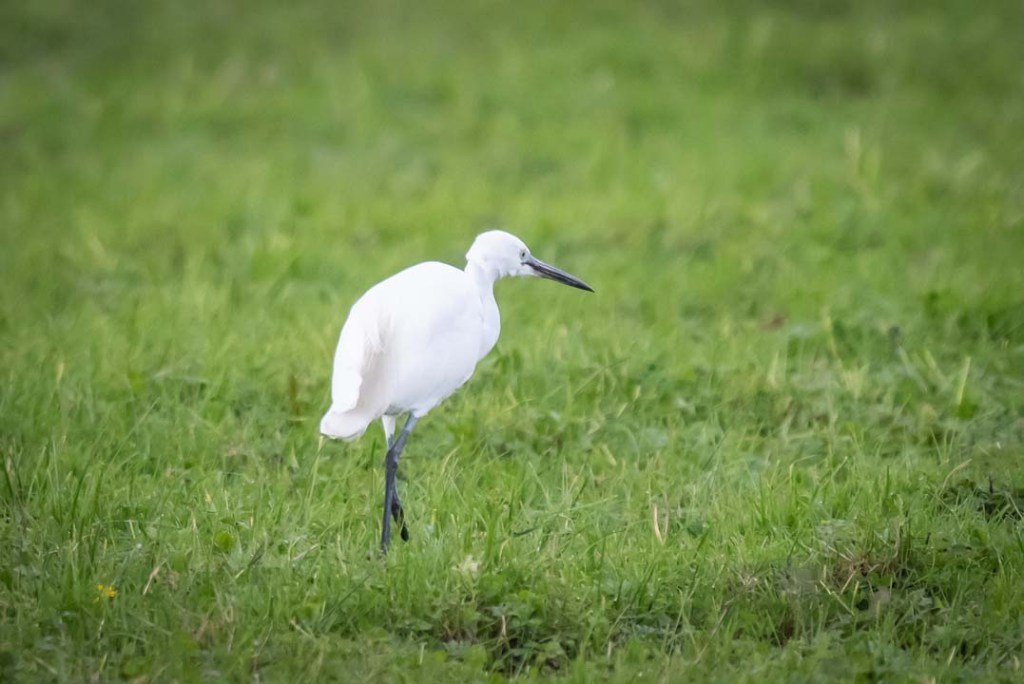
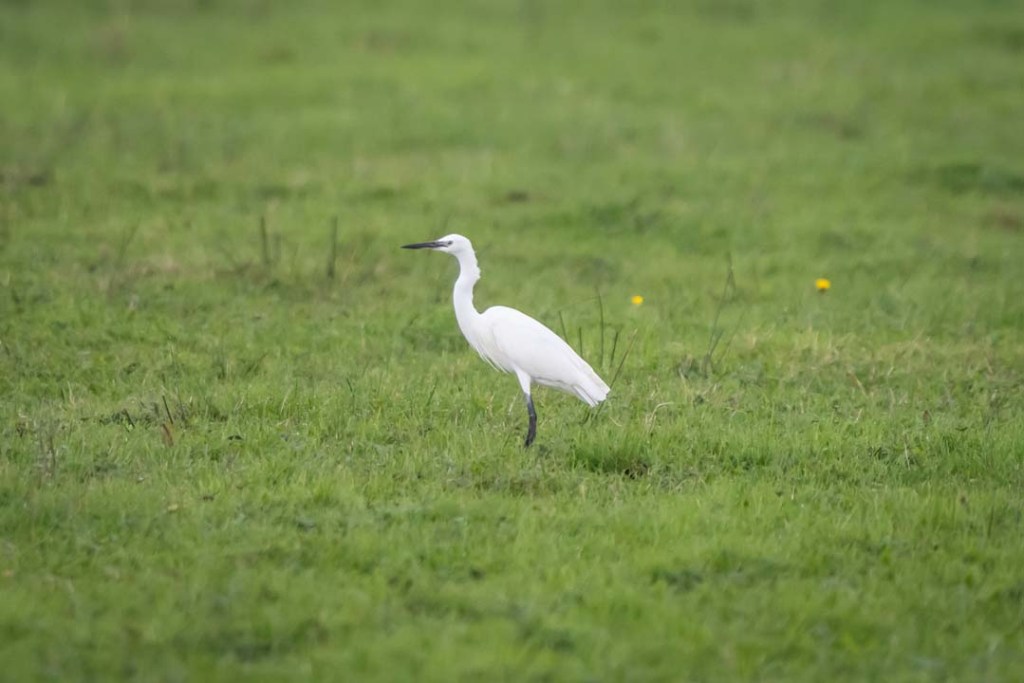
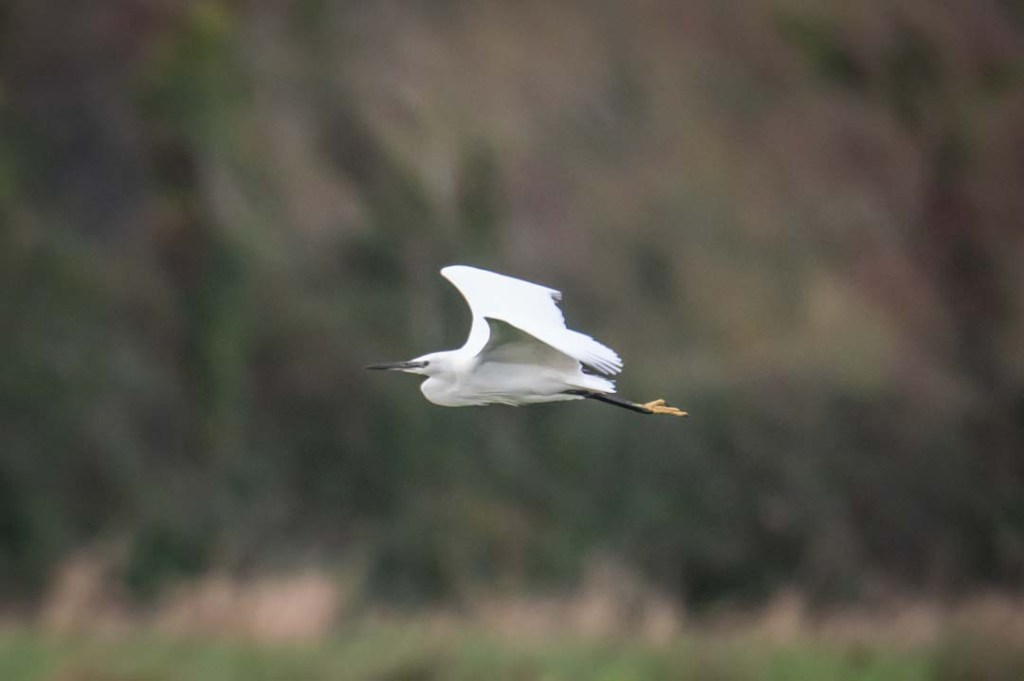
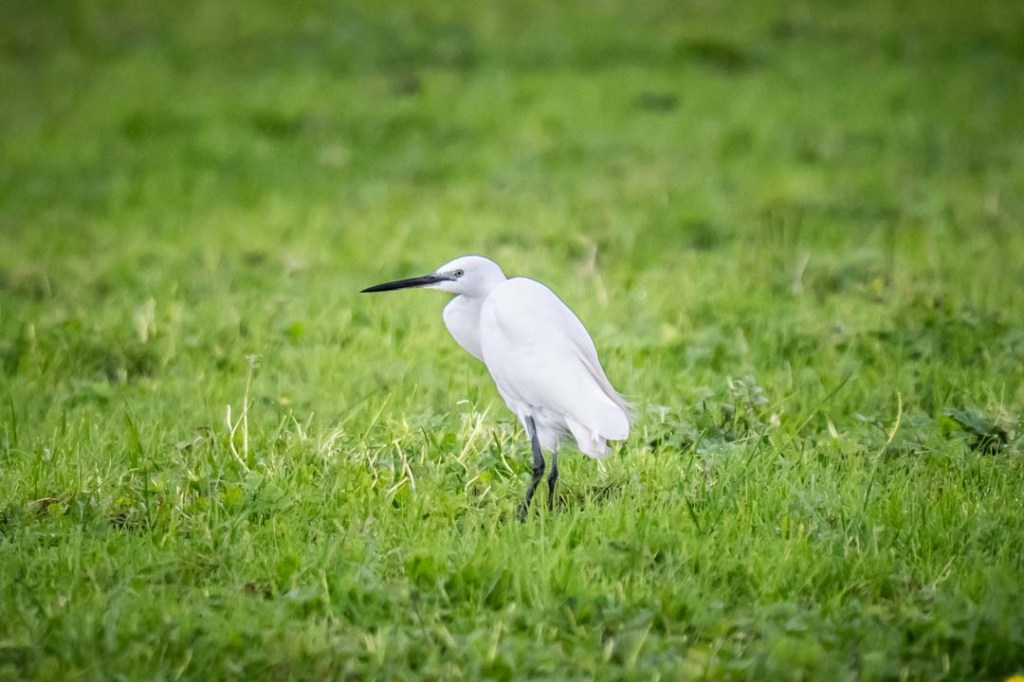
Cattle Egrets were first reported to have bred in Britain in 2008, with two pairs nesting in Somerset. We have just spent the last two days birding on the Avalon Marshes in Somerset and saw large numbers of these birds at Catcott Marshes and RSPB Greylake. The colonisation that is taking place is probably due to climate change and with the continuation of this wonderful summer it certainly feels like there is a massive shift in our climate.
Cattle egret at Catcott MarshesCattle egret at Catcott Marshes Cattle egrets often spend time close to livestock like sheep and cows and grab the insects and worms their hooves disturb.Cattle egretCattle egret
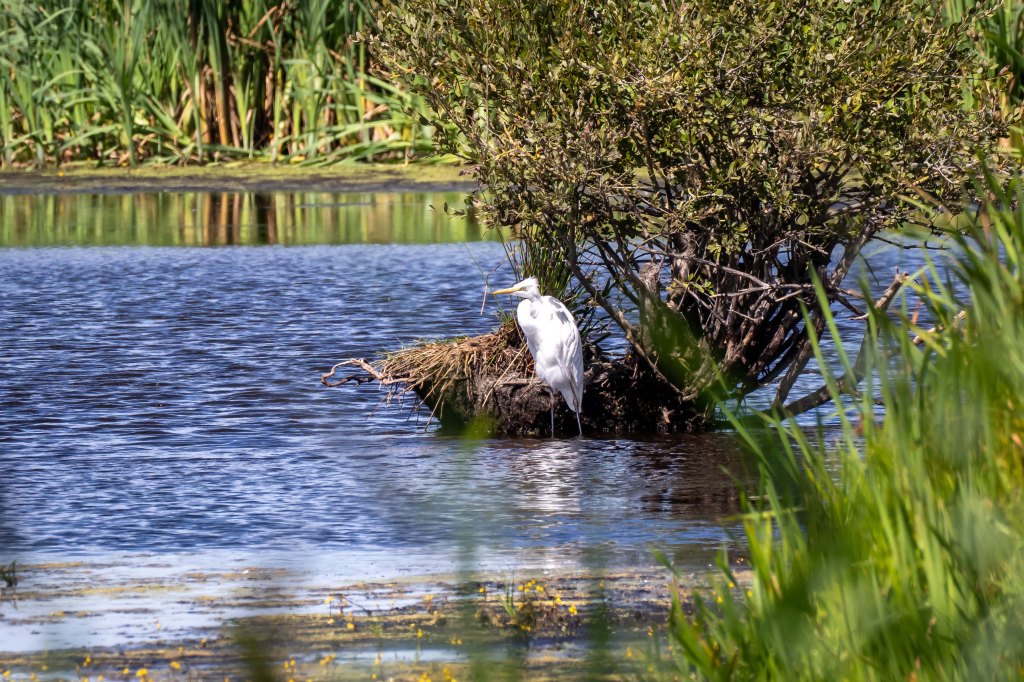
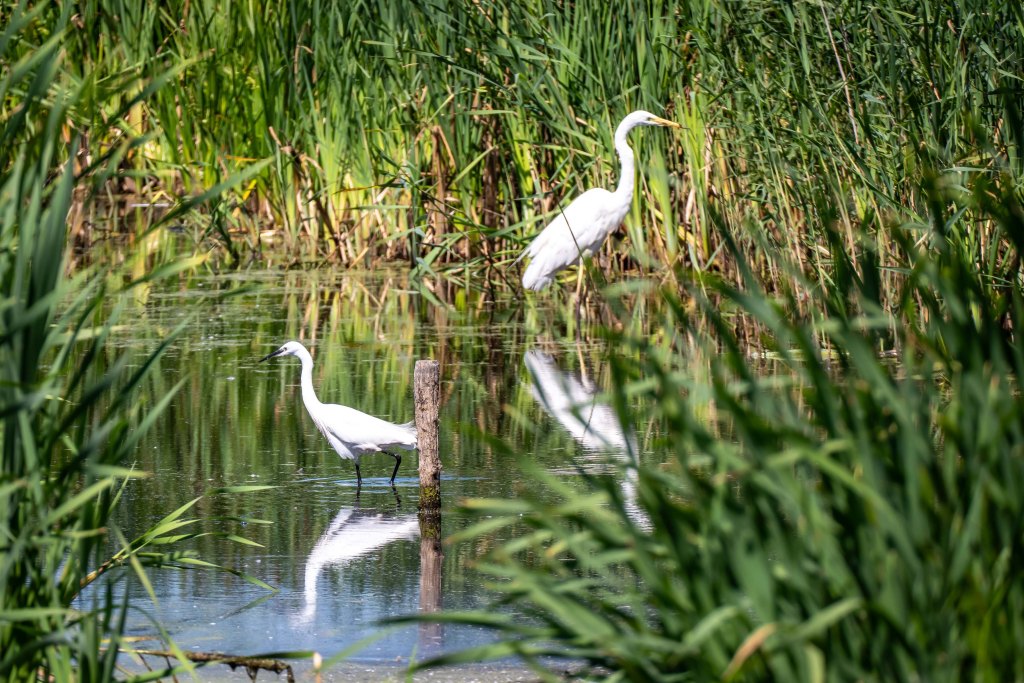
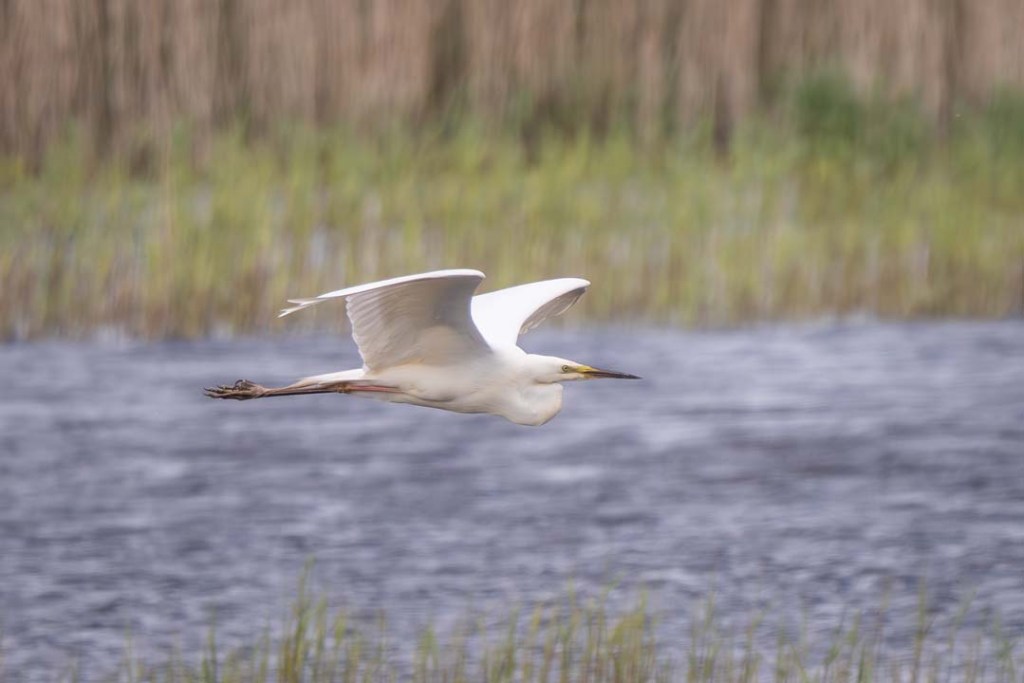
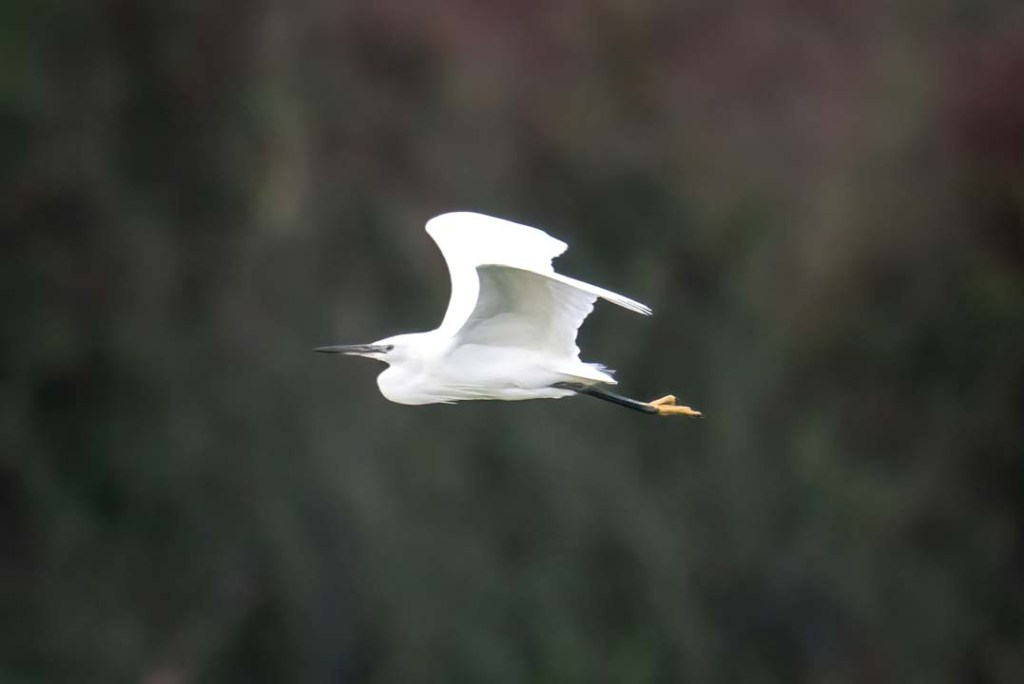
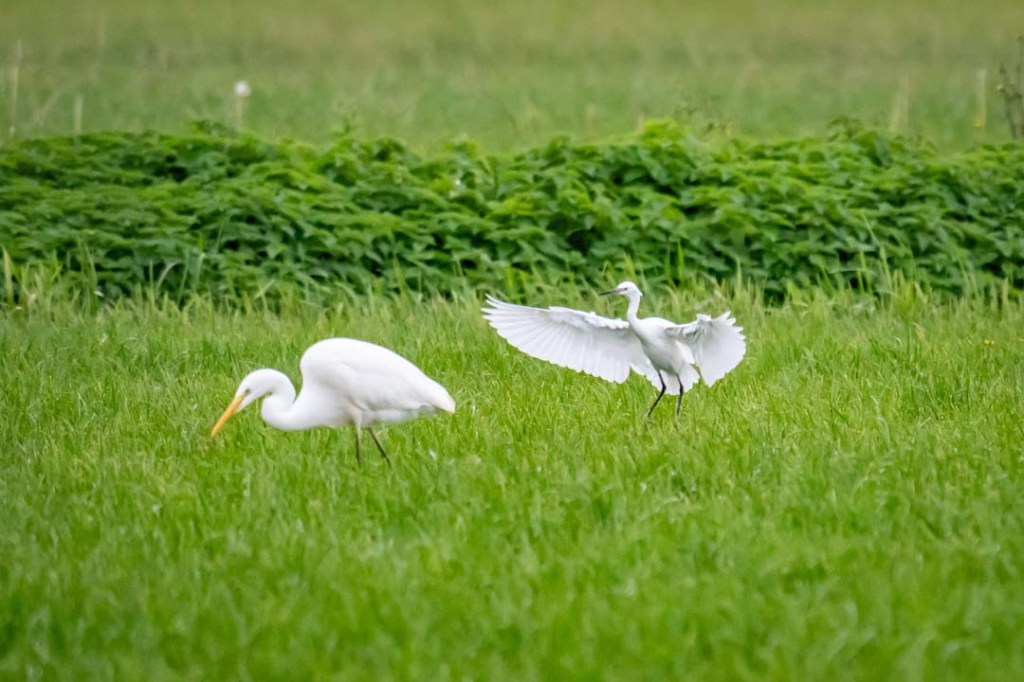
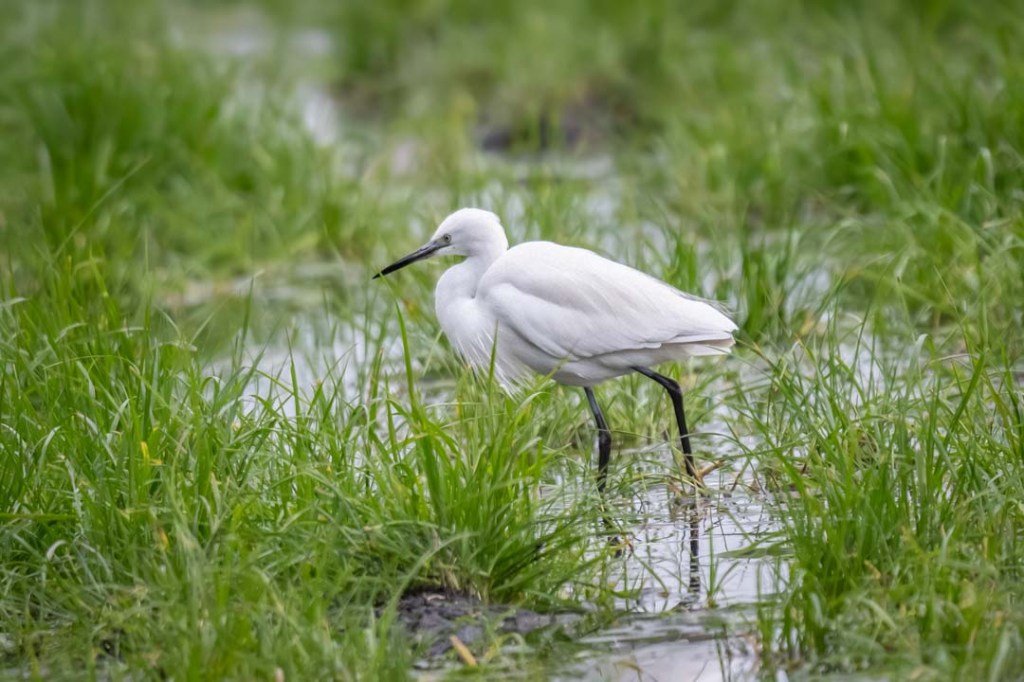
We also regularly saw great egrets and little egrets which not so many years ago were also rare visitors to the UK.
Great egret at RSPB GreylakeLittle egret with great egret behind at RSPB Greylake
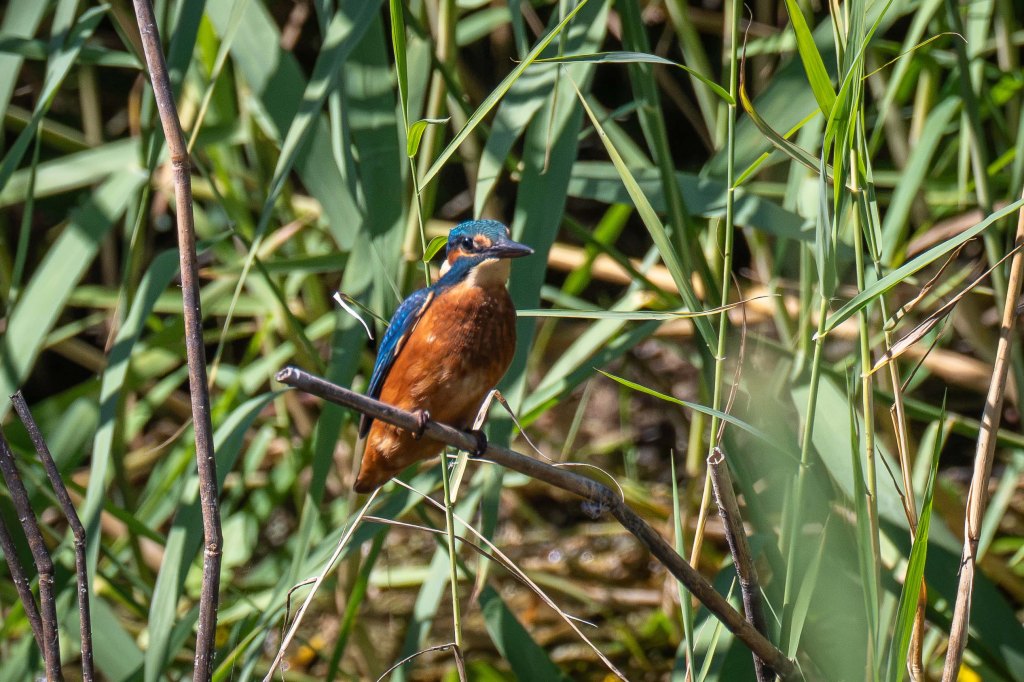
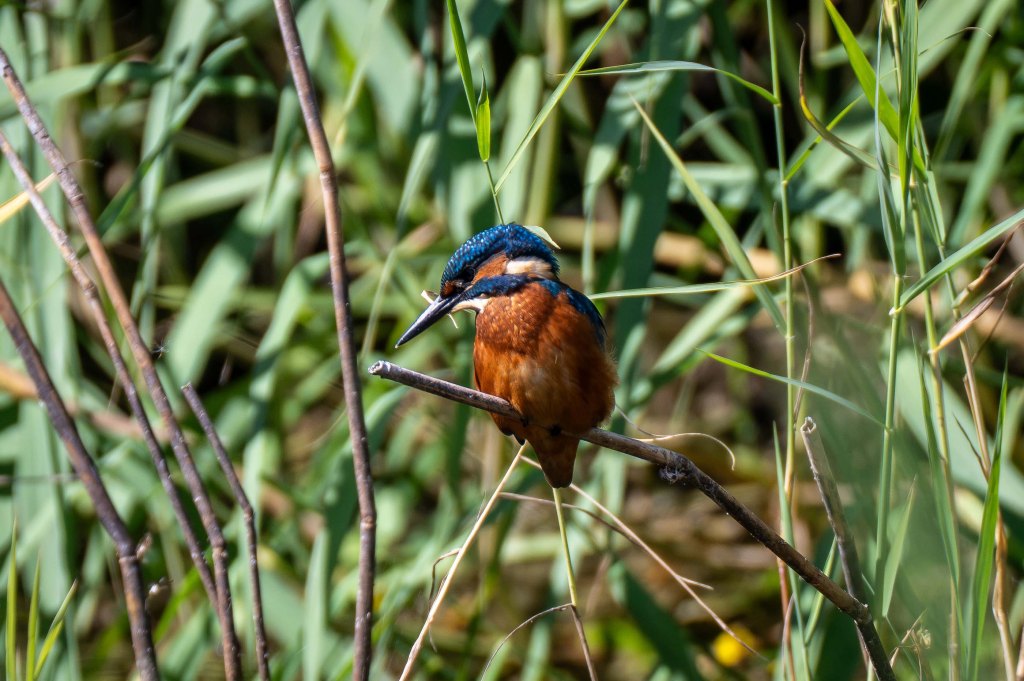
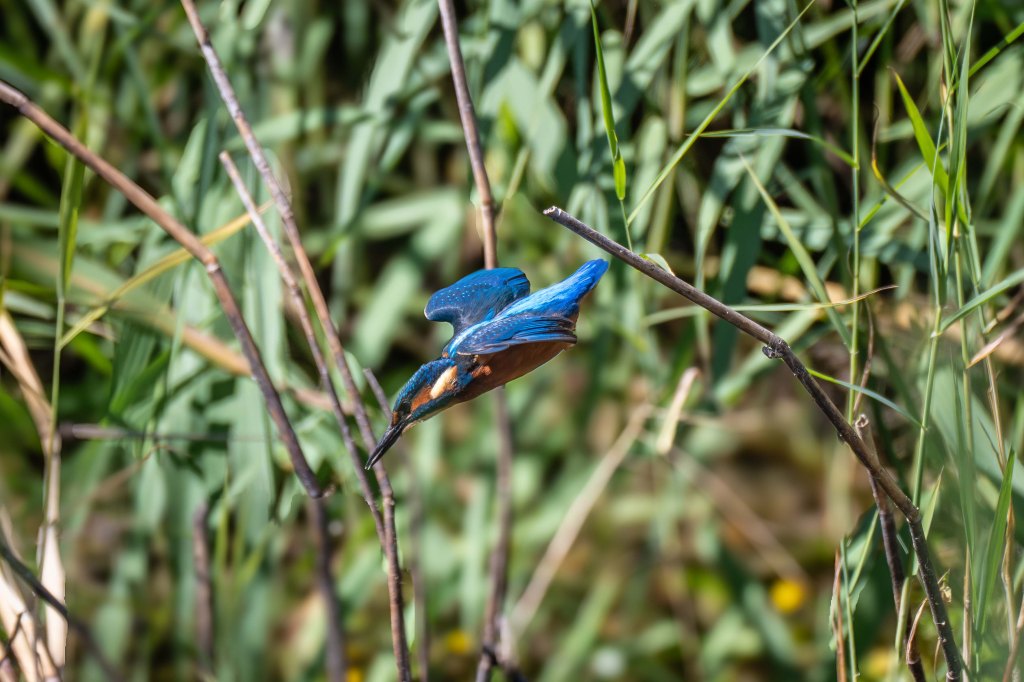
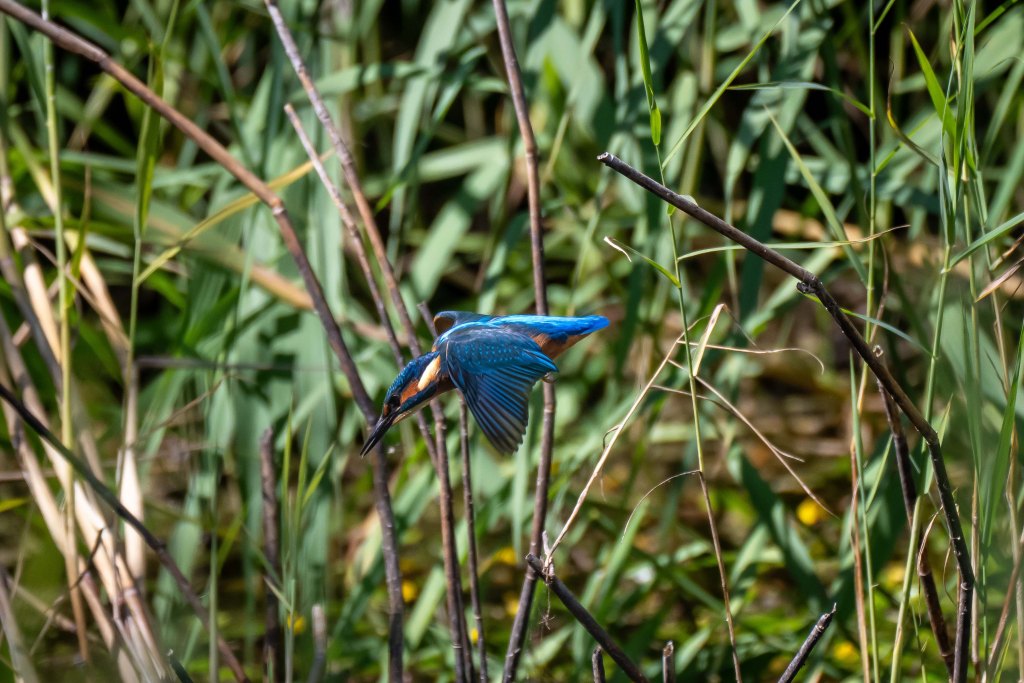
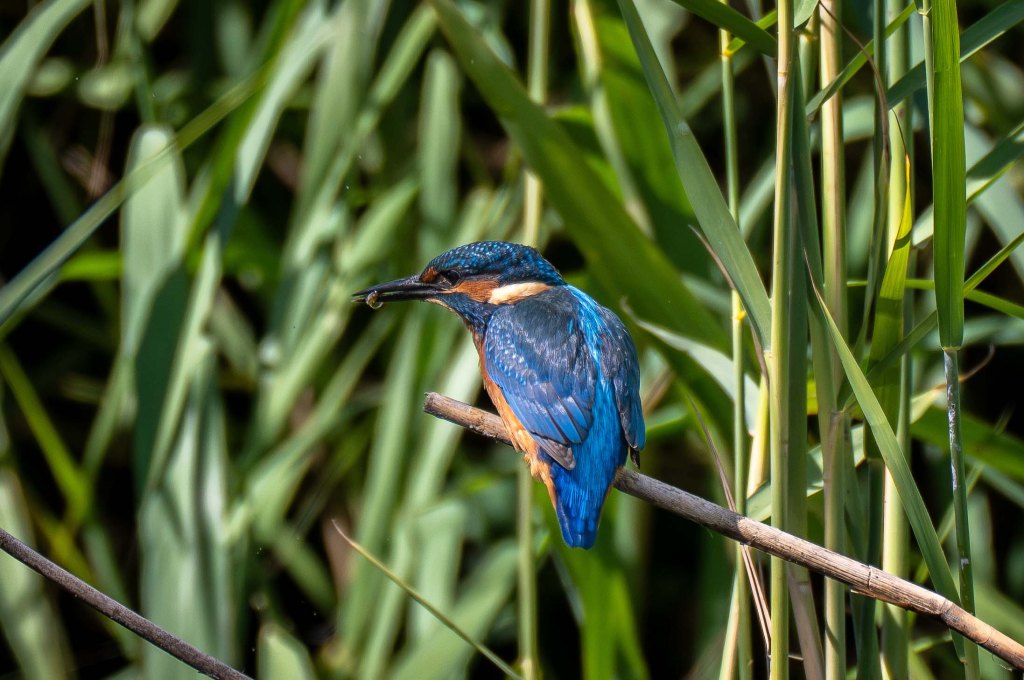
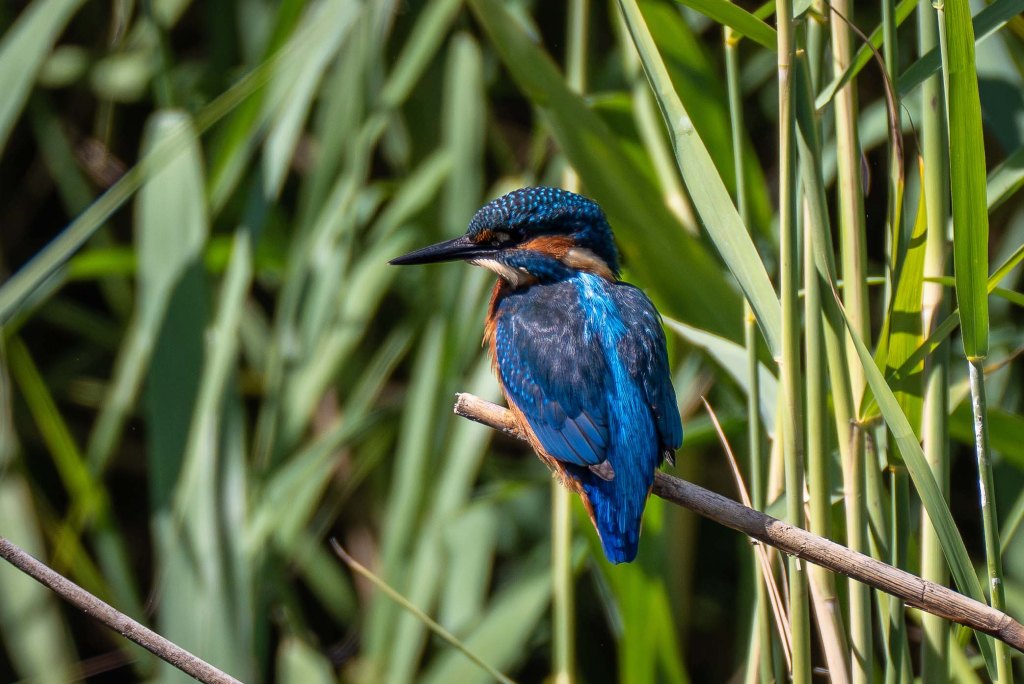
Yet, once again, the star of our birding on these two days were kingfishers which we saw regularly flying in front of the hide at RSPB Greylake.
Common kingfisherCommon kingfisherCommon kingfisherCommon kingfisherCommon kingfisher
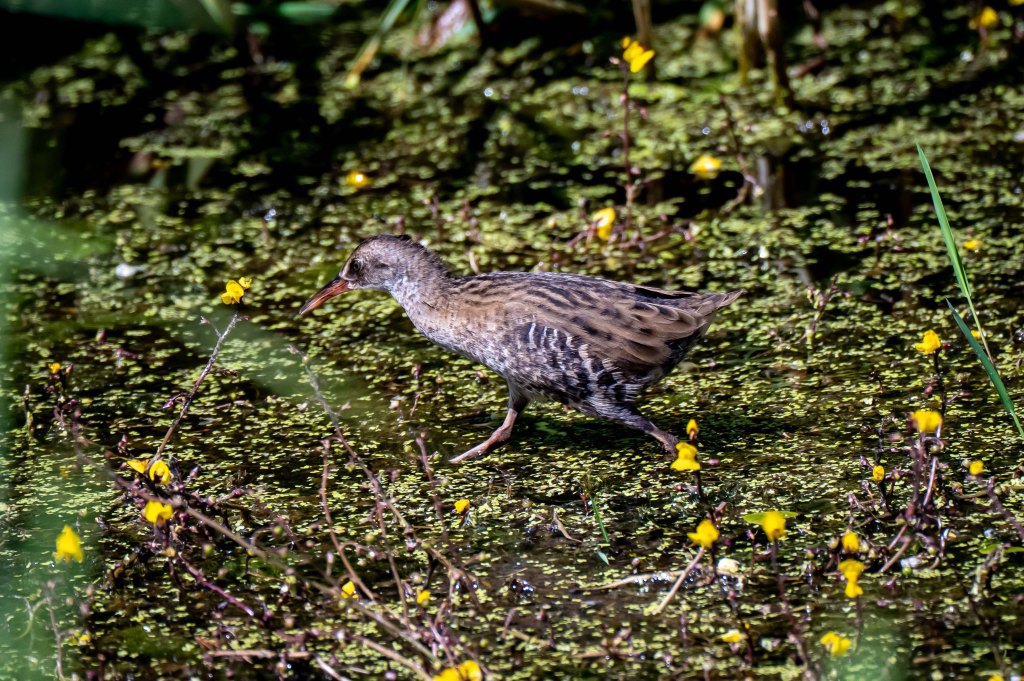
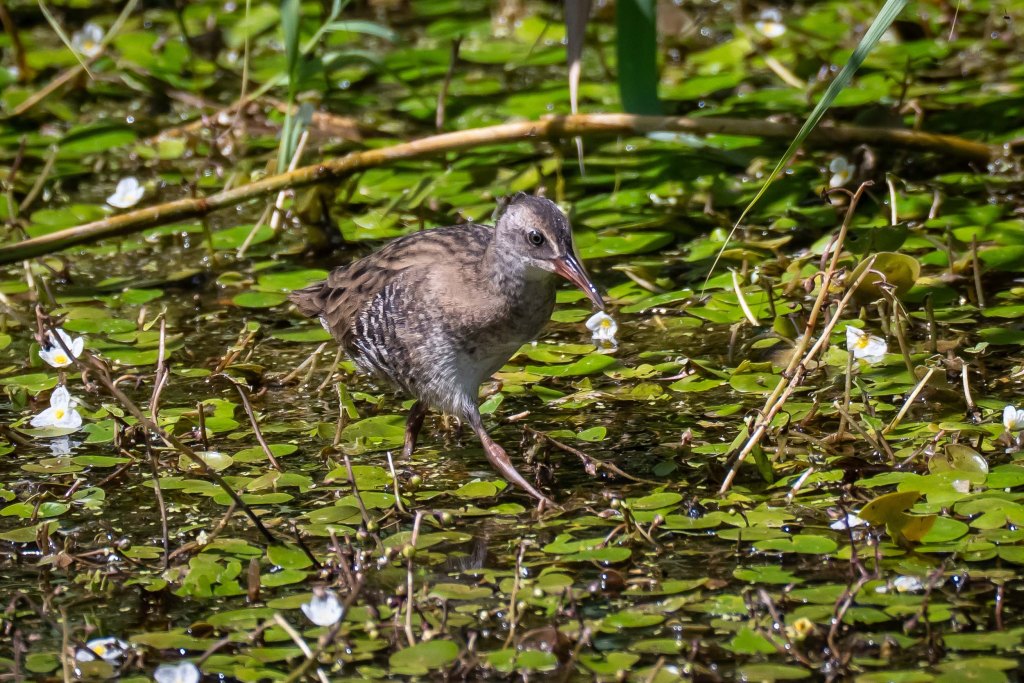
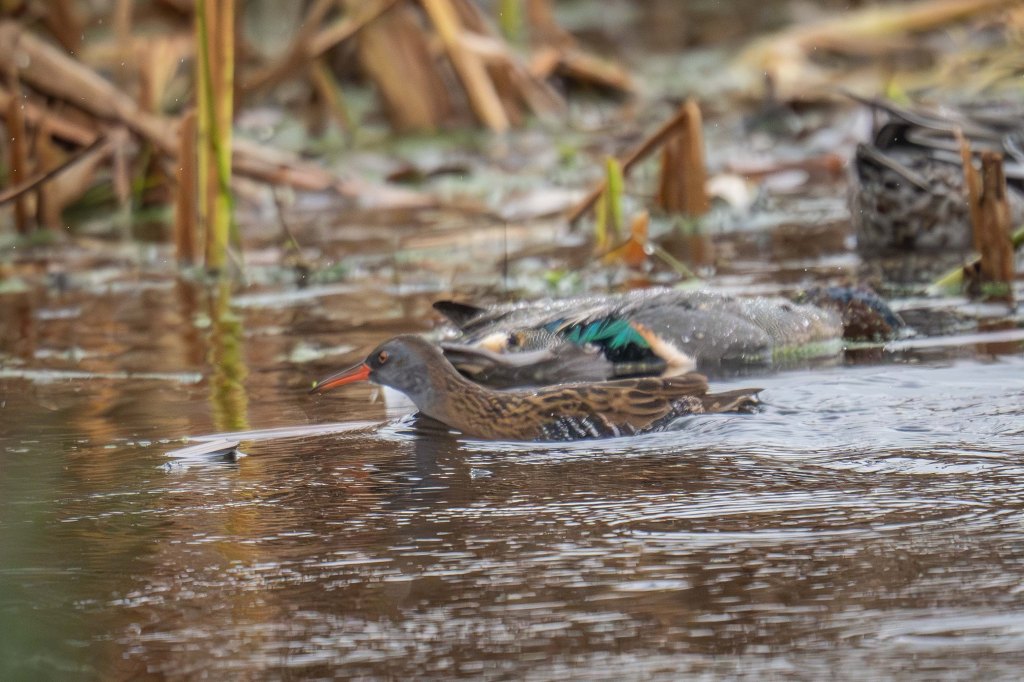
There were also good views of water rails at Greylake.
Water railWater rail
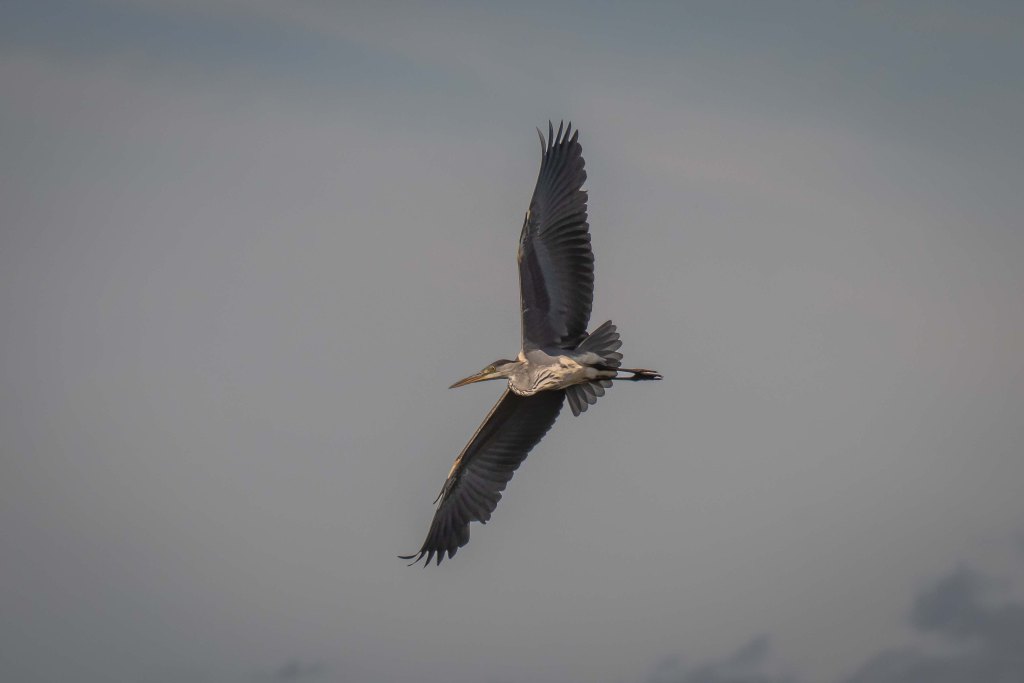
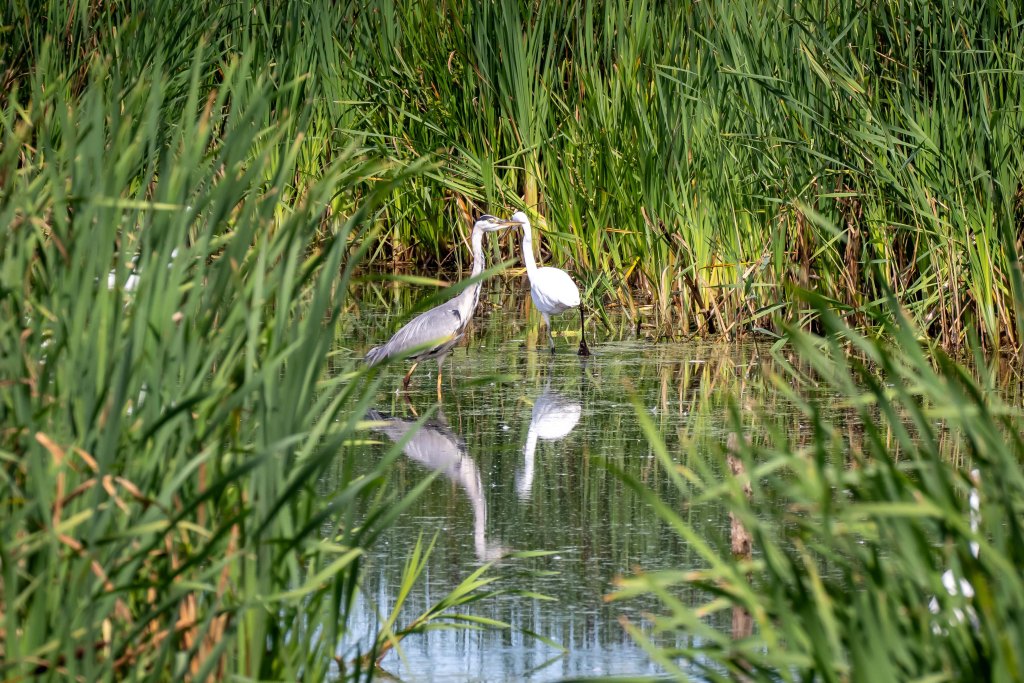
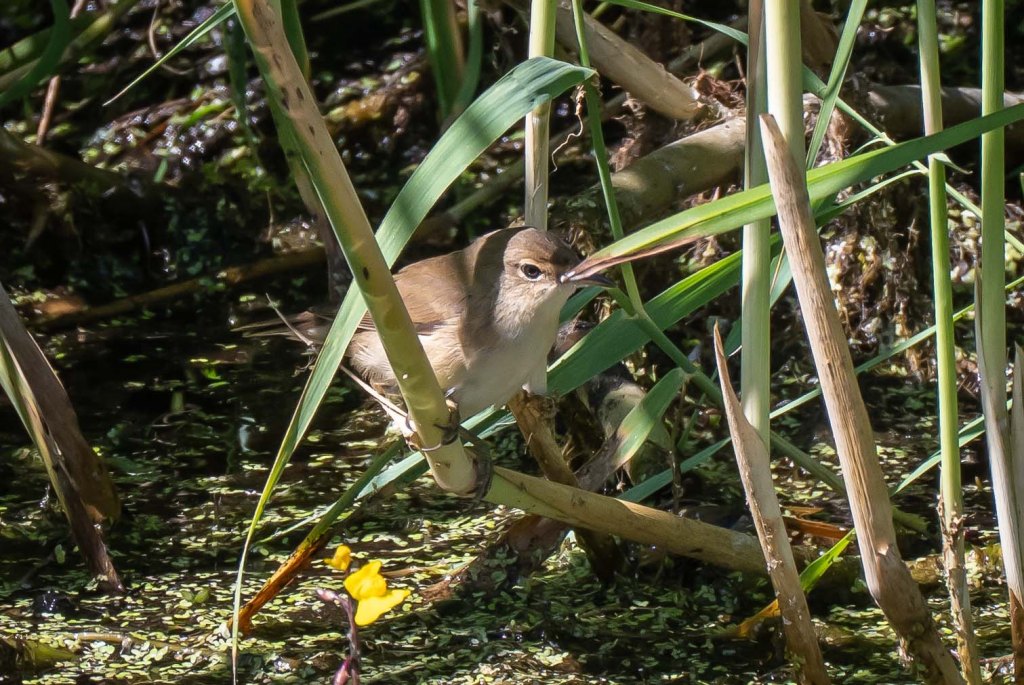
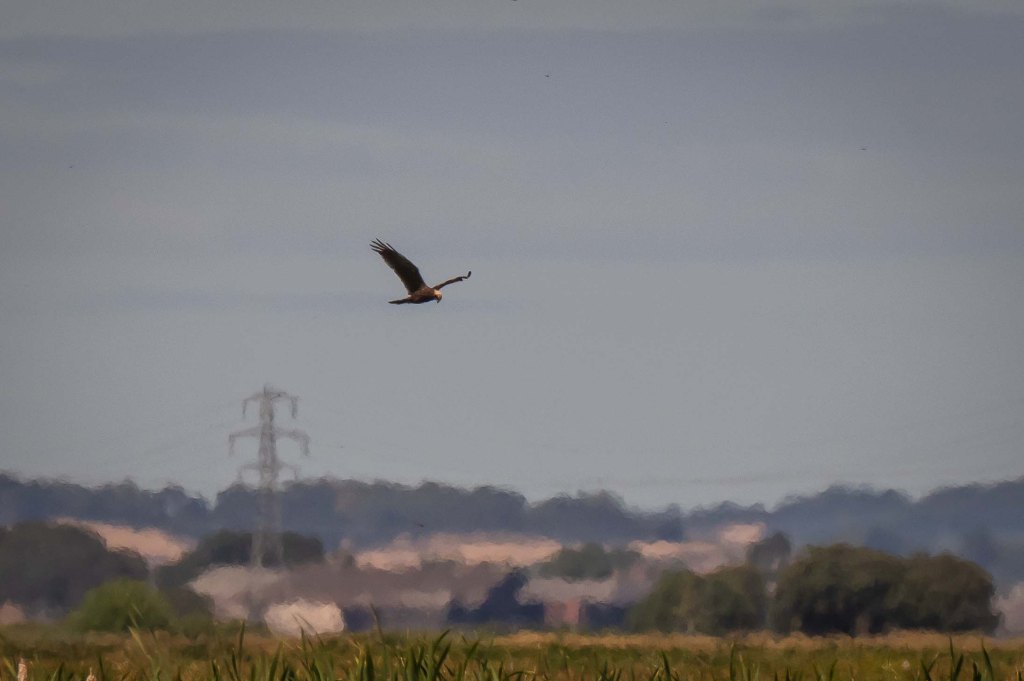
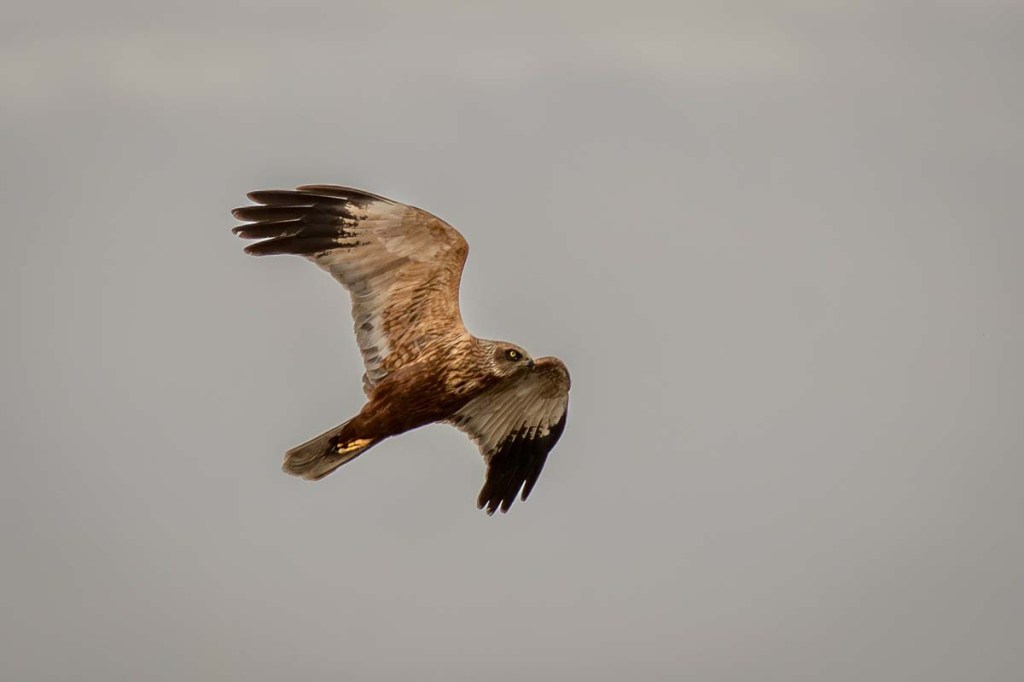
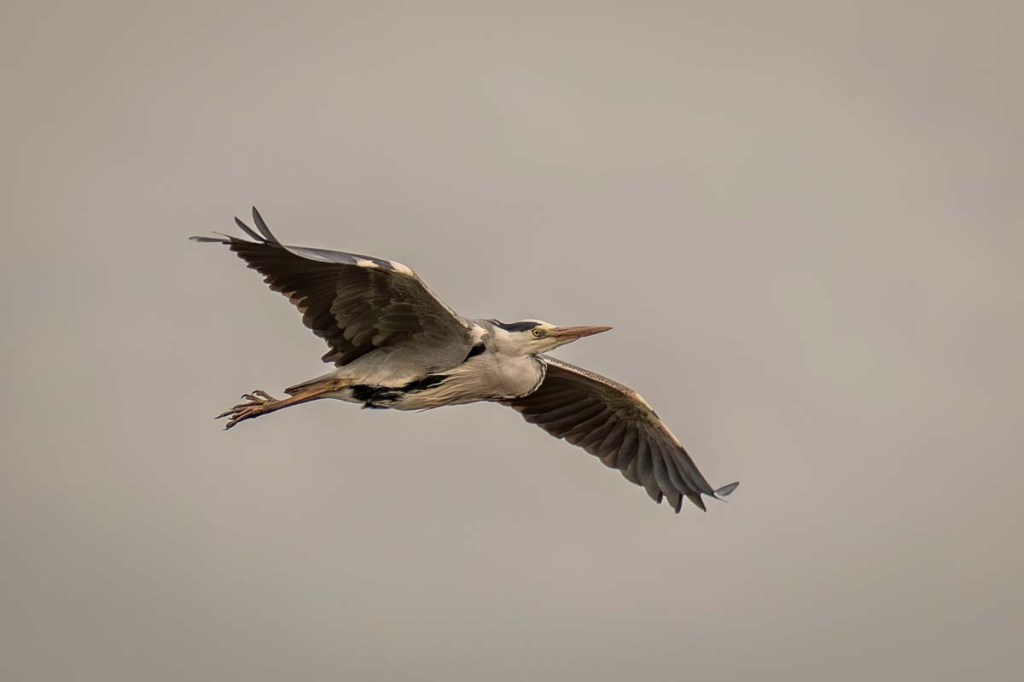
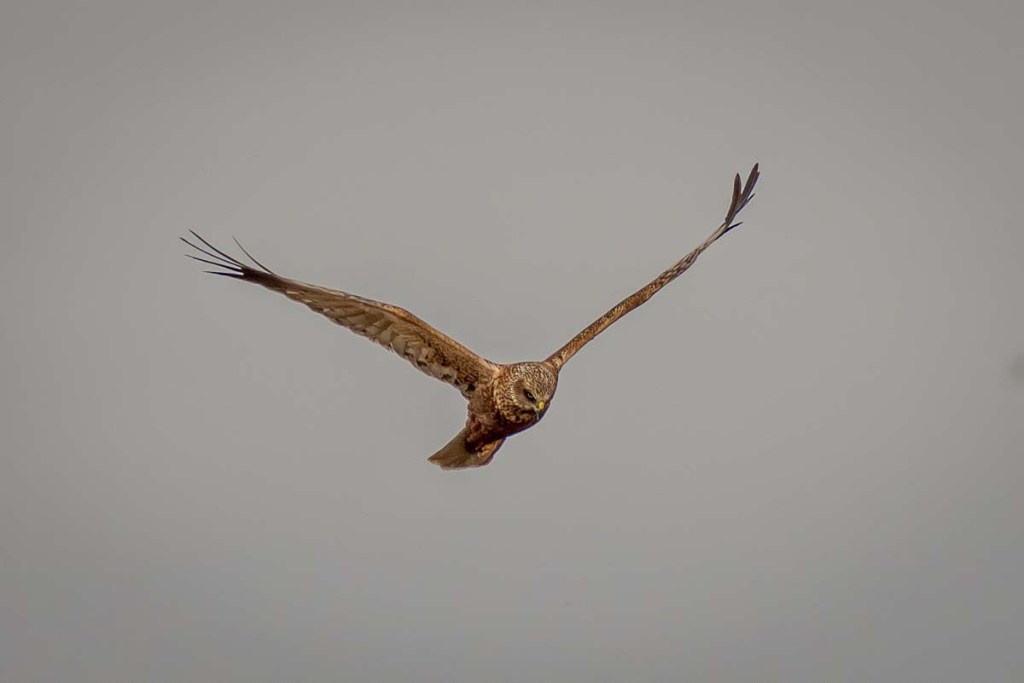
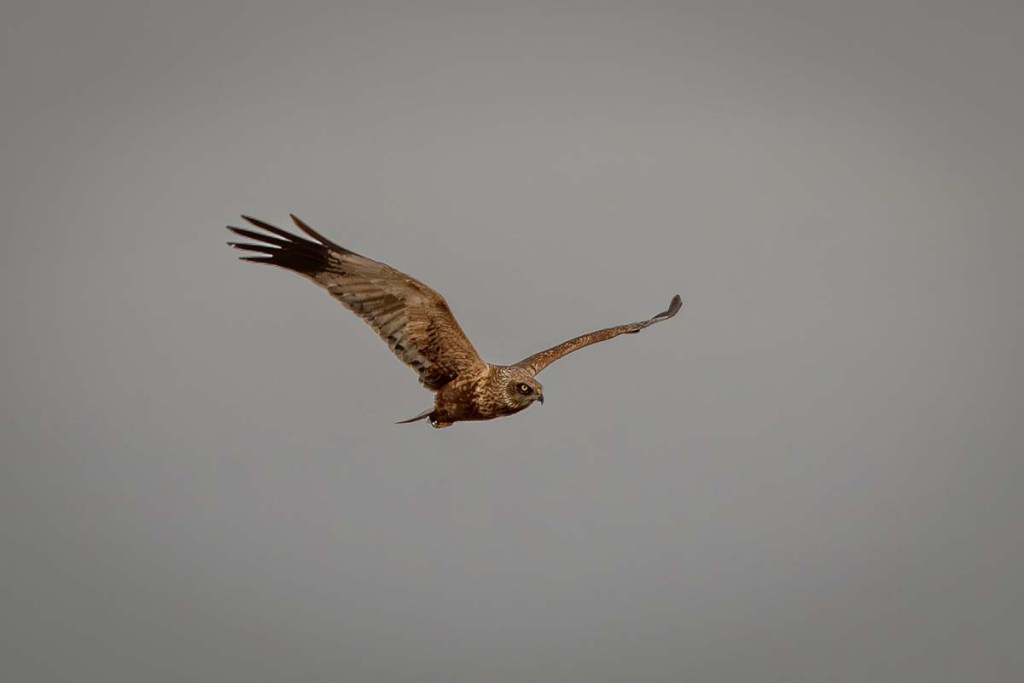
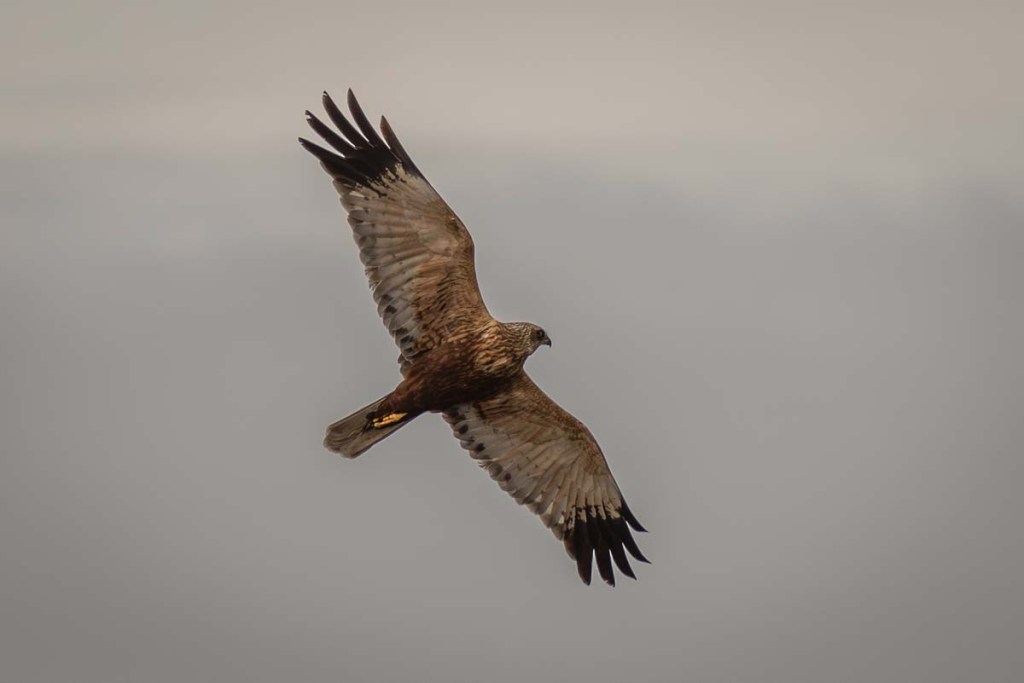
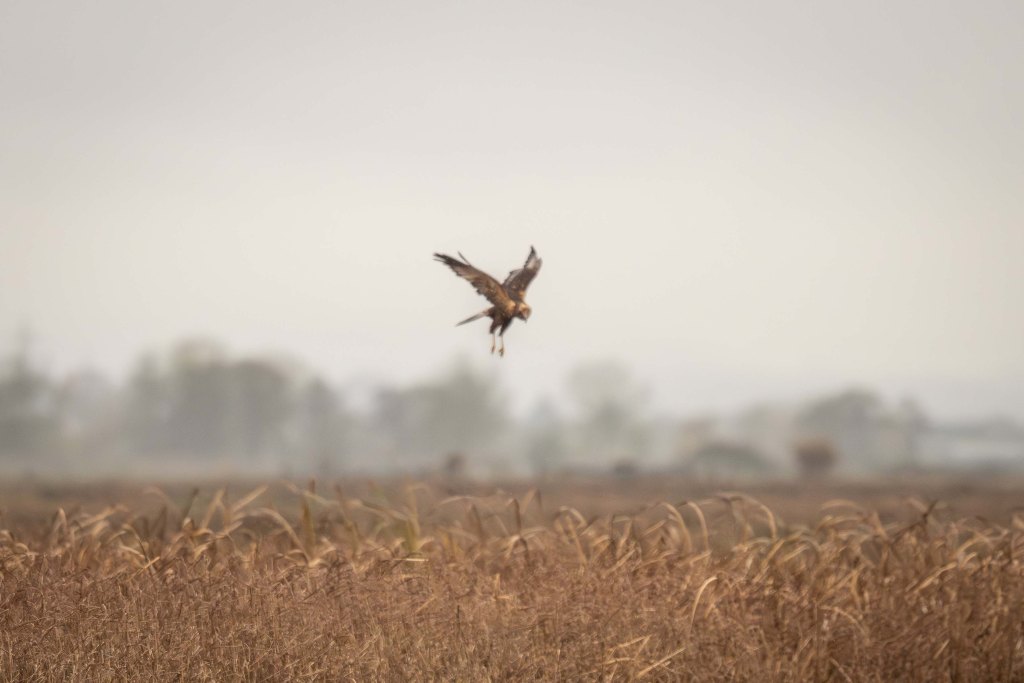
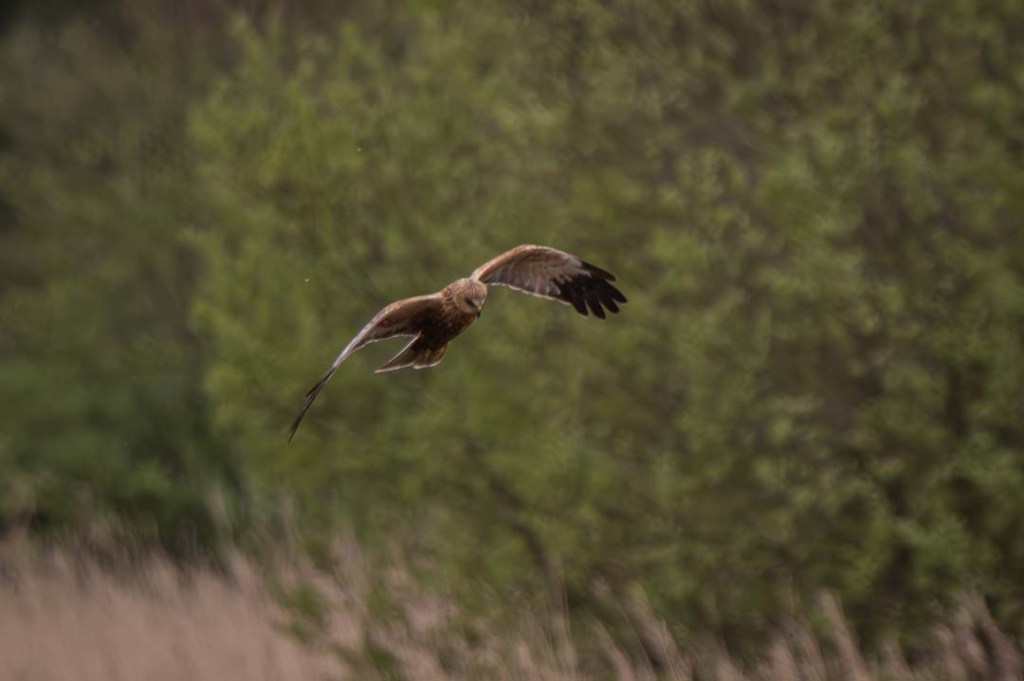
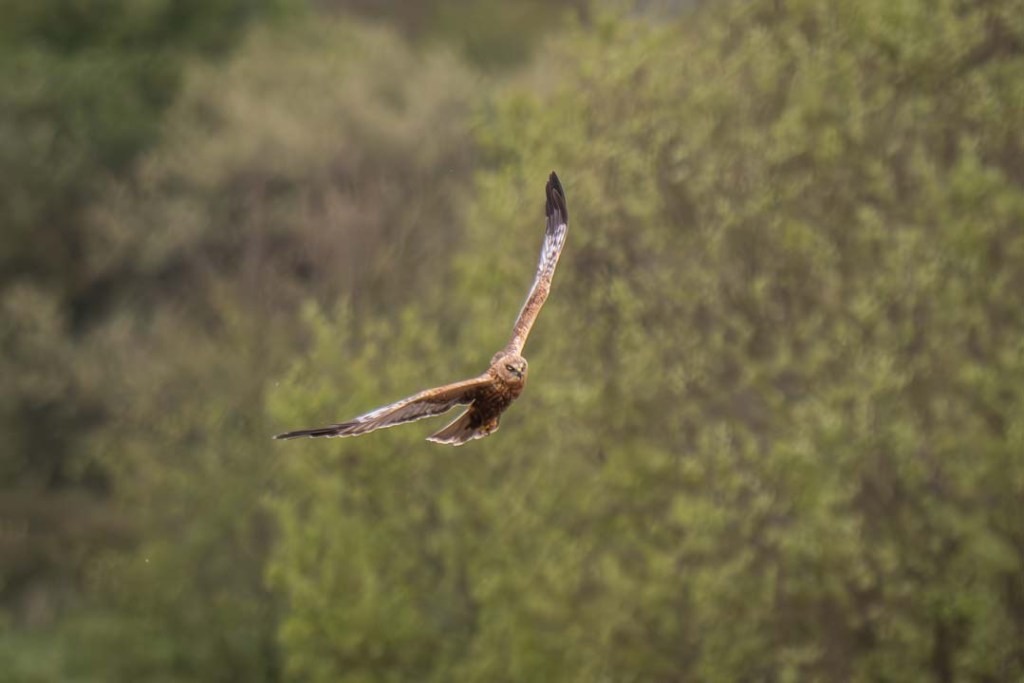
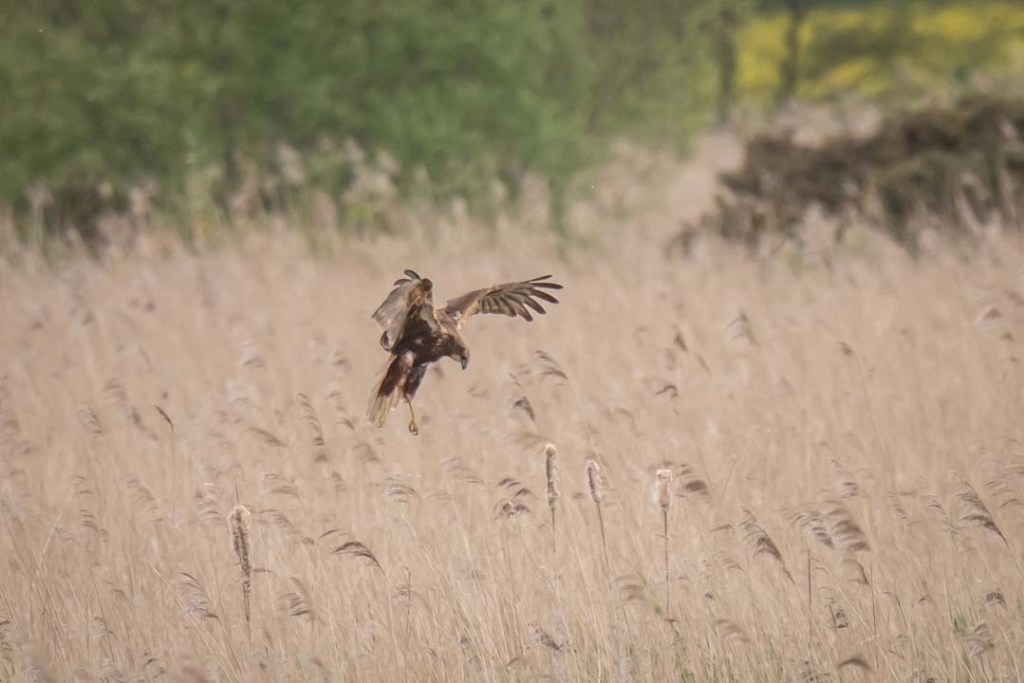
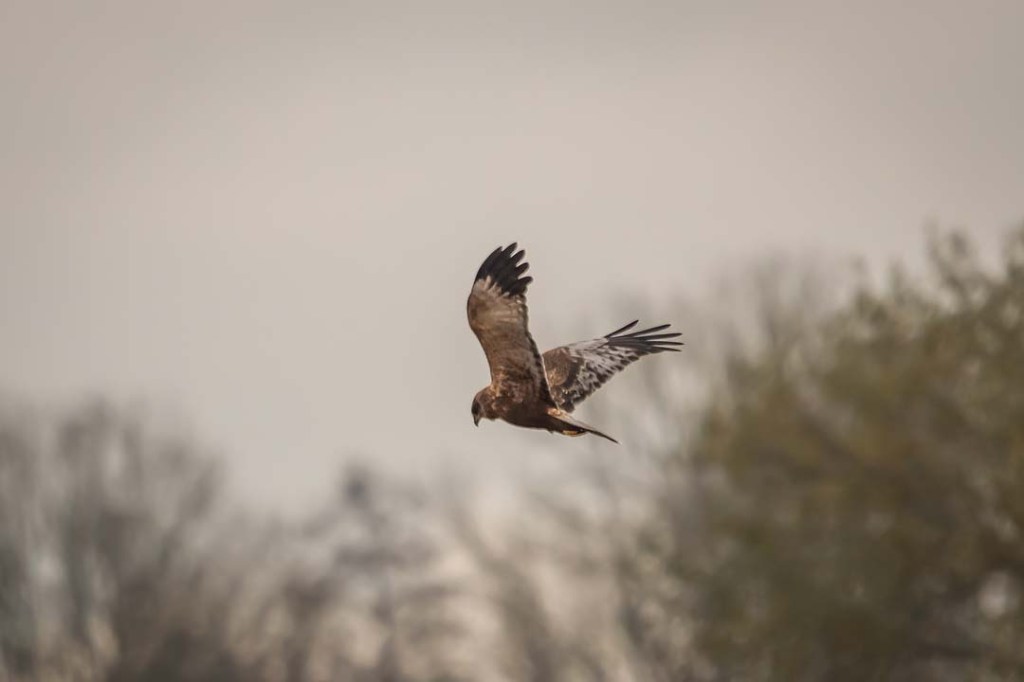
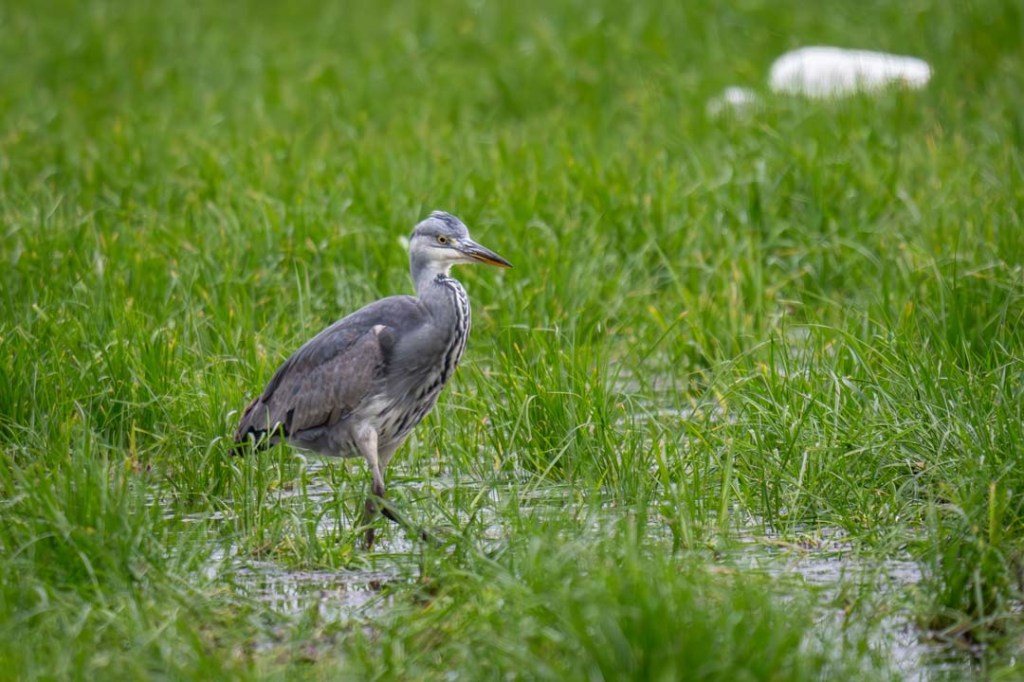
From this small reserve we also saw marsh harriers (rather distant) and grey herons and a reed warbler.
Grey heronGrey heron mingling with the egretsReed warblerMarsh harrier
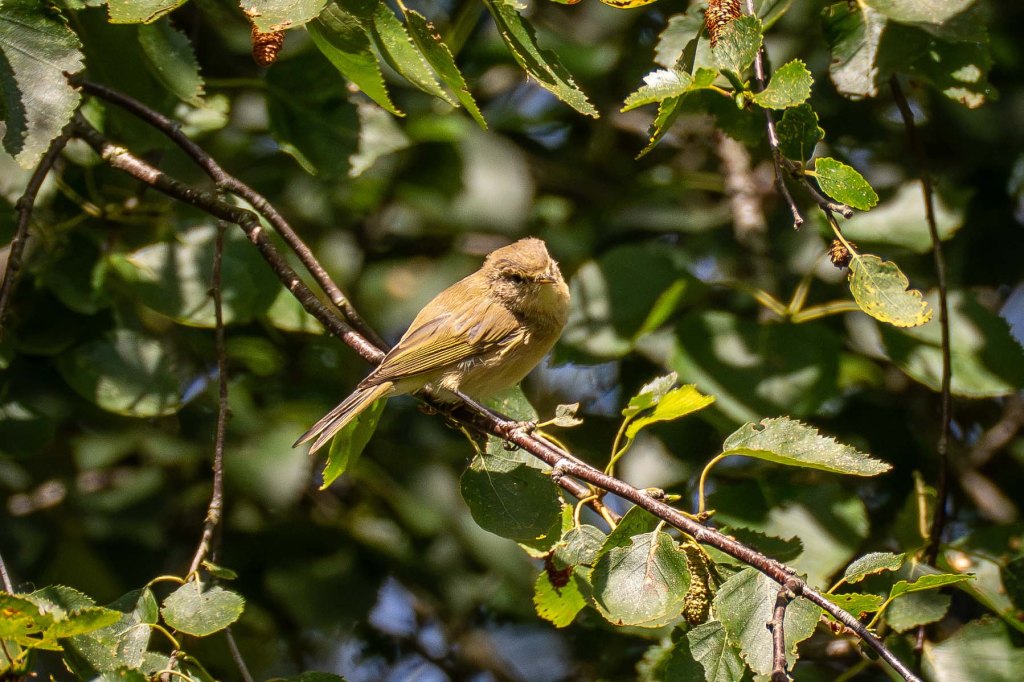
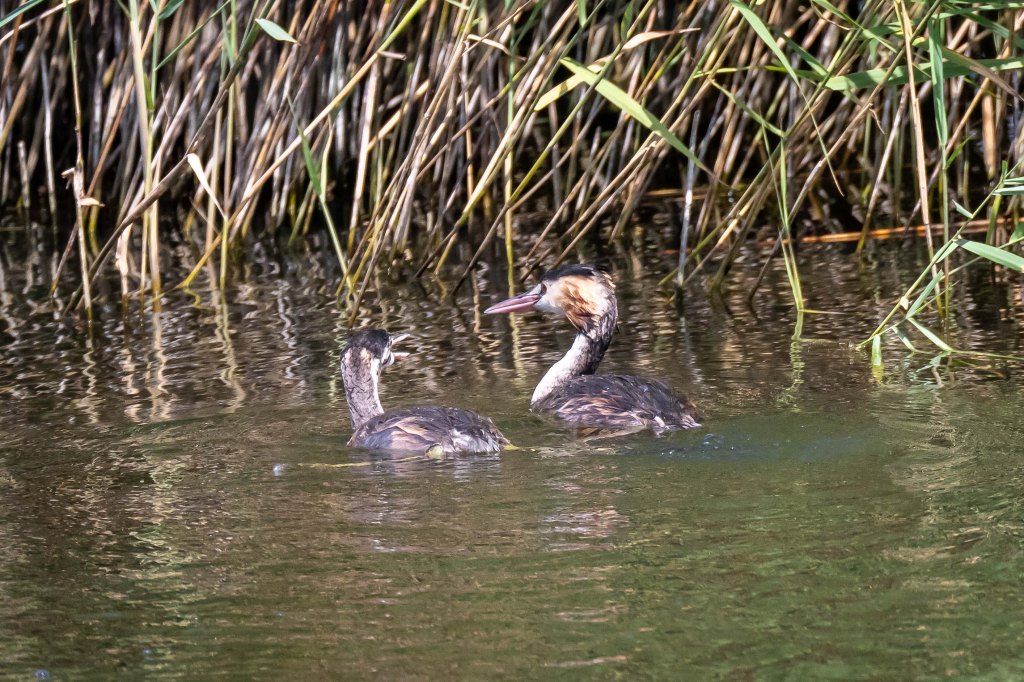
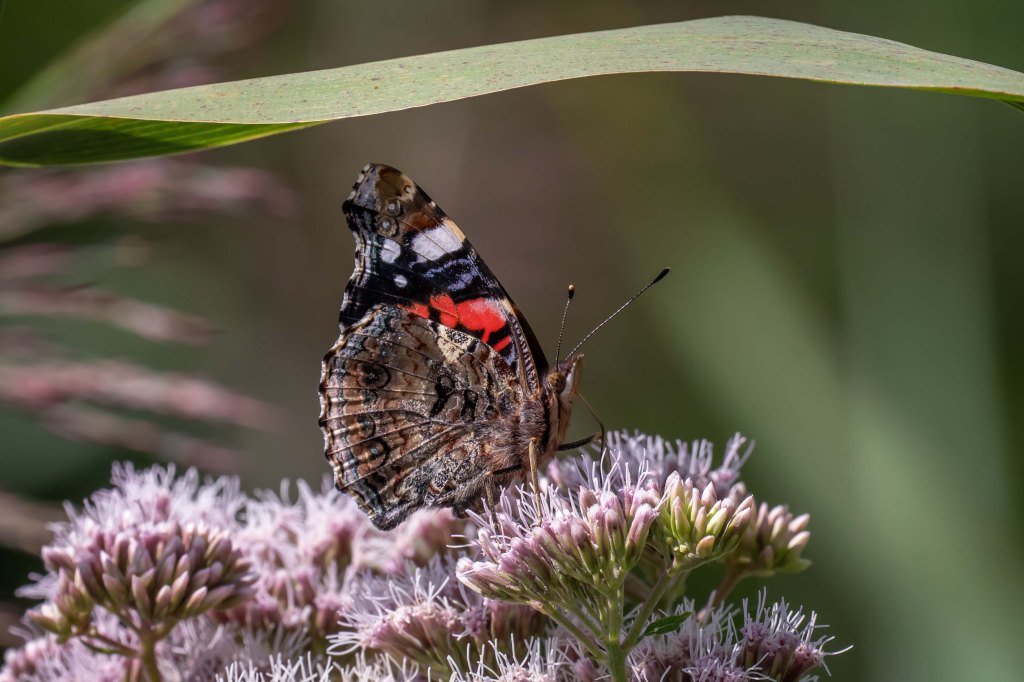
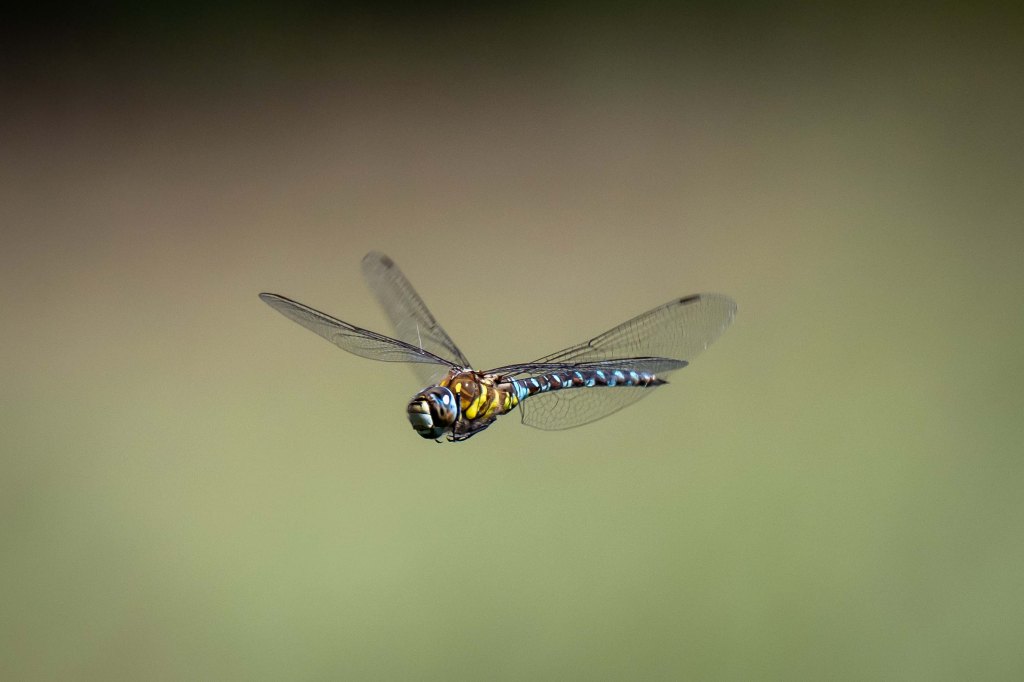
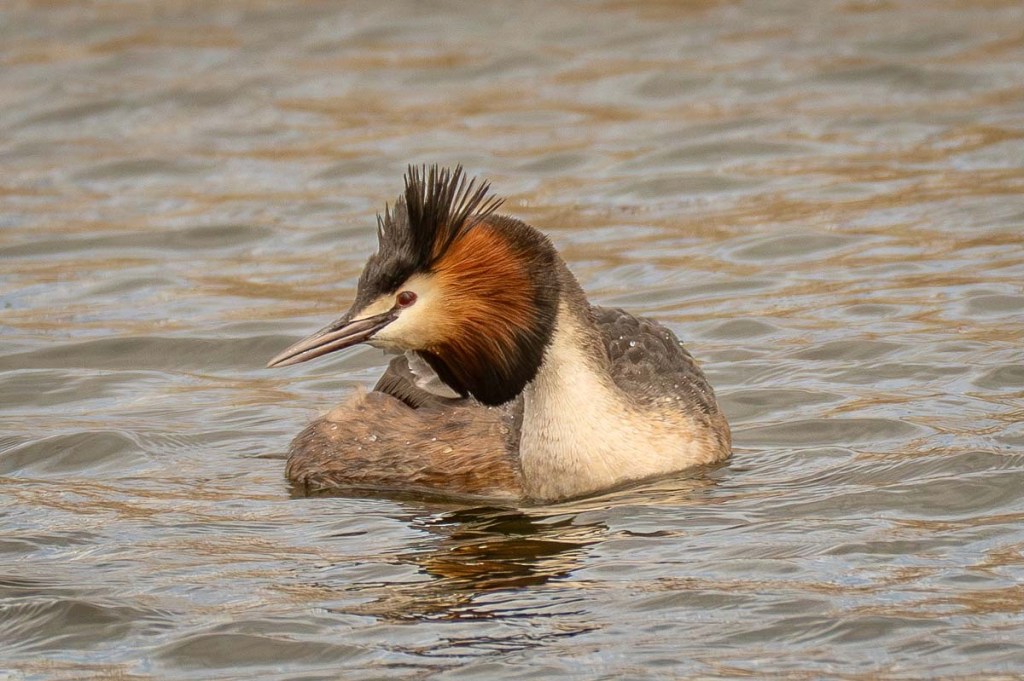
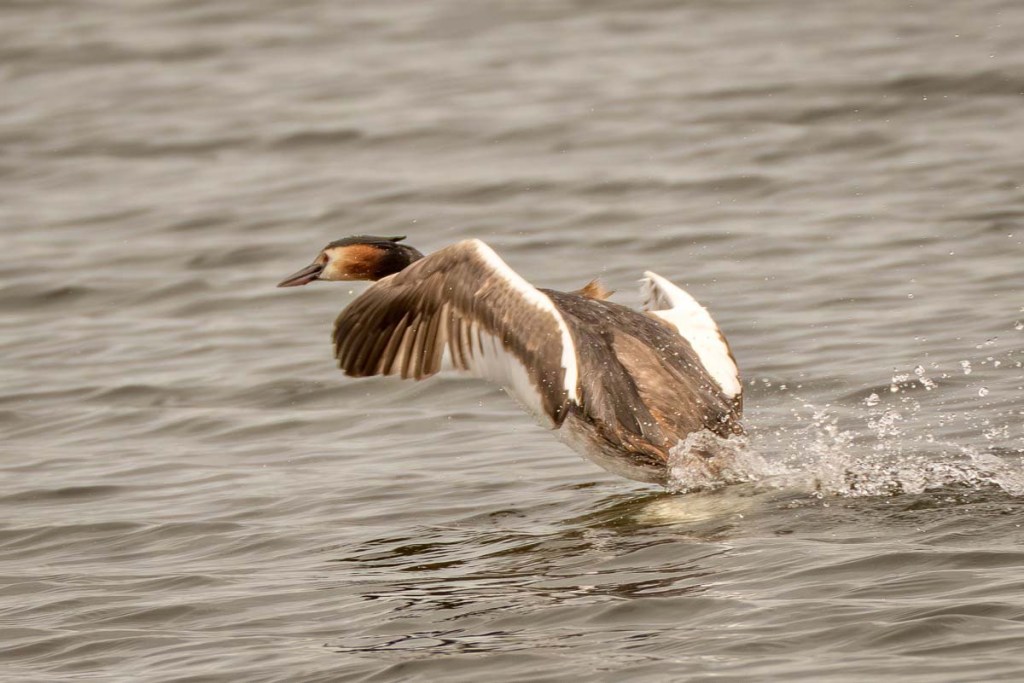
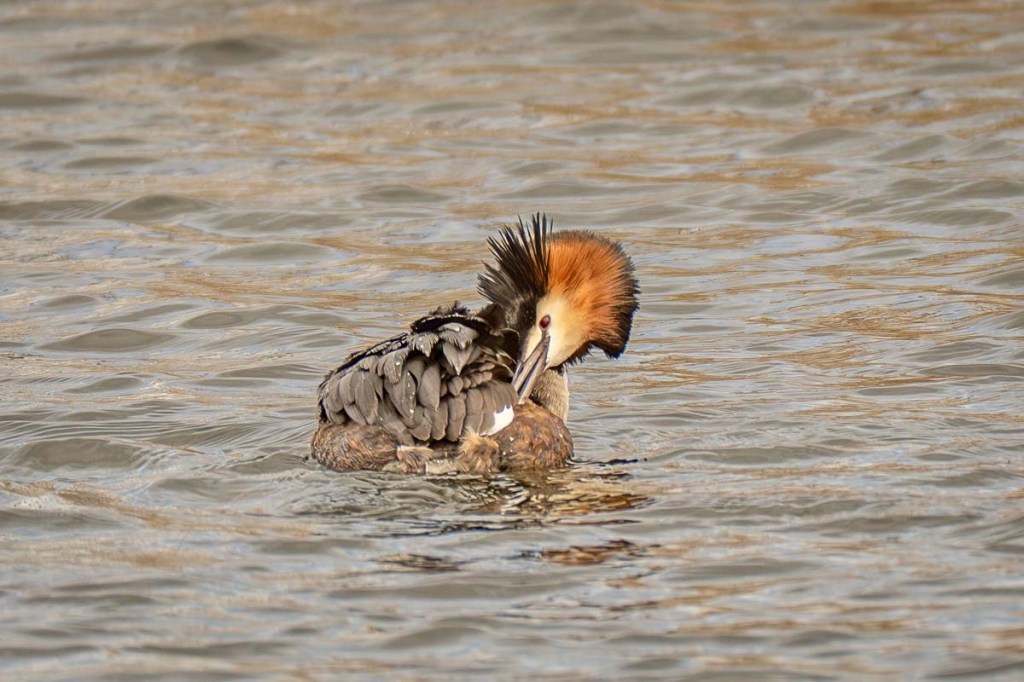
At RSPB Ham Wall there wasn’t a lot extra for us to see except for a common chiffchaff, great crested grebes and plenty of dragonflies and butterflies.
Common chiffchaffGreat crested grebe with its off springRed admiral butterflyMigrant hawker
But the best of them all was my namesake in French – “Martin Pêcheur”.
Common kingfisher – Martin pêcheur in French
If you are ever in these parts we can highly recommend The Swan at Wedmore where we stayed overnight.
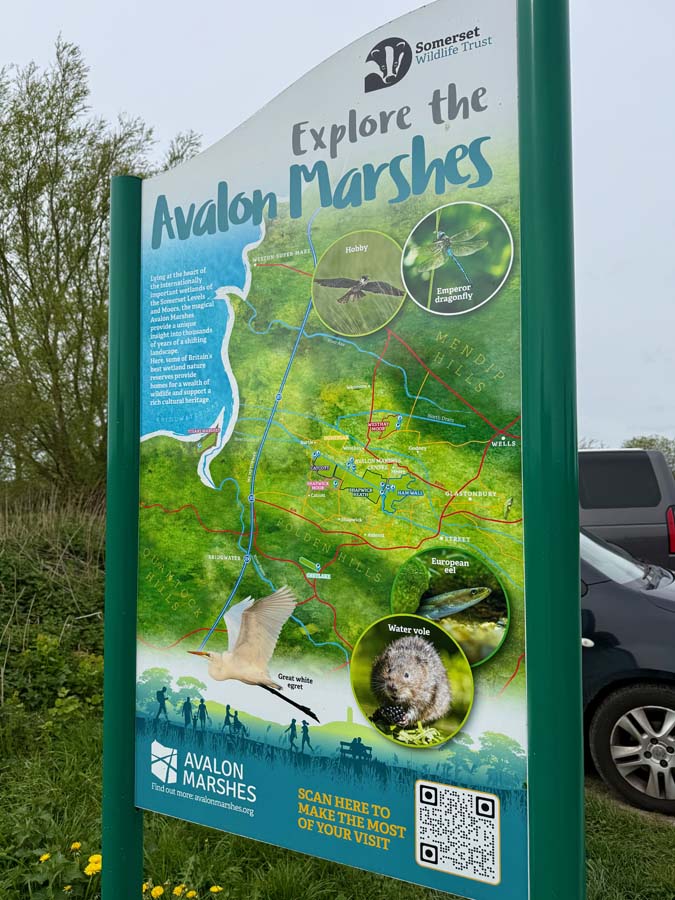
We have spent a couple of days on the Avalon Marshes, a group of nature reserves in the Somerset Levels, about an hour south of our home city of Bristol.
We stayed overnight in Wedmore (a large village situated on raised ground in the Somerset Levels) and this was my first night away (other than in a hospital bed) for 6 months.
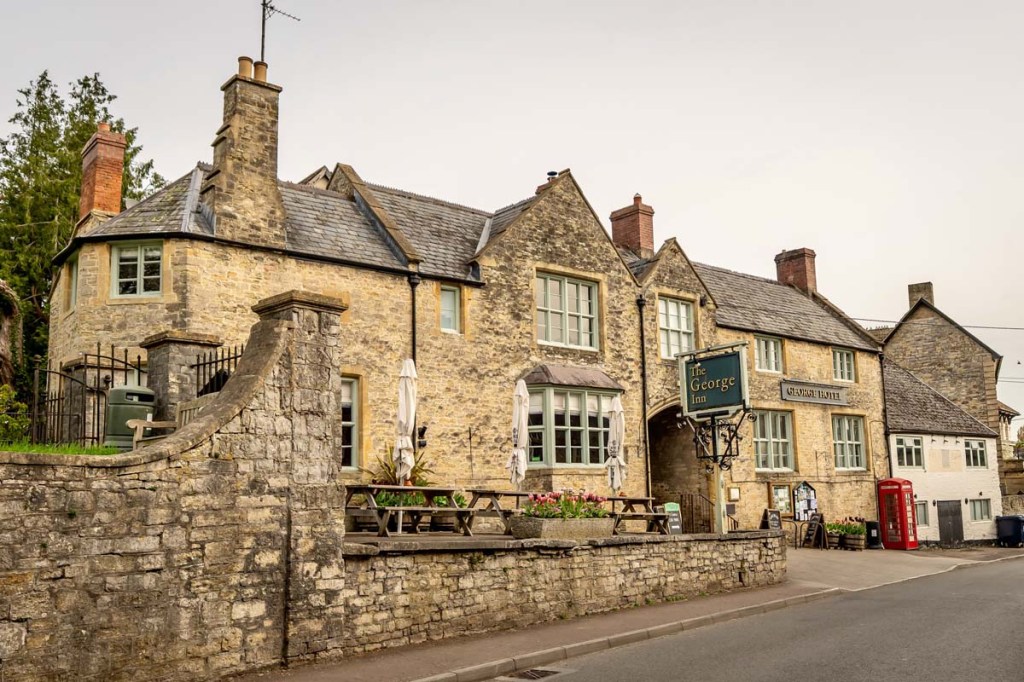
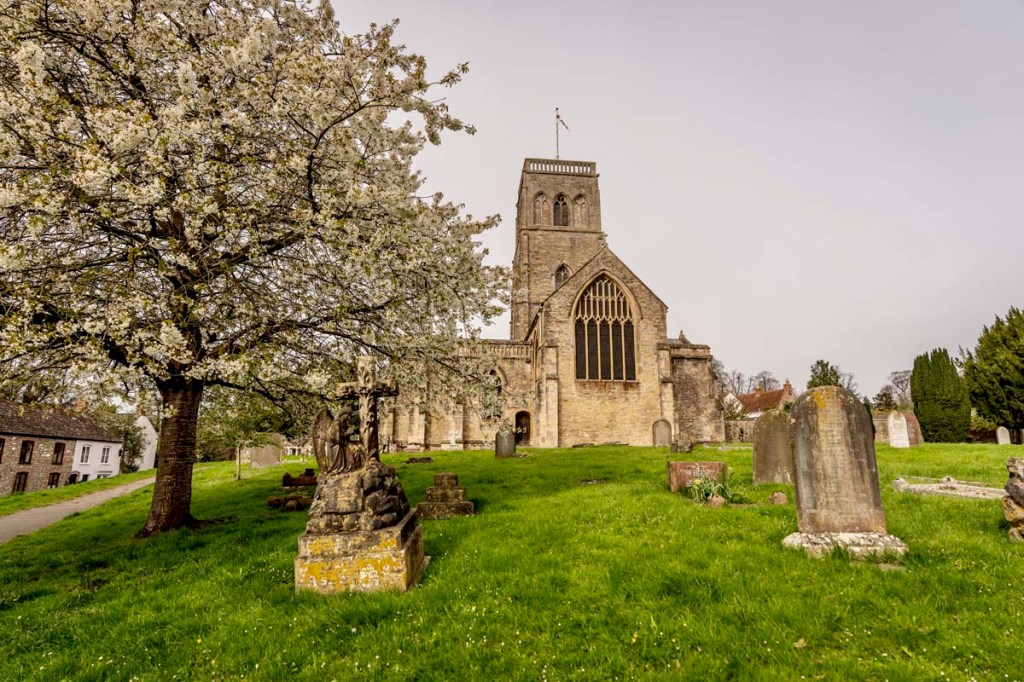
Our accommodation in Wedmore “The George” was excellentIt was not all “birding” – we visited St Mary’s Church in Wedmore, right next to “The George”
The day before our trip we were enjoying temperatures of over 20 degrees celsius in our garden but we were sharply brought back to reality with temperatures at least 10 degrees less and with a cold wind to boot.
The poor light was not ideal for photography but I am not complaining in the least and we both thoroughly enjoyed our short break and saw some lovely birds.
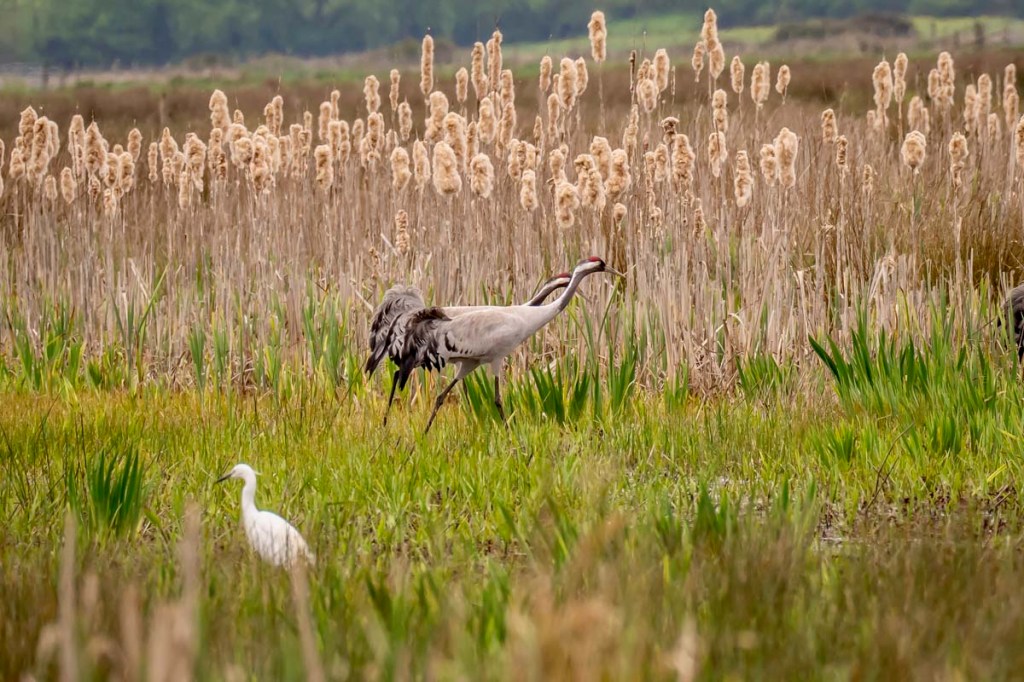
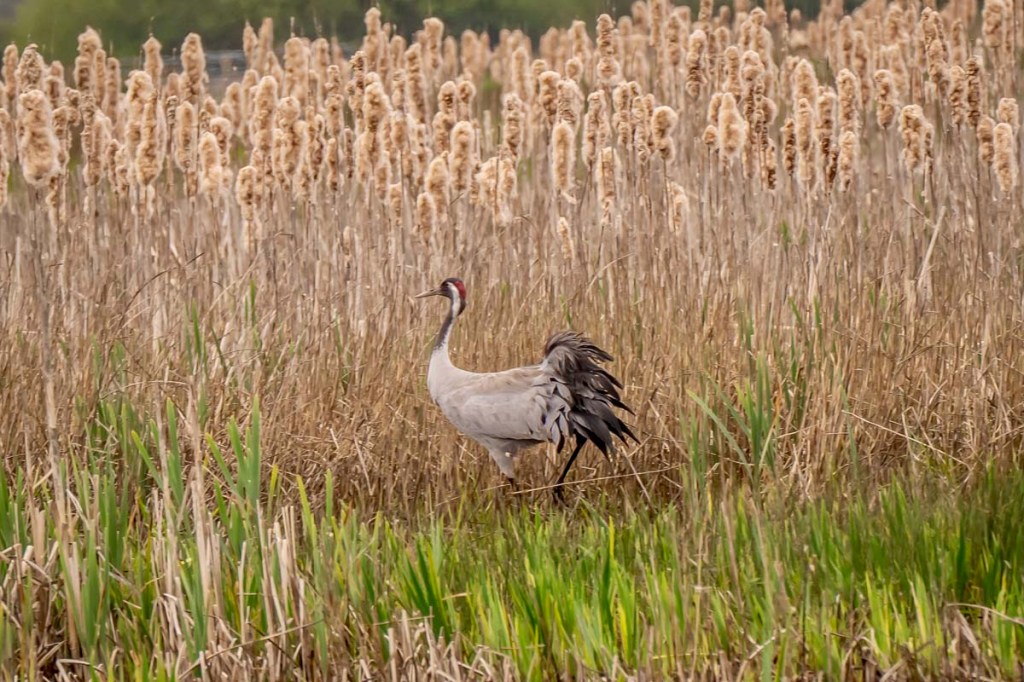
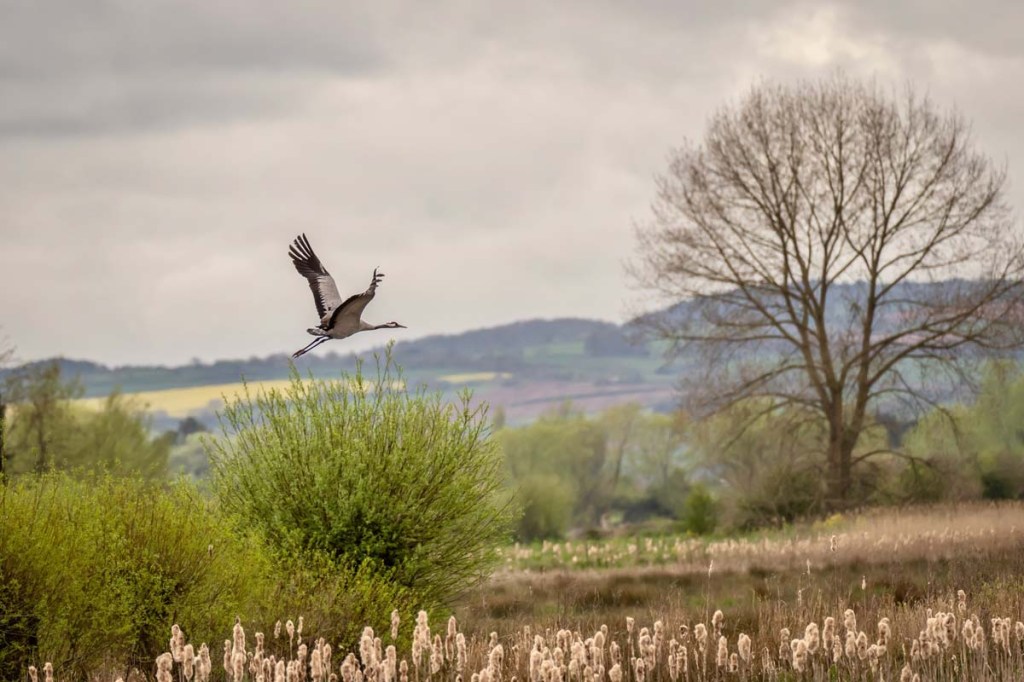
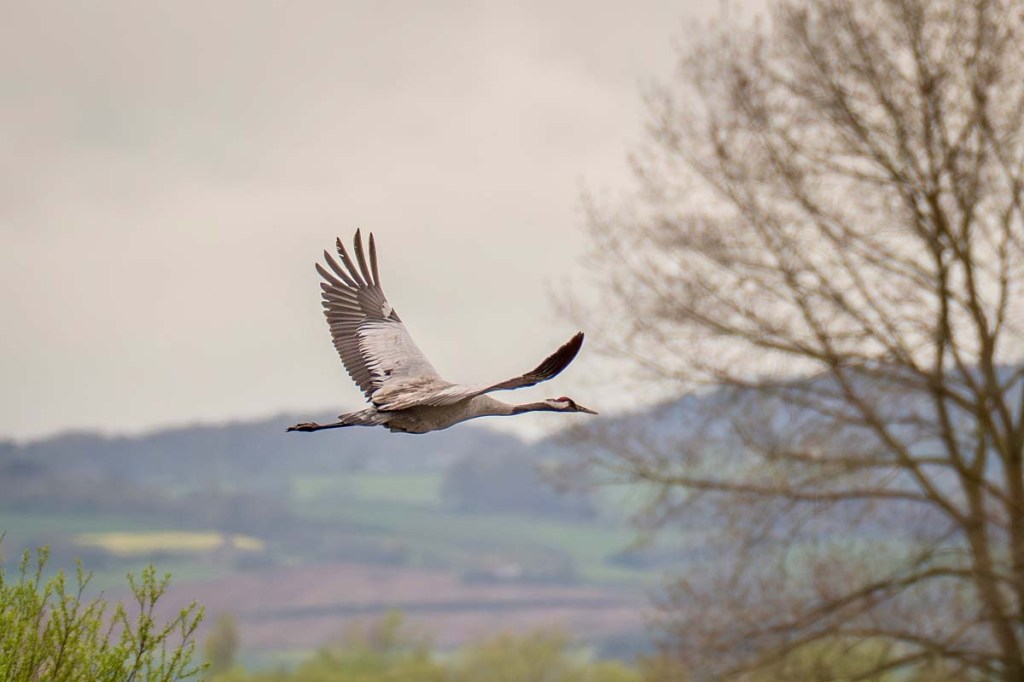
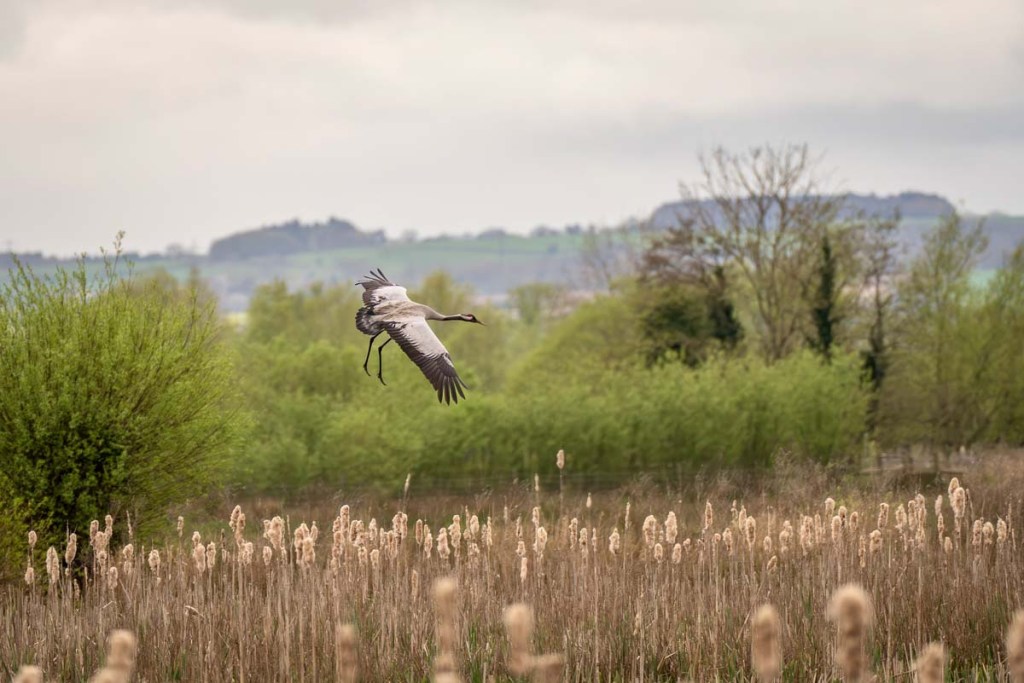
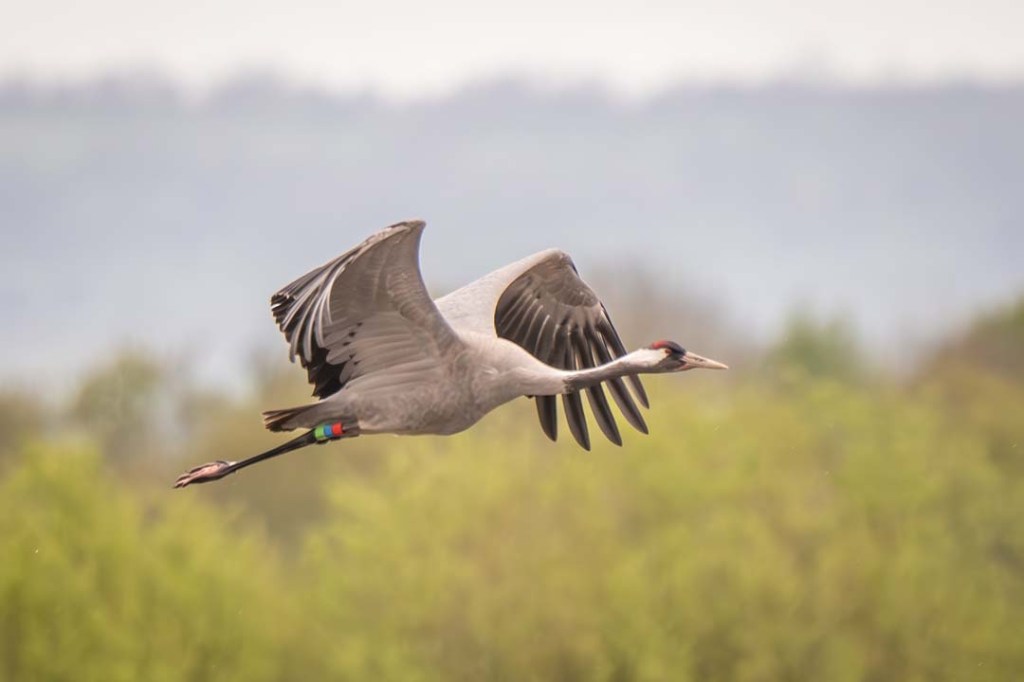
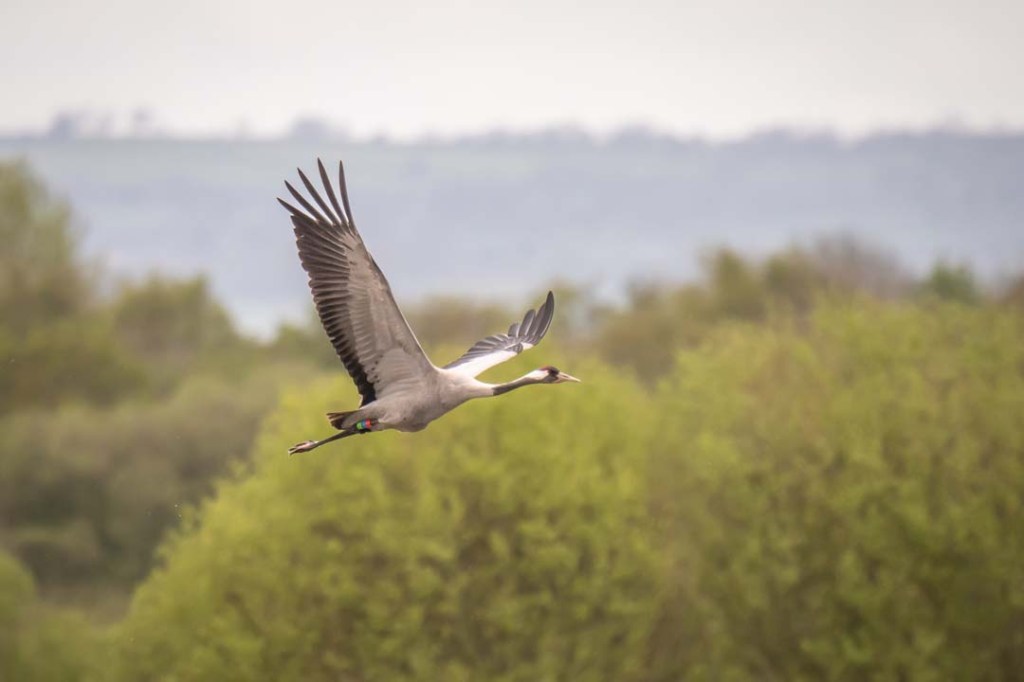
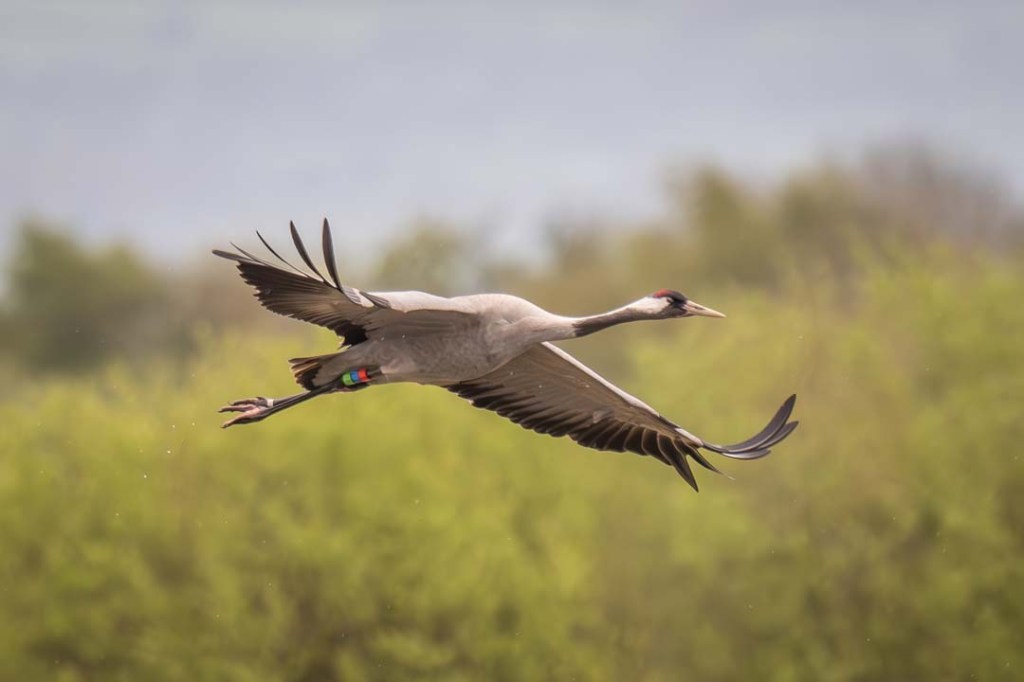
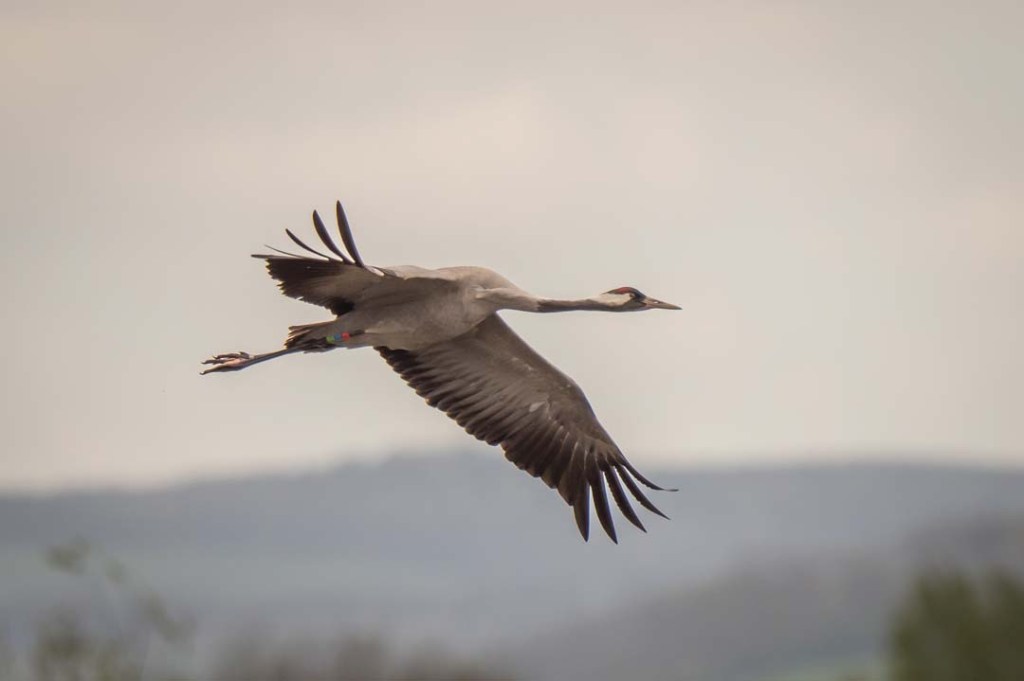
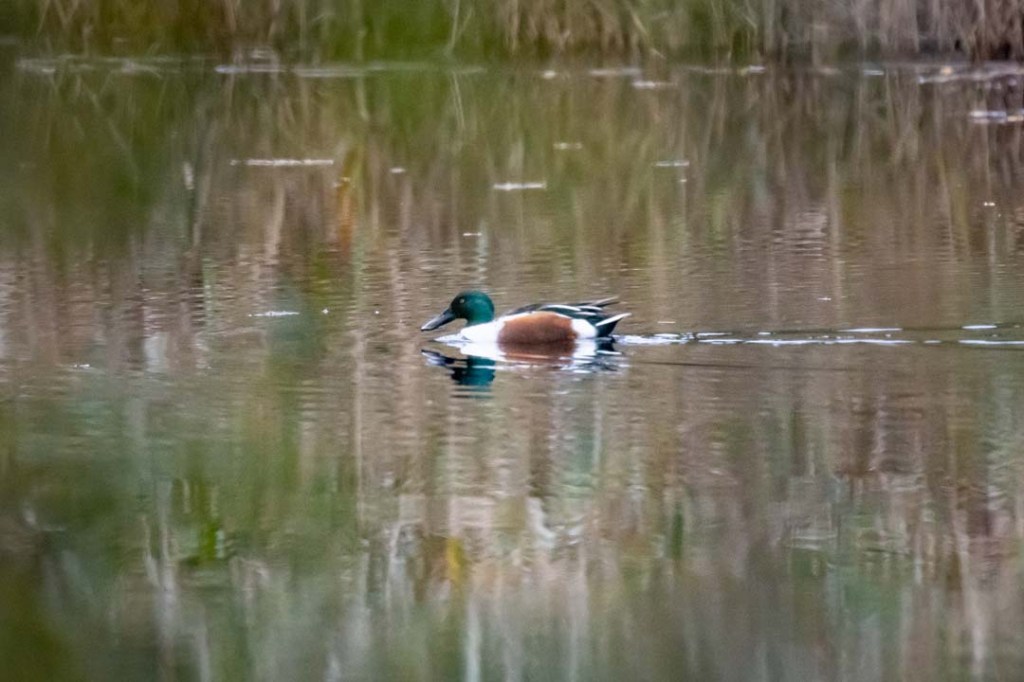
The first reserve we visited was RSPB Greylake, a small reserve to the south of the Avalon Marshes. Here we had good views of common crane, little and great egrets, a few waders including northern pintail, shovelers and teal; and heard lots of Cetti’s warblers.
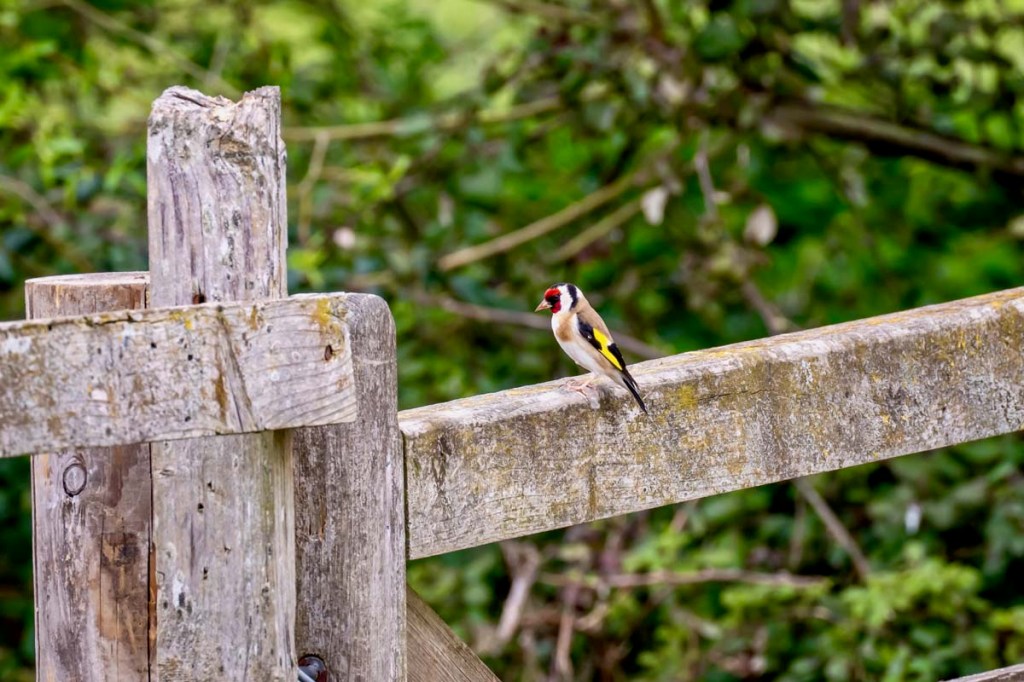
Common crane and a little egretCommon craneCommon crane in flightCommon craneGreat egretCommon craneHome from home – a European goldfinch greeted us on arrival
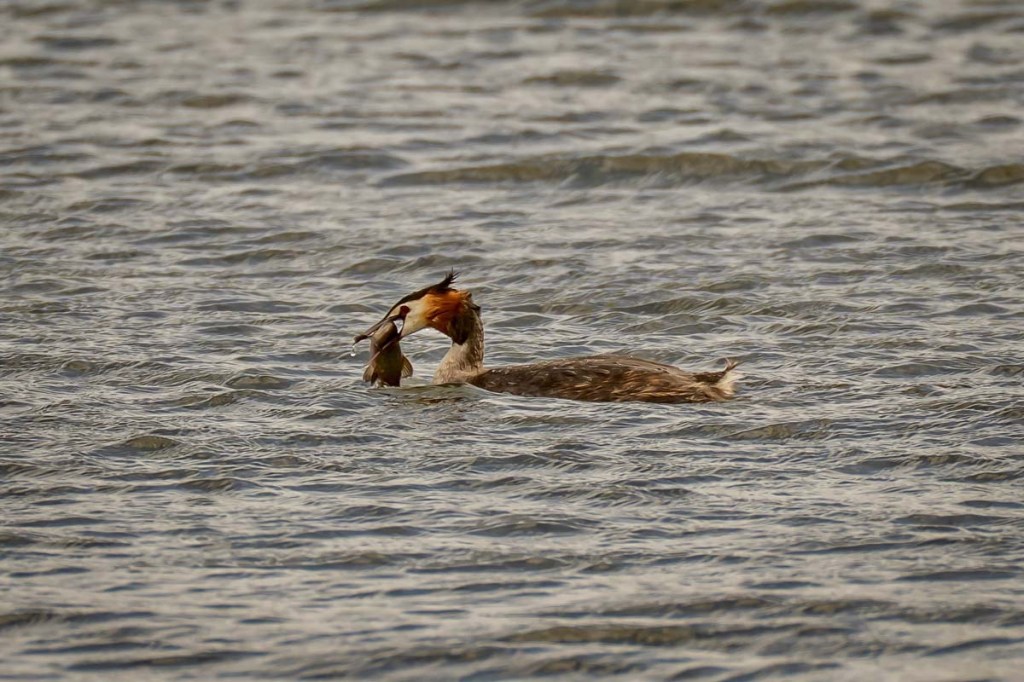
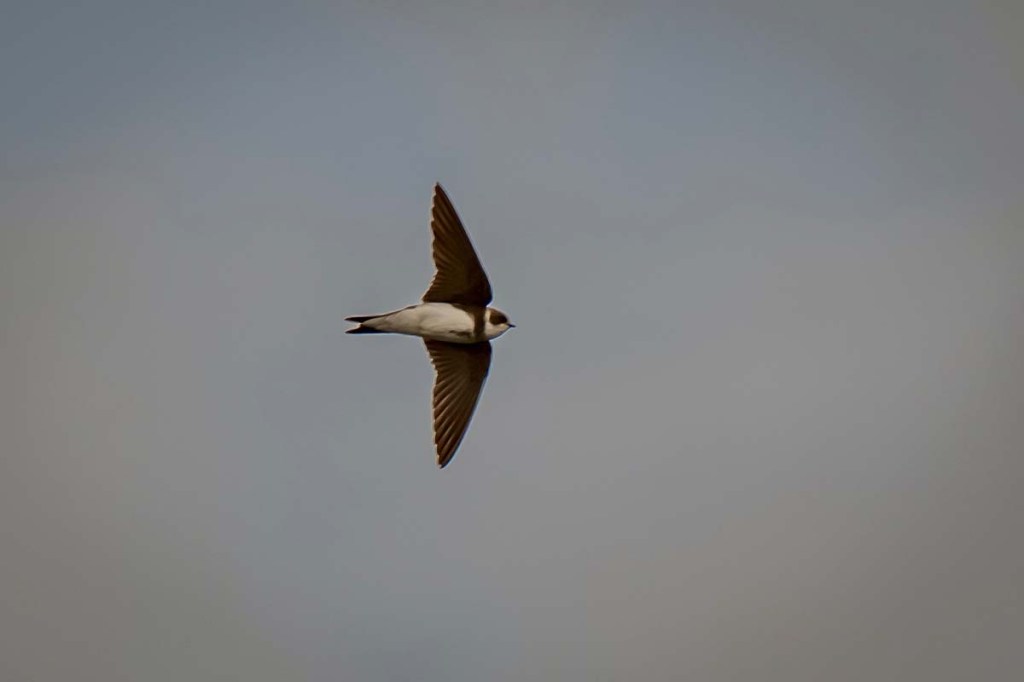
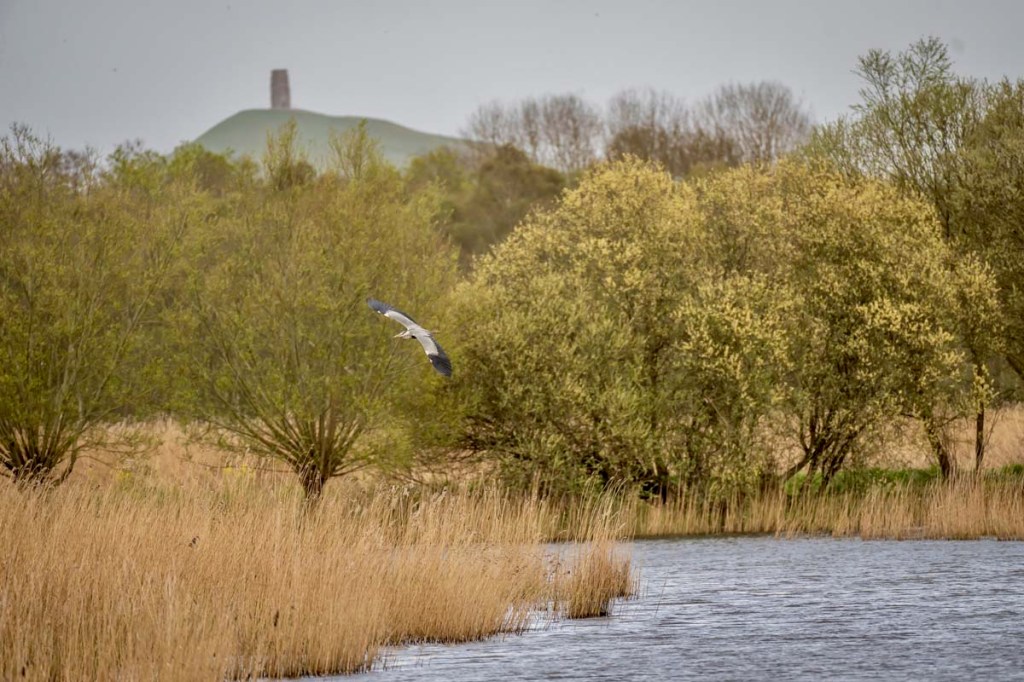
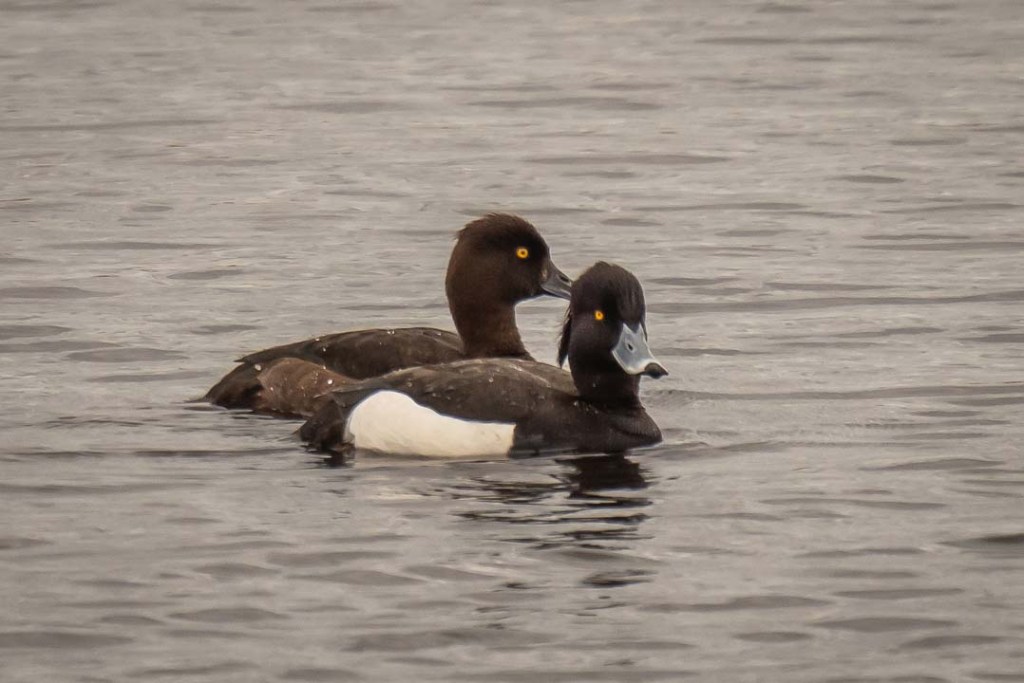
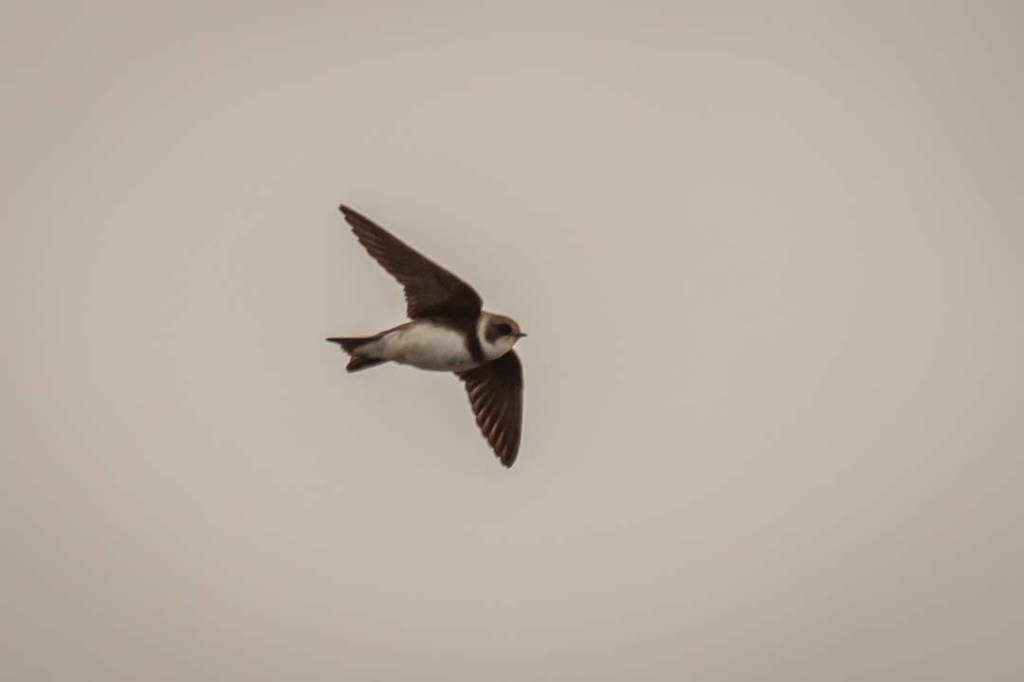
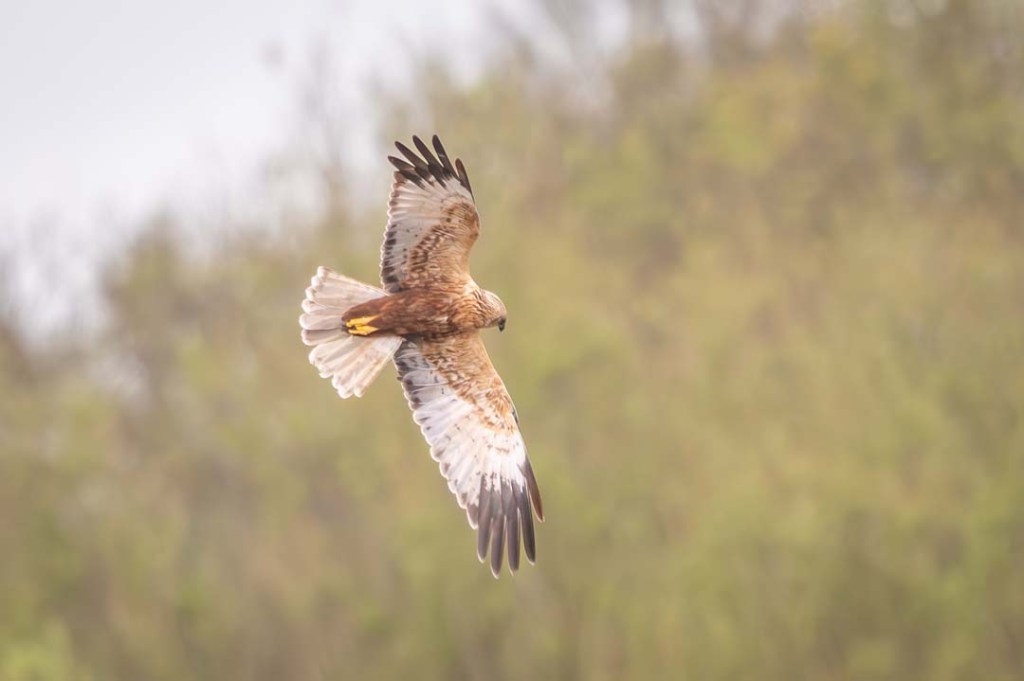
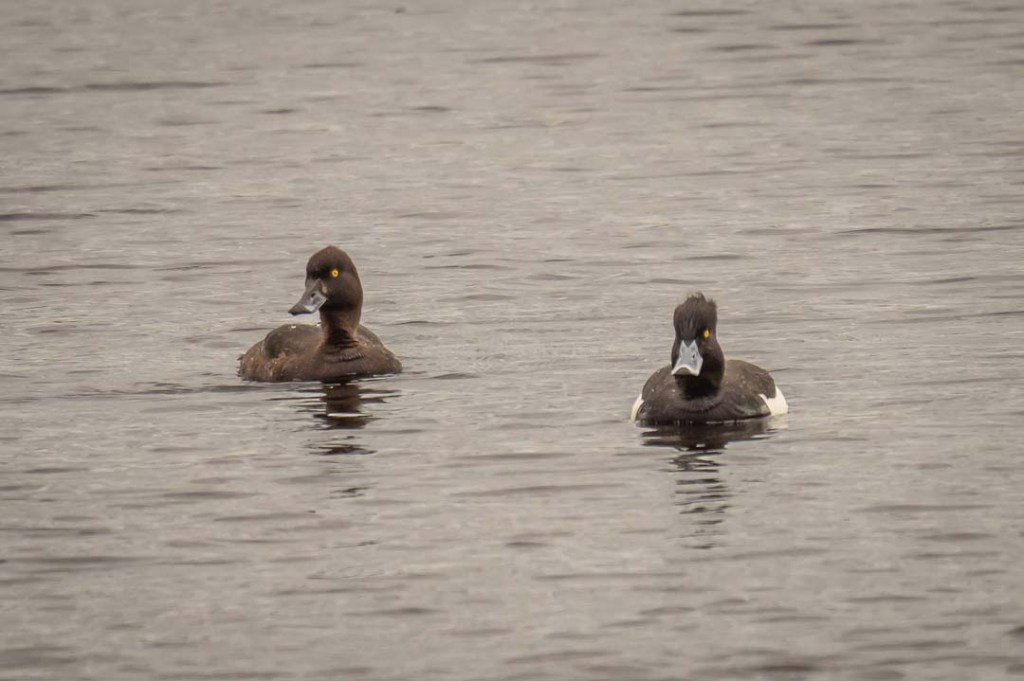
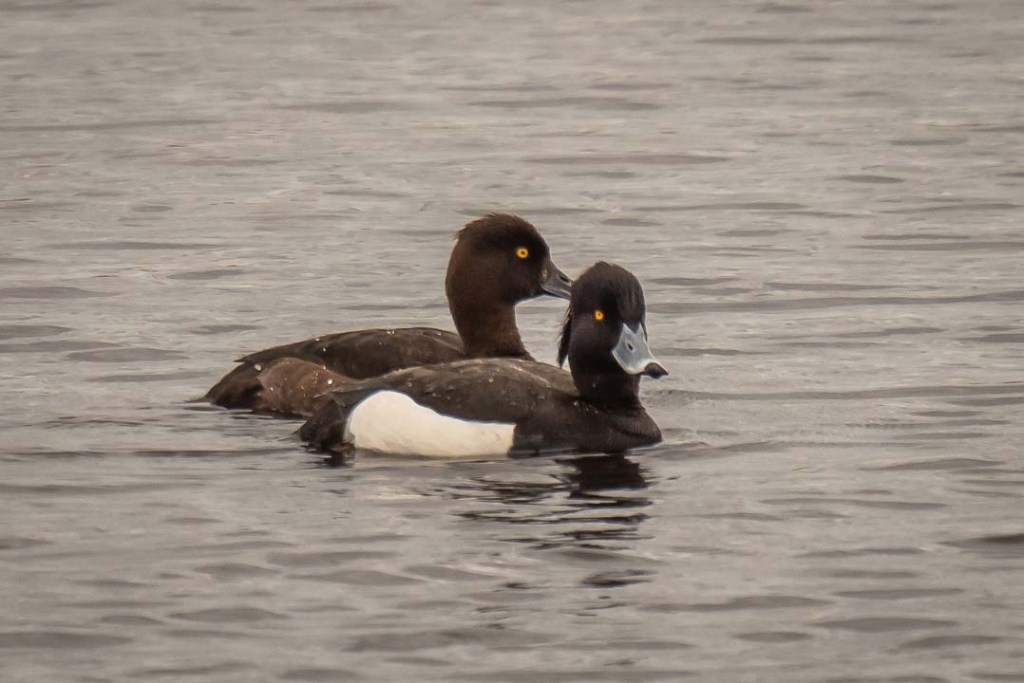
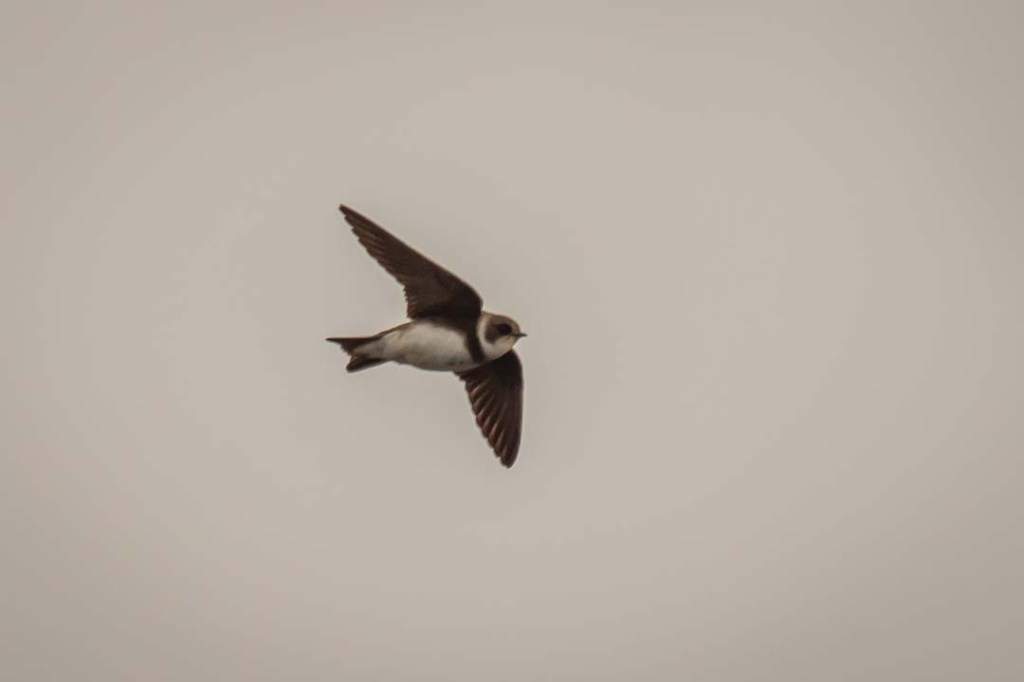
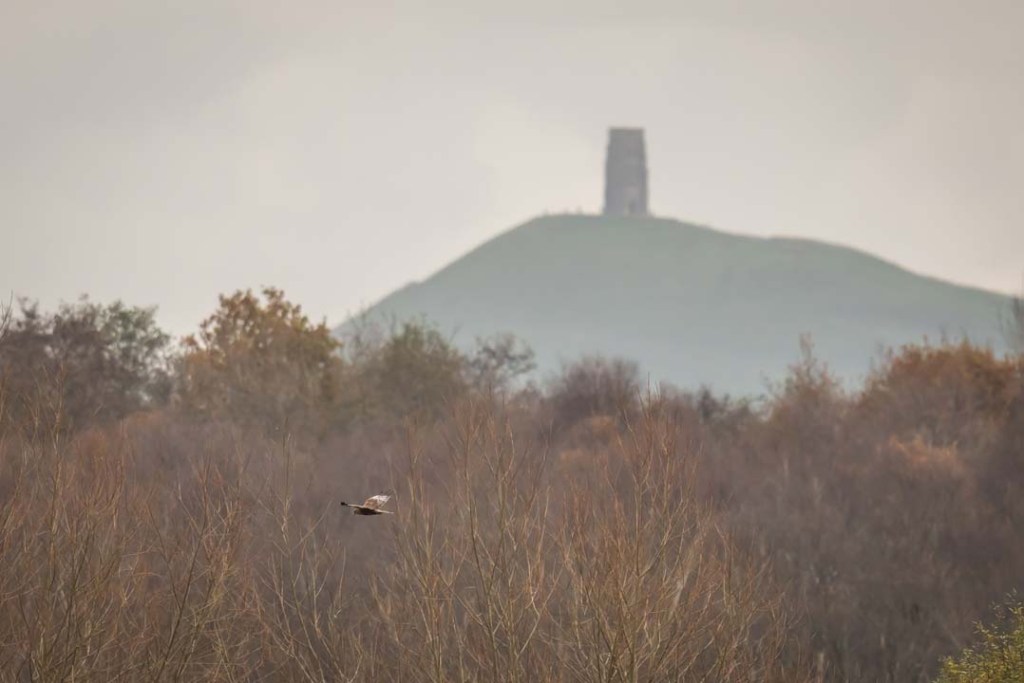
After RSPB Greylake we moved on to RSPB Ham Wall to the north. We restricted ourselves to just one hide here, mainly because it was so cold. However, despite the poor light we did see great crested grebe, tufted ducks, sand martins, grey herons, cormorants and a marsh harrier. Glastonbury Tor is always a nice backdrop from this hide.
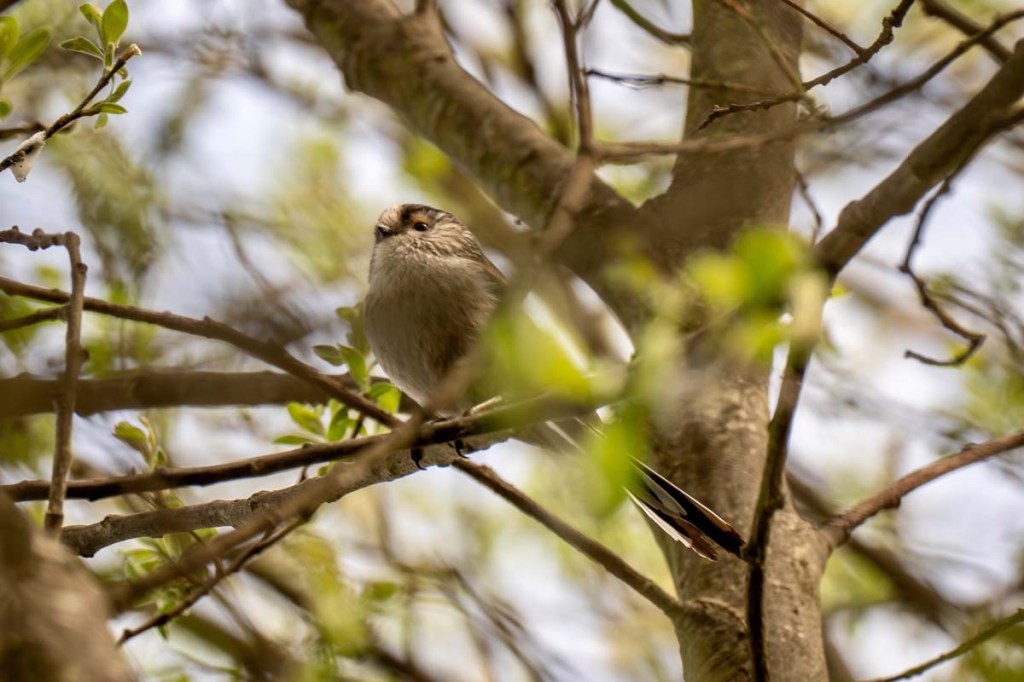
Long-tailed tit on arrival at RSPB Ham WallGreat crested grebe with its supperGreat crested grebeGreat crested grebe shooing off a competitorGreat crested grebe preeningSand MartinGrey heron with Glastonbury Tor in the backgroundGrey heron with dark skyWestern marsh harrierWestern marsh harrierWestern marsh harrierWestern marsh harrier
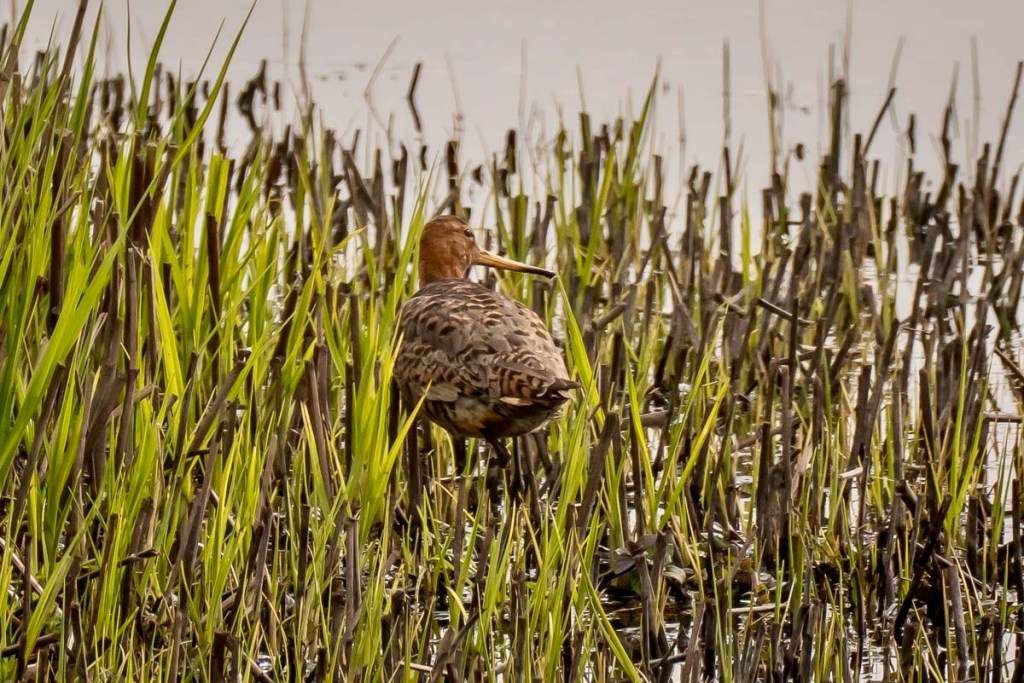
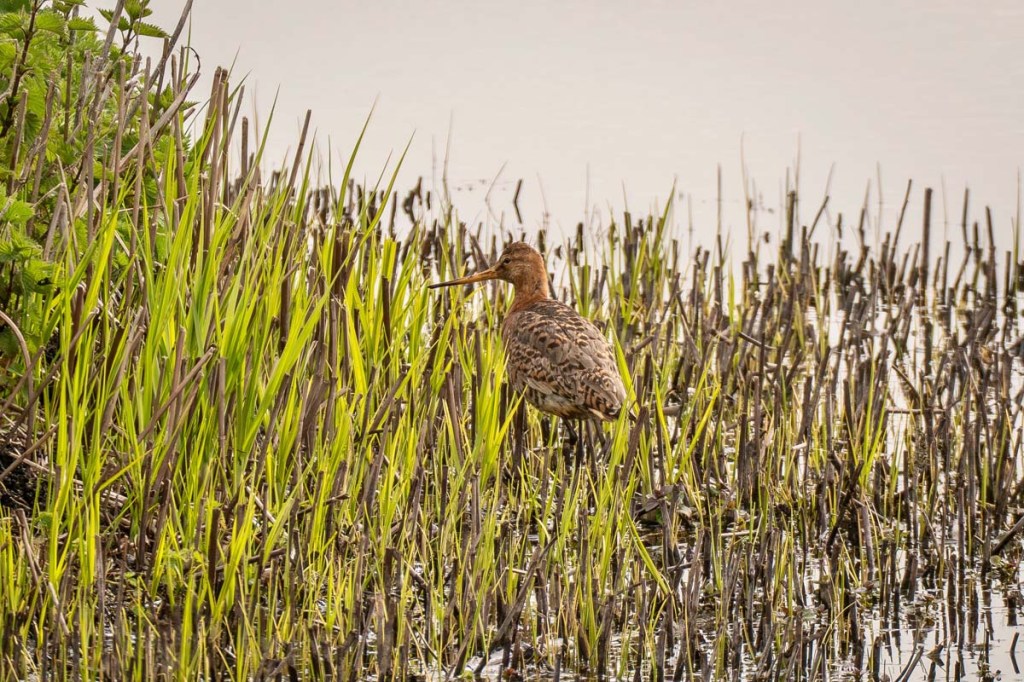
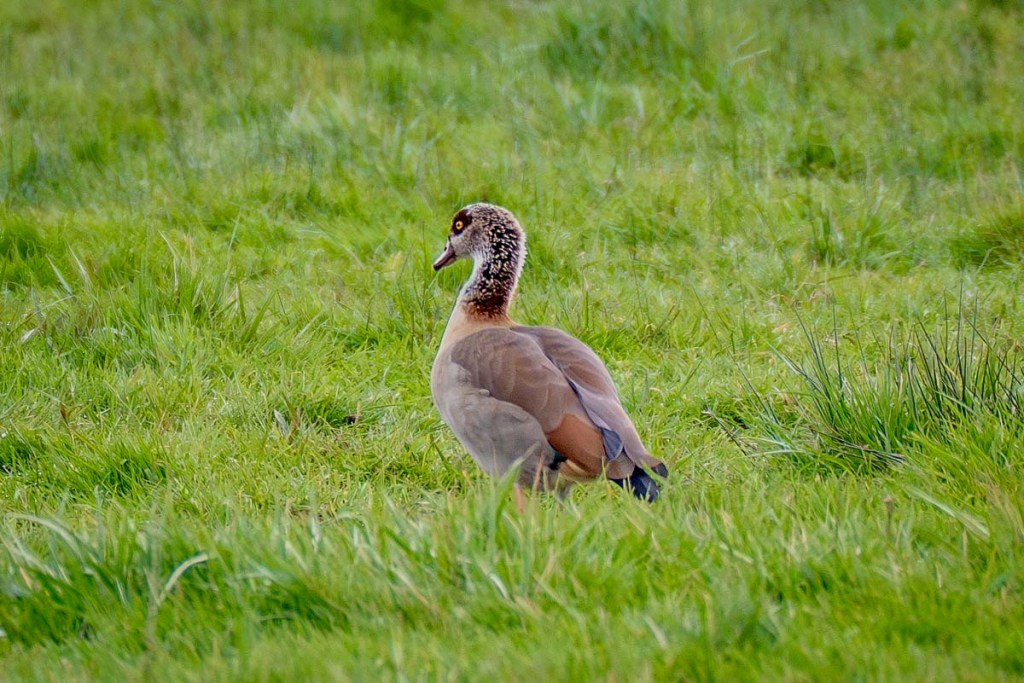
Our second day we only spent a short time birding at Somerset Wildlife Trust’s Catcott Nature Reserve. The best here was a solitary (and very secretive) black-tailed godwit and a pair of Egyptian geese,
On the way home we stopped in Glastonbury for a cream tea (just as good here in Somerset as the Devon and Cornwall ones) and meandered back through the lanes of North Somerset rather than take on the motorway which might have been congested with end of Easter holiday traffic.
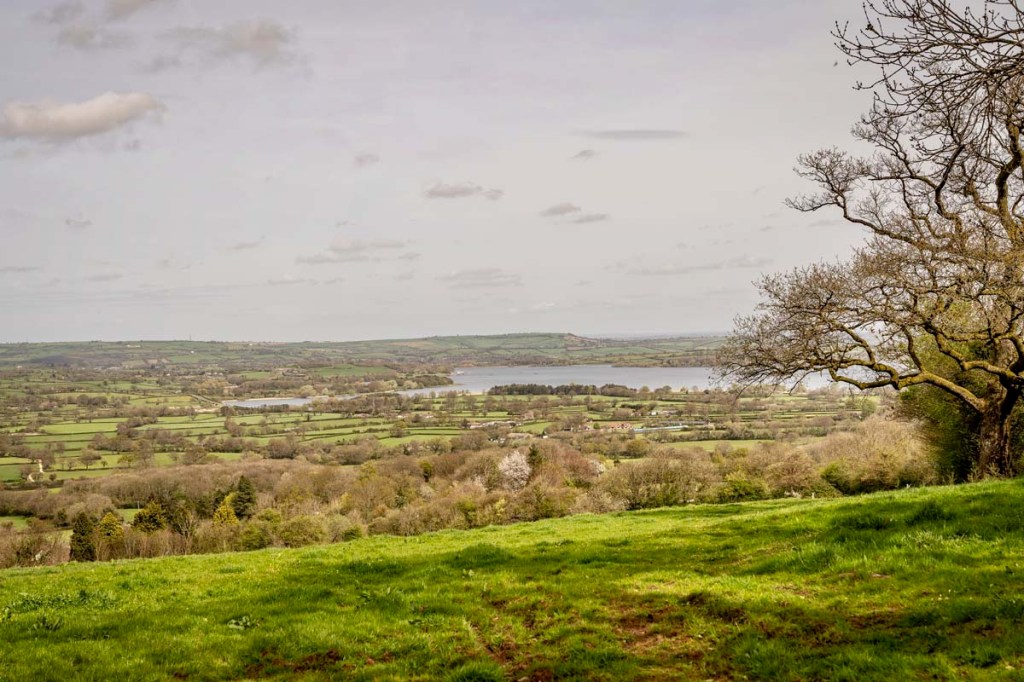
The view of Chew Valley on our way home – we resisted bird watching here despite a brief moment of sunshine.
It was very wet on the Avalon Marshes today and there was a fresh wind but, thankfully, the light was very good. I couldn’t face getting muddy so I hunkered down in the hide at Catcott Lows and enjoyed seeing a variety of birds at quite close quarters.
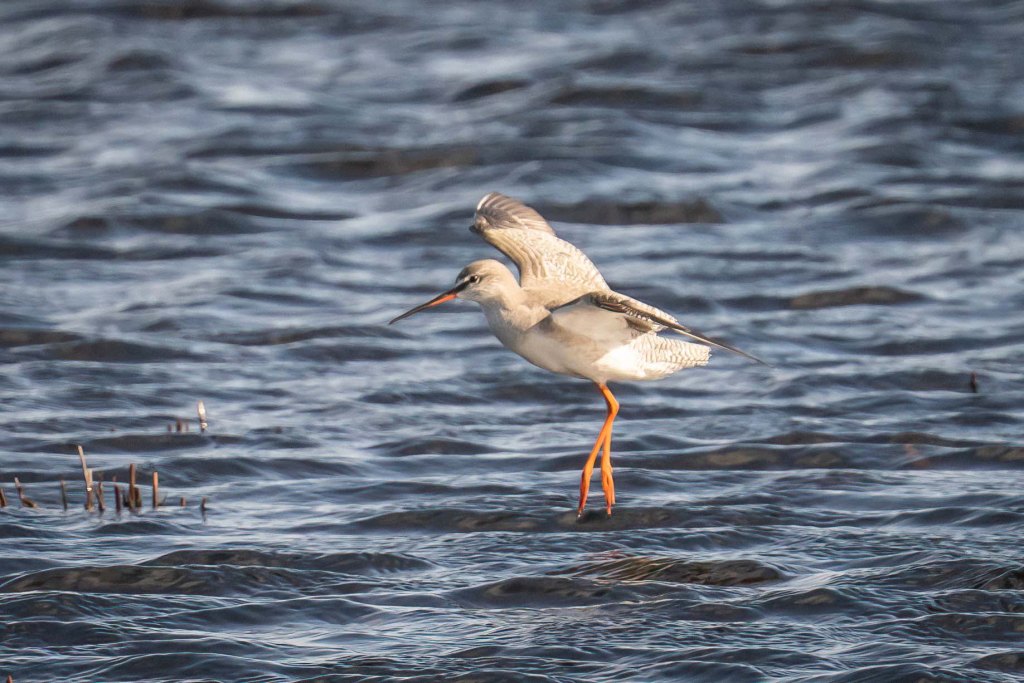
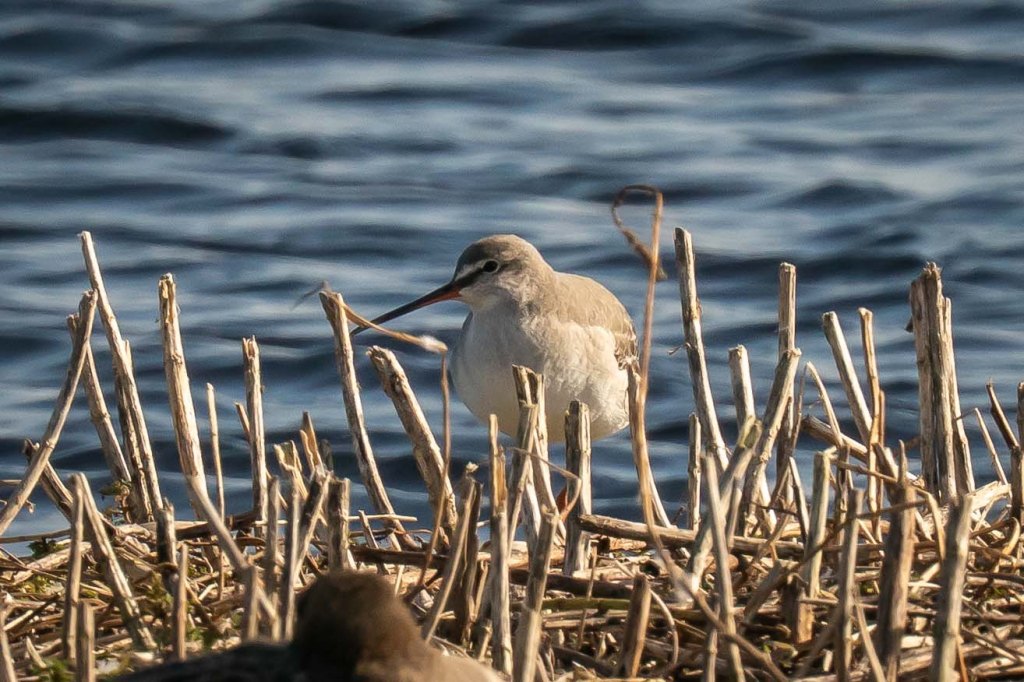
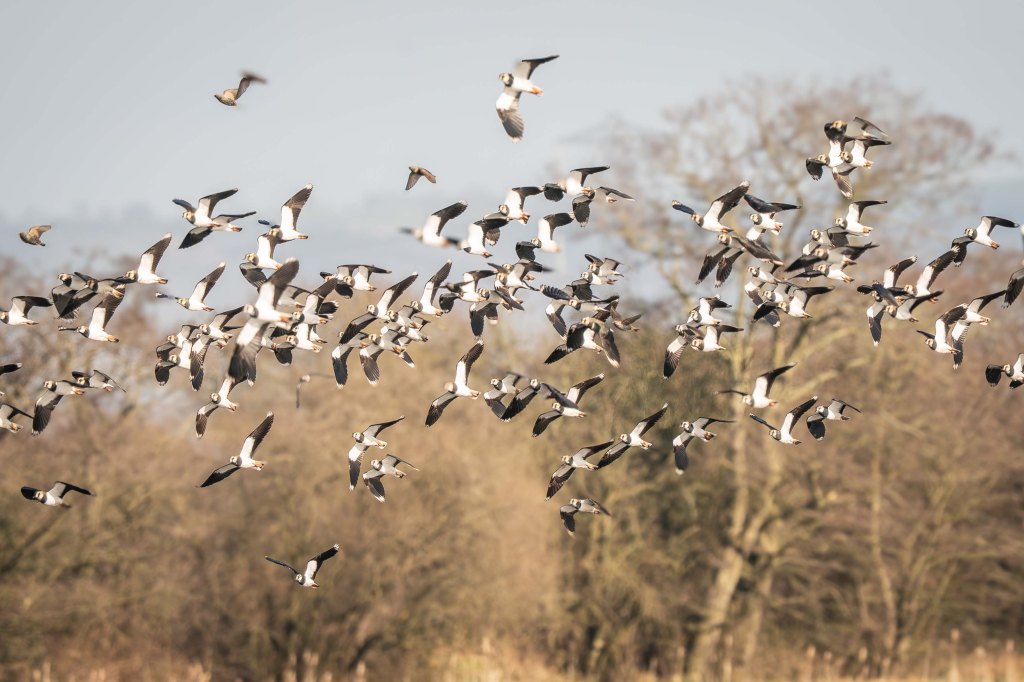
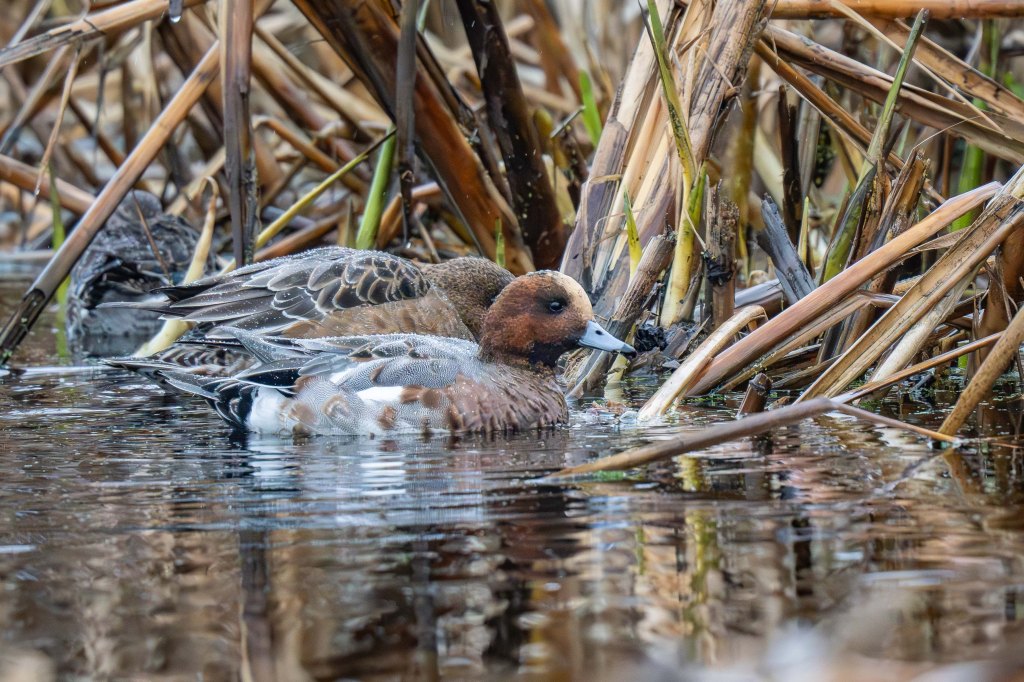
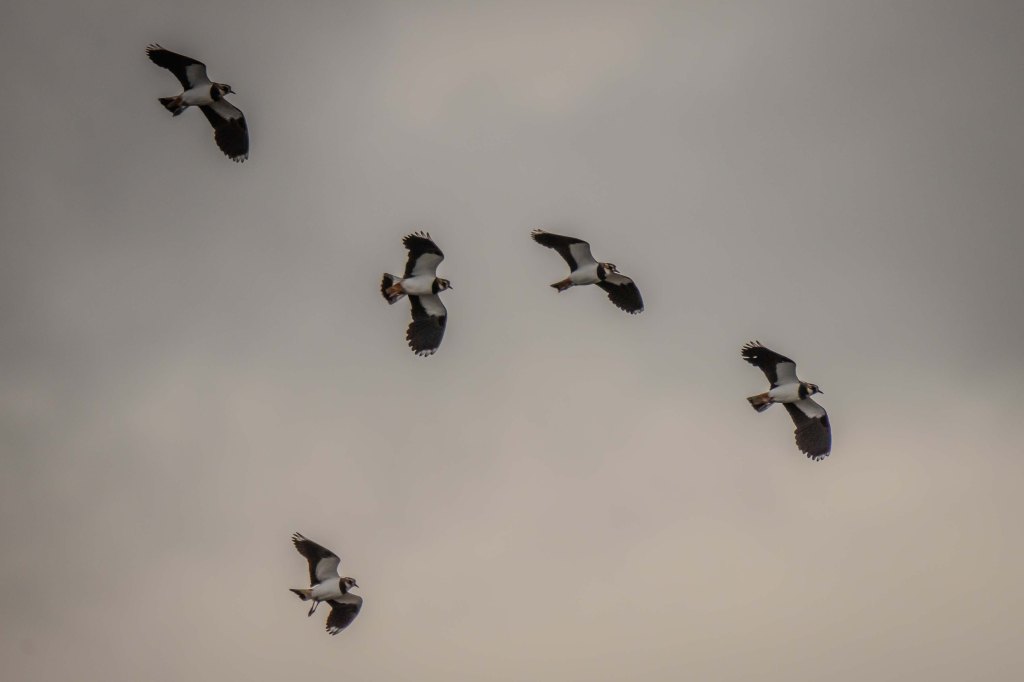
The rarest bird was a spotted redshank and it was a toss up between lapwings, wigeon and shovelers for the most prolific numbers.
The spotted redshank was difficult to see at first… and then it took to the air… and was almost showing off
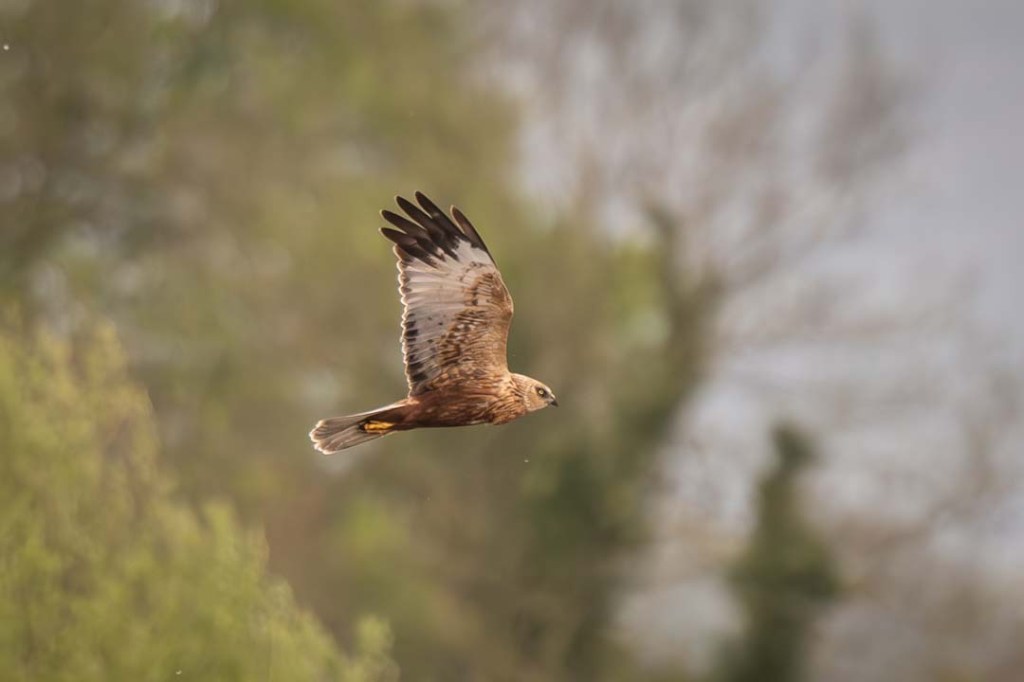
There were distant marsh harriers, a red kite and a peregrine which caused constant consternation and allowed me lots of opportunities to take photos of birds in flight.
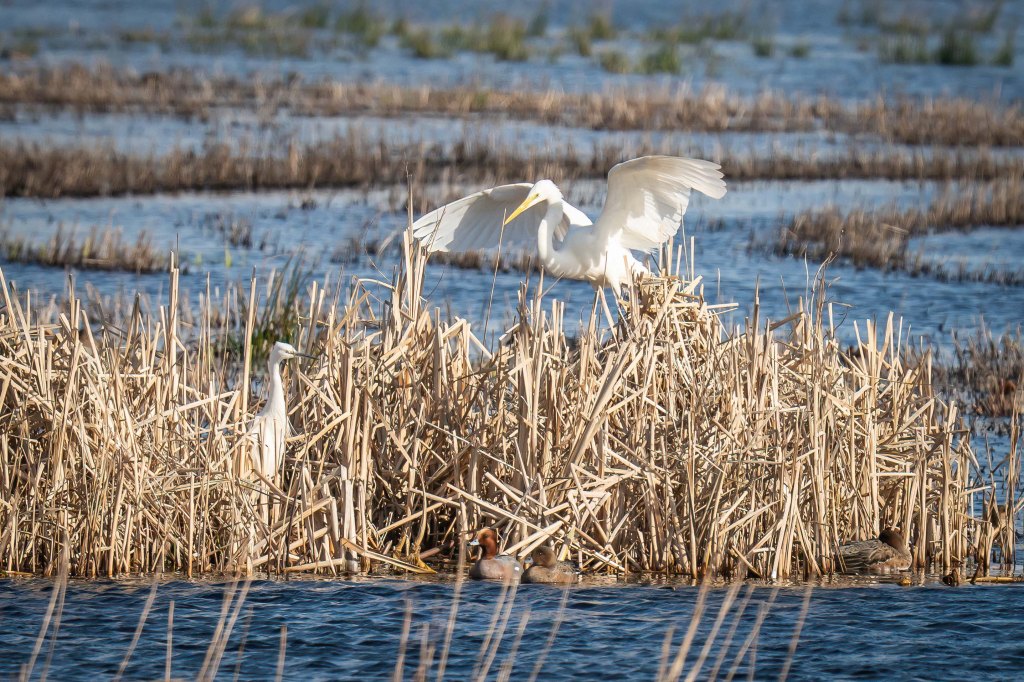
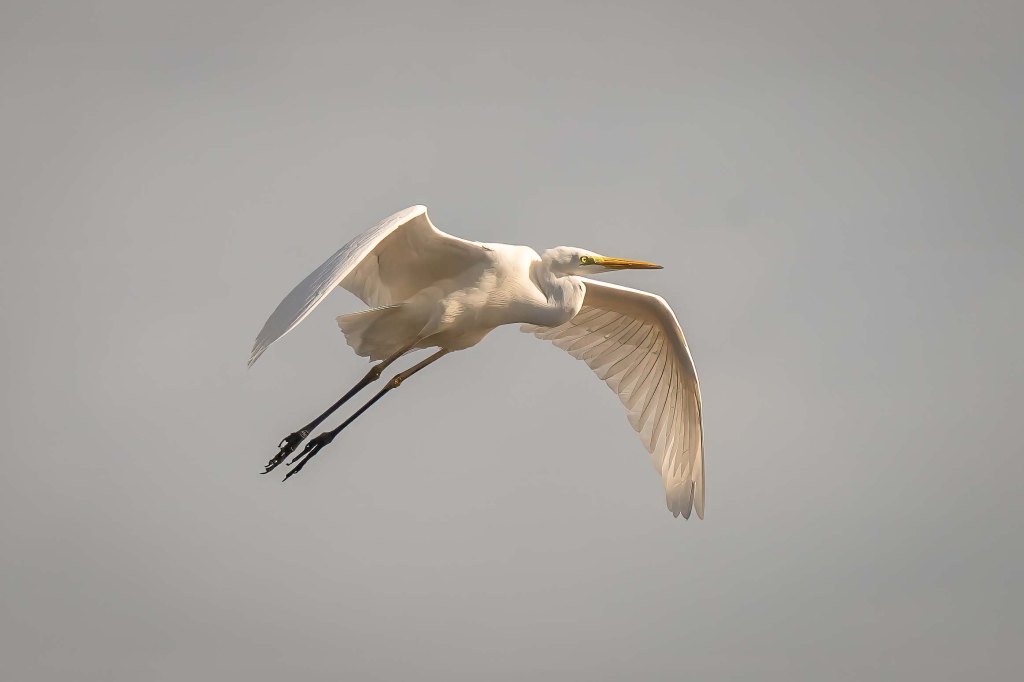
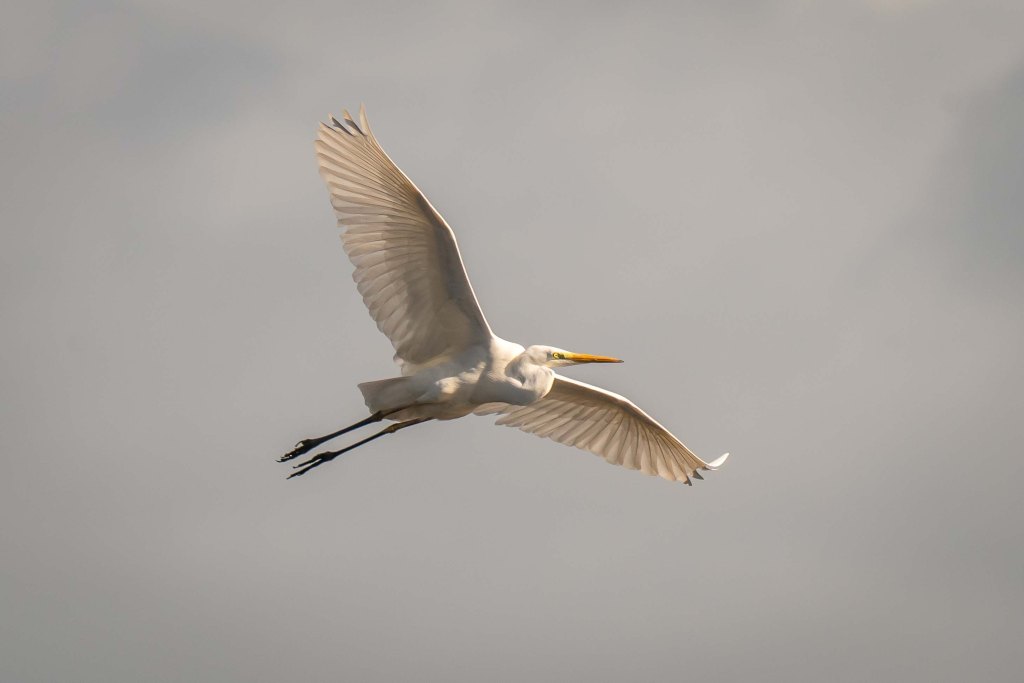
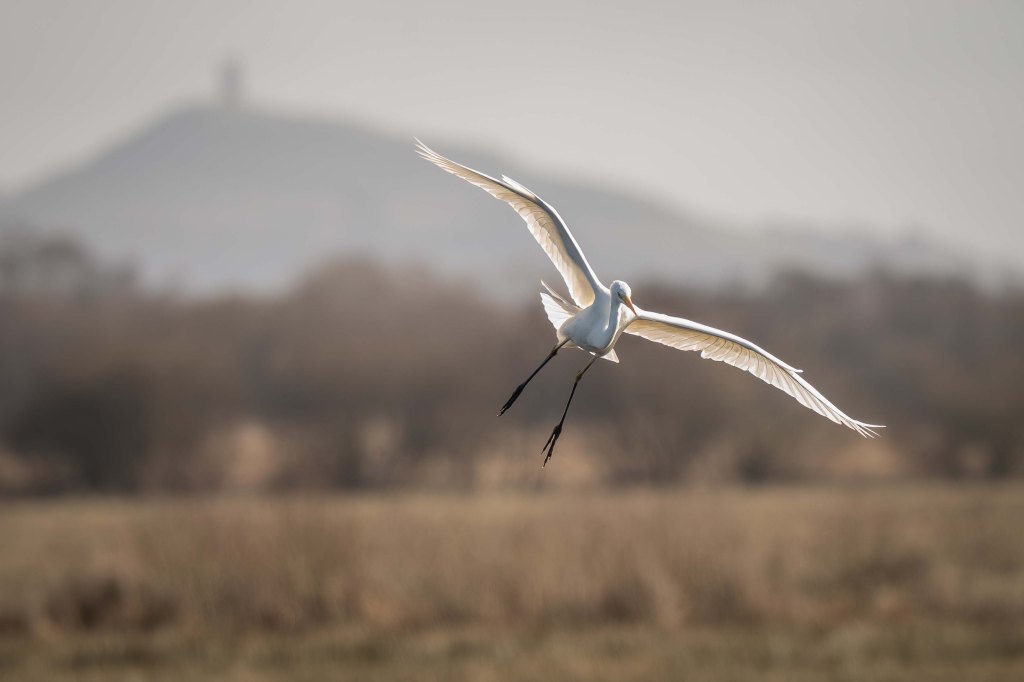
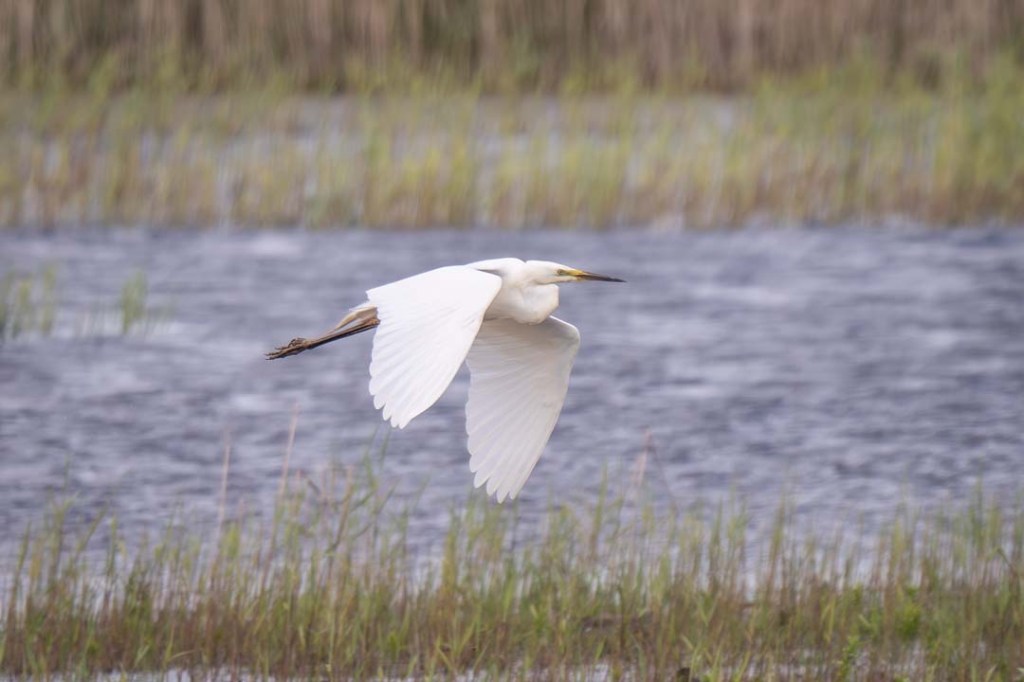
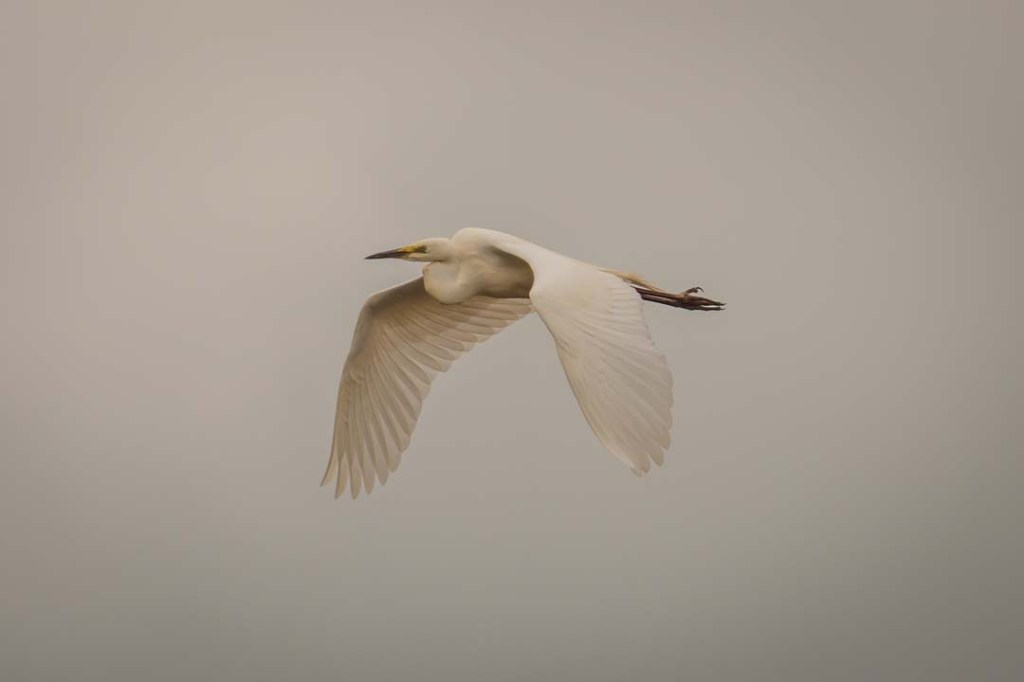
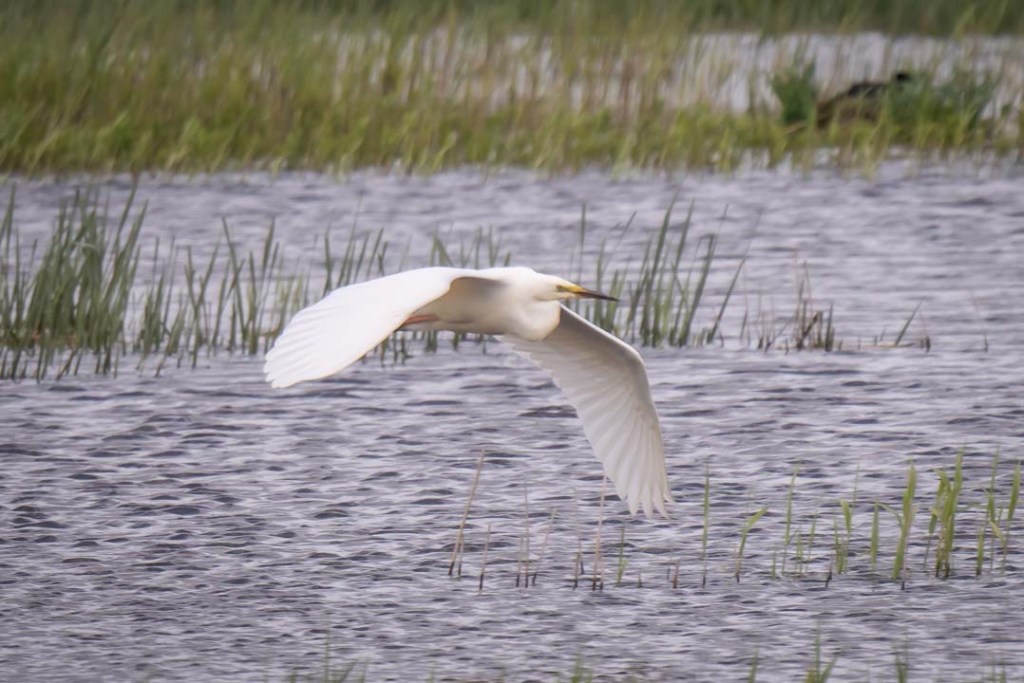
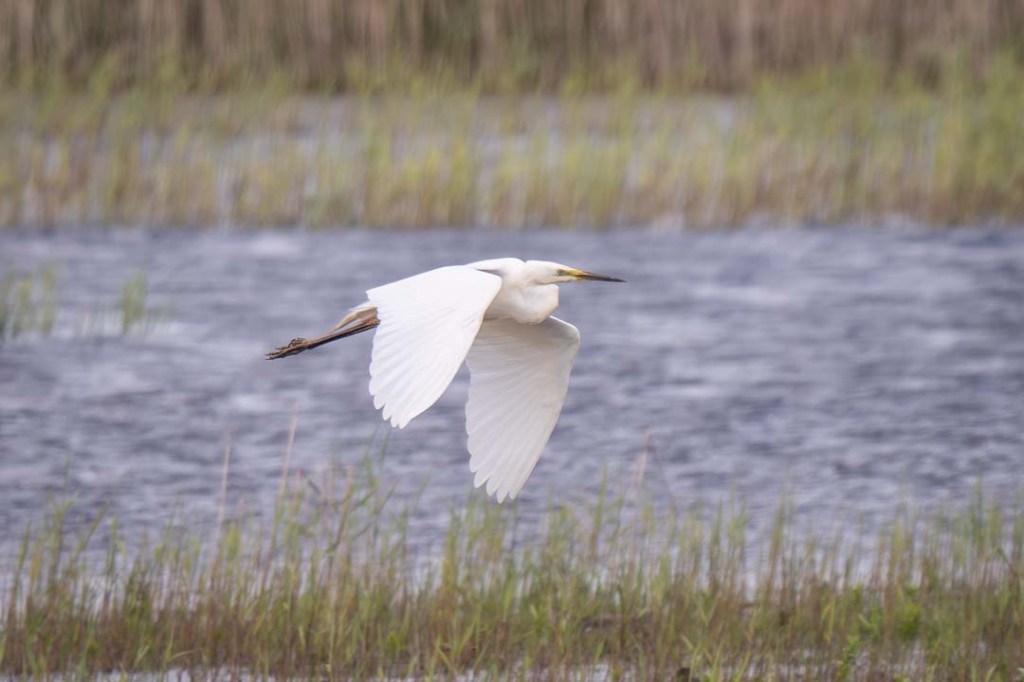
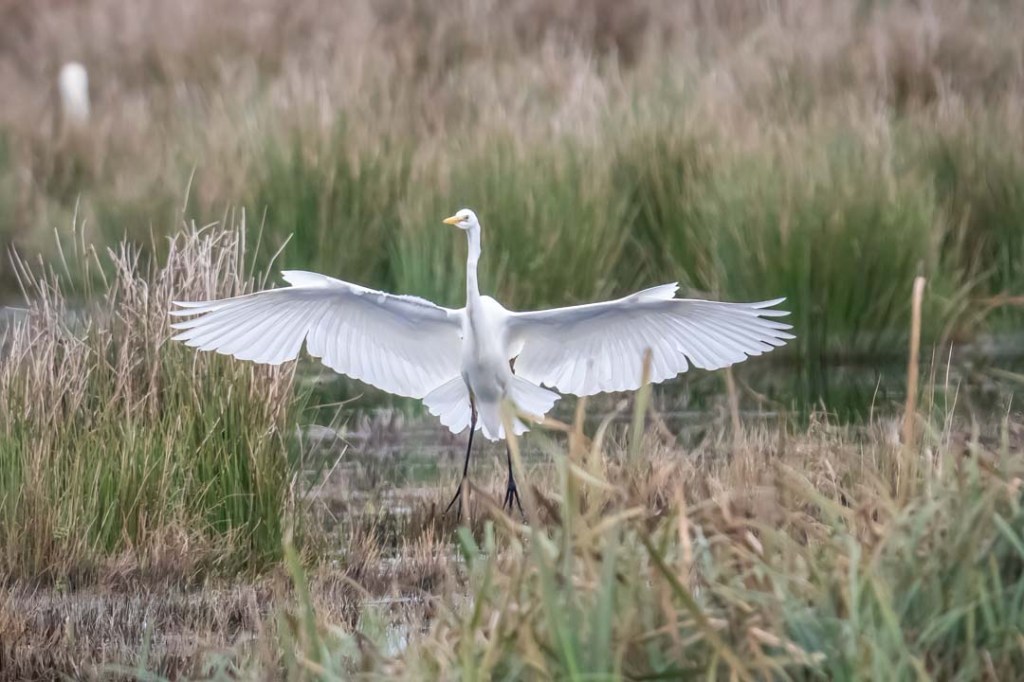
My favourites, however, were the great white egrets which are quite common here.
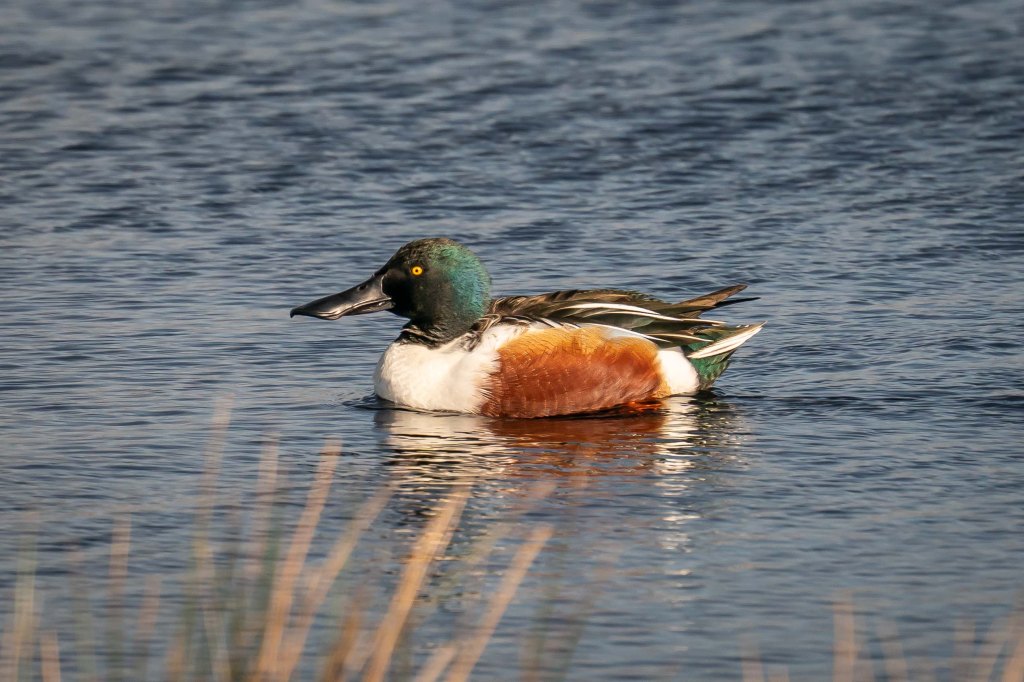
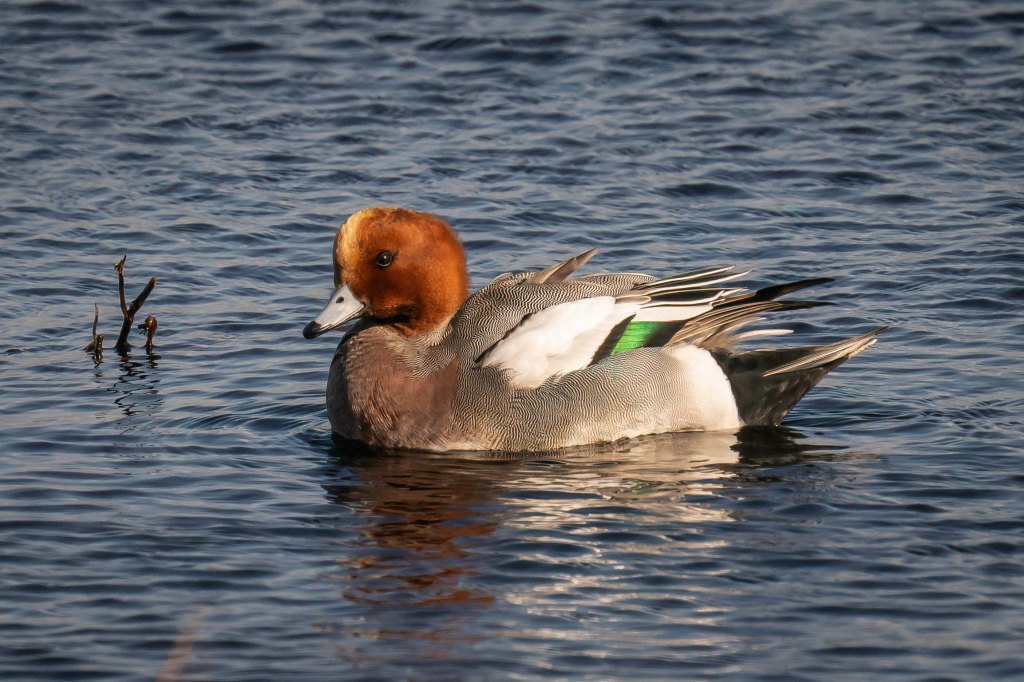
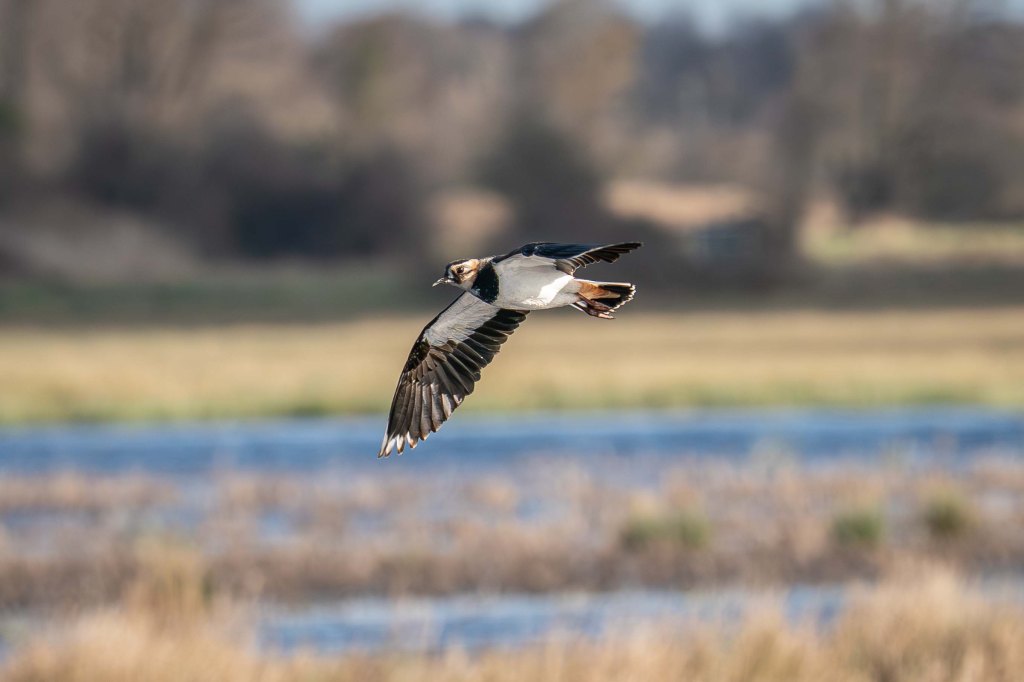
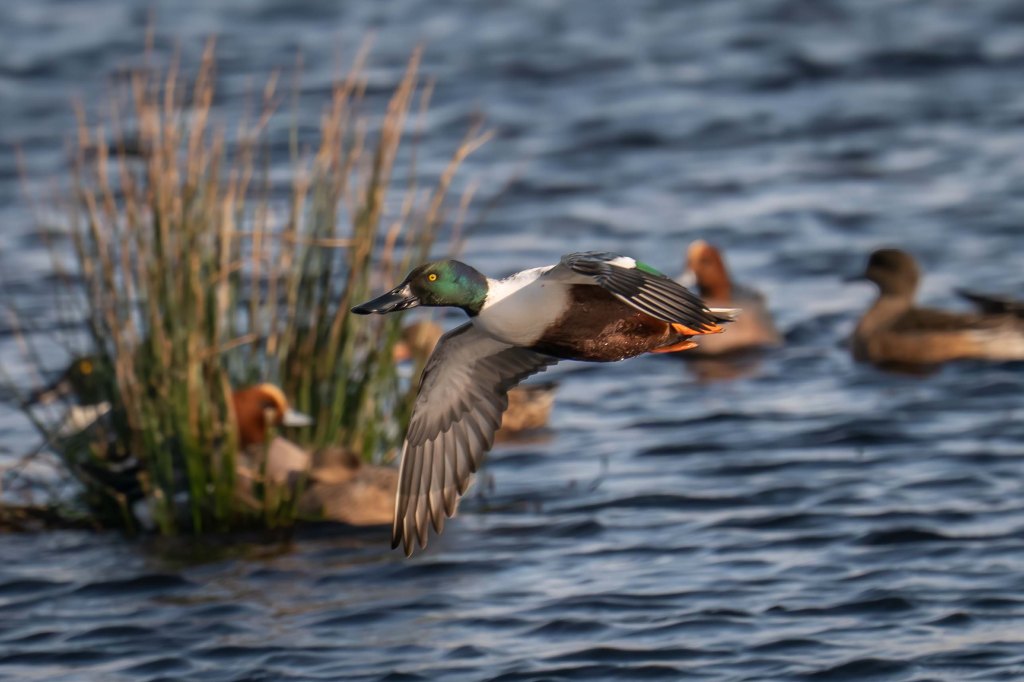
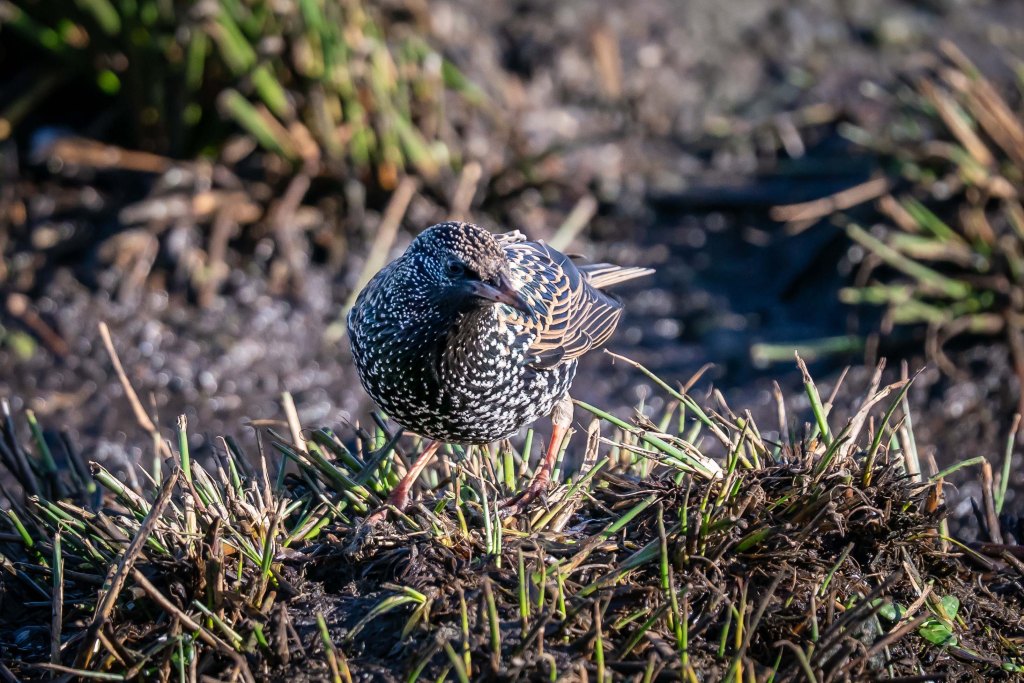
Great white egretGreat white egret photo bombing a little egretNorthern shovelerWigeon having a snoozeWigeonLapwing up closeLapwing in flightWigeon taking to the wingNorthern shoveler in flightThe peregrine was responsible for all of thisGreat white egretGreat white egretGreat white egretNot very often you see a single starling in these parts. I did see huge flocks of them as I drove here.Just had to get a silhouette of Glastonbury Tor in somewhere
I won’t bore you with the other 900 photos I took during the day!
Although there was snow forecast for north of Bristol and reasonable weather forecast for mid Somerset, I was disappointed to set off in rain and sleet. It didn’t rain all day but it was pretty miserable throughout; it was quite testing seeing birds and even more challenging photographing them.
I headed for Catcott Lows as there is a hide where you can park close by; but when I arrived I found it was closed as they were “managing” the trees on the lane leading to the hide. I continued further south to RSPB Greylake, a small reserve where, again, I wasn’t going to get drenched reaching the hides.
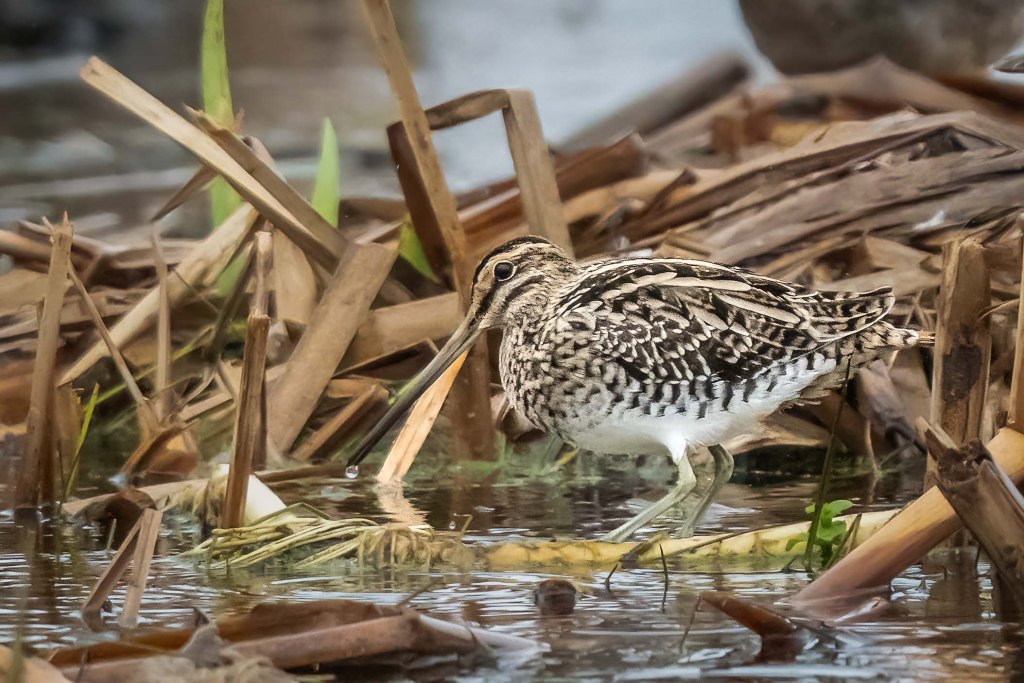
There were big numbers of lapwing, wigeon and teal. Best of all there were quite a few snipe close to the hide, a water rail and an occasional marsh harrier.
WigeonTealLapwingCommon snipeSnipeMarsh harrierMarsh harrierMarsh harrierLapwingCommon snipeWater railTeal and snipeWigeon
On the way home I saw large numbers of little egrets and cattle egrets in the fields. Also, large numbers of starling were congregating and I thought it was a shame I couldn’t stay later to see the magnificent sight of the murmurations before they roost. But there again, I don’t think the views would have been too wonderful as the bad weather set in again and the light would have been very poor.
Cattle egret
I stopped very briefly at Cheddar Reservoir where I saw large numbers of pochard. I certainly didn’t stay long as it was only 2 degrees centigrade and definitely felt much colder with the wind blowing off the water.
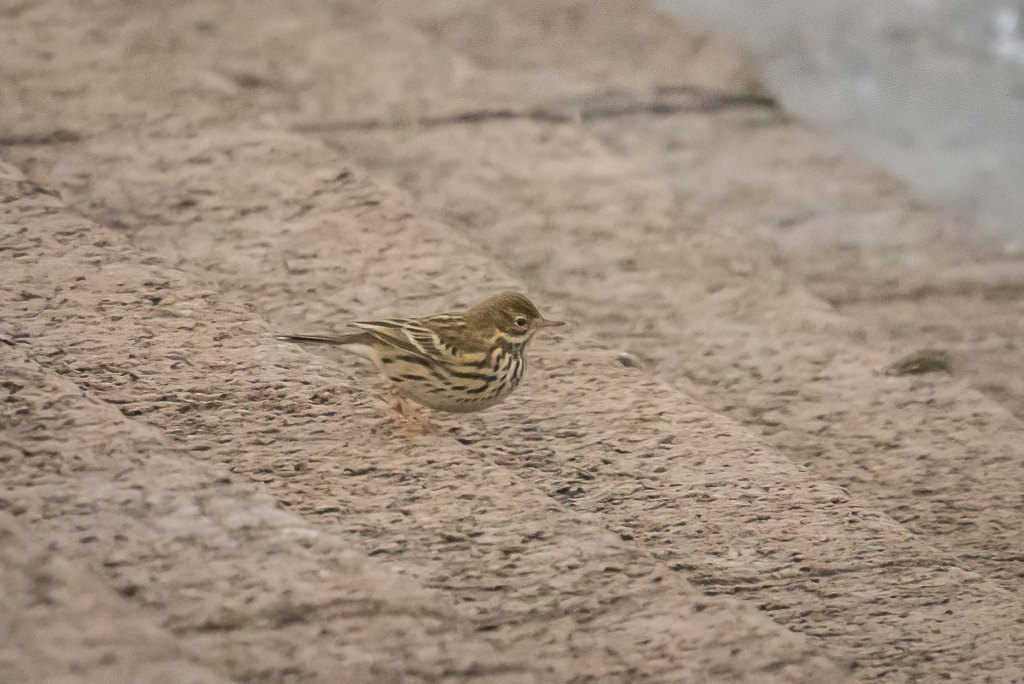
PochardMeadow pipitGrey wagtail looking as cold as I felt
Why did I bother to go to the Iberian Peninsula birding when there’s so much to see in the heart of Somerset? Because it’s a darn sight warmer!
It was very windy, very fresh and with the threat of rain throughout for my morning’s birding on the Somerset Levels at RSPB Ham Wall.
The weather may have been dull but from an excitement point of view it was far from that.
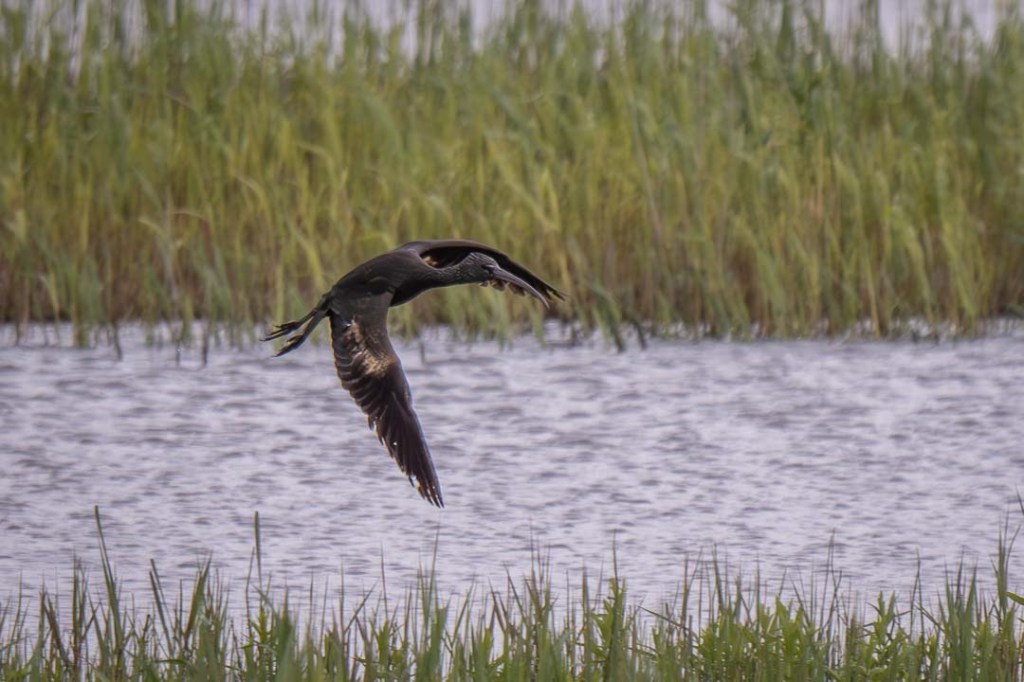
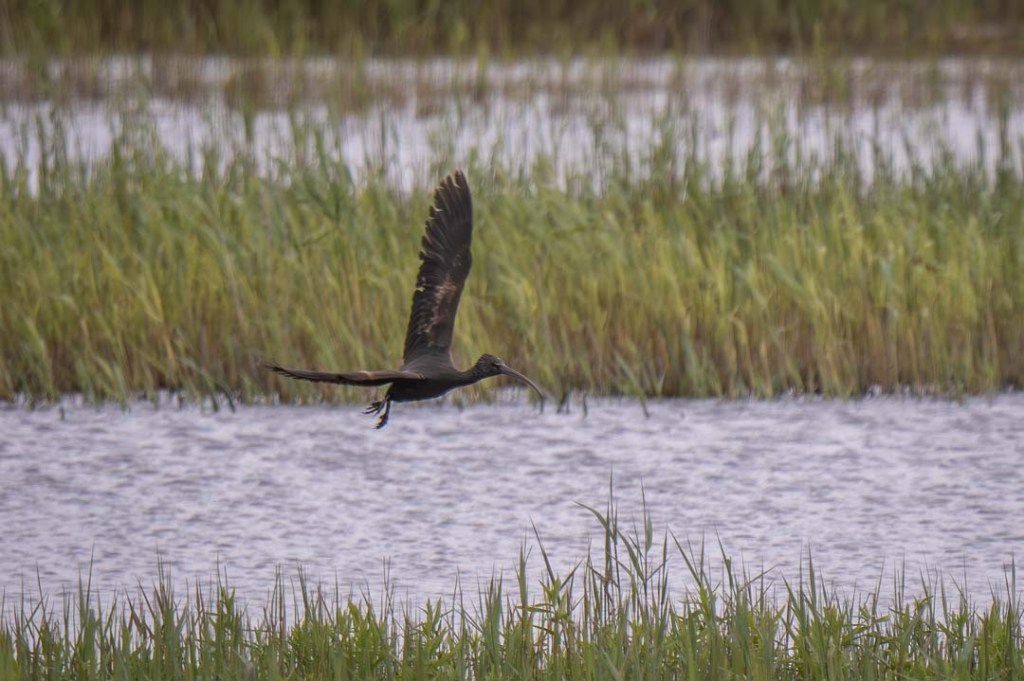
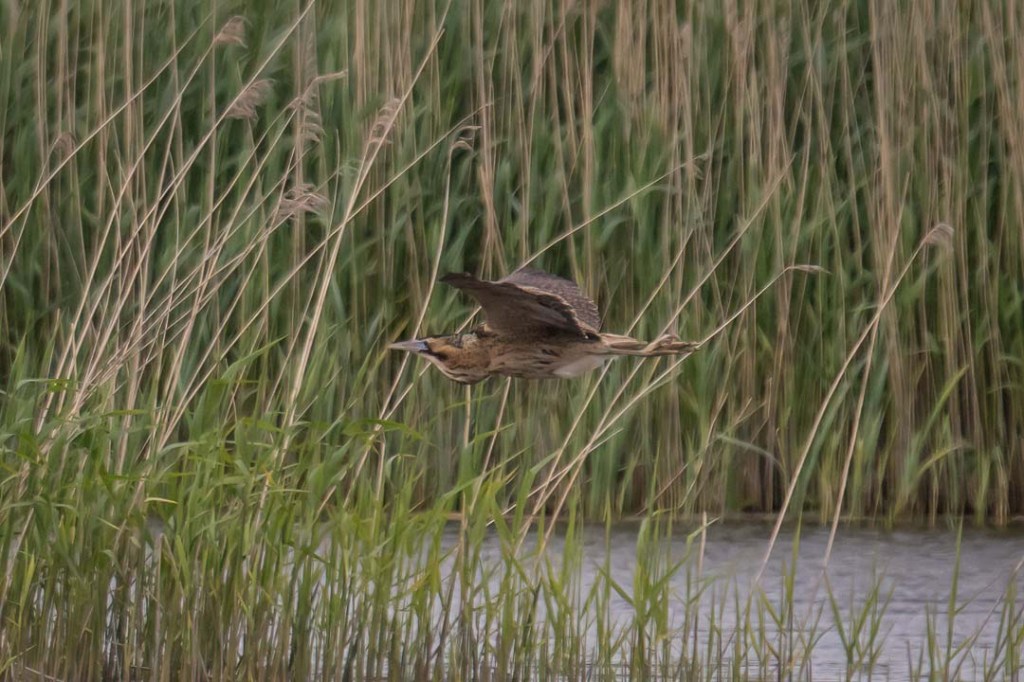
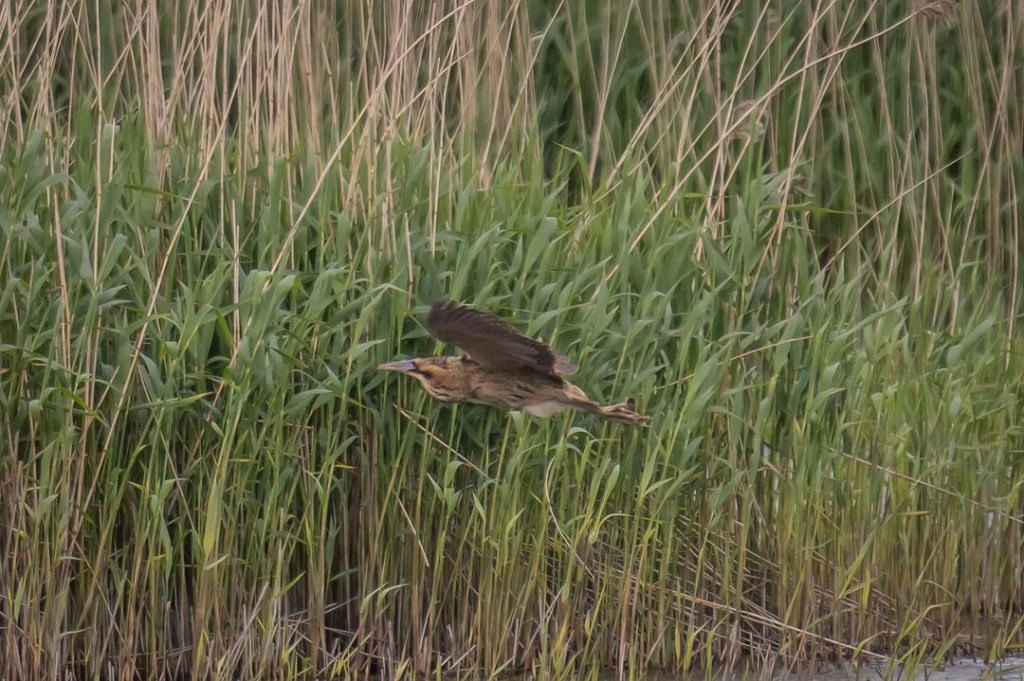
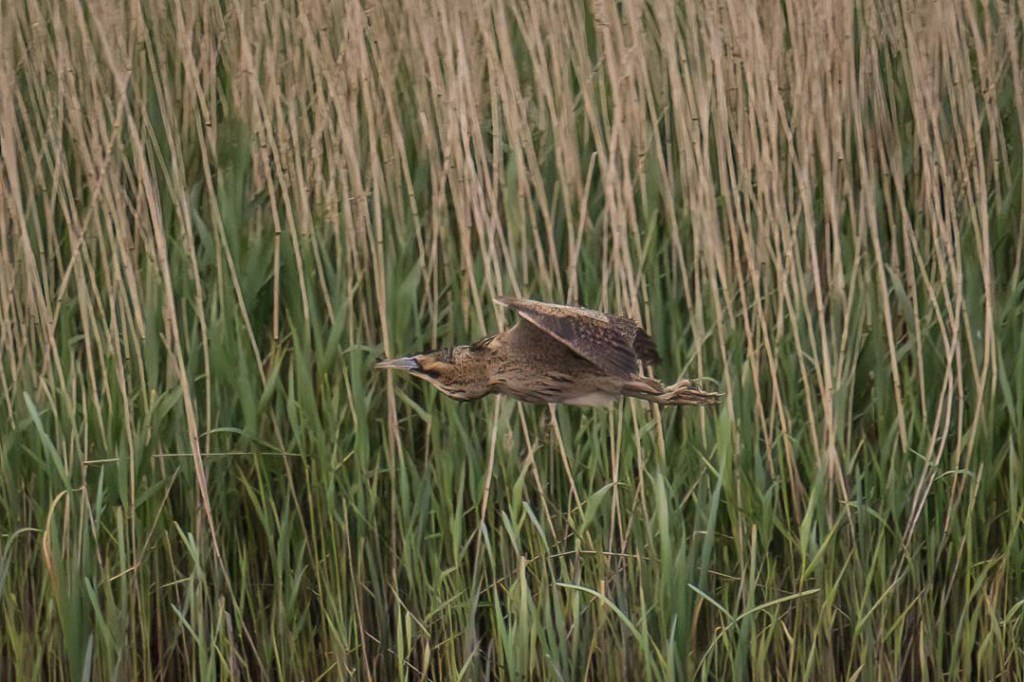
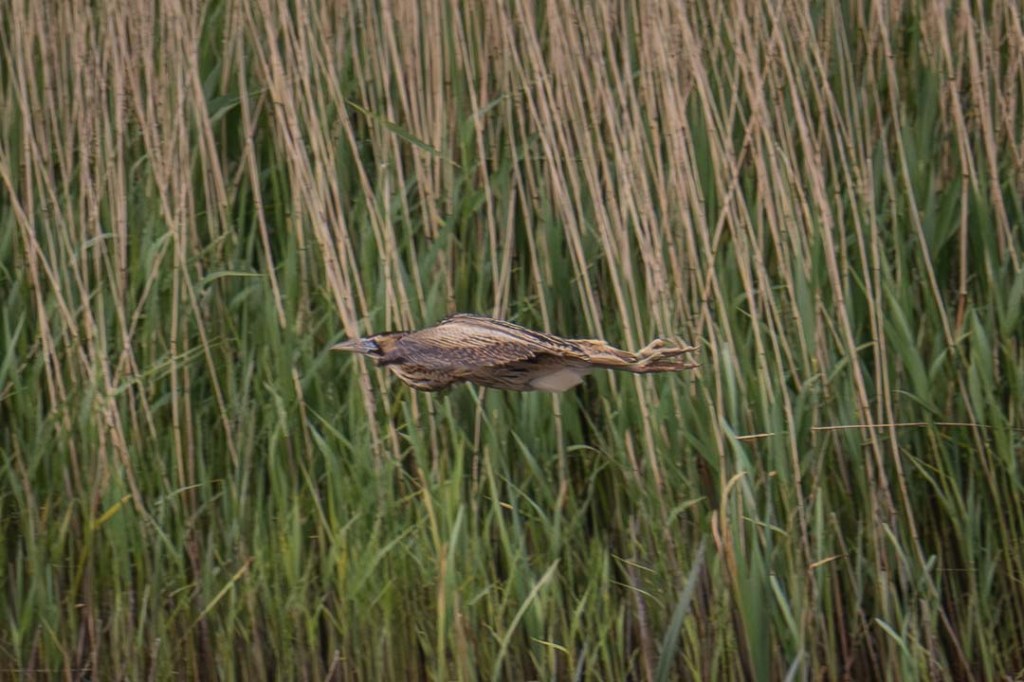
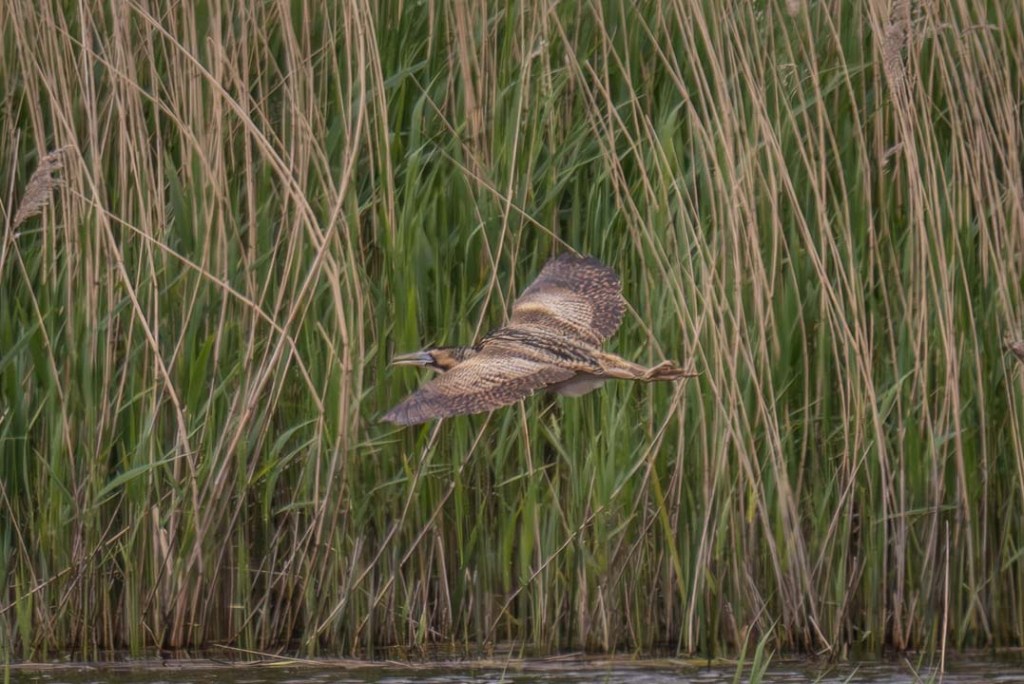
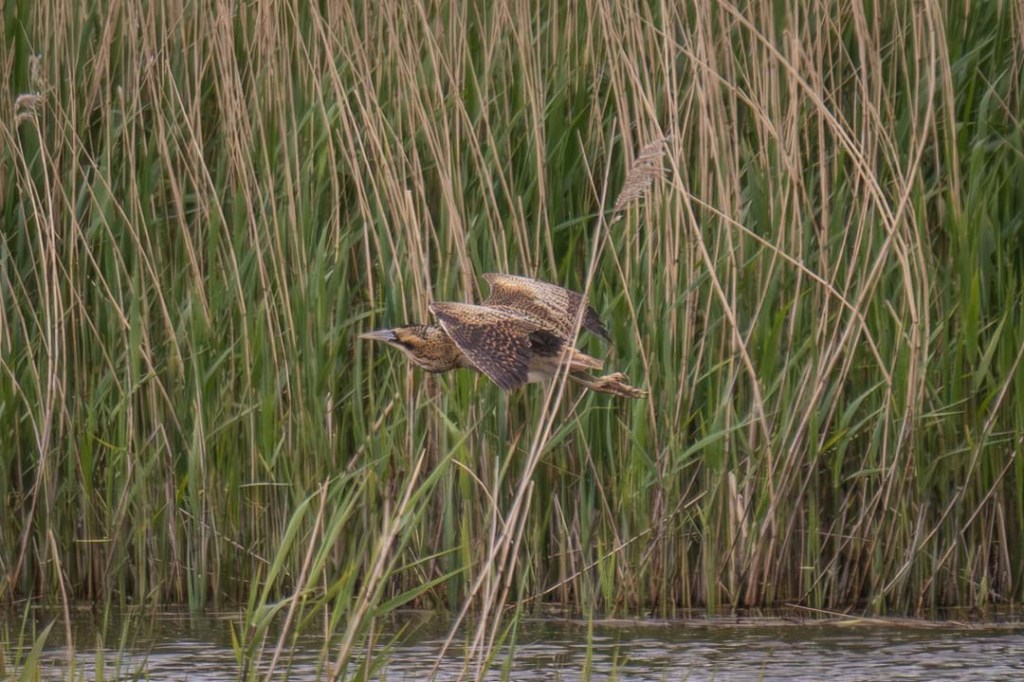
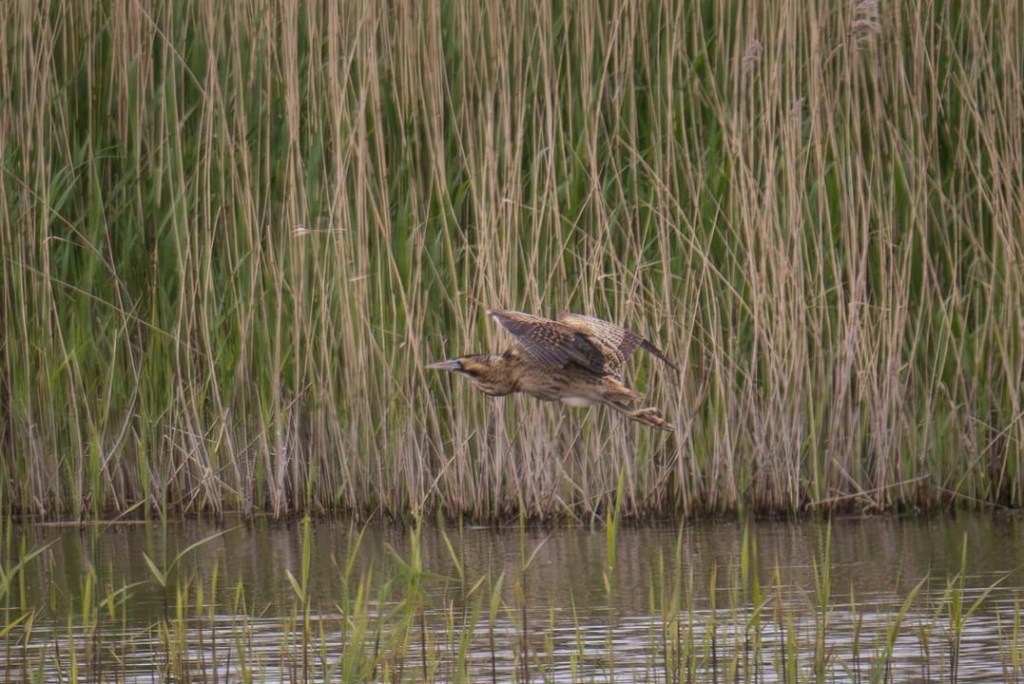
Common craneGreat bitternGlossy ibisMarsh harrier
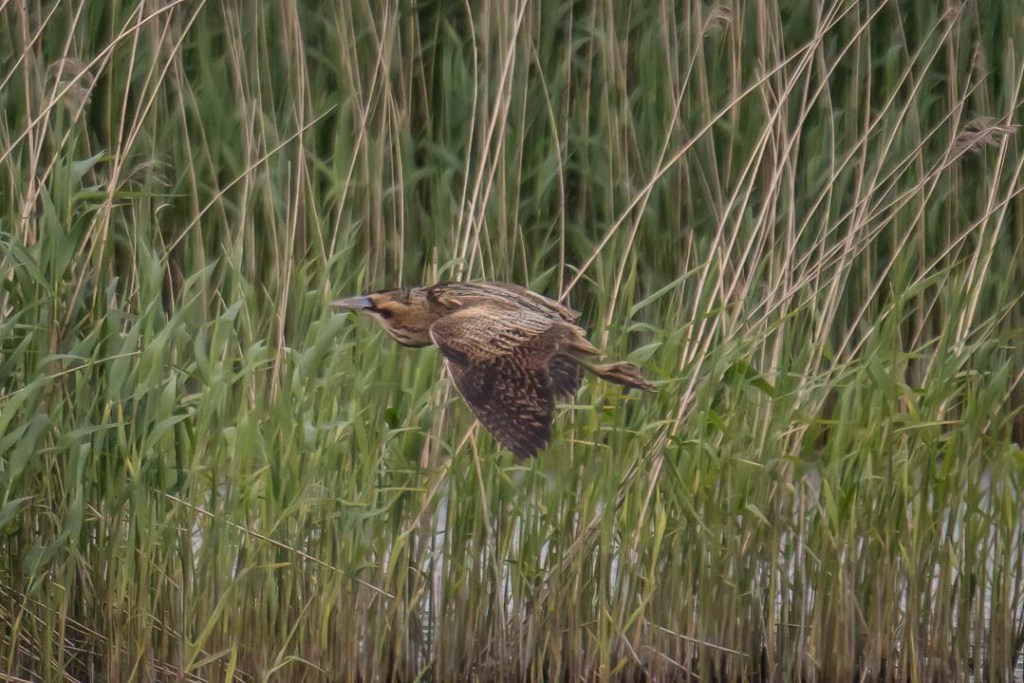
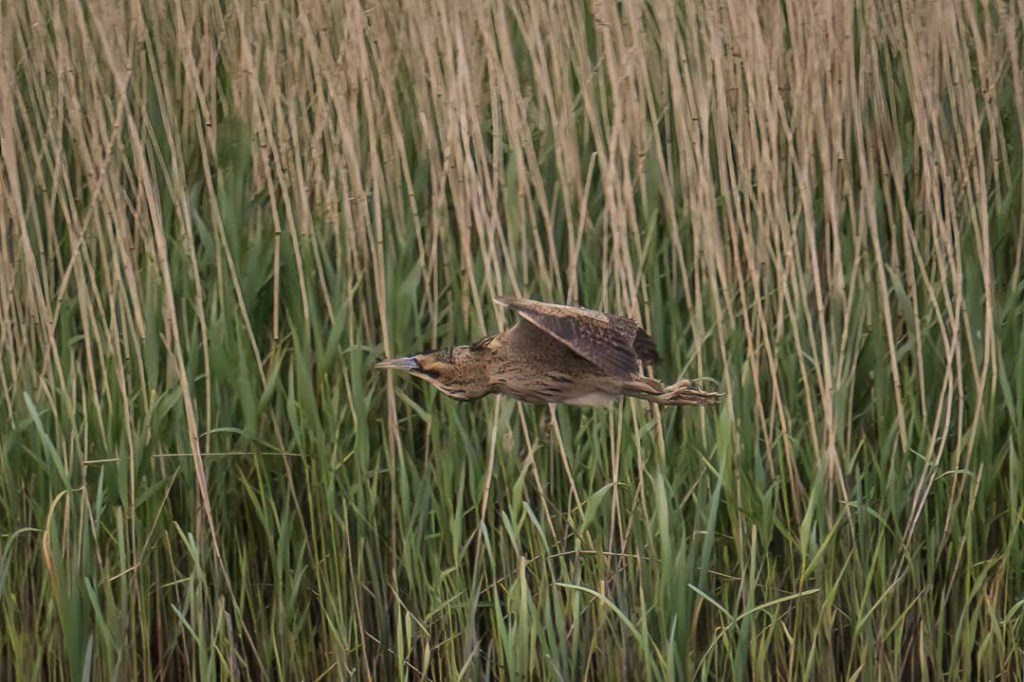
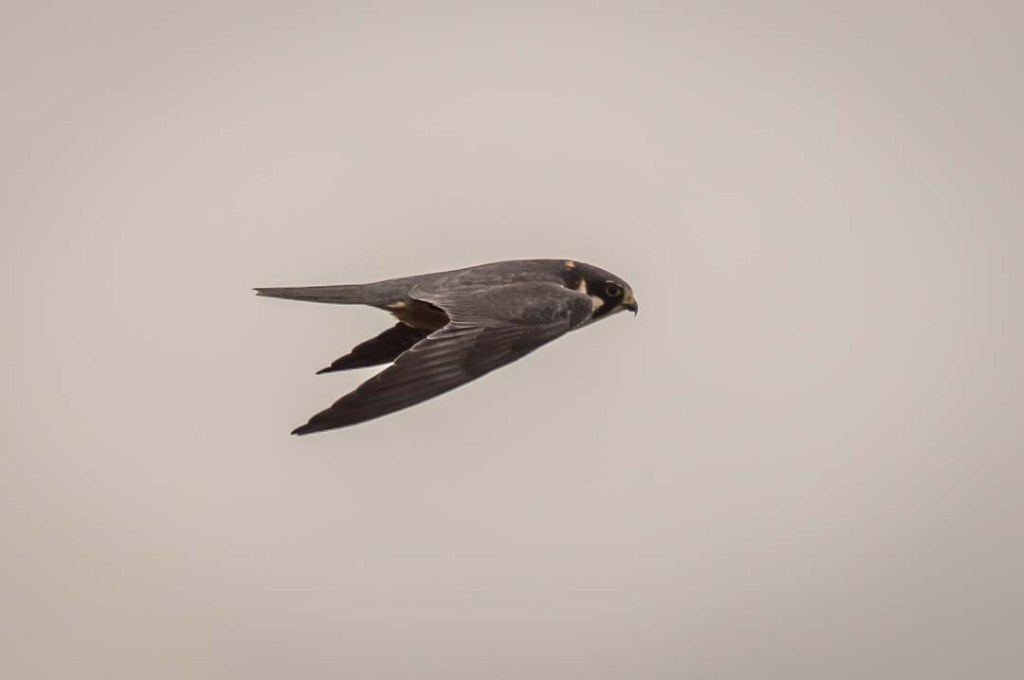
Glossy ibis, common crane, marsh harriers, great white egrets, a hobby and a bittern in flight were the highlights. However, there were plenty of other birds to see too. Quite a joy.
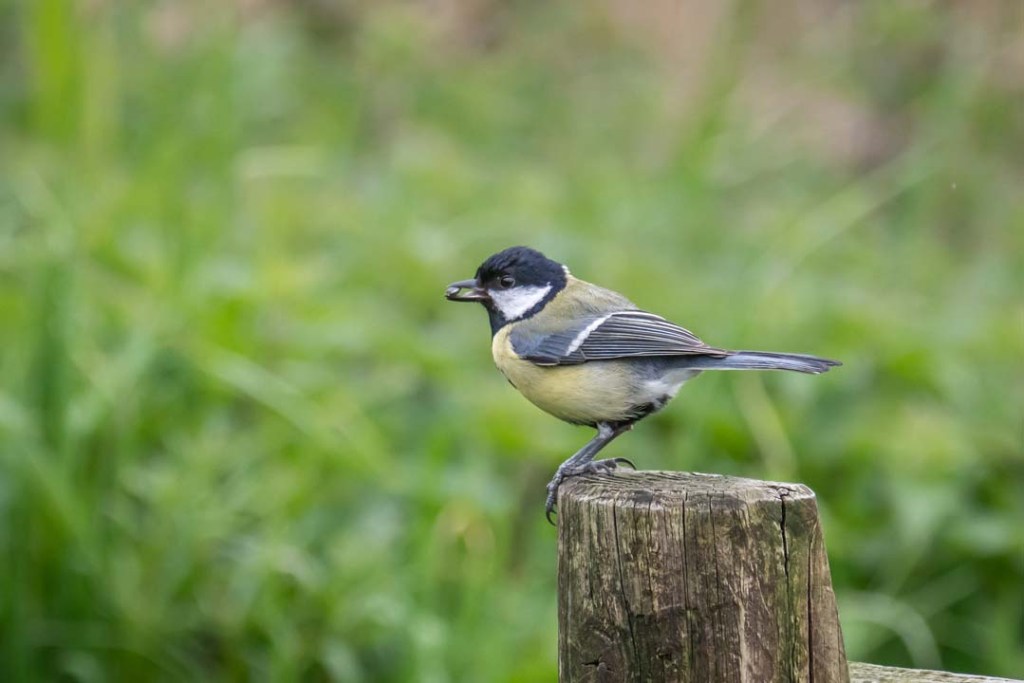
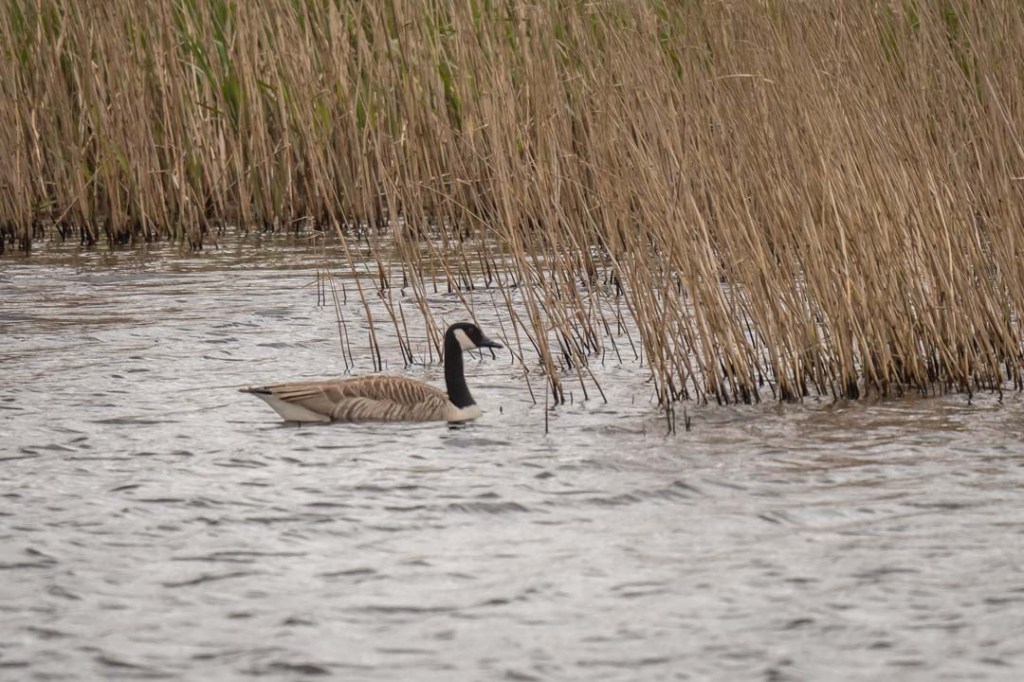
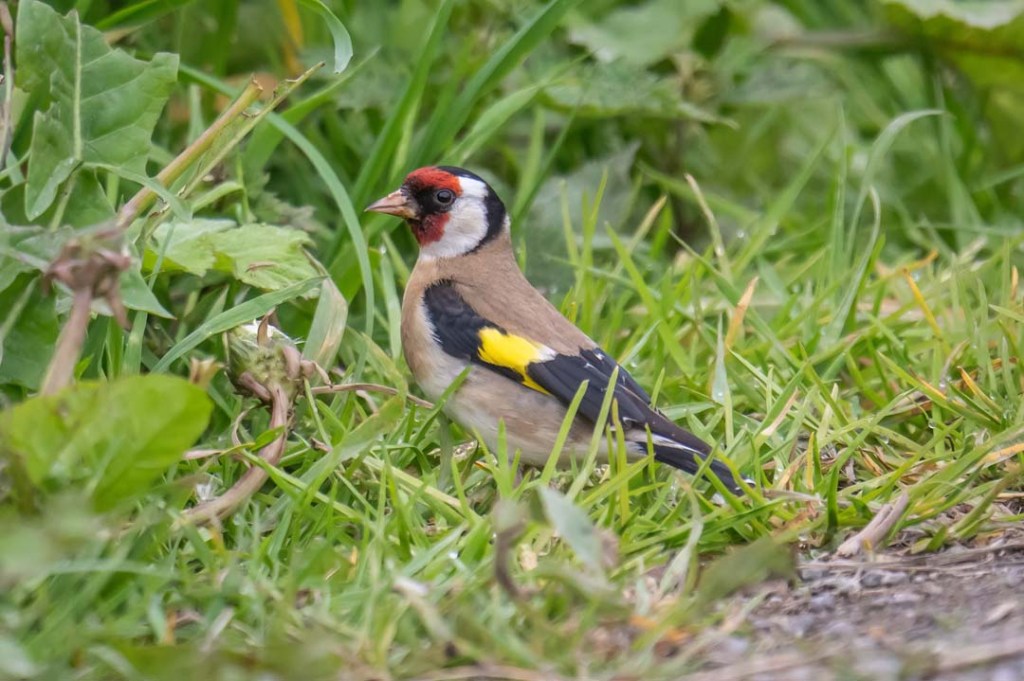
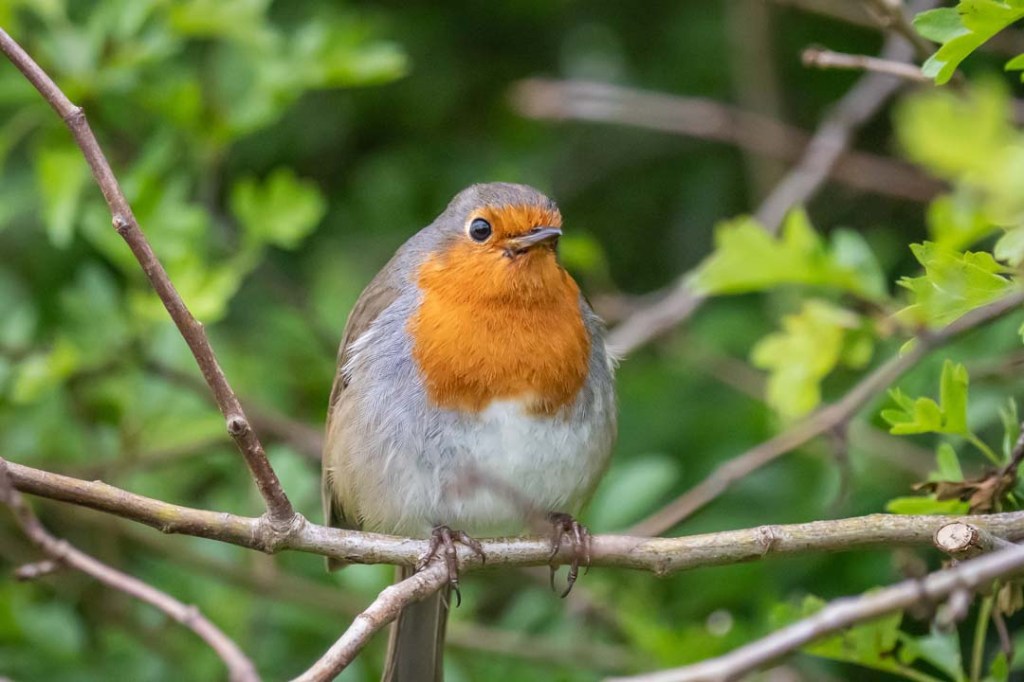
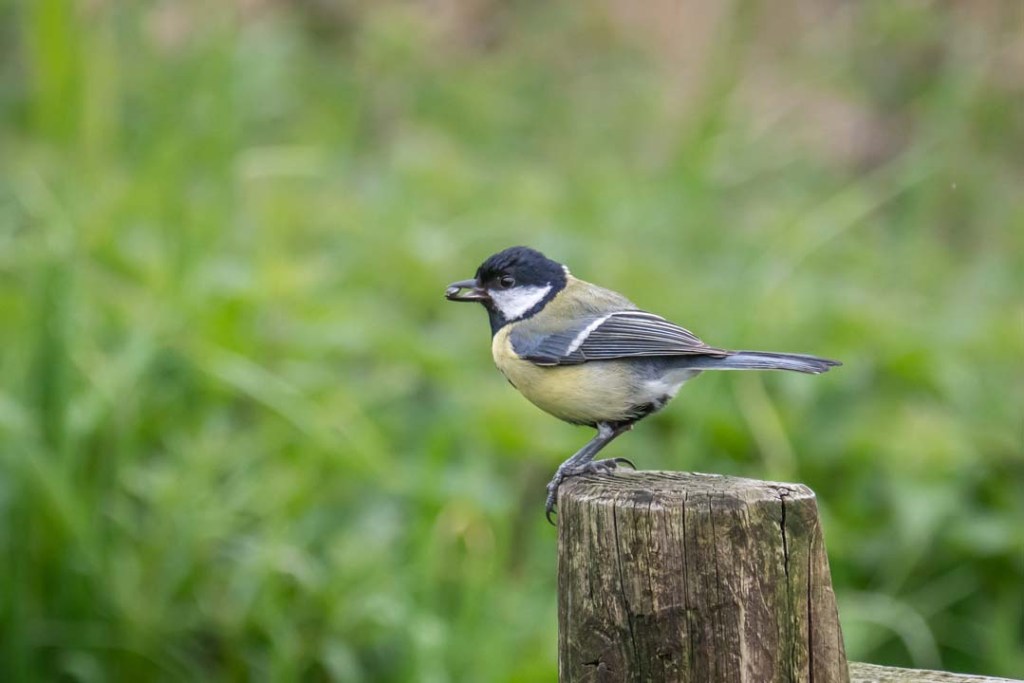
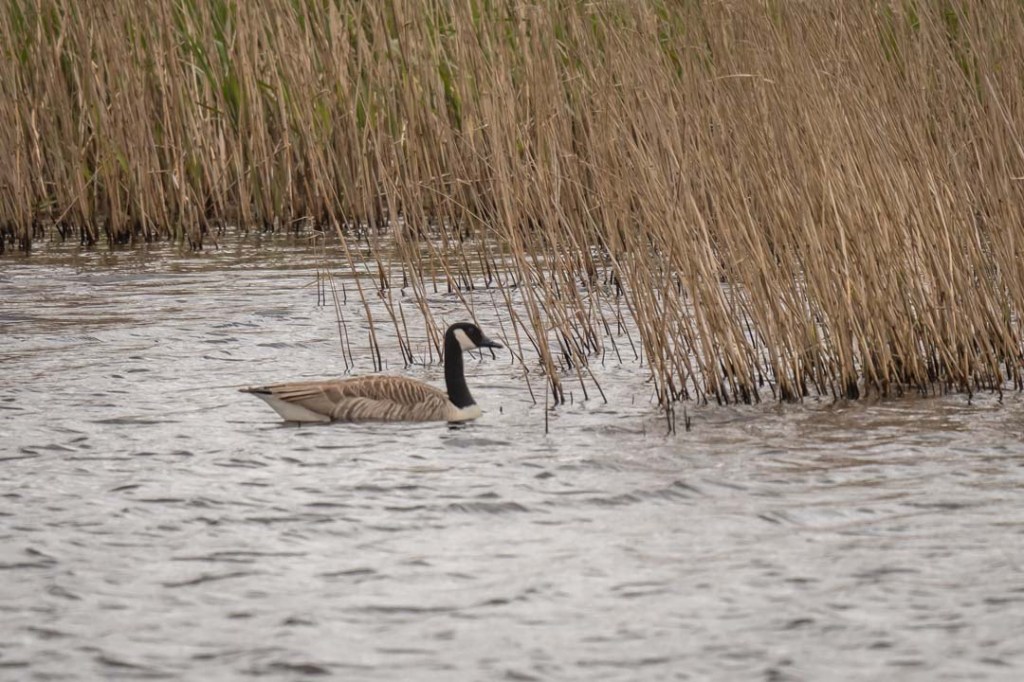
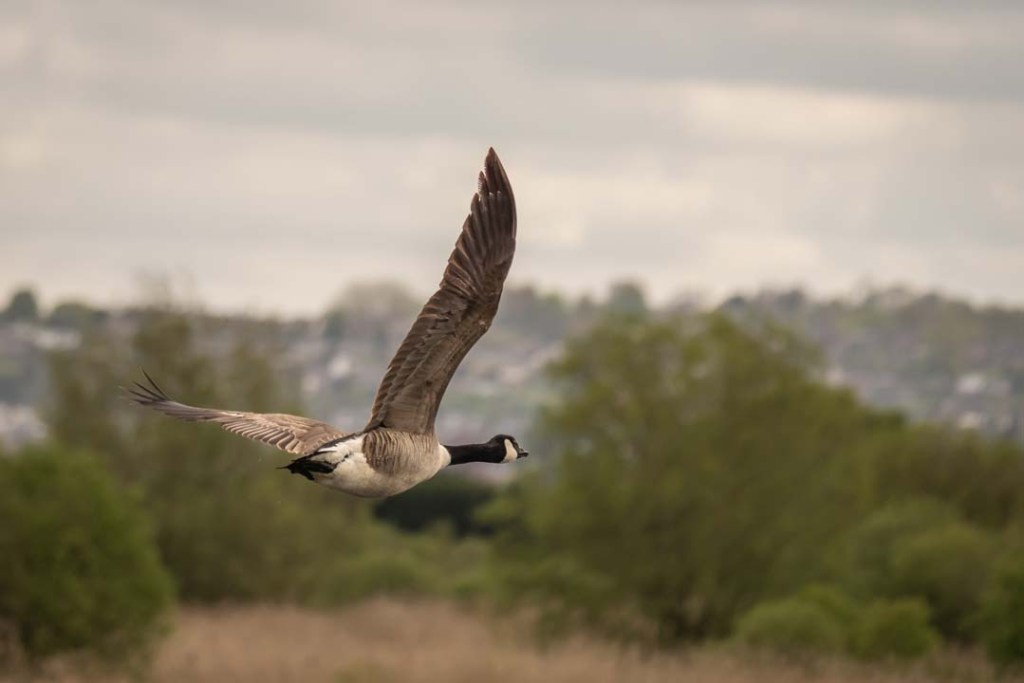
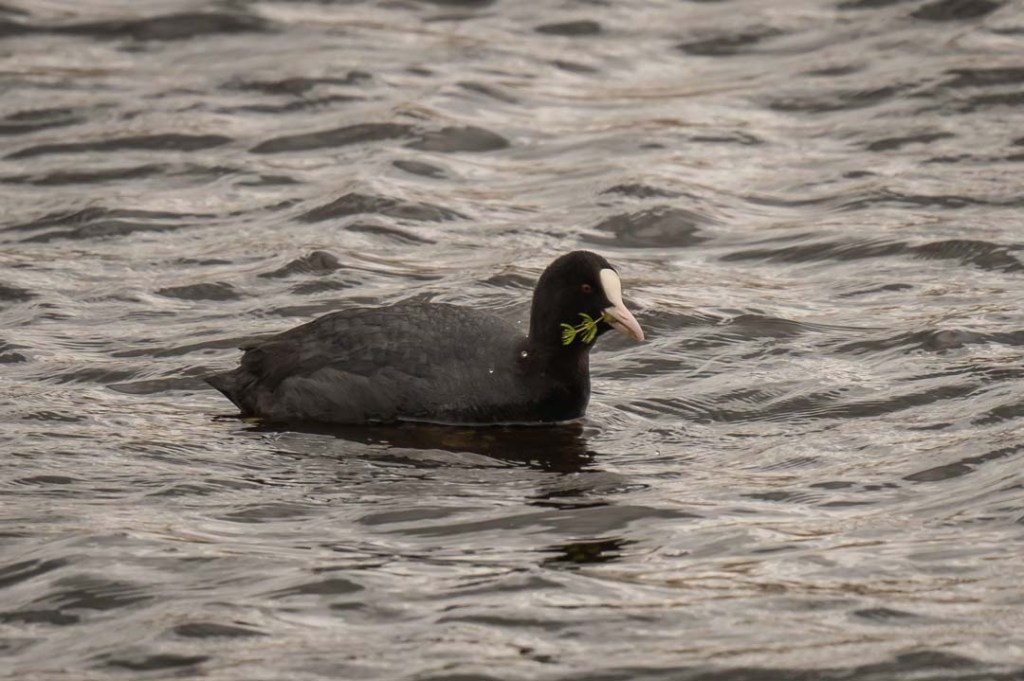
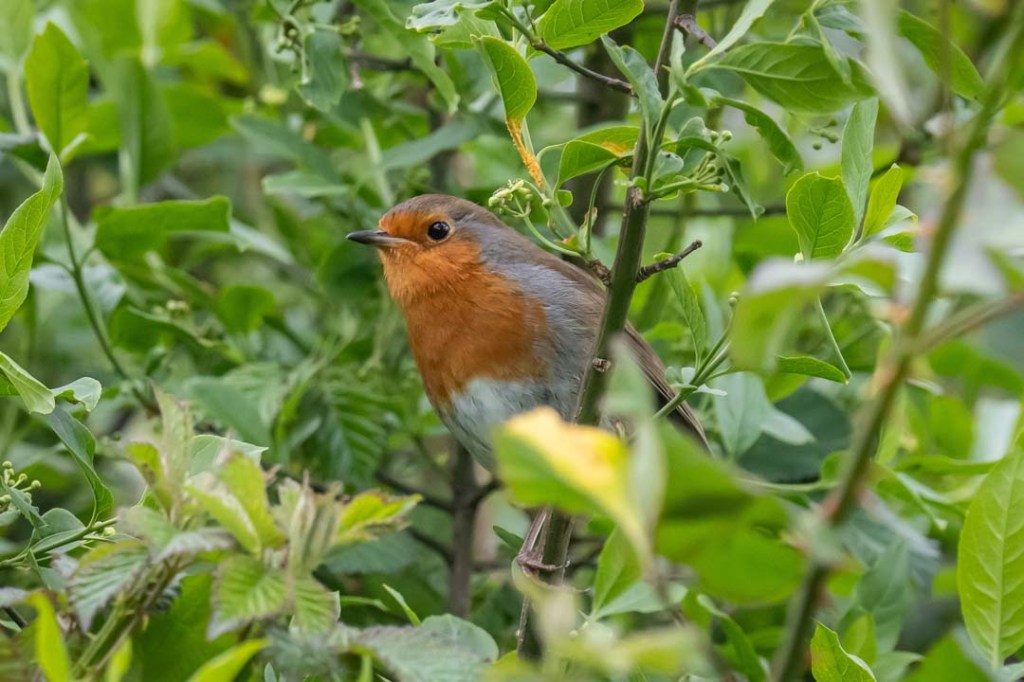
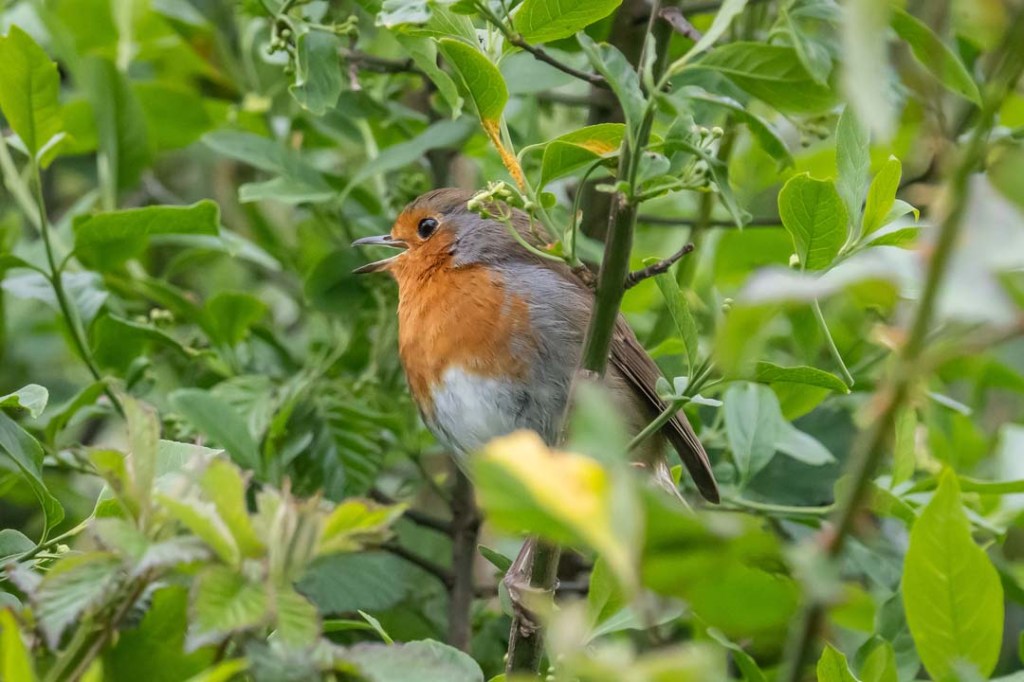
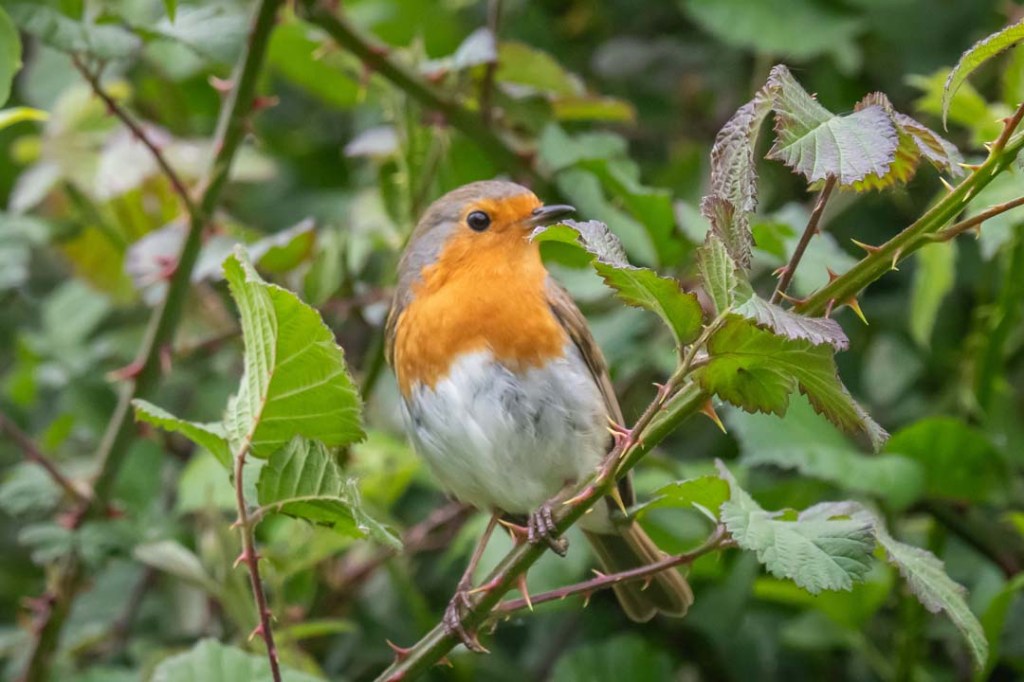
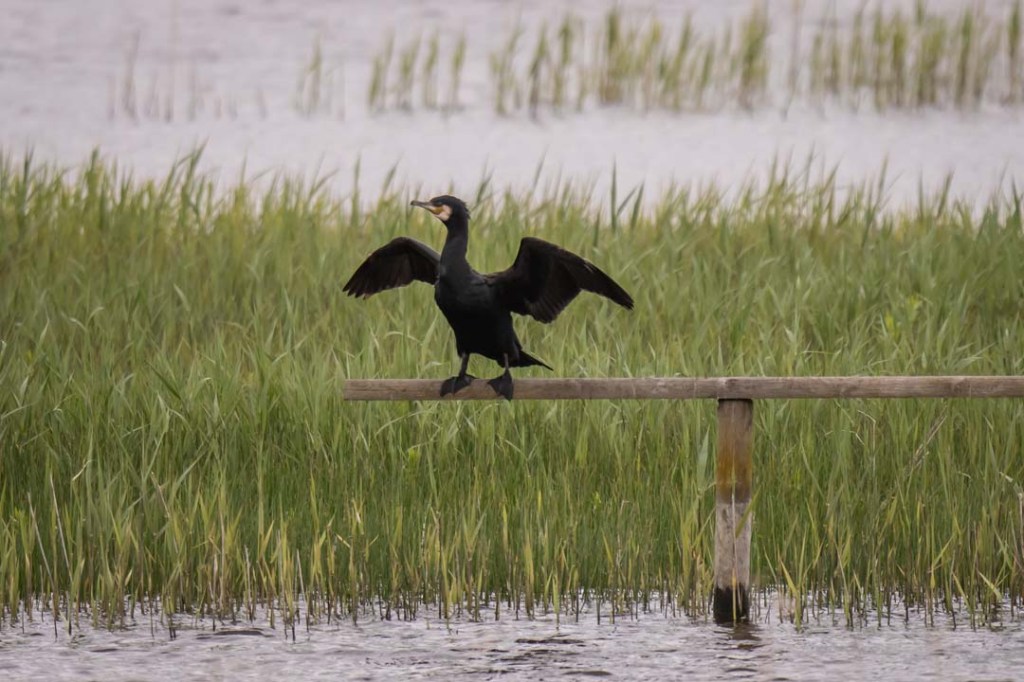
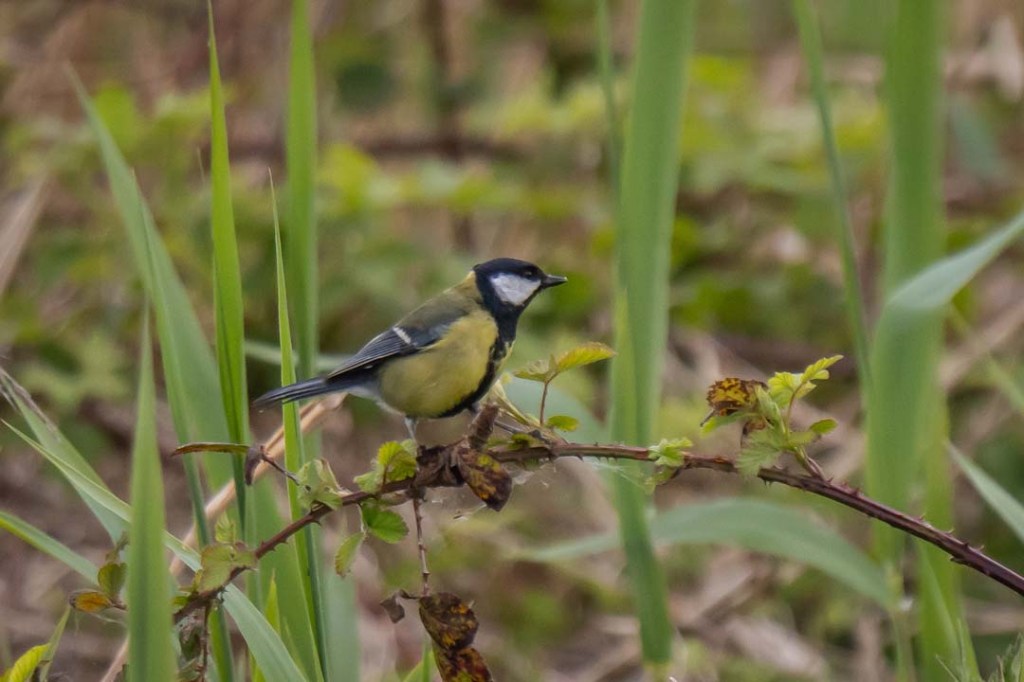
Great bitternGreat bitternEurasian hobbyEurasian hobbyGreat white egretMarsh harrierTufted ducksCommon pochardEuropean robinEuropean goldfinchGreat crested grebeGreat titBlack capBlue titEurasian cootGreat cormorantSand MartinGreylag geeseCanada goosePlenty else to see too
Well it has stopped raining for a few days and so today I resumed my birdwatching activities back on the Somerset Levels.
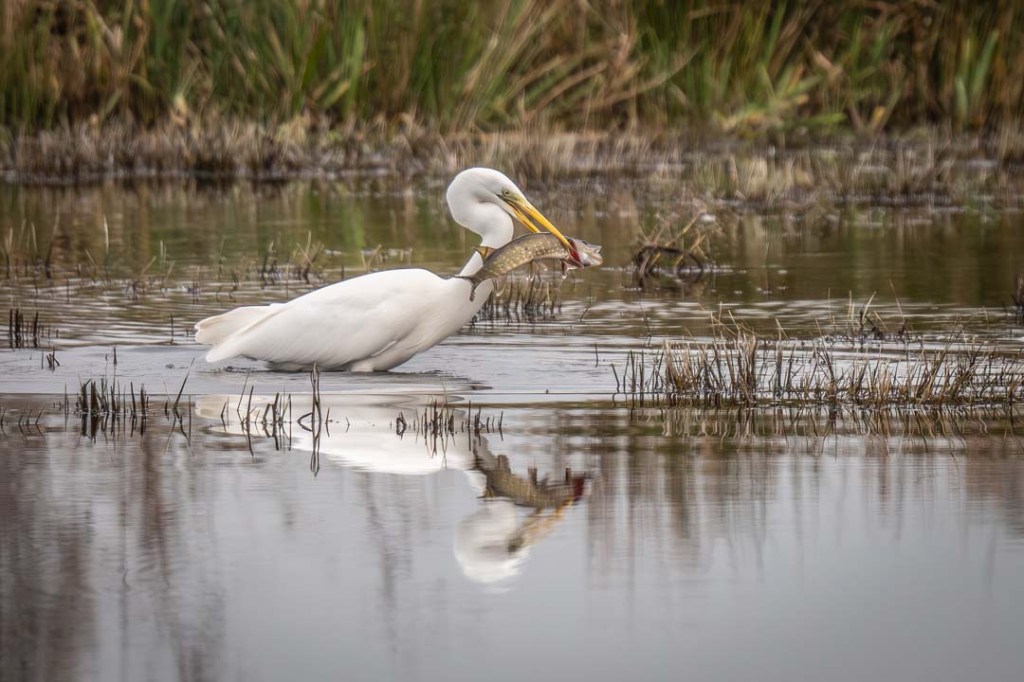
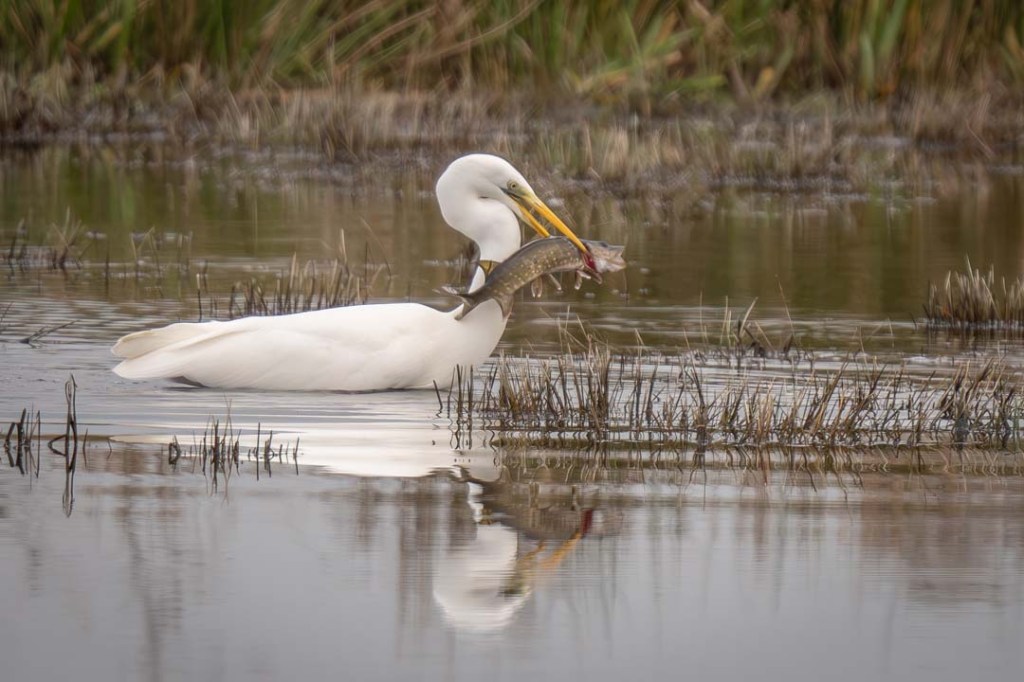
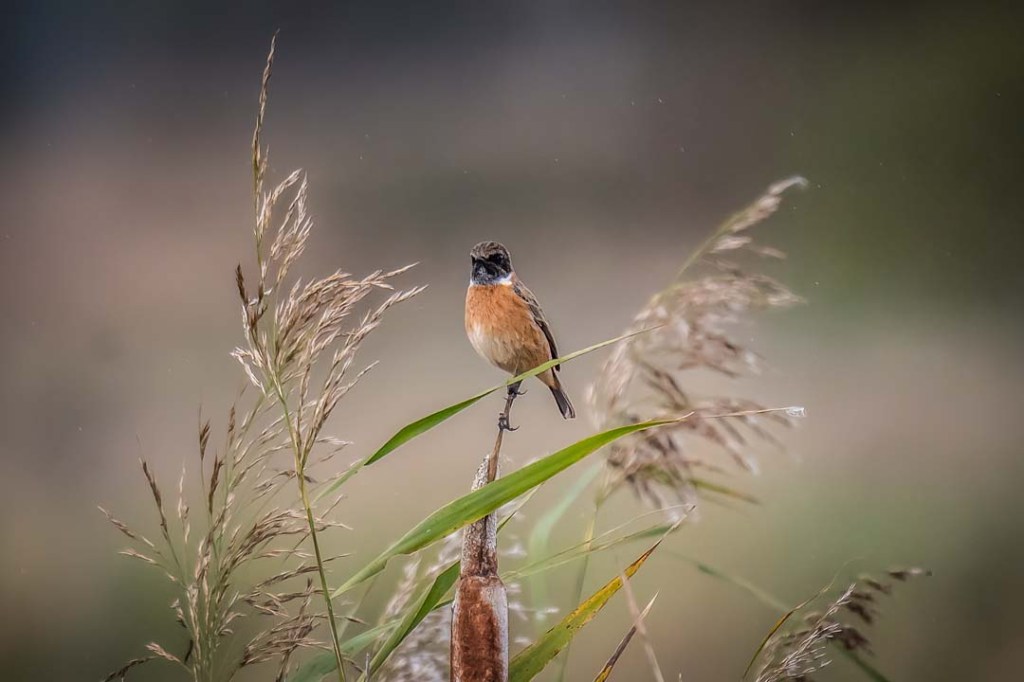
Firstly I visited RSPB Ham Wall where marsh harriers, common snipe and stonechats were the star attractions. Then, I moved on to Catcott where the battle between a great white egret and a pike was more spectacular than the multi million dollar scenes in the film “Napoleon” which I had seen the day before. Well almost!
Marsh harrierStonechatStonechatCommon snipeCommon snipeWigeonGreat white egret and pikeThe battle continues
We spent the day on the Somerset Levels, a coastal plain and wetland area running south from the Mendip Hills to the Blackdown Hills in the county of Somerset, south of where we live in Bristol.
There are more storms forecast for tomorrow but today it was incredibly still and misty throughout the day (not particularly conducive to bird photography).
The main feature of the day were two large flocks of egrets (with Cattle, Little and Great White Egrets), one on the Long Drove near to Wells and the other next to Westhay National Nature Reserve.
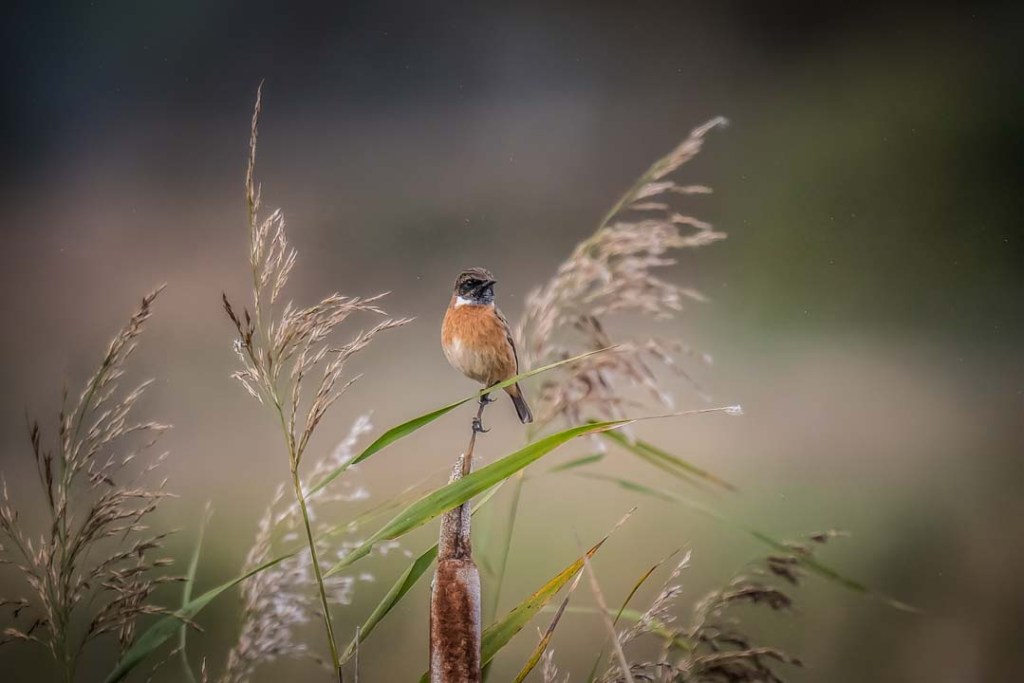
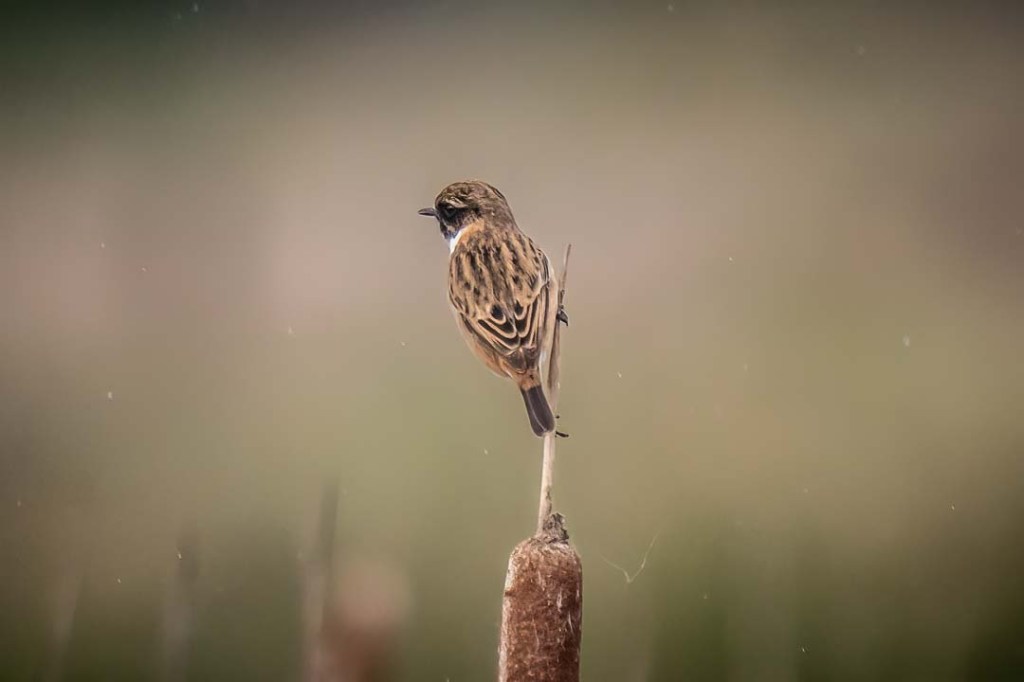
Stonechat
In between we visited a small reserve at RSPB Greylake where a group of photographers showed us their lovely photos of kingfishers and peregrines which we had just missed. However, I was quite happy to get a chance to photograph stonechats.
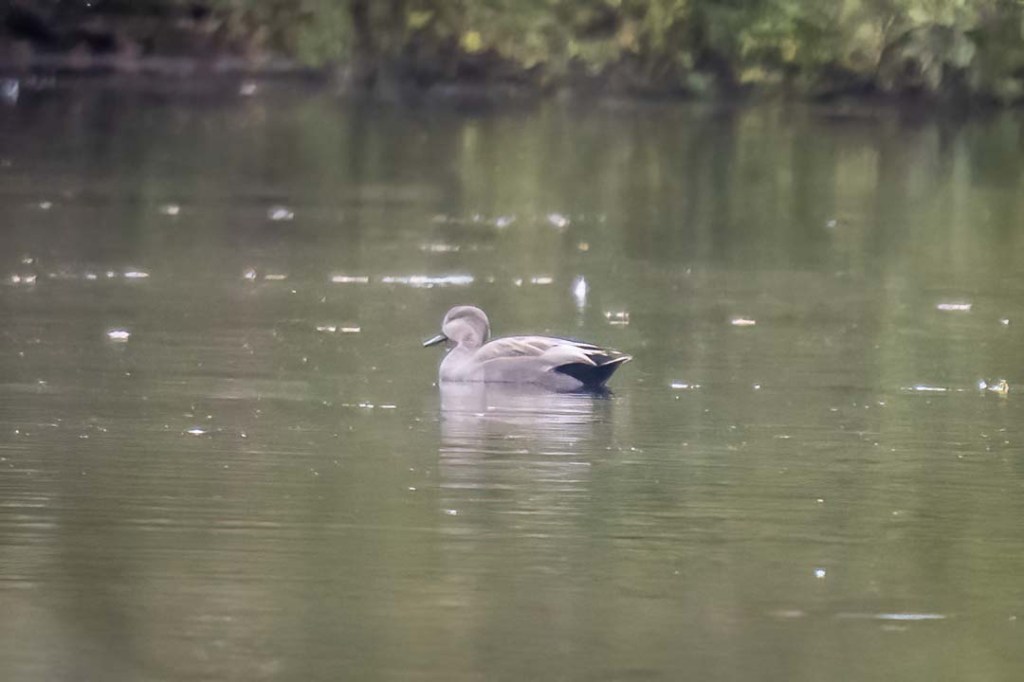
StonechatCattle egretLittle egretLittle egretGreat white egretGadwall in the mist at WesthayShoveler