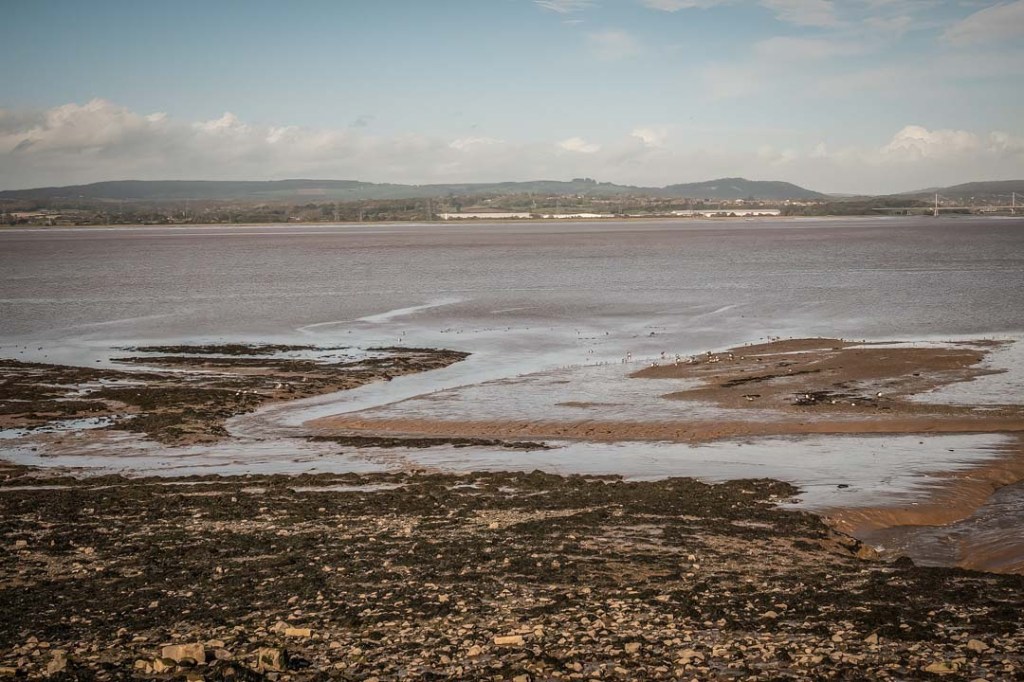
Today we had a walk along the Severn Estuary further south than WWT Slimbridge, which we have visited a lot recently, and closer to home. There is a section of the south west footpath between the two Severn Bridge crossings close to where the old Severn ferry used to operate at Aust and which is often a good place to view birds.
The weather is beginning to break and we managed to do this walk between showers and were very lucky not to get wet. We had views of a variety of birds but most at some distance.
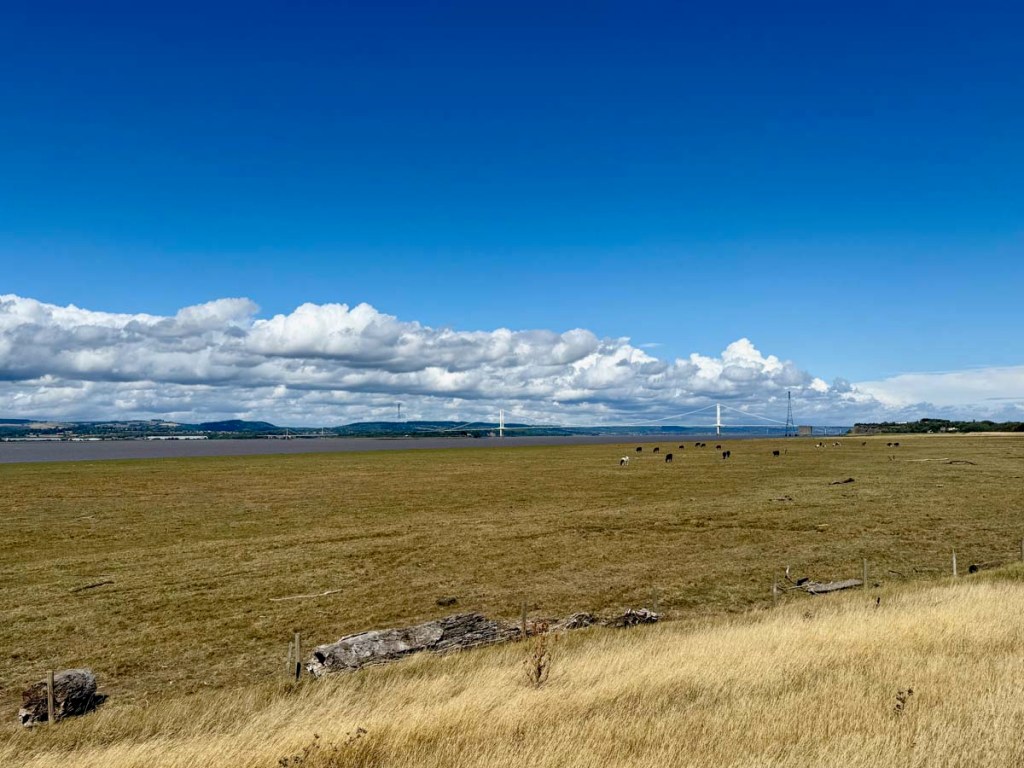
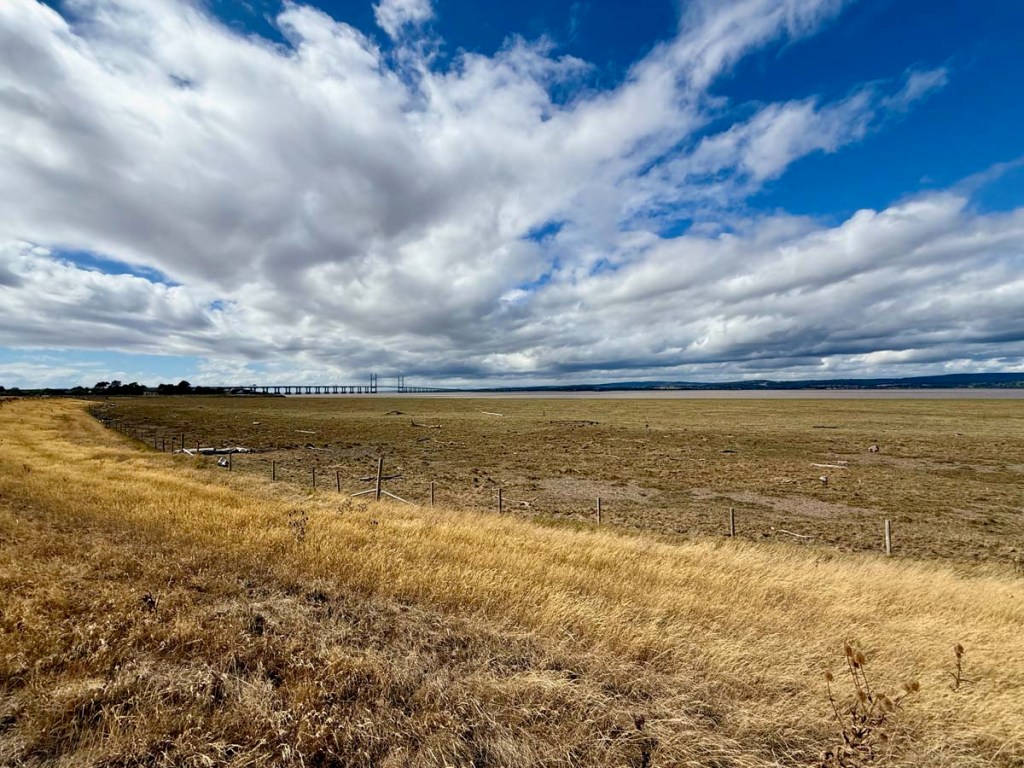
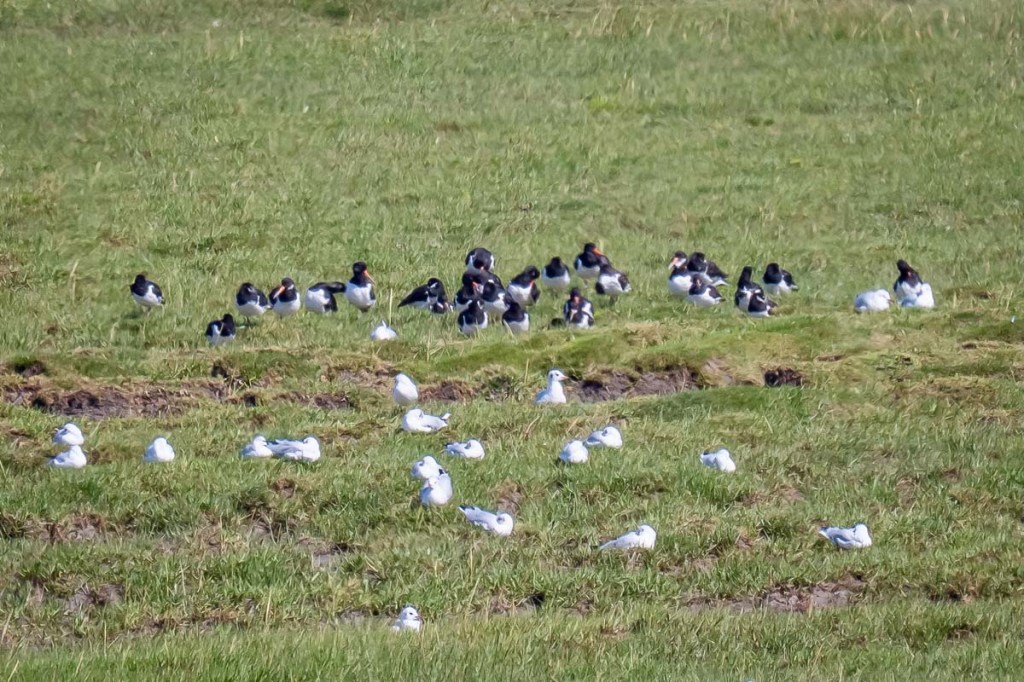
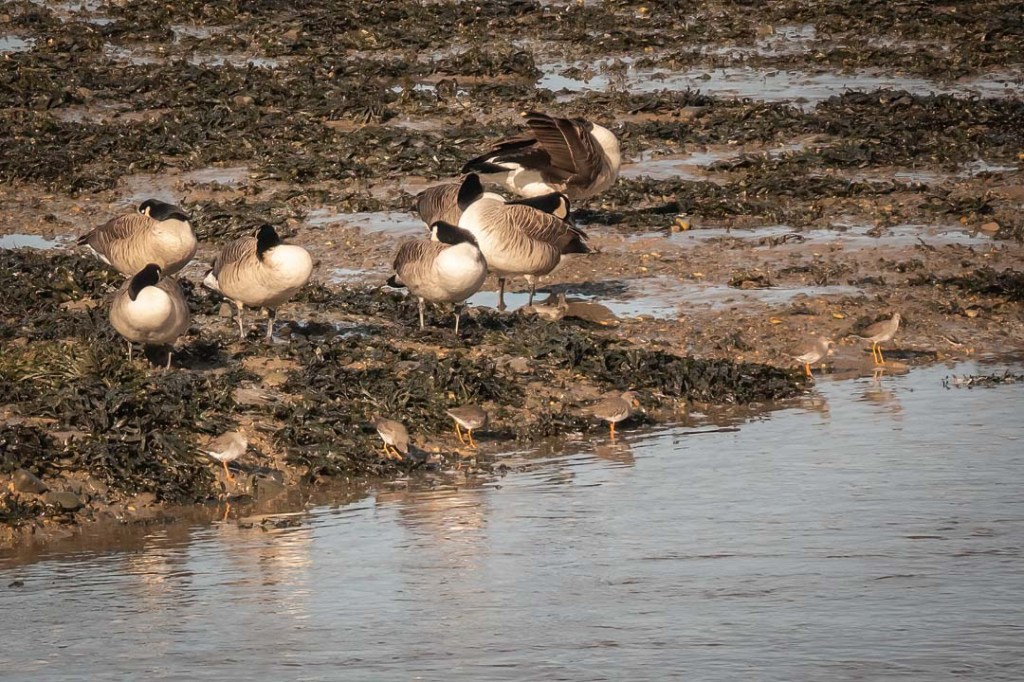
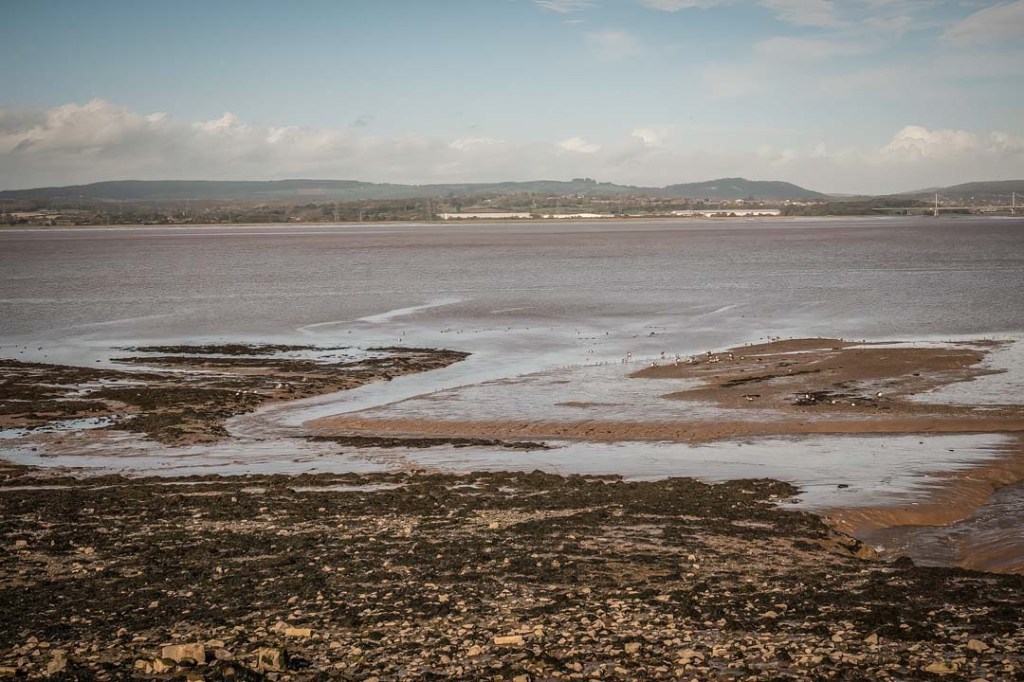
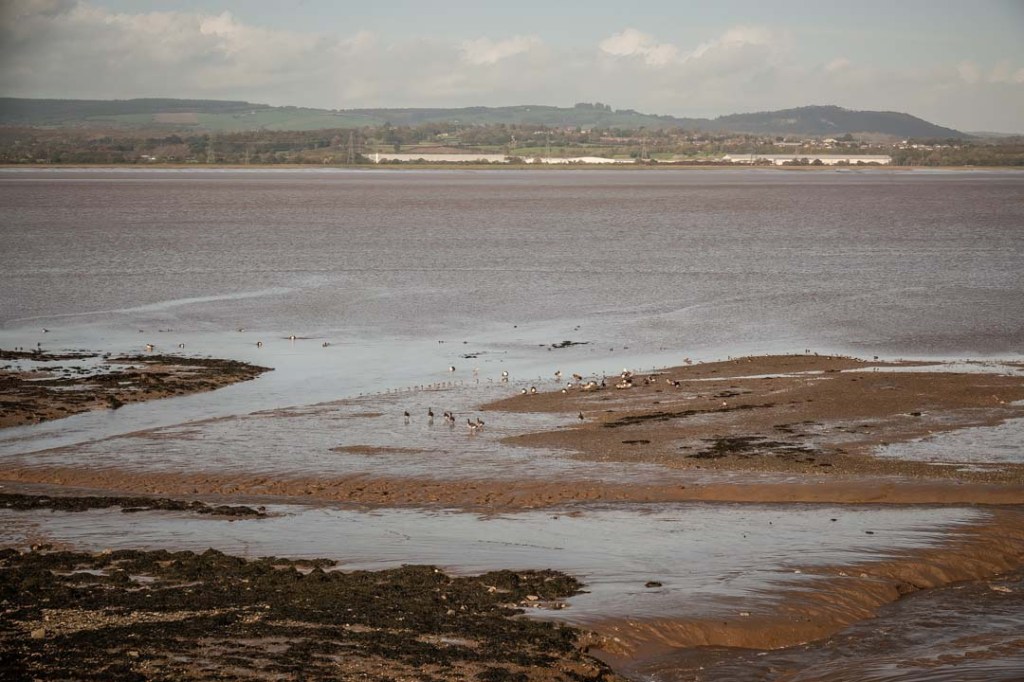
The view across Aust Warth towards the first Severn Bridge.The view back across Aust Warth towards the second Severn Bridge (now known as the Prince of Wales Bridge)Good numbers of black headed gulls, oyster catchers, Canada geese and a few curlews on the warth (the low lying area next to the sea)
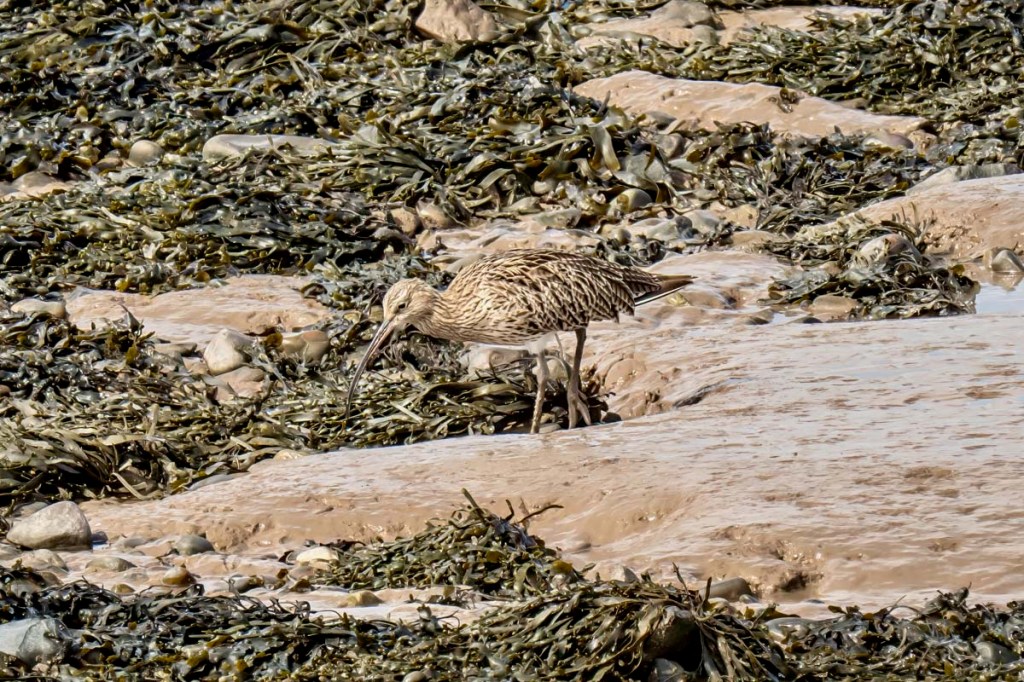
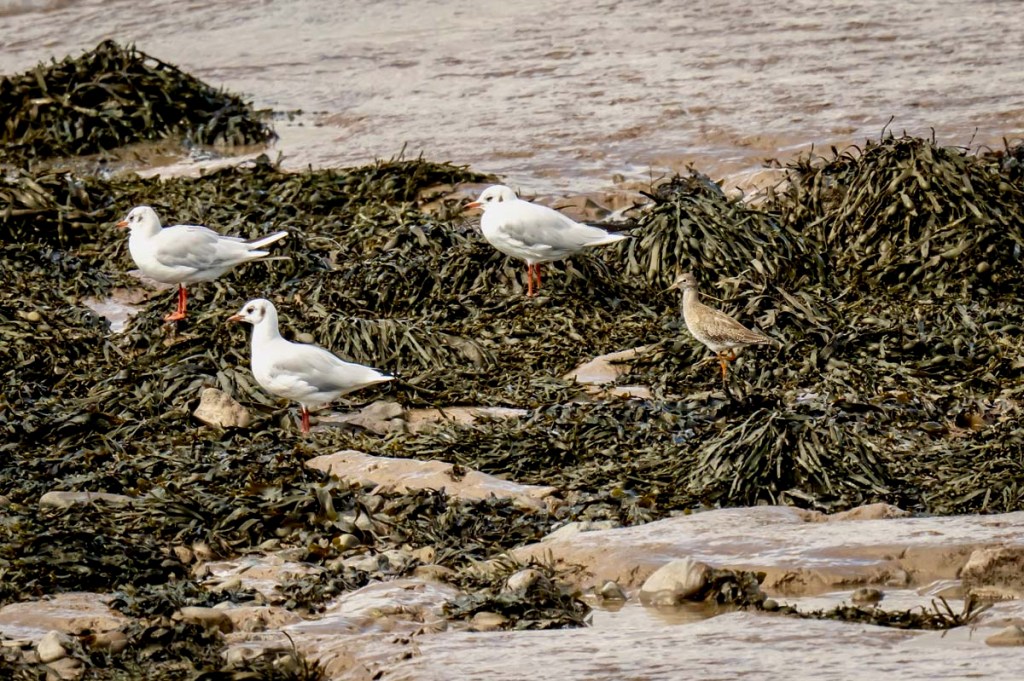
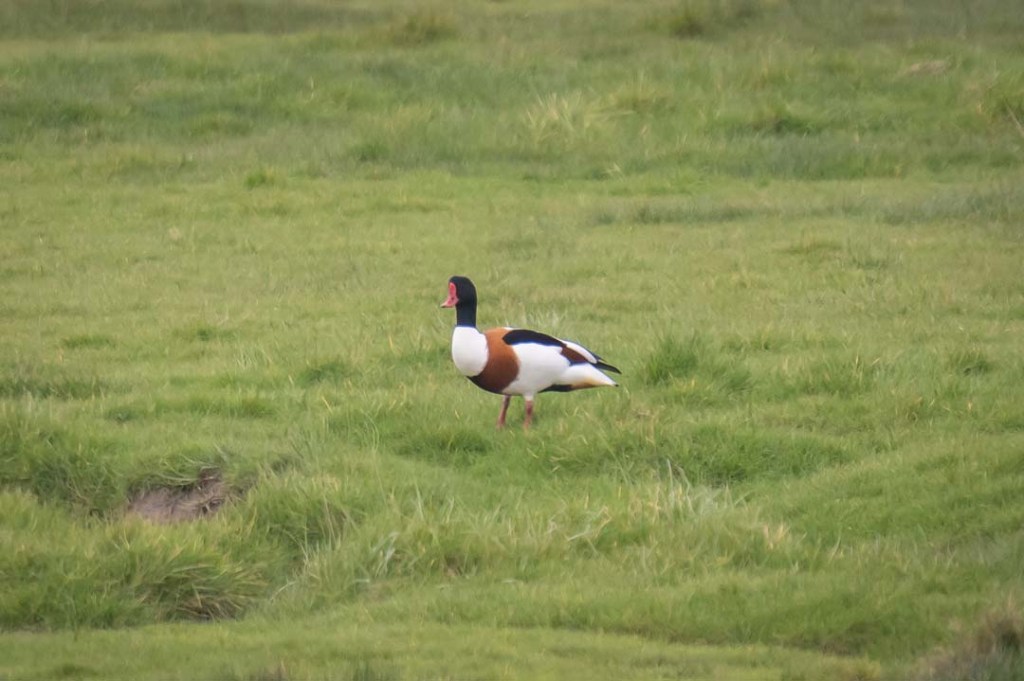
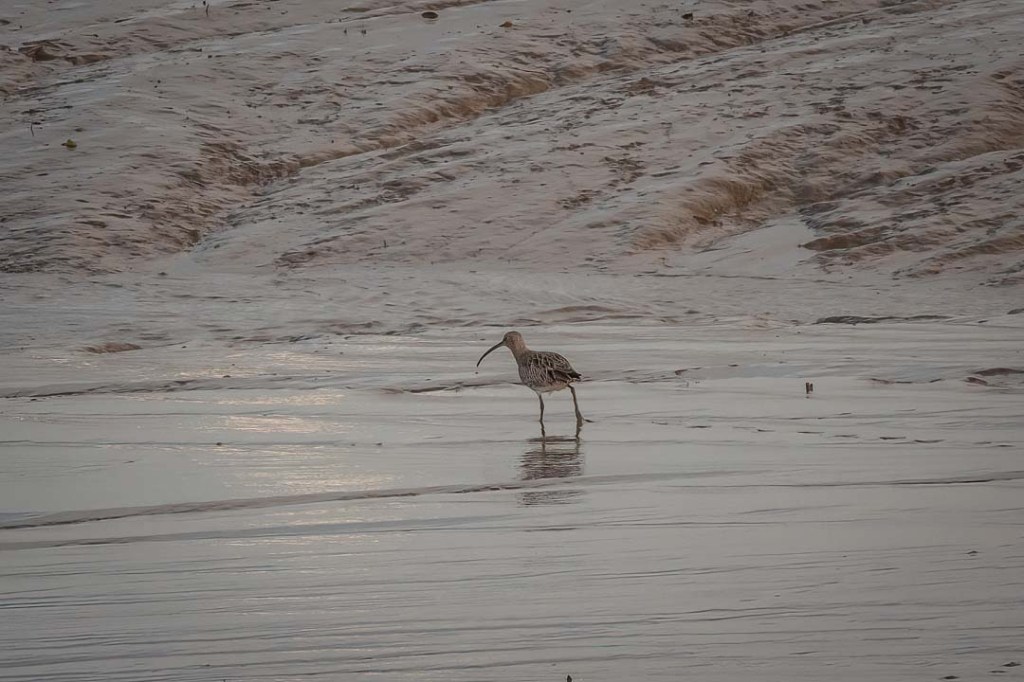
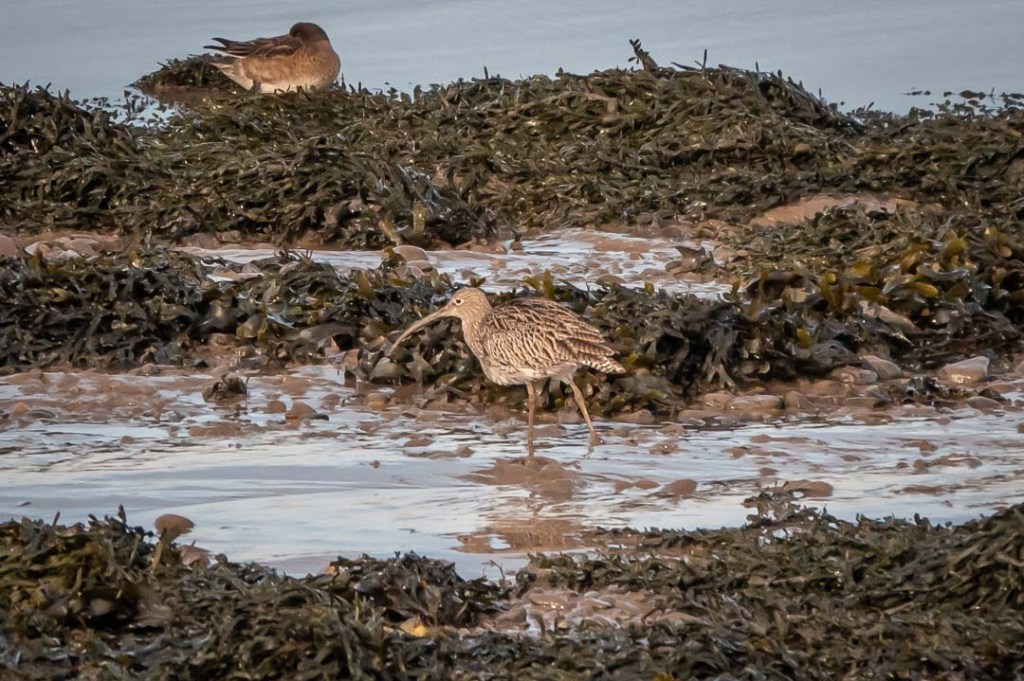
A better view of the oyster catchersThere were still a few swallows around Swallow up closeThe village of Aust in the distance – it was from here that the ferry operated to take vehicles and passengers to Wales before the Severn bridges were builtGadwall on the pools (most of which are dried up at the moment) on the other side of the warth.A distant curlew in flightWe caught up with the curlew at the end of our walk at New PassageCurlewCommon redshank at New PassageCommon redshank amongst the black headed gullsShelduck on the mud flats
I’m afraid golf and COVID have limited my birding activities in the last few weeks.
This morning we had a walk along the Severn Estuary at high tide; even that was fairly limited as we had miscalculated the weather forecast. In fact, it was more a case of having the wrong clothing (as they say – there’s no such thing as bad weather, just bad clothing) and so we curtailed our walk when the showers set in.
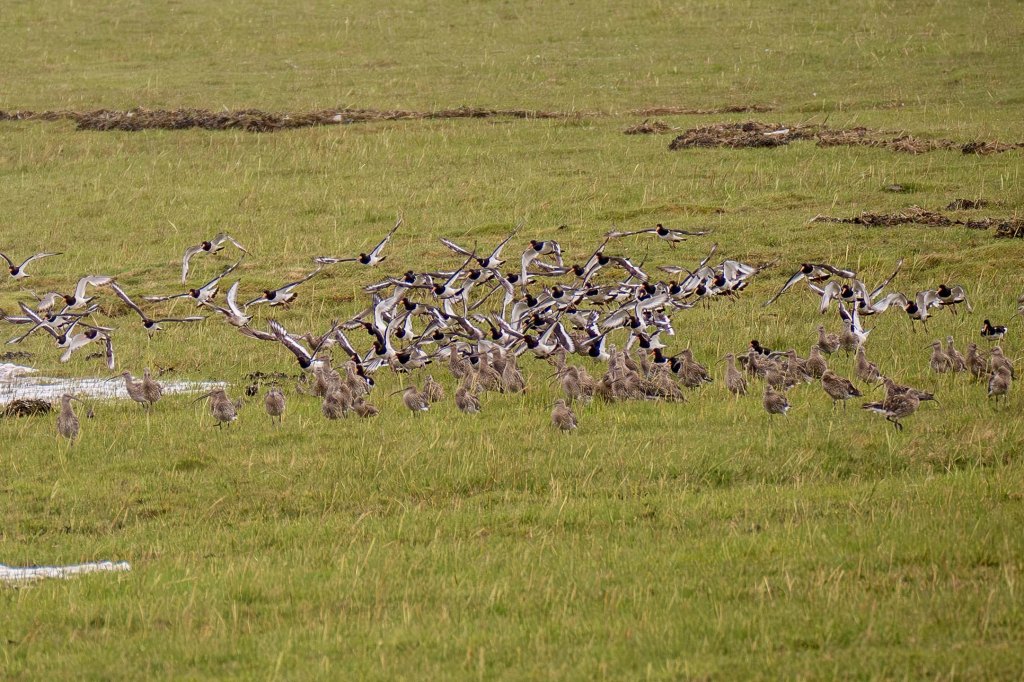
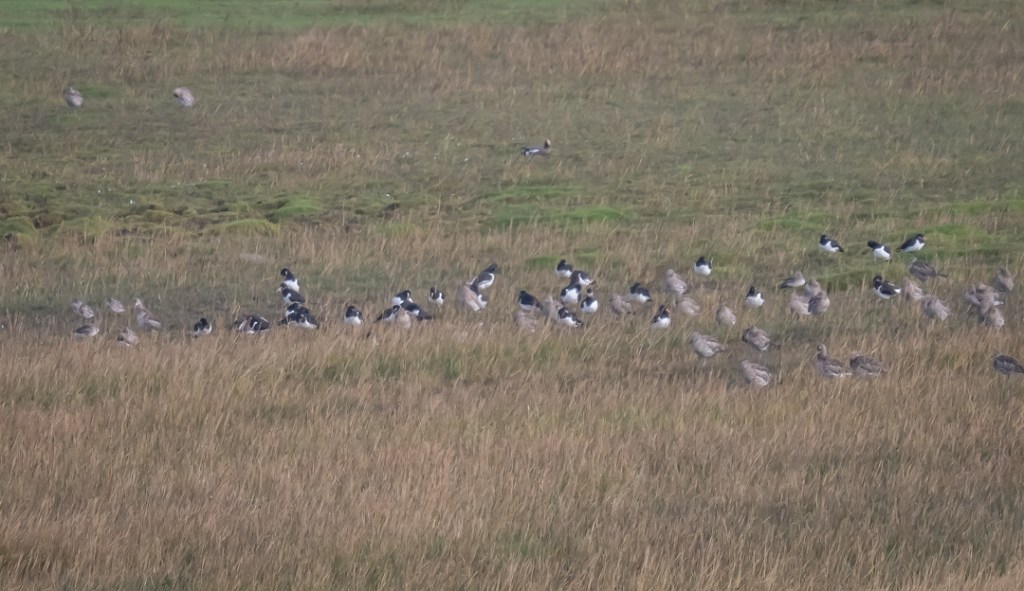
On Northwick Warth (a saltmarsh on the edge of the River Severn) there were big flocks of black-headed gulls and pockets of curlews and oystercatchers (over 50 of each) within our range.
Oystercatchers and curlewsThe high tide spilling onto the warth
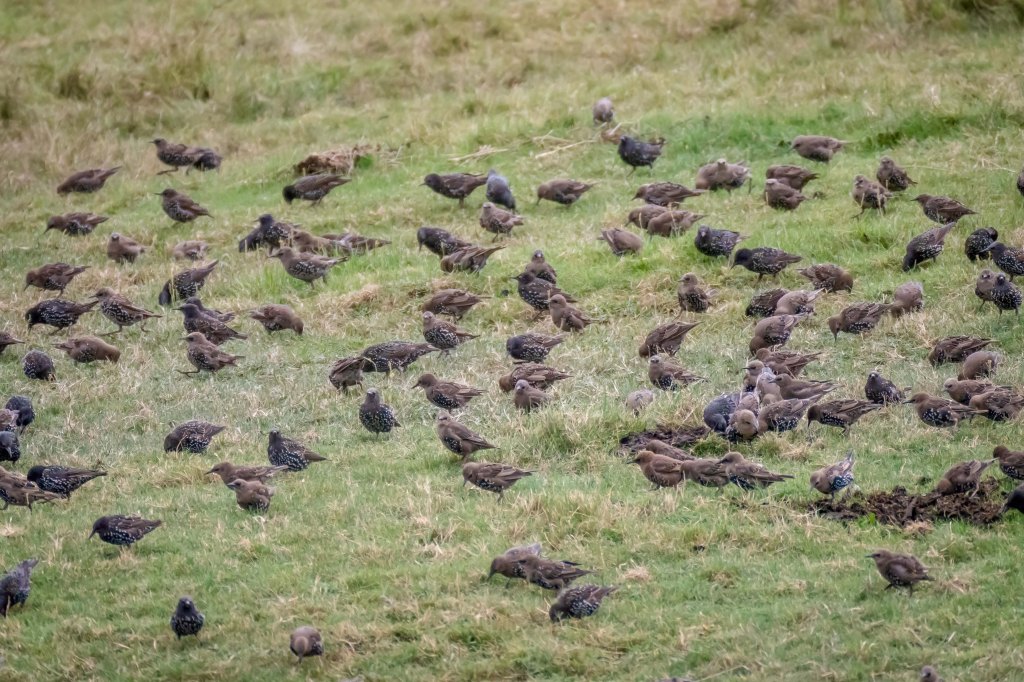
On the warth there were flocks of meadow pipits and goldfinches and even larger flocks of starlings.
Certainly not the best light for photographing swallows but they did come quite close
On the other side of the Severn Walkway is Pilning Wetlands which seem to have been filled in quite a lot since our last visit. We couldn’t work out if they were trying to improve the wetlands or destroy them. Hopefully, when the wet weather comes it will be a case of the former.
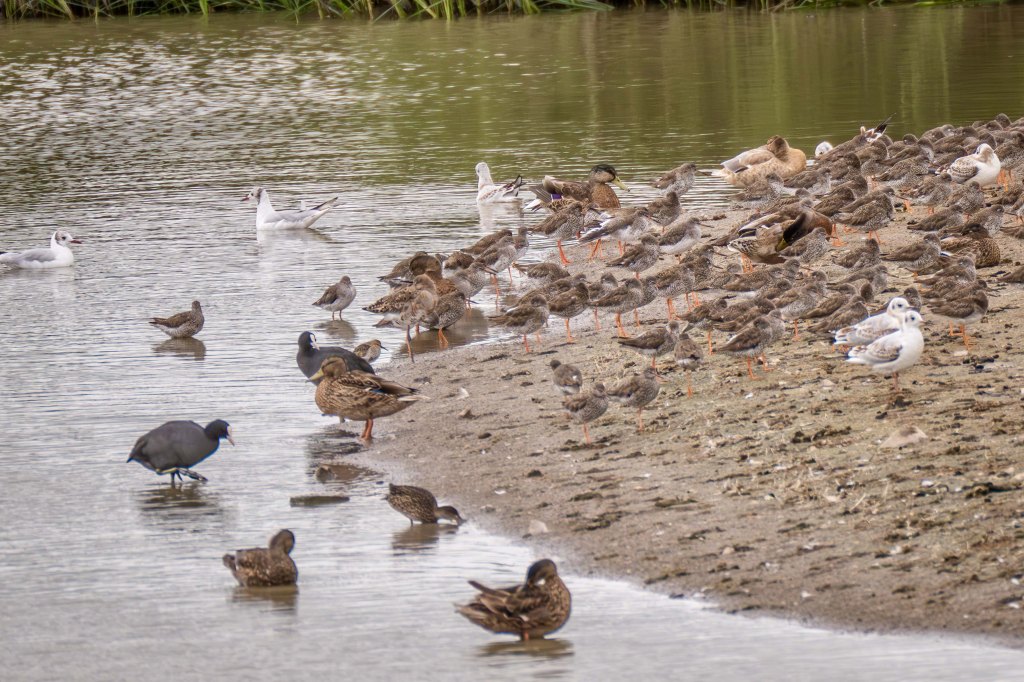
The light was very poor but on the first section of the wetlands we could make out over 50 redshank with a few dunlin and, I believe, a ruff. As it was high tide I imagine there would have been larger numbers of all these waders further along the wetlands but we were too “nesh” (certainly not my adjective nor one local to the west country) to carry on.
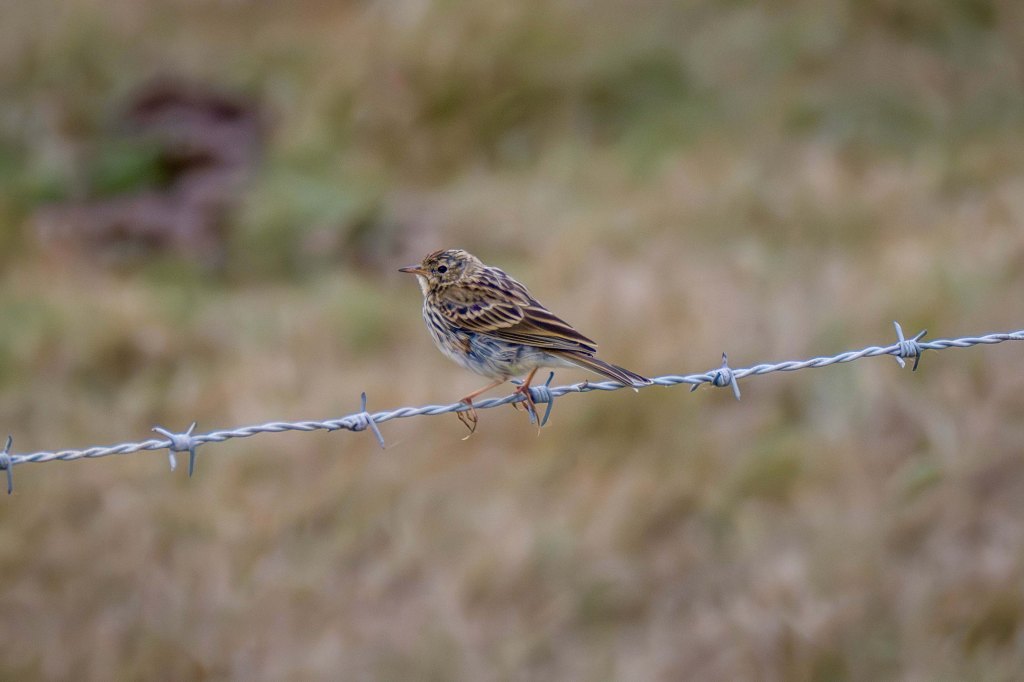
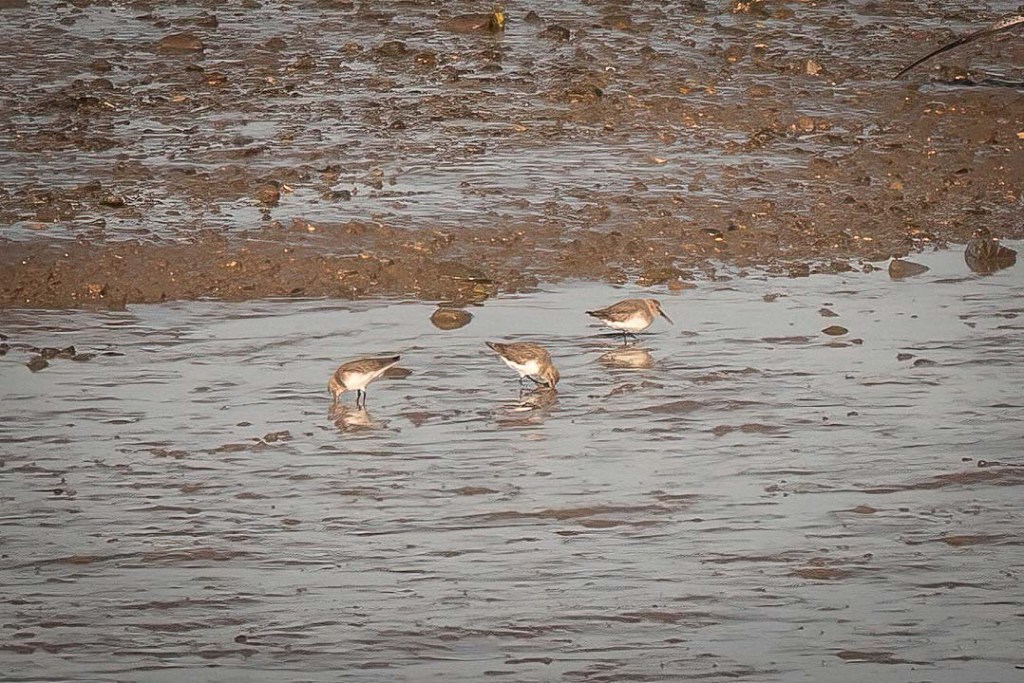
Amongst the redshank I can make out a dunlin and a ruffStarlings everywhereMeadow pipit on the wire
The weather forecast looks a little better going forward and so, hopefully, we will have better luck next week on our holiday in Norfolk.
But there again I wasn’t too good at interpreting it today!
It’s been so wet underfoot that birdwatching has not been my preferred pastime in the last few weeks.
I’ve even been tempted to start a blog of other activities and had a go at a visit to a local church (see St Mary’s Berkeley, further up the Severn Estuary).
However, I am probably on dodgy ground here as I know so little about ecclesiastical architecture and just as little about history.
The only shelduck to come close enough for a photo opportunity
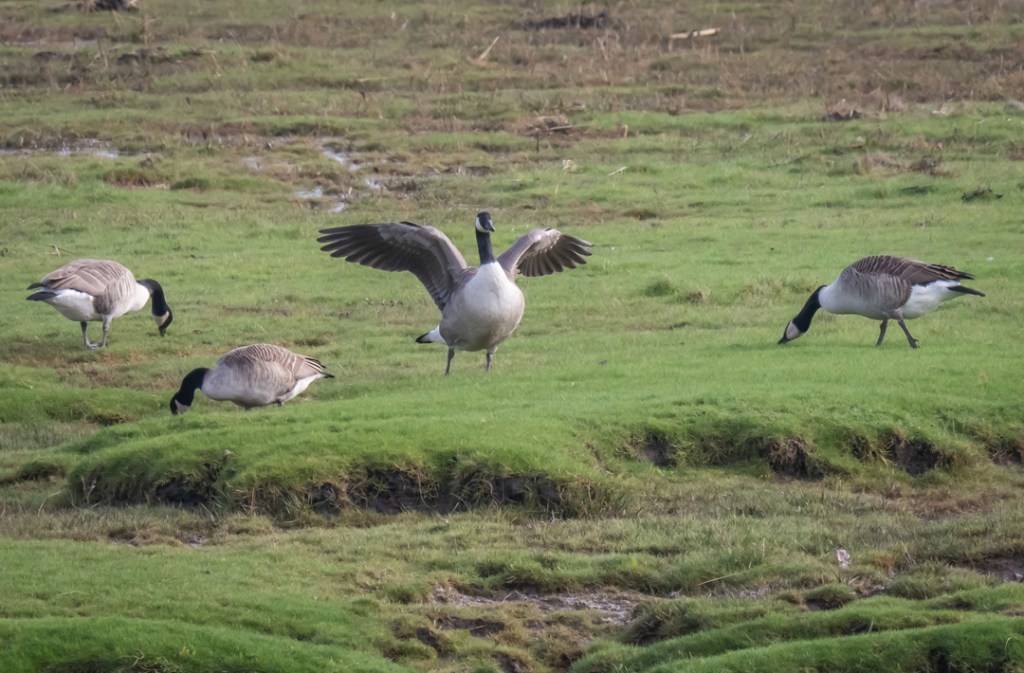
We hit on a walk along the new flood defences along the Severn Estuary near Aust. We were hoping that the new path would not be too muddy, as turned out to be the case. The tide was very high and so there were no waders around but we did have distant views of lots of shelduck and a few Canada geese.
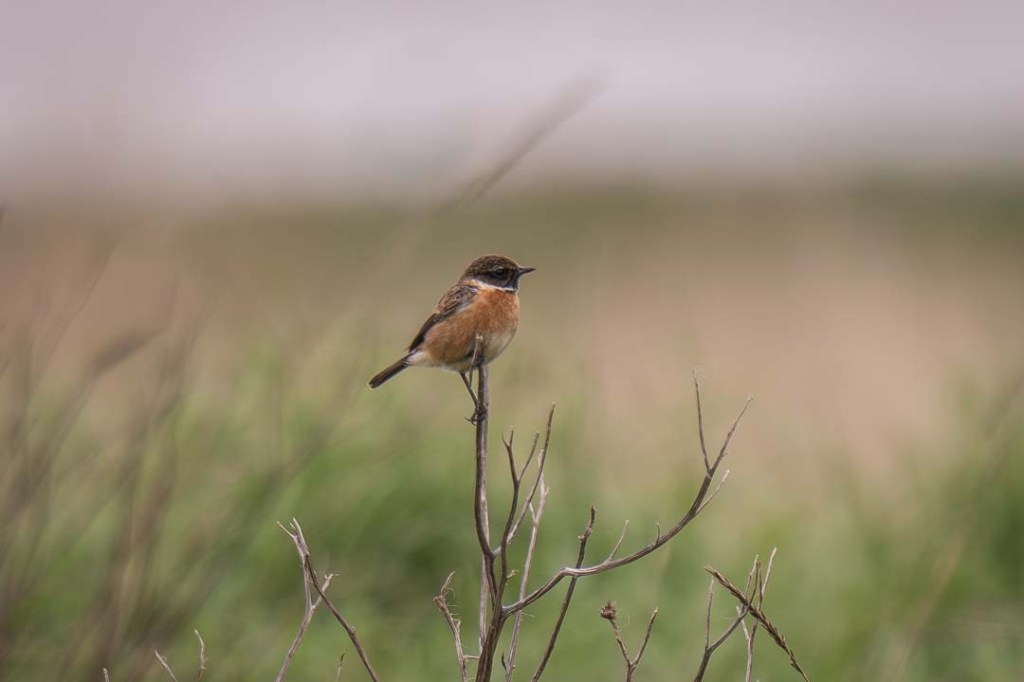
StonechatStonechat
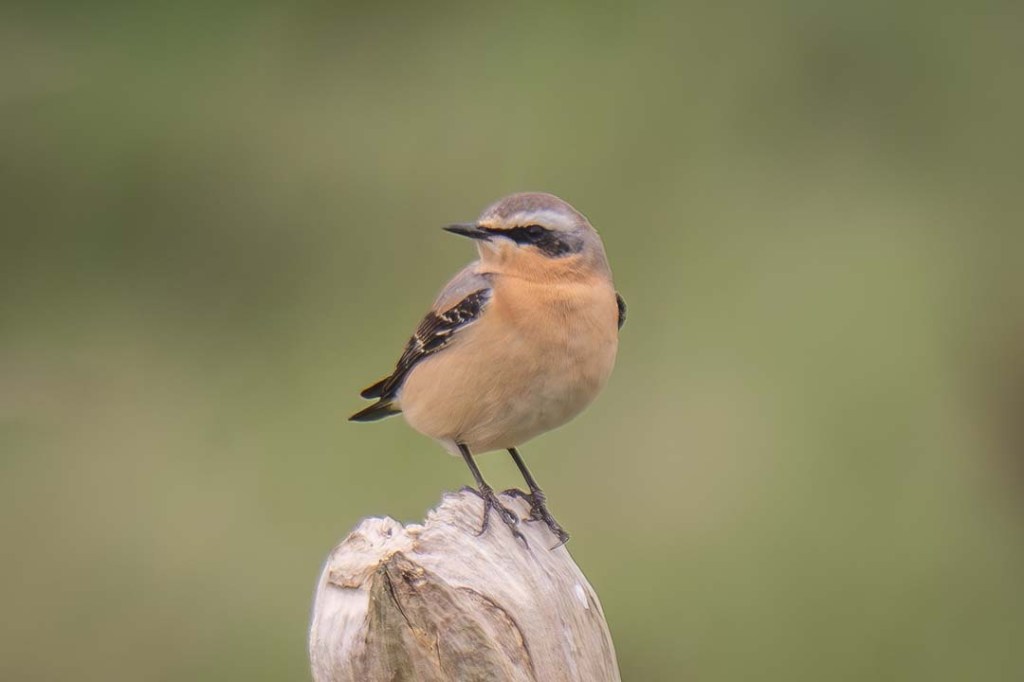
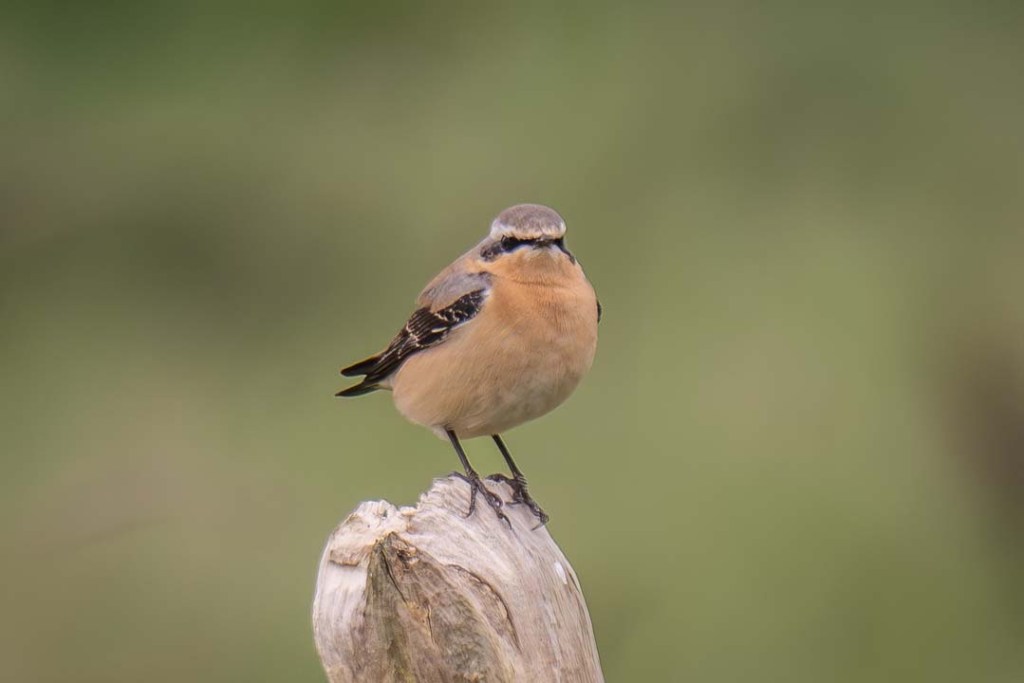
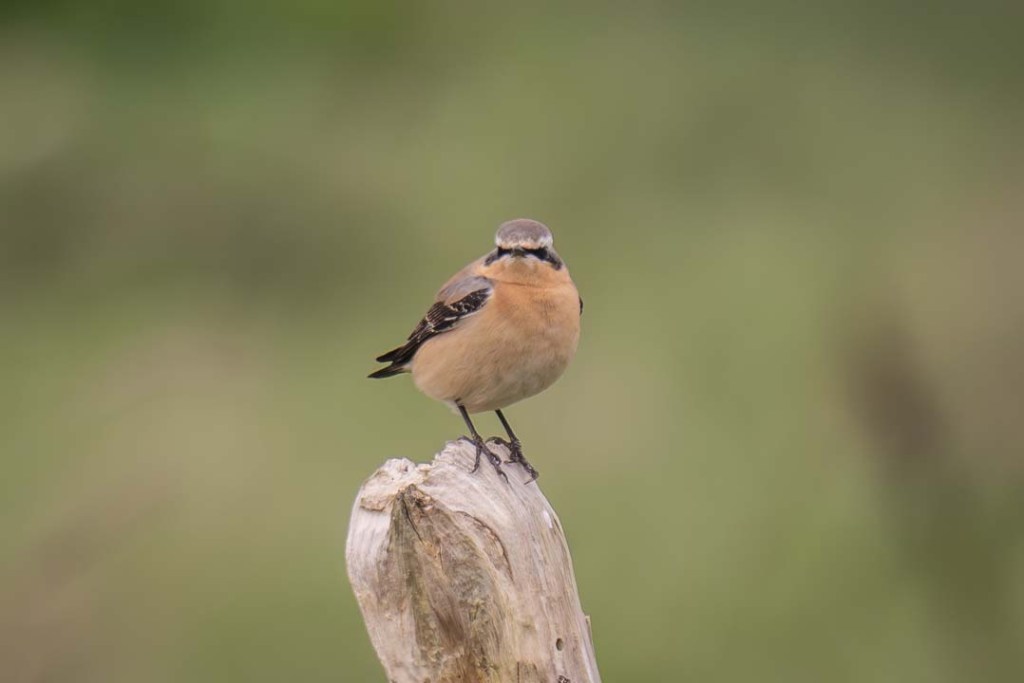
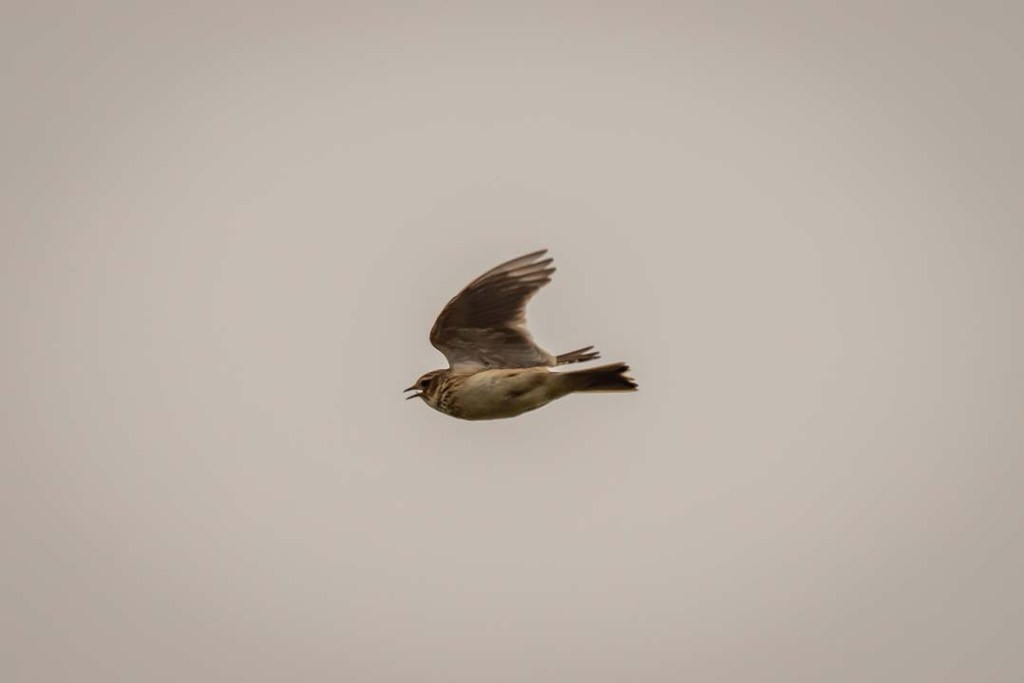
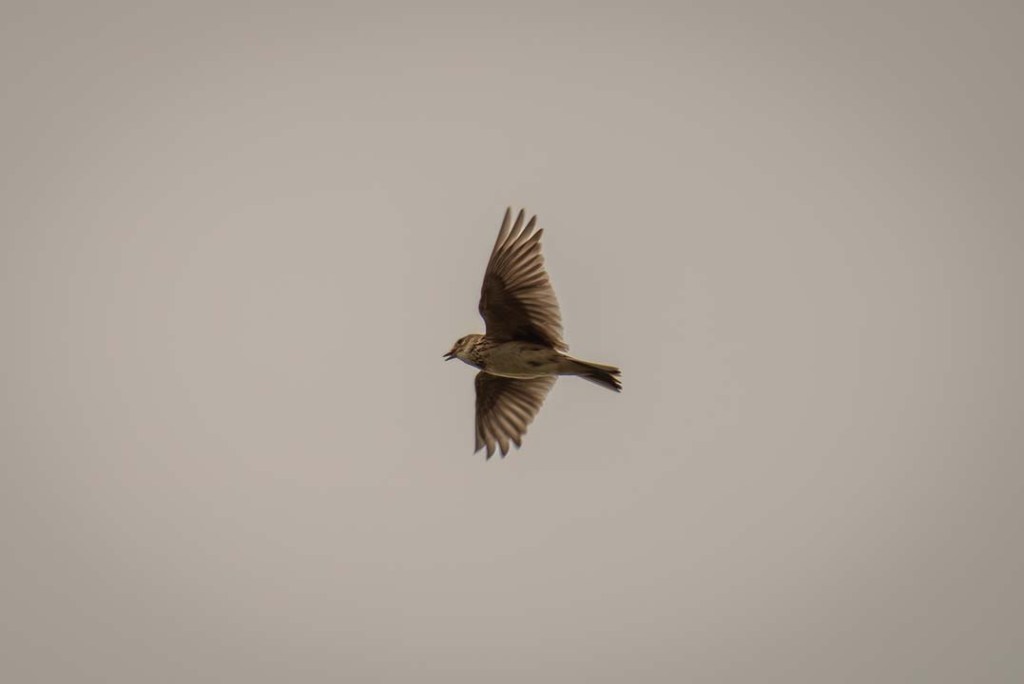
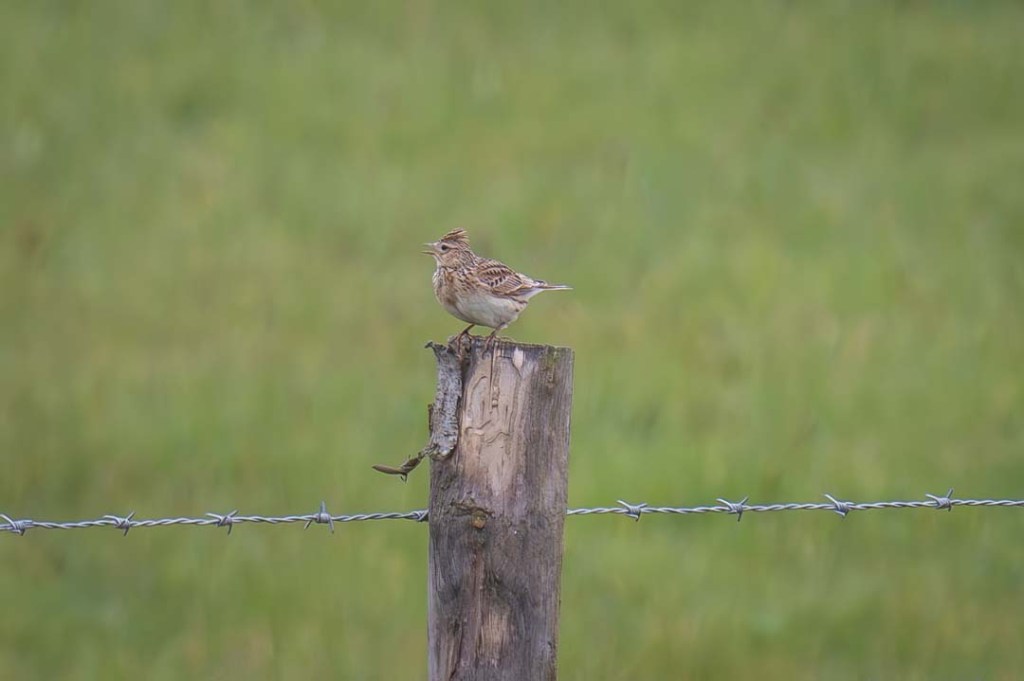
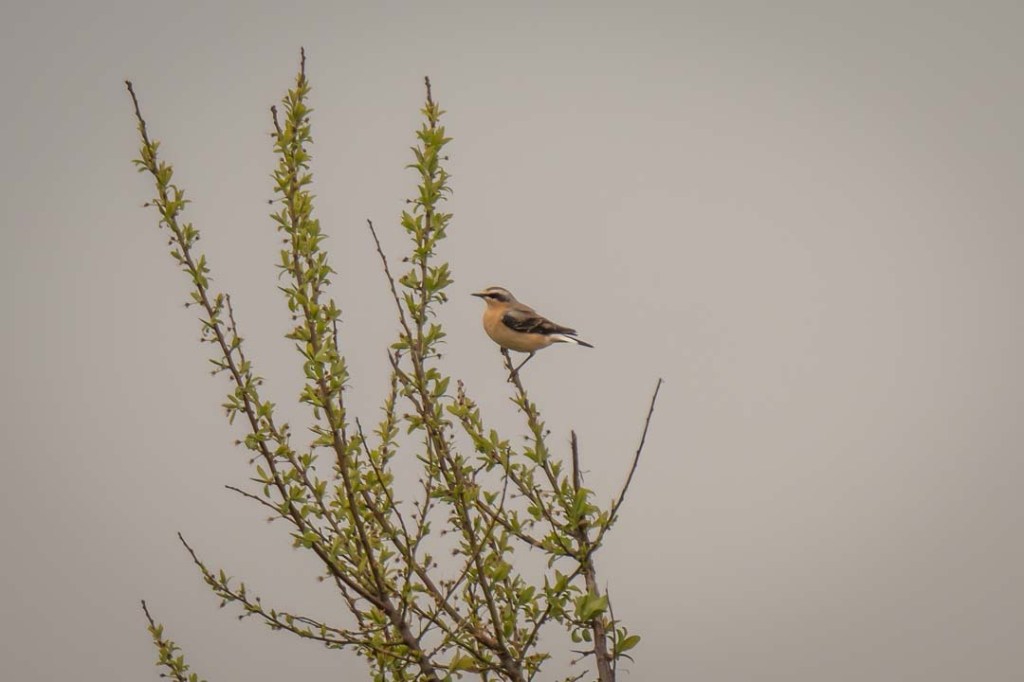
However, we were rewarded in the early part of our walk with a a fairly close-up view of a northern wheatear and a stonechat; skylarks were with us all along the walk and certainly lifted our spirits.
It was dull at Slimbridge this morning but quite mild. It was definitely a pleasure to be spared the wind and rain which have plagued us for the last few weeks.
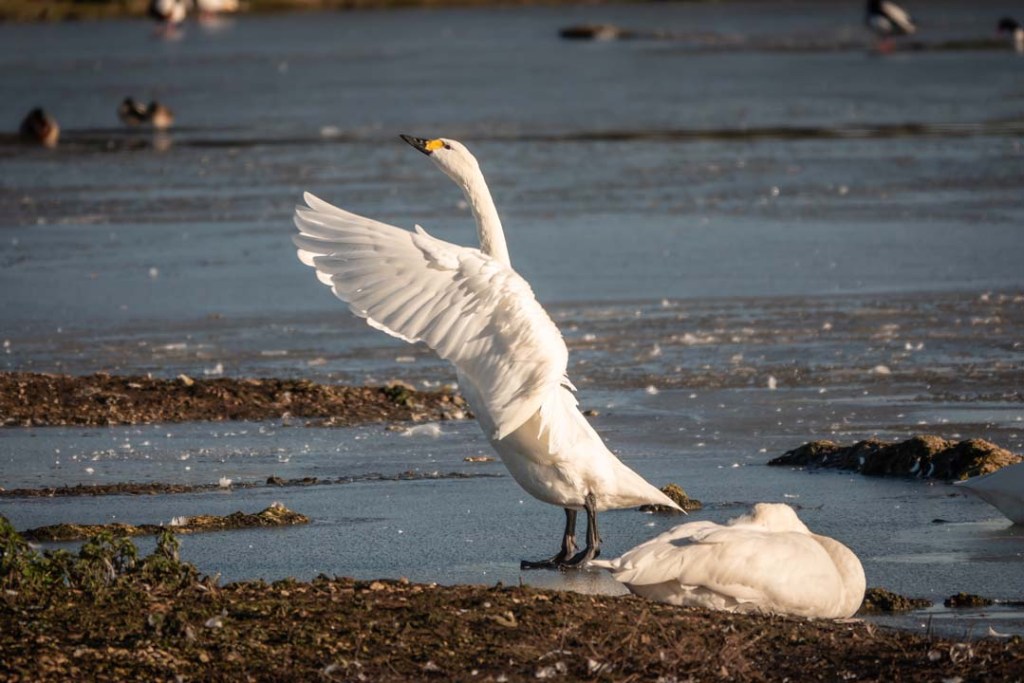
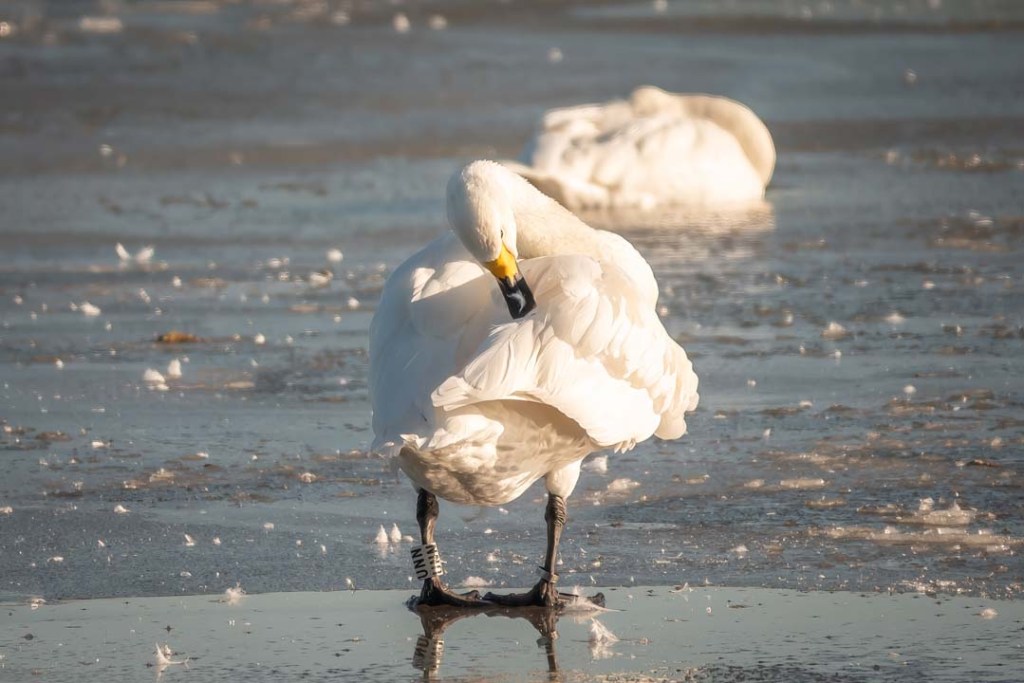
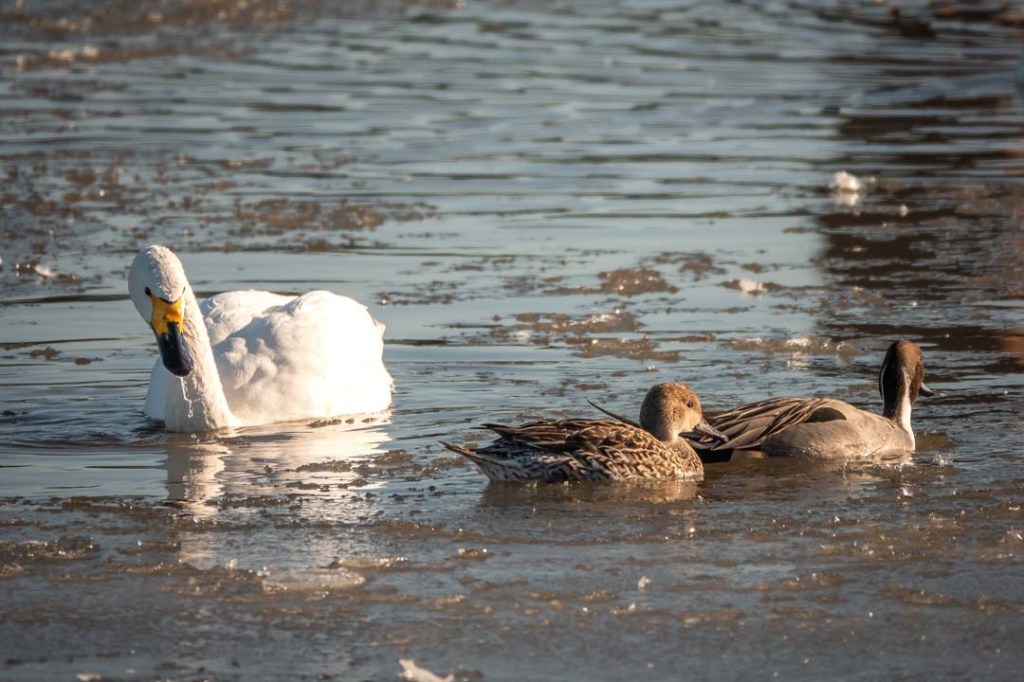
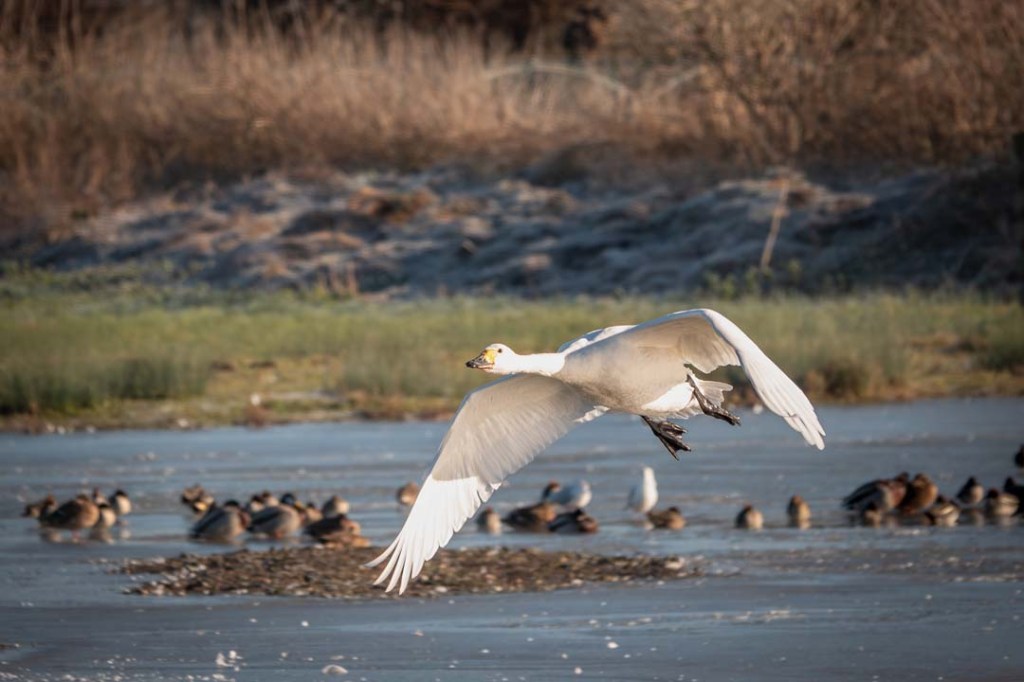
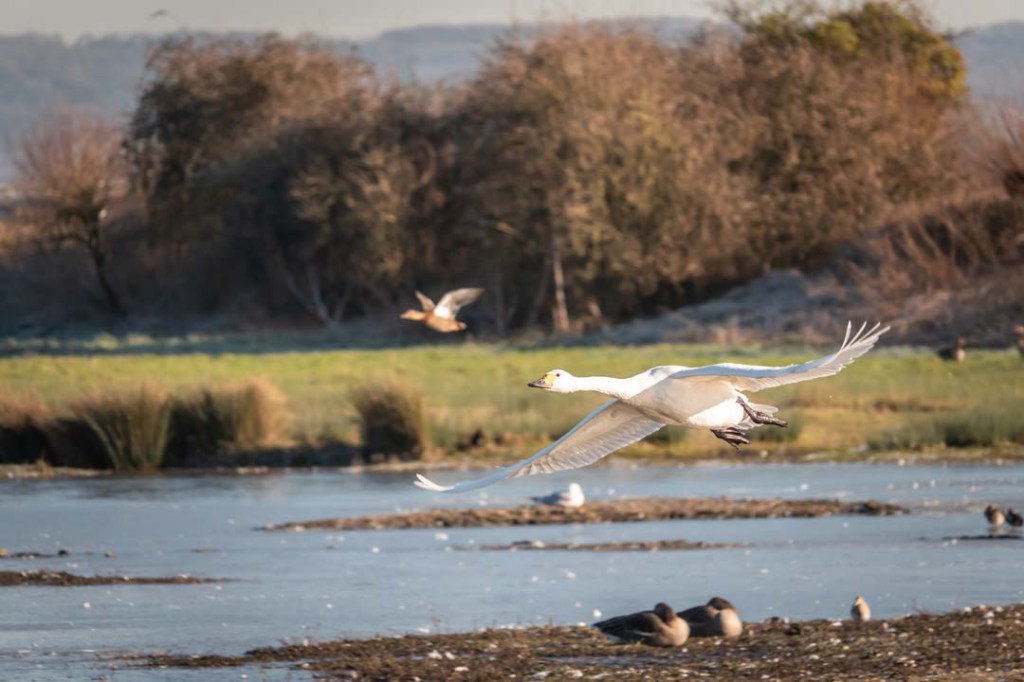
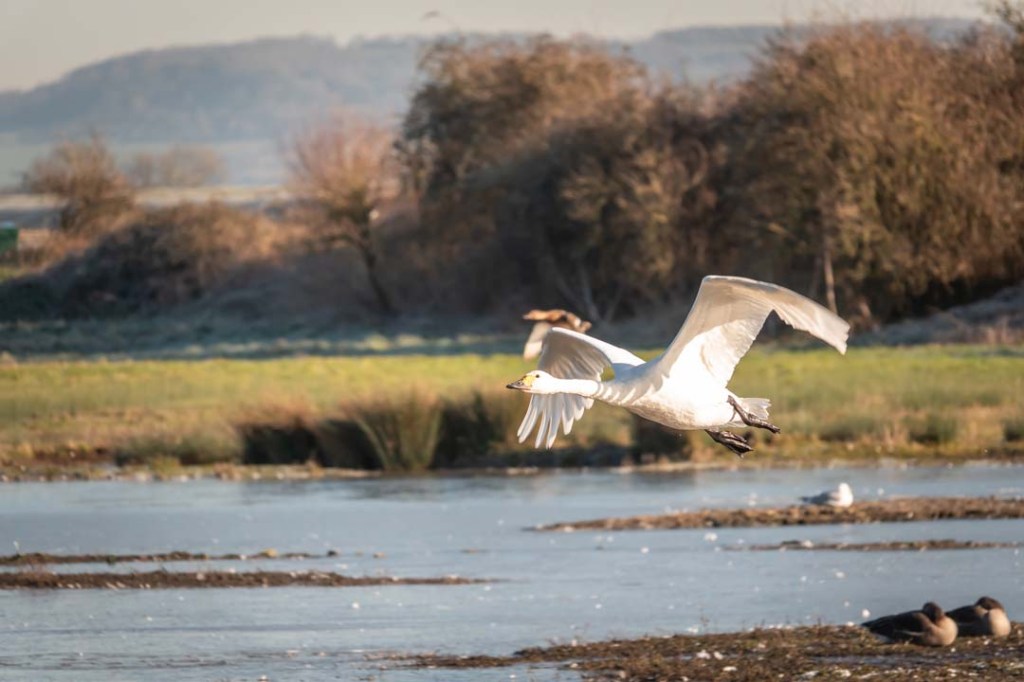
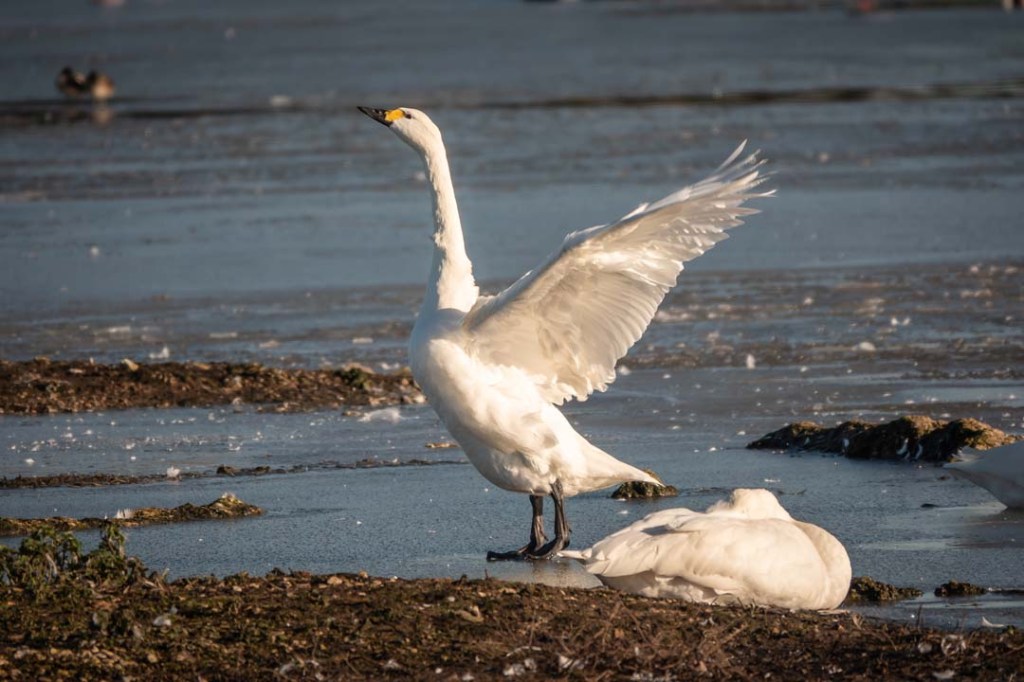
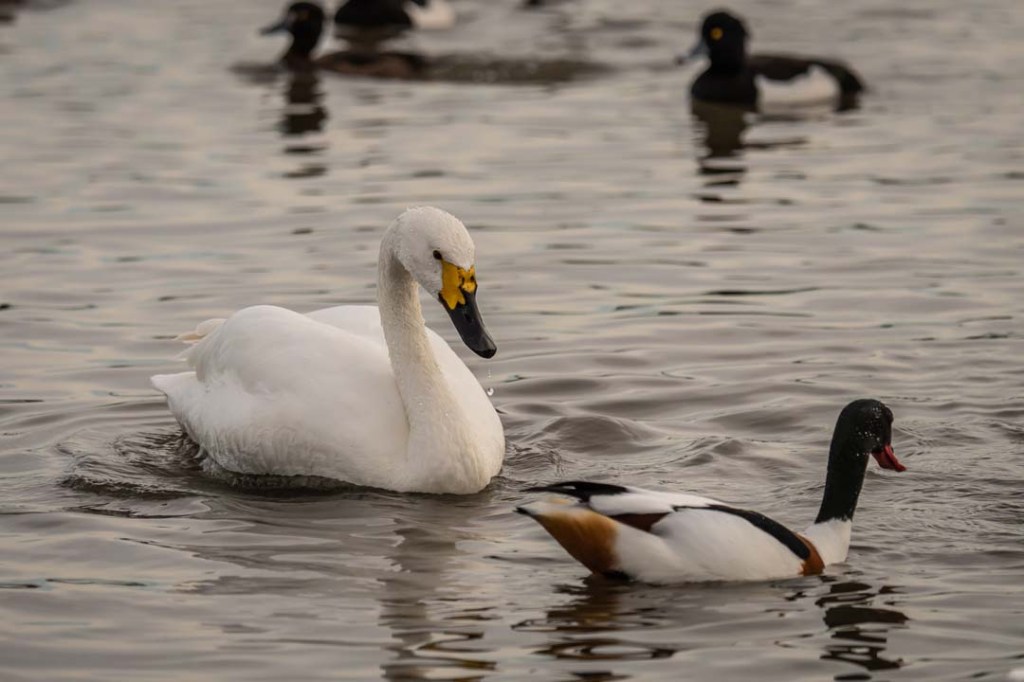
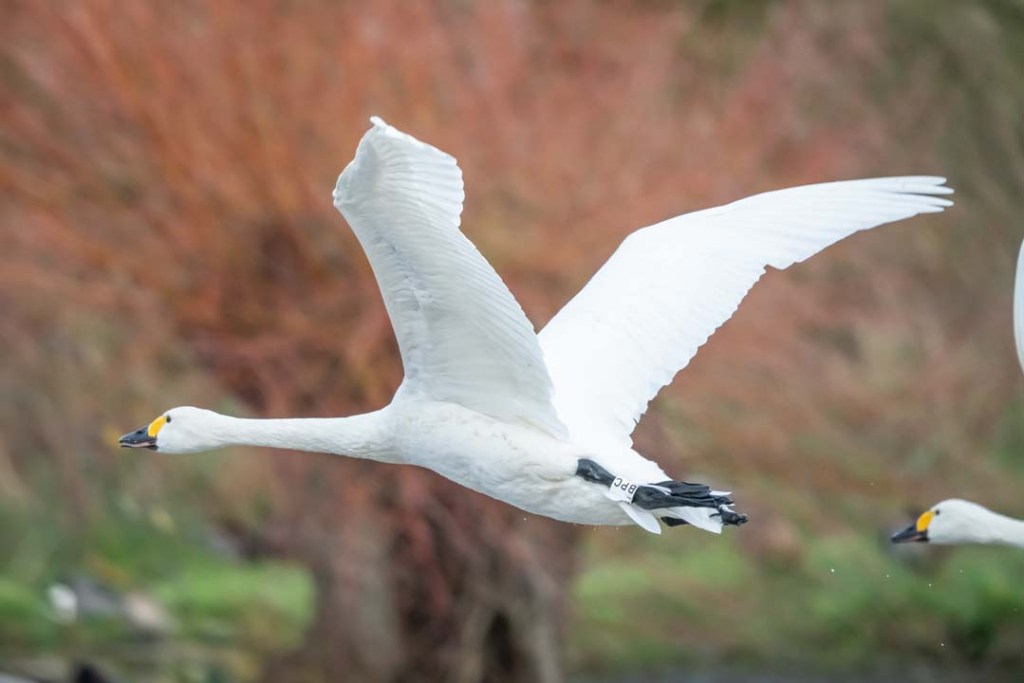
Bewick swans
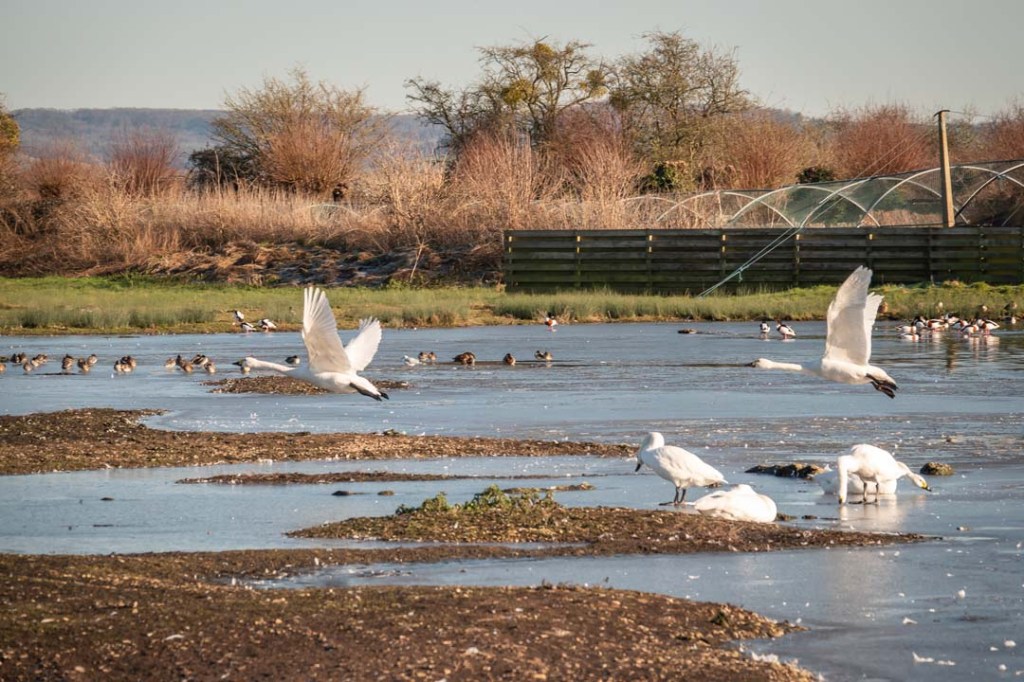
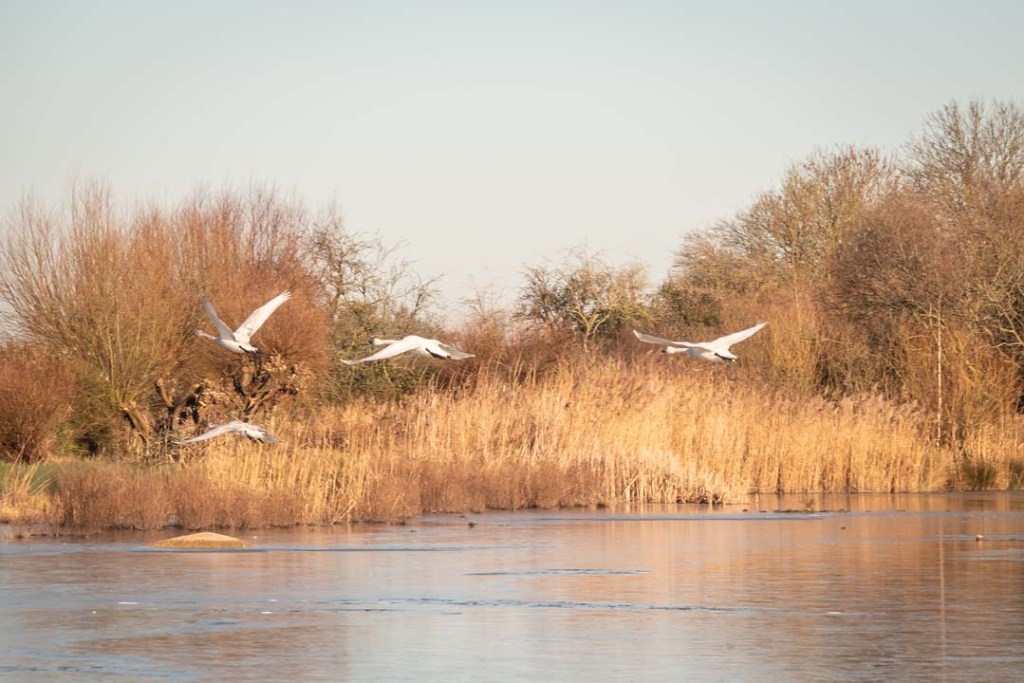
At this time of year the highlights are the Bewick swans which migrate here from the arctic tundra of Russia.
This year the Bewicks didn’t arrive at Slimbridge until the 16th November which is the latest they have arrived on site since 1965. Experts are linking their delayed arrival to climate change, combined with a mixture of stormy and mild weather in recent weeks.
The Bewicks are quite small swans , as can be seen compared to a shelduck
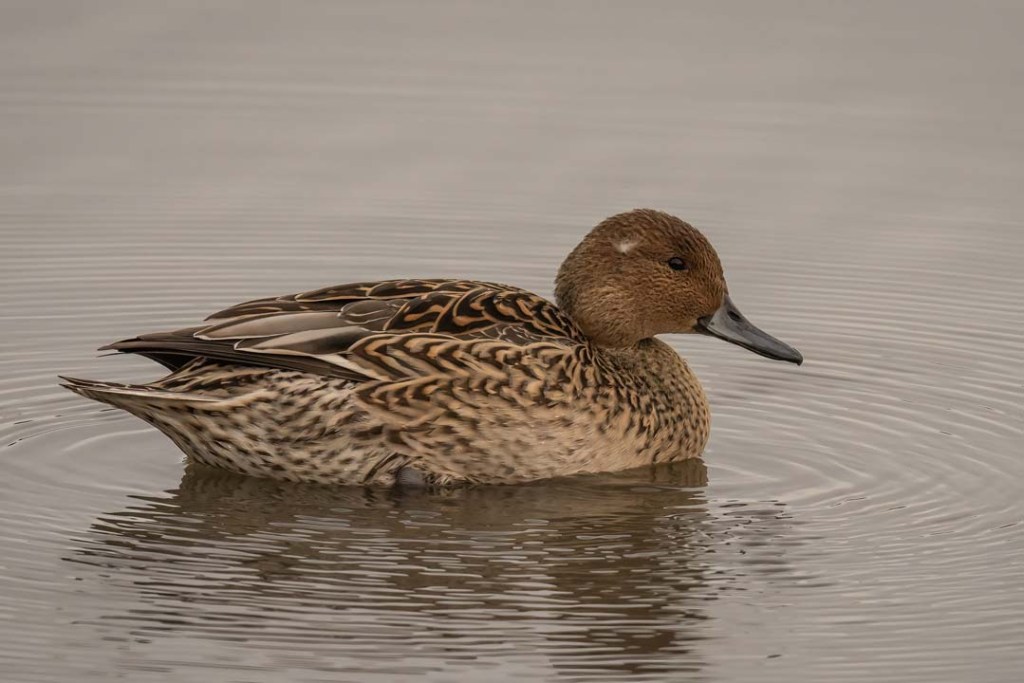
There were fair numbers of one of my favourite ducks, the northern pintail.
Northern pintails Female northern pintail
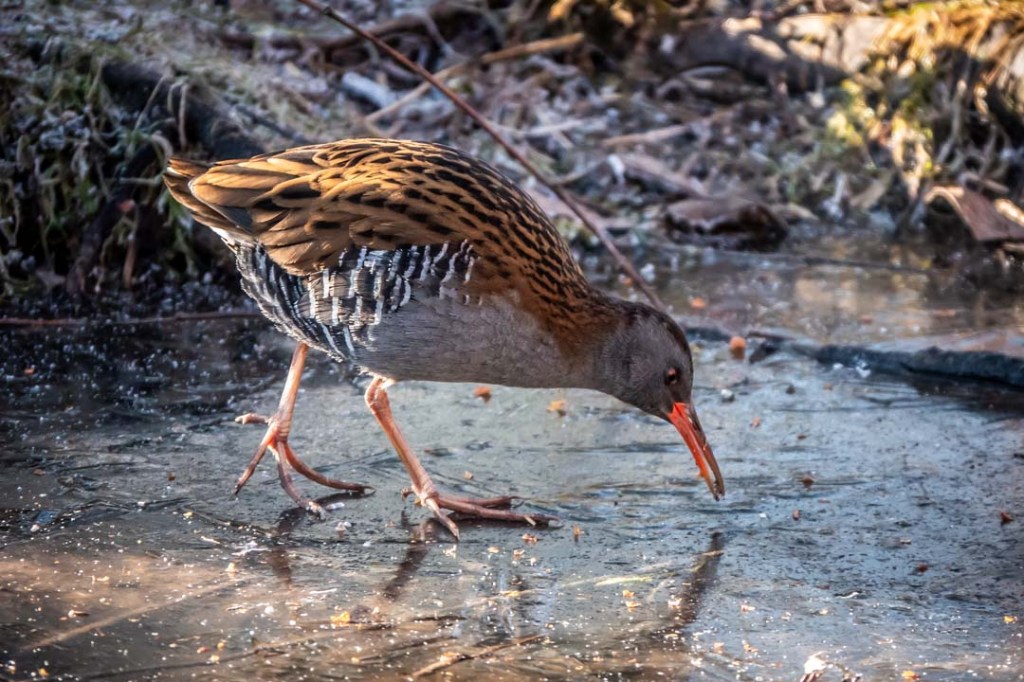
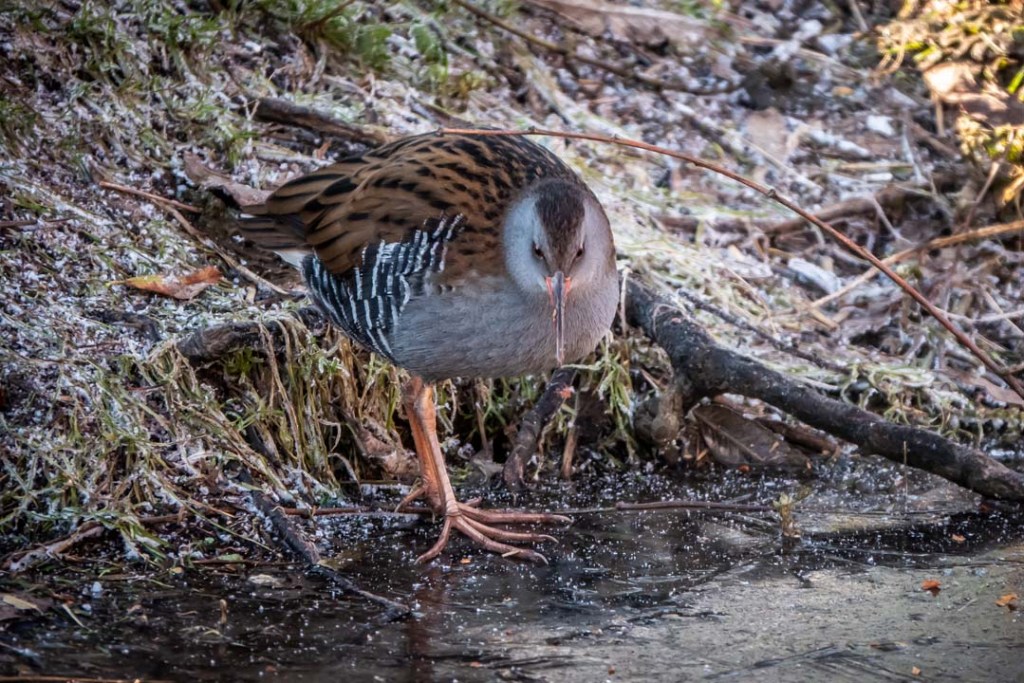
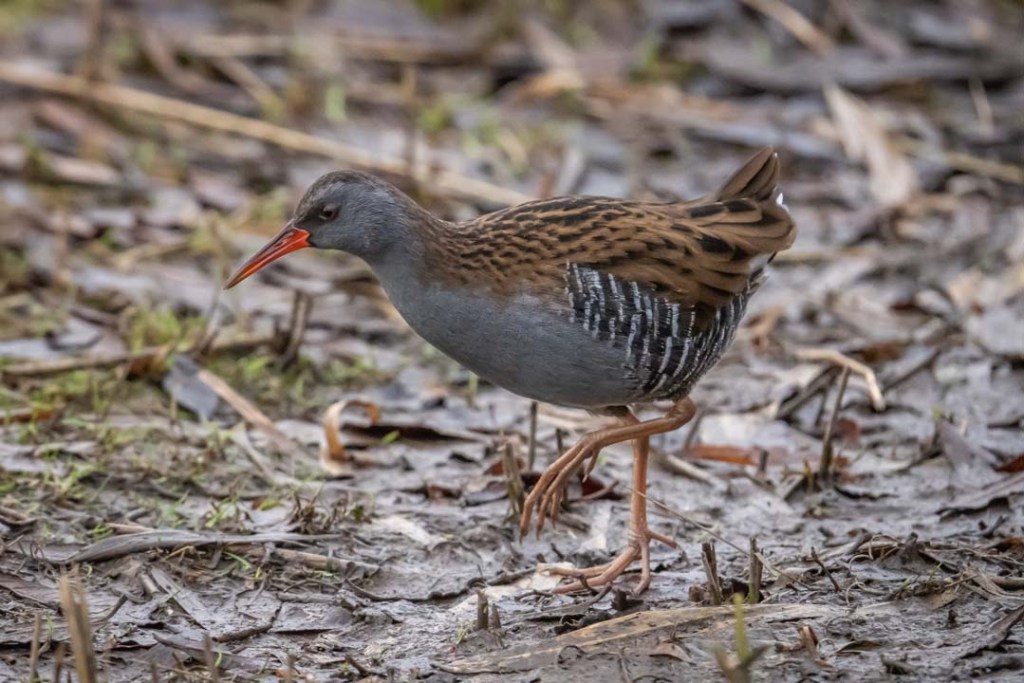
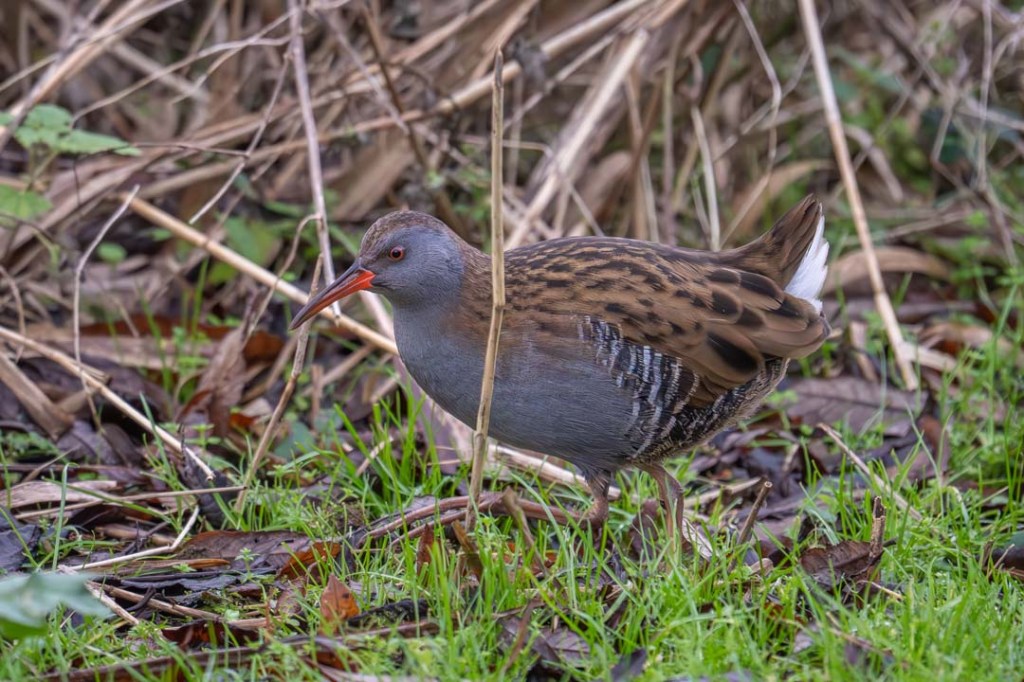
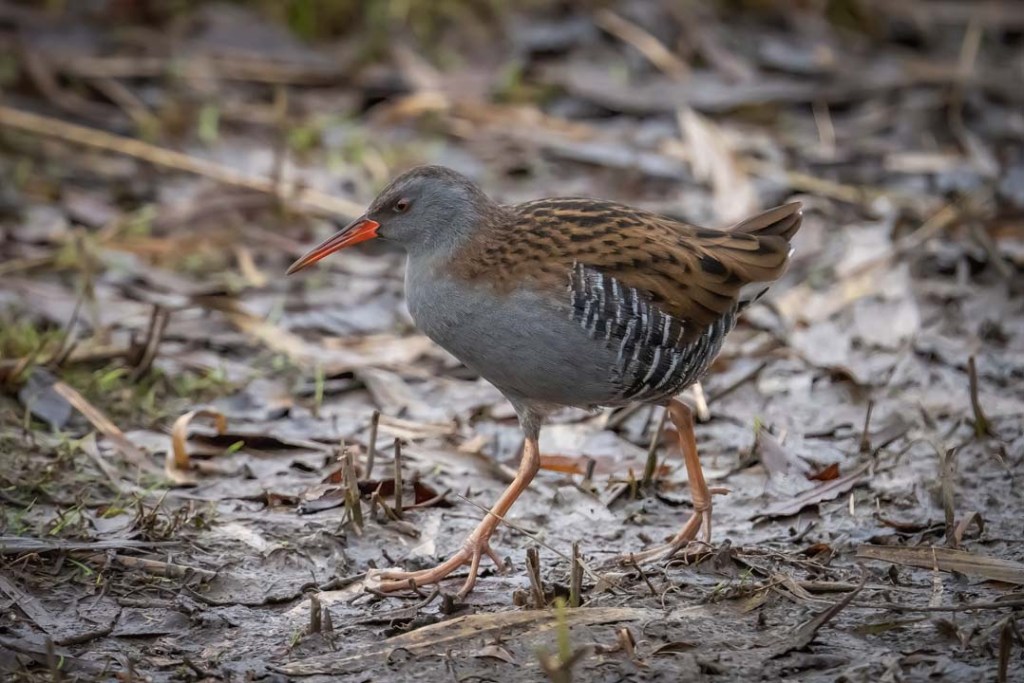
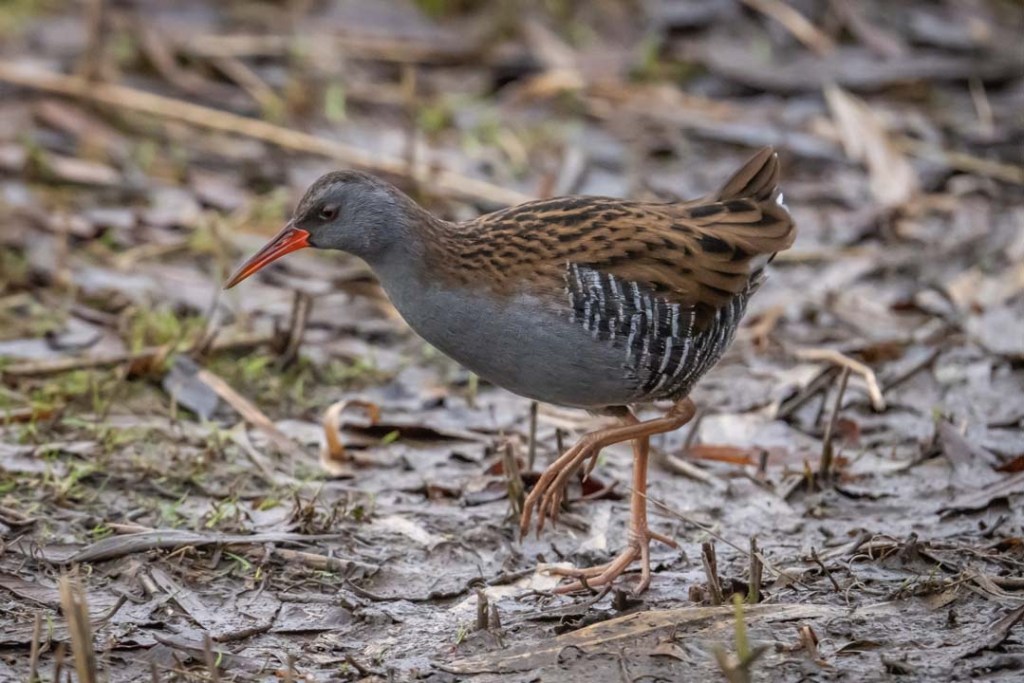
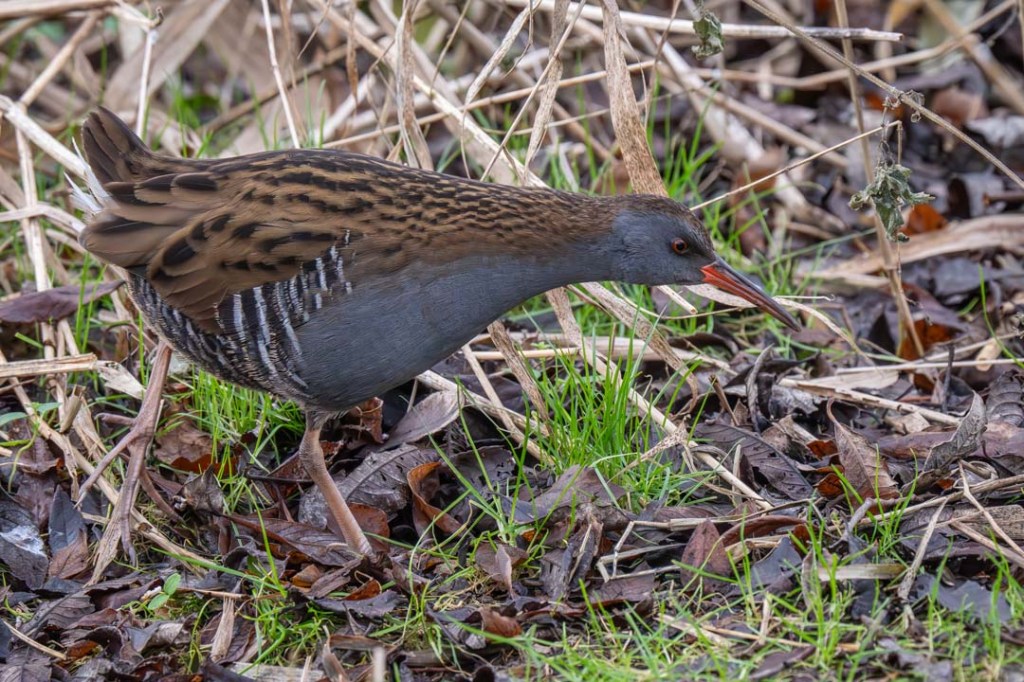
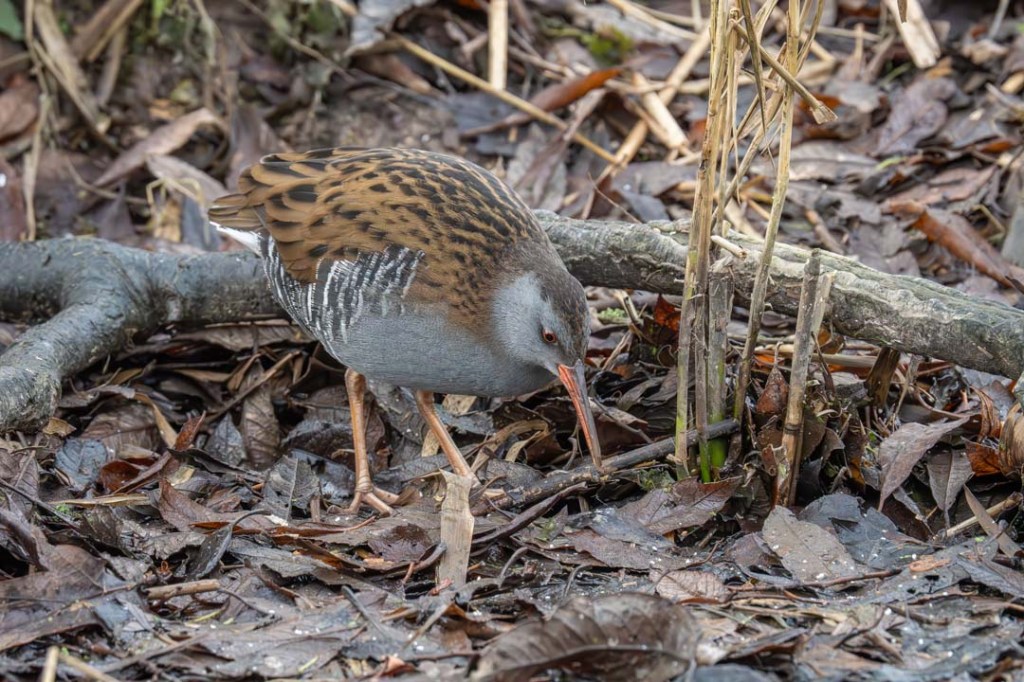
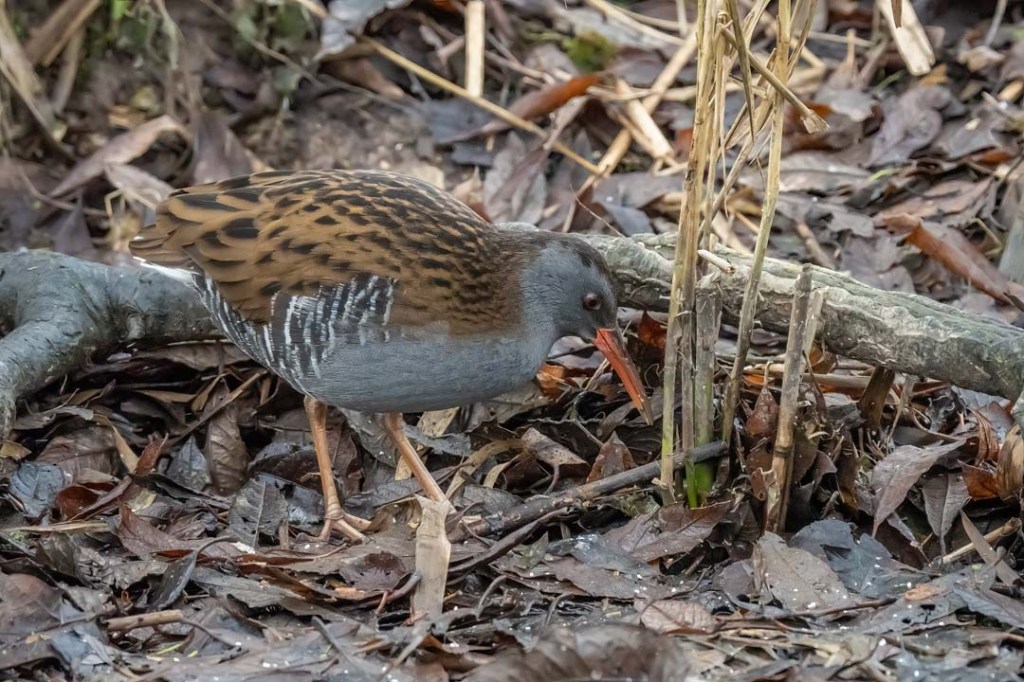
We also had good views of the generally secretive water rail – with two parading very close up.
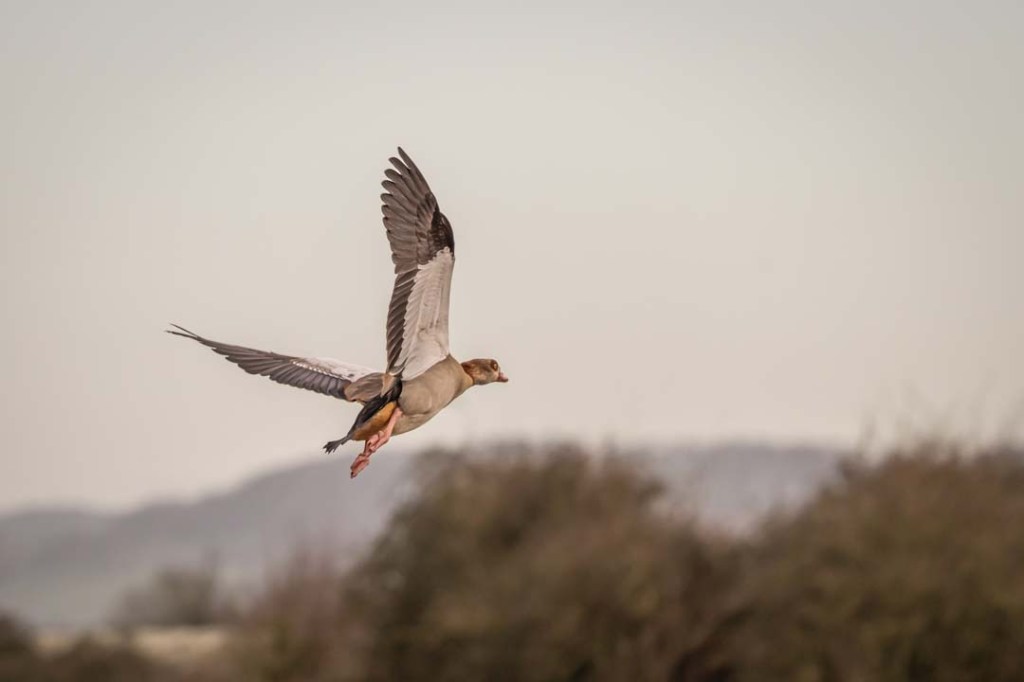
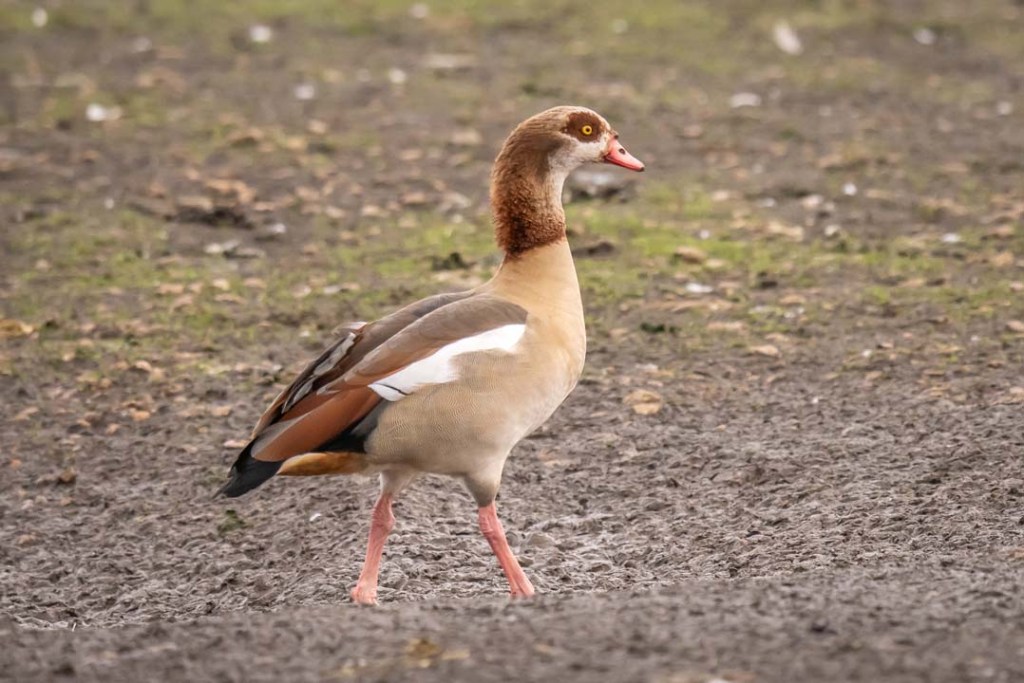
Water railWater railTwo Egyptian geese flew in to join the large number of greylag and Canadian geese.Egyptian goose
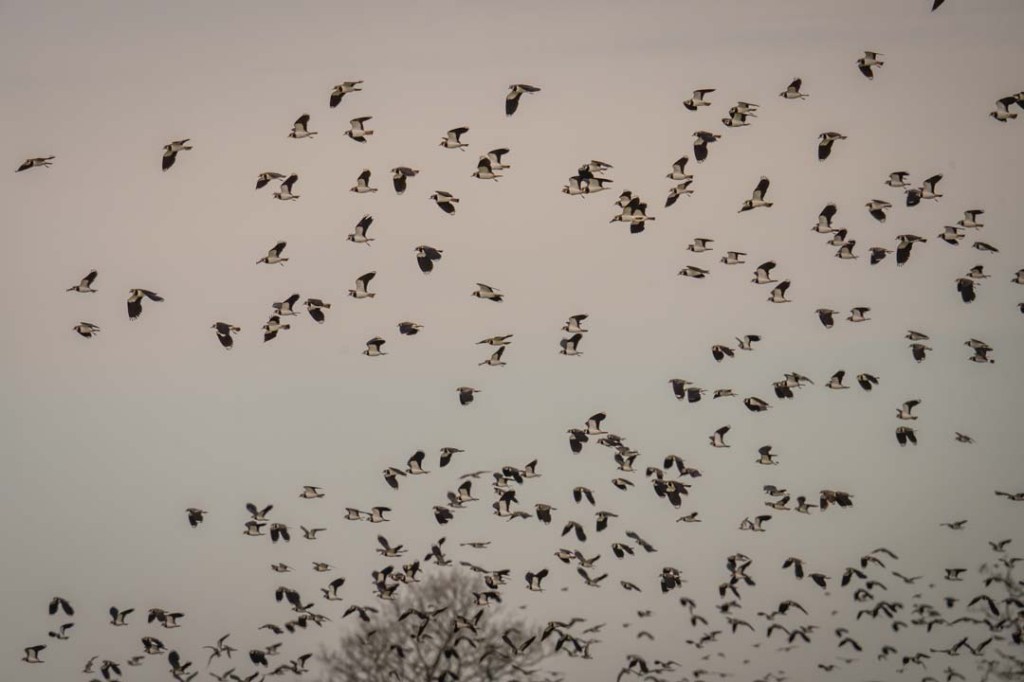
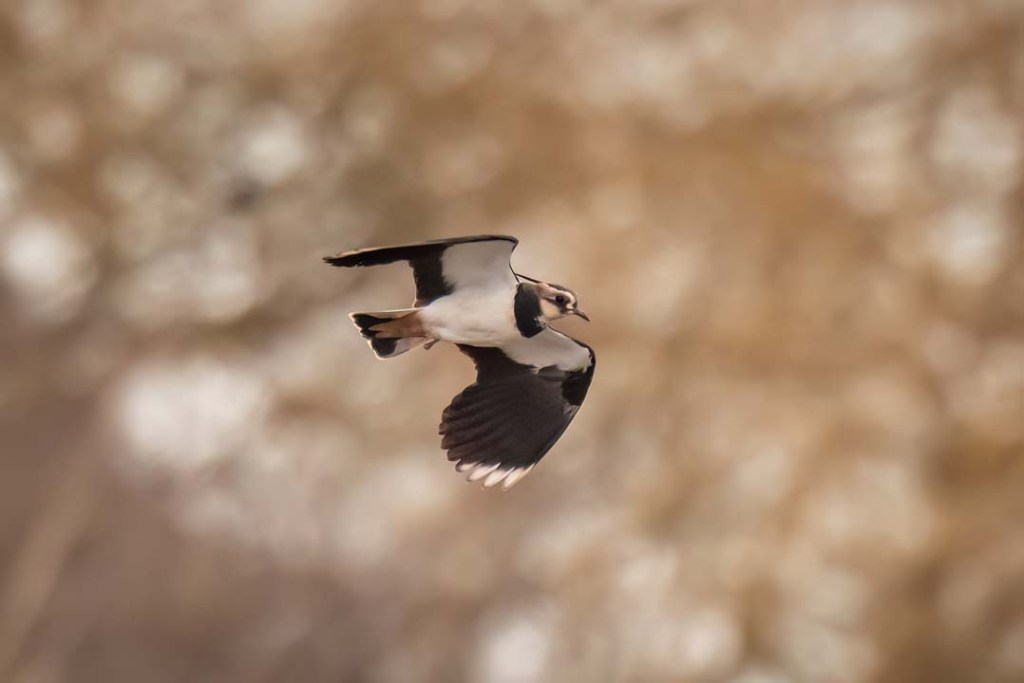
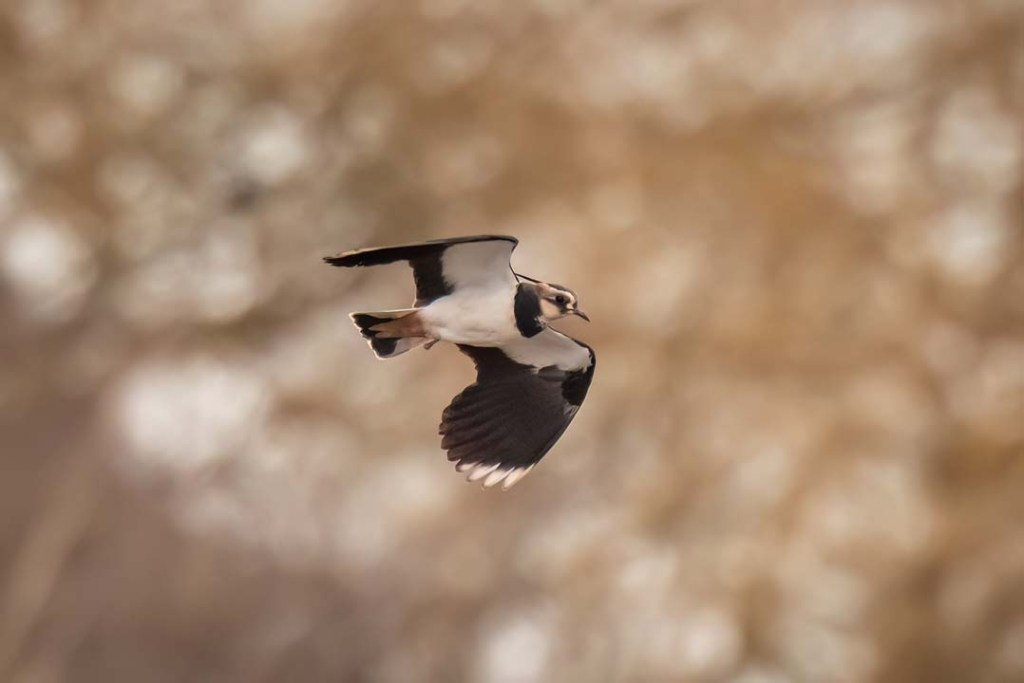
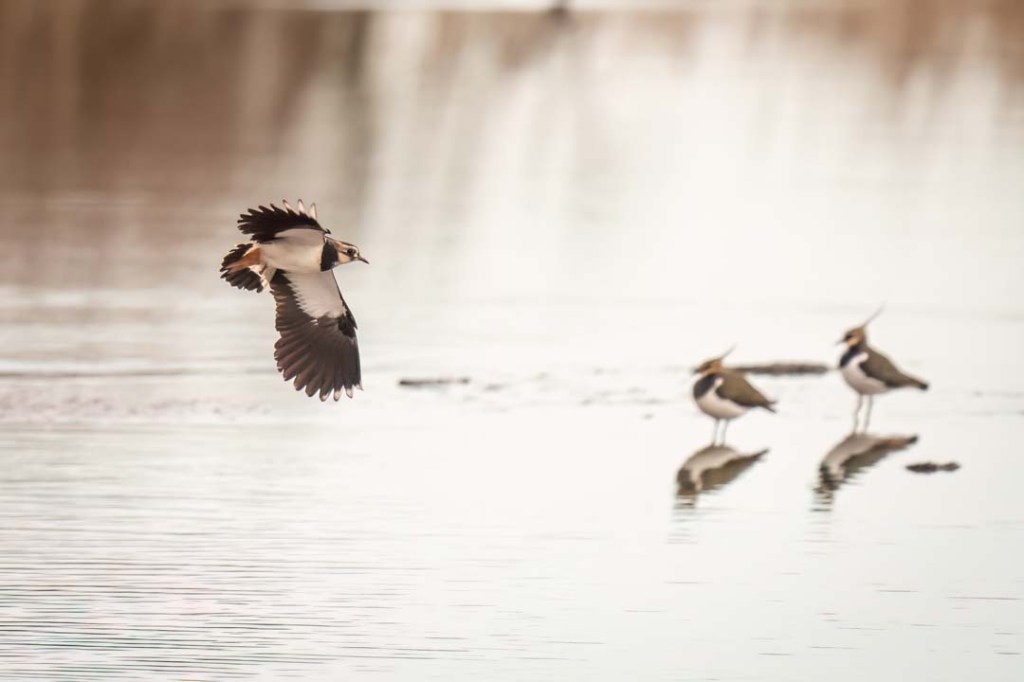
The wet fields were teeming with lapwing which every now and again were spooked by a predator and took to the skies. Unfortunately, in the the dull conditions they didn’t make the spectacular show that we often see here. We were disappointed also not to see any golden plover which also generally make a great display.
LapwingLapwing
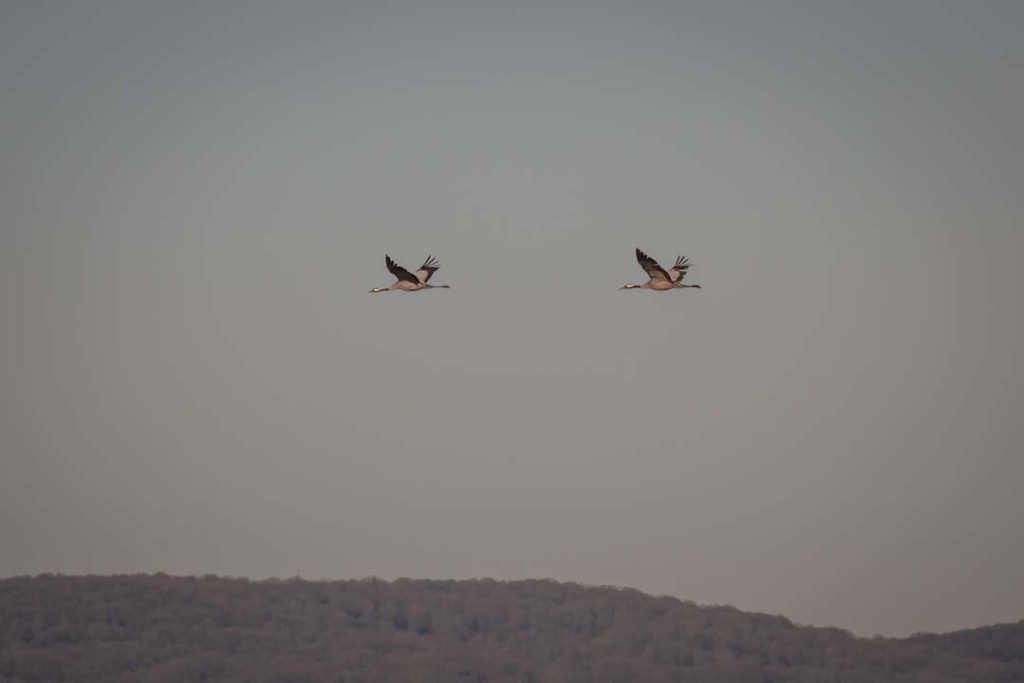
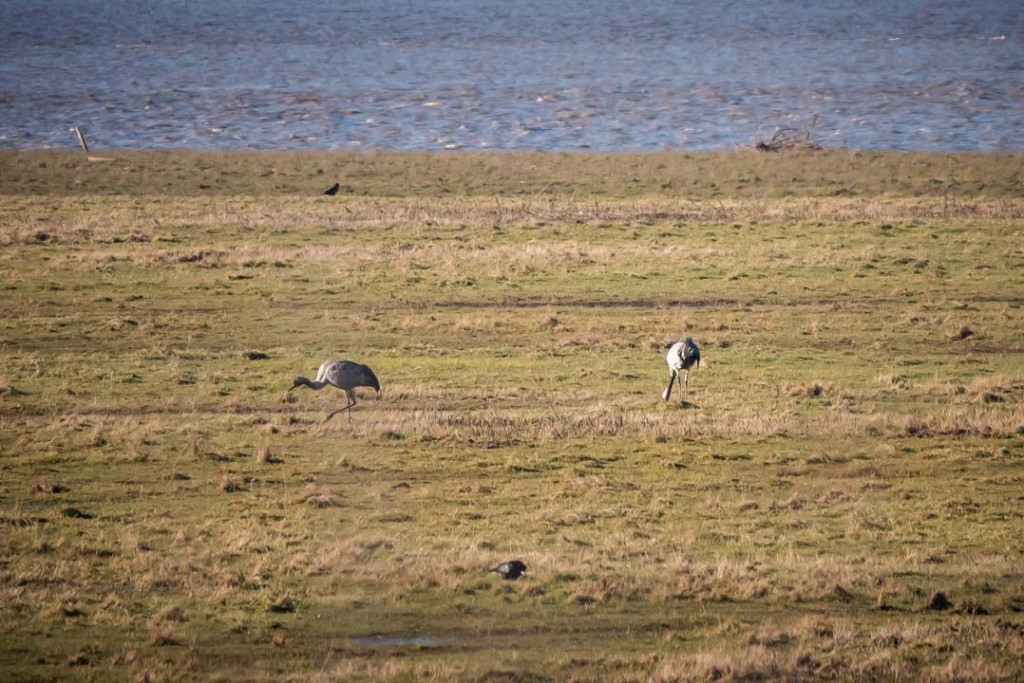
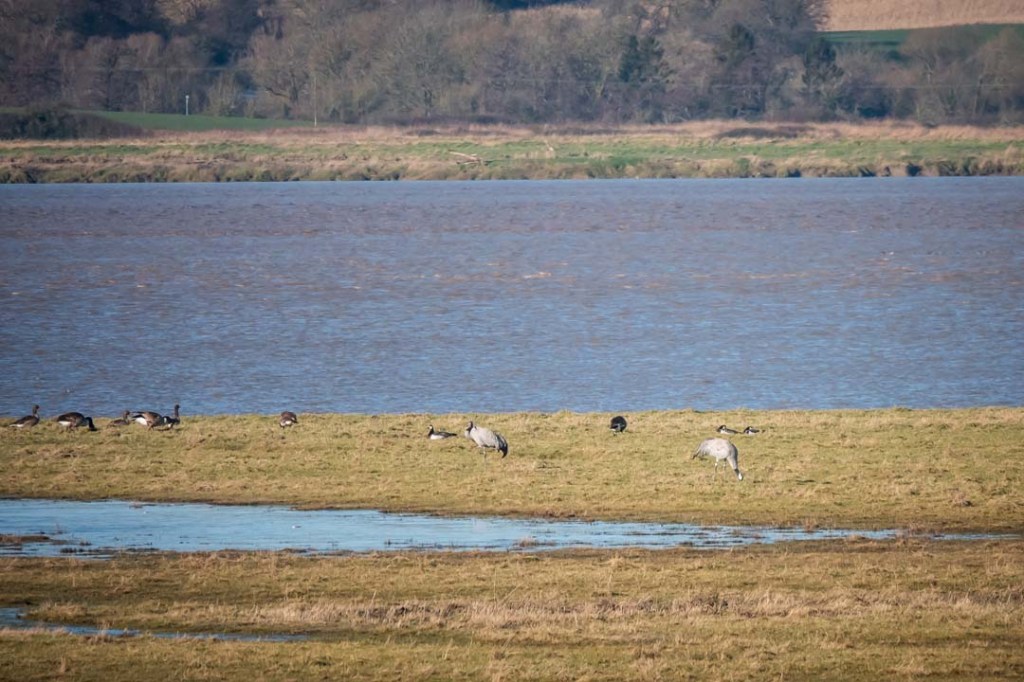
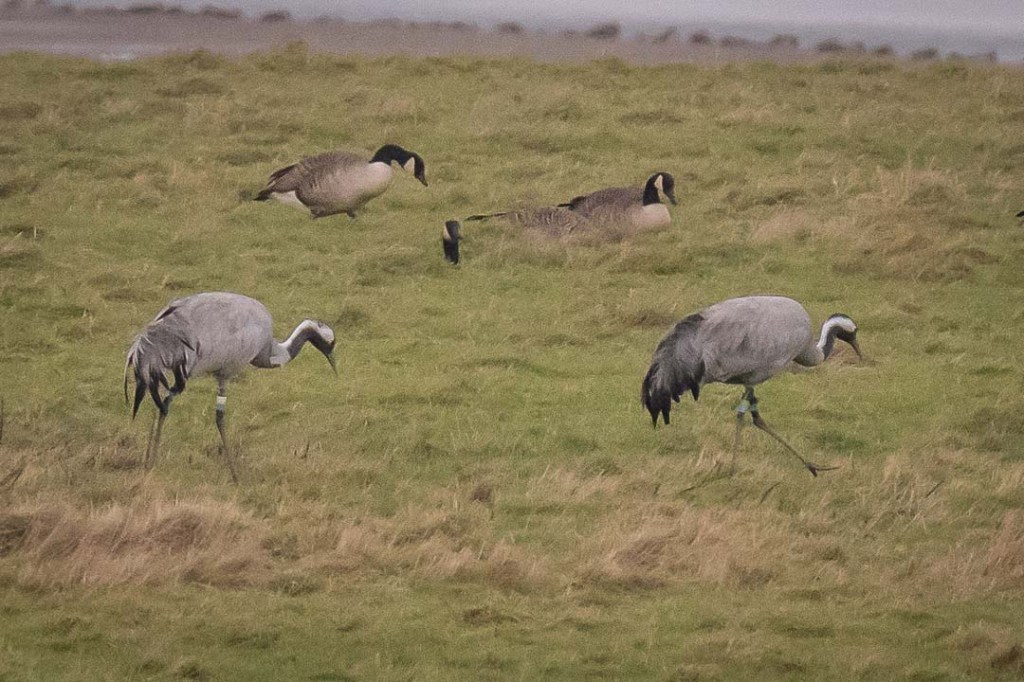
There is always a chance to see common crane here but today they were all very distant.
With the advantage of the clocks going back we were able to make an early start for a Sunday morning walk from New Passage to Severn Beach and back.
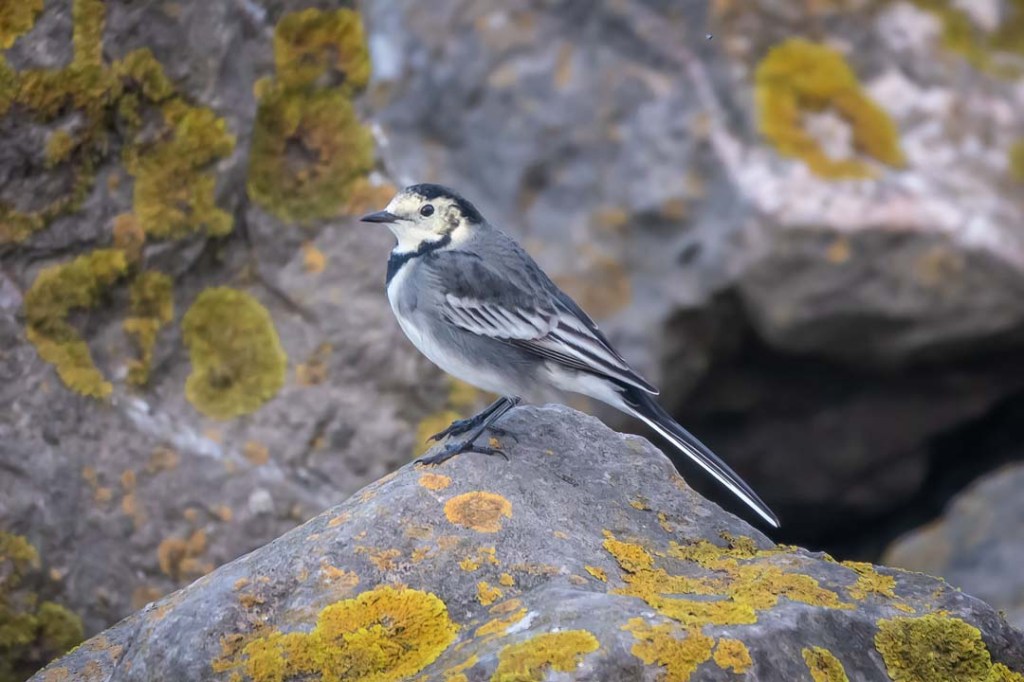
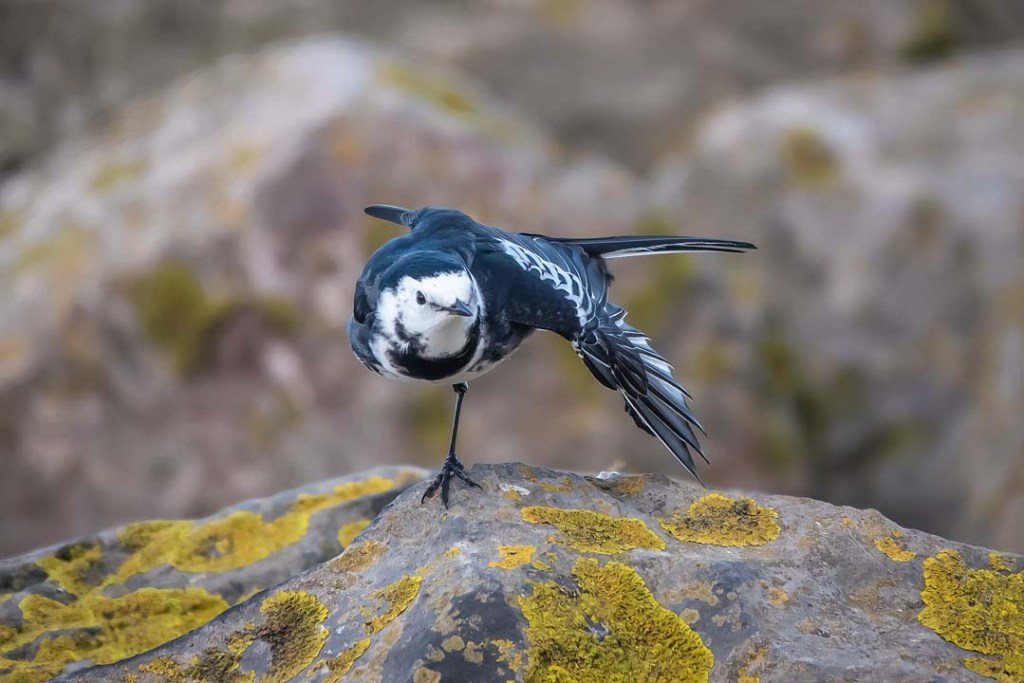
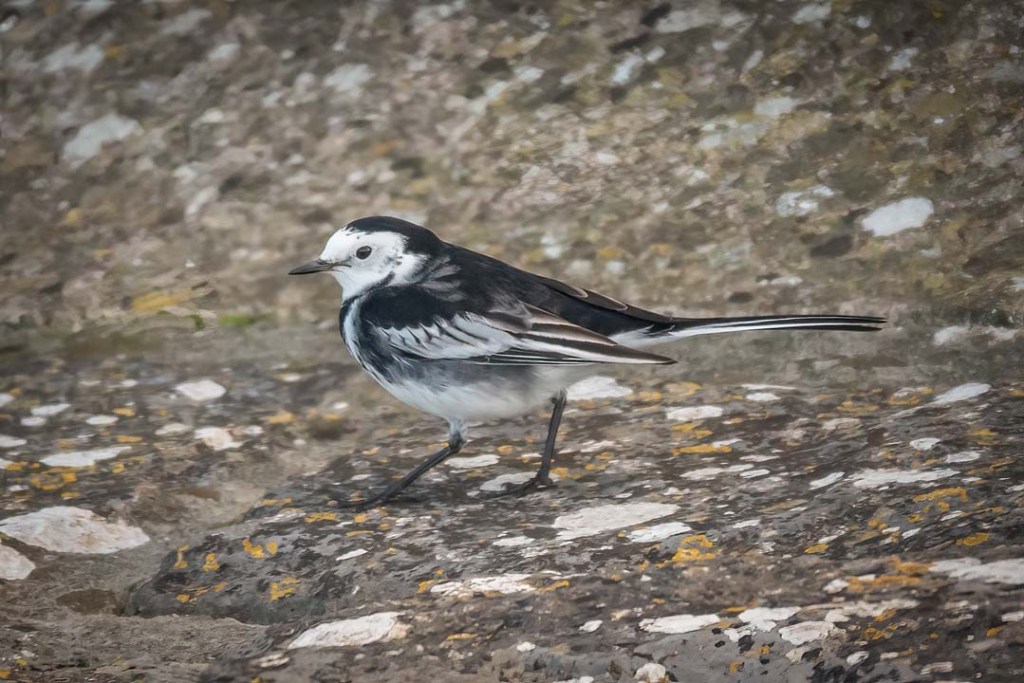
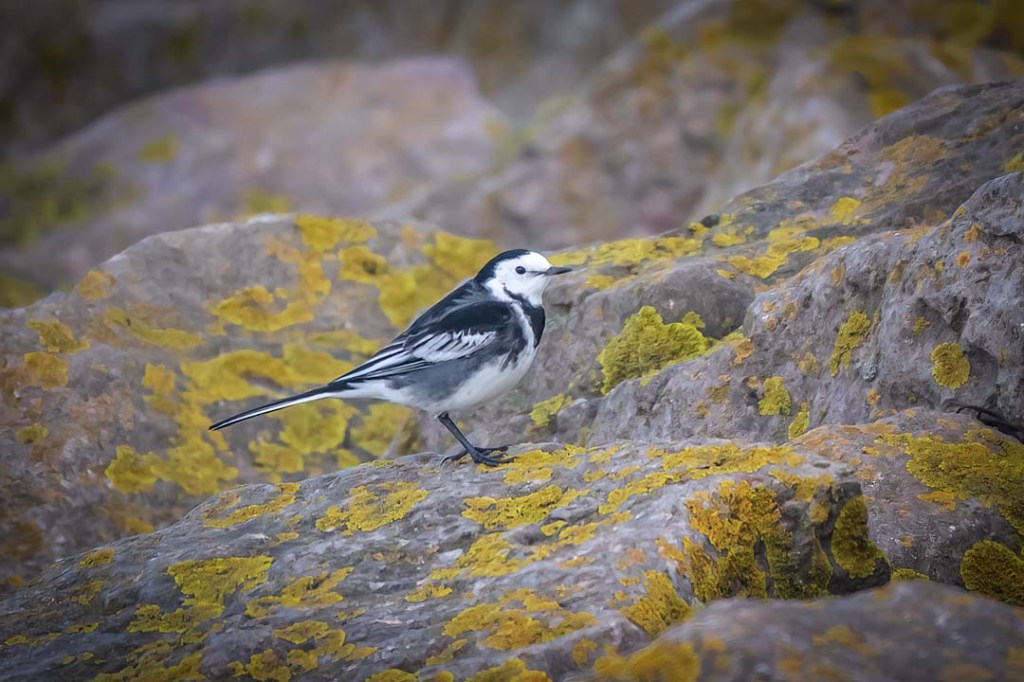
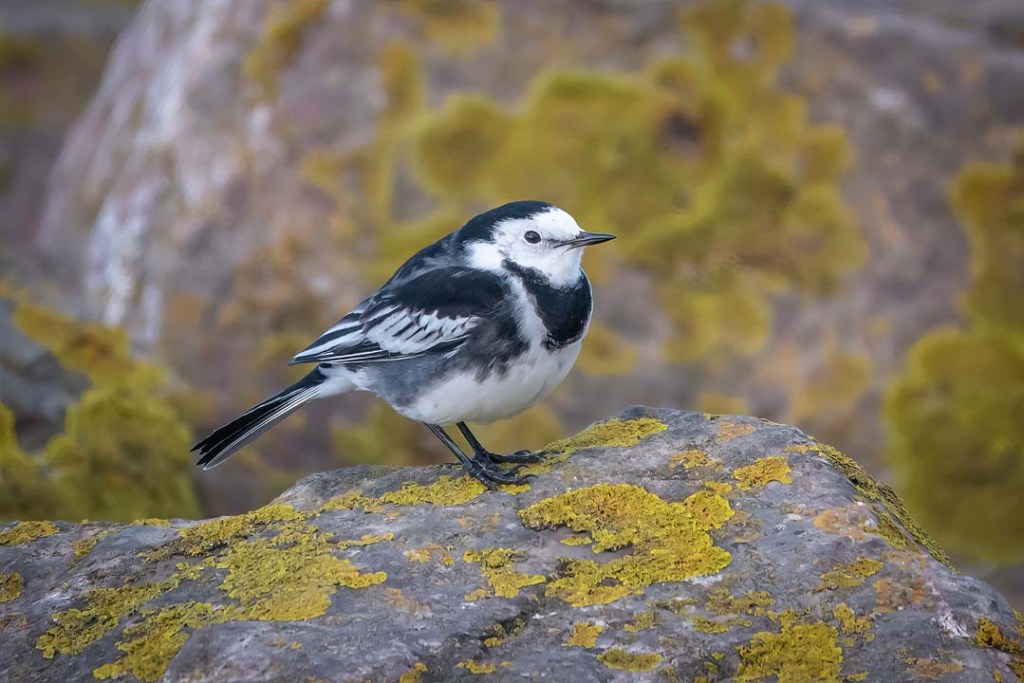
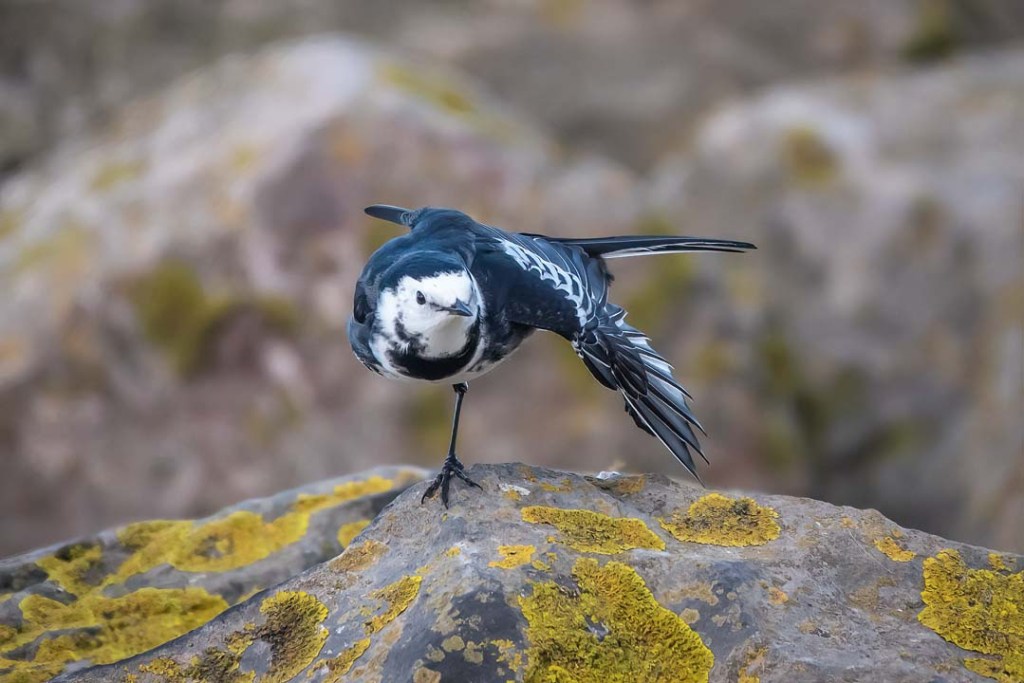
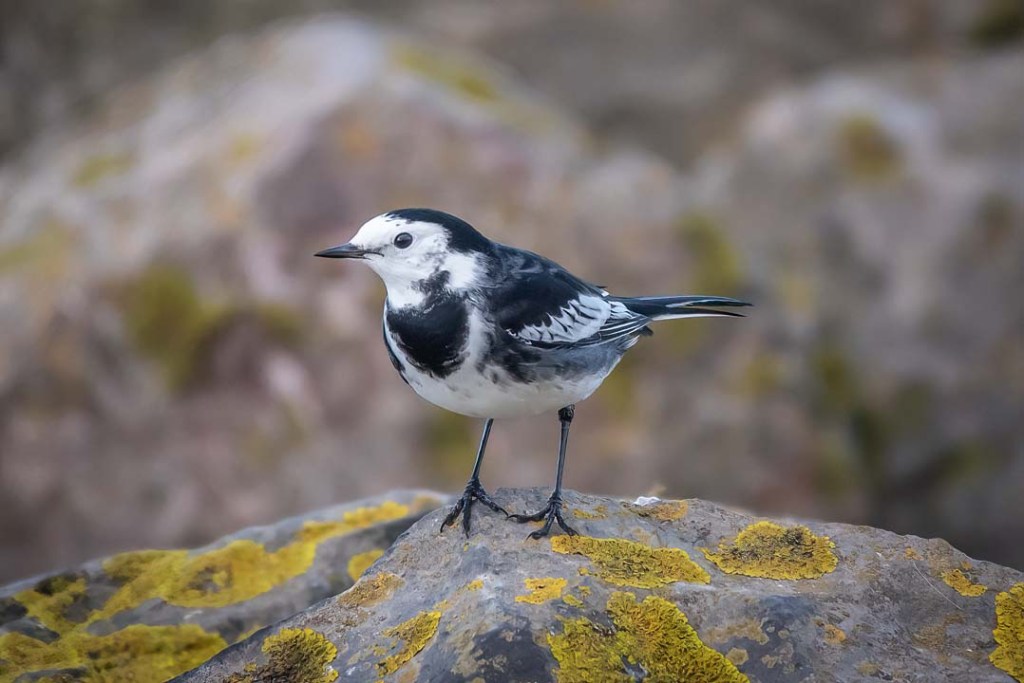
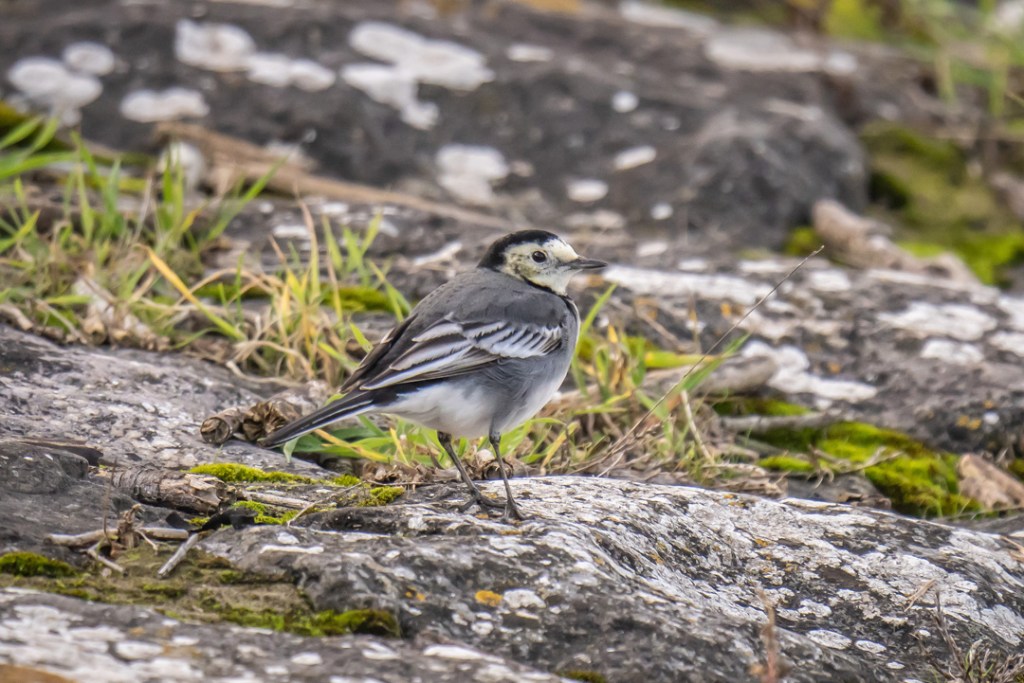
Pied wagtailPied wagtail
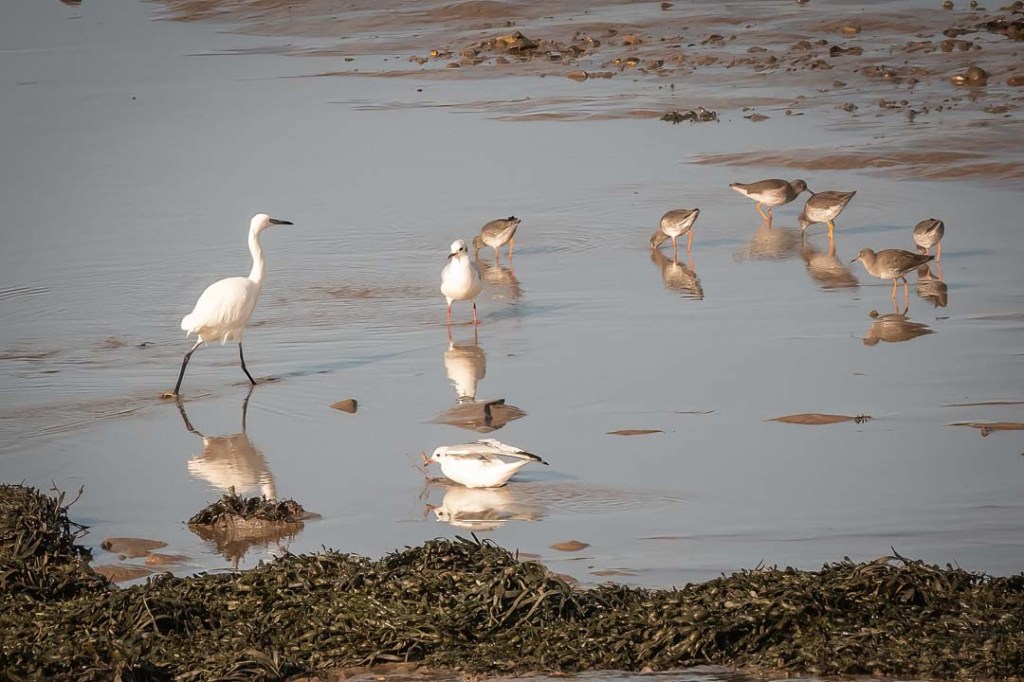
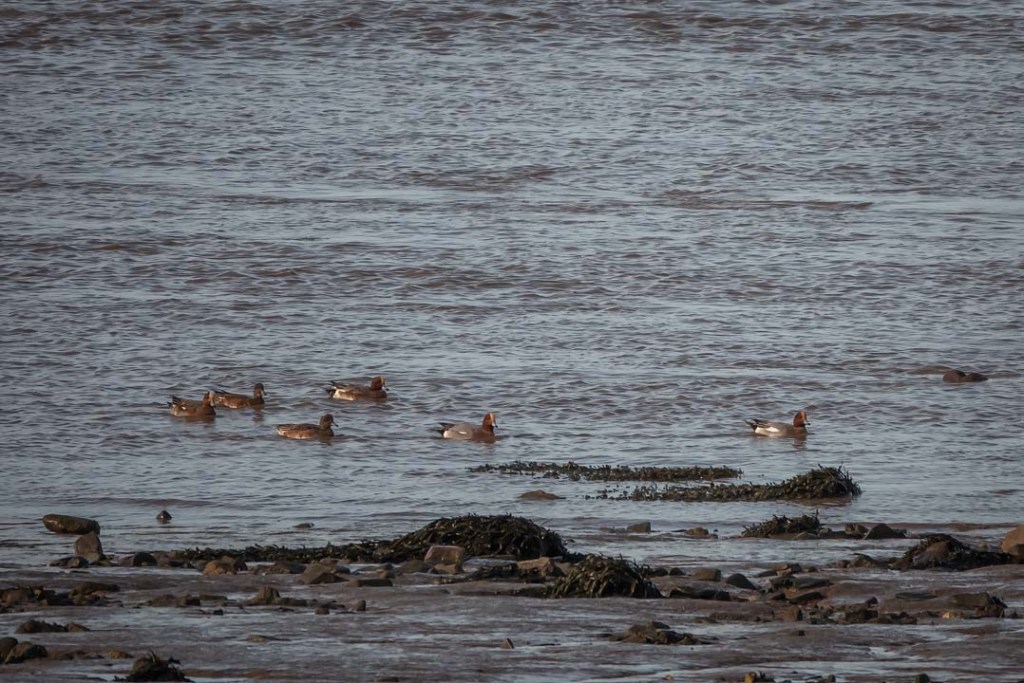
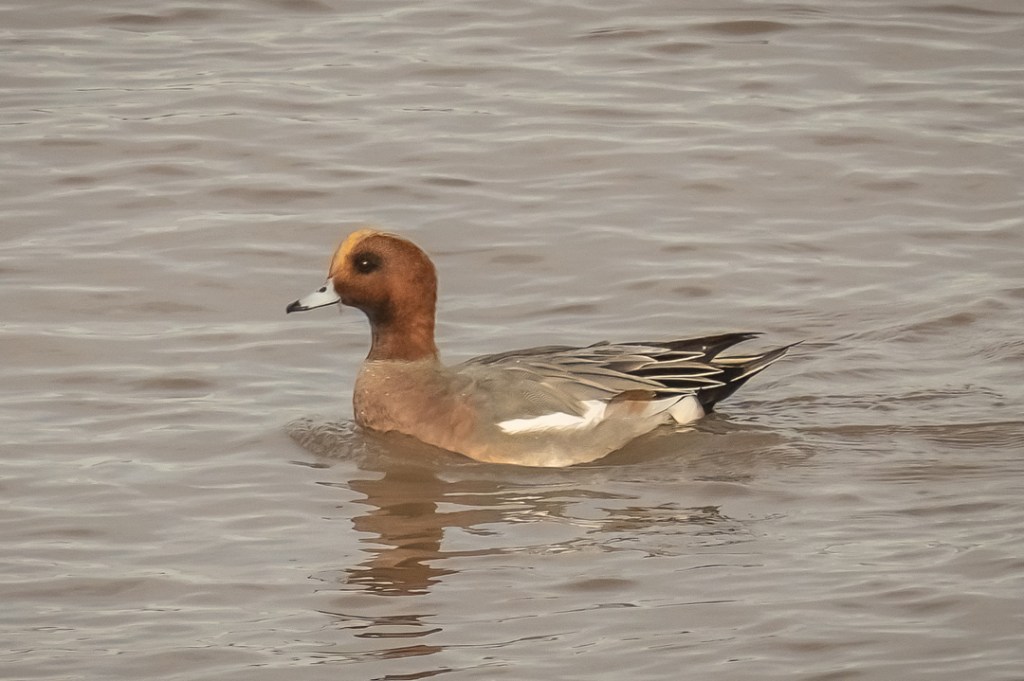
The tide was too high to see much on our walk (4 pied wagtails, a few wigeon and some black-headed gulls) but fortunately we had a good coffee stop and by the time we returned to New Passage the tide was in its optimum height for us to see lots of waders and wildfowl feeding on the shore line.
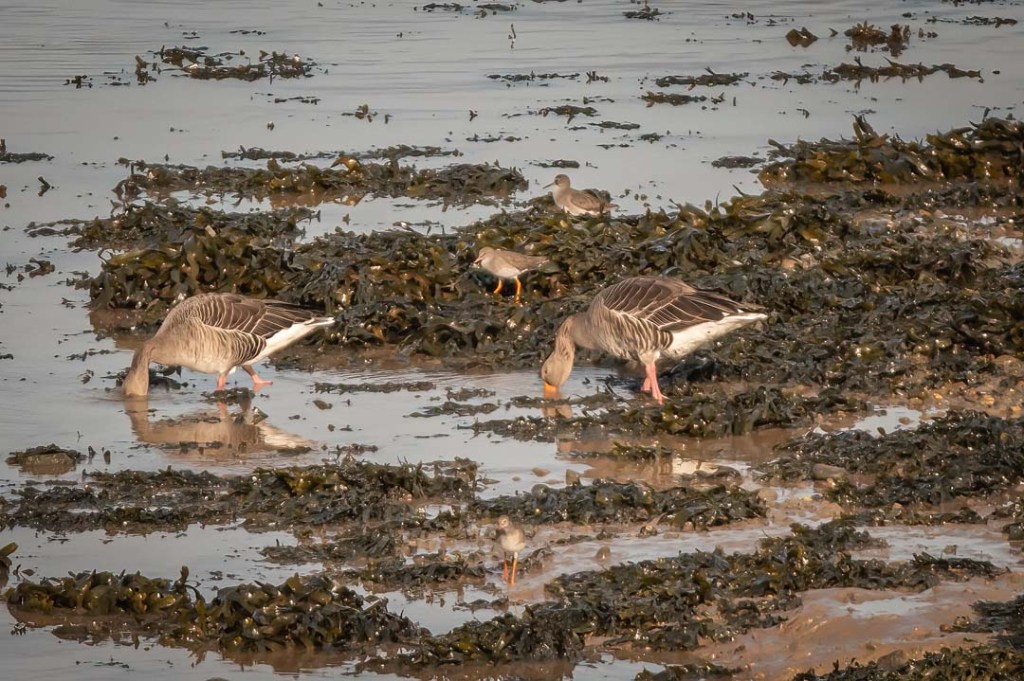
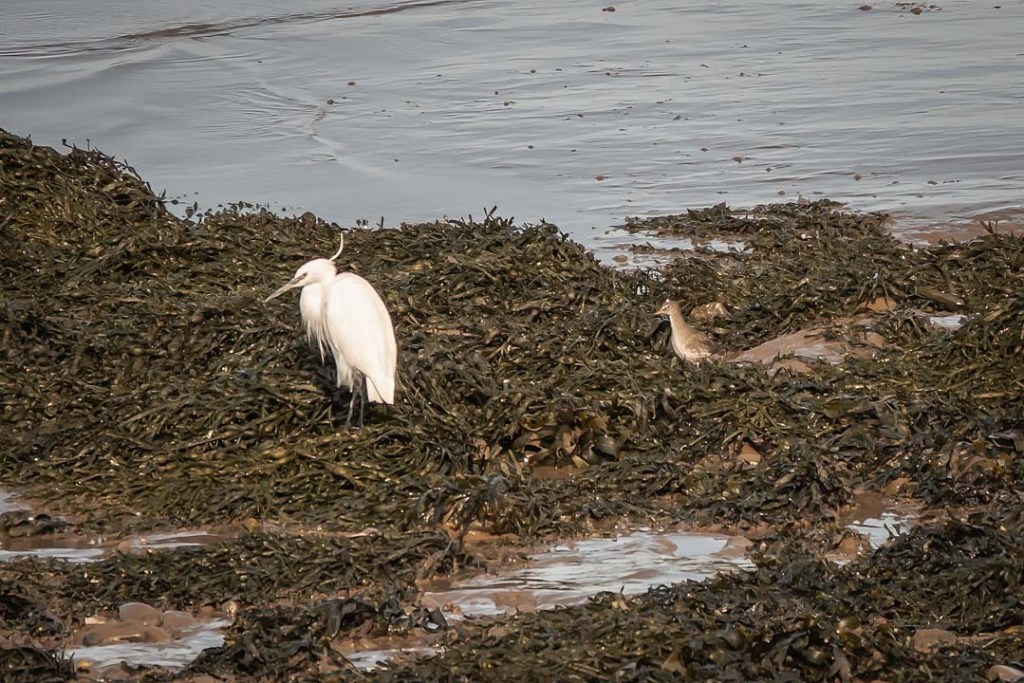
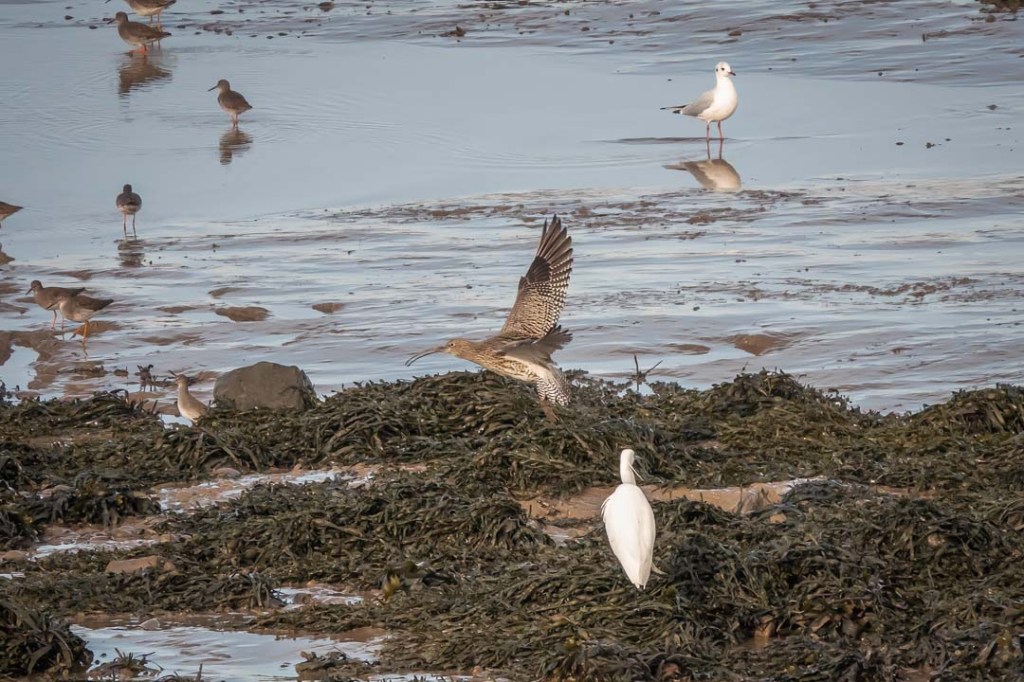
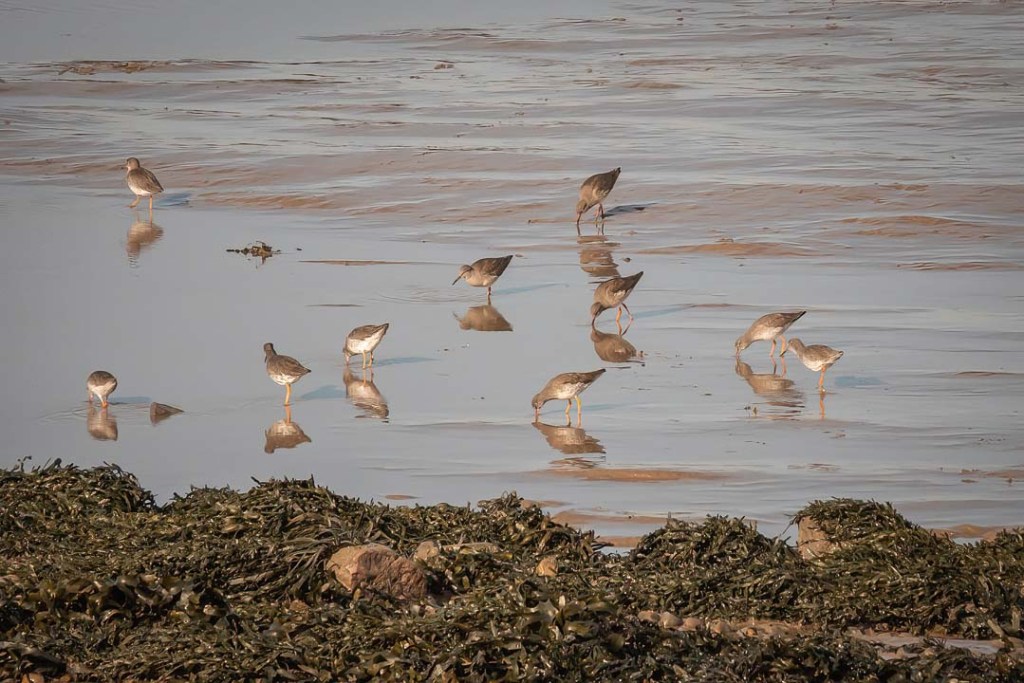
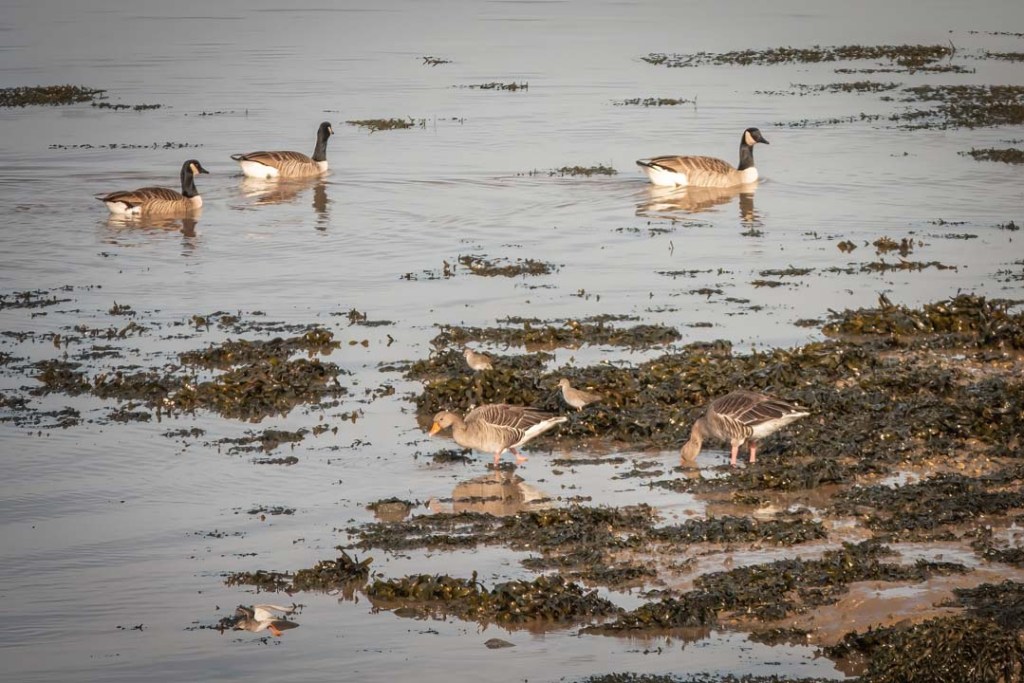
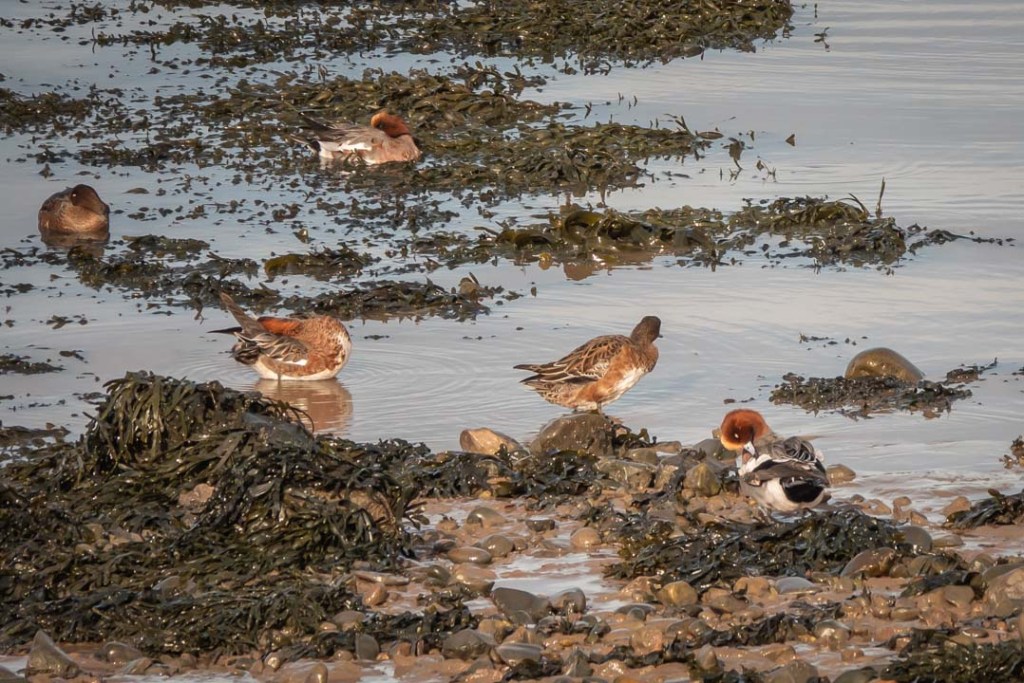
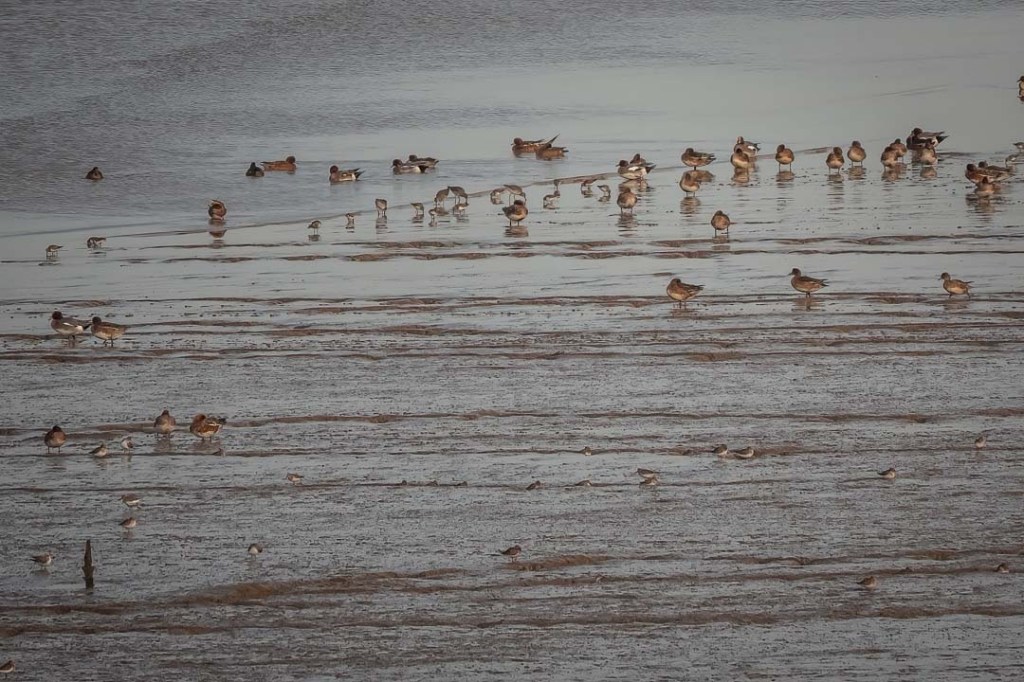
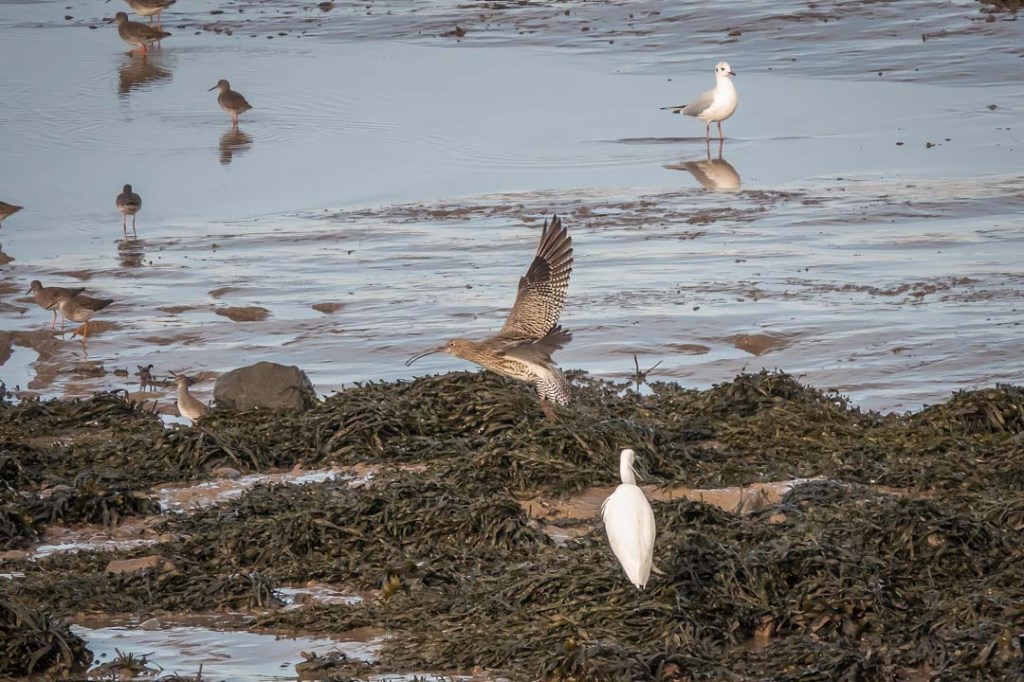
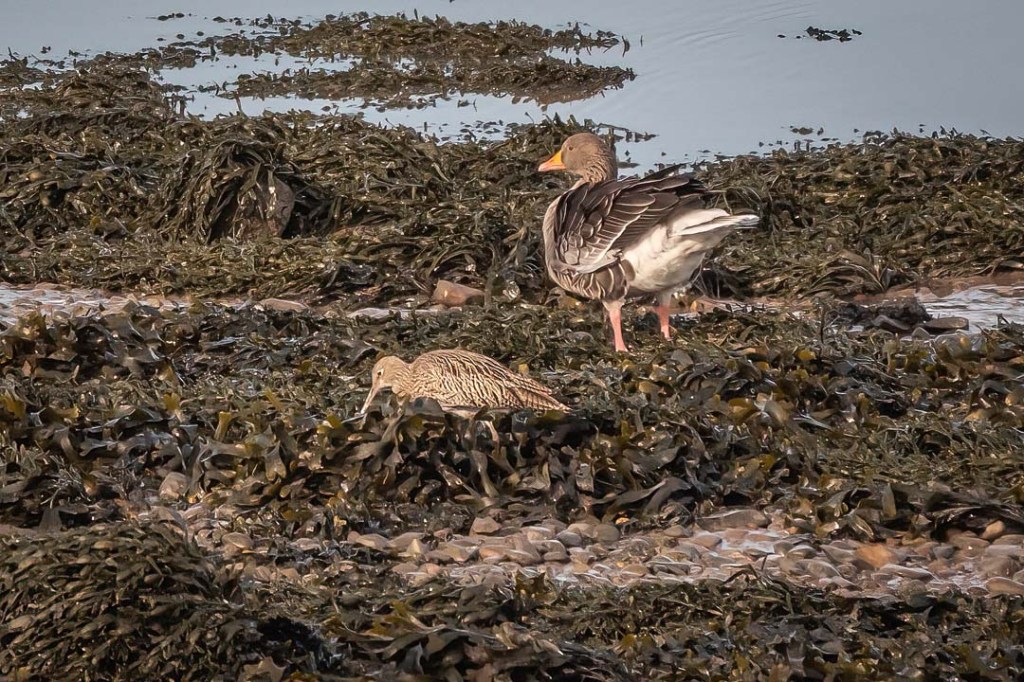
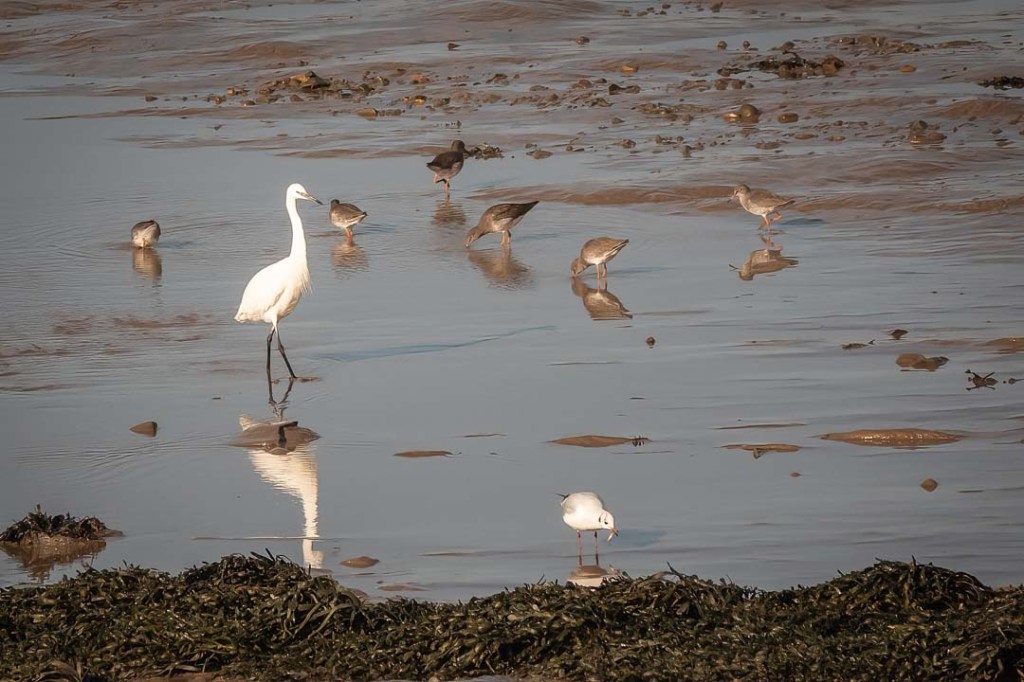
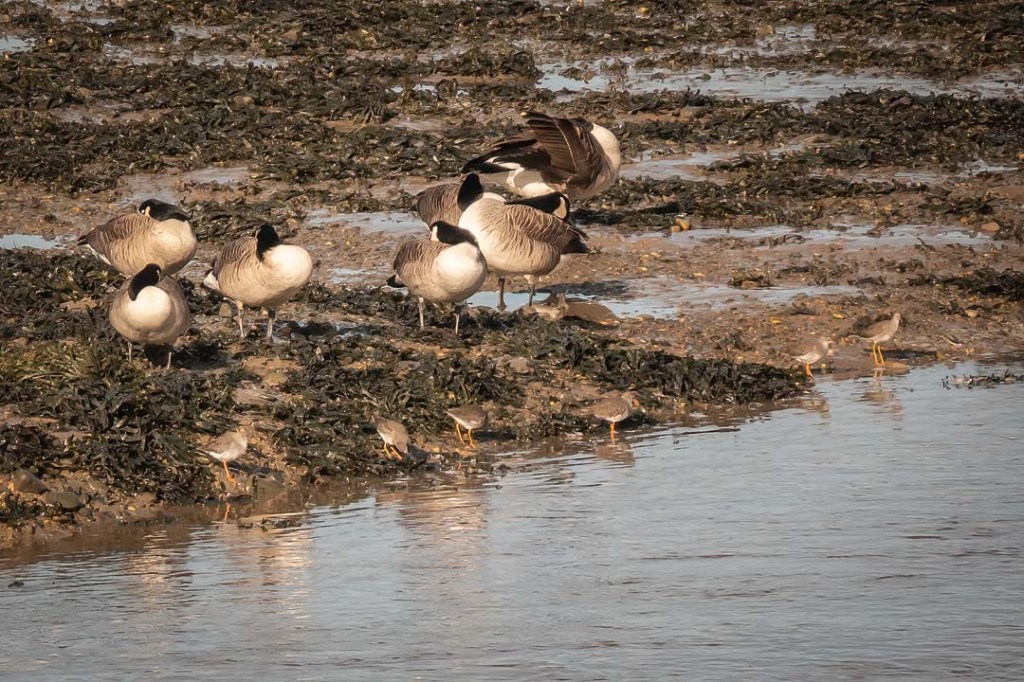
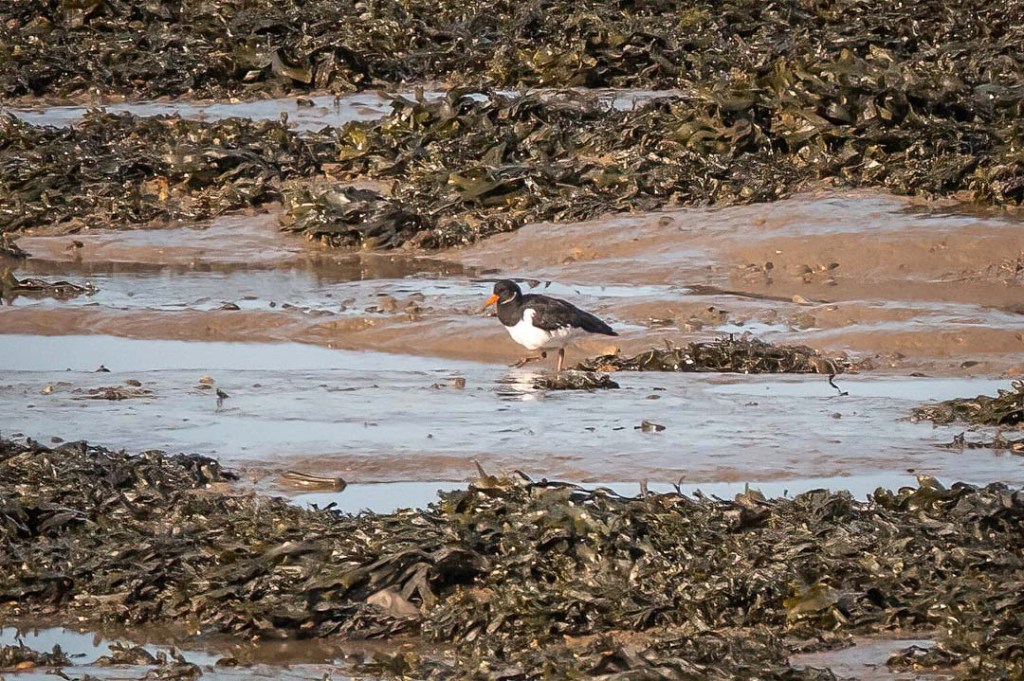
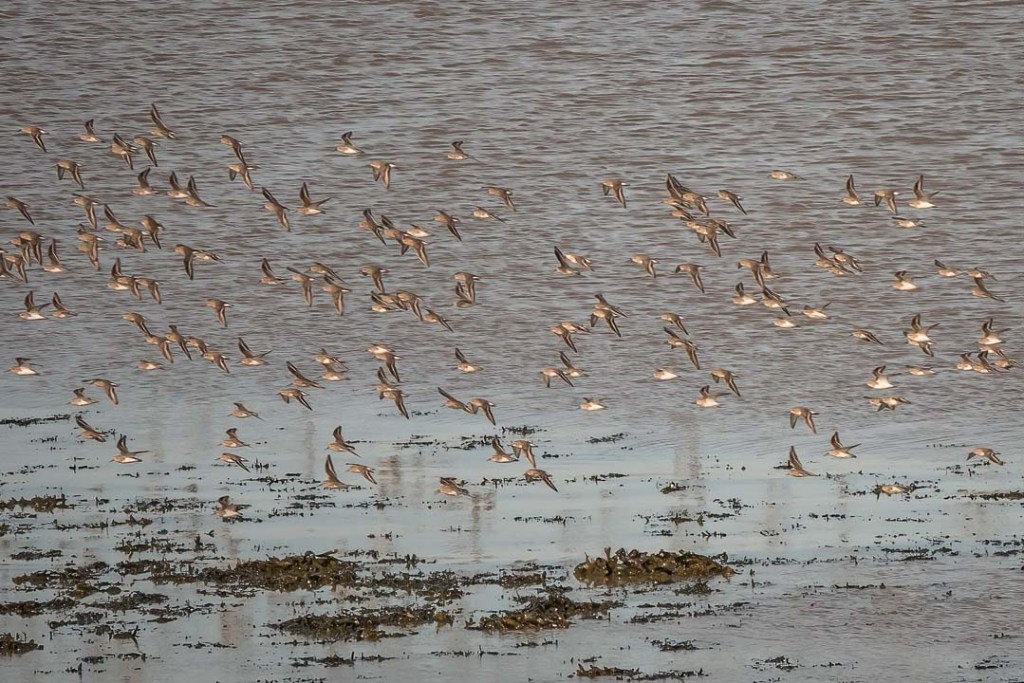
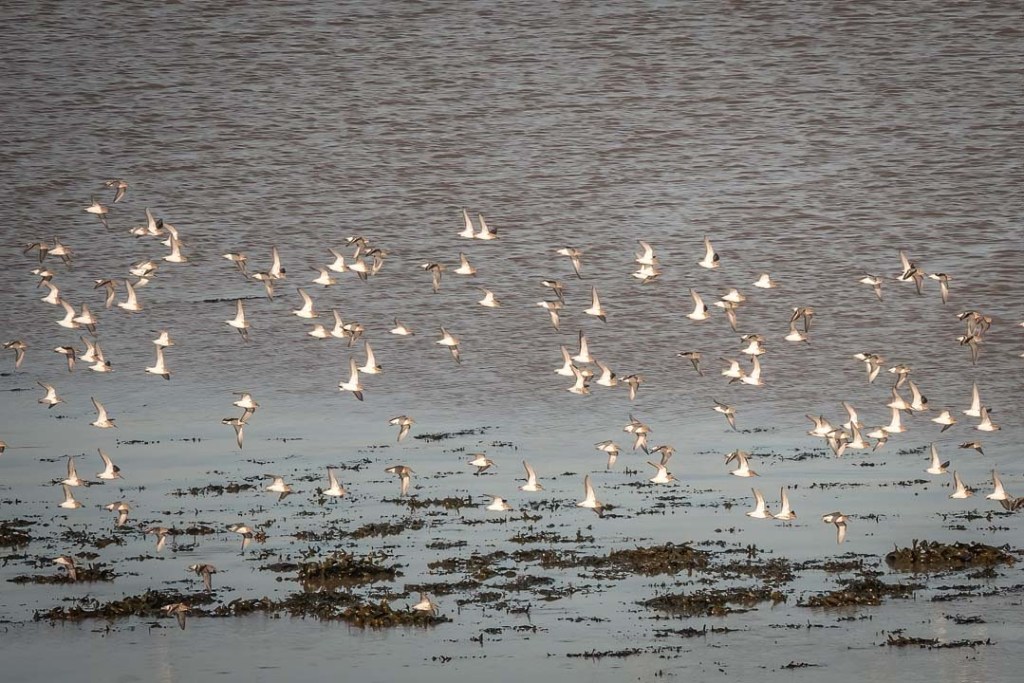
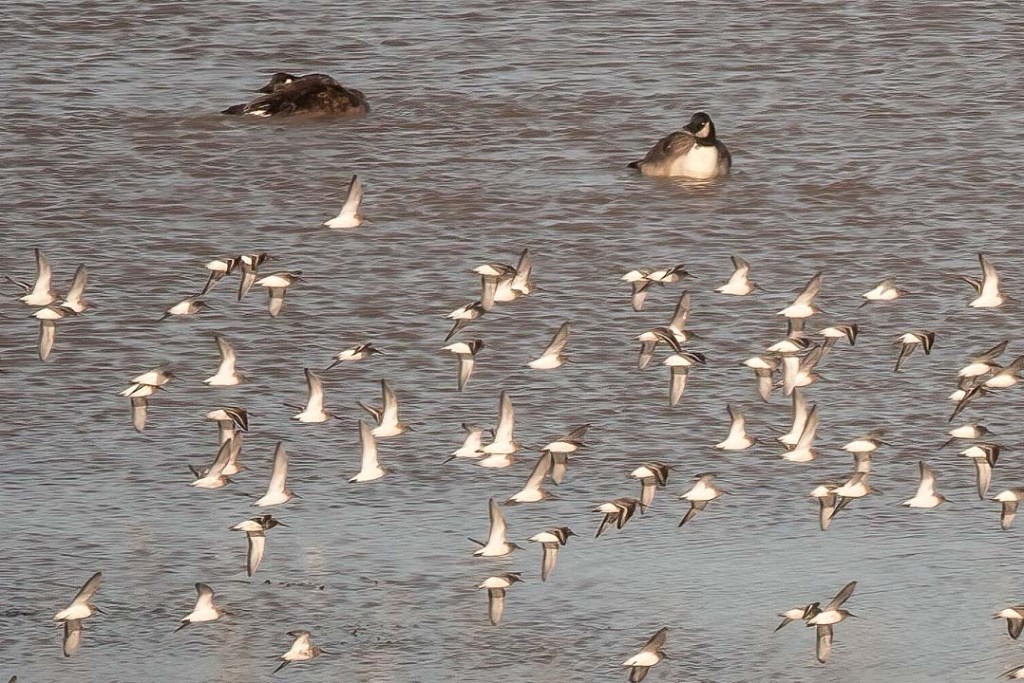
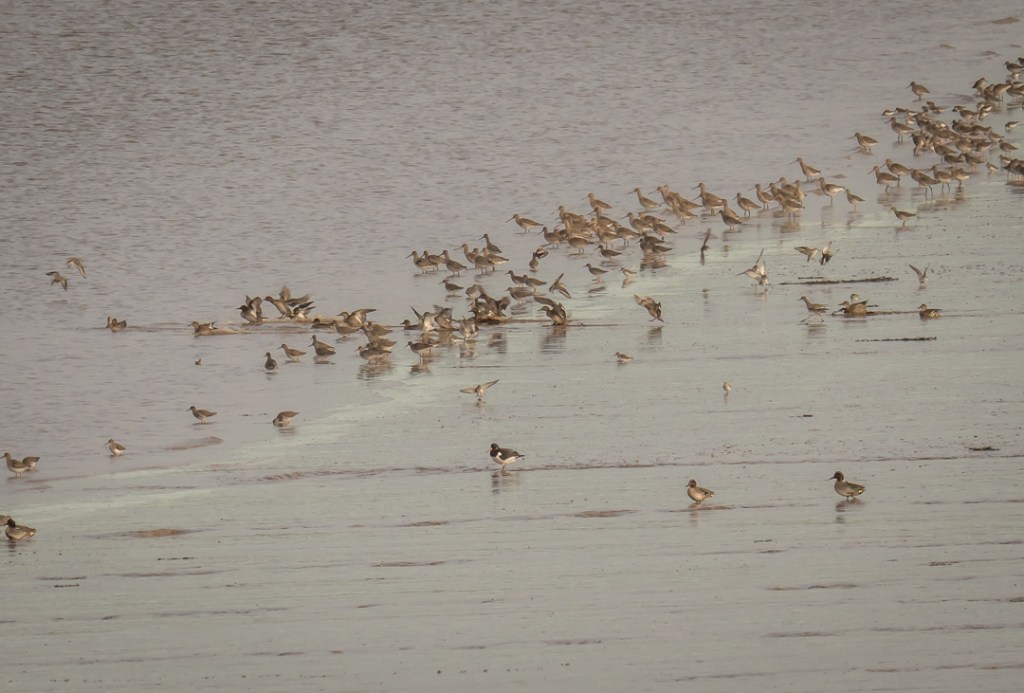
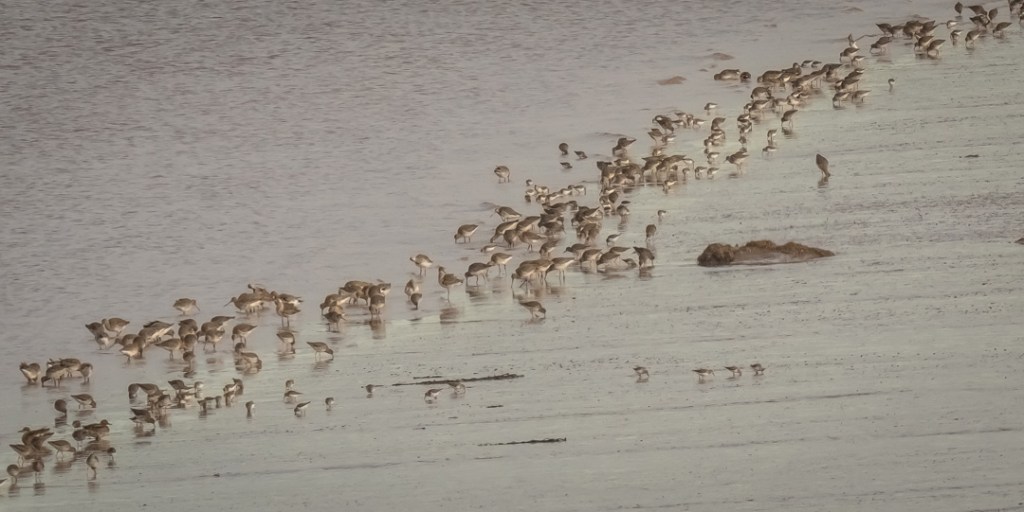
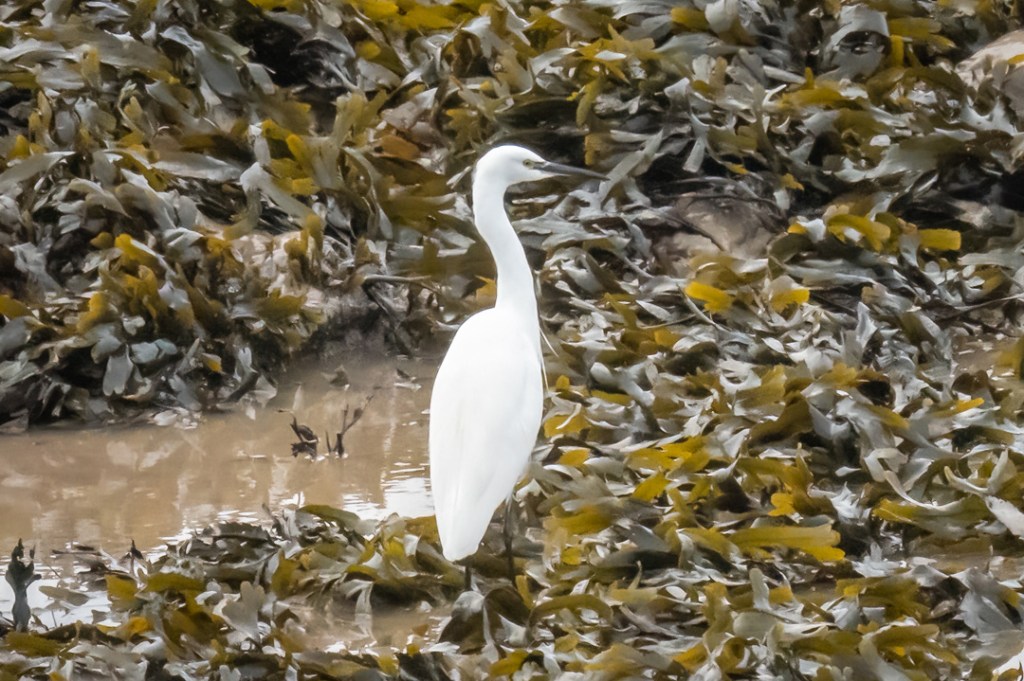
The Severn Estuary at the end of our walk.Lots of waders could be seen at this timeGreylag geese and redshankWigeonLittle egret and redshankCurlew centre stageRedshankCanada geese and redshankLittle egret, black-headed gulls and redshankOystercatcherDunlin in flightDunlin back on the shore line
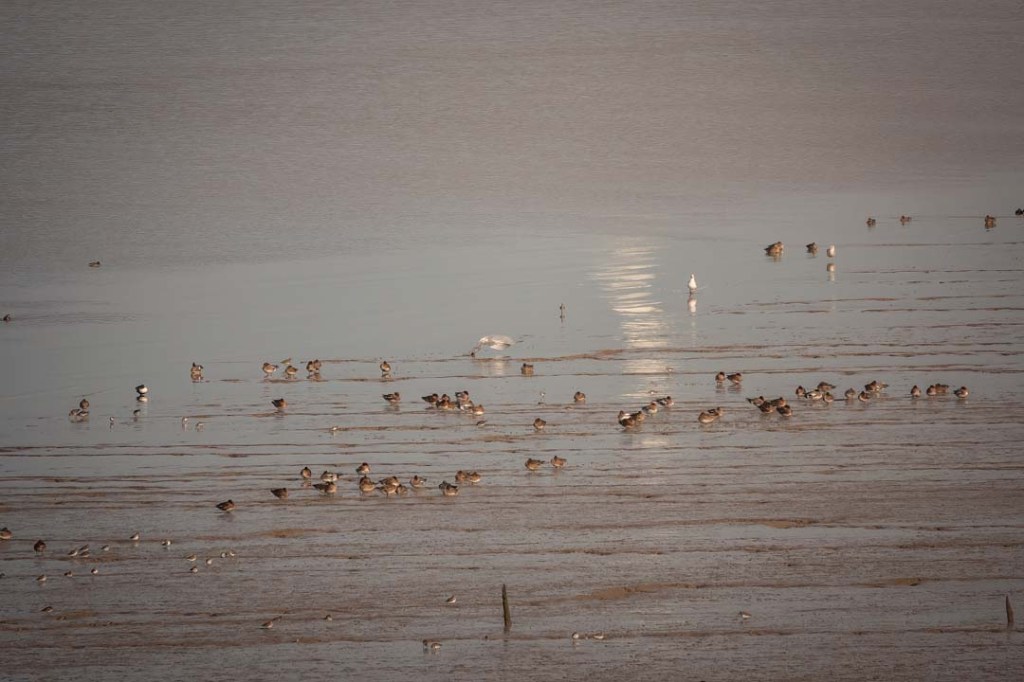
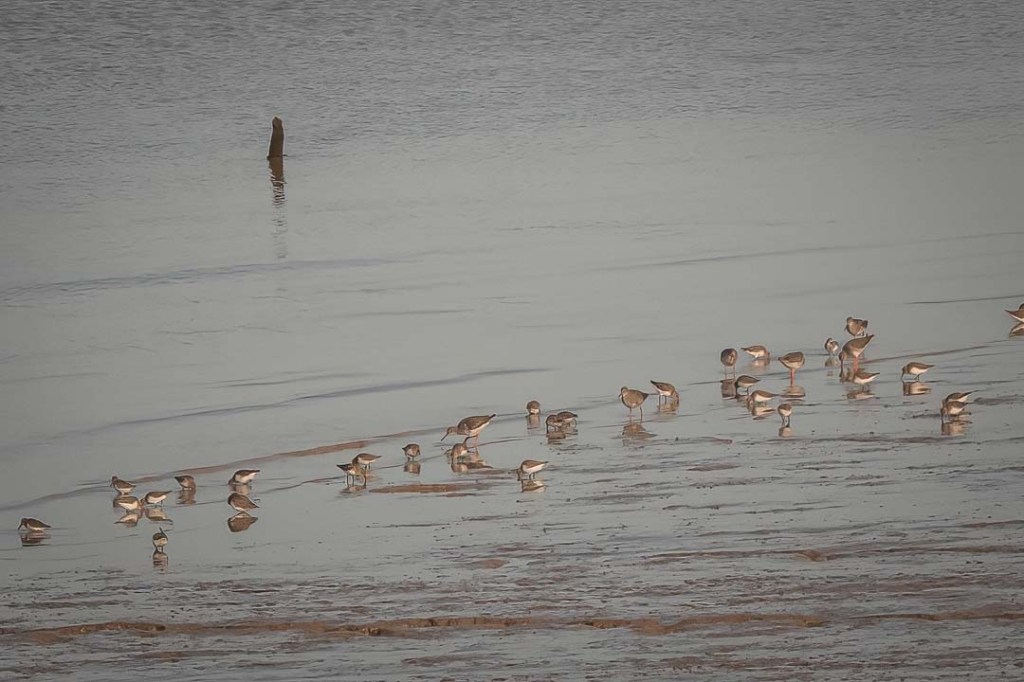
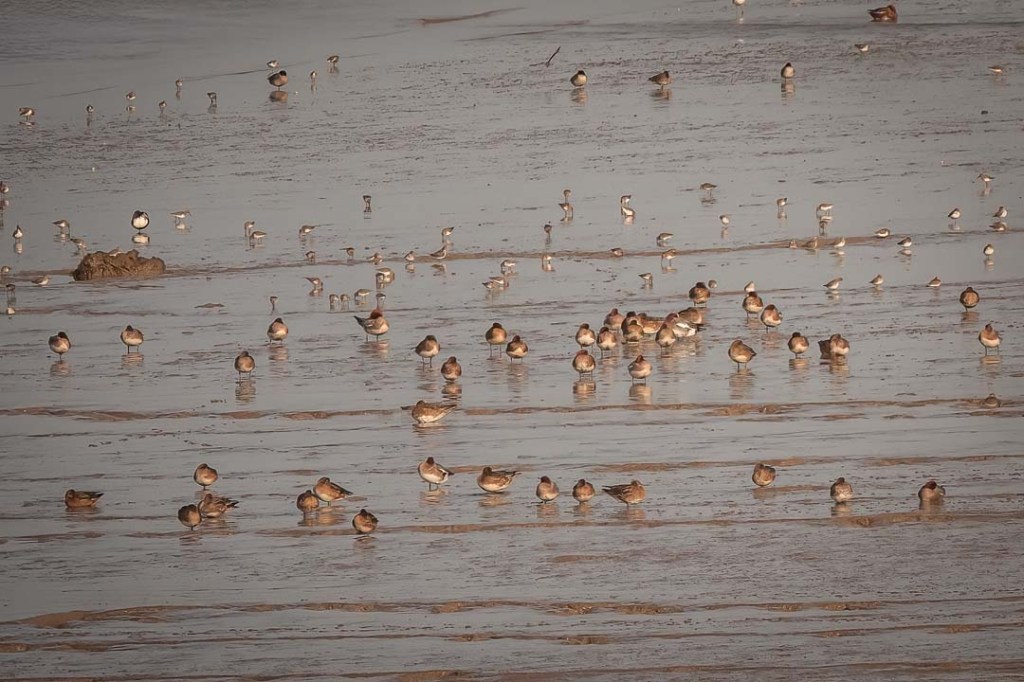
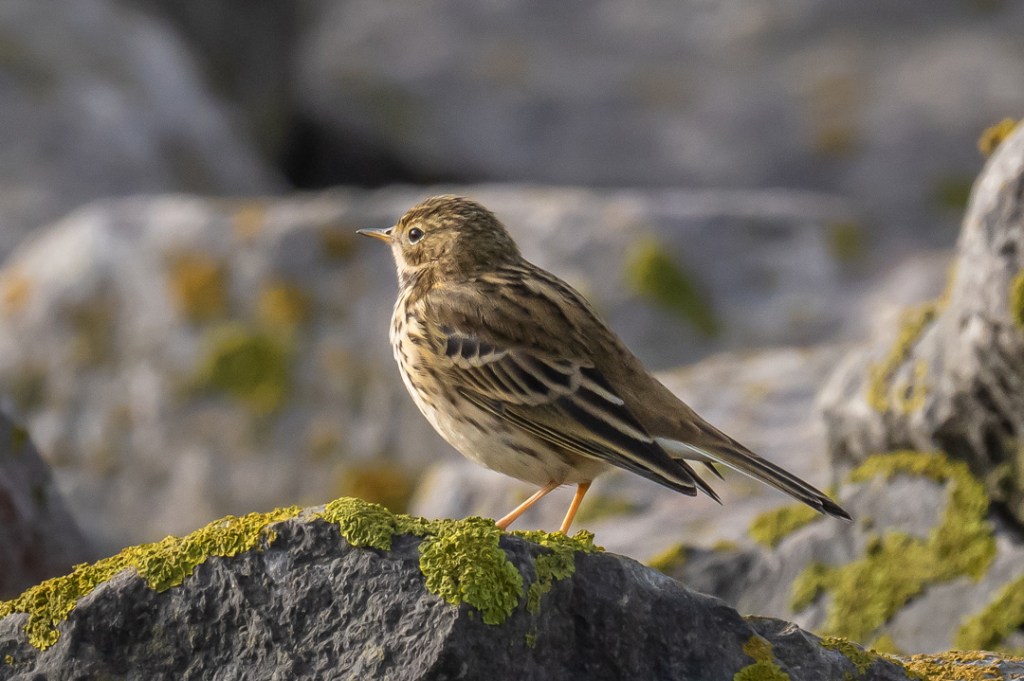
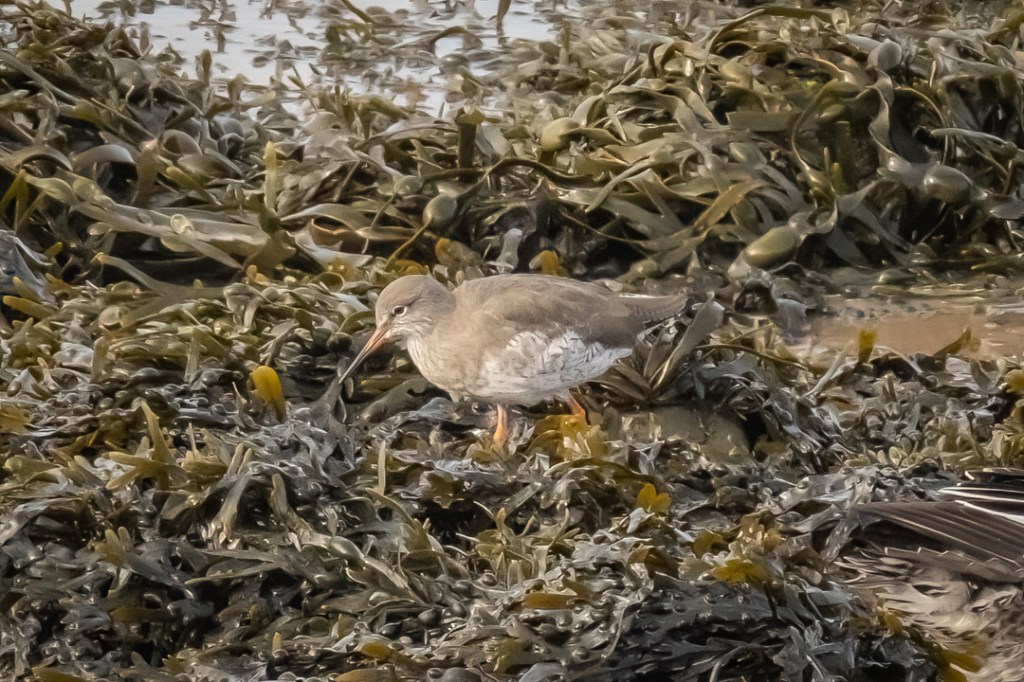
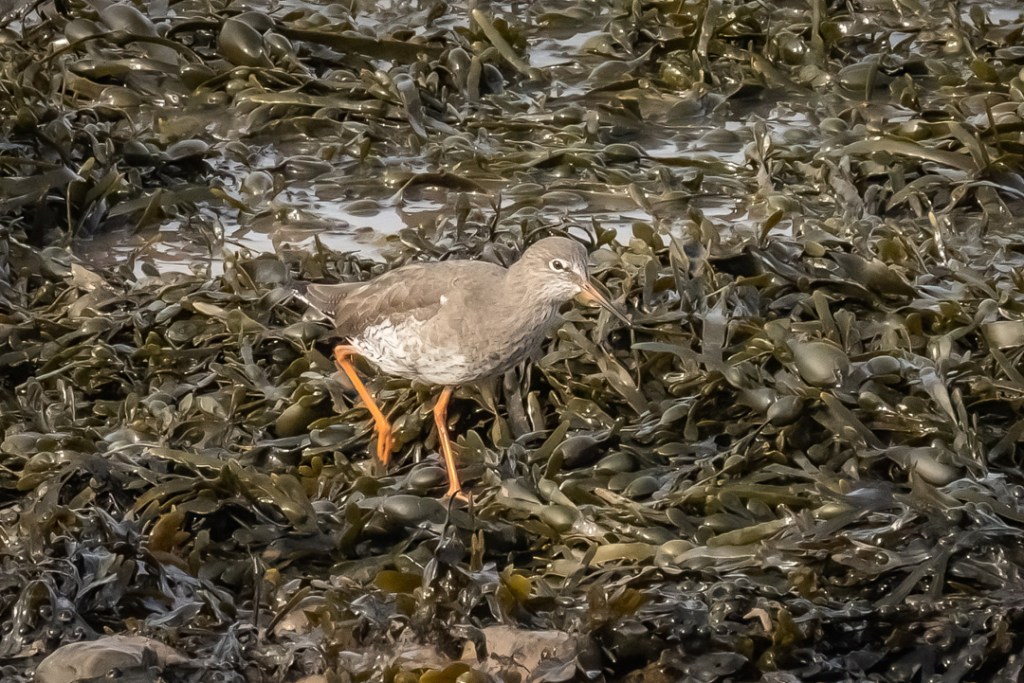
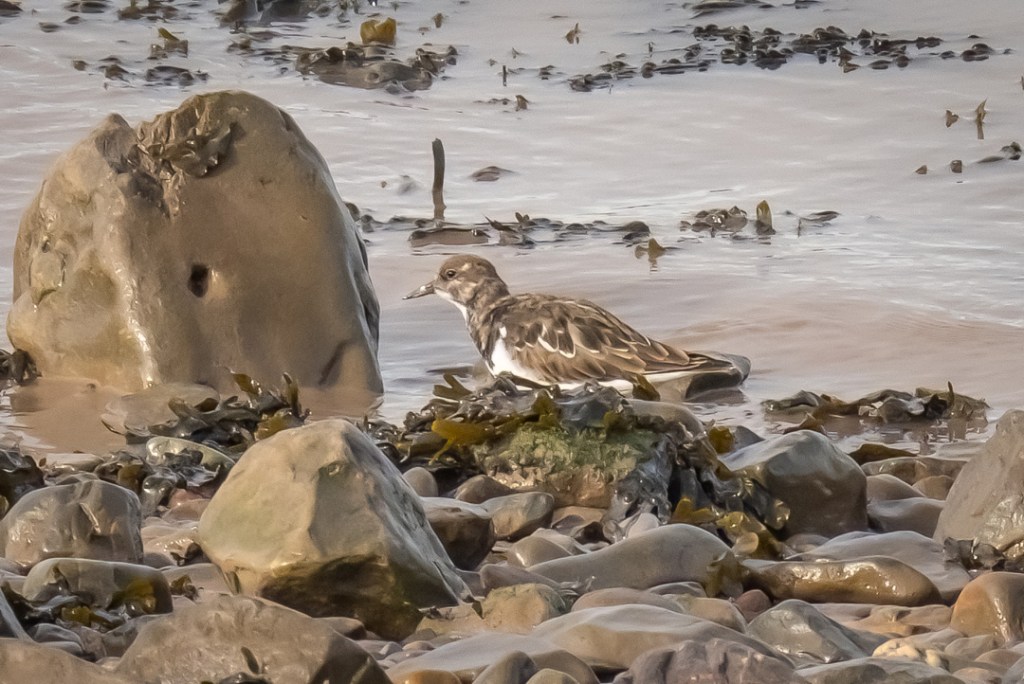
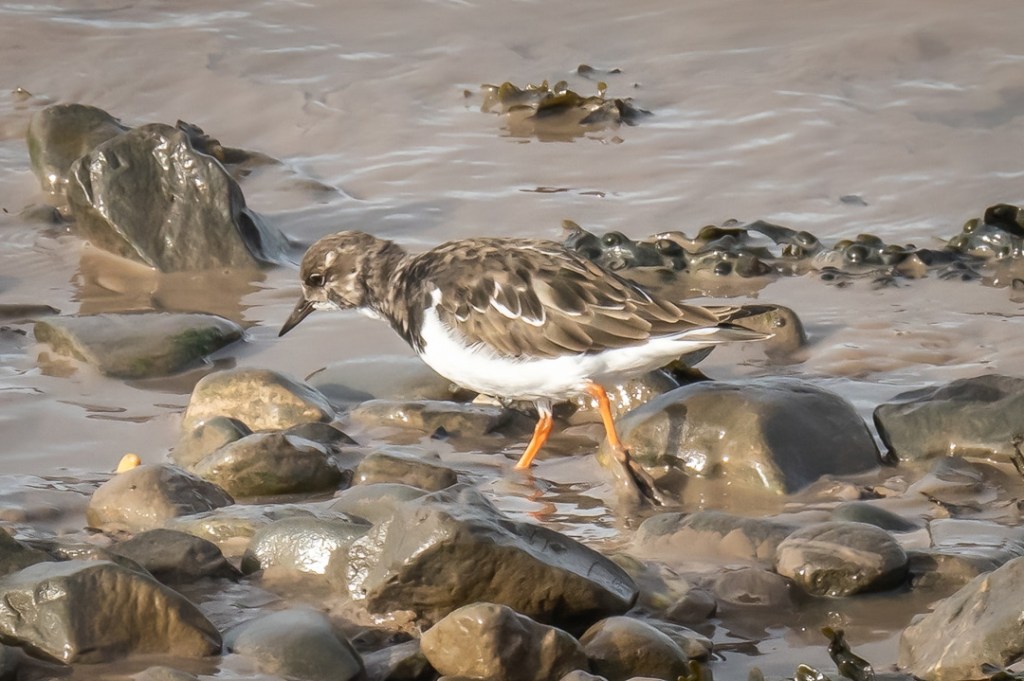
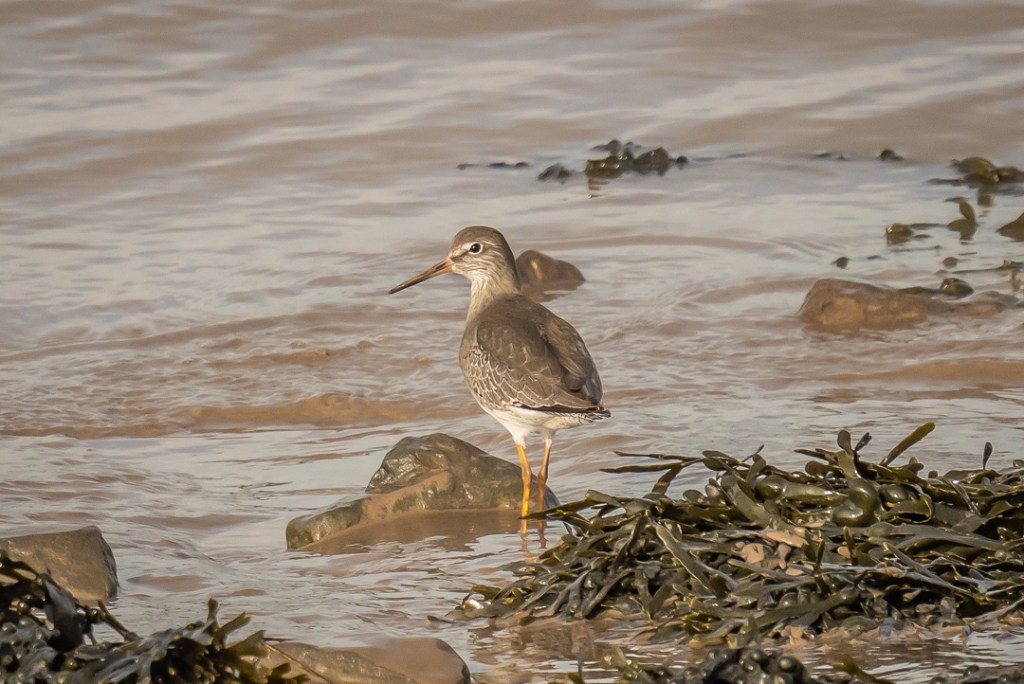
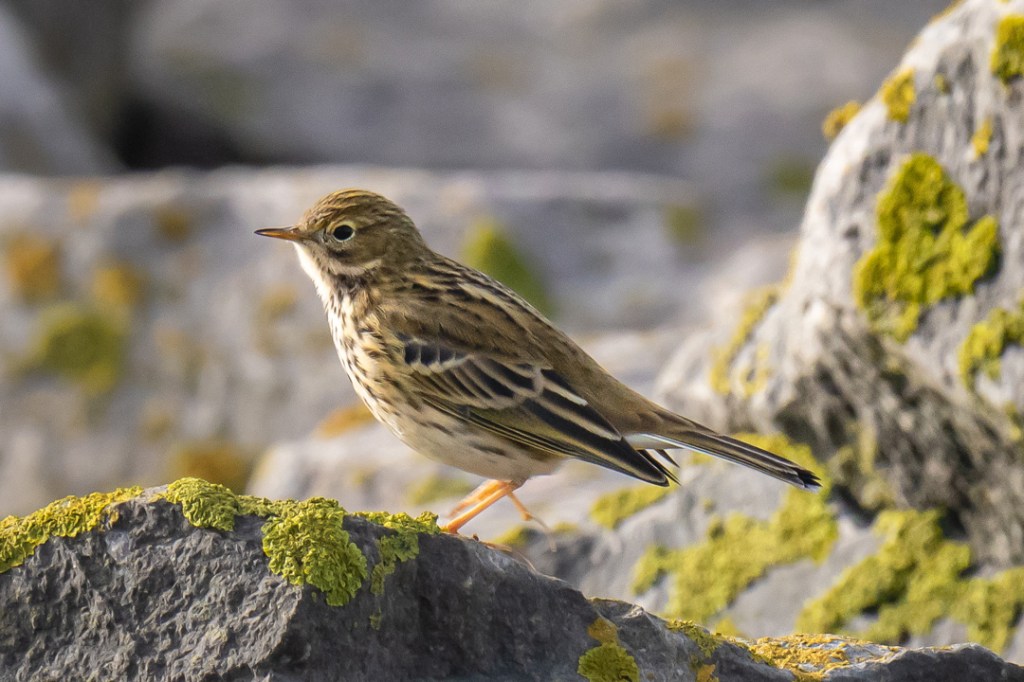
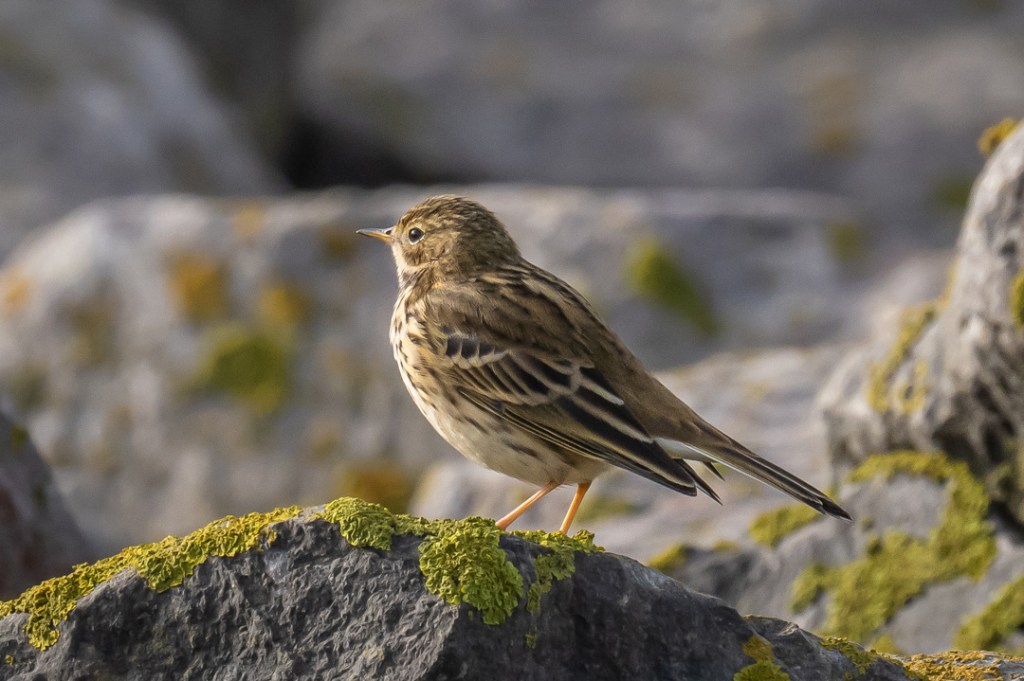
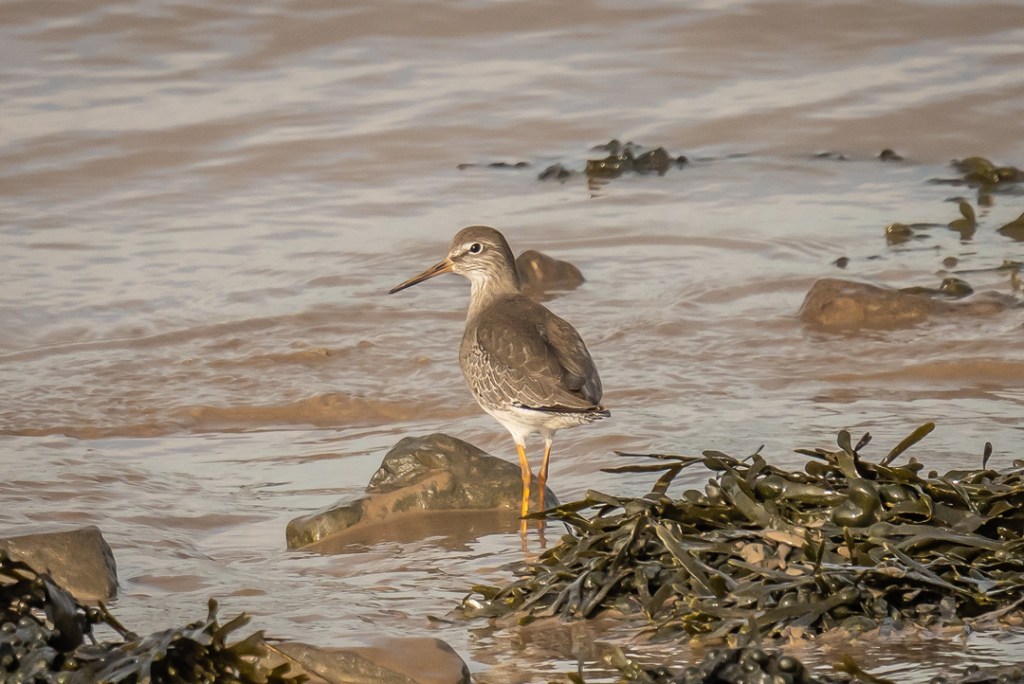
There were lots of waders on the foreshore (and on the warth) at New Passage this morning but generally they were too far away for my lens. However, a few redshank and turnstone came closer and allowed me to get some close-ups. The meadow pipit on the rocks on our walk to Severn Beach was probably the highlight for me. although I did confuse it for a rock pipit at first.
More for those with telescopesRedshankRedshankRedshank in flightTurnstoneWigeonMeadow pipit
















































































 Martin's Bird Blog & Nature Photos