Tag: Quinta de Marim

  • 12th April 2025 – Quinta de Marim, Algarve, Portugal

    12th April 2025 – Quinta de Marim, Algarve, Portugal

    After exploring the Saturday market in Olhão we took a taxi a few kilometres east to Quinta de Marim (or Centro Educação Ambiental de Marim).

    The market at Olhão we a plentiful supply of snails

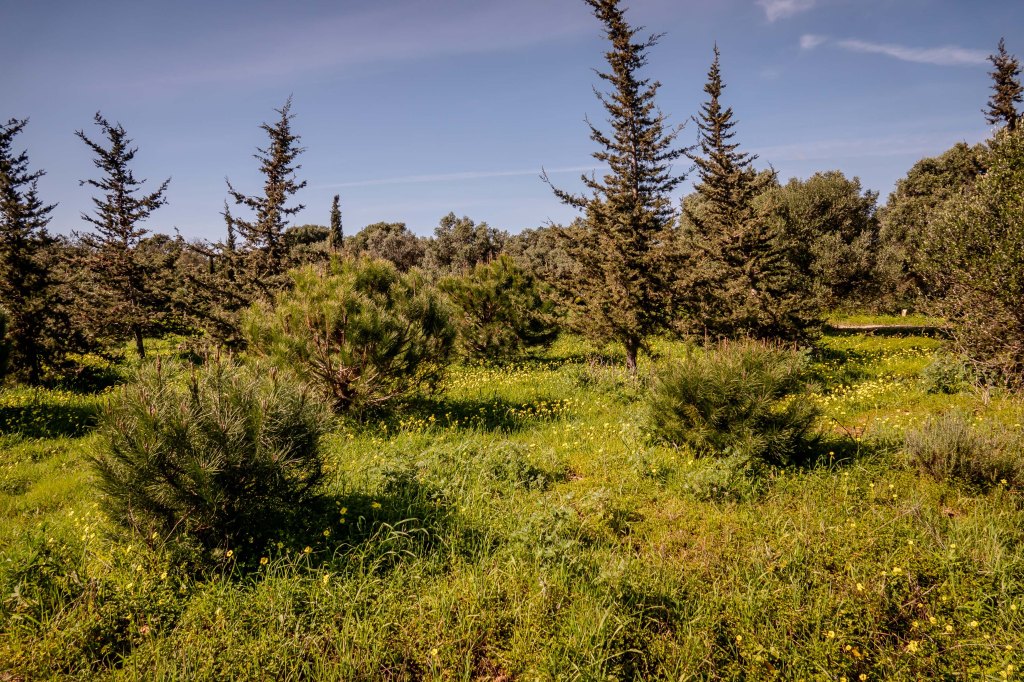
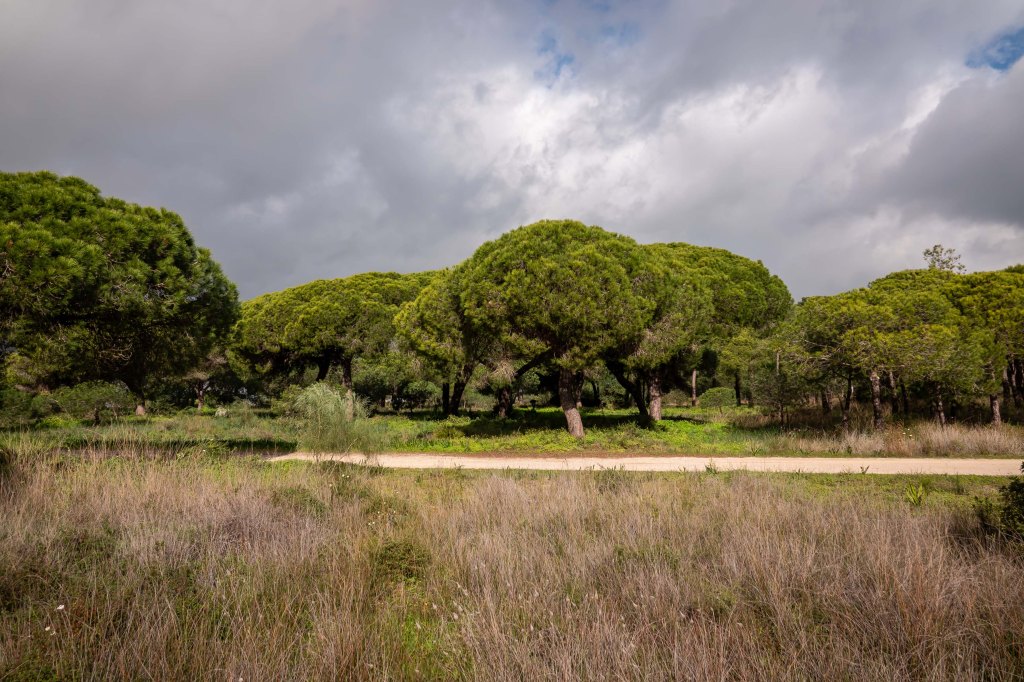
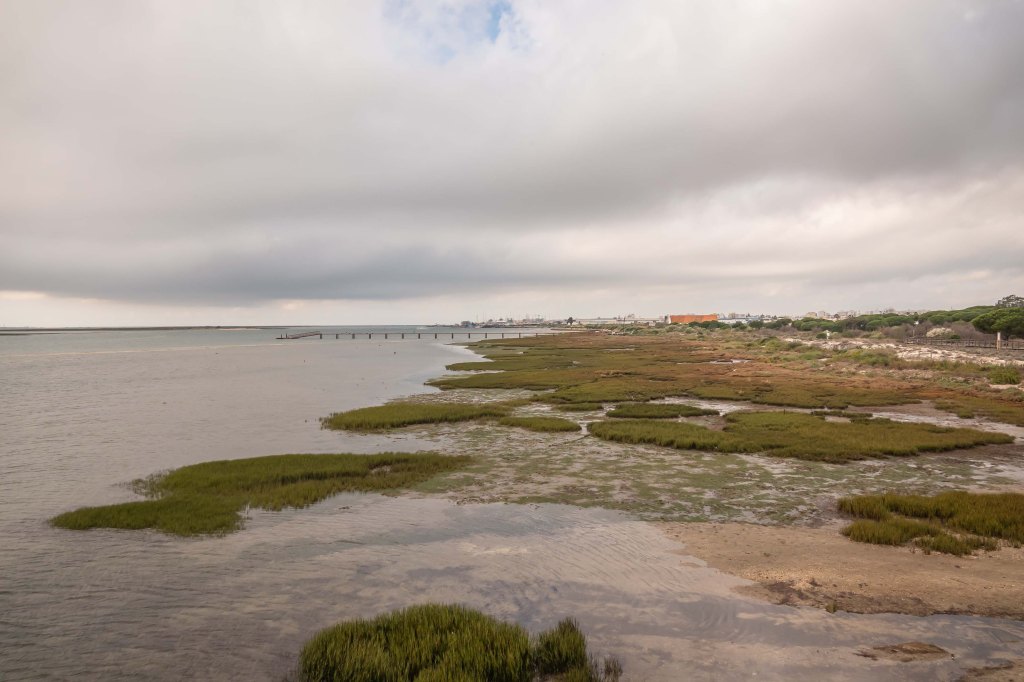
    We had visited this estate earlier in the year. The 3 km trail takes you through various ecosystems – dunes, salt marshes and pine woodlands and it was interesting to see the different flora from our last visit in February.
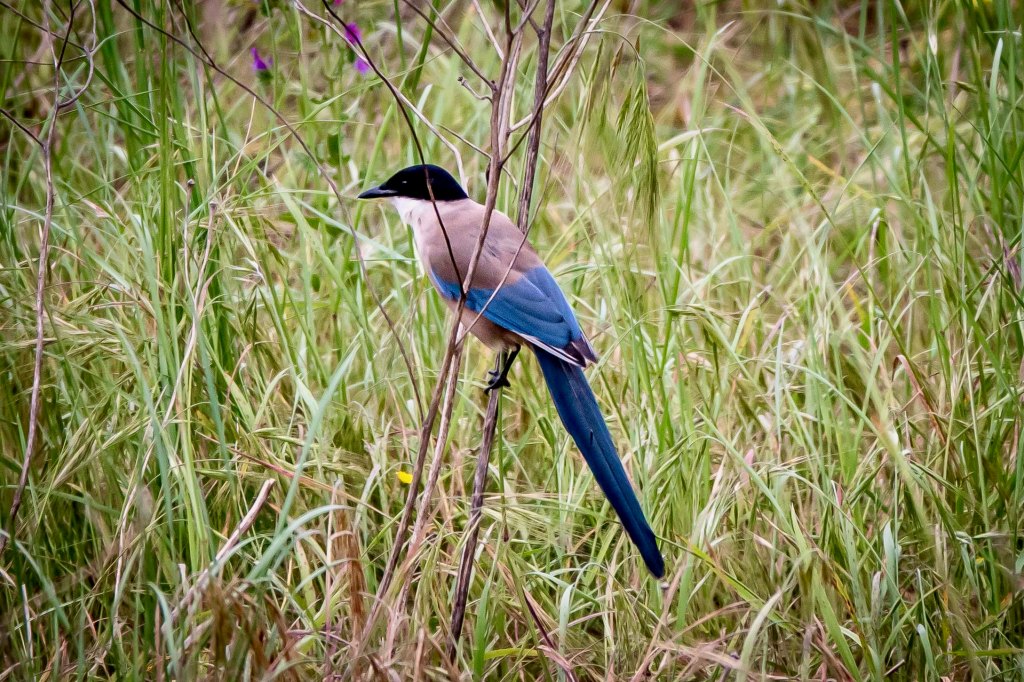
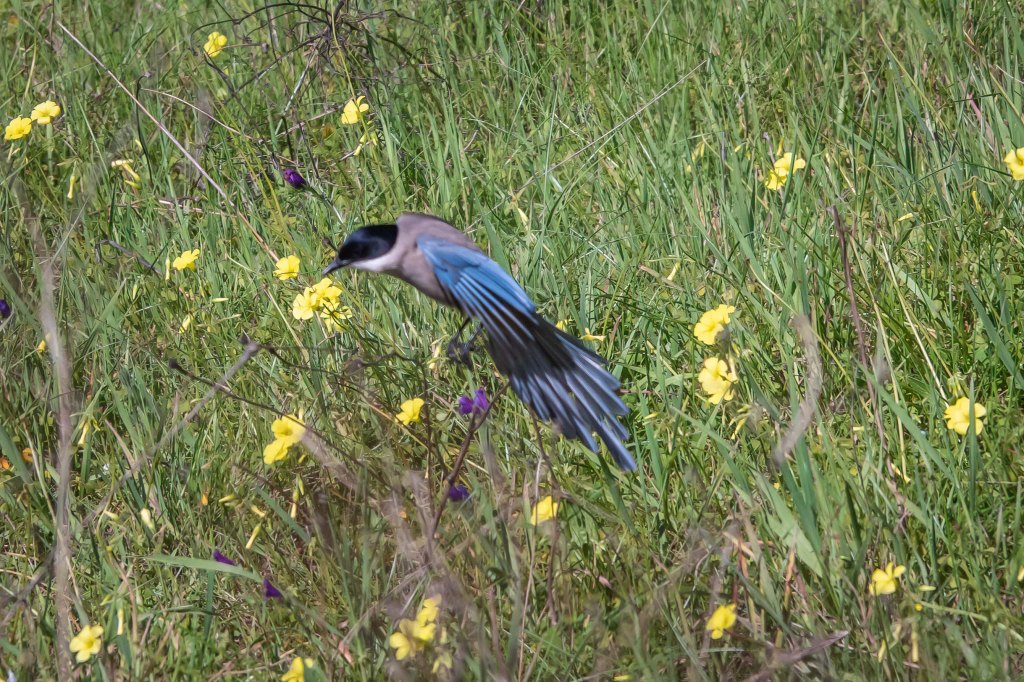
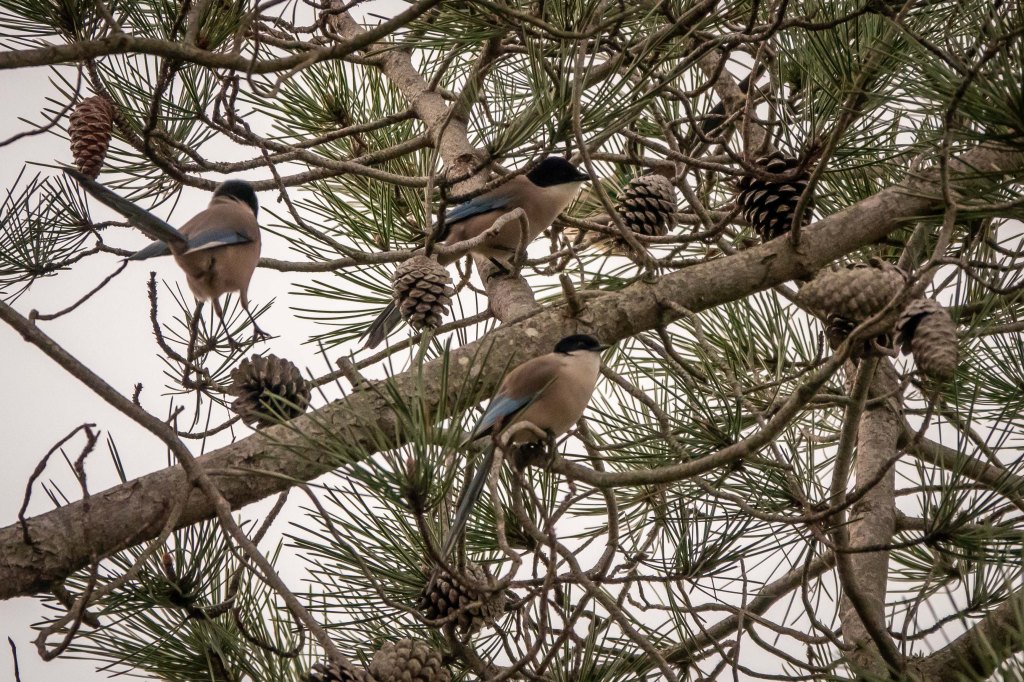
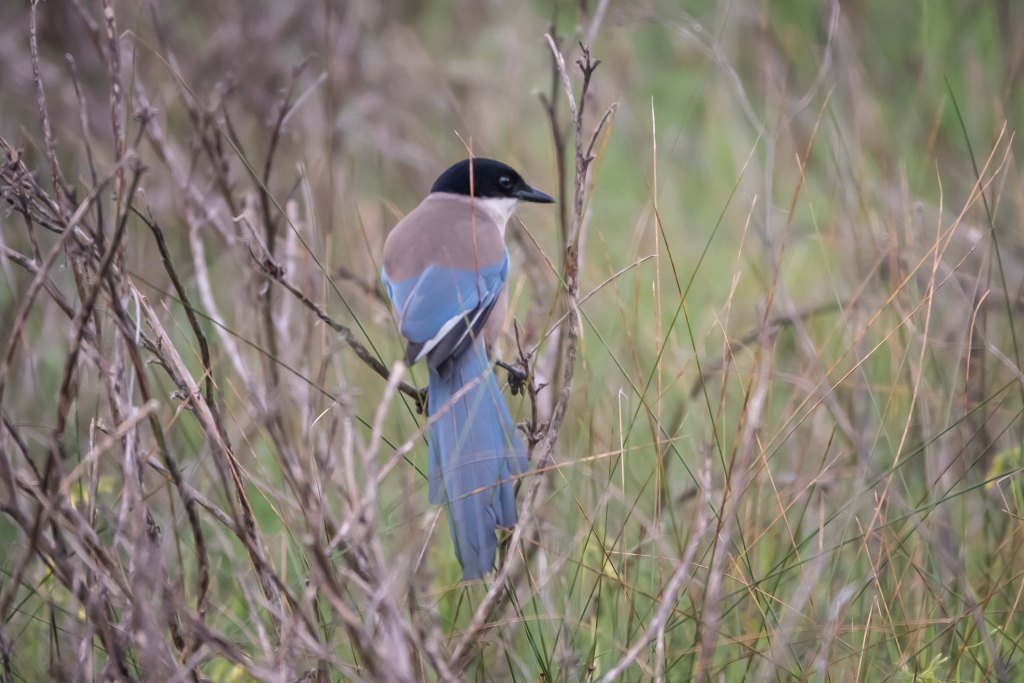
    The Iberian azure-winged magpies seem to love the pine woodlands

    Speckled wood butterfly

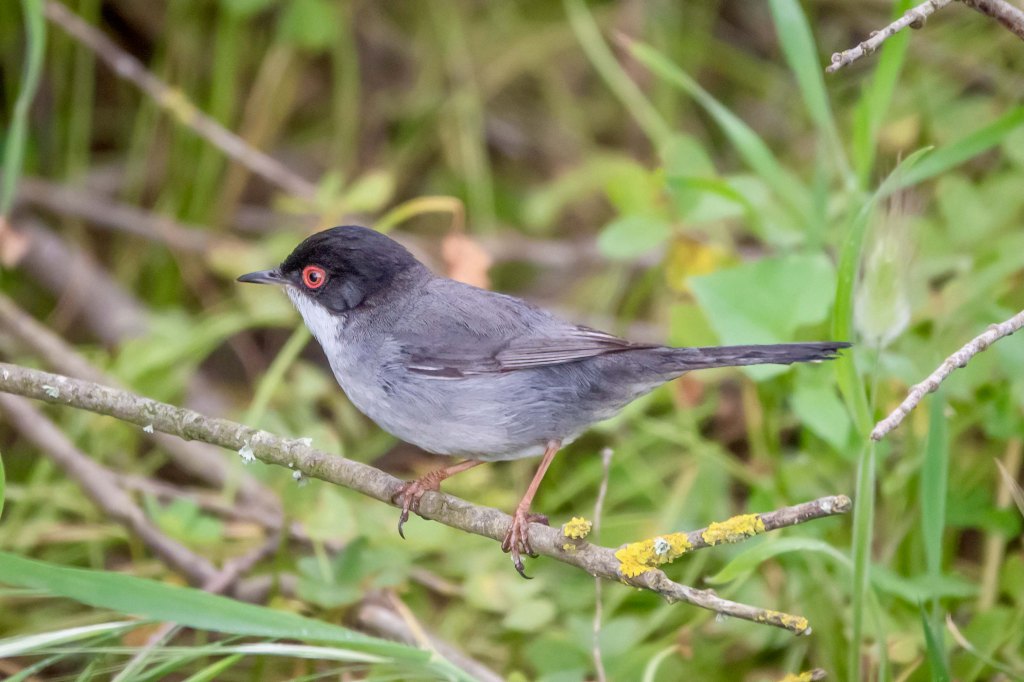
    Sardinian warbler

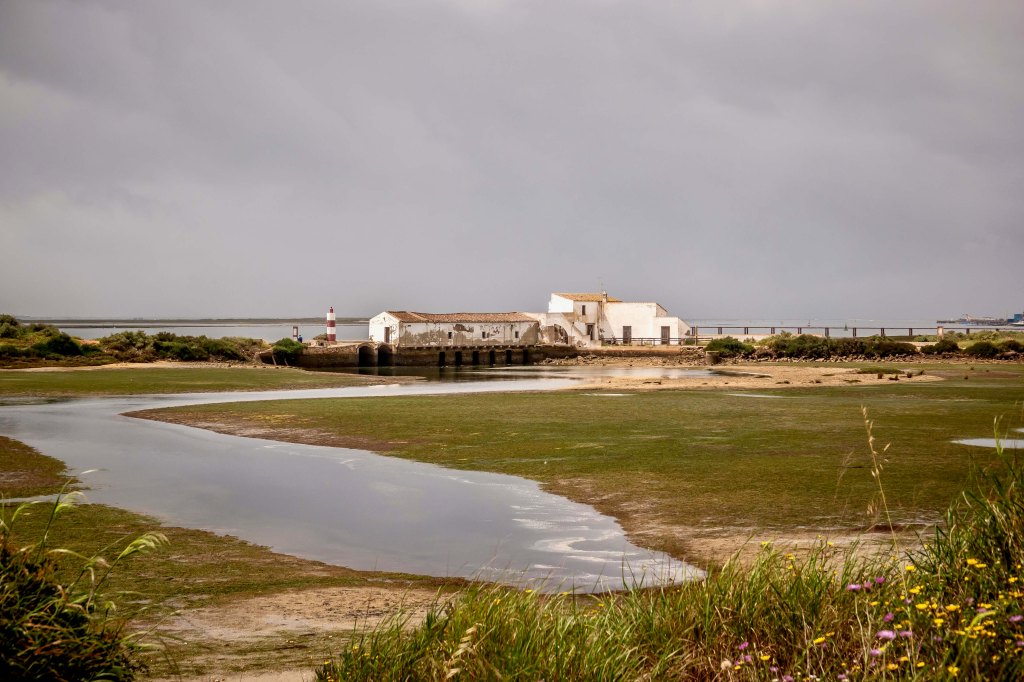
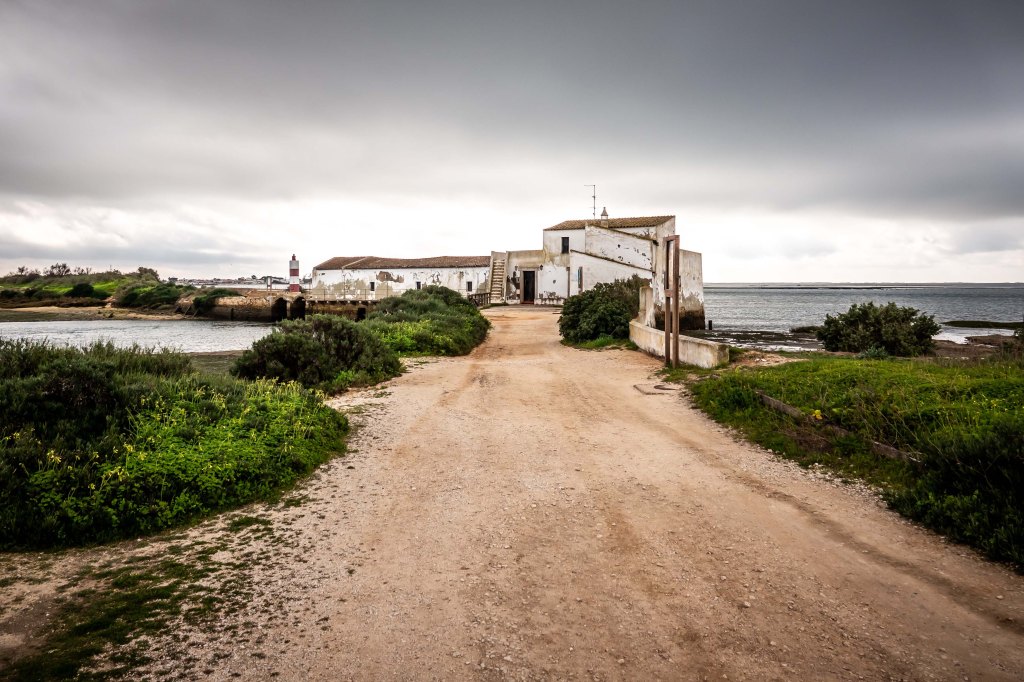
    Quinta de Marim tidal mill

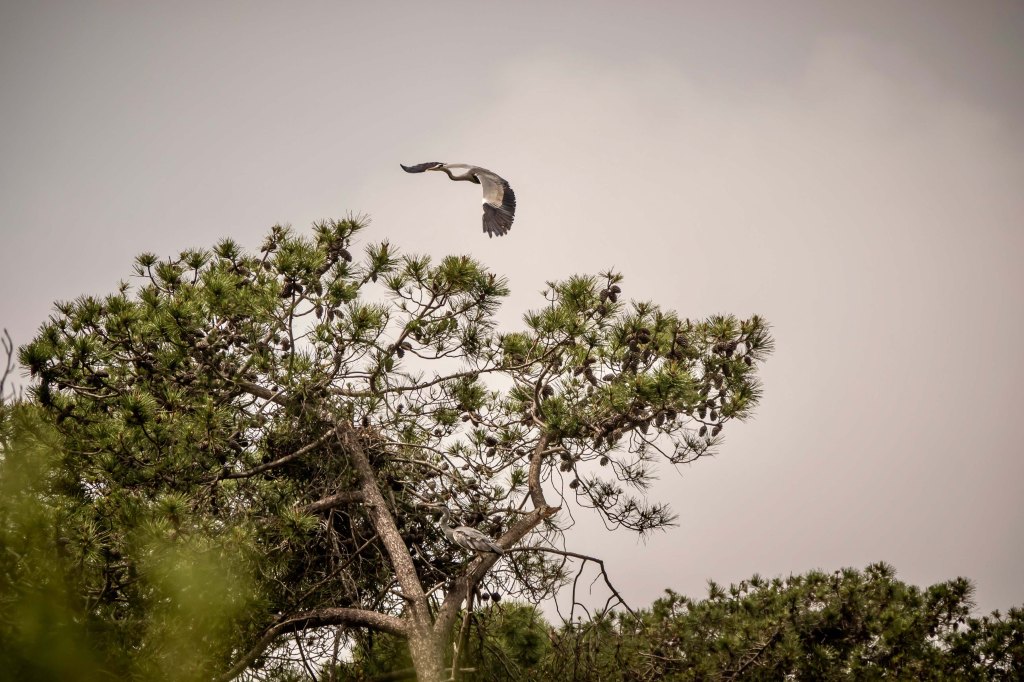
    Grey heron practising its ballet

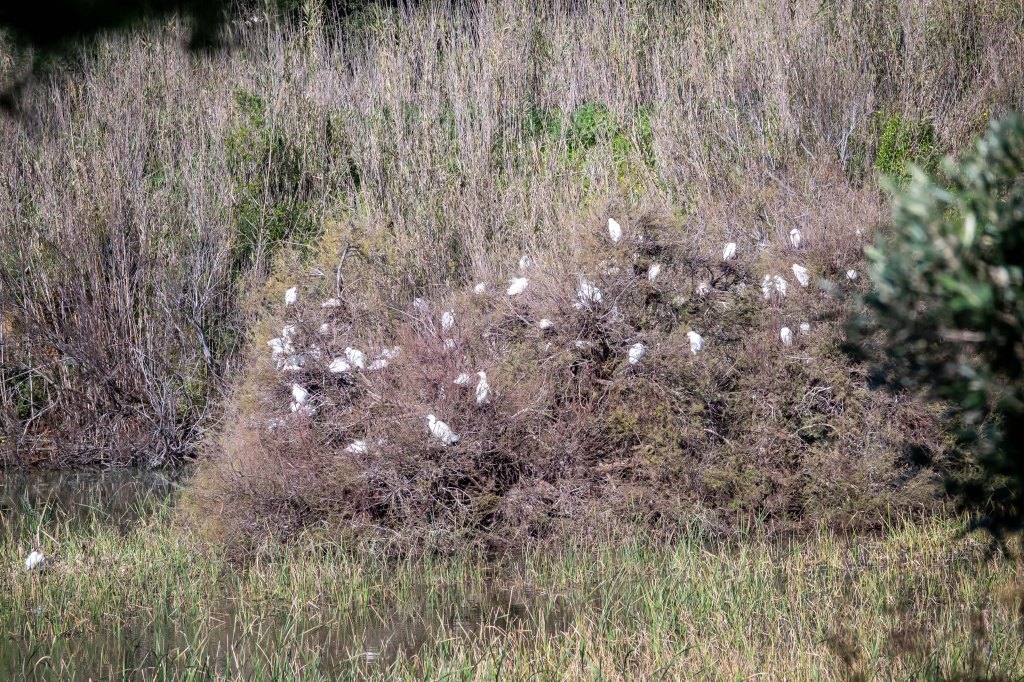
    Half way around the circuit there is a hide overlooking a freshwater pond. We spent quite a while here as there was a heavy shower but fortunately there was lots of activity with a huge colony of egrets.

    The colony of egrets

    Pochard

    Colony of egrets (little and cattle) – some with their young and others still building their nests

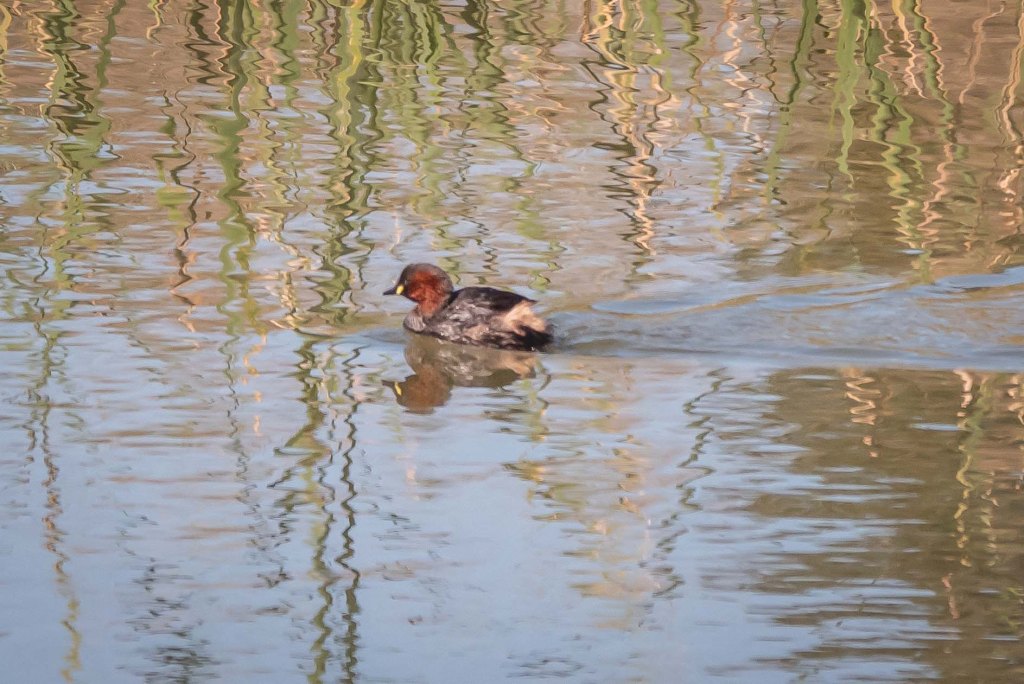
    Little grebe

    Cattle egret looking for nesting materials

    There were also large numbers of grey herons around this pond

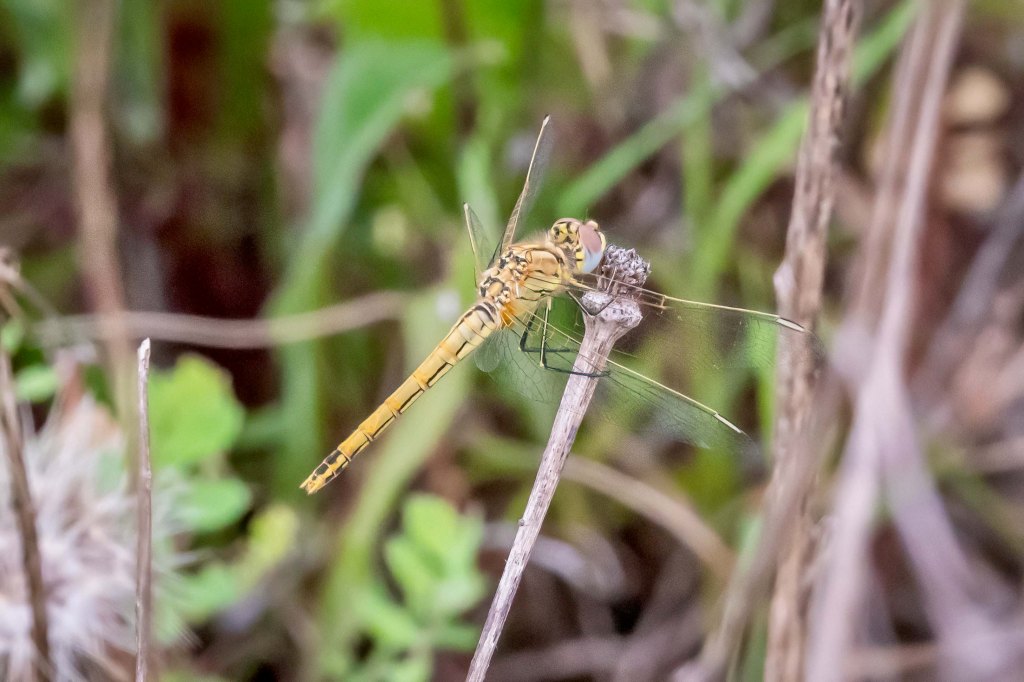
    Red-veined darter

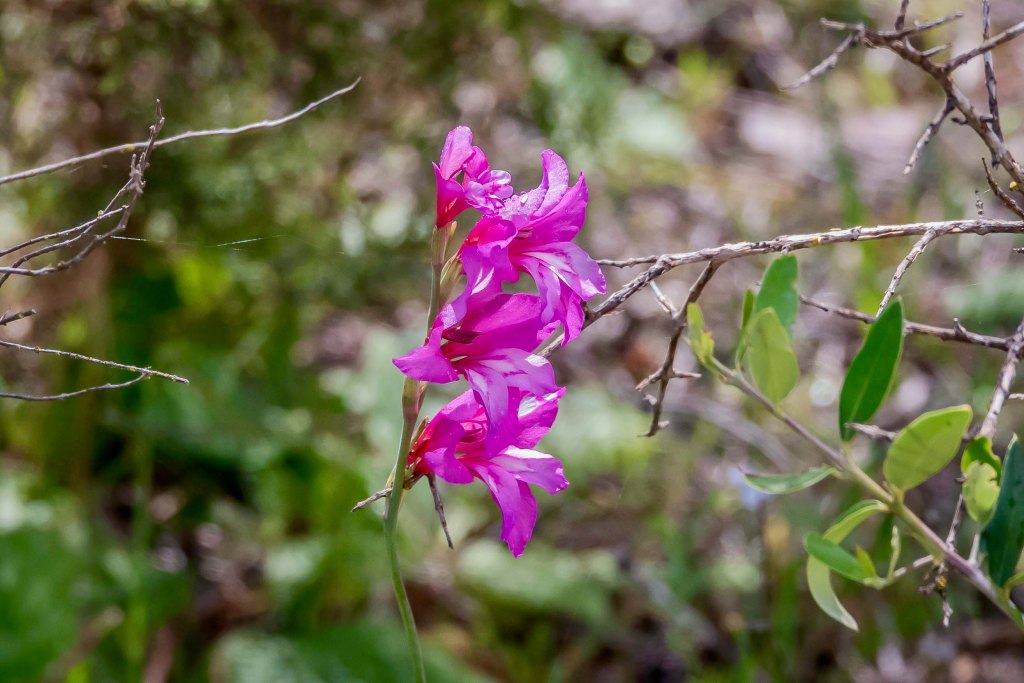
    Wild gladiolus

    We realised that last time we had missed a pathway and this time, by taking the recommended route, we came across a dilapidated noria. The noria is a device, inherited from the Arabs, used to raise water from a well. The power for the elevation of water was provided by the circular movement of a donkey or a mule. The water drawn from the well is stored in a tank, from where it is distributed through small aqueducts, until it reaches the orchards and vegetäble-gardens.
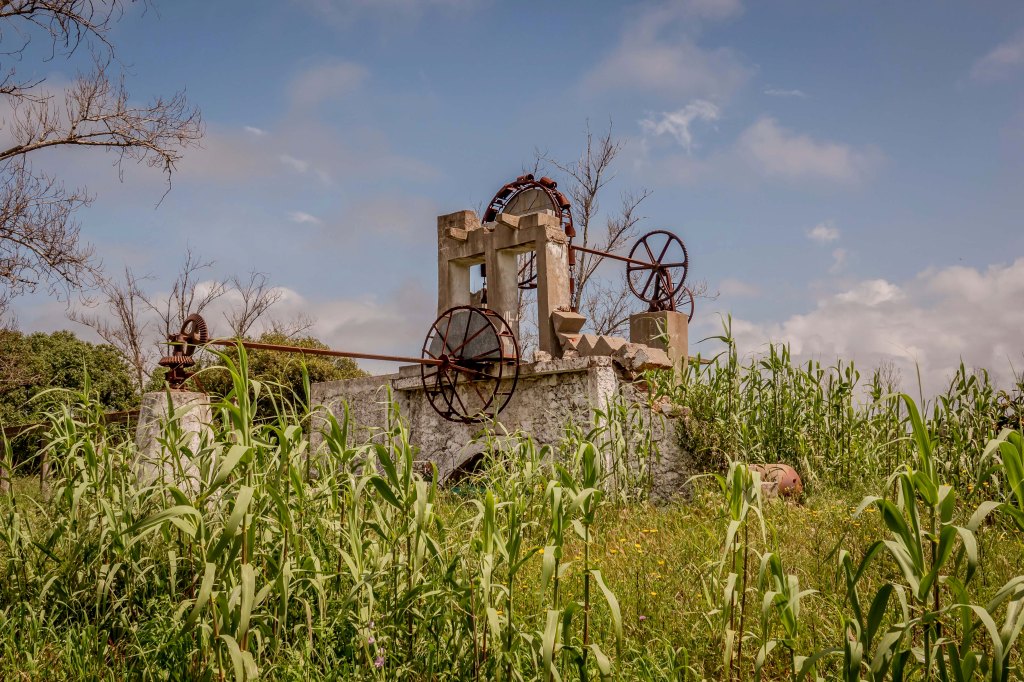
    Noria

    Noria

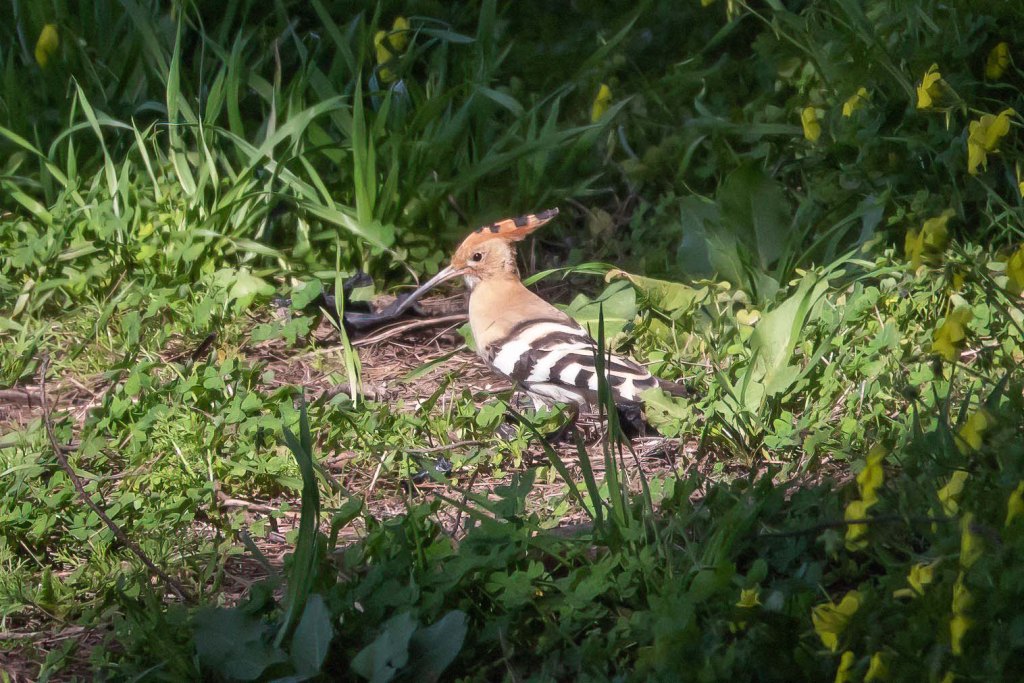
    Red legged partridge at the very spot where we had seen a hoopoe in February

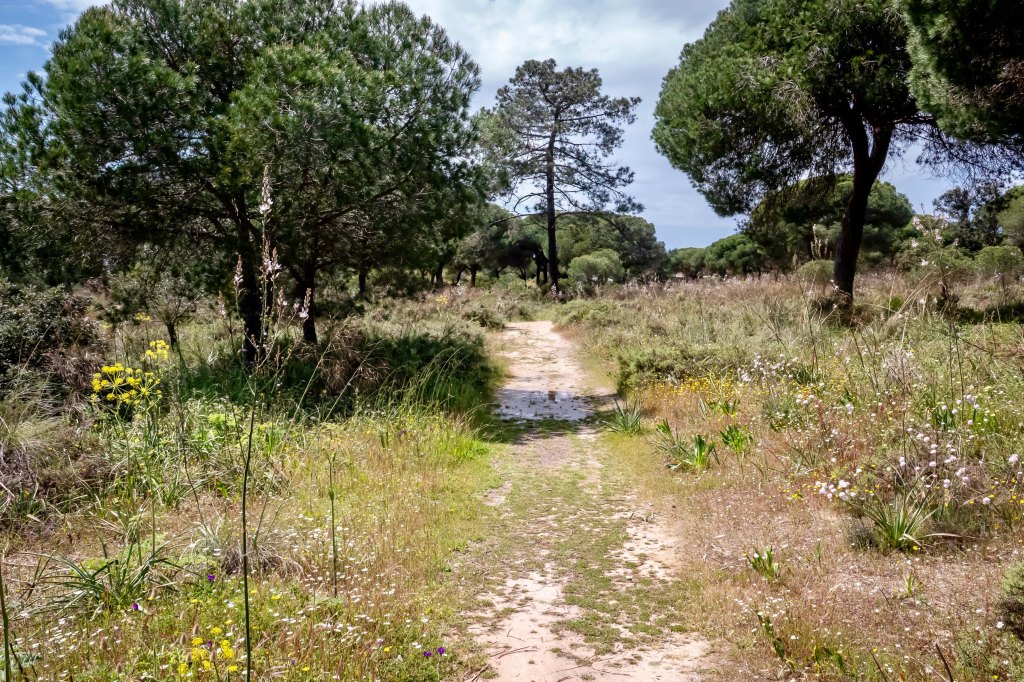
    The correct path!

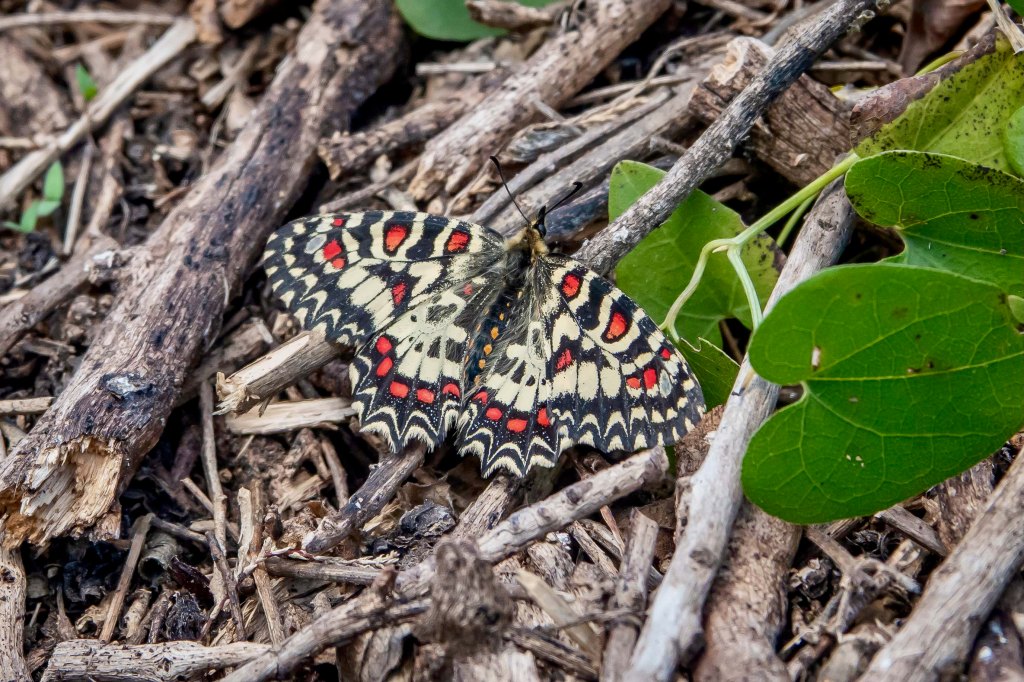
    Spanish festoon butterfly

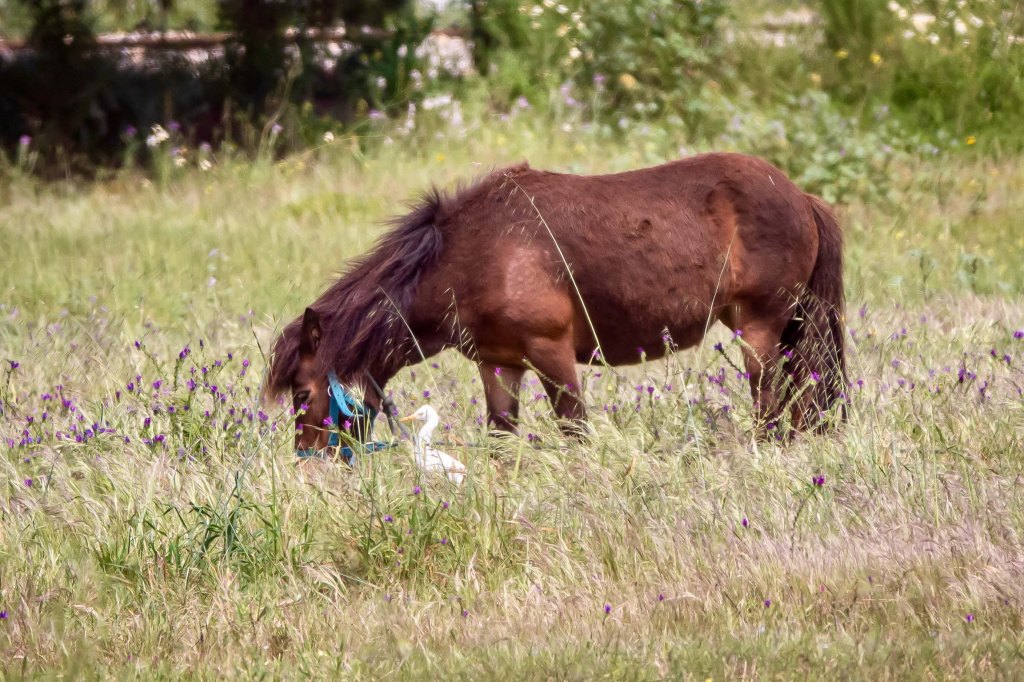
    Cattle egret next to the horse

  • 13th February 2025 – Ria Formosa Nature Reserve, The Algarve, Portugal

    13th February 2025 – Ria Formosa Nature Reserve, The Algarve, Portugal

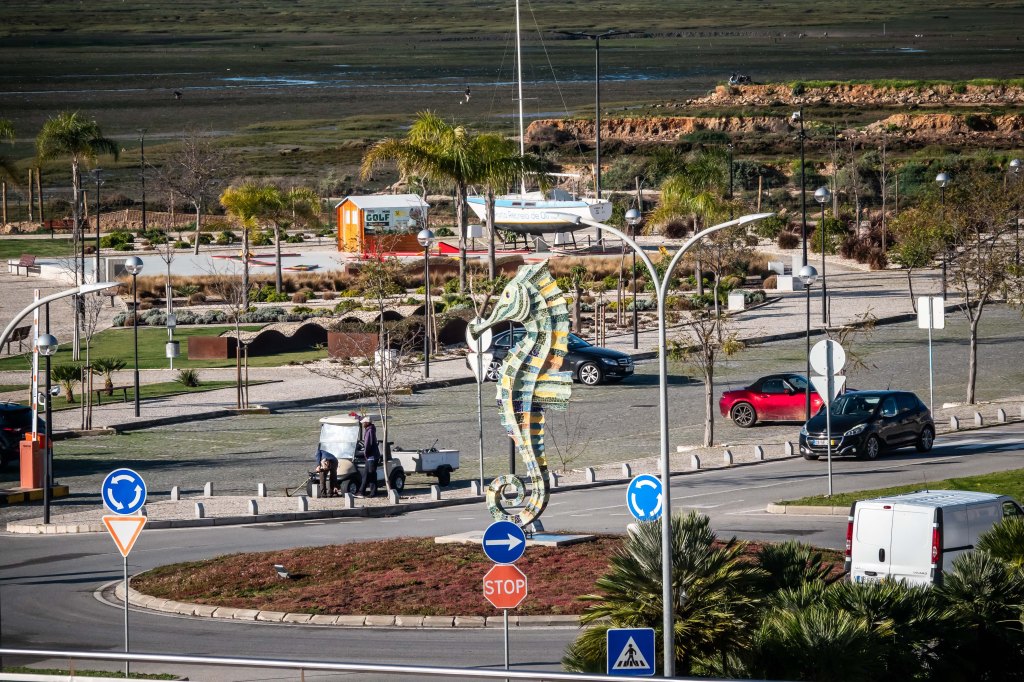
    There is a roundabout just outside our hotel with a statue of a seahorse. There is the largest population of seahorses in the world in the Ria Formosa Natural Park.

    The seahorse roundabout

    On our last full day here in Portugal we decided to revisit the Ria Formosa Nature Reserve at Quinto de Marim. At the entrance to the park there is a poster reminding us of the fragility of the seahorses in nature with the population diminished by 90% in the last 15 years.

    On our boat trip earlier in the week we had seen buoys protecting the area where the seahorses exist.

    We had much better light on our visit today but the tide was very low and the mudflats were almost empty of waders. However, we did have a very good view of this plover below which, according to one ID app, is a semi-palmated plover. However, it is more likely a non-breeding adult common ringed plover. In fact, having studied several sources, the slight webbing between only one of the toes convinces me that this is definitely a common ringed plover

    Semi-palmated plover or more likely a non-breeding adult common ringed plover

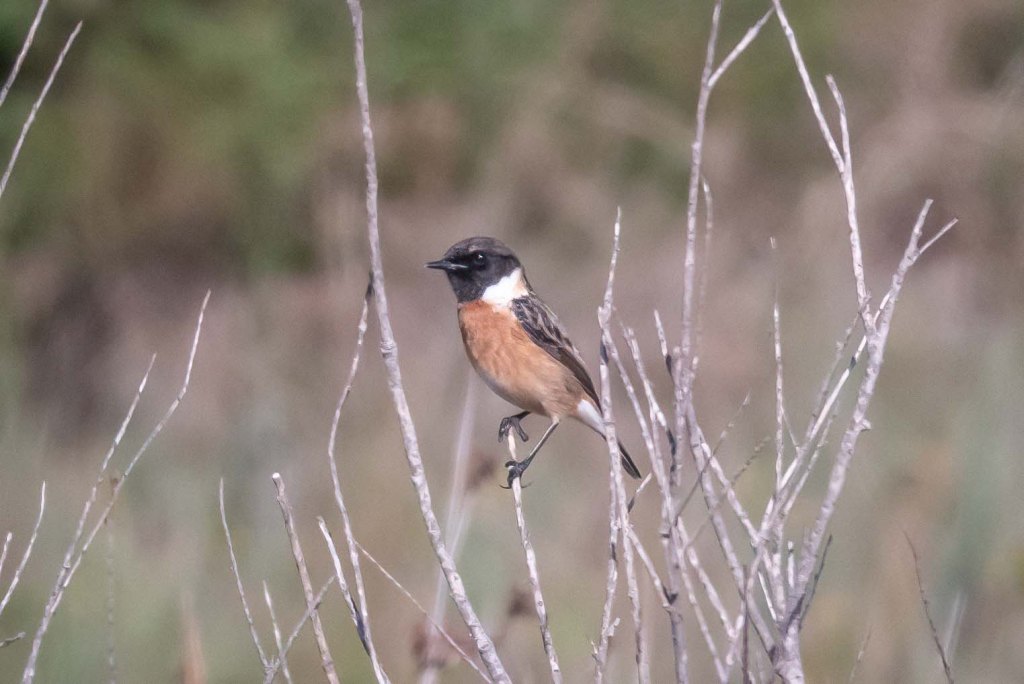
    Stonechat

    The flora was even more beautiful after the rain and with quite warm sunshine

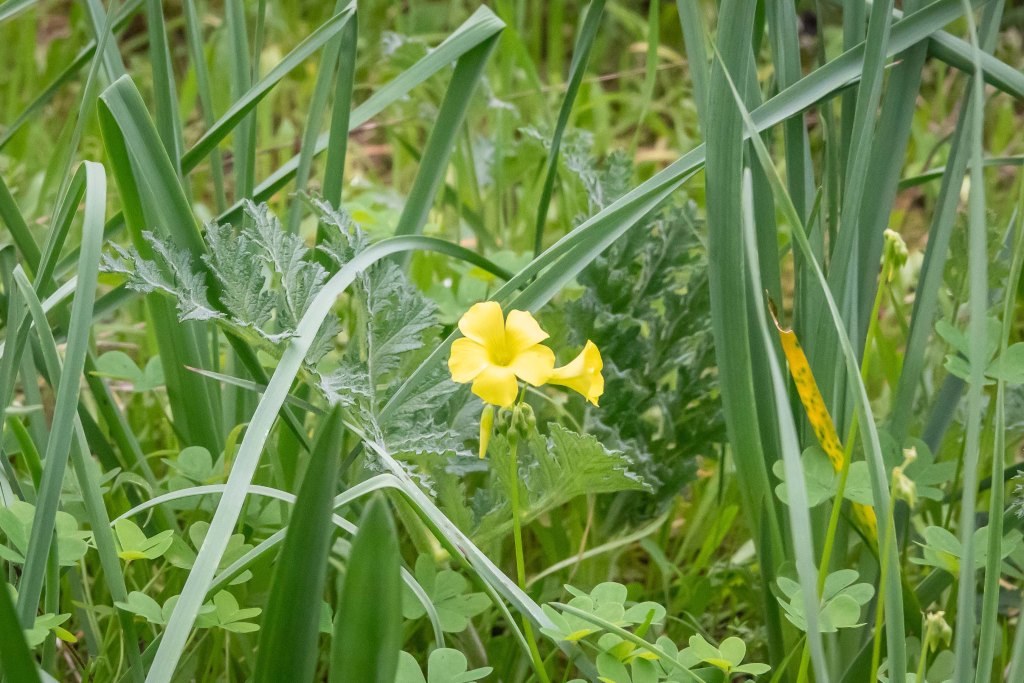
    Oxalis pes-caprae has all sorts of common names, including slender yellow wood sorrel

    The mudflats were empty of birdlife but it was great walk

    The tidal mill with very little bird life today

    Mainly cattle egret with a few little egrets at the freshwater pond

    Chiffchaffs and/or willow warblers were putting on quite a display at the freshwater pond – difficult to say which when they weren’t singing

    Little grebe

    Teal

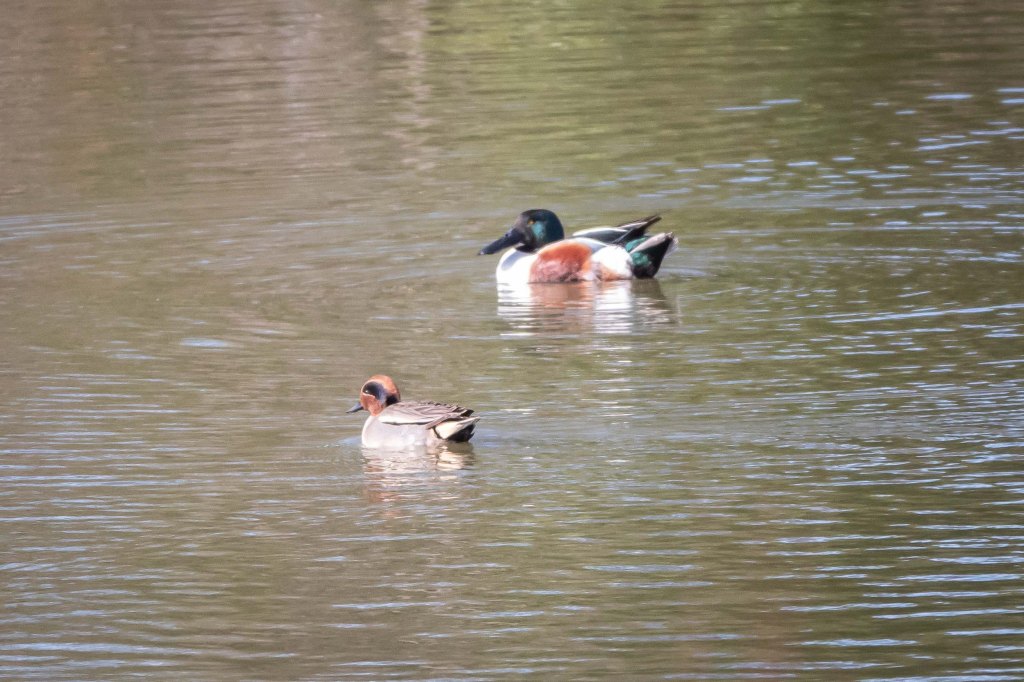
    Teal and shoveler

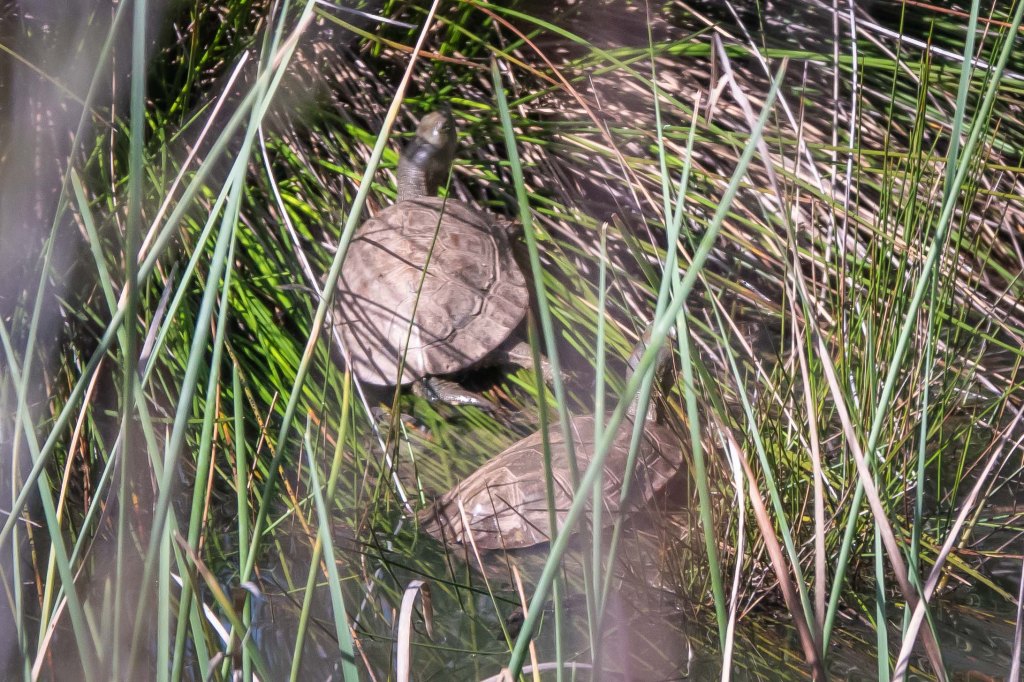
    Terrapins

    Lupins have appeared in flower after the rain

    … and these beautiful crocus-leaved romulea

    Iberian magpie

    Iberian magpie

    And saving the best to last, just as we were leaving the park a Eurasian hoopoe

    Eurasian hoopoe

    And then back to Olhão for a celebratory last lunch – although, we didn’t really need an excuse.

  • 10th February 2025 – Quinta de Marim, The Algarve, Portugal

    10th February 2025 – Quinta de Marim, The Algarve, Portugal

    We took an Uber to Quinta de Marim, a few kilometres to the east of Olhão.

    Quinta de Marim (or Centro Educação Ambiental de Marim) is a beautiful estate with many different habitats that attract birds. A 3 km trail takes you through various ecosystems – dunes, salt marshes, pine woodlands. There is a visitors’ centre and a couple of hides at the edge of the marsh, one looking across the mudflats and another looking over a fresh water pond.

    The dull weather was rather disappointing for photographs but it was still quite warm (17C) and we didn’t need coats. The visit was not at all disappointing.

    Lavender

    Iberian magpies in the pine trees

    Rosemary in flower

    Iberian magpie

    .

    Stonechat

    Swallow

    From the roof of the mill there were spectacular views along the coast

    There were waders everywhere along this stretch of the coast

    Grey plover

    Bar-tailed godwits and a whimbrel

    Greenshank

    Iberian magpie

    Purple viper’s bugloss

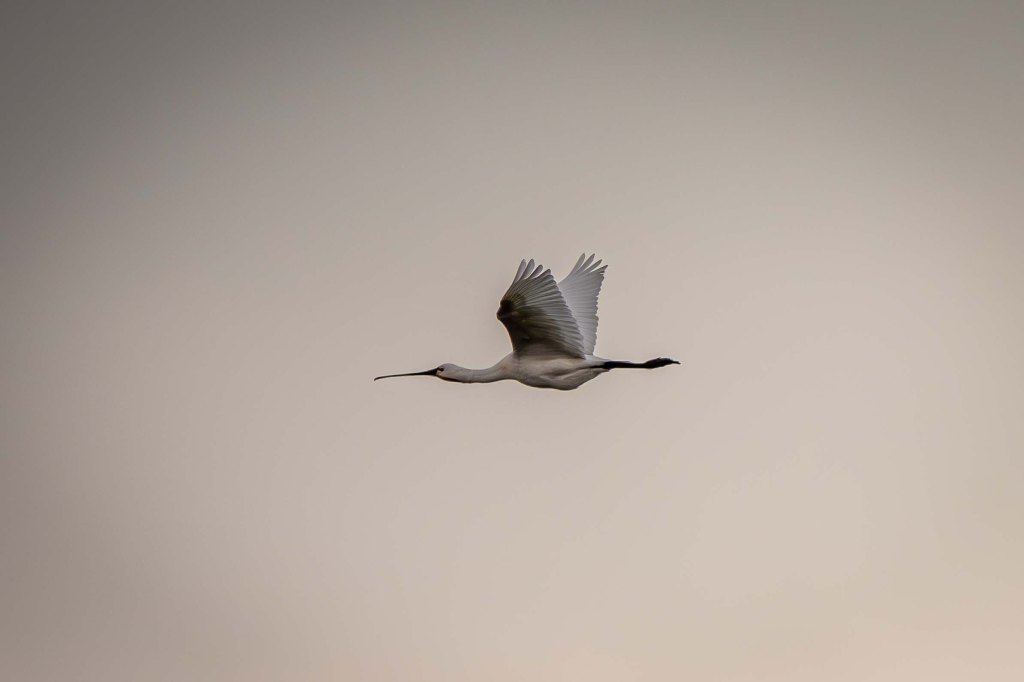
    A flyover Eurasian spoonbill
    Tidal mill at Quinta de Marim – In other times, when energy sources were scarce and limited only to muscle power, wind and current, tidal mills had a major advantage over other forms of energy: their constancy and predictability. There are two daily tides that guarantee approximately 4 hours of grinding. They were built in estuaries on low land and in sheltered areas where the water could be dammed

    Kestrel

    White stork, not looking so white in this light
    Dunlin

    Little grebes on the freshwater pond

    Cattle egret

    Wigeon with barn swallow flying past

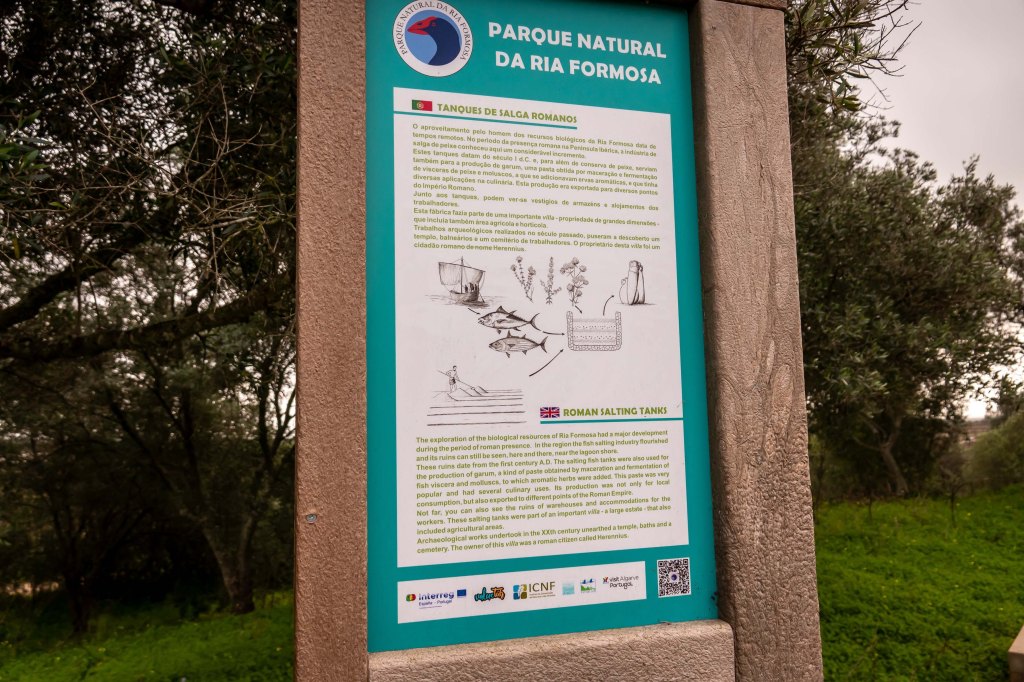
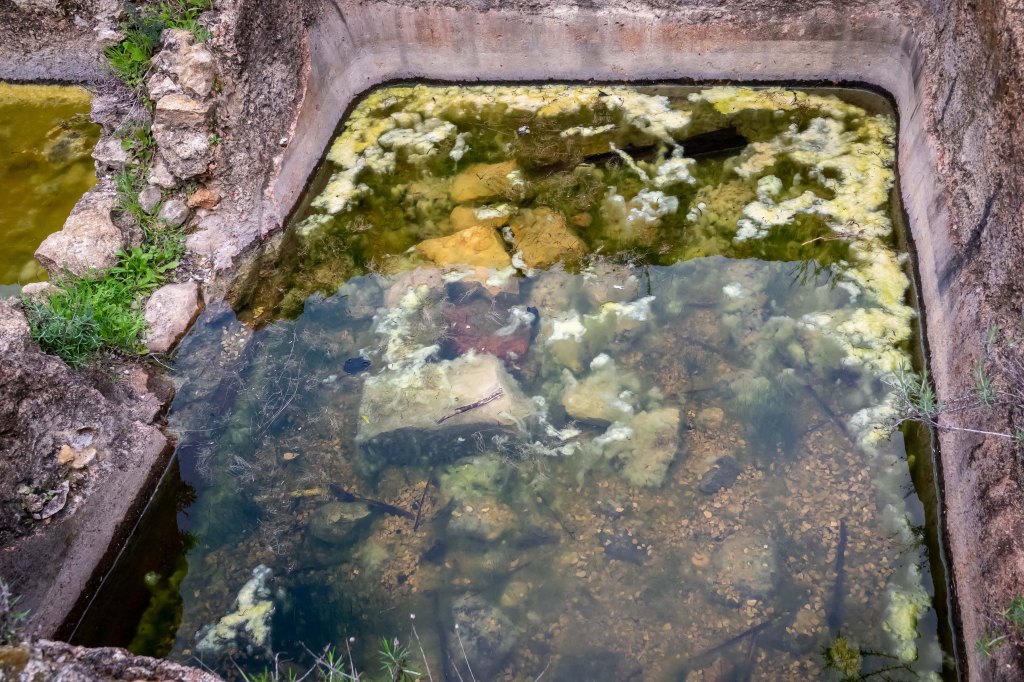
    Roman salting tanks

    Cowpea

    Barn swallow on a wire

    Blackbird on a log

    In the late afternoon on our return to Olhão we had another walk around the Salinas de Olhão.

    Whimbrel

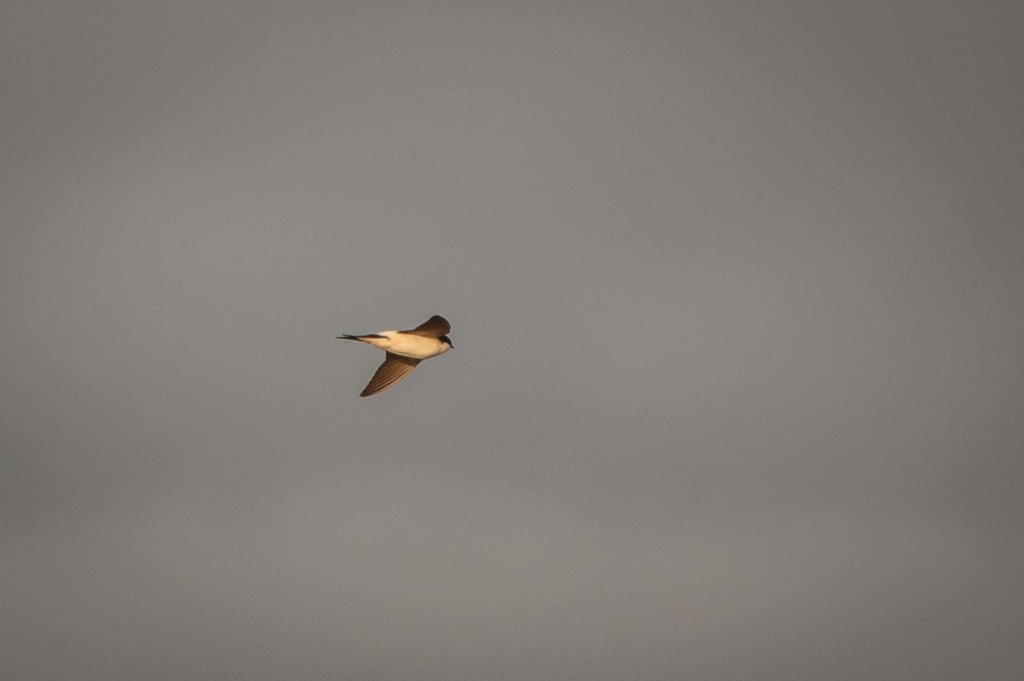
    A different swallow ?

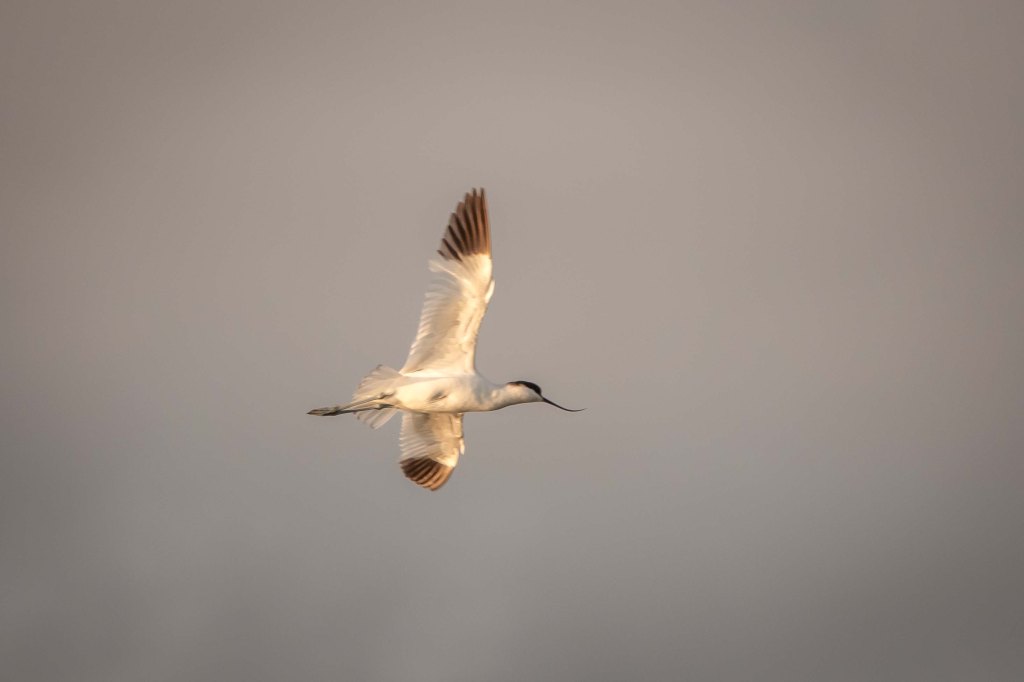
    Pied avocet

    Redshank

    Pied avocet