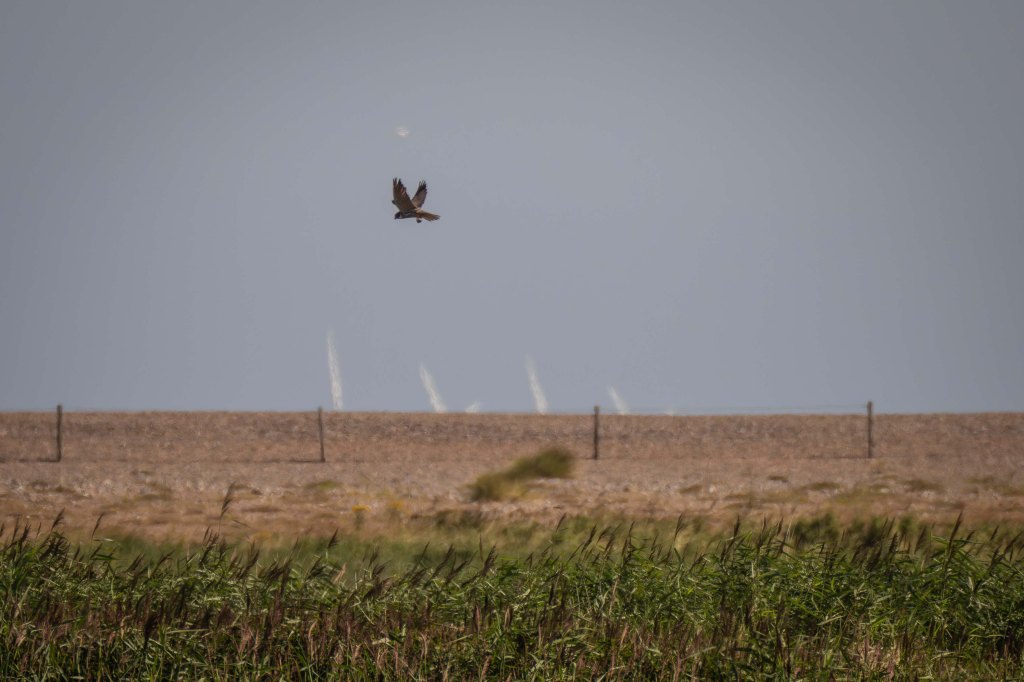
A glorious day to end our stay in Norfolk: we started the day with a hobby at Cley Marshes and ended with three swallows (that is the Three Swallows pub along the border of Cley next the Sea and Newgate village).
Eurasian hobby
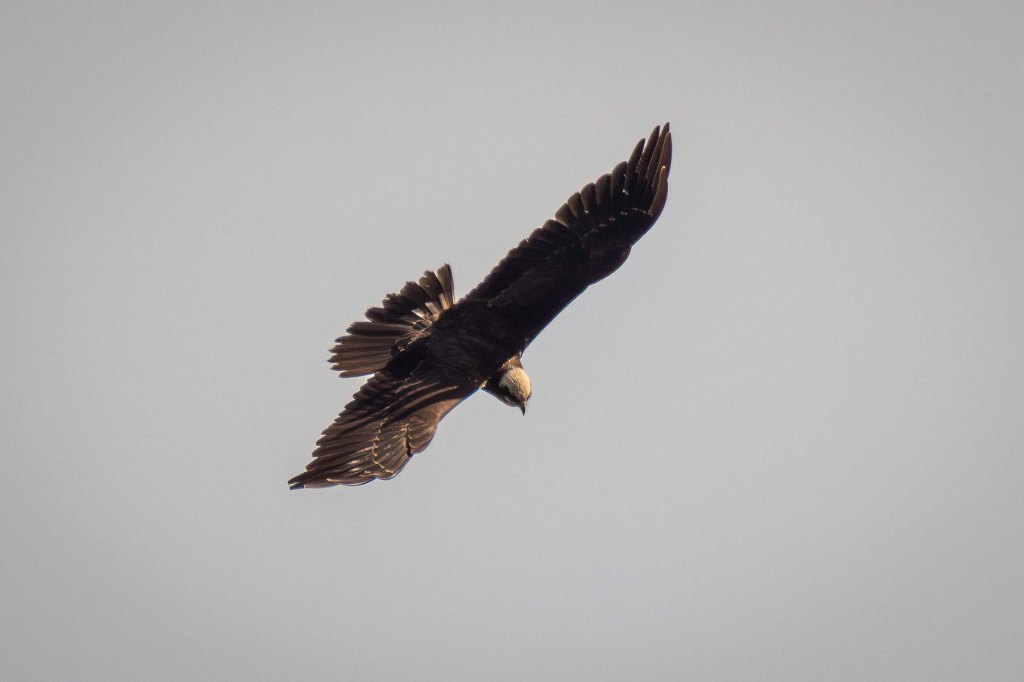
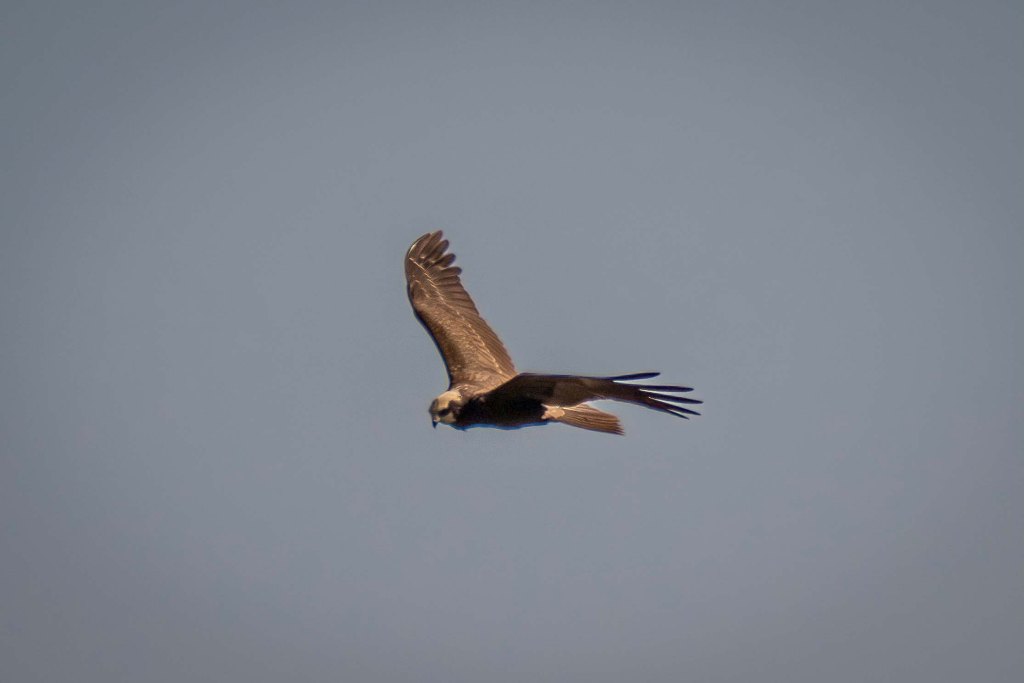
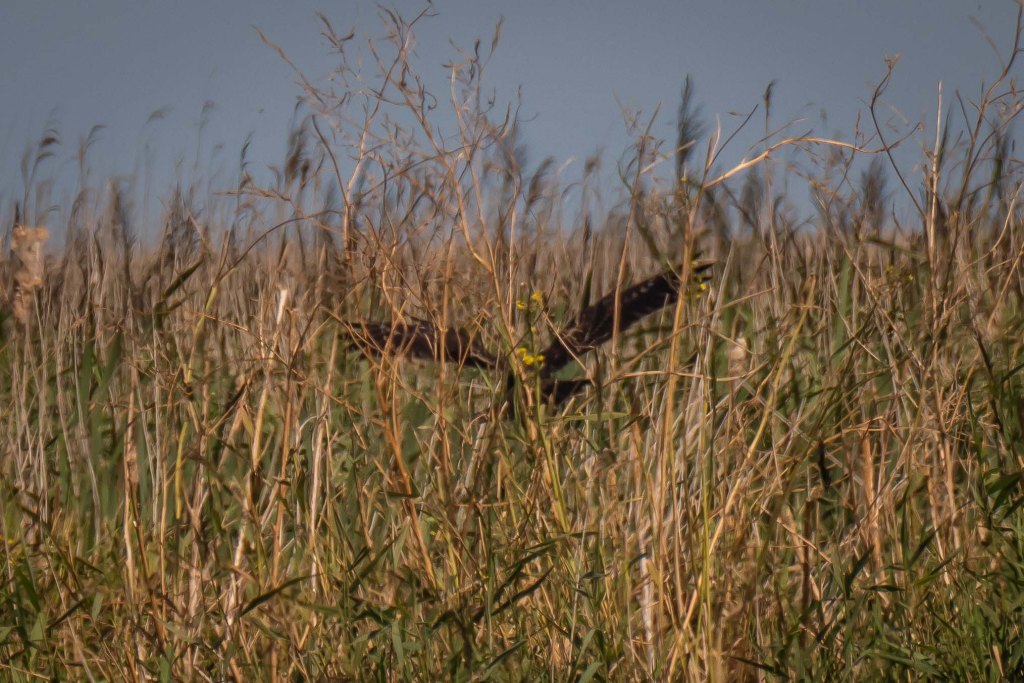
Although we haven’t seen many marsh harriers until yesterday, we made up for it today.
Marsh harrierMarsh harrier
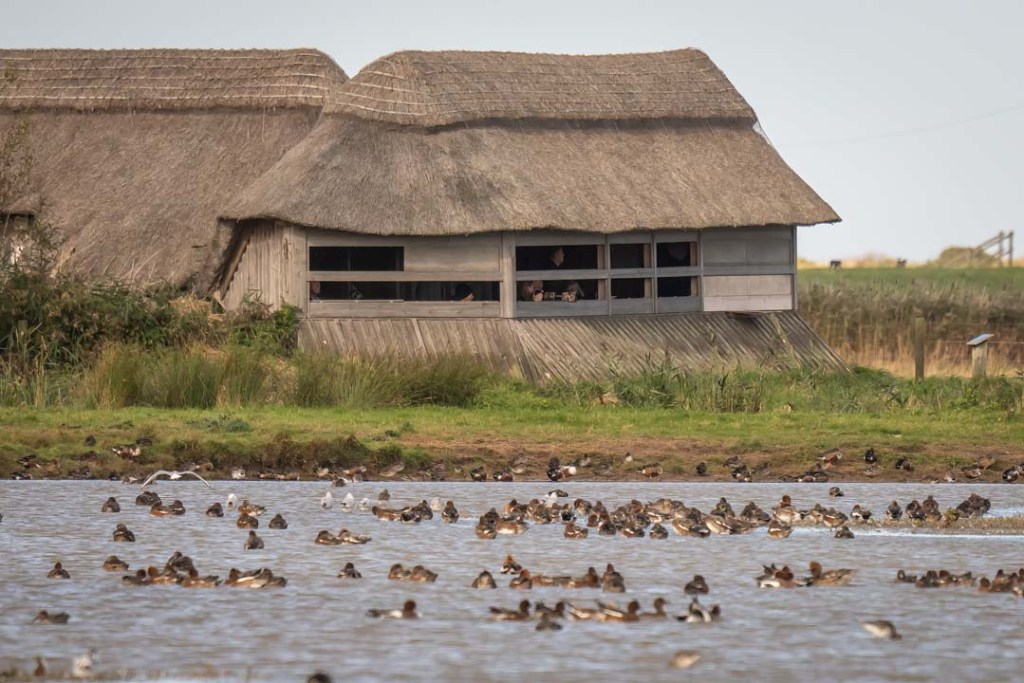
As we made our way out to the Avocet hide we met a volunteer who warned us that, despite the glorious sunshine , the light was not good in the hides in that area. He was right. We weren’t very good at taking his advice as he told us the scones back at the visitors’ centre were very good, but when we got there, a little later, the smell of the bacon was irresistible. All very good though.
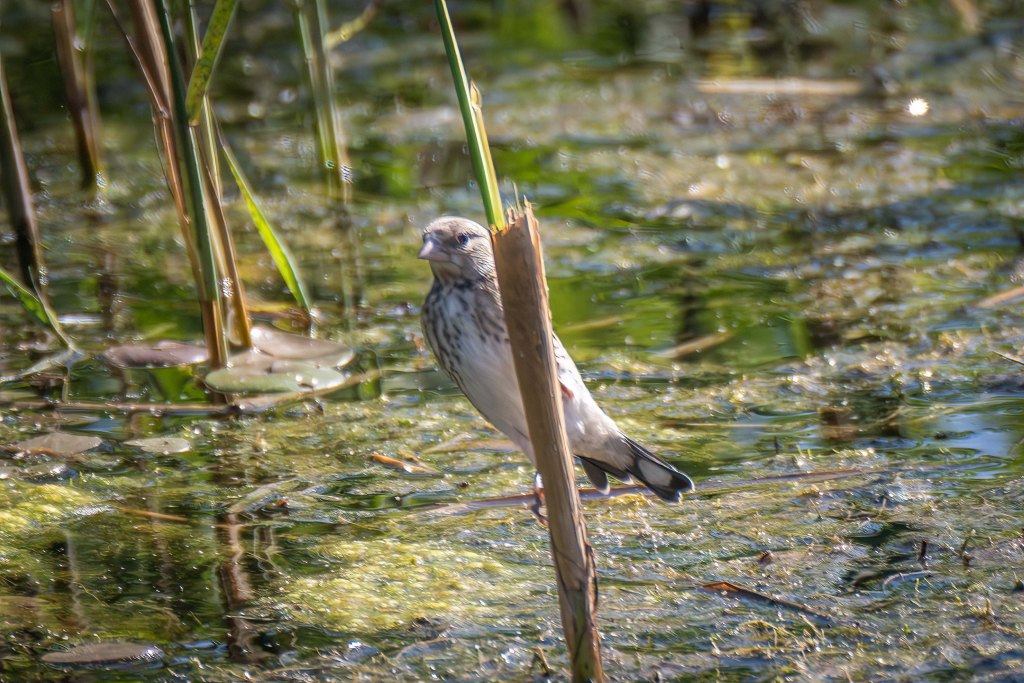
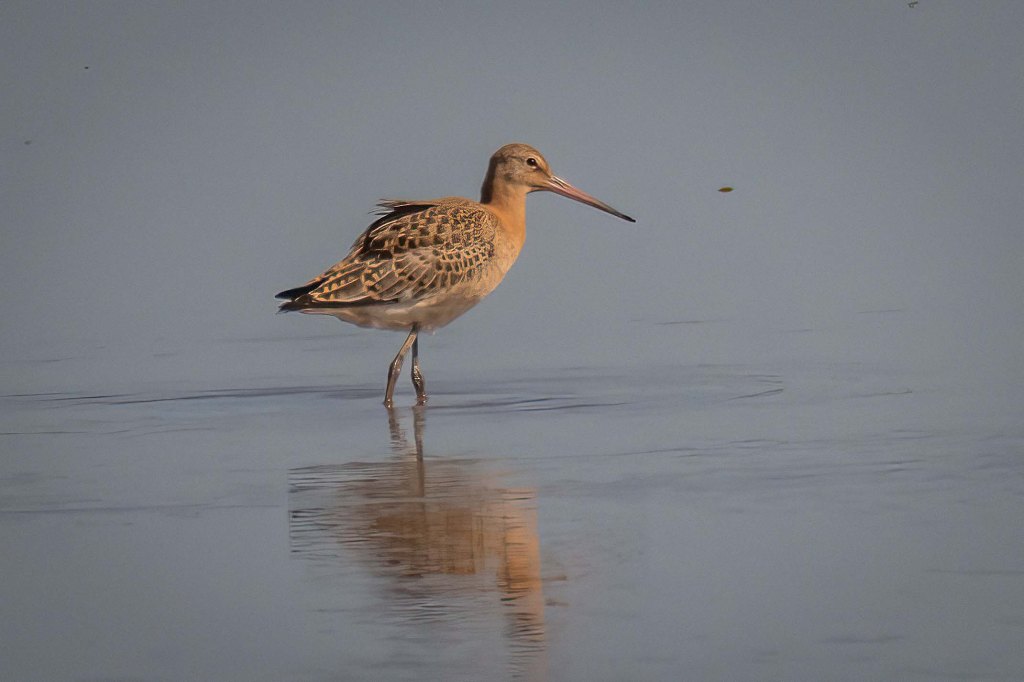
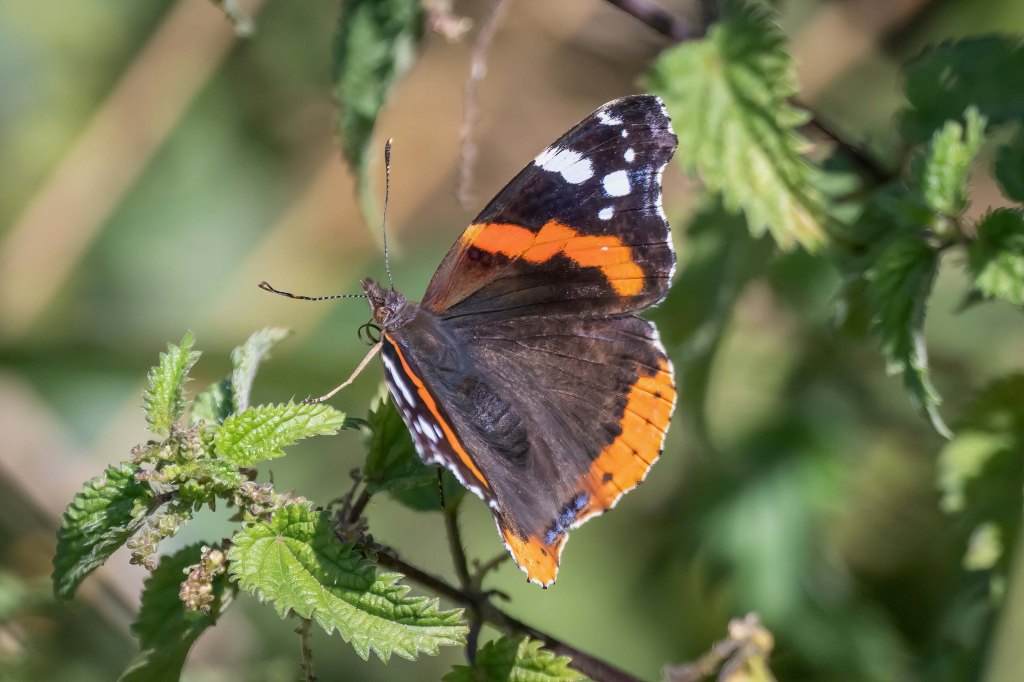
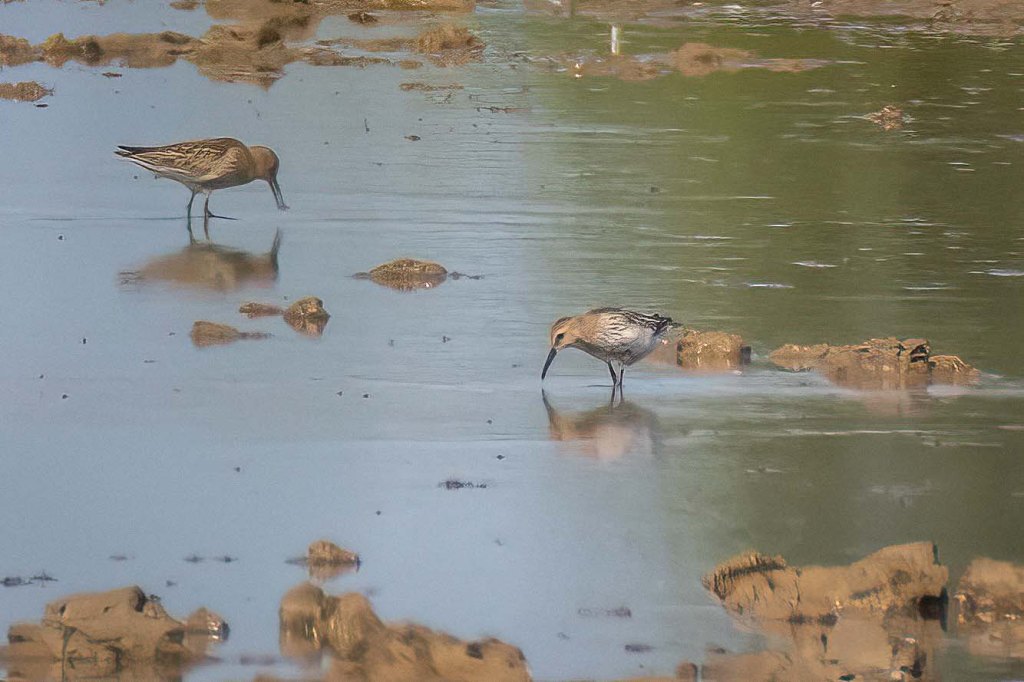
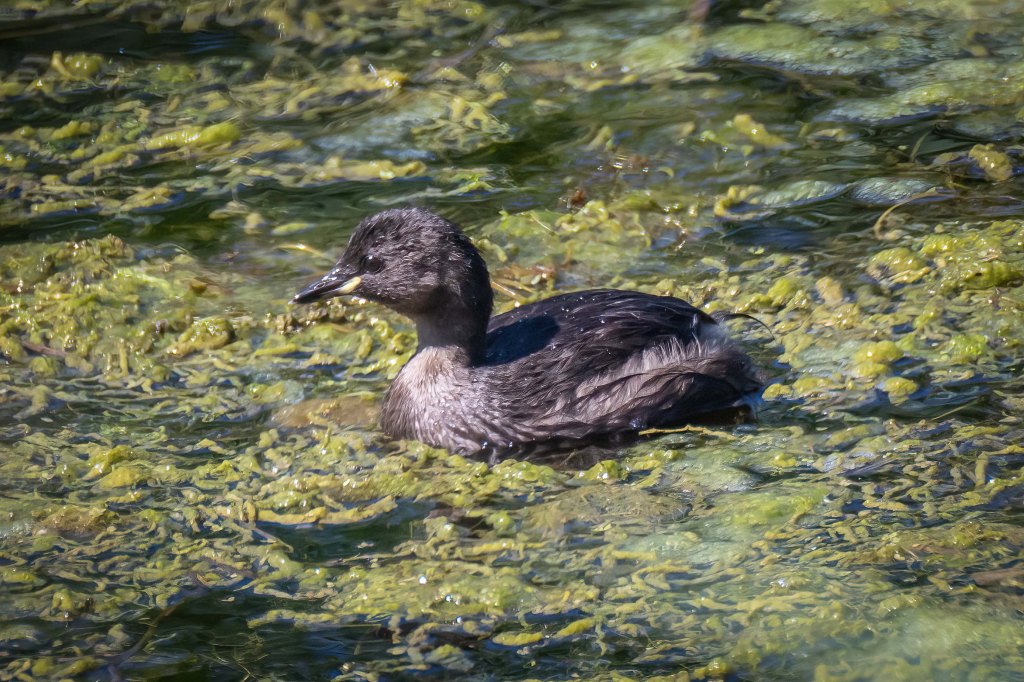
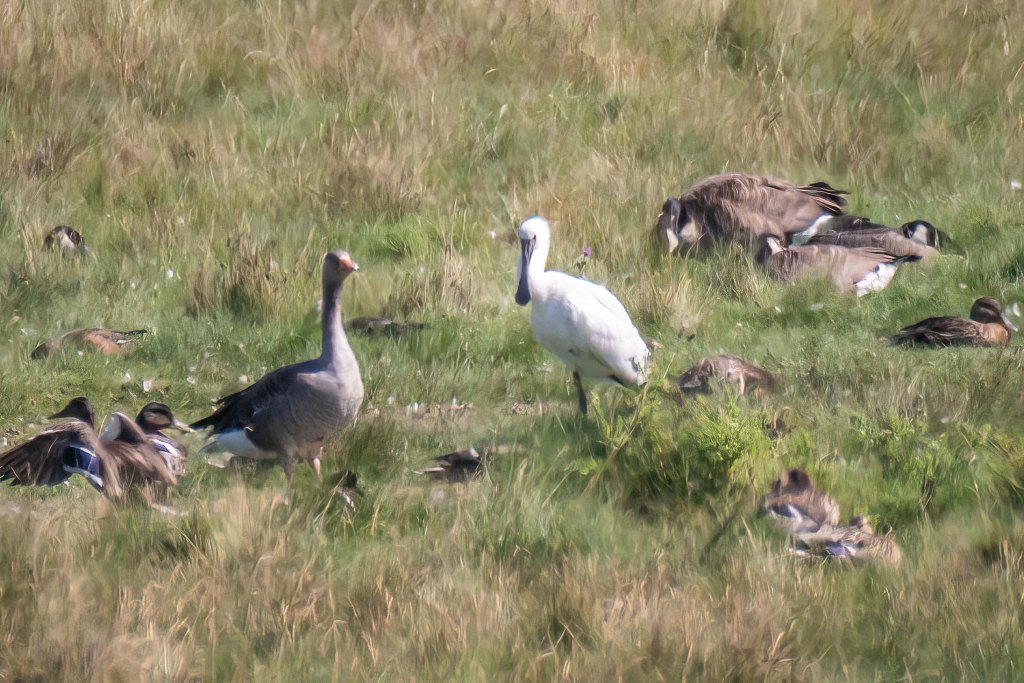
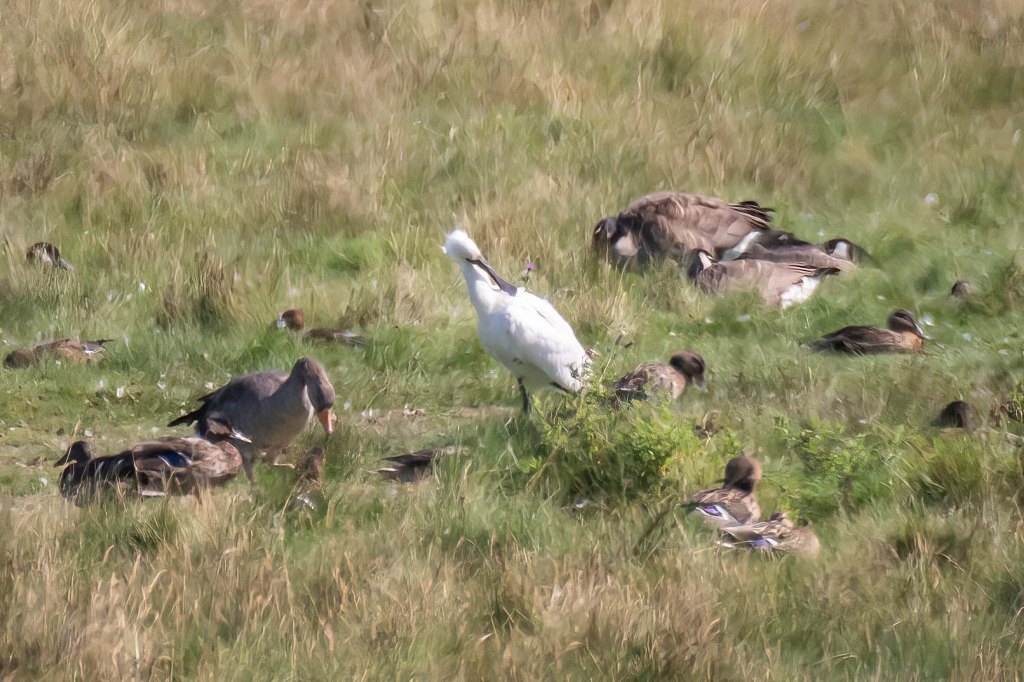
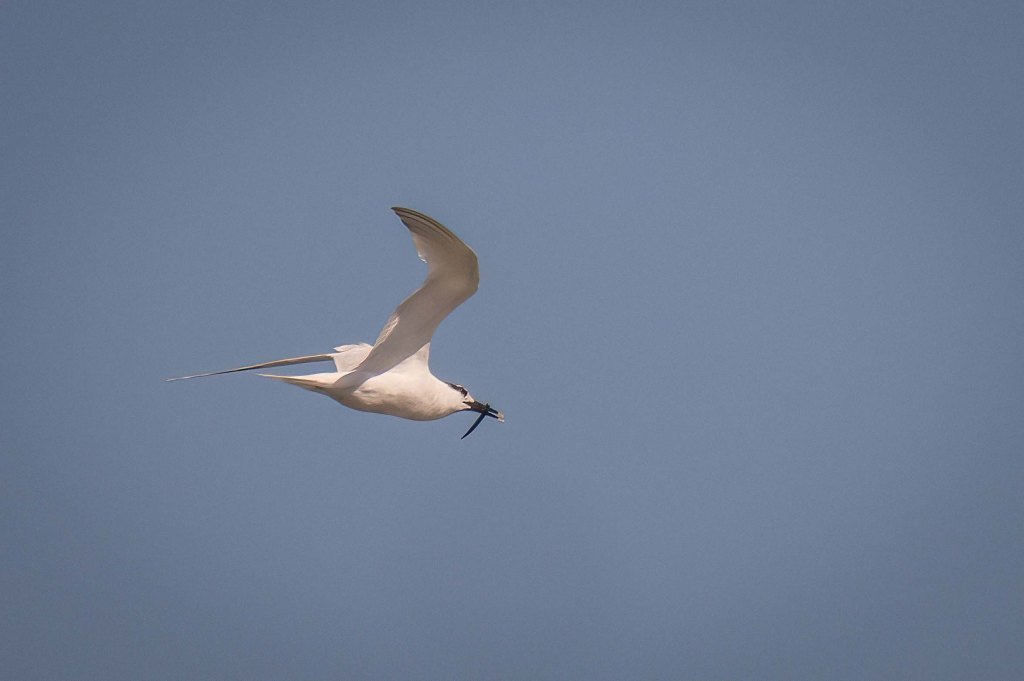
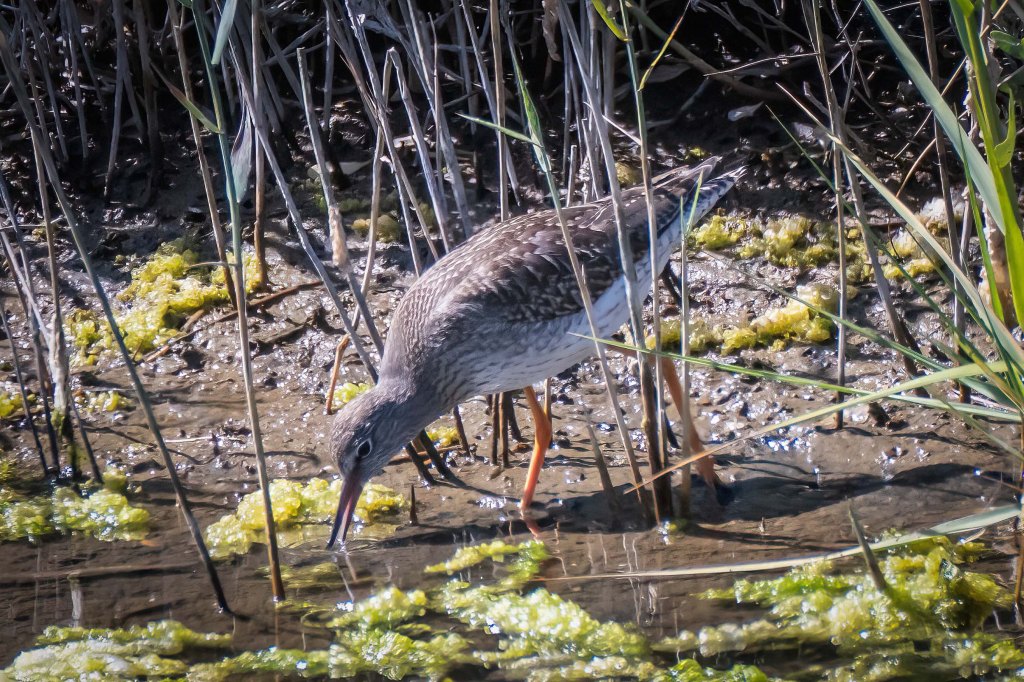
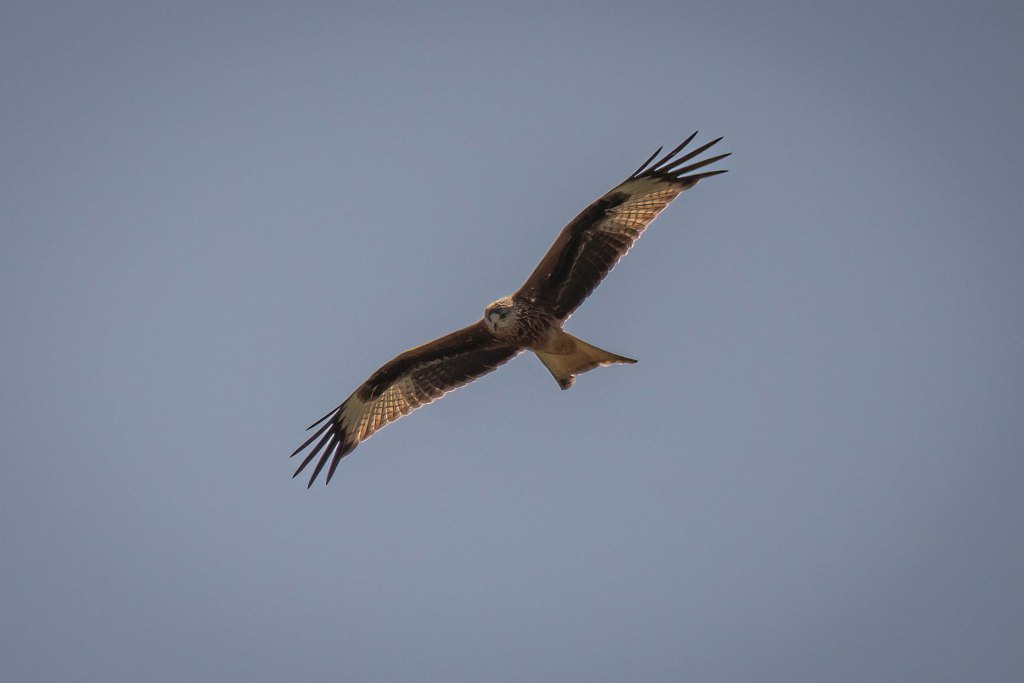
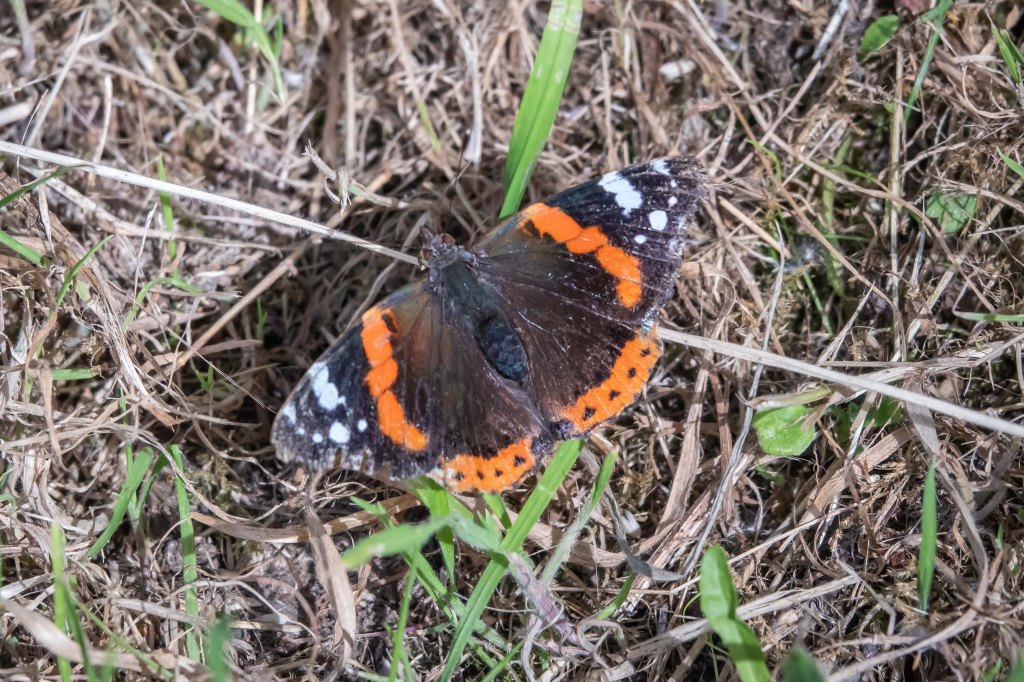
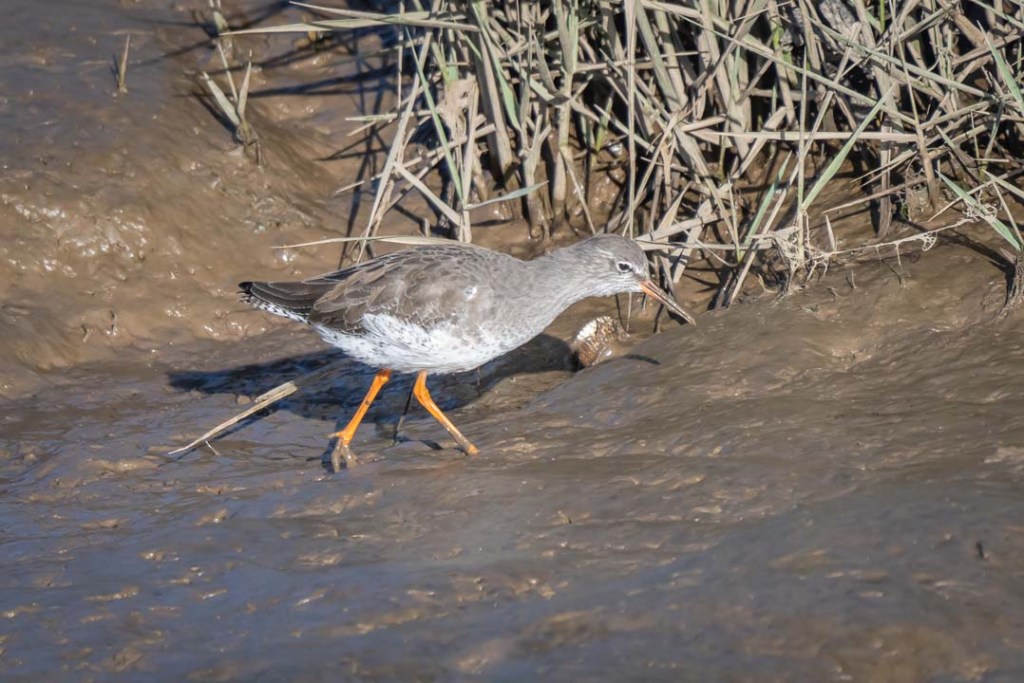
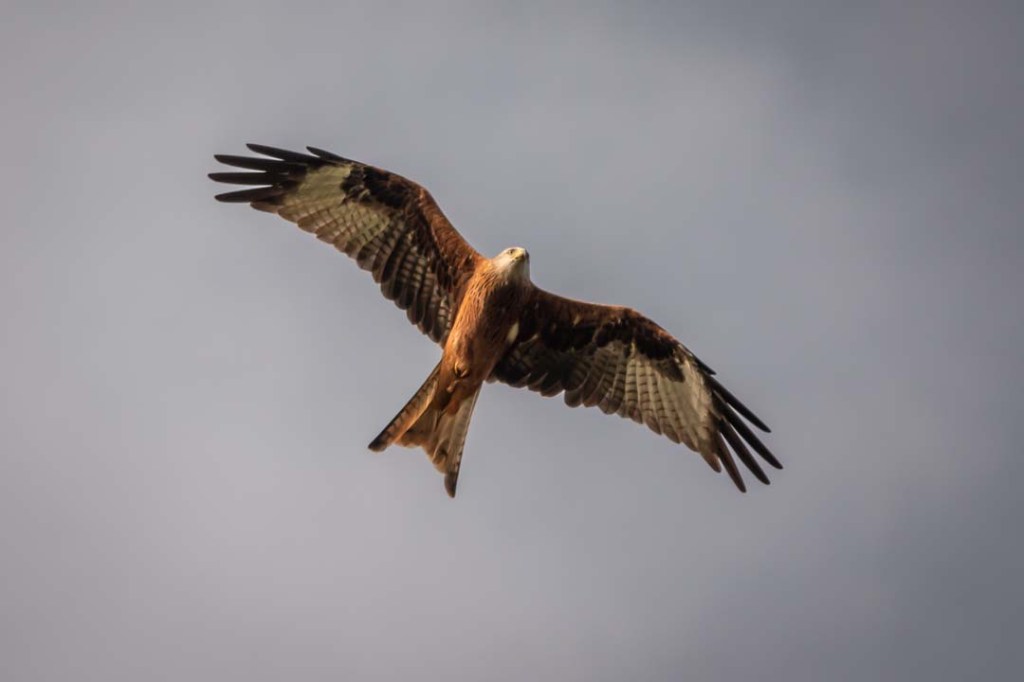
Not terribly good light in the hide eitherI’m not sure what this was just in front the hide. Linnet?When the birds faced the light, as this black-tailed godwit did, we were ok.Distant cattle egretsRinged ploversAnother marsh harrier bringing the breakfast back… and another settling into the reeds.Red admiral amongst the nettlesDunlin from the Bishops’ hide. (Not an ecclesiastical reference; the hide seemed to be named after Mr. and Mrs. Bishop)Little grebeSpoonbill amongst the geeseSpoonbill preeningAnd another spoonbill further back on the sea poolNorfolk hawker? Well we were in Norfolk!Sandwich tern from the beachRedshank on its own in a small poolRed kite caused mayhem on the ground
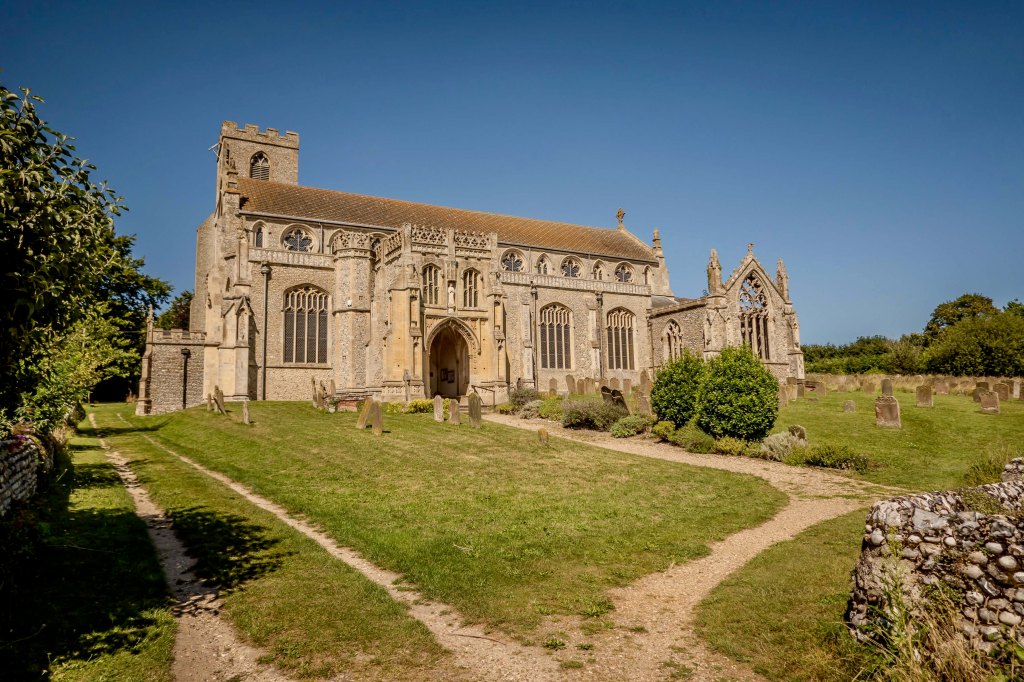
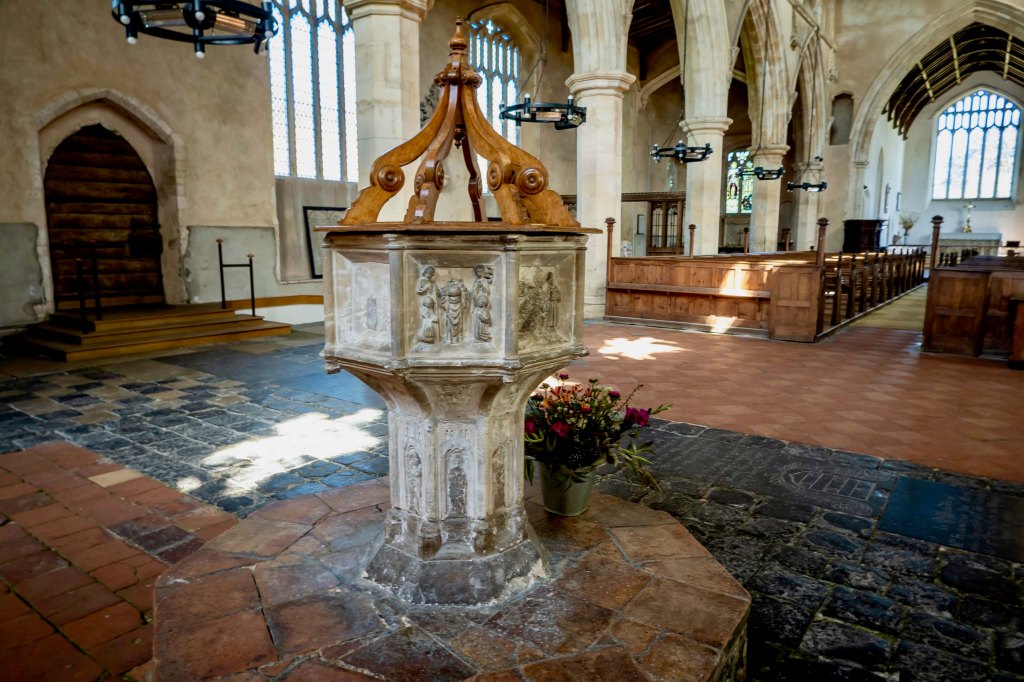
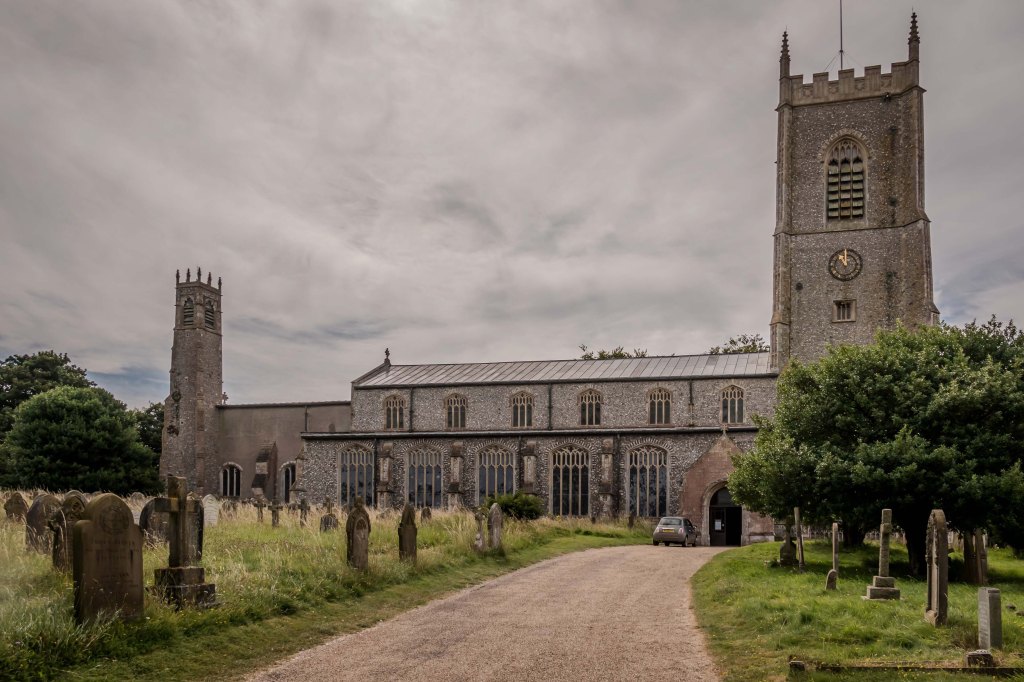
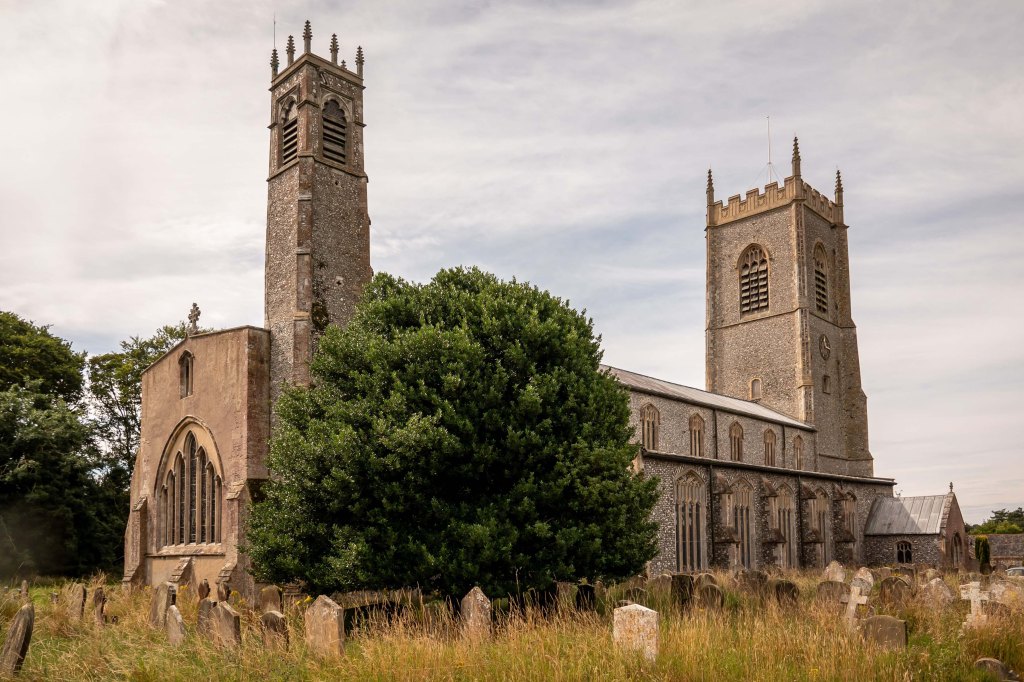
After the pub we visited the church at Cley which is certainly not next the sea, but so magnificent that it will probably warrant another blog.
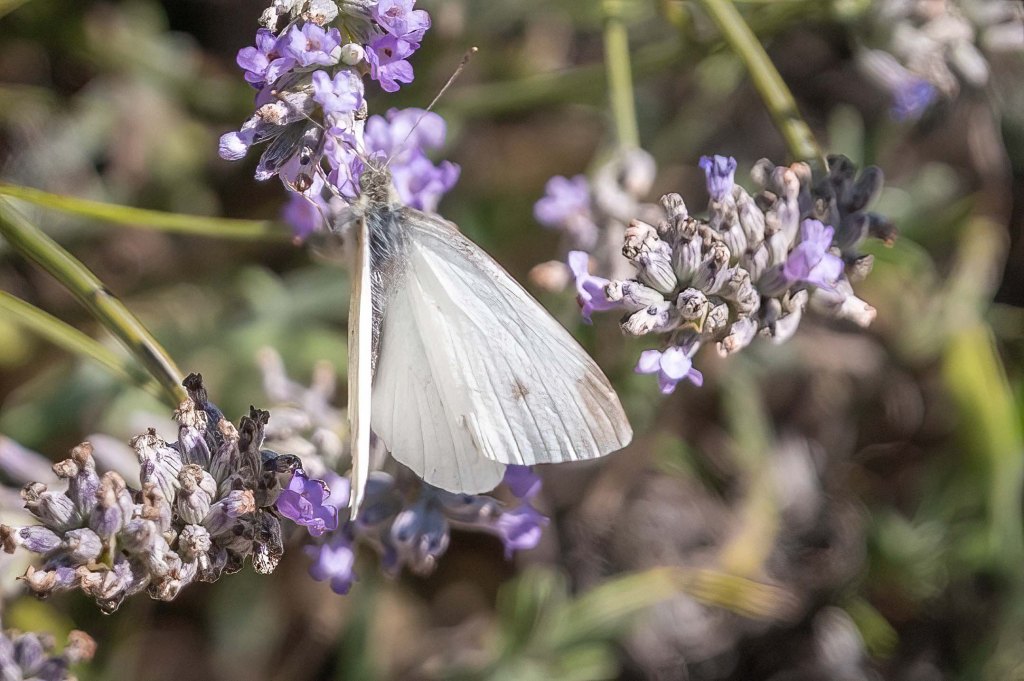
St Margaret, Cley-next-the-SeaSmall white in the church yard enjoying the lavender (I hope as much as we enjoyed the beer and indeed the whole week)
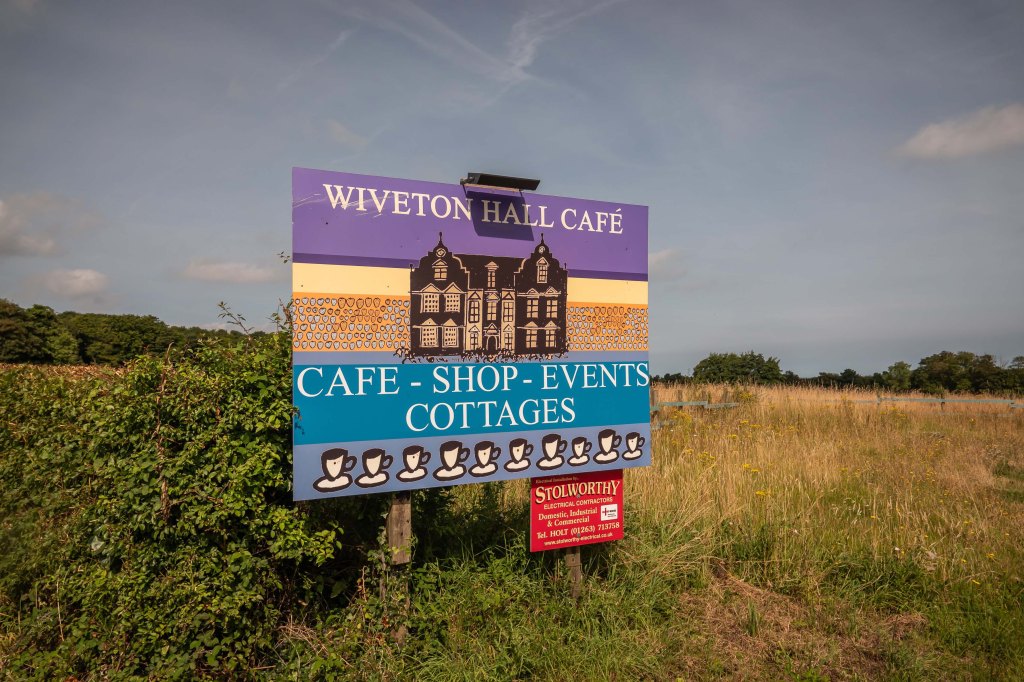
Almost a non-birding day; except that on our walk this morning to Wiveton Hall we did see our first marsh harrier of the week across the marshes.
A few years ago, on our first visit to Wiveton Hall, we had met the eccentric owner, Desmond, whose popular BBC programme “Normal for Norfolk” documented his adventures and the daily delights of life around the Hall, on the farm and in the café. No such luck today. However, the coffee was very good and was worth the walk.
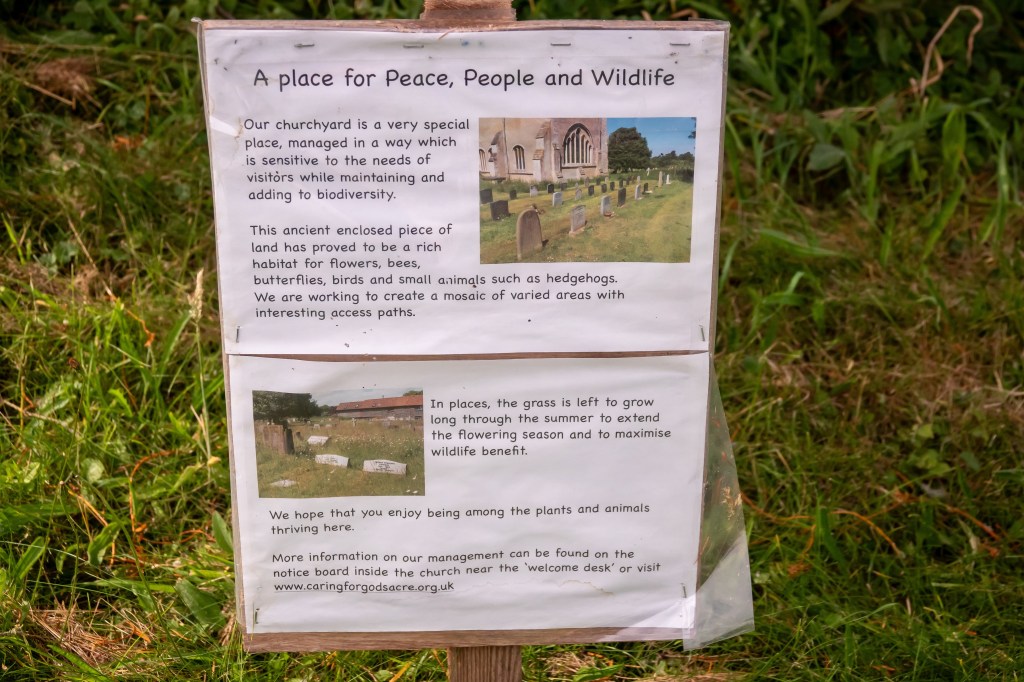
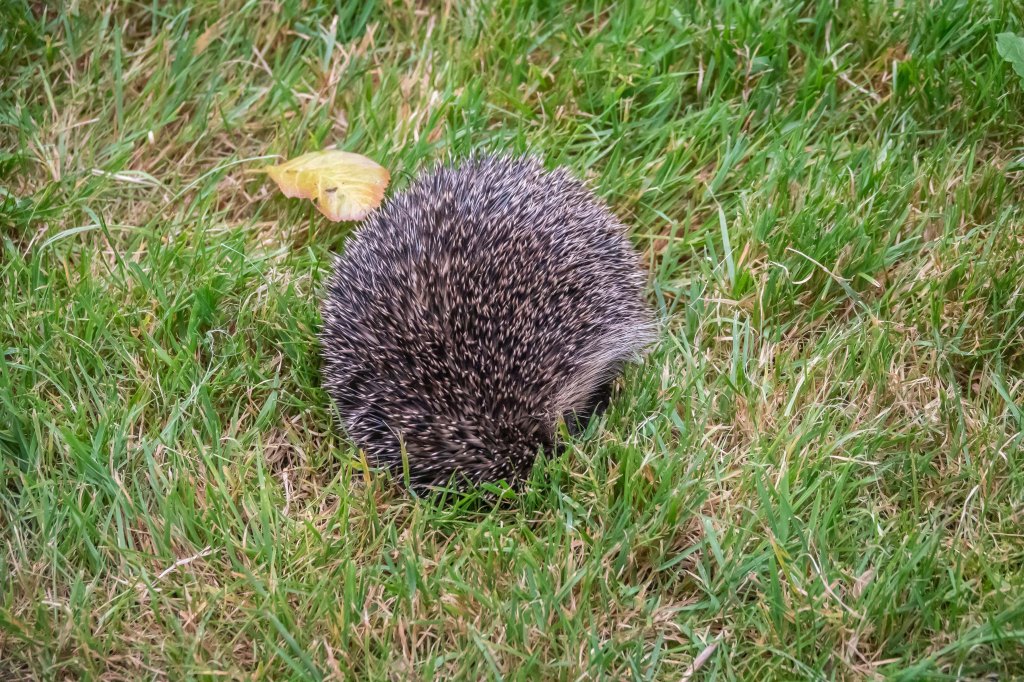
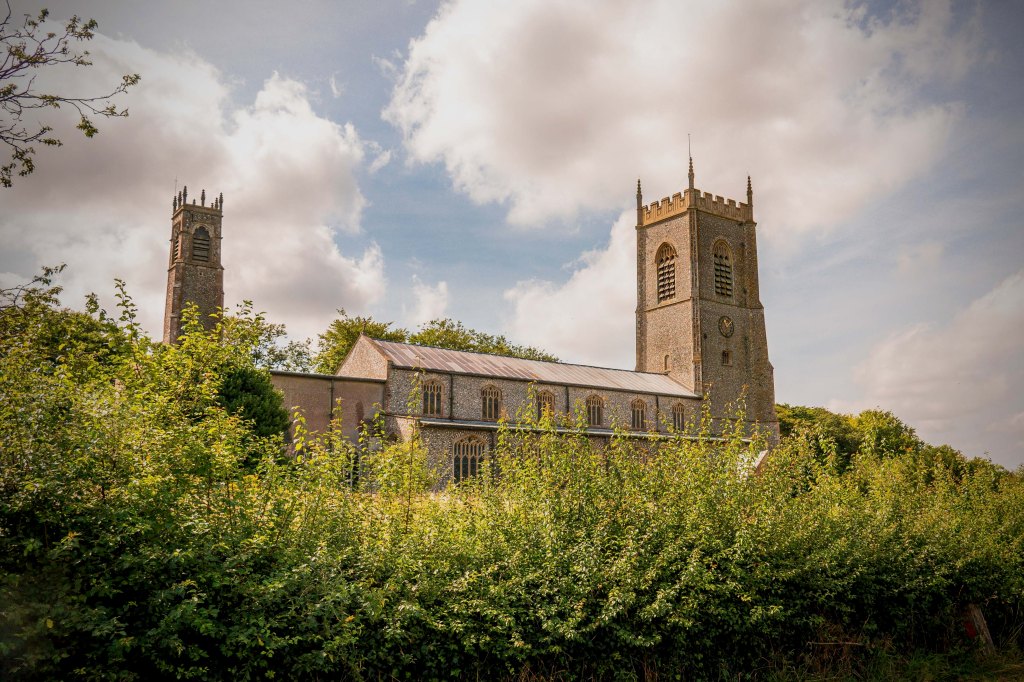
From here we carried on to visit St Nicholas Church, Blakeney. I hope you agree that the inclusion of the visit is warranted here in that there was a wildlife aspect to our visit.
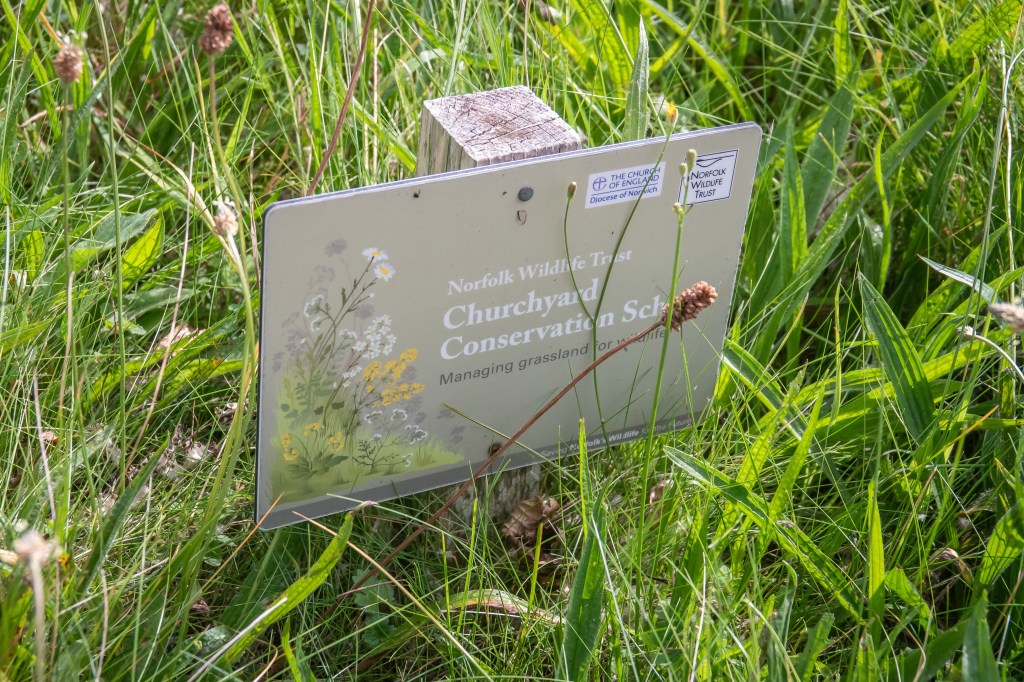
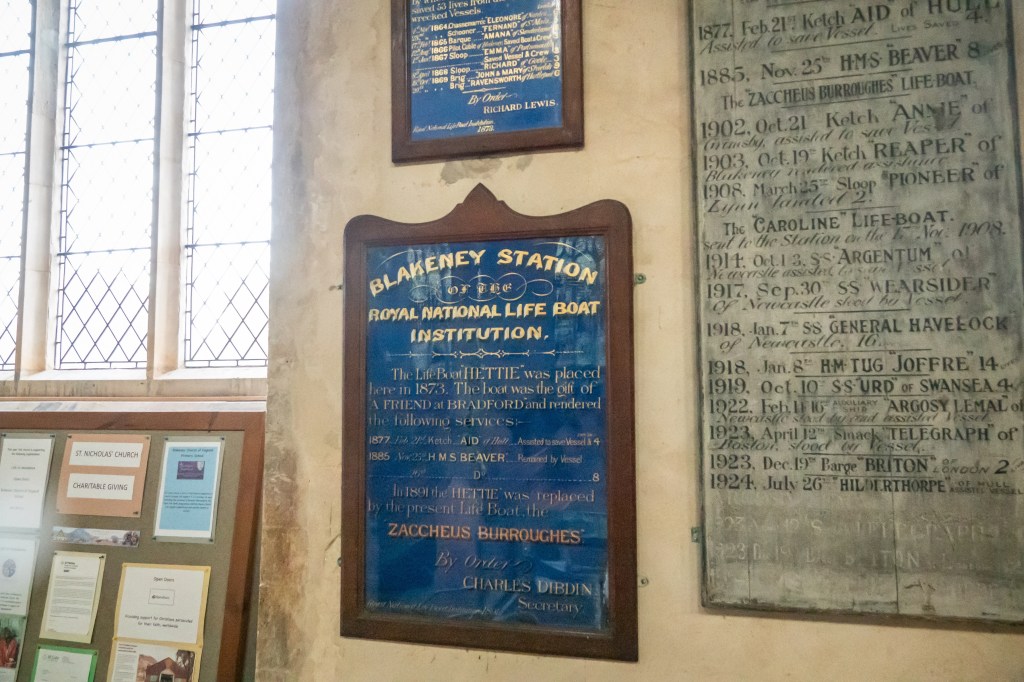
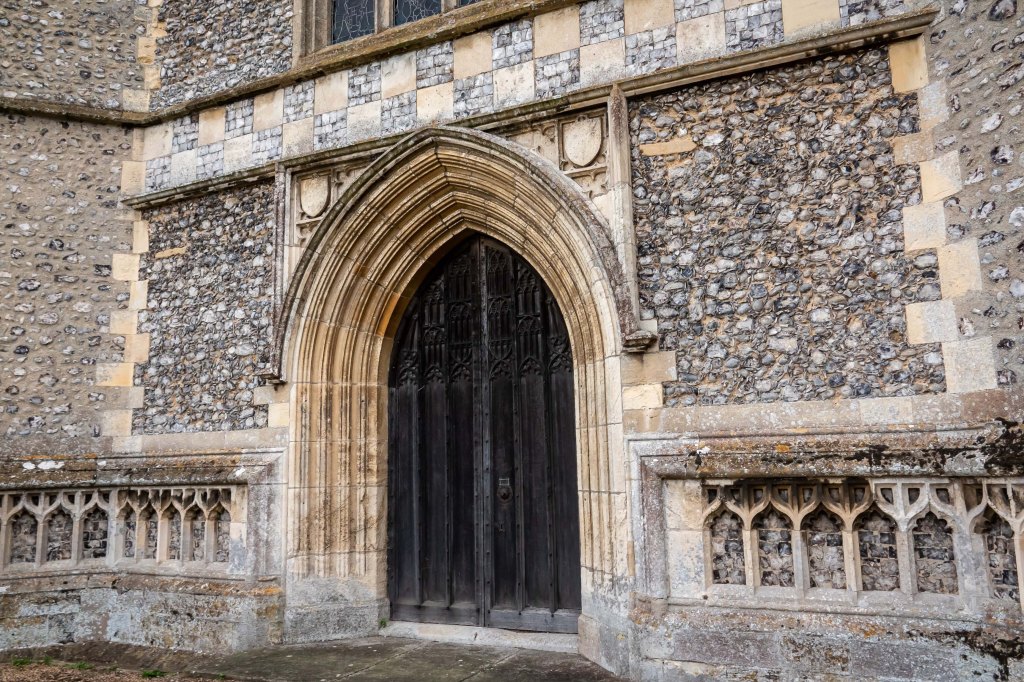
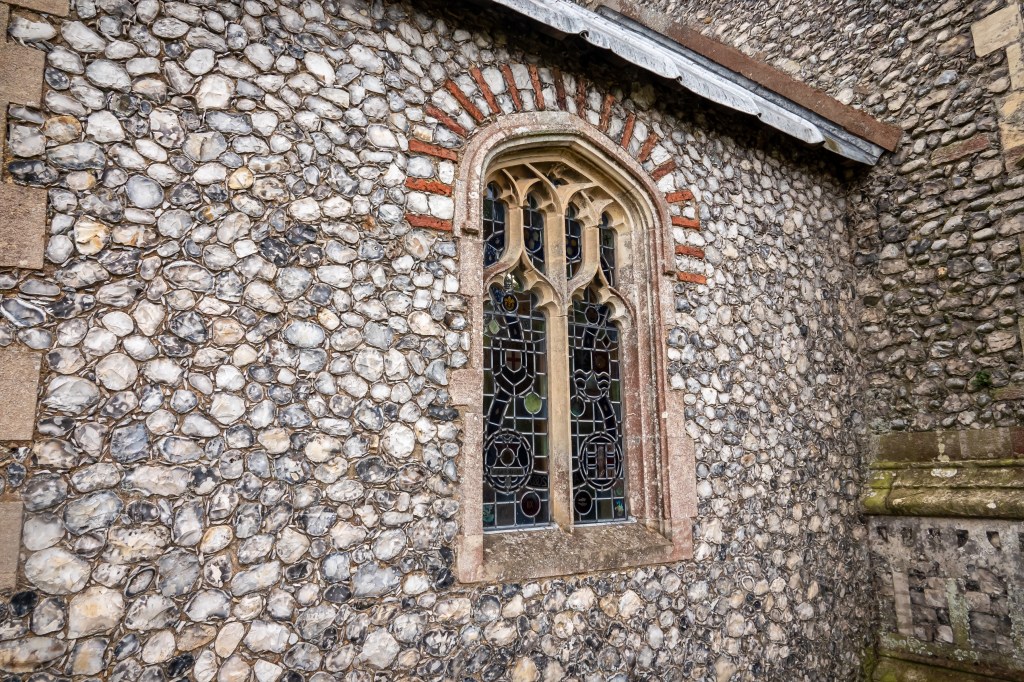
St Nicholas , Blakeney famous for its two towers: one at the west and a curious, spindly beacon rising to the south-east of the chancel whose purpose is not really known. It seems that the church’s policy is having a good effect.Simon Jenkins in his book of England’s 1000 Best Churches says “the earliest and most interesting part of the interior is the chancel , dating from a Carmelite friary founded here in 1296”.“The rare stepped seven-lancet east window is unusual for this late date. The only other medieval seven-lighter extant is at Ockham in Surrey”The nave is PerpendicularThe significance of Blakeney’s coastal position is well recorded hereMost of the church is flint coated …… except the chancel is mainly covered in concrete.
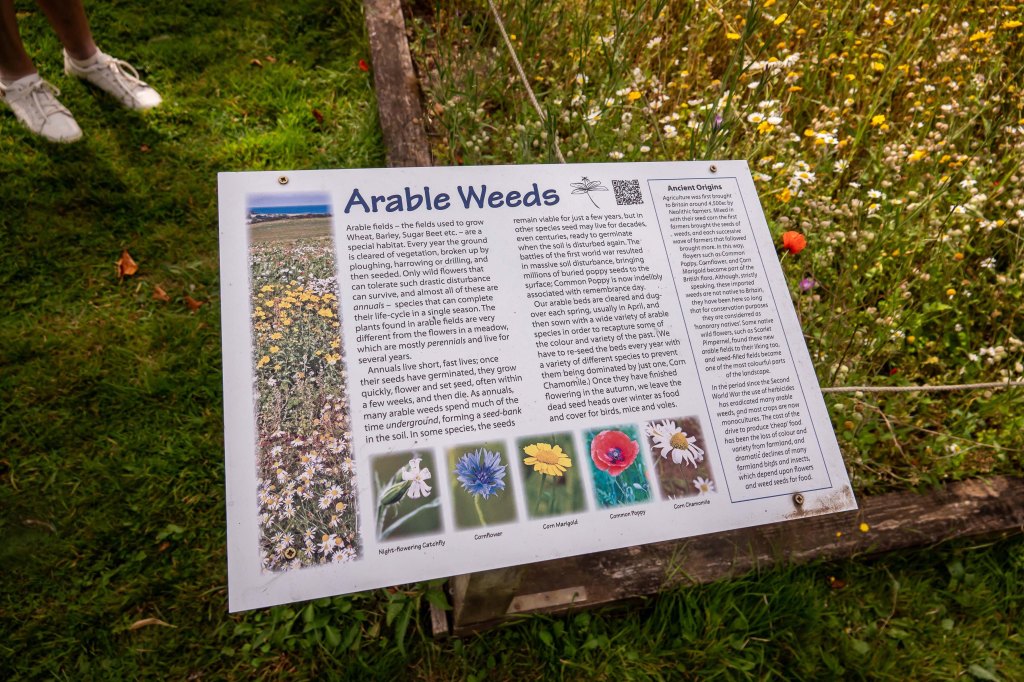
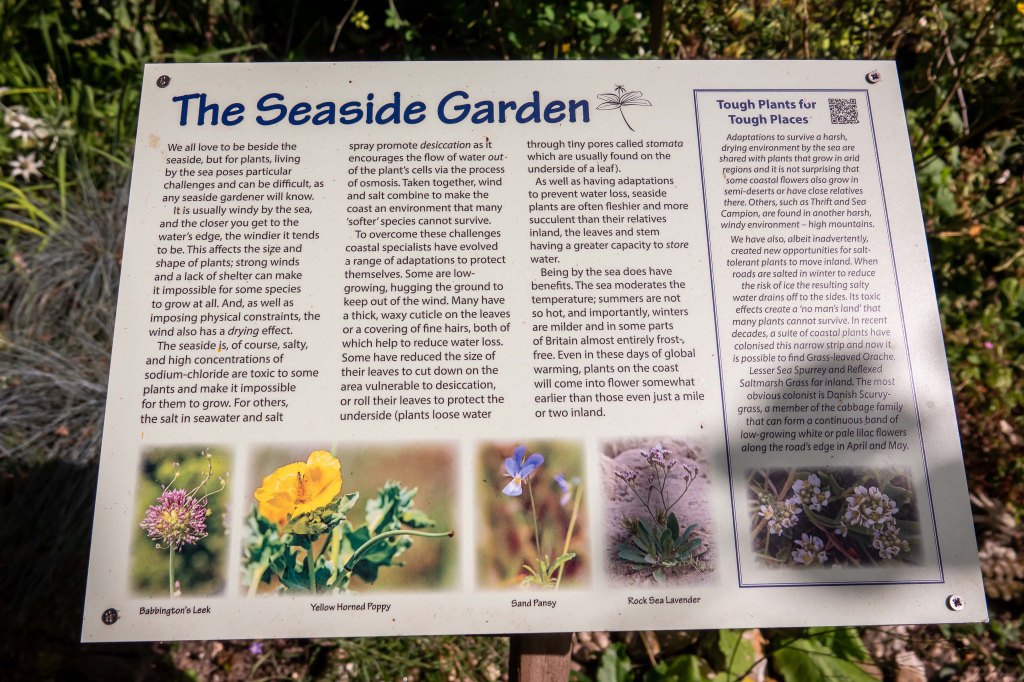
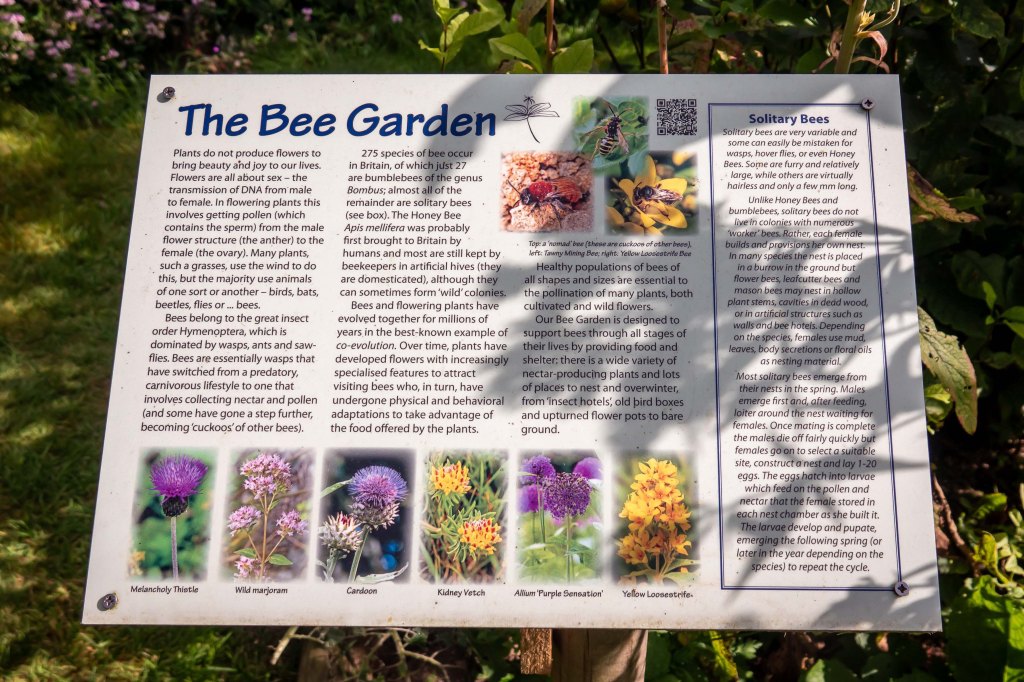
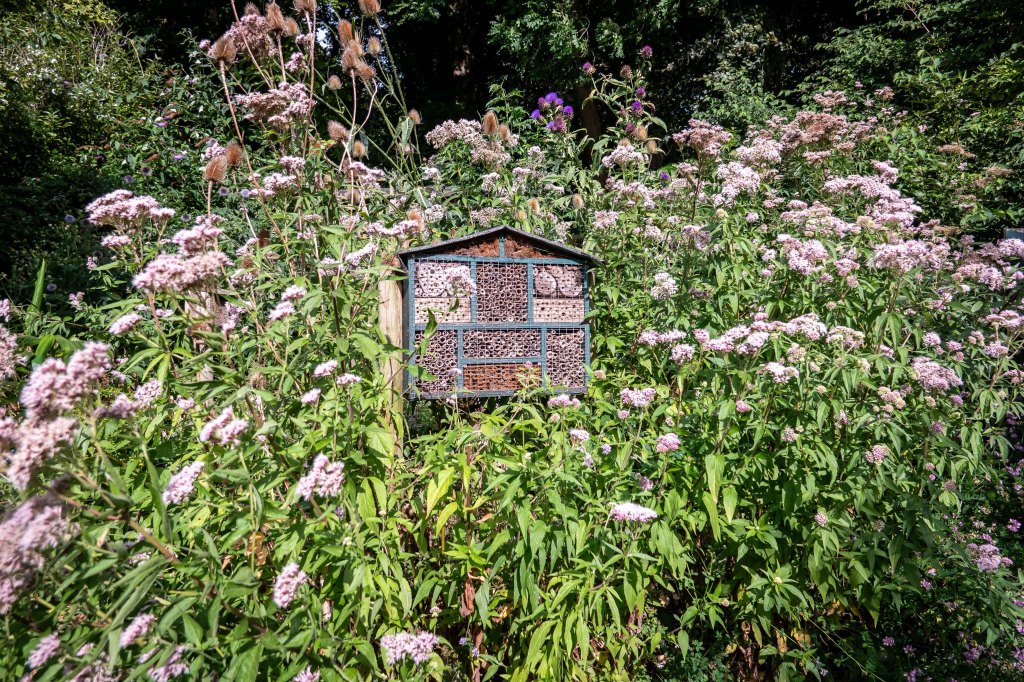
In the afternoon we visited NATURAL SURROUNDINGS, Norfolk’s Wildlife-Gardening & Wildflower Centre next to Bayfield Hall, just a stone’s throw from Blakeney.
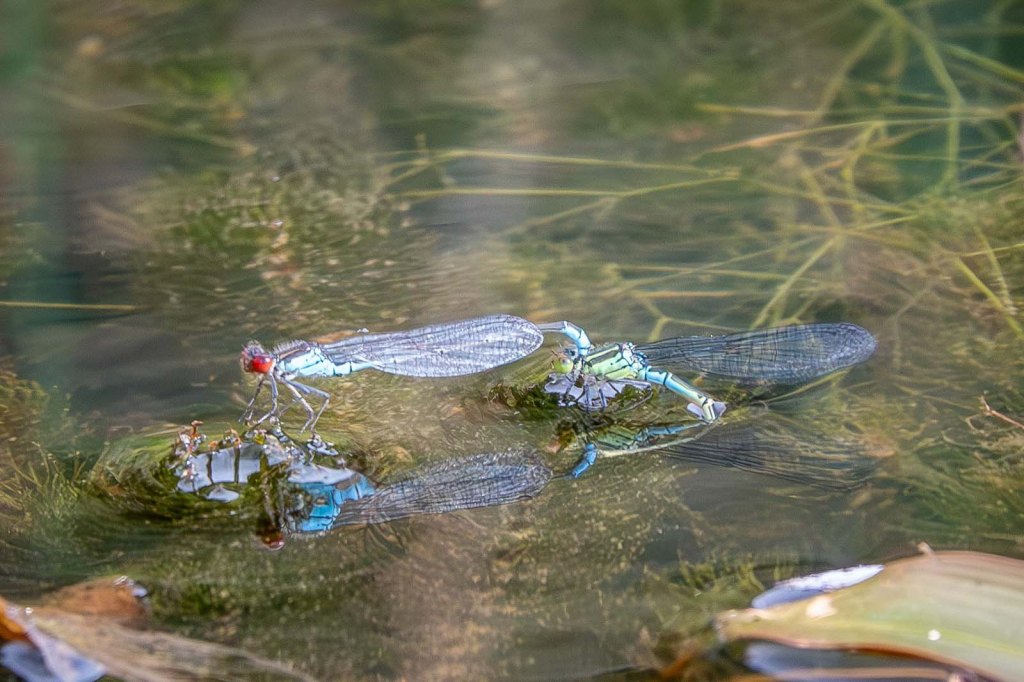
Small red-eyed damselflyHouse flyDefinitely the stars of the showRed Admiral
A very informative and enjoyable visit. Did I forget to mention that there’s a very good café with much too generous portions of cakes?
There was a big dip in the temperature today. Back to normality really. No, probably not as it wasn’t raining.
We had a pleasant morning stroll around Holt in North Norfolk and fitted in well with the age profile of the people we saw. I suppose all the young people from these parts were all off dashing around the globe.
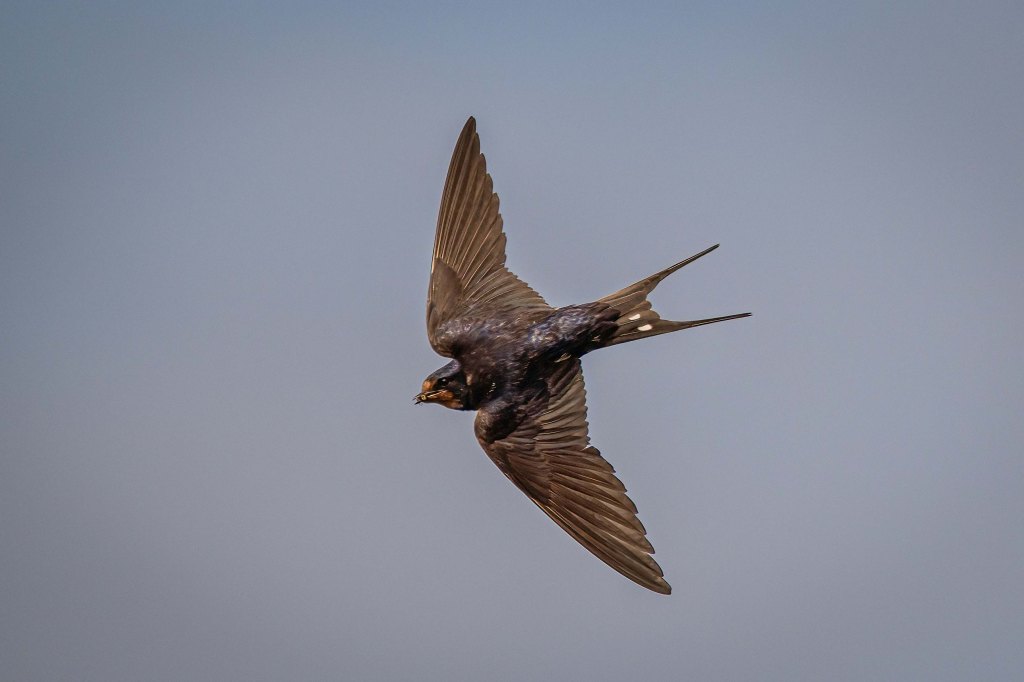
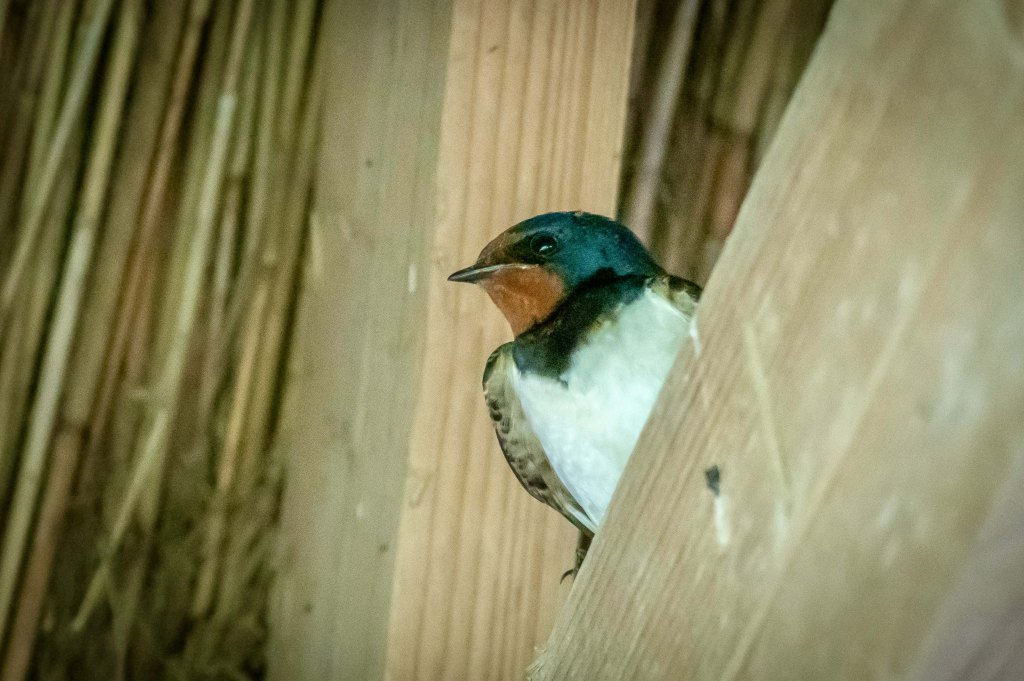
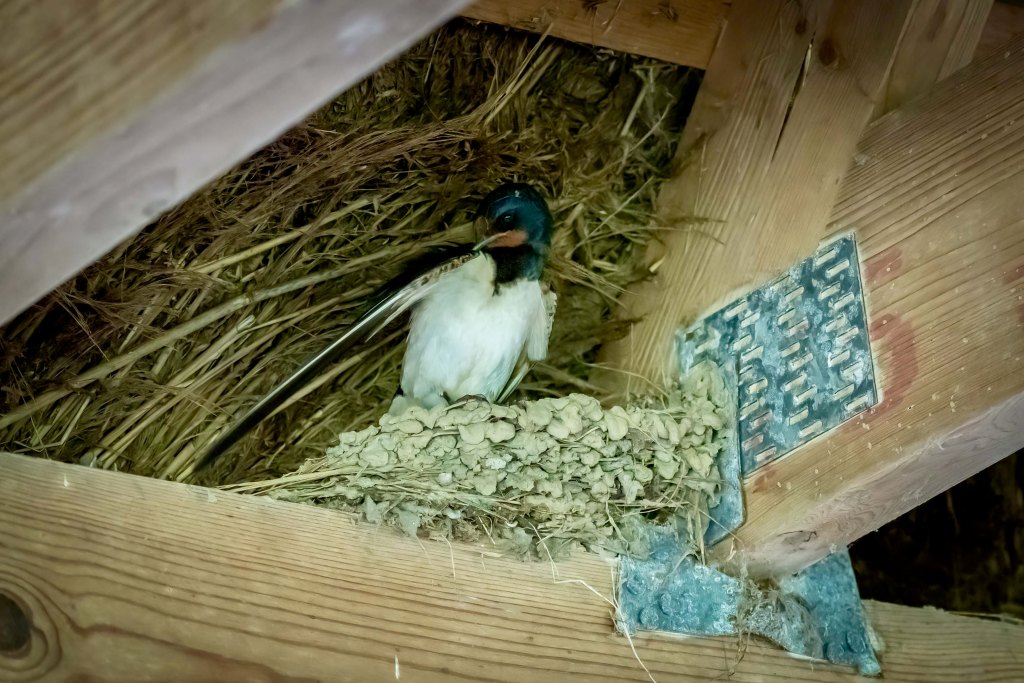
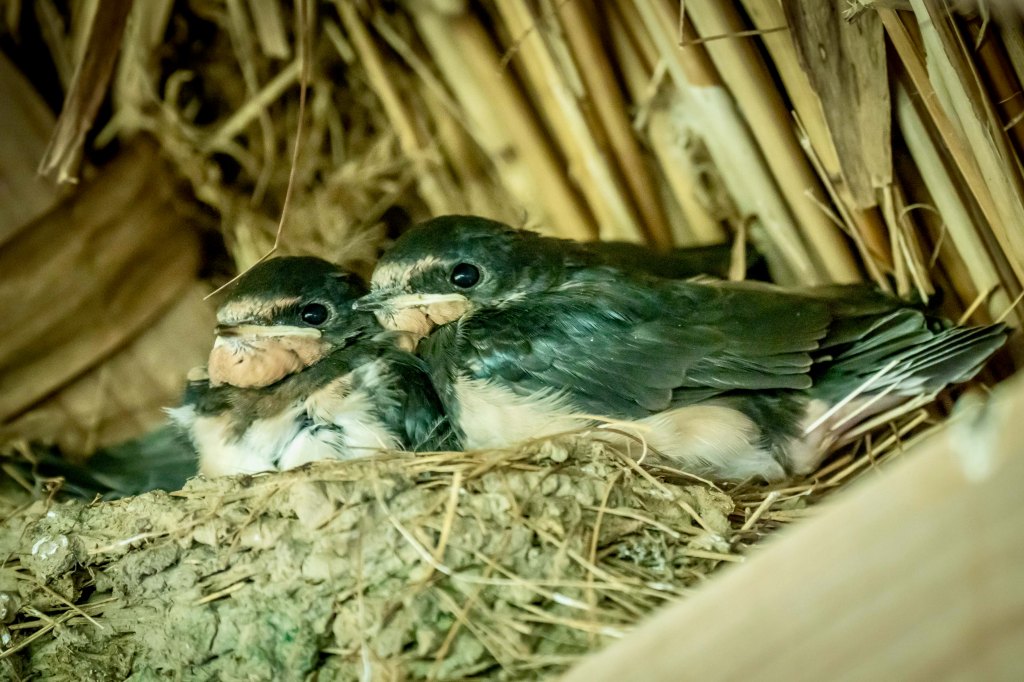
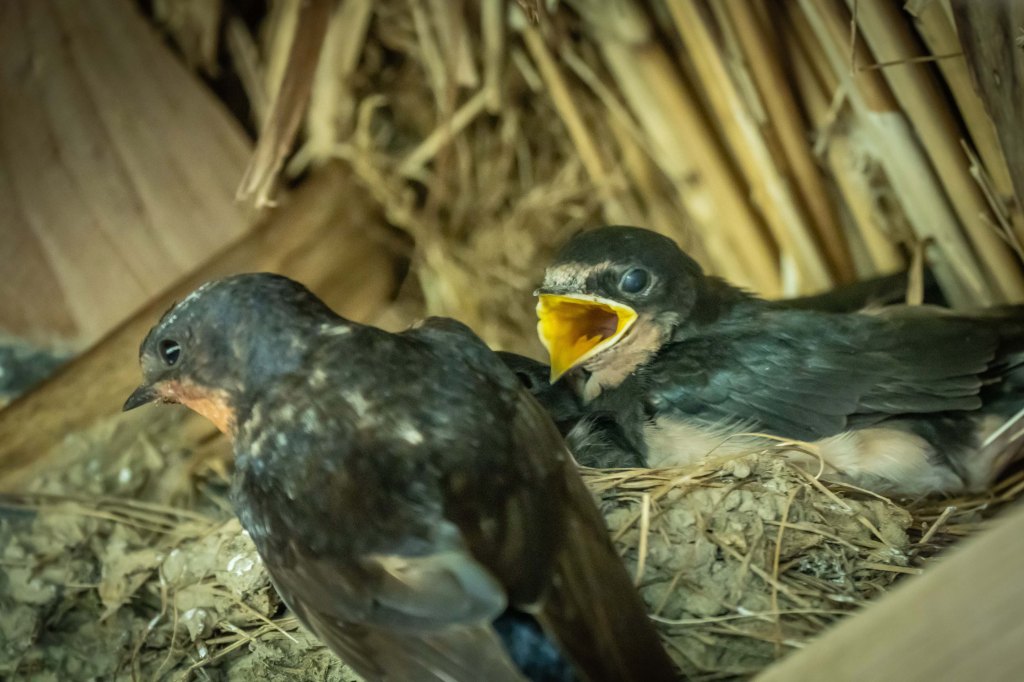
In the afternoon we reverted to type and visited the Norfolk Wildlife Trust reserve at Cley Marshes. It never disappoints here. It’s probably not the best time of year to be visiting this reserve but there was plenty to keep us entertained. I particularly loved the swallows which had made their home in the hides. On reflection, I probably would have been better off taking photos of them with my phone camera than with a long lens but that would not have looked very cool.
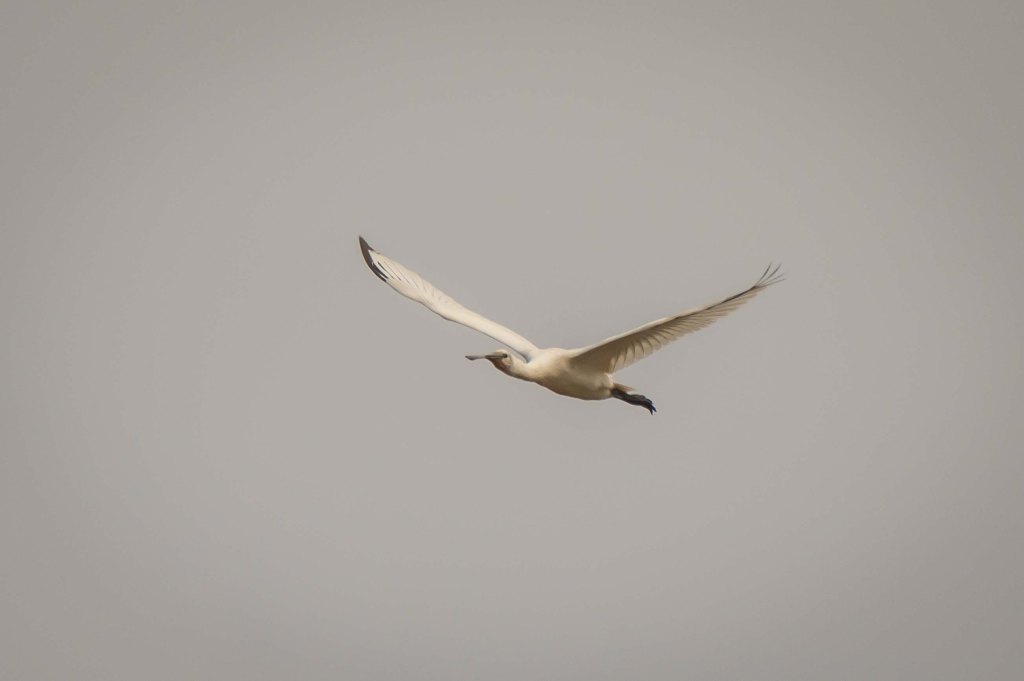
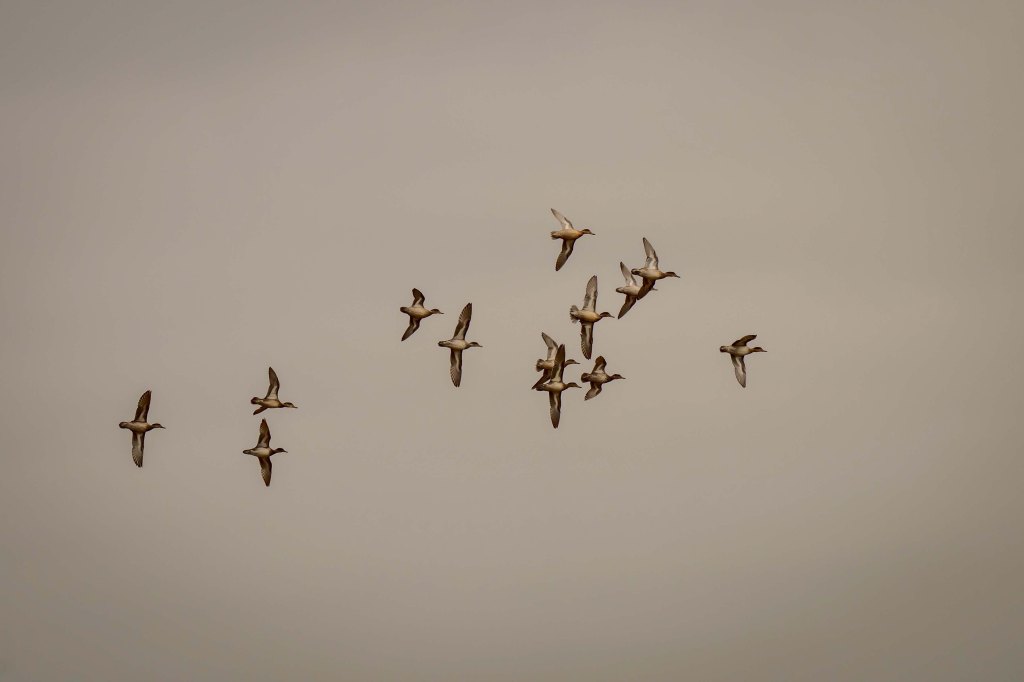
Other top moments were a pair of spoonbills flying over, a flock of northern pintails and plenty of waders.
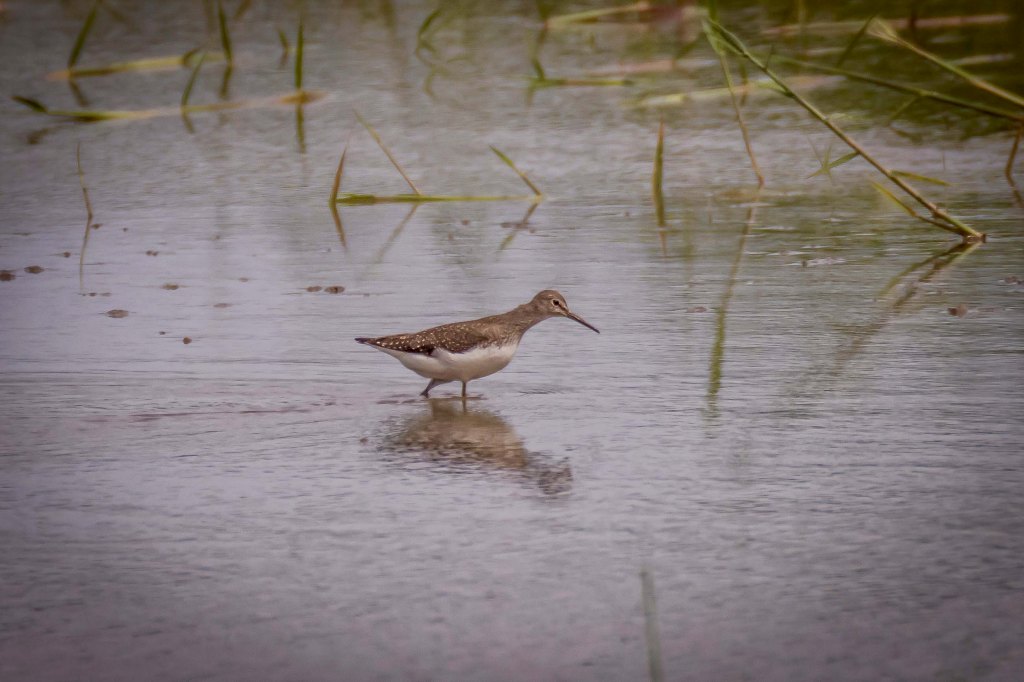
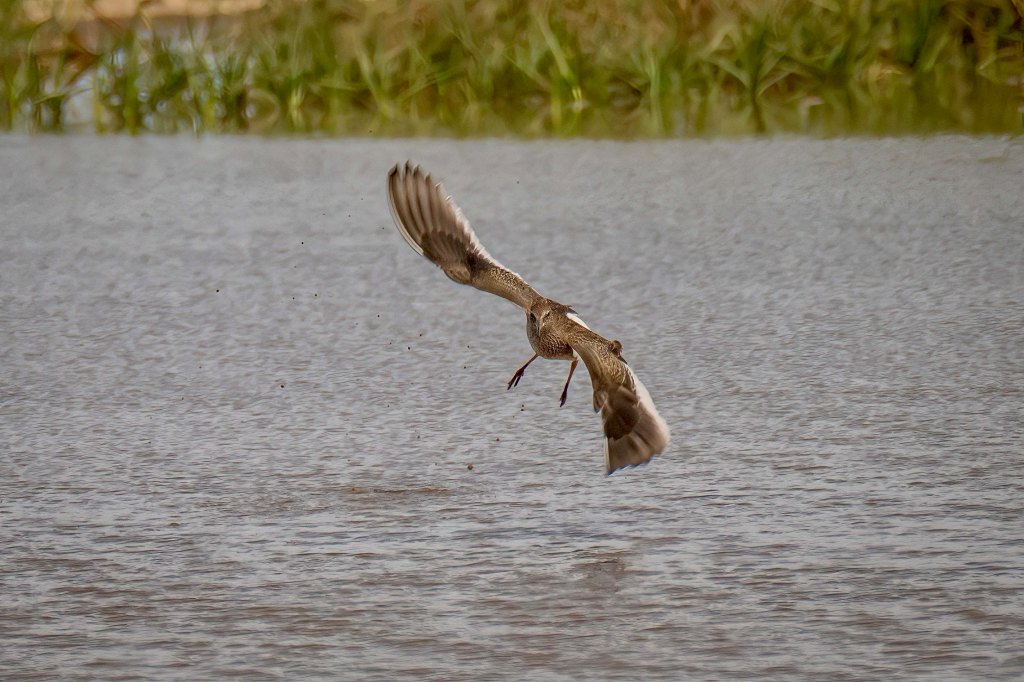
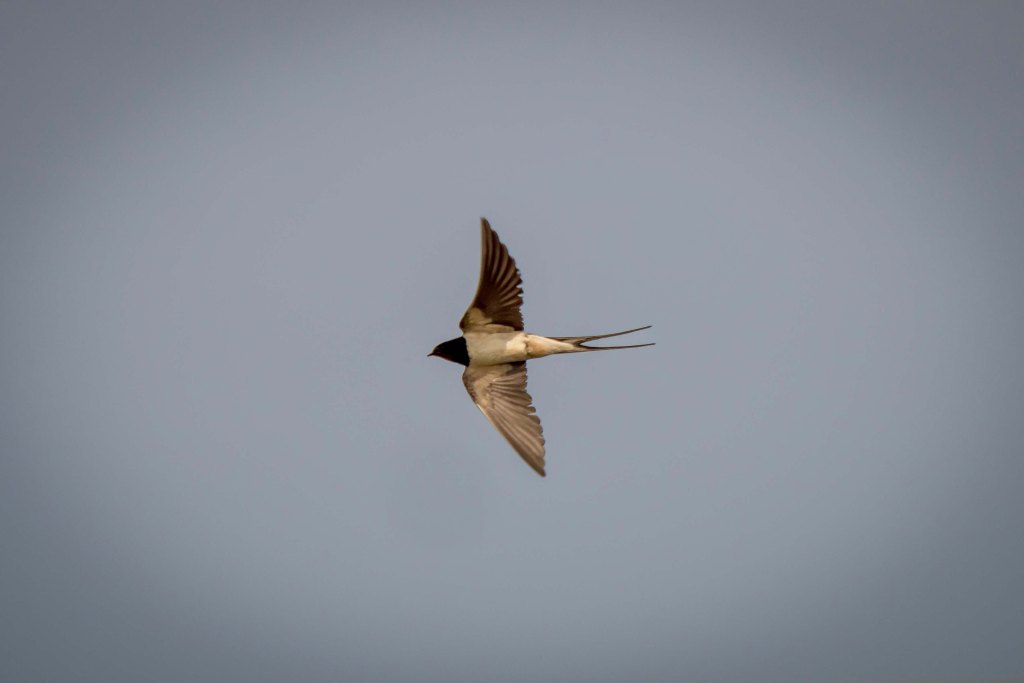
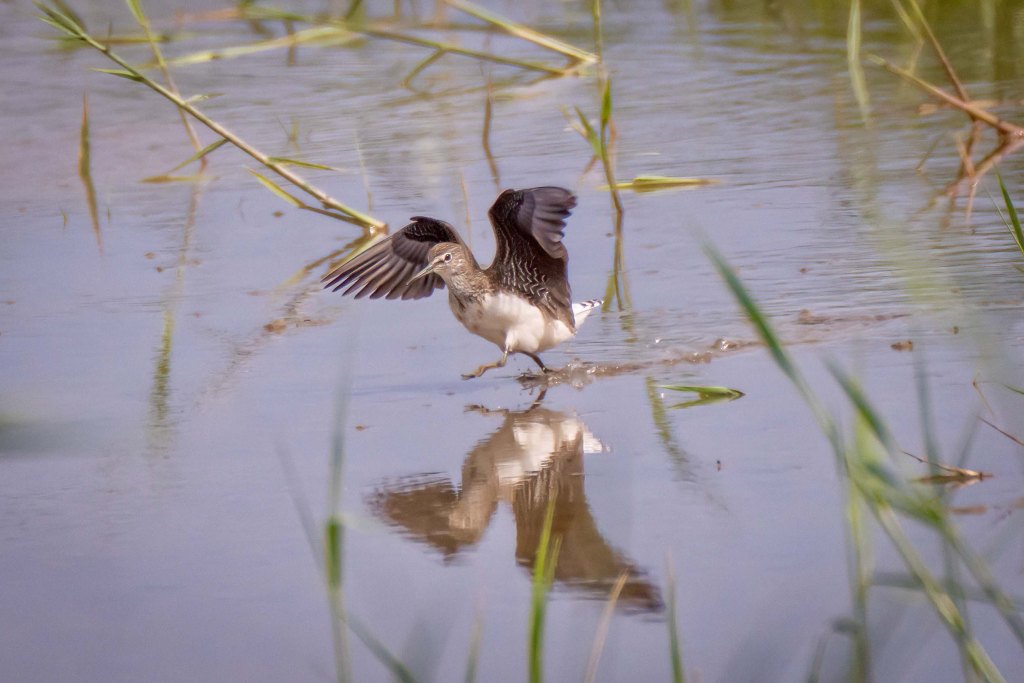
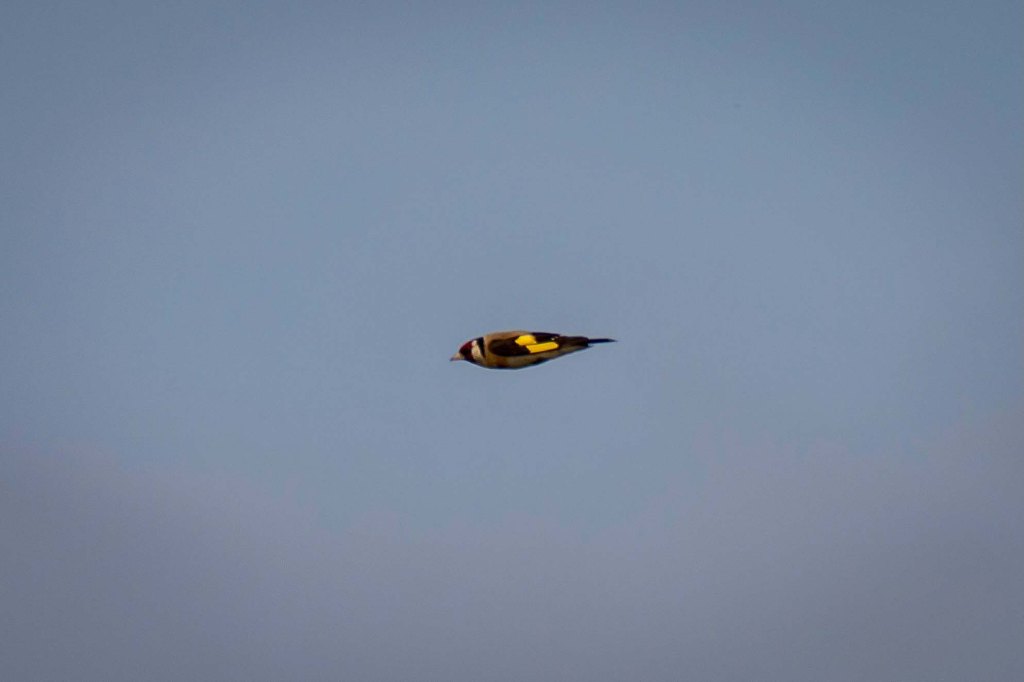
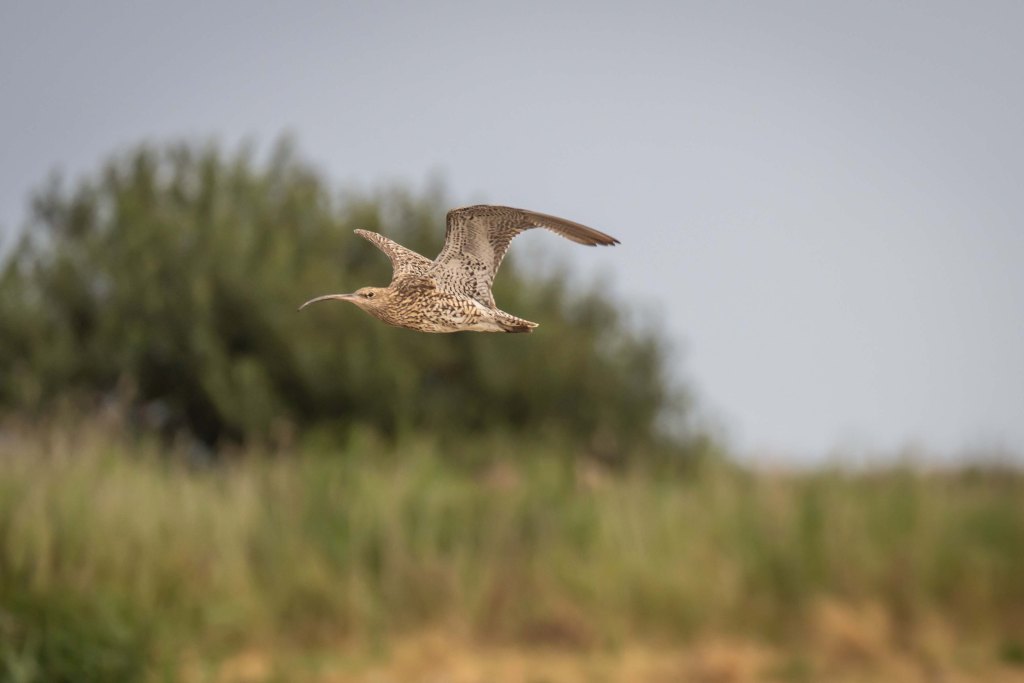
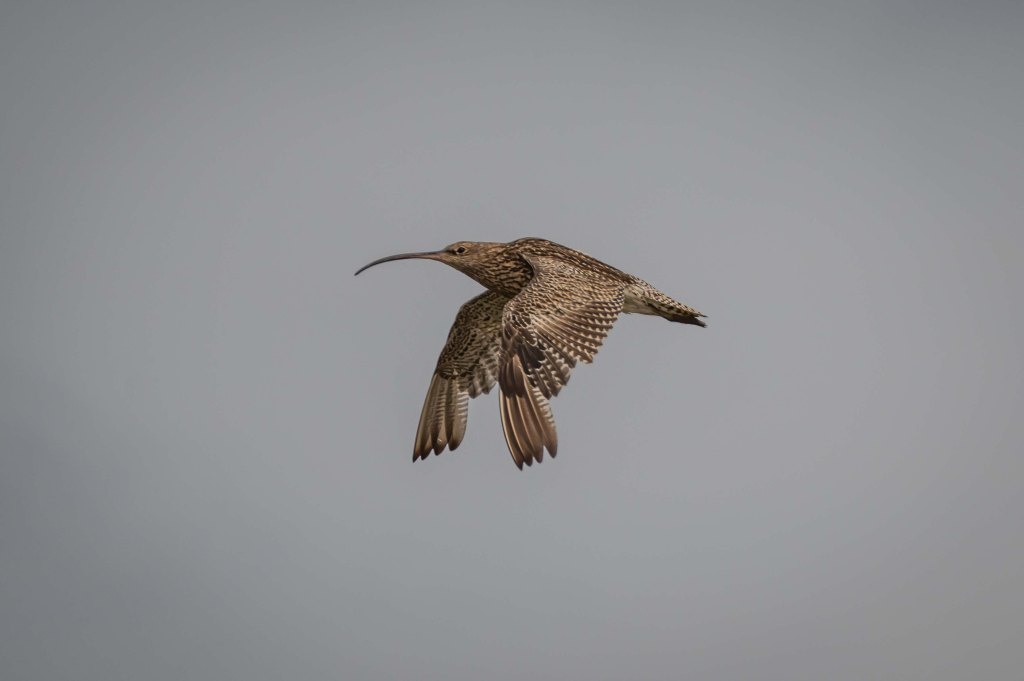
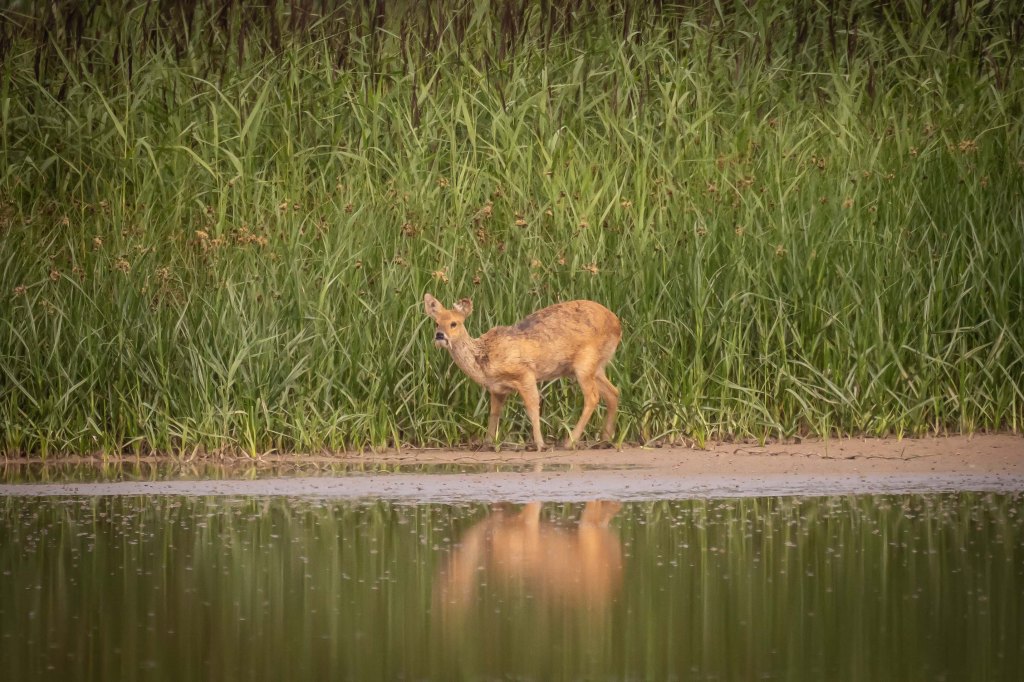
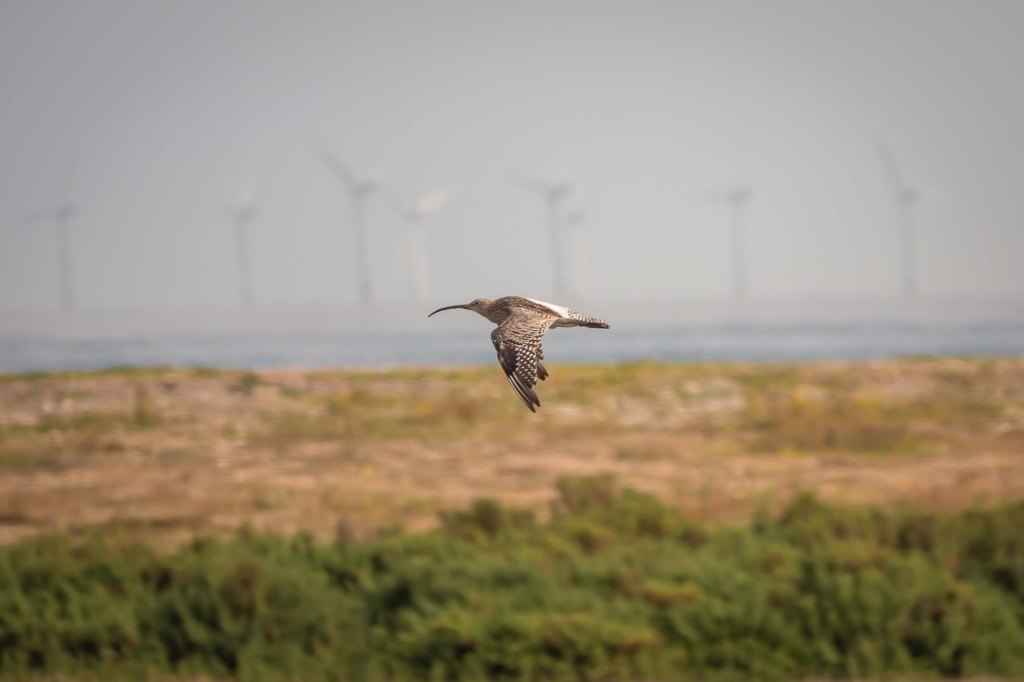
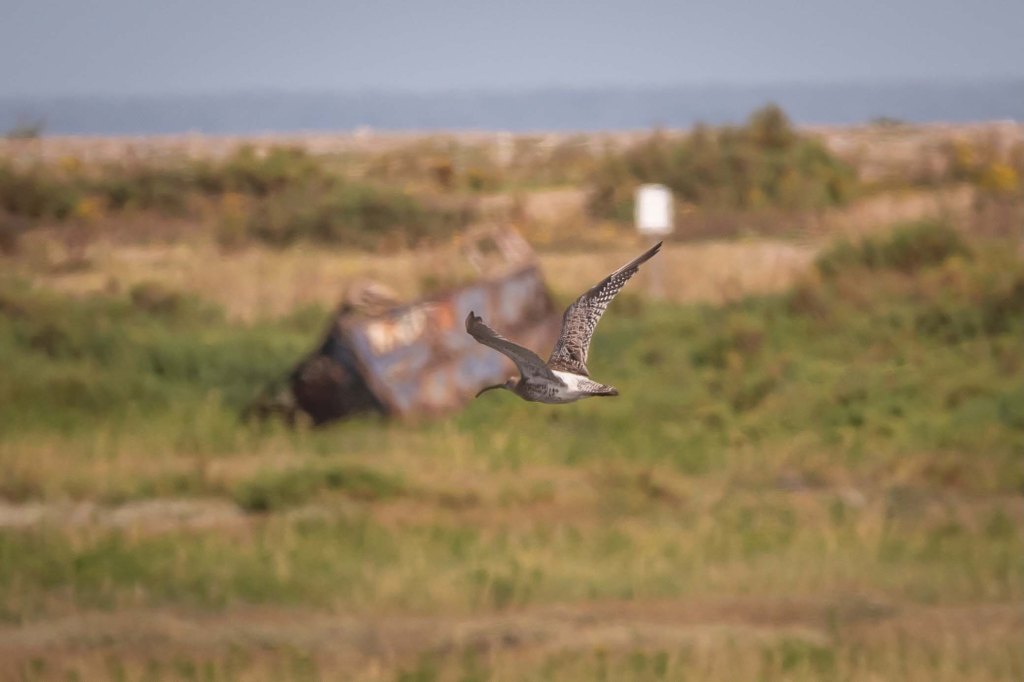
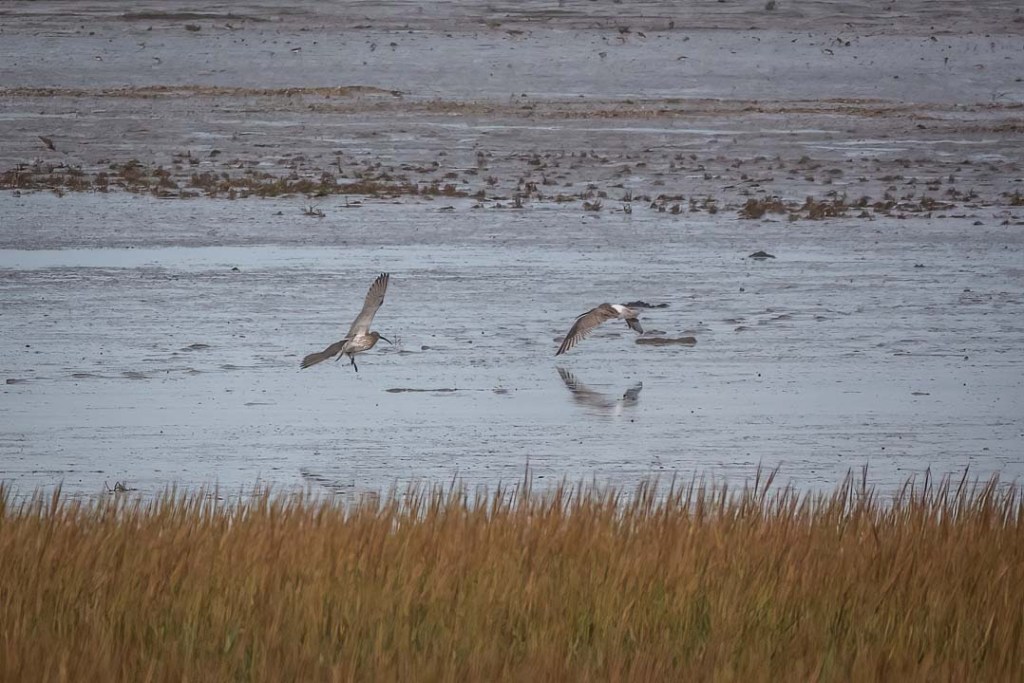
Swallow – you see why they call them barn swallows elsewhereCurlewsGreen sandpiperCommon redshankGreen sandpiperSwallowGreen sandpiperCormorant fishingCormorant drying its wingsI needed a long lens for this swallow photoSolitary goldfinchA charm of goldfinchesSpoonbill approachingSpoonbill at close quartersSpoonbill flying over the hide (just)Curlew in flightSomeone will probably tell me that it was, in fact, a whimbrel!Northern pintailChinese water deerLittle grebeSwallow sharing the hide. It was fascinating seeing them fly in the window totally ignoring us.
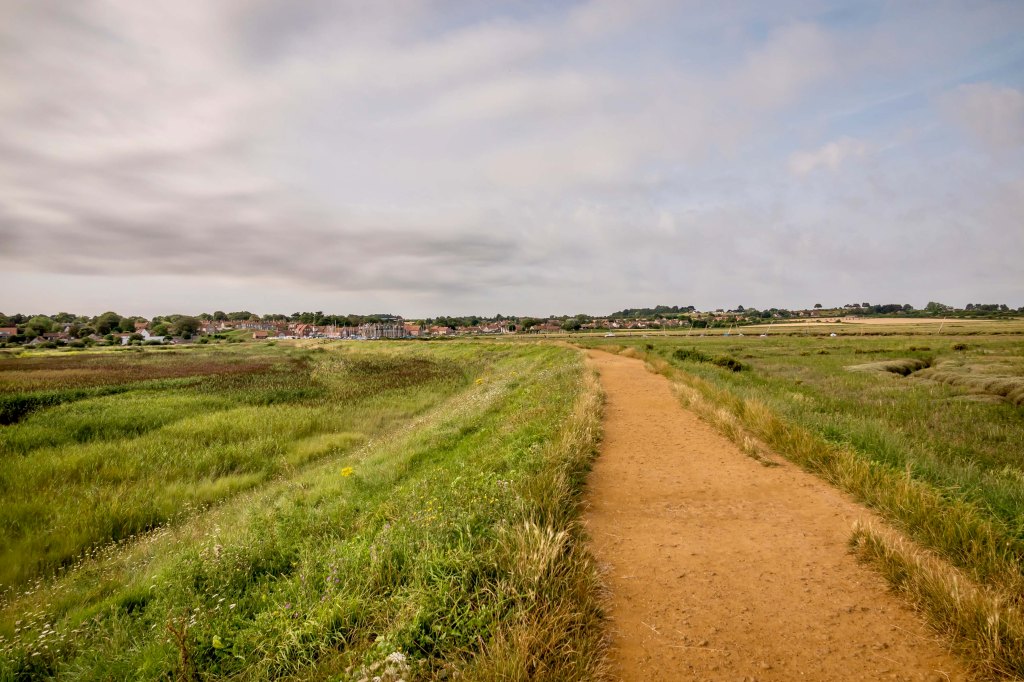
The best aspects of our morning walk from Blakeney Quay to Cley next the Sea and back were the sounds. There was little wind and few people and so the sounds of the birds were easier to pick up.
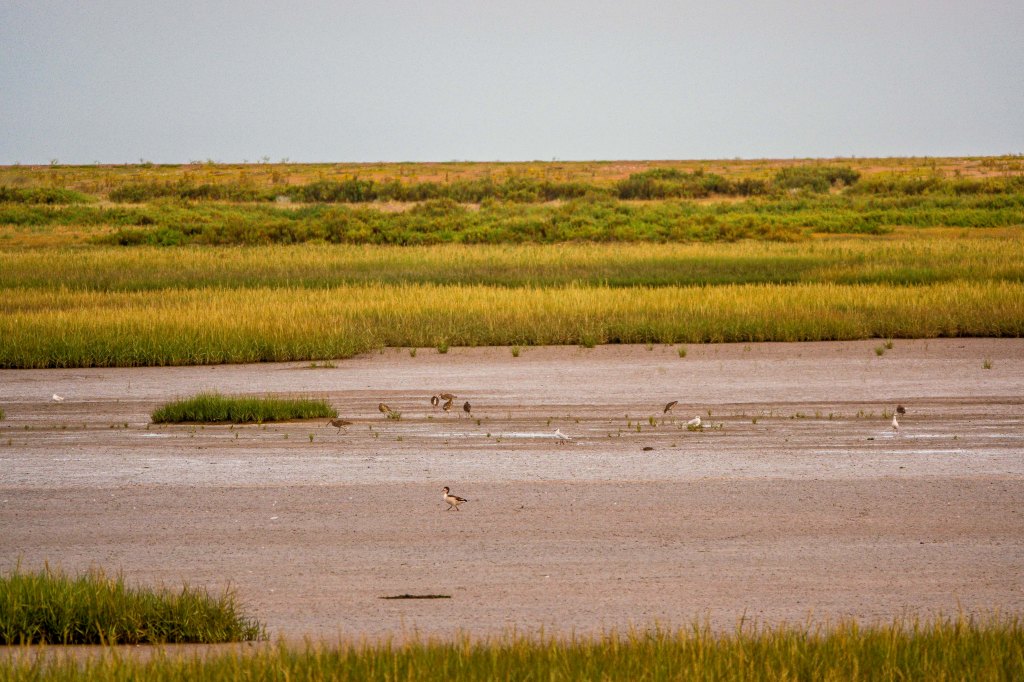
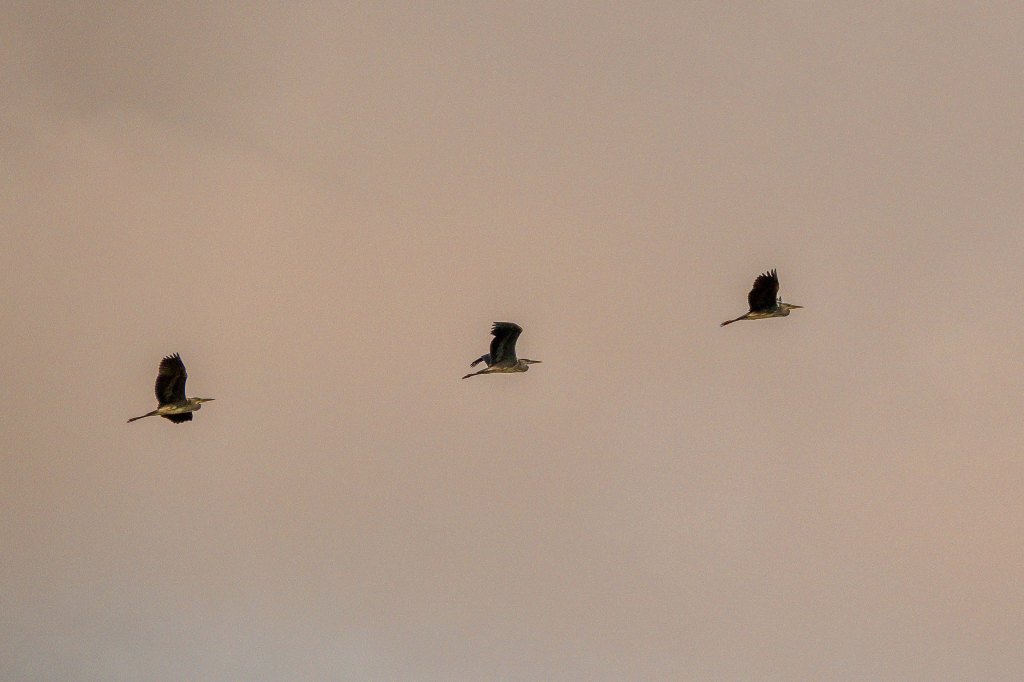
There were curlews, oystercatchers and a good number of cattle egret on the banks of the Cley Channel. Flyover cormorants, grey herons, goldfinches, linnets and meadow pipits entertained us from closer quarters.
We chose to walk back along the road to get a coffee at Wiveton Hall; but we hadn’t done our homework and they were closed today. The coffee back on the quay at Blakeney at The Two Magpies Café was certainly very well deserved and seemed appropriate for a couple of birders.
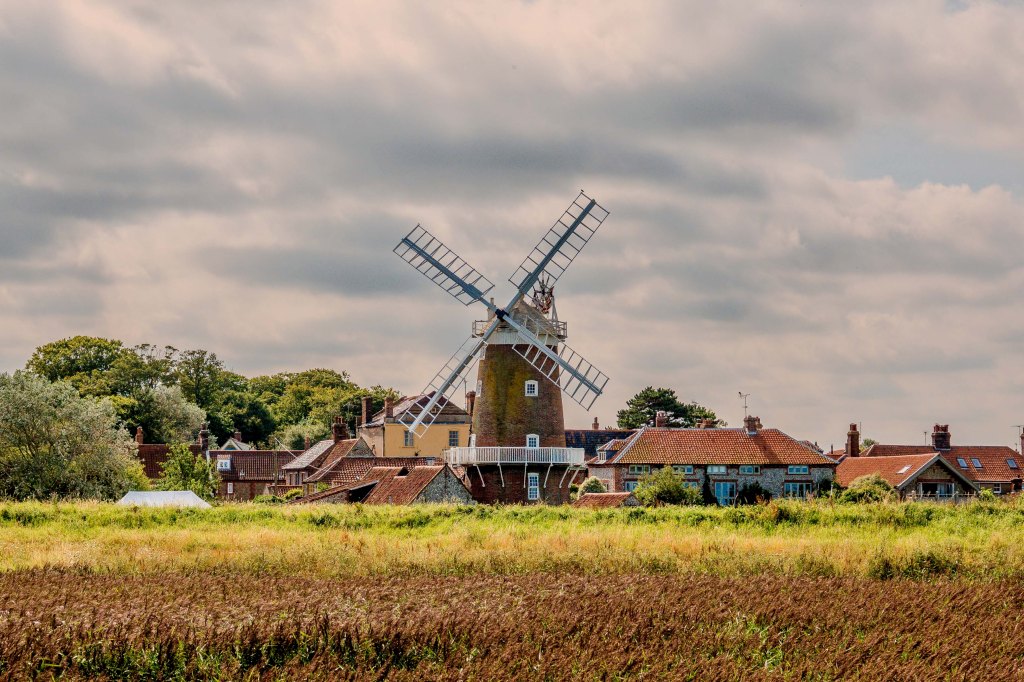
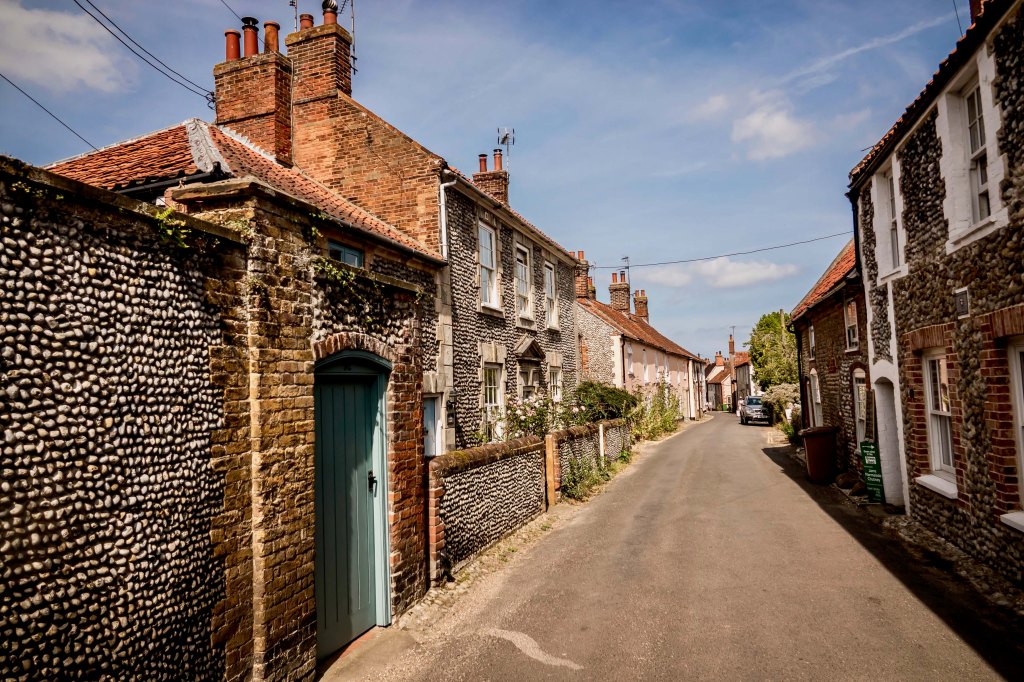
From Blakeney QuayLooking back at the quayNo one in sightCurlews, oystercatchers and even a shelduck on Cley ChannelThree grey herons in a rowThere were more that 20 cattle egret along this stretchHollyhocks had spread from the High Street to the open countryMeadow pipits along the pathwayThis one announced its arrival from well off and gave me the chance of a couple of shotsDecision time: coffee in Cley next the Sea or on the way back to Blakeney?Fail to plan, plan to fail – only open Wednesday to SundayBlakeney ChurchThe typical flint covered buildings of Norfolk in Blakeney High StreetTide rising in Blakeney (and the people too)
We are spending this week in Norfolk celebrating a friend’s 70th birthday. As he and his wife fostered our interest in bird watching on a holiday here a decade ago it seems appropriate that we have spent some time this week bird watching.
En route on Saturday we stopped off at RSPB Titchwell Marsh near King’s Lynn. We didn’t have much time to spend here but seeing a few waders, various geese and the big wide skies certainly got us in the mood.
On Sunday we spent the morning at Cley-Next-The-Sea. The first hide was very busy, mainly with birders with big telescopes wanting to get sight of a long-billed dowitcher which has been resident here for a while. It’s not quite my thing trying to get distant shots of rarities and so I was quite happy to get photos of birds a little more accessible to me.
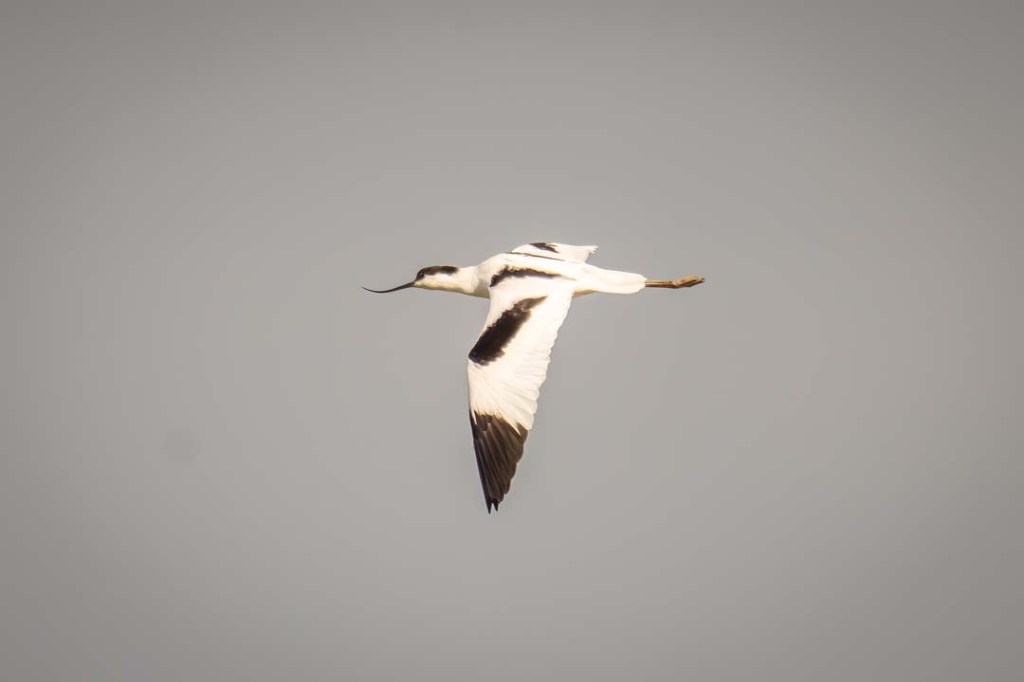
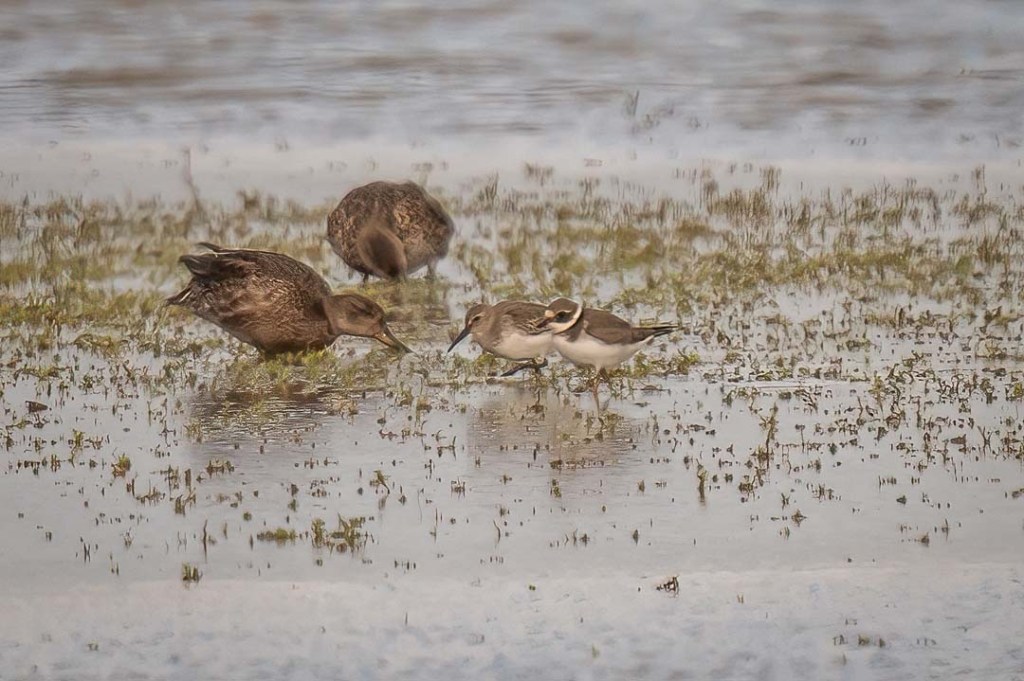
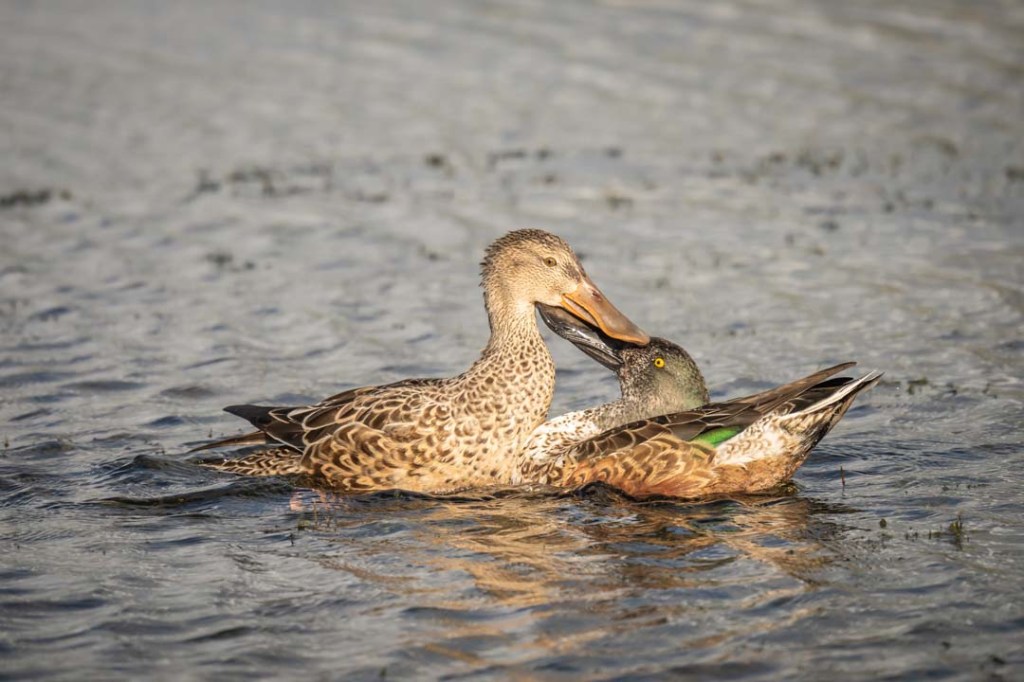
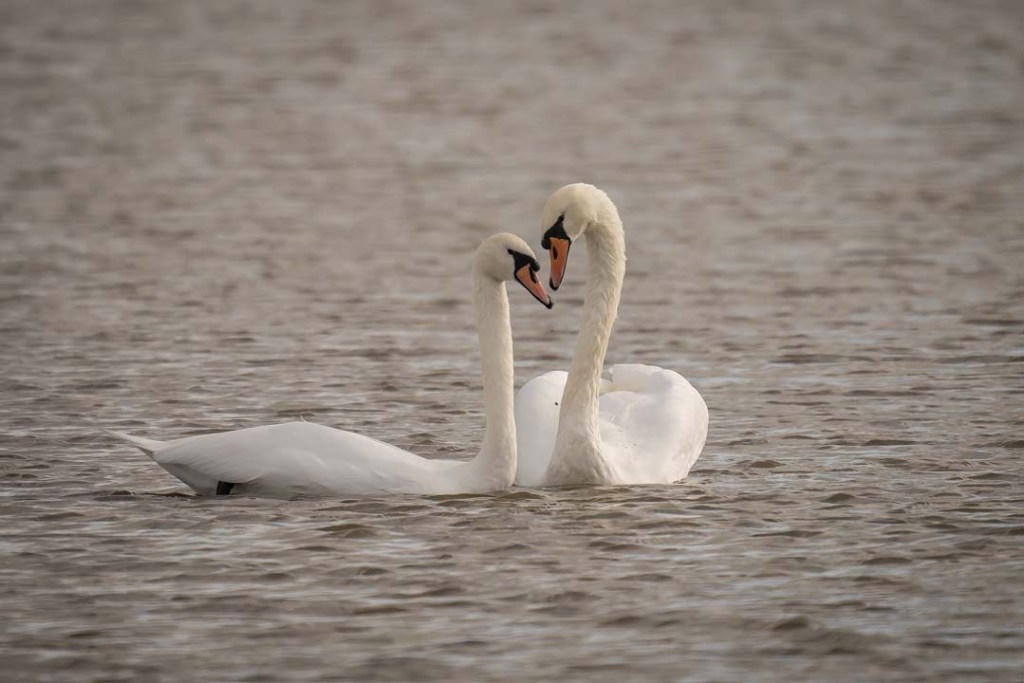
There were lots of birders looking for the long-billed dowitcherA solitary whooper swanAvocet – a great success story in the UKDunlin and ringed ploverAn affectionate pair of shovelersMute swans
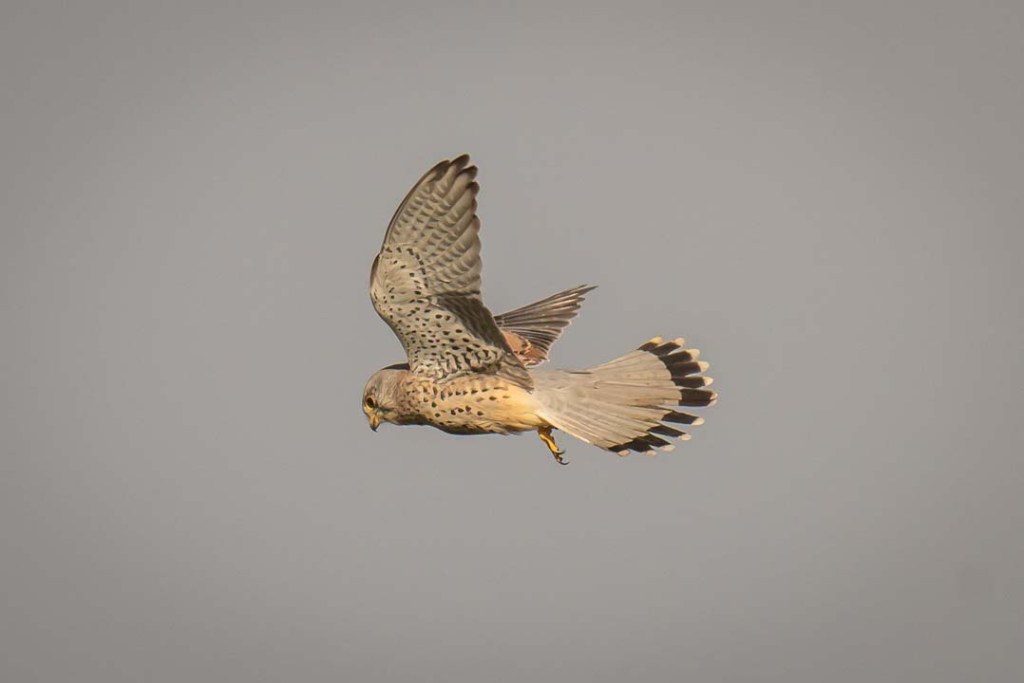
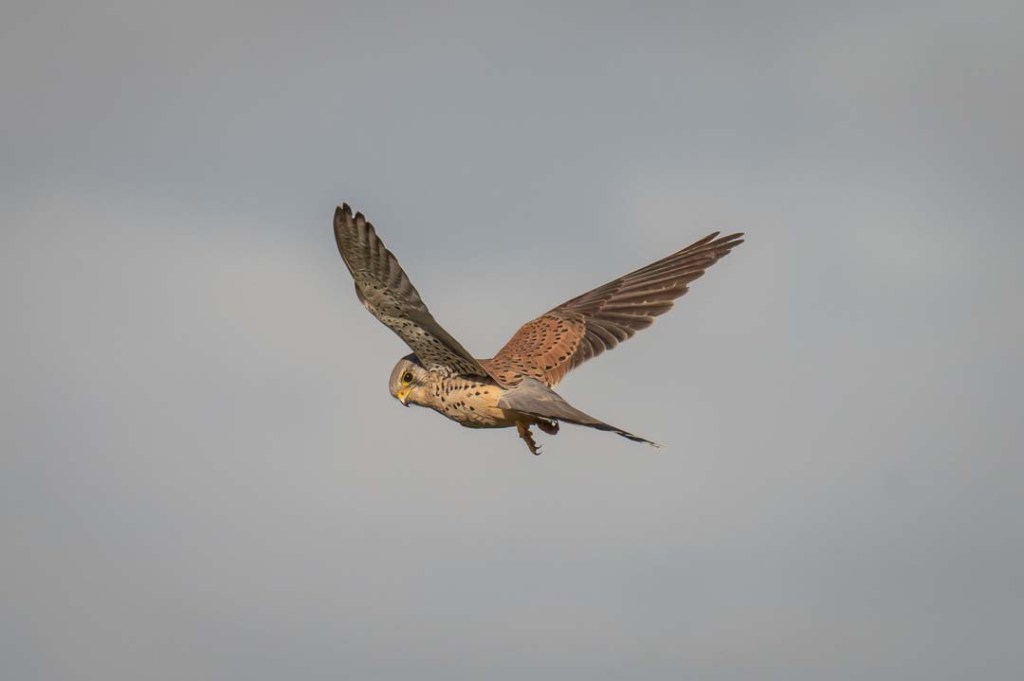
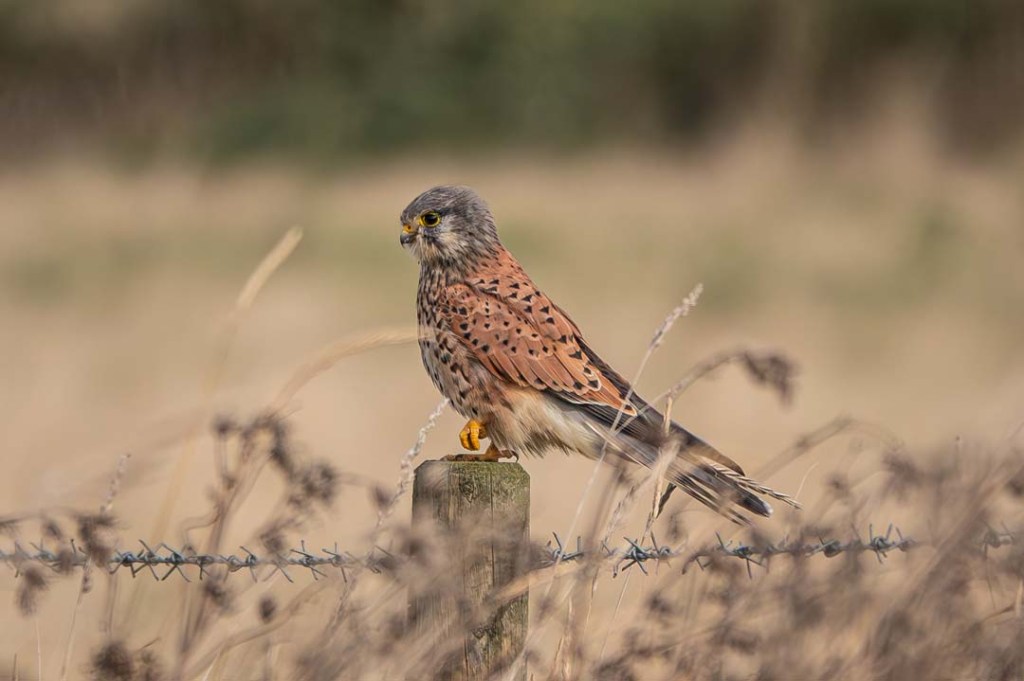
As we were leaving the reserve we had wonderful views of a kestrel.
KestrelKestrel
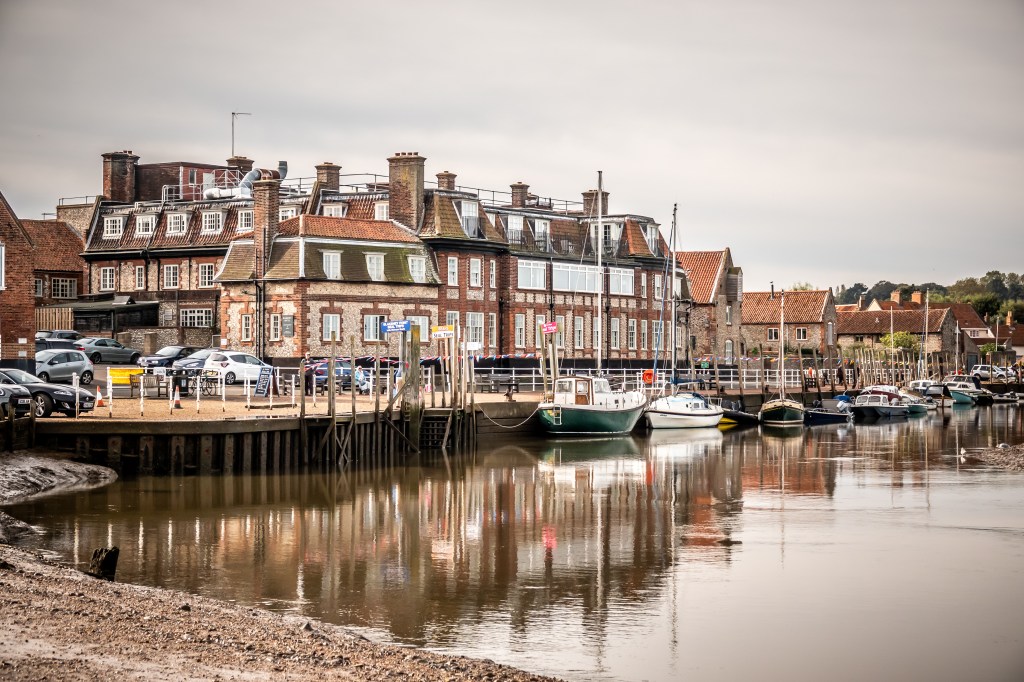
On Monday morning we had a walk around Blakeney, where we are staying.
Blakeney quay
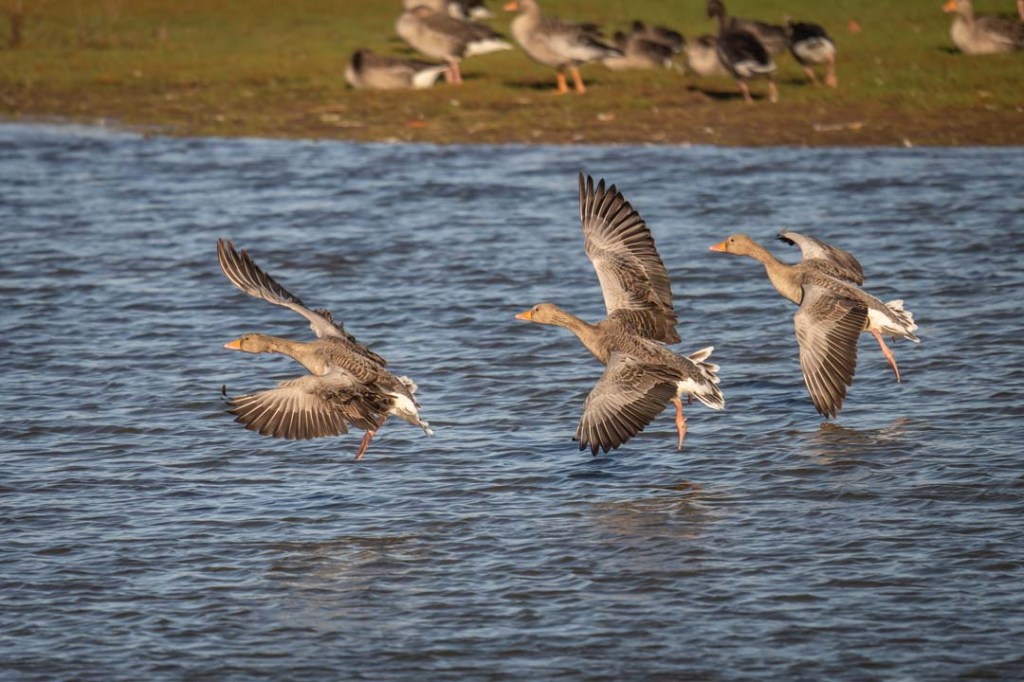
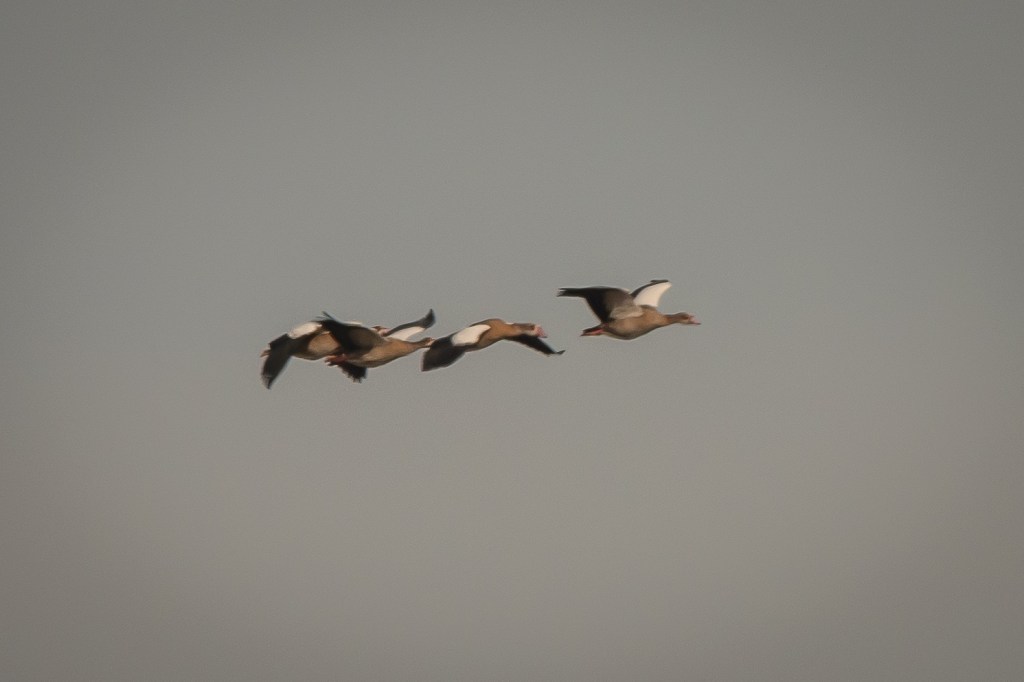
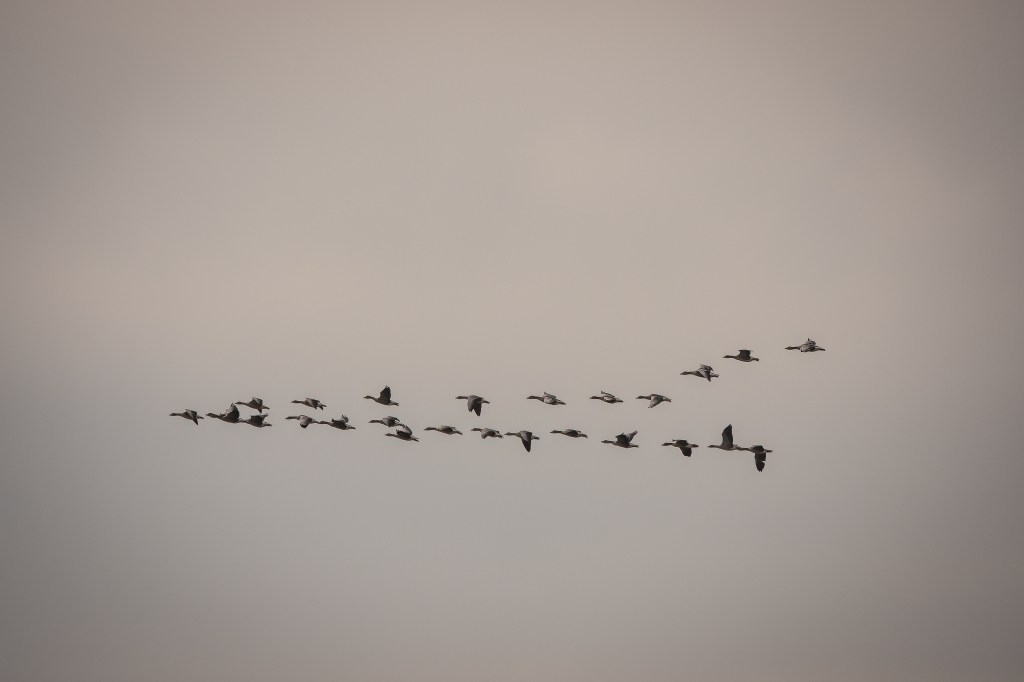
I loved seeing the flocks of geese flying over.
Egyptian geeseGreylag geese
The sounds of redshank and curlew flying over the reeds were pretty special too. We also had fleeting glimpses of bearded tit.
Cley-Next-The-Sea in the distance
Towards the end of our walk we had another close encounter with a kestrel.
KestrelCurlews on the estuary
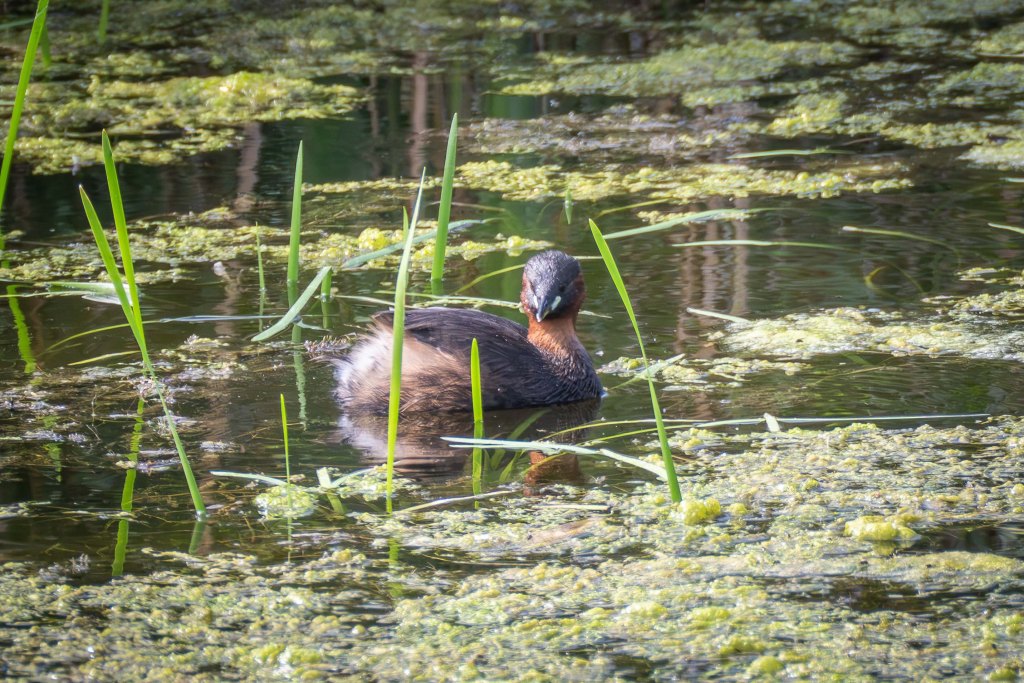
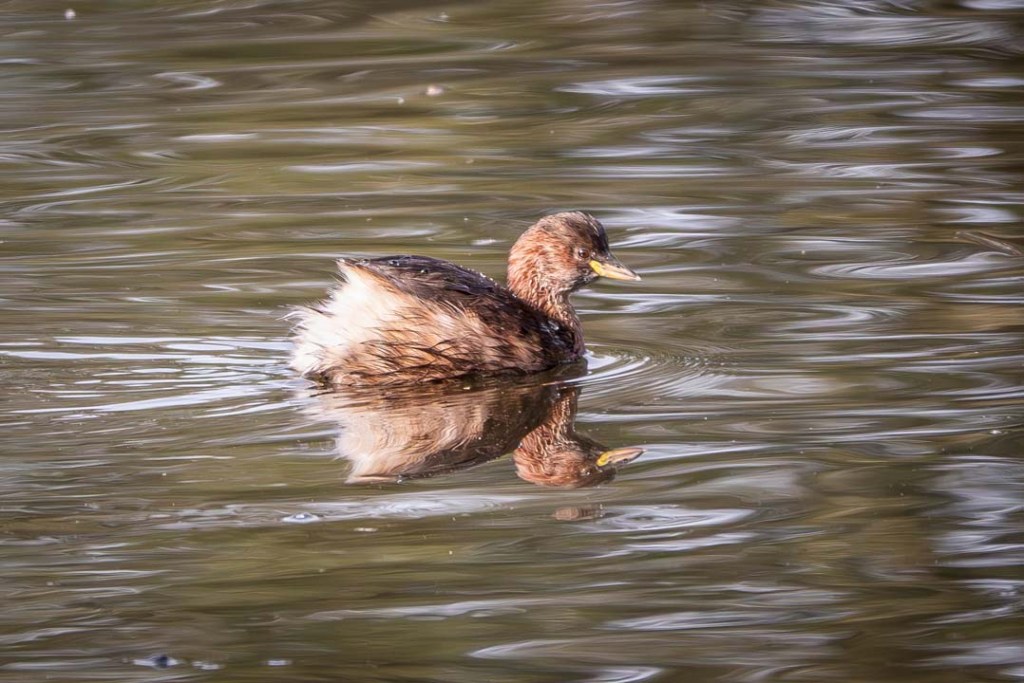
On Tuesday we had a walk through the woods and along the beach at Holkham. Little grebes on a pool and red kites overhead were the main attraction.
Little grebeRed kiteRed kiteThere were several types of dragonfly along our walkHorses on the beach at HolkhamThe beach at HolkhamWe ventured briefly into the park at Holkham HallThe iconic granary at Wells-Next-The-Sea on our way back
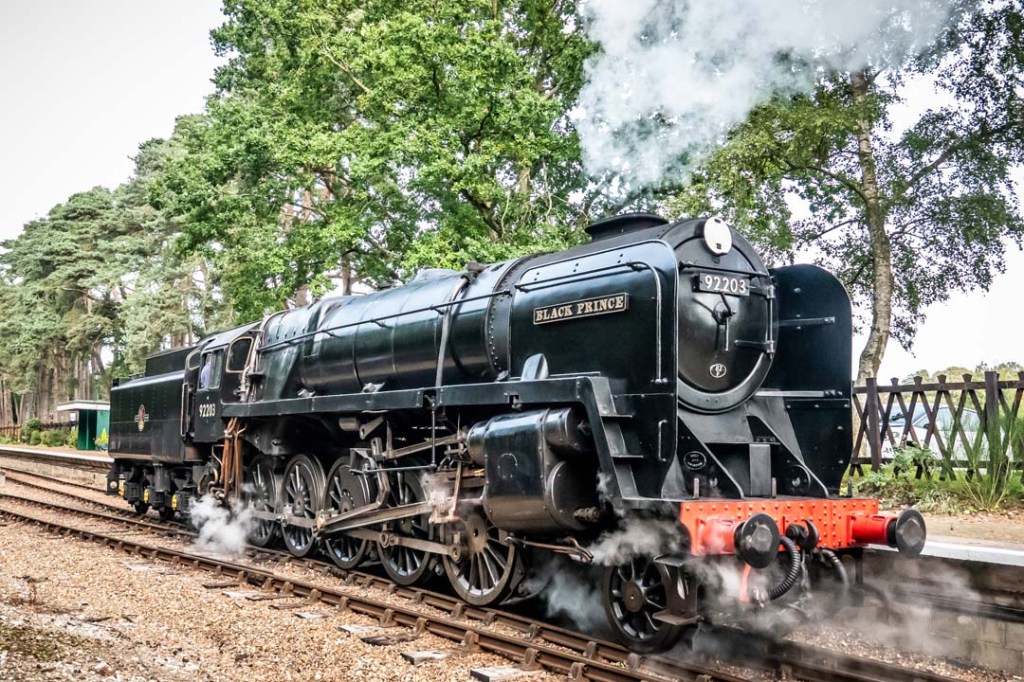
On Wednesday we had a break from birding and took a steam train from Holt to Sheringham
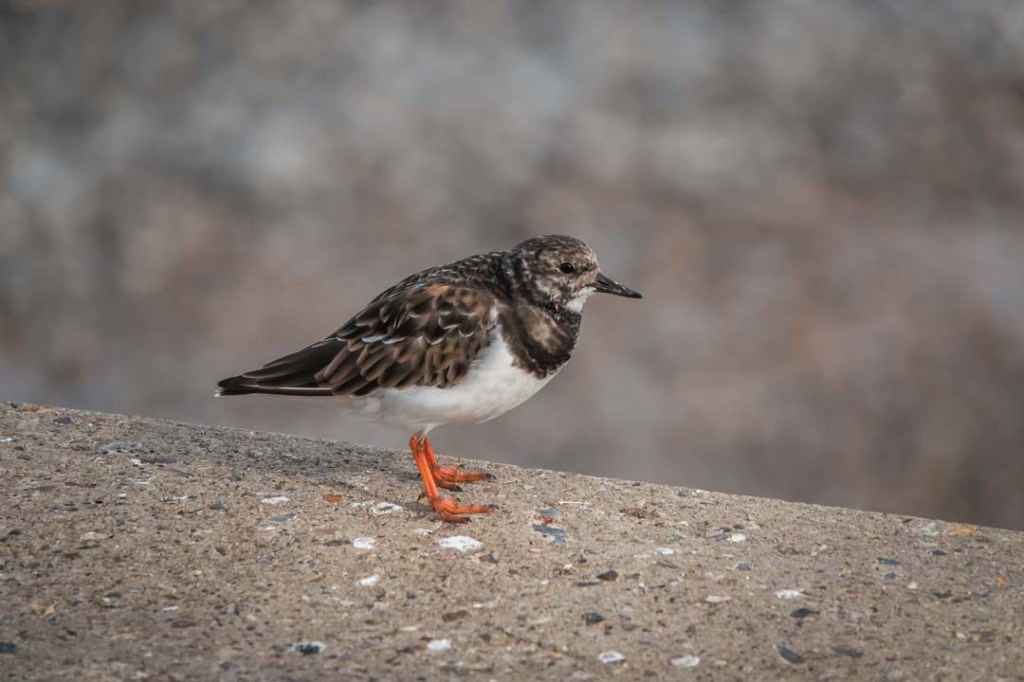
Not total abstention – a turnstone on the front at Sheringham




































 Martin's Bird Blog & Nature Photos