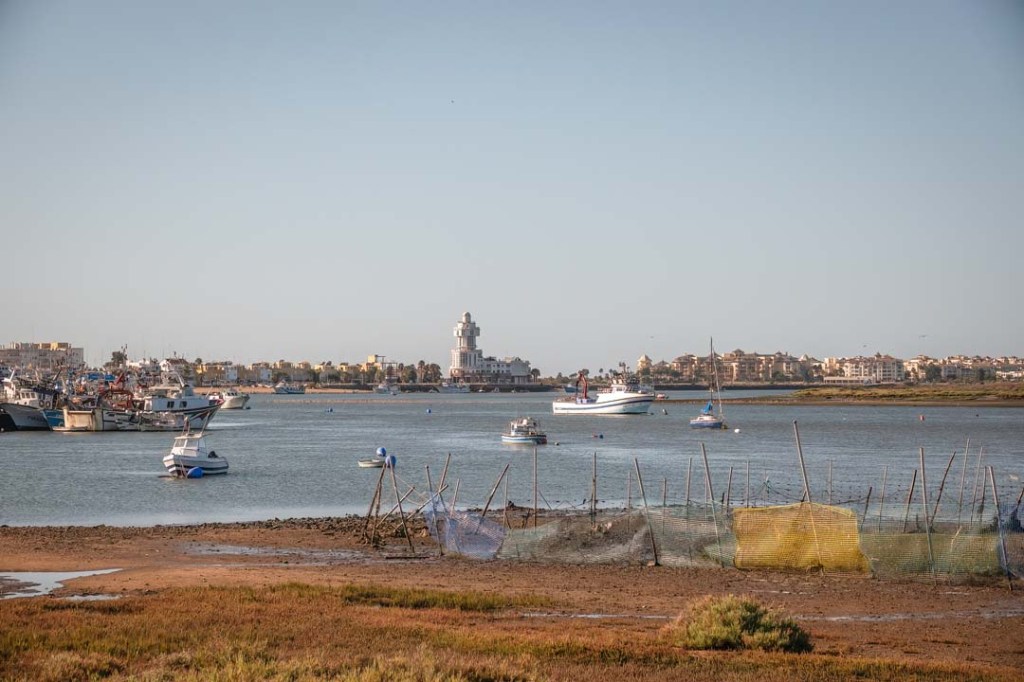
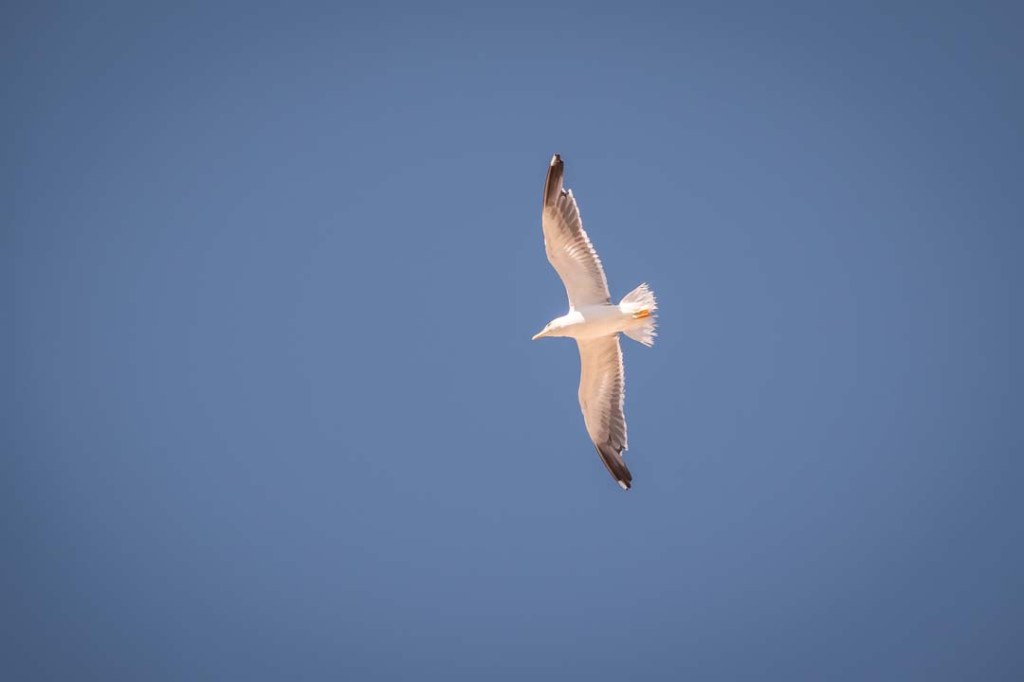
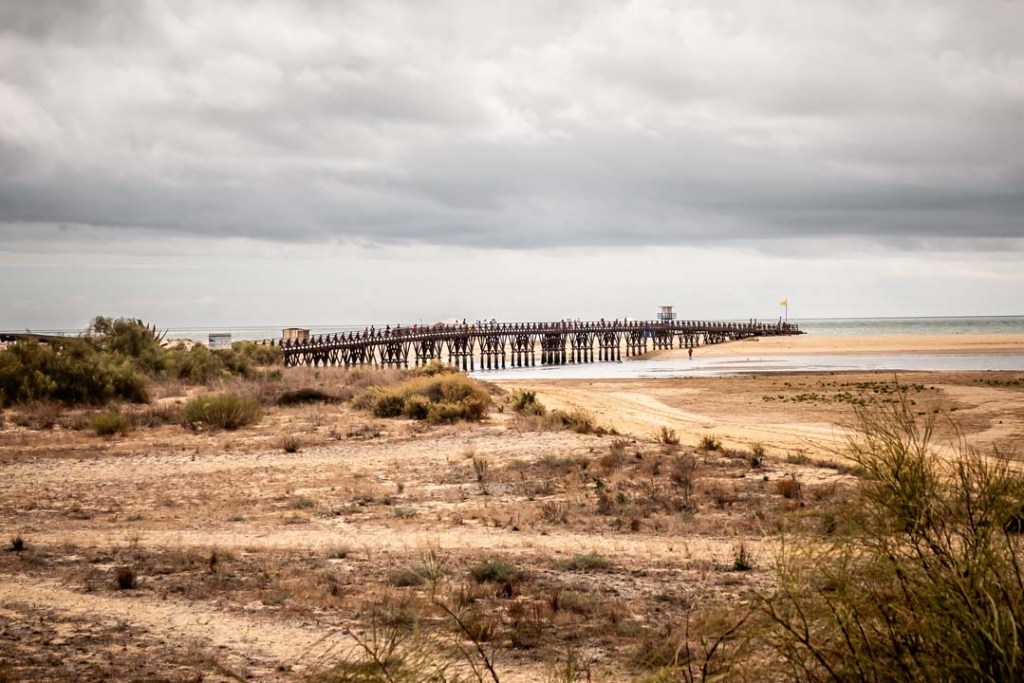
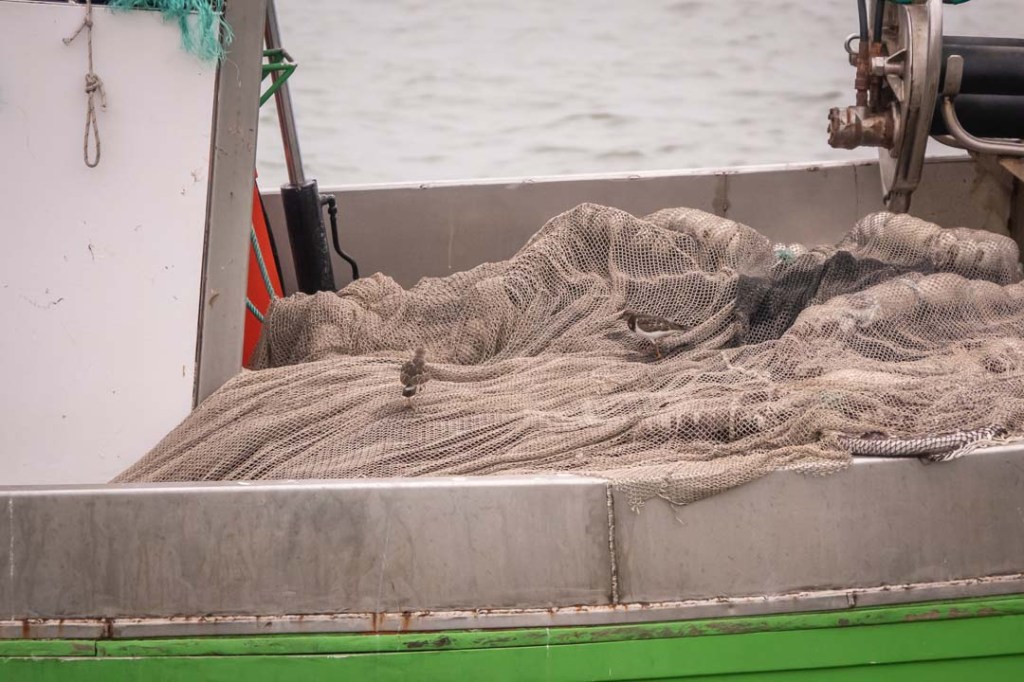
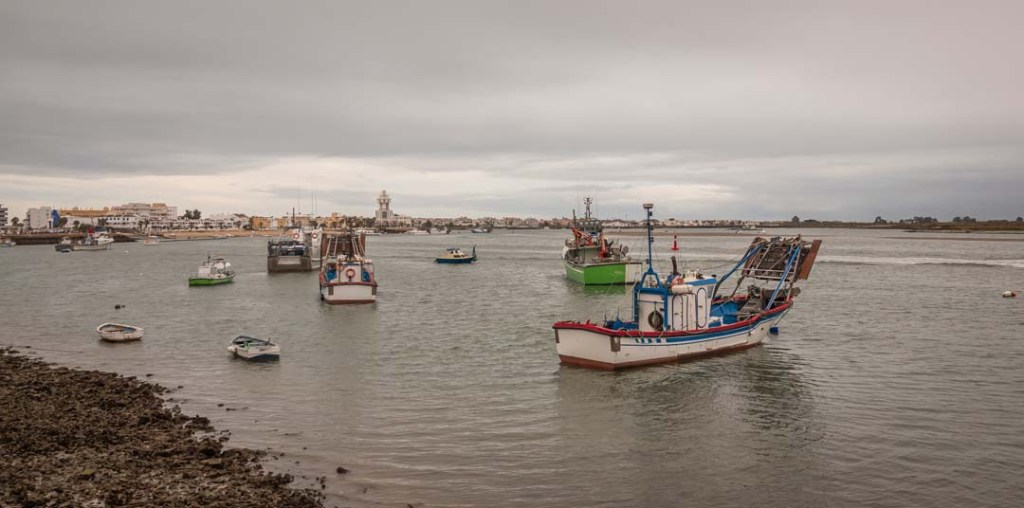
We have definitely been doing non-birding events today with a boat trip around the local port. However, I couldn’t resist snapping away as we made our way to and from the terminal.
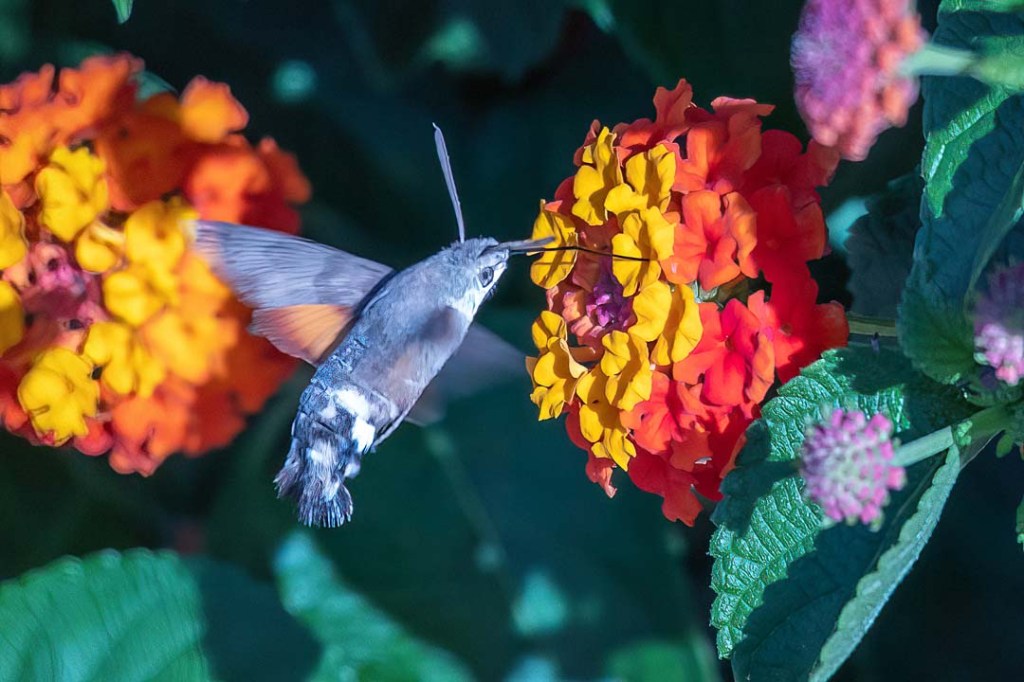
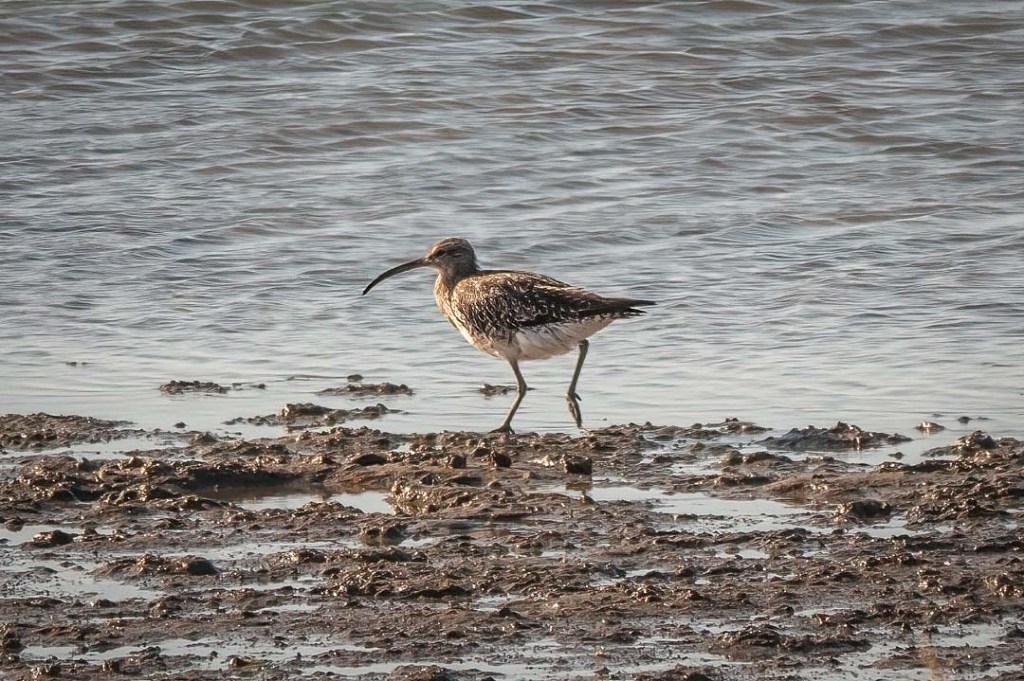


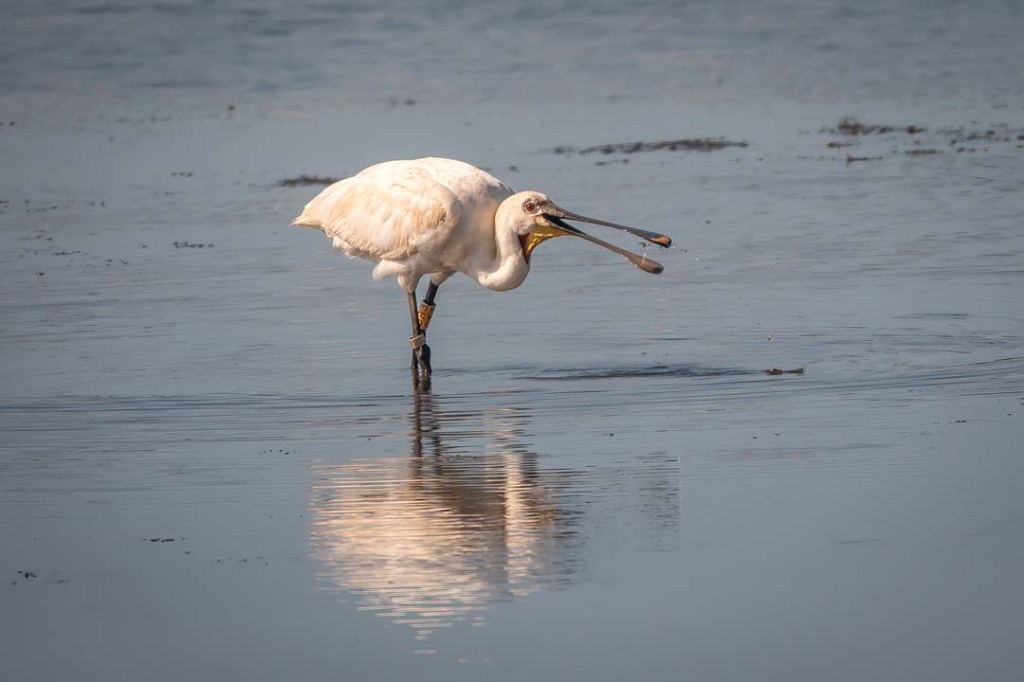

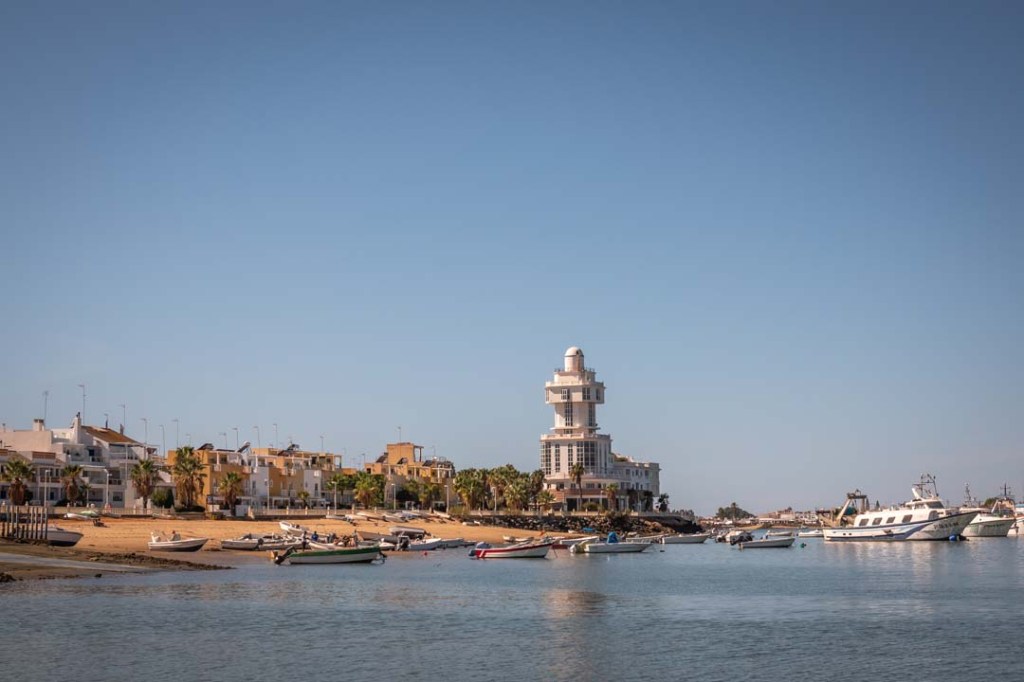

We have definitely been doing non-birding events today with a boat trip around the local port. However, I couldn’t resist snapping away as we made our way to and from the terminal.
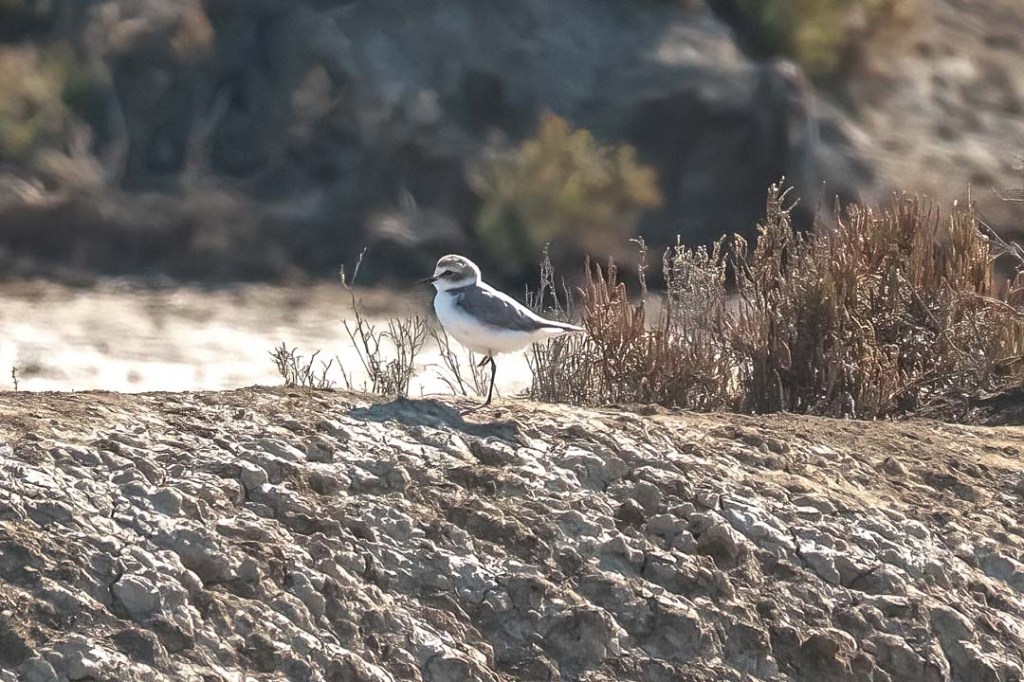
Non birding holiday indeed!
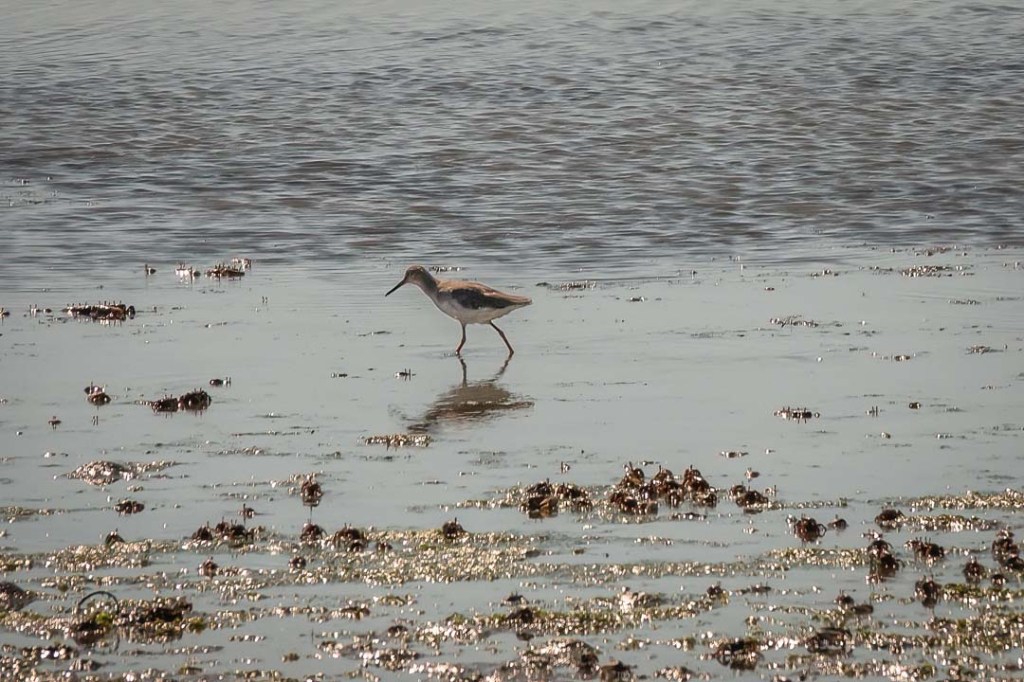
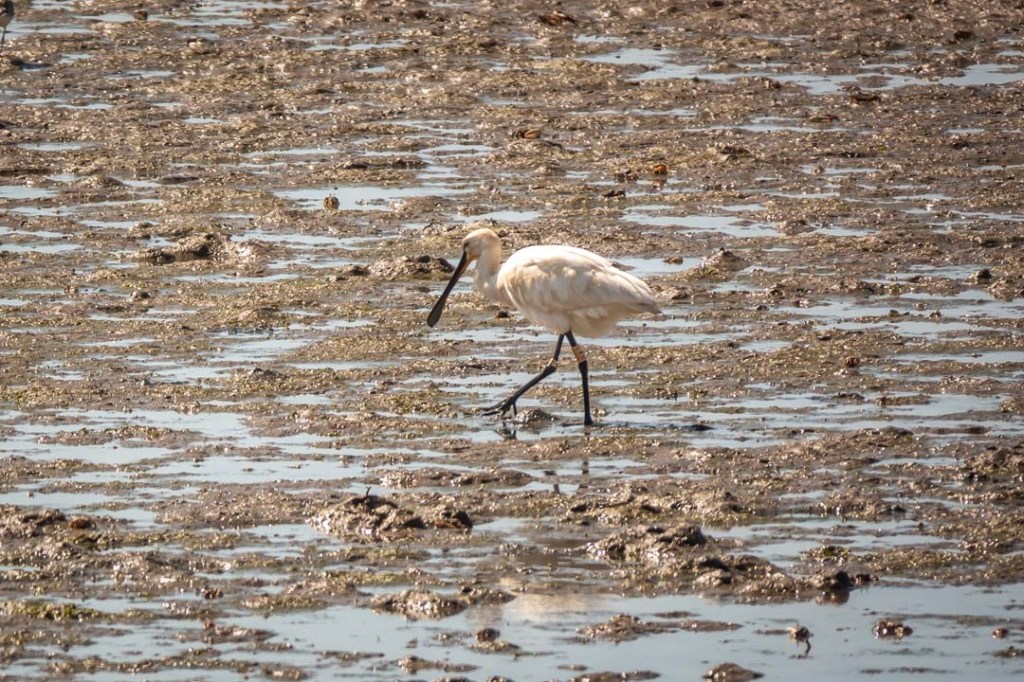
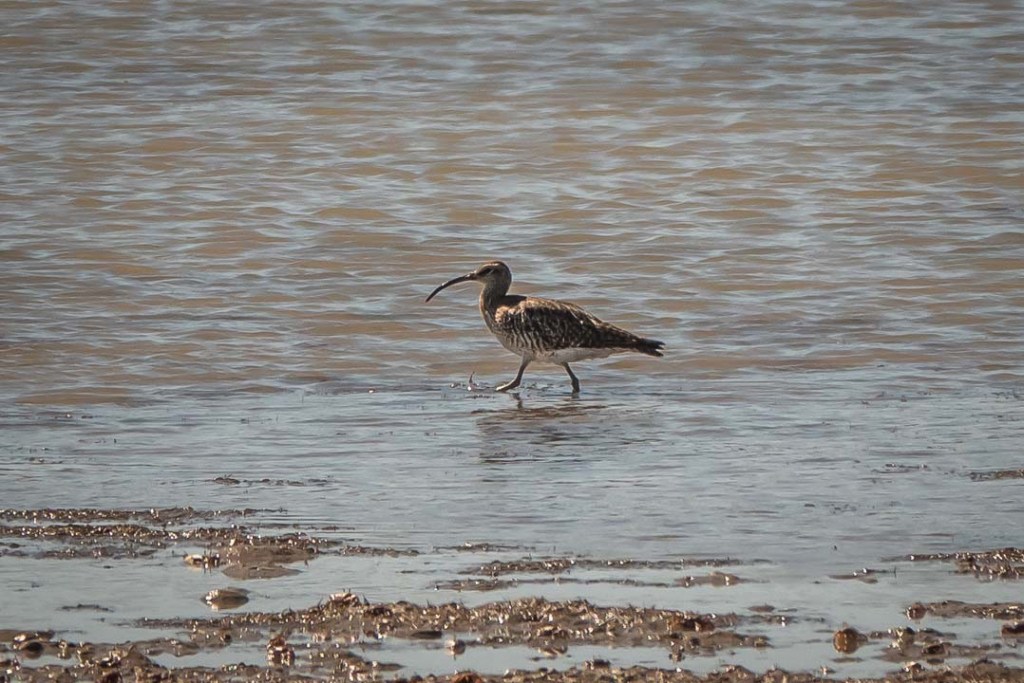
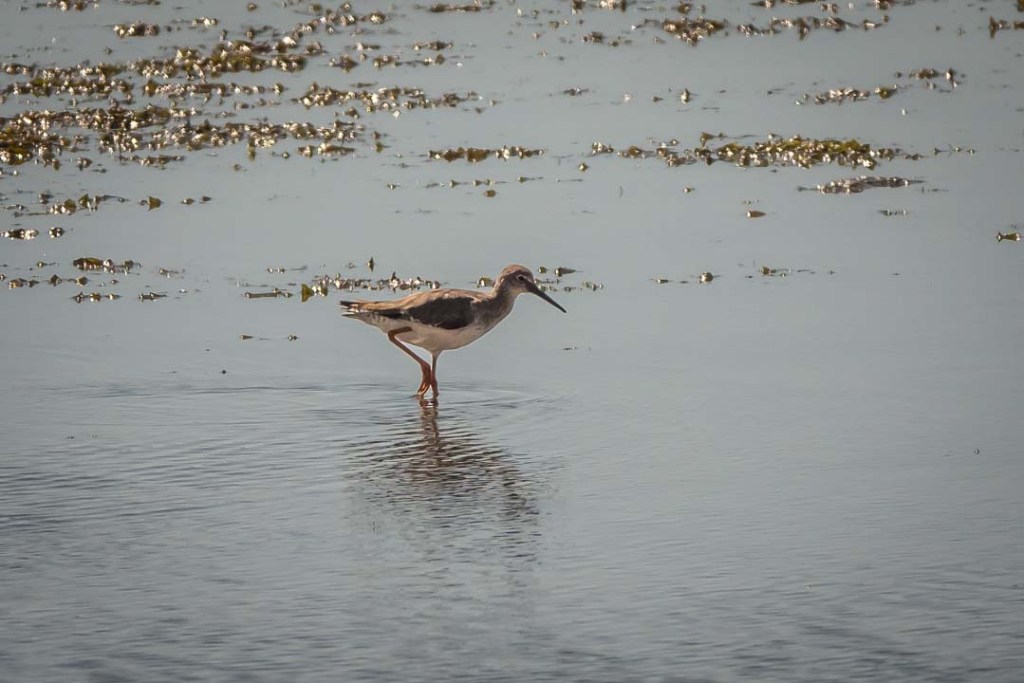
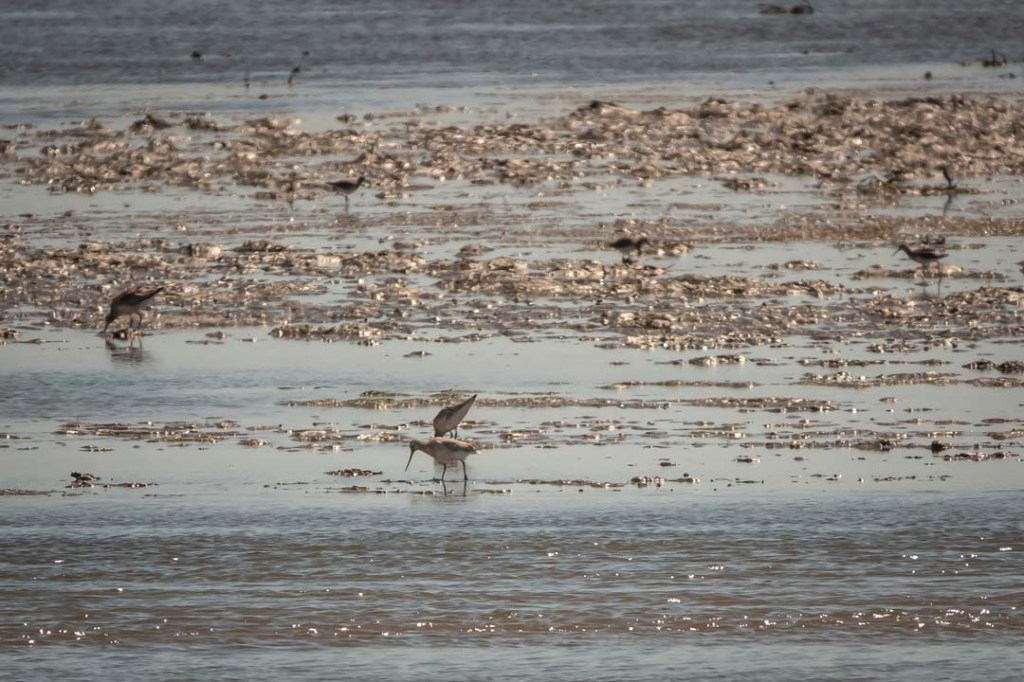
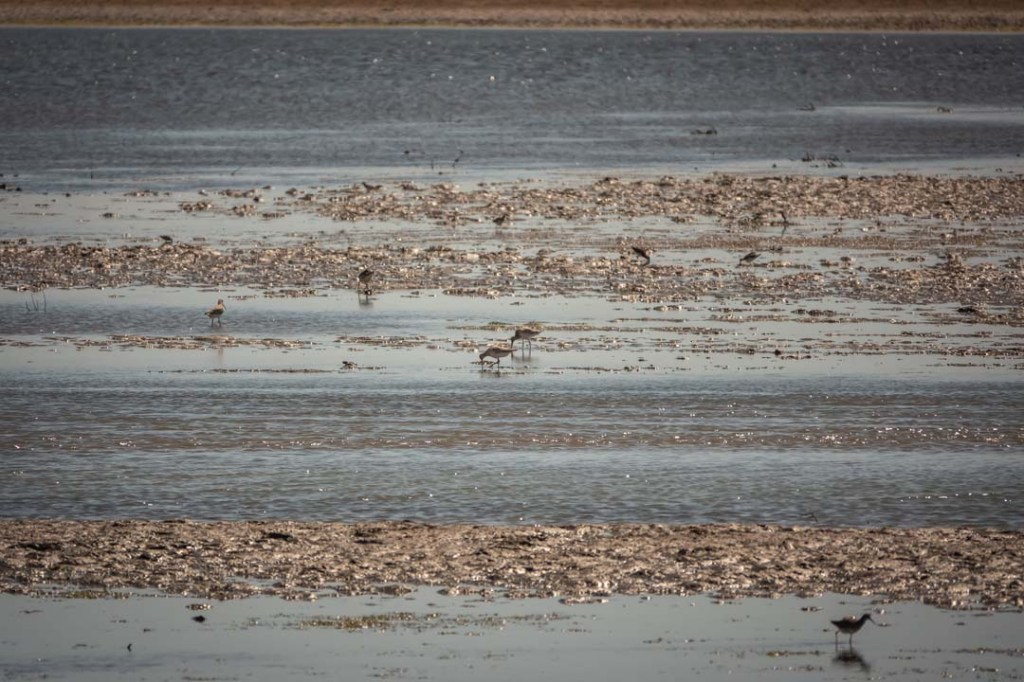
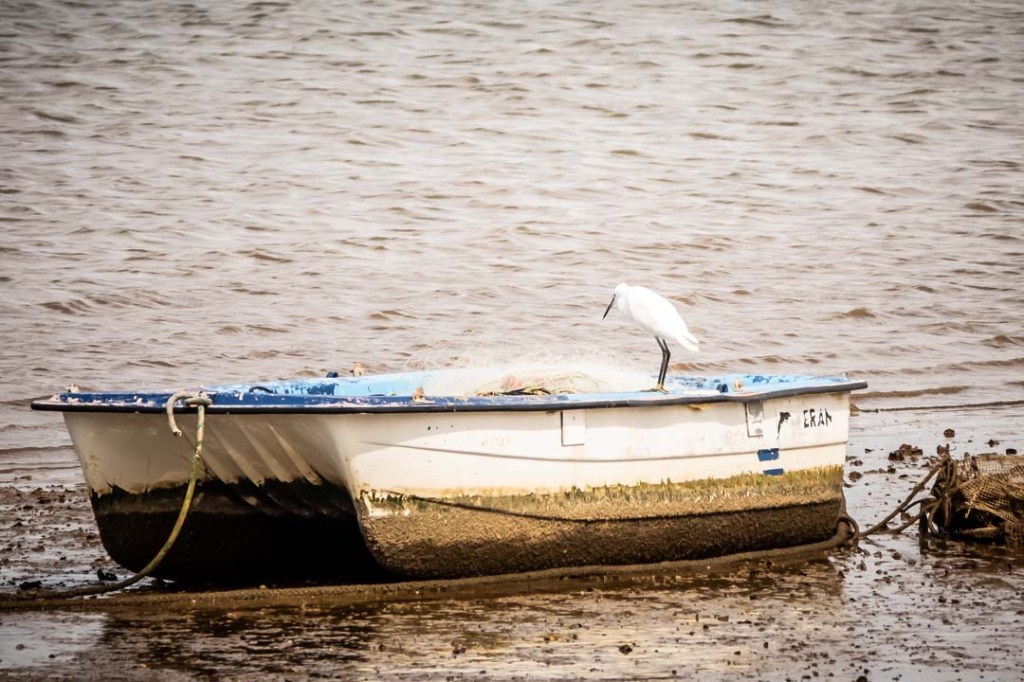
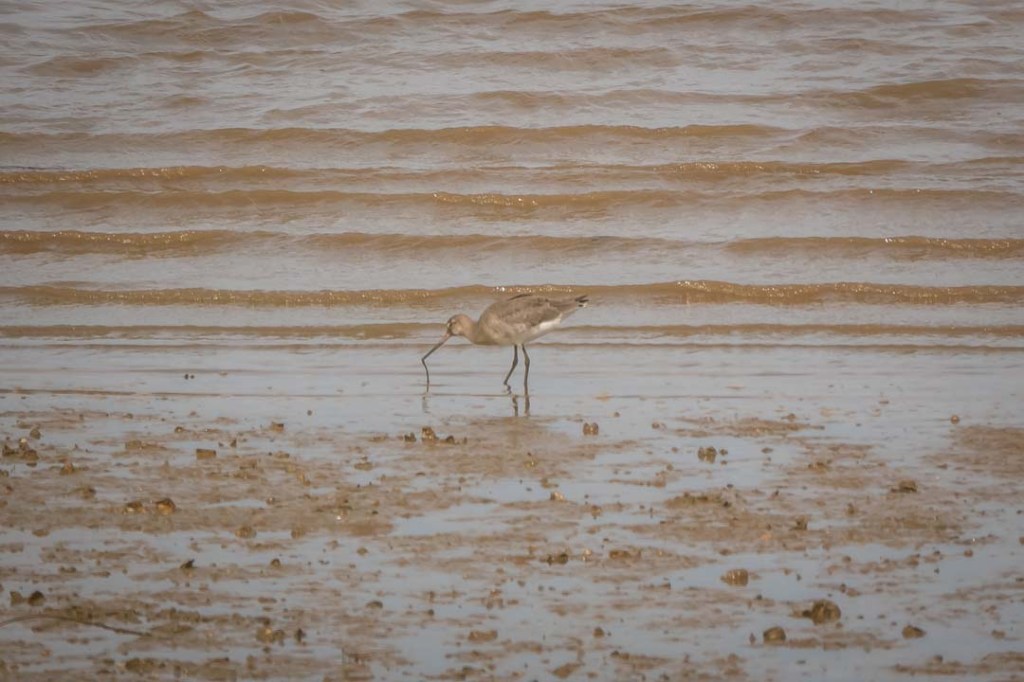
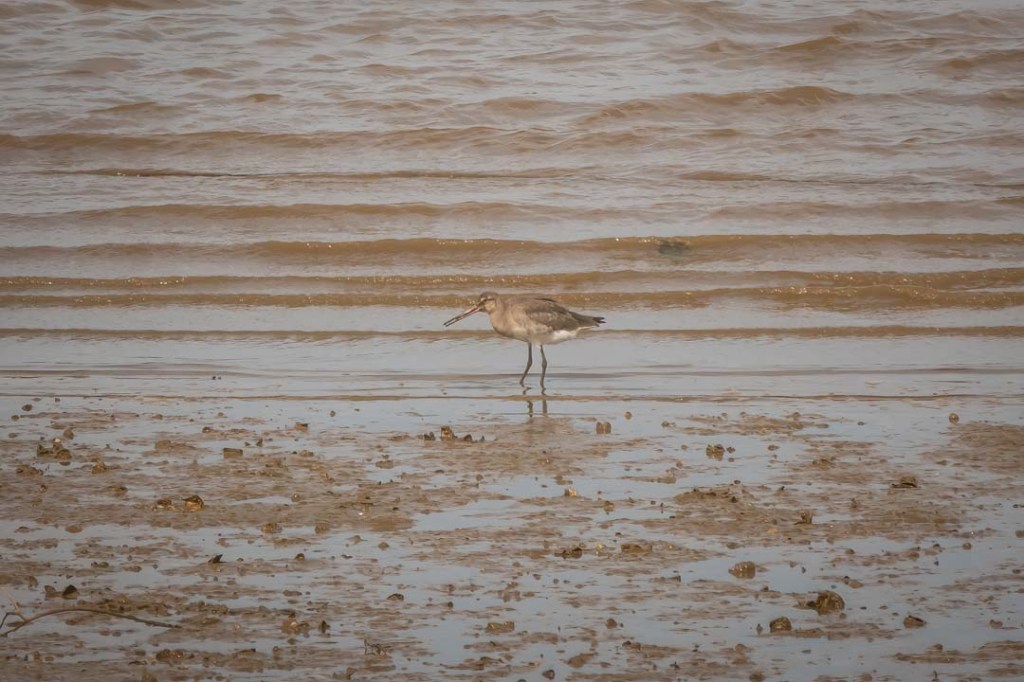
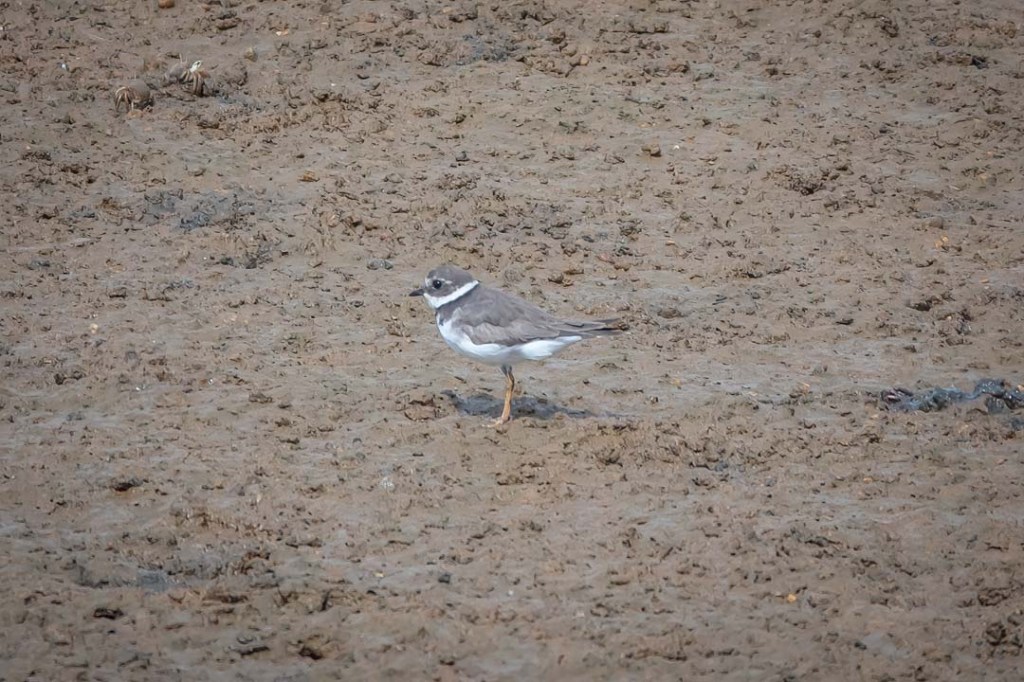
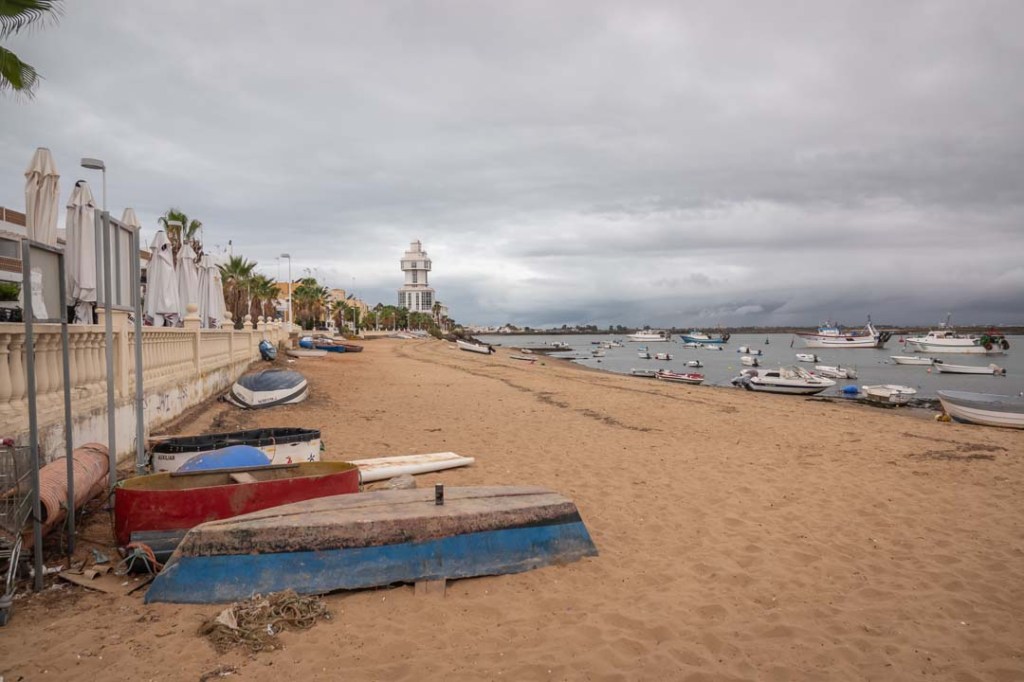
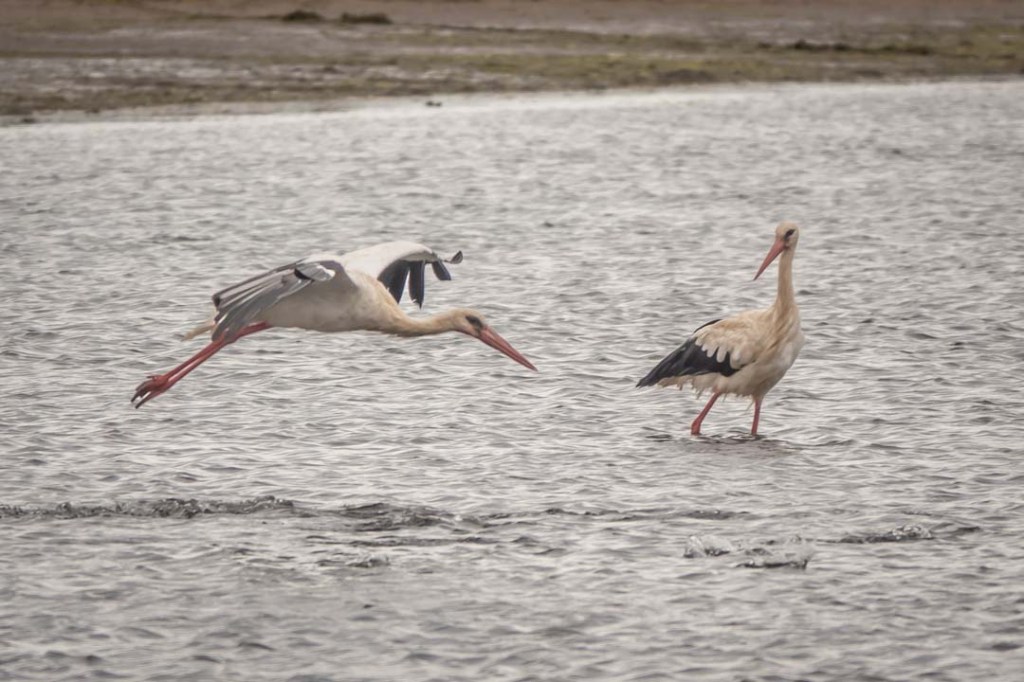
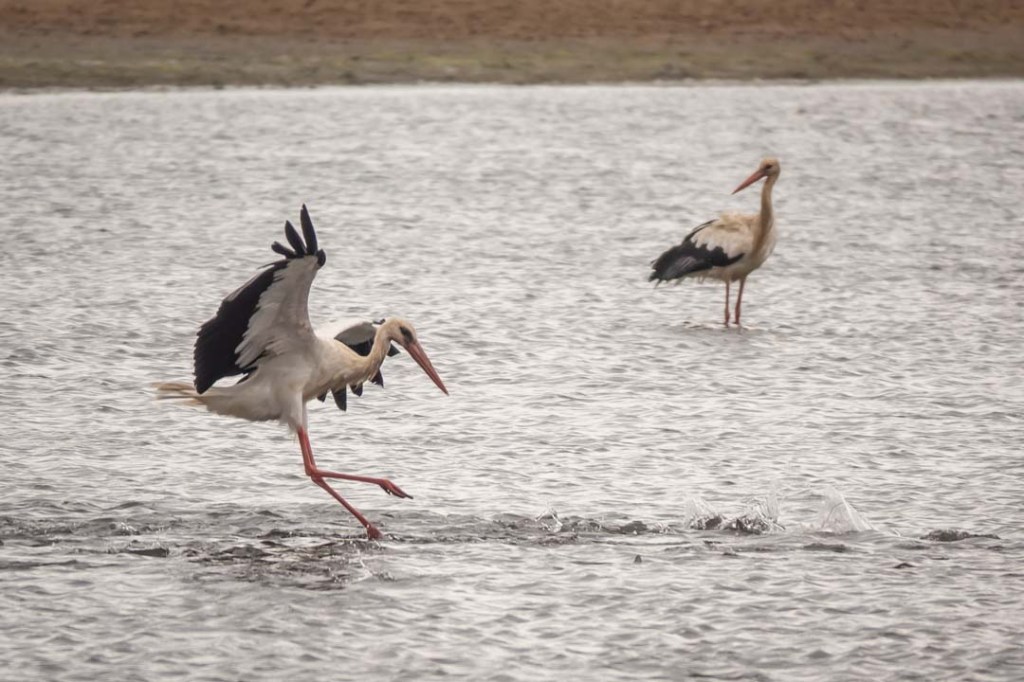
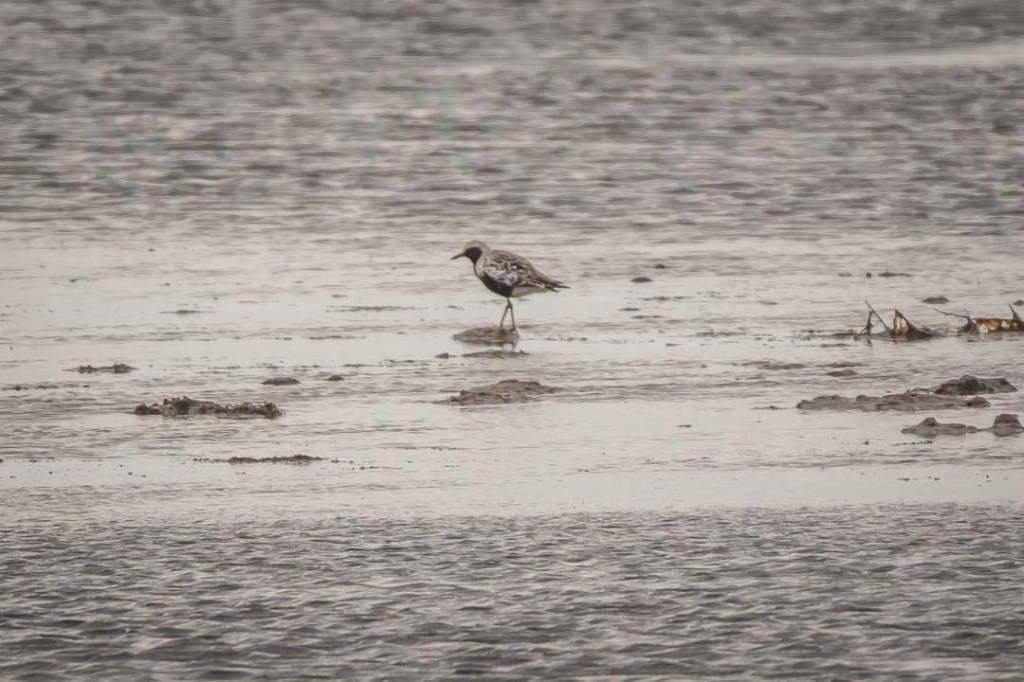
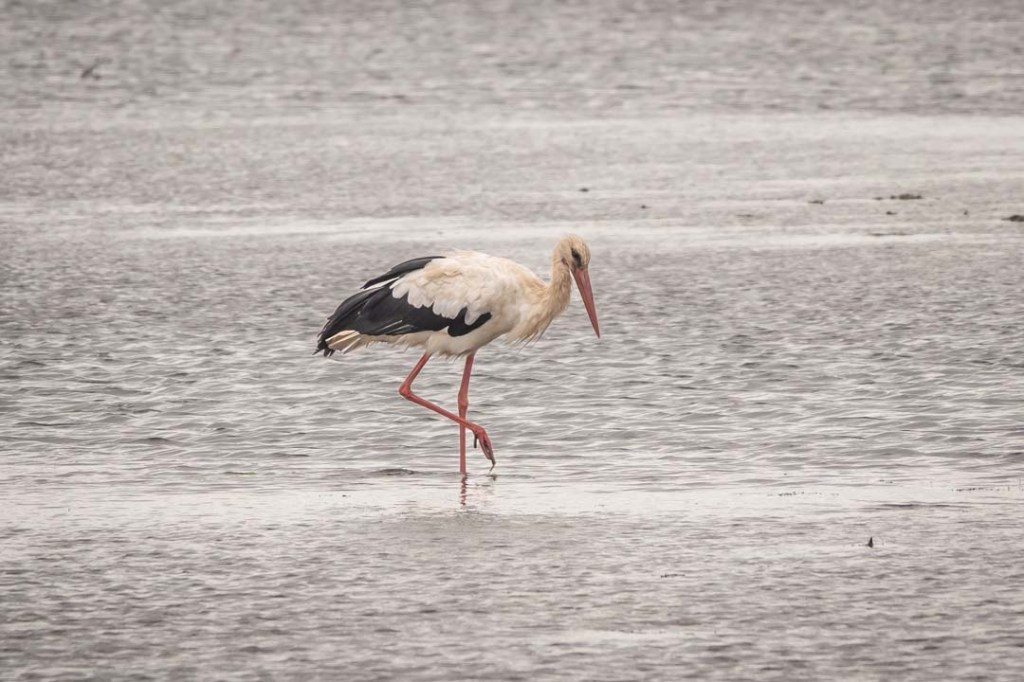
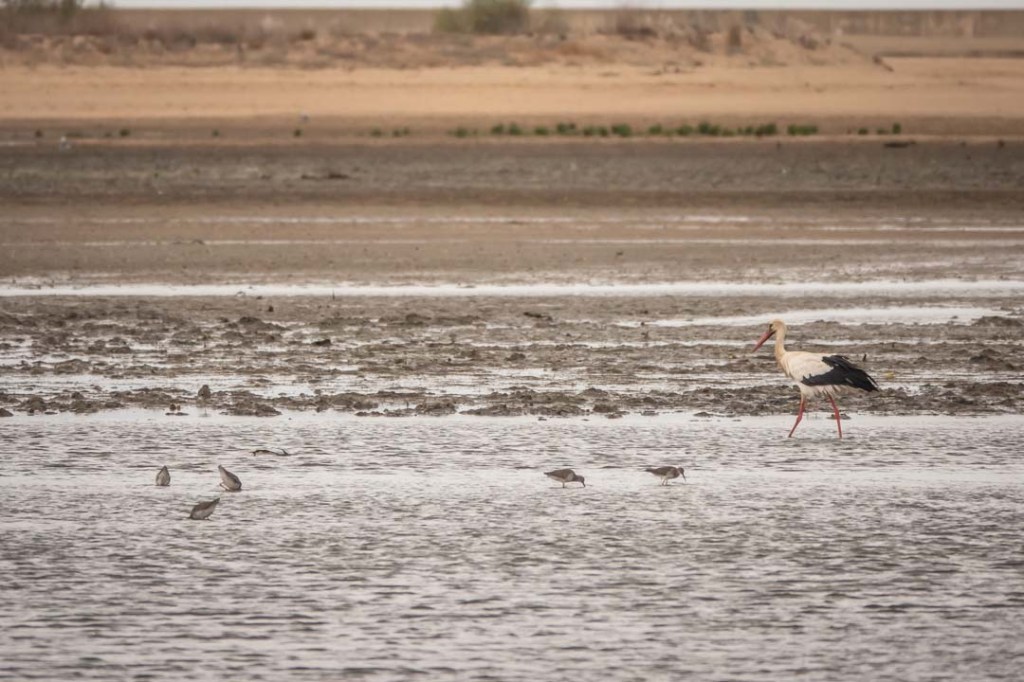
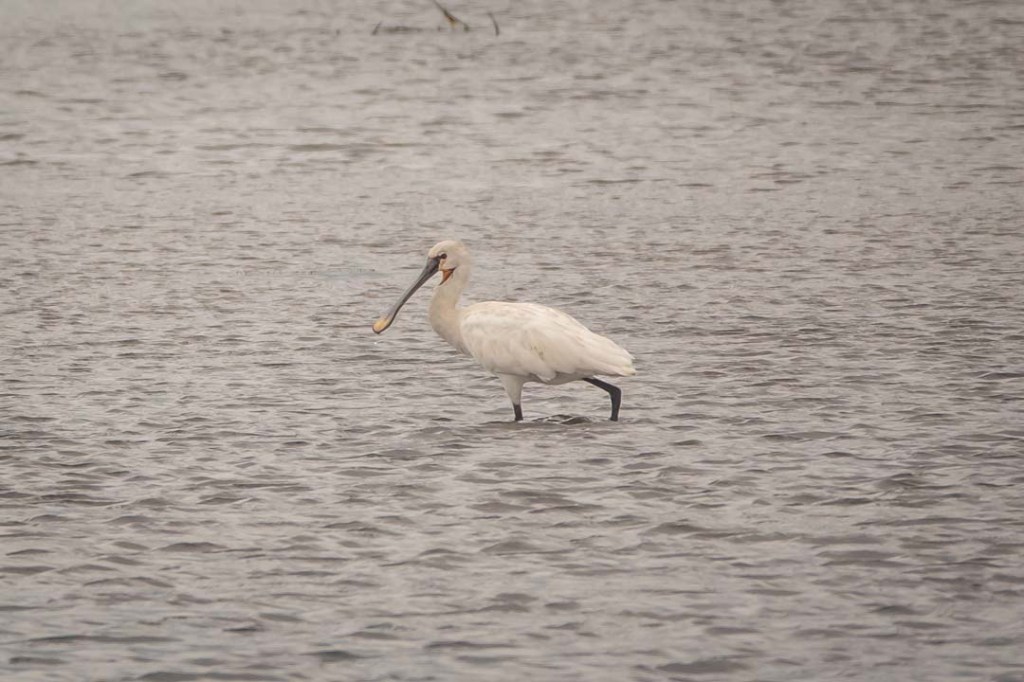
This morning we took part in our second optional trip: birdwatching around the salt pans and in and around the town we are staying in. Isla Cristina is the second largest fishing port in Andalusia.
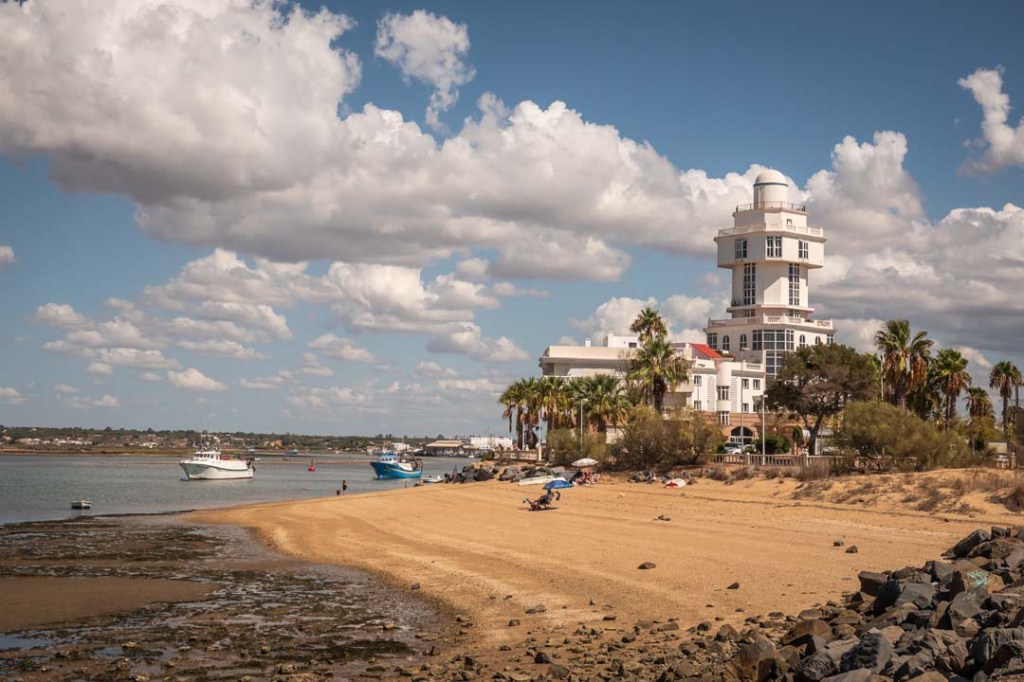
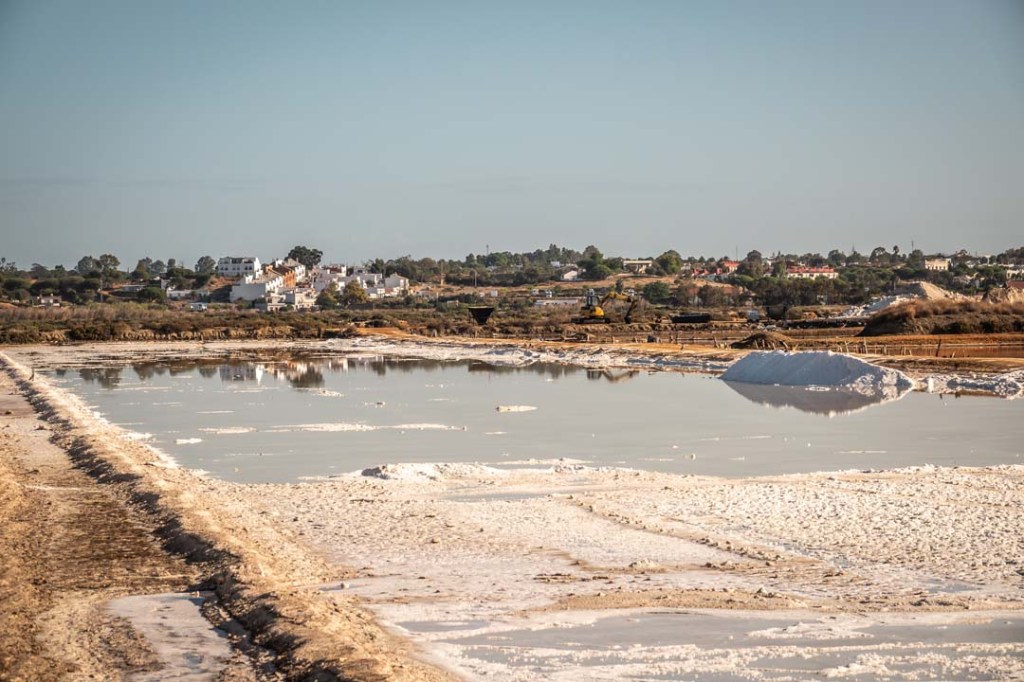
We saw some fabulous birds without having to travel too much.
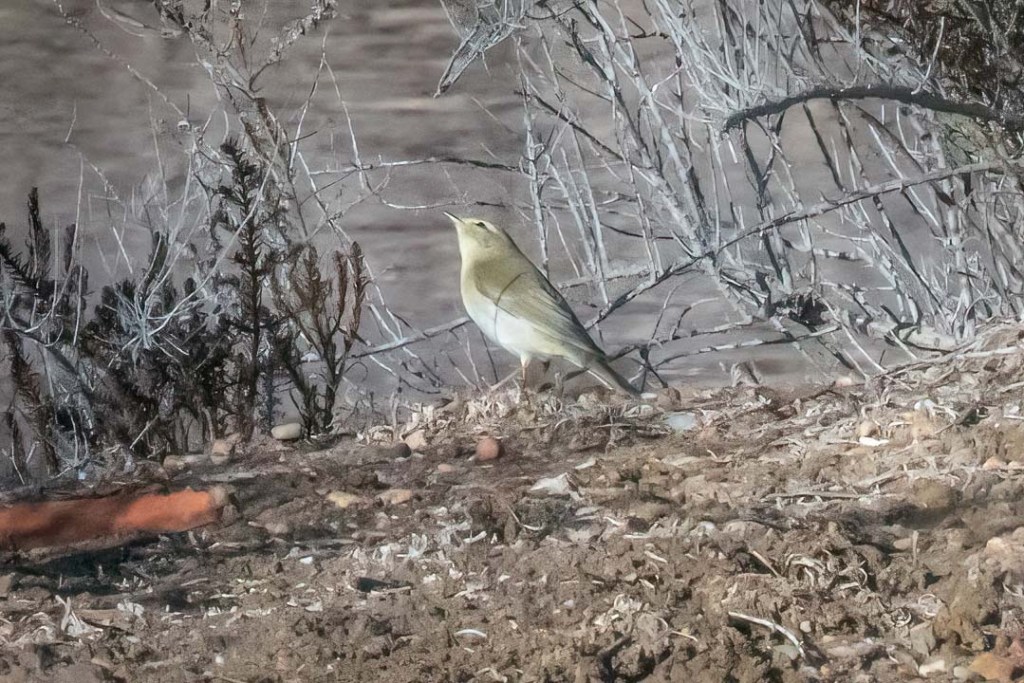
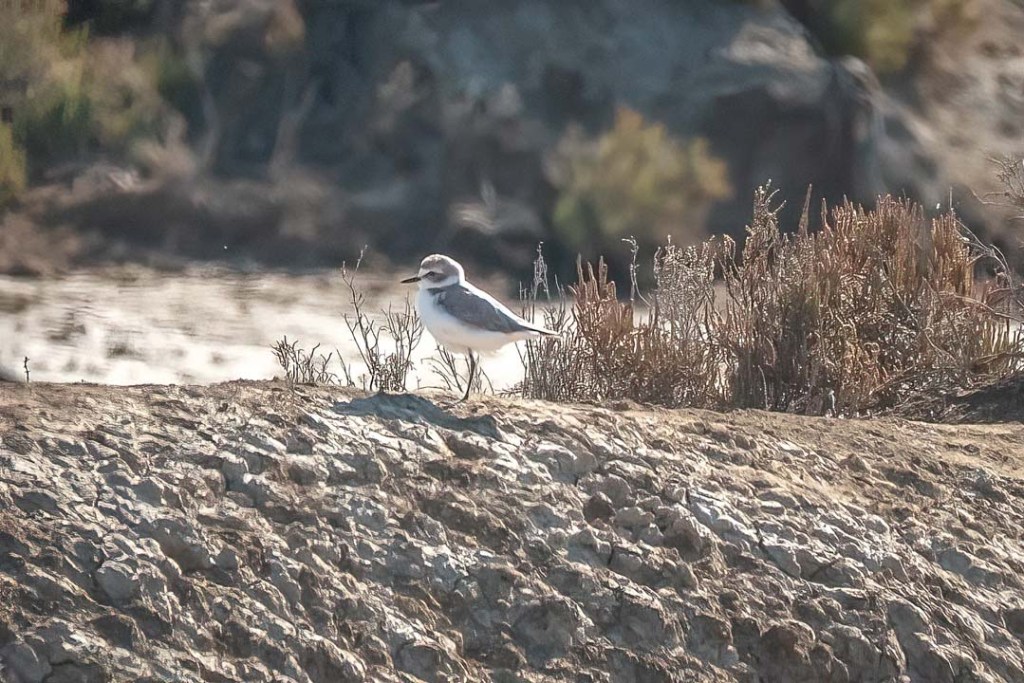
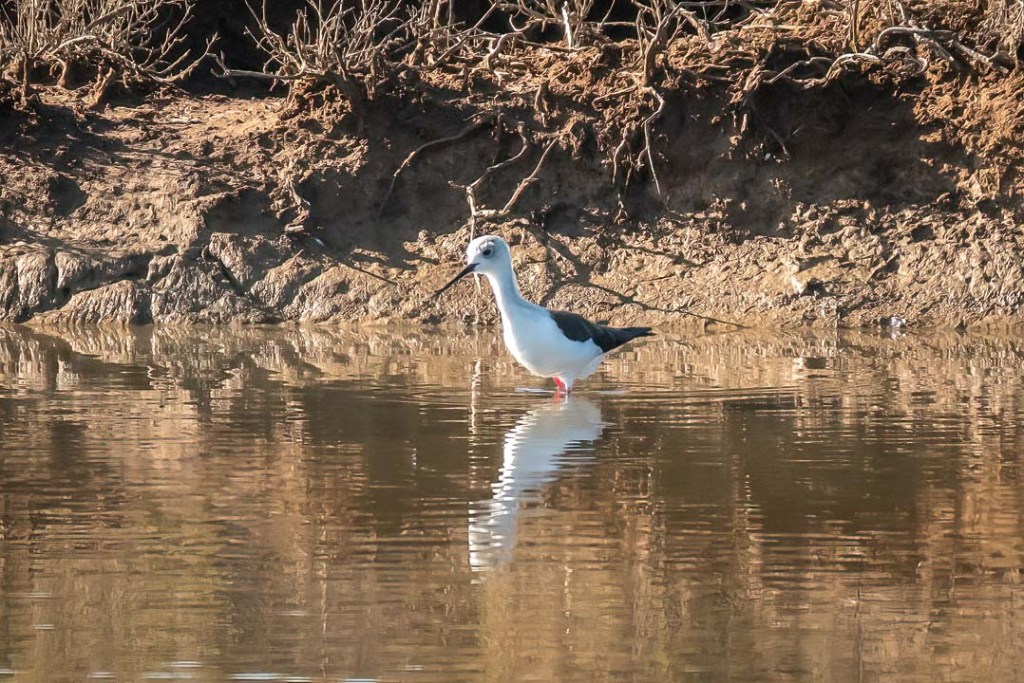
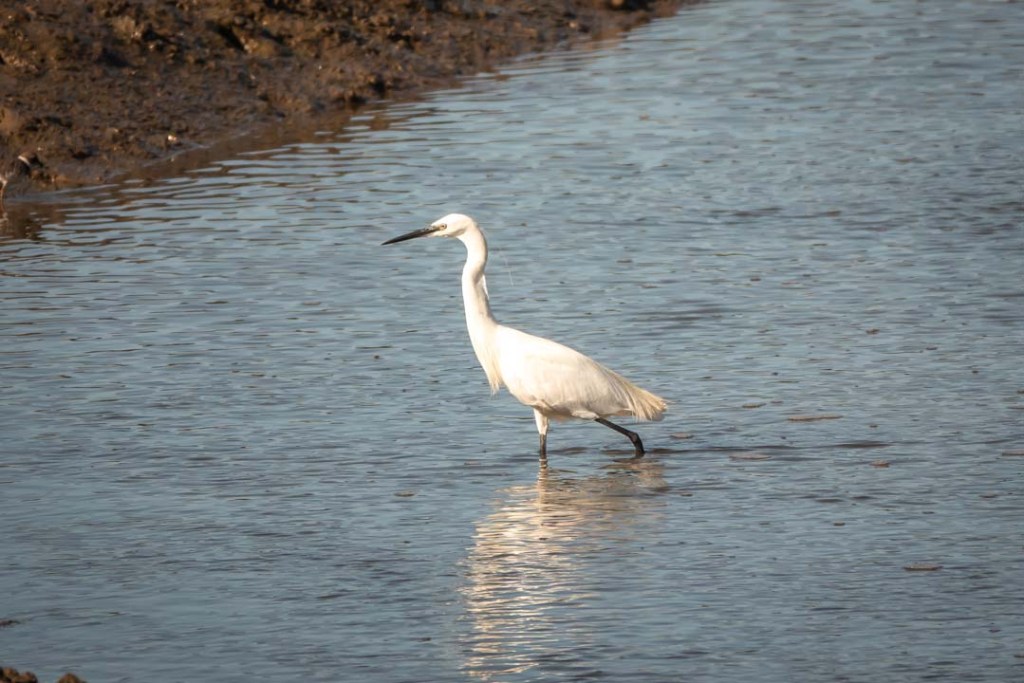
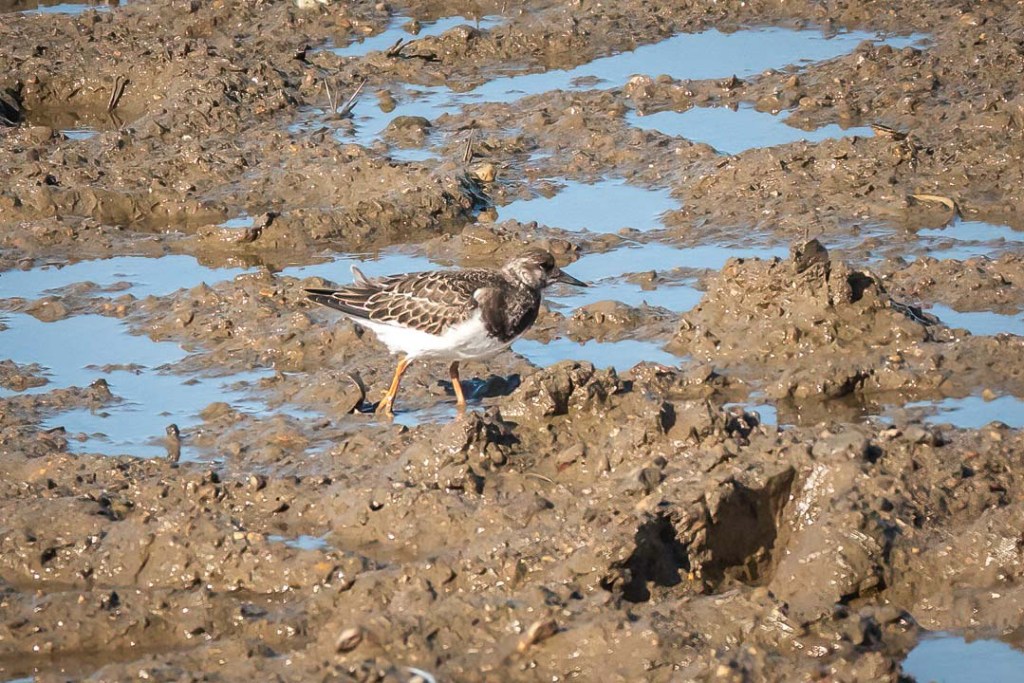
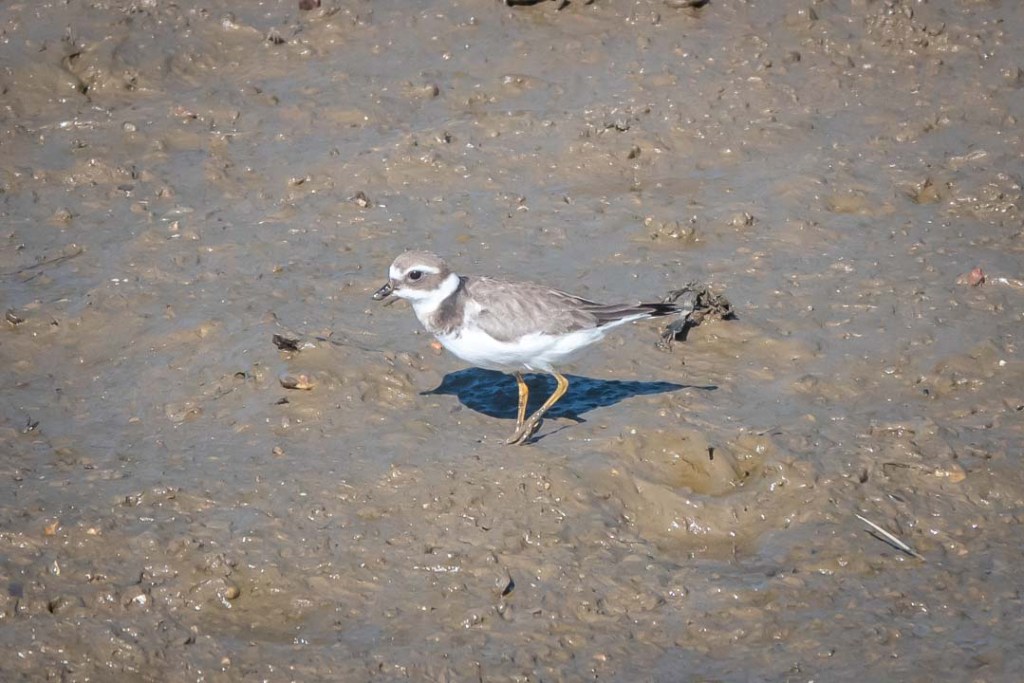
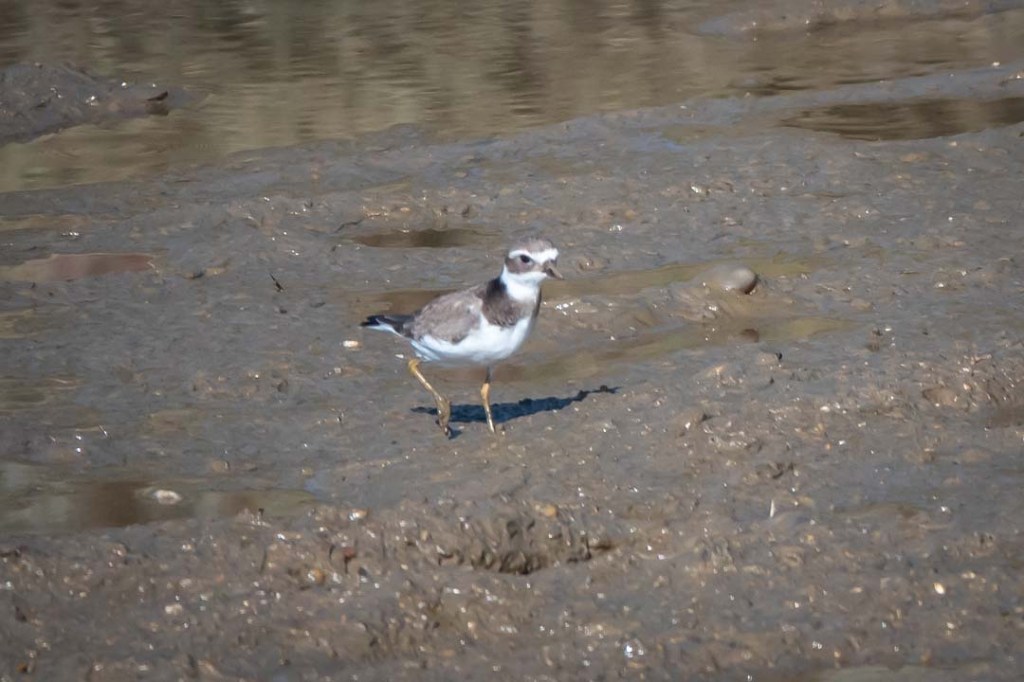
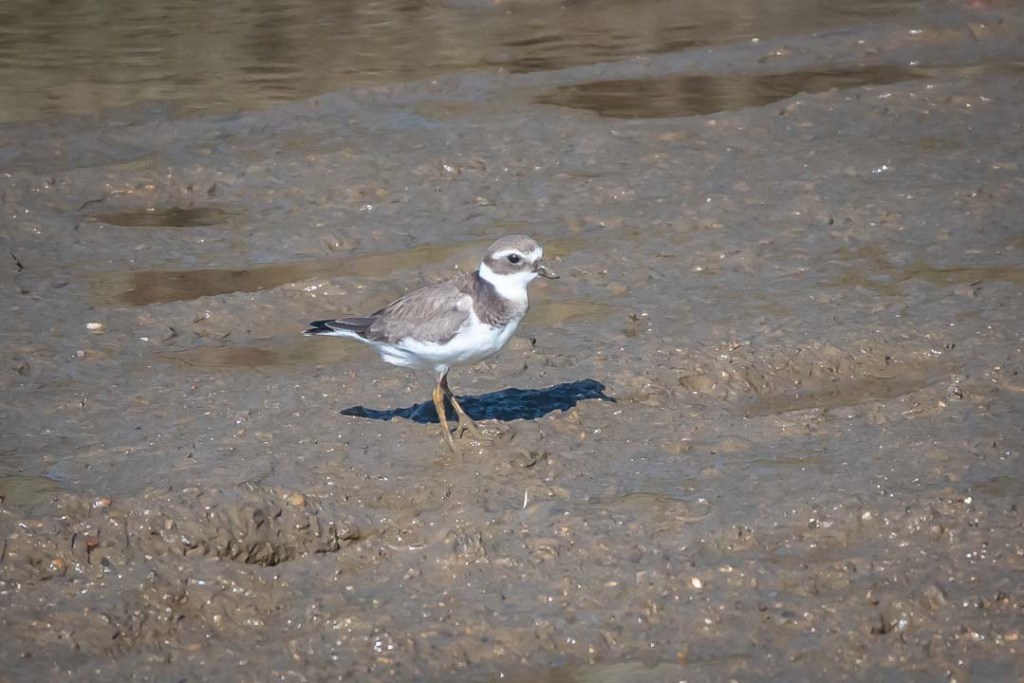
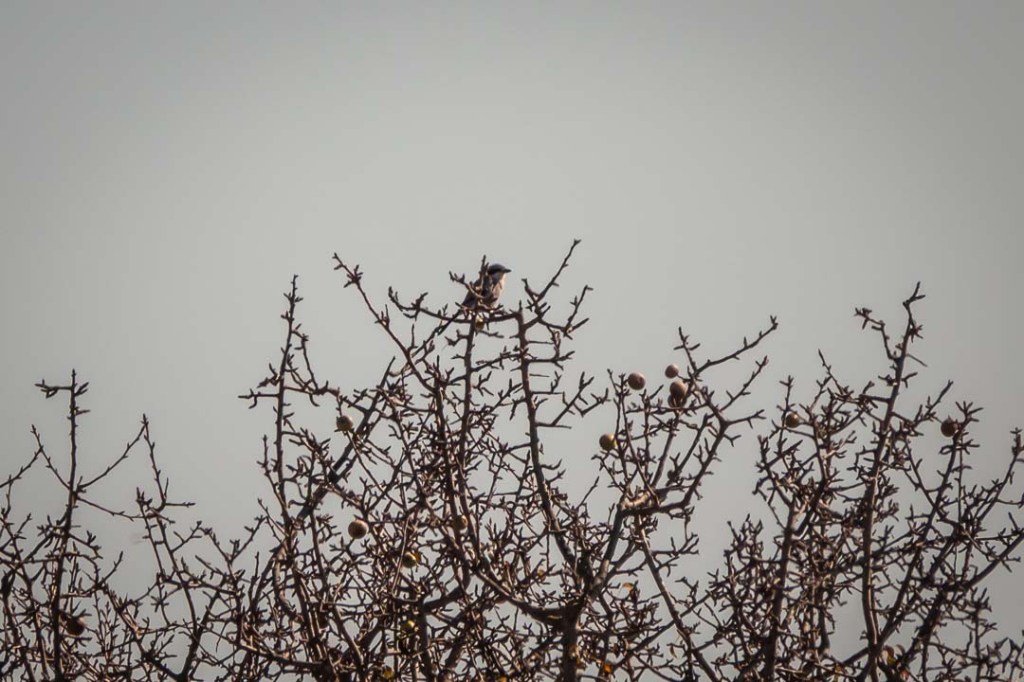
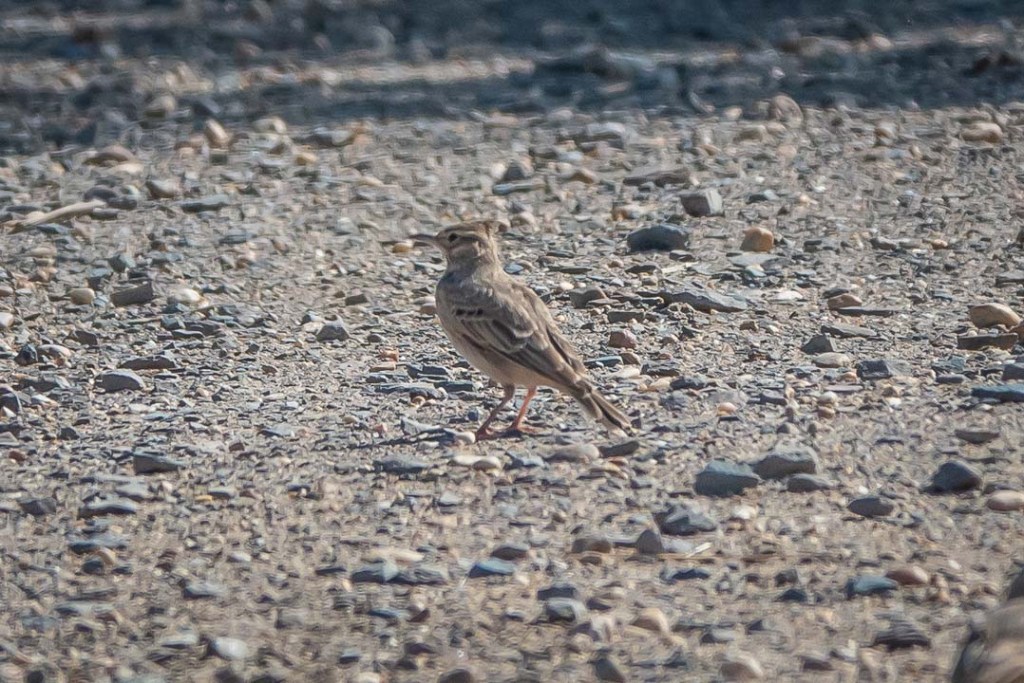
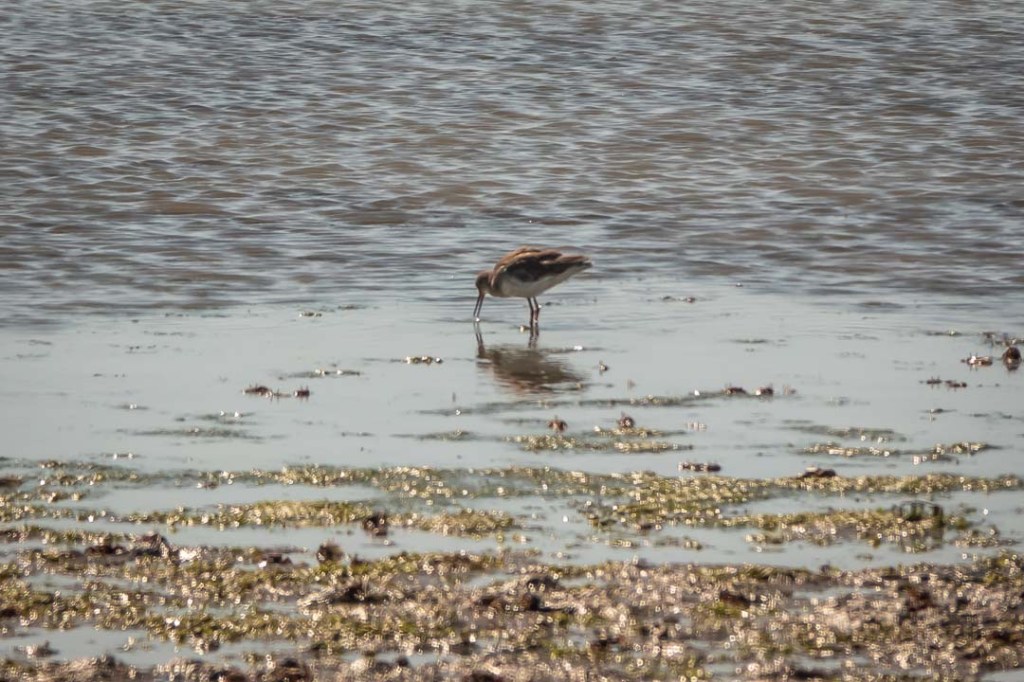
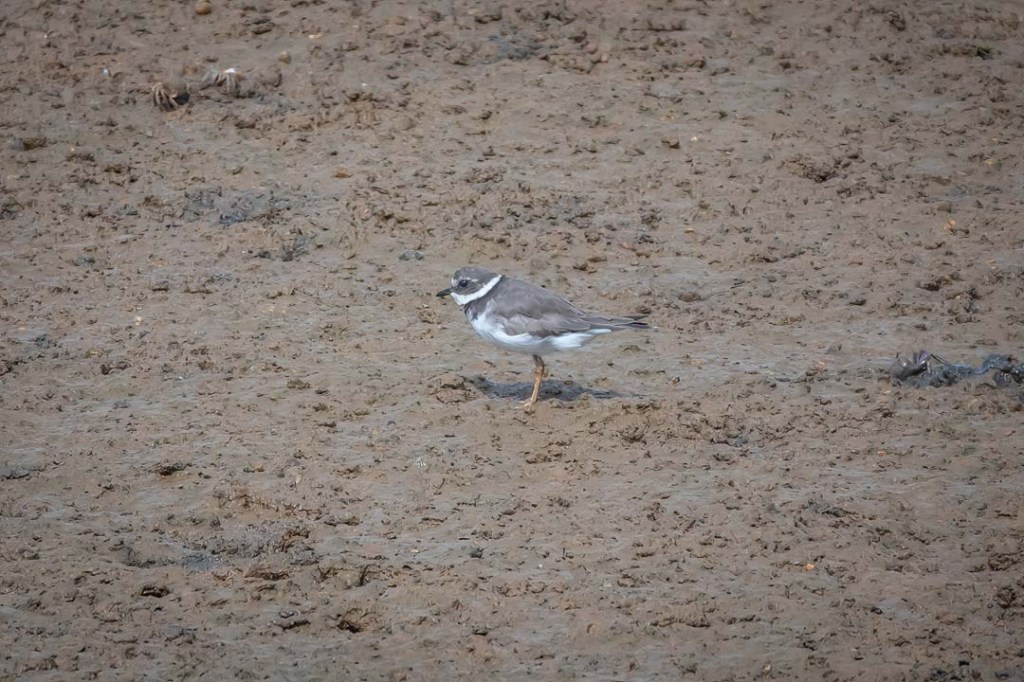
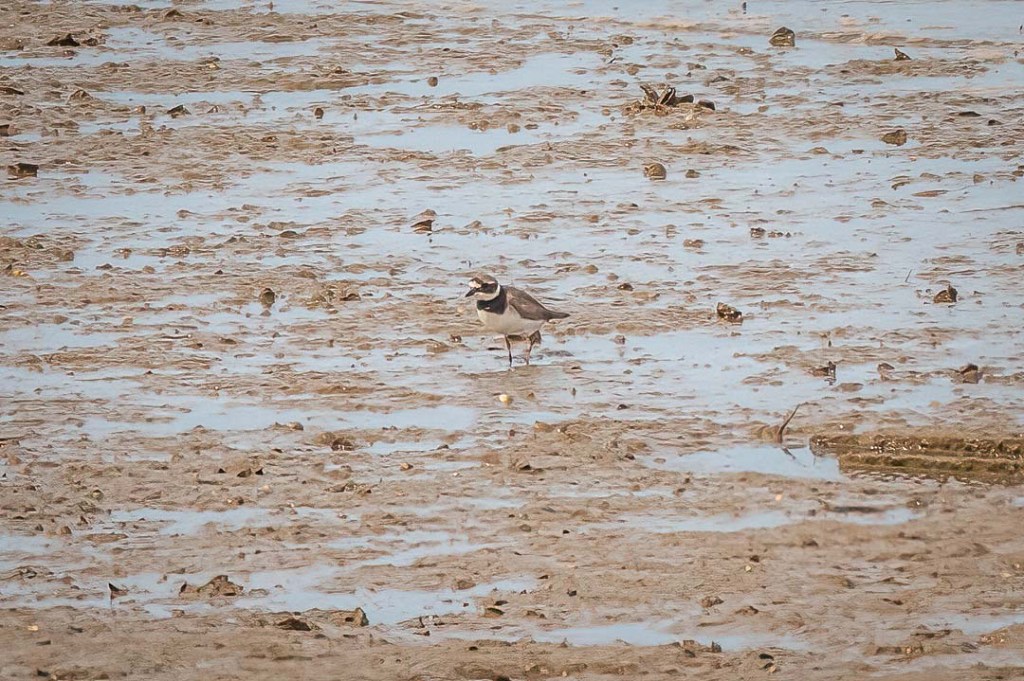
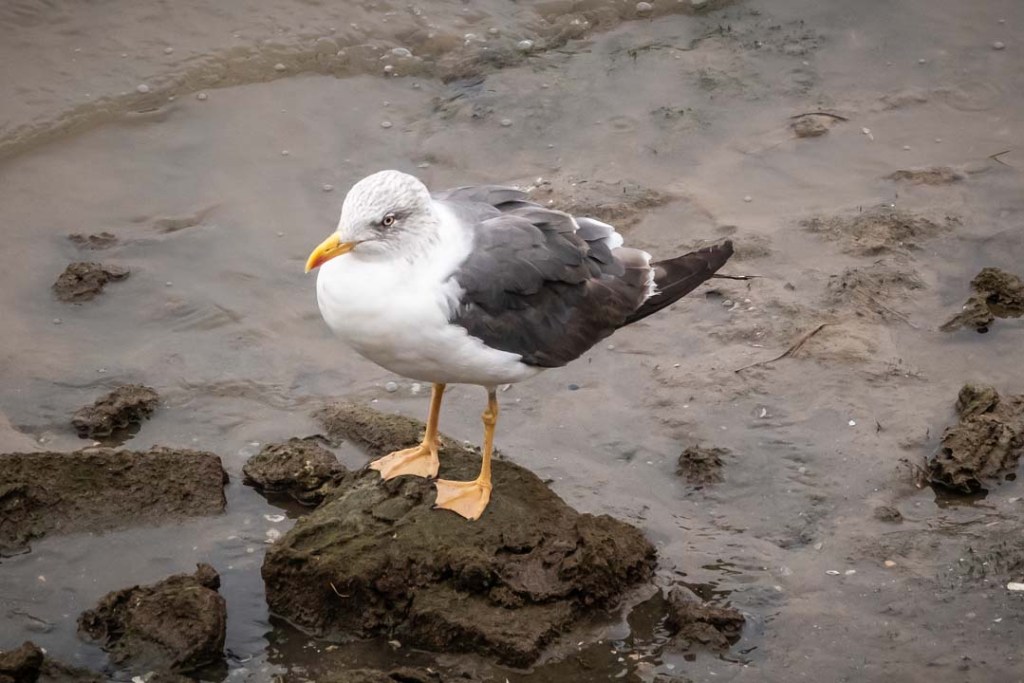
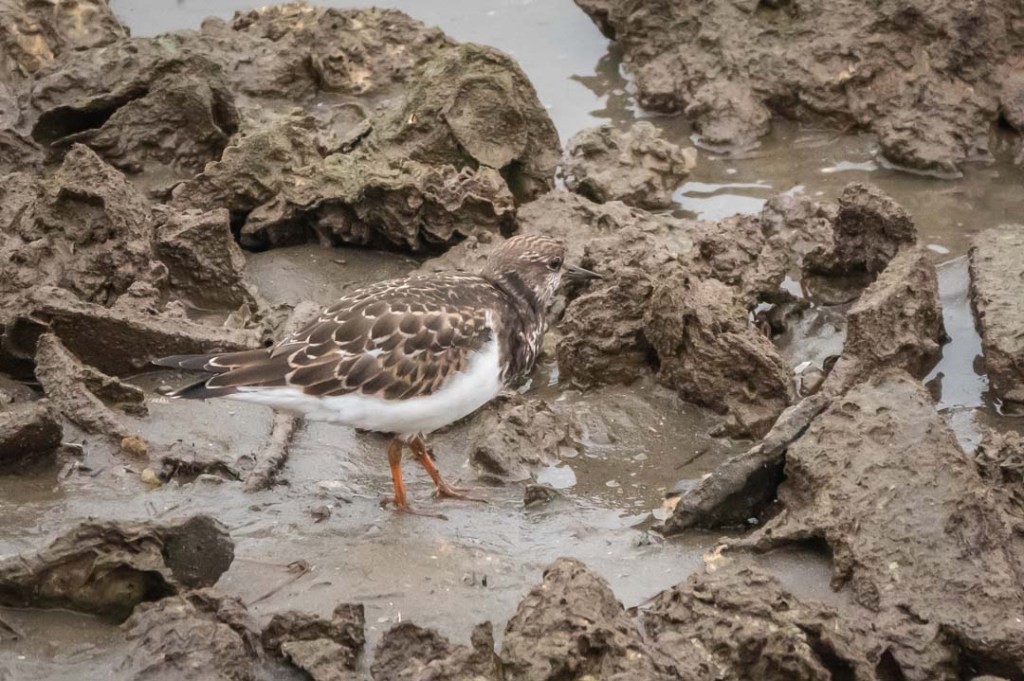
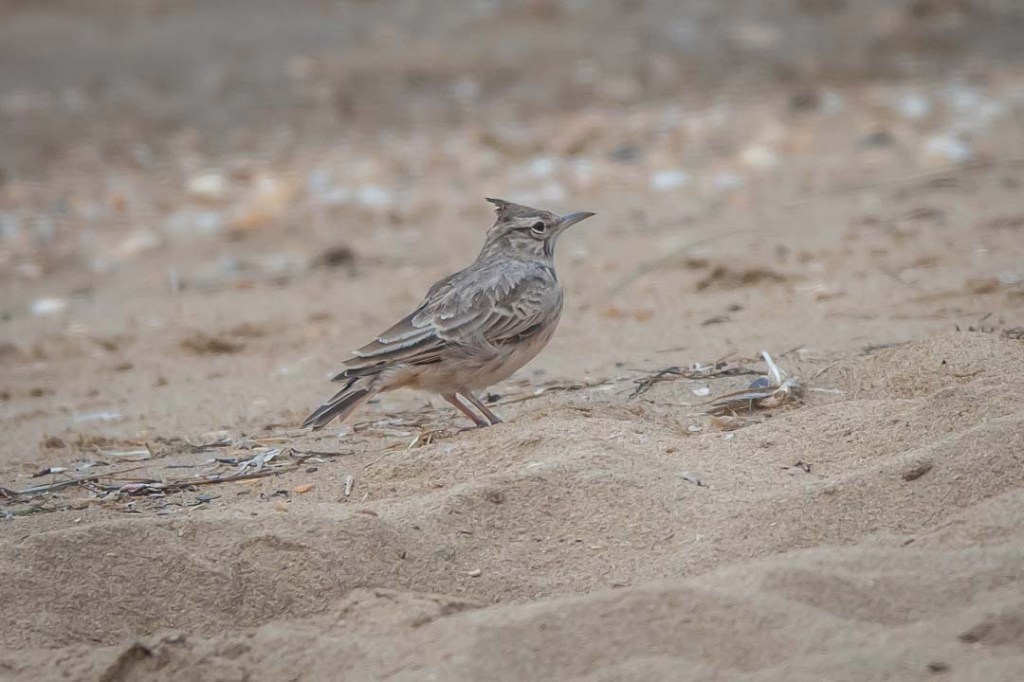
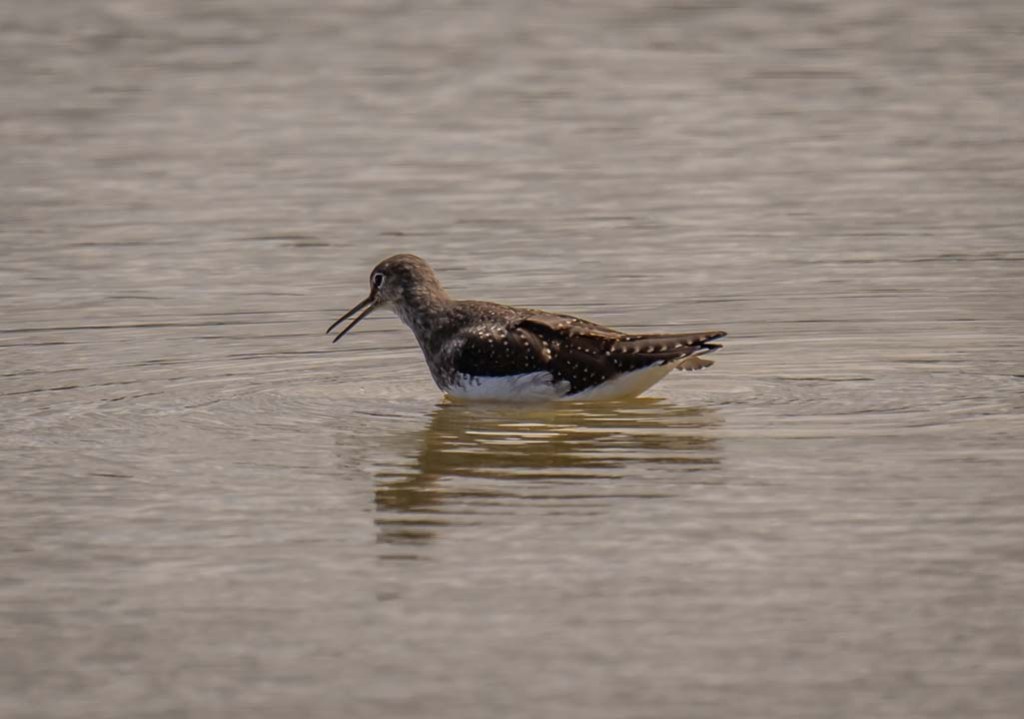
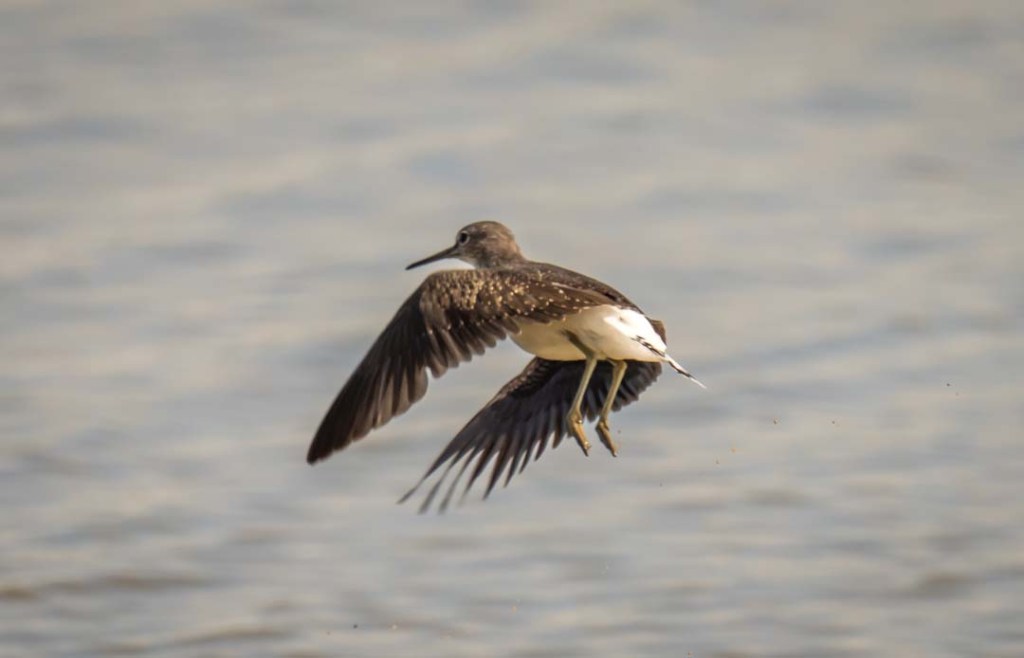
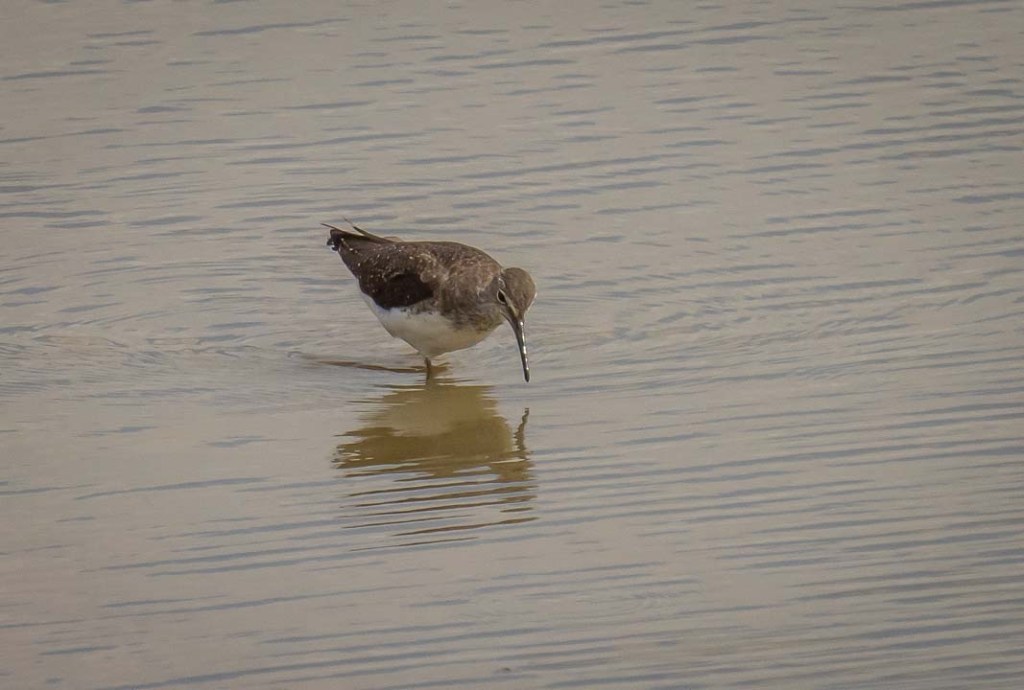
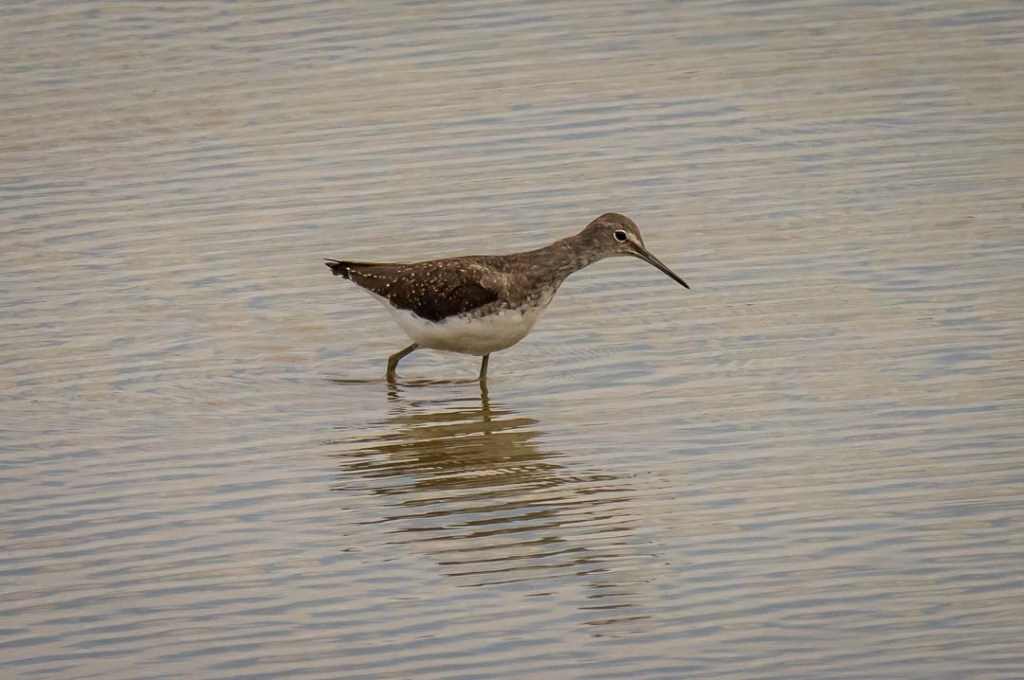
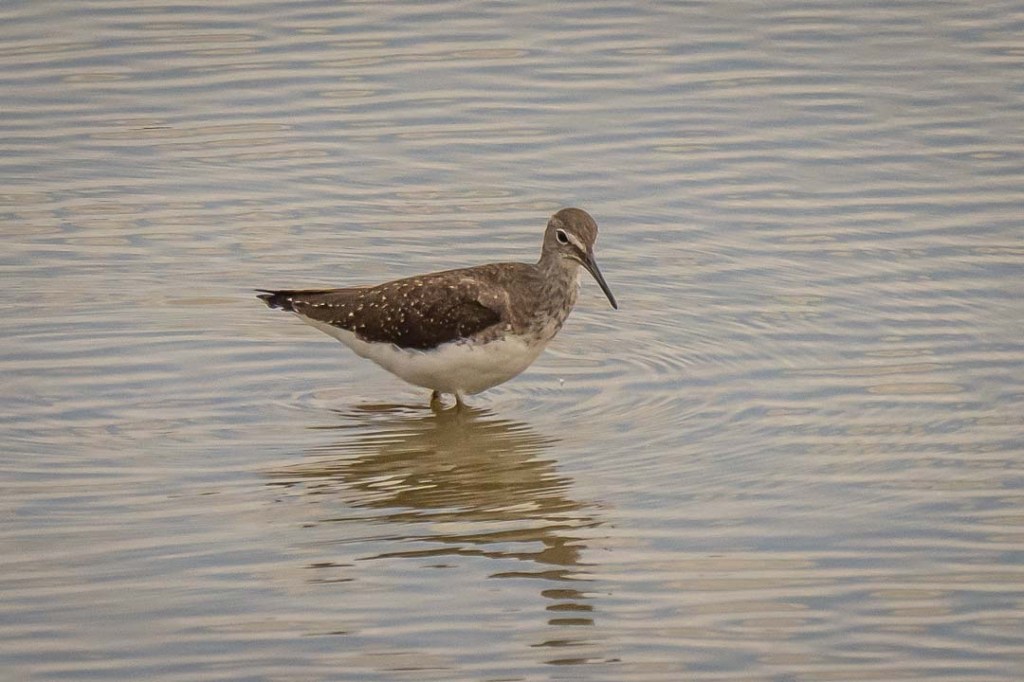
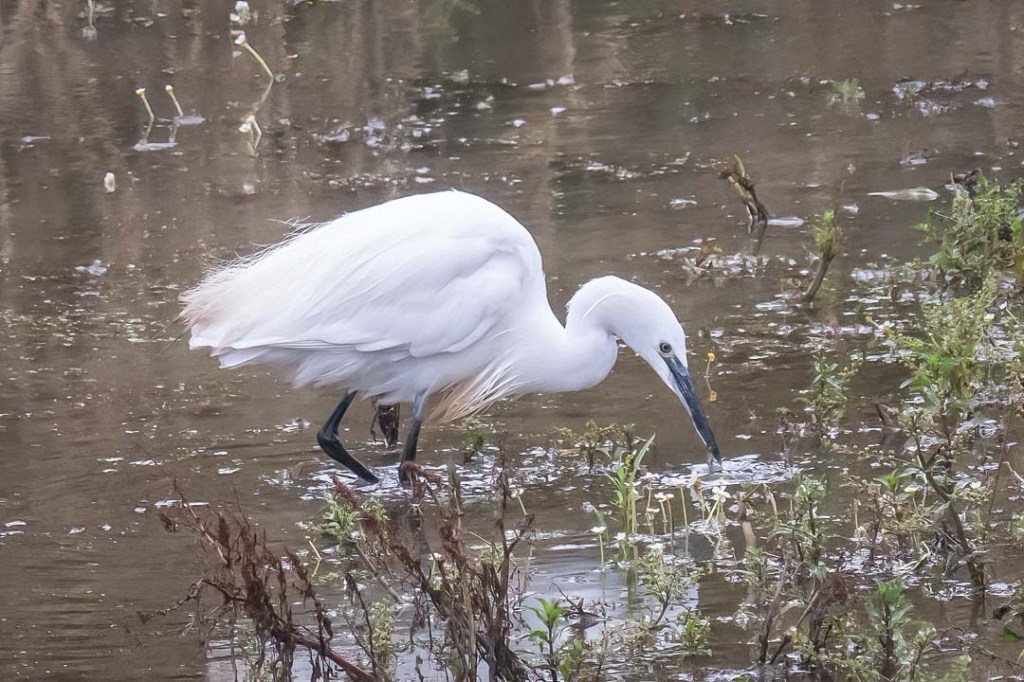
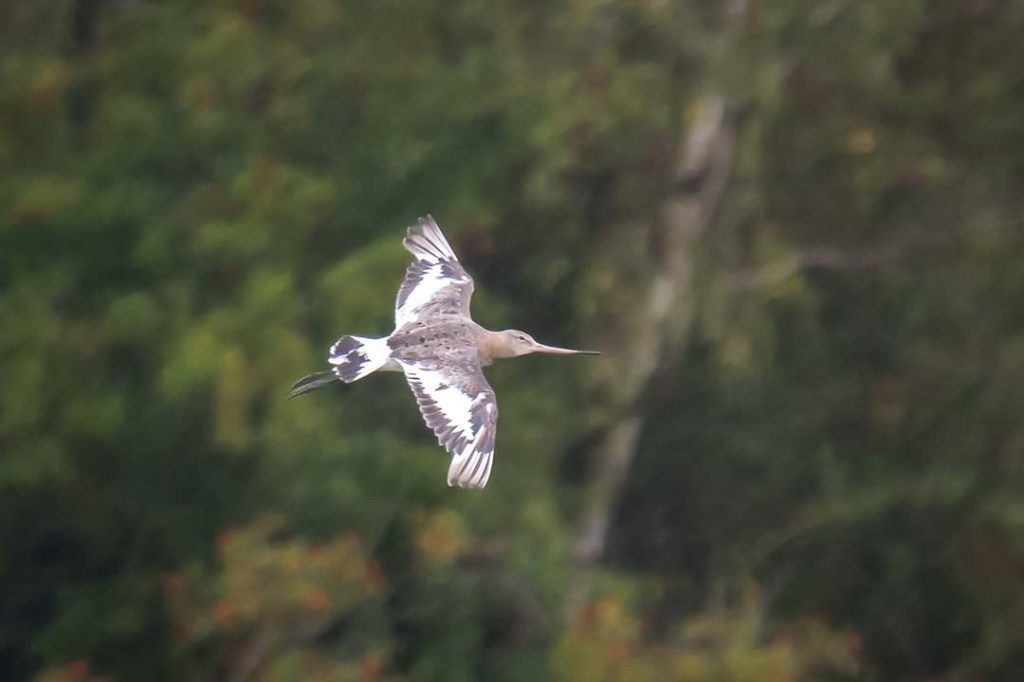
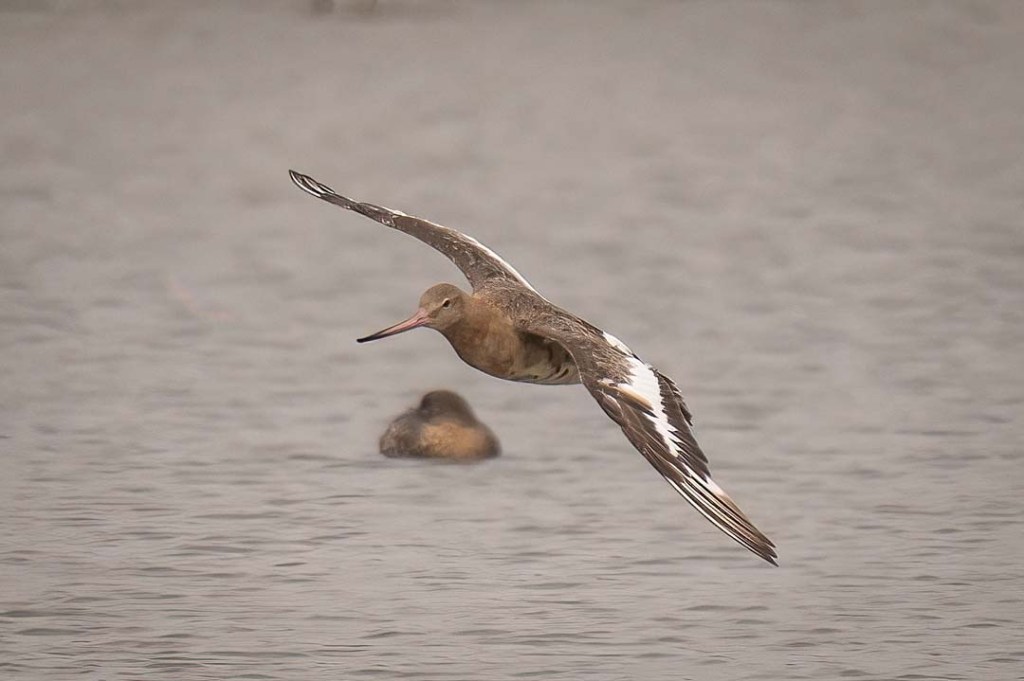
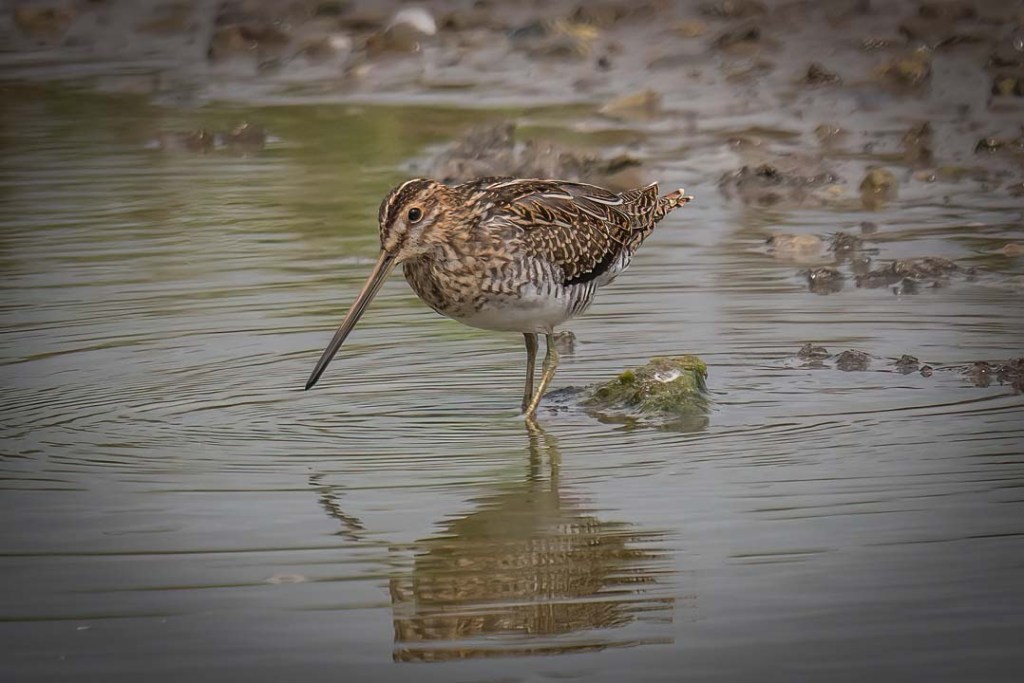
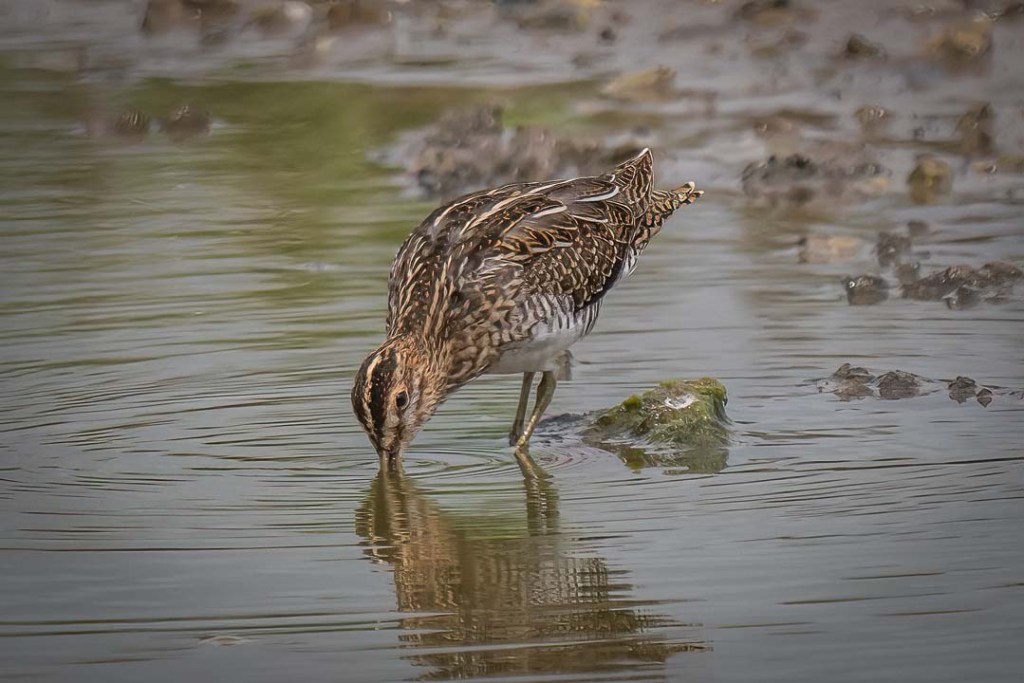
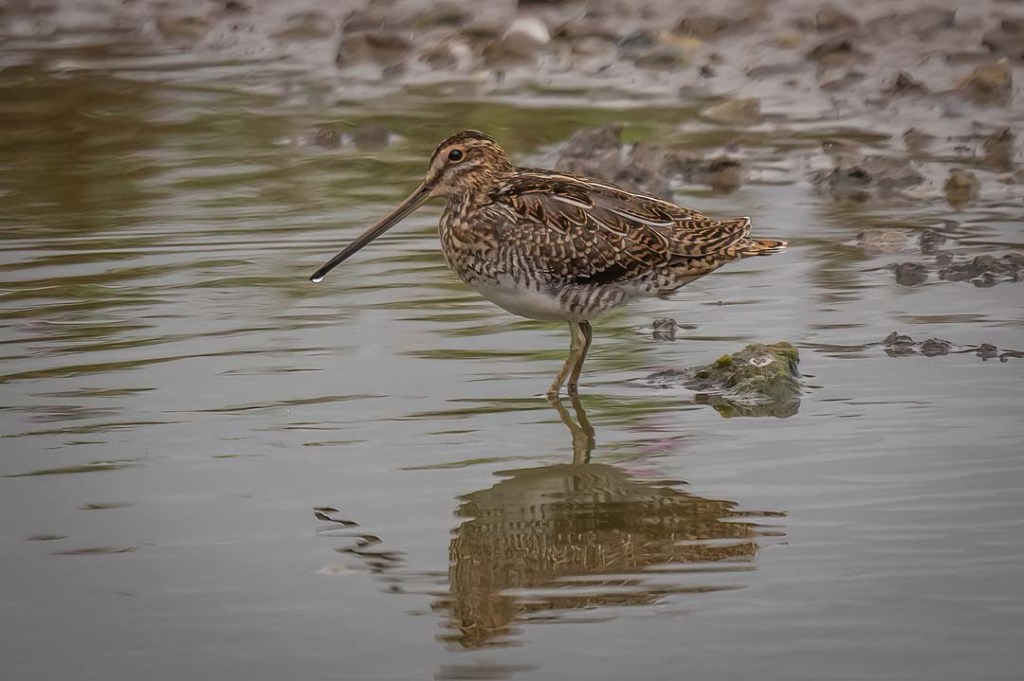
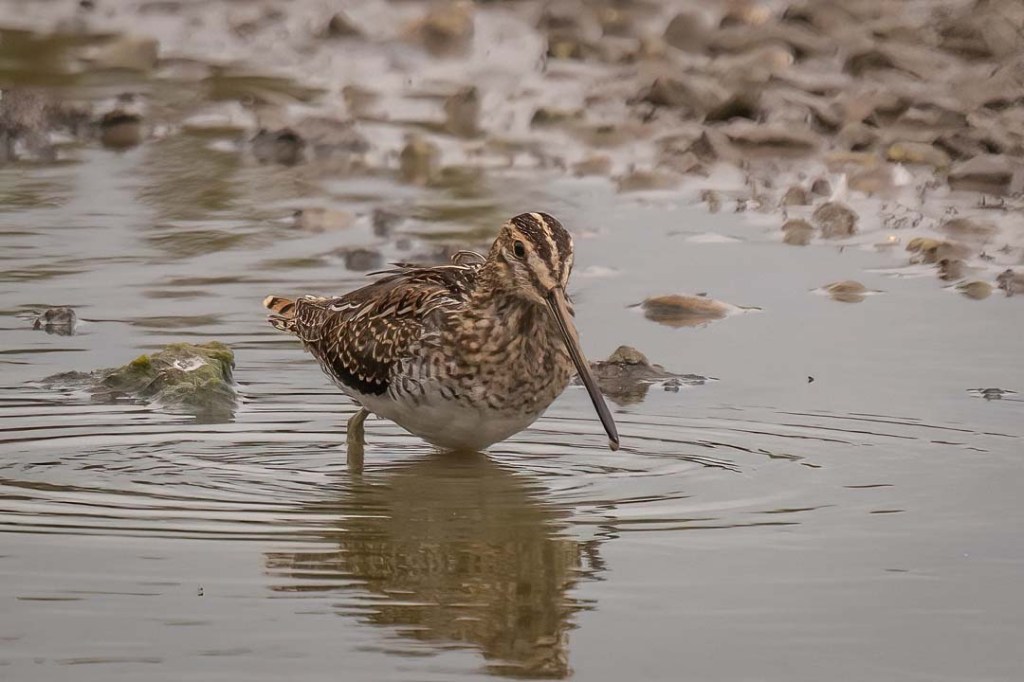
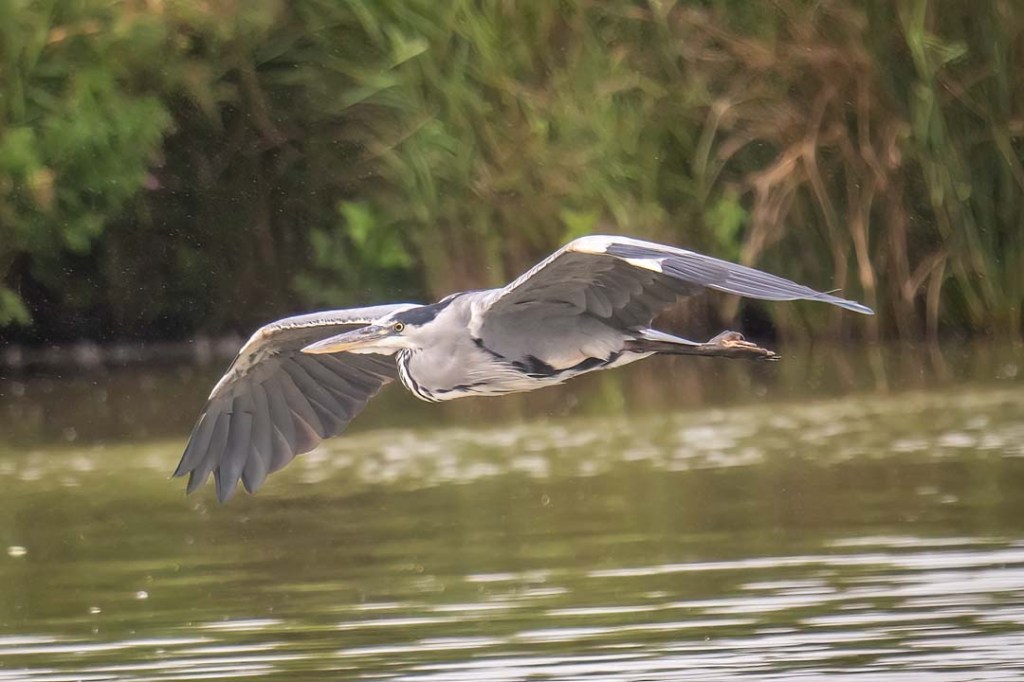
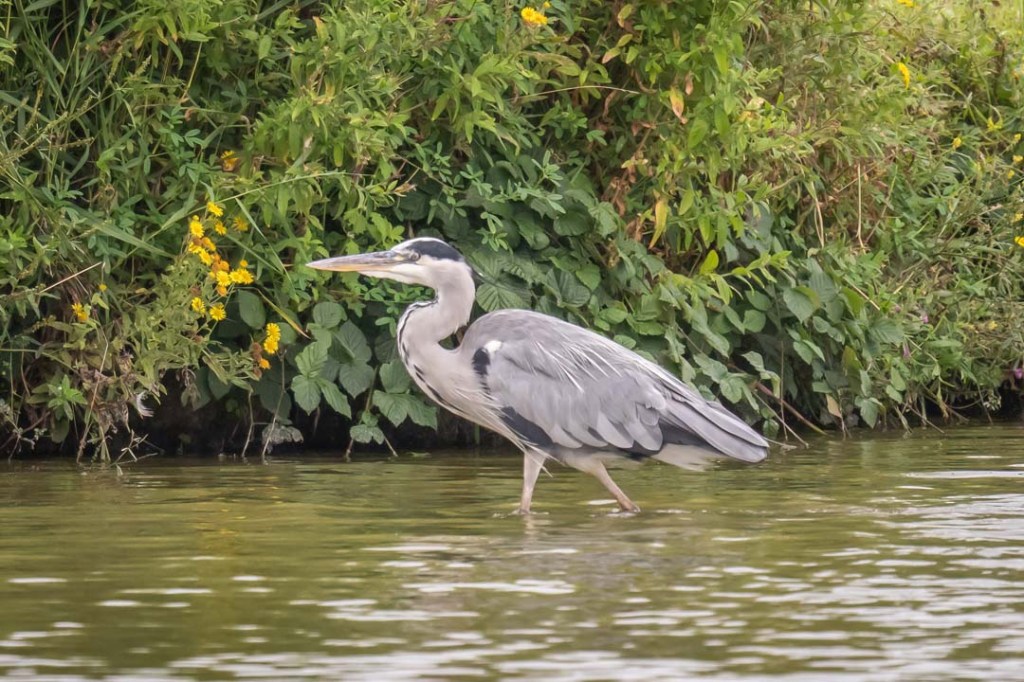
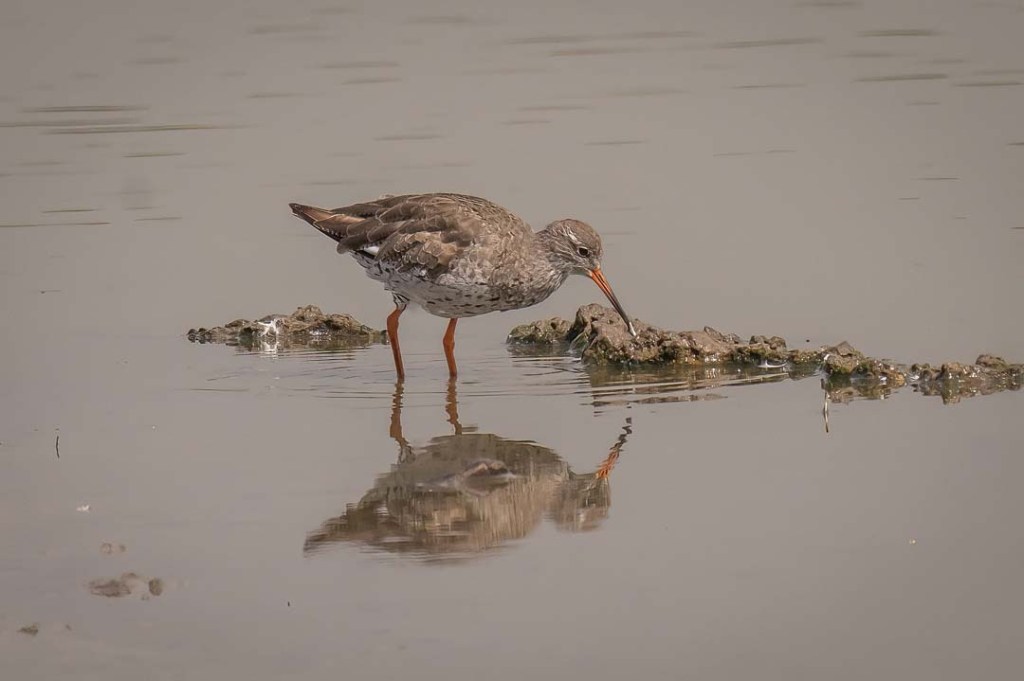
This is the impressive list of the birds I saw and many of them were close enough to get photographs:
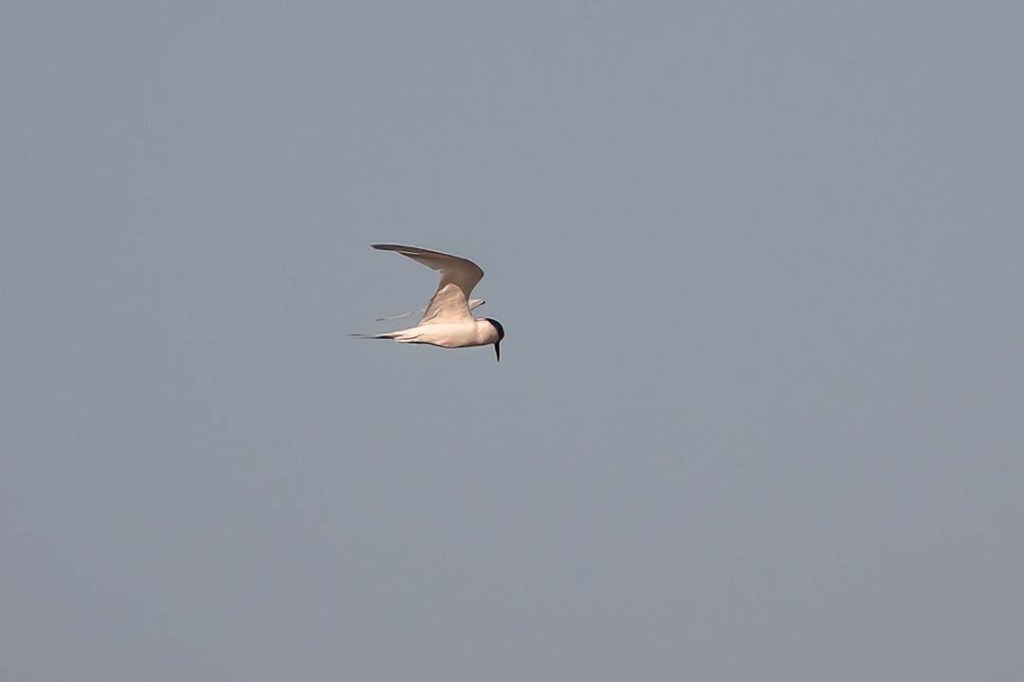
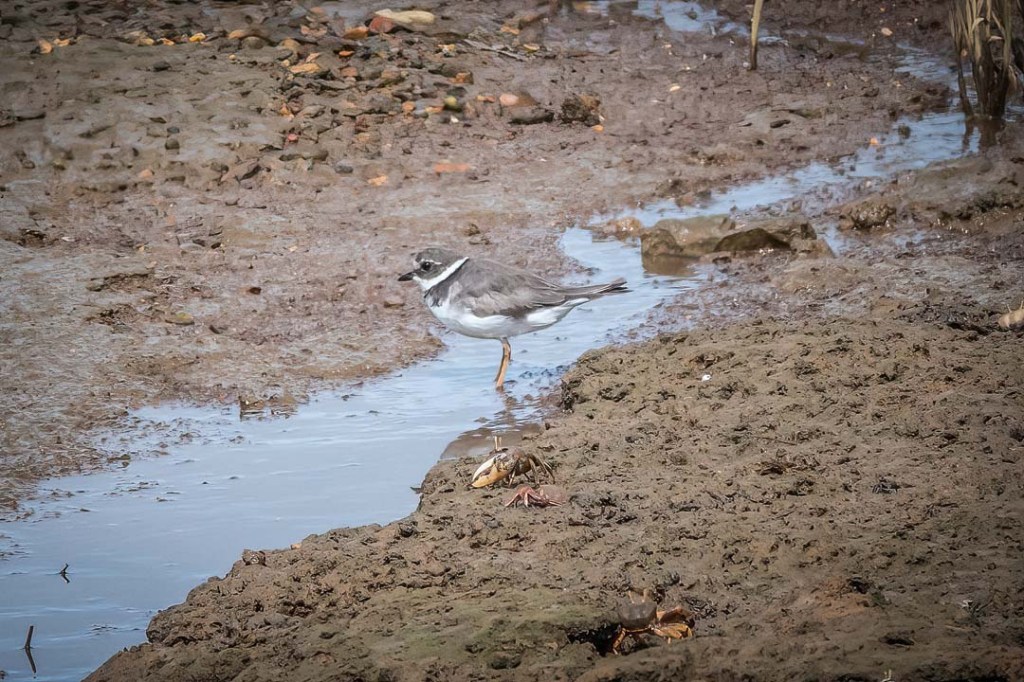
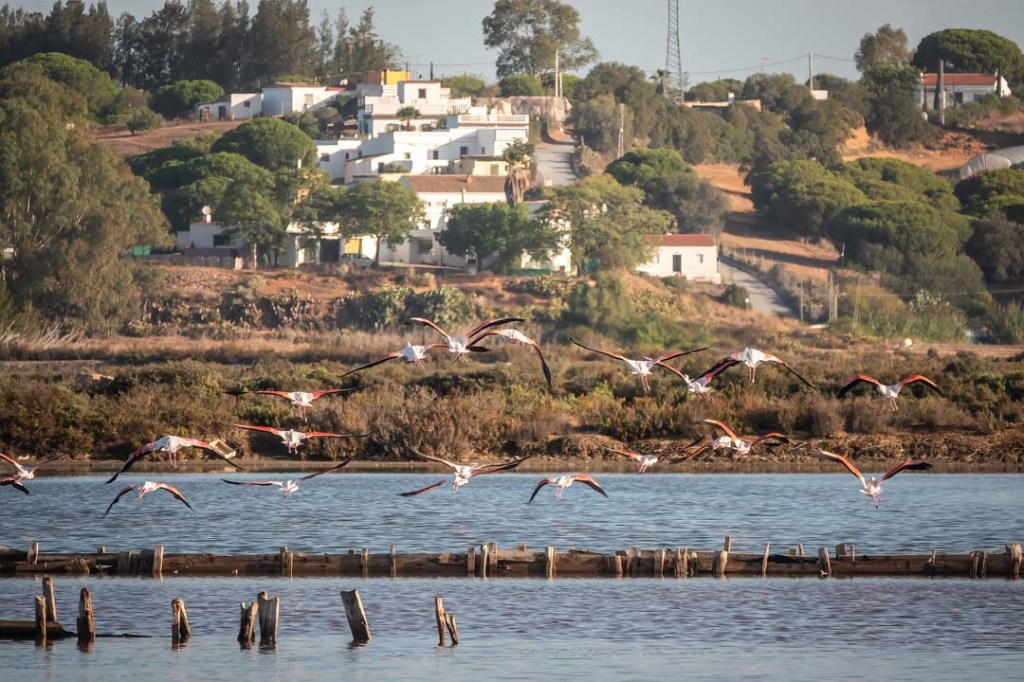
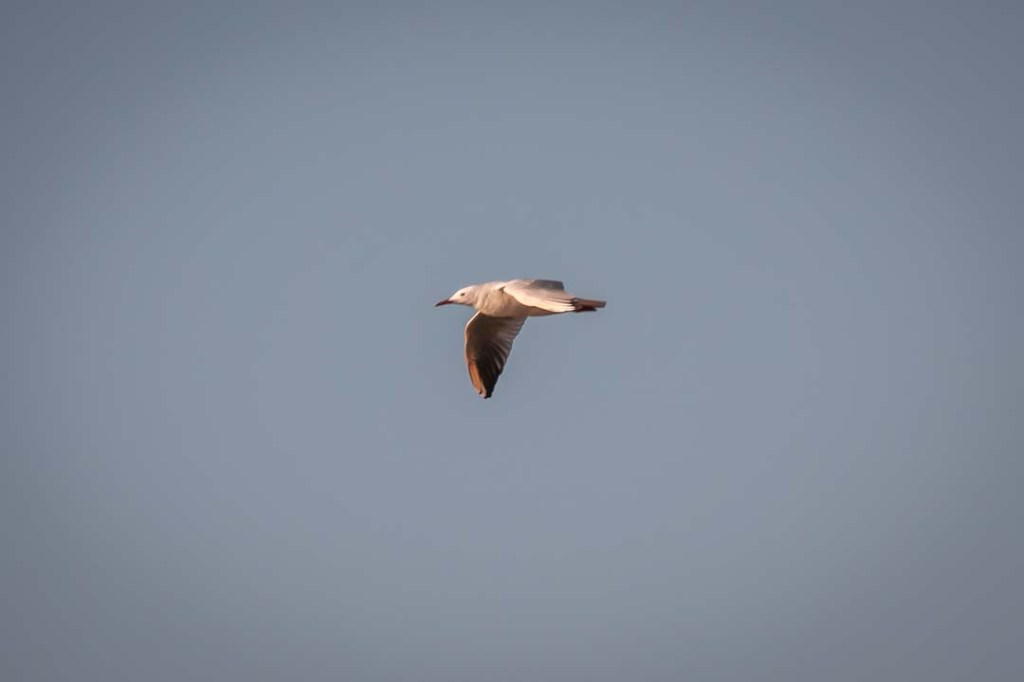
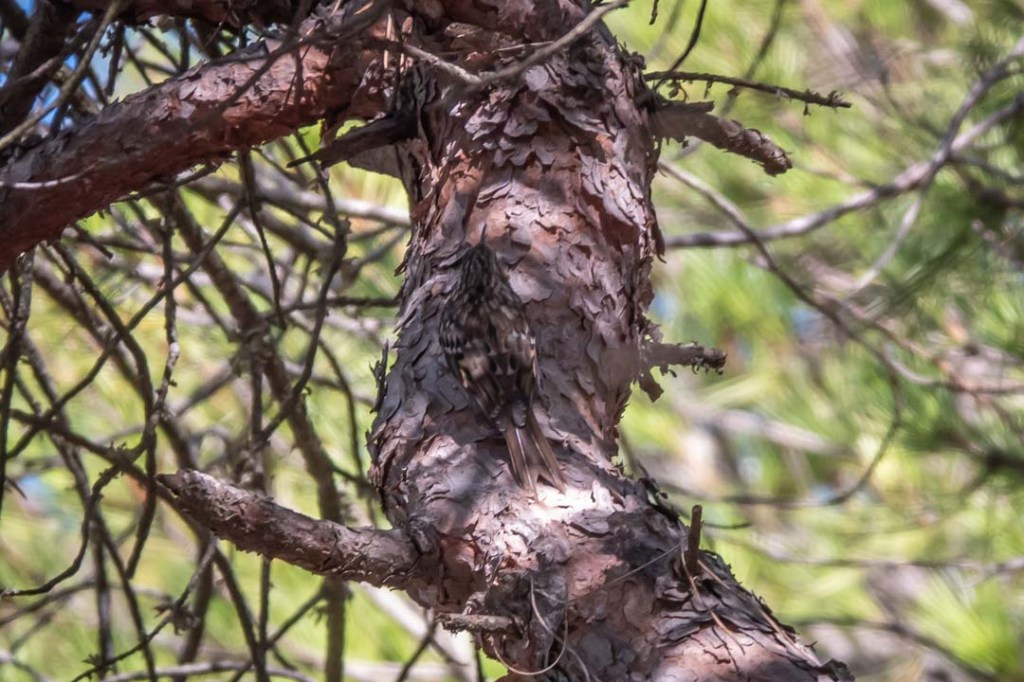
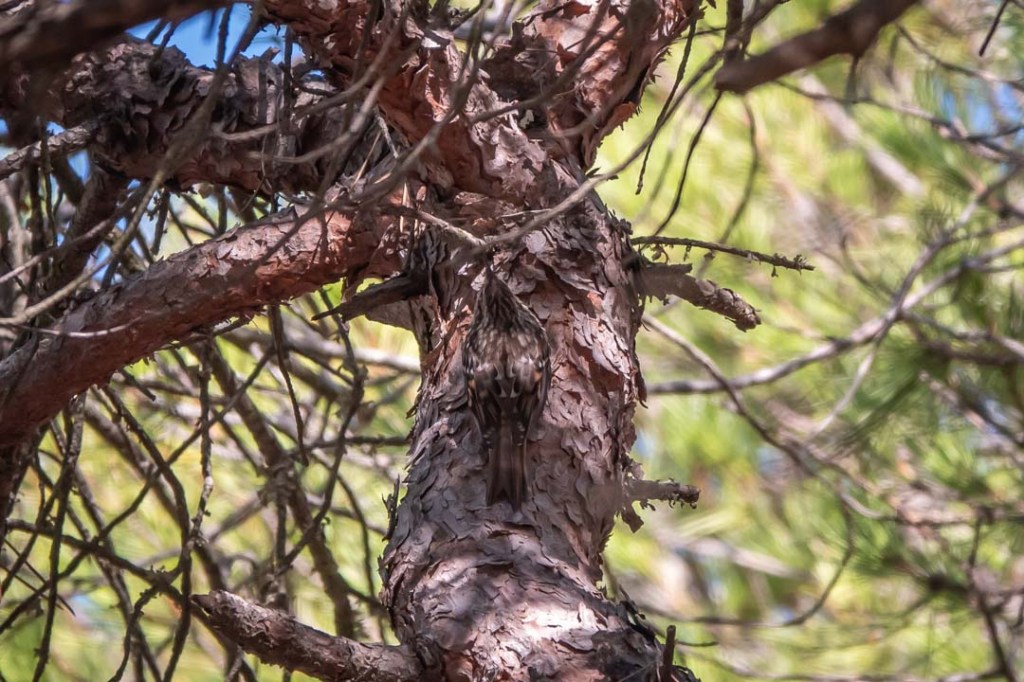
Greater Flamingo, Black-winged Stilt, Pied Avocet, Eurasian Oystercatcher, Kentish Plover, Common Ringed Plover, Whimbrel, Bar-tailed Godwit, Black-tailed Godwit, Curlew Sandpiper, Sanderling, Little Stint, Common Sandpiper, Common Greenshank, Common Redshank, Slender-billed Gull, Audouin’s Gull, Yellow-legged Gull, Lesser Black-backed Gull, Little Tern, Caspian Tern, Sandwich Tern, Great Cormorant, Gray Heron, Little Egret, Eurasian Spoonbill, Booted Eagle, Iberian Gray Shrike, Eurasian Magpie, Crested Lark, Eurasian Crag-Martin, Red-rumped Swallow, Red-rumped Swallow, Willow Warbler, Short-toed Treecreeper, Spotless Starling, European Pied Flycatcher, Whinchat, Northern Wheatear, Western Yellow Wagtail, European Goldfinch
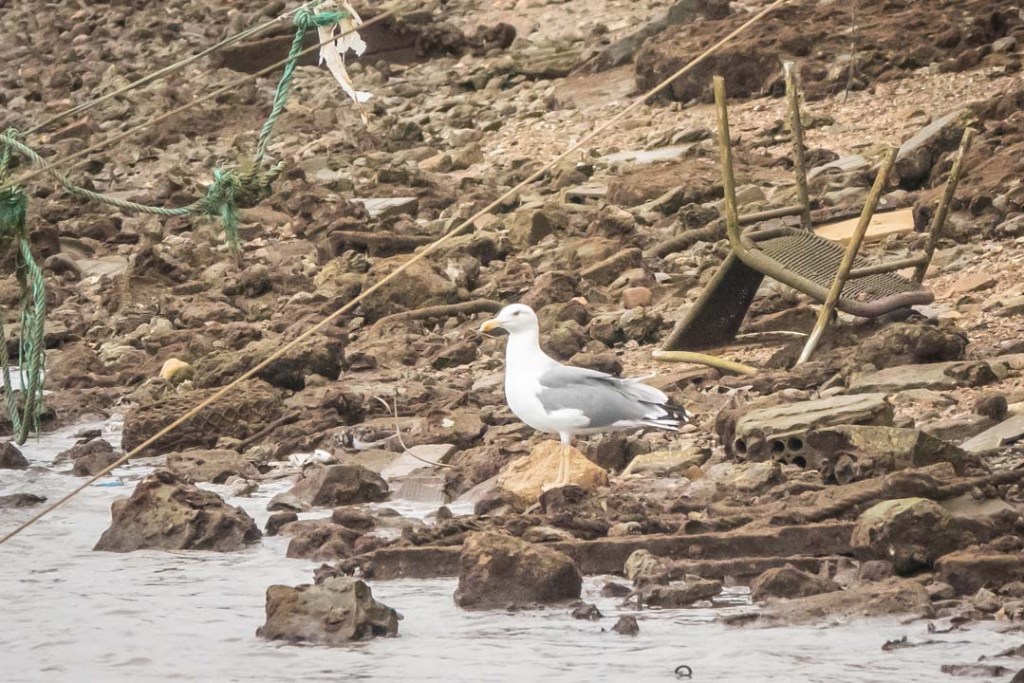
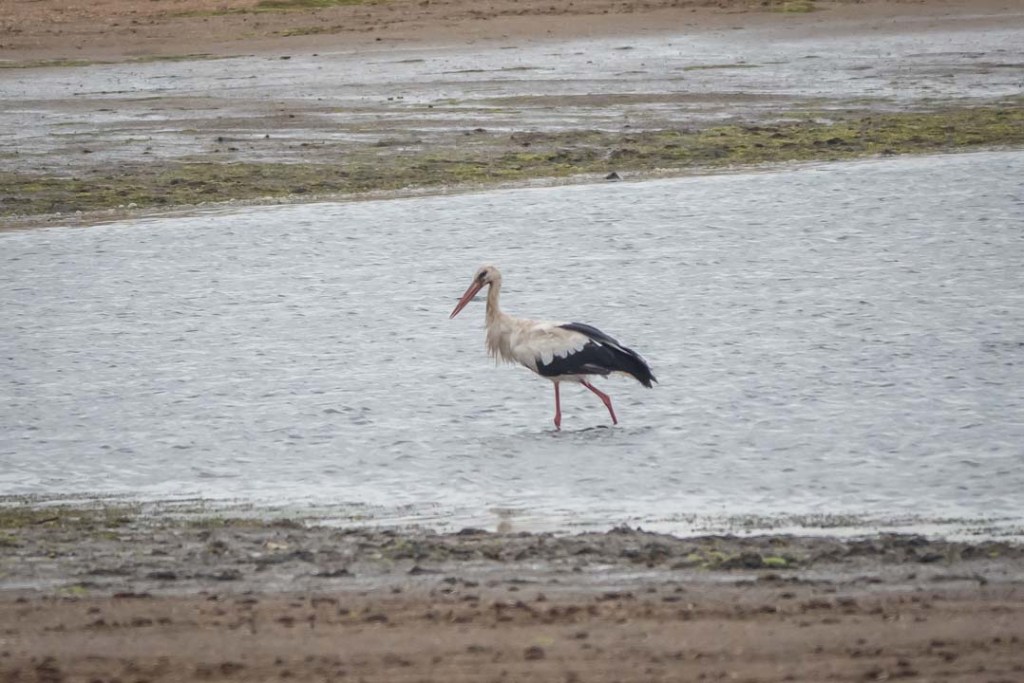
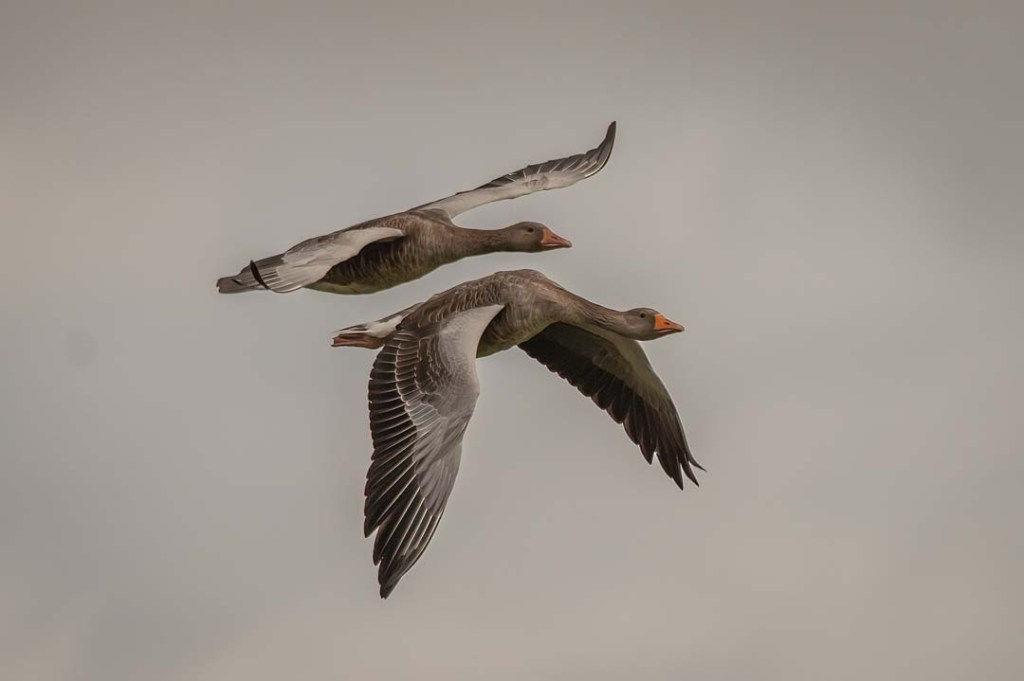
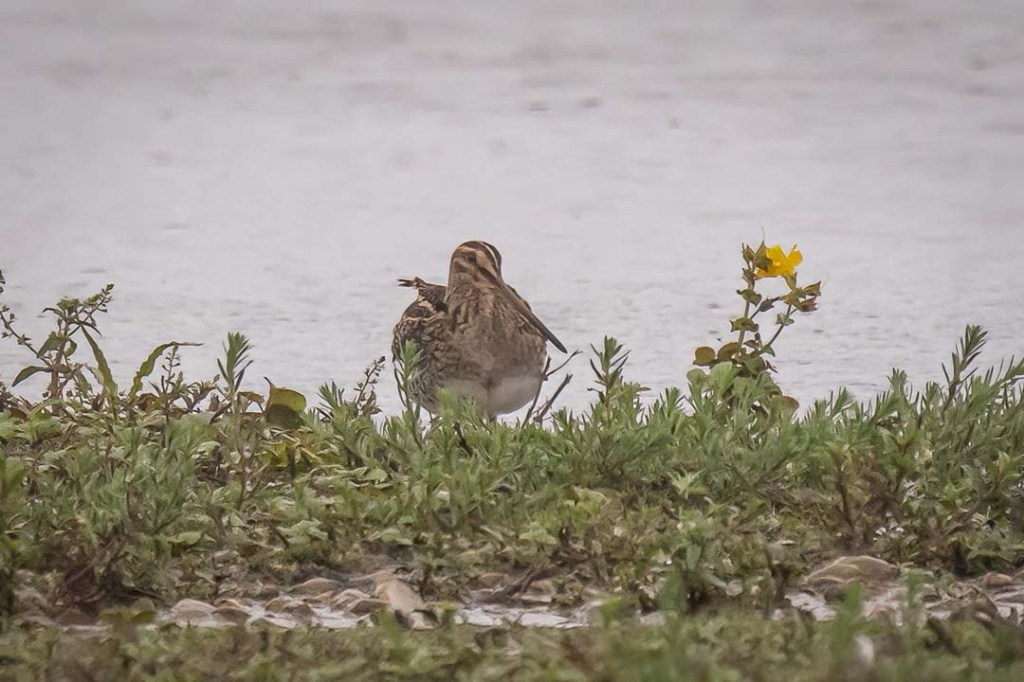
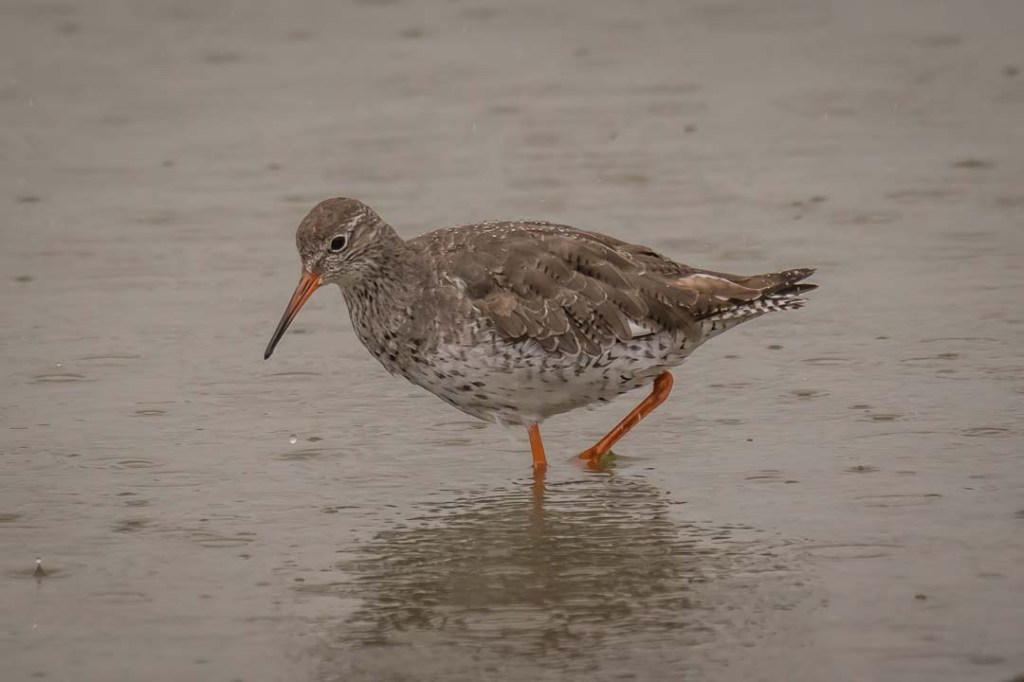
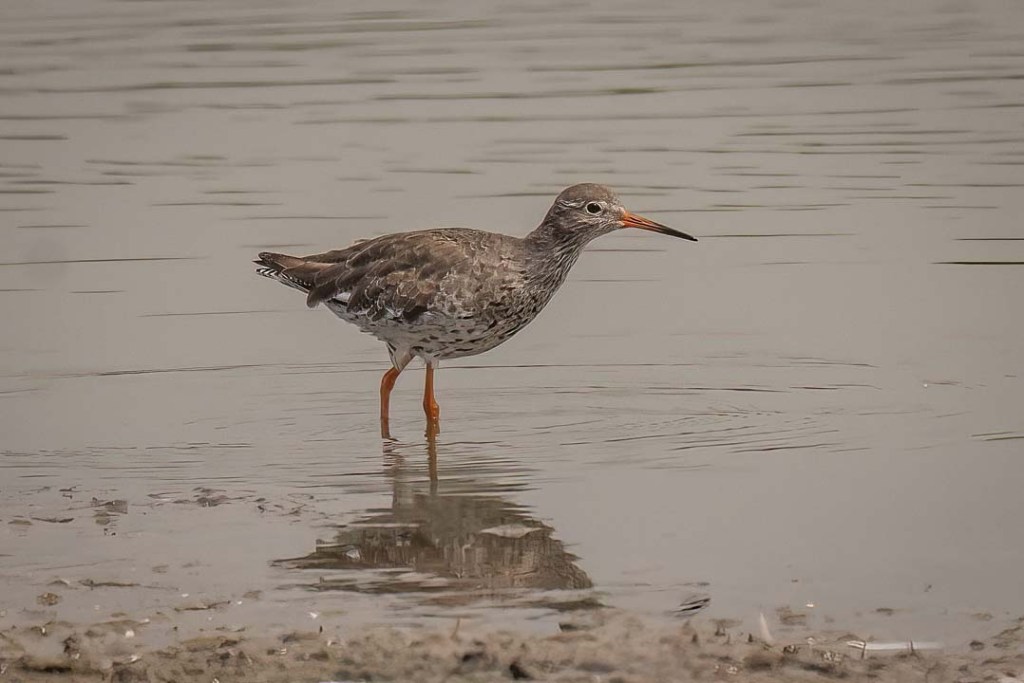
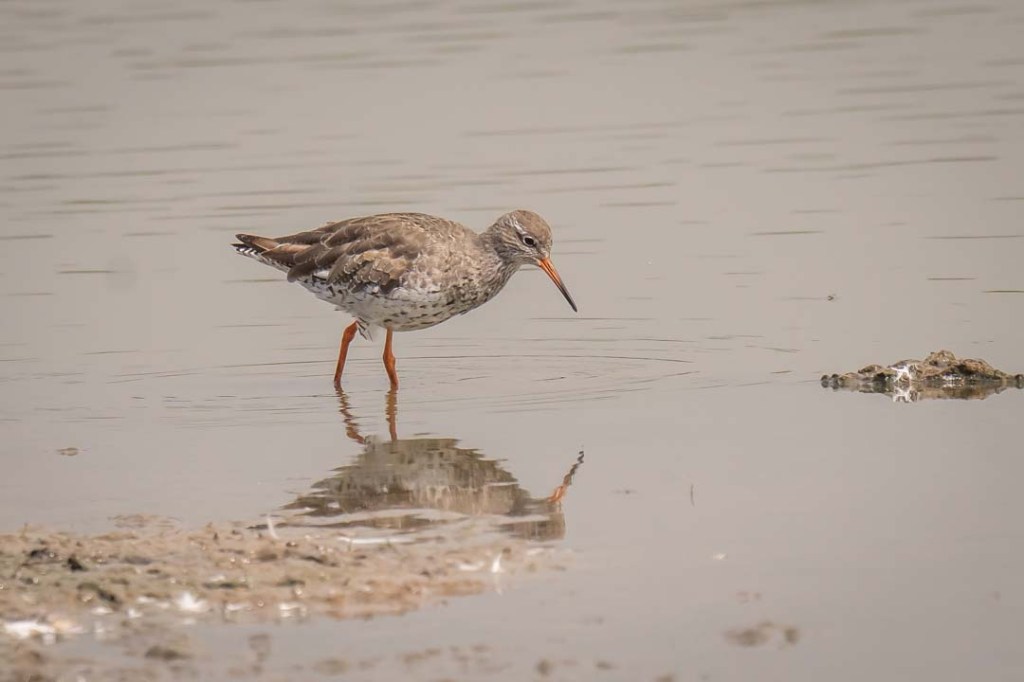
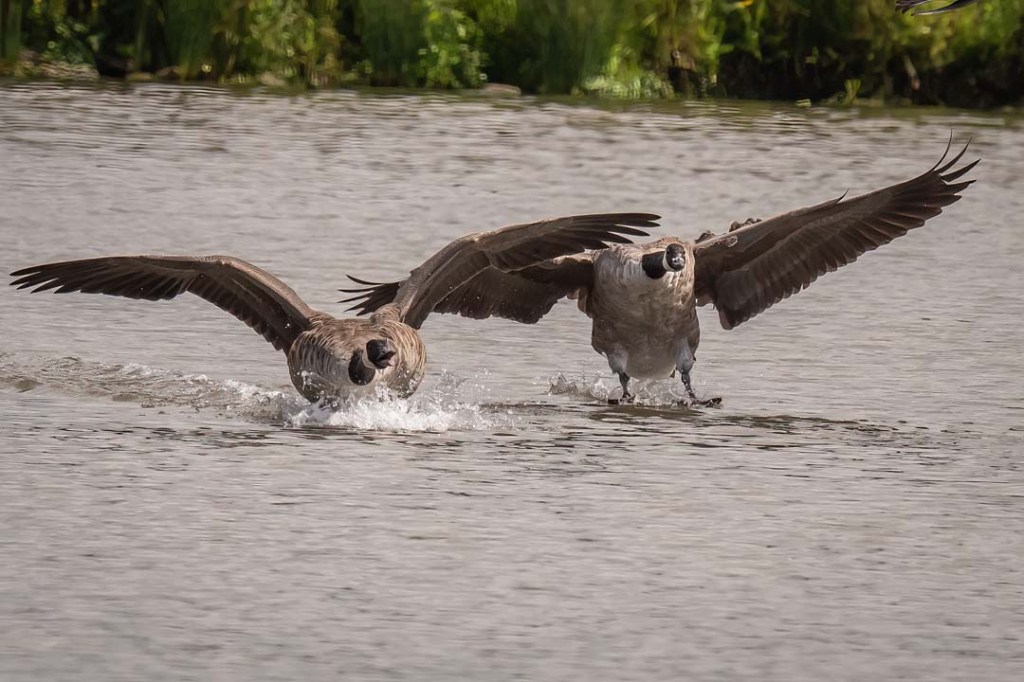
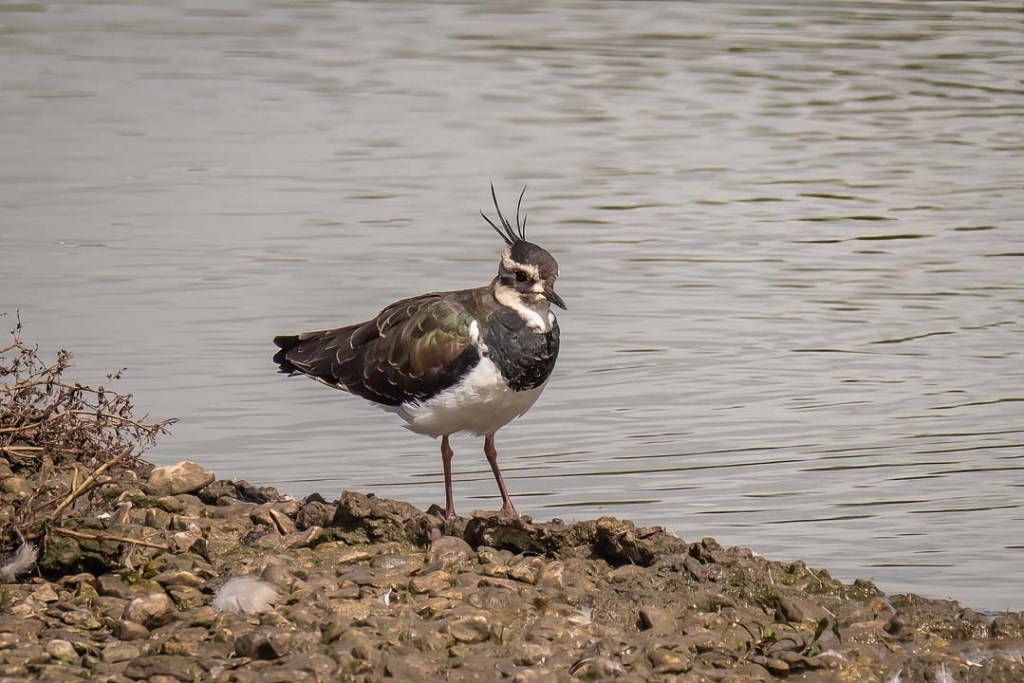
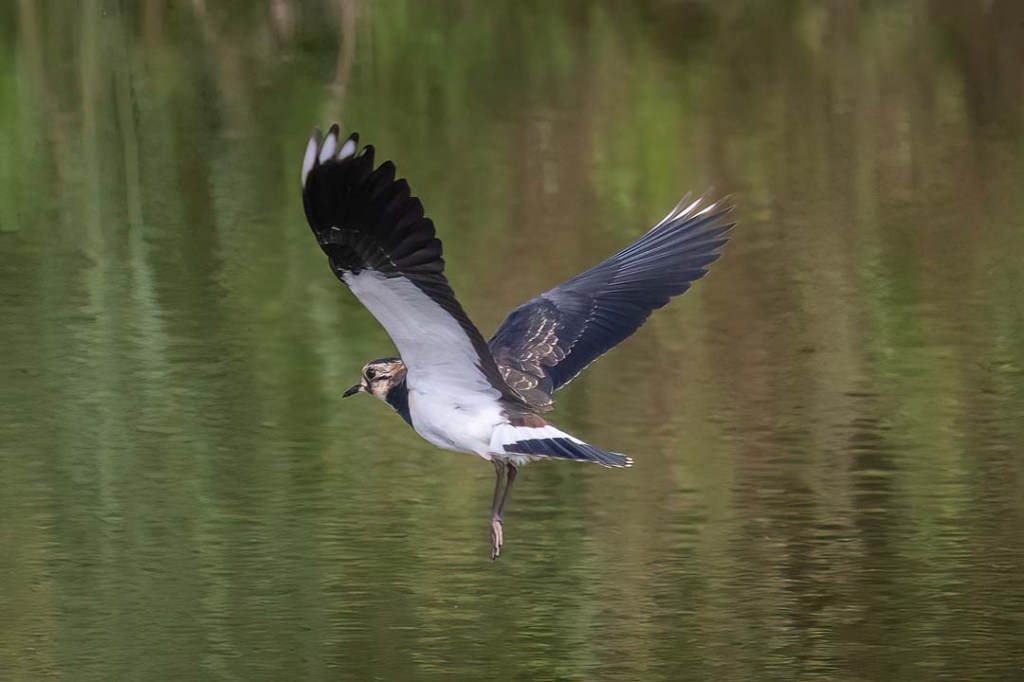
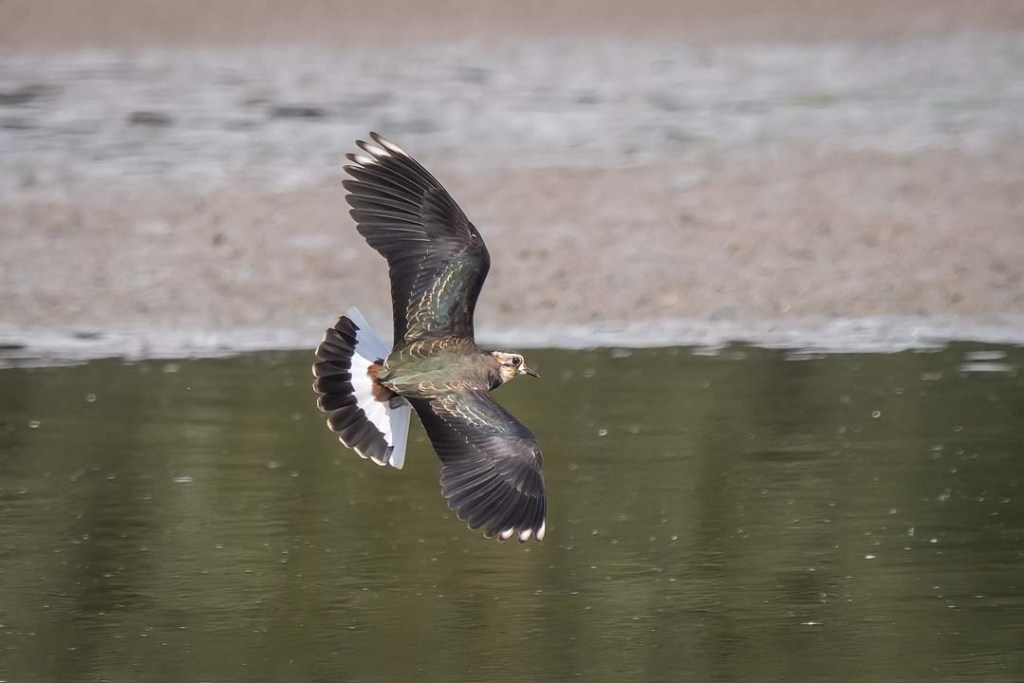
Some of my favourite photos:



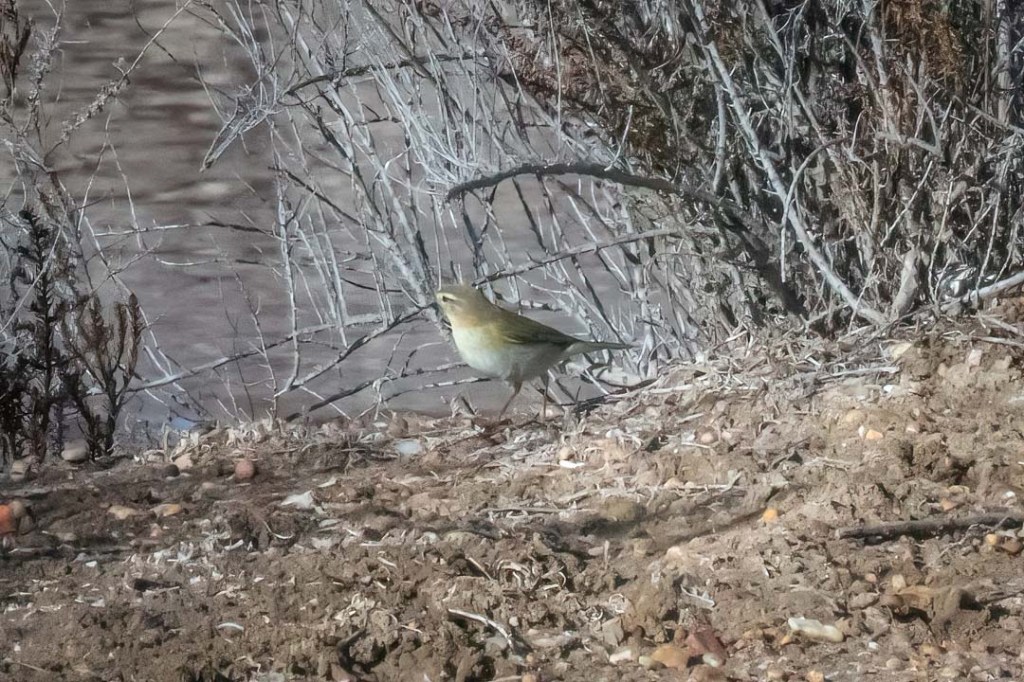

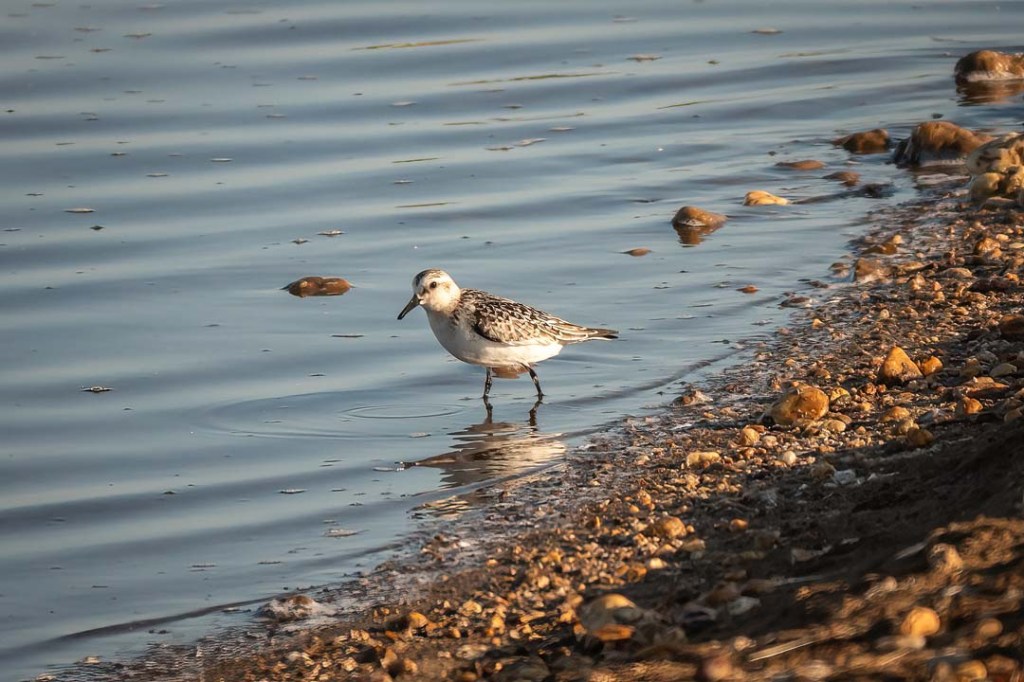
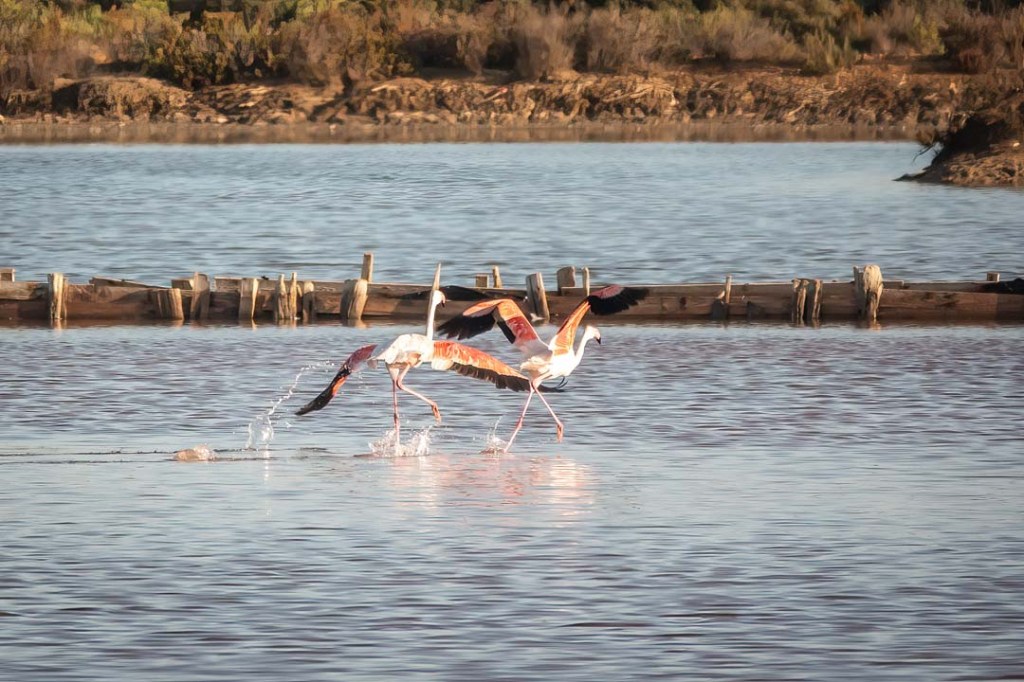

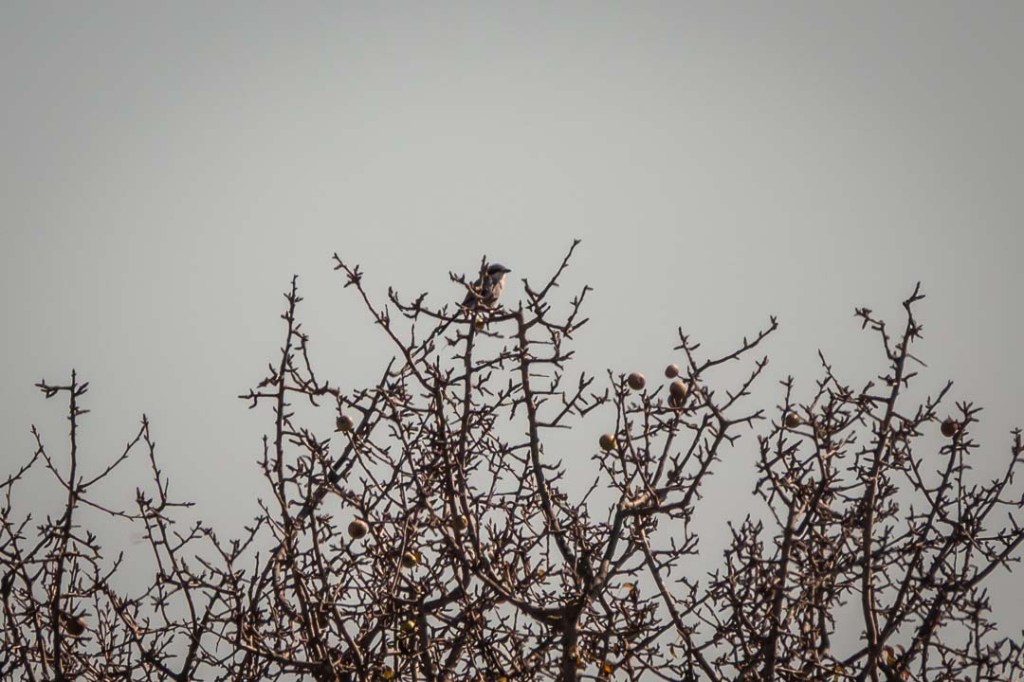
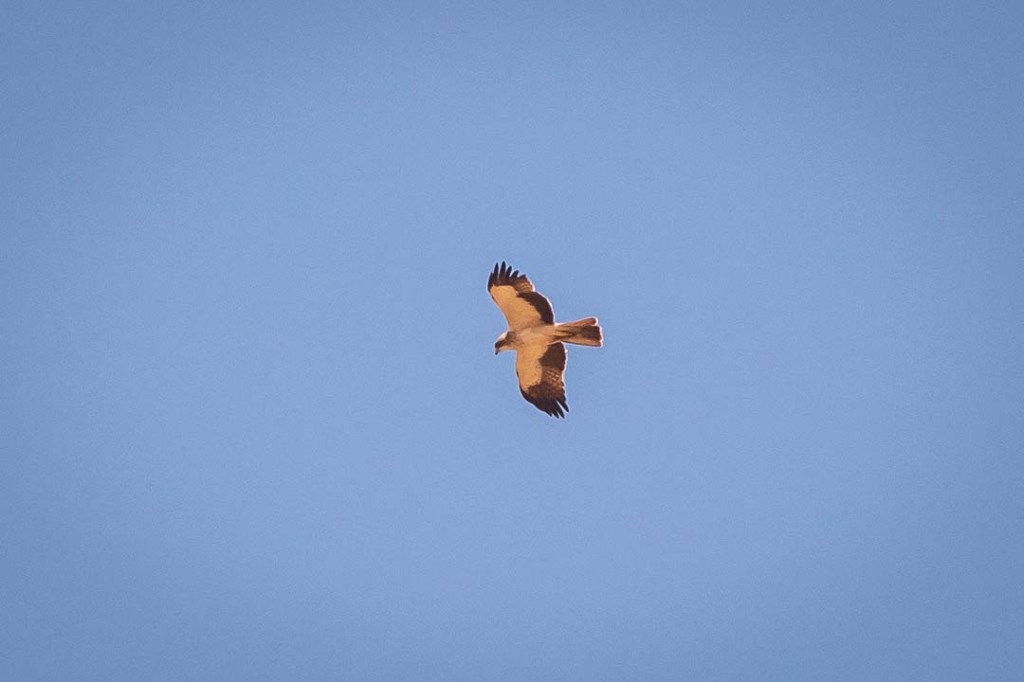
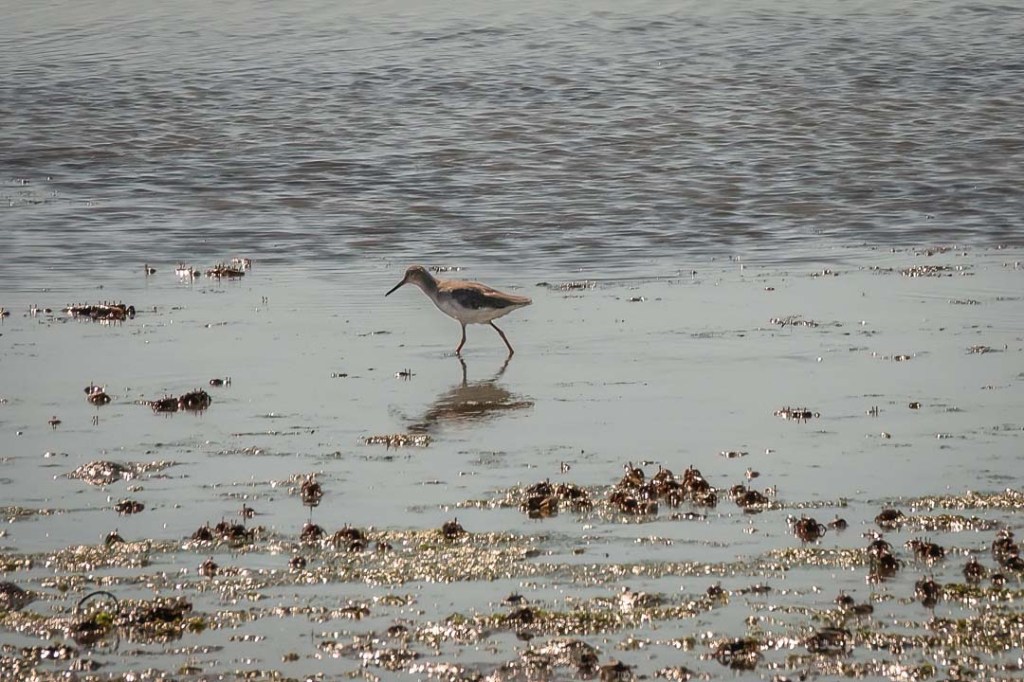

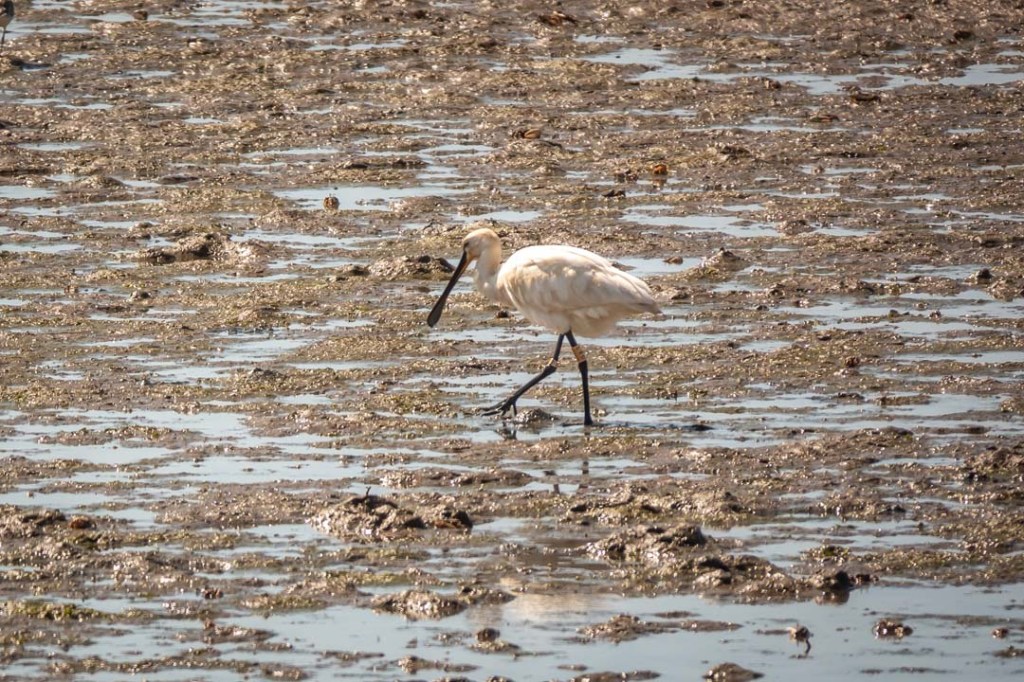
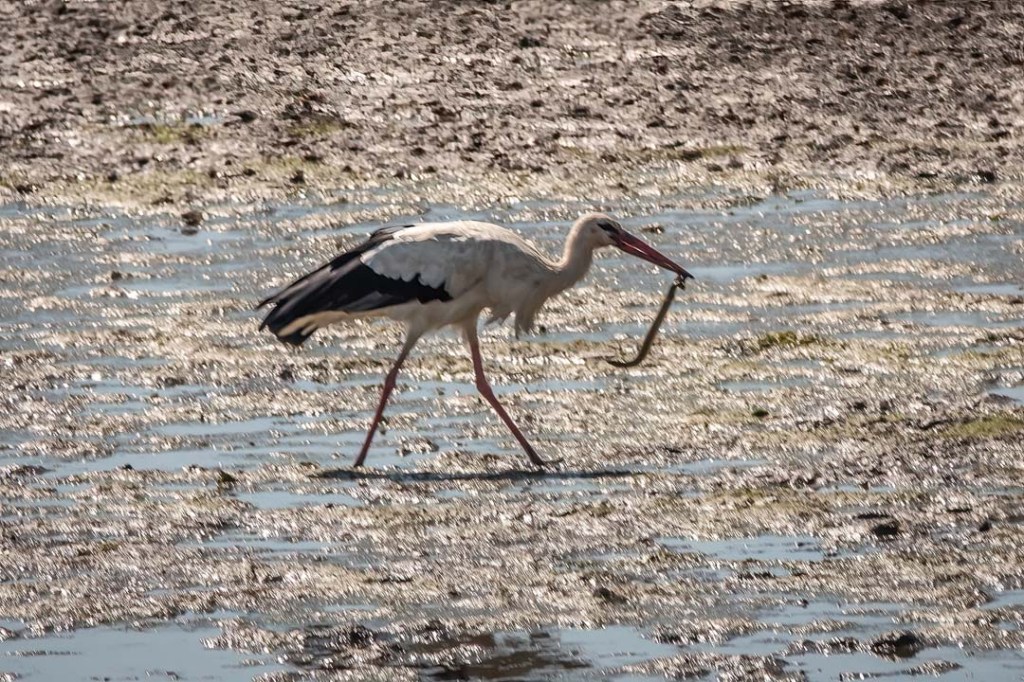
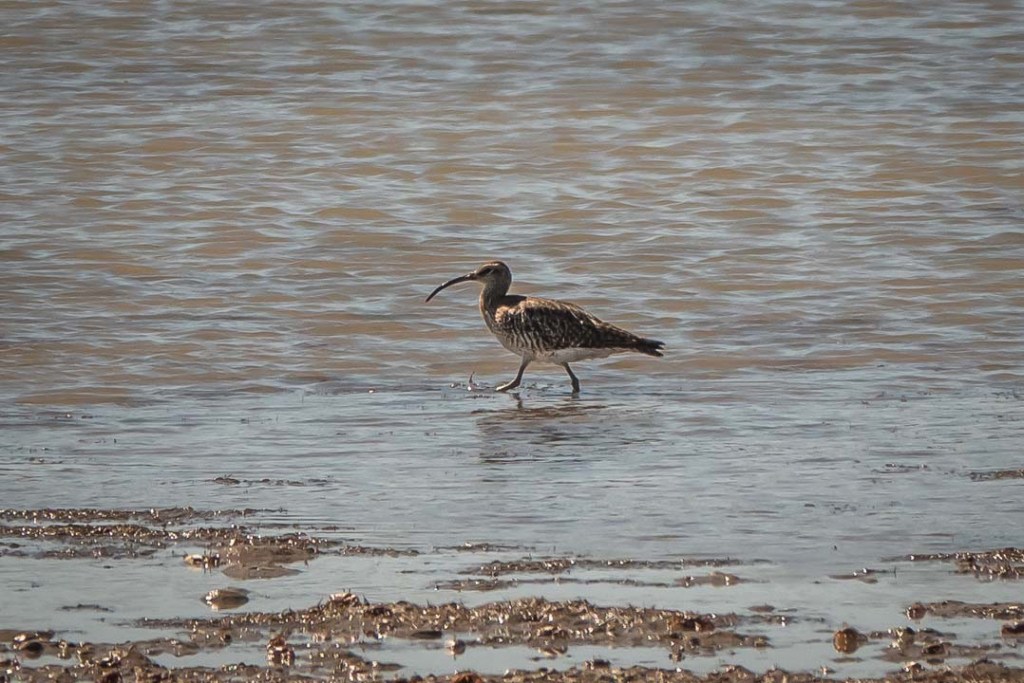

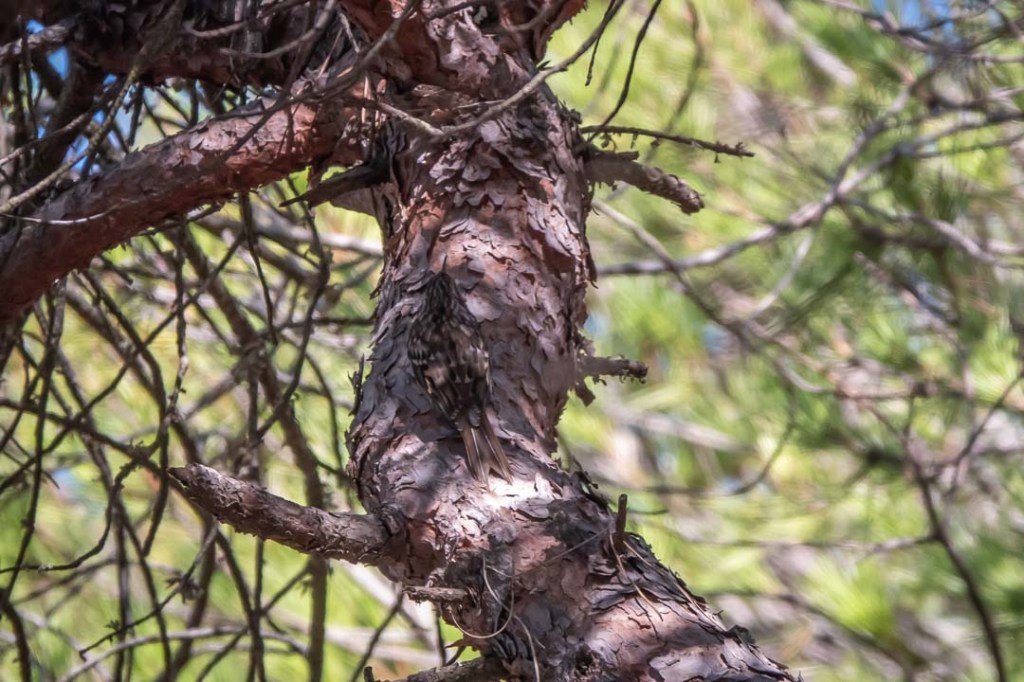
Slideshow of some of my photos from this morning:

Strictly speaking we are not on a birding holiday but it just so happens that the first two optional excursions we have opted for are bird watching trips!
Today we were taken to the countryside in a small group of 6 to just north of Huelva in search of small birds and raptors.
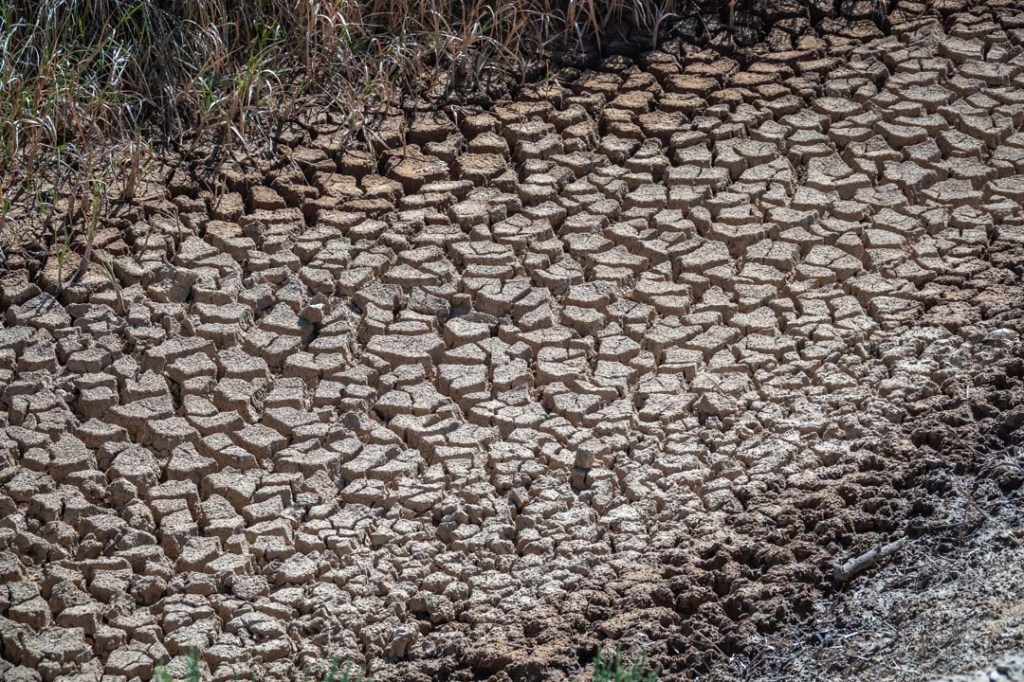
It was a very successful trip but I am finding it difficult to compile a blog as I don’t have as many decent photos as I had hoped for. Firstly, I have come equipped only with a bridge camera, and secondly, many of the birds we saw (and on many occasions we had very good views) were seen from inside the minibus which would have benefited from a good clean which I accept, with the shortage of water in this part of Spain, is not practical.
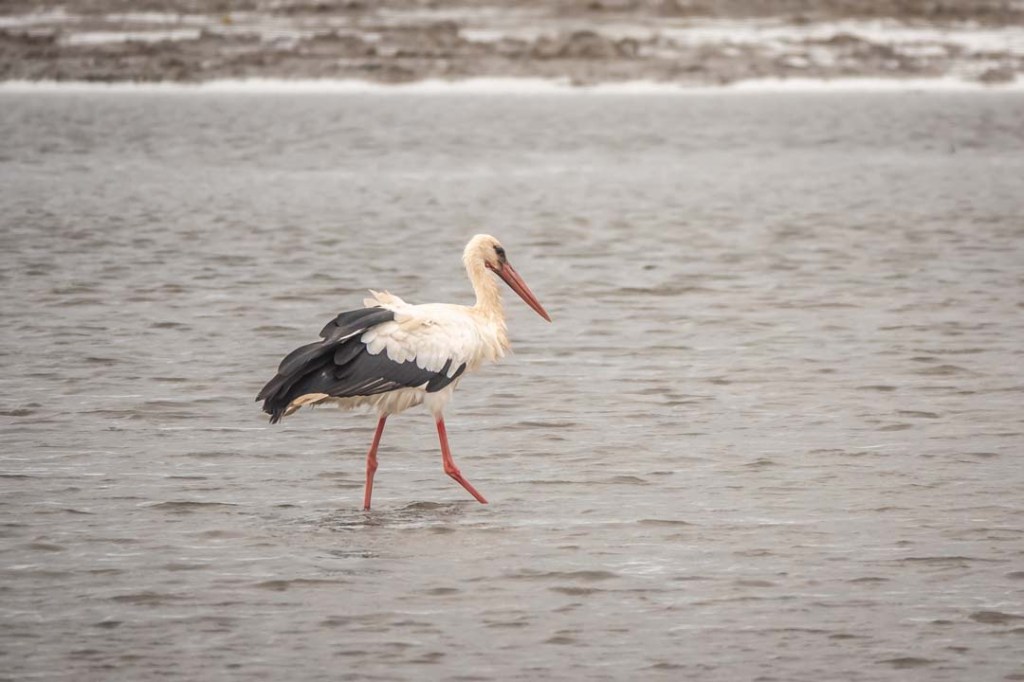
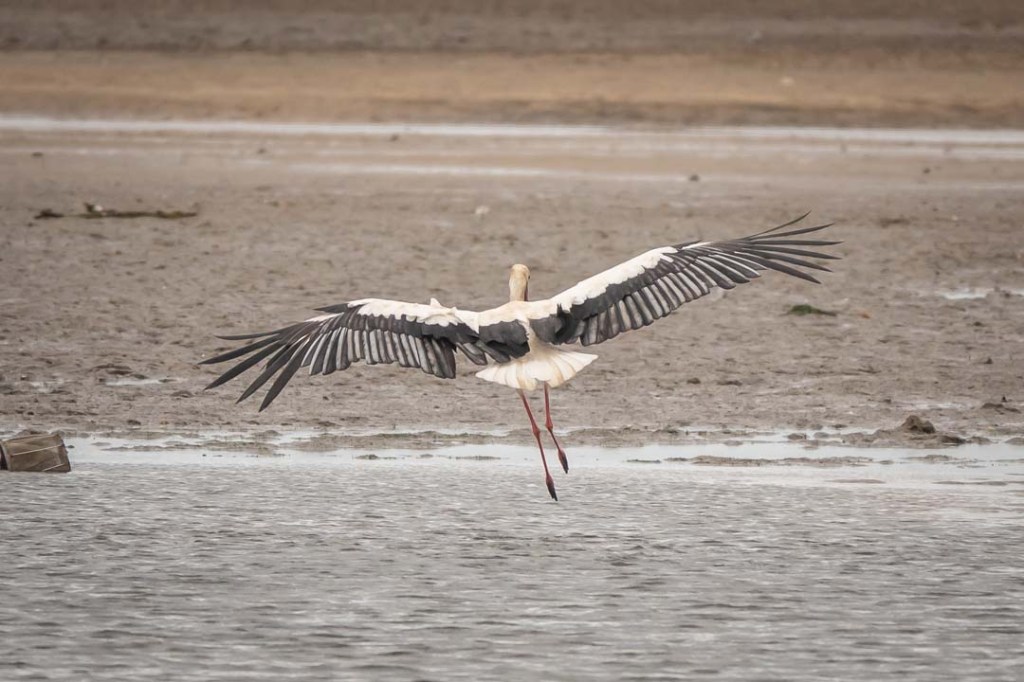
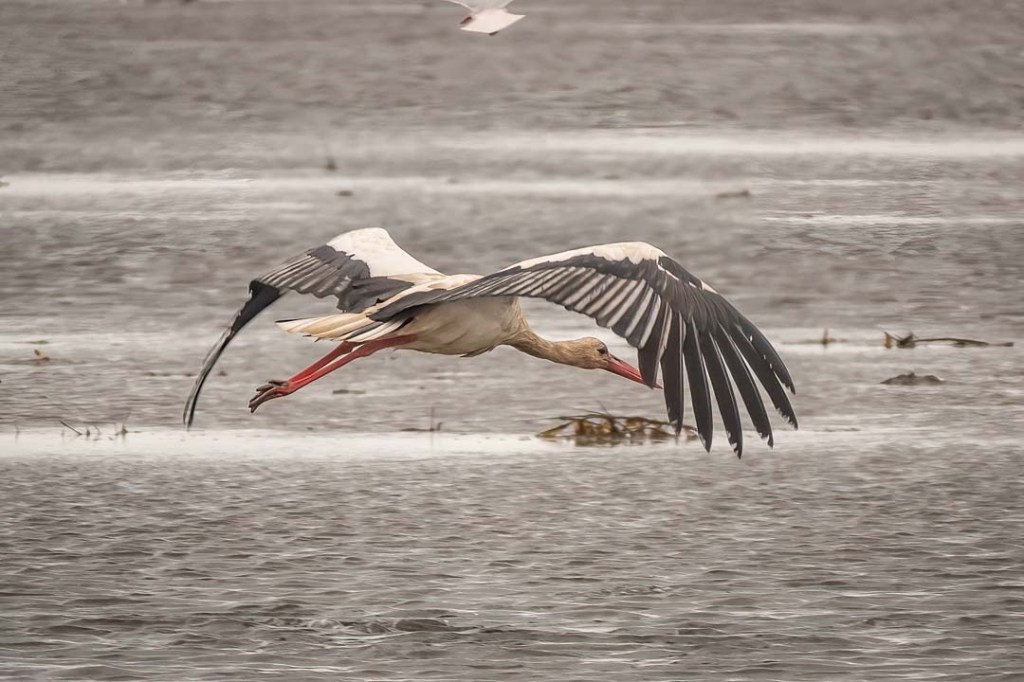
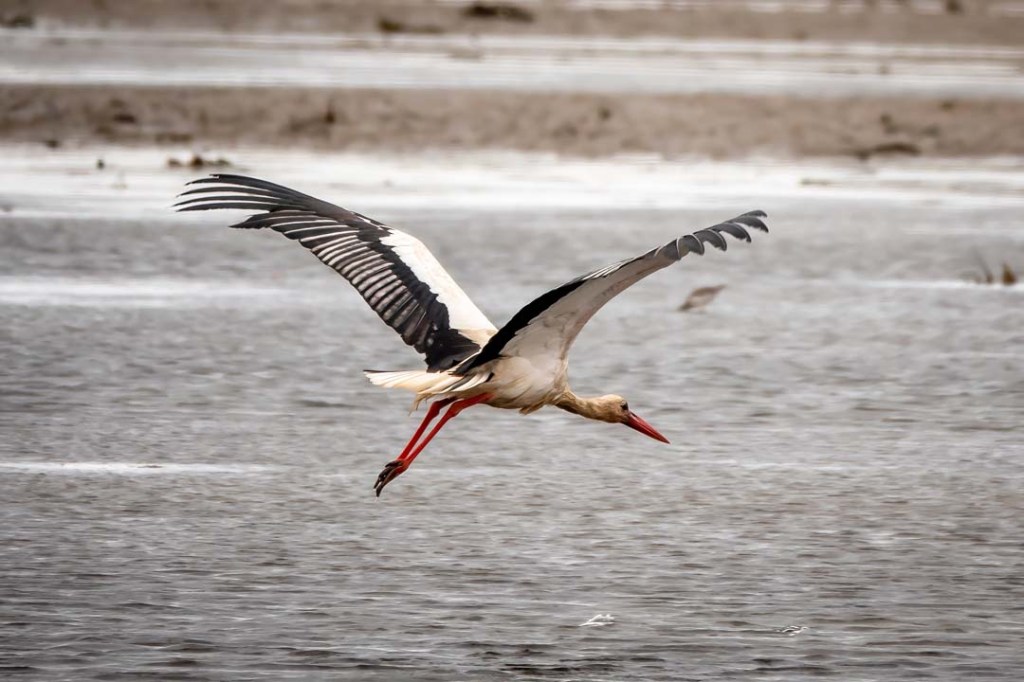
En route we had good views of white storks which live all year round in this part of Spain.

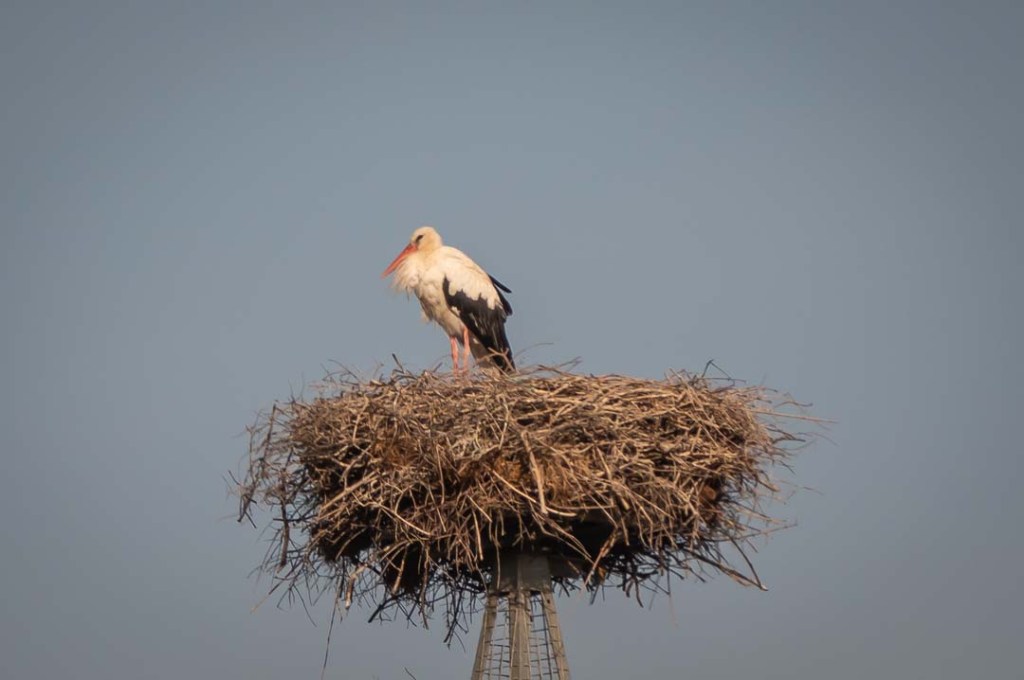
On our first stop near to Niebla we saw a black-winged kite (a first for me) which looked spectacular through the telescope.

At this first stop we also saw lots of crested lark, spotless starlings, hoopoes, stonechats, a woodchat shrike, several kestrels and (as usual) heard Cetti’s warbler.
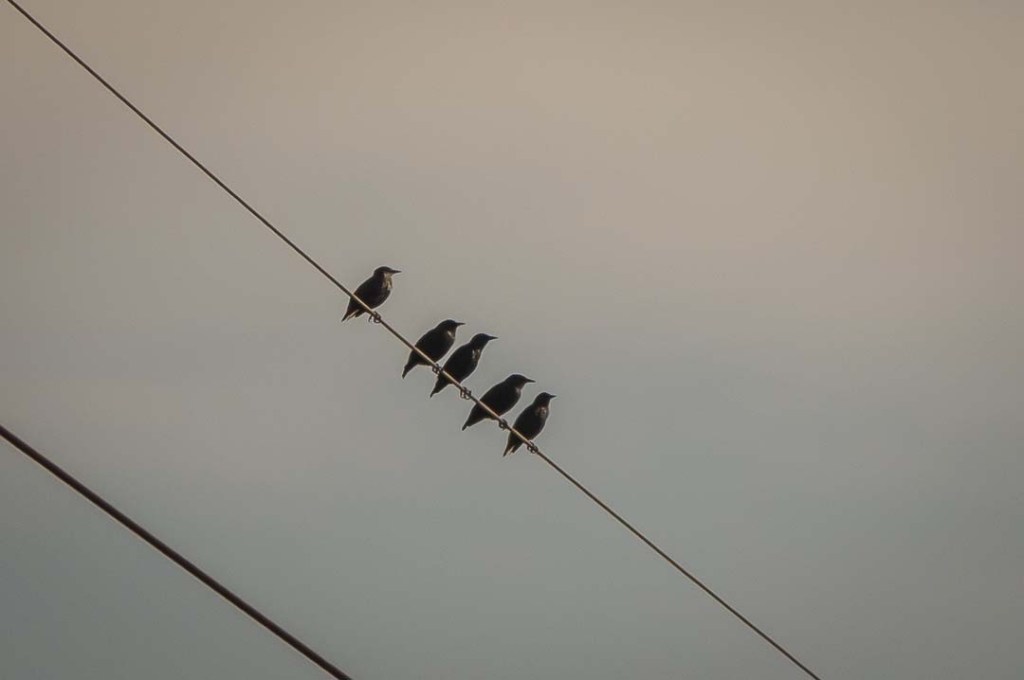


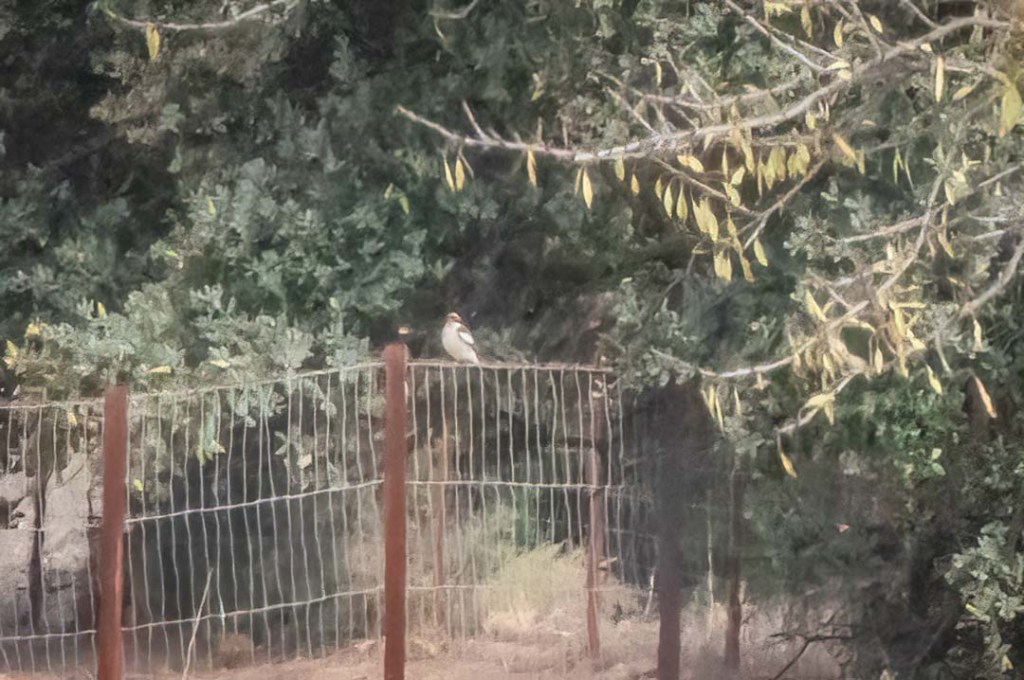

We then stopped at the Rio Tinto which should have been rust red but was completely dried up and quite verdant. Here, under a bridge we saw a couple of crag martins.
We went into the town of Niebla and saw the spectacular castle from the outside in the hope of seeing lesser kestrels; but, as our guide could see none, we didn’t make a stop – hence no photos.
Soon afterwards we had a sighting of our first short-toed eagle.
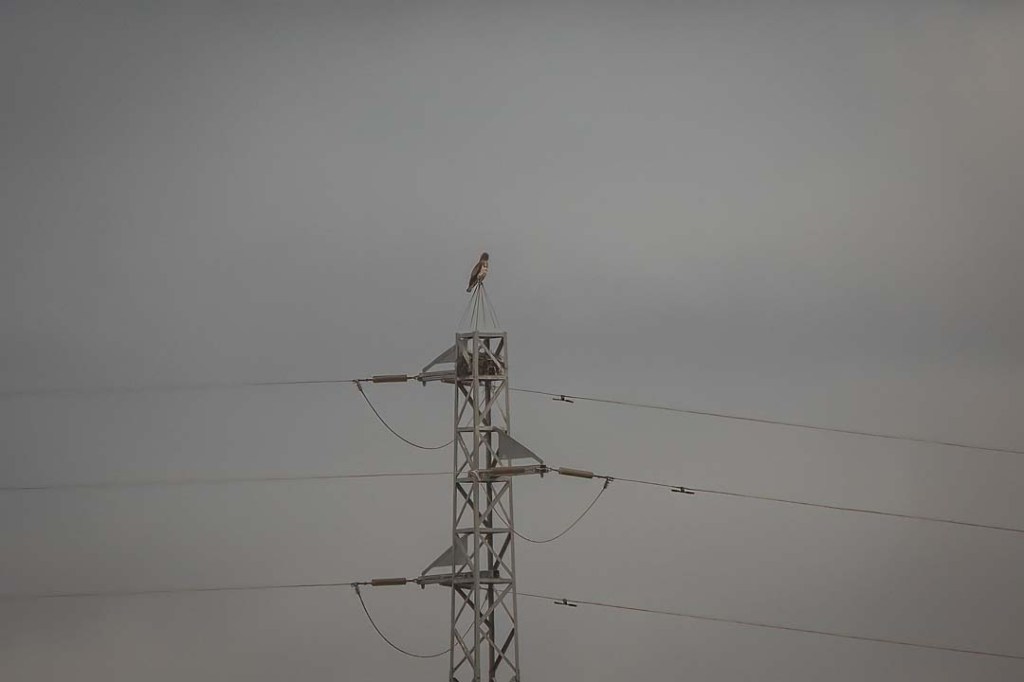
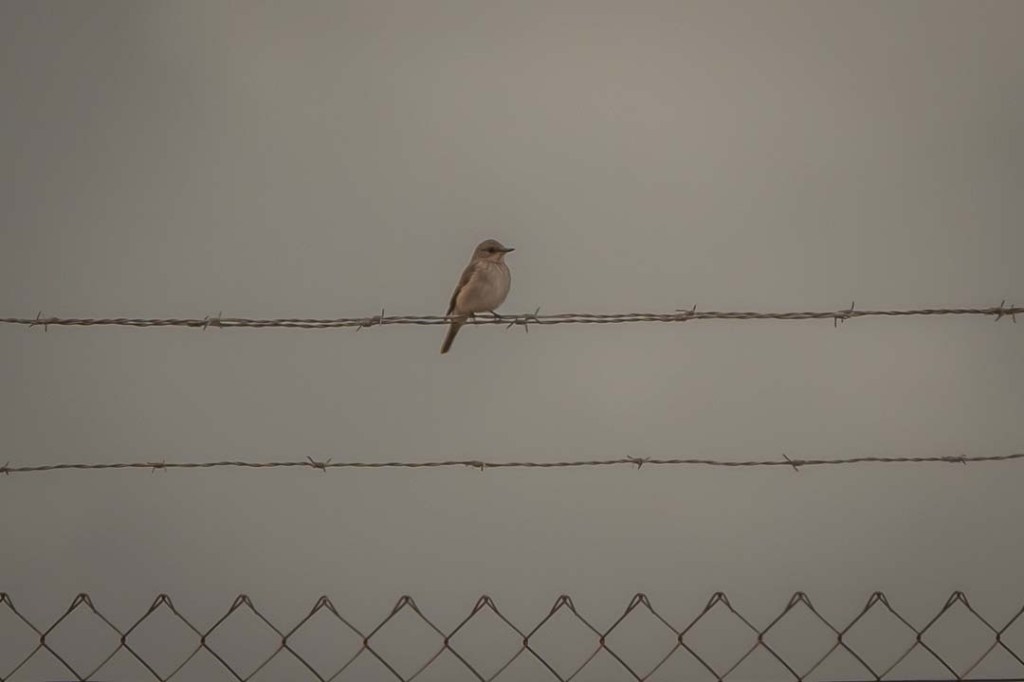
Around here we saw lots of small birds including common whitethroat, willow warbler, spotted flycatcher, stonechat, northern wheatear and two new birds to me a zitting cisticole and a melodious warbler.
There were also quite a few Iberian magpies which seemed very shy here compared to the picnic spots where we had seen them before.
We also had good views of a booted eagle, another short-toed eagle and an osprey in flight.

Just before the village of Trigueros we also saw red-rumped swallows and a male marsh harrier as well as a raven and another kestrel.


At this point the weather was deteriorating and, much to the thrill of our guide, looked like rain. However, none materialised and as we returned to Isla Cristina, where we are staying, the weather began to improve.
As we crossed the salt pans we could see flamingos and Audouin gulls. But more of those tomorrow when we have the second of our morning bird watching trips.

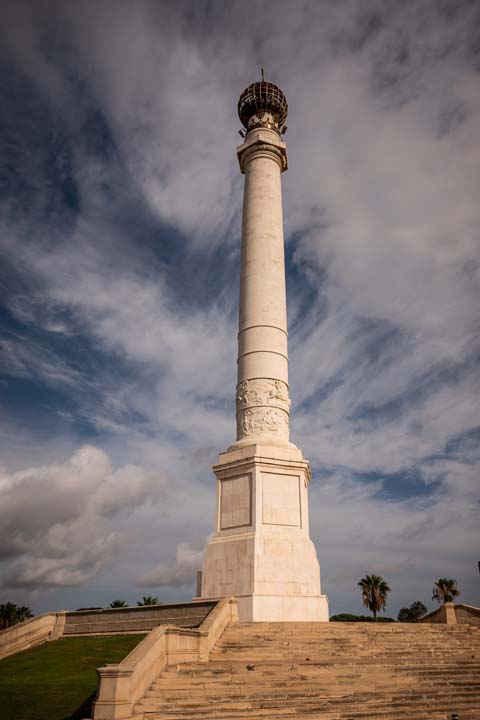
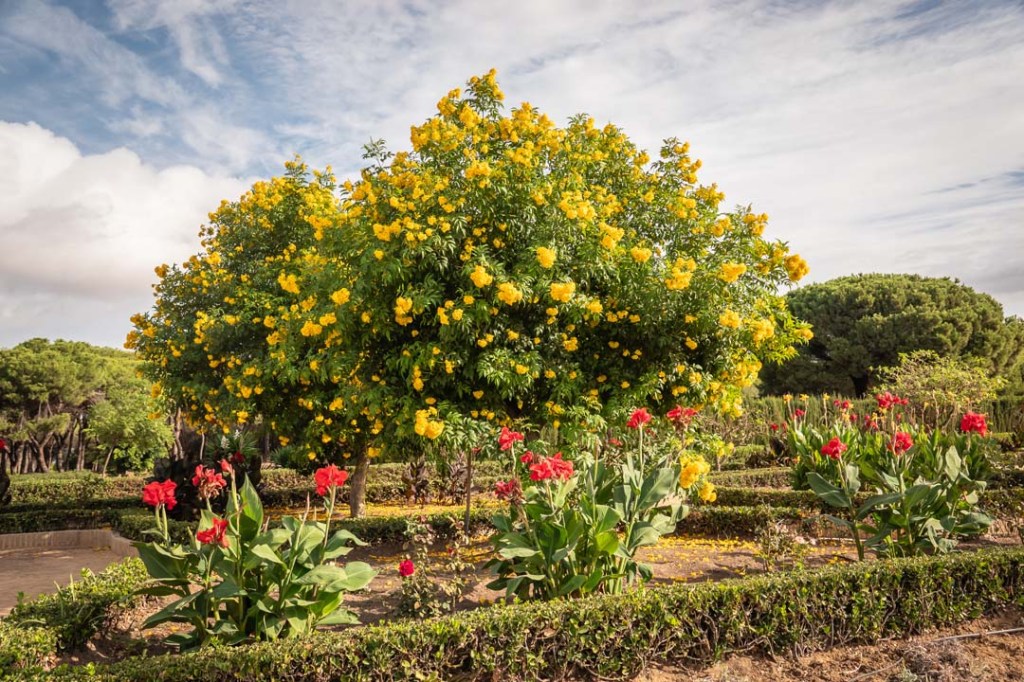
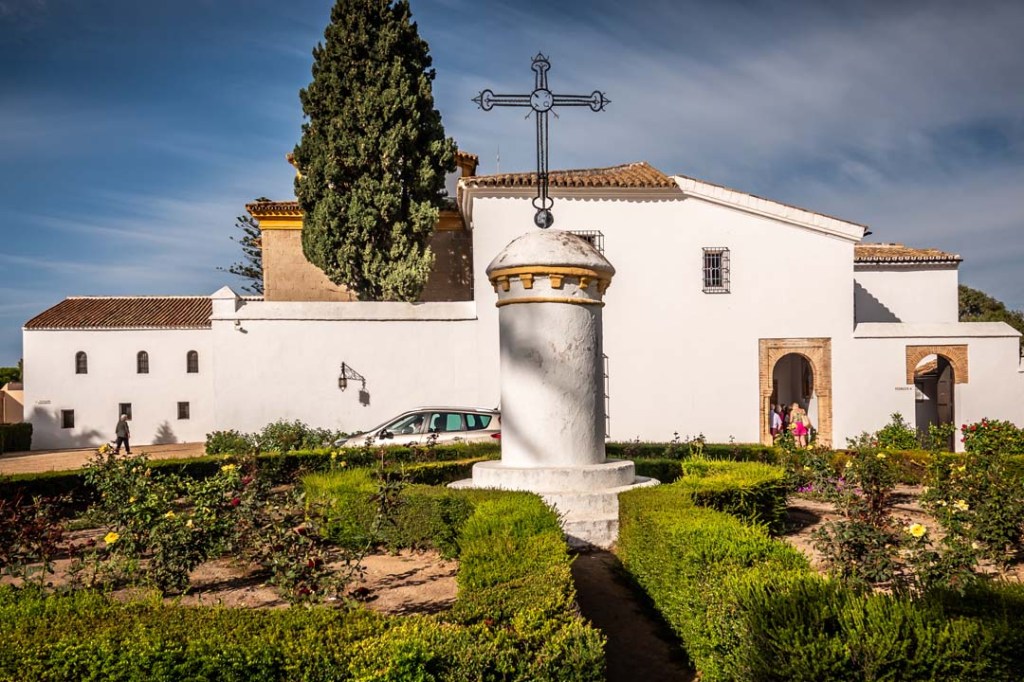
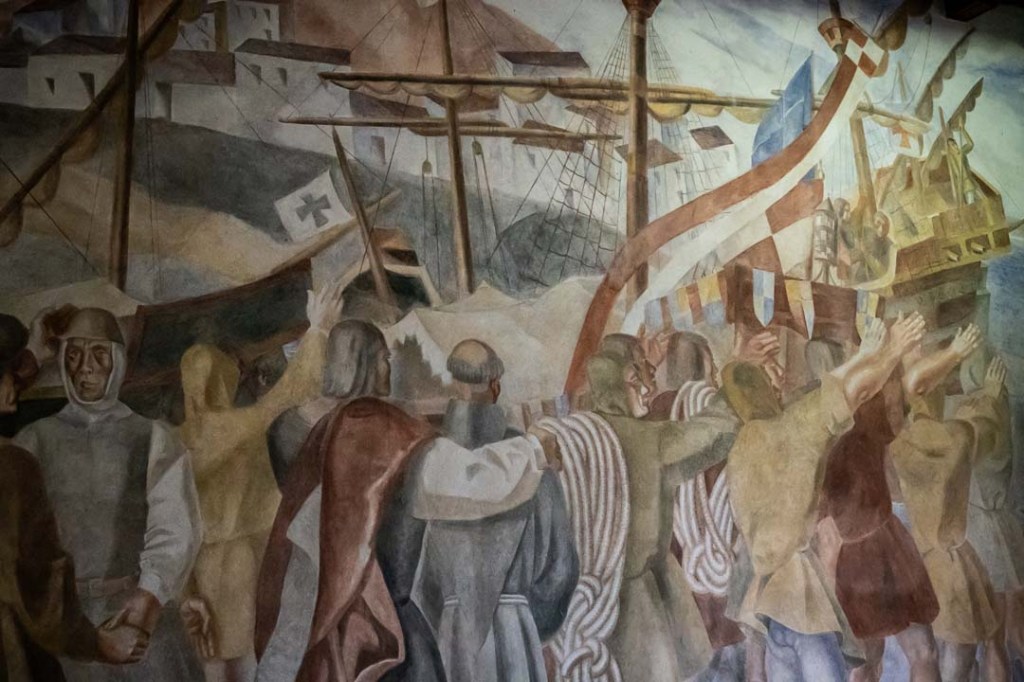
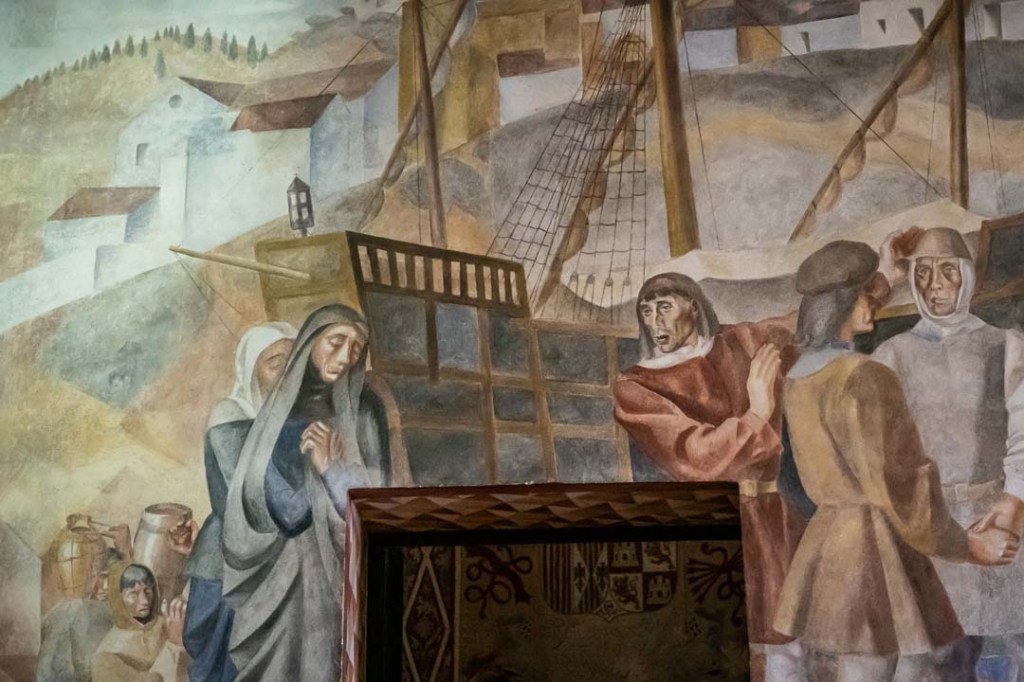
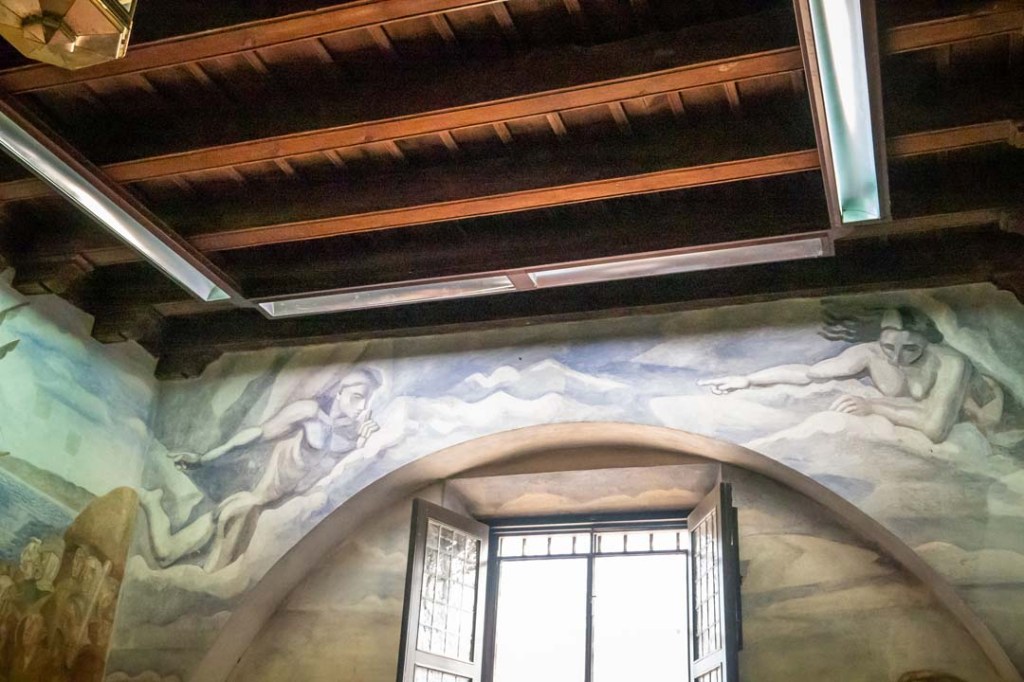
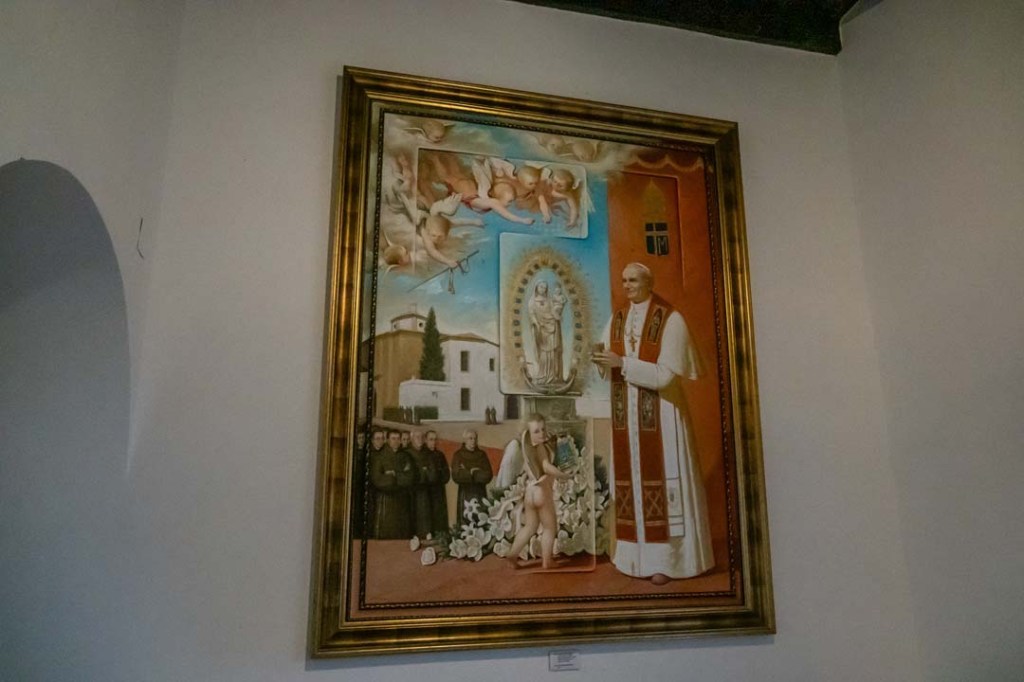
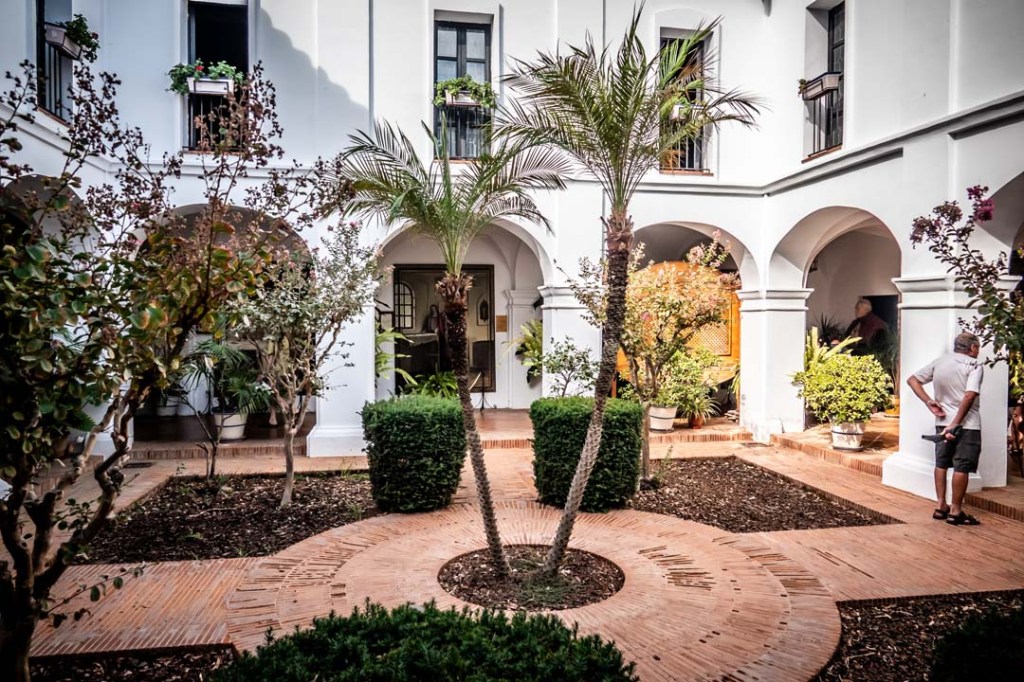
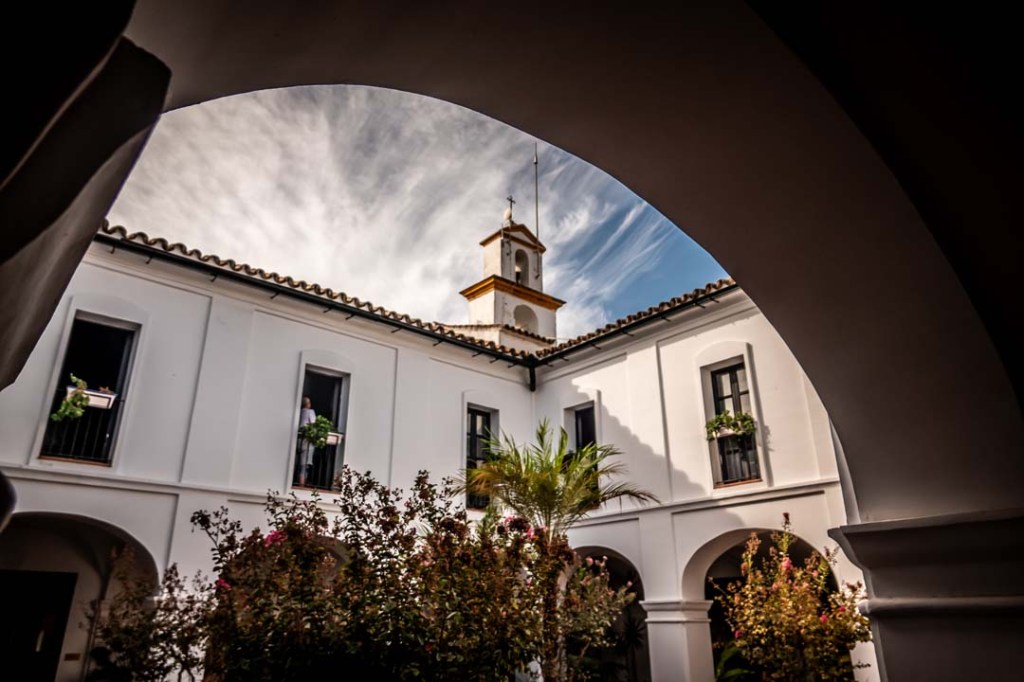
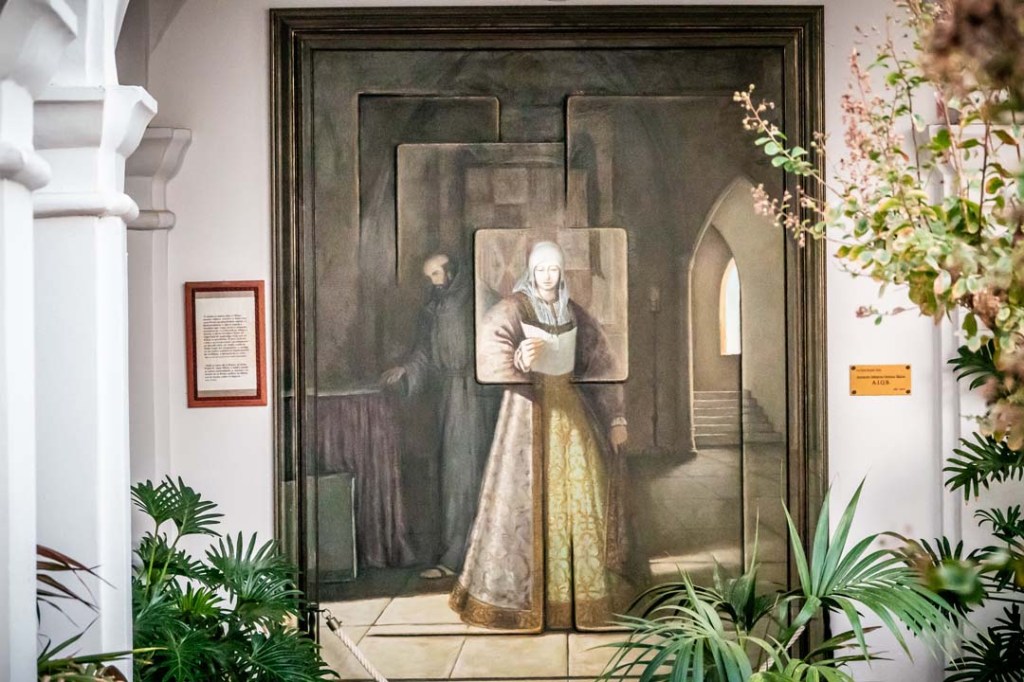
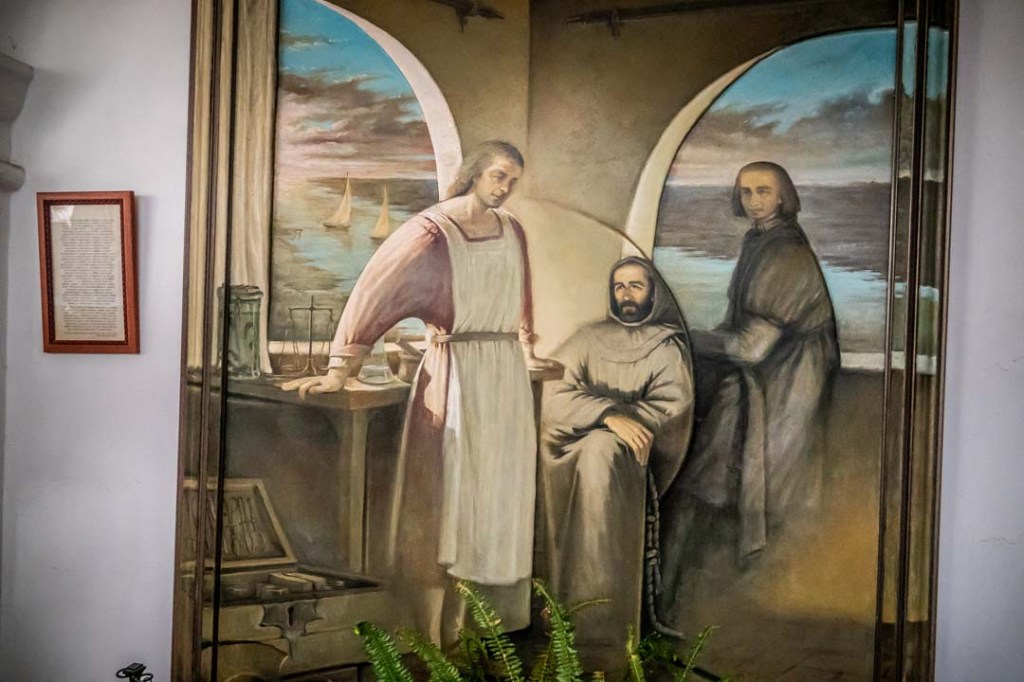
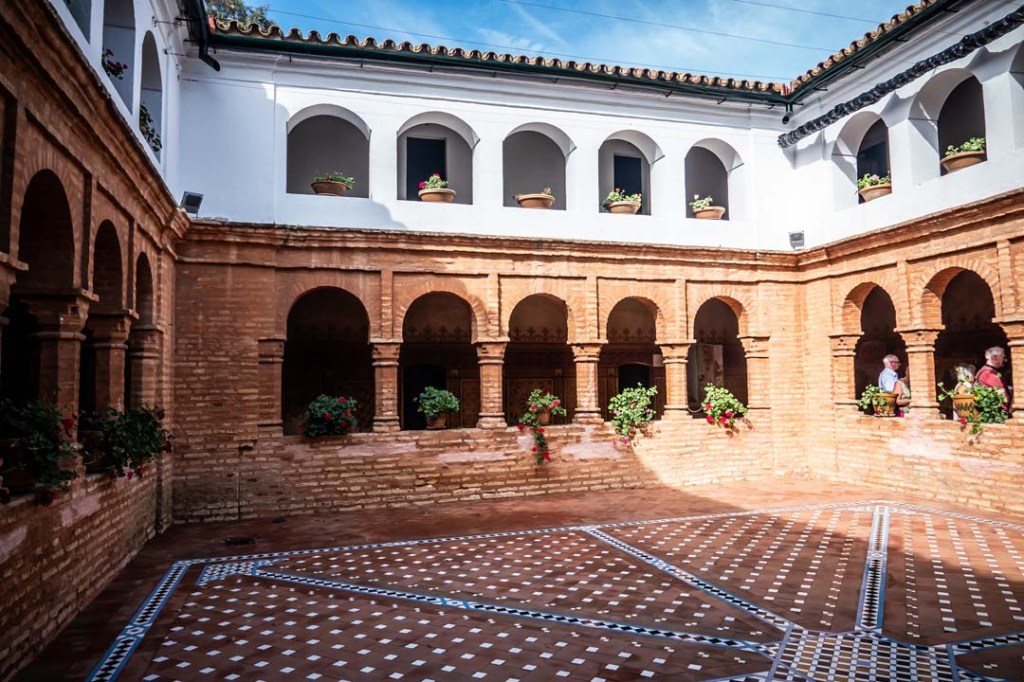
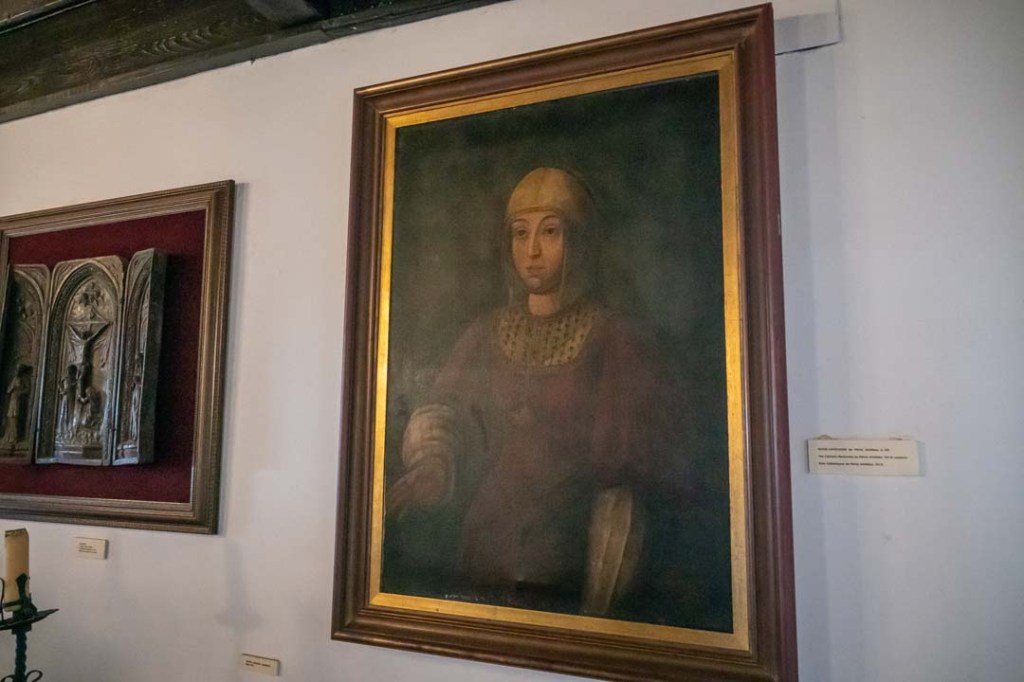
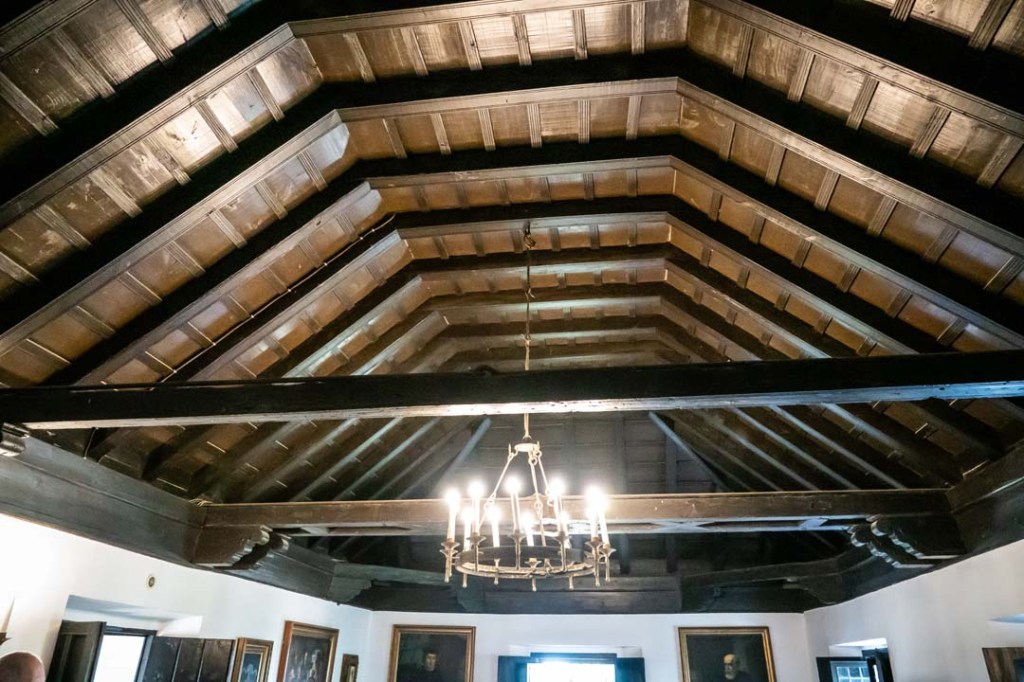
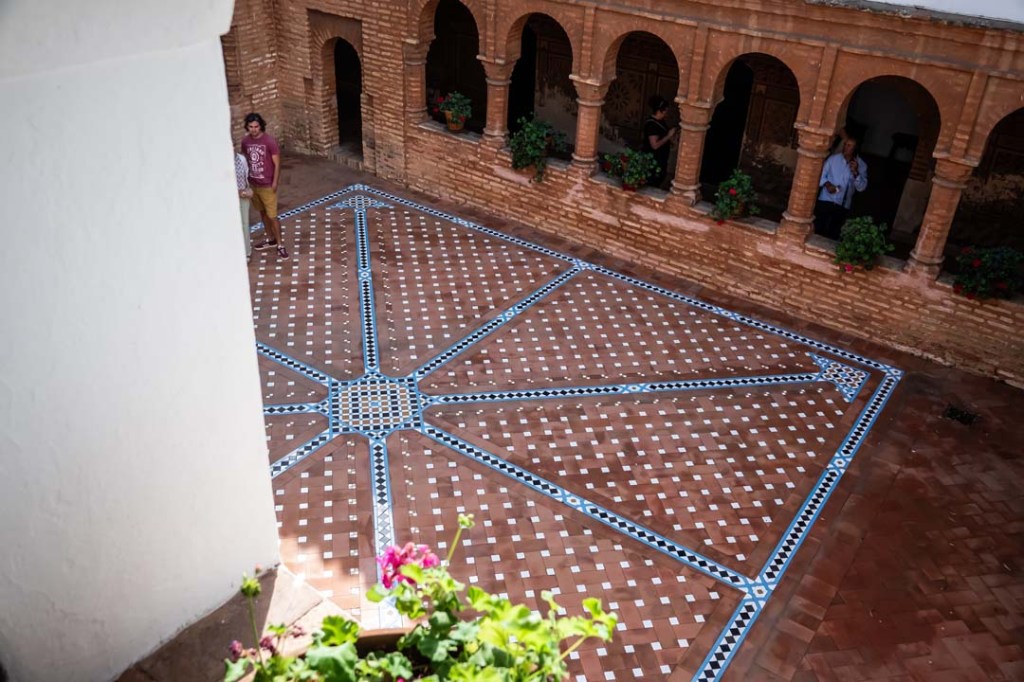
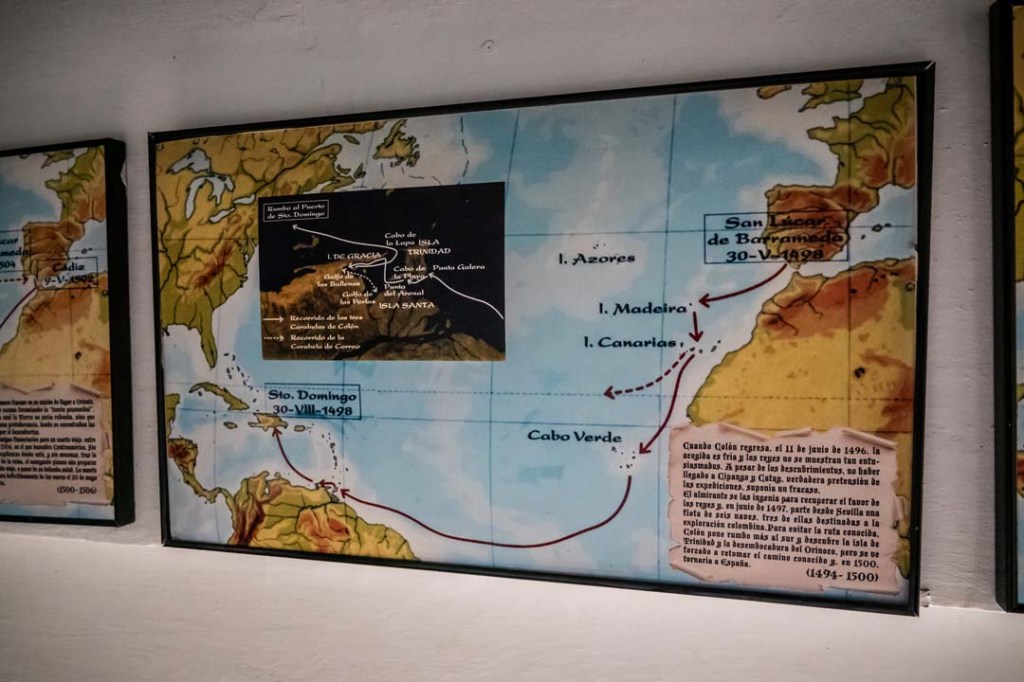
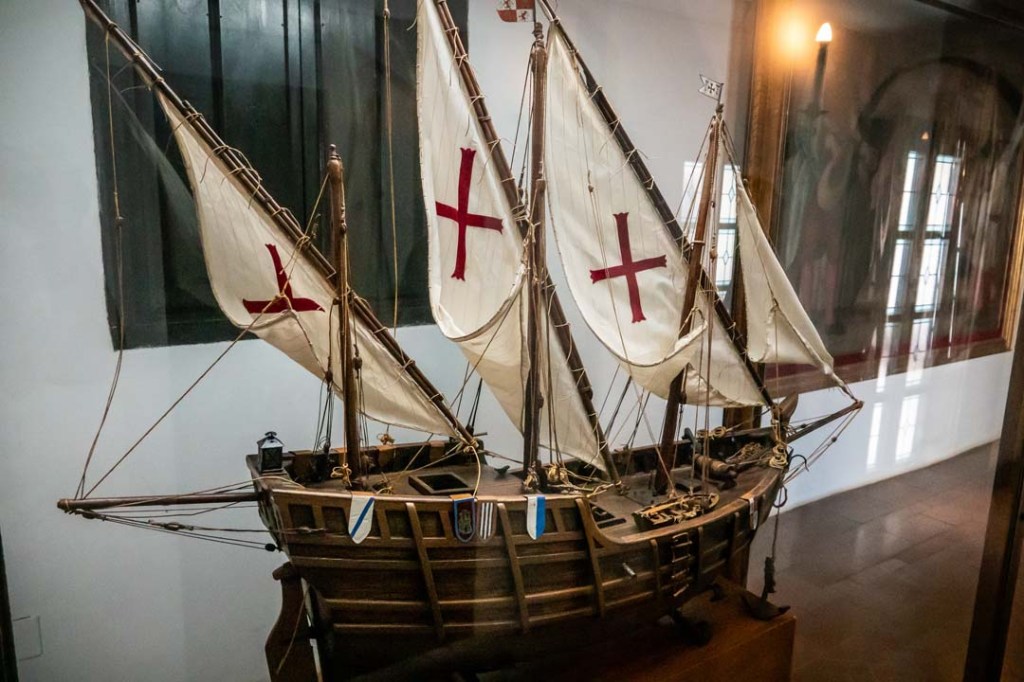
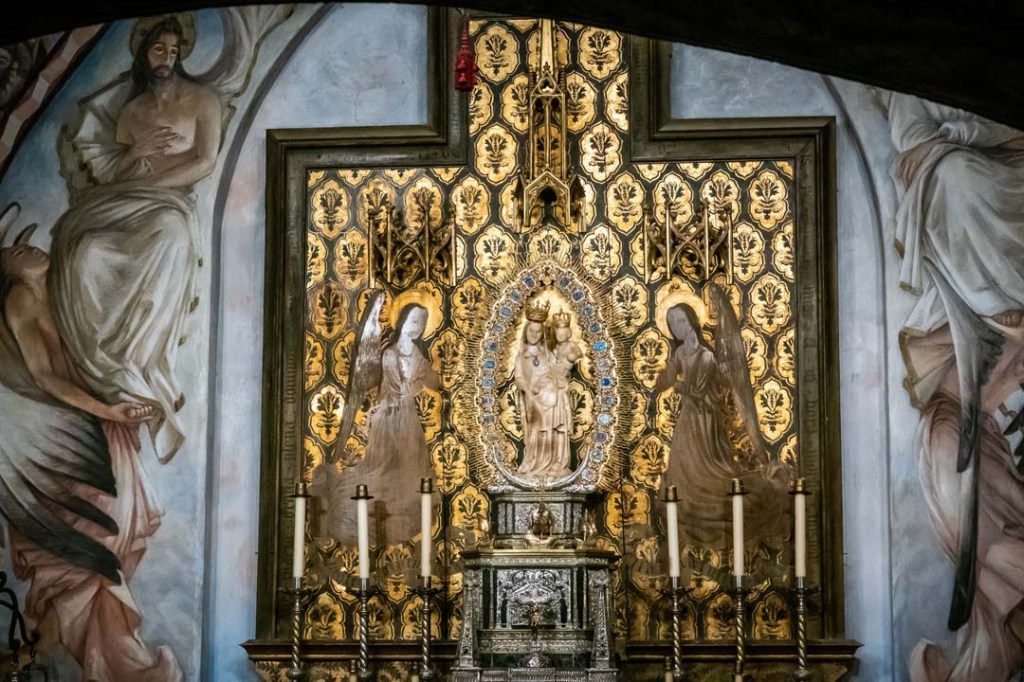
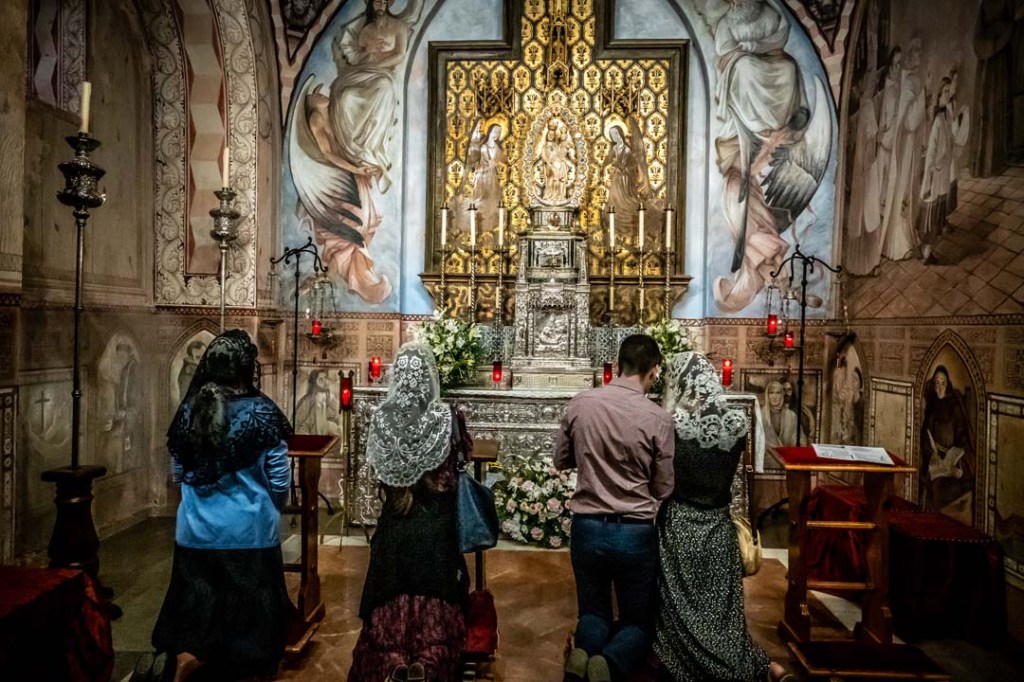
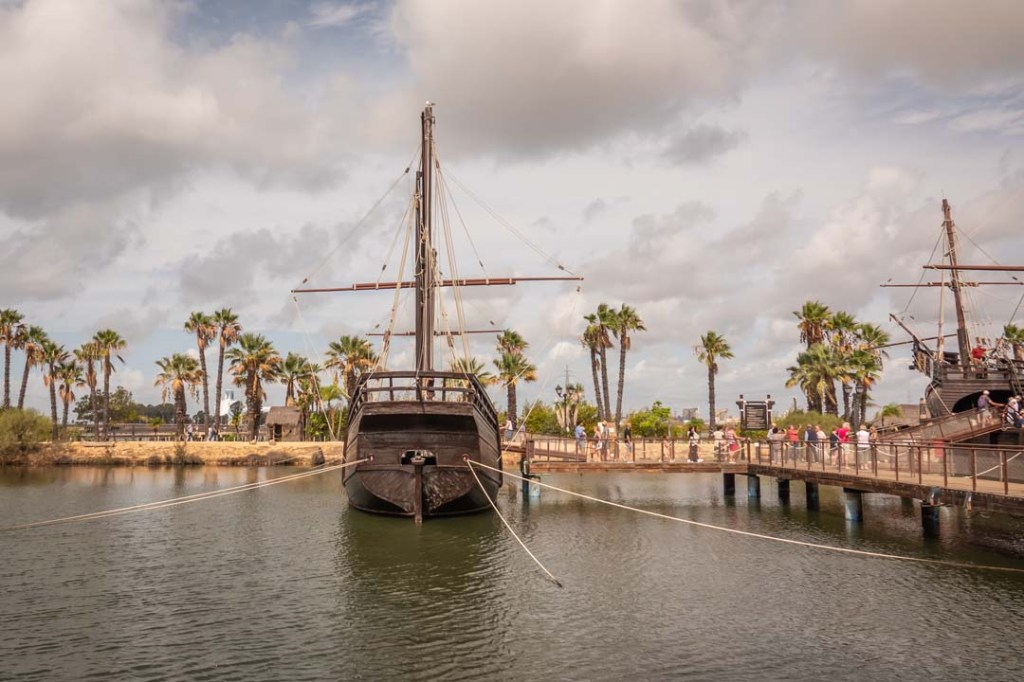
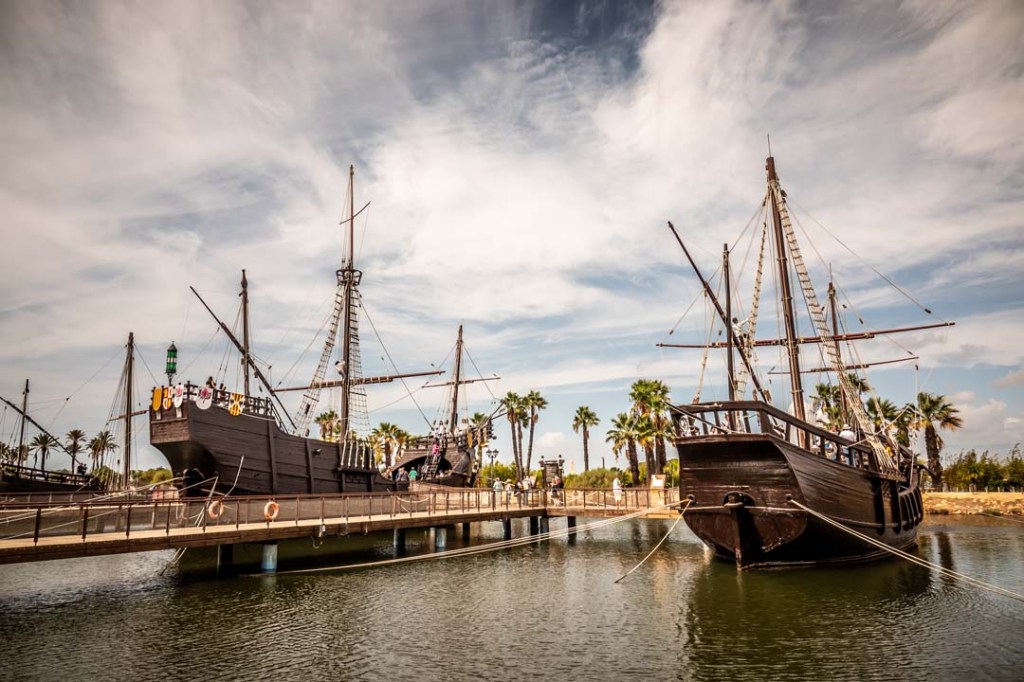
The main focus of our holiday today was a morning visit to “The cradle of The Discovery”, to the Monastery of Santa Maria de la Rábida where Christopher Columbus lived whilst he was planning his voyage of discovery. Then we visited the Muelle de las Carabelas, a wharf where it is possible to see the Santa Maria, Pinta and Niña, replicas of the ships that set sail from this place on August 3, 1492.
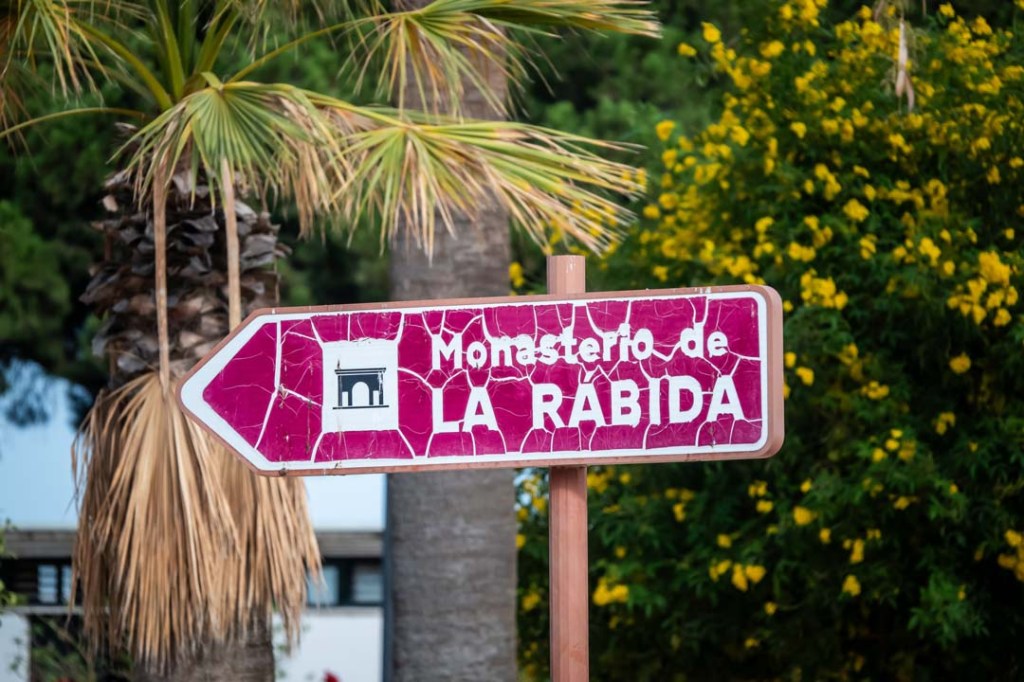


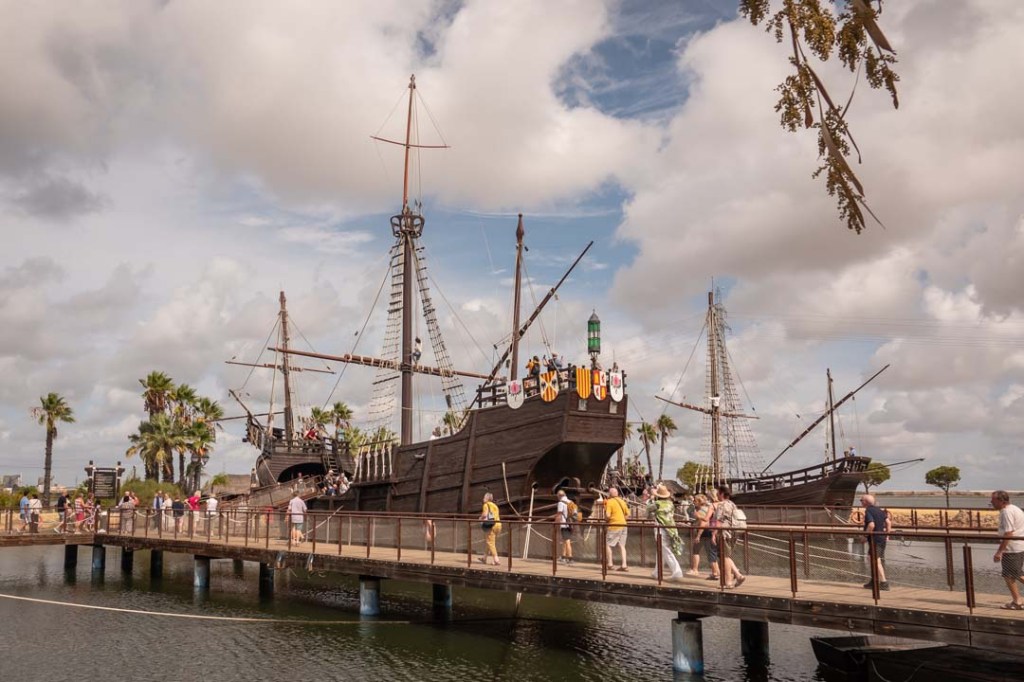

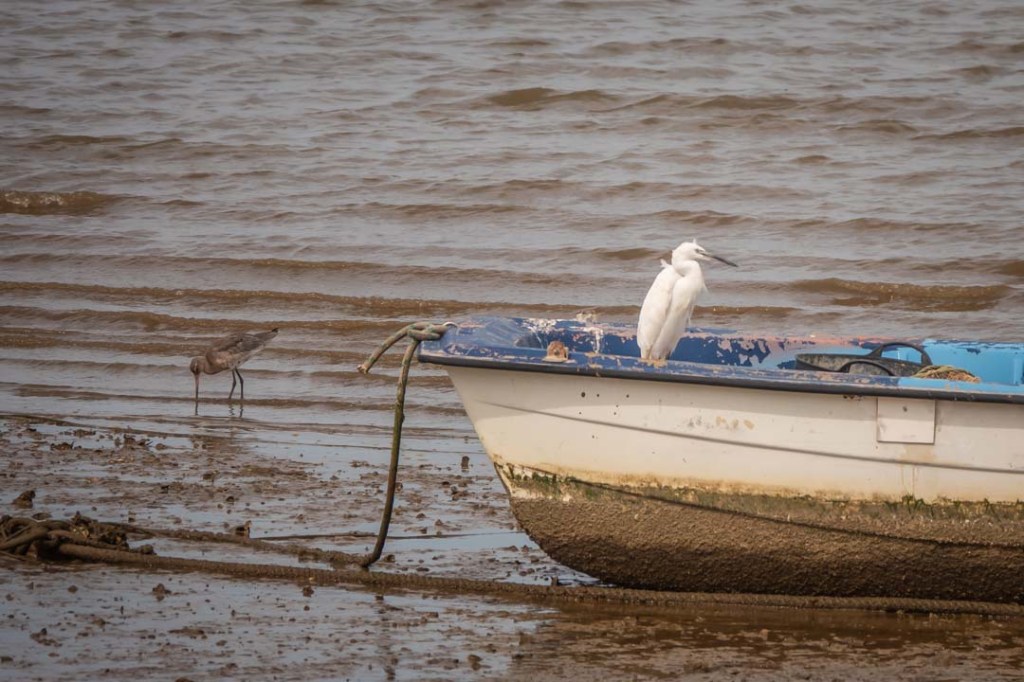
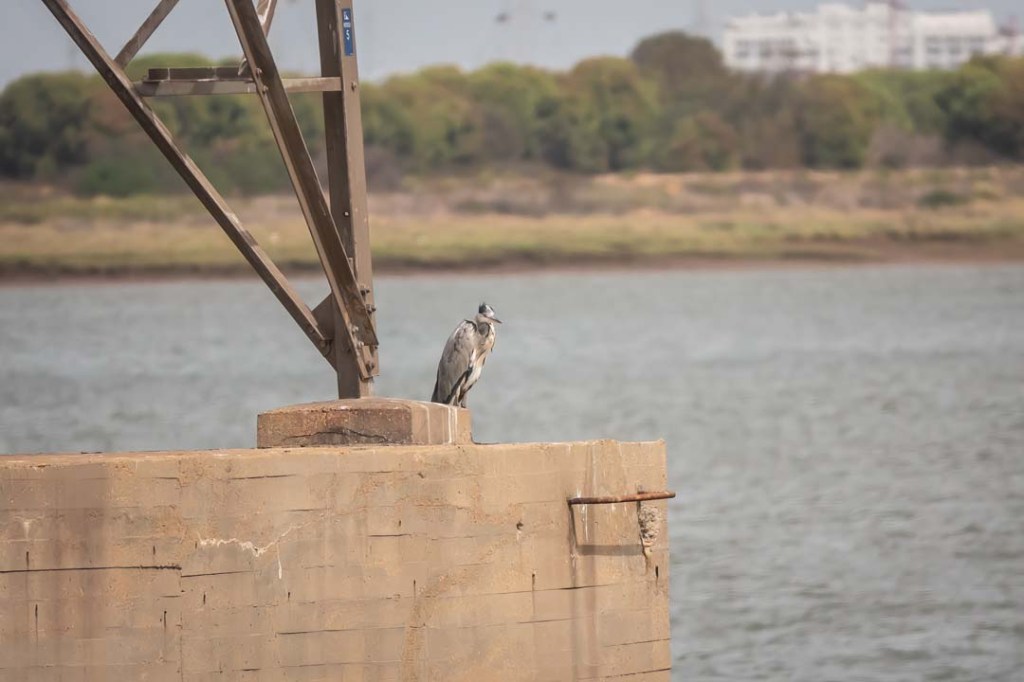
The wharf is on the estuary of the Rio Tinto and here I took the opportunity to photograph a few birds.


Slideshow of photos from this morning (for a personal souvenir):
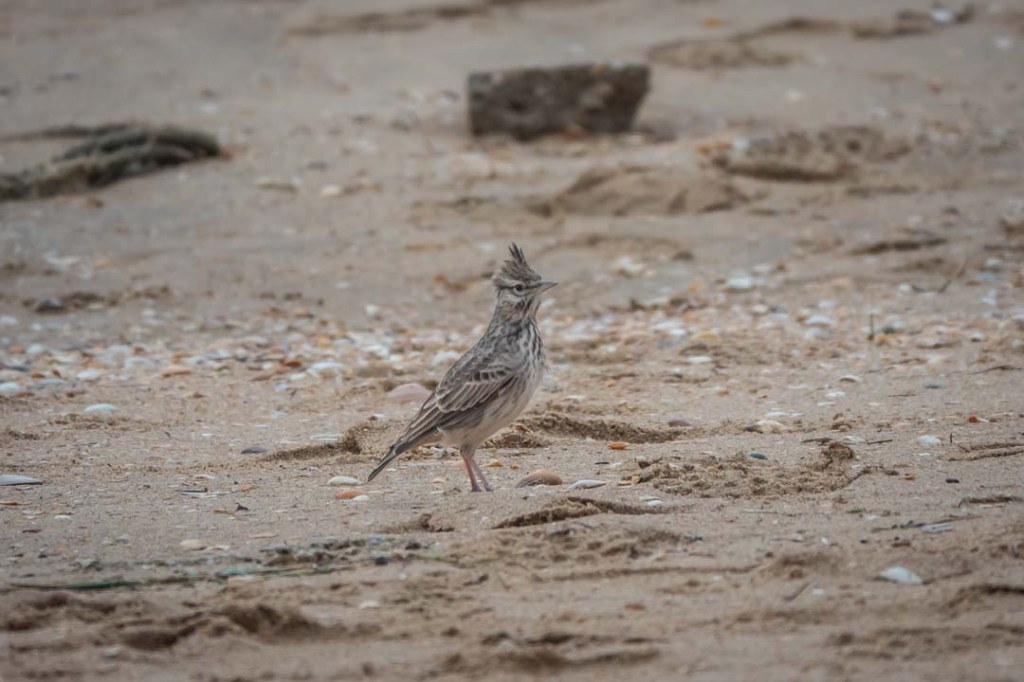
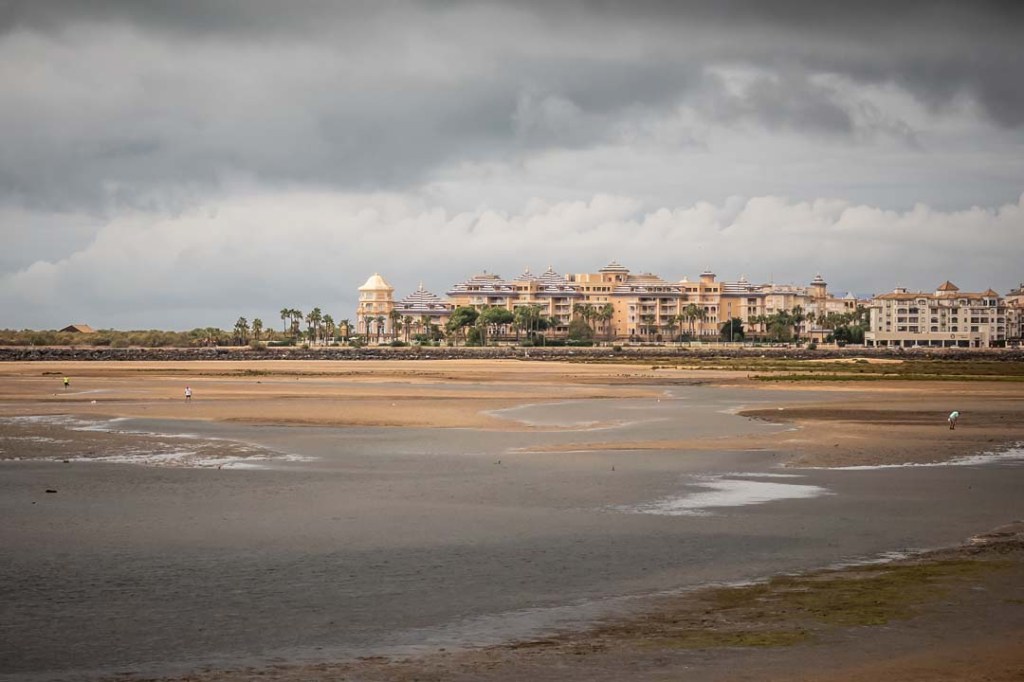
The weather for the first few days of our holiday to Isla Cristina in the province of Huelva in Andalusia, Spain has been very disappointing but looking at the forecast, which is very good for the next two weeks , we may be grateful that we have had a gentle start.
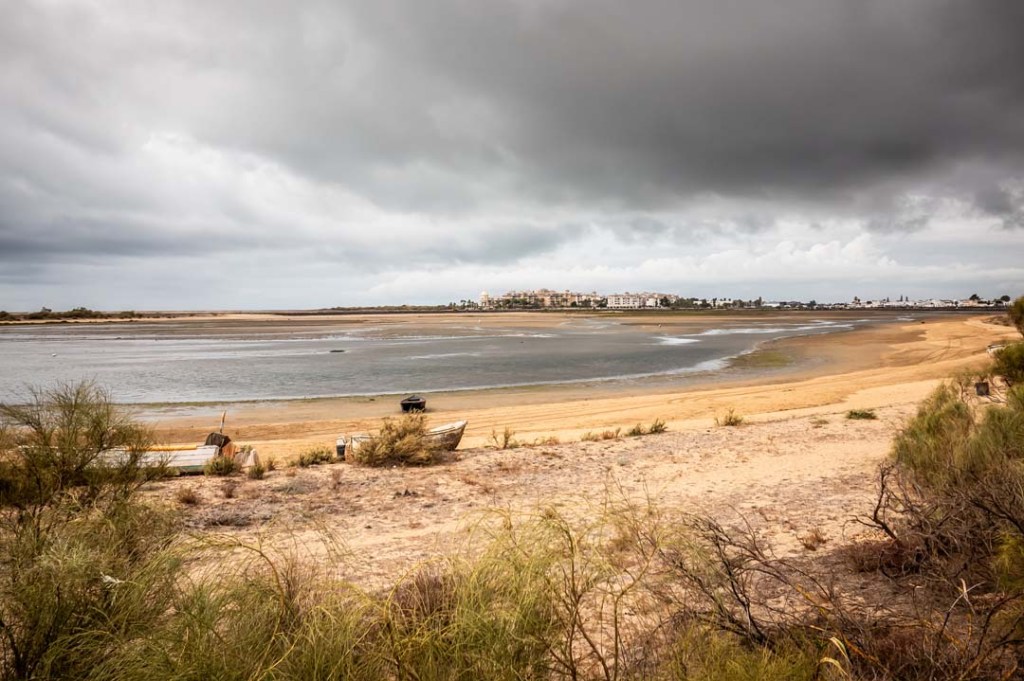
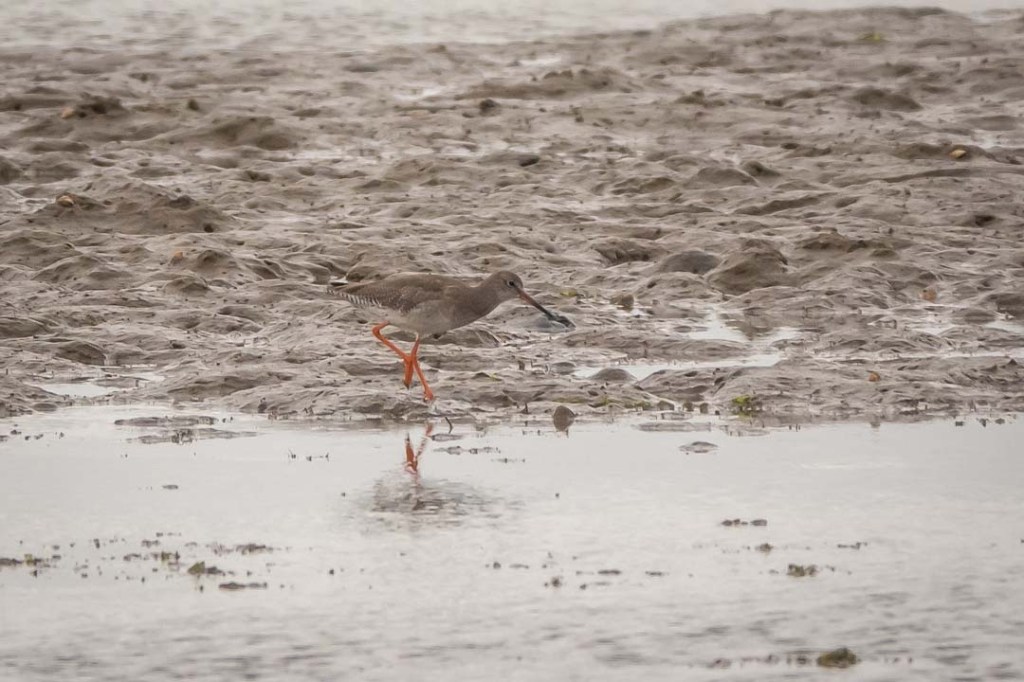
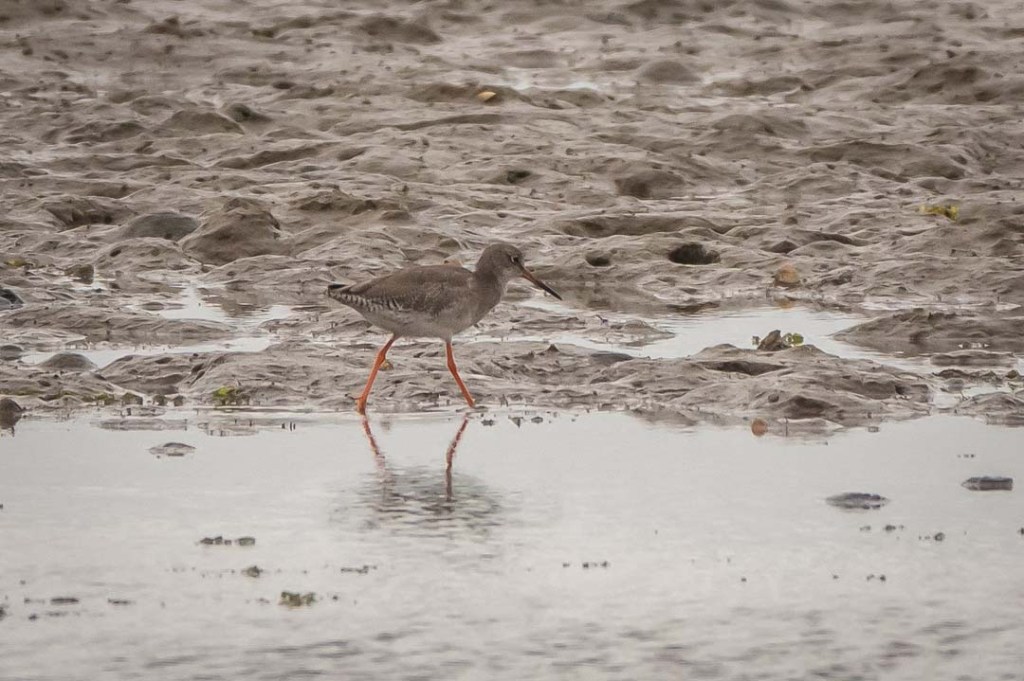
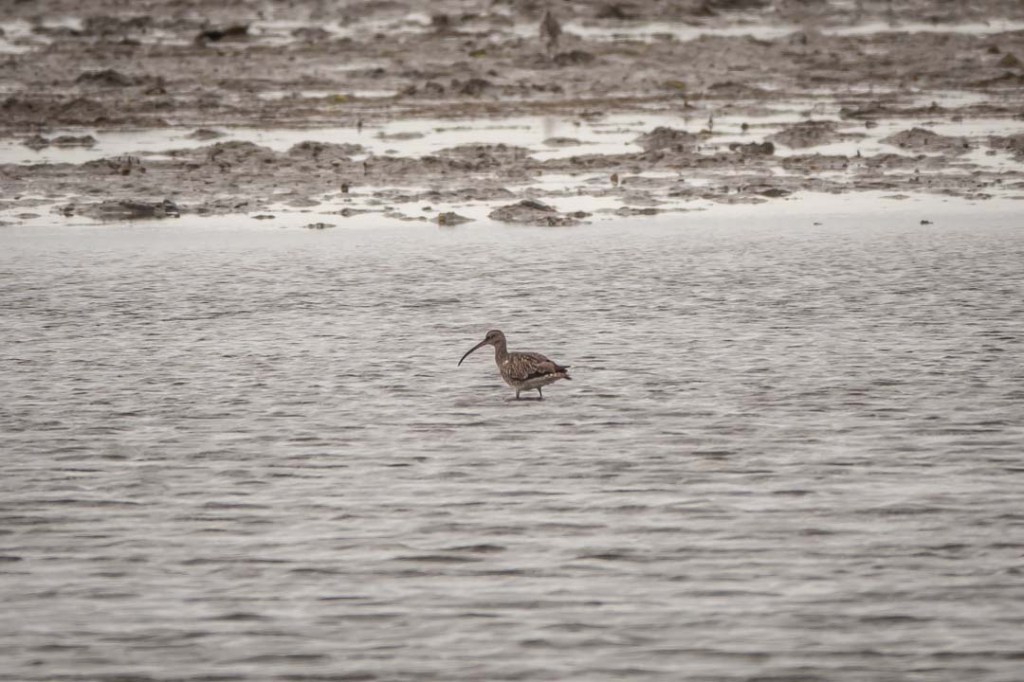
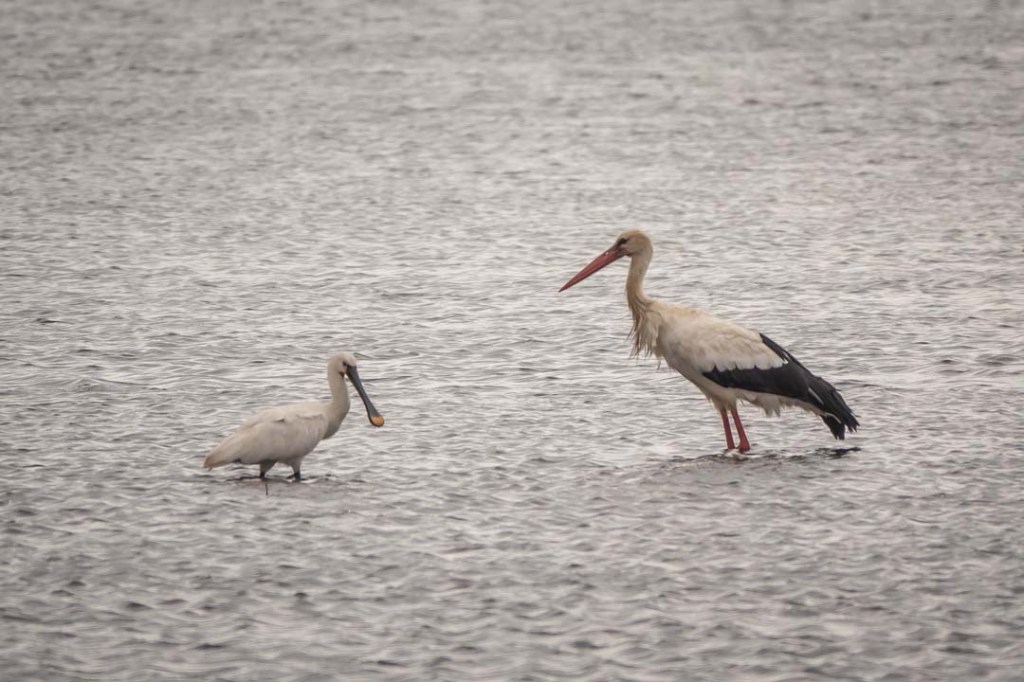
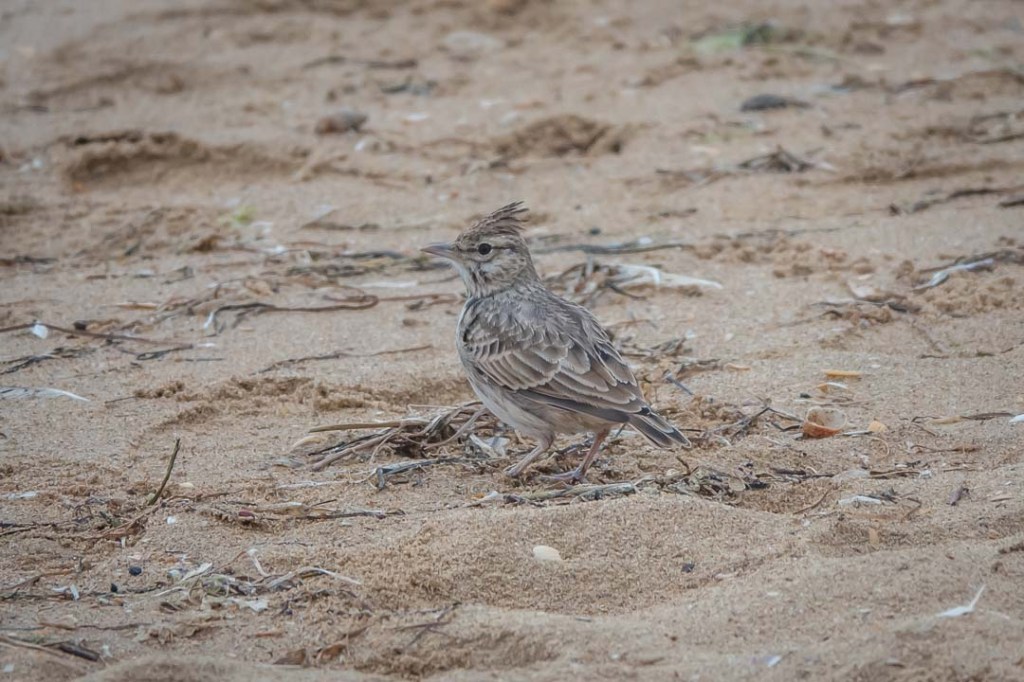
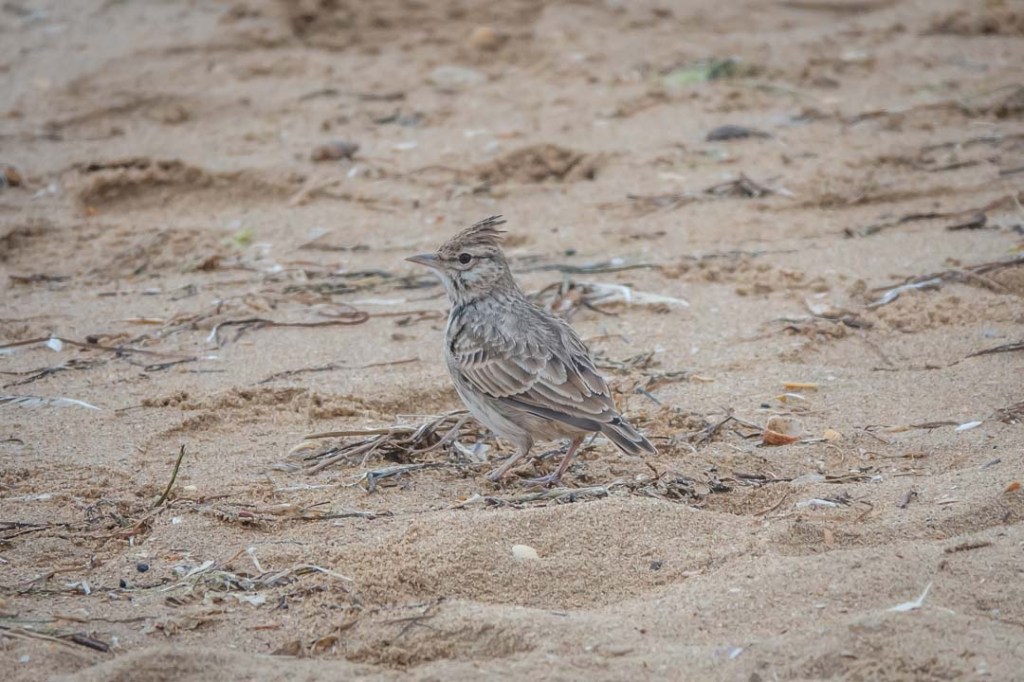
We did not expect to be birdwatching today but on the return from our walk around the town there was a low tide on the estuary and we were pleasantly surprised to be able to see a number of waders without binoculars even in the poor light.

In addition to the waders as we left the beach two Thekla larks (which we had only ever seen once before) flew in very close to us. Quite a promising start.
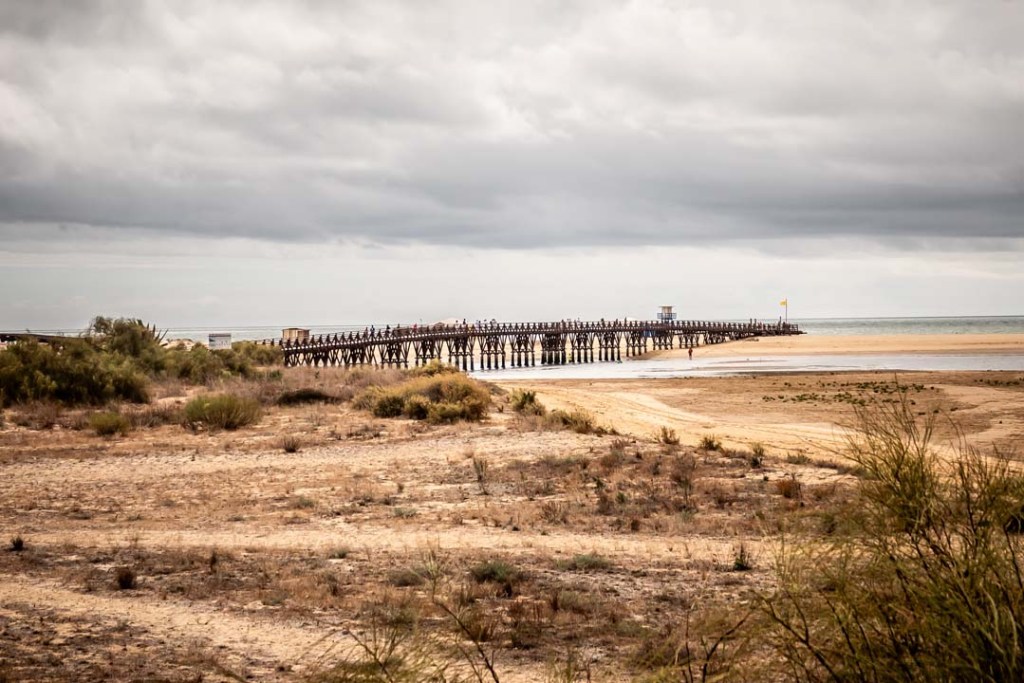

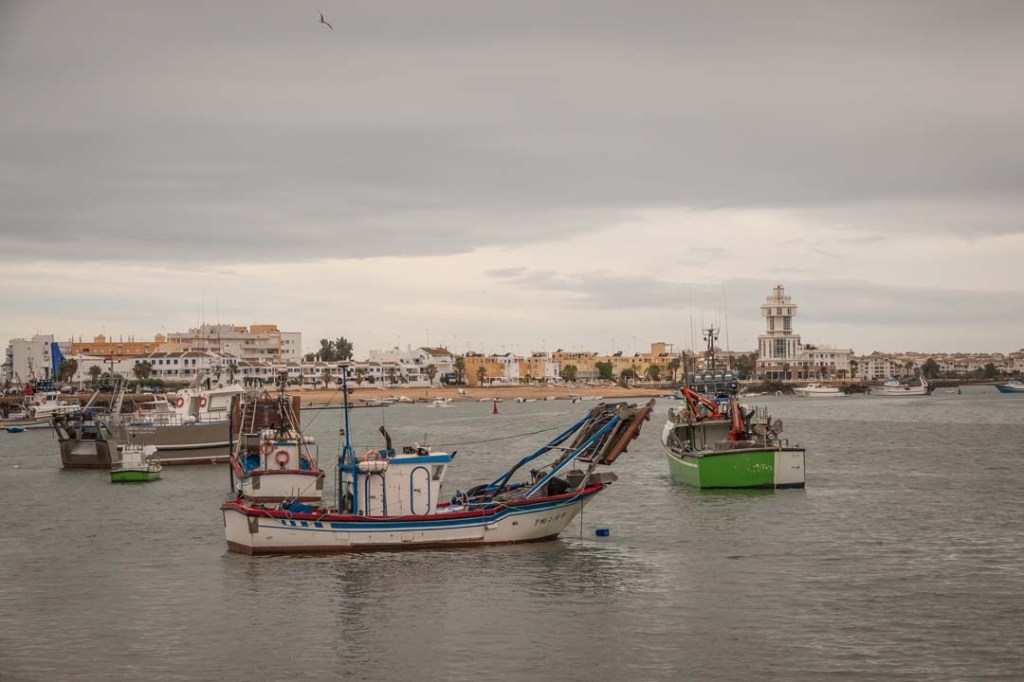
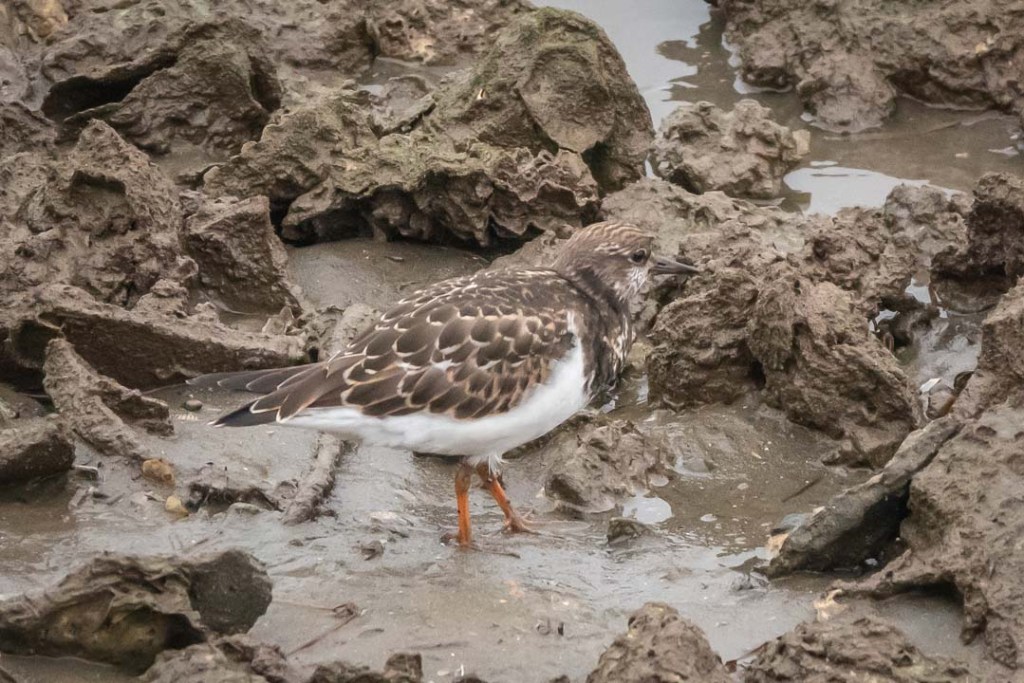


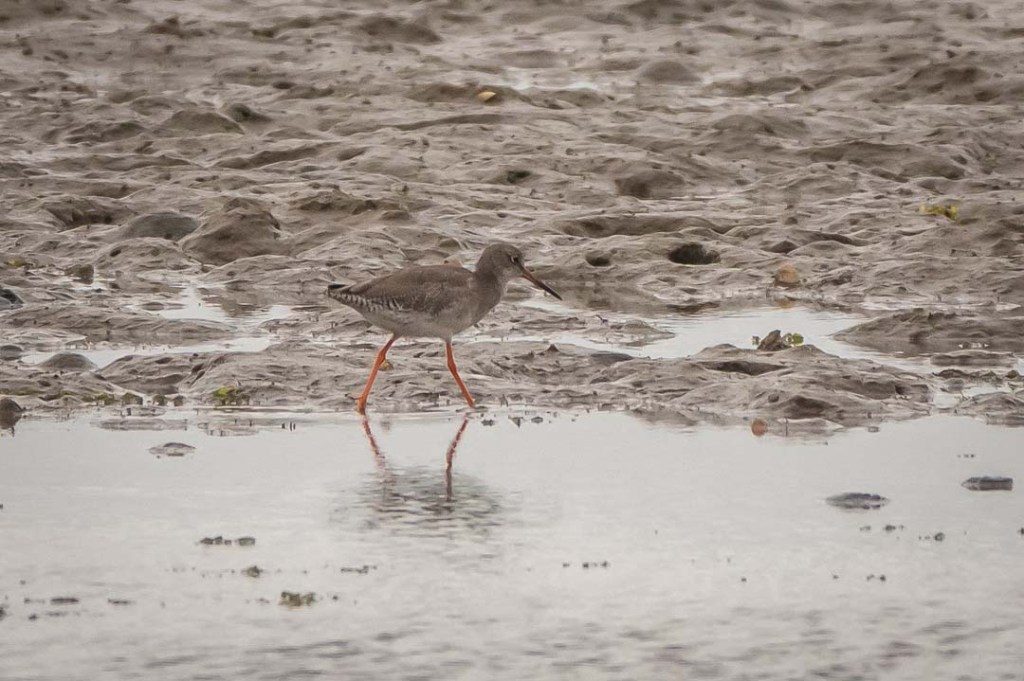


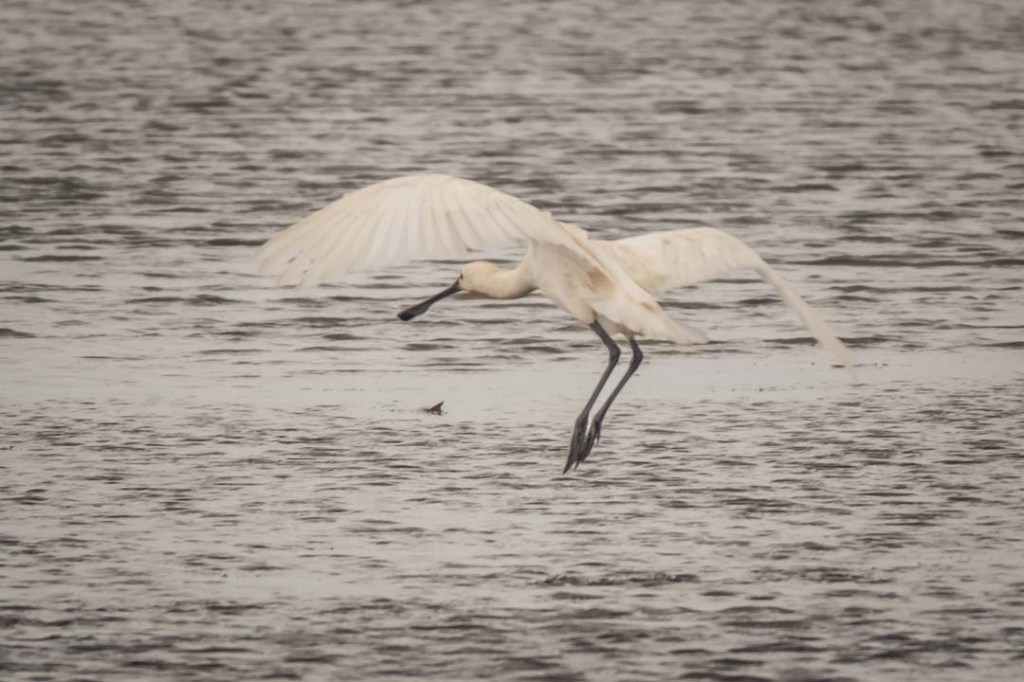

Slideshow of photos from this morning’s walk:
.
.
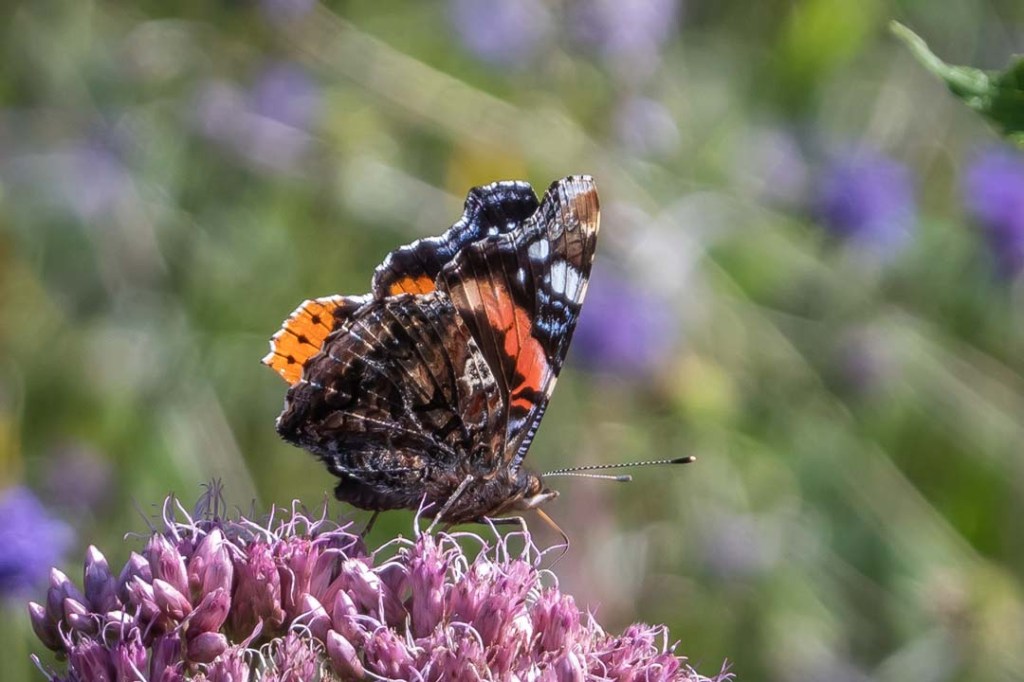
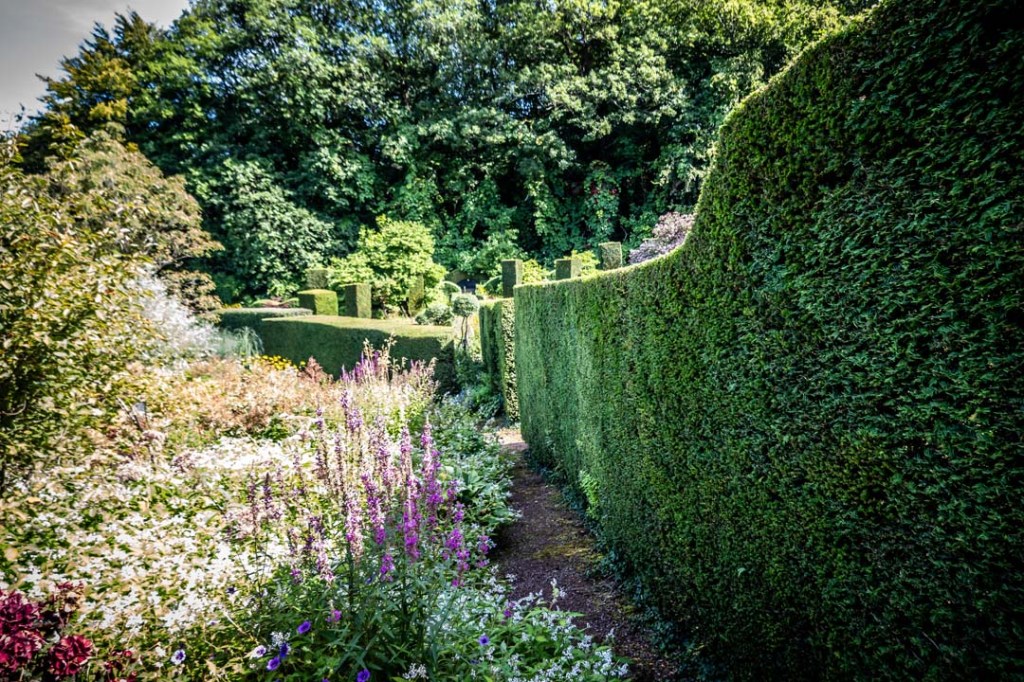
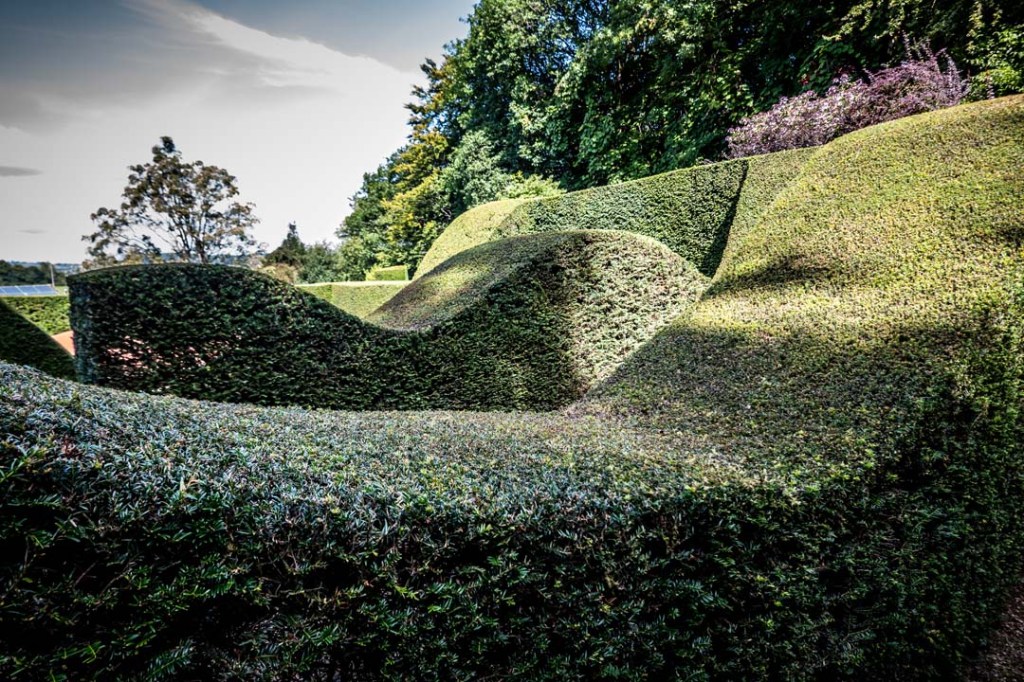
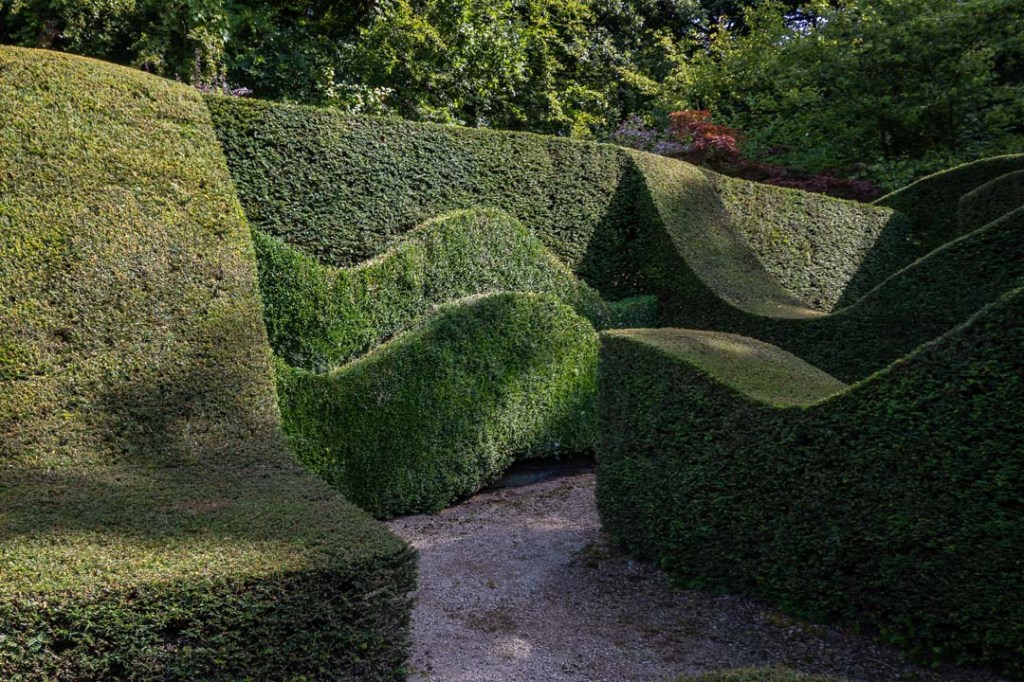
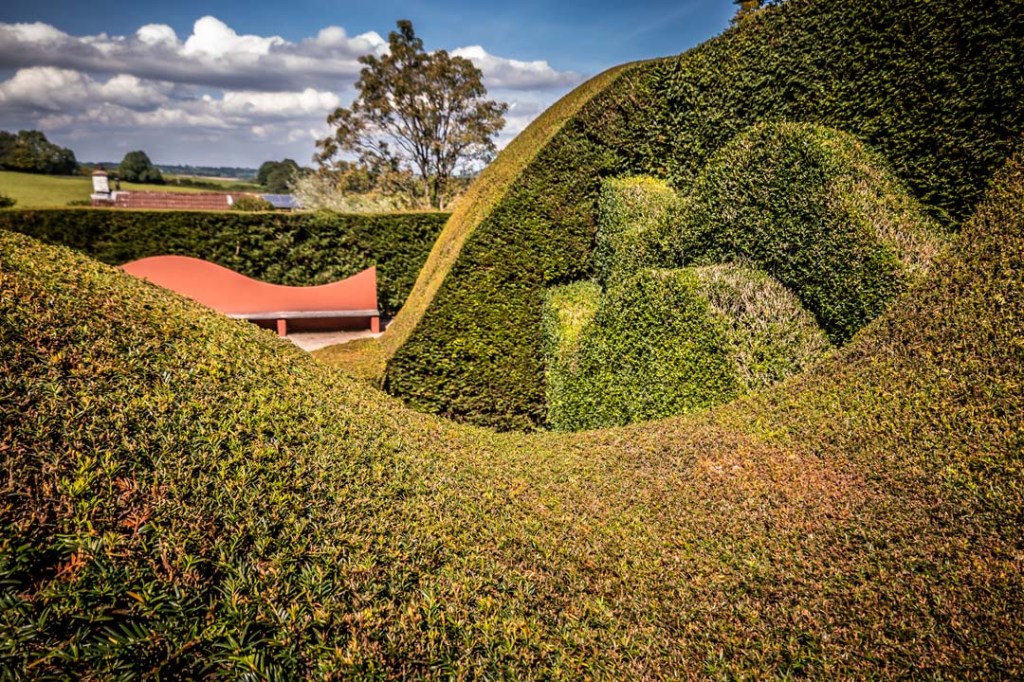
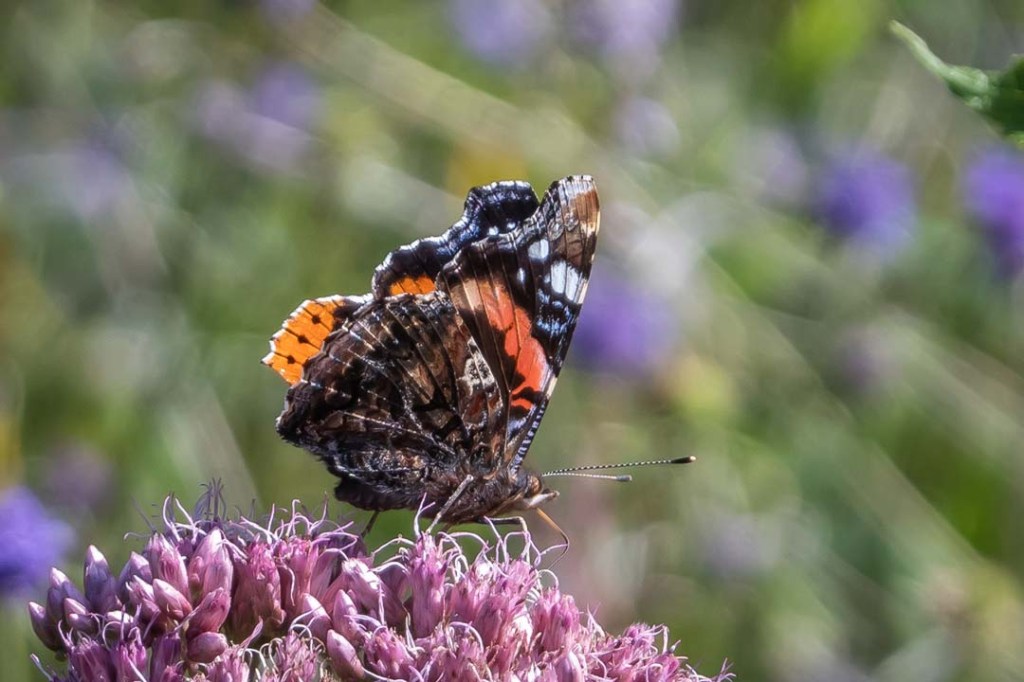
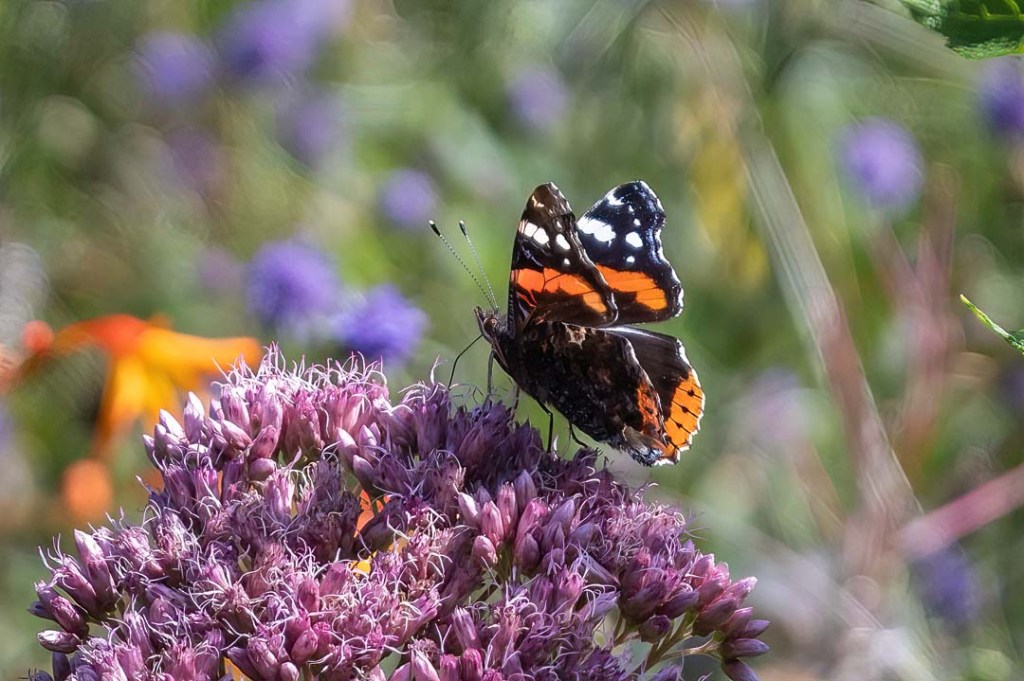
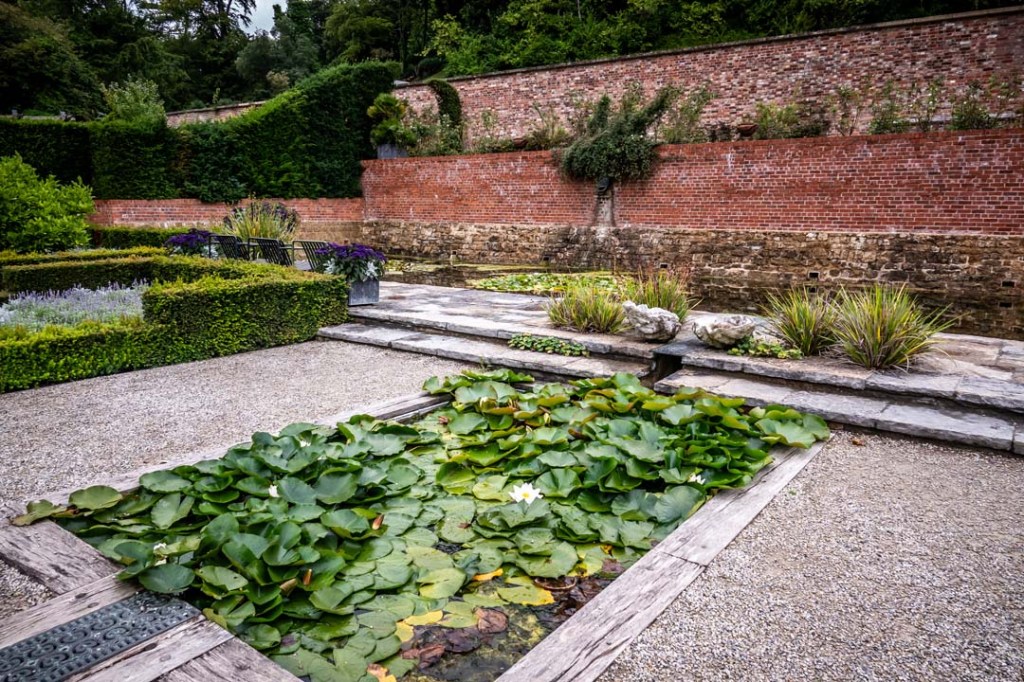
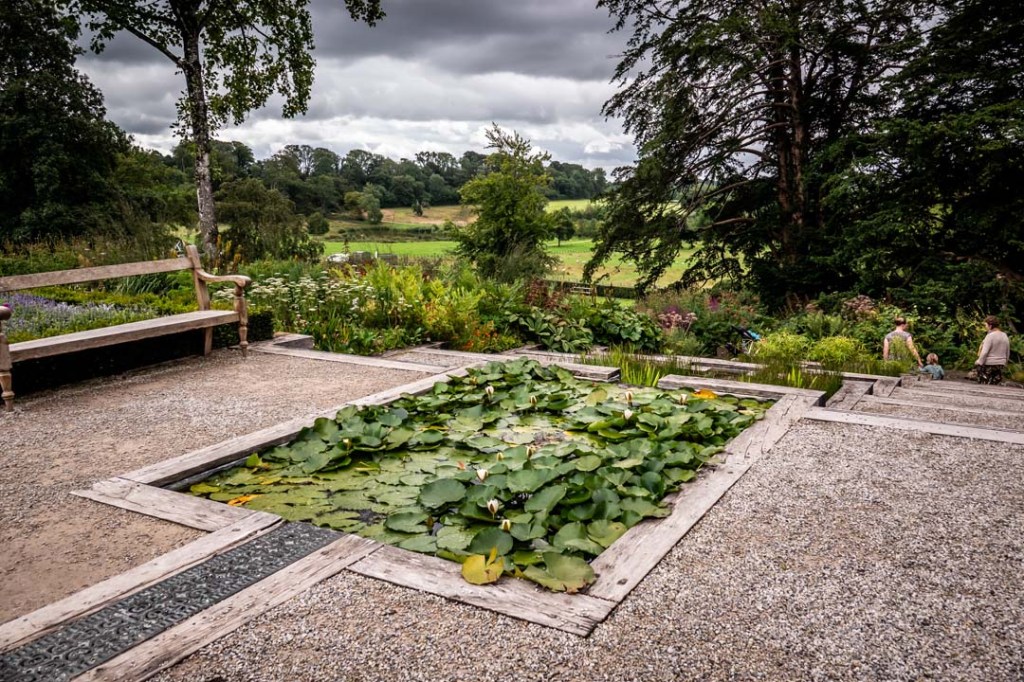
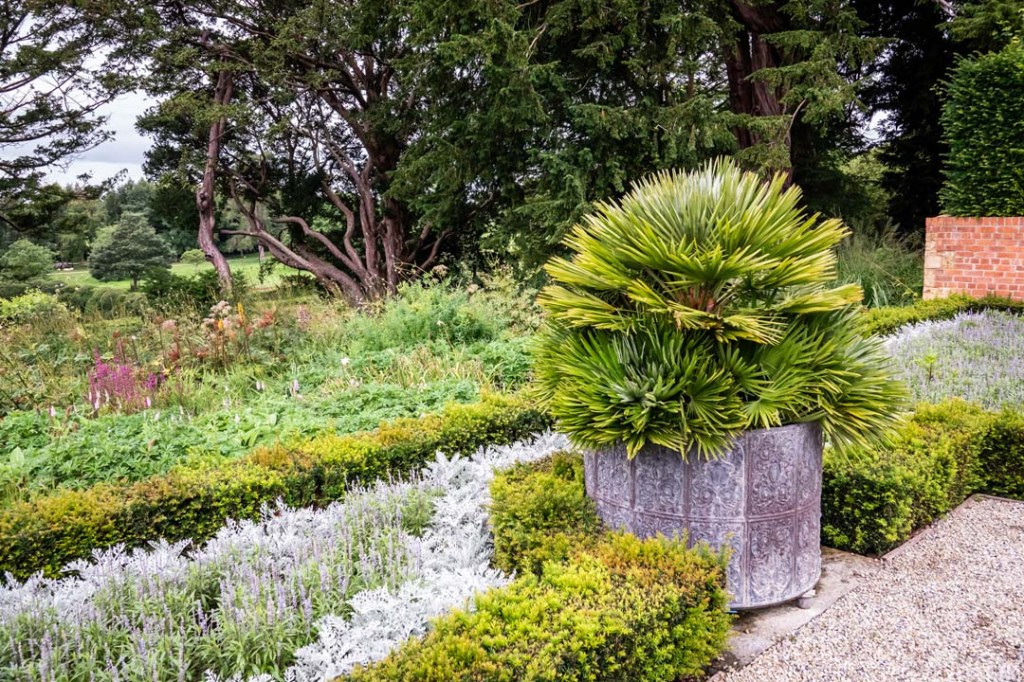
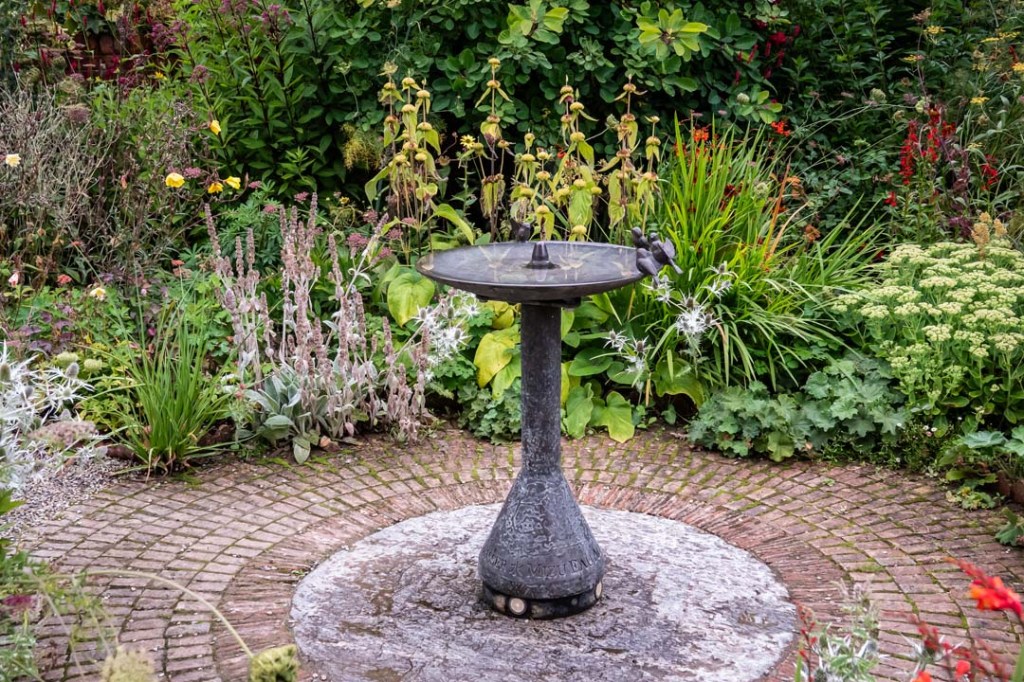
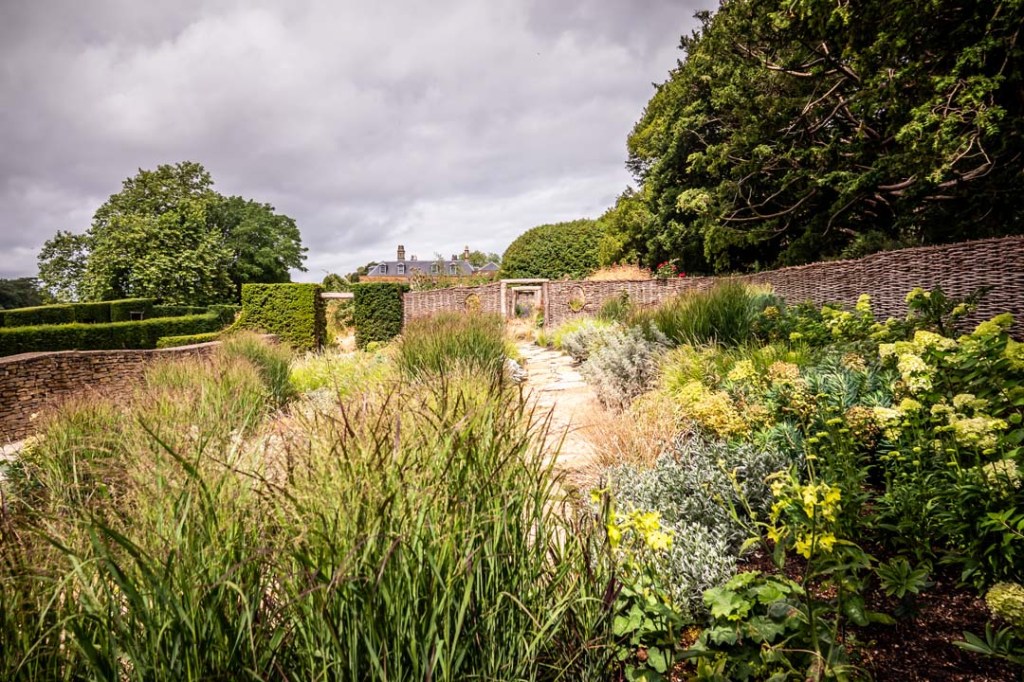
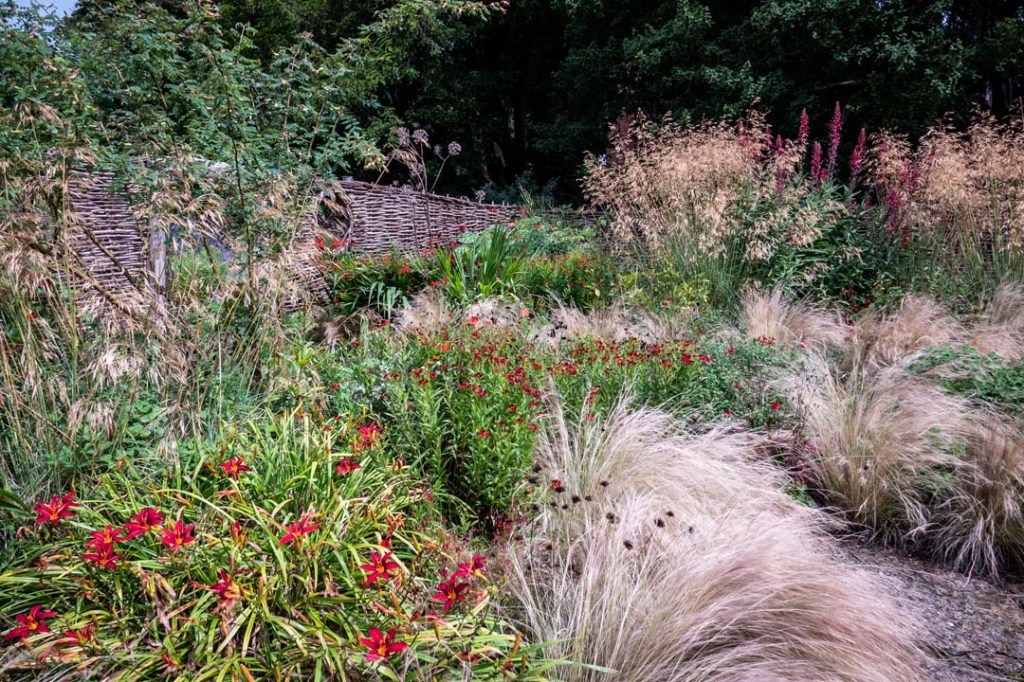
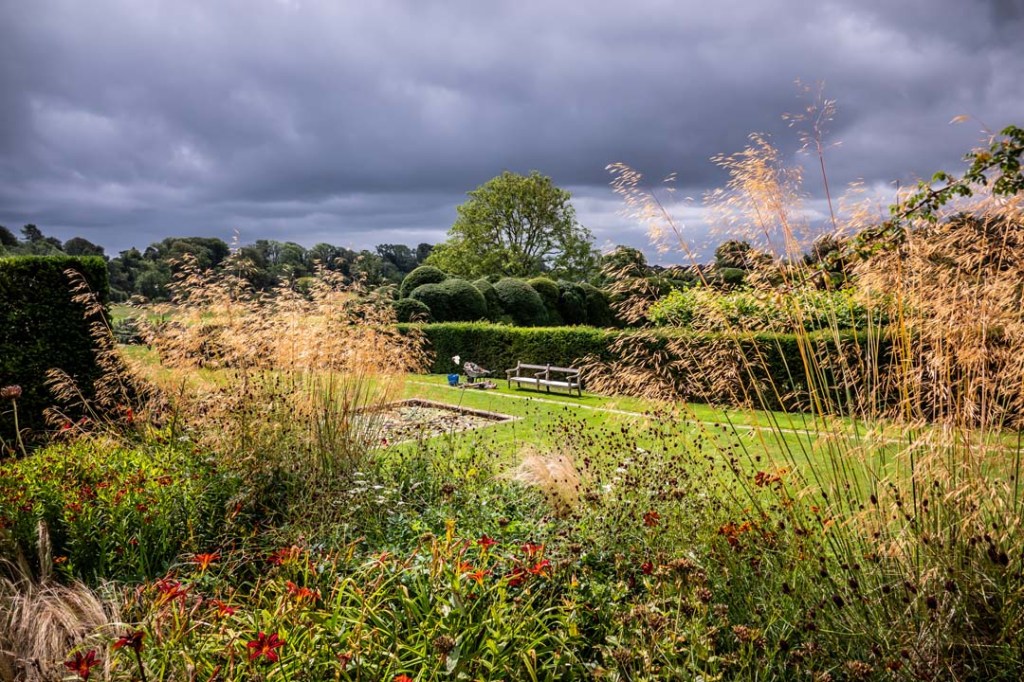
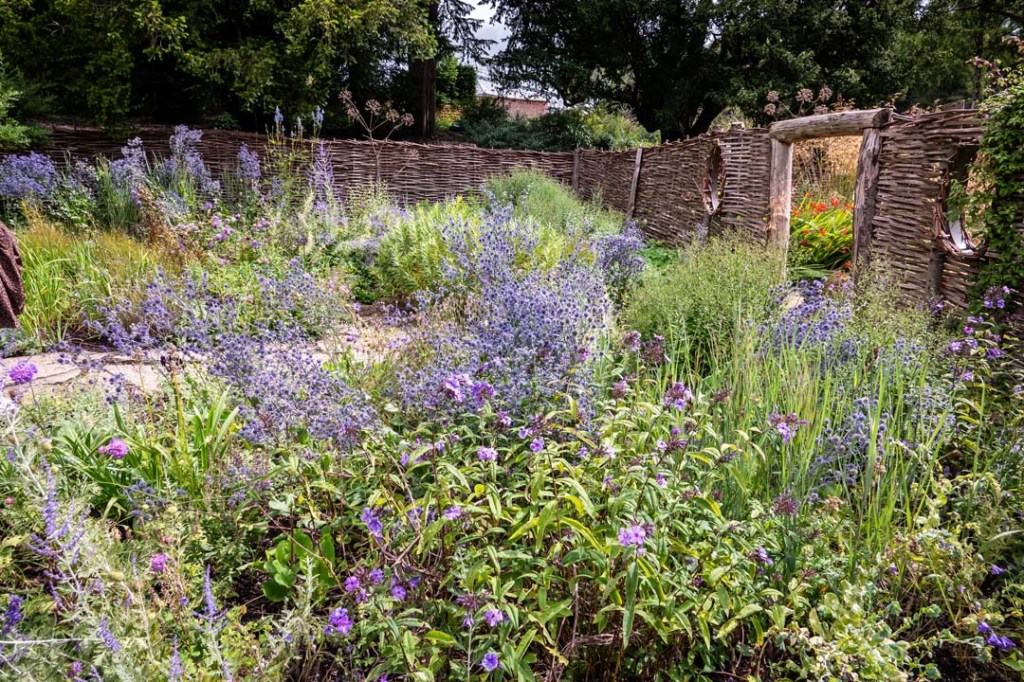
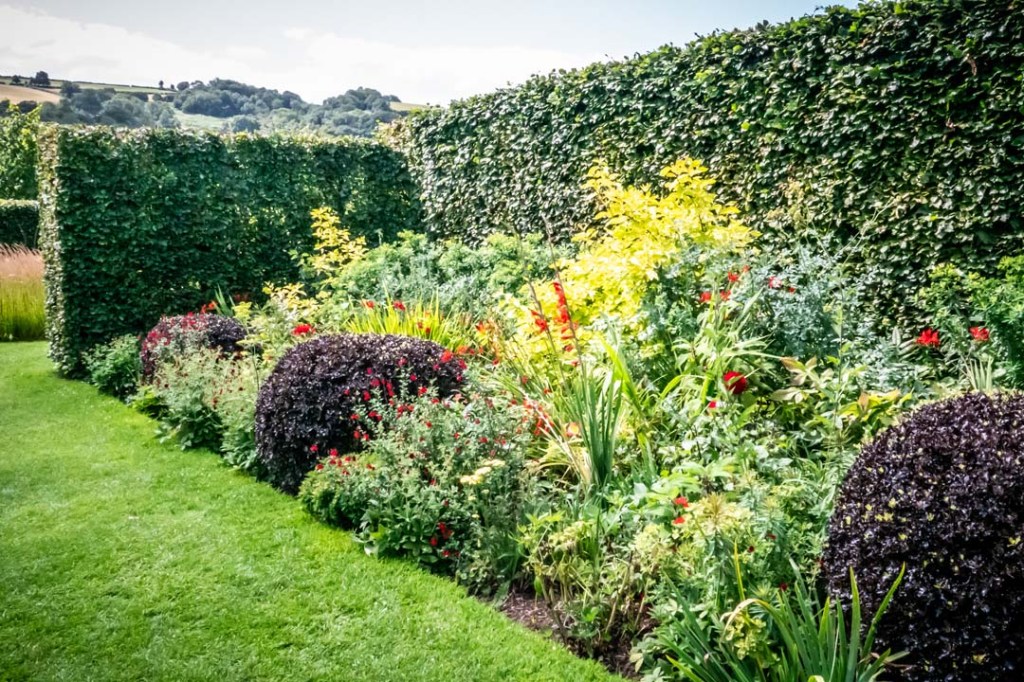
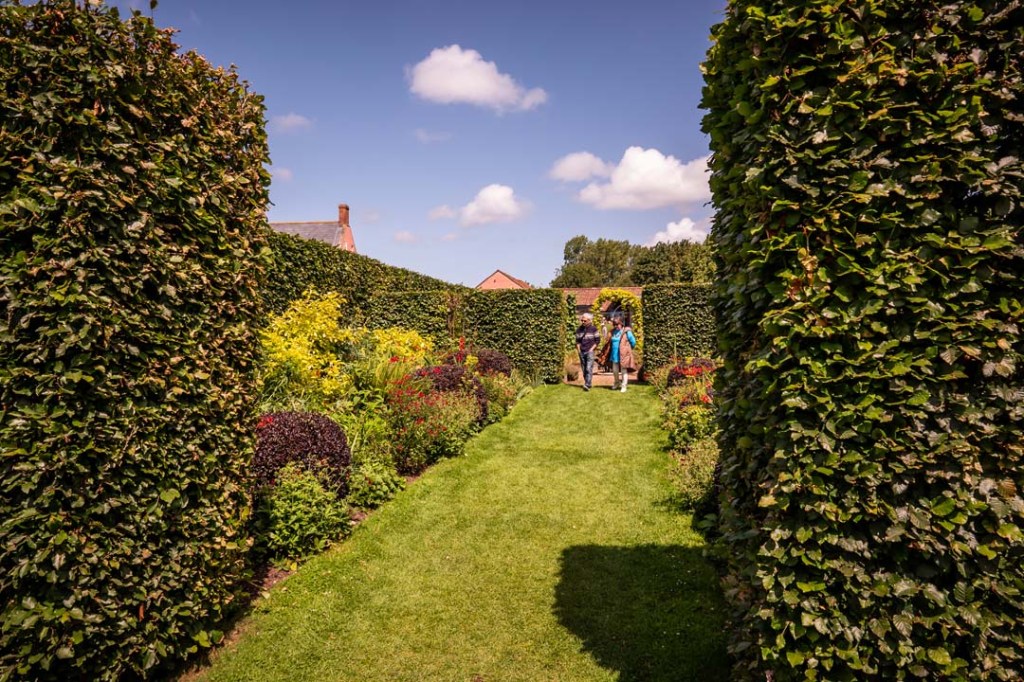
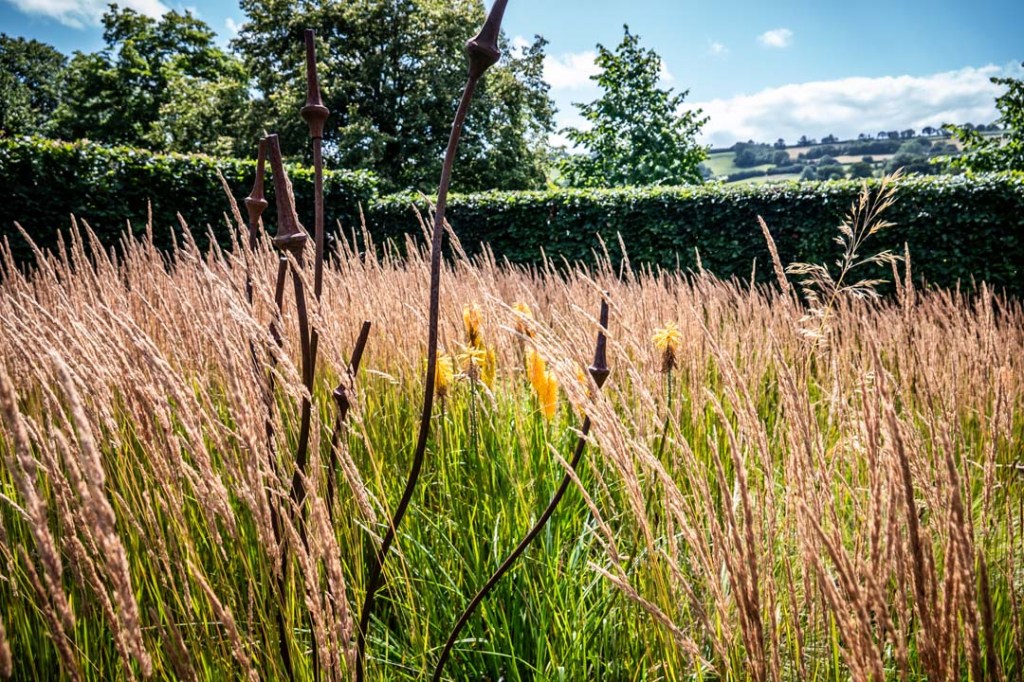
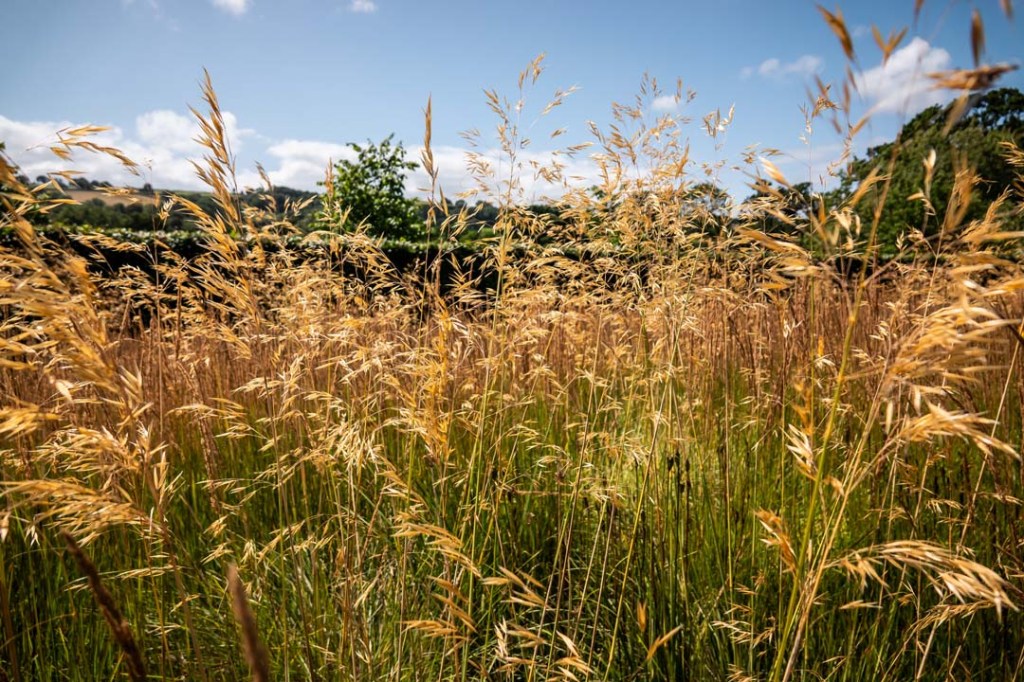
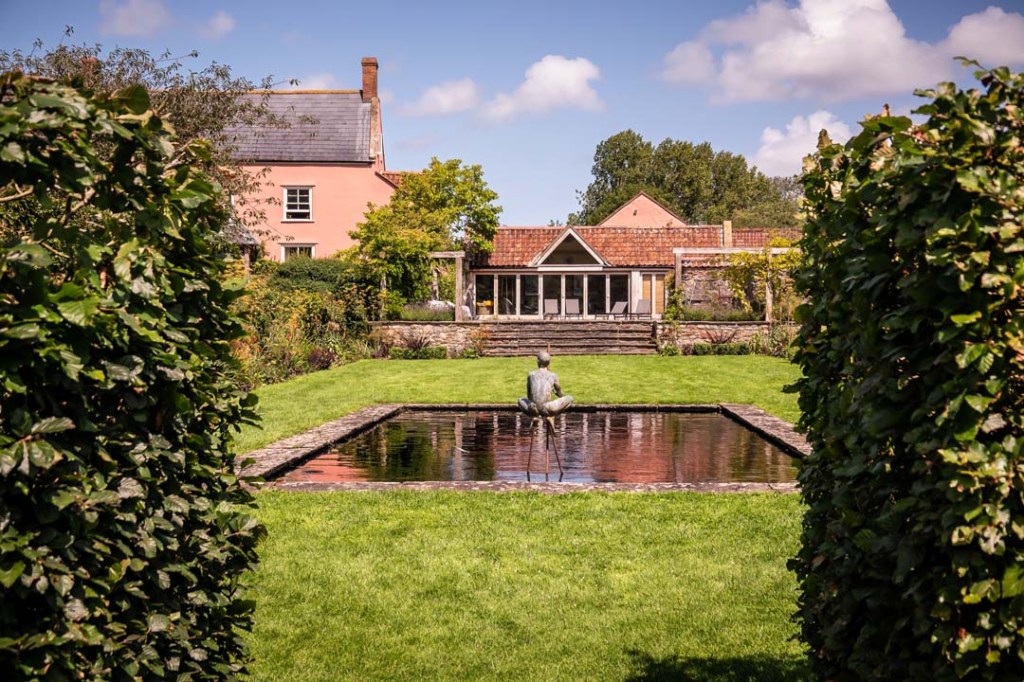
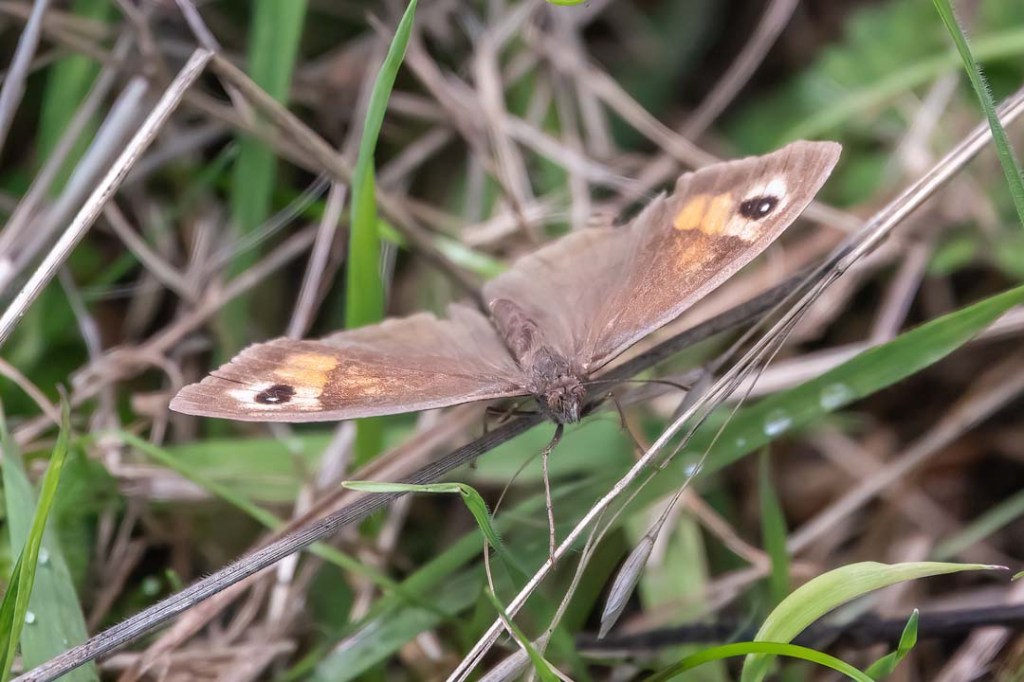
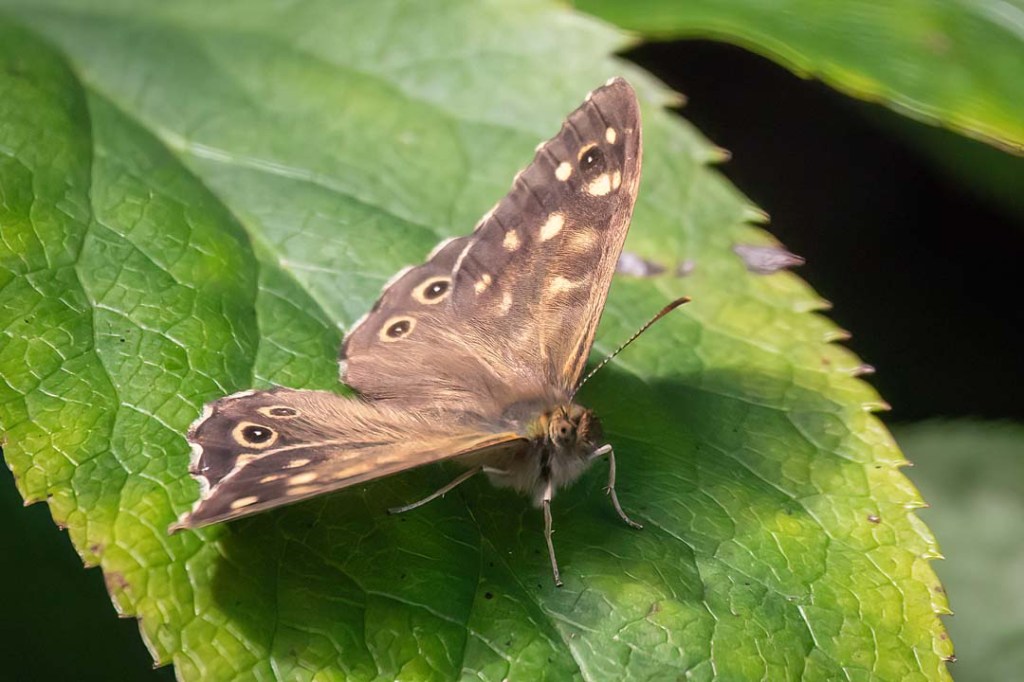
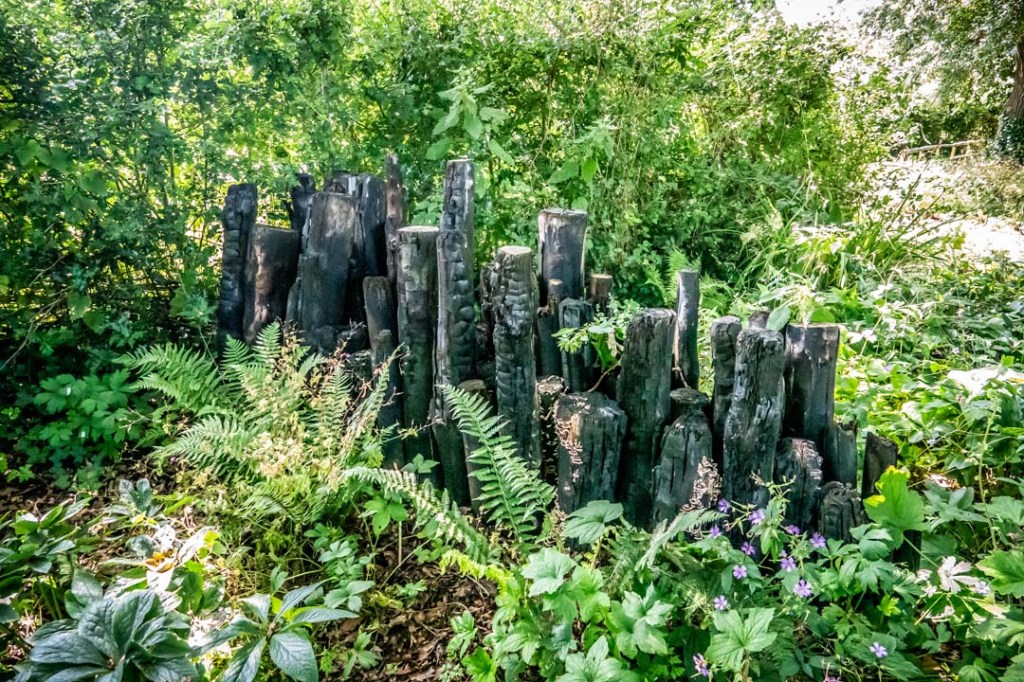
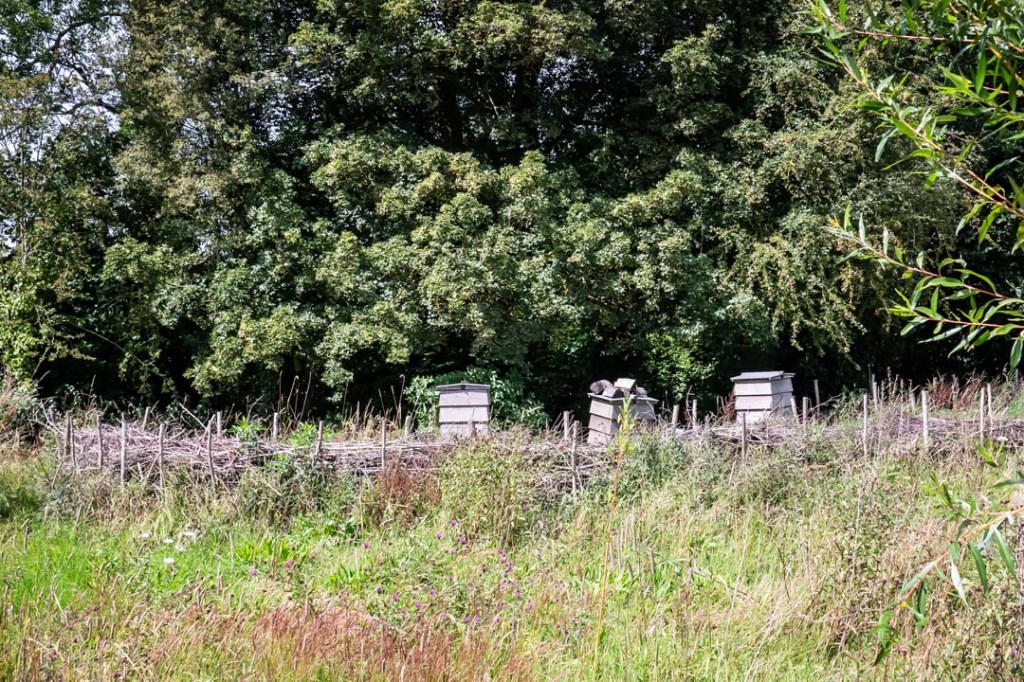
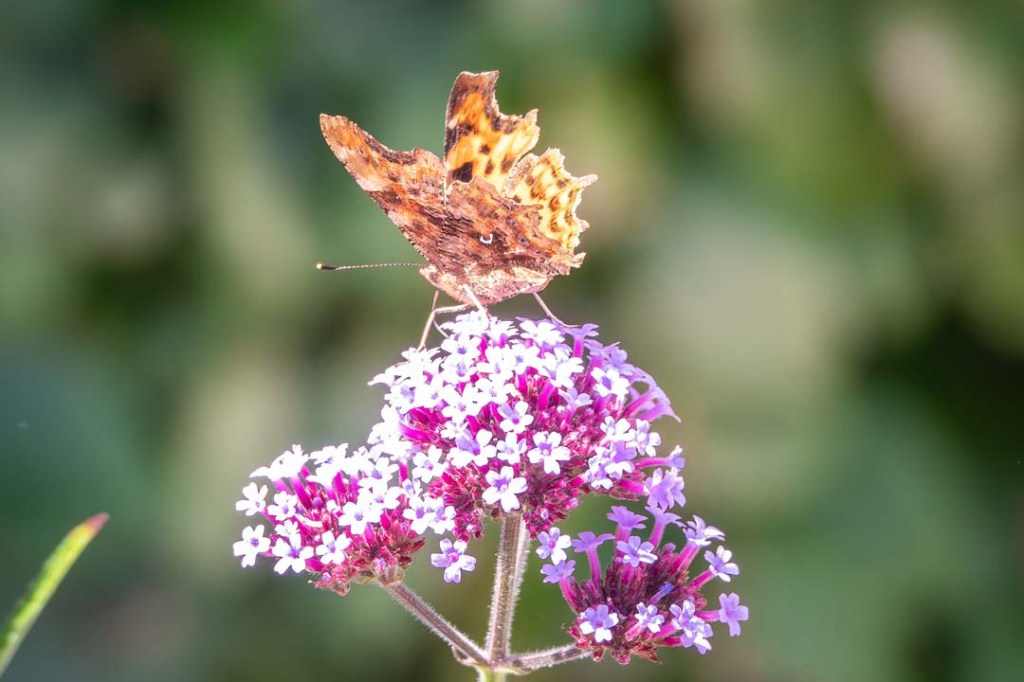
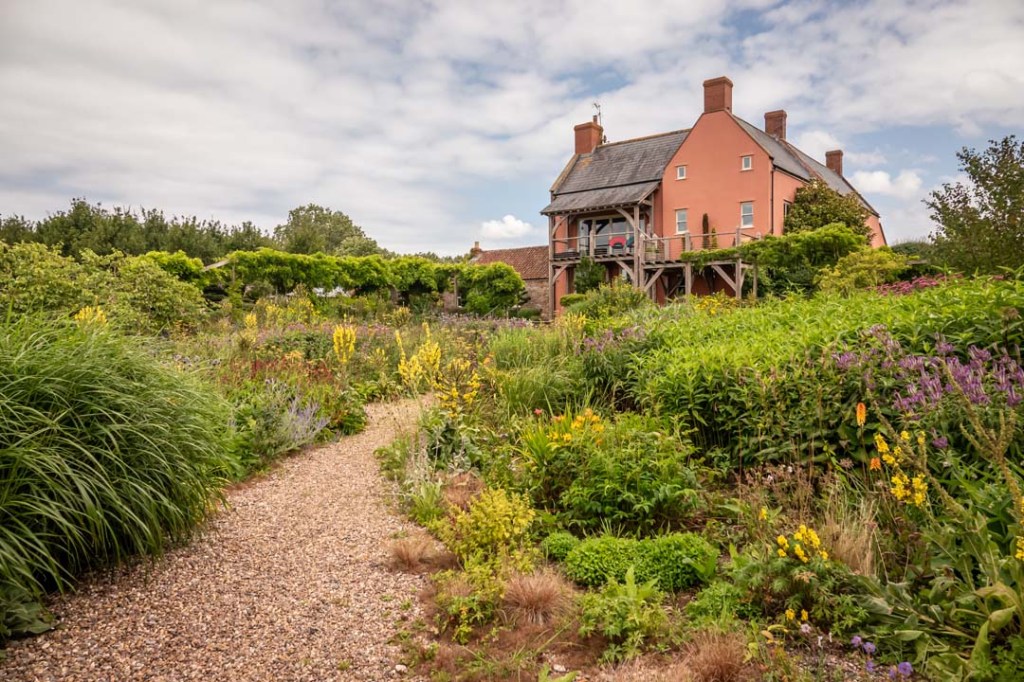
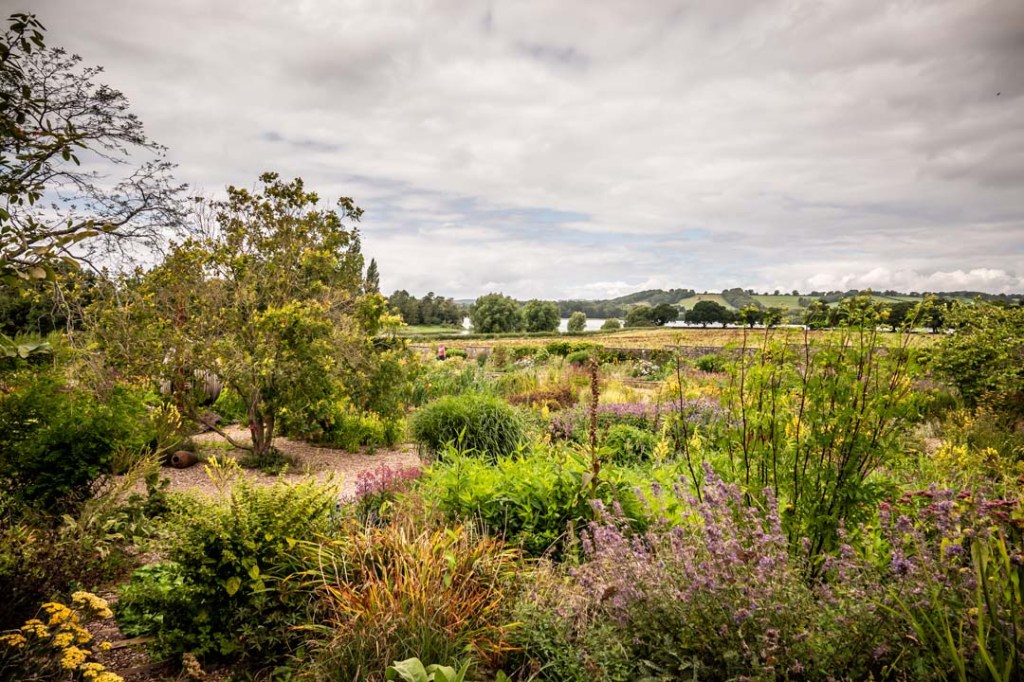
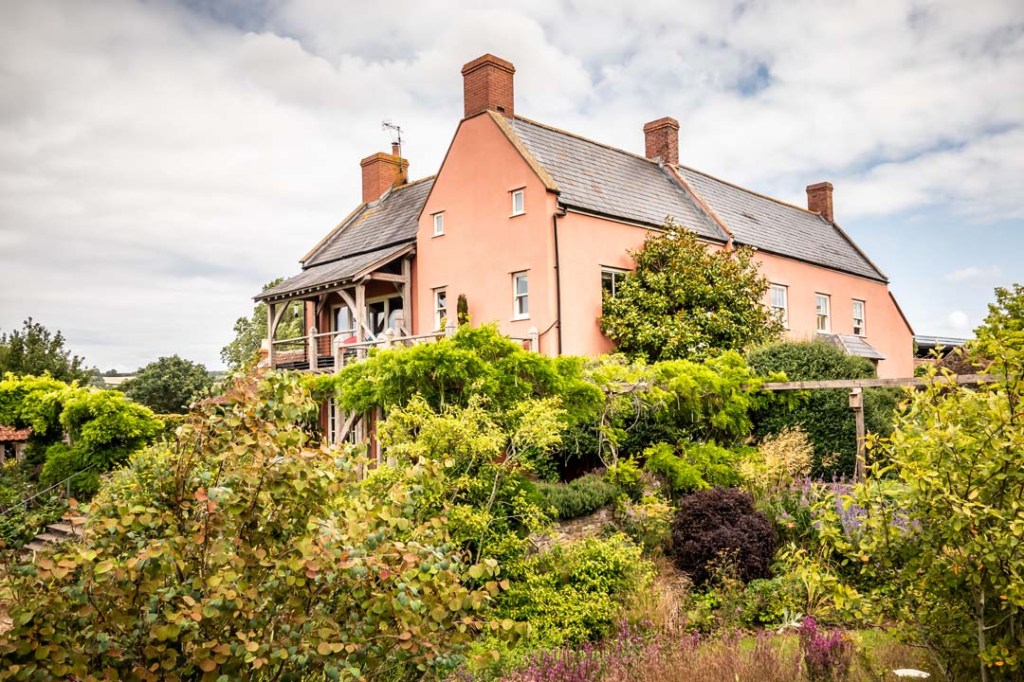
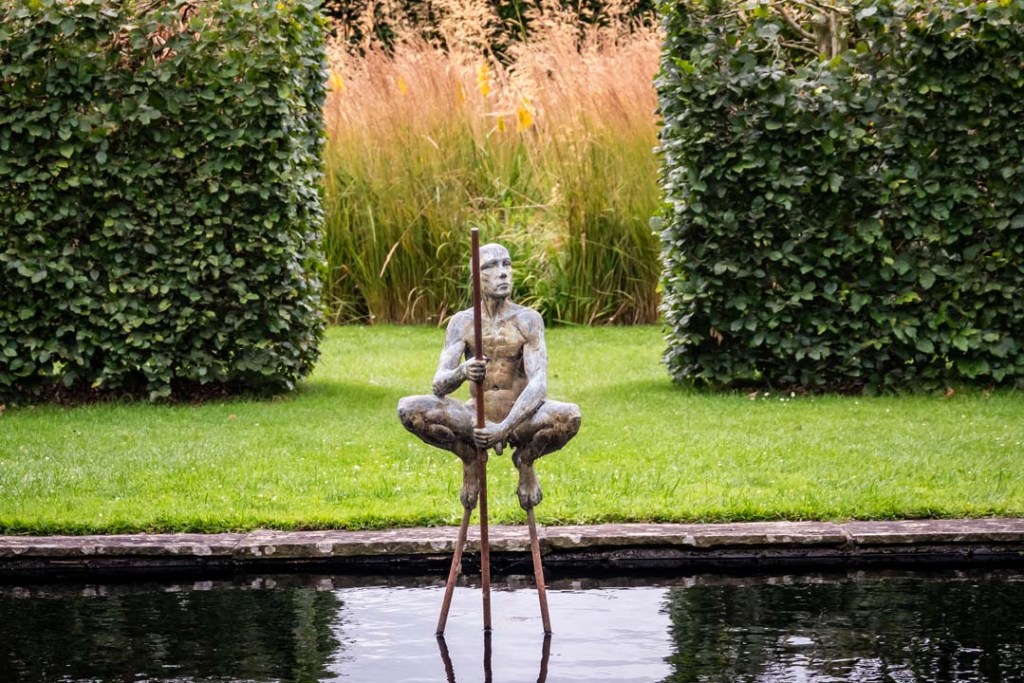
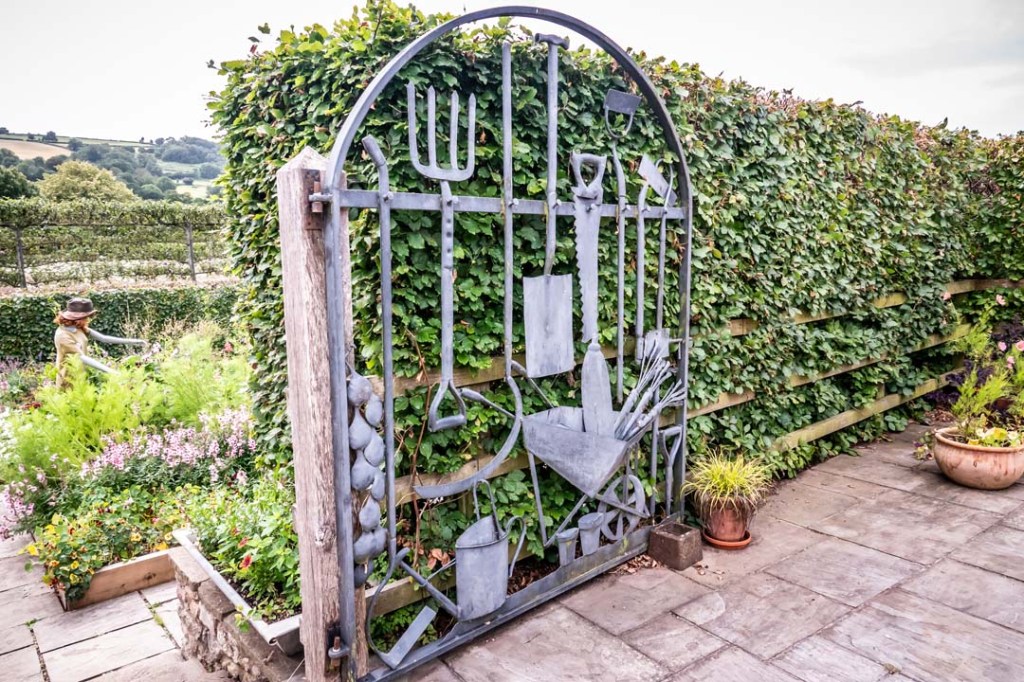
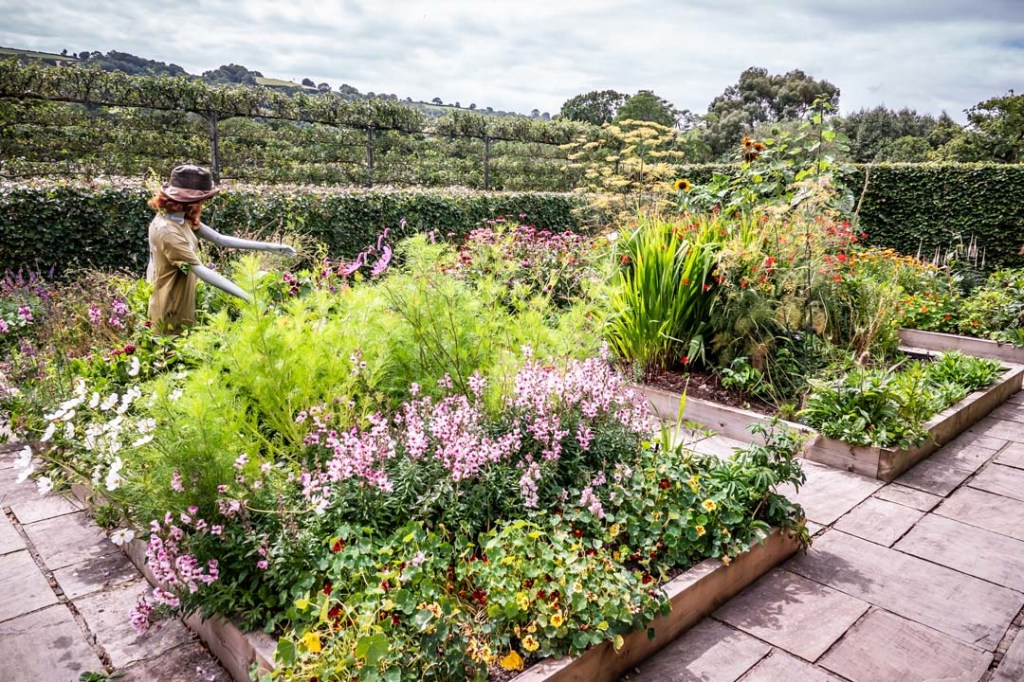
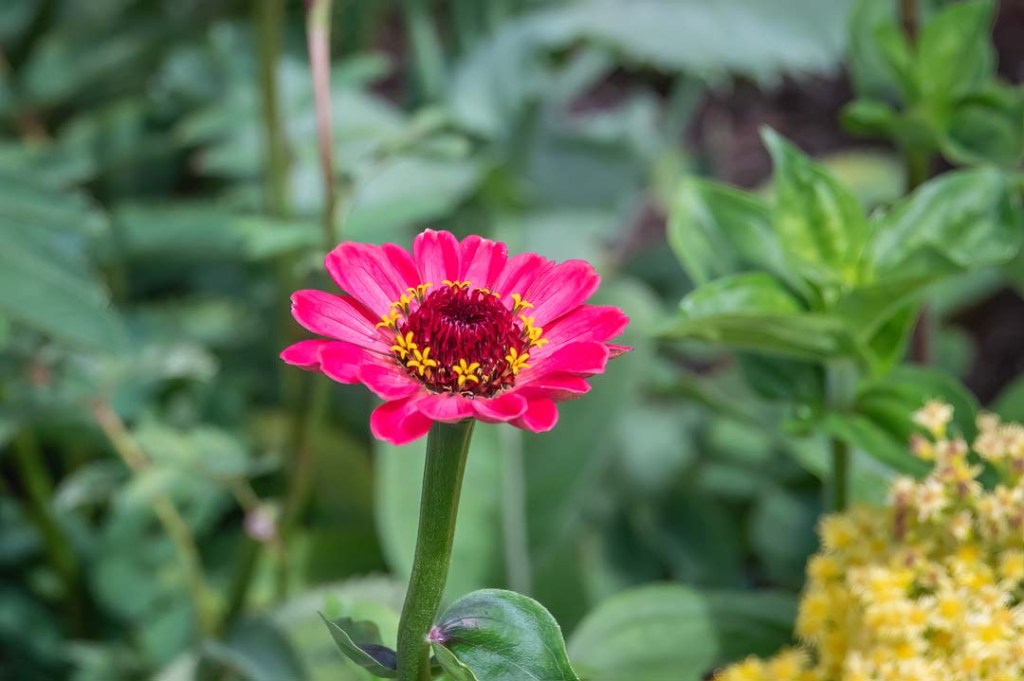
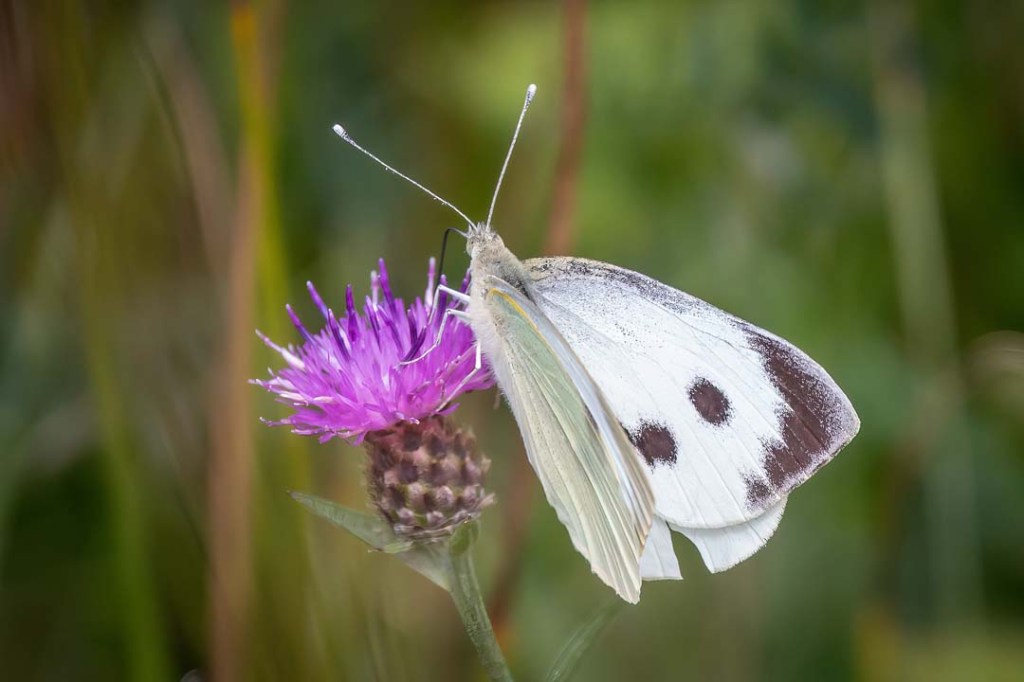
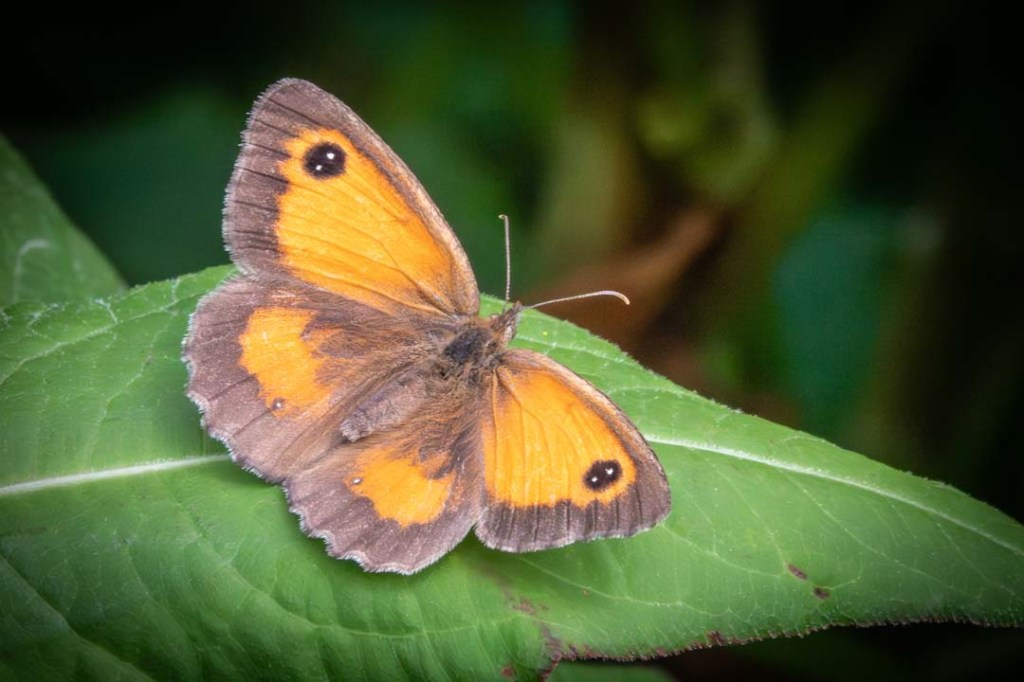
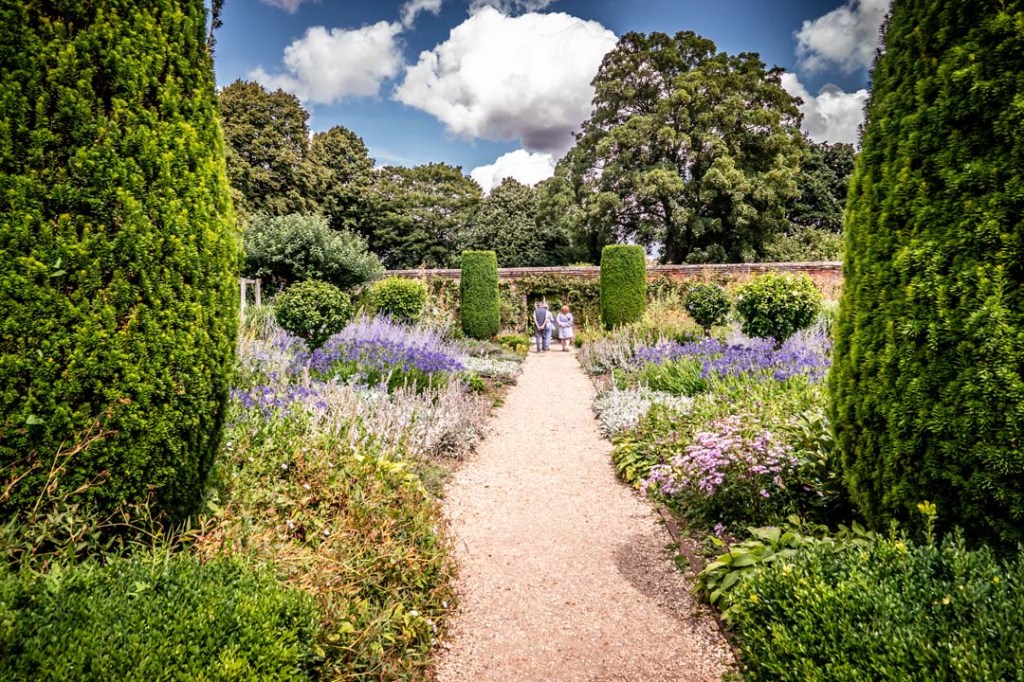
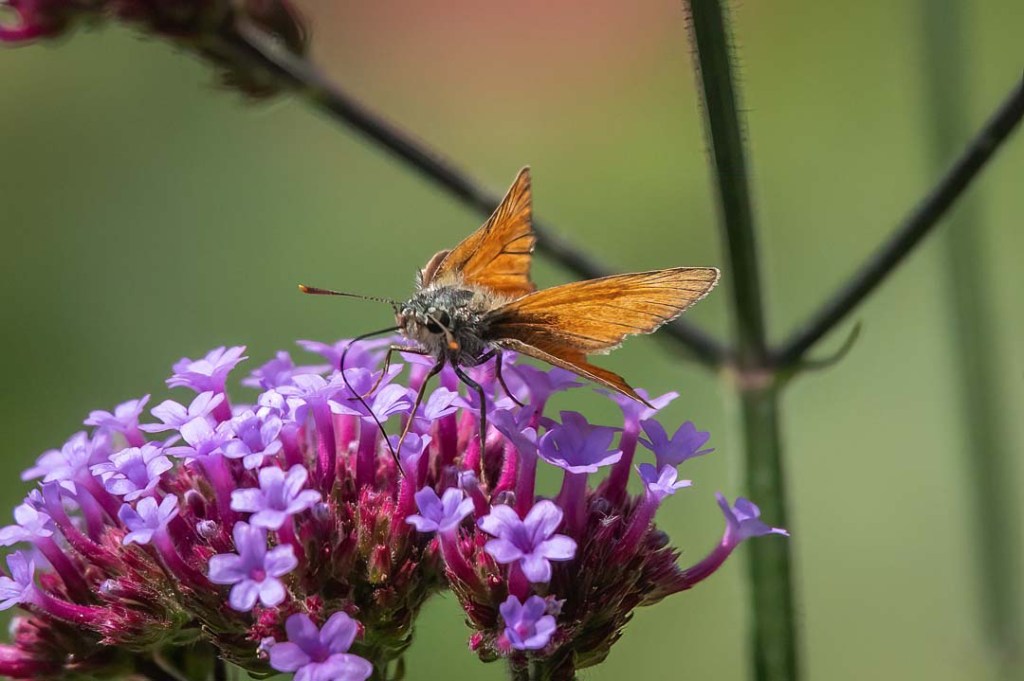
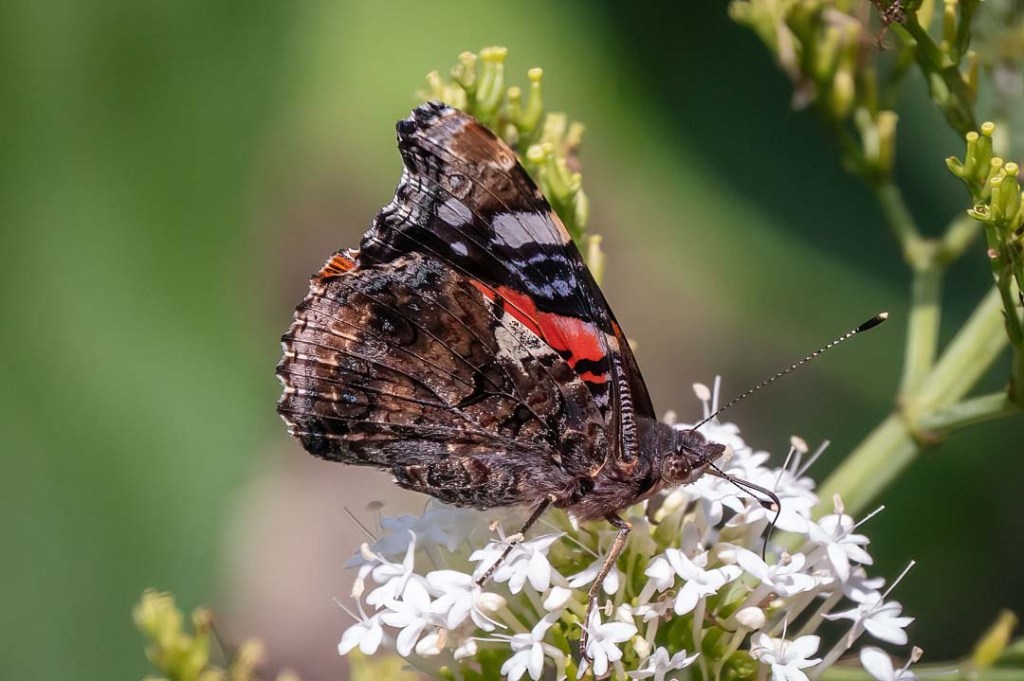
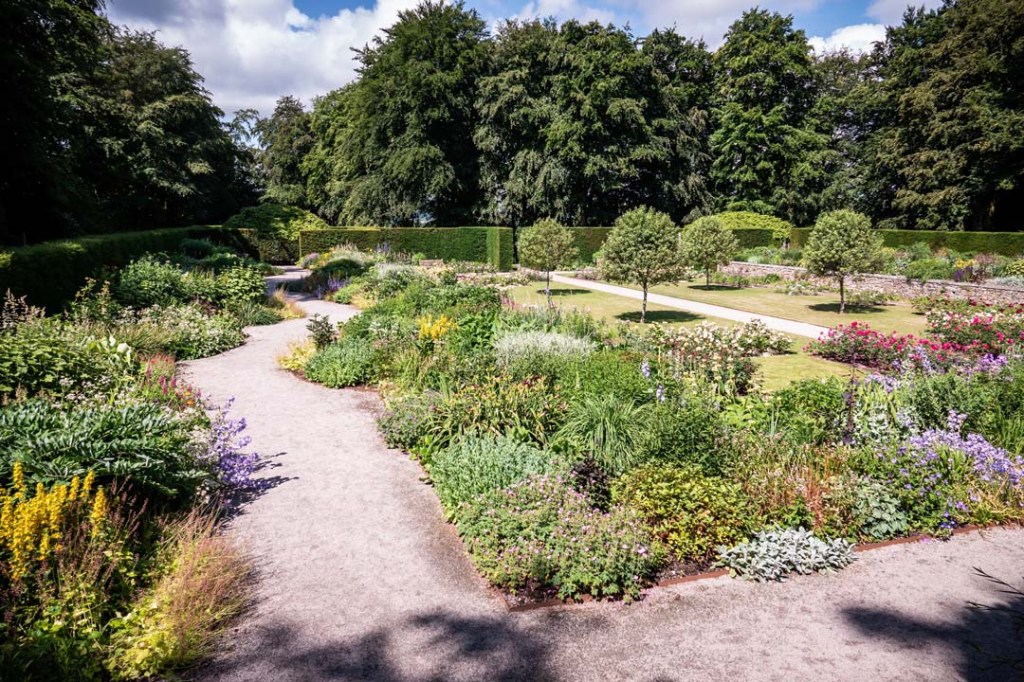
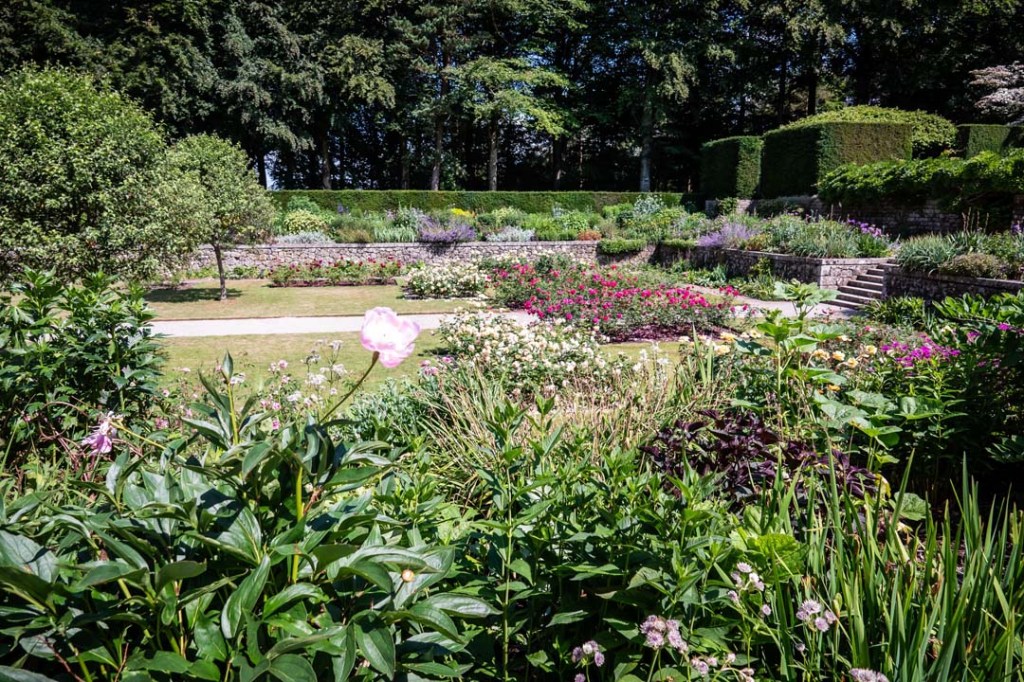
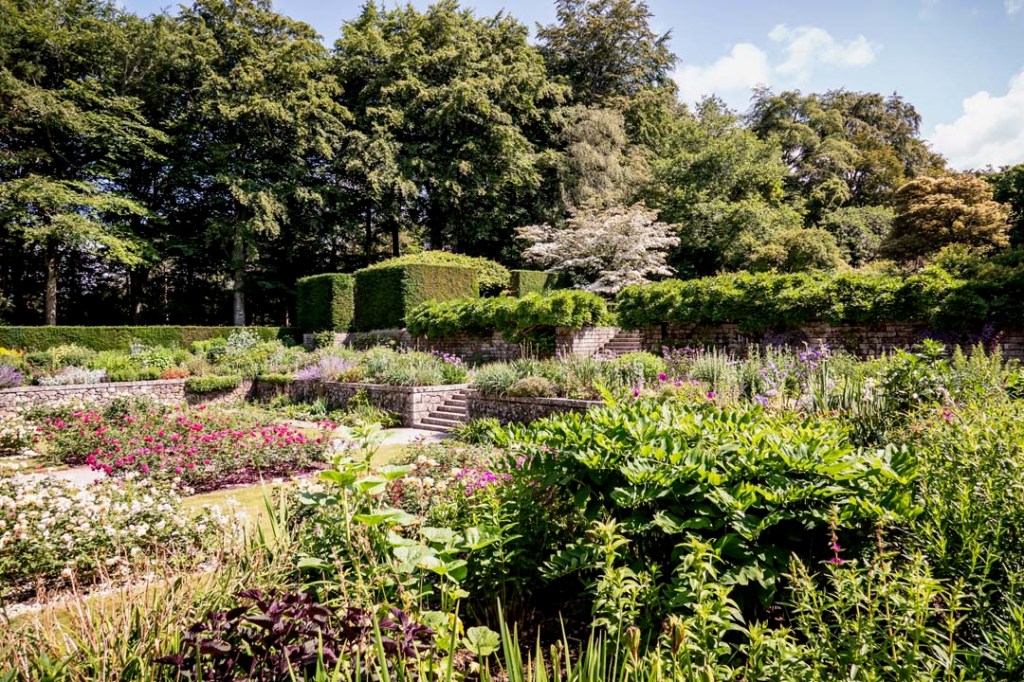
Not a bird in sight (well at least not in my sight) and only one butterfly captured by my camera. However, I have decided that gardens that we visit are well worth recording on my blog as they show nature as fashioned by man (and very often woman).
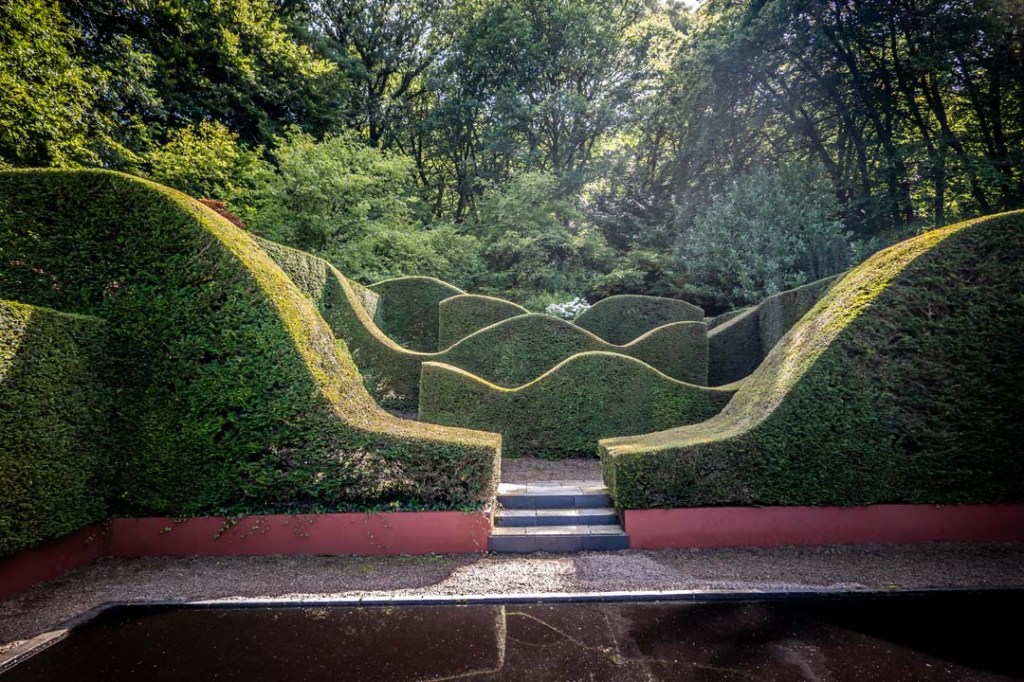
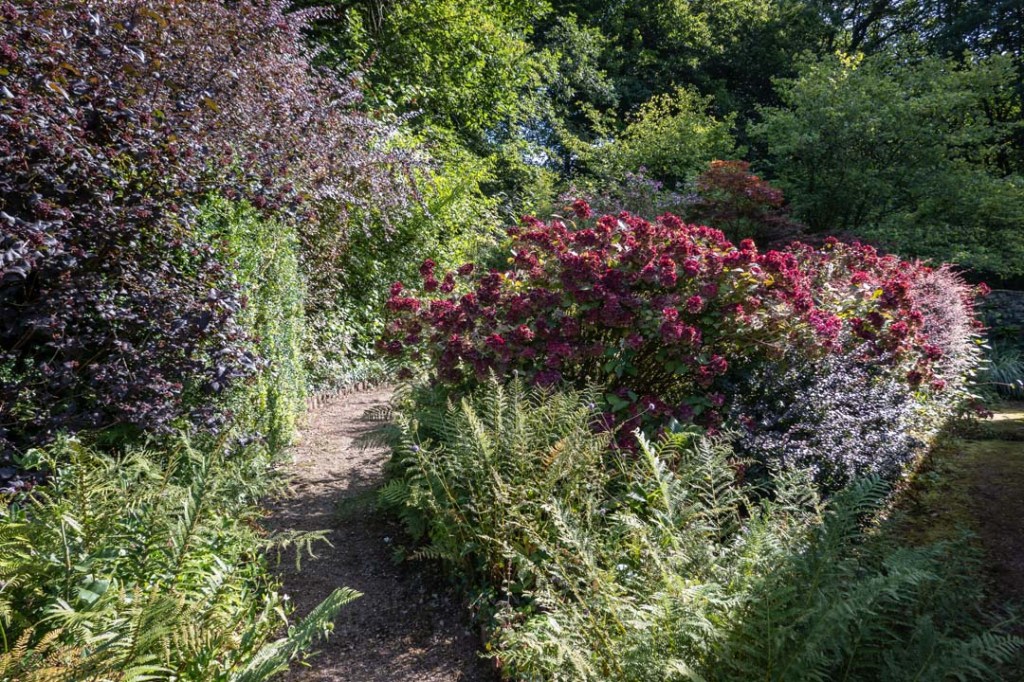
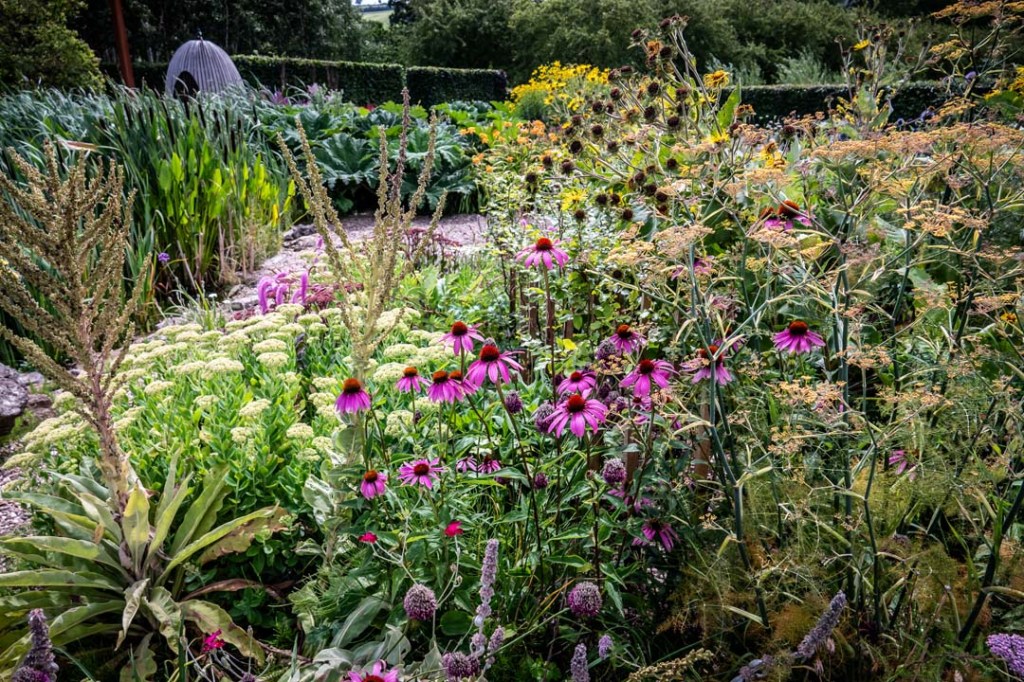
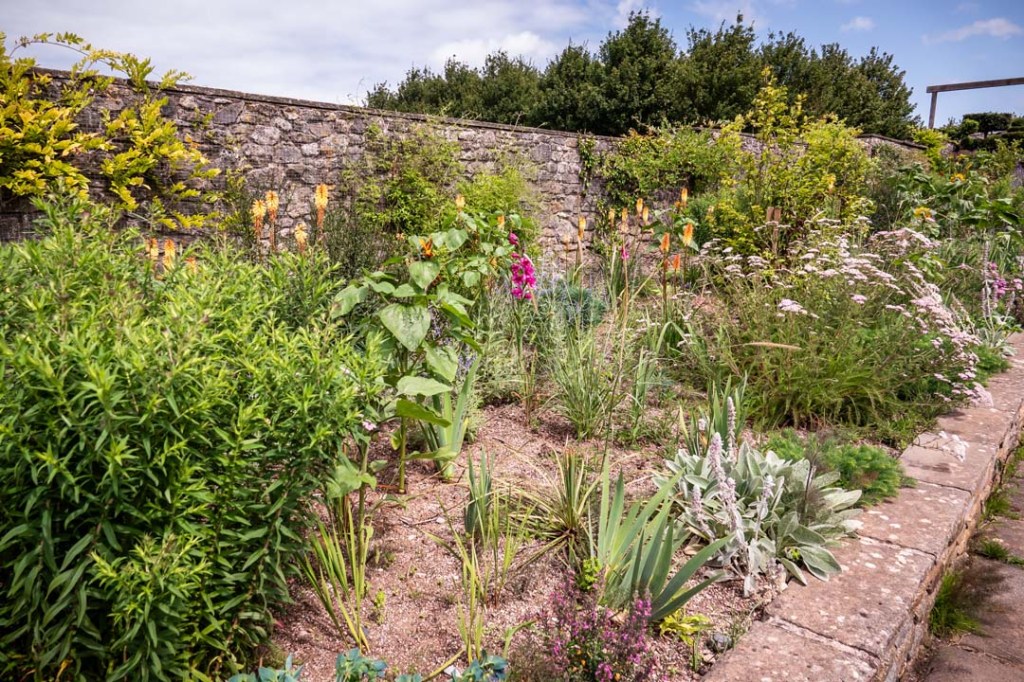
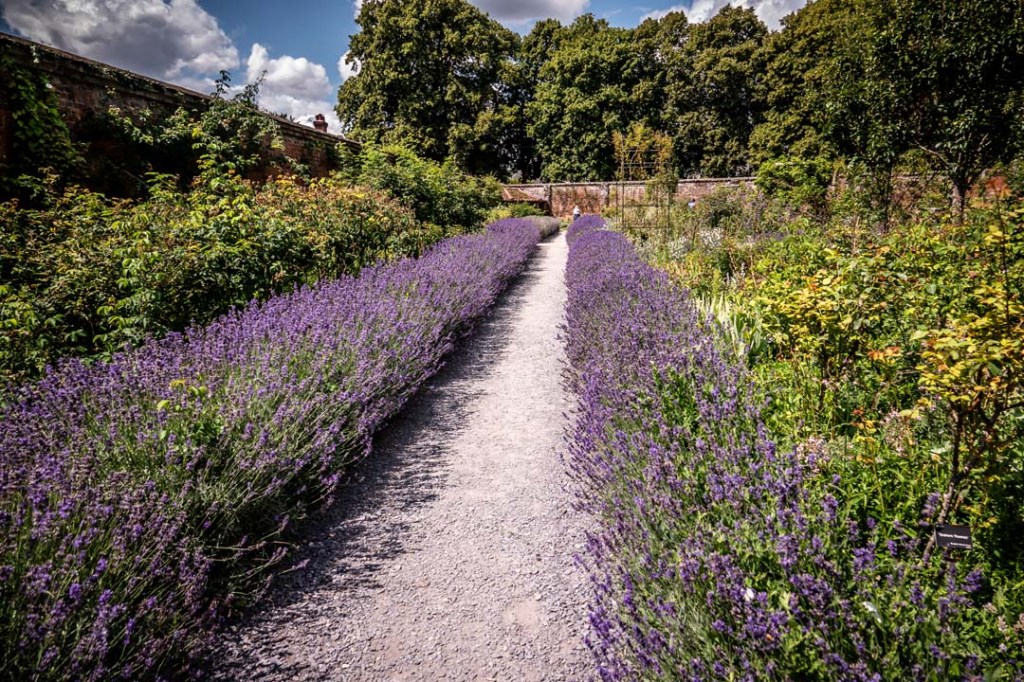
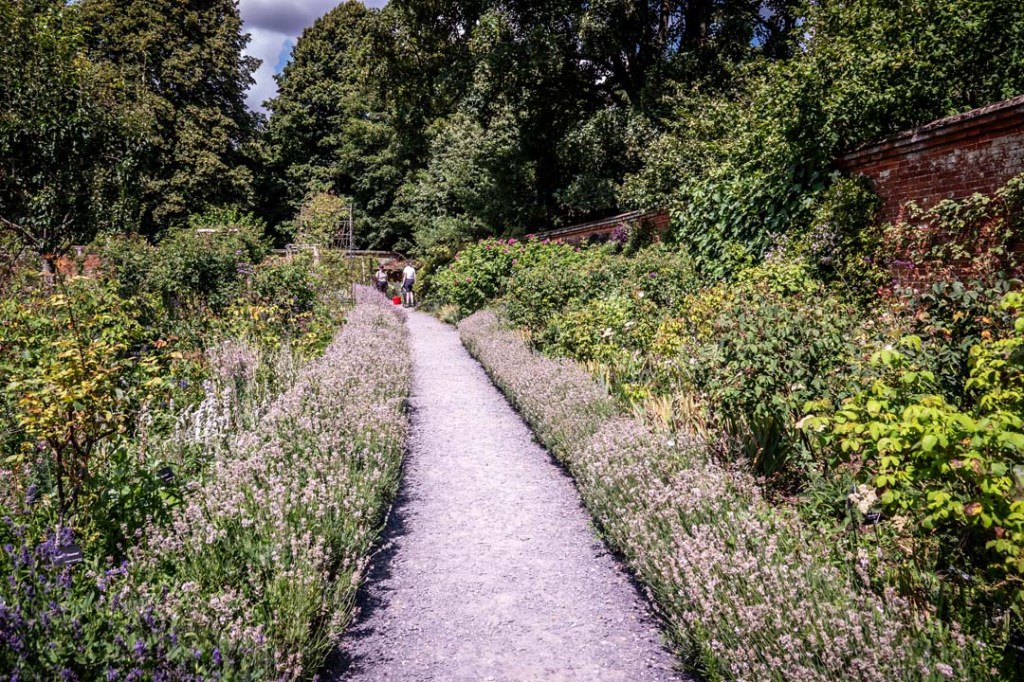
The Veddw House Garden, the garden of Charles Hawes (prize winning garden photographer) and Anne Wareham (garden writer) on the Welsh borders near Devauden up above Tintern Abbey was quite a challenge to photograph with a high sun on a Sunday afternoon – but Sunday afternoon is the only time it is open to the public. How wise of them to keep it to themselves to savour and possibly photograph in the golden hours.
The owners say it’s “all about patterns, shapes, colours, drama, sculptural hedges and views”. I hope you get a sense of all that from my photos.








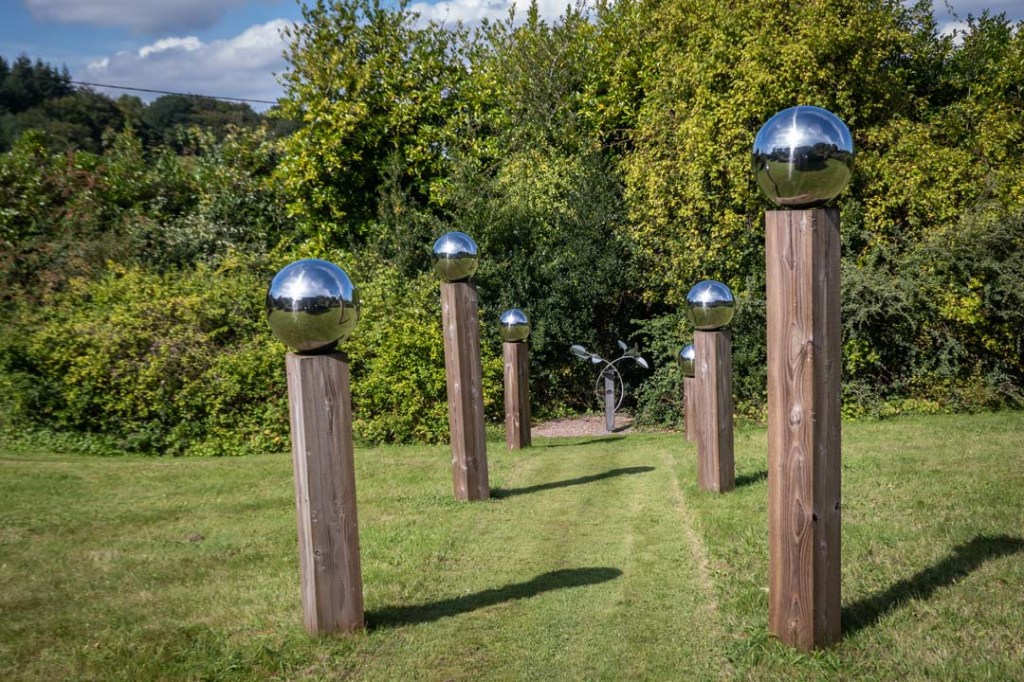
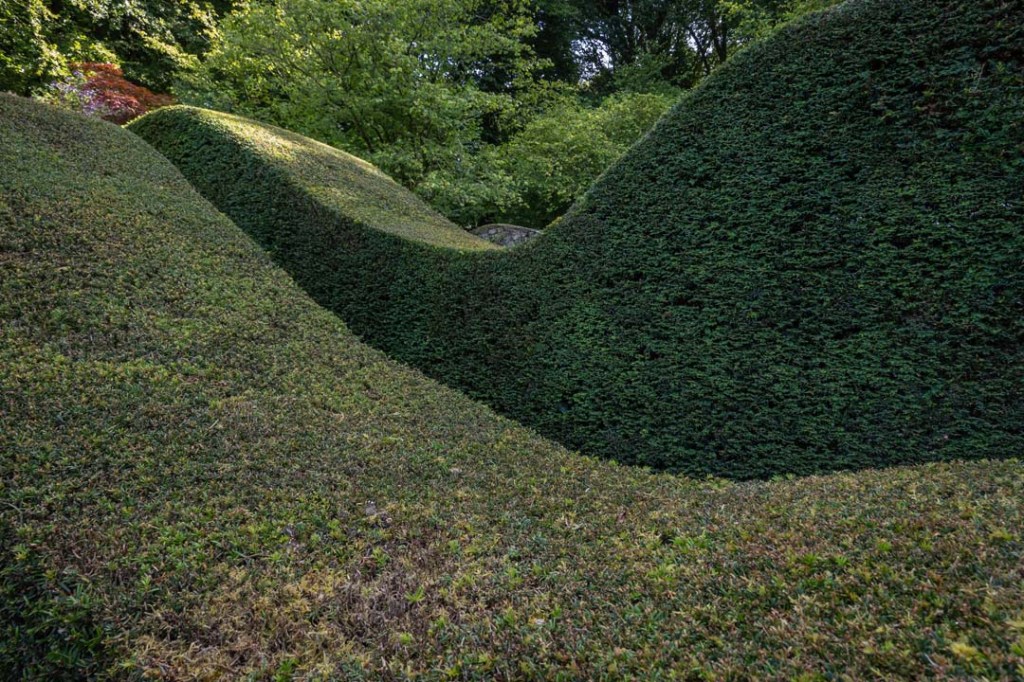
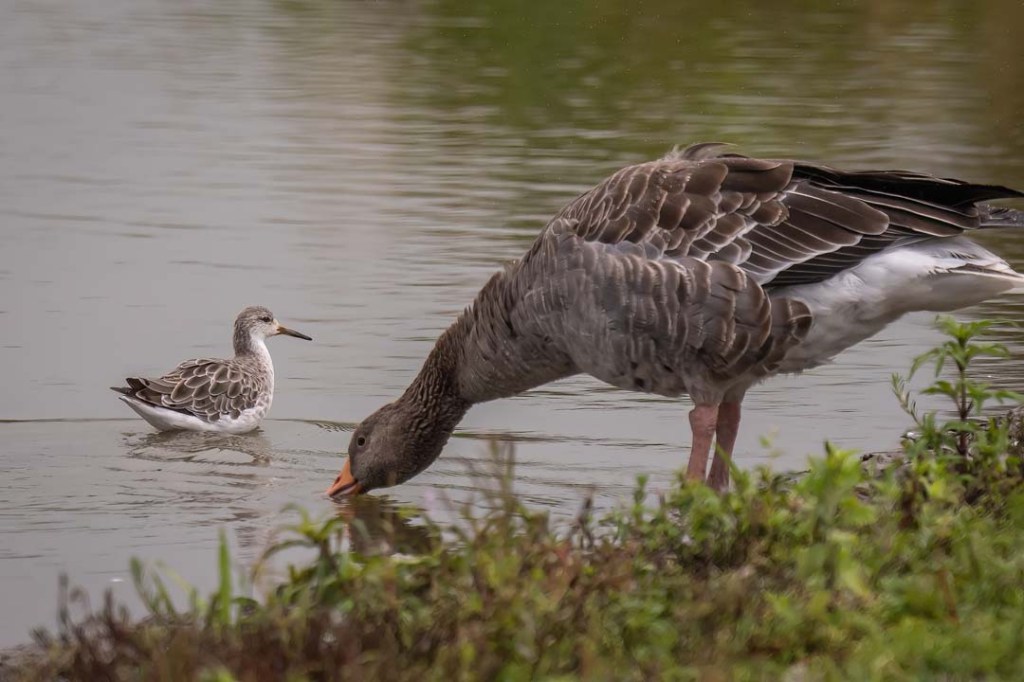
We have had limited opportunity for birdwatching recently and so when the chance came we thought it best to go for a banker like Slimbridge.
I had heard reports of sightings of a pectoral sandpiper and spoonbills but I fear they were on the estuary and there were too many showers around to risk venturing that far. However, we weren’t disappointed with the pools near the hides on the north side of the reserve and we were able to dodge the showers which at times were quite heavy. Oh what a summer!


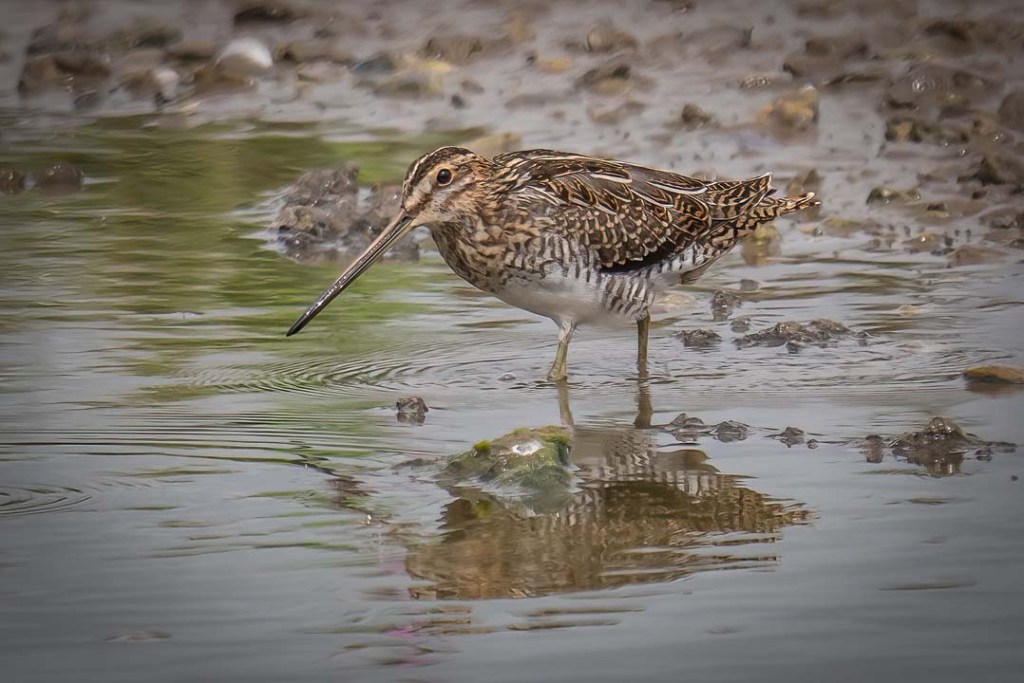
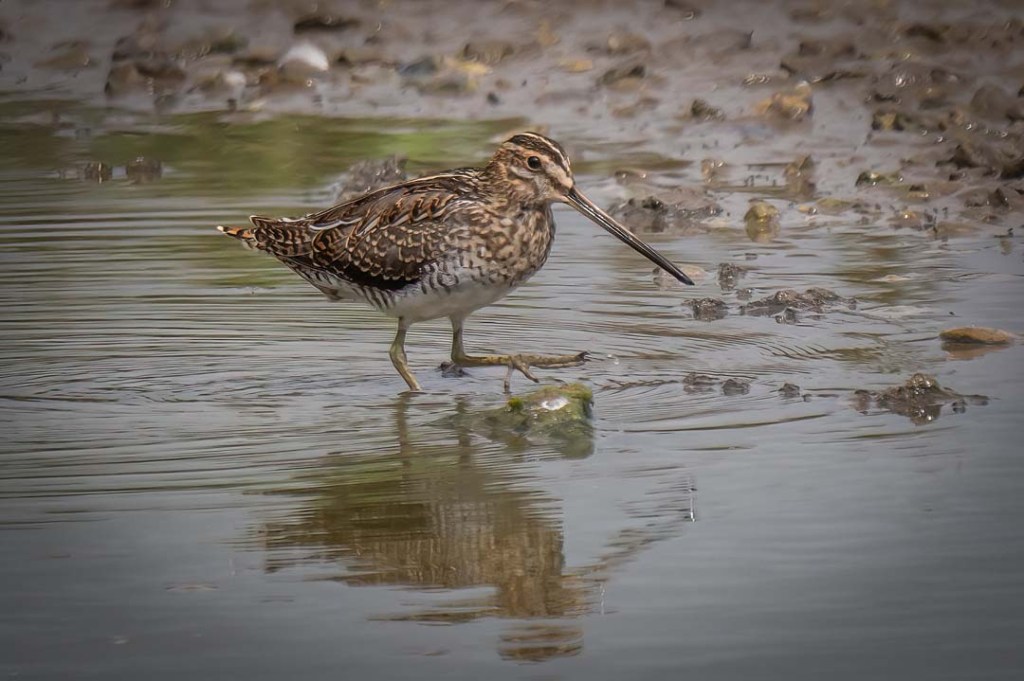


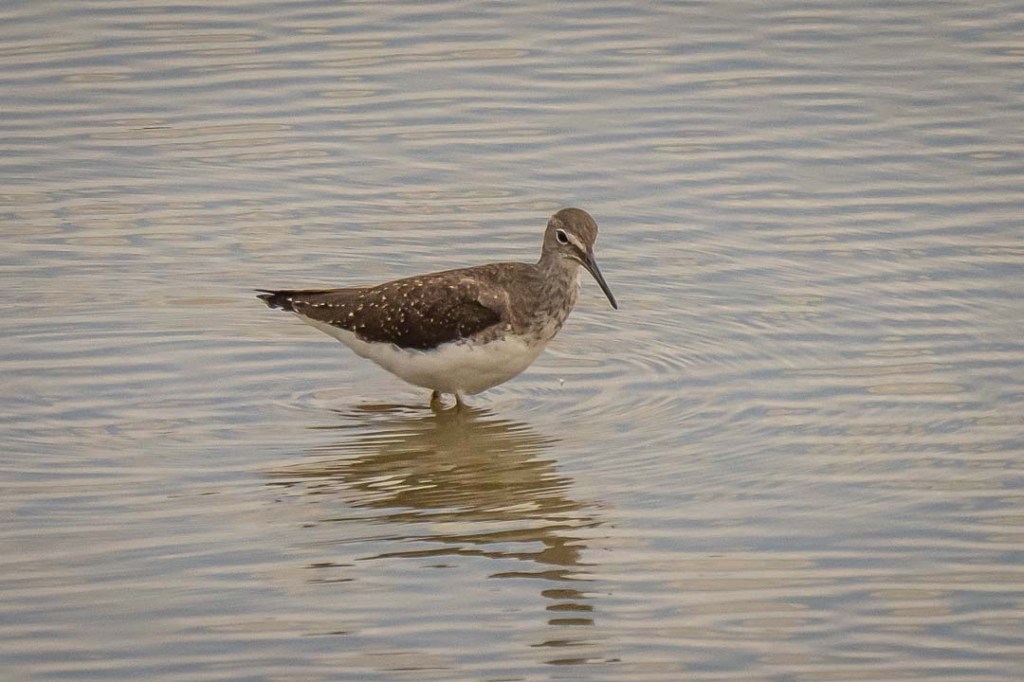
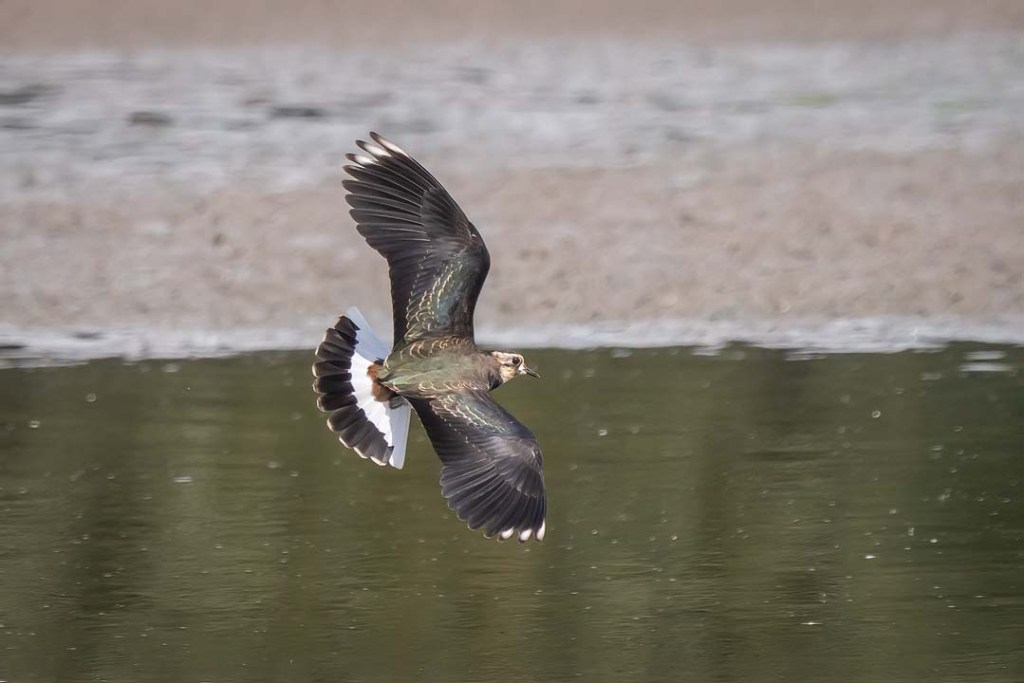

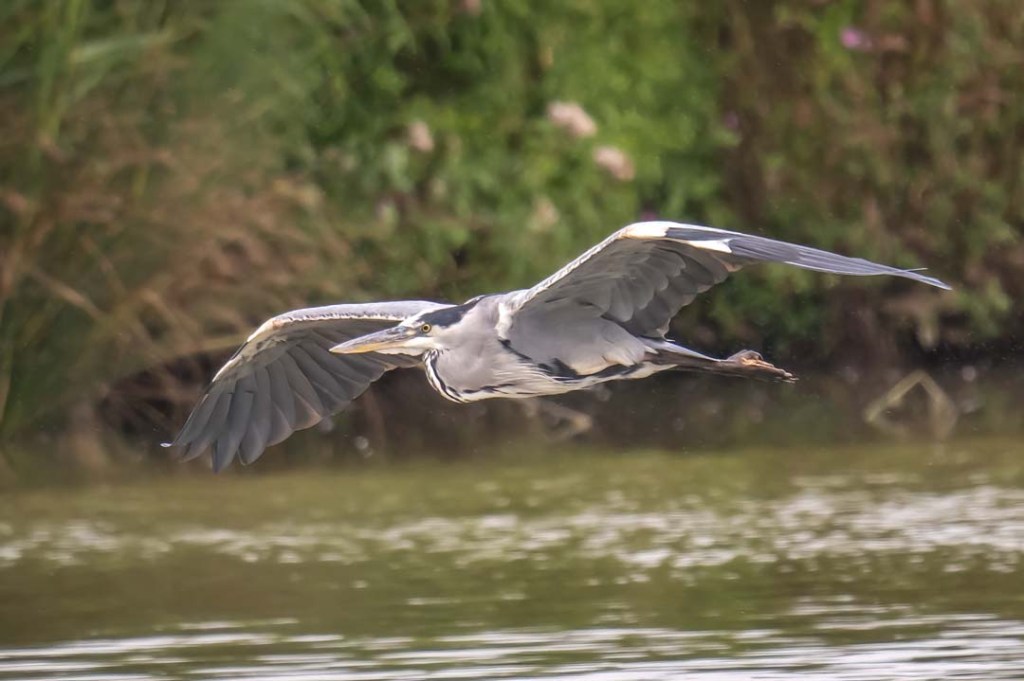
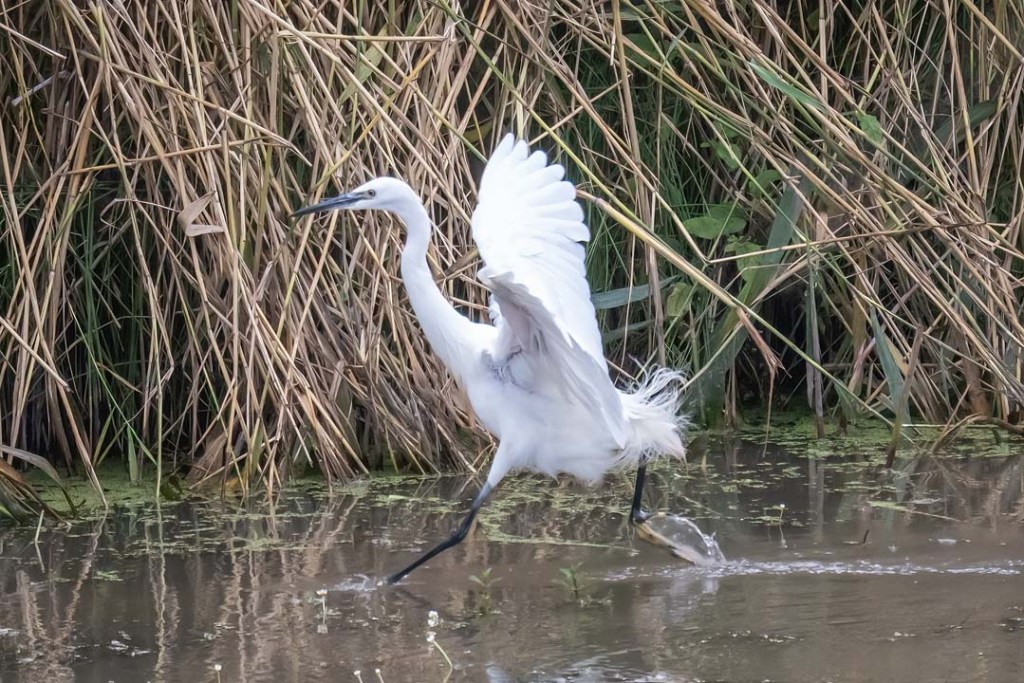
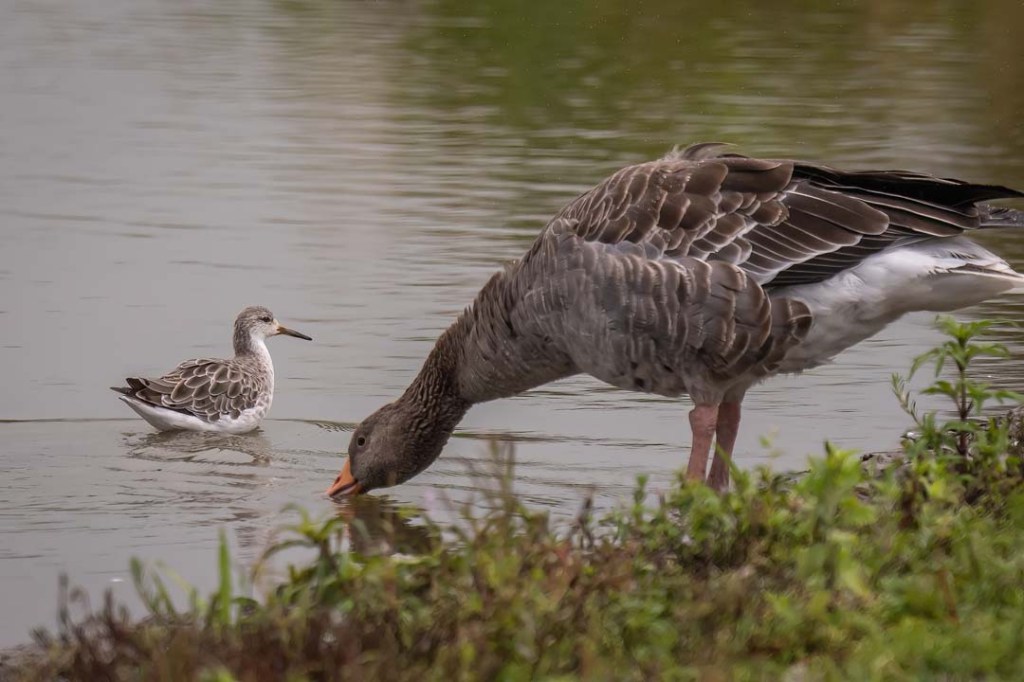

Slideshow of photos from this morning’s trip:

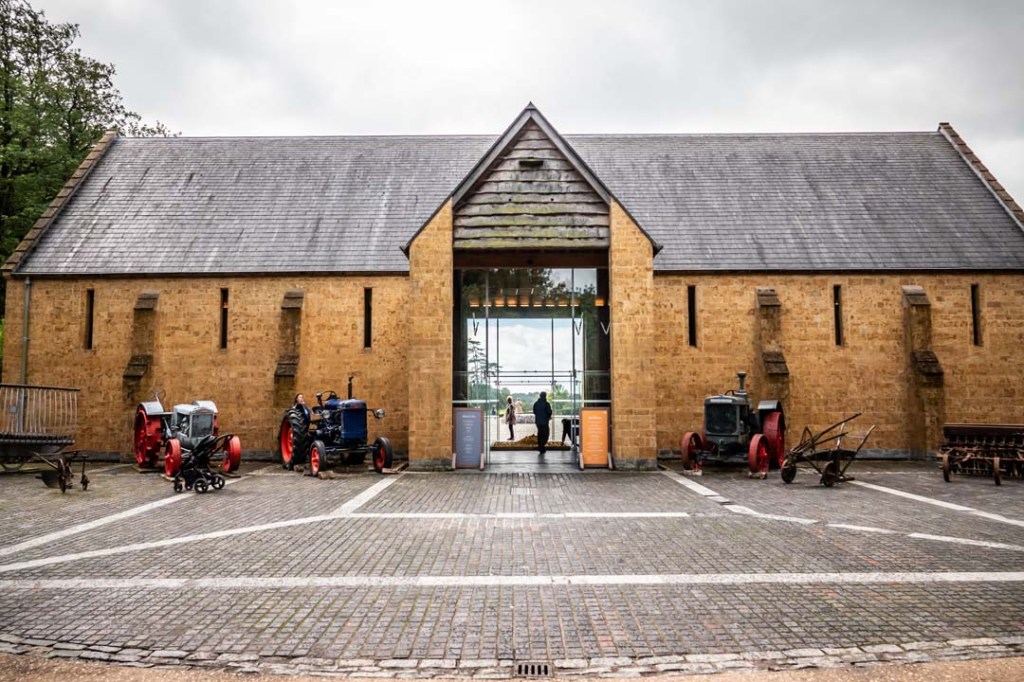
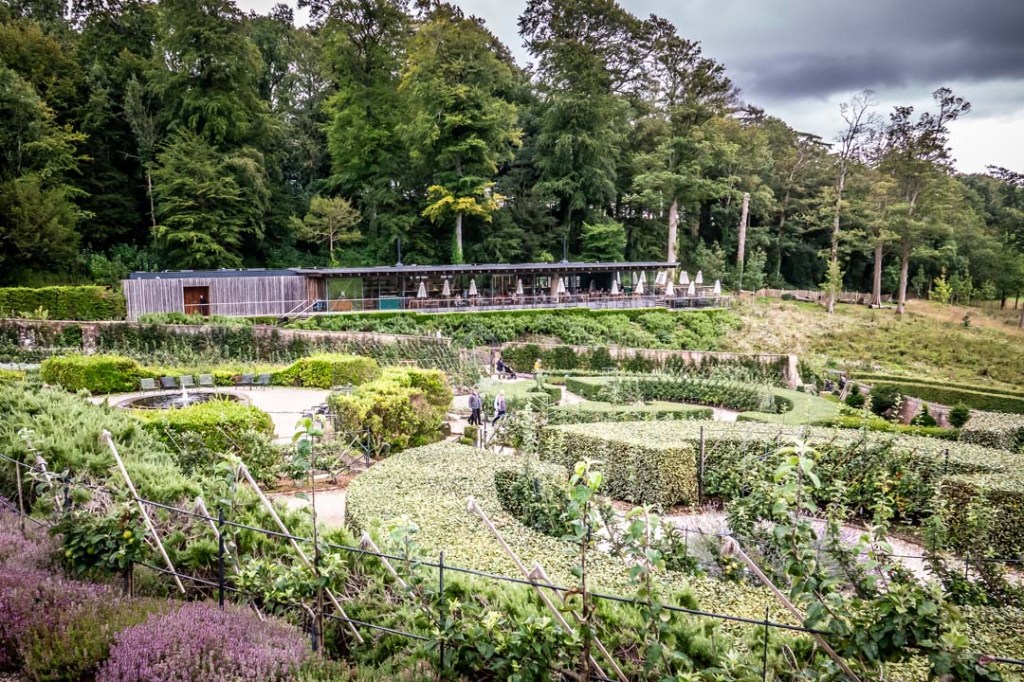
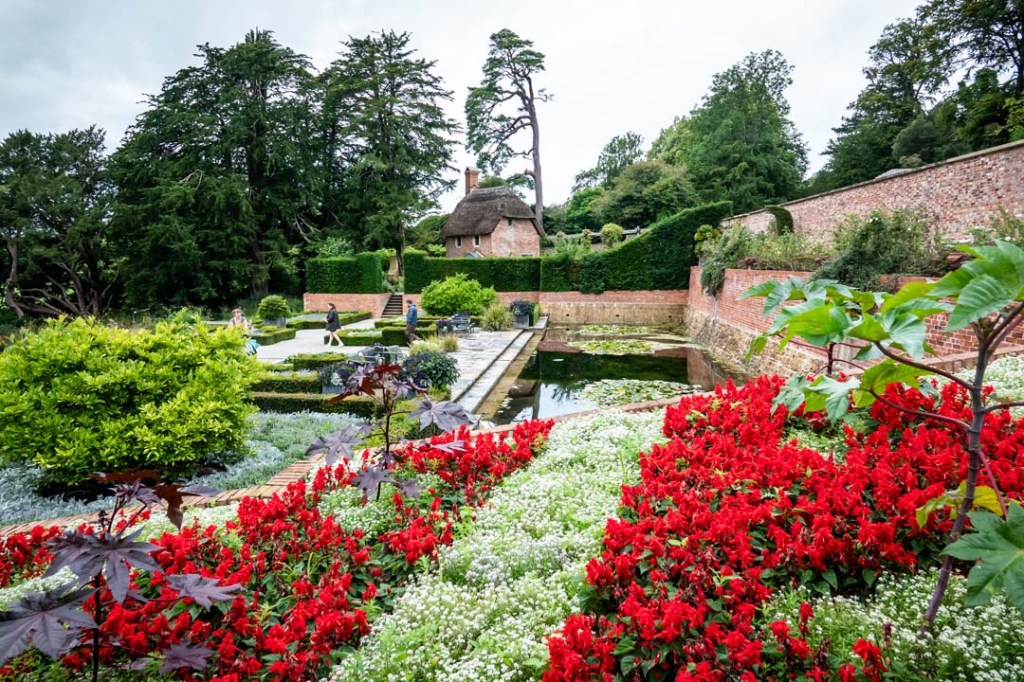
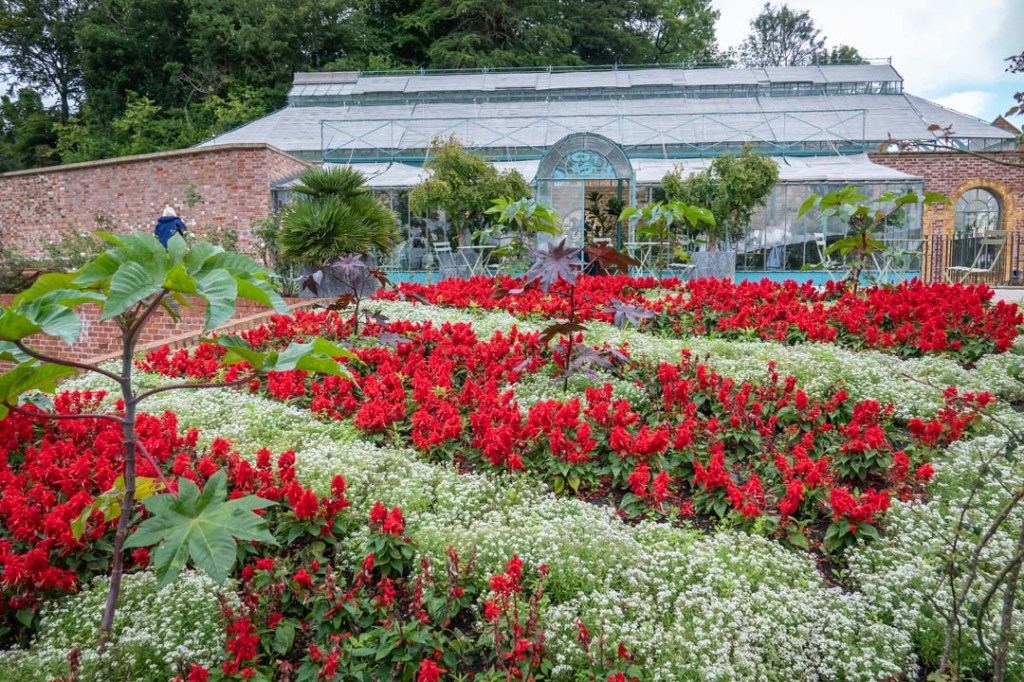
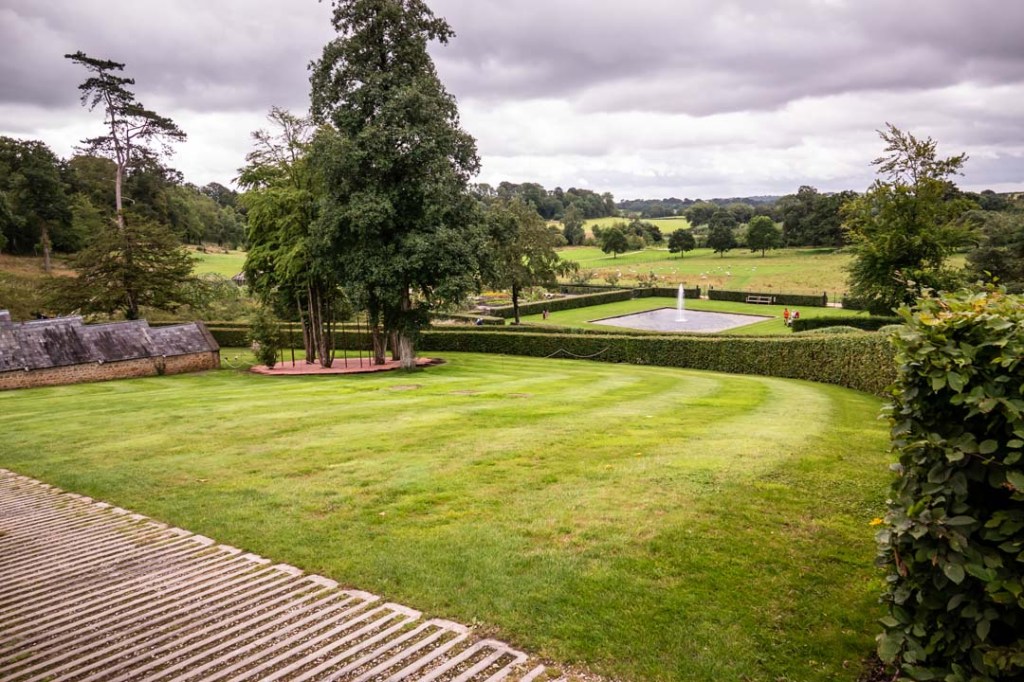
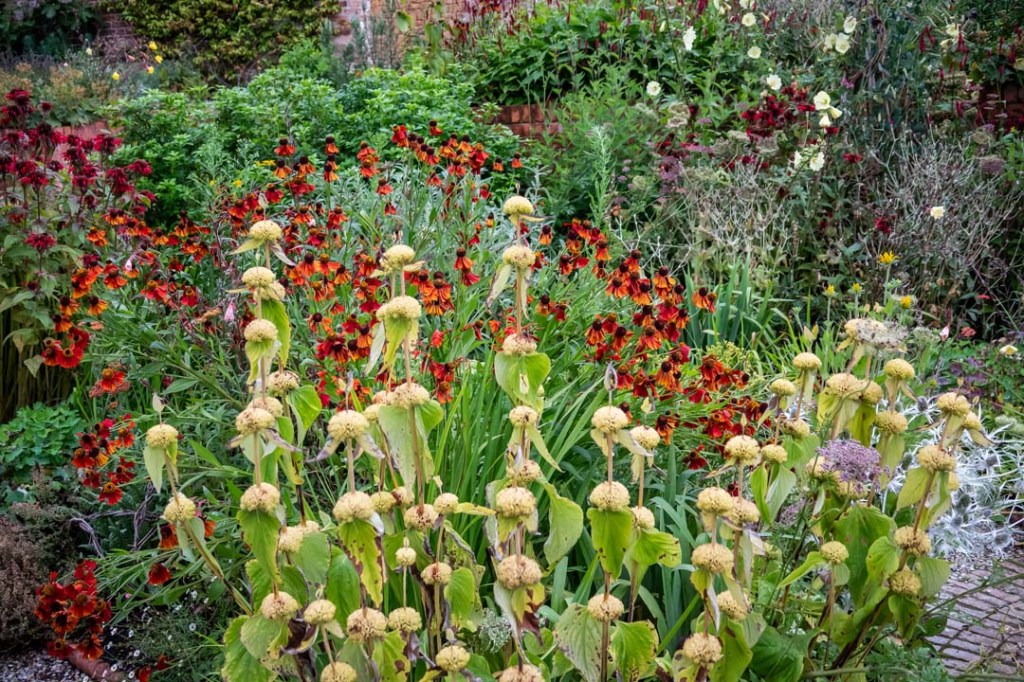
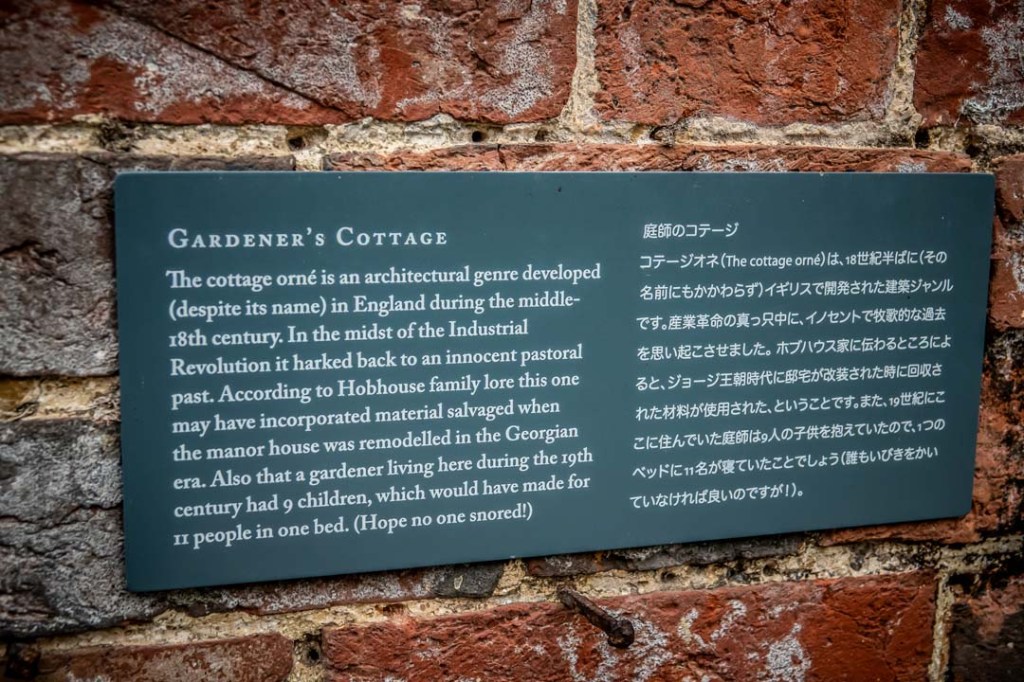
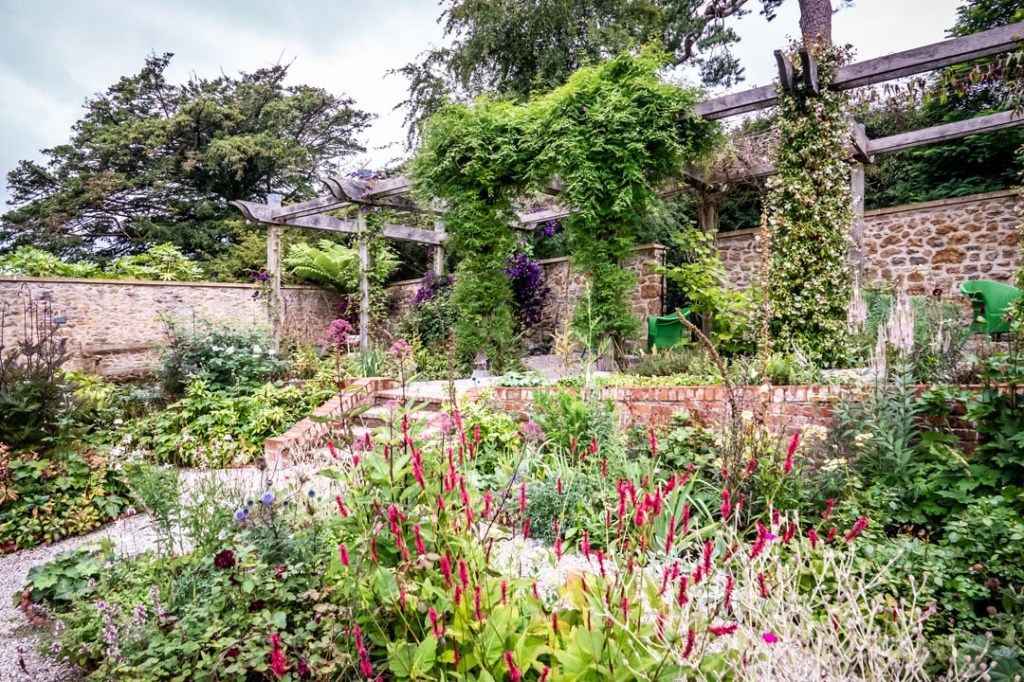
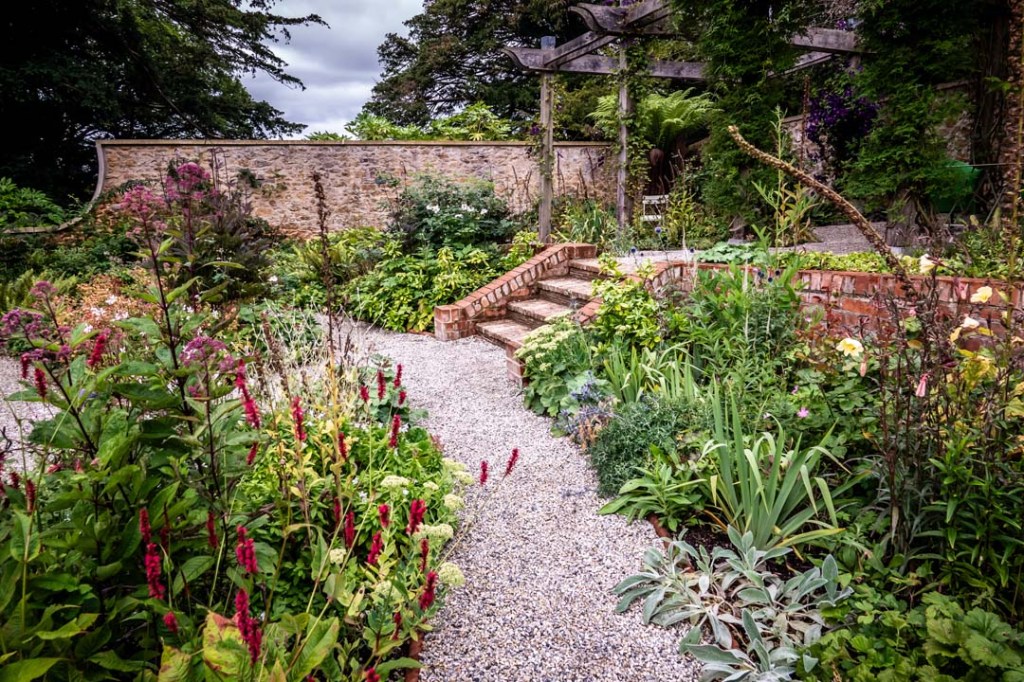
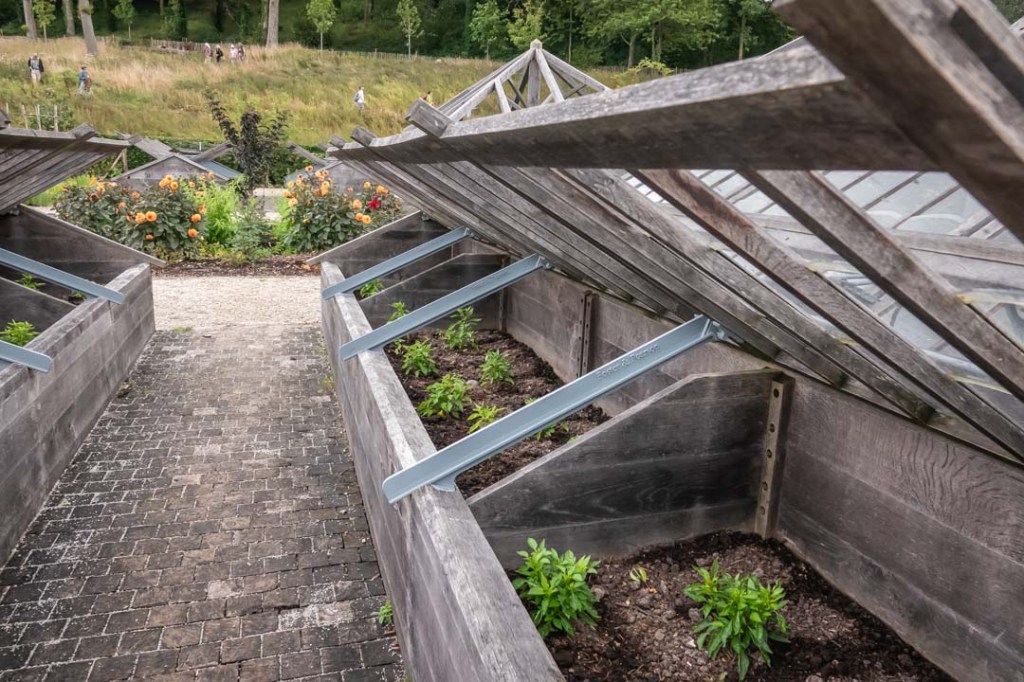
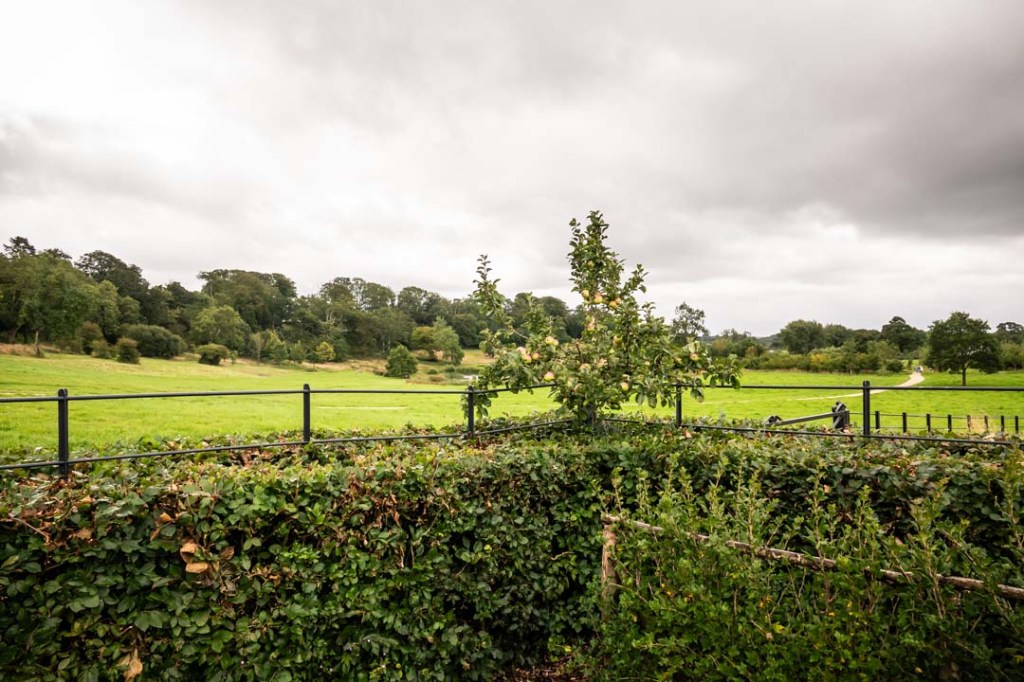
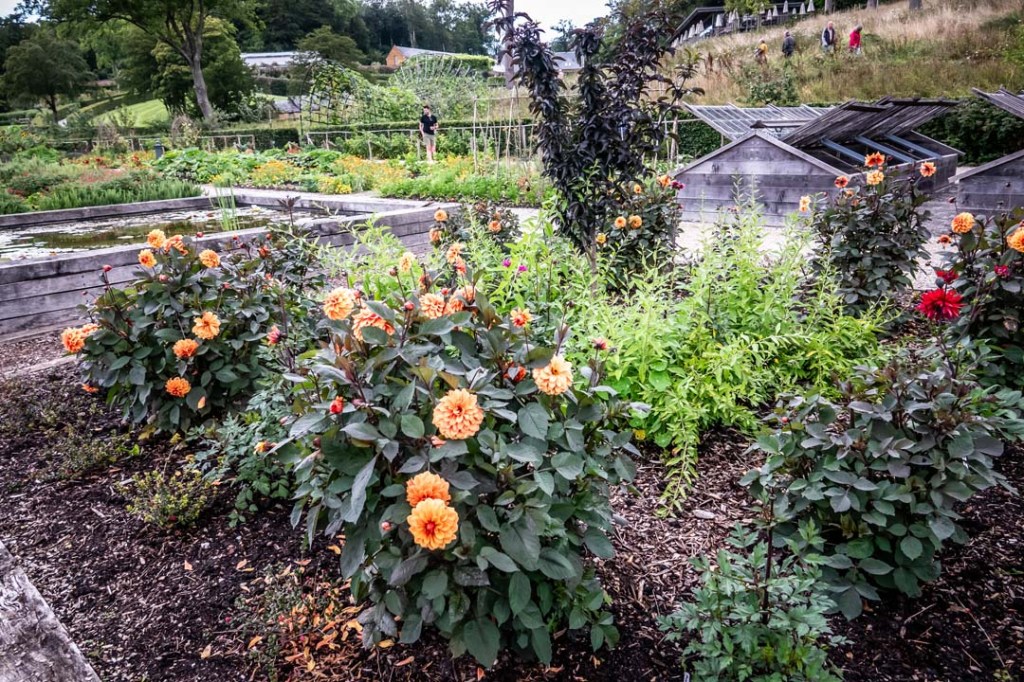
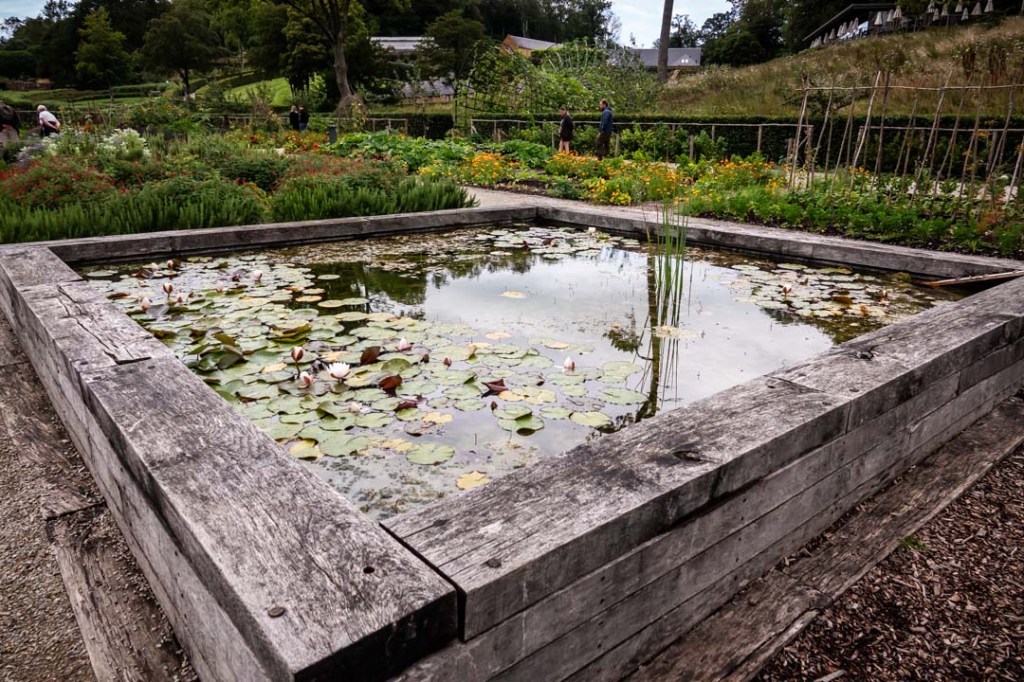
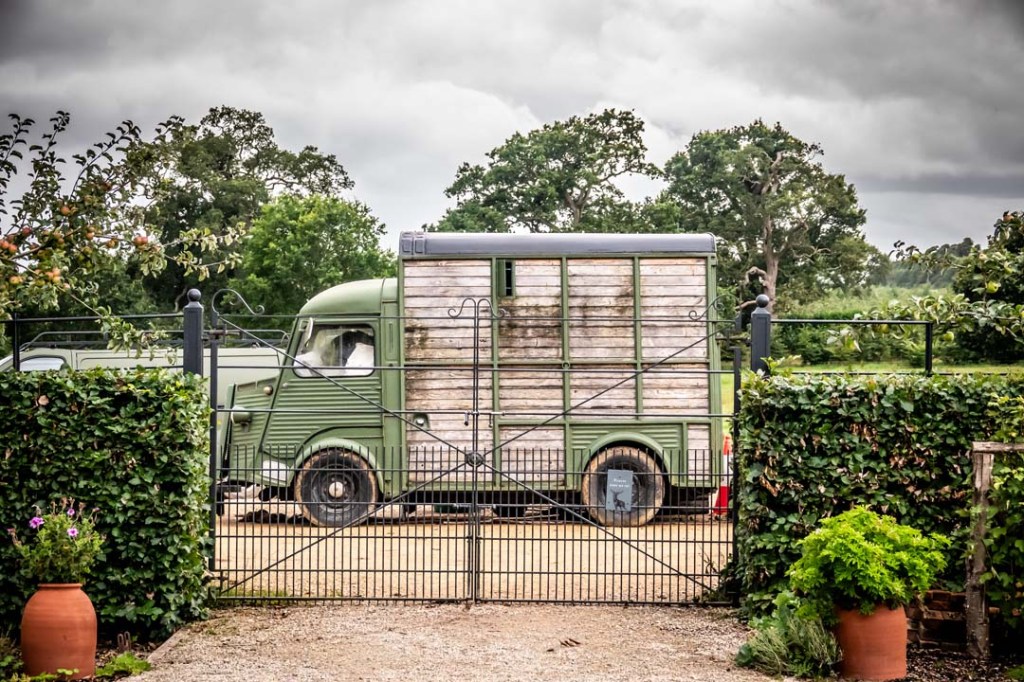
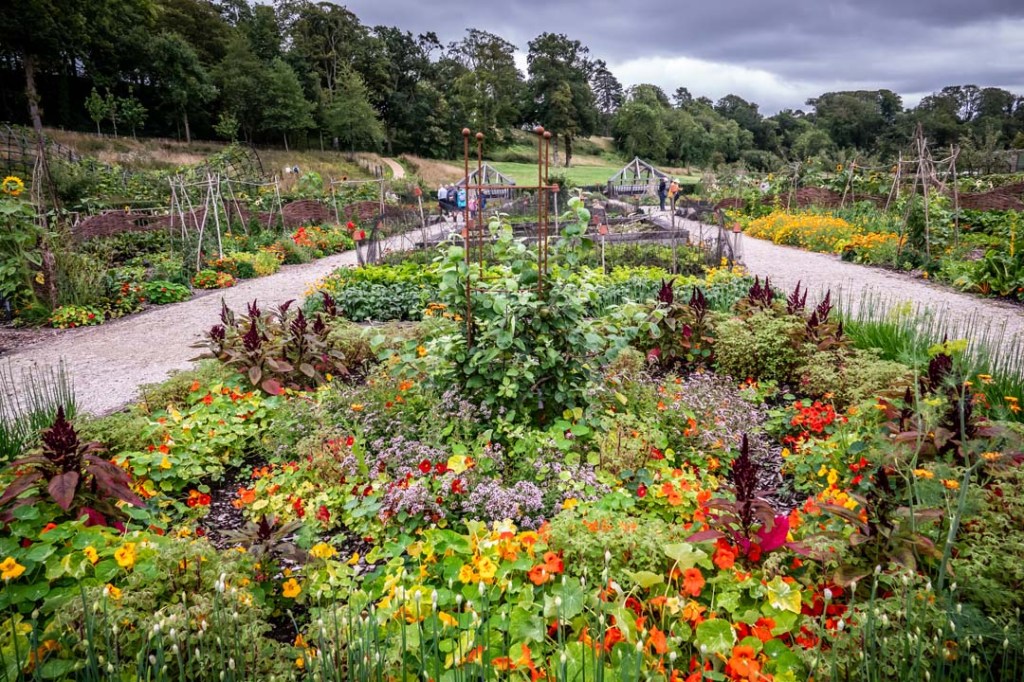
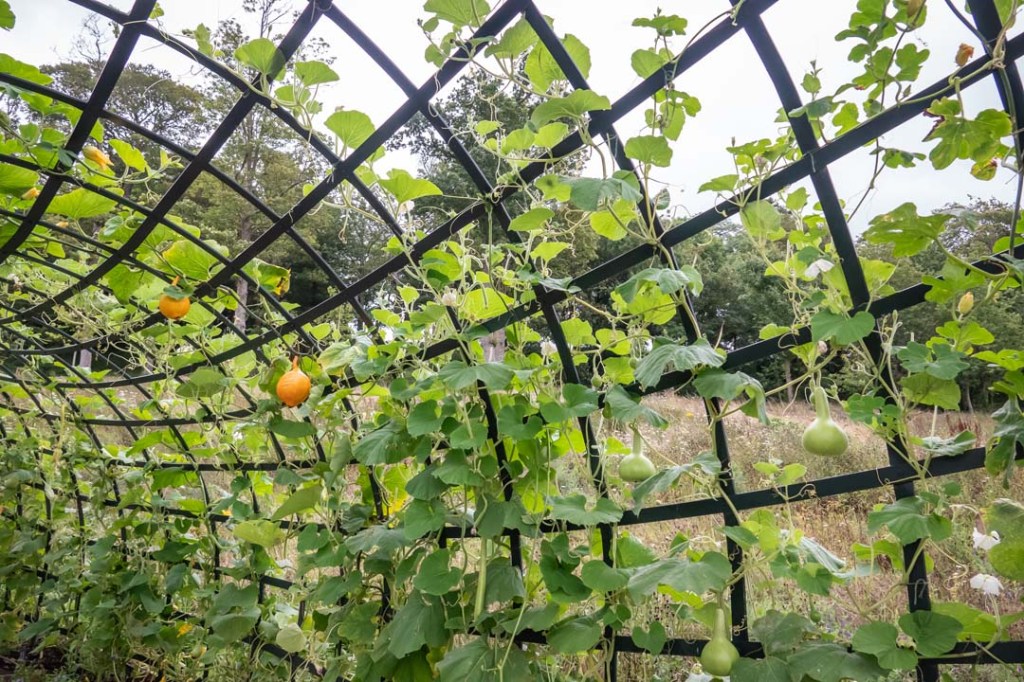
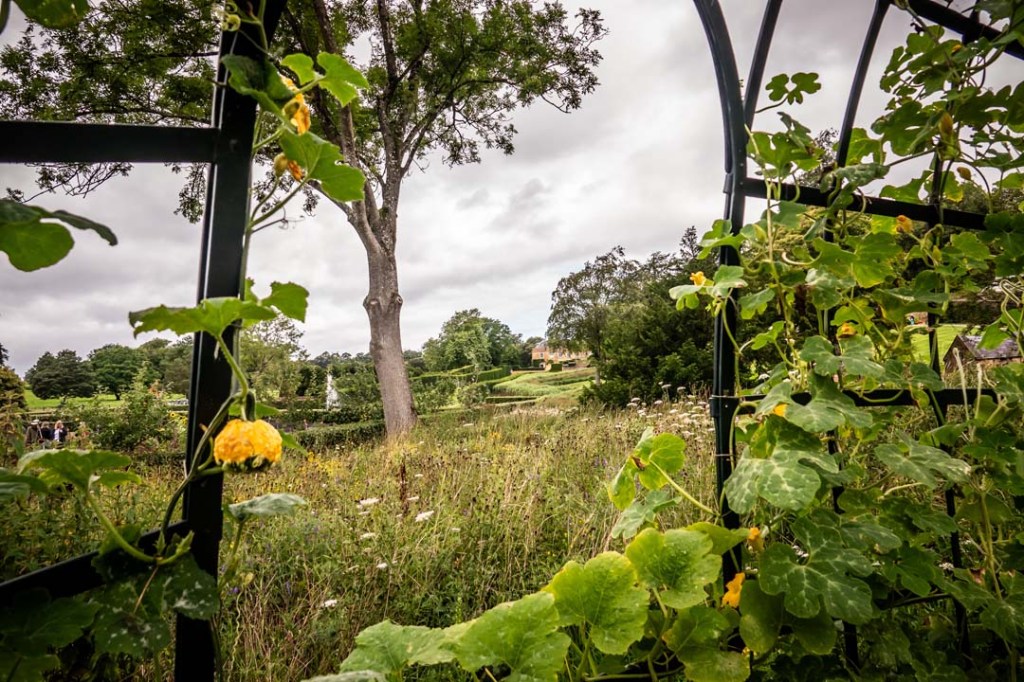
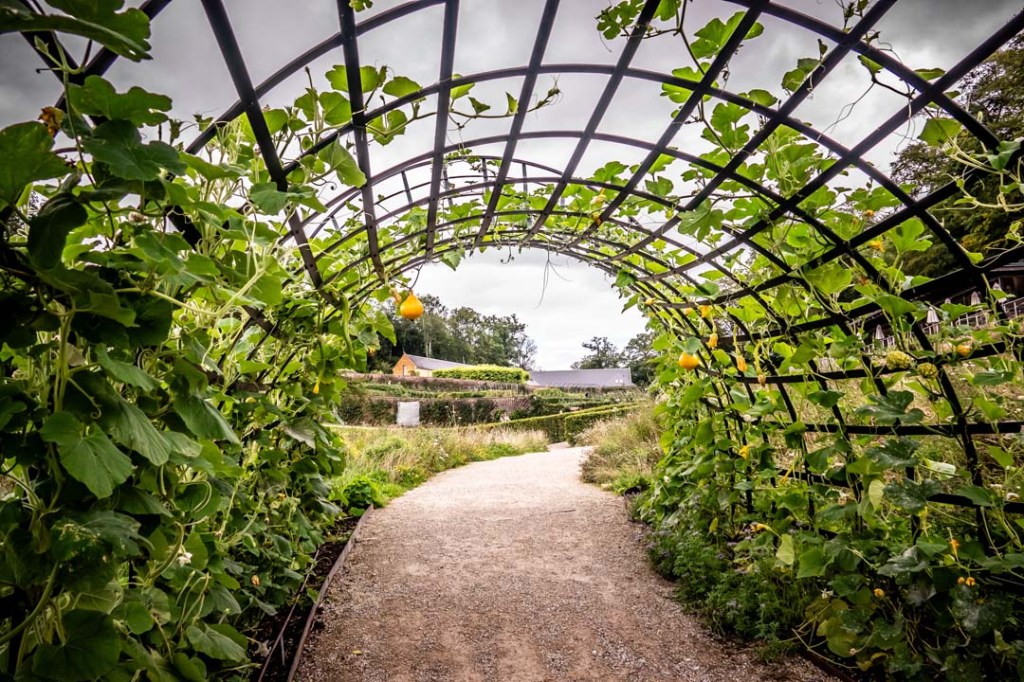
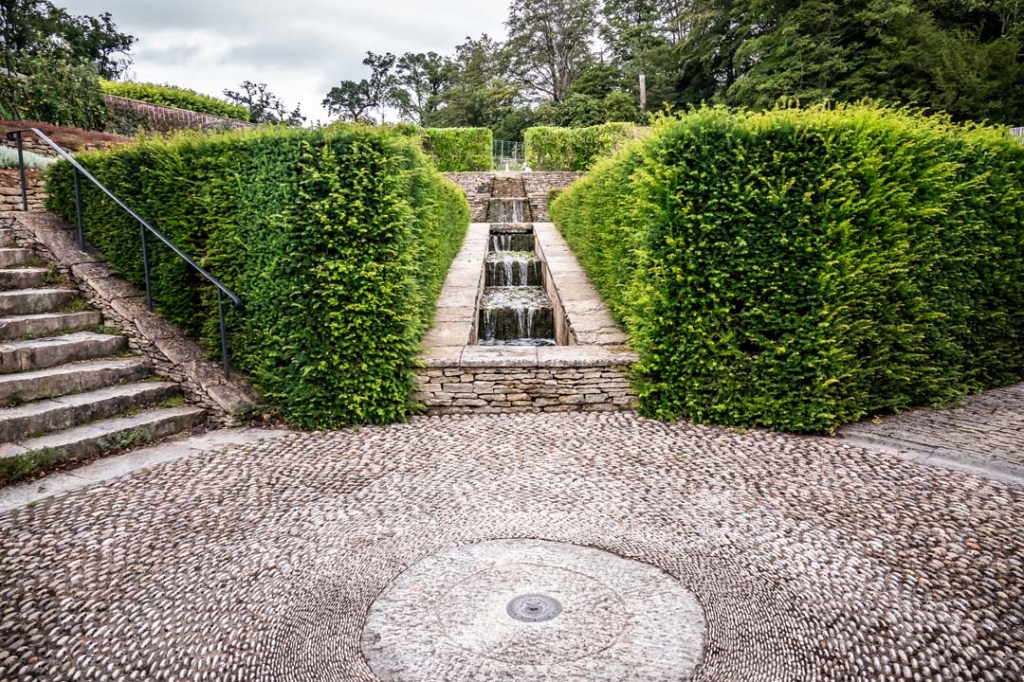
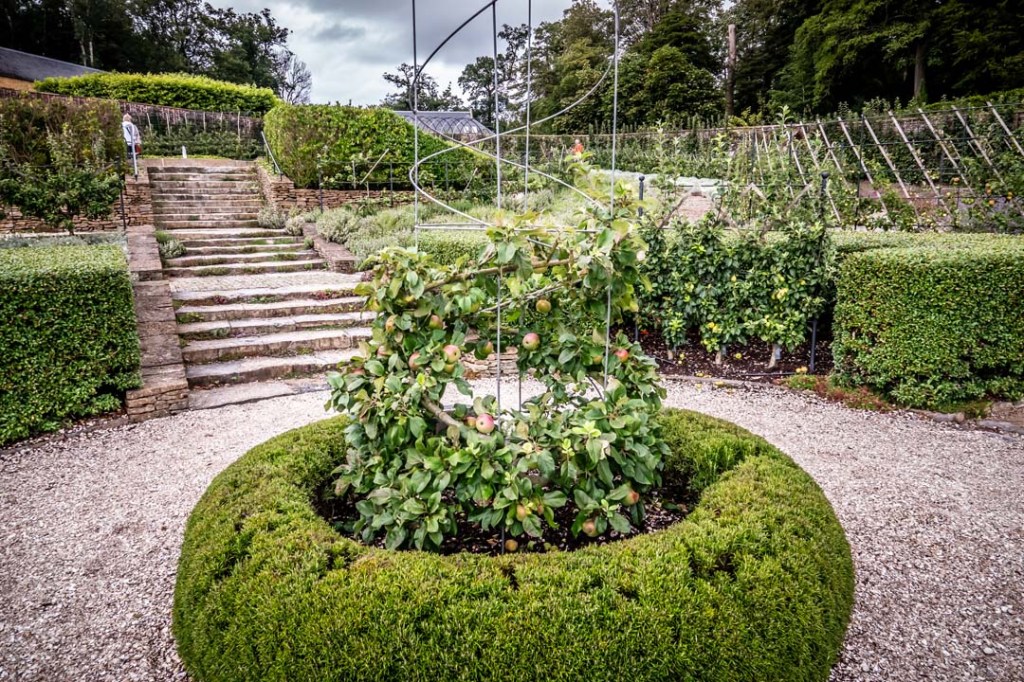
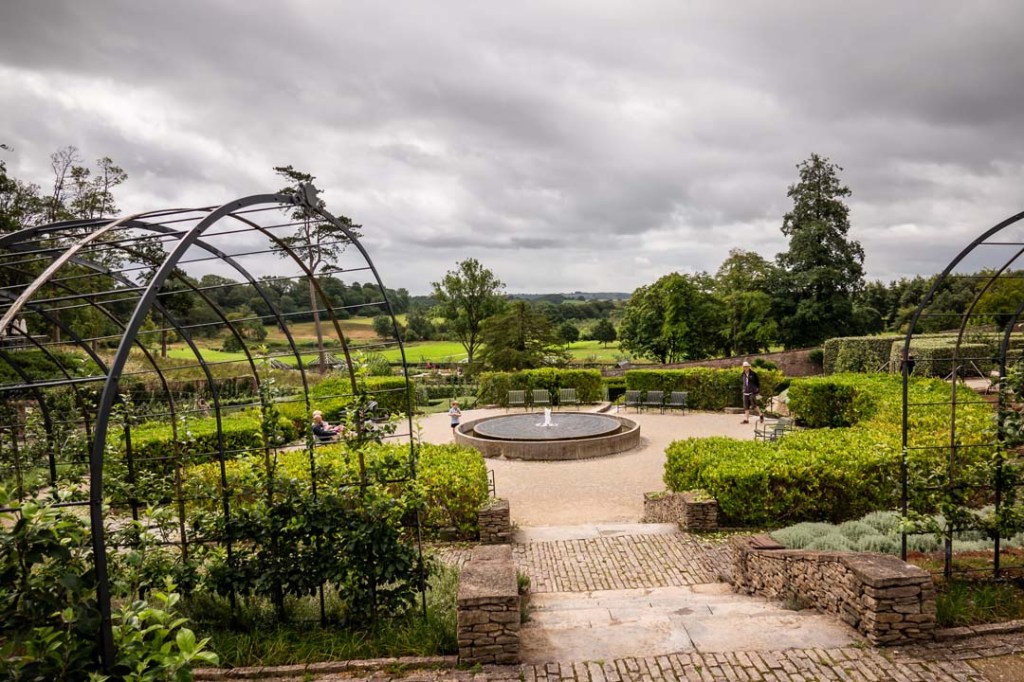
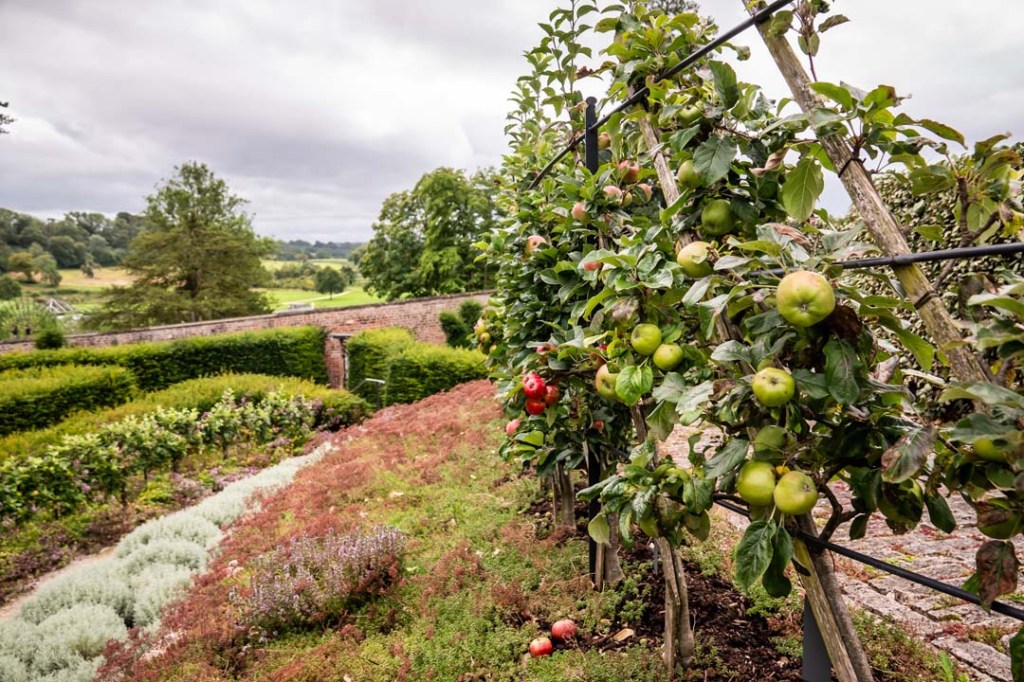
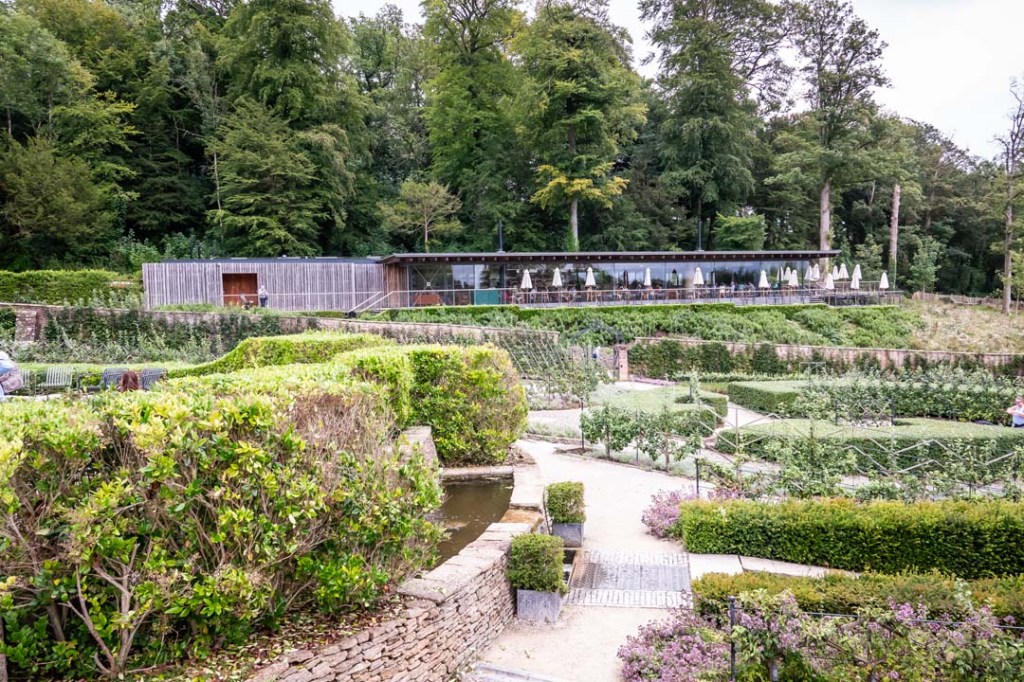
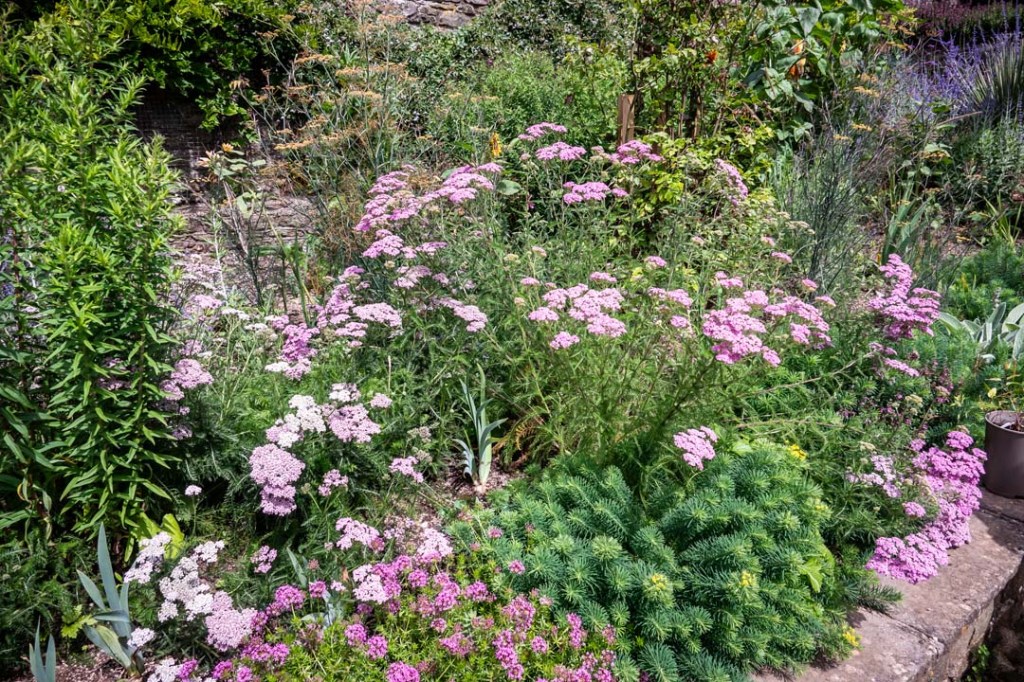
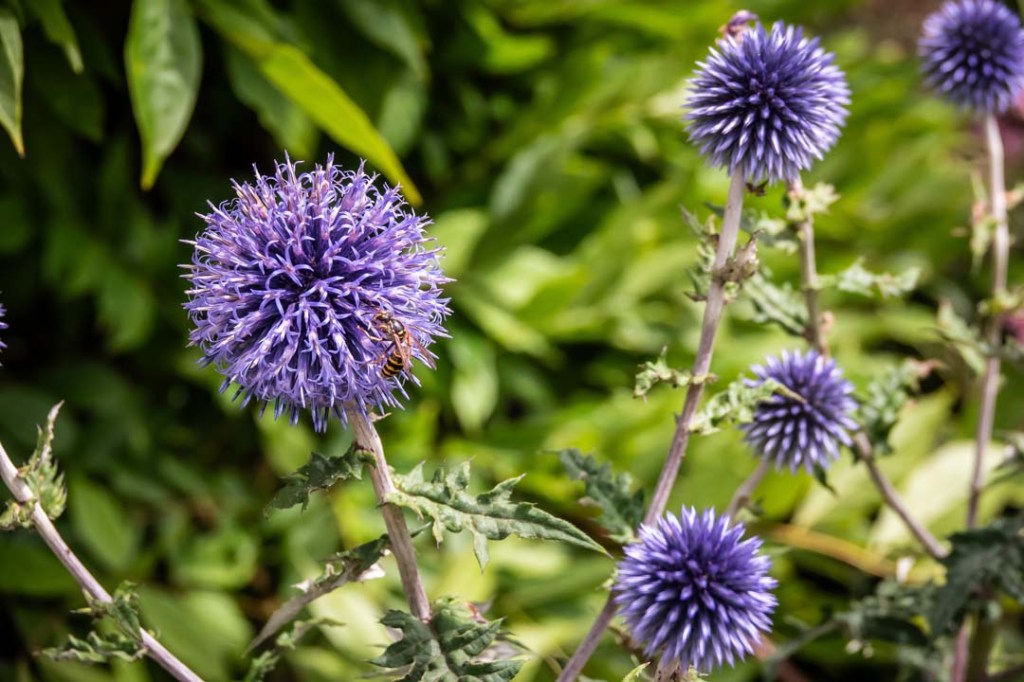
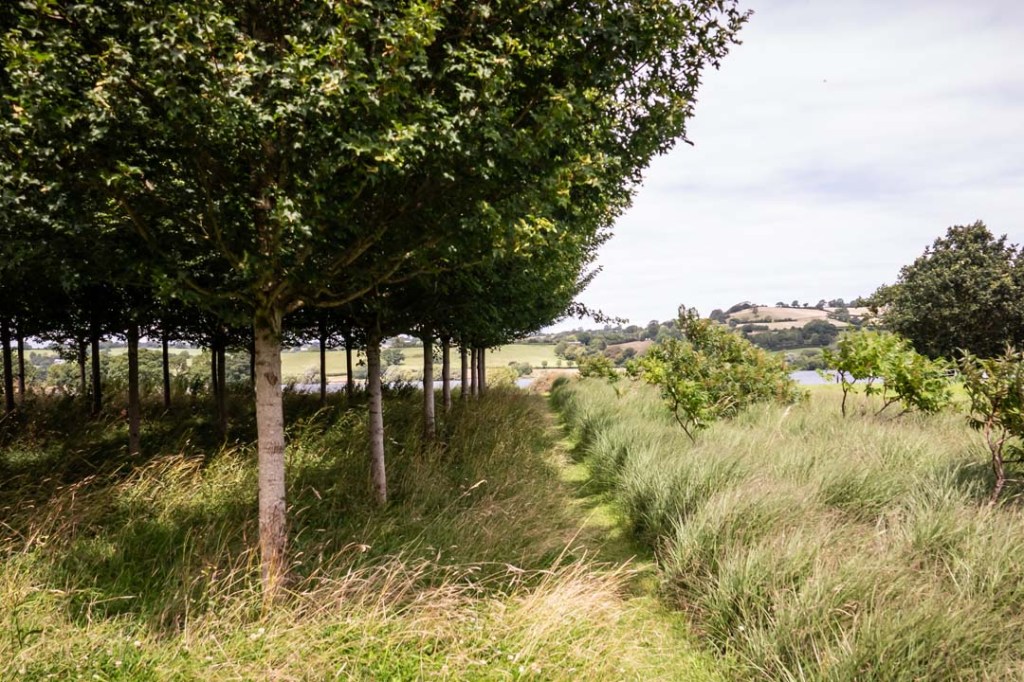
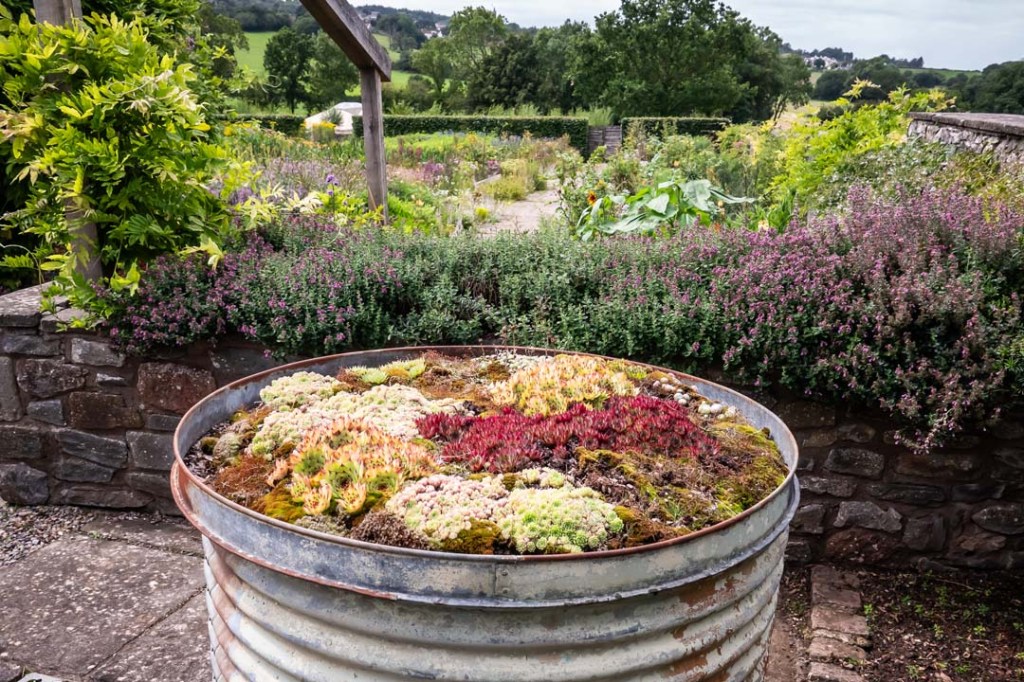
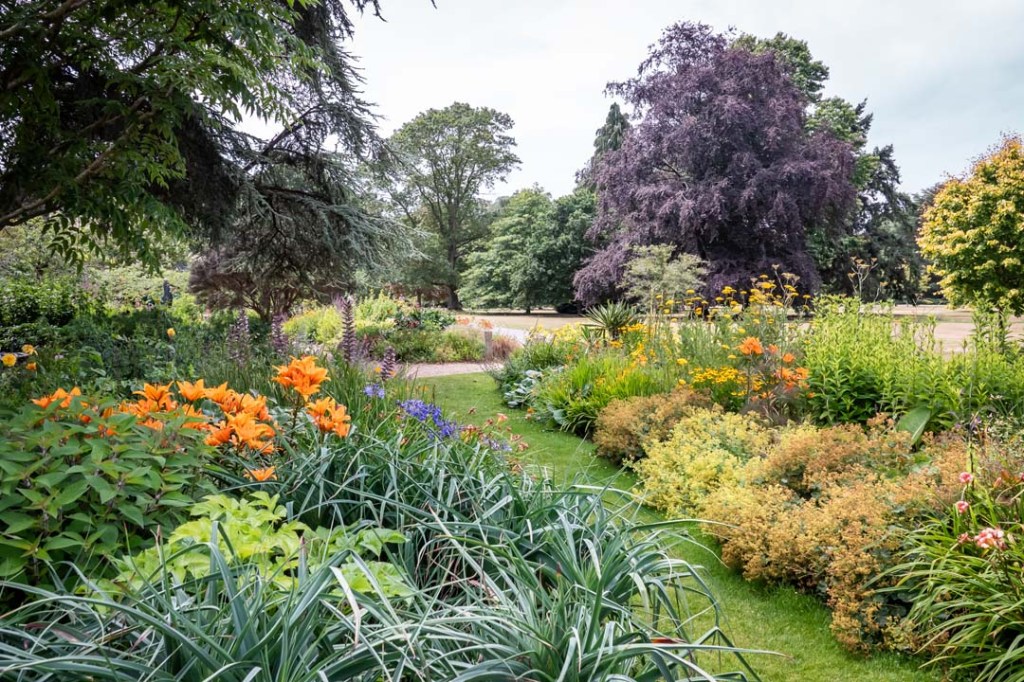
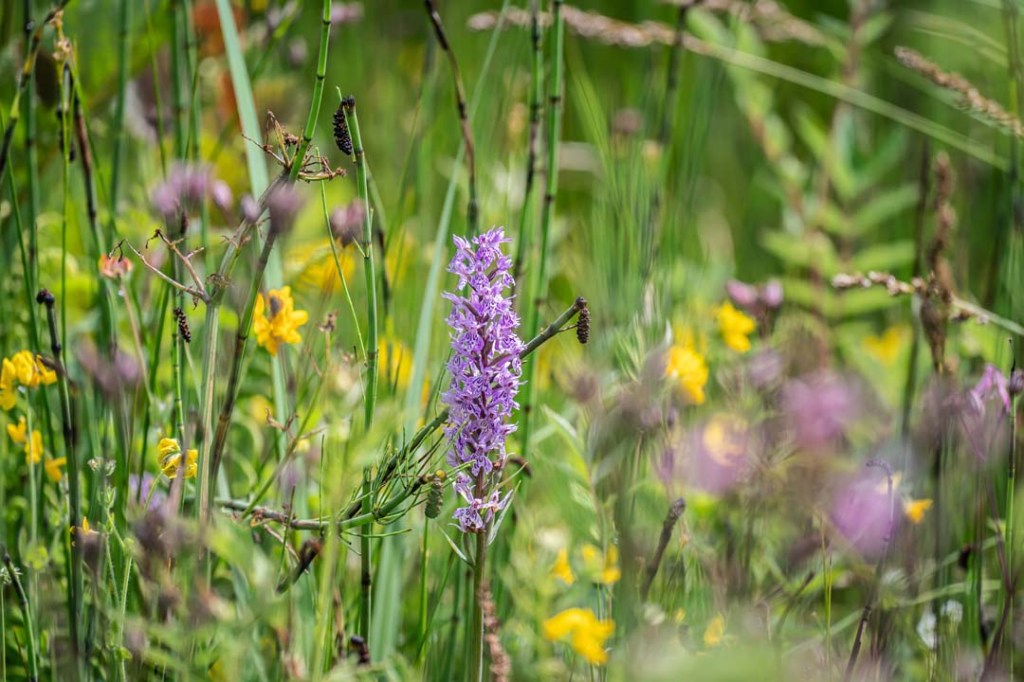
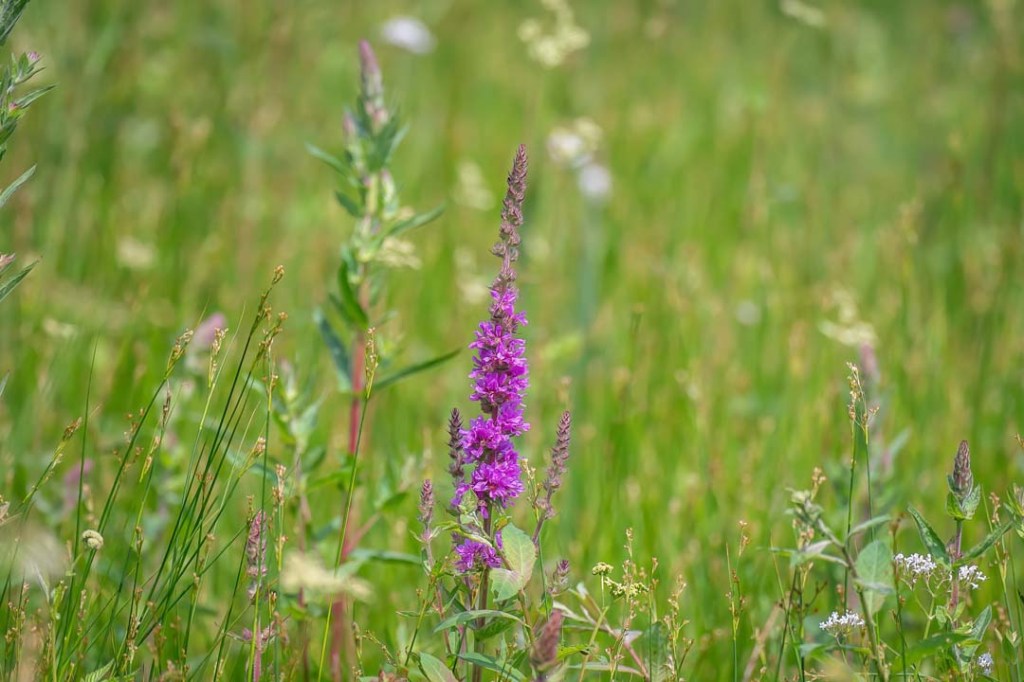
I’m afraid my link to bird photography becomes rather tenuous at this time of the year. Many bird photographers often turn to butterflies at this stage but my focus turns to gardens. All the same, nature in all its glory is very evident in these wonderful tended gardens.
Our trip to The Newt in Somerset was a birthday treat. In fact, due to the inclement weather my birthday treat turned out to be watching cricket on the television as England levelled the “Ashes” series with Australia. So, our trip to Somerset was delayed by a day and generally we had dry but very cloudy weather.

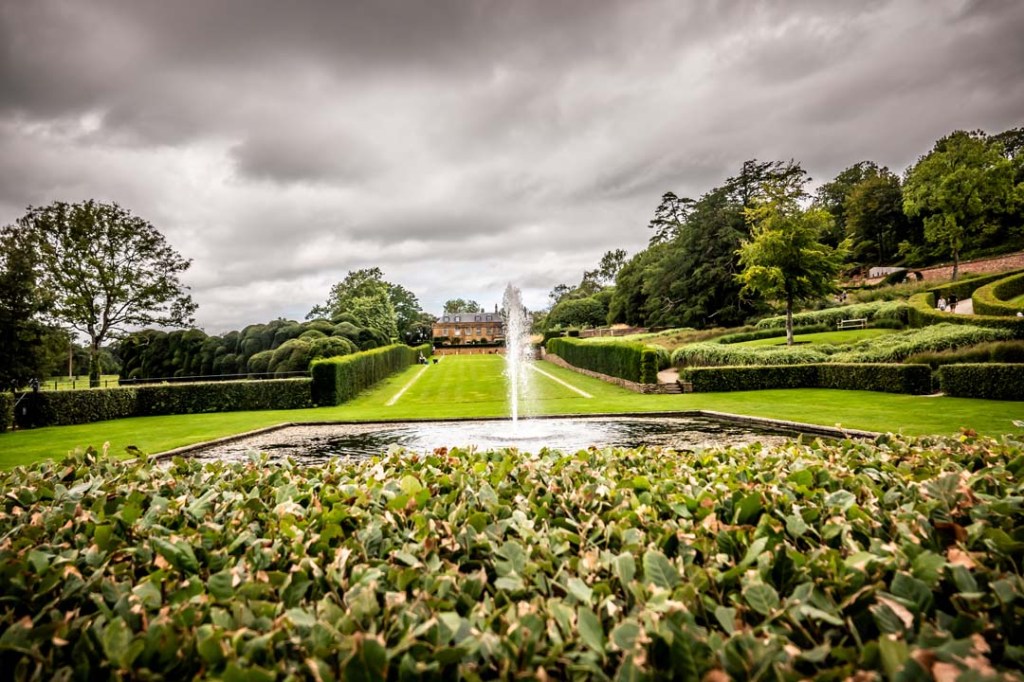
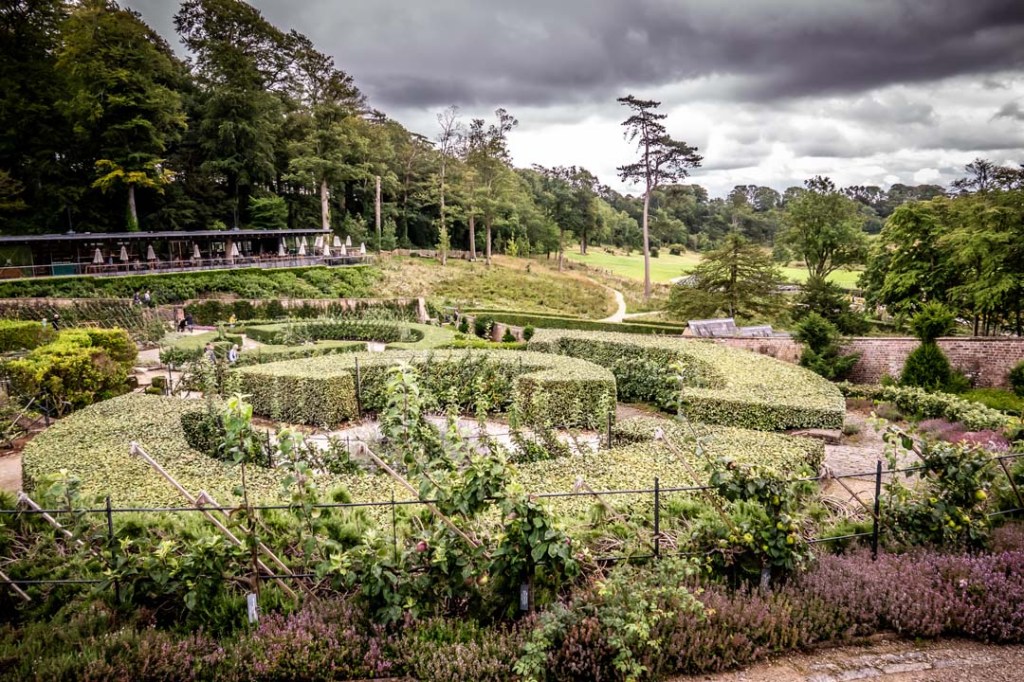
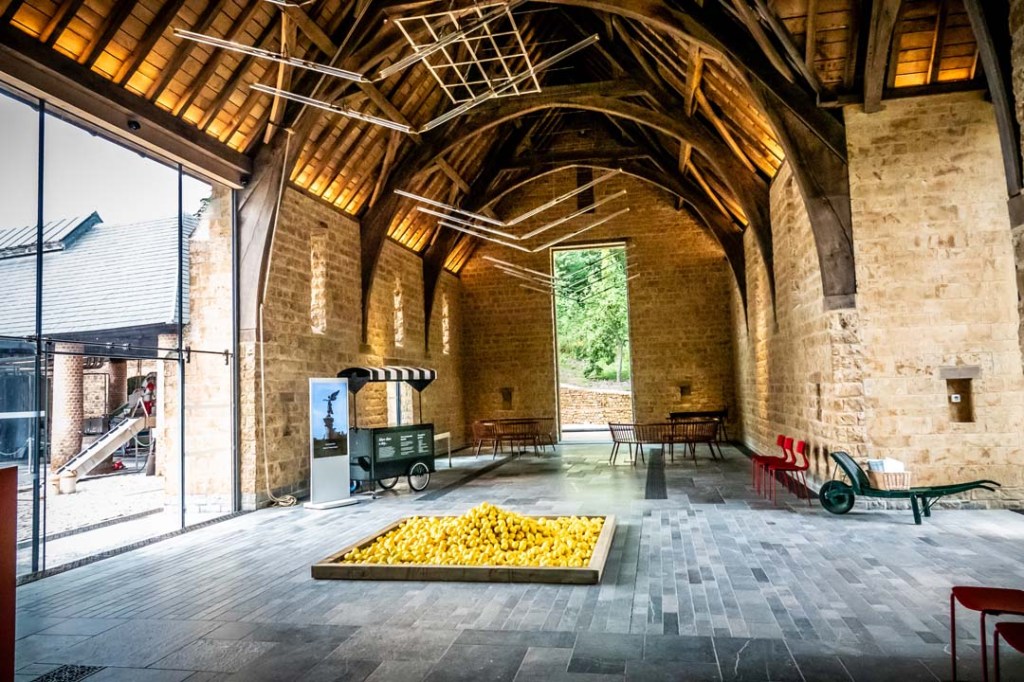
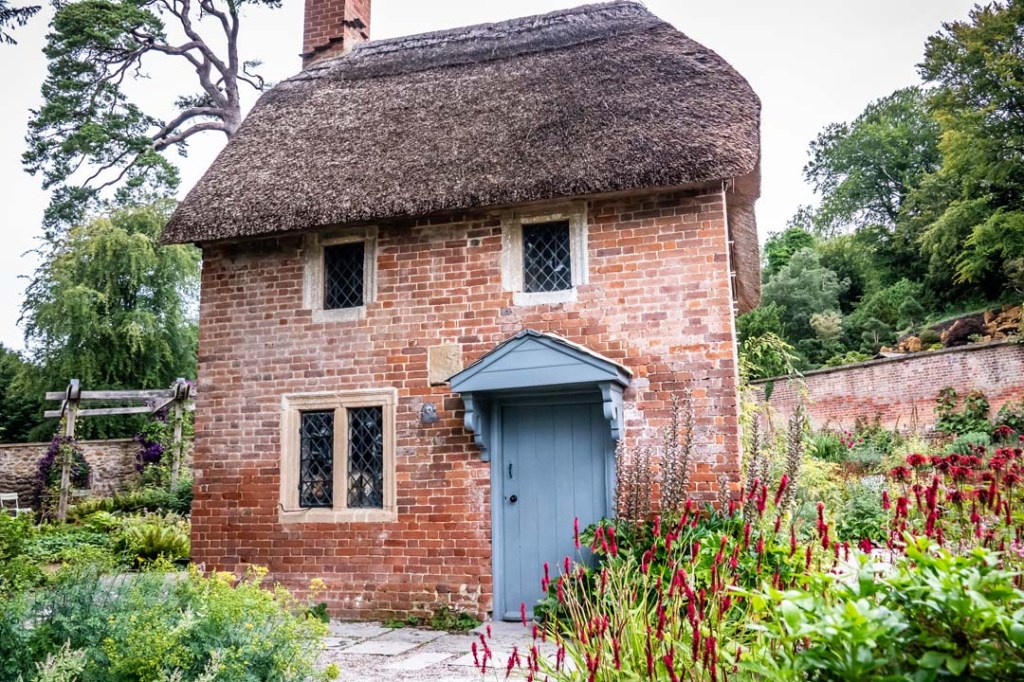

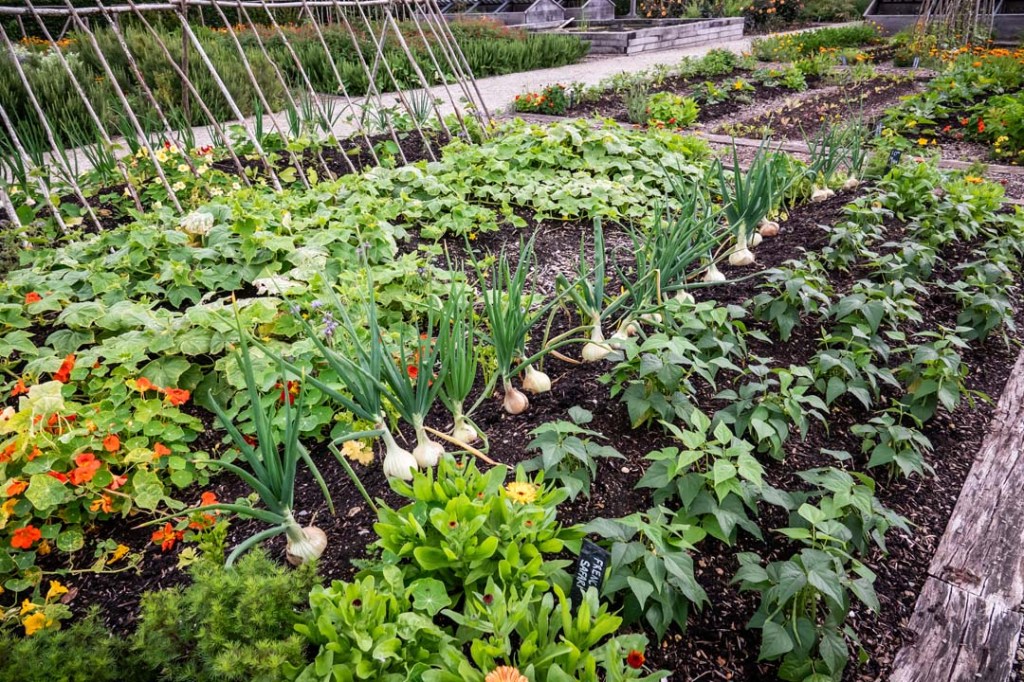
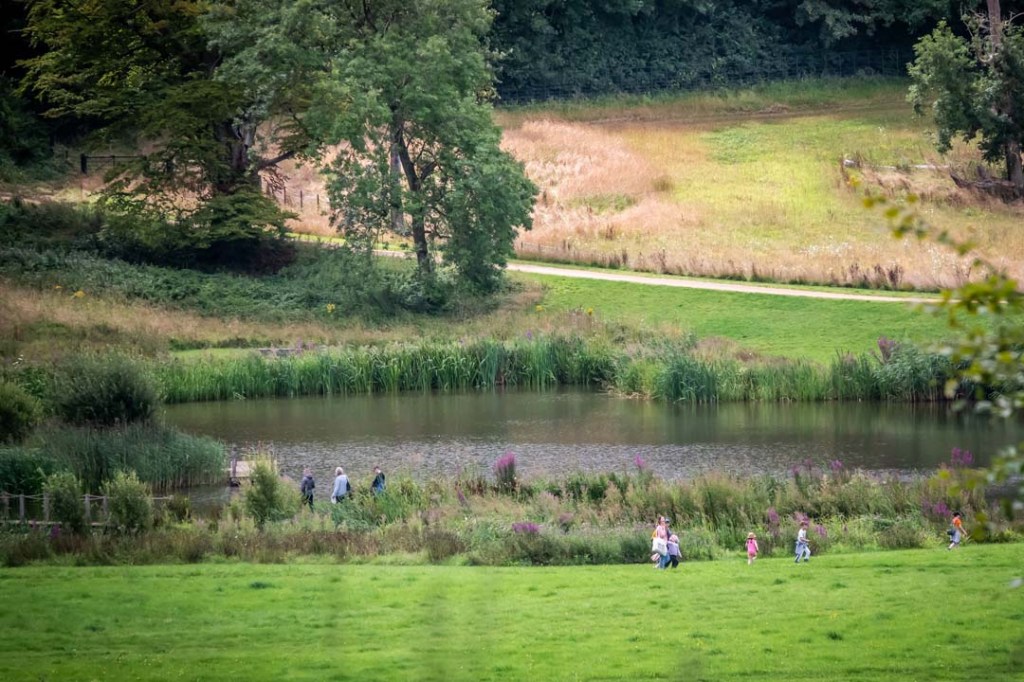
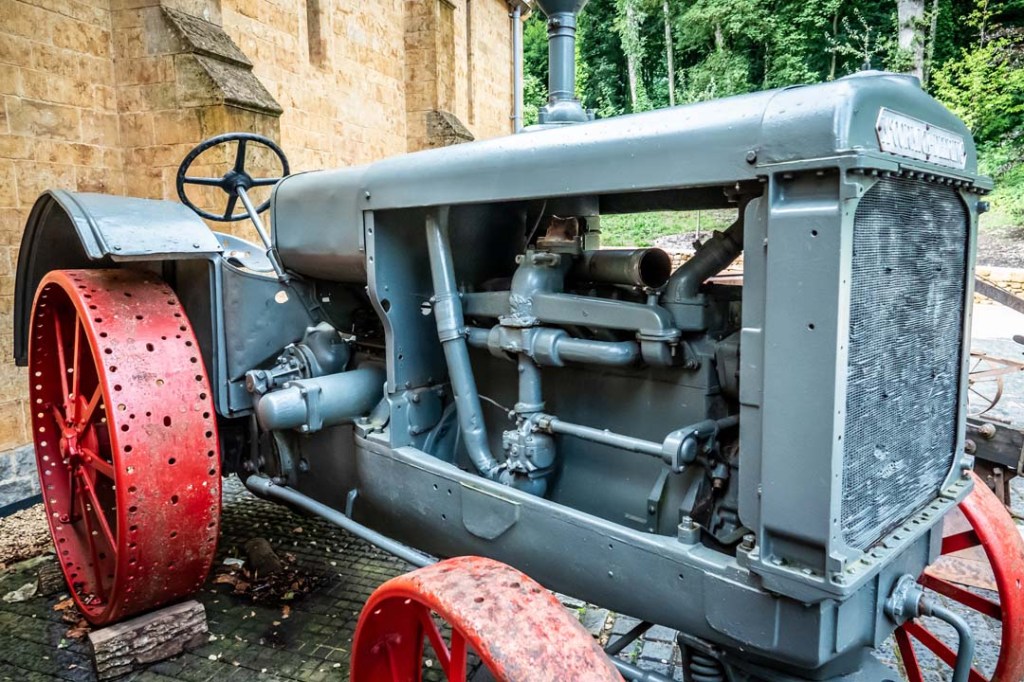
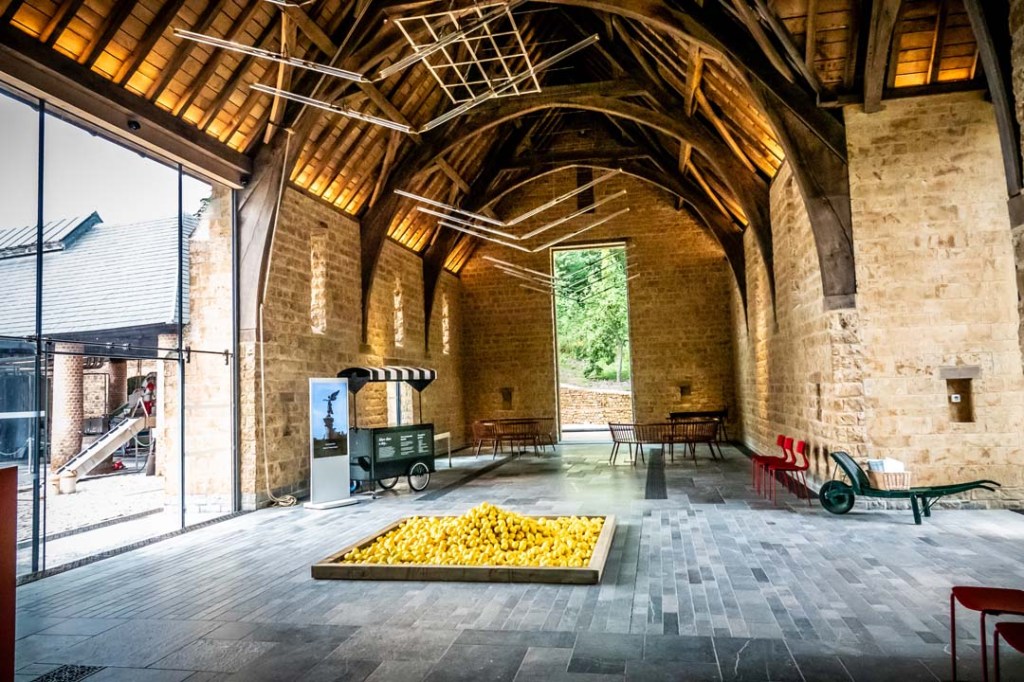
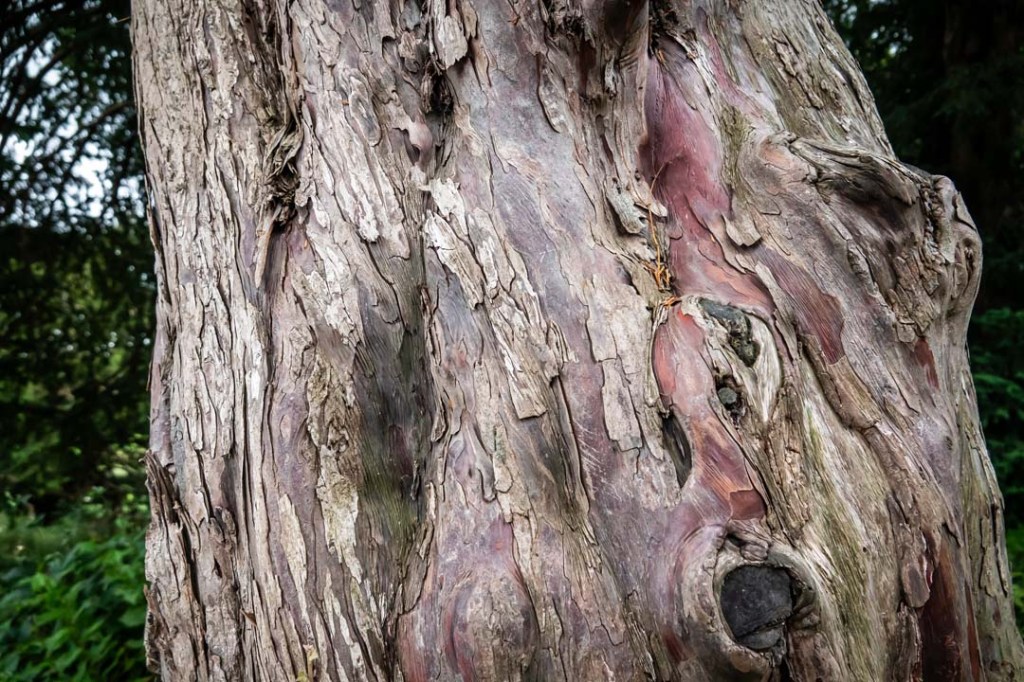
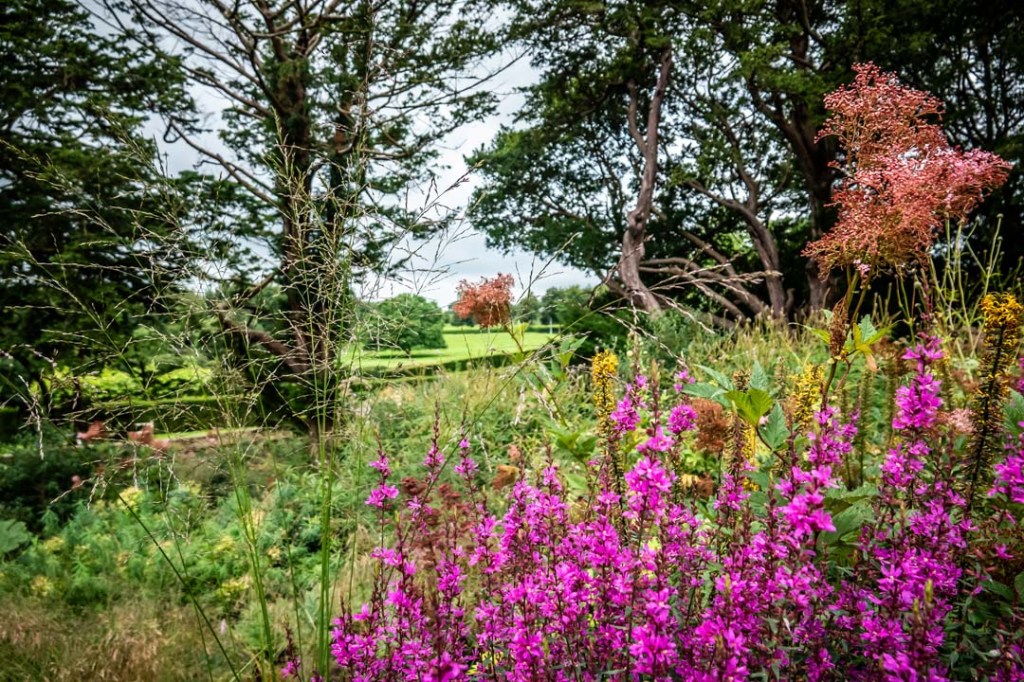
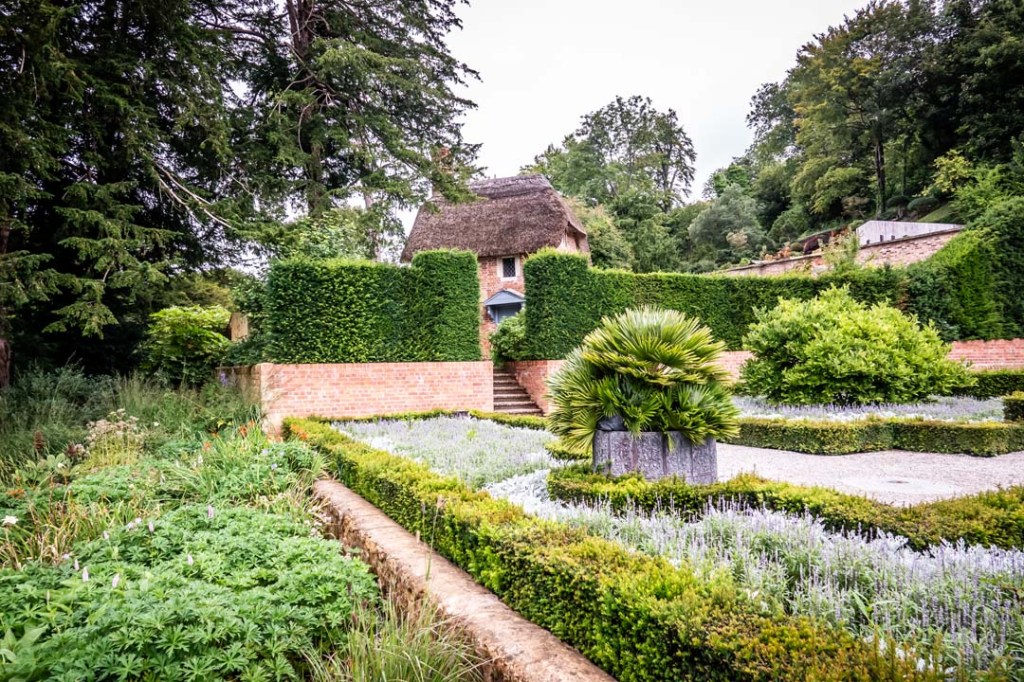
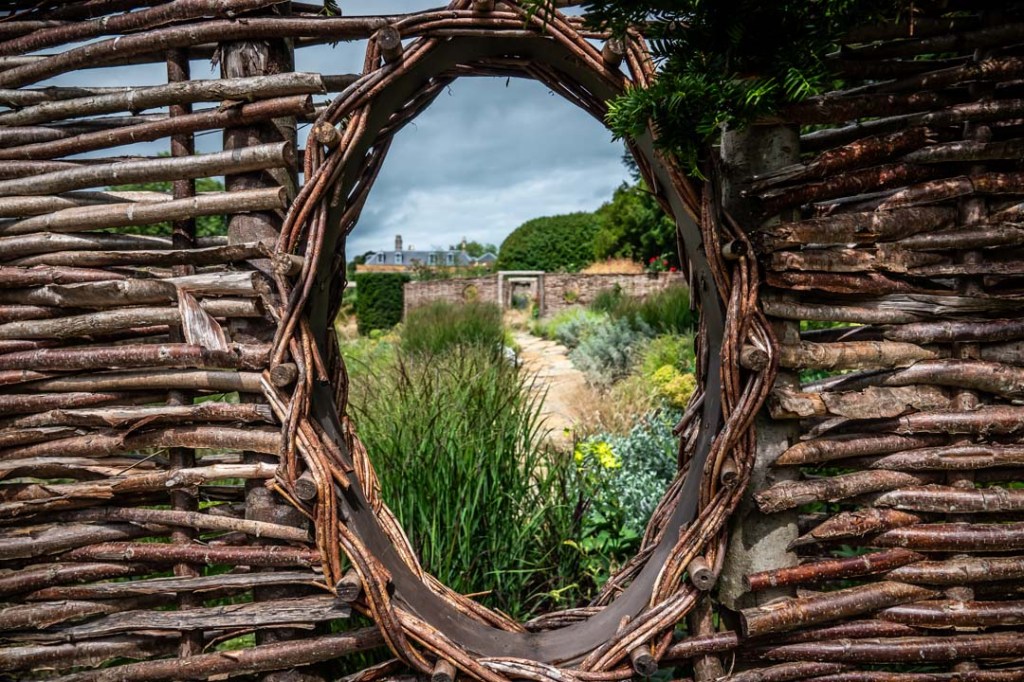
I’ll let my slideshow of our trip to The Newt in Somerset do the rest:
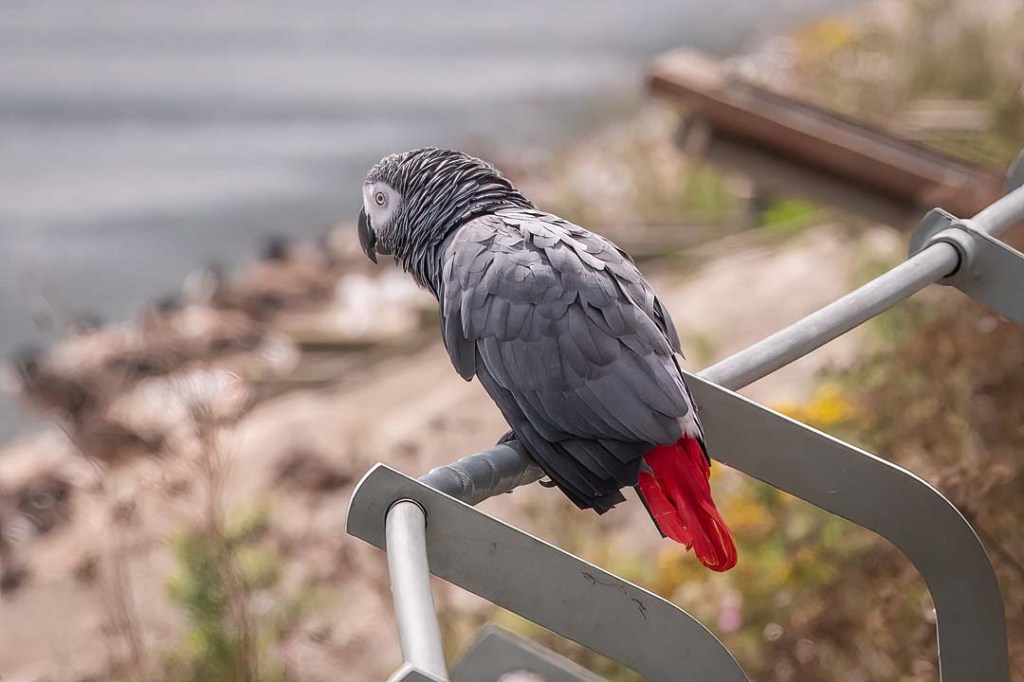

A grey parrot (Psittacus erithacus), also known as the Congo grey parrot, Congo African grey parrot or African grey parrot, at Chew Valley Lake today.
Is this another sign of global warning? I presume not. More likely it was the pet of the owners of a van parked adjacent to it.
We made a brief stop at the lake before visiting Yeo Valley Organic Garden, one of my favourite gardens in the area.
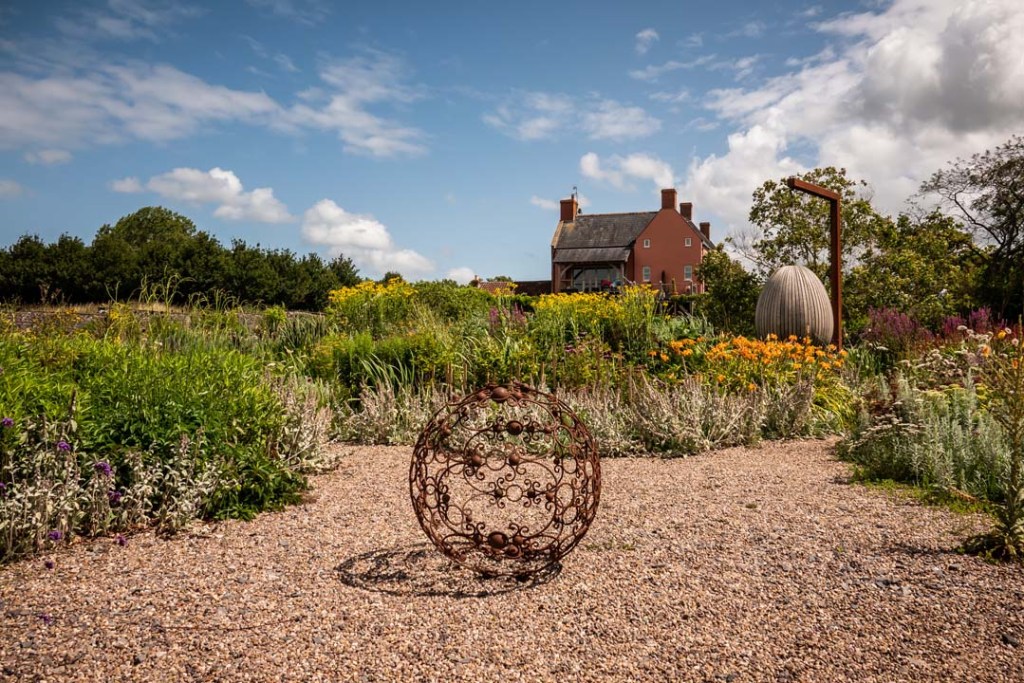
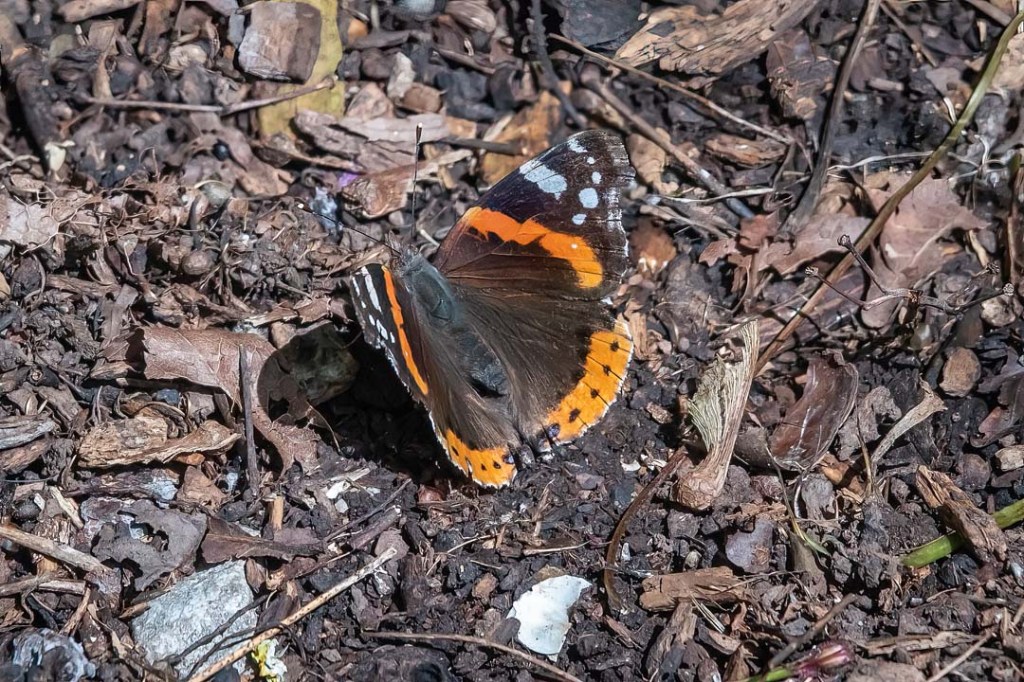
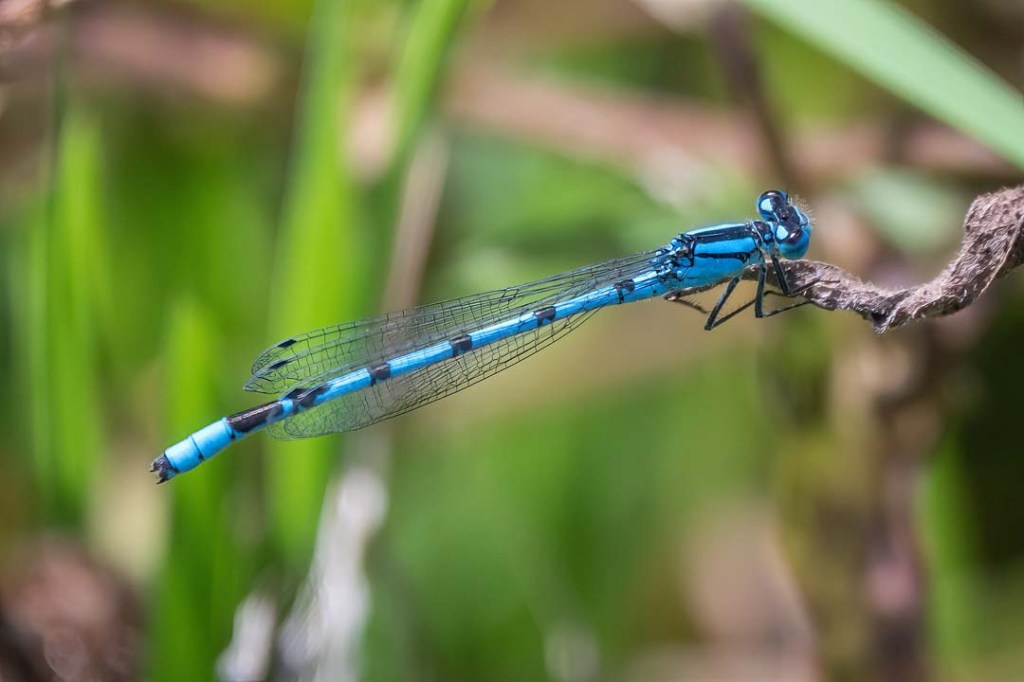
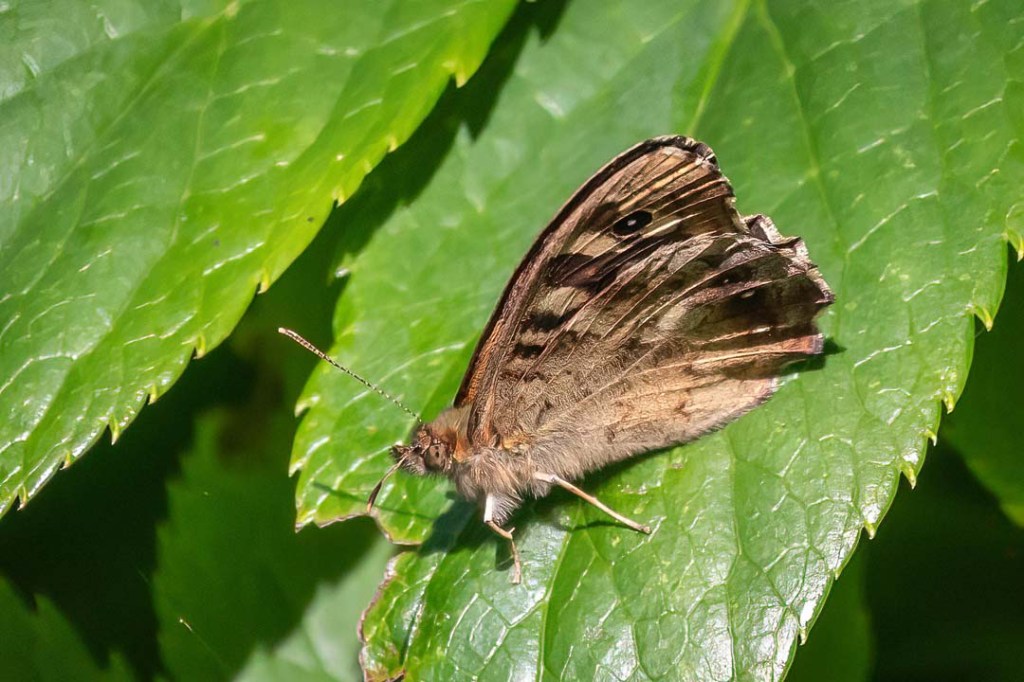
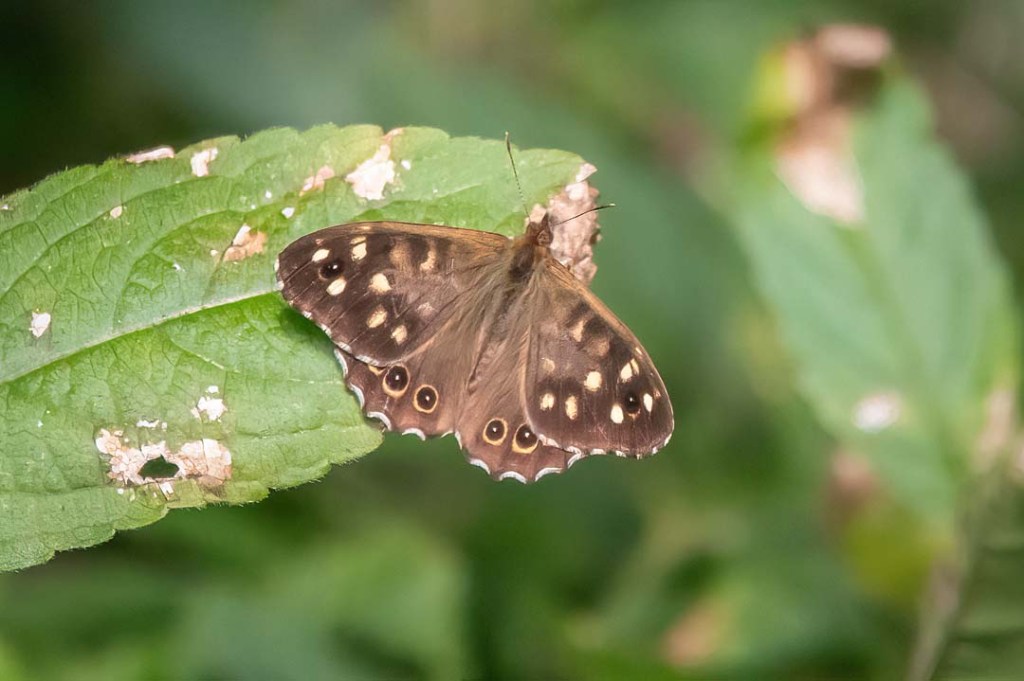
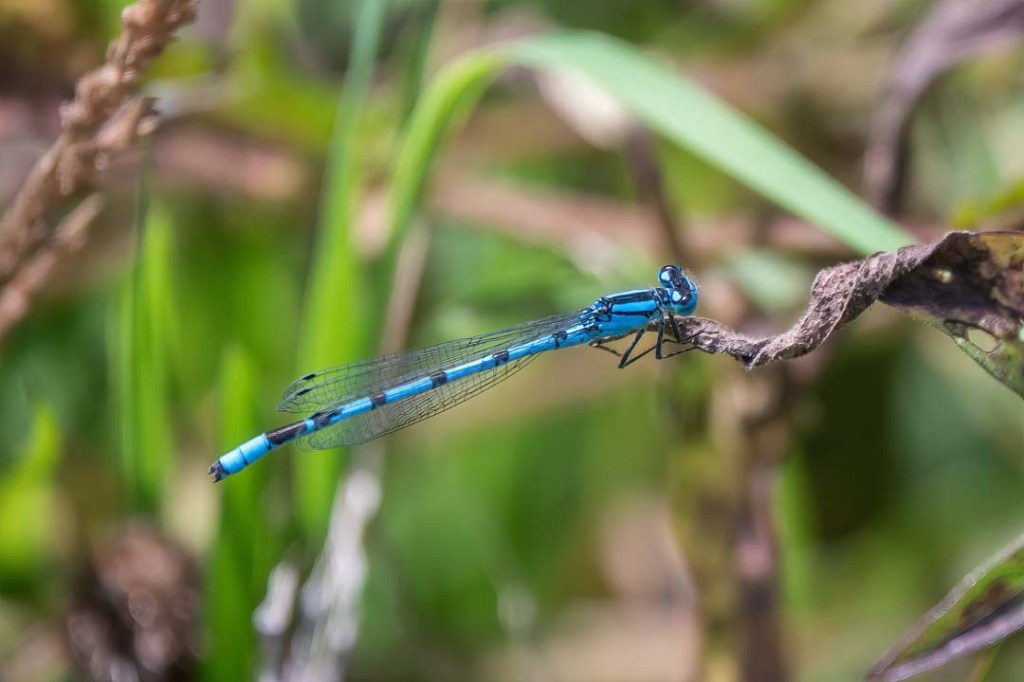
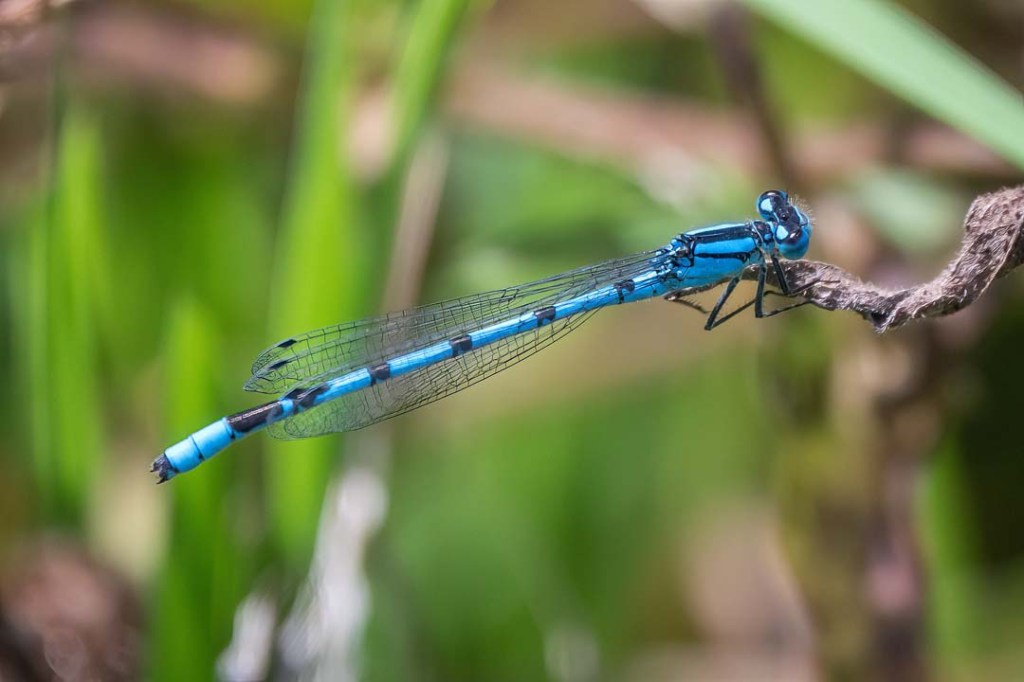
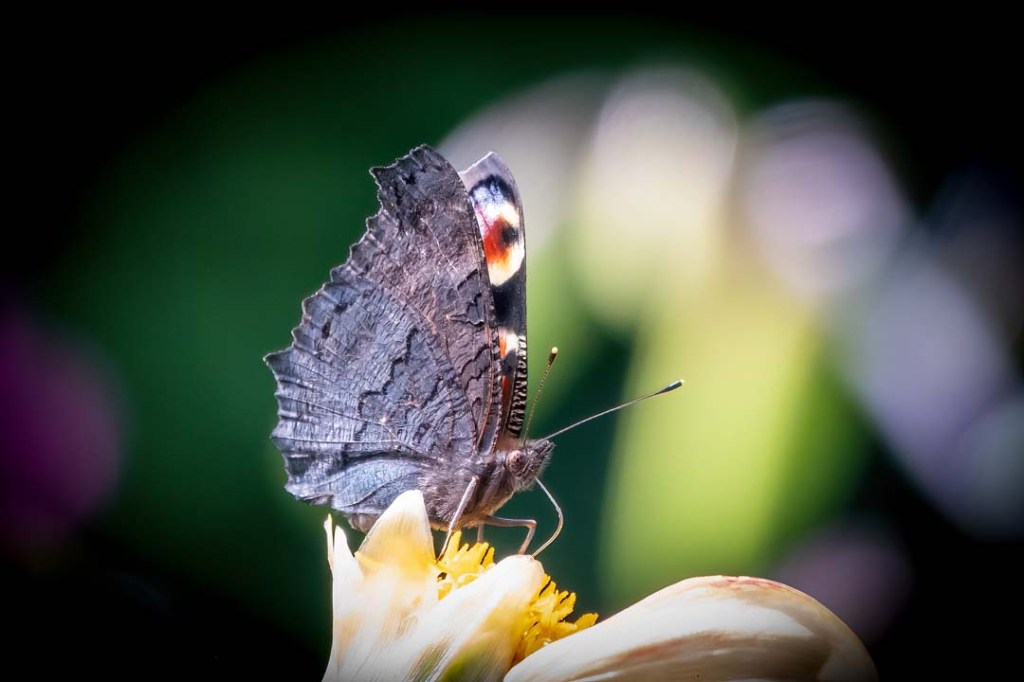
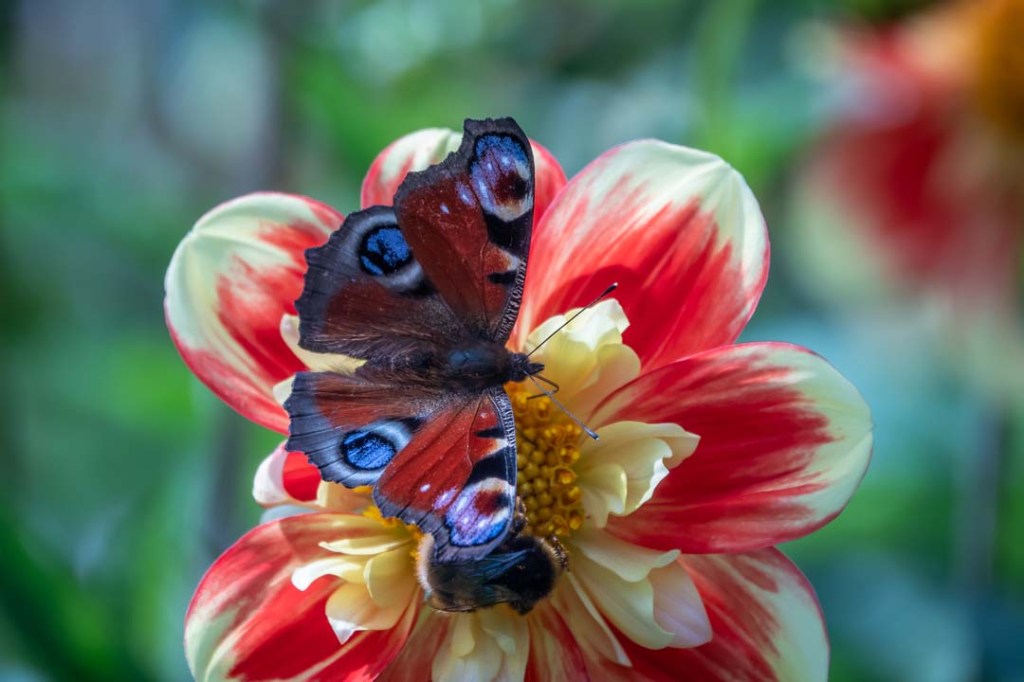
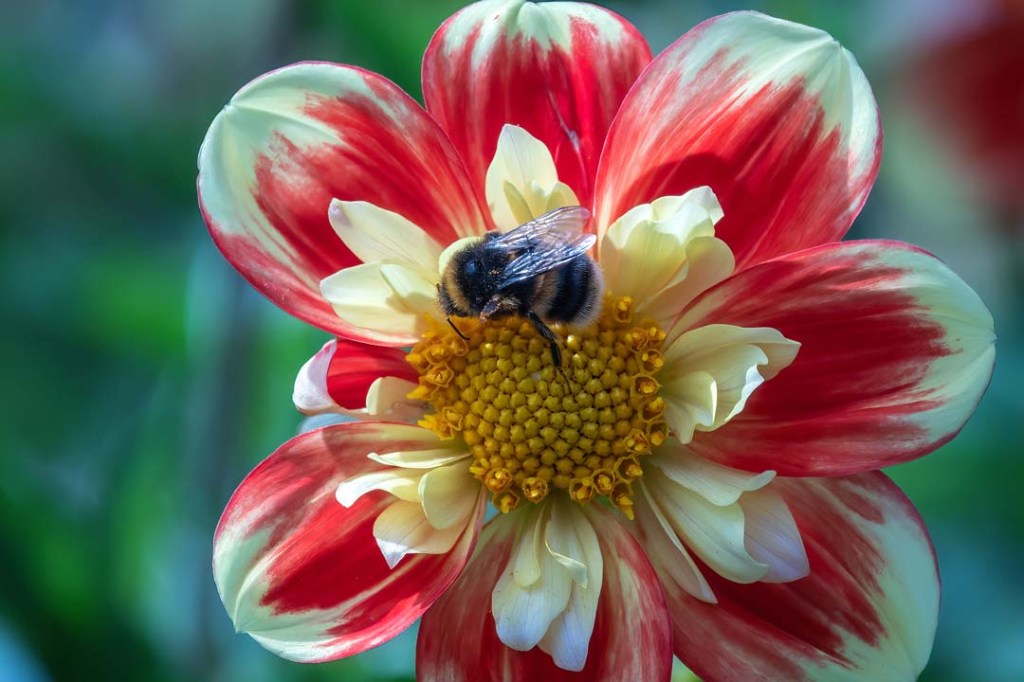
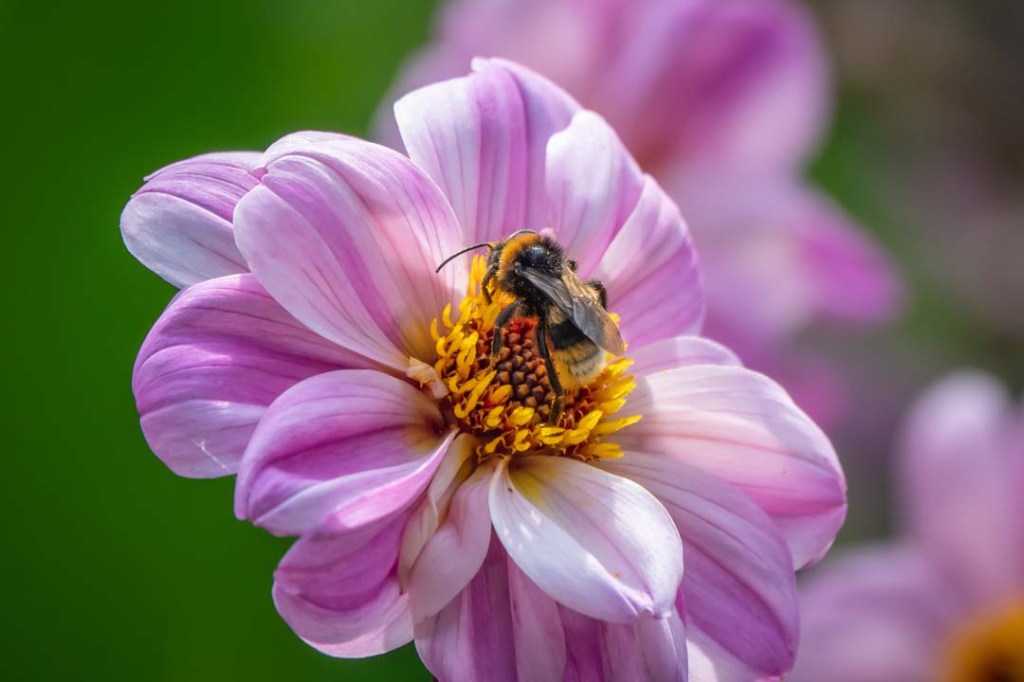
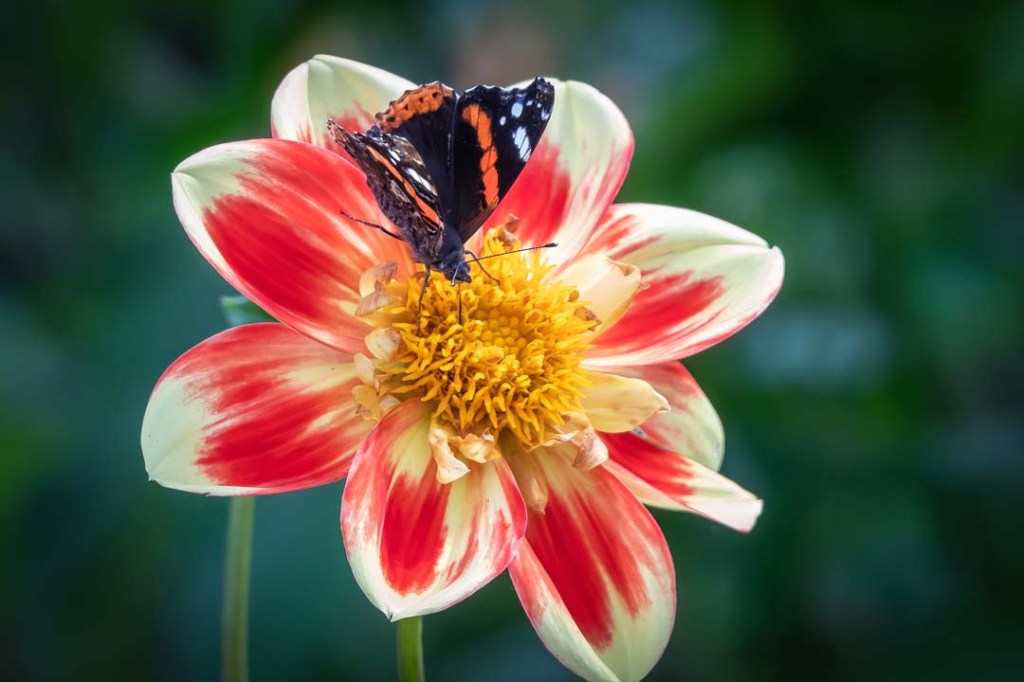
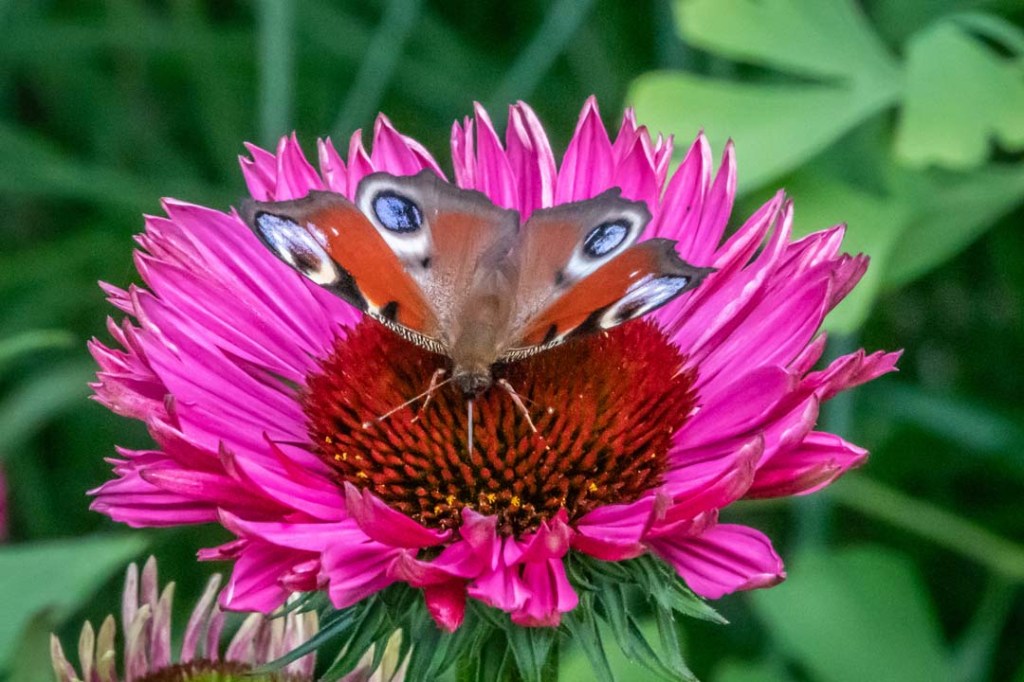
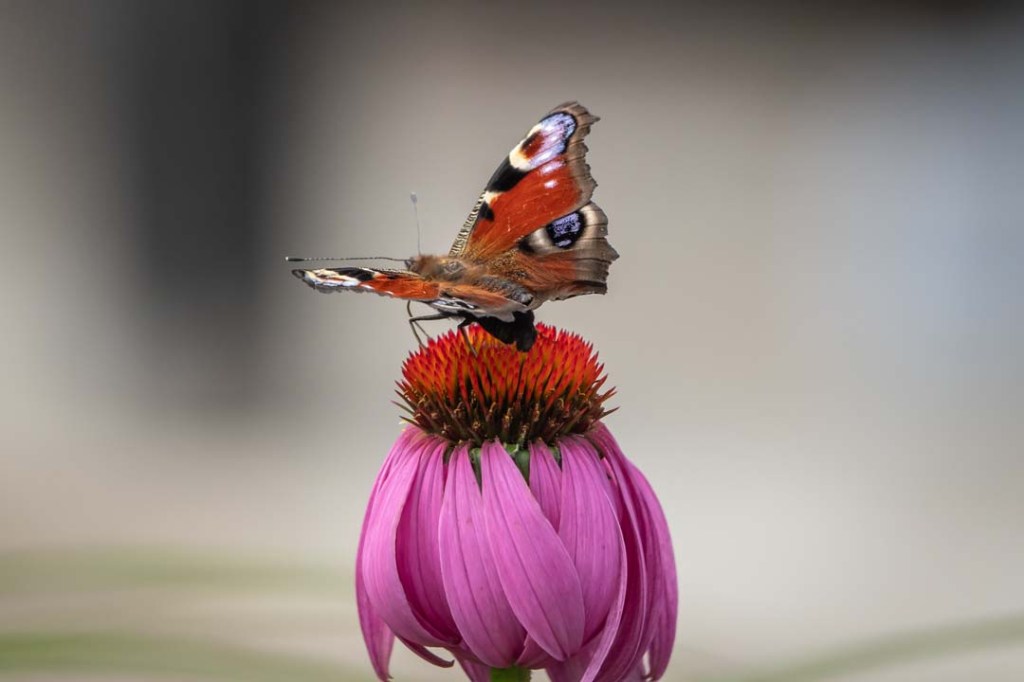
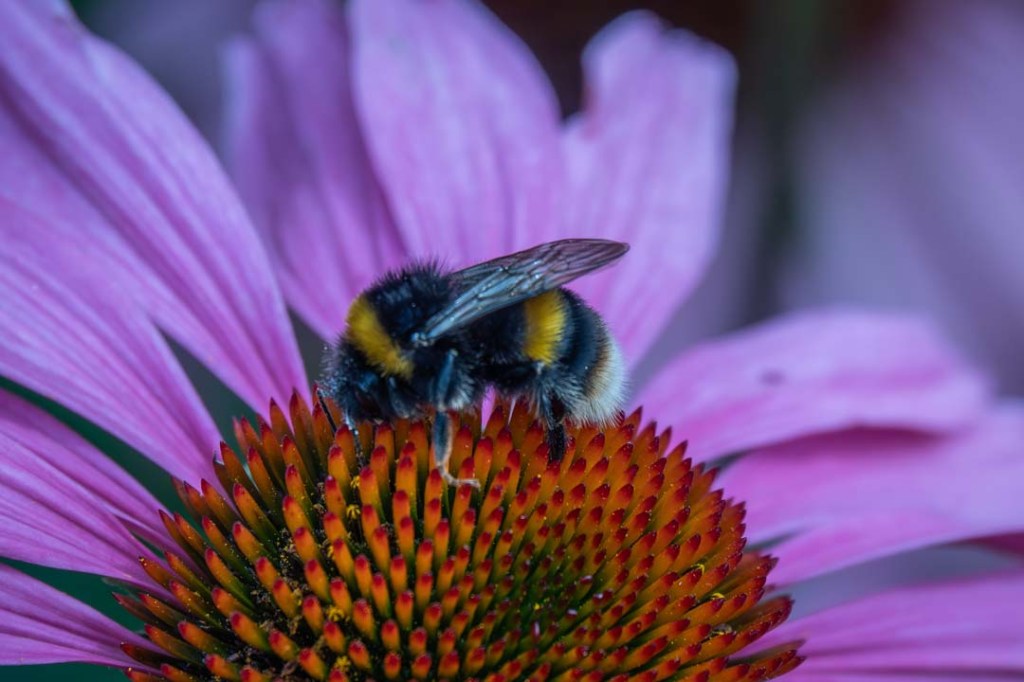
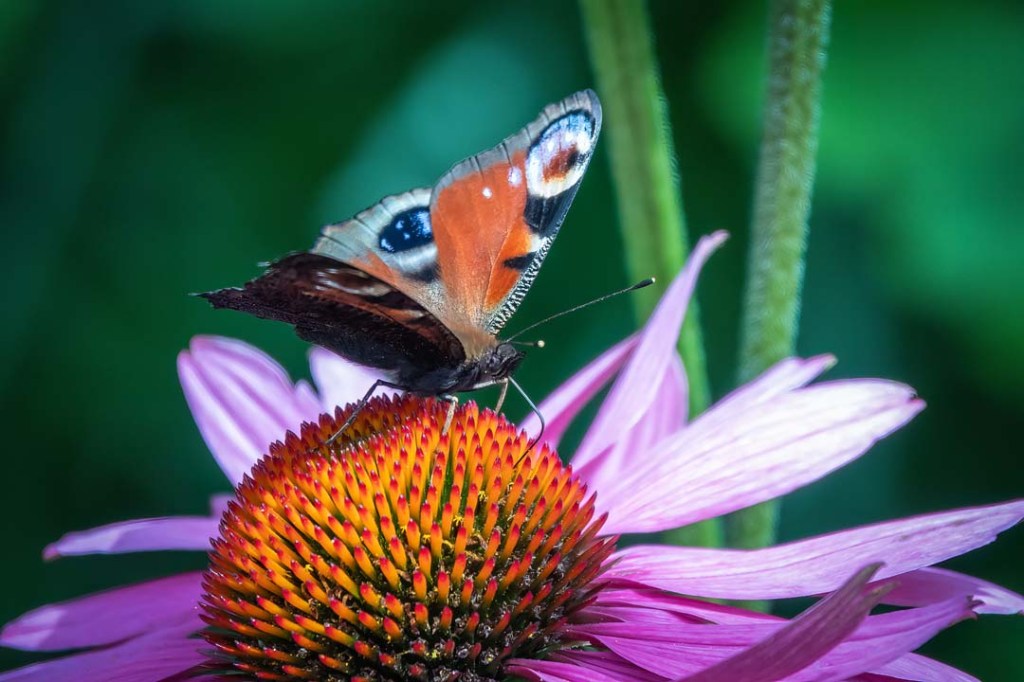
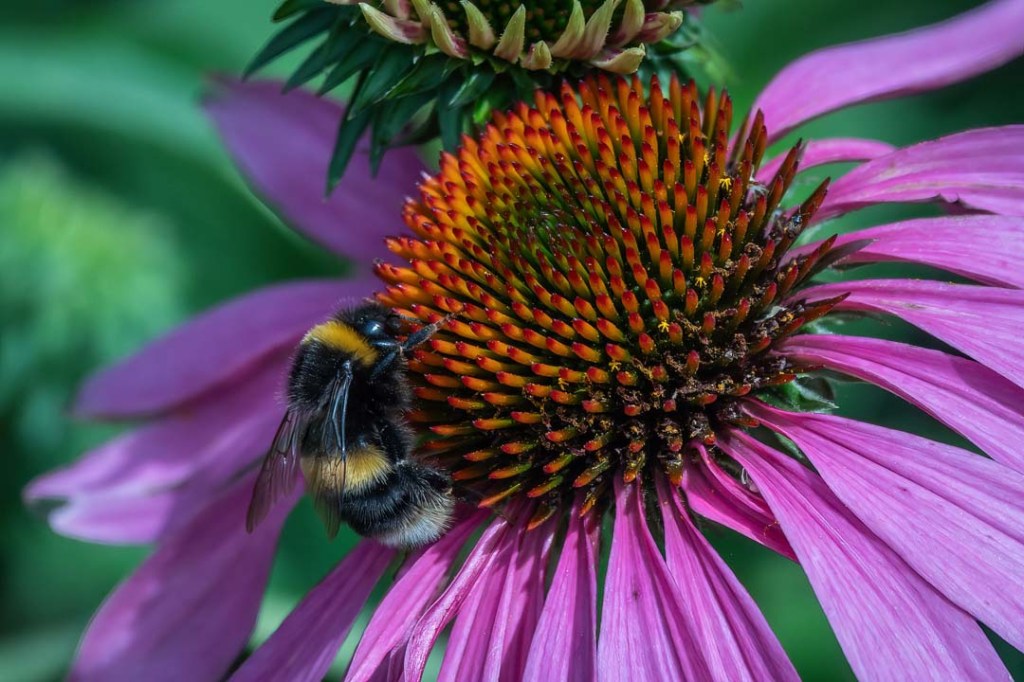
At this time of the year there is always a chance to see a variety of butterflies , bees and damselflies and yesterday did not disappoint.
Here are some of the ones I managed to photograph whilst still taking in the full beauty of the garden and not ignoring our friends with whom we were visiting the garden.


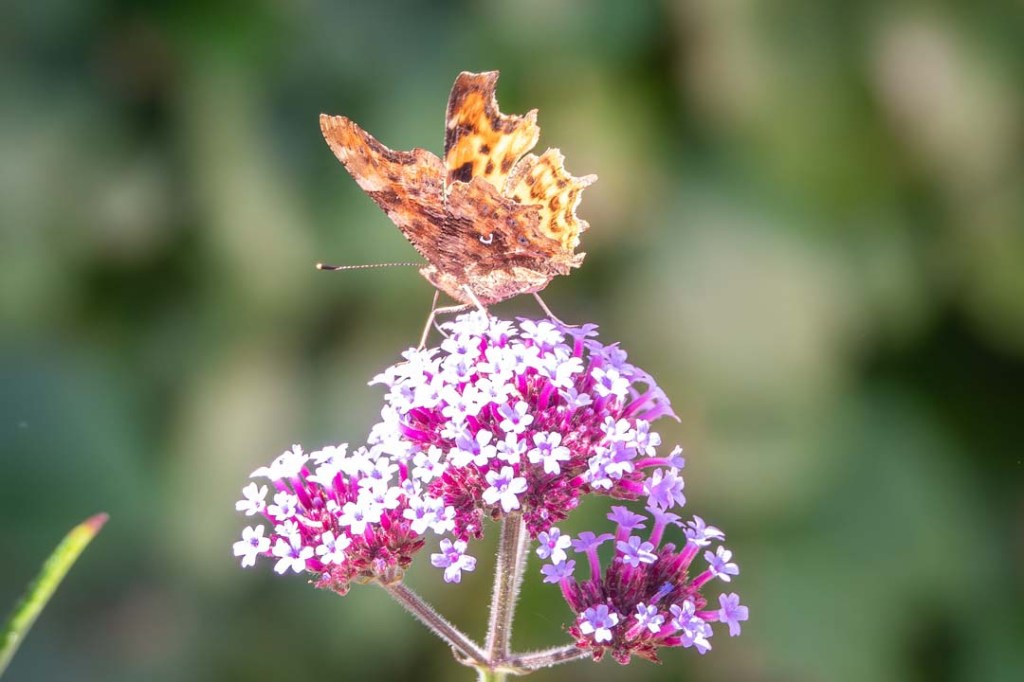
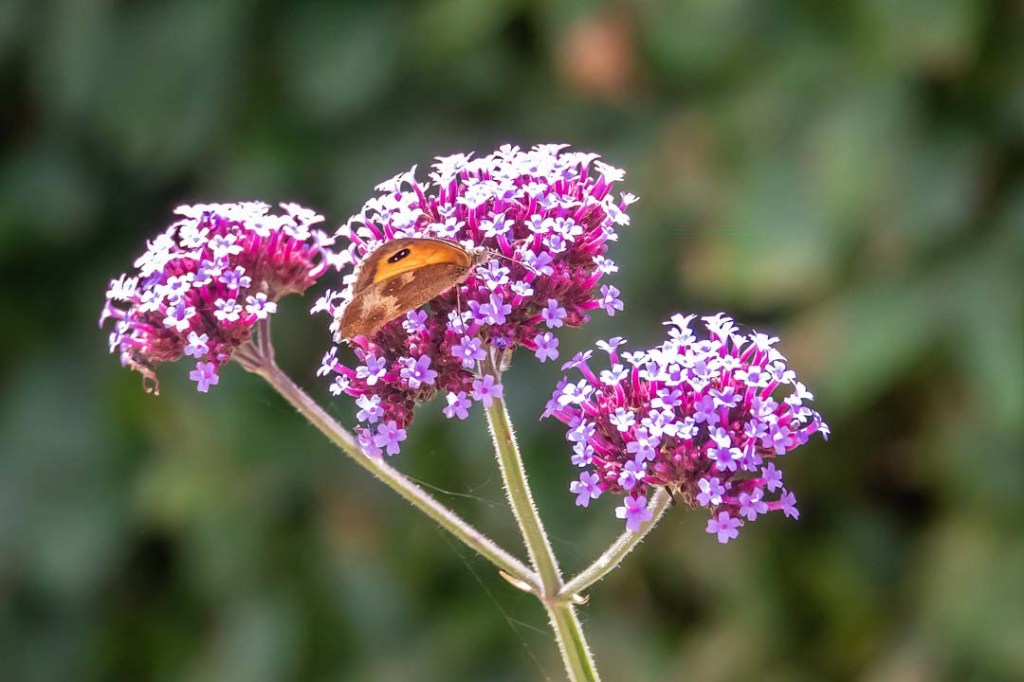

Slideshow of my photos from my visit to Chew Valley:
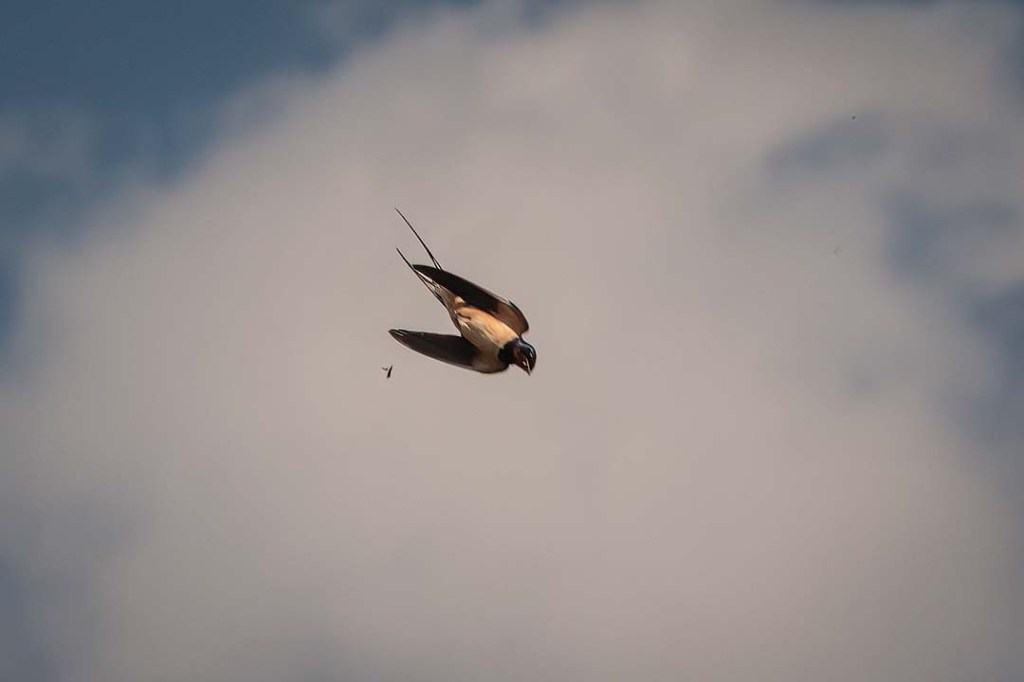
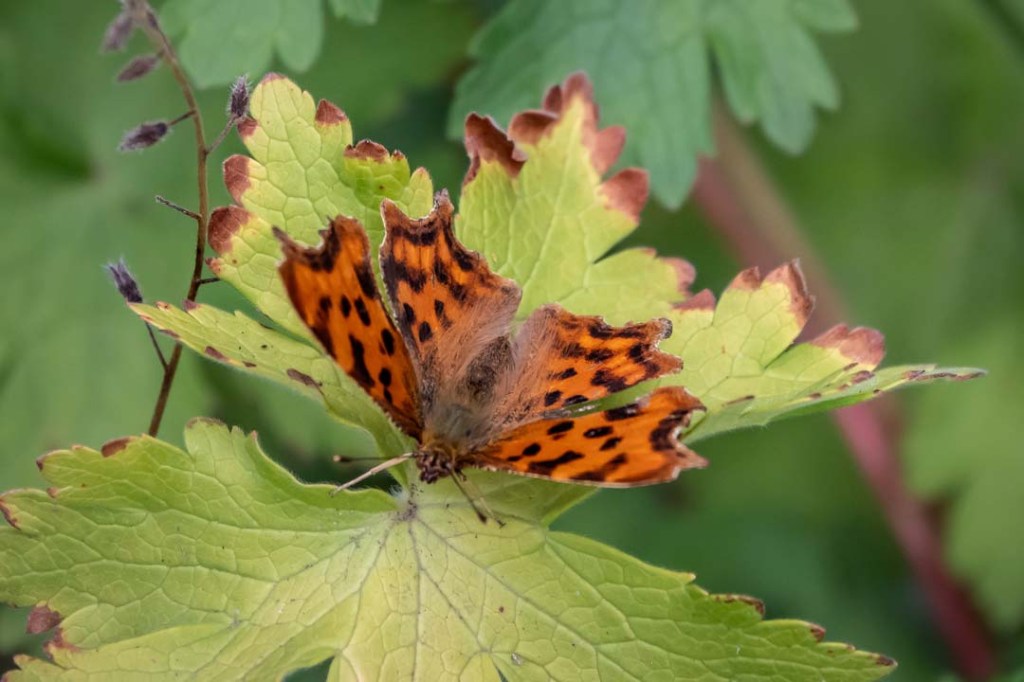
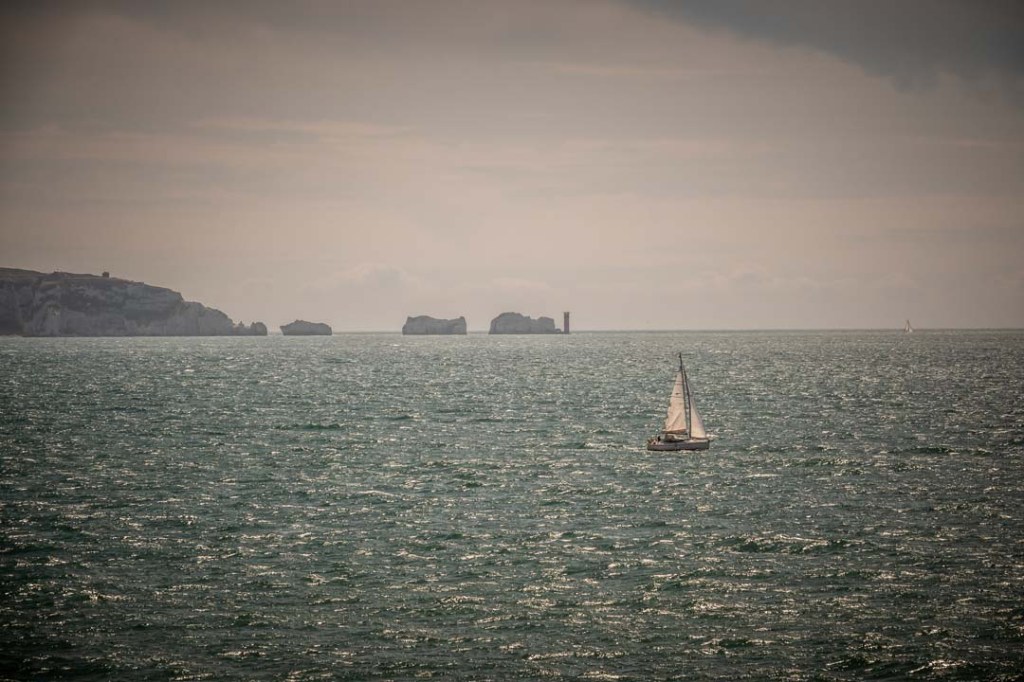
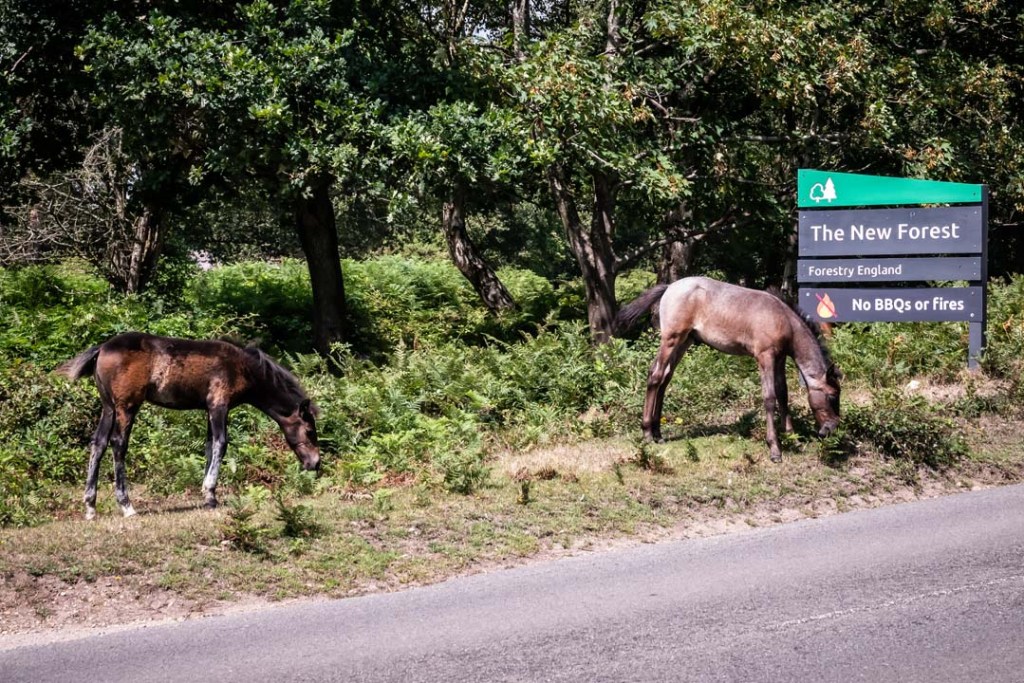
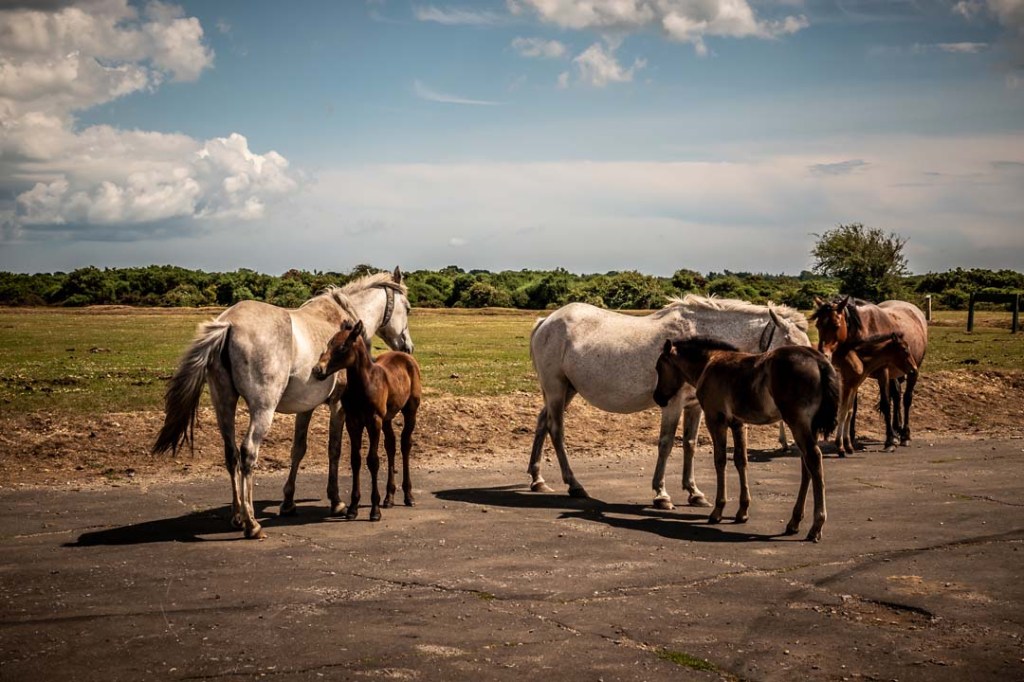
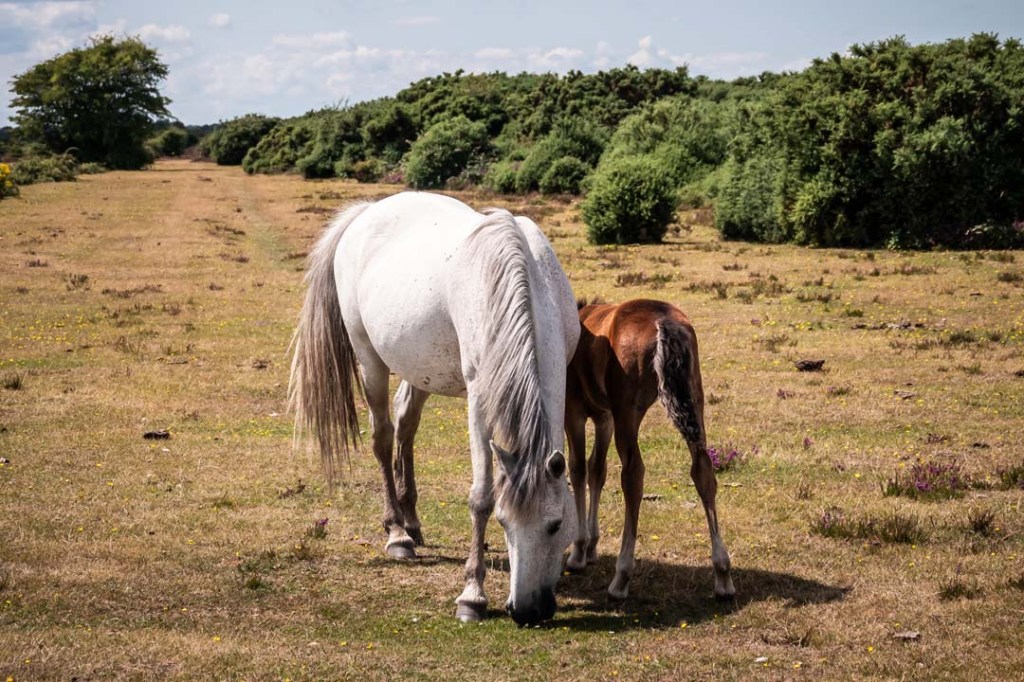
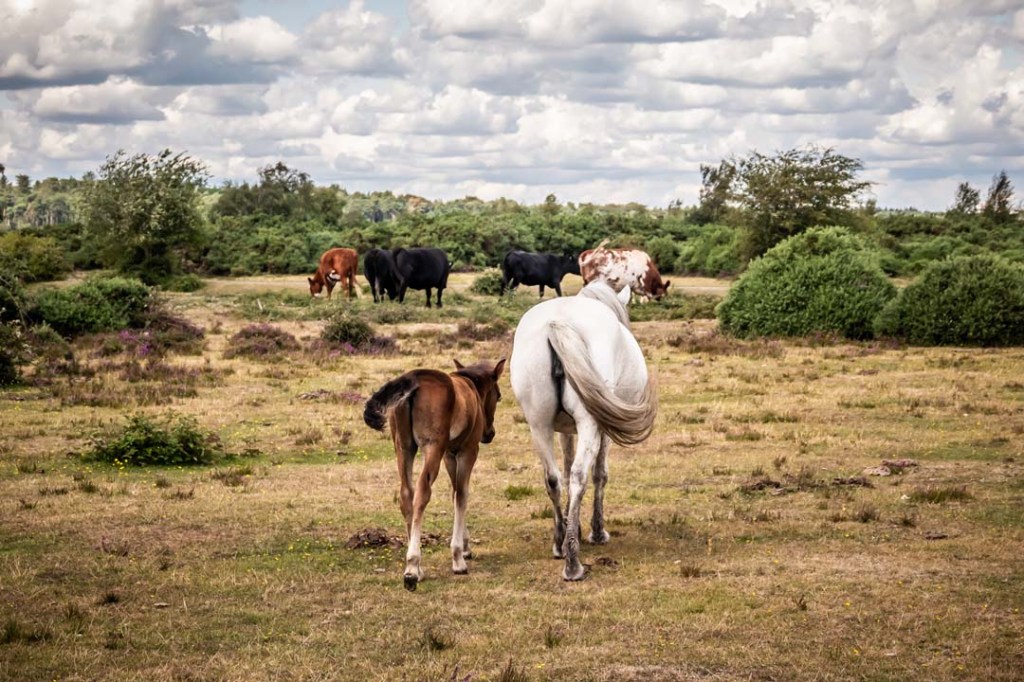
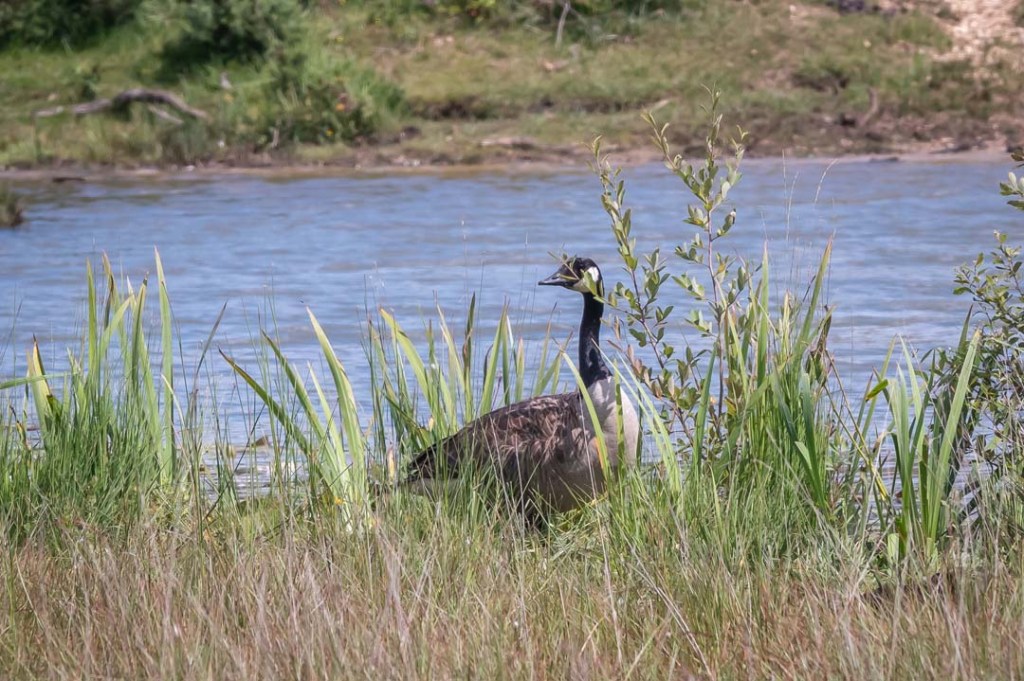
A few days away on the south coast of England around the New Forest doing touristy things gave me gave me the opportunity to take a few nature photos.
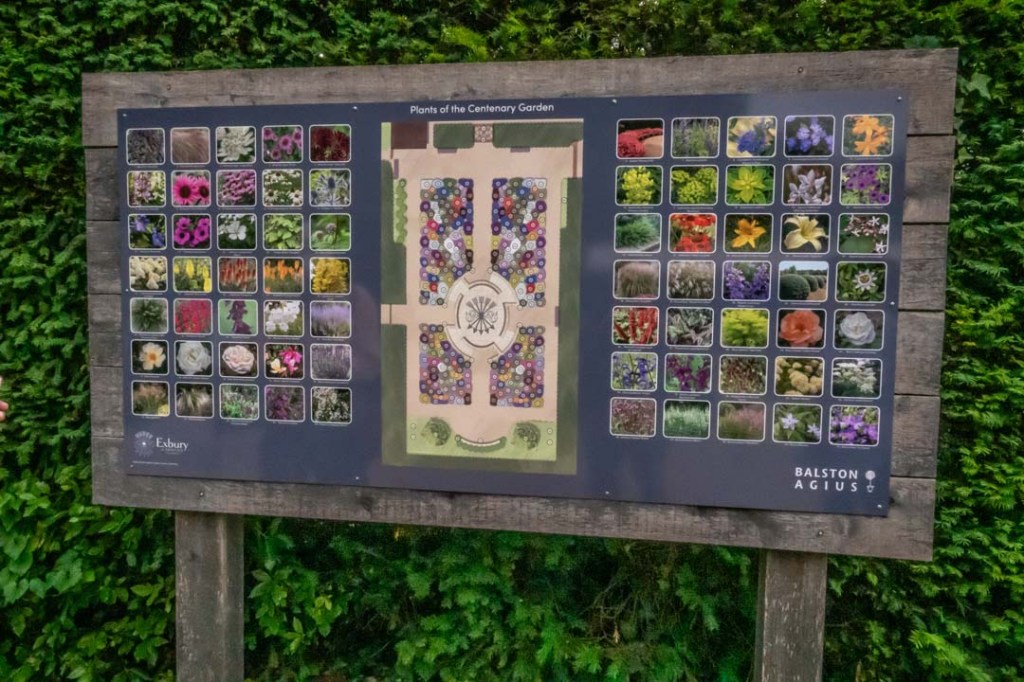
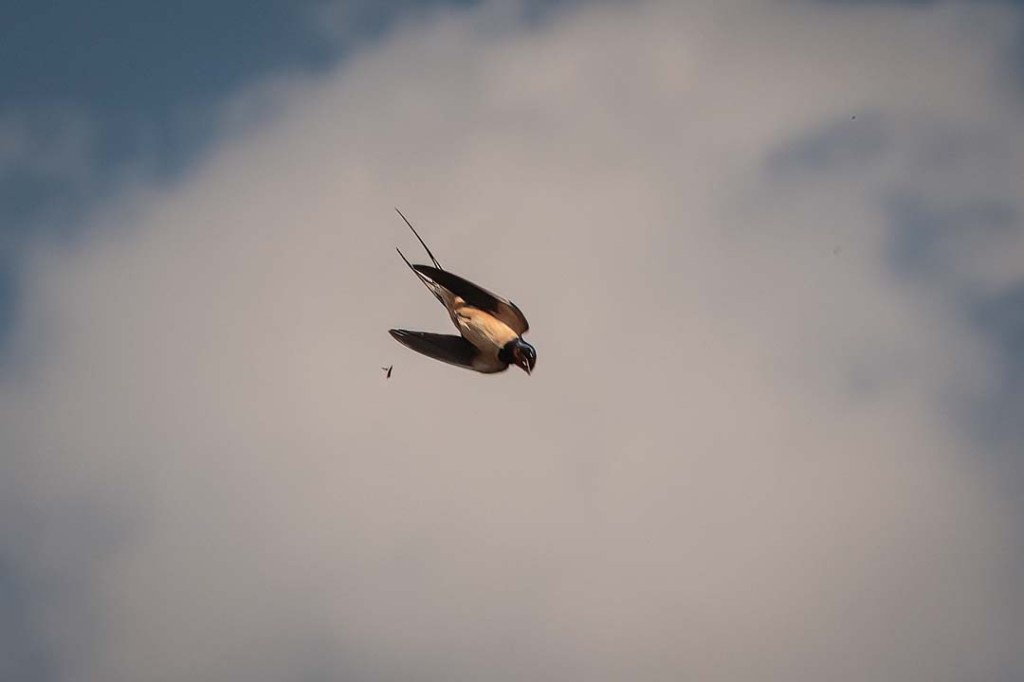
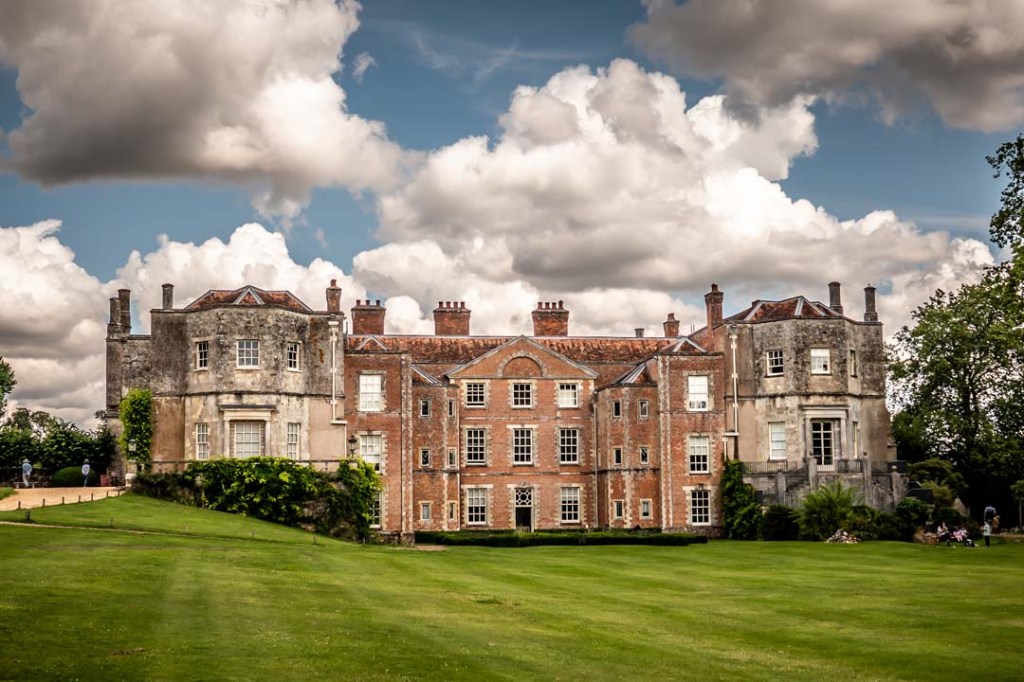
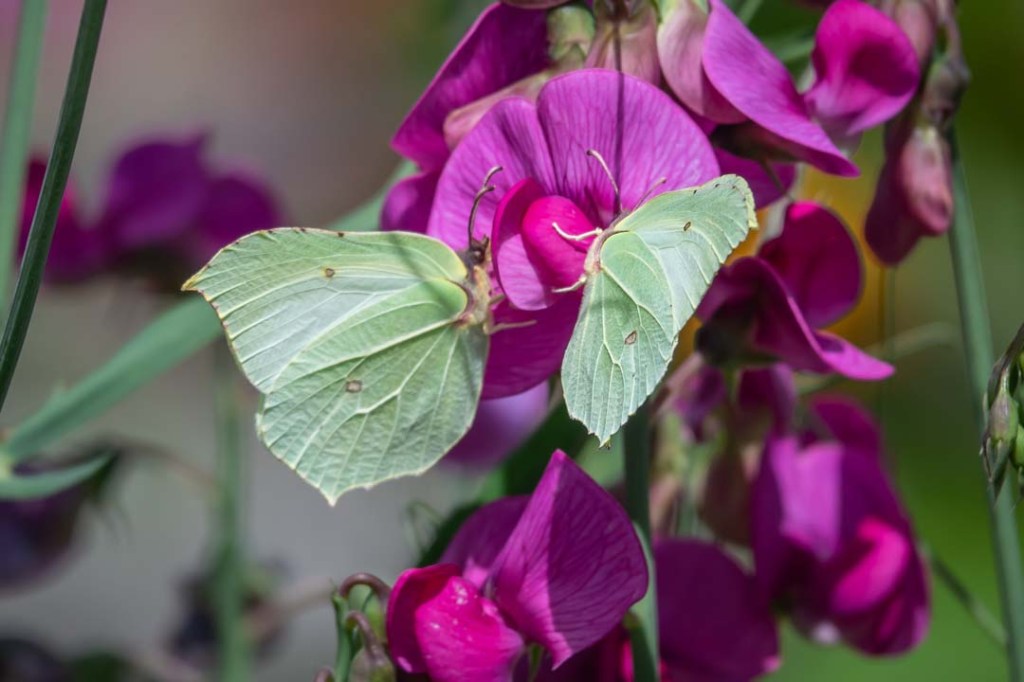
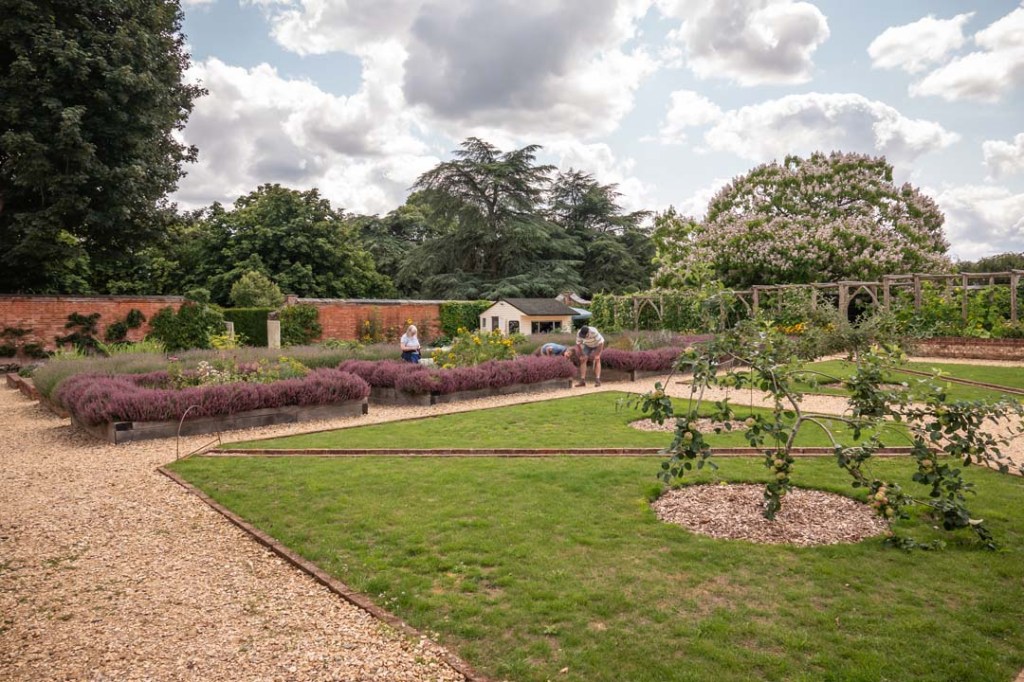
The butterflies were taken at Exbury Gardens near Beaulieu and in the gardens at the National Trust property of Mottisfont near Romsey. The swallows were taken when I had a spare moment at Beaulieu.

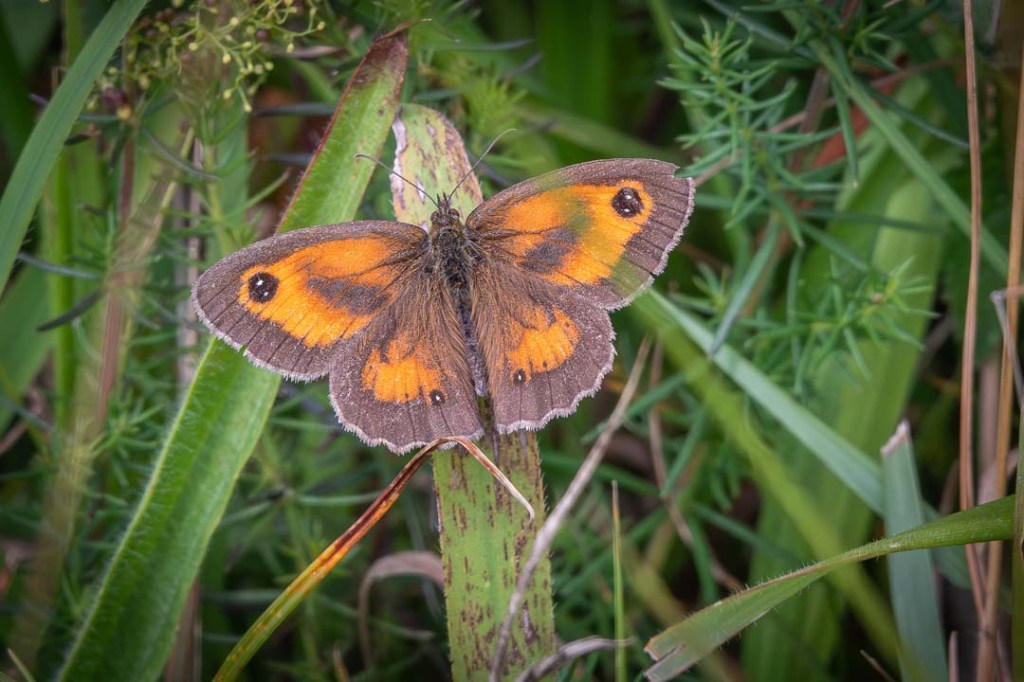
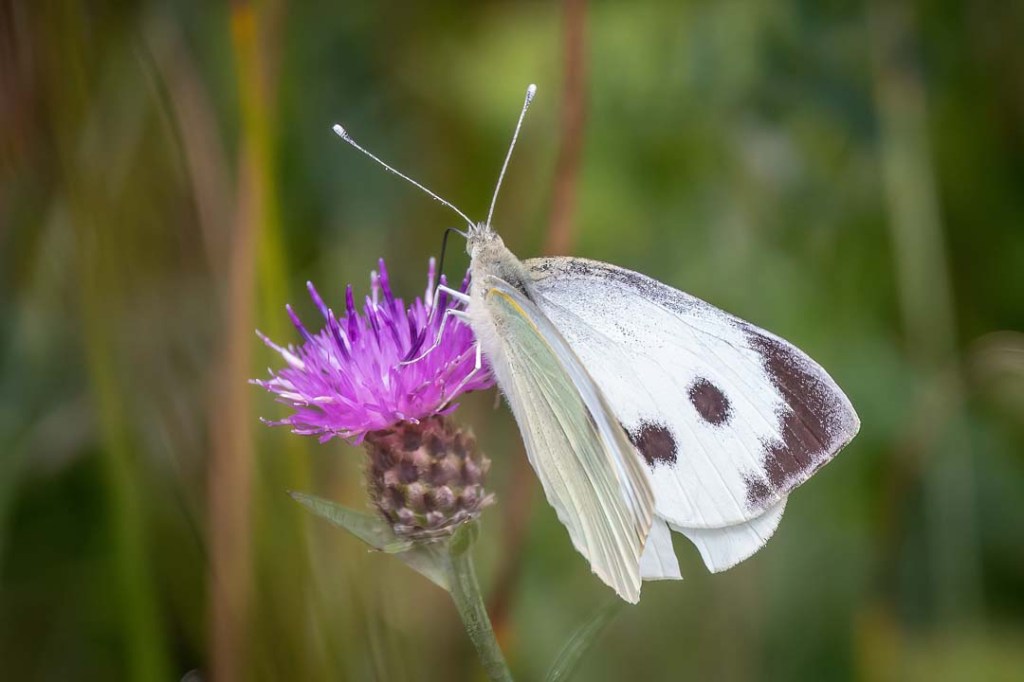

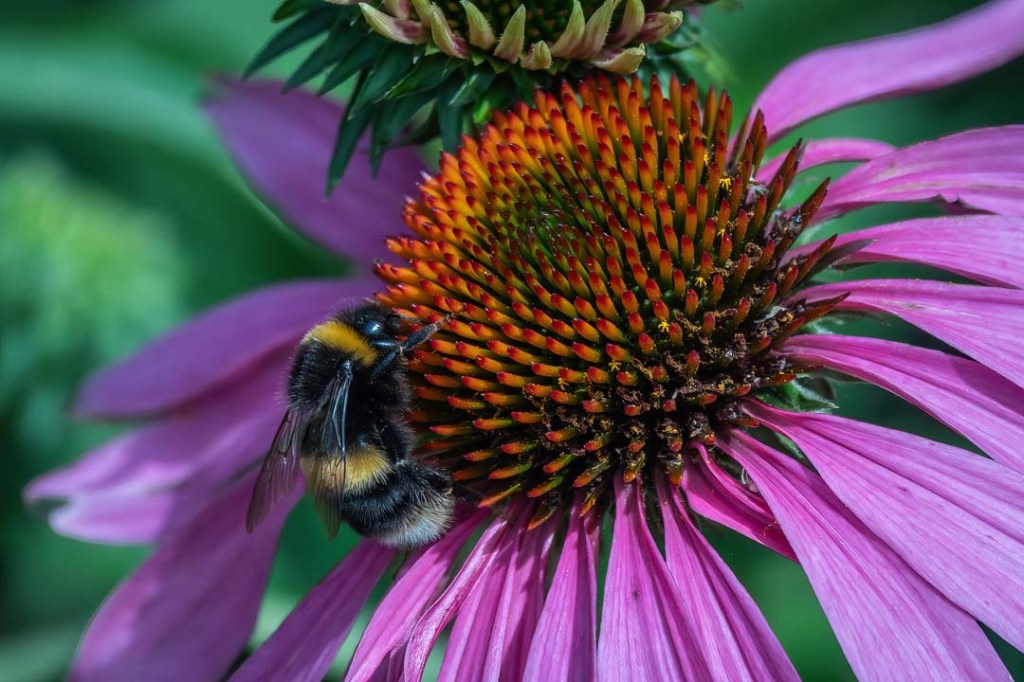

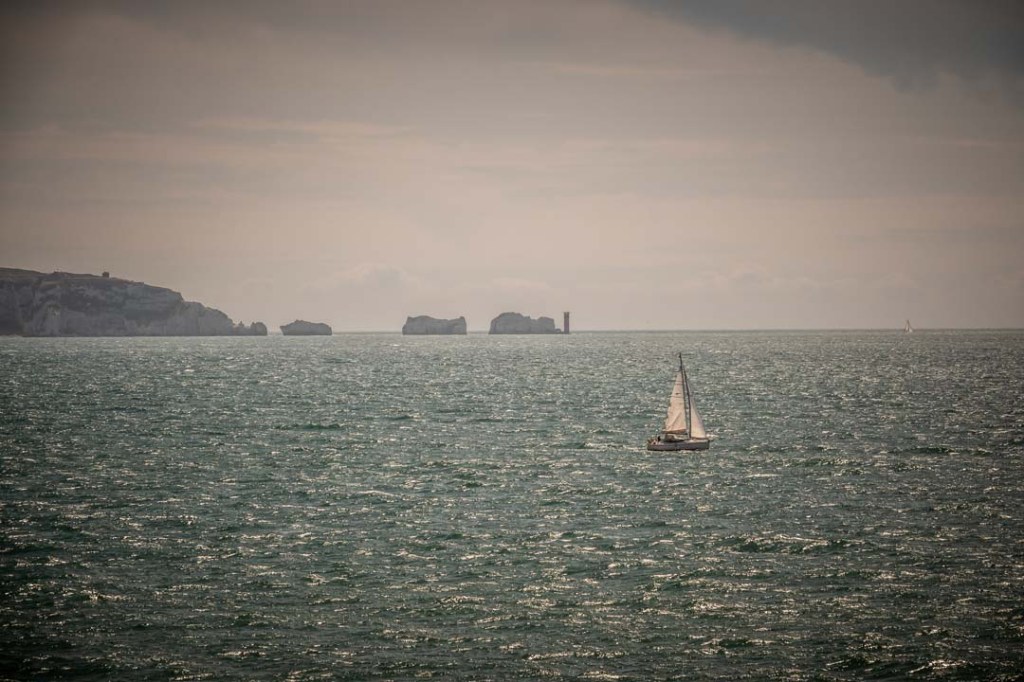


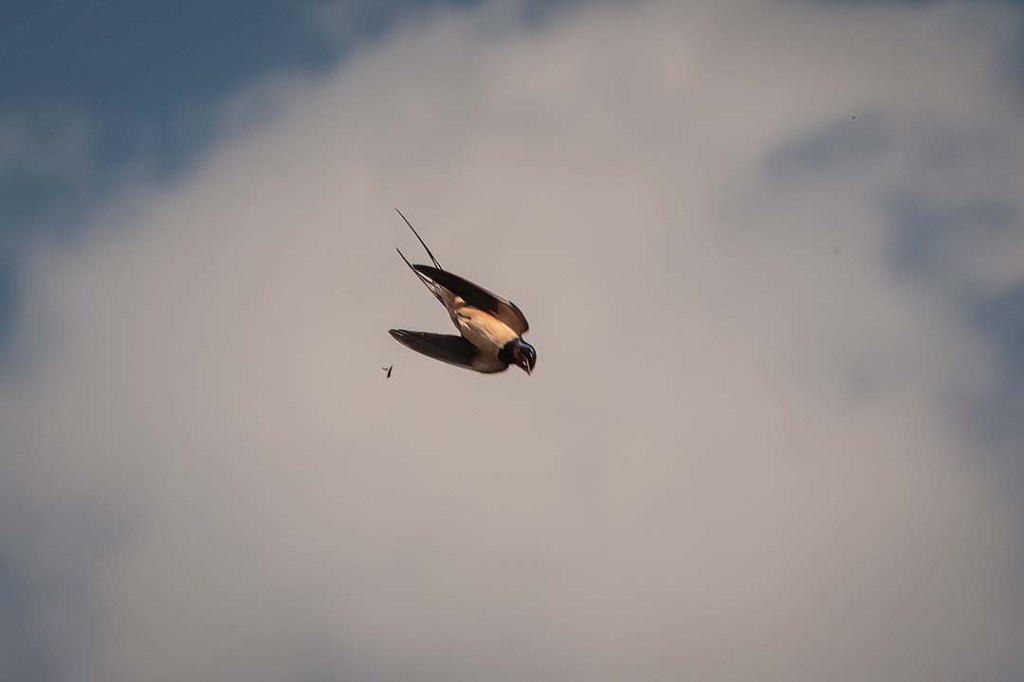
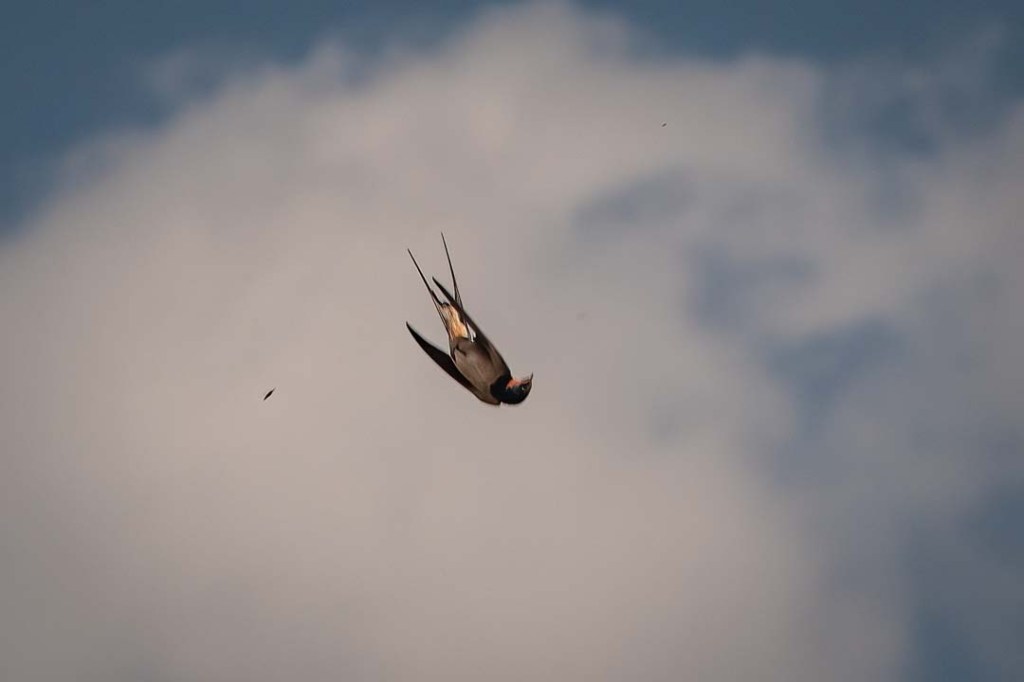


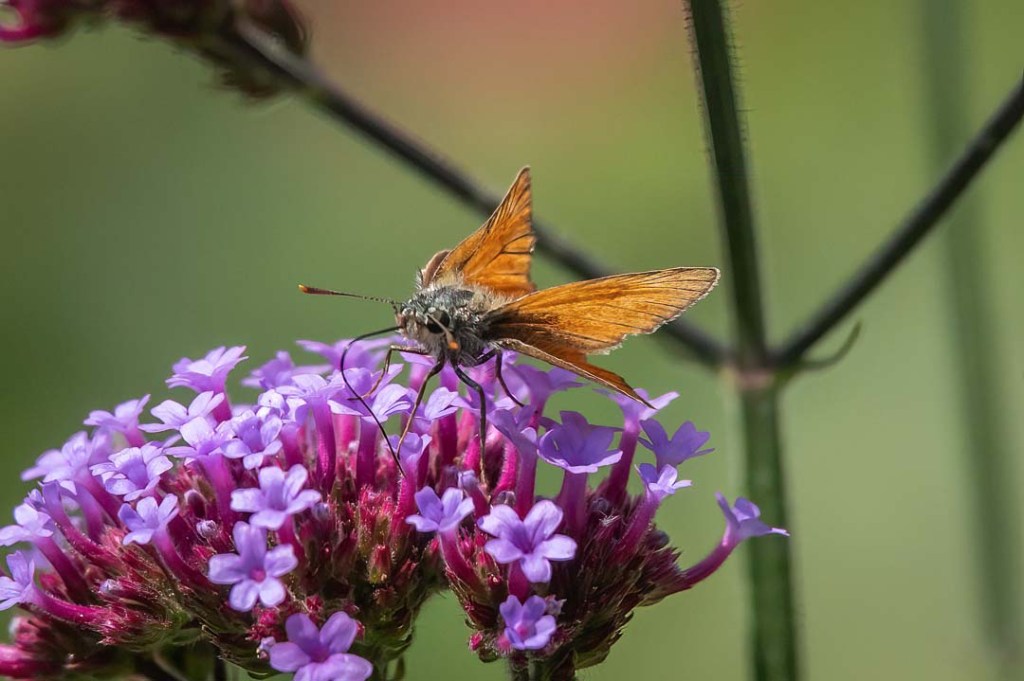
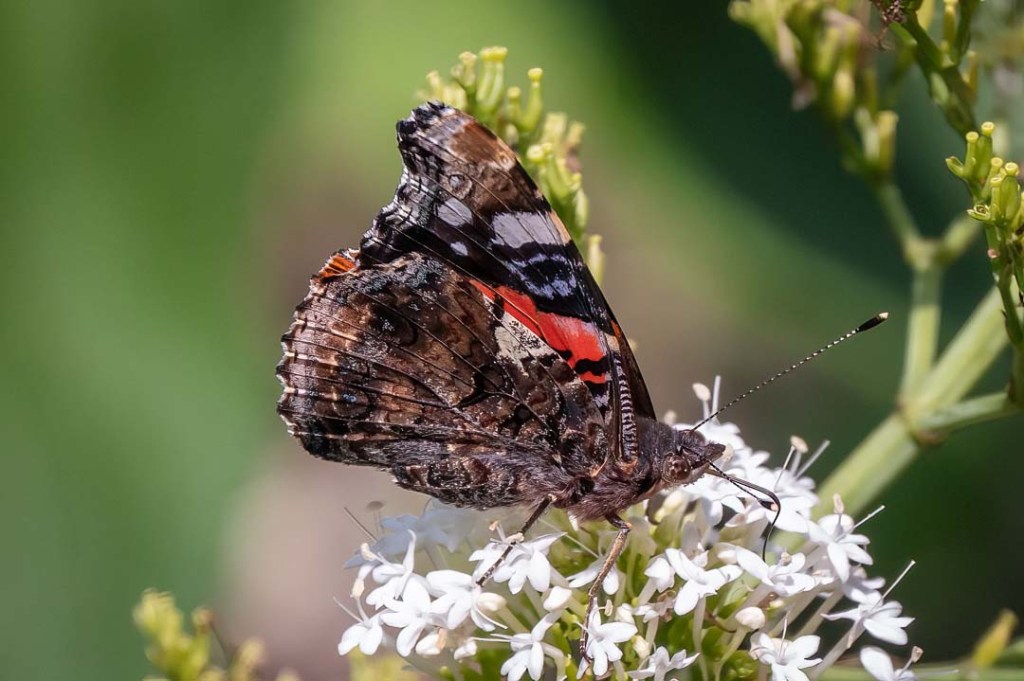
Slideshow of some of my photos from The New Forest:

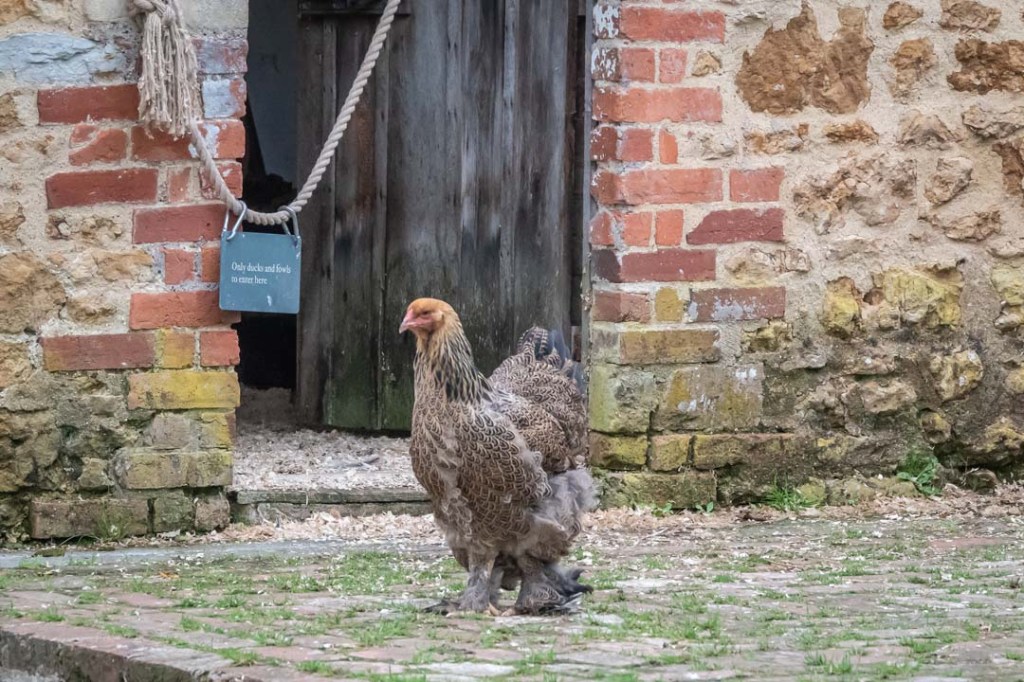
A tourist trip to Berkeley Castle, just 15 miles north from my home, gave me a surprise opportunity to get up close to some birds of prey. There was due to be a private falconry display at the castle later that day but we were able to see the birds waiting for their display before visiting the castle and grounds.
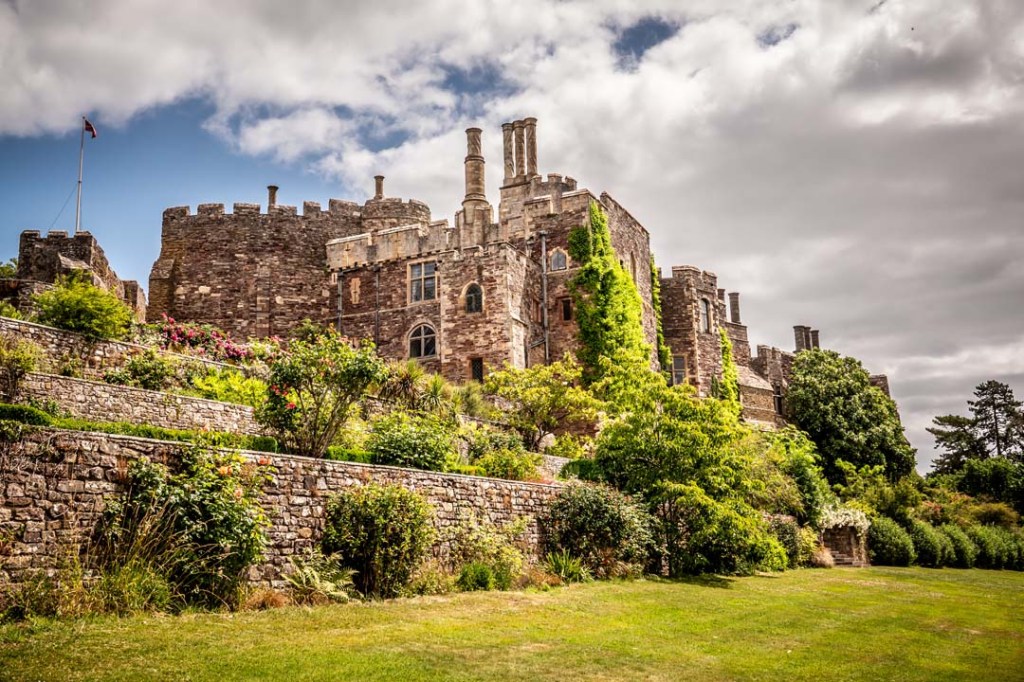
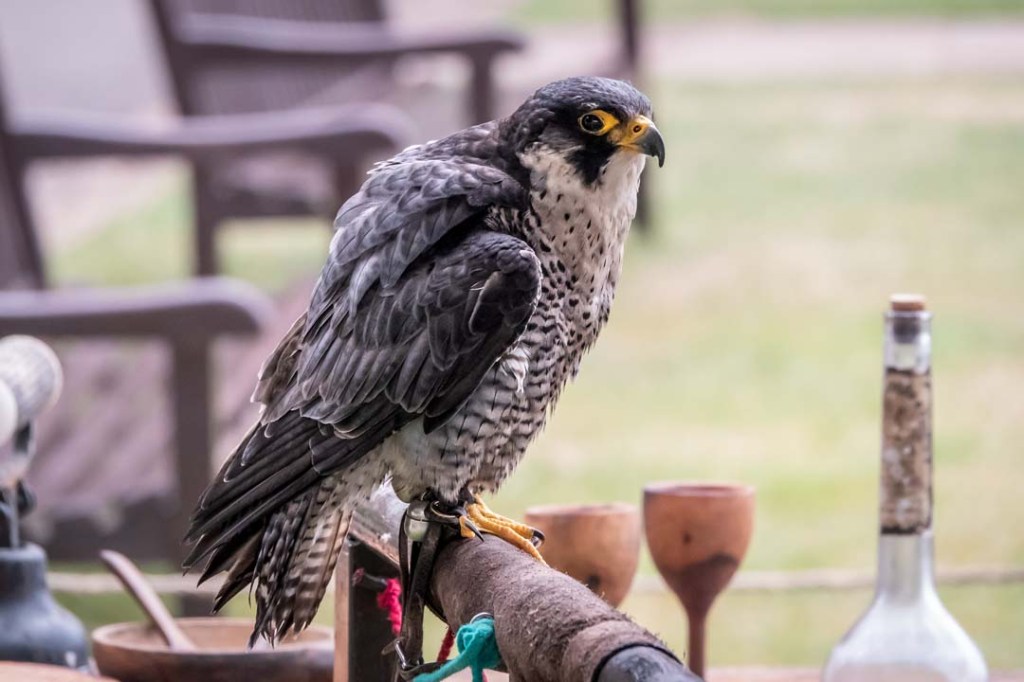
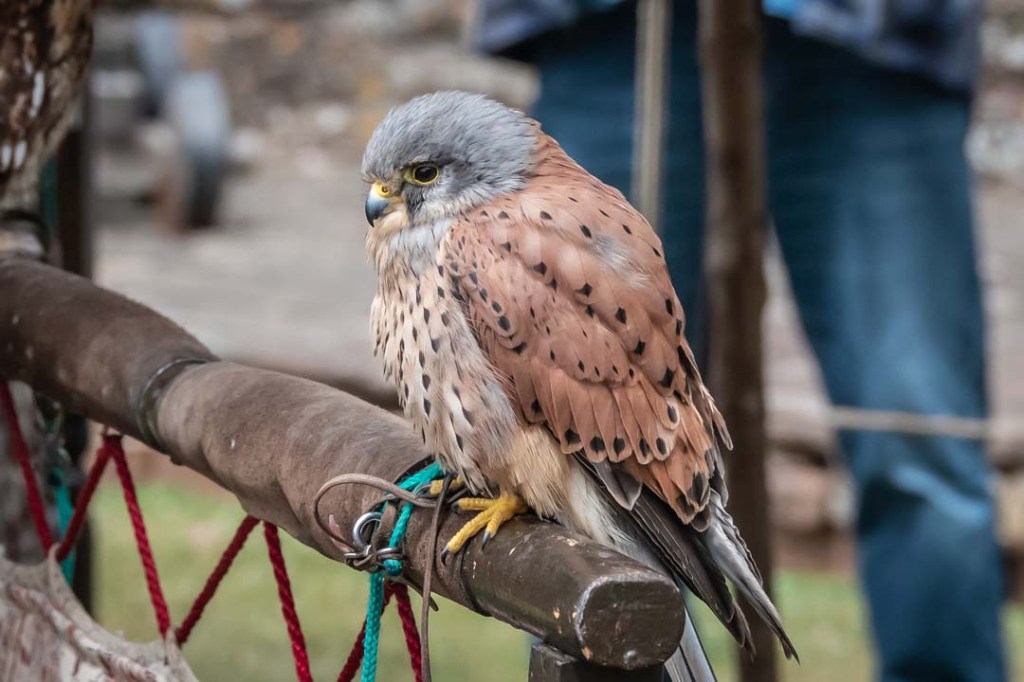
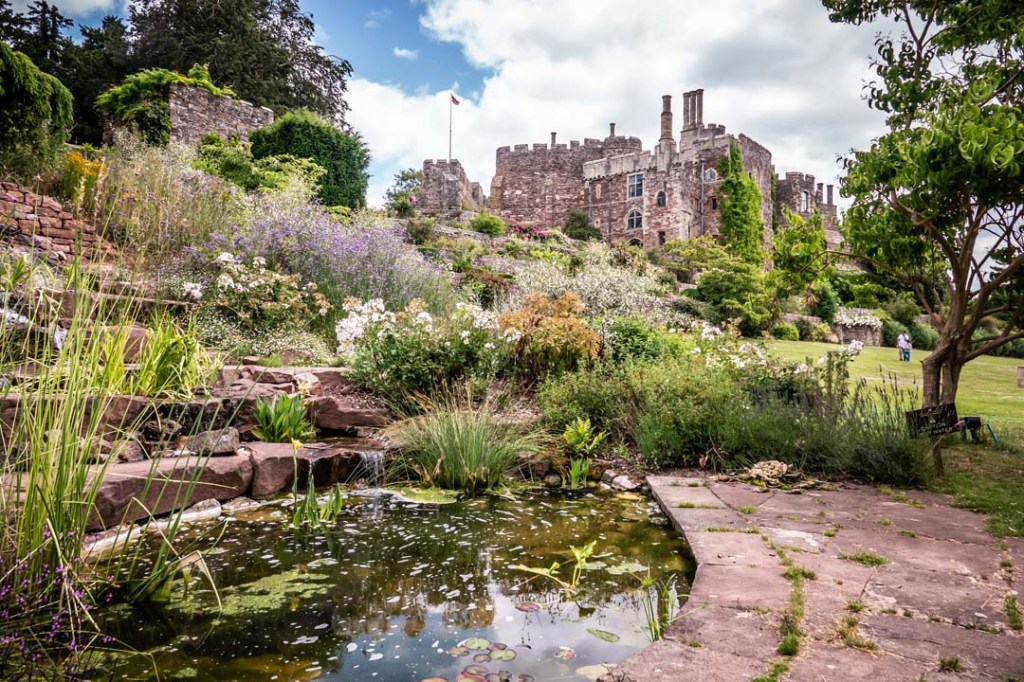


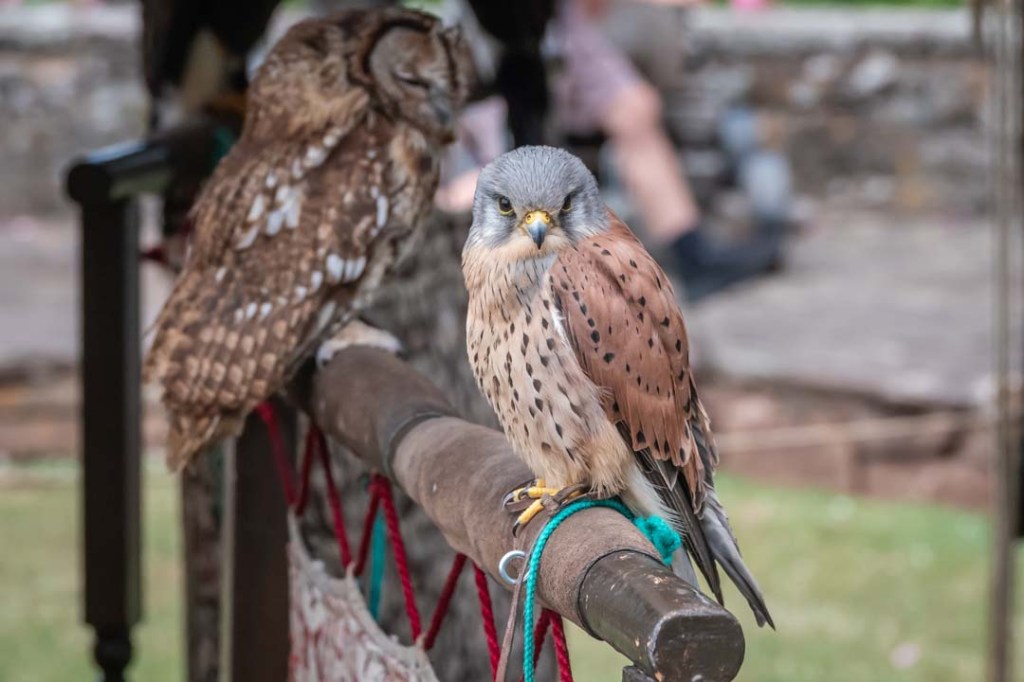
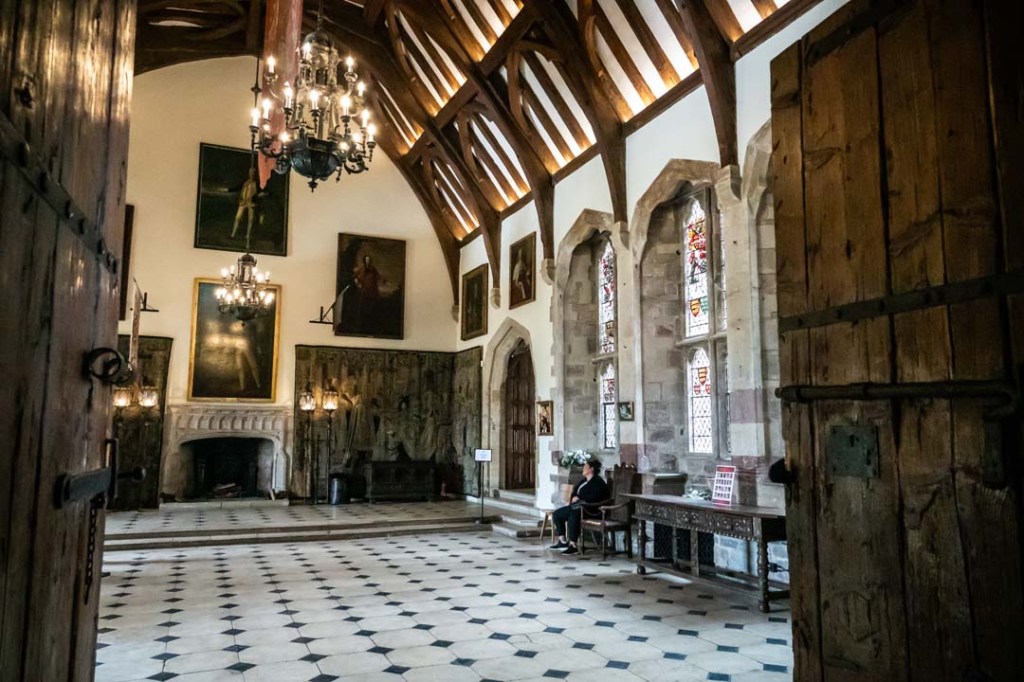

It’s the first time for many years that we have visited the castle (the last time was for the wedding reception of a friend in this magnificent castle) and we would very much recommend a visit (with or without the falconry display) – Berkeley Castle website
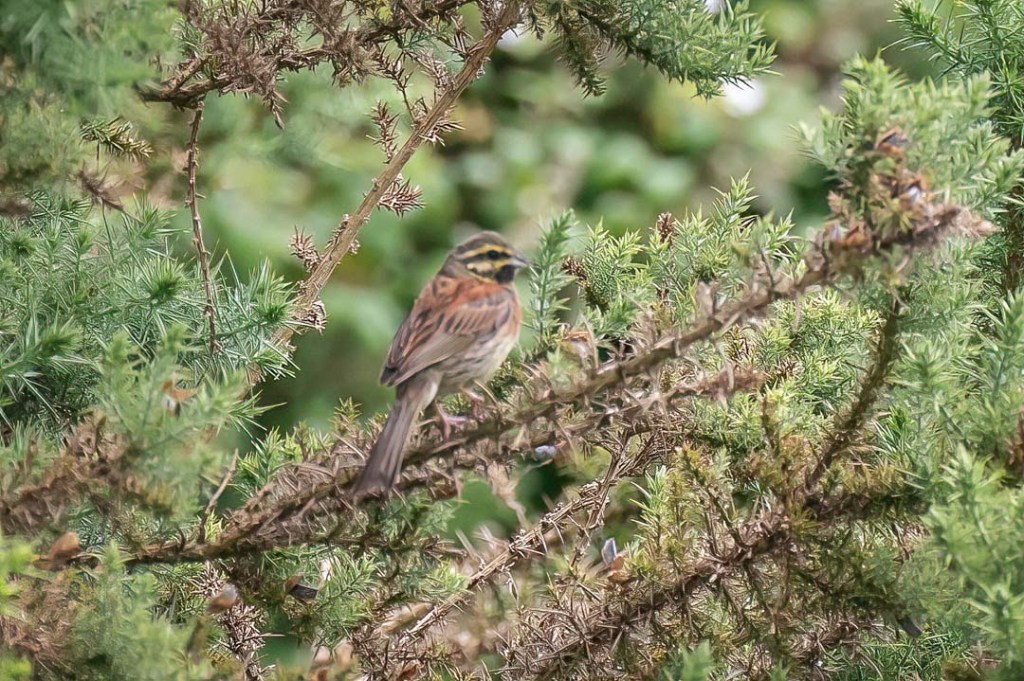
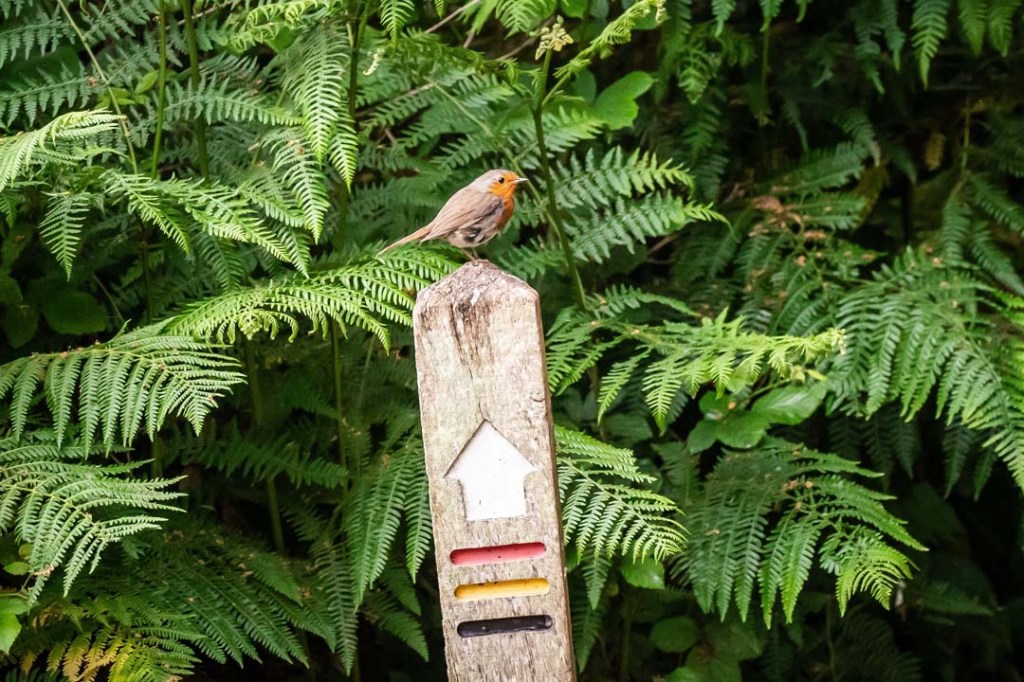
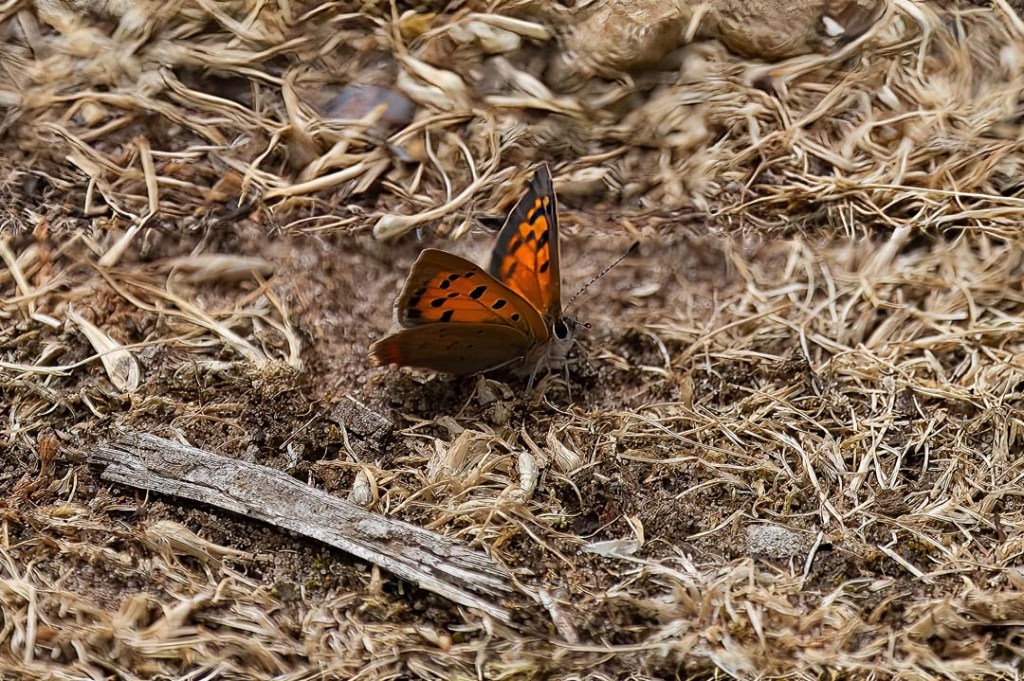
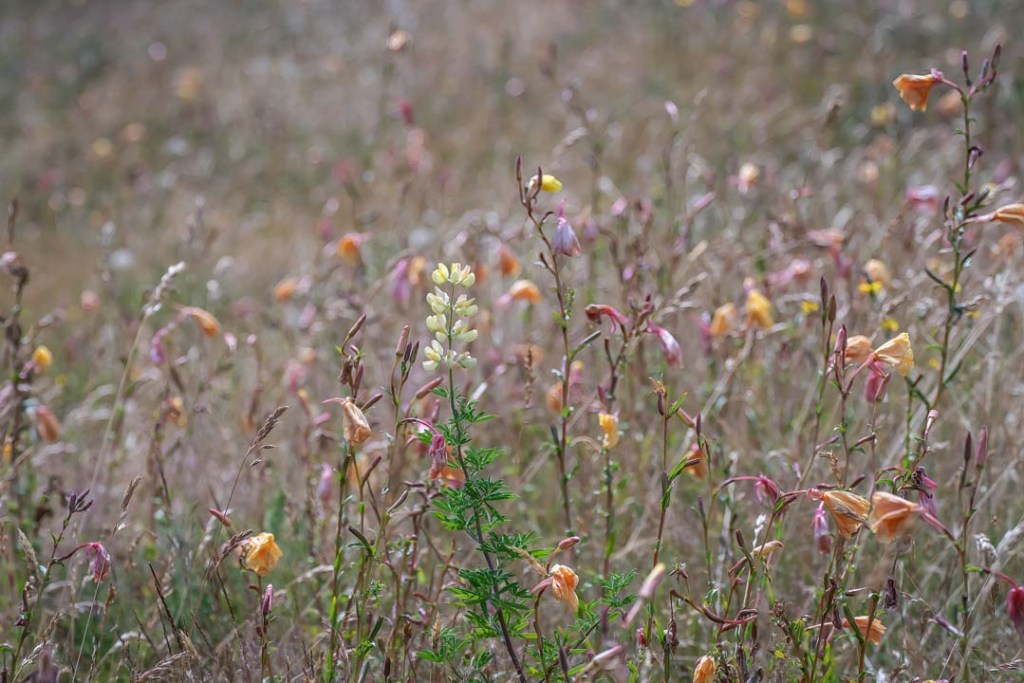
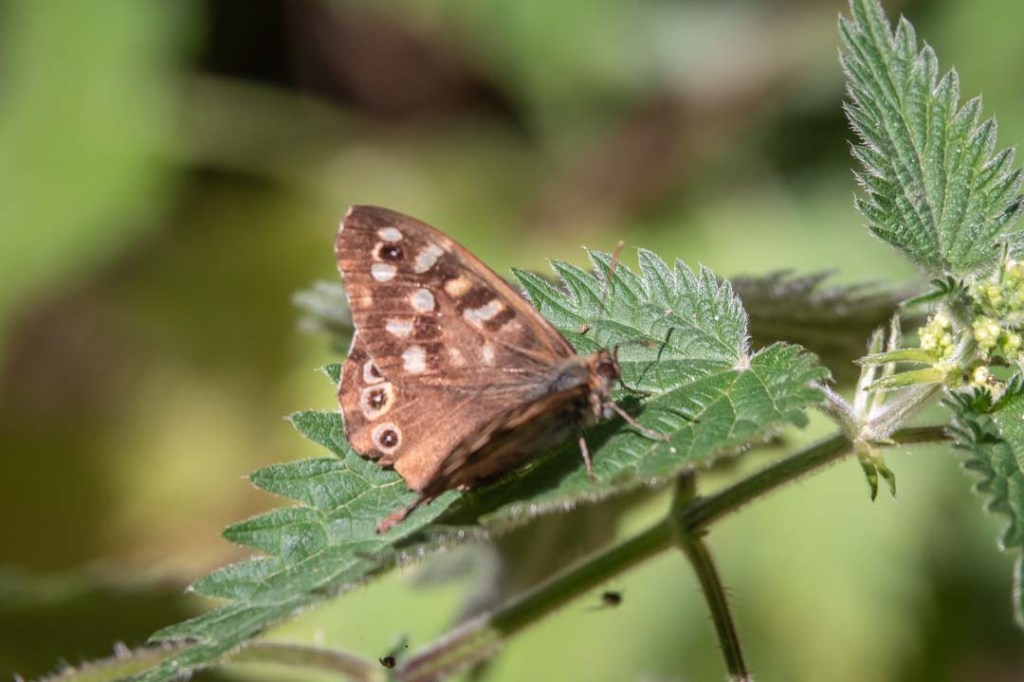
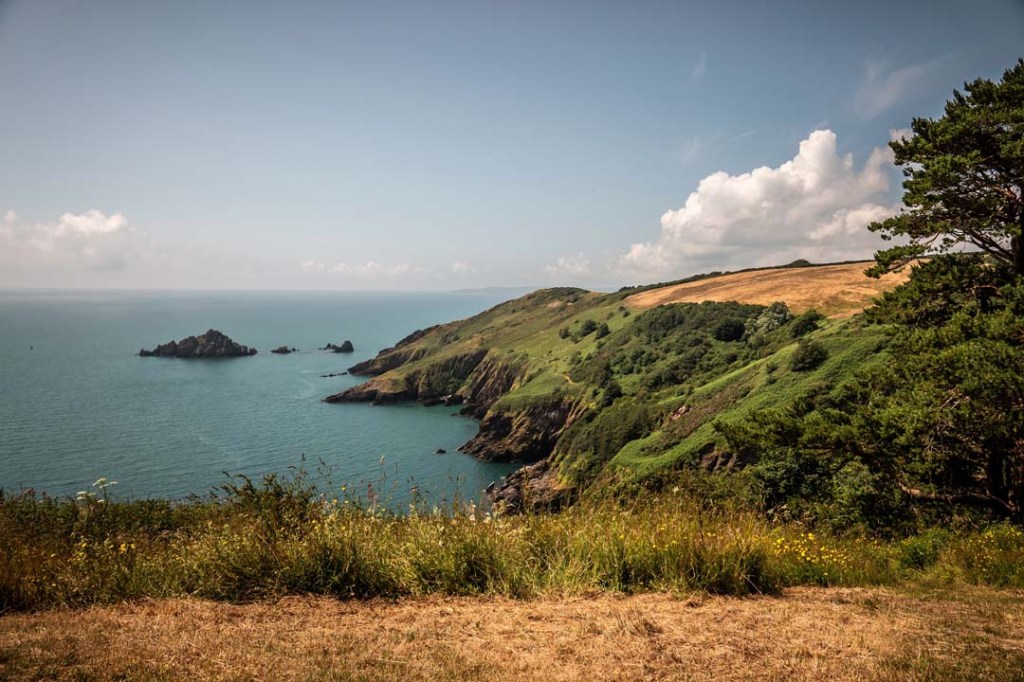
We have been on holiday in south Devon and, although not a birding holiday, there were a few opportunities to photograph some of the delights of nature at this time of the year.
I suppose the most exciting moment was seeing a bird that I had never seen before – a cirl bunting.
The cirl (pronounced sirl) bunting is a small finch-like bird which is a close relative of the yellowhammer.
Cirl buntings were once widespread and common across much of southern England, but in recent years, they have become rare and only found in south Devon, mostly confined to coastal farmland between Plymouth and Exeter.
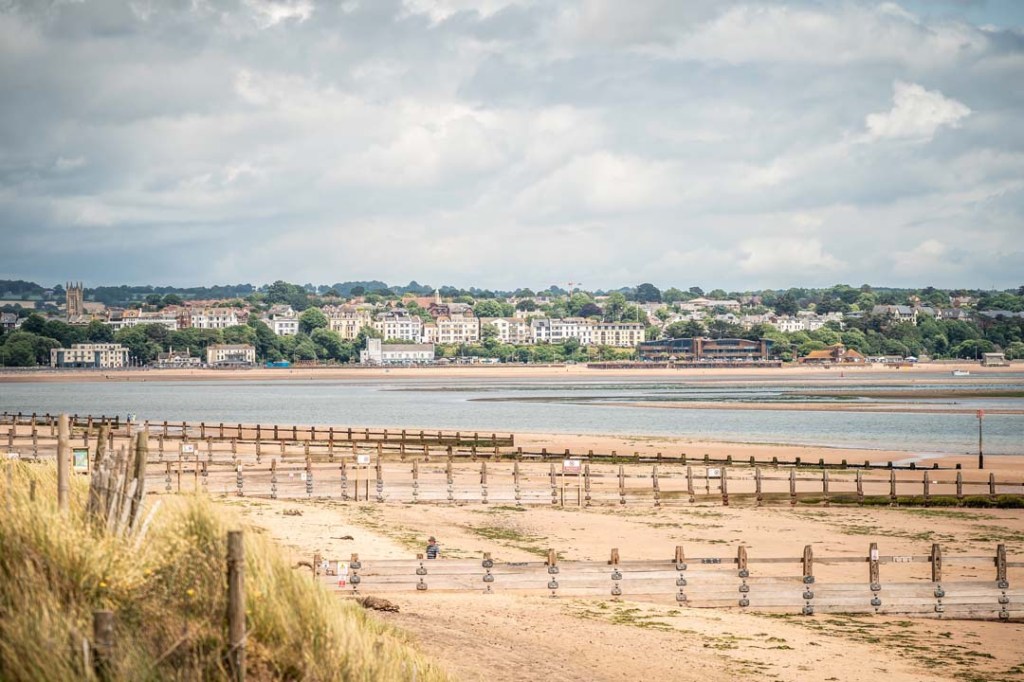
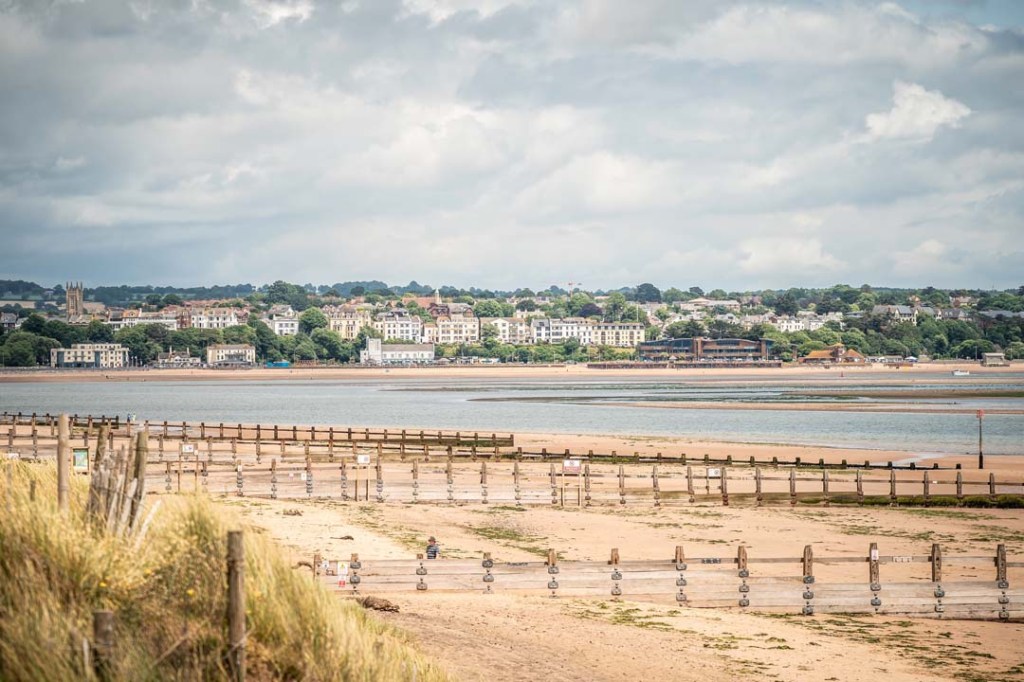
We saw the cirl bunting on a visit to Dawlish Warren Nature Reserve and, although we saw three of them, it was such a fleeting moment which might explain why I have published an out-of-focus photo of the male as my headline photo.
The Dawlish Warren website has this to say about the reserve:
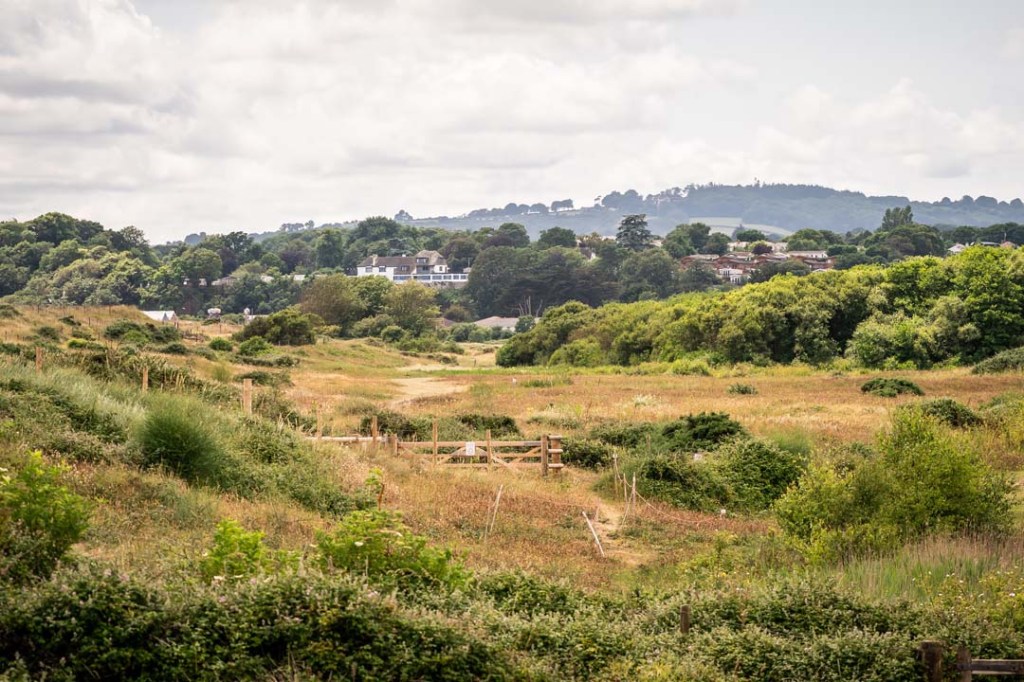
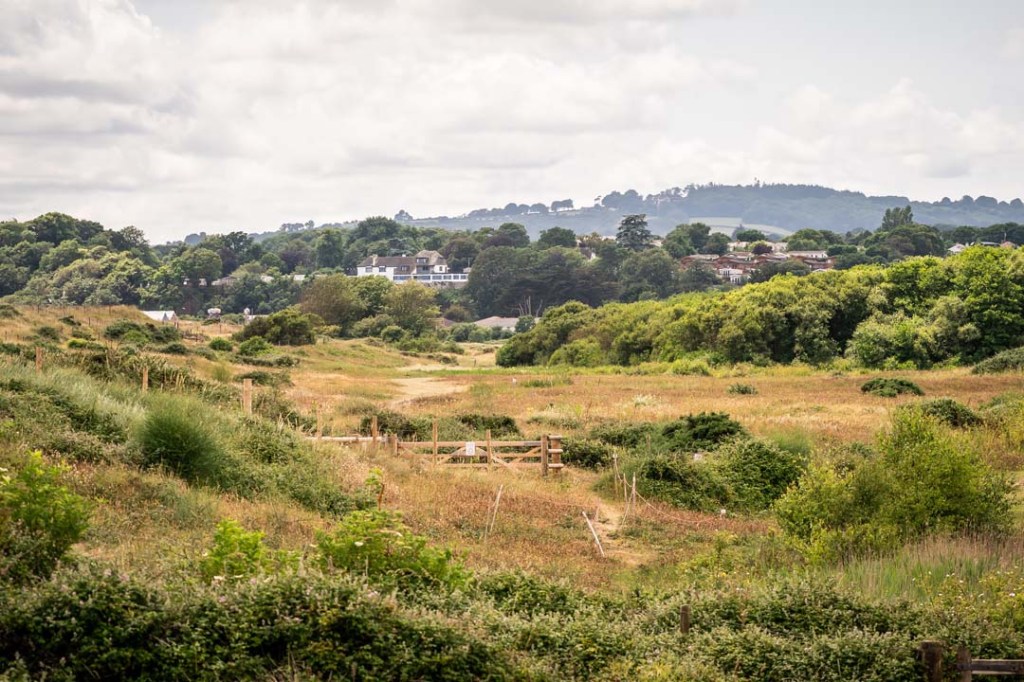
“Dawlish Warren National Nature Reserve is an area of grassland, sand dunes, mudflats and centres on a 1½ mile long sandspit/beach across the mouth of the Exe Estuary. Dawlish Warren is an important holiday resort and is visited by thousands of people each year.
As part of the Exe Estuary it is one of the most important places for wildfowl and wading birds in the whole of the South West. Thousands of birds come to feed, on migration, or to spend the winter here.
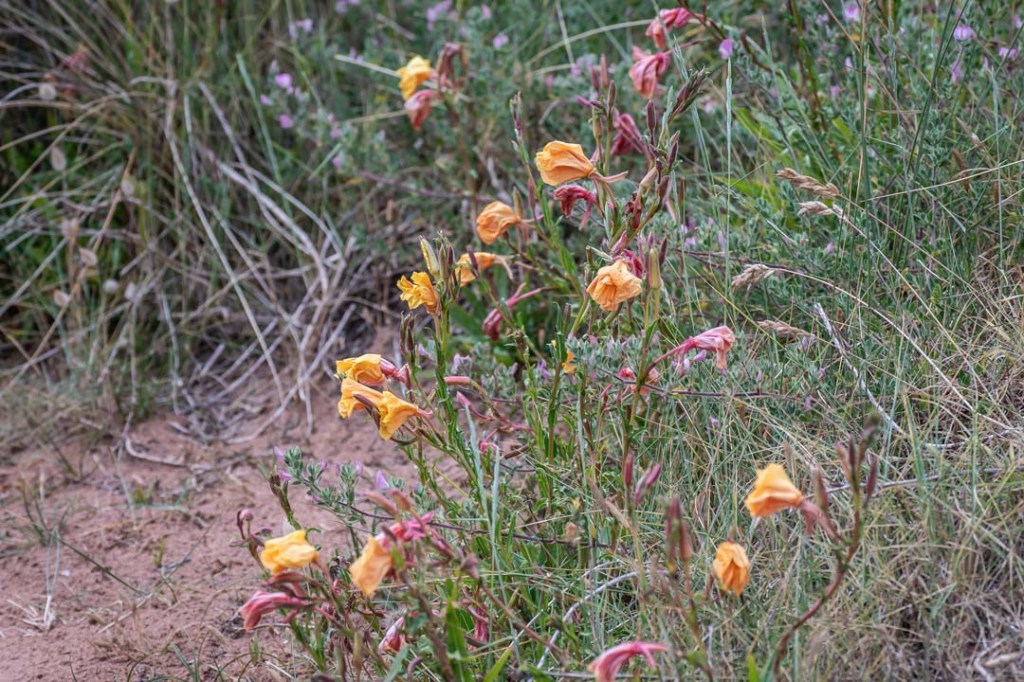
The dunes and grassland have a host of special plants. Over 600 different types of flowering plants have been recorded on the Warren. This varied Reserve has many different habitats including salt marsh, fresh water ponds, wet meadows and woodland.
The Warren is so important that it is protected for its wildlife by both national and international law.”
Dawlish Nature Reserve
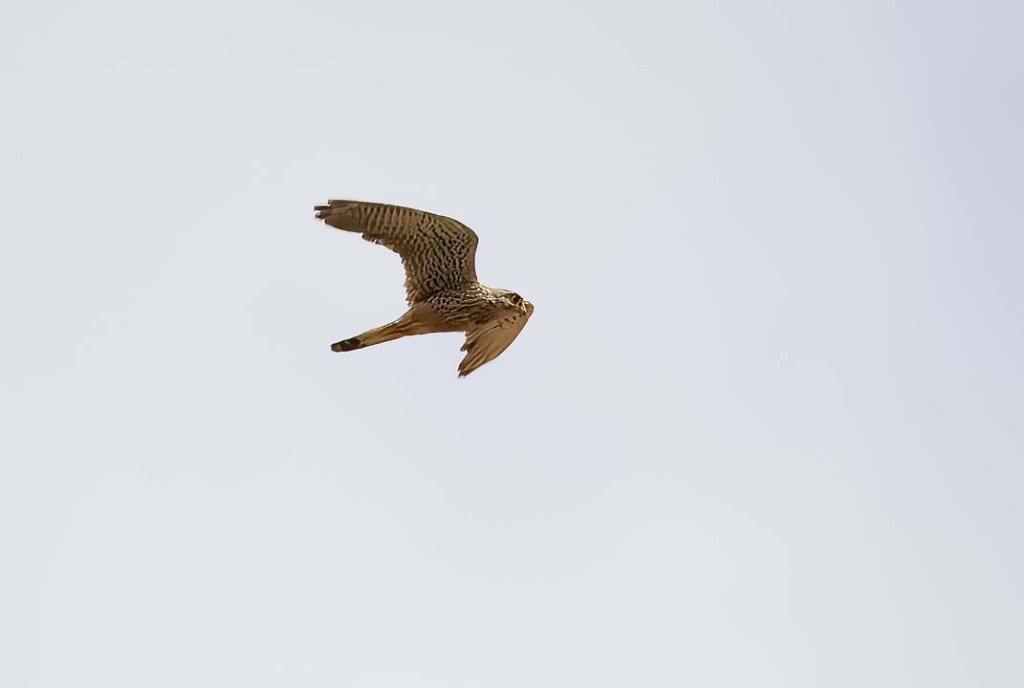

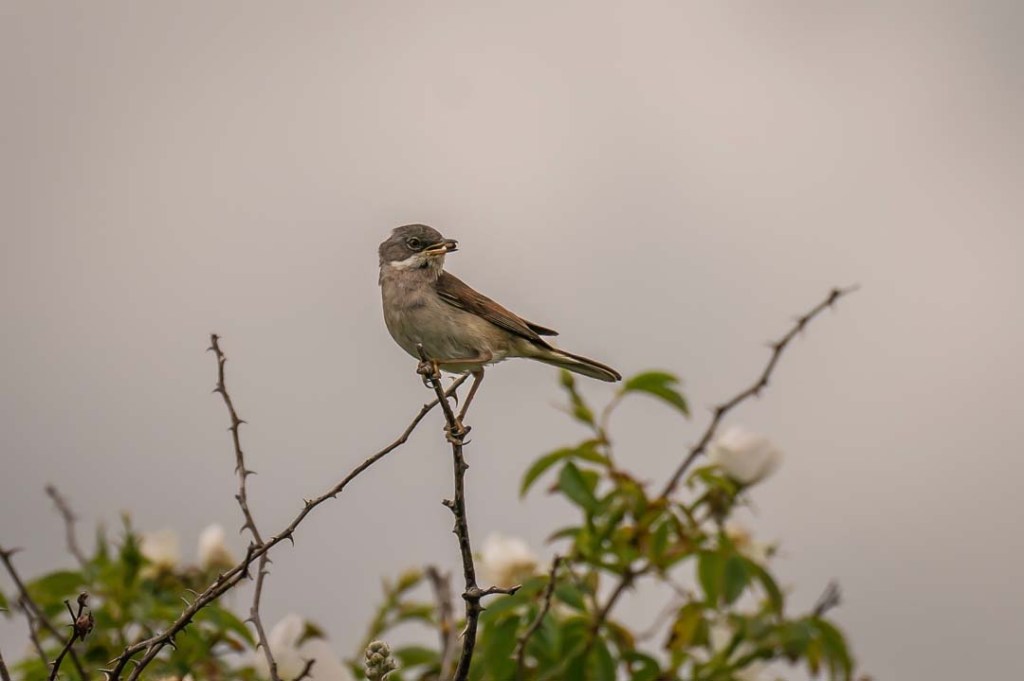
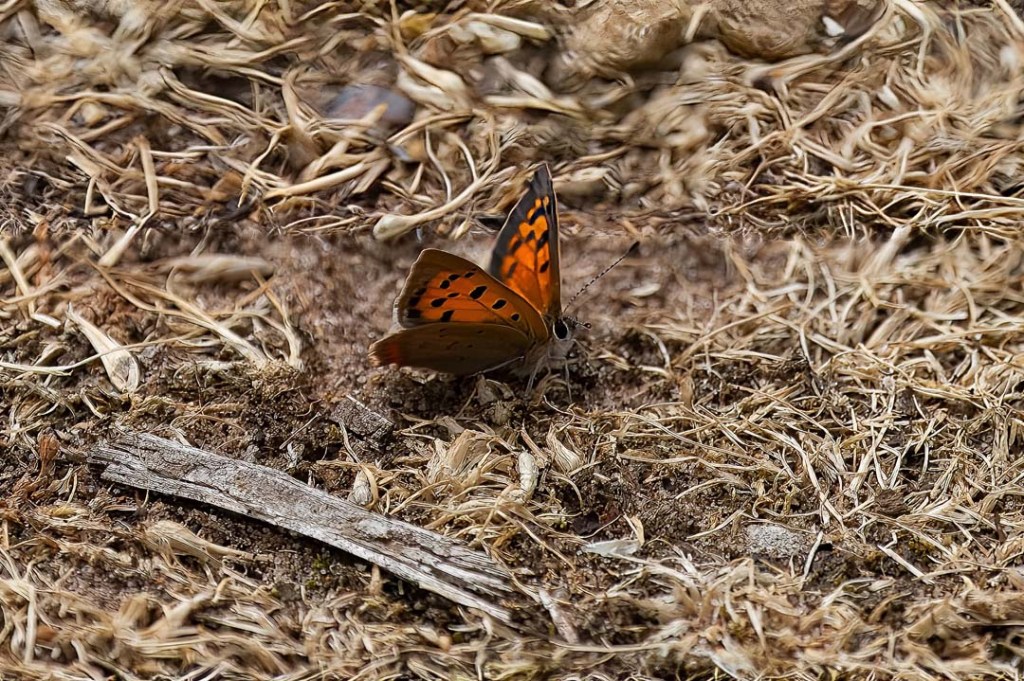


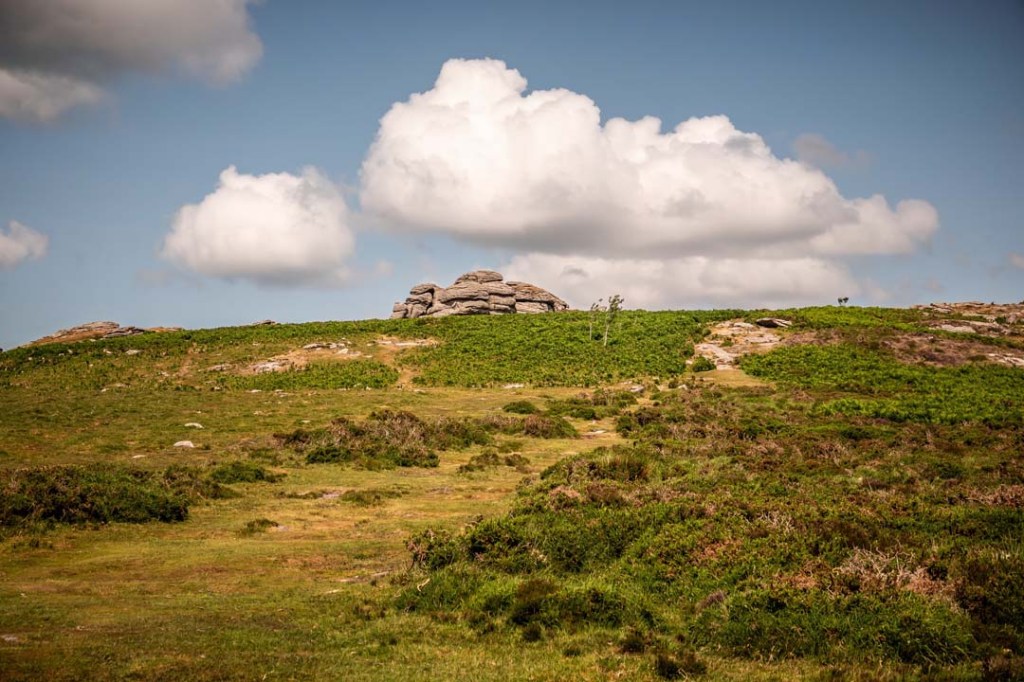
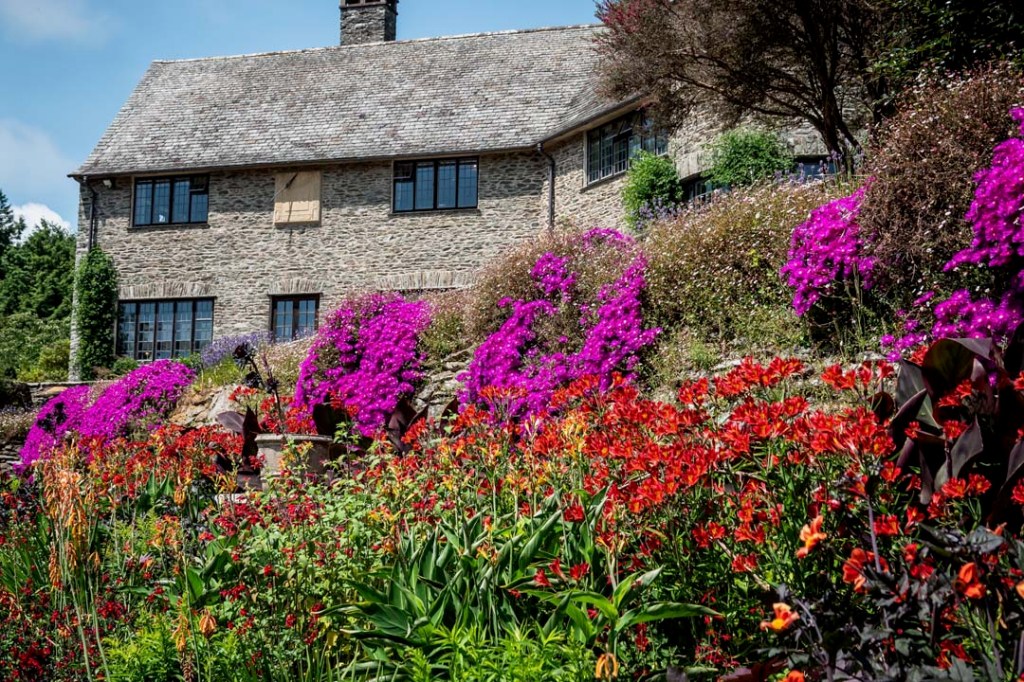
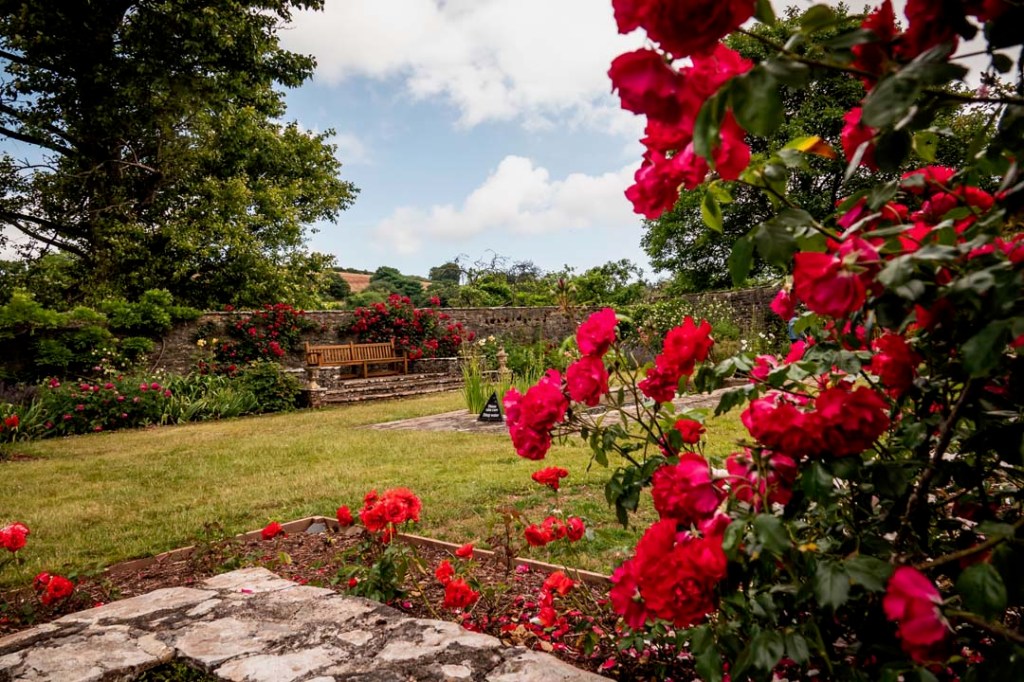
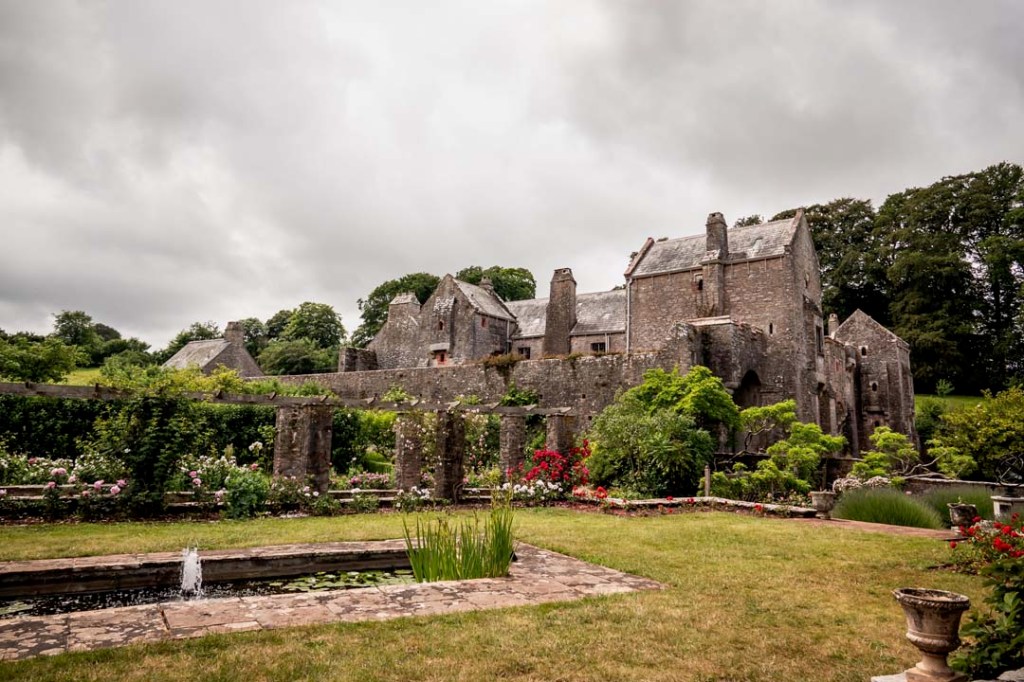
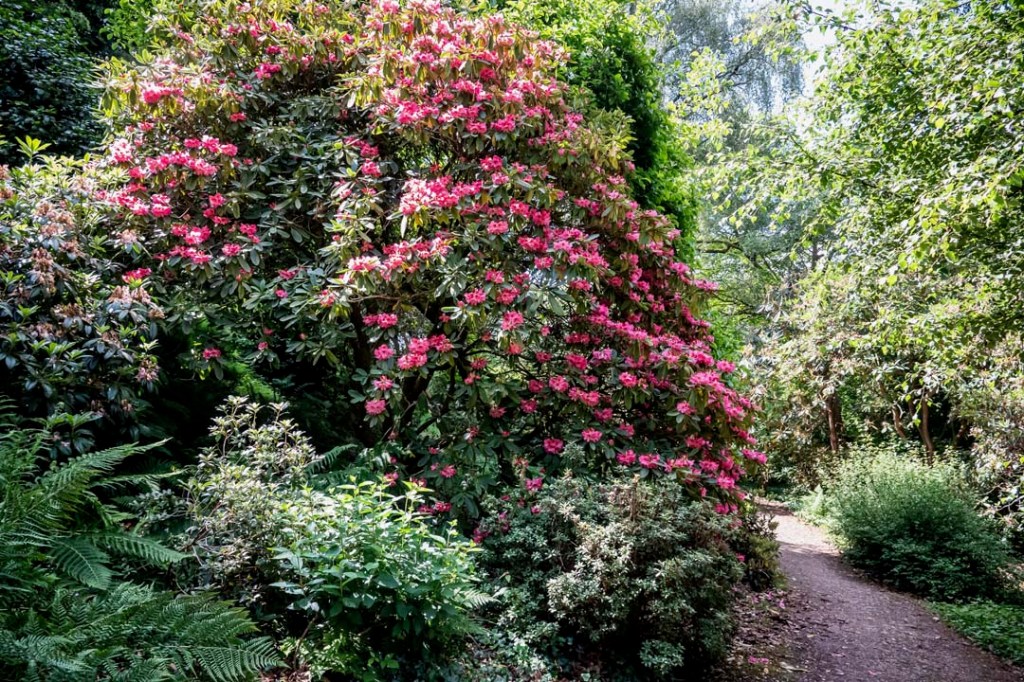
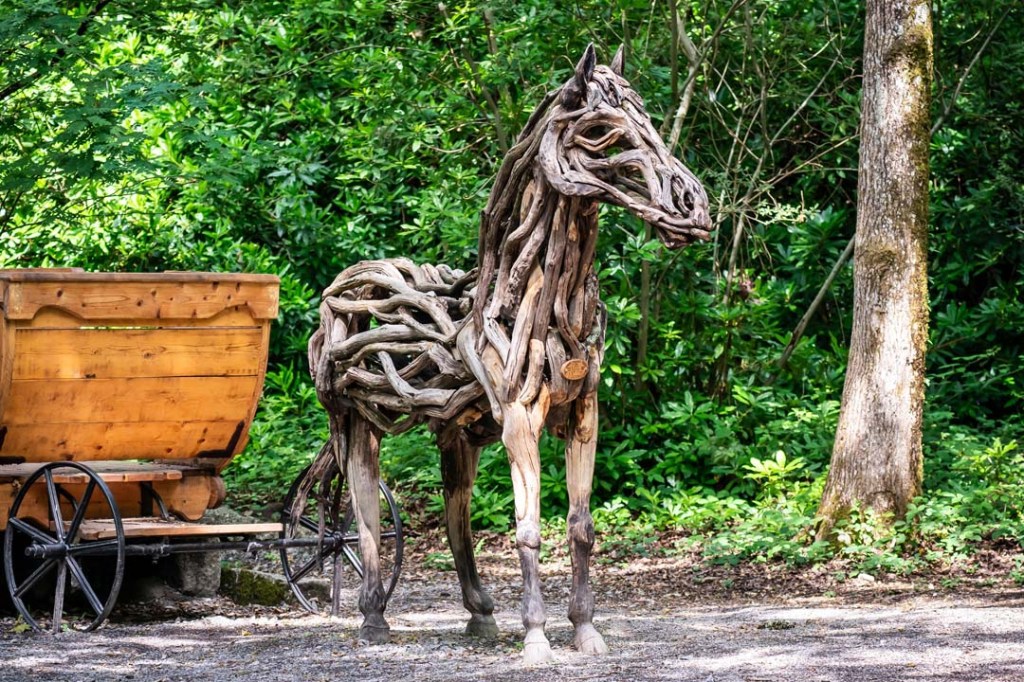
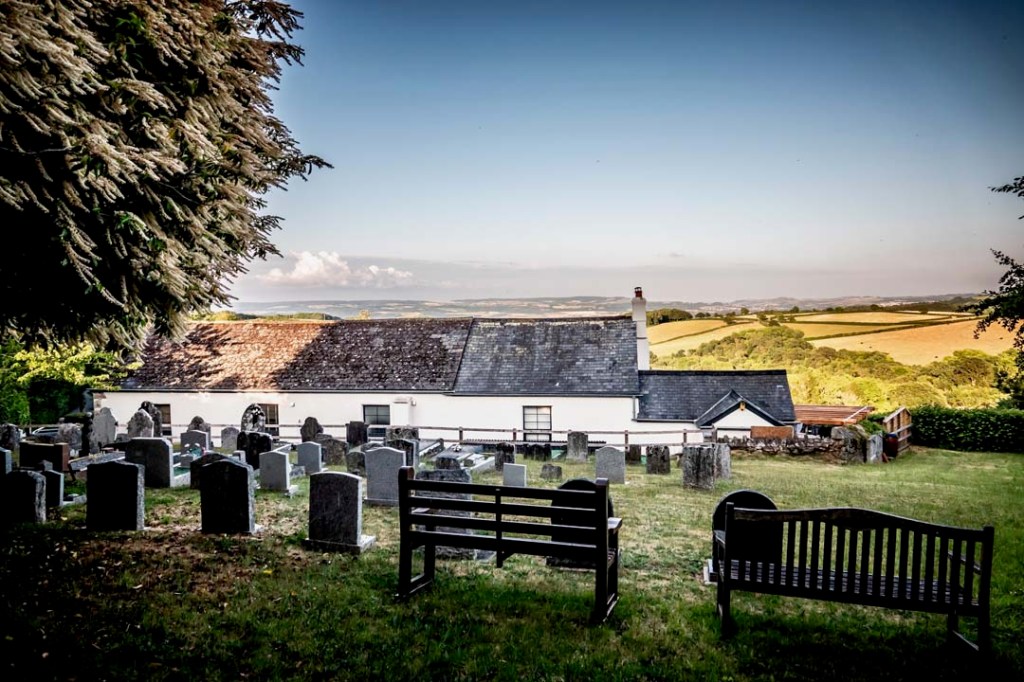
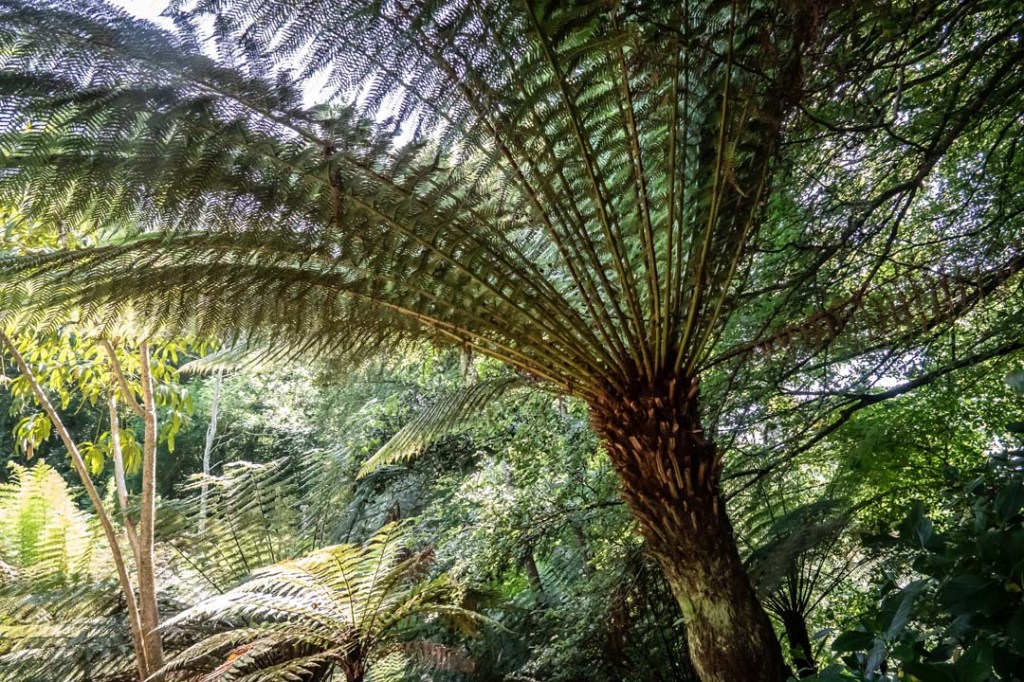
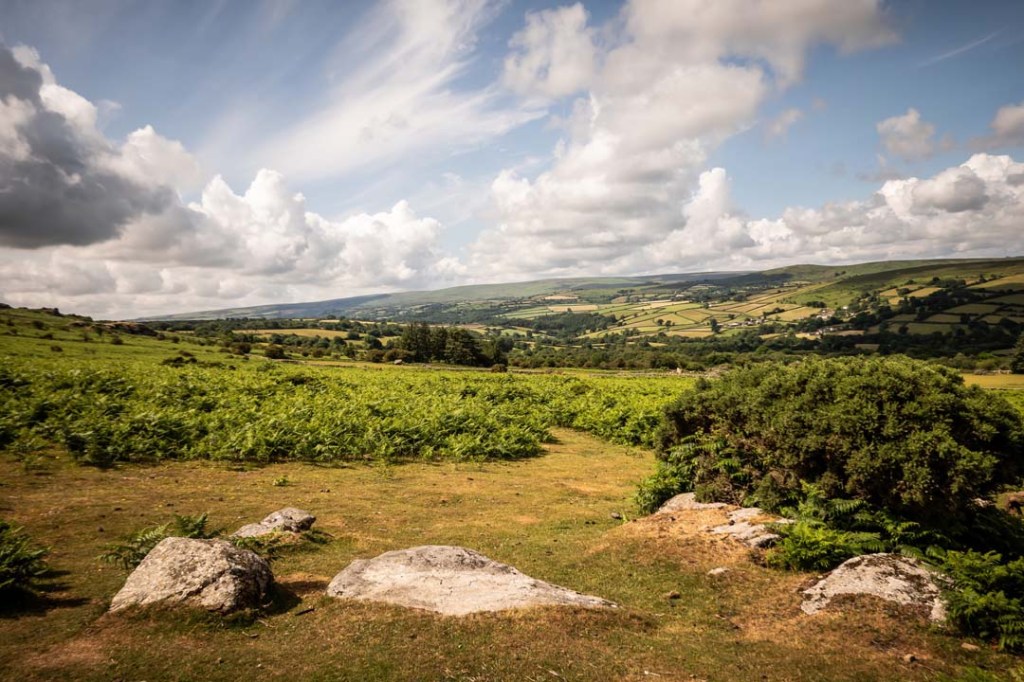
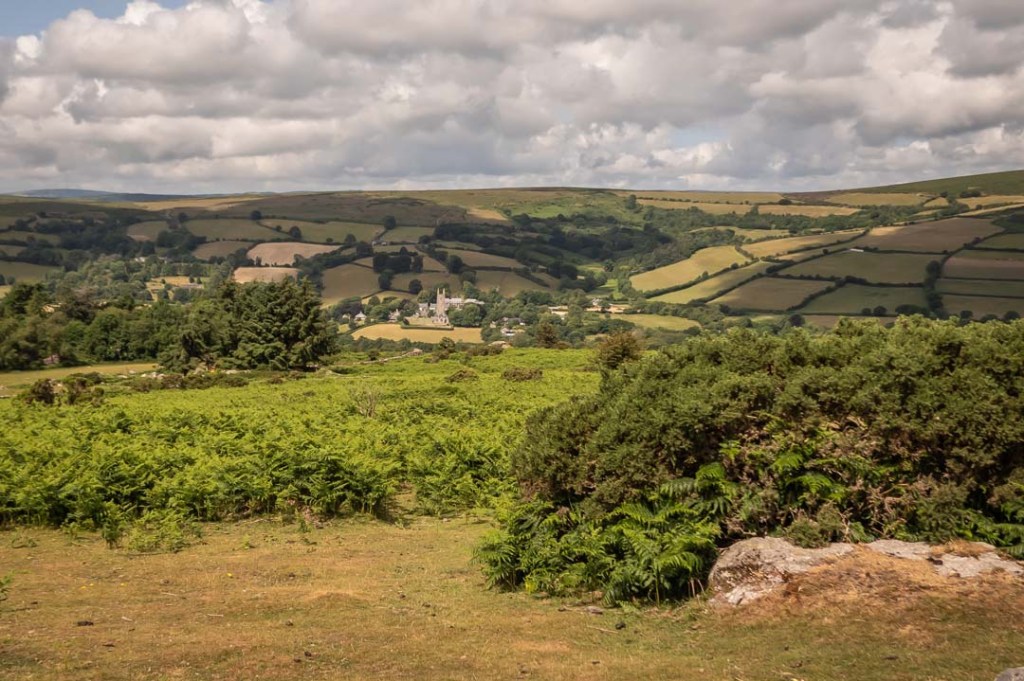
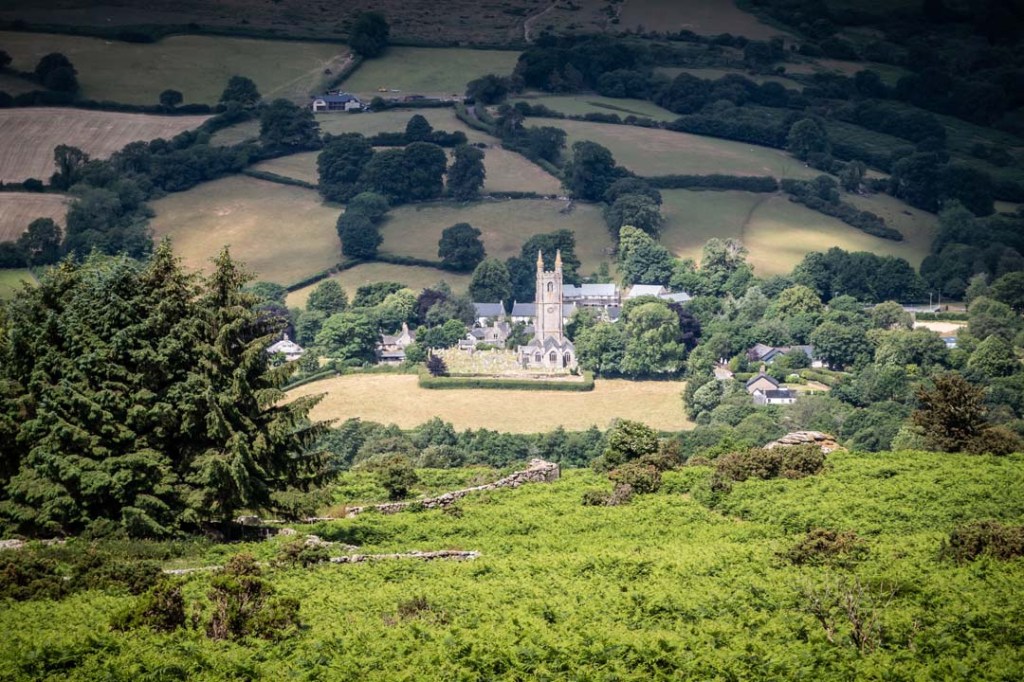
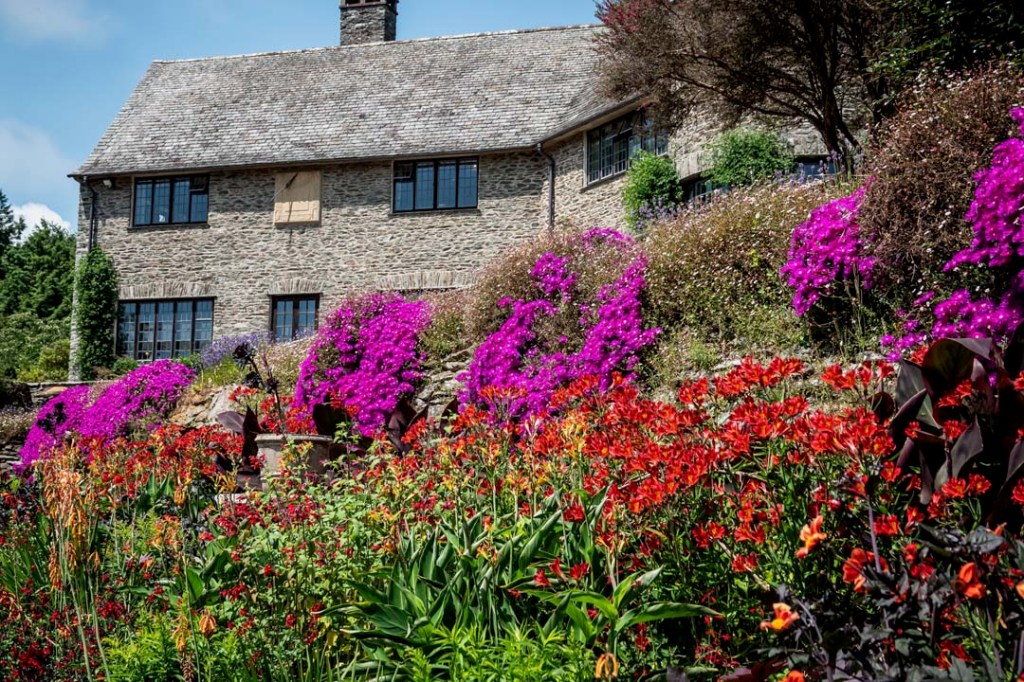
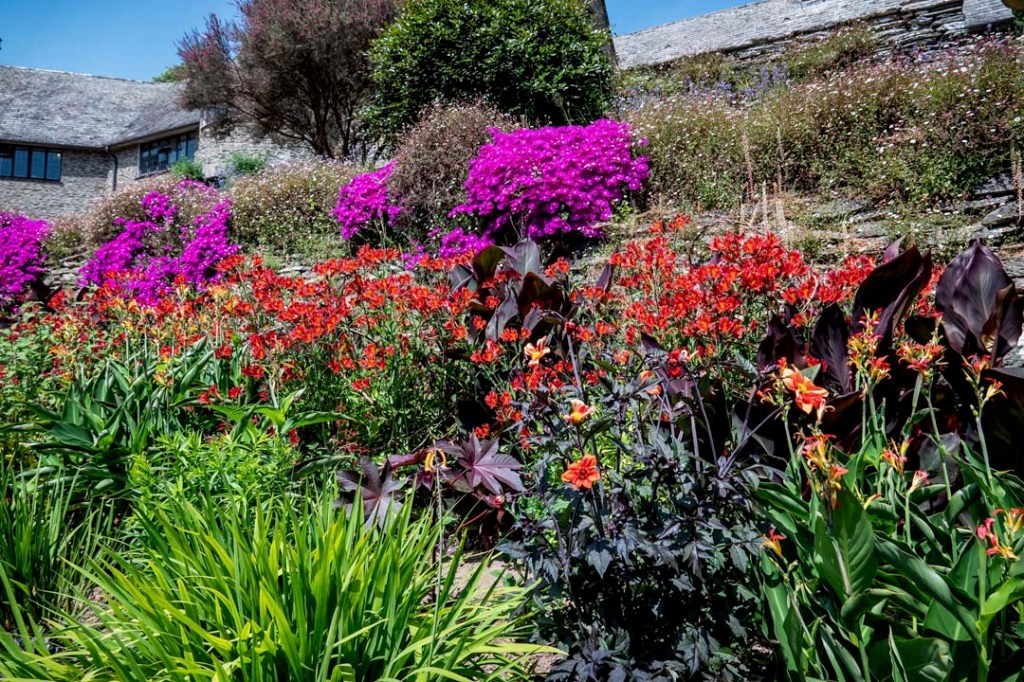
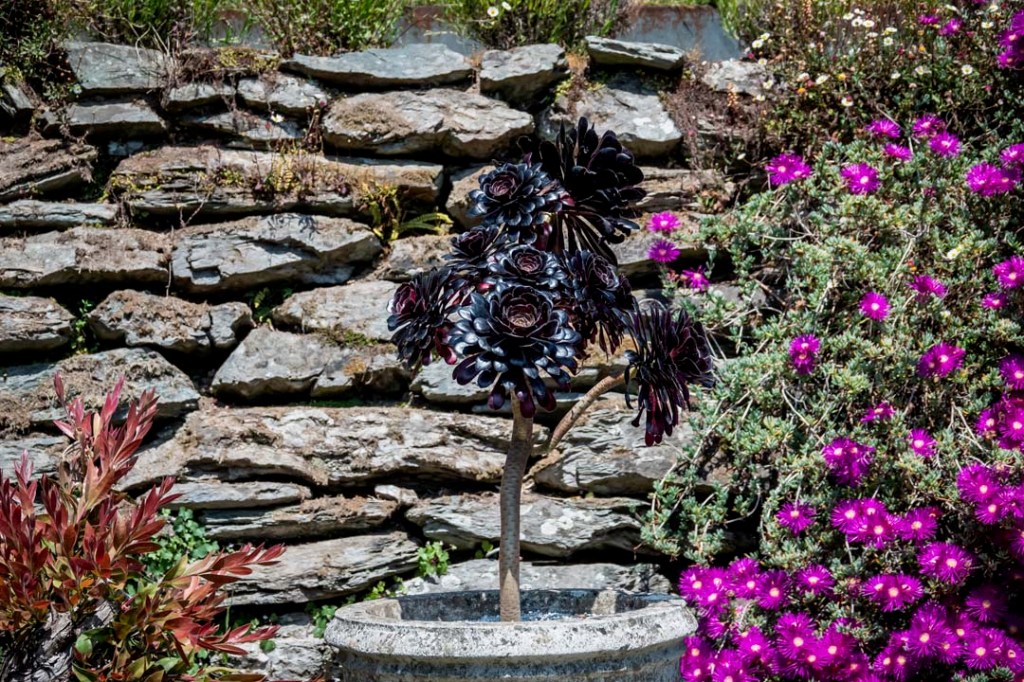
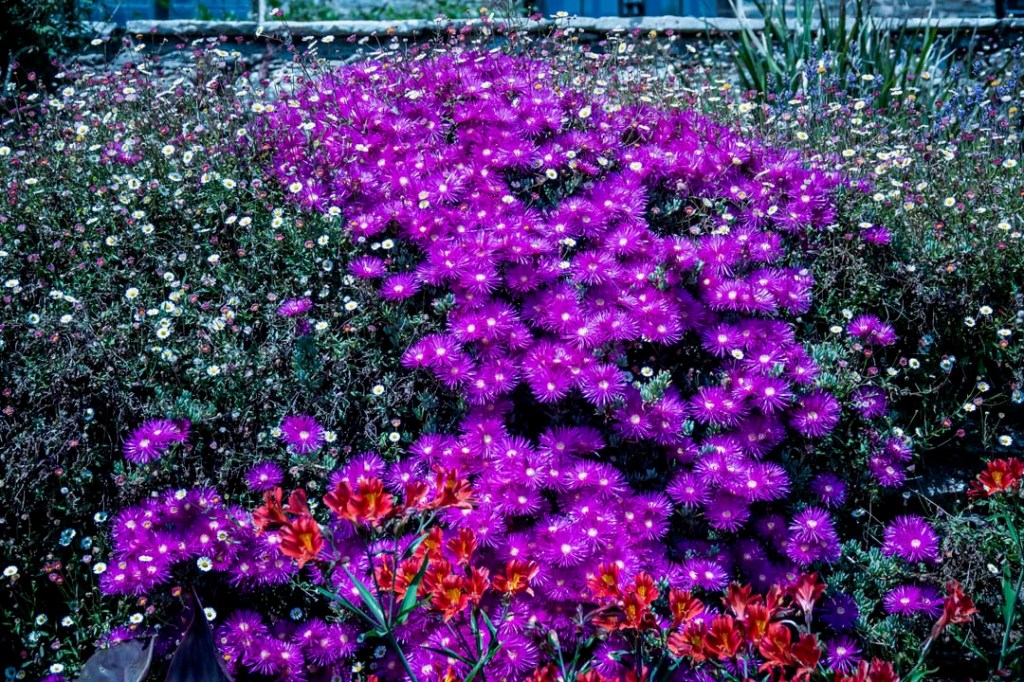
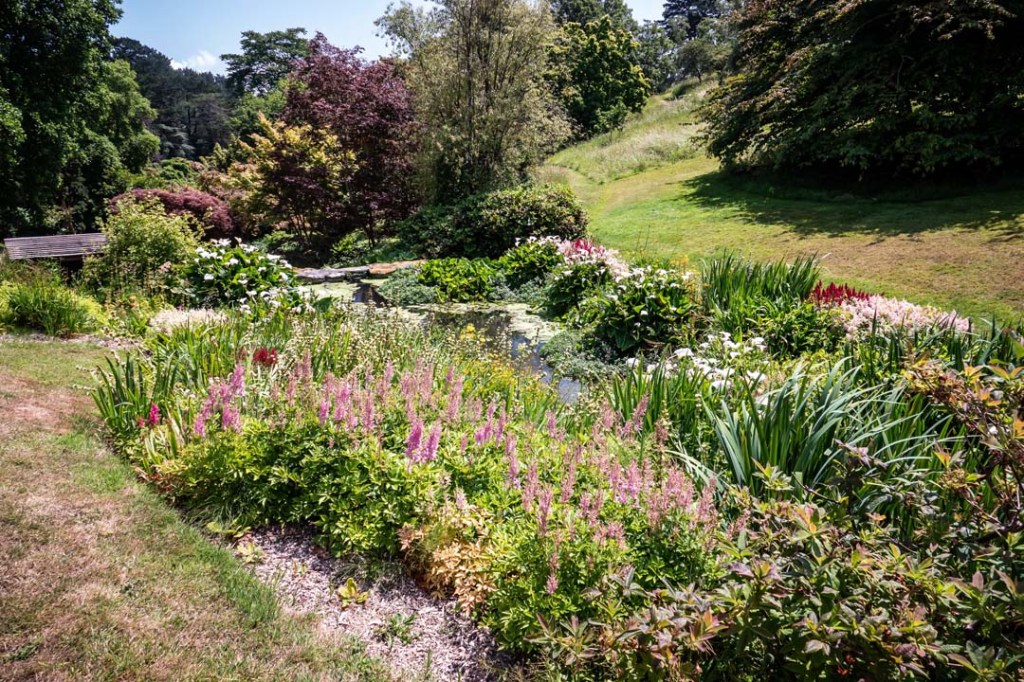
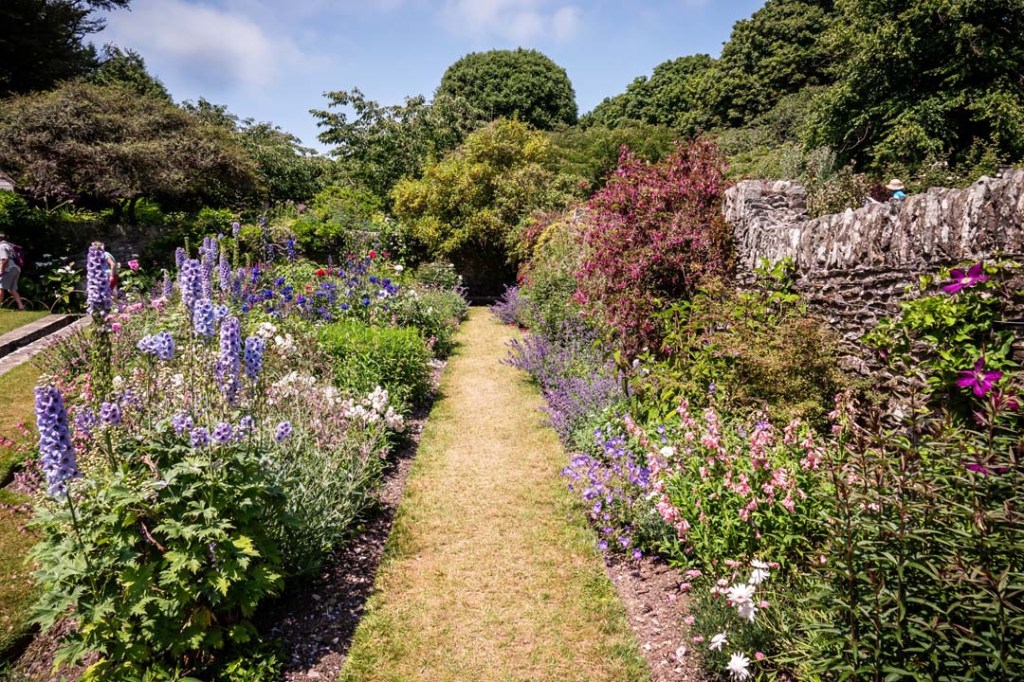
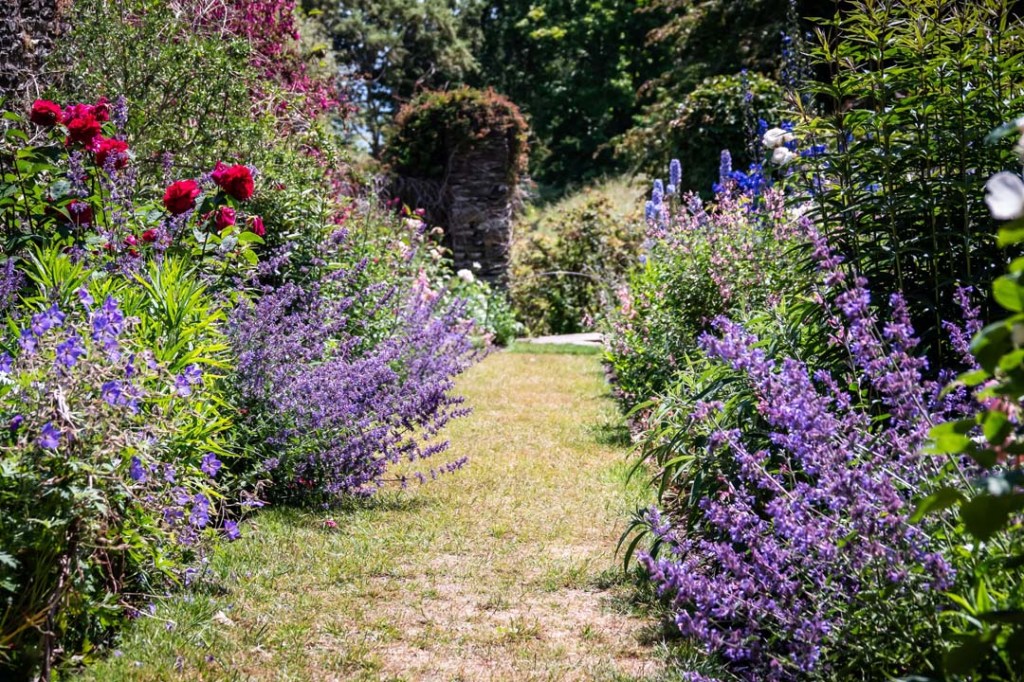
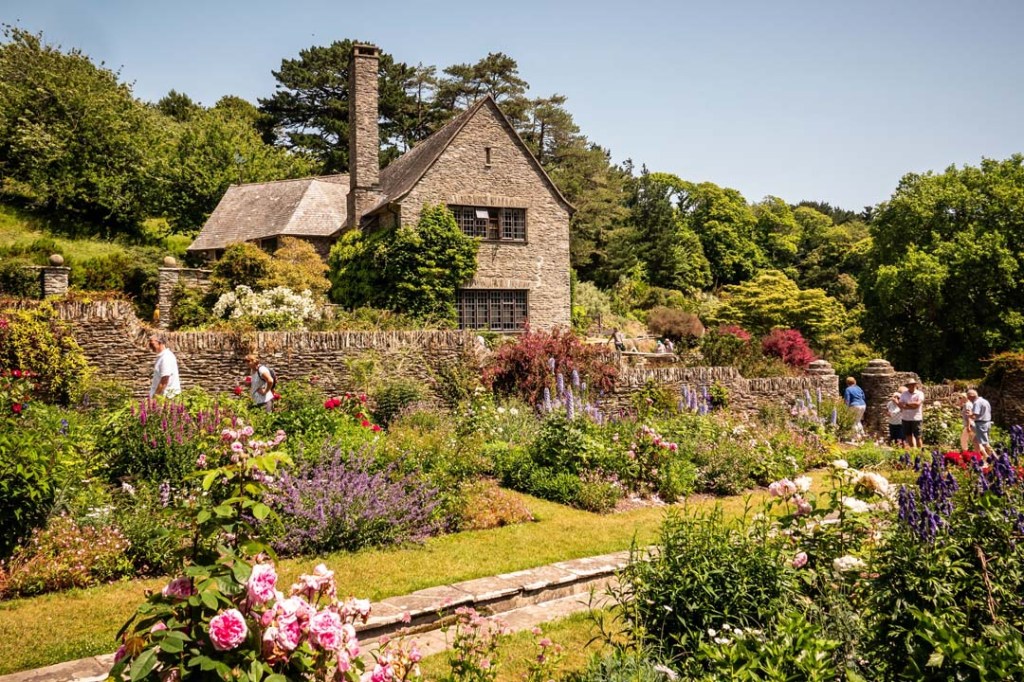
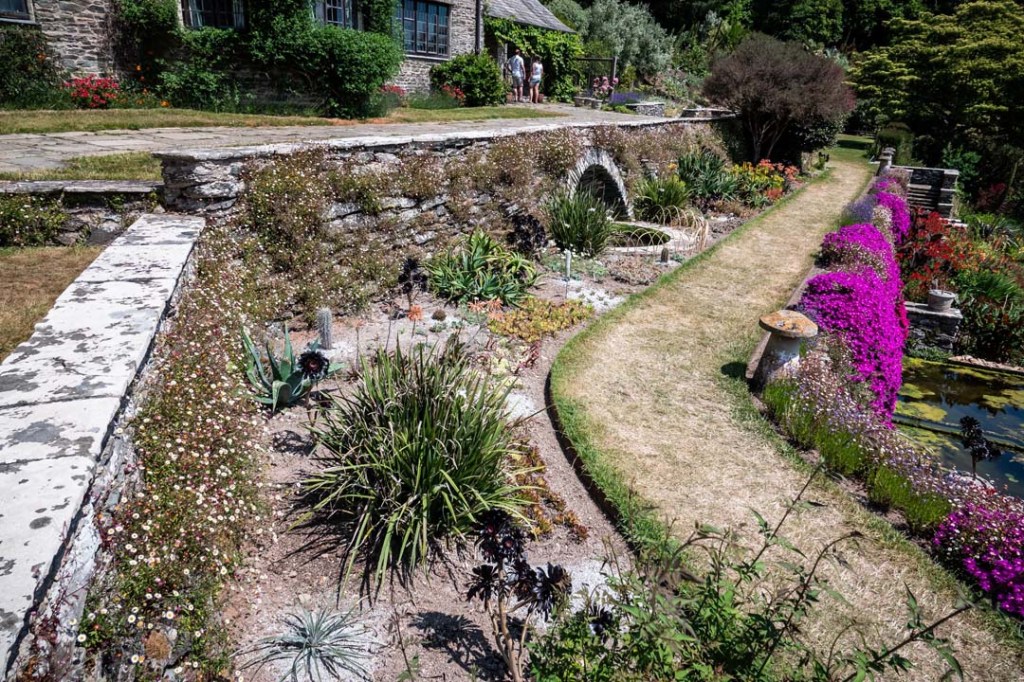
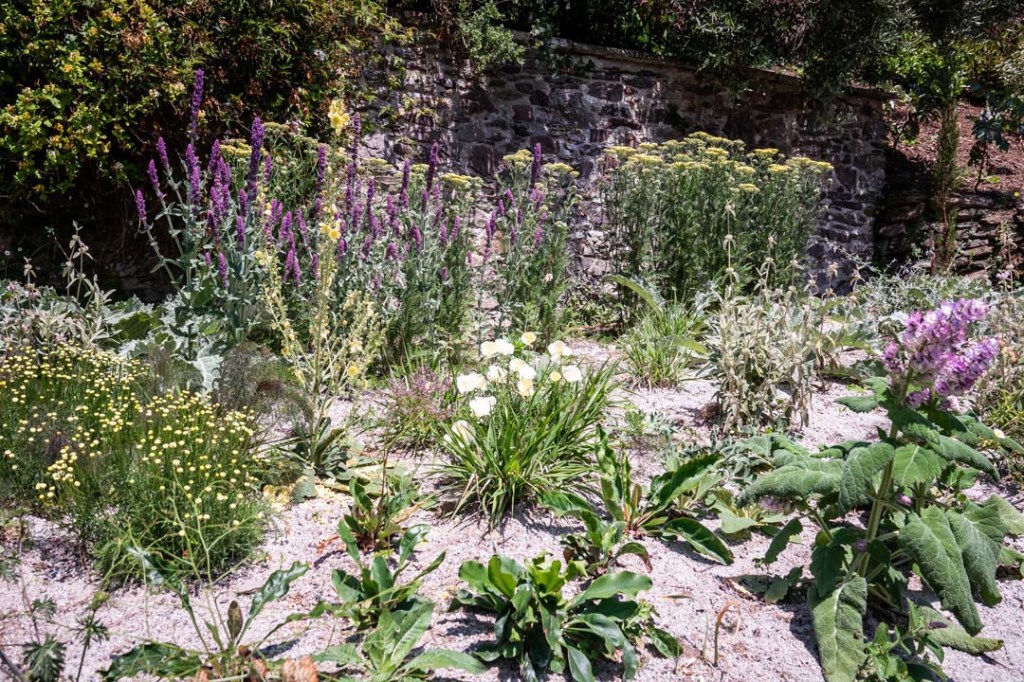
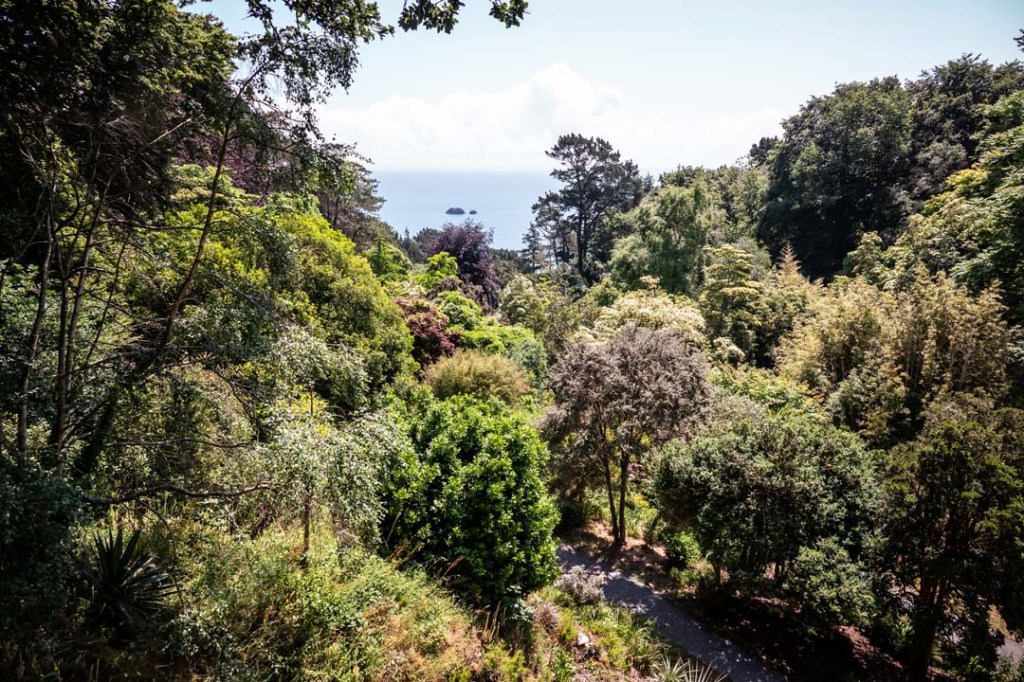
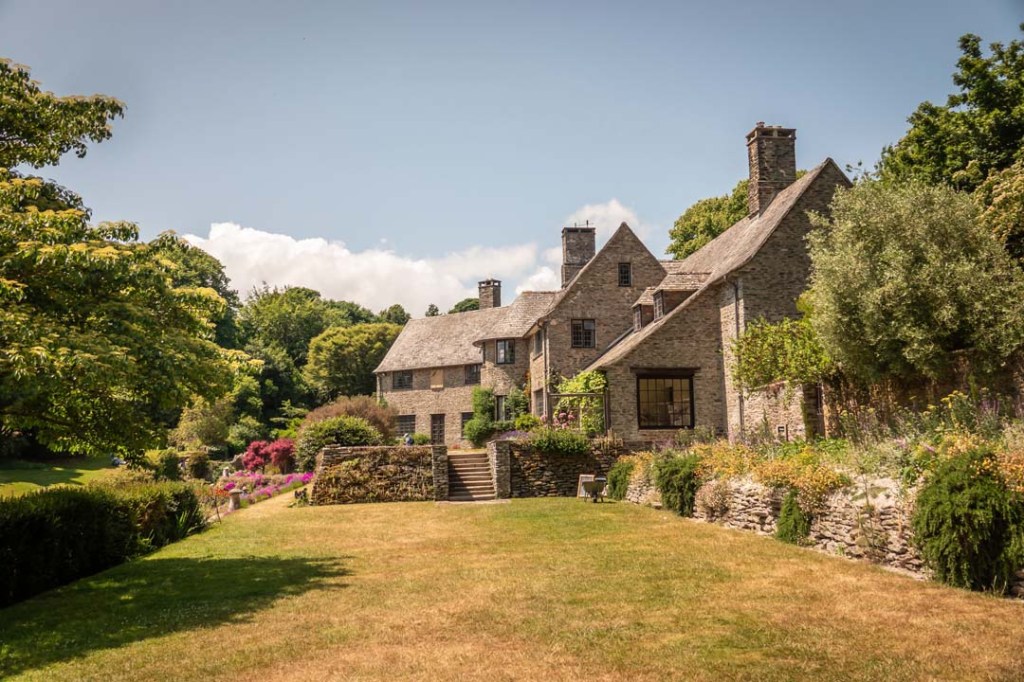
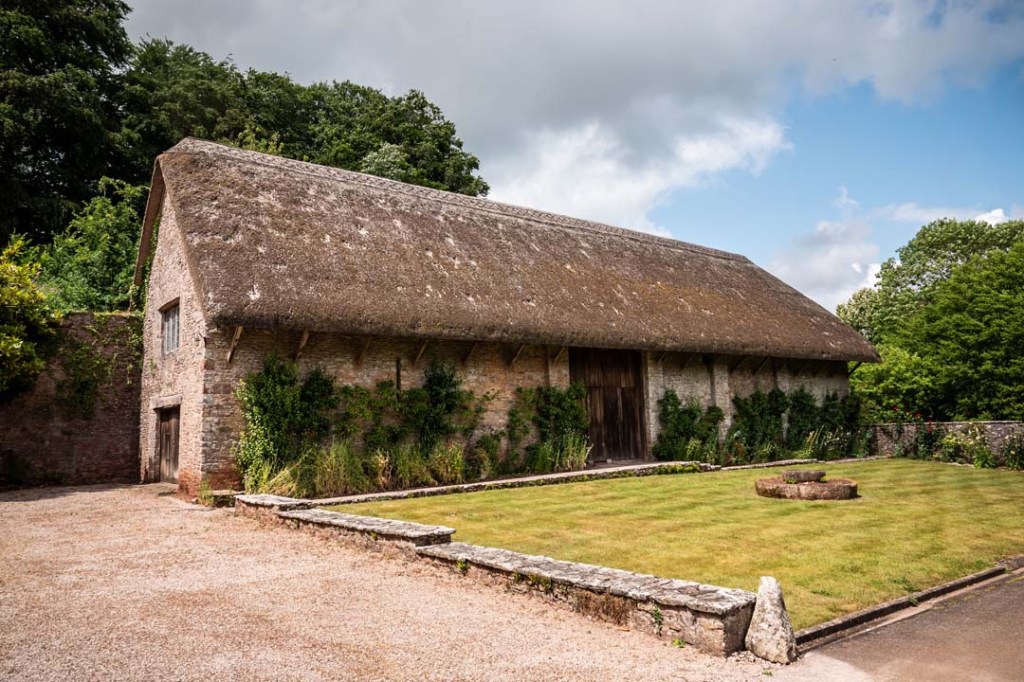
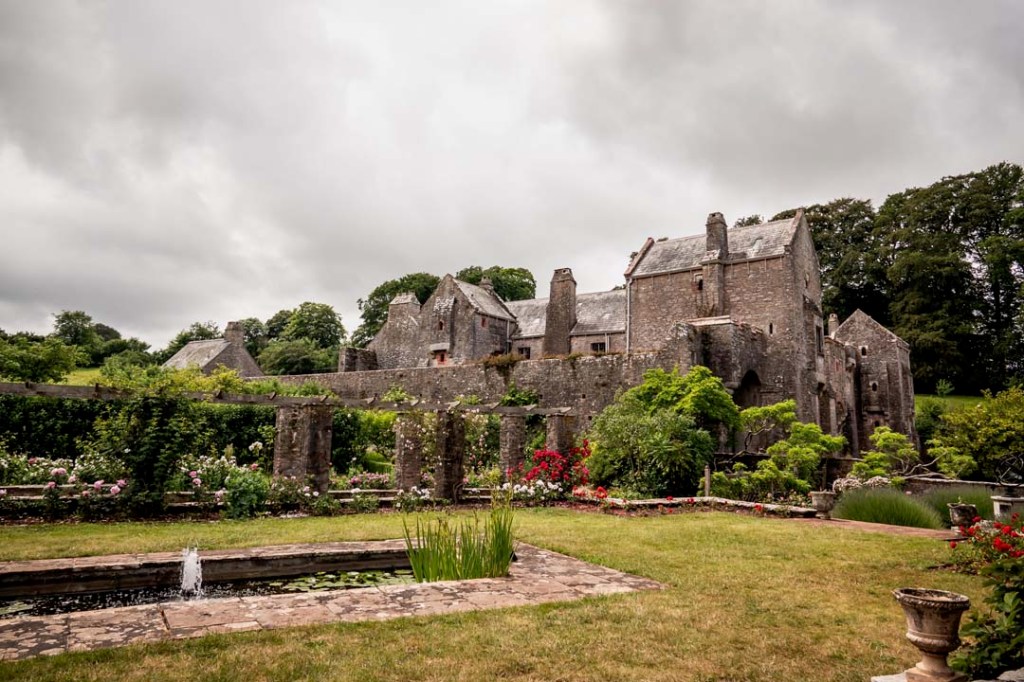
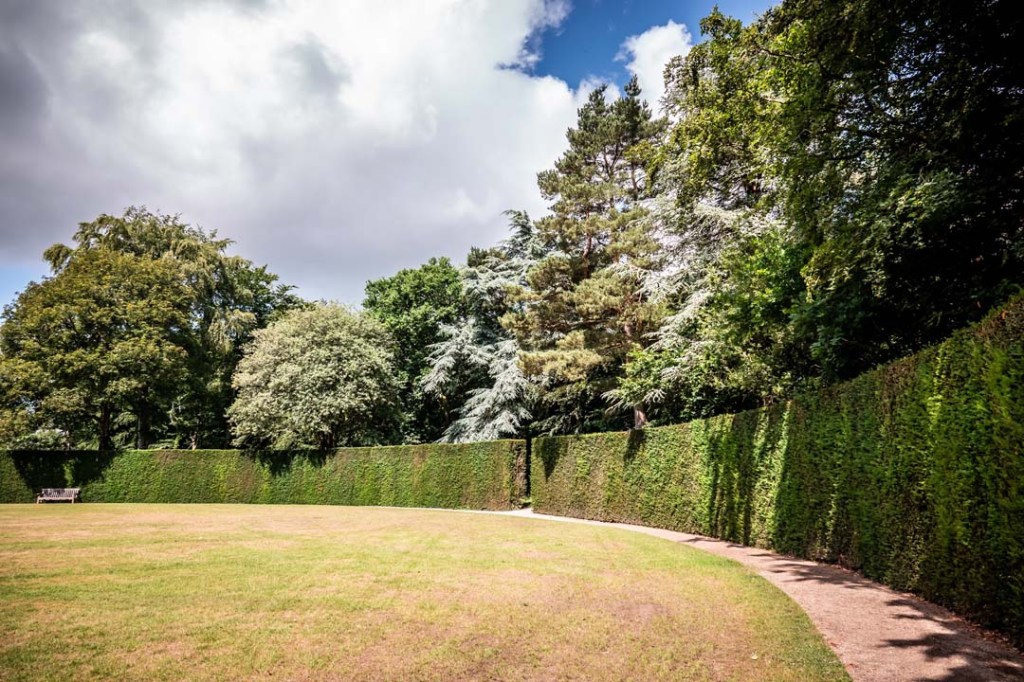
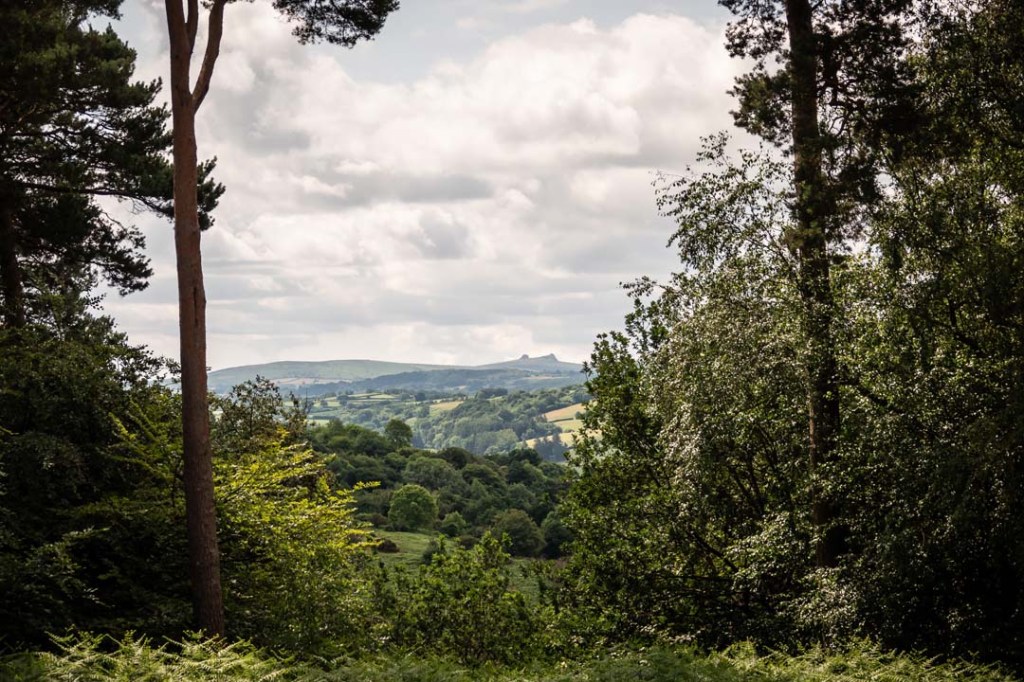
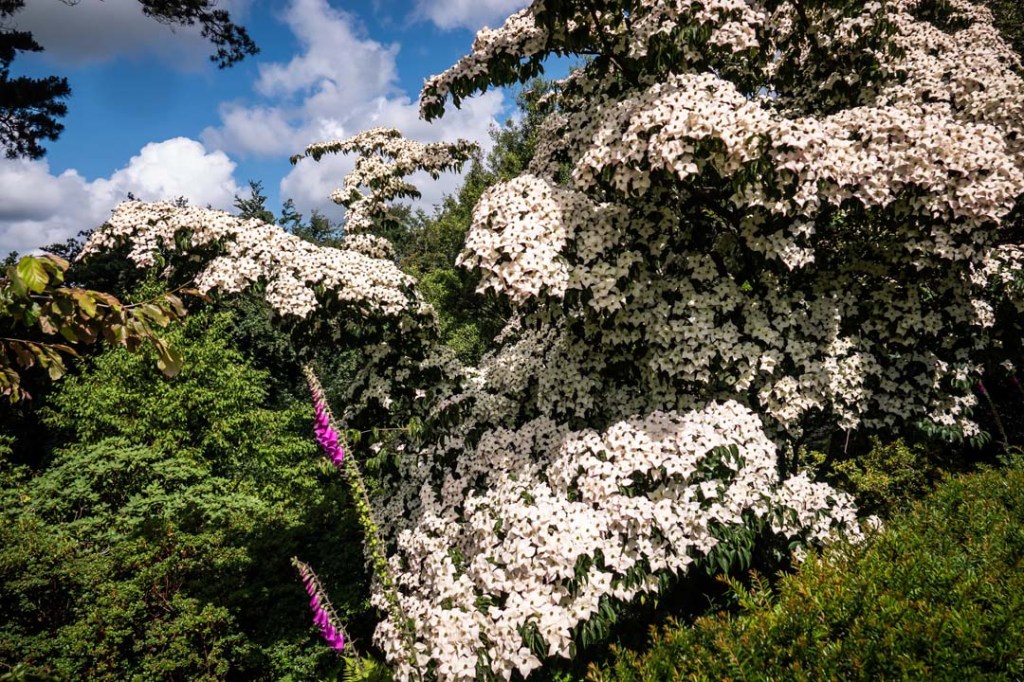
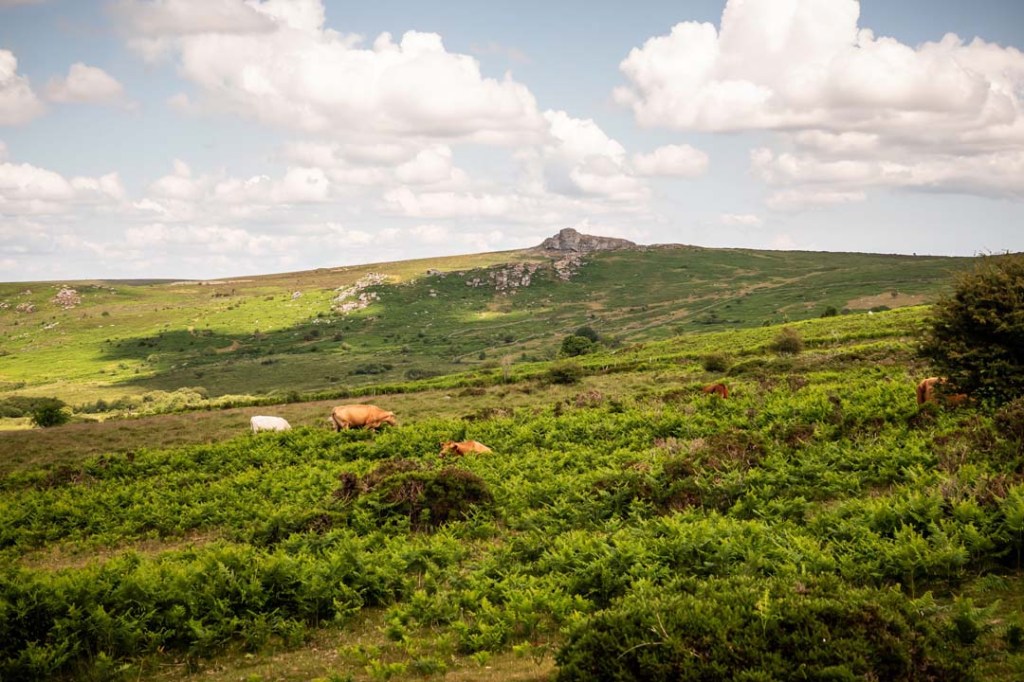
In Devon we were staying in a converted Wesleyan Chapel on the edge of Dartmoor which was well situated to visit Dartmoor, other nature reserves (Stover Country Park and Slapton Ley) and visit a few National Trust properties (Coleton Fishacre, Compton Castle and Castle Drago) with magnificent gardens which were at their very best at this time of the year.
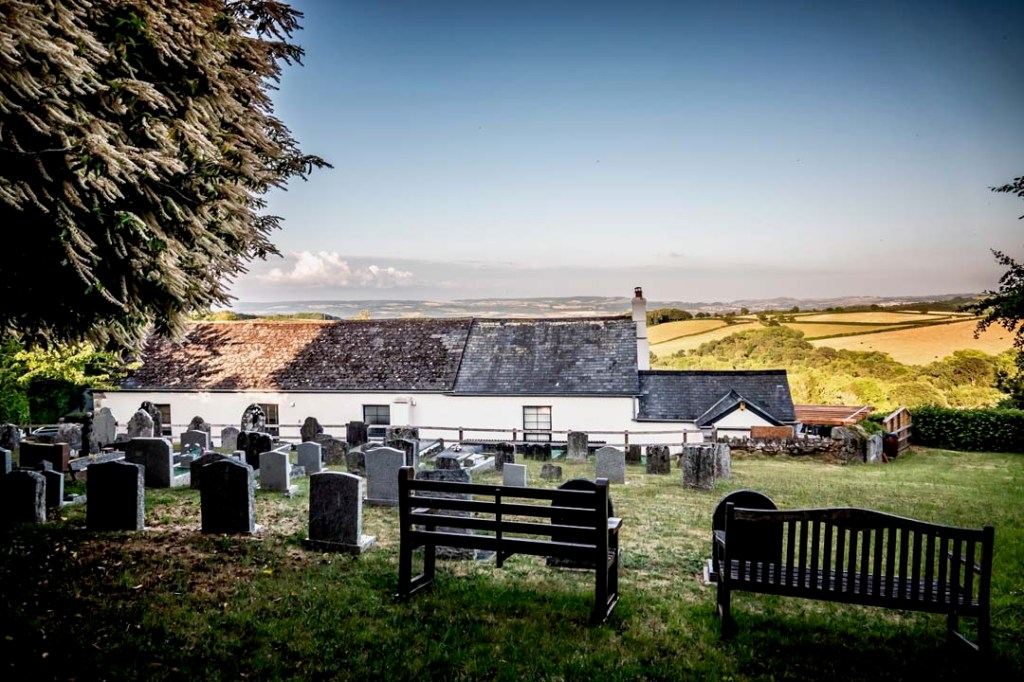


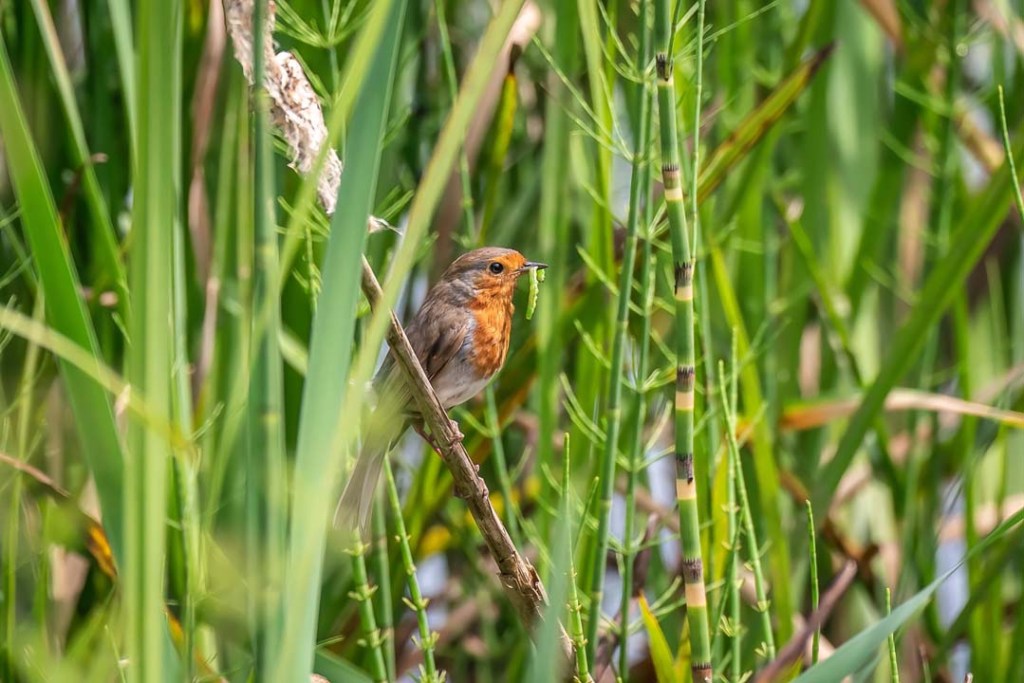

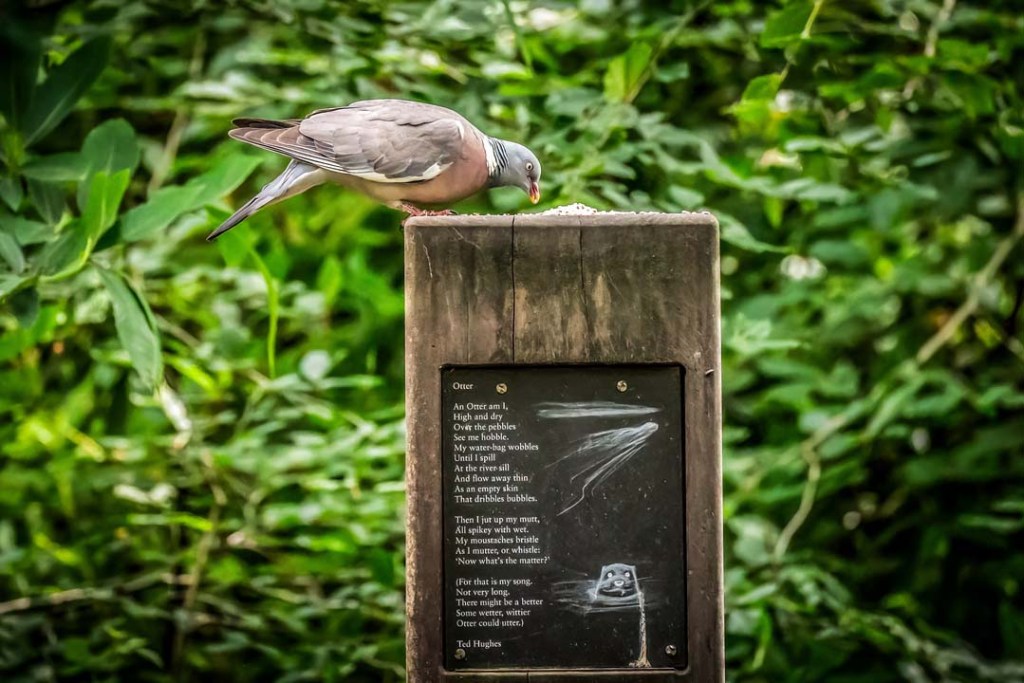


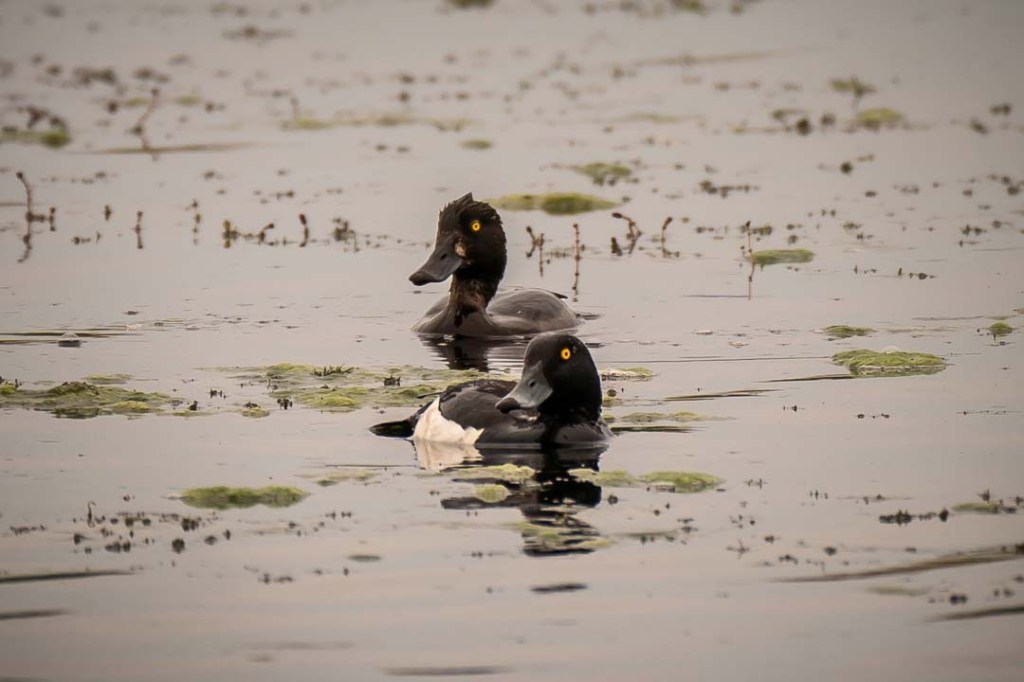
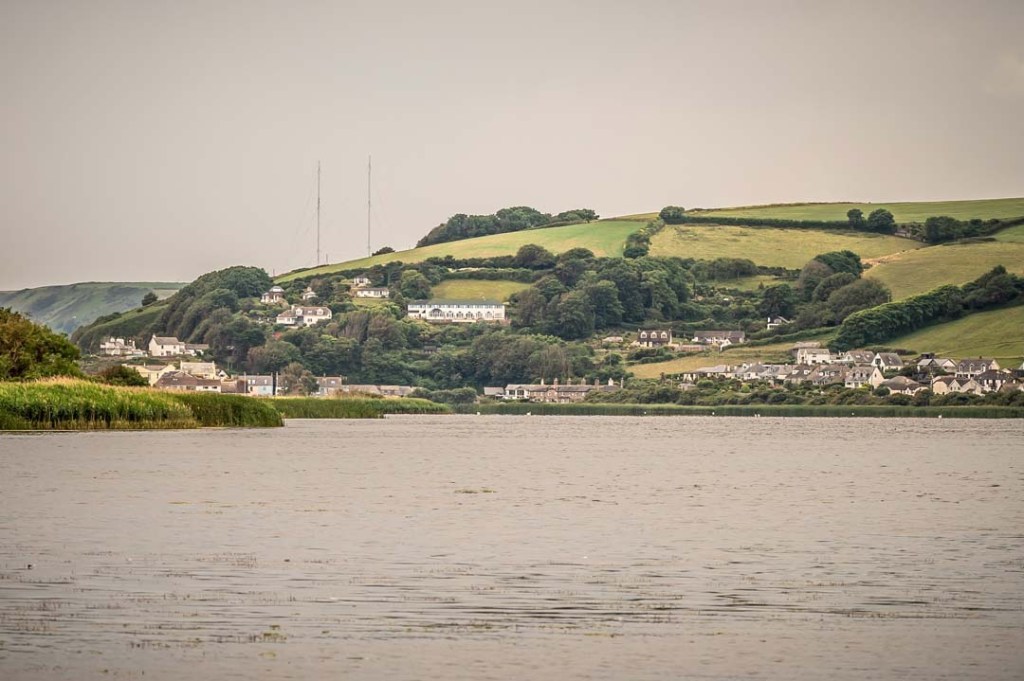
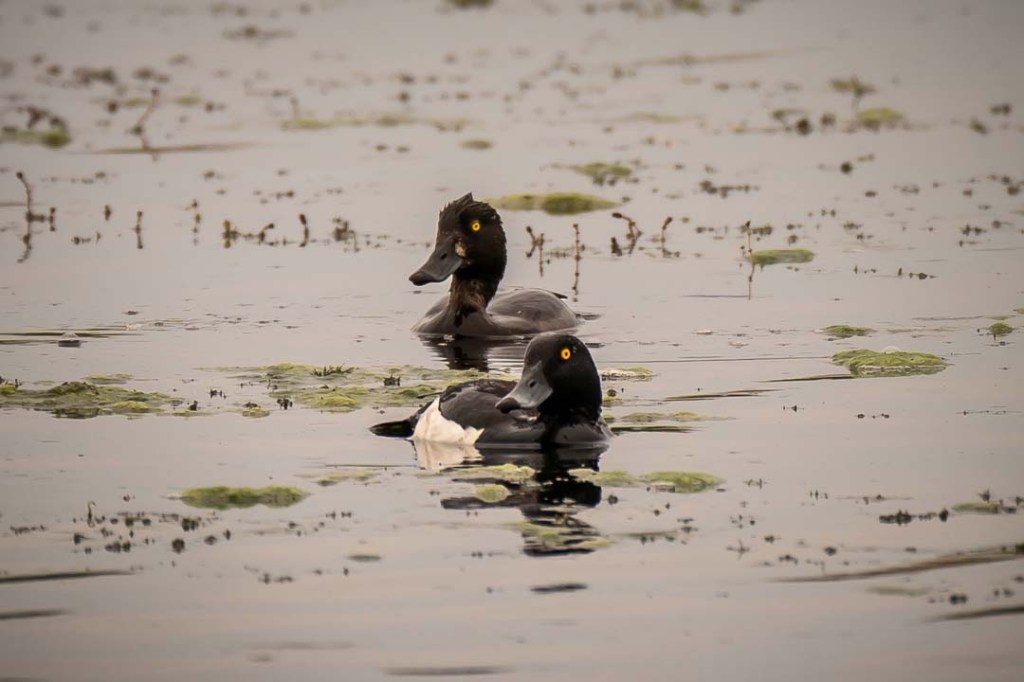
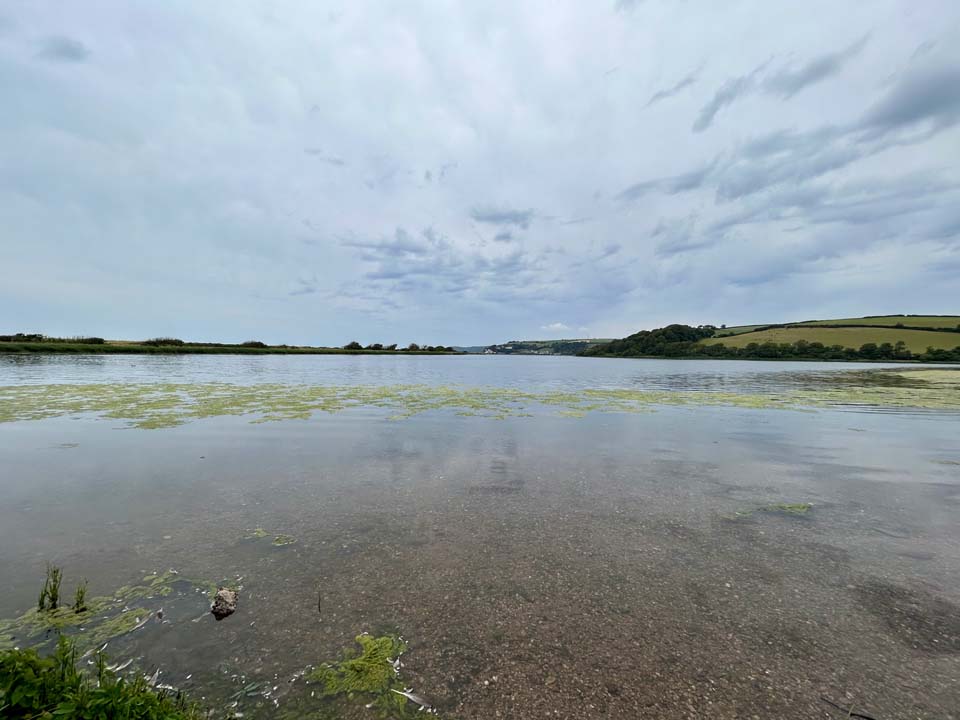
We had really nice weather all week except one morning when we visited Slapton Ley. We did get good views of reed warblers, bullfinches and a few tufted ducks but it should have been a great place to see dragonflies and butterflies. However, it was too early on a grey day to have any joy.
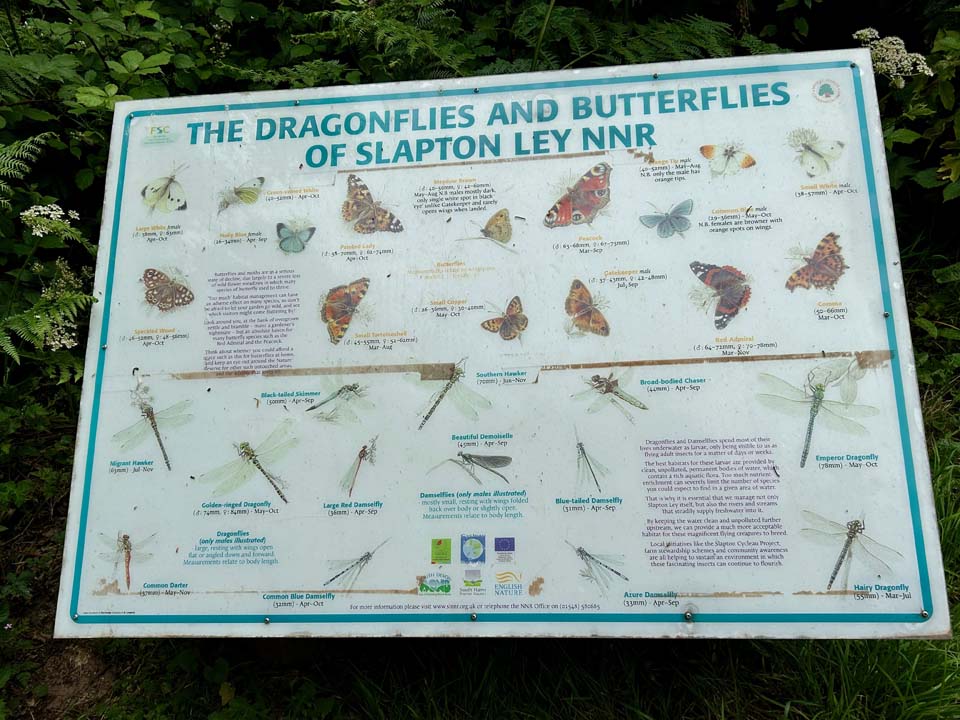
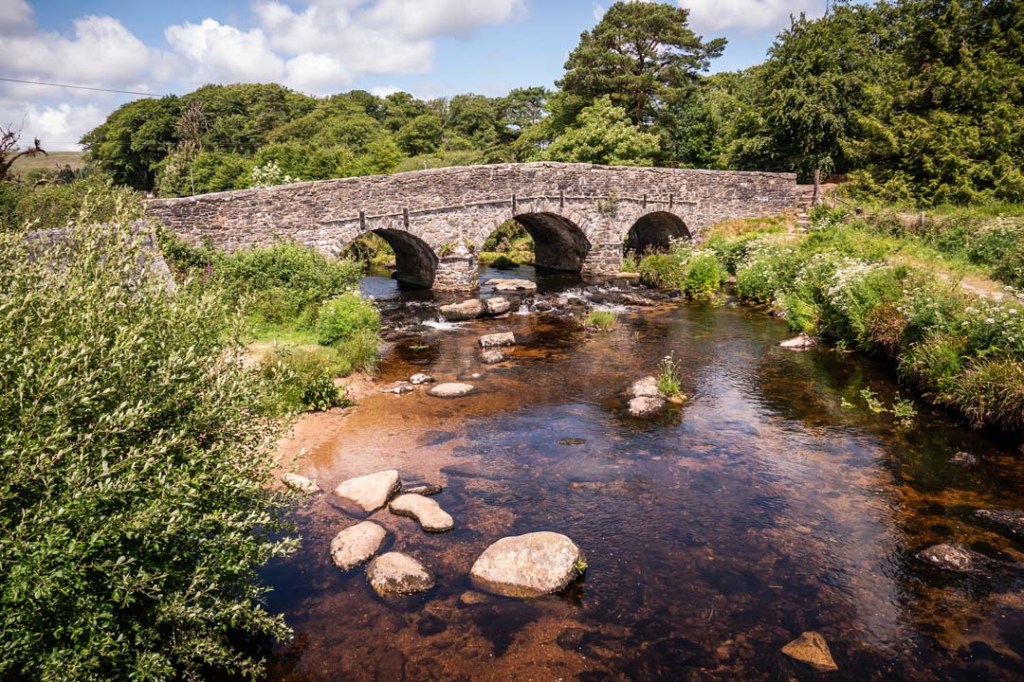
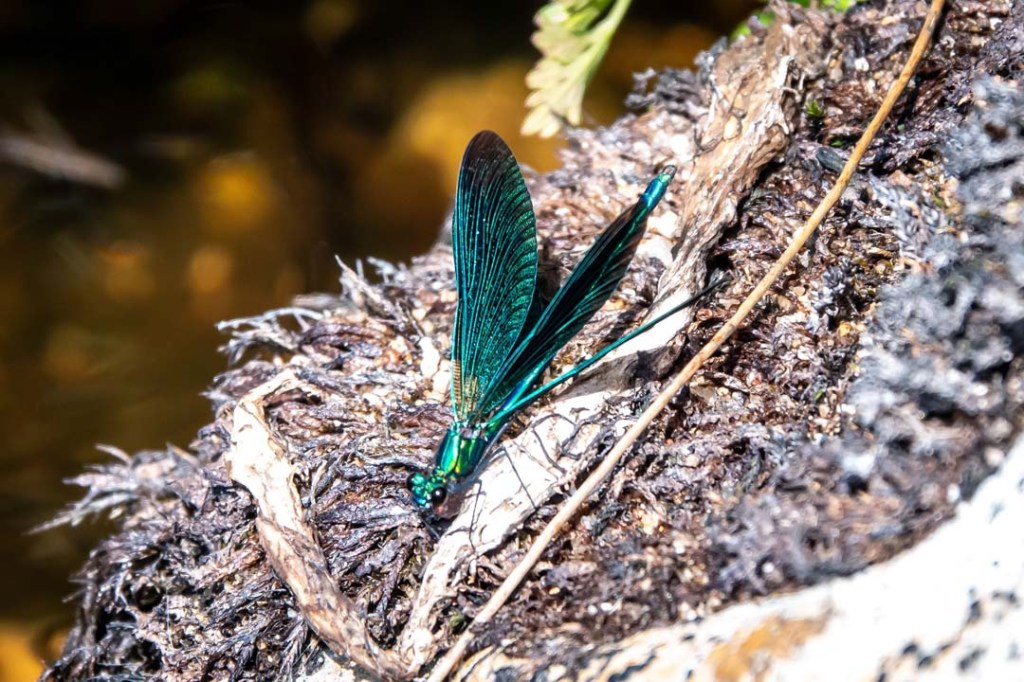
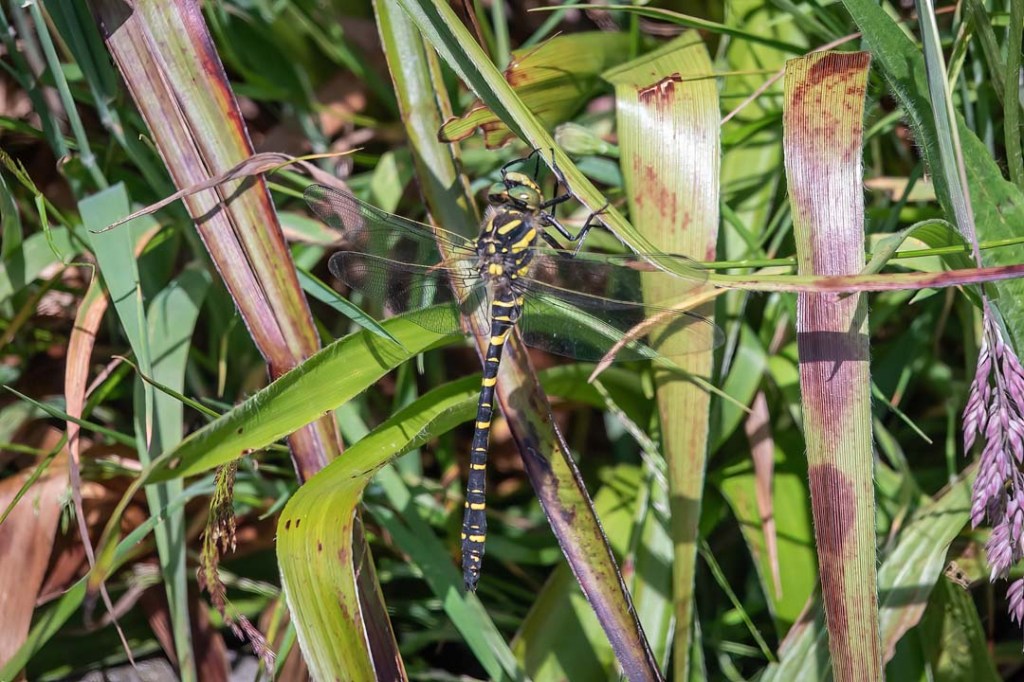
We were luckier with dragonflies and damselflies when visiting Two Bridges on Dartmoor.








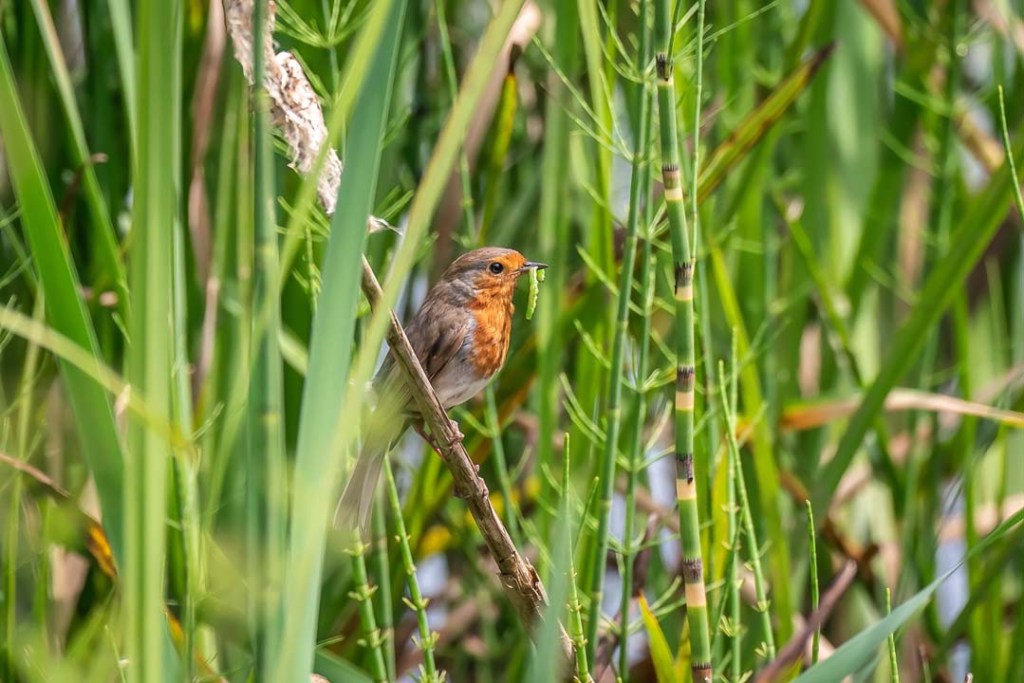
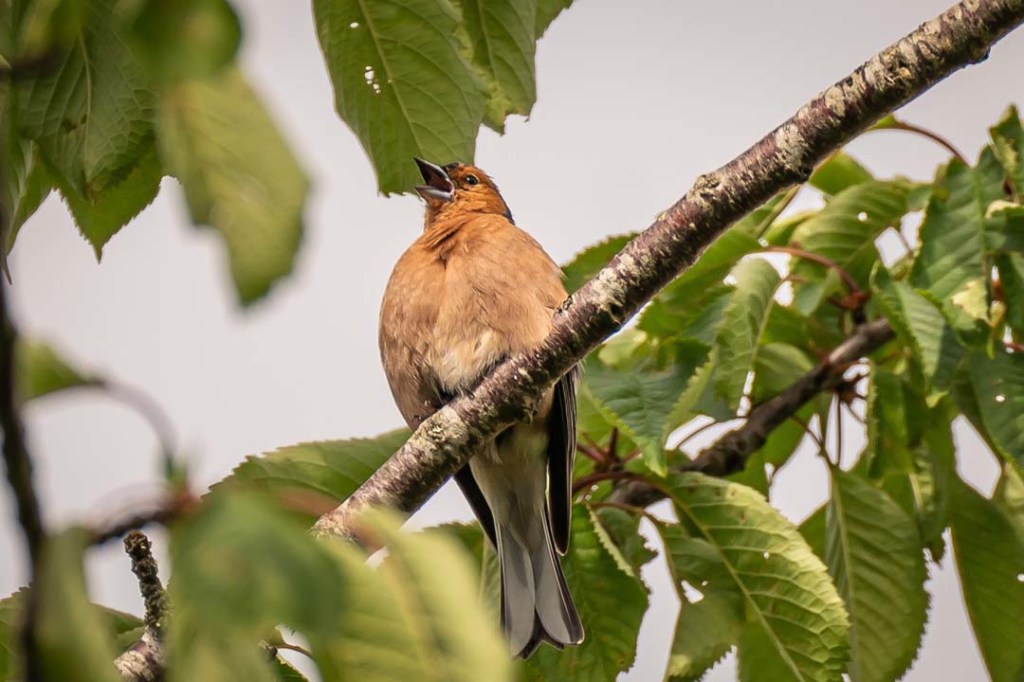
The contenders for the most cheerful song birds of our holiday :

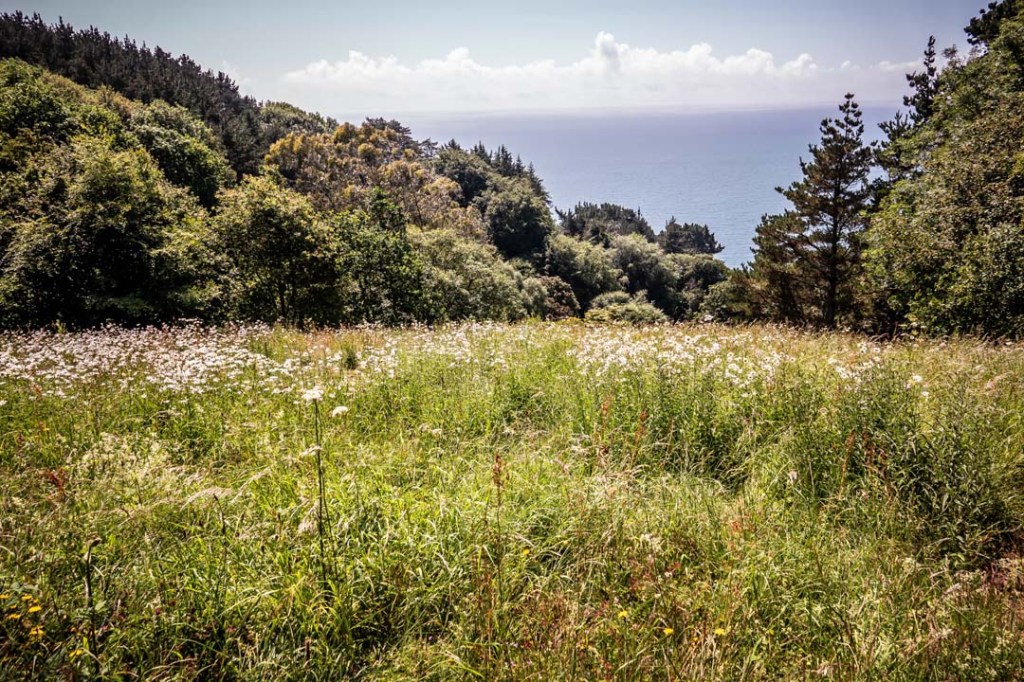
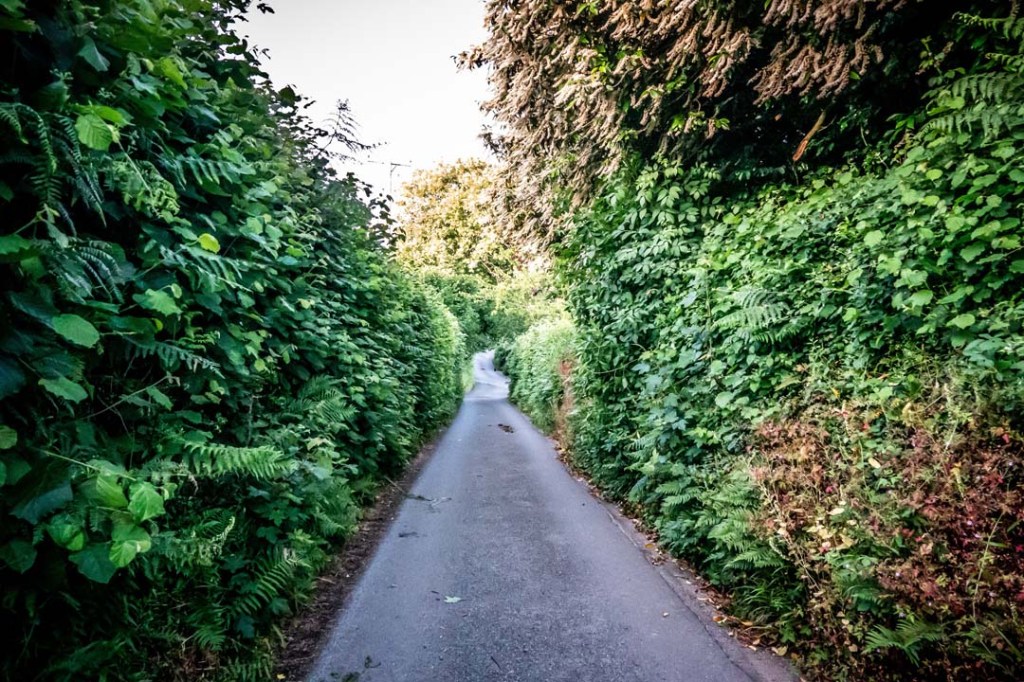
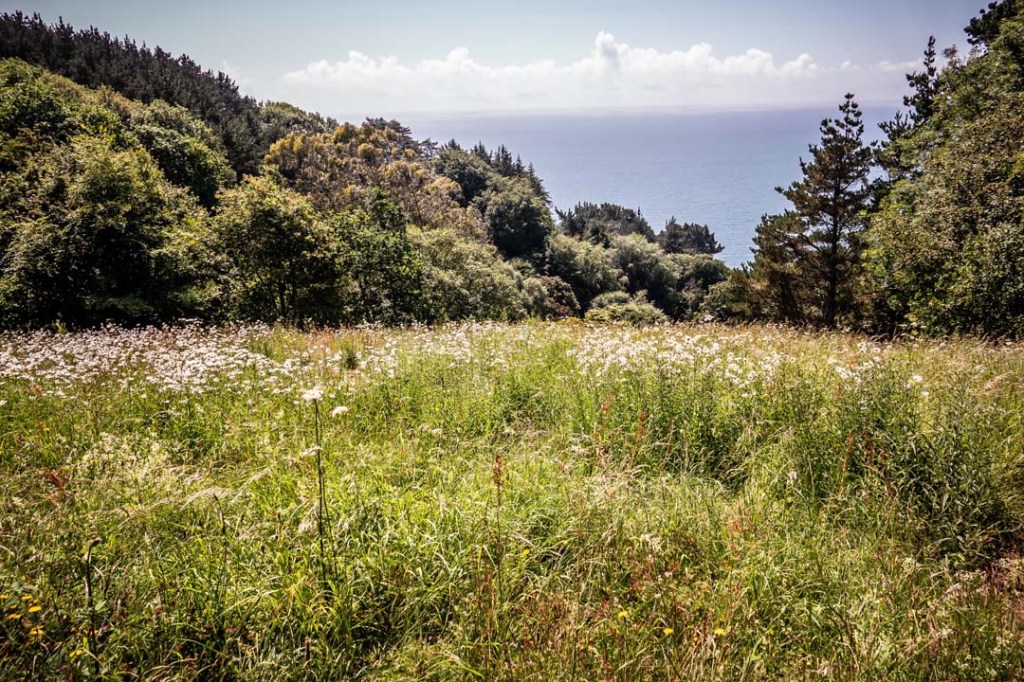
Some of the photos from our trip to south Devon:
























































































































































































 Martin's Bird Blog & Nature Photos