Tag: Great white egret

  • 30th November 2025 – Chew Valley Lake, North Somerset

    30th November 2025 – Chew Valley Lake, North Somerset

    Chew Valley Lake

    We had a fabulous time in the winter sunshine at Chew Valley Lake this morning. Chew Valley Lake, just south of Bristol, is the sixth-largest artificial lake by area in the United Kingdom, with an area of 1,200 acres (4.9 km2), but only the forty-seventh largest by volume, reflecting the fact that it is a shallow lake. It is a national centre for birdwatching, with over 260 species recorded. It is particularly shallow at the moment following the dry summer and today there were lots of birds benefiting from the ideal conditions for waders and waterfowl and plenty for me to photograph.

    However, the most exciting aspect of our birding session was meeting 7 year old Stanley and his dad who, in fact, pointed out the common kingfisher to us. It was a sheer delight to chat to Stanley who was most knowledgeable about birds and clearly loved being out and about in the fresh air with his dad pursuing his hobby. Stanley told us all about the places he had been recently and what birds he had seen. He told me that he had recently seen a bittern and that one of his favourite birds was a Bewick’s swan. When I told him that we had just seen a pair of Whooper swans at another part of the lake he was very keen to go and see them. Stanley’s dad told me that Stanley much prefers being out birdwatching rather than staying at home, as many young people do, absorbed in electronic games. I am sure that Stanley will become a well adjusted and decent man just as, I imagine, his dad is.

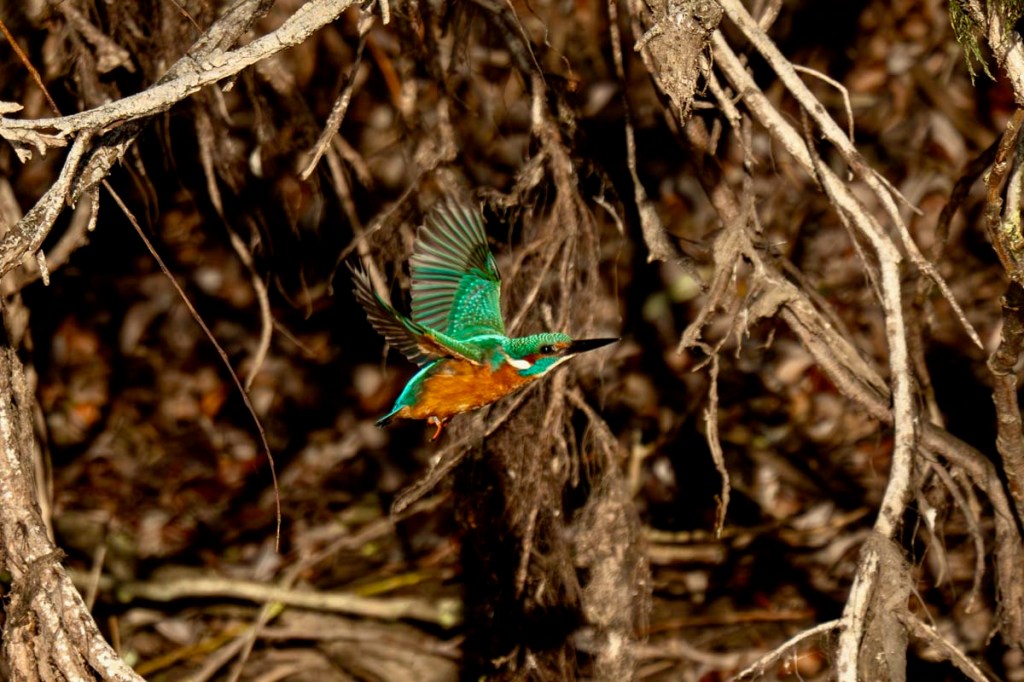
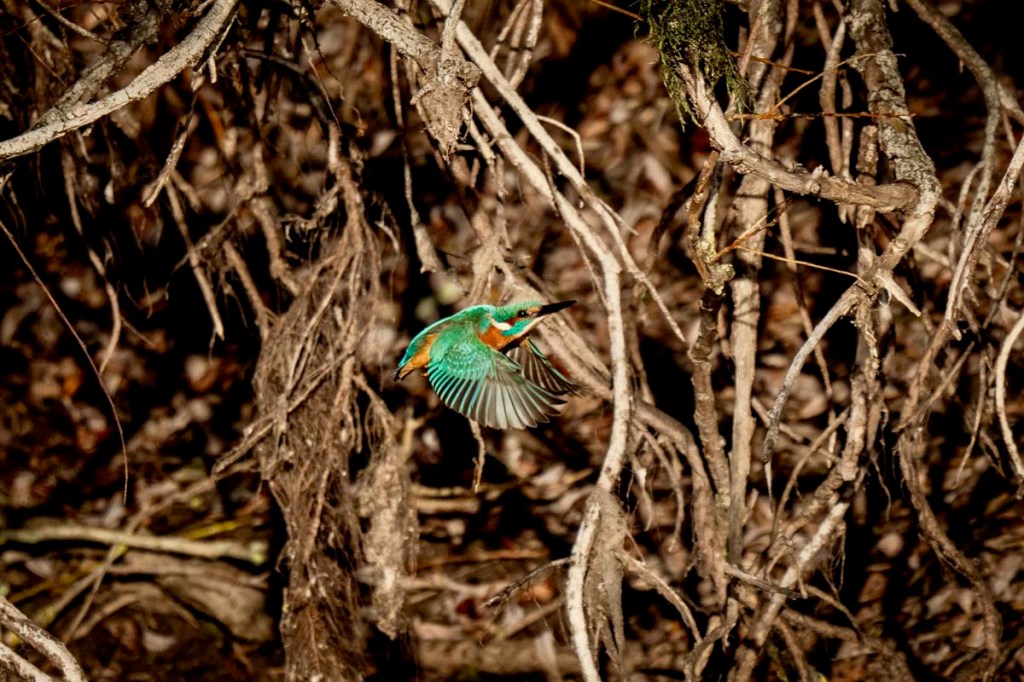
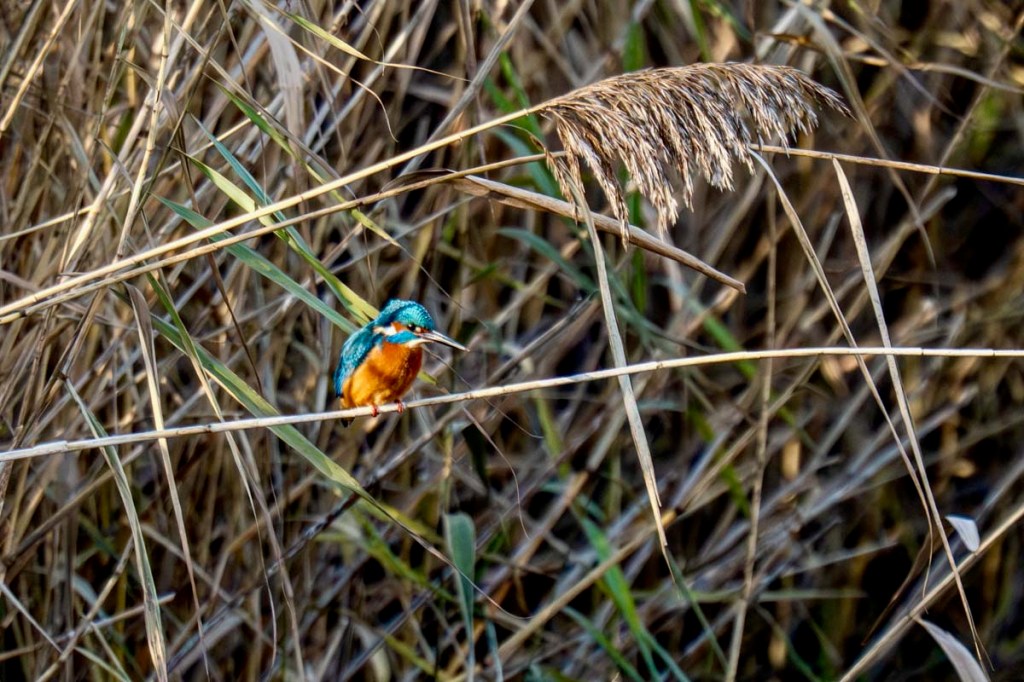
    It was very interesting watching the kingfisher as it moved from one side of a sluice to another (and from shade to bright sunshine) as it seem to change considerably in colour. I remember reading that the common kingfisher is in fact brown and that the bright blue colour you perceive is due to a phenomenon called structural colouration. Structural  colouration is seen throughout the animal kingdom and makes creatures appear much more colourful than they actually are. So while the coloured pigments in the kingfisher’s feathers are brown, you actually view them as a brilliant blue. It takes some believing, I know.

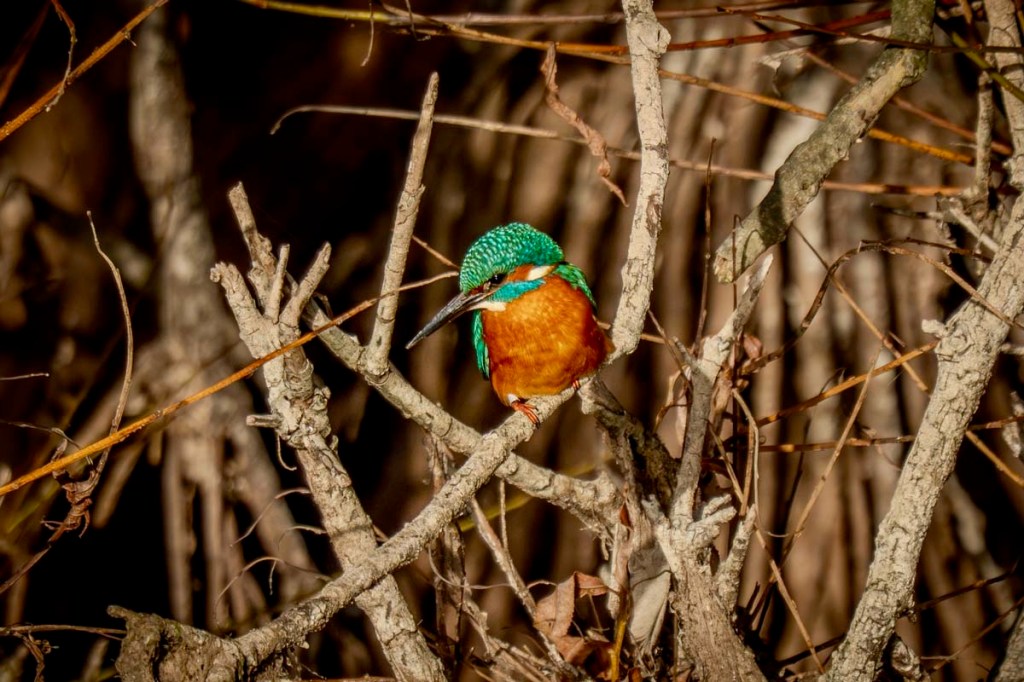
    The common kingfisher just catching a few rays of sunshine in the dark reeds.

    The kingfisher on the other side of the sluice.

    Common kingfisher

    … and away.

    Common kingfisher

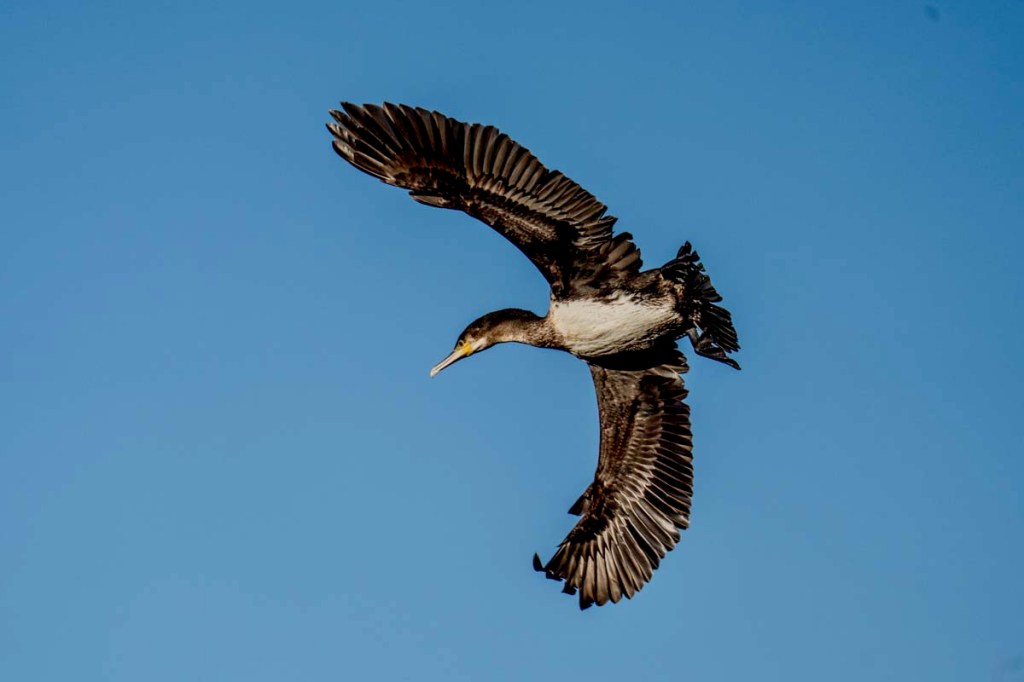
    Cormorant in flight just above the kingfisher

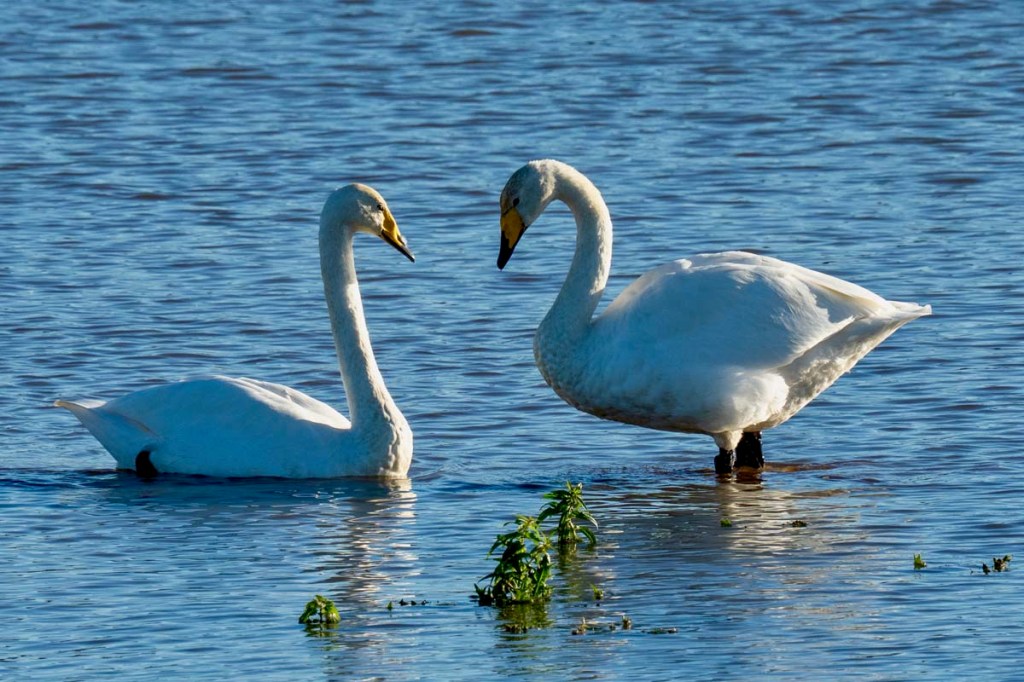
    Whooper swans – bigger than Bewick’s: it is mainly a winter visitor to the UK from Iceland, although a small number of pairs nest in the north. 

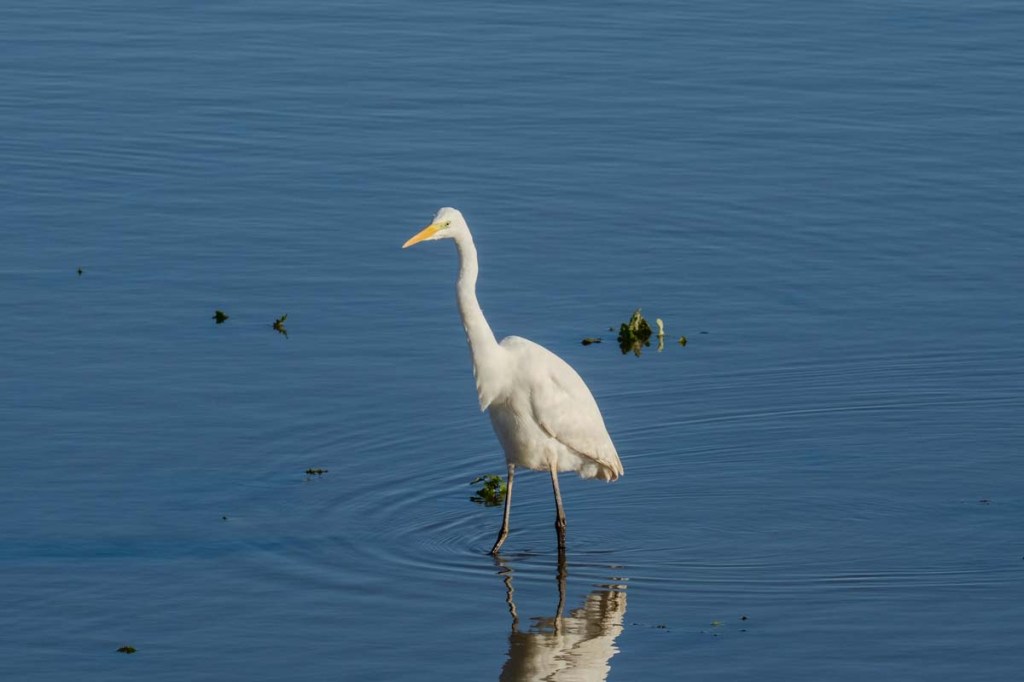
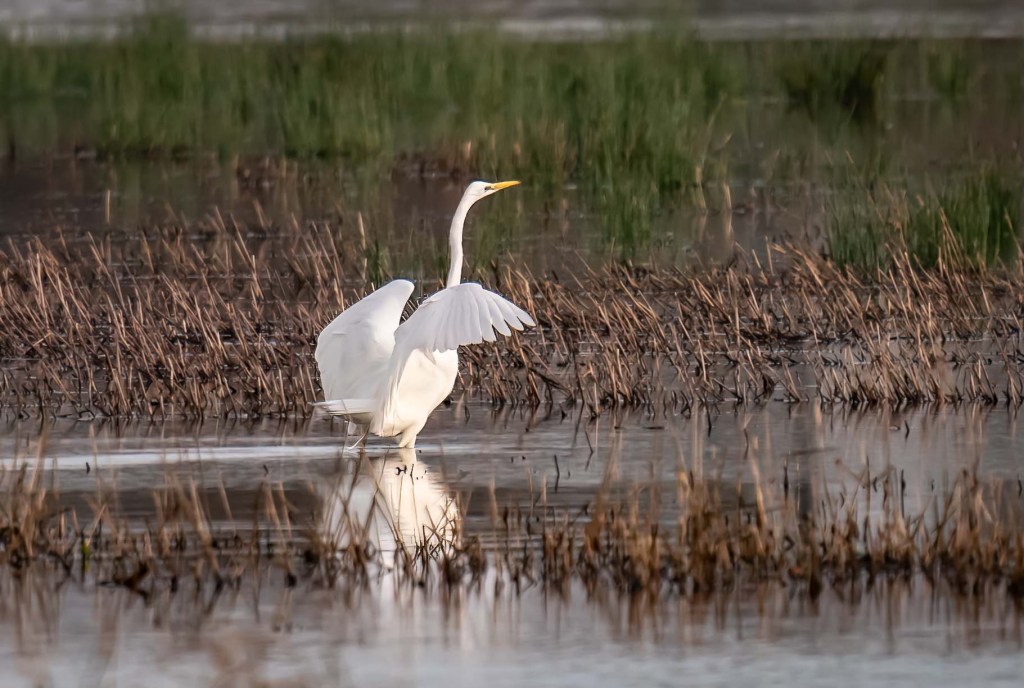
    Great white egret

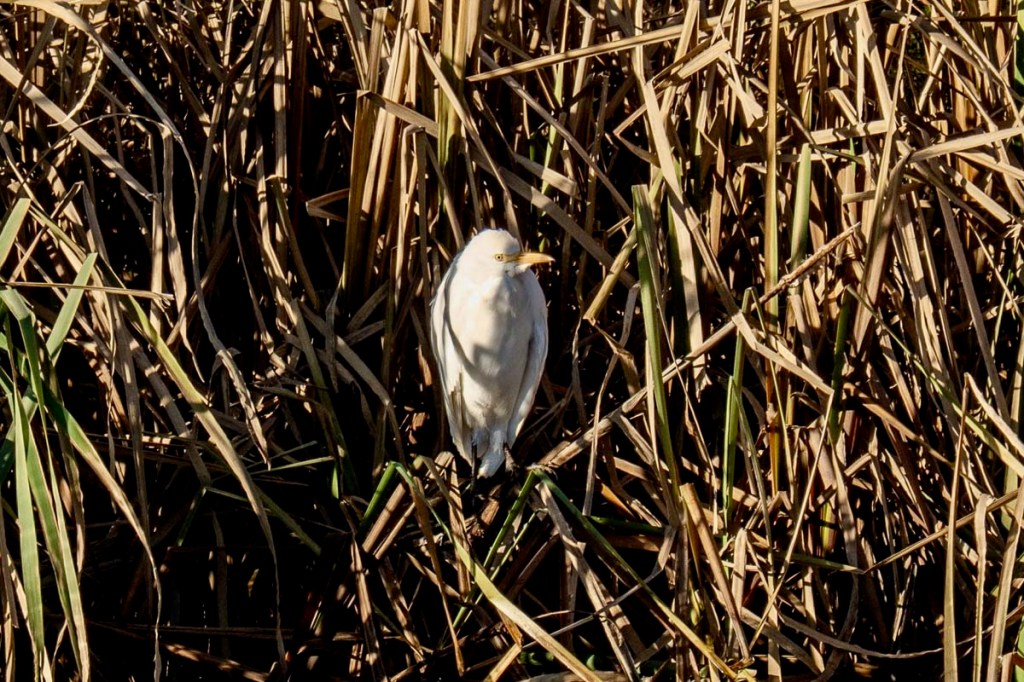
    Cattle egret – the third egret we see in Britain, the little egret, was also to be seen on the lake.

    Black-tailed godwits in flight

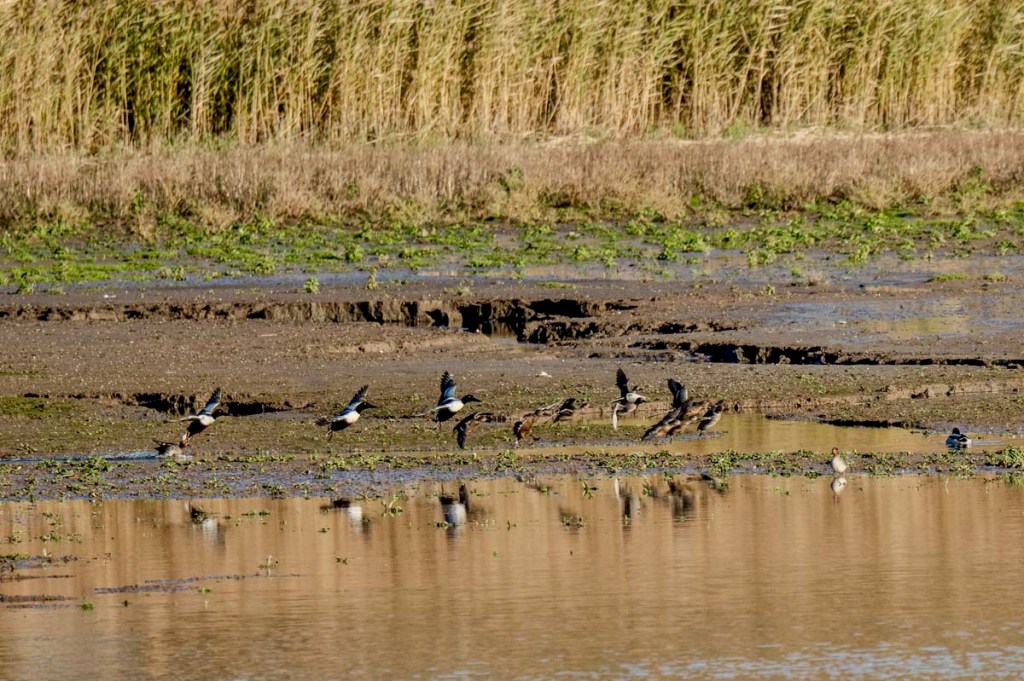
    Northern shoveler in flight

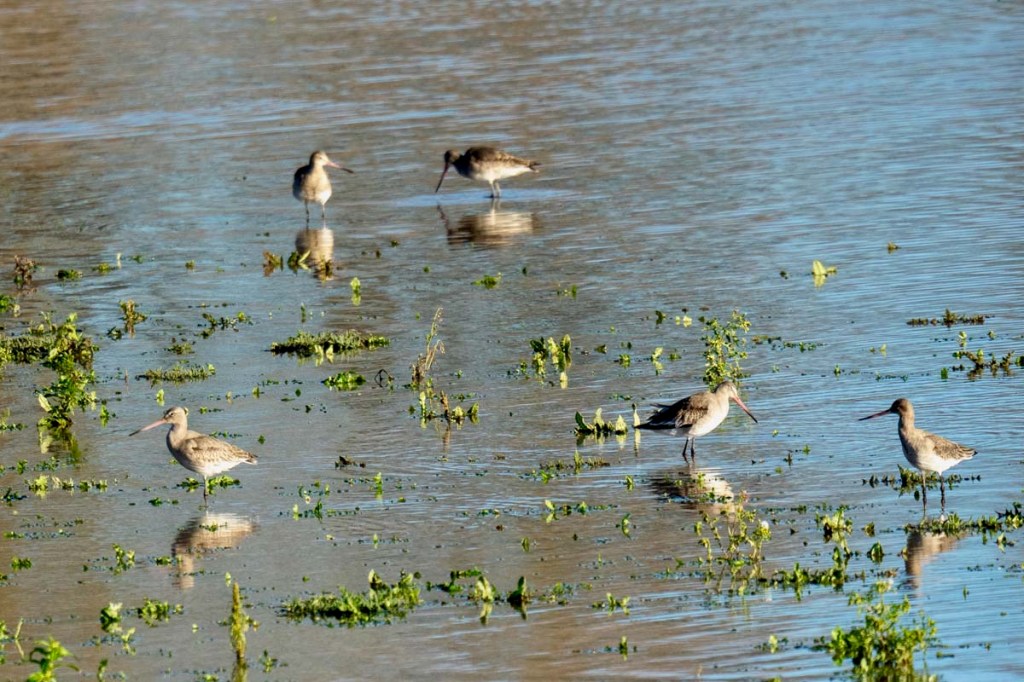
    Black-tailed godwits feeding

    Black-tailed godwits flying over a northern shoveler

    Canada goose

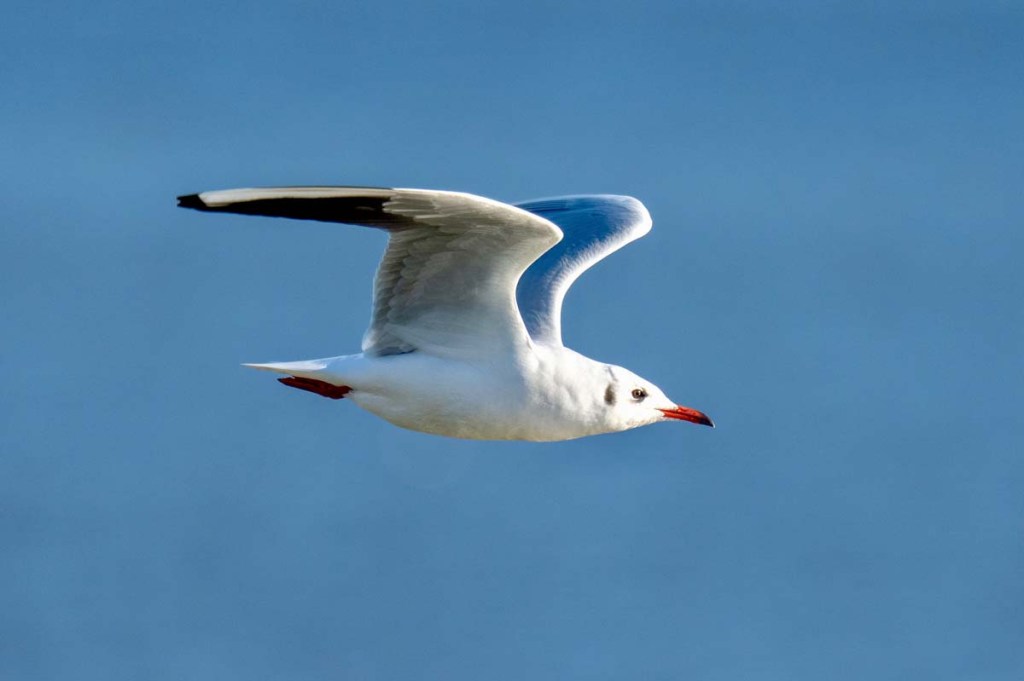
    Black-headed gull

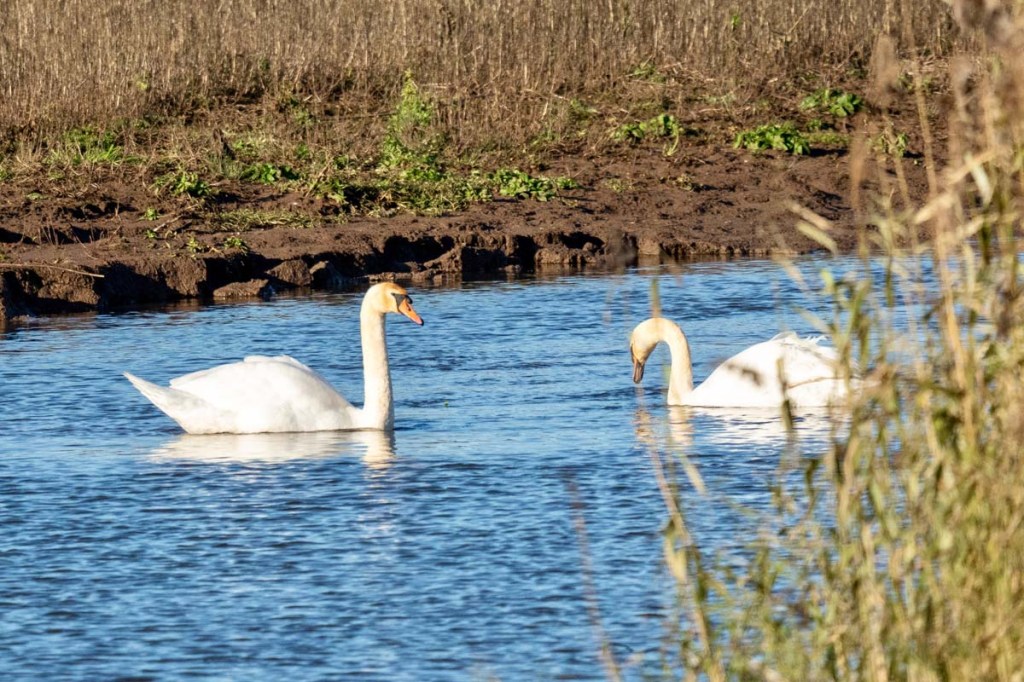
    Mute swans

    And just one more kingfisher shot

    … or maybe two, just to show the different colours.

  • 22nd April 2025 – RSPB Ham Wall, Avalon Marshes, Somerset

    22nd April 2025 – RSPB Ham Wall, Avalon Marshes, Somerset

    One of the great things about Ham Wall is that, right from the car park, you hear lots of birds at close quarters. The loudest were the blackcaps and the garden warblers but, although I had fleeting views of them, I couldn’t for the life of me get a photograph of therm. I had to settle for robins and dunnocks.

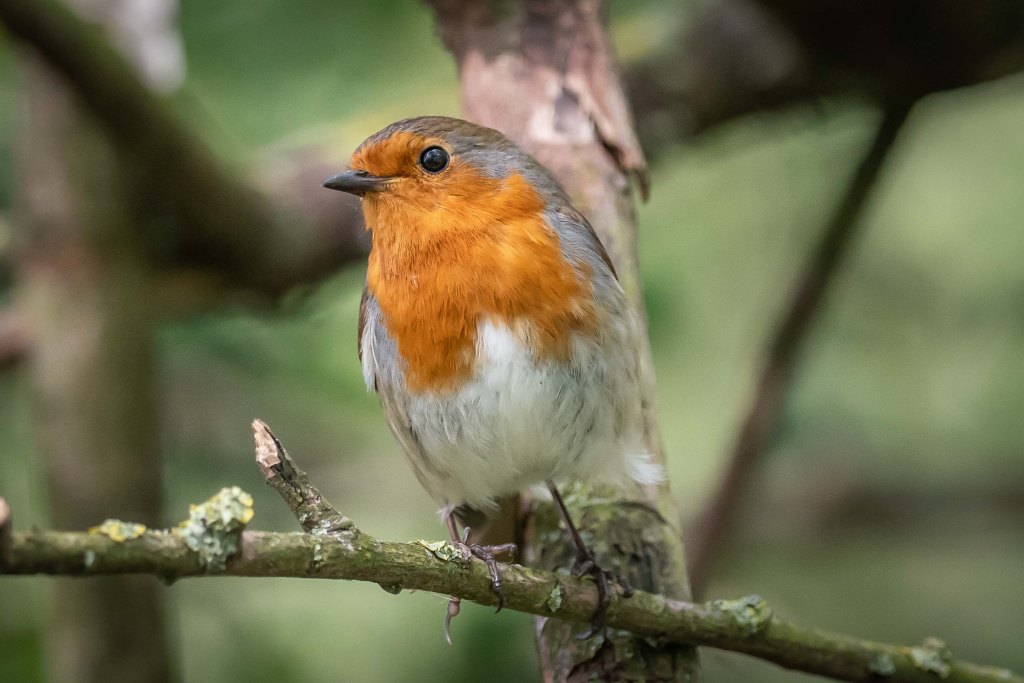
    European robin

    Dunnock

    It was nice to feel the sun too, although it was tempered by a cool breeze. I was also very heartened to hear my first cuckoo of the spring.

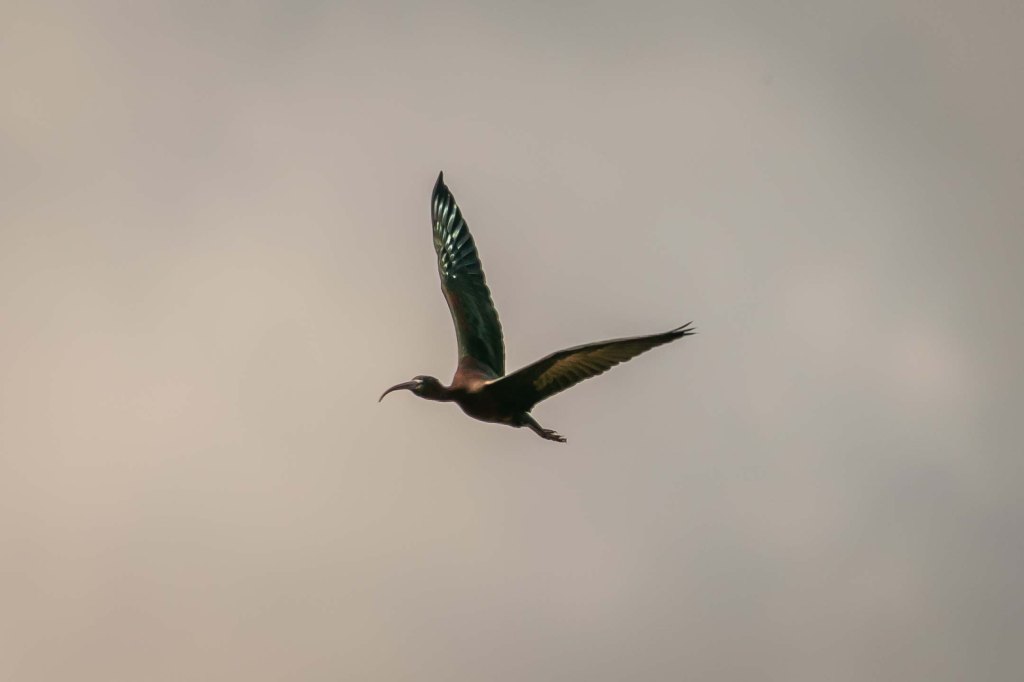
    I spent a while trying for photos of a glossy ibis. I thought I had missed it when it flew over me early on but I managed to catch up with it feeding in the reeds close to a hide.

    Glossy ibis

    The iridescent feathers of the glossy ibis were very attractive in the sun

    Occasionally the glossy ibis ventured out from the reeds

    Great white egret, which not very long ago would have been as rare as the glossy ibis in this area

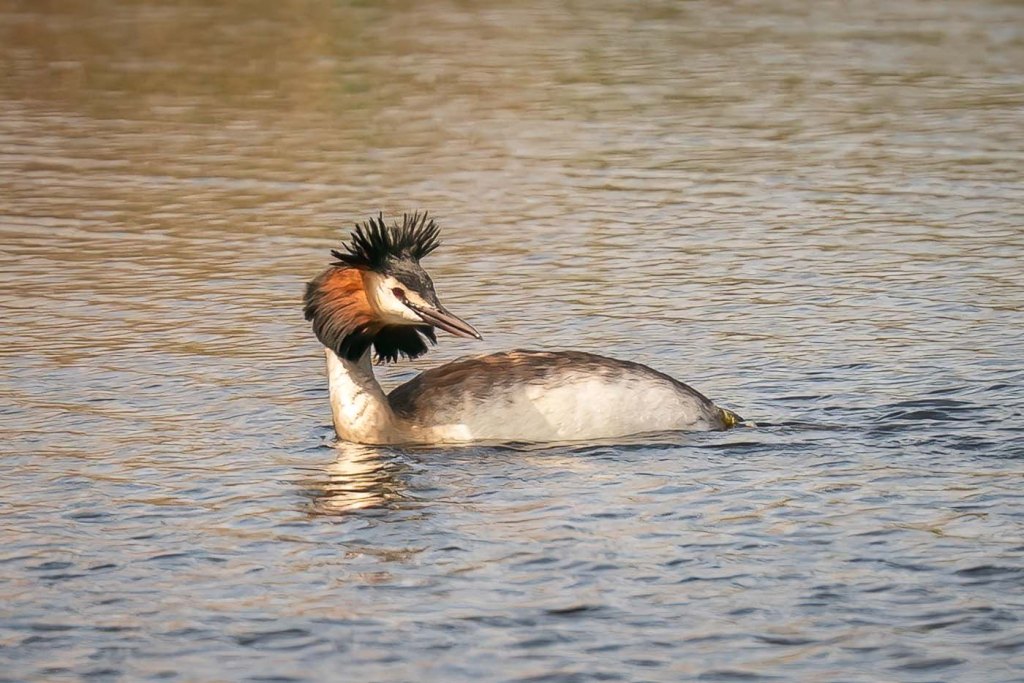
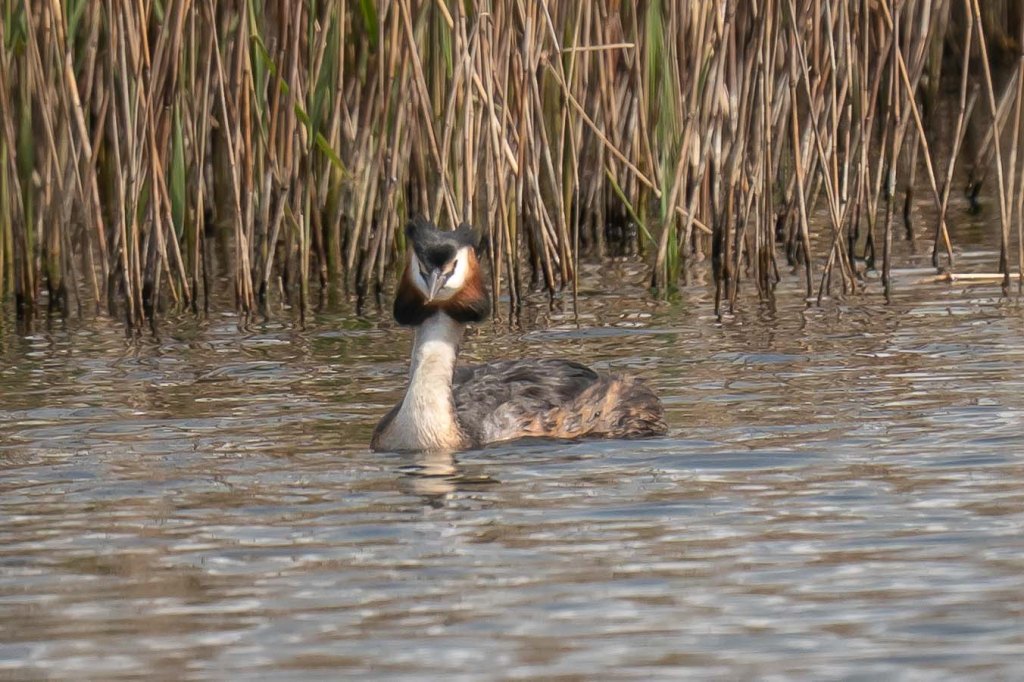
    Great crested grebe looking quite glorious

    Great crested grebe

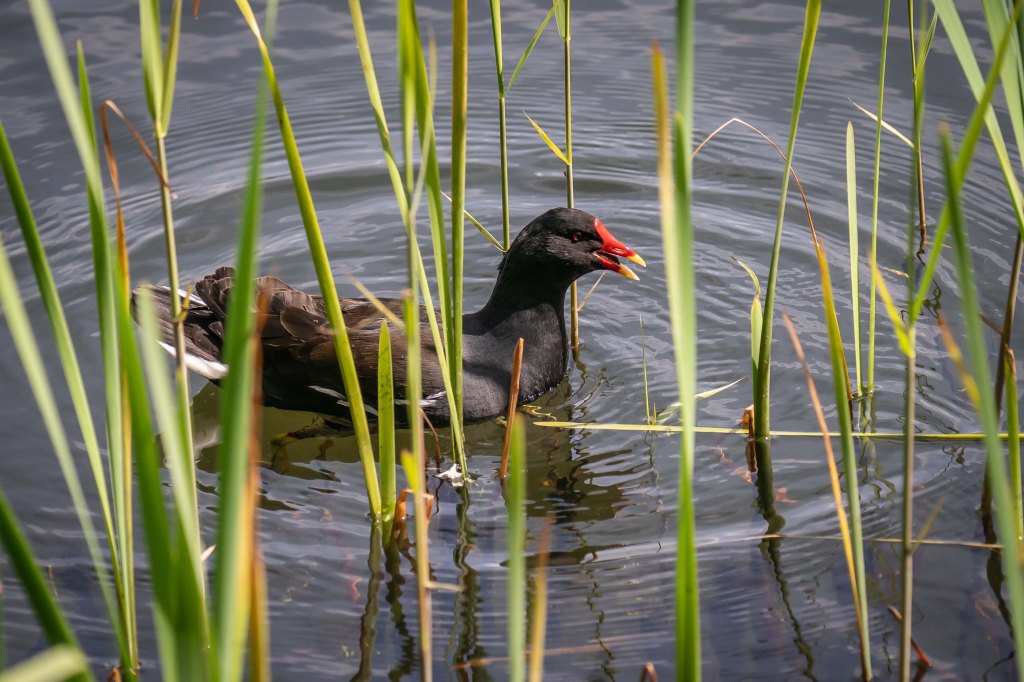
    Moorhen

    Grey heron on the nest with its young

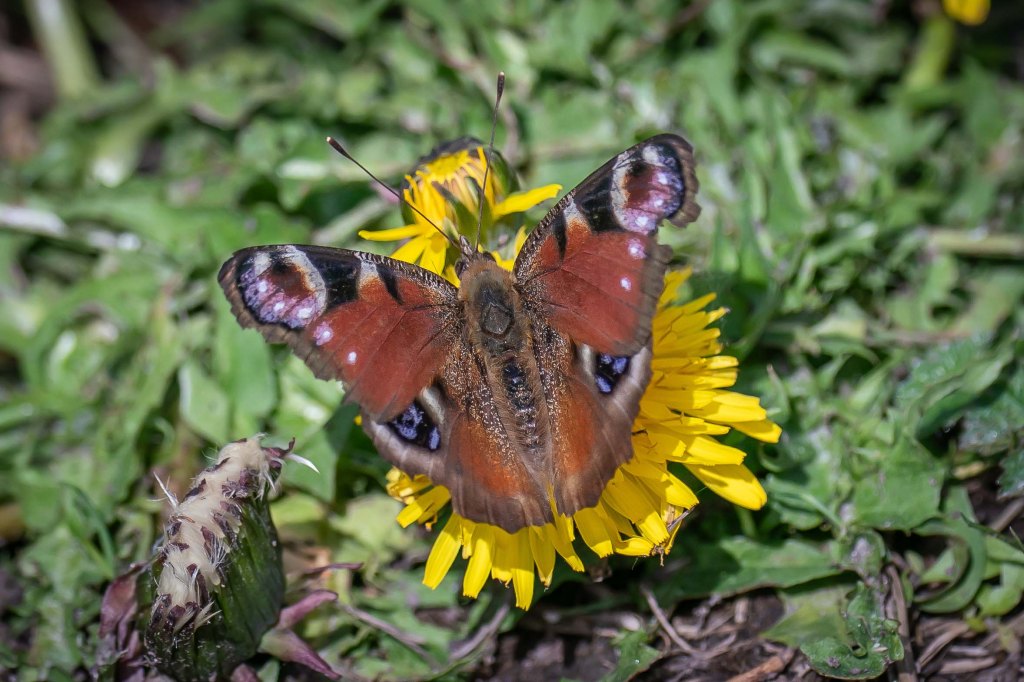
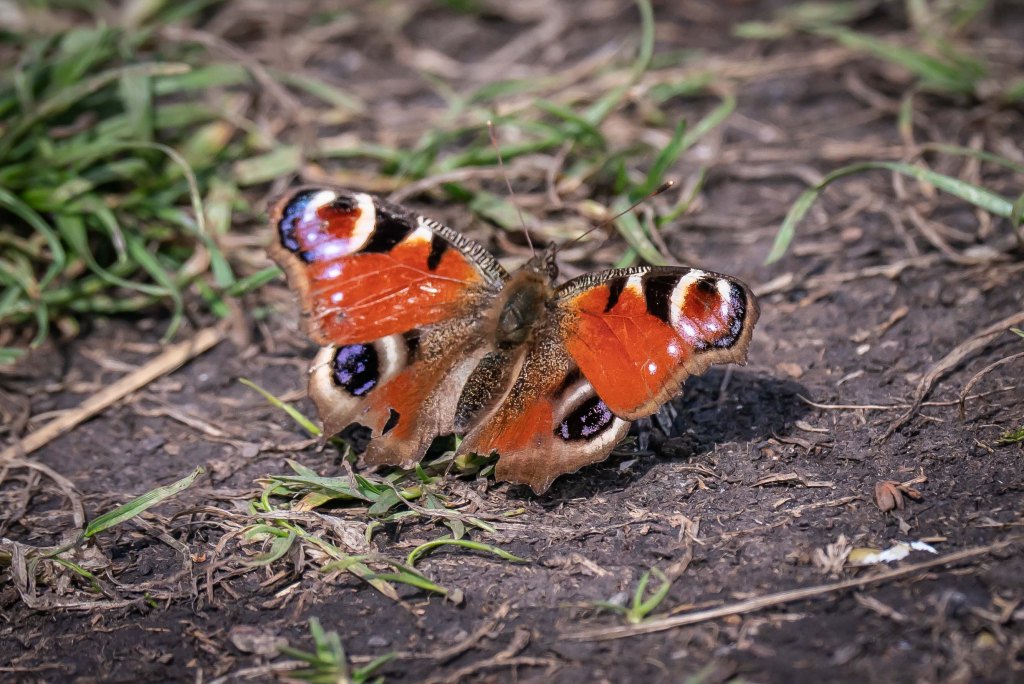
    The sun also brought out the butterflies. I saw a few distant orange tipped butterflies and some peacocks at closer range.

    Peacock butterfly

    Peacock butterfly

    The very best thing about Ham Wall at this time of the year is the booming of bitterns which you hear all around. Unfortunately, I didn’t manage to see one. They are very secretive birds but it is amazing how many times I have managed to see them here.

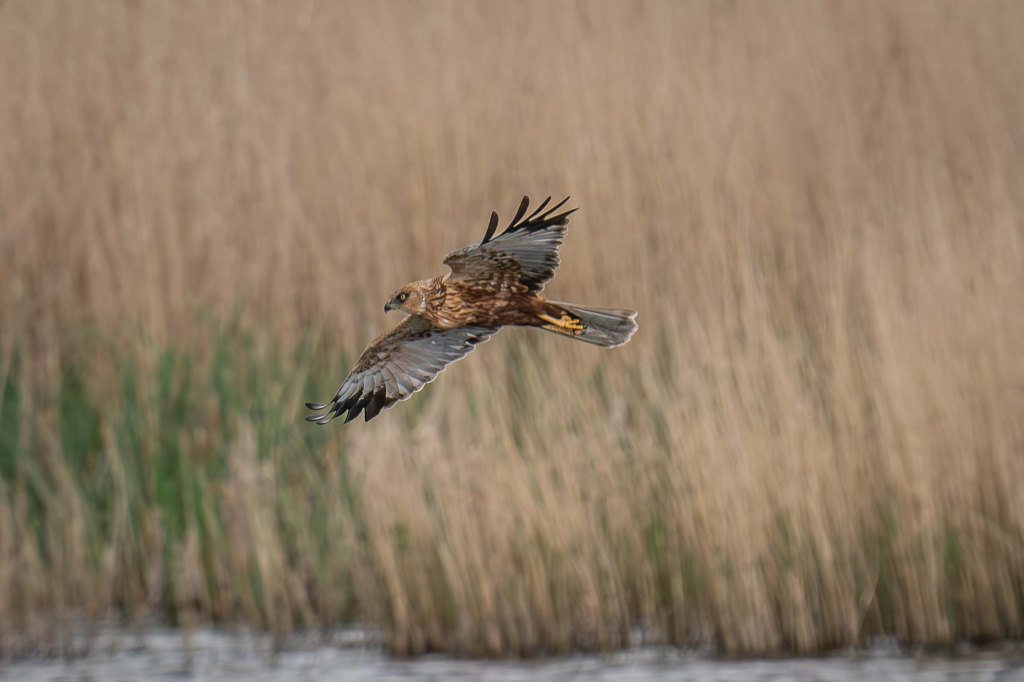
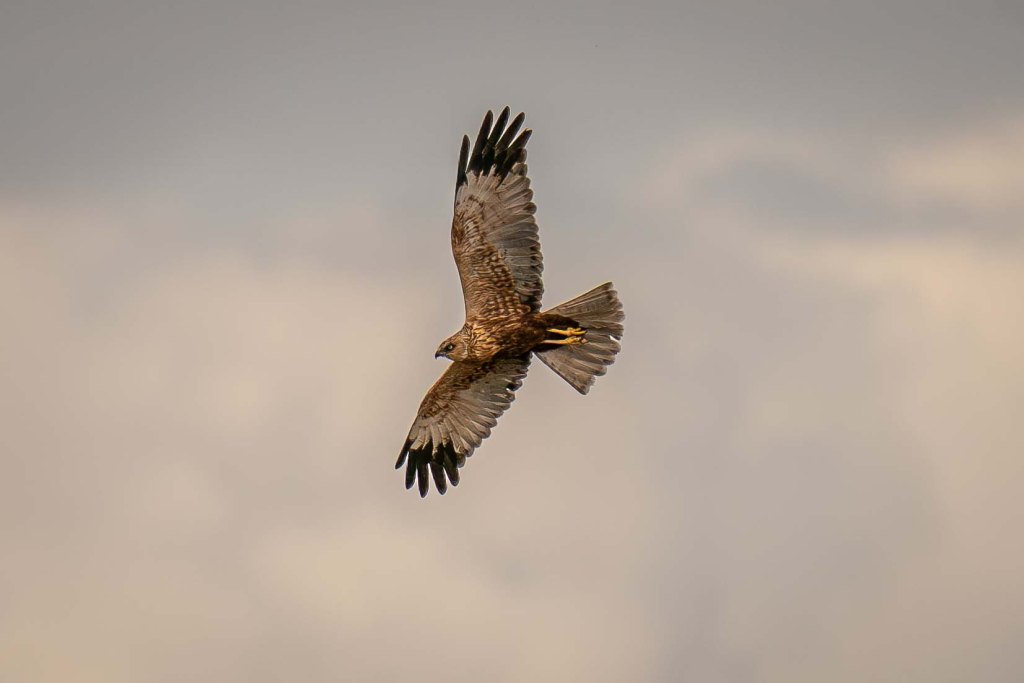
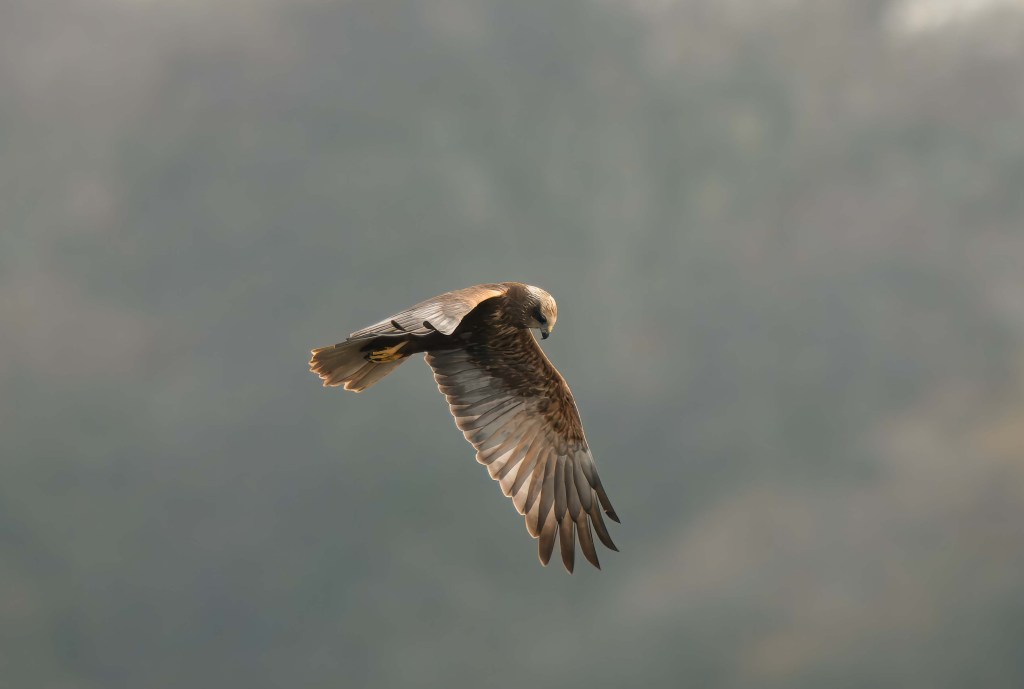
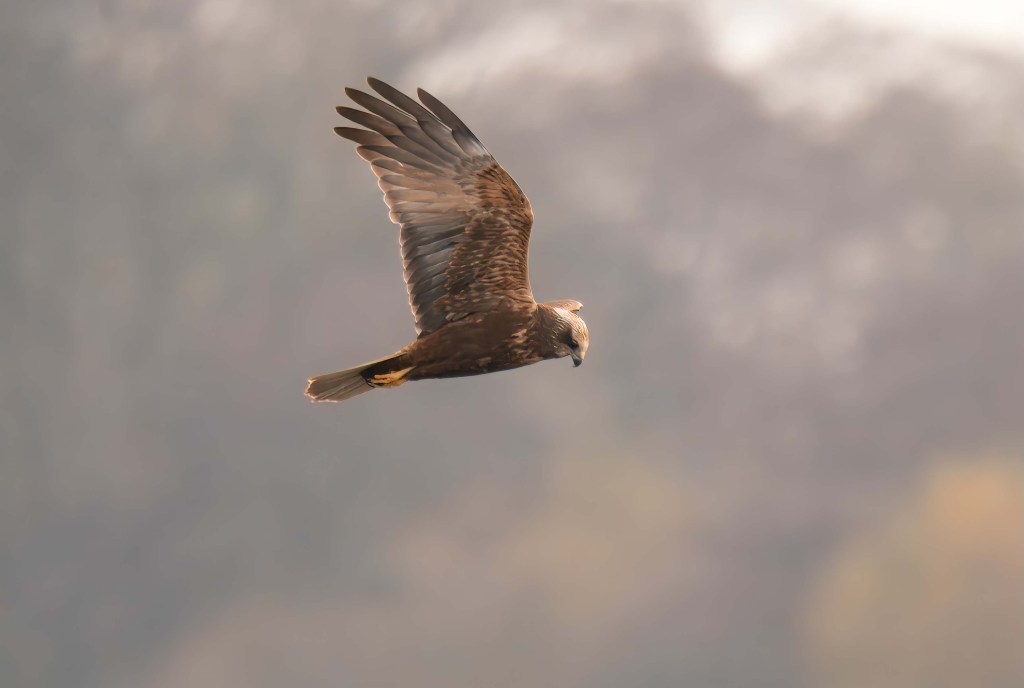
    However, I was compensated, at the Avalon Hide, by close up views of marsh harriers.

    Marsh harrier

    Marsh harrier

    Marsh harrier

    Marsh harrier

    Marsh harrier

    From the Avalon Hide I could see the weather was deteriorating and so headed back to the car park where I arrived just as the rain started.

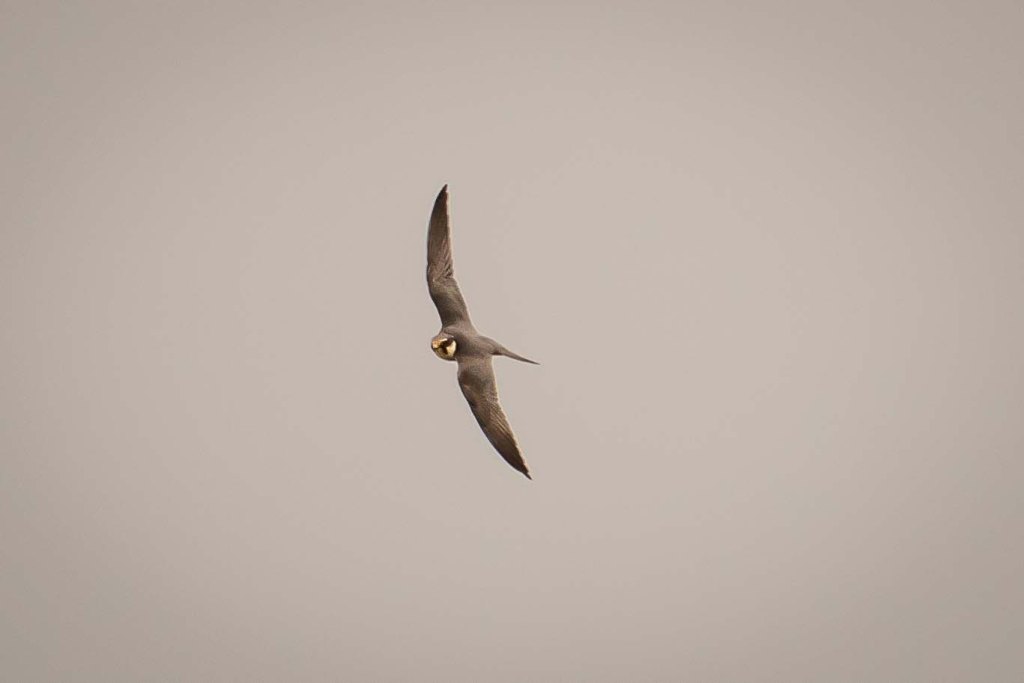
    On my way back I had a short stop to watch 3 hobbies hunting dragonfly. By then it felt too cold for dragonflies but the hobbies proved me wrong.

    Hobby catching a dragonfly

    Hobby eating a dragonfly “on the wing”

    Hobby

    Hobby

    Hobby

  • 3rd December 2024 – Catcott Lows. Avalon Marshes

    3rd December 2024 – Catcott Lows. Avalon Marshes

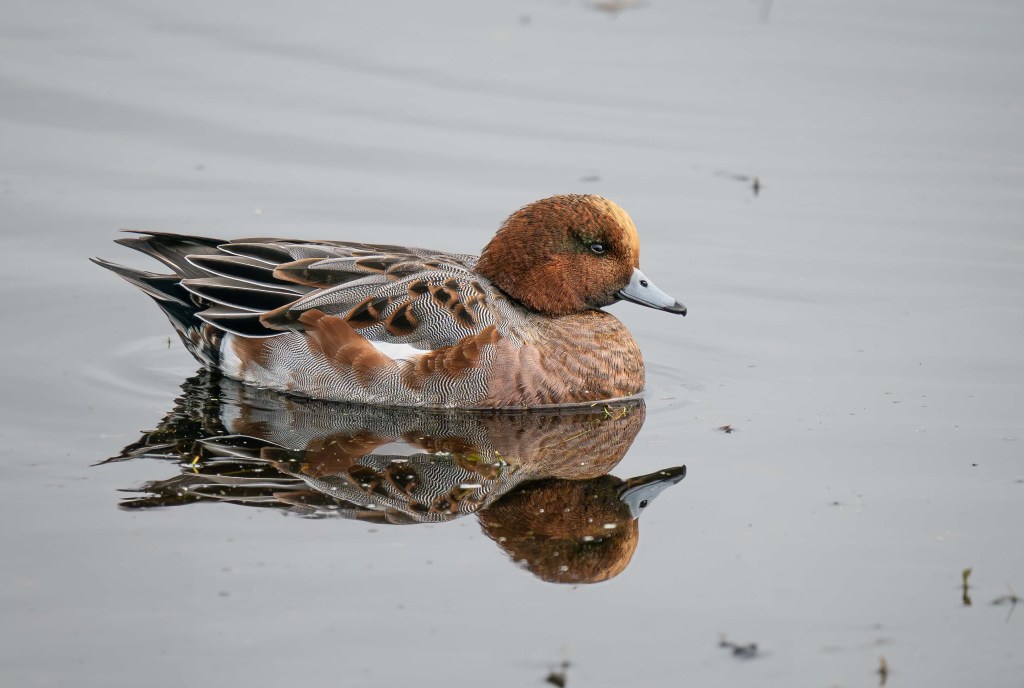
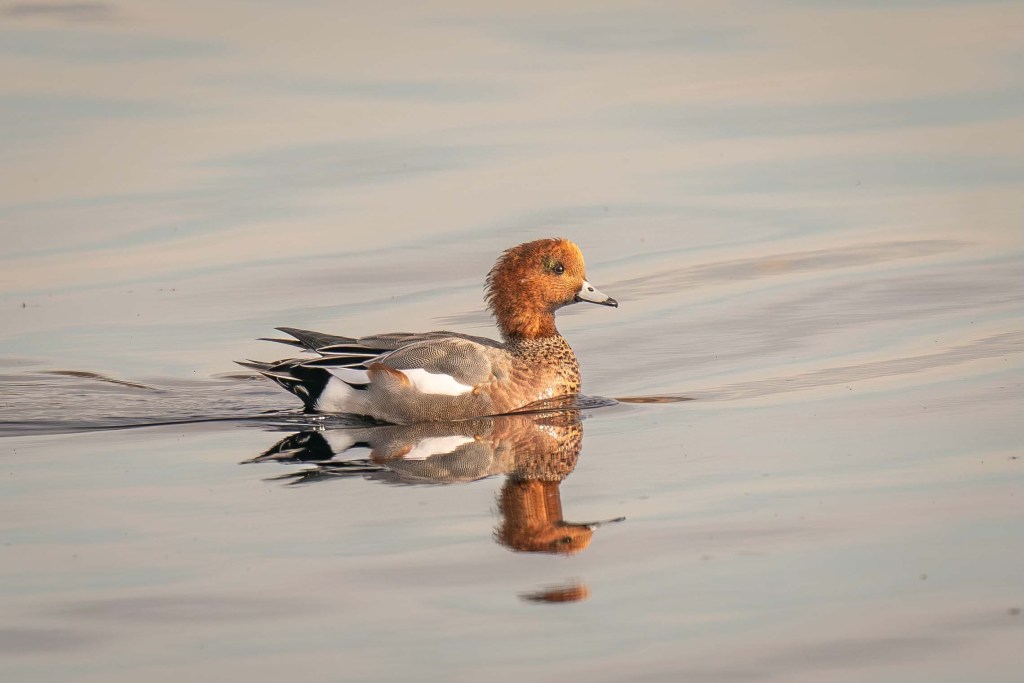
    In autumn, Britain & Ireland receive vast numbers of wigeon from the breeding grounds located further north and this wintering population has increased significantly since 1983/84. The Wetland Bird Survey reveals a few widespread locations holding over 30,000 birds in winter.

    The vast majority of them must have been at Catcott today; or that’s how it seemed. Most of them seemed to be asleep when I arrived and not much disturbed them. There was the occasional distinctive whistle from them but not even a marsh harrier sent them up in a flock. Perhaps their tactic for survival was to remain still

    Eurasian wigeon

    Eurasian wigeon

    Eurasian wigeon

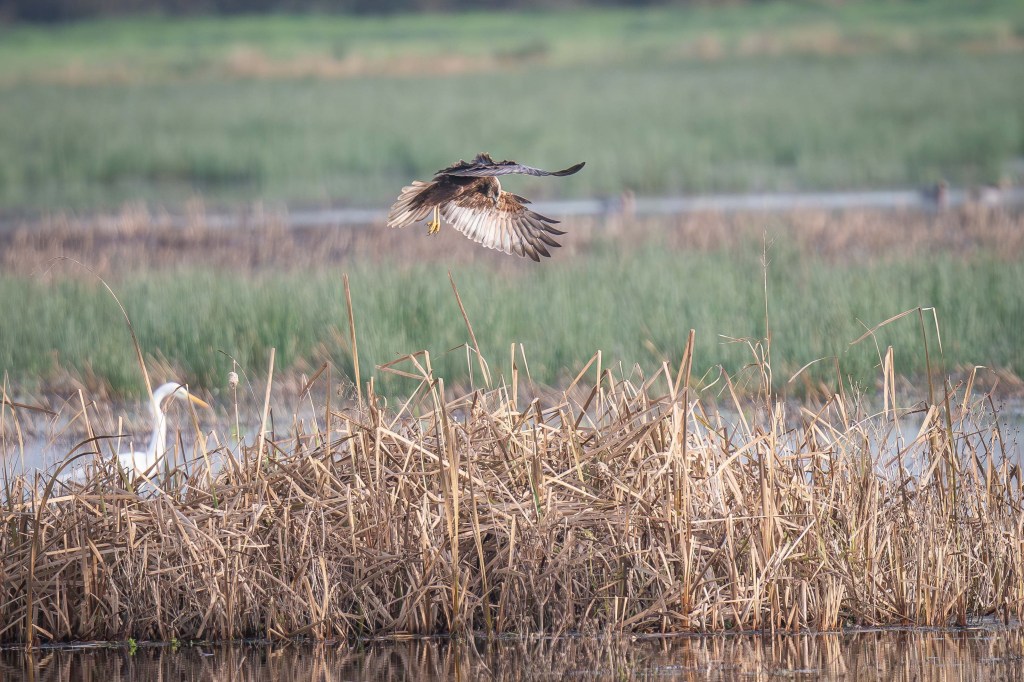
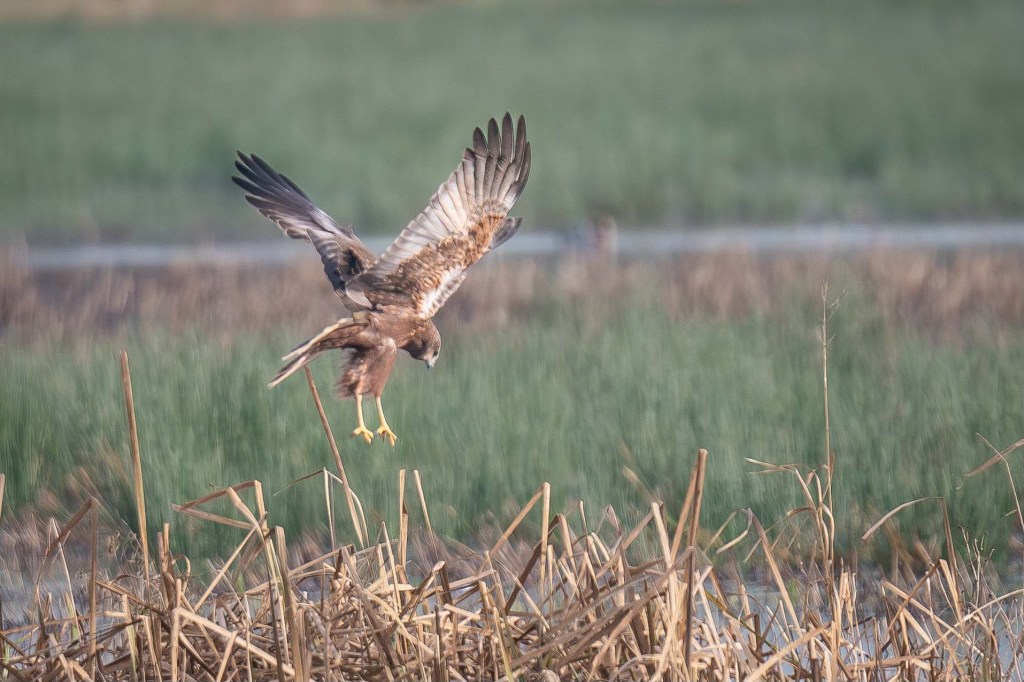
    Marsh harrier

    Marsh harrier

    Marsh harrier

    Had the marsh harrier spotted its prey or was this its resting place?

    Marsh harrier

    Marsh harrier

    Great egret and marsh harrier

    The great white egret found plenty to eat

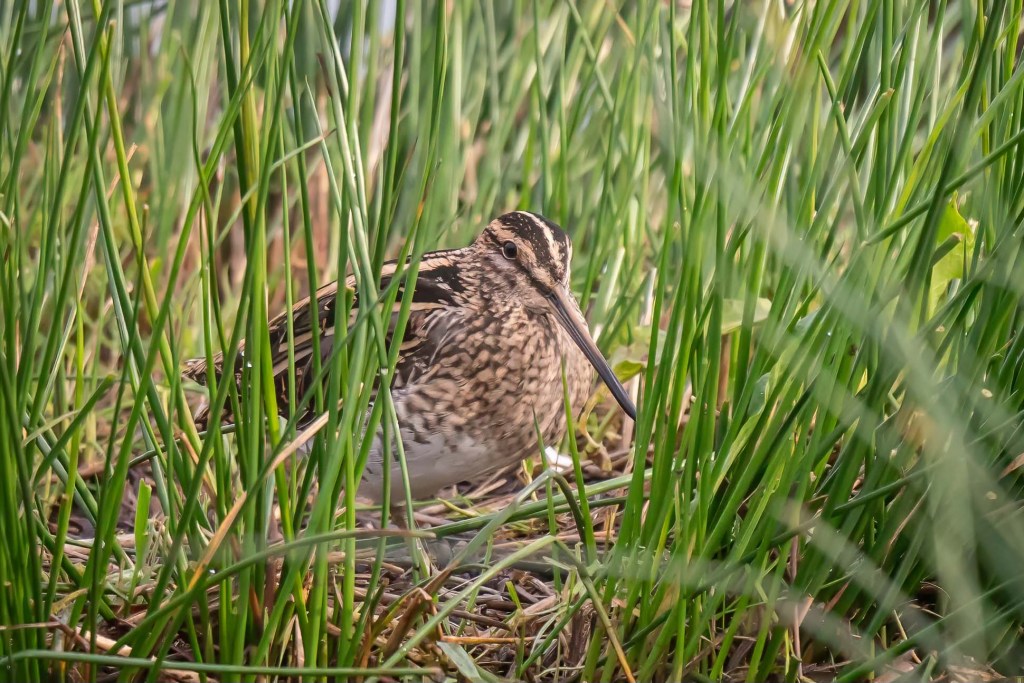
    The only other spot from the hide was a common snipe which was visible for only a few moments before disappearing.

    Common snipe

    Common snipe

    However, the robin was not too secretive

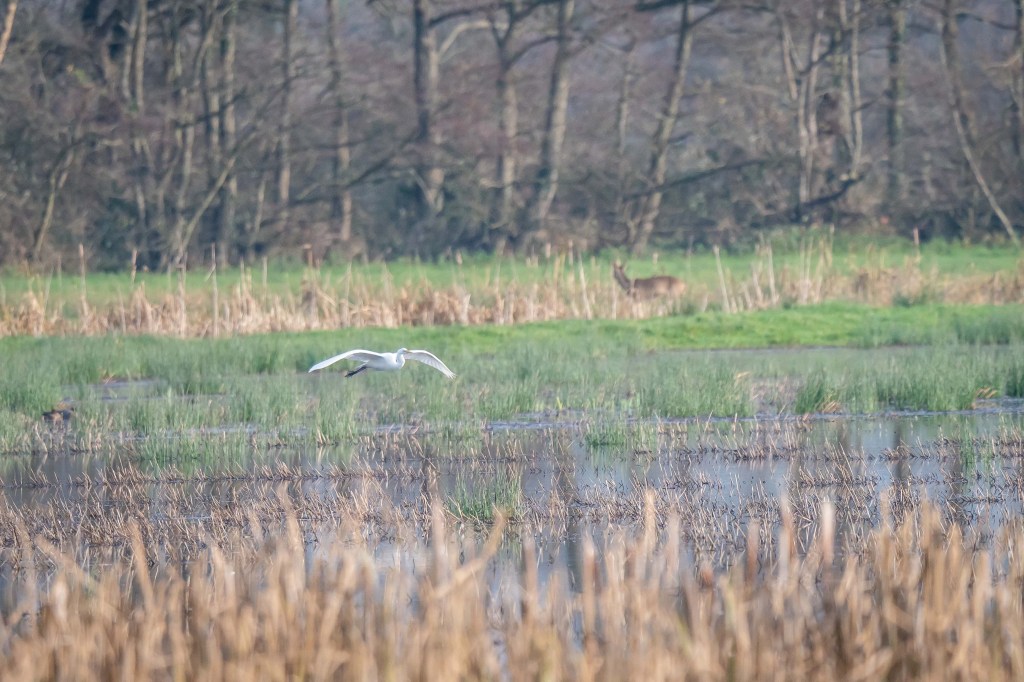
    A deer watched on as the great white egret arrived

    Great white egret landing

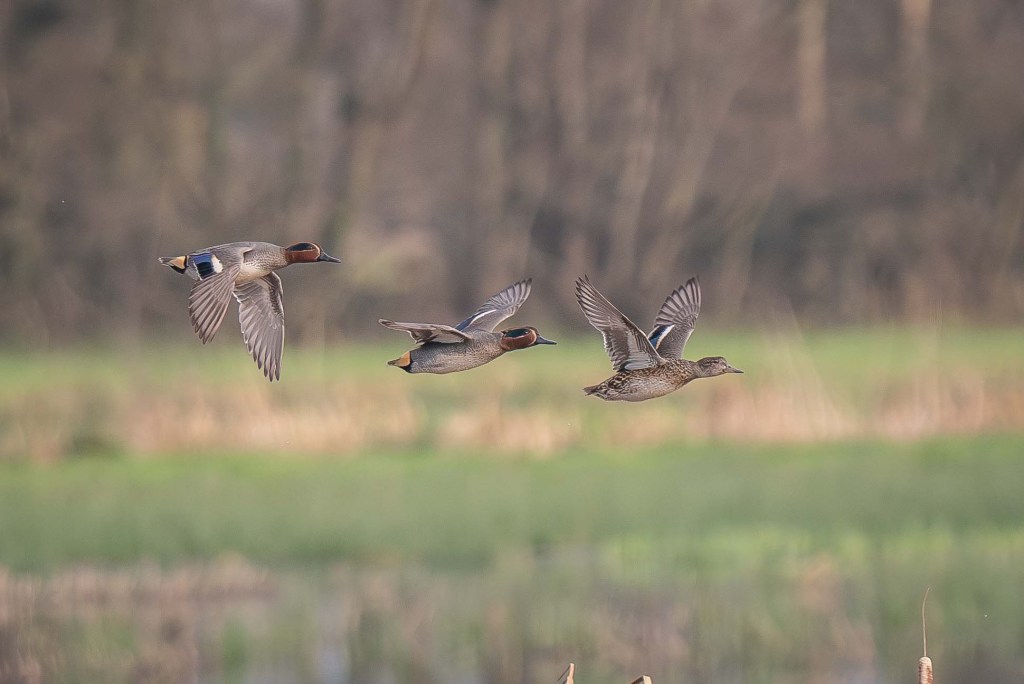
    Teal in flight

    Another robin – posing again

    Another great white egret fishing in a ditch as I left

    Meadow pipit avoiding the danger of the barbed wire