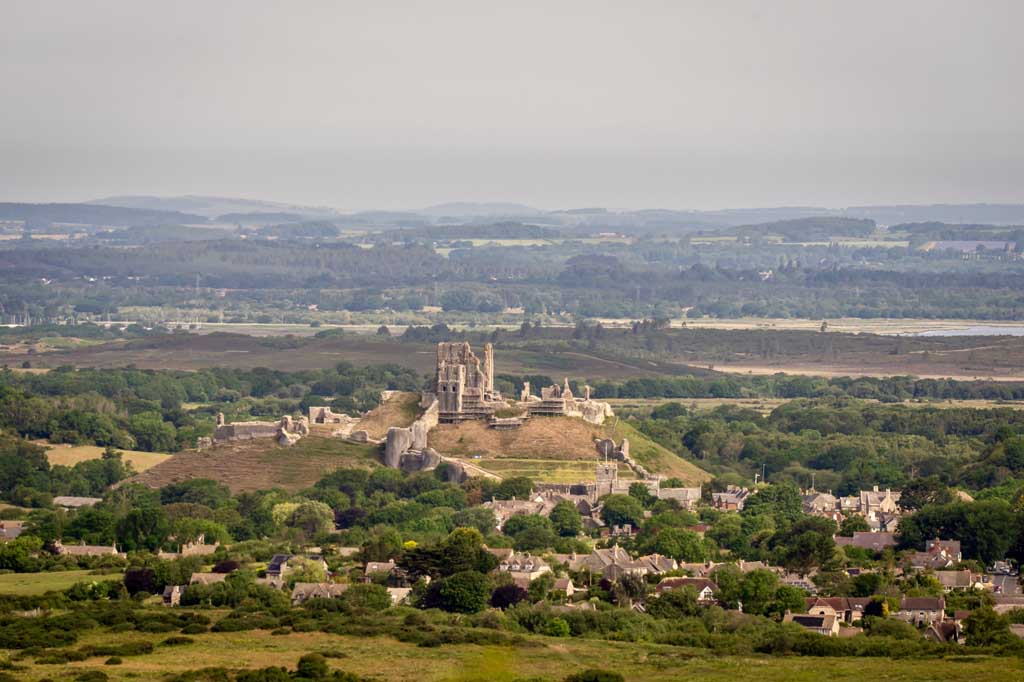
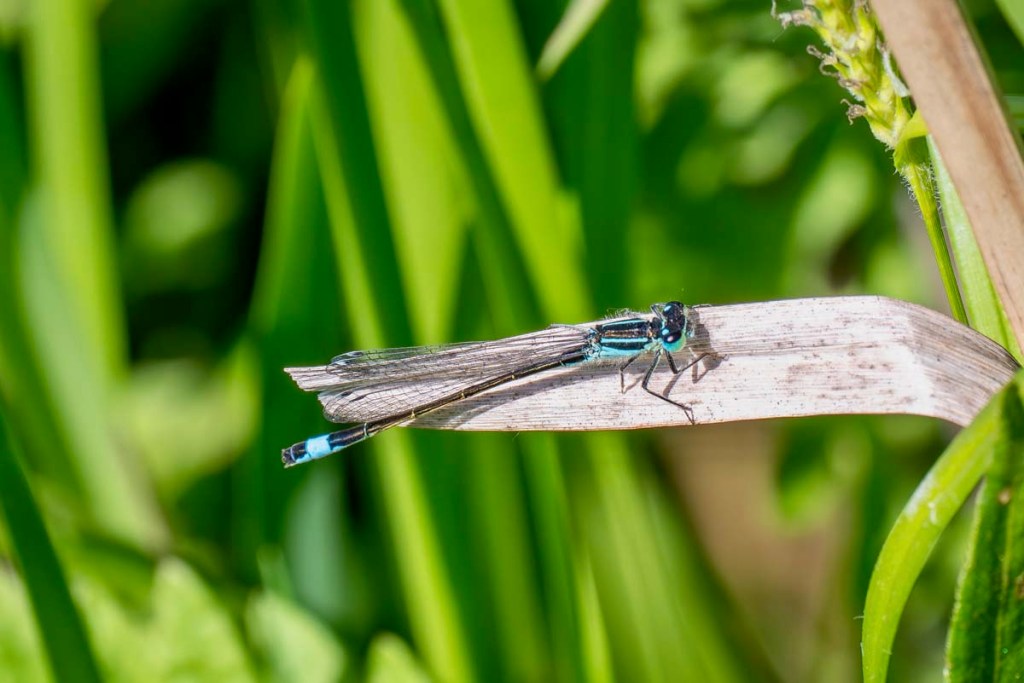
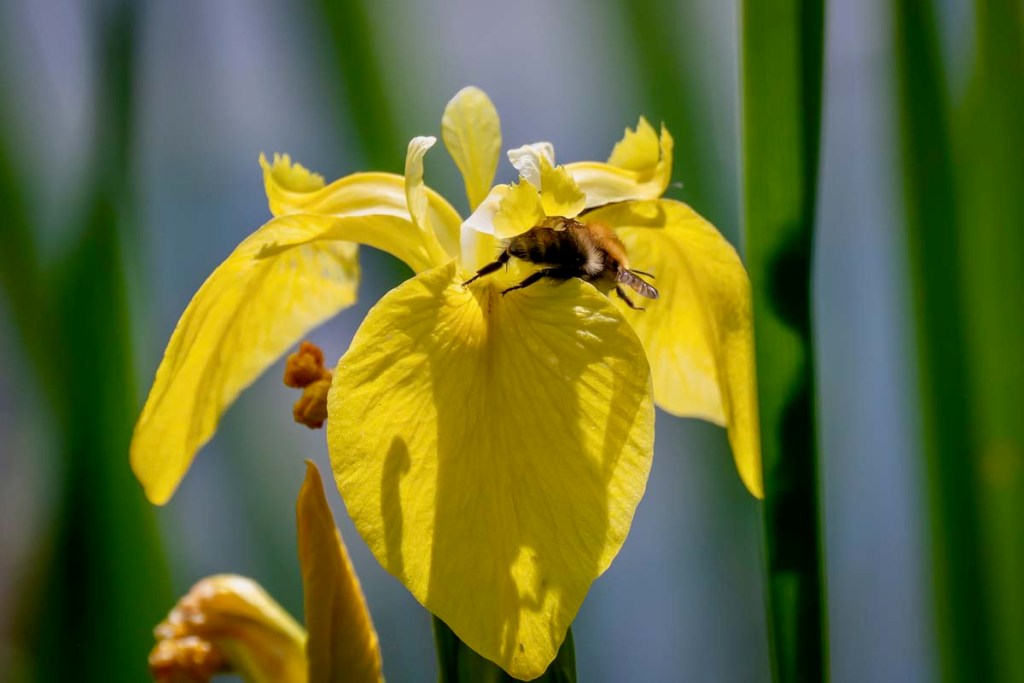
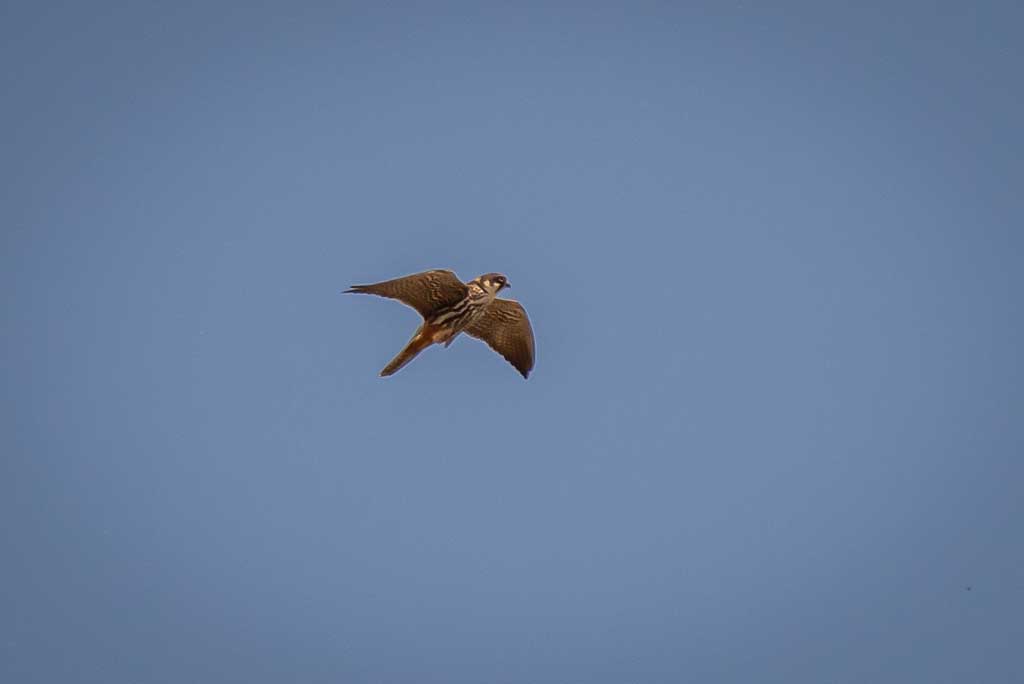
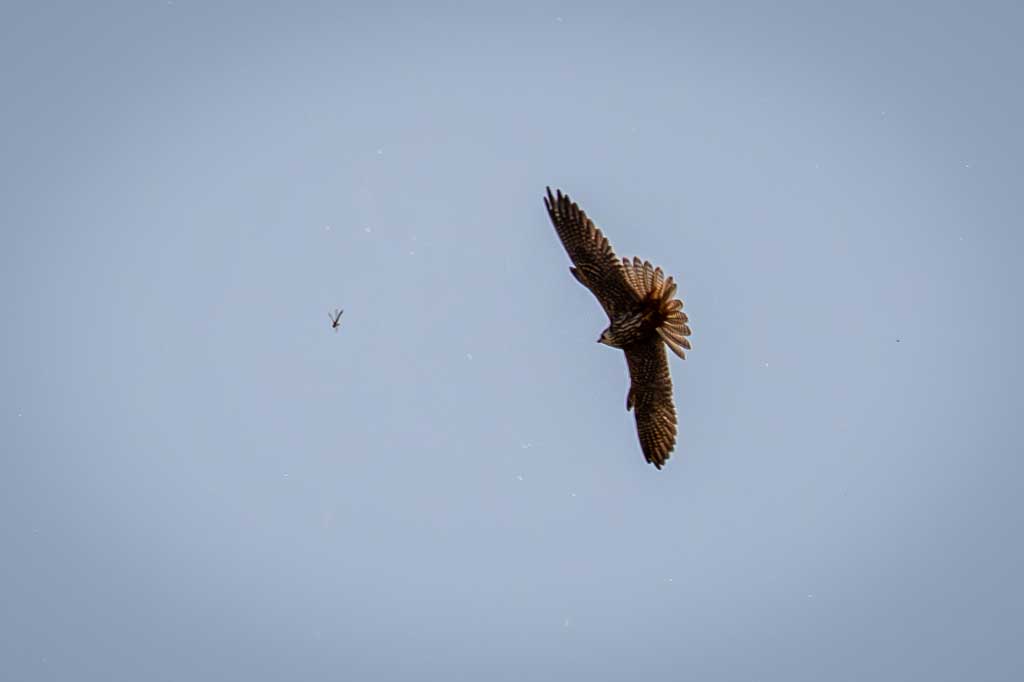
We have just arrived on holiday on the south coast of England, in the county of Dorset. The area we are staying is known as the Isle of Purbeck on the Jurassic Coast. Despite its name, it is not actually an island—it is a peninsula bordered by the English Channel, Poole Harbour, and the River Frome.
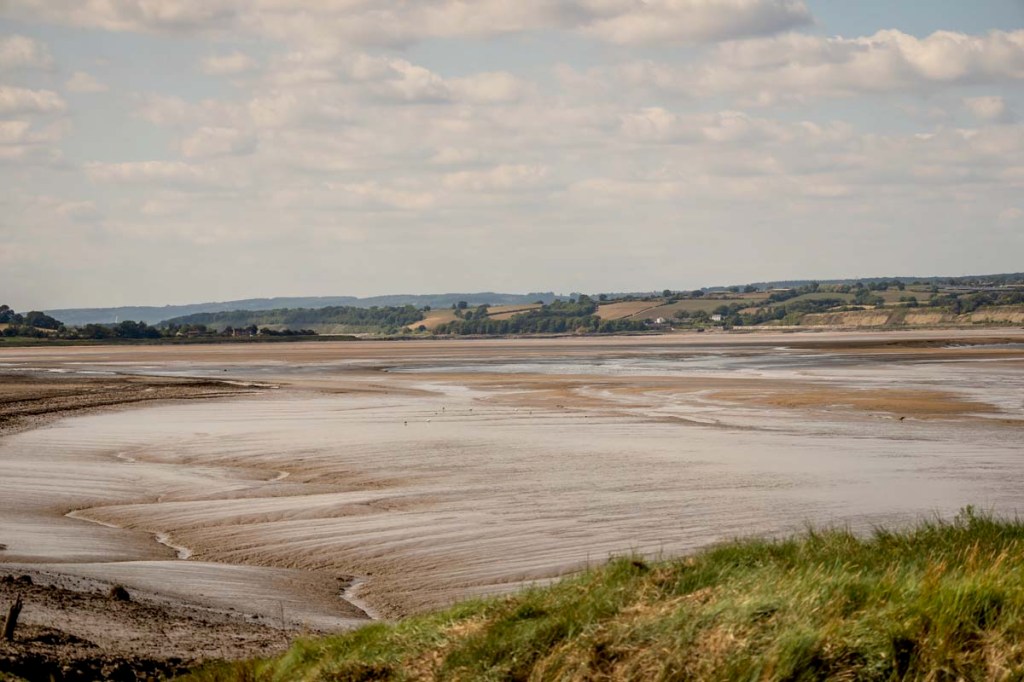
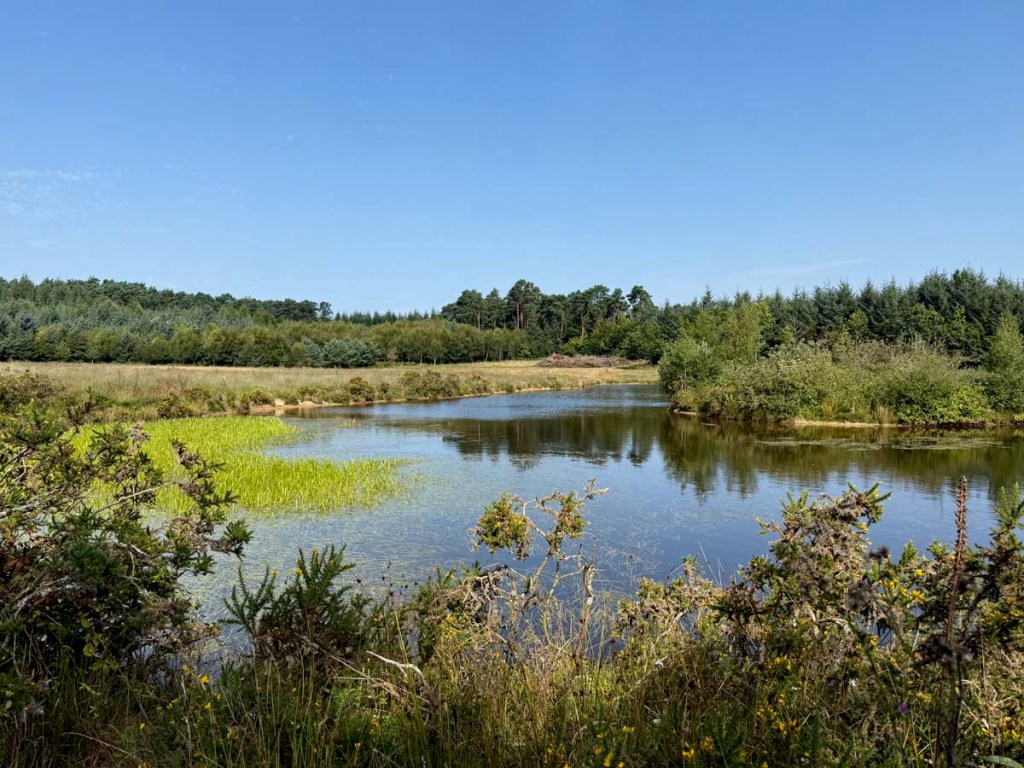
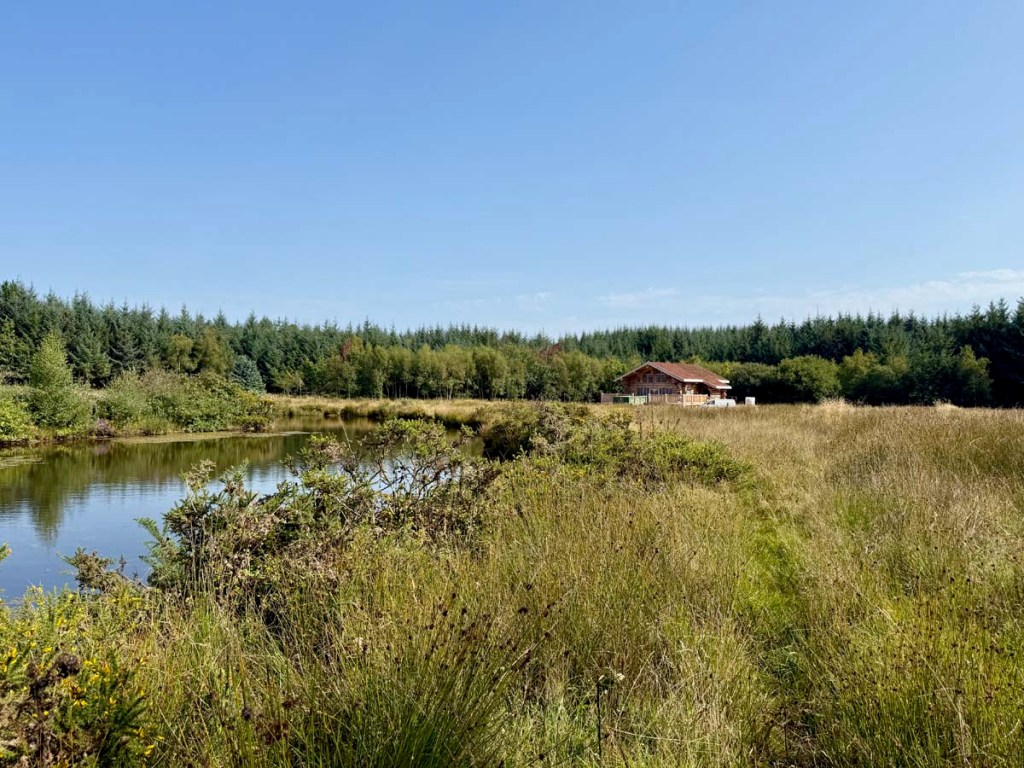
Today we visited the RSPB nature reserve at Arne. Arne is situated on Poole Harbour and within the Dorset Area of Outstanding Natural Beauty. The landscape of heathlands, ancient oak woodlands, wetlands and mudflats is truly stunning and teeming with wildlife.
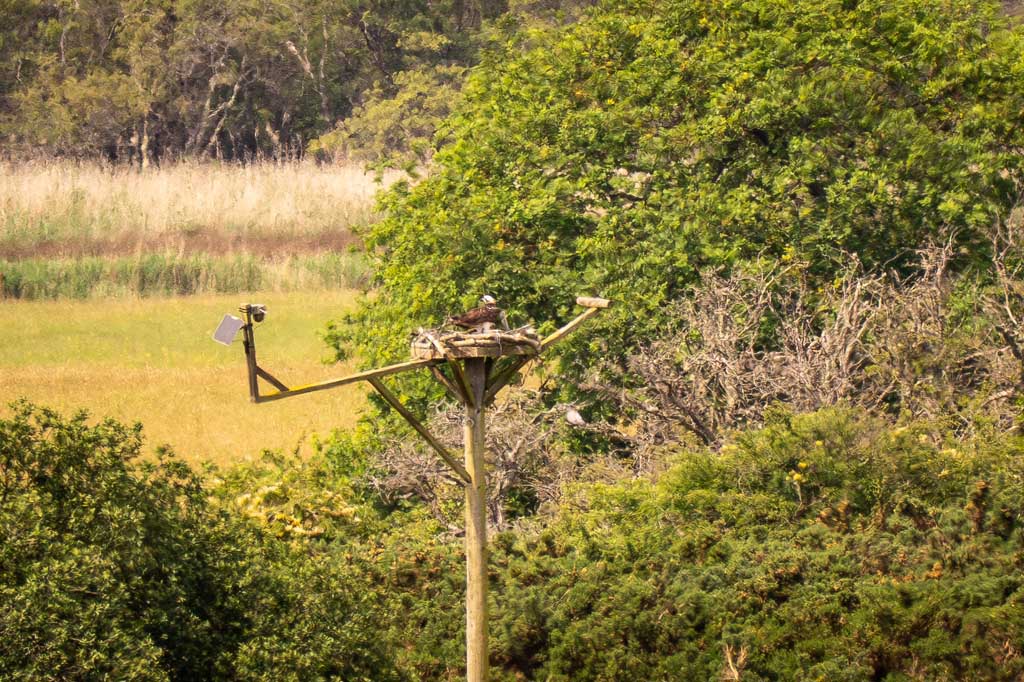
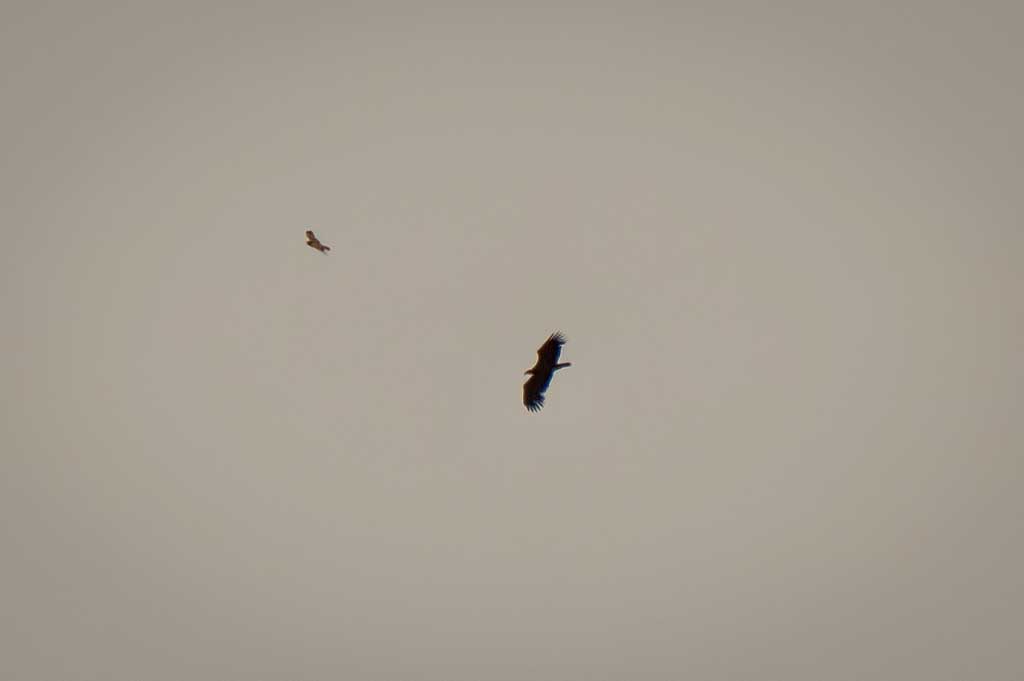
When I visit such nature reserves I can’t help thinking about the thousands of hours that volunteers have dedicated to making them such phenomenal places to visit. On our visit today we met a number of such people who helped us by telling us about osprey and white-tailed eagle projects and even helped us to spot both of these birds.
Some of the photos of our first day in this area showing the variety of wildlife:
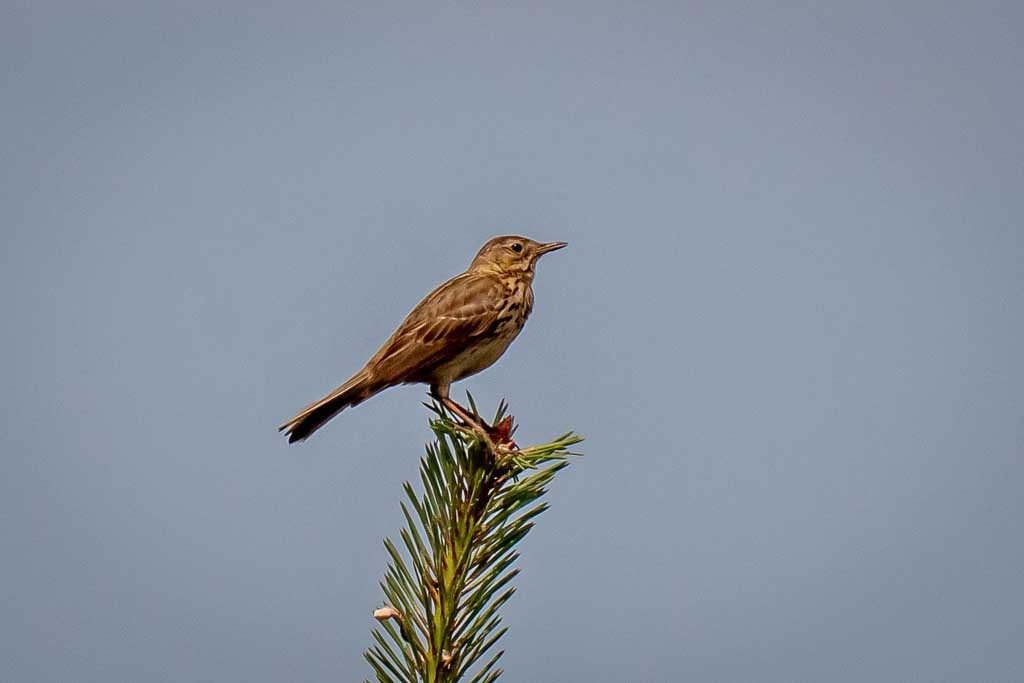
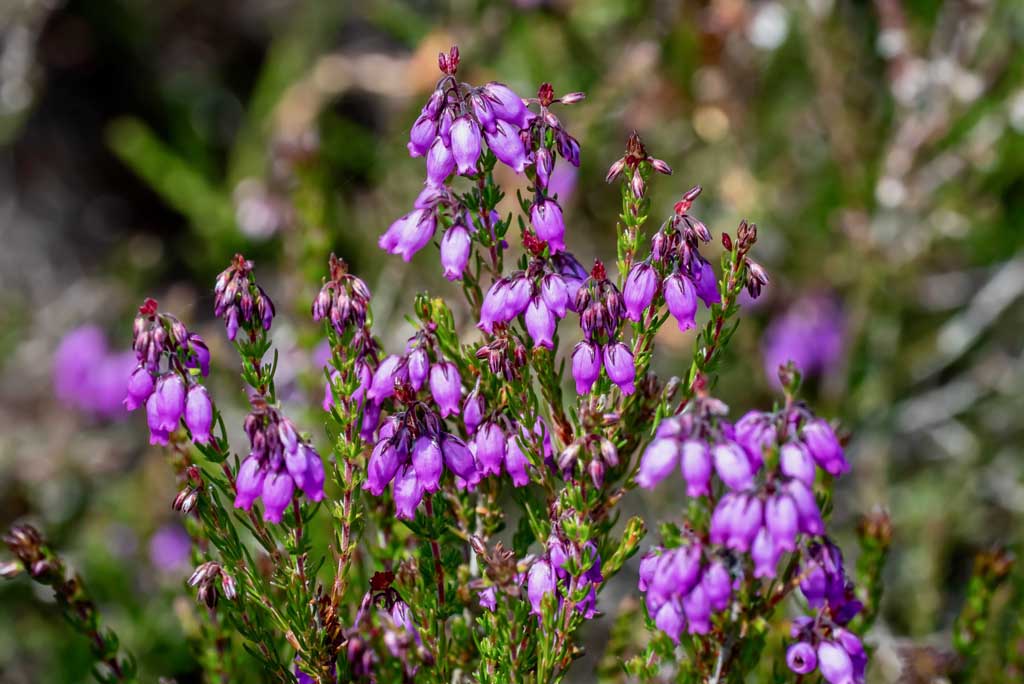
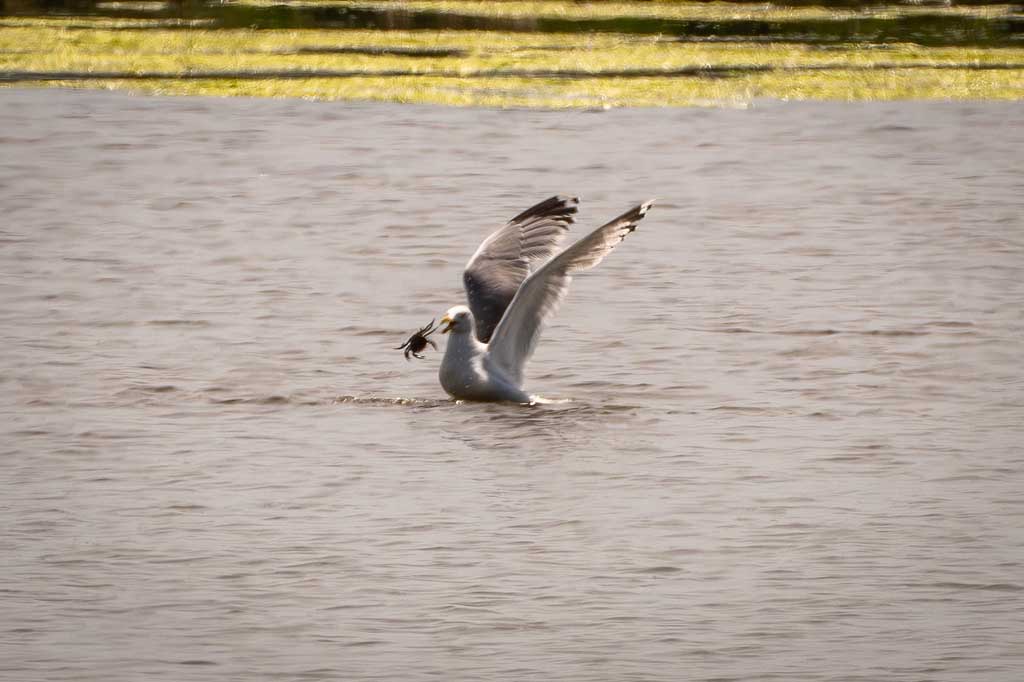
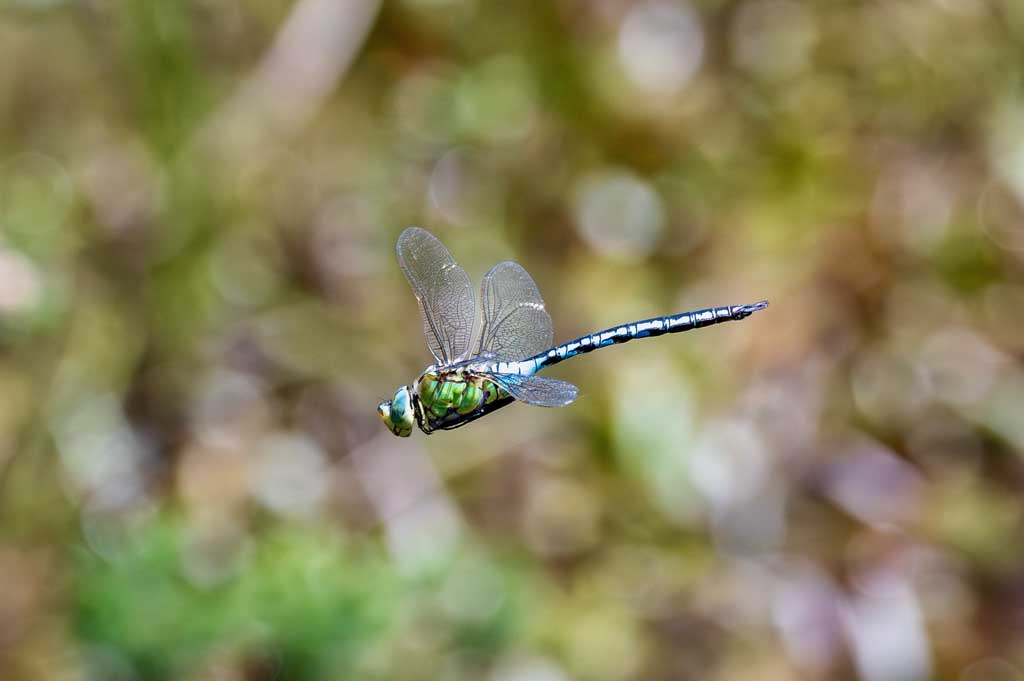
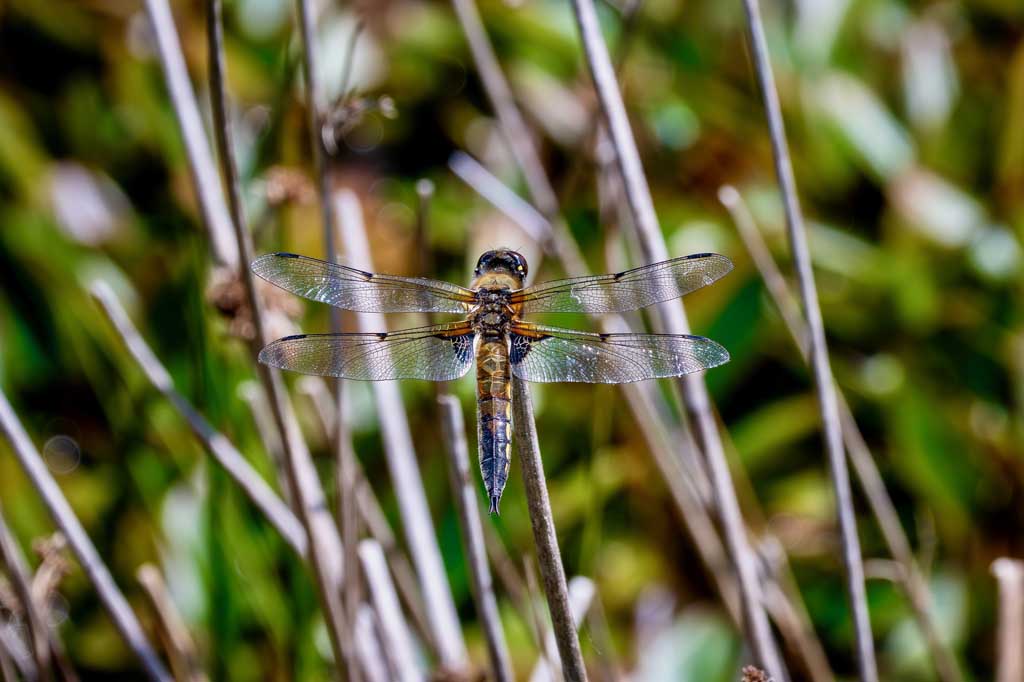
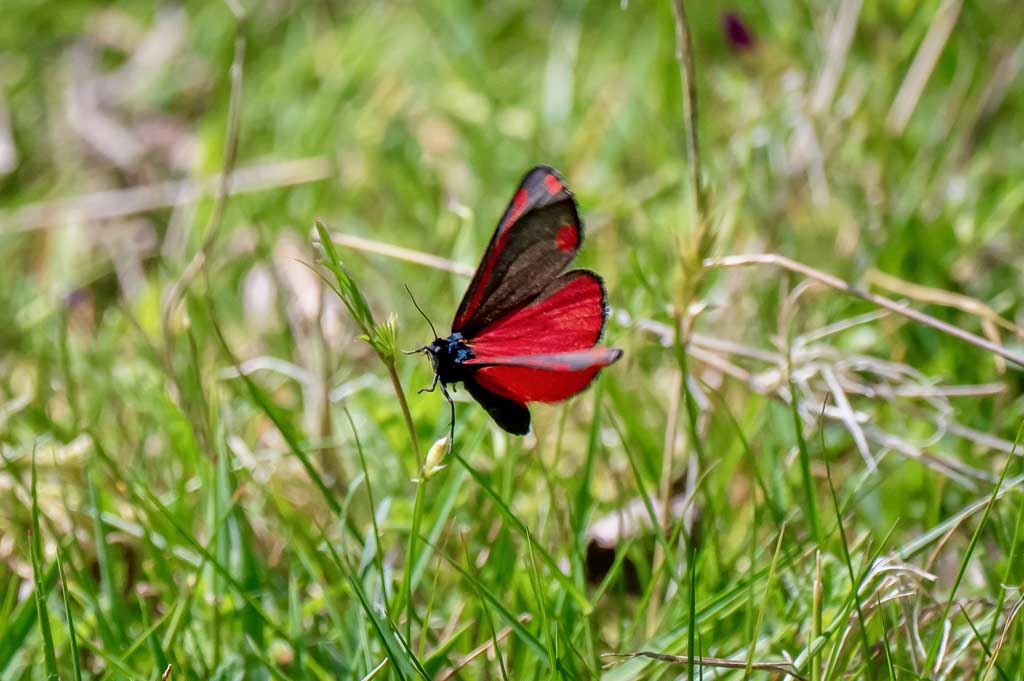
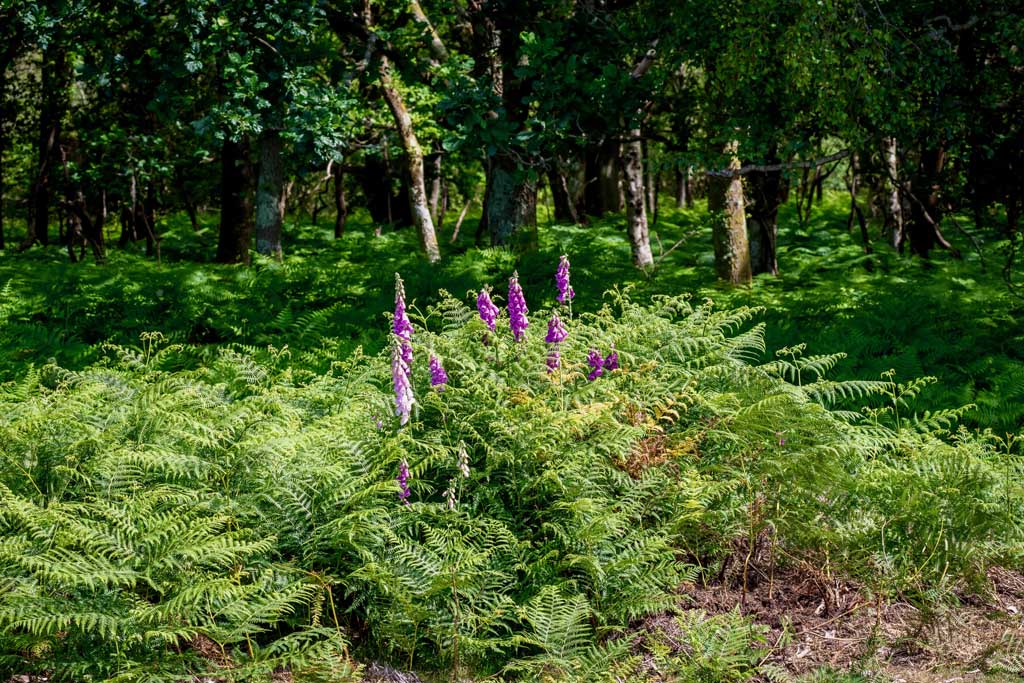
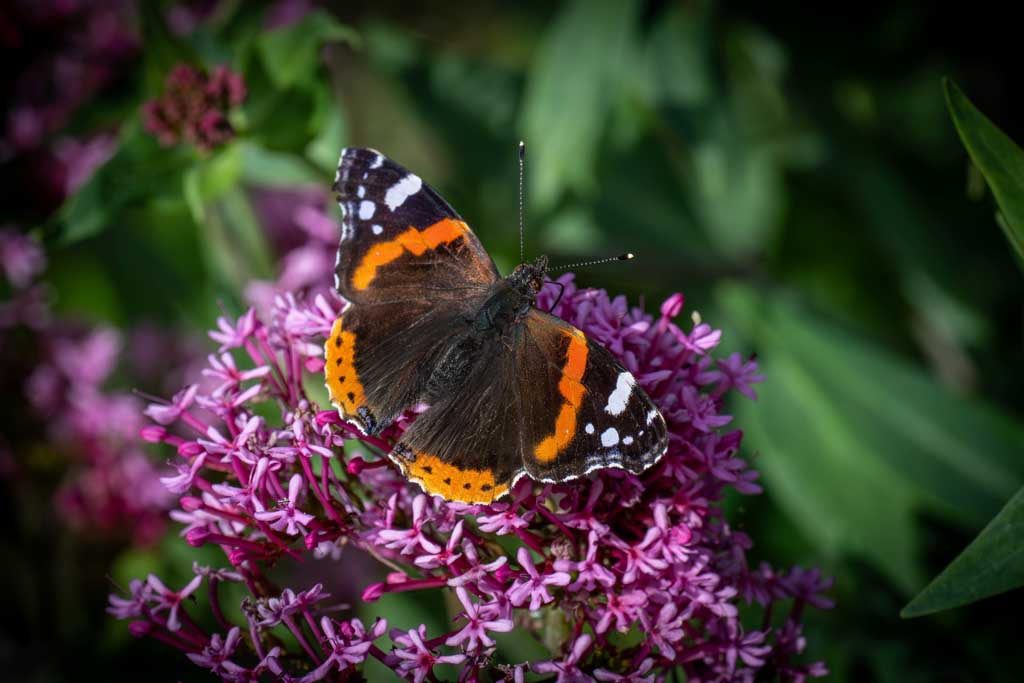
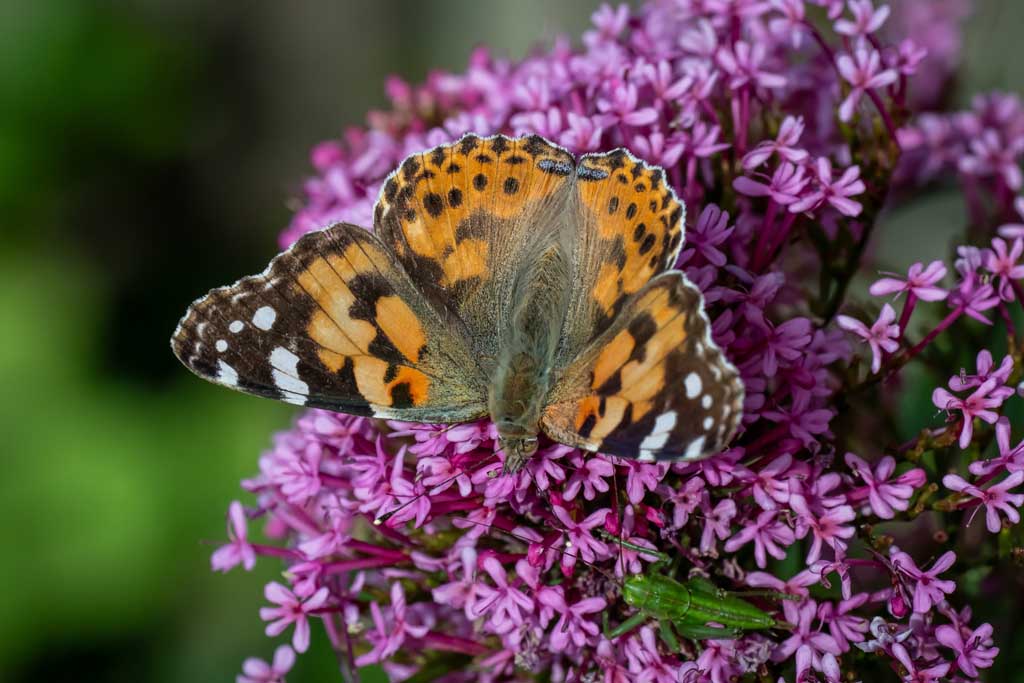
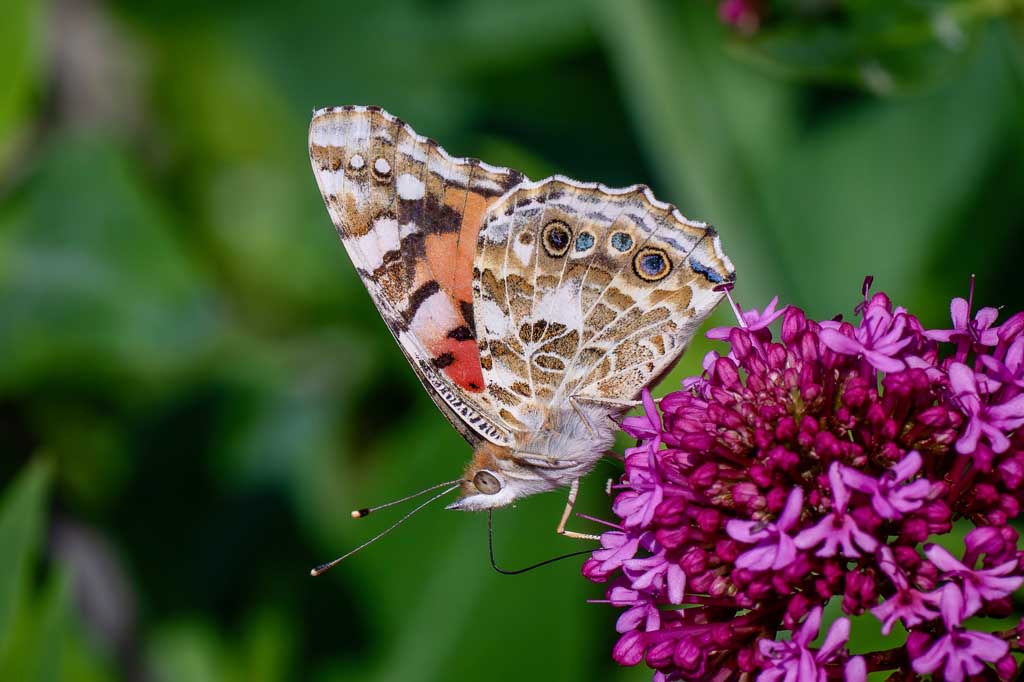
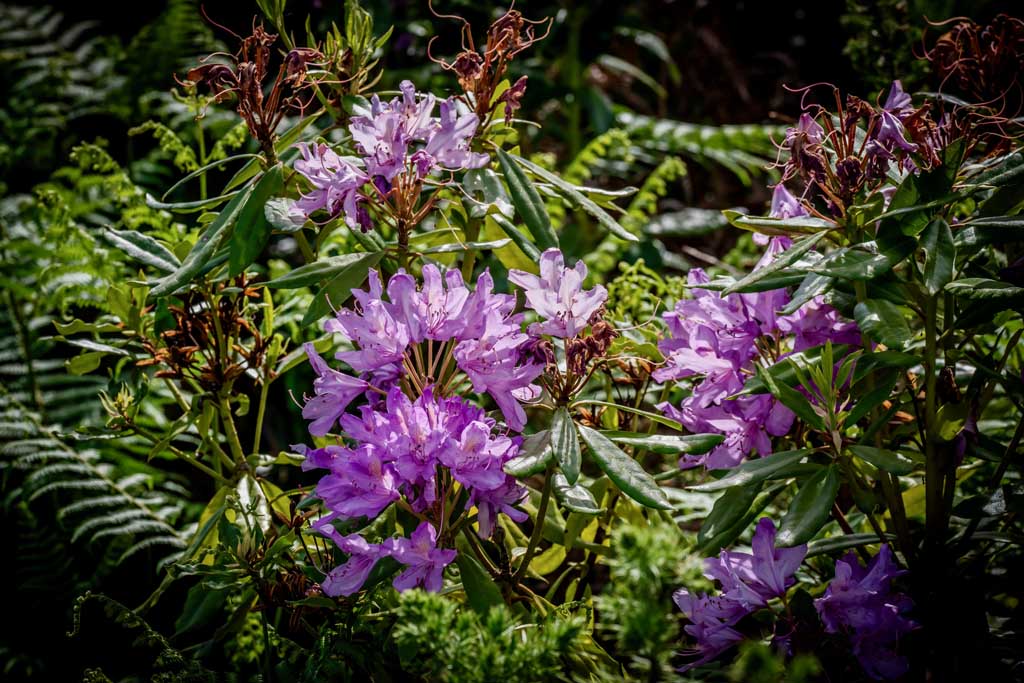
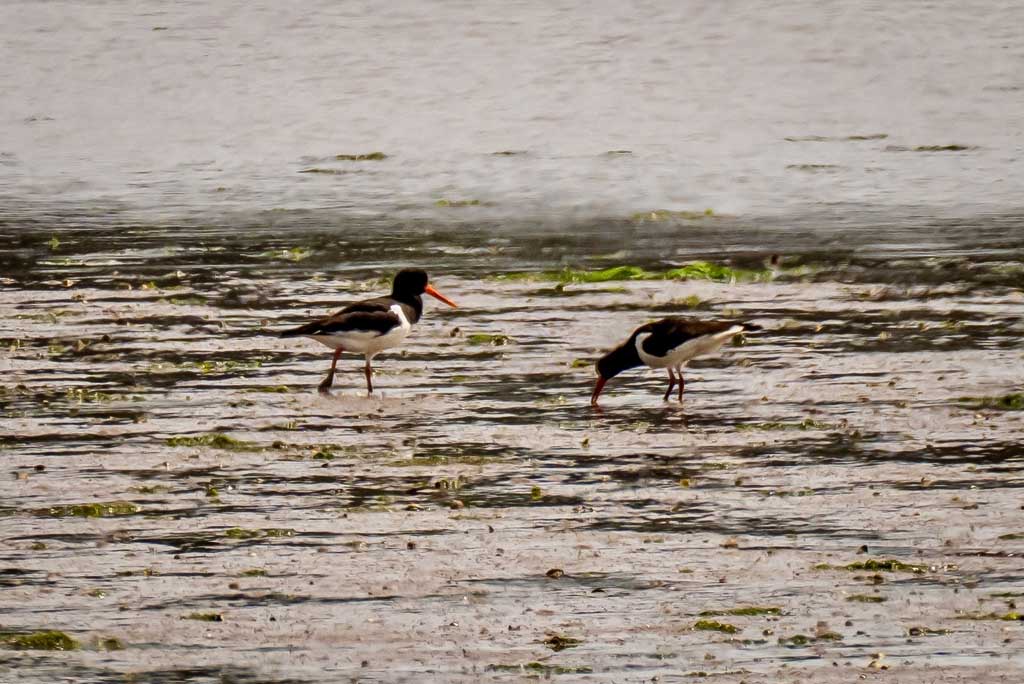
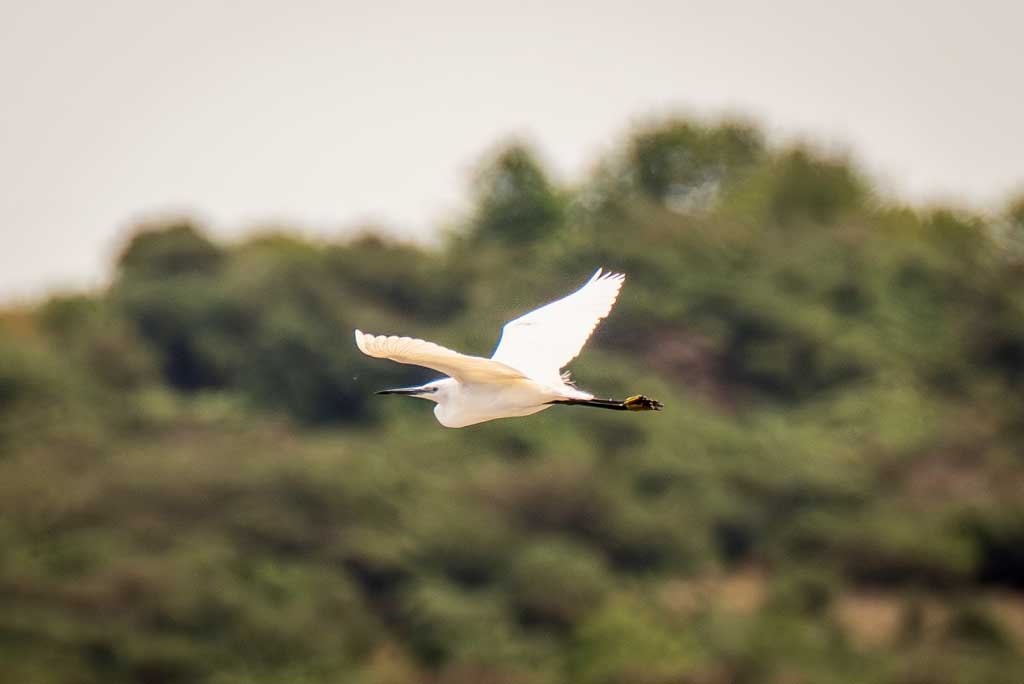
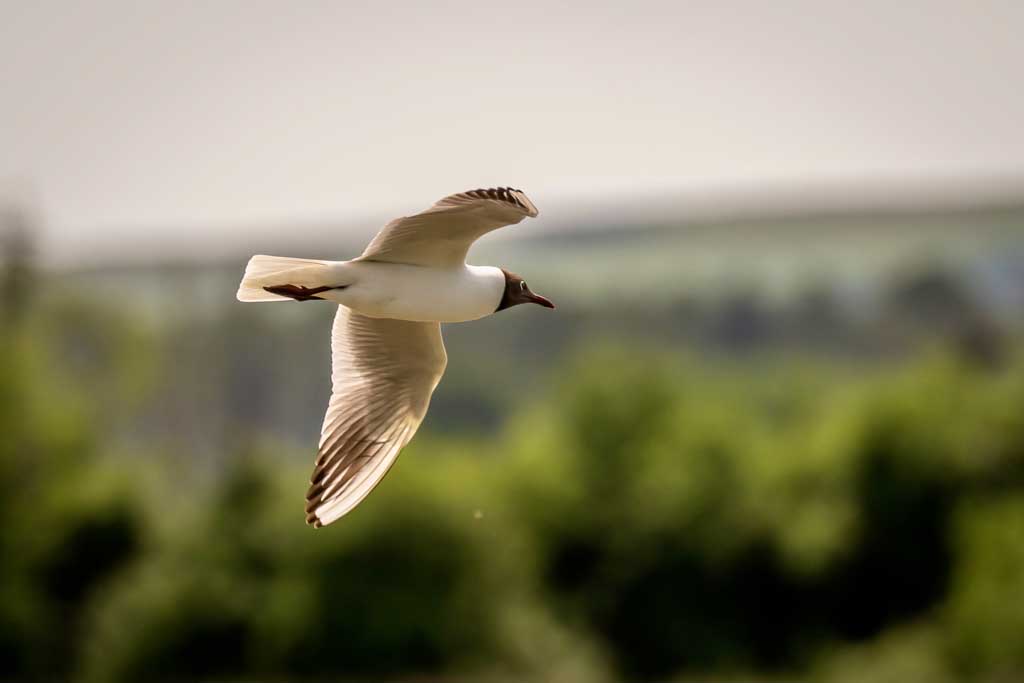
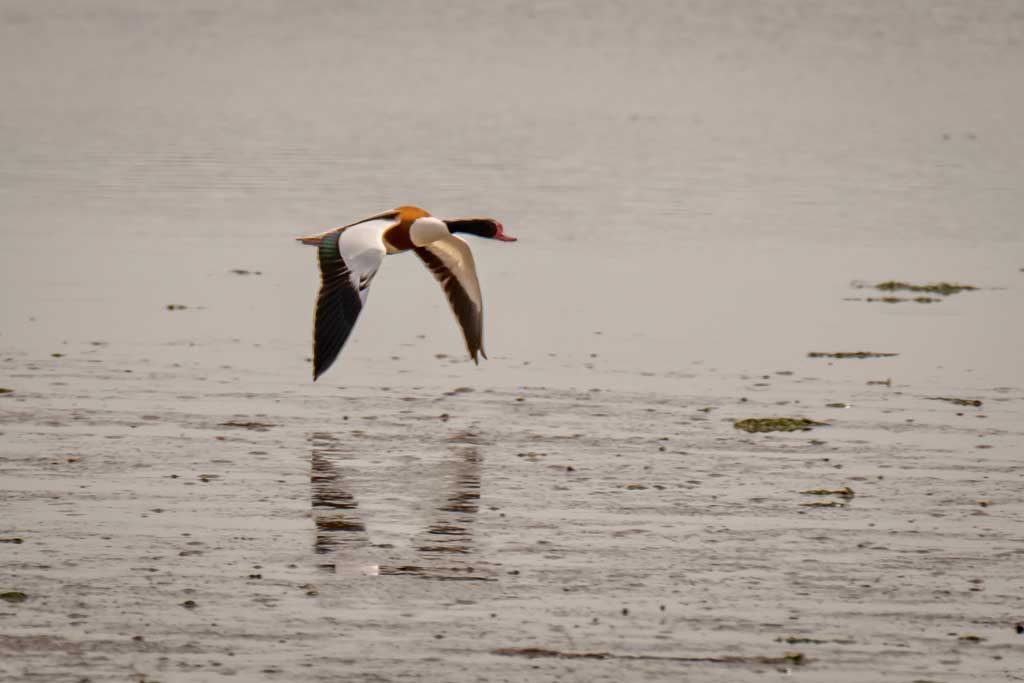
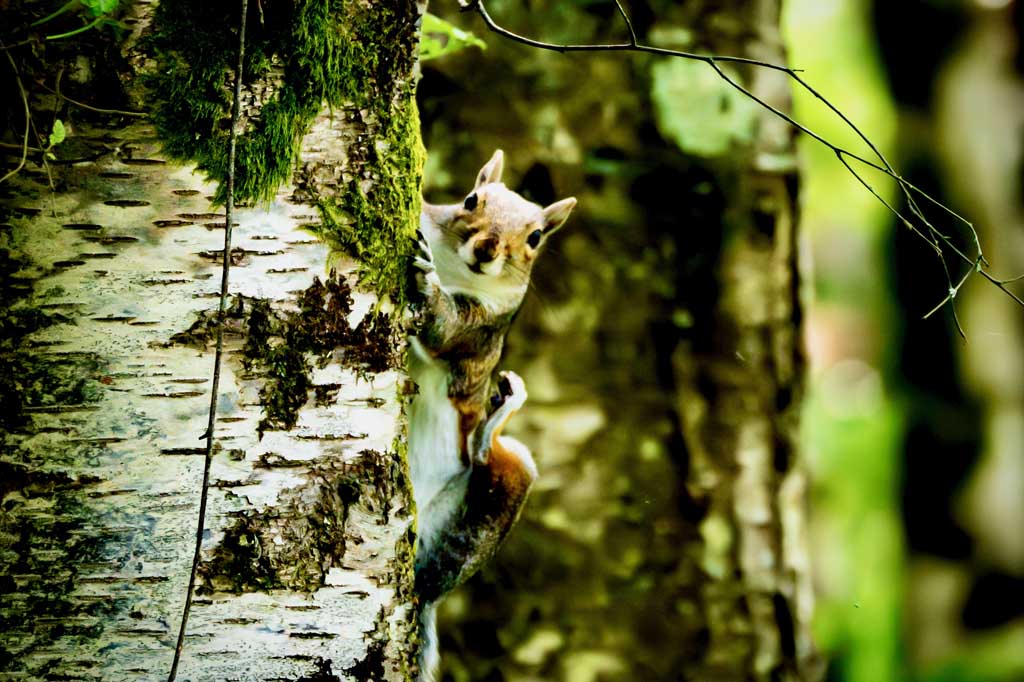
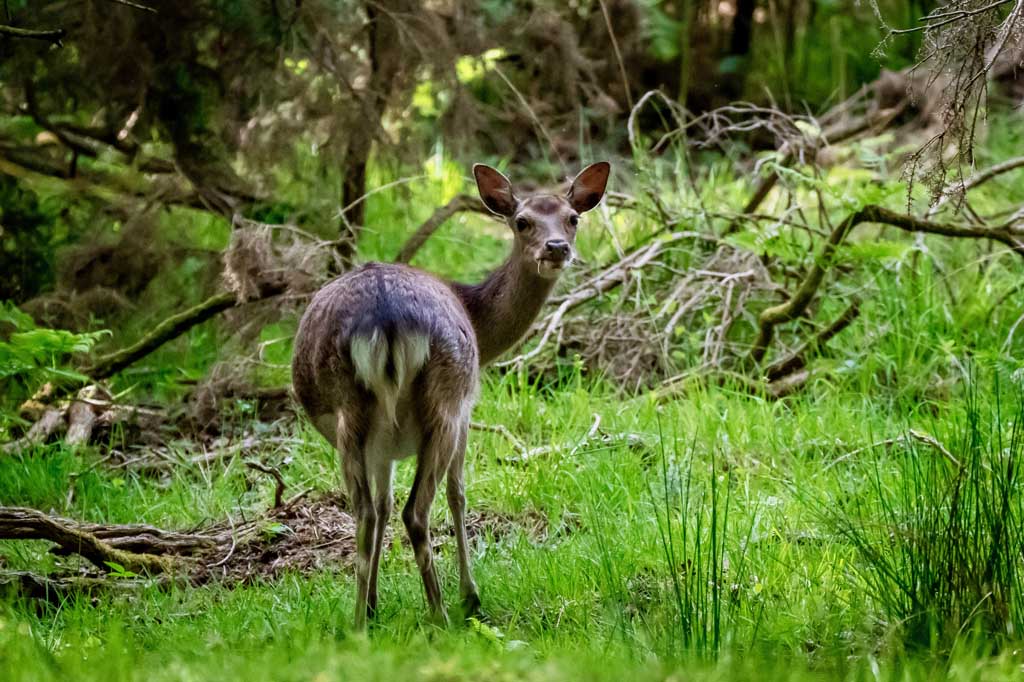
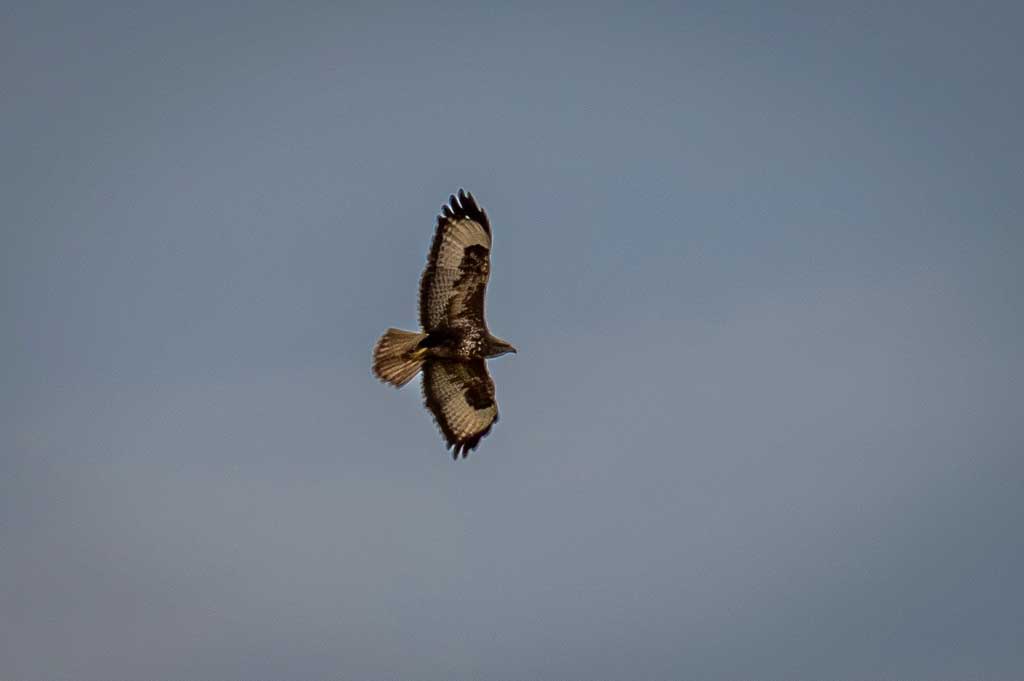
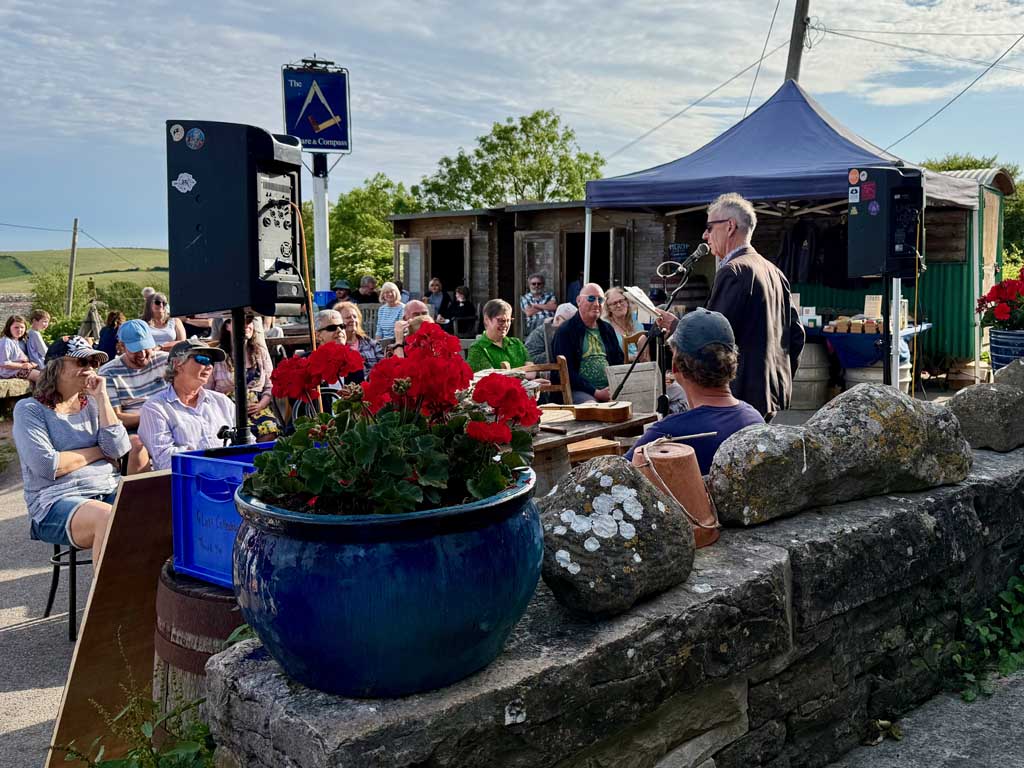
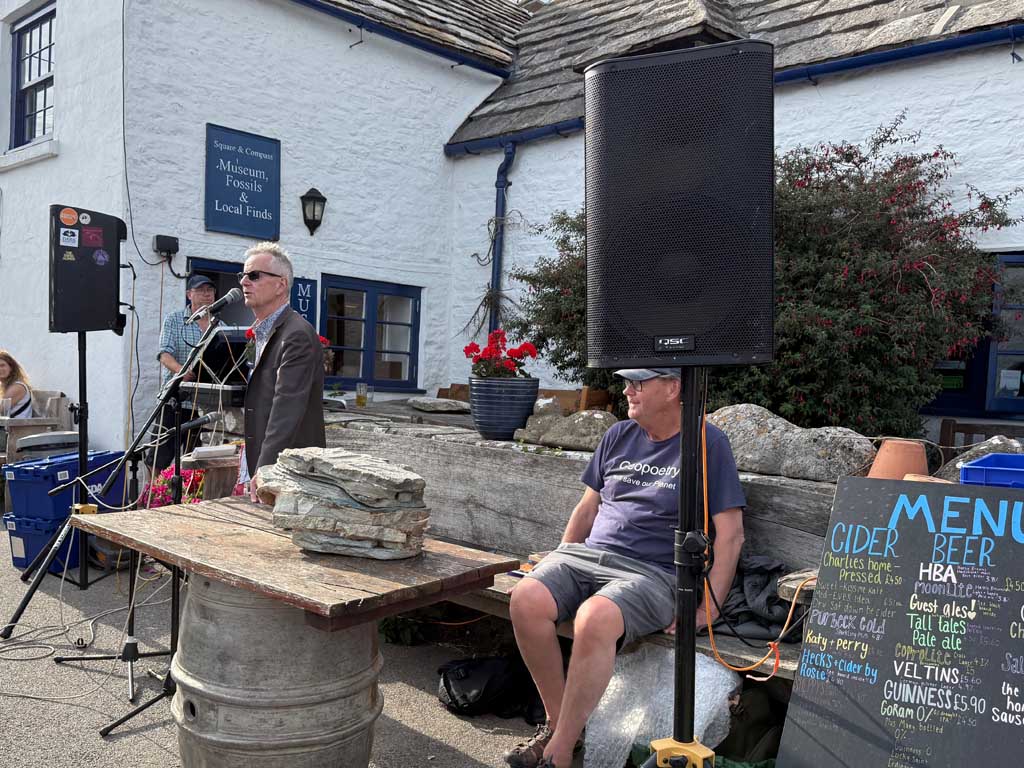
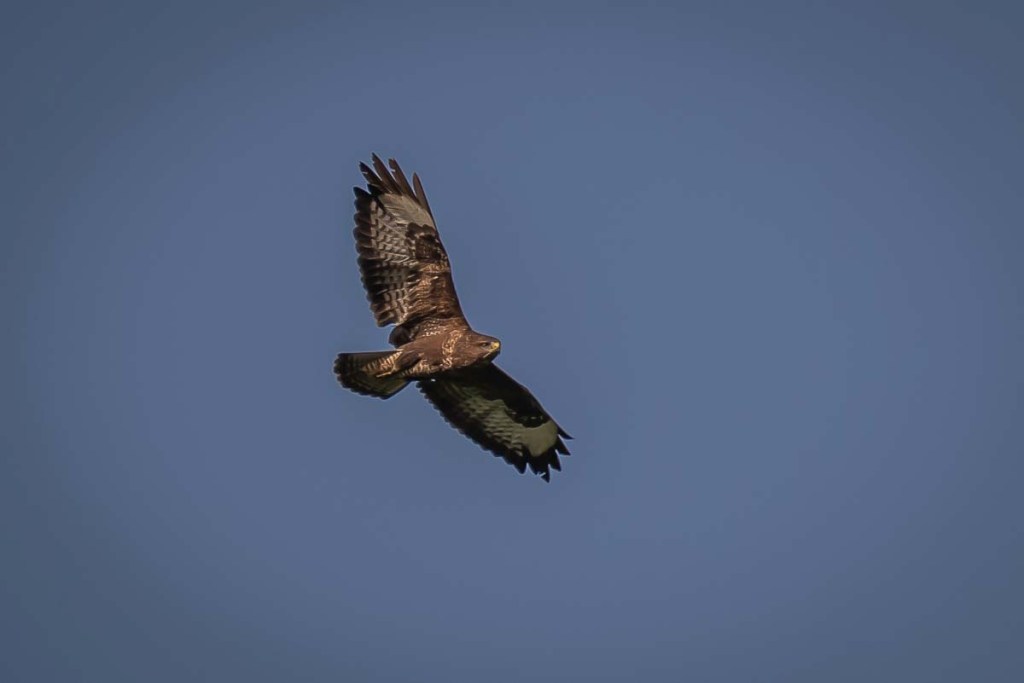
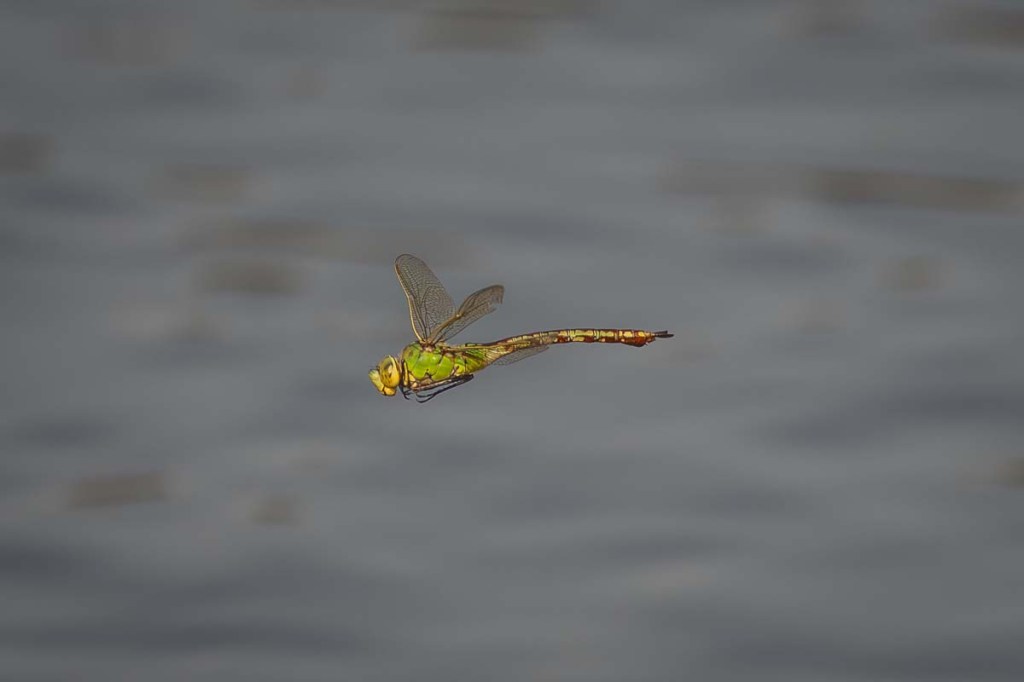
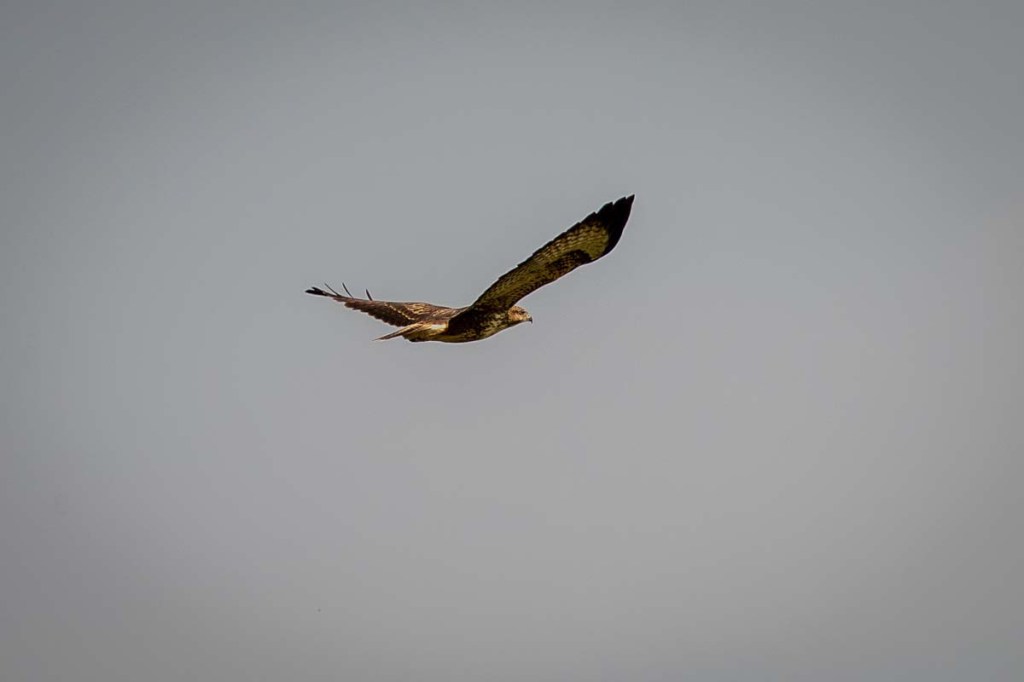
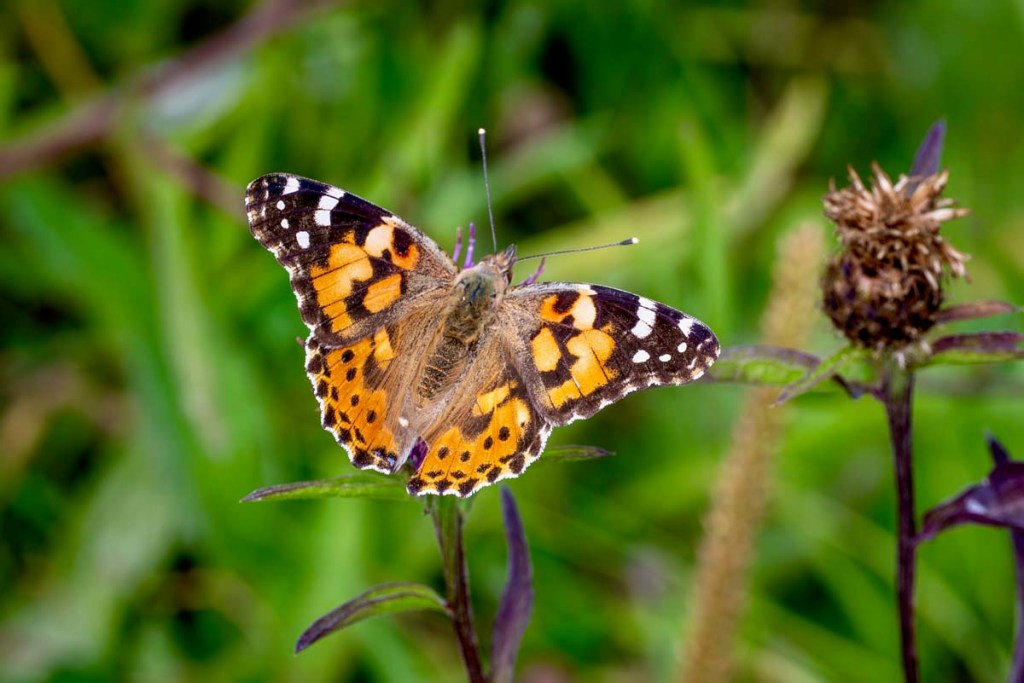
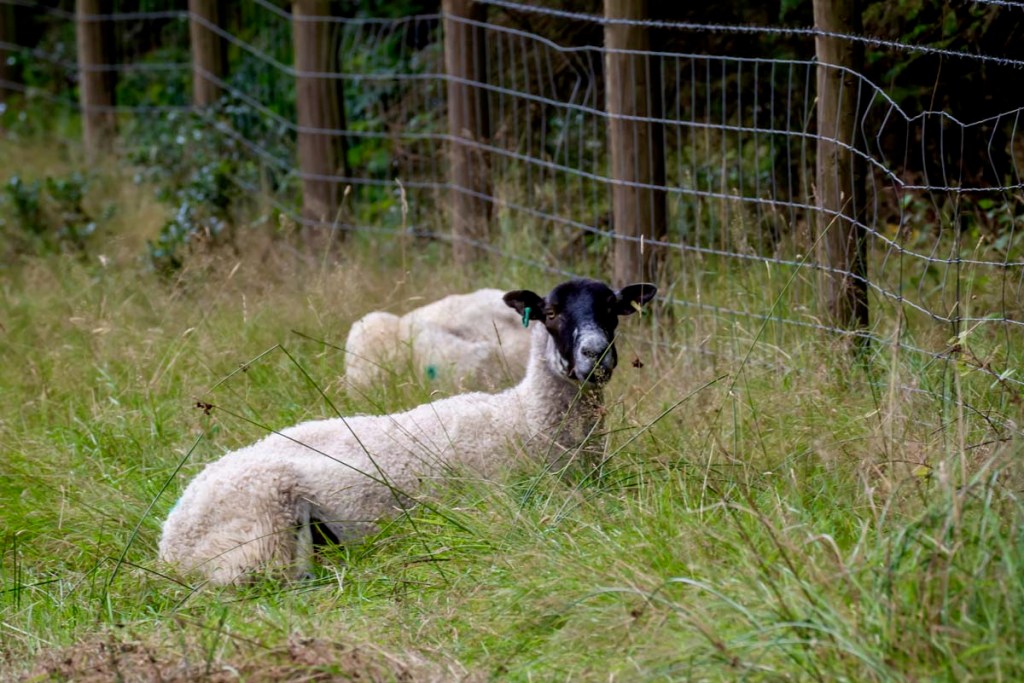
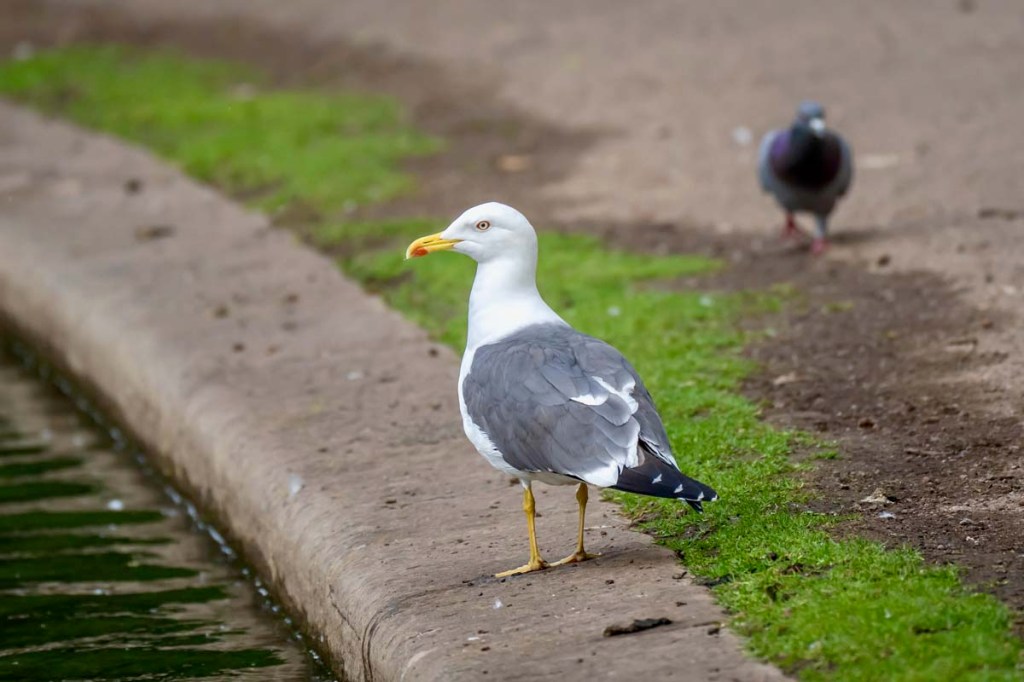
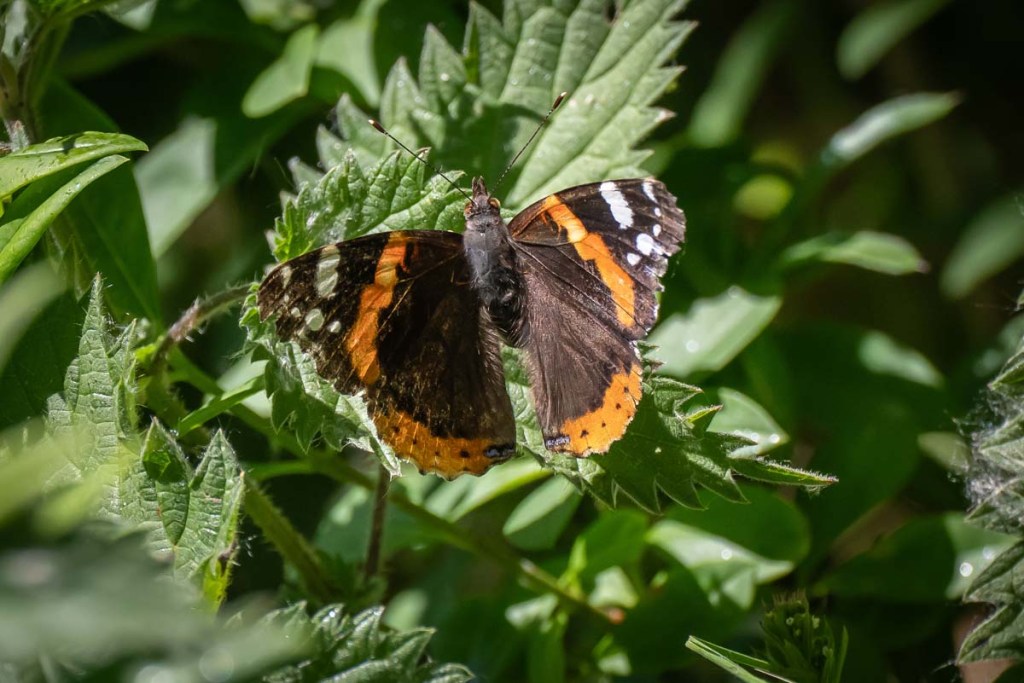
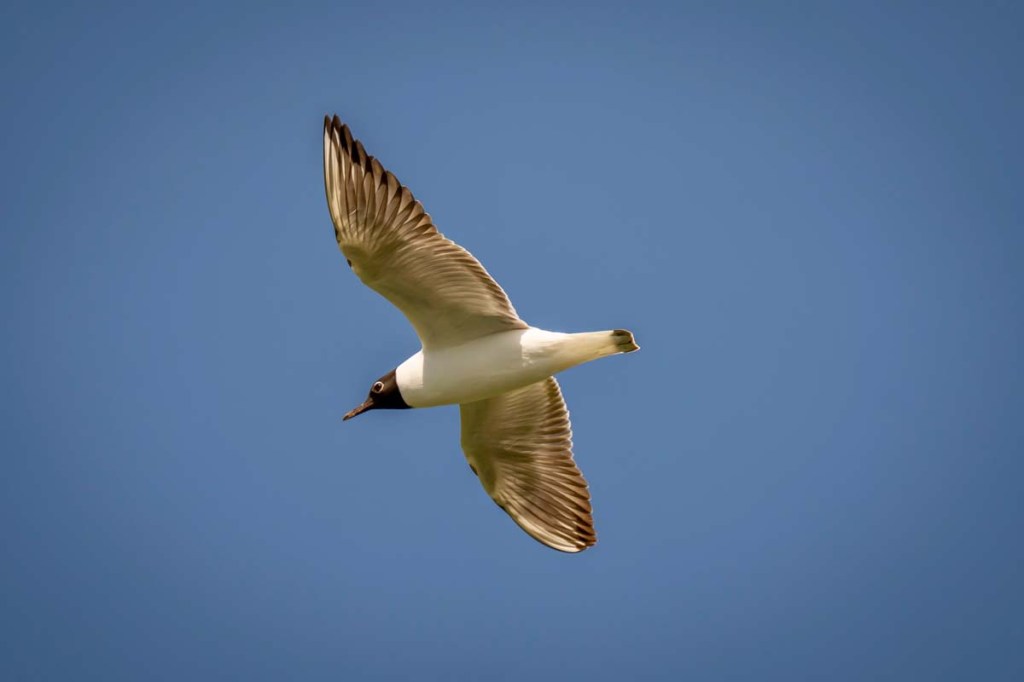
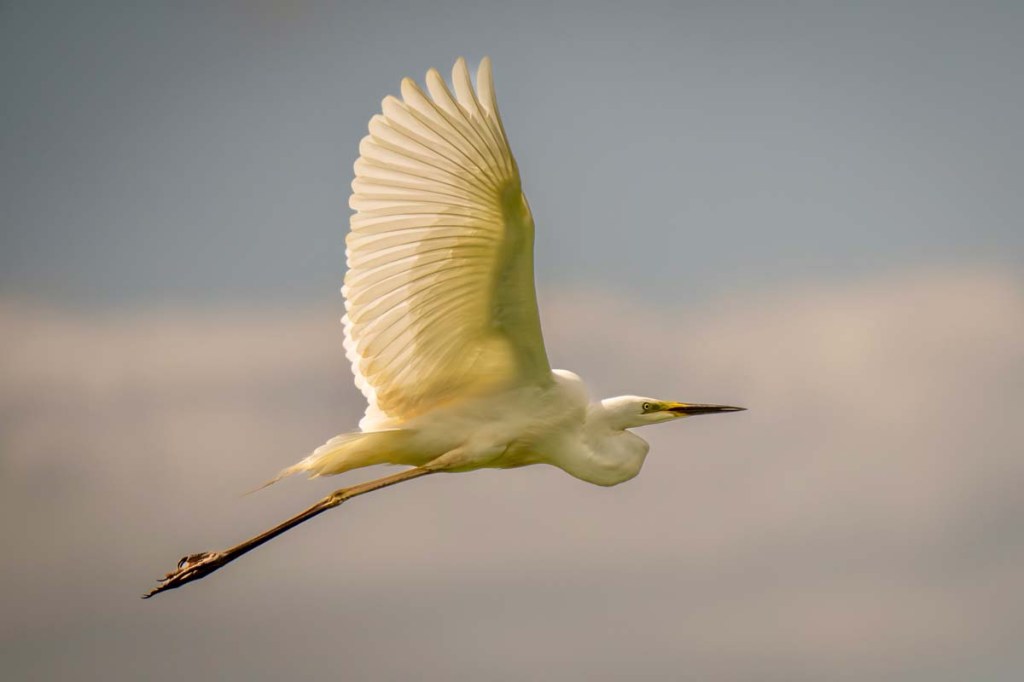
The ruins of Corfe Castle, close to ArneTree pipit on the heathlandHeather on the heathlandEuropean herring gull catching a crabEmperor dragonflyFour-spot chaserCinnabar mothFoxgloves between heathland and woodRed admiral butterflyPainted lady butterflyUnderside of painted lady butterflyRhododendron, very attractive but quite invasiveOystercatchers on the mudflatsLittle egret flying over the estuaryBlack-headed gullShelduckGrey squirrel in woodlandSikka deer in the woodlandCommon buzzardOsprey on nestWhite-tailed eagle being mobbed by another (smaller) birdOutdoor entertainment – a poetry and song event on a Jurassic theme at our local pub, The Square and Compass, at Worth Matravers.A great way to start our holiday – the local beers and ciders were good too.
What an amazing summer! It seems to go on and on. Statistically I have seen it has been the best ever in the UK; better than even the summer of 1976 which, as I was in my late 20s and enjoying a great summer of sport, was for me the best before this one.
What a treat too to be able to go off birding on a Monday morning following a great weekend of sport (now sadly only as a spectator) with success for England in the Women’s Rugby World Cup final, a trip to see Bristol Bears gain a good win over Leicester Tigers in the first match of a new season, Arsenal sneaking a win in the dying moments of their game and the success of the European team in the Ryder Cup golf. This morning was just as good though.
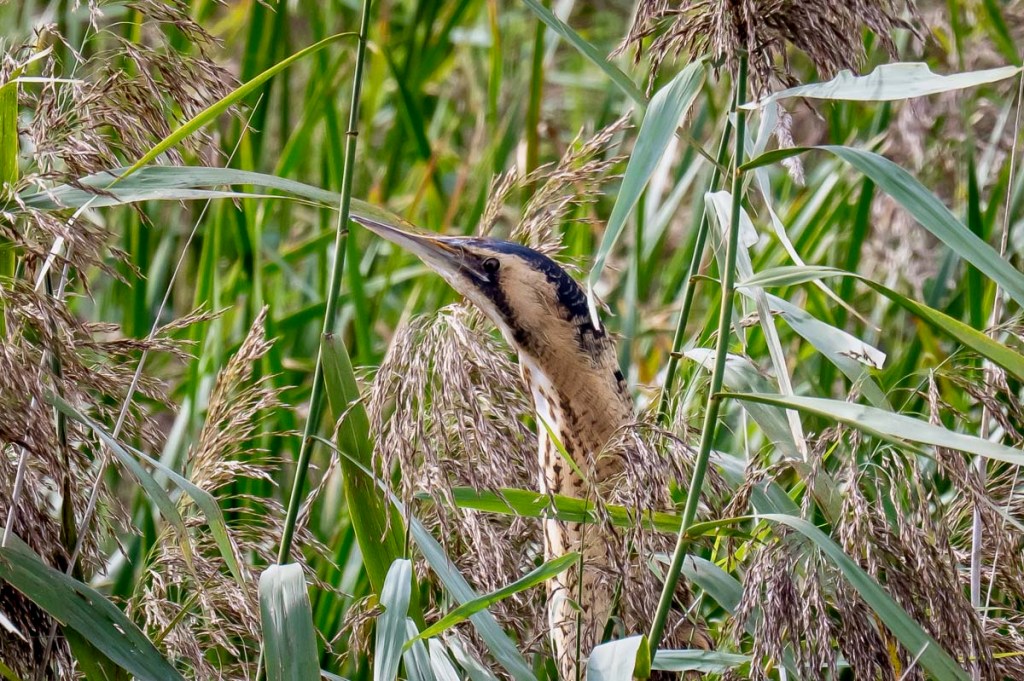
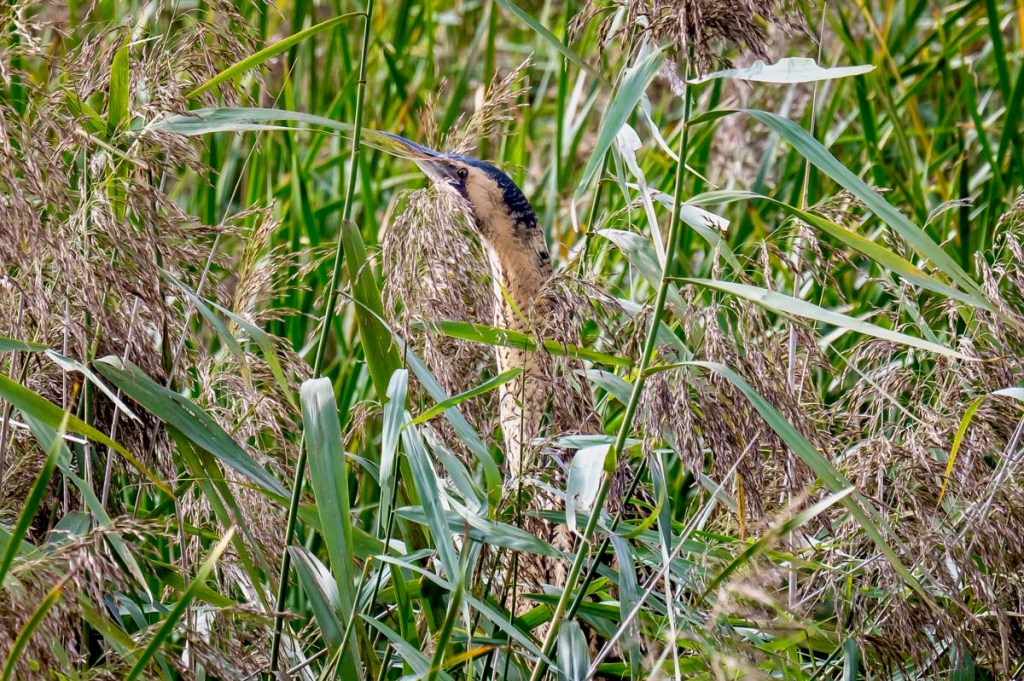
We saw so much and in such wonderful light (so no complaining from me except that I still failed to capture two common cranes flying right in front of me – ineptitude on my part). The best was clearly seeing the very secretive great bittern but it was all quite a joy and we enjoyed our trip to Slimbridge so much that we stayed much longer than usual and had a very late lunch there too.
Great bitternGreat bittern
Apologies to all who were hard at work on a Monday morning: in my defence I did 47 years of those.
Some of my photos:
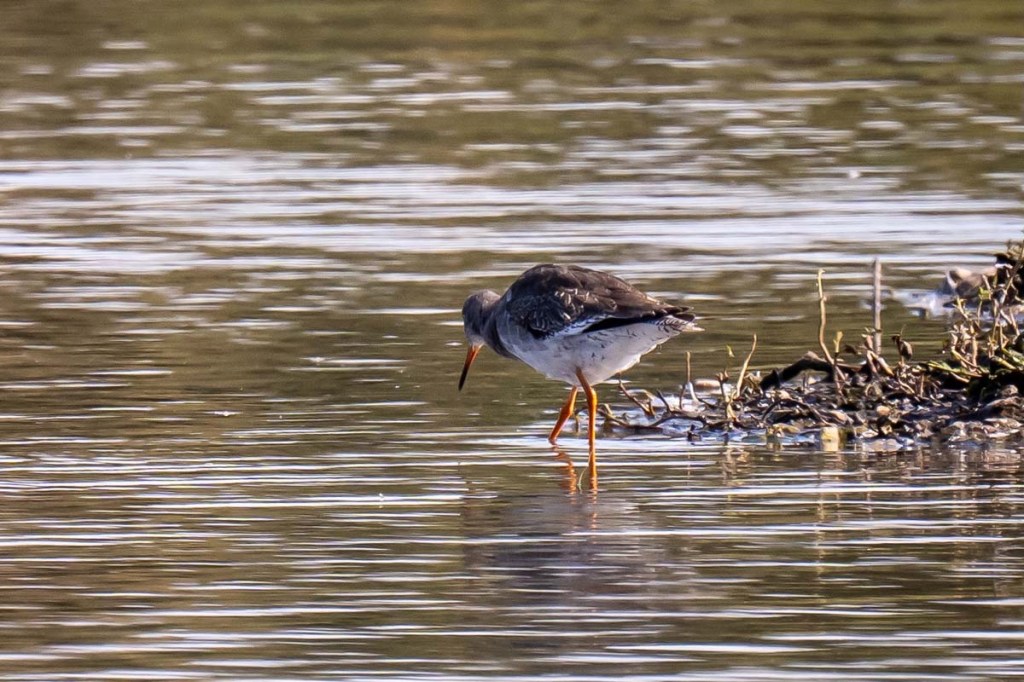
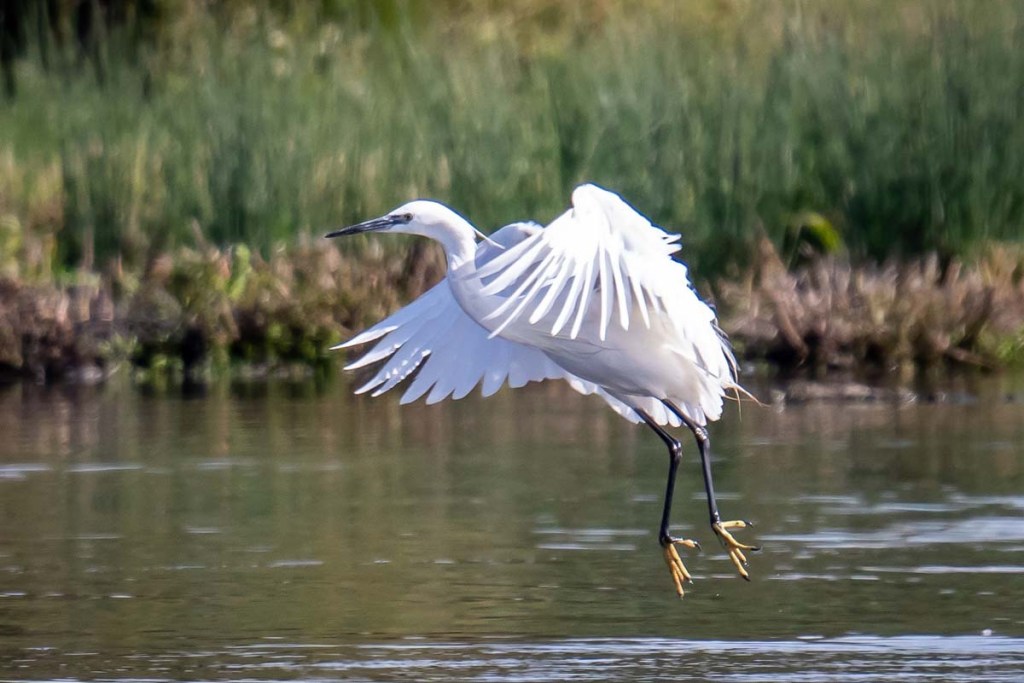
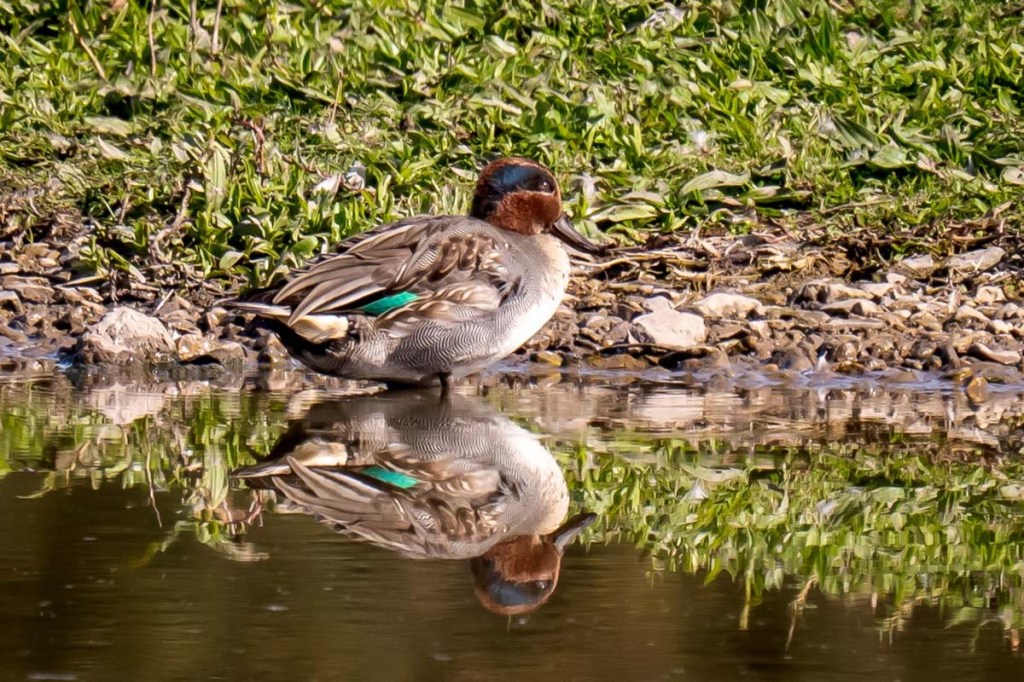
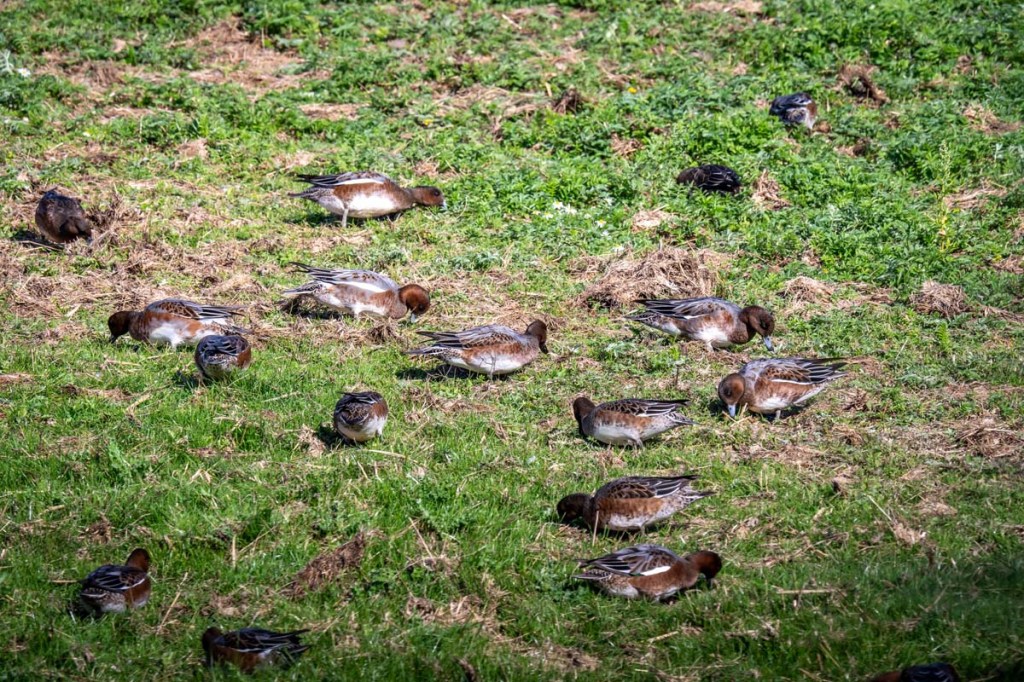
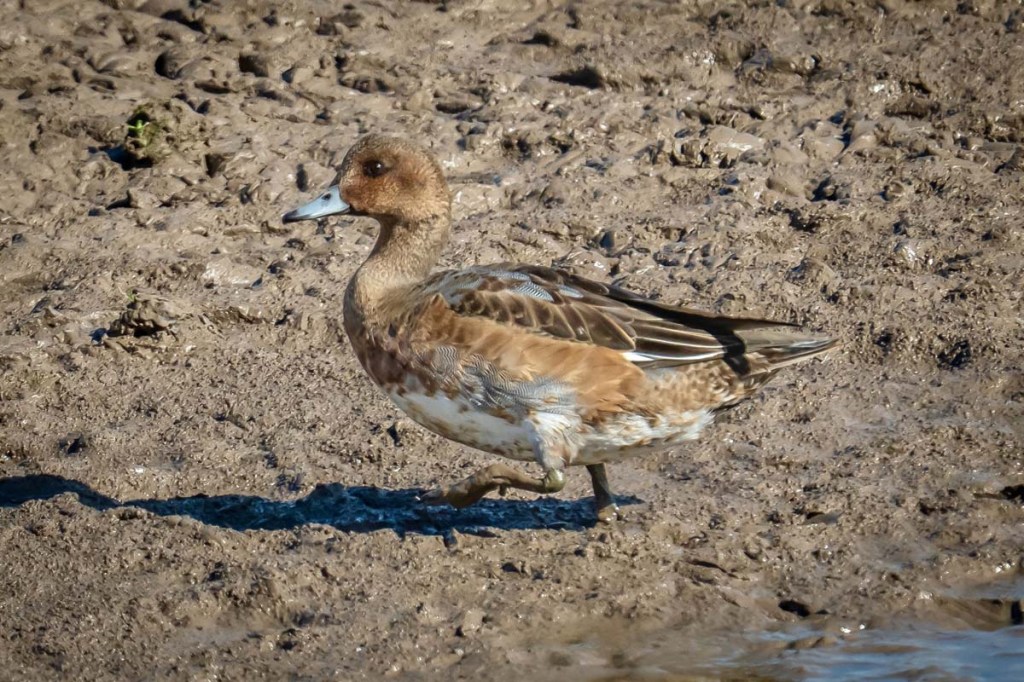
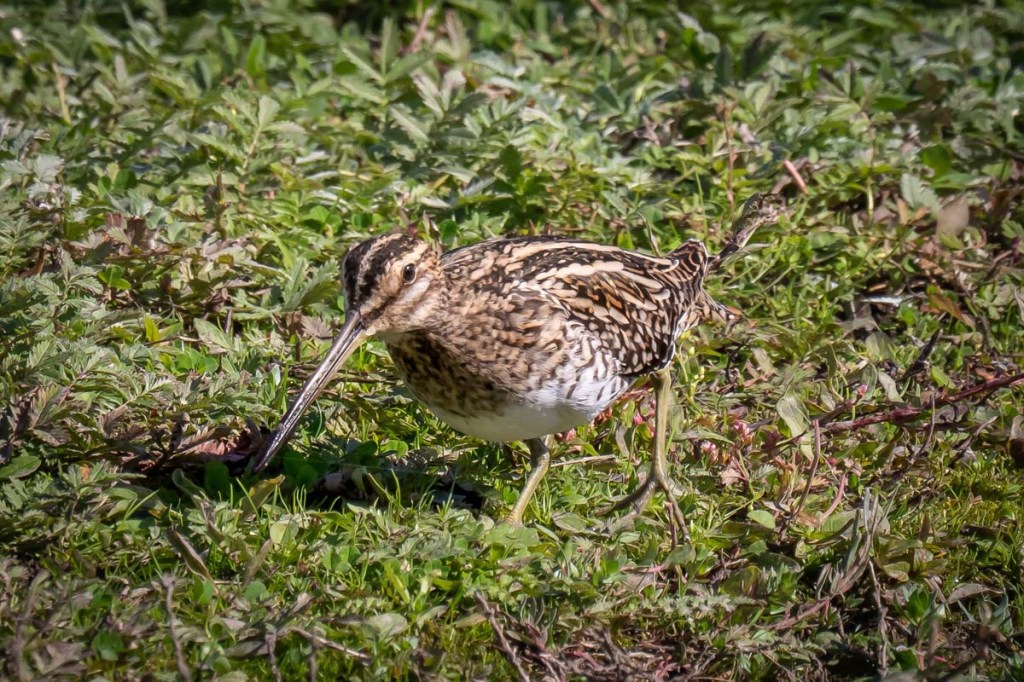
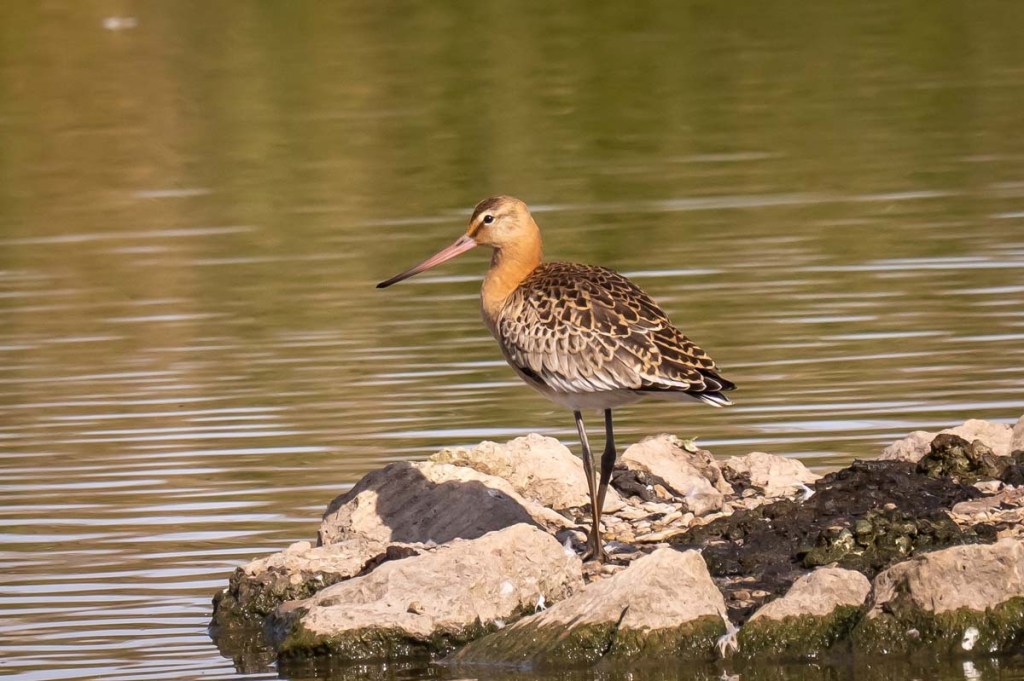
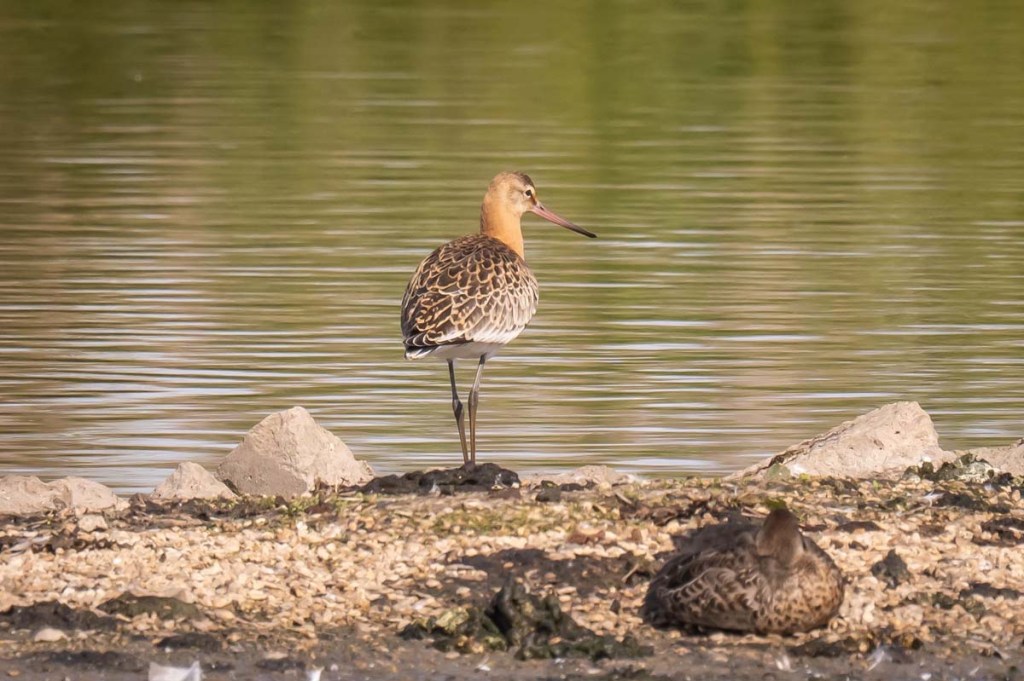
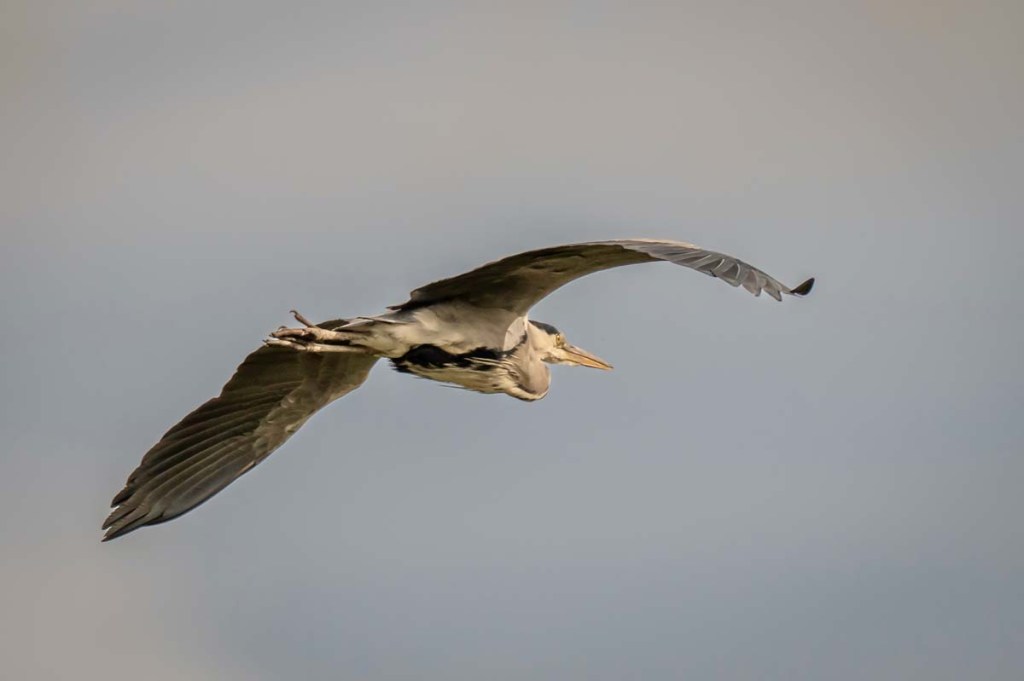
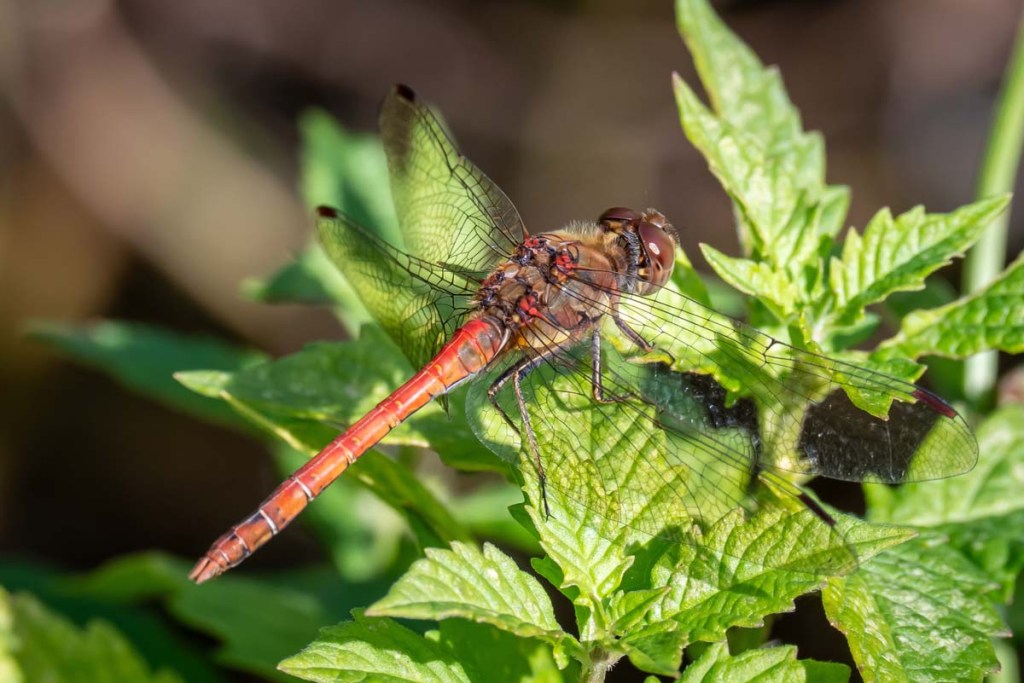
RuffCommon redshankLittle egretNorthern lapwingEurasian tealGreen sandpiperGreen sandpiper with greylag goose (for size comparison)Green sandpiper with mallardLots of geese and a handful of common crane on the Severn EstuaryEurasian wigeonEurasian wigeon close upCommon snipeCommon snipeCommon snipeCommon snipe and green sandpiperBlack-tailed godwitBlack-tailed godwitGreat bitternGreat bitternGrey heronCommon darter (for Mike in the USA) still around
Some of the other activities at WWT Slimbridge:
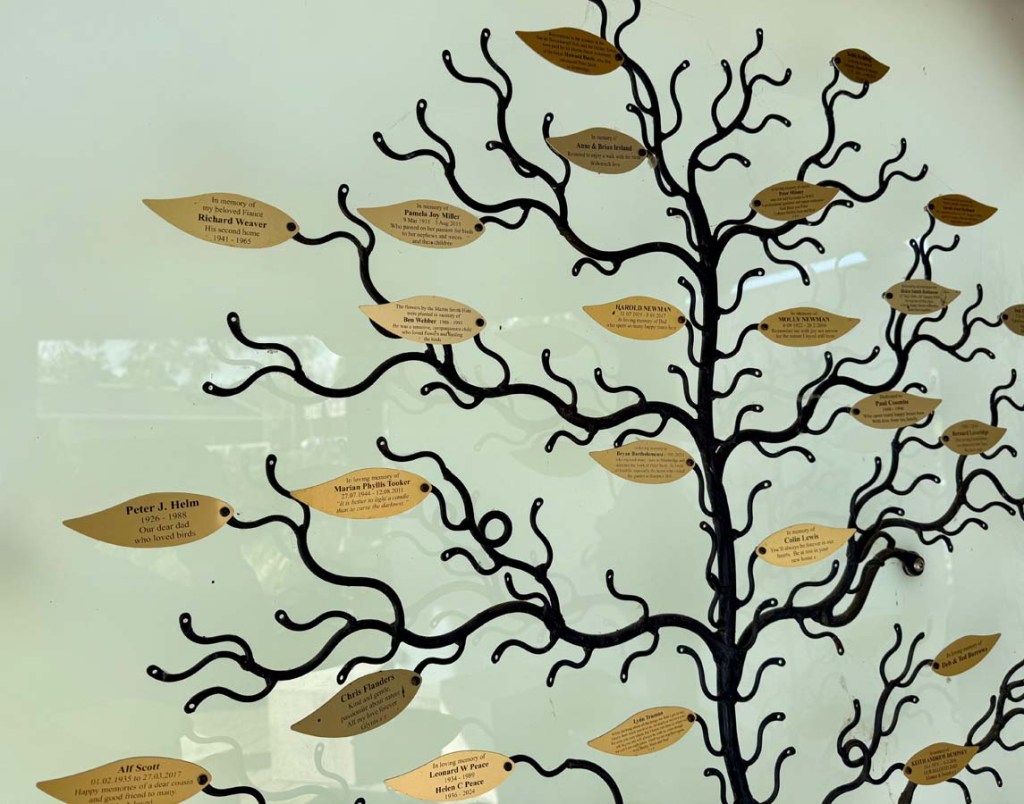
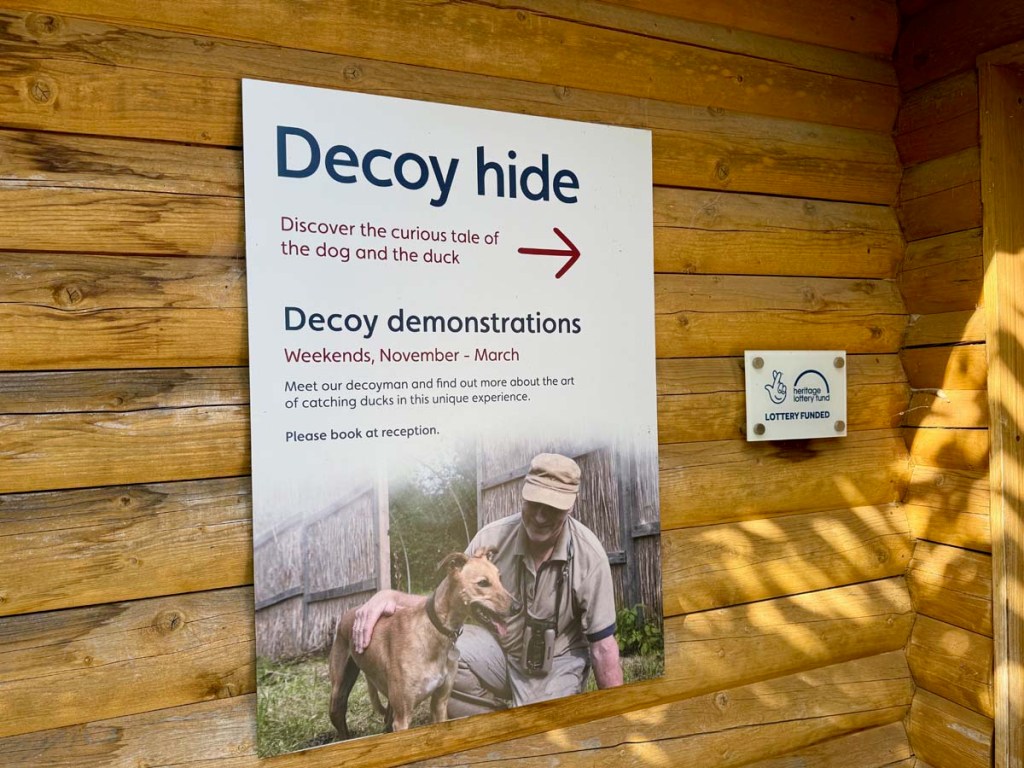
The visitors centre at WWT SlimbridgeTrees of life in the remembrance gardenNever forgottenDuck decoyI don’t suppose Sir Pater Scott would have minded.
Encouraged by my visit earlier in the week (and the blue skies) I decided to give Stoke Park another go this morning.
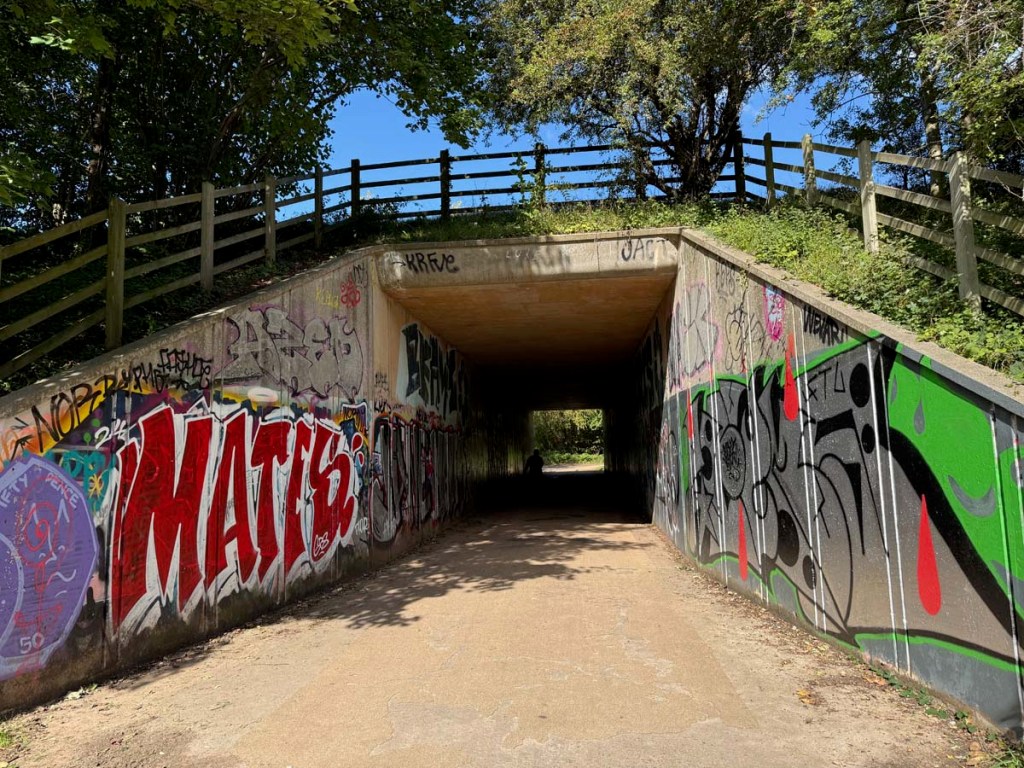
Just a short distance from my home, as I pass beneath the motorway to reach the park, I am reminded by the graffiti (and the noise from the motorway) that this is still a very urban area.
The graffiti and the noise of the motorway remind you how close we are to the city centre
However, it’s well worth putting up with the inconveniences.
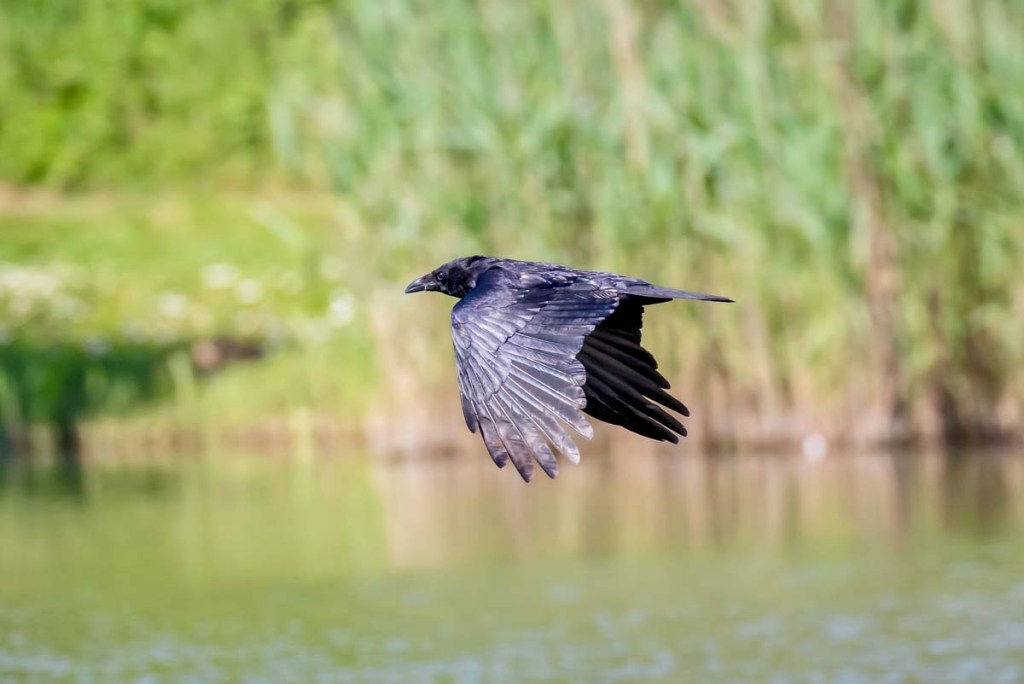
On the sky line there were 3 ravens and a common buzzed.
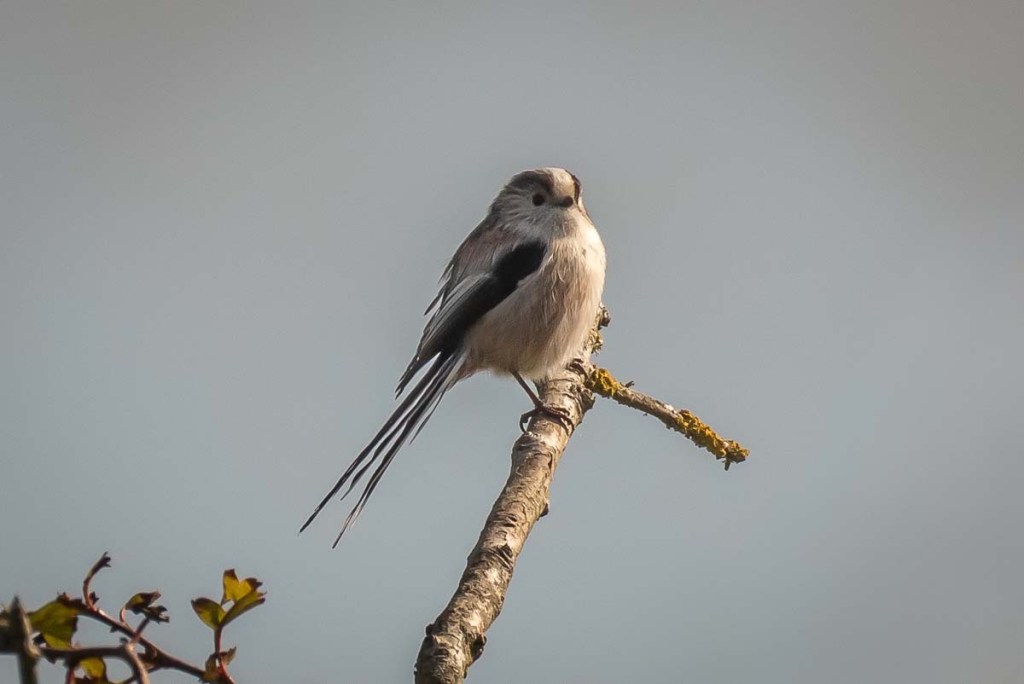
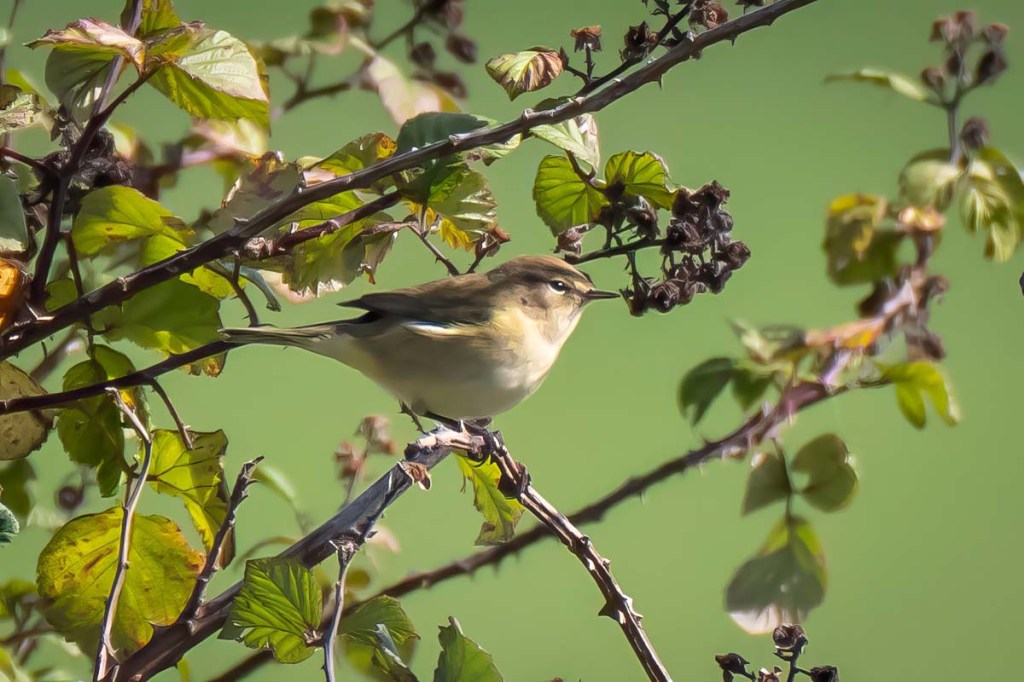
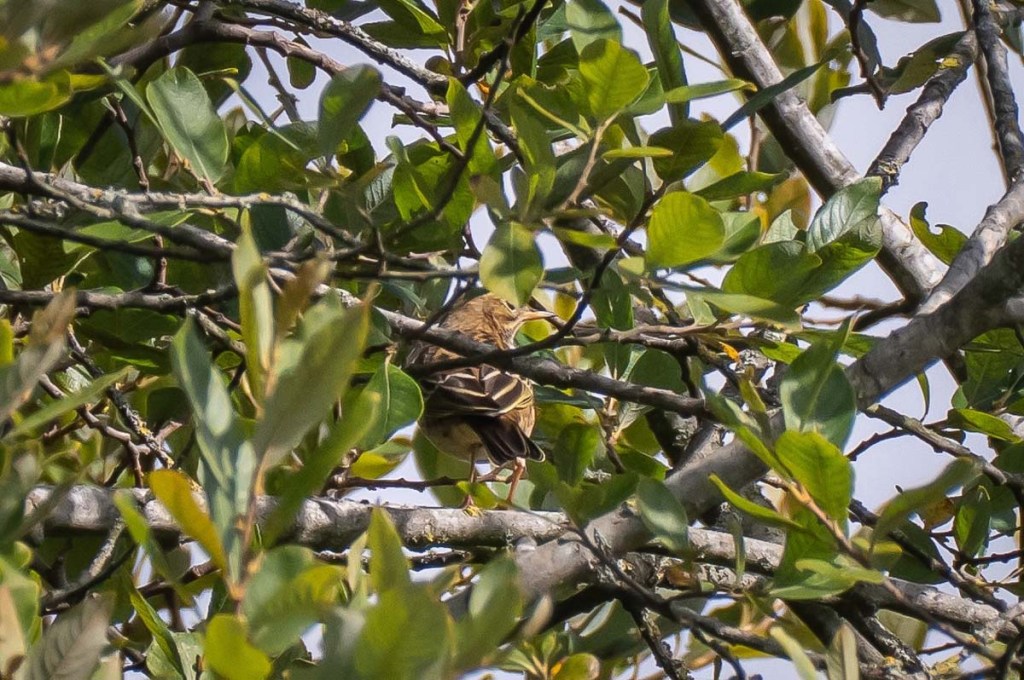
Common buzzardThe jay was still around but much further away.Grey heron again at Duchess Pond… and again on the annex pondCommon chiffchaff shows itself brieflyA meadow pipit in the same treeMeadow pipit in flightLong=tailed tit (I counted 14 in this social group)Long-tailed tit in flight
By the time I was about to go it was getting warmer and dragonflies began to appear.
Just time this morning for a stroll over to one of our local parks before the rain came.
Duchess Pond in Stoke Park Estate
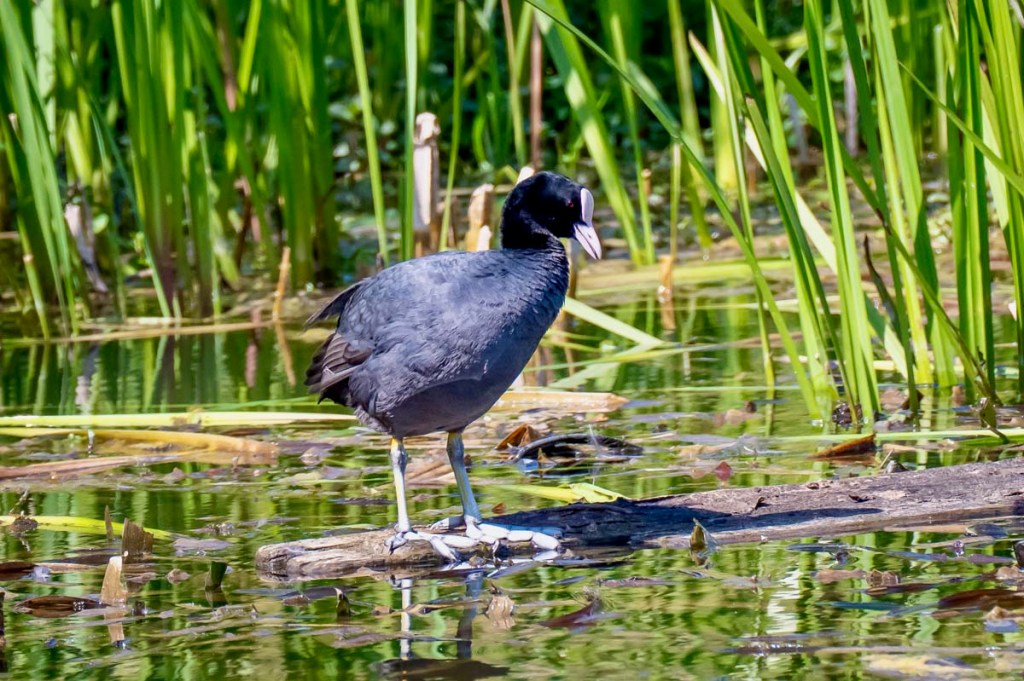
There are still plenty of dragonflies around but I didn’t see much in the way of bird life except for a grey heron (and coots and moorhens) although redstarts have been reported recently.
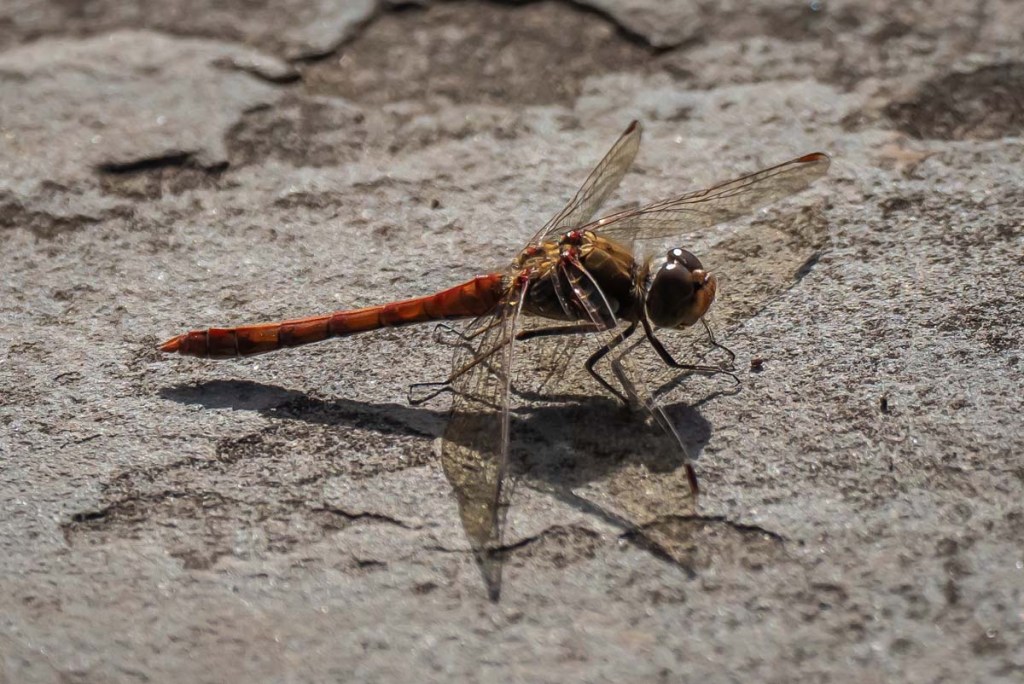
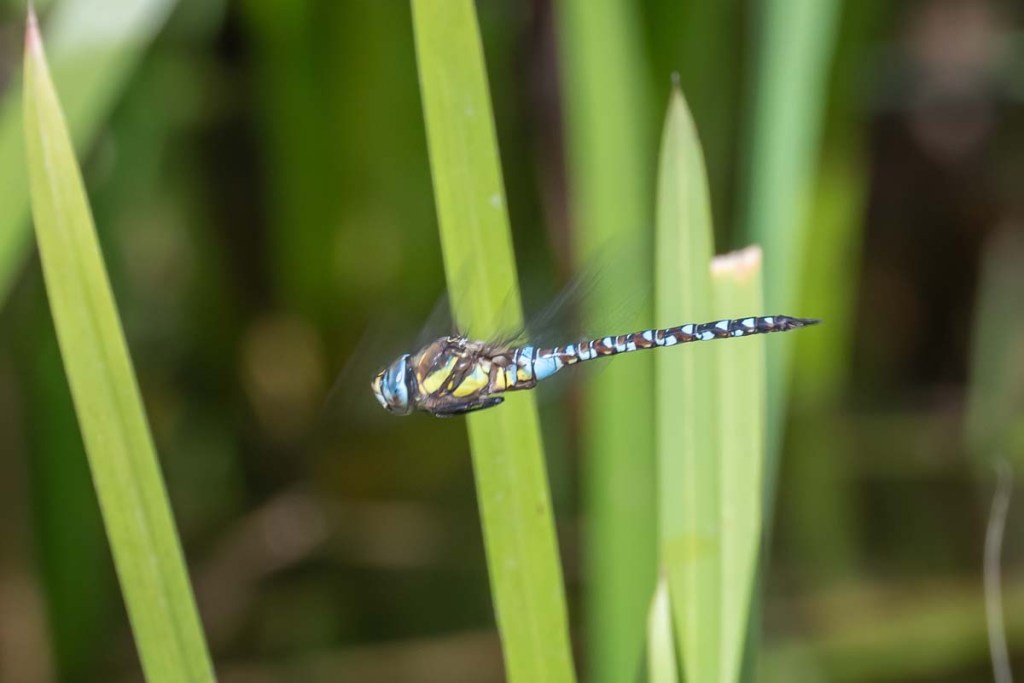
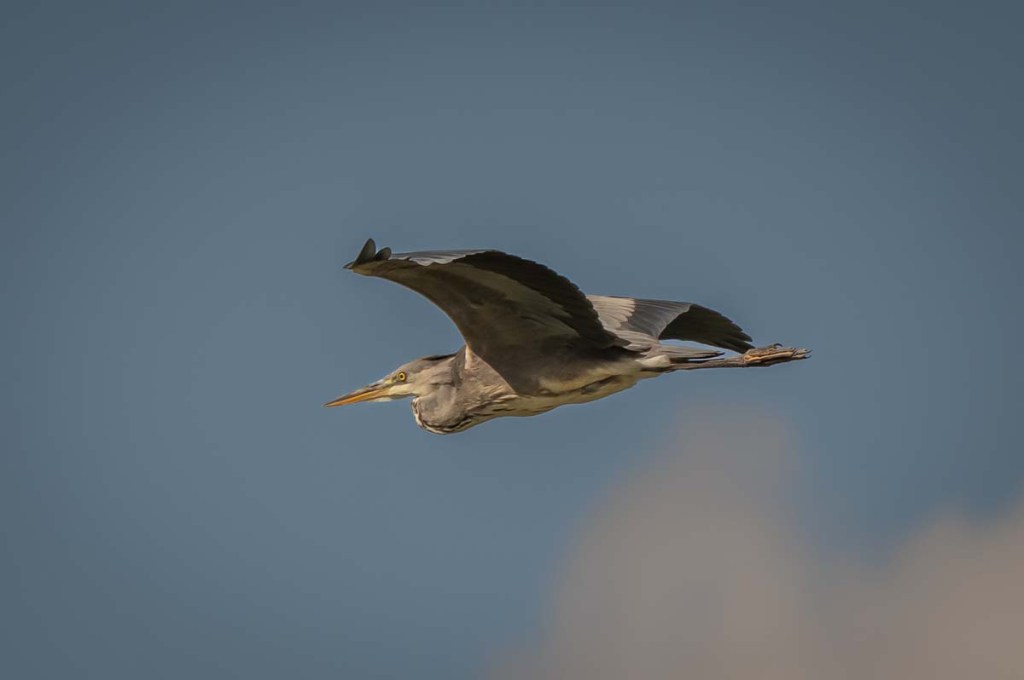
Common darterMigrant hawkerGrey heronGrey heronGrey heron
It’s a lovely spot but not as wonderful as it looks because it’s next to the motorway and very noisy.
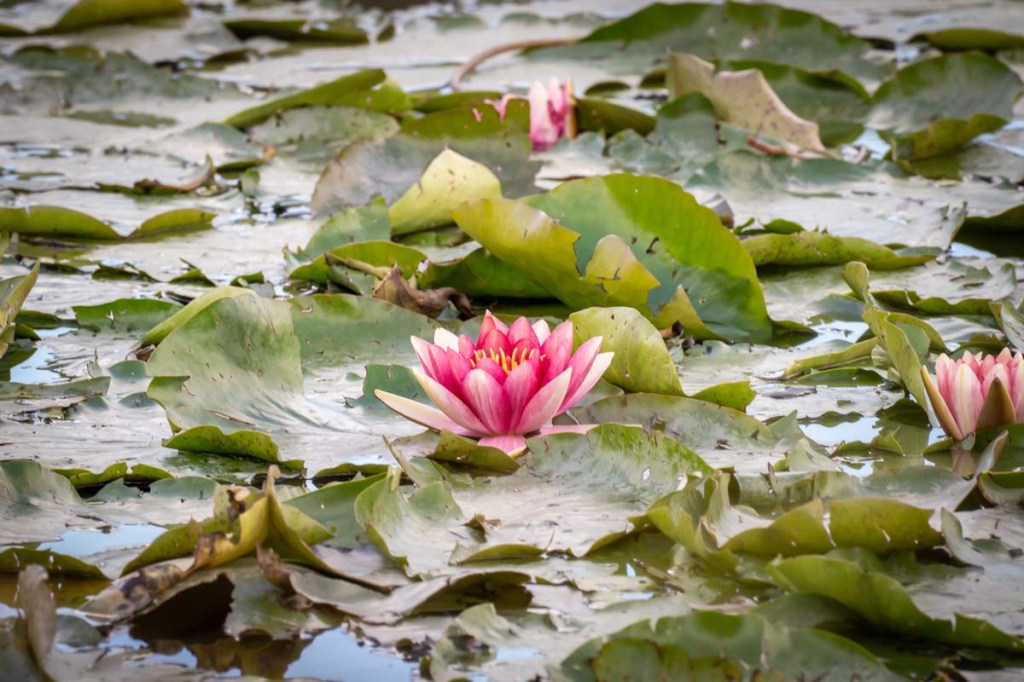
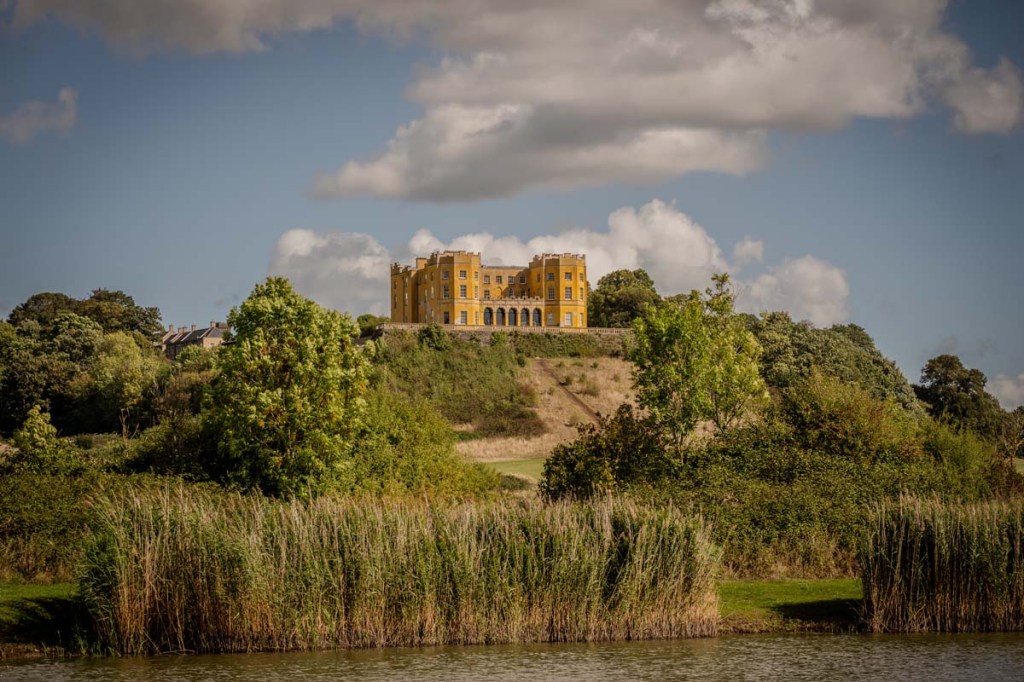
The grey heron didn’t seem to be affected by the noiseCommon dartersThe lily pads look wonderful at the momentThe Dower House (now apartments) on the edge of the park
When I was young my mum and dad, bless them, took me to Slimbridge a couple of times: I can’t say I was very impressed; I was more into team games and I would rather get muddy by diving around on the sports field than sloshing about in wellies. My parents obviously thought it a worthy thing to do but clearly I don’t think it was really in their DNA either and so, as it was fairly expensive, we didn’t go too often.
I can’t believe how much we love going there now. I know we dodge the hordes of children (and their parents/grandparents) by heading for the hides (rather than the pens with lots of exotic birds) but I do recognise that Slimbridge is a fabulous place and does amazing work to get youngsters interested in wildlife.
Sadly we see lots of bad parenting there but today we met a young boy (and his dad) as we were heading out to the Severn Estuary who stopped us and told us that if we continued on this pathway we could follow a walkway which took us down to the estuary where we might see, if we looked carefully, curlew and ringed plovers. We were both impressed that his dad didn’t interrupt him but allowed him to be our advisor. This young boy was thoroughly enjoying his day and clearly his dad had encouraged him enough to reach this point. It was a very refreshing encounter.
Down on the estuary we clearly didn’t look carefully enough as we only heard a curlew and the ringed plovers were too far away for our “old” eyes.
On the estuary we saw lots of egrets and grey herons.
However, we did see loads whilst we were at Slimbridge. I hope you enjoy some of my photos from today.
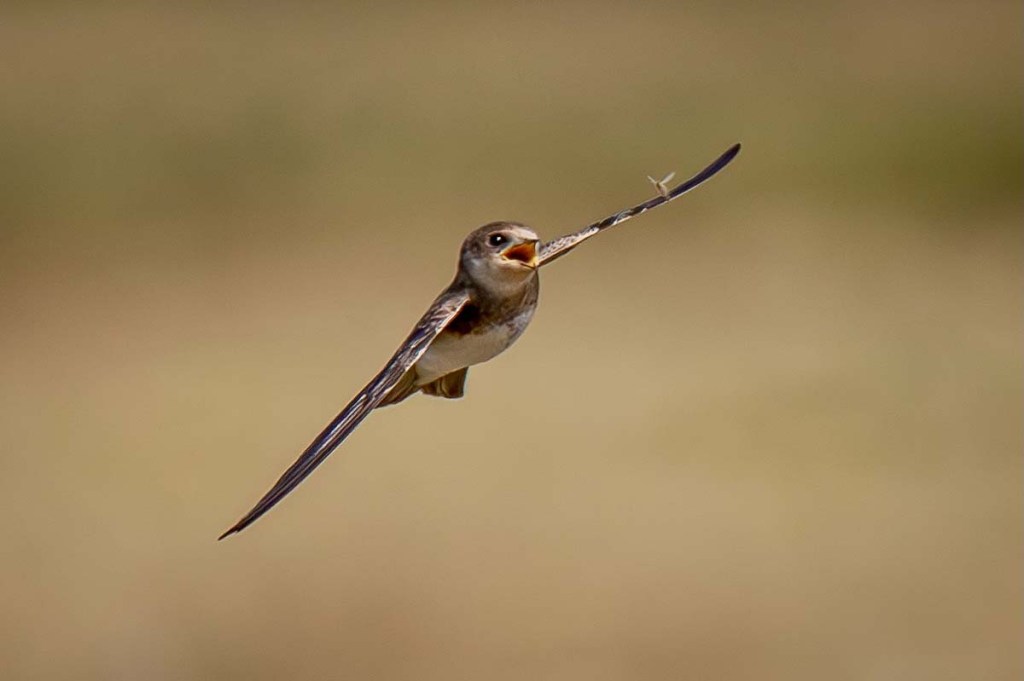
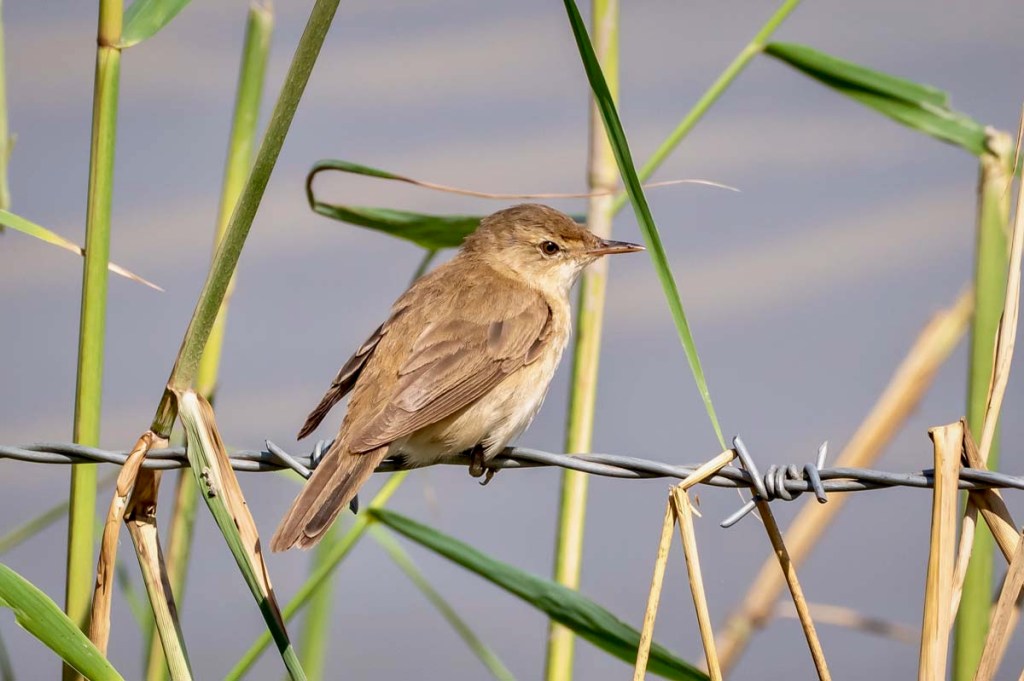
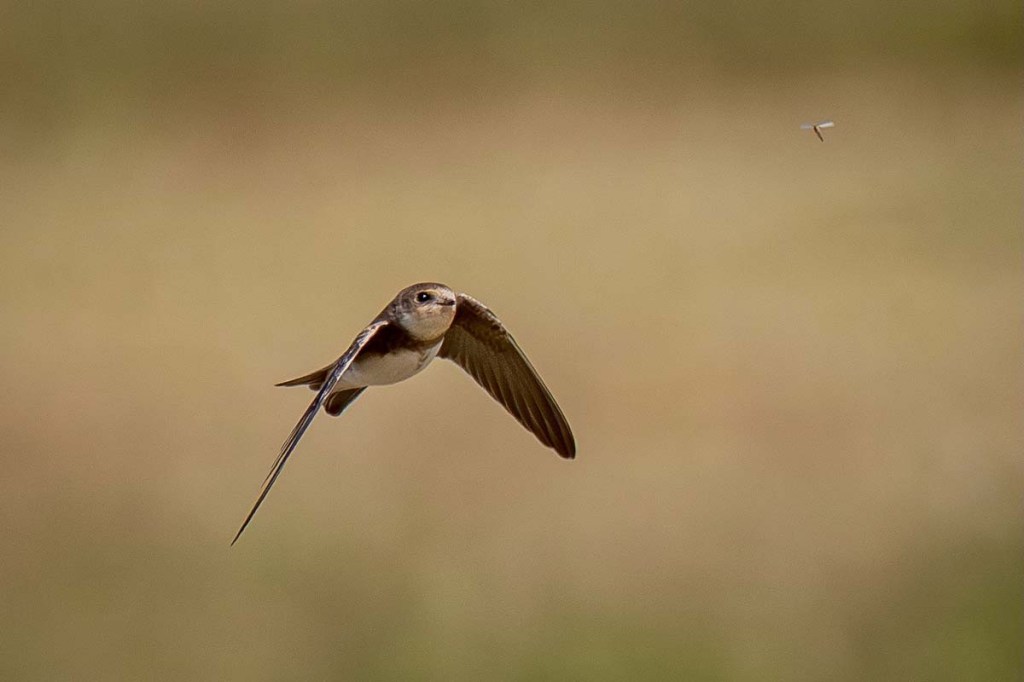
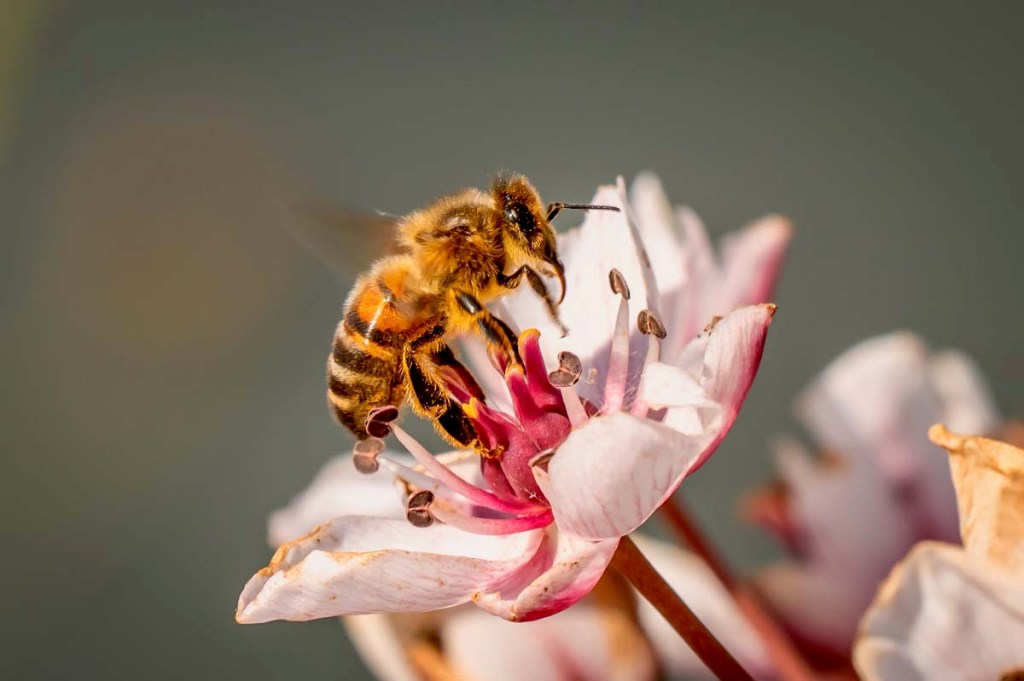
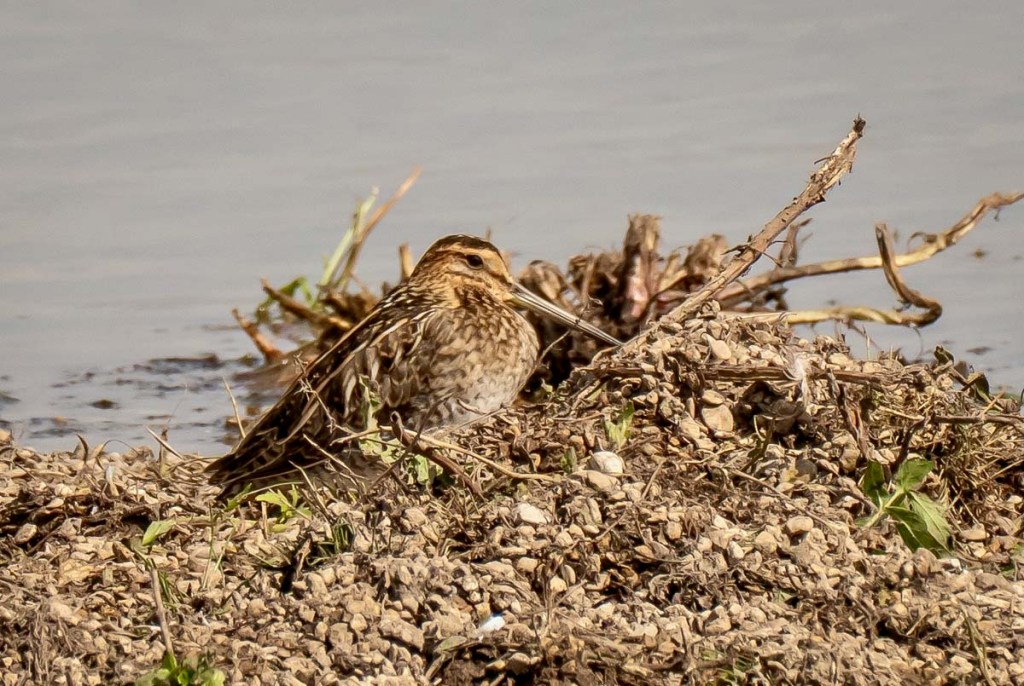
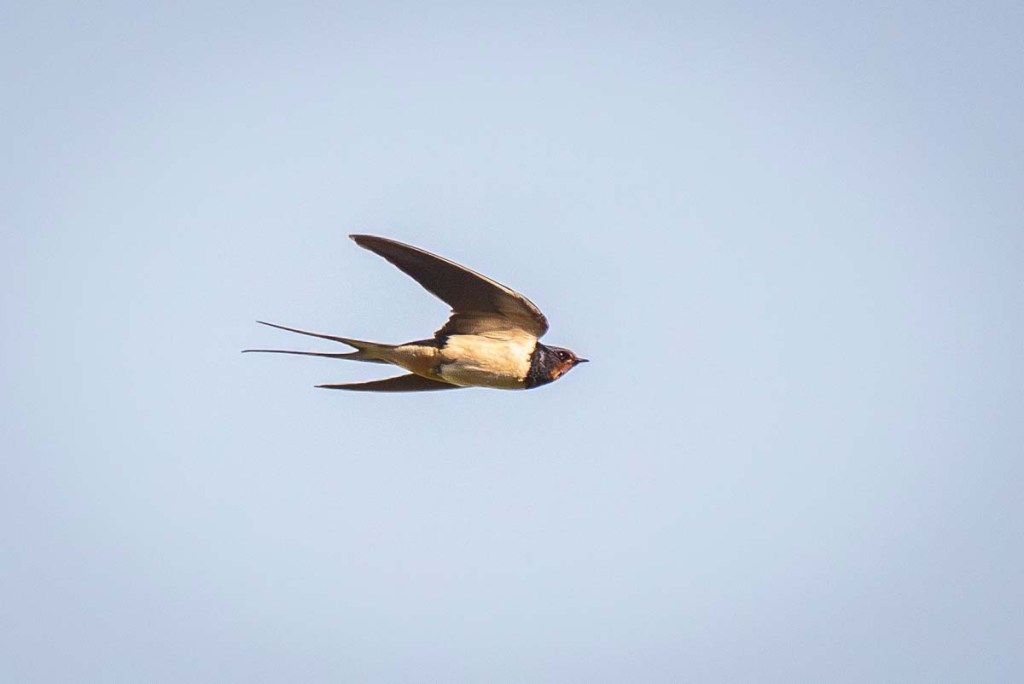
Probably my photo of the day, a Cetti’s warbler, if I am correctReed warblerReed warblerSand Martin chasing fly (top right)Sand Martin about to gorge its preySwallowSwallowGrey heronHoney beeWaspMigrant hawkerCommon snipeRock dovesCommon snipeTufted duckling practising its divingThe beauty of the Severn Estuary
Photos from a slightly different morning walk on the Stafford Barton Estate in Devon before it got too hot for us with temperatures reaching 30C in the afternoon.
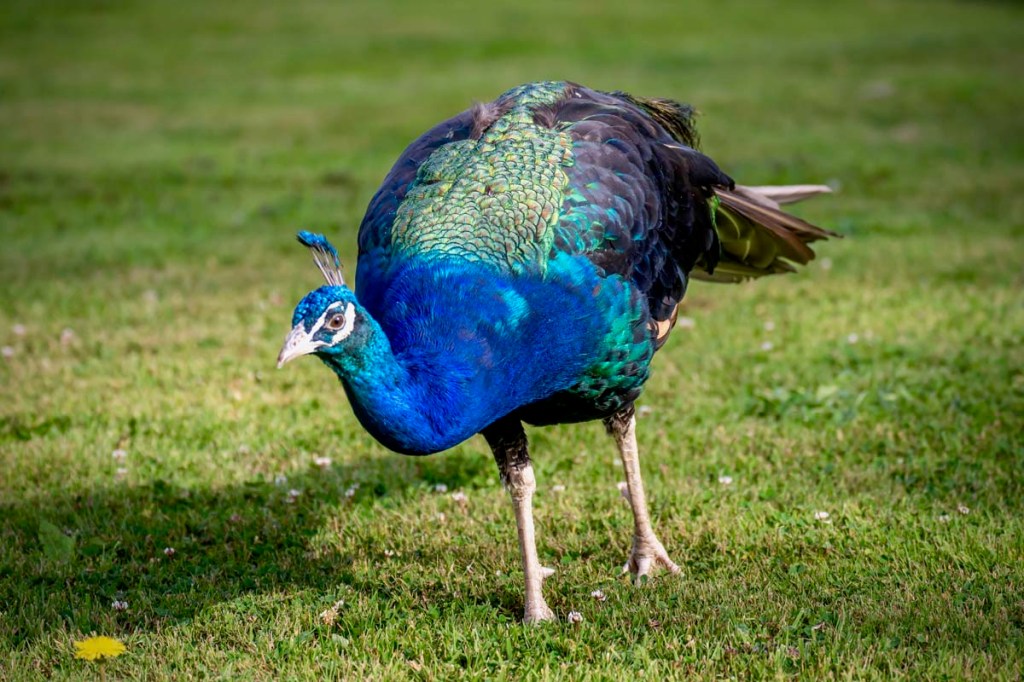
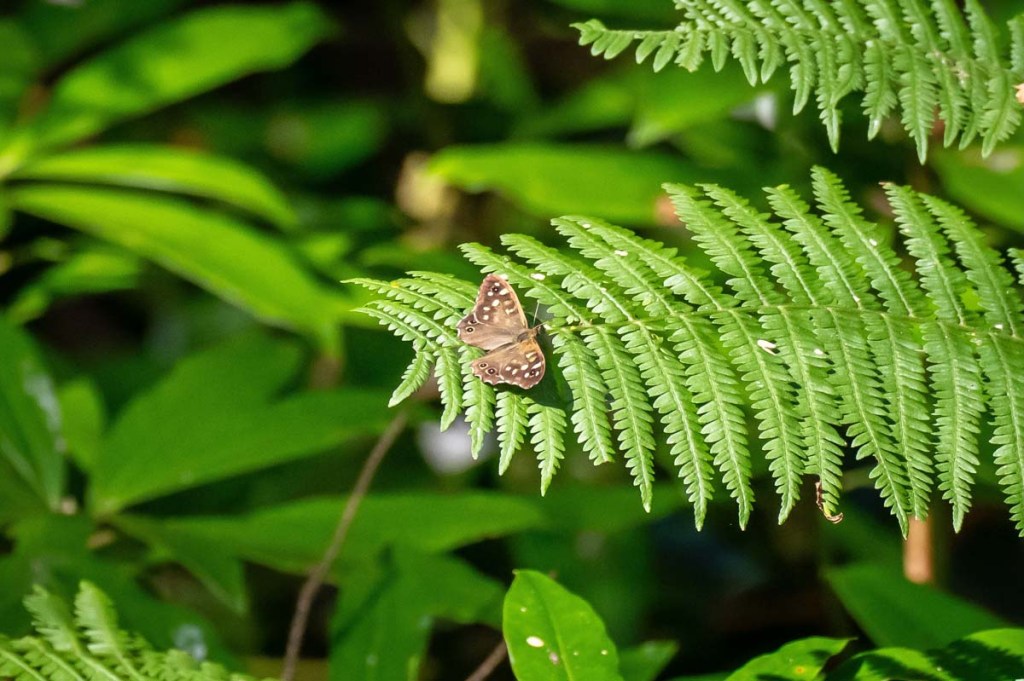
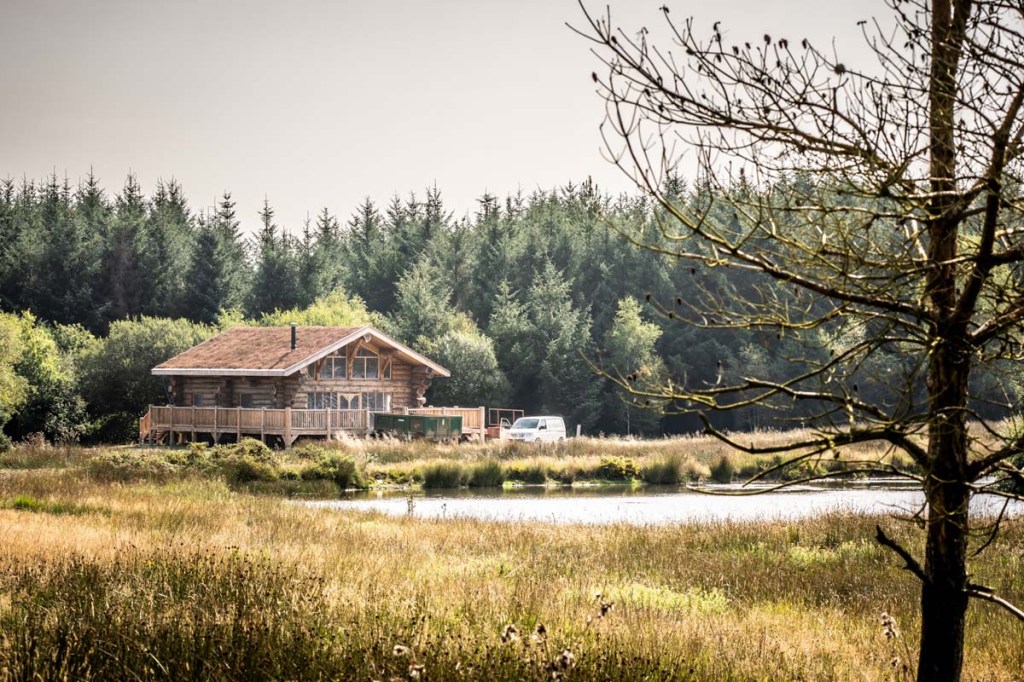
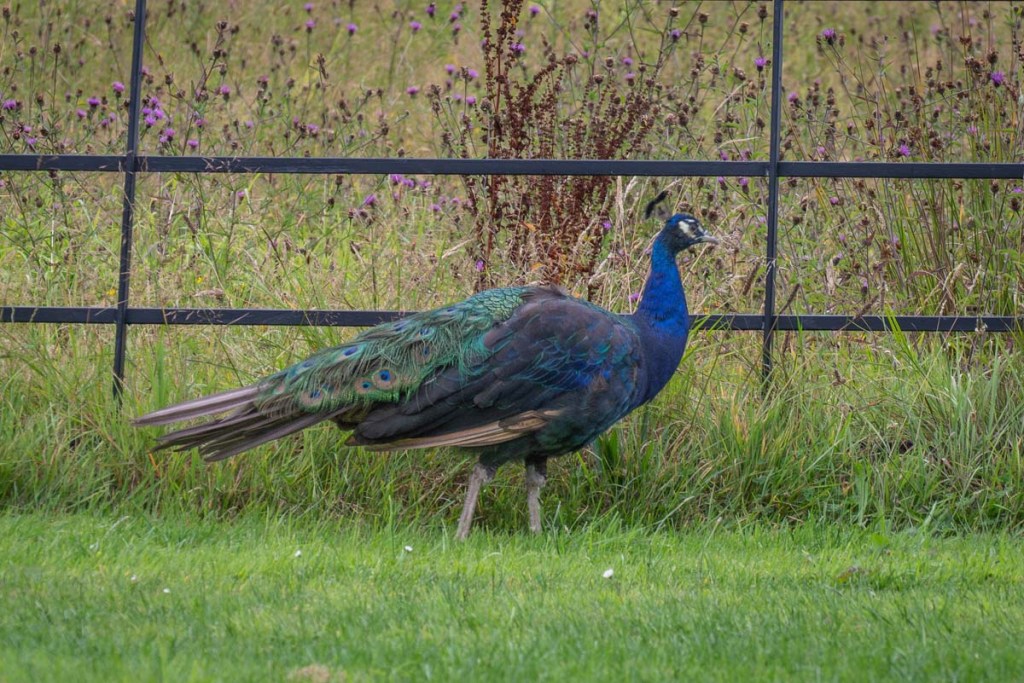
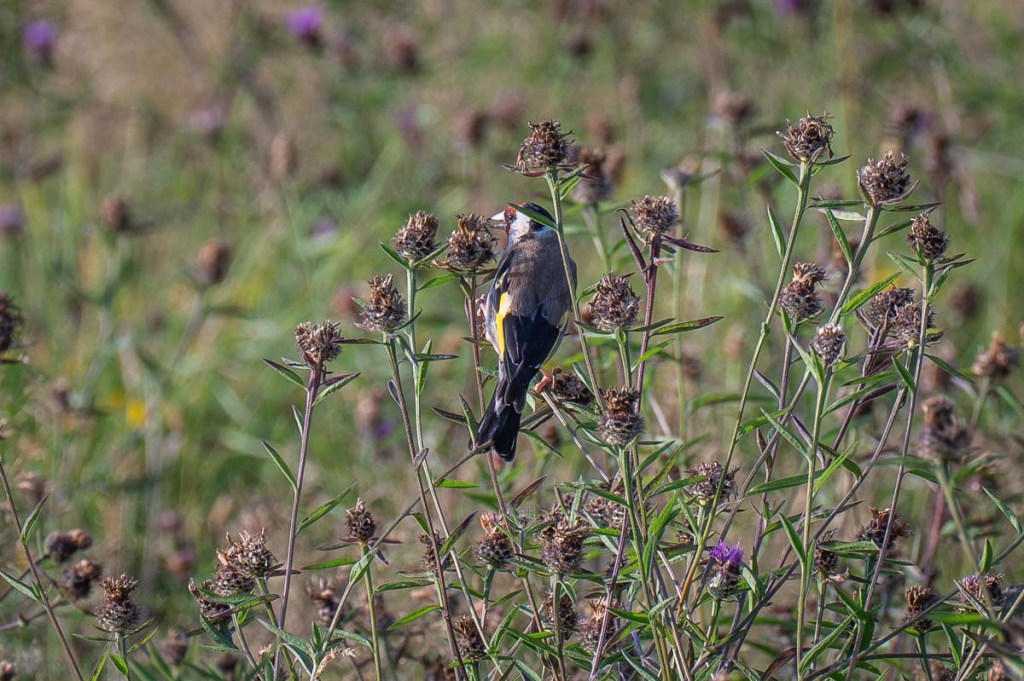
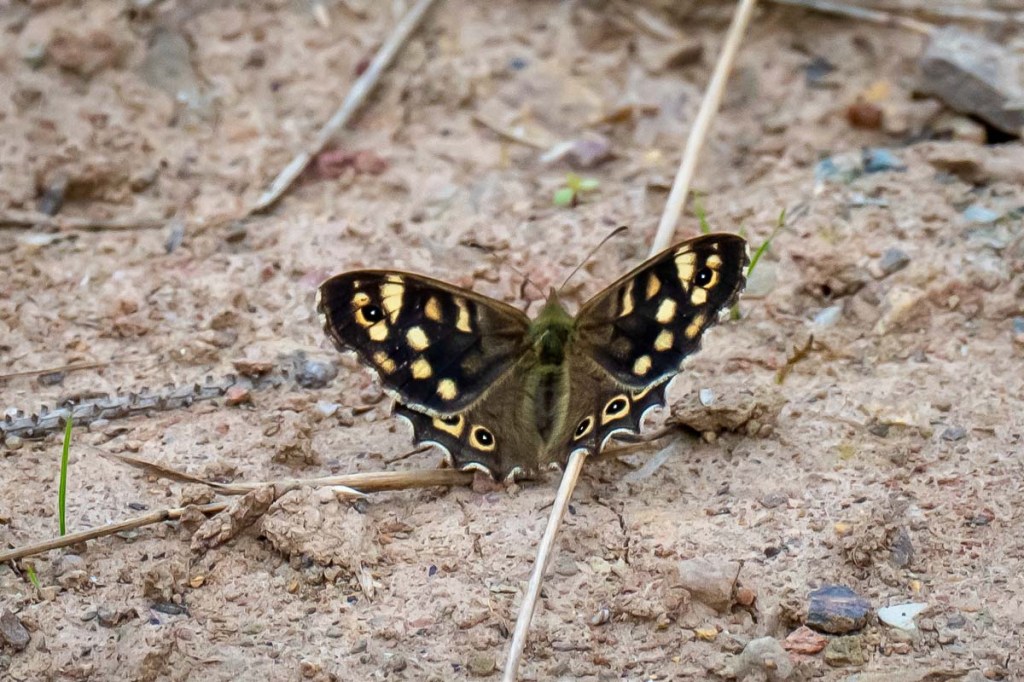
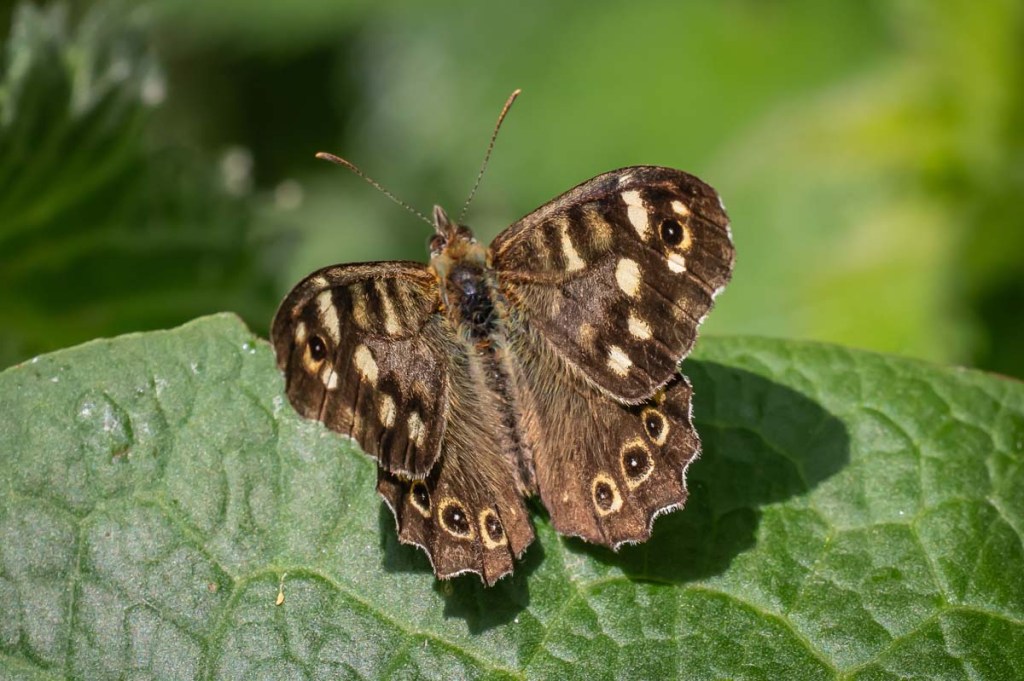
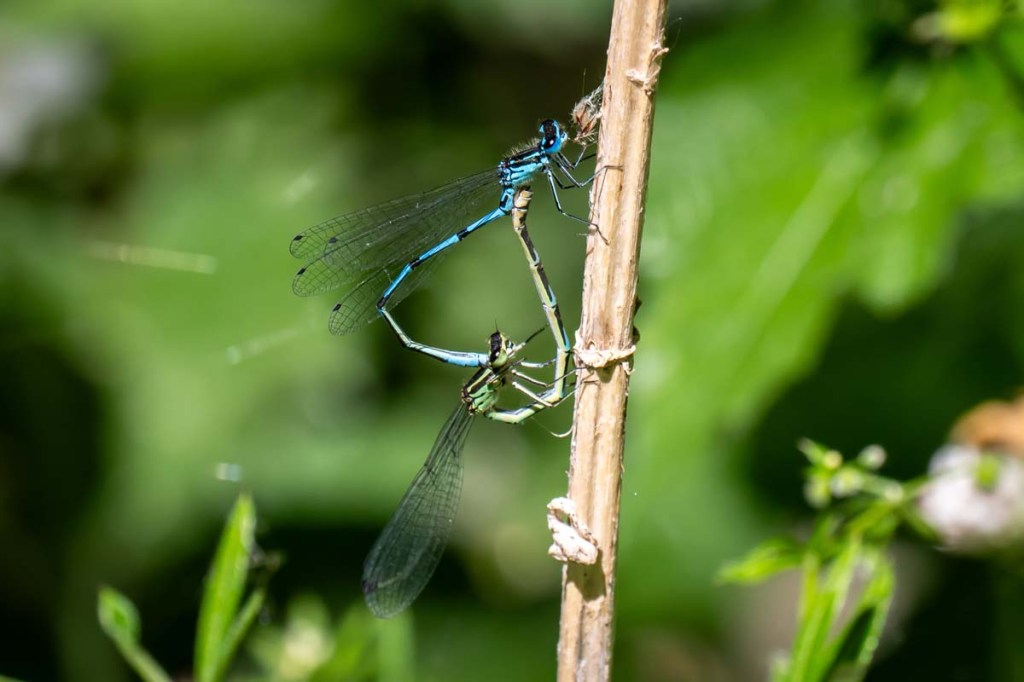
The peacock joined us for our breakfast coffeeGoldfinches waiting for their opportunitySpeckled wood butterfly in the woodsScandinavian style log cabin under construction on the estate with its lovely sedum roofEmperor dragonflyMid-air collision averted just in timeEmperor dragonfly heading straight for meMust be great seeing the seasons change hereEmperor dragonflyDon’t know much about these – water boatmen I presumeDamselfliesFortunately plenty of shade on the way homeCommon buzzard showing us the way
For 47 years of my working life as a teacher I had to take my holidays with the majority of the population in July and August. So now, in my retirement, we rarely go away at this time of the year. However, it’s such an exceptionally wonderful summer that we could’t resist another trip when we saw a cottage advertised on a private estate in north Devon. It’s a beautiful part of the country and only just over a 100 miles from home. The fact that there is a major RHS garden just down the road was an added attraction. So far we haven’t visited RHS Garden Rosemoor as we are so enjoying the peace and quiet of the gardens, the heaths and the woodland of the estate and visiting a couple of local nature reserves.
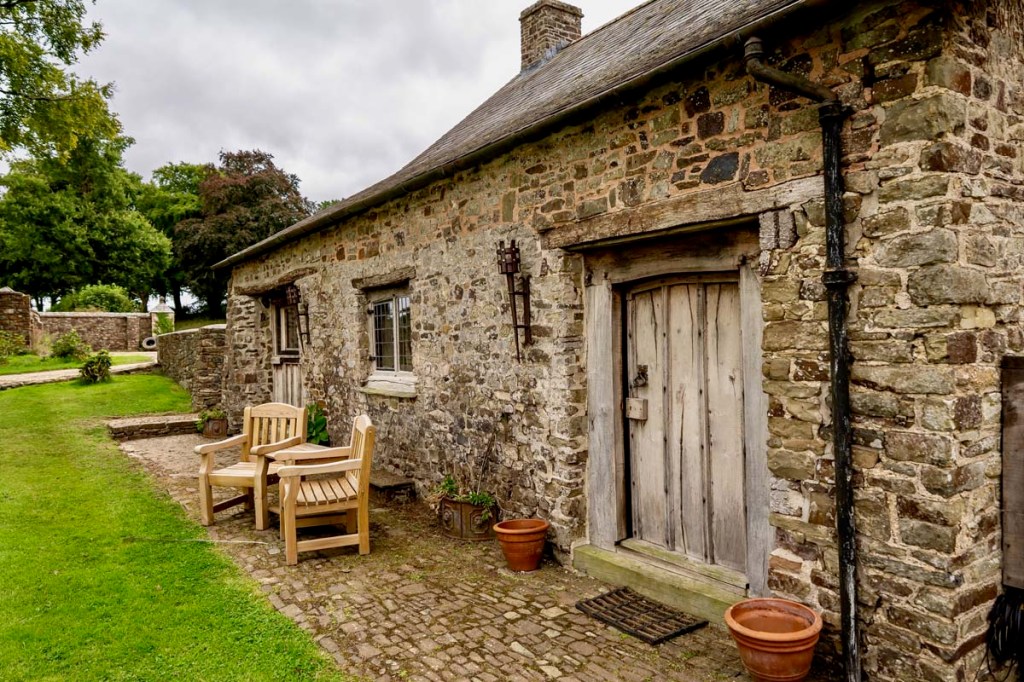
Stafford Barton in north DevonStafford Barton’s peacockOur accommodation – the Old StablesA very warm Devon welcome with cream sponge and a selection of local cidersVery comfortable and cosy inside
The estate took on a different tone on our second full day here when the owners opened the gardens to the local villages and we were treated to live music, local ales and ciders and cream teas on the lawns. What is there not to like about all this?
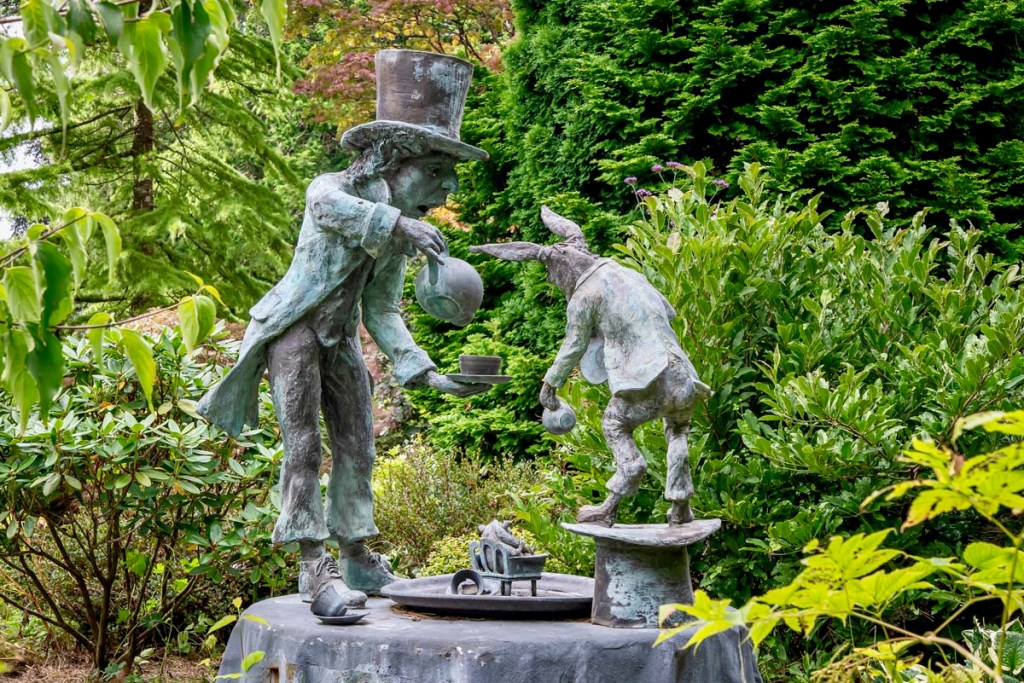
Getting ready for the garden partyThe gardens were looking spectacular for the garden partyThe mad hatter’s tea party before the garden party startedEnglish country life at its very best
This is such a special place that I wanted to keep a memory of the estate and so have prepared a separate page which you can share by following this link to Stafford Barton Estate August 2025
Stafford Barton between Dolton and Iddesleigh (where we had lunch in the Duke of York pub on our first day and where I last stayed 55 years ago- now immortalised in Michael Morpurgo’s “War Horse”)
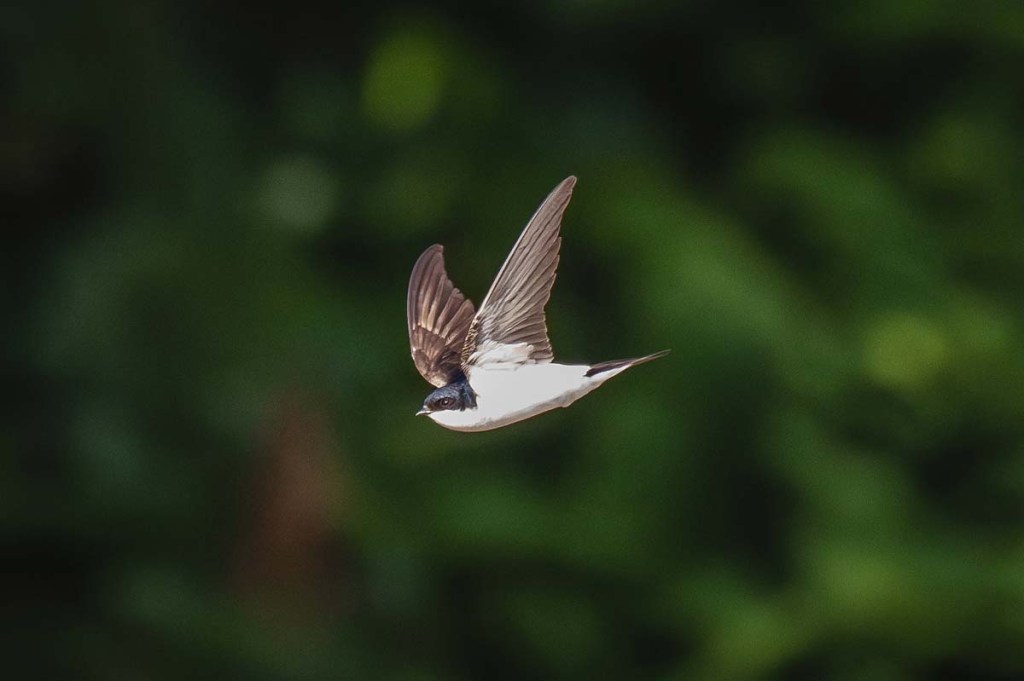
As for the nature opportunities: so far I have been able to practice my camera skills on the house martins and swallows but have had some difficulty capturing the large flocks (a charm indeed!) of goldfinches which swoop down to gorge on the seed heads in the lovely meadows which are left for the wildlife. There has been plenty of wildlife to photograph and keep me busy on our walks too.
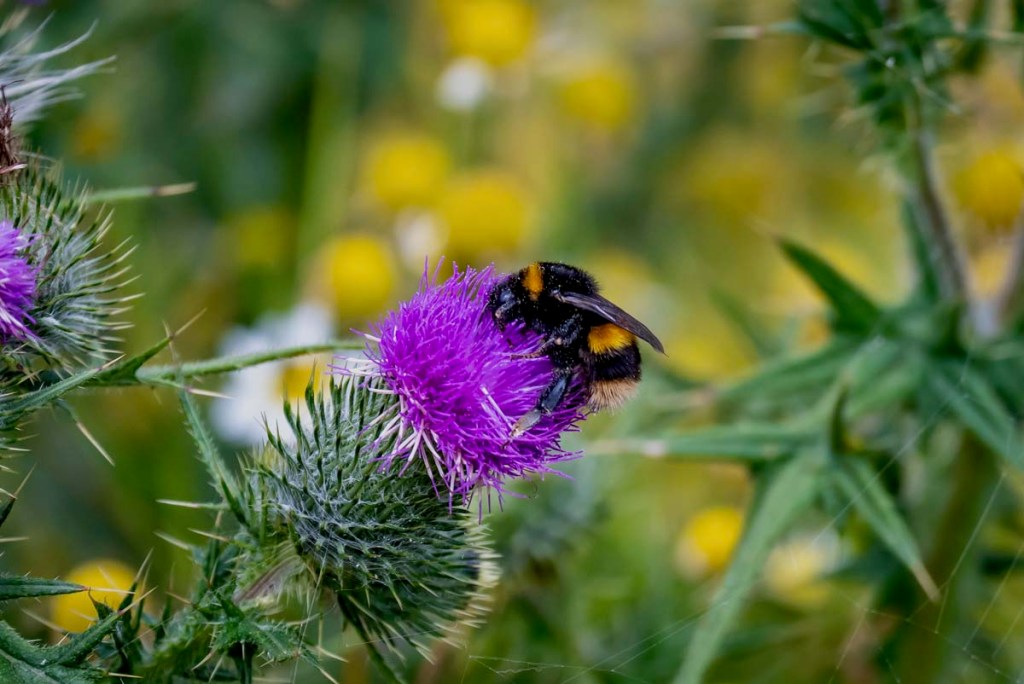
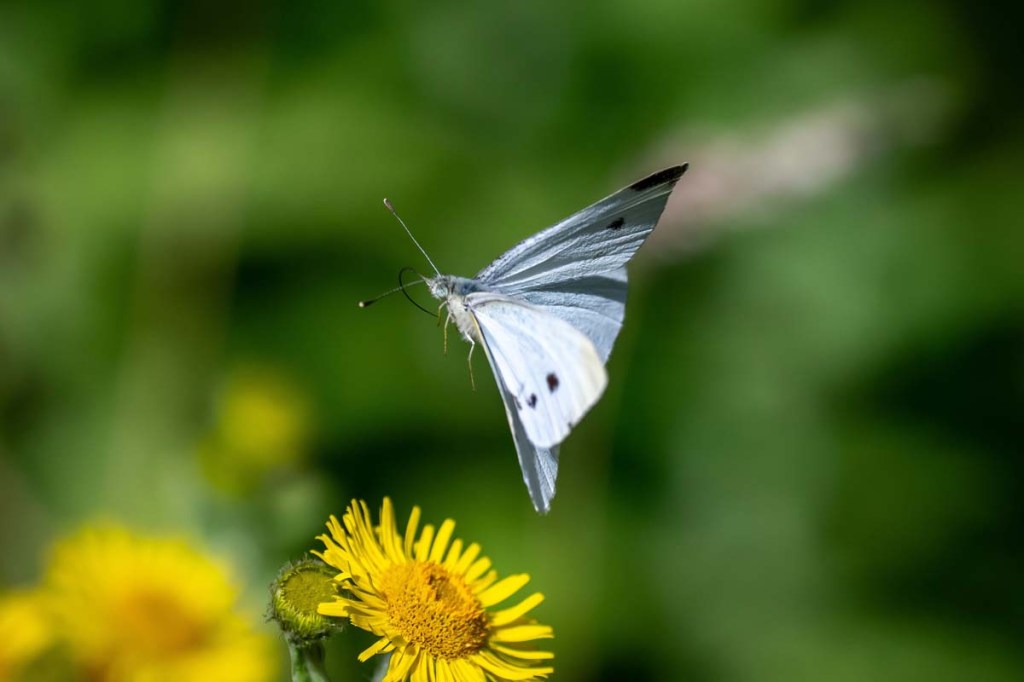
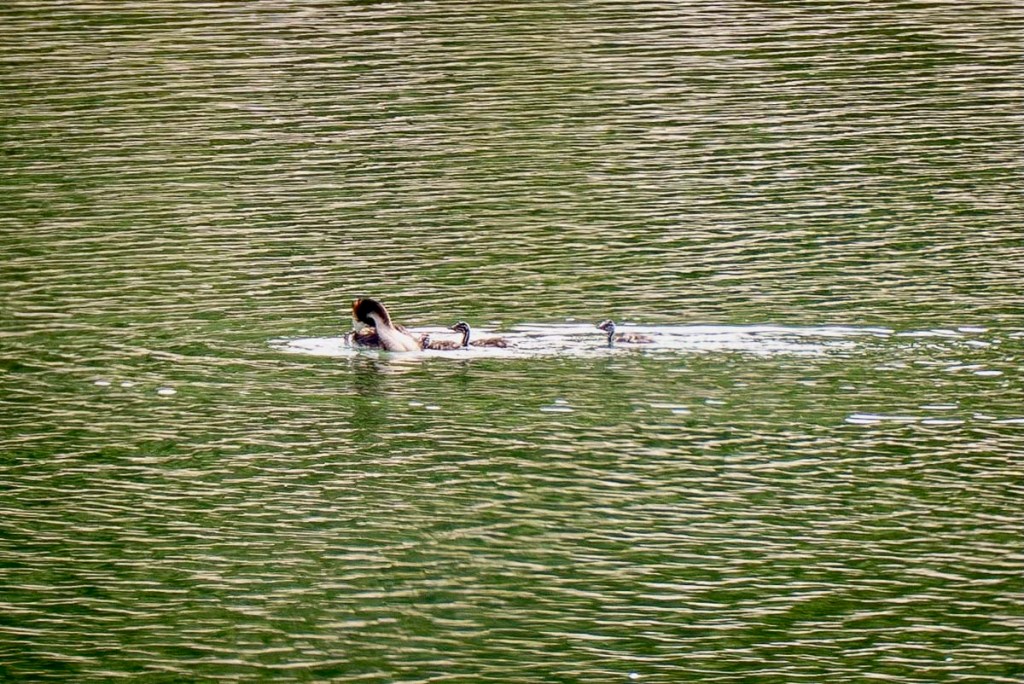
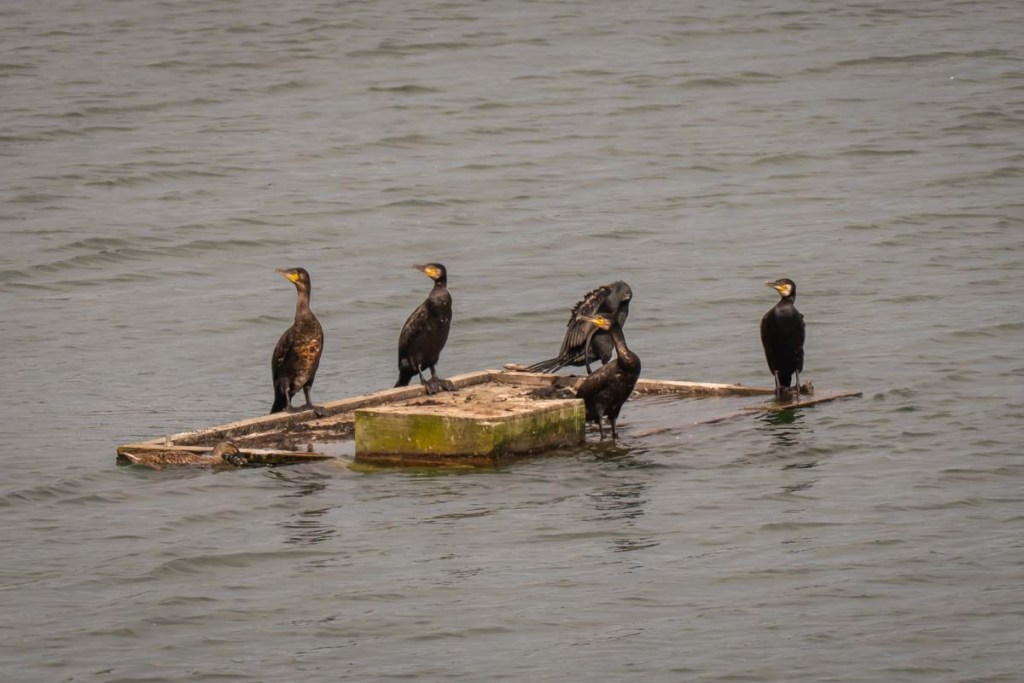
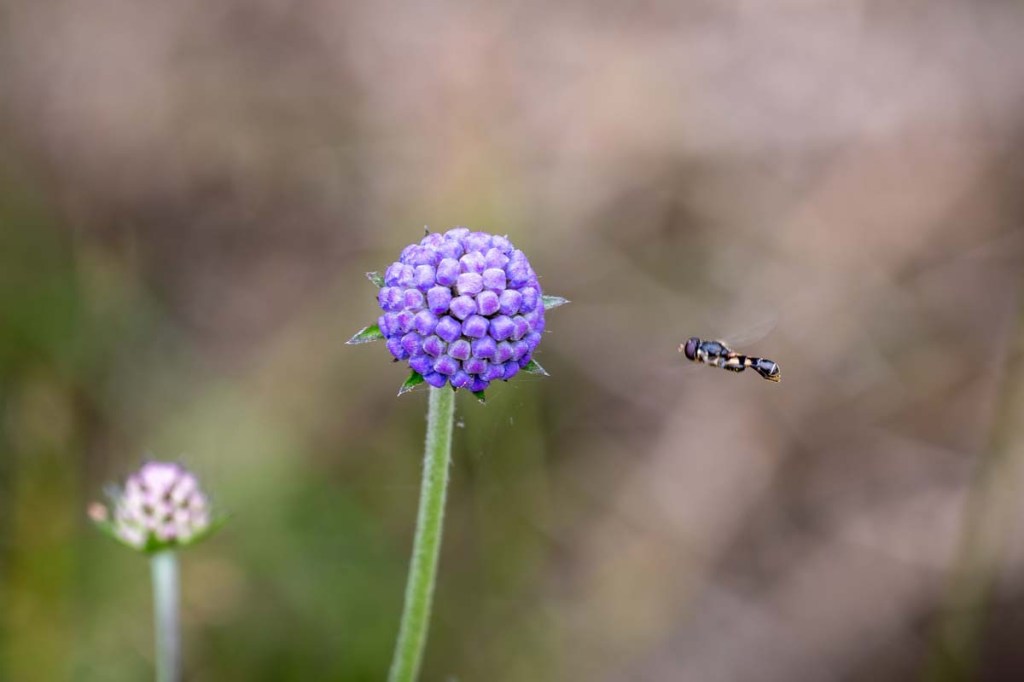
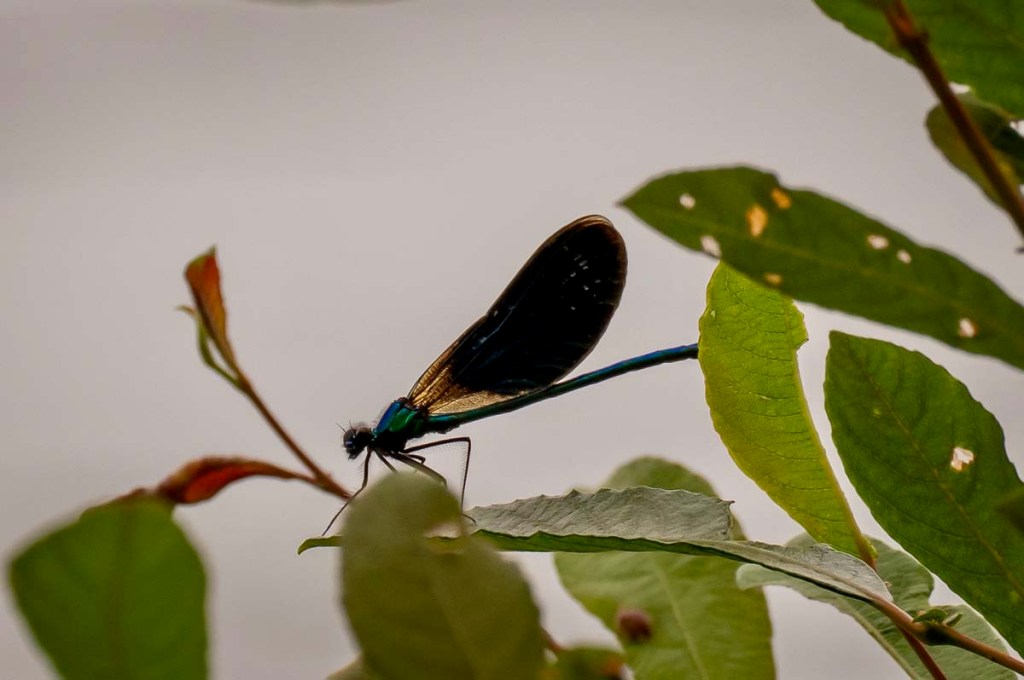
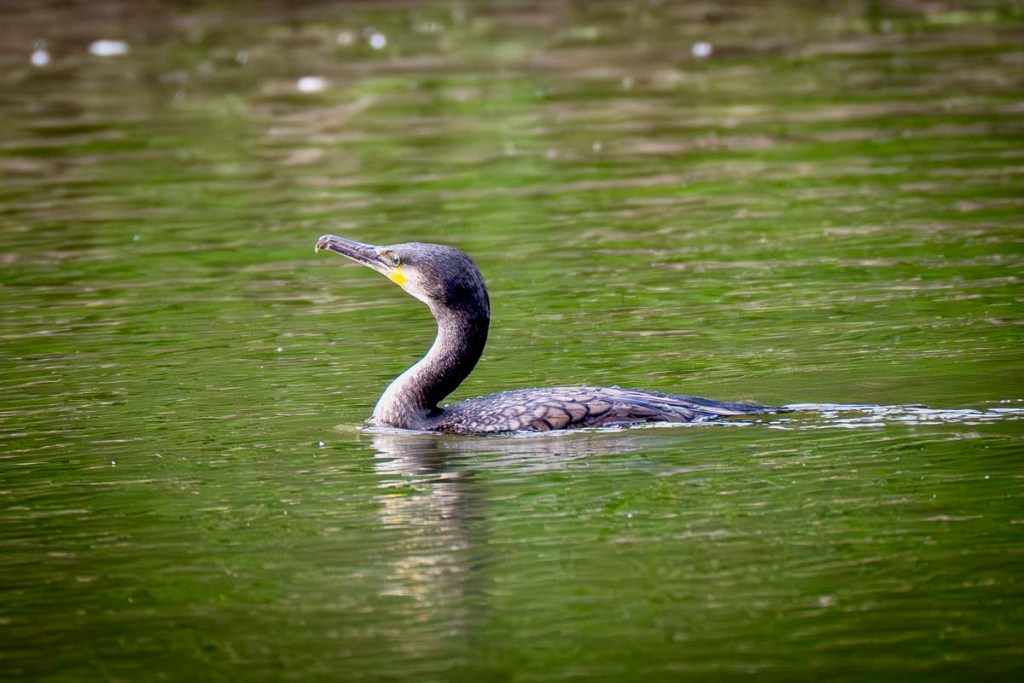
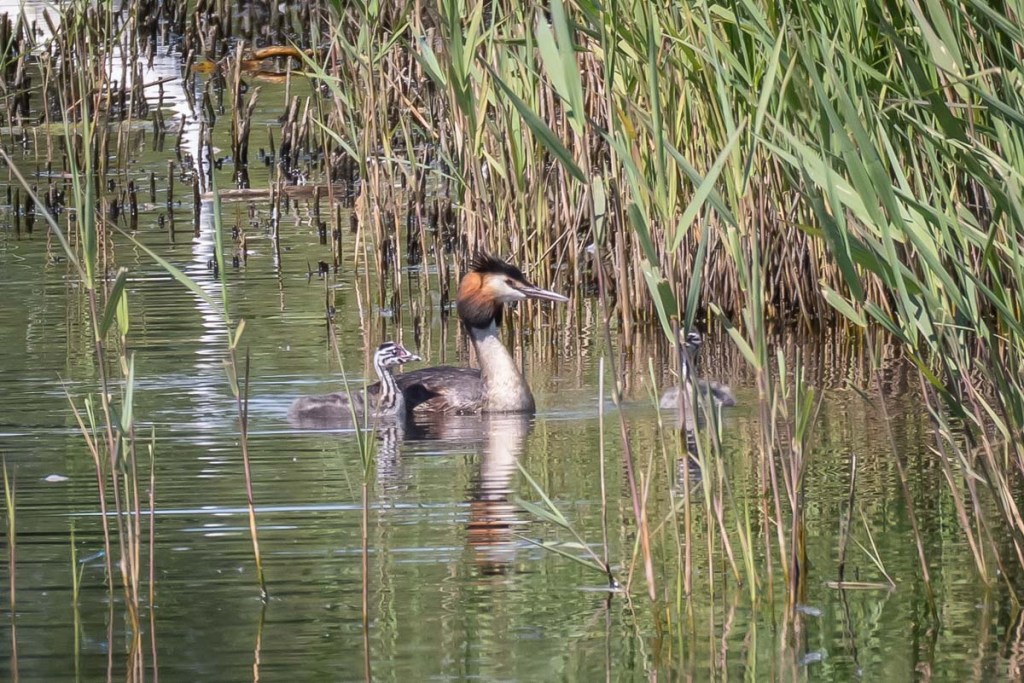
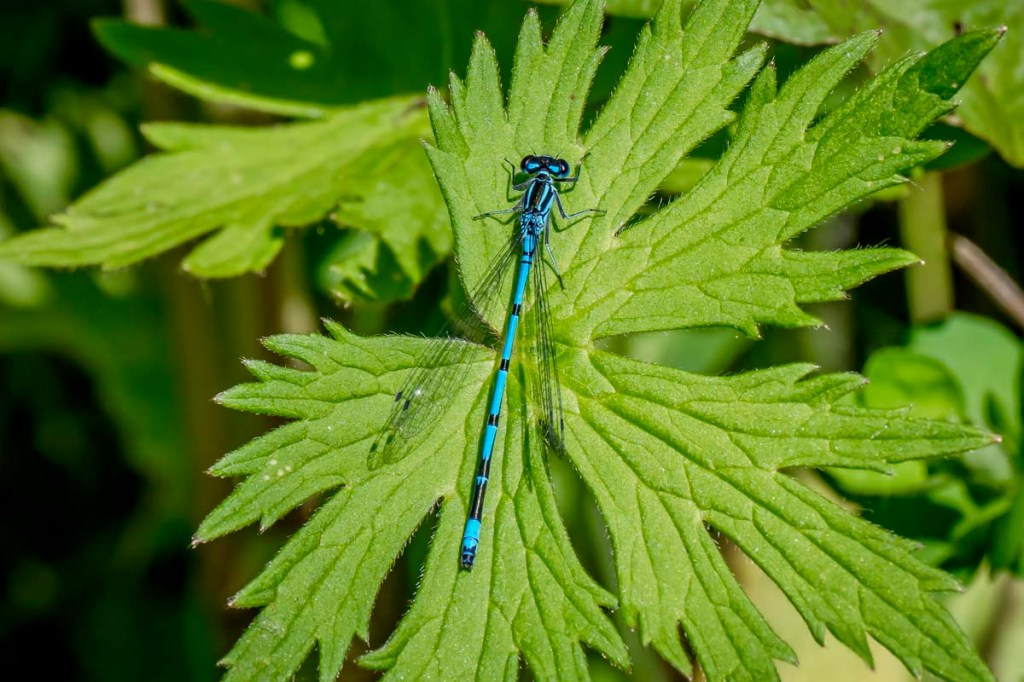
House martinHouse martinSwallowSwallowHouse martinHouse martinSwallowGoldfinch gorging on seed headsGoldfinch beating a hasty retreatA very small section of a charm of goldfinchesBuzzard on our walk through the estateBuzzard calling loudly Holly blue butterfly on our visit to Halsdon Nature ReservePainted lady butterfly at Stafford BartonCommon darter dragonfly at Stafford BartonSpeckled wood butterfly at Stafford BartonGate keeper butterfly at Stafford BartonNo deer to be seen yet but plenty of signs of wildlife on our walk at Stafford BartonA bucolic scene at Stafford BartonClear paths through the woodlands … and across the heathUnderwing of painted lady butterfly at Stafford BartonScarlet pimpernel at Stafford BartonSo many insects attracted by the wild flowers on the Stafford Barton estateThe view from our porchOur walk on the third dayA section of the quarry at Meeth Quarry nature reserveSmall white Butterly at Meeth Quarry nature reserveCommon blue damselfly at Meeth Quarry nature reserveSpeckled wood butterfly at Meeth Quarry nature reserveBeautiful heather in full colour everywhere at Meeth Quarry nature reserveLittle grebe at Meeth Quarry nature reserveGreat crested grebe with chicks on its back at Meeth Quarry nature reserveTime for a swimCanada geese at Meeth Quarry nature reserveCormorants at Meeth Quarry nature reserveCentaury at Meeth Quarry nature reserveDevil’s bit scabious at Meeth Quarry nature reserveBeautiful demoiselle at Meeth Quarry nature reserve
That’s three day’s done with three more to go. I thought I wouldn’t get a chance to do a blog during the holiday as the only fault I could find with our accommodation was that the broad band was slow and yet three days in and the owner has got BT Open Reach to upgrade it! What service!
A walk around the park this morning brought a few surprises: the 14 goslings we had seen earlier in the week had all gone, presumably predated, and a grey heron, which we have not seen for a while, was back (presumably from the heronry to which they disappear at this time of the year).
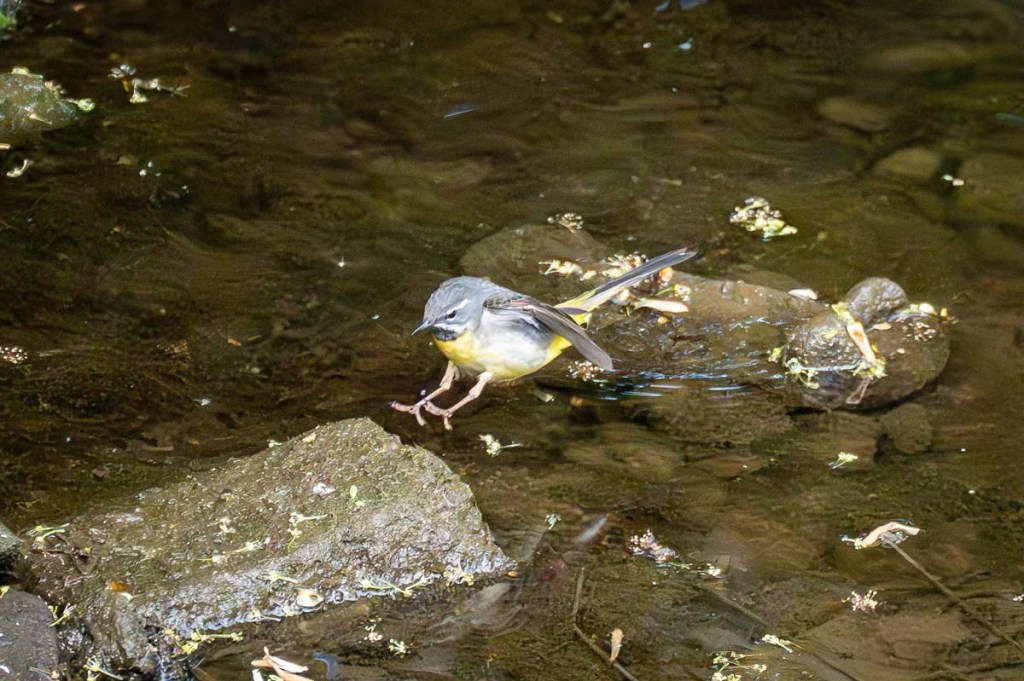
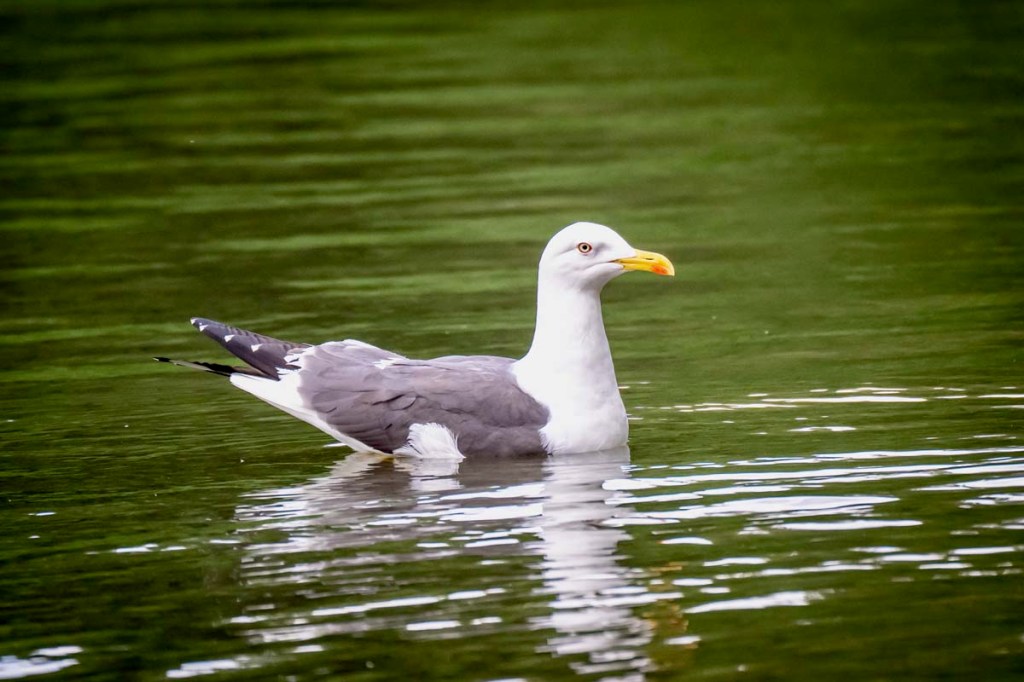
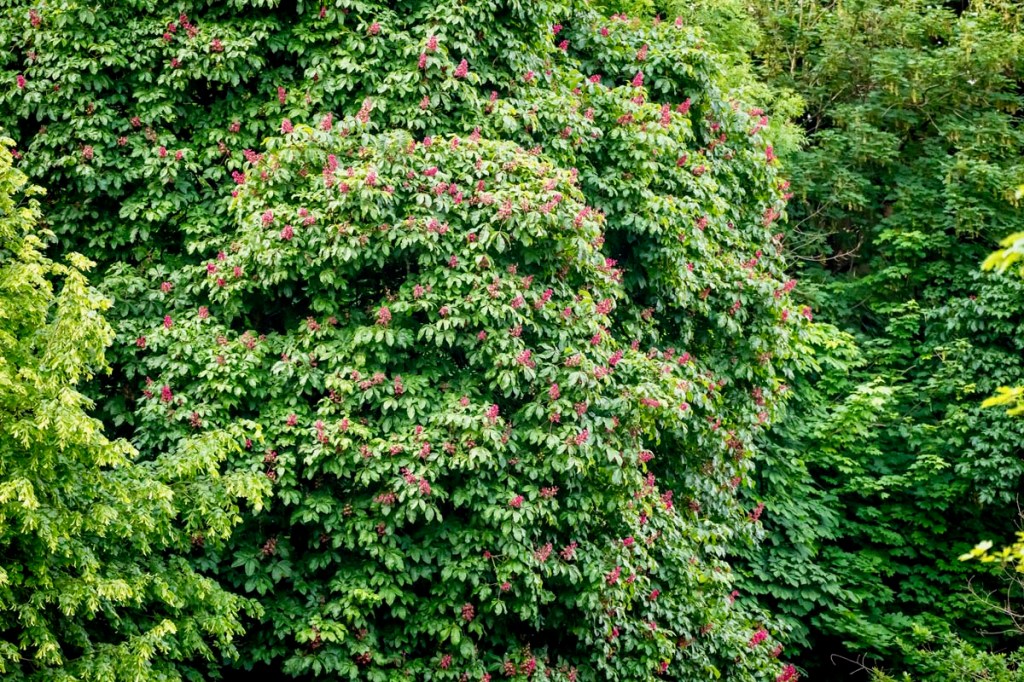
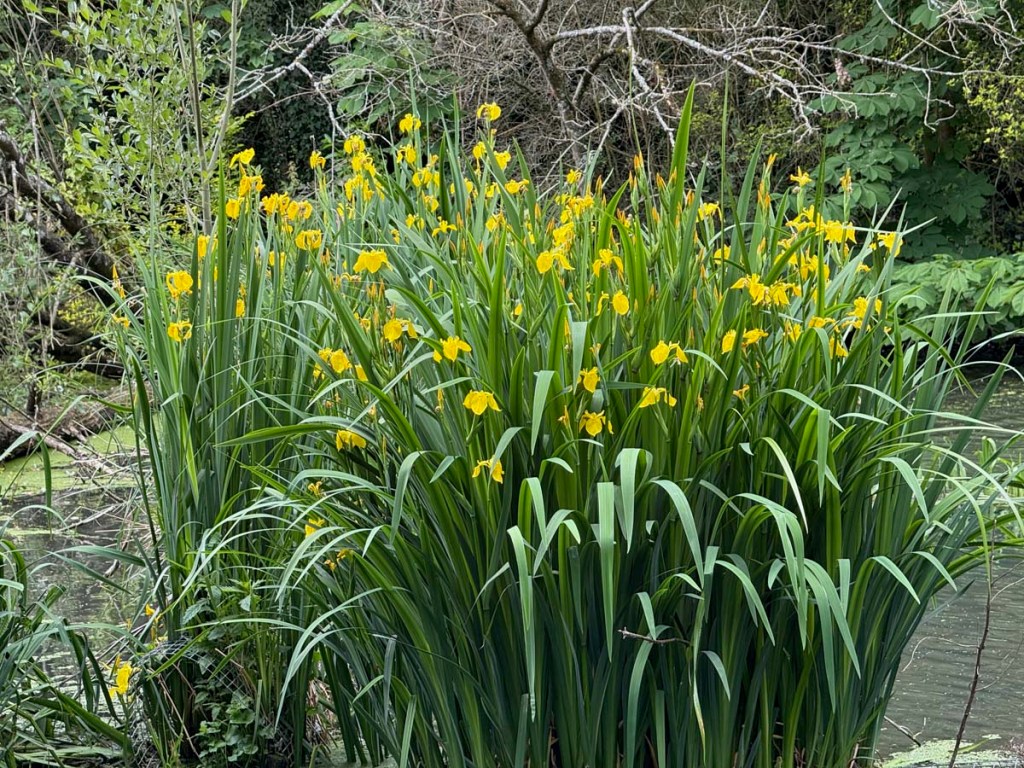
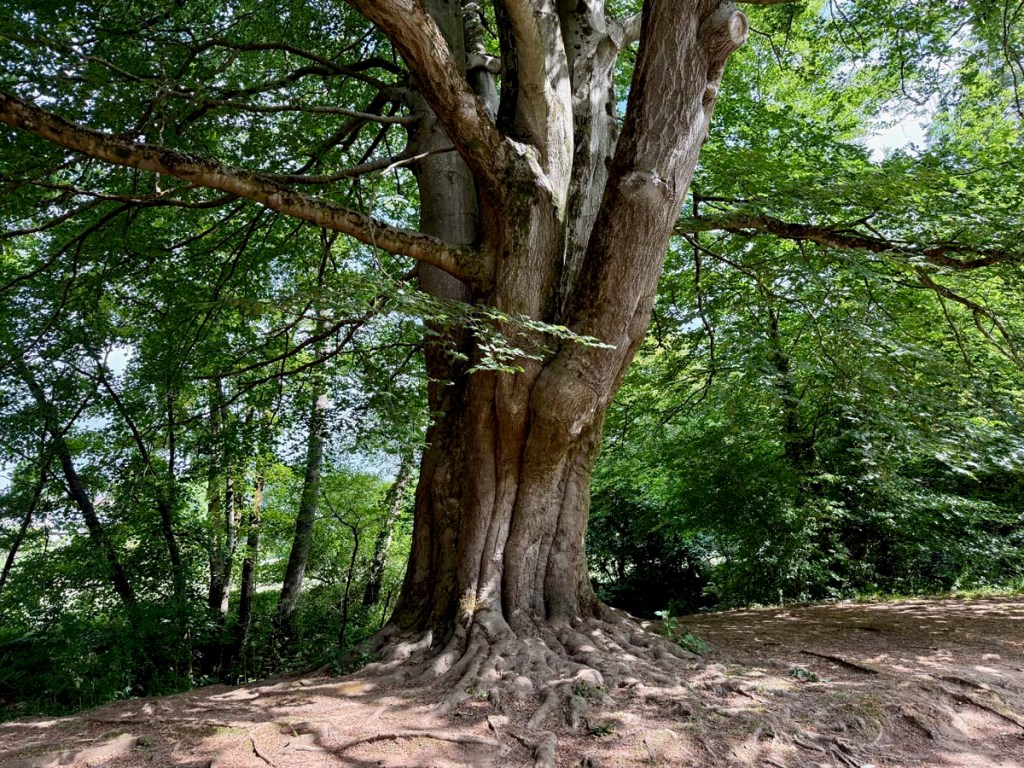
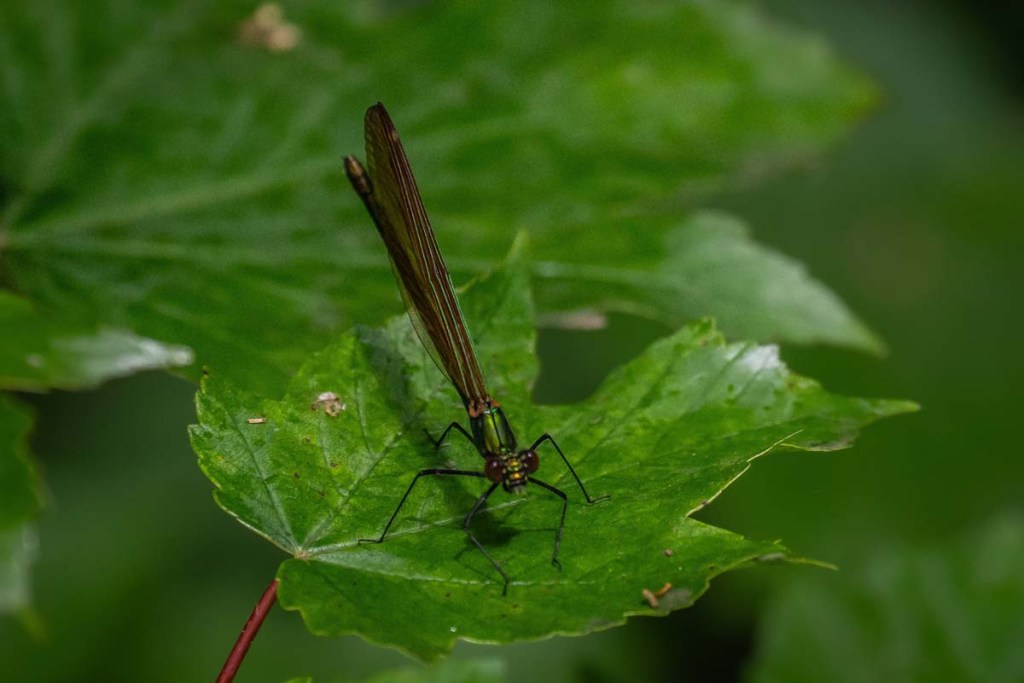
A grey wagtail leaping from one stone to another on the River FromeA wren, one of the noisiest birds but often the most difficult to see, beneath the tree canopy.The grey heron pretending to sleepThe five cygnets were safeA cormorant gorging on the fish stocks in the park lakeLesser black-backed gull, surely no 1 suspect for the disappearance of the goslingsLesser black-backed gullMute swan keeping a keen eye on its cygnetsThe grey heron perching on a fallen tree in the middle of the lake. There was an earlier attempt to remove the tree but coots had already started nesting there.Close up of the grey heronRed horse chestnut, popular in large gardens and parks in BritainThe lake in the parkYellow flags on the park lakeA beautiful hornbeam between the park lake and the River FromeWe sat opposite the kingfishers nest on the River Frome for a while but there was no action this morningBeautiful demoiselleFemale beautiful demoiselleBeautiful demoiselle in flight
If you have followed my blog through the winter I generally have something to complain about on my visits here: too cold, too wet, poor light, wrong lens, wrong settings, my incompetence etc. Not today: it was just a joy to be here. I’ll let you judge for yourself …
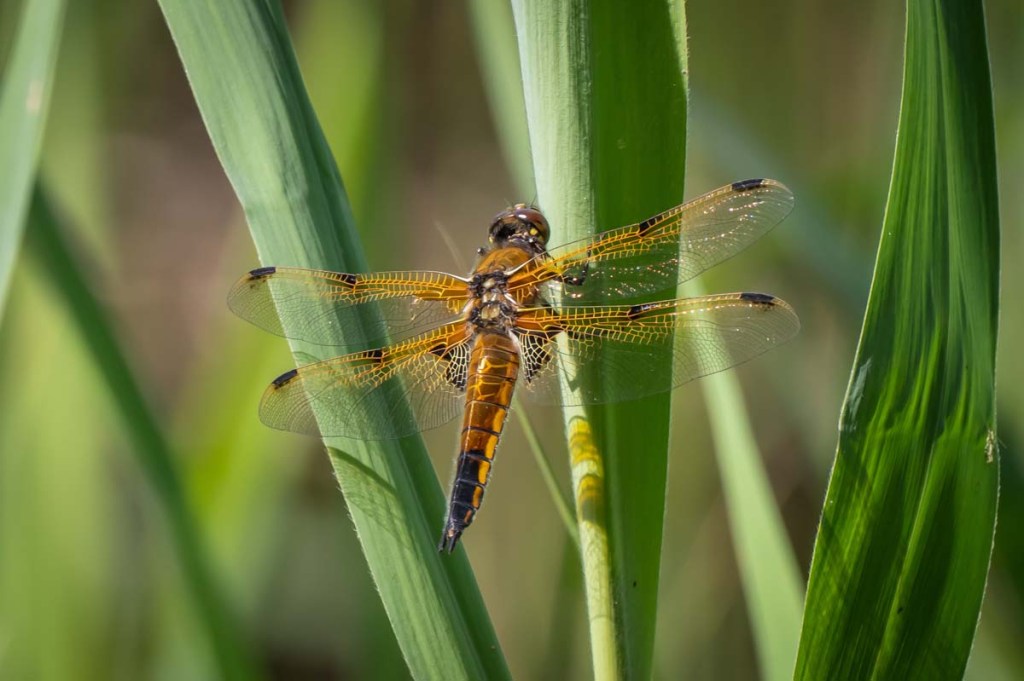
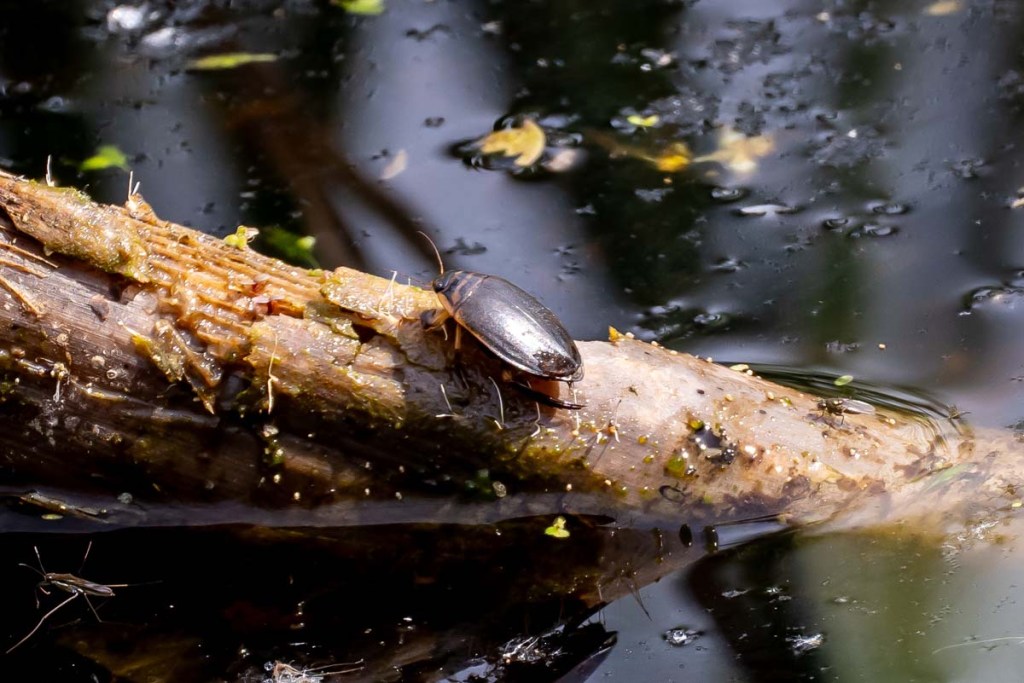
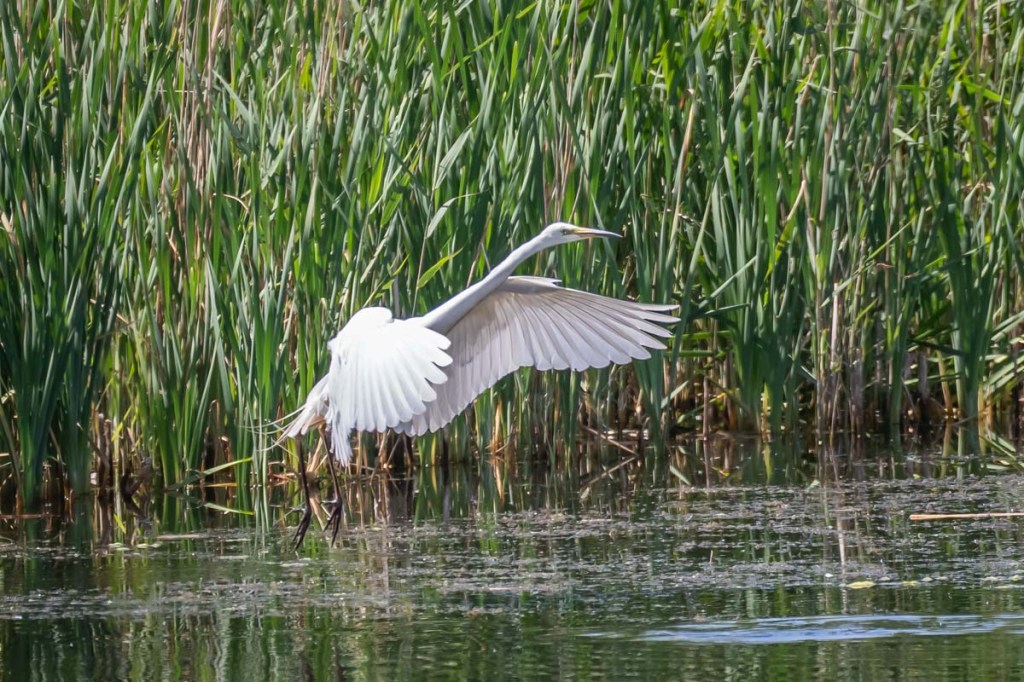
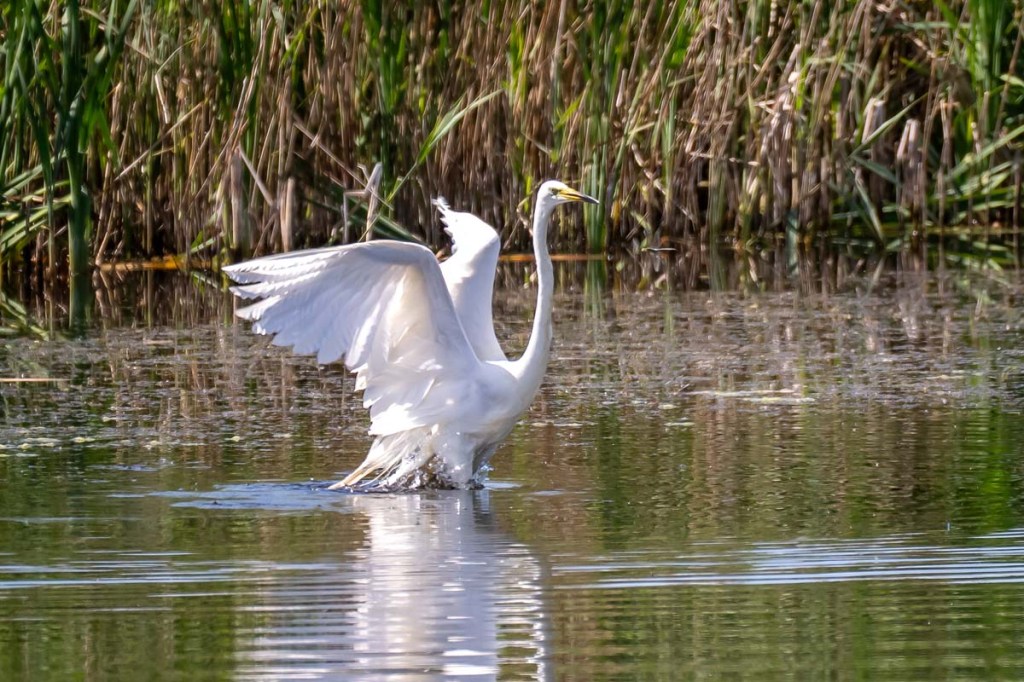
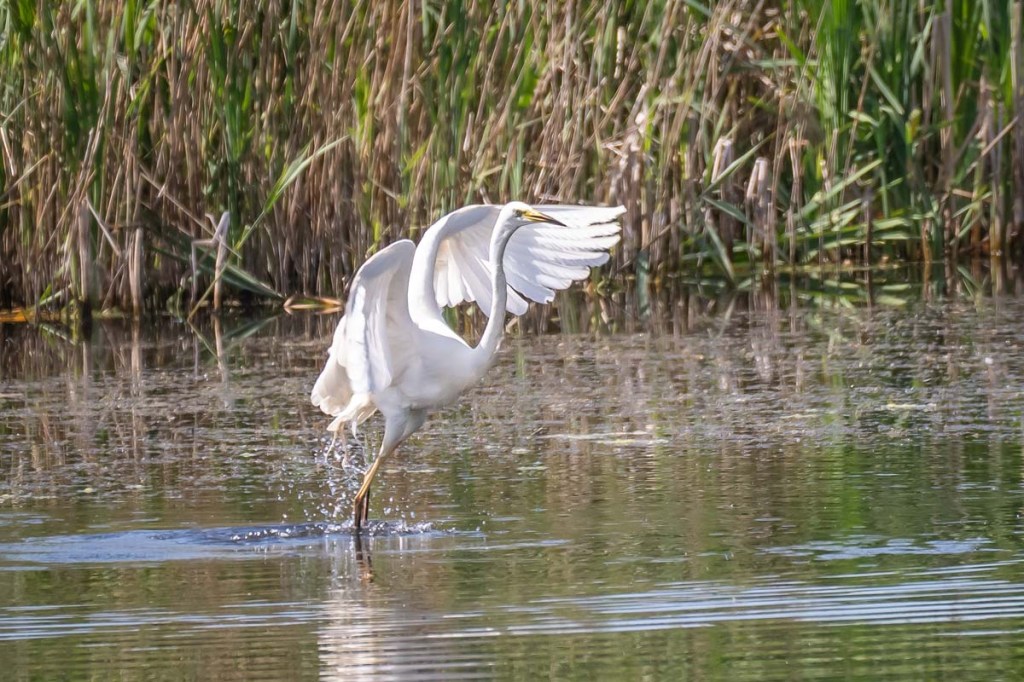
Scarce chaserFour spotted chaserSpeckled woodBlackcapFour spotted chaserGreat diving beetleGrey heronGreat crested grebesGreat white egretGreat white egretGreat white egretGreat white egretGreat white egretGreat crested grebeAzure damselflyRed admiralFour spotted chaserRobinMarsh harrierMarsh harriersMarsh harrierMarsh harrierLittle egretScarce chaserCommon brimstone
We are very lucky that we have two parks very close to where we live in the middle of the city of Bristol: Eastville Park, a Victorian city park with children’s playgrounds, green spaces and a lake and a river where we regularly see common kingfishers and dippers; and Stoke Park Estate which is a local Site of Nature Conservation Interest (SNCI) covering over 100 hectares. Stoke Park Estate is also designated as a Regionally Important Geological and Geomorphological Site (RIGS): an important place for geology and geomorphology. The site has species-rich grasslands, woodland, scrub, and ponds. It is home to wildlife like great crested newts, dragonflies and glow worms.
I spent the afternoon wandering around the fishing lake which is also known as Duchess Pond.
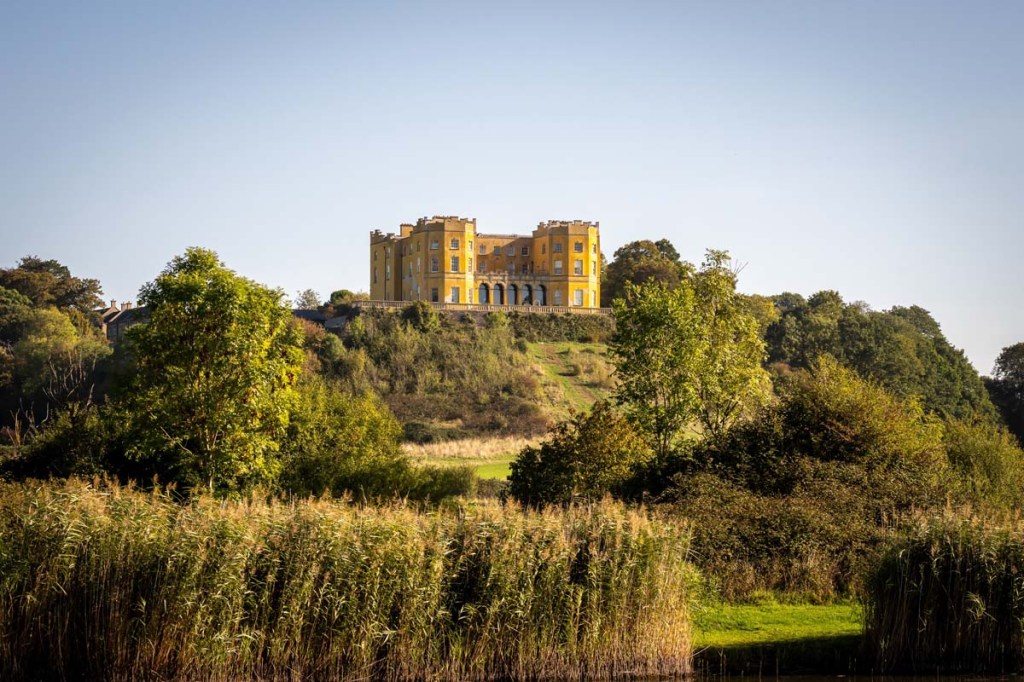
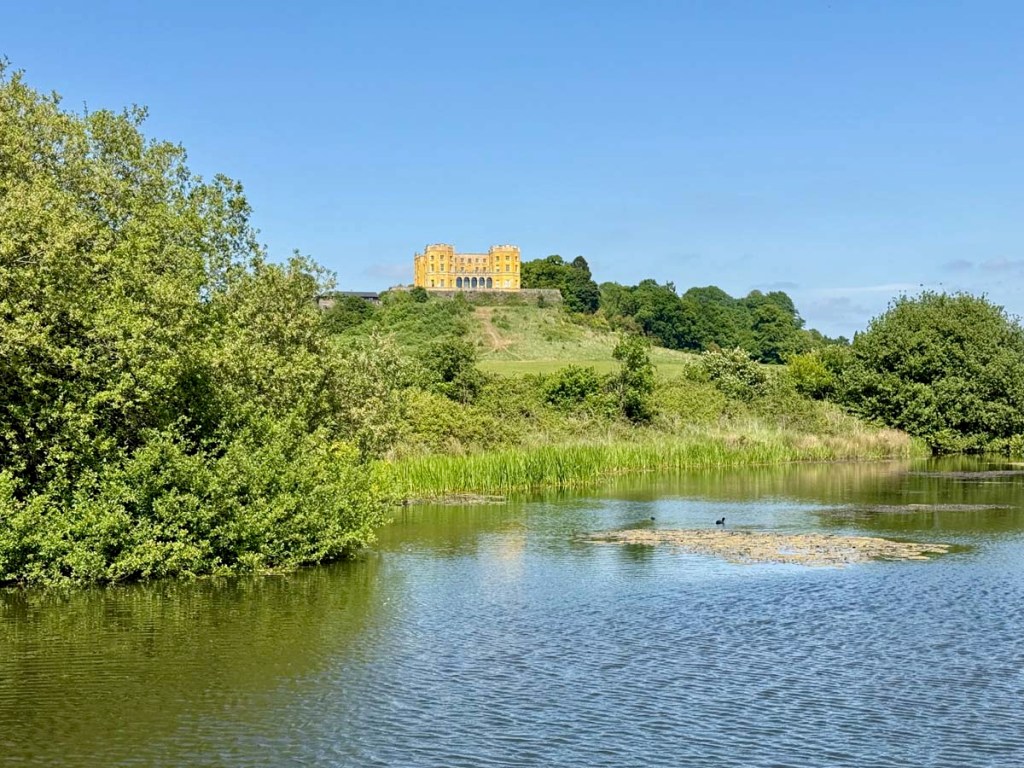
This is the annexe to the main fishing lake (Duchess Pond) with a view of the yellow Dower House, built in 1563 as a private stately home, but now converted to private flats.The main fishing lake (Duchess Pond)
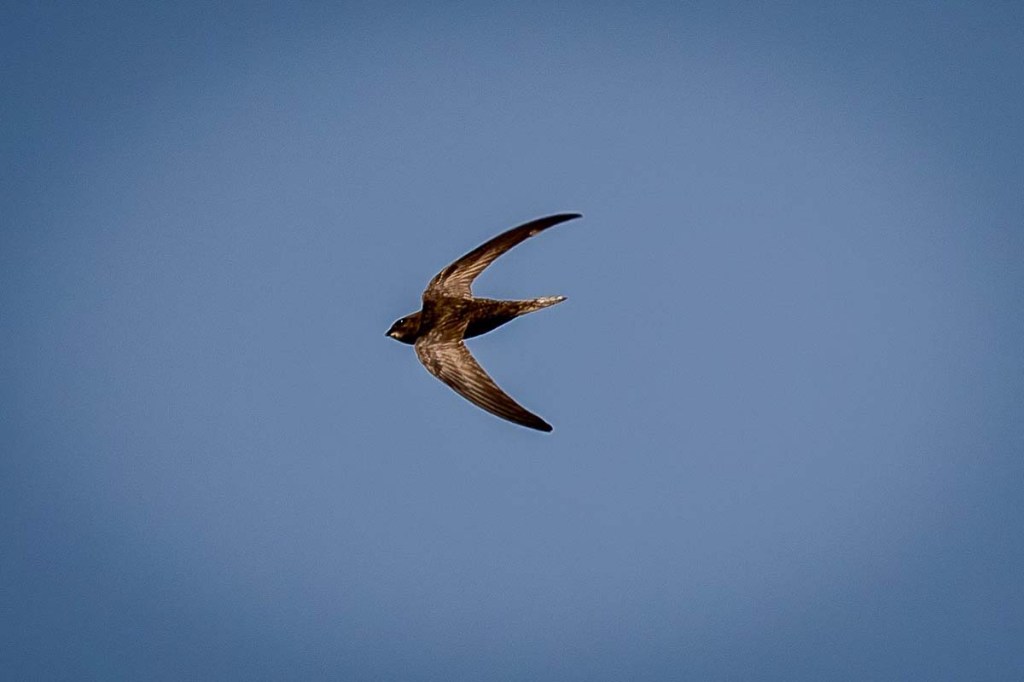
3 swifts passed over briefly but sadly didn’t reappear. However I was pleased to get some shots with the one chance I had.
Common swiftCommon swiftCommon swiftCommon swift
A kestrel appeared briefly but stayed in line with the sun (I’m sure to stop me photographing it).
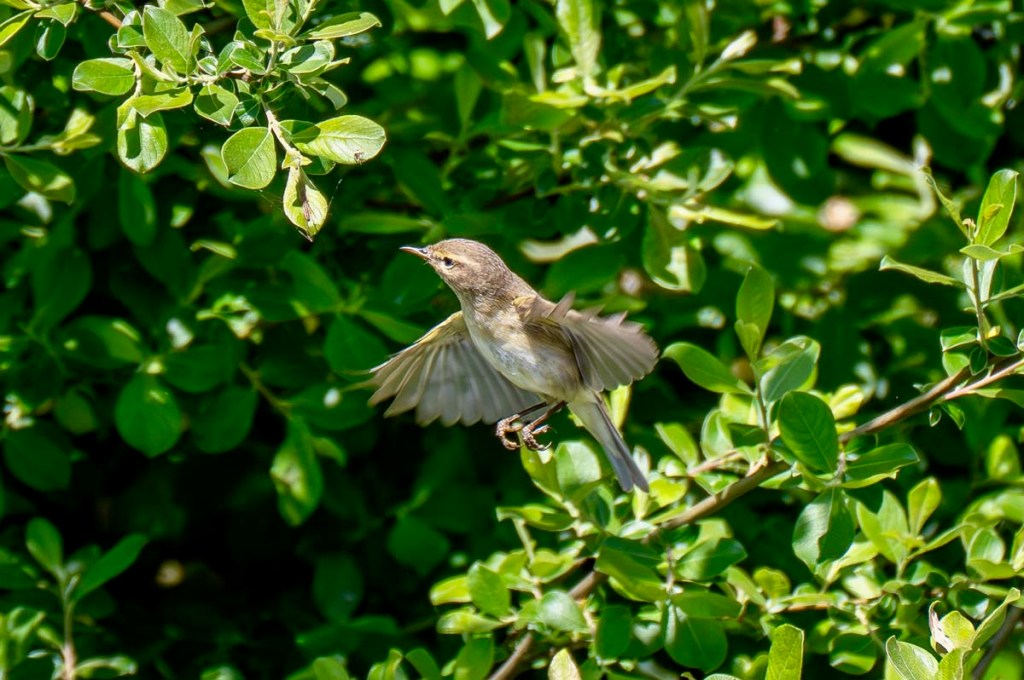
I caught a glimpse of a chiffchaff and was pleased to get some shots as they are quite elusive at this time.
ChiffchaffChiffchaffChiffchaff
There were plenty of carrion crows too (not so elusive!).
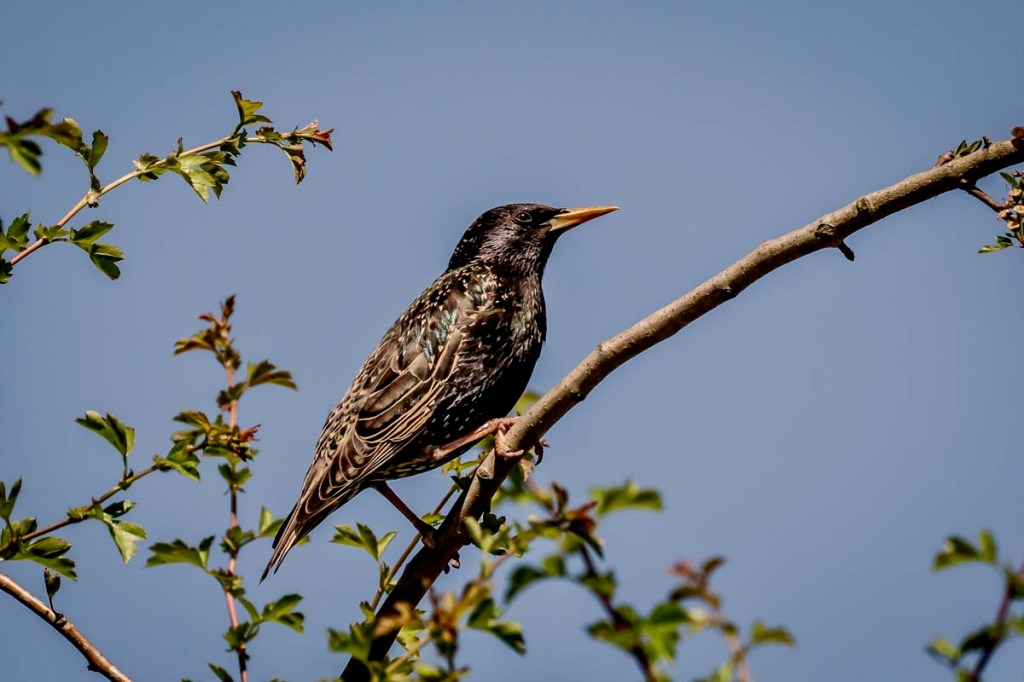
Carrion crowStarling – don’t they look splendid with the sun on their plumage?
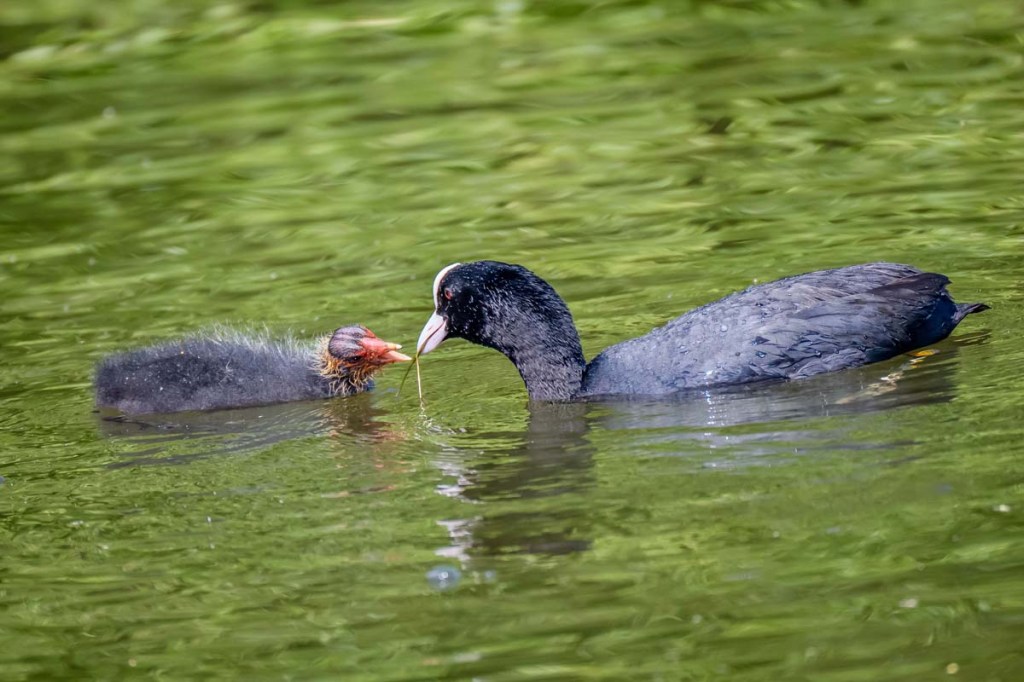
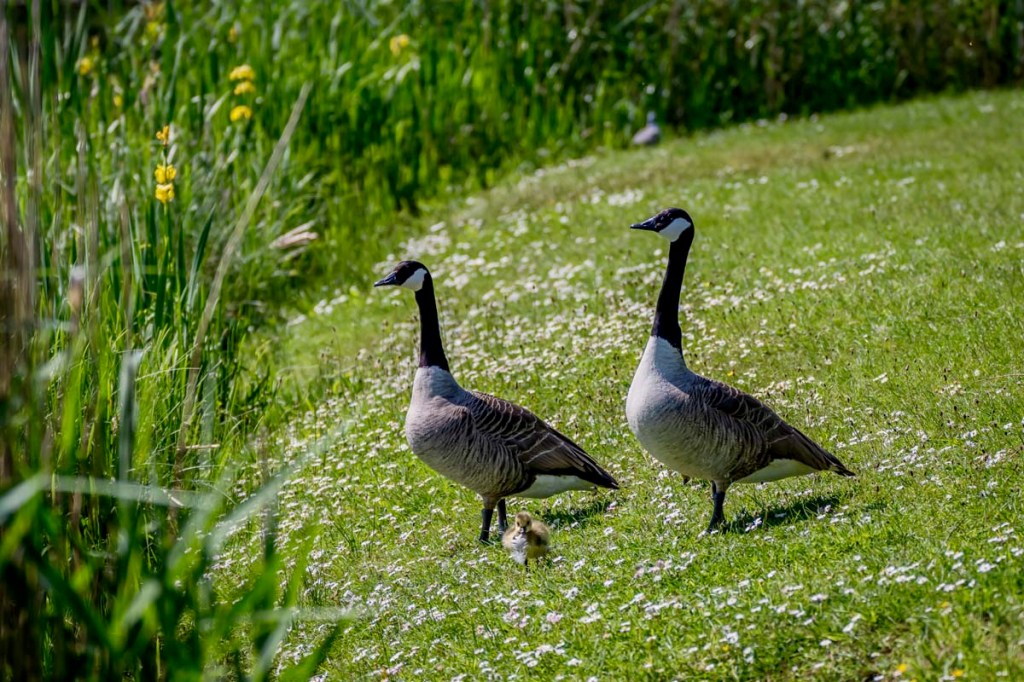
There were lots of(Canada Goose) goslings, ducklings and coot and moorhen chicks.
Coot and chickDucklingsCanada geese and goslingMoorhenCoot – look at the size of their feetCoot chickBlack-headed gull (probably looking for ducklings or chicks)
All around the lake there were dragonflies and damselflies which always prove a great challenge to photograph. I am not very knowledgeable with these and am only hazarding a guess at what was what.
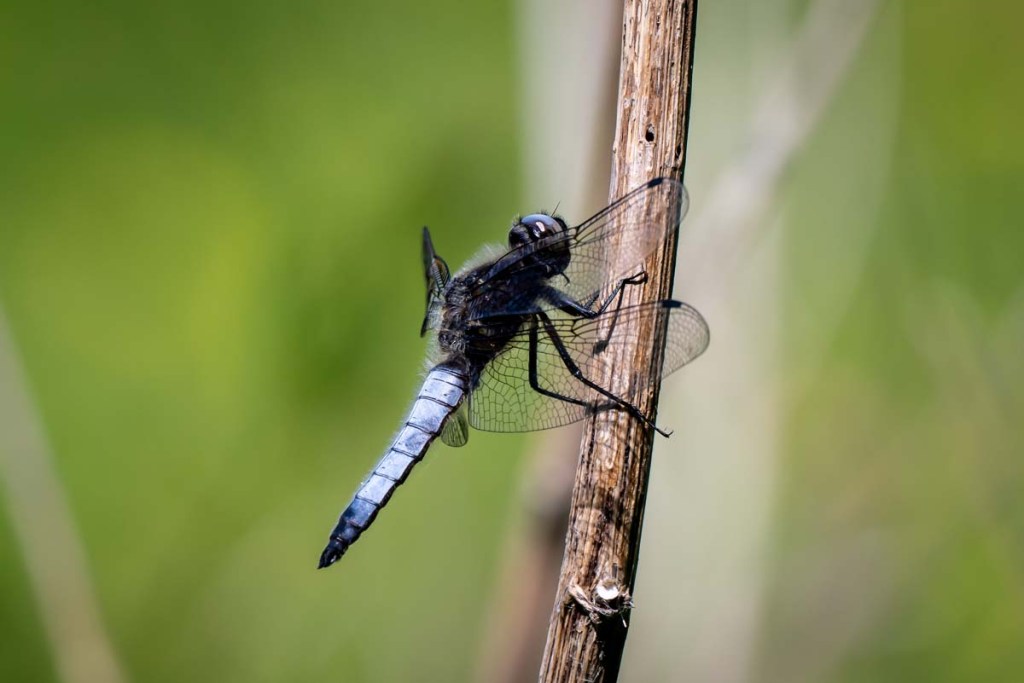
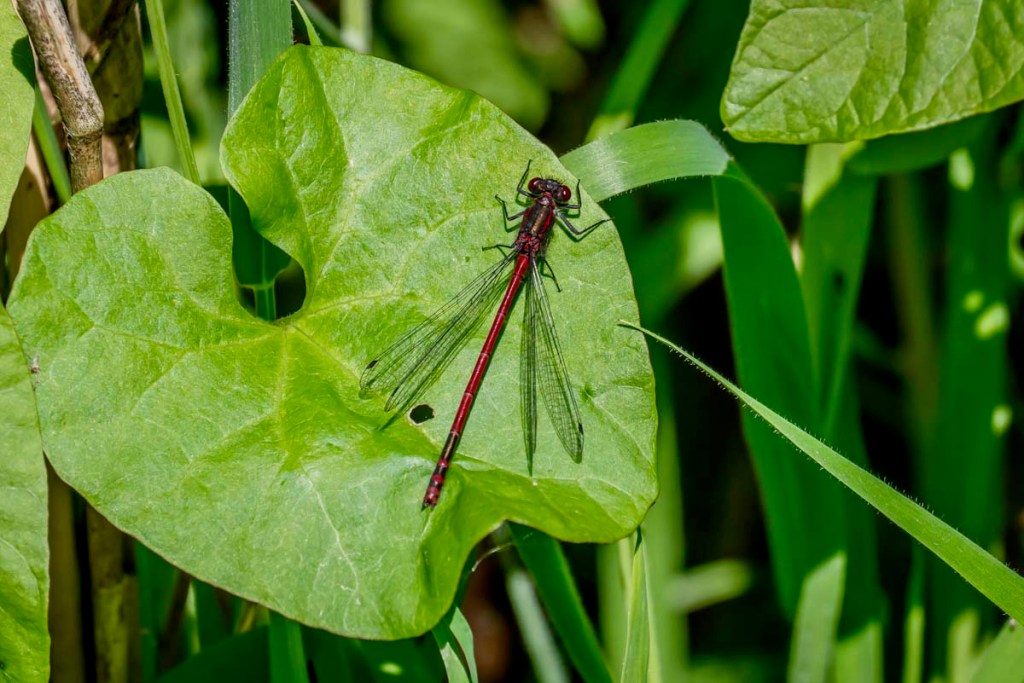
Scarce chaserScarce chaser in flightScarce chaser looking straight at me.Azure damselflyLarge red damselflyBlue-tailed damselflyA common carder bee for good measureStoke Park Estate and the Dower House
Another great day at Ham Wall. Plenty of sunshine but a cold wind.
Lots of opportunities for great photos but I failed miserably as I was having camera problems which I haven’t got to the bottom of yet!
Editing has saved the day a little but far too many great opportunities missed.
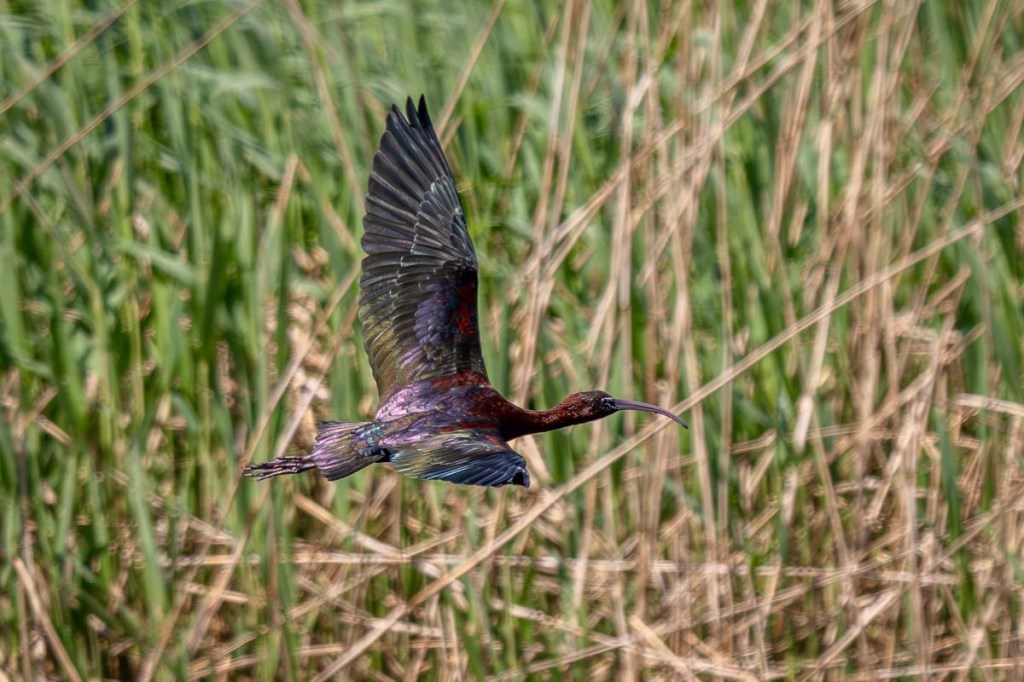
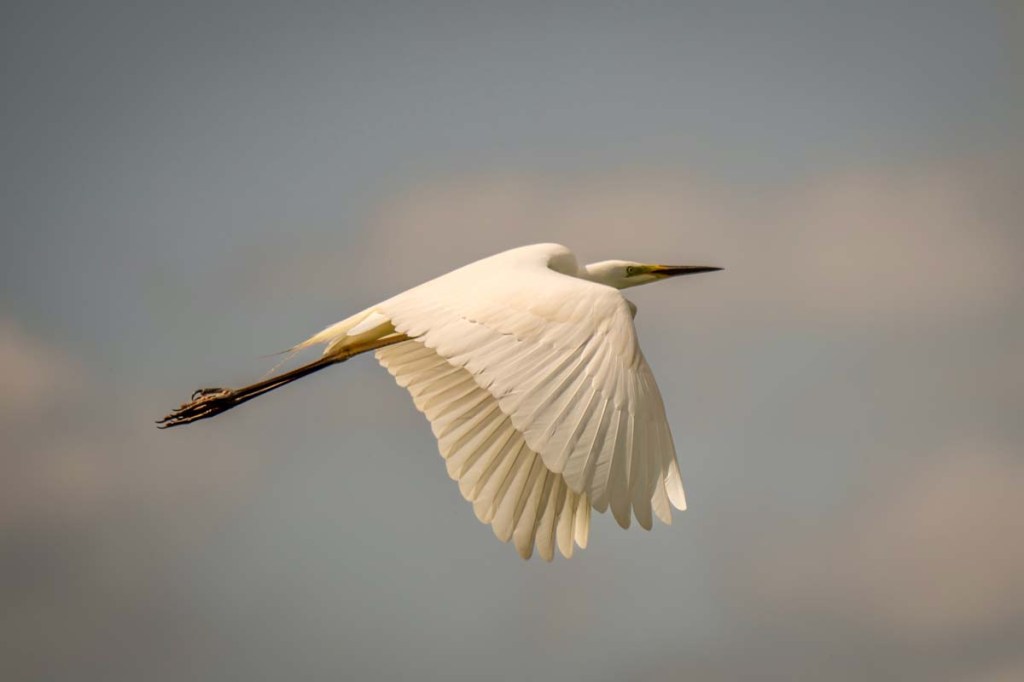
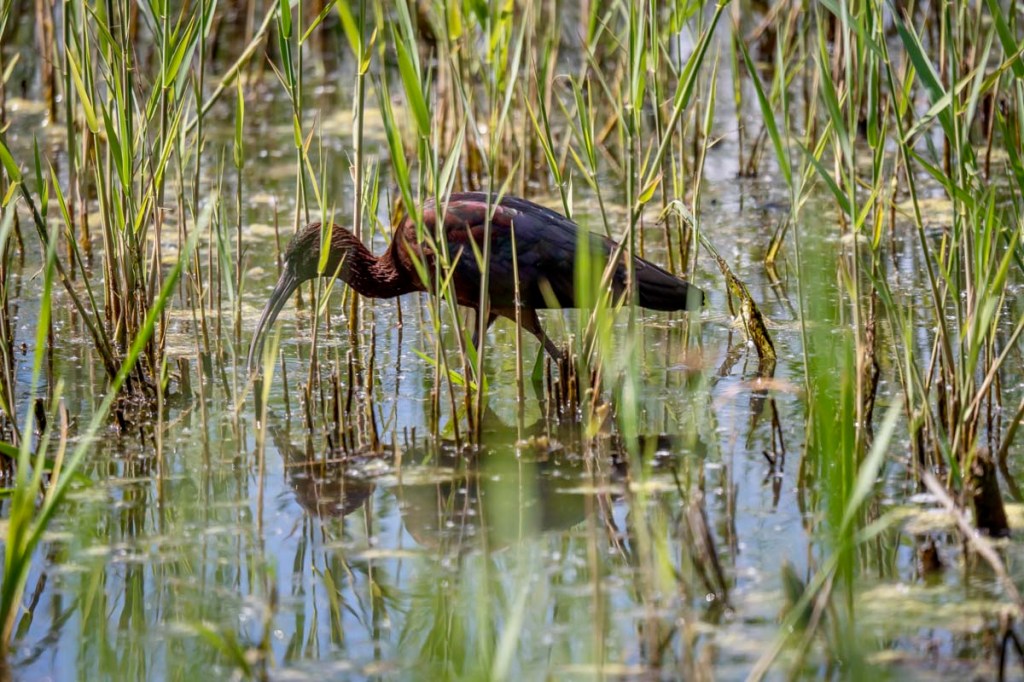
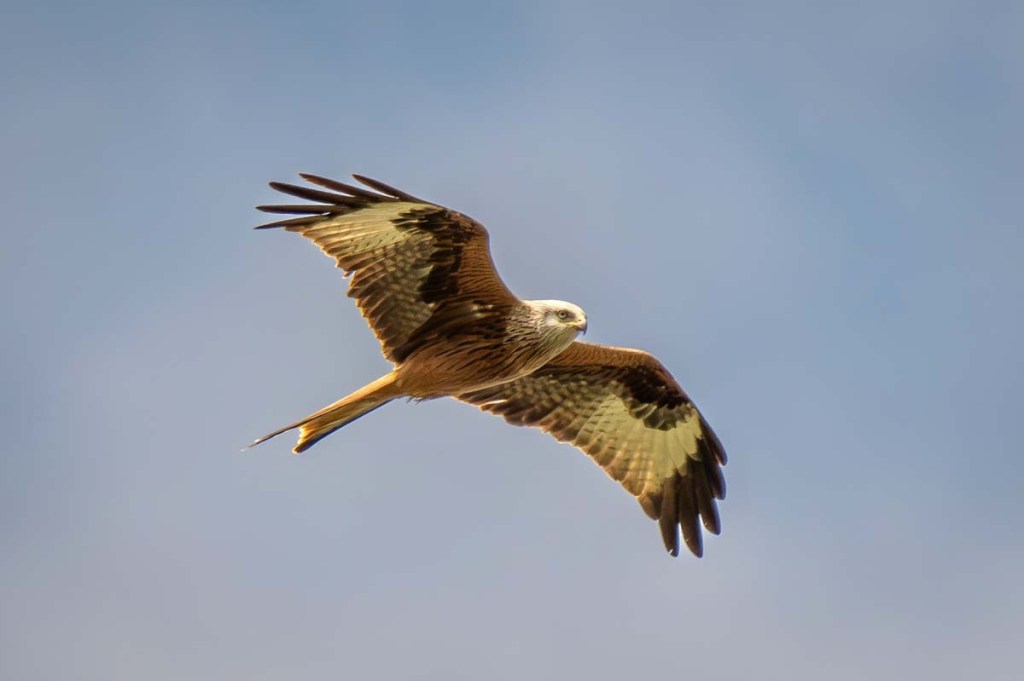
The best of the birds? Glossy ibis, a red kite and a pair of common cranes.
A scare chaserGreat white egretGreat white egretGlossy ibis amongst the reedsGlossy ibis in flightRed kiteRed kiteRed kiteCommon craneReed warblerRed admiralRed admiral
Another trip to Ham Wall on a beautifully sunny and incredibly warm day for late April.
So much wonderful bird song. Clearly the birds were loving it too.
There were lots of people there and so I avoided the hide where the glossy ibis could be seen.
Again there were plenty of views of marsh harriers but a little more distant than last week. I just missed a pair of cranes; by the time I arrived they were hunkered down with their brood.
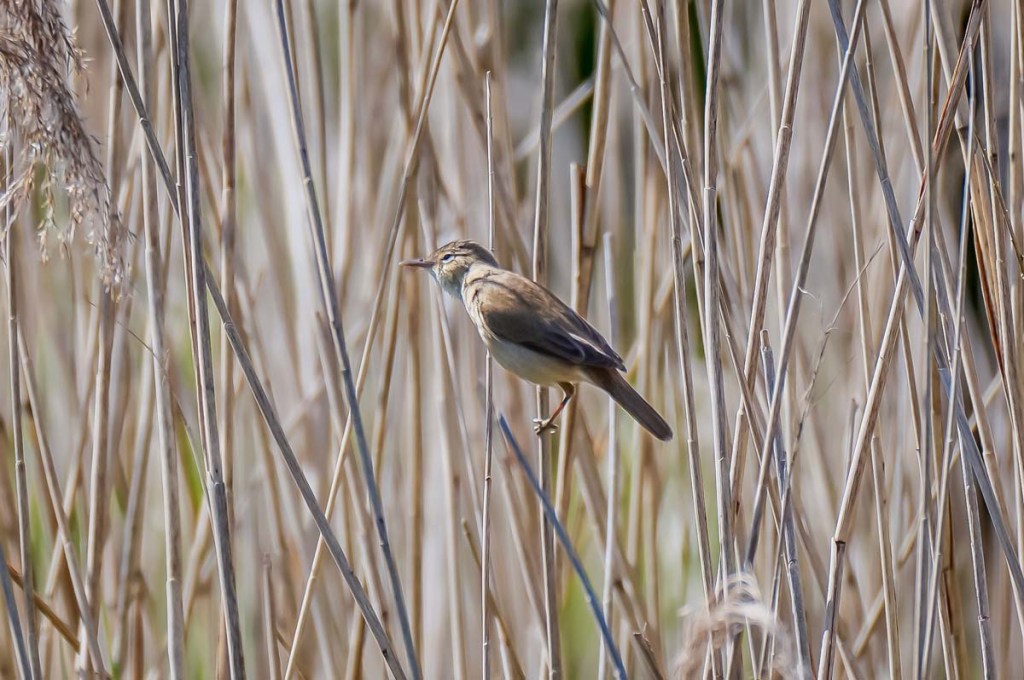
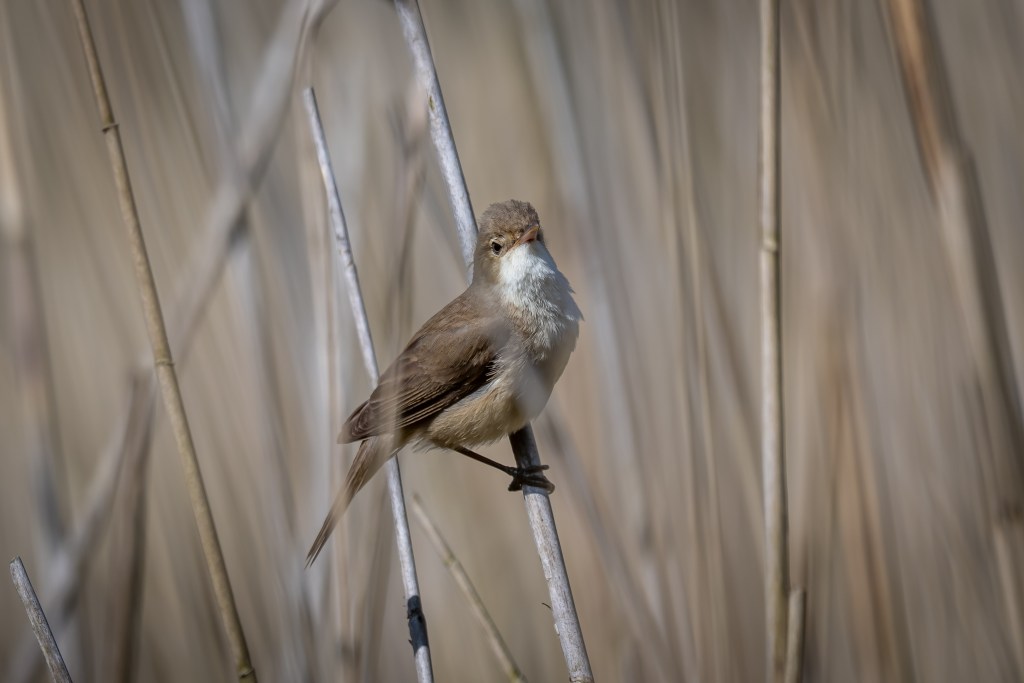
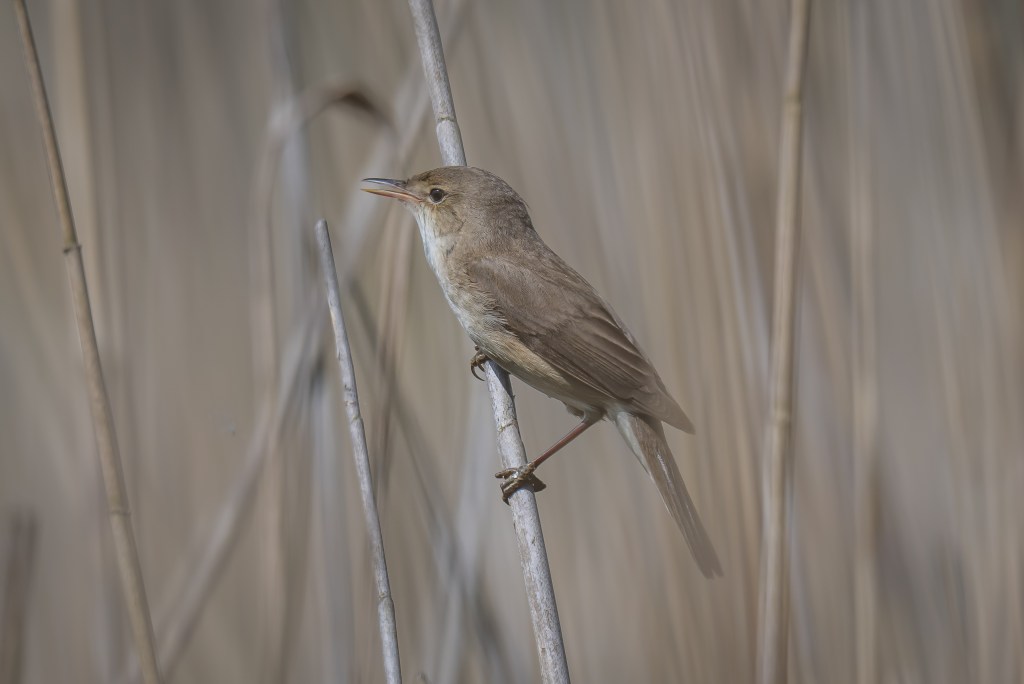
For me the treat was several very melodious reed warblers and so I will give them prominence on my blog.
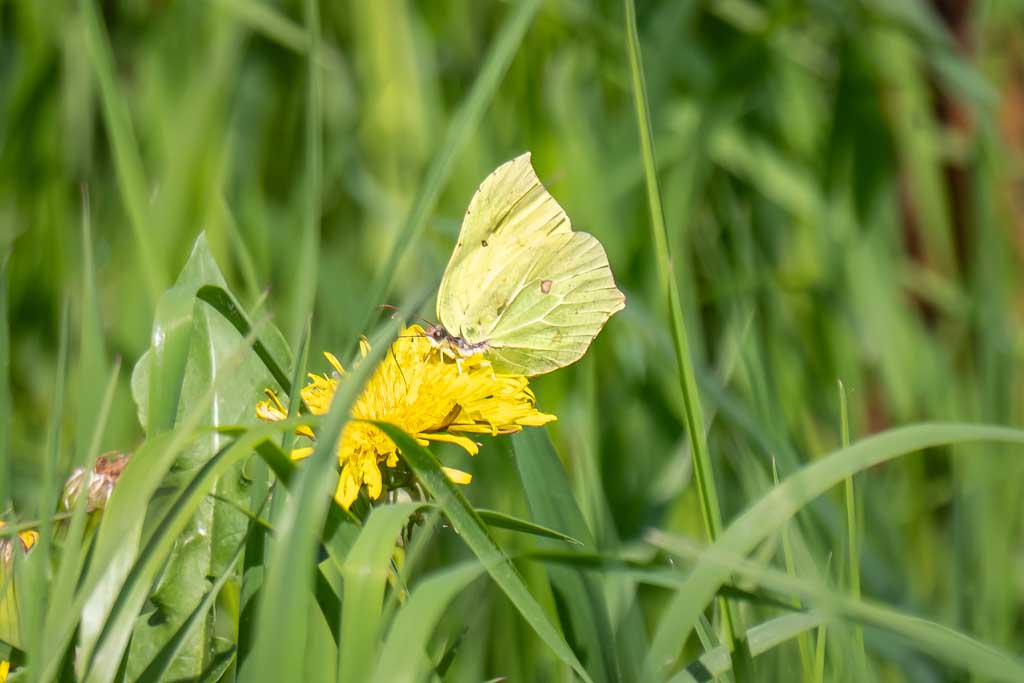
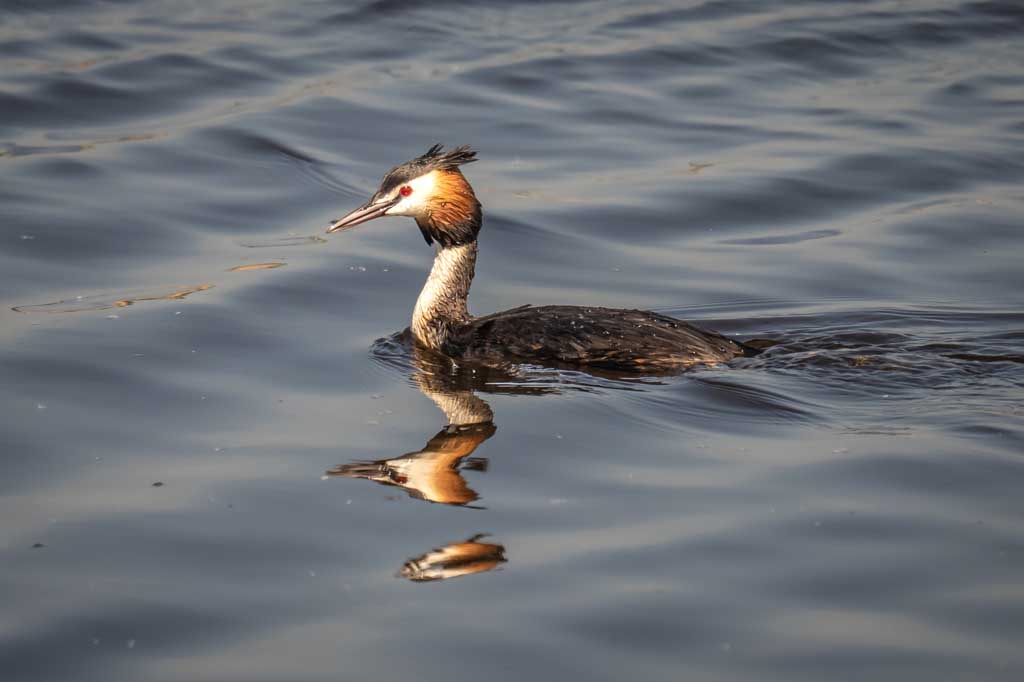
Reed warbler Reed warblerReed warblerReed warblerYellow brimstone butterflyHairy dragonflyGreat crested grebeHobbyHobby about to take a dragonfly