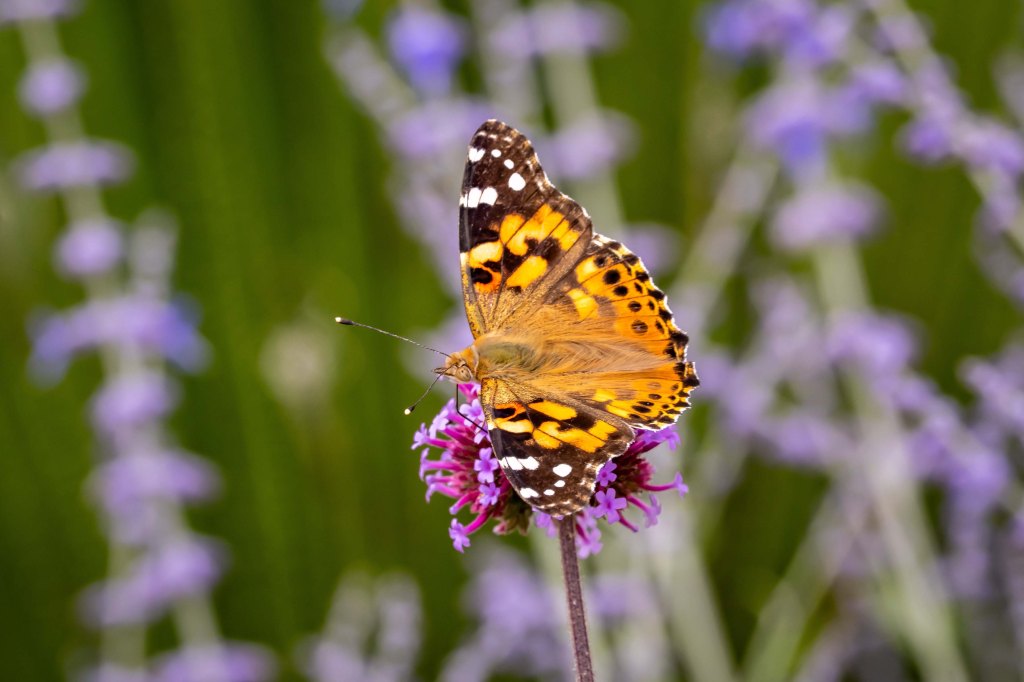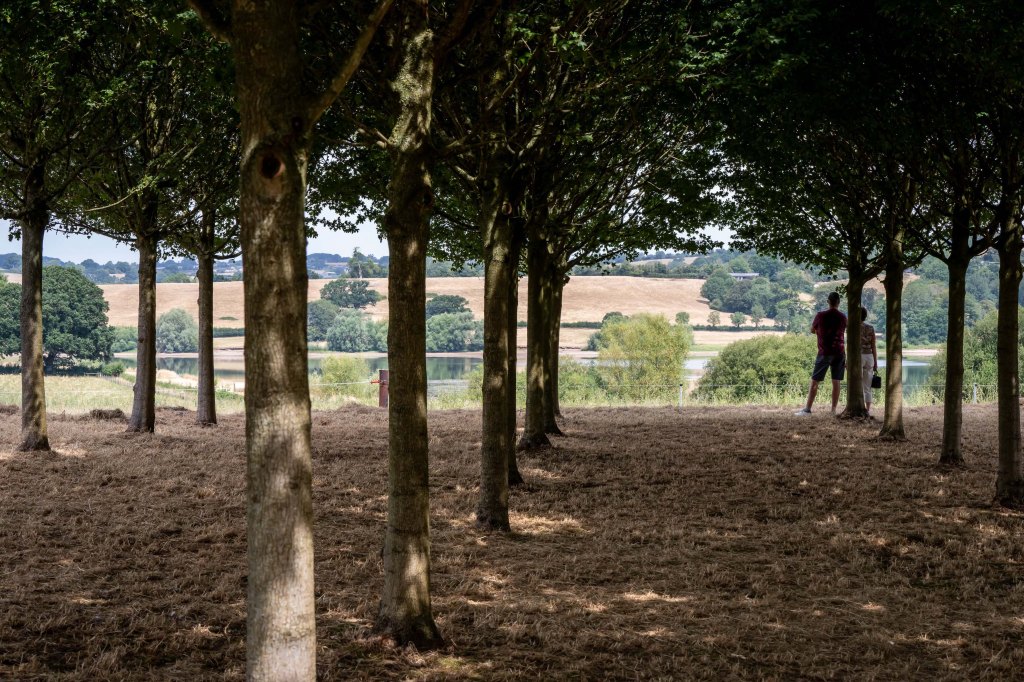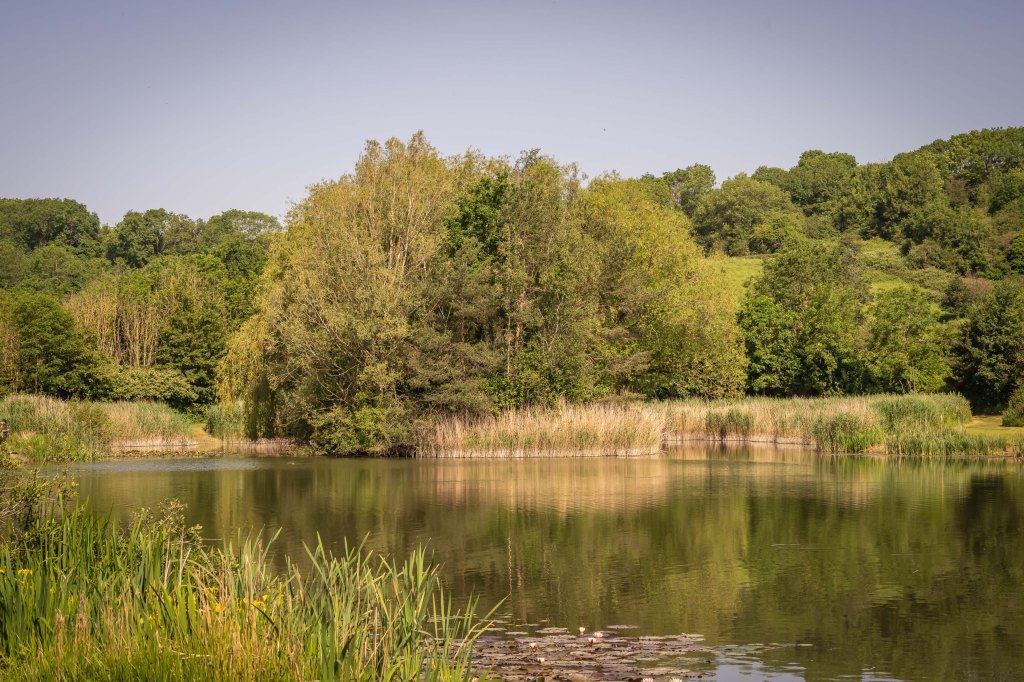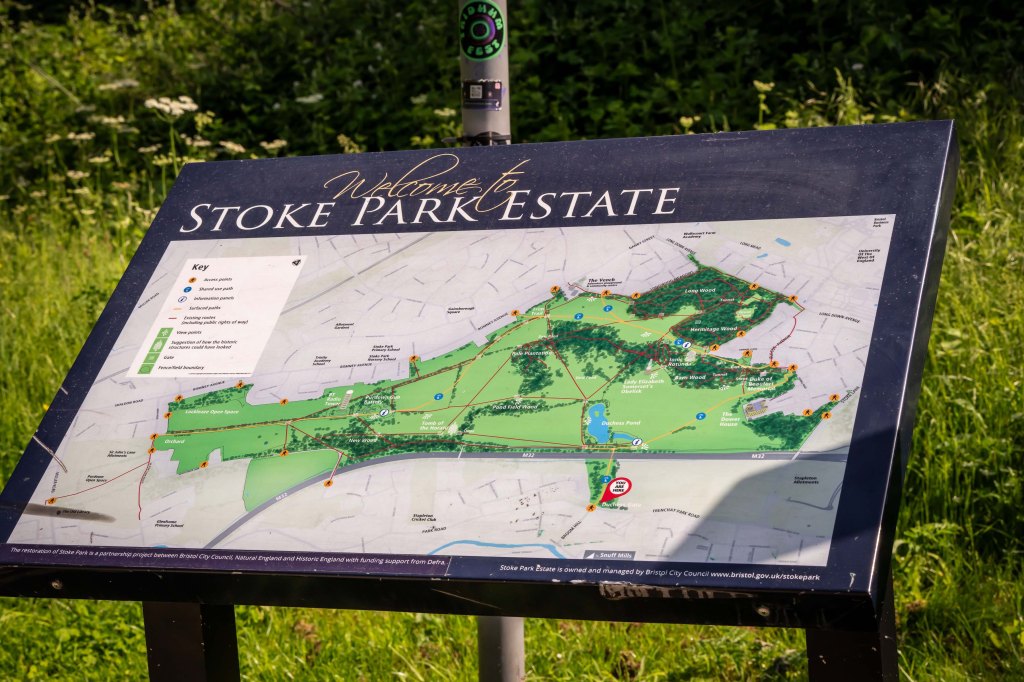
Stoke Park Estate is only half a mile from our home but I have not been able to get here for over 6 months. Today was forecast to be over 30 degrees Celsius so this morning we decided to have a walk there before it was too hot.
It’s a very pretty spot but since the 1970s it has had a motorway (one of the main arterial roads leading into the city of Bristol) passing through it. It’s quite amazing that it has been spared house building which has been quite intense on this side of the city.
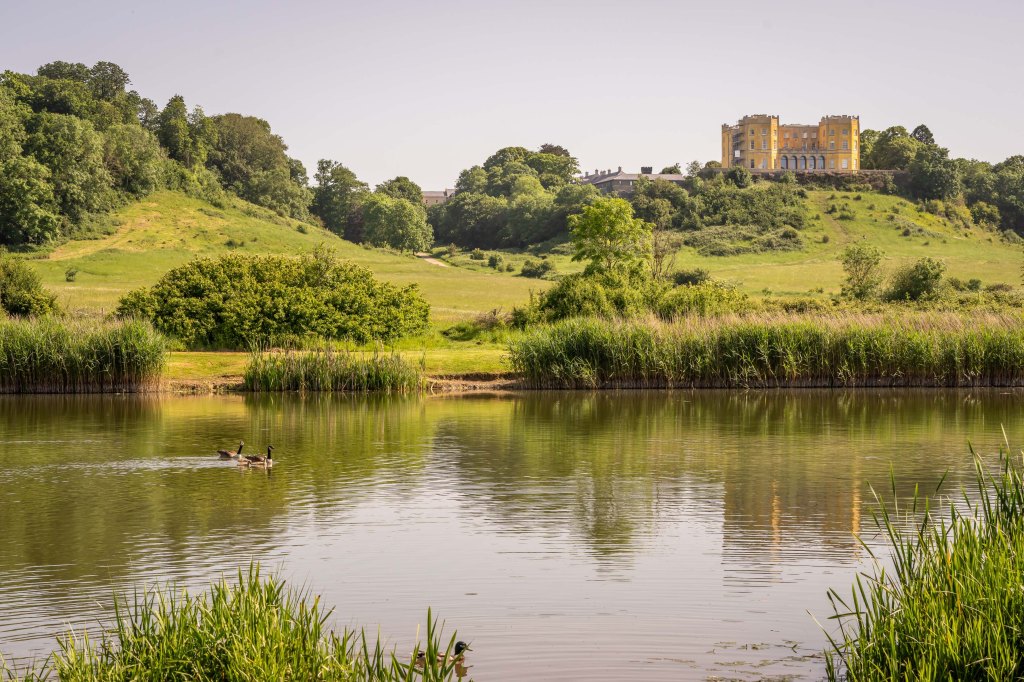
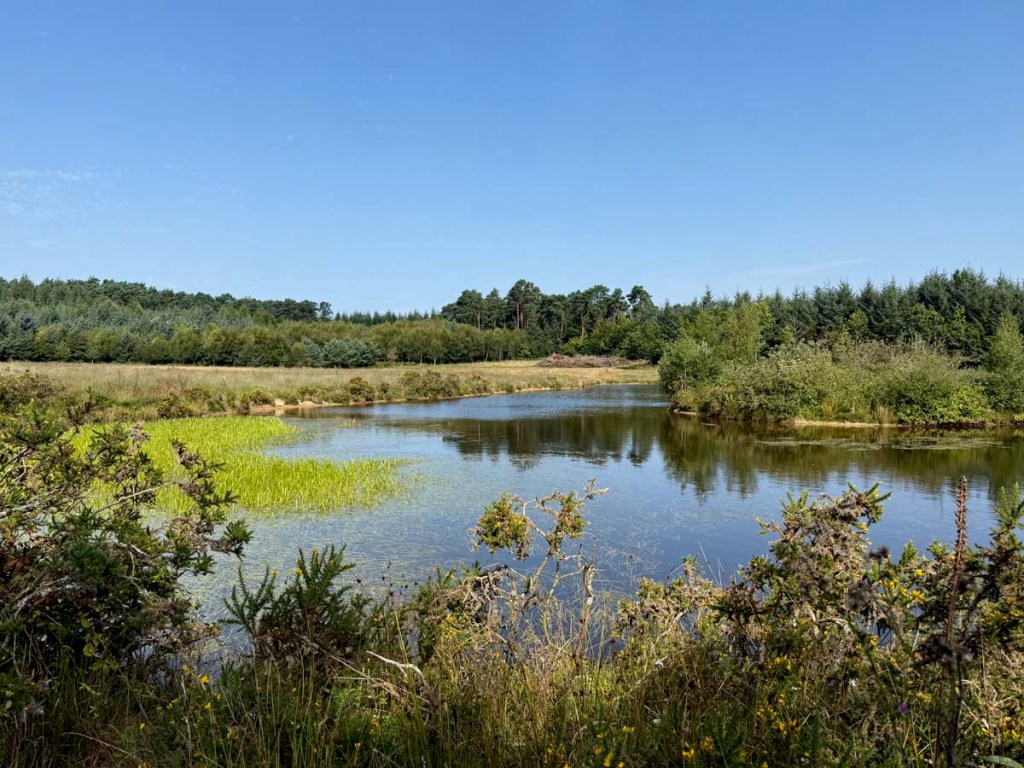
Duchess Pond in the Stoke Park EstateThe M32 passes along the south side of Stoke Park
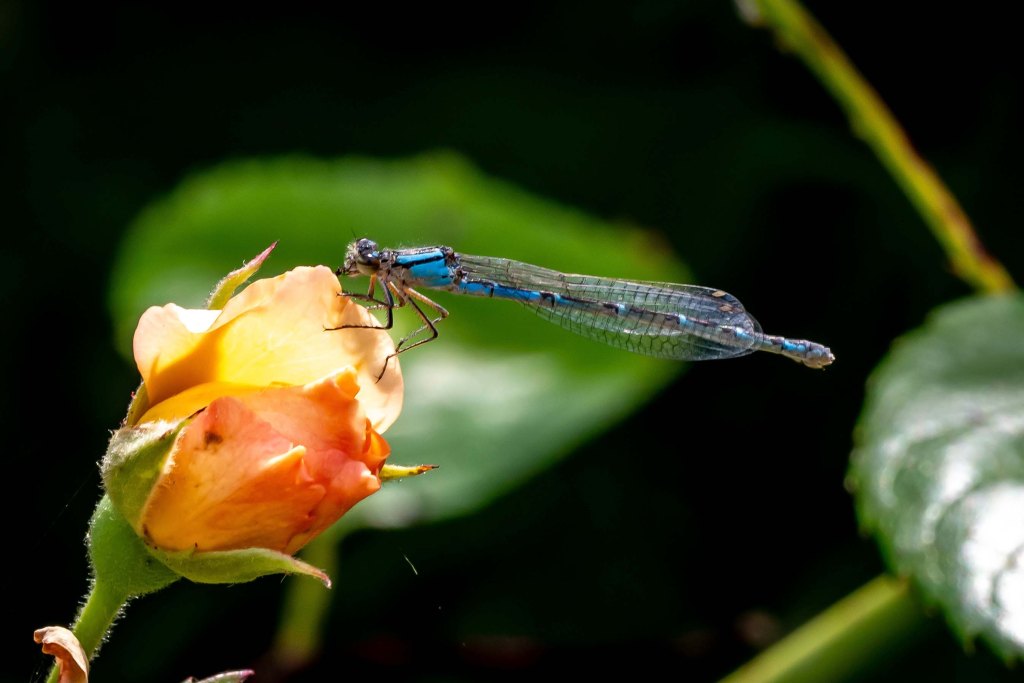
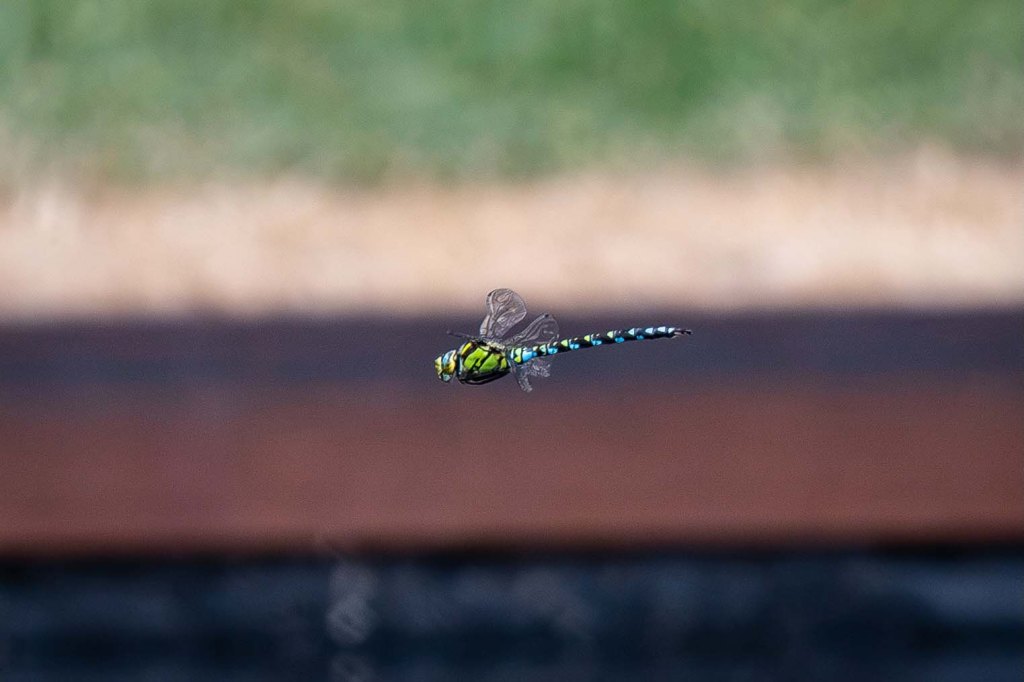
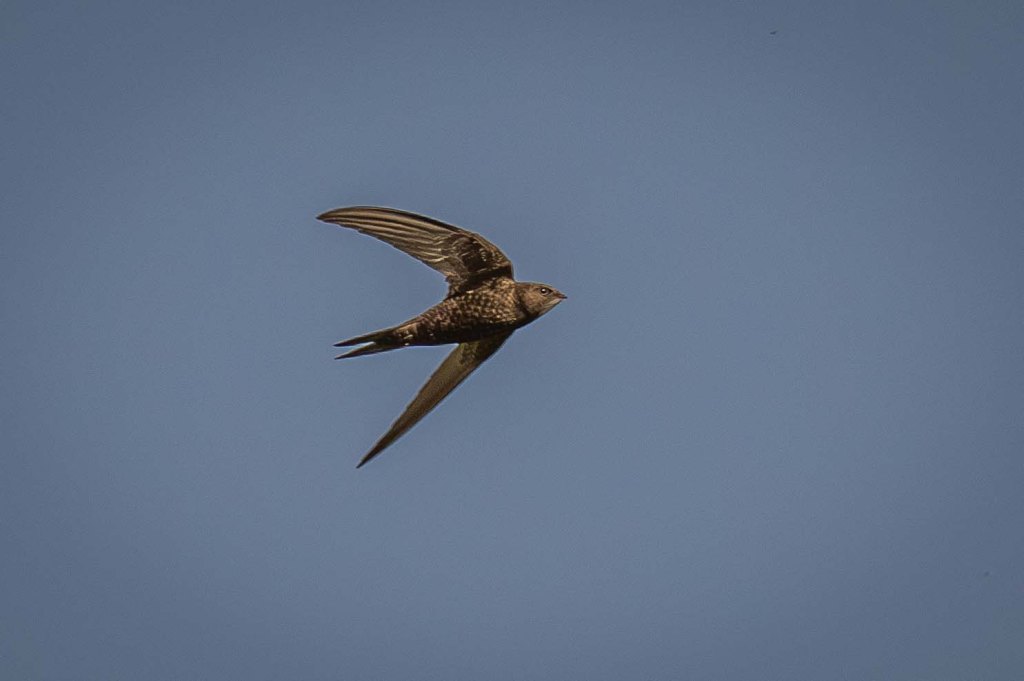
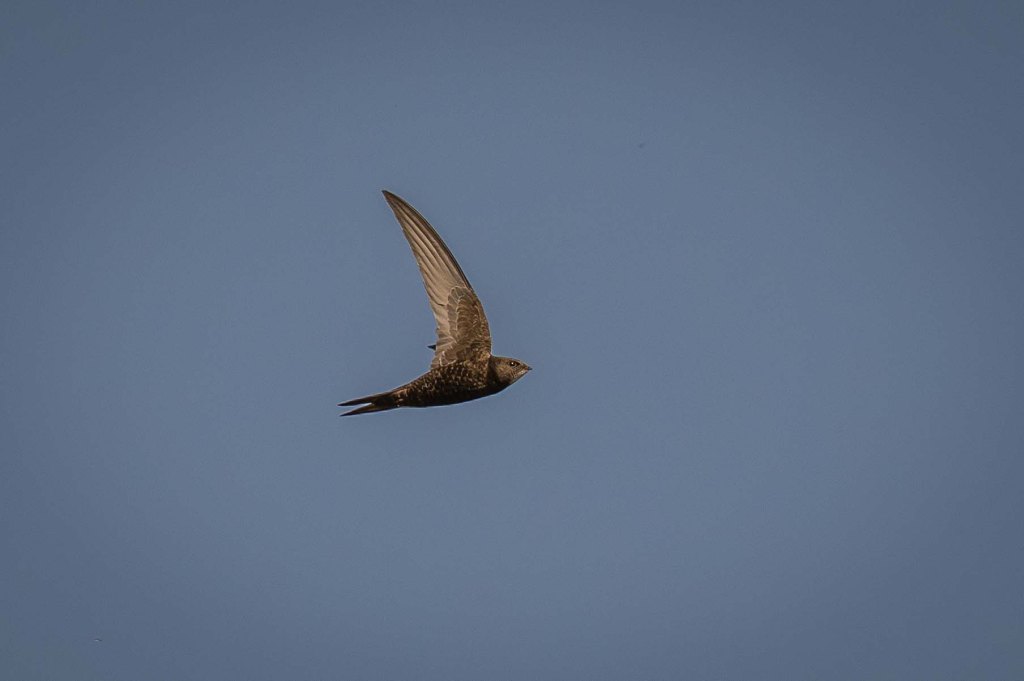
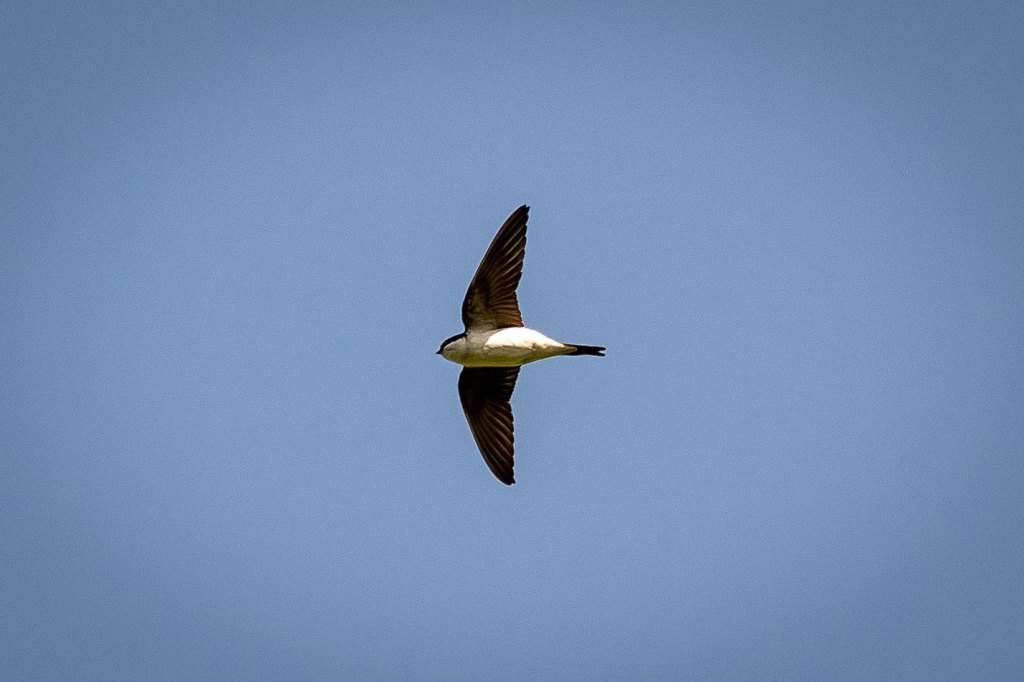
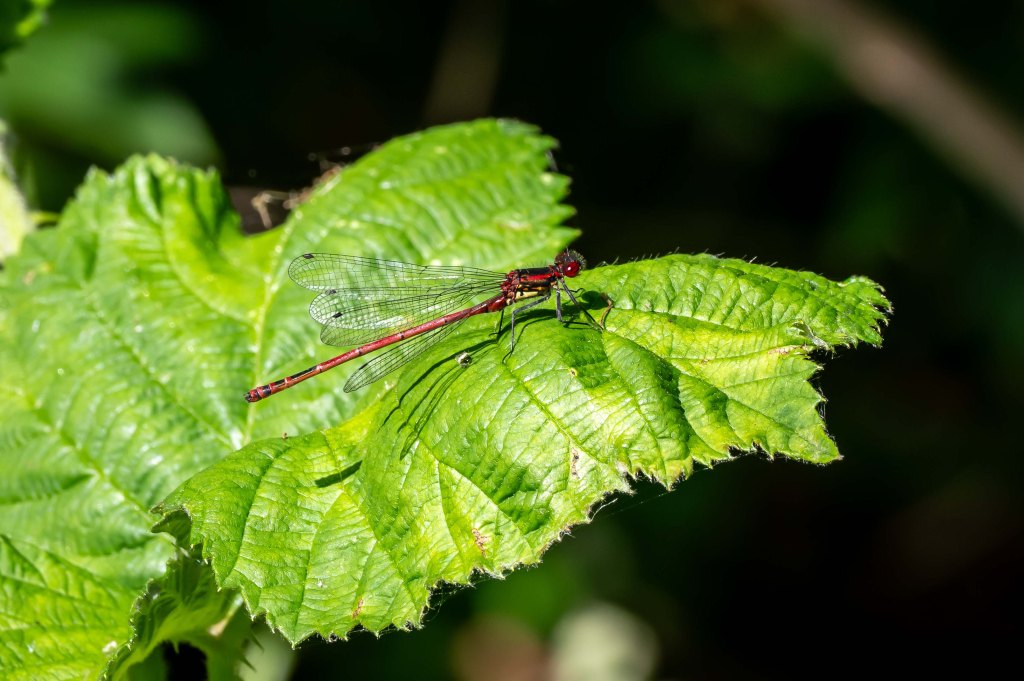
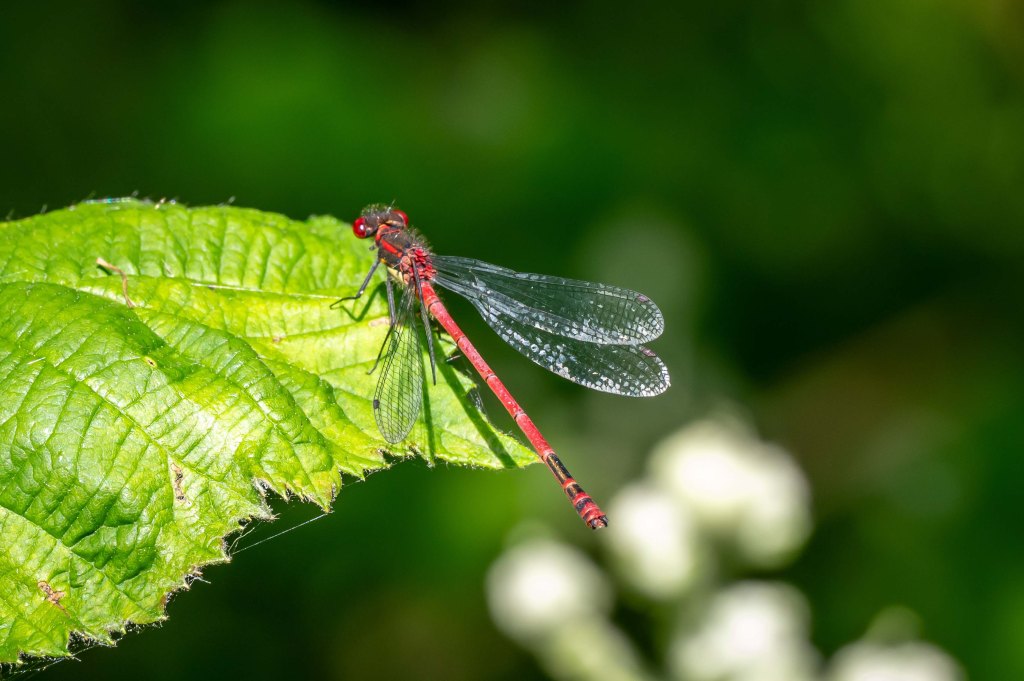
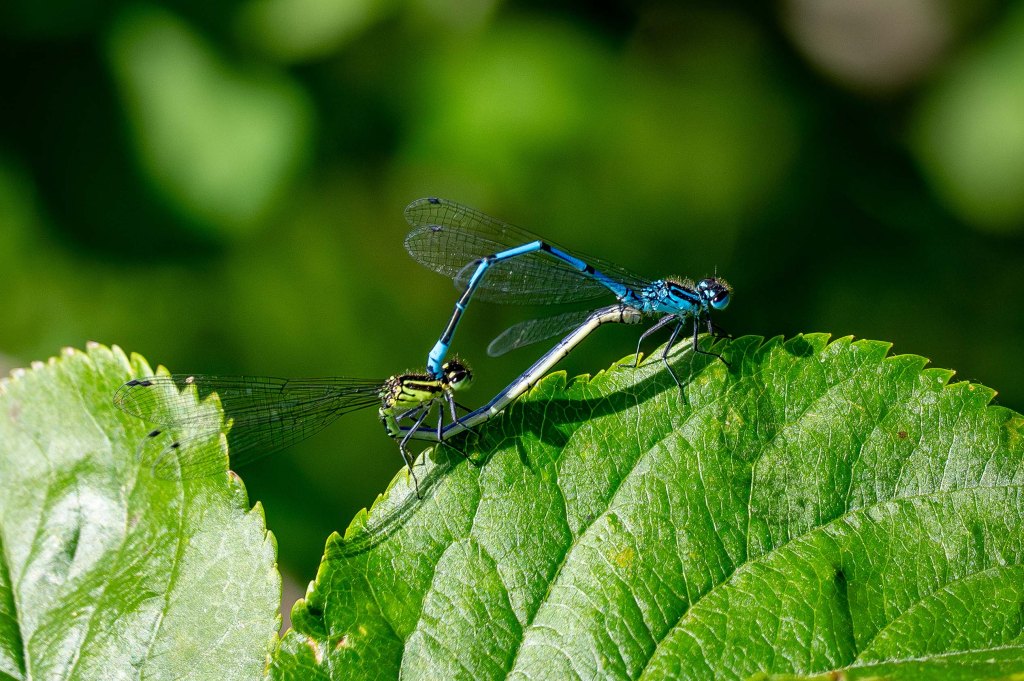
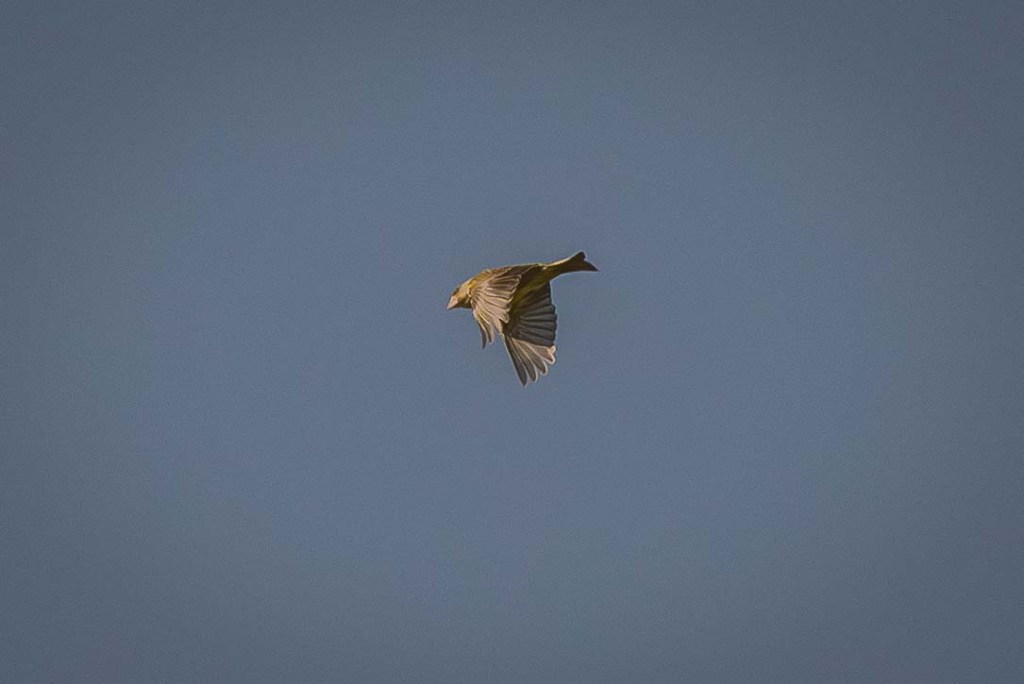
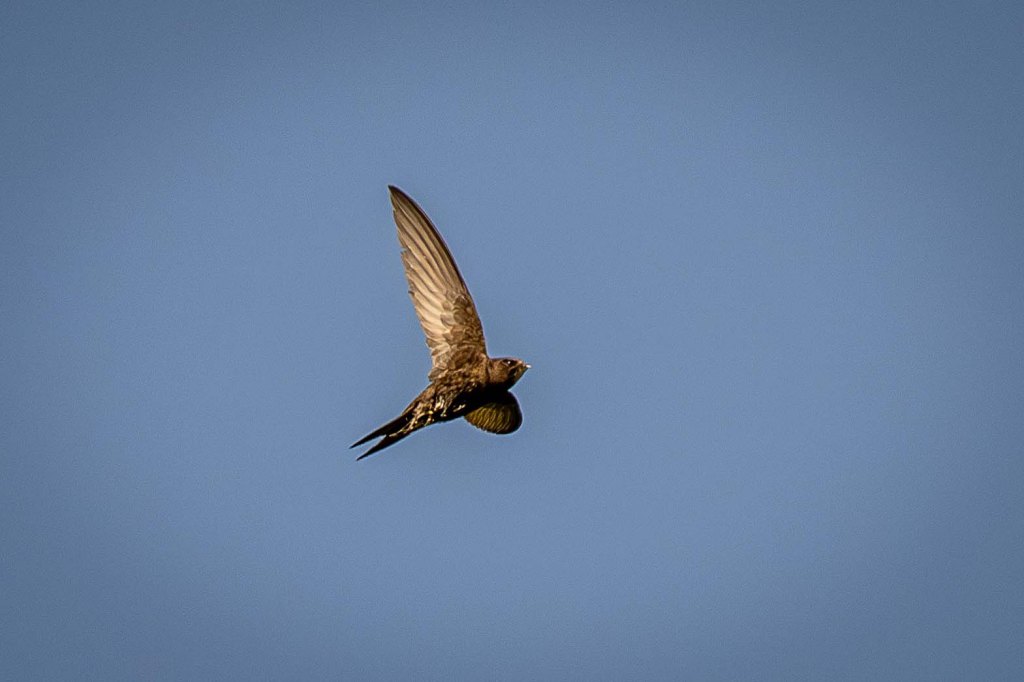
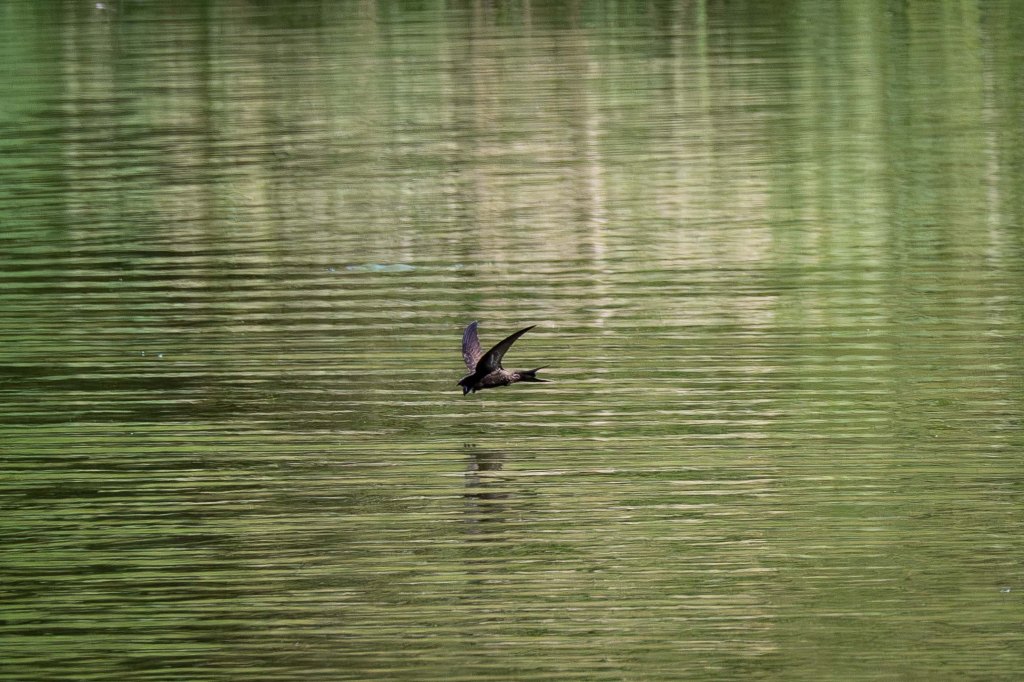
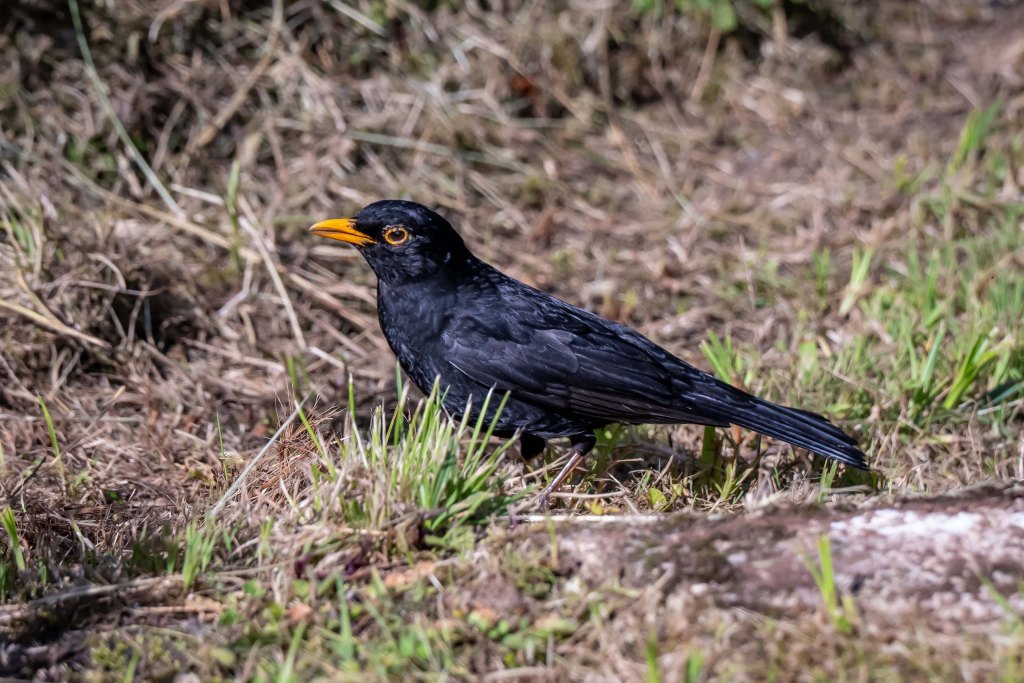
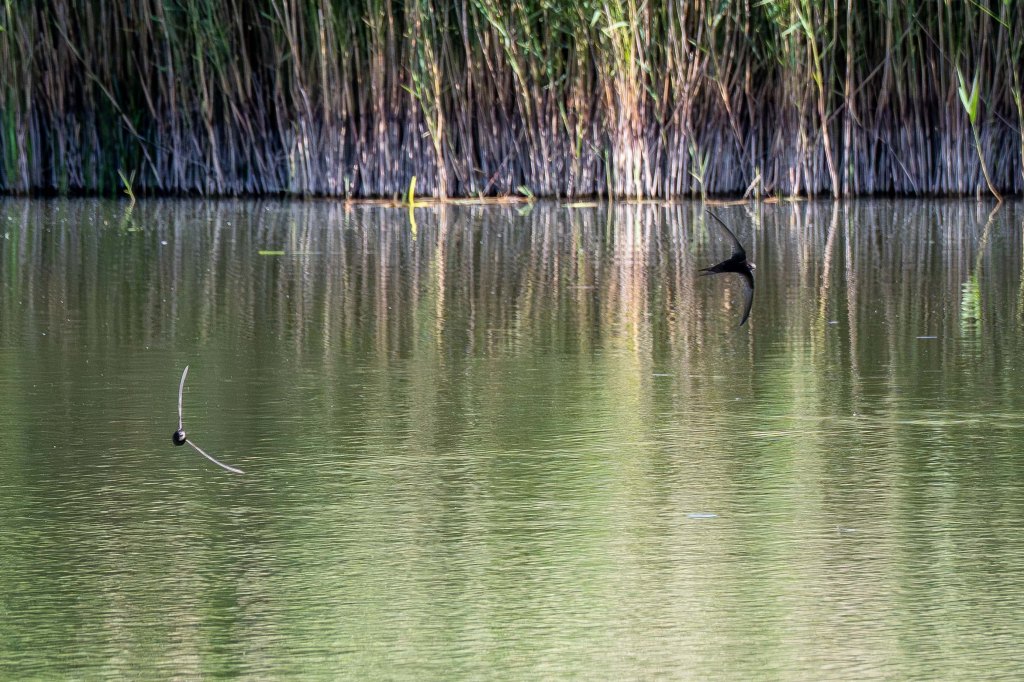
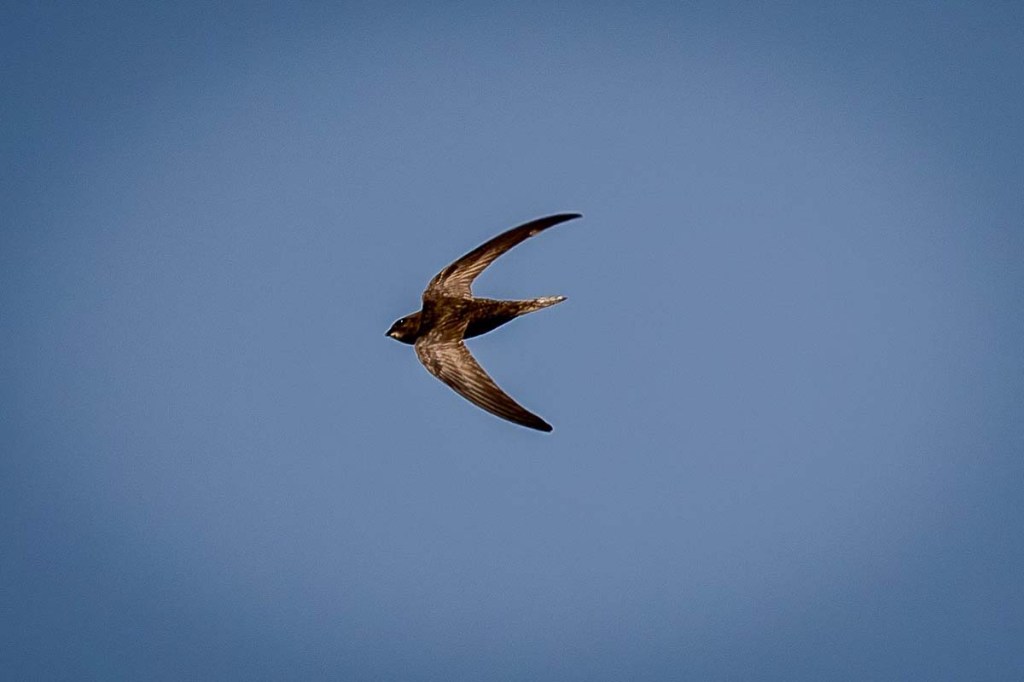
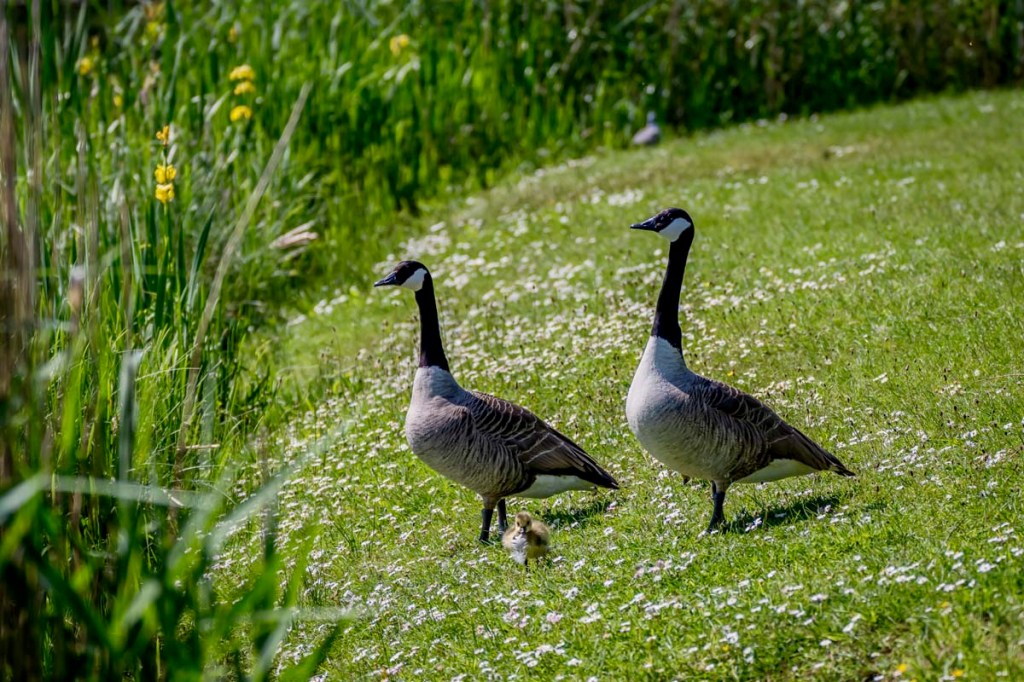
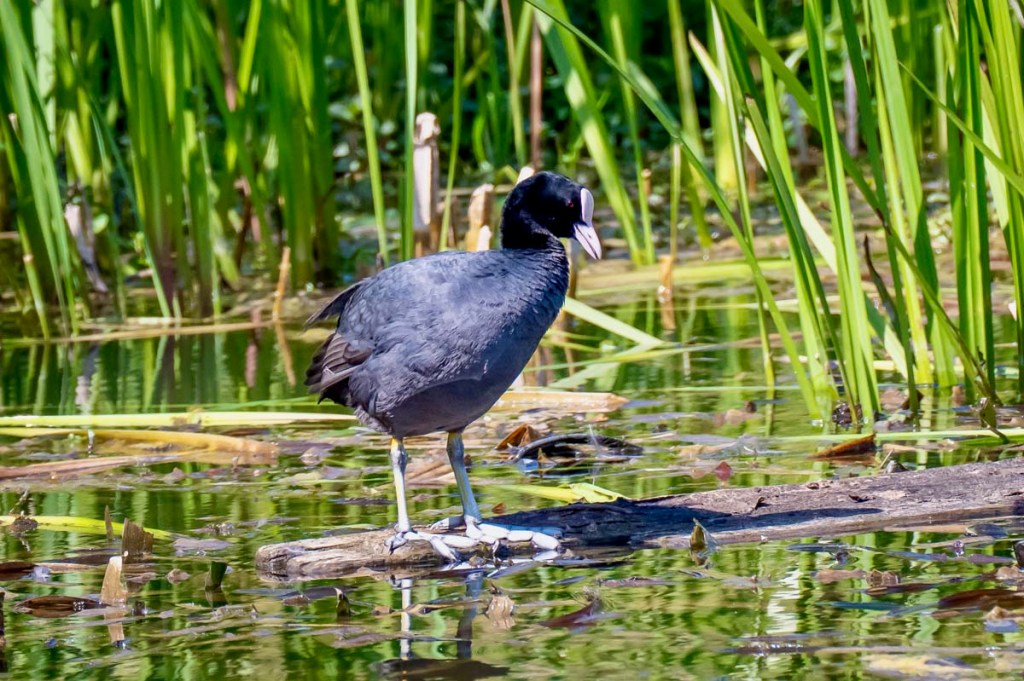
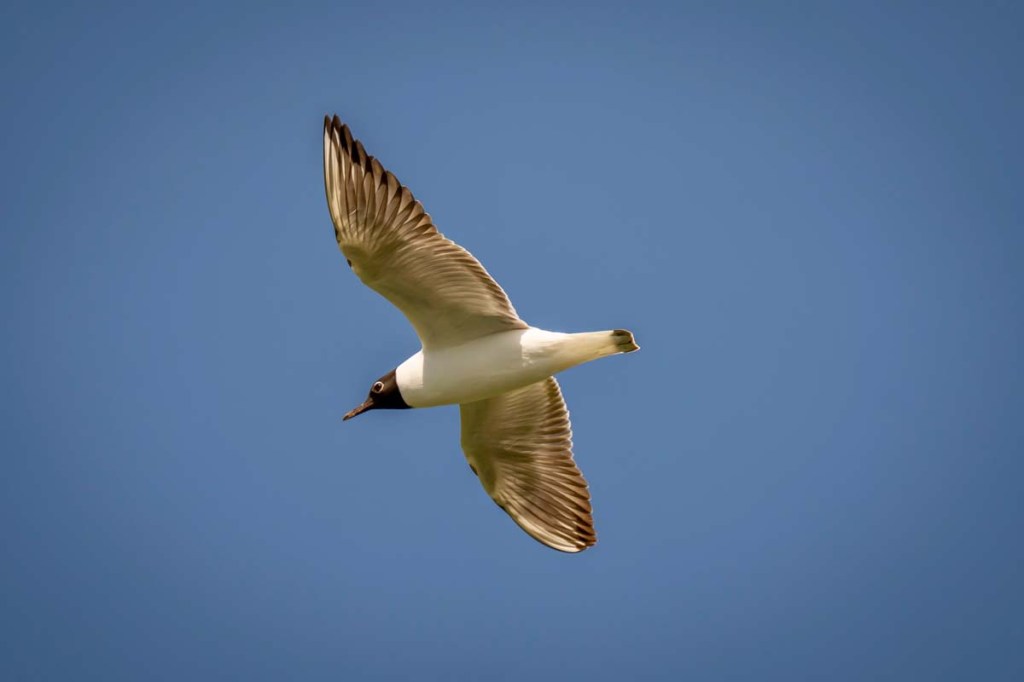
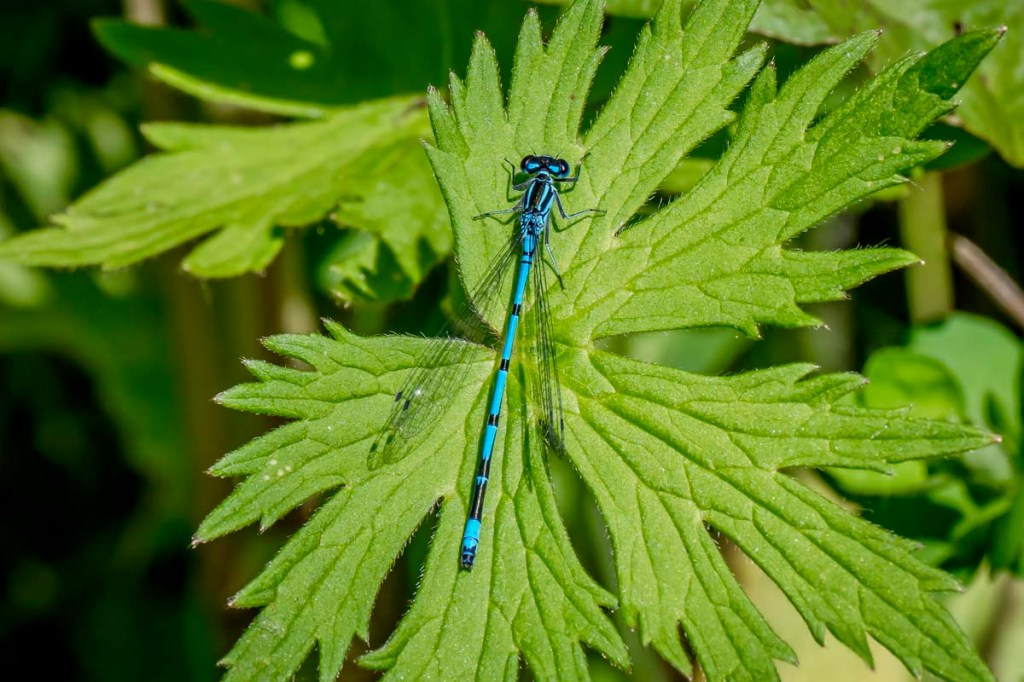
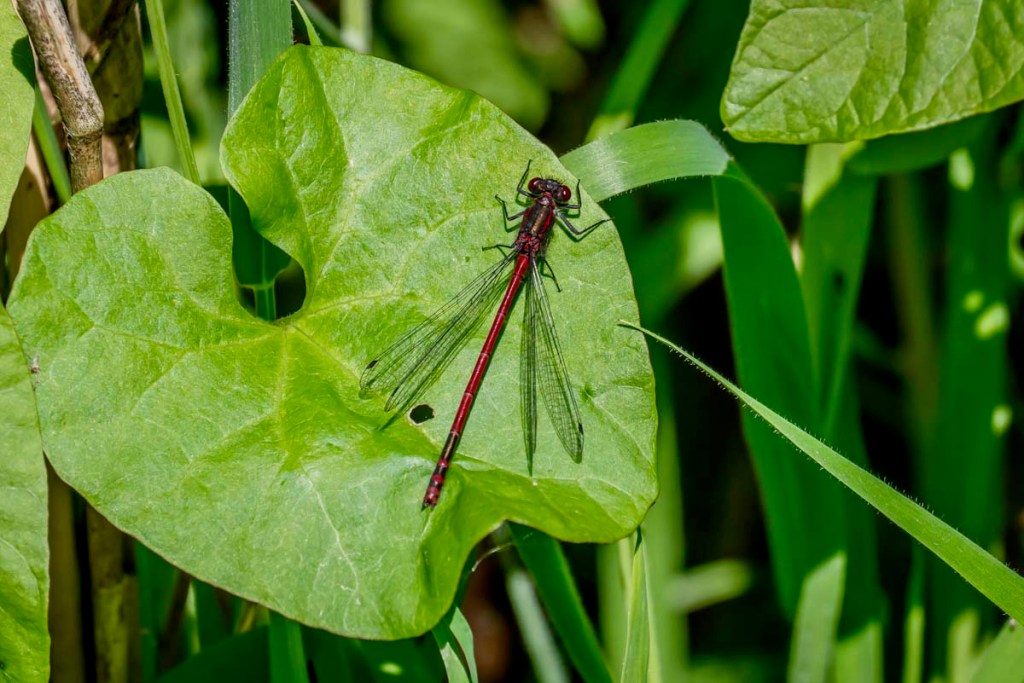
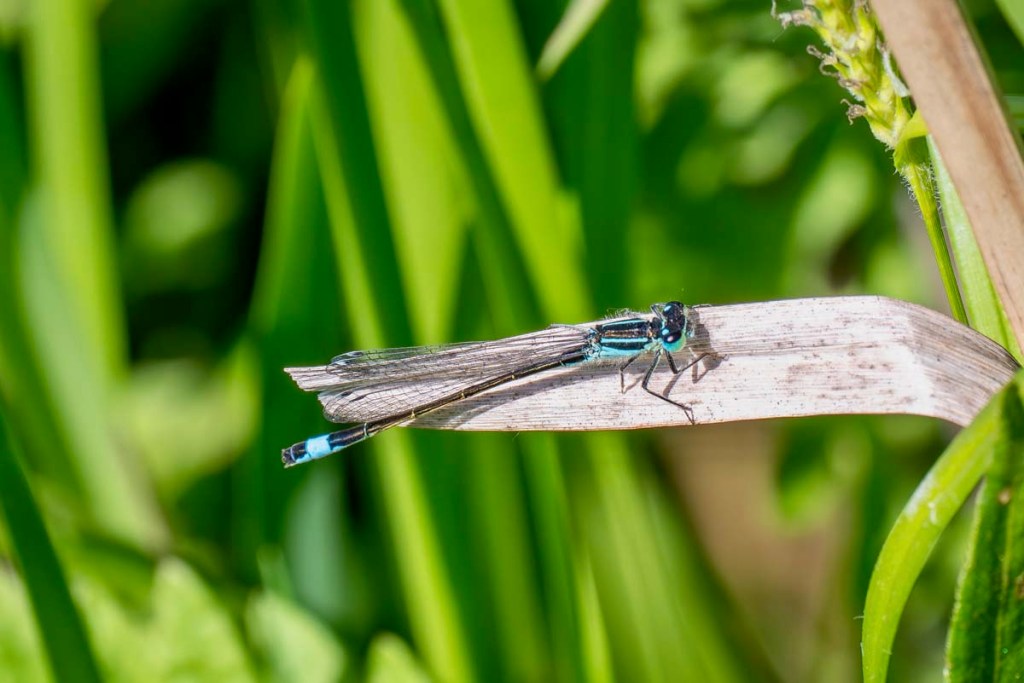
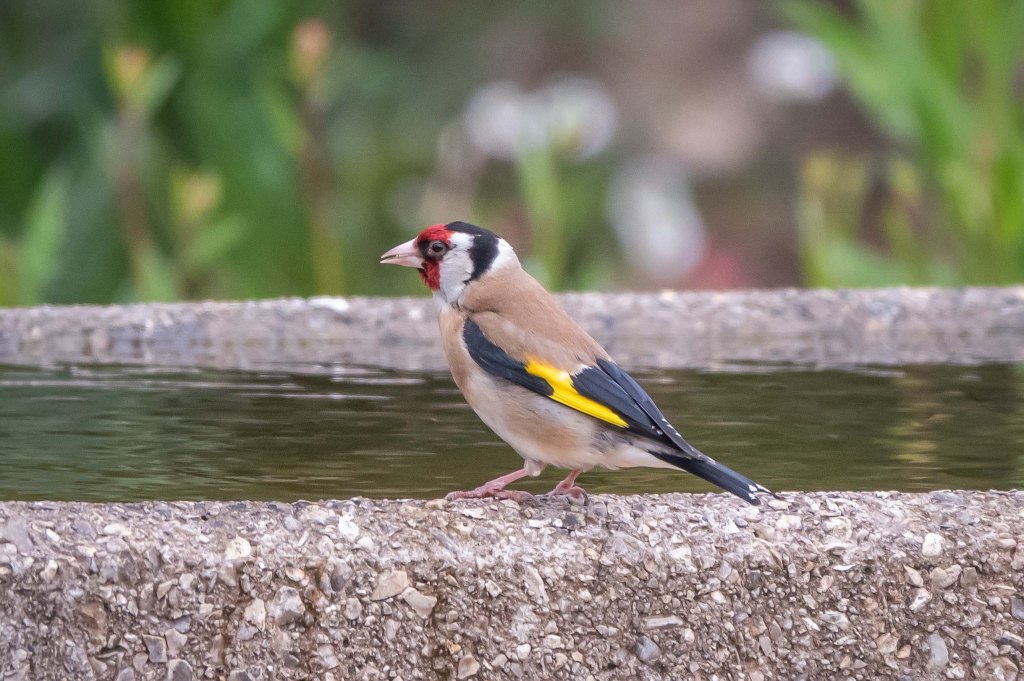
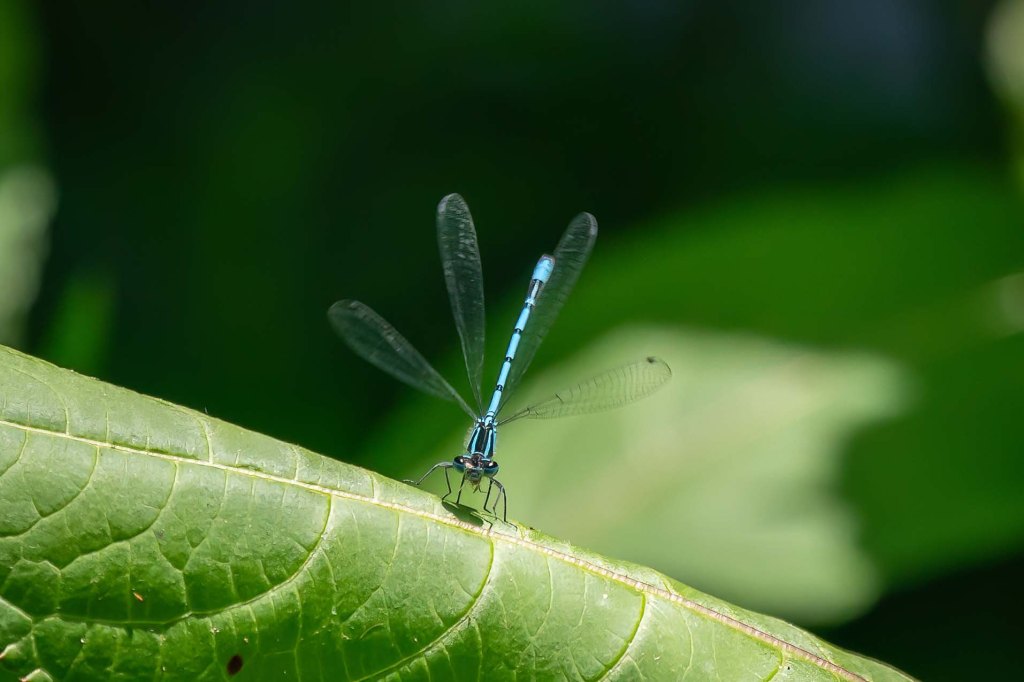
The main attraction were swifts (and one house martin) which were swooping down on the pond for drinks. There were plenty of other birds to see such as Canada geese and their goslings, moorhens, coots, greenfinch, goldfinch, blackbirds, wrens , chiffchaff and a green woodpecker but the challenge for me (ambitiously with only a 70-200 lens) were the hirundines. I was pleased to photograph my first damselflies of the season too.
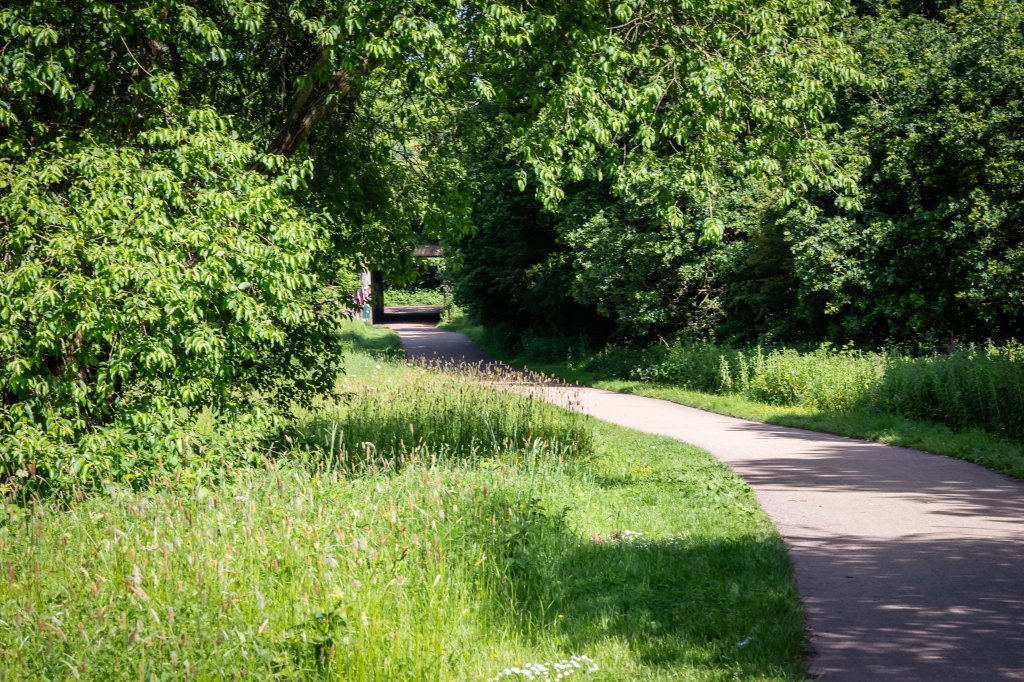
Common swiftCommon swiftHouse martinLarge red damselflyLarge red damselflyAzure damselflies Greenfinch in flightCommon swiftCommon swift taking a drinkCommon blackbirdCanada geese and their goslings on Duchess PondCommon swifts above the pondThe short walk to the tunnel which passes under the M32 and into Stoke Park
Photos from a slightly different morning walk on the Stafford Barton Estate in Devon before it got too hot for us with temperatures reaching 30C in the afternoon.
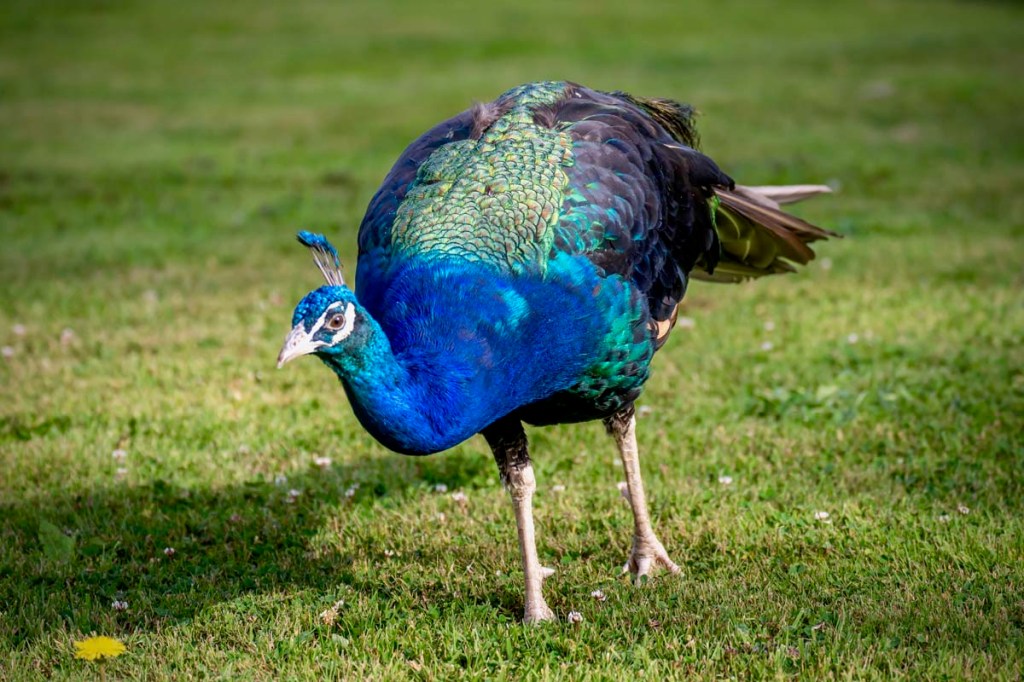
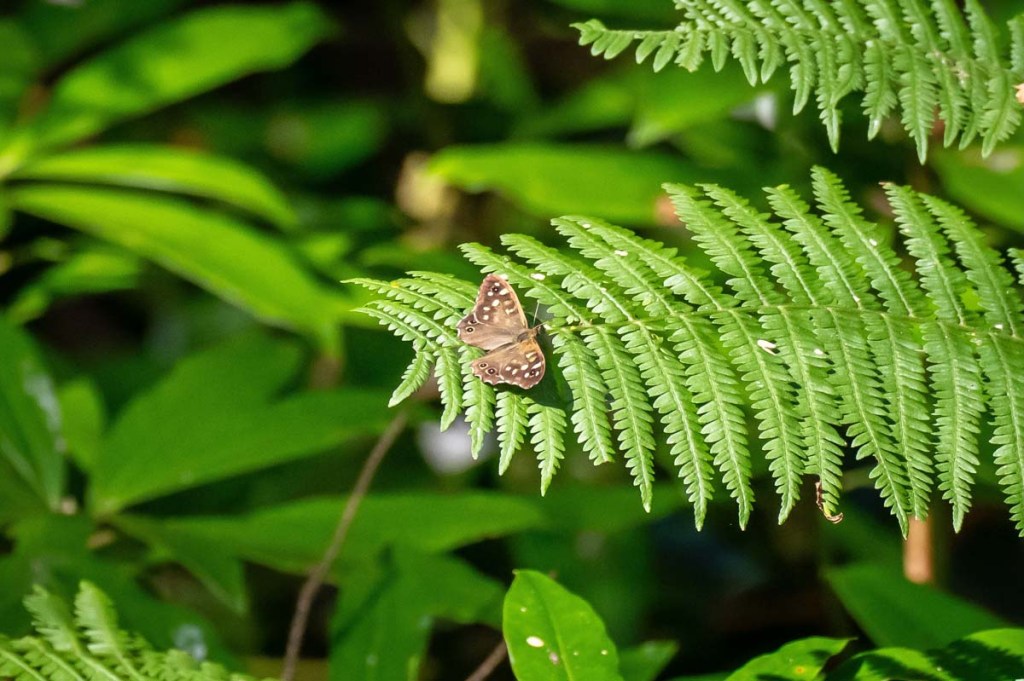
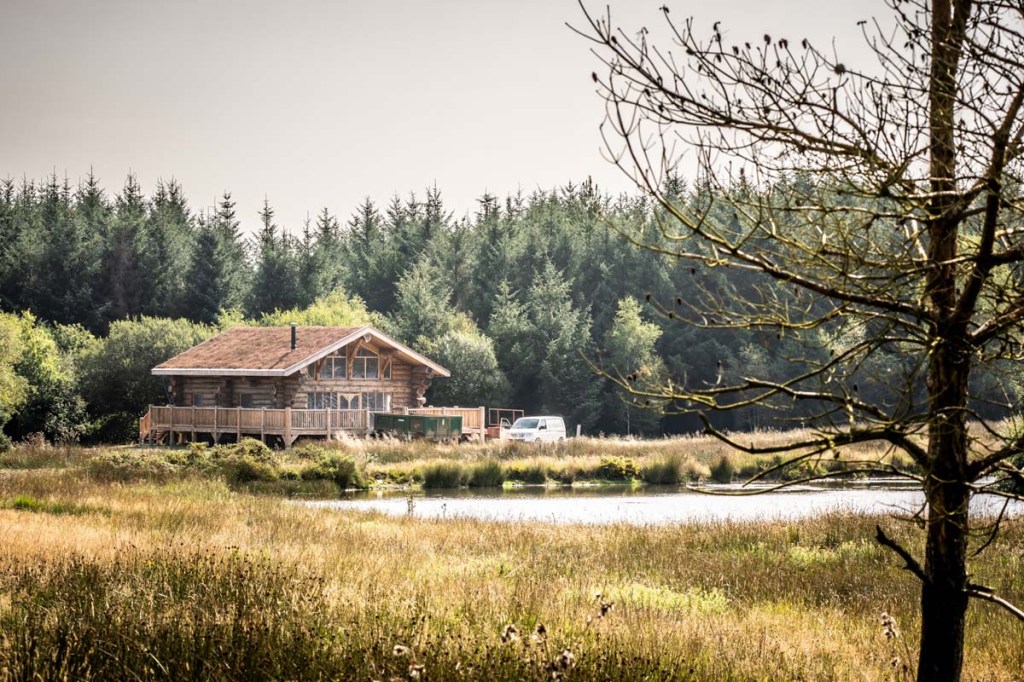
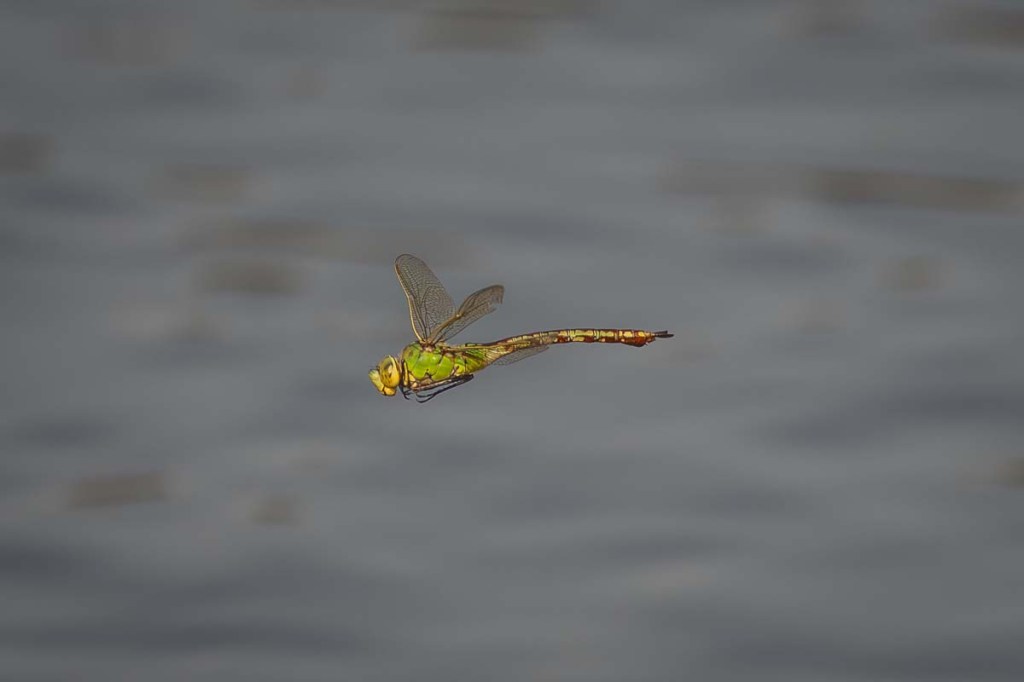
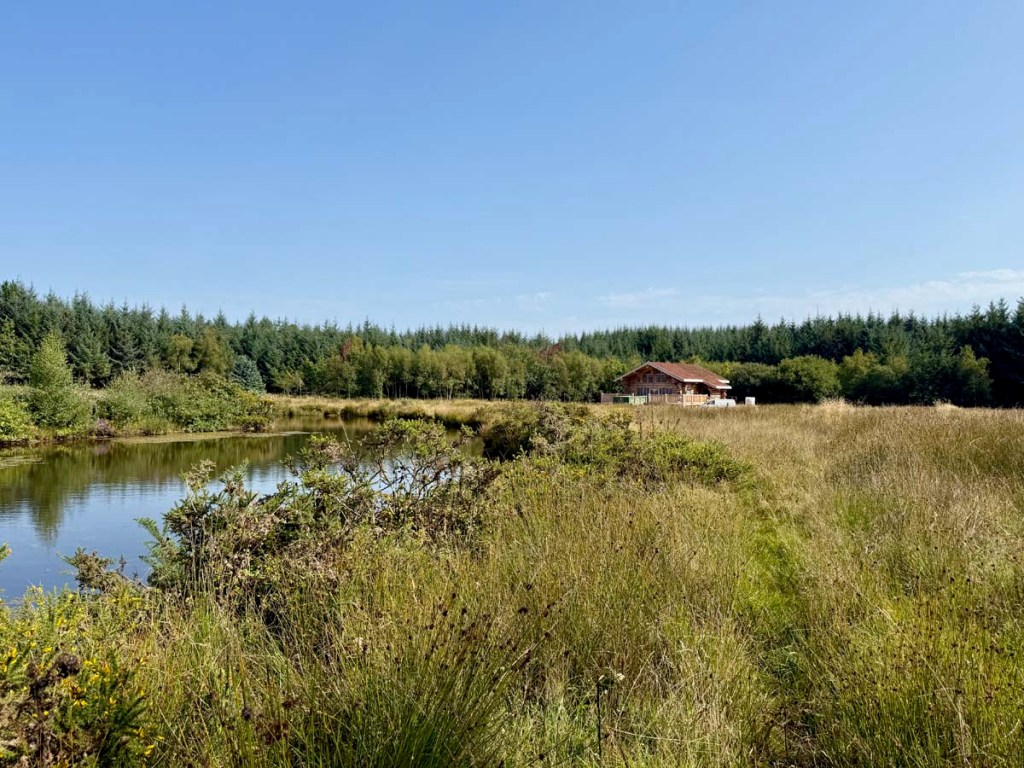
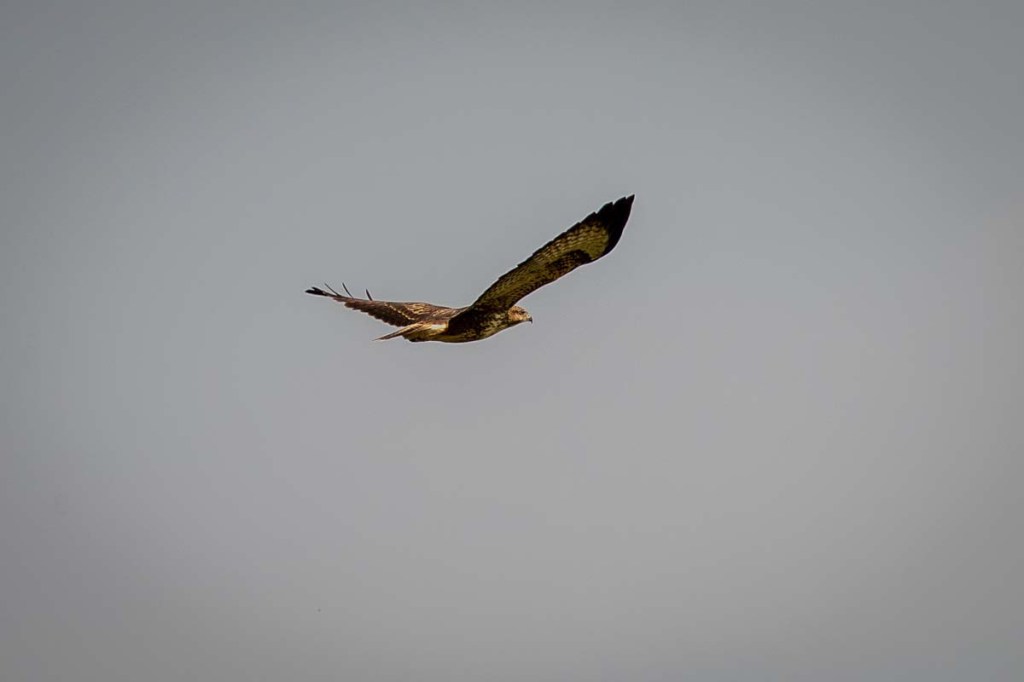
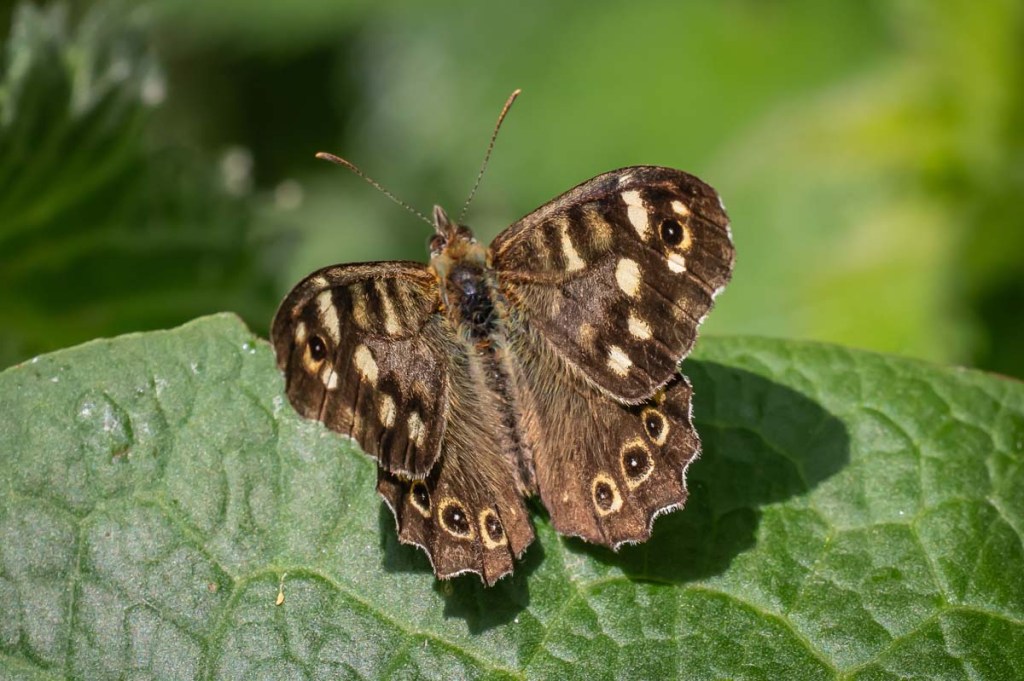
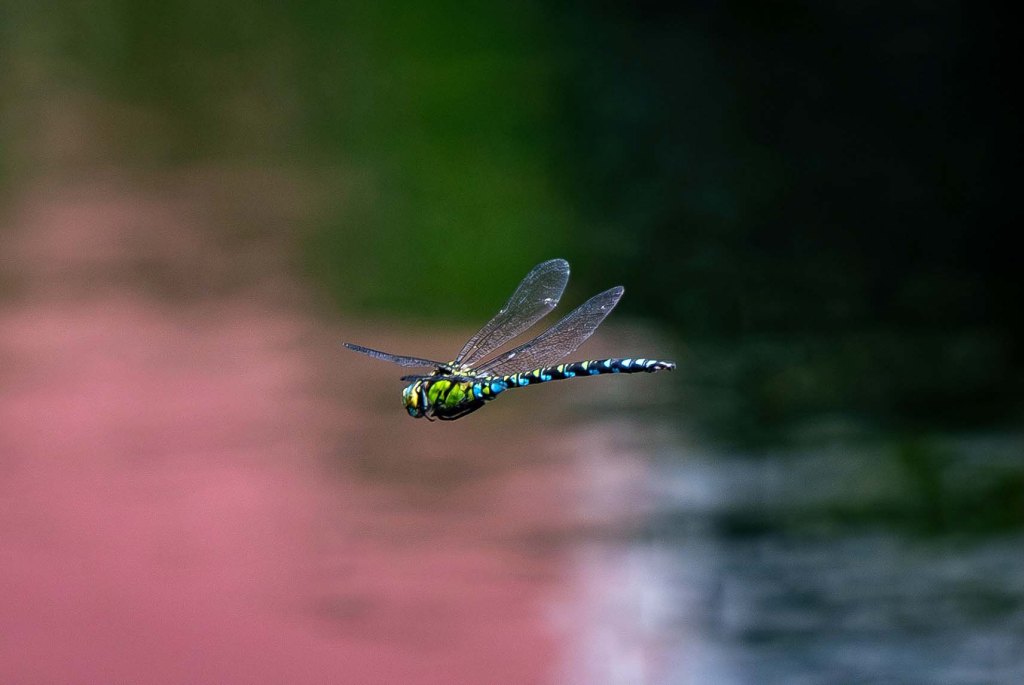
The peacock joined us for our breakfast coffeeGoldfinches waiting for their opportunitySpeckled wood butterfly in the woodsScandinavian style log cabin under construction on the estate with its lovely sedum roofEmperor dragonflyMid-air collision averted just in timeEmperor dragonfly heading straight for meMust be great seeing the seasons change hereEmperor dragonflyDon’t know much about these – water boatmen I presumeDamselfliesFortunately plenty of shade on the way homeCommon buzzard showing us the way
If you have followed my blog through the winter I generally have something to complain about on my visits here: too cold, too wet, poor light, wrong lens, wrong settings, my incompetence etc. Not today: it was just a joy to be here. I’ll let you judge for yourself …
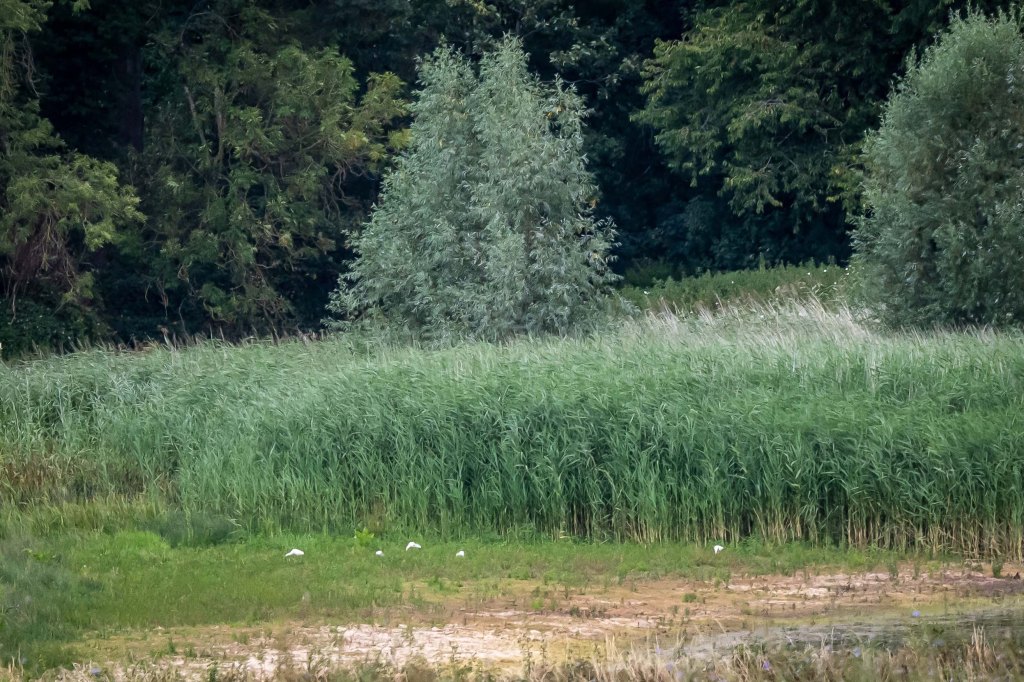
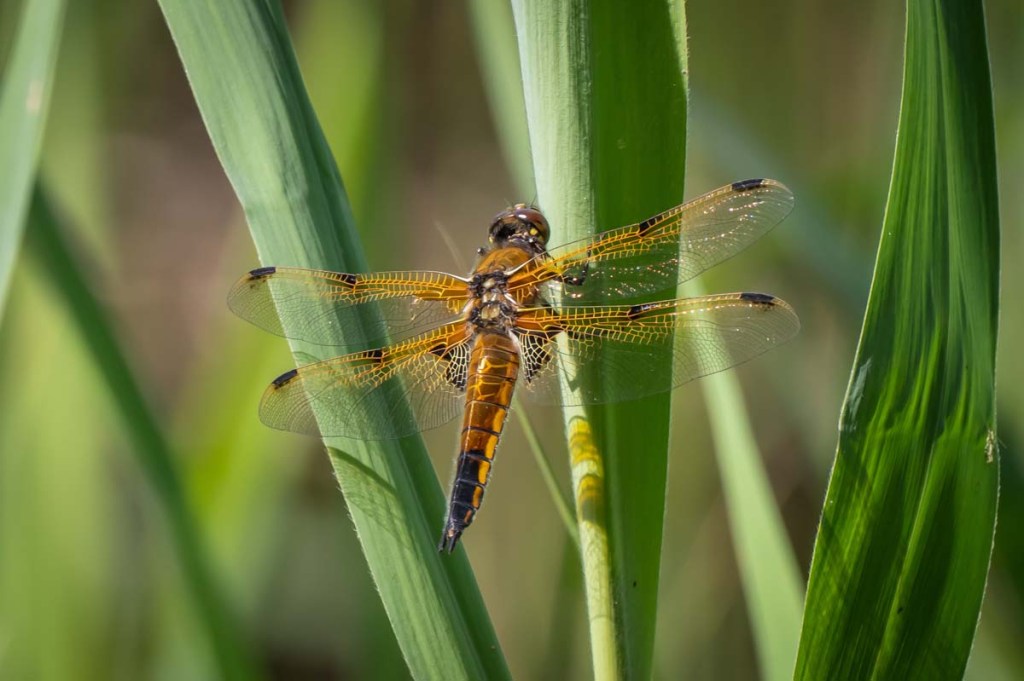
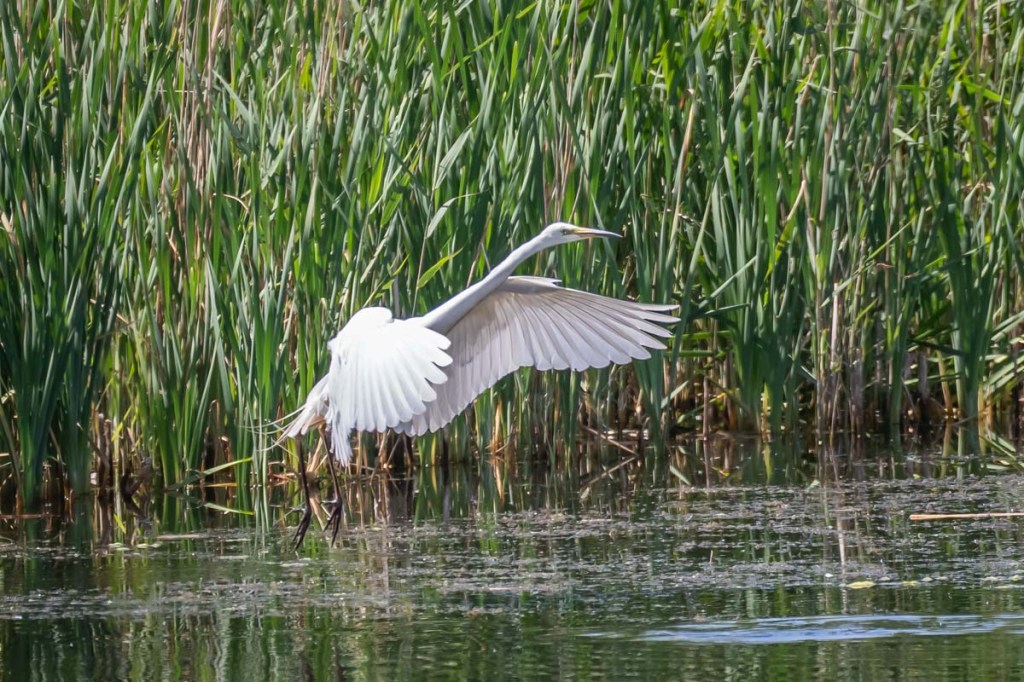
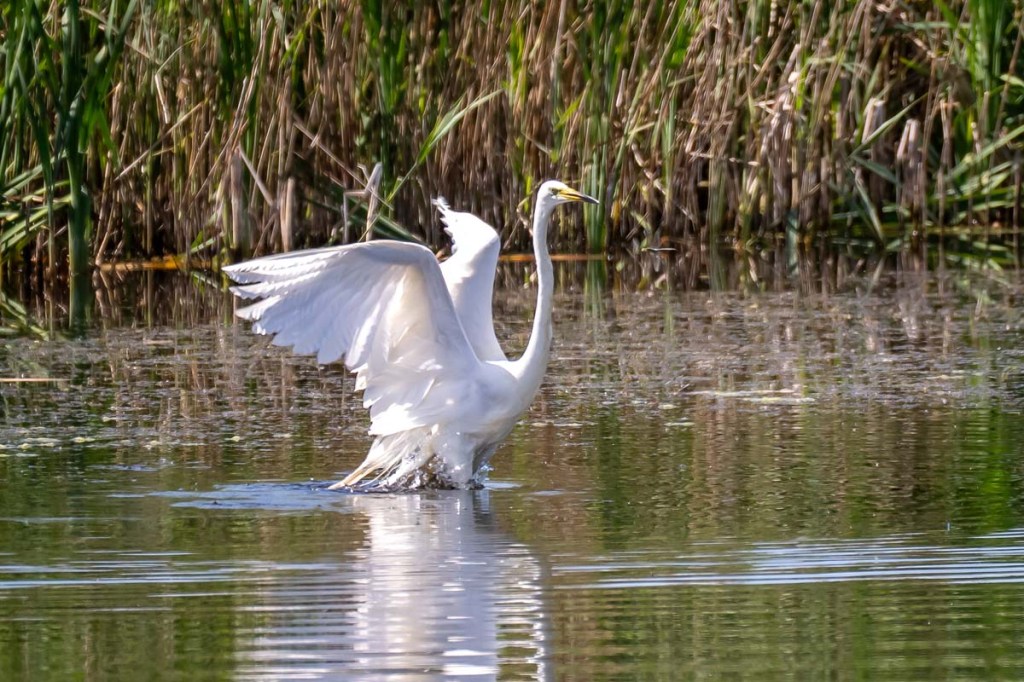
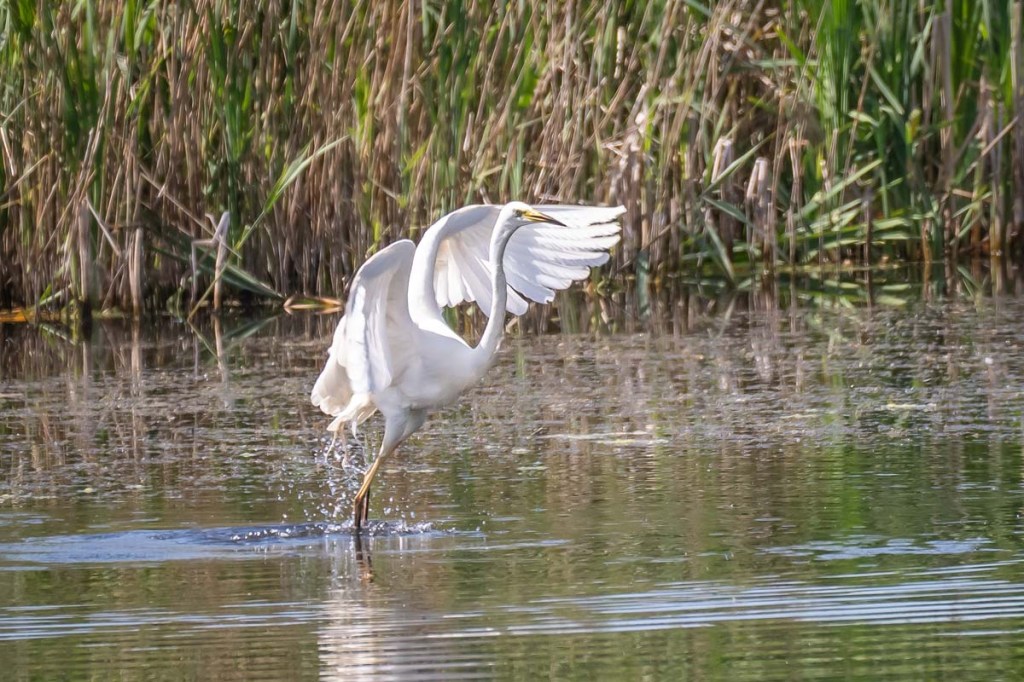
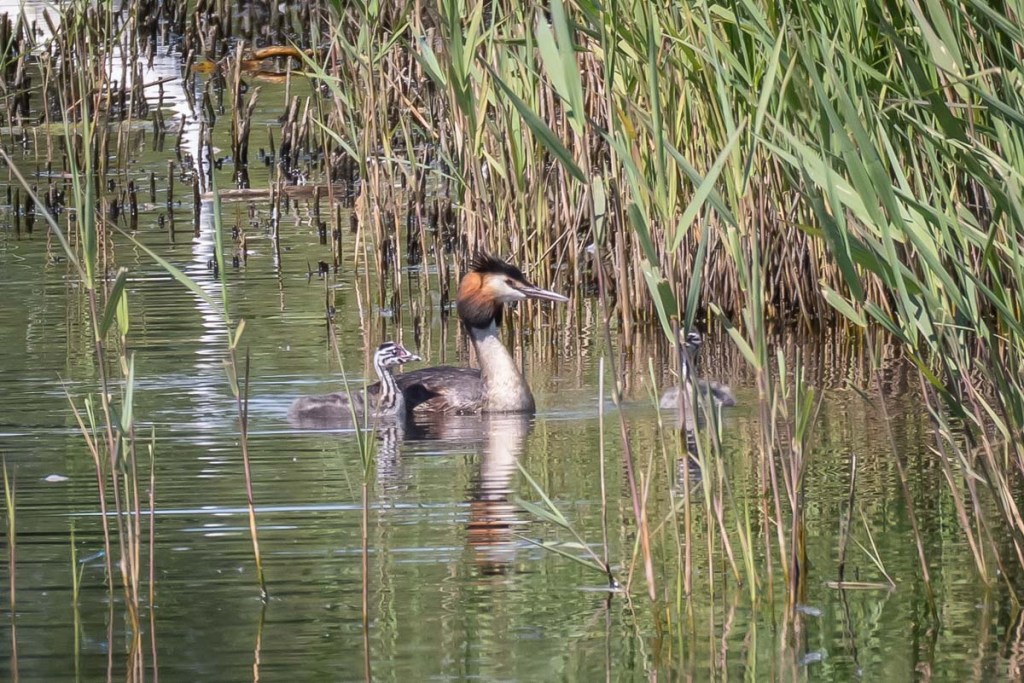
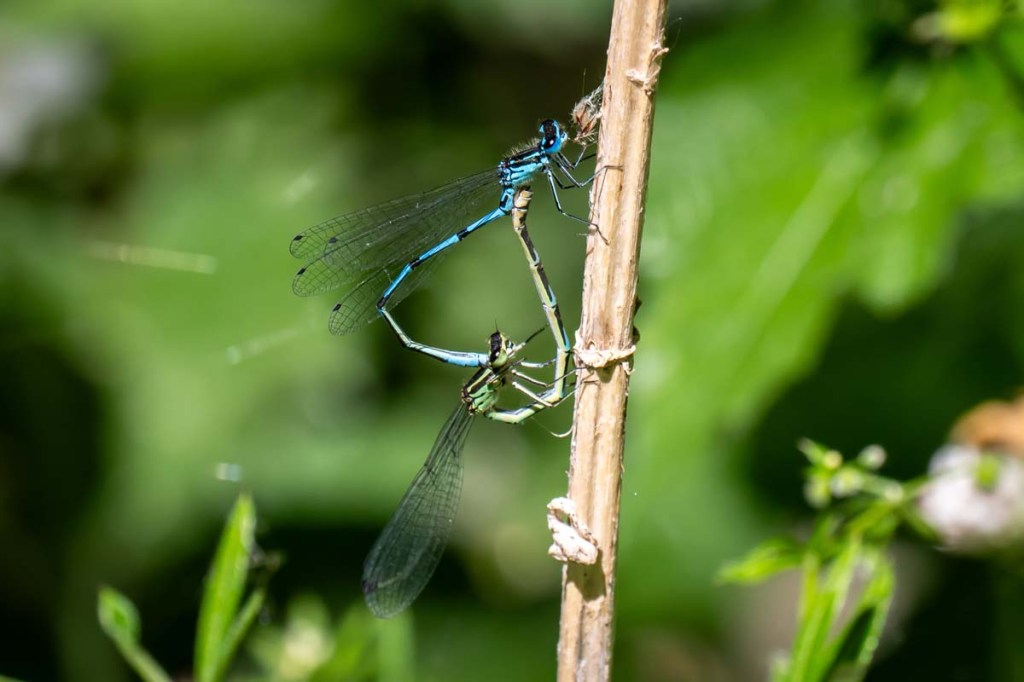
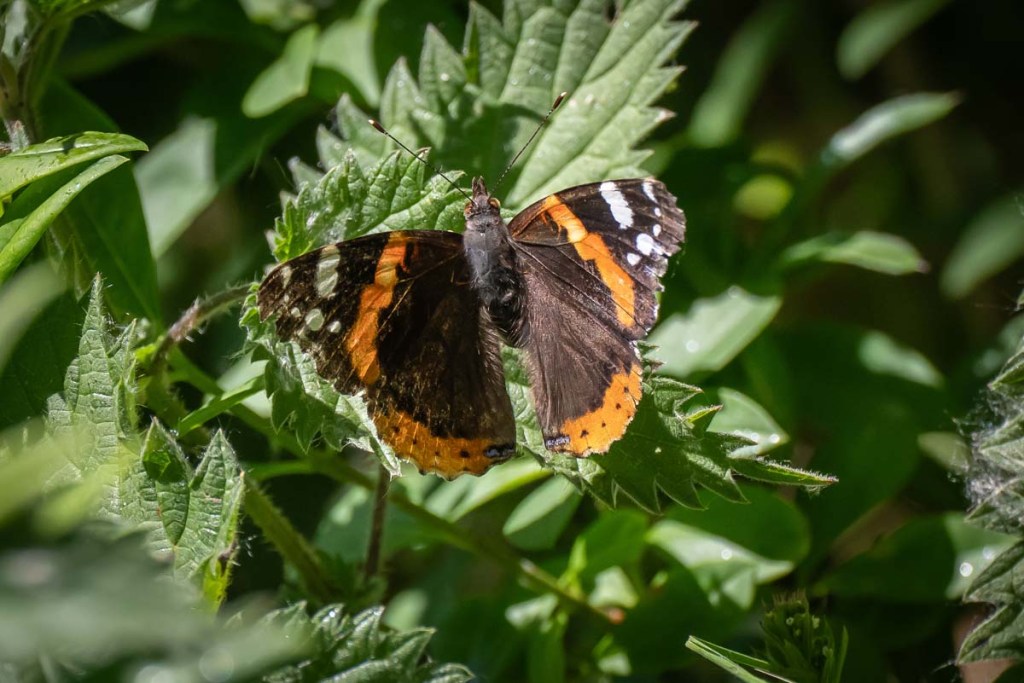
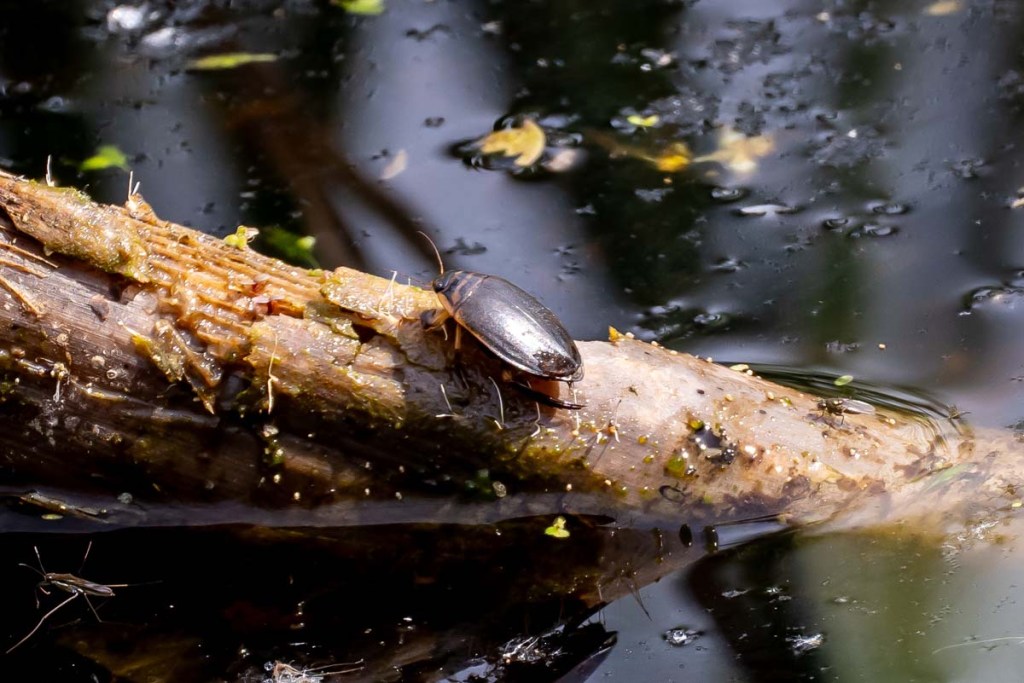
Scarce chaserFour spotted chaserSpeckled woodBlackcapFour spotted chaserGreat diving beetleGrey heronGreat crested grebesGreat white egretGreat white egretGreat white egretGreat white egretGreat white egretGreat crested grebeAzure damselflyRed admiralFour spotted chaserRobinMarsh harrierMarsh harriersMarsh harrierMarsh harrierLittle egretScarce chaserCommon brimstone
We are very lucky that we have two parks very close to where we live in the middle of the city of Bristol: Eastville Park, a Victorian city park with children’s playgrounds, green spaces and a lake and a river where we regularly see common kingfishers and dippers; and Stoke Park Estate which is a local Site of Nature Conservation Interest (SNCI) covering over 100 hectares. Stoke Park Estate is also designated as a Regionally Important Geological and Geomorphological Site (RIGS): an important place for geology and geomorphology. The site has species-rich grasslands, woodland, scrub, and ponds. It is home to wildlife like great crested newts, dragonflies and glow worms.
I spent the afternoon wandering around the fishing lake which is also known as Duchess Pond.
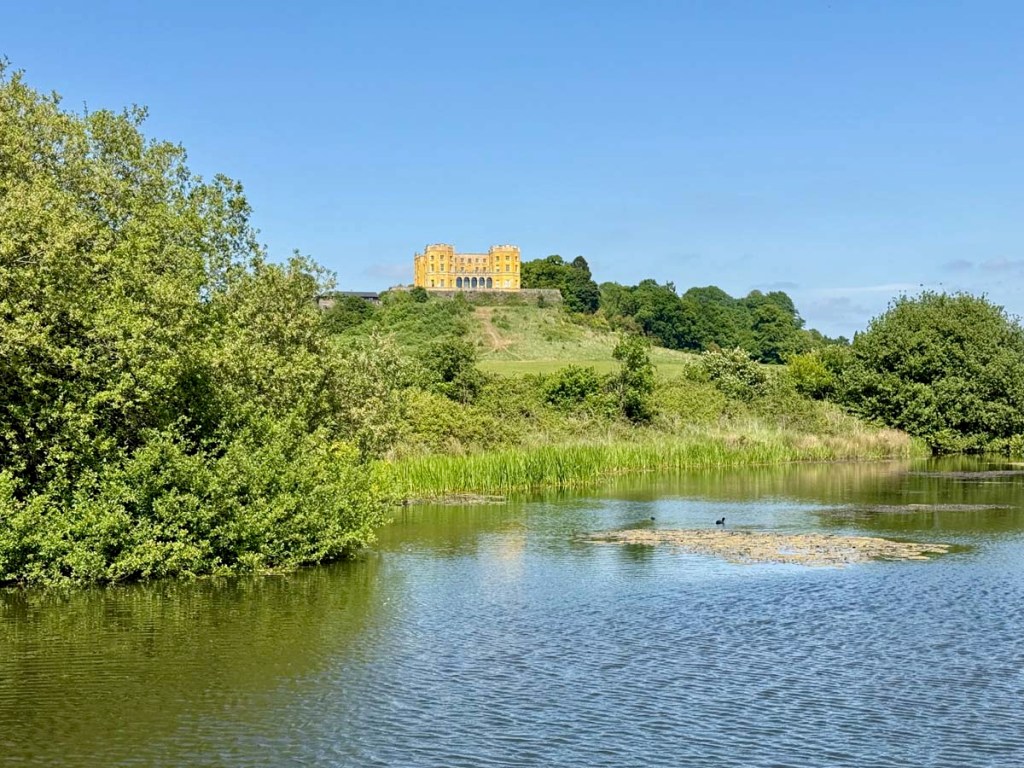
This is the annexe to the main fishing lake (Duchess Pond) with a view of the yellow Dower House, built in 1563 as a private stately home, but now converted to private flats.The main fishing lake (Duchess Pond)
3 swifts passed over briefly but sadly didn’t reappear. However I was pleased to get some shots with the one chance I had.
Common swiftCommon swiftCommon swiftCommon swift
A kestrel appeared briefly but stayed in line with the sun (I’m sure to stop me photographing it).
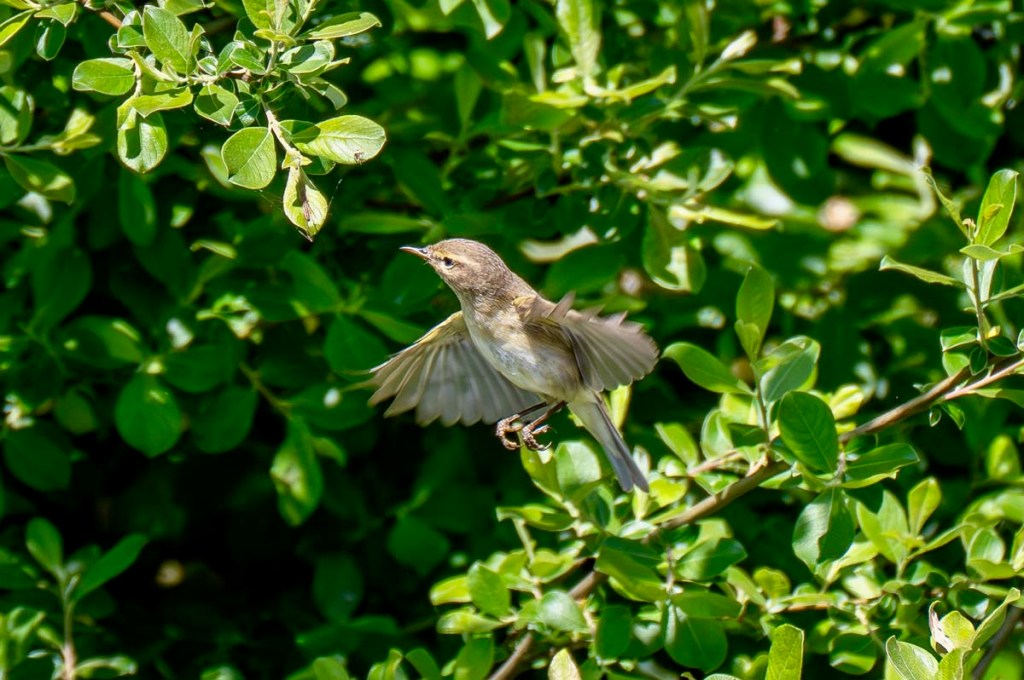
I caught a glimpse of a chiffchaff and was pleased to get some shots as they are quite elusive at this time.
ChiffchaffChiffchaffChiffchaff
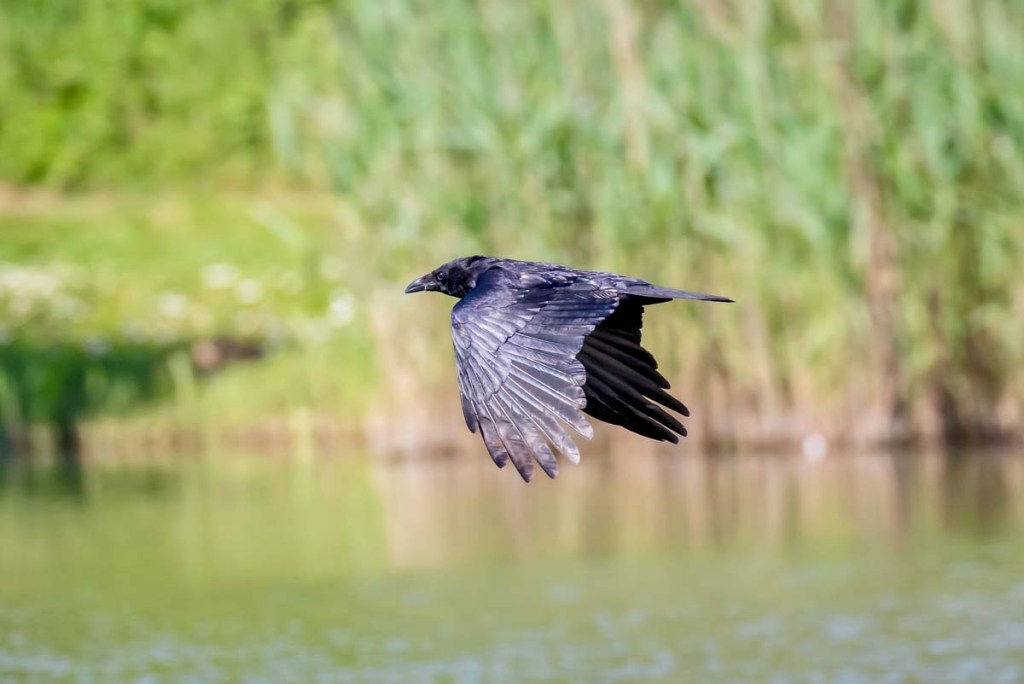
There were plenty of carrion crows too (not so elusive!).
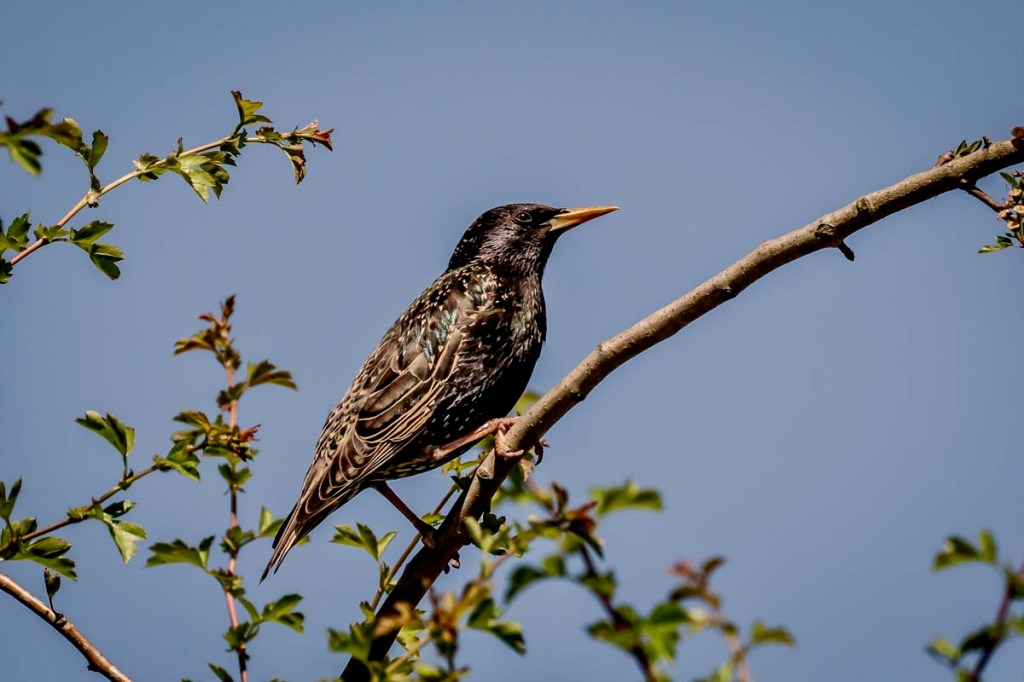
Carrion crowStarling – don’t they look splendid with the sun on their plumage?
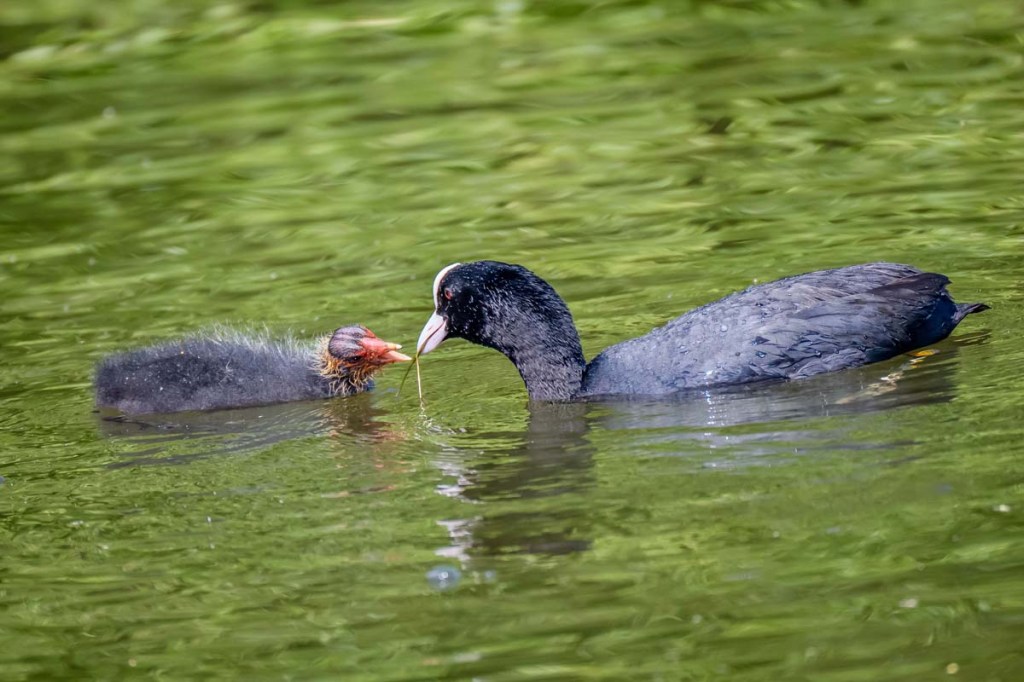
There were lots of(Canada Goose) goslings, ducklings and coot and moorhen chicks.
Coot and chickDucklingsCanada geese and goslingMoorhenCoot – look at the size of their feetCoot chickBlack-headed gull (probably looking for ducklings or chicks)
All around the lake there were dragonflies and damselflies which always prove a great challenge to photograph. I am not very knowledgeable with these and am only hazarding a guess at what was what.
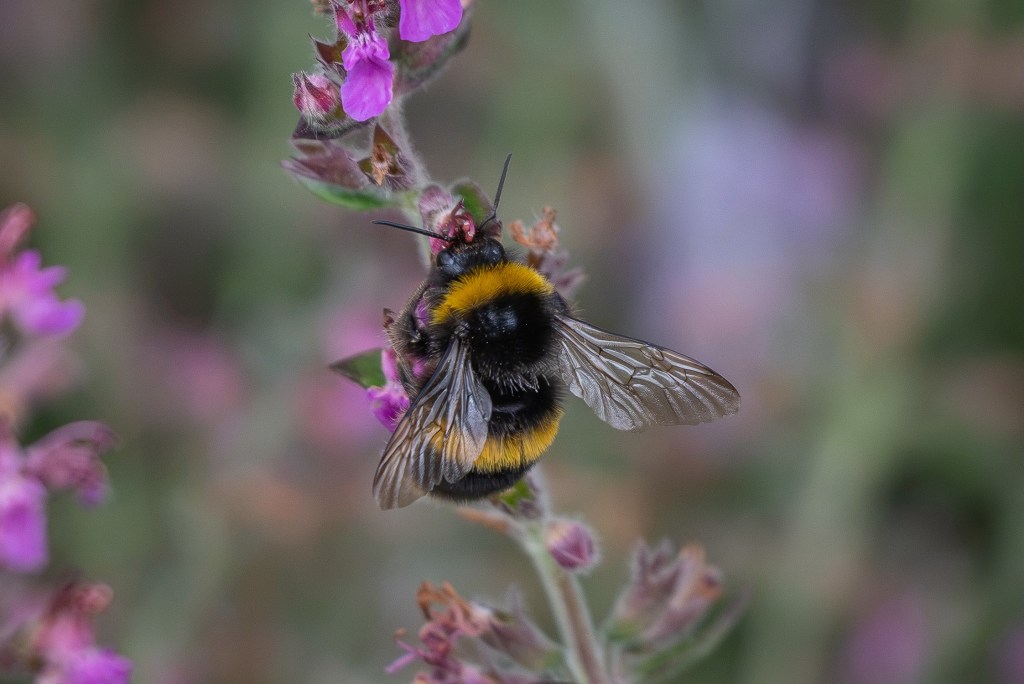
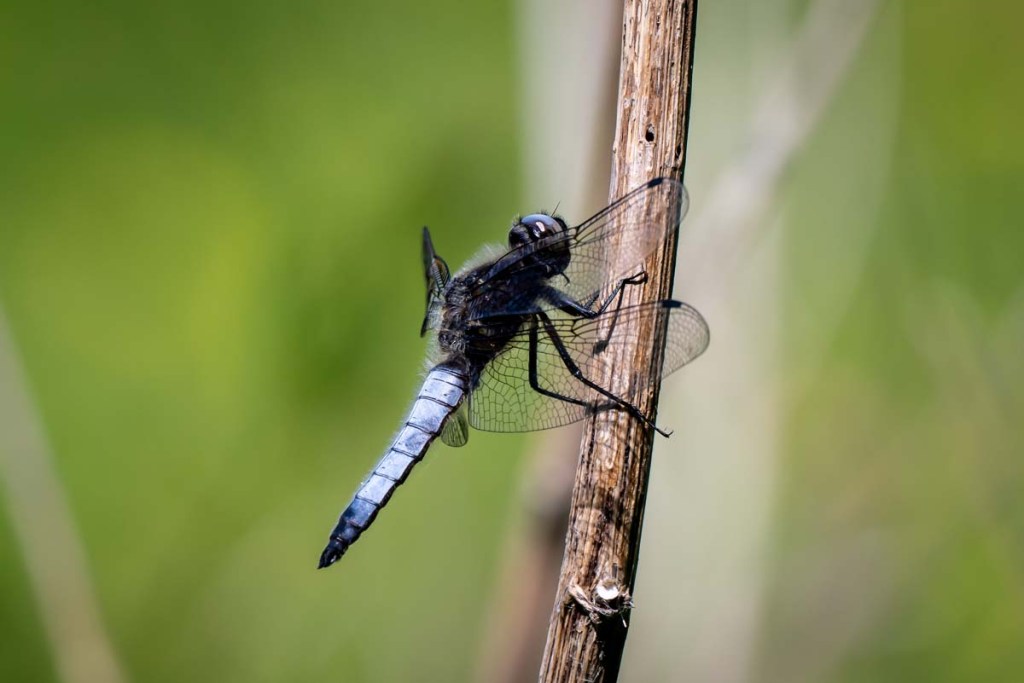
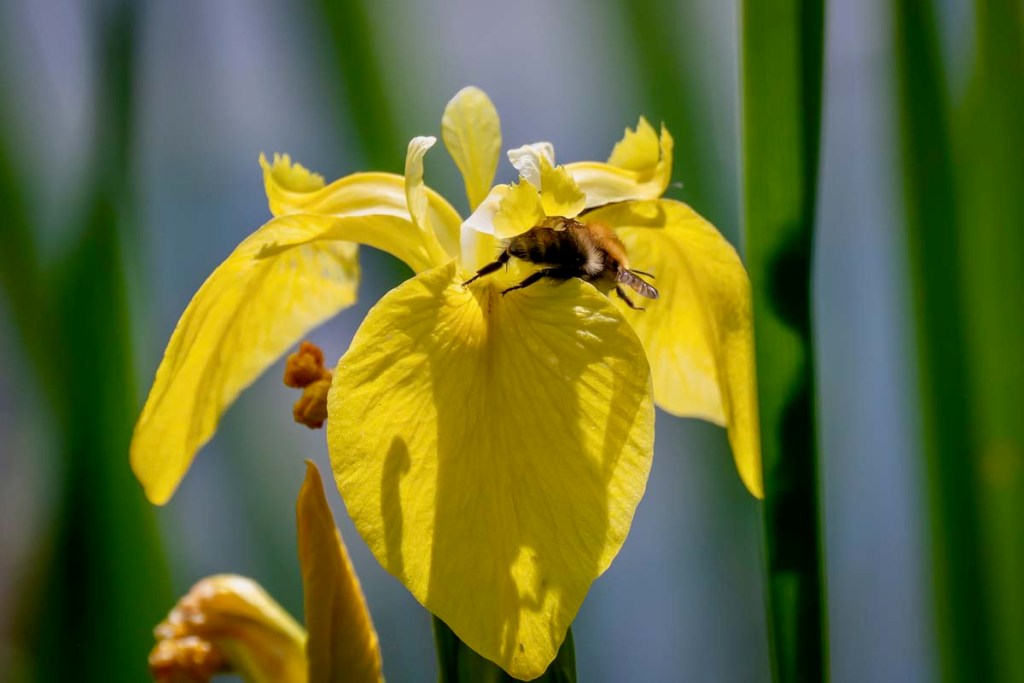
Scarce chaserScarce chaser in flightScarce chaser looking straight at me.Azure damselflyLarge red damselflyBlue-tailed damselflyA common carder bee for good measureStoke Park Estate and the Dower House
Almost a non-birding day; except that on our walk this morning to Wiveton Hall we did see our first marsh harrier of the week across the marshes.
A few years ago, on our first visit to Wiveton Hall, we had met the eccentric owner, Desmond, whose popular BBC programme “Normal for Norfolk” documented his adventures and the daily delights of life around the Hall, on the farm and in the café. No such luck today. However, the coffee was very good and was worth the walk.
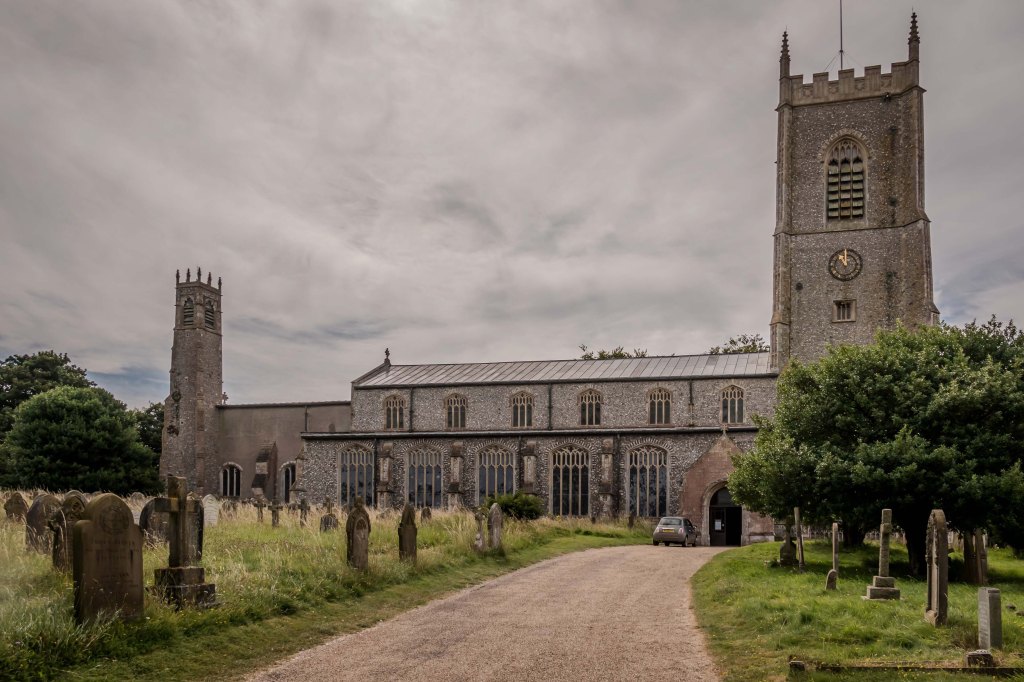
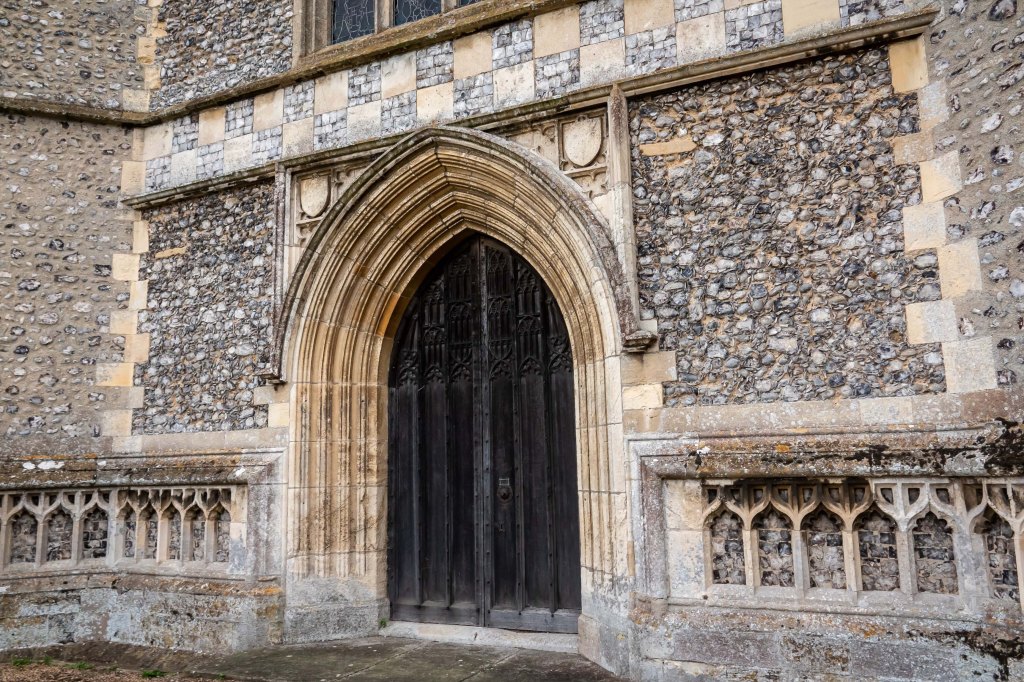
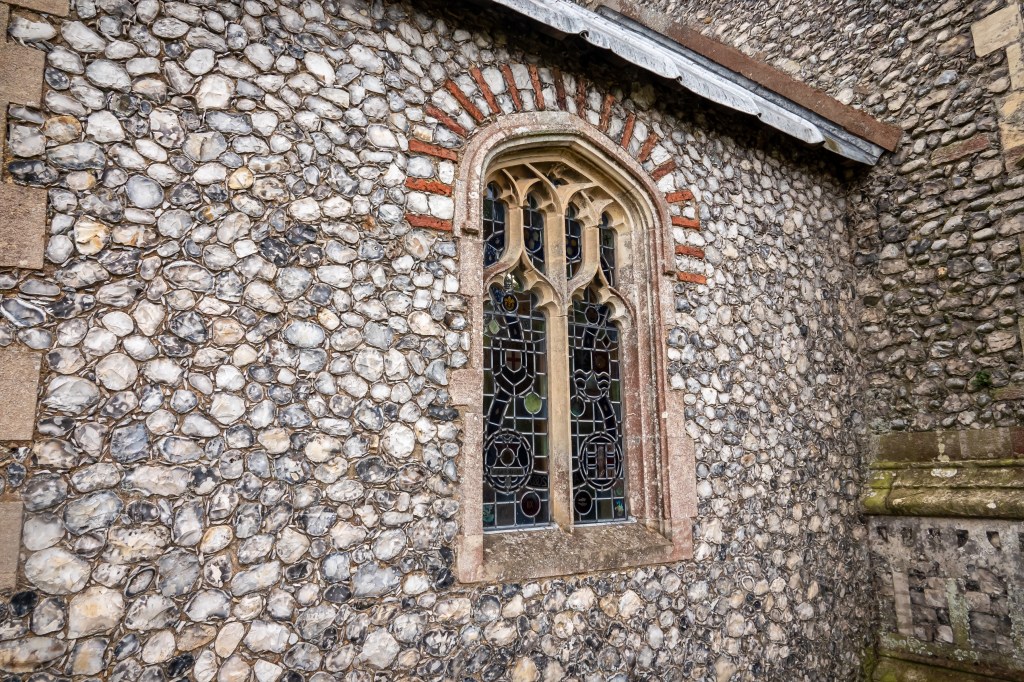
From here we carried on to visit St Nicholas Church, Blakeney. I hope you agree that the inclusion of the visit is warranted here in that there was a wildlife aspect to our visit.
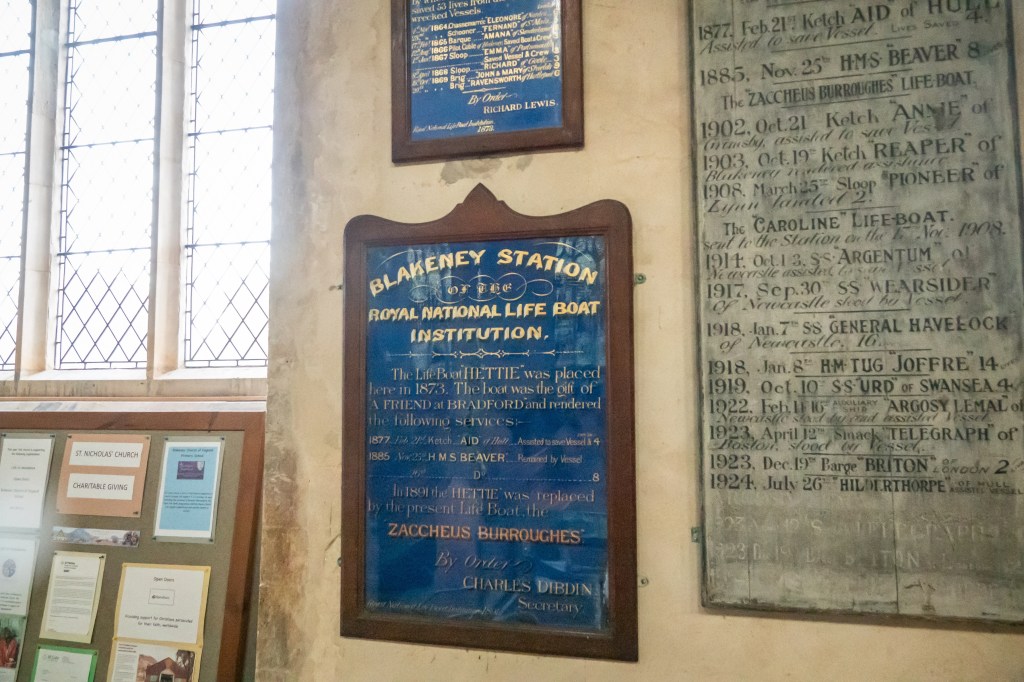
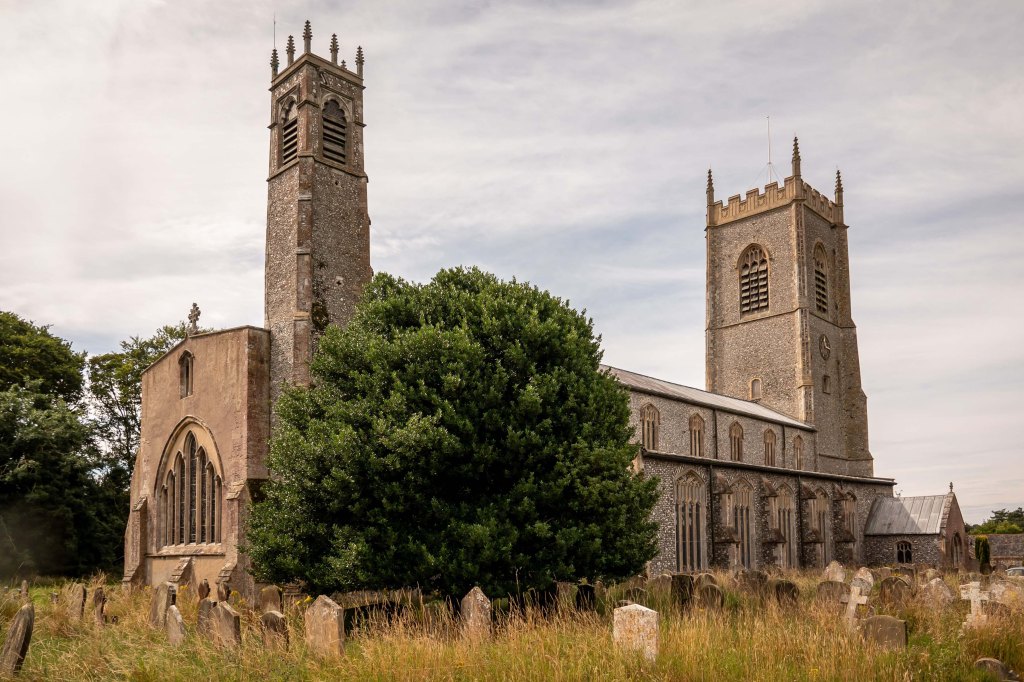
St Nicholas , Blakeney famous for its two towers: one at the west and a curious, spindly beacon rising to the south-east of the chancel whose purpose is not really known. It seems that the church’s policy is having a good effect.Simon Jenkins in his book of England’s 1000 Best Churches says “the earliest and most interesting part of the interior is the chancel , dating from a Carmelite friary founded here in 1296”.“The rare stepped seven-lancet east window is unusual for this late date. The only other medieval seven-lighter extant is at Ockham in Surrey”The nave is PerpendicularThe significance of Blakeney’s coastal position is well recorded hereMost of the church is flint coated …… except the chancel is mainly covered in concrete.
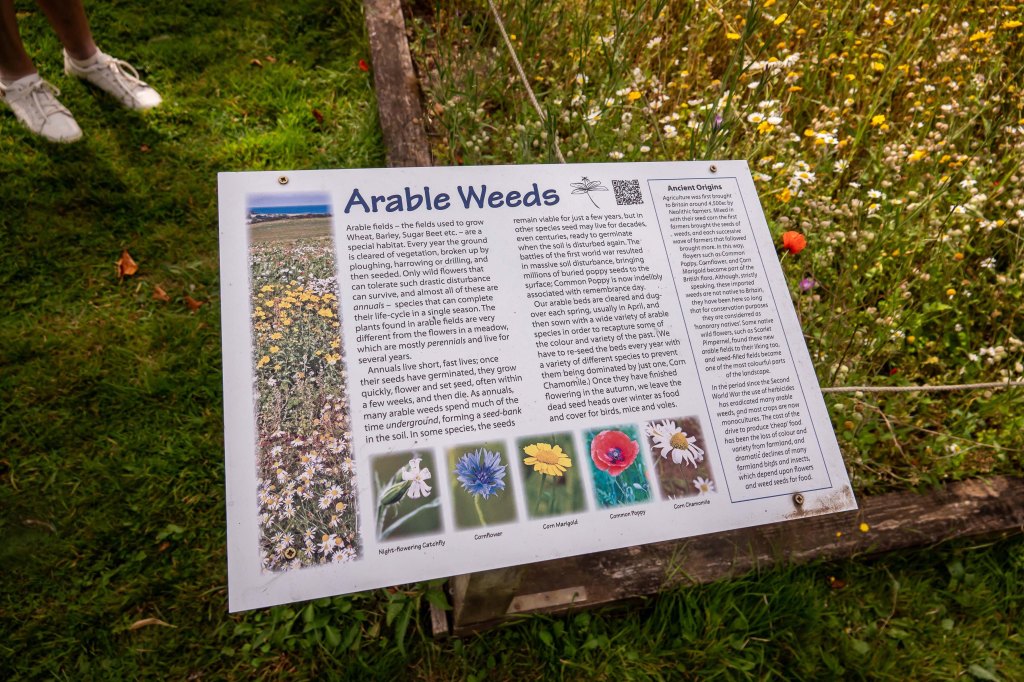
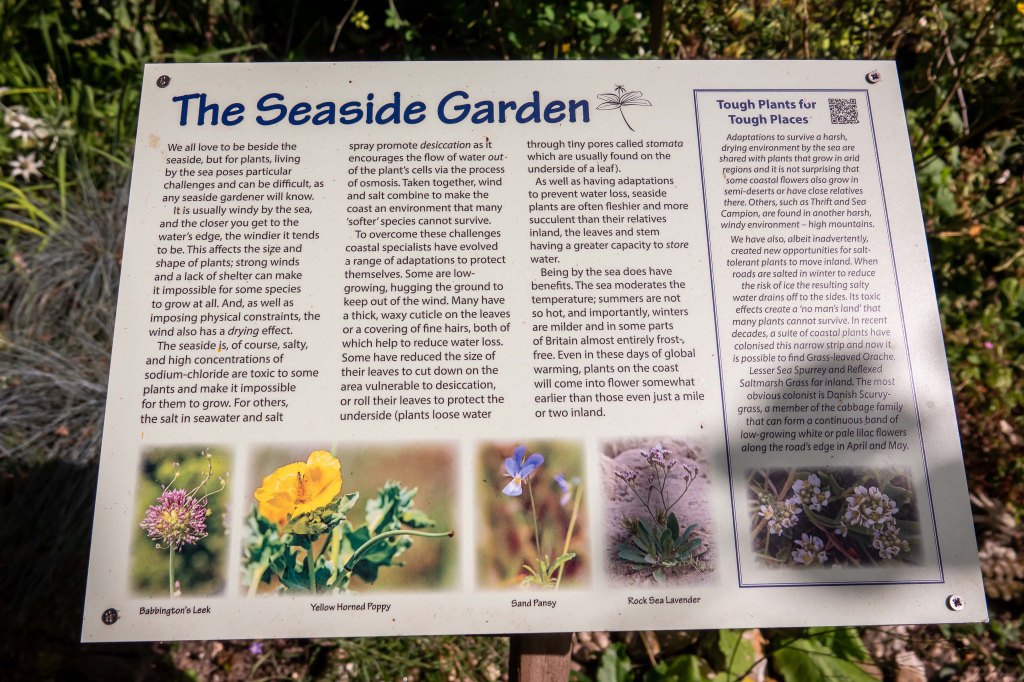
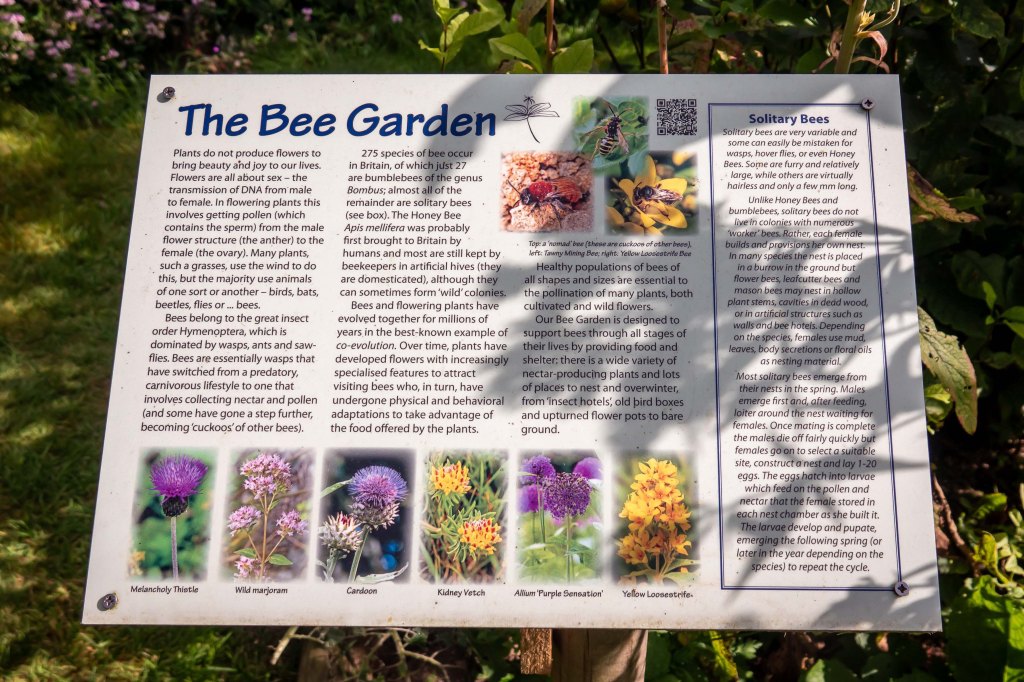
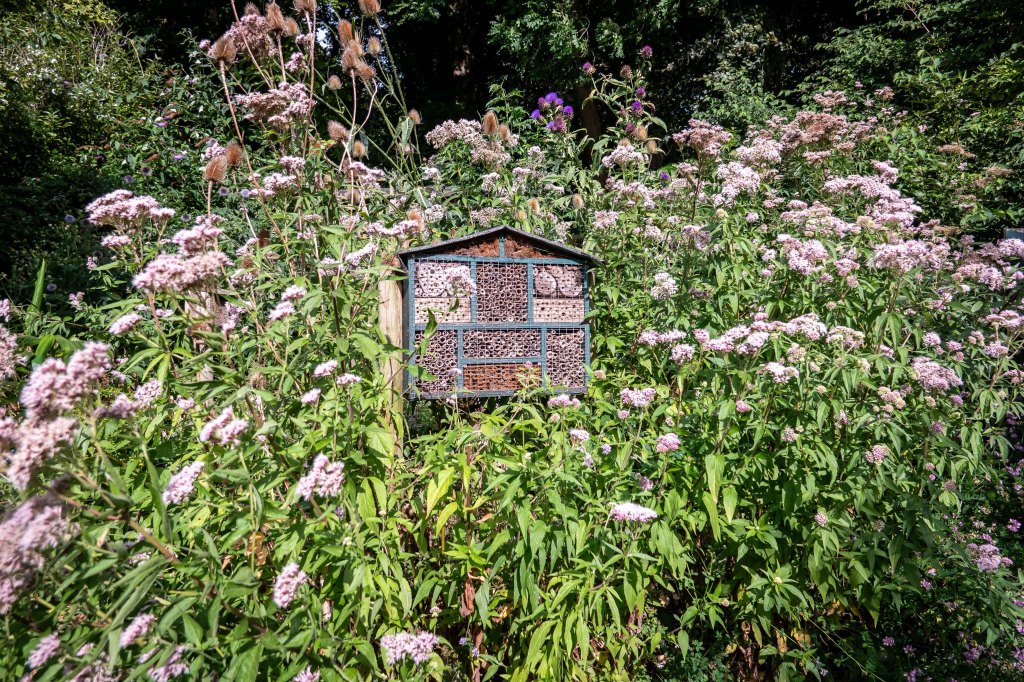
In the afternoon we visited NATURAL SURROUNDINGS, Norfolk’s Wildlife-Gardening & Wildflower Centre next to Bayfield Hall, just a stone’s throw from Blakeney.
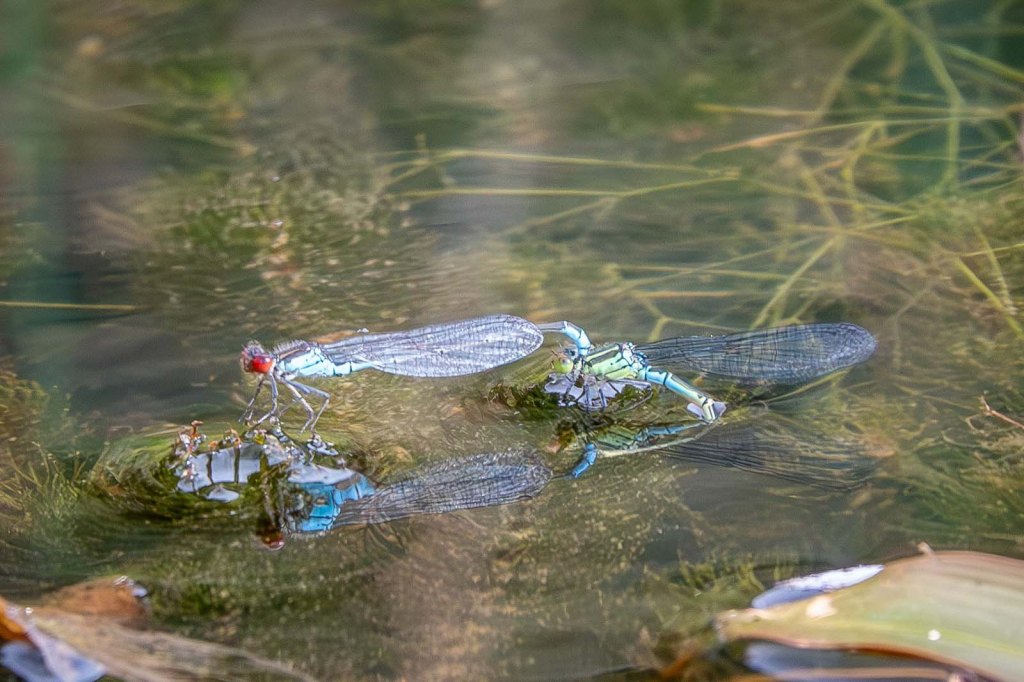
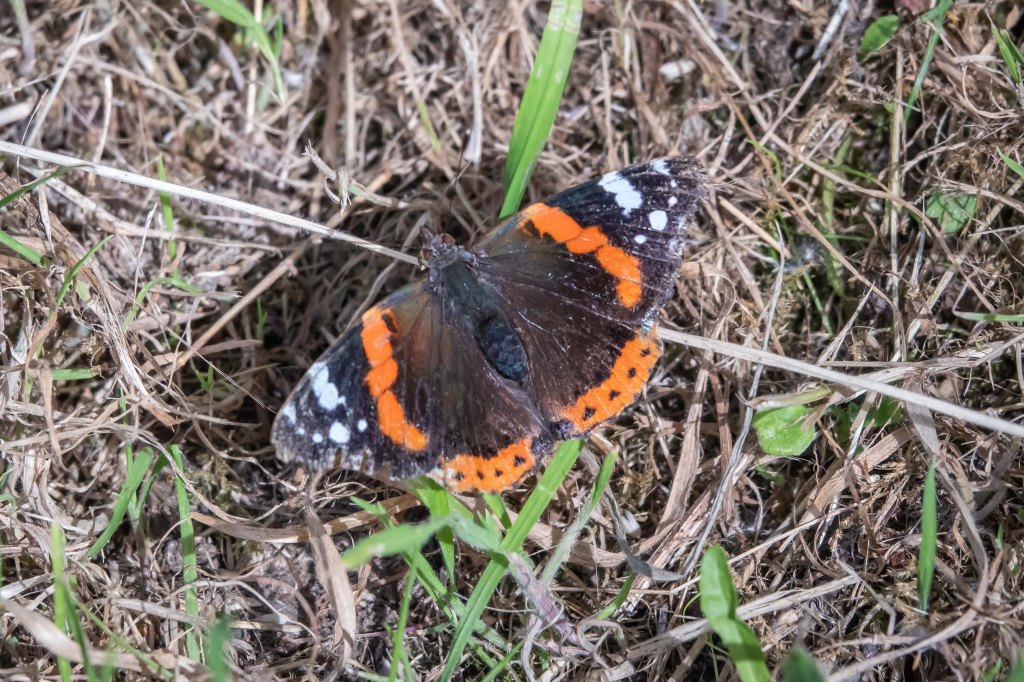
Small red-eyed damselflyHouse flyDefinitely the stars of the showRed Admiral
A very informative and enjoyable visit. Did I forget to mention that there’s a very good café with much too generous portions of cakes?
I spent my teenage years in the Chew Valley and regret that, at that time , I had little interest in nature. I did enjoy the aesthetics of the pretty village cricket grounds and always enjoyed cycling the lanes. I do remember occasionally taking in the wonderful scenery of this beautiful part of the country; but I failed to show interest in the specifics and failed to learn any of the names of the flora or to spend time studying the birdlife. What a waste!
However, I hope I have made up for it in recent years.
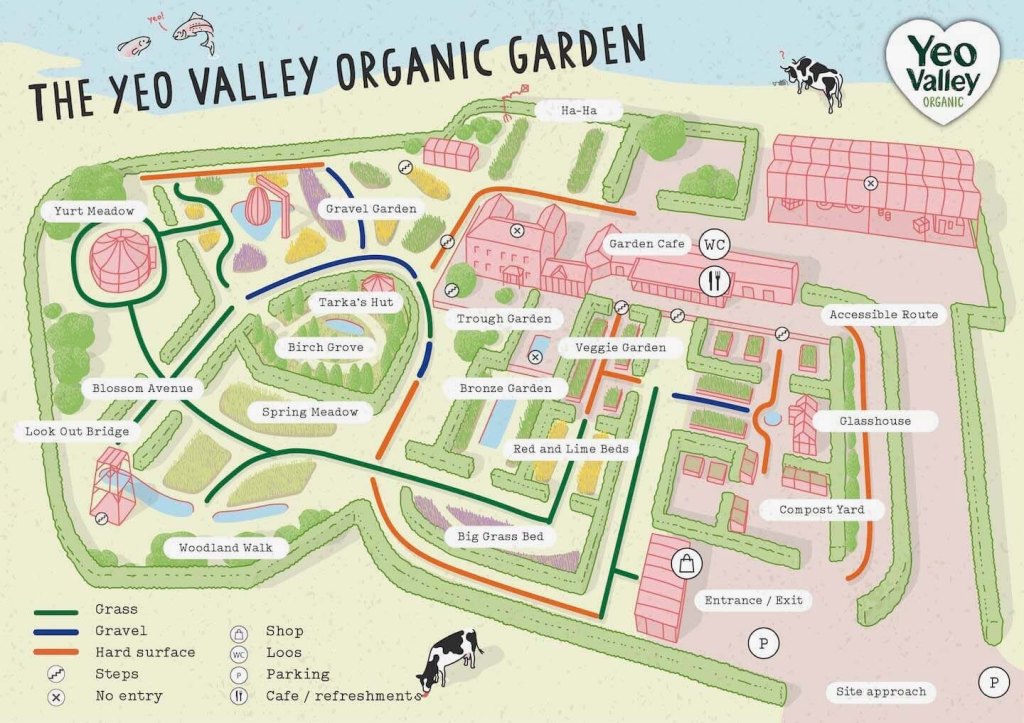
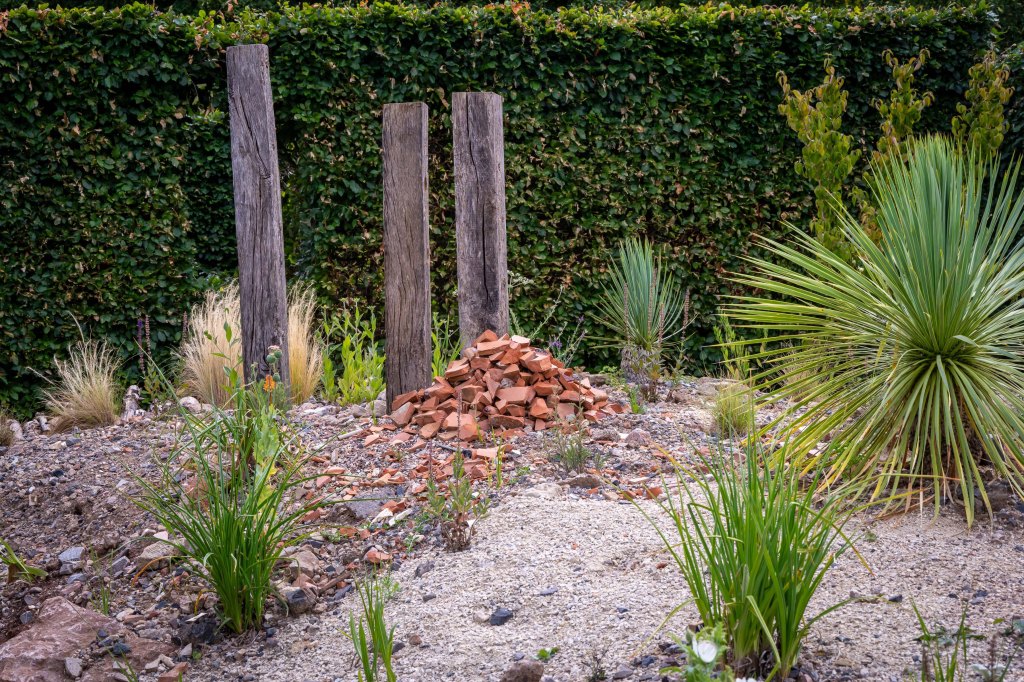
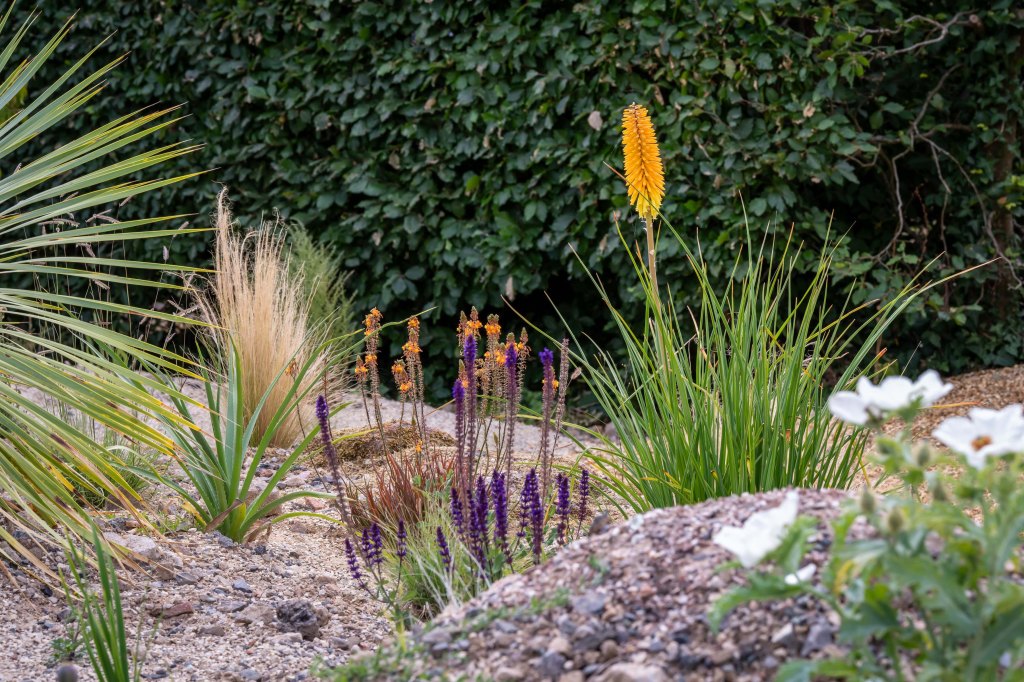
This morning we crossed the city before most people were active to visit an amazing garden south of Bristol in the Chew Valley – the Yeo Valley Organic Garden near Blagdon.
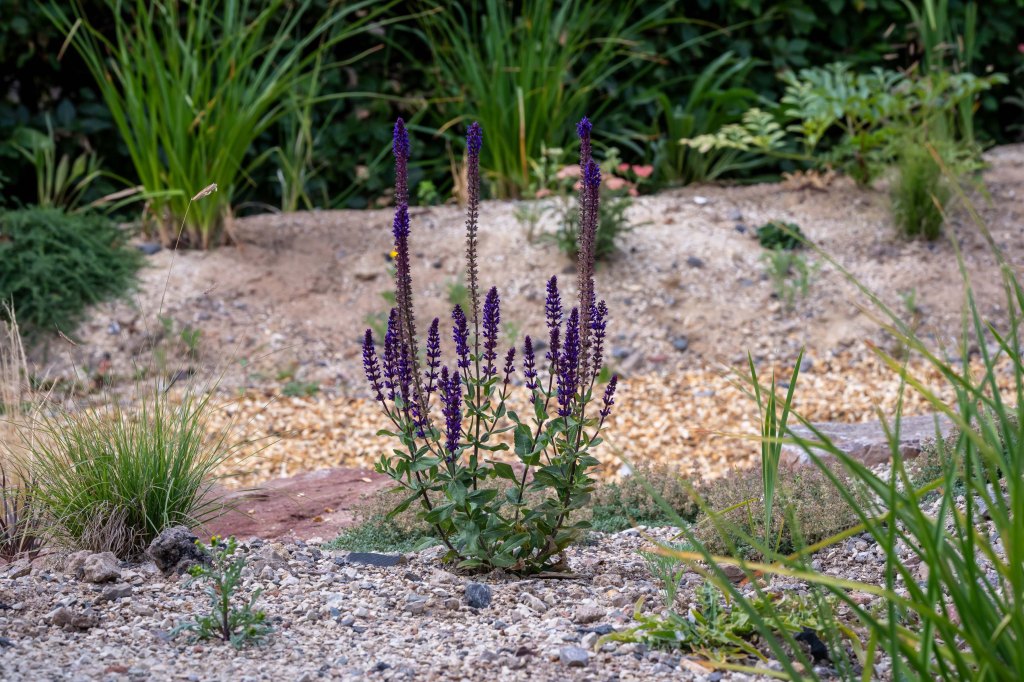
The view from the garden caféThe gravel garden
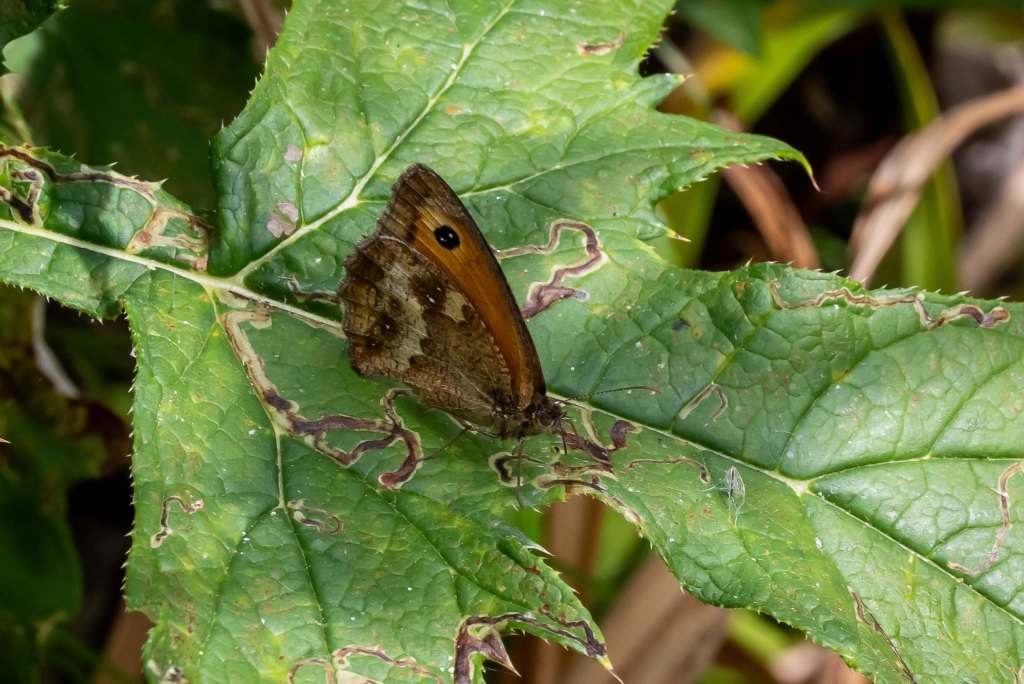
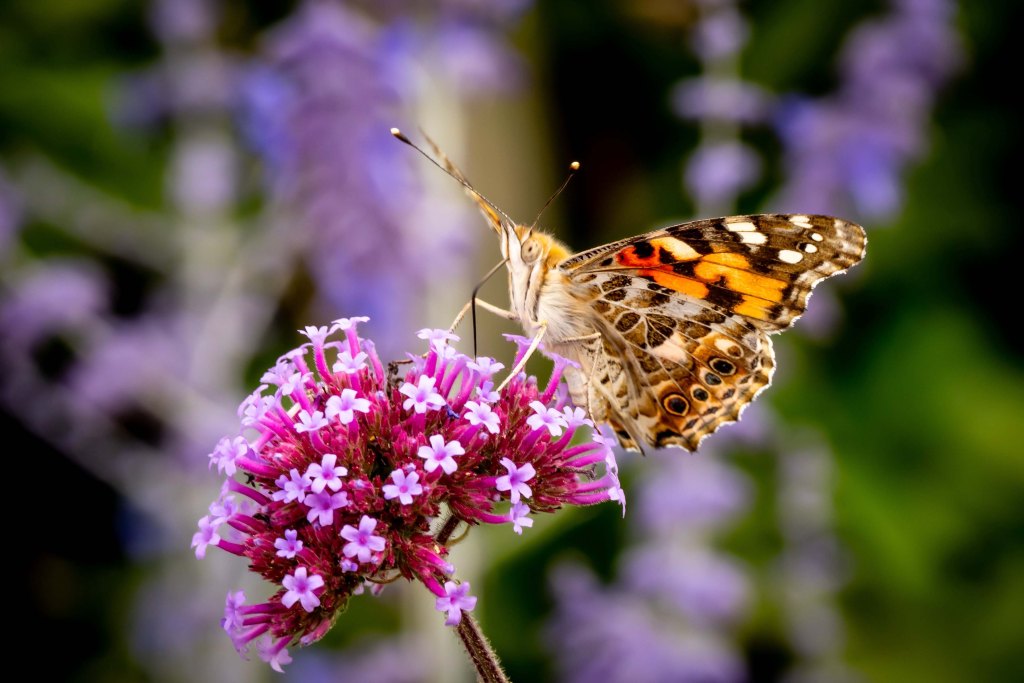
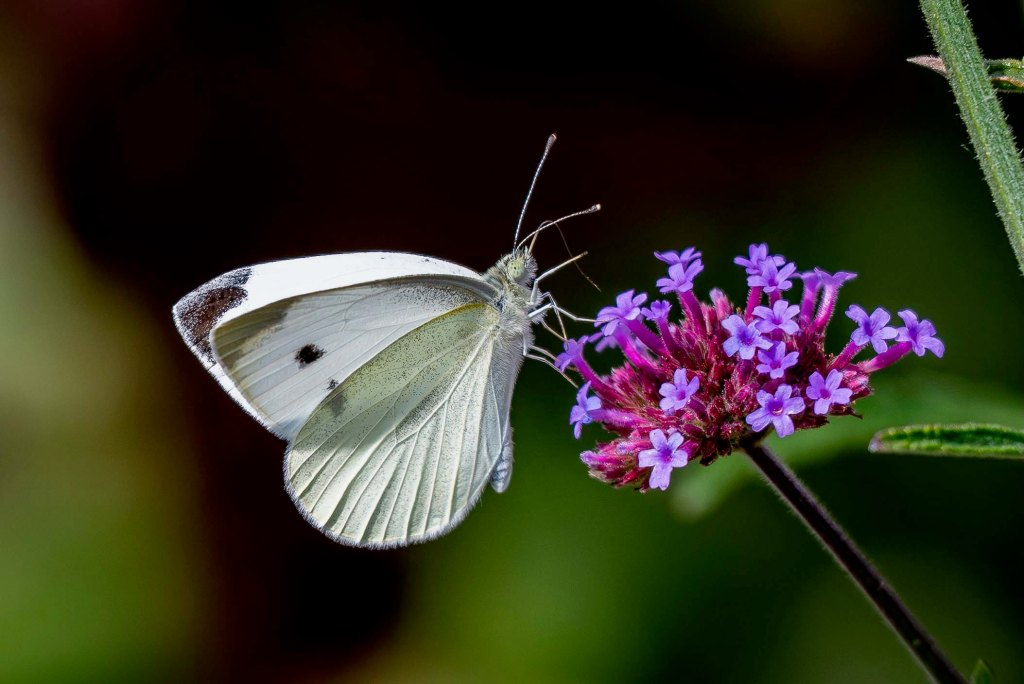
It was a bit early in the day (and still quite fresh) to see the great variety of butterflies that we usually see here at this time of the year. We had to make do with a scruffy Painted Lady and lots of damselflies.
Painted ladyCommon blue damselfly
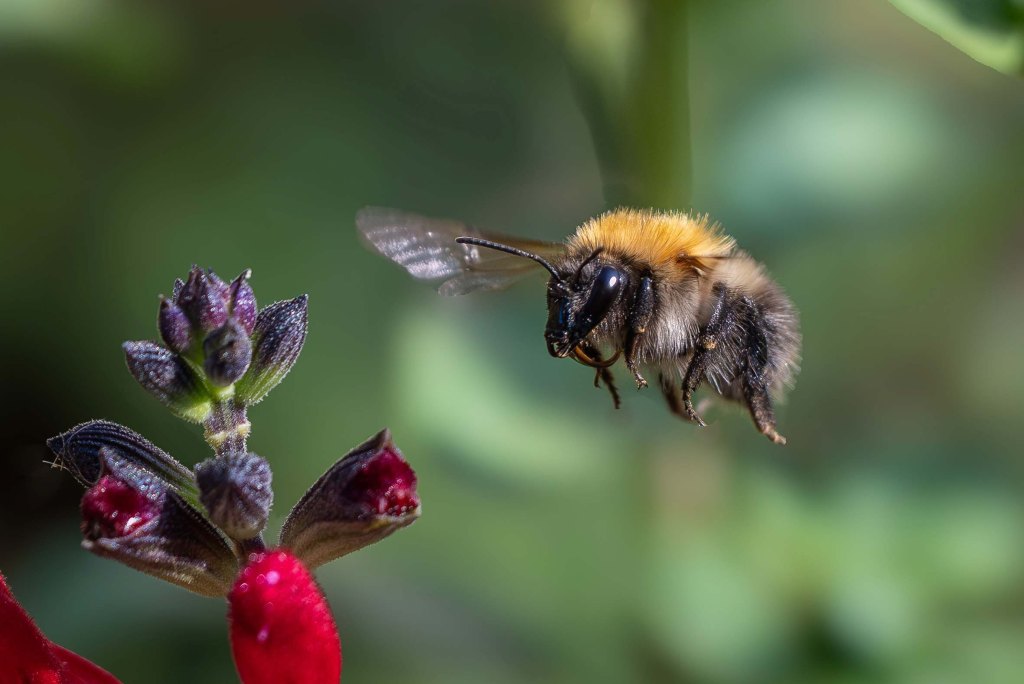
There were birds to be seen too; notably robins, blackbirds, goldfinches, chaffinches, chiffchaffs , pied wagtails, and swifts and house martins flying across Blagdon Lake.
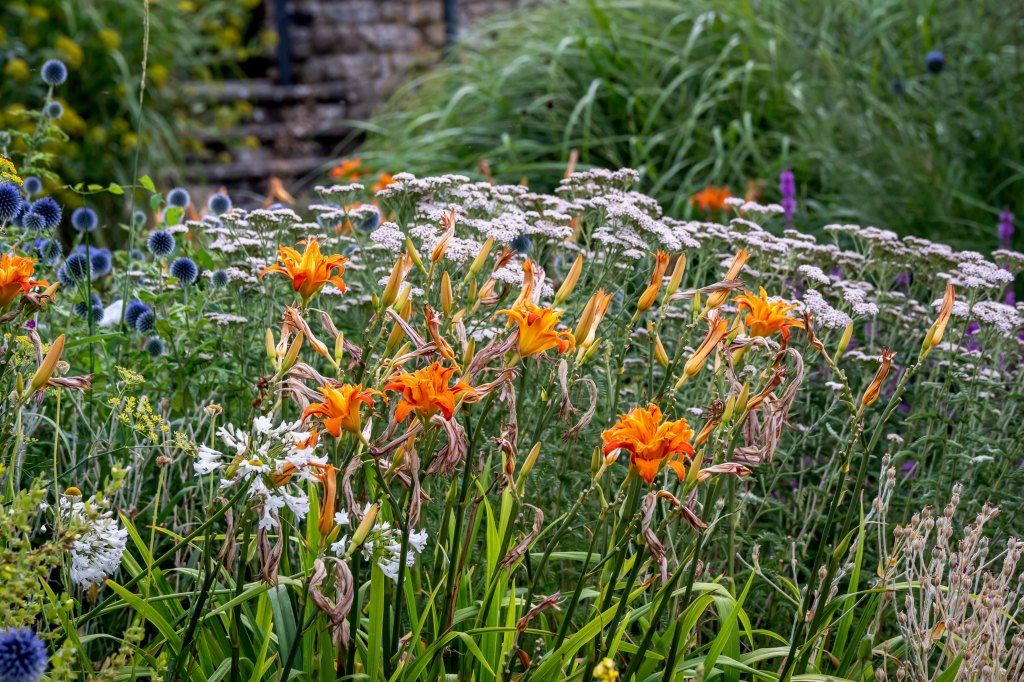
Pied wagtailLots of pollinators in the gardenThe view to Blagdon LakeCanada geese over the lakeSwifts over the lake… and a little closerThe goldfinches were much closer stillChaffinch singing its heart outCommon chiffchaffThe birch groveBig grass bedThe veggie gardenThis bed of alliums was probably my favourite area todayThe red and lime bedsThe bronze gardenThe bronze gardenGlasshouse
Despite the sun not appearing very often the garden still looked stupendous. I hope some of my photos do justice to this lovely garden.
After a tasty lunch at the on site café we stopped off at the village of Ubley and had a quick visit to the local church.
The garden caféUbley Church north façade Ubley Church south façade
Sadly, our return journey across the city was rather tortuous as we got caught up in the traffic of people going Saturday shopping. If they only knew, they would have been much better off driving out into the countryside!
We had a stroll around our local park this afternoon. We had hoped to see a tawny owl and a pair of owlets of which we had seen reports but, although everyone we met in the park had seen them, we were out of luck.
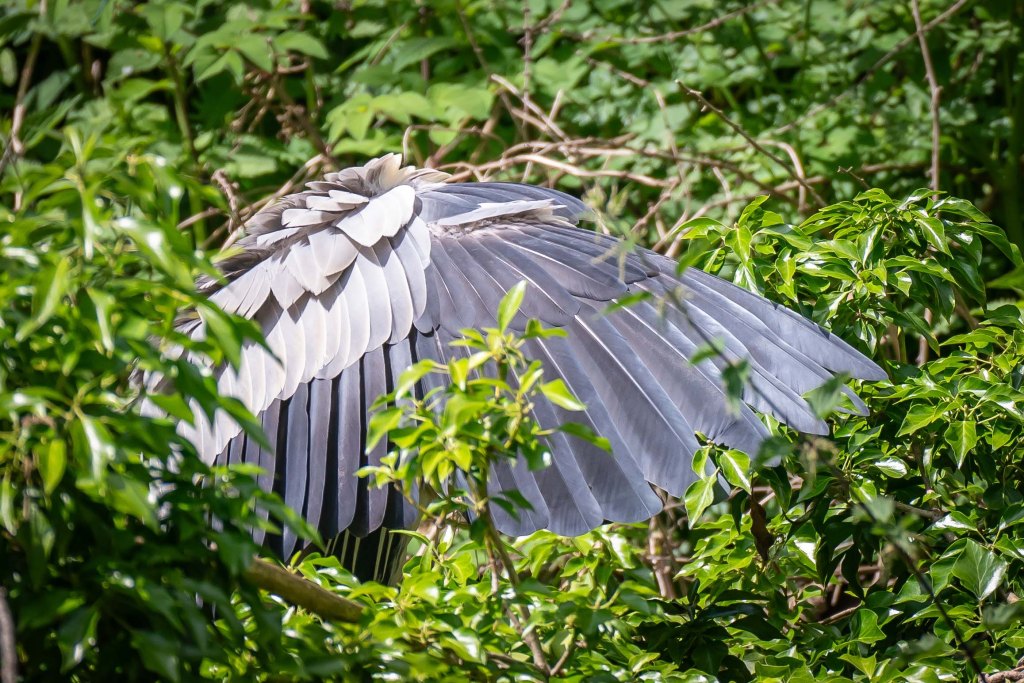
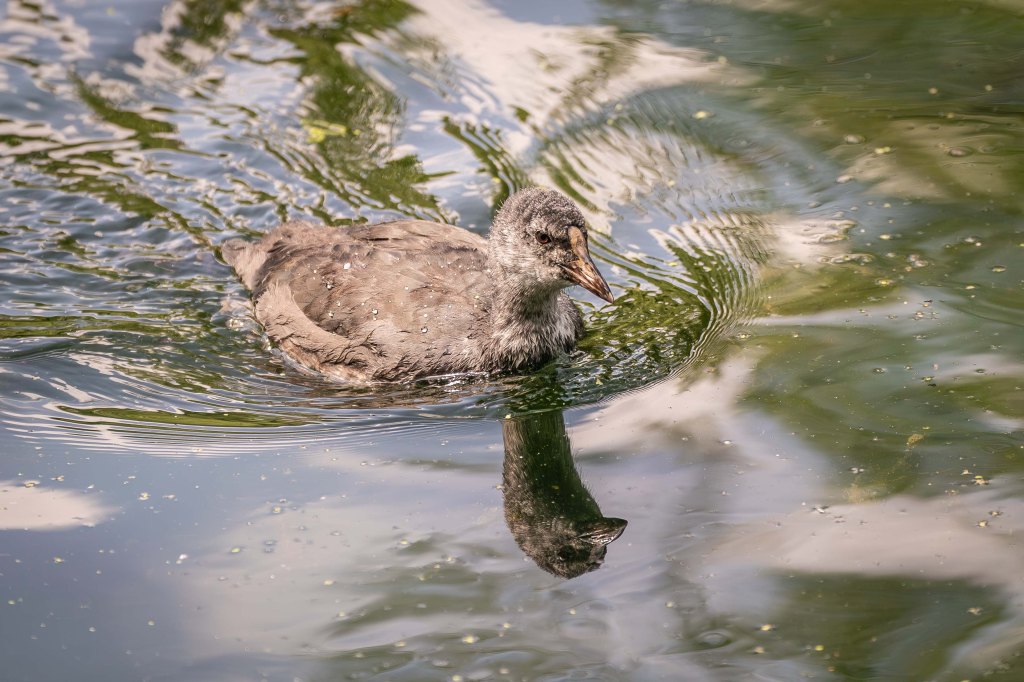
Grey heronA very shy grey heronA young coot (whatever they are called)
There were plenty of new arrivals such as ducklings, cygnets and goslings but they are all getting larger (or smaller in numbers where they have been predated!).
The last of a brood of ducklings2 swans and five cygnetsCanada geese and goslings
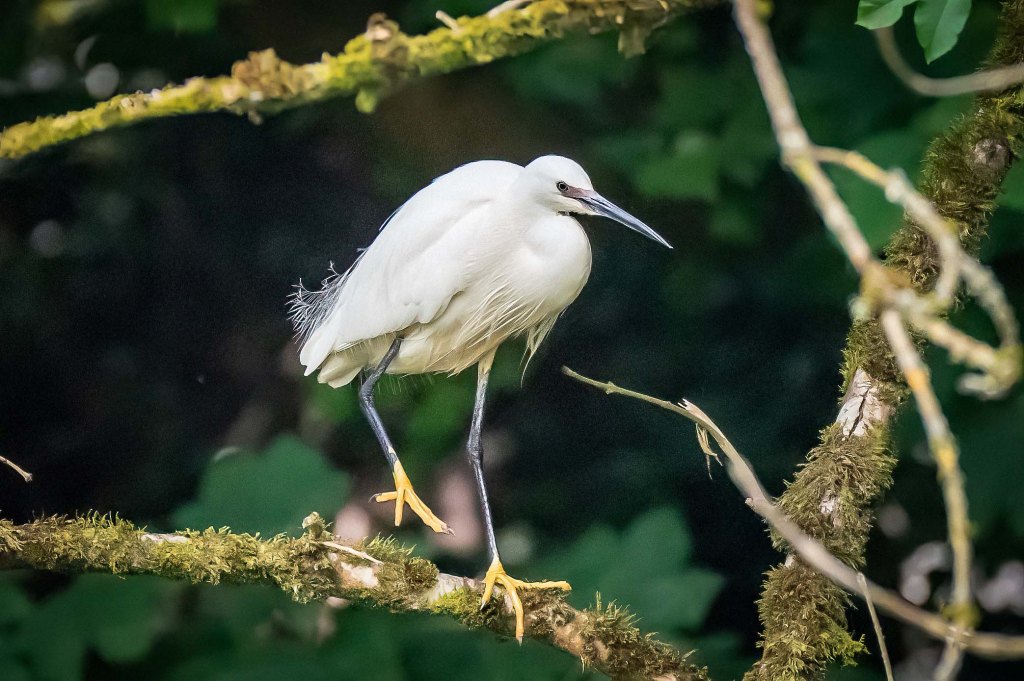
The best of the birds was a little egret which a few years ago would have been a real rarity.
Little egretLittle egret
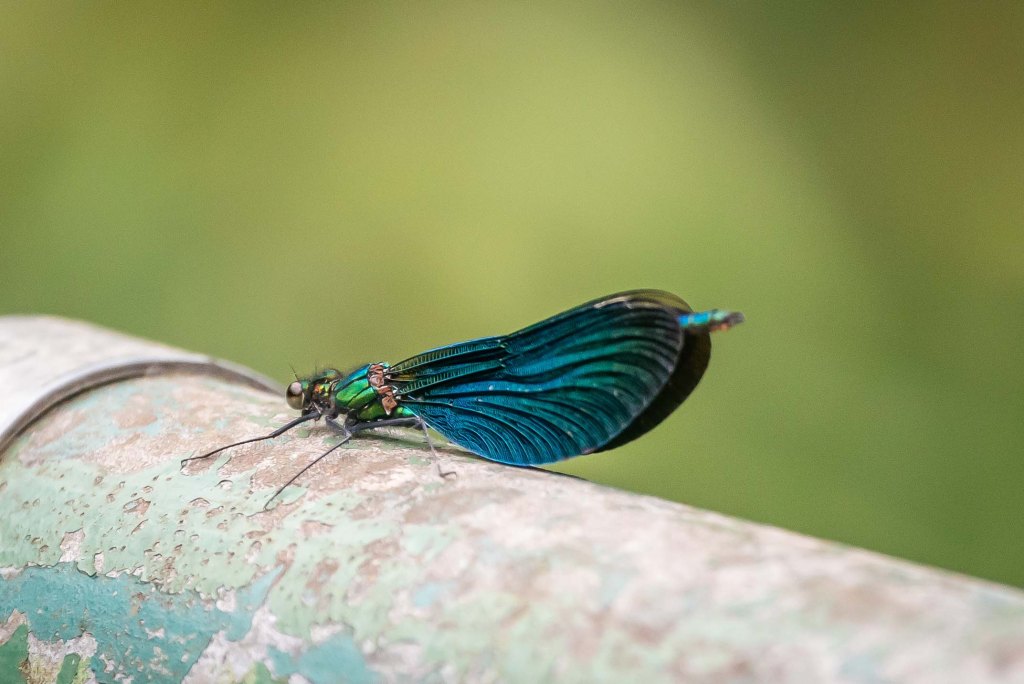
Plenty of damselflies too and beautiful and banded demoiselles in abundance.
Beautiful demoiselle
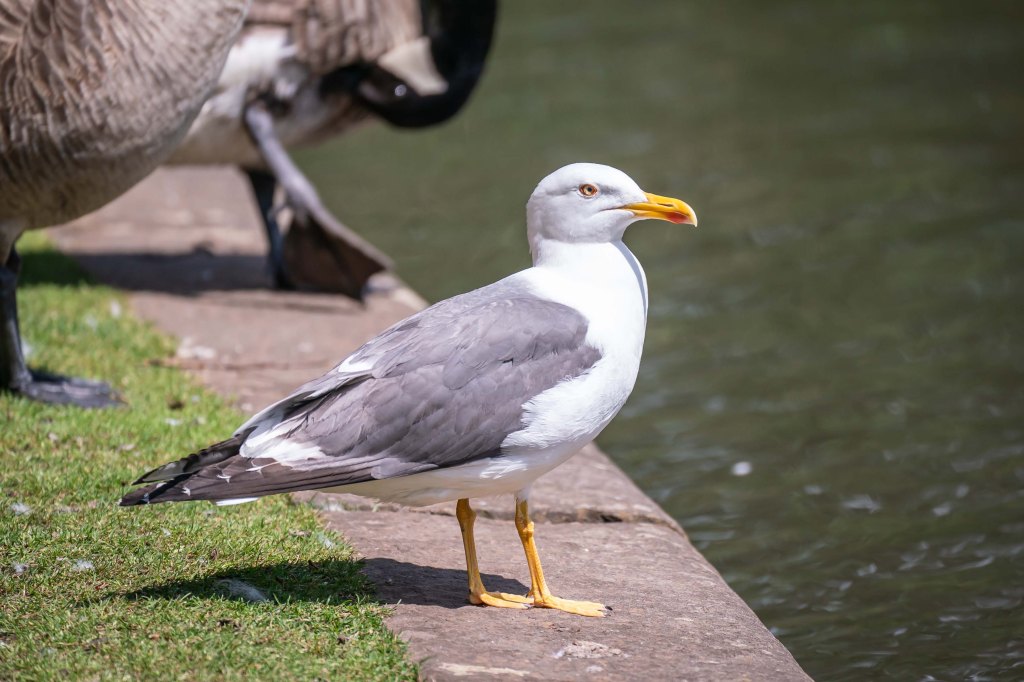
Female beautiful demoiselleLarge red damselflyBeautiful demoiselleAzure damselflyBeautiful demoiselleA very handsome lesser black-backed gull
Little egretCanada gooseGreylag/pink footed goose (escapee?)Magpie (and why not?)