Tag: Chew Valley Lake

  • 30th November 2025 – Chew Valley Lake, North Somerset

    30th November 2025 – Chew Valley Lake, North Somerset

    Chew Valley Lake

    We had a fabulous time in the winter sunshine at Chew Valley Lake this morning. Chew Valley Lake, just south of Bristol, is the sixth-largest artificial lake by area in the United Kingdom, with an area of 1,200 acres (4.9 km2), but only the forty-seventh largest by volume, reflecting the fact that it is a shallow lake. It is a national centre for birdwatching, with over 260 species recorded. It is particularly shallow at the moment following the dry summer and today there were lots of birds benefiting from the ideal conditions for waders and waterfowl and plenty for me to photograph.

    However, the most exciting aspect of our birding session was meeting 7 year old Stanley and his dad who, in fact, pointed out the common kingfisher to us. It was a sheer delight to chat to Stanley who was most knowledgeable about birds and clearly loved being out and about in the fresh air with his dad pursuing his hobby. Stanley told us all about the places he had been recently and what birds he had seen. He told me that he had recently seen a bittern and that one of his favourite birds was a Bewick’s swan. When I told him that we had just seen a pair of Whooper swans at another part of the lake he was very keen to go and see them. Stanley’s dad told me that Stanley much prefers being out birdwatching rather than staying at home, as many young people do, absorbed in electronic games. I am sure that Stanley will become a well adjusted and decent man just as, I imagine, his dad is.

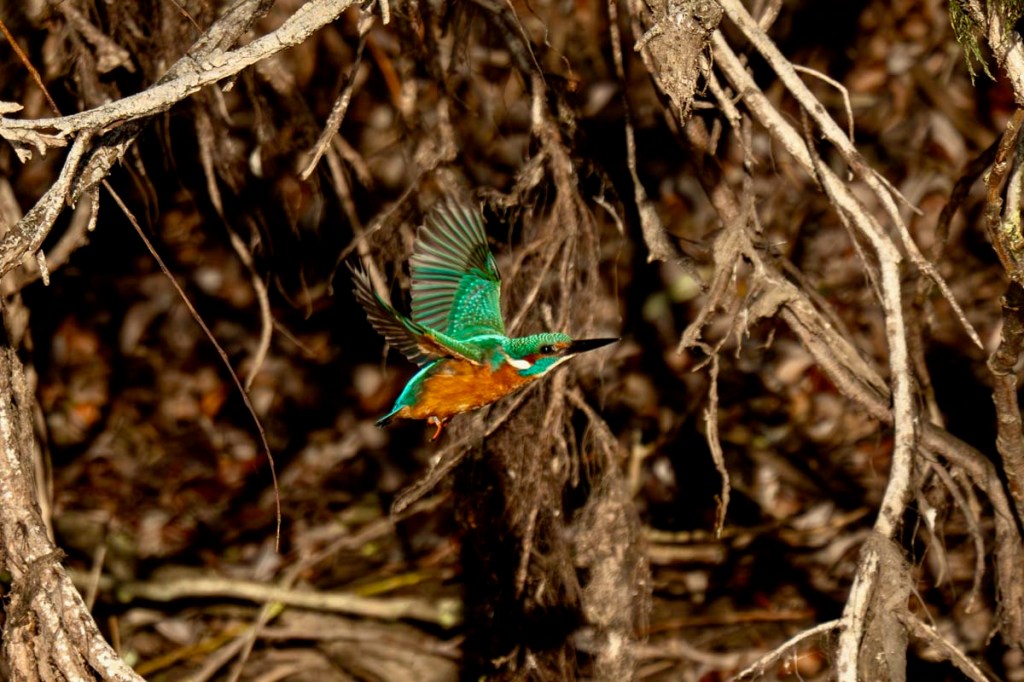
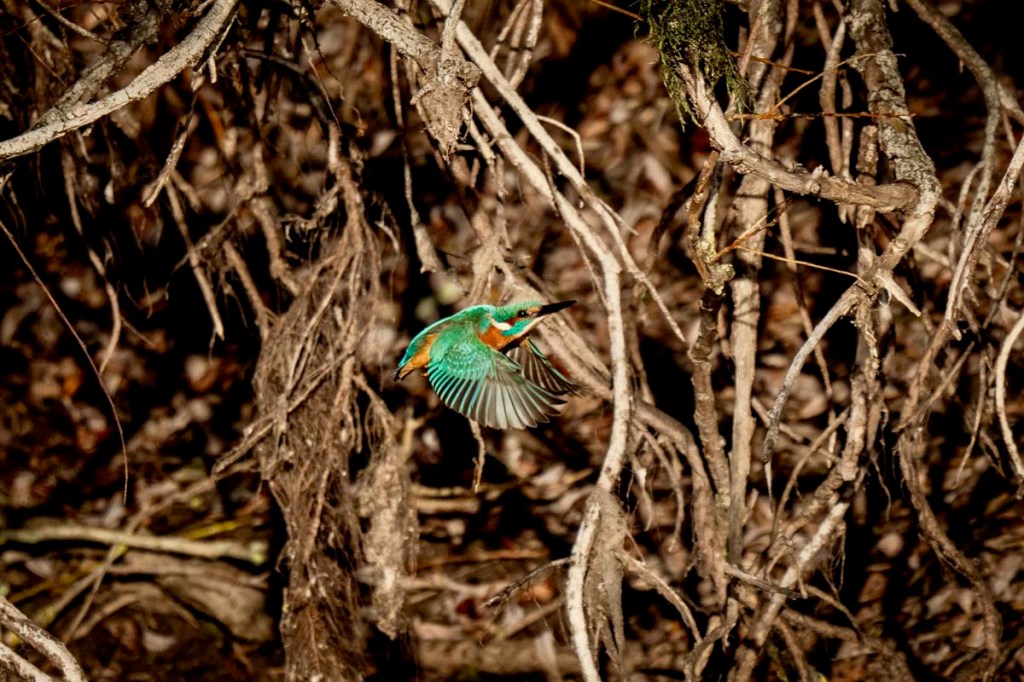
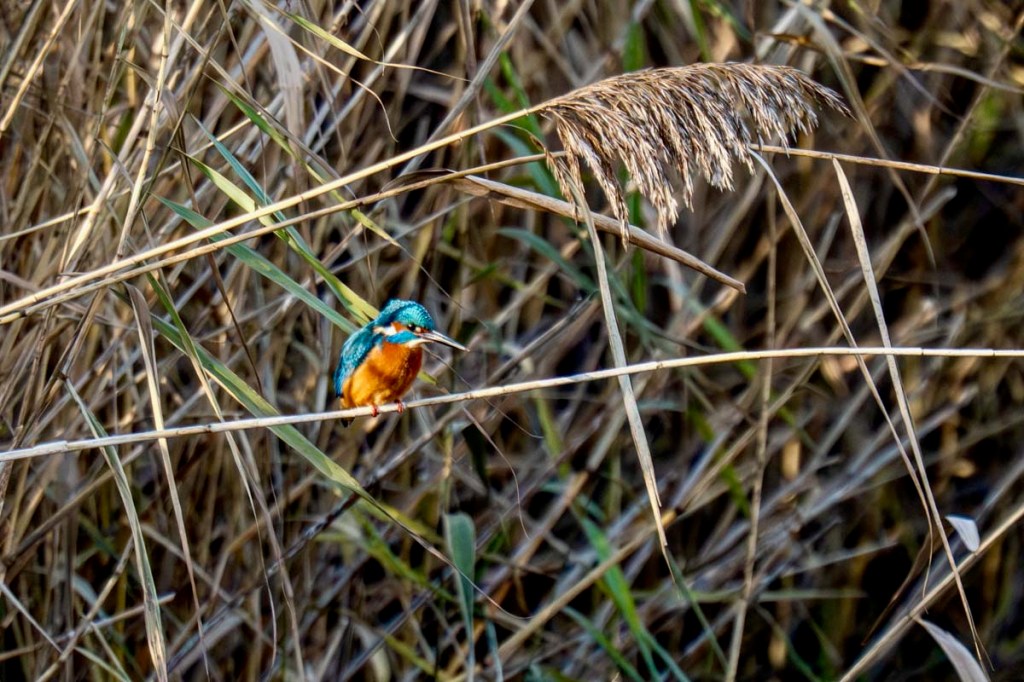
    It was very interesting watching the kingfisher as it moved from one side of a sluice to another (and from shade to bright sunshine) as it seem to change considerably in colour. I remember reading that the common kingfisher is in fact brown and that the bright blue colour you perceive is due to a phenomenon called structural colouration. Structural  colouration is seen throughout the animal kingdom and makes creatures appear much more colourful than they actually are. So while the coloured pigments in the kingfisher’s feathers are brown, you actually view them as a brilliant blue. It takes some believing, I know.

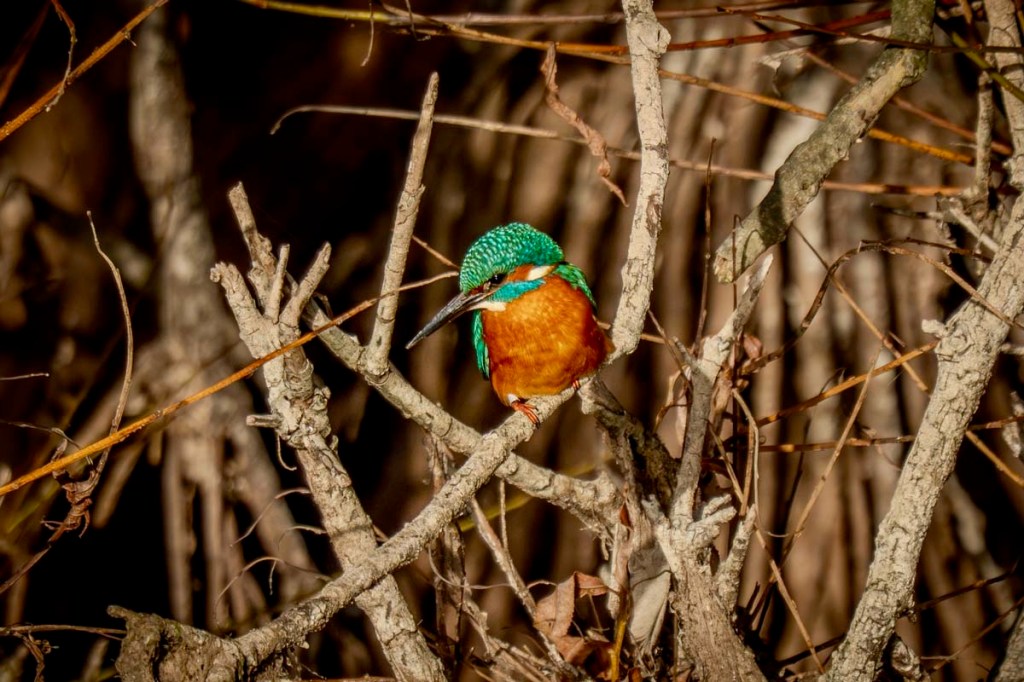
    The common kingfisher just catching a few rays of sunshine in the dark reeds.

    The kingfisher on the other side of the sluice.

    Common kingfisher

    … and away.

    Common kingfisher

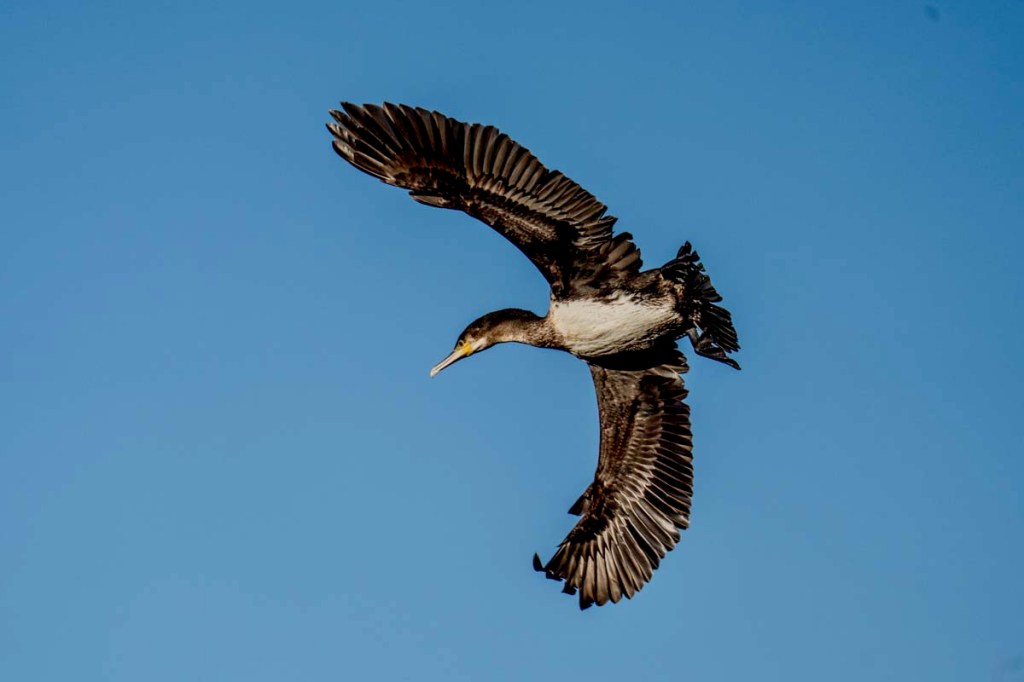
    Cormorant in flight just above the kingfisher

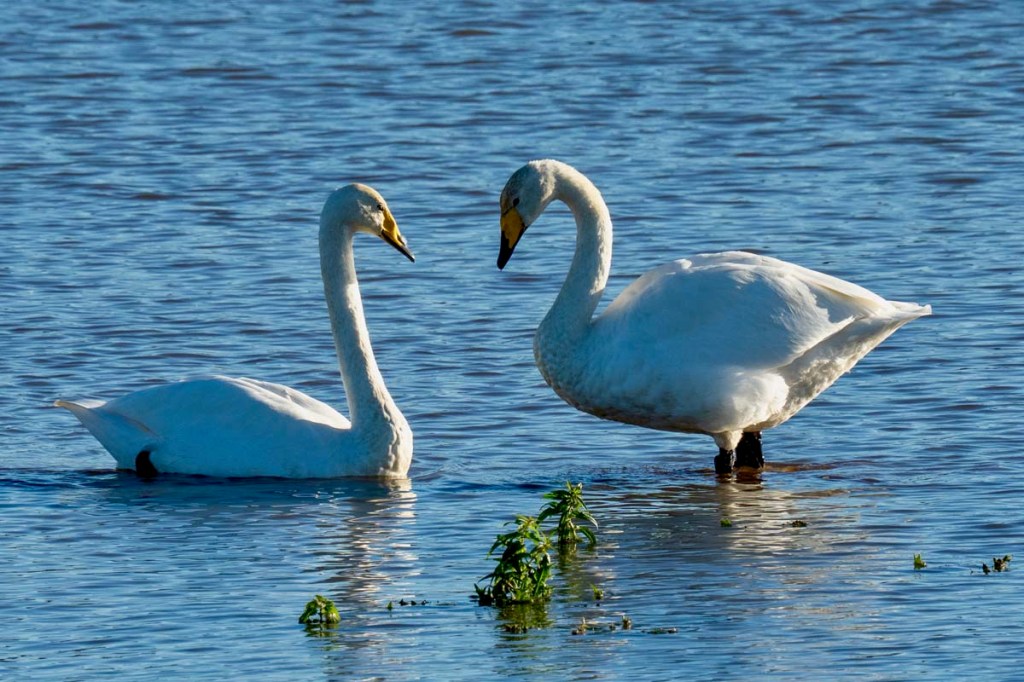
    Whooper swans – bigger than Bewick’s: it is mainly a winter visitor to the UK from Iceland, although a small number of pairs nest in the north. 

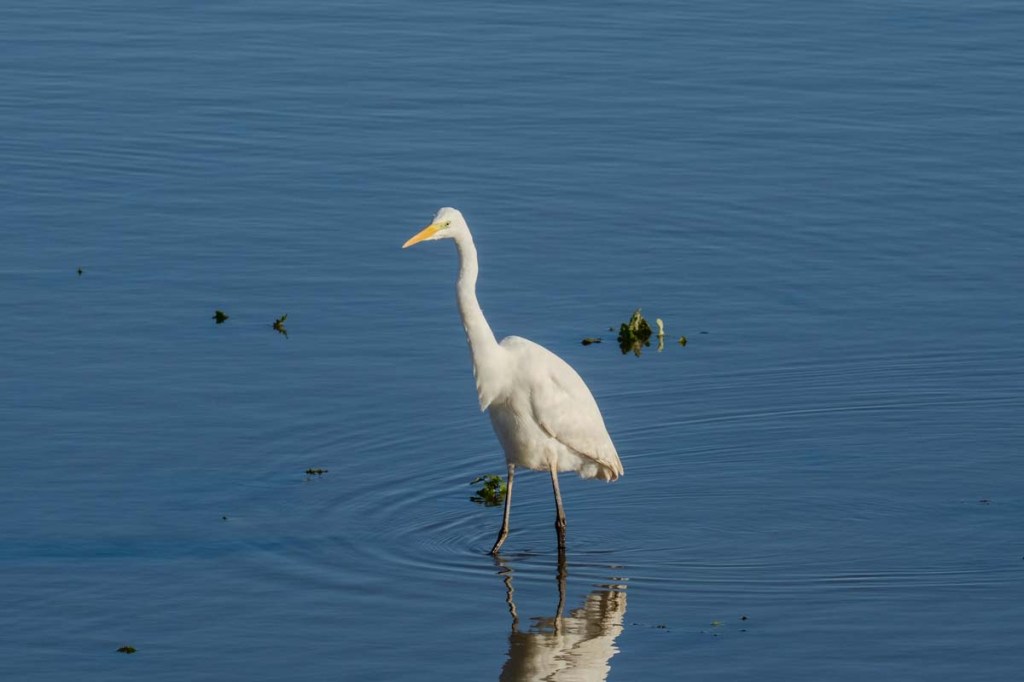
    Great white egret

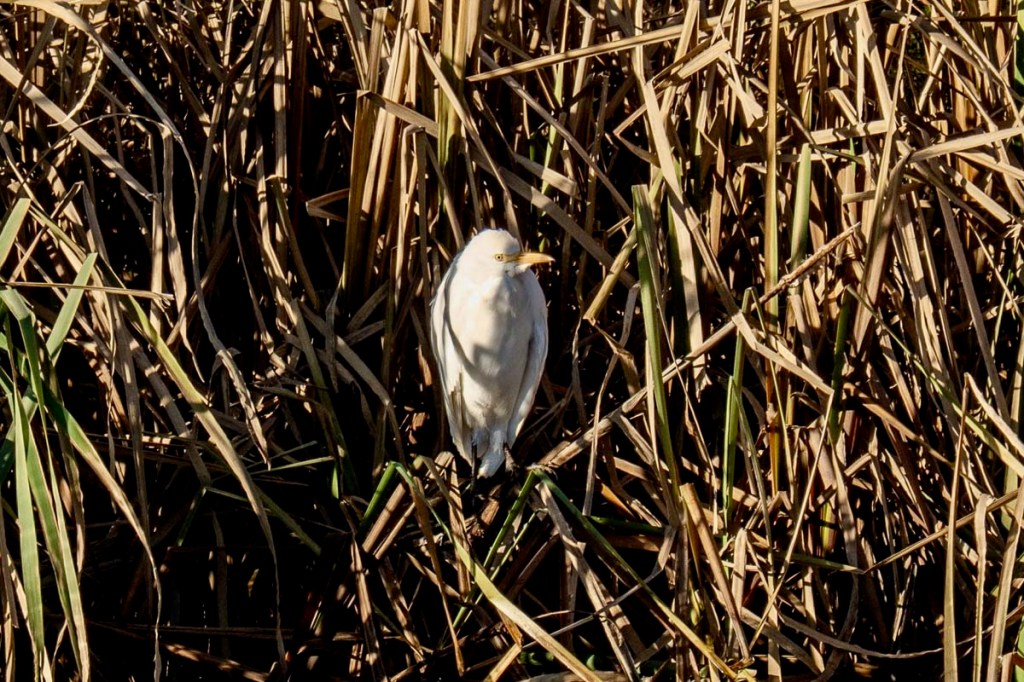
    Cattle egret – the third egret we see in Britain, the little egret, was also to be seen on the lake.

    Black-tailed godwits in flight

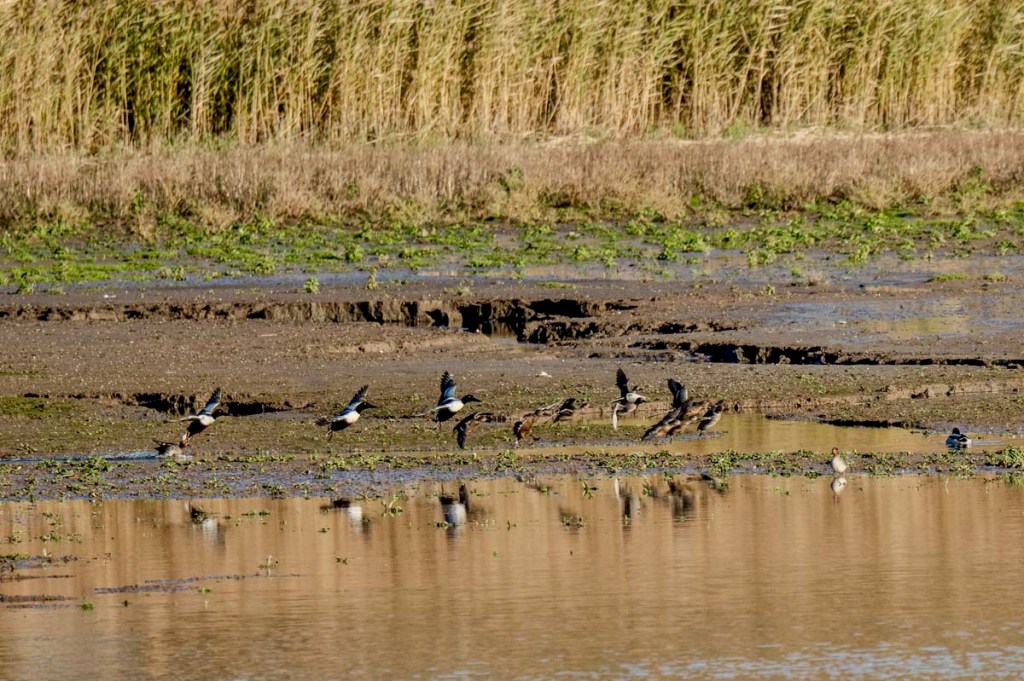
    Northern shoveler in flight

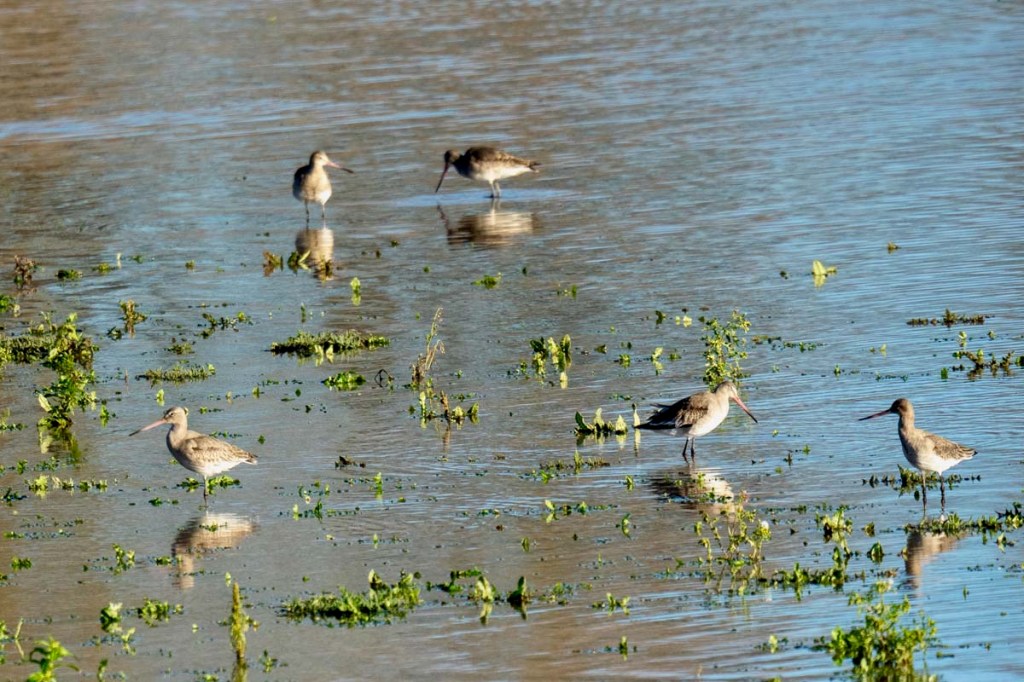
    Black-tailed godwits feeding

    Black-tailed godwits flying over a northern shoveler

    Canada goose

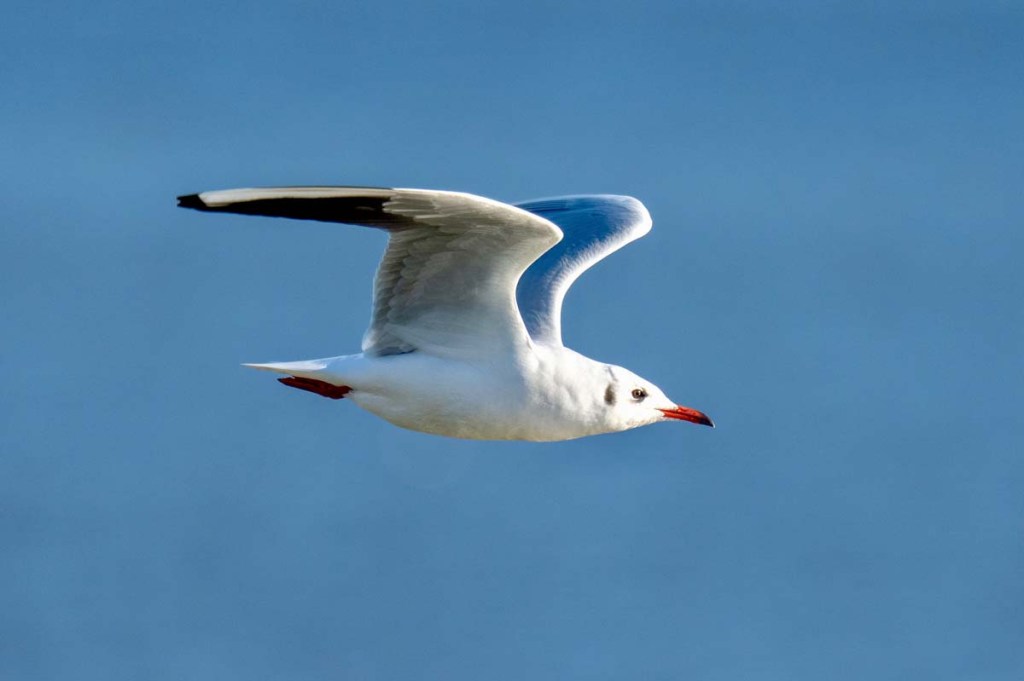
    Black-headed gull

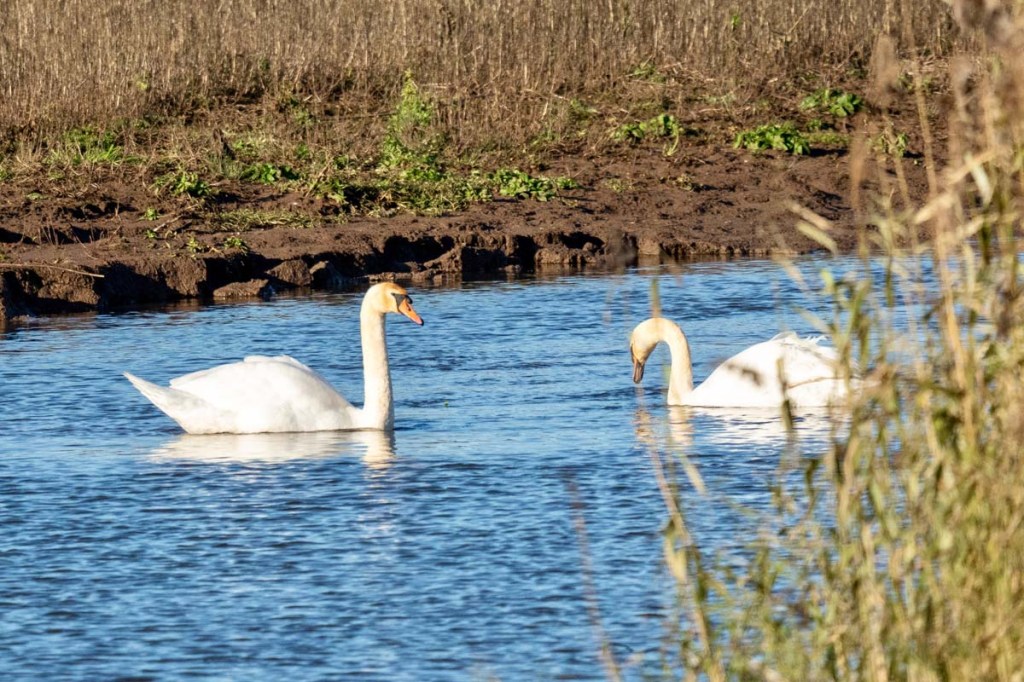
    Mute swans

    And just one more kingfisher shot

    … or maybe two, just to show the different colours.

  • 29th August 2025 – Chew Valley Lake, Somerset

    29th August 2025 – Chew Valley Lake, Somerset

    A very popular bird watching area local to us is Chew Valley Lake, just a few miles to the south of Bristol. The lake was created in the early 1950s (officially opened in 1956) to provide water for the city of Bristol. I remember at that time standing in the street waving my Union Flag. I hasten to add that this was in no way a demonstration of political affiliation the likes of which we are currently seeing a lot, I was simply lining the street with my Junior School to see Queen Elizabeth II as she made her way to open the lake. That’s what you did for entertainment in those days.

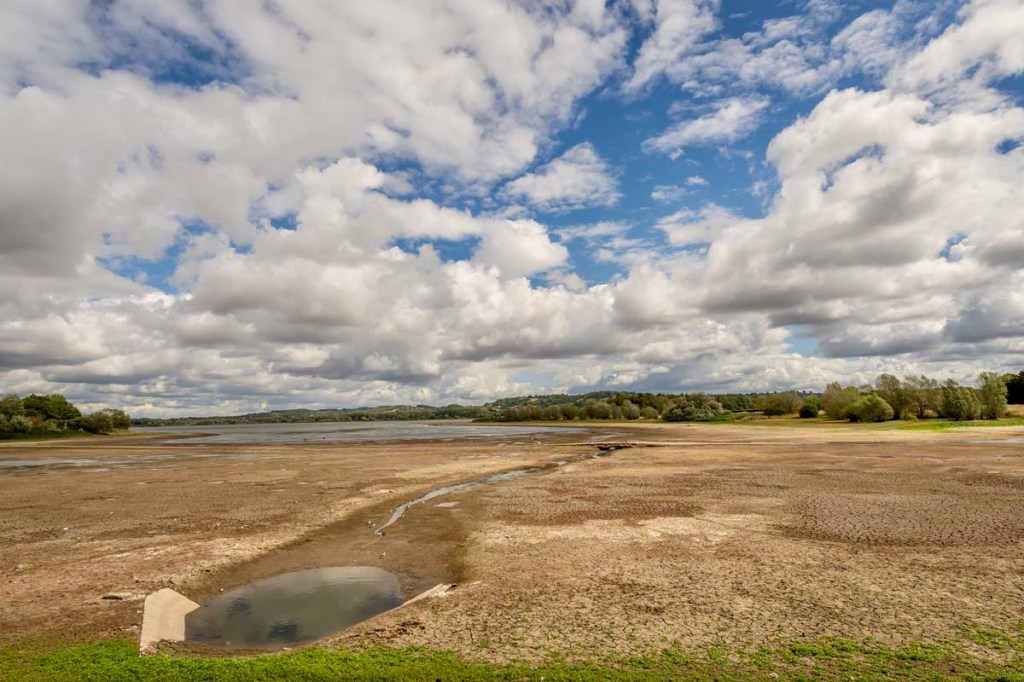
    We last visited Chew Valley on May 16th when, even after a dry start to the summer, the lake was surprisingly full to the brim. We were quite surprised today to see how low the water had dropped over the summer in the very dry spell we have had. Today we had a few showers but I don’t think it would have made much a difference to the water levels.

    A distant view of Chew Valley lake (from Herriot’s Bridge) with a chance of rain

    Our main reason for visiting, in fact, is that a white-tailed eagle has been at the lake for the last few days. We had no luck on that score and, as a consequence of the low water levels, we didn’t see that many birds up close.

    Nonetheless, we really enjoyed the scenery and enjoyed another day birding.

    The view from Stratford hide with a peregrine at 2 o’clock (in front of the reeds) and another at 8 o’clock (next to the tree stump)

    A sparrowhawk flying over Herriot’s Bridge.

    A hobby from Herriot’s Bridge

    The view from Herons’ Green – this was totally covered in water in May

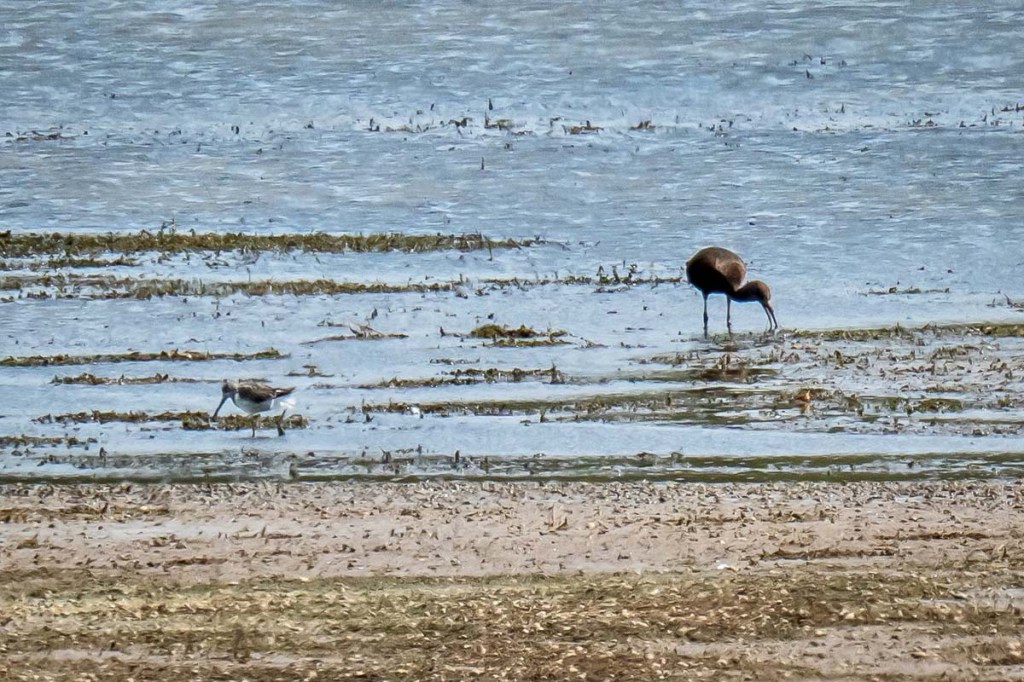
    A glossy ibis from Herons’ Green and a greenshank to the left

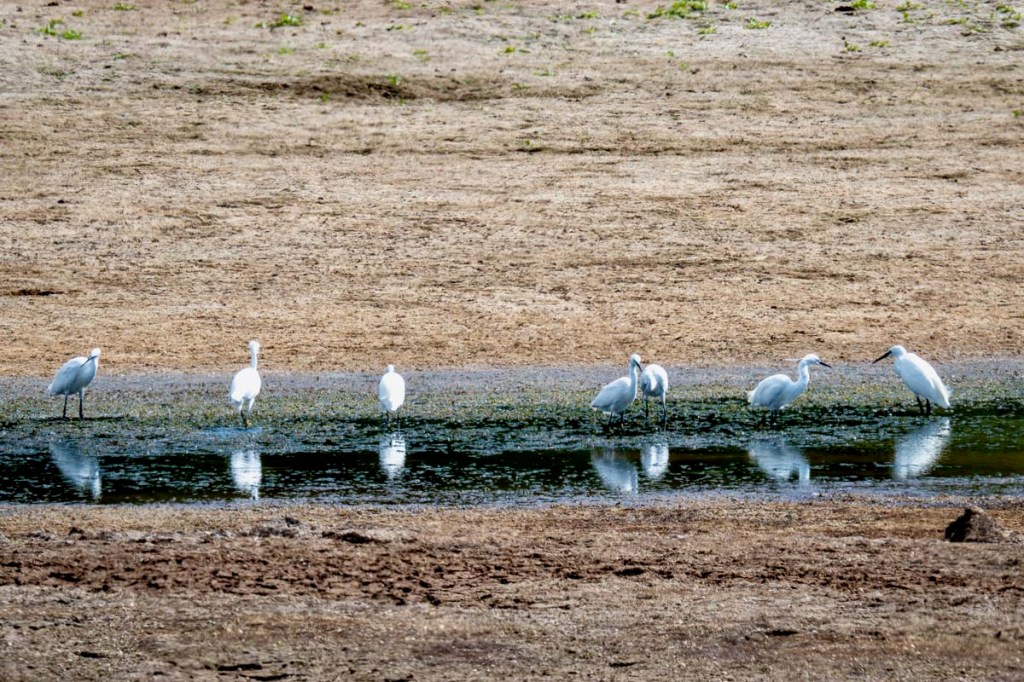
    Little egrets at Herons’ Green Bay
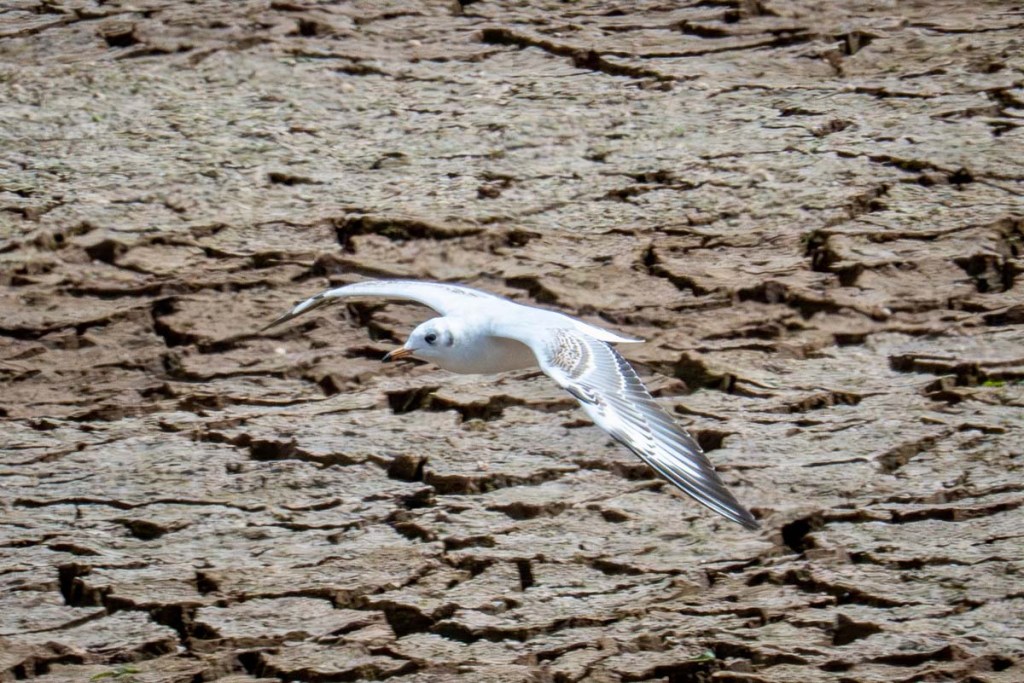
    You can see how dry it is beneath the black-headed gull in flight

    A small copper butterfly and a painted lady butterfly at Herriot’s Bridge

    We were told the white-tailed eagle was on the island at the back of my photo – I know they are big as we have seen them in Scotland but I don’t think even a very good telescope would have helped

    At least we got to see some birds up close – here a cormorant at Herriot’s Bridge

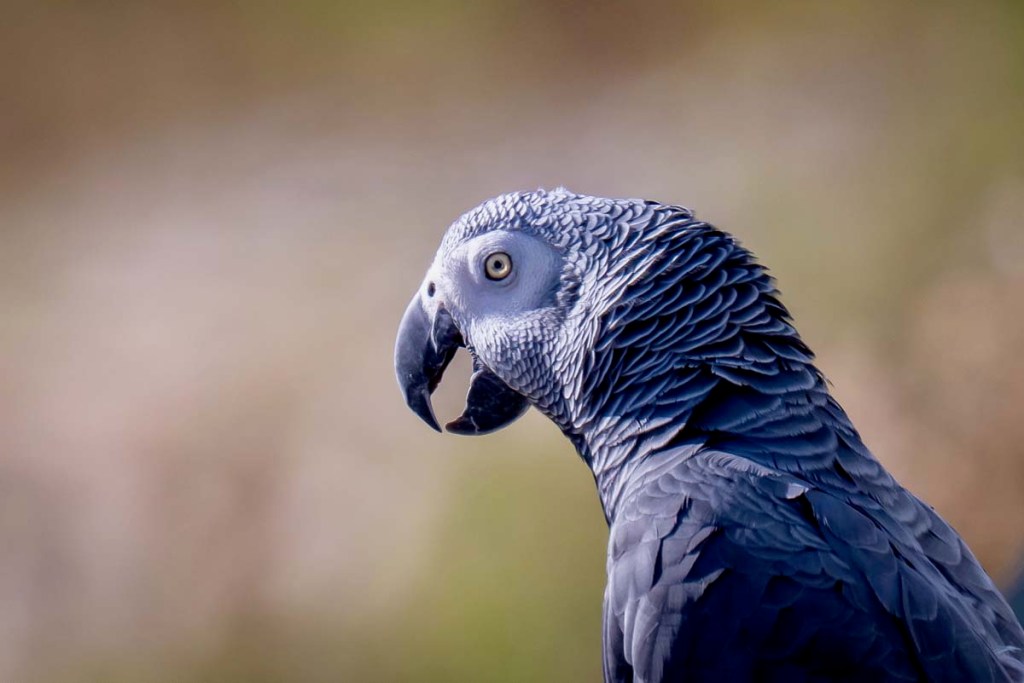
    … and here an African Grey Parrot whose owner brings it here regularly to take the air – this is England after all!