Tag: Brittany

  • 5th July 2024 – Gulf of Morbihan, Brittany, France

    5th July 2024 – Gulf of Morbihan, Brittany, France

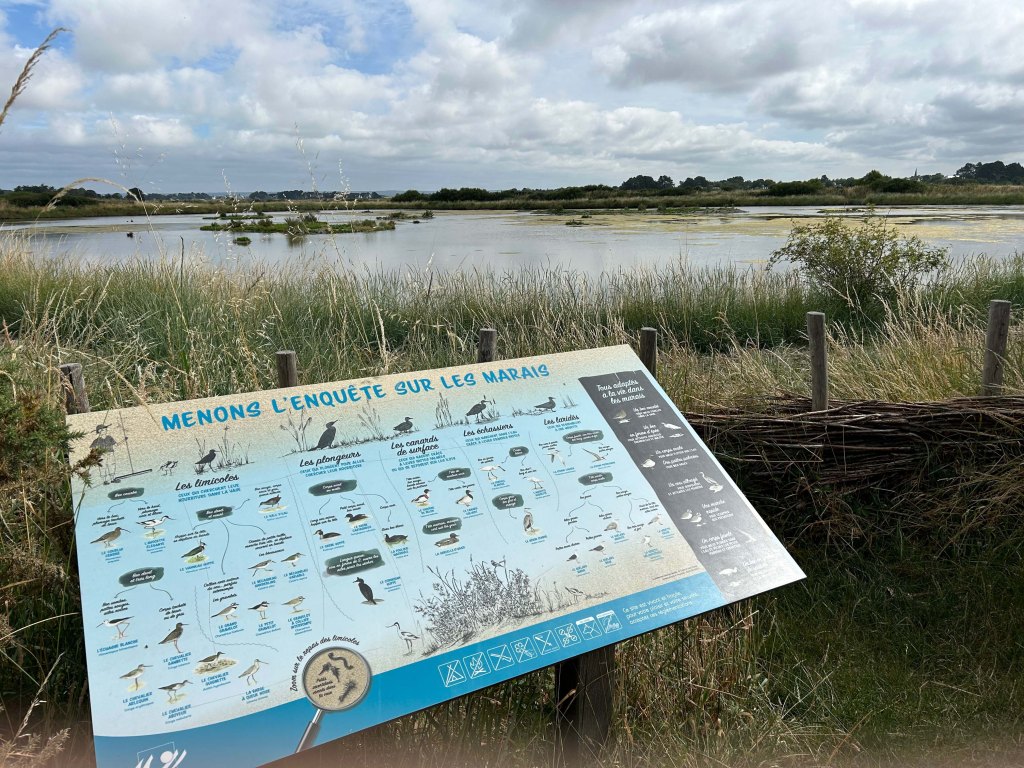
    Today we returned to the southern part of the Gulf of Morbihan to visit another nature reserve: the Lasné marshes at St Armel.

    A departmental (county council) reserve since 1978, these ancient salt pans, dating from the Middle Ages, have since 2003 been restored and salt is once again produced here. There are now also two shellfish producers that use certain salt pans. The rest of the marsh is for the birds that occur year round on this very favourable site.
    Lasné marshes

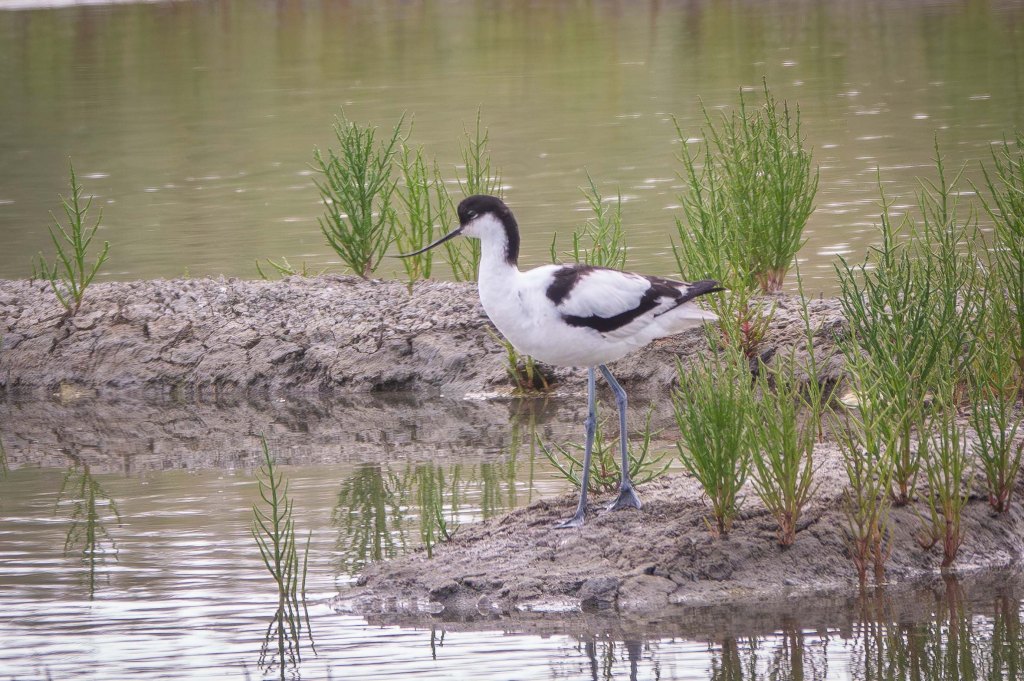
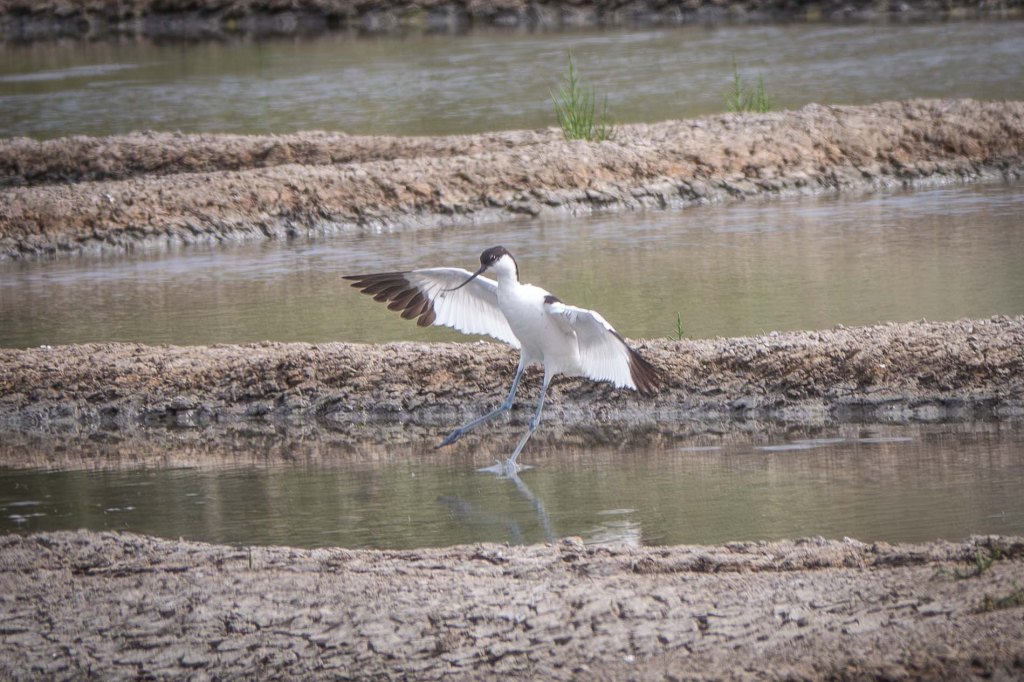
    Avocet landing

    Avocet chick

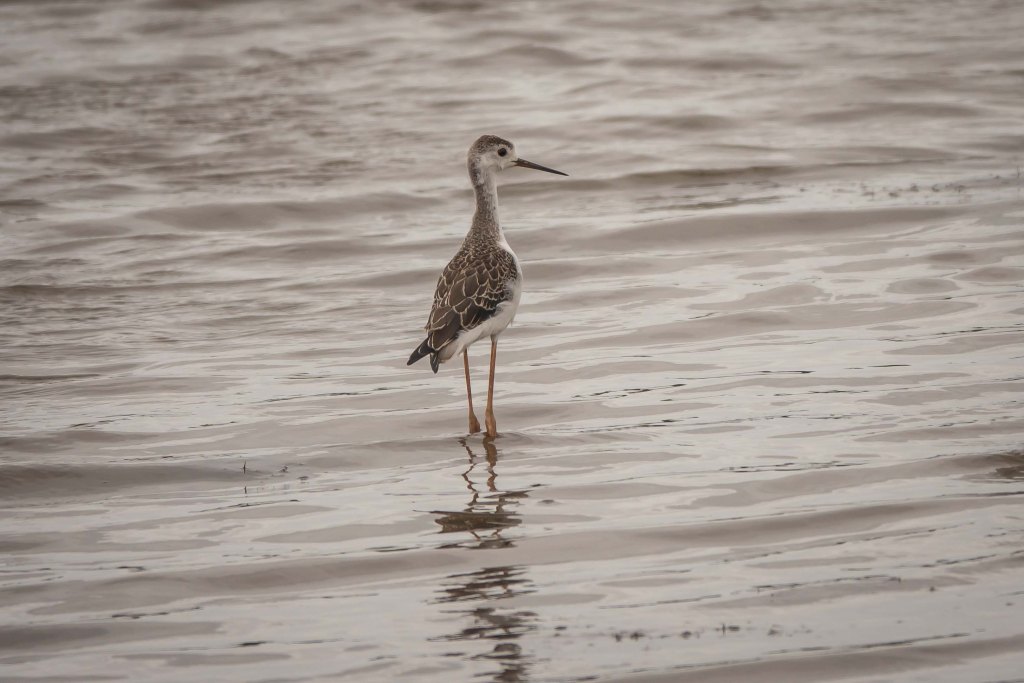
    Black-winged stilt

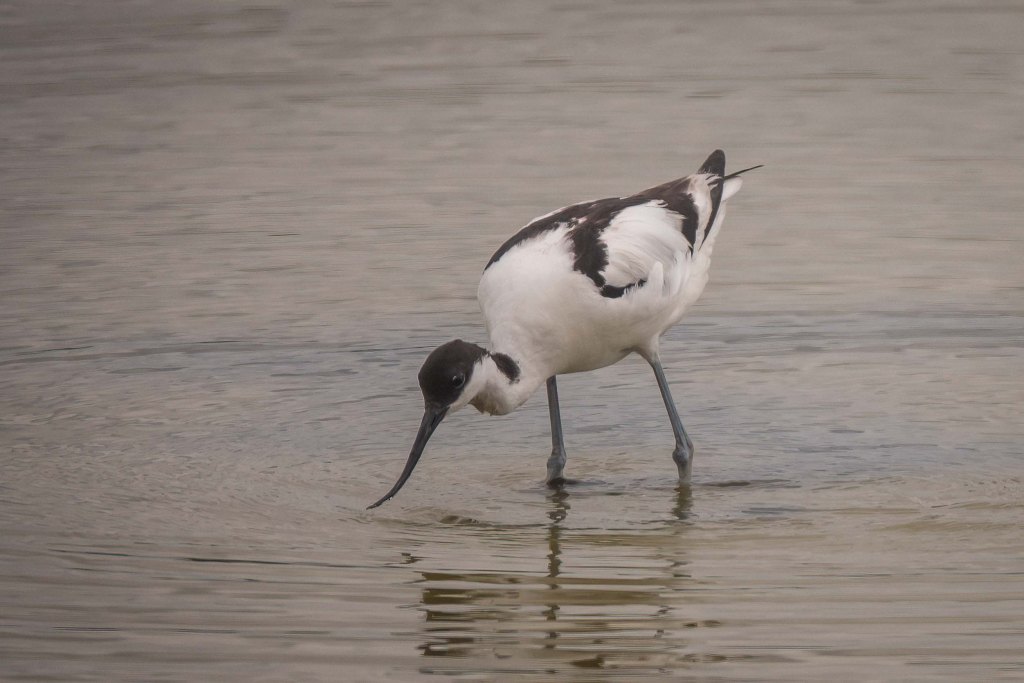
    It was great to get a view of the avocet’s legs

    This kestrel was easily seen off by a black-winged stilt

    Avocet in flight

    Redshank

    I’m not surprised these cyclists were checking their maps

    After this visit we headed back to Séné (where we had visited earlier in the week). After lunch in a very friendly Breton Crêperie we returned to the nearby nature reserve. This time we didn’t go round the reserve but followed a few trails which have viewing platforms looking towards the reserve.

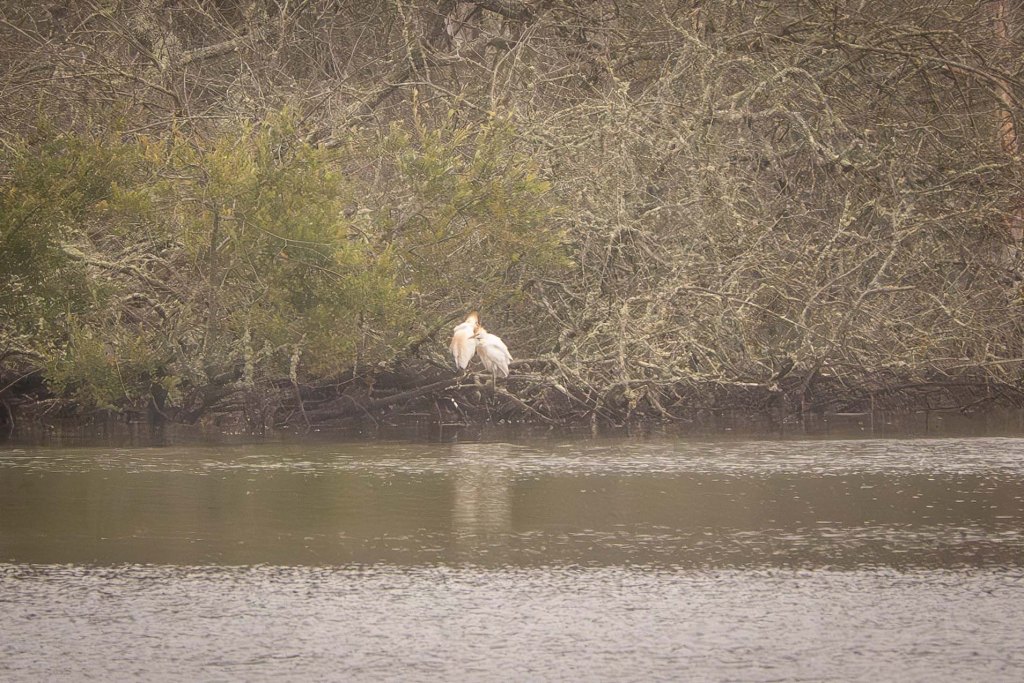
    Little egrets
    A solitary swift

    There were plenty of butterflies today and some interesting flora:
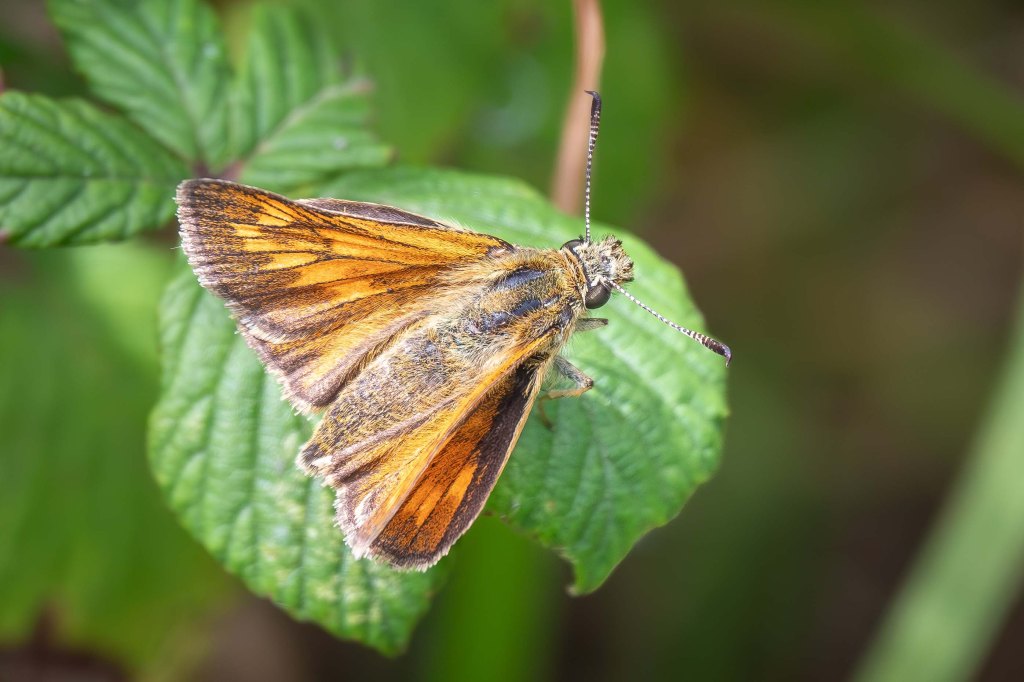
    Large skipper

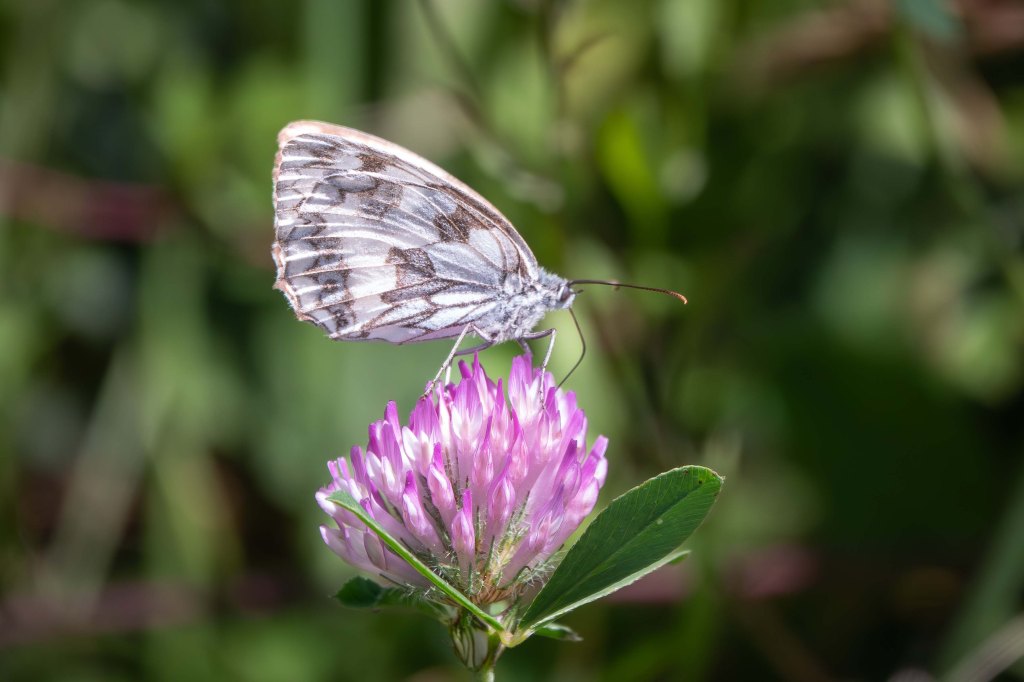
    Marbled white

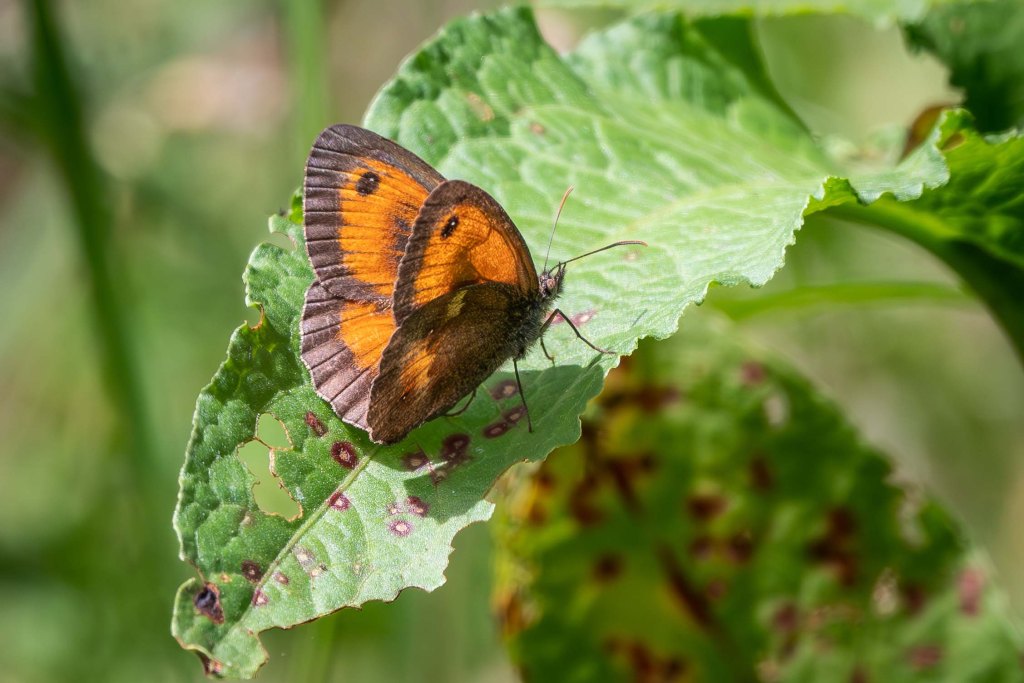
    Gatekeeper

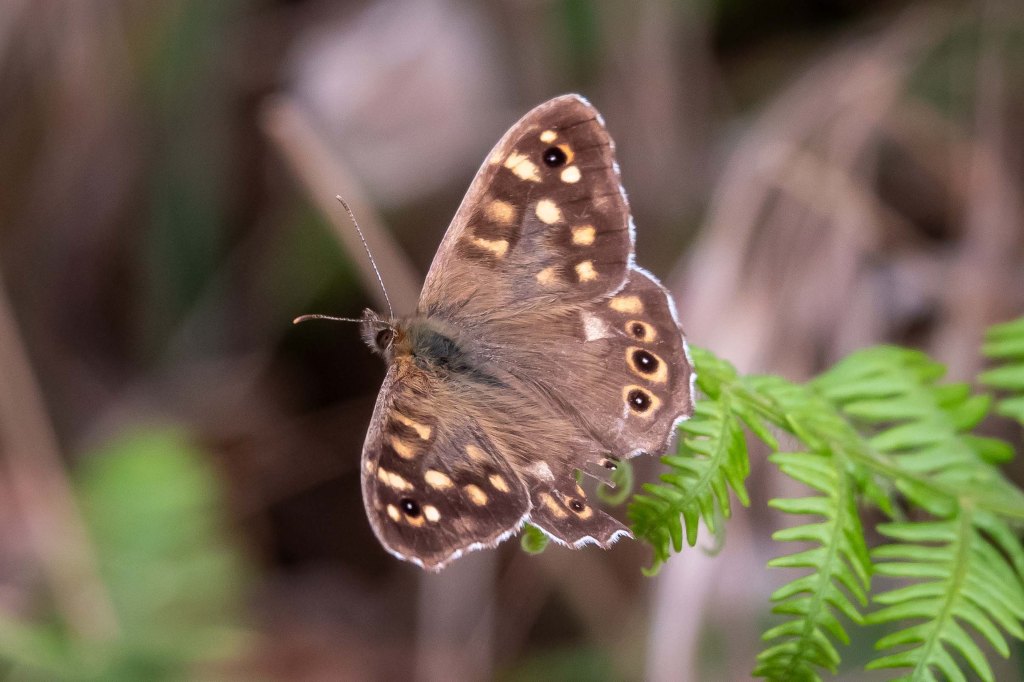
    Speckled wood
    Deadly night shade

    Lychen

    Just as we were finishing our walk we heard a zitting cisticola. I had just one go at photographing it before it flew off and was quite pleased to get a reasonable shot.

    Zitting cisticola

  • 4th July 2024 – Quiberon, Brittany, France

    4th July 2024 – Quiberon, Brittany, France

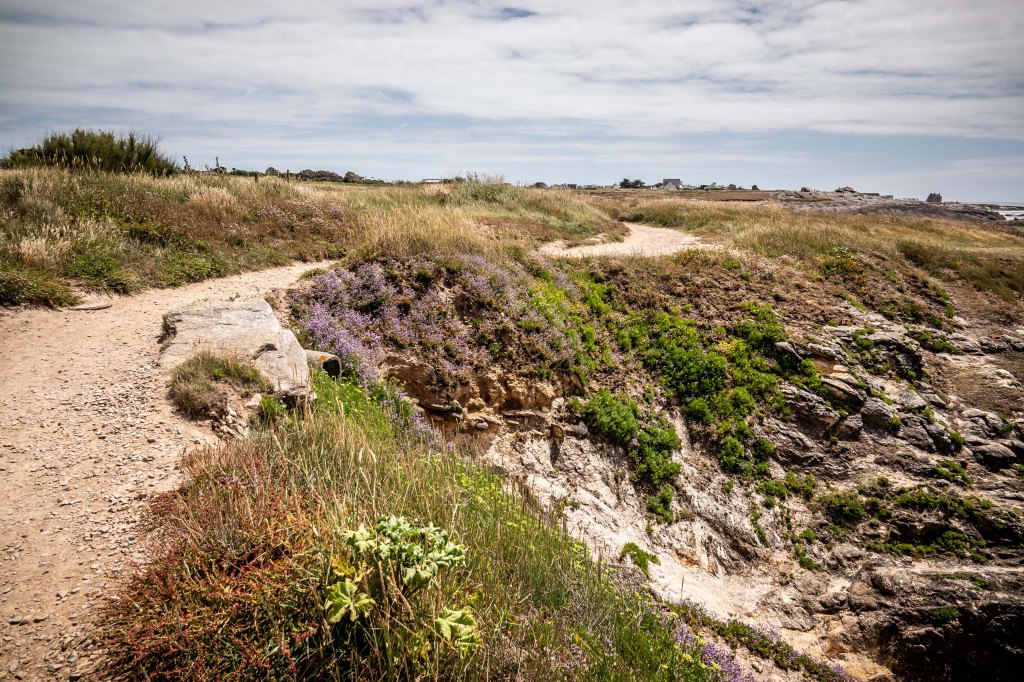
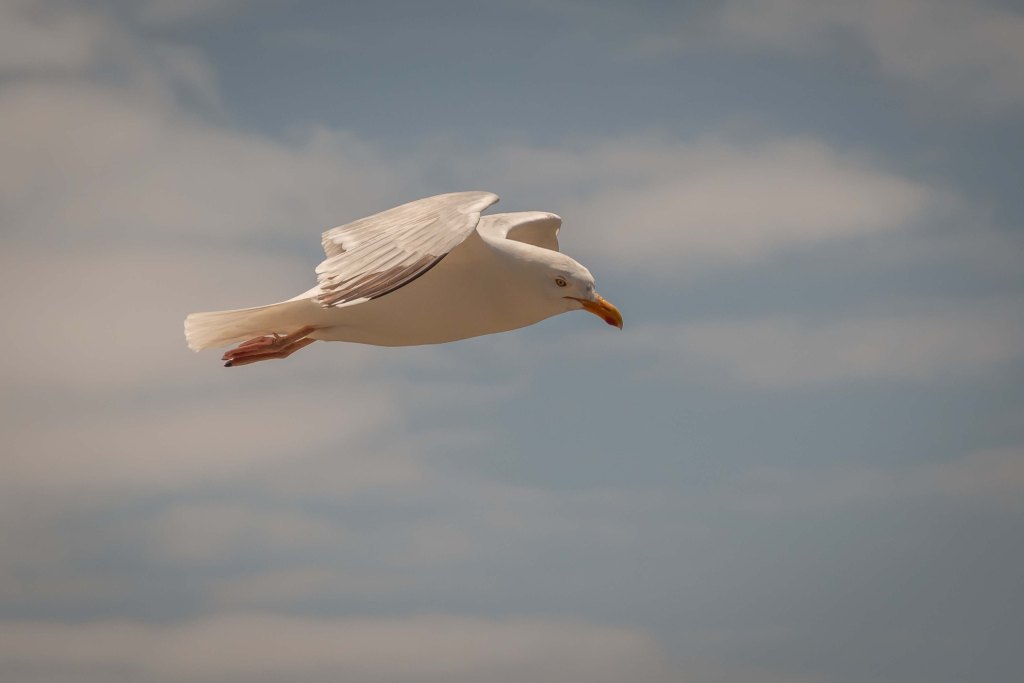
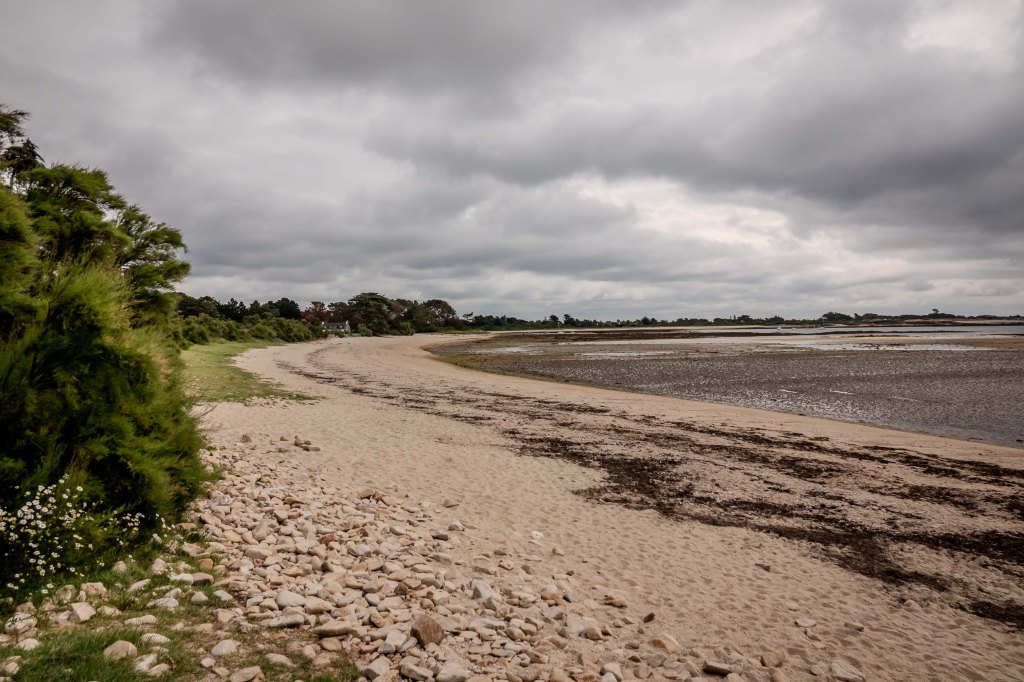
    With a spectacular rugged coast to the west and beautiful sandy beaches to the east, the Quiberon Peninsula offers 14 km of varied landscapes. We spent most of the day on the rugged west coast enjoying a walk along coastal paths which were quite accessible to us and having a leisurely lunch in the very popular “Le Vivier” seafood restaurant. Sitting on the terrace of the restaurant we had close up views of herring gulls which had clearly learnt their manners from British seaside resorts.
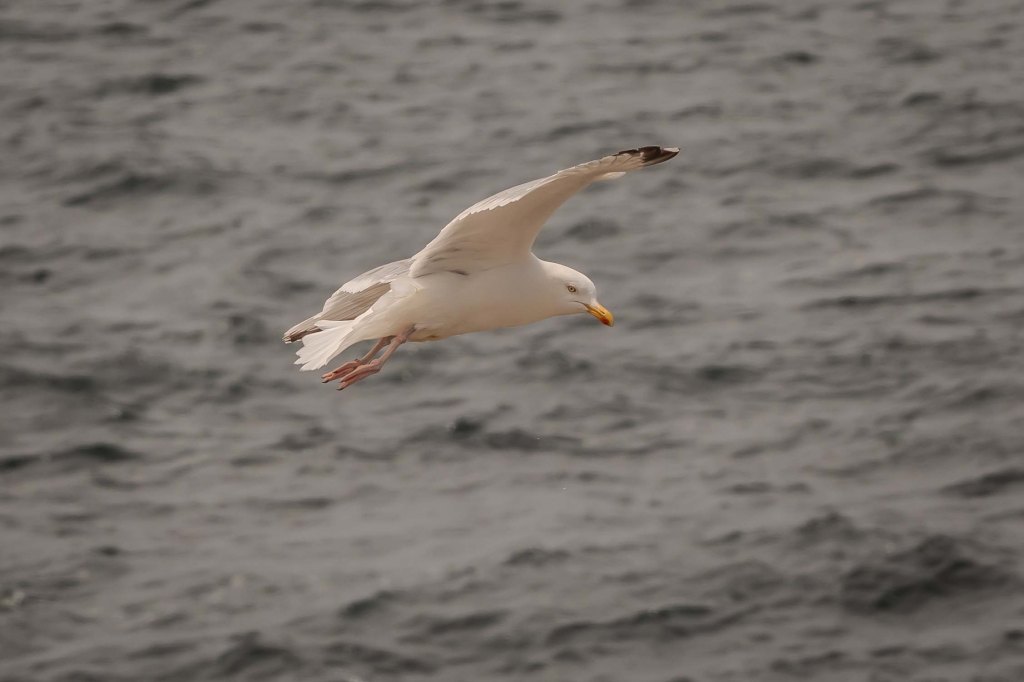
    Herring gull

    Spectacular scenery of la Côte Sauvage

    Herring gull

    Not many other birds (except for cormorants) but plenty of flora.

    Some sort of thyme I think

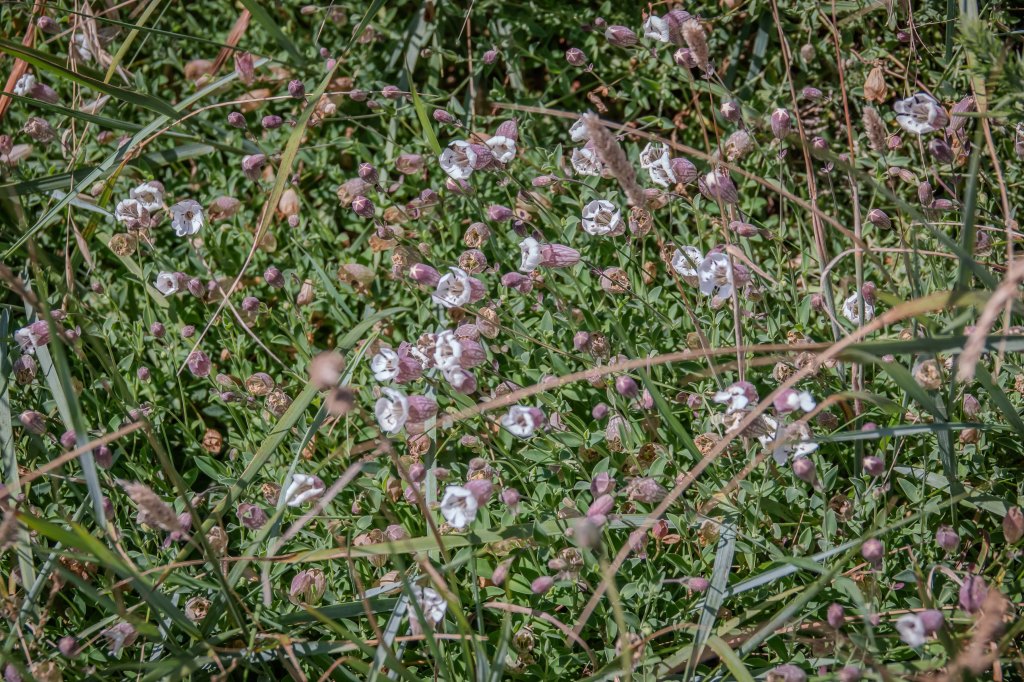
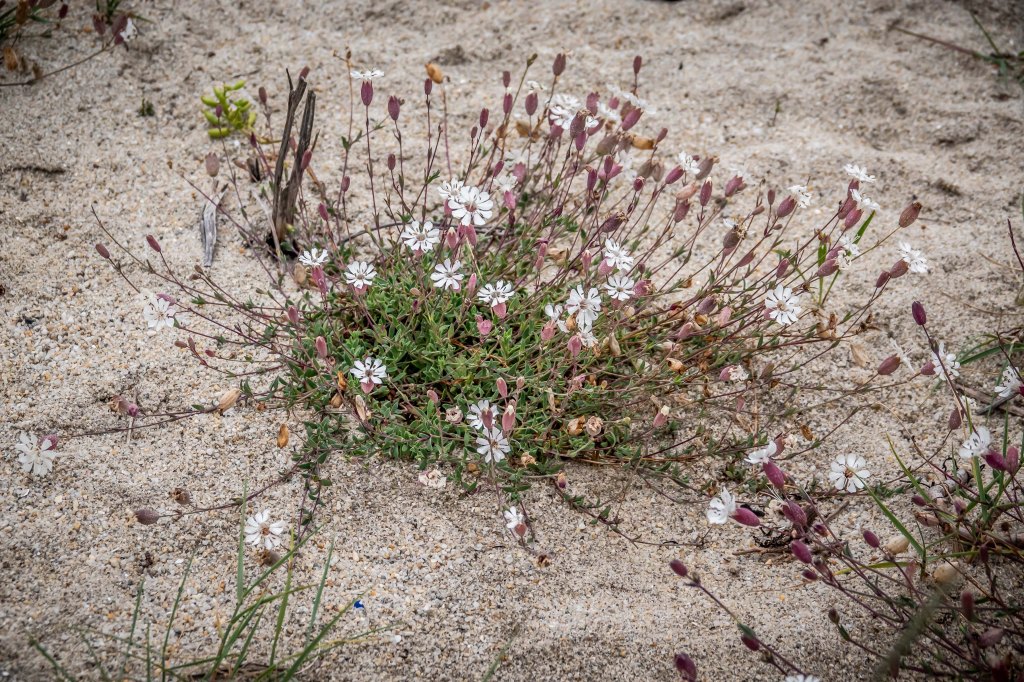
    Sea campion

    Sea thrift (not so pink now)

    A different type of thyme

    … and these lovely yellow flowers (which one search suggested Italian hawksbeard)

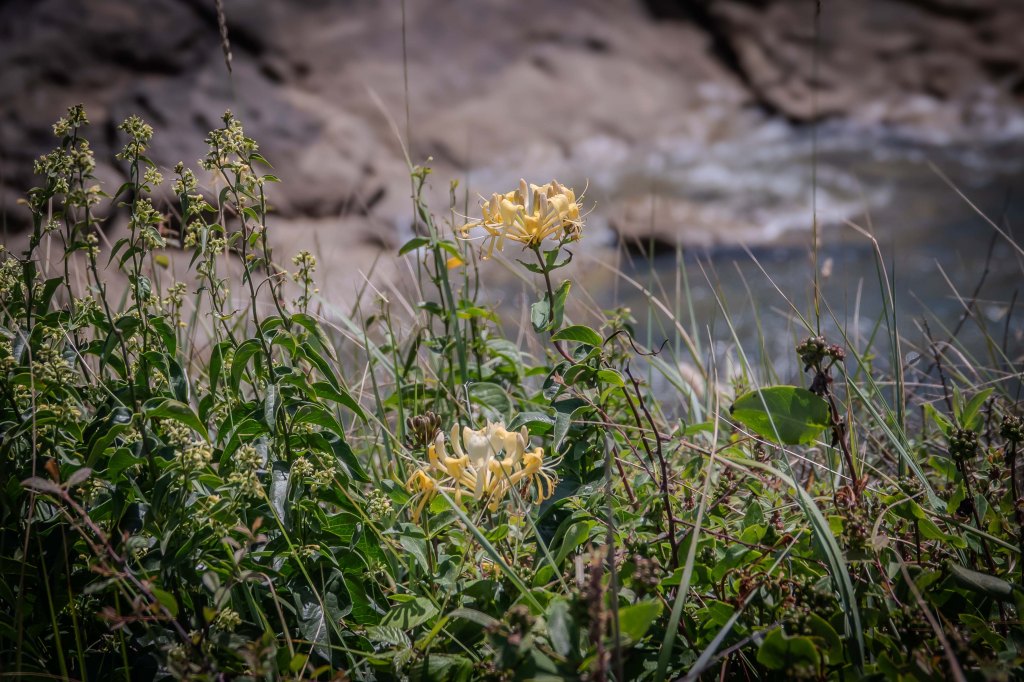
    Honeysuckle
    A parasitic plant

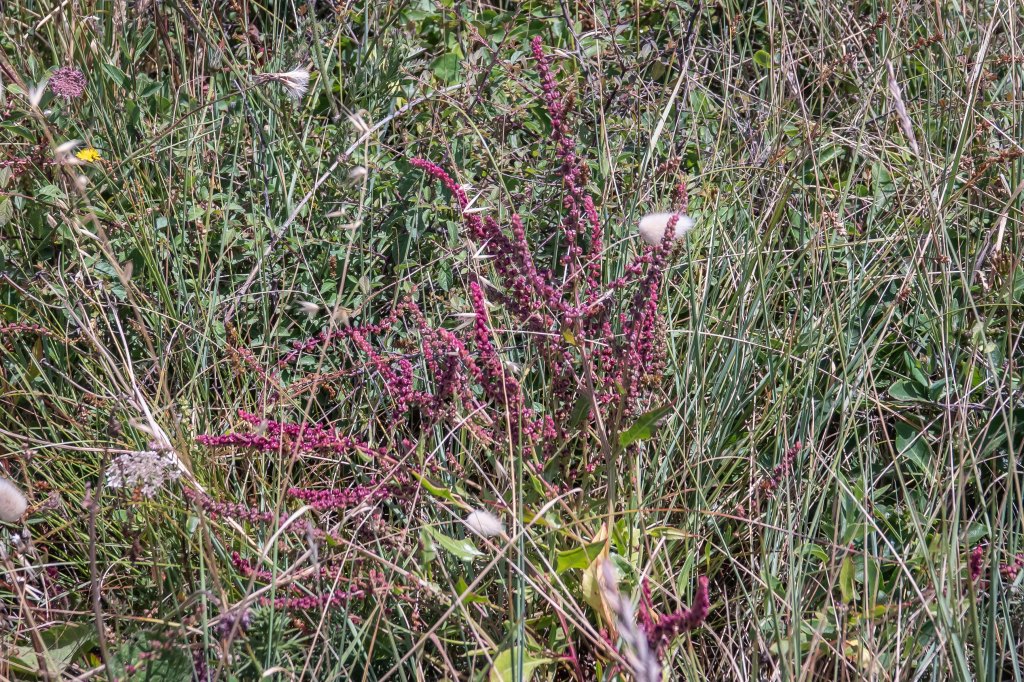
    Even the dock was quite vivid with a little sunshine on it.

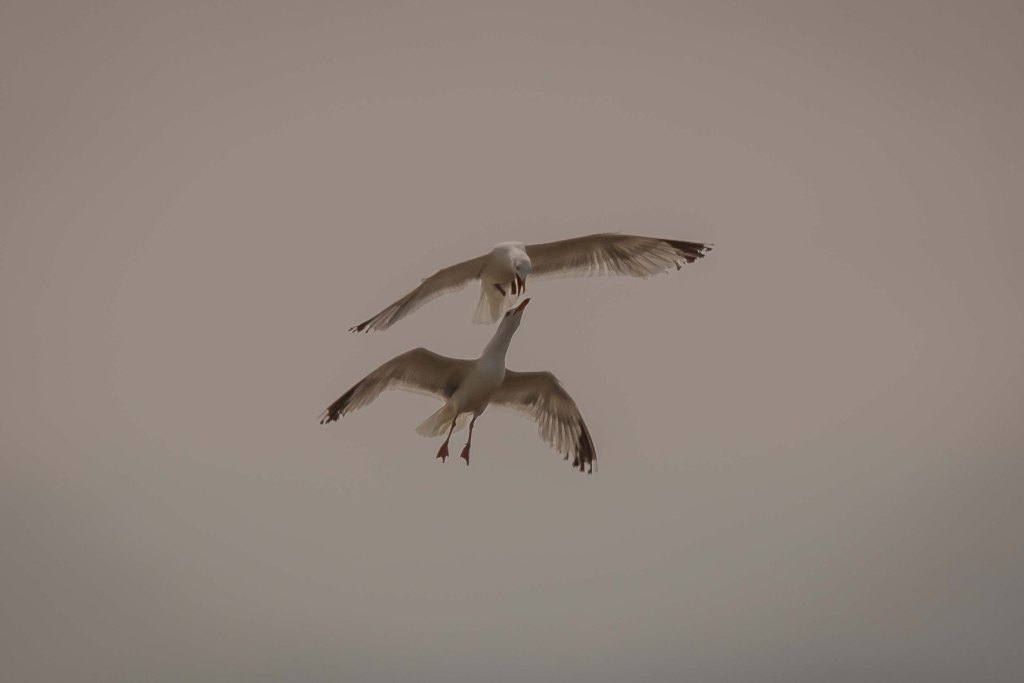
    Squabling gulls

    A quite imperious herring gull

  • 3rd July 2024 – Domaine de Suscinio, Brittany, France

    3rd July 2024 – Domaine de Suscinio, Brittany, France

    Yesterday was a “birding” day and we saw very few birds, today was a “non-birding” day and we saw loads.

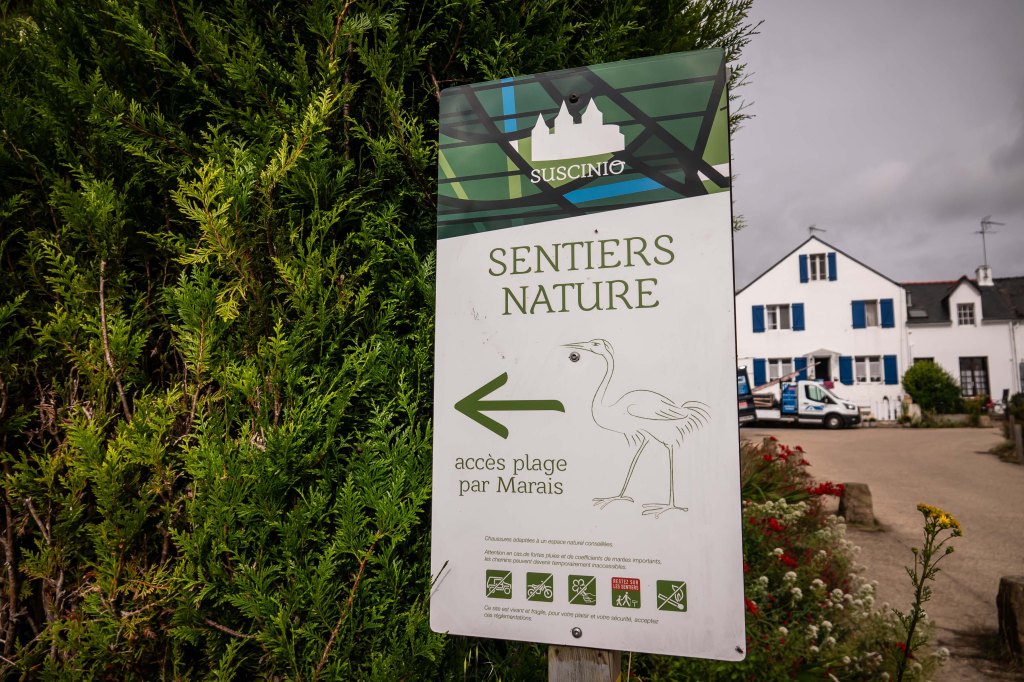
    Our visit to the Château de Suscinio brought plenty of surprises: as well as the visit to the wonderfully restored 800 year old castle we had a lovely walk around the natural park which is separated from the gulf of Morbihan by sand dunes which, in themselves, are of great interest with their huge biodiversity.

    The château de Suscinio

    Silene

    Samphire

    Quite some biodiversity. I think I would have been happier with a swallow-tail butterfly which are seen here.

    We saw no bluethroats, which are reported here, but I was not too disappointed as the poor weather, with very poor light, meant that I would have had poor photos. I’m quite happy to wait for better weather to see these beautiful birds .

    The swifts screeching around the castle were a highlight – you’ll have to take my word for it as I didn’t manage one decent shot of a swift.

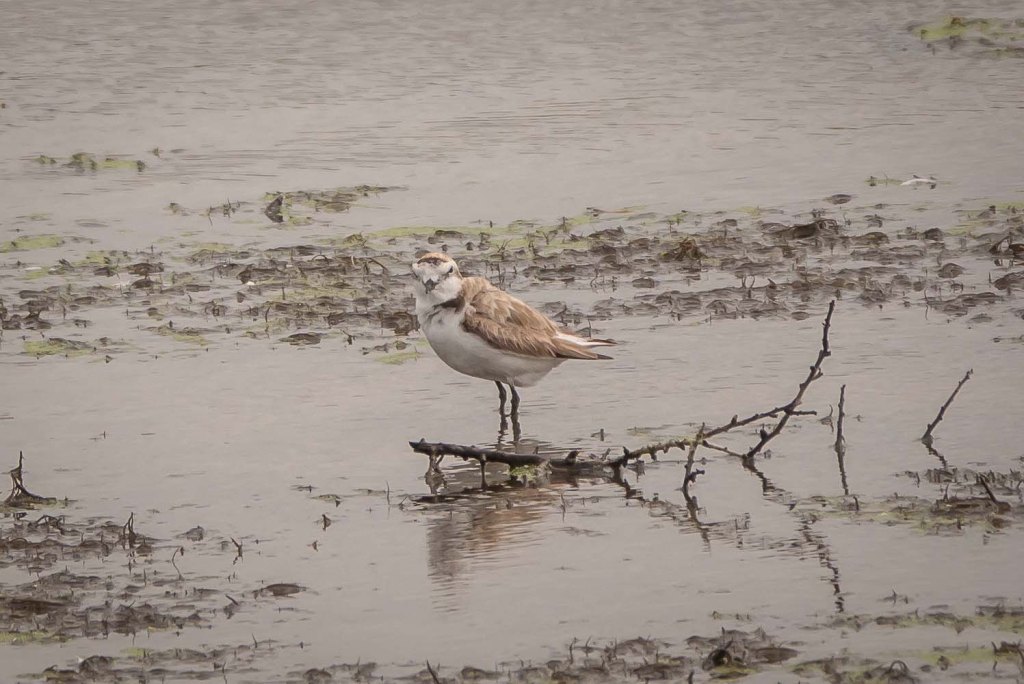
    I was, however, very happy to see a Kentish Plover, as these are often reported here. We only managed to see one though.

    Kentish plover
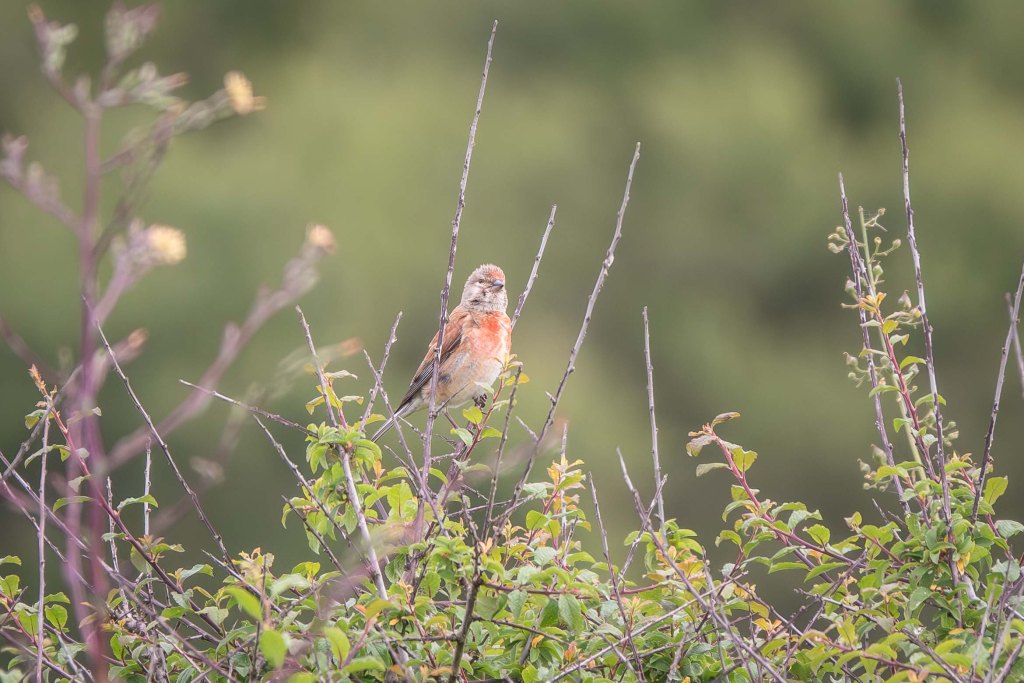
    At least linnets stand out in the gloom

    Stonechats don’t always pose at the top of a branch

    There were plenty of pied avocets, black-winged stilts and common terns which, although not too distant, were quite difficult to photograph in the poor light. I’m not really complaining as if we had wanted to be assured of better weather we wouldn’t have come to Brittany. At my time of life it’s better to be complaining about drizzle than extreme heat!

    Pied avocets

    A pied avocet chick

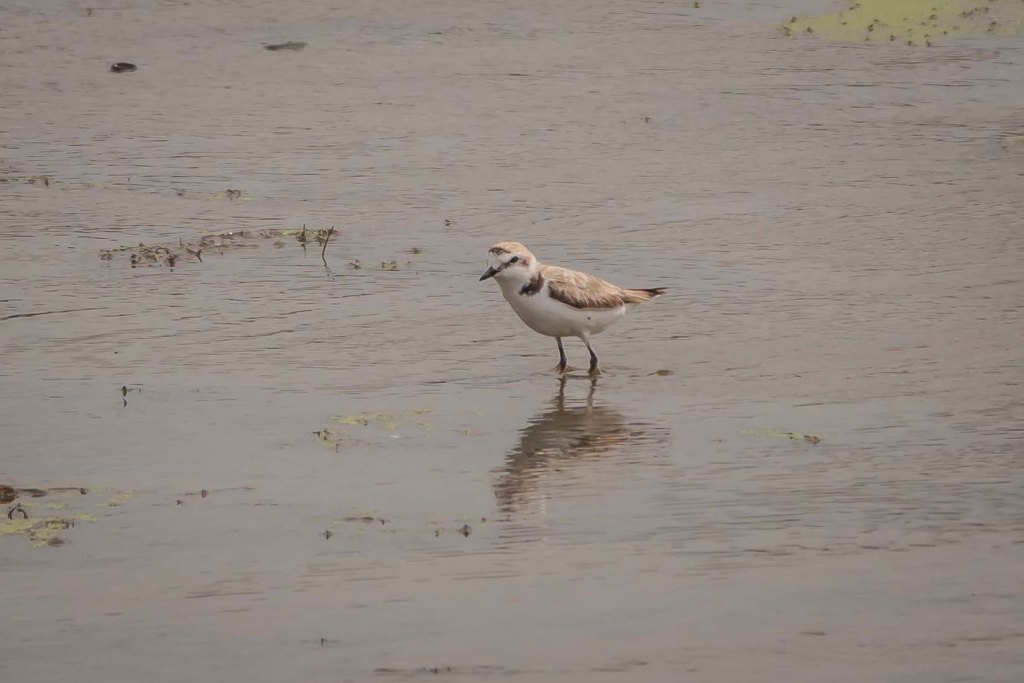
    Kentish plover

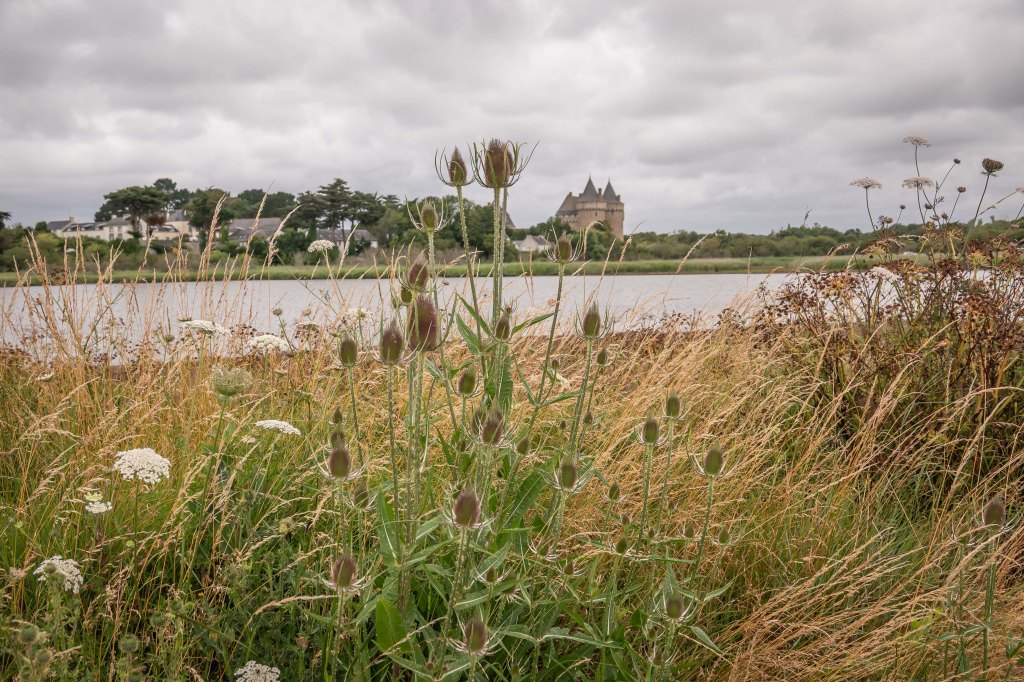
    The château de Suscinio across the water

    Wild teasel

    Common tern swooping to drink

    Black-winged stilt

    Little egret

    Cattle egrets across the castle’s lake – by now the rain had fully set in

  • 2nd July 2024 – Marais du Brennegi, Brittany, France

    2nd July 2024 – Marais du Brennegi, Brittany, France

    Supposedly the Marais du Brennegi is a great area for bird watching.

    “The ancient salt marshes, sandy peninsula and large mudflats offer a superb environment for observing birds. Among the breeding birds, one can observe Kentish Plover, which generally settle on the large sandy beaches.”

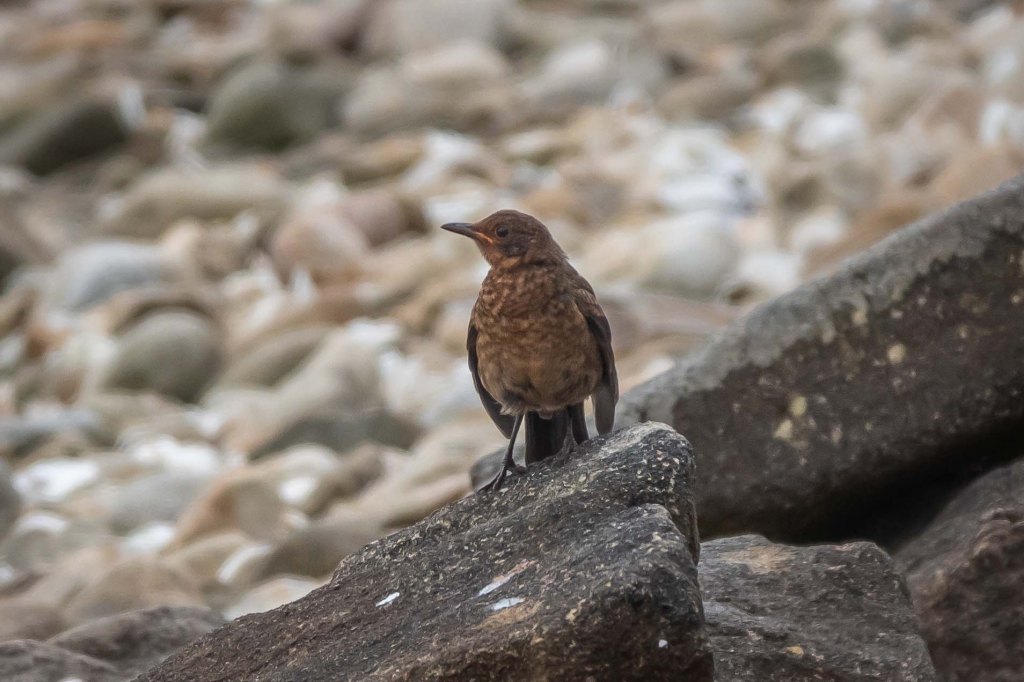
    Well, we had a lovely walk but I managed only one bird photo (of a blackbird!) and only one butterfly in focus (although we did see small coppers and a marbled white).

    Blackbird

    Speckled wood

    However, all along our walk we heard skylarks singing, so we are certainly not complaining. Perhaps, though, they were complaining about the grey skies and the chill wind!

    As the French say, “faute de grives on mange des merles” (Beggars can’t be choosers). Well, I certainly wasn’t going to start eating blackbirds so I turned to photographing the flora of the shore line.

    Matthiola sinuata, commonly known as sea stock

    The marram grass and the dunes are well protected here

    Centaurium erythraea commonly known as European Centaury

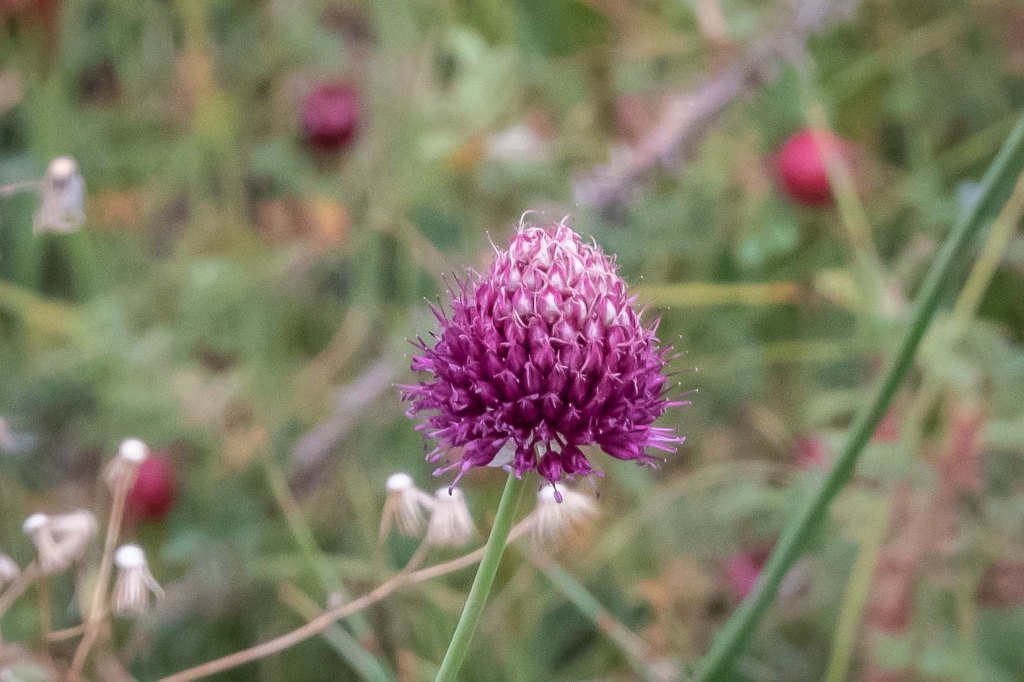
    Allium sphaerocephalon – round-headed garlic

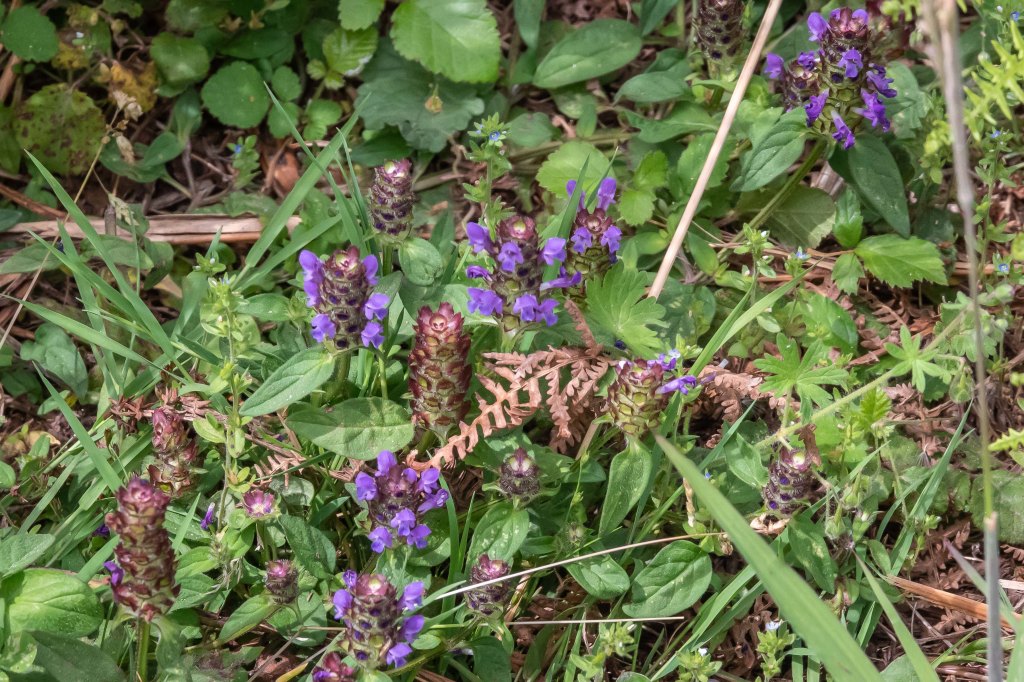
    Is this (and does this?) Heal-All (prunella vulgaris)

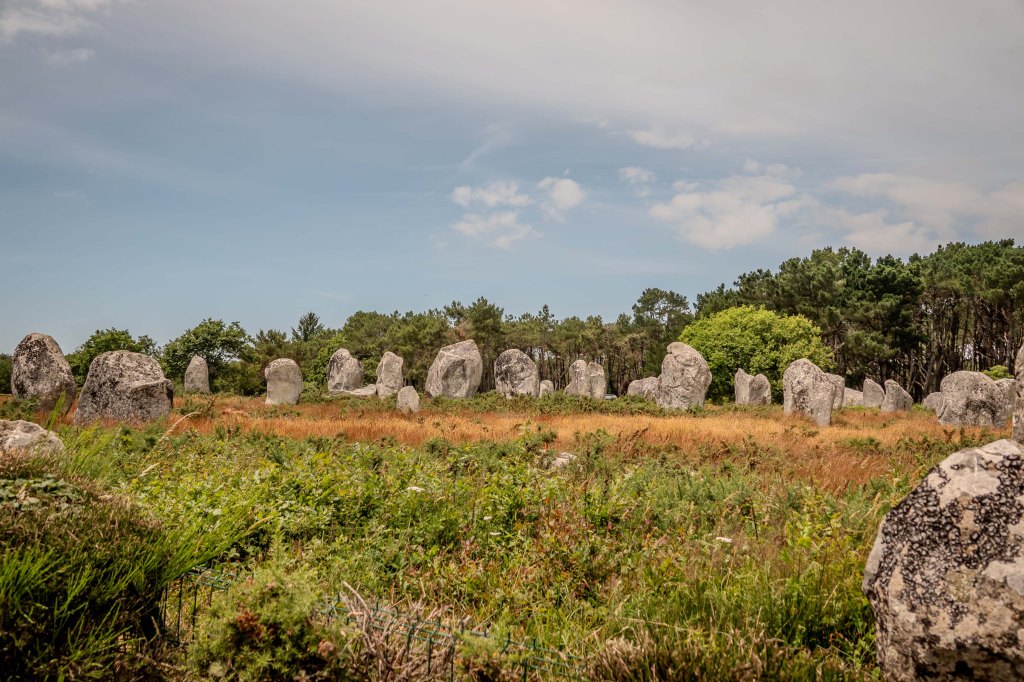
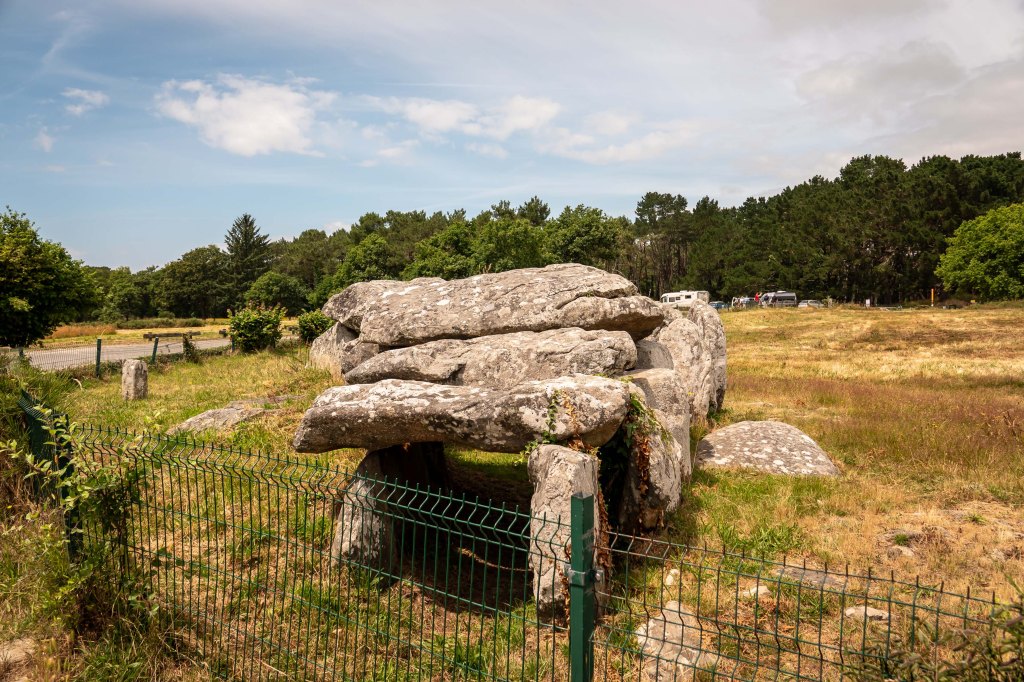
    In the afternoon we visited “Les alignements de Carnac” – the most extensive group of conserved megaliths in Europe.

    The stone alignments in Carnac were erected in Neolithic times. They are the most famous and most impressive examples of standing stones from this period, with some 3000 standing stones.

    We didn’t see them all but that was probably because we had had enough of the chill north-west wind

  • 1st July 2024 – Réserve Naturelle des Marais de Séné, Morbihan, Brittany, France

    1st July 2024 – Réserve Naturelle des Marais de Séné, Morbihan, Brittany, France

    The largest marsh in the Gulf of Morbihan, the nature reserve covers 530 hectares made up of a mosaic of mud flats, marshes, coastal lagoons and meadows. 

    There are excellent walkways and a good number of hides. However, the windows in most of the hides do not open and it was often difficult to take photos.

    Nonetheless, we made the most of a mainly grey day and saw some terrific birds.

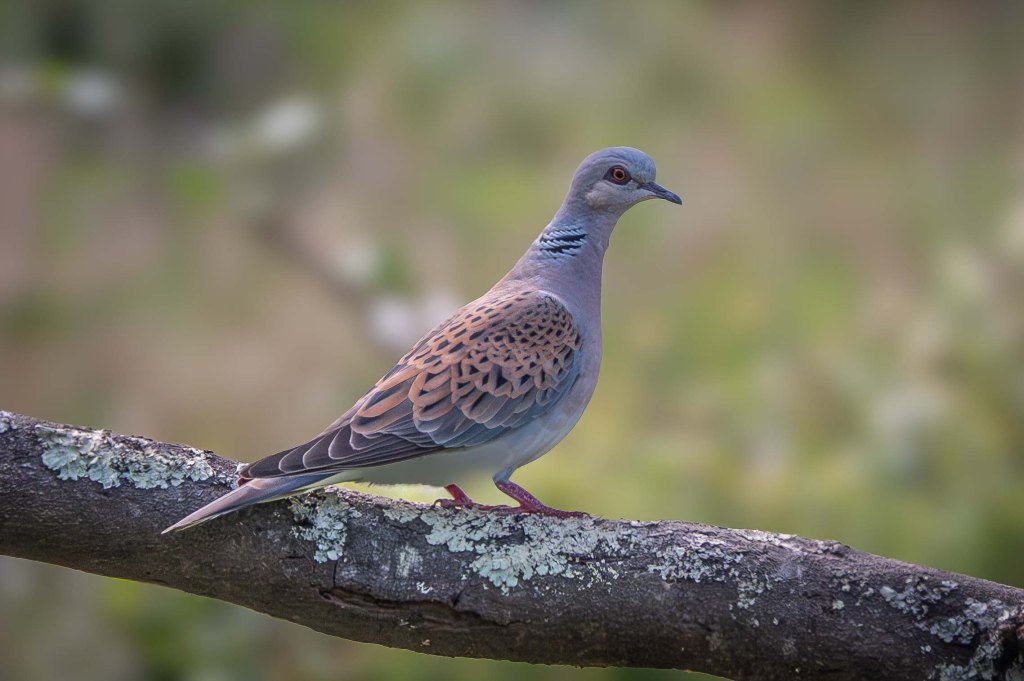
    For us a pair of turtle doves were definitely the standout birds, although close ups of avocets, black-winged stilts and a water rail (even through a grubby window) were pretty special.

    European turtle dove

    Water rail

    Black-winged stilt

    Avocet

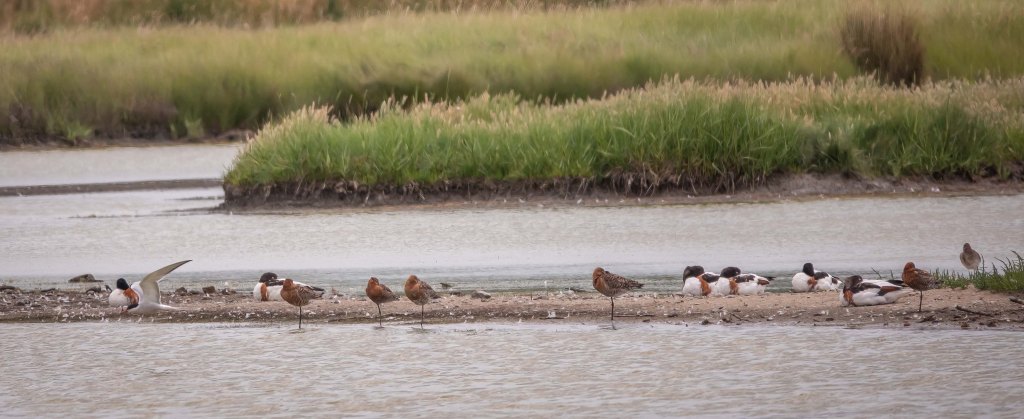
    Shelduck and godwits

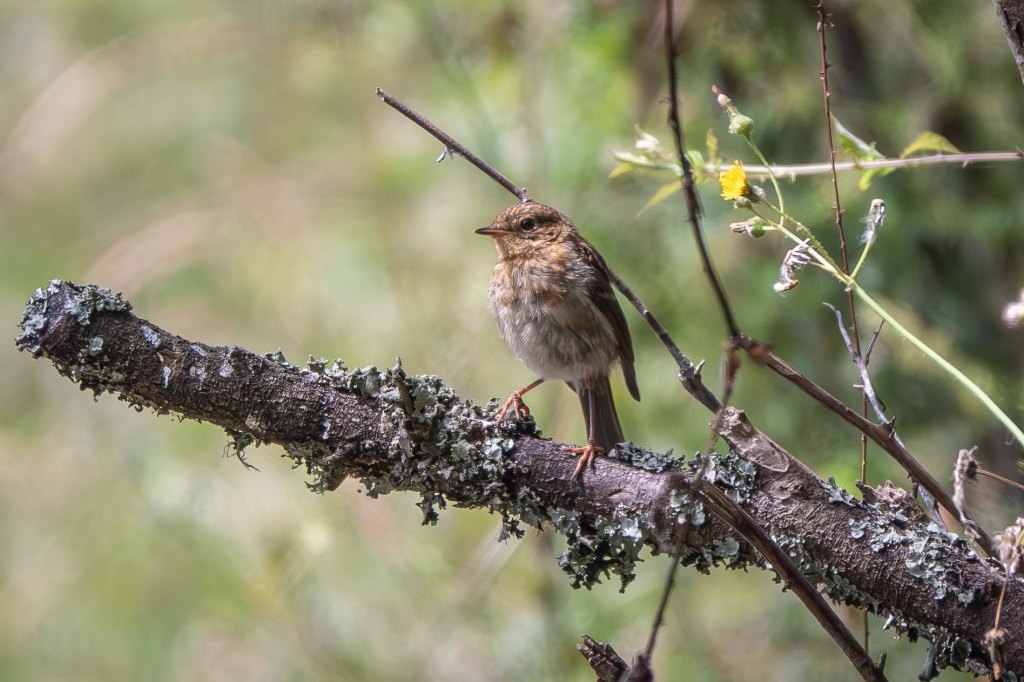
    Juvenile robin

    Stonechat

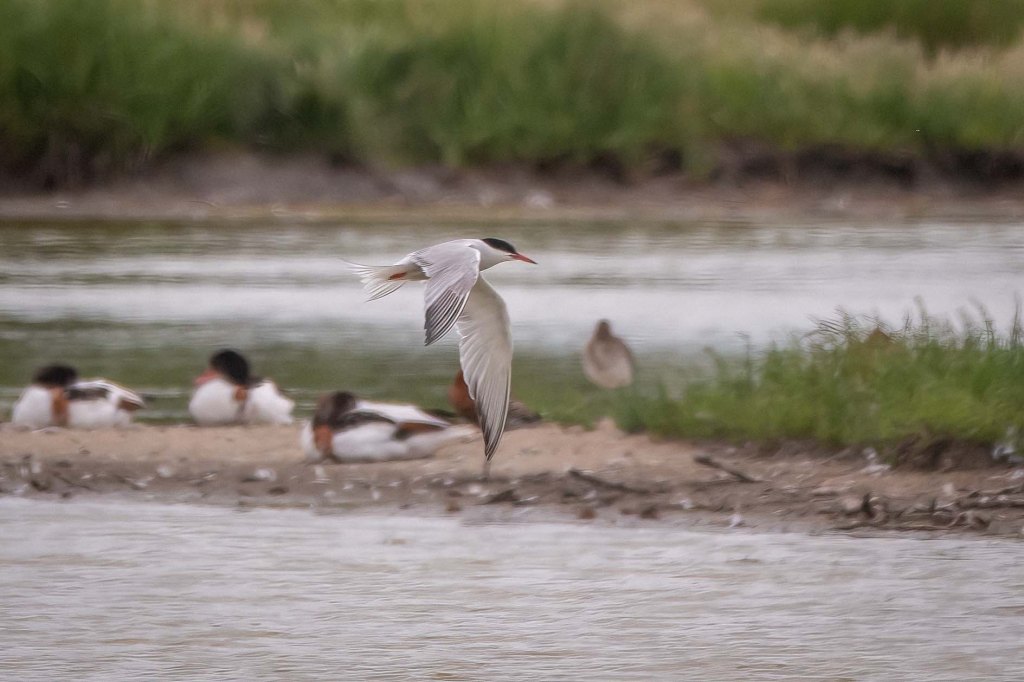
    Common tern

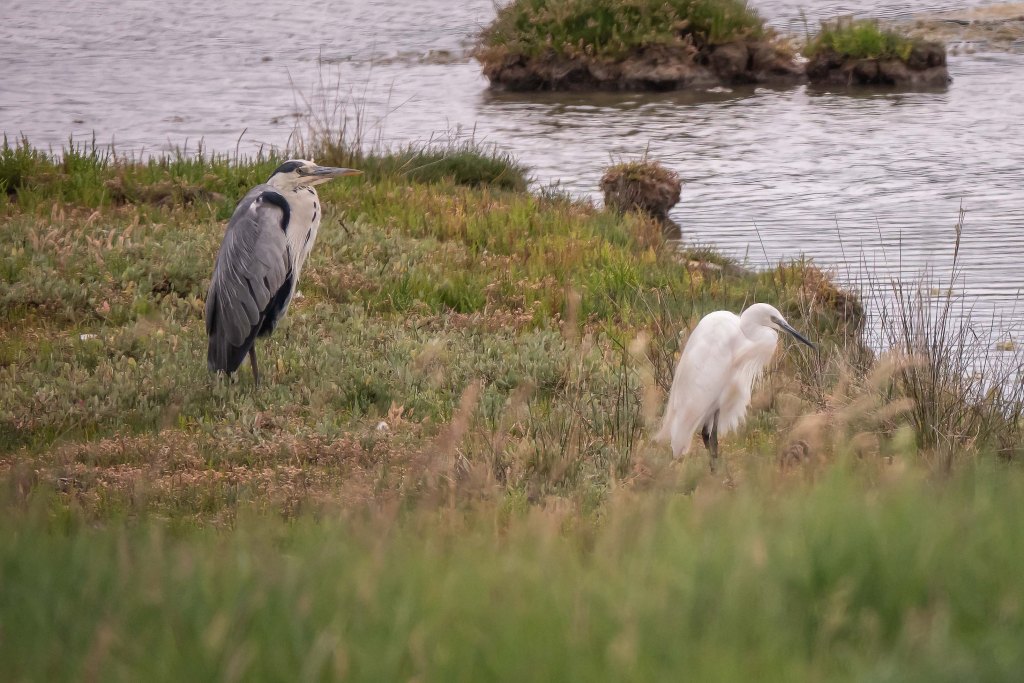
    Grey heron and little egret

    Linnet catching the odd ray of sunshine

    European turtle dove

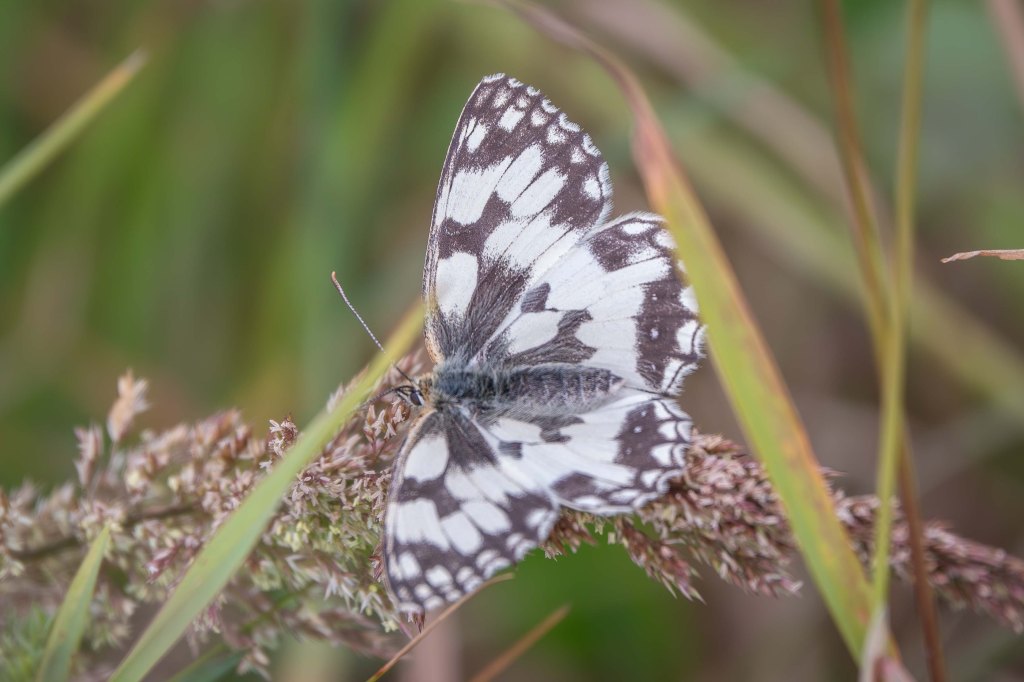
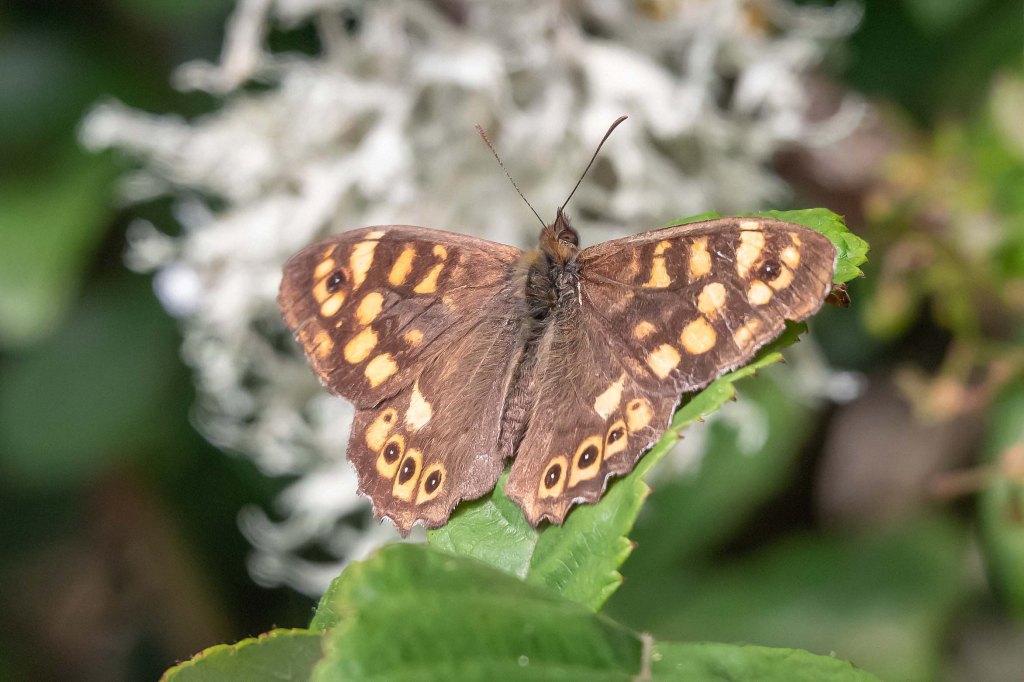
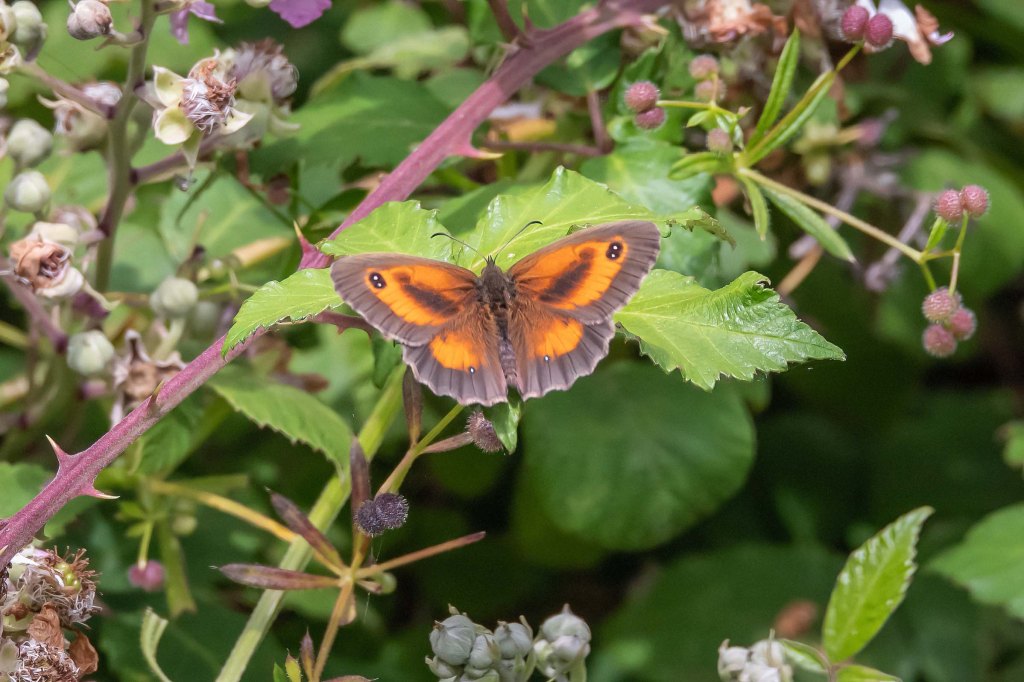
    We saw three types of butterfly.

    Marbled white

    Speckled wood

    Gatekeeper