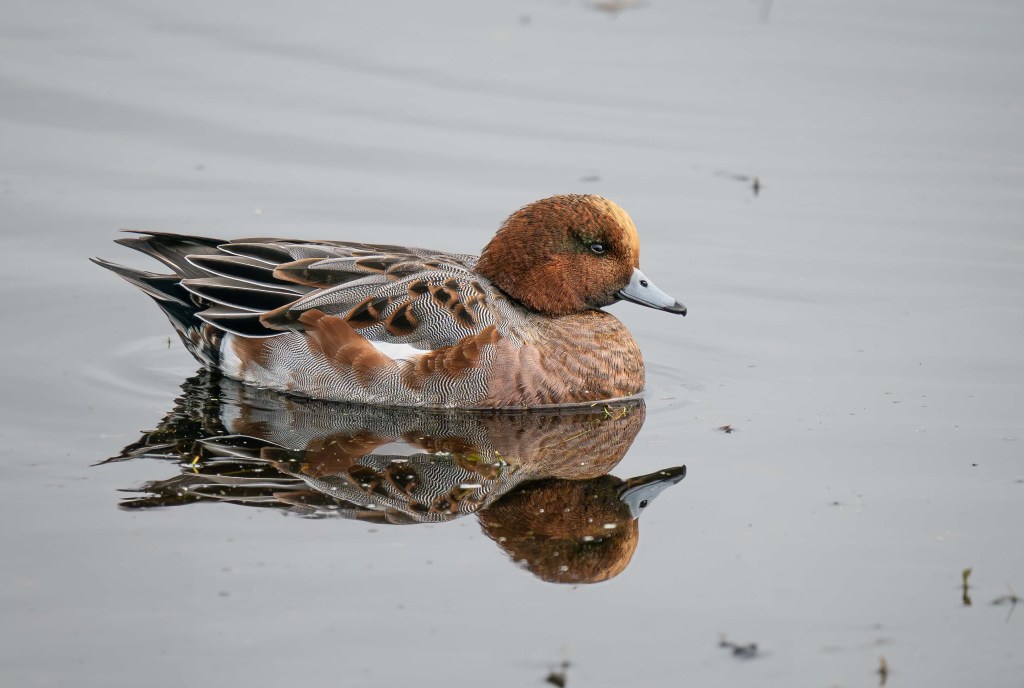
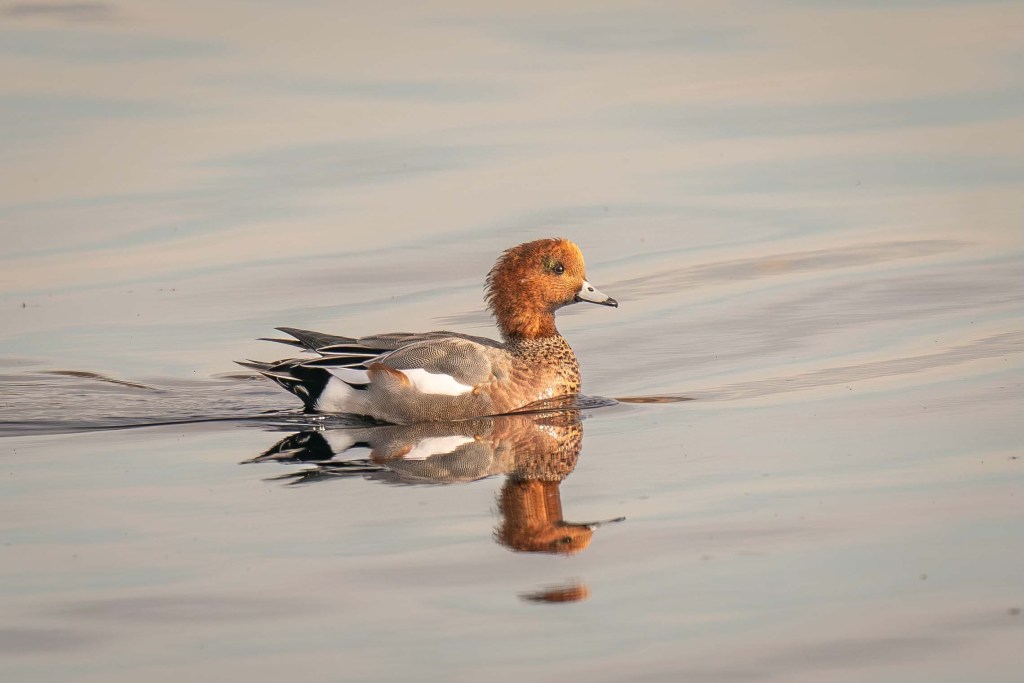
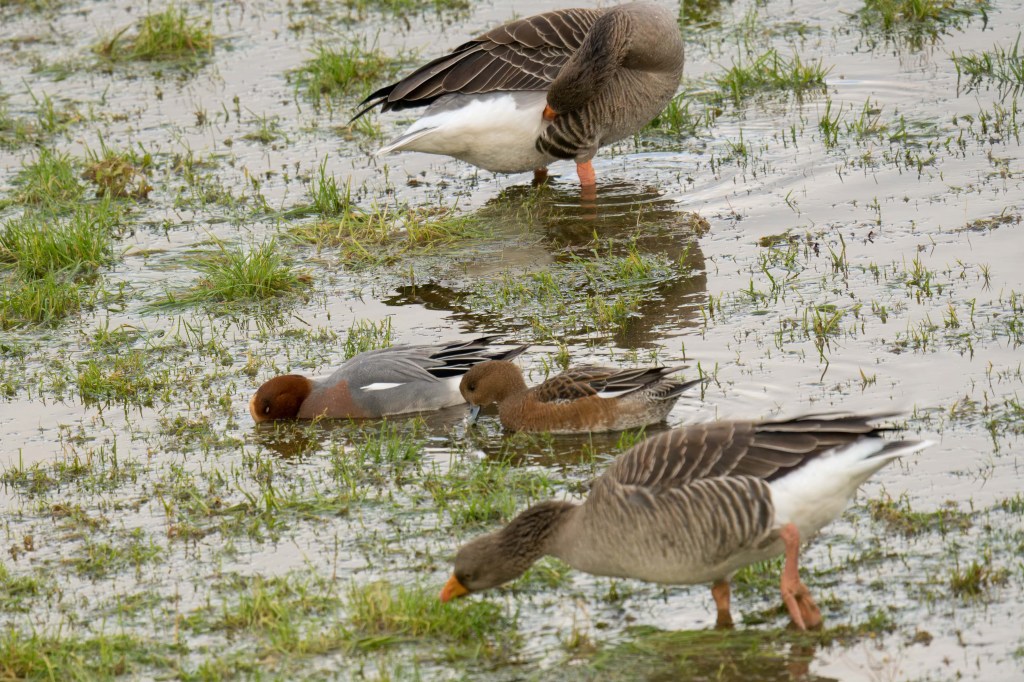
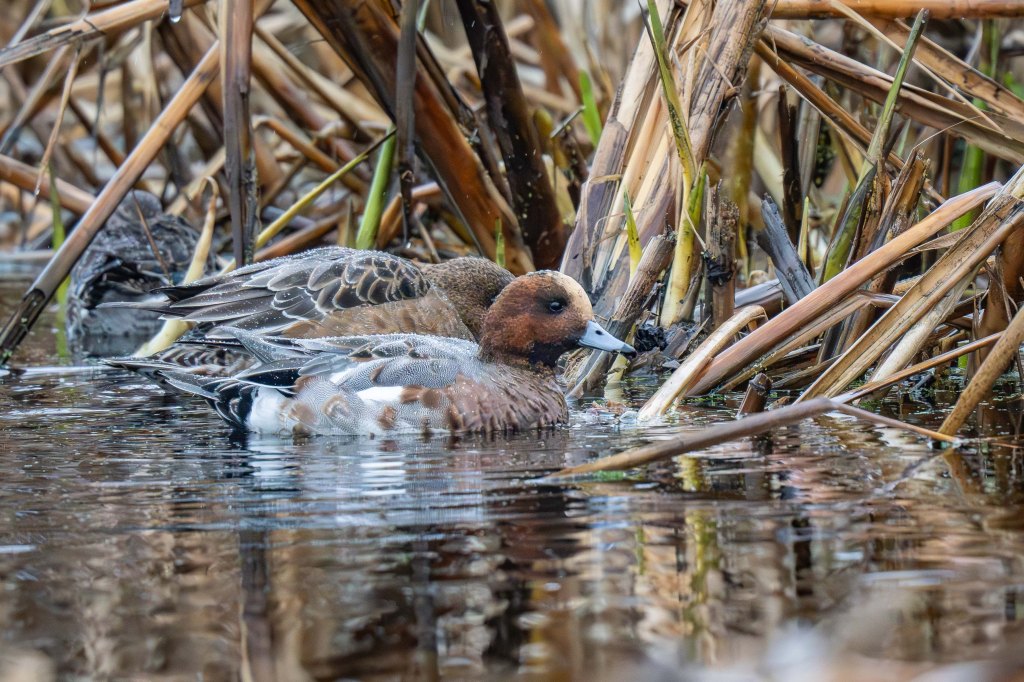
In autumn, Britain & Ireland receive vast numbers of wigeon from the breeding grounds located further north and this wintering population has increased significantly since 1983/84. The Wetland Bird Survey reveals a few widespread locations holding over 30,000 birds in winter.
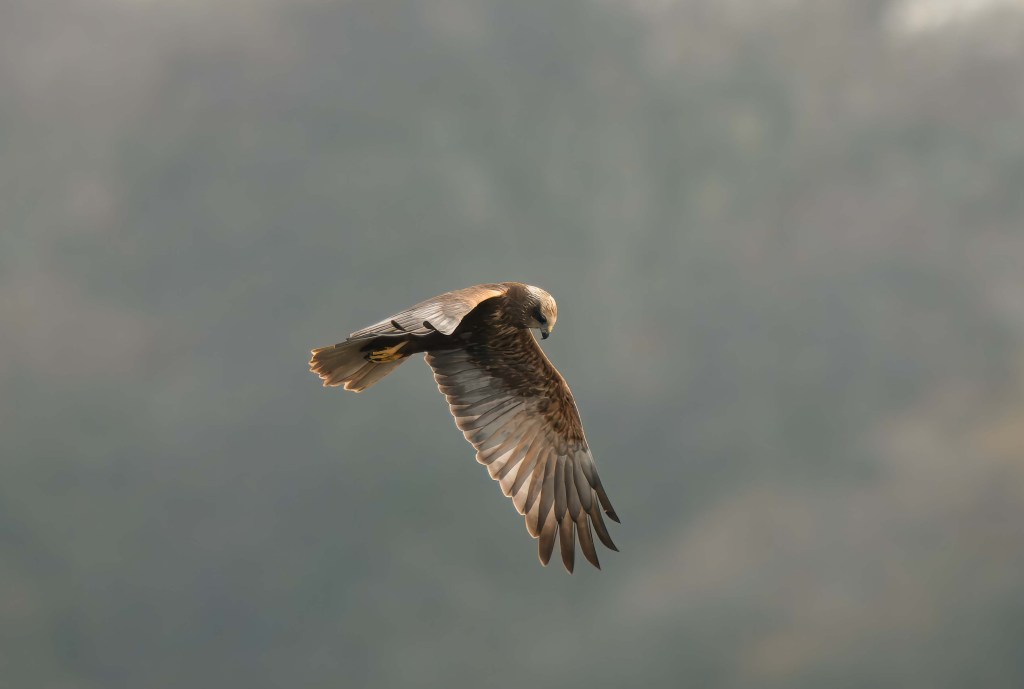
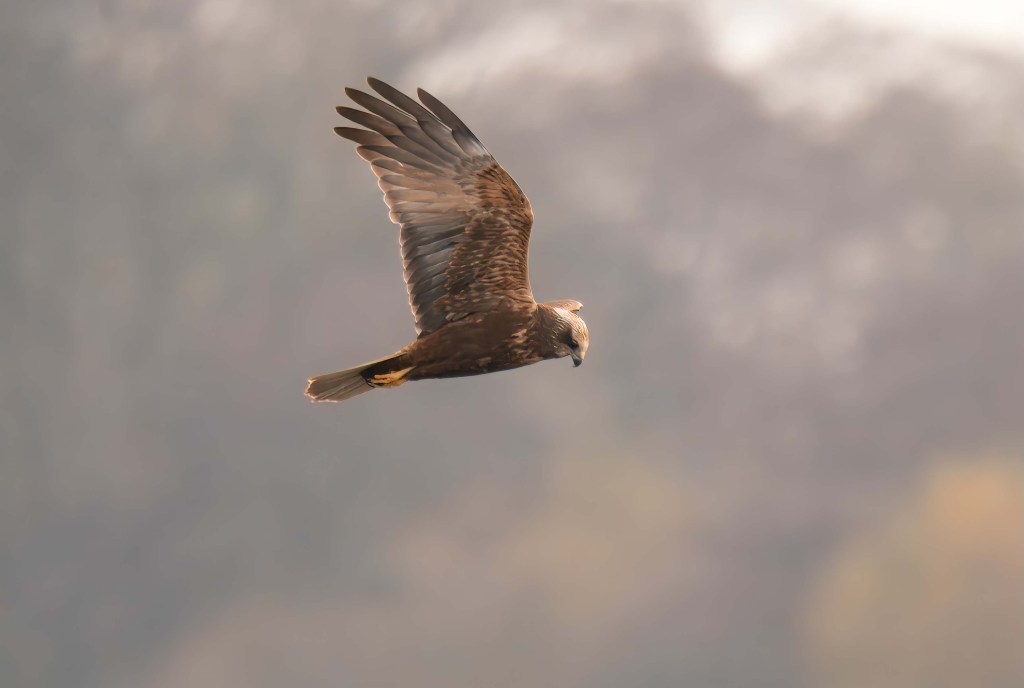
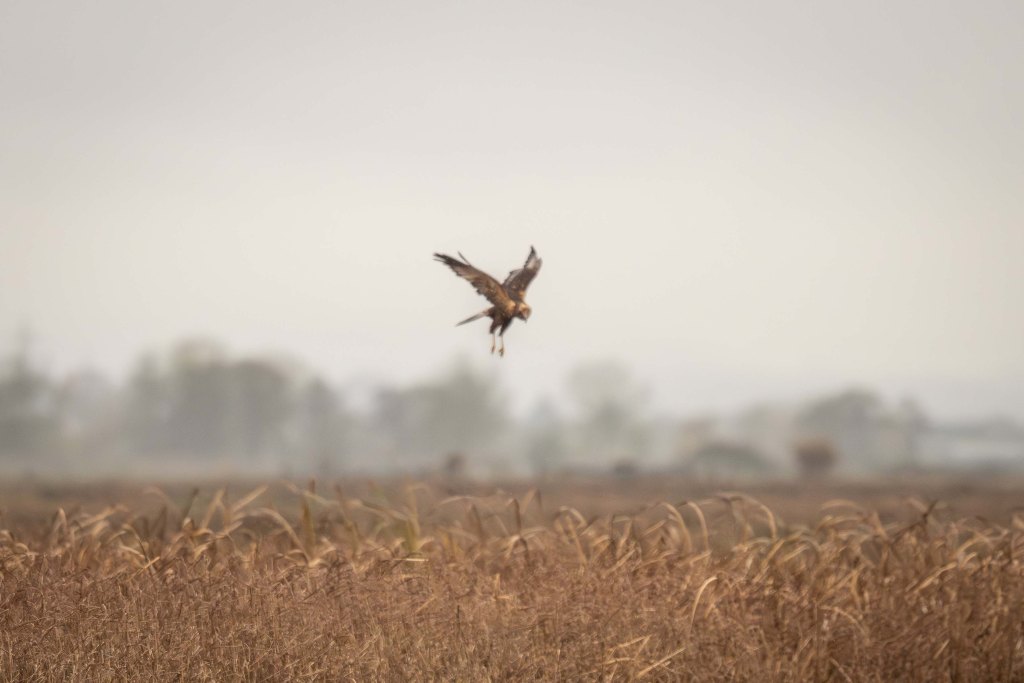
The vast majority of them must have been at Catcott today; or that’s how it seemed. Most of them seemed to be asleep when I arrived and not much disturbed them. There was the occasional distinctive whistle from them but not even a marsh harrier sent them up in a flock. Perhaps their tactic for survival was to remain still
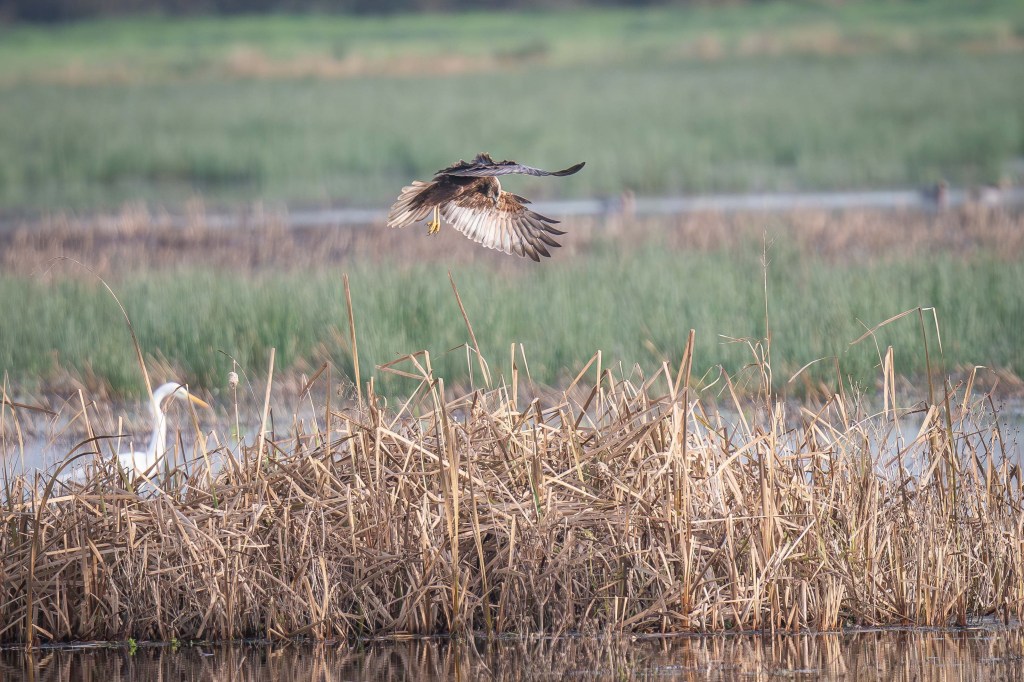
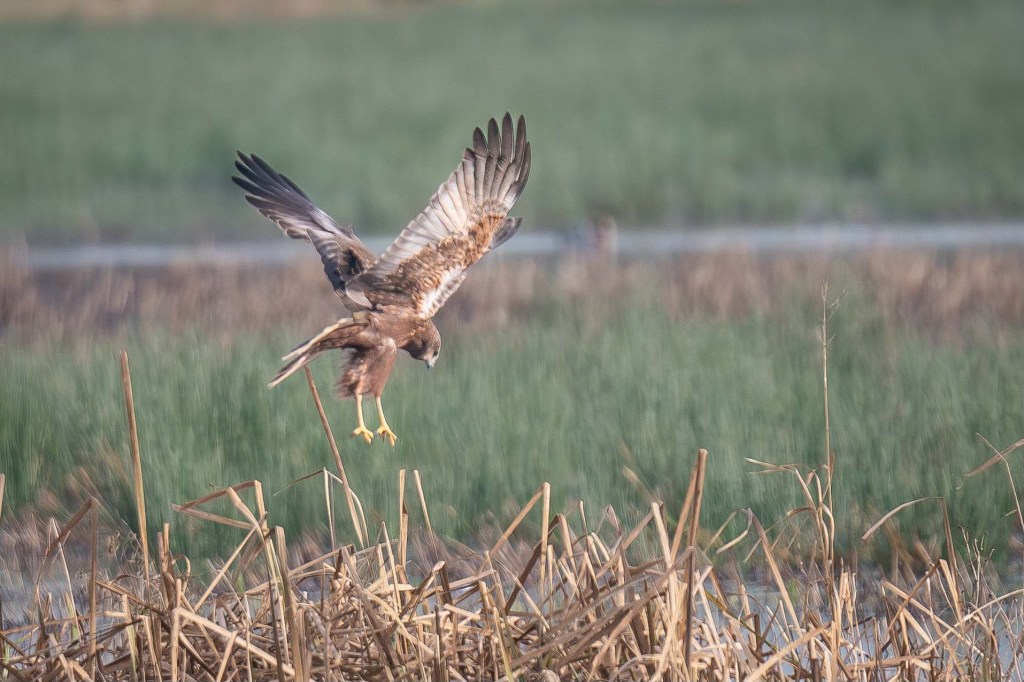
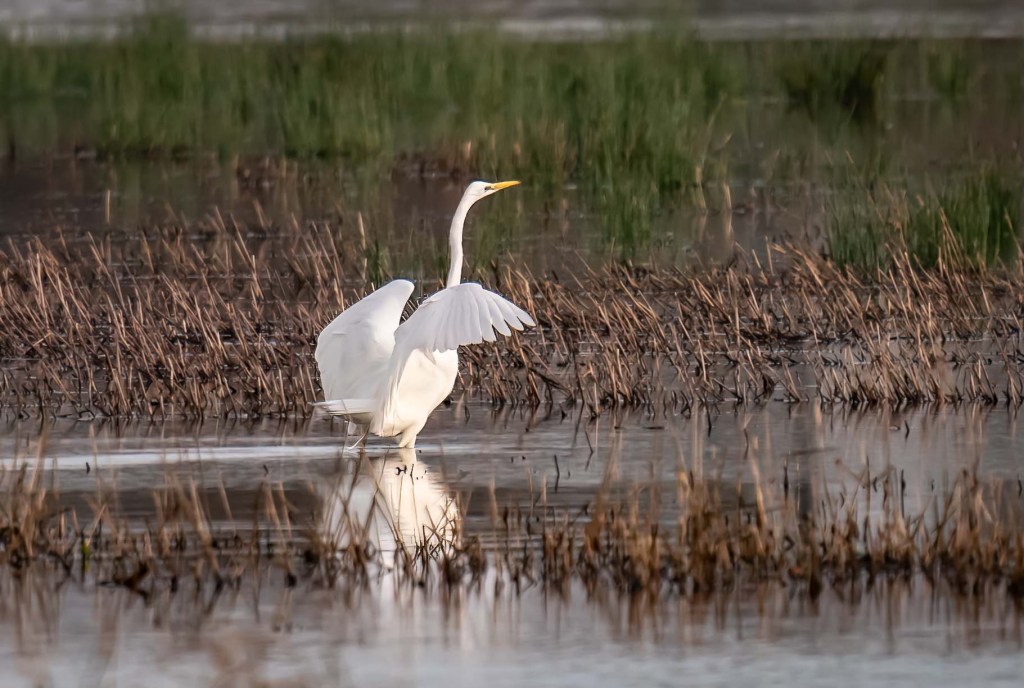
Eurasian wigeonEurasian wigeonEurasian wigeonMarsh harrierMarsh harrierMarsh harrierHad the marsh harrier spotted its prey or was this its resting place?Marsh harrierMarsh harrierGreat egret and marsh harrierThe great white egret found plenty to eat
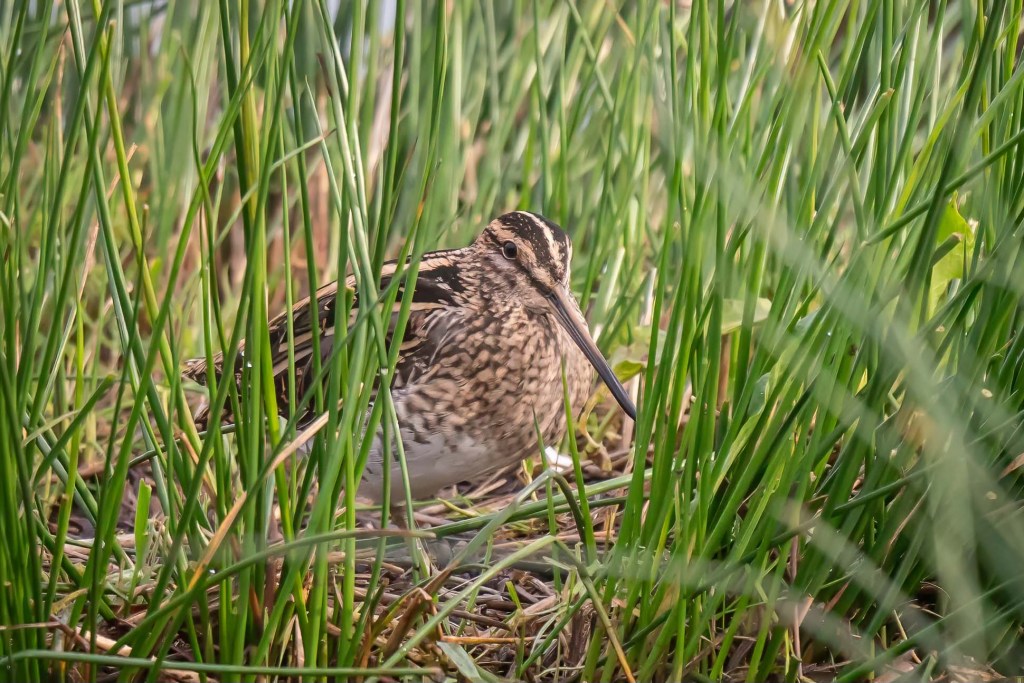
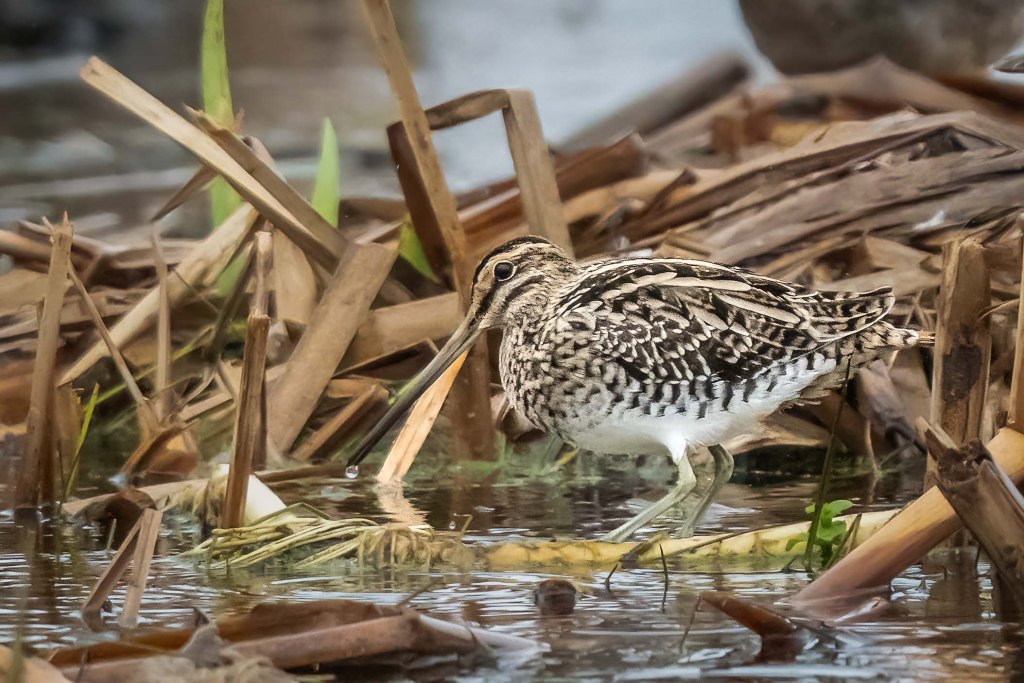
The only other spot from the hide was a common snipe which was visible for only a few moments before disappearing.
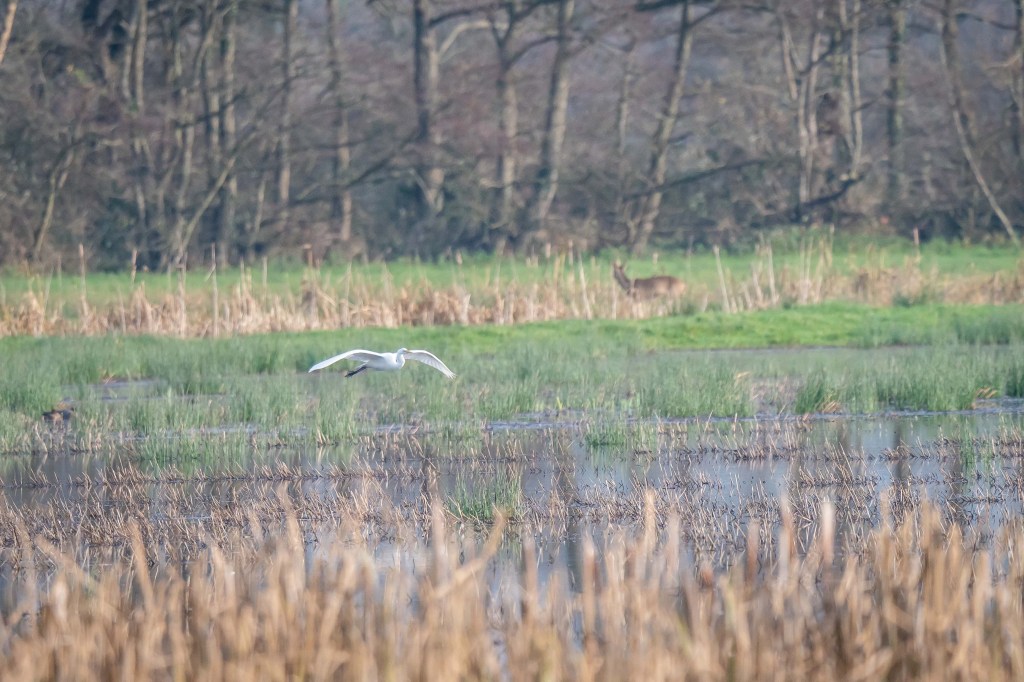
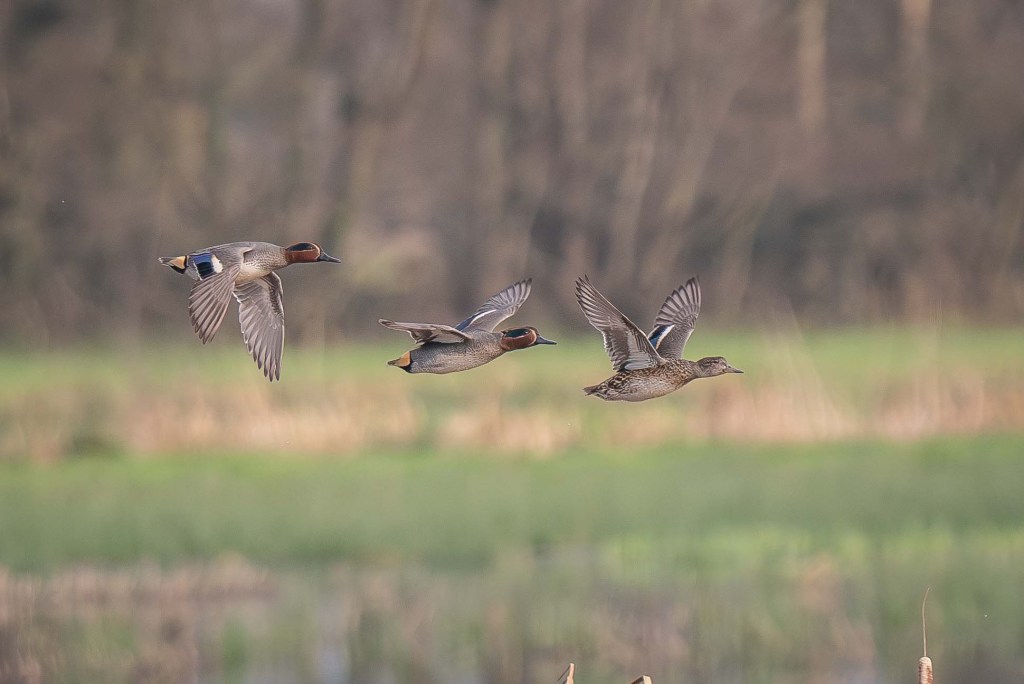
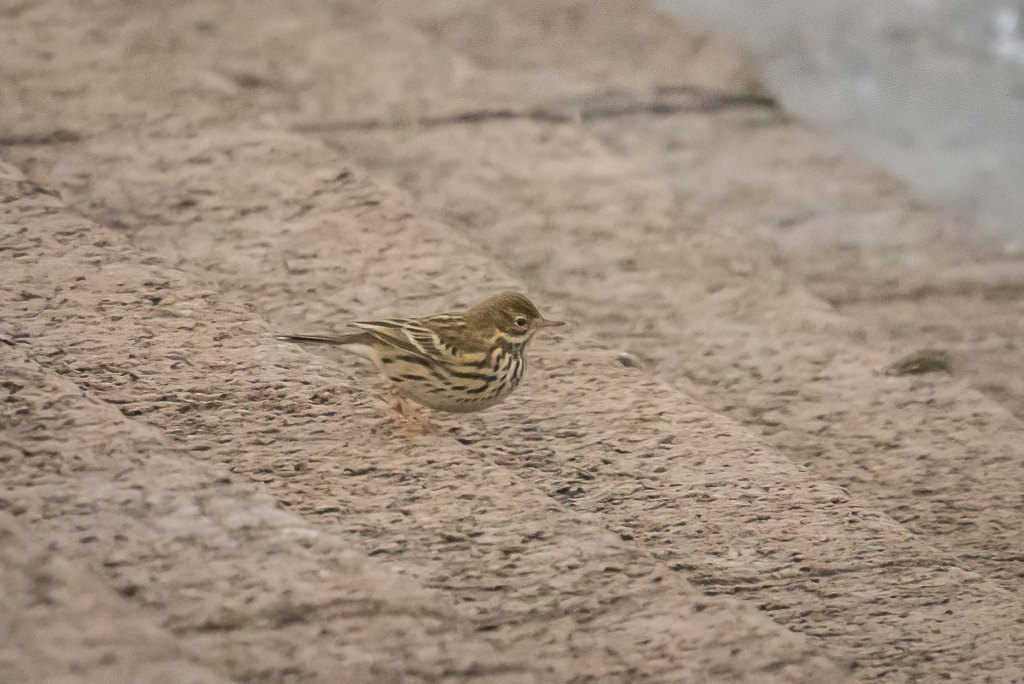
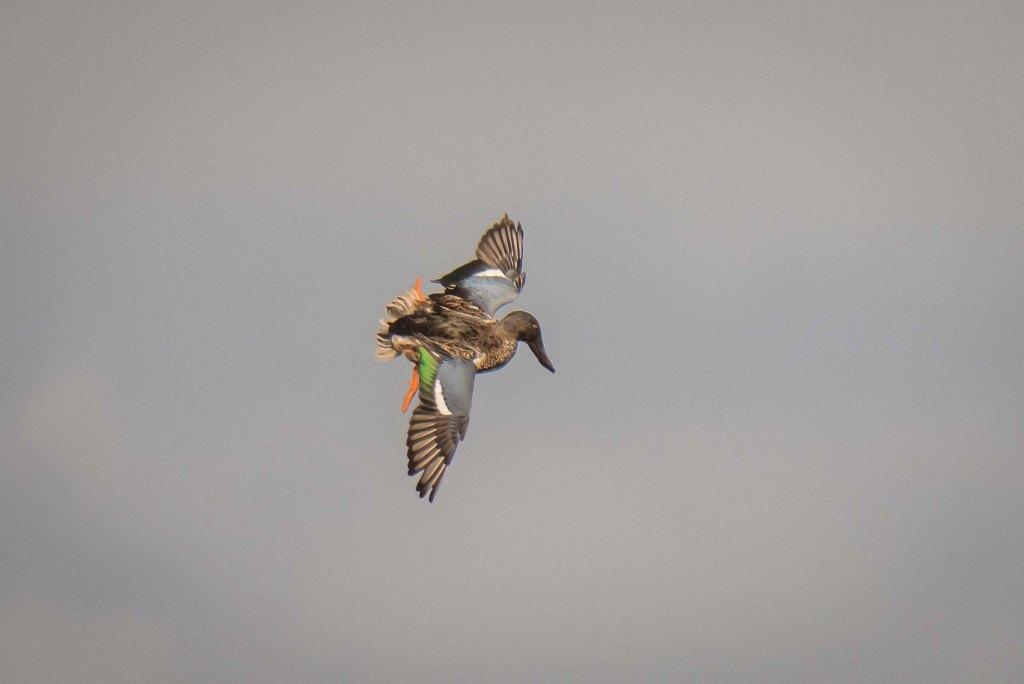
Common snipeCommon snipeHowever, the robin was not too secretiveA deer watched on as the great white egret arrivedGreat white egret landingTeal in flightAnother robin – posing againAnother great white egret fishing in a ditch as I leftMeadow pipit avoiding the danger of the barbed wire
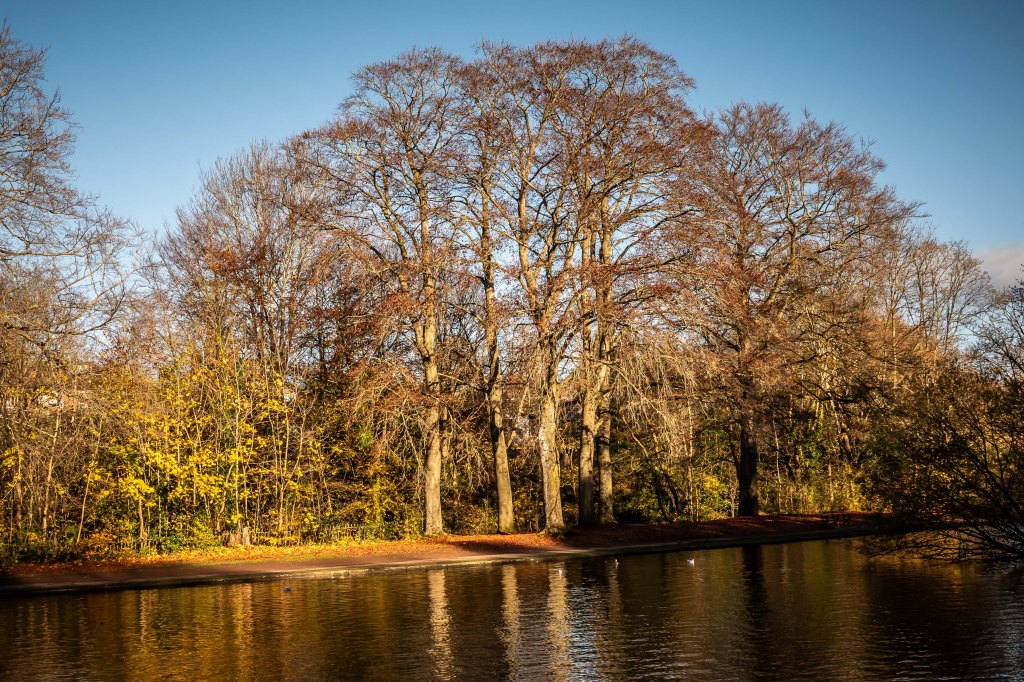
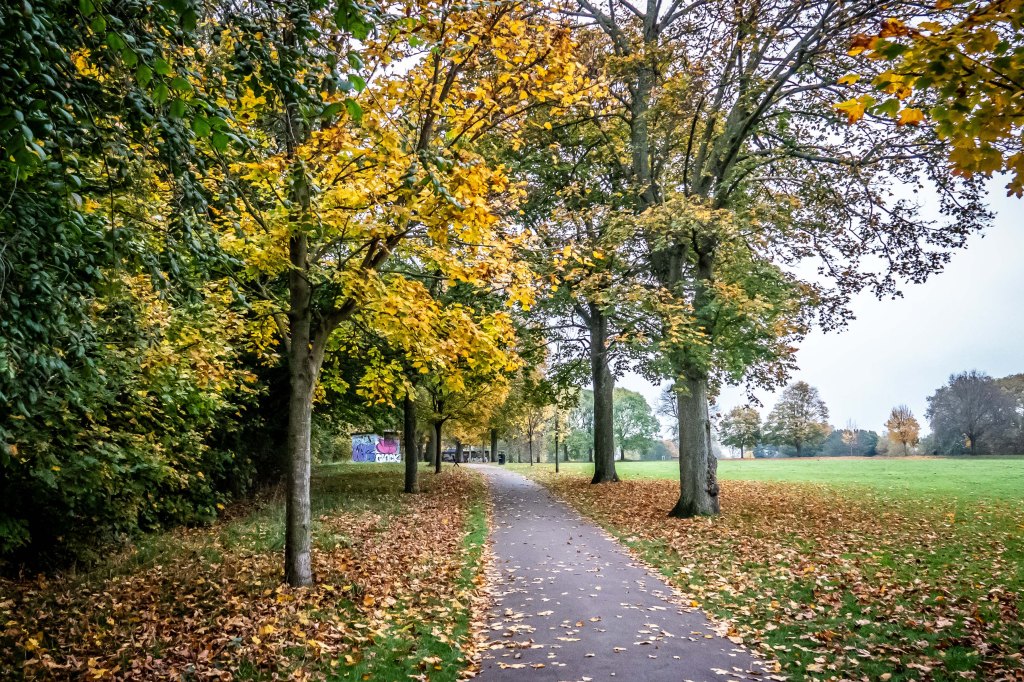
The sun was the star of our walk around the park this morning; although it was a very cold day it was a joy to feel its rays.
Very few leaves but still lots of colourA dramatic range of light
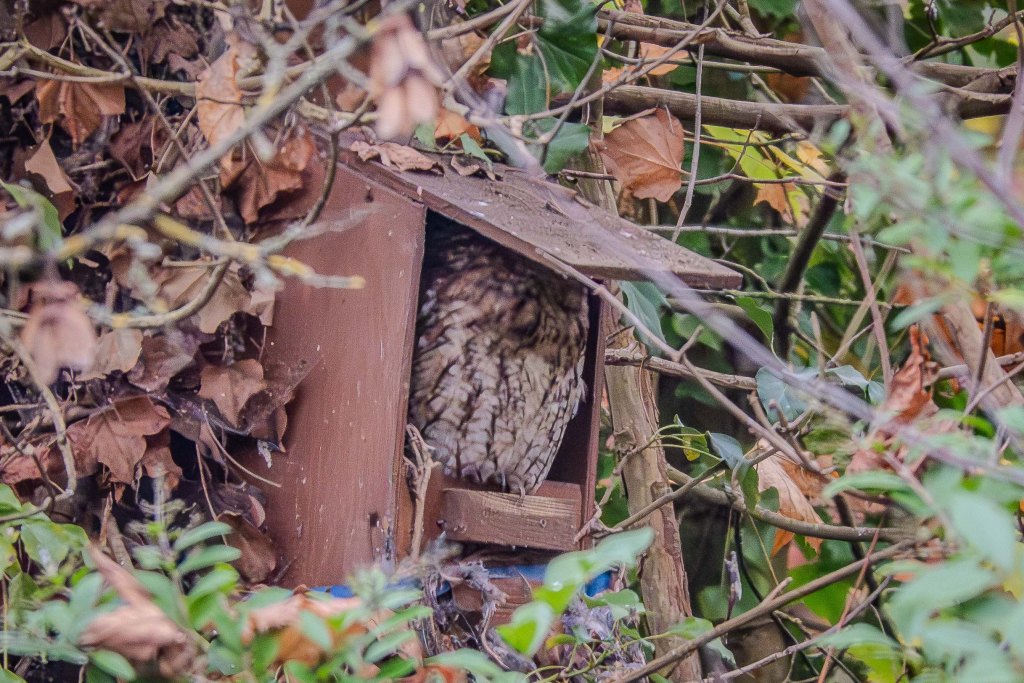
The tawny owl was visible in its box on the island in the middle of the lake but its features were not too easy to see. The cormorants in the trees were clearly enjoying the sun too.
Tawny owlGreat cormorant
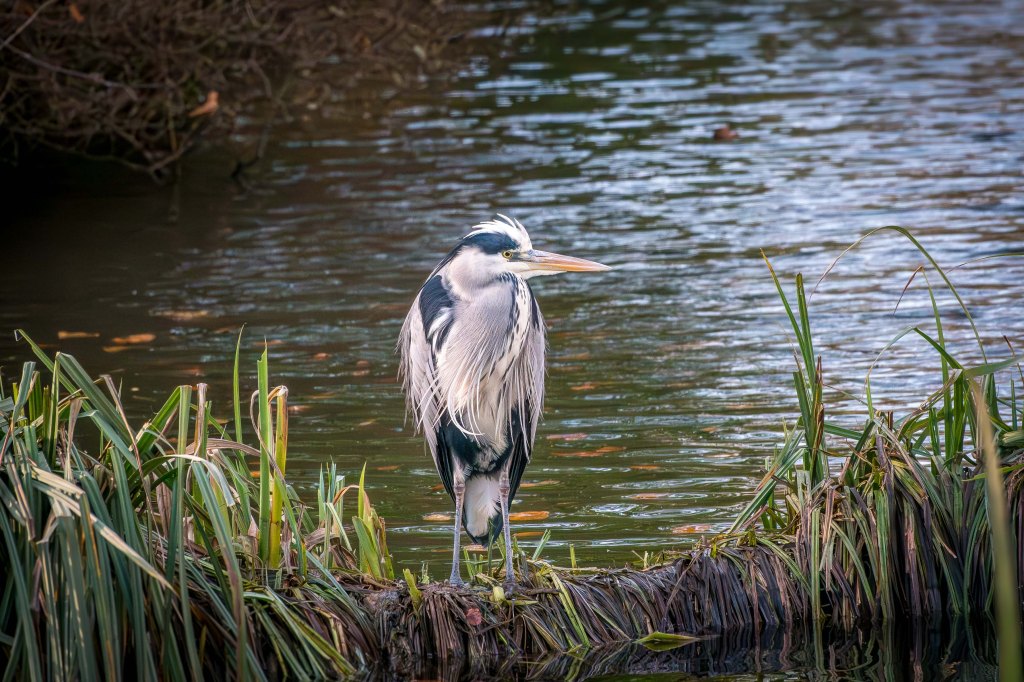
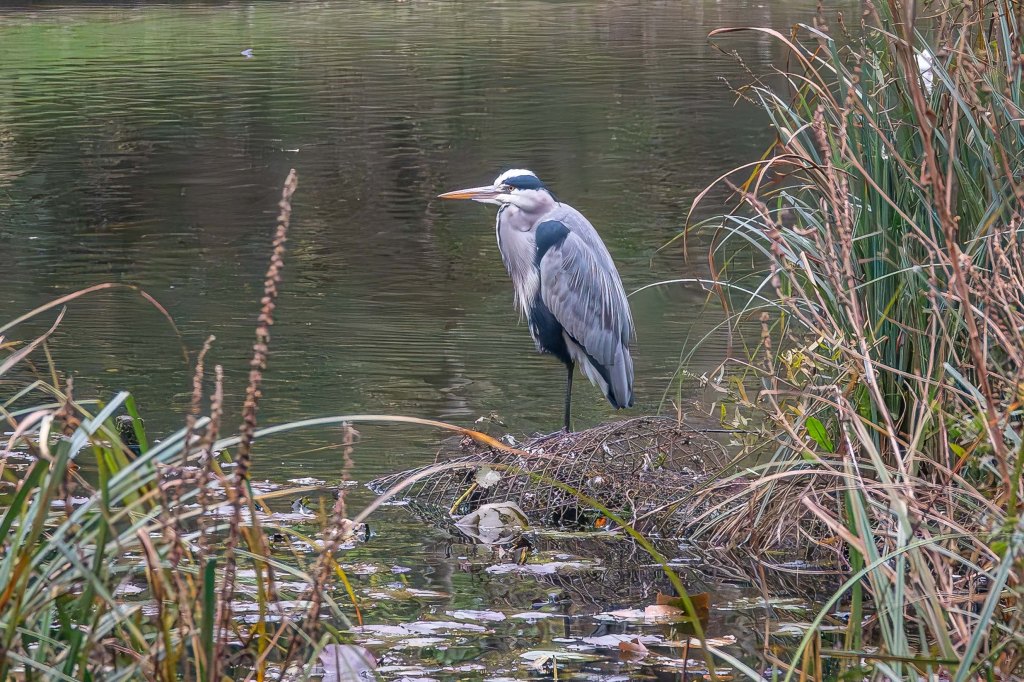
A grey heron looked quite dramatic too in the sun; it seemed more intent on posing and showed little interest in feeding.
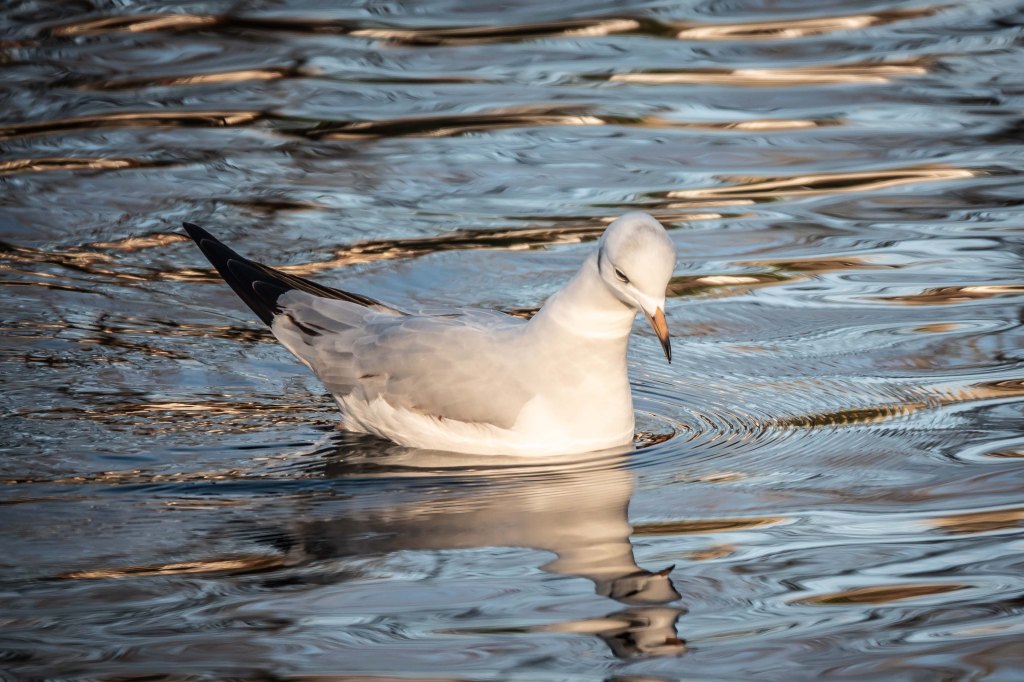
Grey heronPerhaps it was on sentry duty?Even the black-headed gulls looked attractive in the sunThey looked demure …… and then wanted to show off.
However, we felt the best poser was the robin. No surprise there, then.
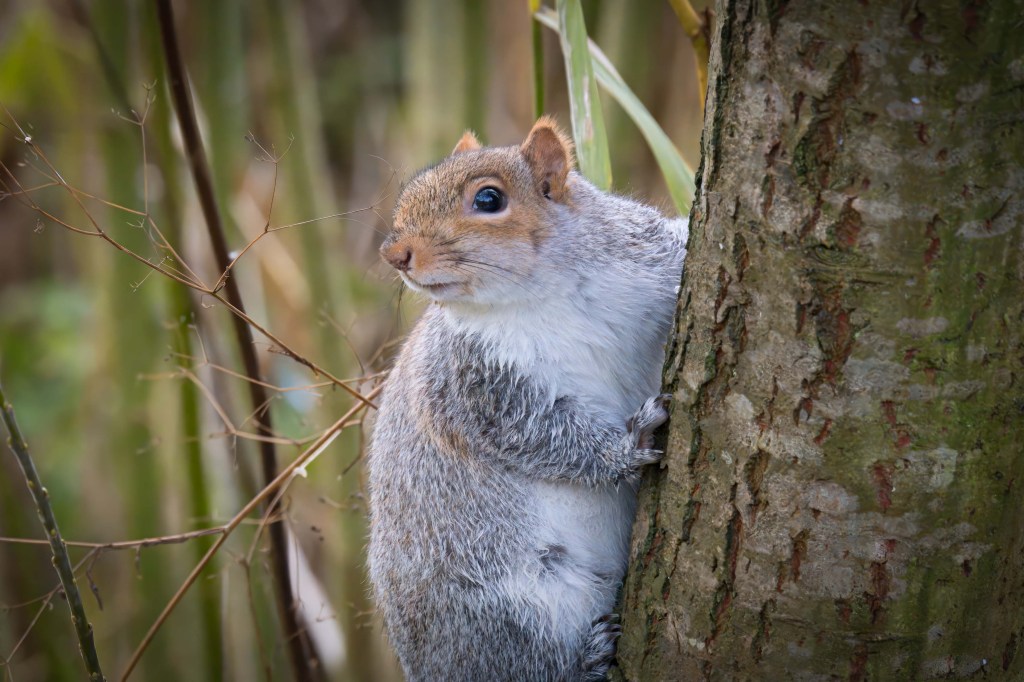
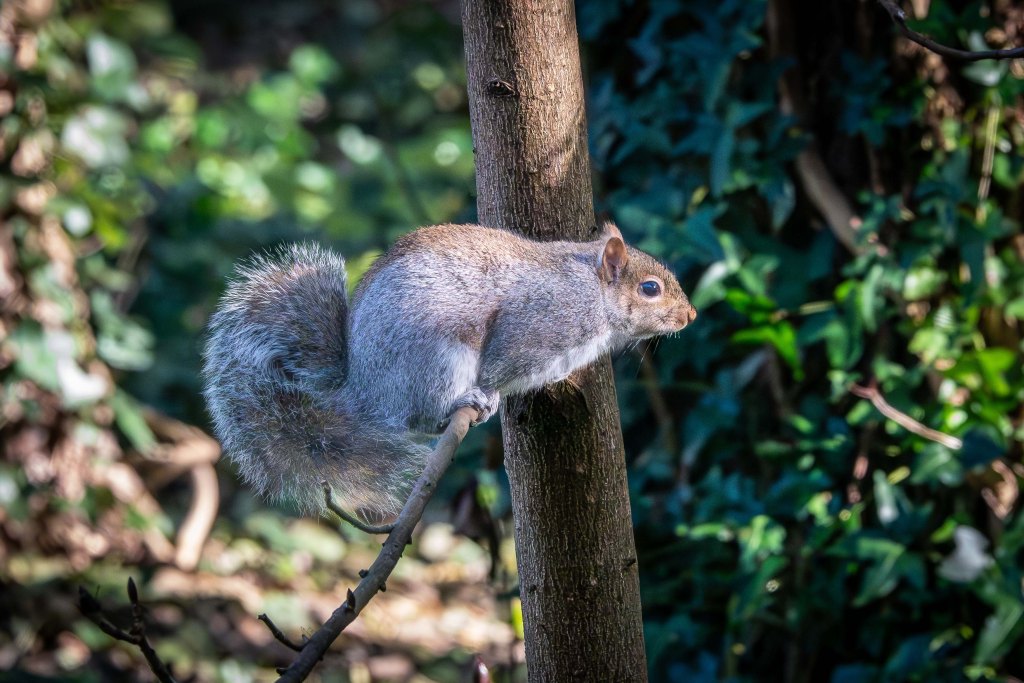
RobinHowever, the squirrel didn’t want to be outstaged
Although there was snow forecast for north of Bristol and reasonable weather forecast for mid Somerset, I was disappointed to set off in rain and sleet. It didn’t rain all day but it was pretty miserable throughout; it was quite testing seeing birds and even more challenging photographing them.
I headed for Catcott Lows as there is a hide where you can park close by; but when I arrived I found it was closed as they were “managing” the trees on the lane leading to the hide. I continued further south to RSPB Greylake, a small reserve where, again, I wasn’t going to get drenched reaching the hides.
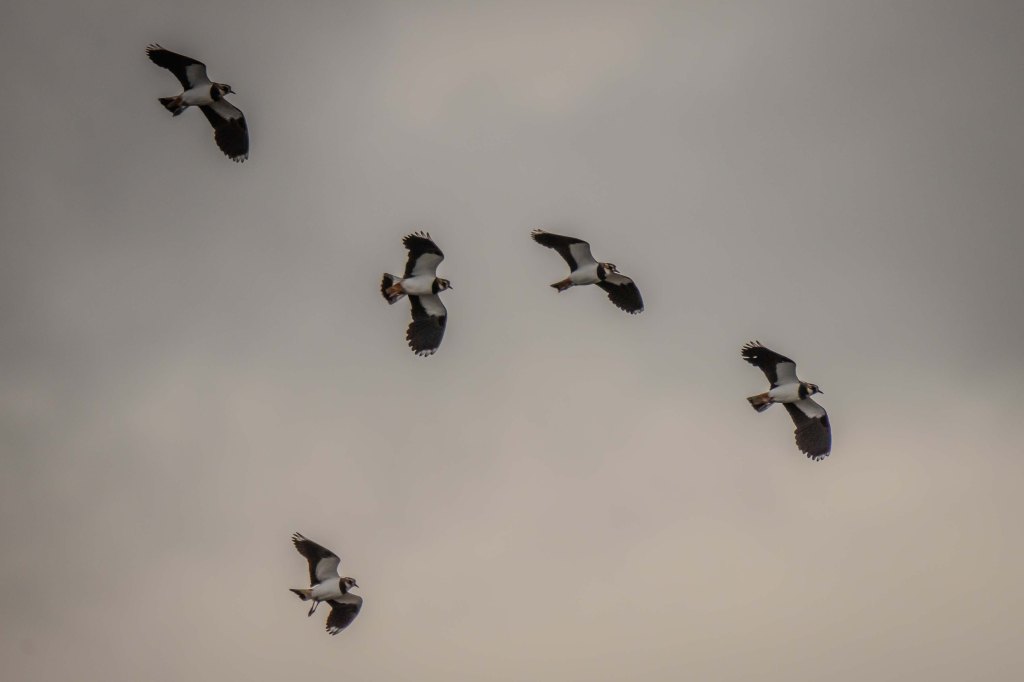
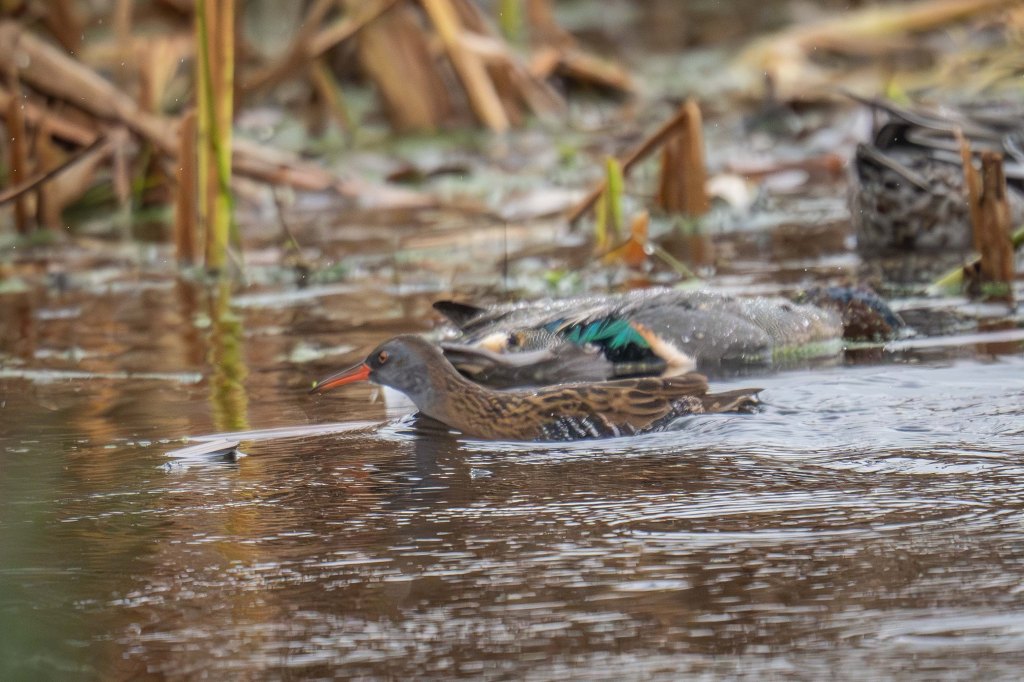
There were big numbers of lapwing, wigeon and teal. Best of all there were quite a few snipe close to the hide, a water rail and an occasional marsh harrier.
WigeonTealLapwingCommon snipeSnipeMarsh harrierMarsh harrierMarsh harrierLapwingCommon snipeWater railTeal and snipeWigeon
On the way home I saw large numbers of little egrets and cattle egrets in the fields. Also, large numbers of starling were congregating and I thought it was a shame I couldn’t stay later to see the magnificent sight of the murmurations before they roost. But there again, I don’t think the views would have been too wonderful as the bad weather set in again and the light would have been very poor.
Cattle egret
I stopped very briefly at Cheddar Reservoir where I saw large numbers of pochard. I certainly didn’t stay long as it was only 2 degrees centigrade and definitely felt much colder with the wind blowing off the water.
PochardMeadow pipitGrey wagtail looking as cold as I felt
There were the first glimpses of the sun for over a week as we started our walk around the park this morning. However, it was only a teaser and it didn’t last long. We are promised better tomorrow.
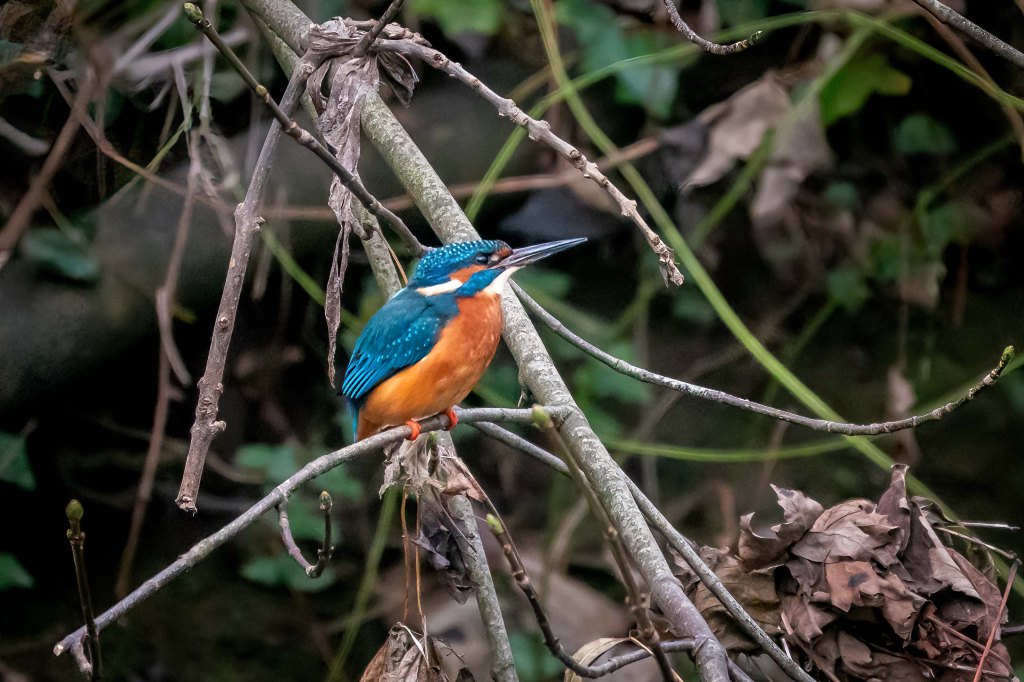
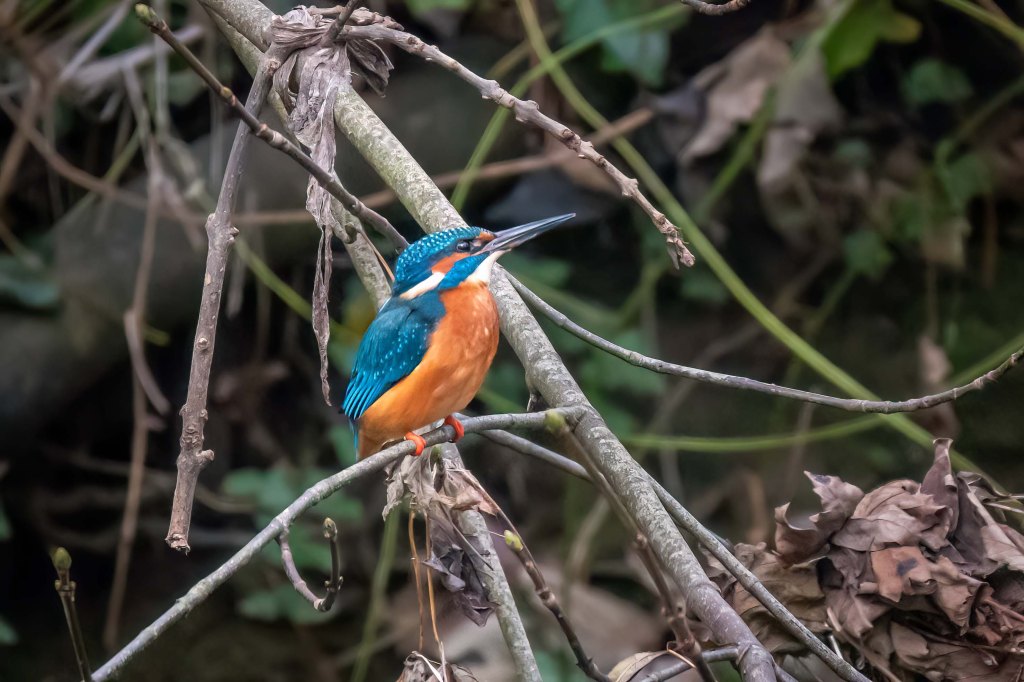
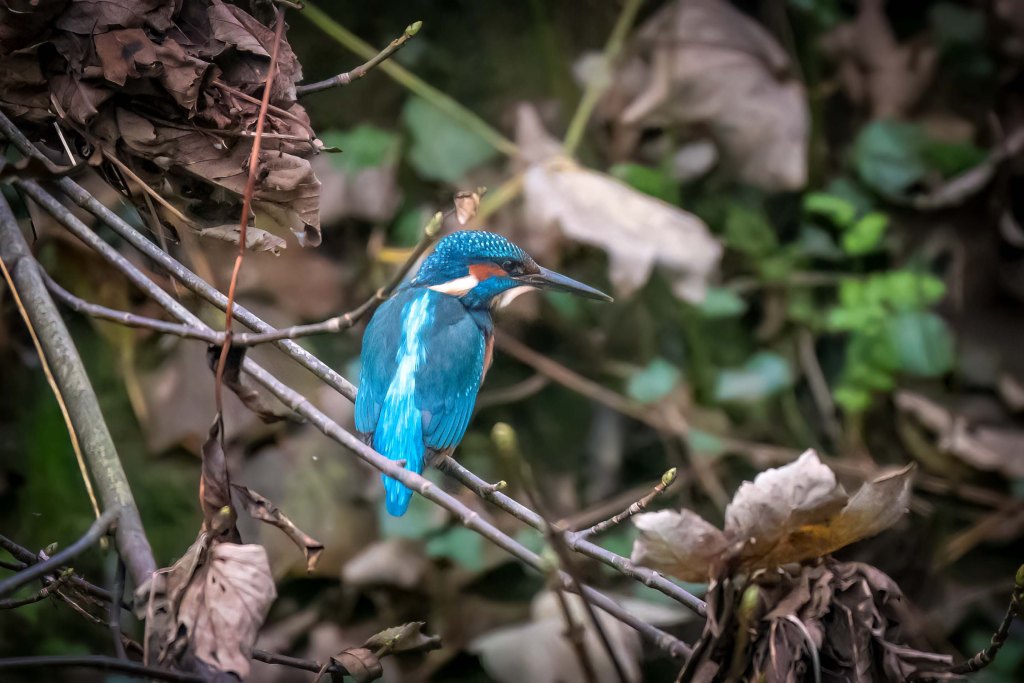
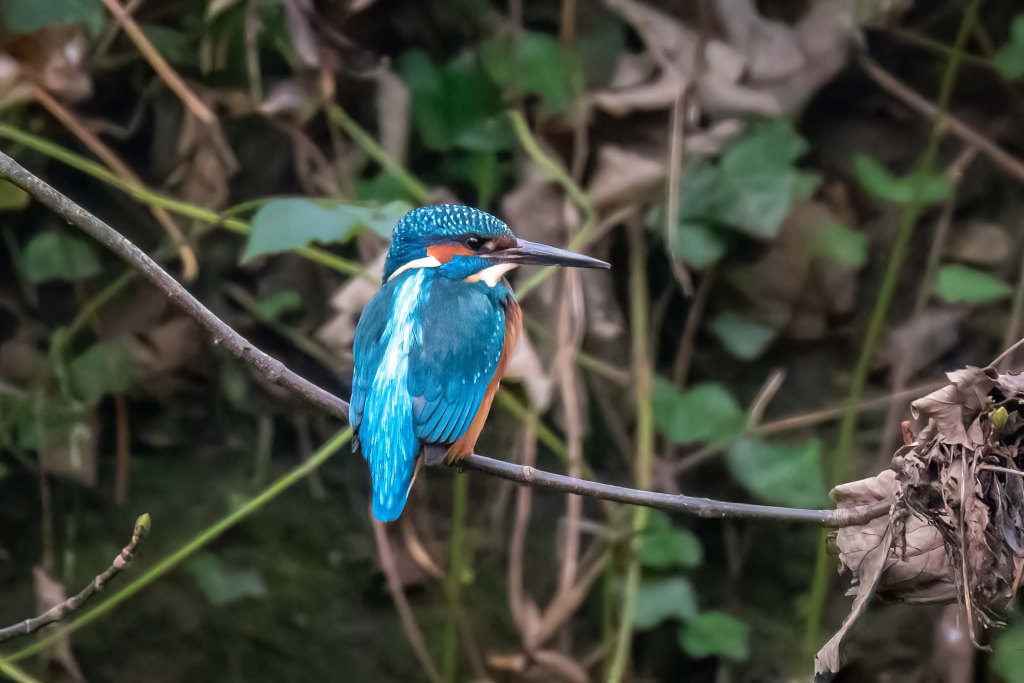
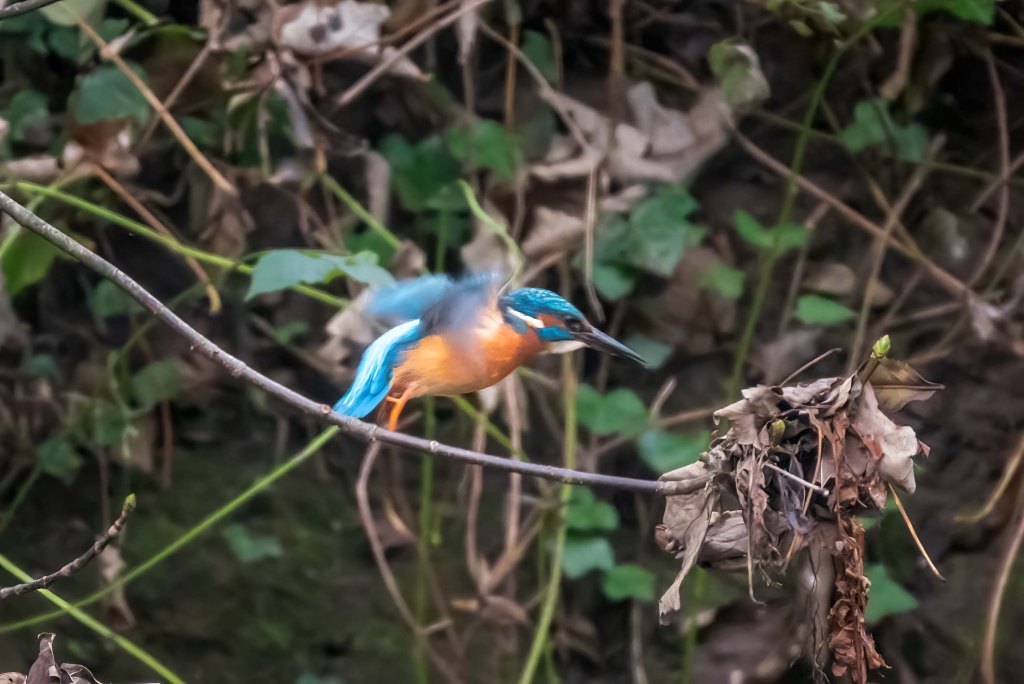
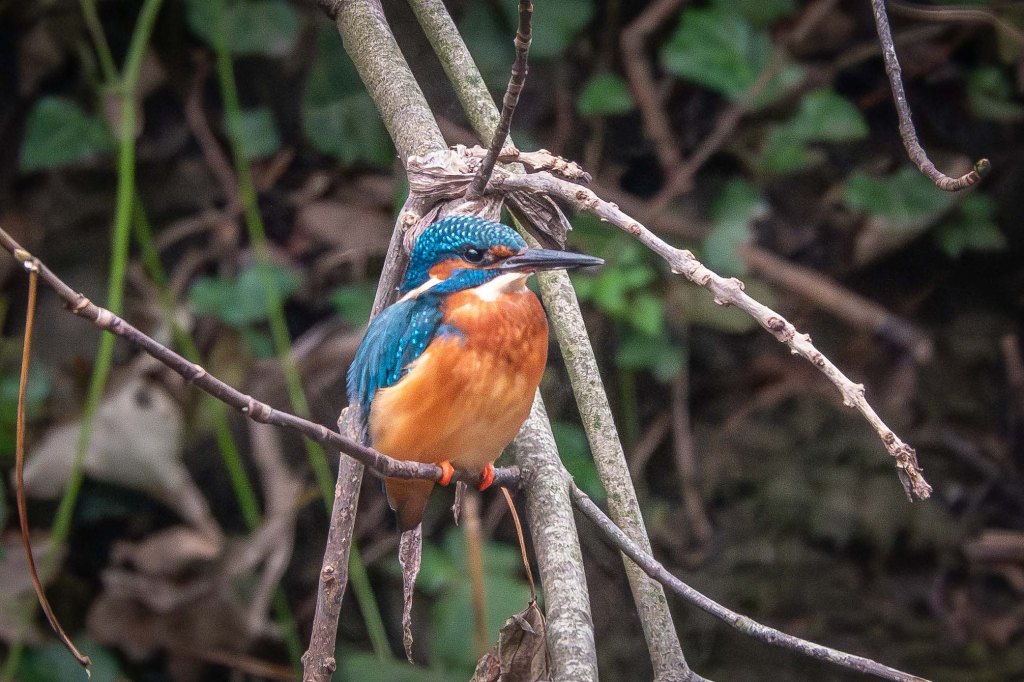
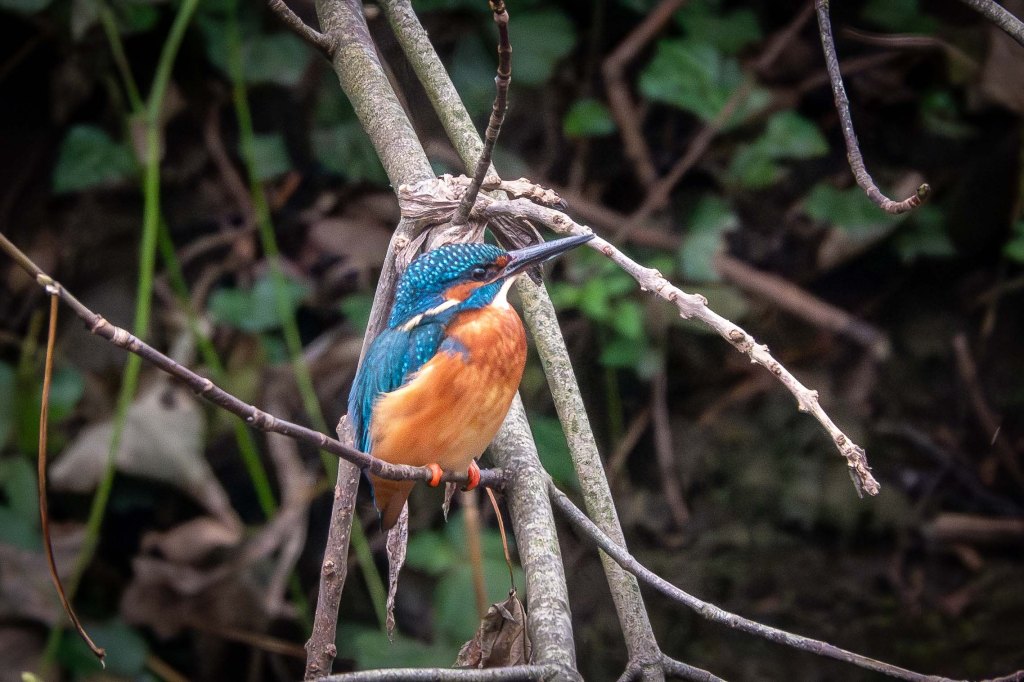
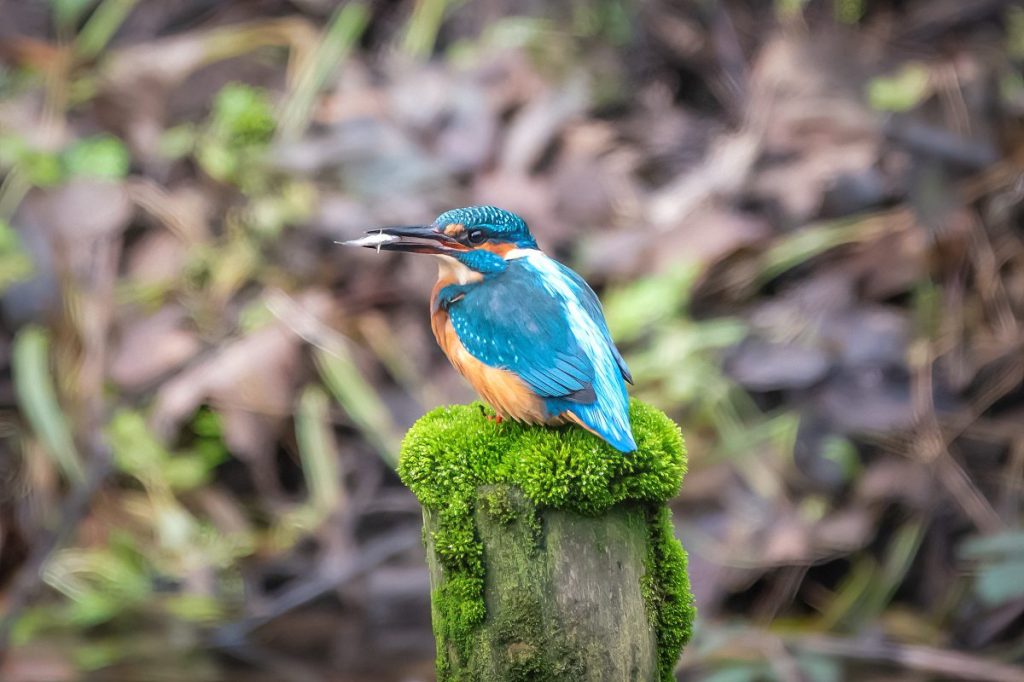
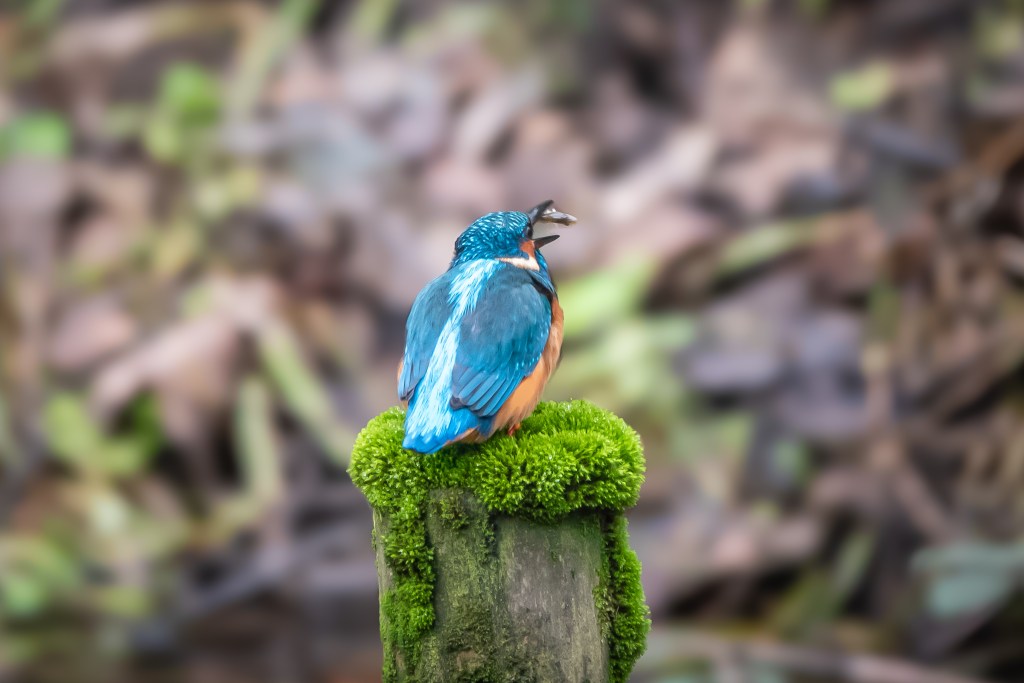
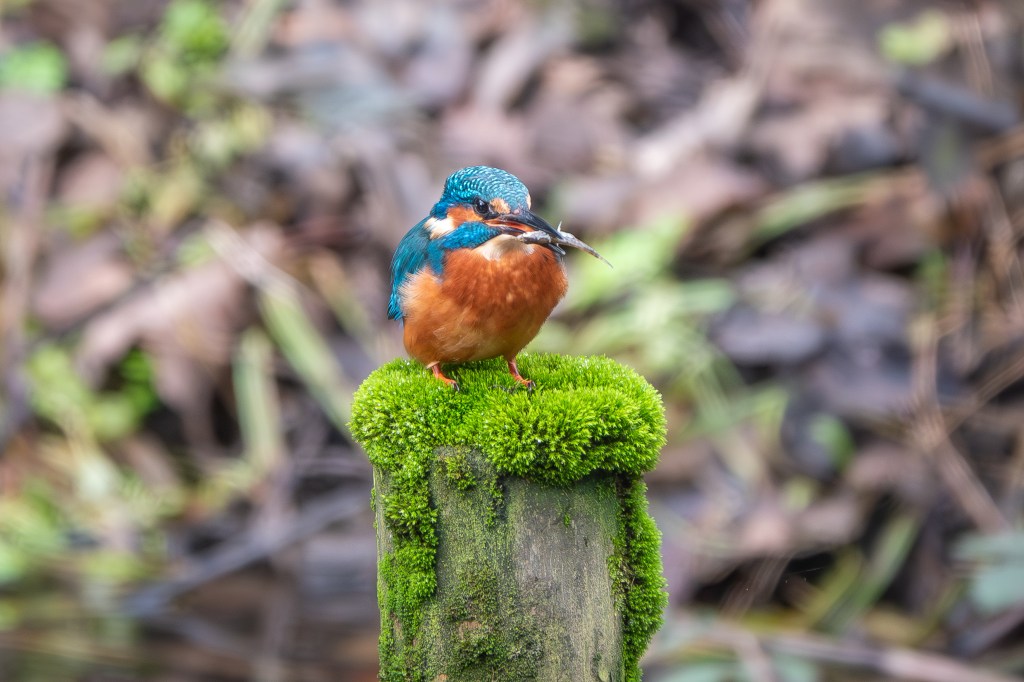
No sun maybe, but there were flashes of brightness throughout our walk as we had several sightings of the magnificent kingfisher. Firstly, we saw one flying along the River Frome west to east, and then two together flying from east to west. Then closer to the park there was one perching and posing.
KingfisherKingfisherKingfisher… and away.
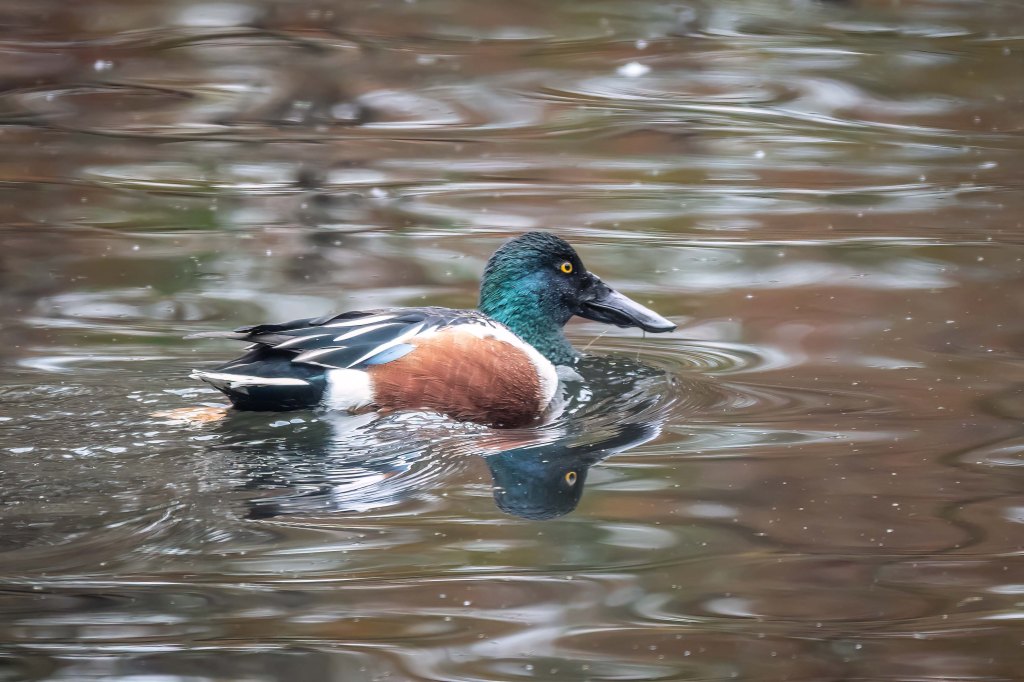
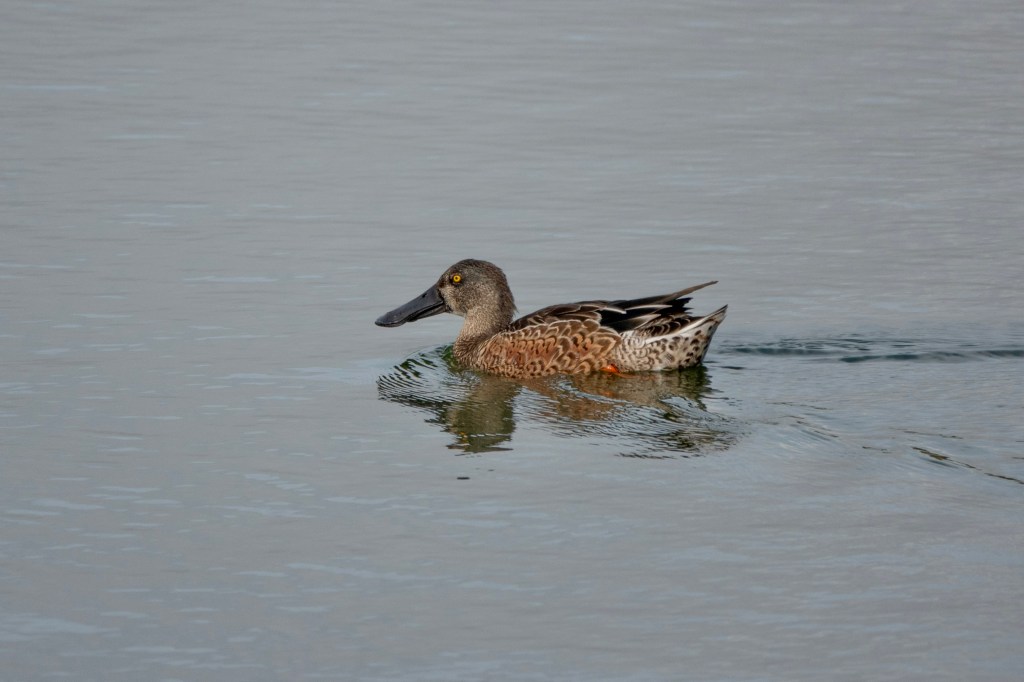
There was a newcomer to the lake as a northern shoveler seems to have taken up residence.
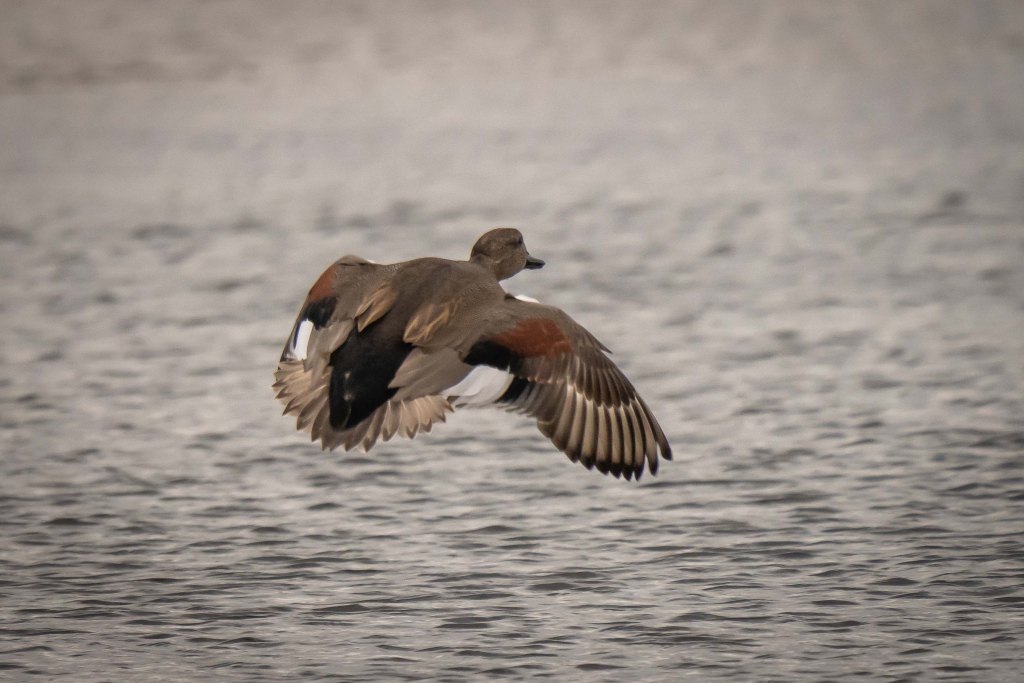
Northern shovelerNorthern shoveler
However there are always plenty of gulls resident and today we saw lesser black-backed and black-headed.
Lesser black-backed gullBlack-headed gull
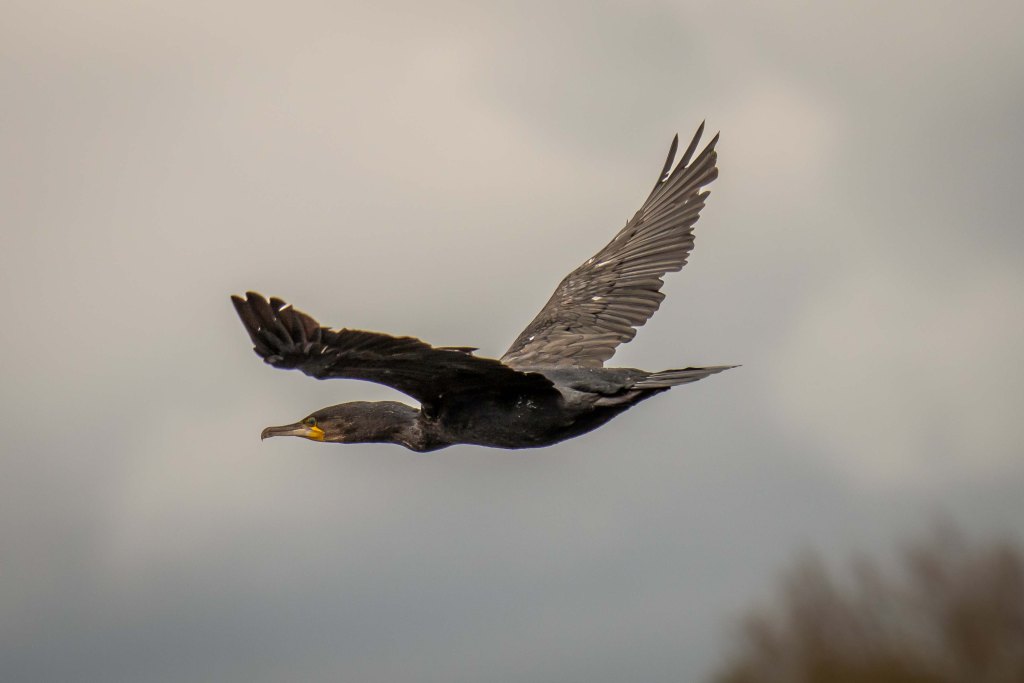
There always seem to be plenty of cormorants at the lake. The fish stocks must be pretty low by now.
CormorantCormorant drying its wings ready for take offThe tawny owl was visible ut not so easy to see today
Other birds were available …
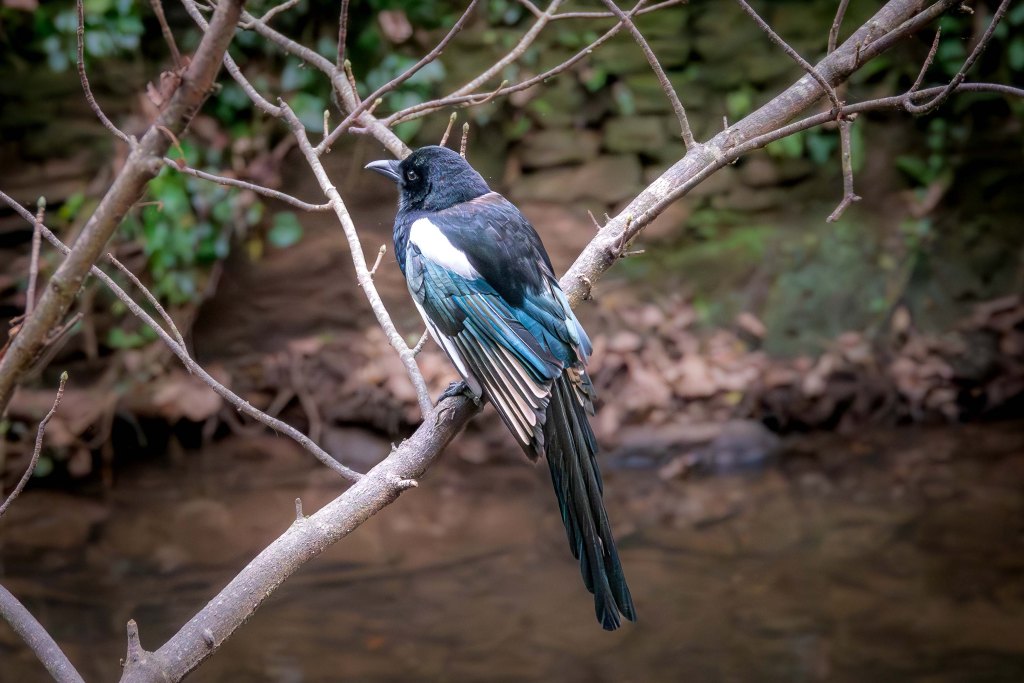
Carrion crowNo sunshine but the colours of the magpie were still apparent
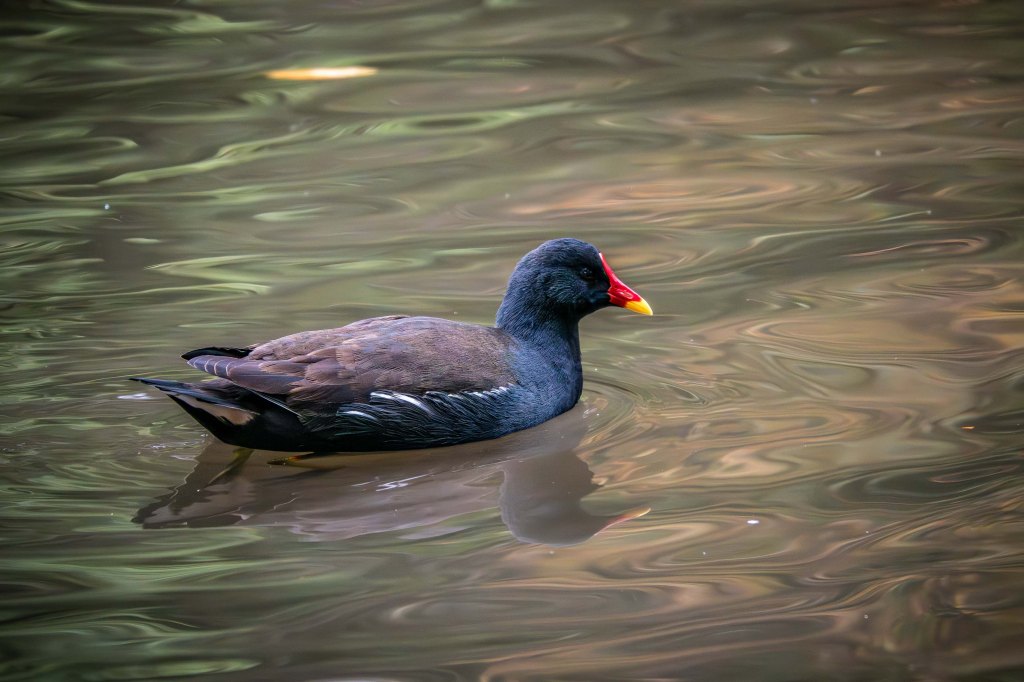
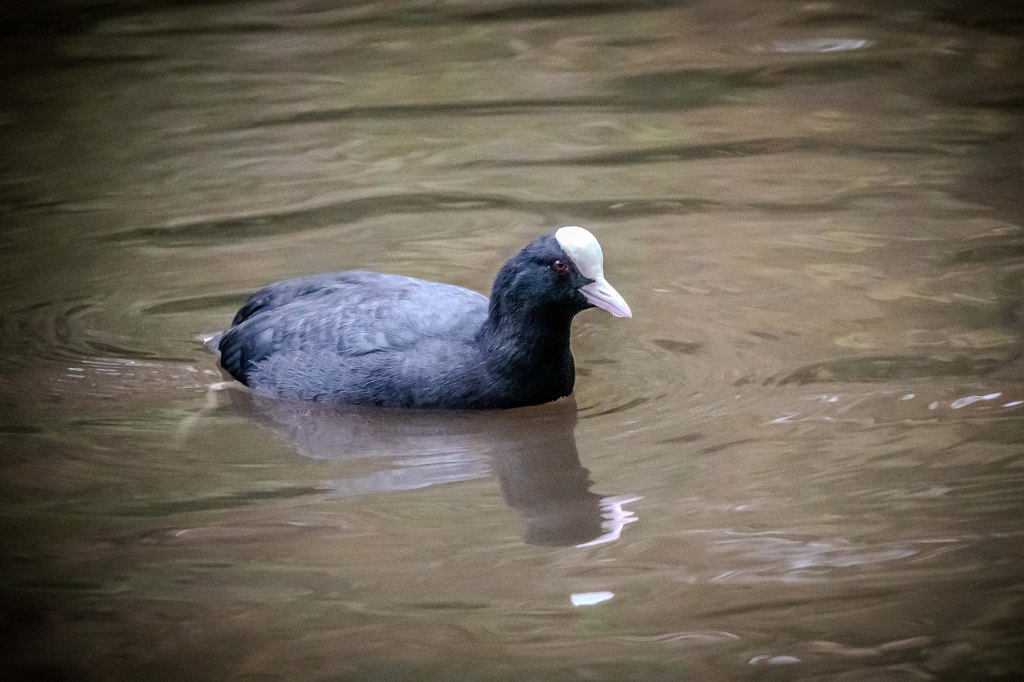
It was a very dull morning but I managed to find plenty of colourful things to photograph in our local park this morning. The kingfisher and tawny owl were the stars but coots, moorhens and a grey heron all had their place. None of them seemed too bothered by the park runners.
A stroll around our local park was well rewarded this morning with a tawny owl, a dipper and a kingfisher on a post. I think I ought to do the lottery today!
We are enjoying a short stay based in Faro on the Algarve in Portugal.
It’s not really a ‘birding’ holiday but we have come equipped with walking boots, binoculars and, in my case, a bridge camera.
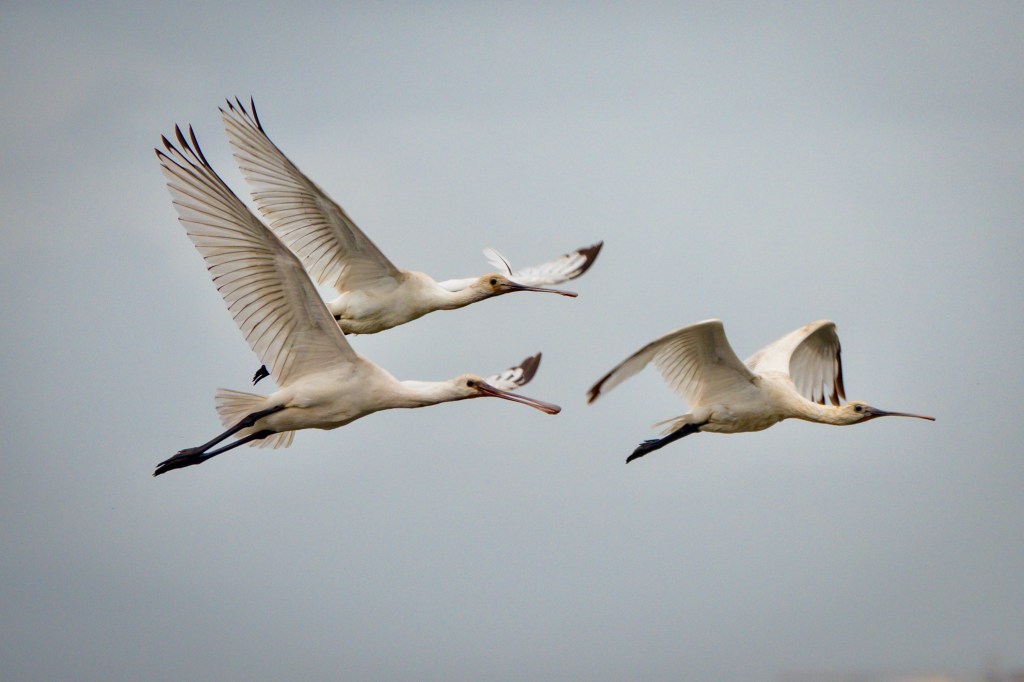
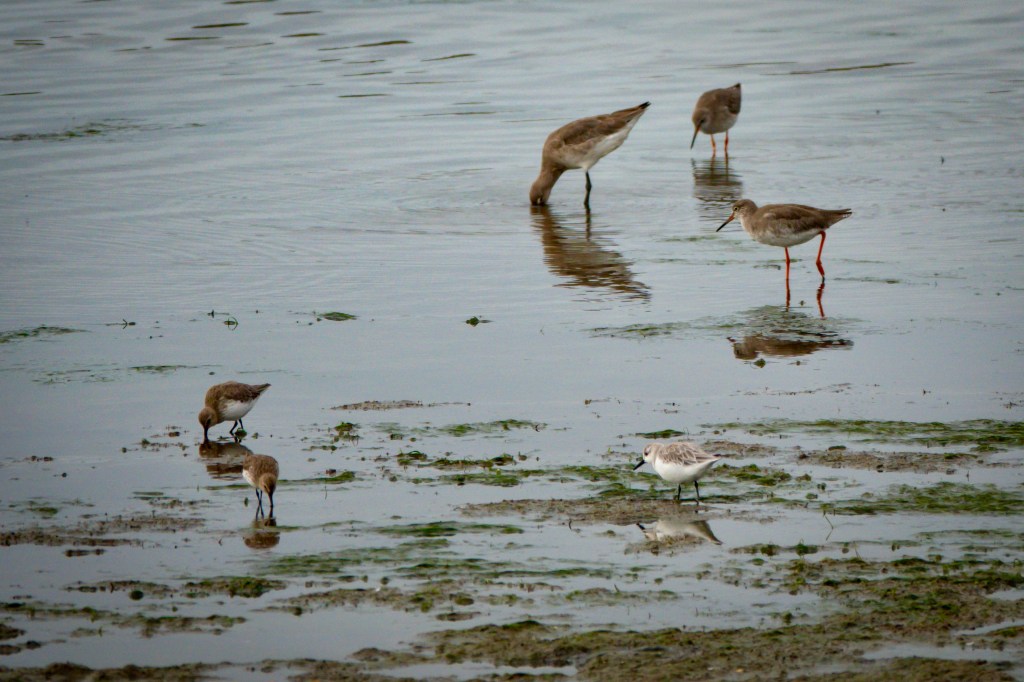
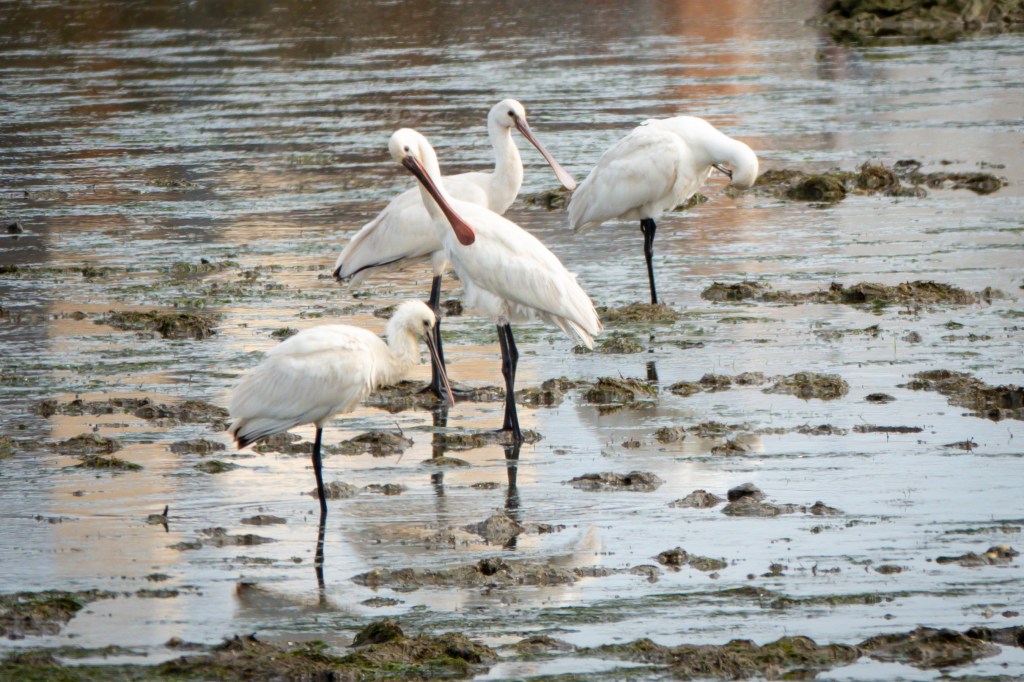
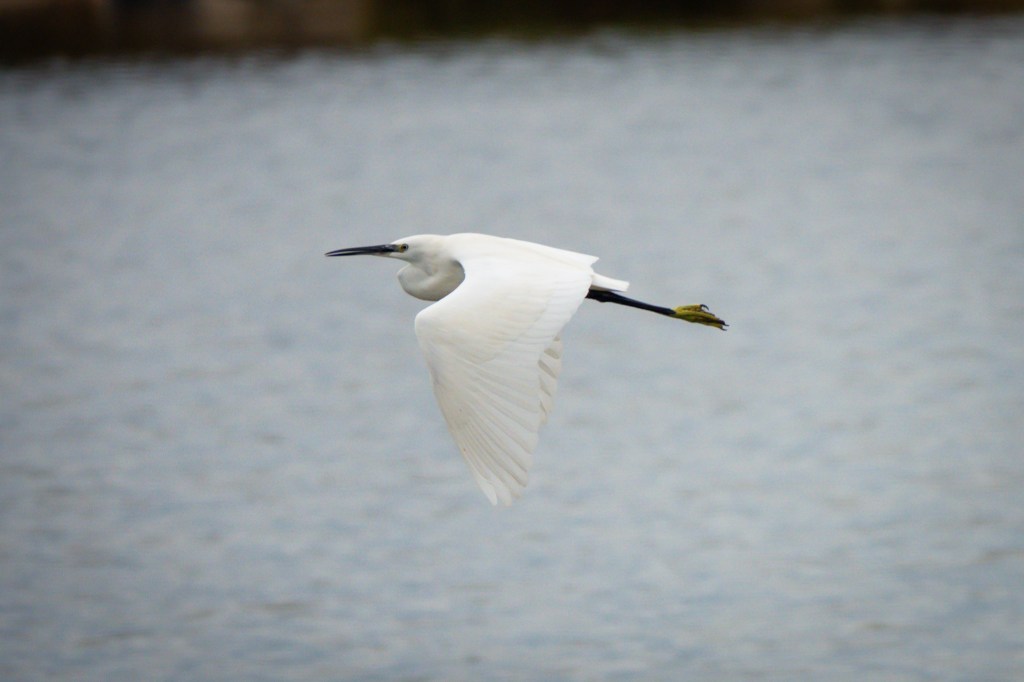
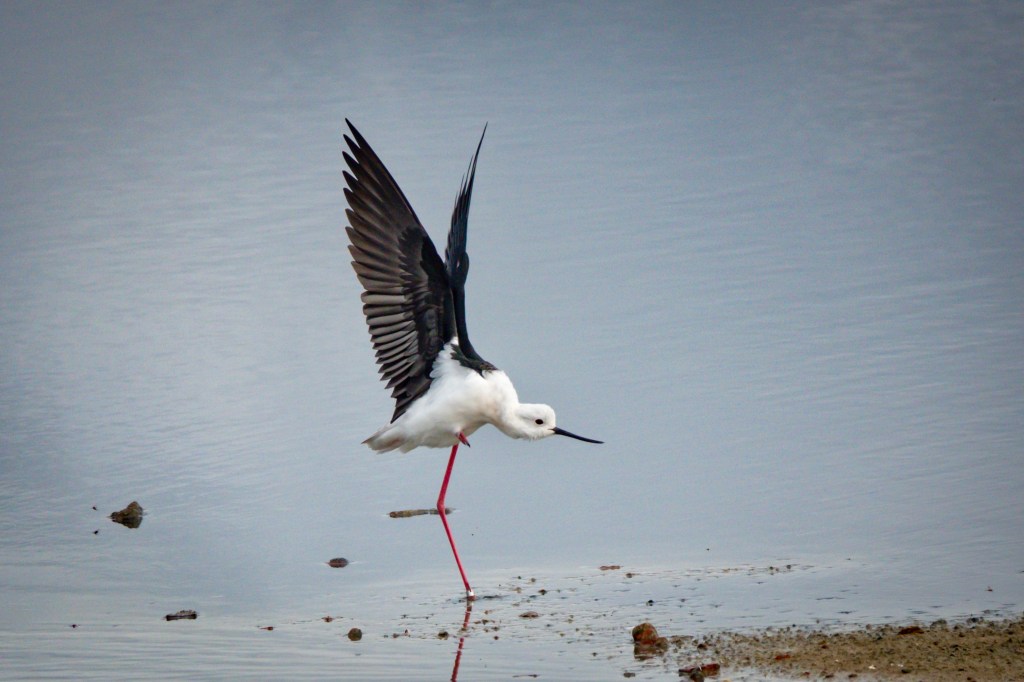
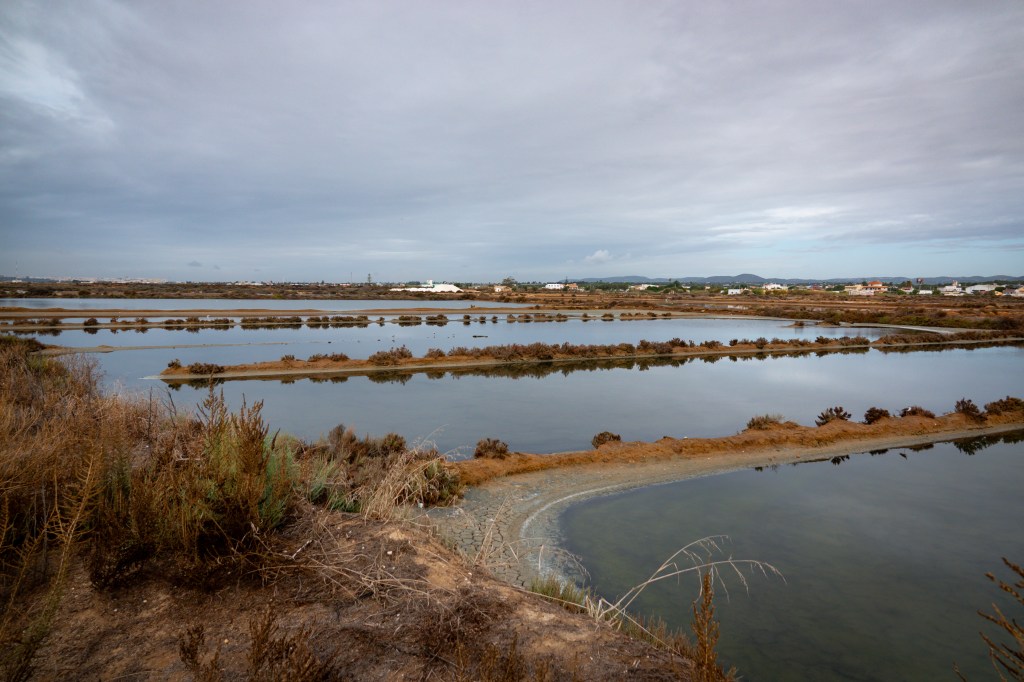
Our second ‘birding’ opportunity was to the east of Faro along some of the disused salt pans to the west of Olhão. Here we were lucky to have fairly close up views of waders (although not fantastic light) on the estuary and especially good views of spoonbills, little egrets, greater flamingos and other waders on the salt pans.
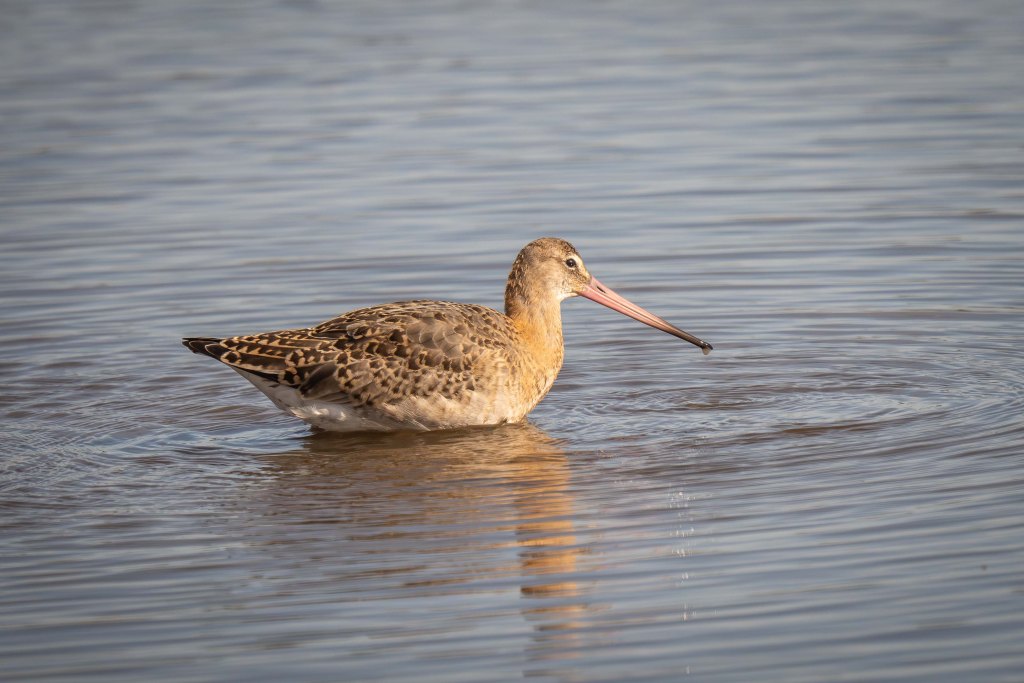
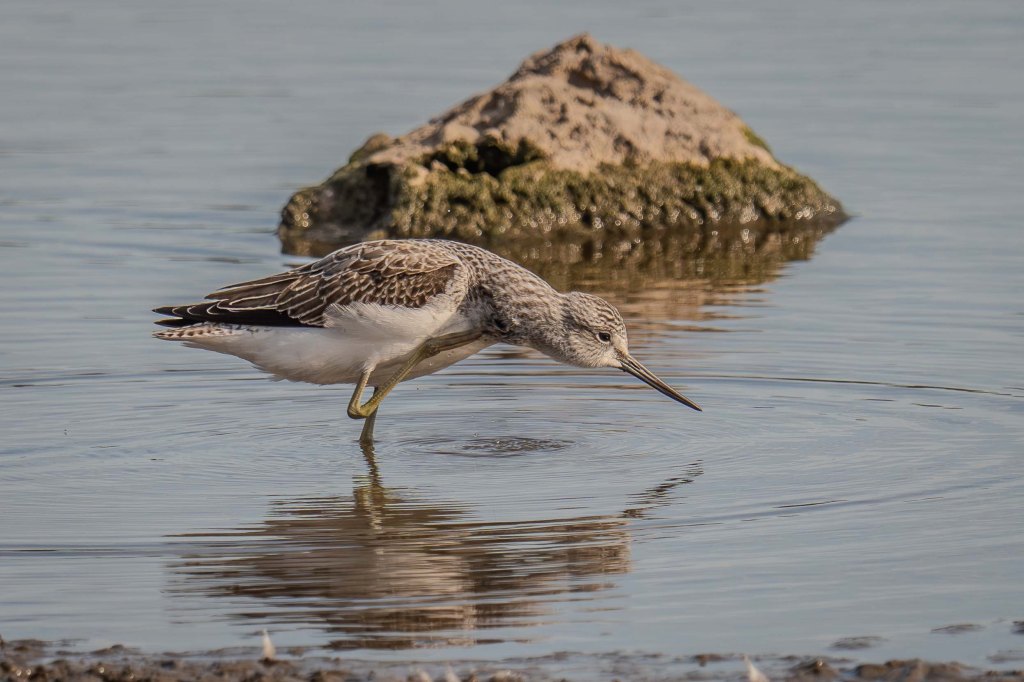
Black-tailed godwitFlyover spoonbillsSelection of wadersSpoonbills preening DunlinLittle egretCommon ringed ploverSanderlingTurnstoneBlack-winged stiltCaspian ternSlender-billed gullZitting cisticolaGreater flamingosGreenshankLas salinas de Olhāo
After our birding session we behaved more like normal tourists and visited the food market at Olhāo and had another lovely lunch in a back street alley restaurant away from the main tourist area. This time our walking gear didn’t look too out of place.
The back alleys of Ohāo
The rest of our stay we have been doing cultural things and just wandering around Faro enjoying the local flora.
Faro Town Hall at nightThe cathedral at FaroFaro old city walls at night
We are enjoying a short stay based in Faro on the Algarve in Portugal.
It’s not really a ‘birding’ holiday but we have come equipped with walking boots, binoculars and, in my case, a bridge camera.
Our first ‘birding’ opportunity was in the Ria Formosa Nature Park to the west of Faro, along the São Lourenço trail which winds its way between the Ria Formosa and the Sāo Lourenço golf course. There were a few bird hides along the way but we didn’t spend any time in them as we were able to enjoy the bird life as we walked the trail and benefited fully from the pleasant weather.
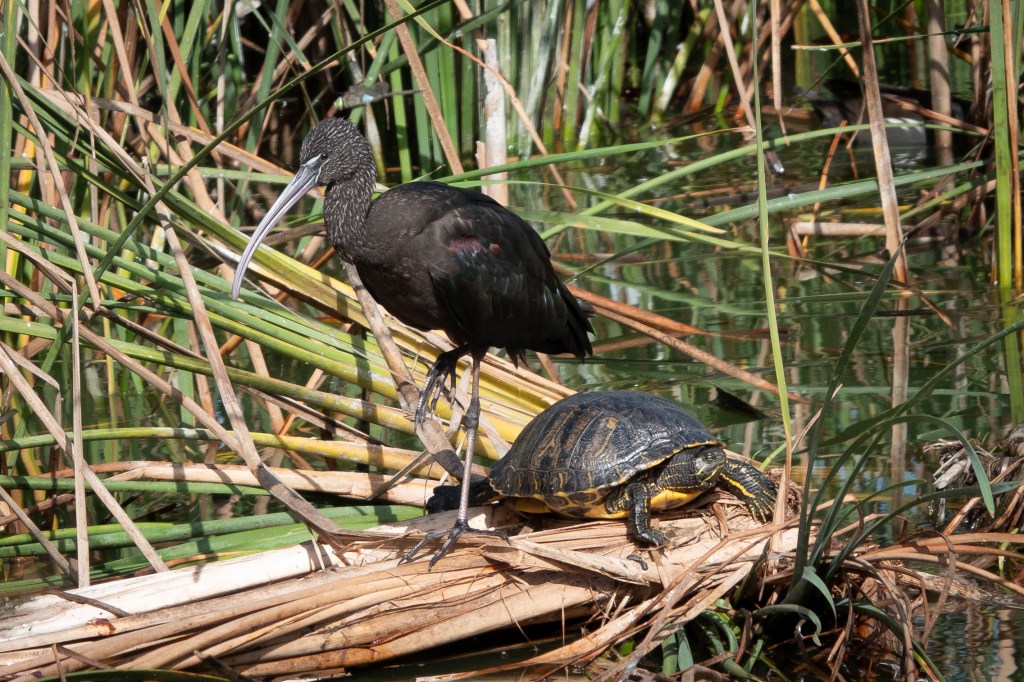
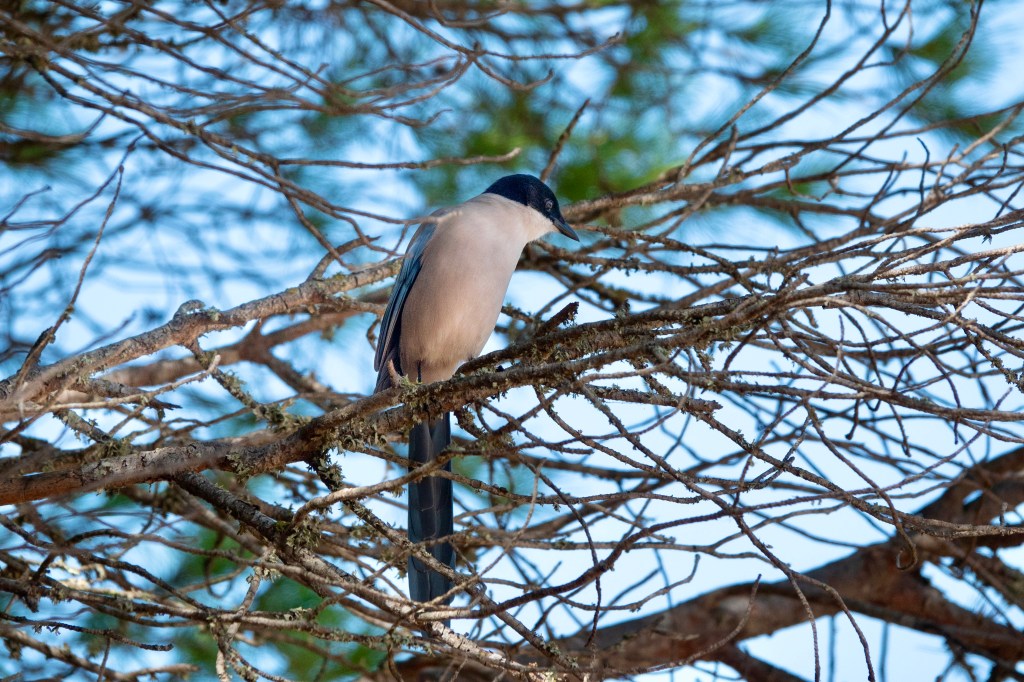
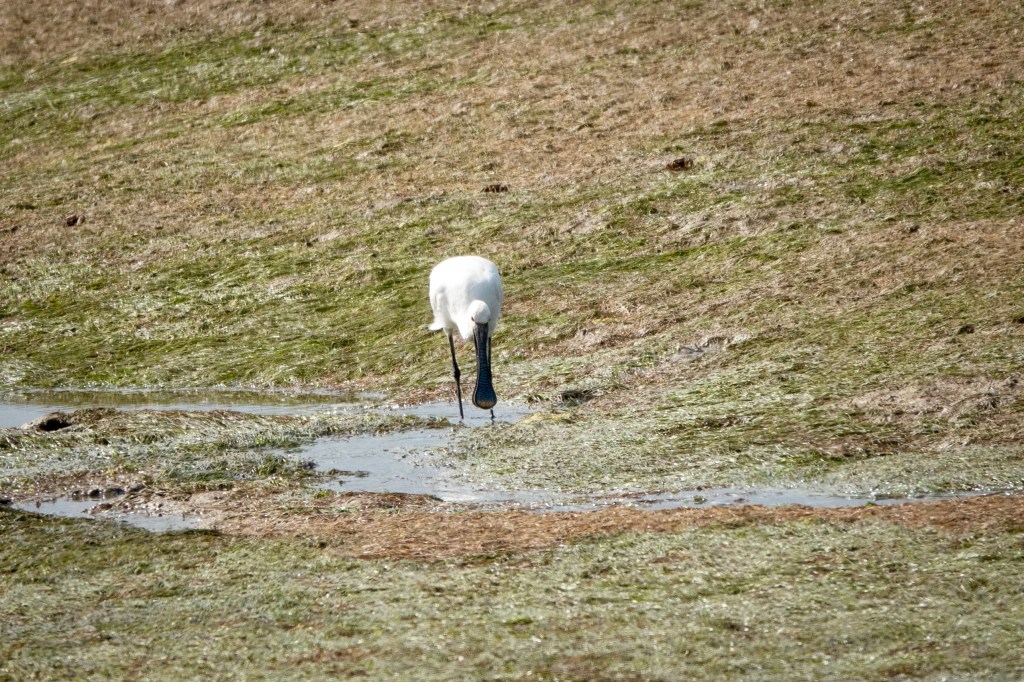
Along the estuary there were lots of waders, spoonbills, little egrets and storks. On the edges of the golf course we saw hoopoe, Iberian magpies, glossy ibis and lots of waterfowl on the golf course lakes.
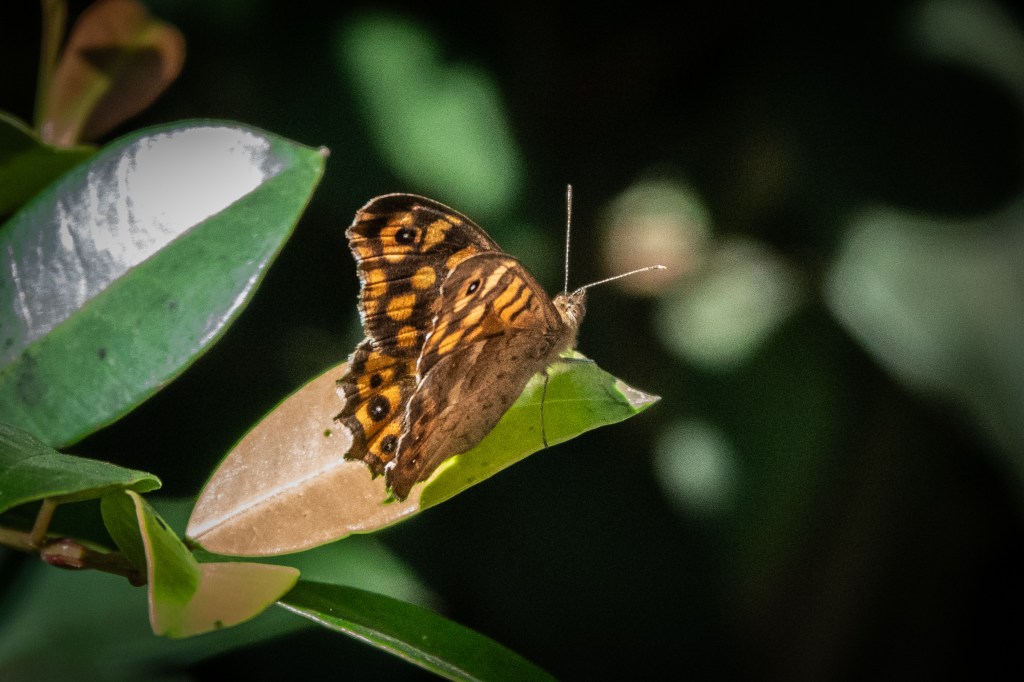
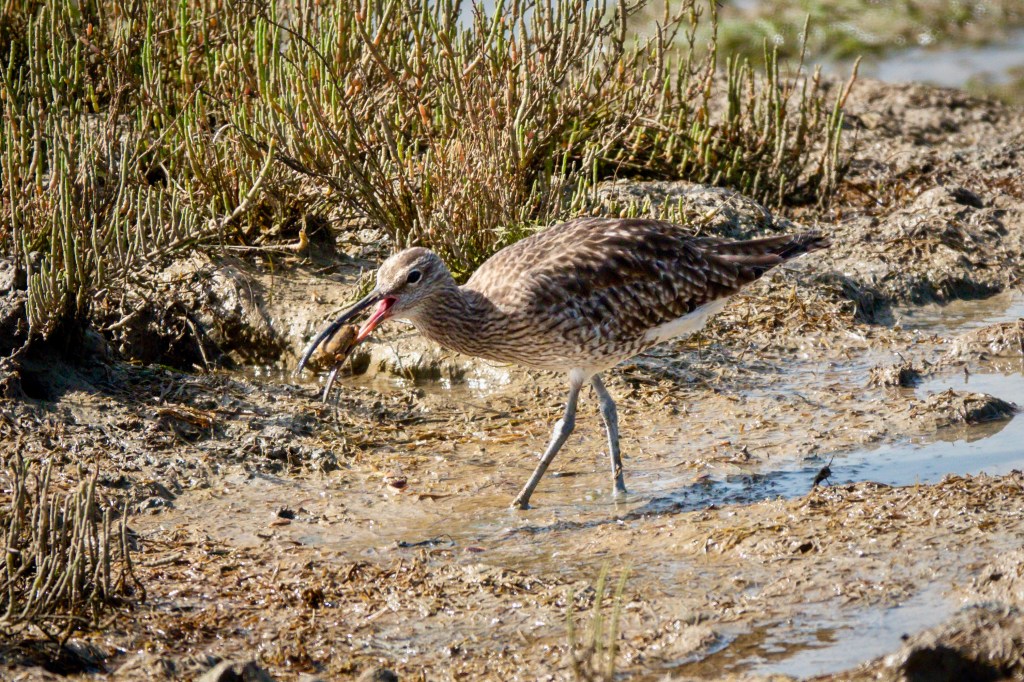
My first photo of the day was a speckled wood butterflyGlossy ibis and yellow-bellied terrapinIberian magpieGadwallA flyover hoopoeWhimbrel devouring crabSpoonbillGreenshankCommon storkGreater flamingoShovelerPurple swamphenThe lake on the Sāo Laurenço golf courseA wooden bridge crosses the Ria Formosa to the beach and Gigí’s restaurantIt was warm enough to be on the beach but everyone was walking, running, cycling and birdwatching
We had a fantastic seafood lunch in Gigi’s beach restaurant at Quinta do Lago, which our taxi driver told us sometimes has a 6 month waiting list. The restaurant was quite rustic but the same could not be said of the clientele – that is until we arrived.
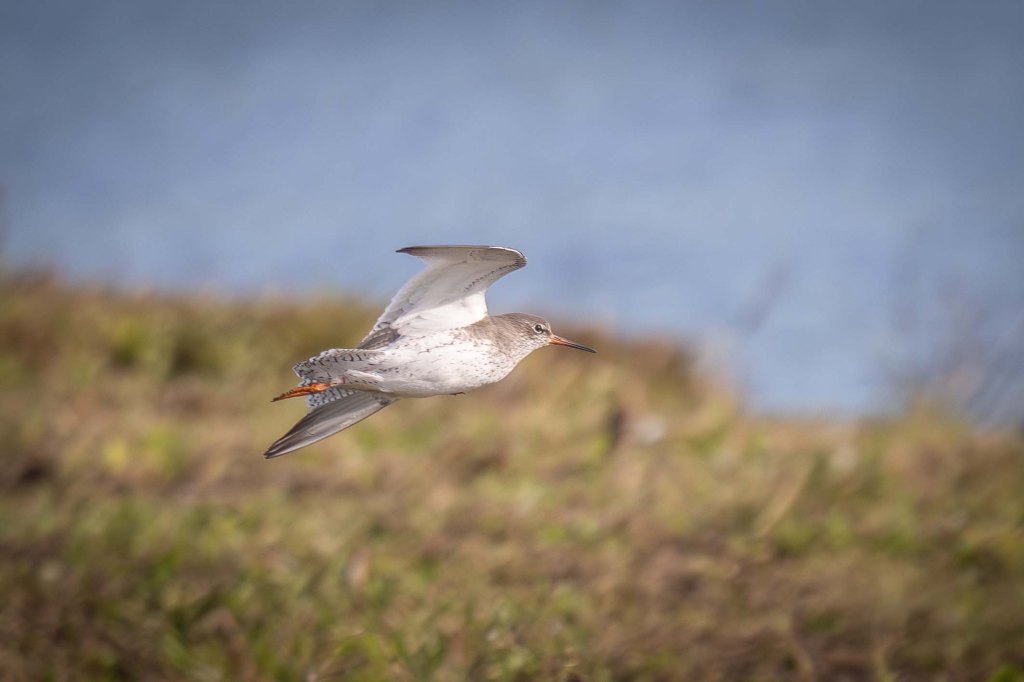
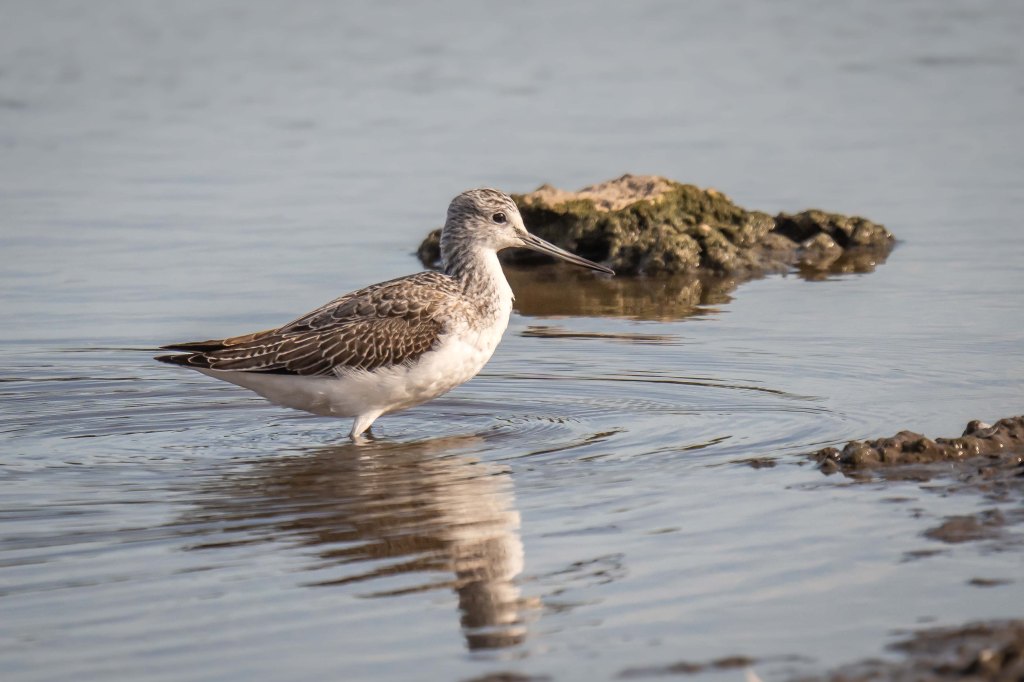
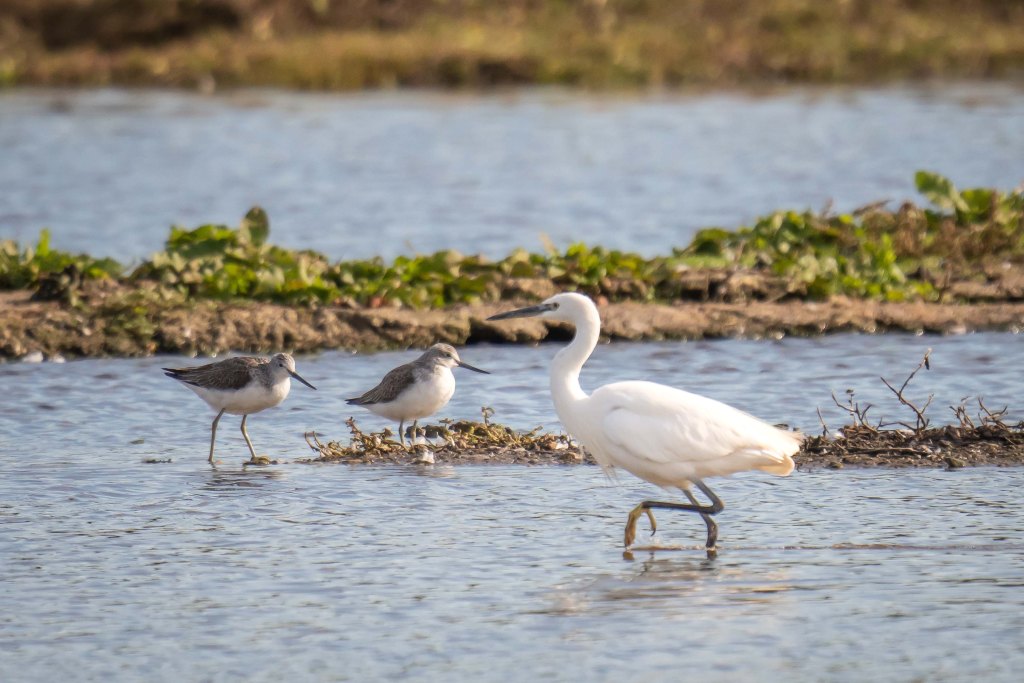
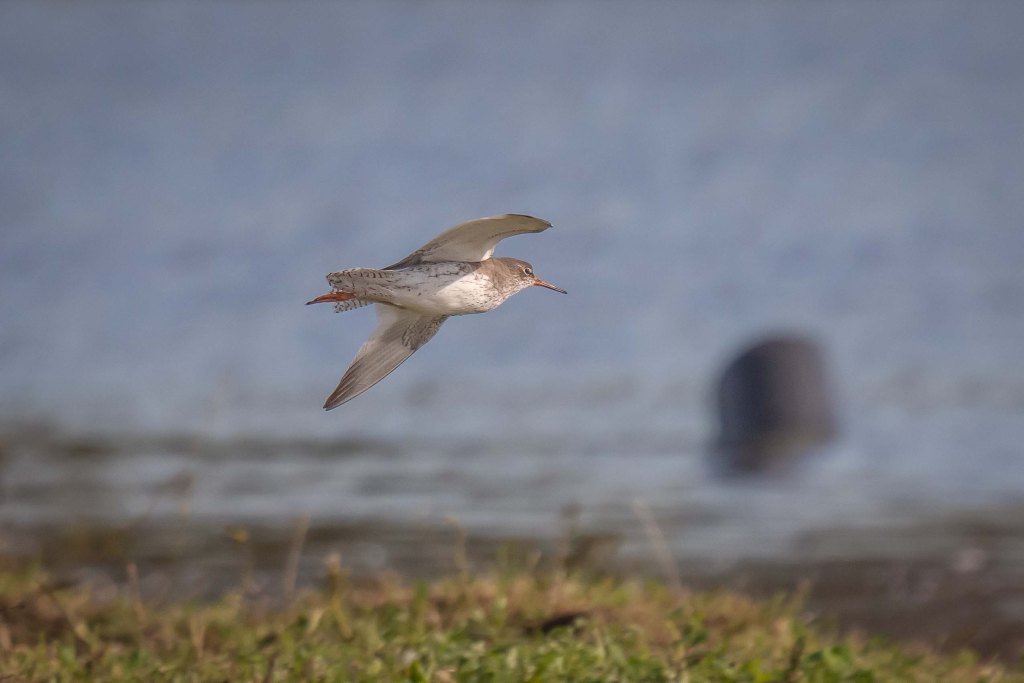
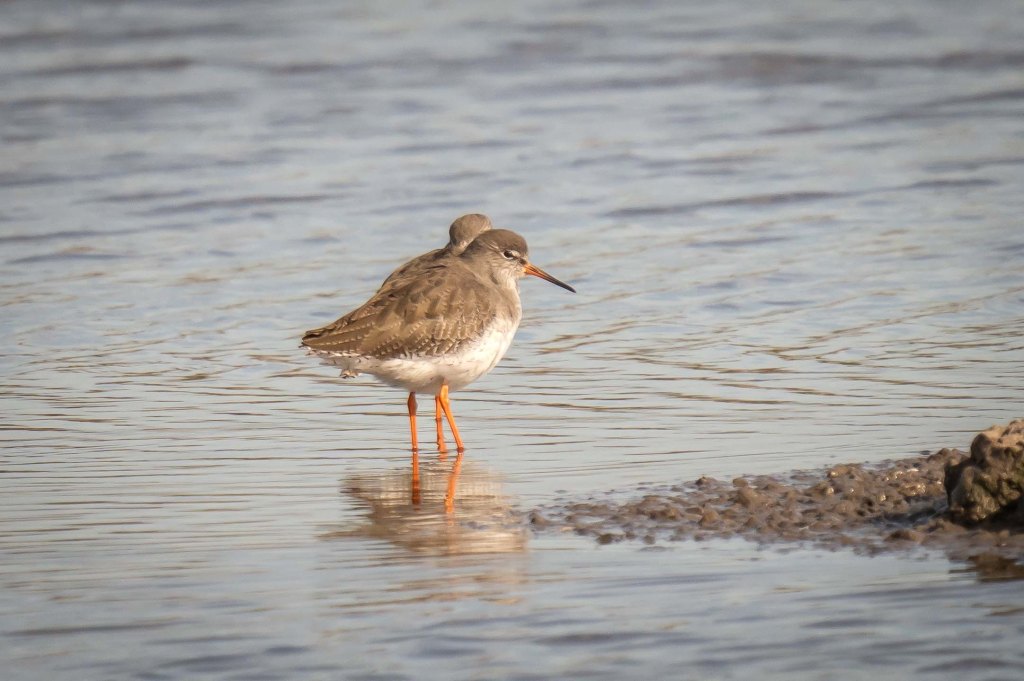
A beautiful start to the day encouraged us to venture north from Bristol to spend a while at the World Wetlands Trust reserve at Slimbridge. We were well rewarded with close ups of black-tailed godwits, common greenshank, common redshank, northern lapwings, a little egret, Canada and Greylag geese and a green sandpiper.
Unfortunately, the beautiful light didn’t last long and nor did we.
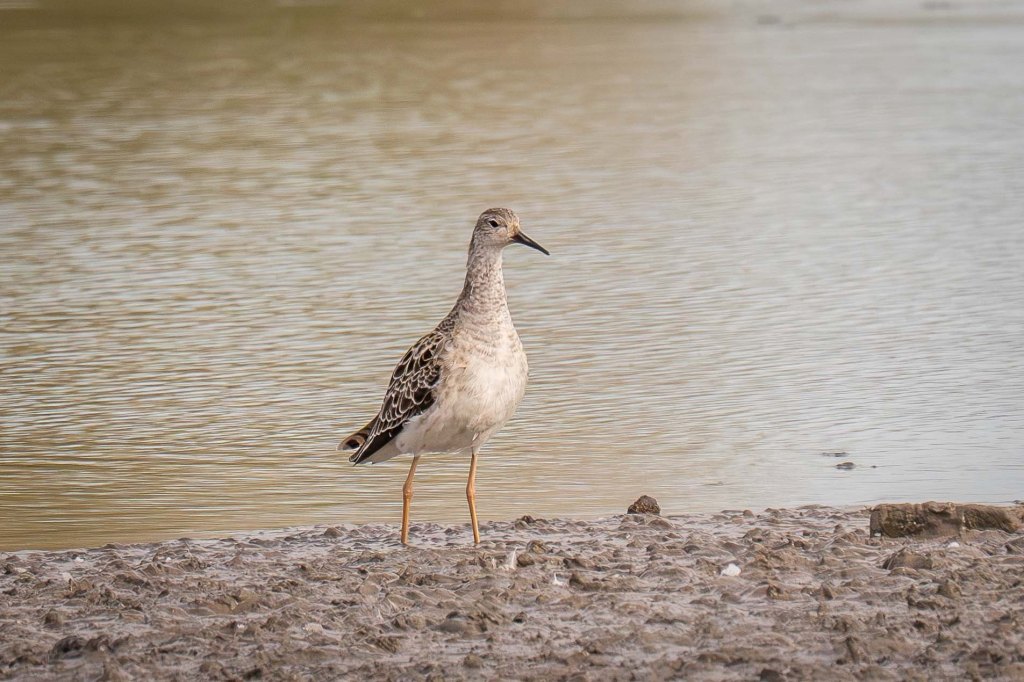
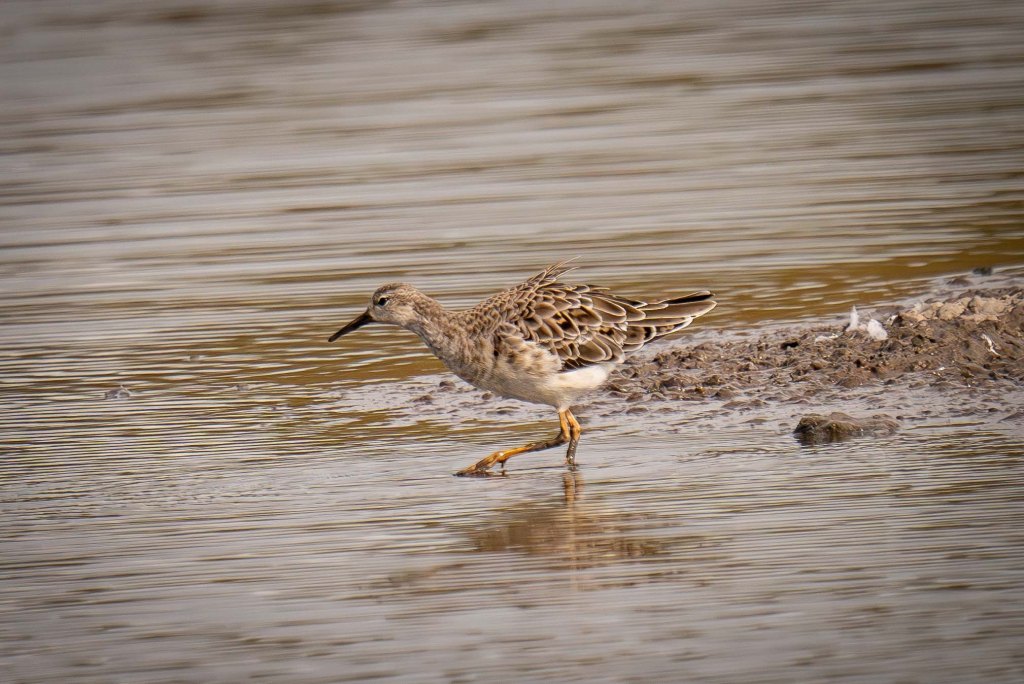
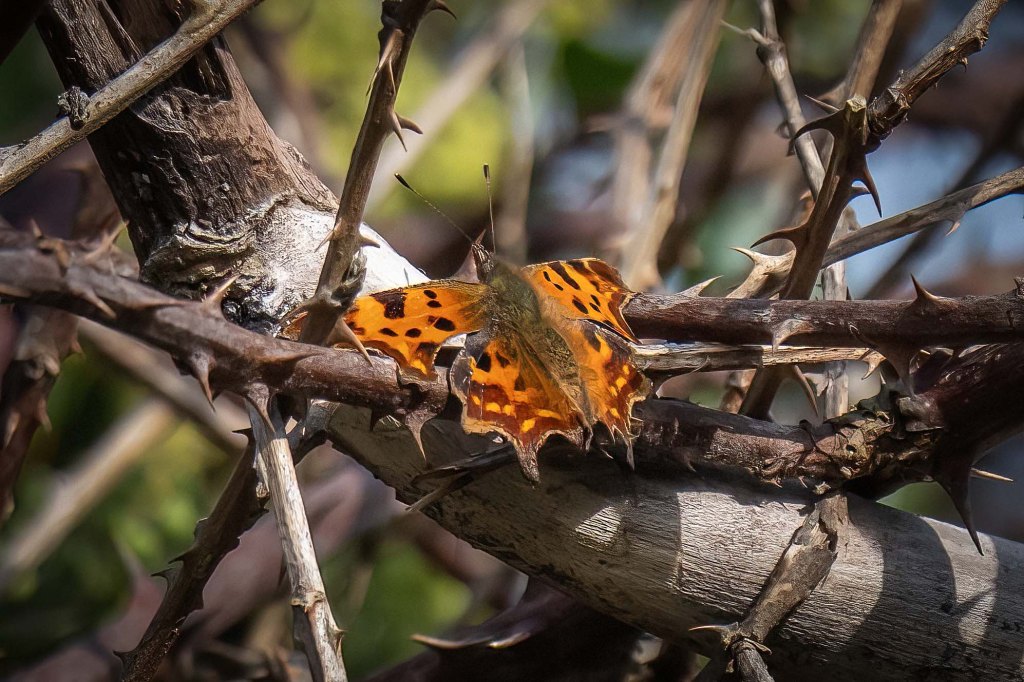
Black-tailed godwitBlack-tailed godwitCommon greenshankCommon greenshankCommon greenshankCommon greenshank and little egretNorthern lapwing and little egretCommon redshank in flightCommon redshank with their feet firmly on the groundCanada geeseEurasian tealGreylag geeseClose up of a northern lapwing showing its beautiful iridescent plumage to best effectRuffRuffGreen sandpiperGreen sandpiperRuffComma butterfly
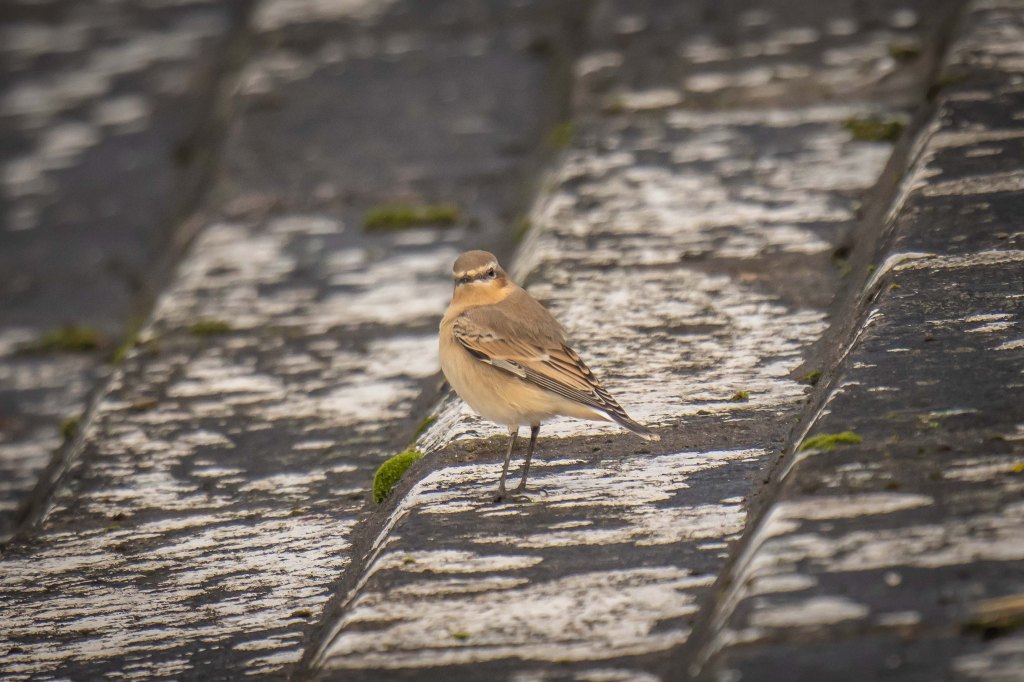
It doesn’t seem to have stopped raining in the last fortnight so I wasn’t too surprised to find, when I called in again at Cheddar Reservoir, that the water levels had risen. I’m sure that Bristol Waterworks, as well as the Almighty, had something to do with it. So no waders today. However, I was very pleased to see a northern wheatear which had popped in on its migration south.
There were other small passerines flitting around to keep it company.
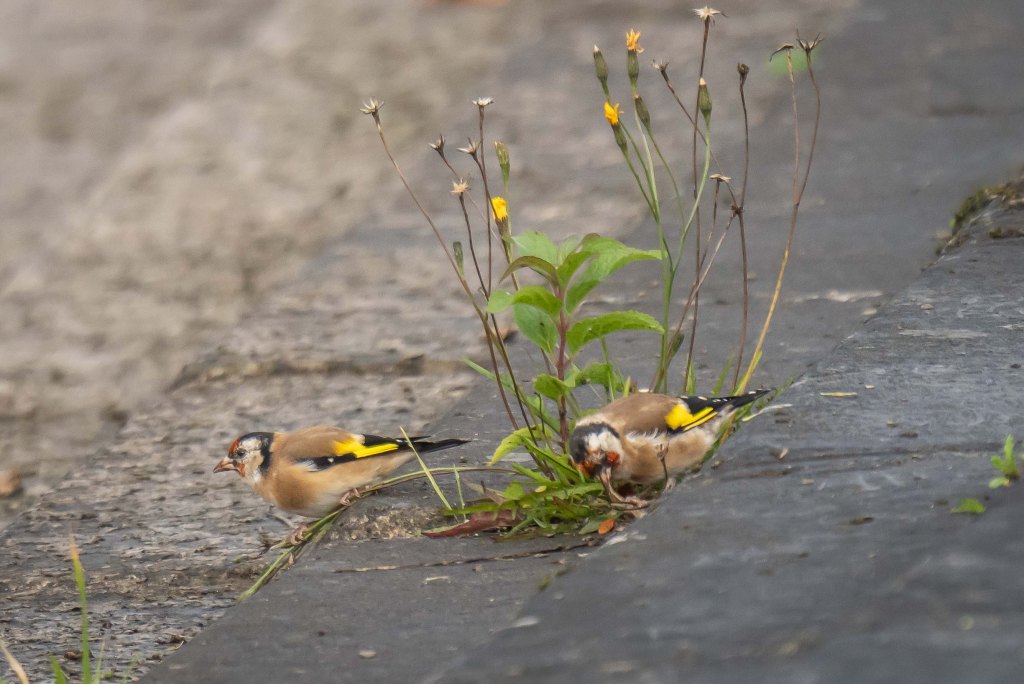
Meadow pipitGoldfinches
I then carried on south to the Avalon Marshes.
I only had time for RSPB Ham Wall, but there was enough there to keep me occupied in the rather poor light. There were very few people around: perhaps they have all migrated too!
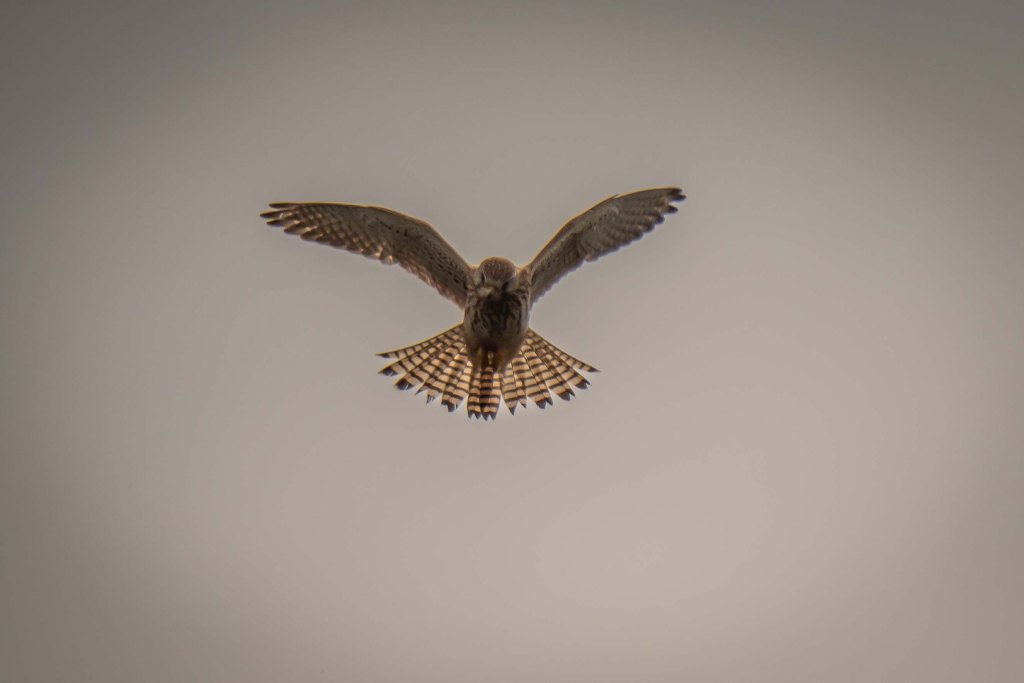
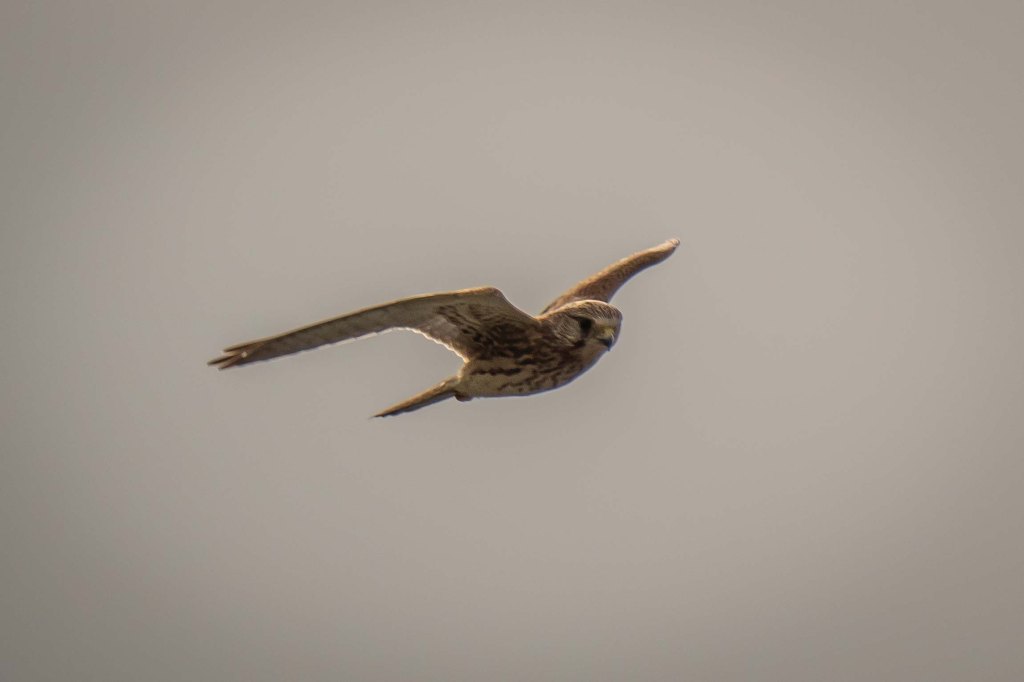
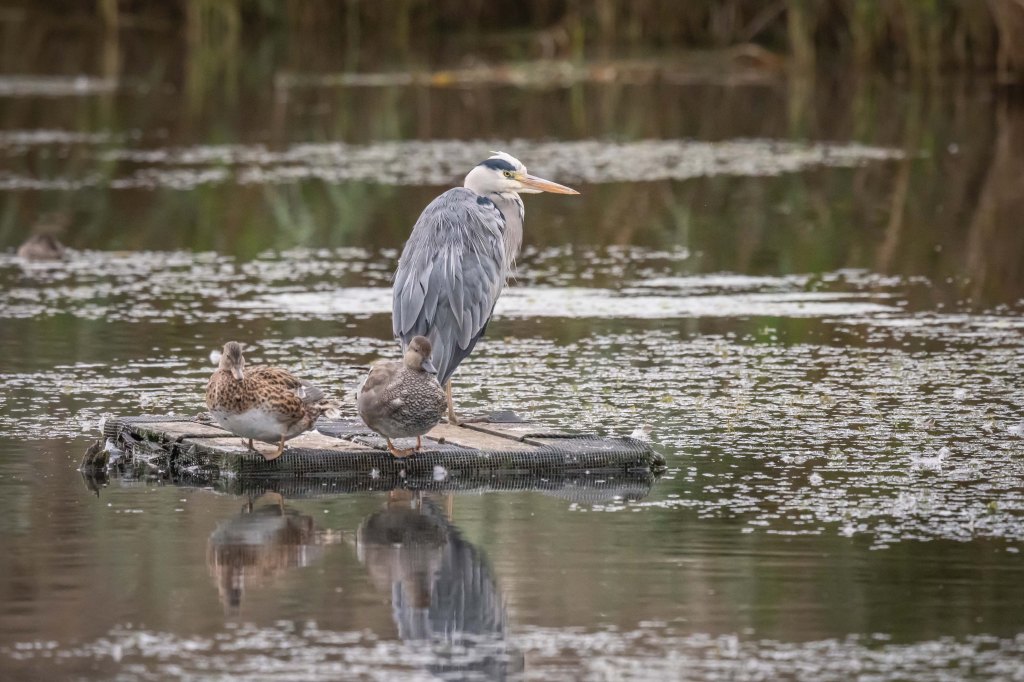
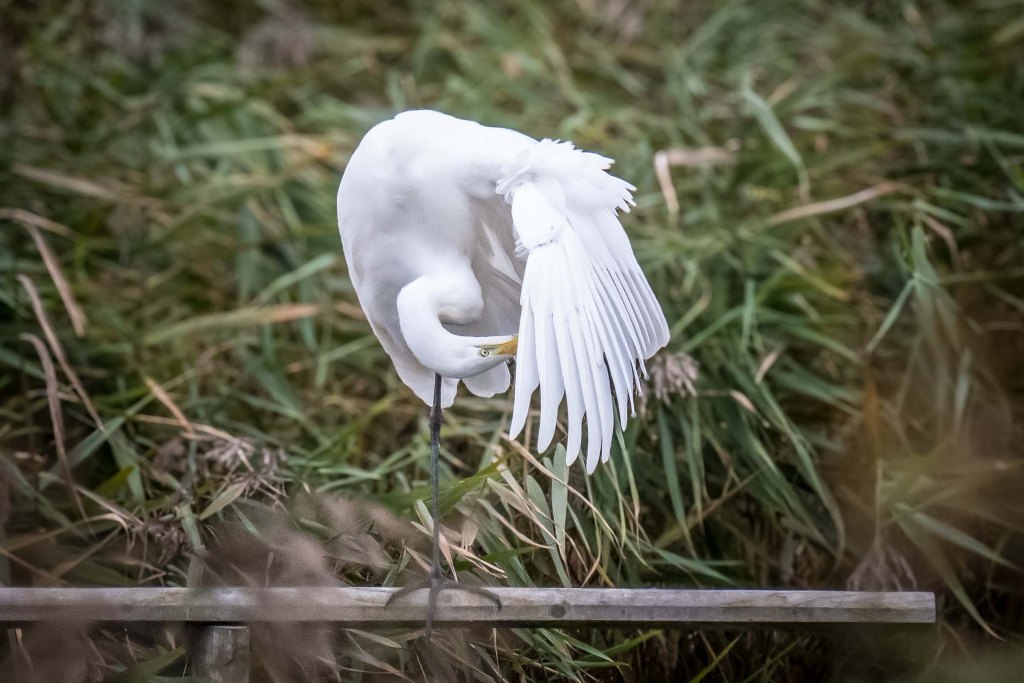
An acrobatic shovelerGadwall having a washGreat crested grebe about to diveCormorantKestrelKestrelKestrelGreat crested grebeGadwallGrey heron with gadwall as bodyguardsGreat white egret preeningGreat white egret the right way up
I had a very brief stop at Cheddar Reservoir last week and hadn’t considered adding a blog; that is until today when it hasn’t stopped raining all day.
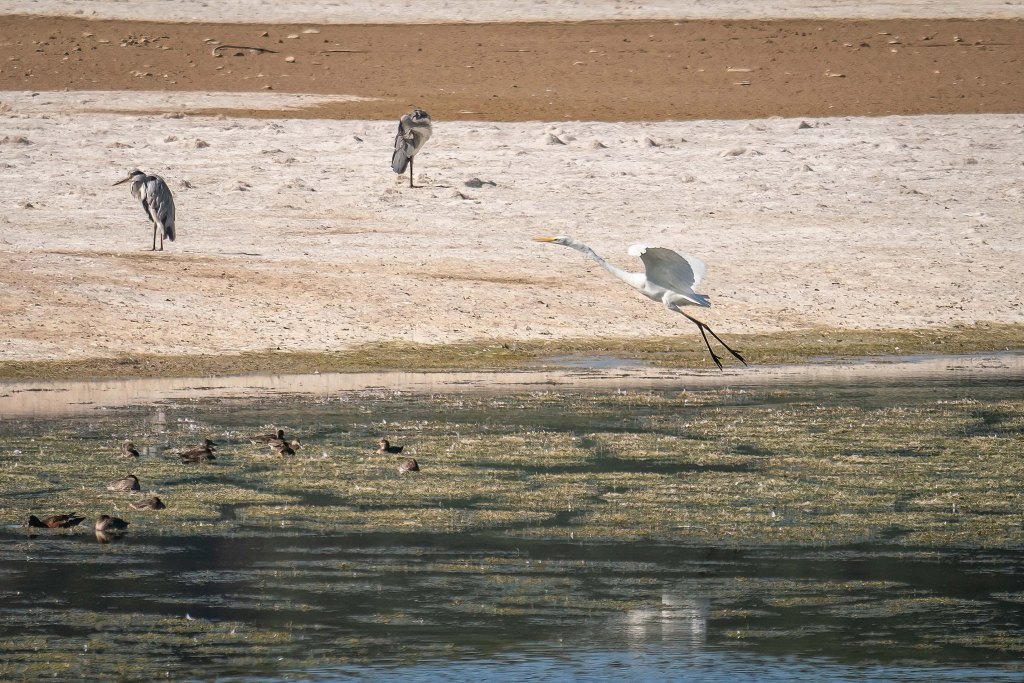
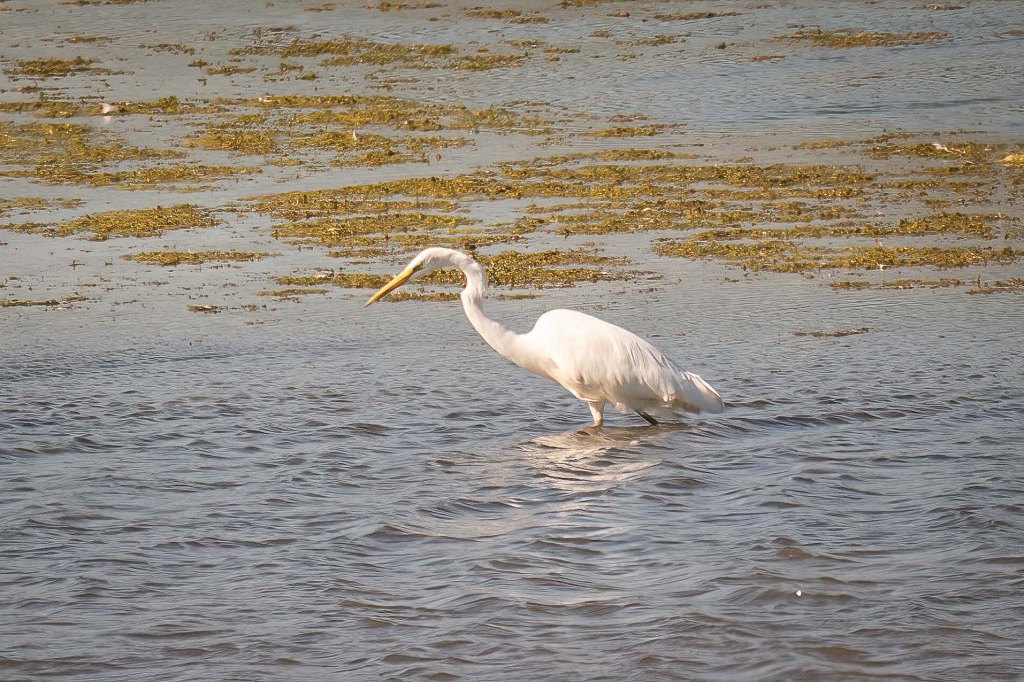
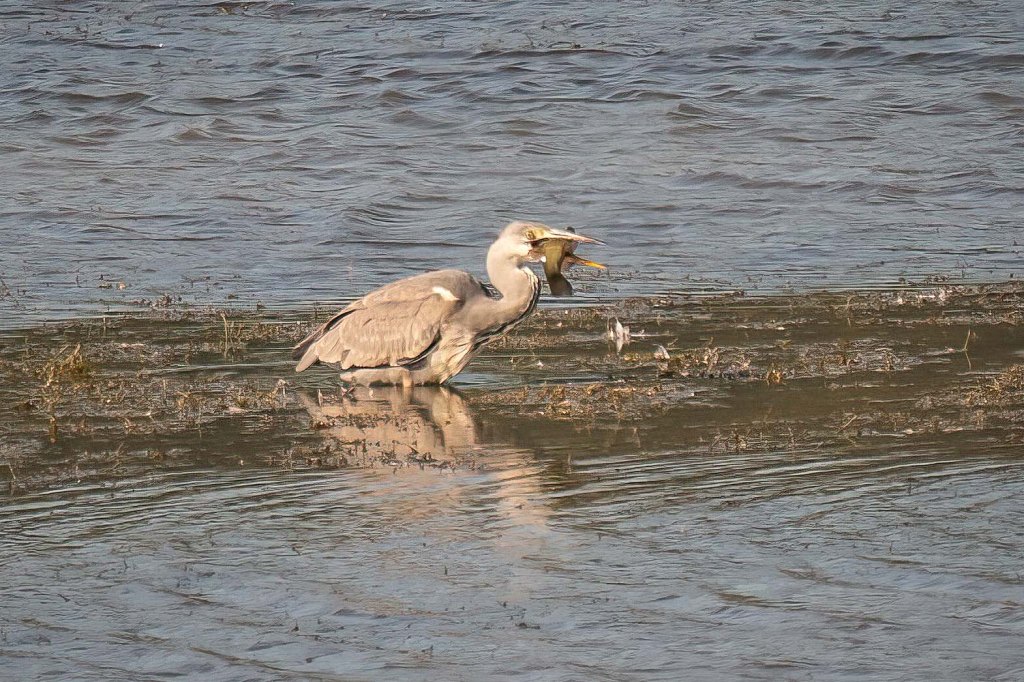
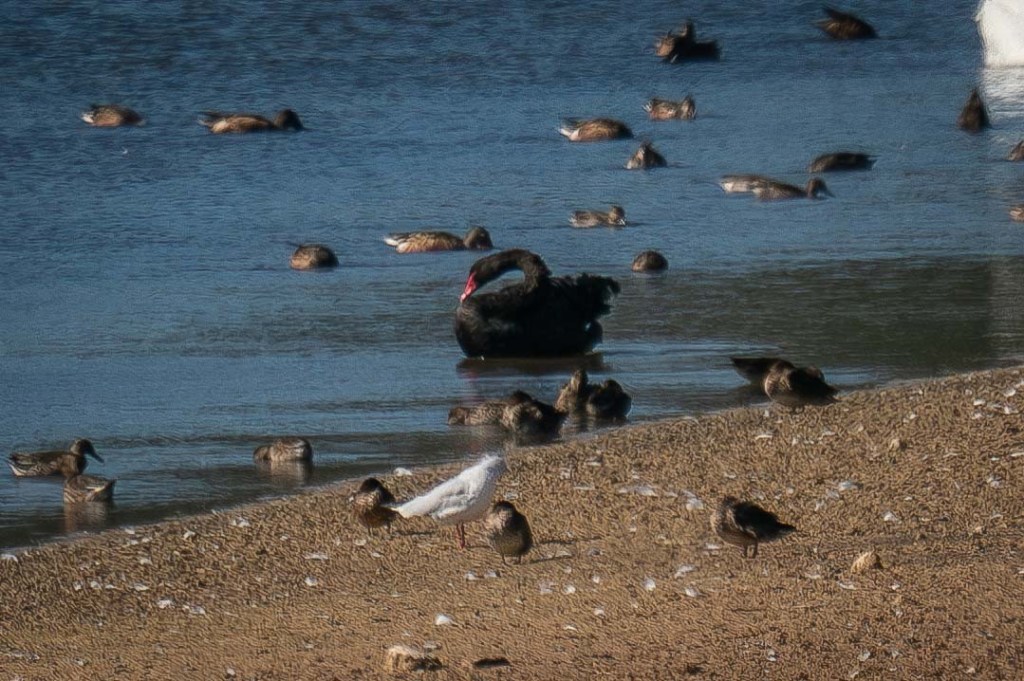
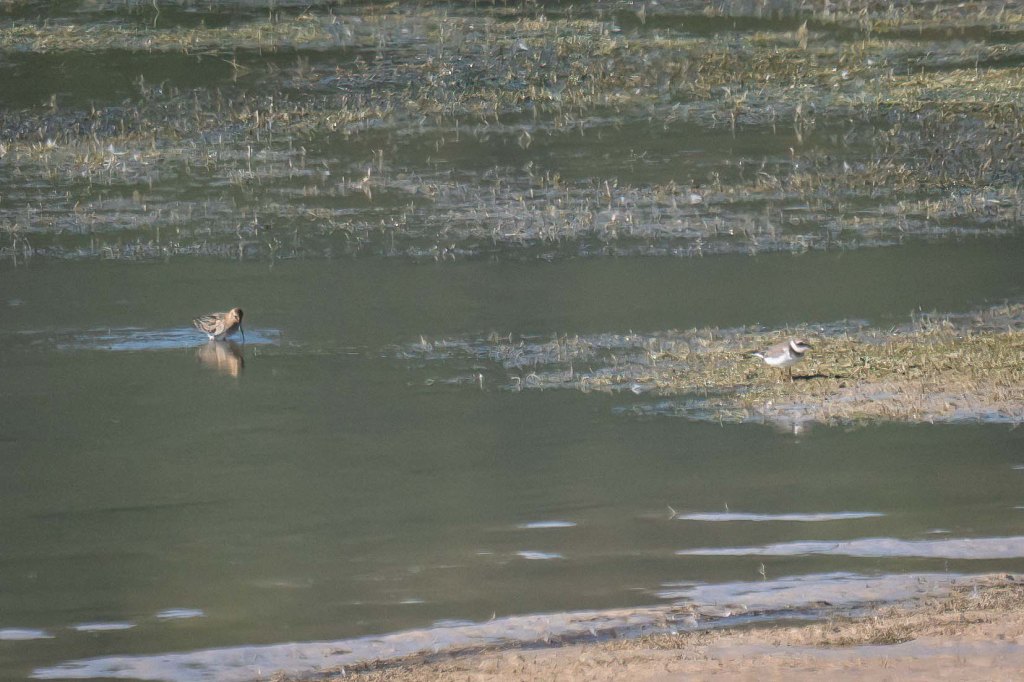
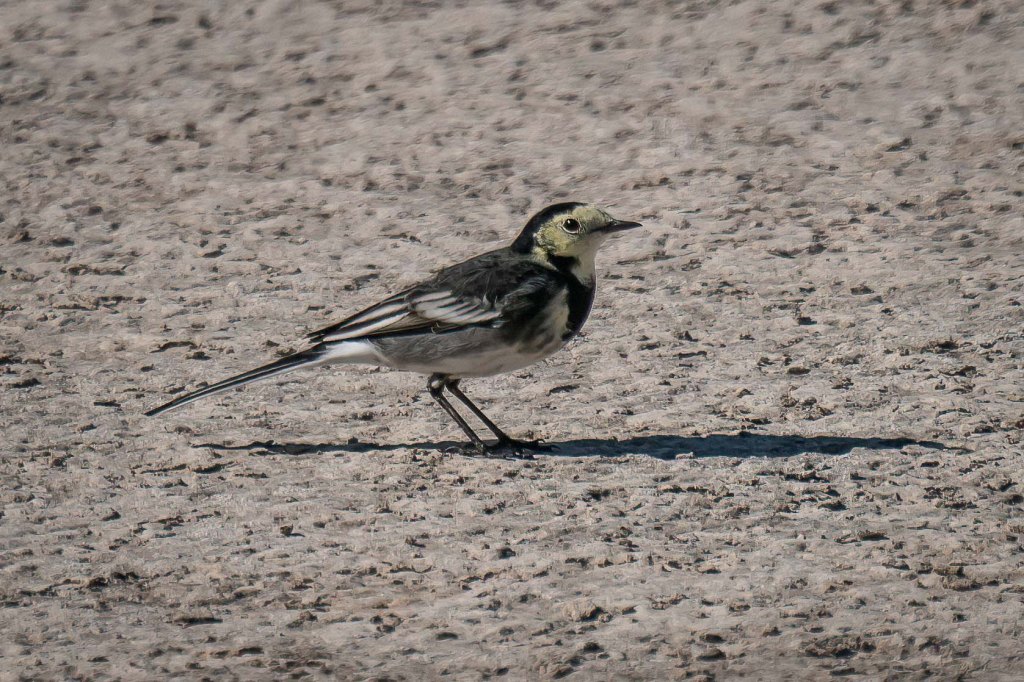
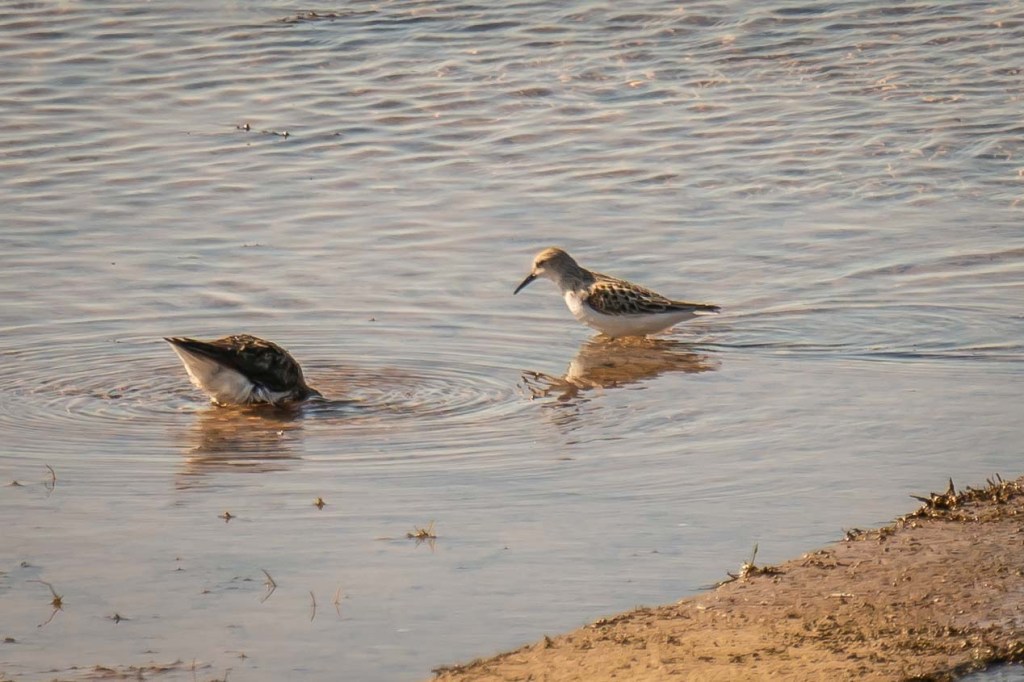
The reservoir was very low – due, I gather, to algae growing on a feeder riverGreat white egretGrey heron with an early supperThere were a couple of black swans at the reservoir and they were quite aggressive to the mute swansGreat white egretCommon ringed plover to the rightThe grey wagtail came closer than all the other birdsGrey heron and great white egretLittle stint was the best of the birds for me
I’m sure there was a lot more to see but, as much as I would have loved to linger in the warm sunshine, I had a tight deadline to meet.














































































 Martin's Bird Blog & Nature Photos