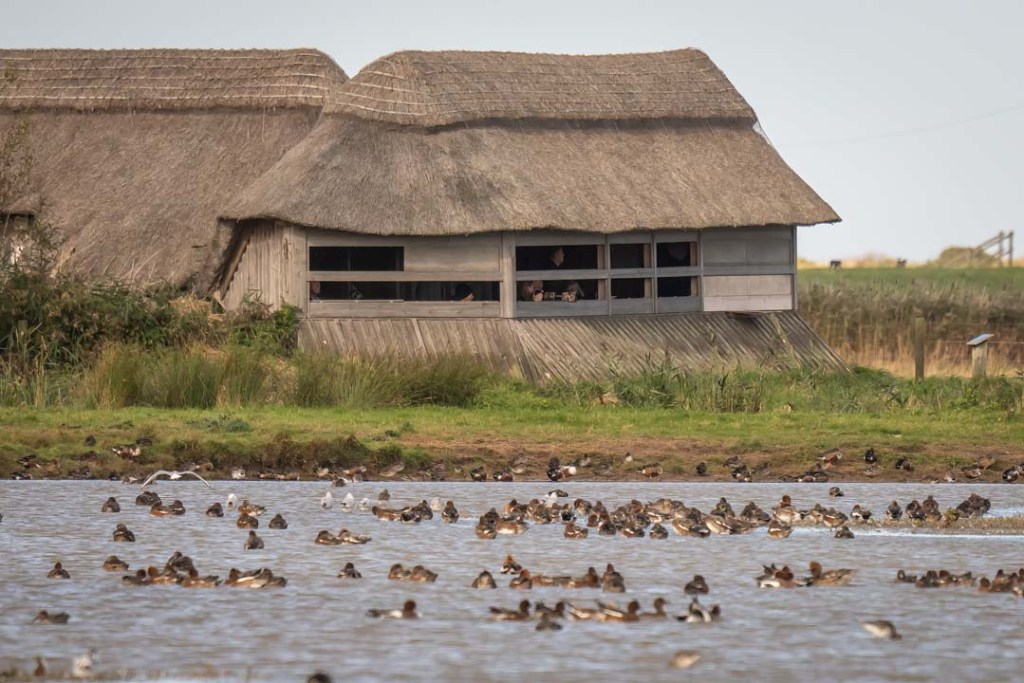
We were really surprised how few birds there were on the pools at Slimbridge this morning. There were rangers working on fixing fences nearby which may have disturbed some of them and, with the weather still very mild, others may not yet have arrived.
Some white fronted geese had arrived last week but they were too far away for me to photograph.
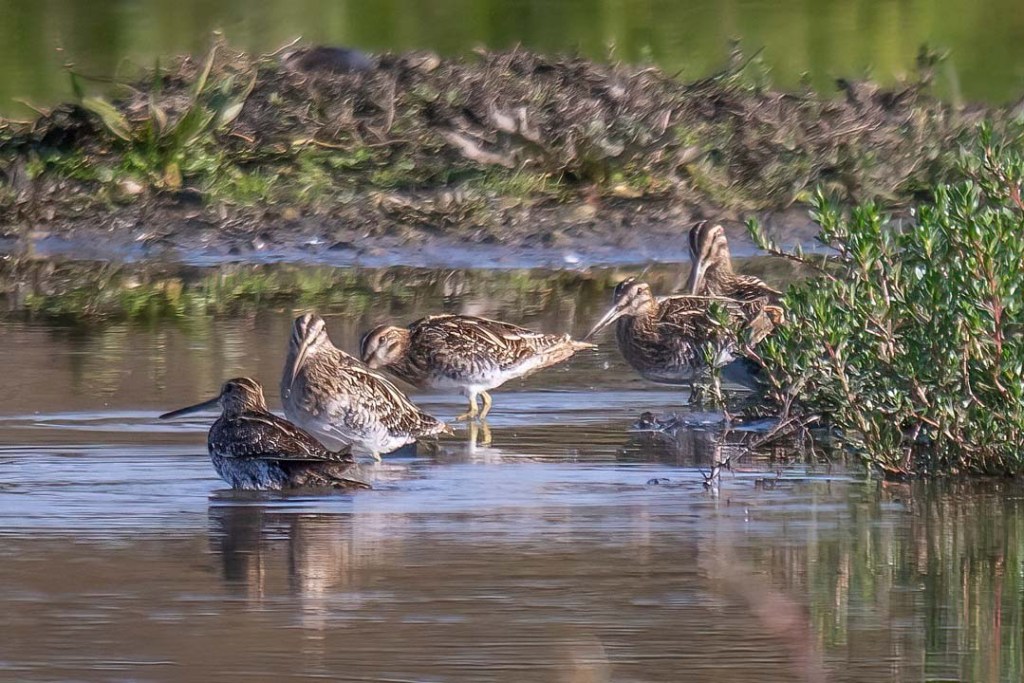
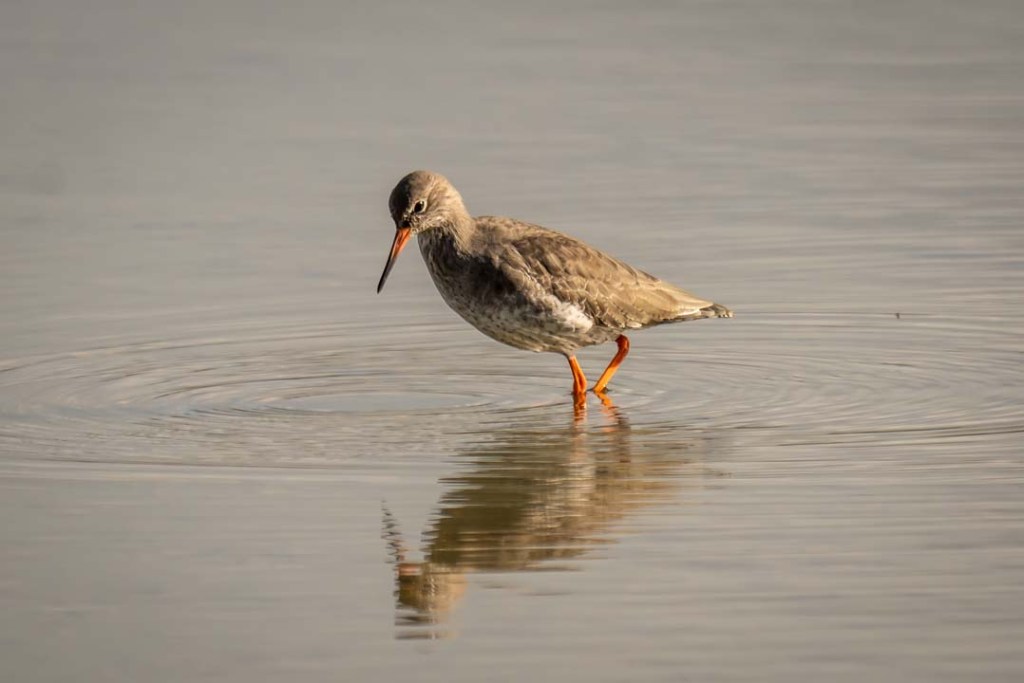
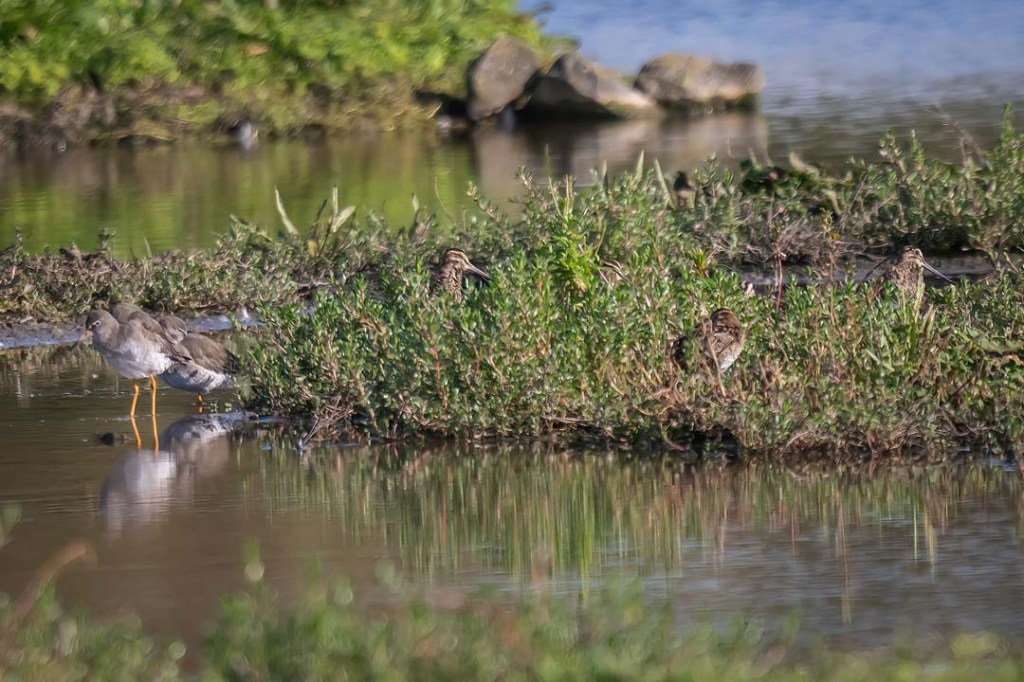
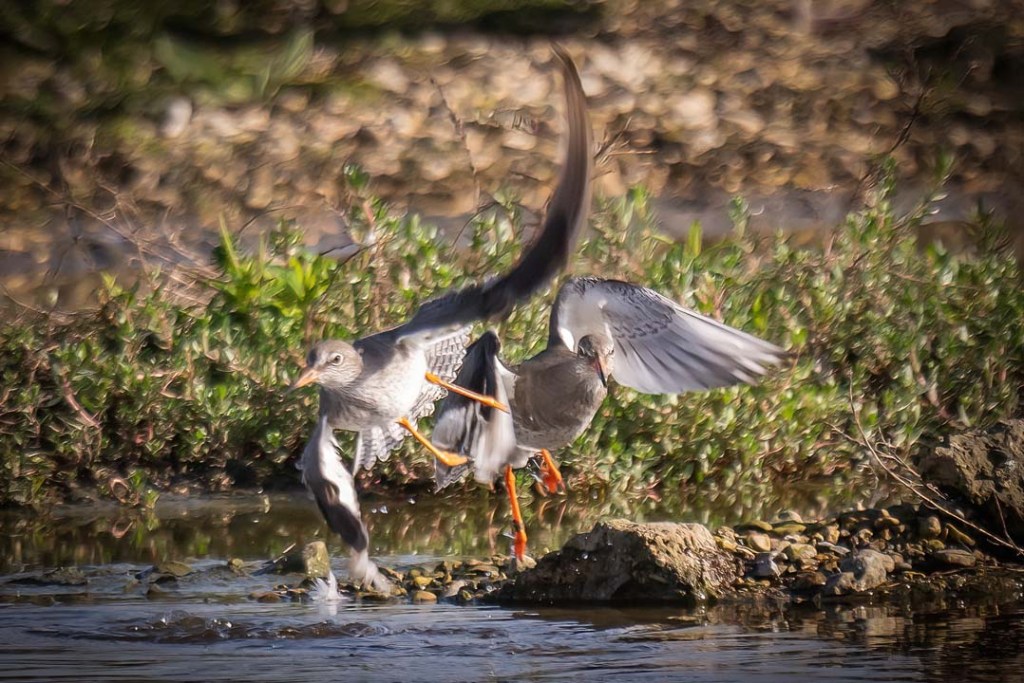
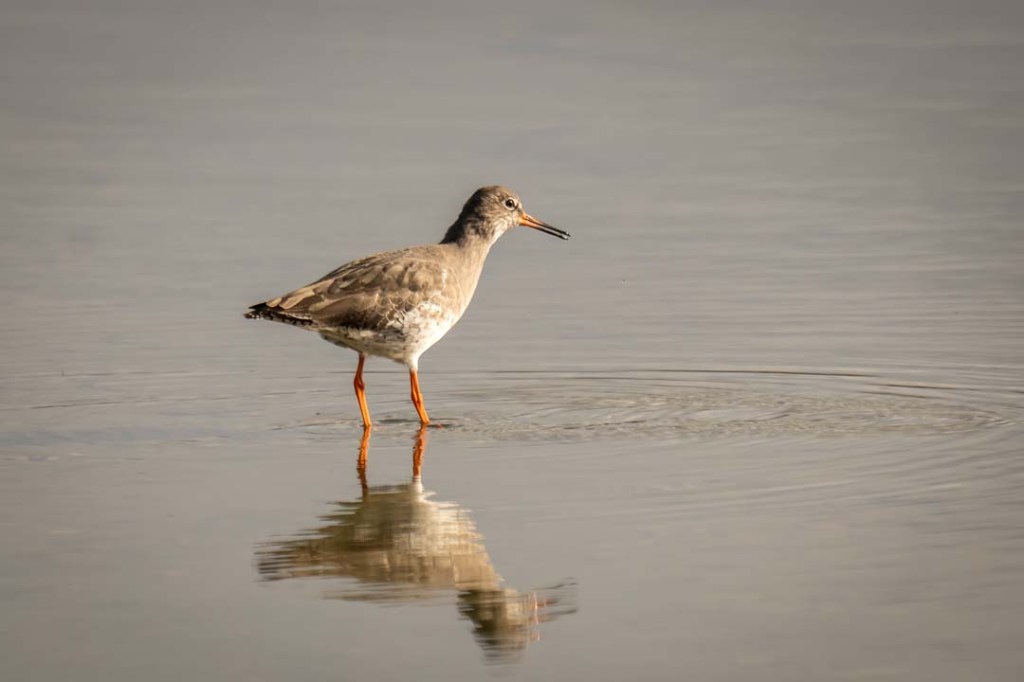
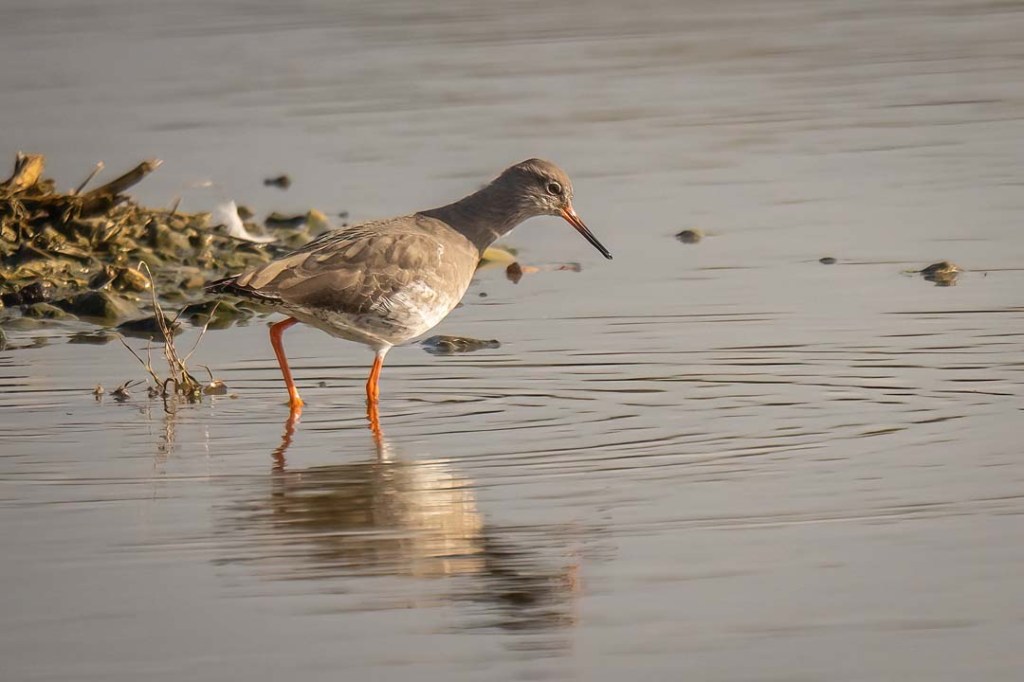
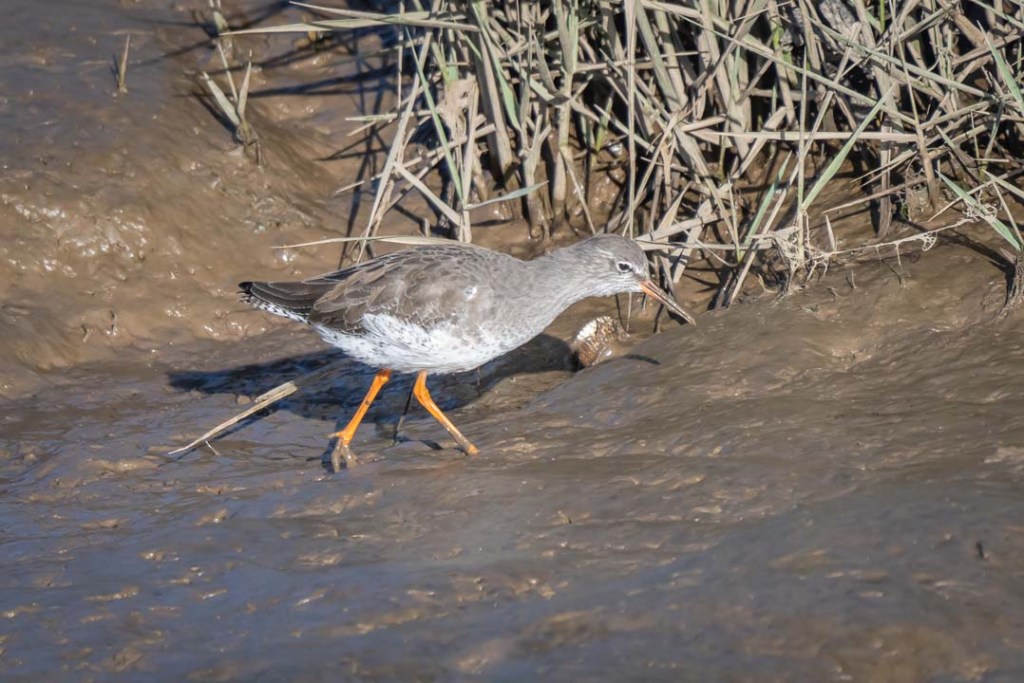
Five snipe and three redshank saved the day for me.
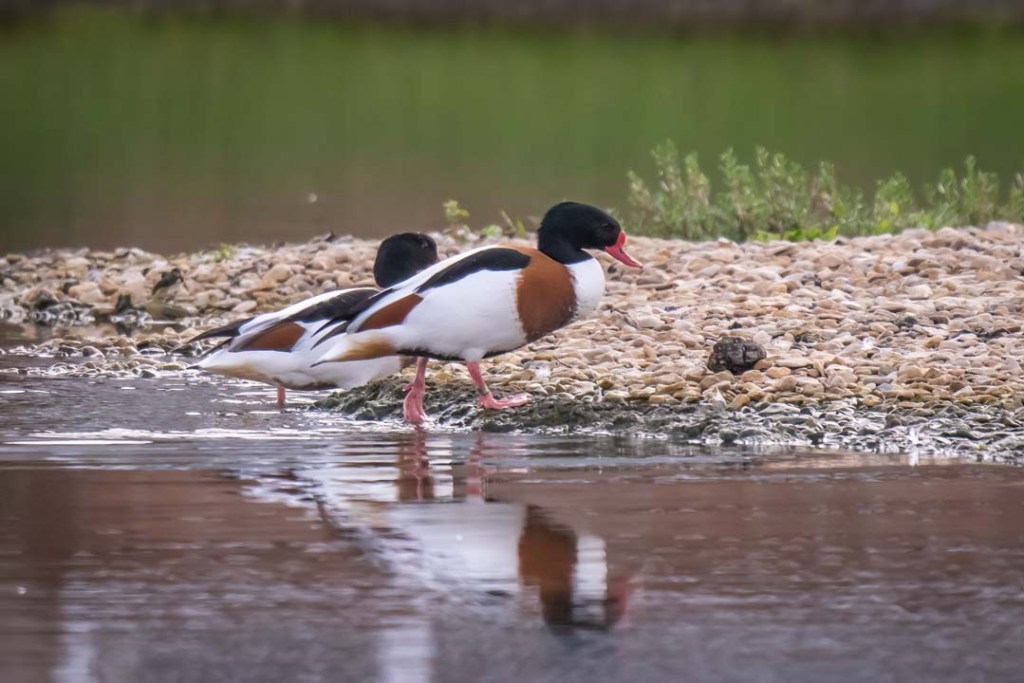
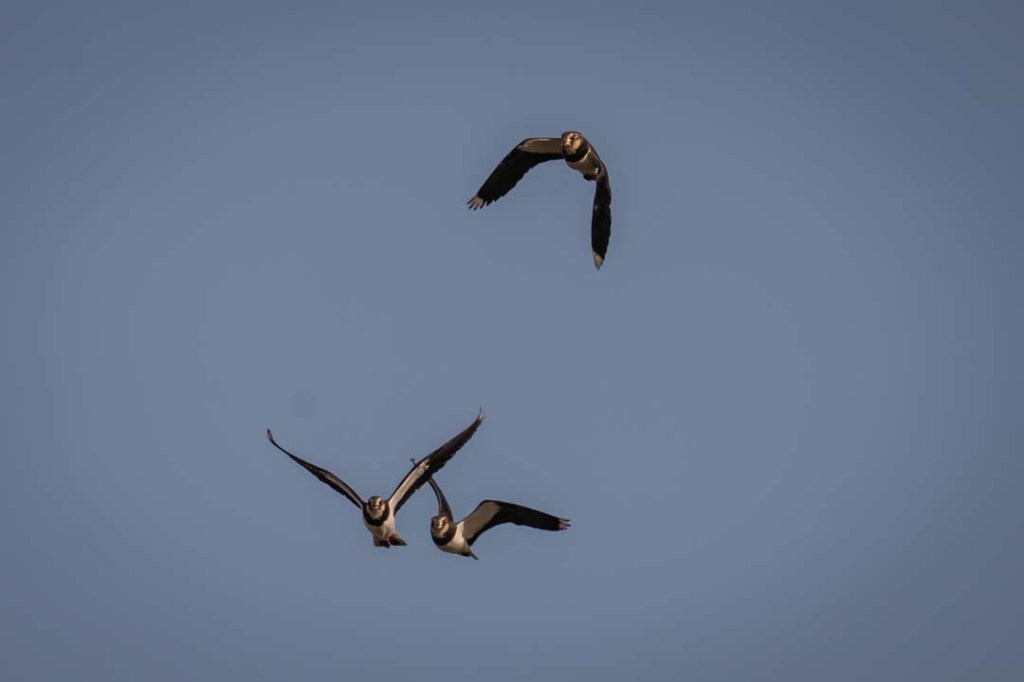
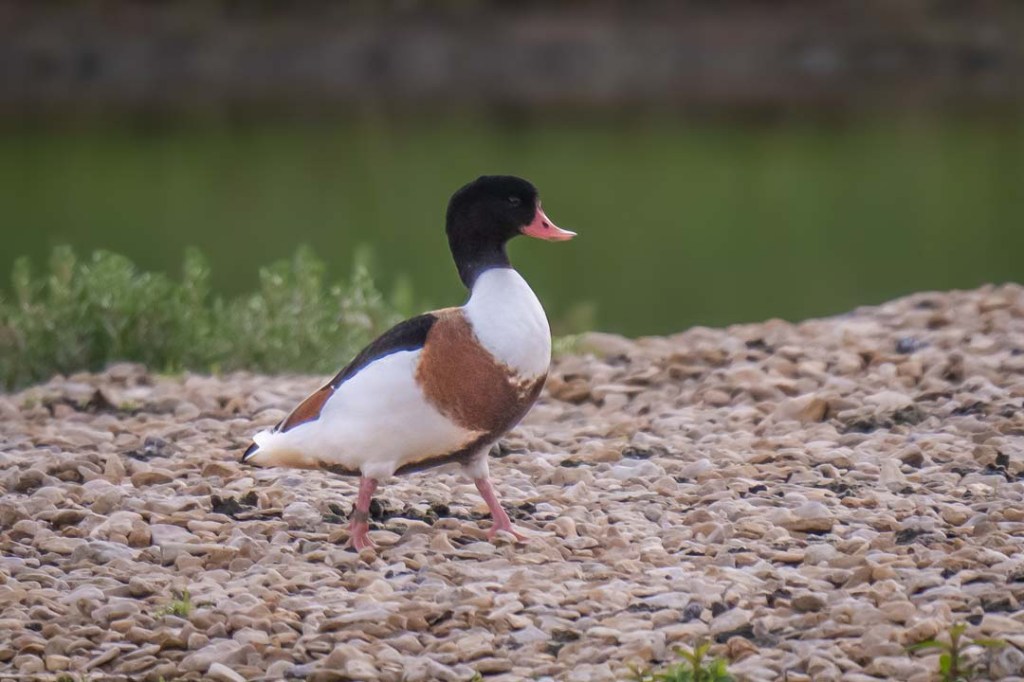
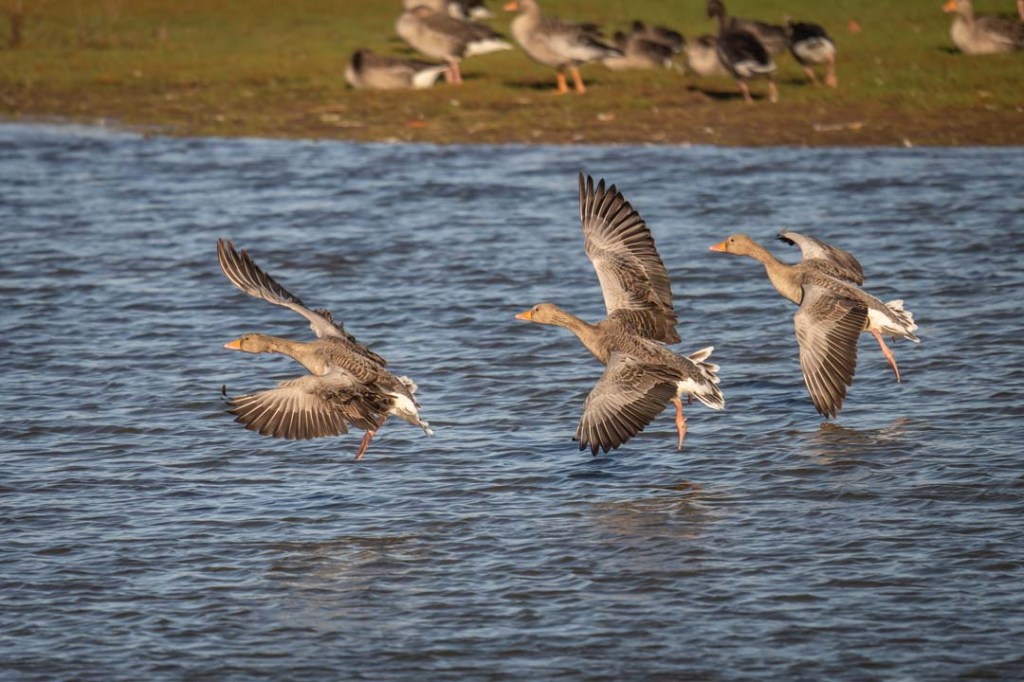
Five snipeRedshankRedshank and snipeRedshankShelduckRedshankLapwingGreylag geeseGreylag geese and an intruder (Barnacle goose)
We are spending this week in Norfolk celebrating a friend’s 70th birthday. As he and his wife fostered our interest in bird watching on a holiday here a decade ago it seems appropriate that we have spent some time this week bird watching.
En route on Saturday we stopped off at RSPB Titchwell Marsh near King’s Lynn. We didn’t have much time to spend here but seeing a few waders, various geese and the big wide skies certainly got us in the mood.
On Sunday we spent the morning at Cley-Next-The-Sea. The first hide was very busy, mainly with birders with big telescopes wanting to get sight of a long-billed dowitcher which has been resident here for a while. It’s not quite my thing trying to get distant shots of rarities and so I was quite happy to get photos of birds a little more accessible to me.
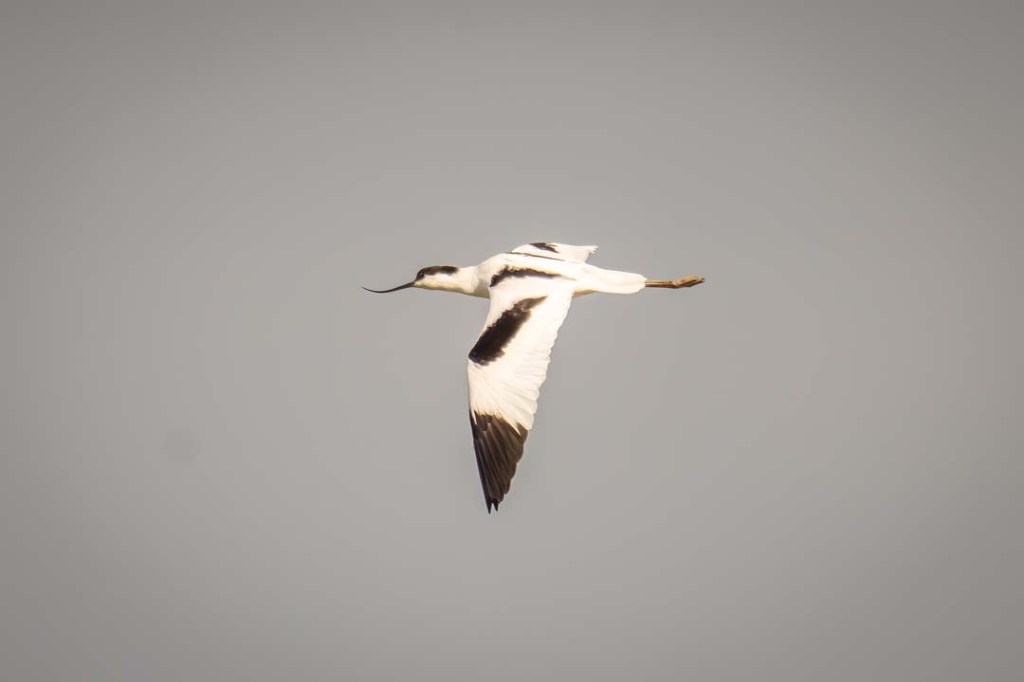
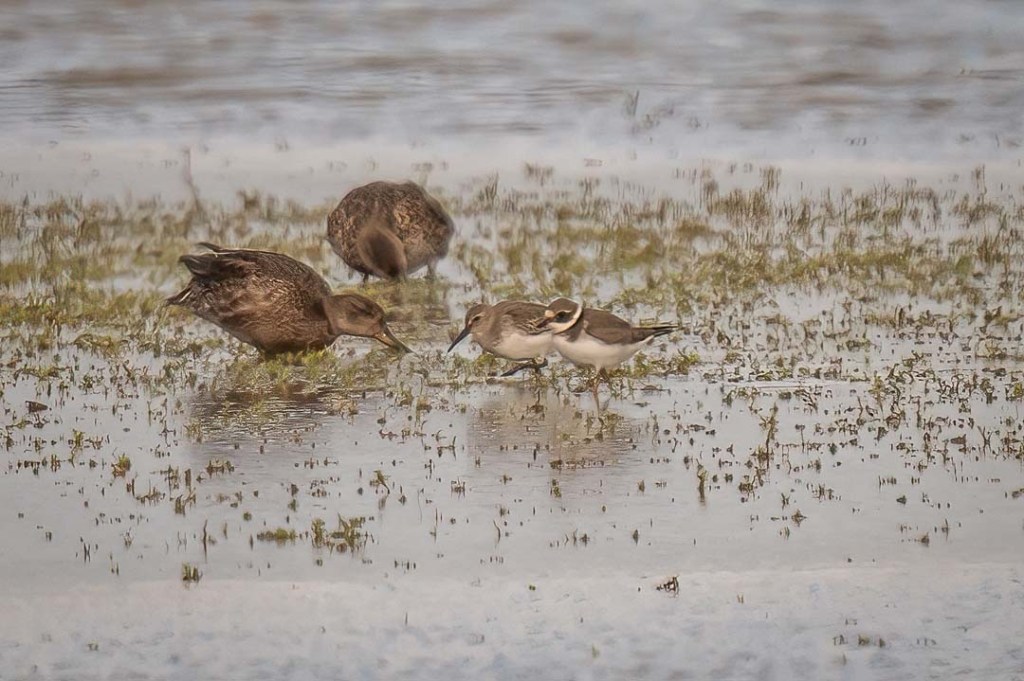
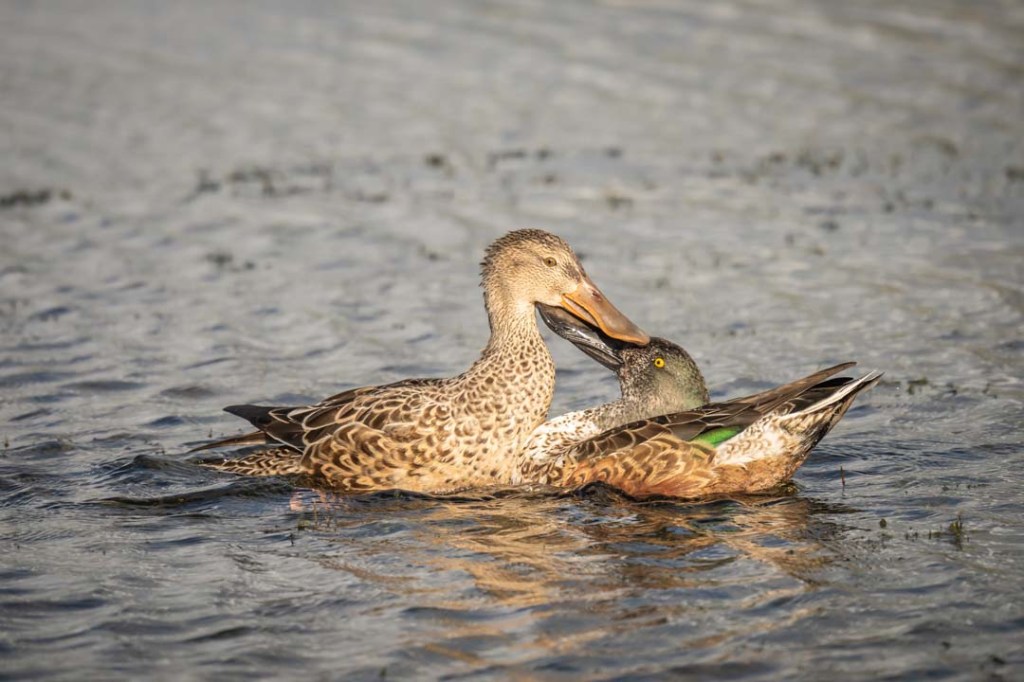
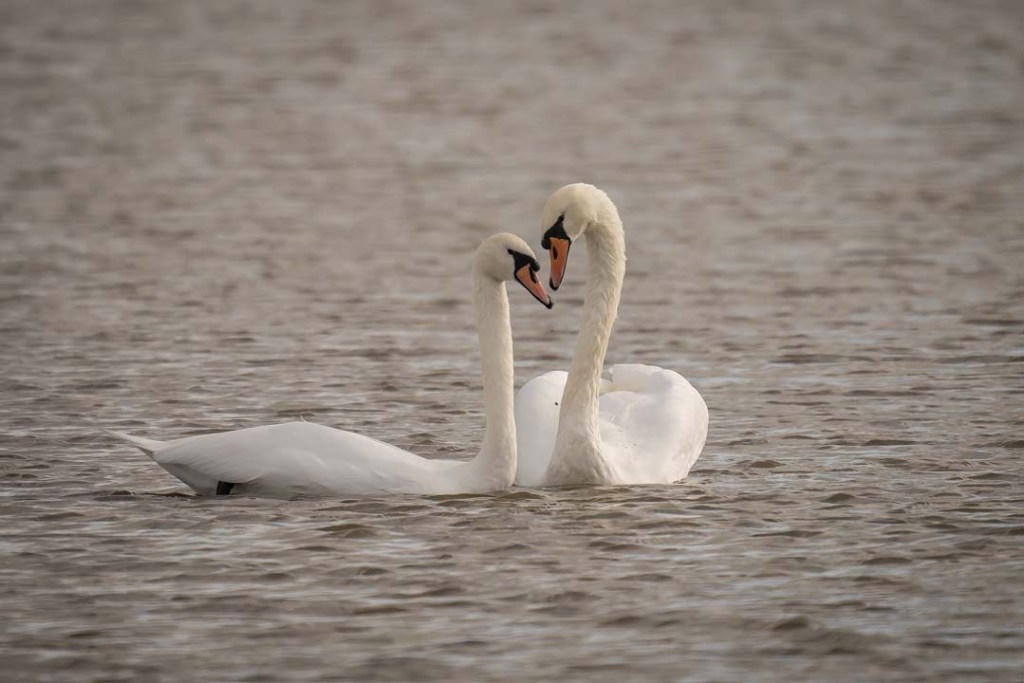
There were lots of birders looking for the long-billed dowitcherA solitary whooper swanAvocet – a great success story in the UKDunlin and ringed ploverAn affectionate pair of shovelersMute swans
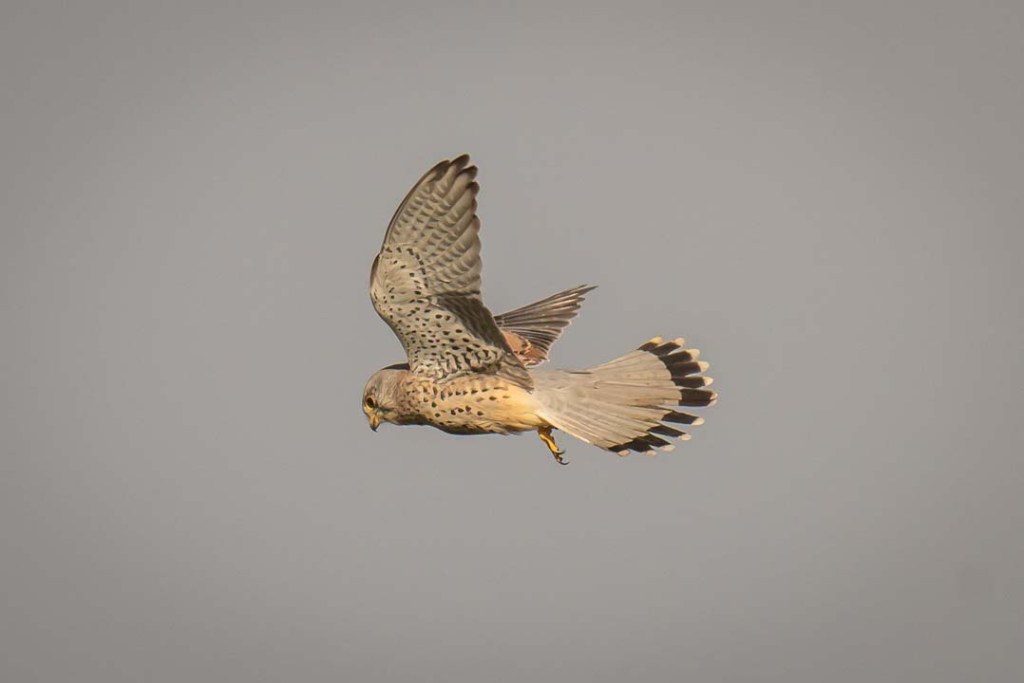
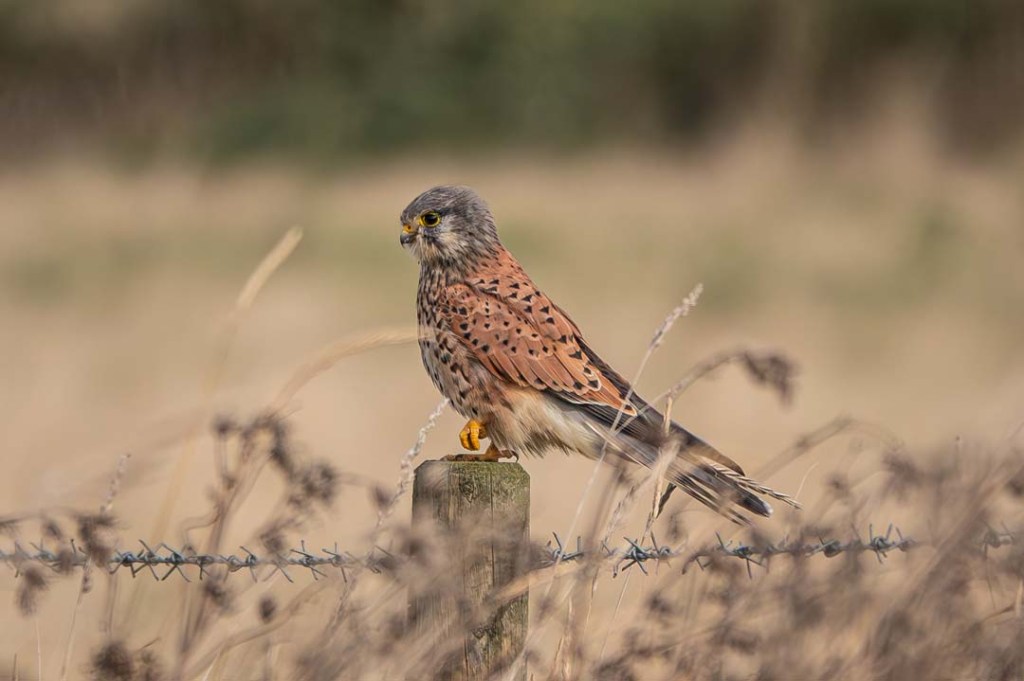
As we were leaving the reserve we had wonderful views of a kestrel.
KestrelKestrel
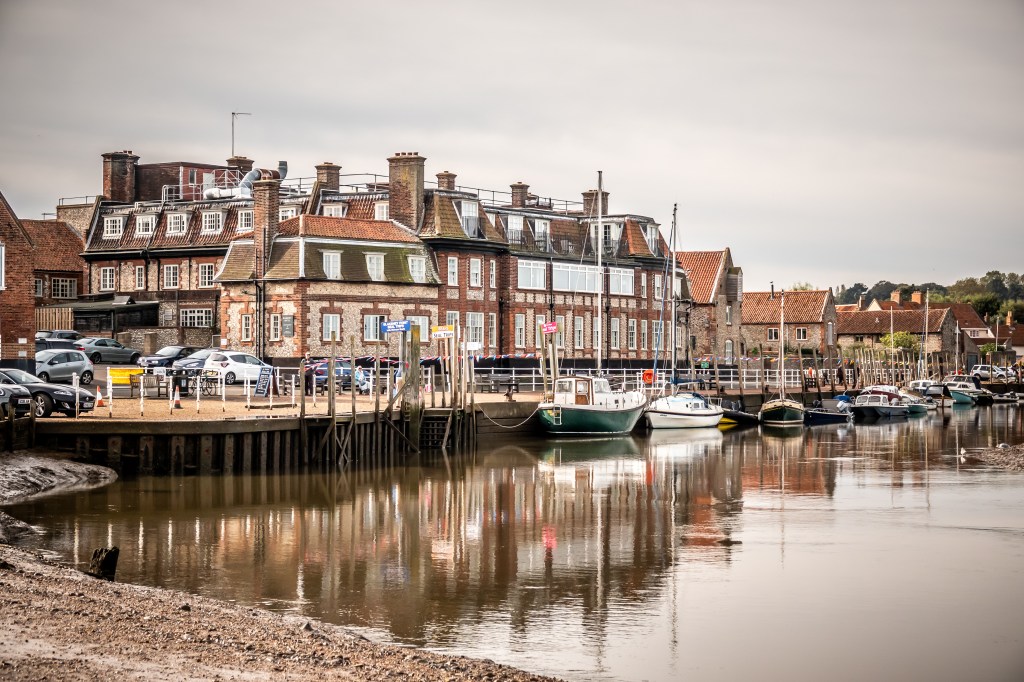
On Monday morning we had a walk around Blakeney, where we are staying.
Blakeney quay
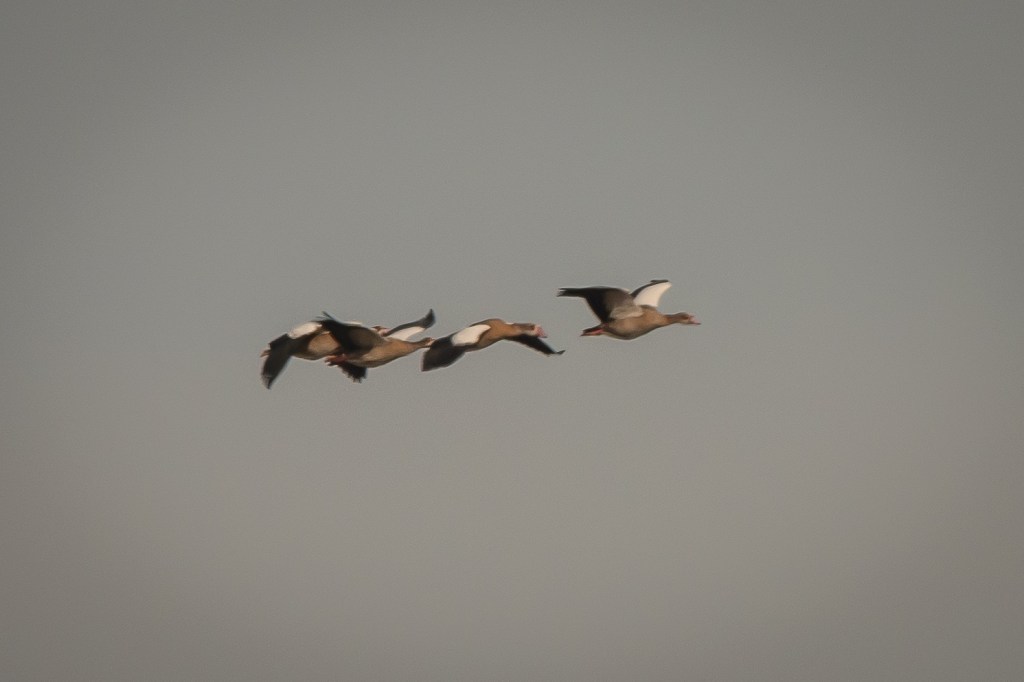
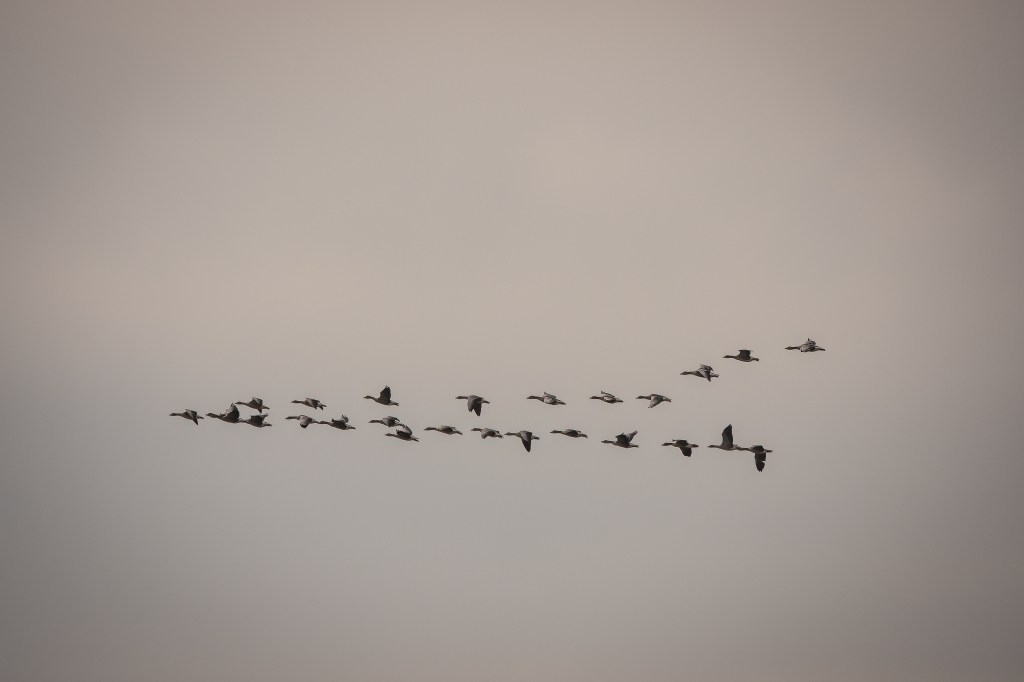
I loved seeing the flocks of geese flying over.
Egyptian geeseGreylag geese
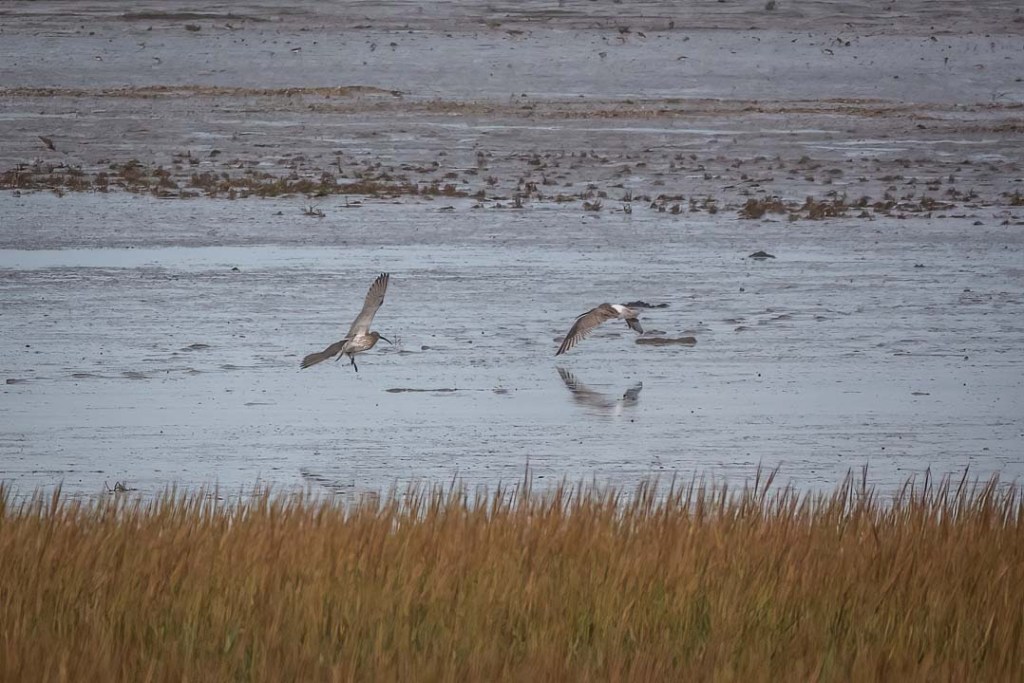
The sounds of redshank and curlew flying over the reeds were pretty special too. We also had fleeting glimpses of bearded tit.
Cley-Next-The-Sea in the distance
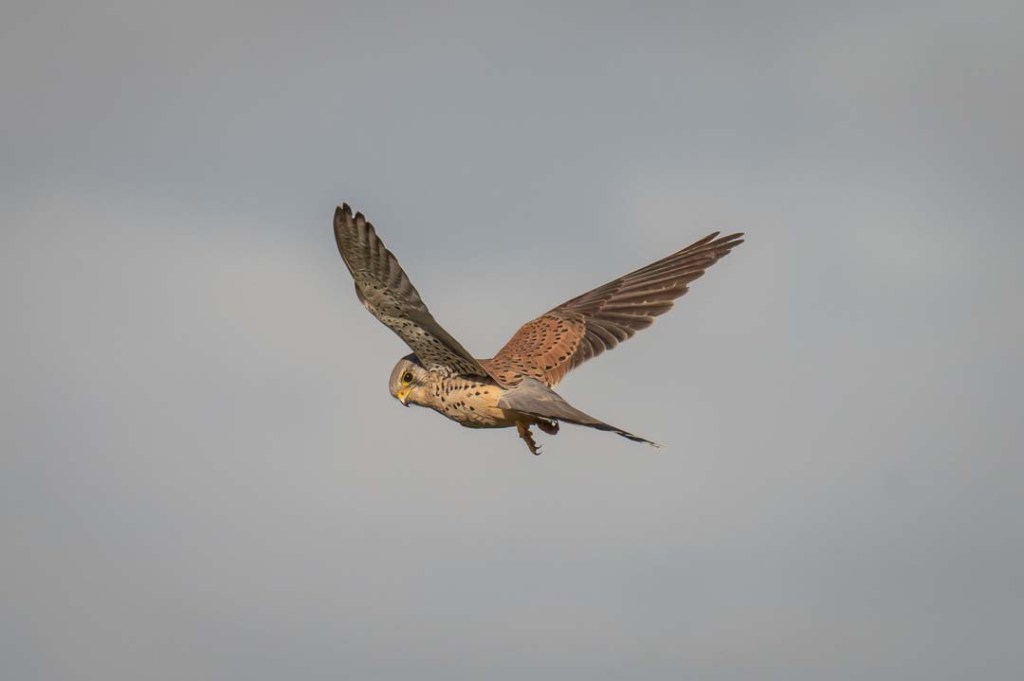
Towards the end of our walk we had another close encounter with a kestrel.
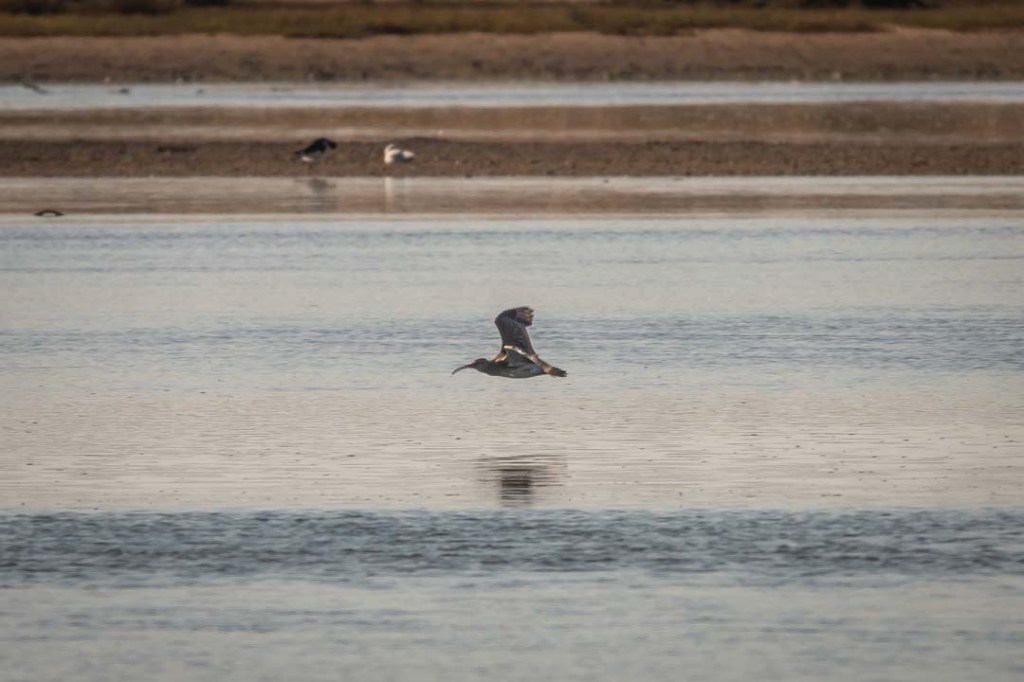
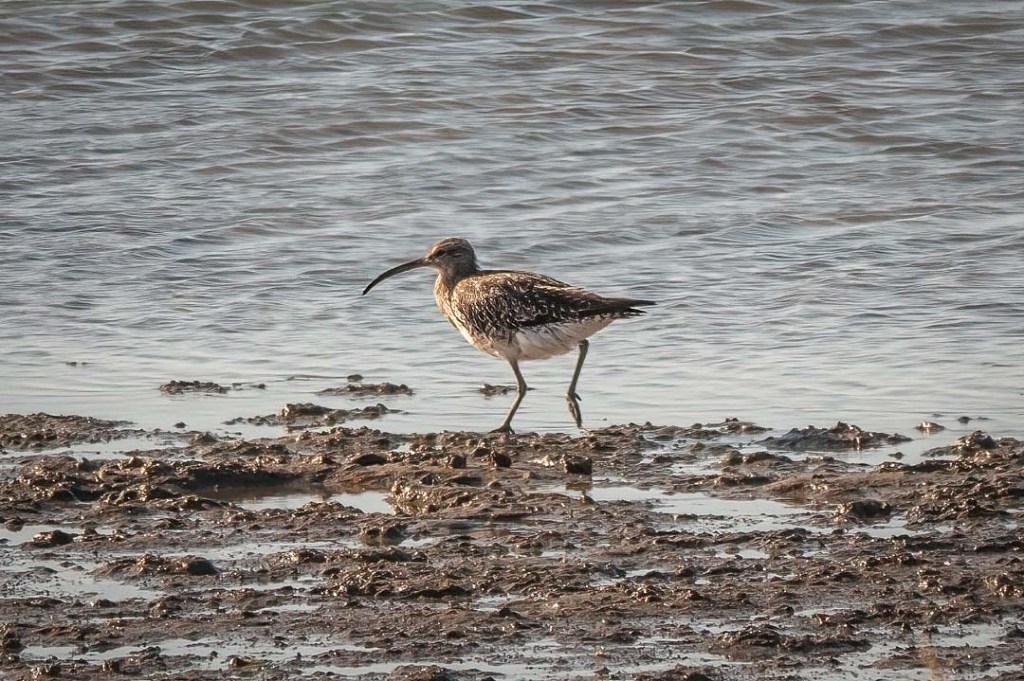
KestrelCurlews on the estuary
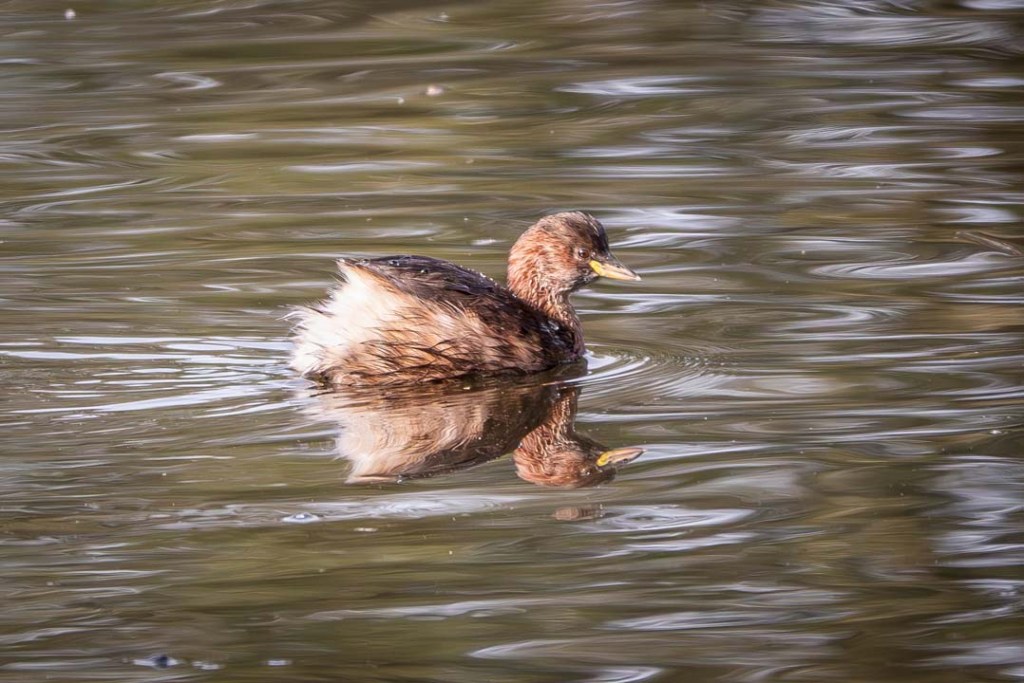
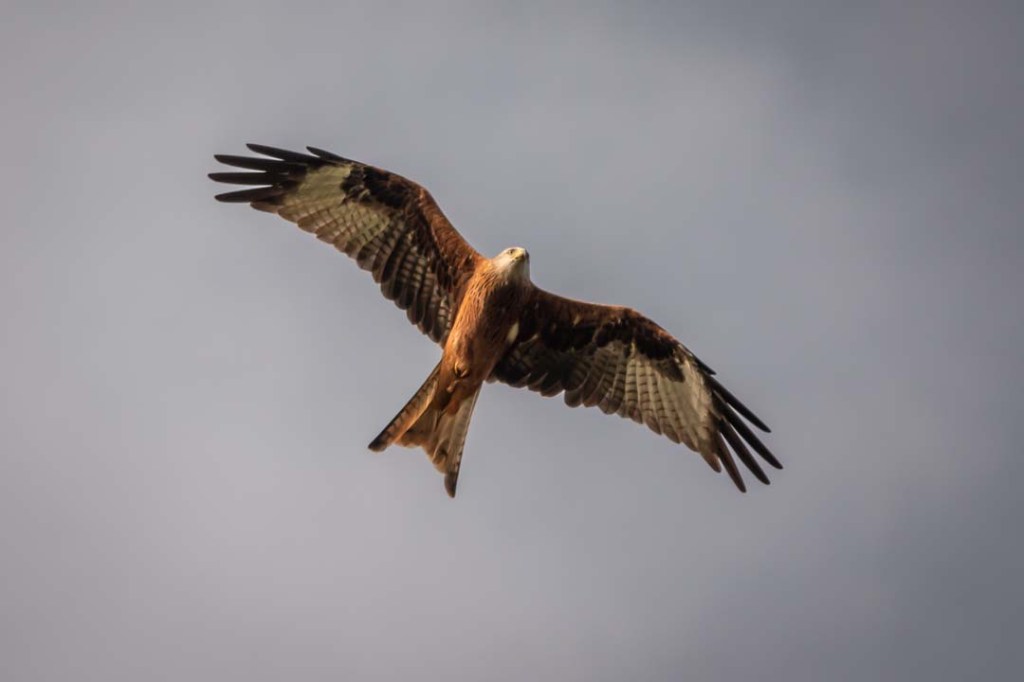
On Tuesday we had a walk through the woods and along the beach at Holkham. Little grebes on a pool and red kites overhead were the main attraction.
Little grebeRed kiteRed kiteThere were several types of dragonfly along our walkHorses on the beach at HolkhamThe beach at HolkhamWe ventured briefly into the park at Holkham HallThe iconic granary at Wells-Next-The-Sea on our way back
On Wednesday we had a break from birding and took a steam train from Holt to Sheringham
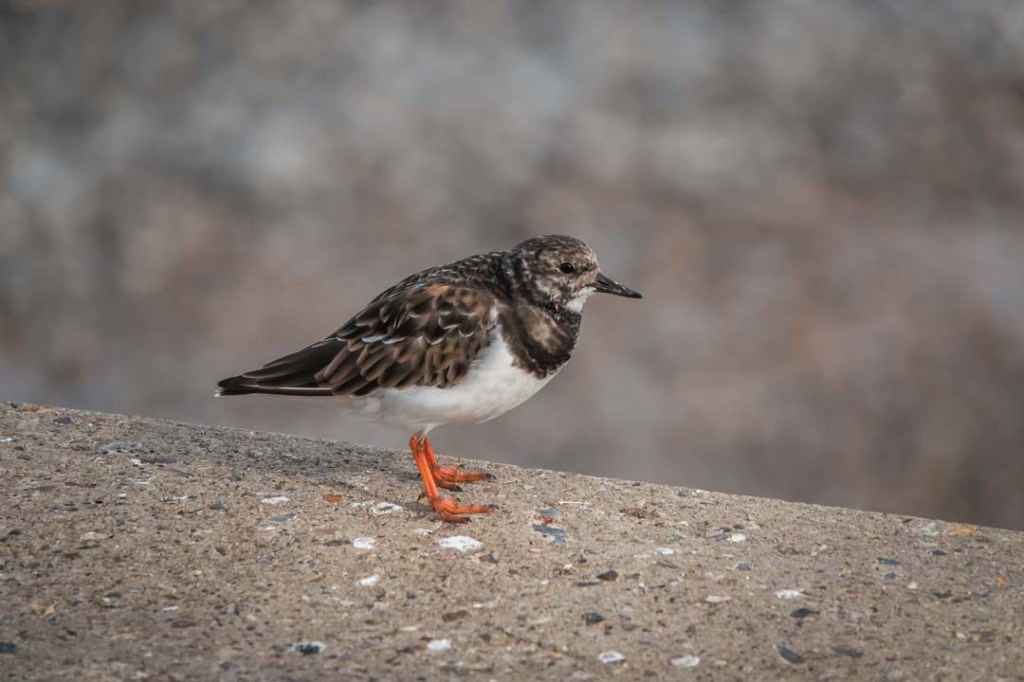
Not total abstention – a turnstone on the front at Sheringham
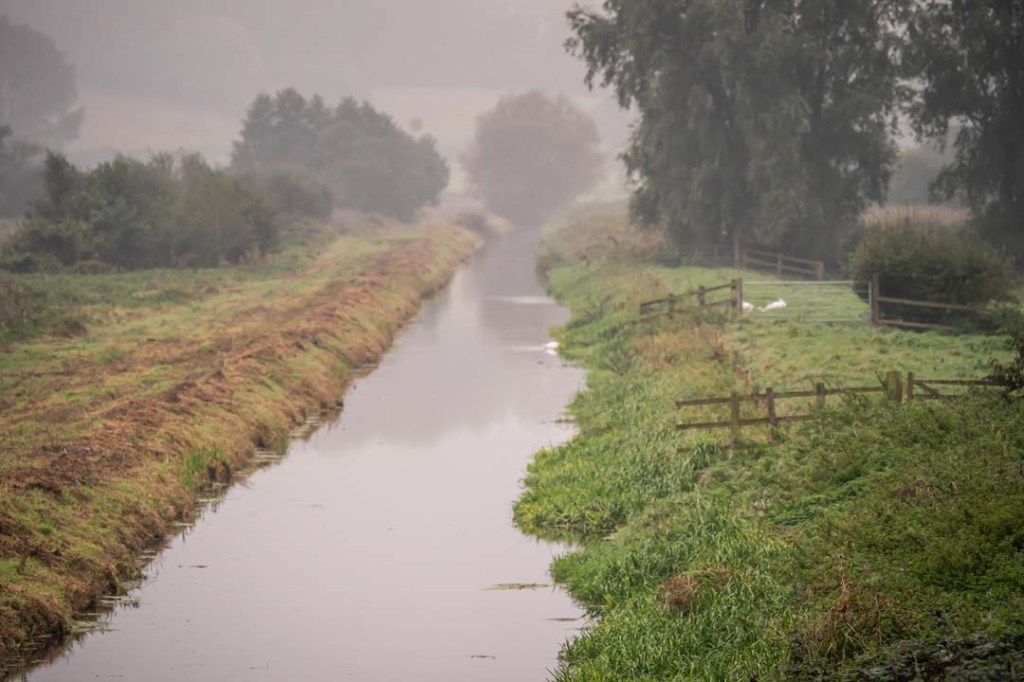
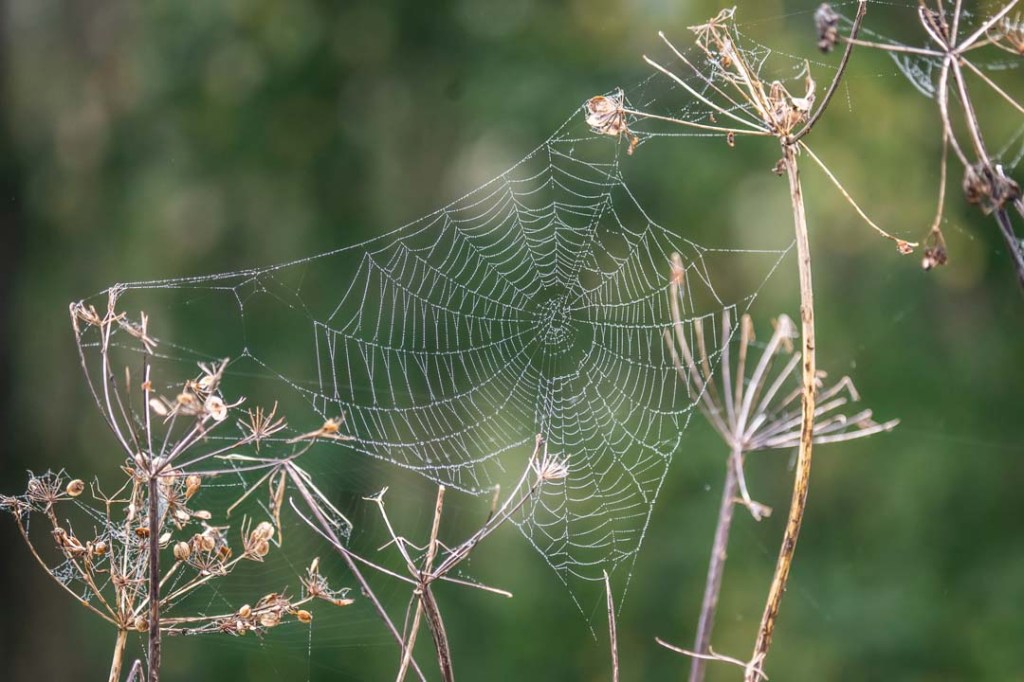
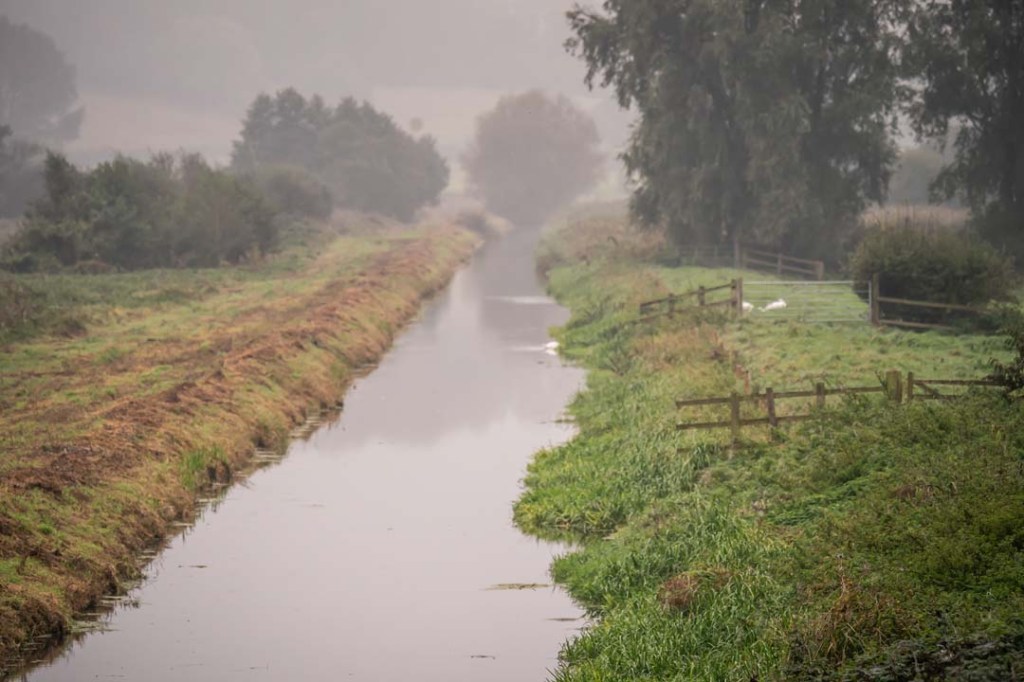
It was a very misty and murky start to my visit to Ham Wall today.
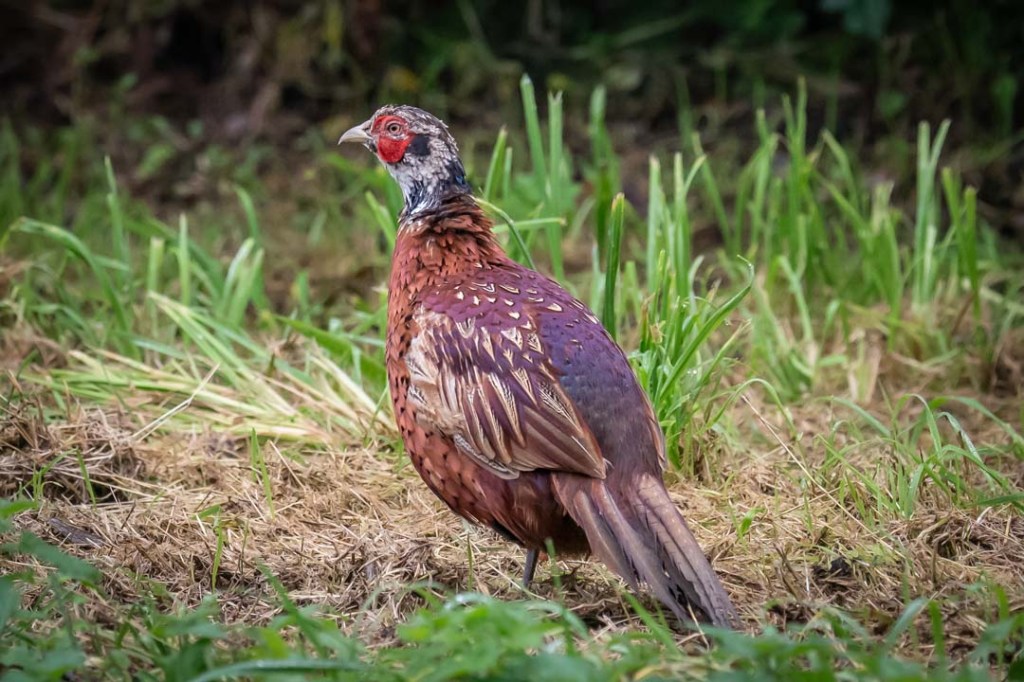
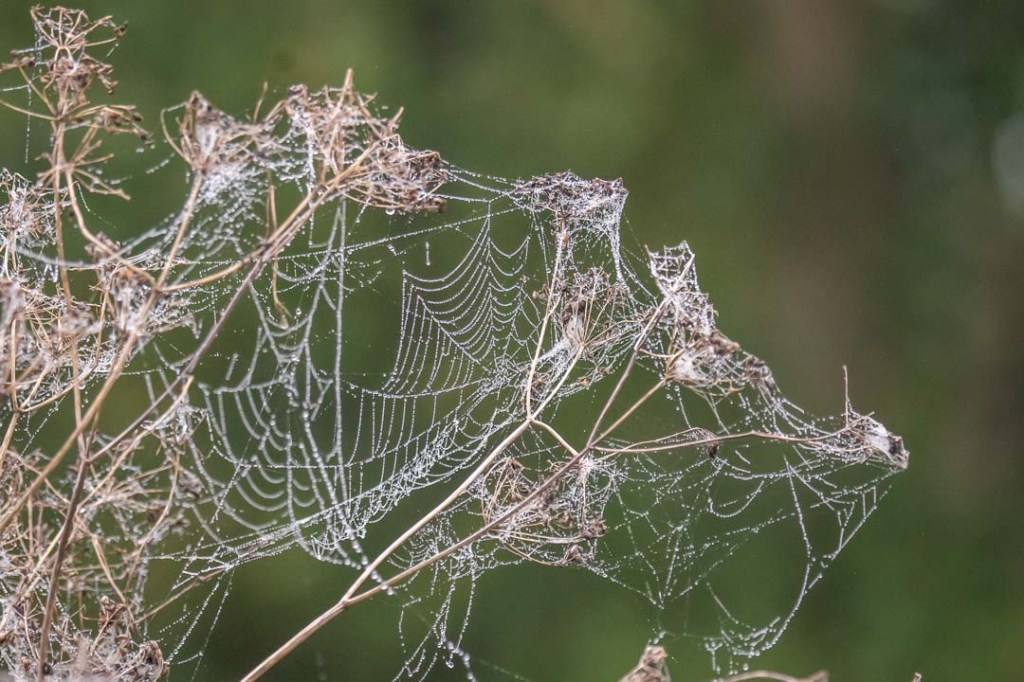
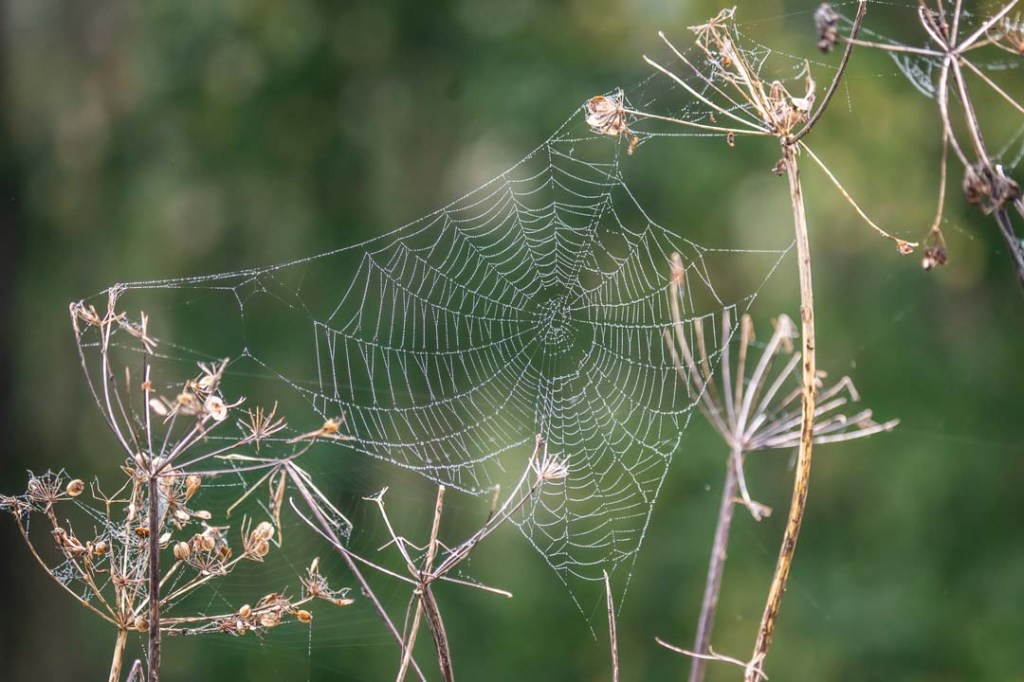
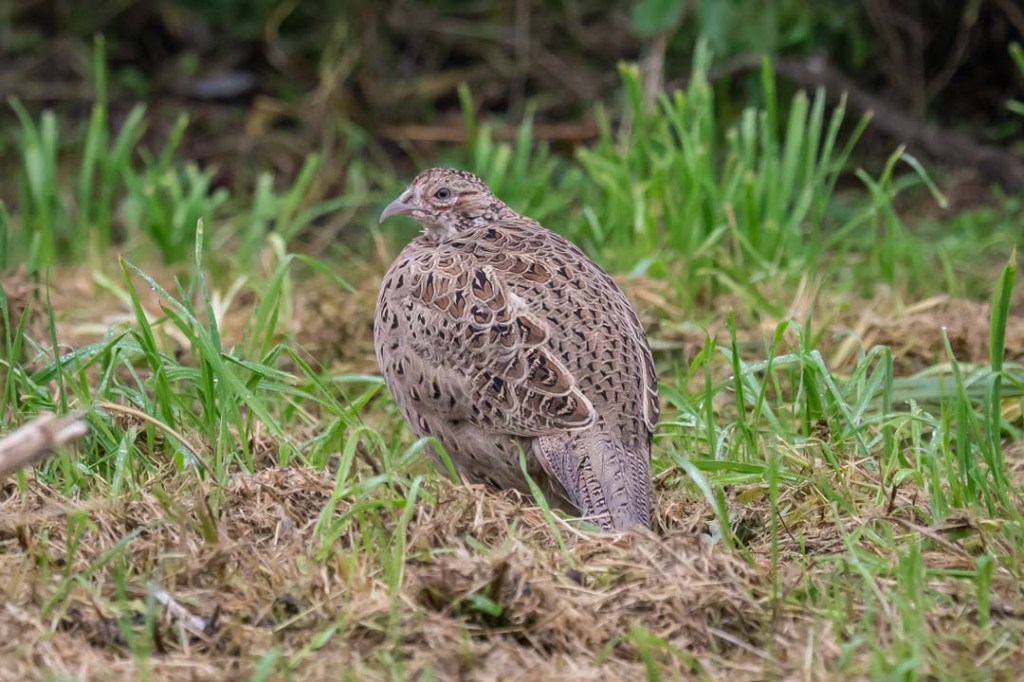
The cobwebs were quite a display early onA pair of pheasants were the first birds I saw
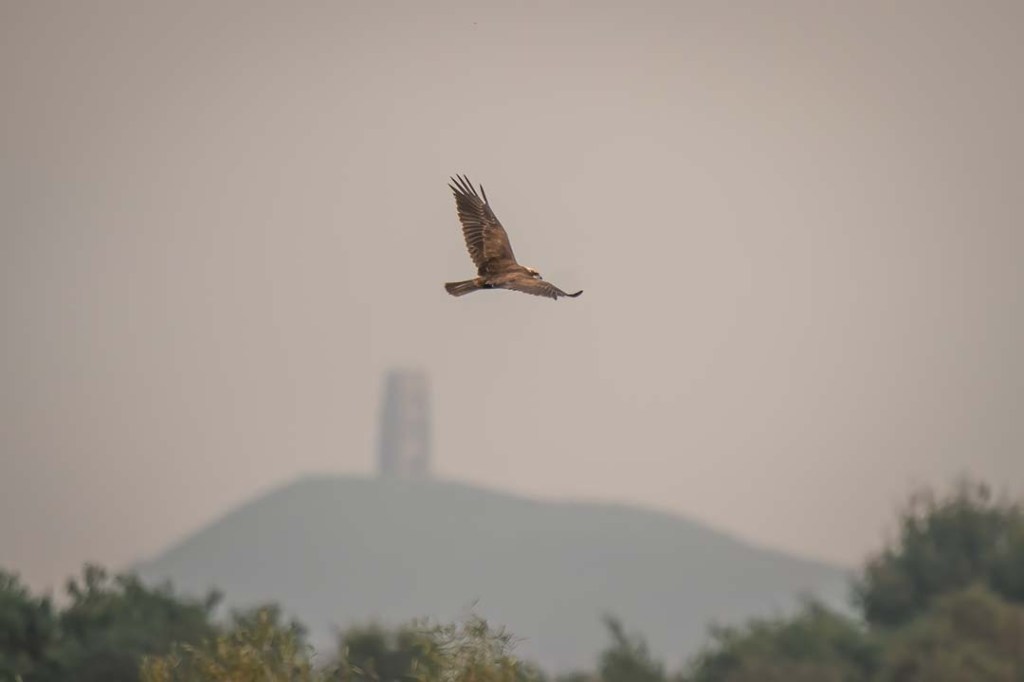
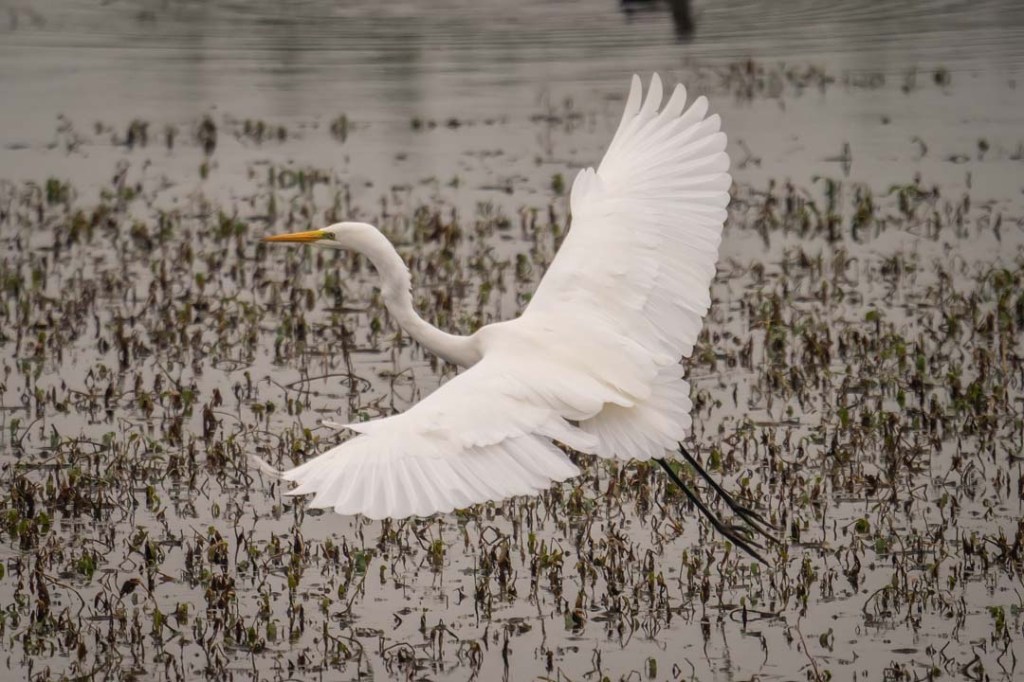
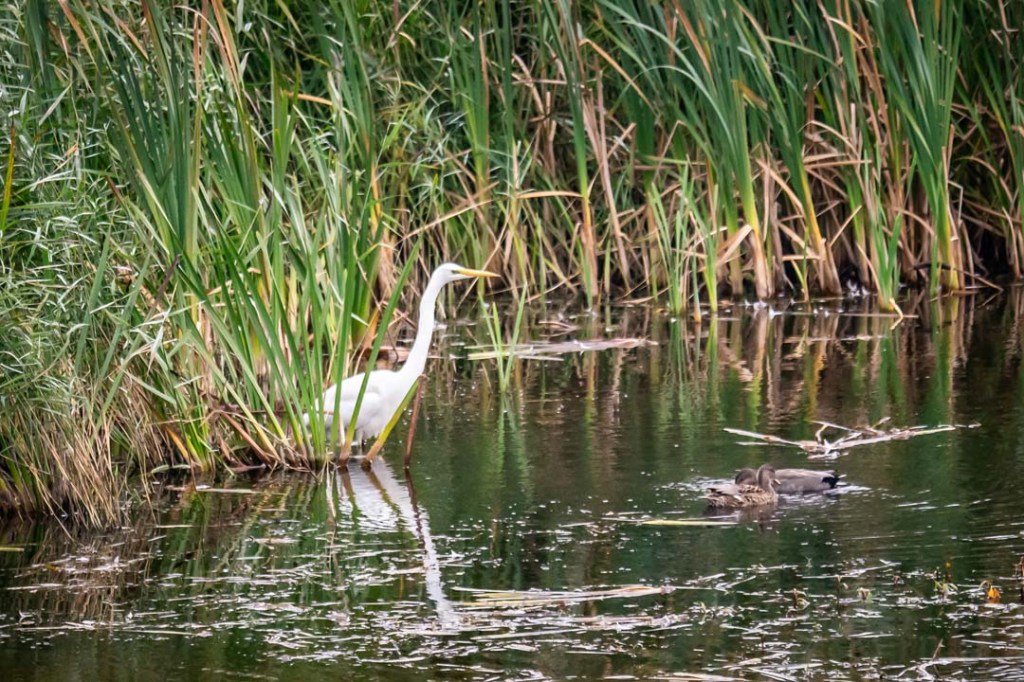
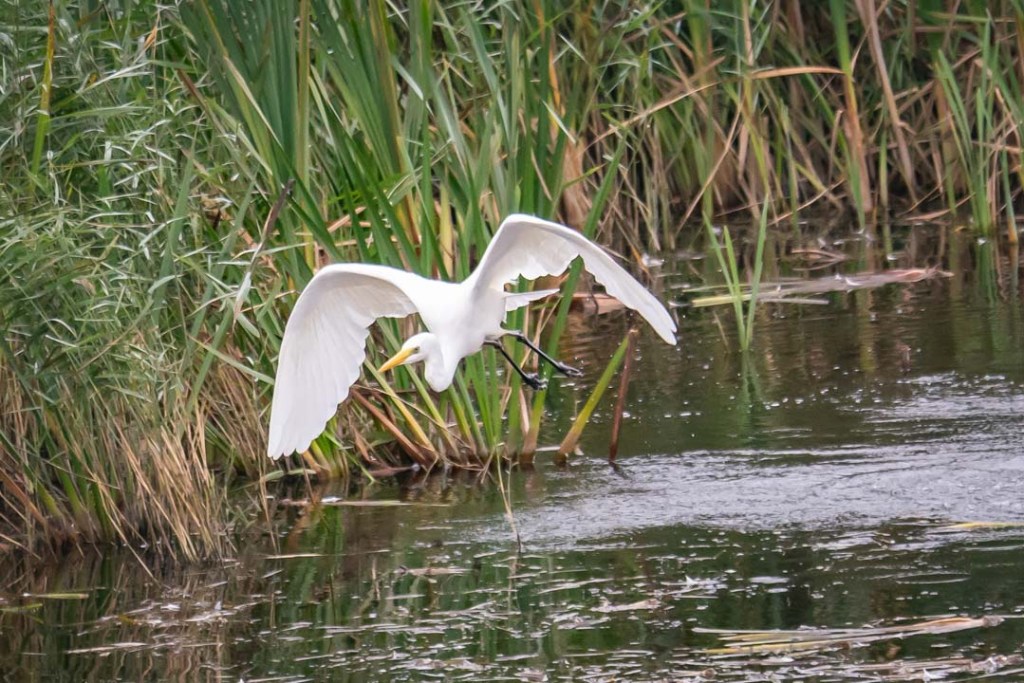
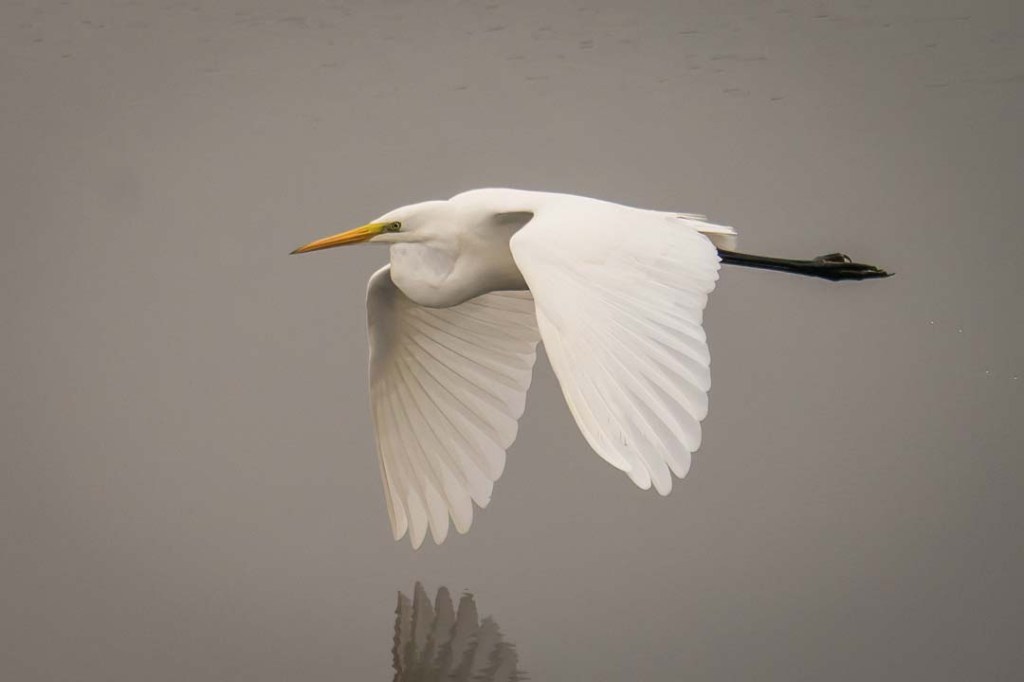
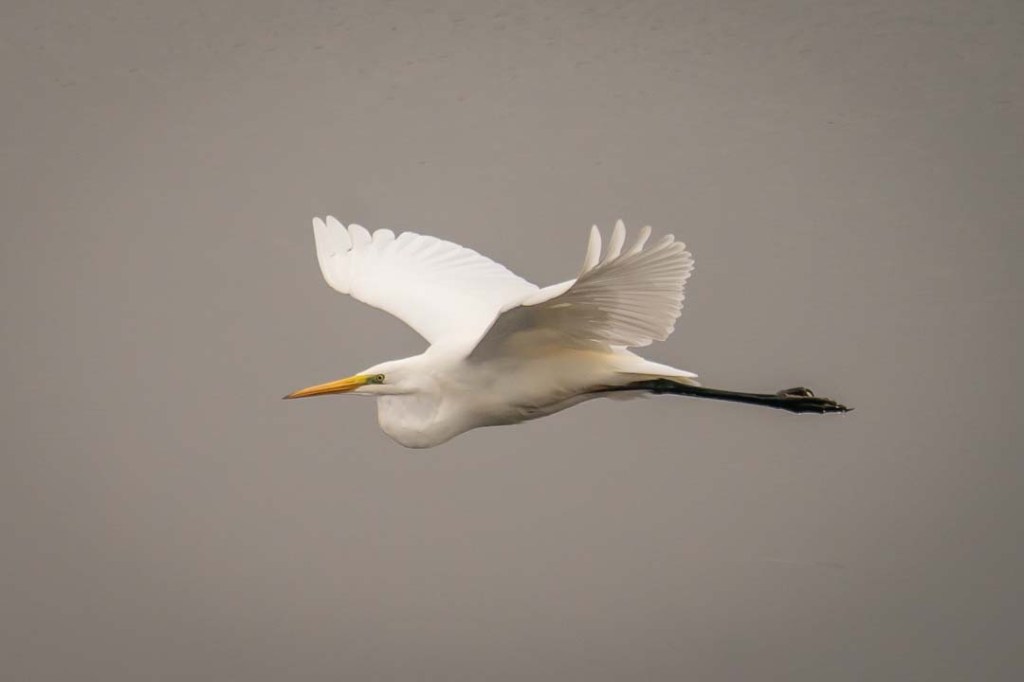
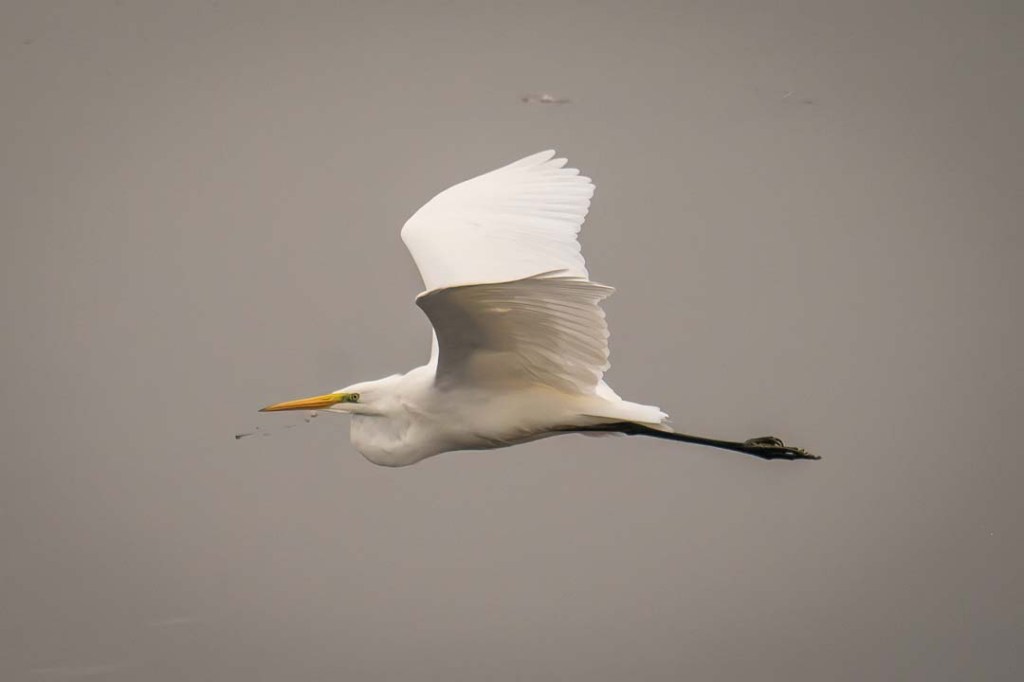
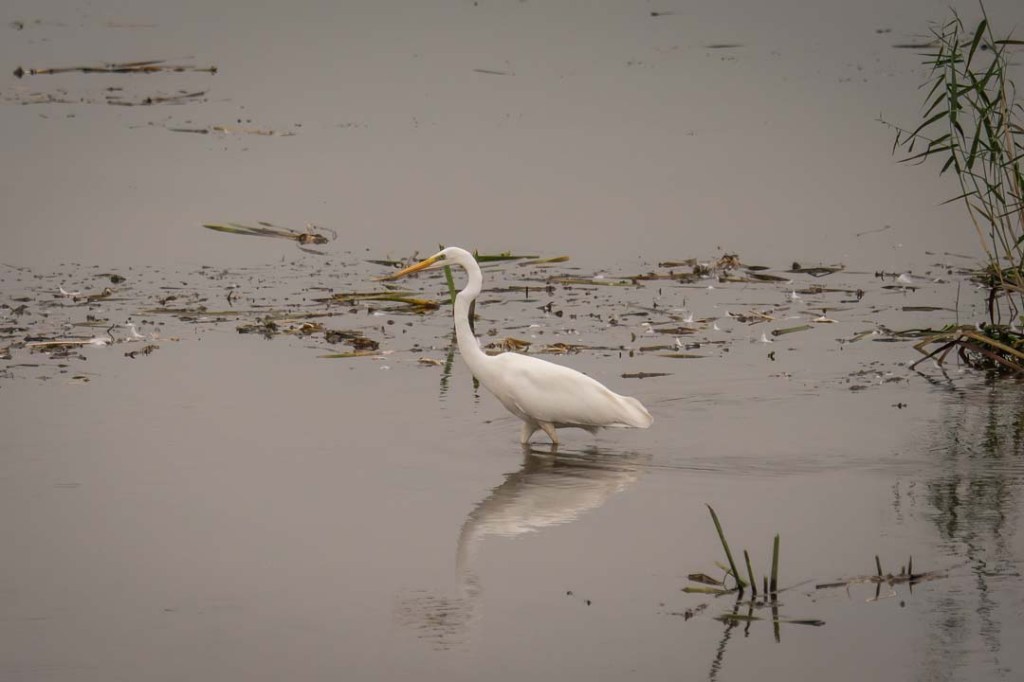
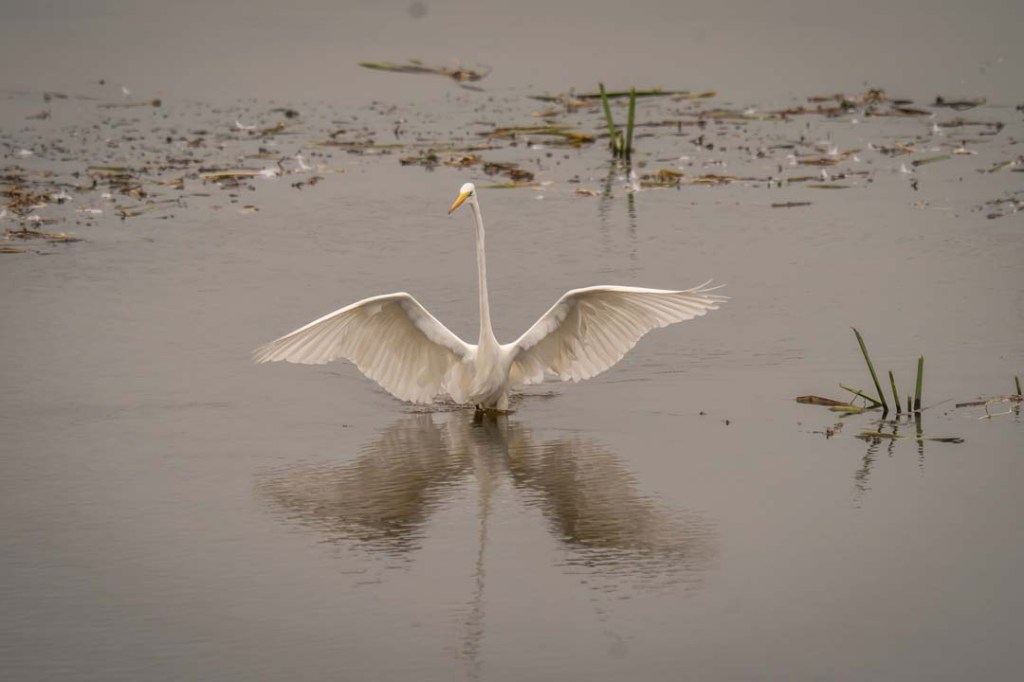
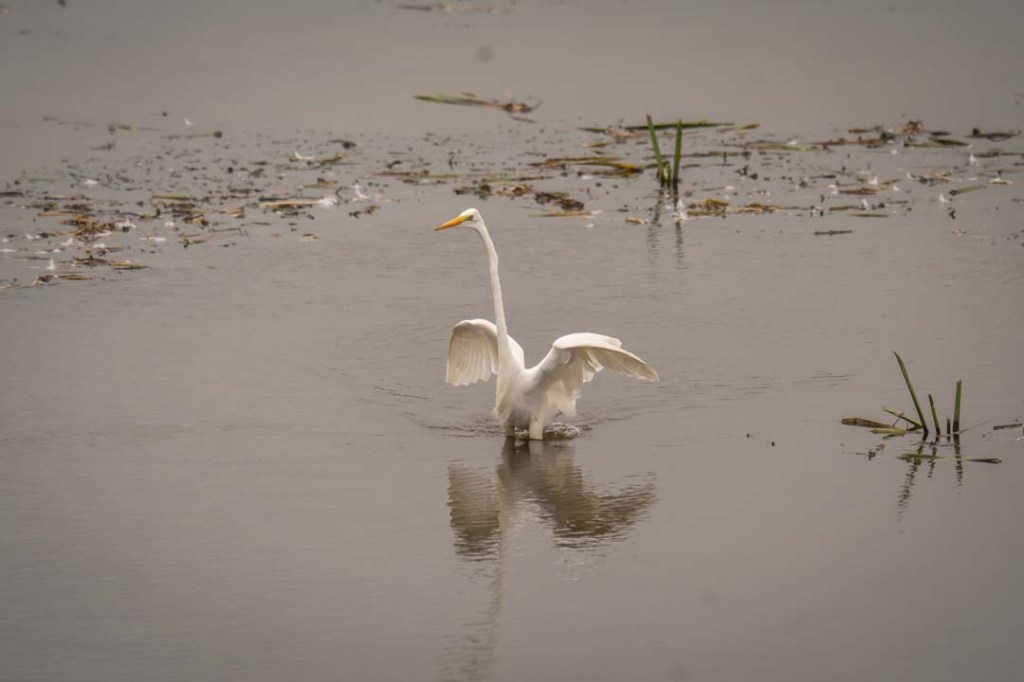
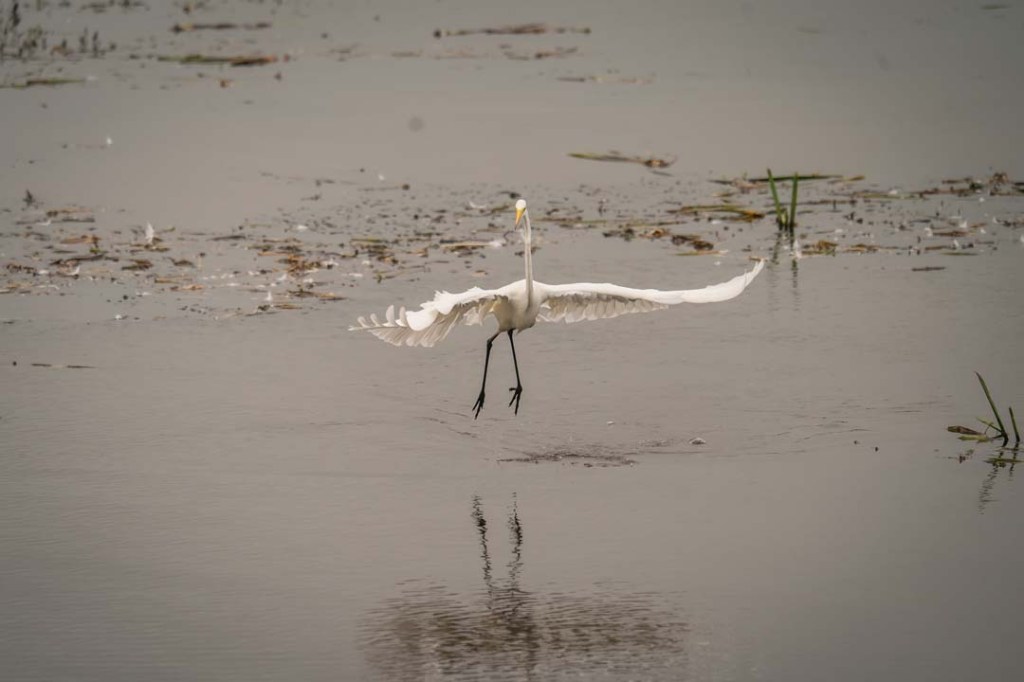
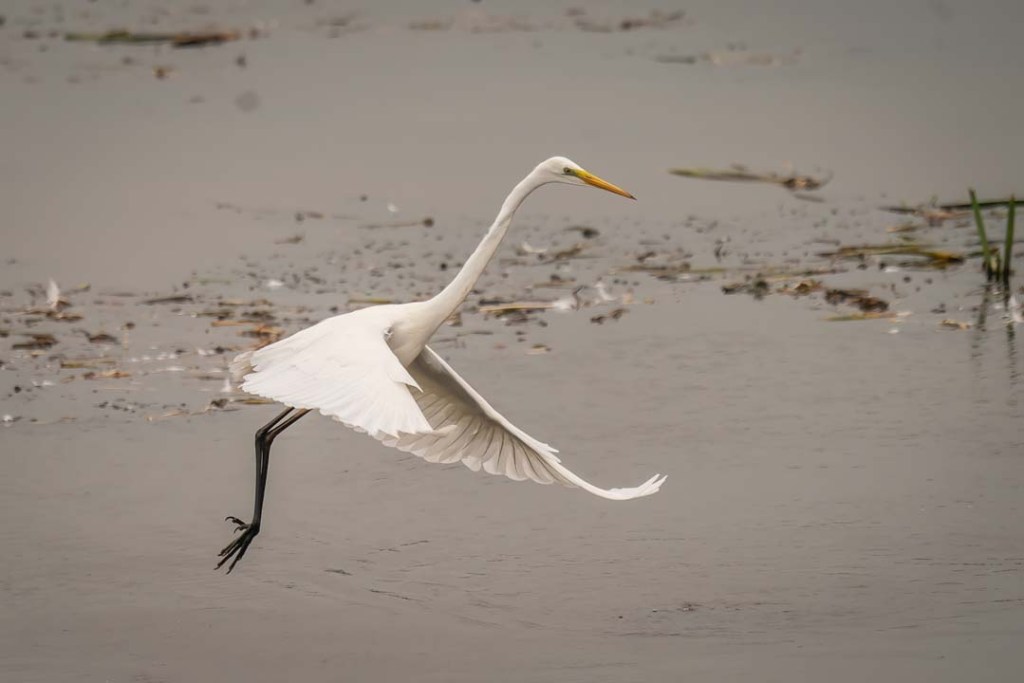
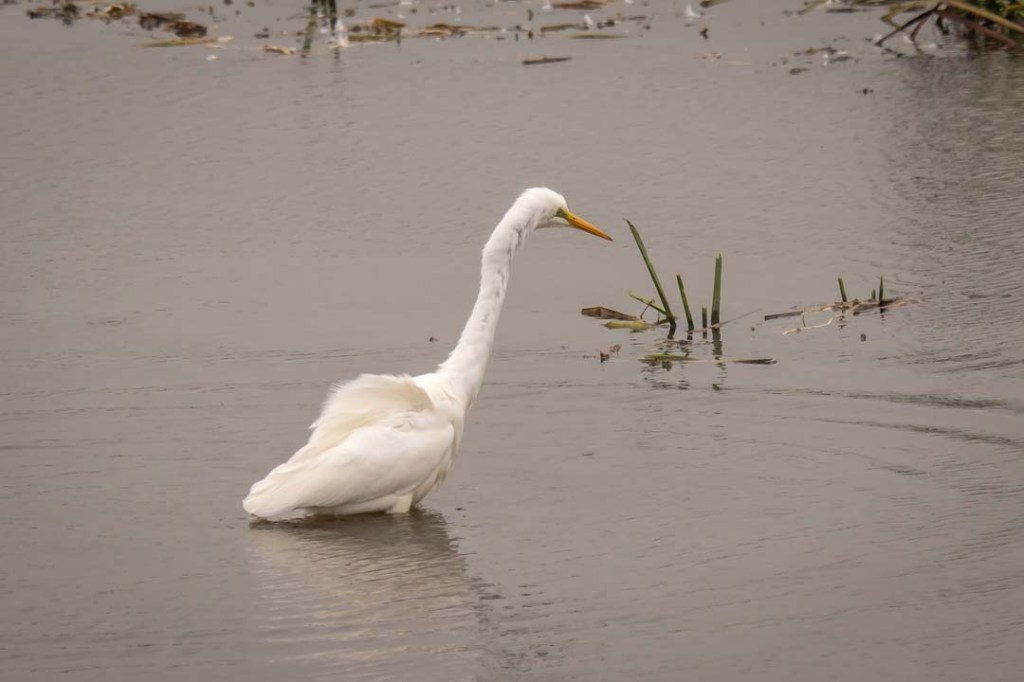
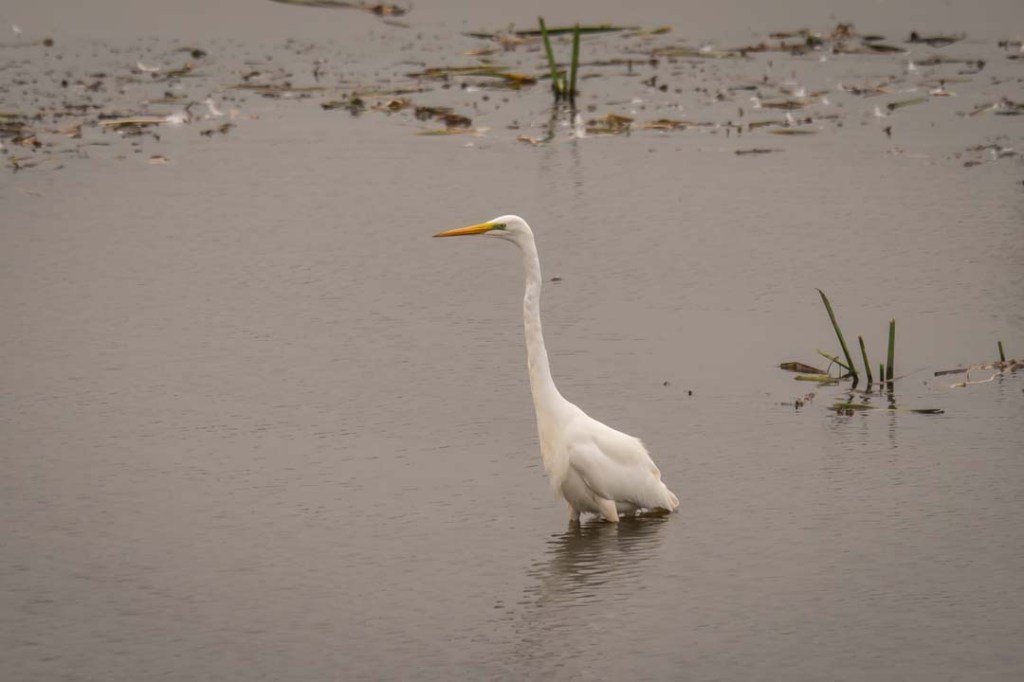
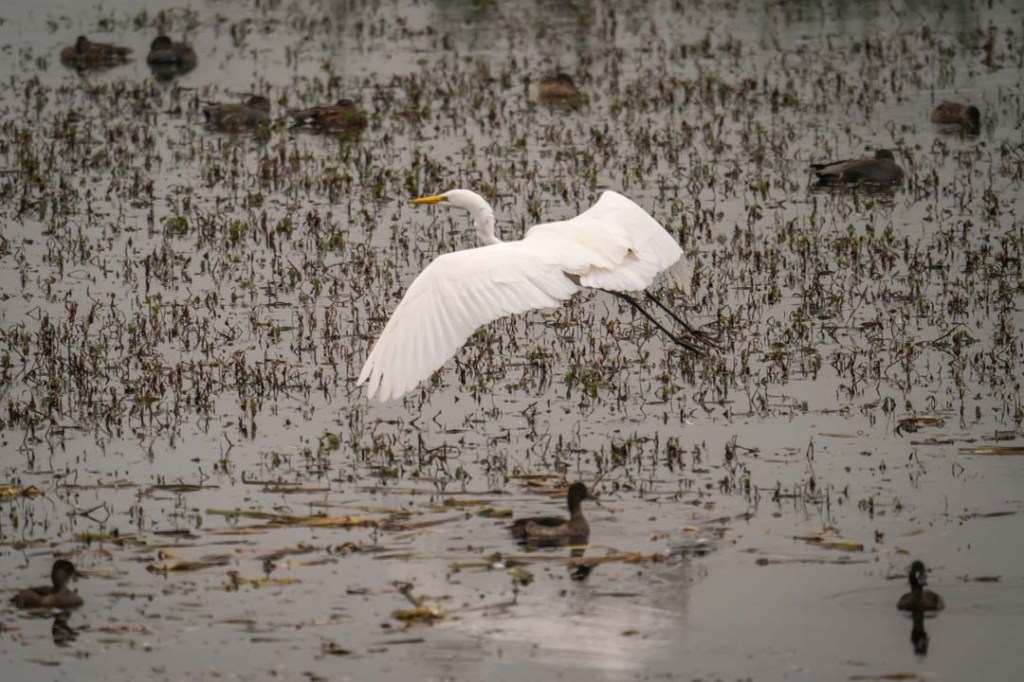
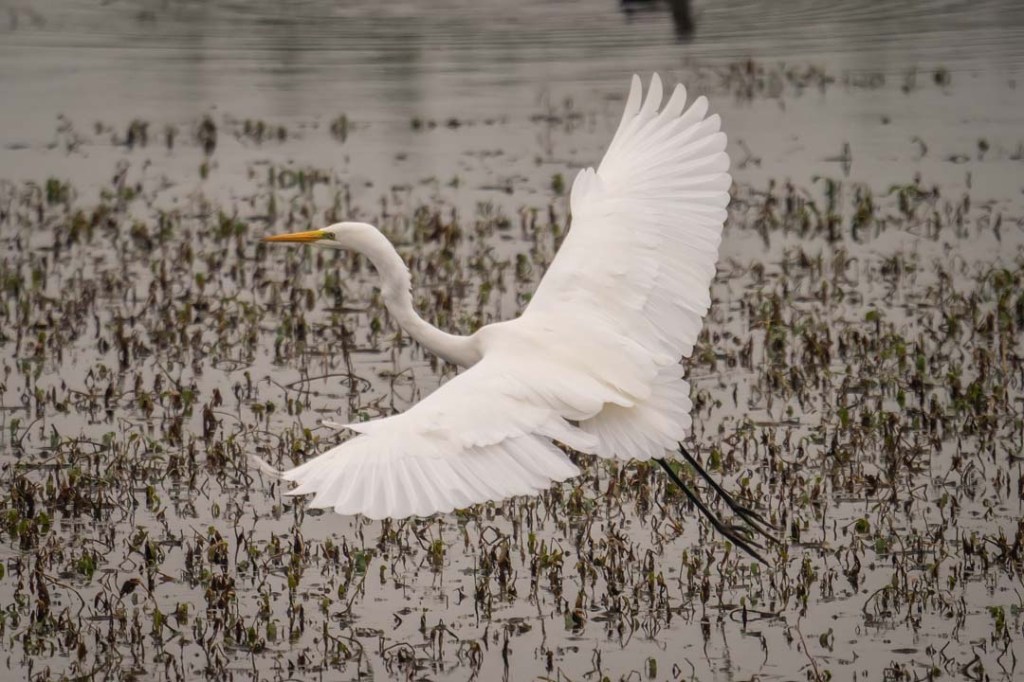
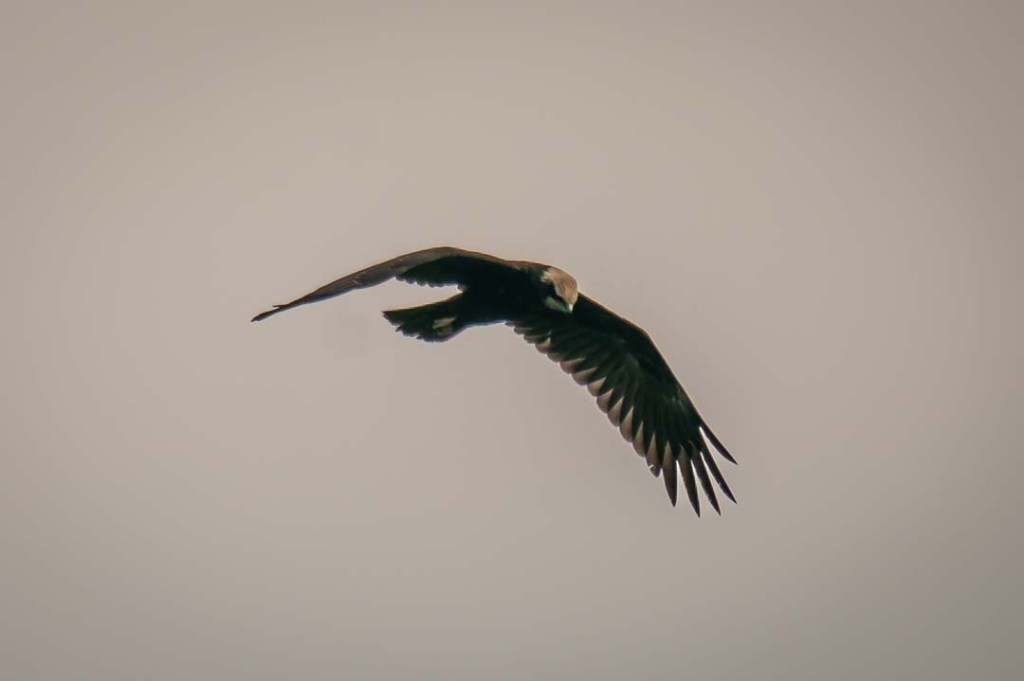
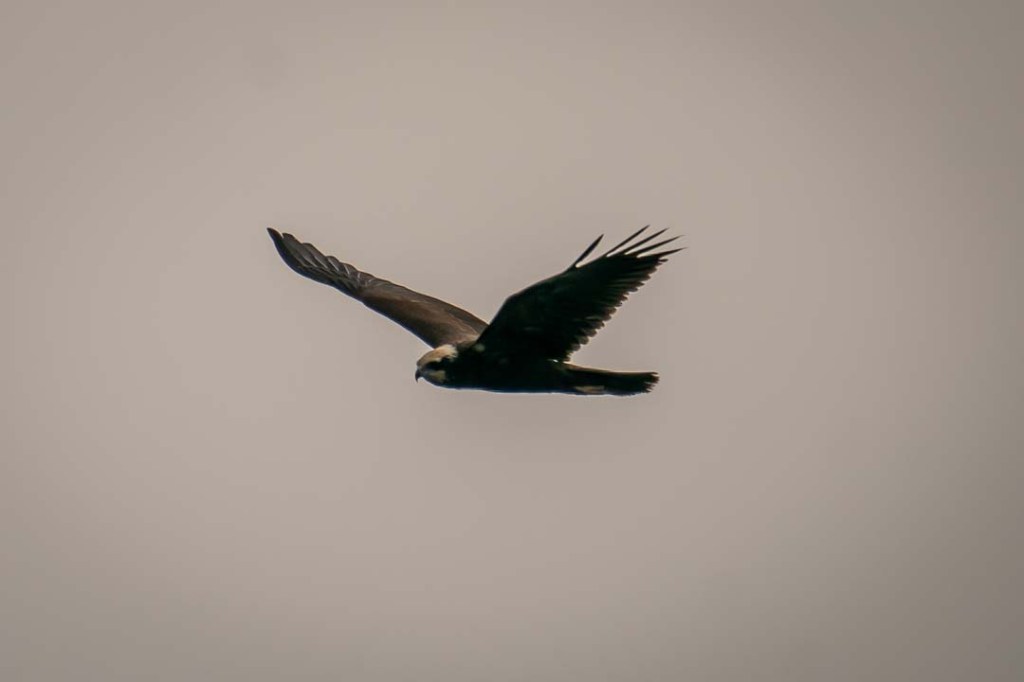
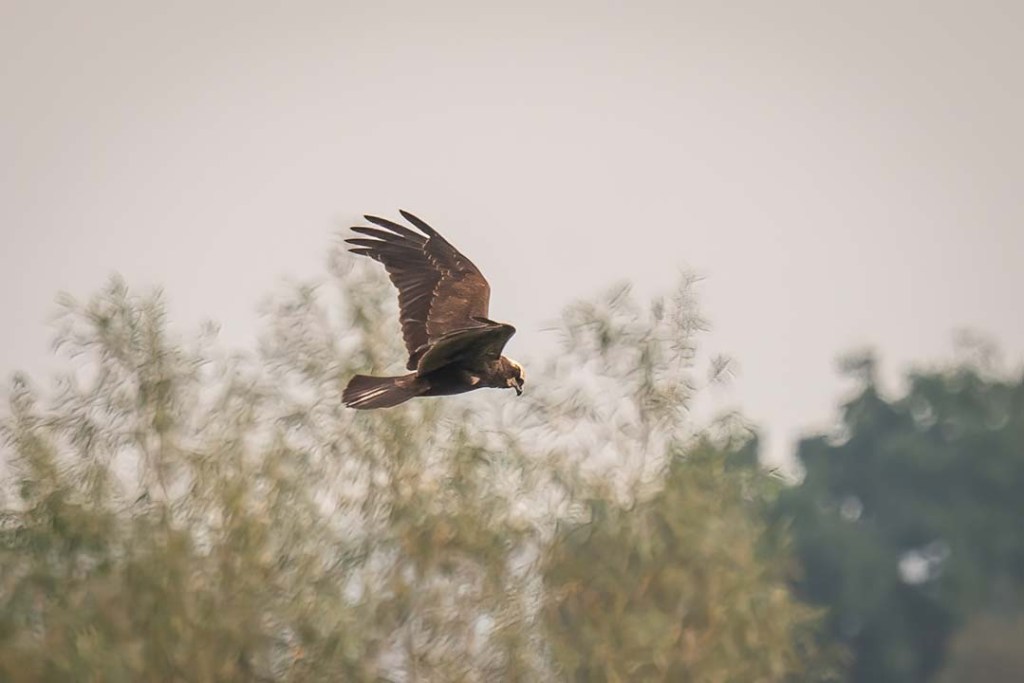
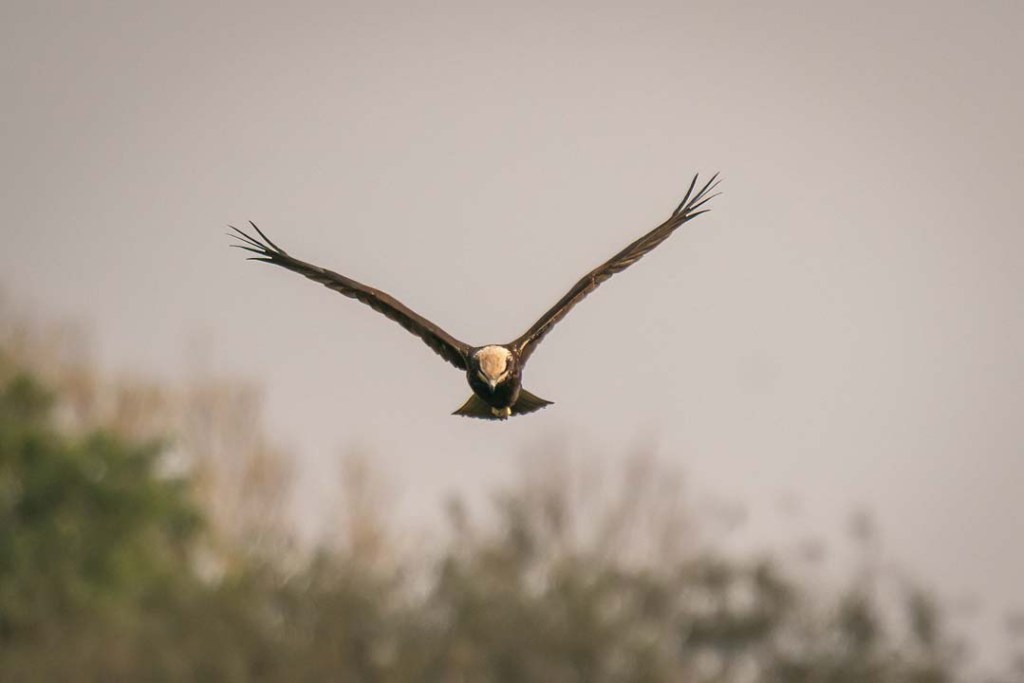
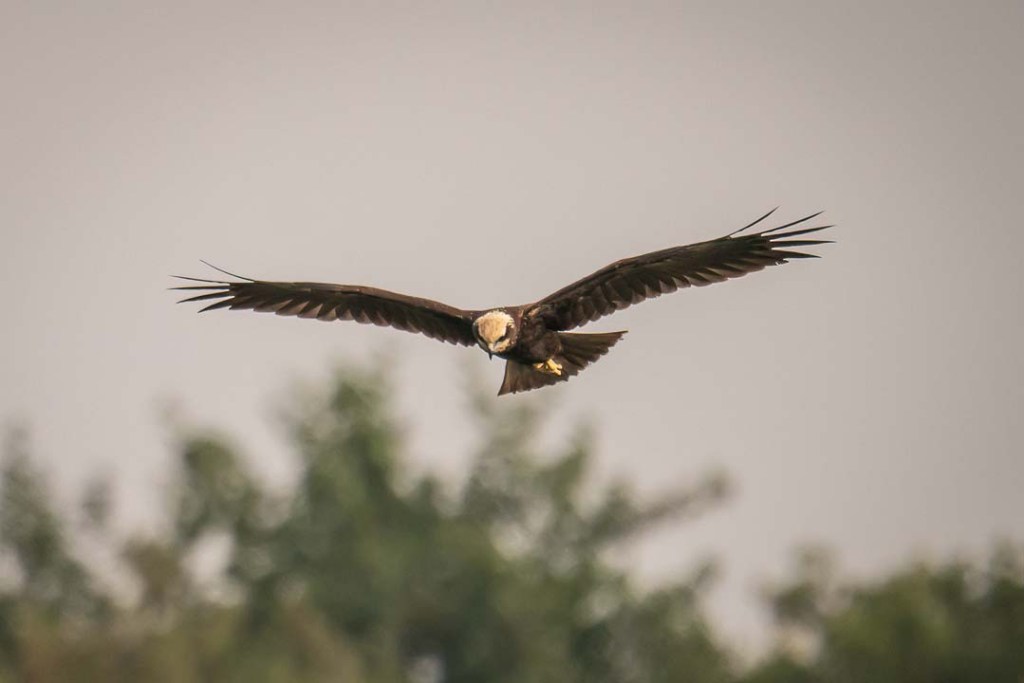
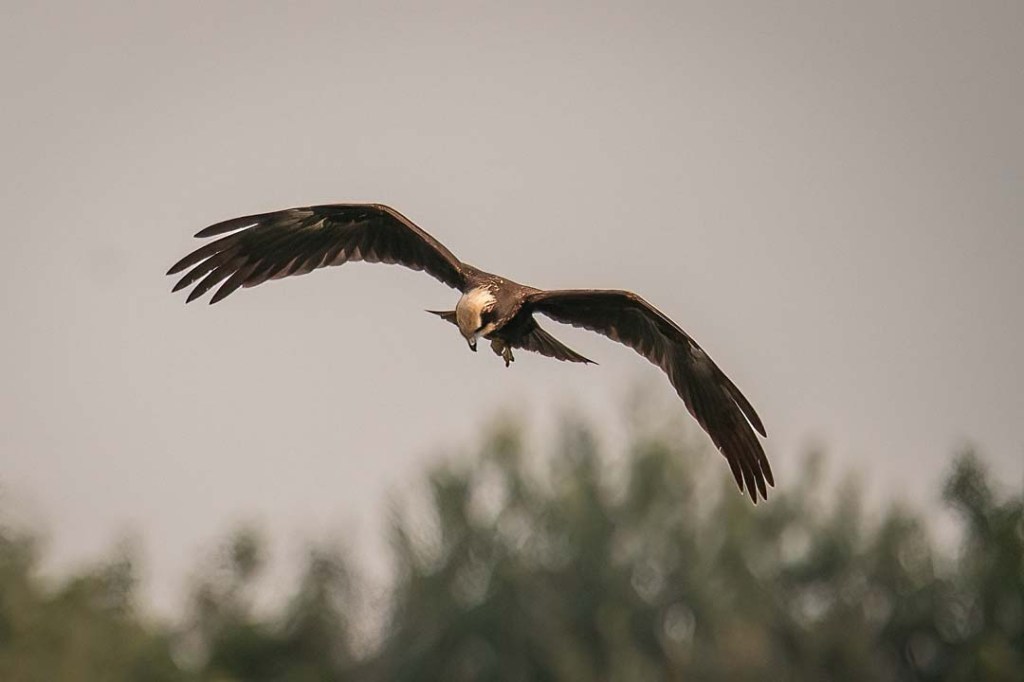
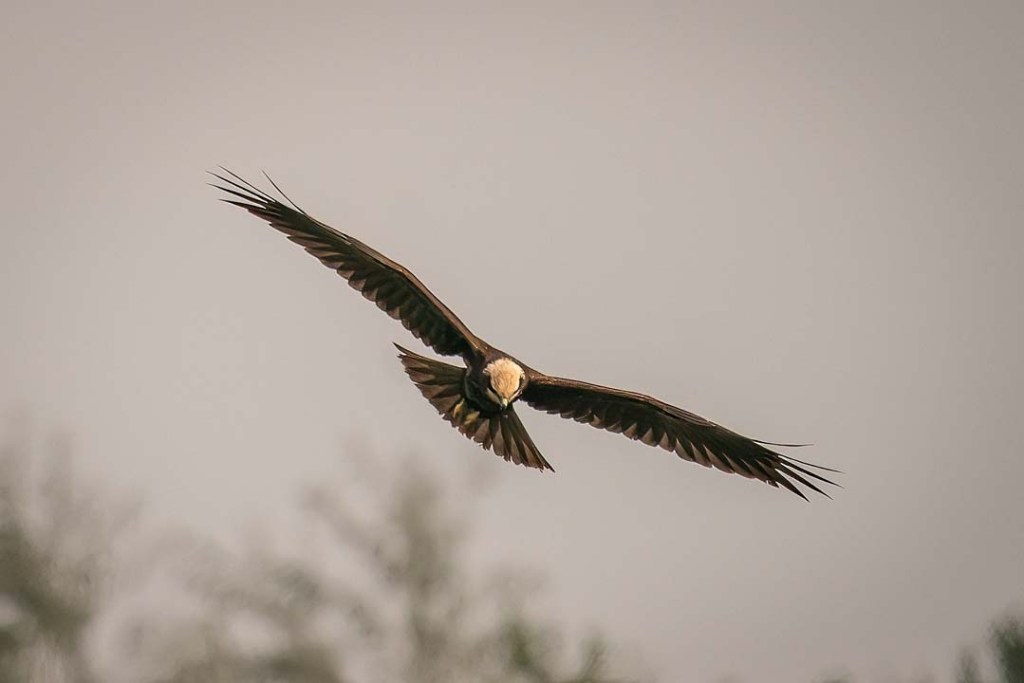
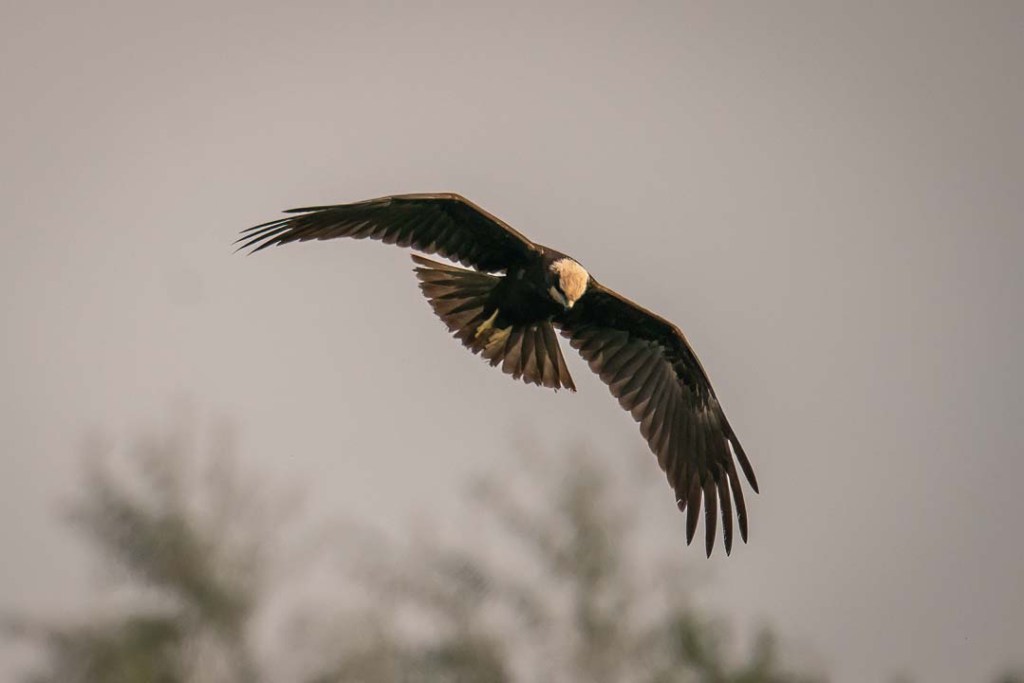
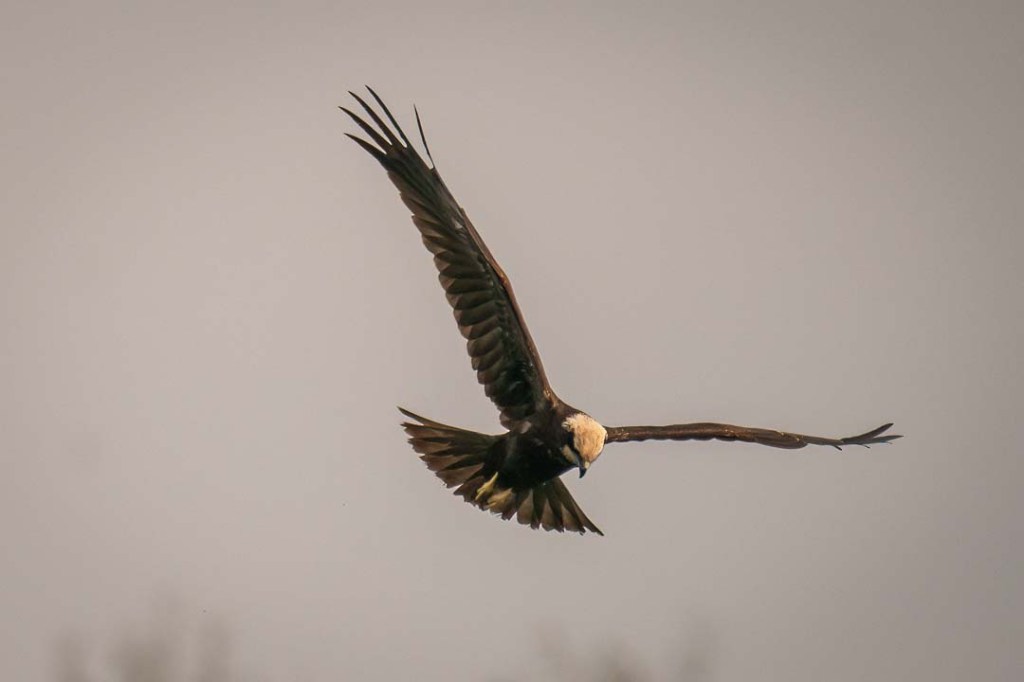
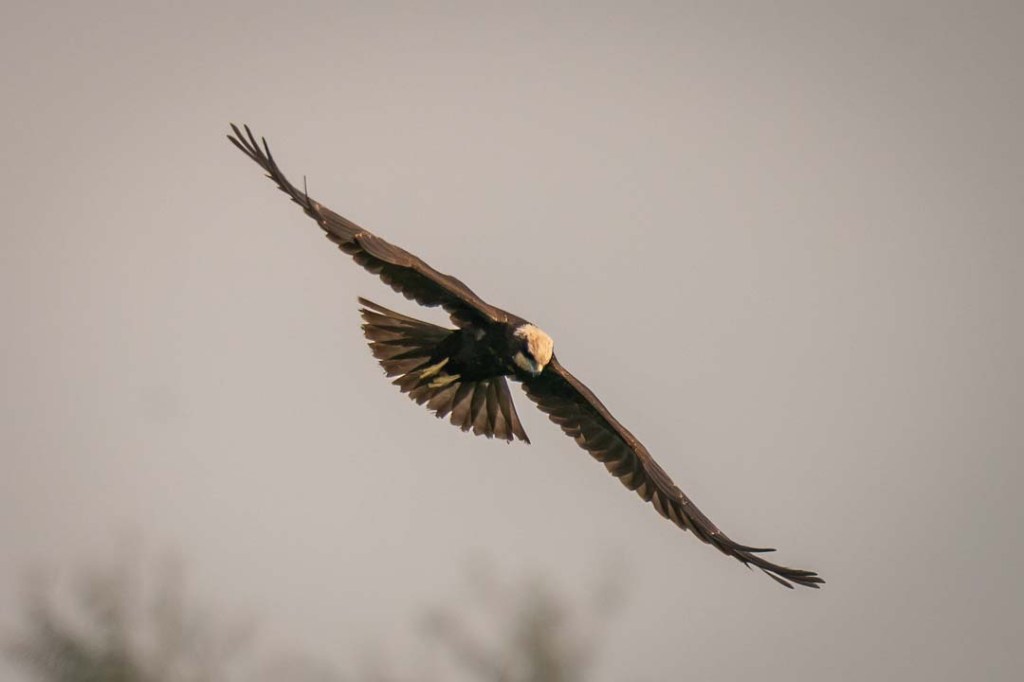
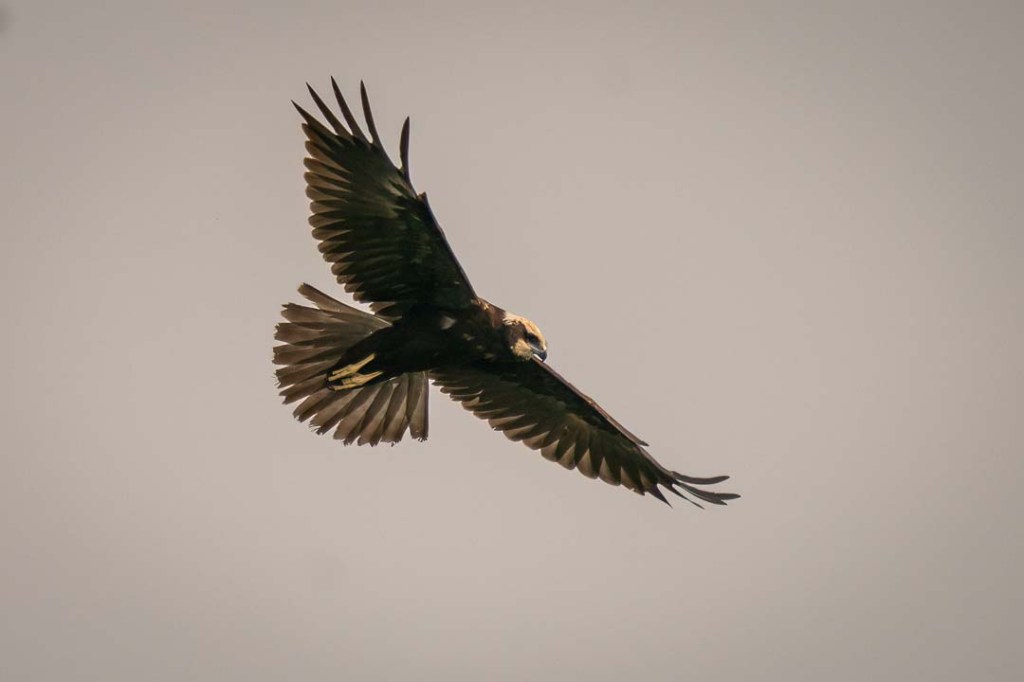
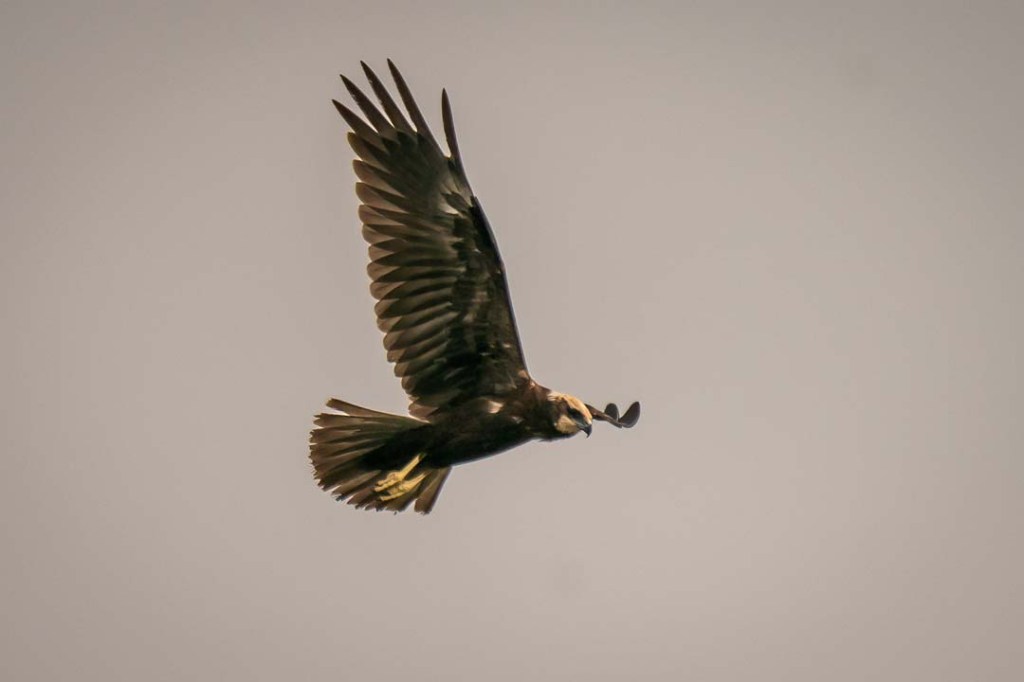
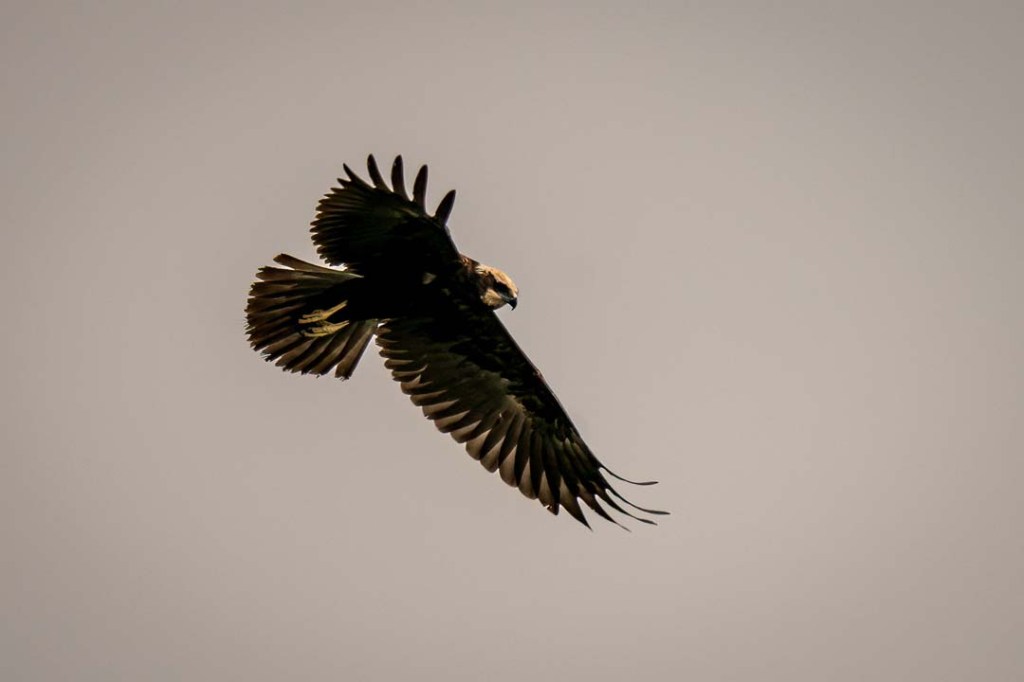
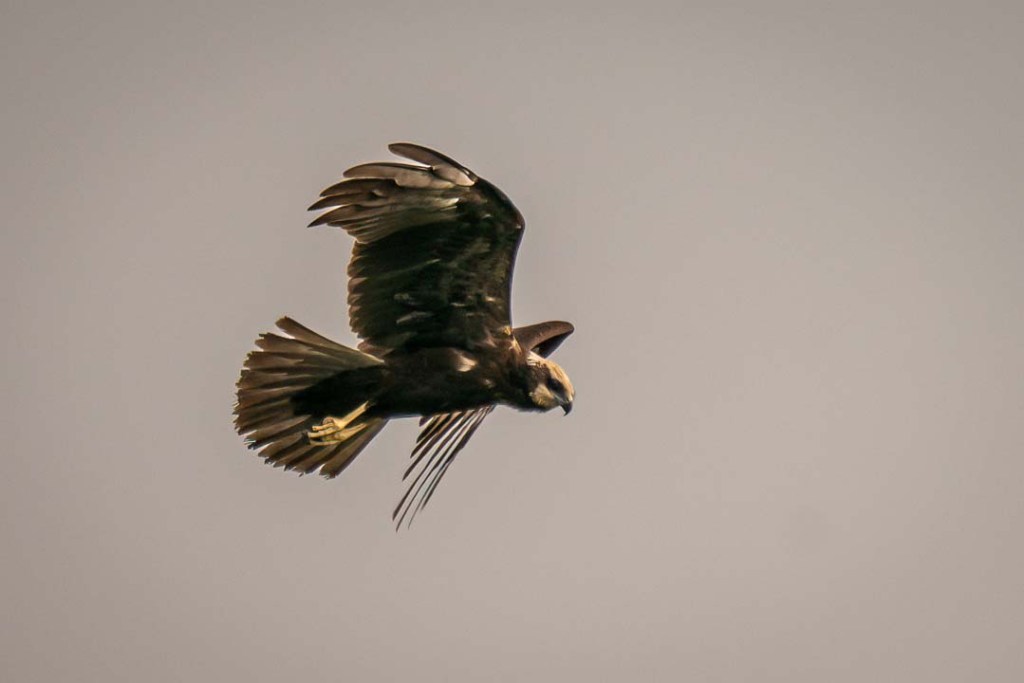
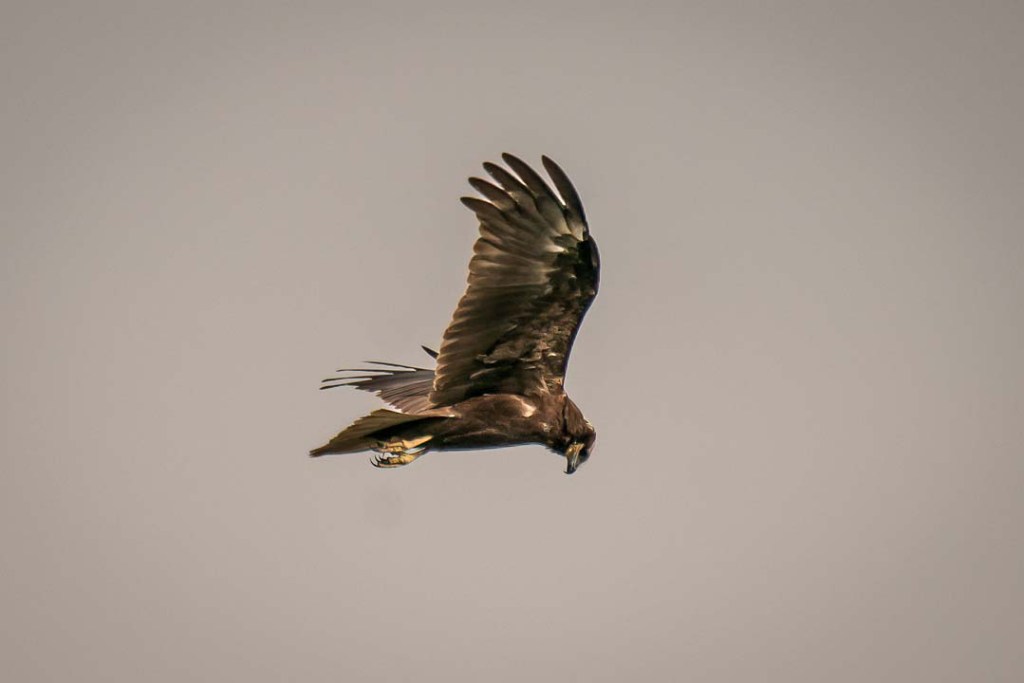
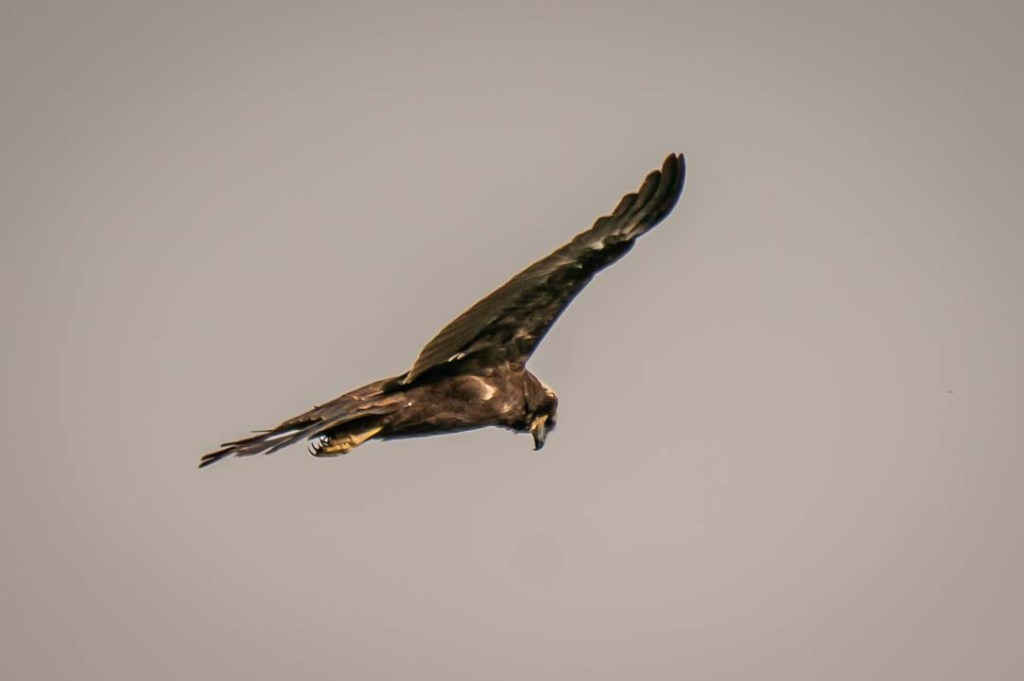
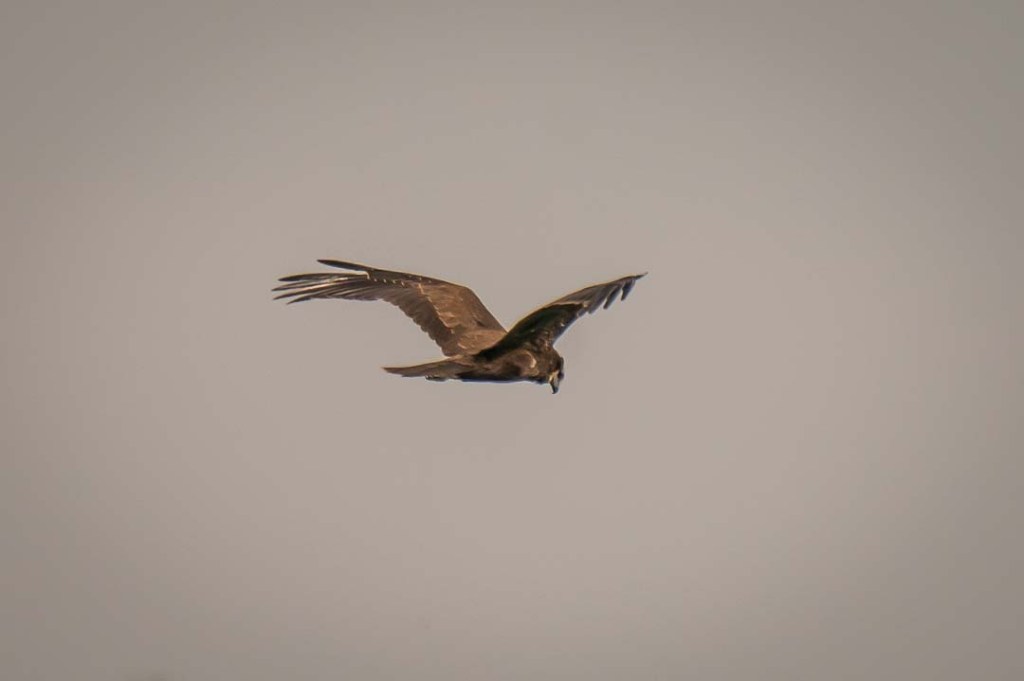
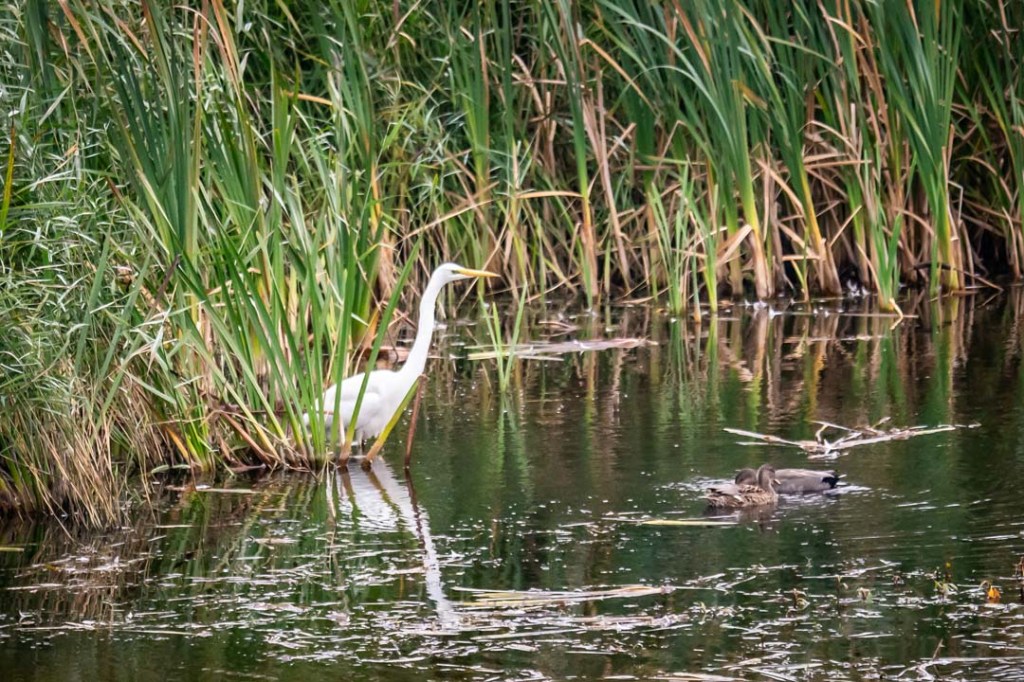
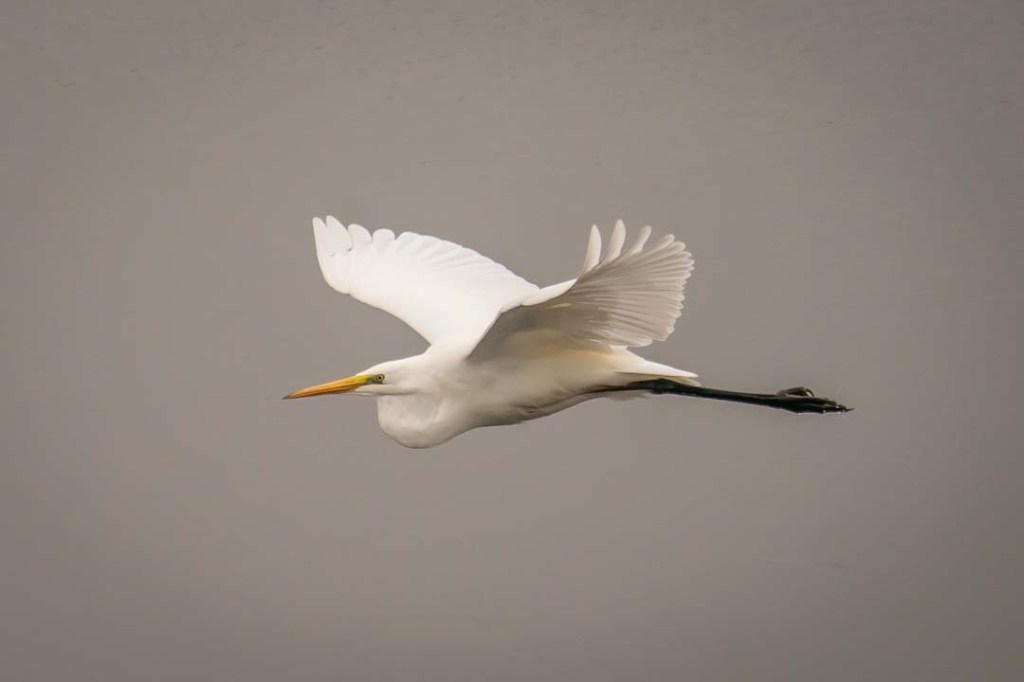
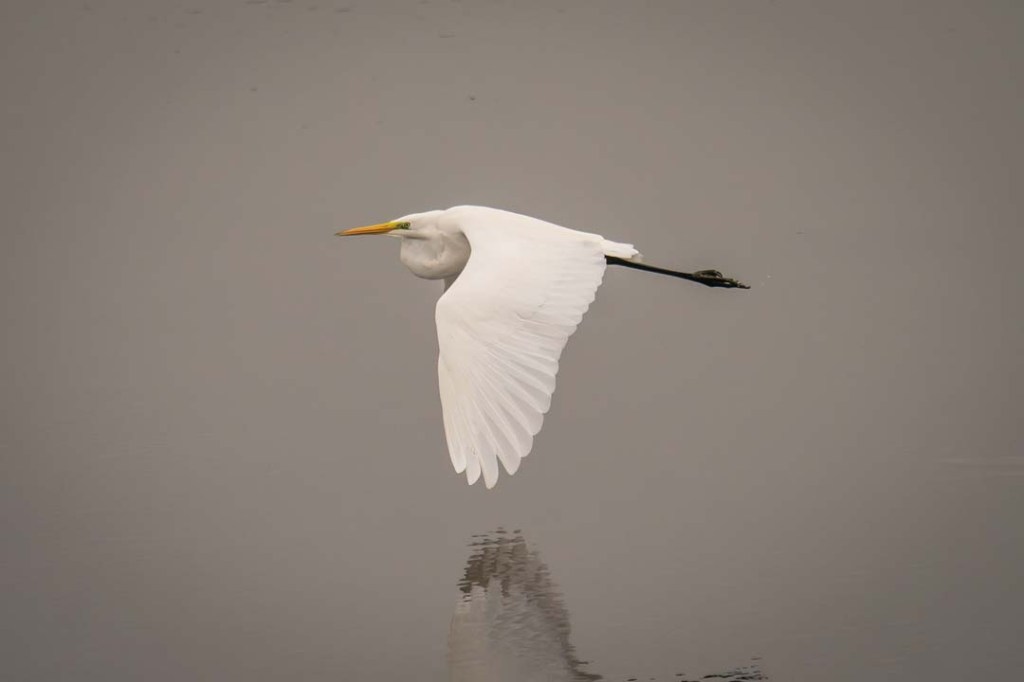
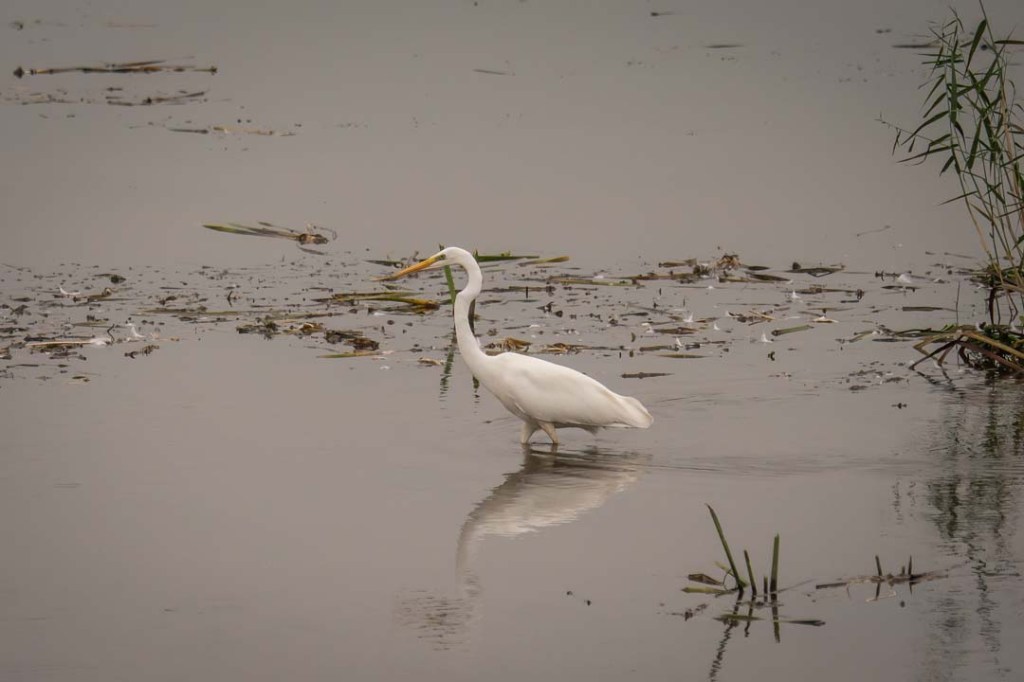
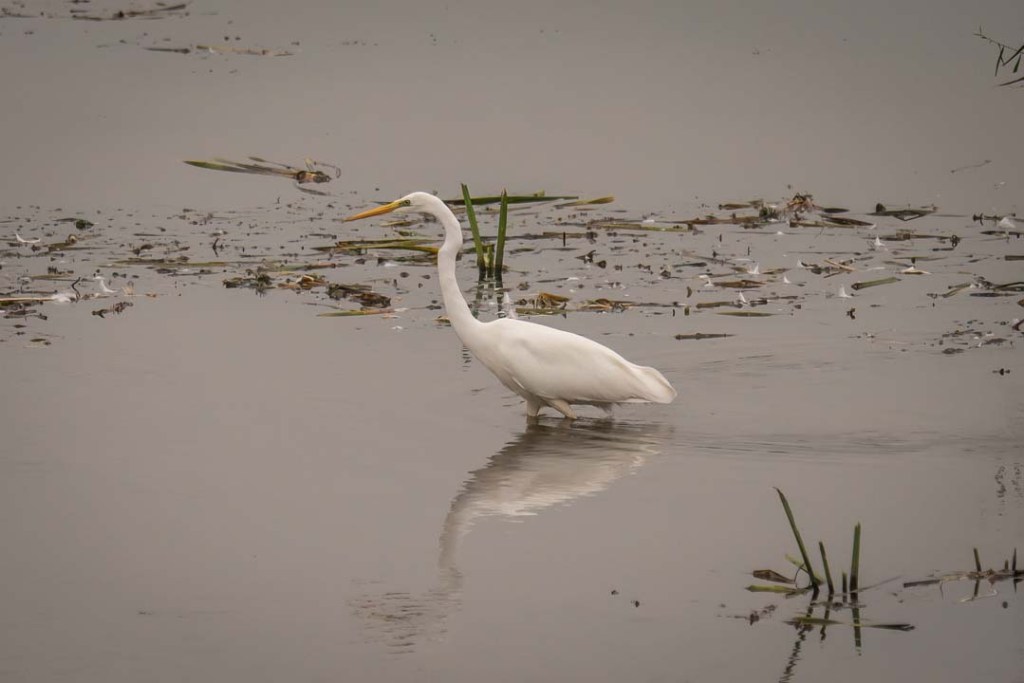
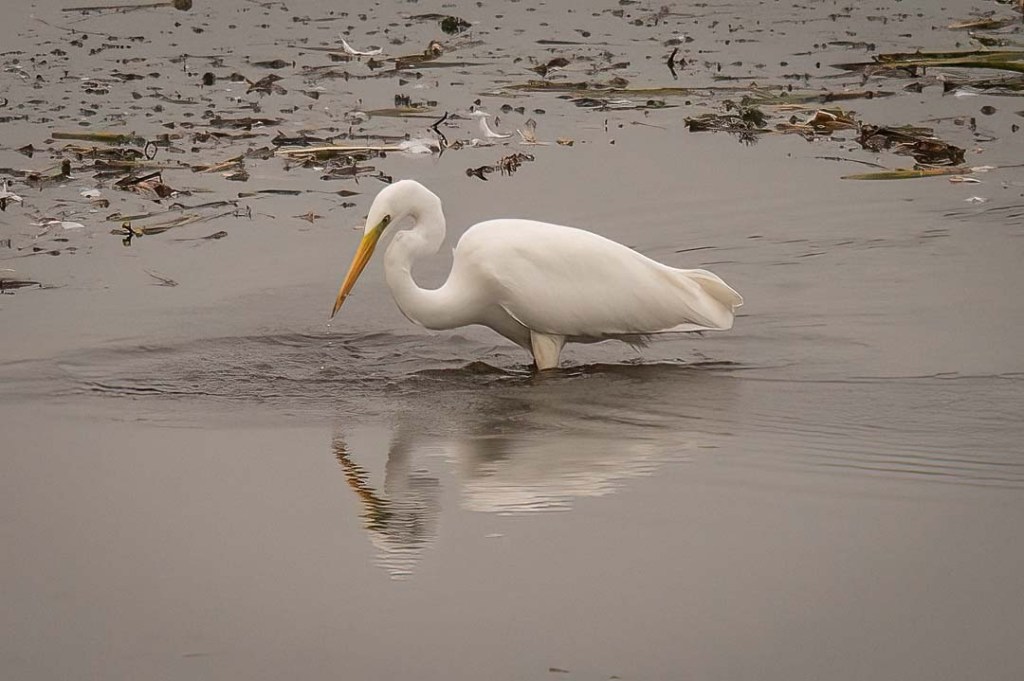
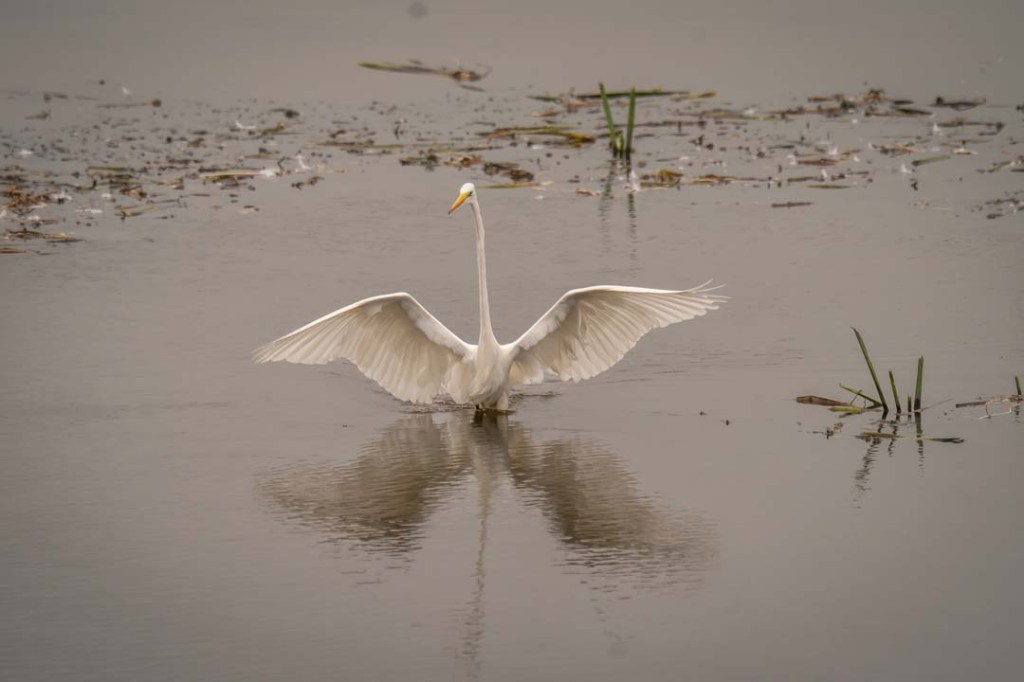
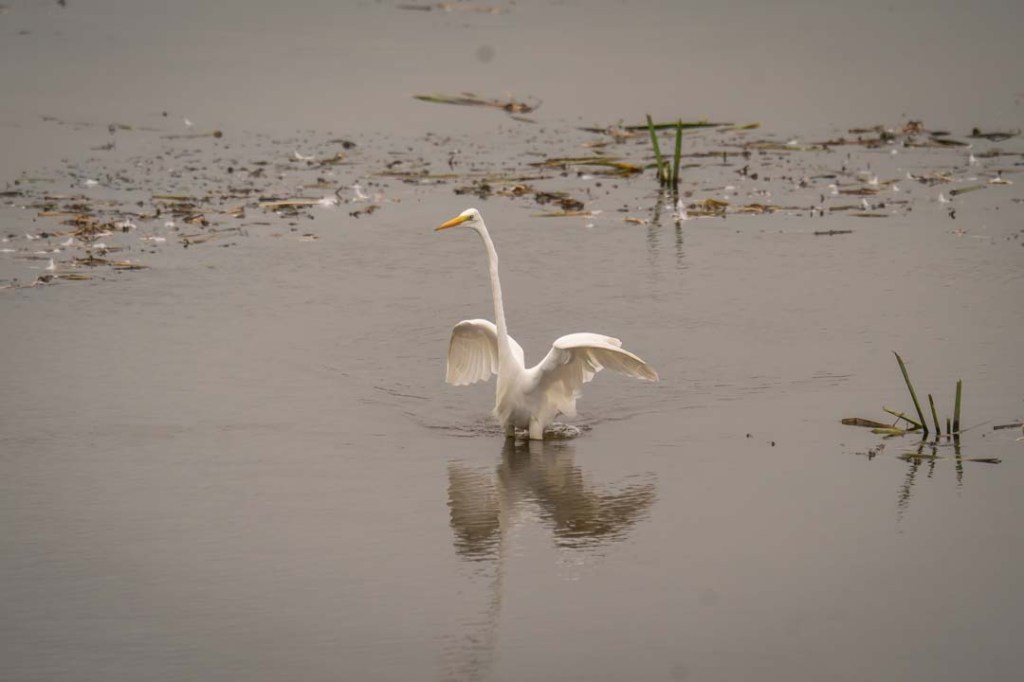
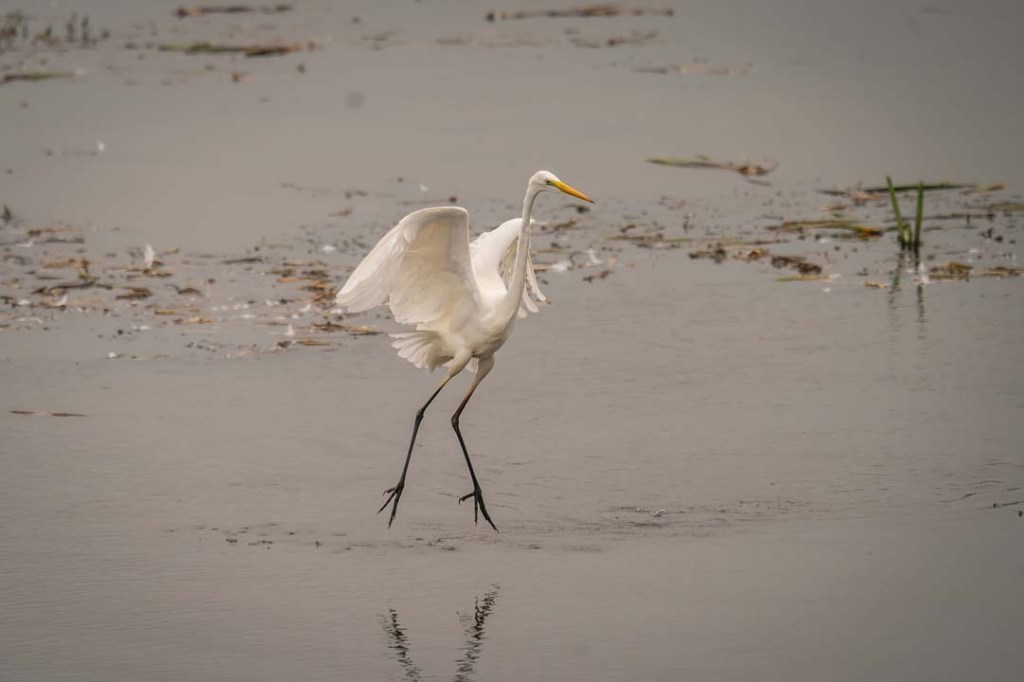
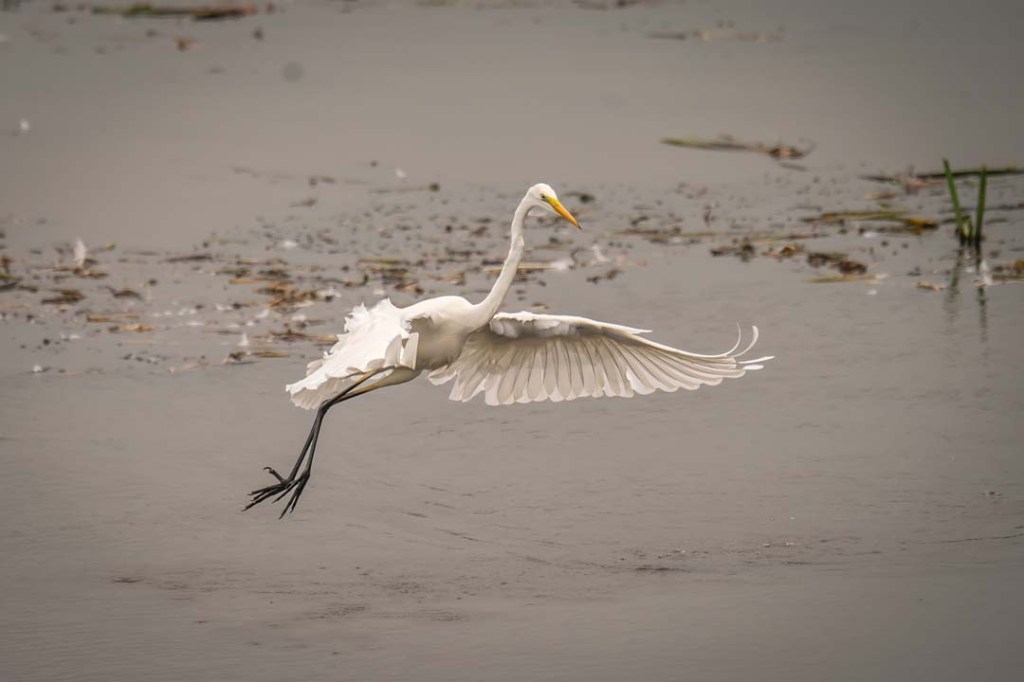
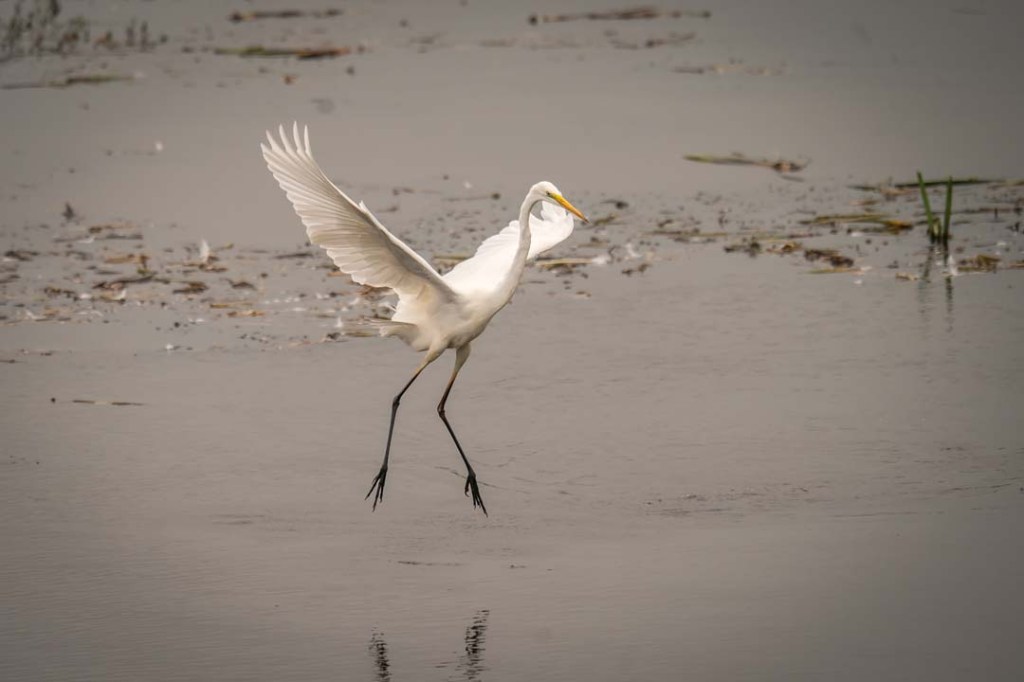
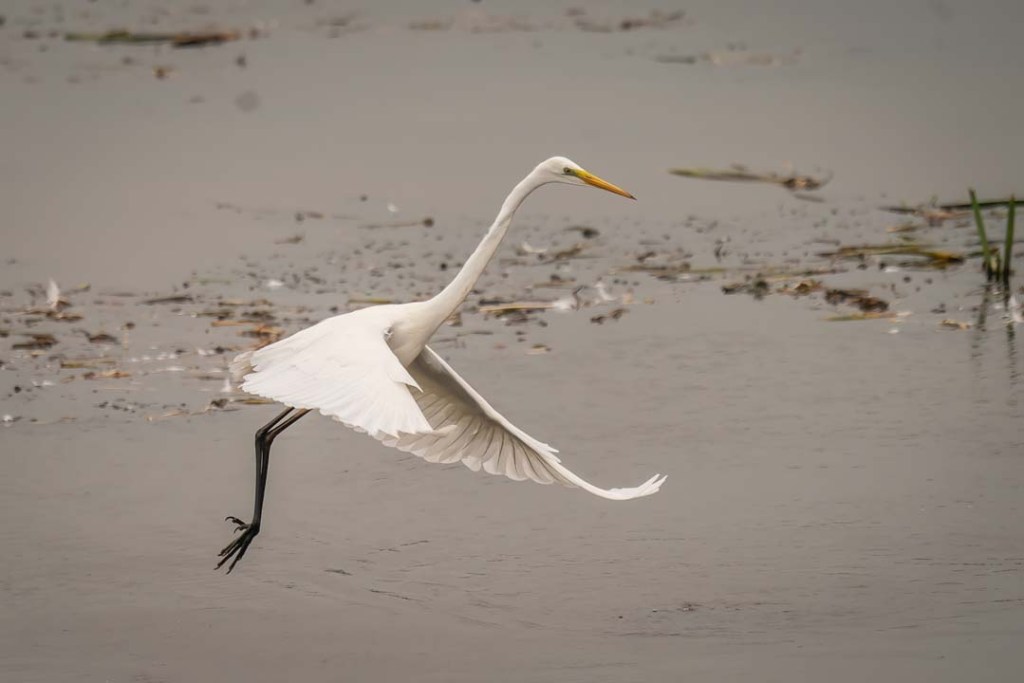
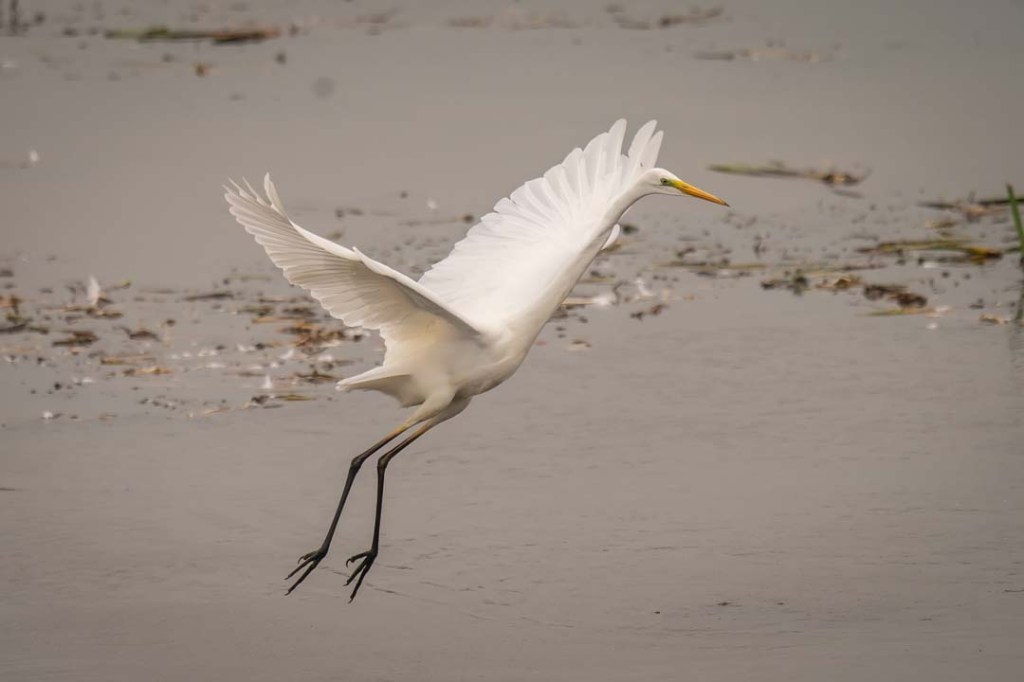
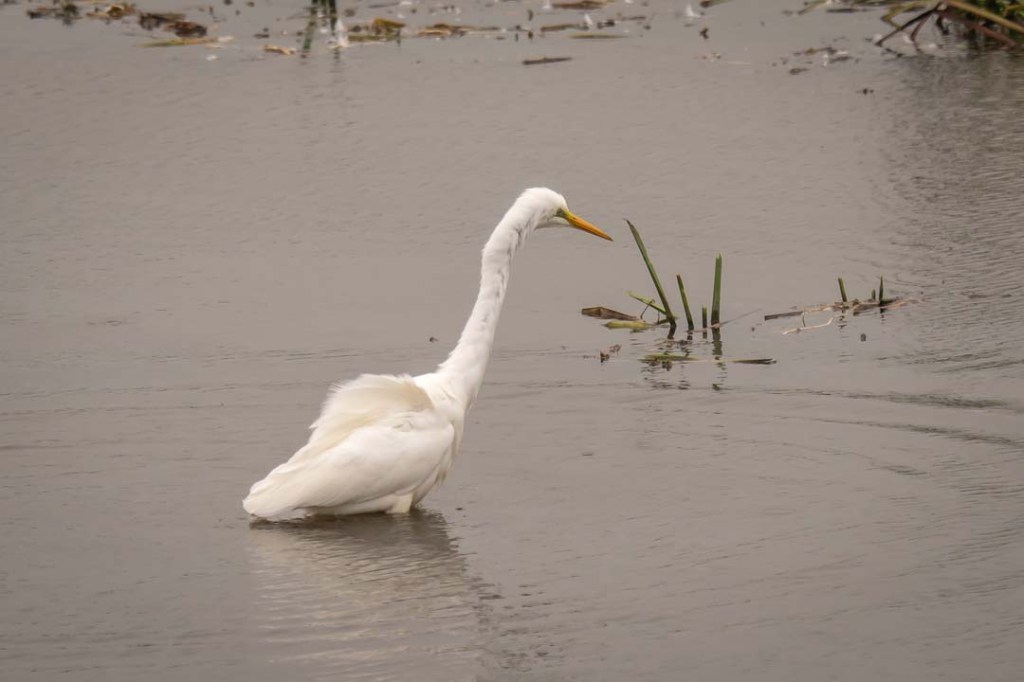
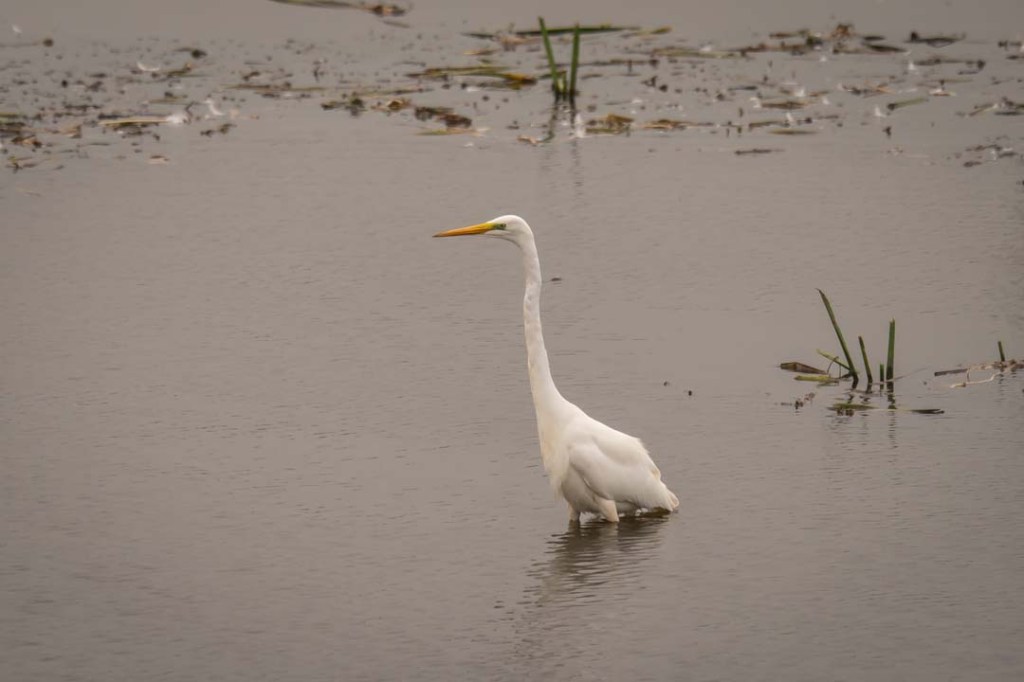
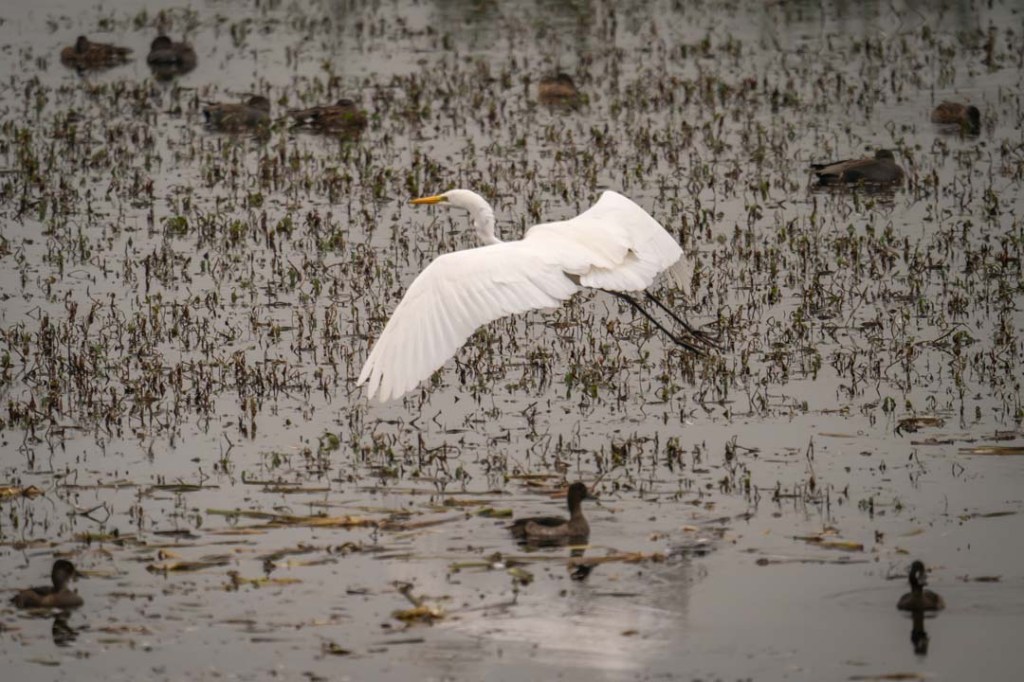
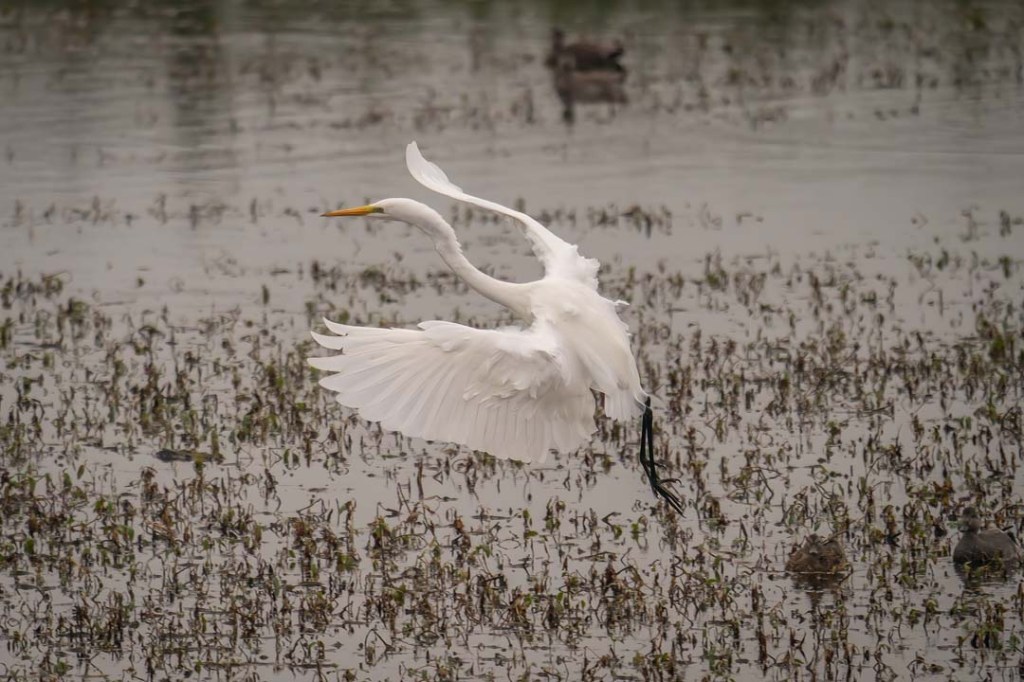
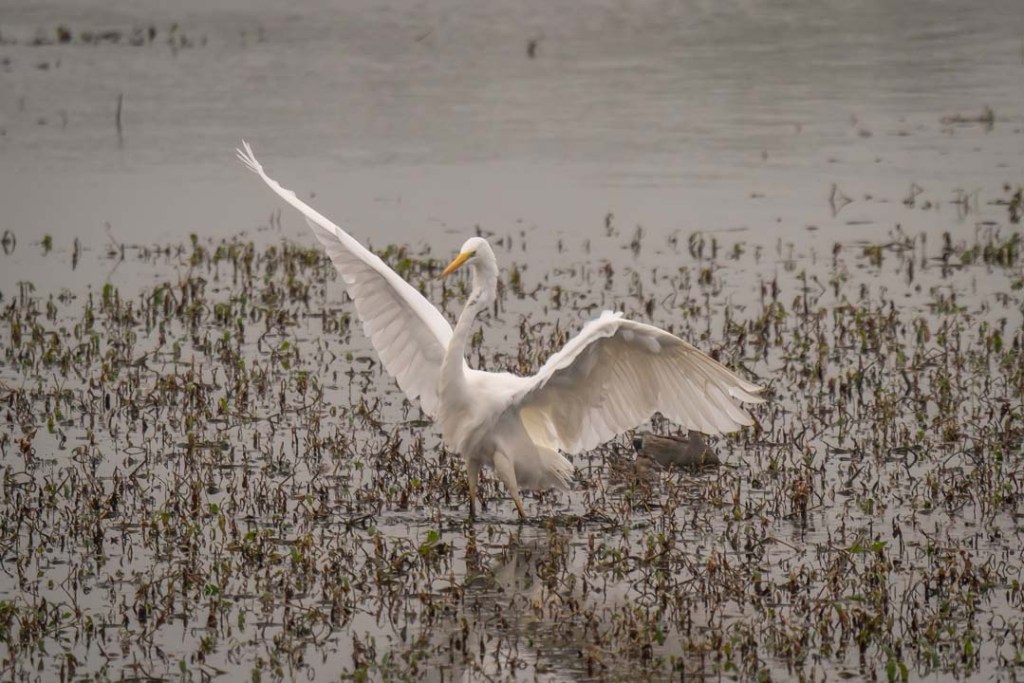
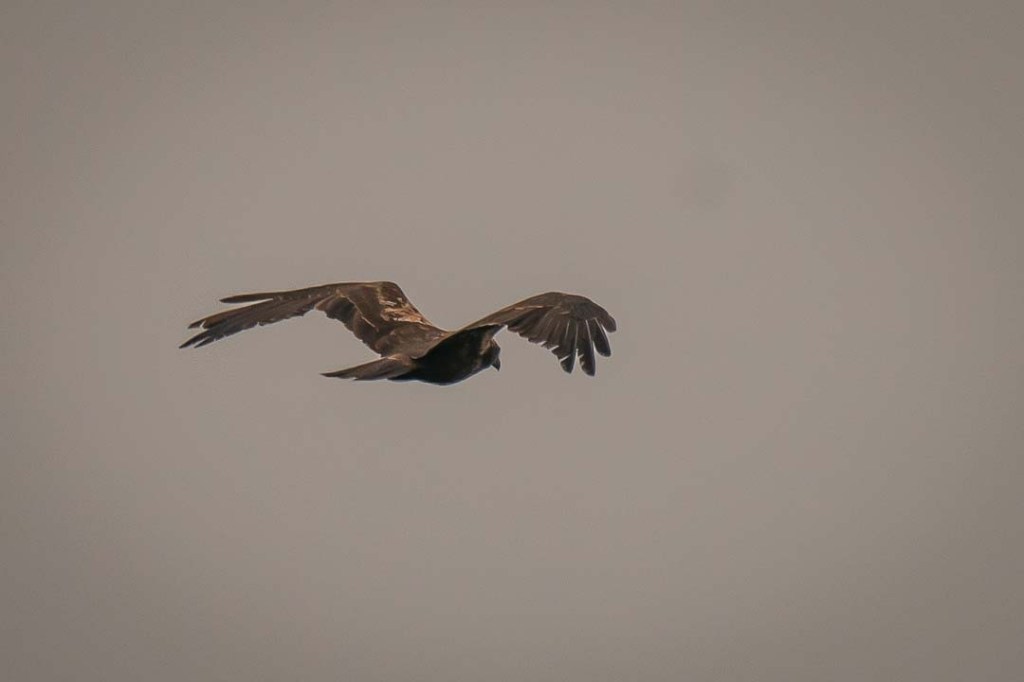
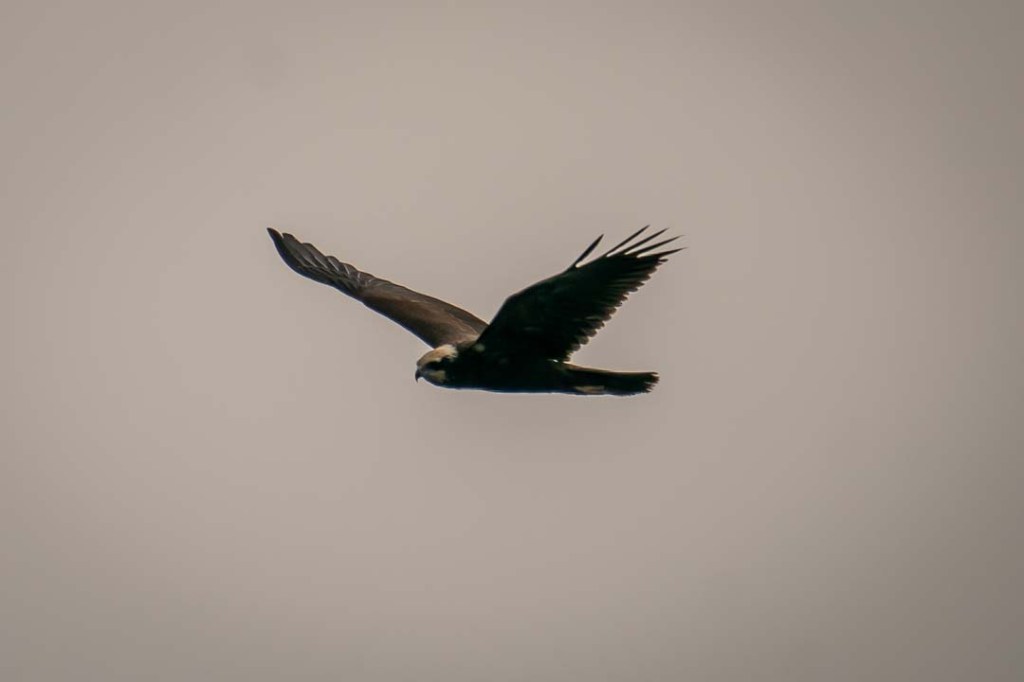
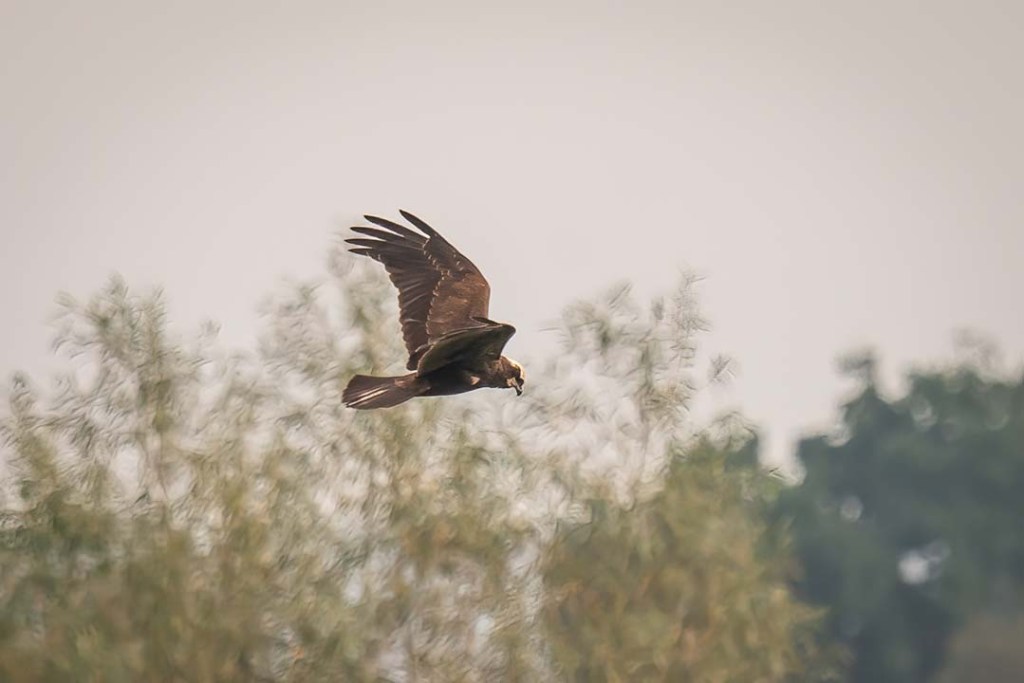
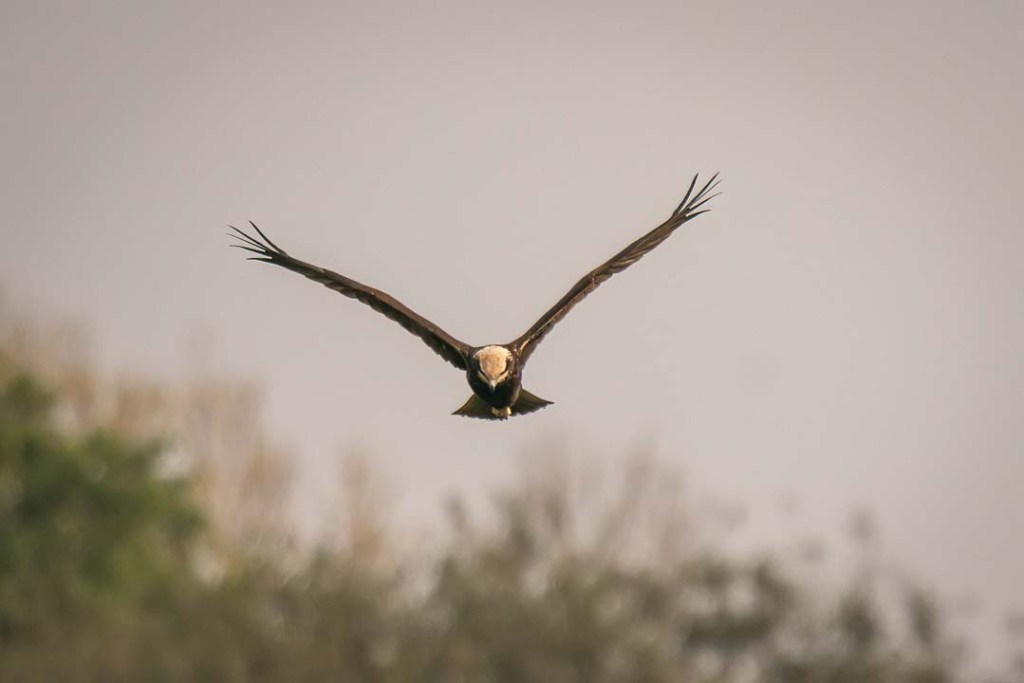
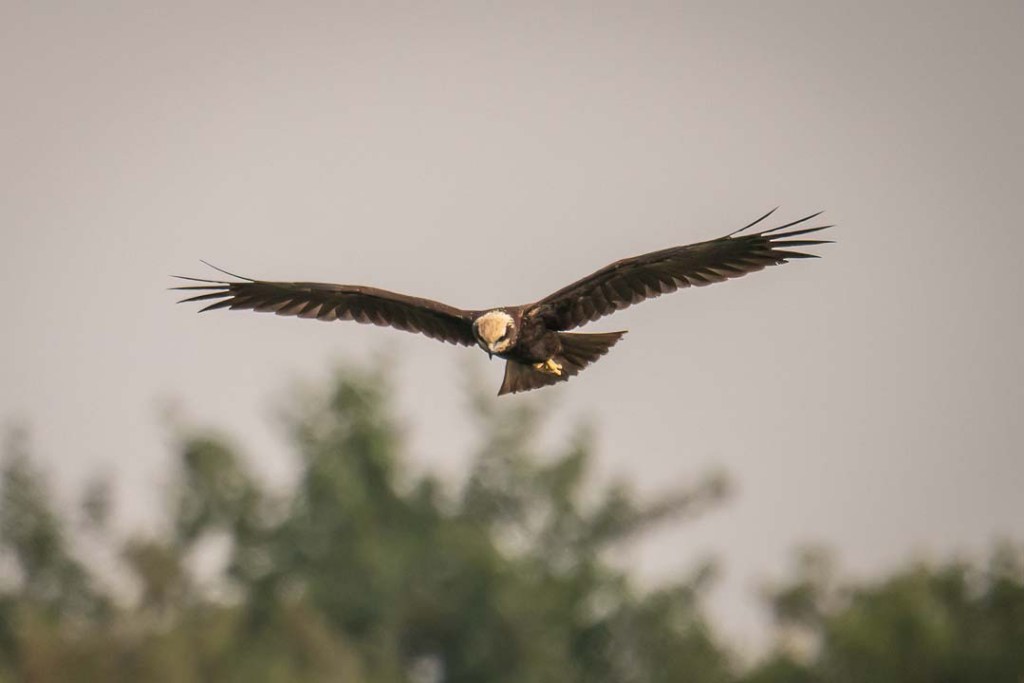
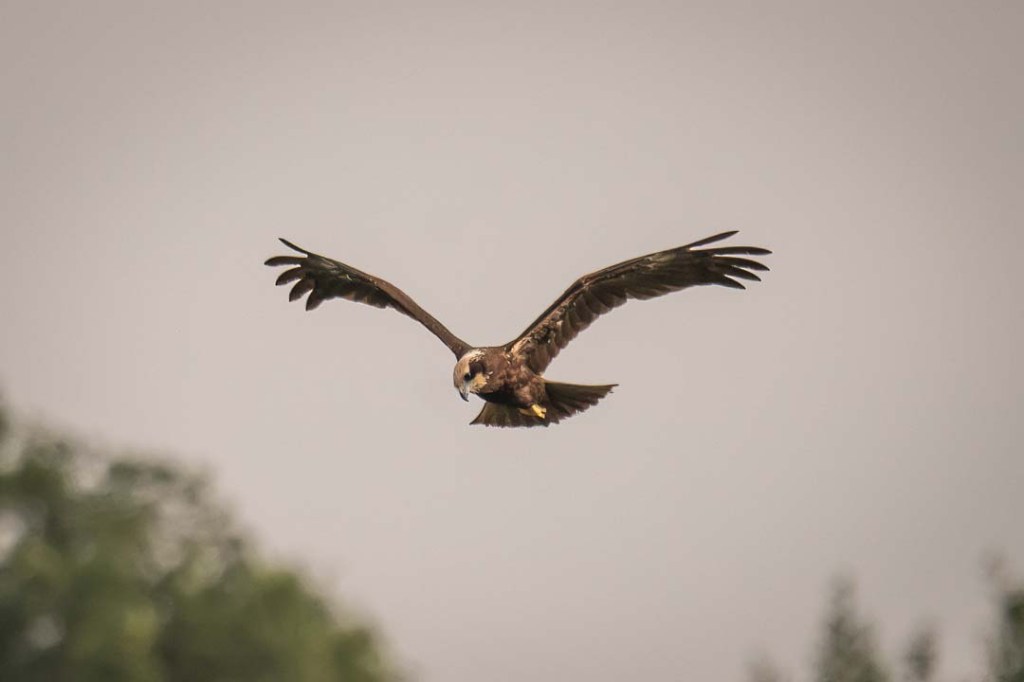
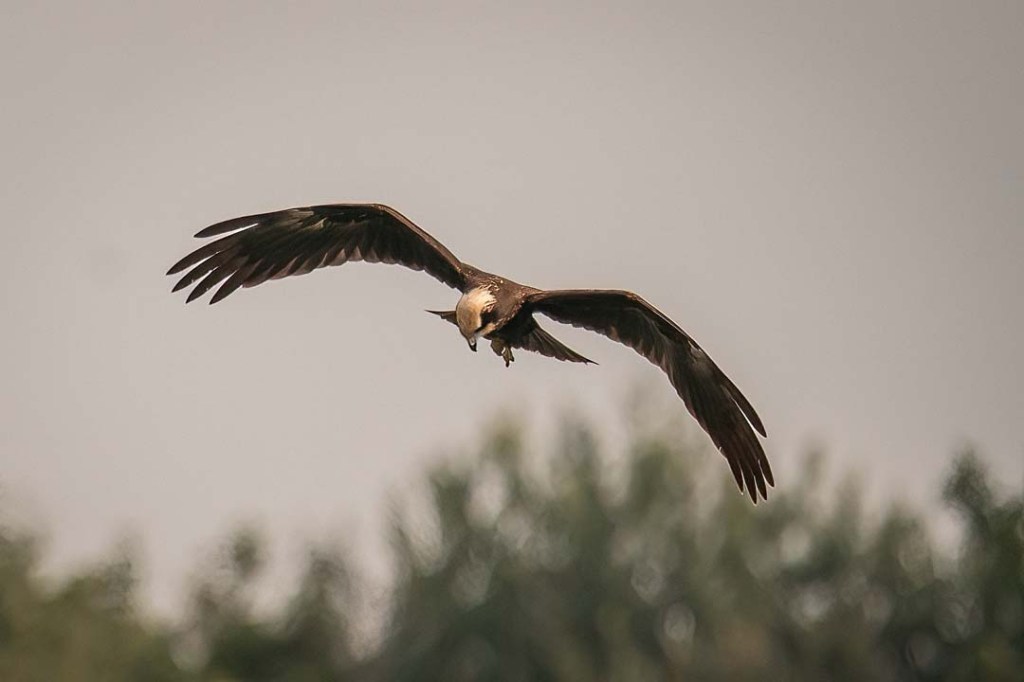
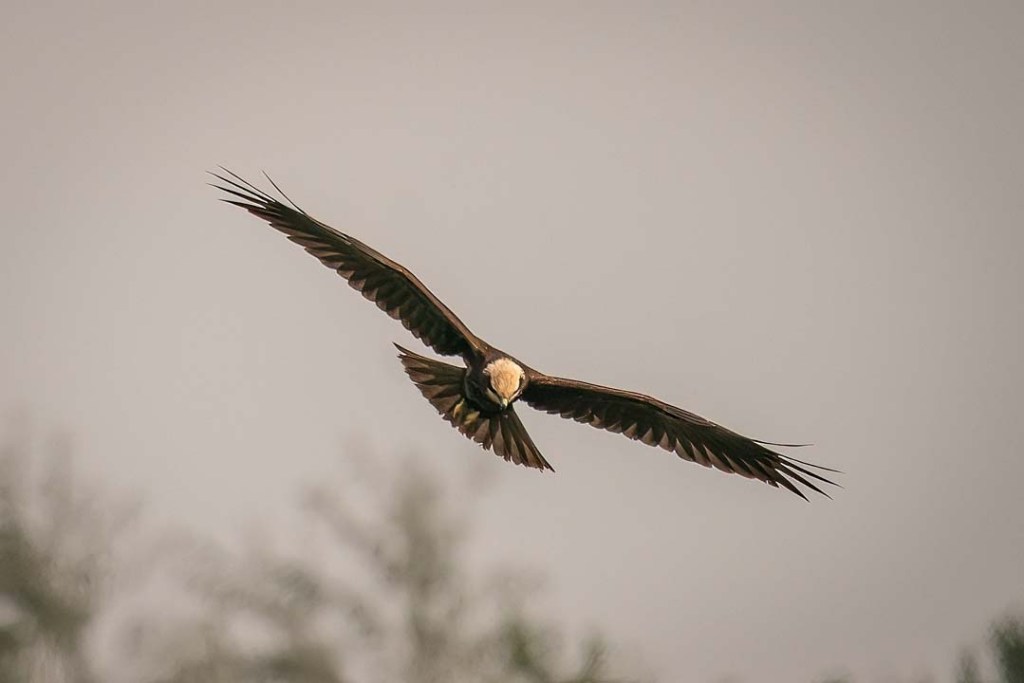
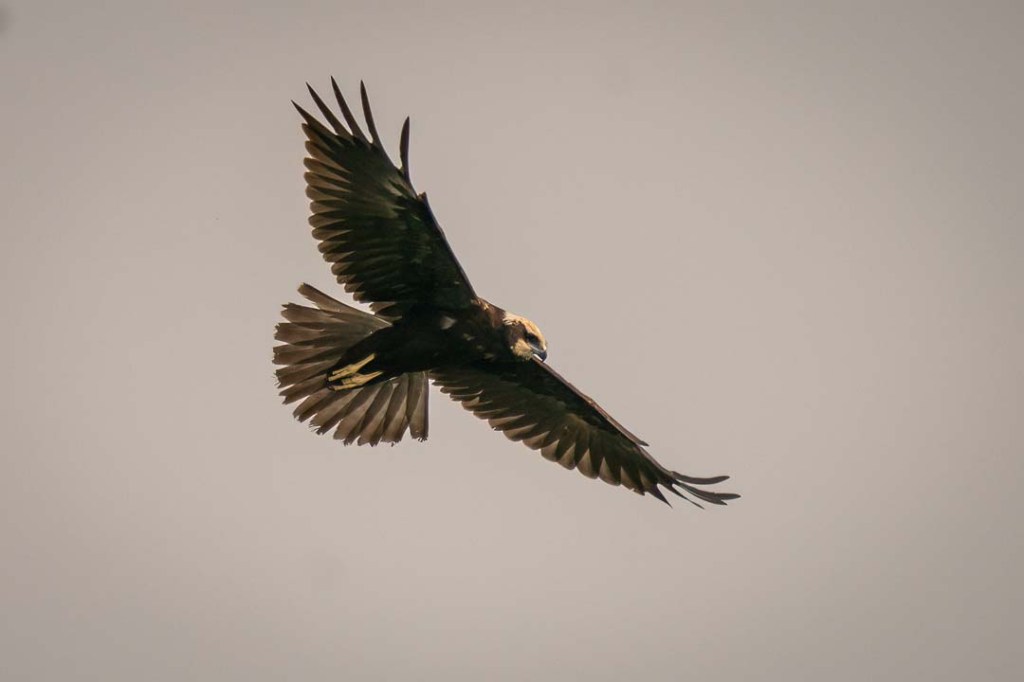
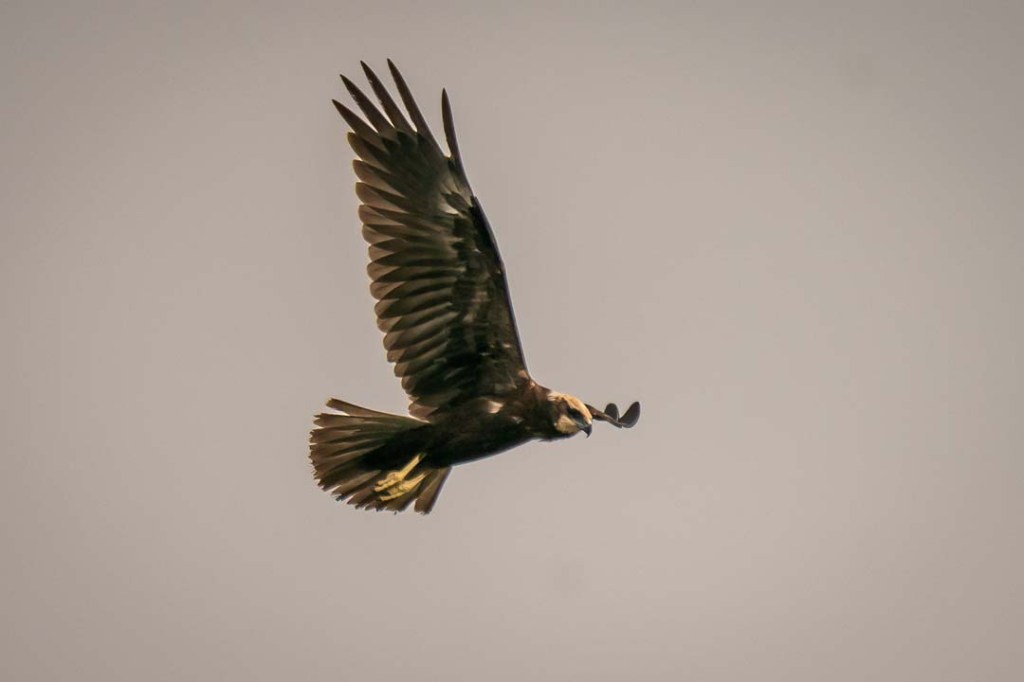
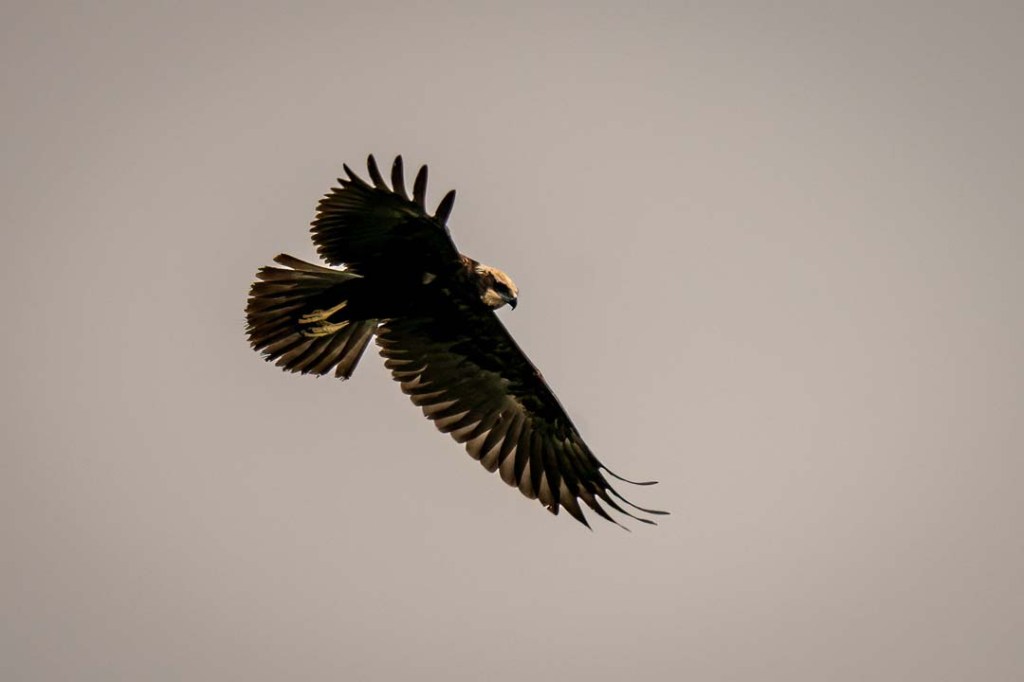
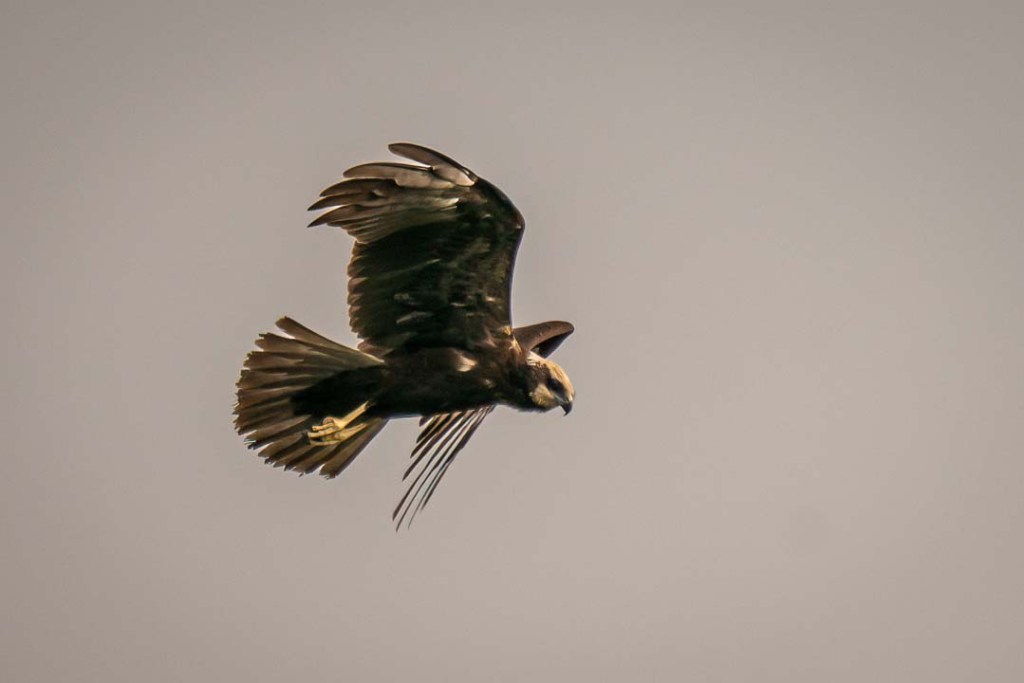
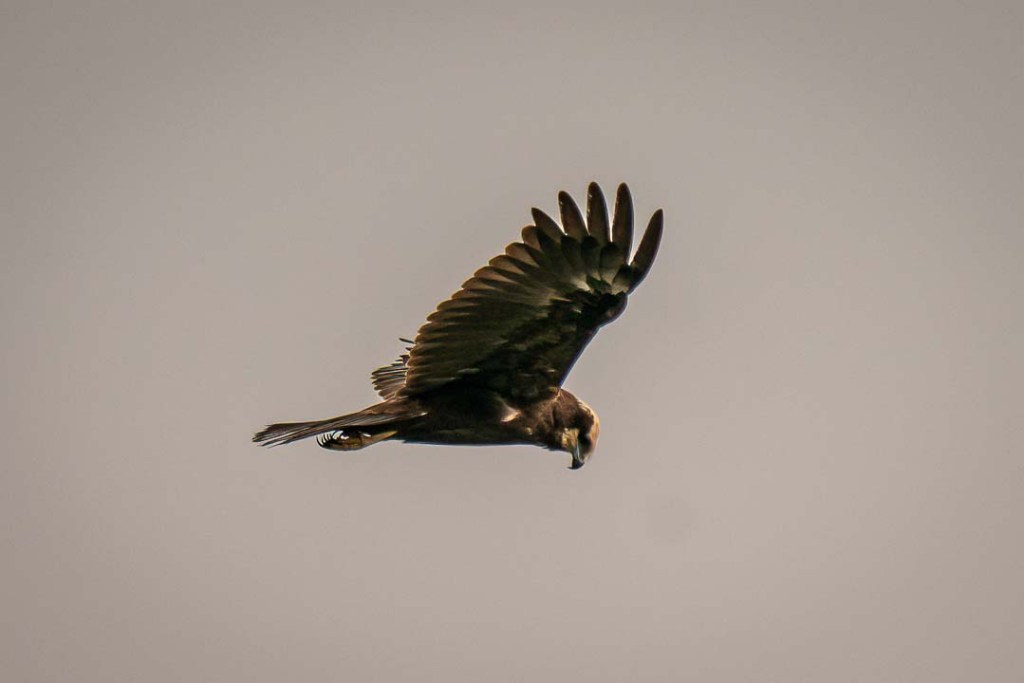
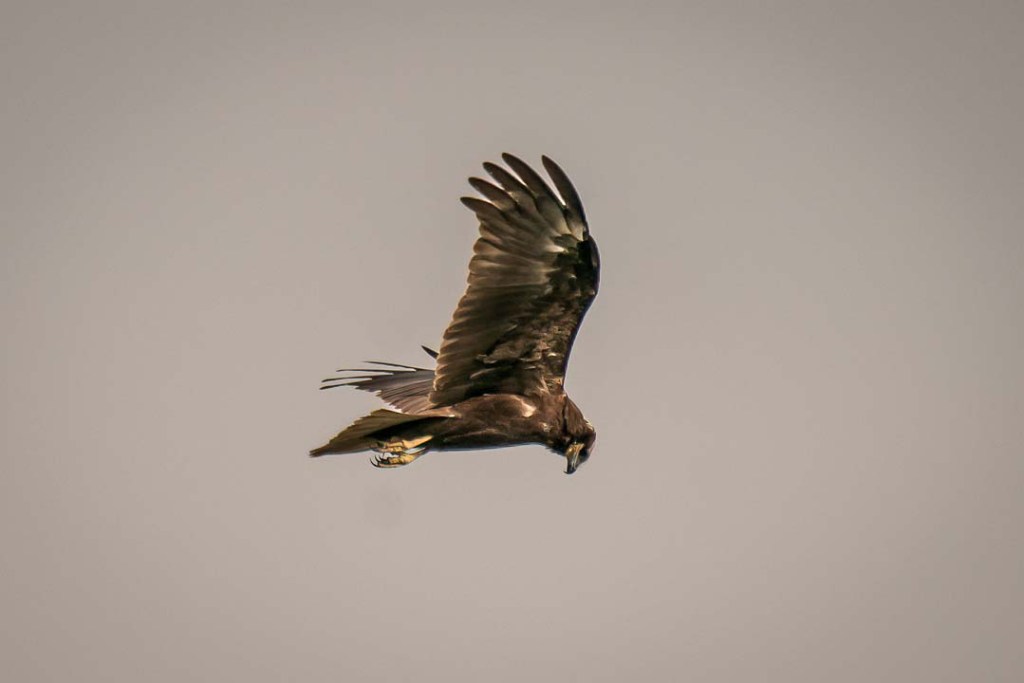
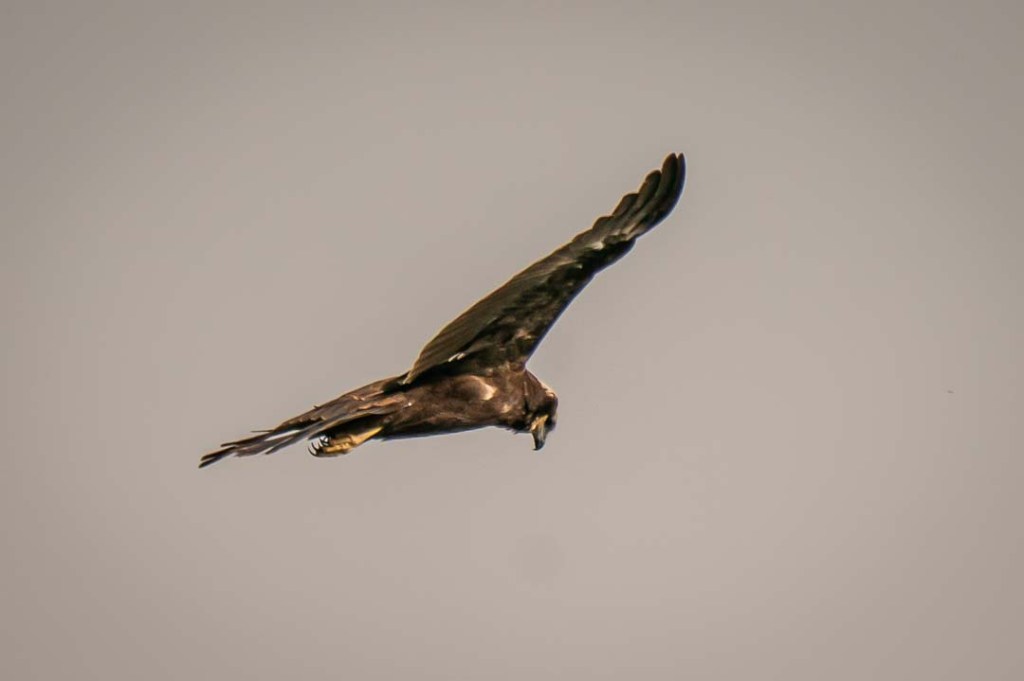
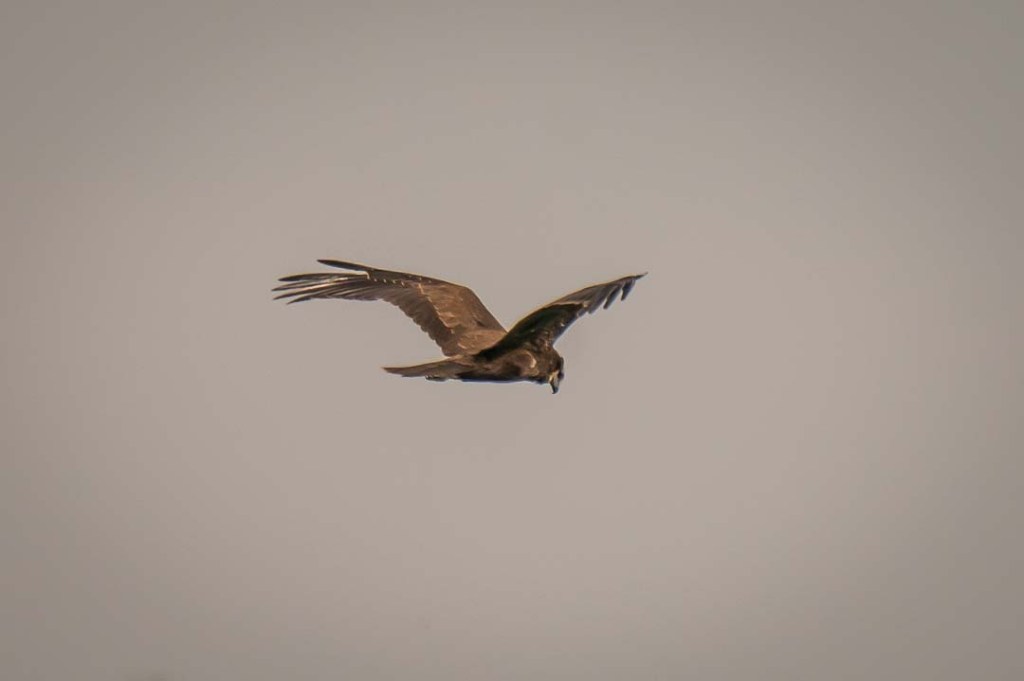
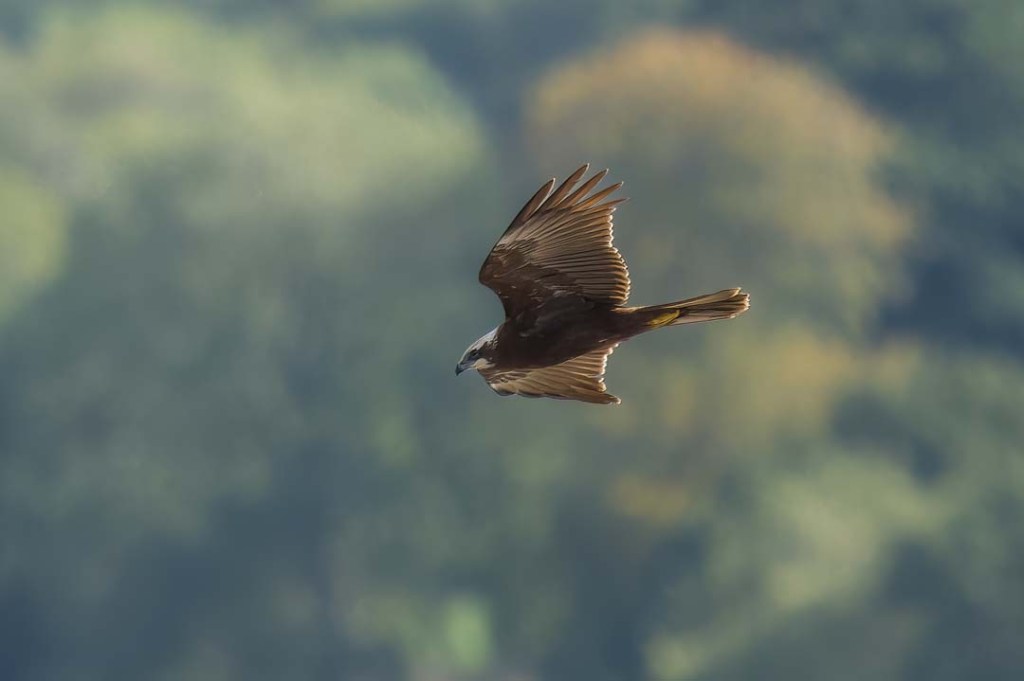
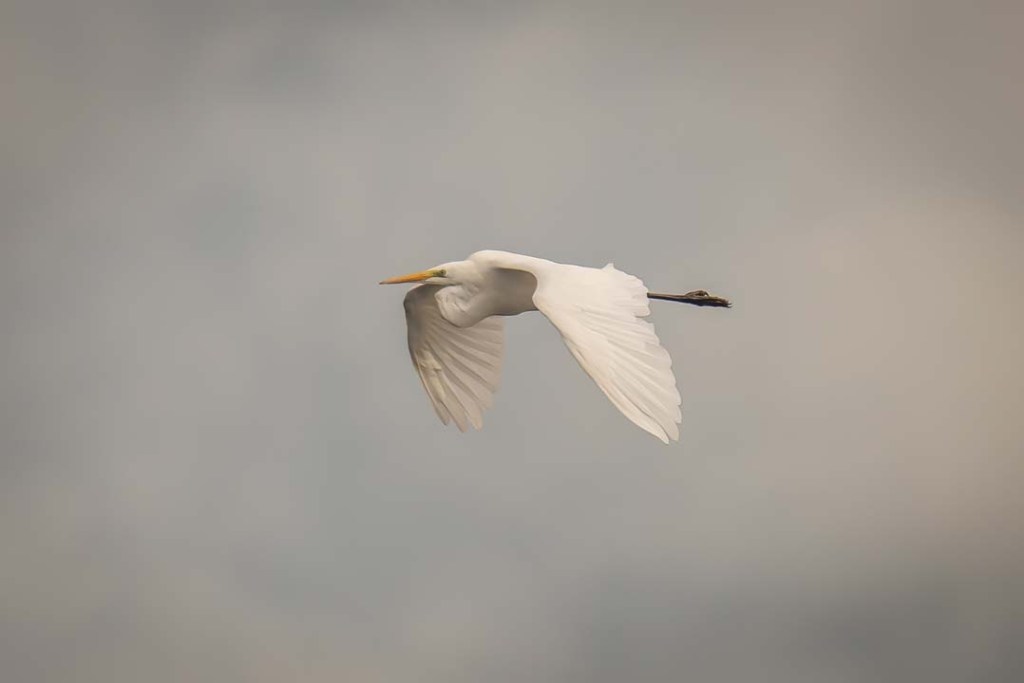
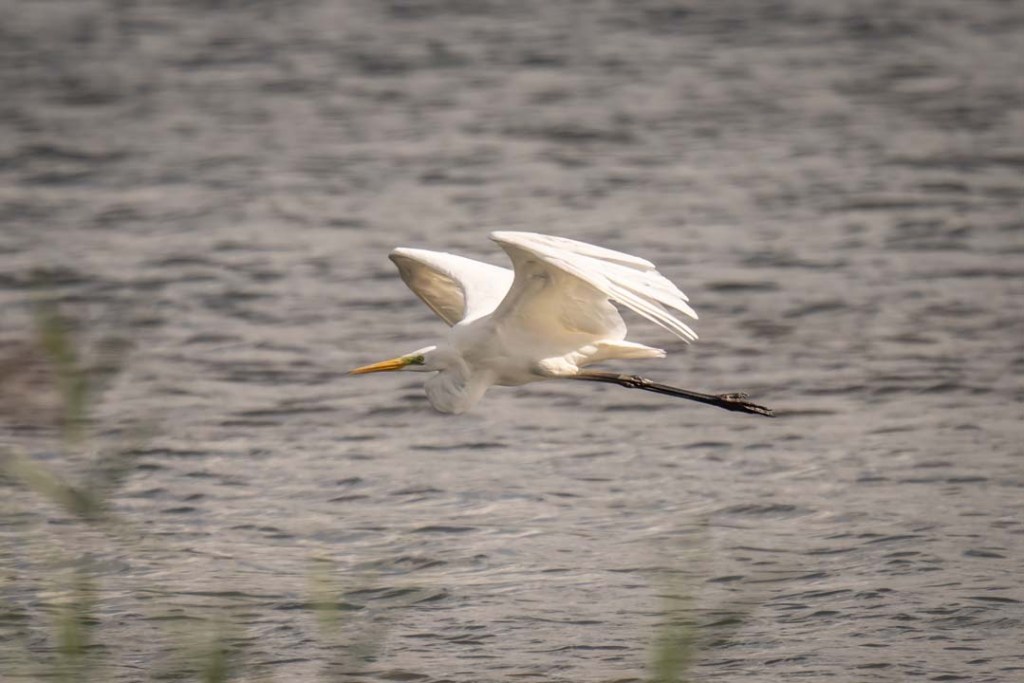
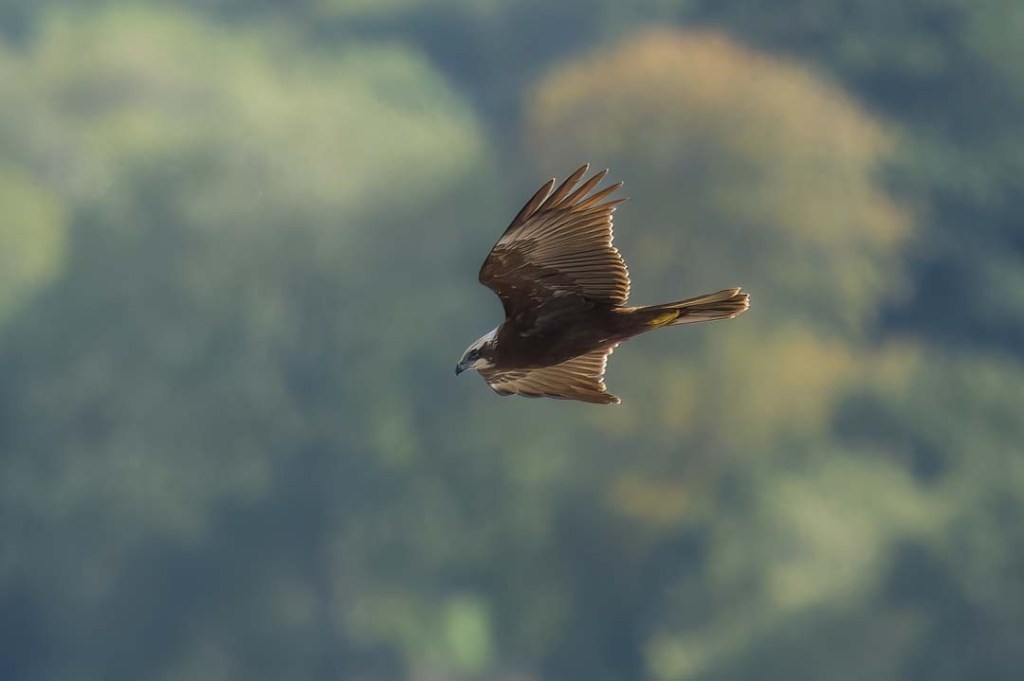
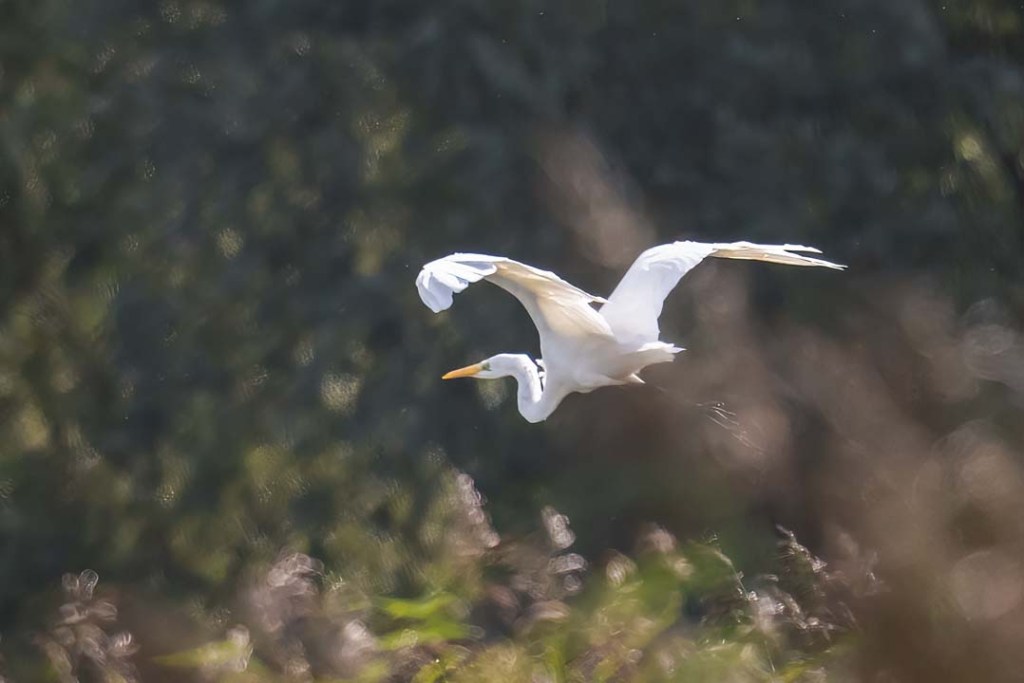
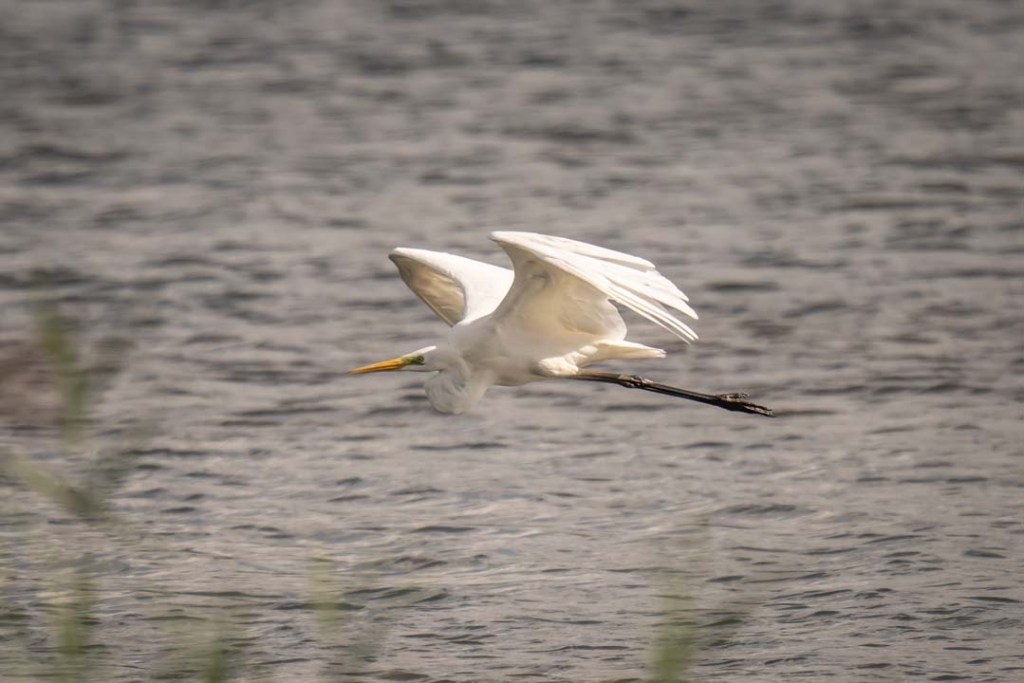
It didn’t brighten up much throughout the day but my day was brightened by a great white egret and several marsh harriers that put on a magnificent display for me.
I spent most part of the day in the Stratford hide at Chew Valley Lake and managed to narrowly miss 5 spoonbills and an osprey: the spoonbills minutes before I arrived and the osprey when I went for my picnic lunch and a quick visit to Herriots Bridge. I’m clearly not dedicated enough!
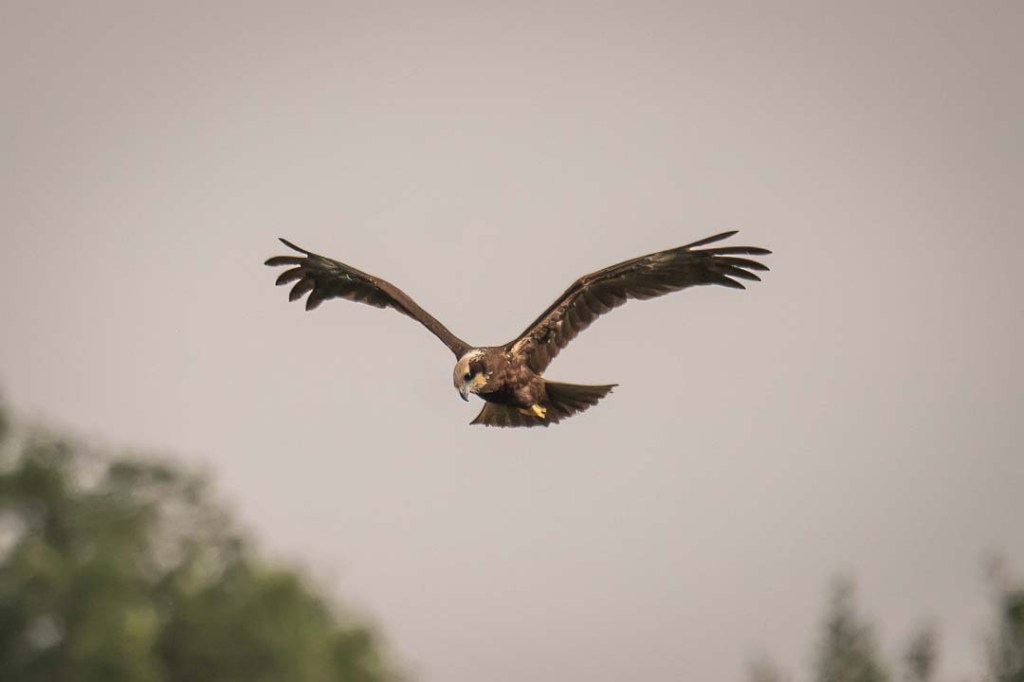
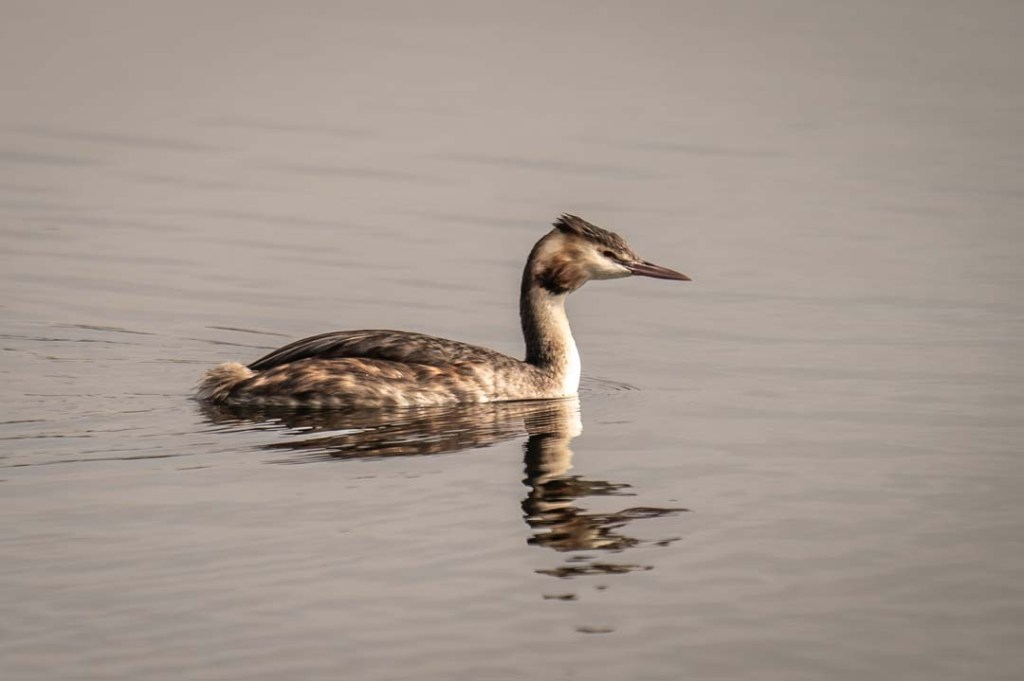
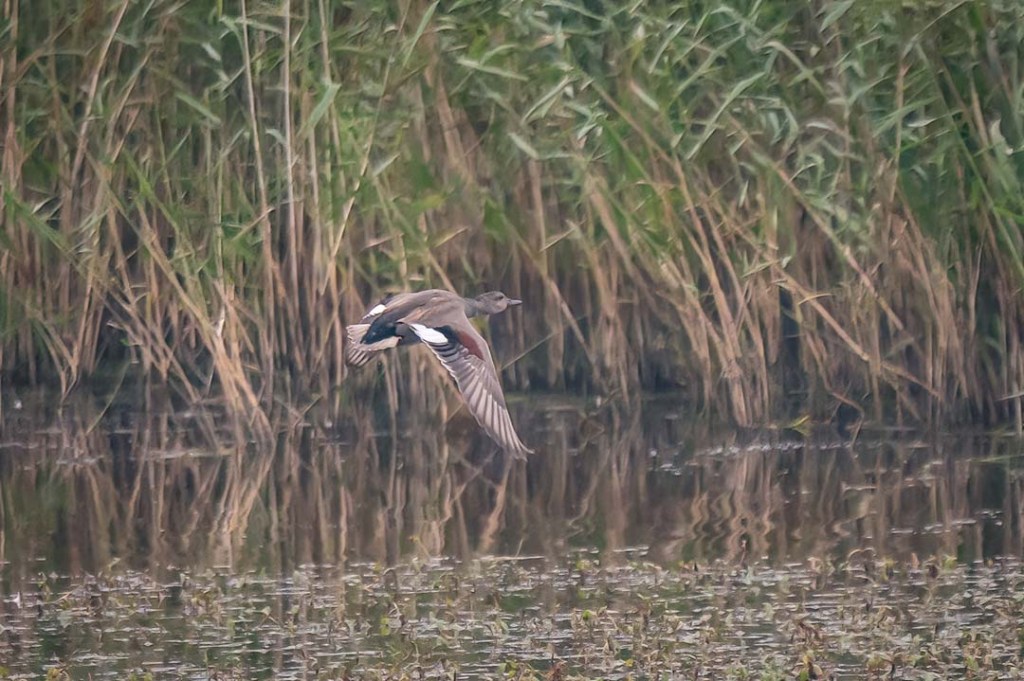
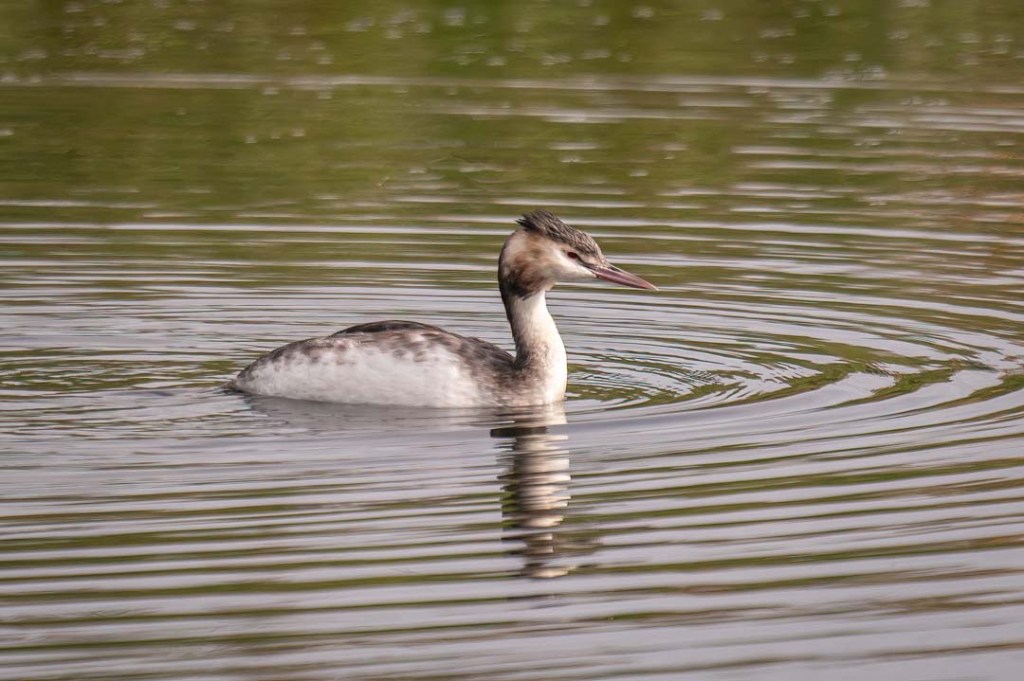
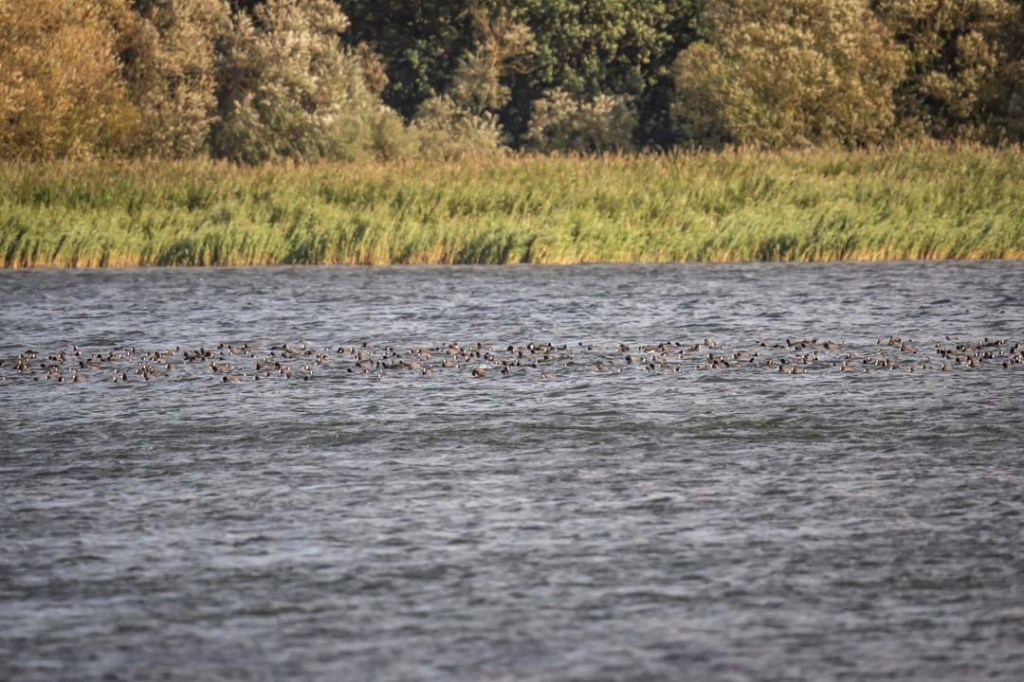
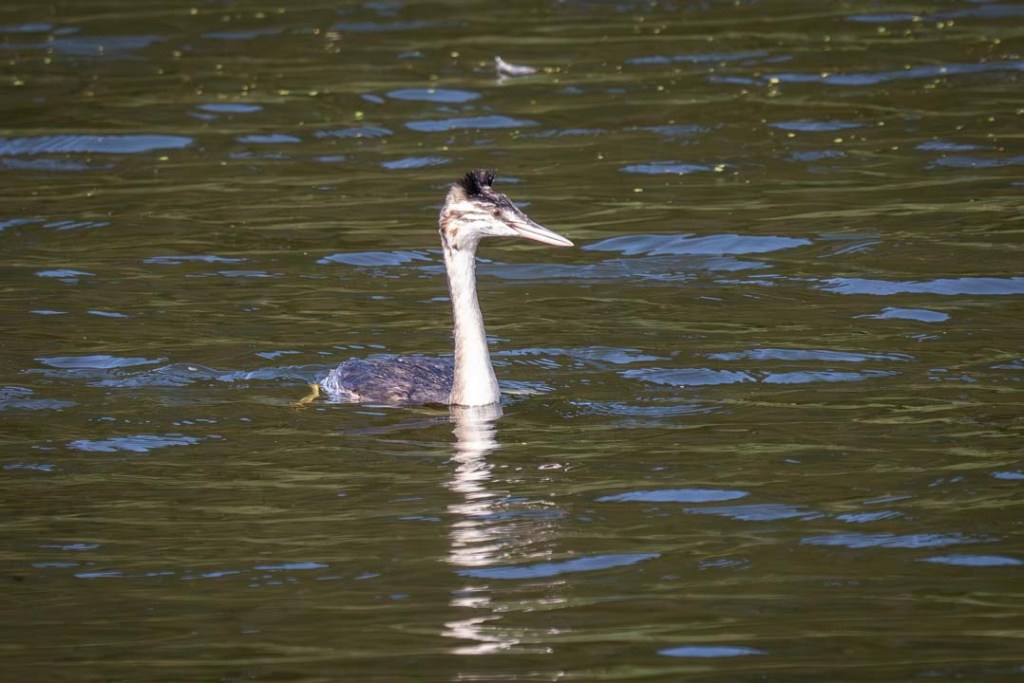
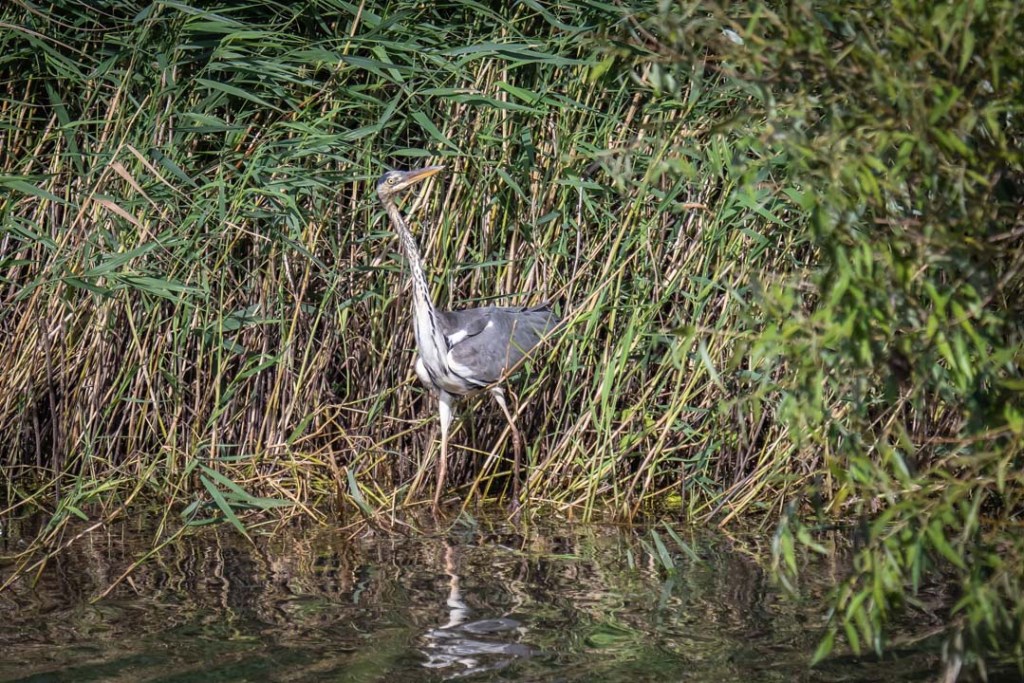
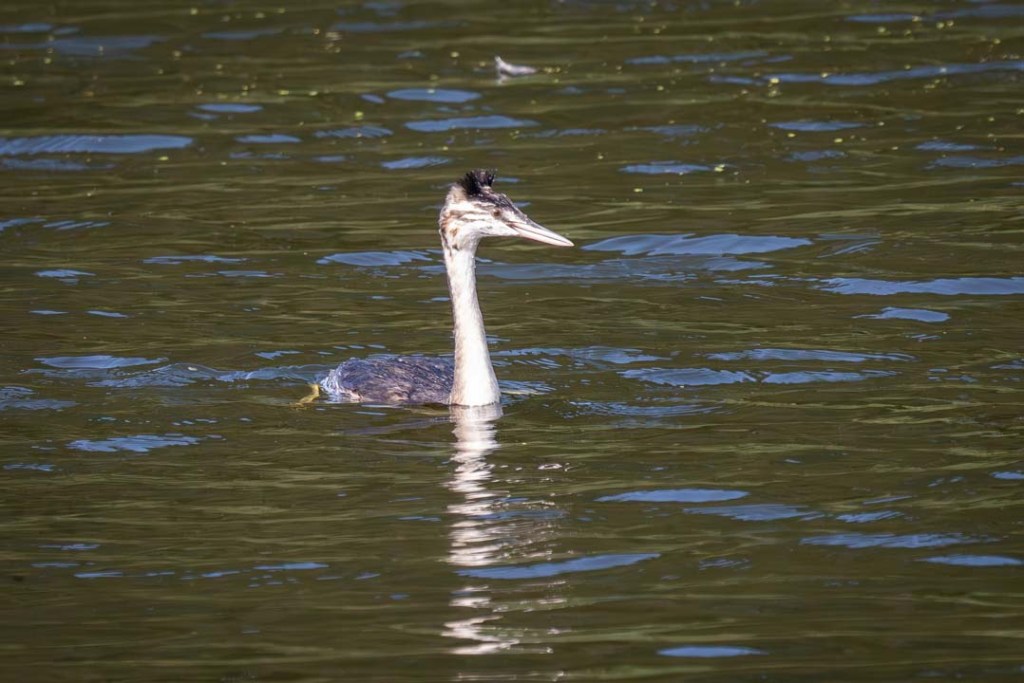
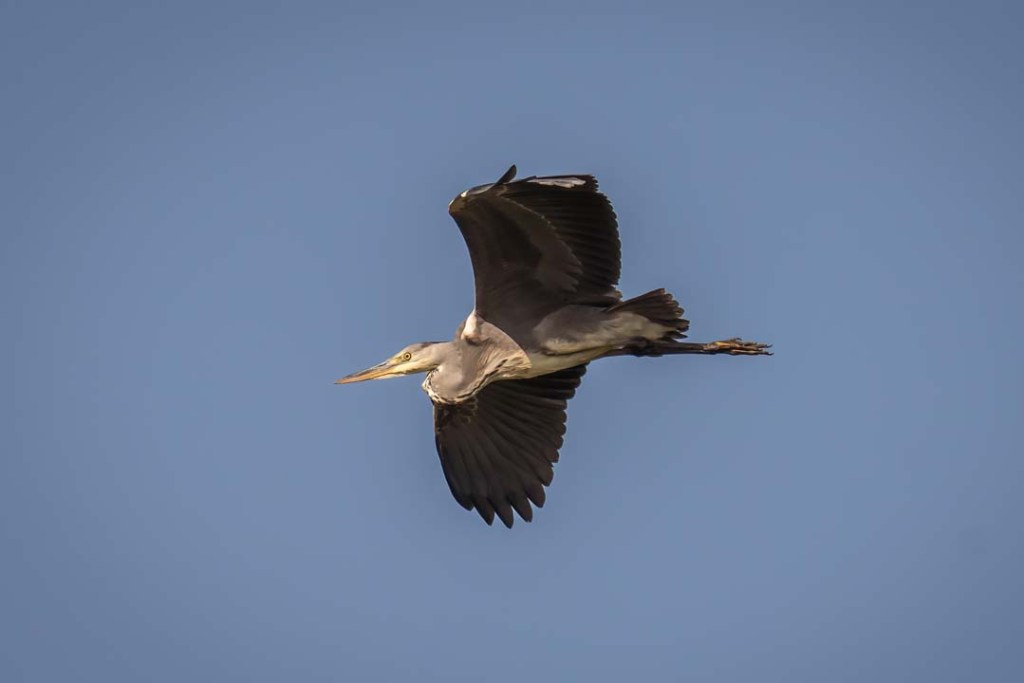
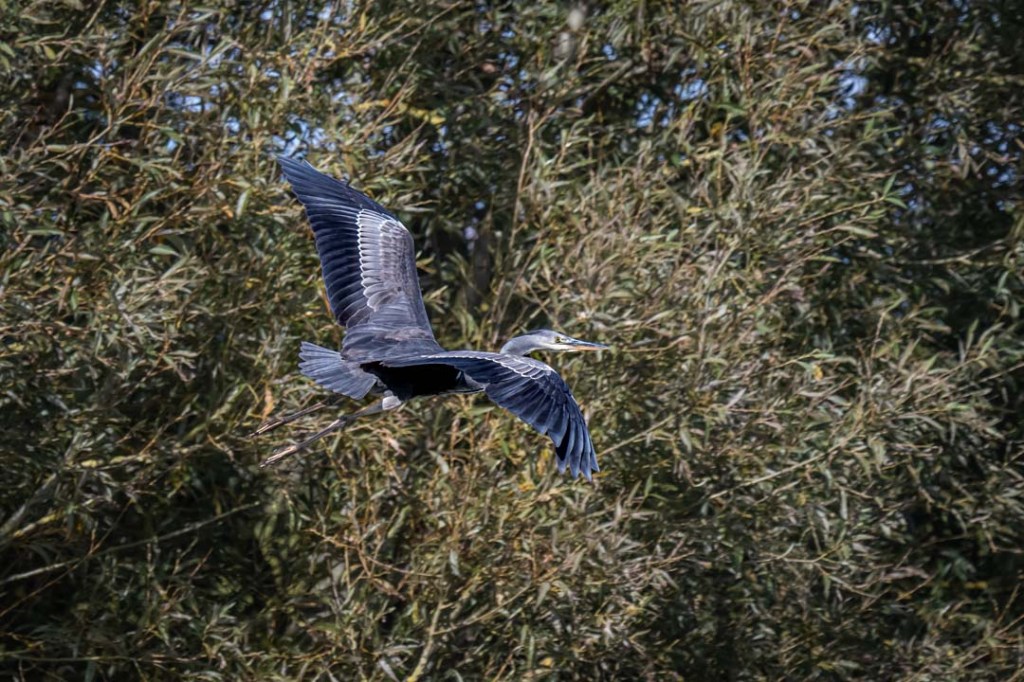
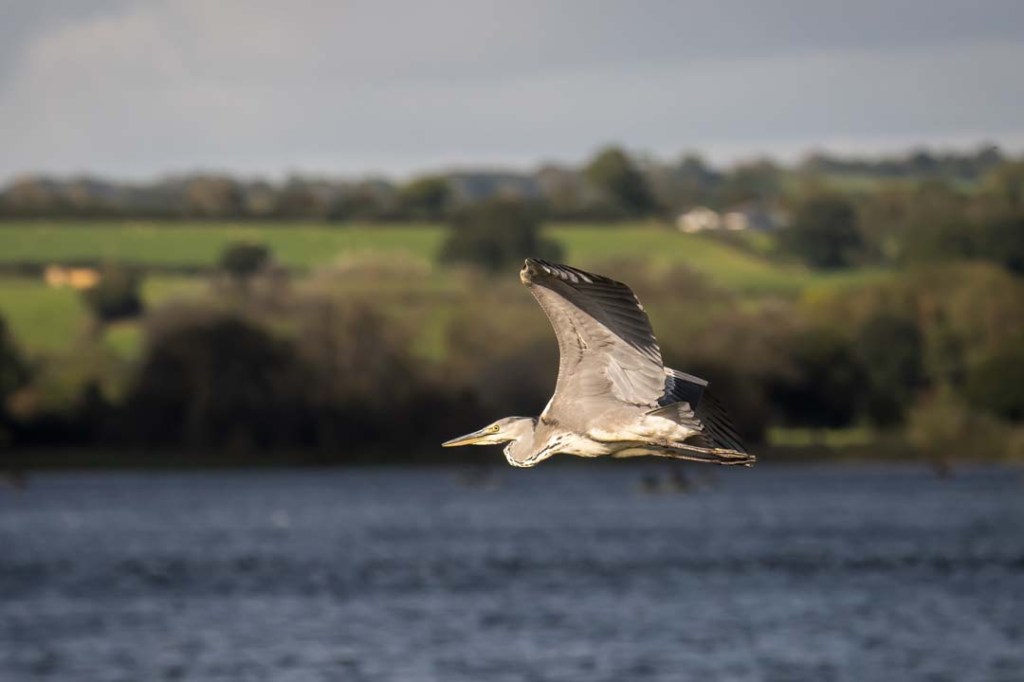
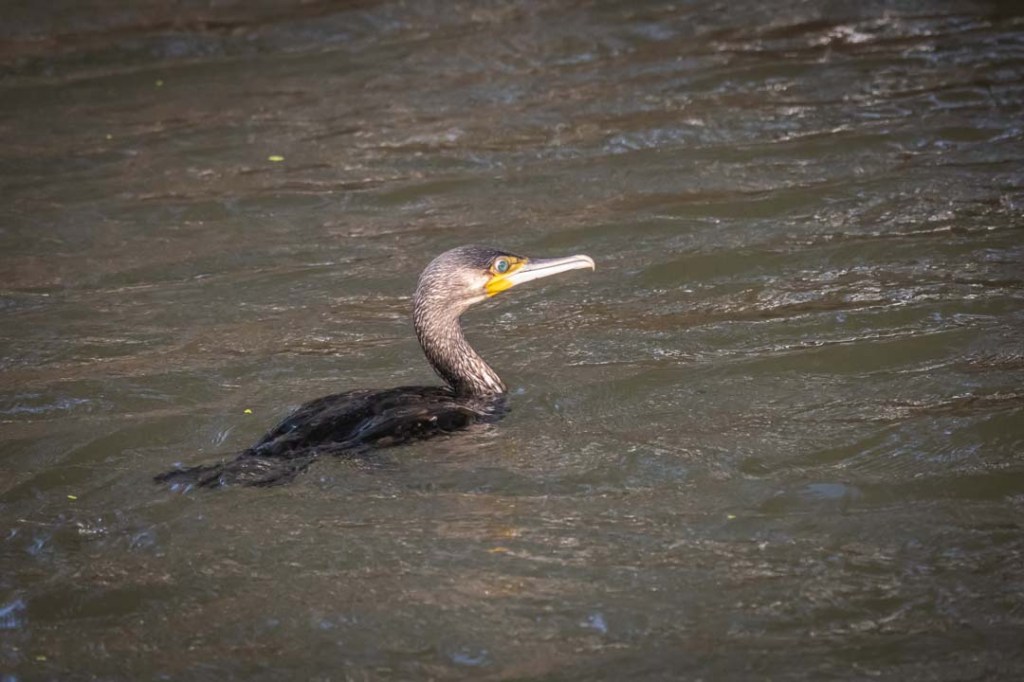
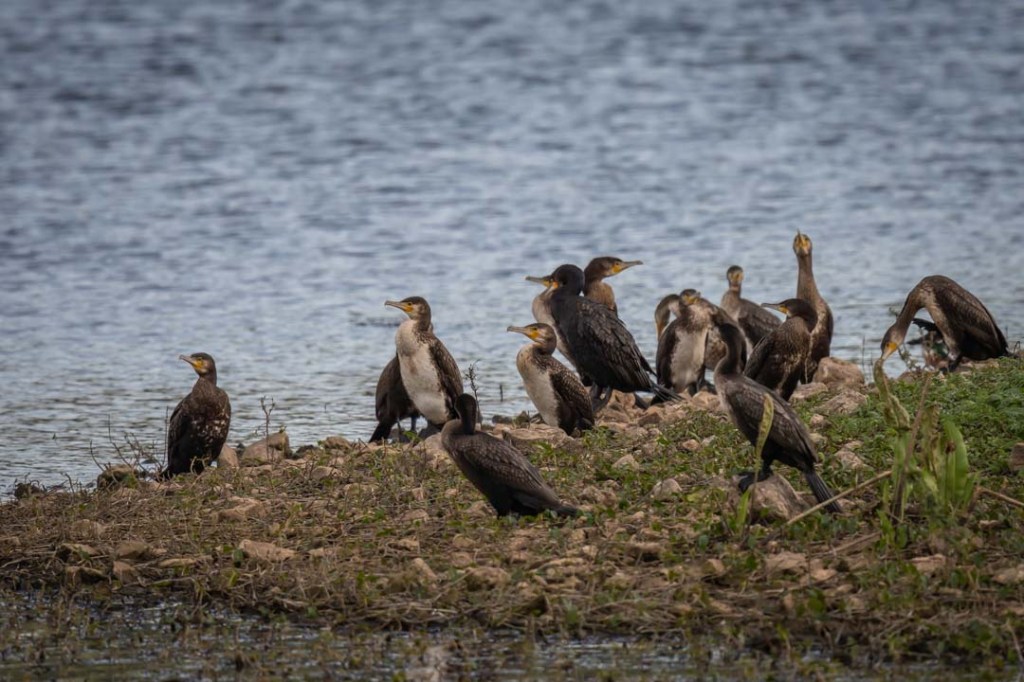
The lake was teeming with coots (c 1900 according to someone who counts). I could pick out small numbers of shoveler and pintails, a juvenile garganey and a kingfisher hovering over the reeds. Most of my effort was spent trying to photograph the larger birds including a female marsh harrier, a juvenile great crested grebe, 3 great white egrets, 3 grey herons and lots of cormorants.
For some reason or another I found the photography difficult and today I had no excuse with the light.
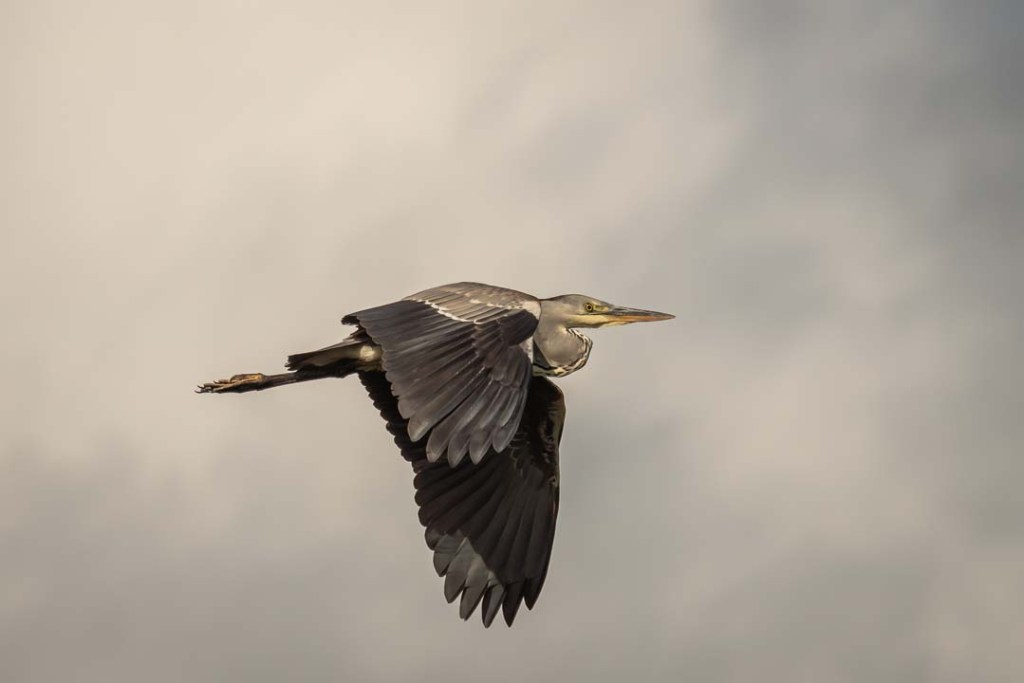
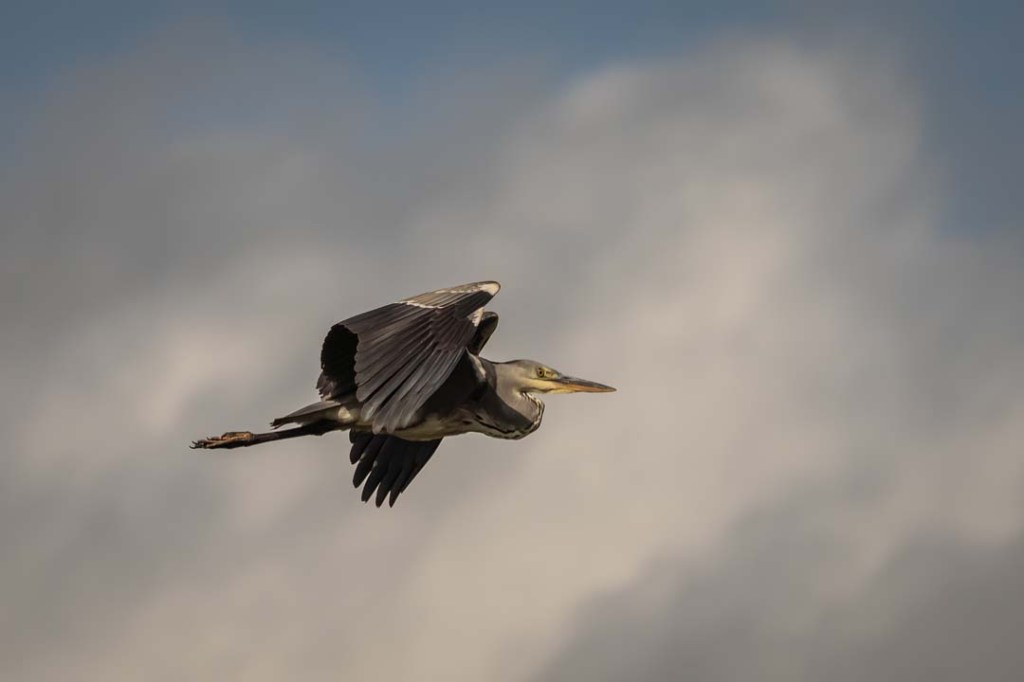
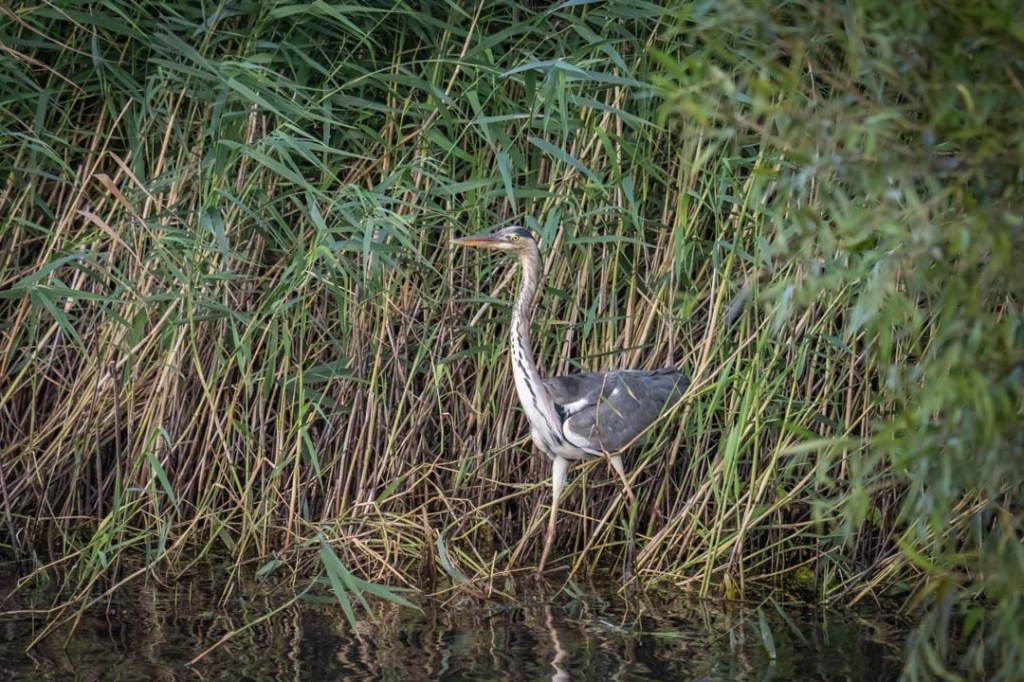
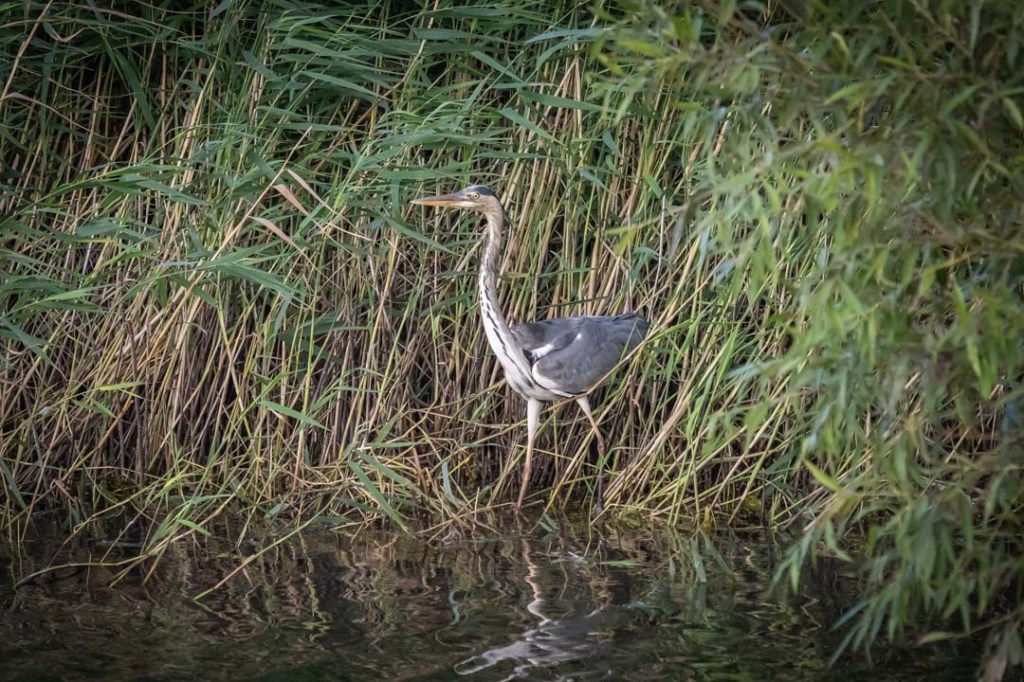
You will have to believe me but these are some of the thousands of coots on the lakeFemale marsh harrierGreat white egretGreat white egretJuvenile great crested grebeGrey heronThere were three grey herons squabbling for territory at Herriots BridgeThis grey heron was very wary of the other twoCormorantJuvenile garganey in the water in the middle of the photo
All these birds are very distracting when you are trying to have a walk!
In truth, we needed to set off earlier as by 11 am it was too hot for a walk and we were back at the hotel having a coffee.
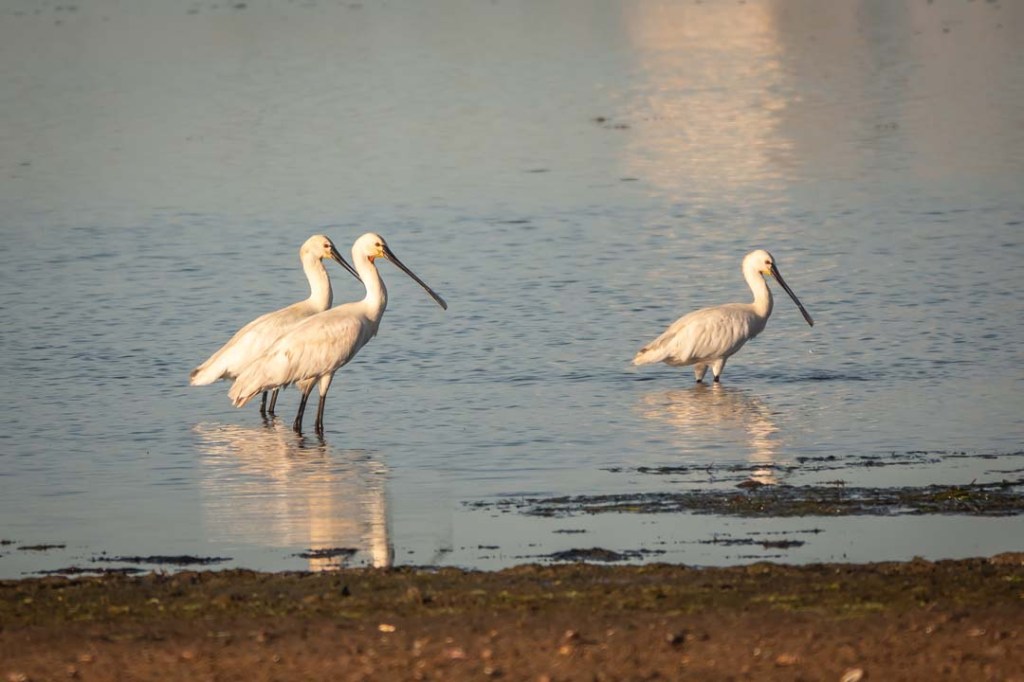
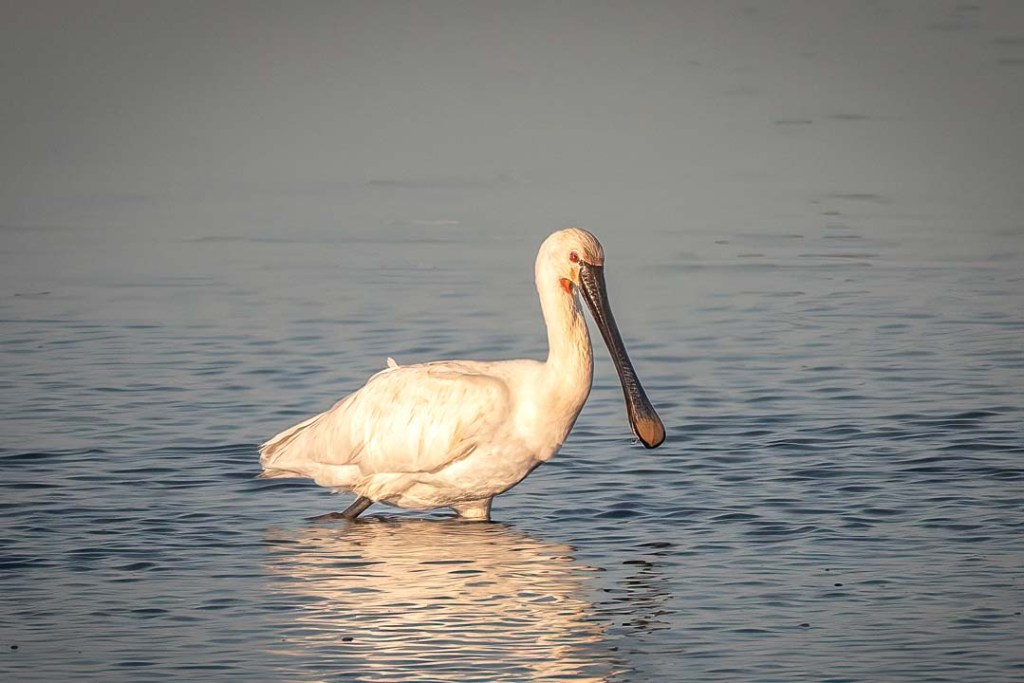
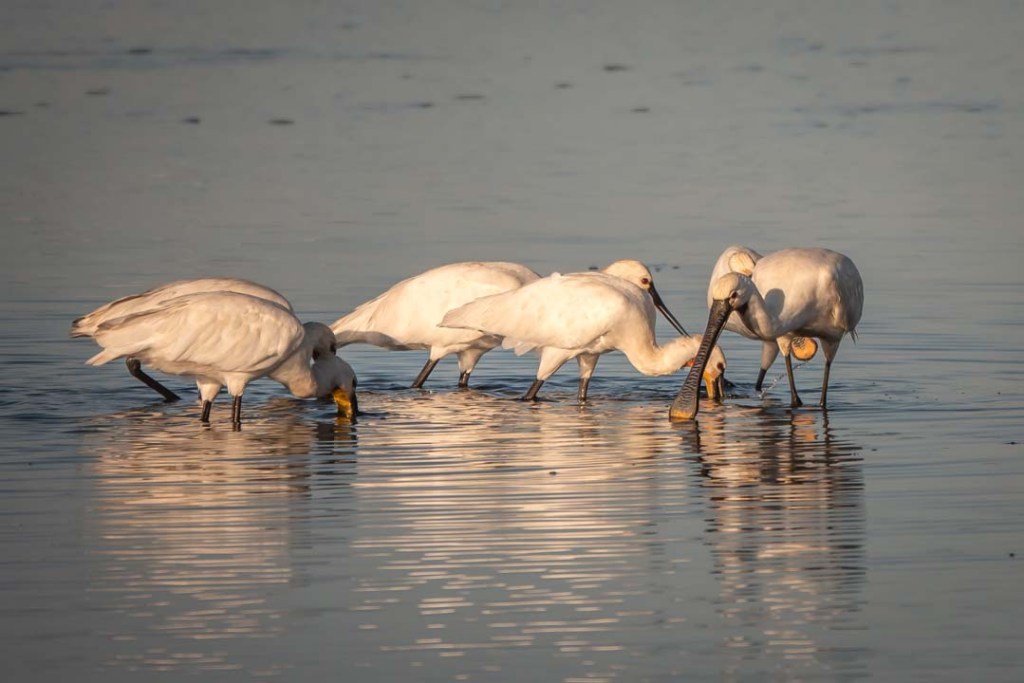
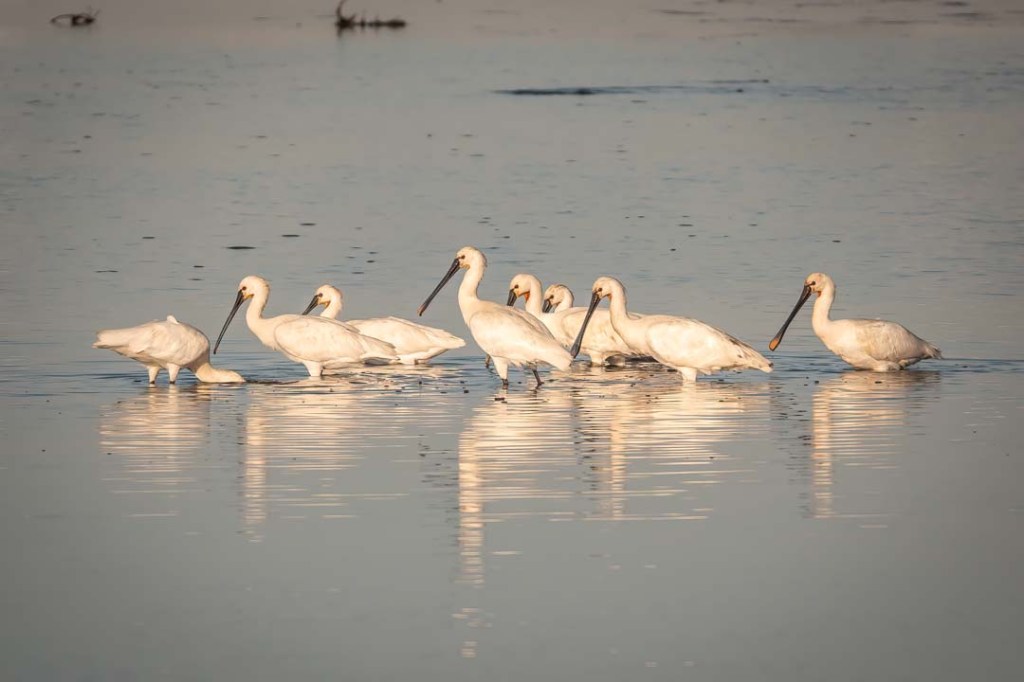
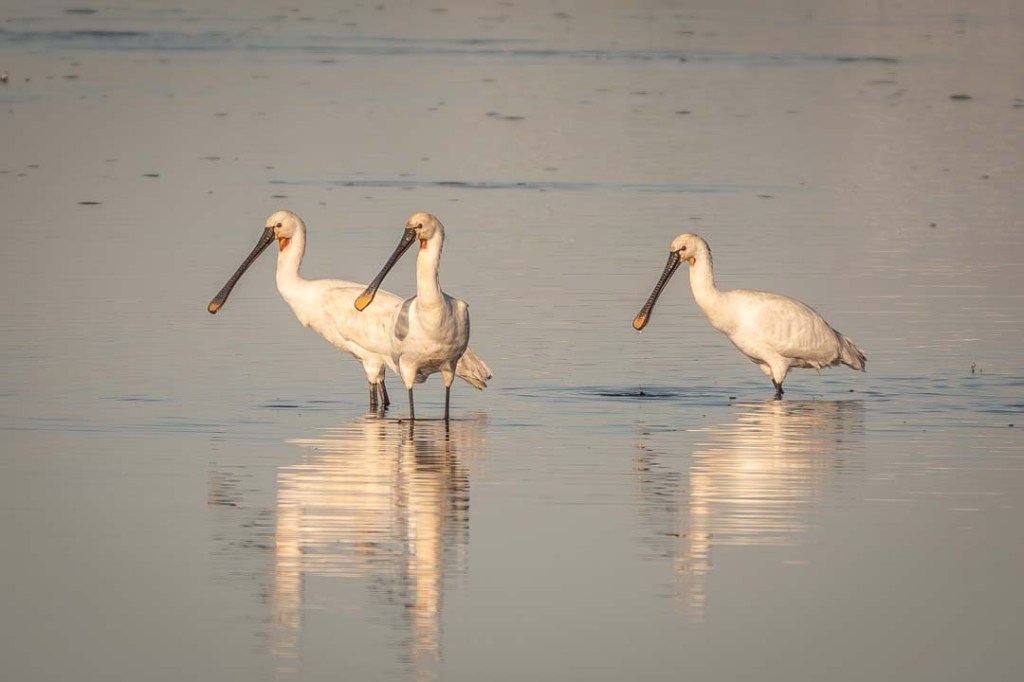
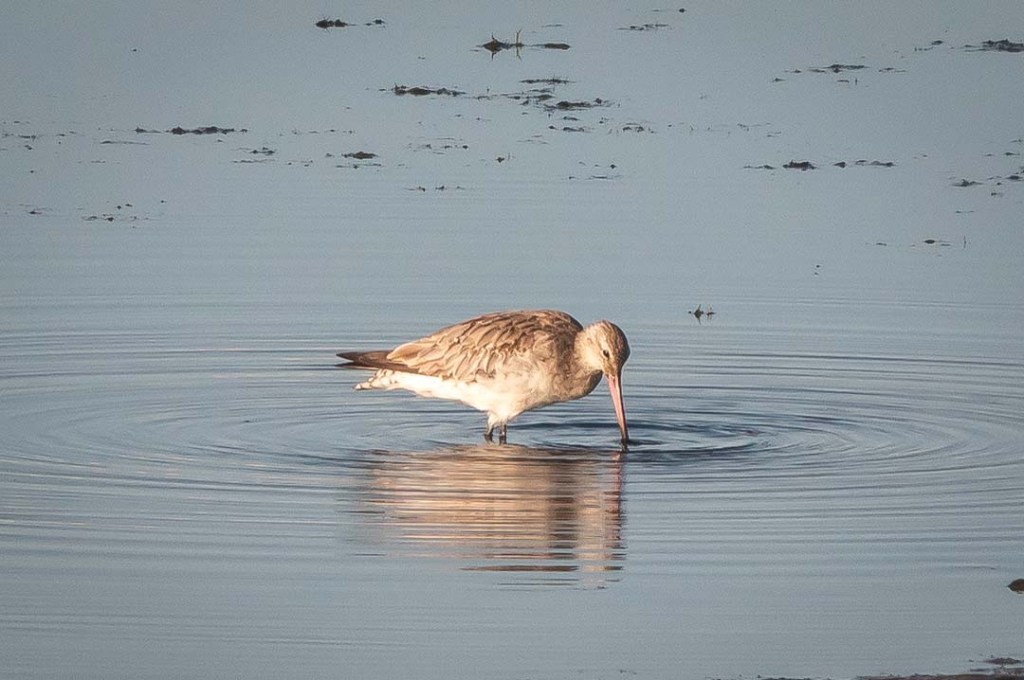
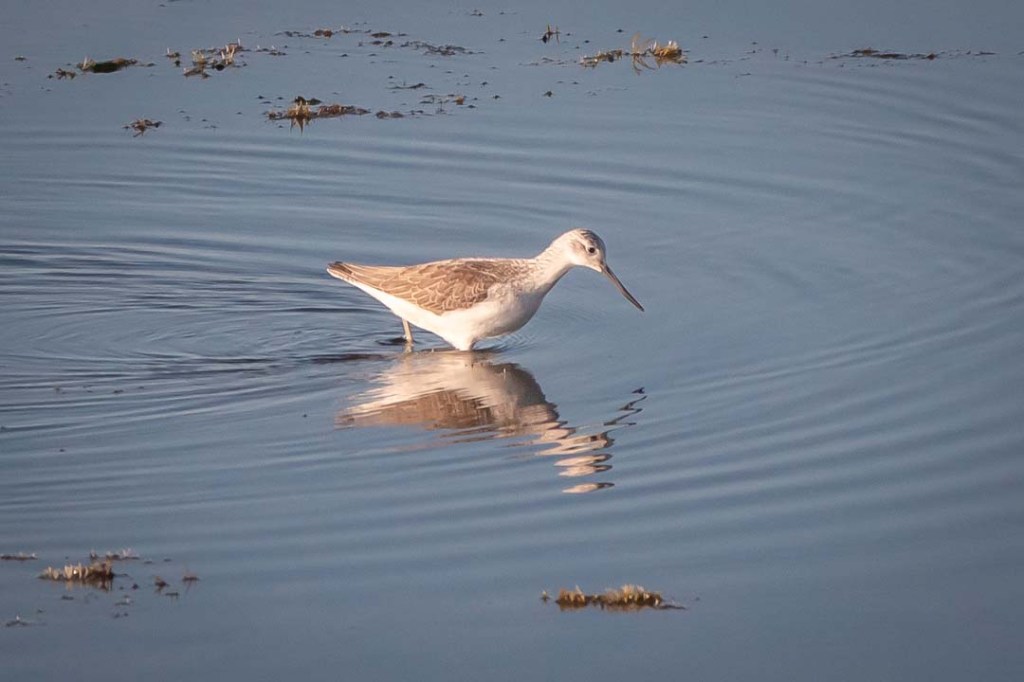
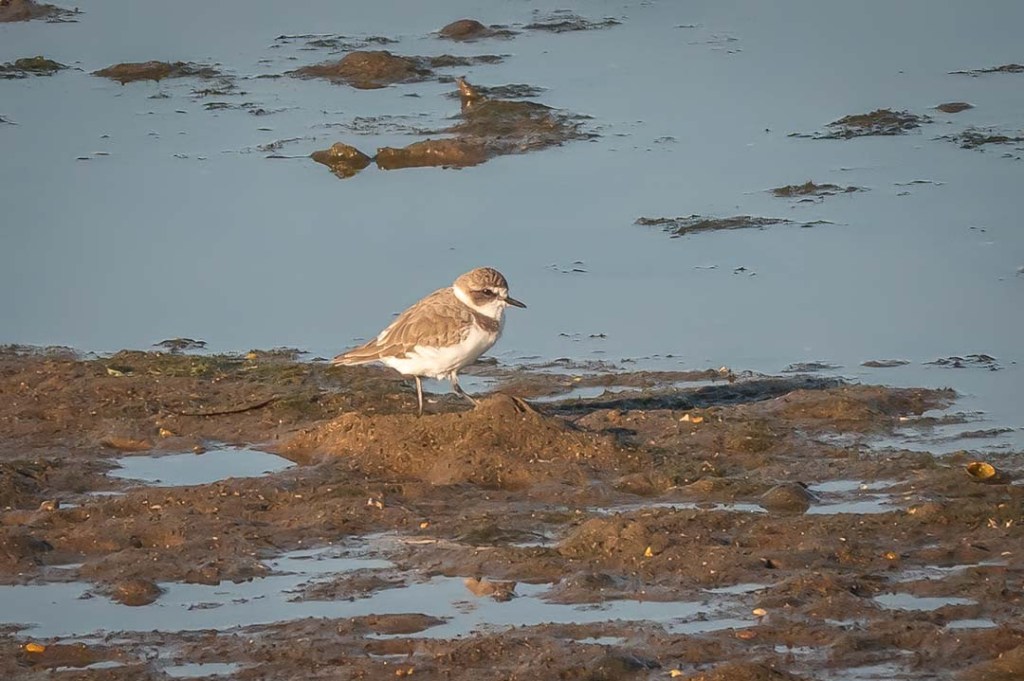
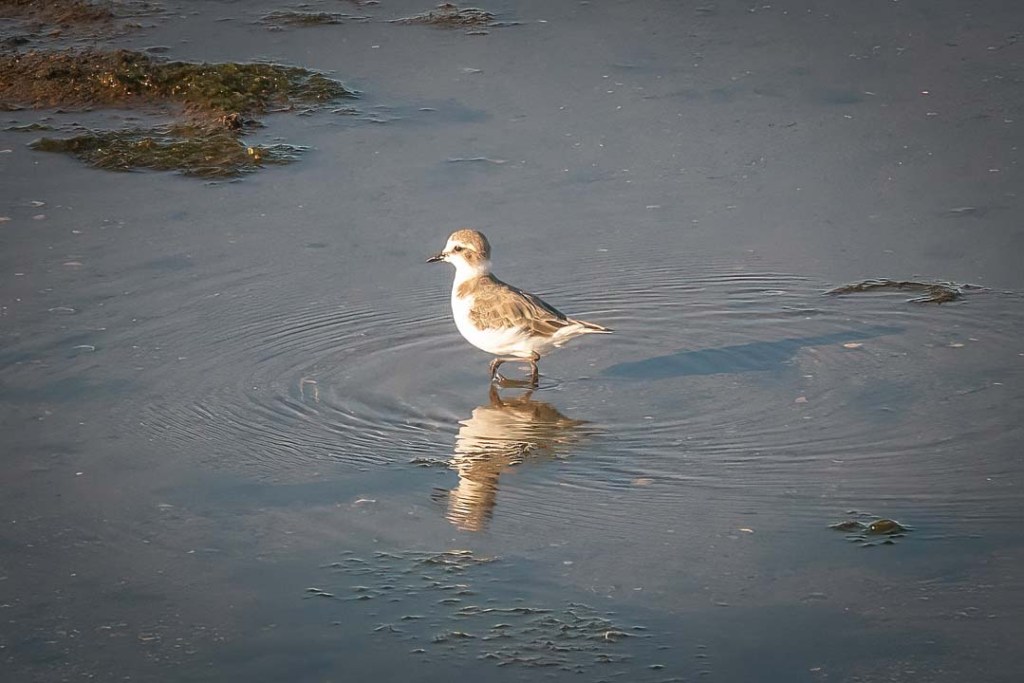
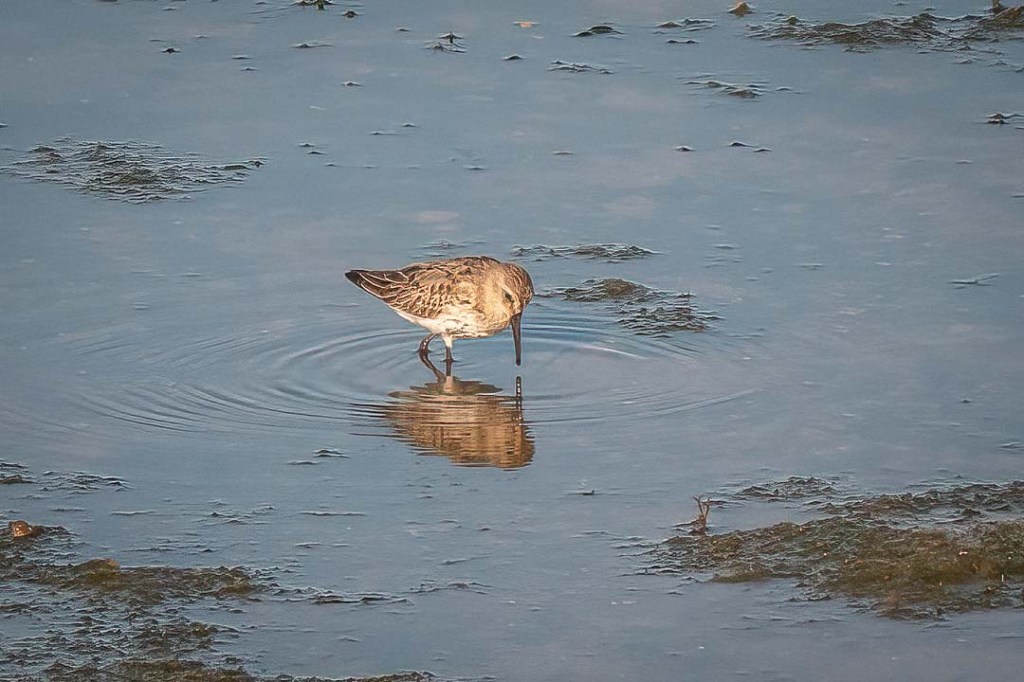
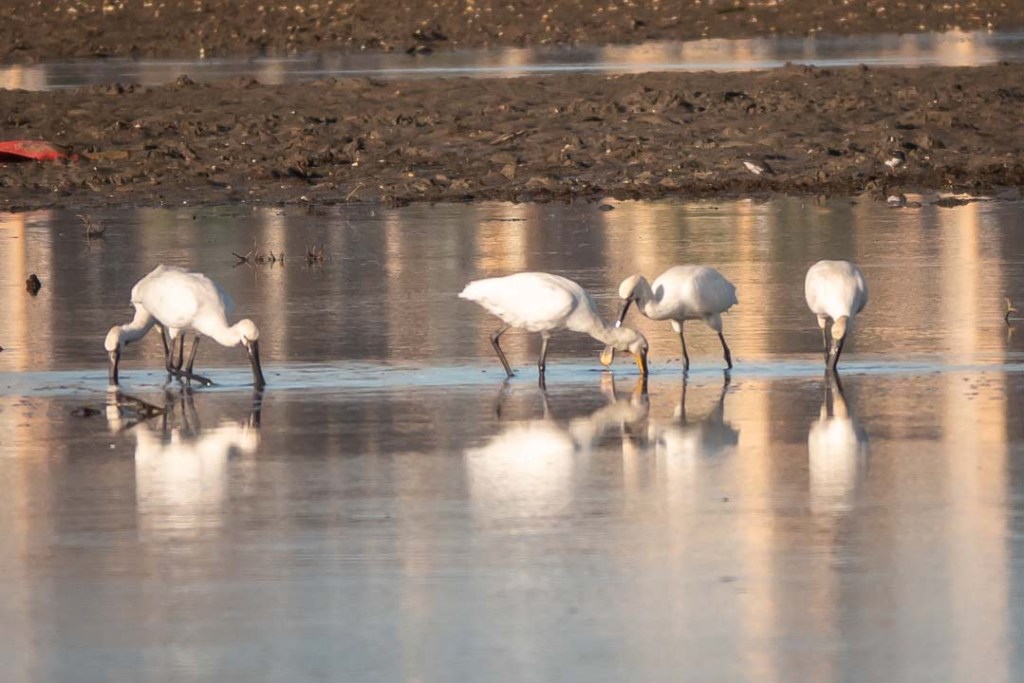
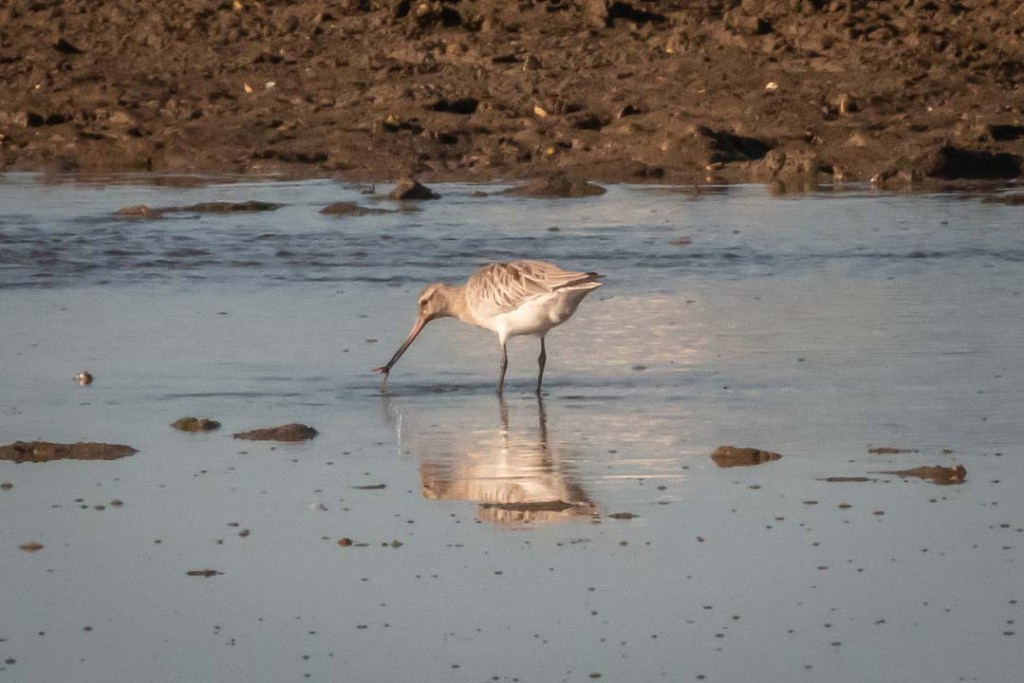
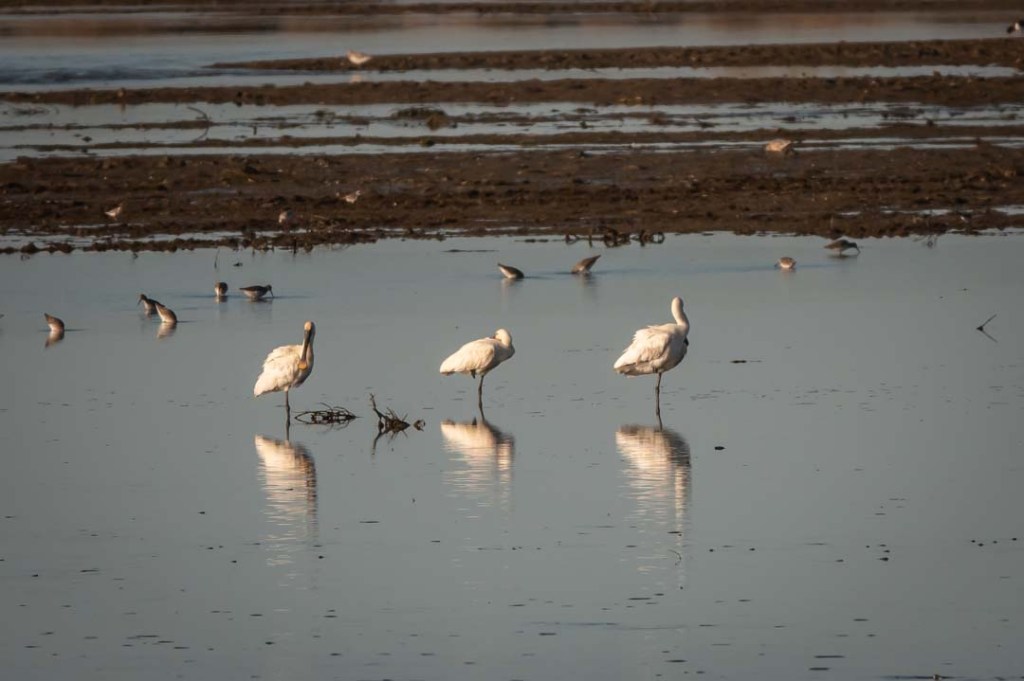
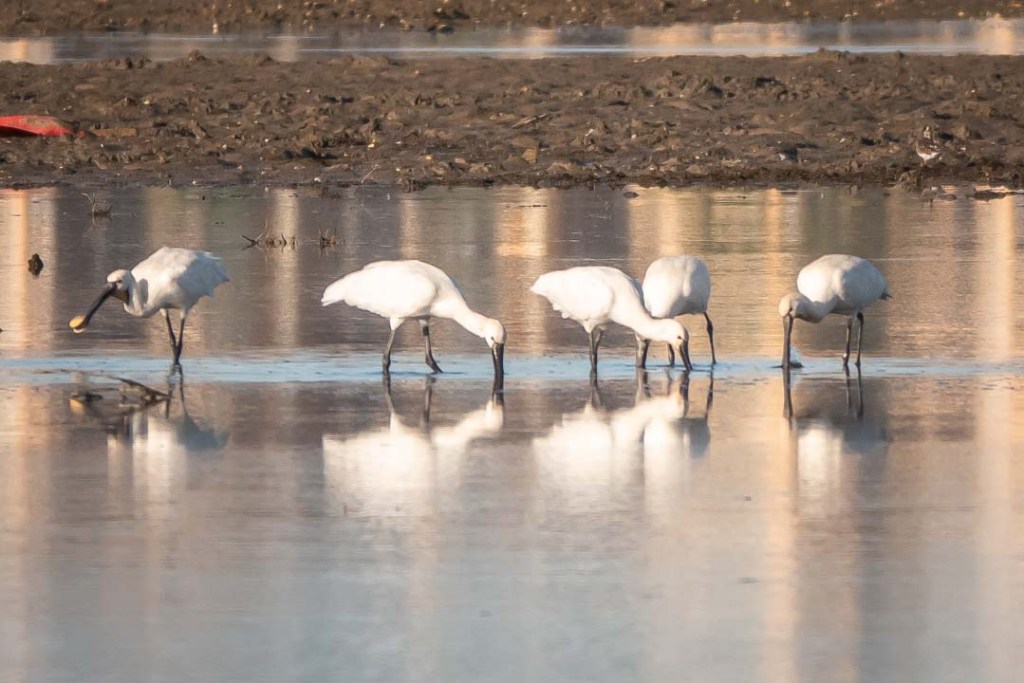
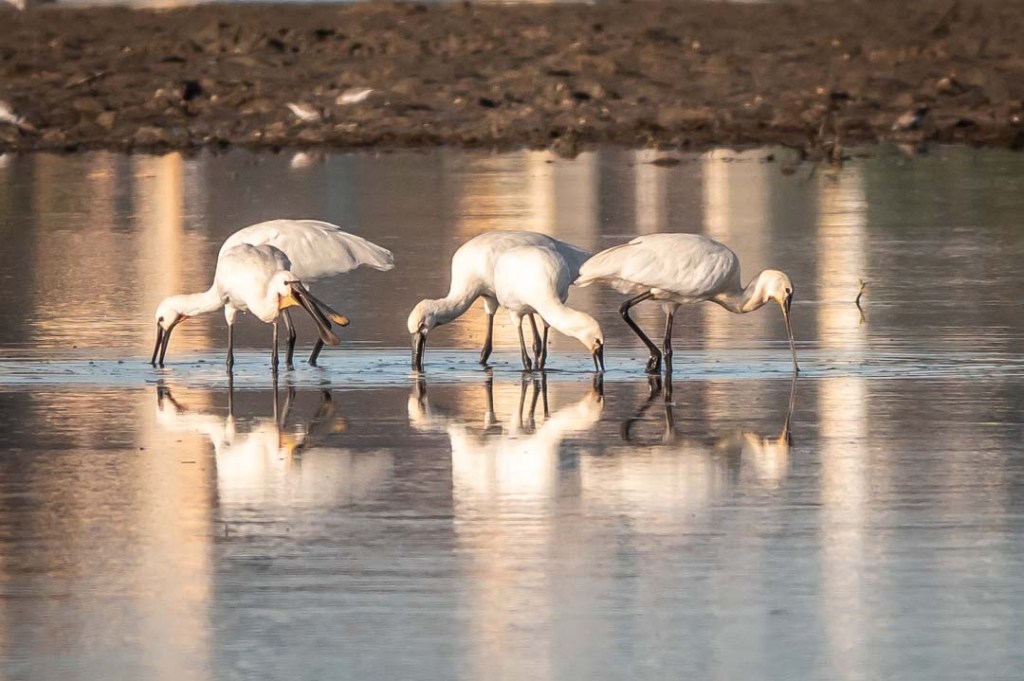
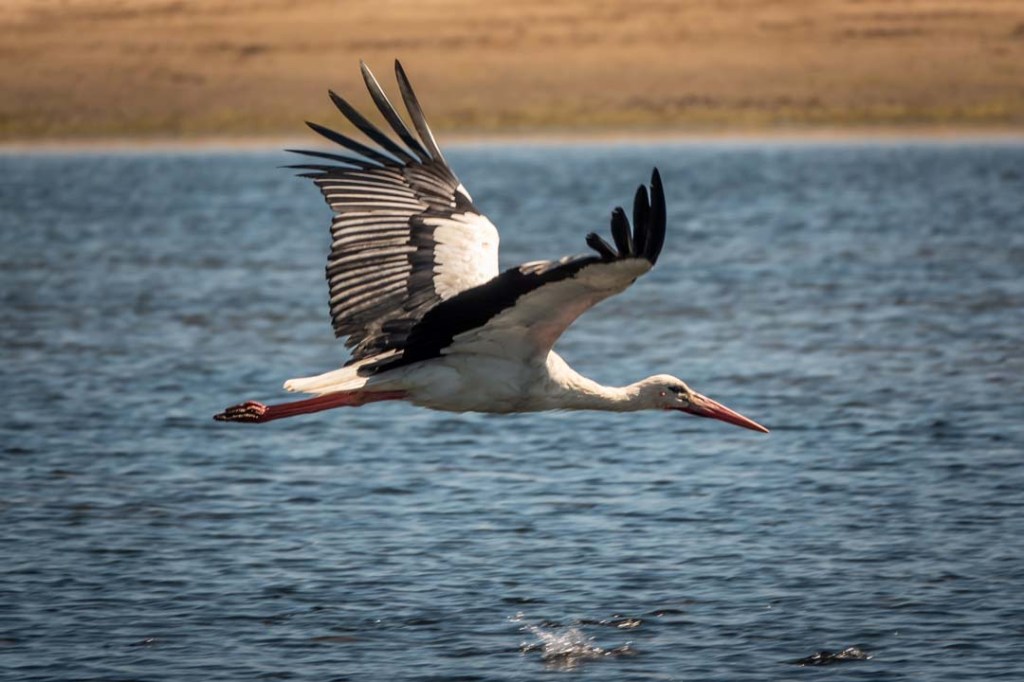
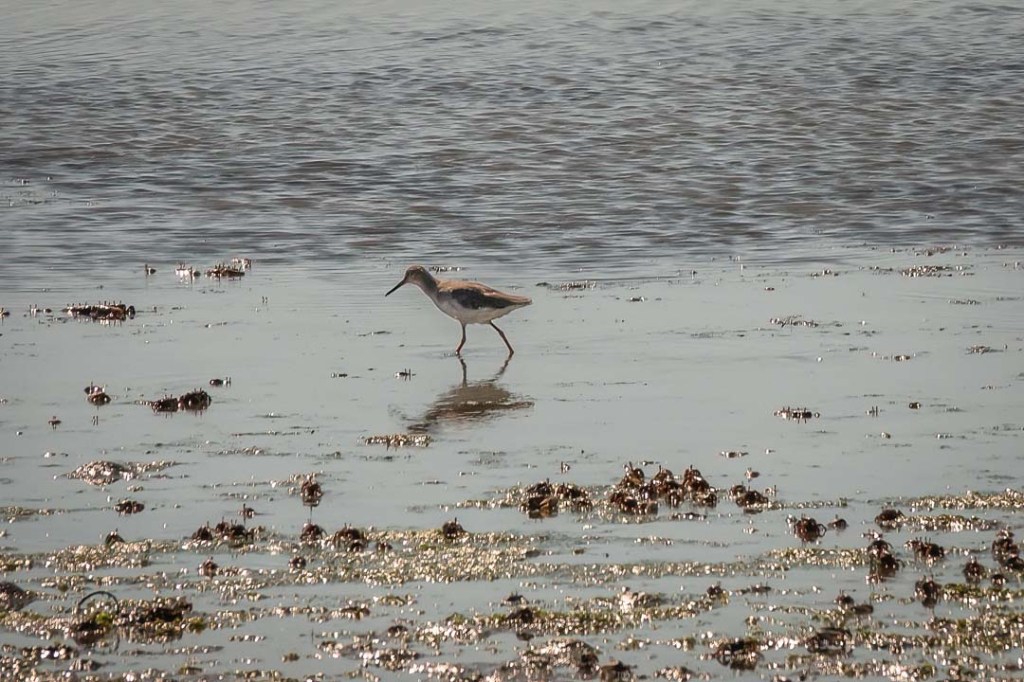
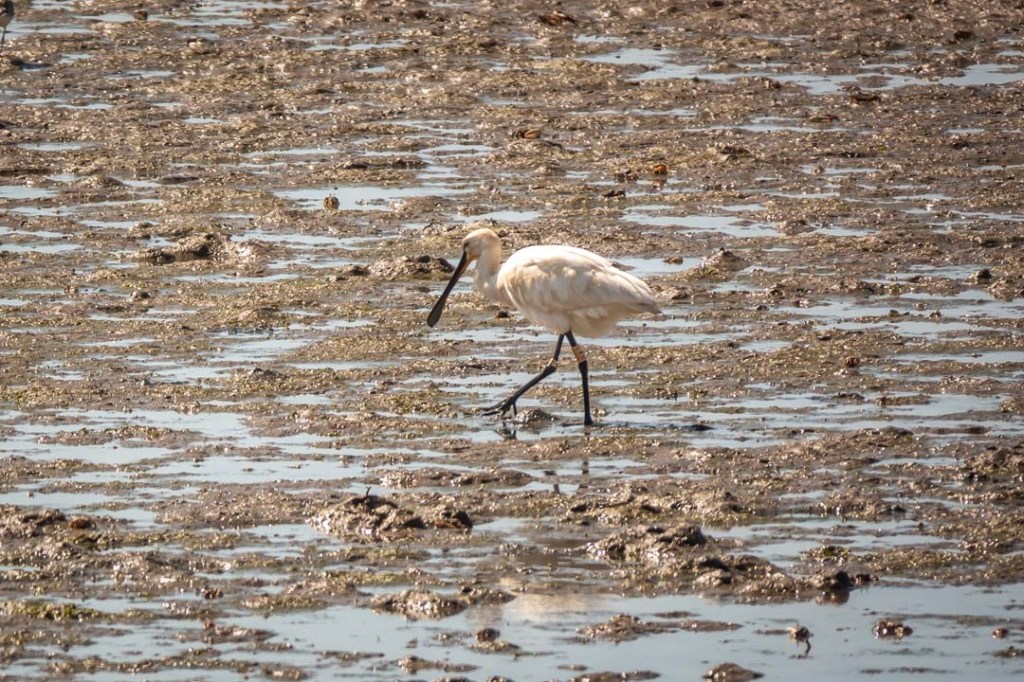
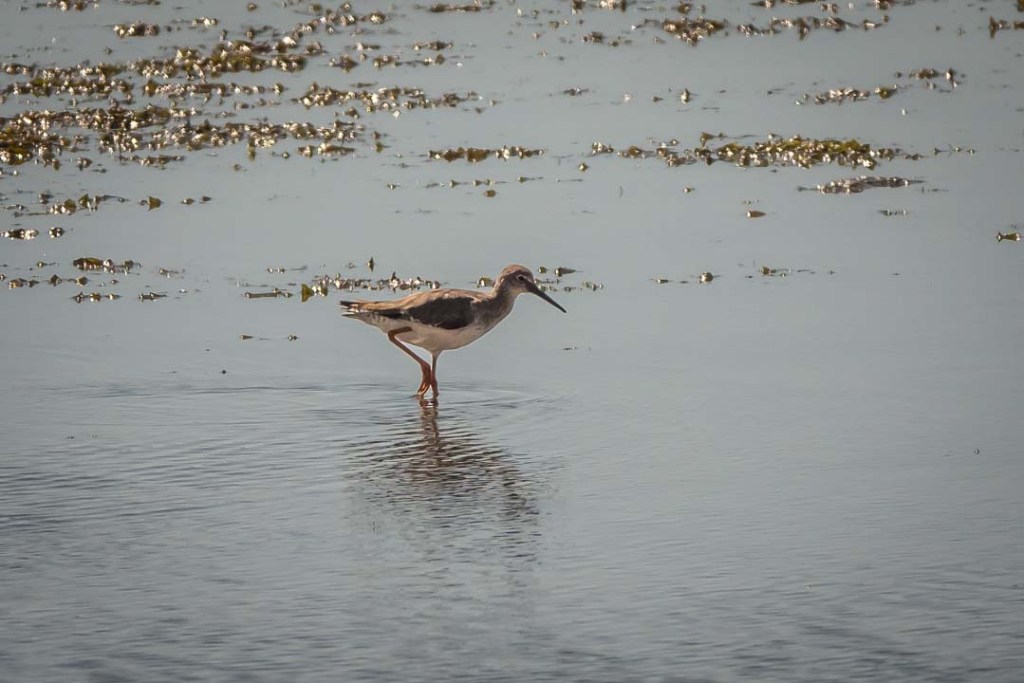
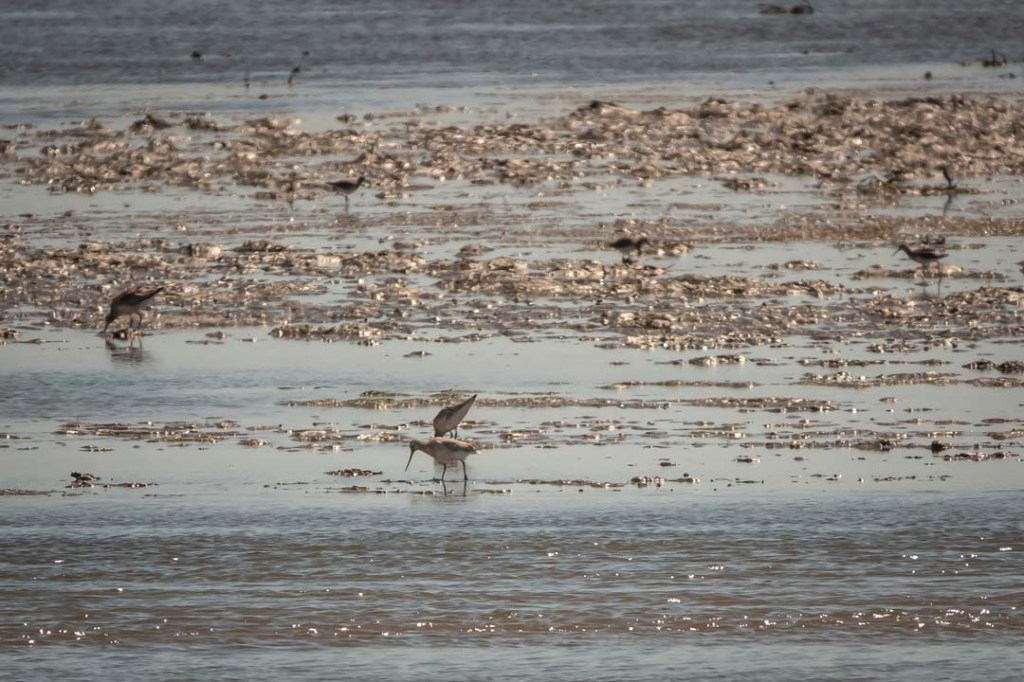
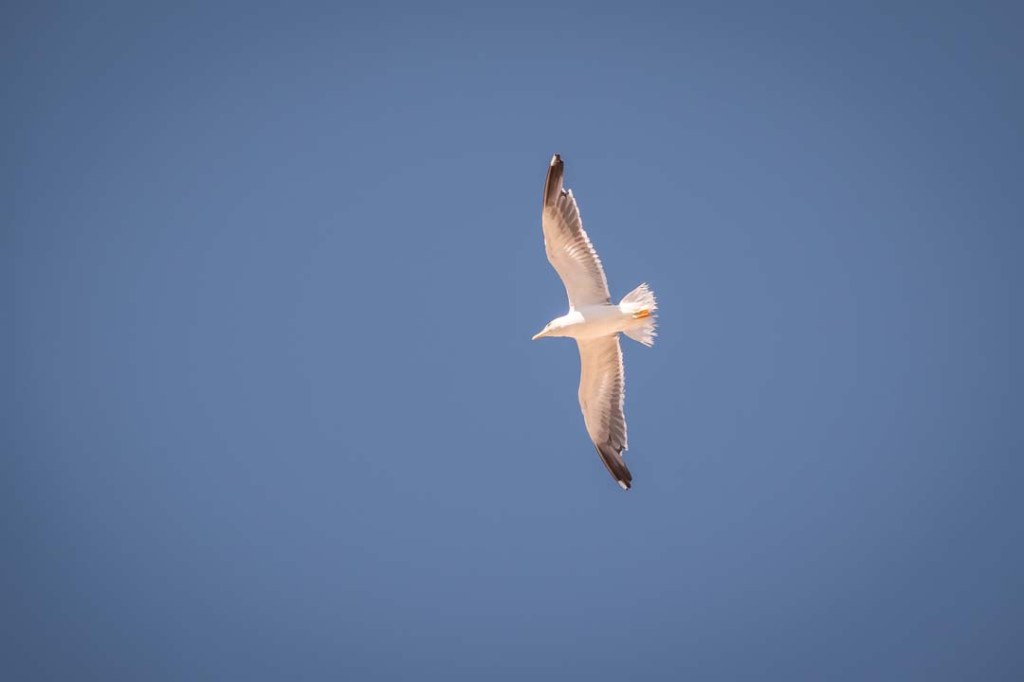
SpoonbillSpoonbillsCommon greenshankKentish ploverCommon redshank and common greenshankBar-tailed godwitLittle stintWhimbrelRuddy turnstoneGrey ploverYellow legged gullDunlinSpoonbills in flight and white stork ignoring them
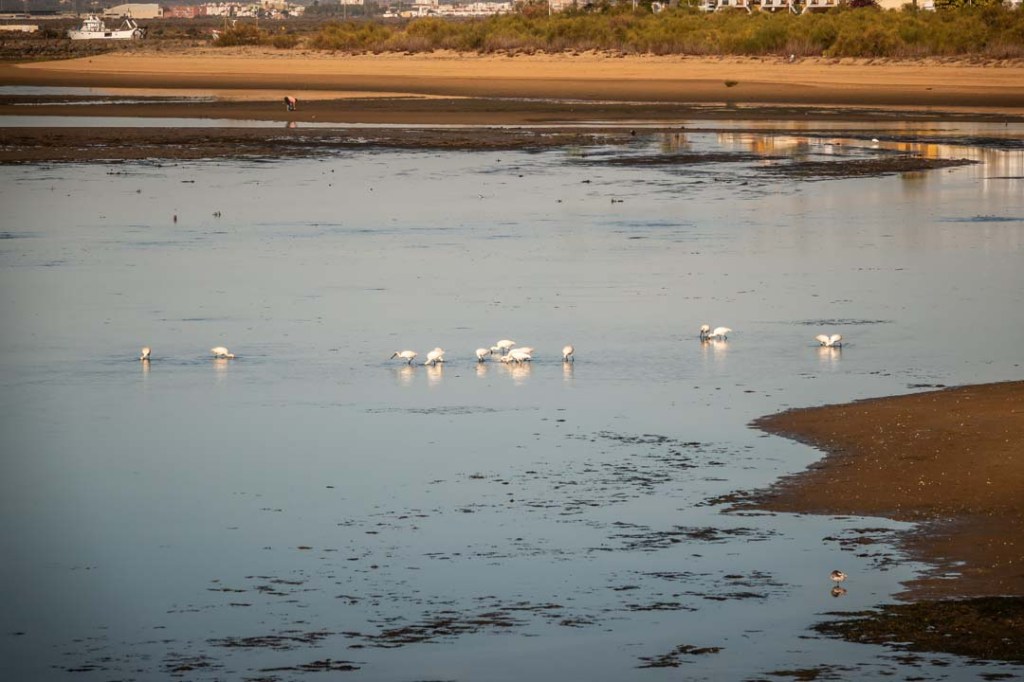
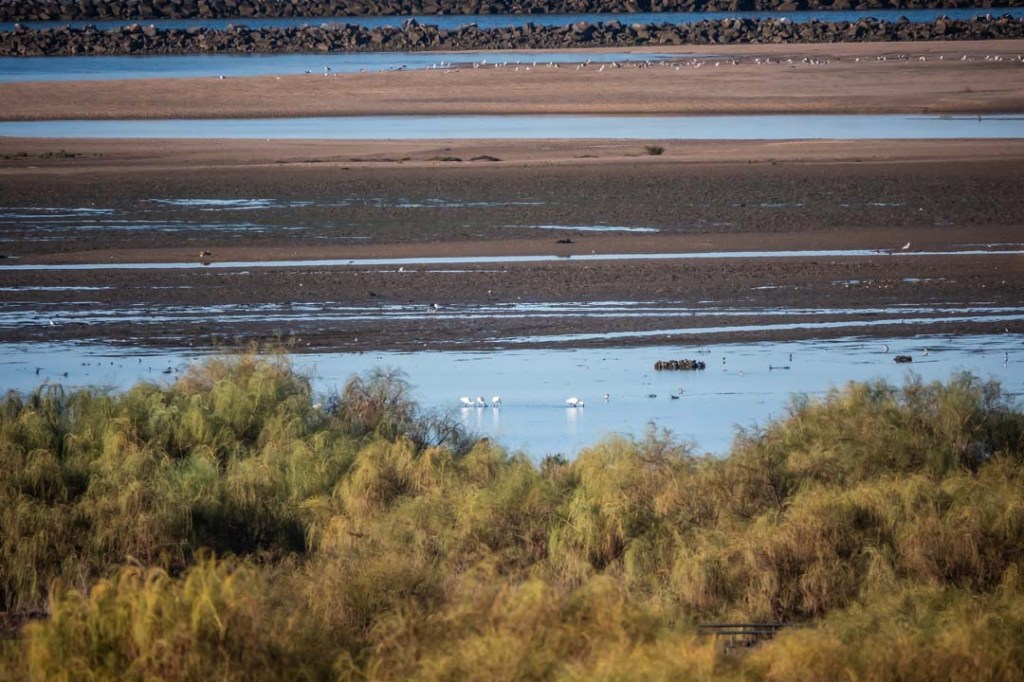
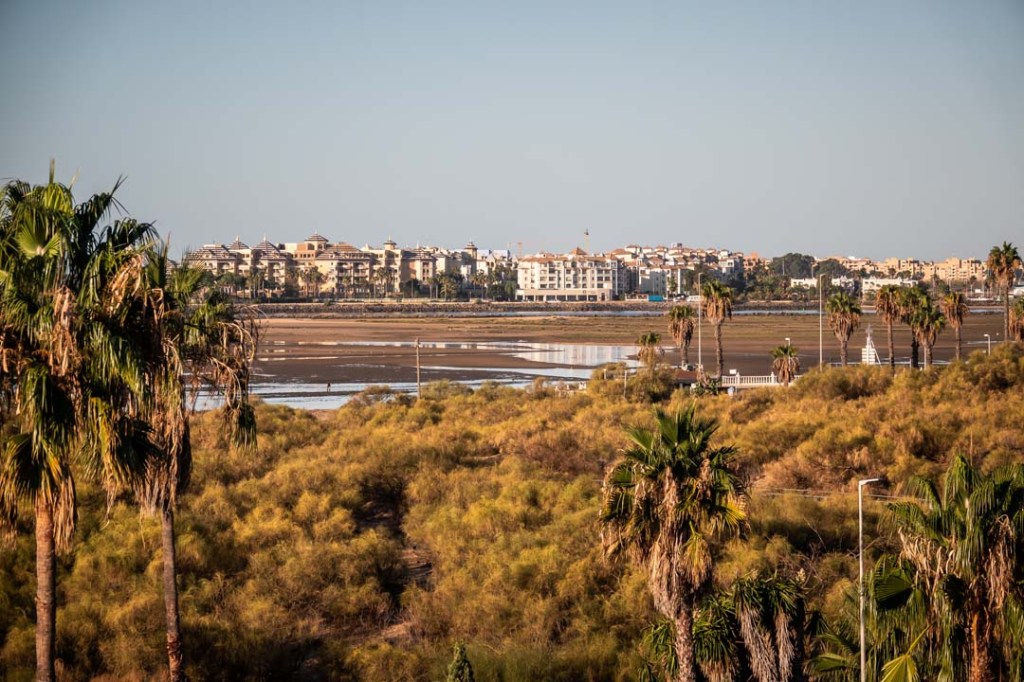
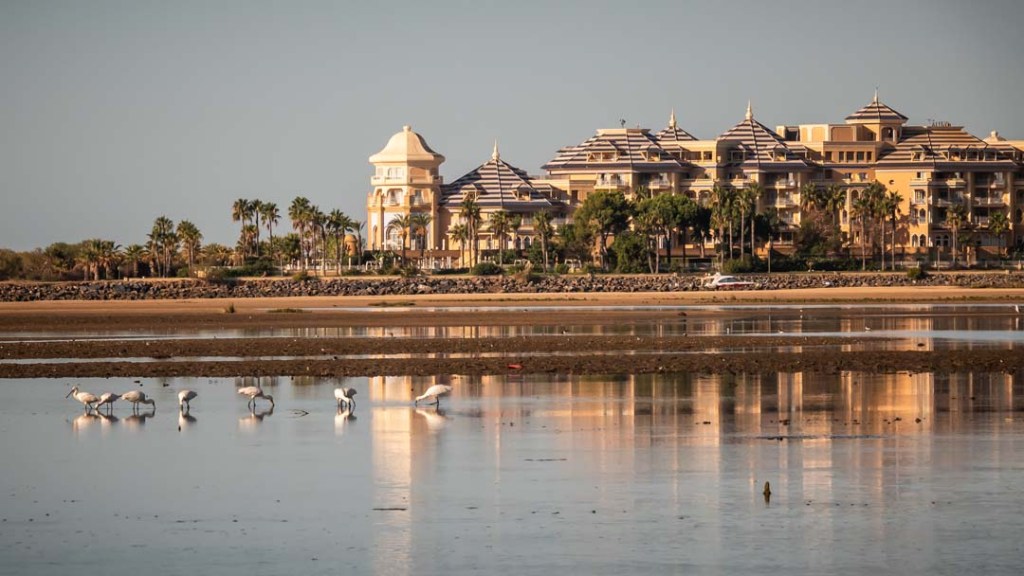
From the balcony of our hotel room I could see that there were spoonbills on the lagoon. So, with a little gentle persuasion, we reorganised the pattern of our morning walk and took in the lagoon. It was too hot out there to stay too long, but it was long enough to see some lovely birds.
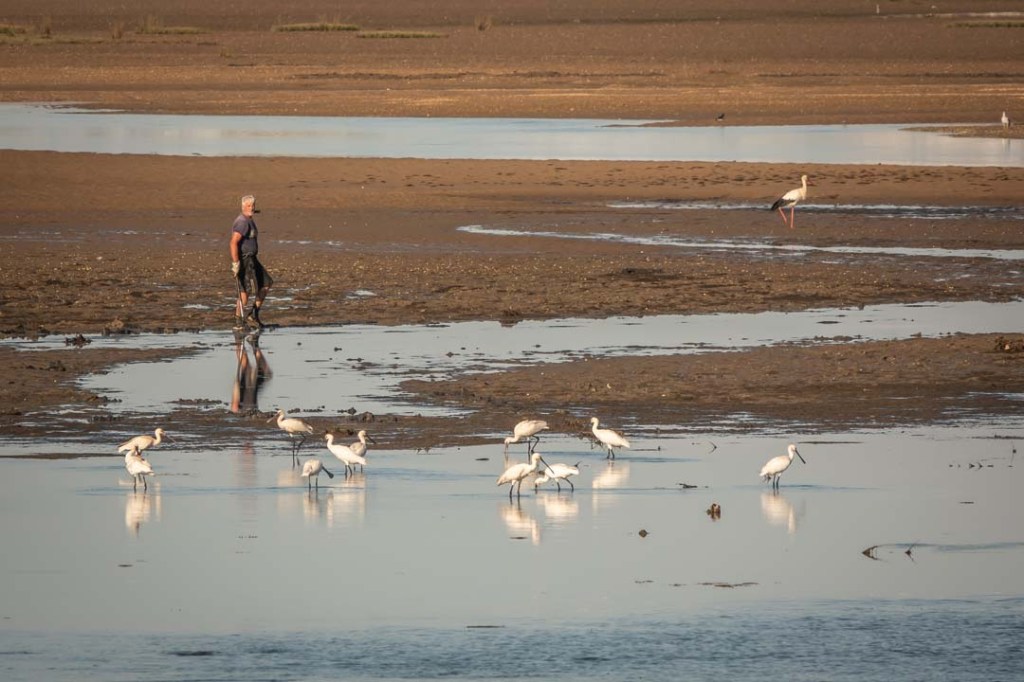
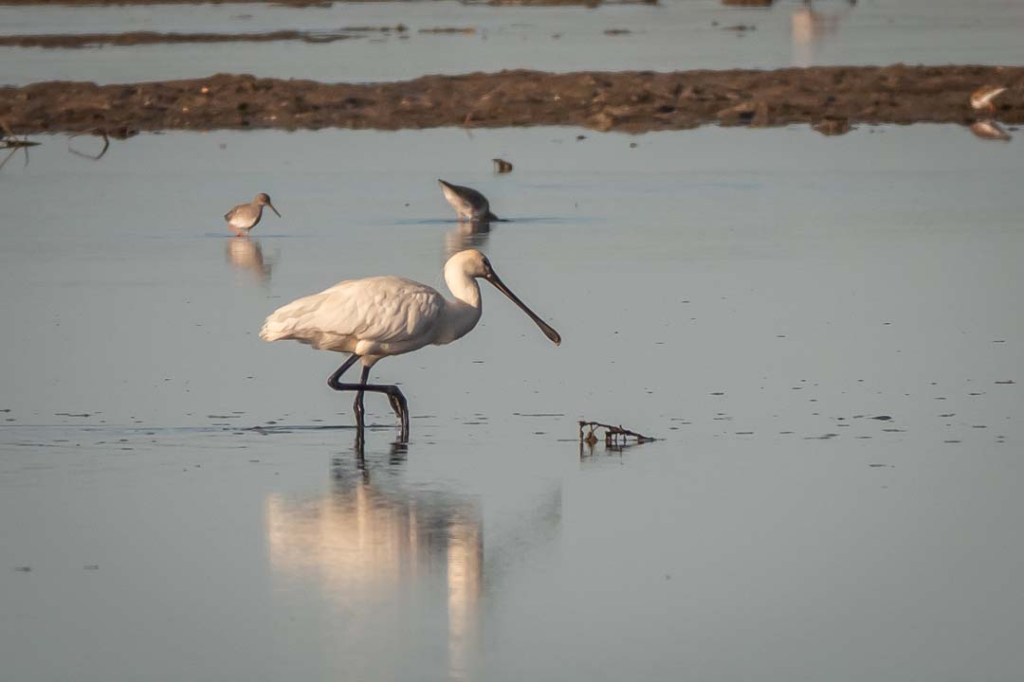
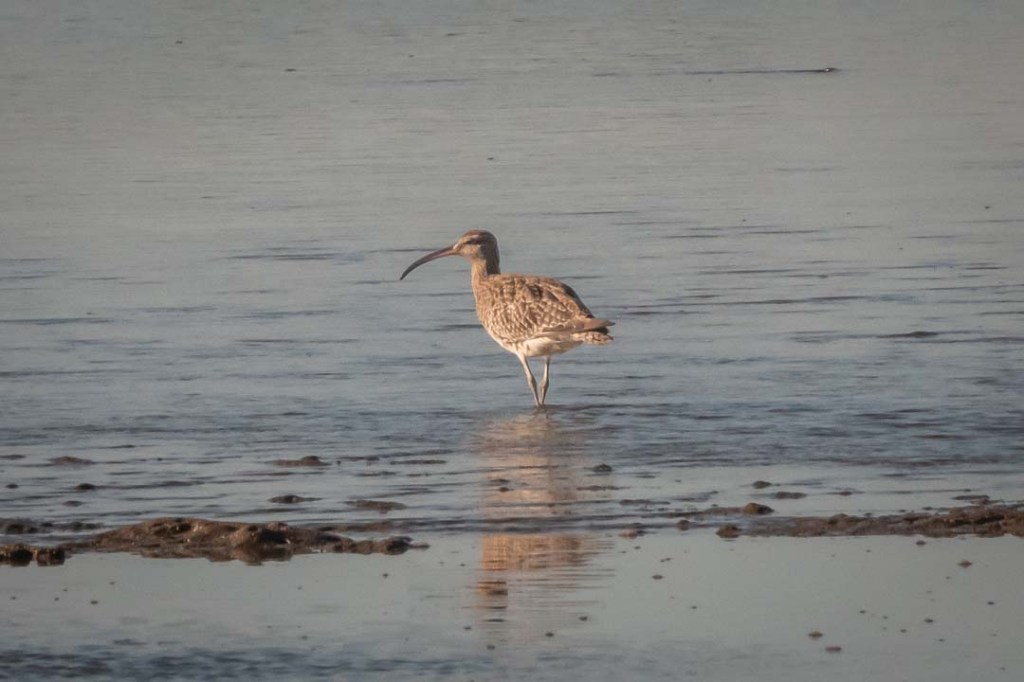
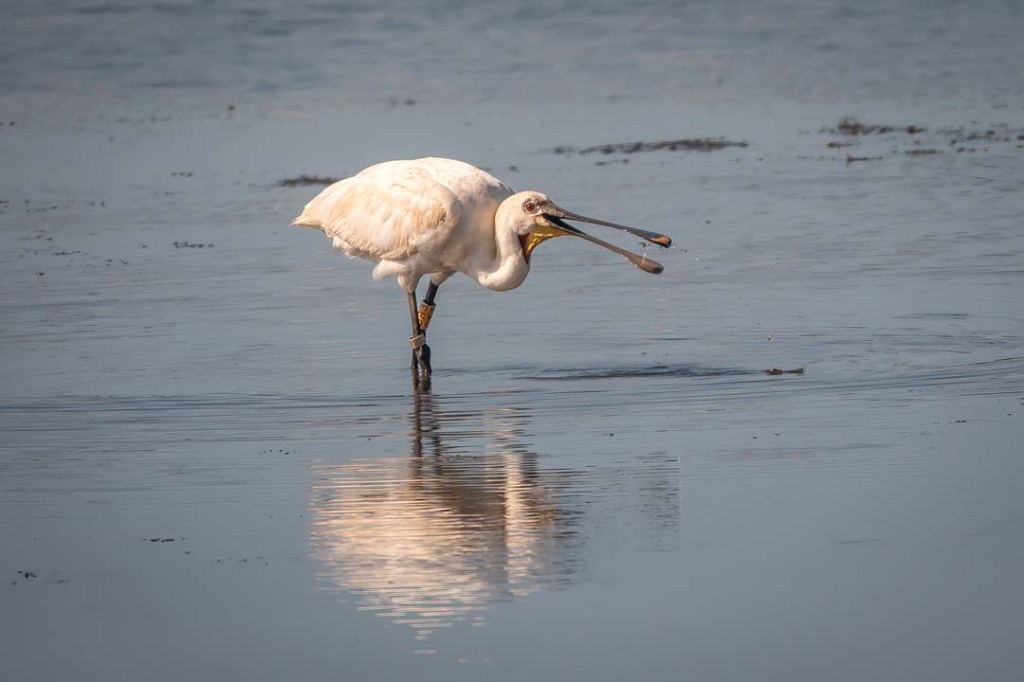
Spoonbills from the balcony of our hotelSpoonbills from the edge of the lagoonSpoonbill with lots of smaller waders aroundGrey ploverWhimbrelBar-tailed godwitSuch a lovely morning beside the lagoon
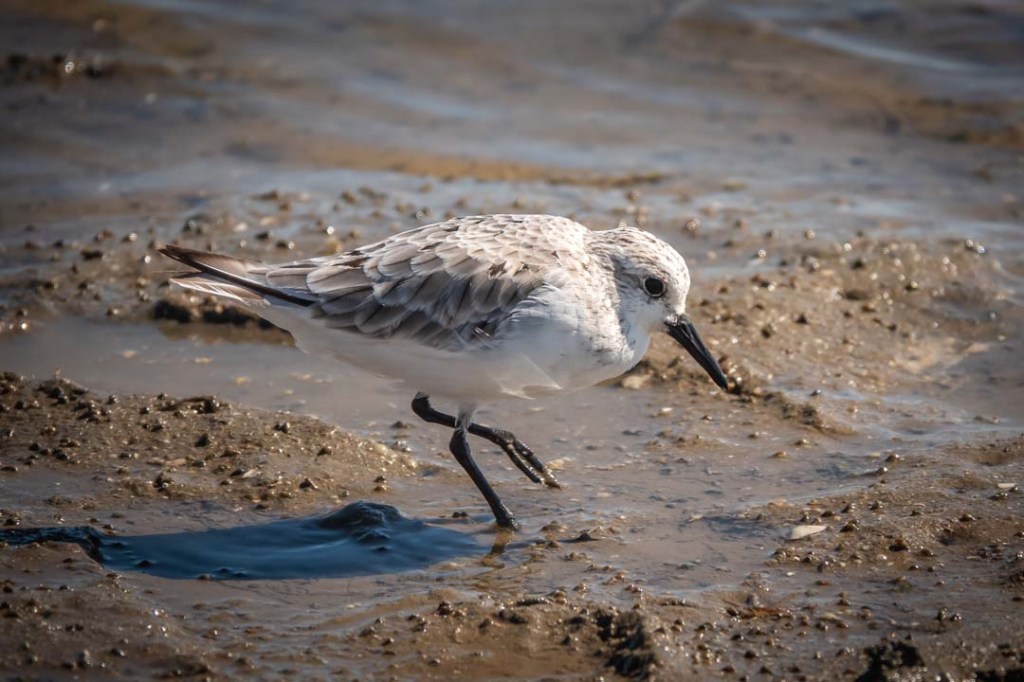
There were lots of ruddy turnstone, common ringed plover and sanderlings but my hand wasn’t steady enough in the heat.
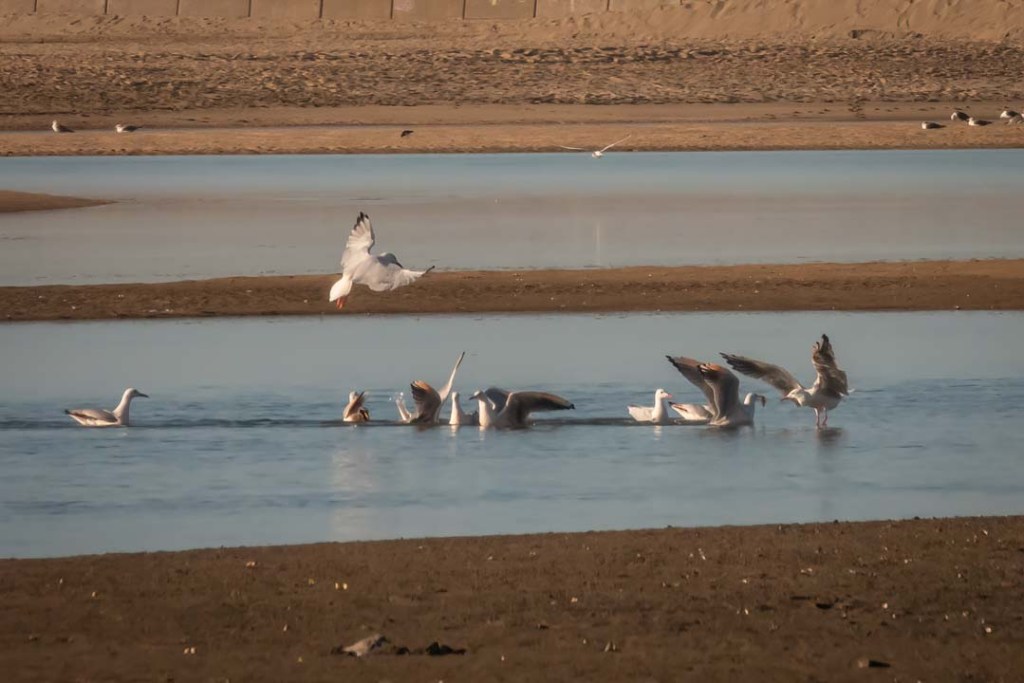
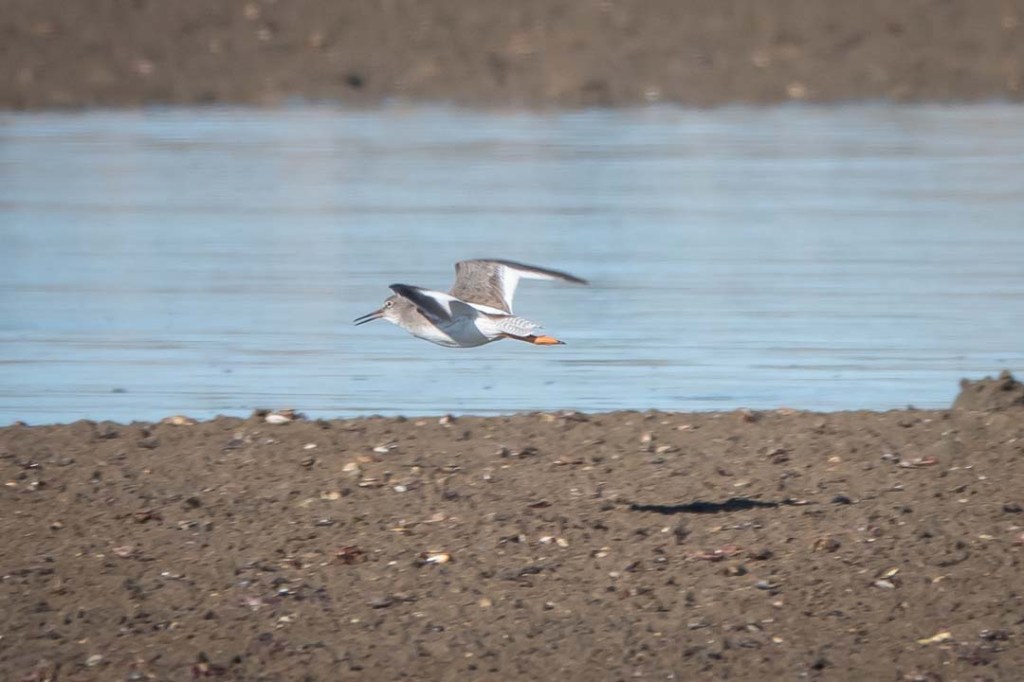
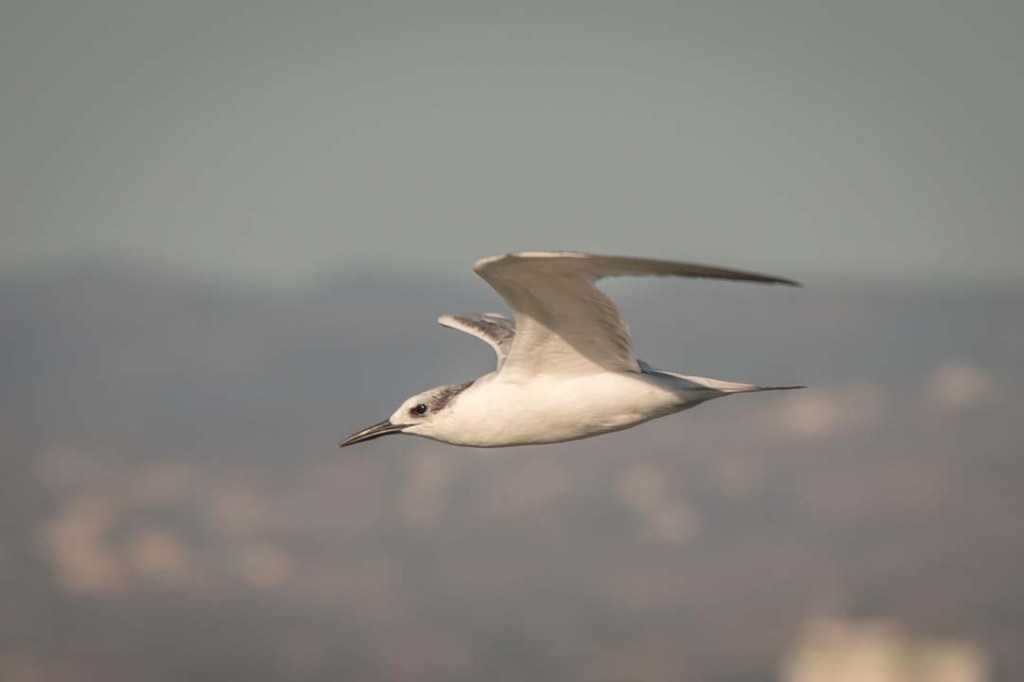
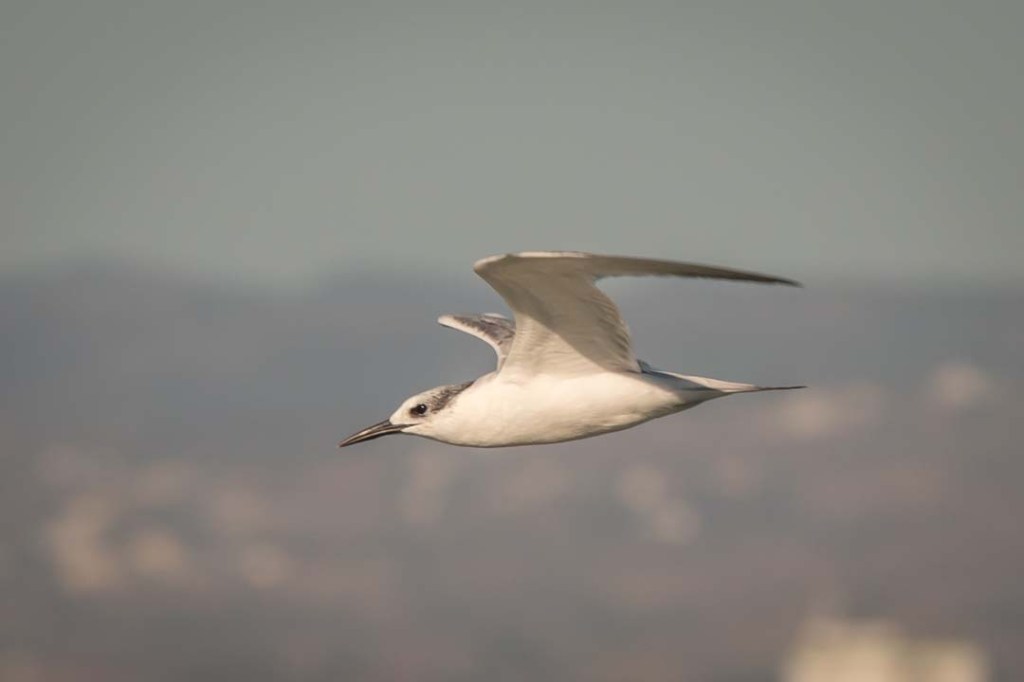
Slender-billed gulls and ternsCommon redshankSandwich tern
A coffee looking across the port and then back to the pool!
This morning we had a trip across the river by ferry from Isla Cristina to Isla Canela but decided it was just holiday properties there and without any great interest.
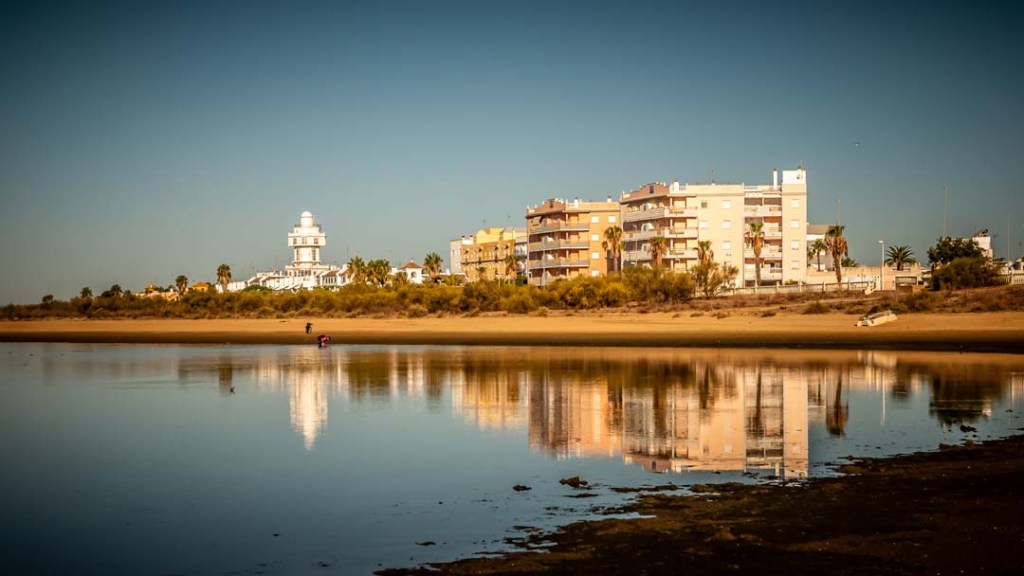
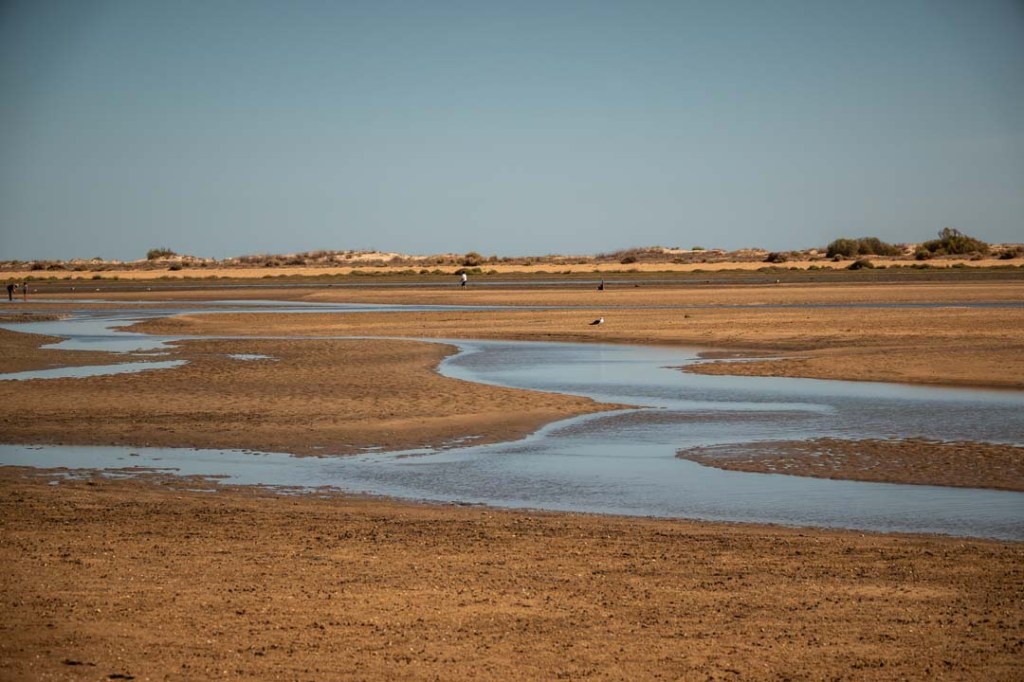
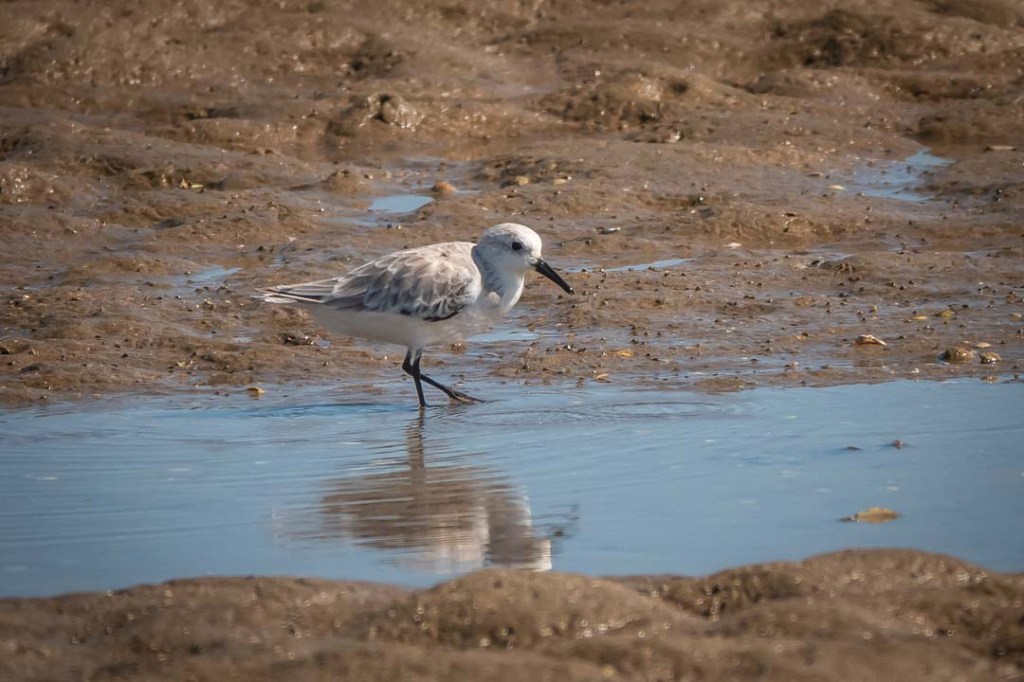
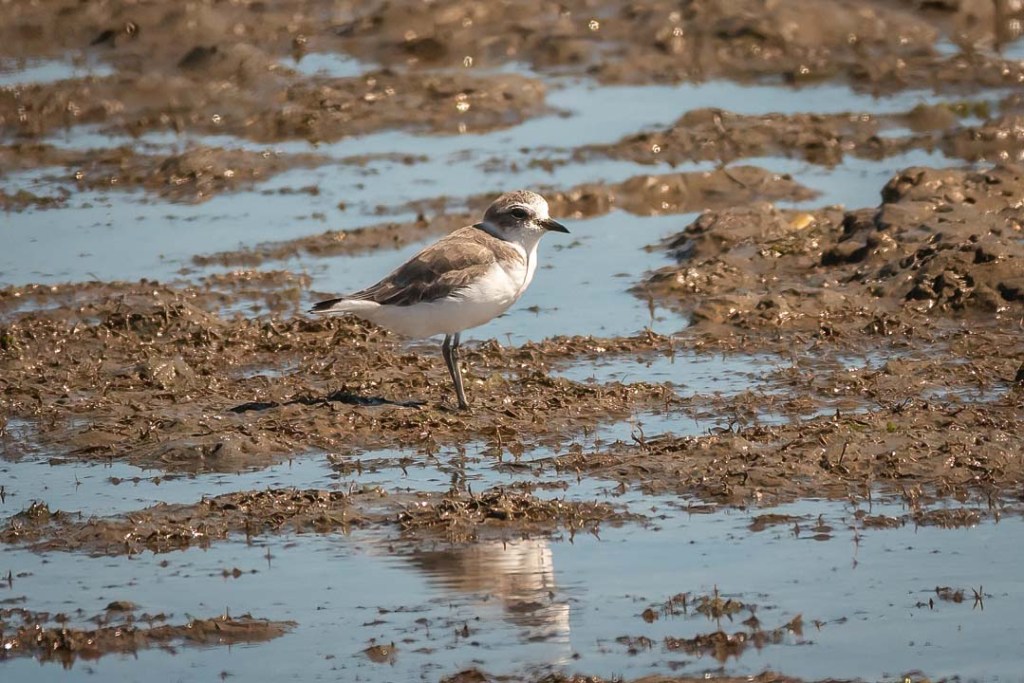
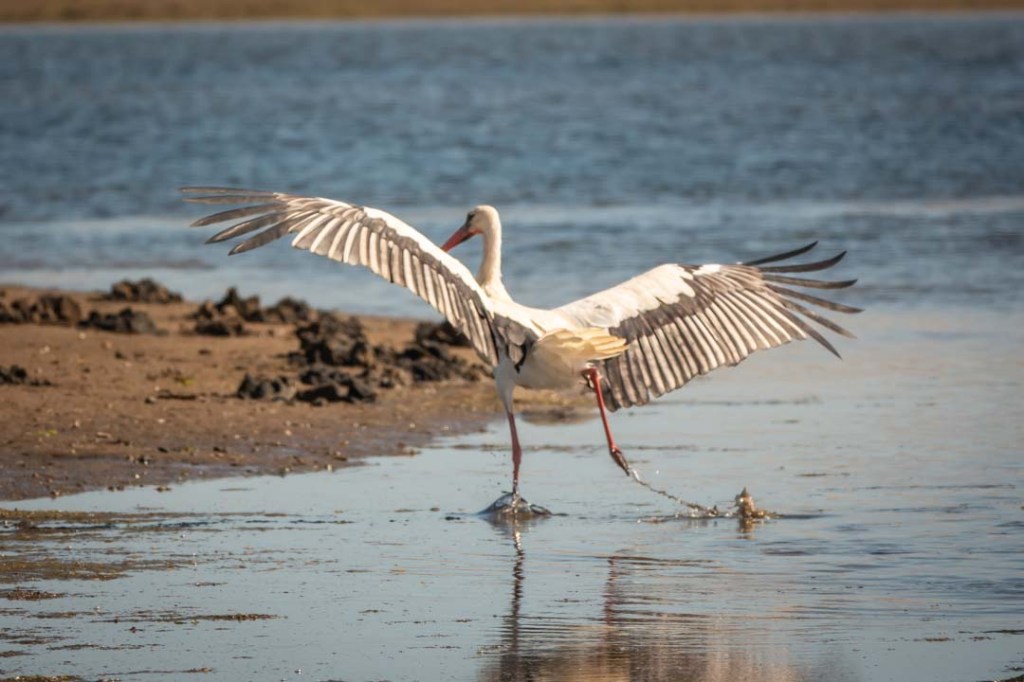
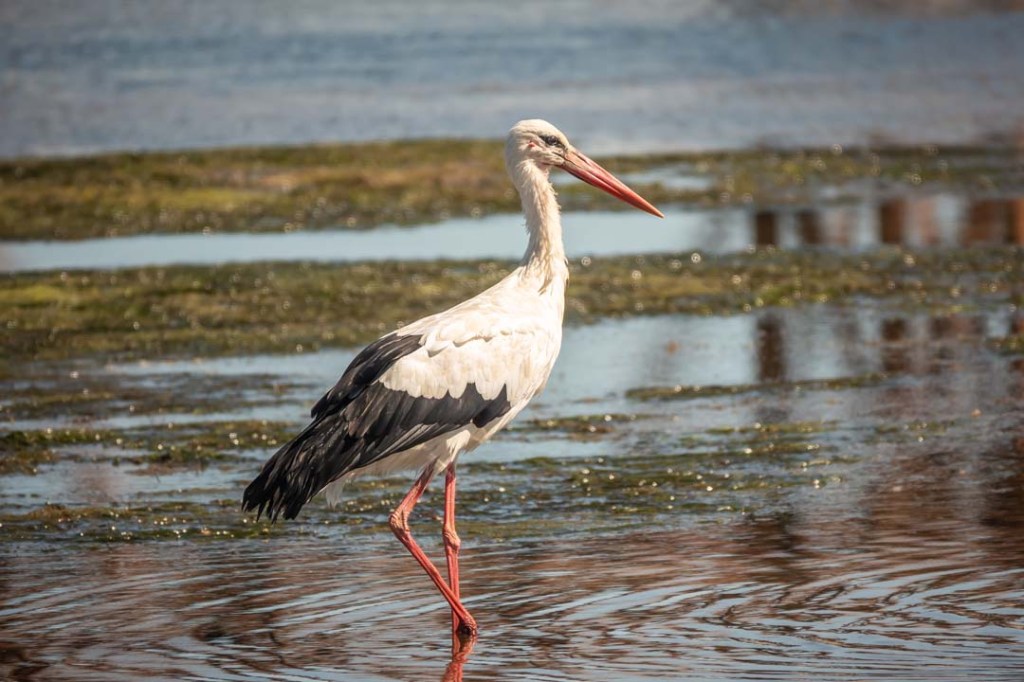
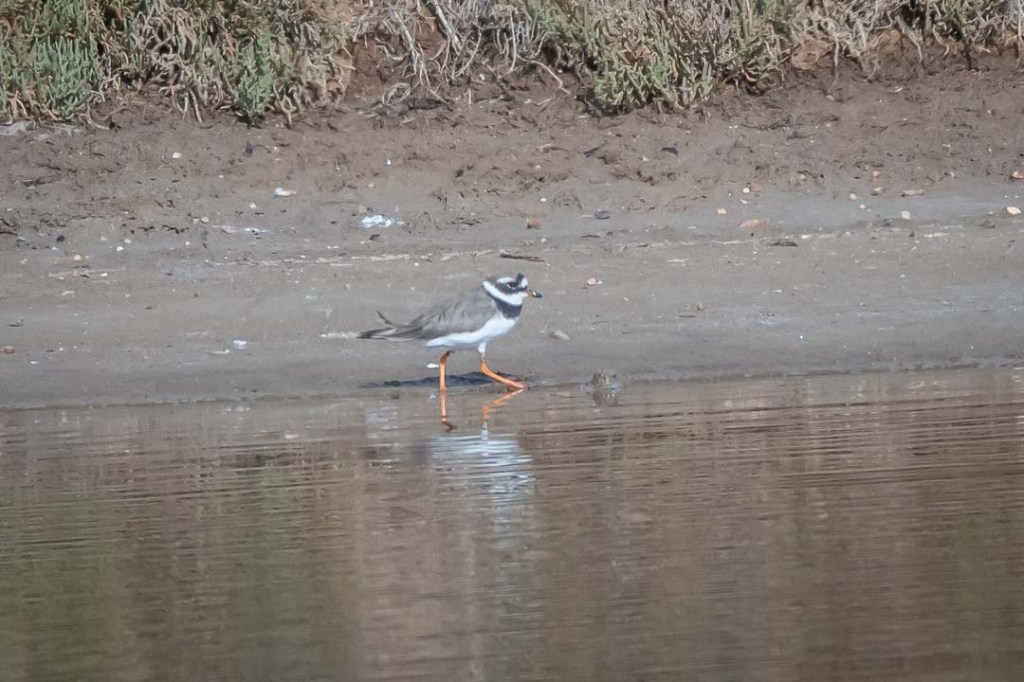
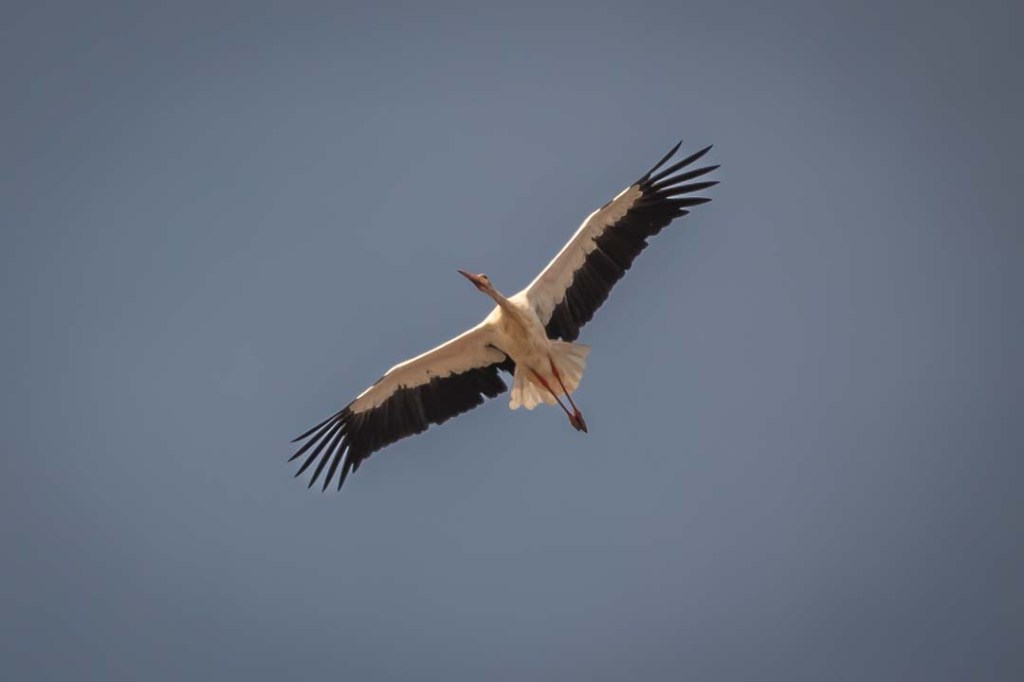
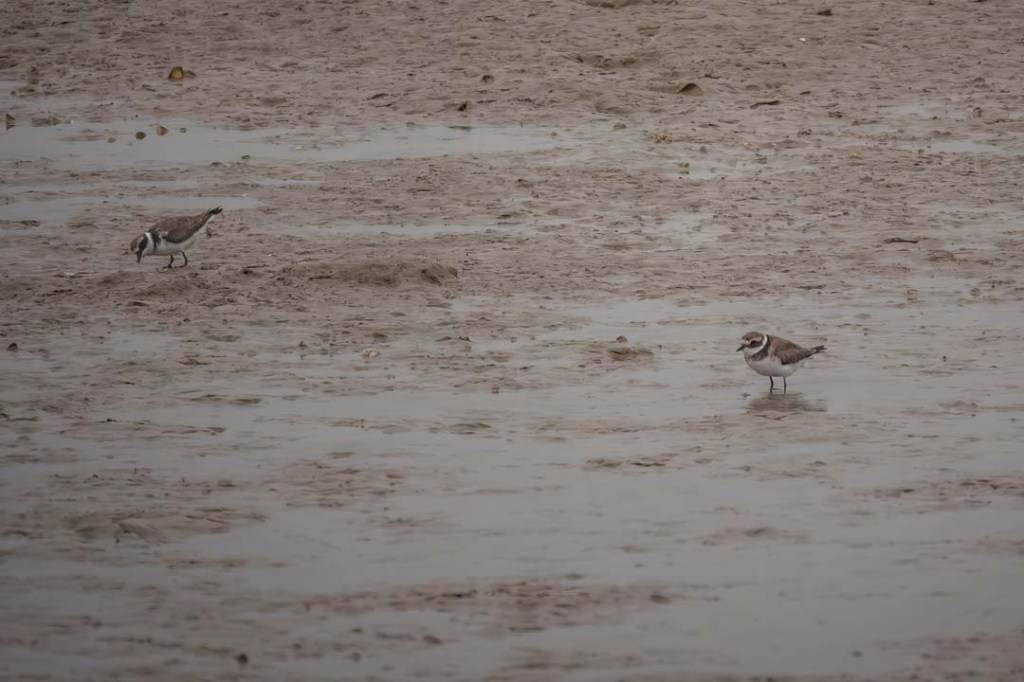
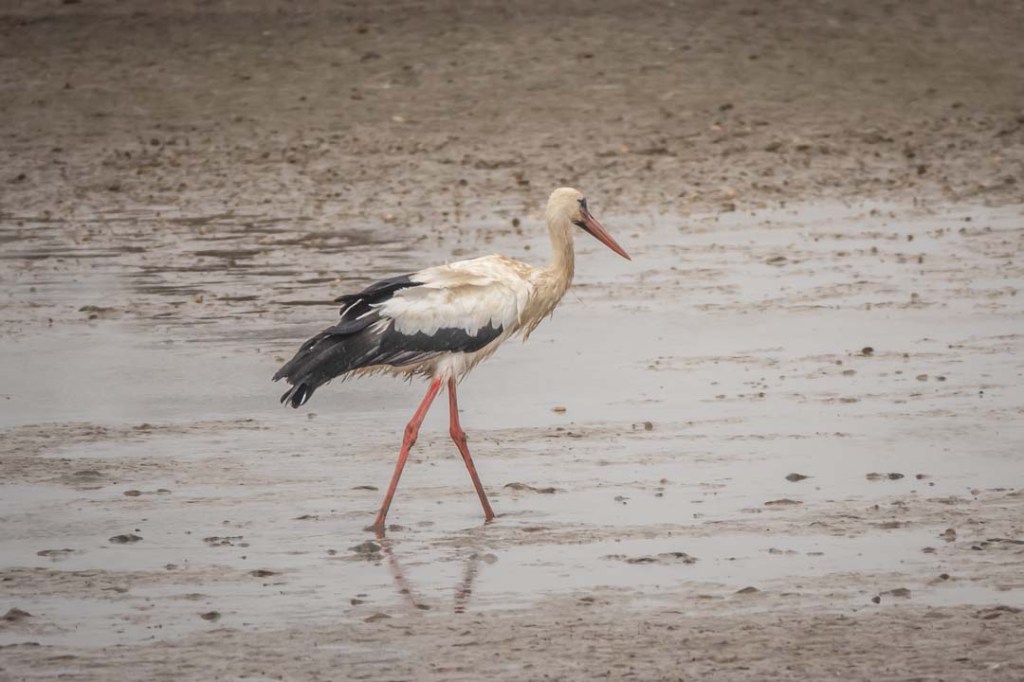
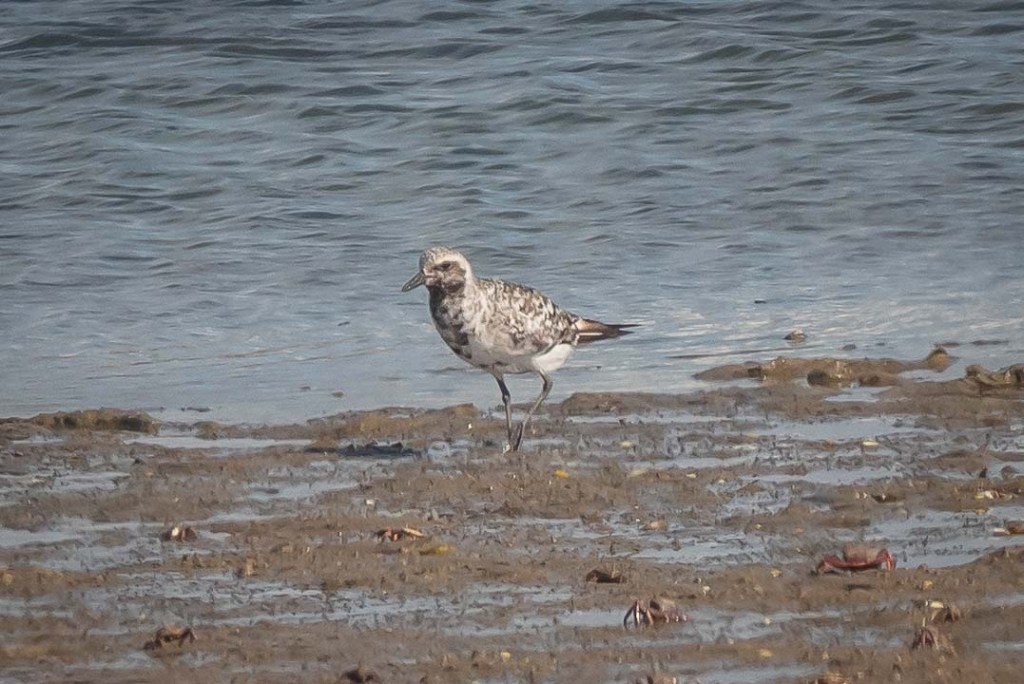
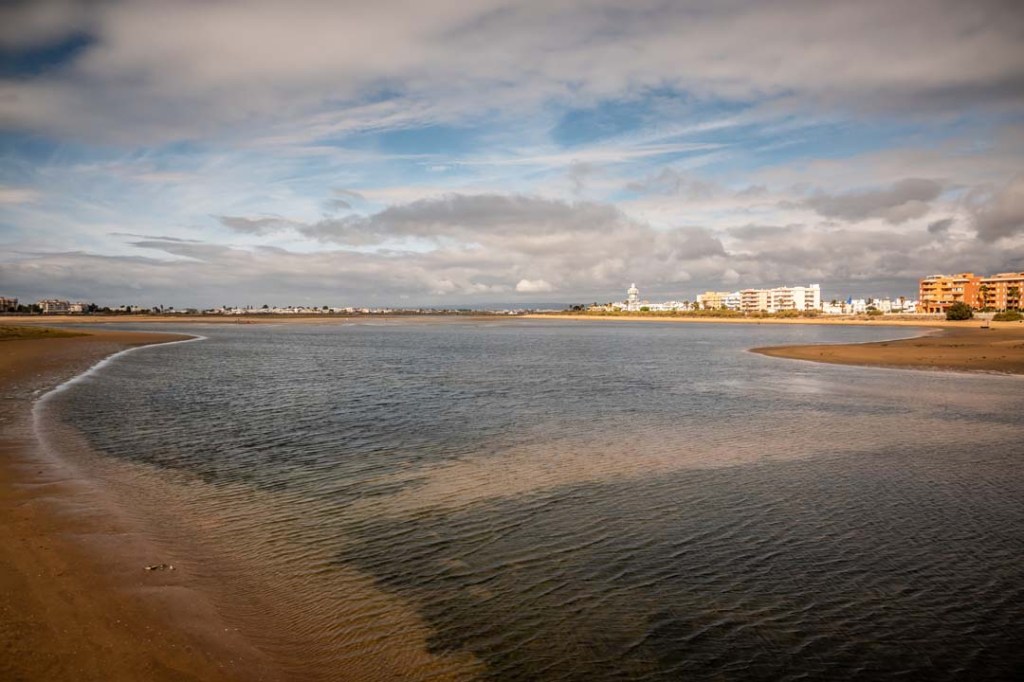
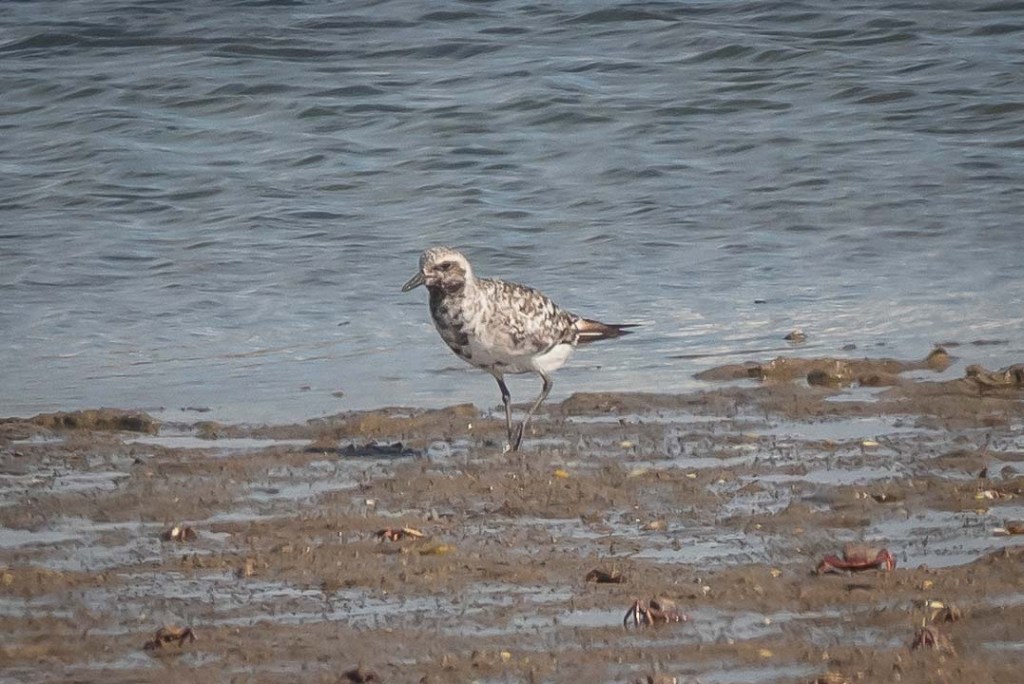
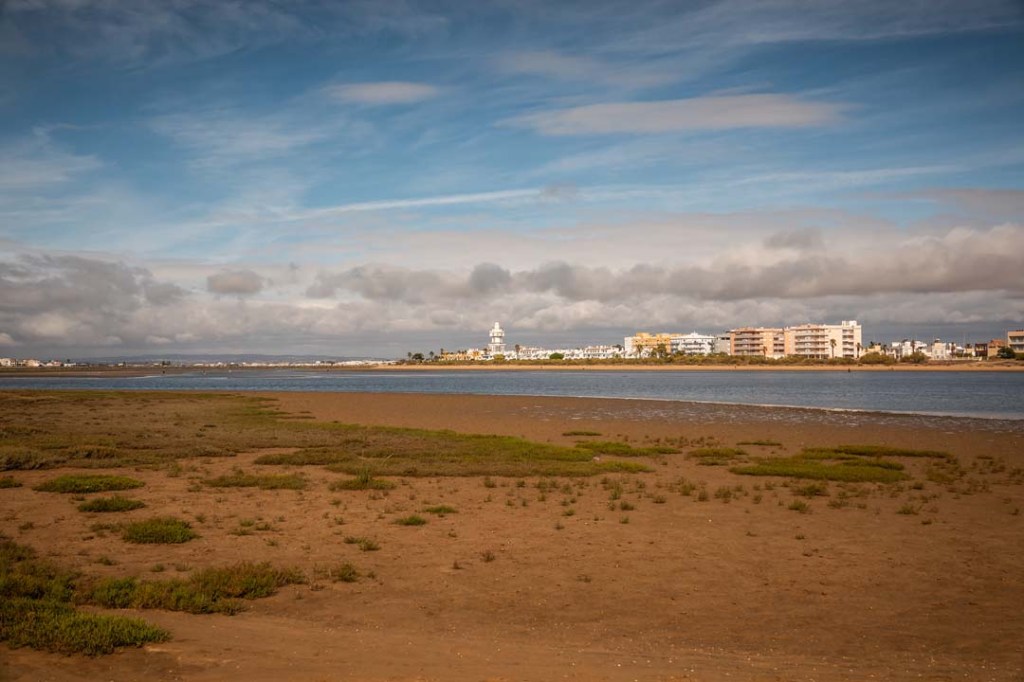
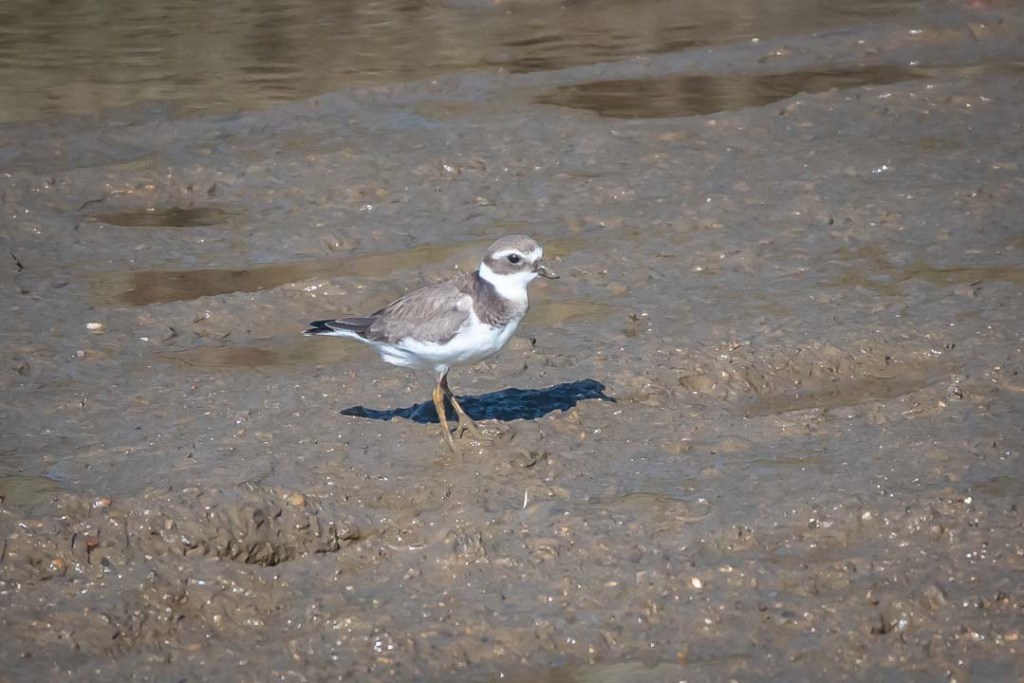
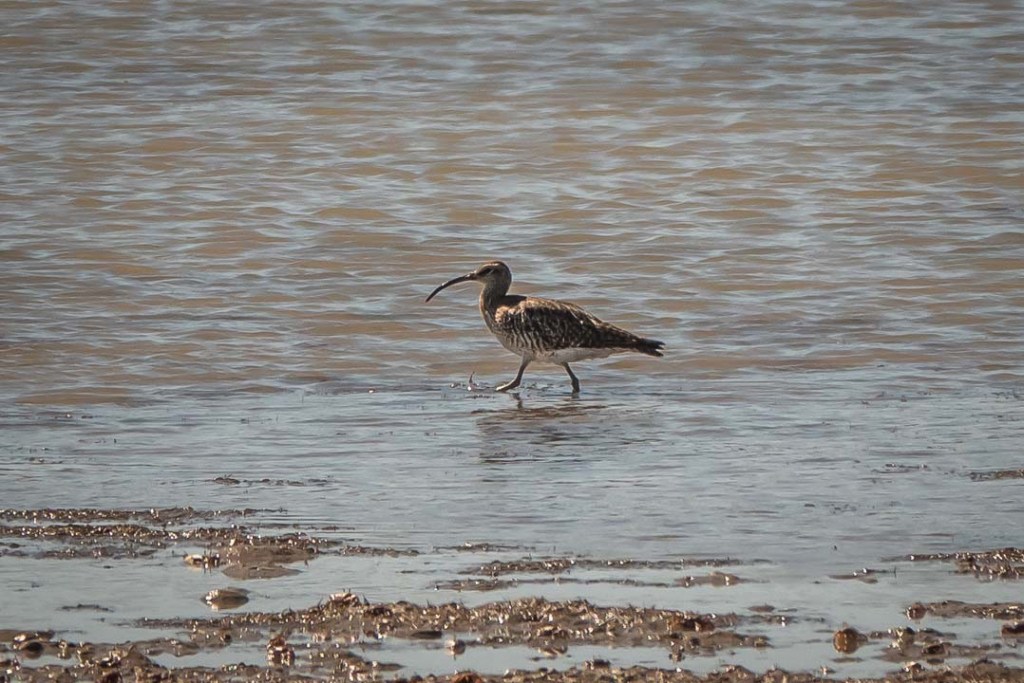
On the way back to the hotel we spent an hour birdwatching on the tidal lagoon in front of the hotel. At first it seemed like there were more people searching for shellfish than birds but then we were pleasantly surprised as we had close up views of whimbrel, sanderlings, grey plover, common redshank, common ringed plover, Kentish plover, turnstone, white storks and bar-tailed godwit.
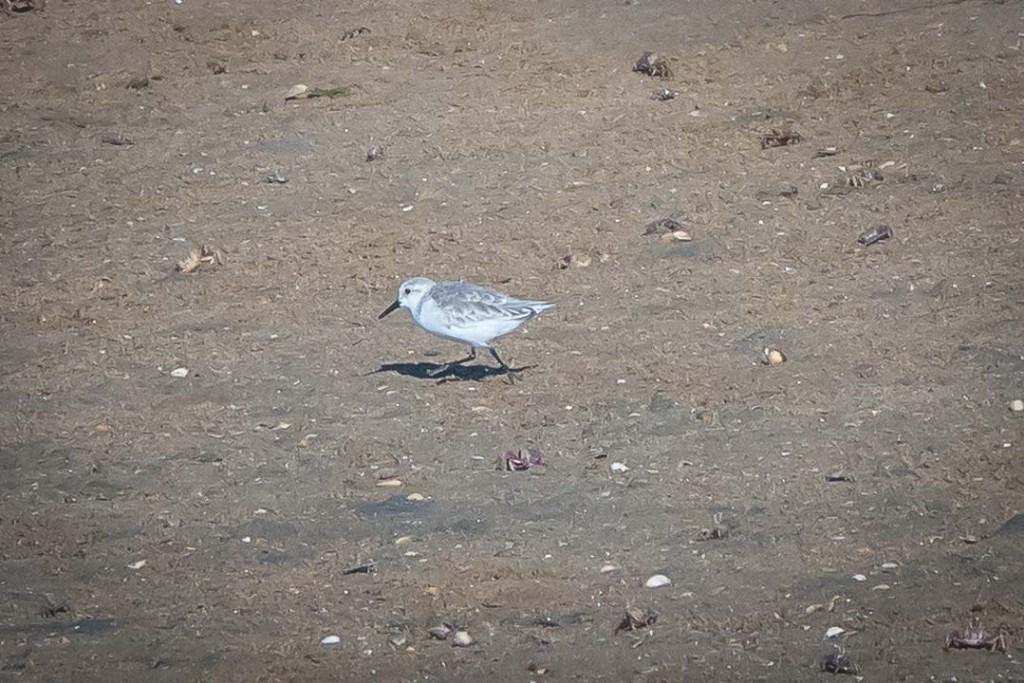
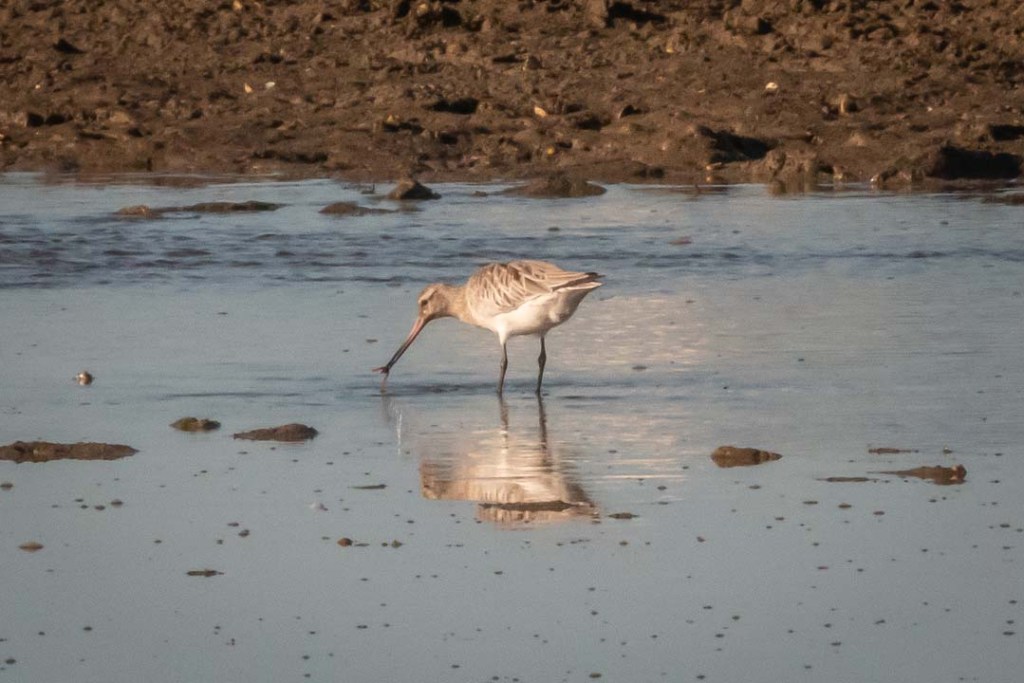
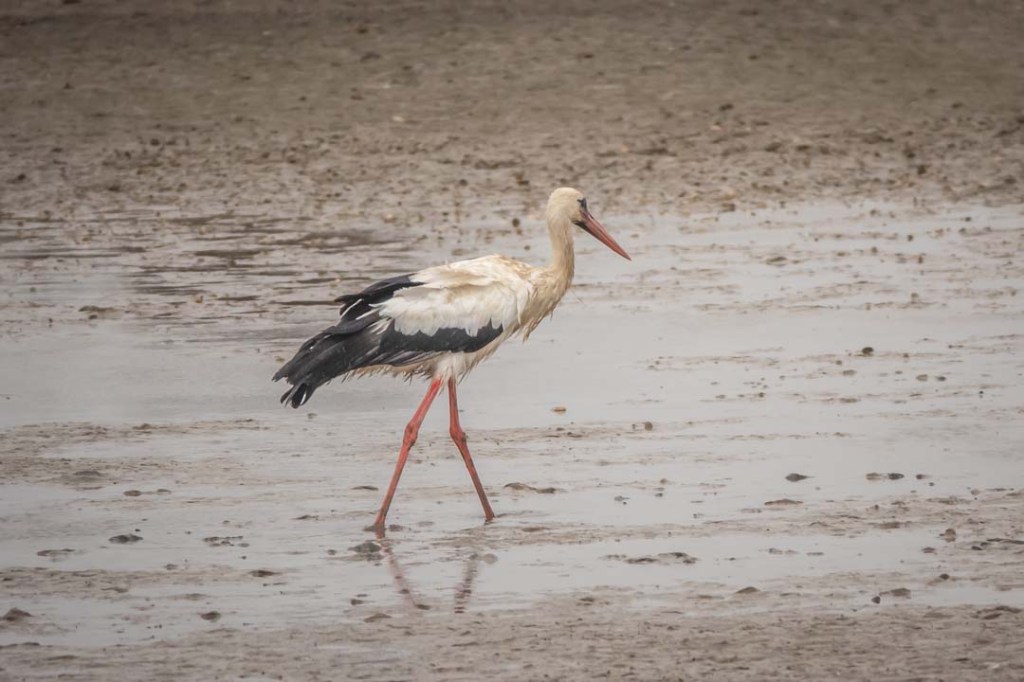
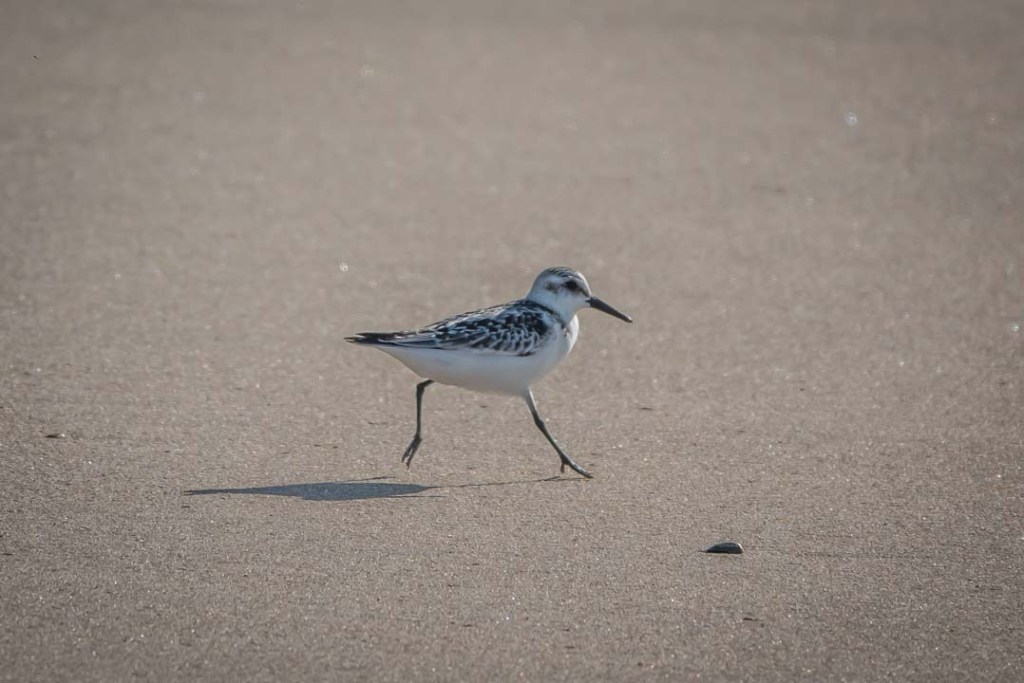
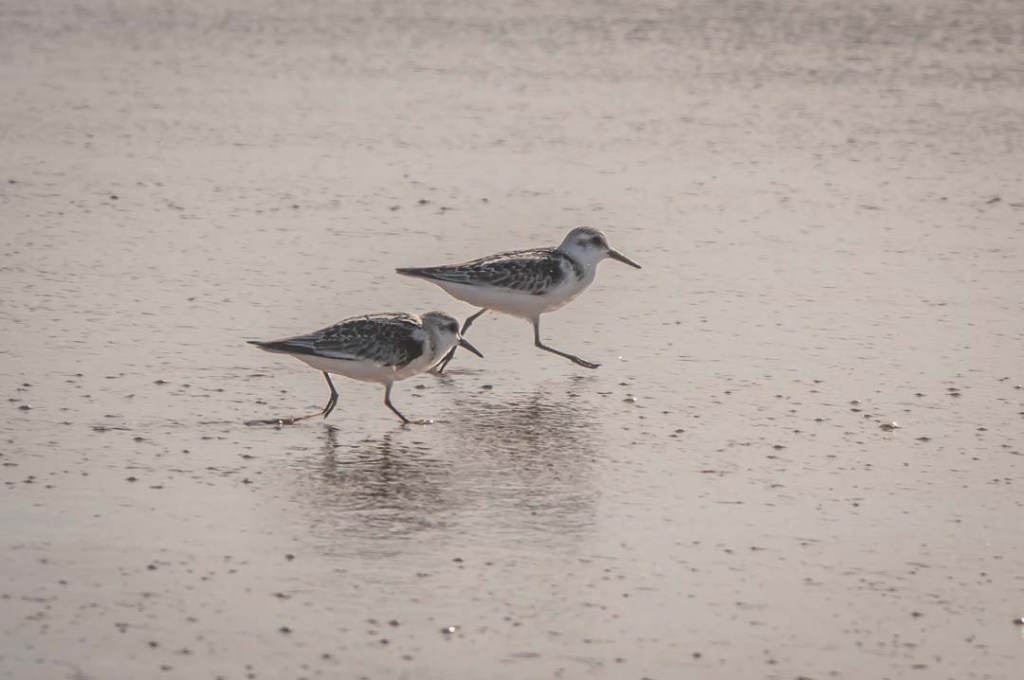
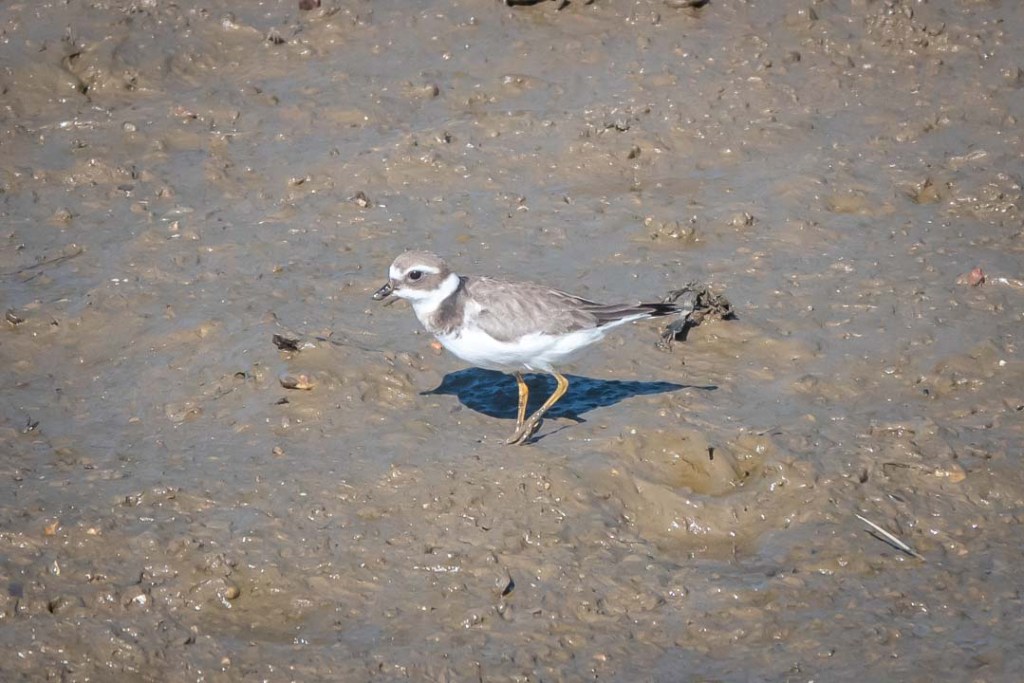
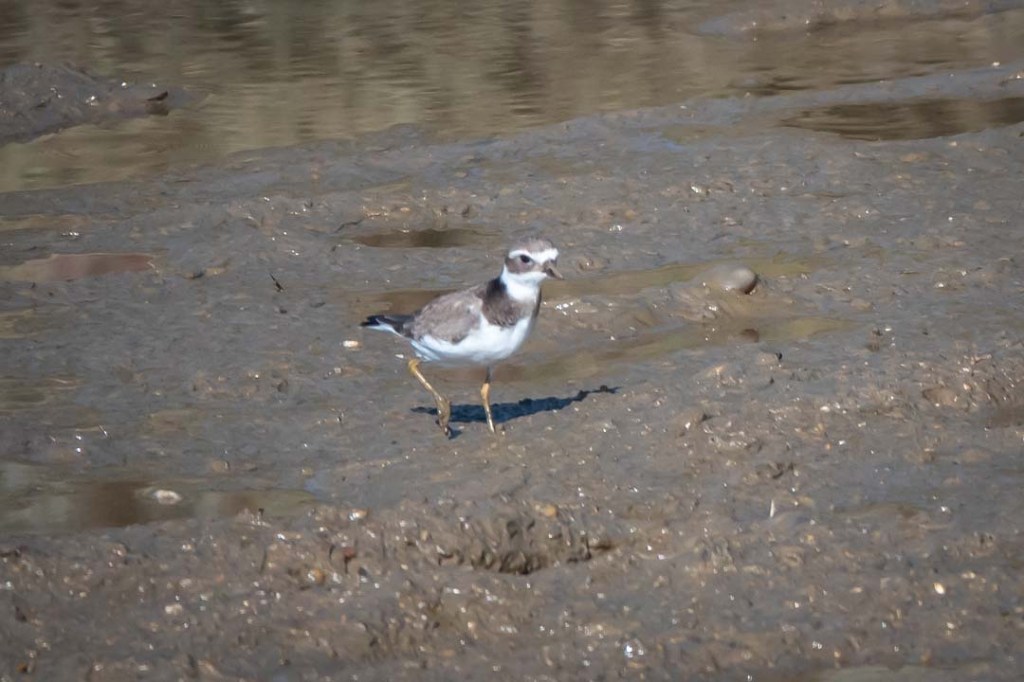
The tide was very lowThe locals have a sort of pump to push out the shellfishSanderlingGrey plover and common redshankCommon ringed ploverKentish ploverWhimbrelSanderlingWhite storkWhite storkWhite storkWhite storkBar-tailed godwit
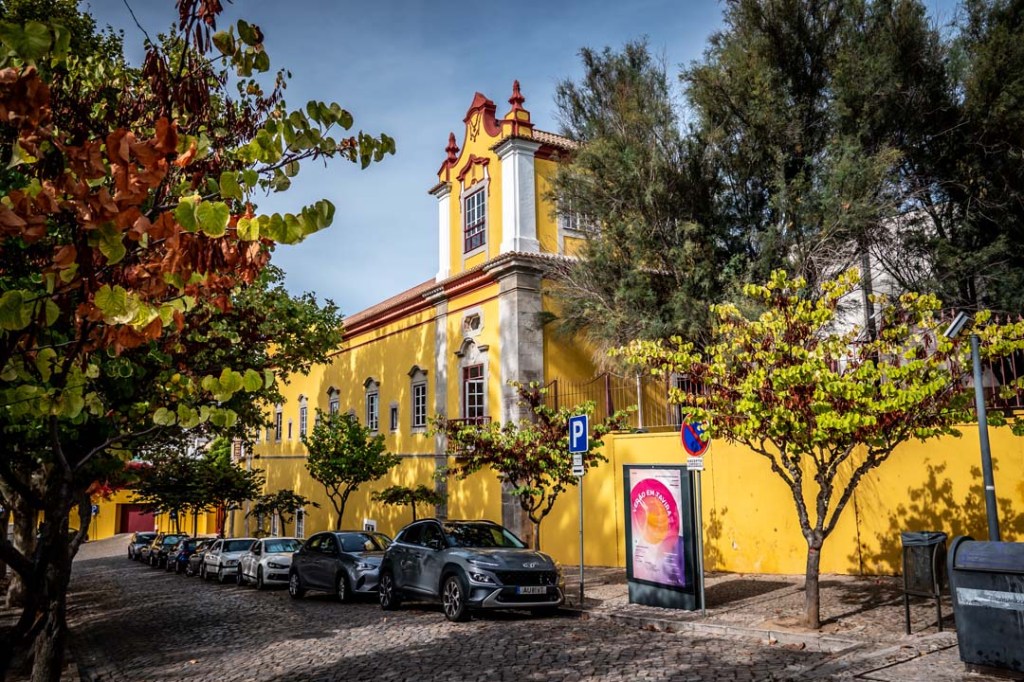
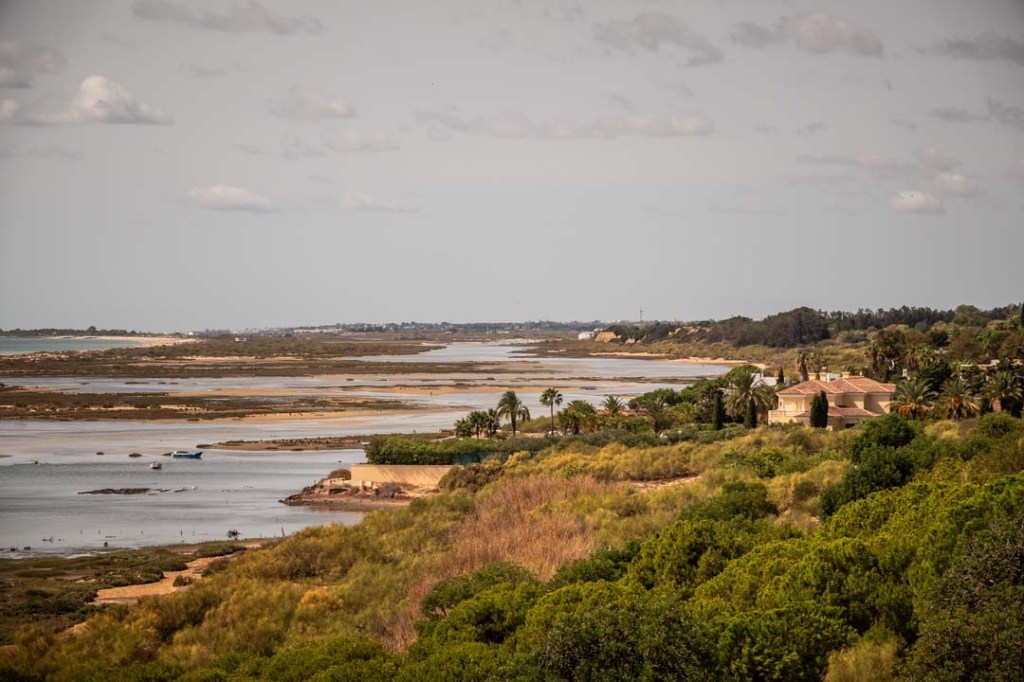
This morning we had a break from birding activities and visited the pretty town of Tavira and the the beautiful village of Cacela Velha on the Algarve just across the border in Portugal.
A taste of TaviraTaviraTaviraView of the Algarve from Cacela VelhaCacela Velha
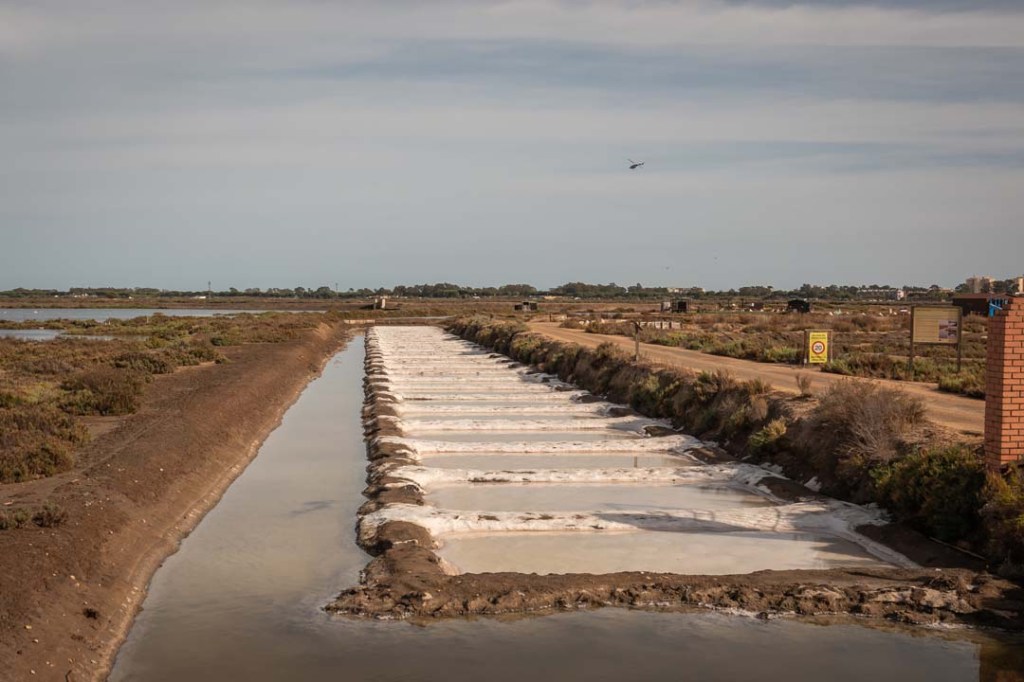
This evening we went back to visit the salt pans just north of Isla Cristina.
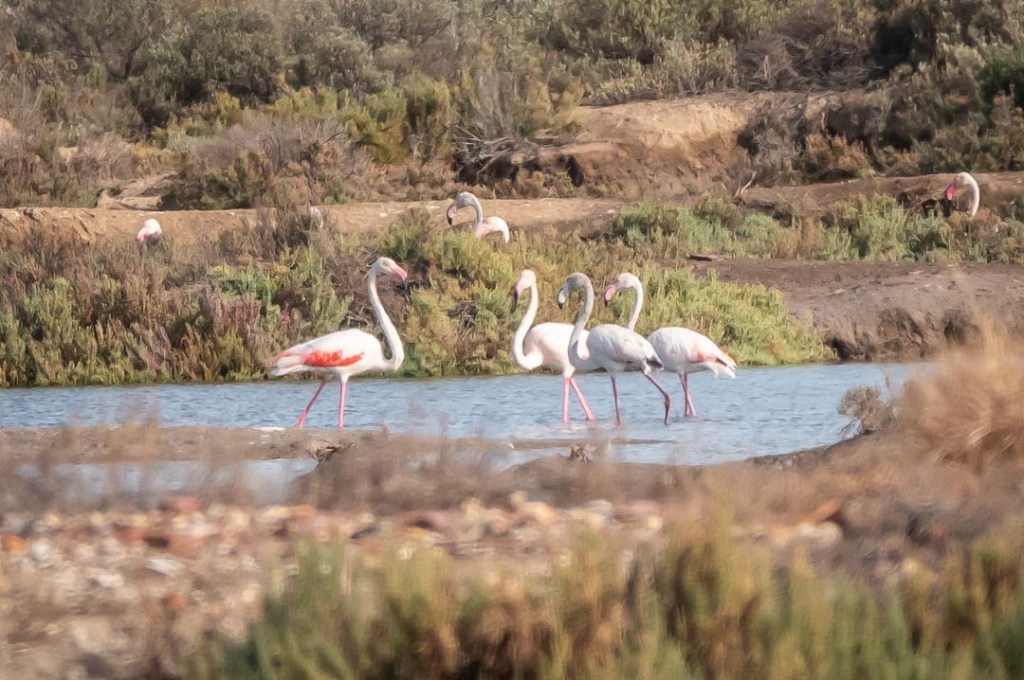
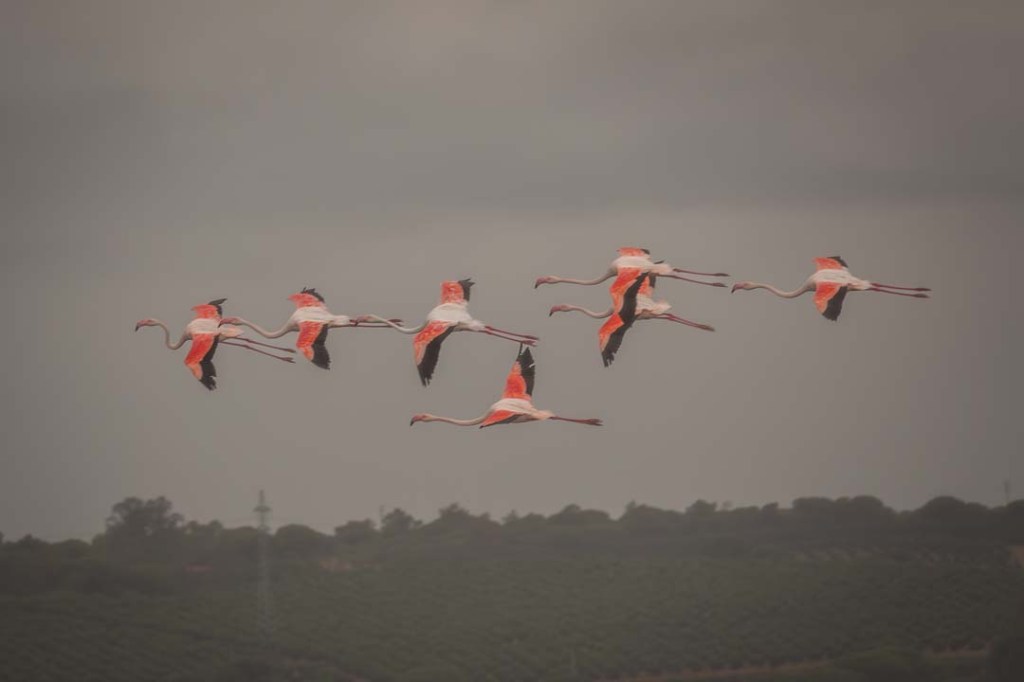
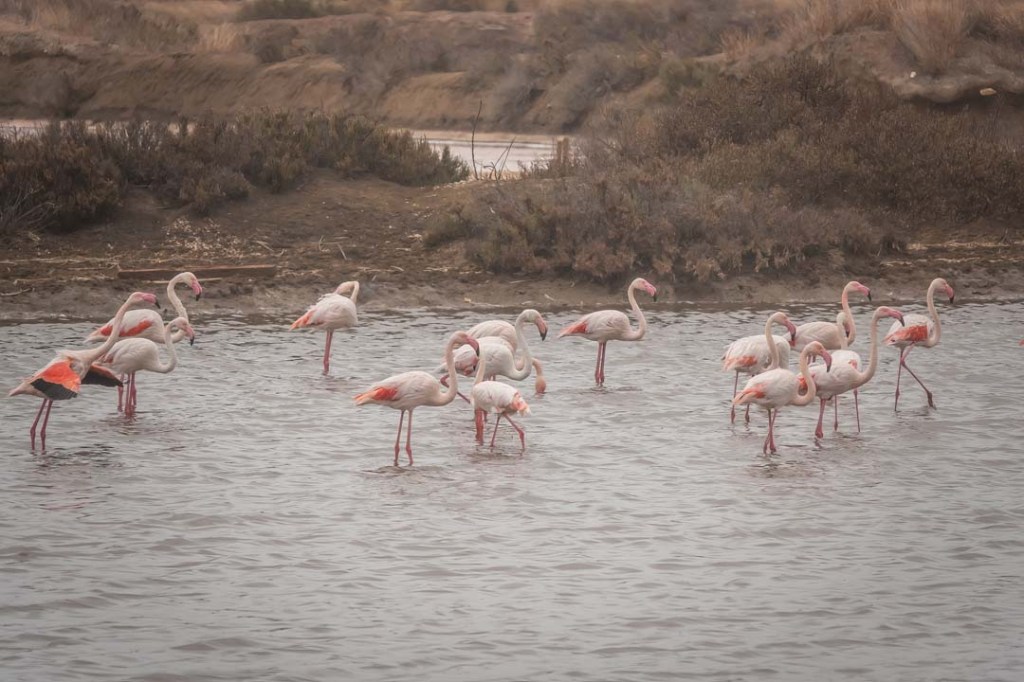
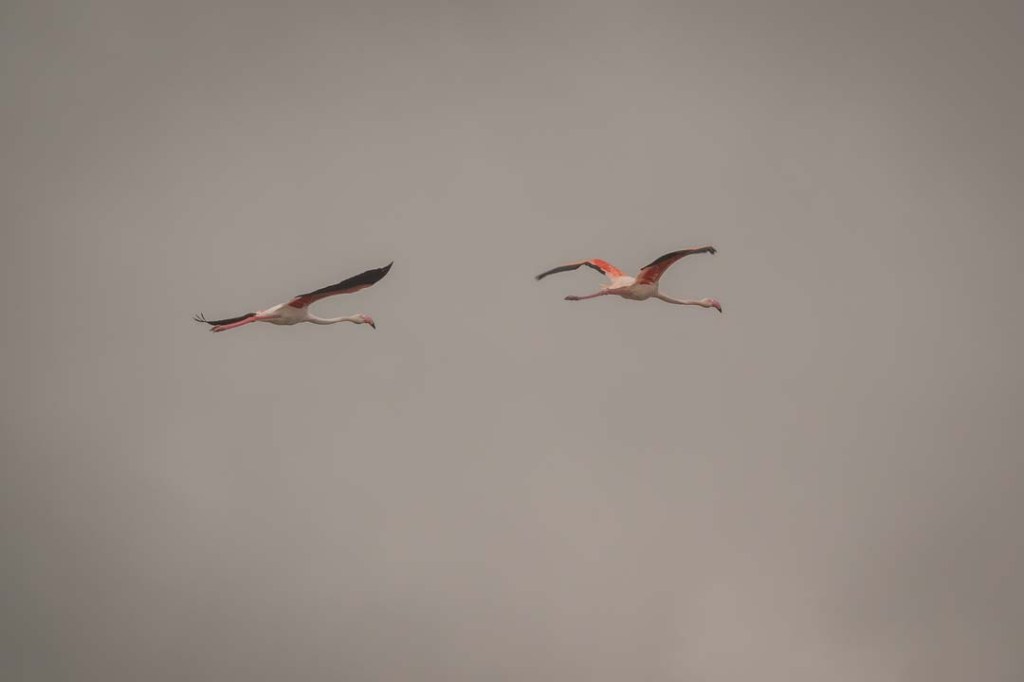
Little stint, I guessCommon ringed ploverCommon redshankWhite stork2 of a dozen white storks flying above usFlamingosSalt pansWhimbrelNo, its not the arctic – gulls on the salt pansSpotless starlings on the way back to the hotel A welcome rest on the balcony of our hotel
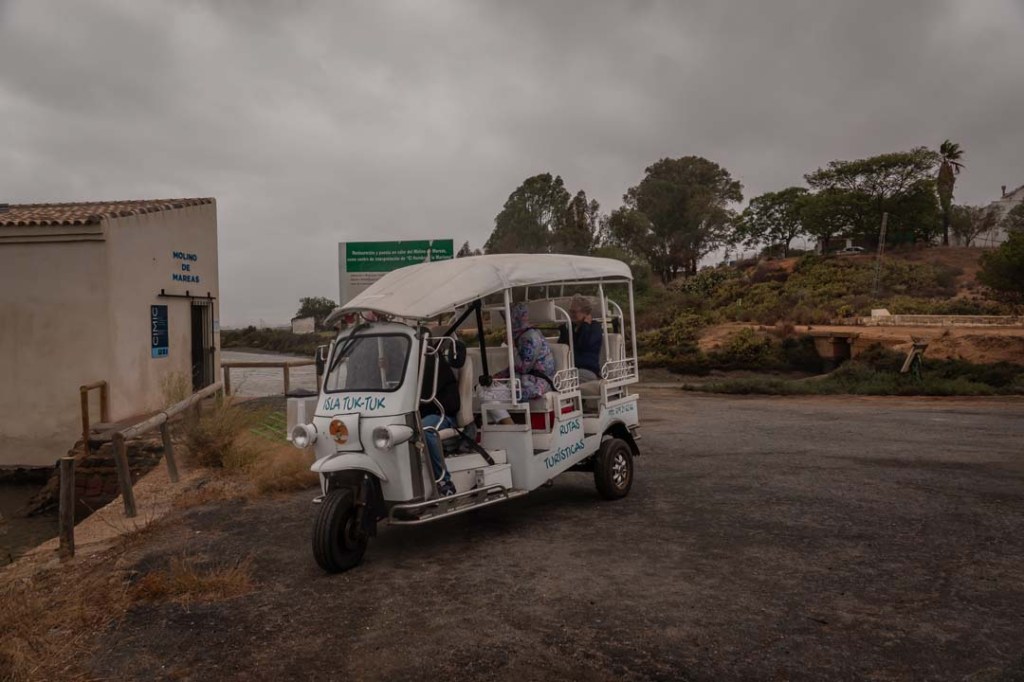
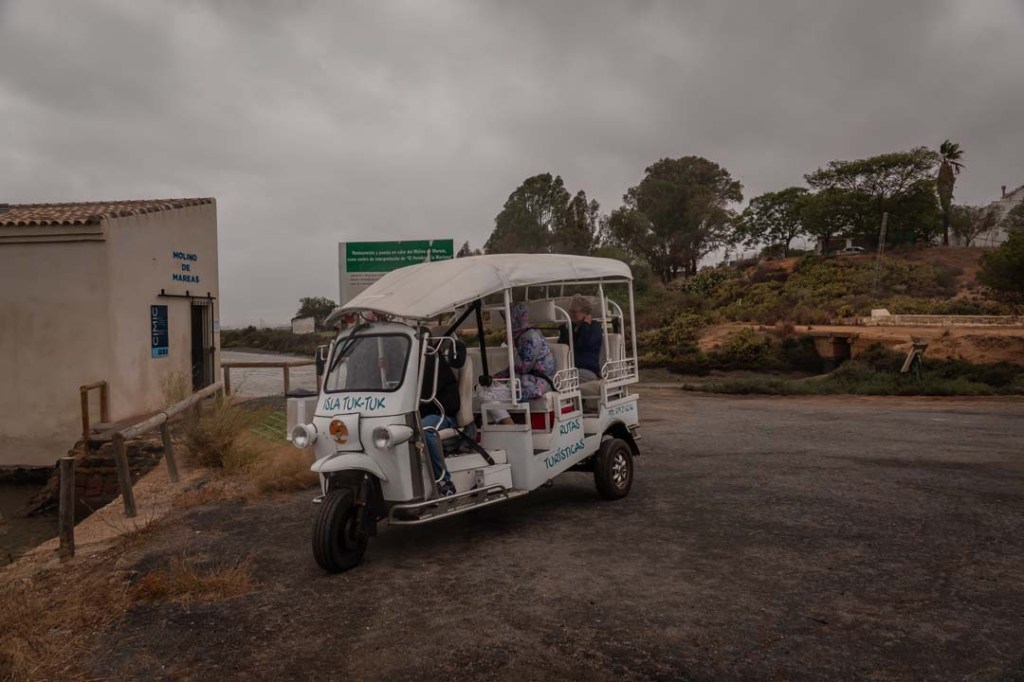
Oh what fun! On arrival here we had booked an excursion on a tuktuk to visit the town and its surroundings areas.
We hadn’t anticipated what a miserable evening it would be; but what else was there to do on such an evening?
Our driver and guide was full of life and proudly showed us his town. He also took us to some great birding sites but rarely stopped for us to take photos so I had to contend with taking photos us we drove along in the rain and the gloom.
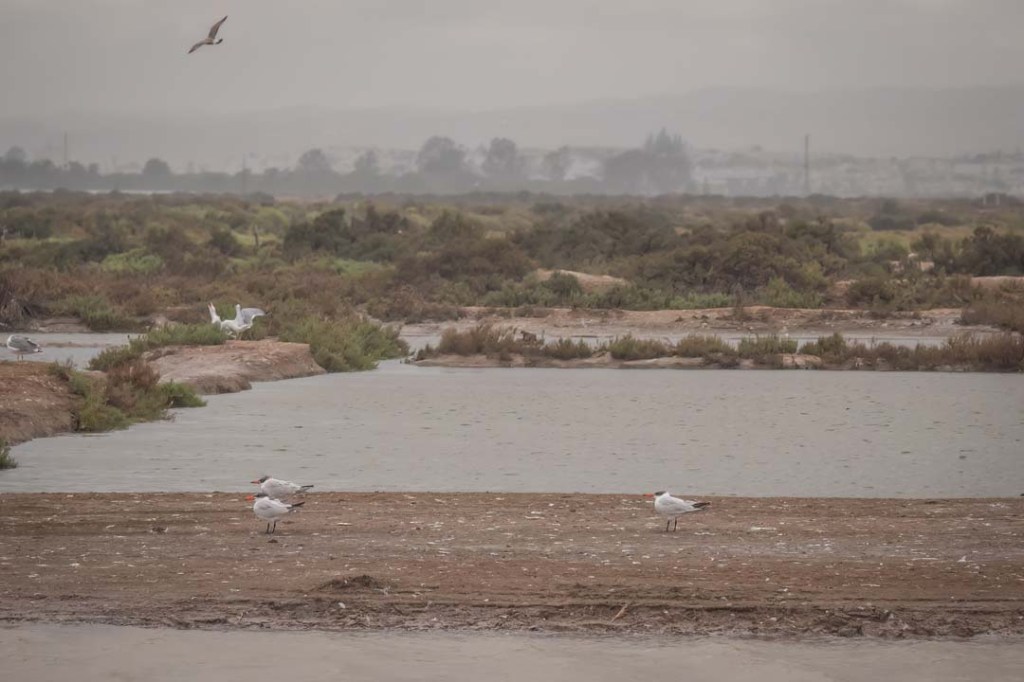
At first, I was frustrated but soon I realised that, although we were to see a cornucopia of wonderful birdlife, I wasn’t going to get many decent shots.
Modern photo editing doesn’t show how gloomy it really was this evening
I was pleasantly surprised with what I did achieve.
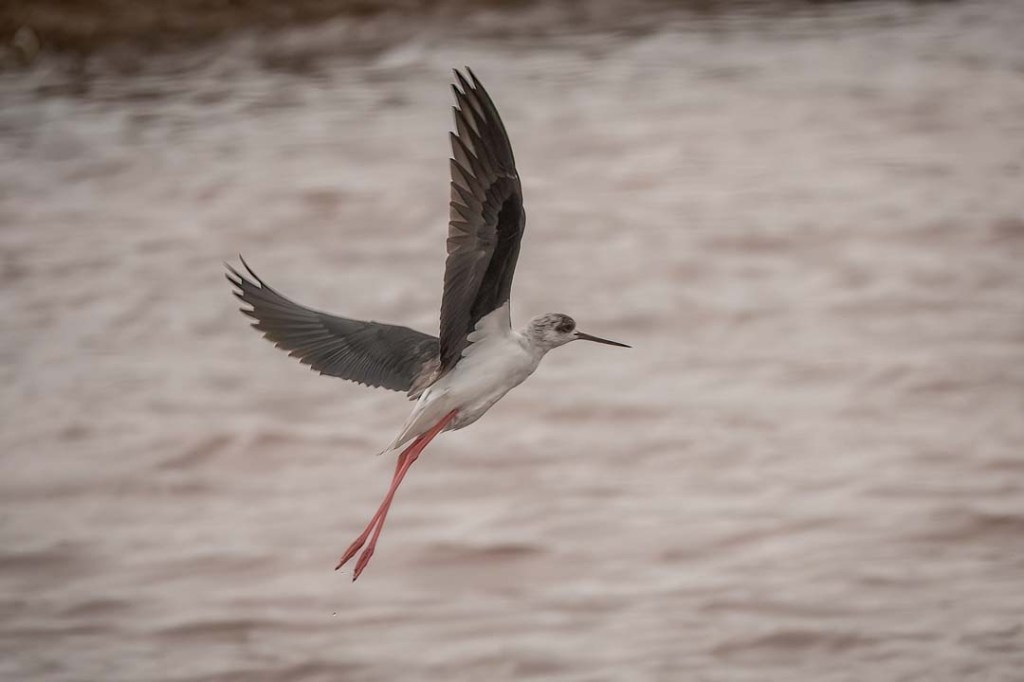
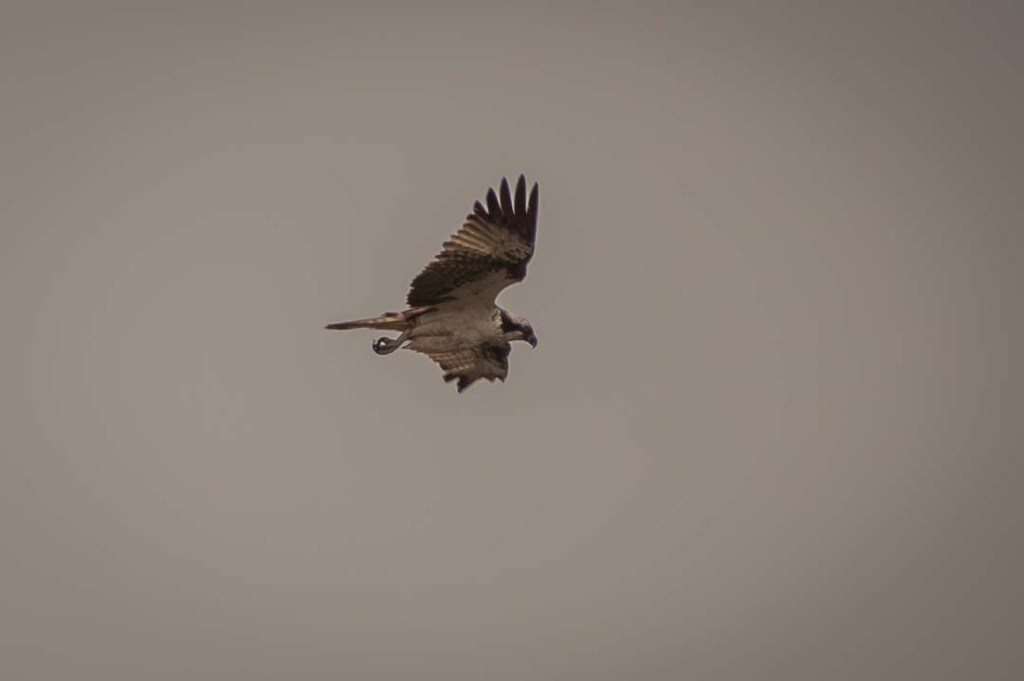
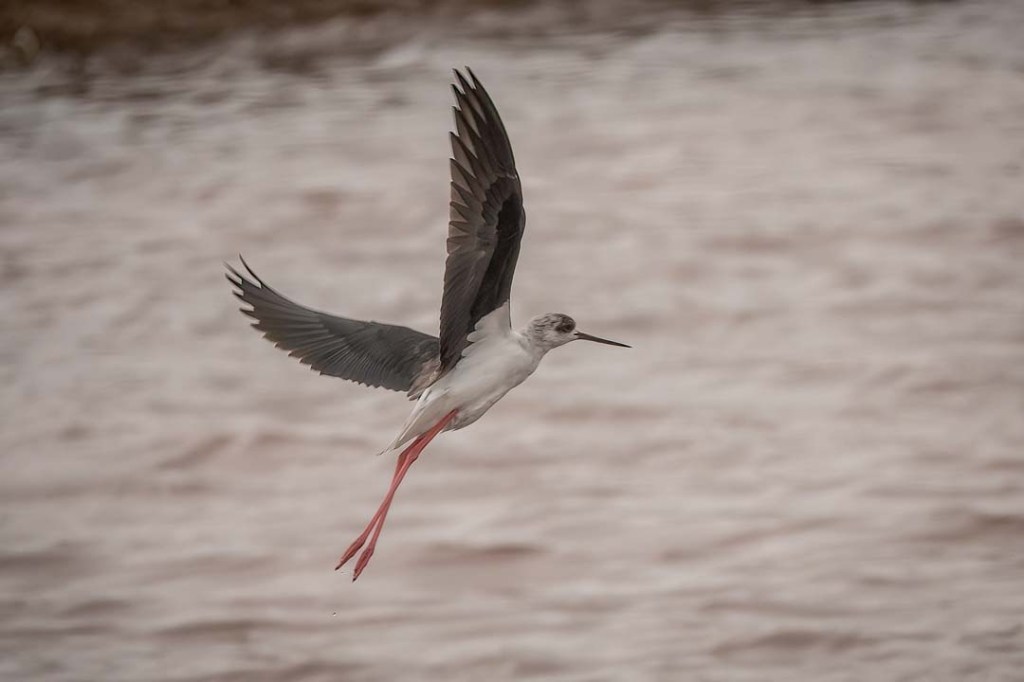
The star of the show – an ospreyOspreyJust imagine how beautiful these flamingos would be with a bright blue sky!White stork in the mudCaspian ternsBlack-winged stilt
Fortunately the weather forecast for tomorrow is good.
Slideshow of what I could rescue from my photos this evening:
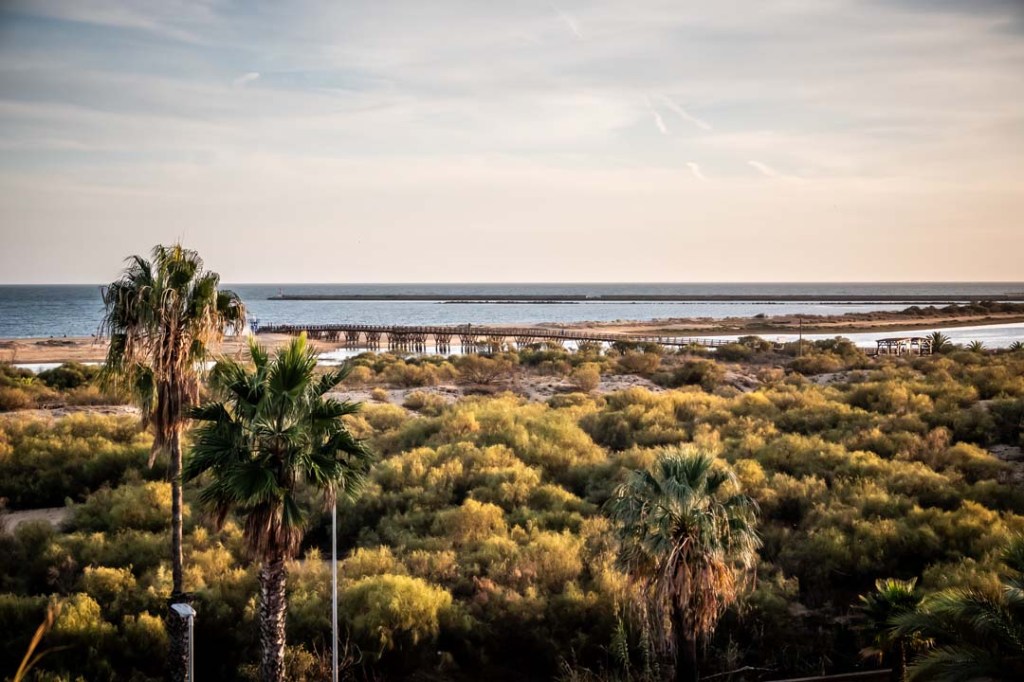
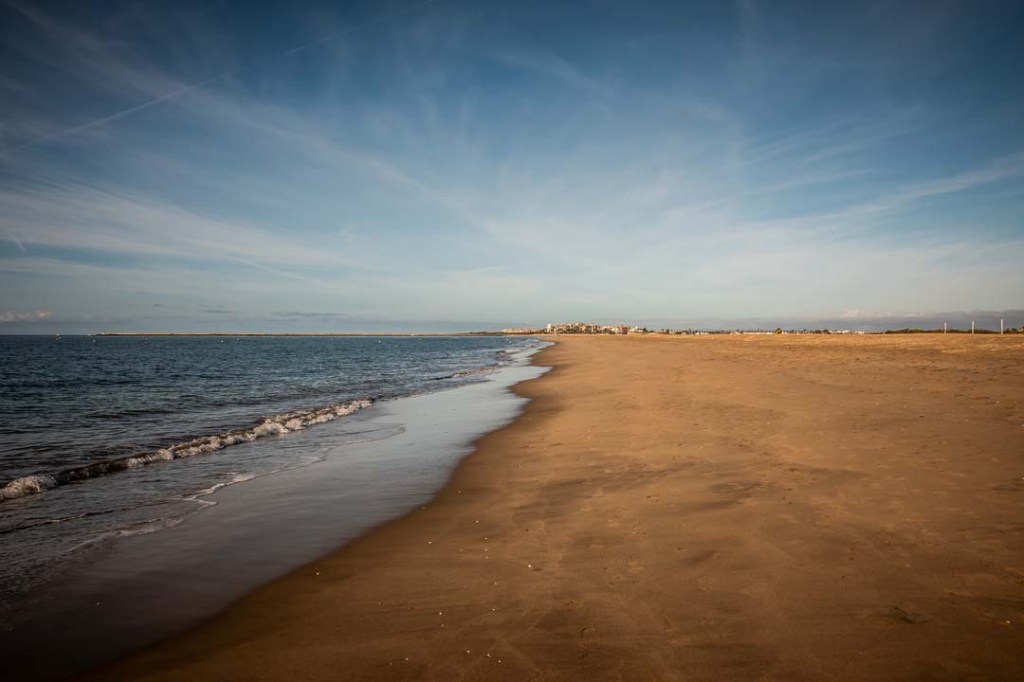
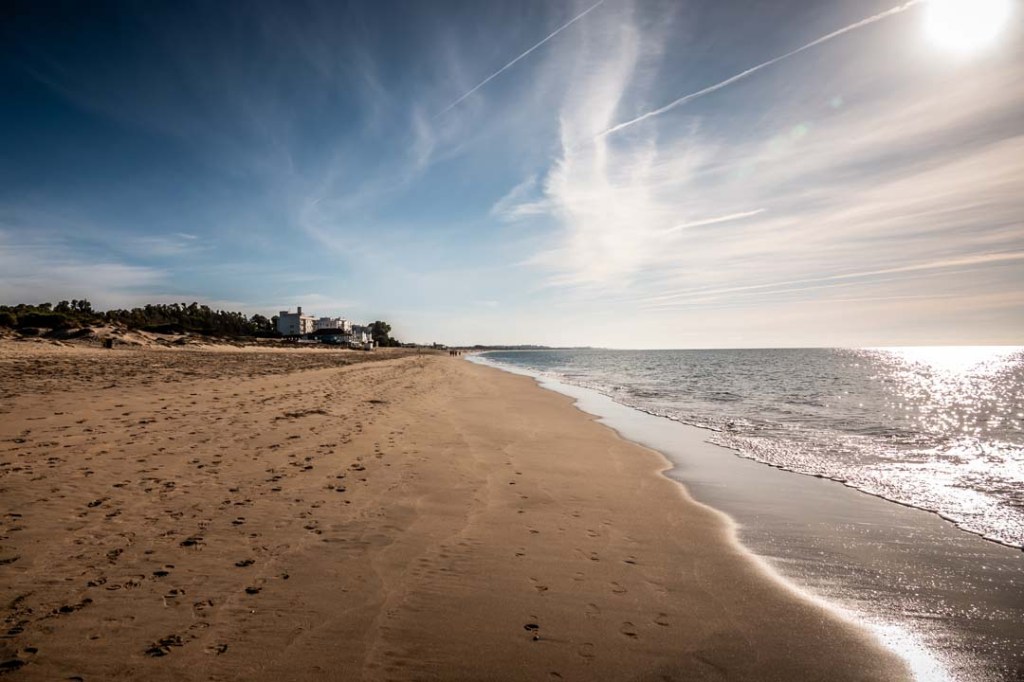
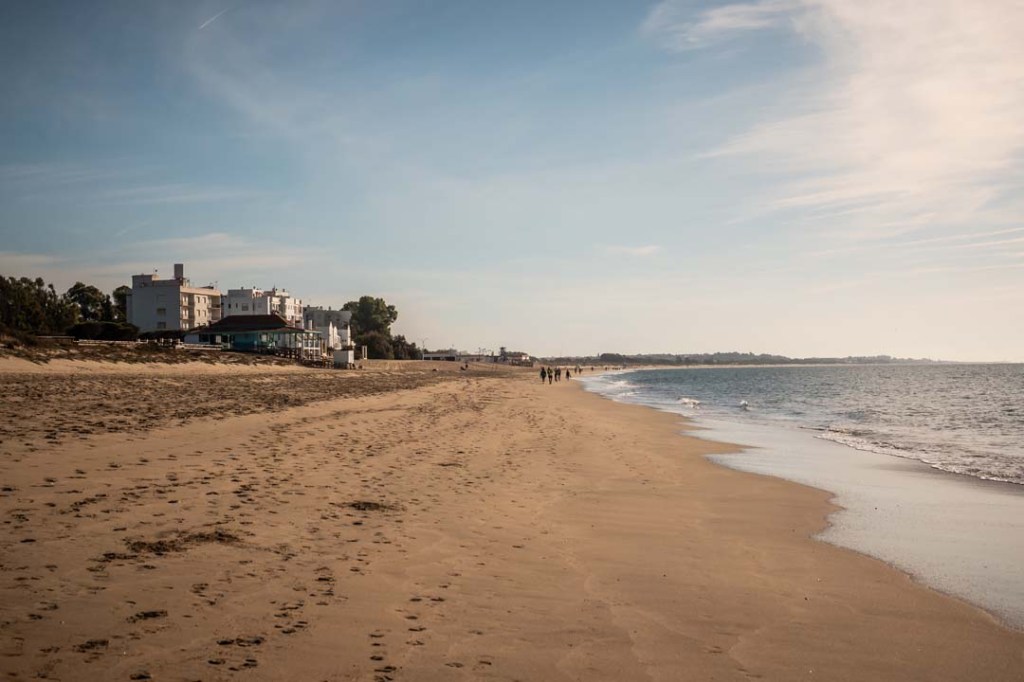
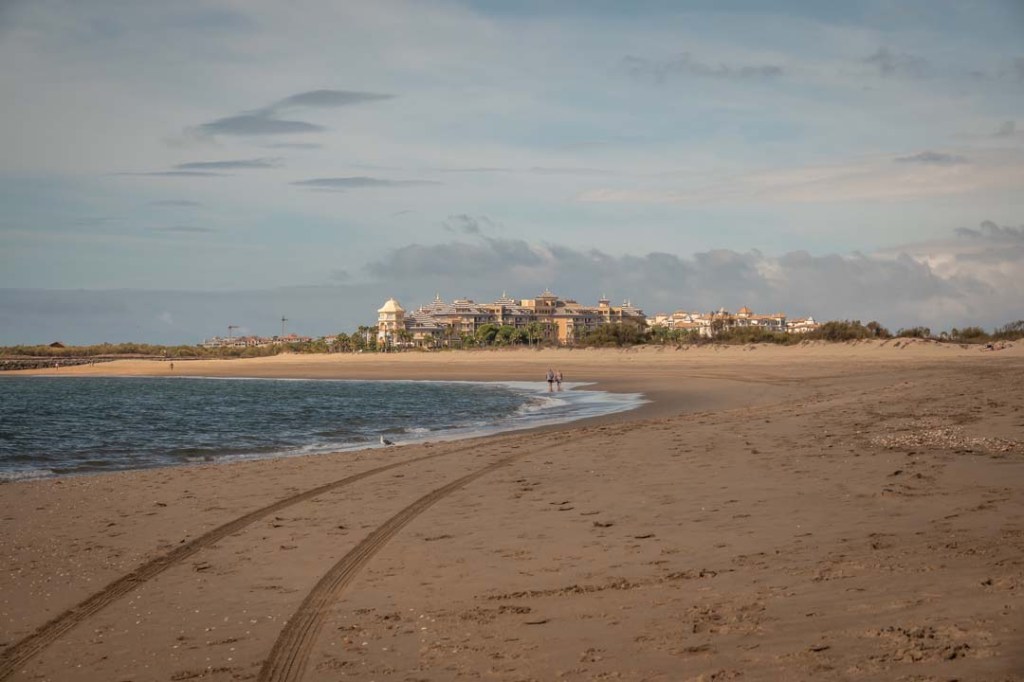
This morning we had a pleasant walk along the beach east from Isla Cristina and back again in time for lunch and before the weather deteriorated.
Eastwards from Isla CristinaBack towards Isla Cristina
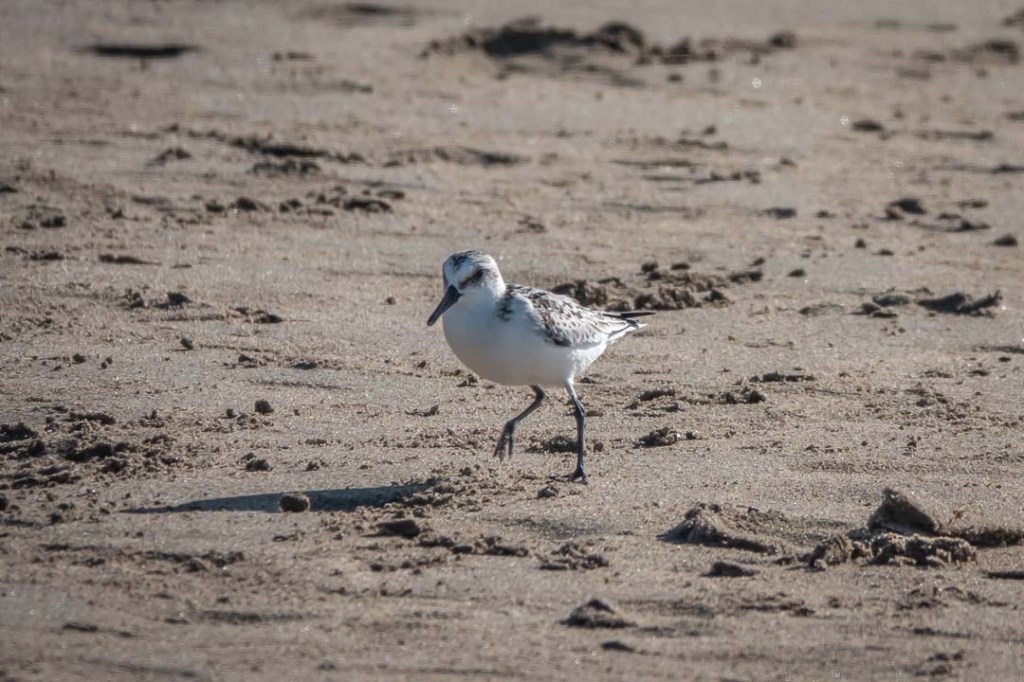
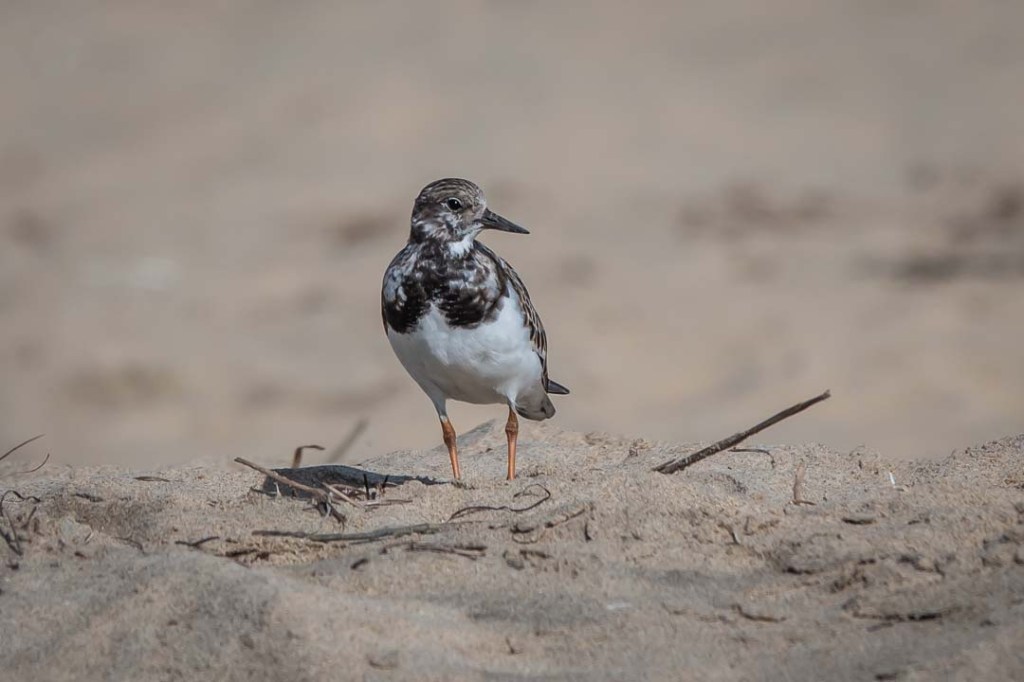
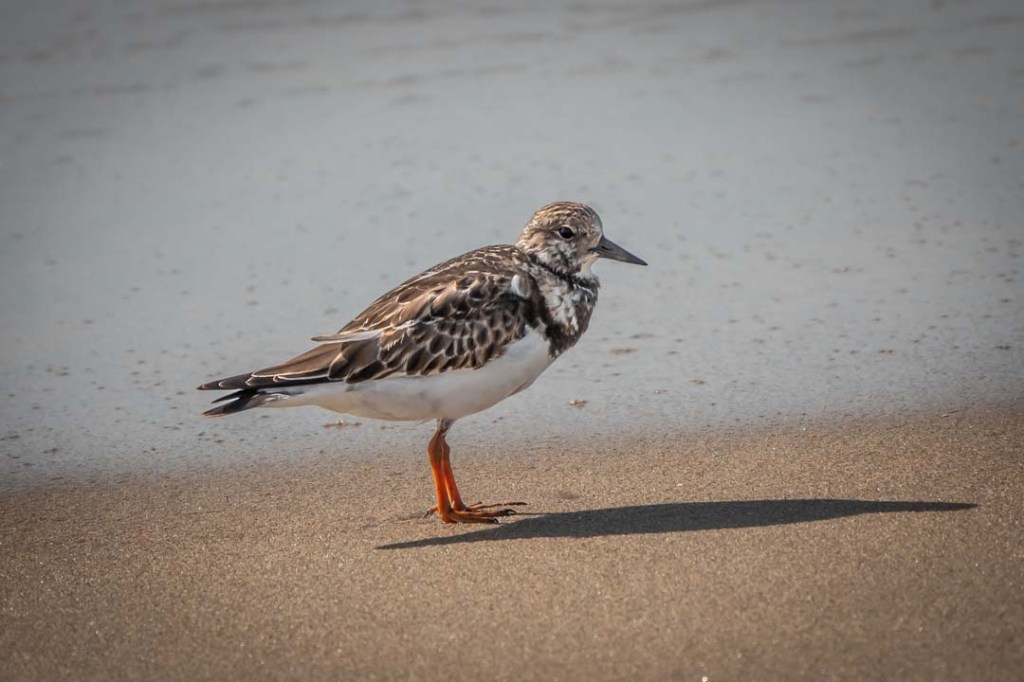
There were a few pleasant surprises with a pair of sanderlings and a few turnstones along the way.
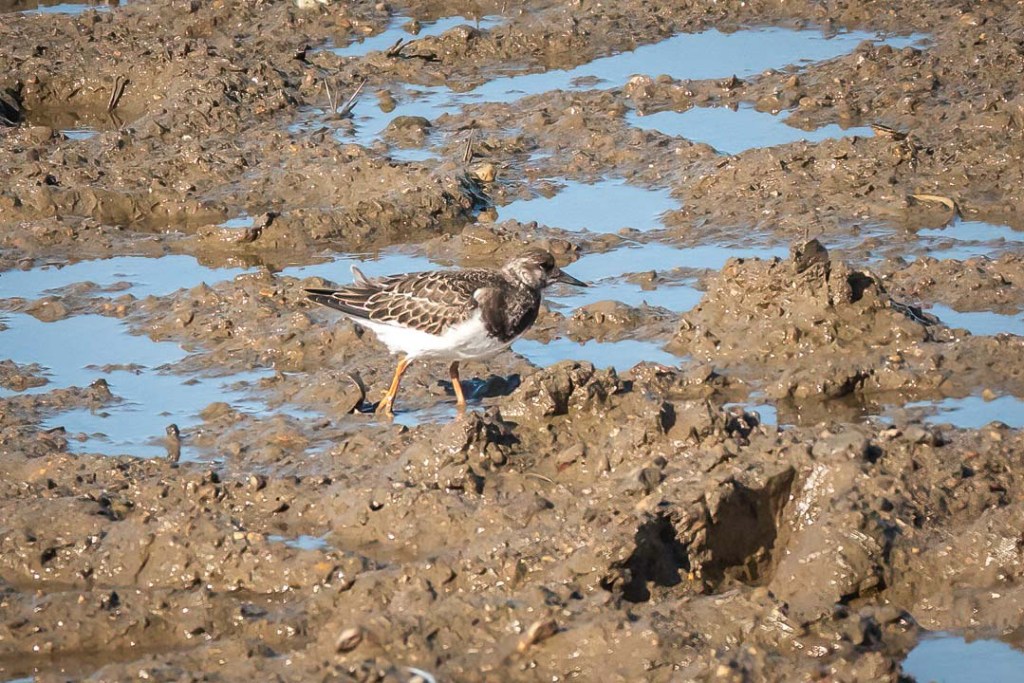
SanderlingsRuddy turnstoneProfile of ruddy turnstone
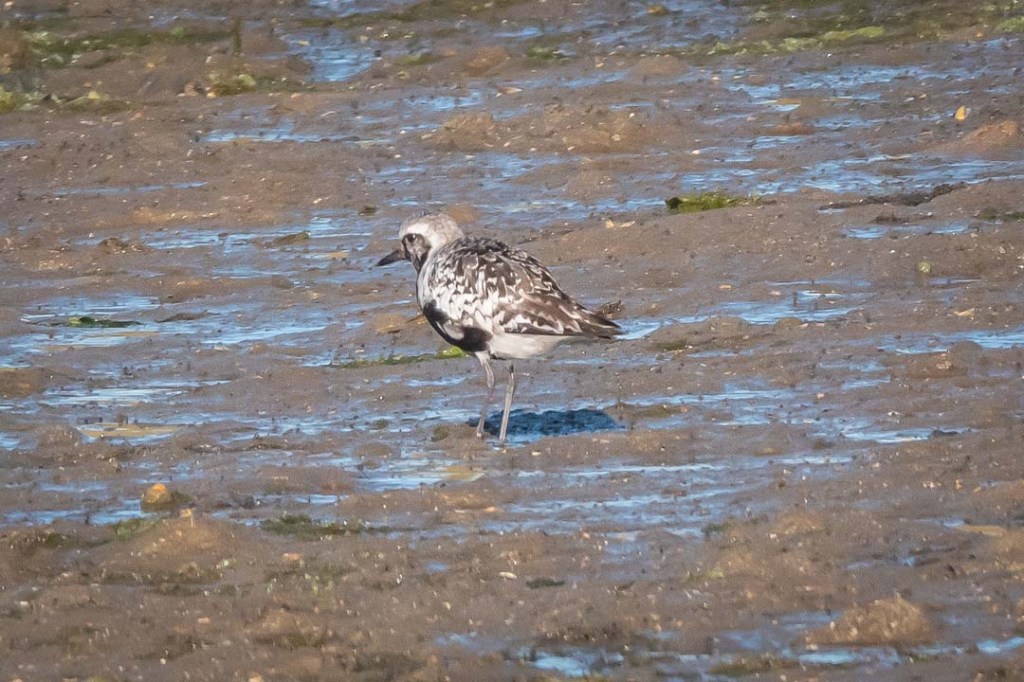
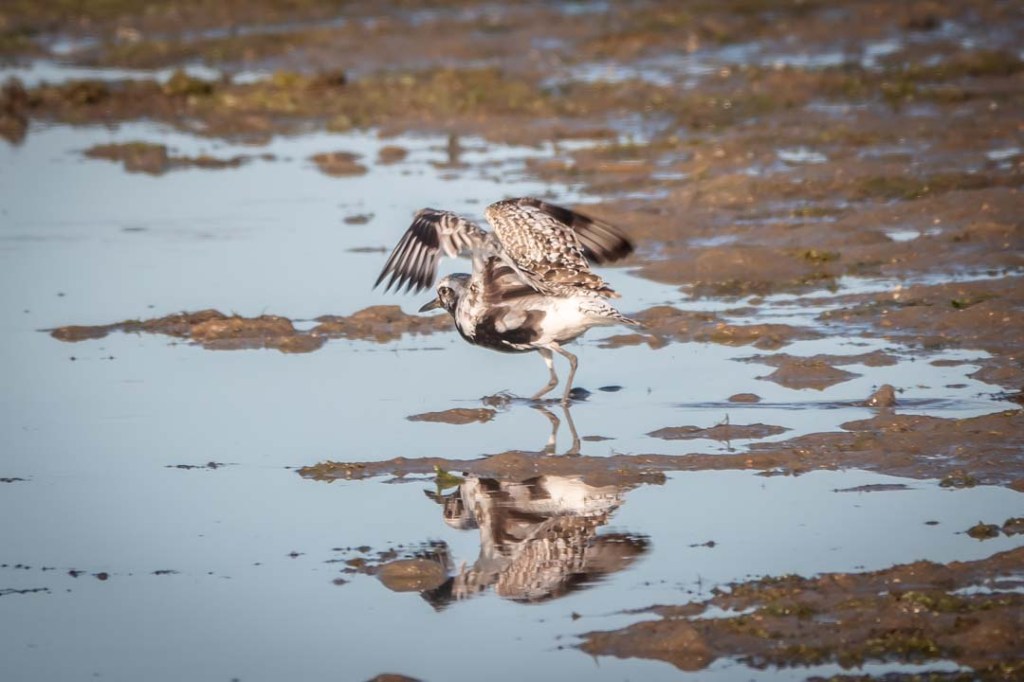
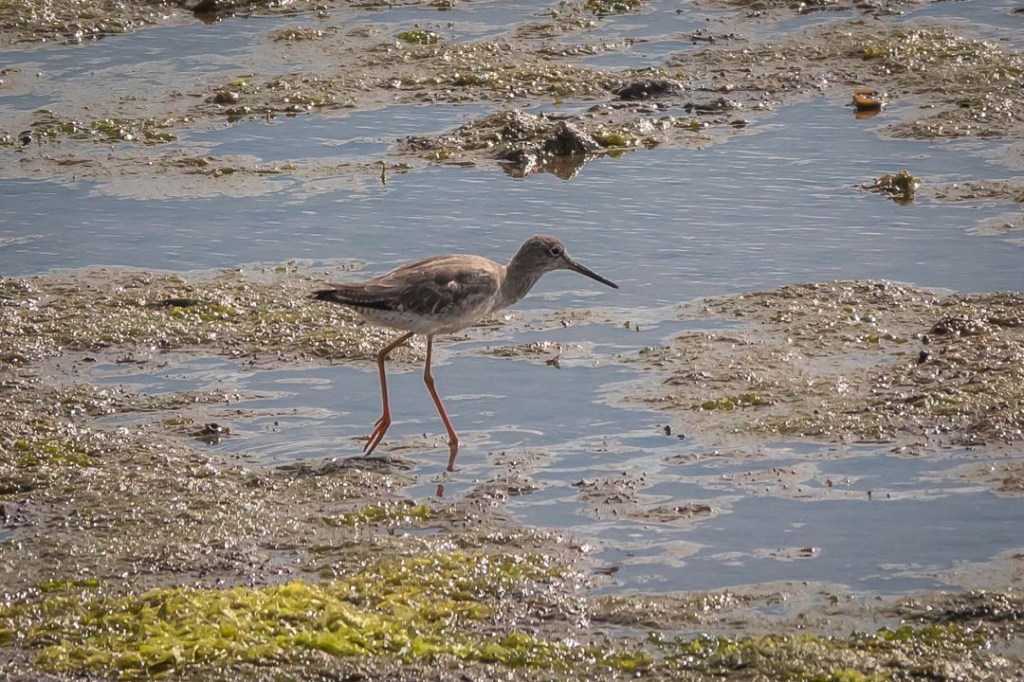
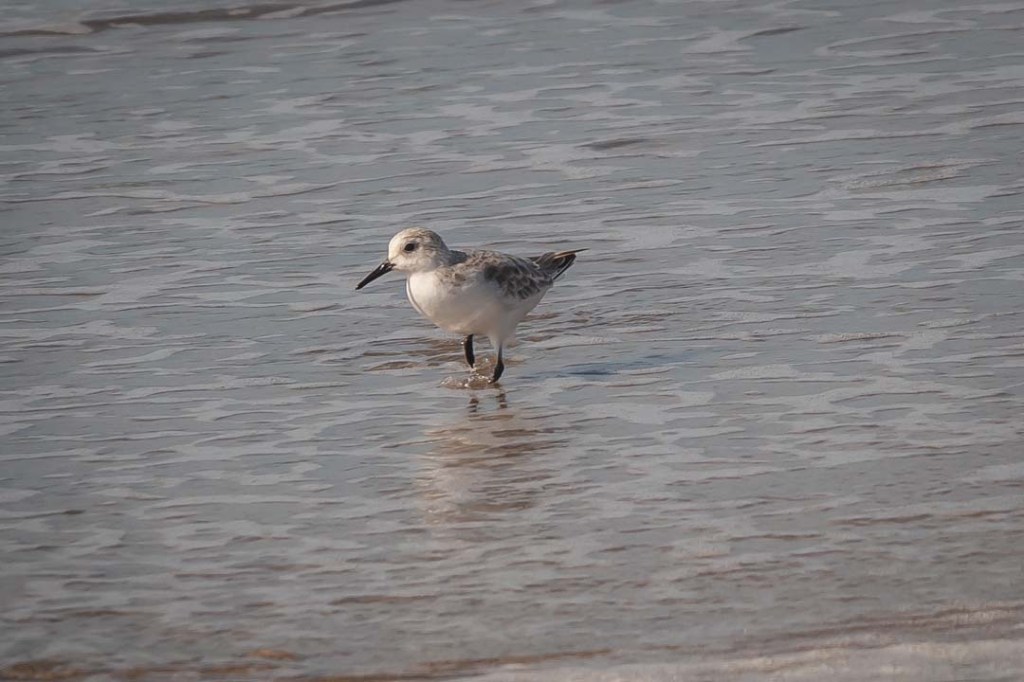
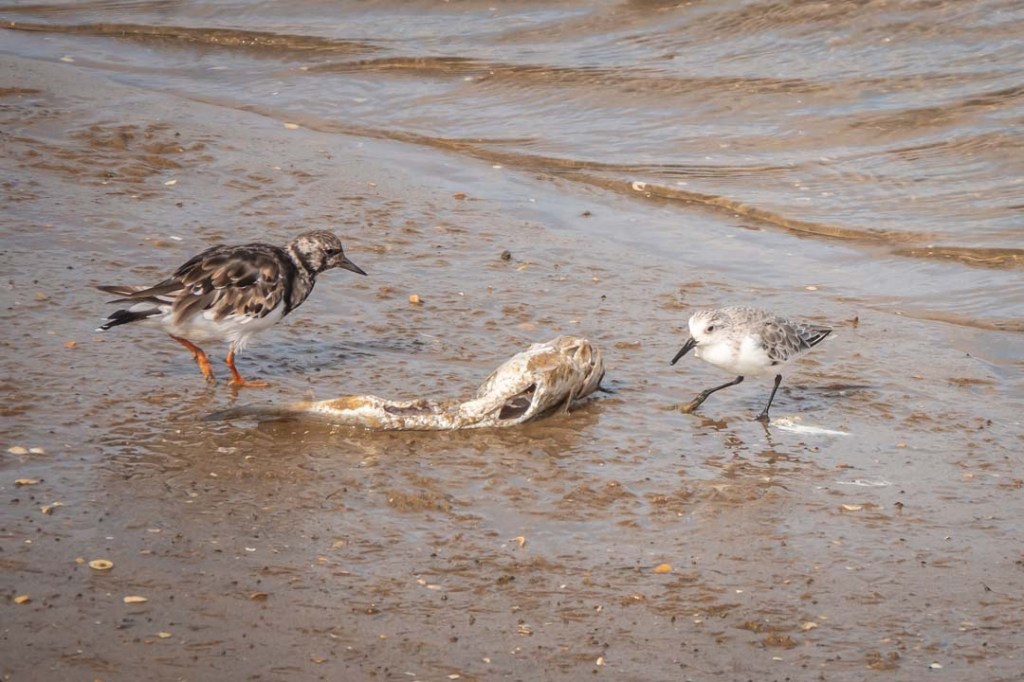
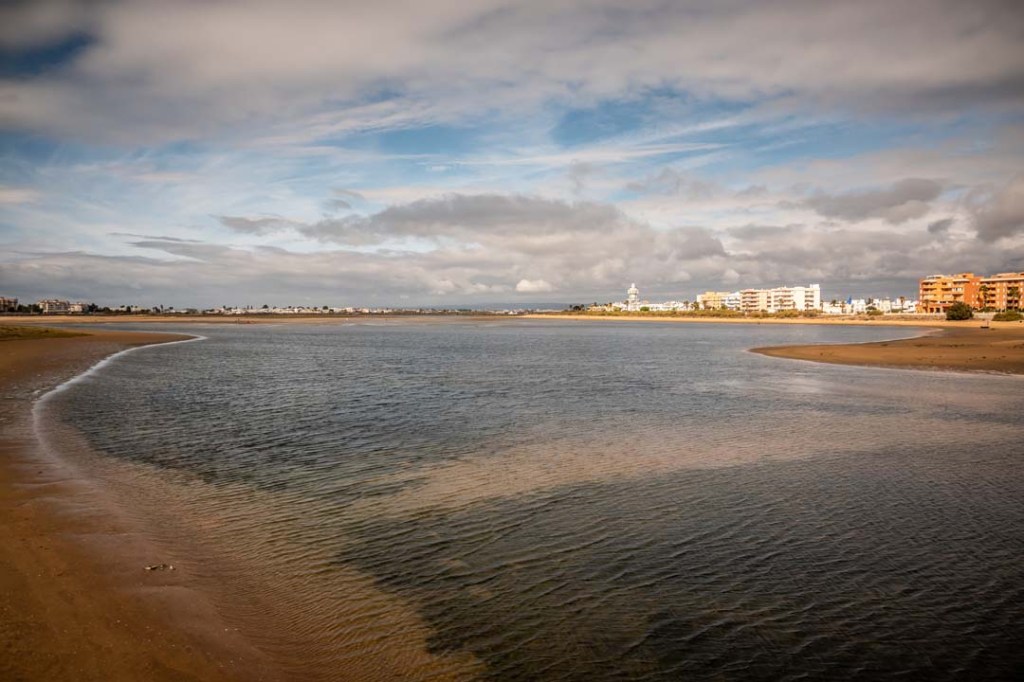
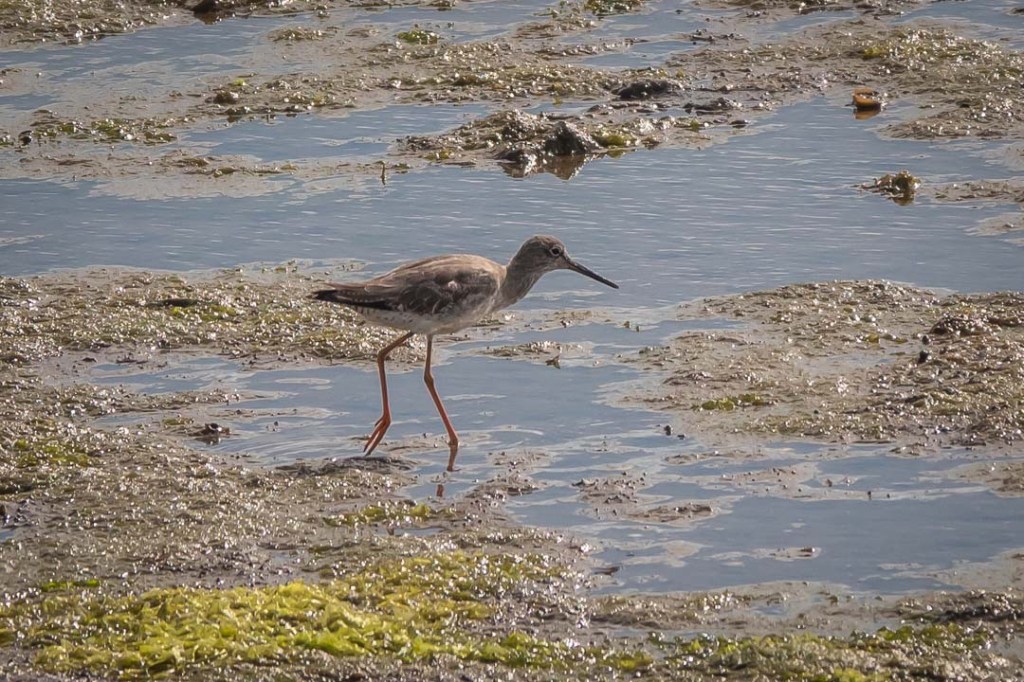
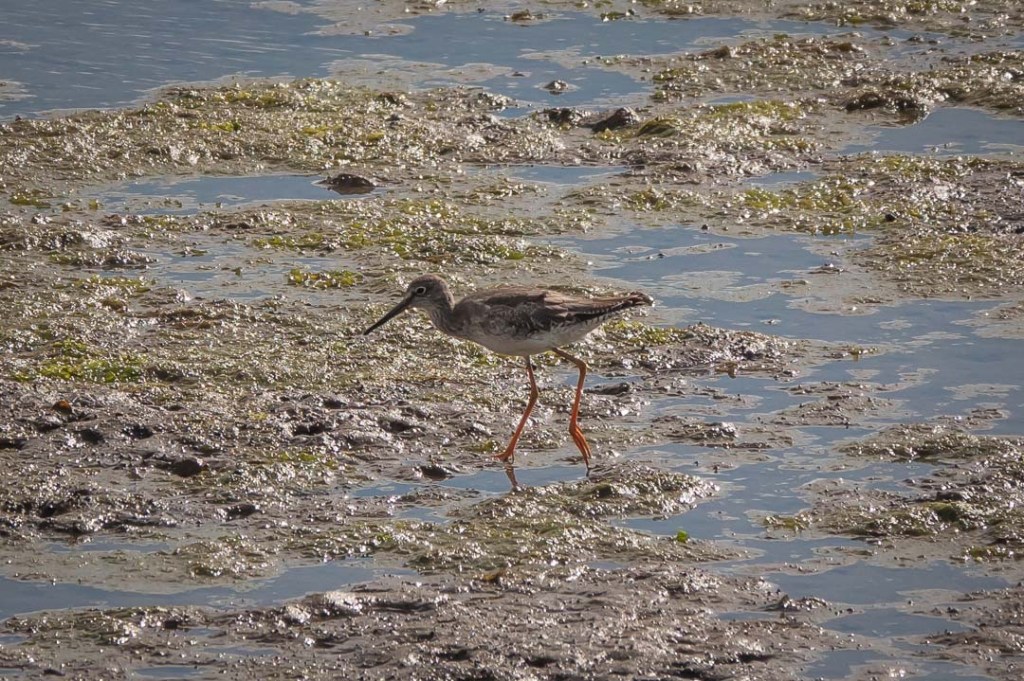
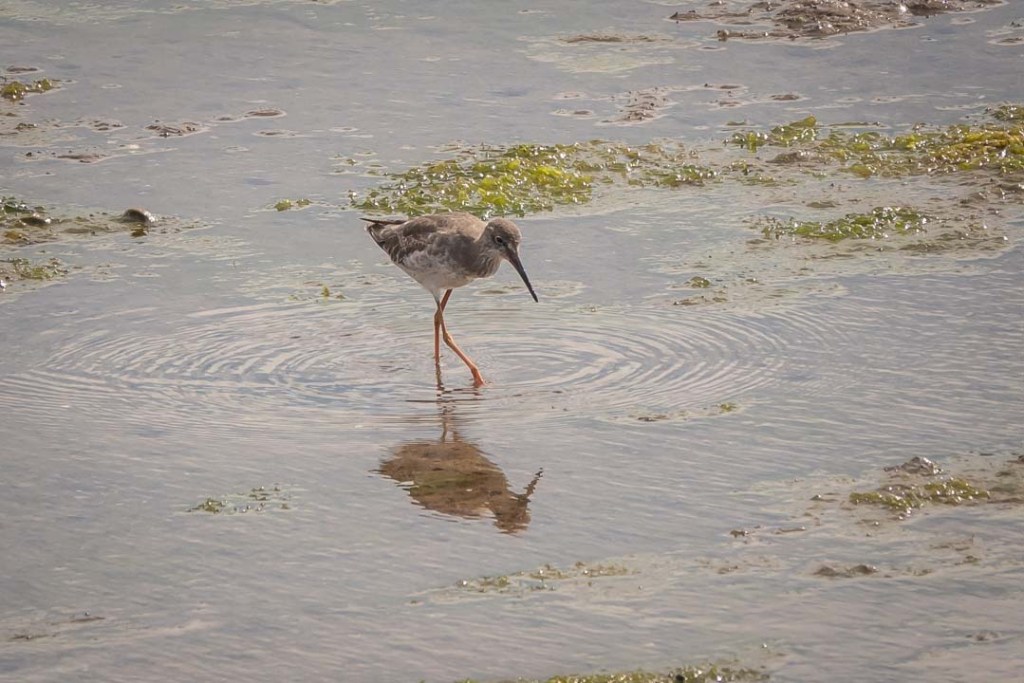
Back near the hotel the tide had not dropped enough for the waders to return in numbers to the lagoon but as well as a grey plover, a sanderling and a couple of turnstones contesting with a gull for a dead fish there was a spotted redshank.
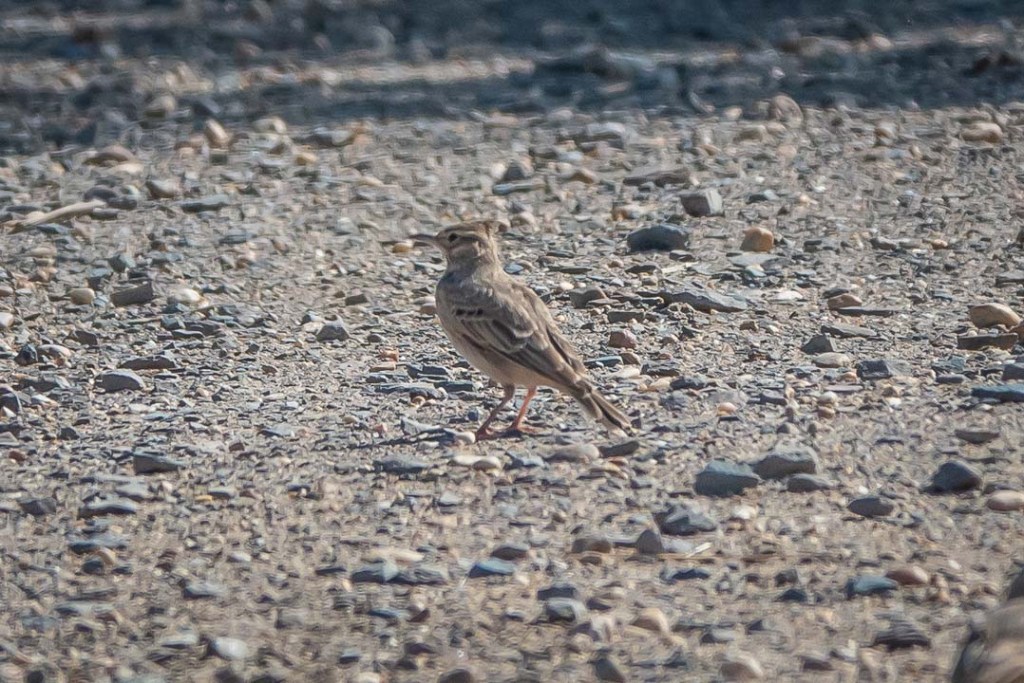
Grey ploverDefinitely a pecking orderThe tidal lagoon in front of the hotel where we have regularly seen white storks, spoonbills and many waders.Spotted redshankSpotted redshankCrested lark
We have definitely been doing non-birding events today with a boat trip around the local port. However, I couldn’t resist snapping away as we made our way to and from the terminal.
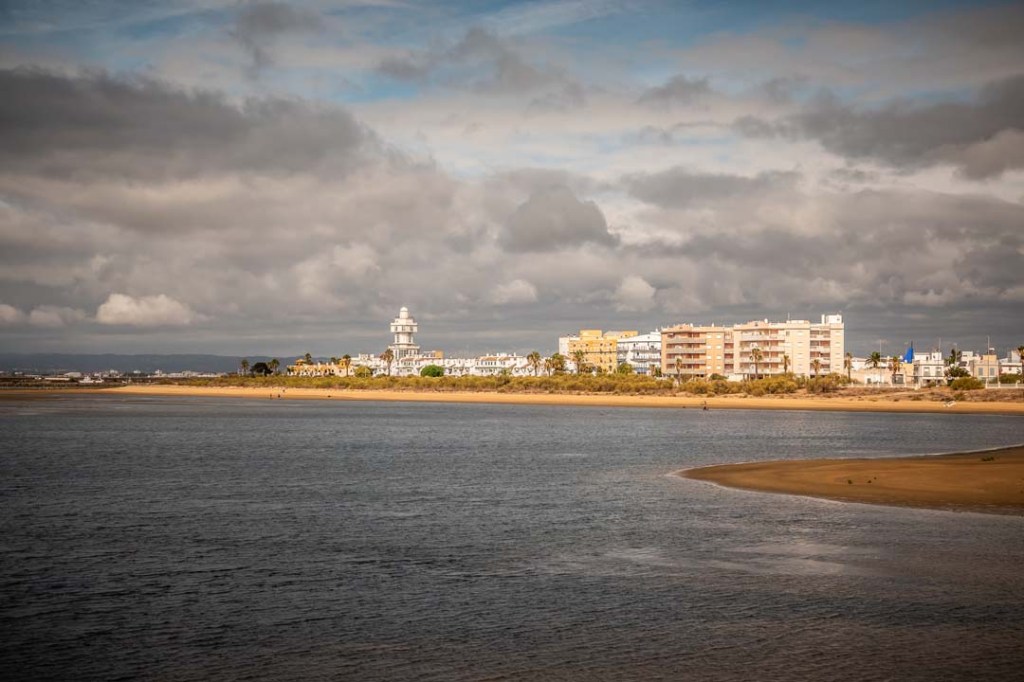
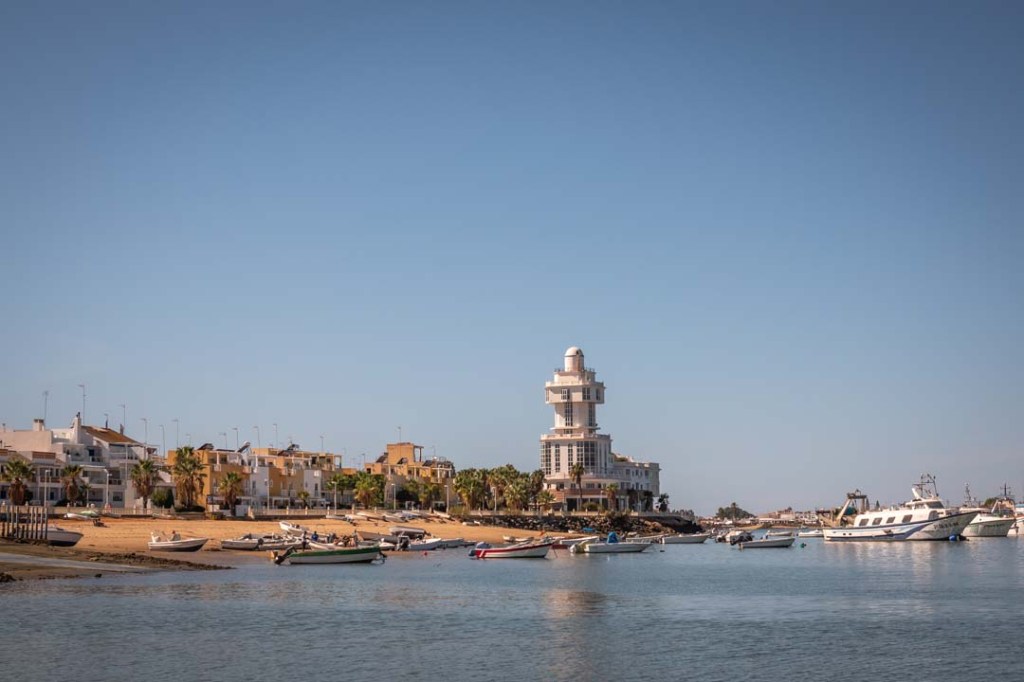
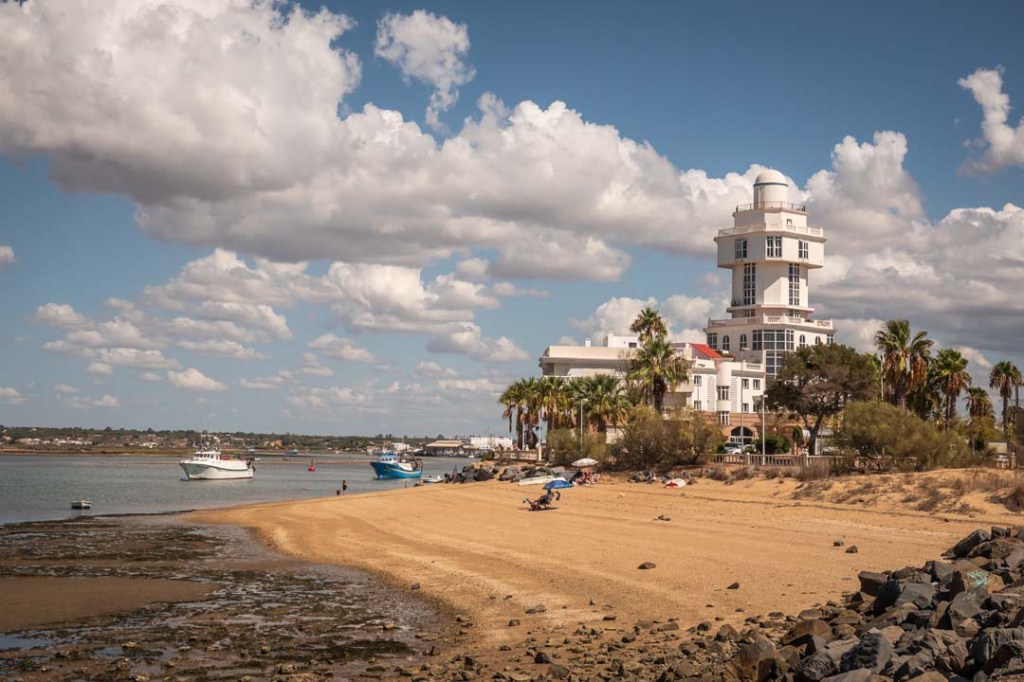
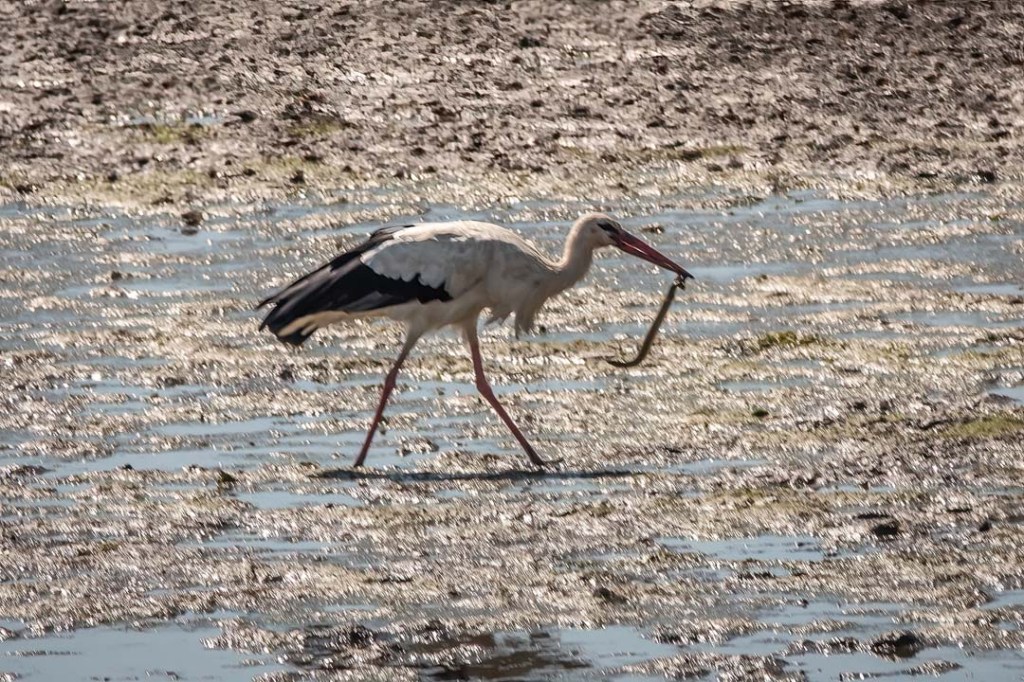
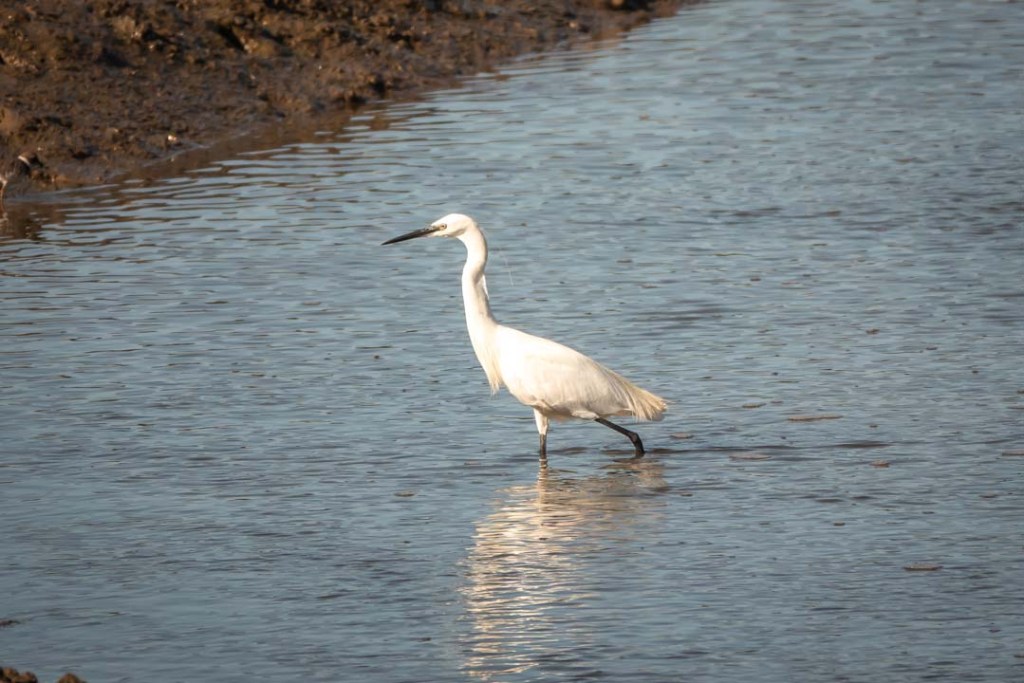
Definitely a non-birding day!WhimbrelGrey ploverThe port of Isla CristinaIsla CristinaRuddy turnstoneSpoonbillWhite stork with eelSmaller morsels for the spoonbillIt took quite some time for the white stork to consume the eelThe lighthouse (now residential) at Isla CristinaLittle egret
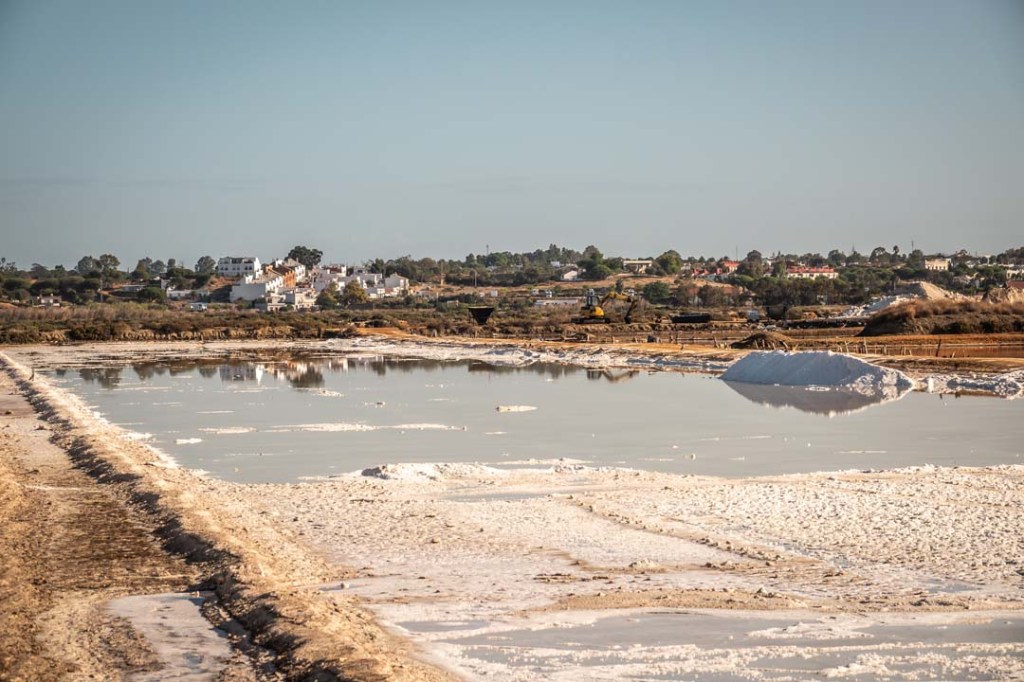
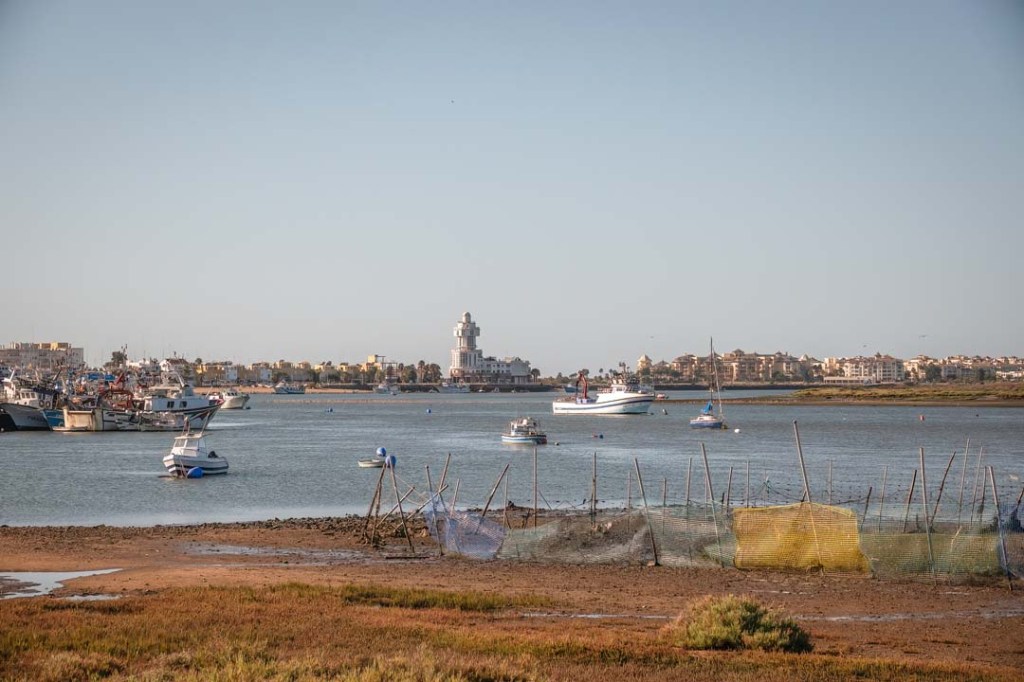
This morning we took part in our second optional trip: birdwatching around the salt pans and in and around the town we are staying in. Isla Cristina is the second largest fishing port in Andalusia.
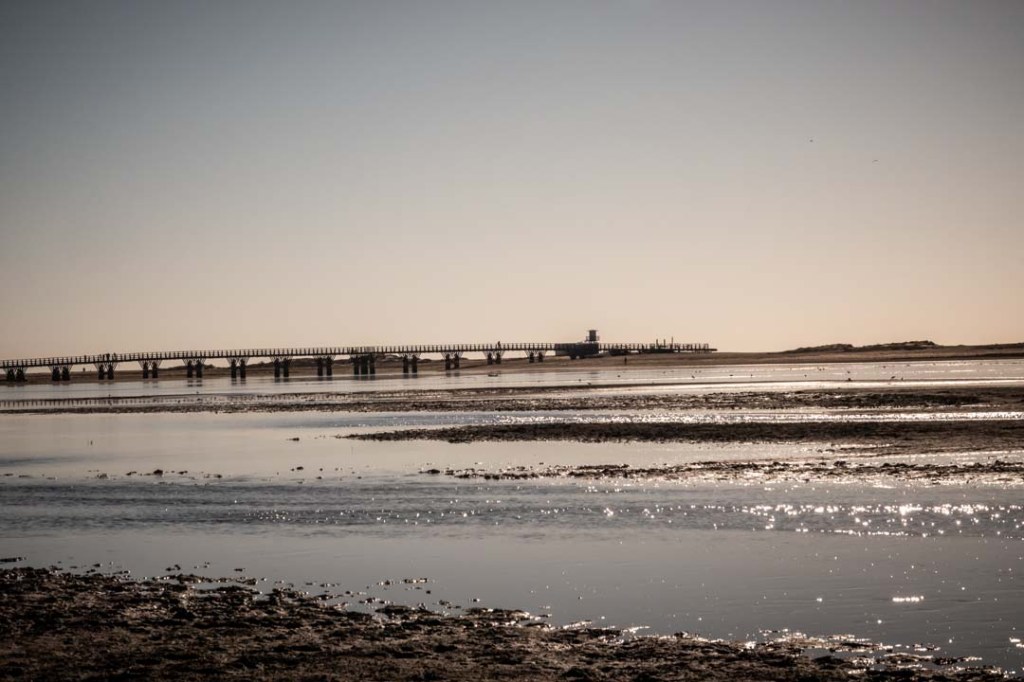
Isla CristinaSaltpans at Isla Cristina
We saw some fabulous birds without having to travel too much.
This is the impressive list of the birds I saw and many of them were close enough to get photographs:
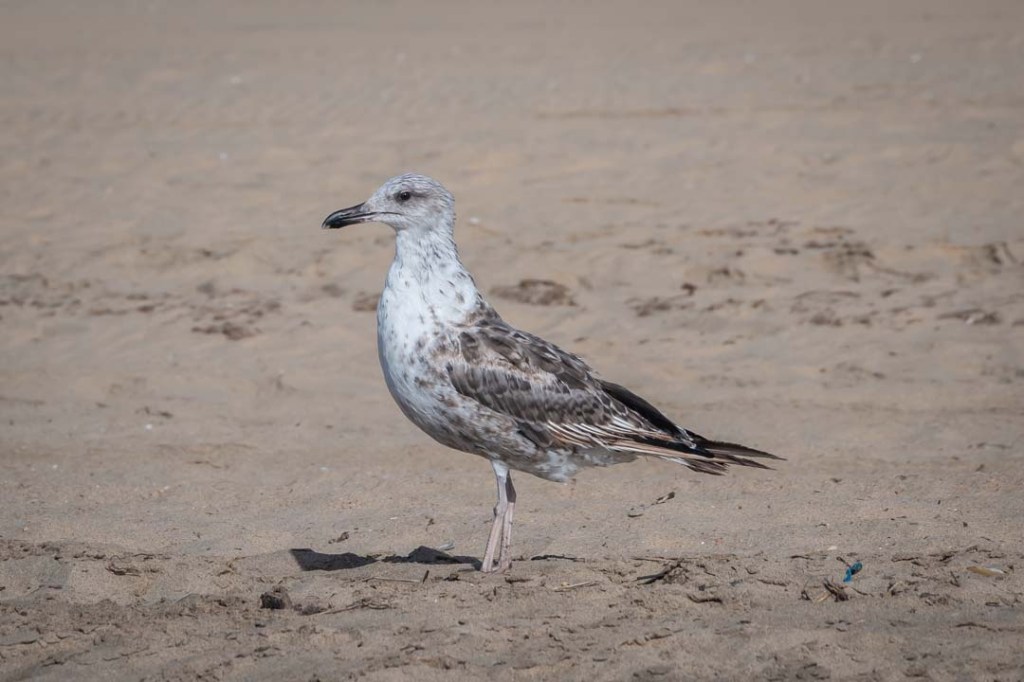
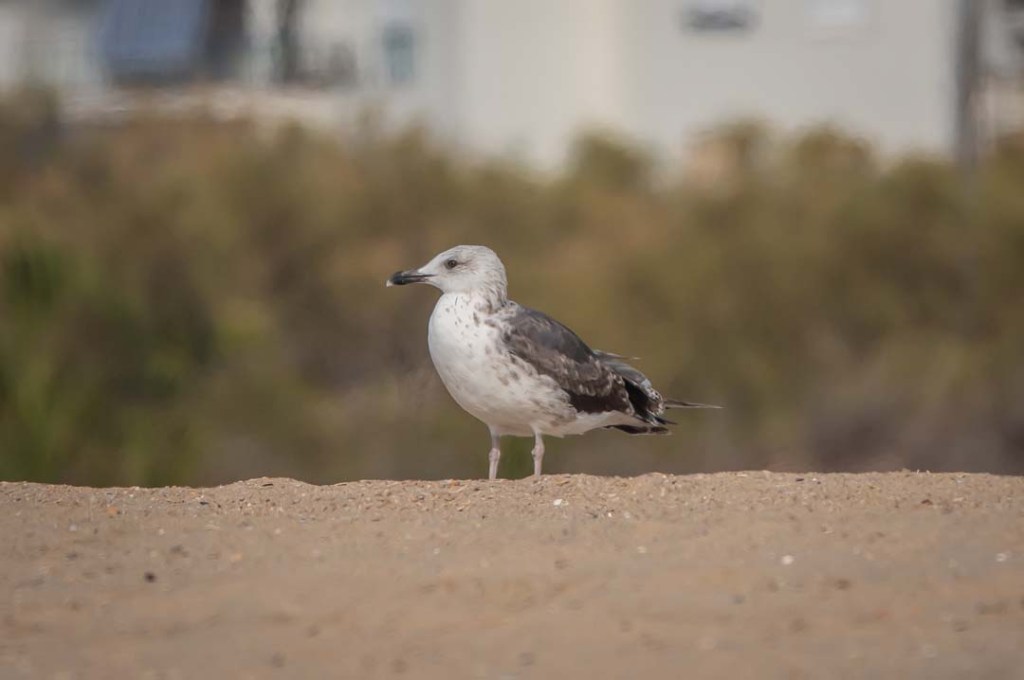
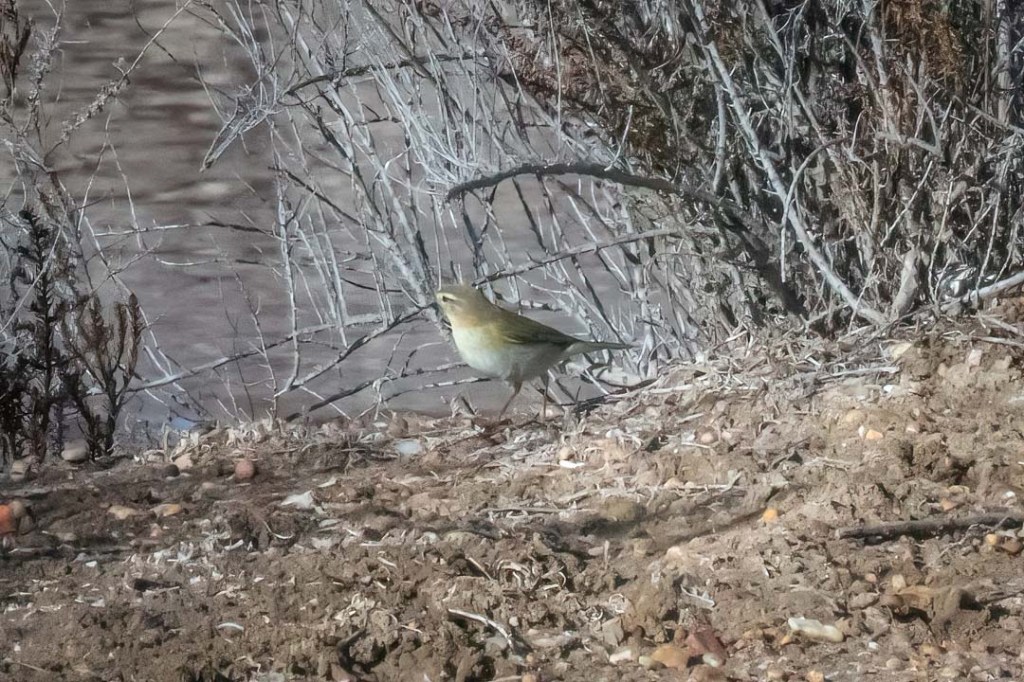
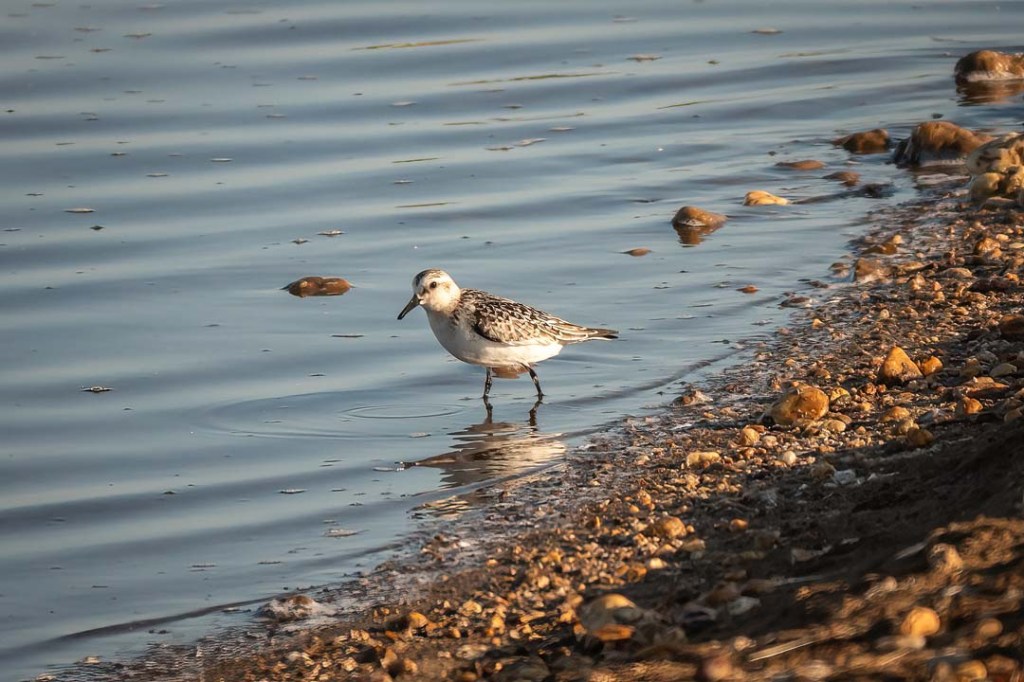
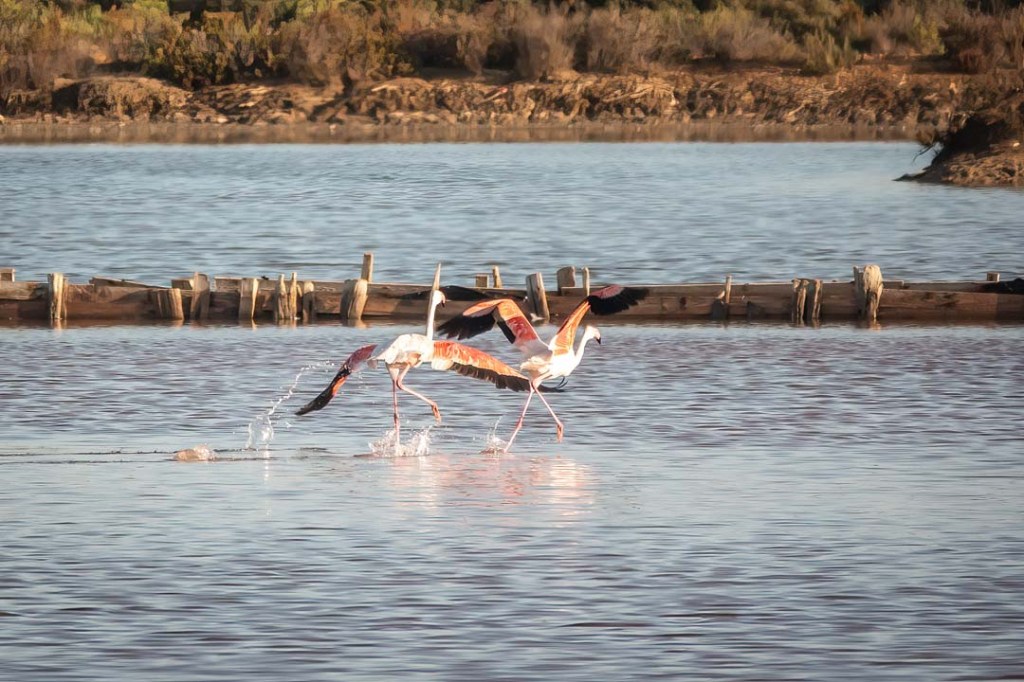
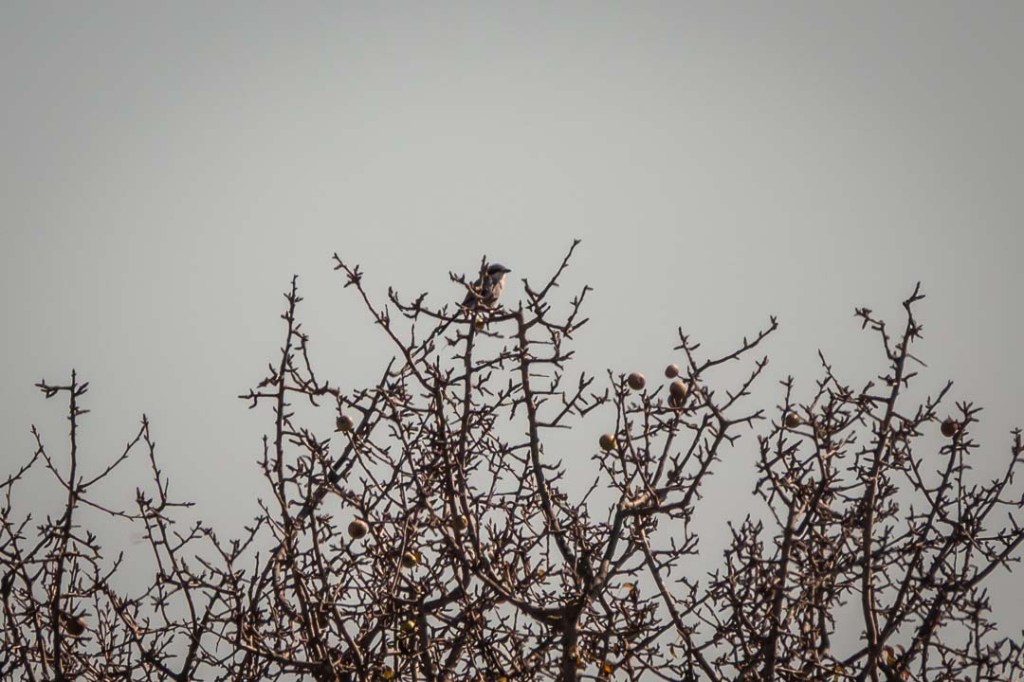
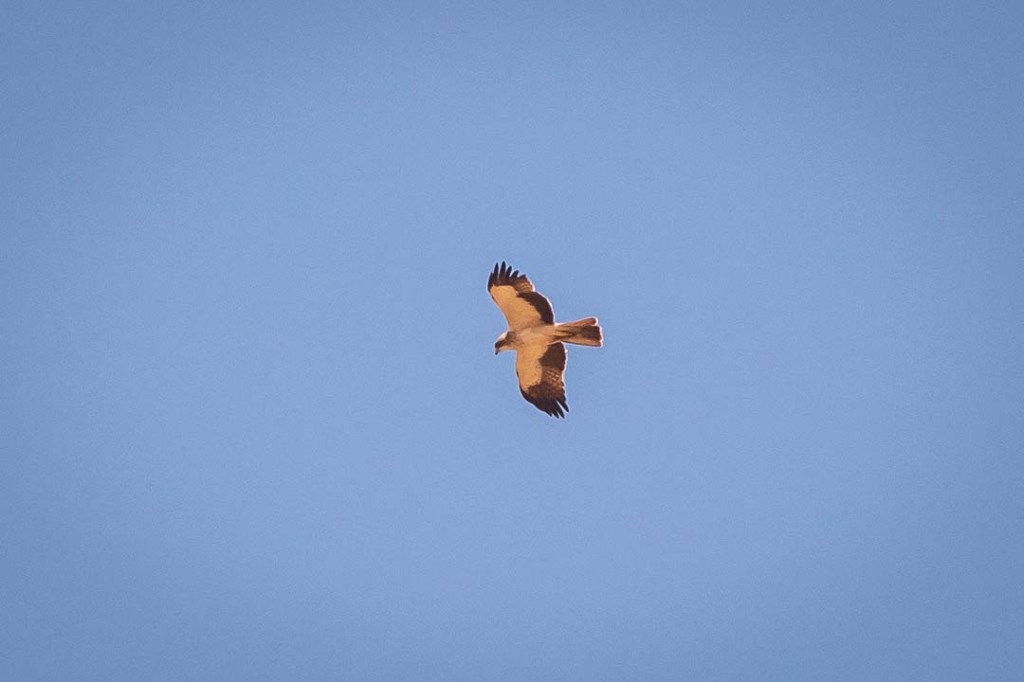
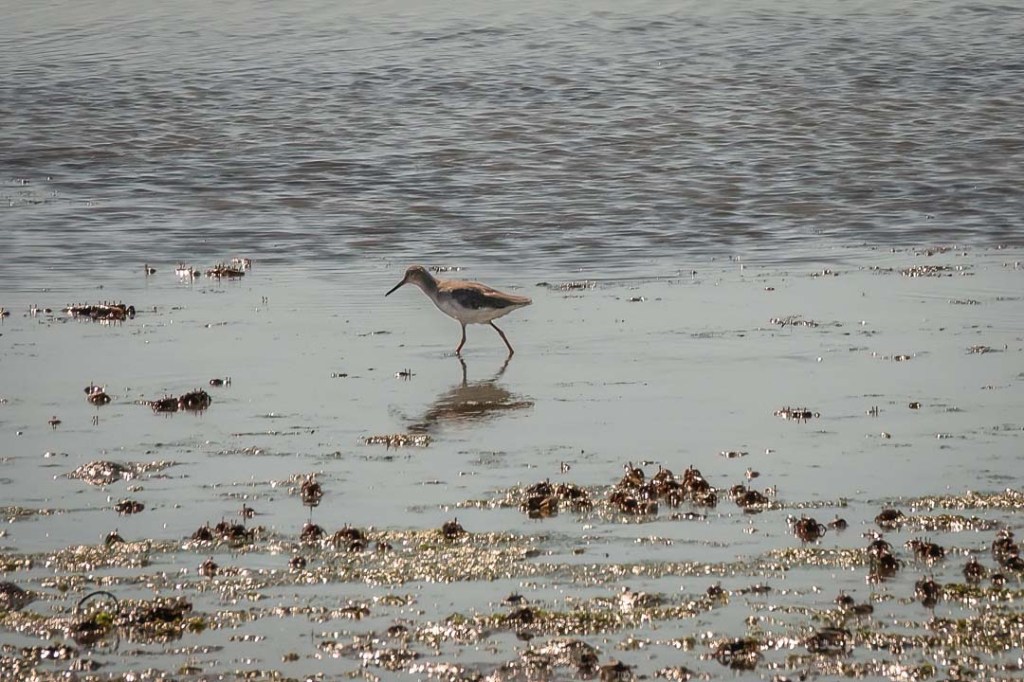
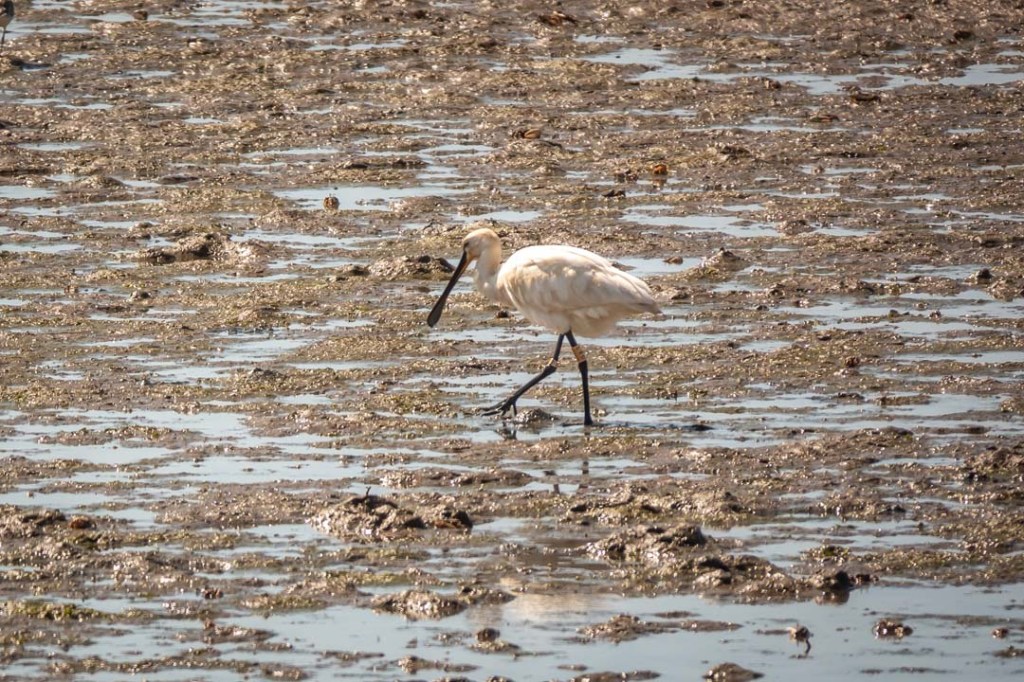
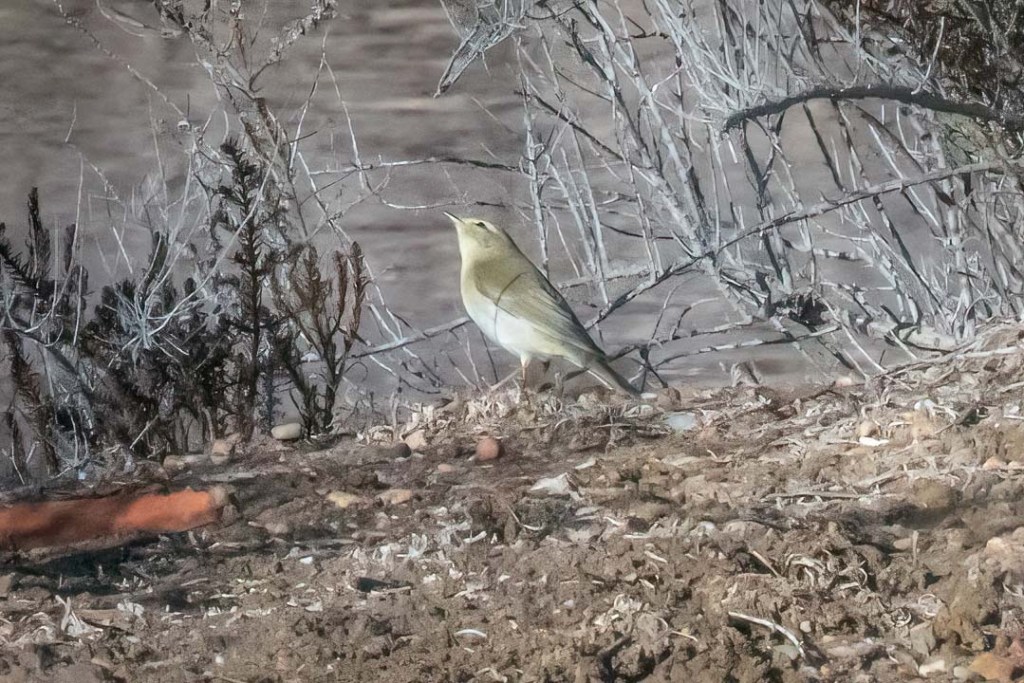
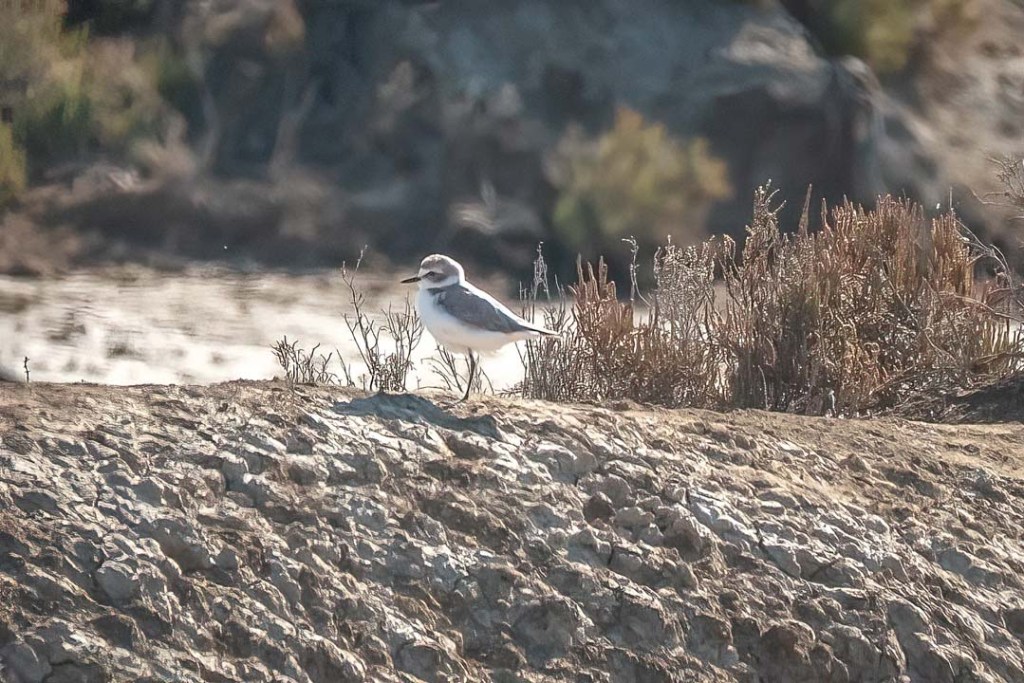
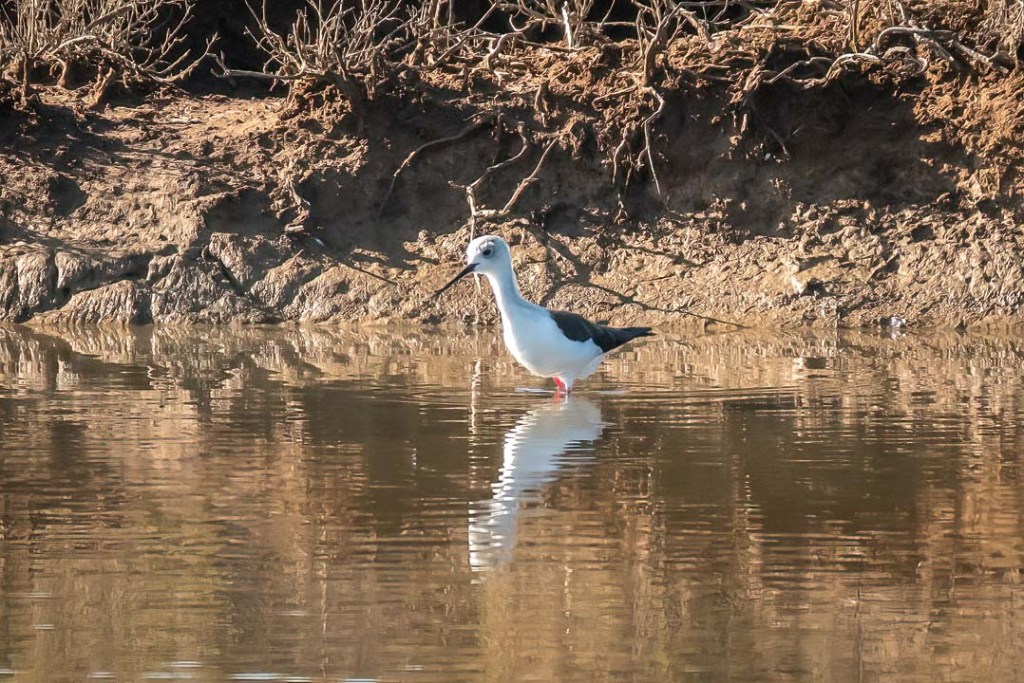
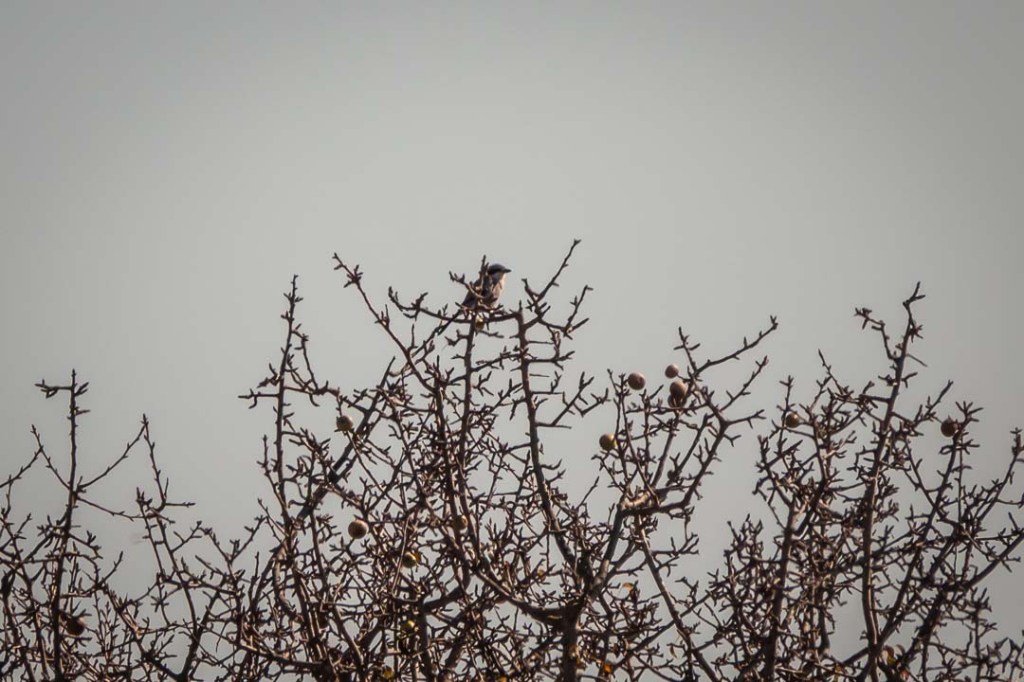
Greater Flamingo, Black-winged Stilt, Pied Avocet, Eurasian Oystercatcher, Kentish Plover, Common Ringed Plover, Whimbrel, Bar-tailed Godwit, Black-tailed Godwit, Curlew Sandpiper, Sanderling, Little Stint, Common Sandpiper, Common Greenshank, Common Redshank, Slender-billed Gull, Audouin’s Gull, Yellow-legged Gull, Lesser Black-backed Gull, Little Tern, Caspian Tern, Sandwich Tern, Great Cormorant, Gray Heron, Little Egret, Eurasian Spoonbill, Booted Eagle, Iberian Gray Shrike, Eurasian Magpie, Crested Lark, Eurasian Crag-Martin, Red-rumped Swallow, Red-rumped Swallow, Willow Warbler, Short-toed Treecreeper, Spotless Starling, European Pied Flycatcher, Whinchat, Northern Wheatear, Western Yellow Wagtail, European Goldfinch
Some of my favourite photos:
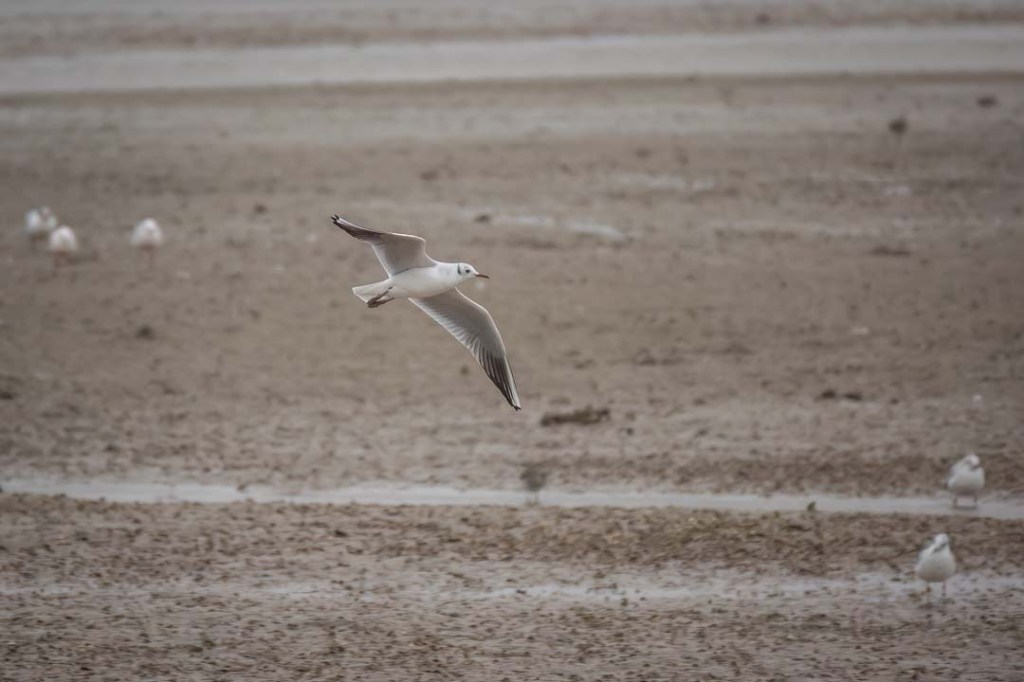
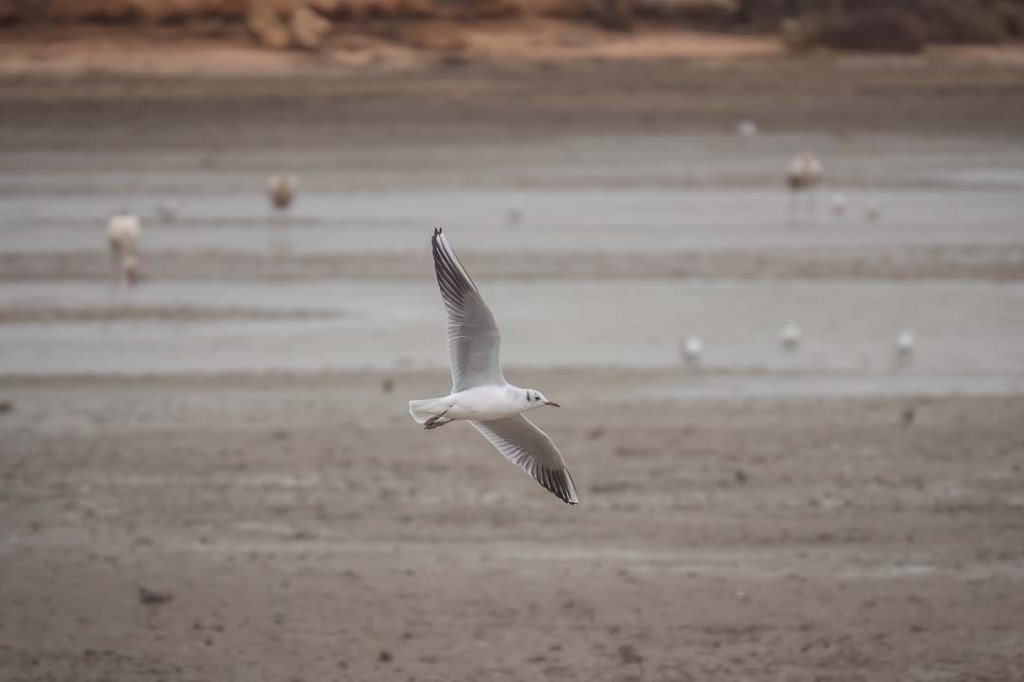
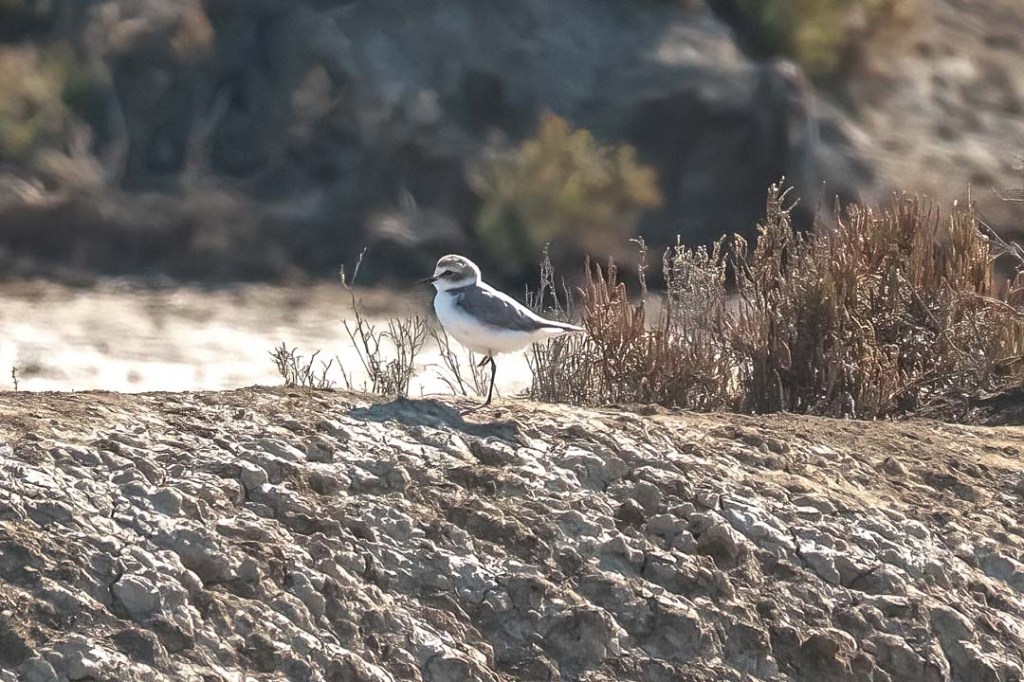
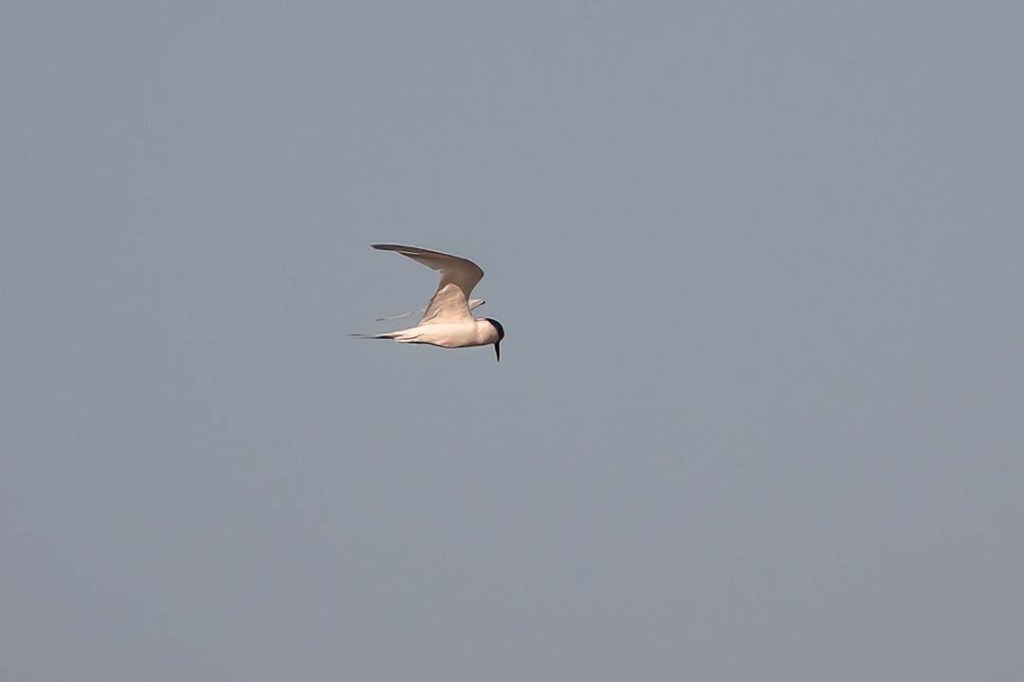
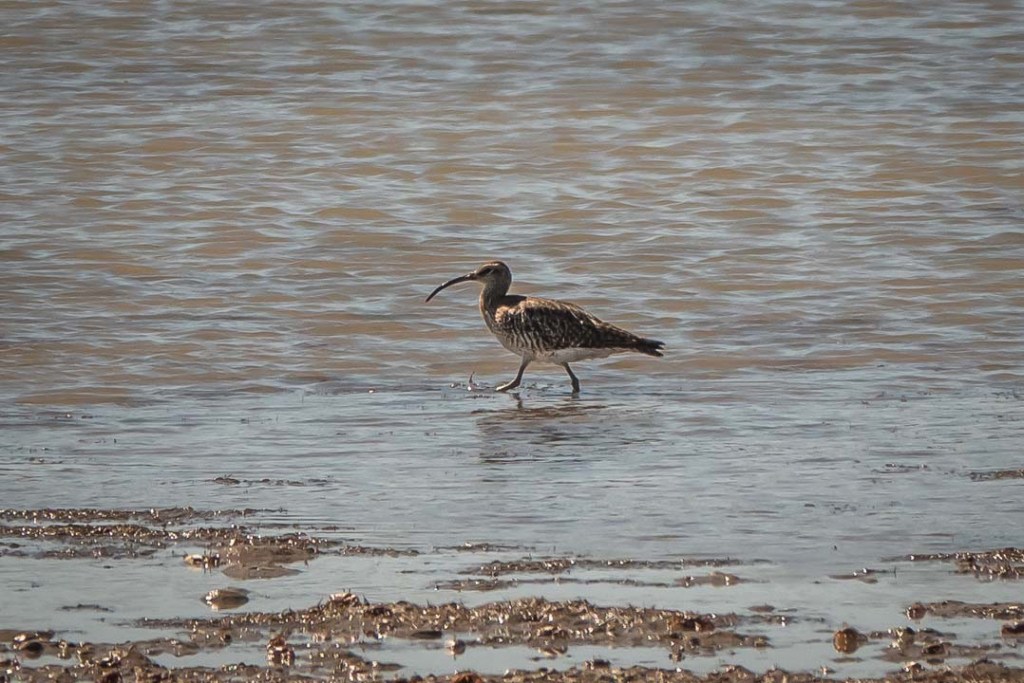
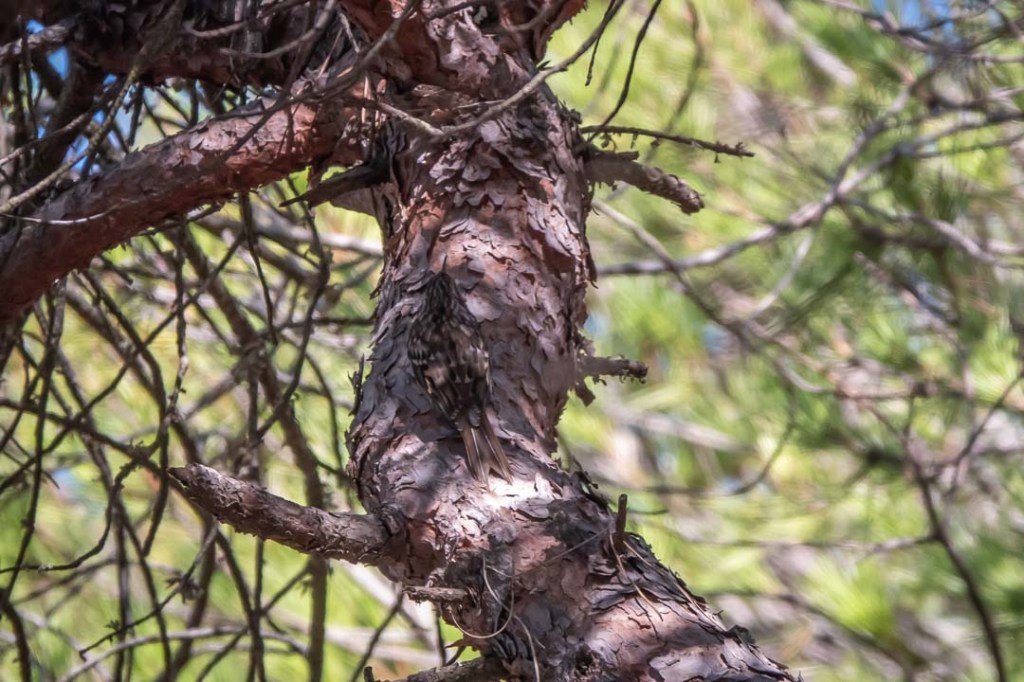
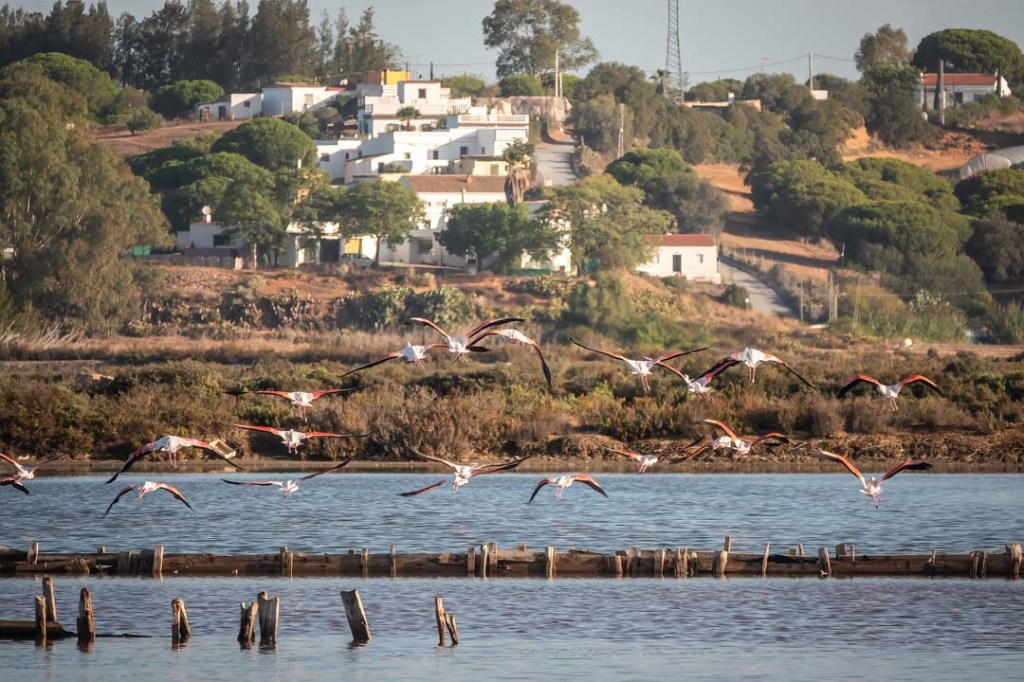
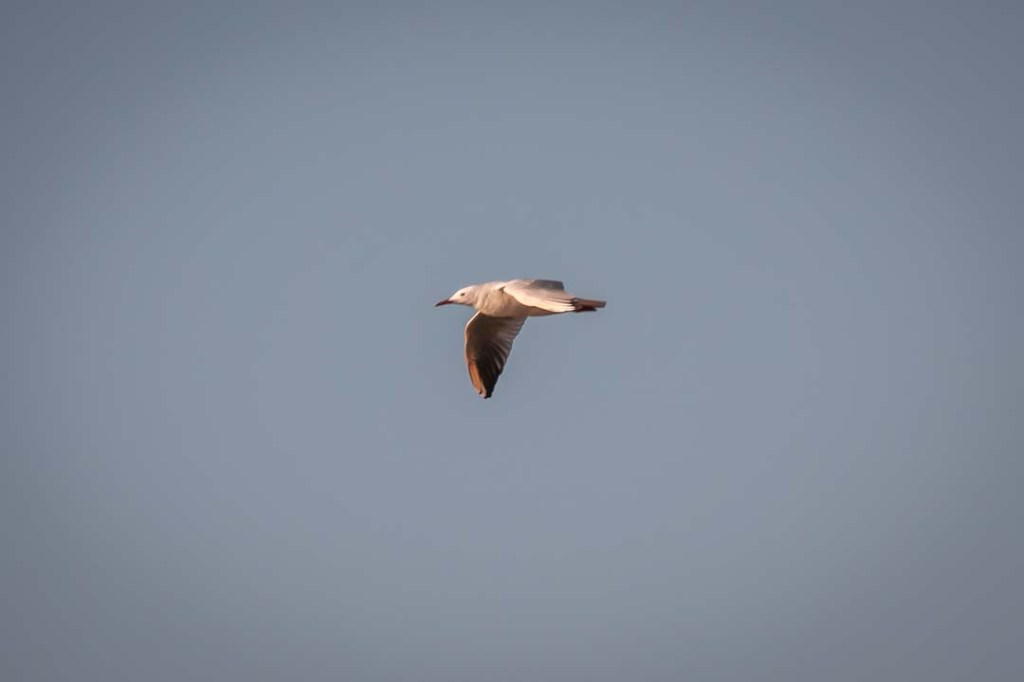
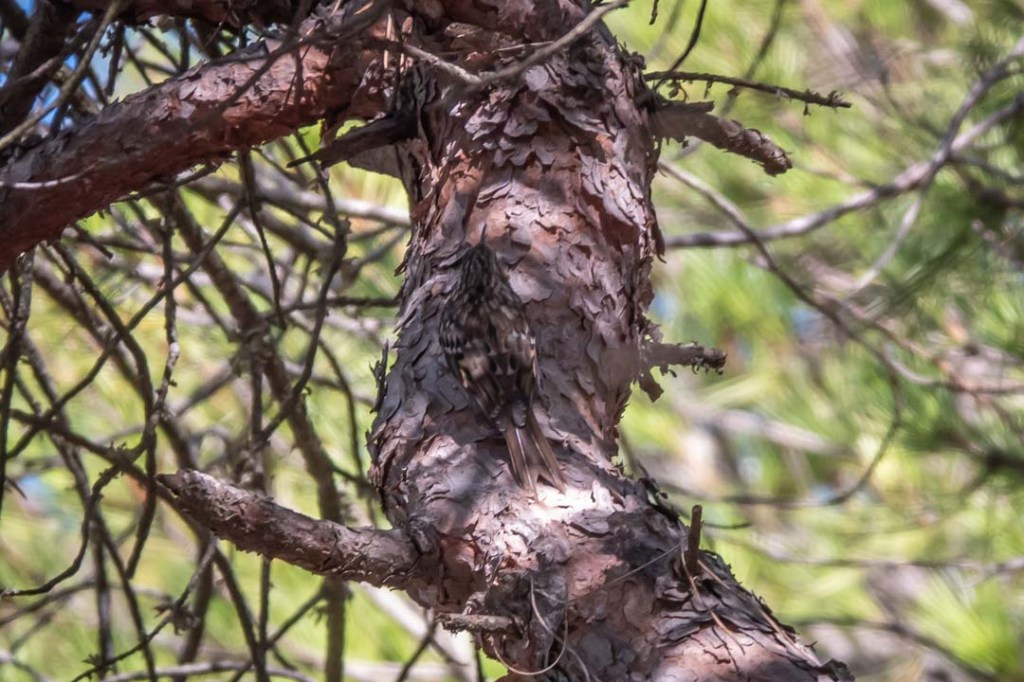
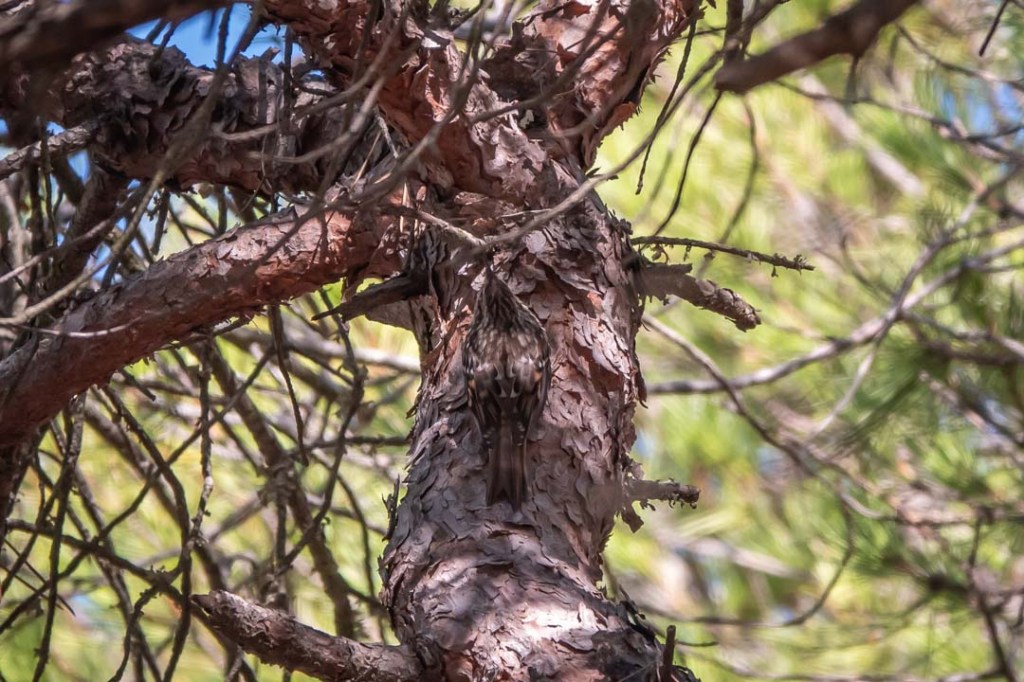
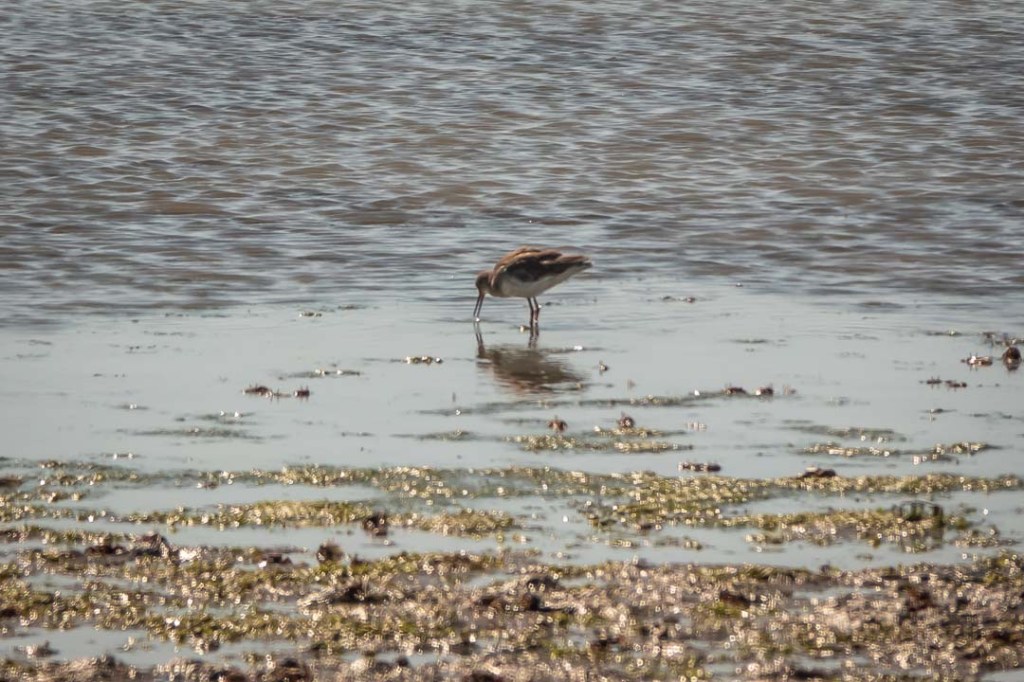
Slender-billed gullsCurlew sandpiper, common ringed plover and ruddy turnstoneKentish ploverLittle ternBlack-winged stiltWillow warblerGreater flamingos, pied avocets and black-winged stiltsSanderlingGreater flamingosCommon ringed ploverIberian great shrikeBooted eagleCommon redshankGreenshank and whimbrelSpoonbillWhite storkWhimbrelBar-tailed godwitsShort-toed treecreeper




























































































































































 Martin's Bird Blog & Nature Photos