Another break in the rain and so we make a dash for Slimbridge. There’s not much doubt that these are currently wetlands.
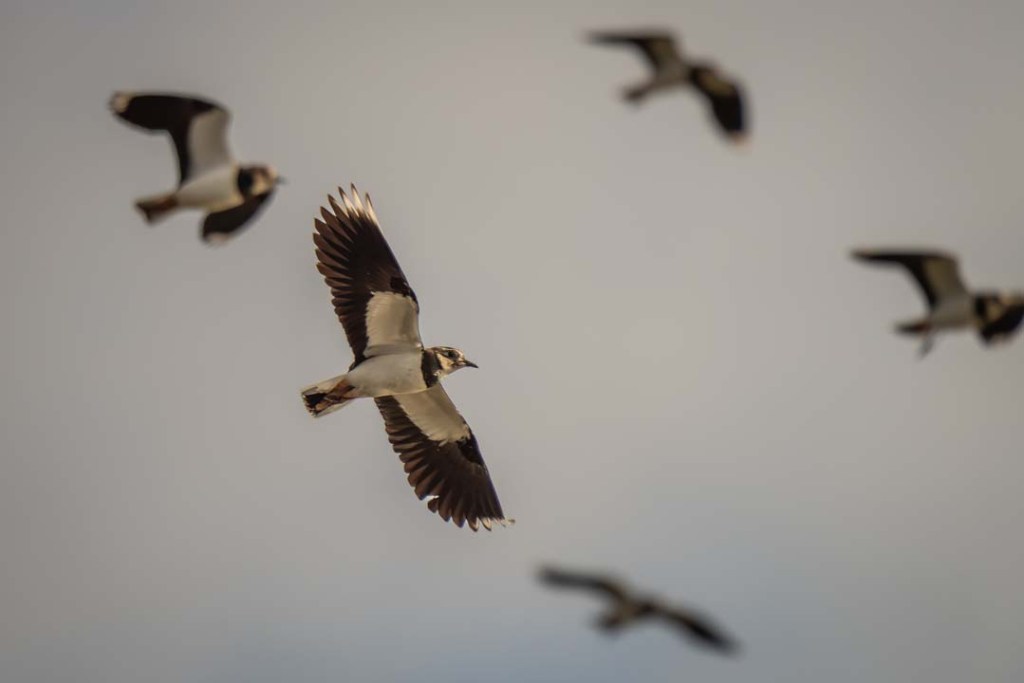
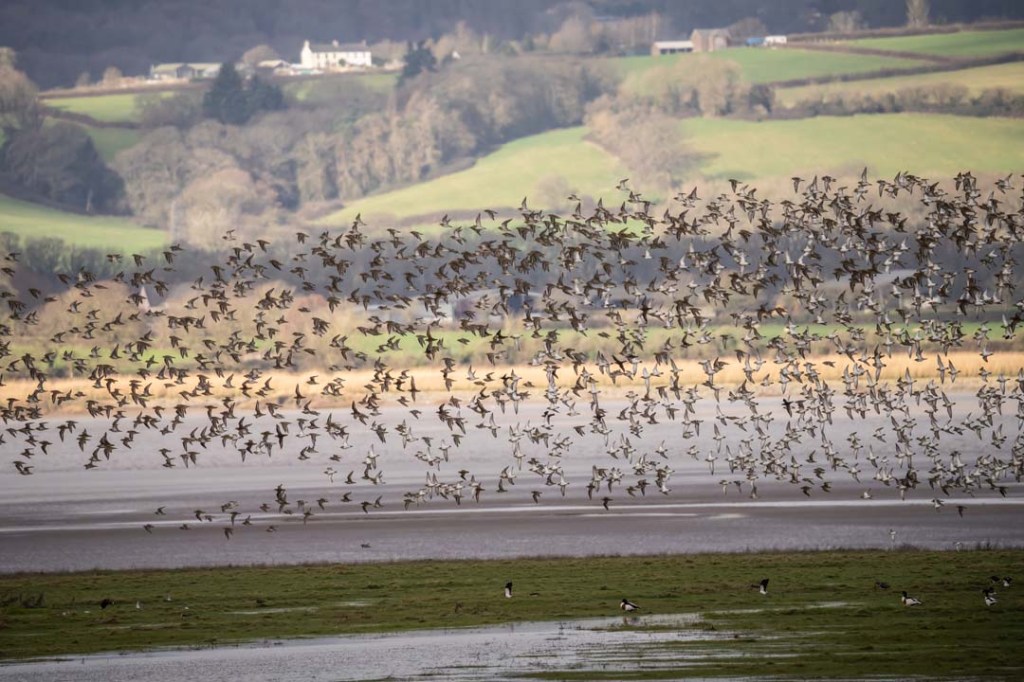
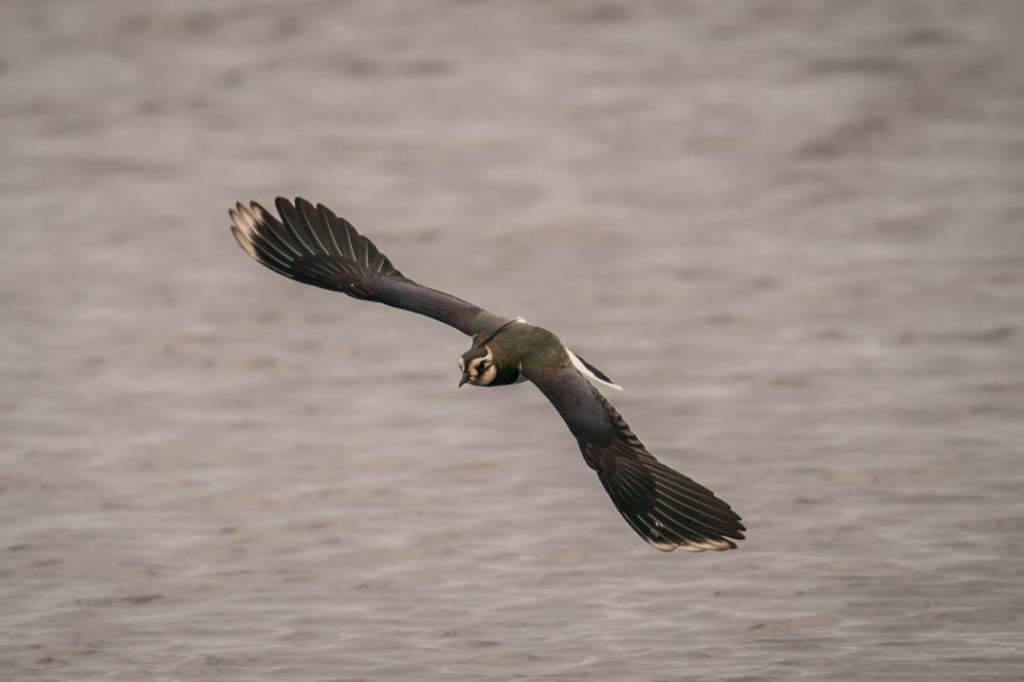
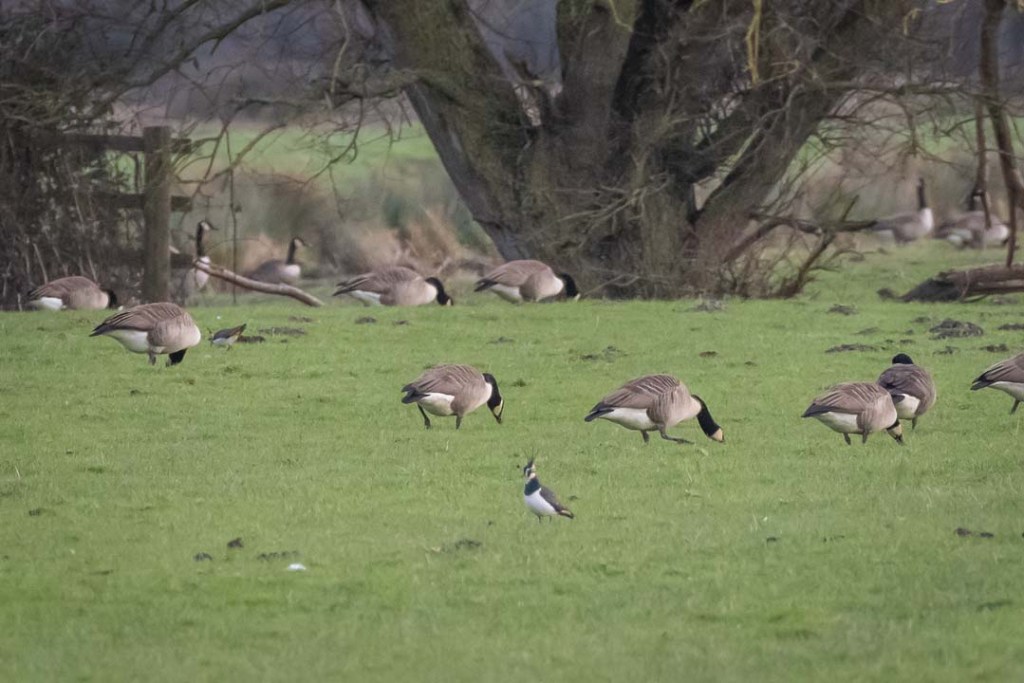
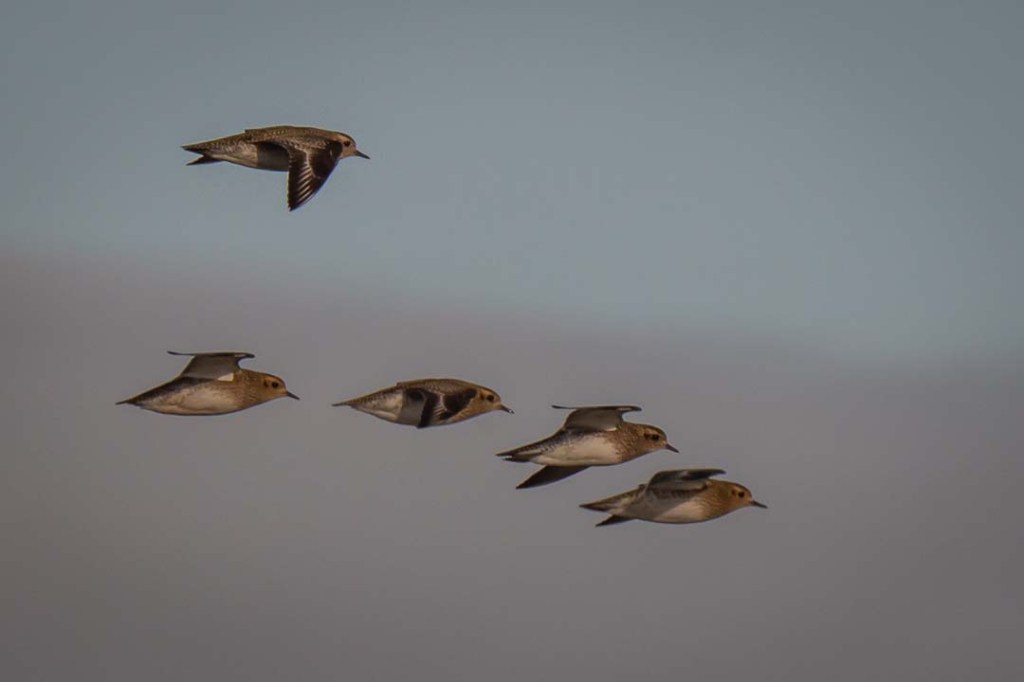
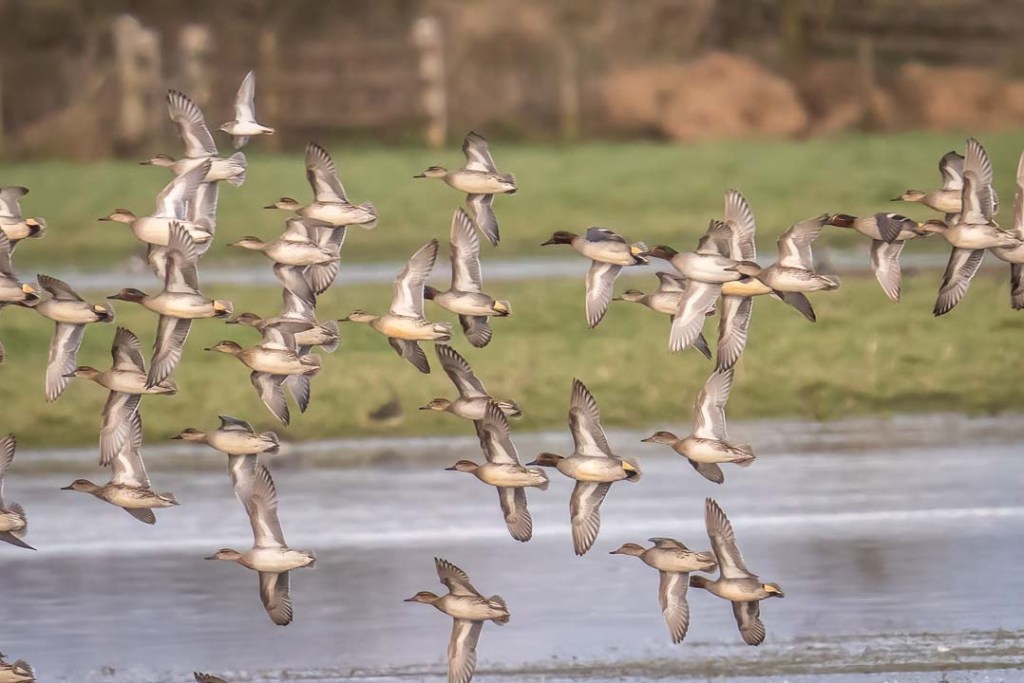
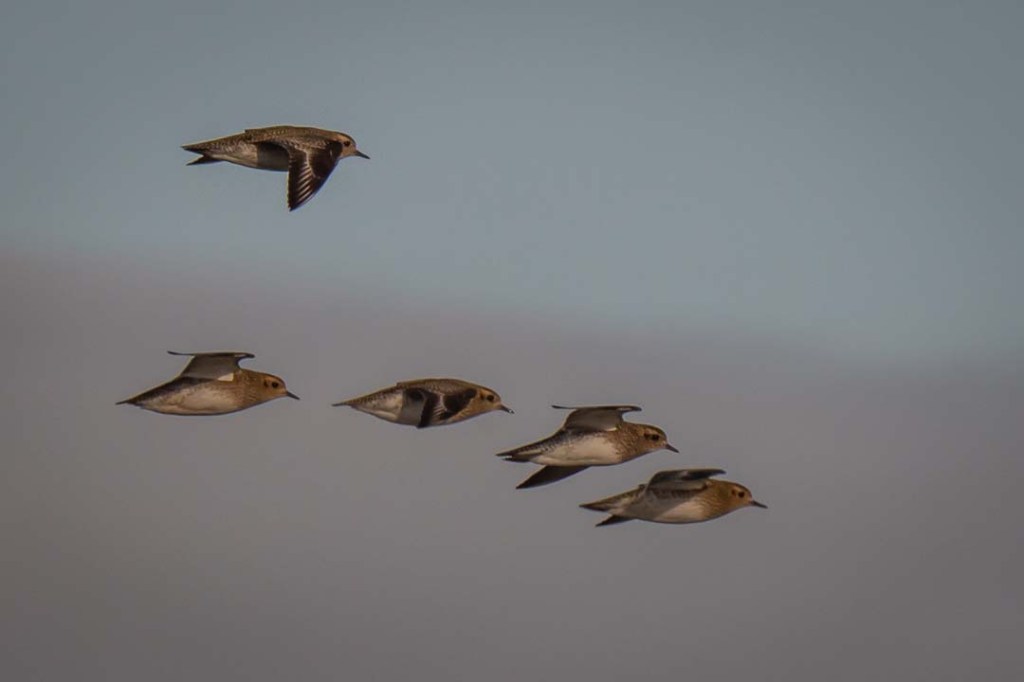
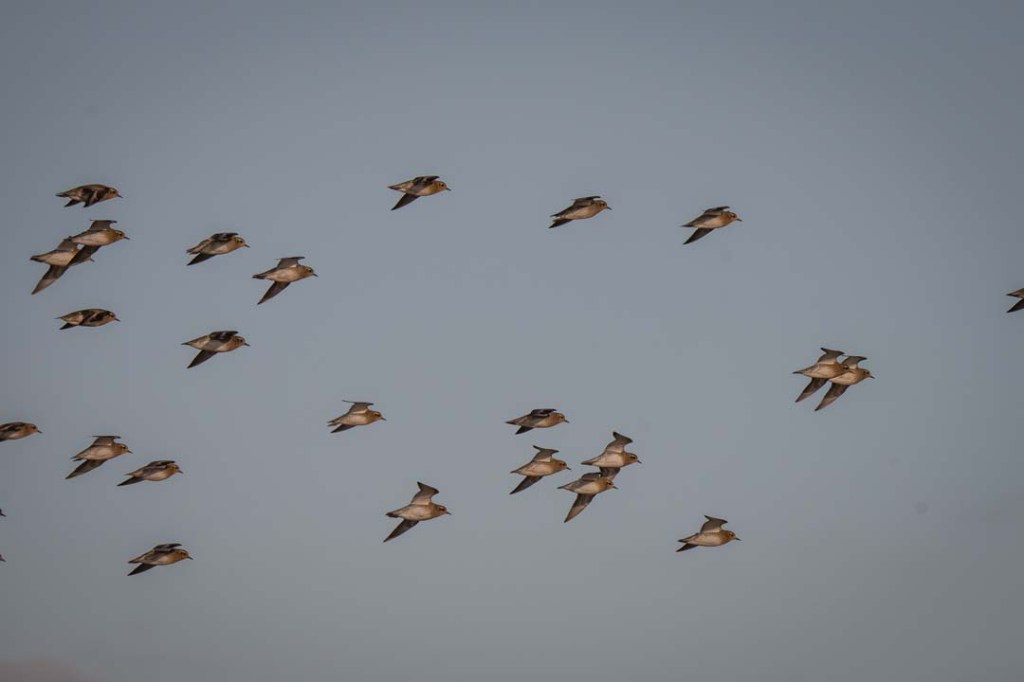
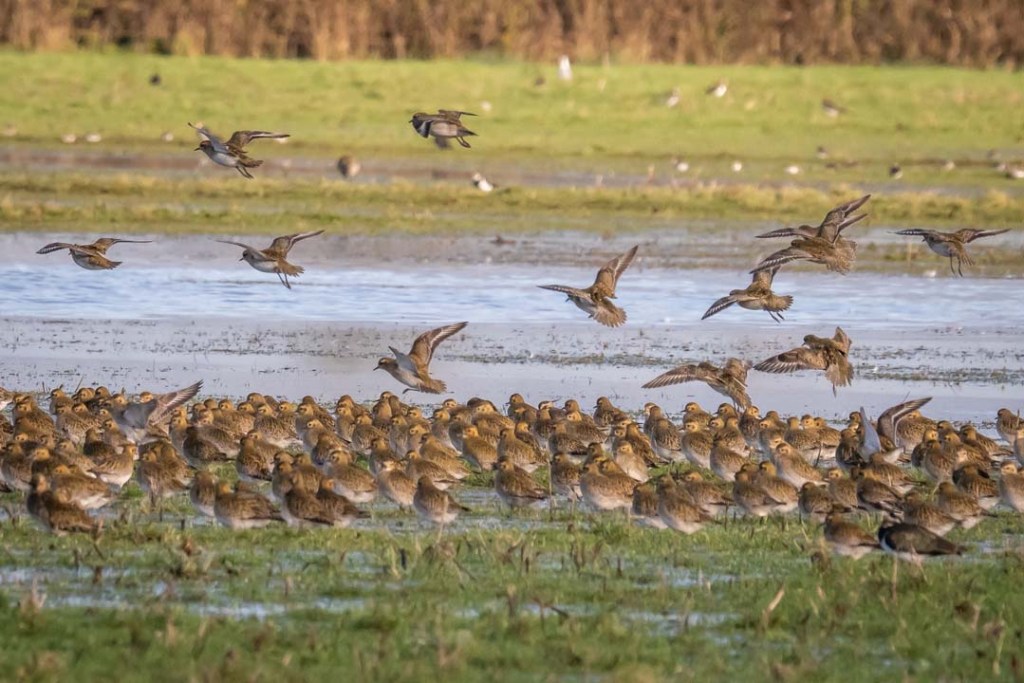
Northern lapwings and golden plover clearly enjoying the wet conditions
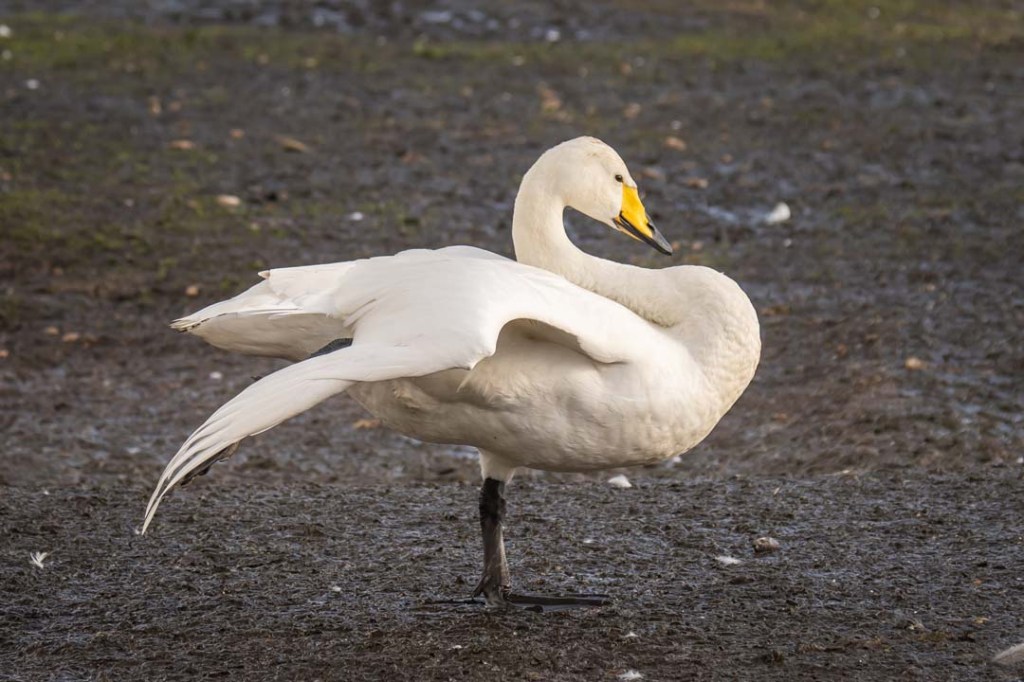
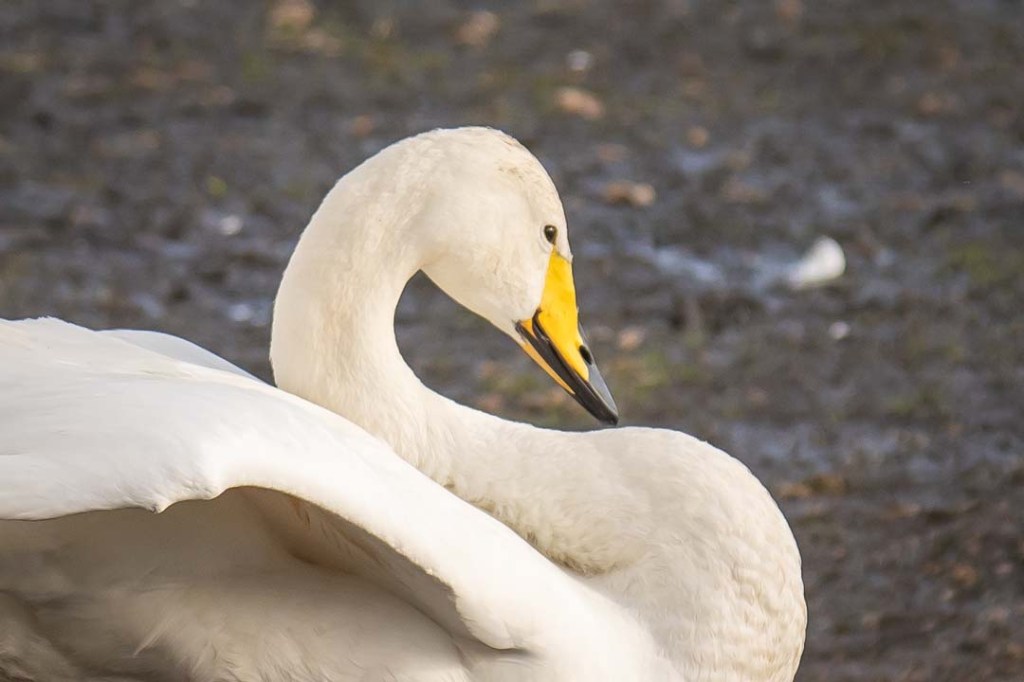
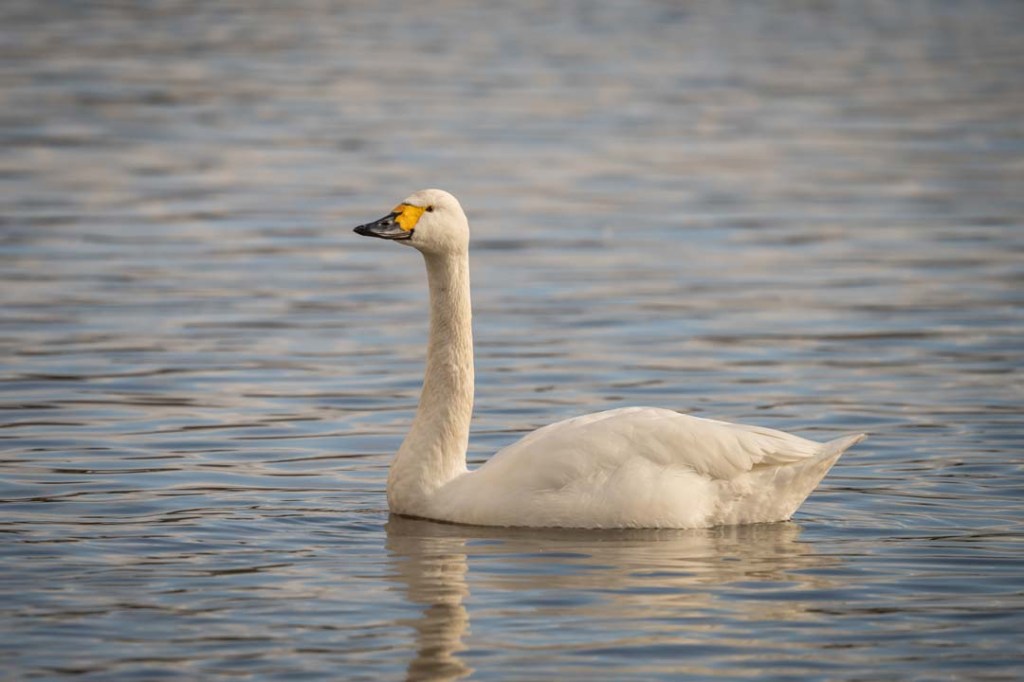
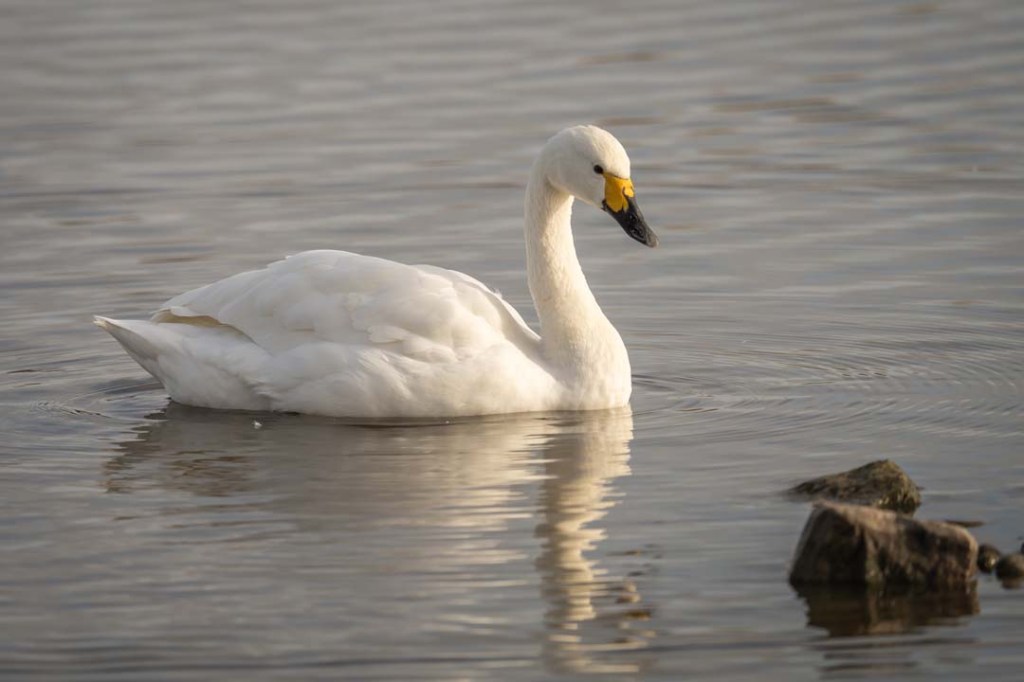
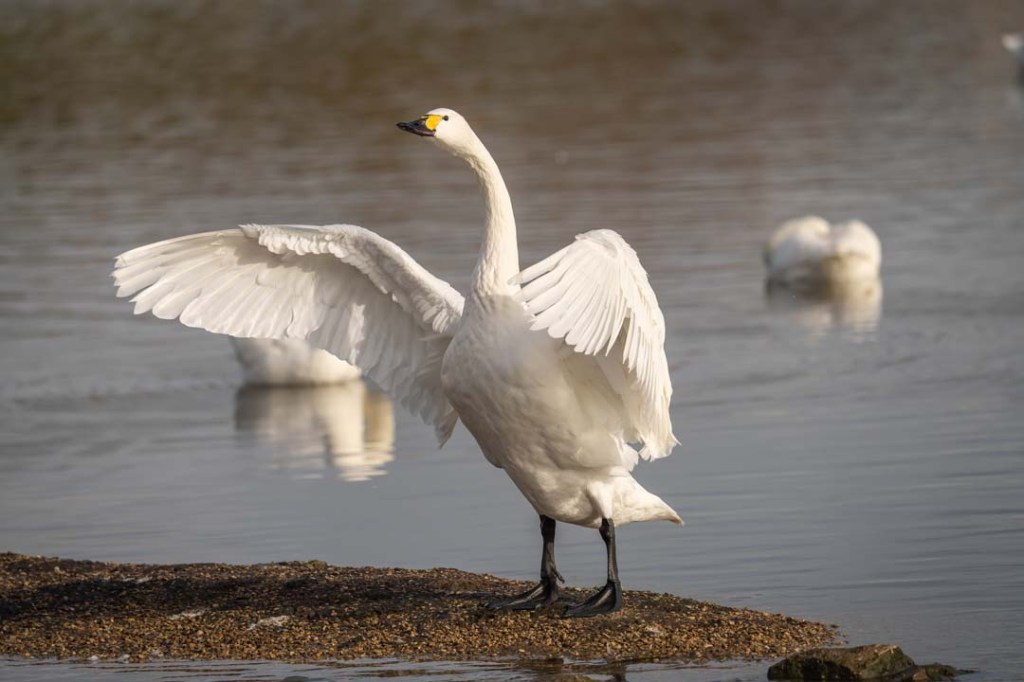
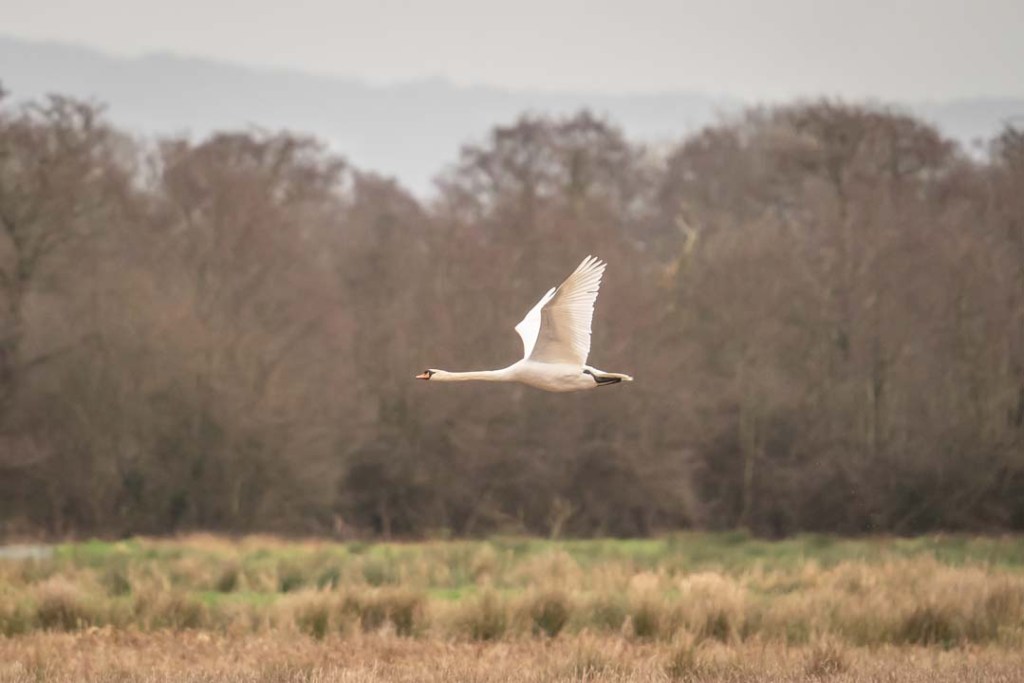
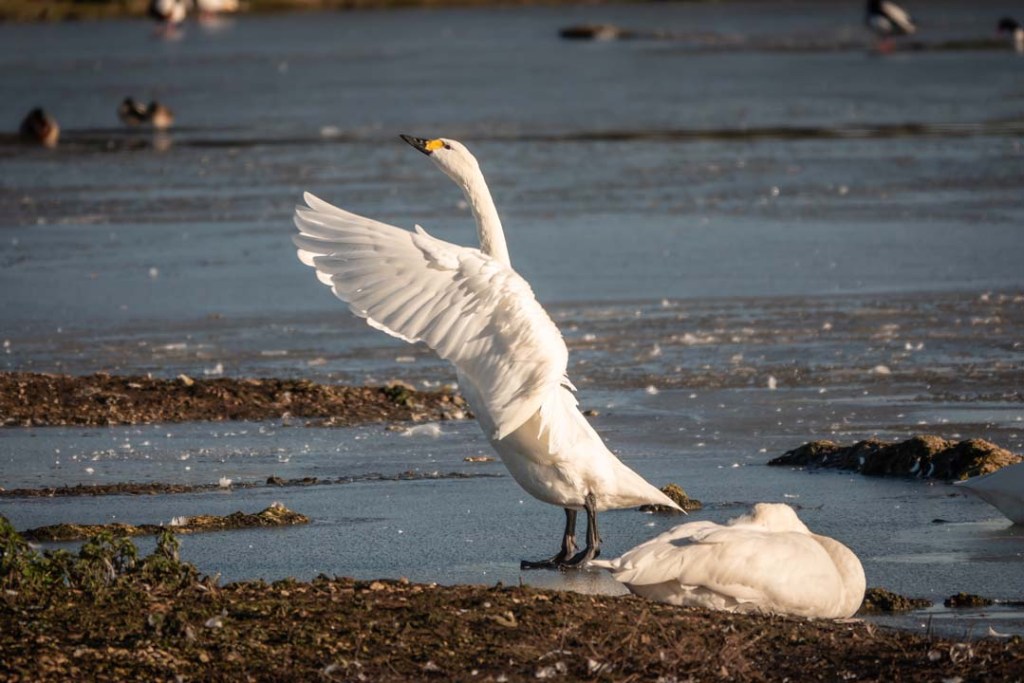
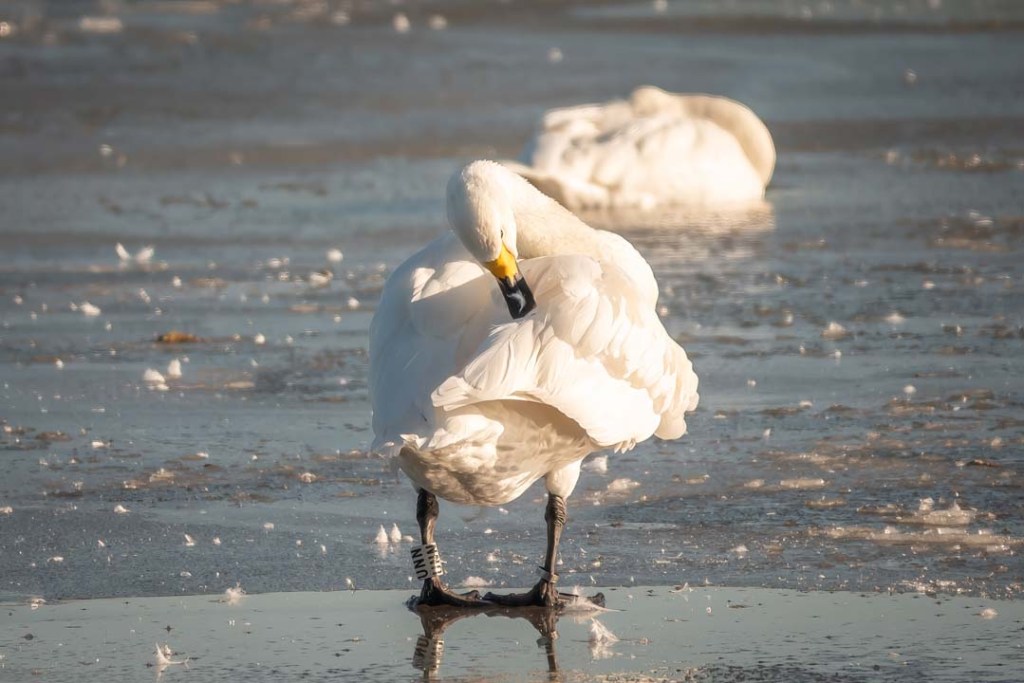
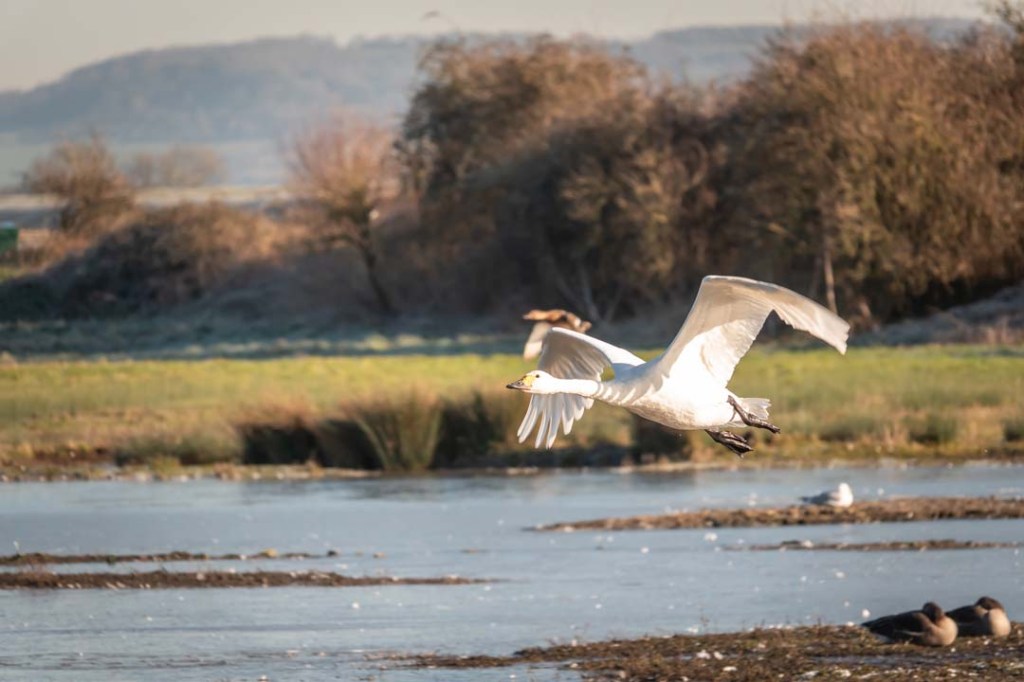
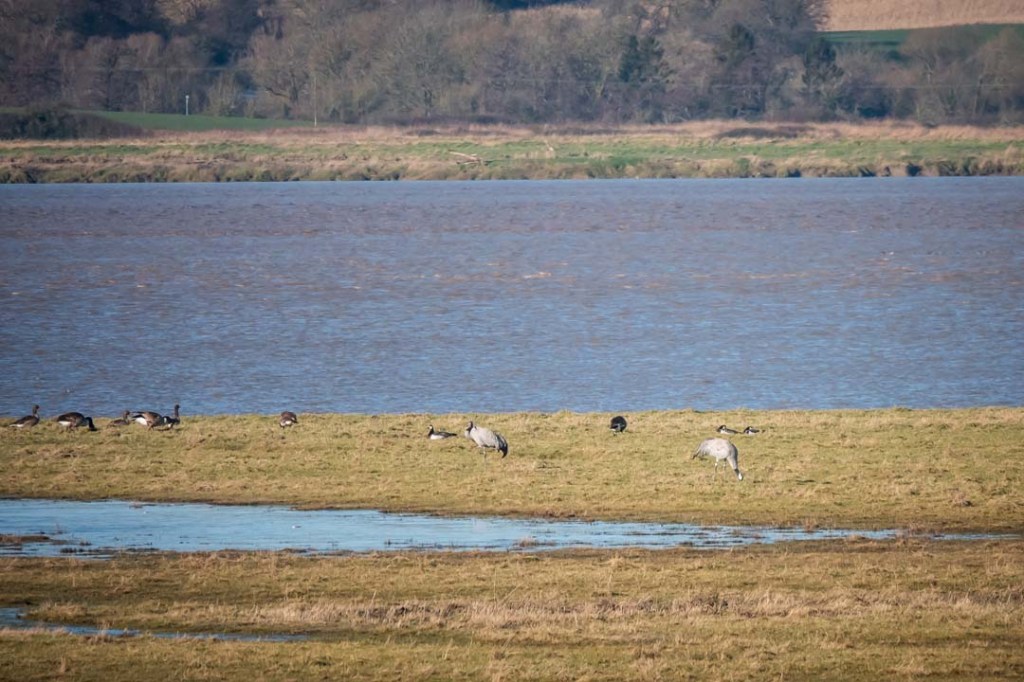
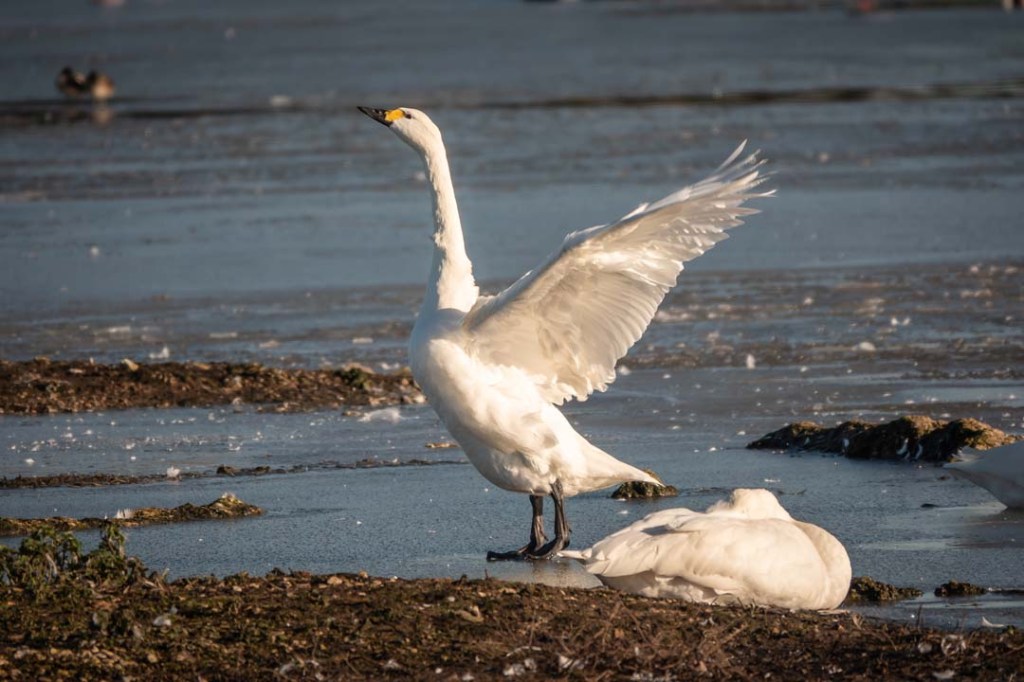
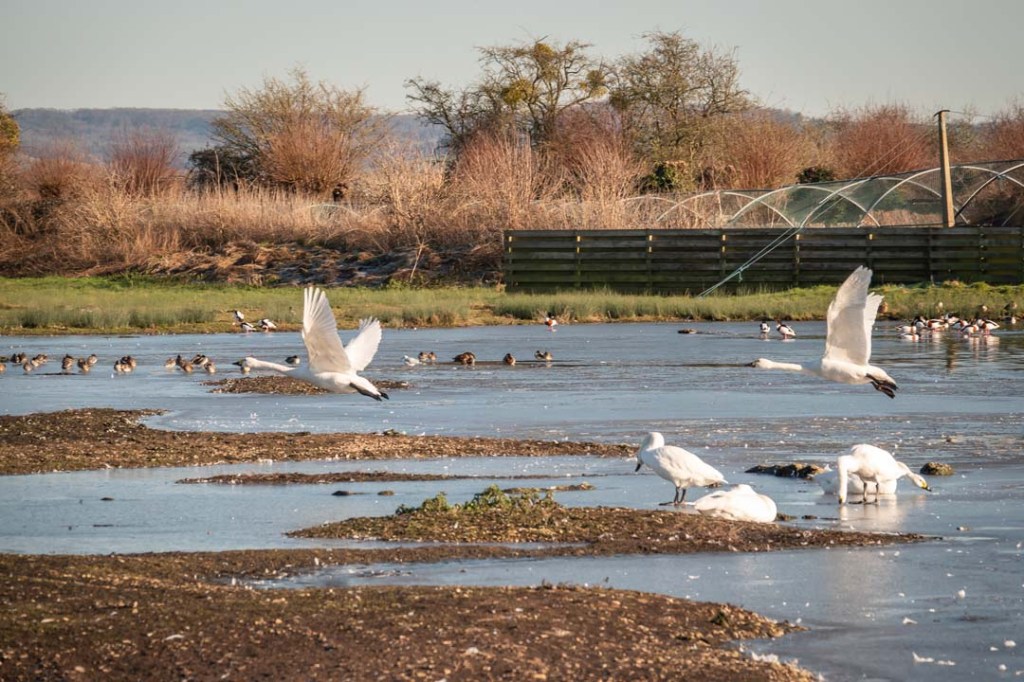
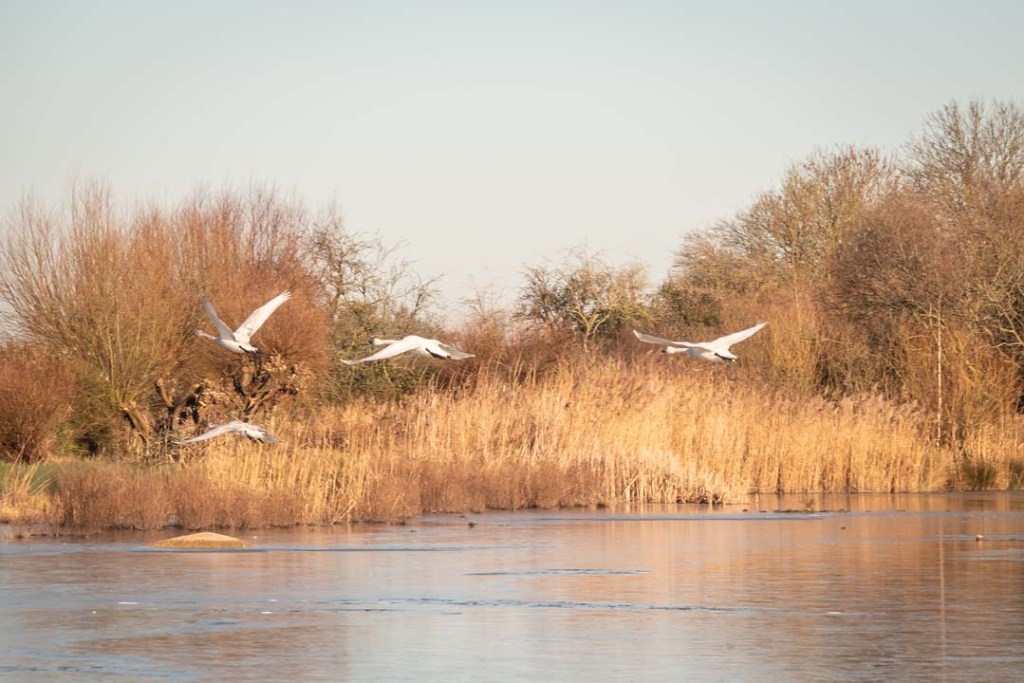
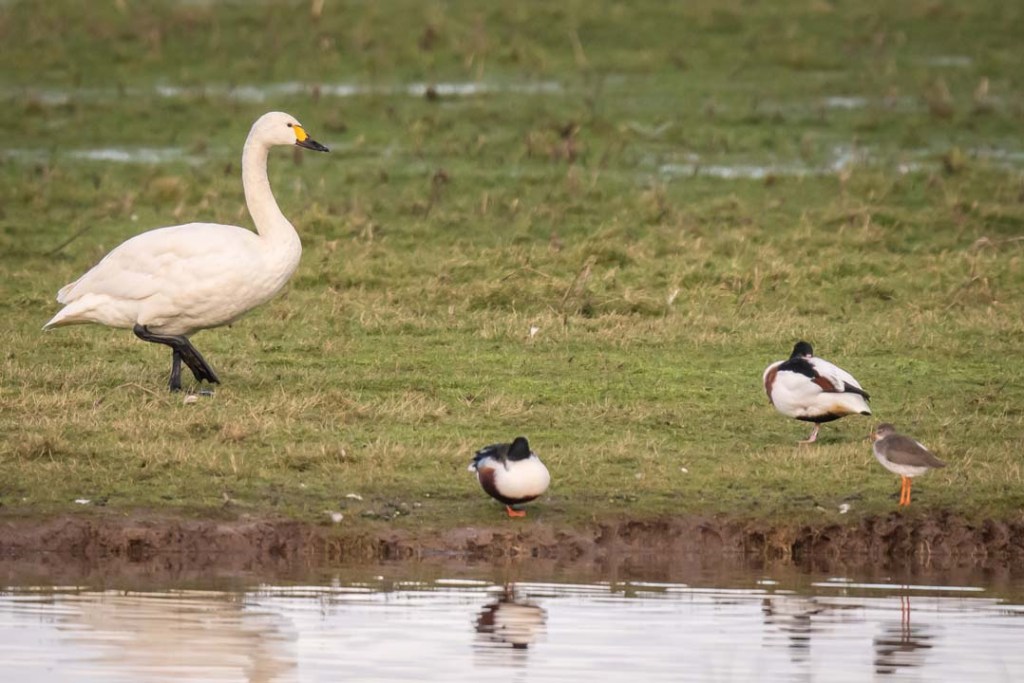
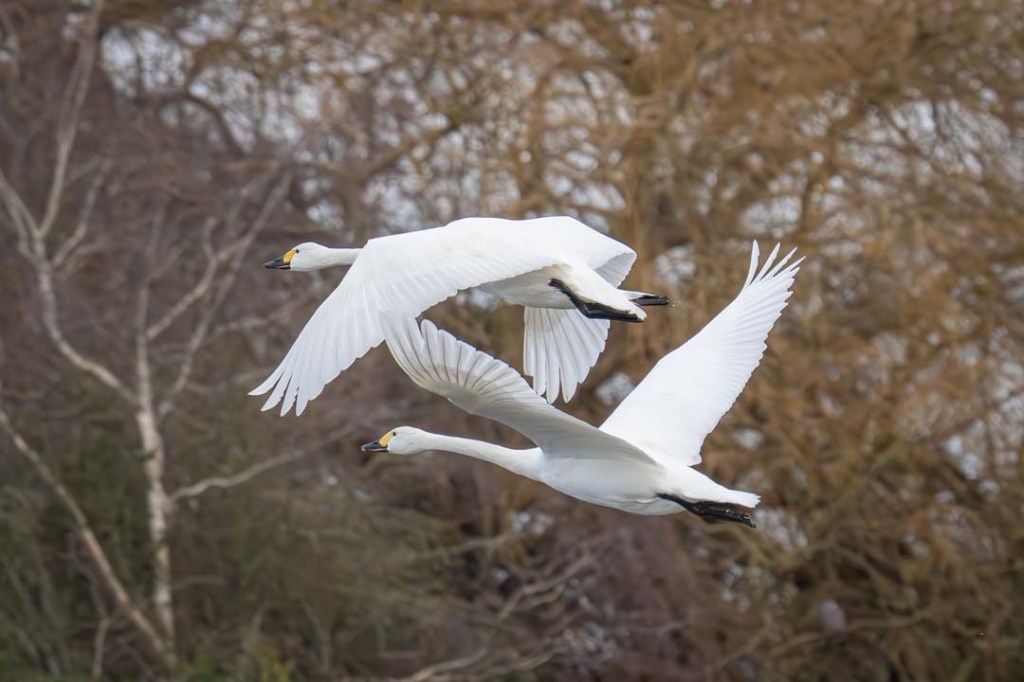
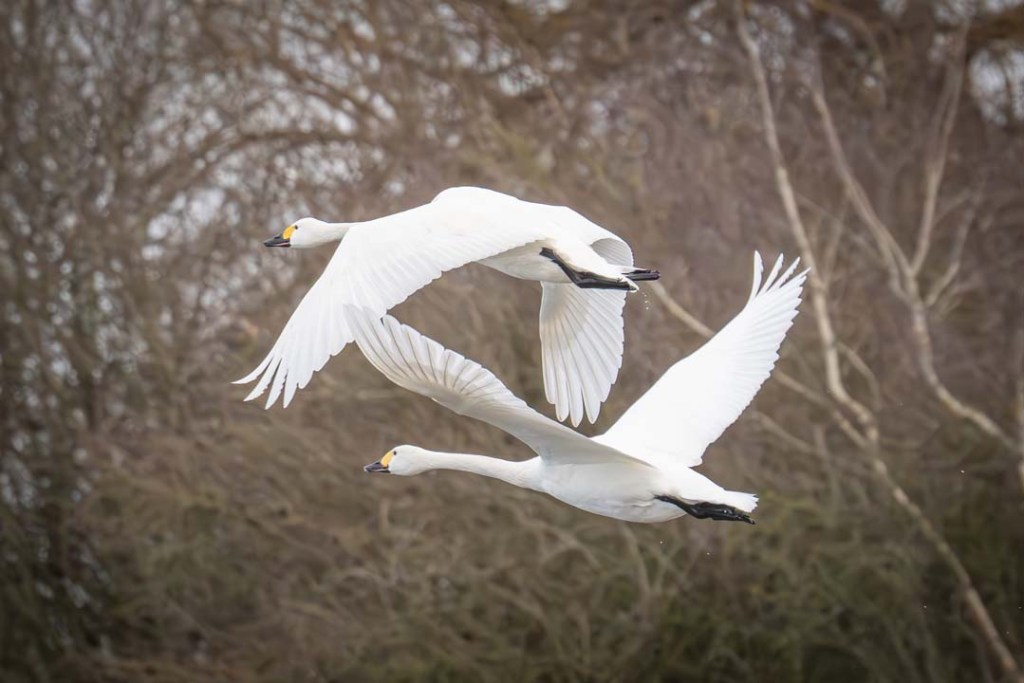
There were a few rarities there today (spoonbill, dark-bellied Brent goose) but the only rarity (for Slimbridge) which we managed to see amongst the thousands of birds on view were two Whooper swans who have joined the visiting Bewick swans and the native mute swans.
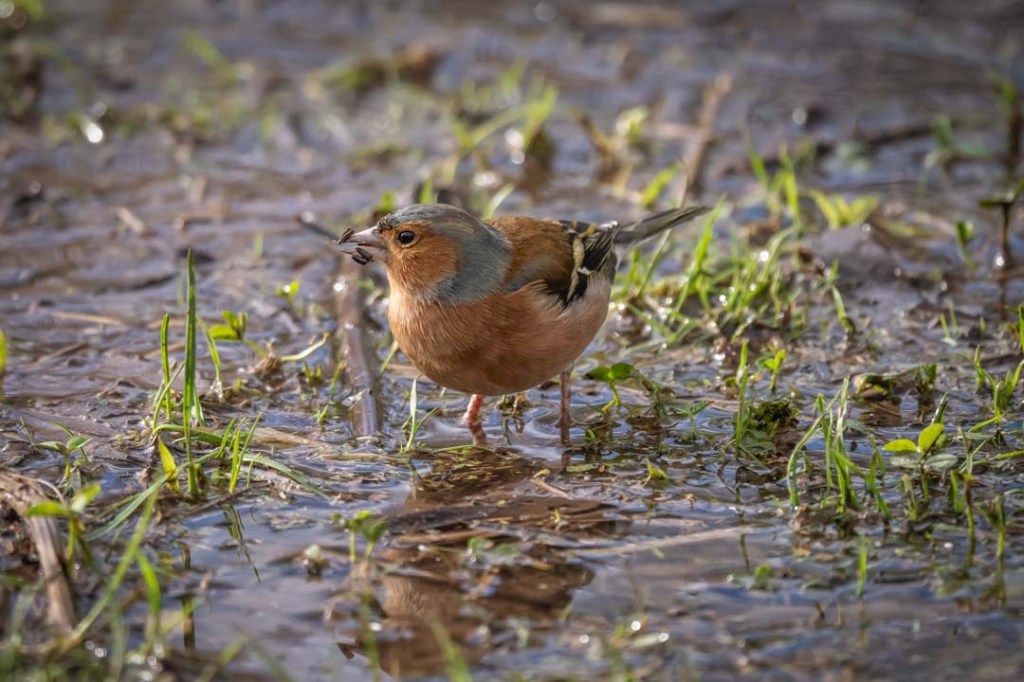
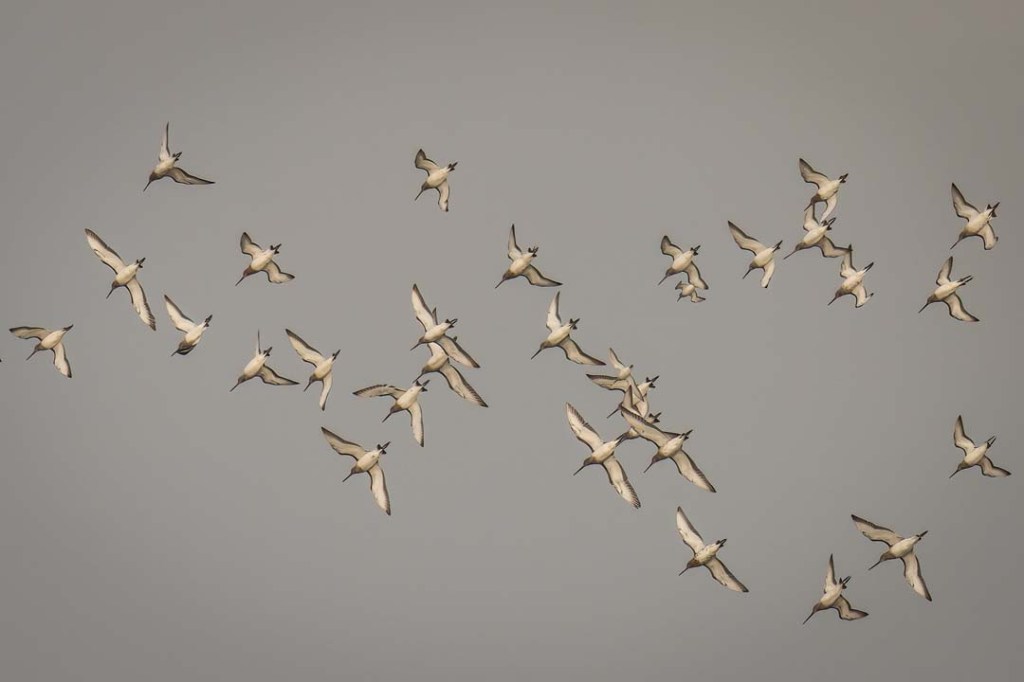
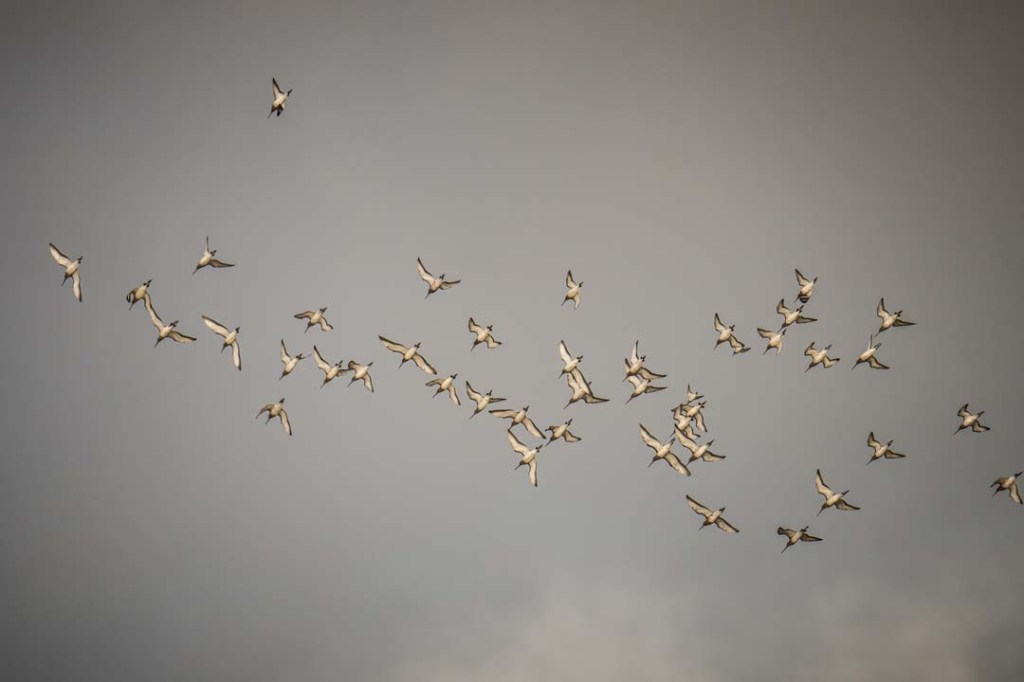
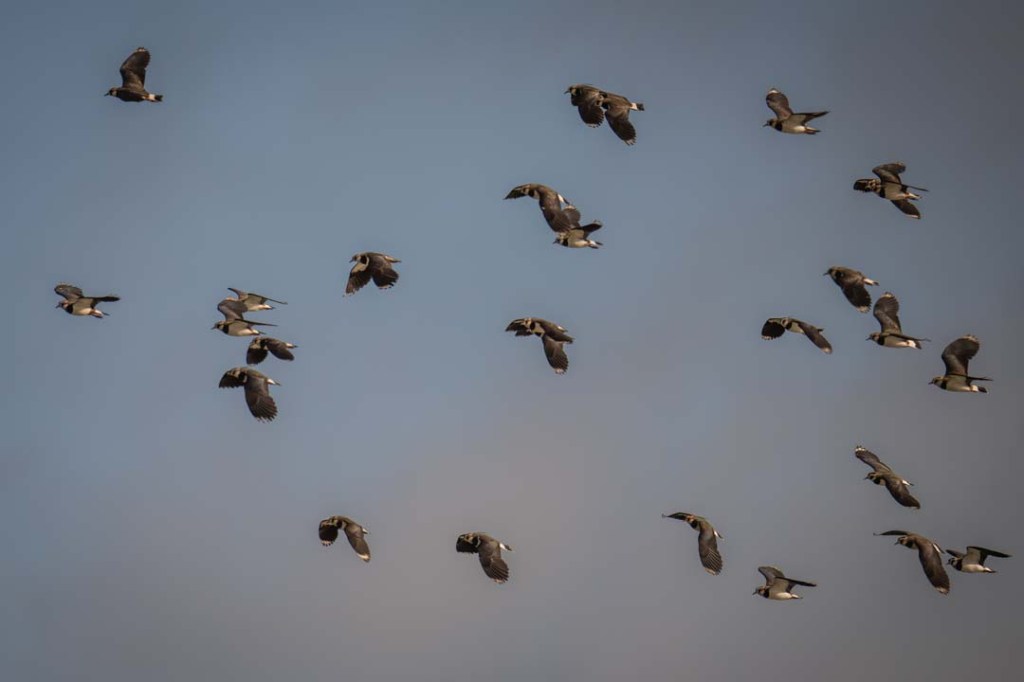
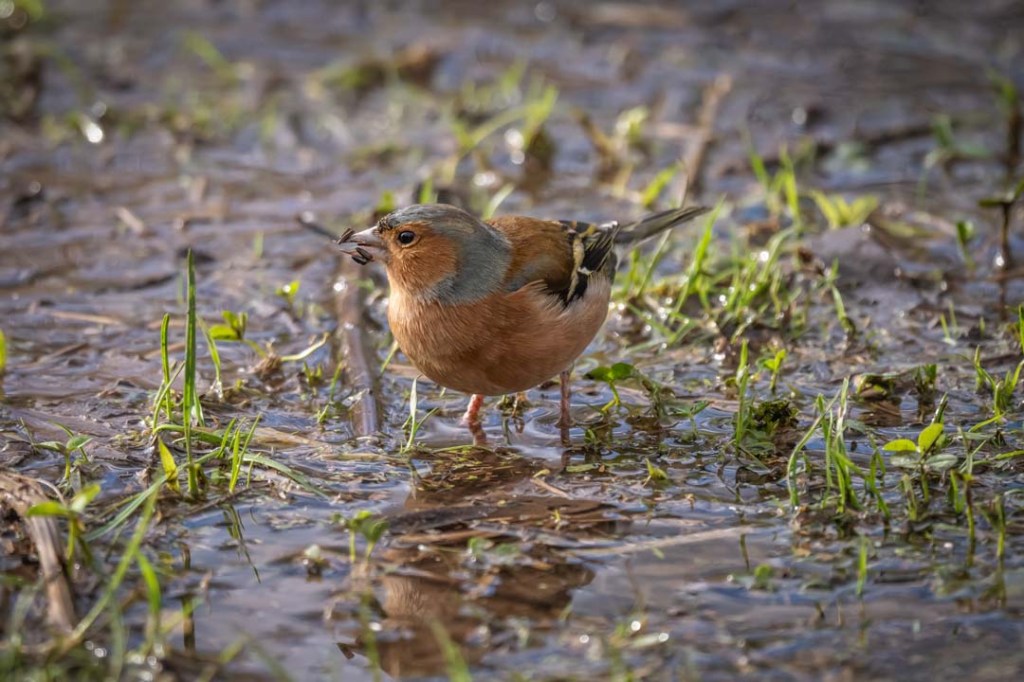
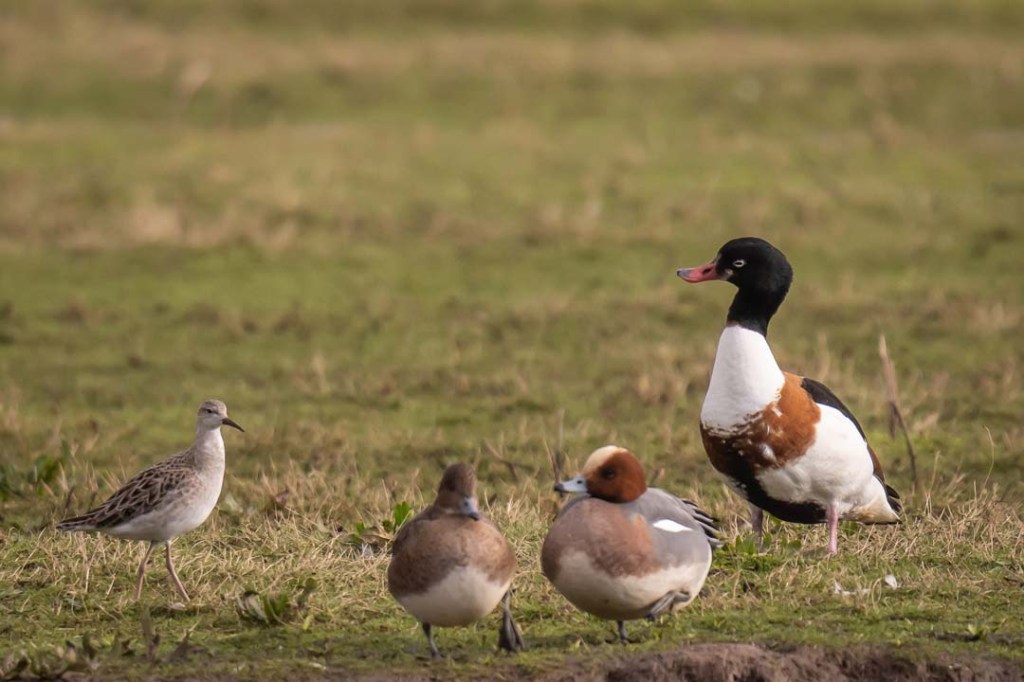
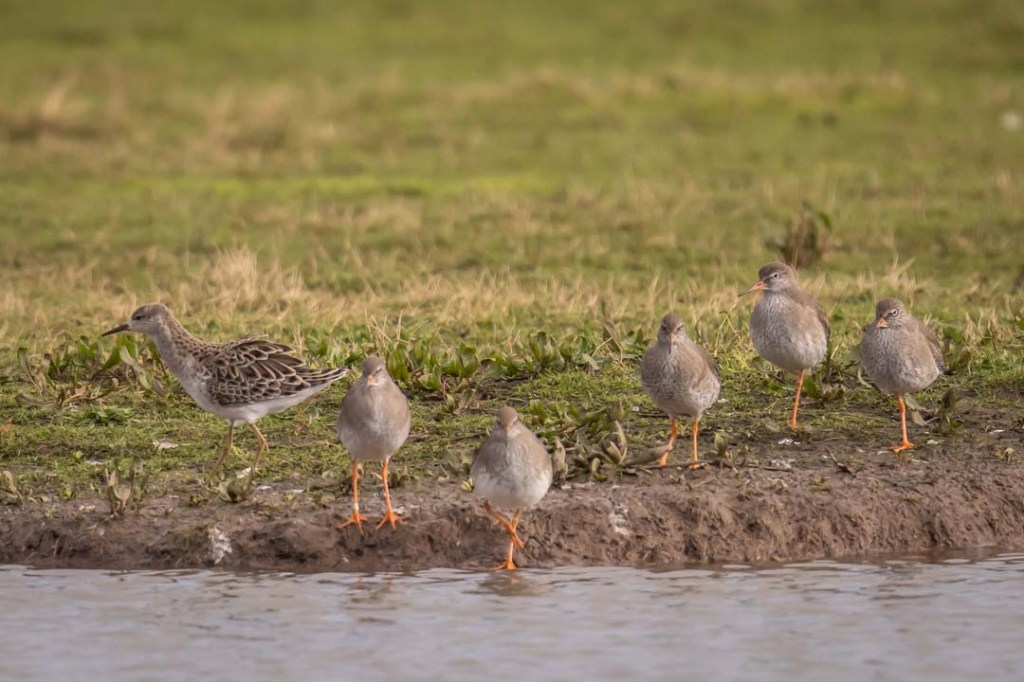
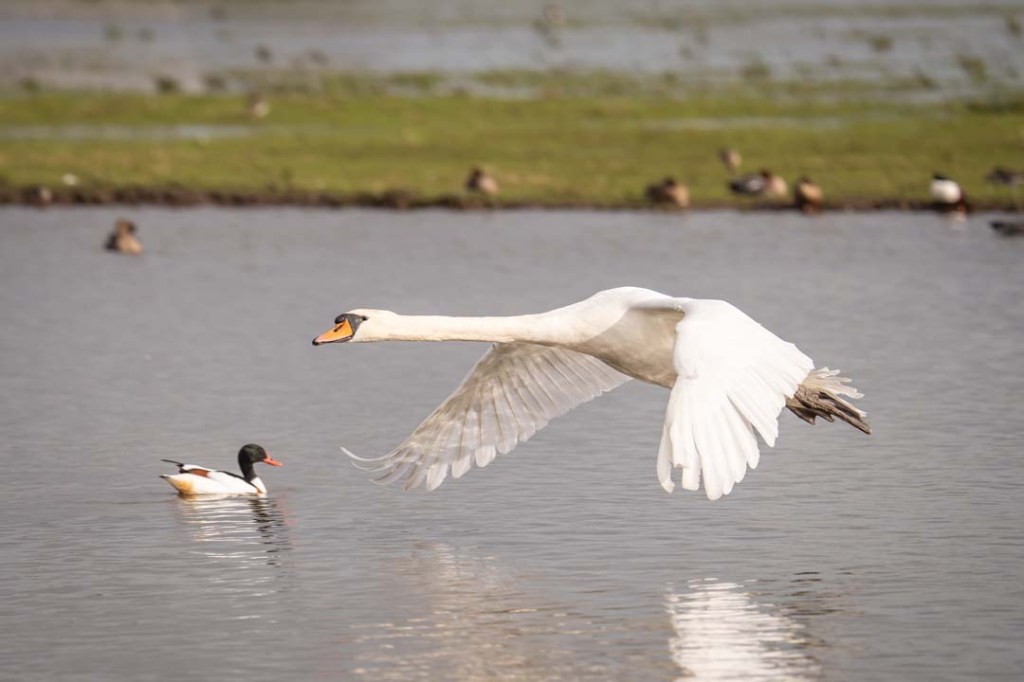
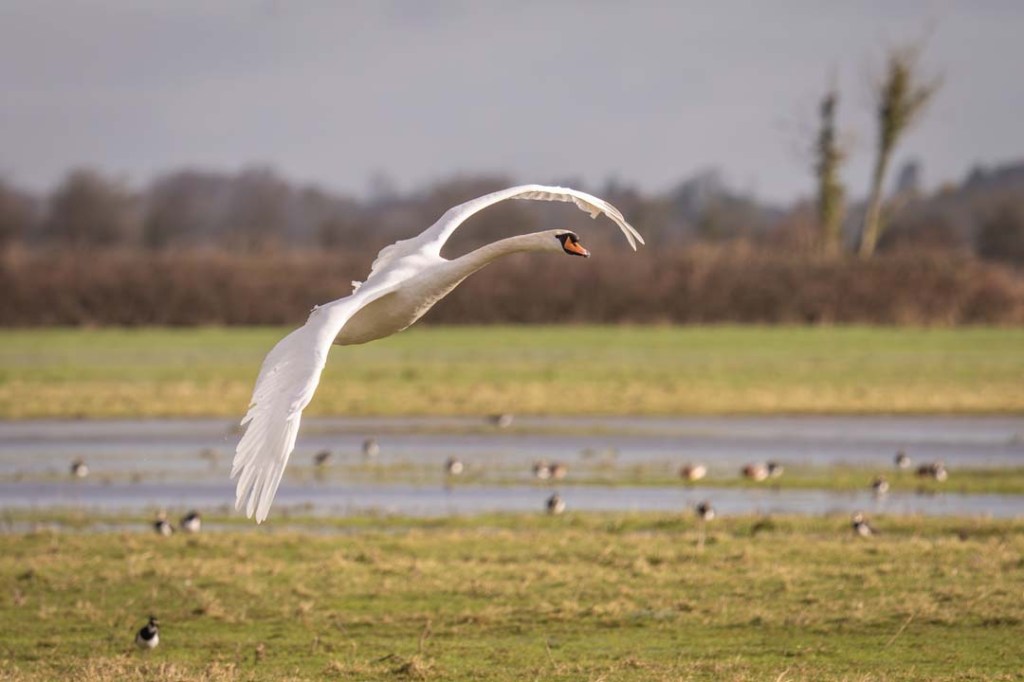
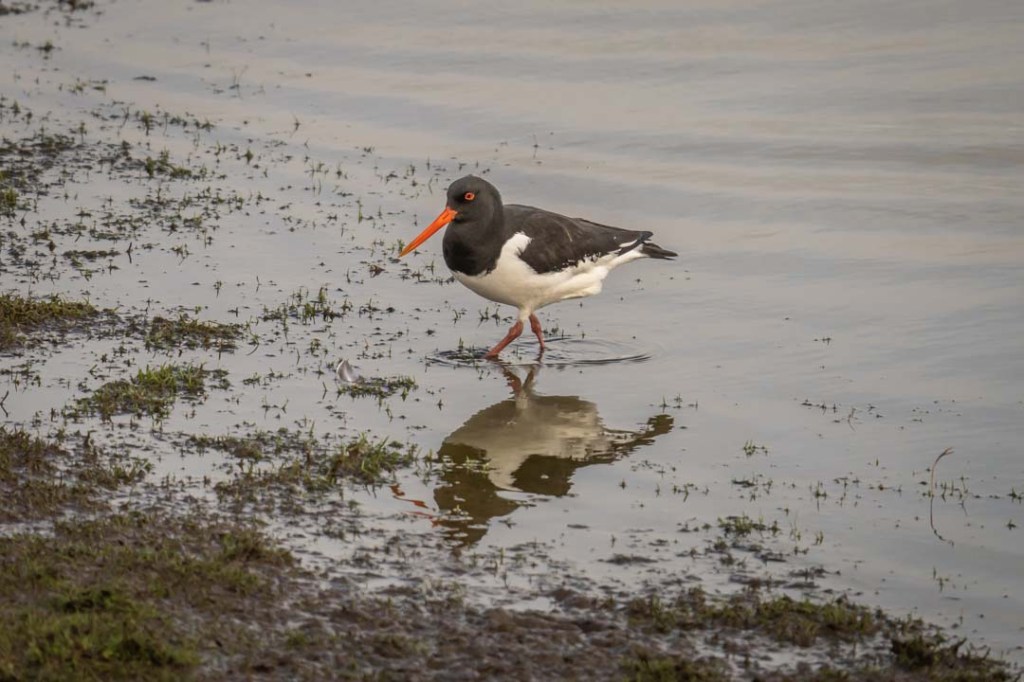
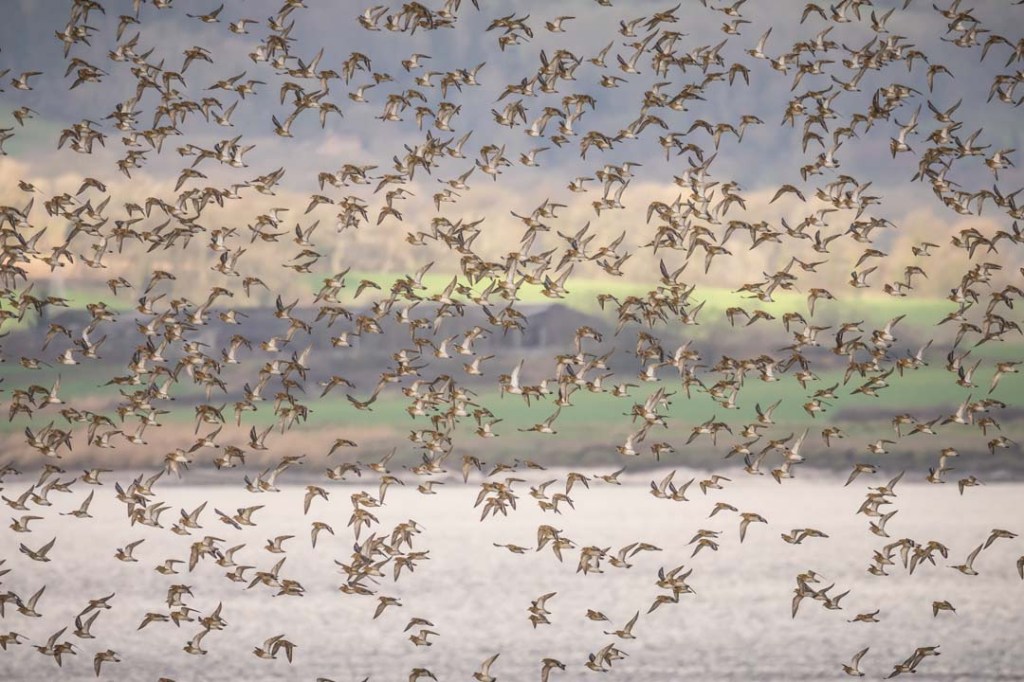
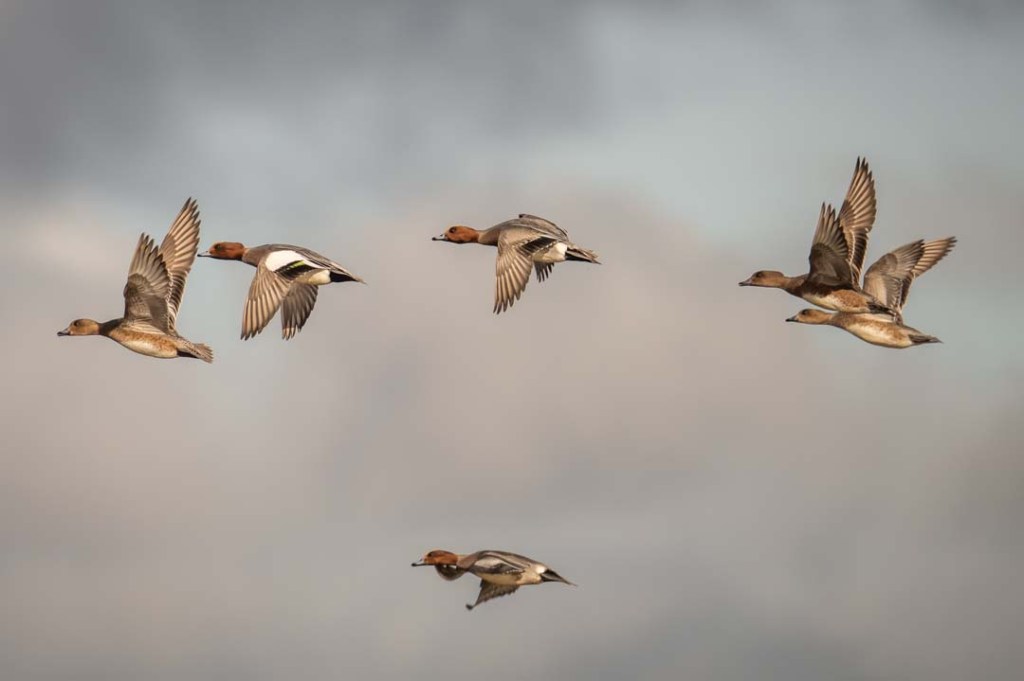
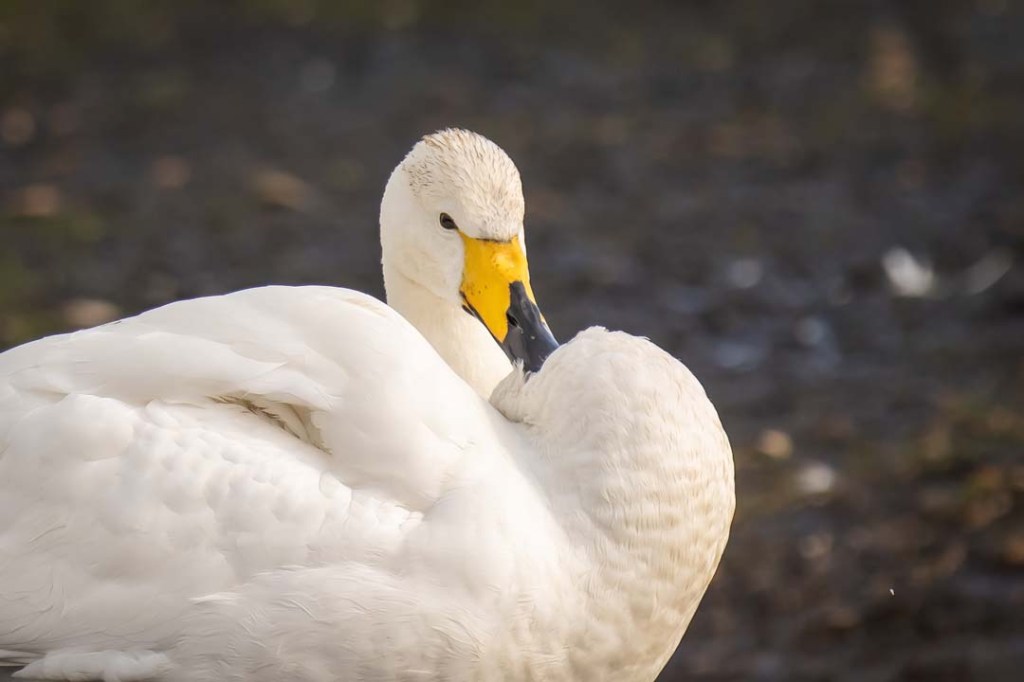
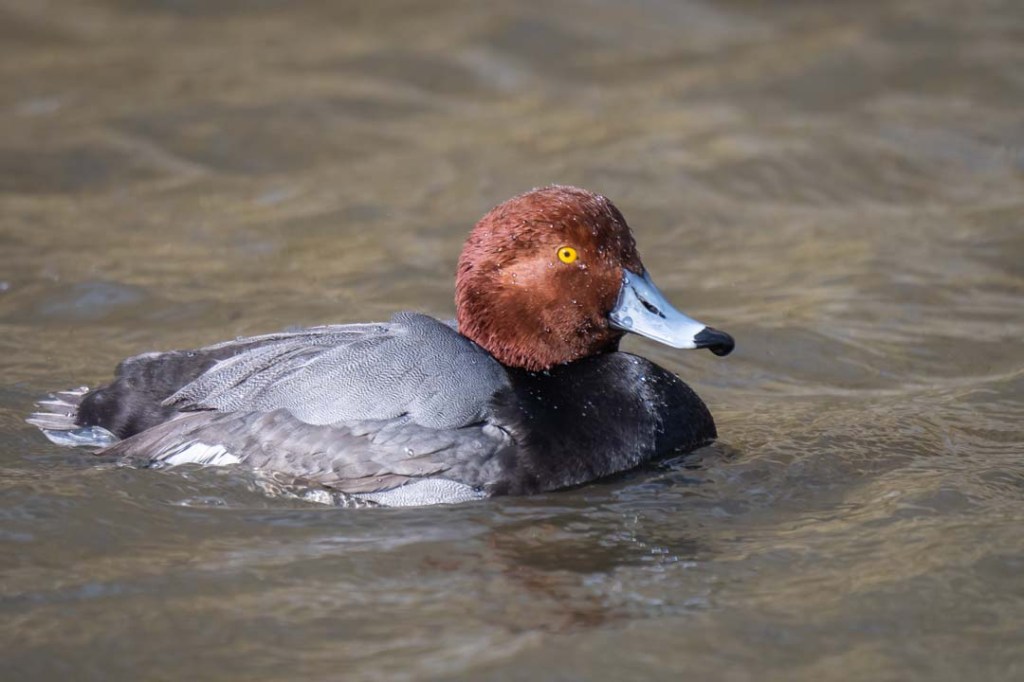
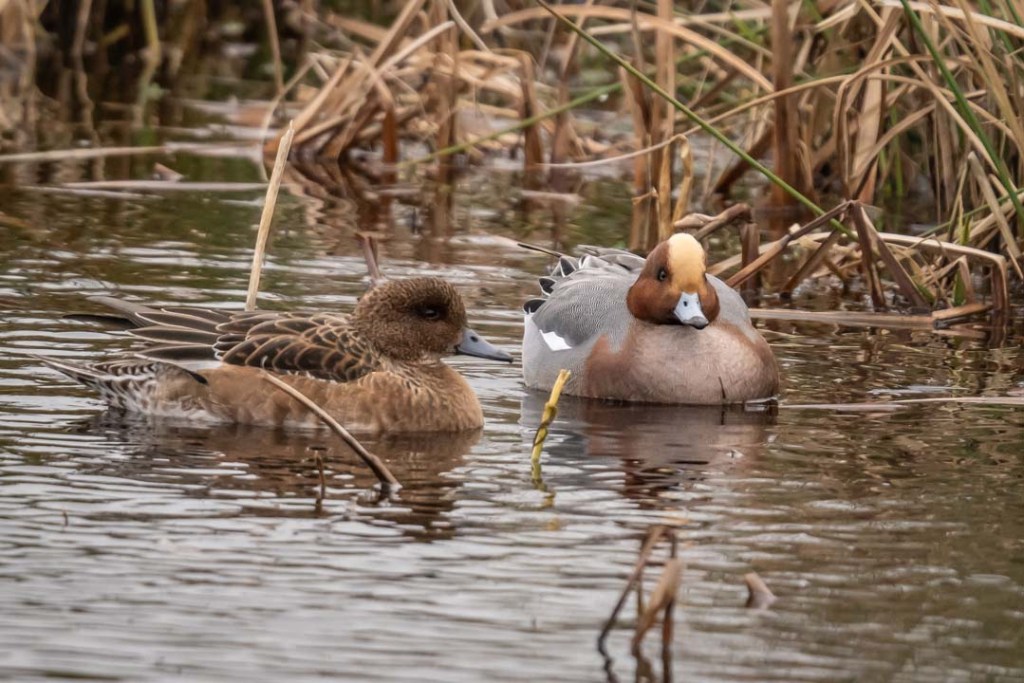
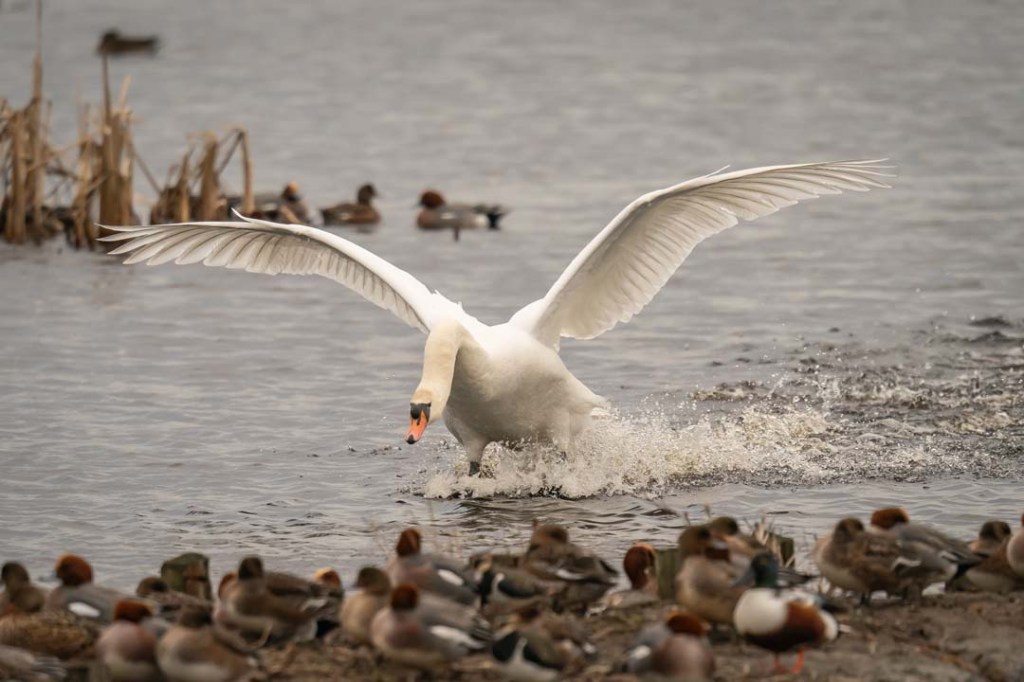
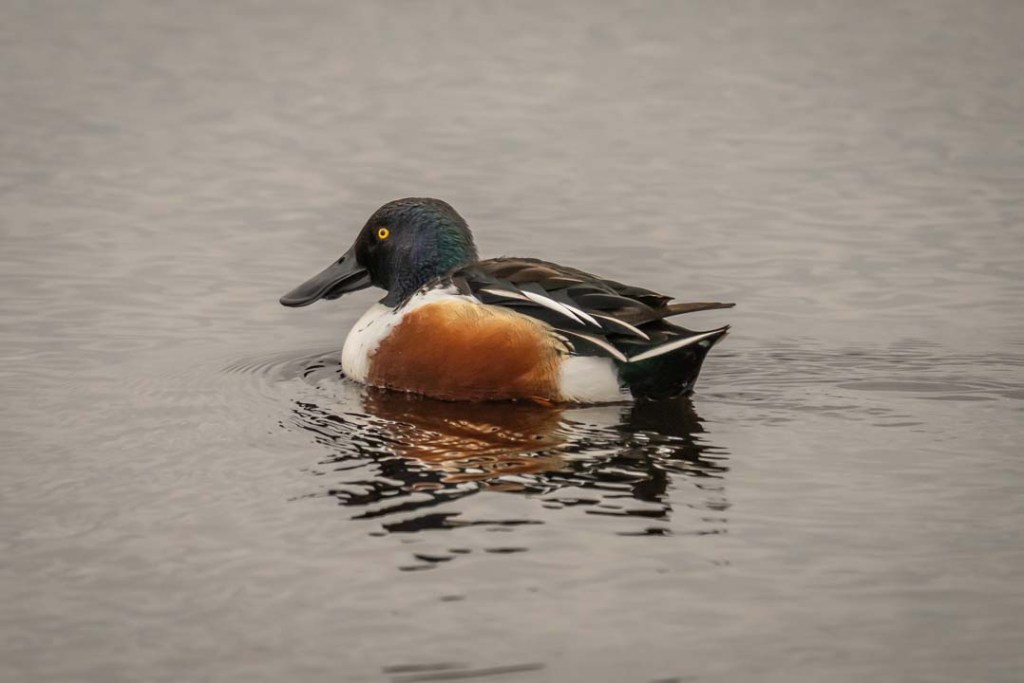
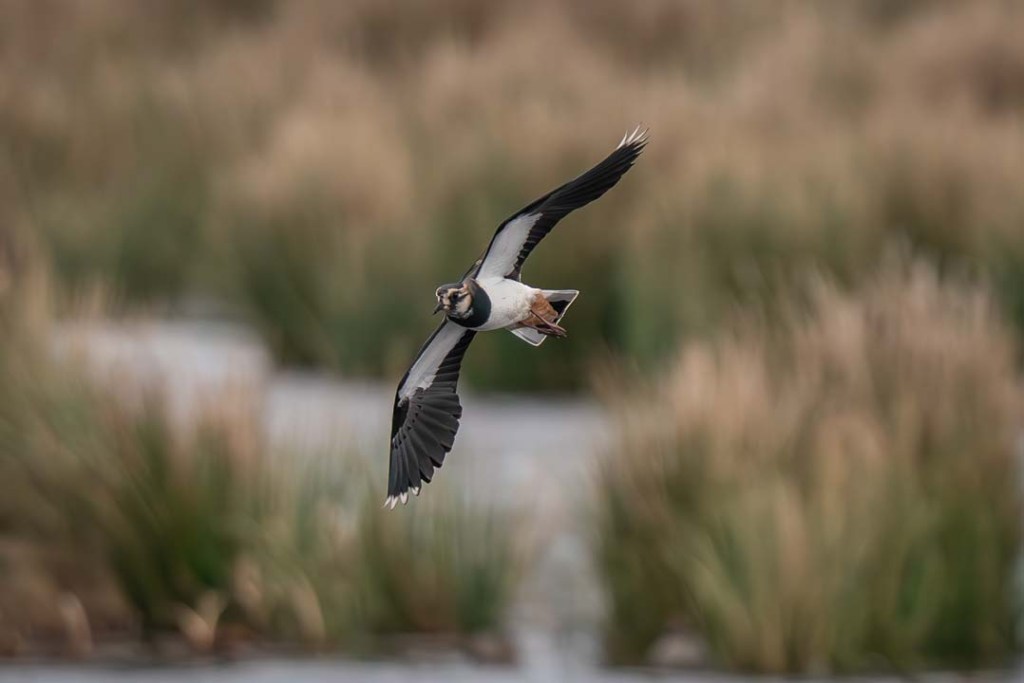
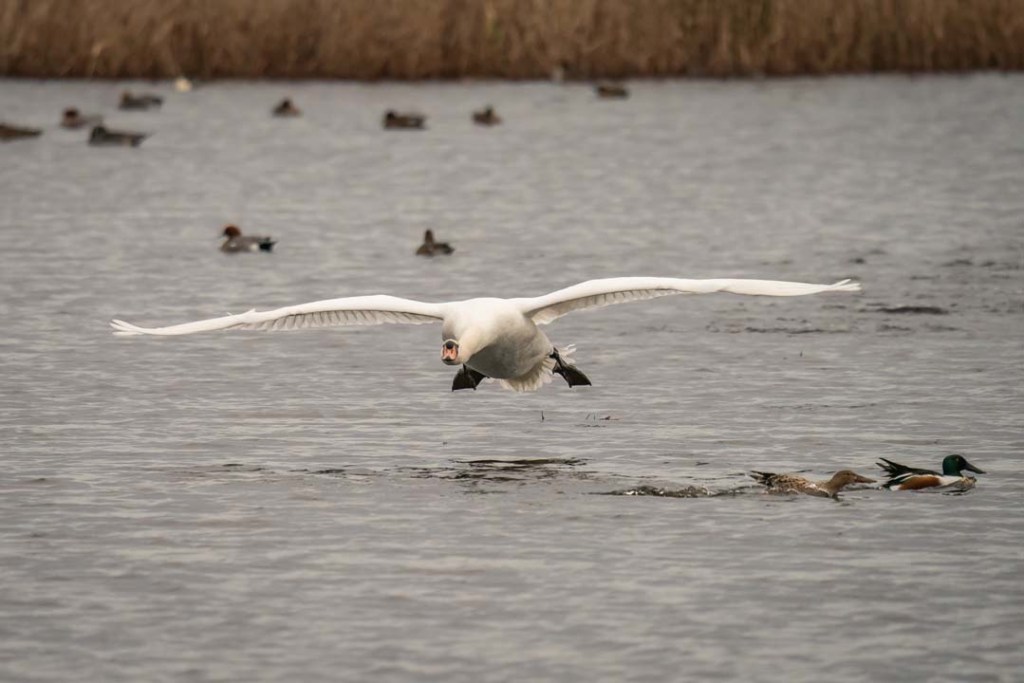
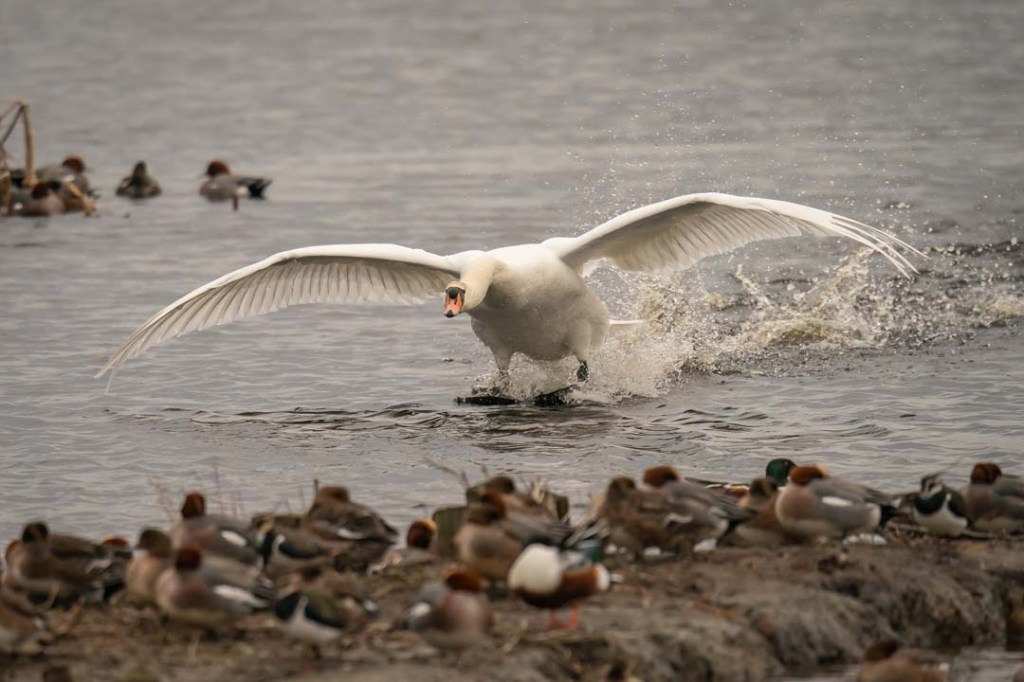
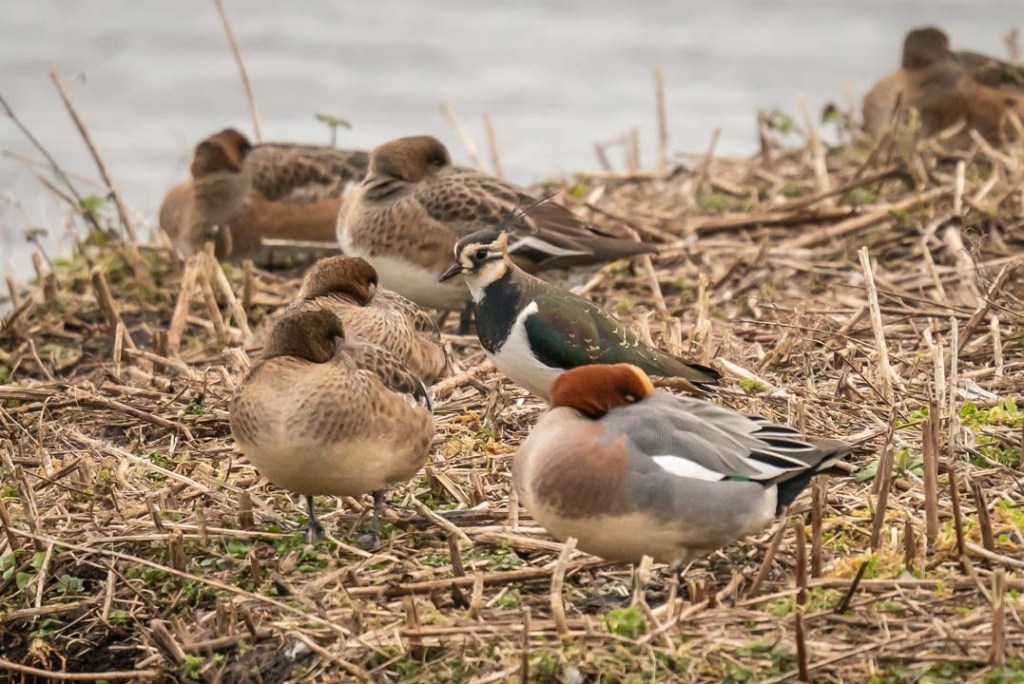
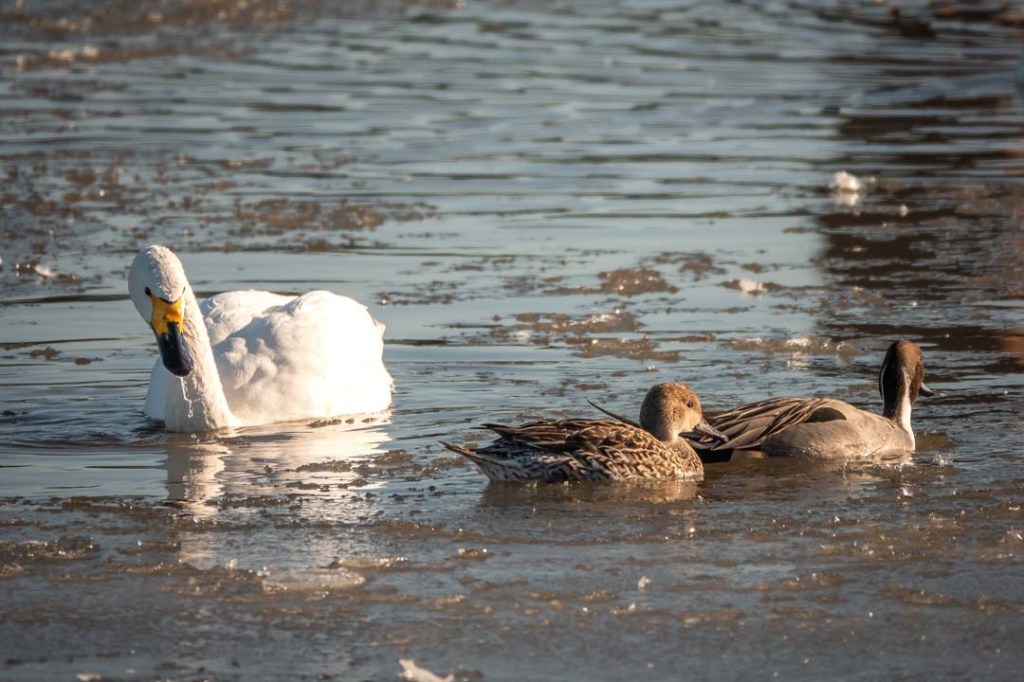
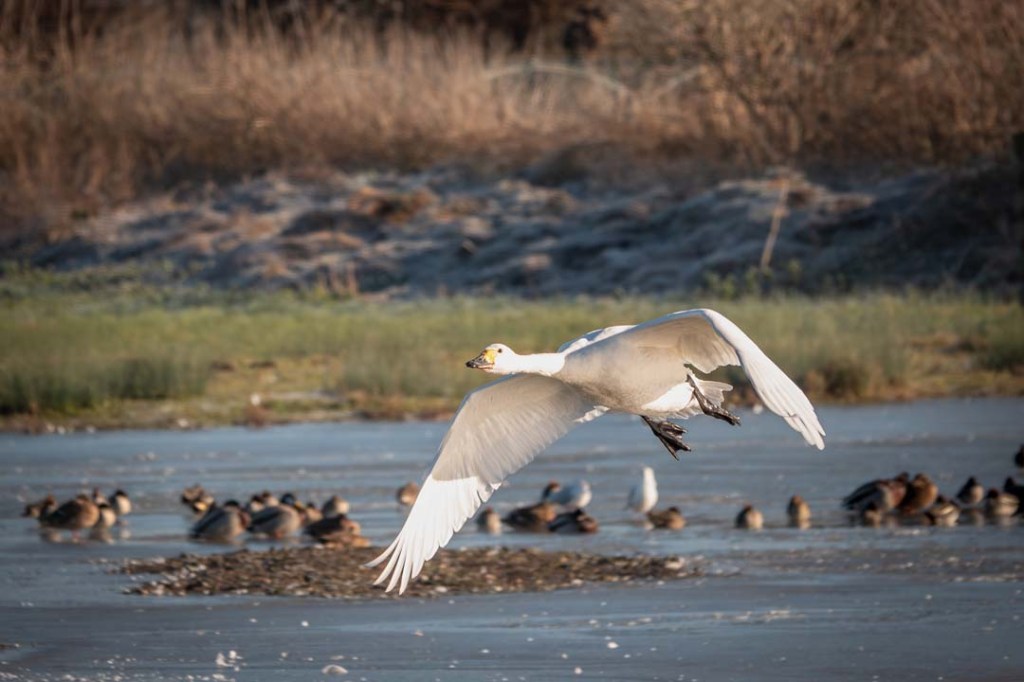
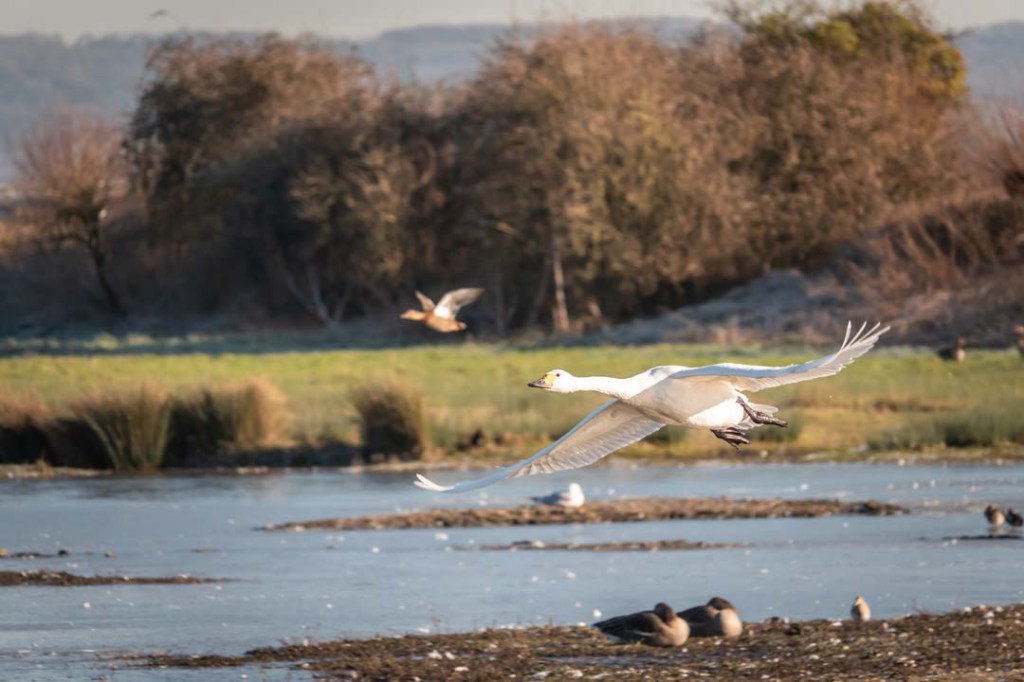
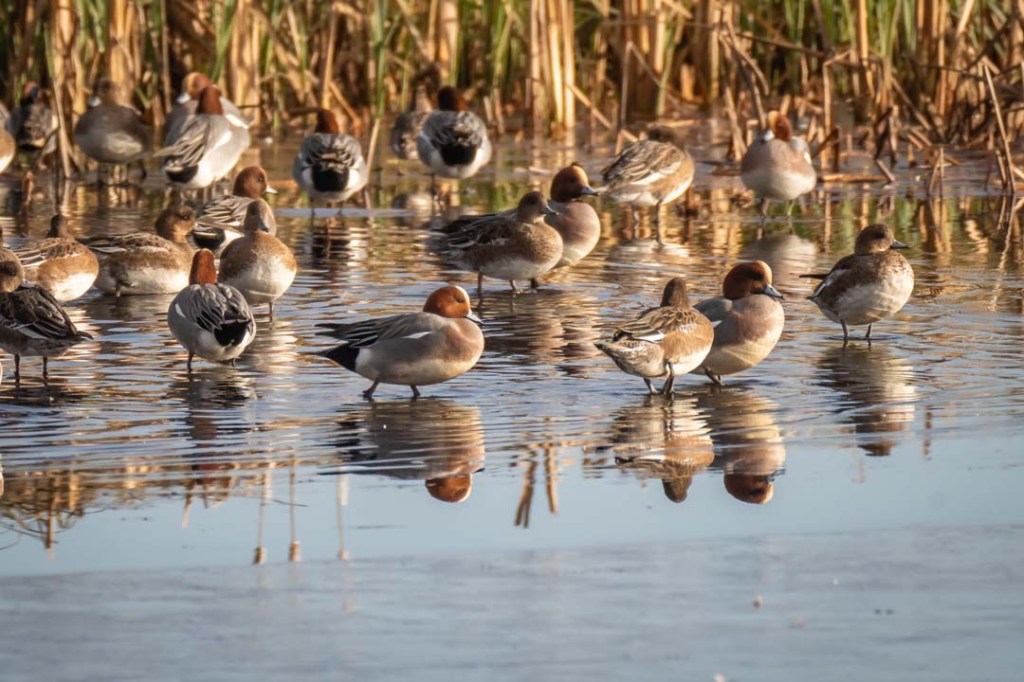
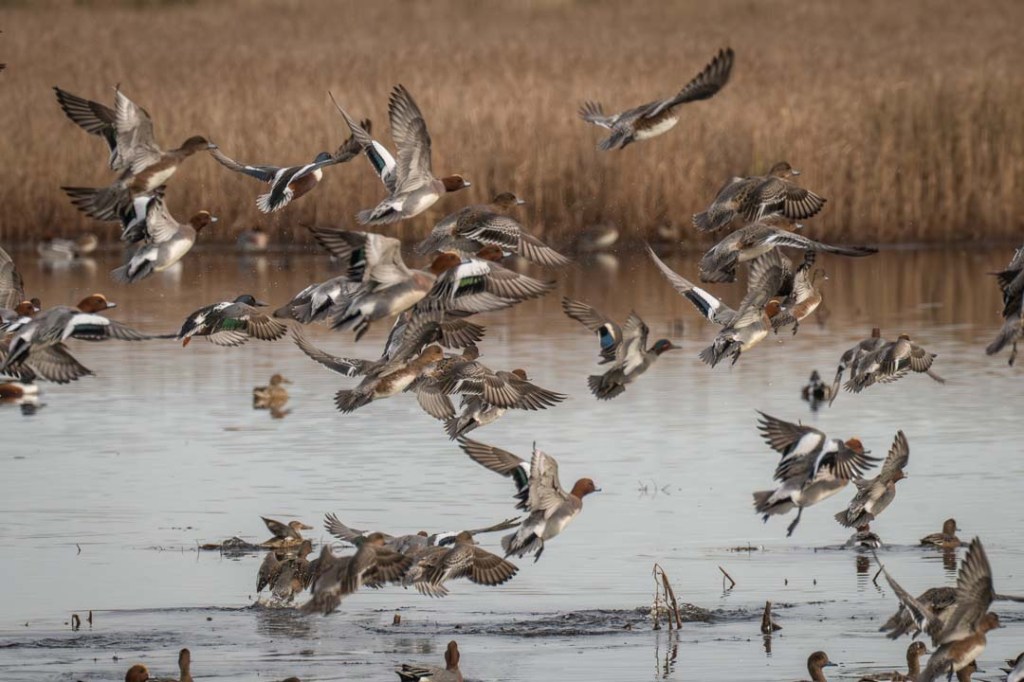
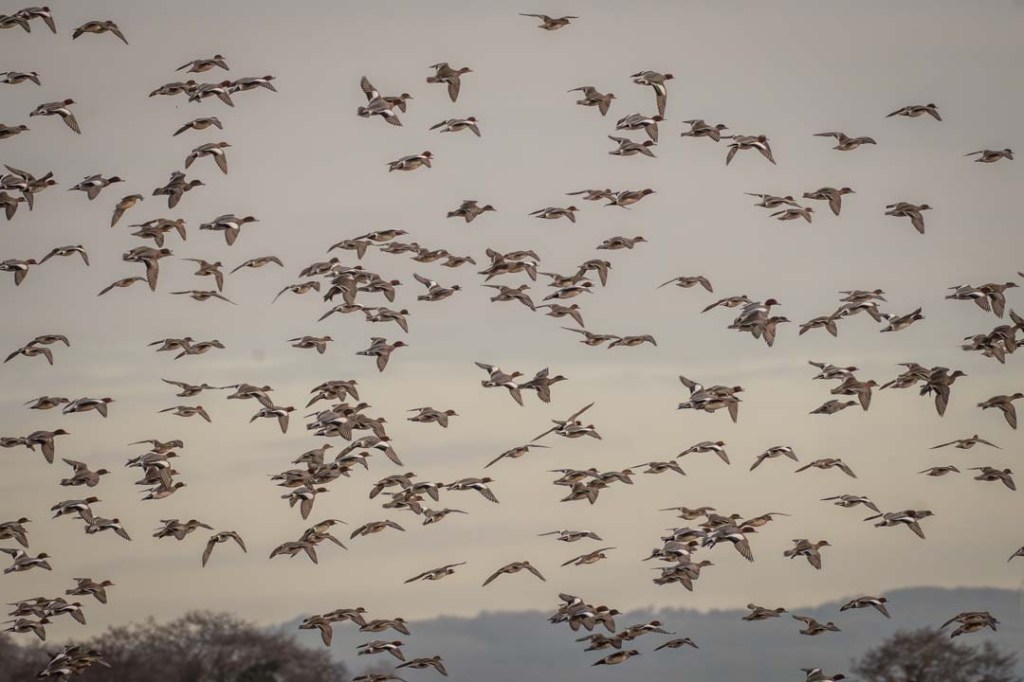
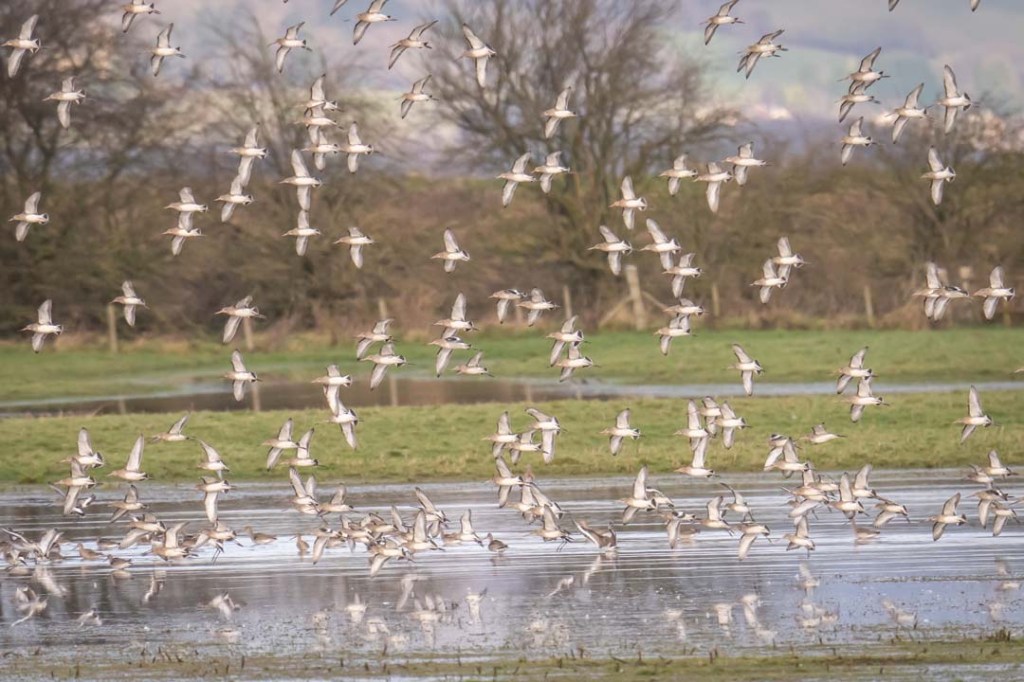
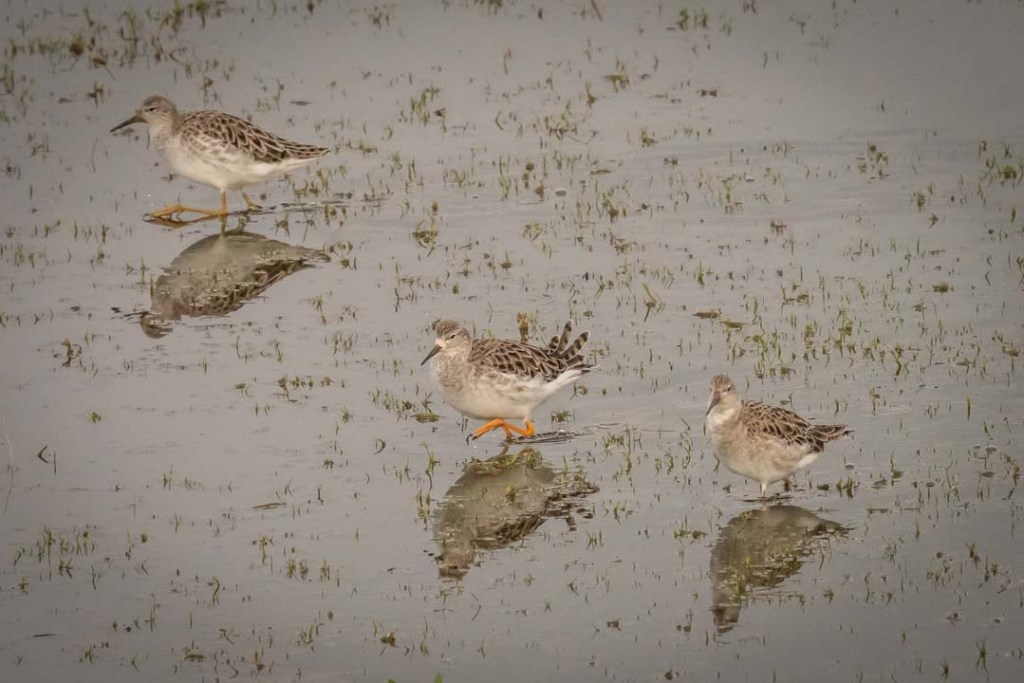
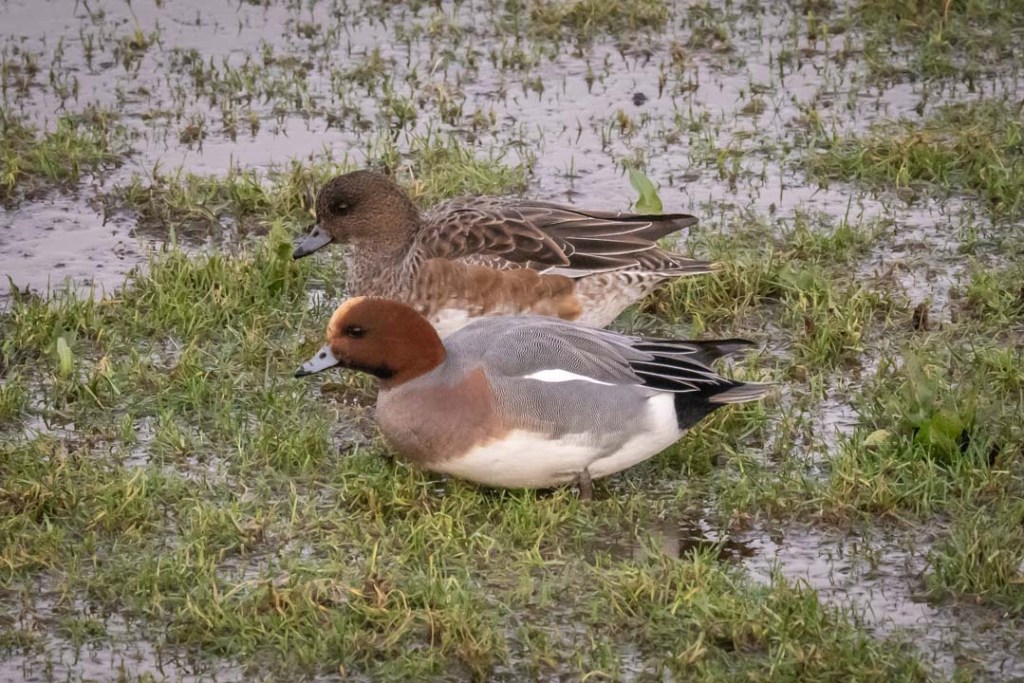
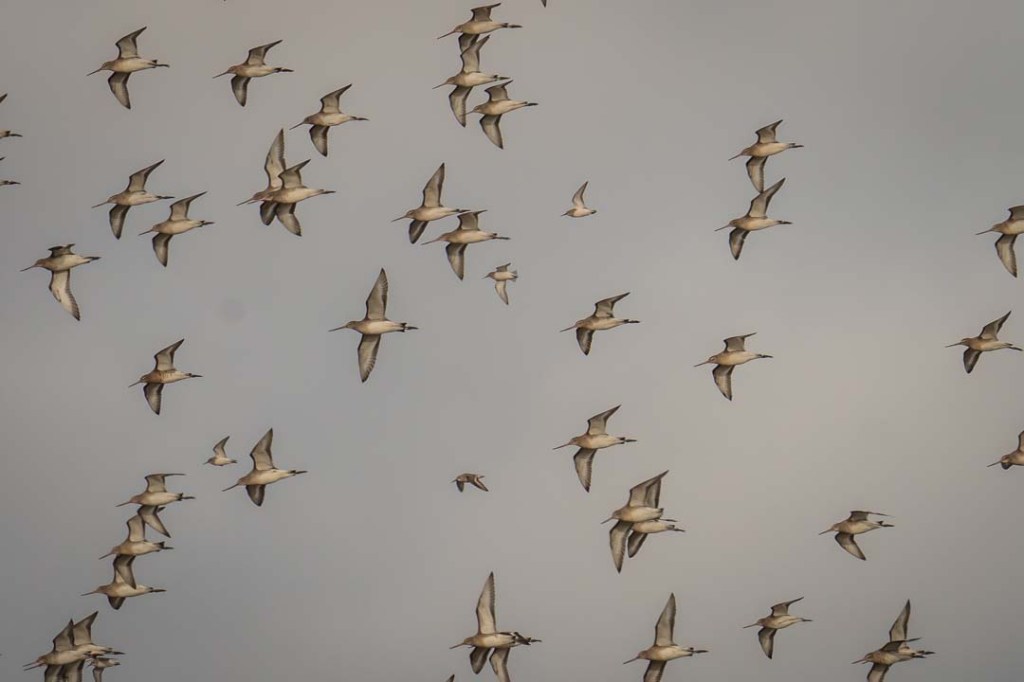
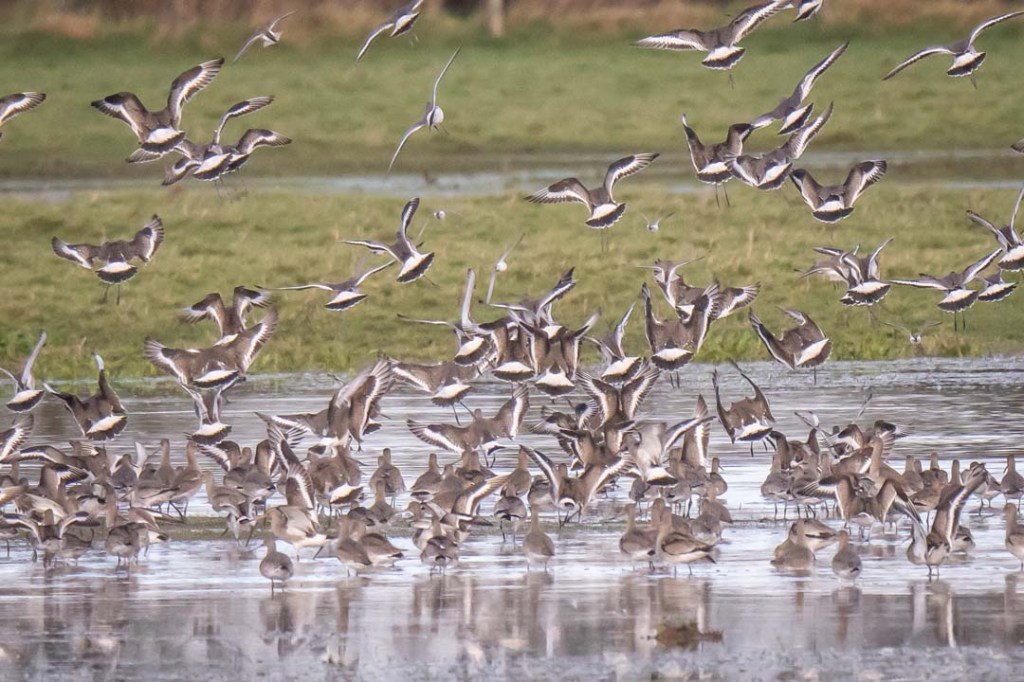
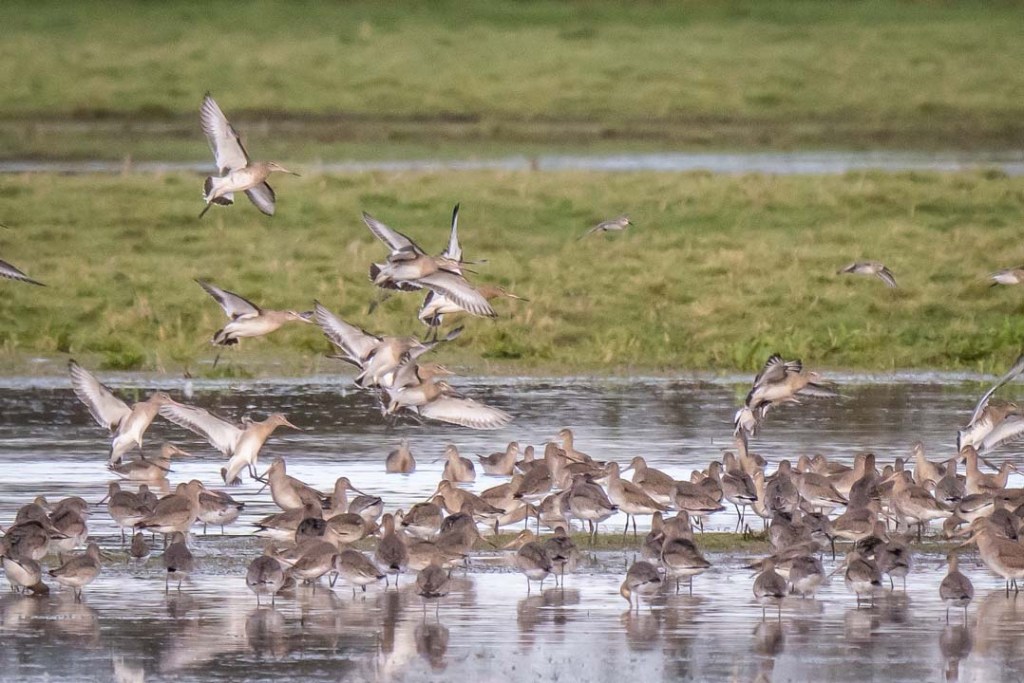
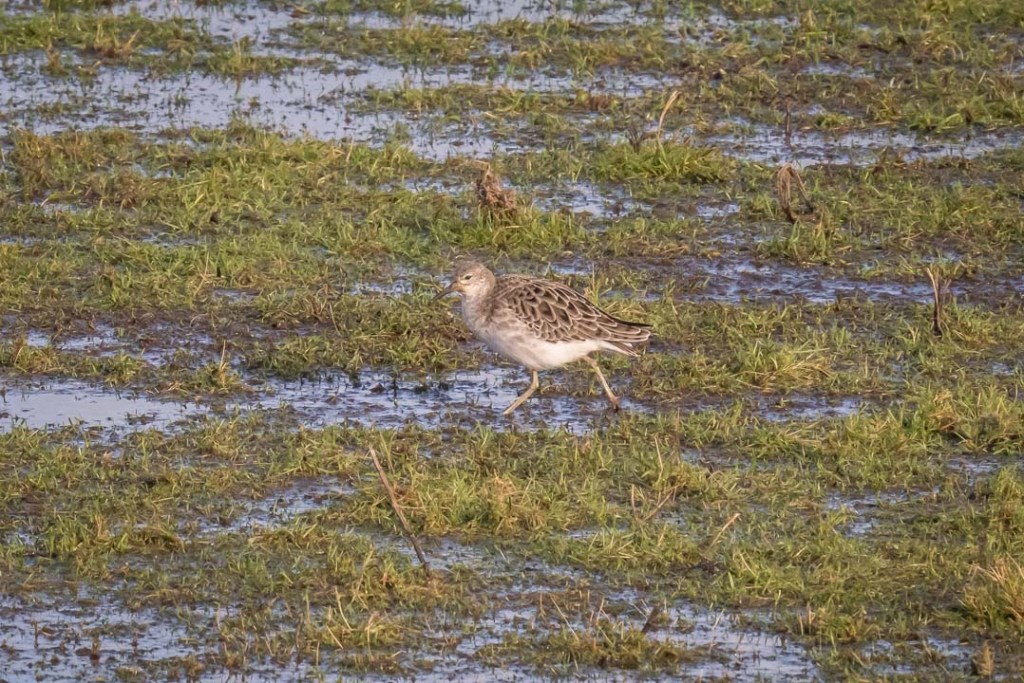
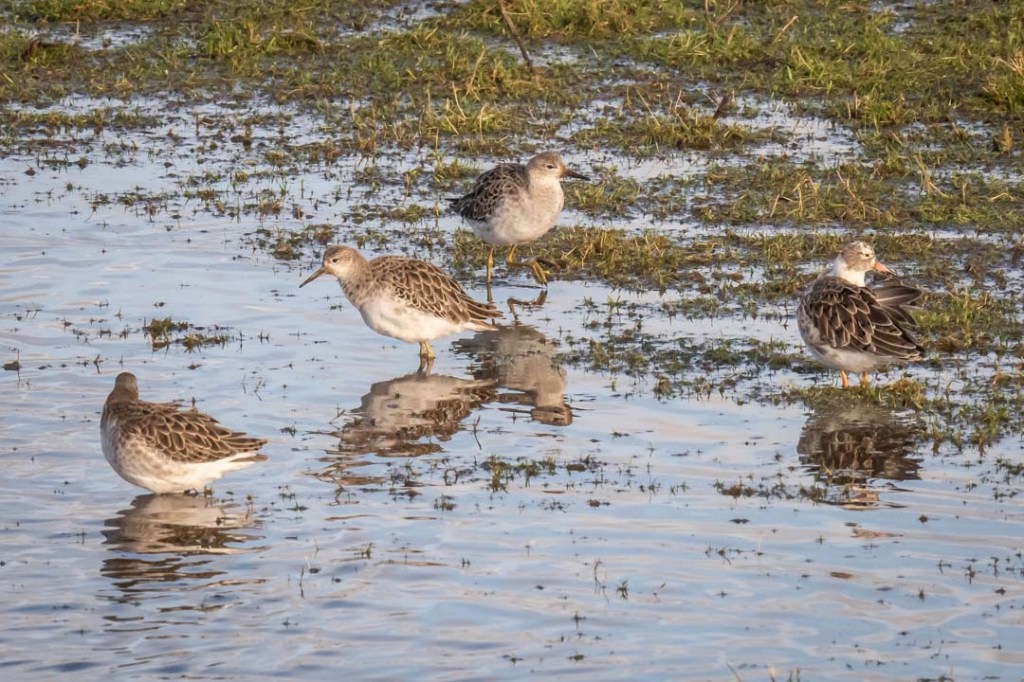
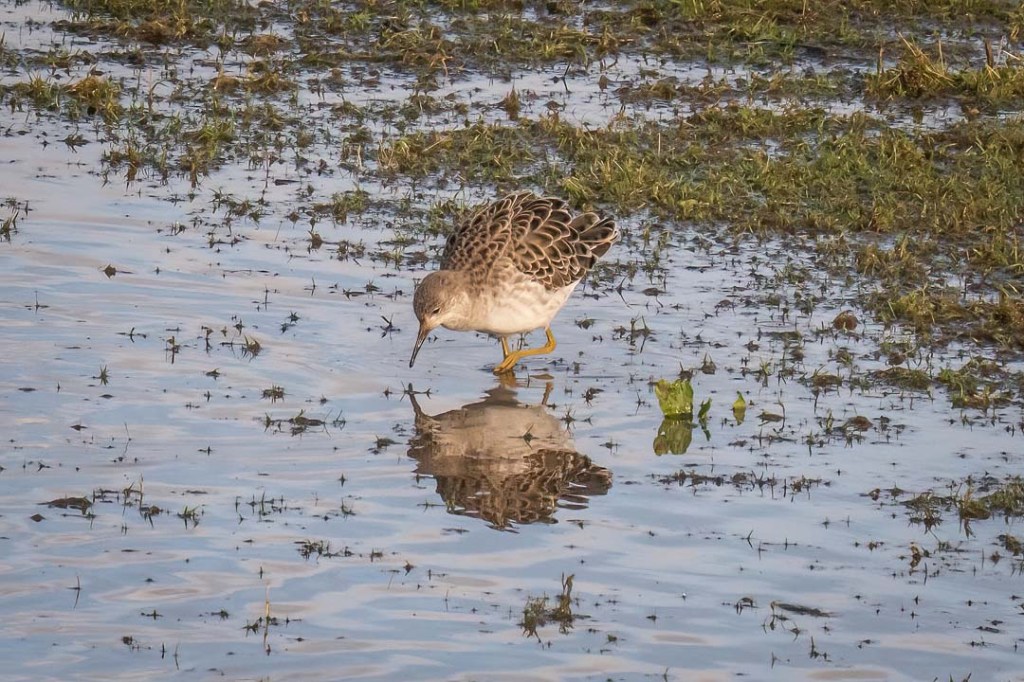
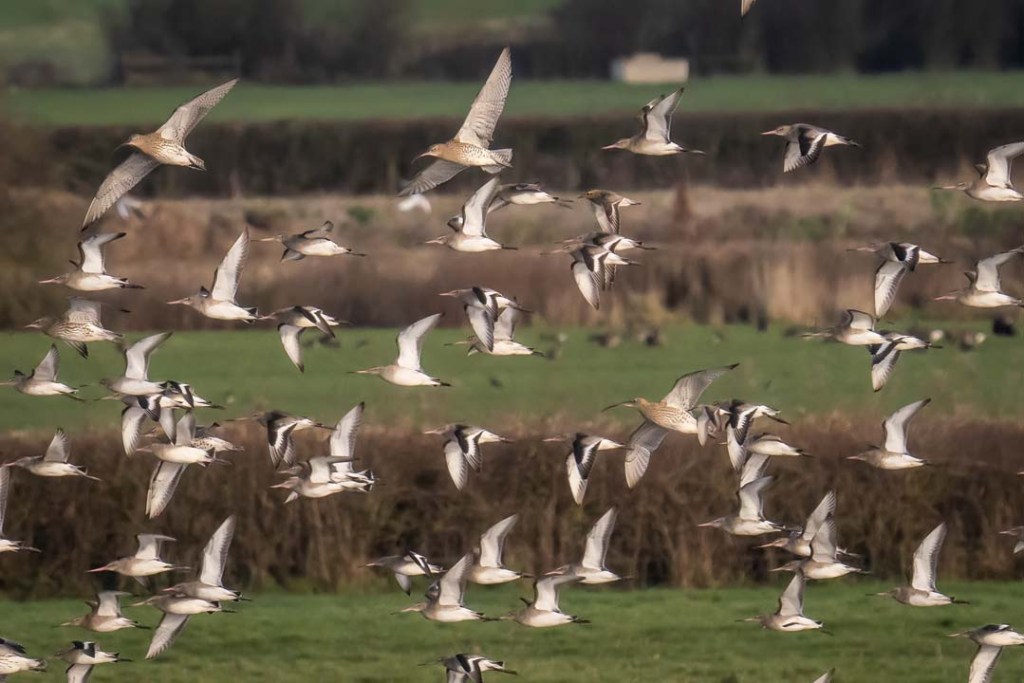
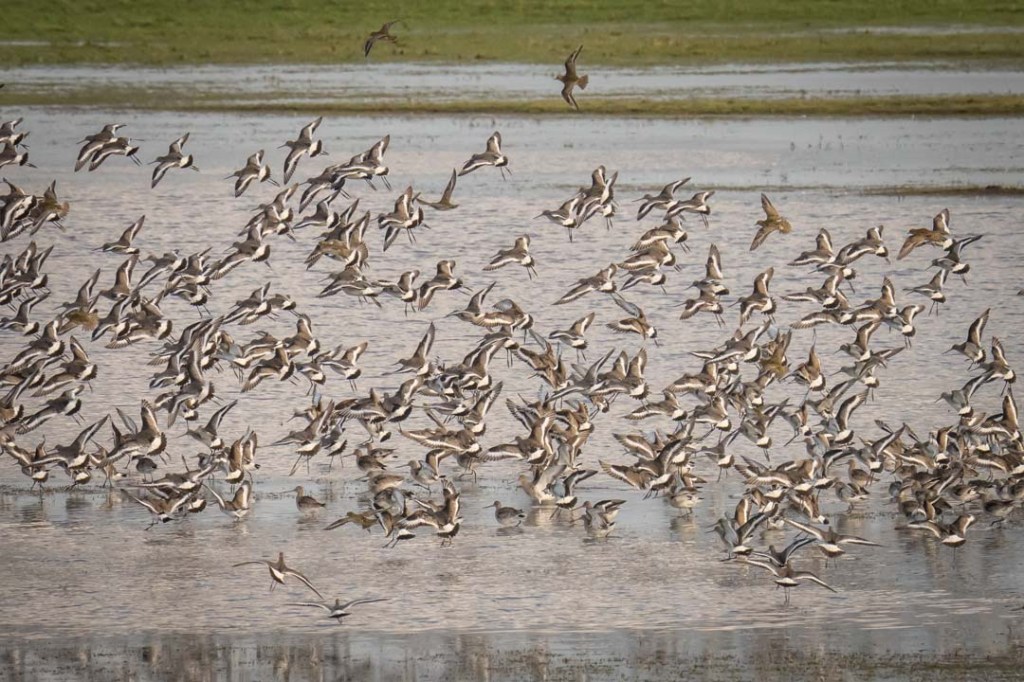
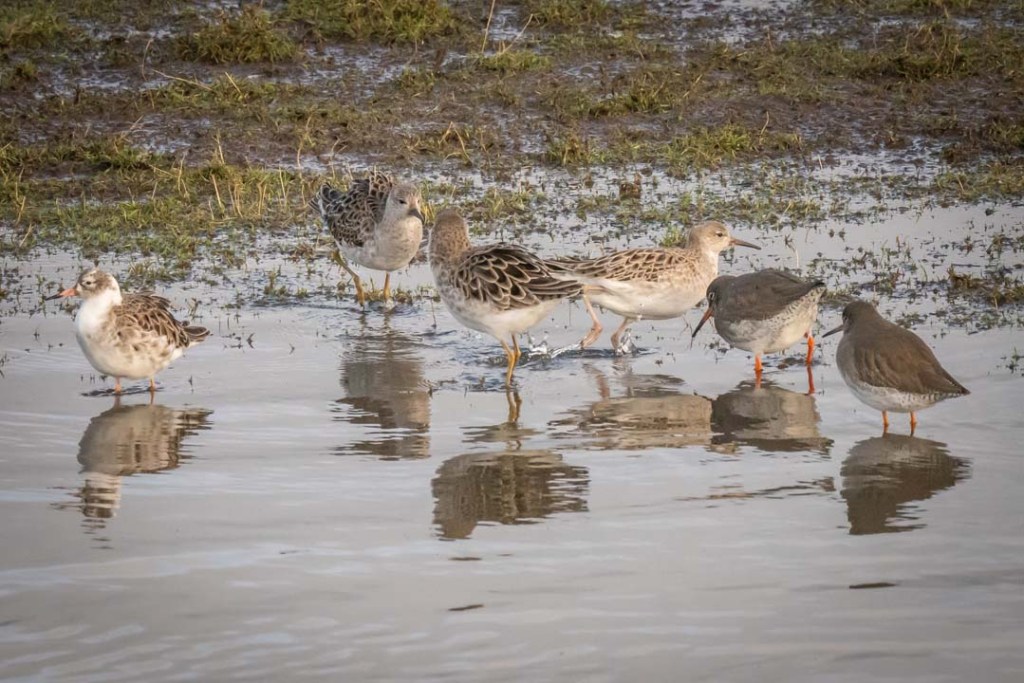
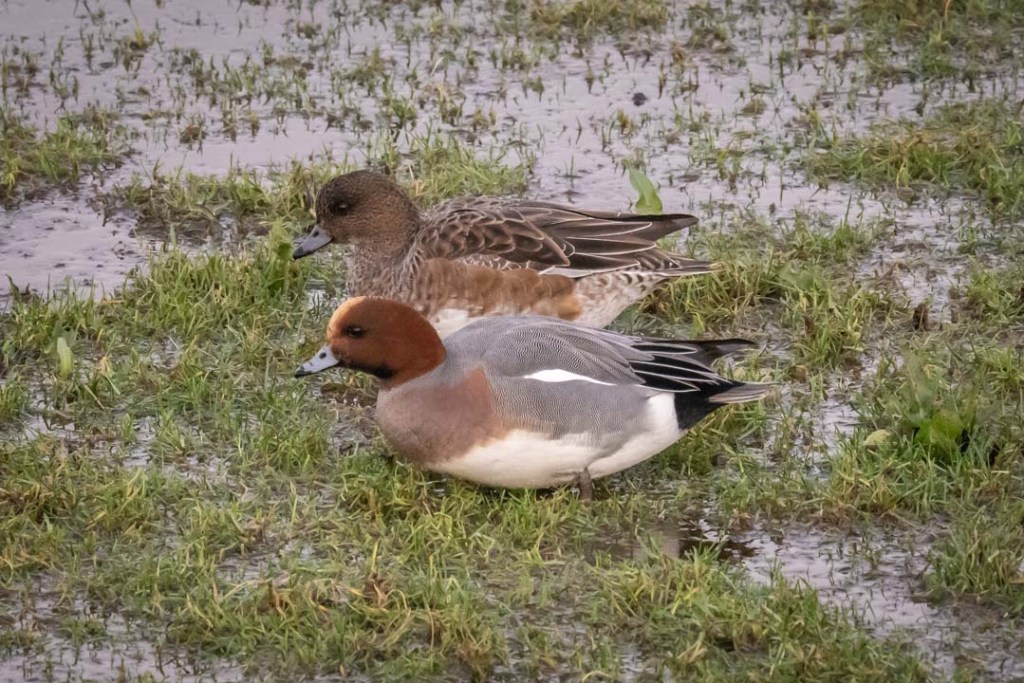
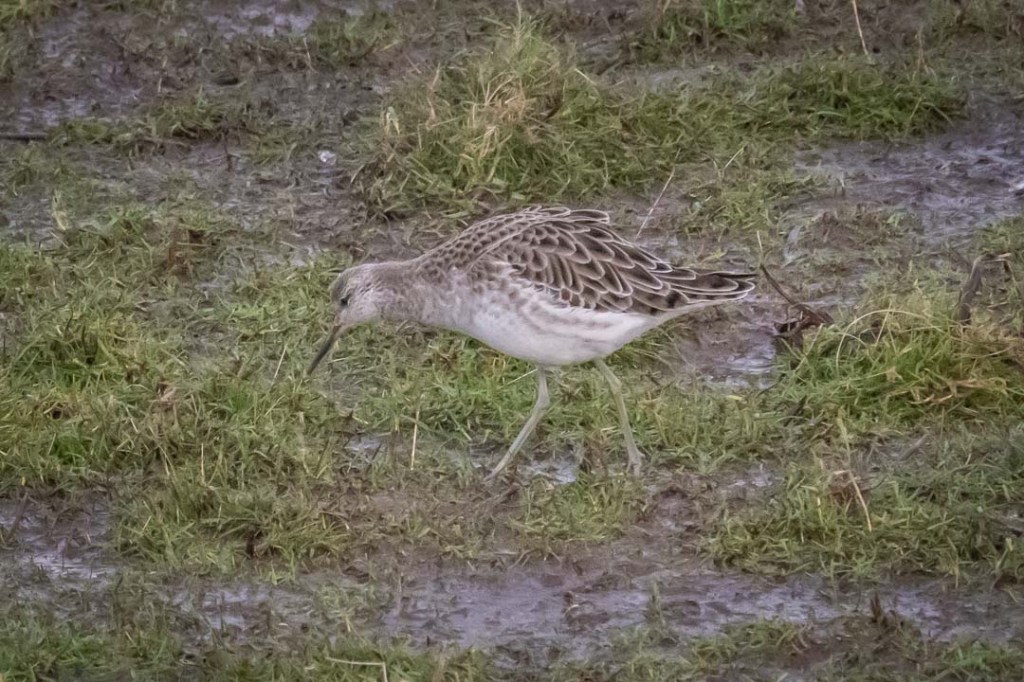
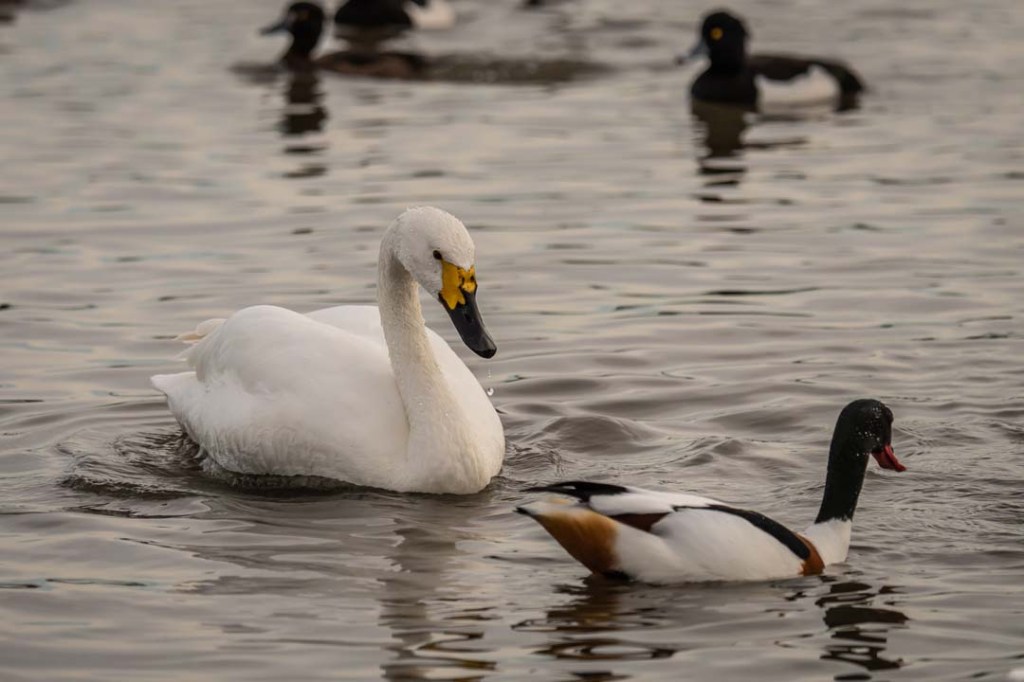
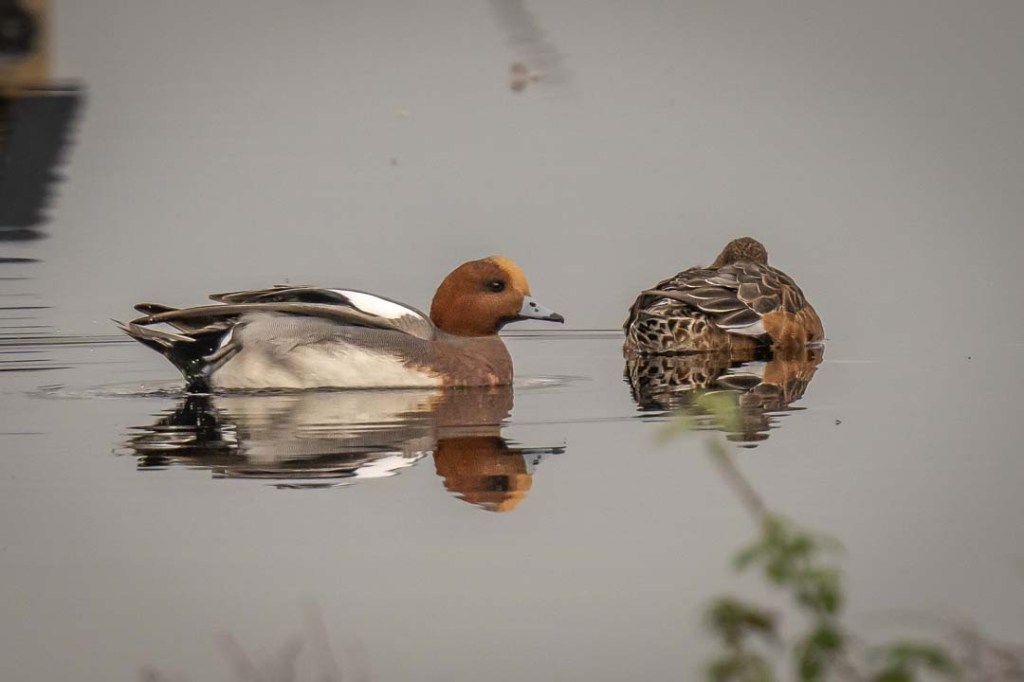
Bewick swanWhooper swanMute swanNorthern pintailA ruff and a shelduck either side of a pair of wigeon Black-tailed godwits were easier to pick out when they took to the airLapwingsEven the chaffinch had to negotiate the wet conditionsWe heard the curlews way before we saw themI only saw two oystercatchersThere were rather a lot more golden ploverThe golden plovers regularly made splendid displays over the wetlandsNorthern shovelersWigeonWhooper swan up closeThe Bewick swans are much smaller than the Whoopers (and the mute swans) and have proportionally more black and less yellow on their billsMale and female tufted duck
(If you are receiving this blog by email subscription please click on the title above to view as a web page for a better experience).
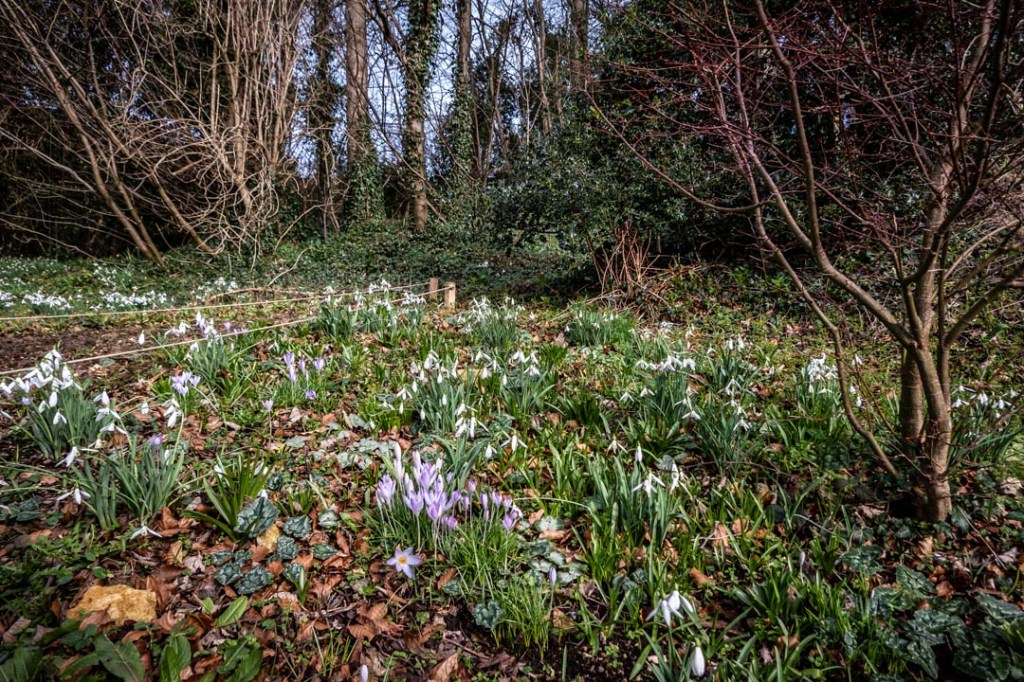
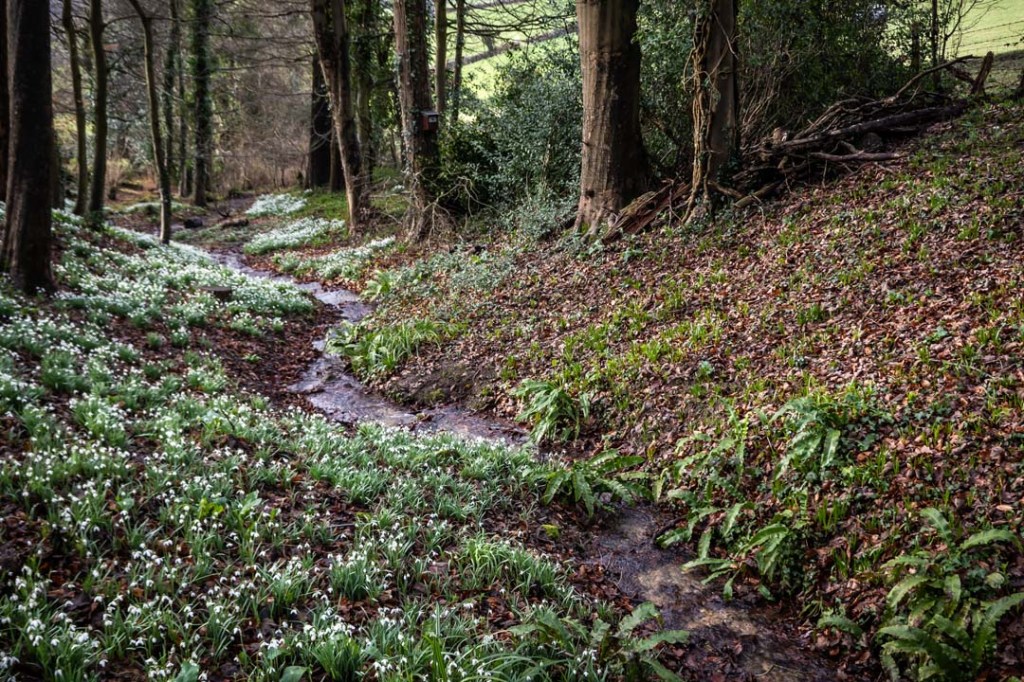
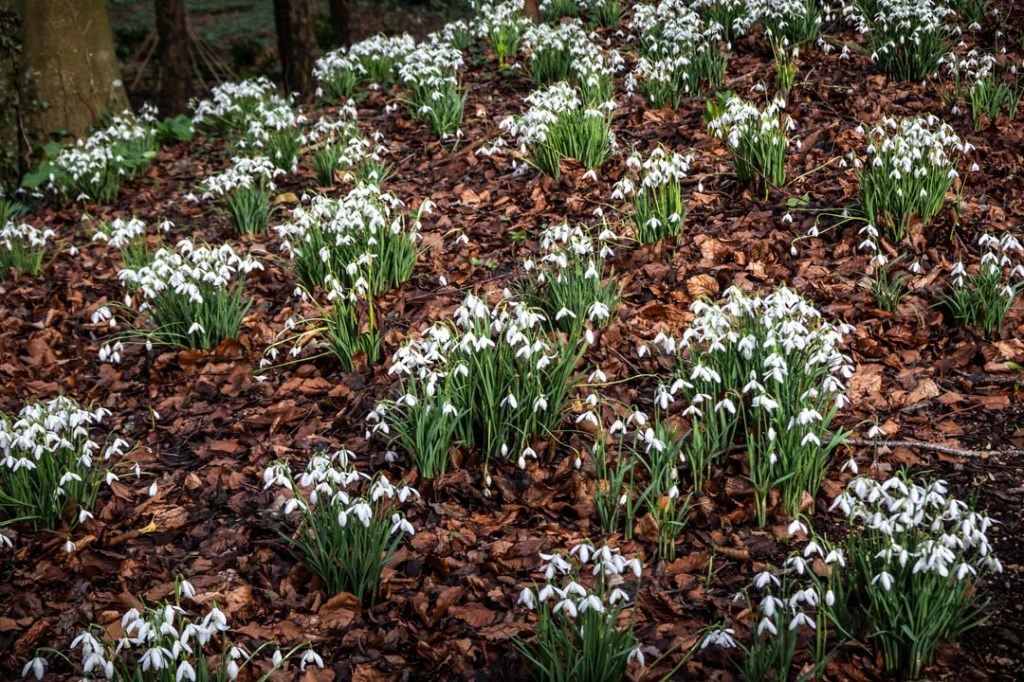
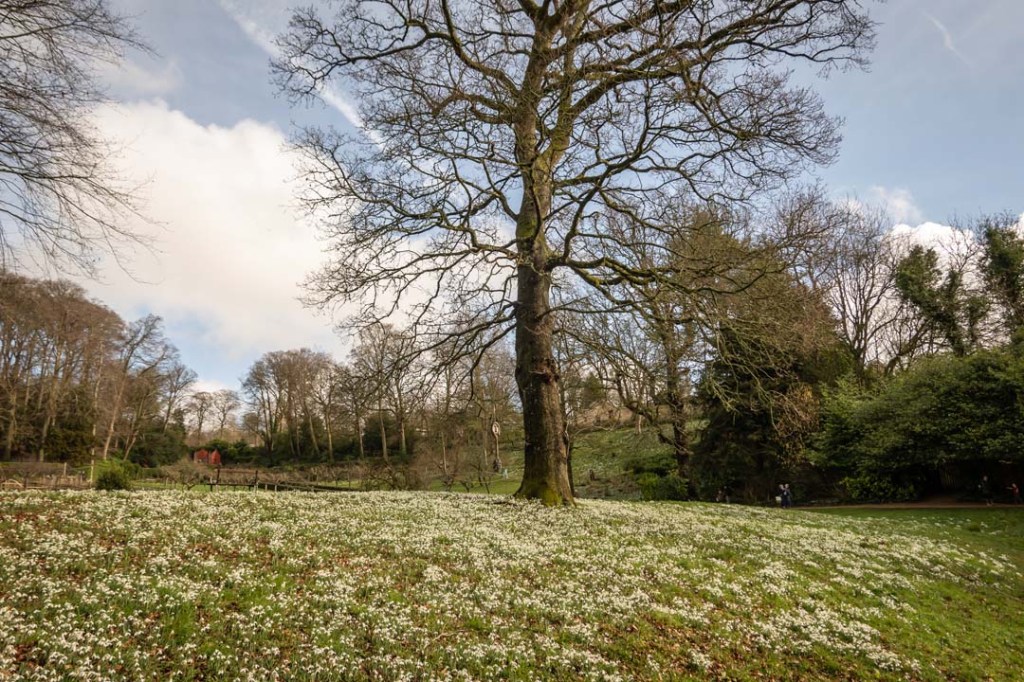
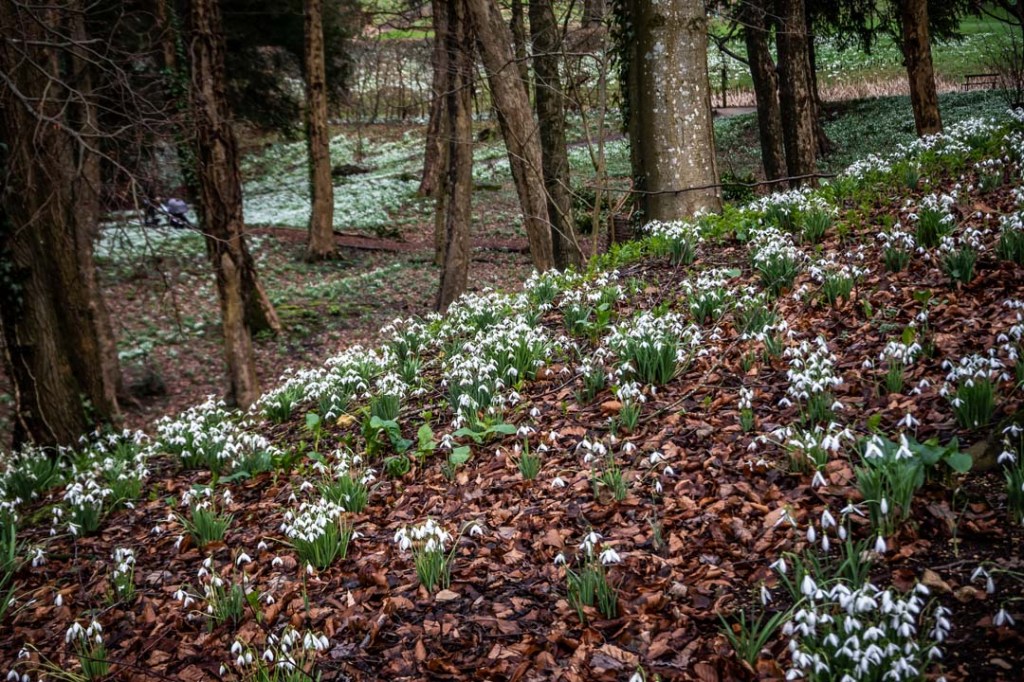
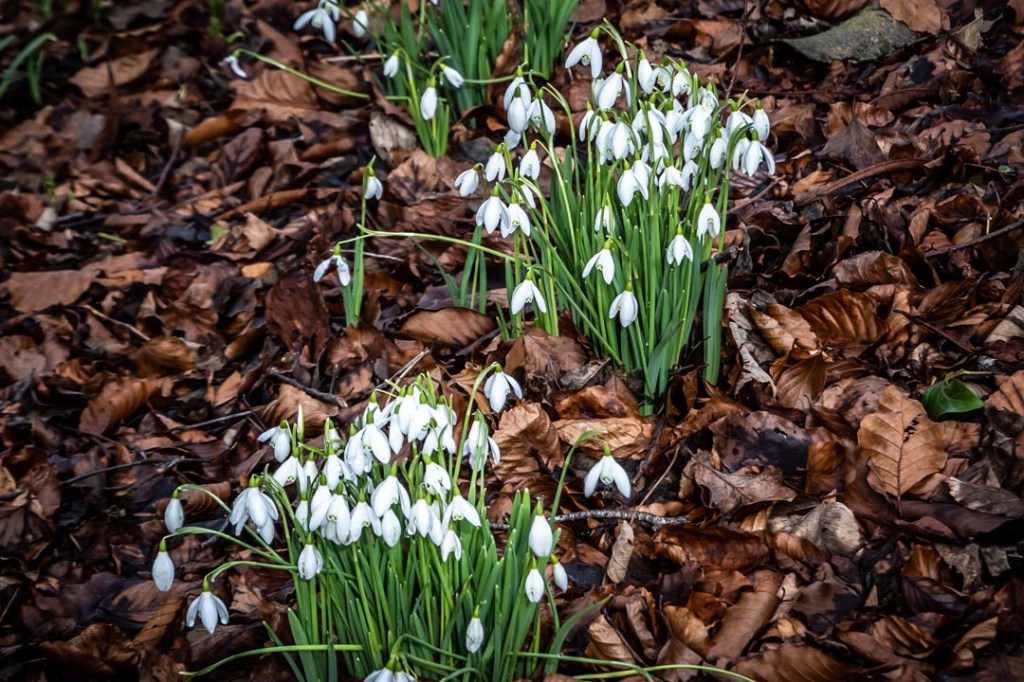
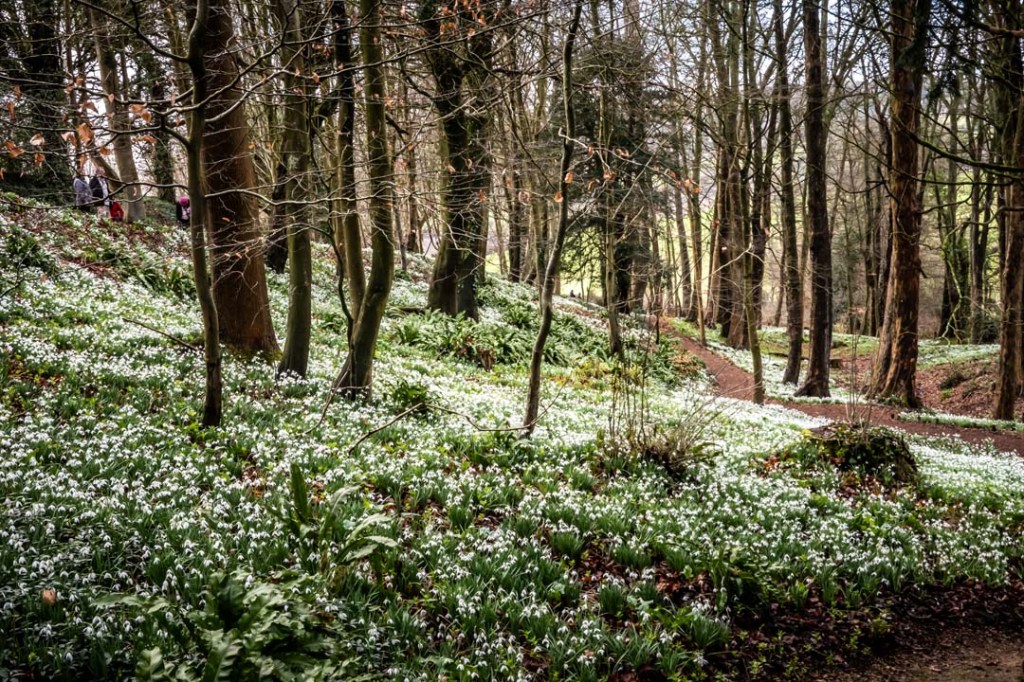
Painswick Rococo Garden near Stroud on the edge of the Cotswolds in Gloucestershire is currently resplendent with its display of snowdrops and hellebores.
The Rococo Garden website:
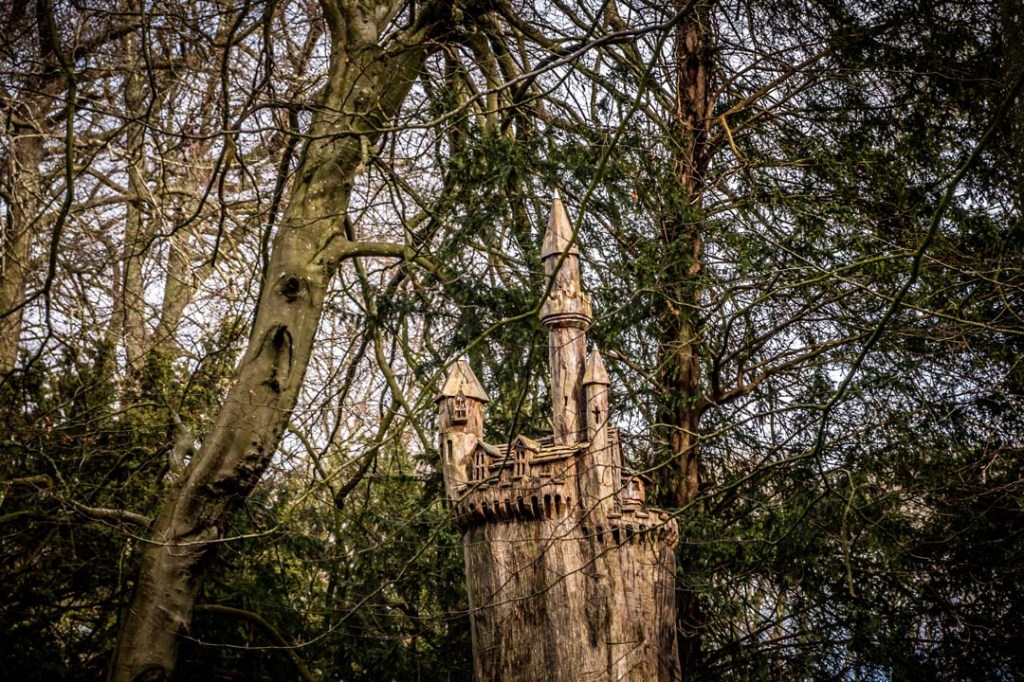
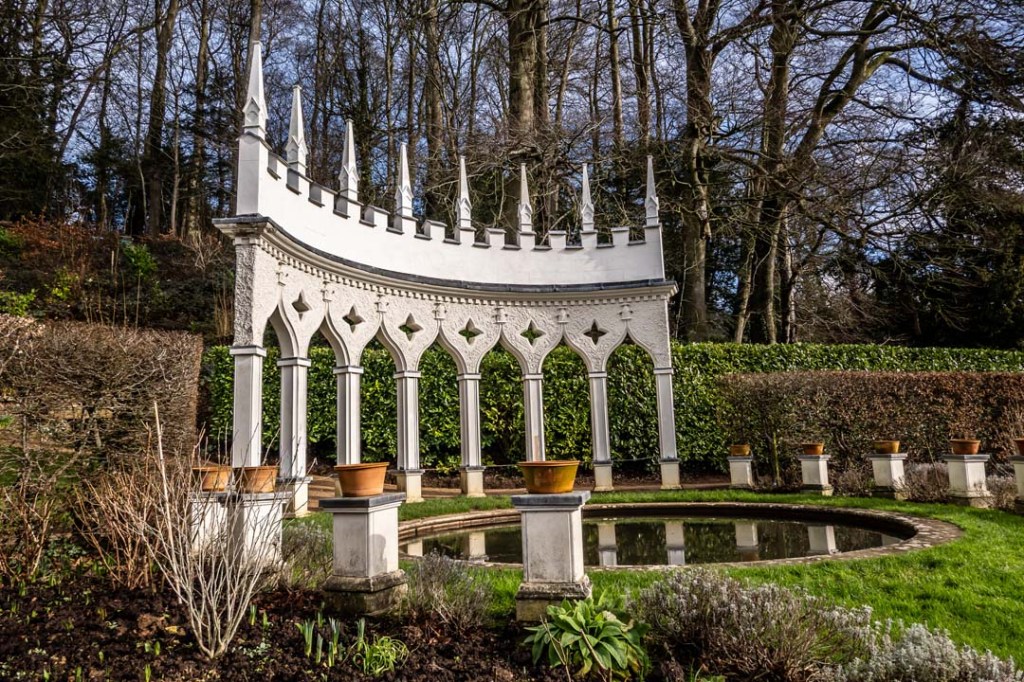
“Painswick Rococo Garden is quirky and pretty unique. Designed in the 1740s as a fanciful pleasure garden for the owner of Painswick House and his guests, today it’s a place to roam free, to get up close and personal with nature, or to feel the warmth of the sun on your face as you take in the spectacular views of the Cotswold countryside and magical follies”
I must admit it was great to see the light of the sun even though we couldn’t quite feel its warmth.
This wasn’t really a birding trip but we did enjoy hearing the drumming of a great spotted woodpecker. The great tits and robins were particularly vociferous too but the only visuals (apart from the carved tawny owl) were 8 moorhens on the pond.
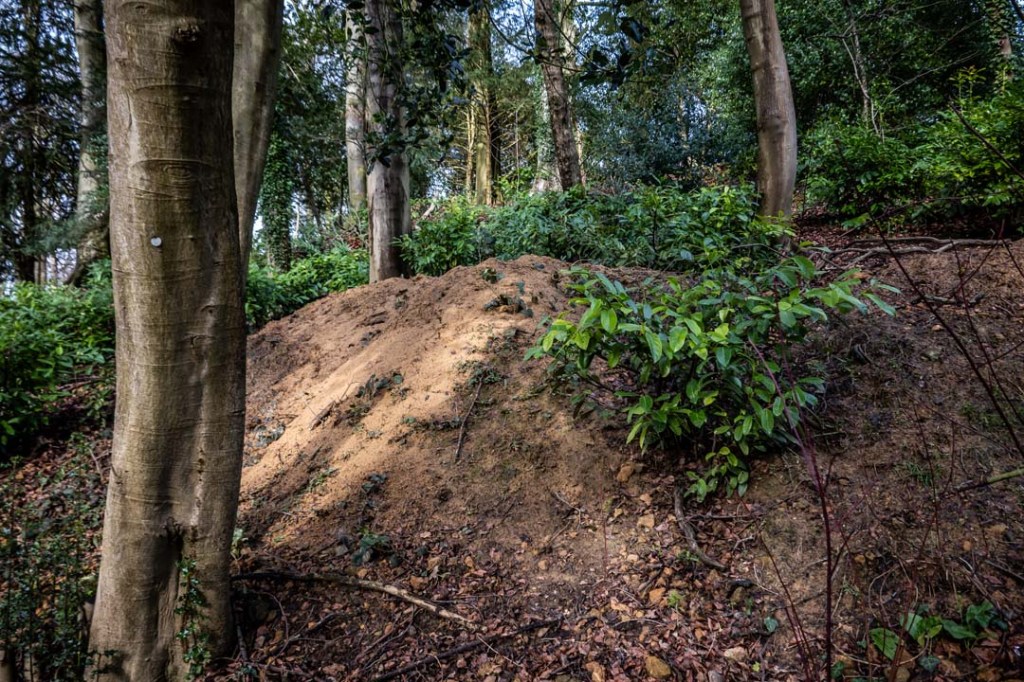
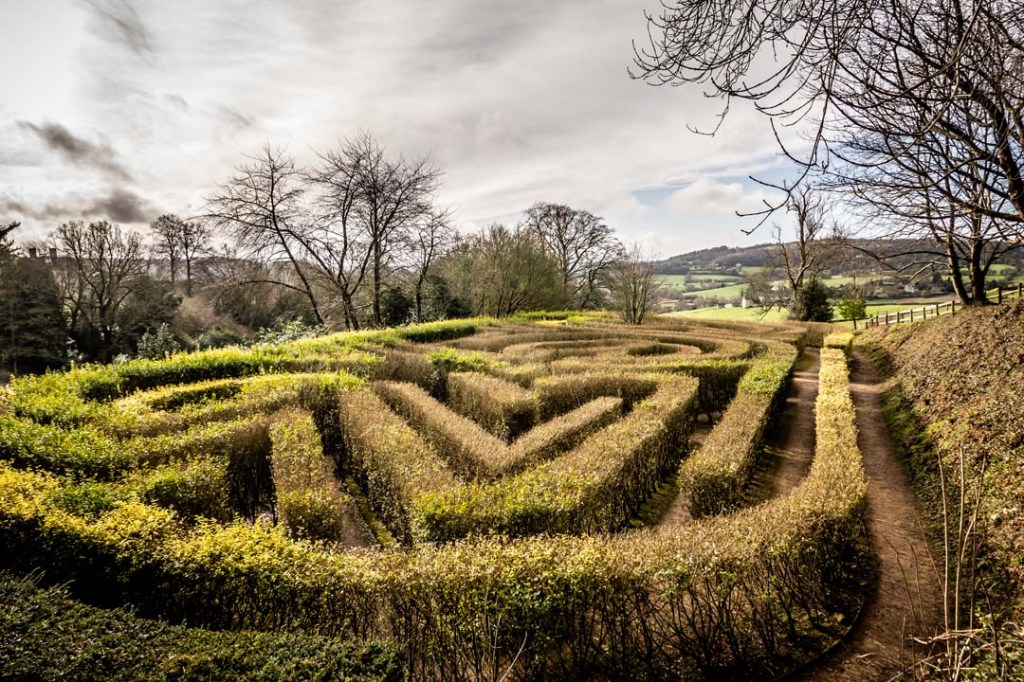
Snowdrops and helleboresSnowdrops and crocuses Swathes of snowdrops in the woodland,,, and following the streamThe formal gardens come to their own later in the year“Magical follies”Up close with natureA badger’s setRococo – of or relating to an artistic style especially of the 18th century characterized by fanciful curved asymmetrical forms and elaborate ornamentation
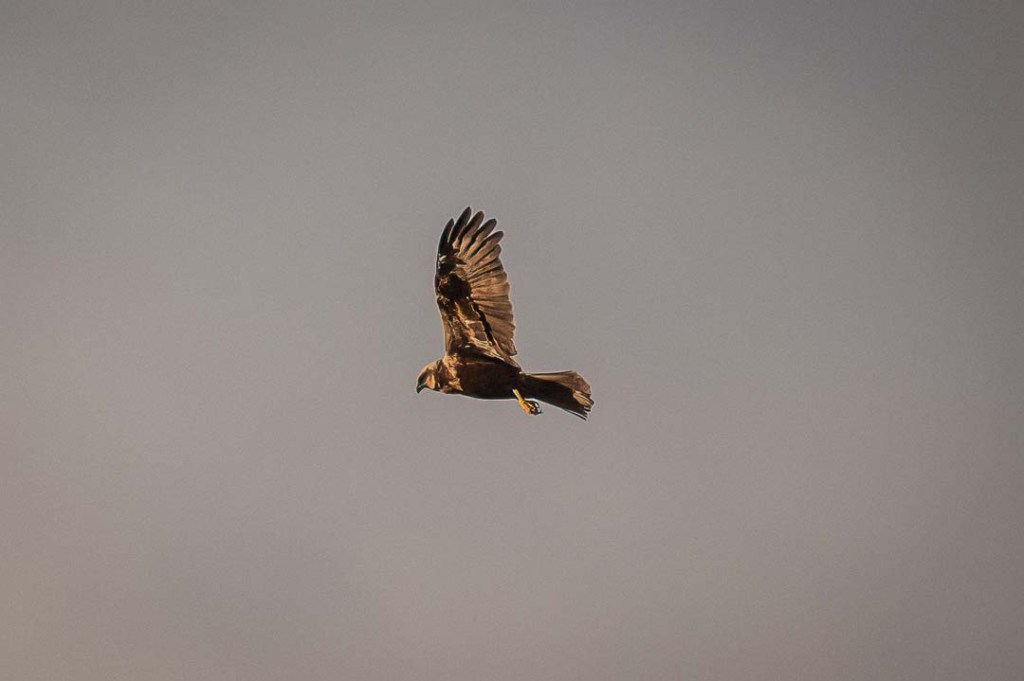
It was cold on the Avalon Marshes today and the brighter weather that the forecasters predicted never materialised. This is one of my favourite spots for birding but today, even though I saw some interesting birds , I wasn’t enthused by my day out. Never-mind, I know it will be worth coming again.
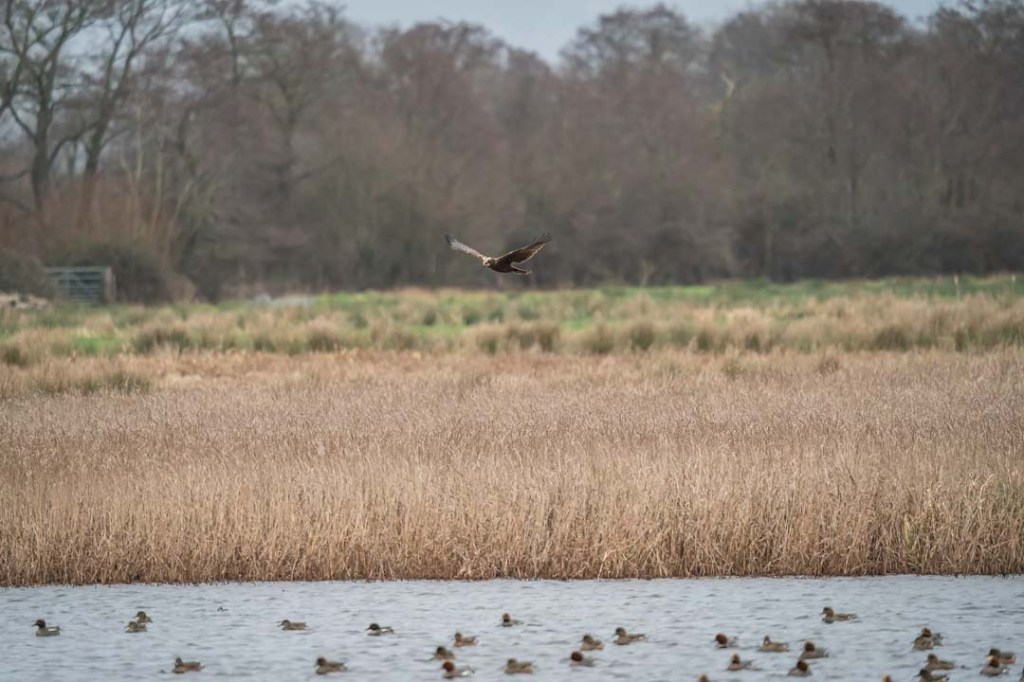
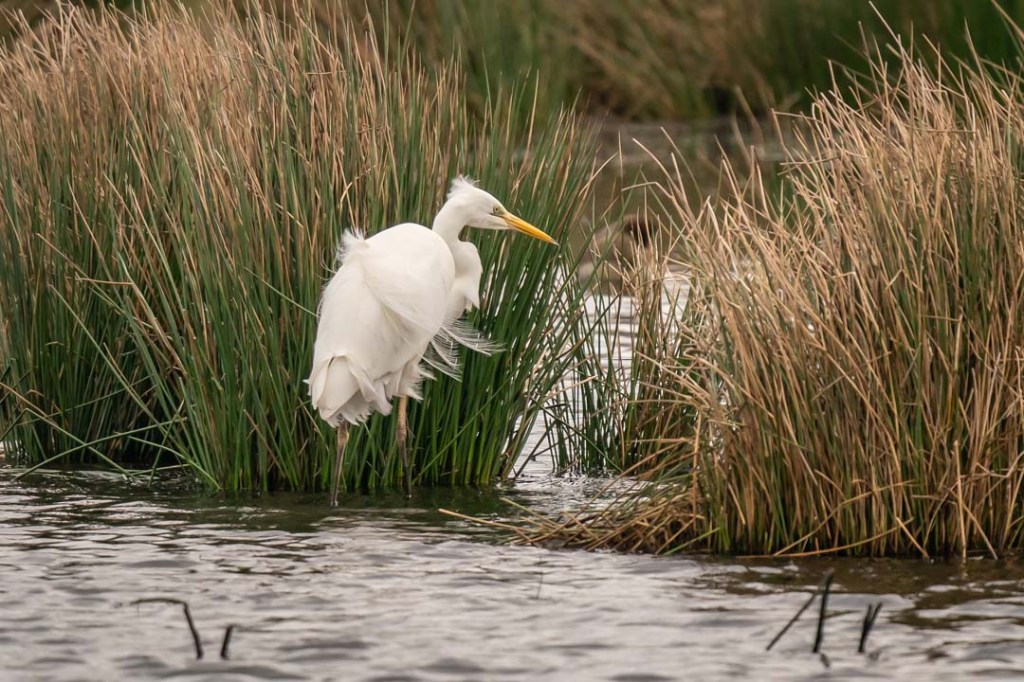
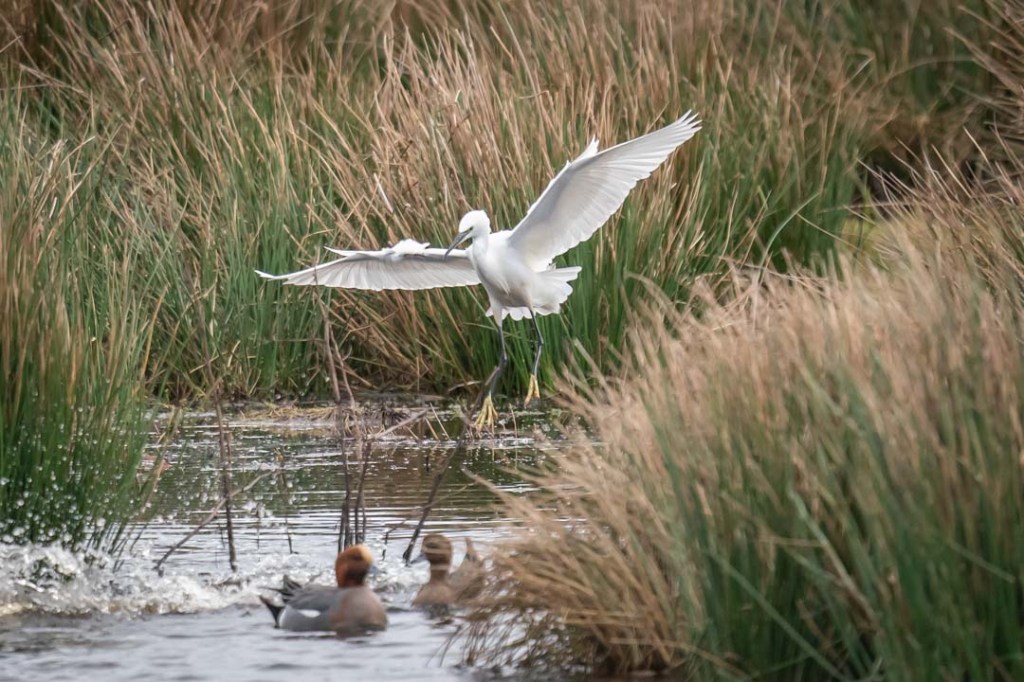
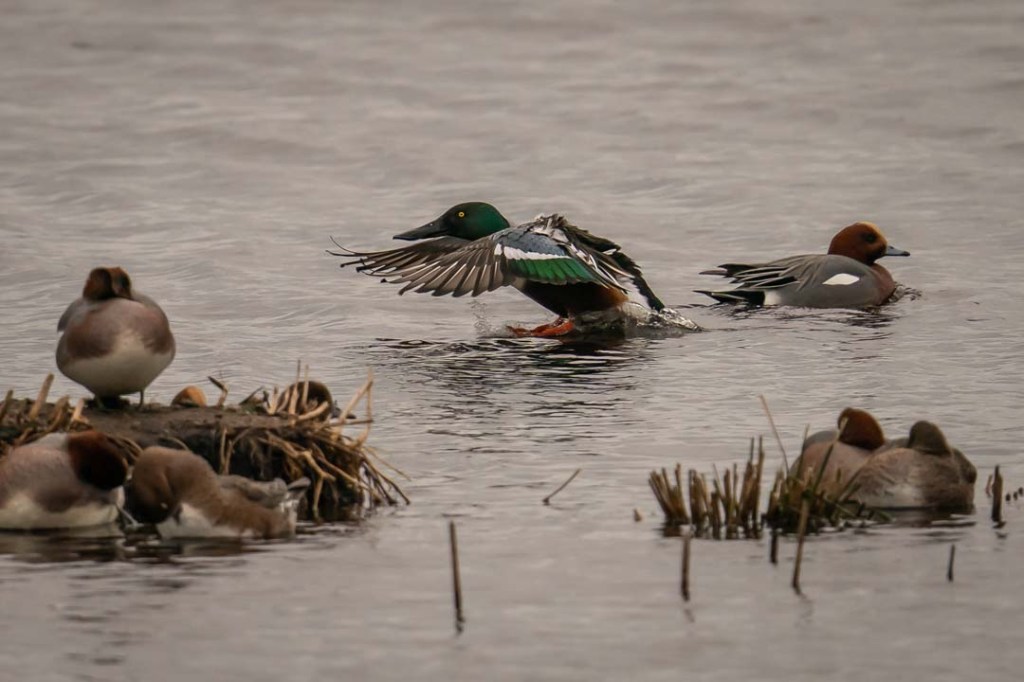
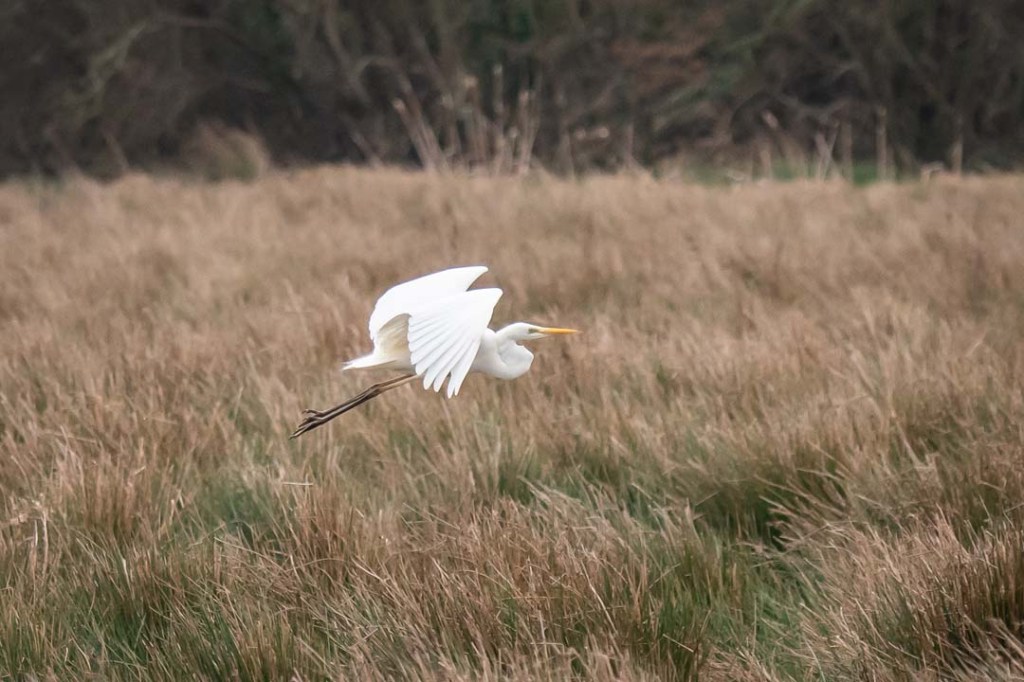
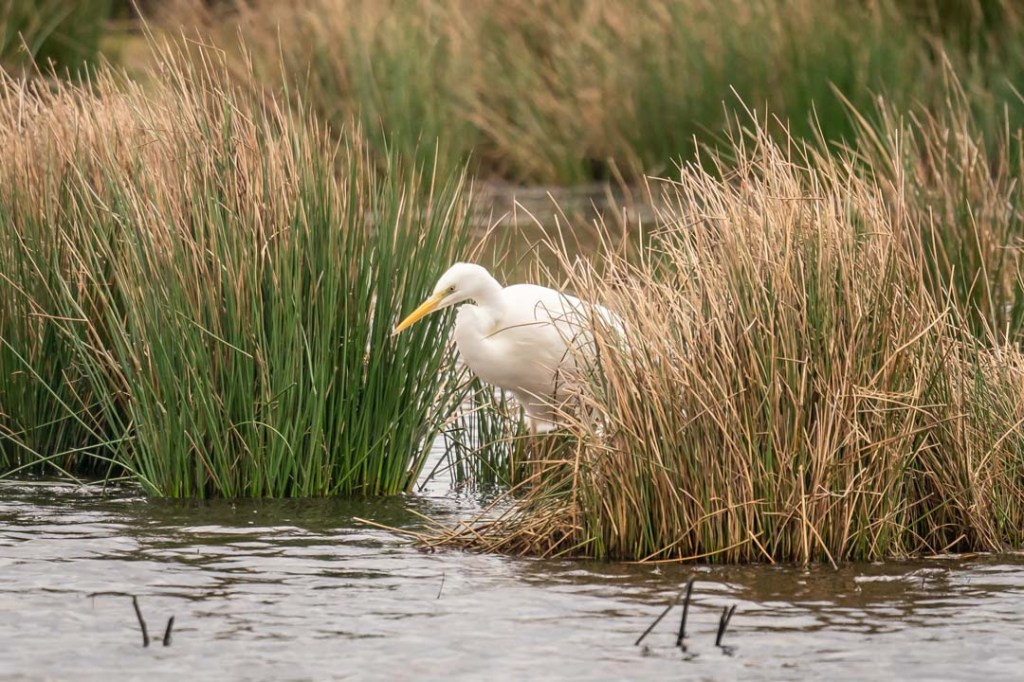
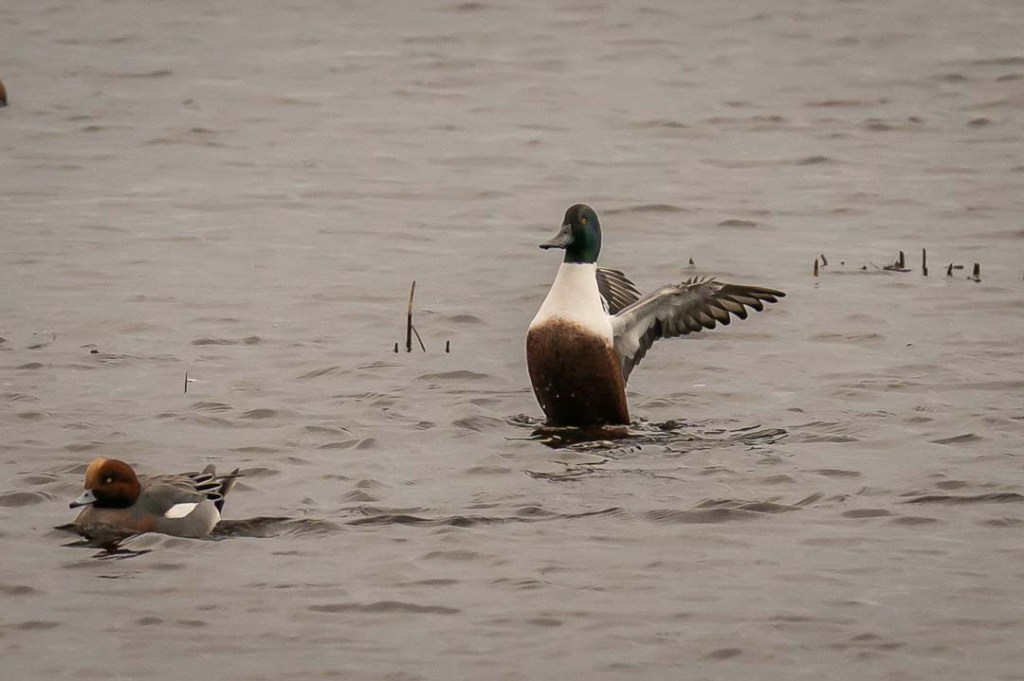
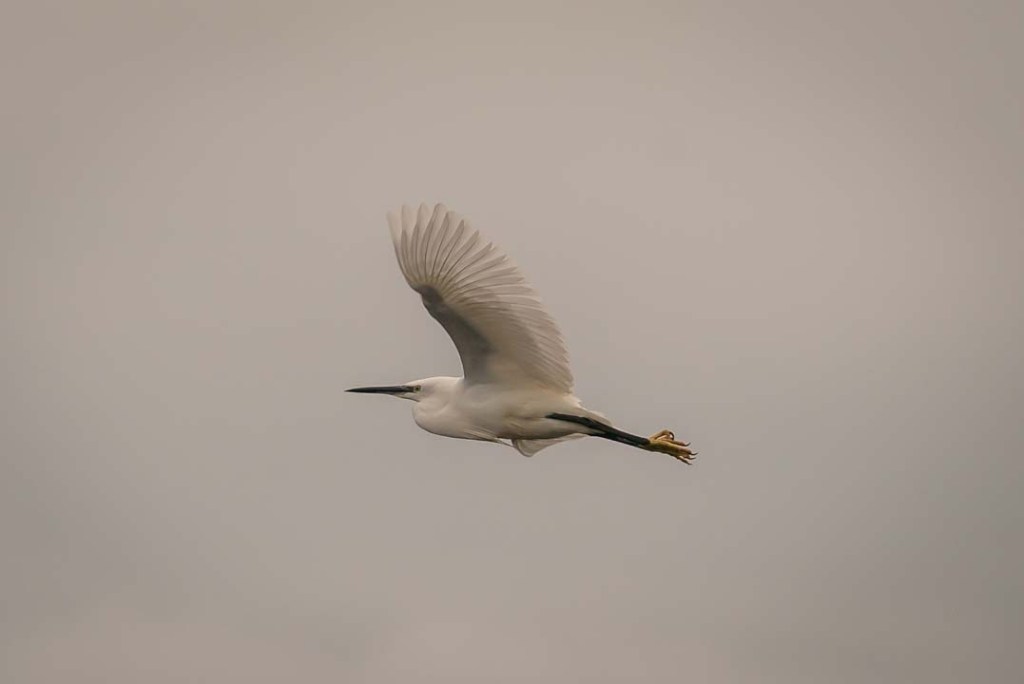
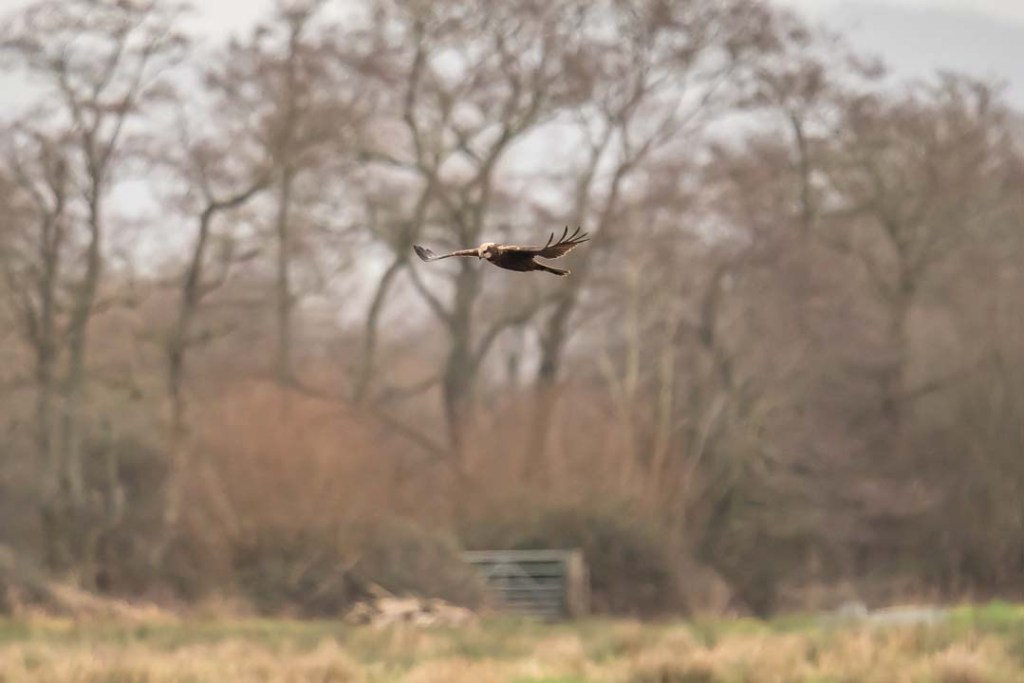
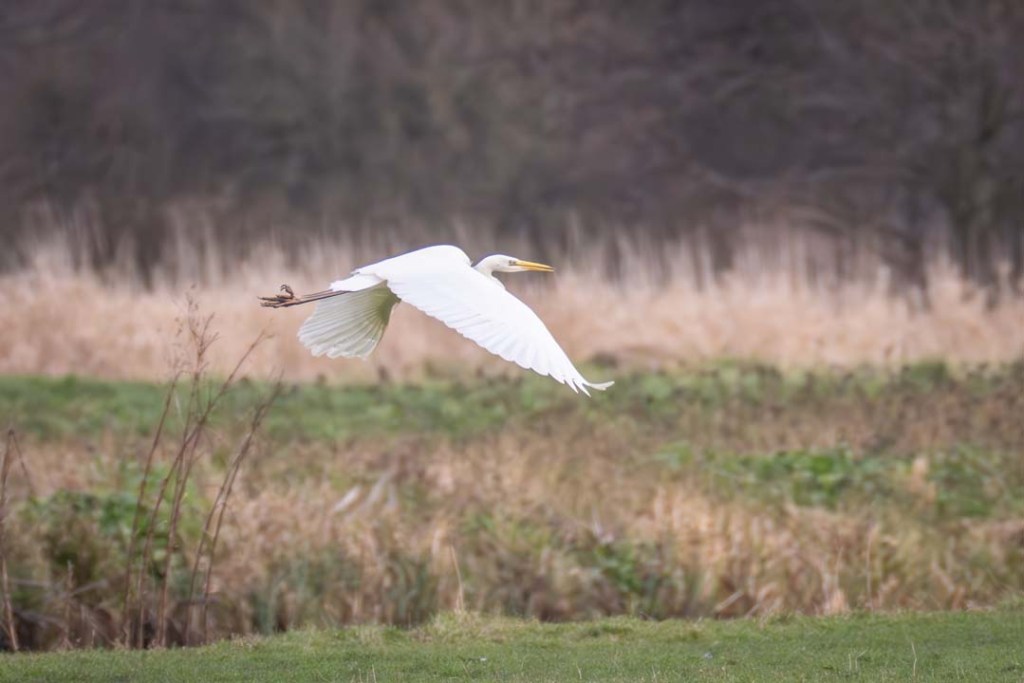
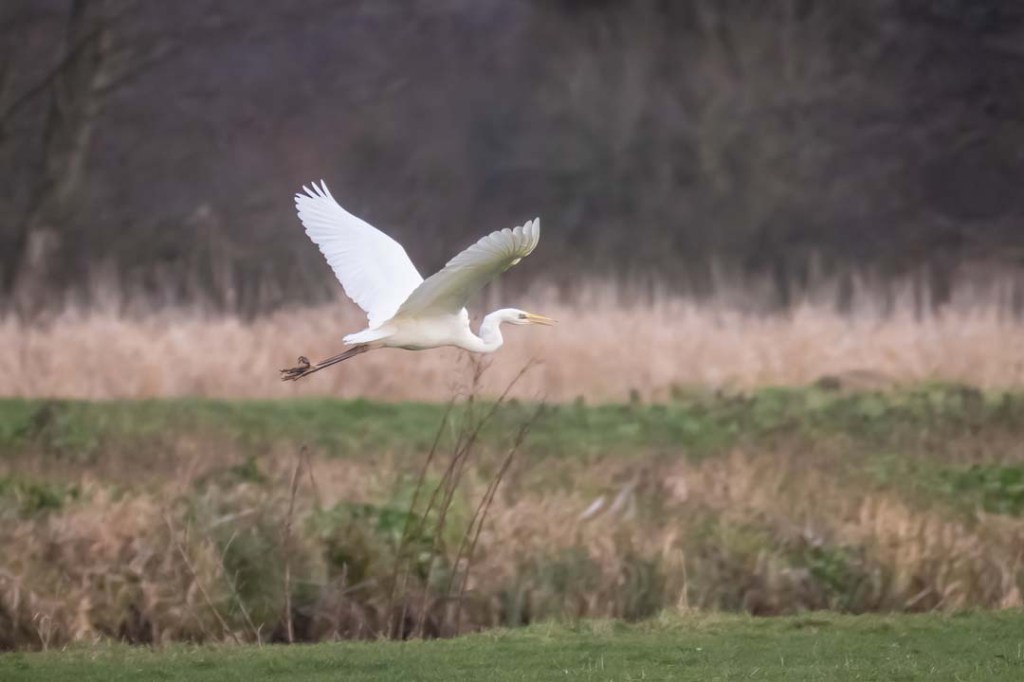
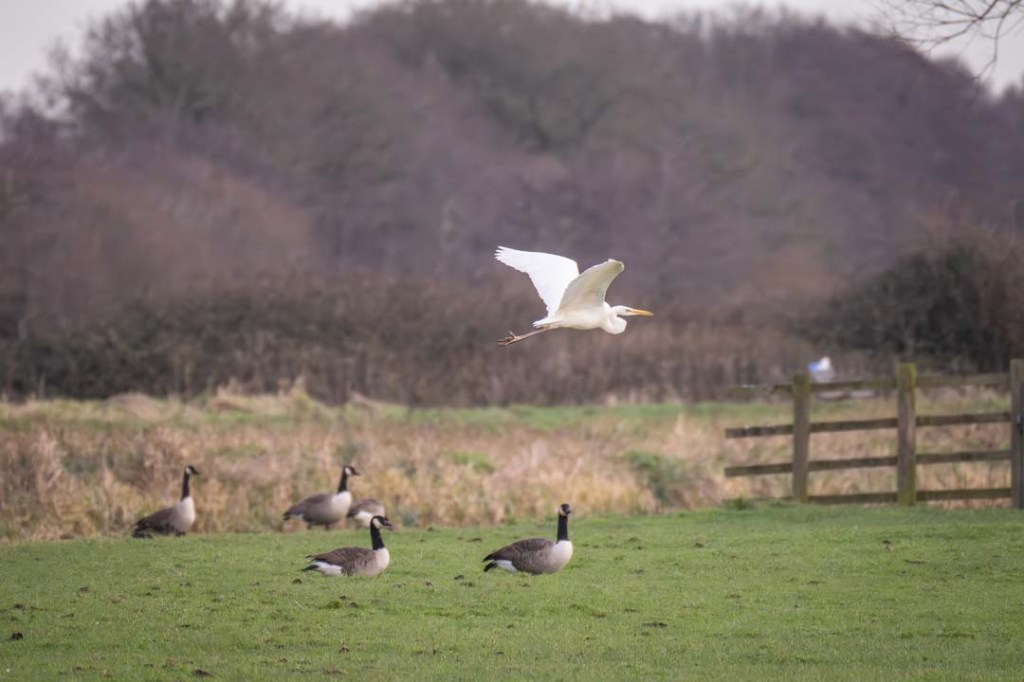
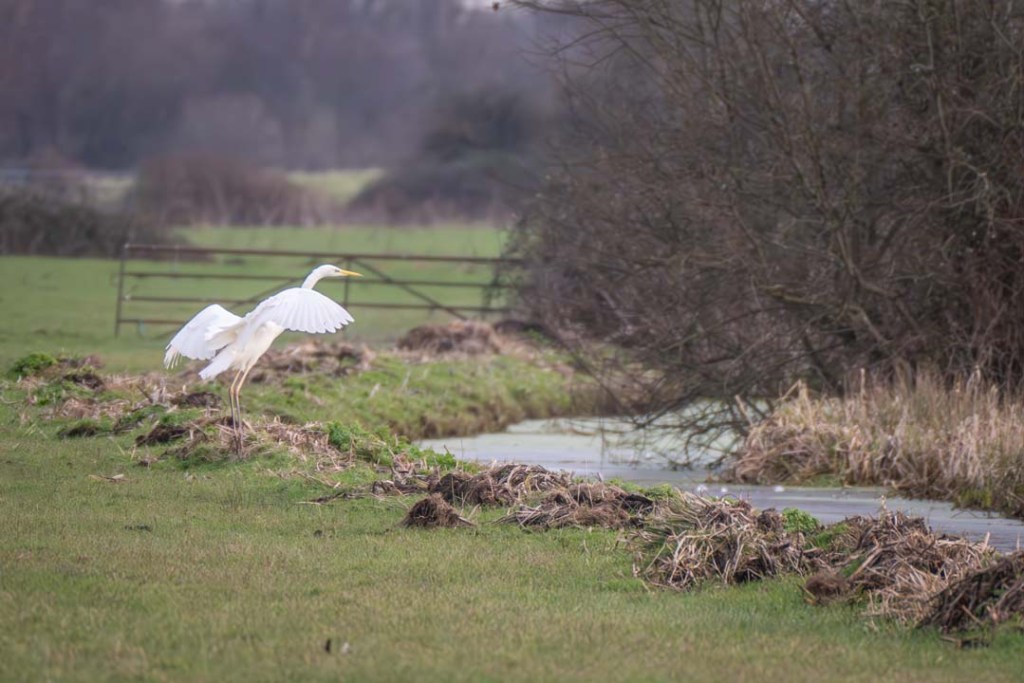
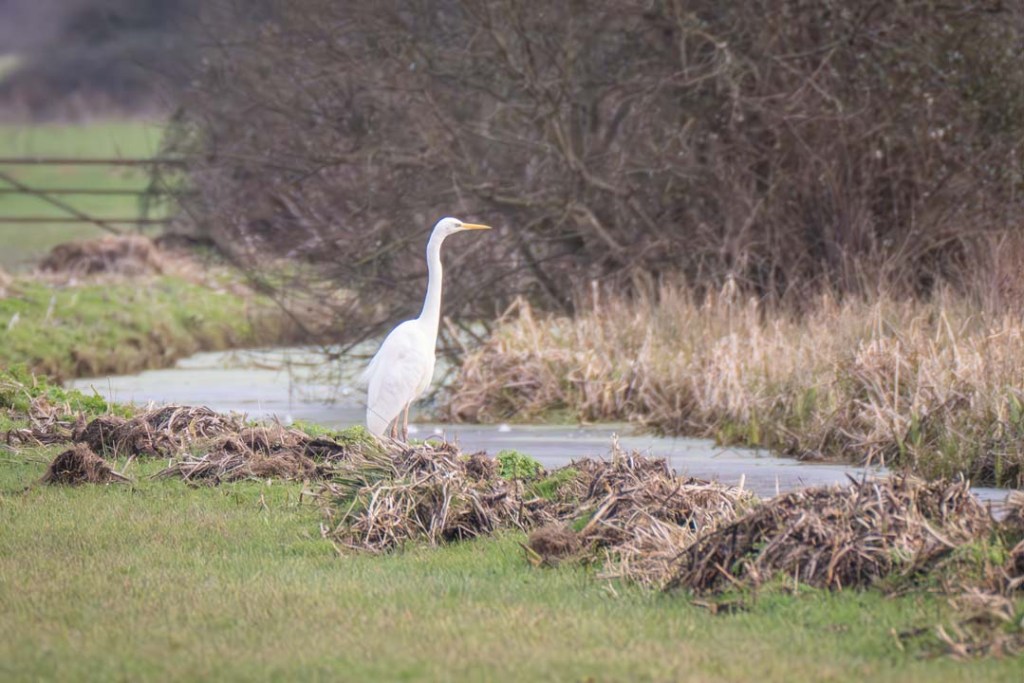
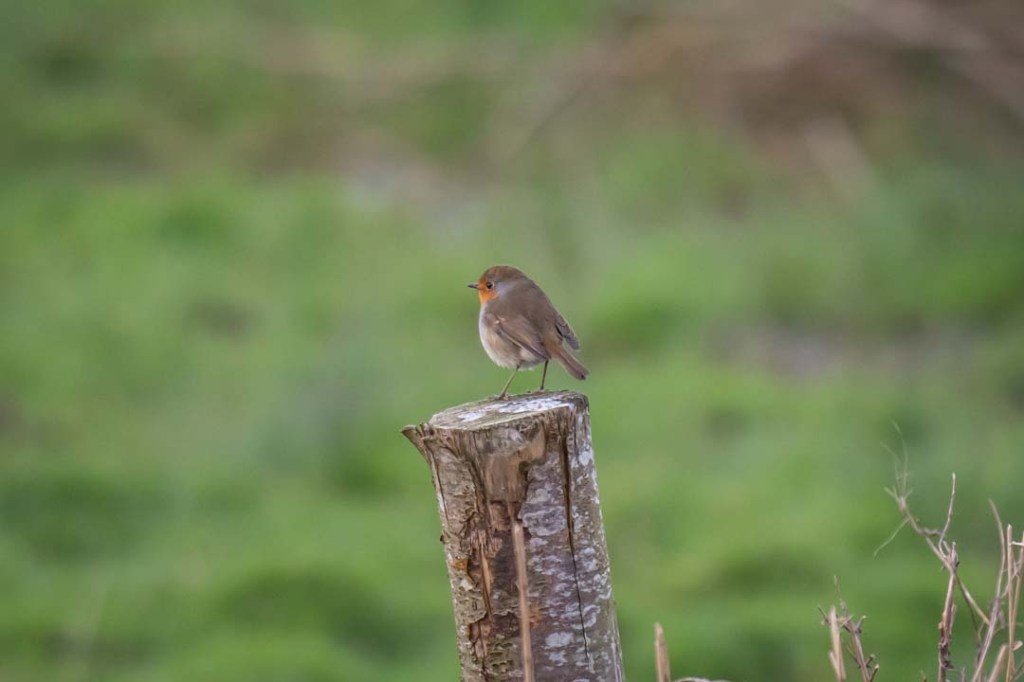
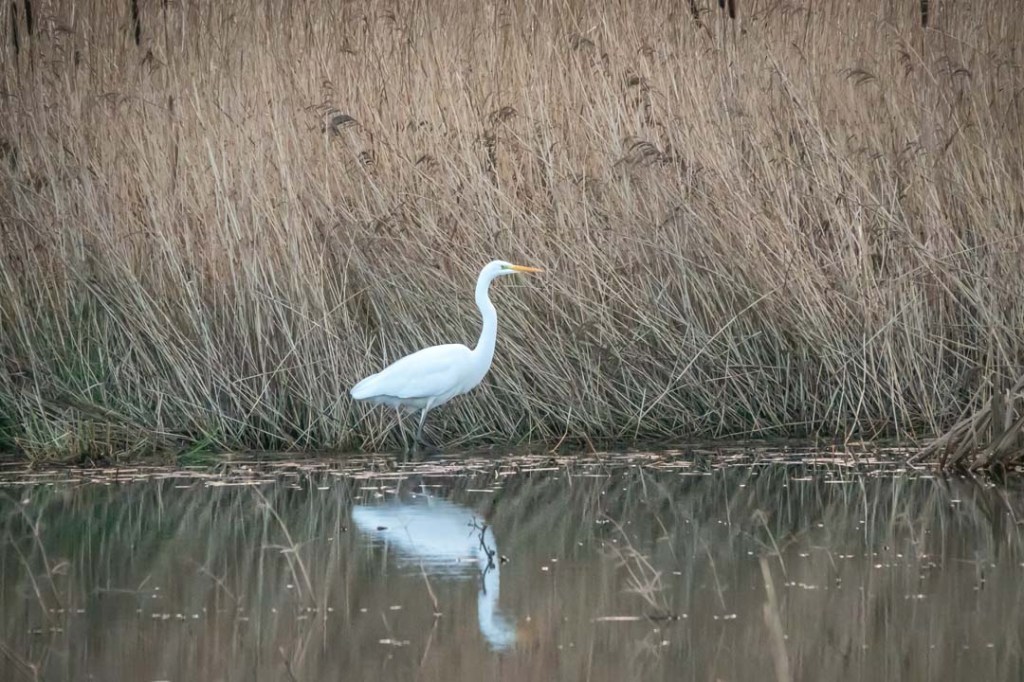
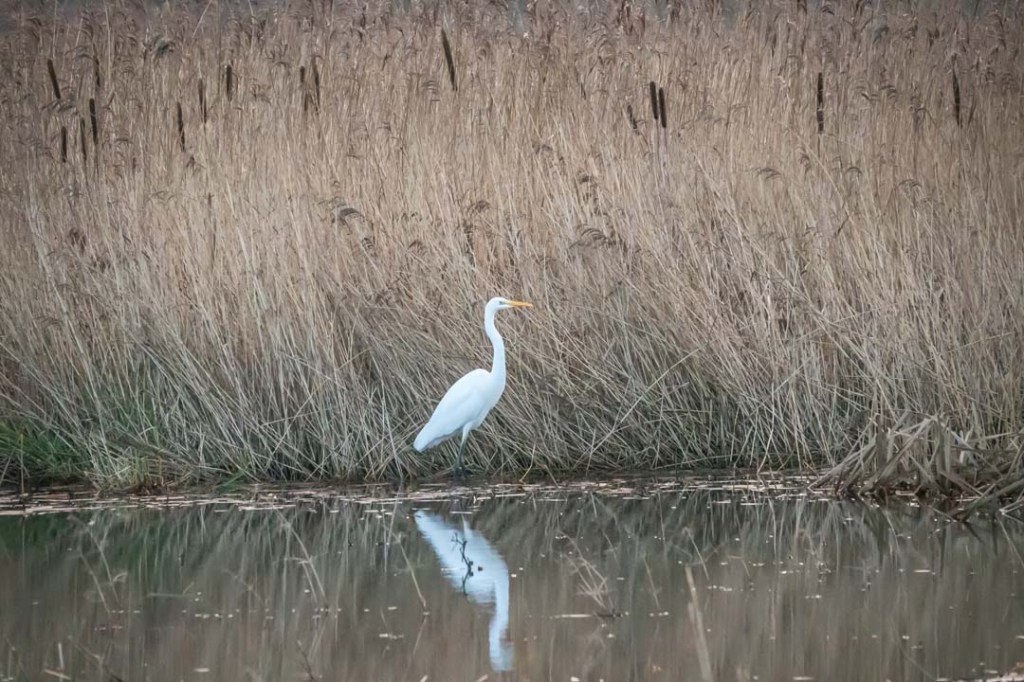
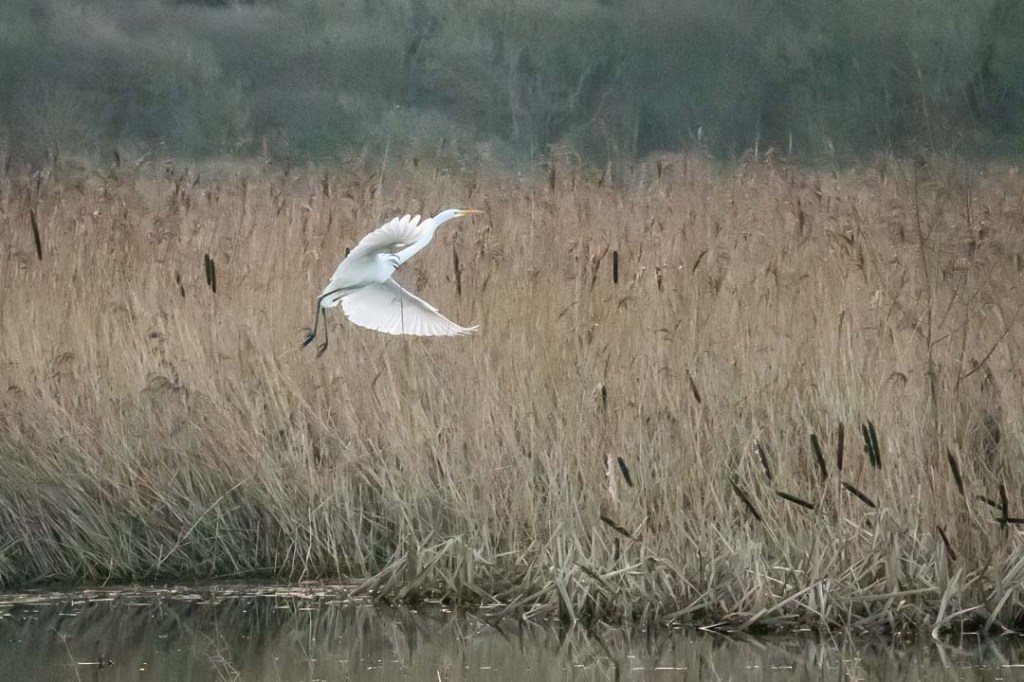
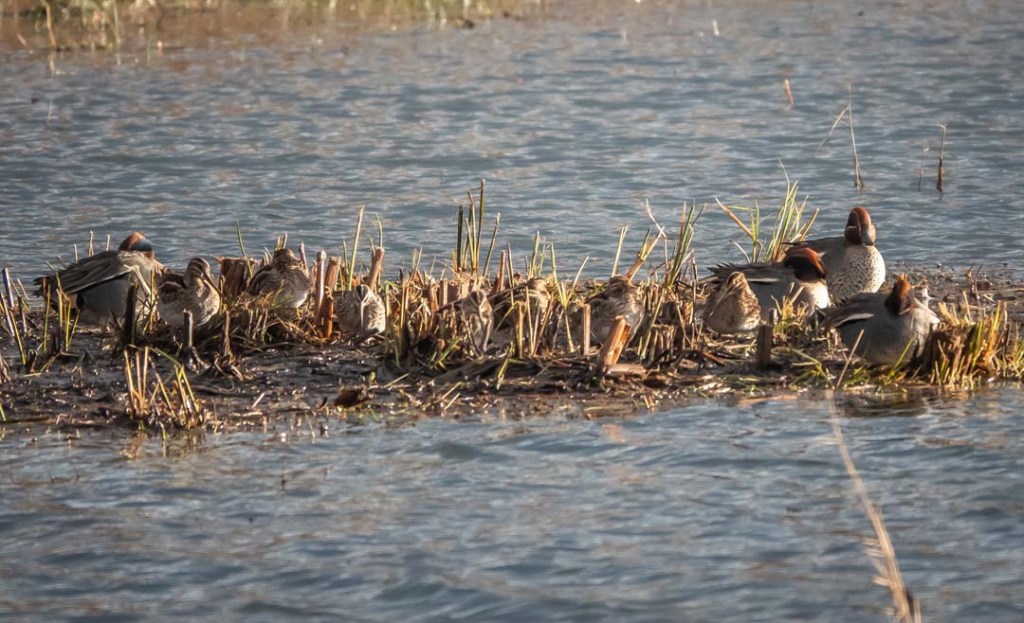
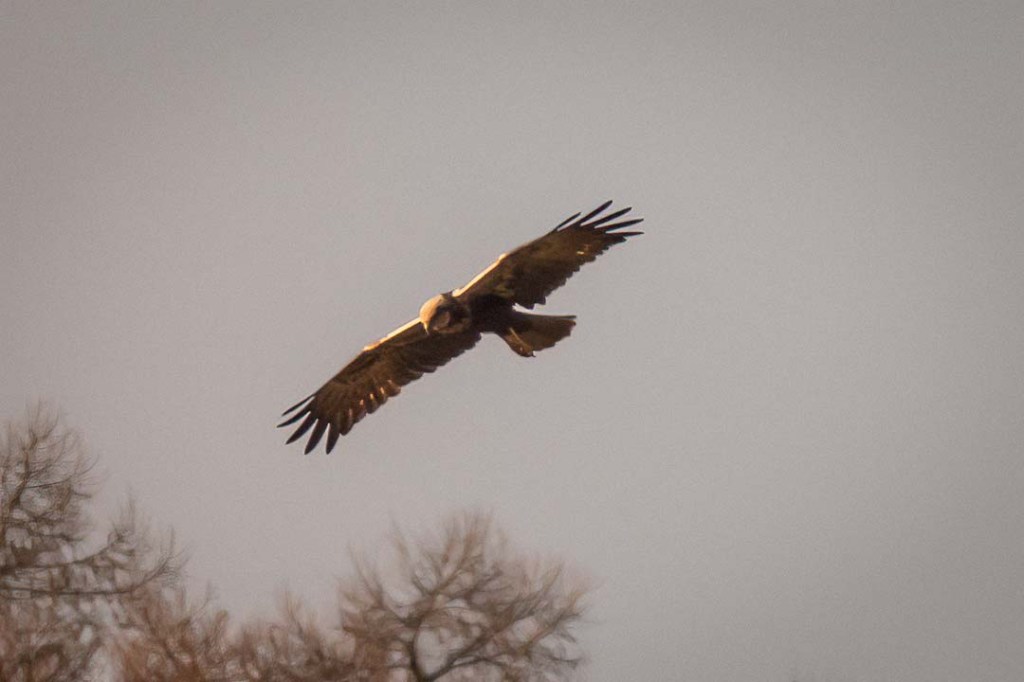
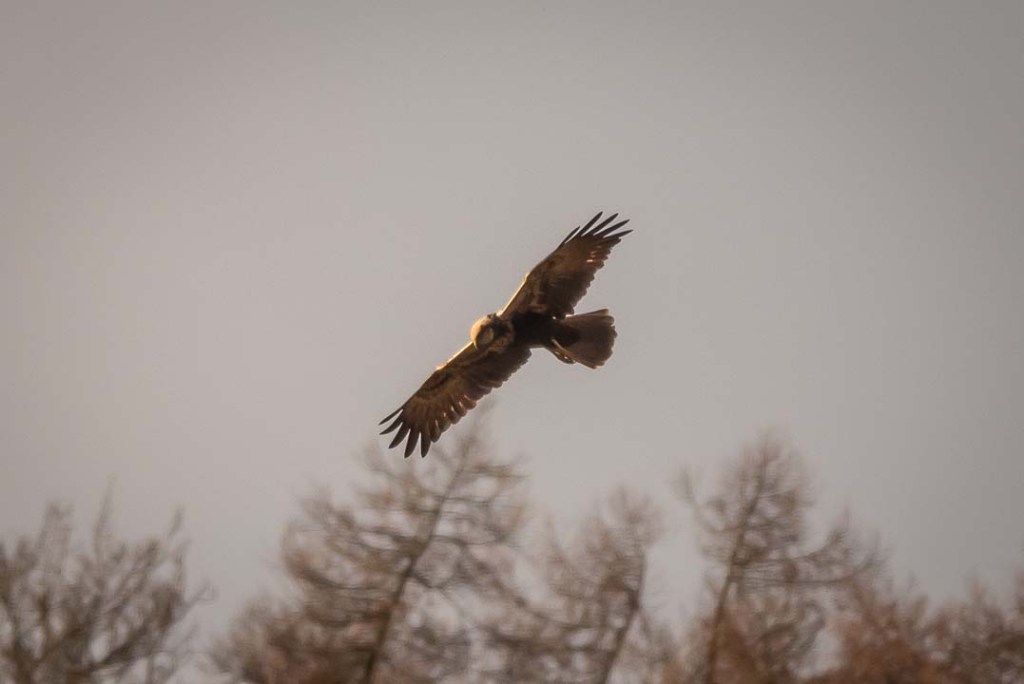
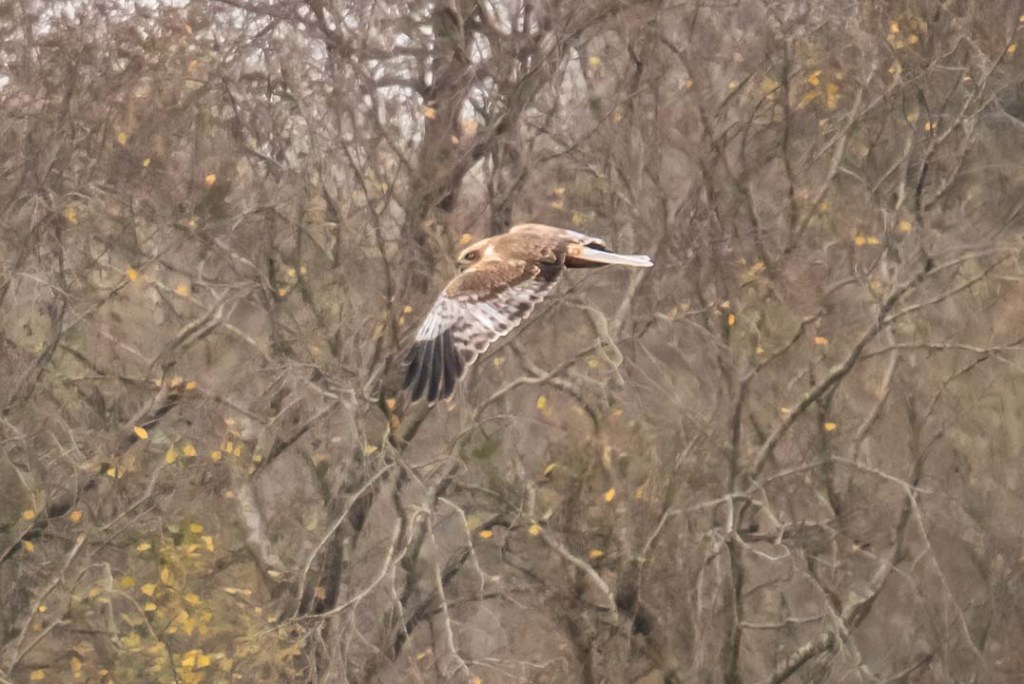
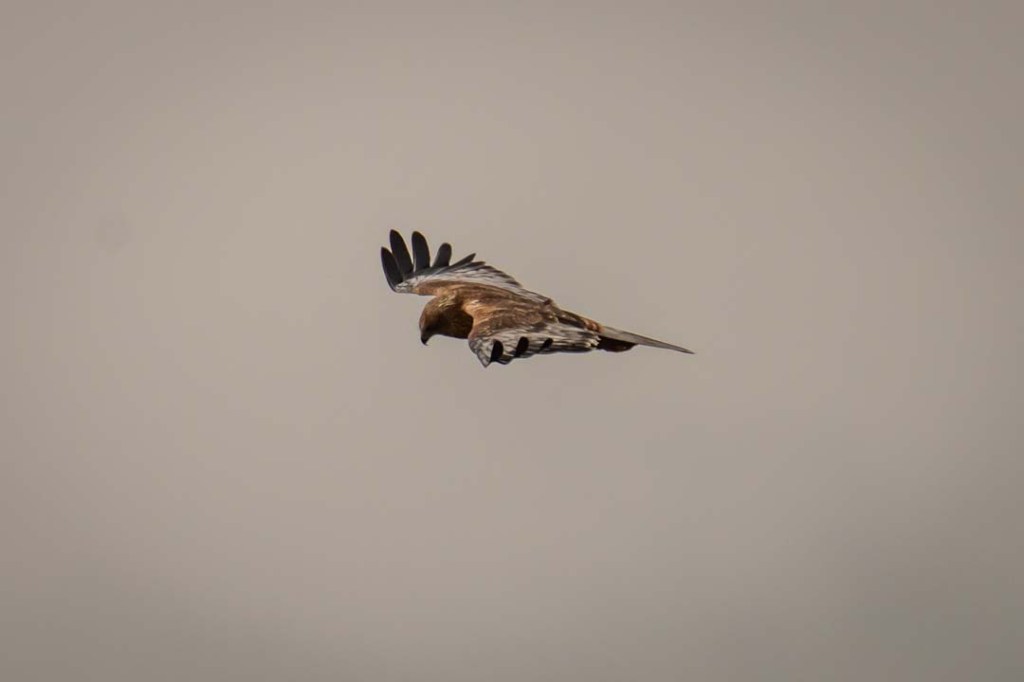
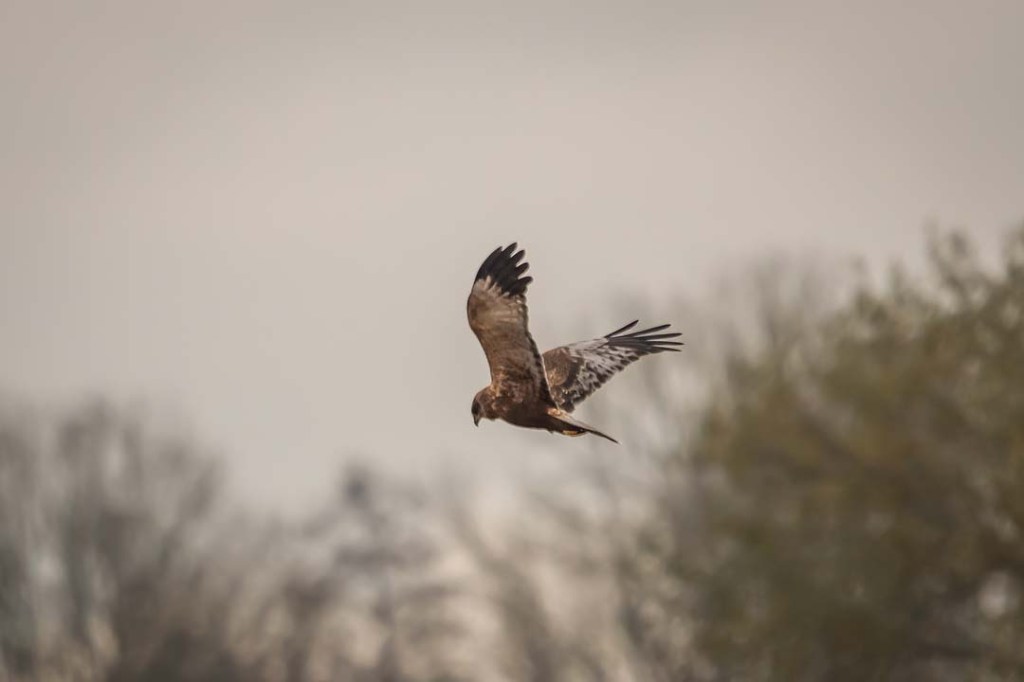
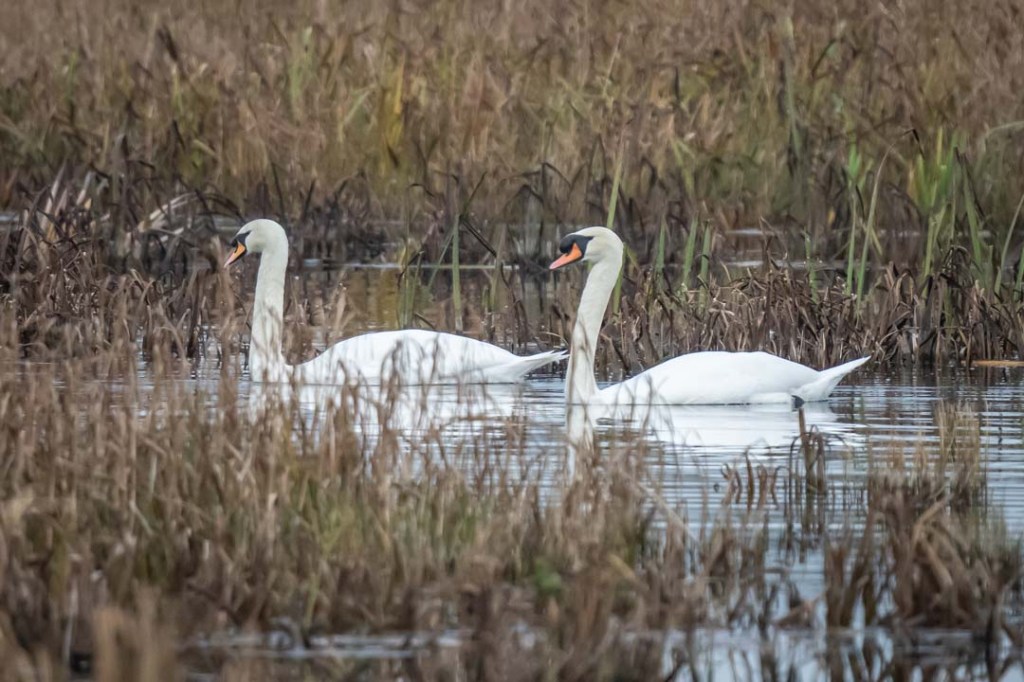
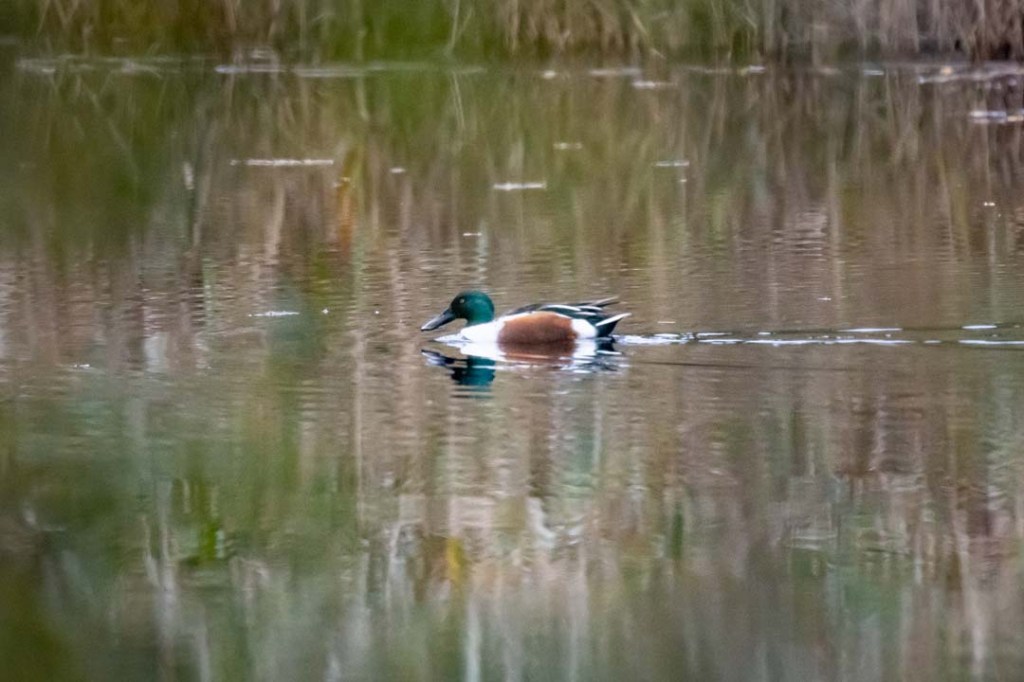
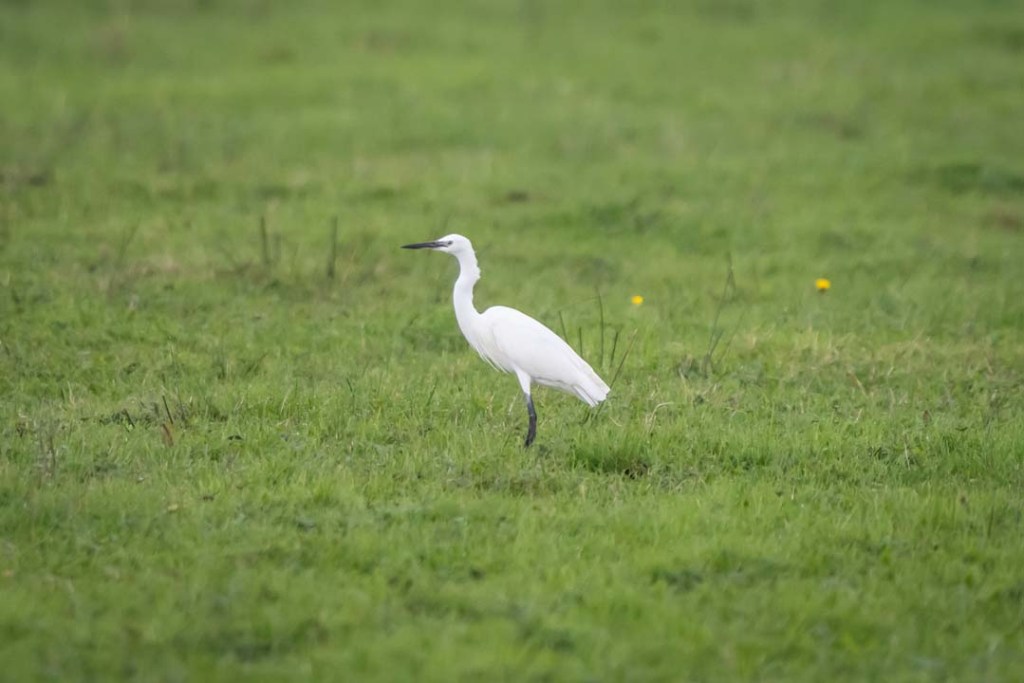
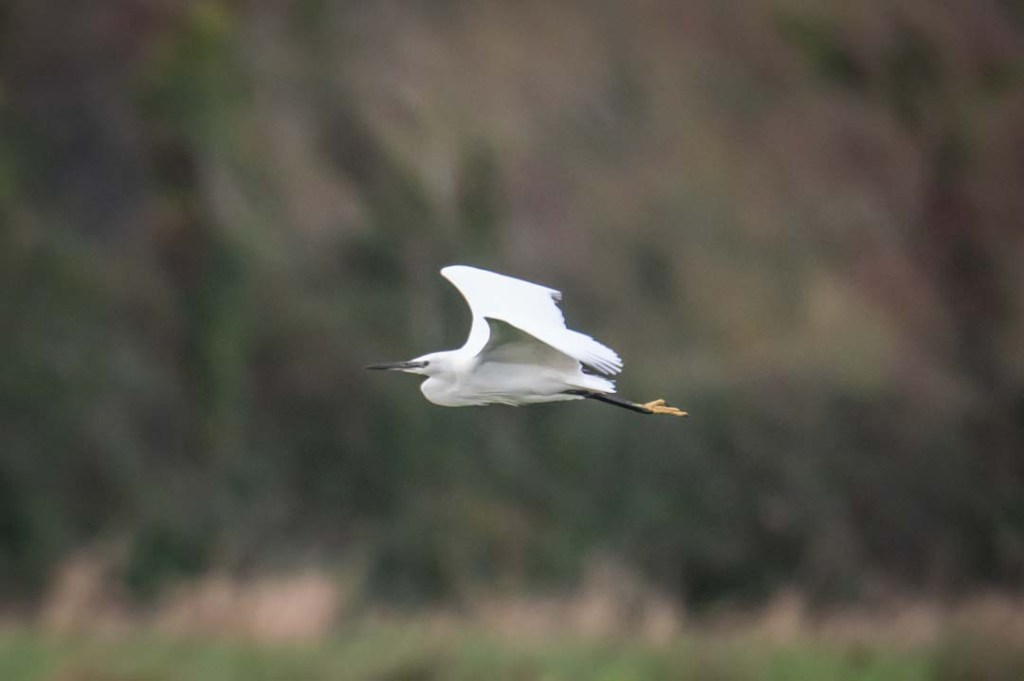
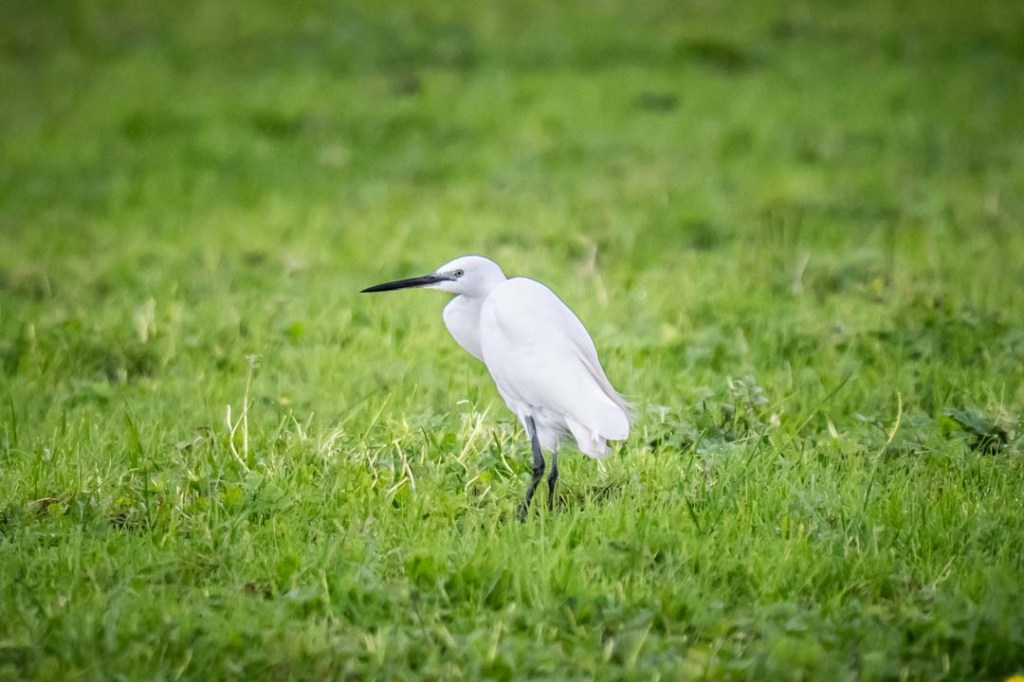
Marsh harrier looking for lunchGreat white egret didn’t have a flask of coffee to keep it warmLittle egret joining the partyNorthern shovelerWigeonMarsh harrierLittle egretGreat white egretLapwingRobinMute swan
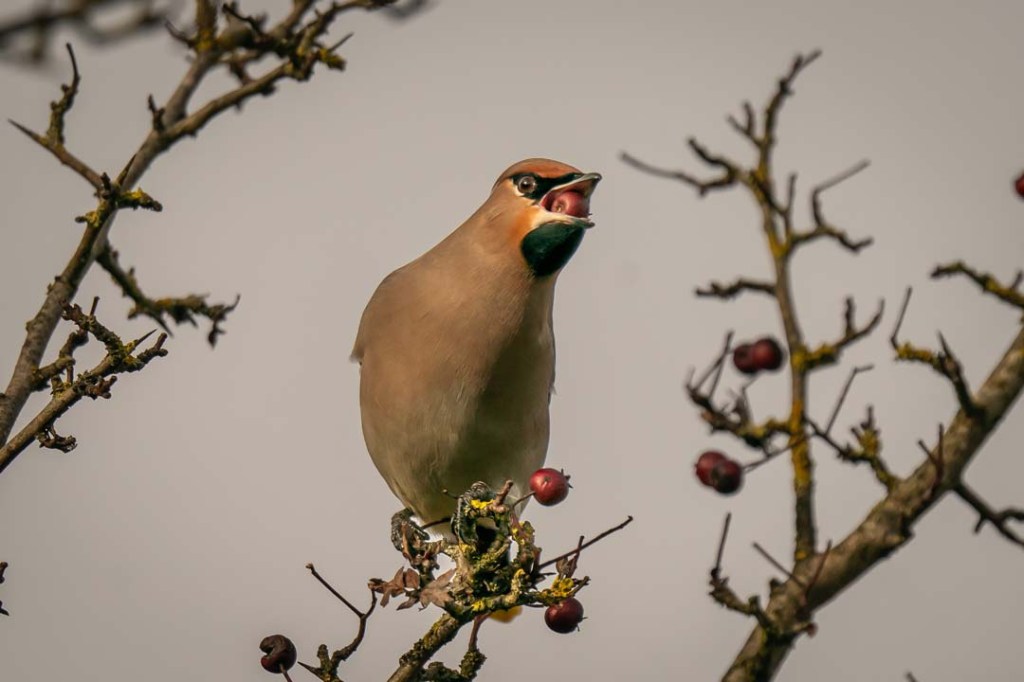
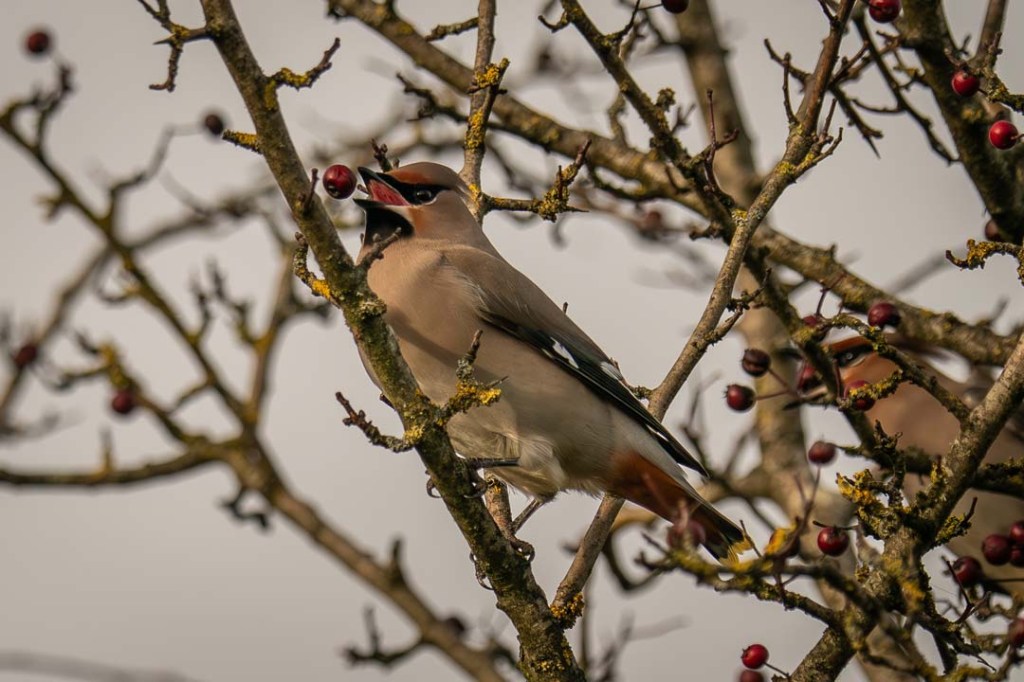
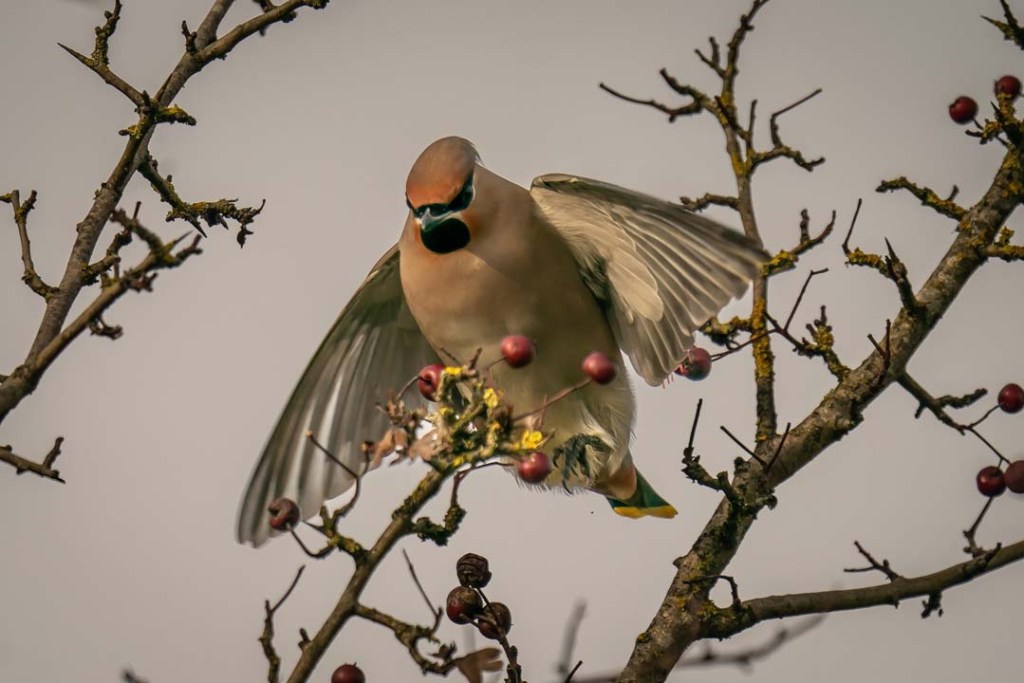
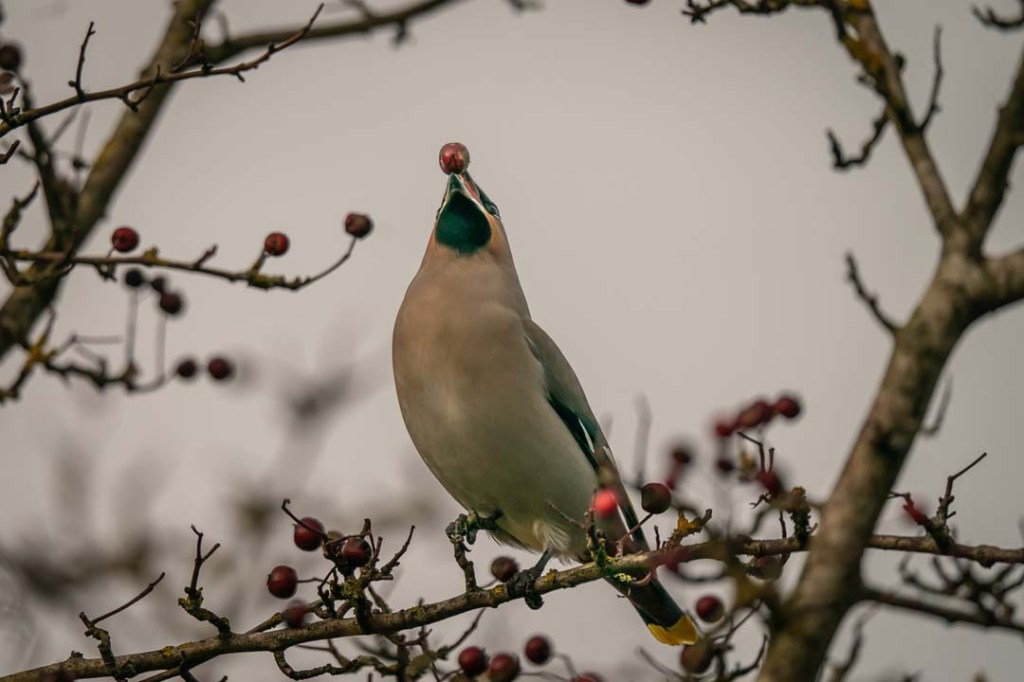
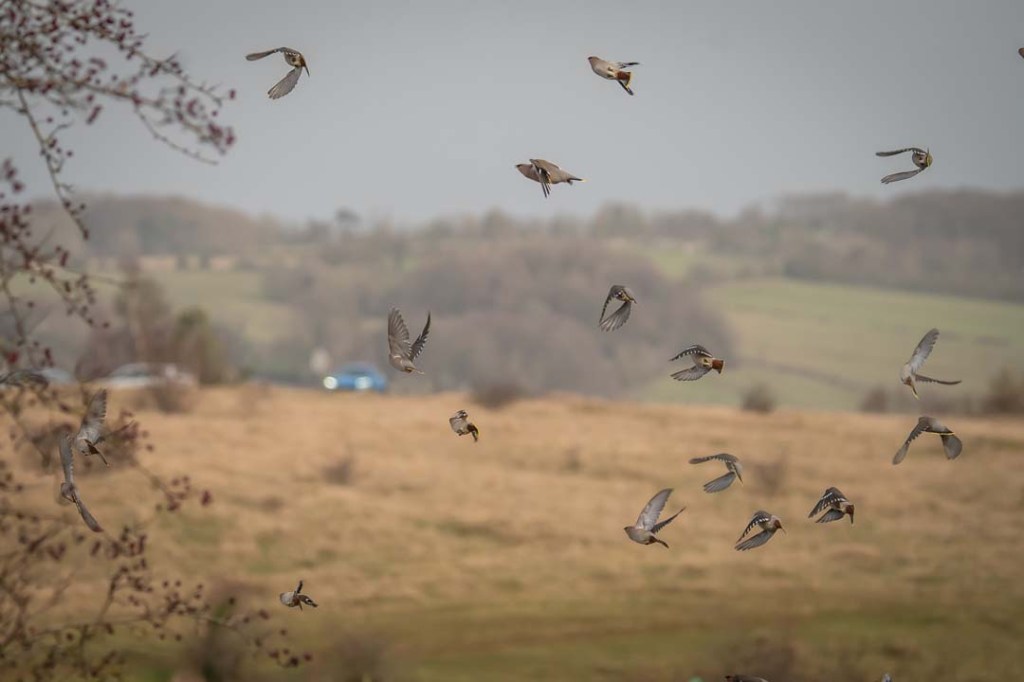
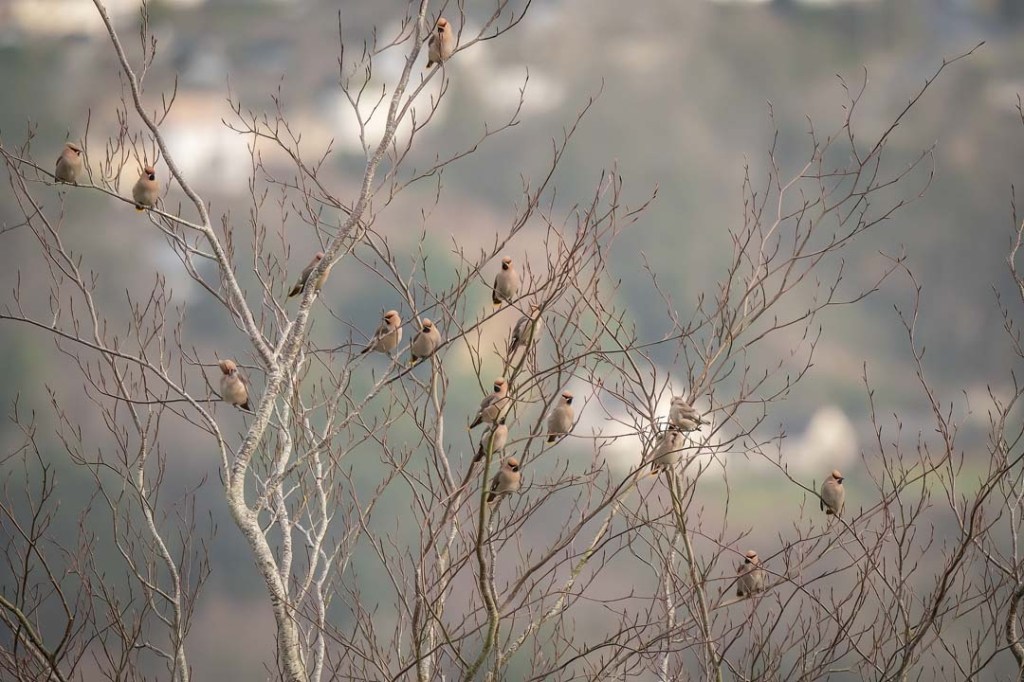
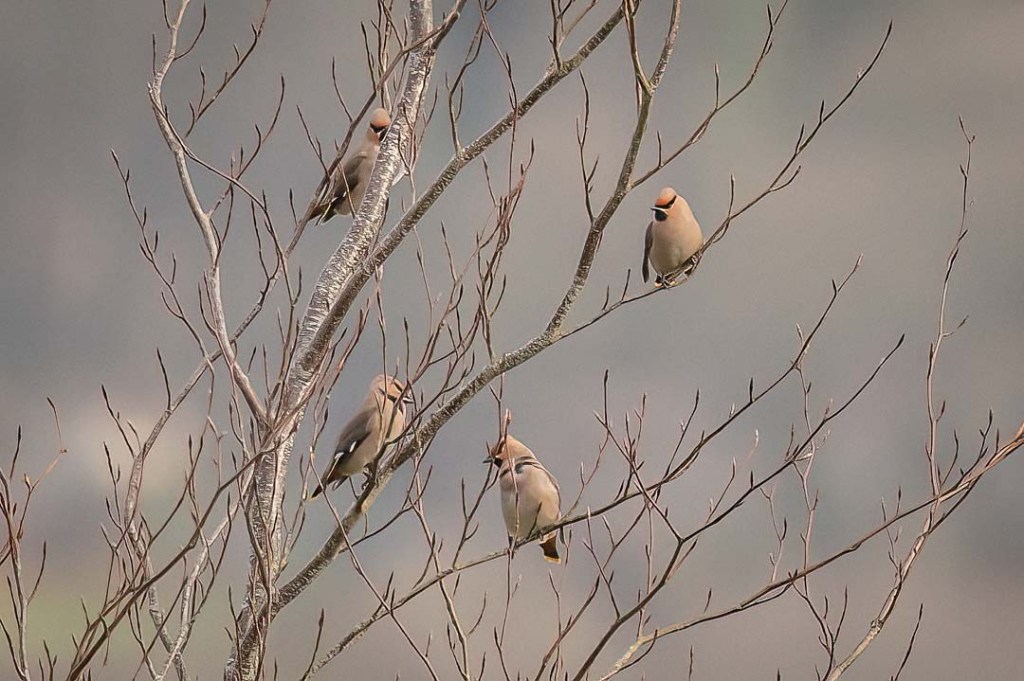
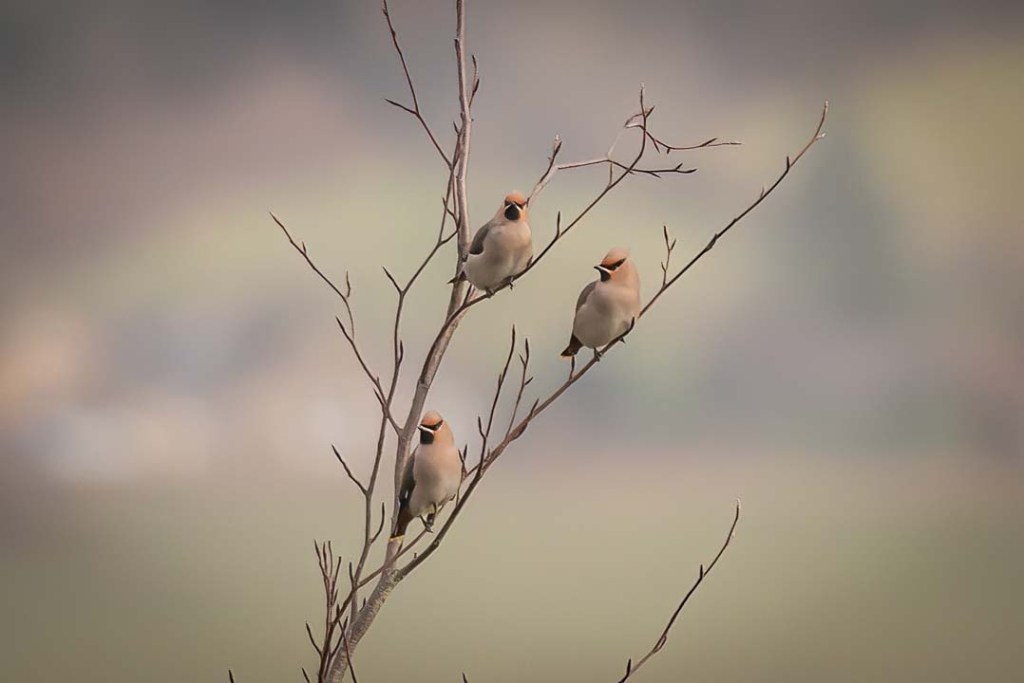
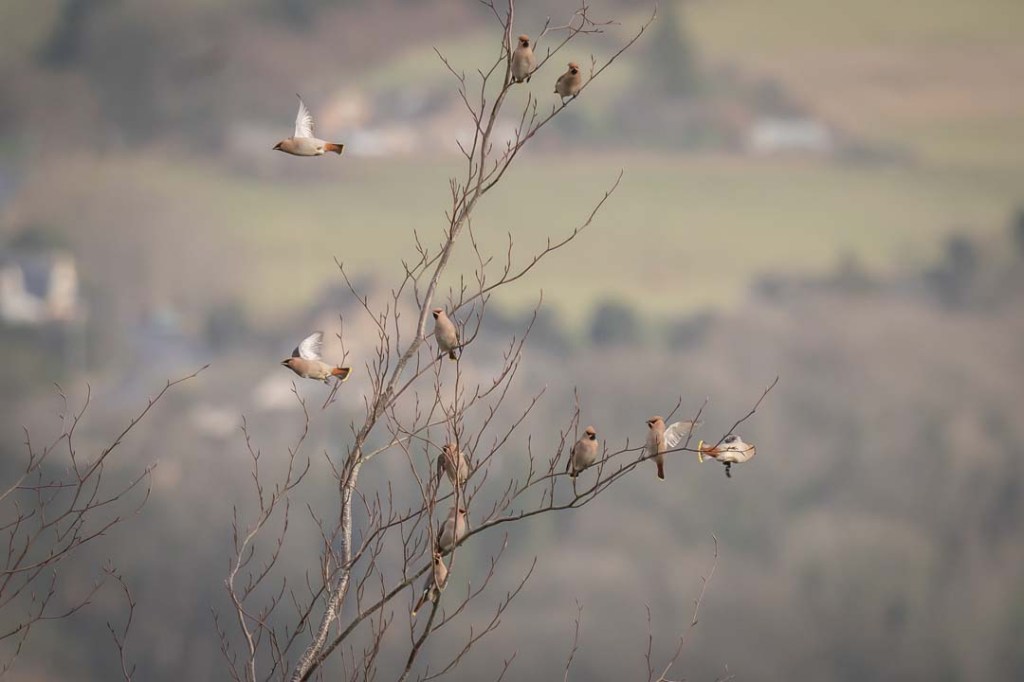
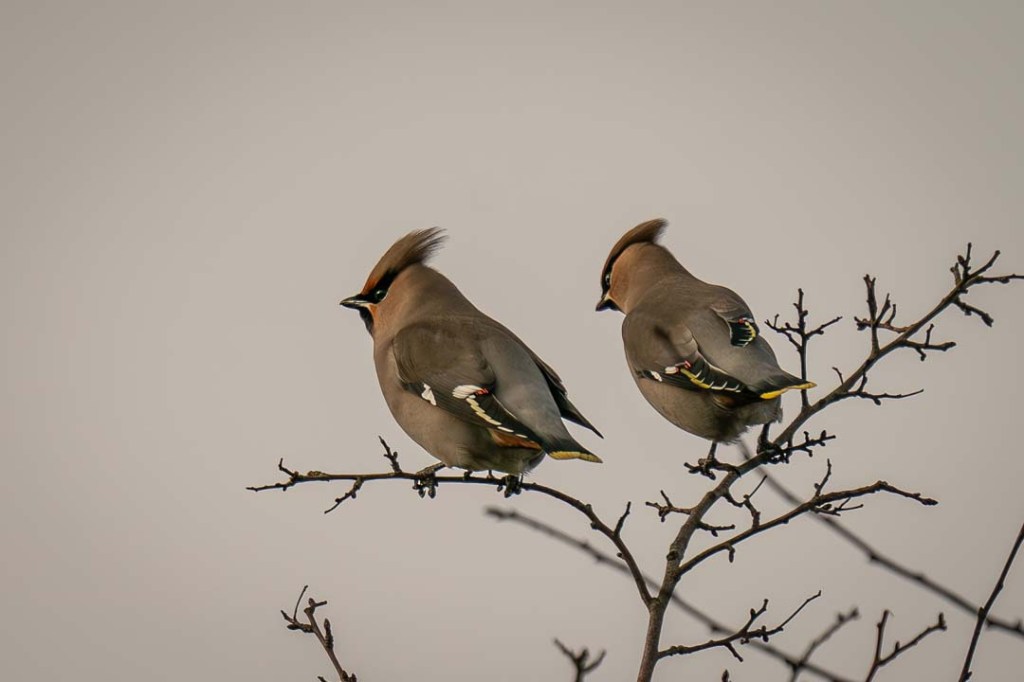
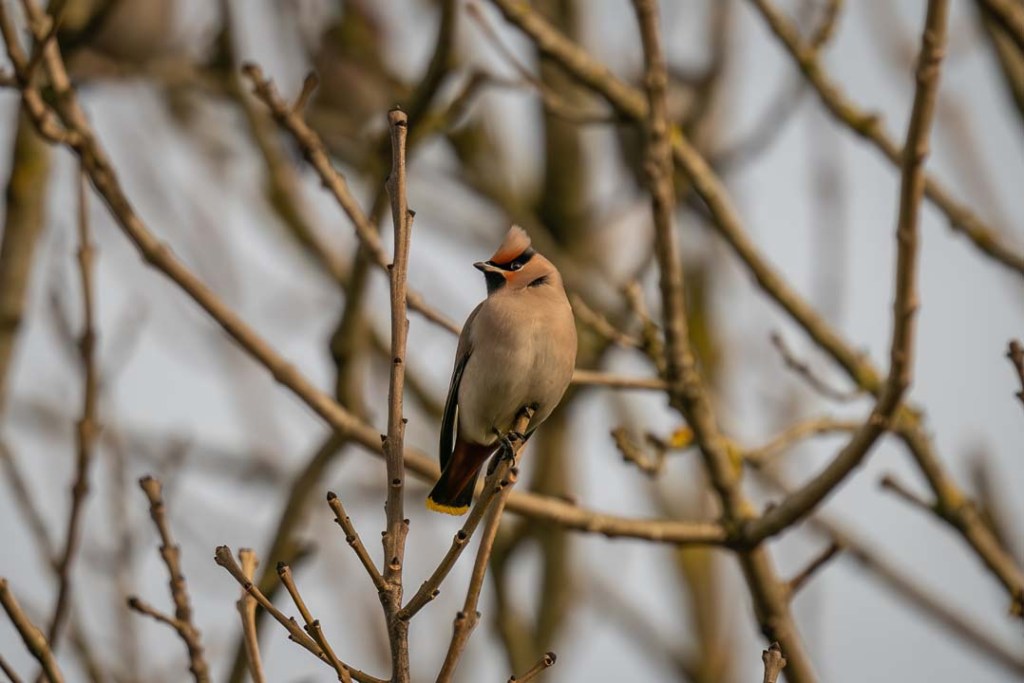
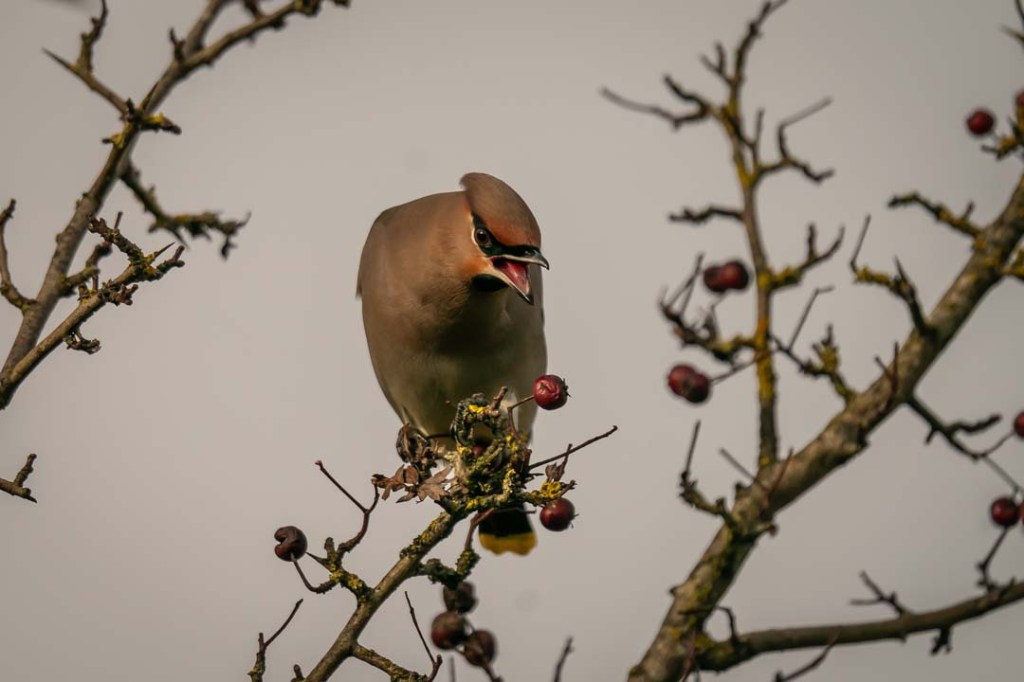
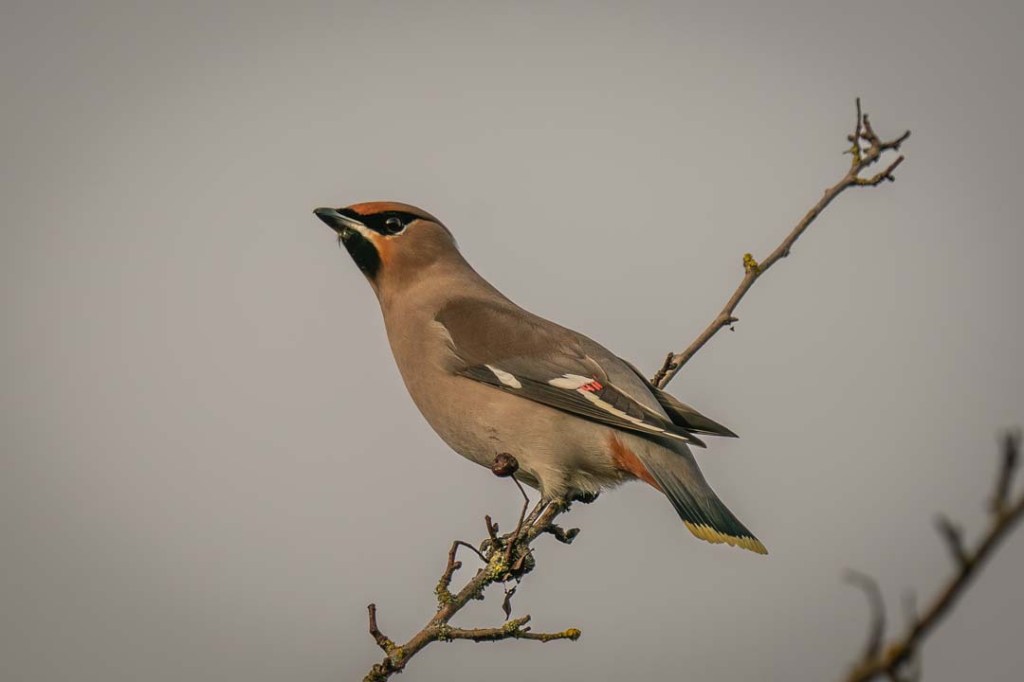
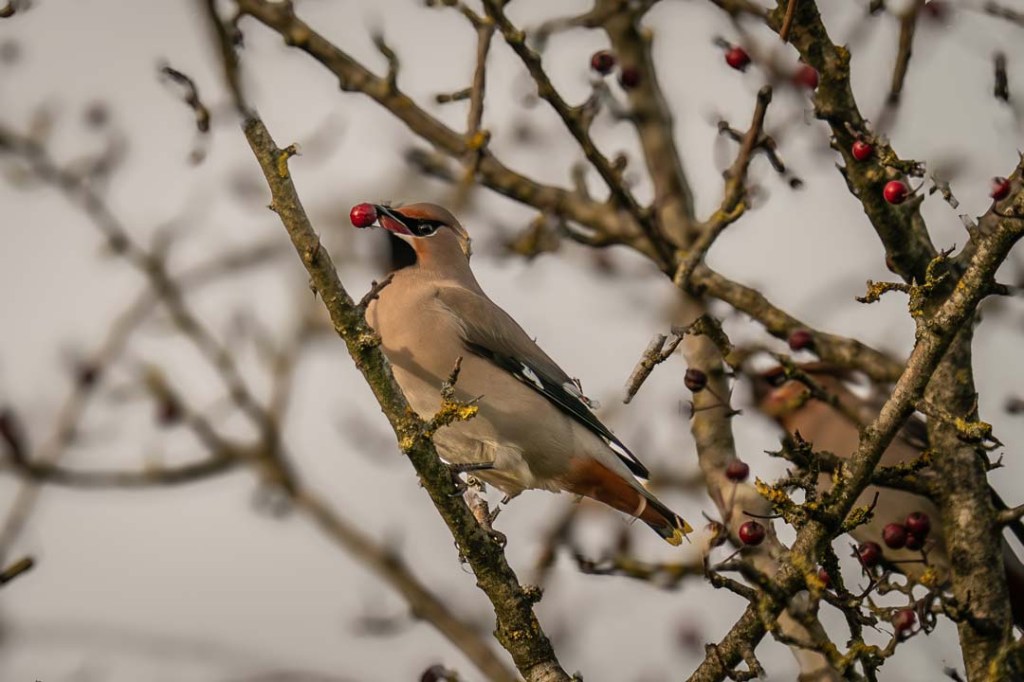
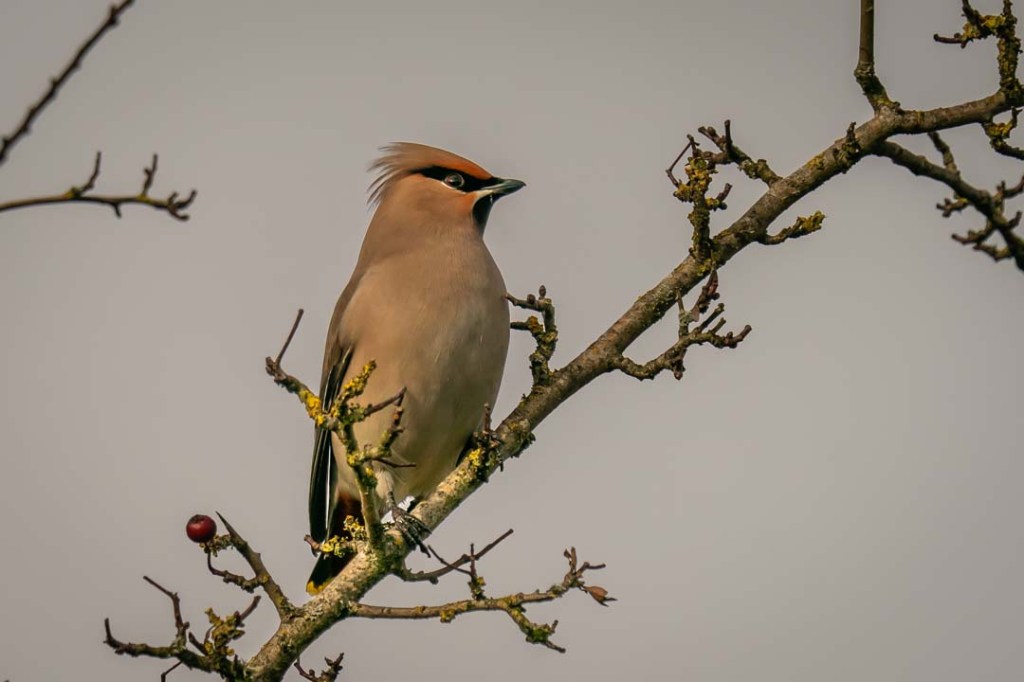
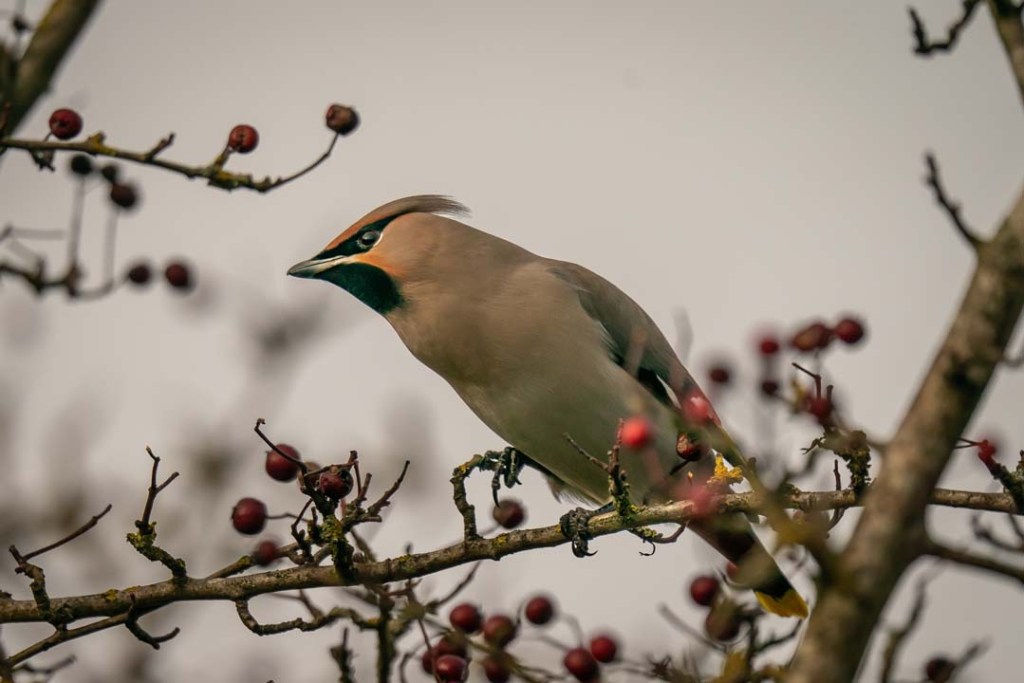
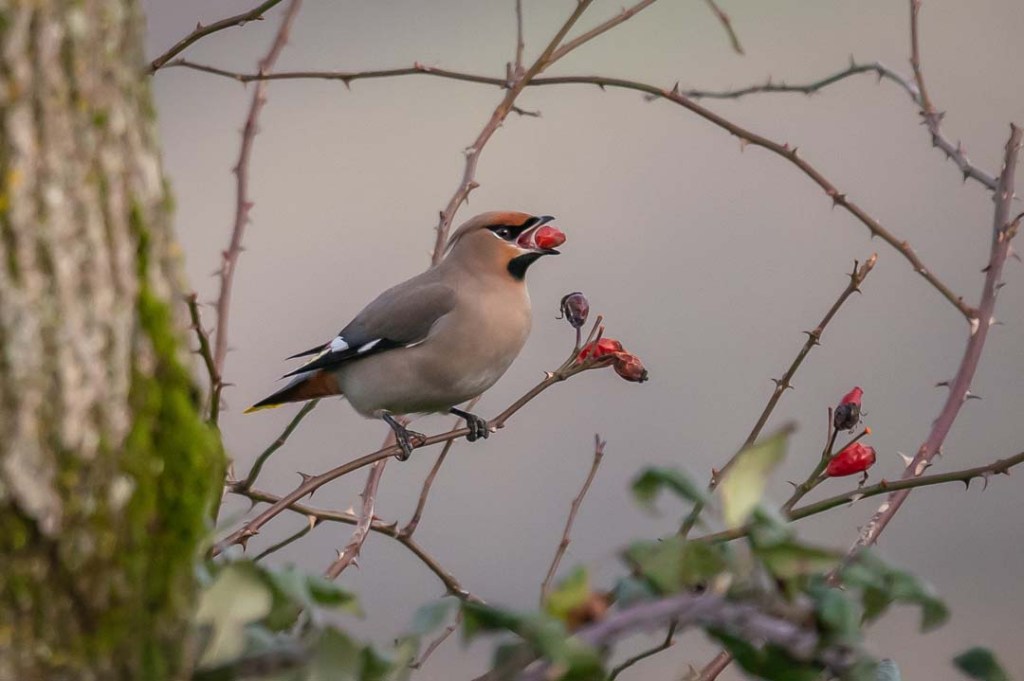
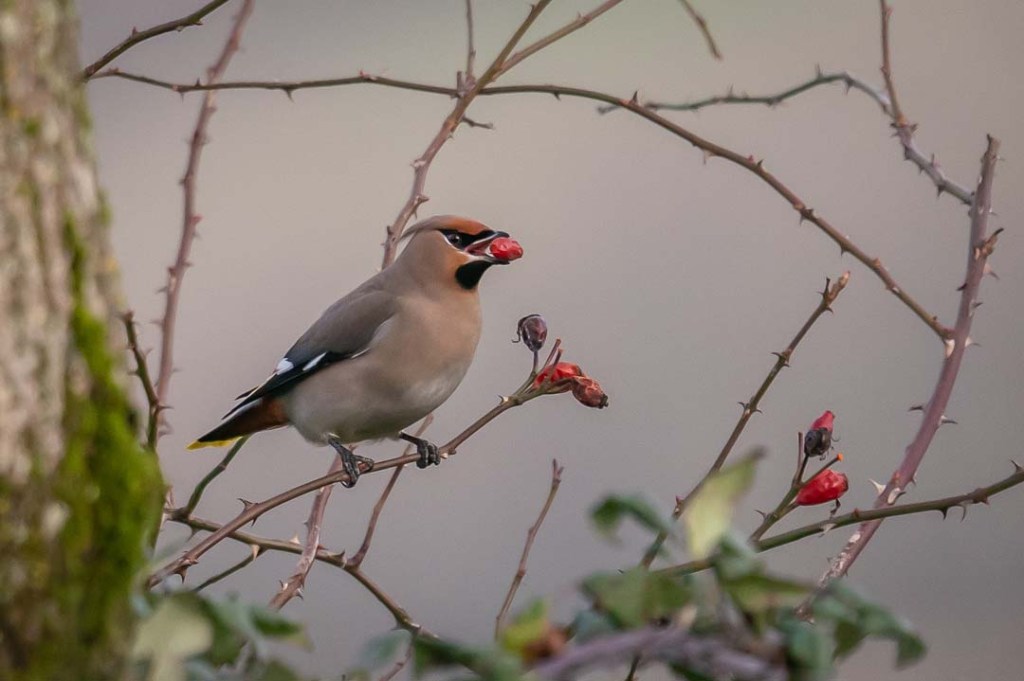
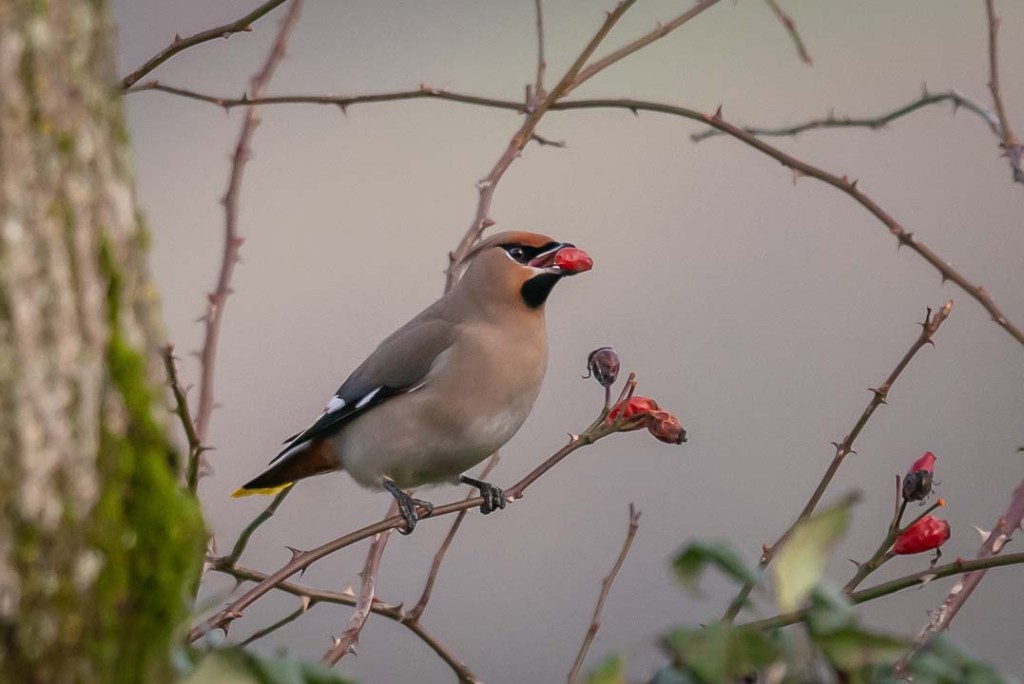
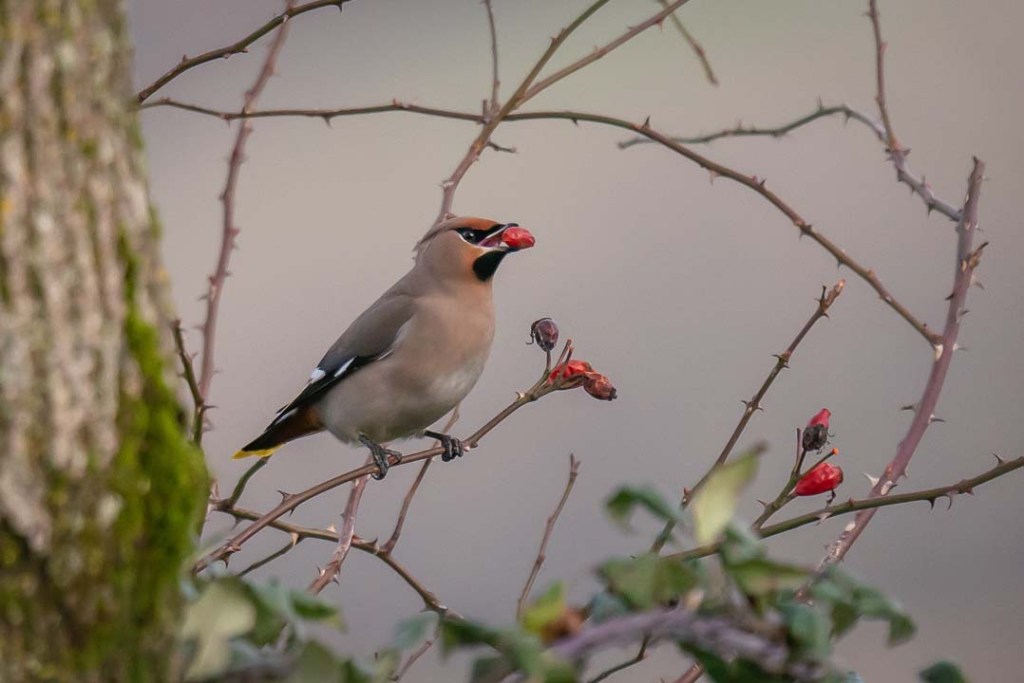
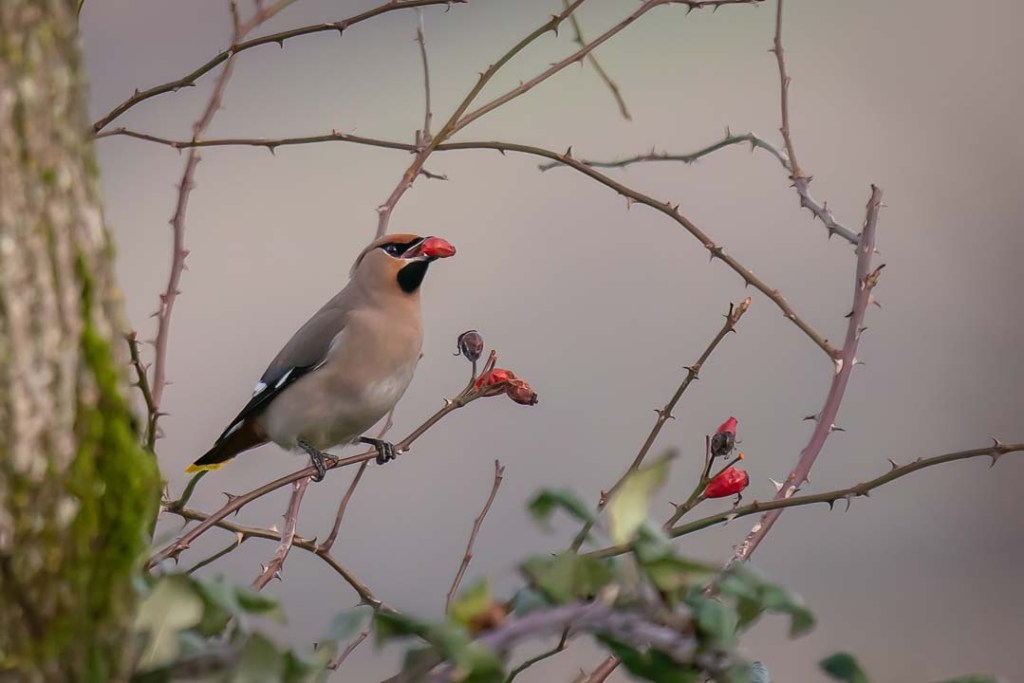
Today we saw what I consider to be the holy grail of birds to be seen in this country – waxwings.
Waxwing
It’s only the third time I have tried to “twitch” a bird and, fortunately, today’s trip to Rodborough Common in the Cotwolds was well worth the effort.
Waxwings do not breed in the UK, but are winter visitors. In some years, we see larger numbers of visiting waxwings, called irruptions, when the population in their breeding grounds in Fennoscandia and western Russia gets too big for the food available.
On Rodborough Common there were plenty of their favourite berries, particularly rowan, hawthorn and rose to keep them happy.
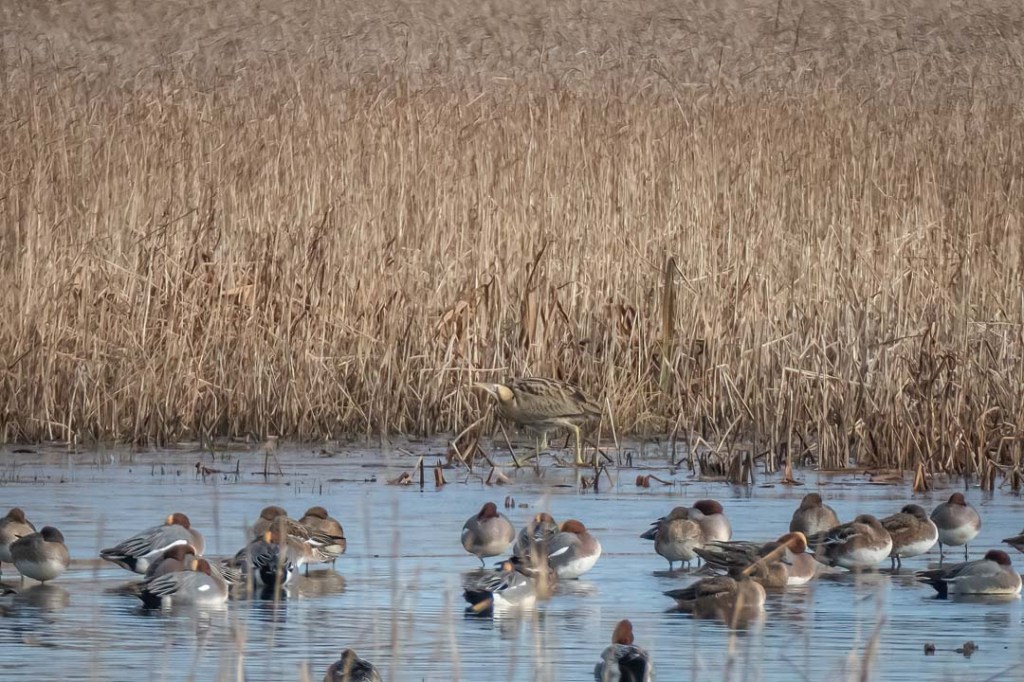
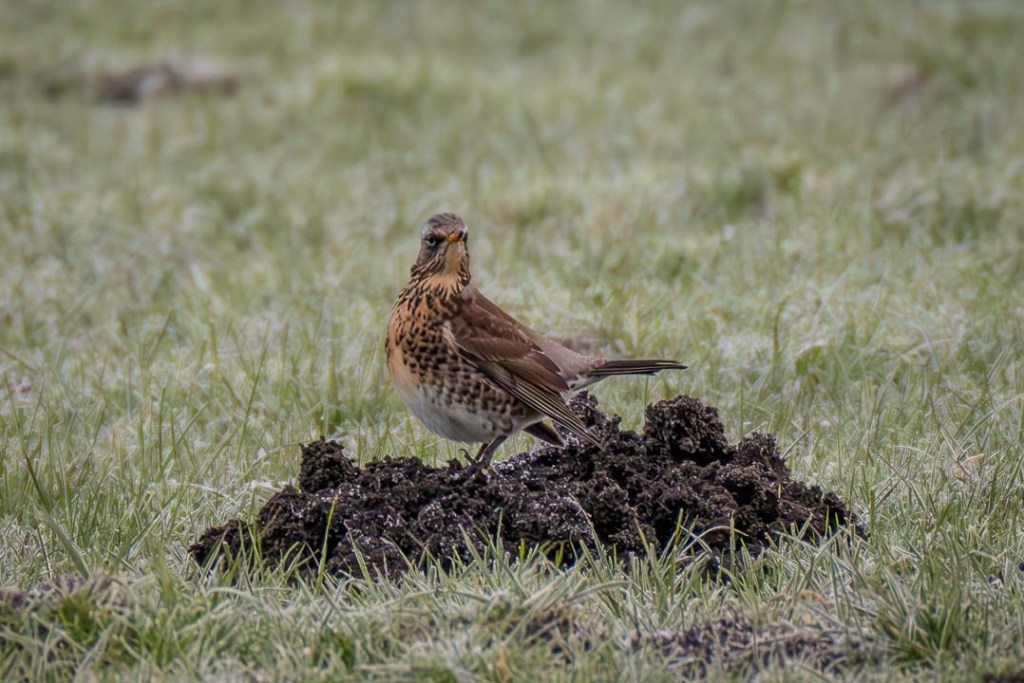
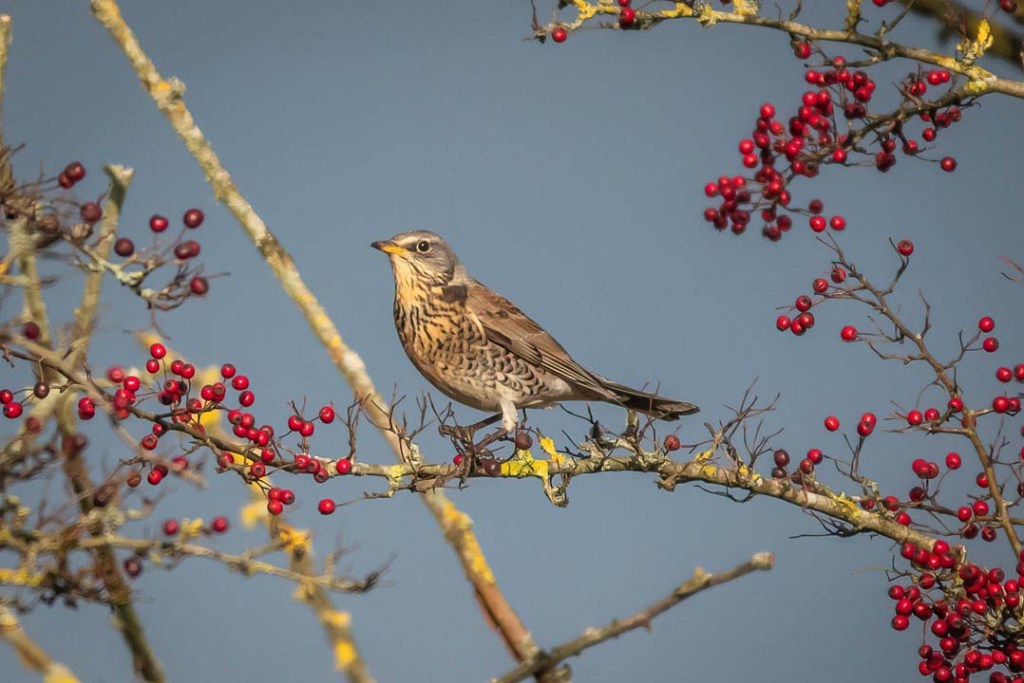
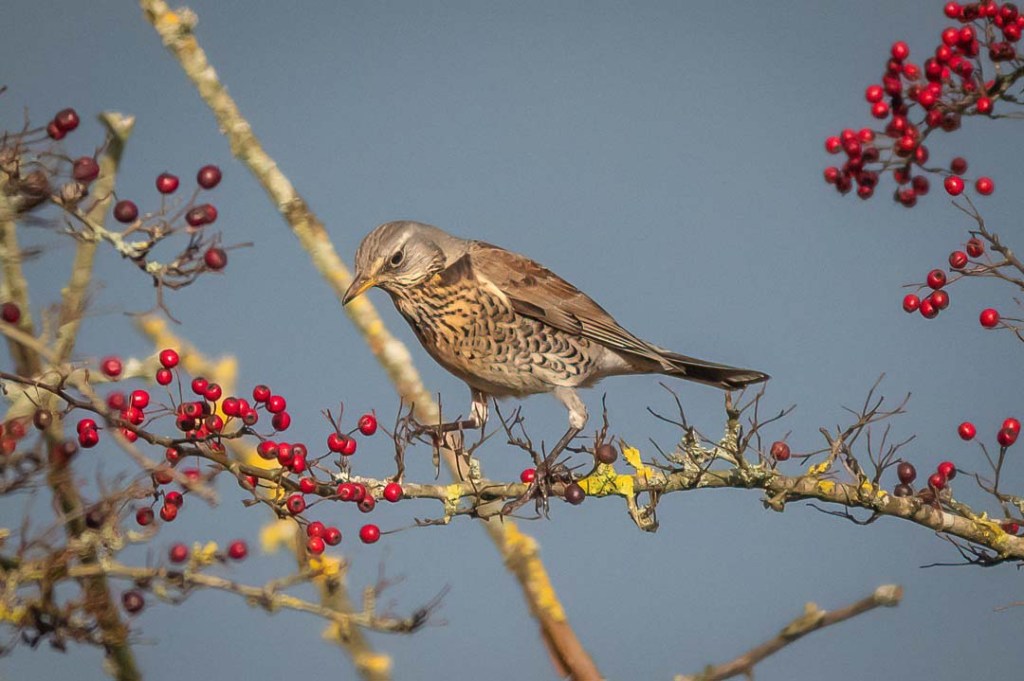
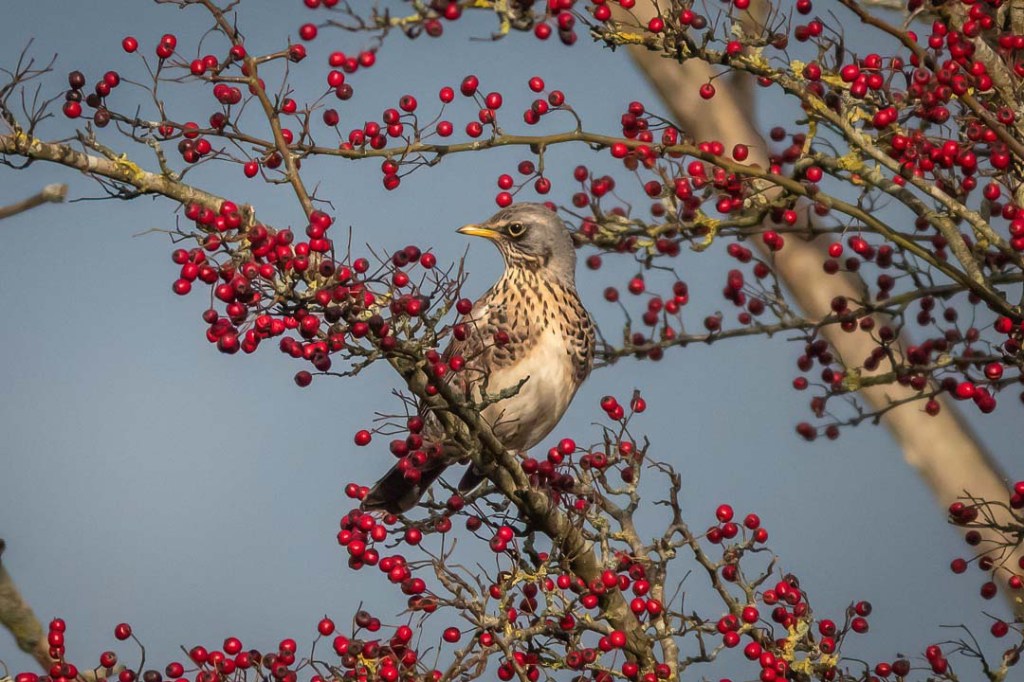
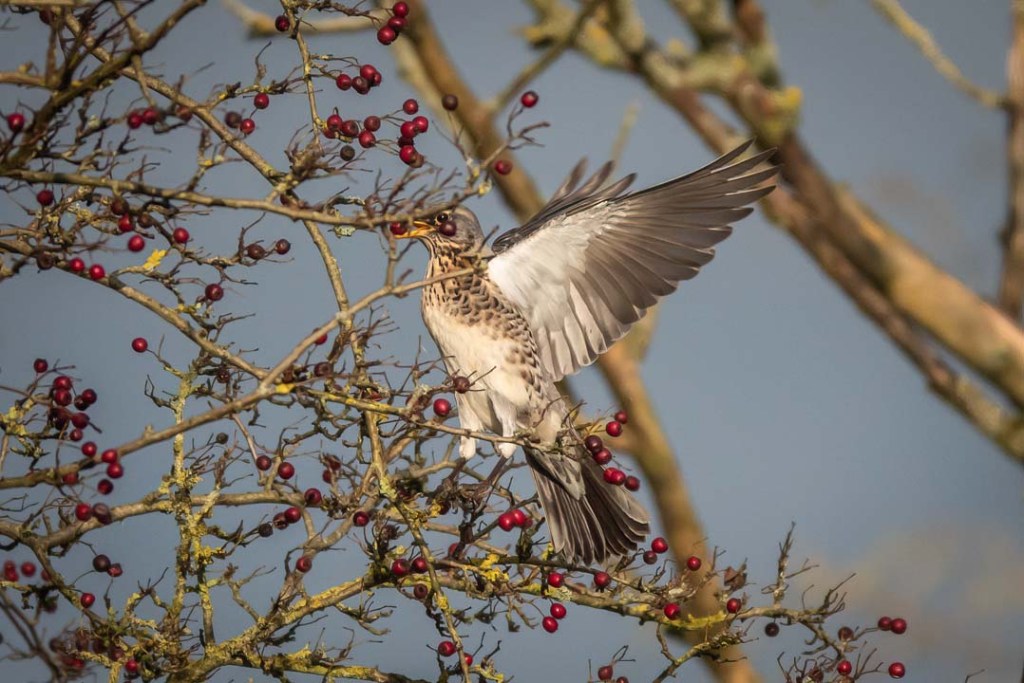
I spent a very pleasant, but very cold, day on the Avalon Marshes in Somerset. It was -2C when I set off and didn’t rise above 4C all day. The highlight of the day was a bittern at Catcott Lows but I also particularly liked seeing lots of fieldfare and redwing.
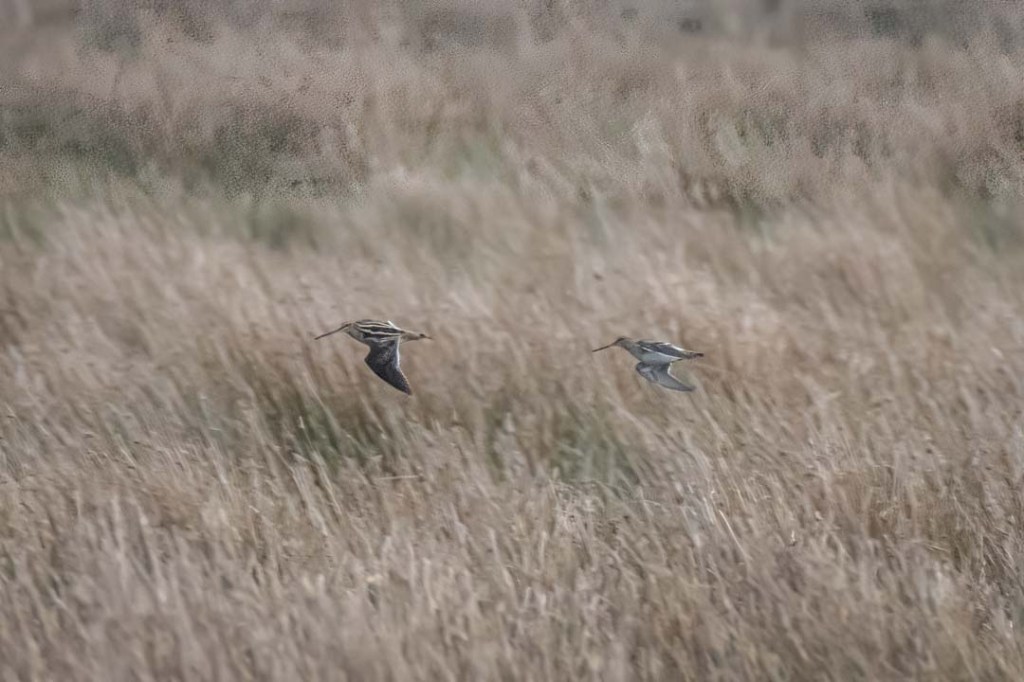
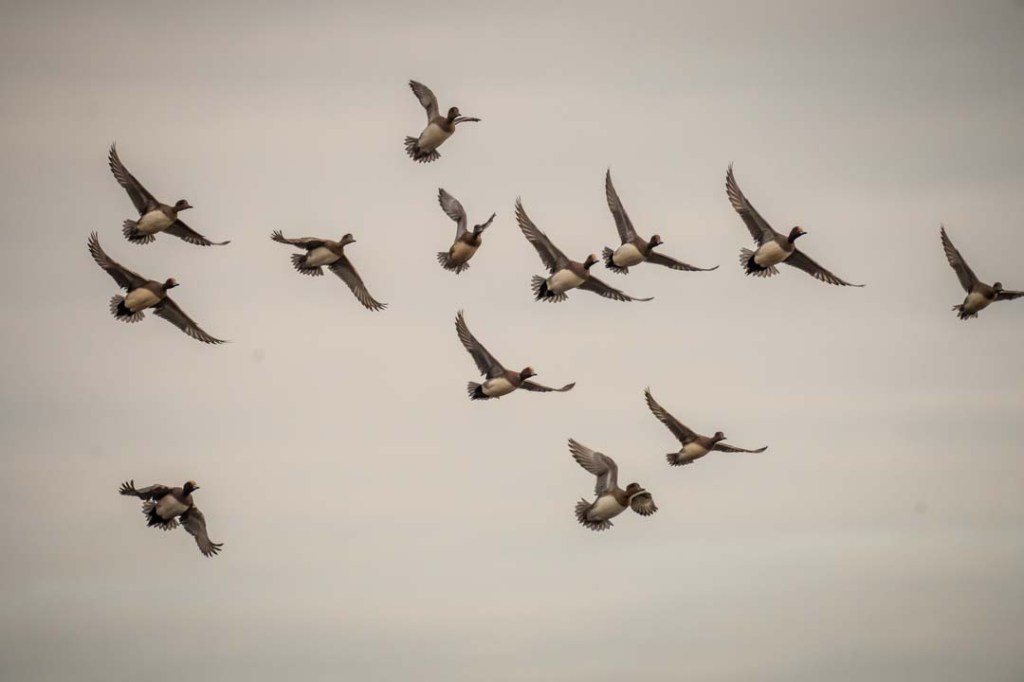
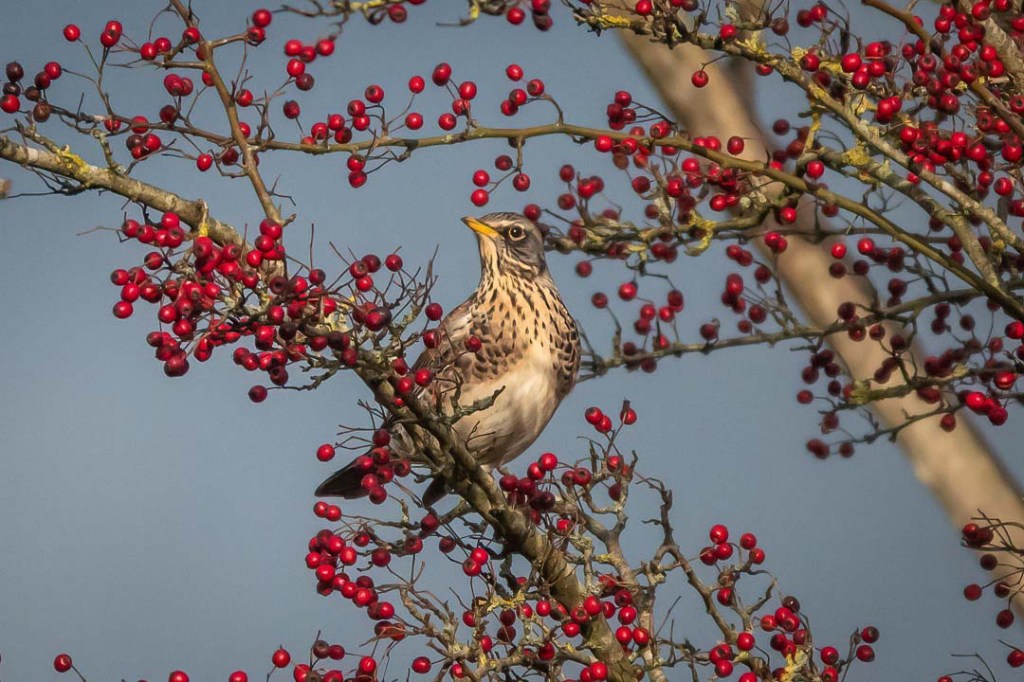
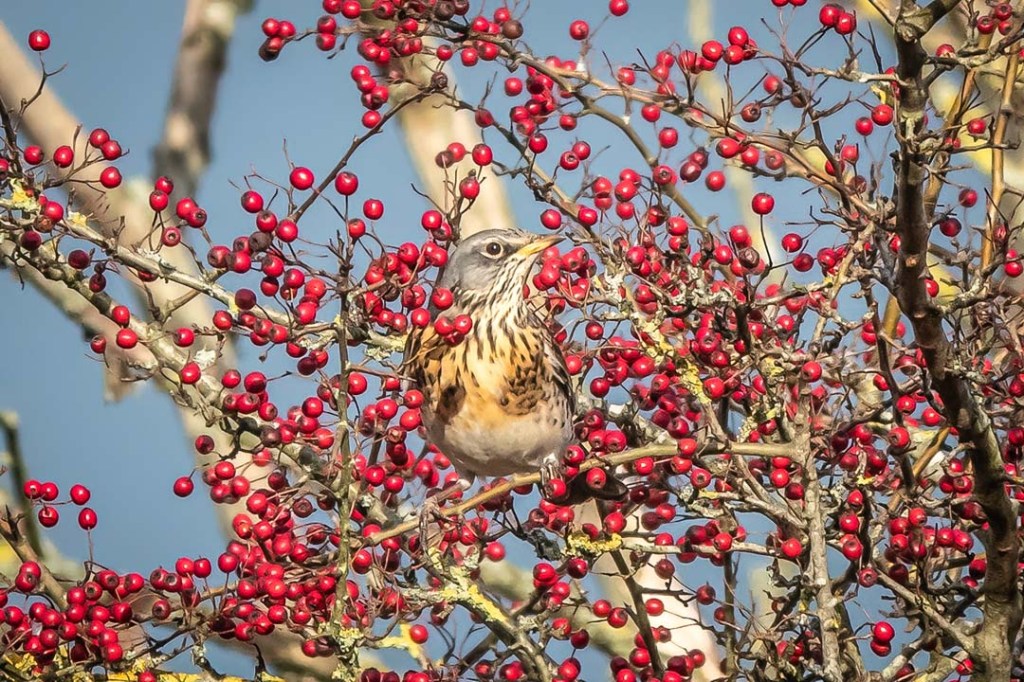
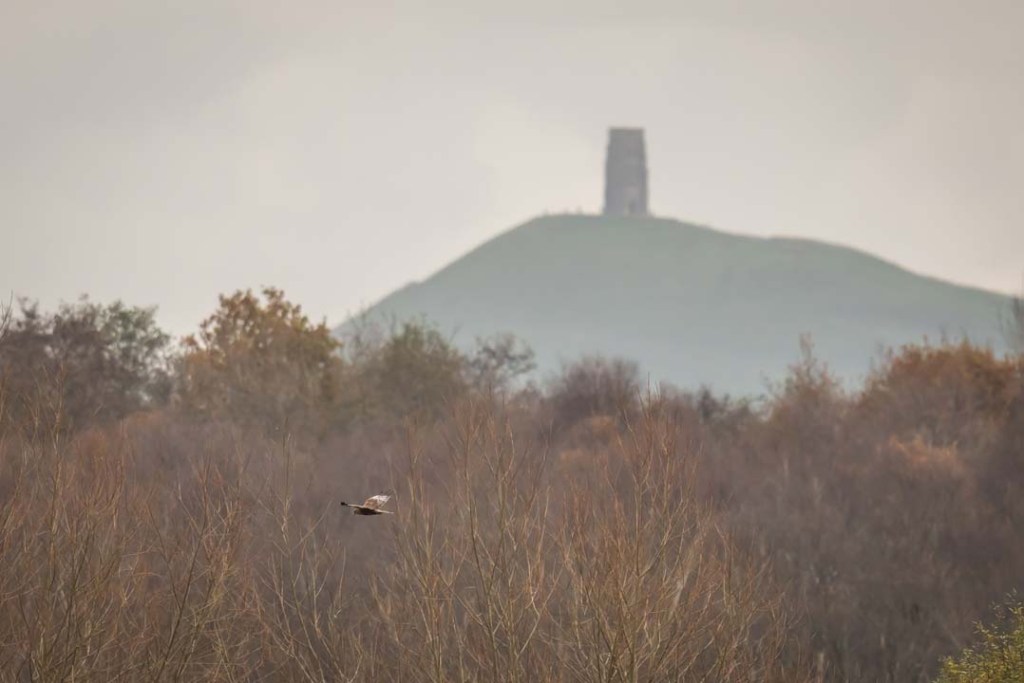
A flock of Canada geese with redwing and lapwings on the Avalon Marshes with Glastonbury Tor in the backgroundFieldfareRedwing2 Egyptian geese flew over Catcott LowsWigeon enjoying a glimpse of the sunA shoveler stretching its wingsA pair of snipeLapwing and starlingReed bunting acting coylyA snipe almost as shyThe warden checking the water levels spooked these water fowlThe bittern walked along the back of the pond and then disappeared for the rest of the day
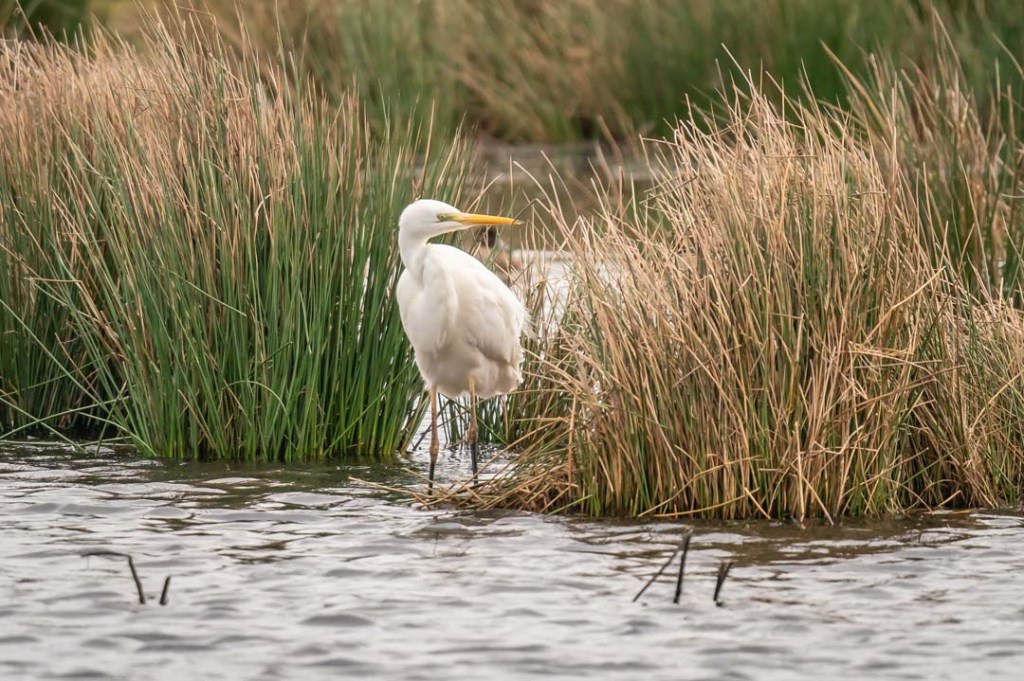
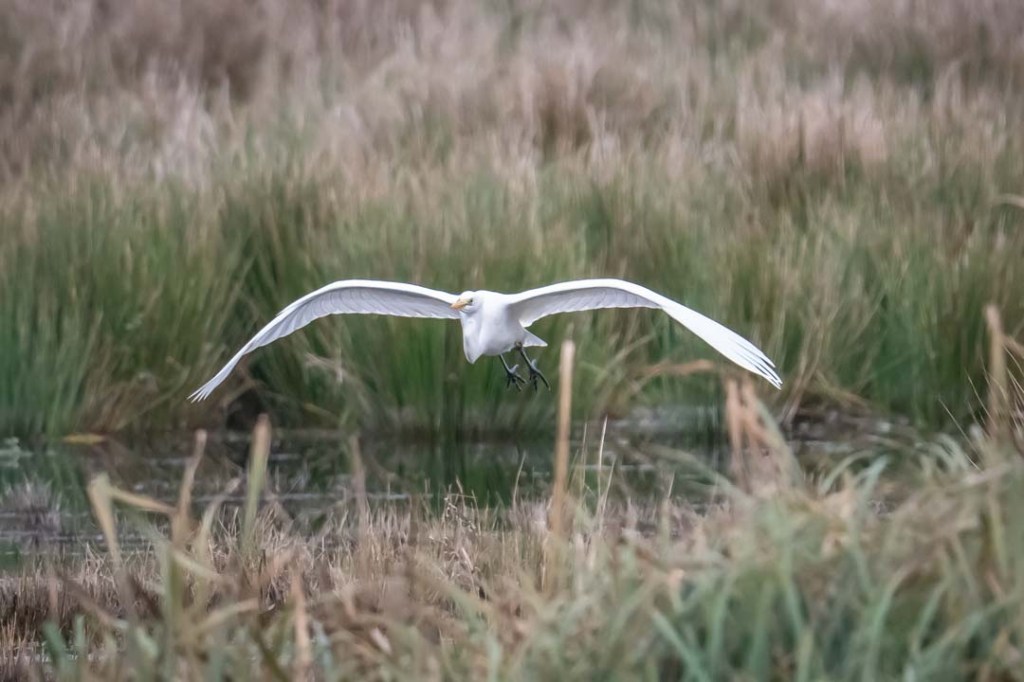
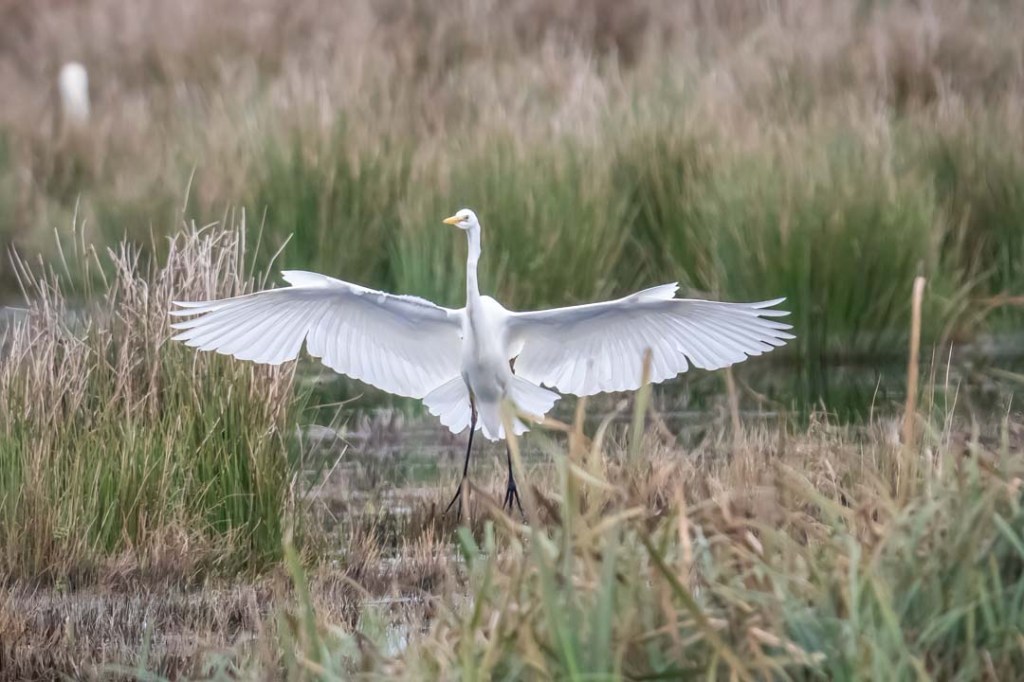
I managed to see all three egrets that we have in the UK – little, cattle and great white.
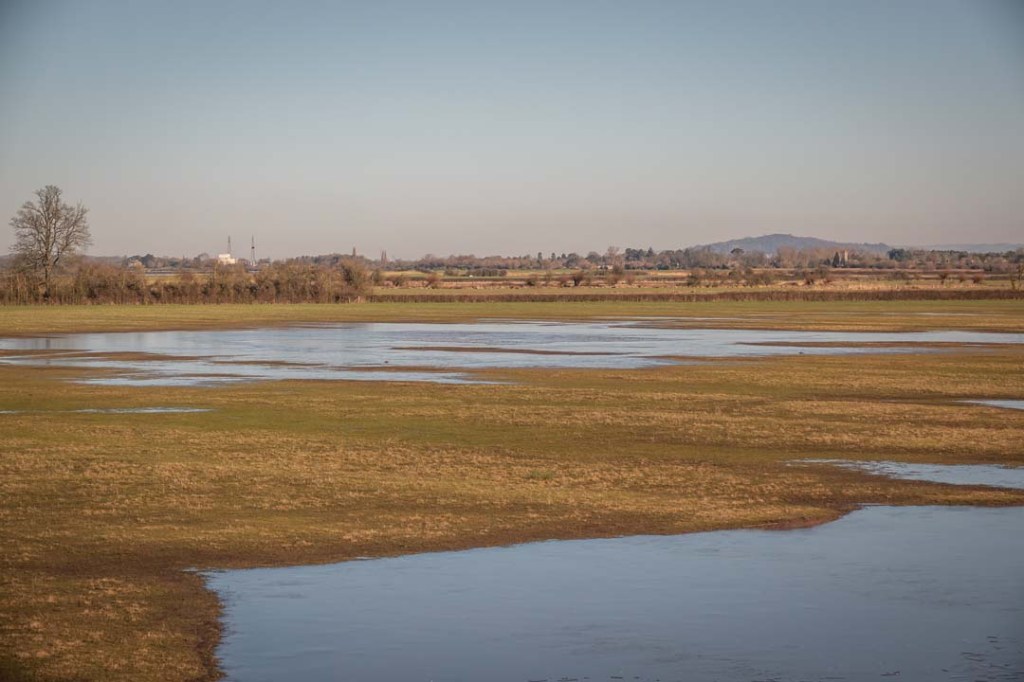
Following a series of storms in recent weeks, many parts of the country are now suffering flooding (in some cases quite severe). We are fortunate not to have been affected by these floods but locally it is very wet and muddy and difficult to get out and about.
However, we had no problems getting to WWT Slimbridge today and enjoyed seeing large flocks of waders taking full advantage of the wetlands.
The light was not always good but we were very thankful to be out enjoying some fresh air and, for a change, there was hardly any wind.
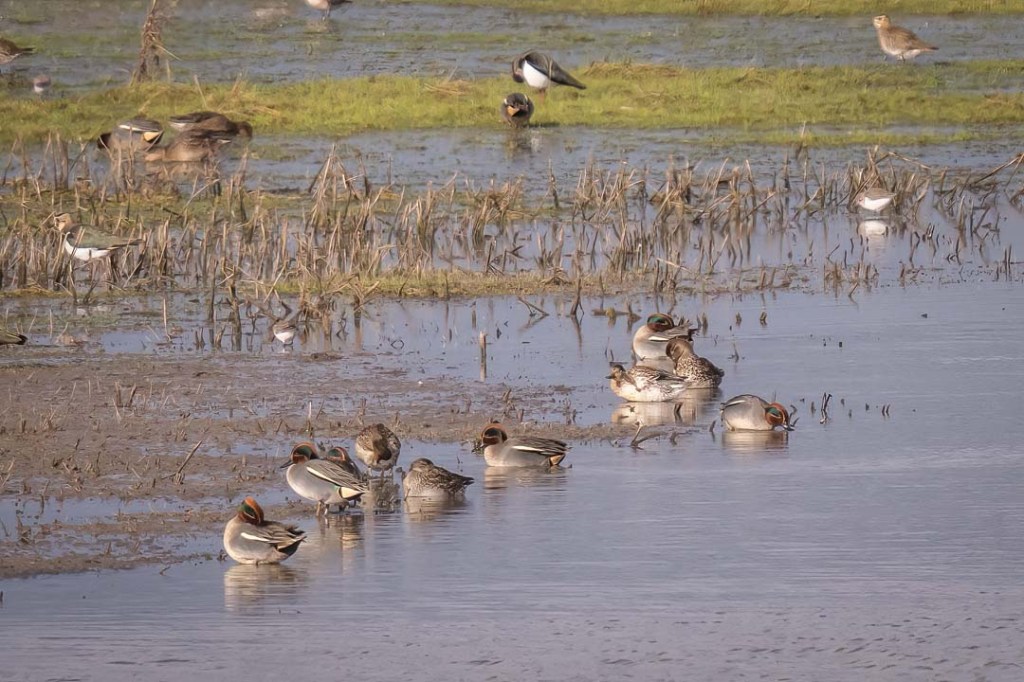
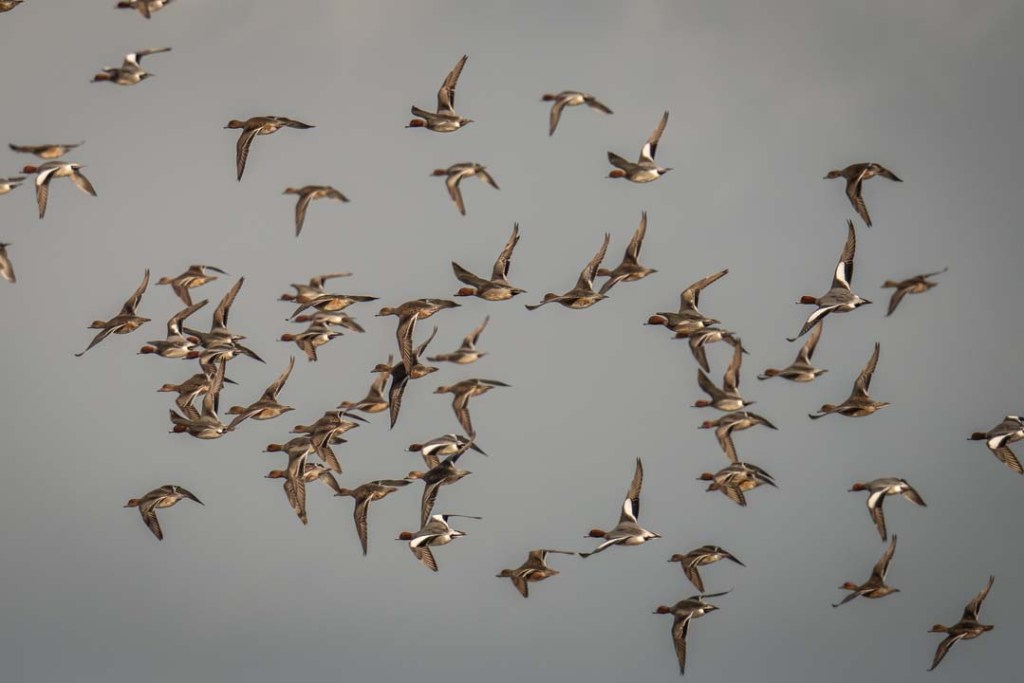
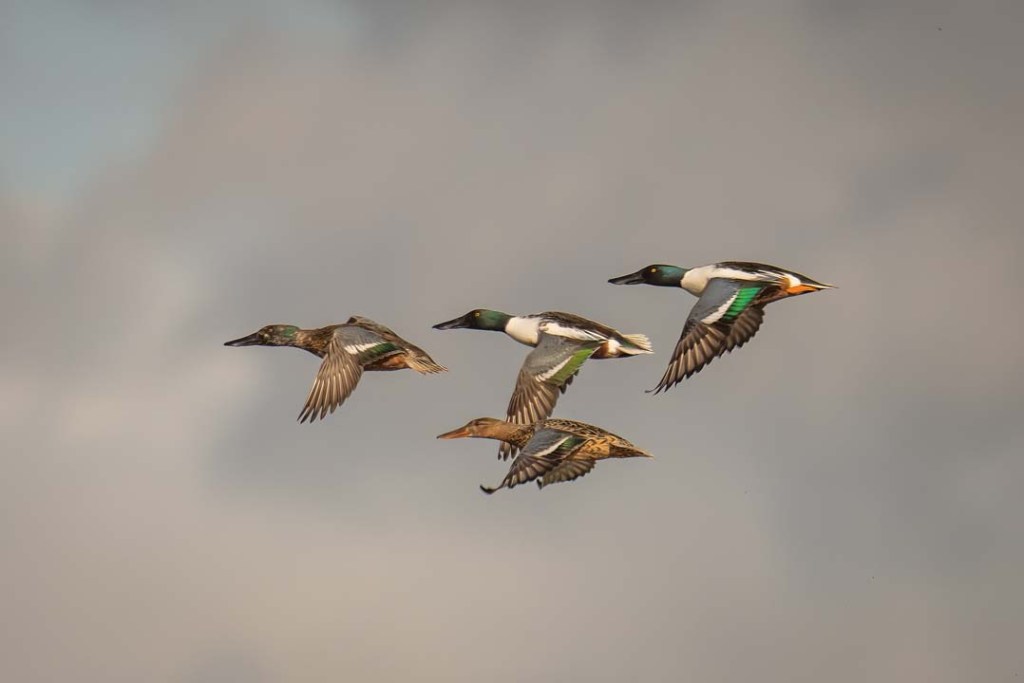
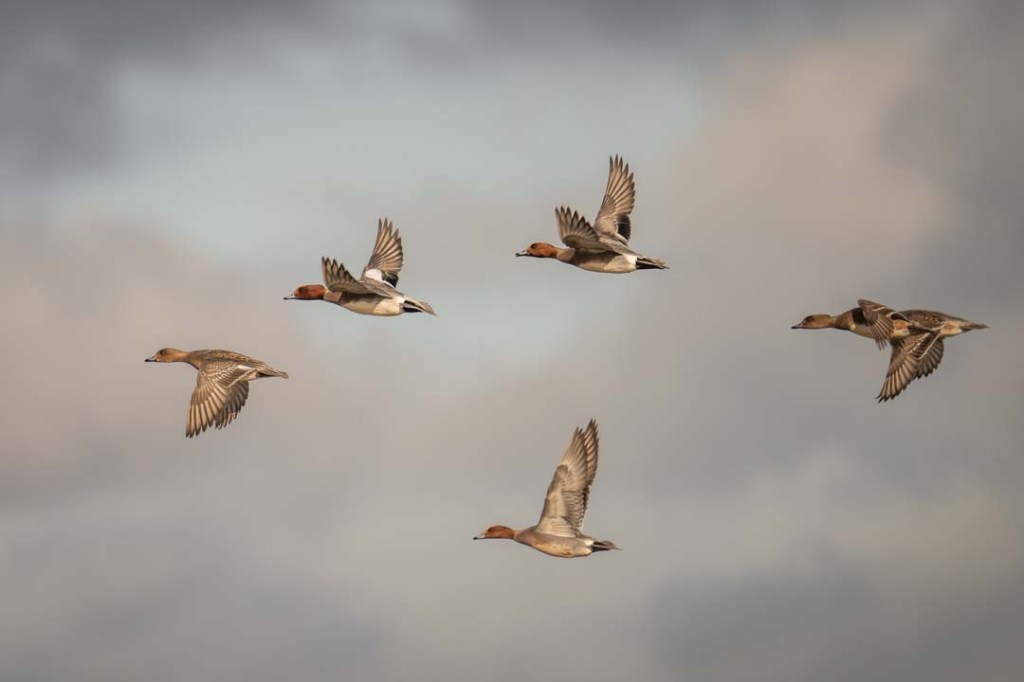
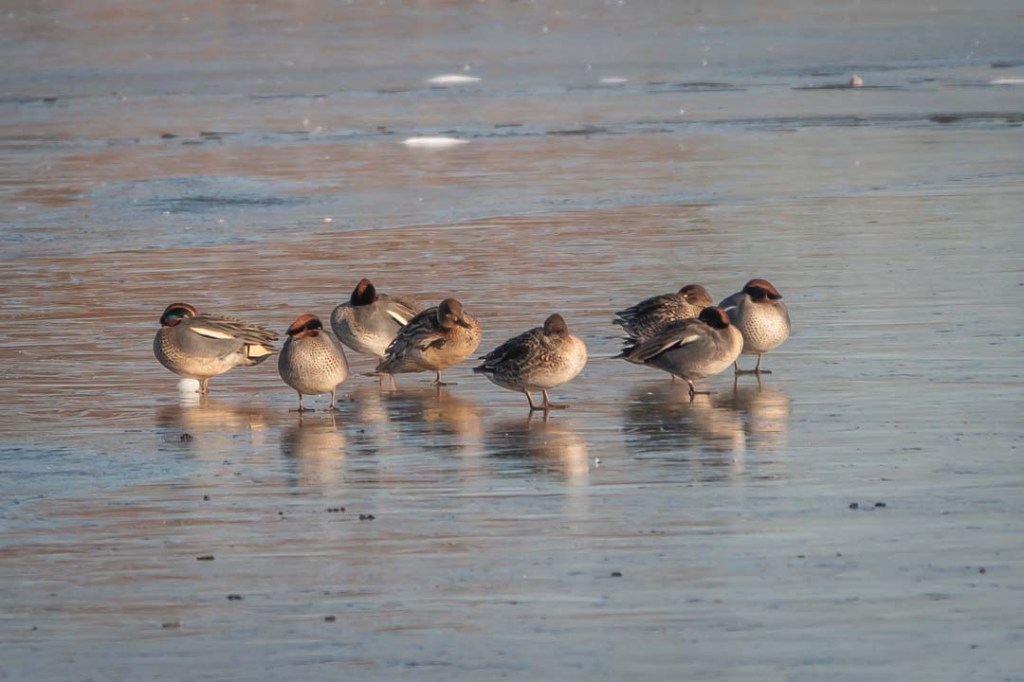
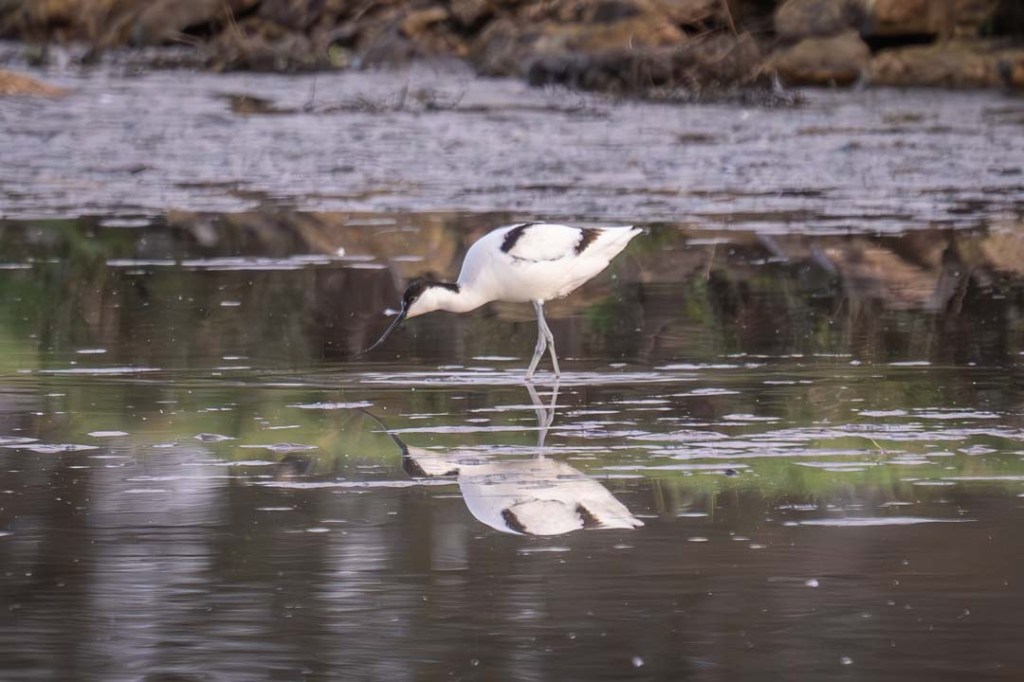
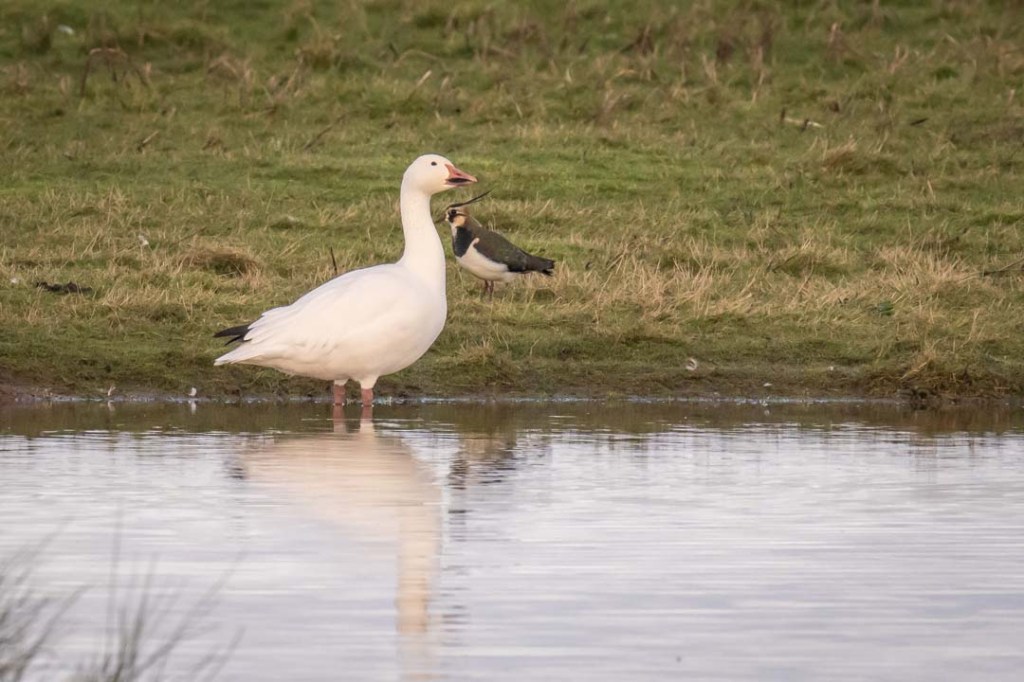
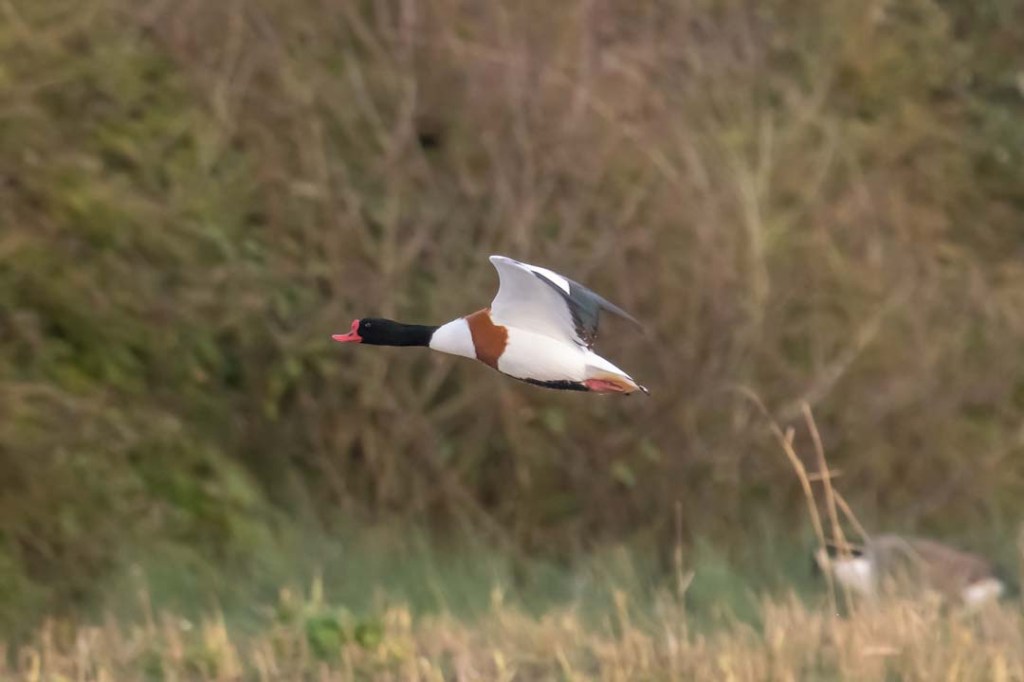
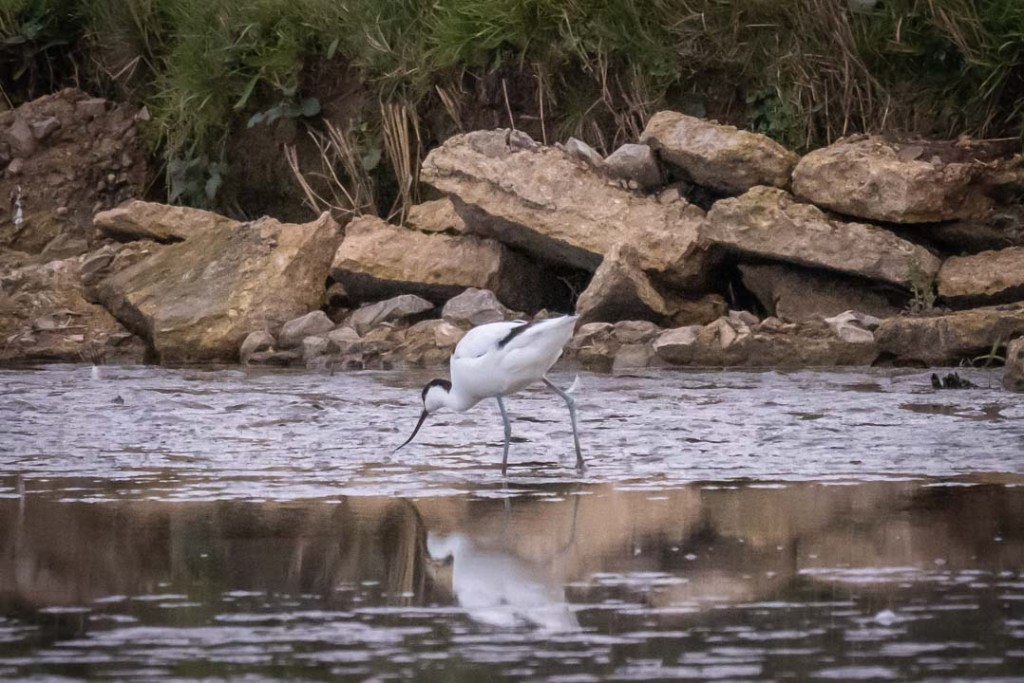
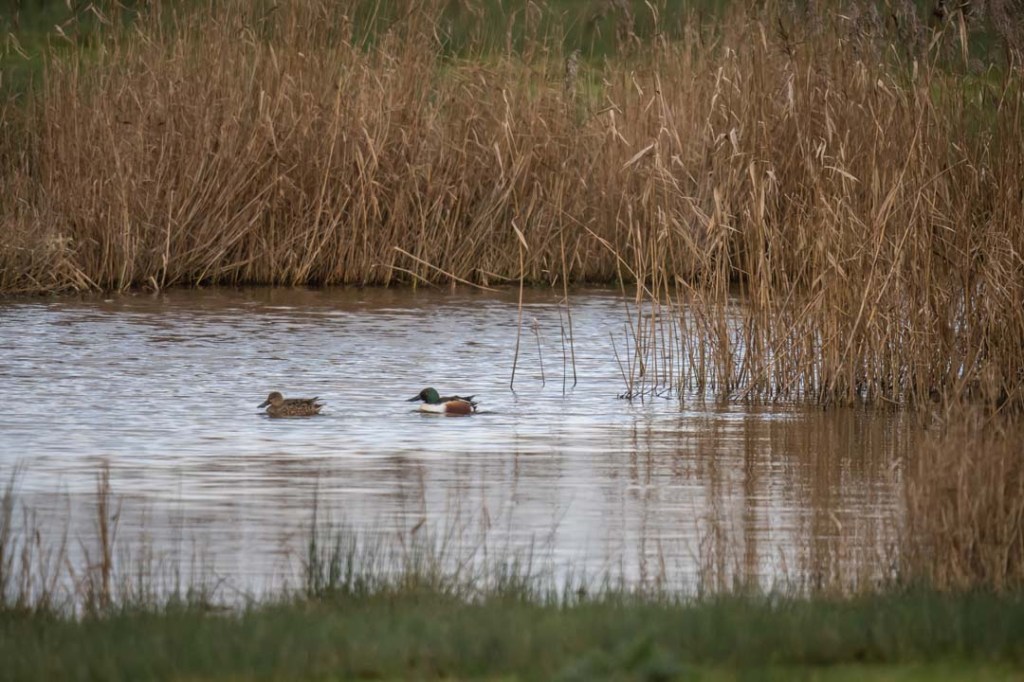
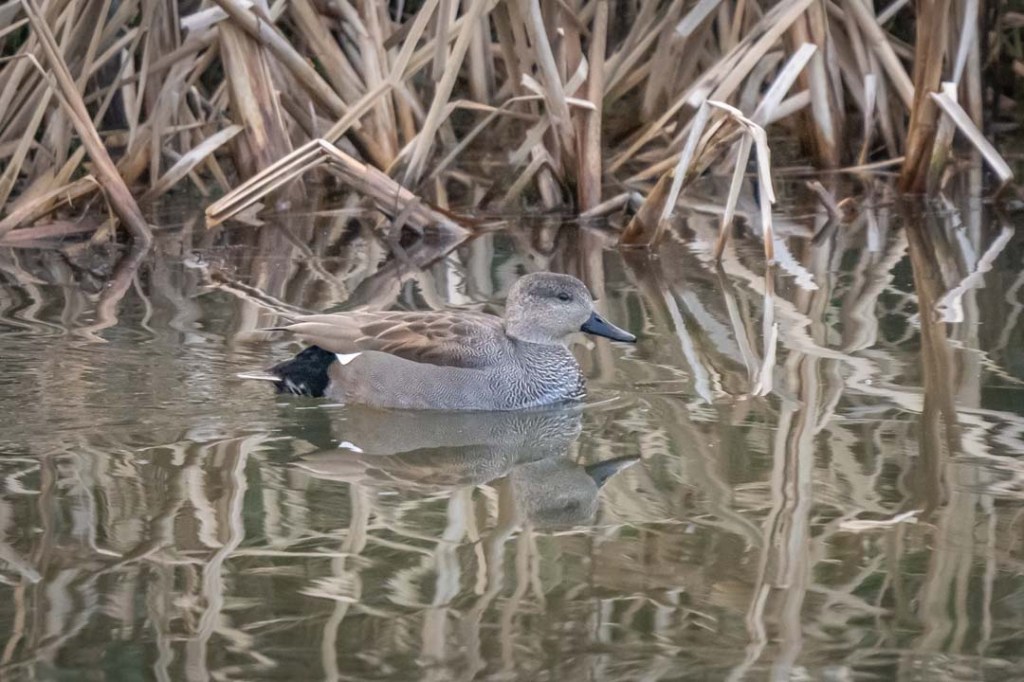
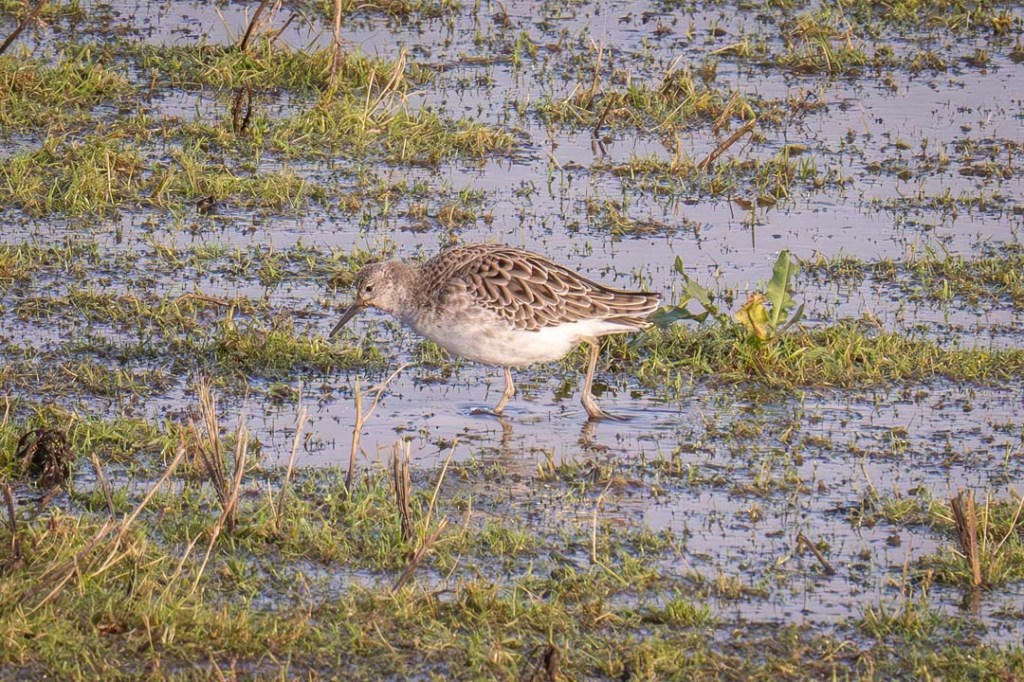
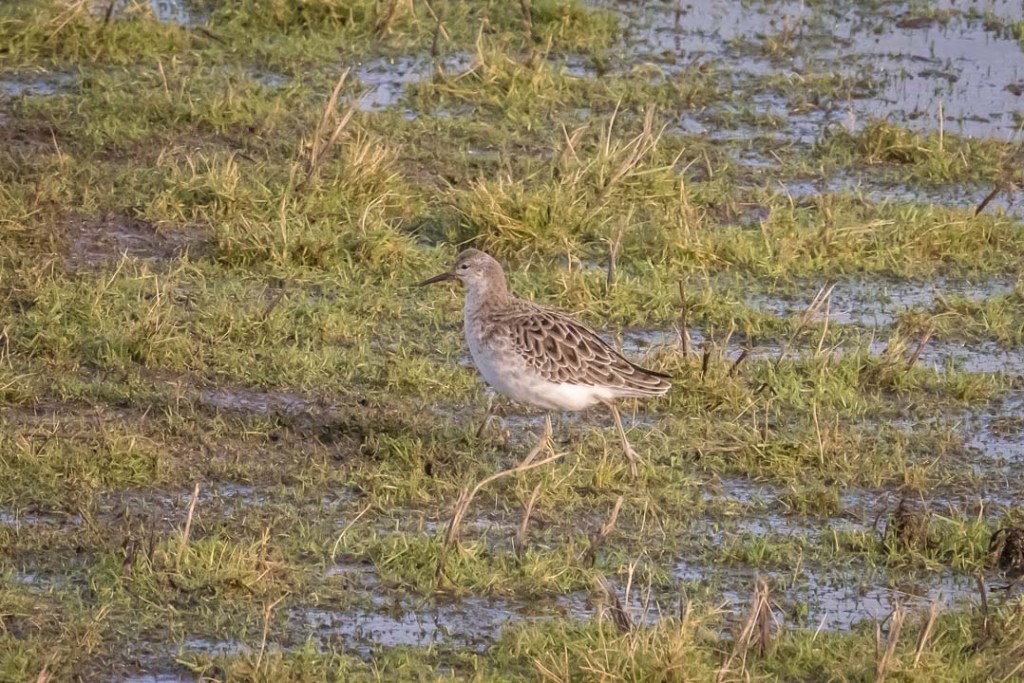
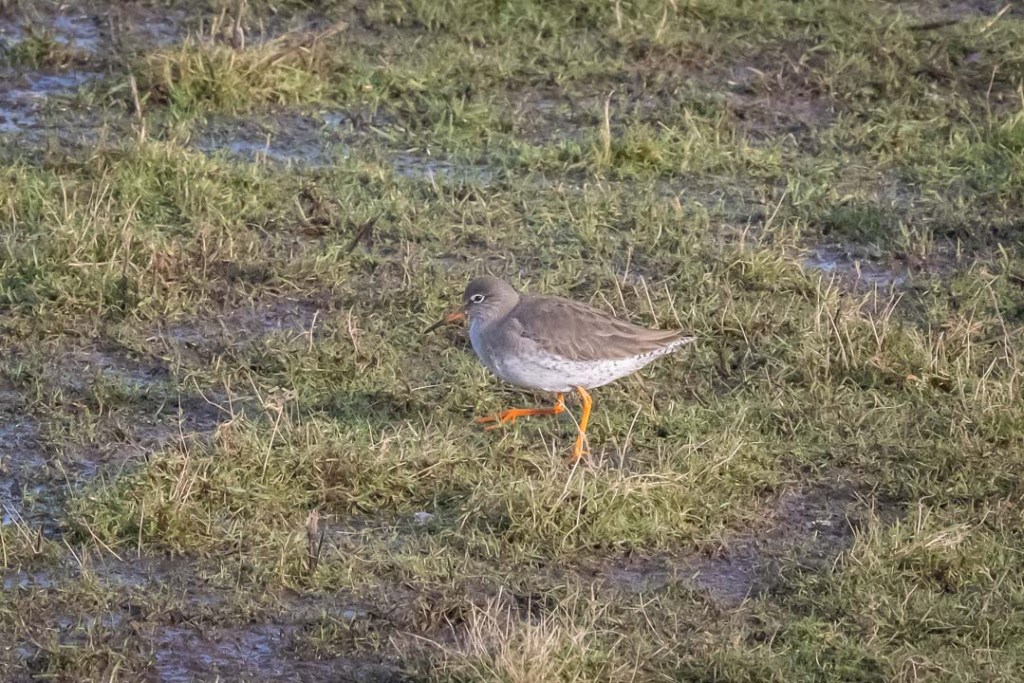
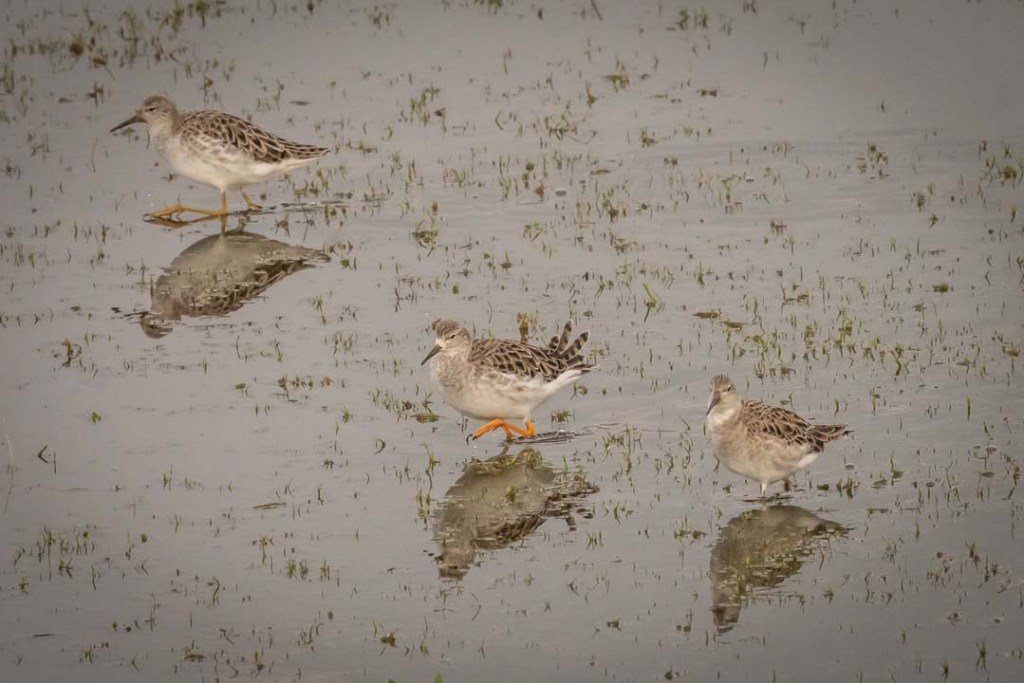
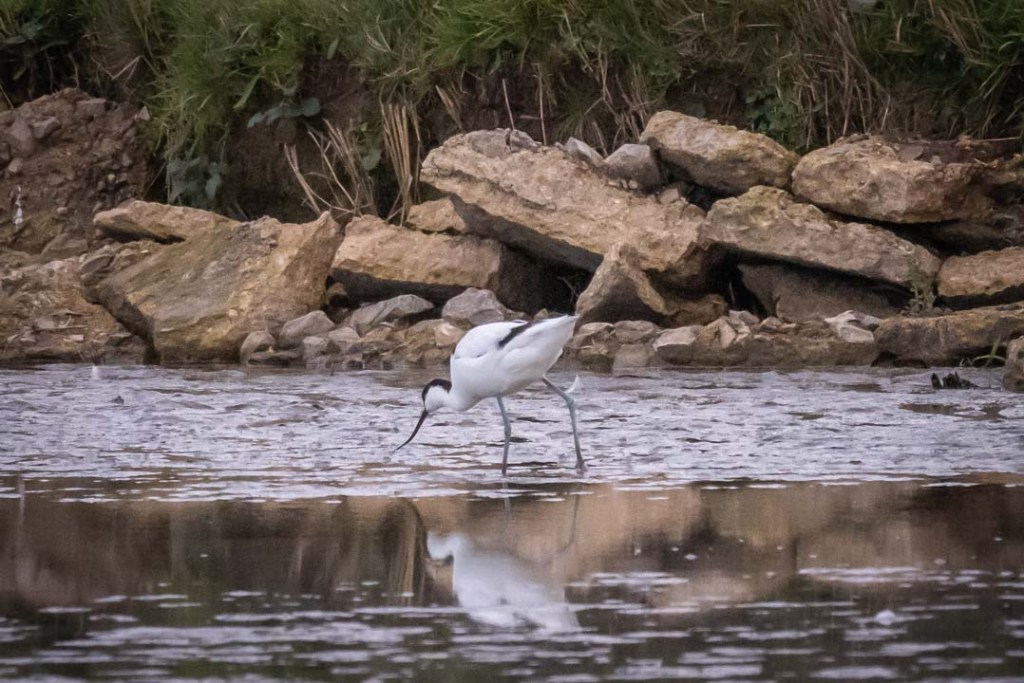
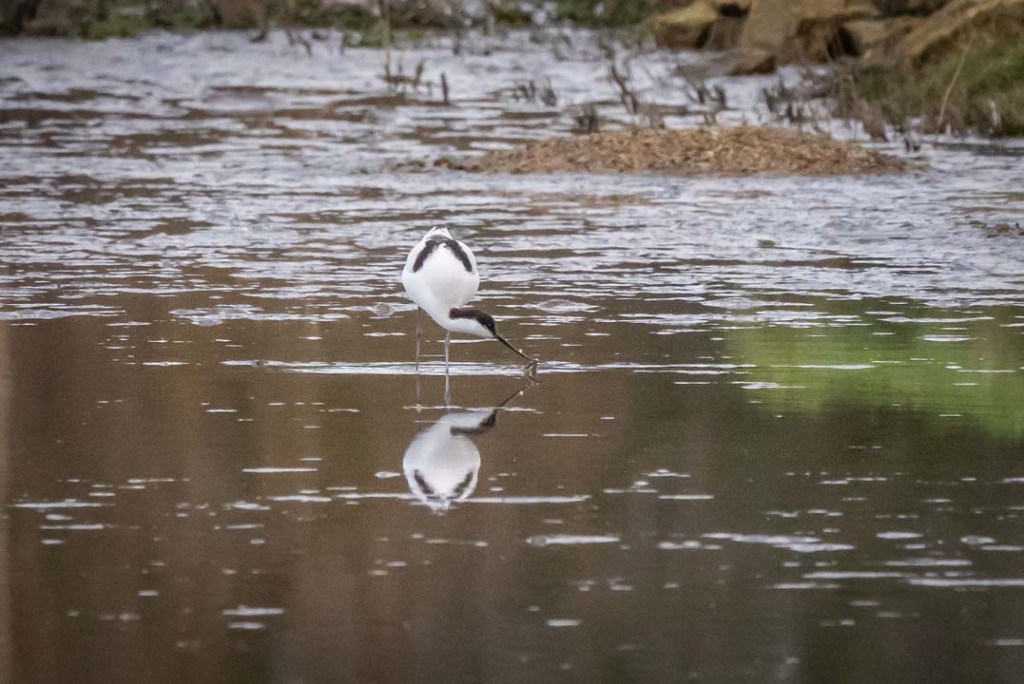
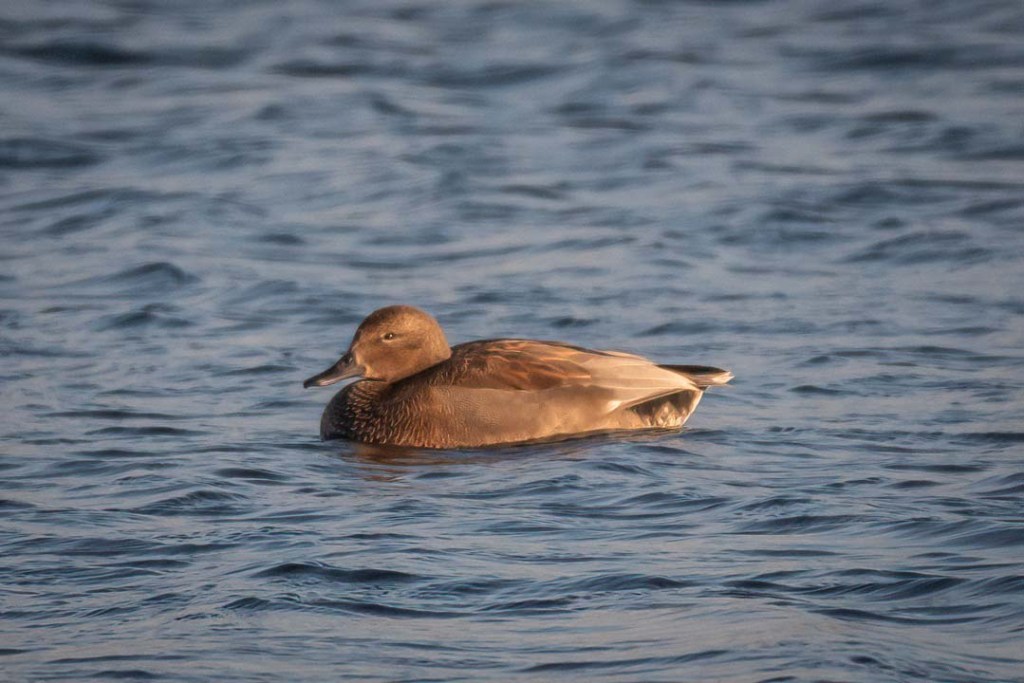
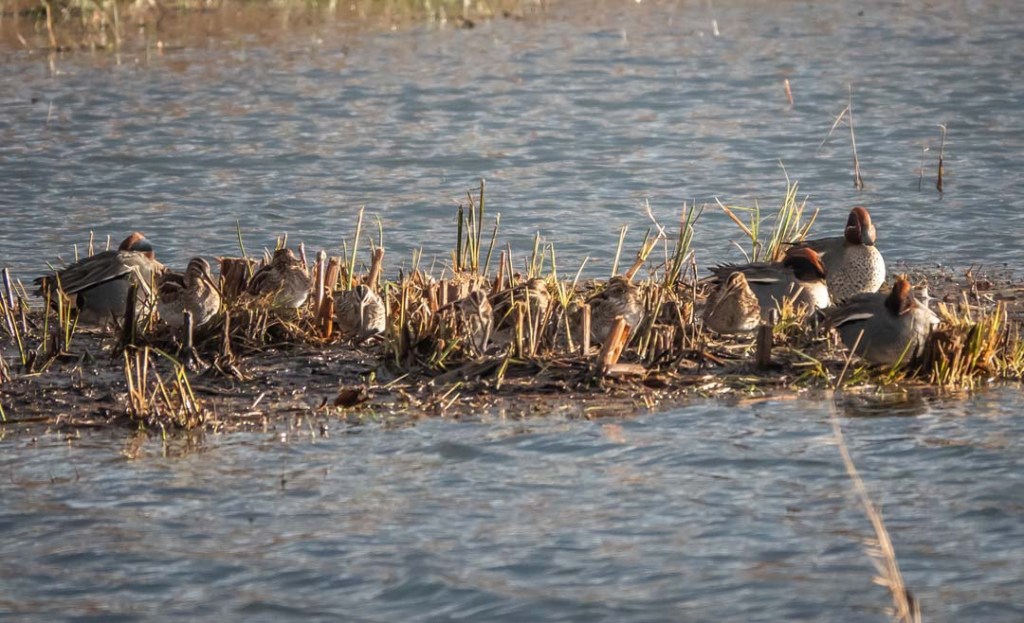
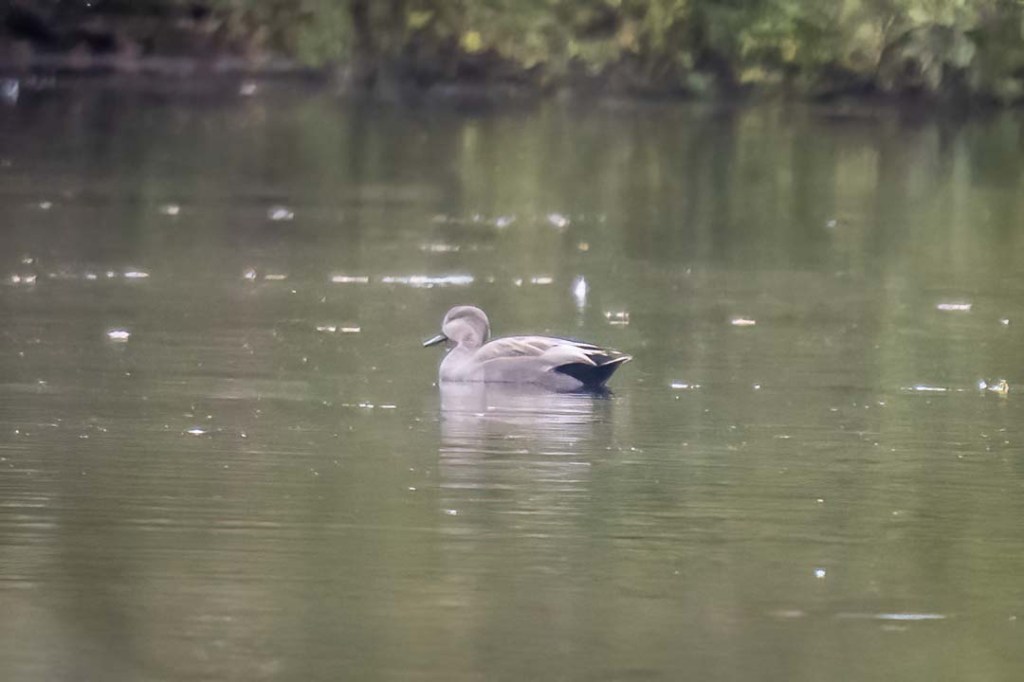
Golden ploverGolden ploverBlack-tailed godwitsWigeonCurlewAvocetRuffSnow gooseTealShelduckRedshankLapwingWigeonAvocetShovelerGadwallBewick swans
It was dull at Slimbridge this morning but quite mild. It was definitely a pleasure to be spared the wind and rain which have plagued us for the last few weeks.
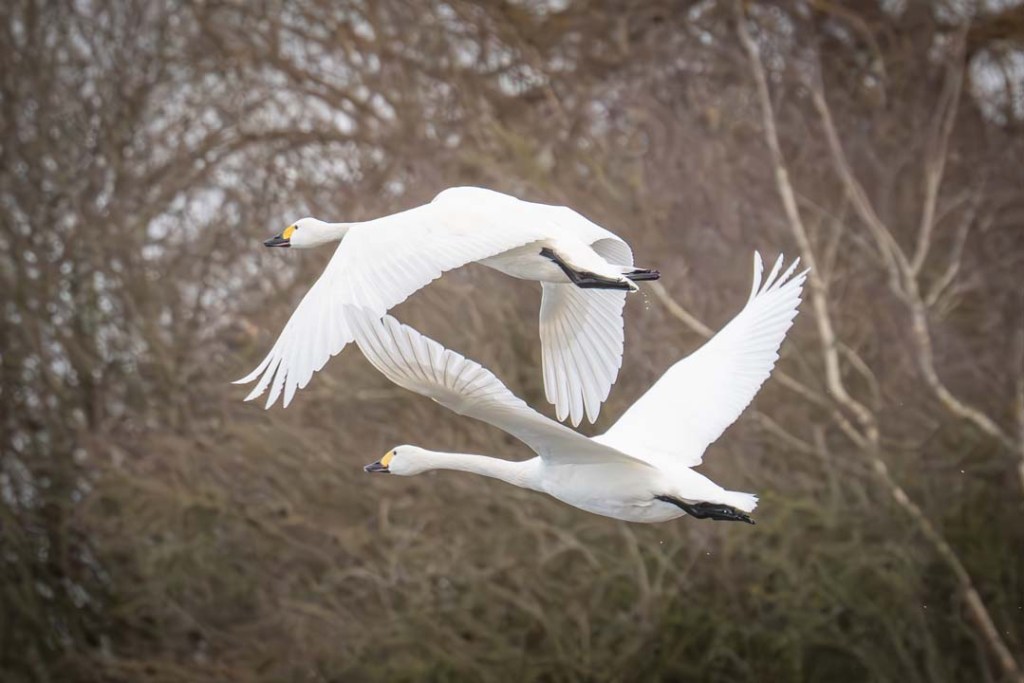
Bewick swans
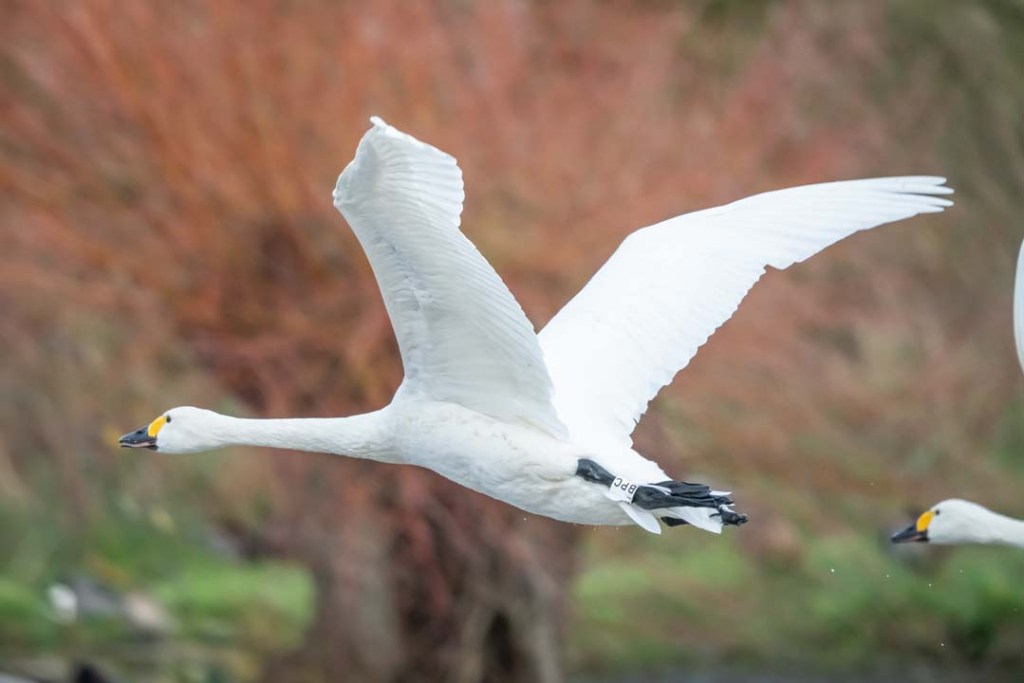
At this time of year the highlights are the Bewick swans which migrate here from the arctic tundra of Russia.
This year the Bewicks didn’t arrive at Slimbridge until the 16th November which is the latest they have arrived on site since 1965. Experts are linking their delayed arrival to climate change, combined with a mixture of stormy and mild weather in recent weeks.
The Bewicks are quite small swans , as can be seen compared to a shelduck
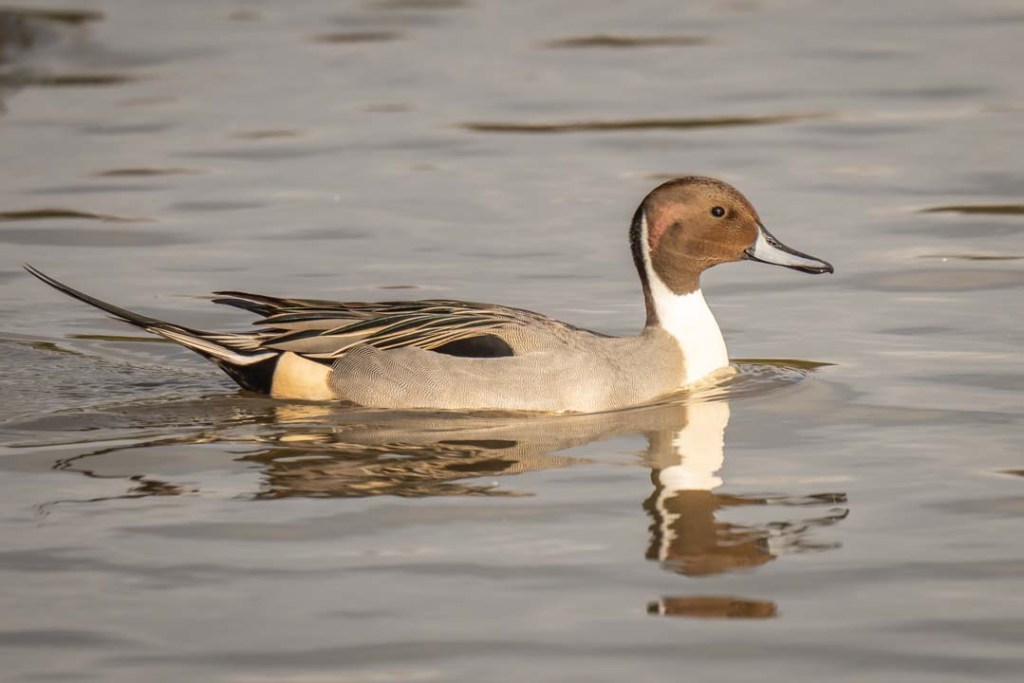
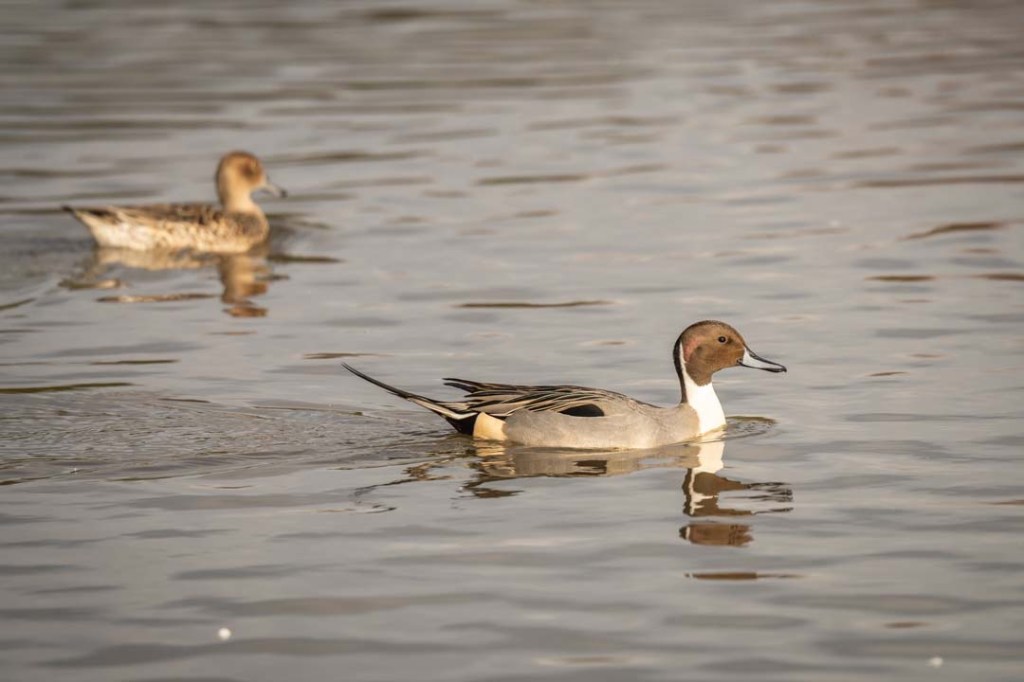
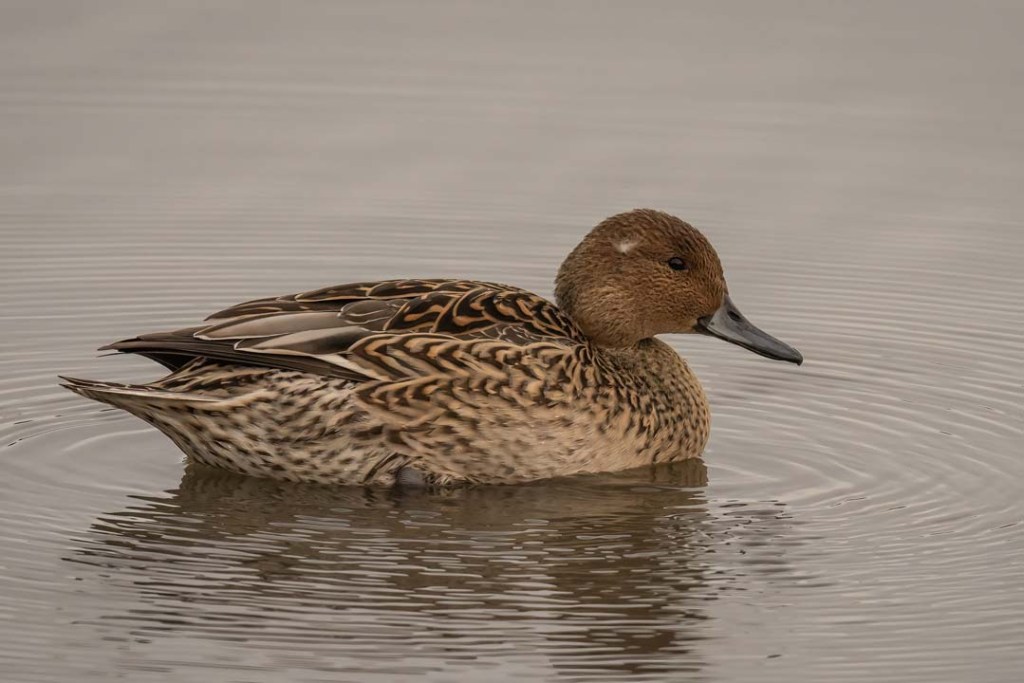
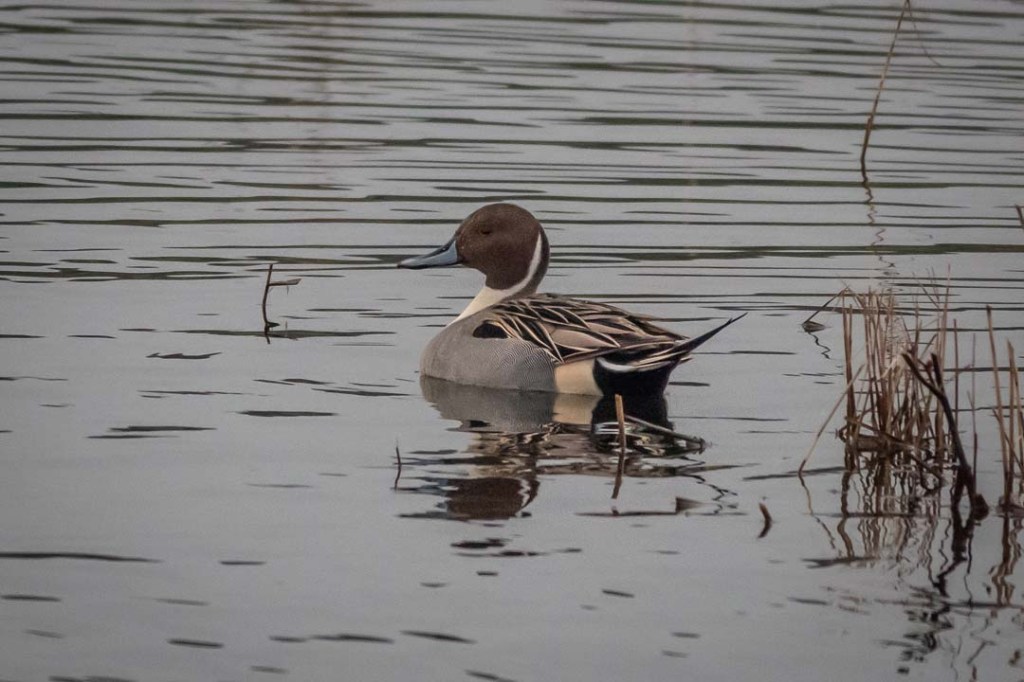
There were fair numbers of one of my favourite ducks, the northern pintail.
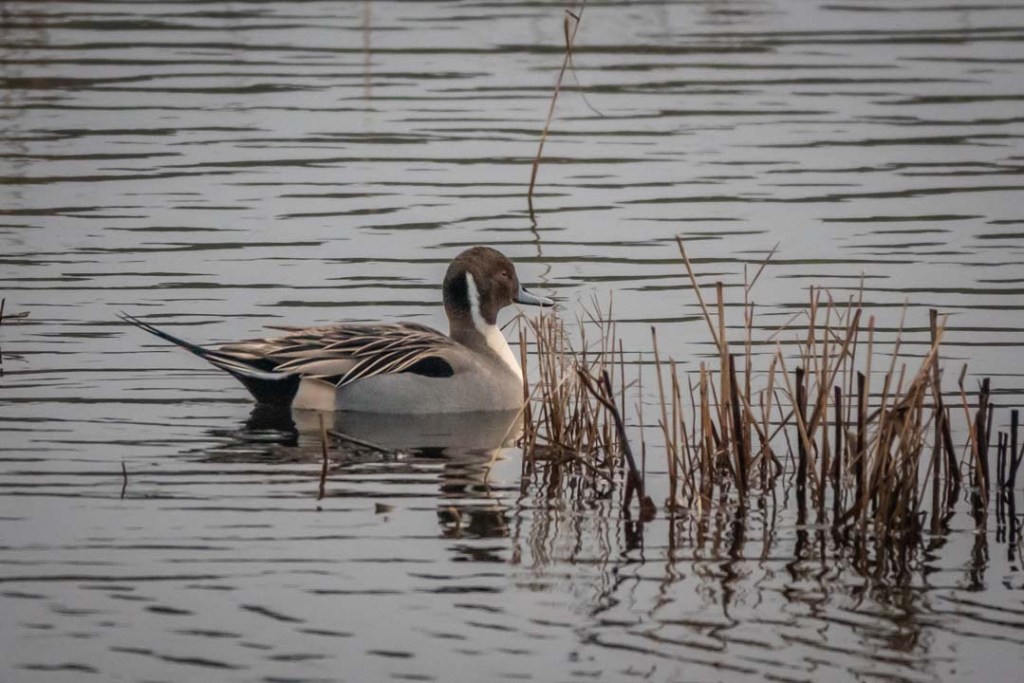
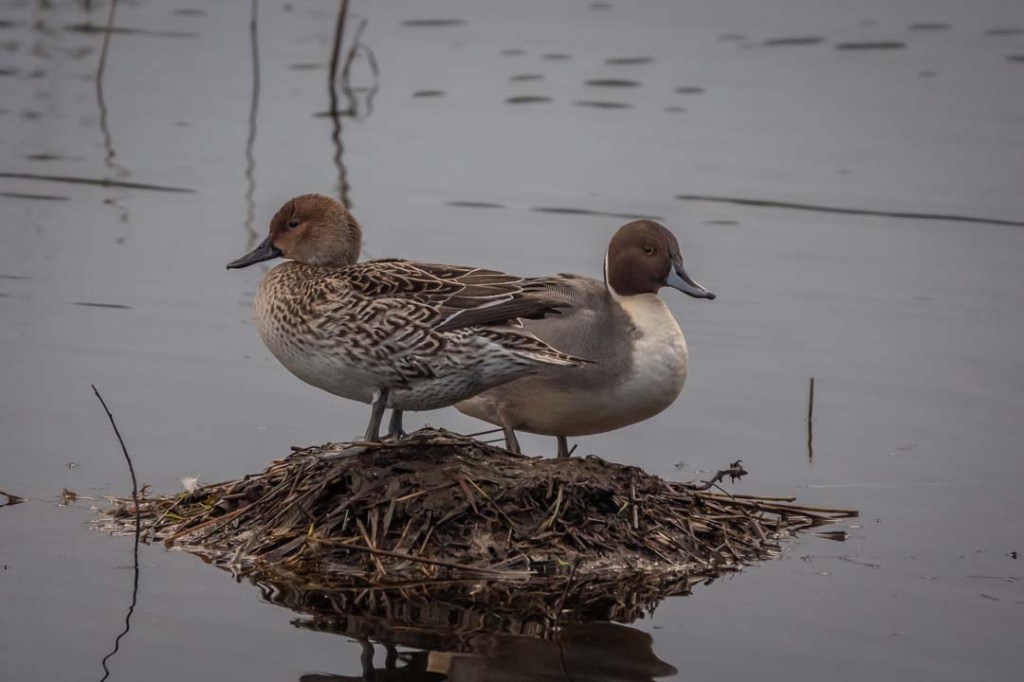
Northern pintails Female northern pintail
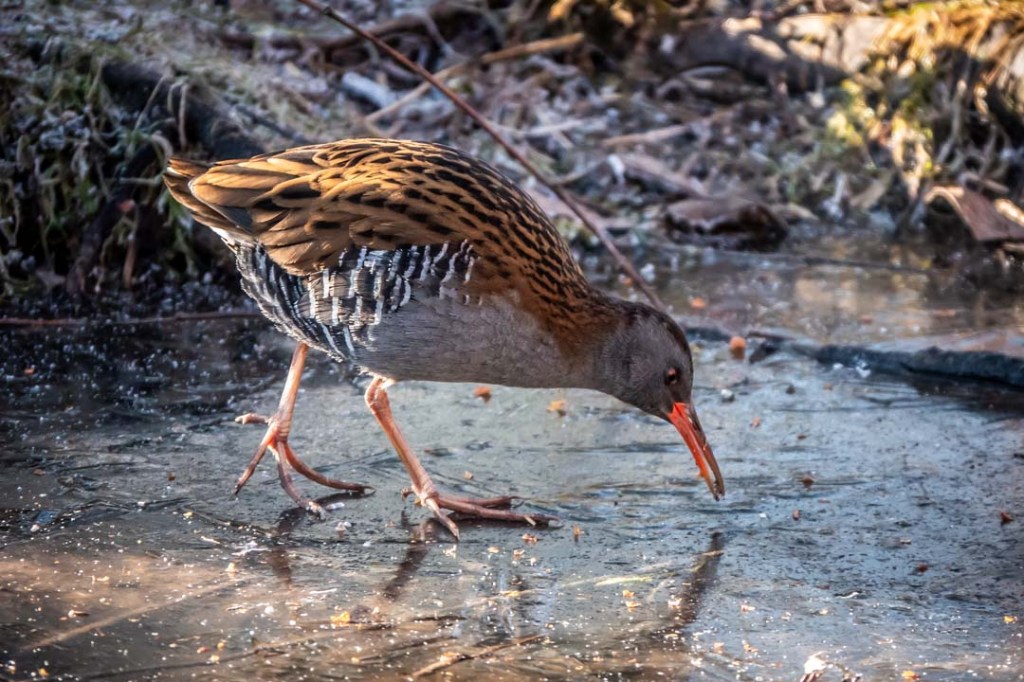
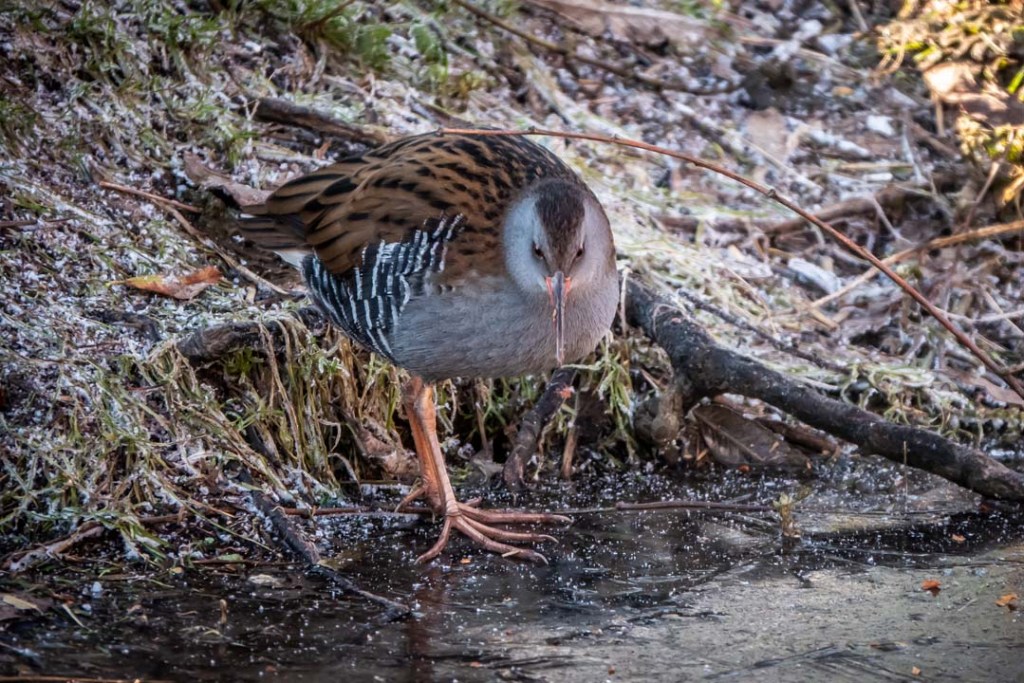
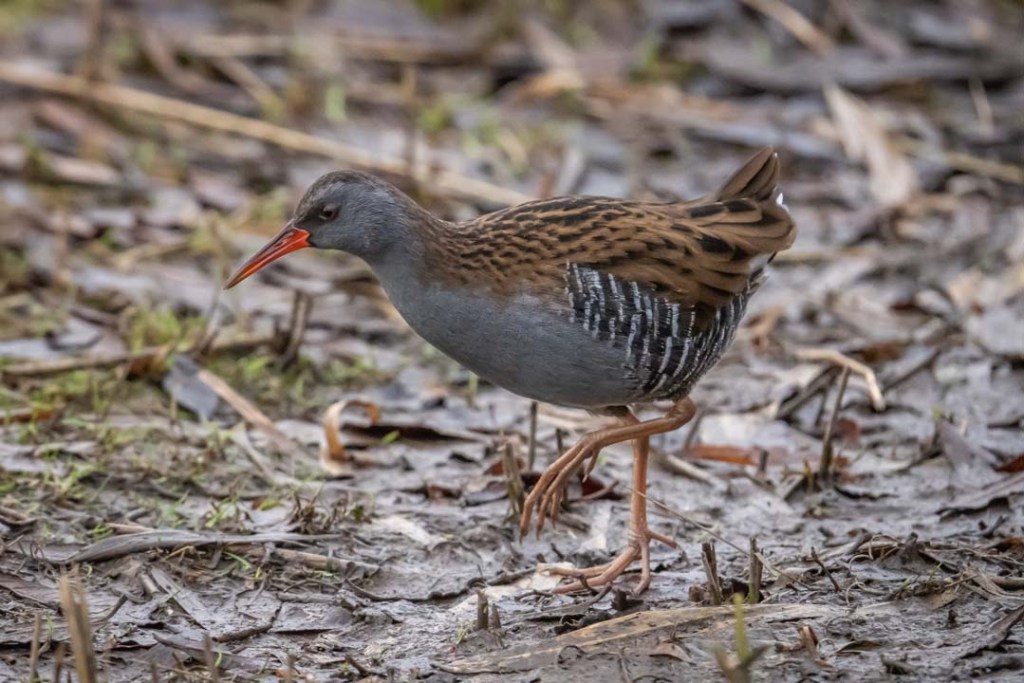
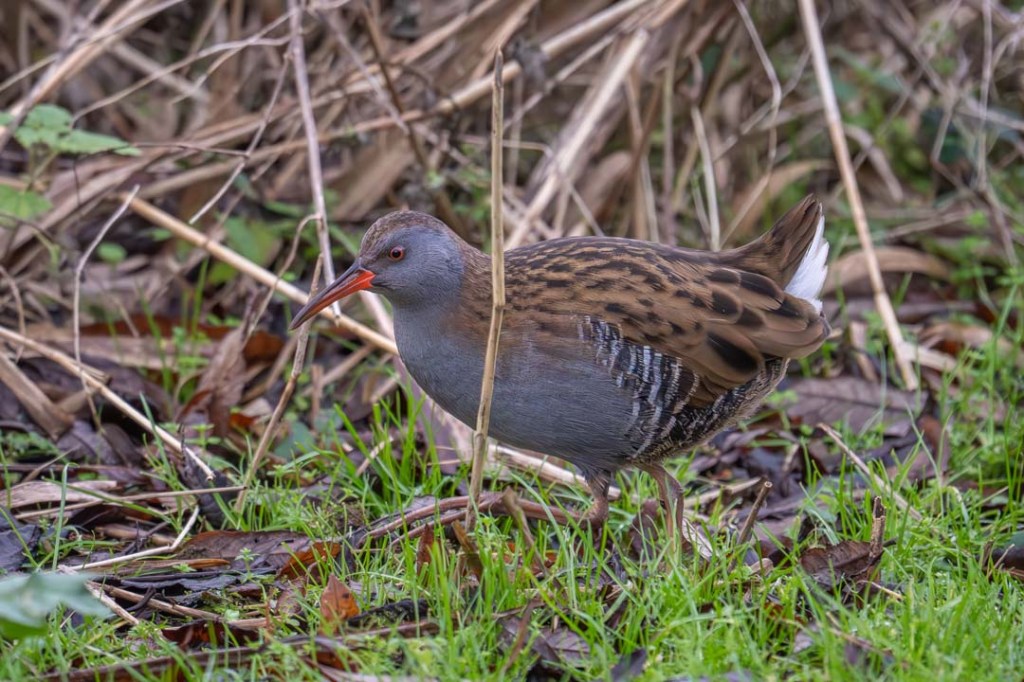
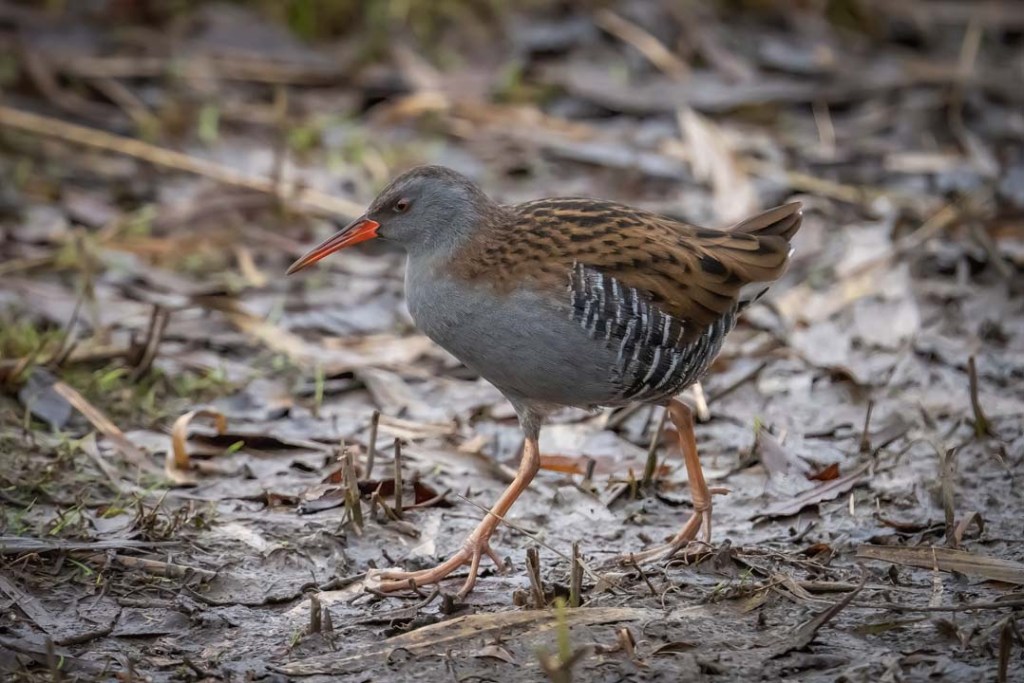
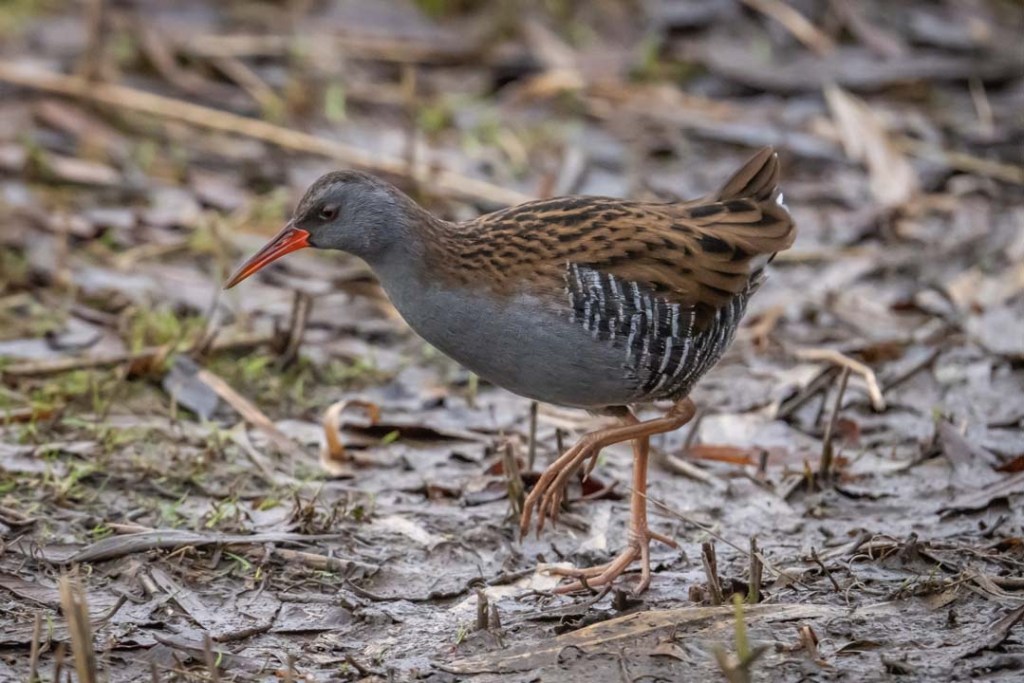
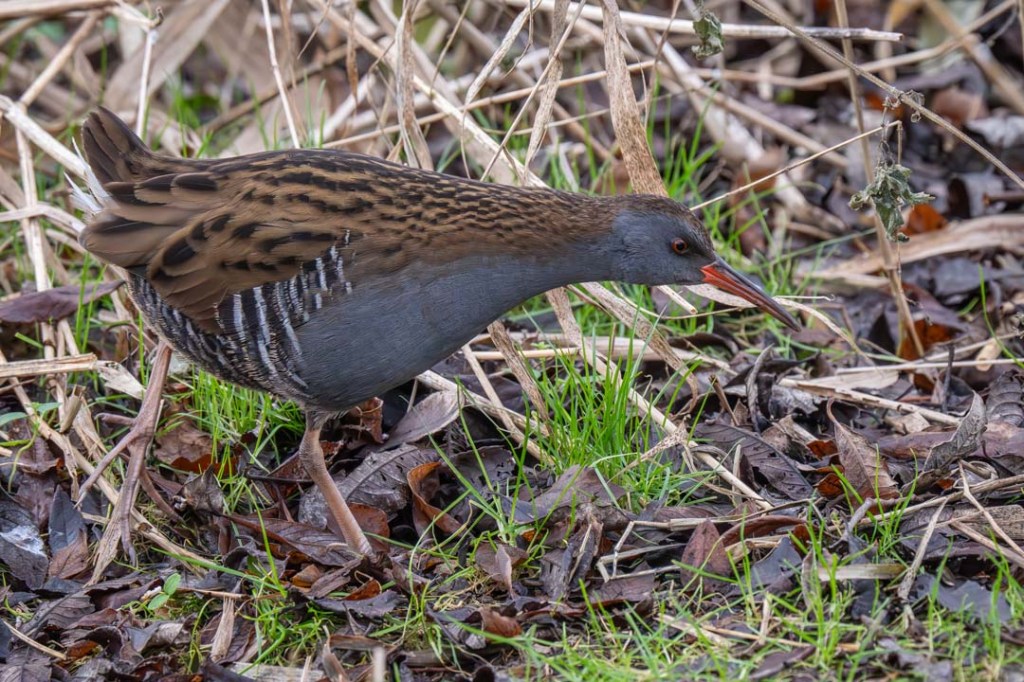
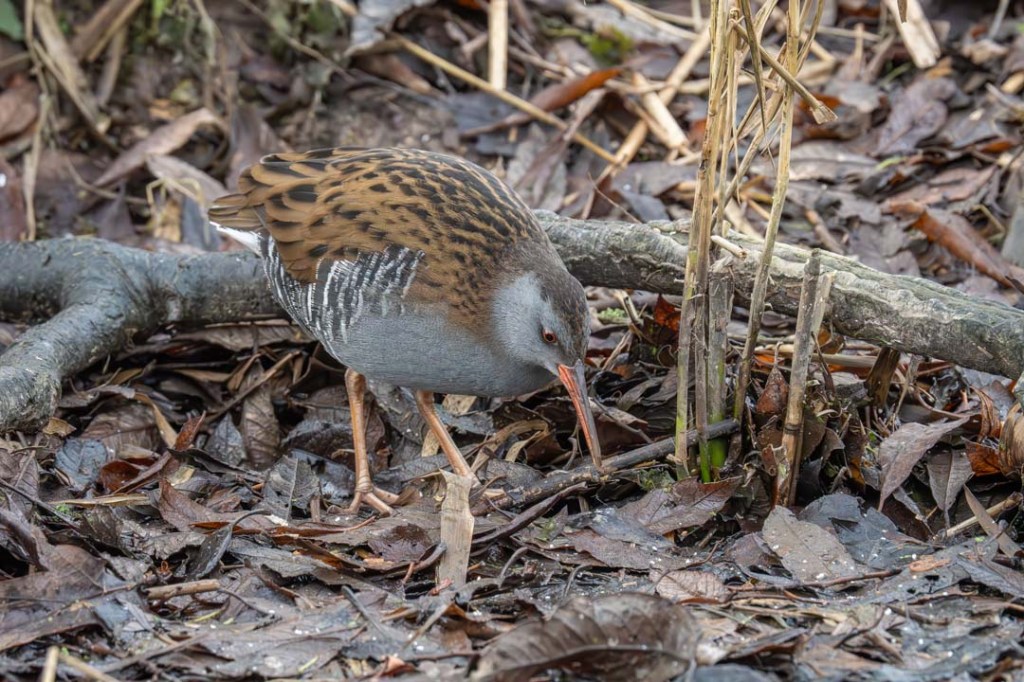
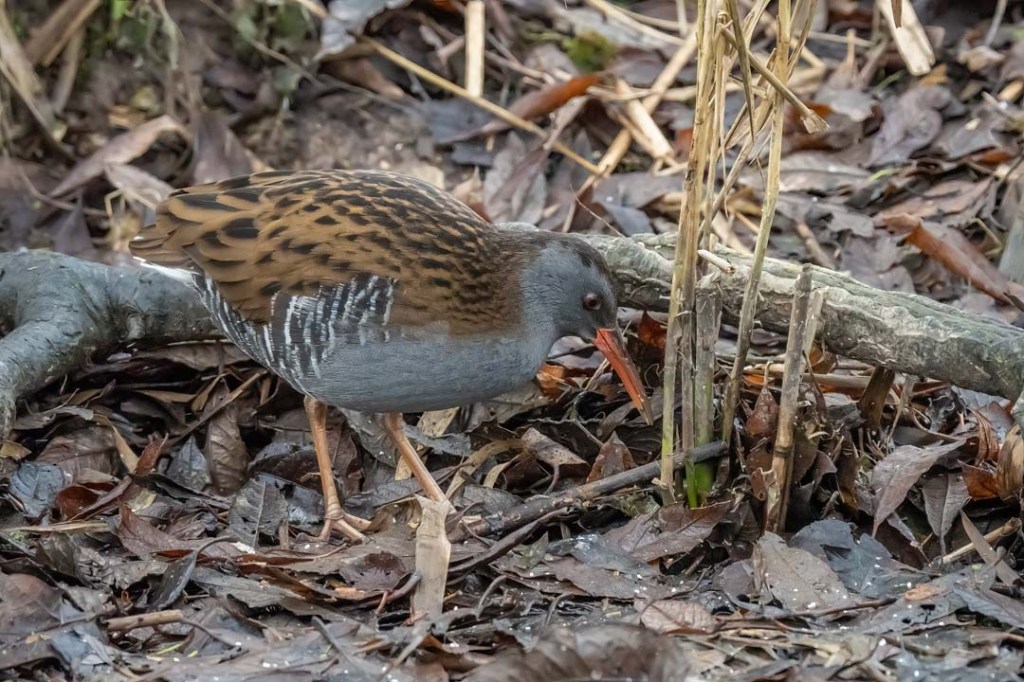
We also had good views of the generally secretive water rail – with two parading very close up.
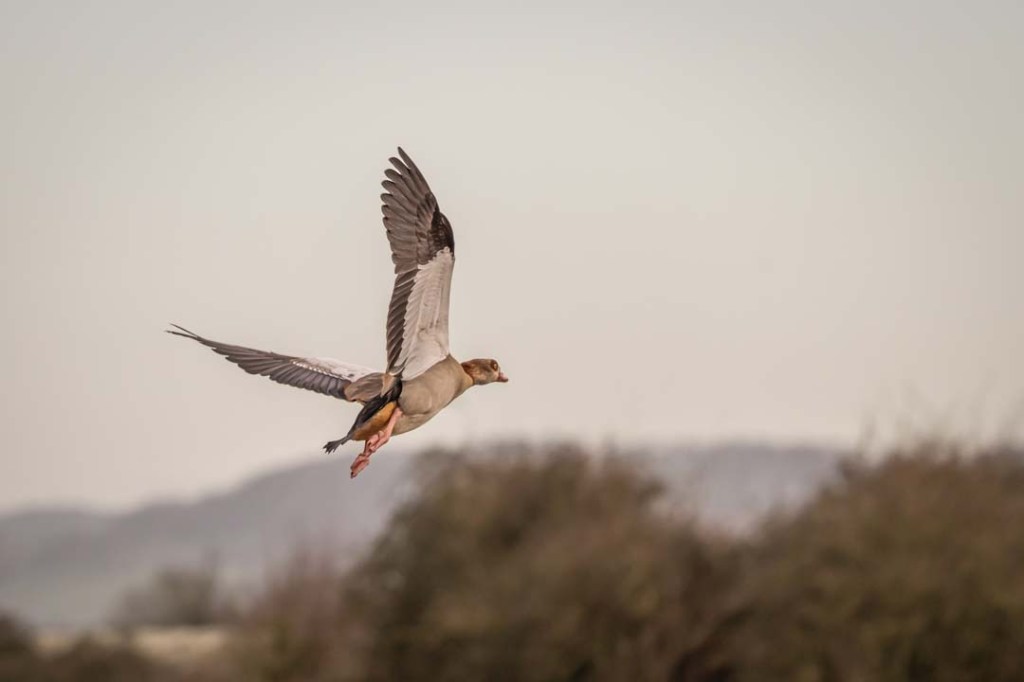
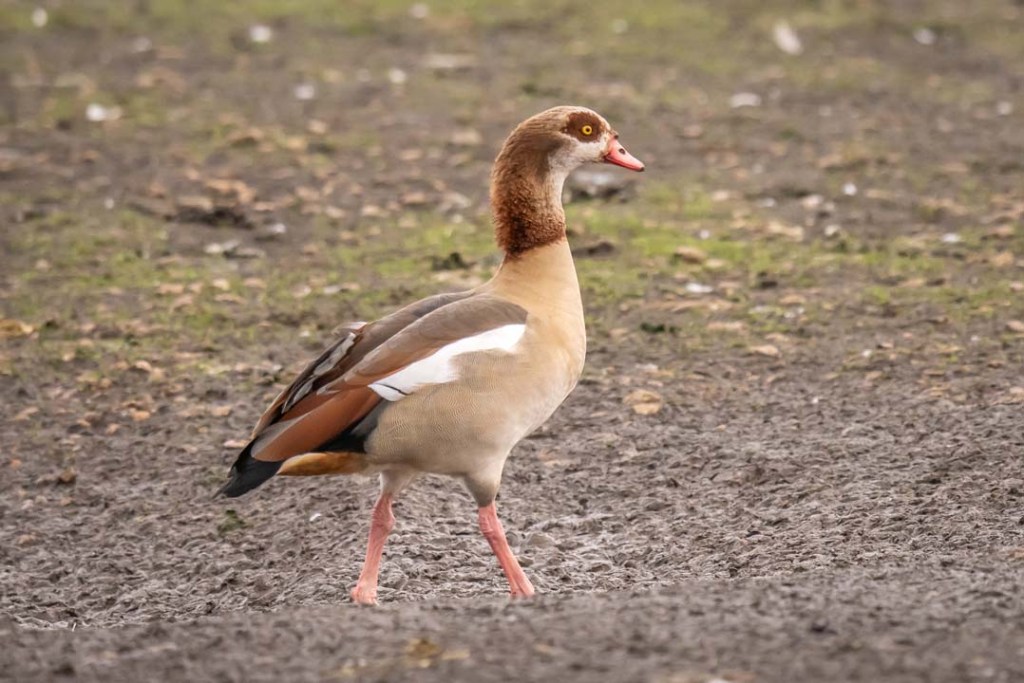
Water railWater railTwo Egyptian geese flew in to join the large number of greylag and Canadian geese.Egyptian goose
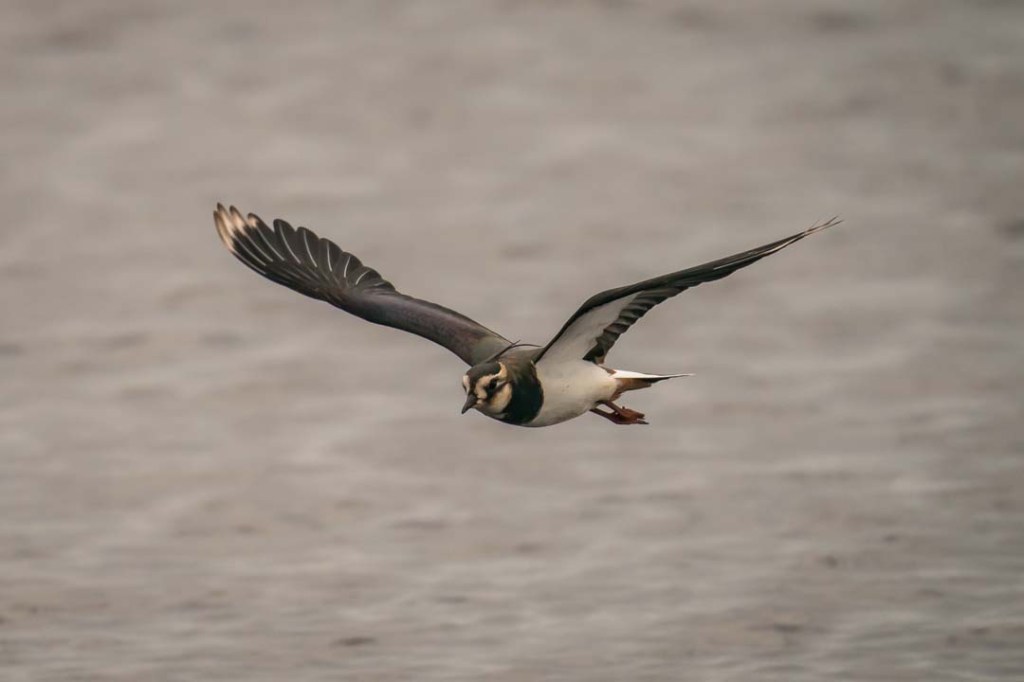
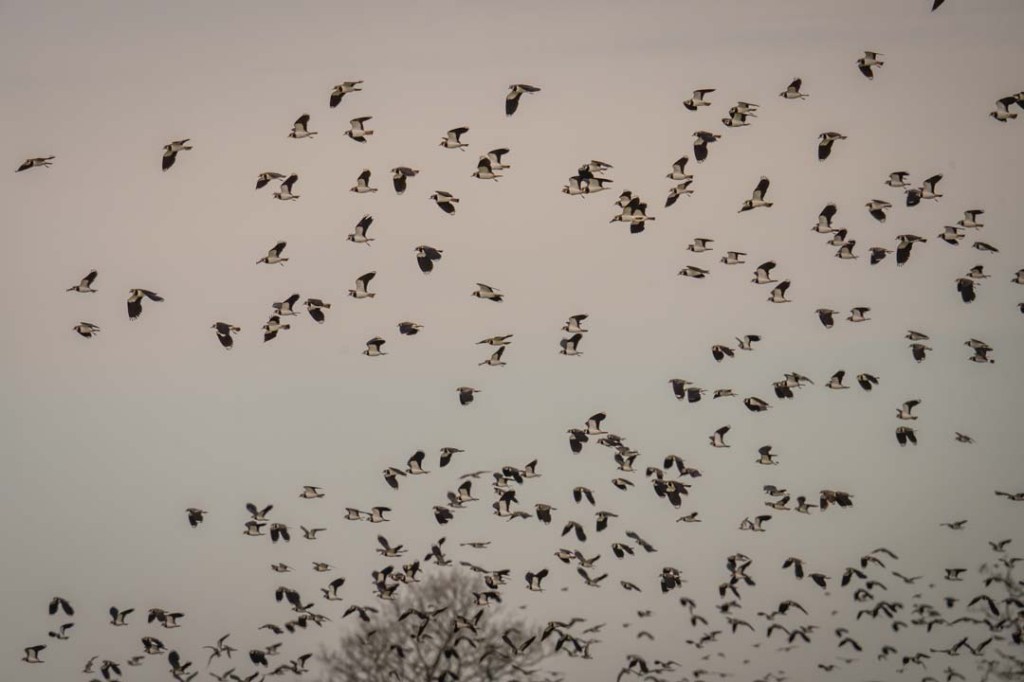
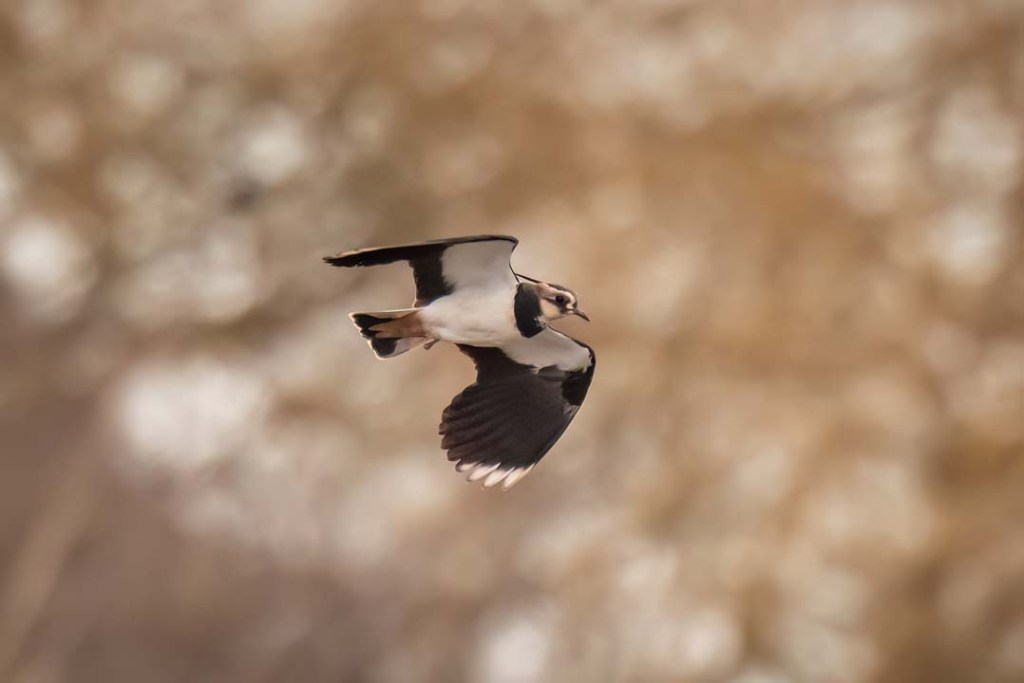
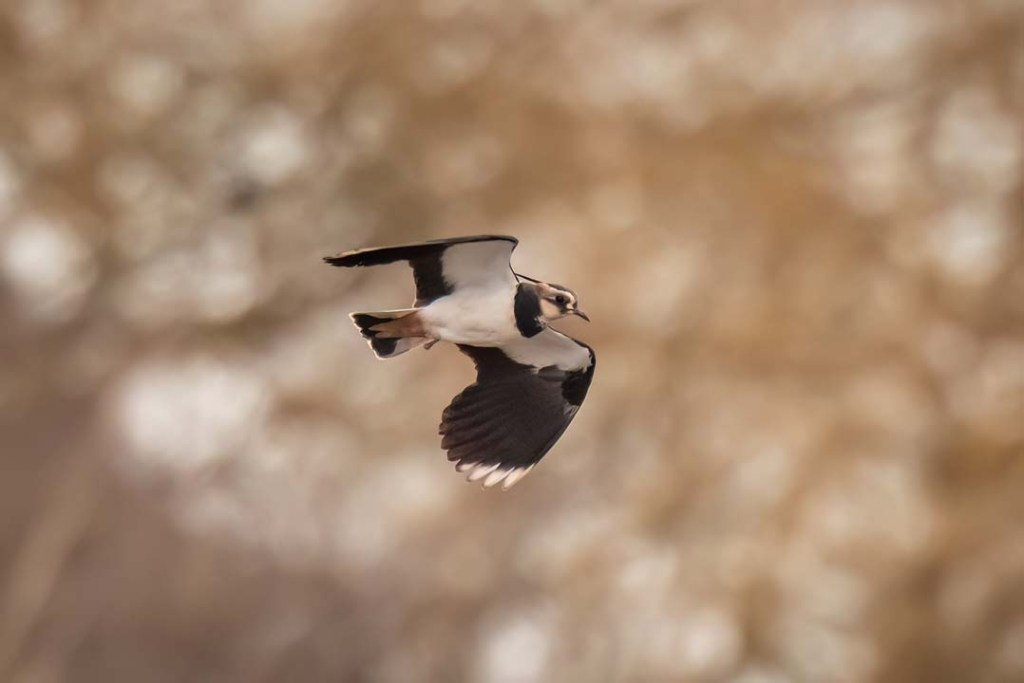
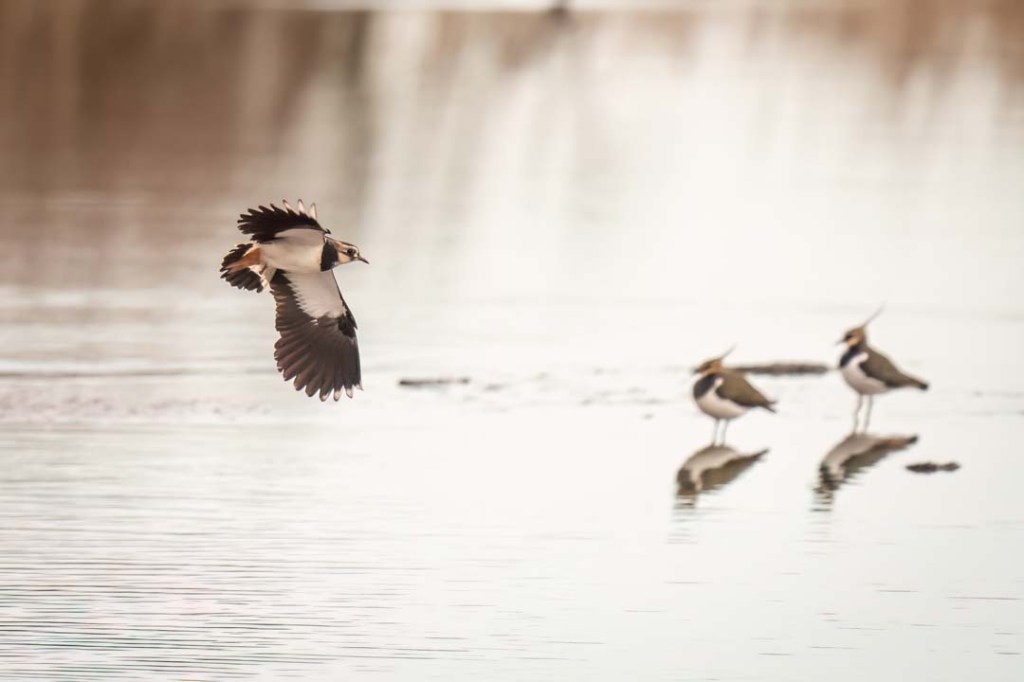
The wet fields were teeming with lapwing which every now and again were spooked by a predator and took to the skies. Unfortunately, in the the dull conditions they didn’t make the spectacular show that we often see here. We were disappointed also not to see any golden plover which also generally make a great display.
LapwingLapwing
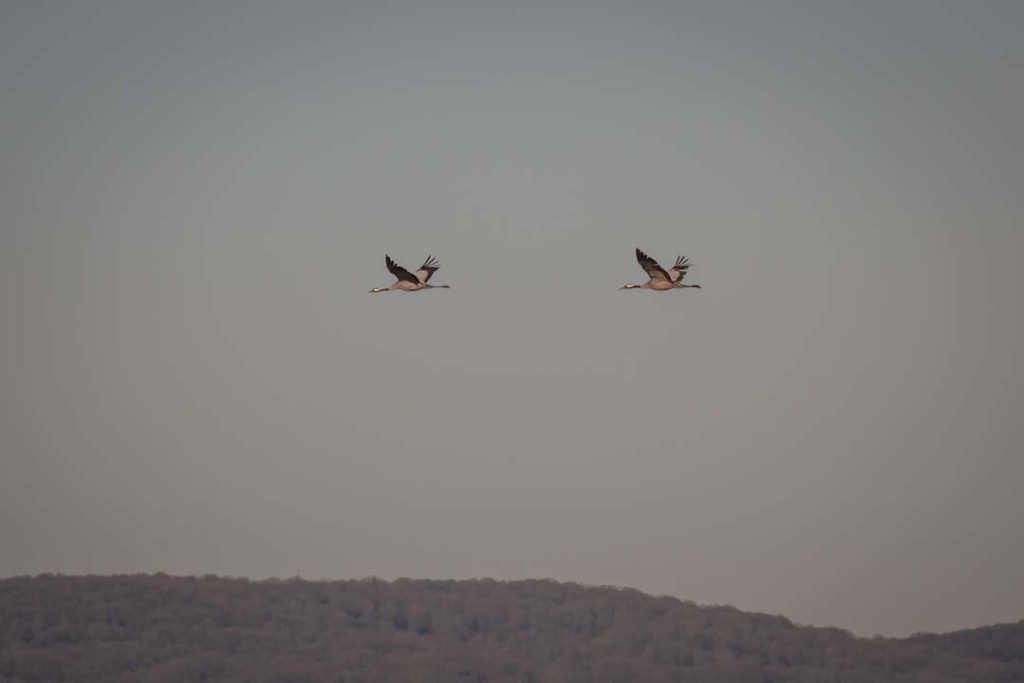
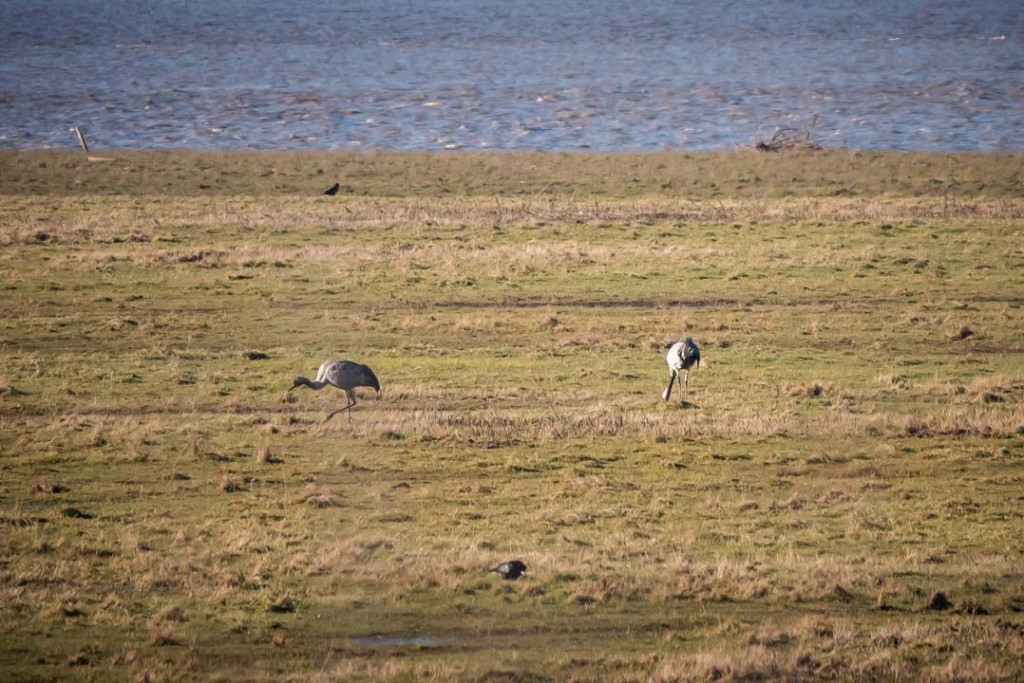
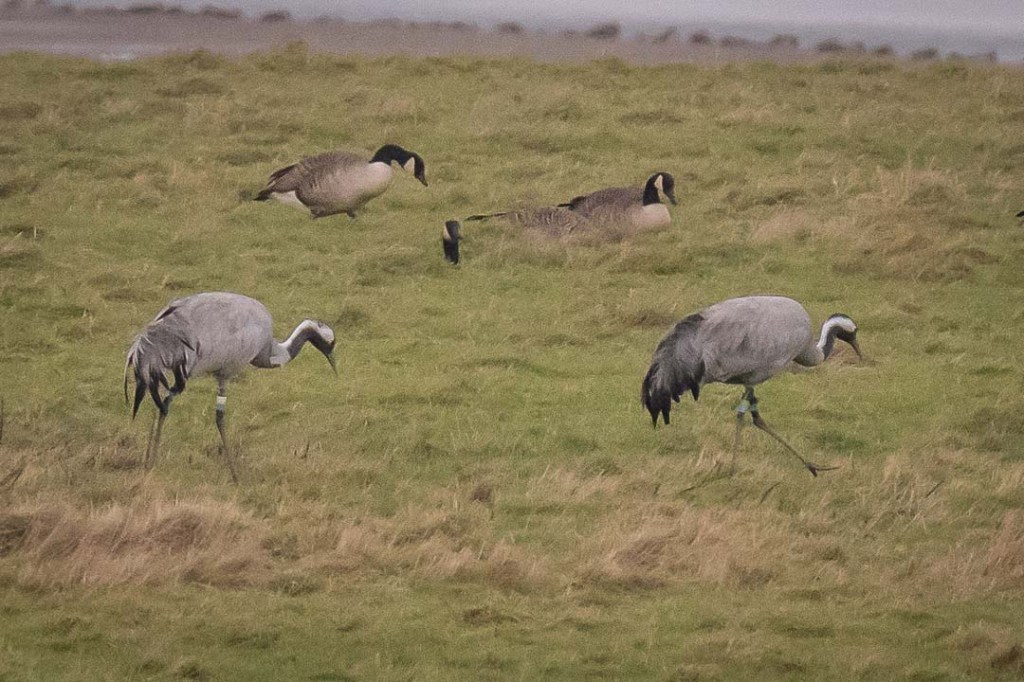
There is always a chance to see common crane here but today they were all very distant.
We are having a pre-Christmas holiday in the Lake District in Cumbria in the north-west of England. Today we visited the RSPB reserve of Leighton Moss which, although not within the Lake District, is only 30 minutes from where we are staying in Cartmel in the southern part of the Lakes.
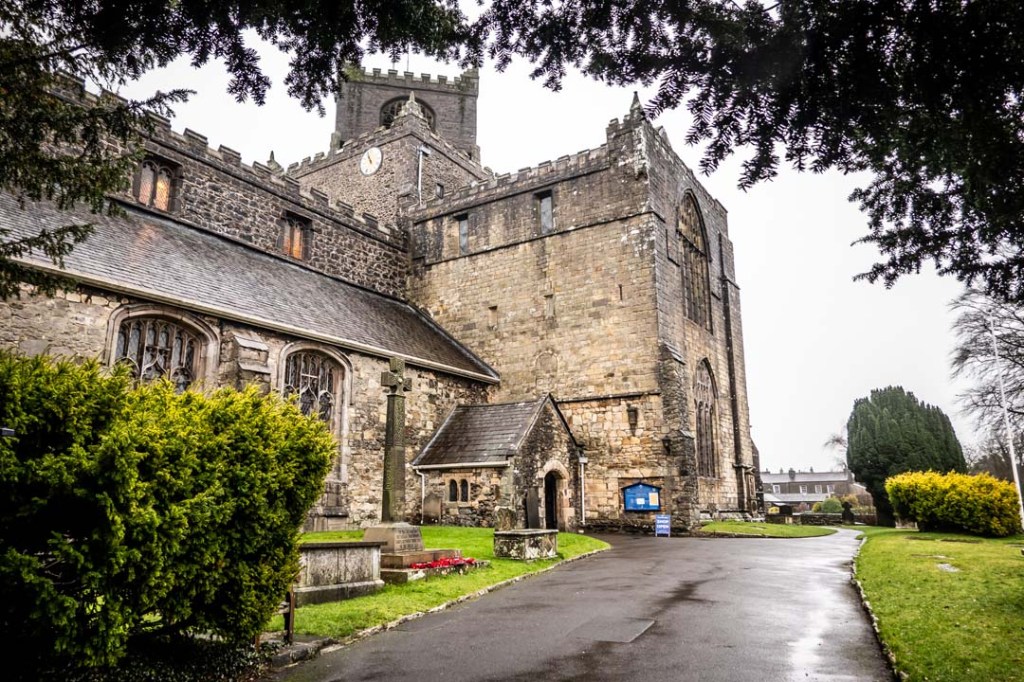
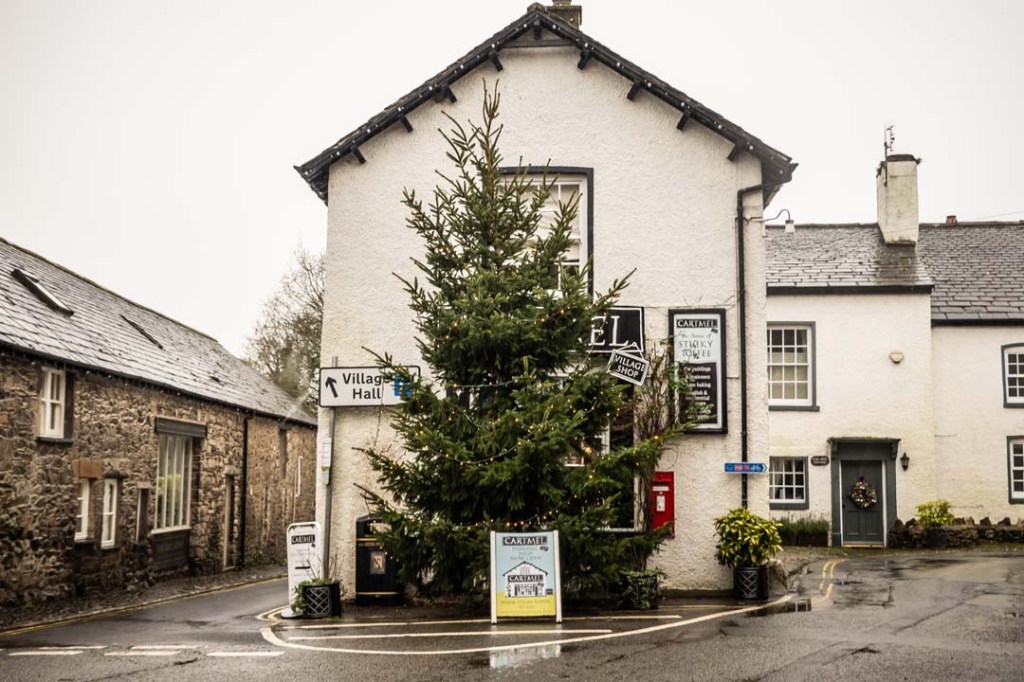
The amazing Priory Church in Cartmel (in the rain)The village of Cartmel is a “foodie’s” delight with 2 Michelin starred restaurants, an hotel , 4 pubs , a micro brewery, a wine bar and several coffee shops. The village shop, here, is famous for being the home of “sticky toffee pudding”.
The last few days all of our visits have been in the rain.
Coniston (in the rain)
We knew the weather here could be pretty hostile, especially at this time of the year, but today we were really lucky; although it started dull, it stayed dry and we even had moments of sunshine.
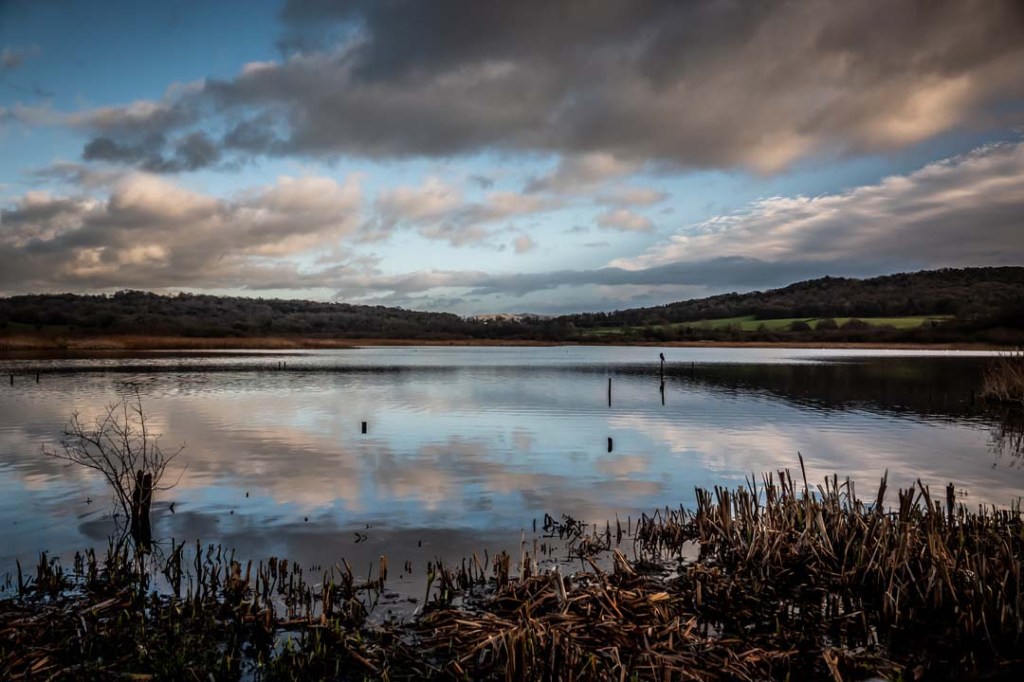
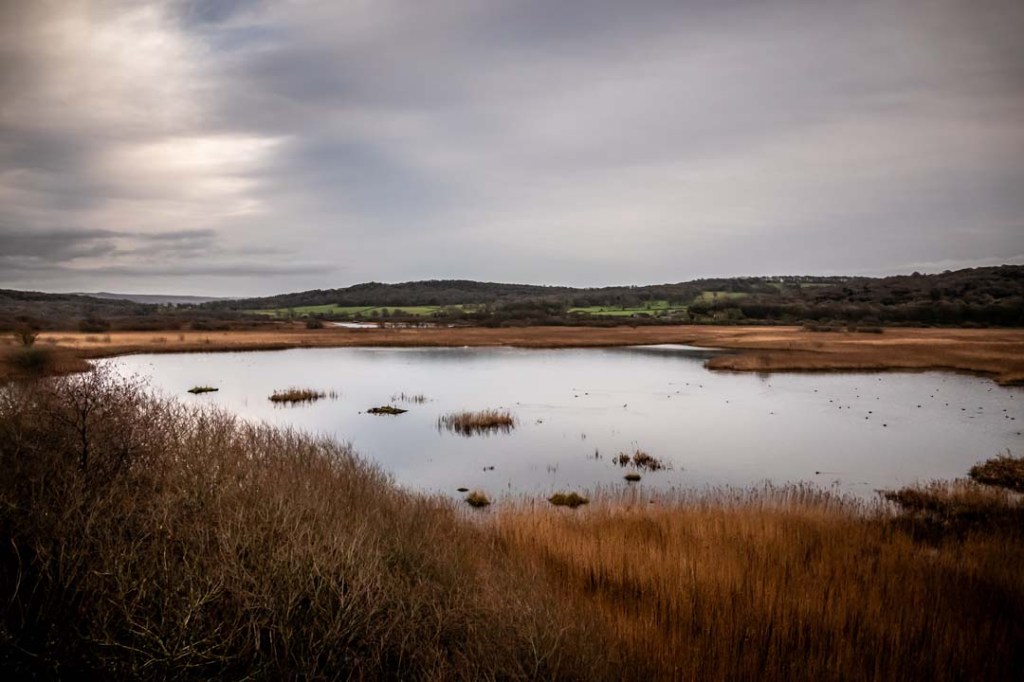
Leighton Moss from the 9 metre high Skytower. Northern pintail were in the minority amongst the waterfowl
Leighton Moss is home to the largest reed bed in north-west England. This sweeping expanse provides shelter to a spectacular range of wildlife including otters, bearded tits, marsh harriers, egrets and red deer.
Our only egret of the day – a great white egretThe light varied so much.
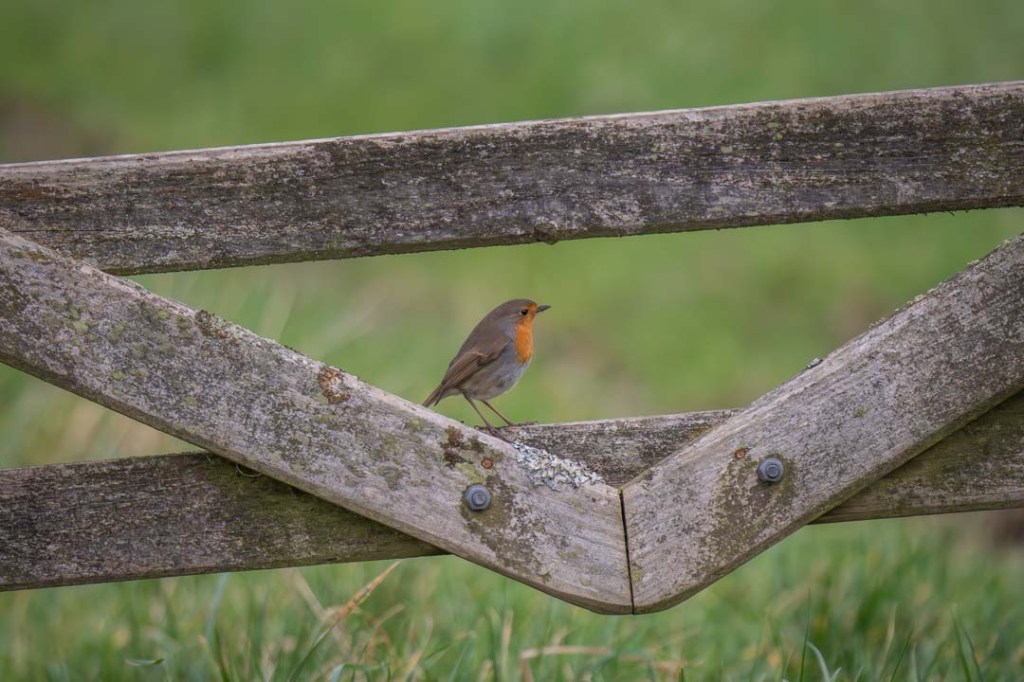
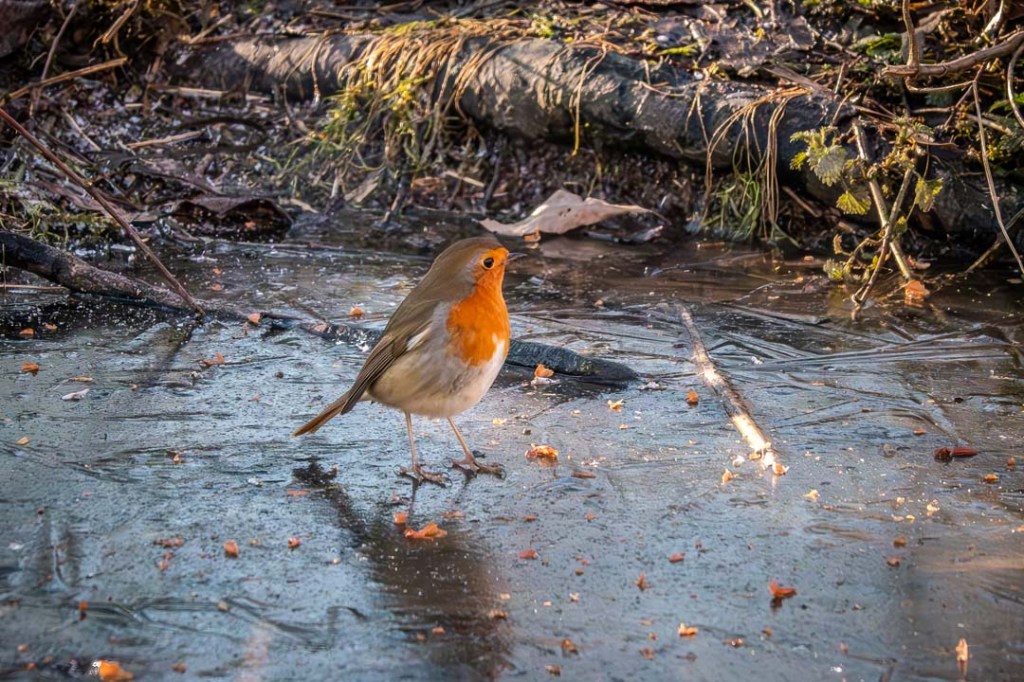
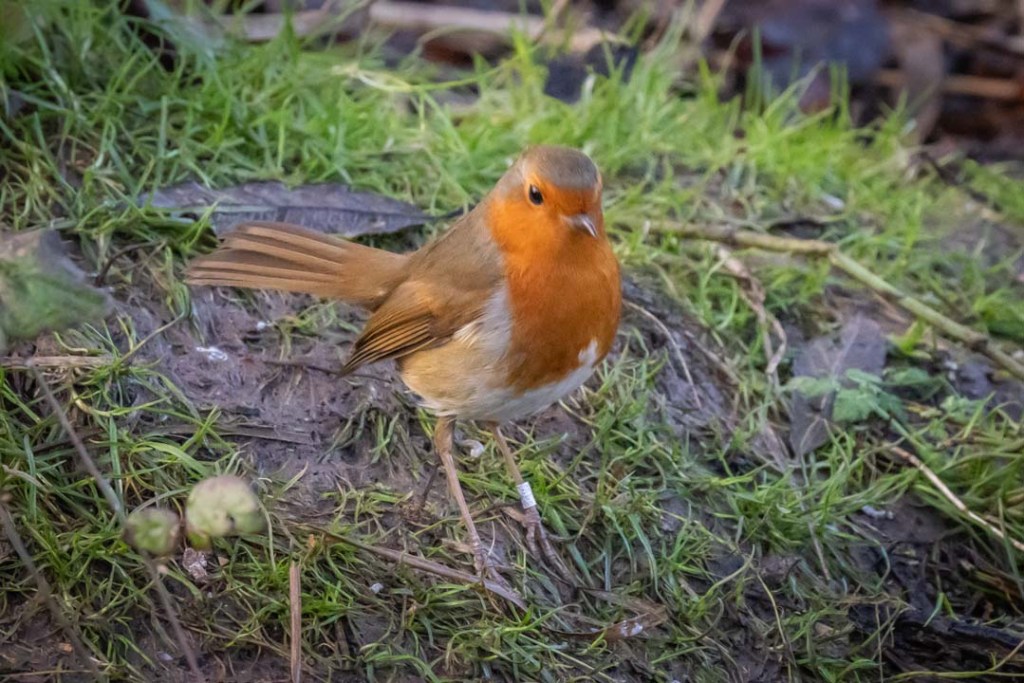
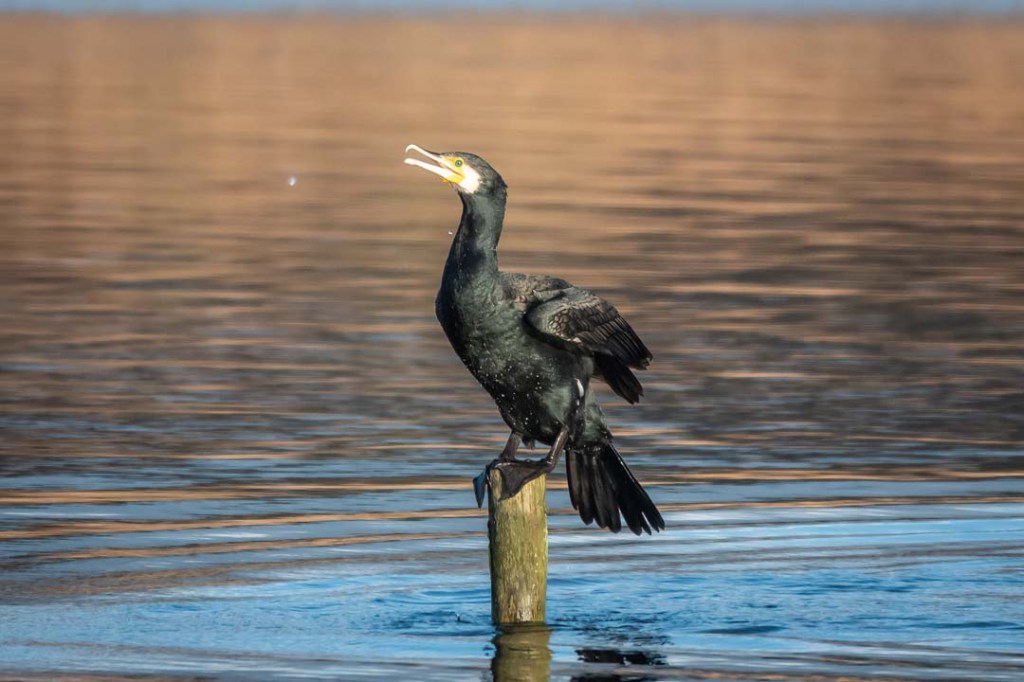
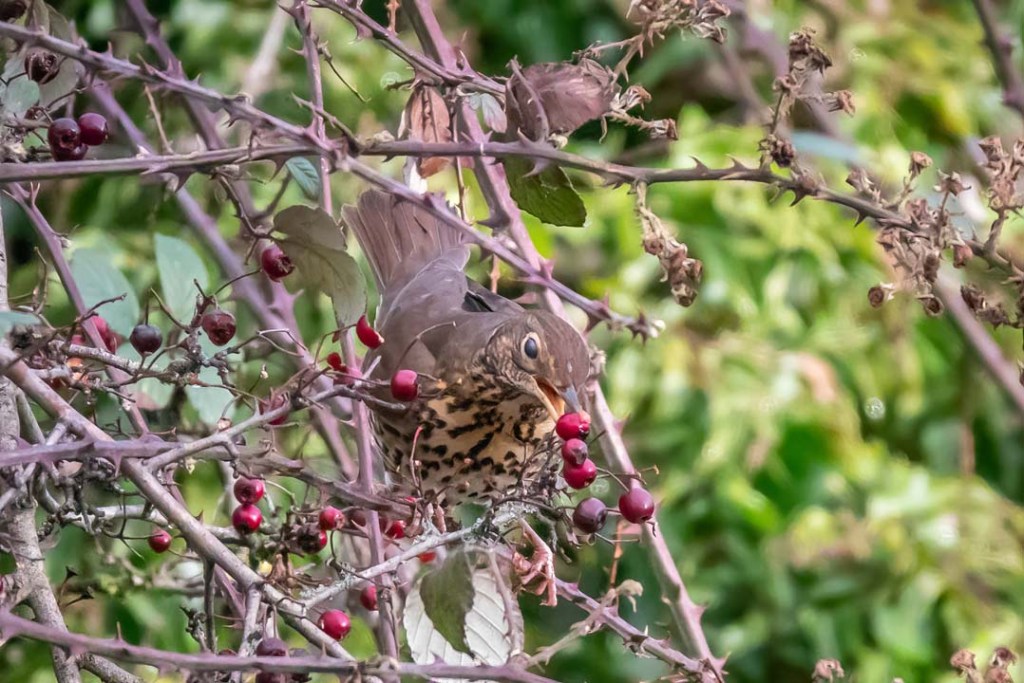
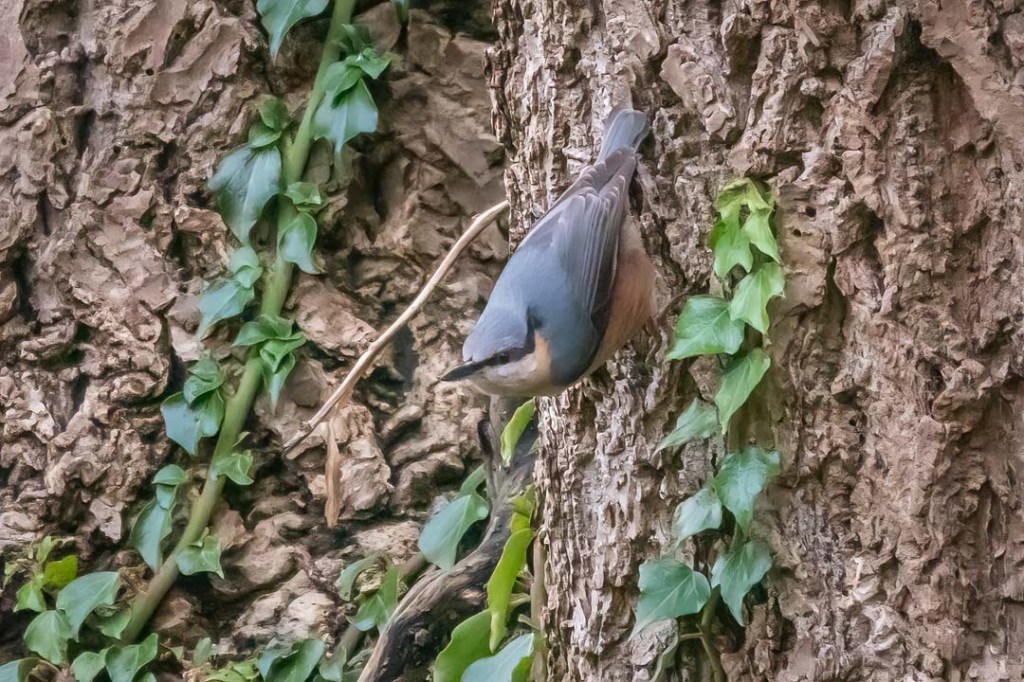
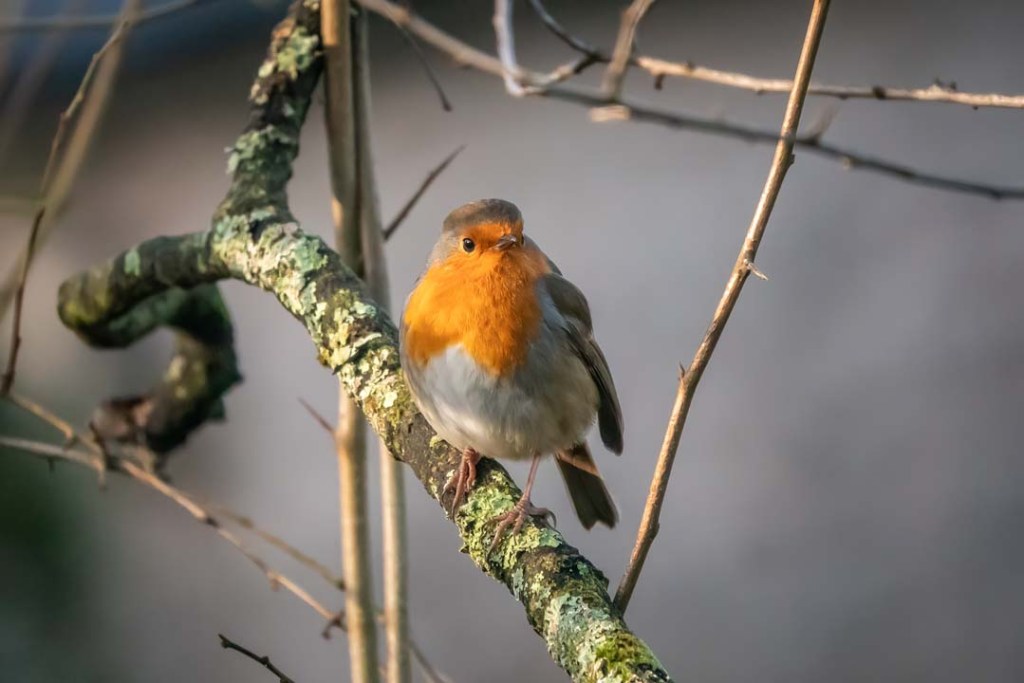
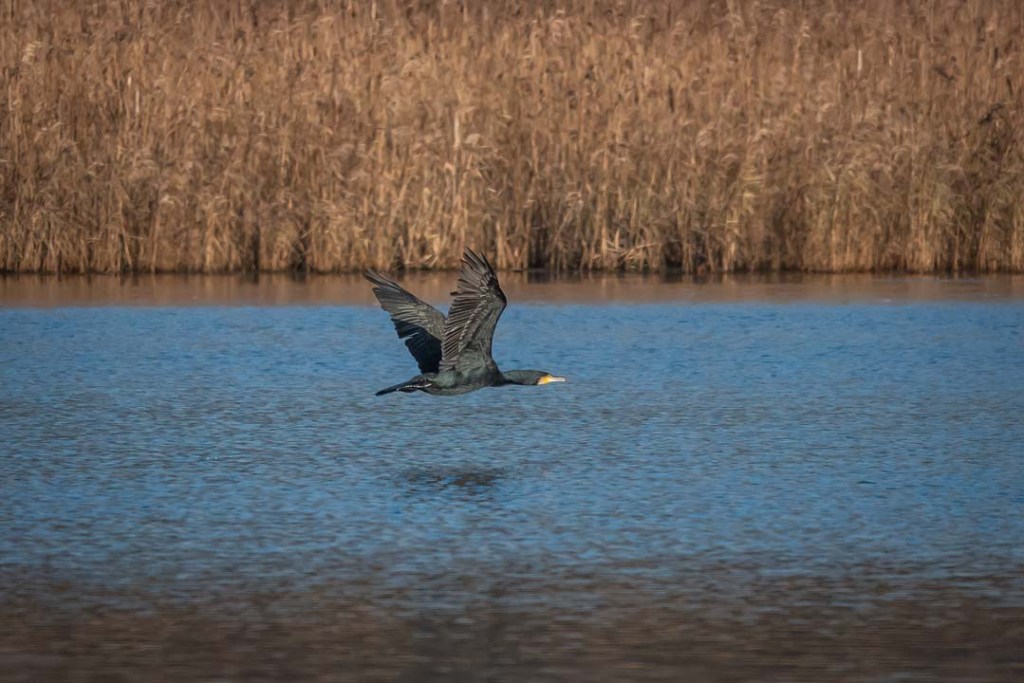
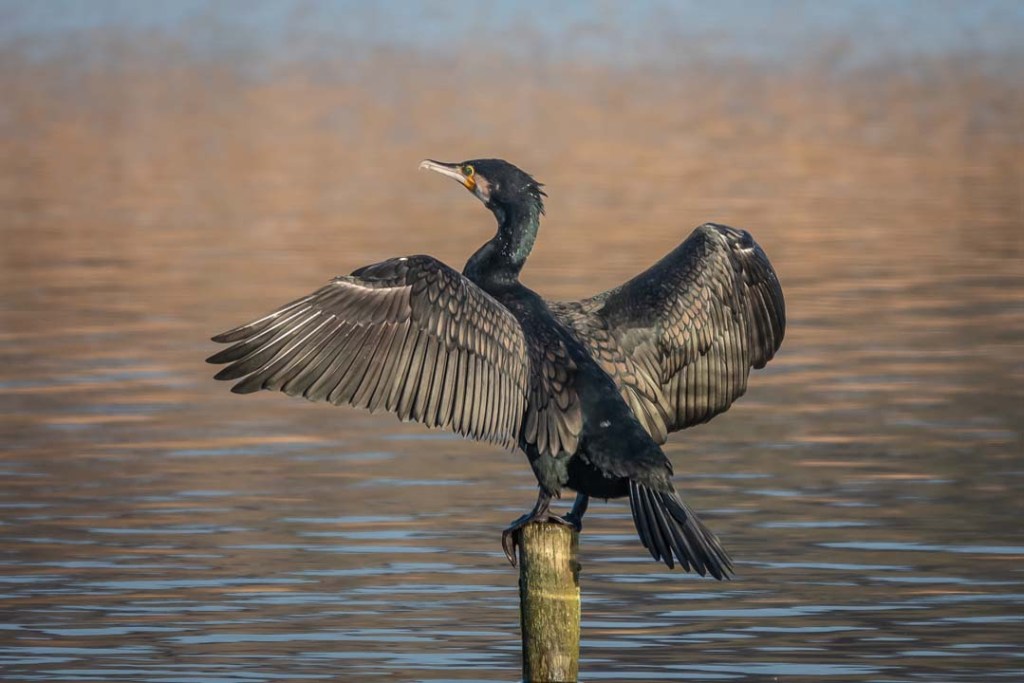
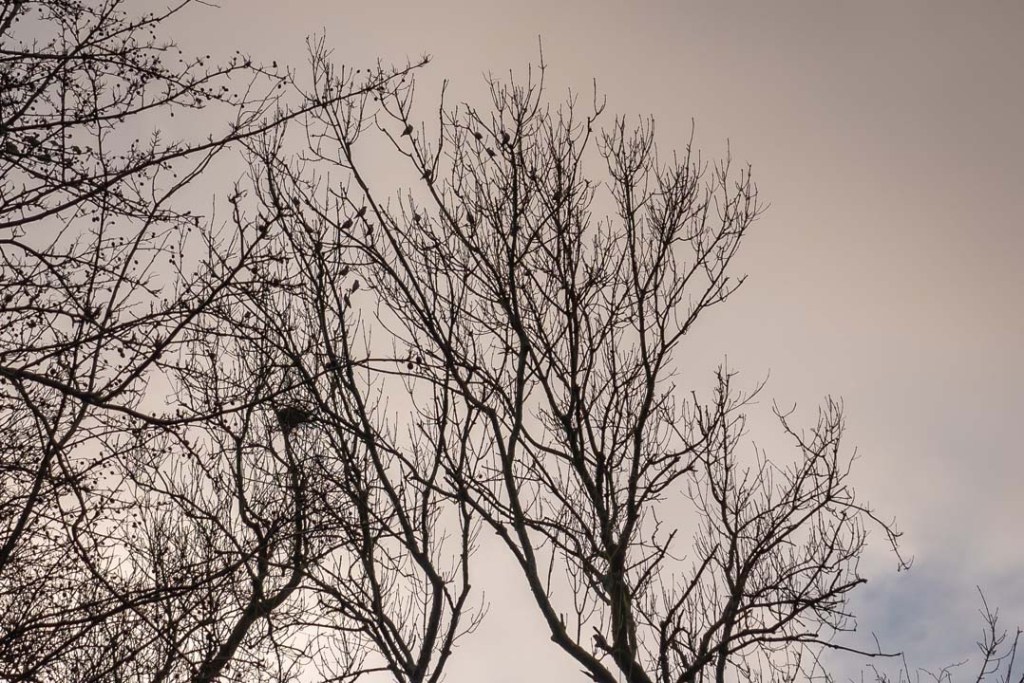
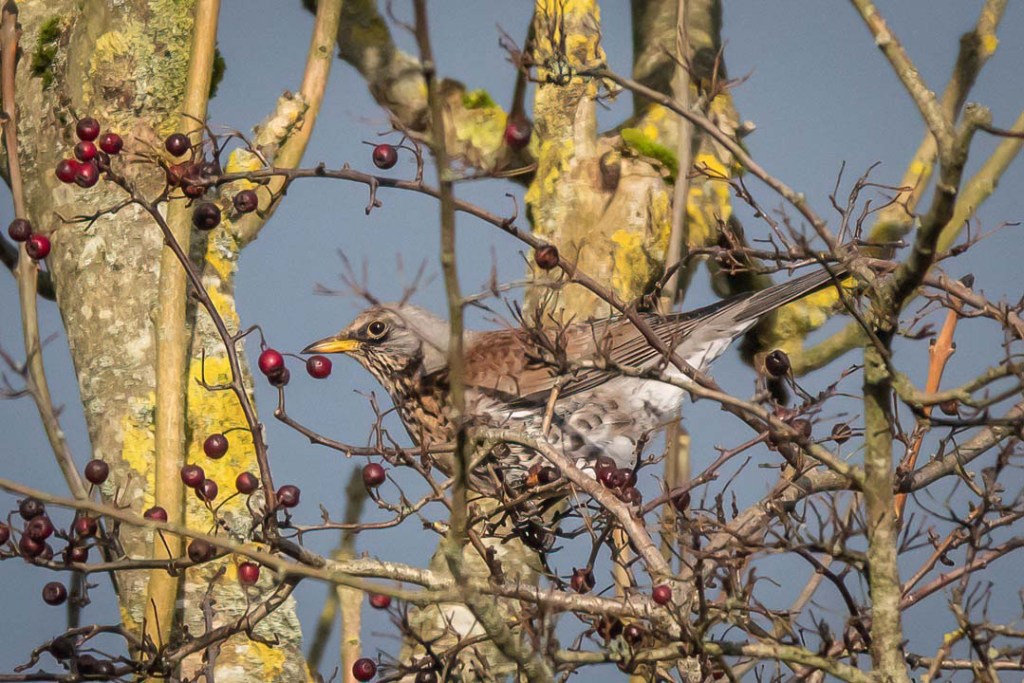
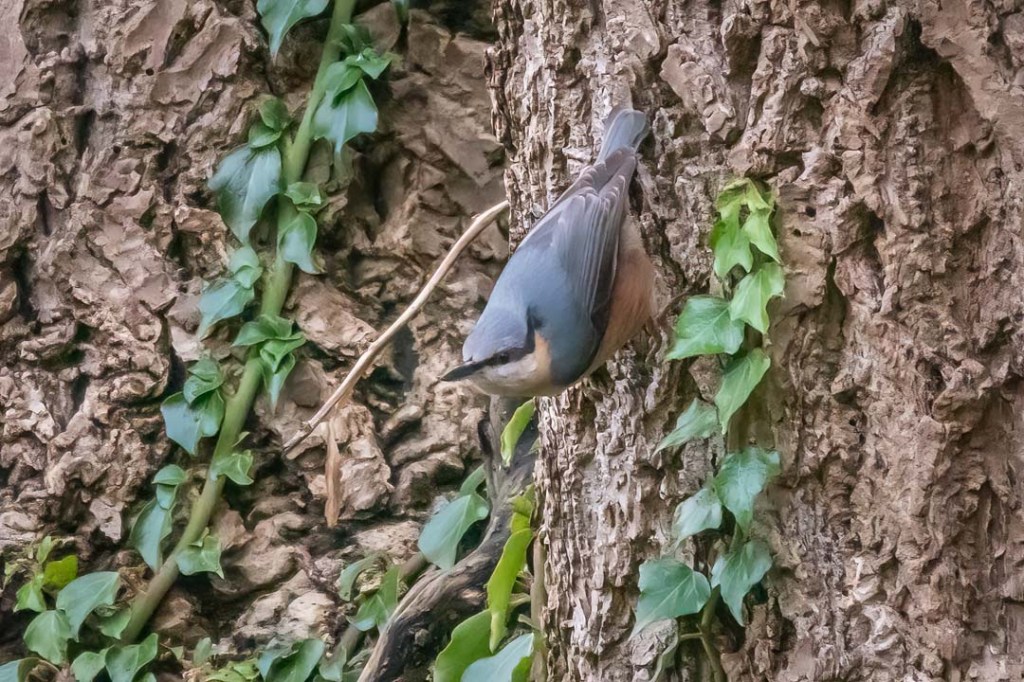
This photo is taken from the same hide as the photo above – just a different zoomCormorants were the stars on this pool. either drying their wings or …… in flightGadwall in the sunThe most exciting moment of the day (if not the best photo) a flock of waxwing. – definitely an irruption year! This flock of 30 or more stayed only long enough for me to get 3 frames, just enough for me to persuade the warden that is what we had seen.These fieldfare were the prettiest of the birds on viewWe were quite excited to see marsh tits, as the are not very common near our homeA thrush enjoying the berries tooAlways love seeing nuthatchesThis was taken at about 1.30 pm.… but it brightened a little to be able to see these snipe amongst the teal… and to get reasonably good views of marsh harriers.Well, it will soon be Christmas and so I couldn’t not feature a robin
Slideshow of photos from our trip to RSPB Leighton Moss:
Well it has stopped raining for a few days and so today I resumed my birdwatching activities back on the Somerset Levels.
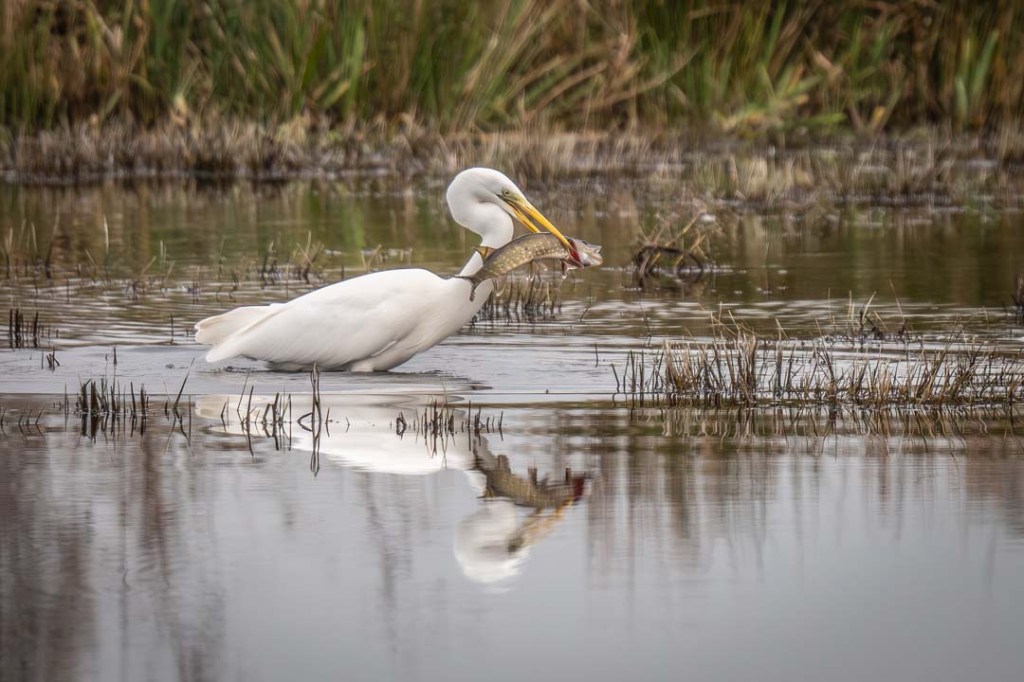
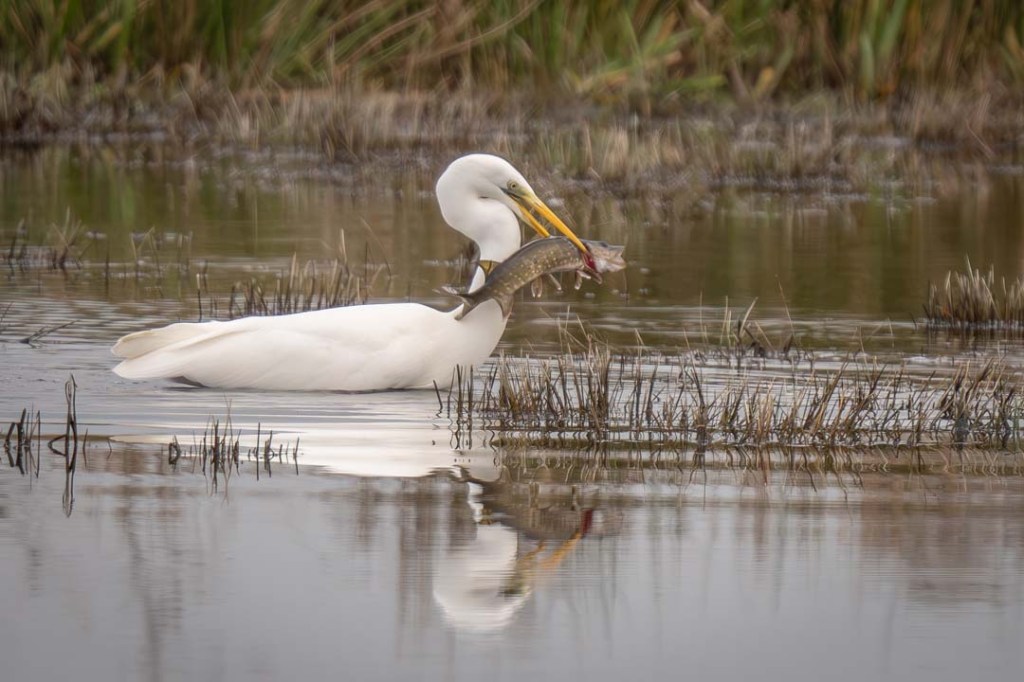
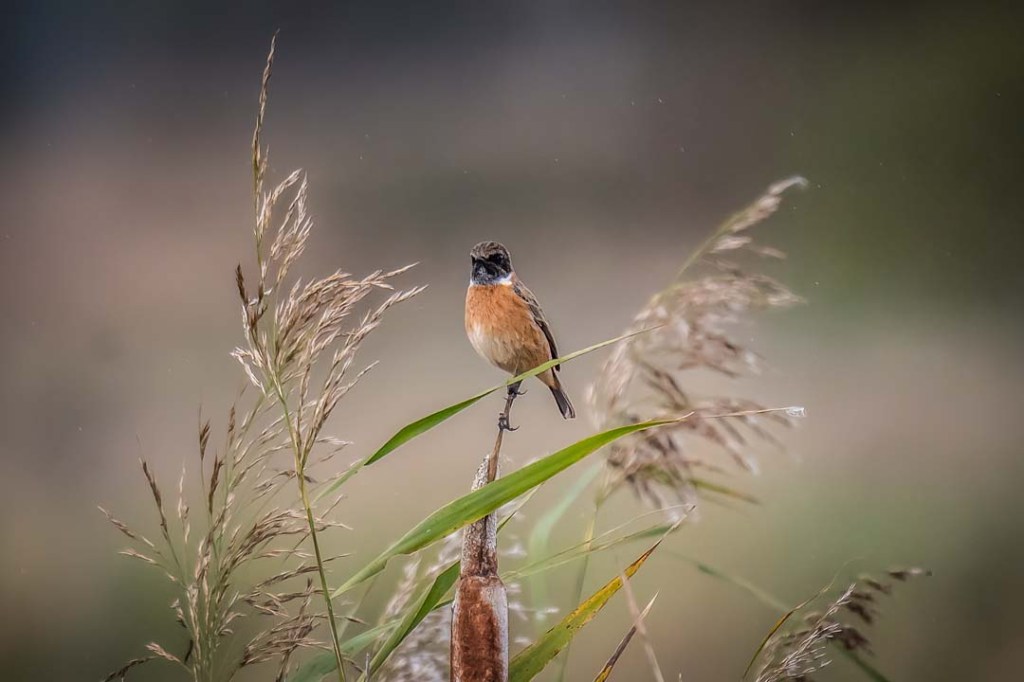
Firstly I visited RSPB Ham Wall where marsh harriers, common snipe and stonechats were the star attractions. Then, I moved on to Catcott where the battle between a great white egret and a pike was more spectacular than the multi million dollar scenes in the film “Napoleon” which I had seen the day before. Well almost!
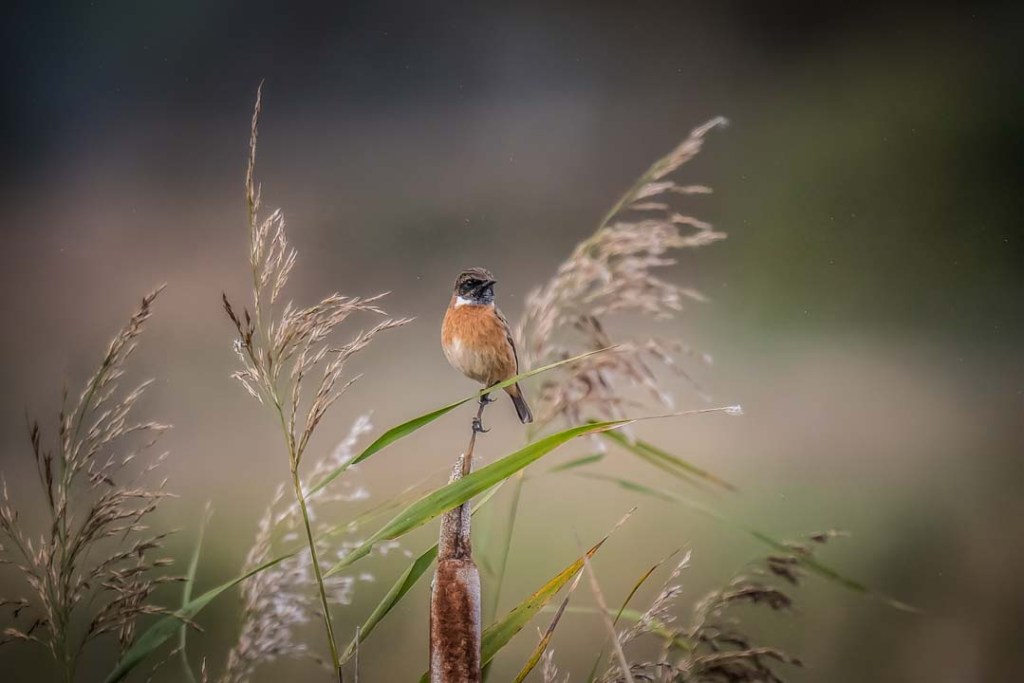
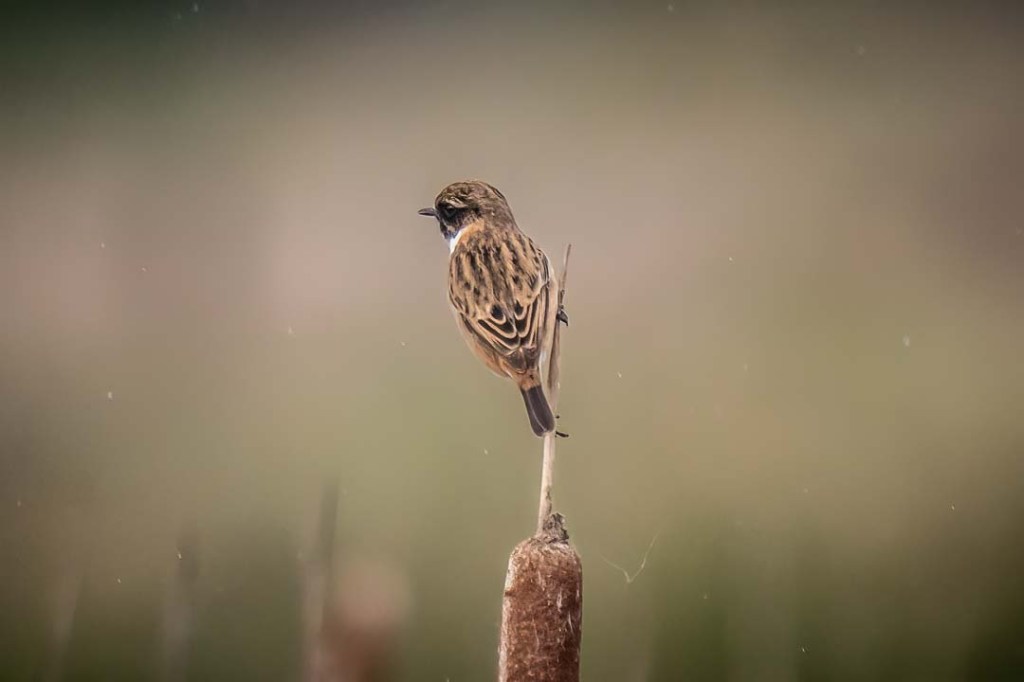
Marsh harrierStonechatStonechatCommon snipeCommon snipeWigeonGreat white egret and pikeThe battle continues
We spent the day on the Somerset Levels, a coastal plain and wetland area running south from the Mendip Hills to the Blackdown Hills in the county of Somerset, south of where we live in Bristol.
There are more storms forecast for tomorrow but today it was incredibly still and misty throughout the day (not particularly conducive to bird photography).
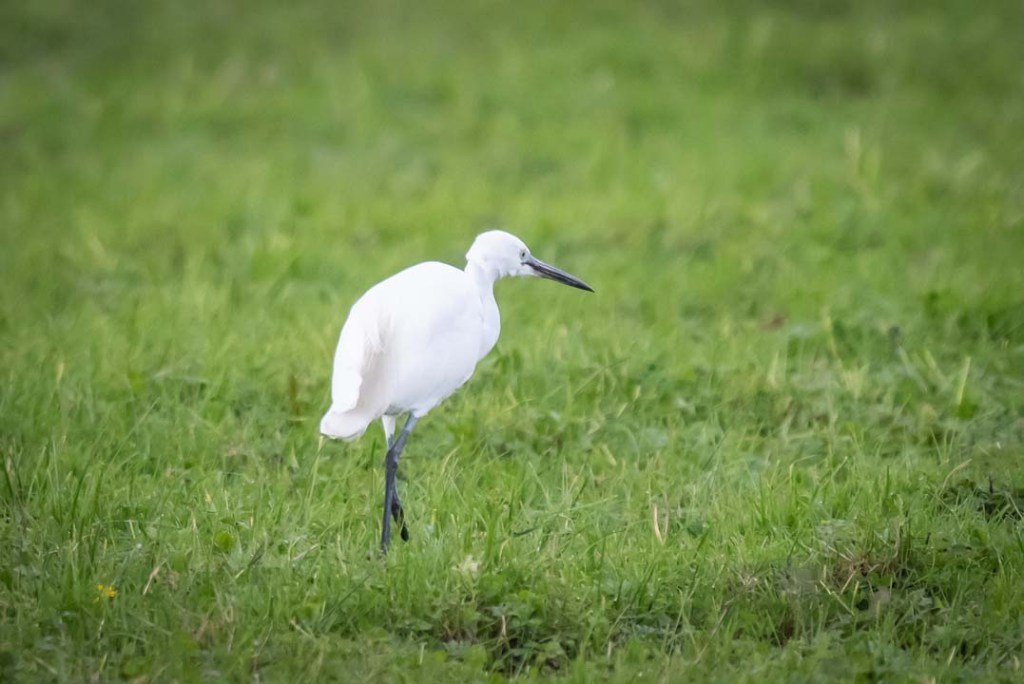
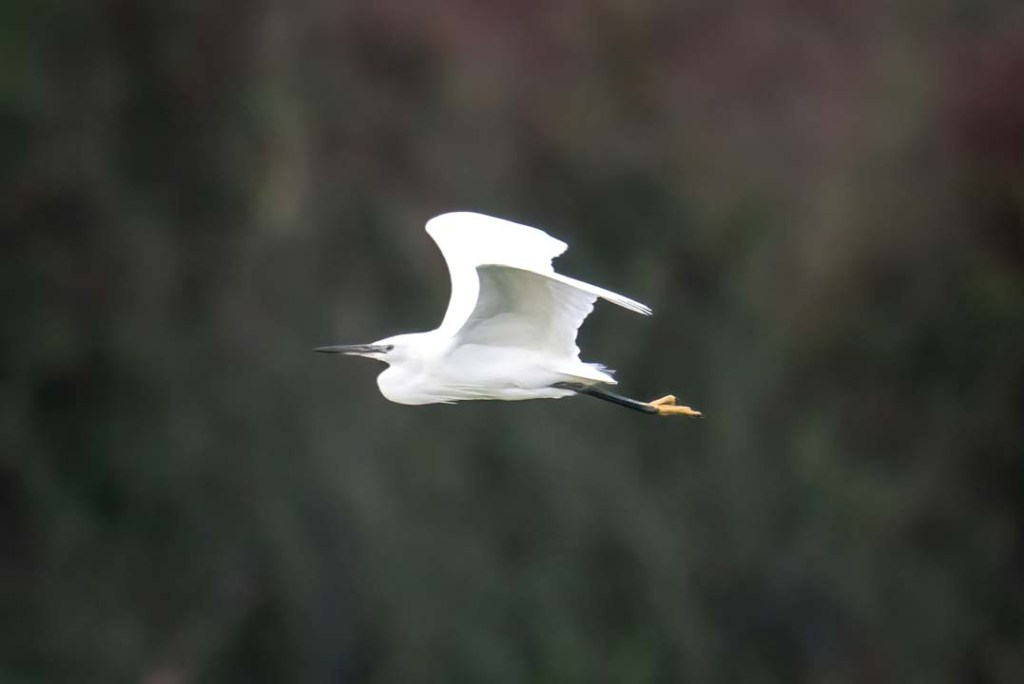
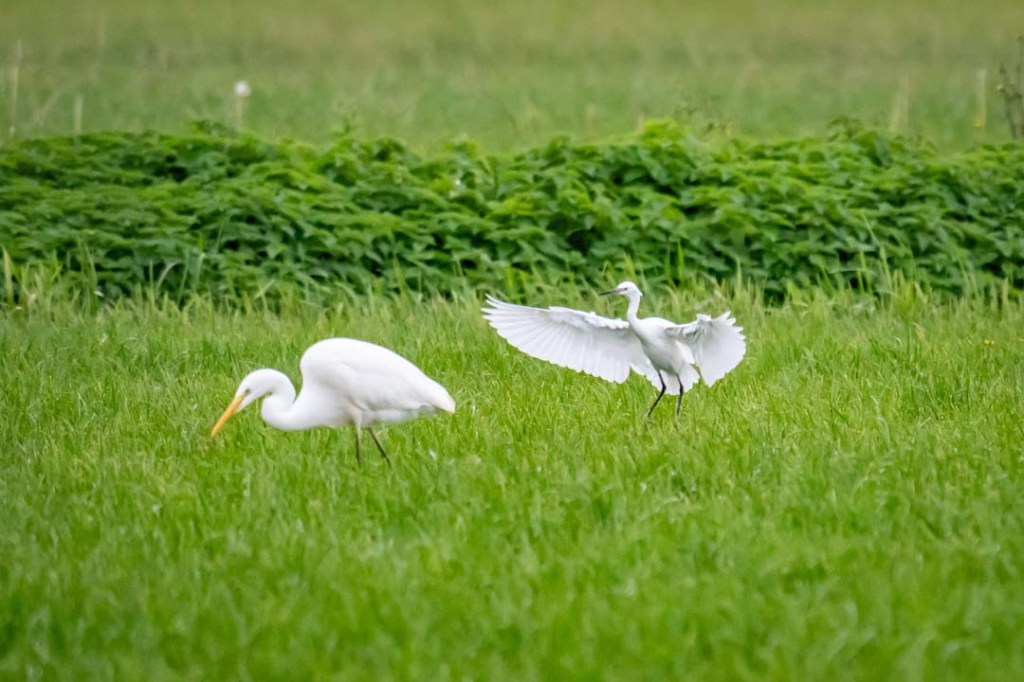
The main feature of the day were two large flocks of egrets (with Cattle, Little and Great White Egrets), one on the Long Drove near to Wells and the other next to Westhay National Nature Reserve.
Stonechat
In between we visited a small reserve at RSPB Greylake where a group of photographers showed us their lovely photos of kingfishers and peregrines which we had just missed. However, I was quite happy to get a chance to photograph stonechats.
StonechatCattle egretLittle egretLittle egretGreat white egretGadwall in the mist at WesthayShoveler
With the advantage of the clocks going back we were able to make an early start for a Sunday morning walk from New Passage to Severn Beach and back.
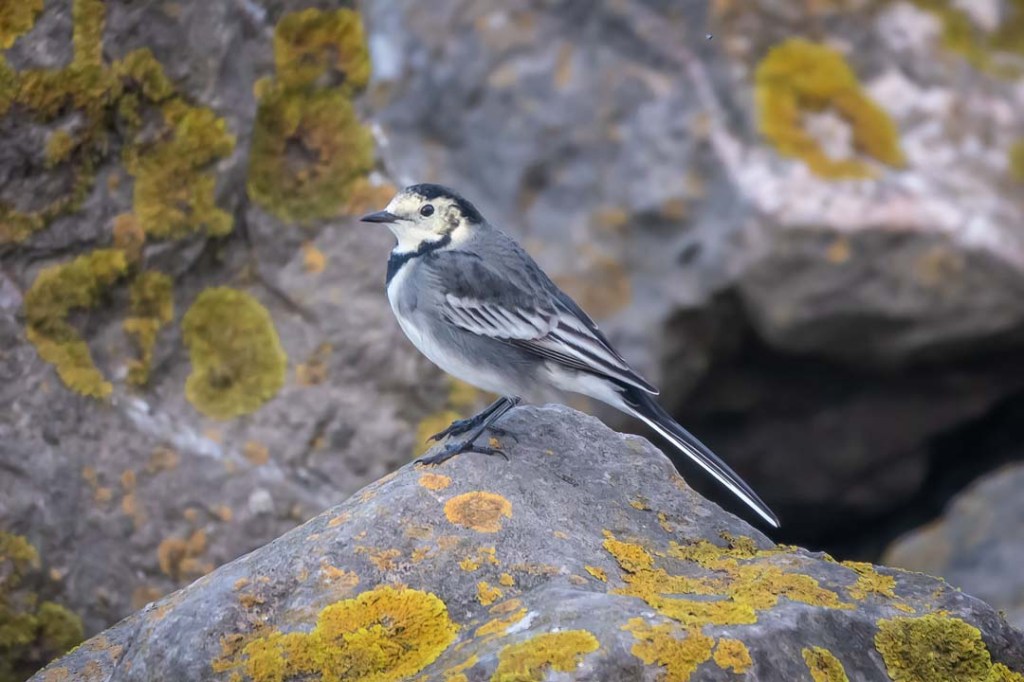
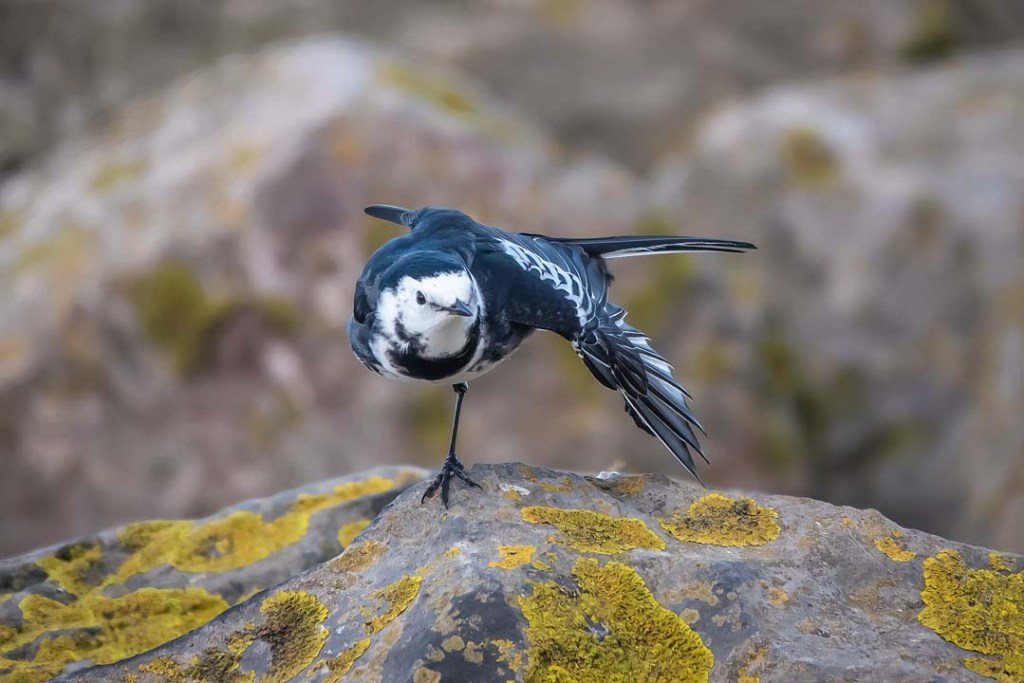
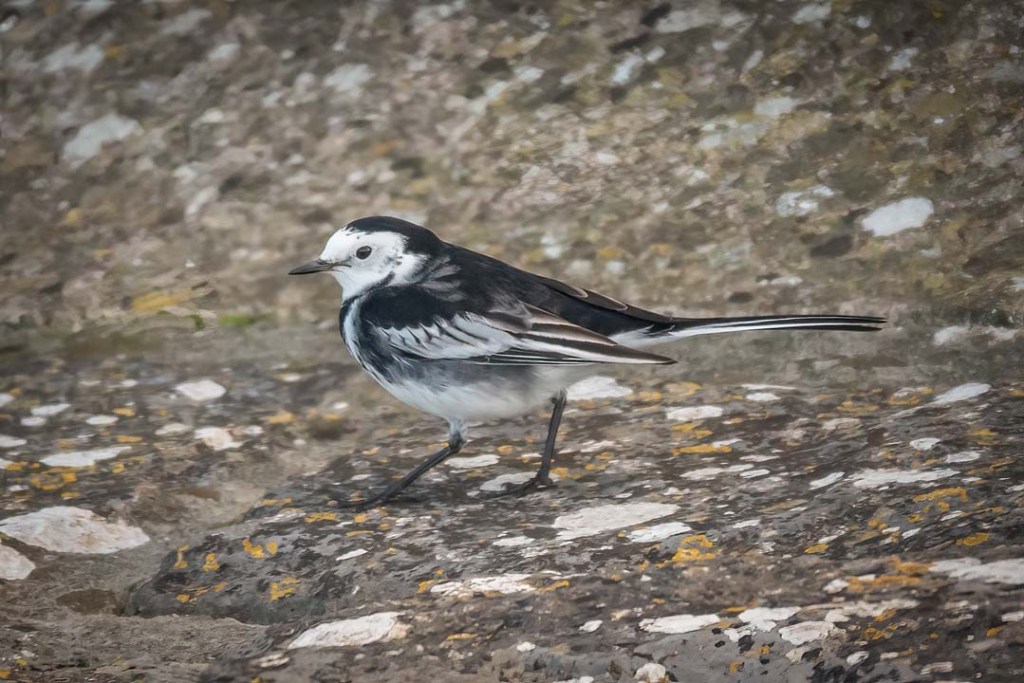
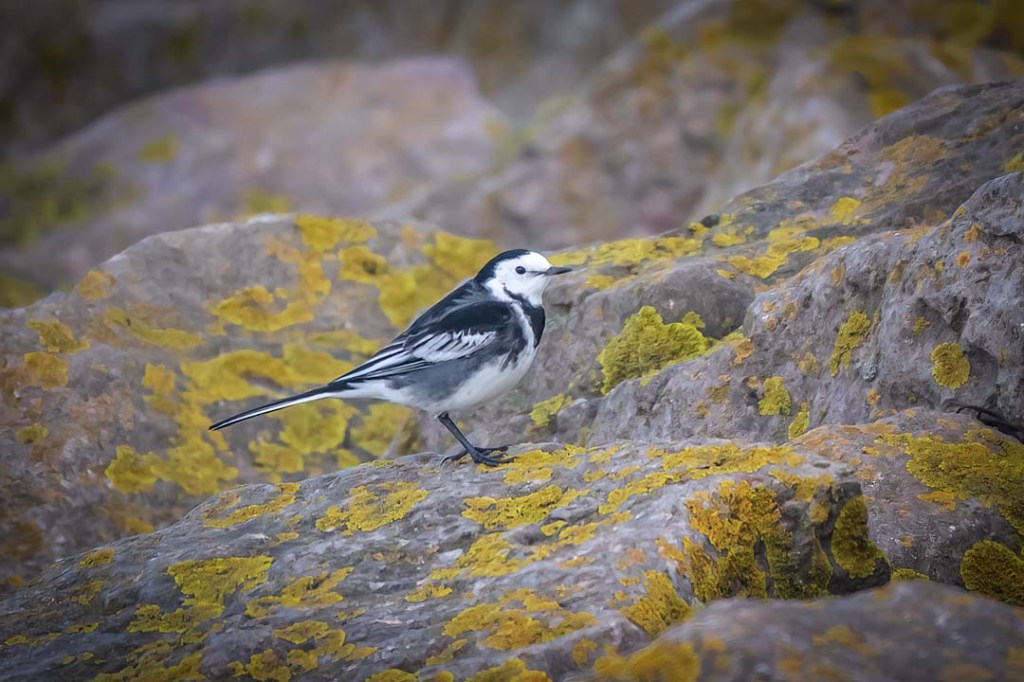
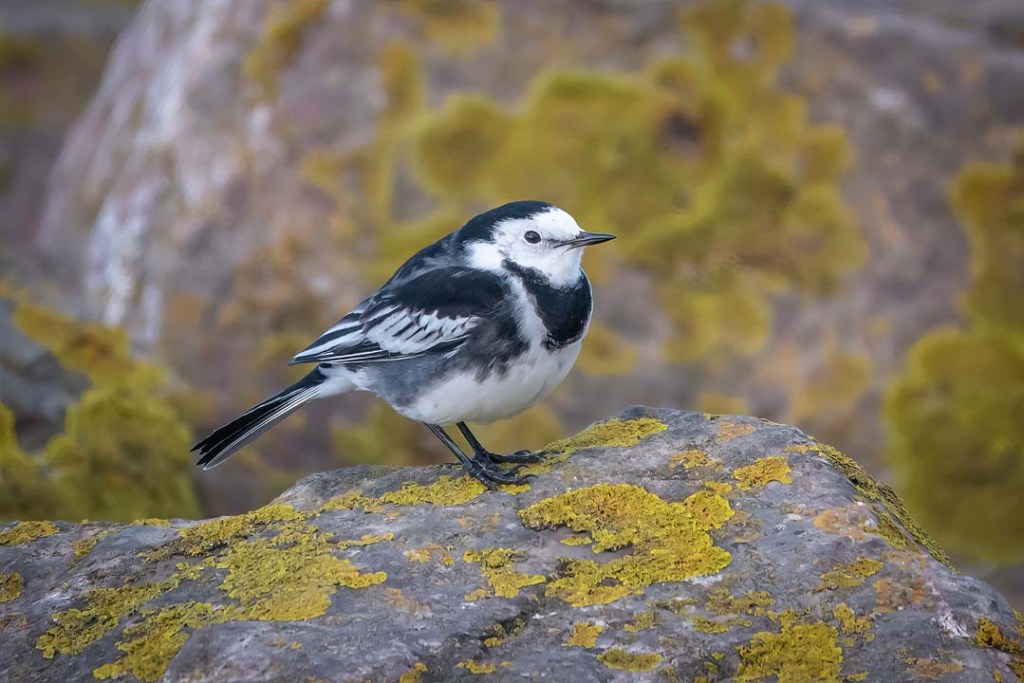
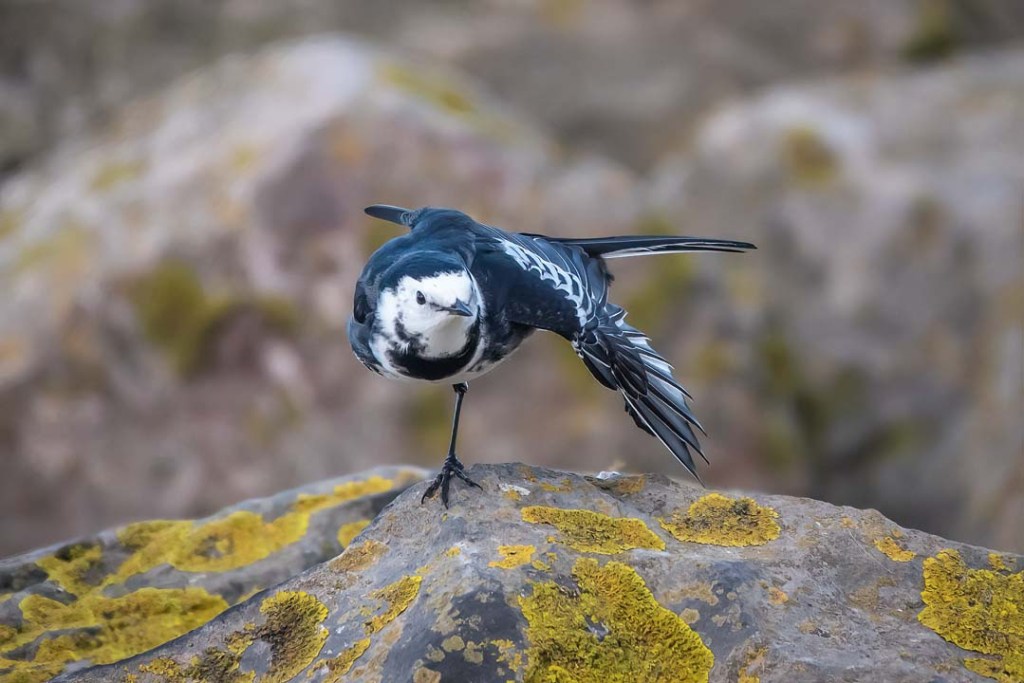
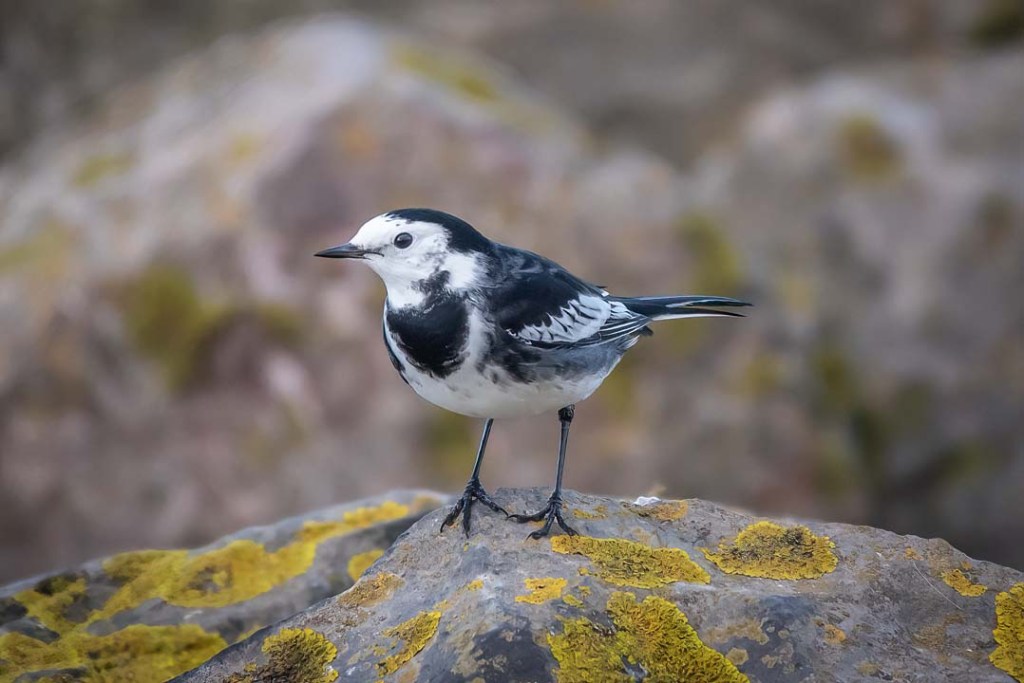
Pied wagtailPied wagtail
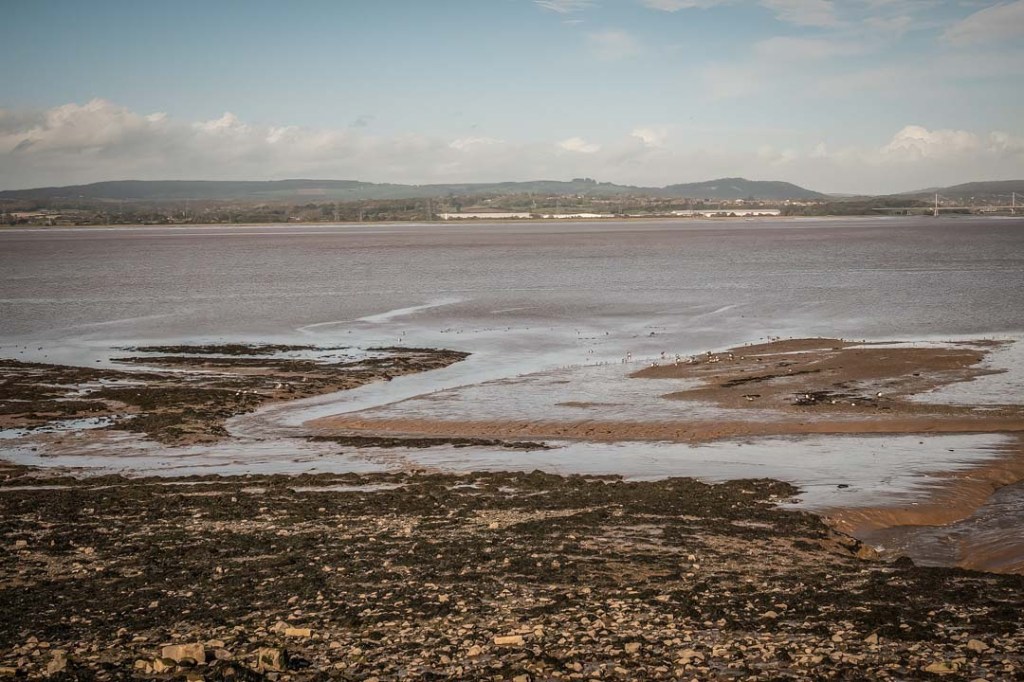
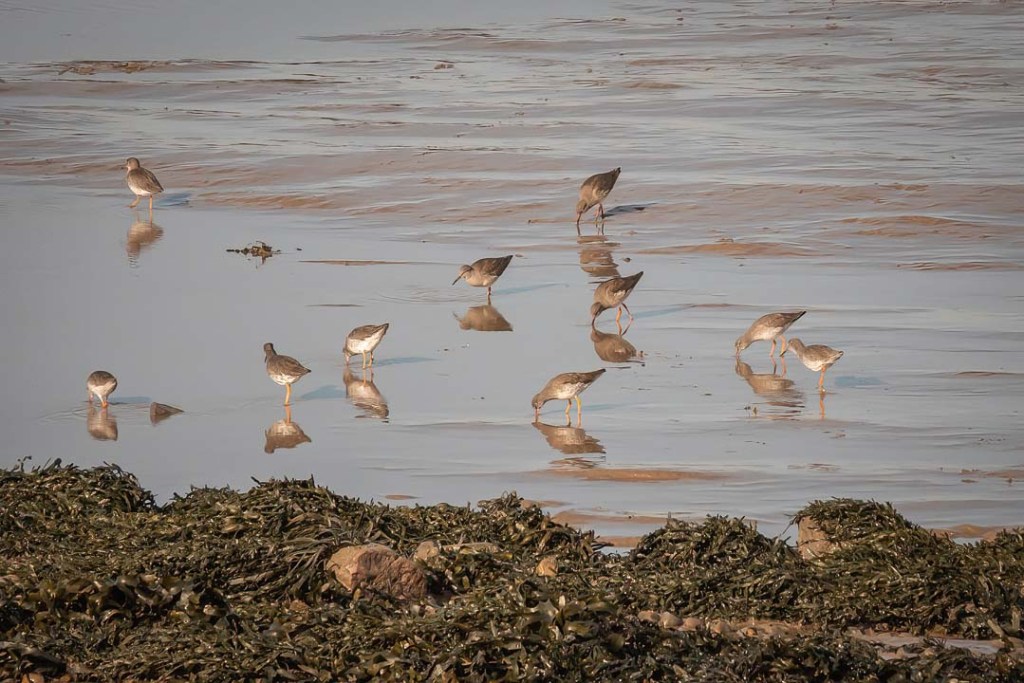
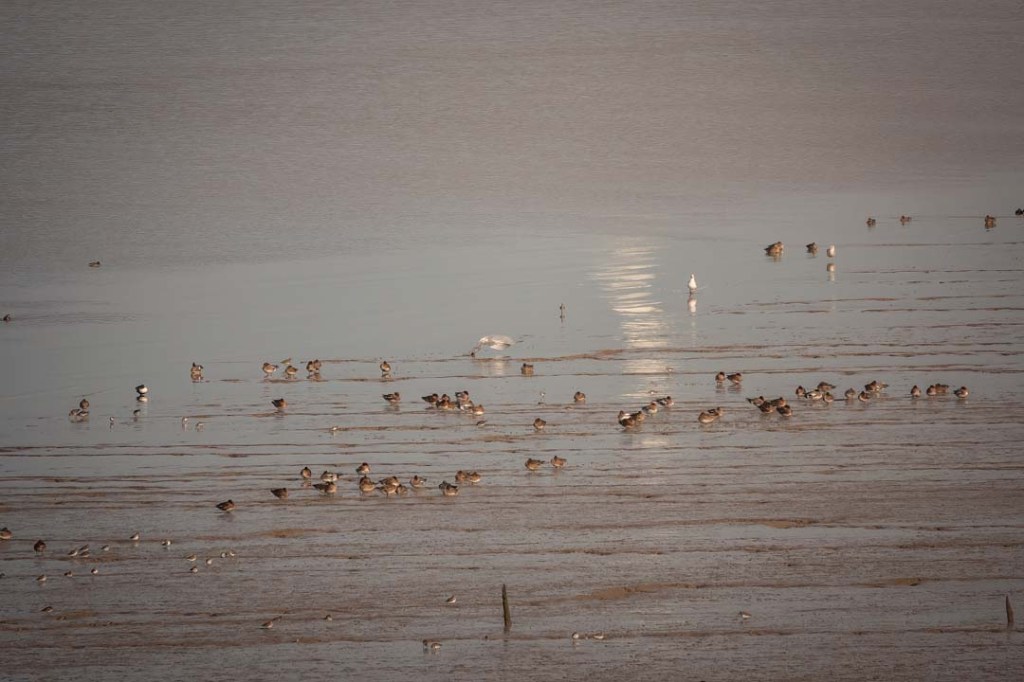
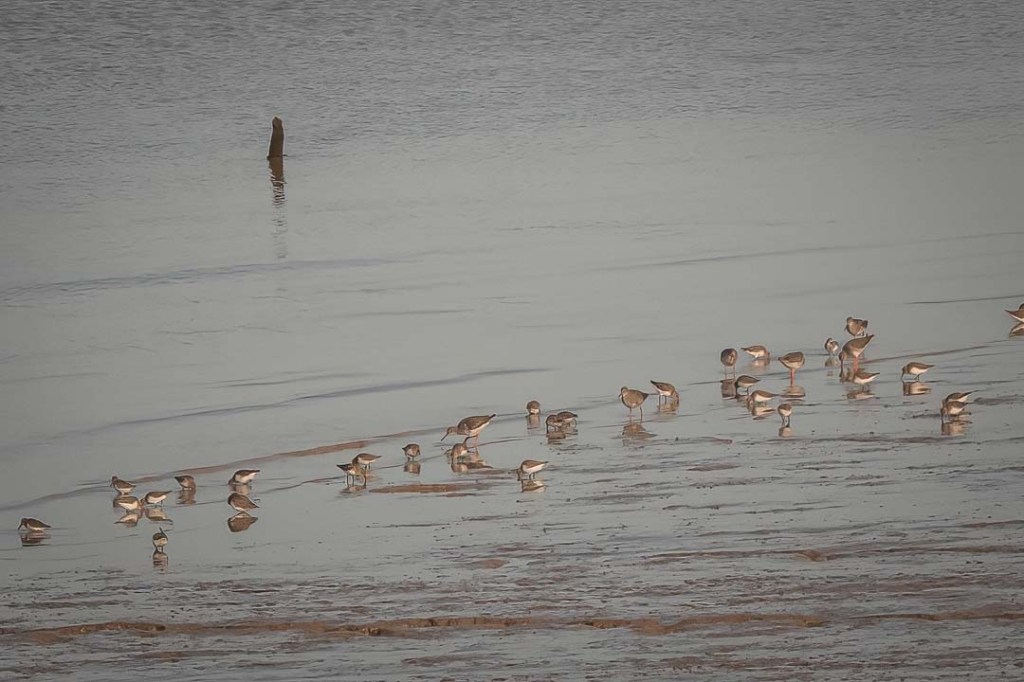
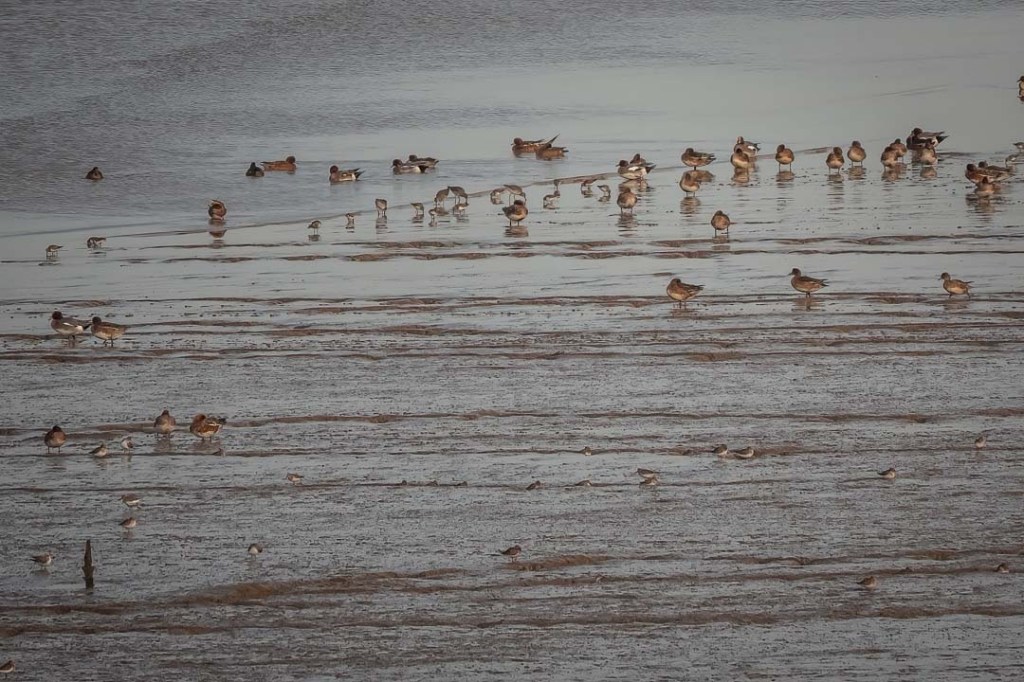
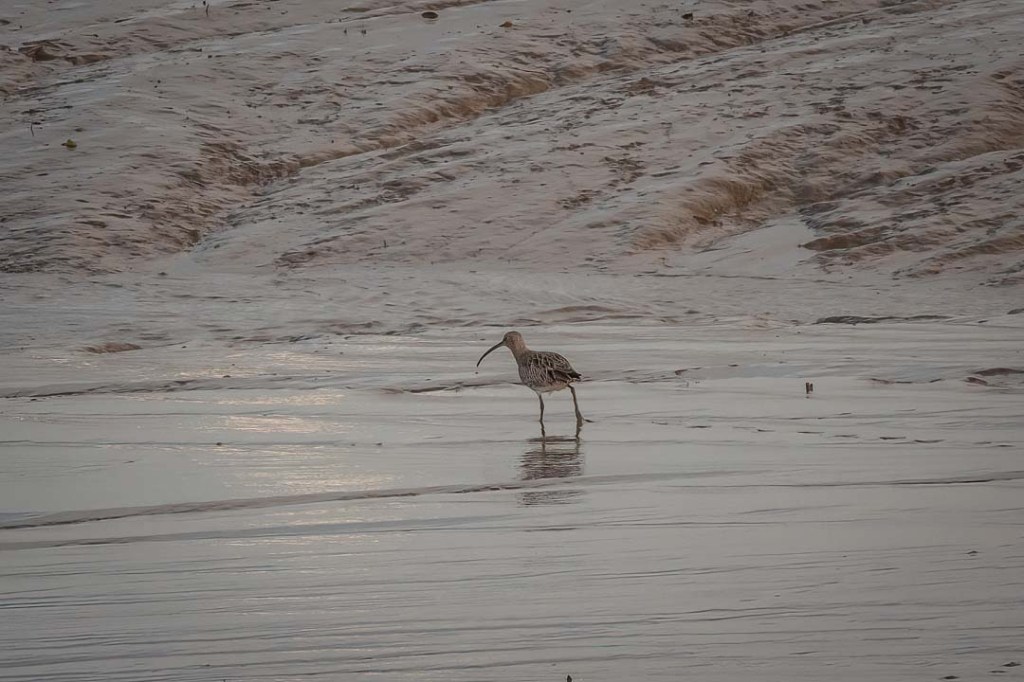
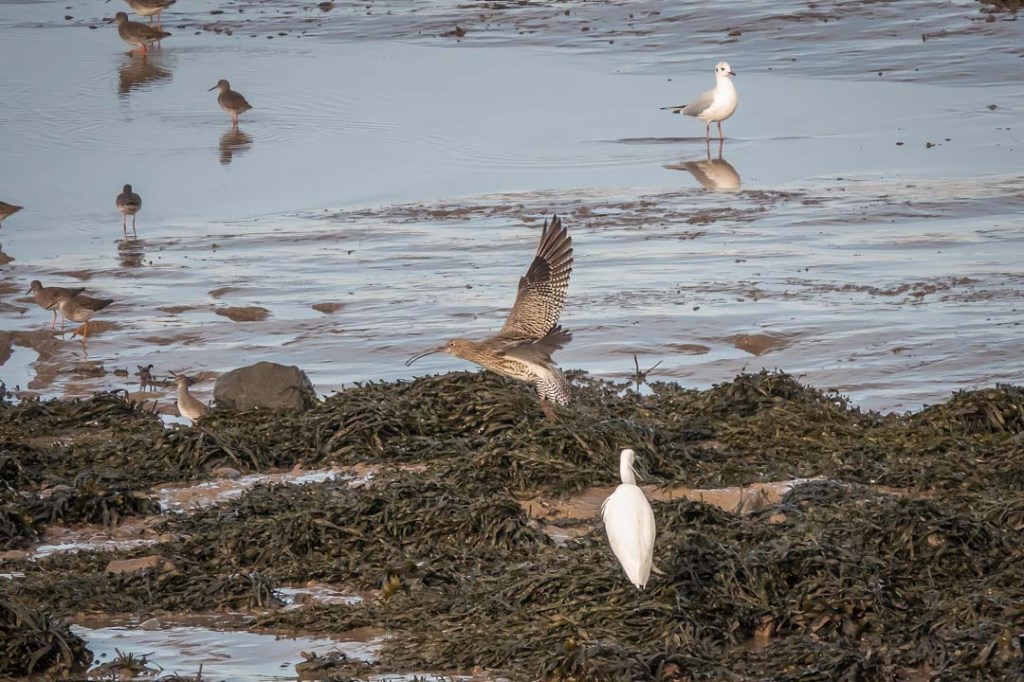
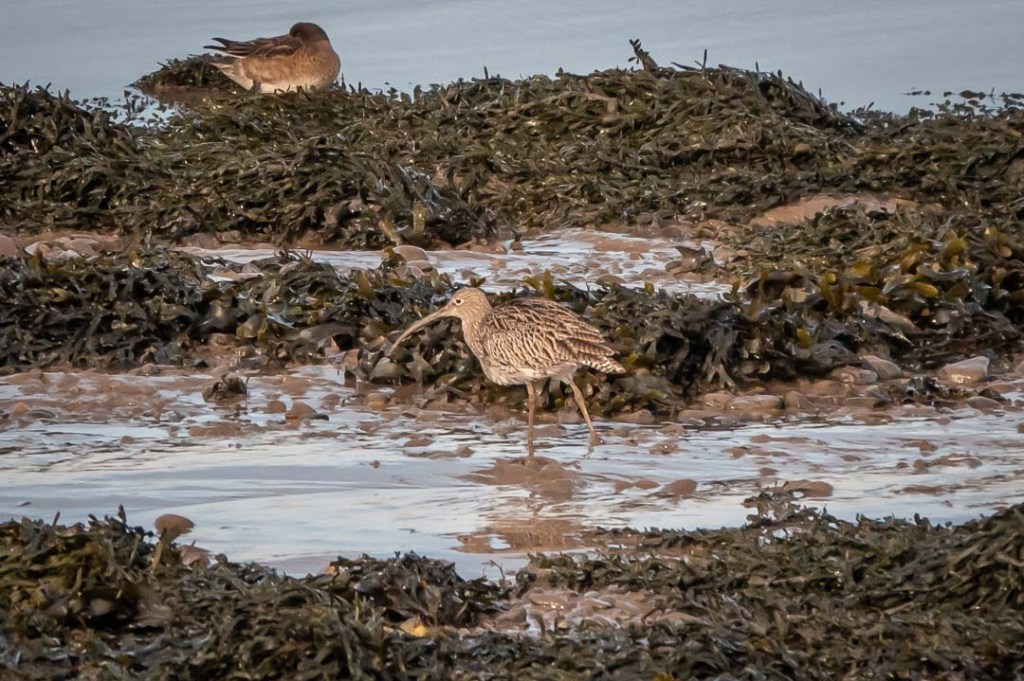
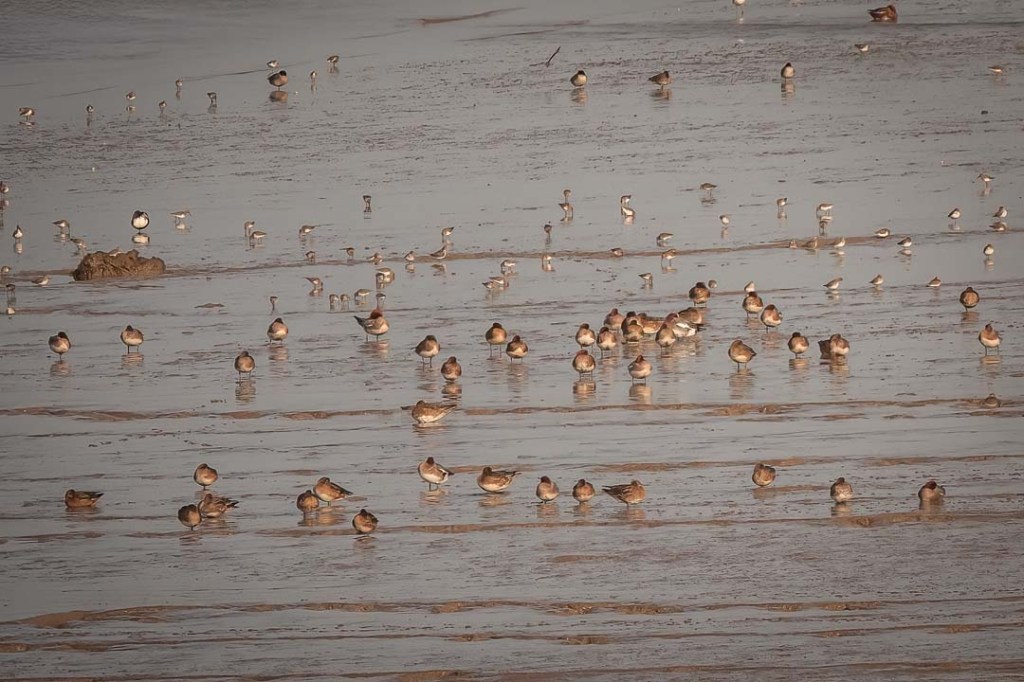
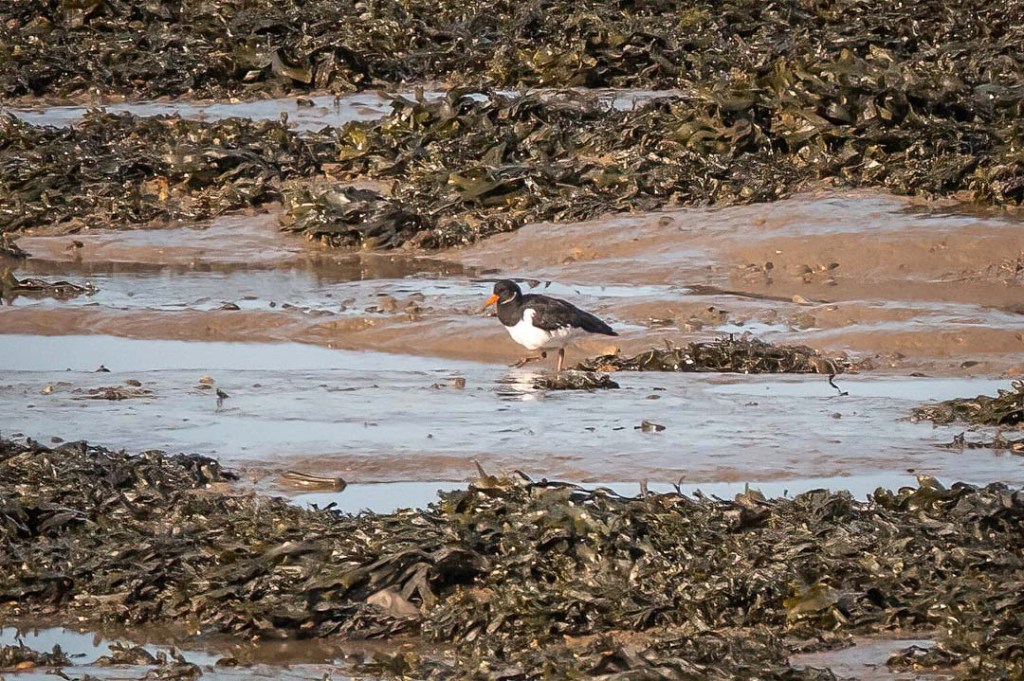
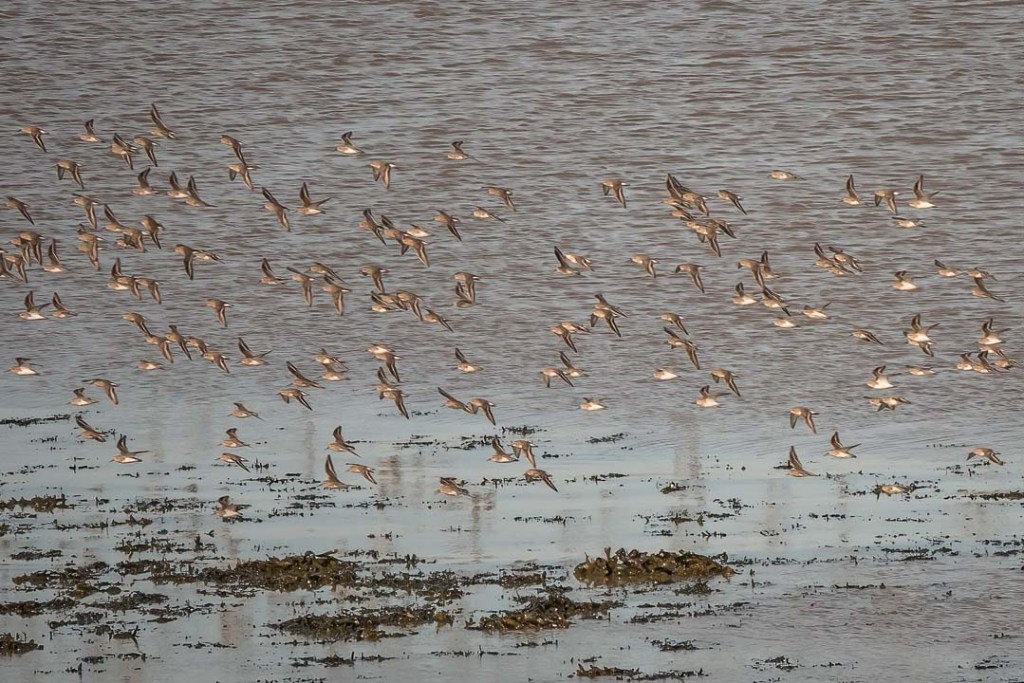
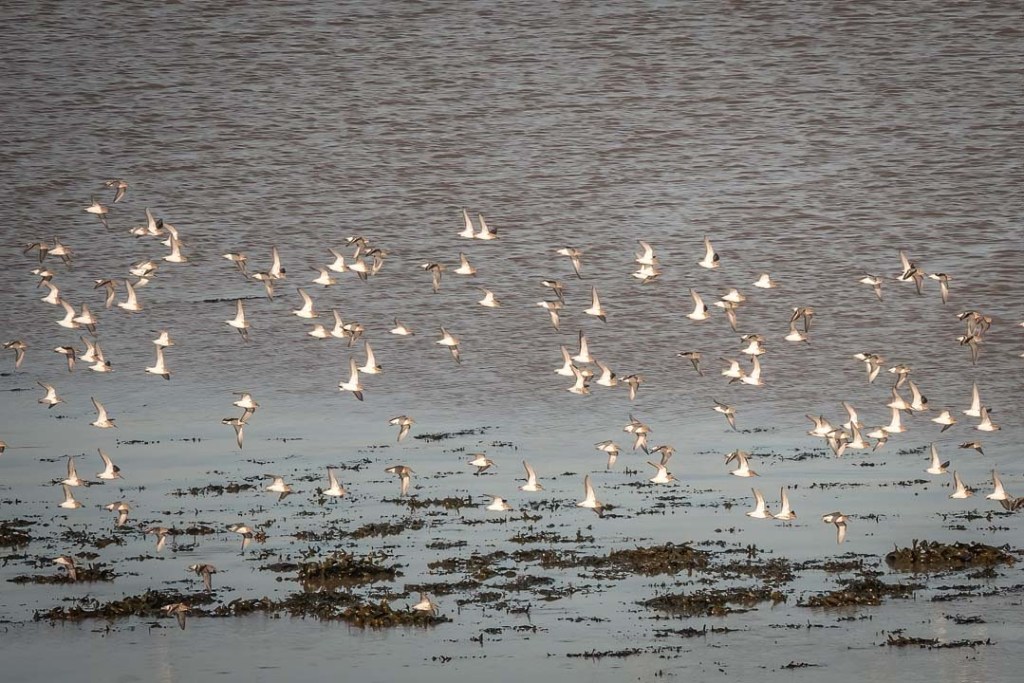
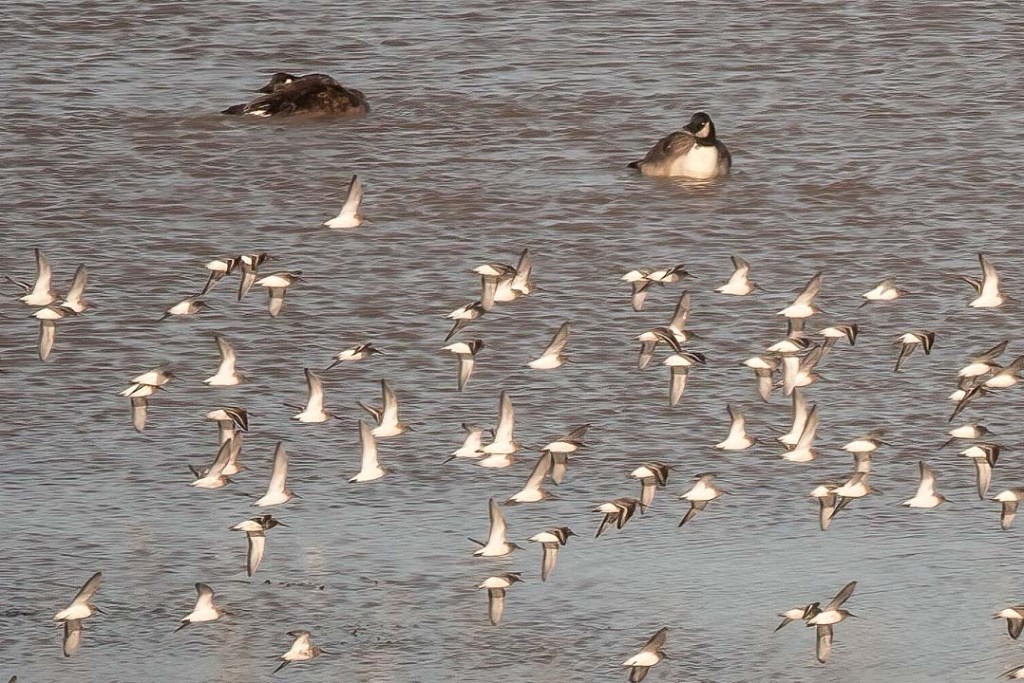
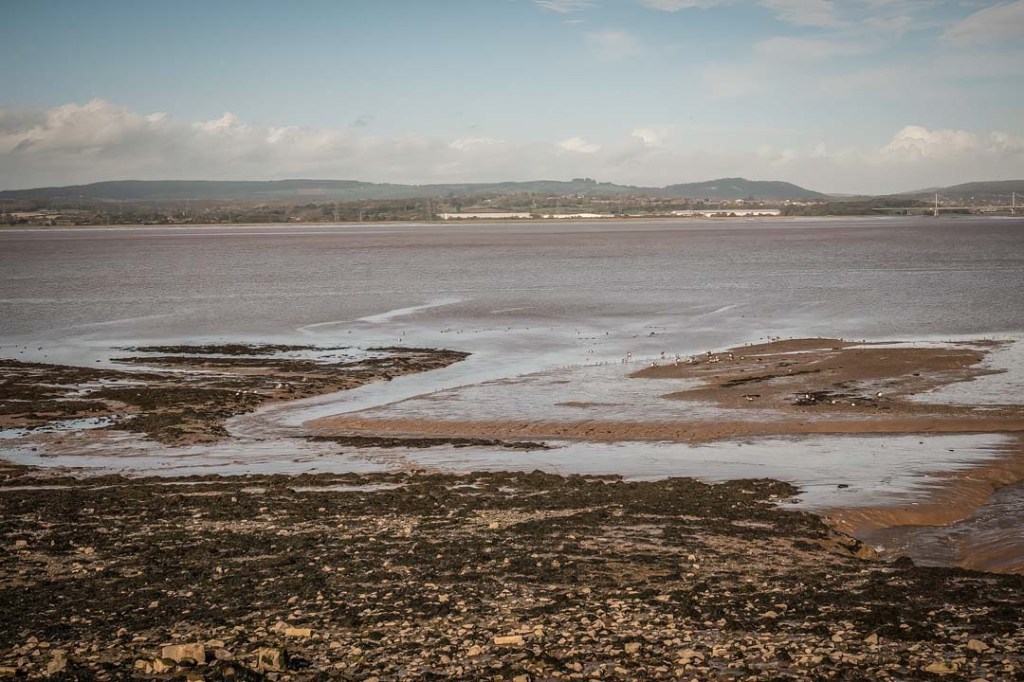
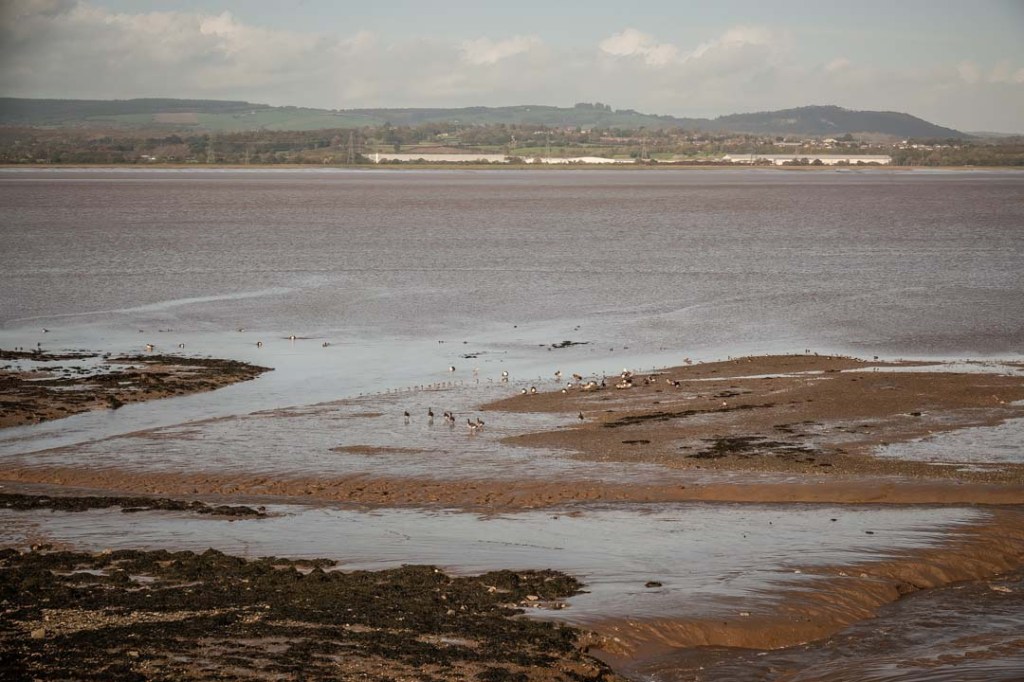
The tide was too high to see much on our walk (4 pied wagtails, a few wigeon and some black-headed gulls) but fortunately we had a good coffee stop and by the time we returned to New Passage the tide was in its optimum height for us to see lots of waders and wildfowl feeding on the shore line.
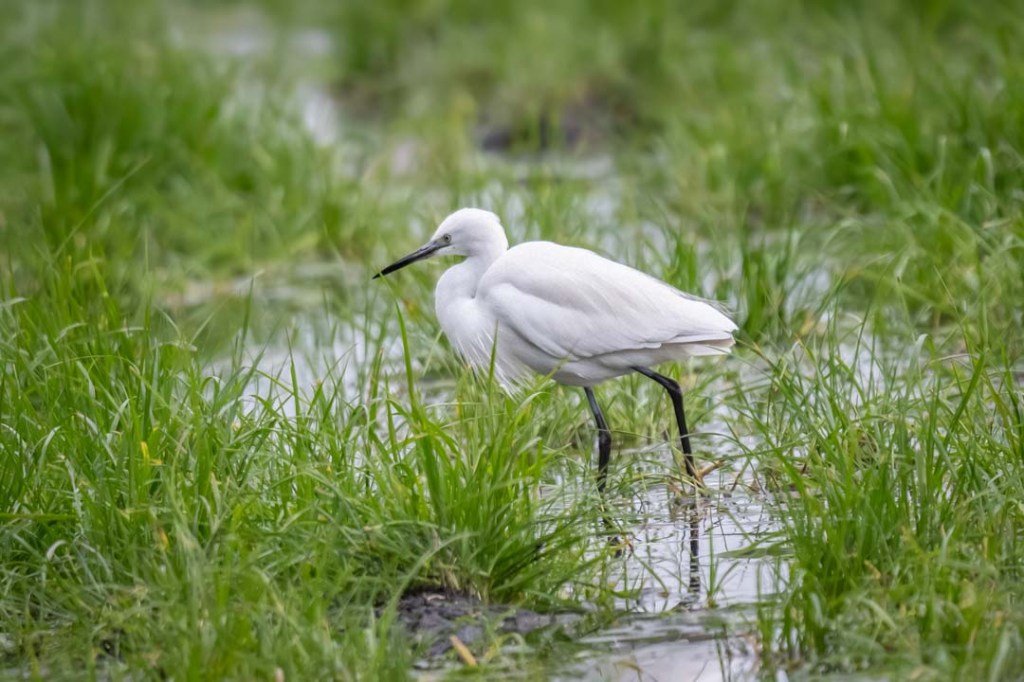
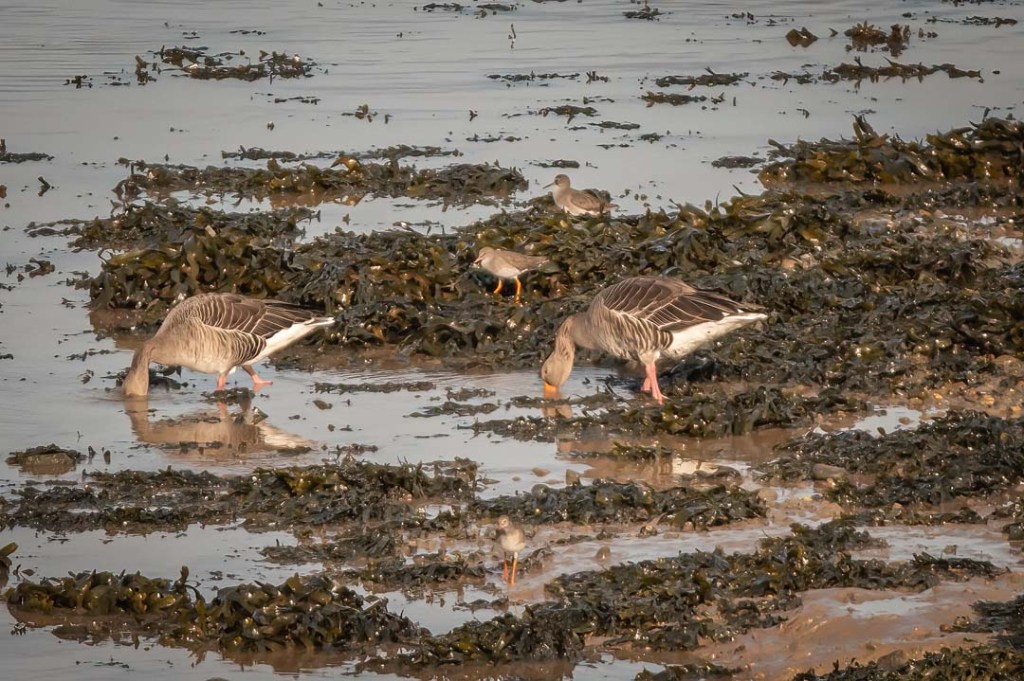
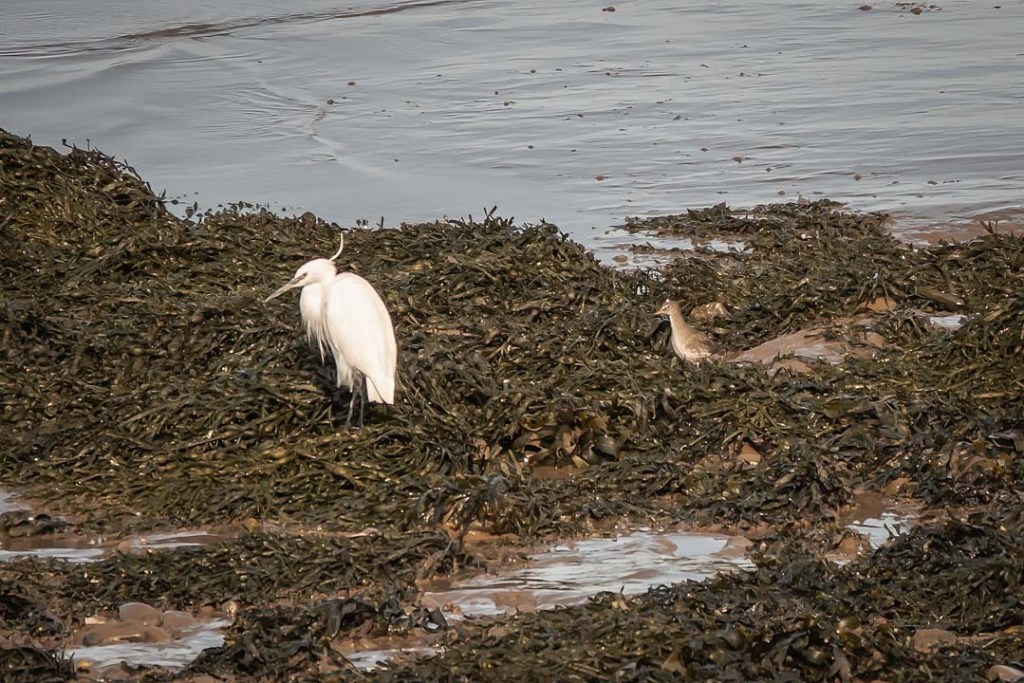
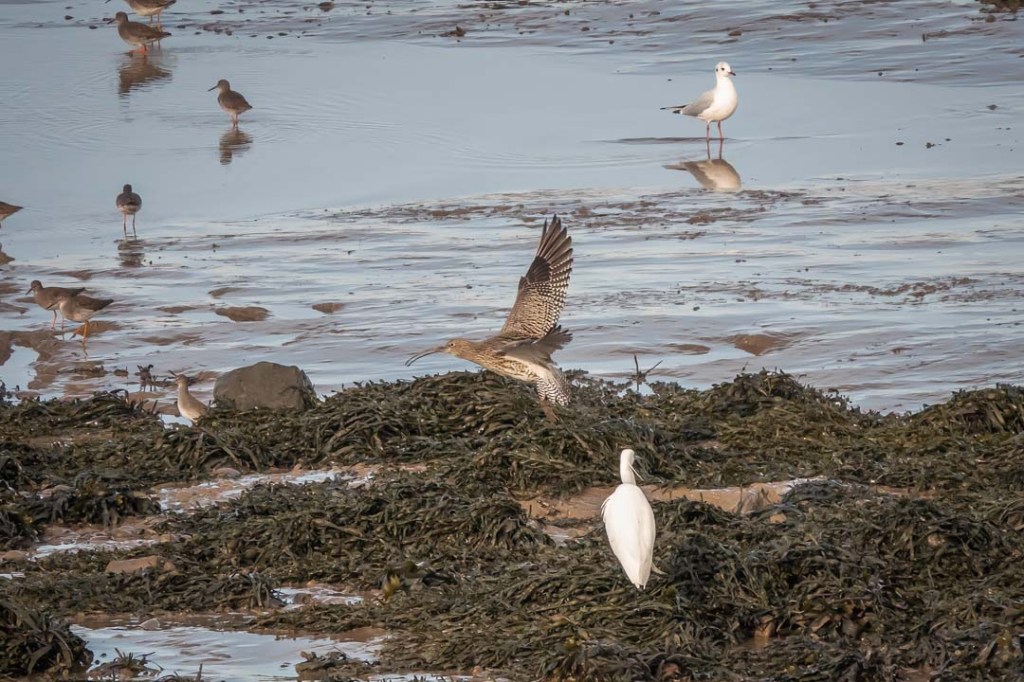
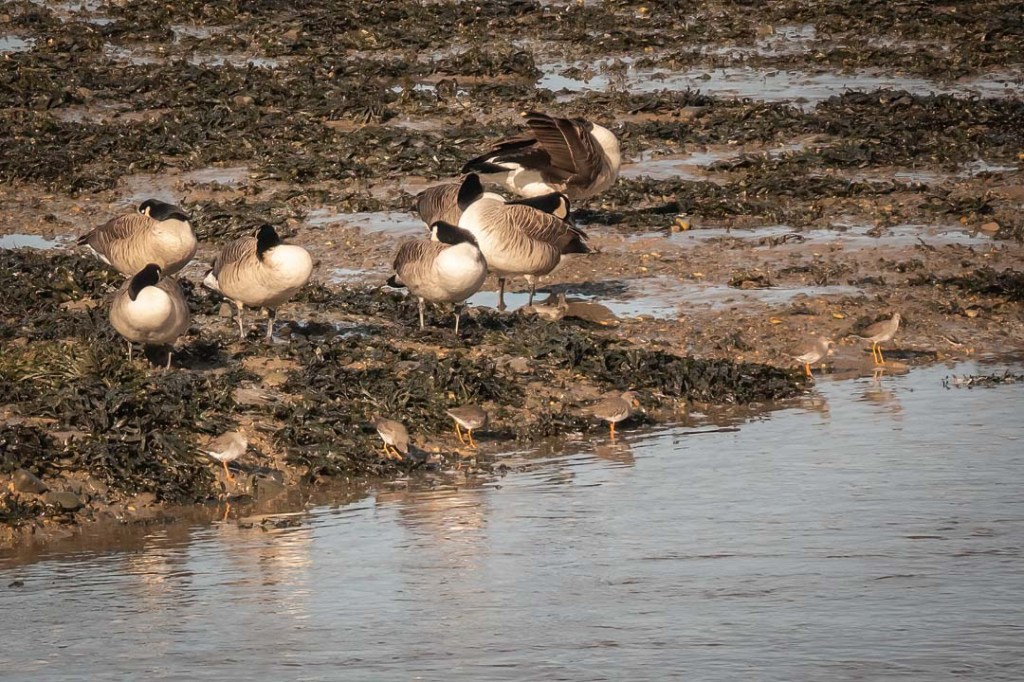
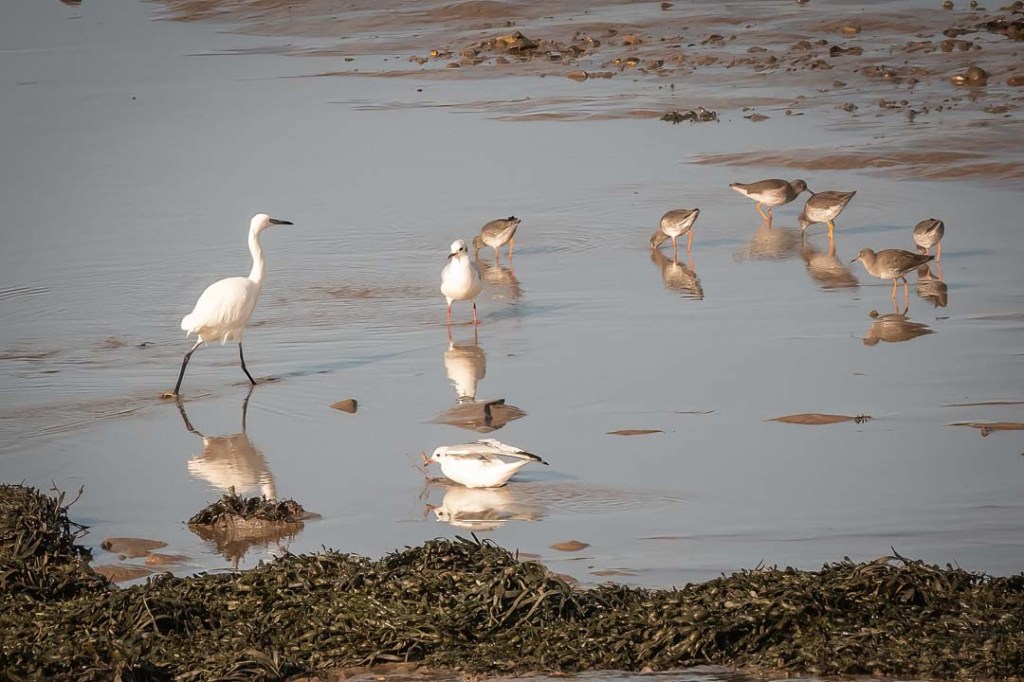
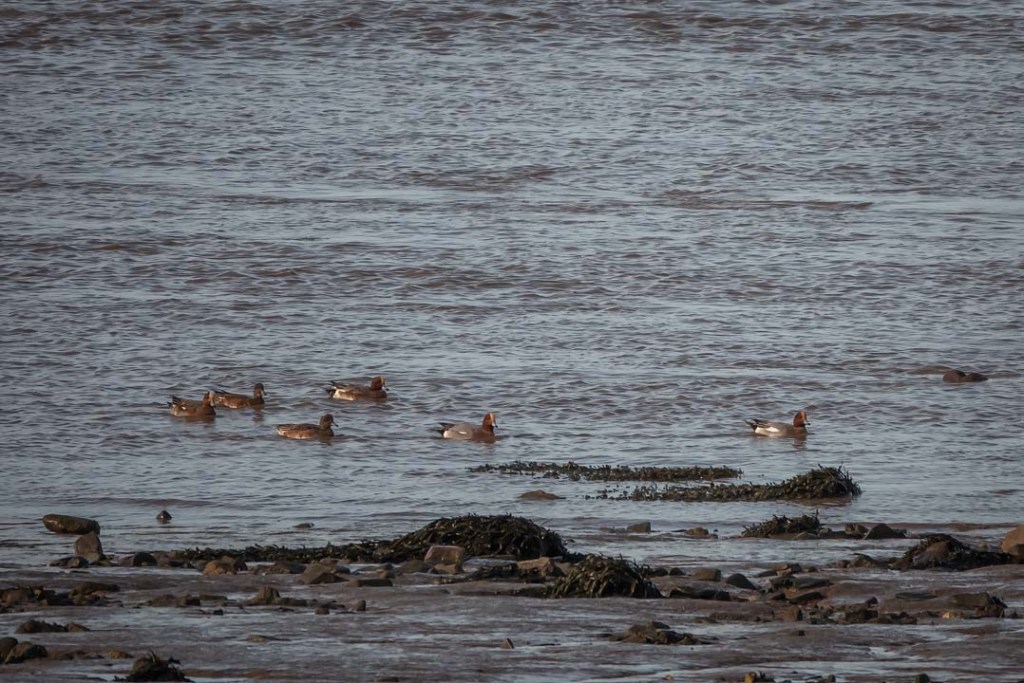
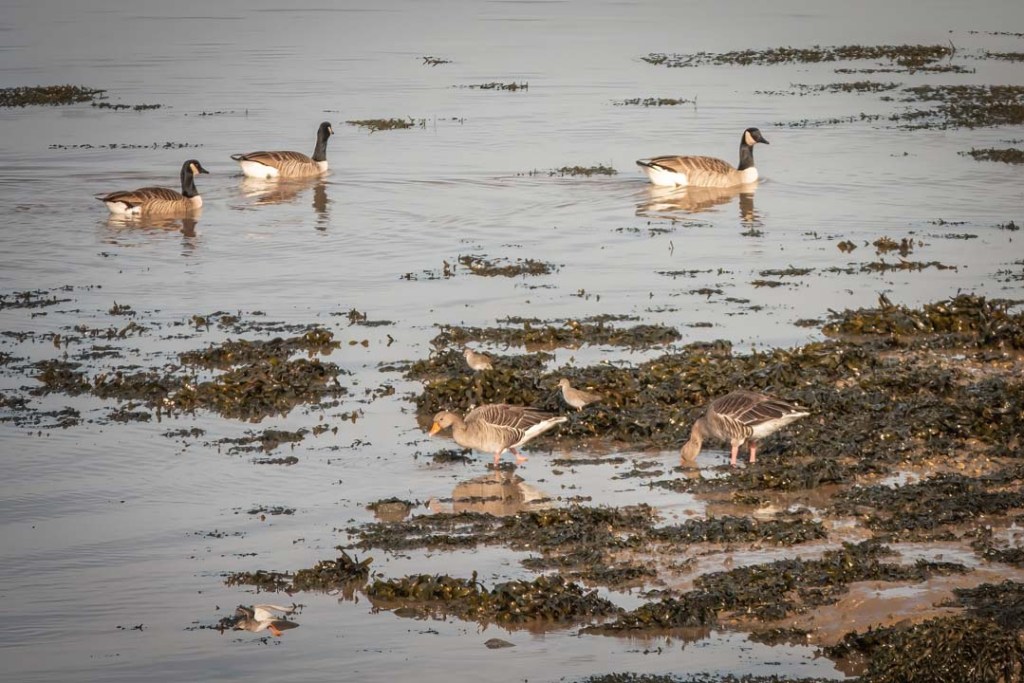
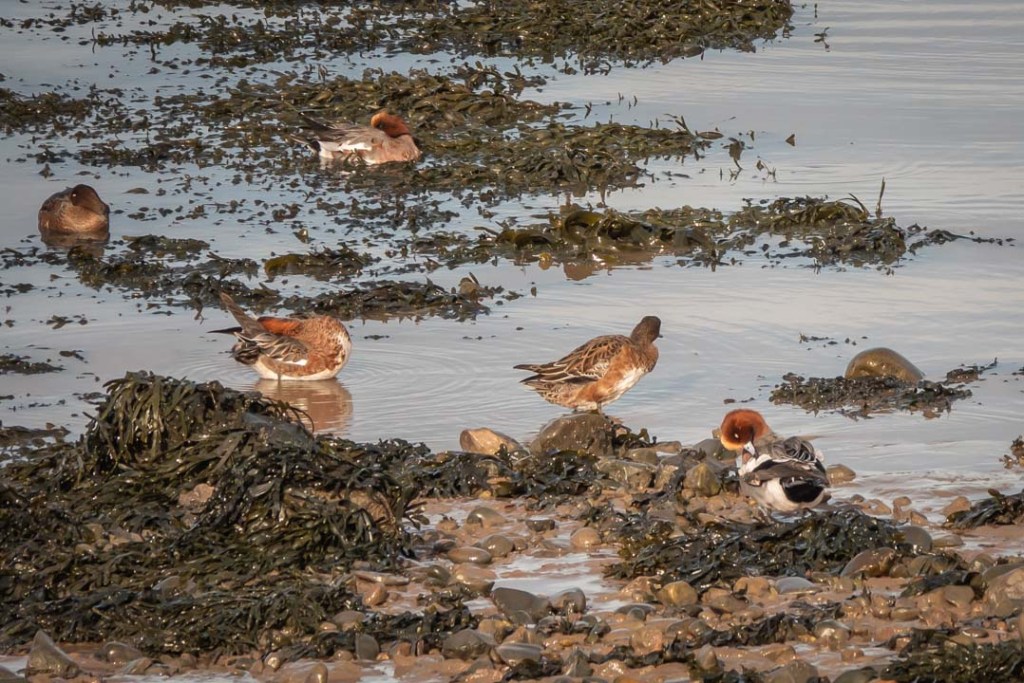
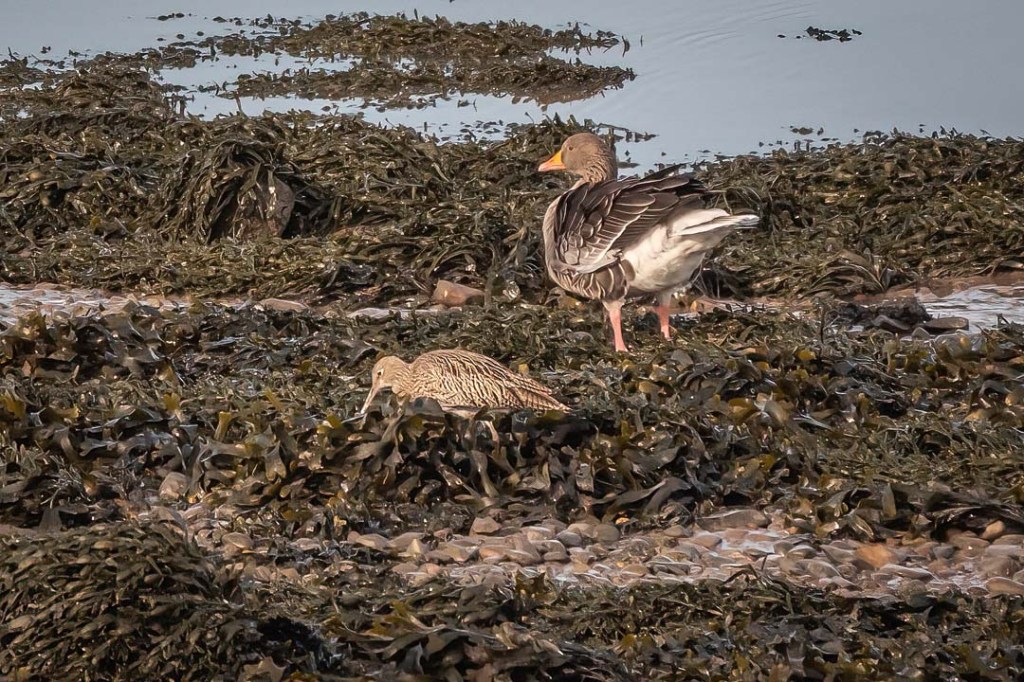
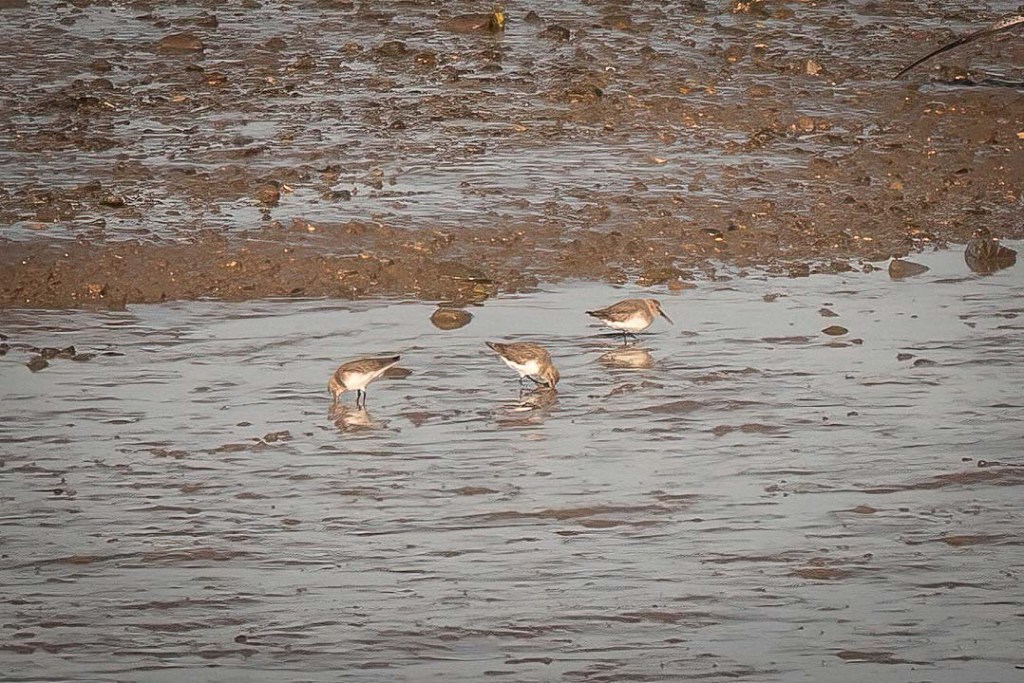
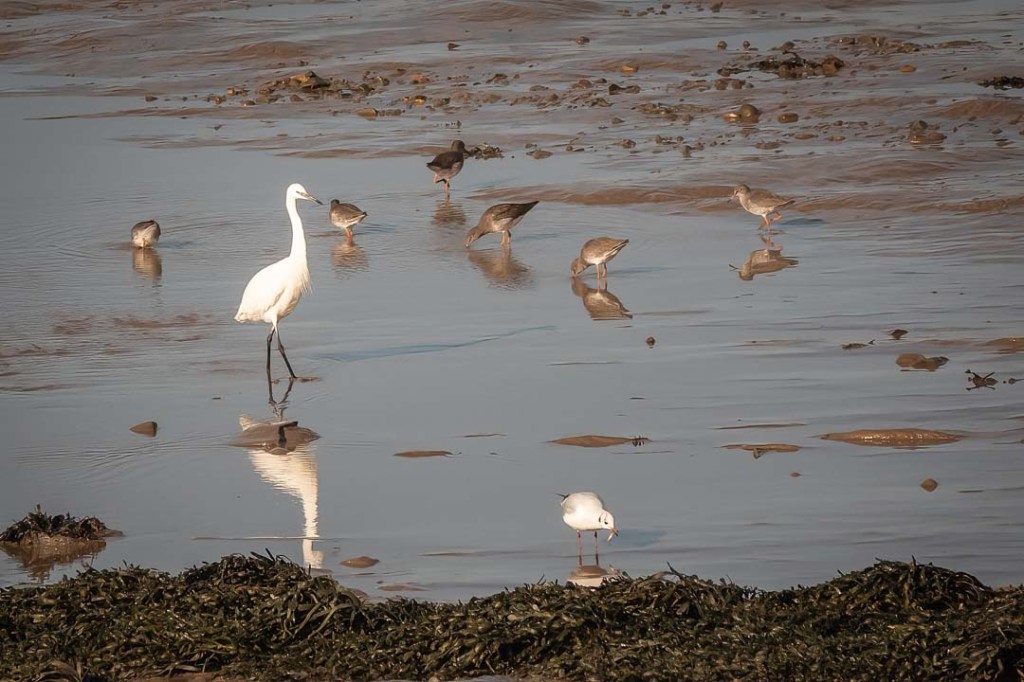
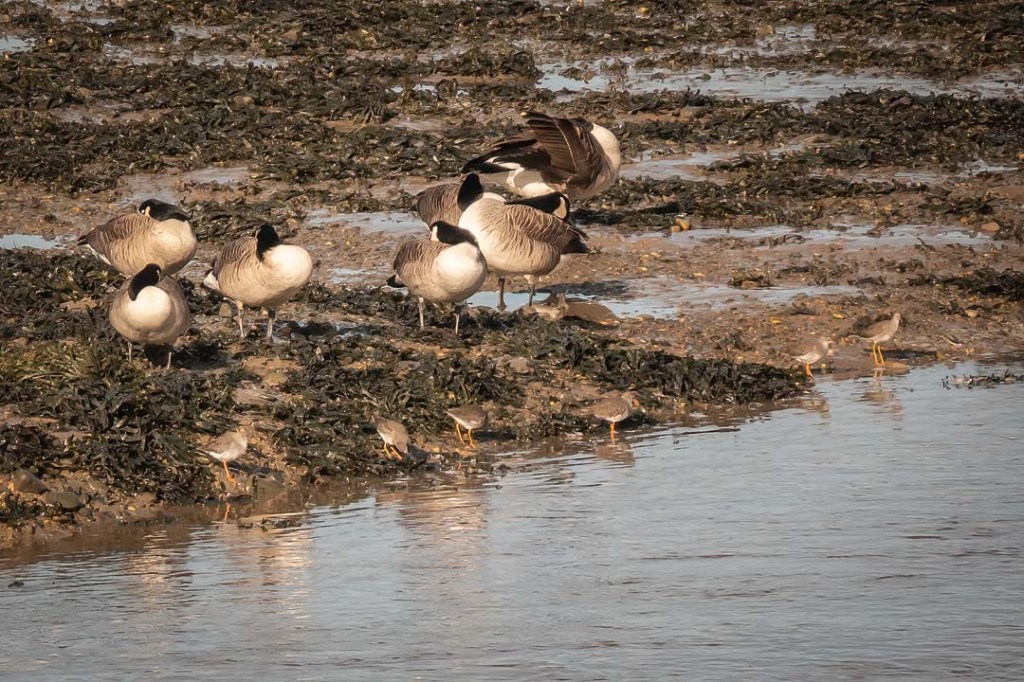
The Severn Estuary at the end of our walk.Lots of waders could be seen at this timeGreylag geese and redshankWigeonLittle egret and redshankCurlew centre stageRedshankCanada geese and redshankLittle egret, black-headed gulls and redshankOystercatcherDunlin in flightDunlin back on the shore line










































































































































































































 Martin's Bird Blog & Nature Photos