Tag: Bees

  • 1st June 2026 – Middlebere Peninsula and RSPB Arne, Dorset

    1st June 2026 – Middlebere Peninsula and RSPB Arne, Dorset

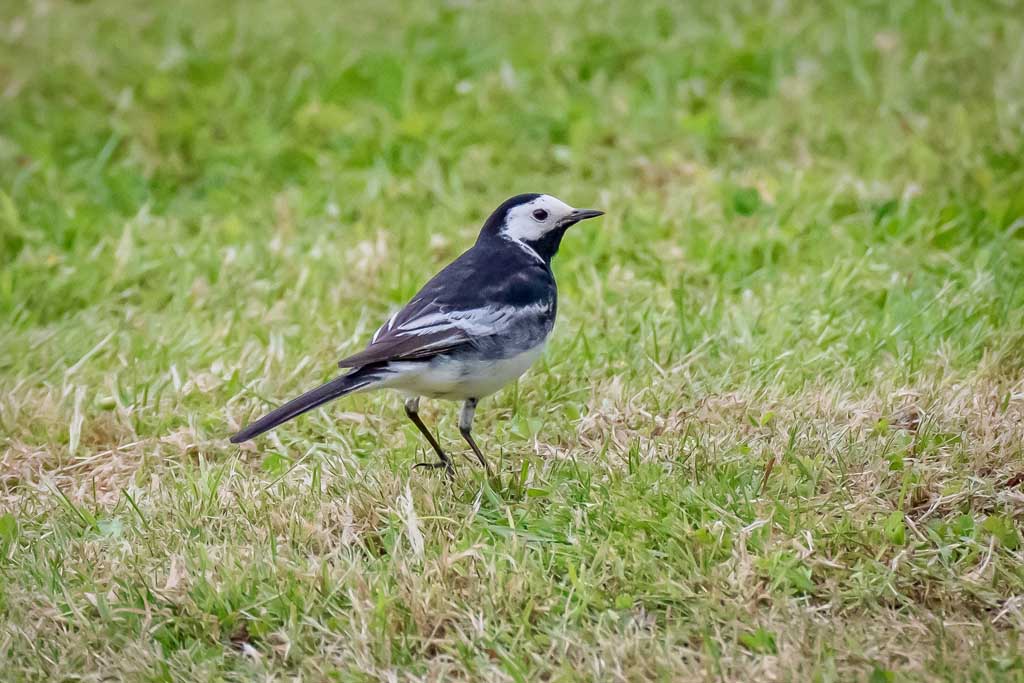
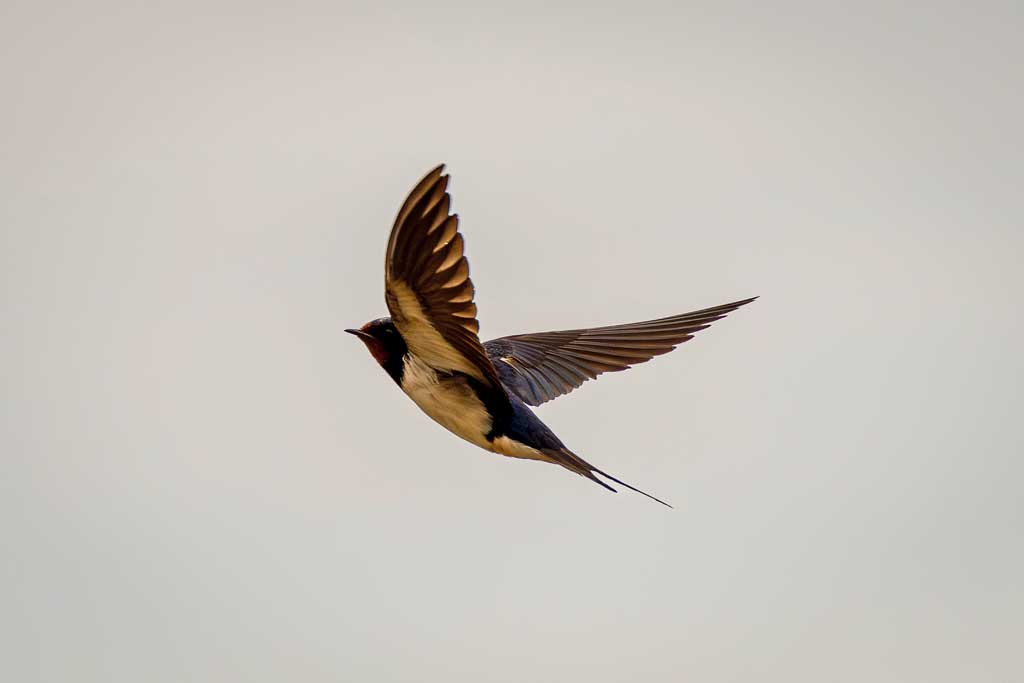
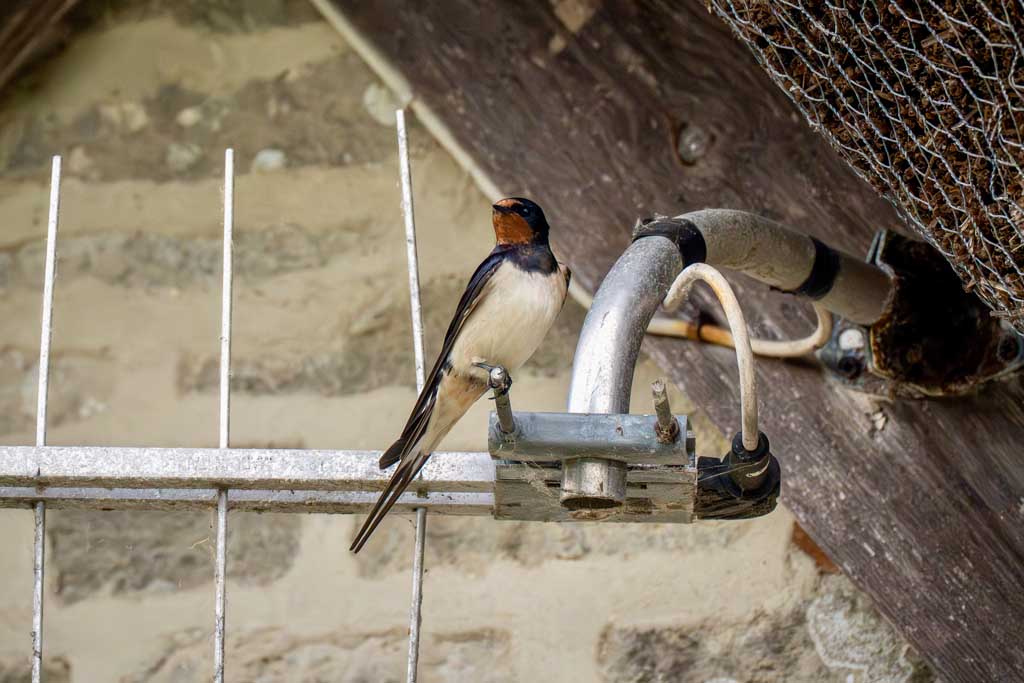
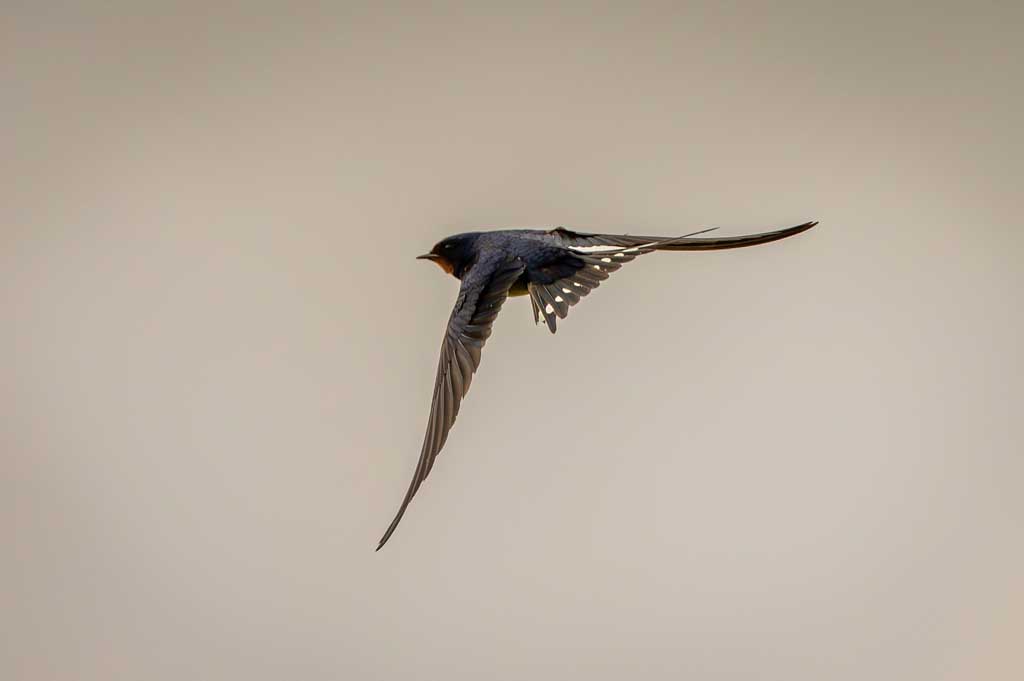
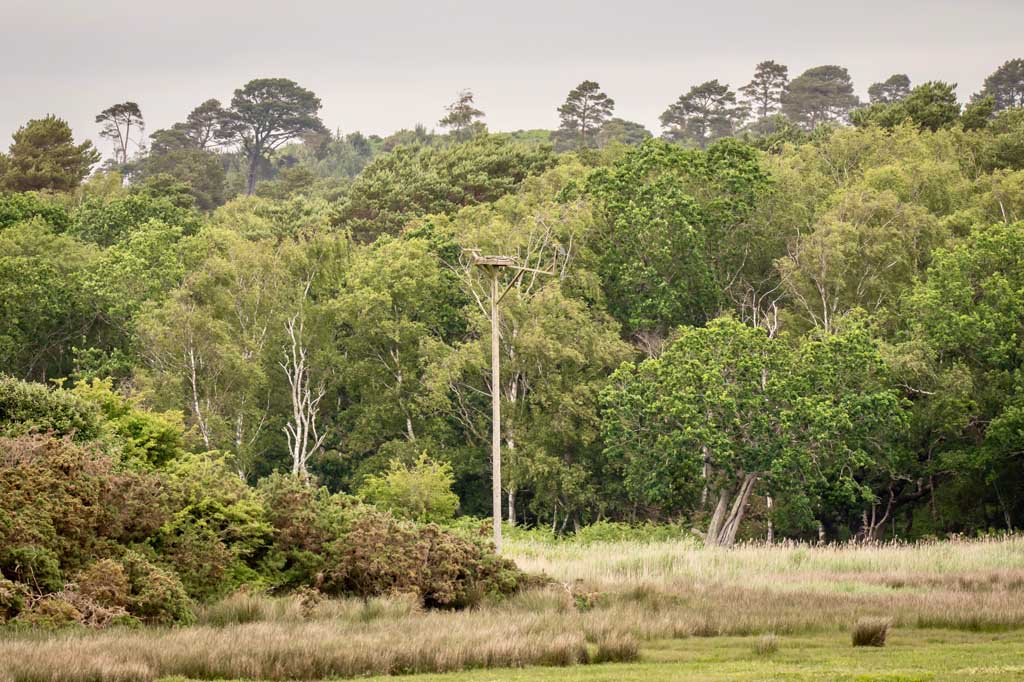
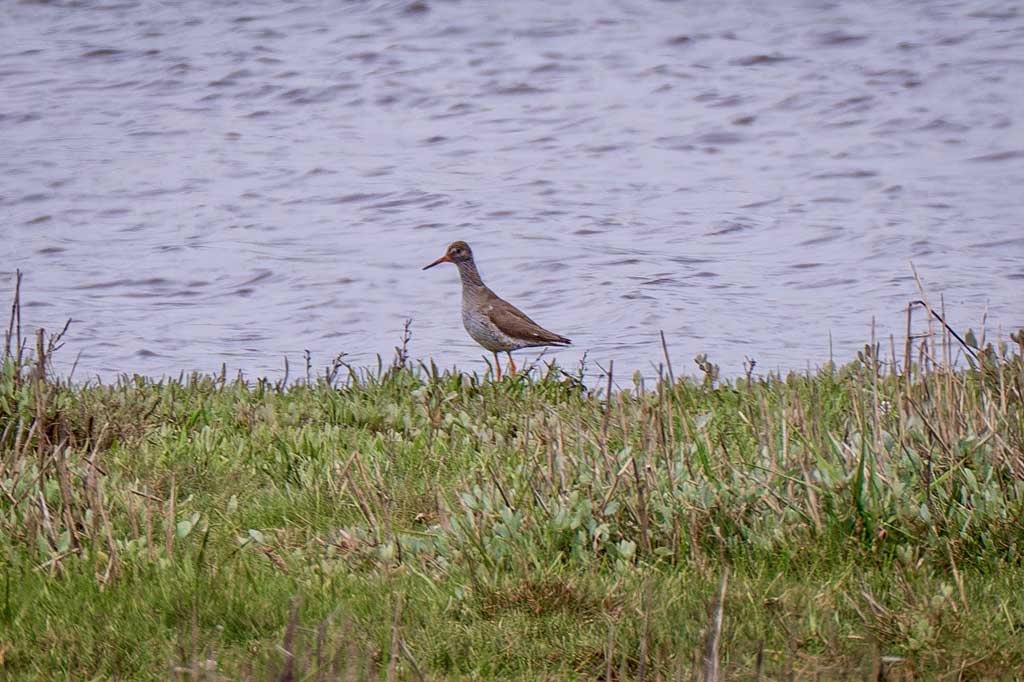
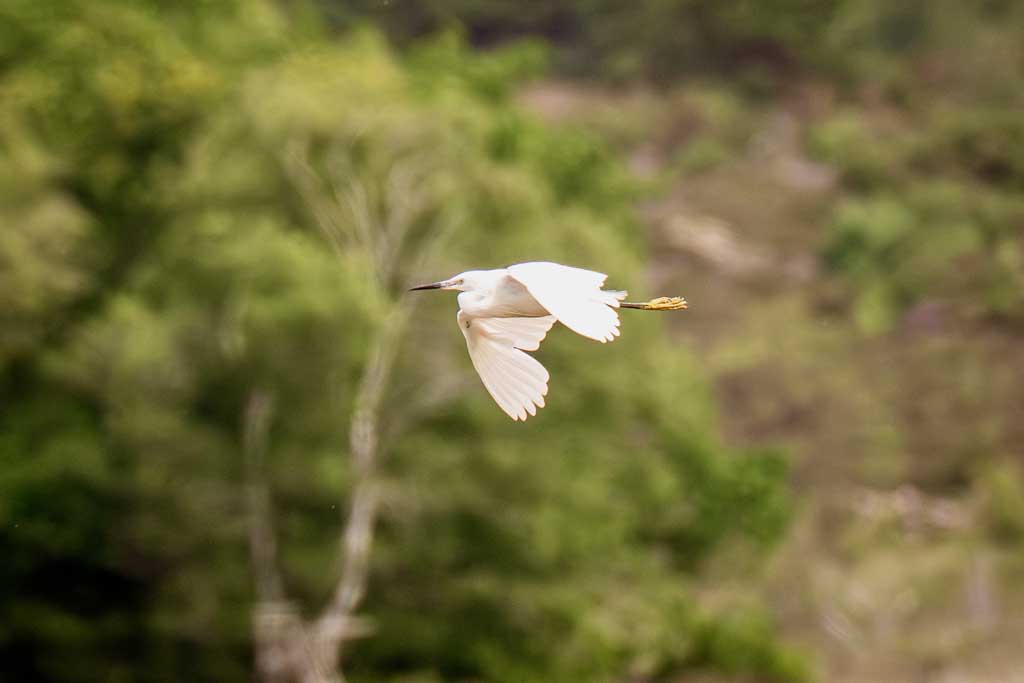
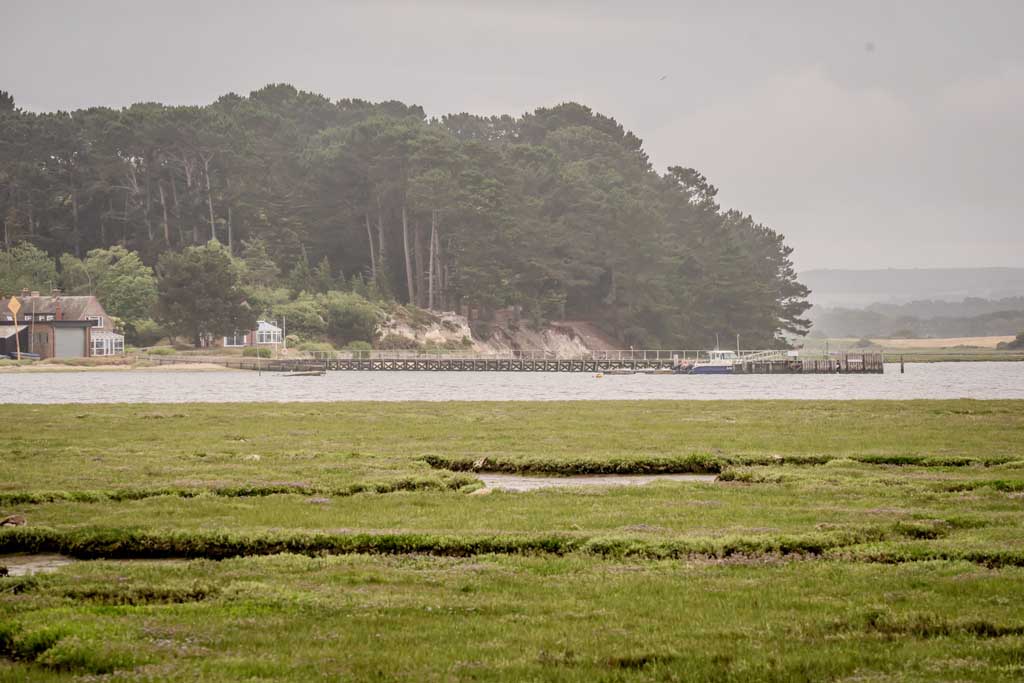
    This morning we explored the Middlebere Peninsula just south of RSPB Arne. Rain was forecast throughout the day. It didn’t materialise until the afternoon but the light was not good. From the avocet hide we could see an osprey on a nest. On the estuary there were shelduck, black-headed gulls, several little egrets and a few common redshank but everything was rather distant and didn’t make for good photos in the poor light. My best opportunities were near some National Trust cottages where there was a pied wagtail and some barn swallows.

    Pied wagtail

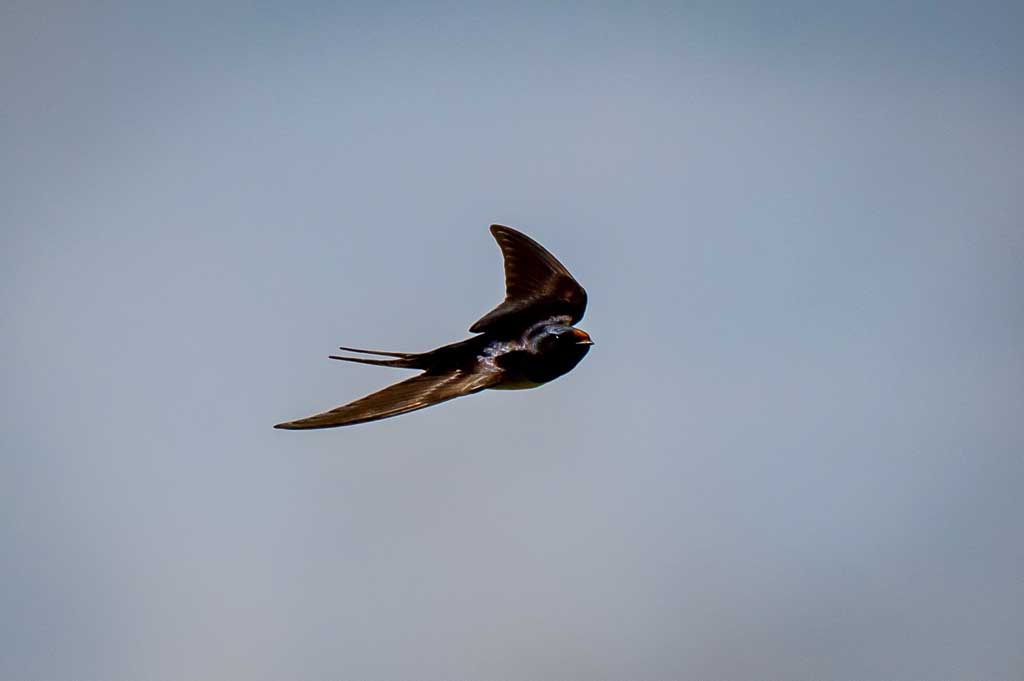
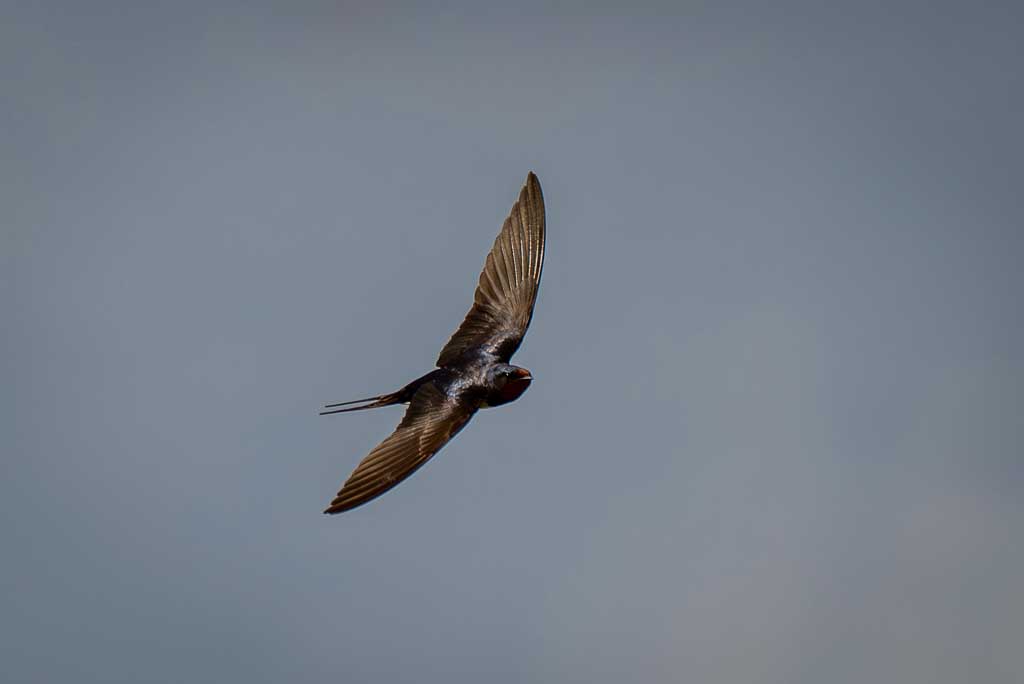
    Barn swallow

    Barn swallow

    Barn swallow

    Osprey on nest at top of post

    Distant redshank

    Little egret

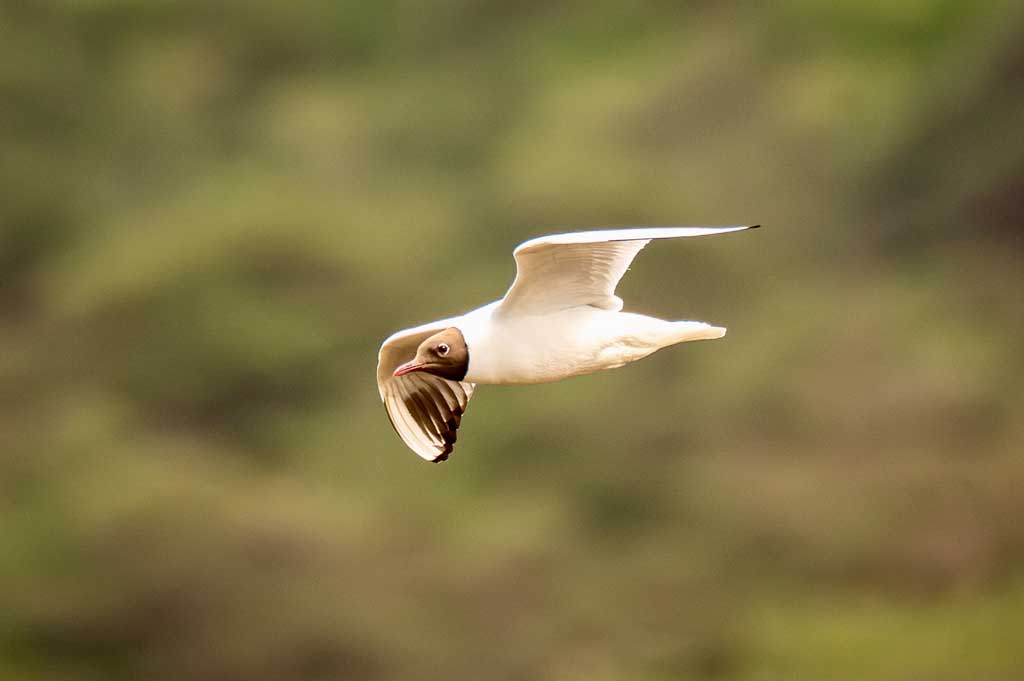
    Black-headed gull

    Barn swallow

    Barn swallow

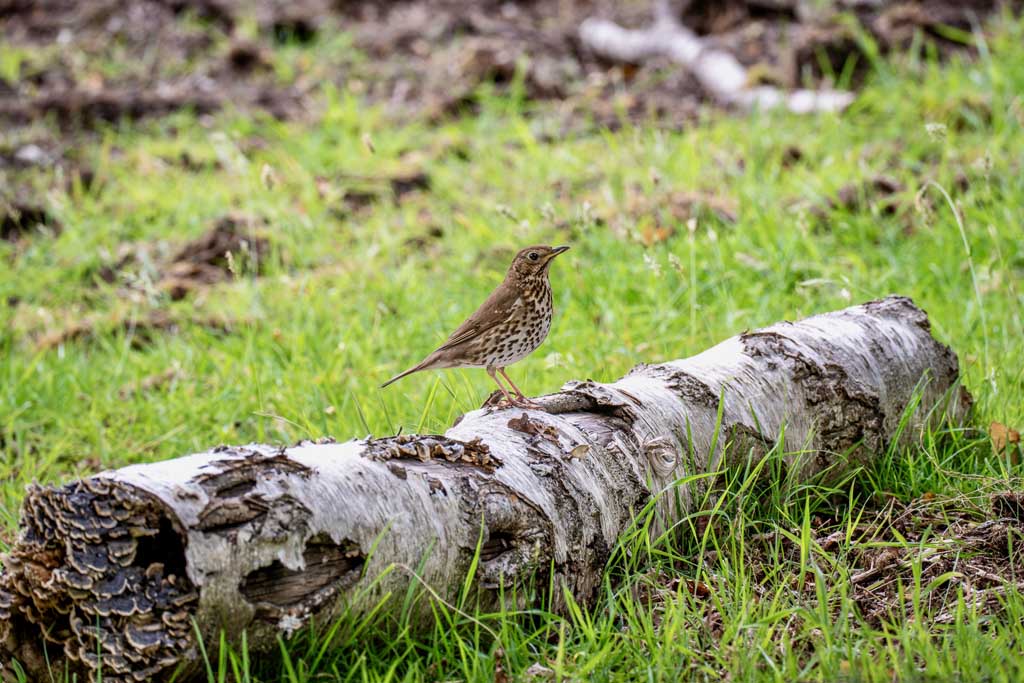
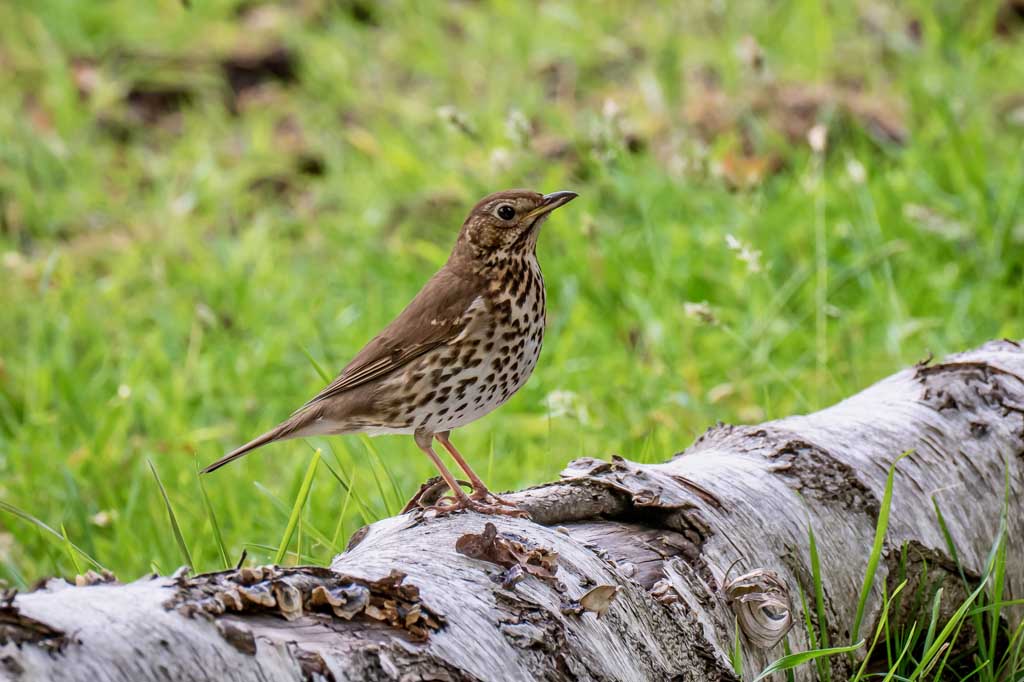
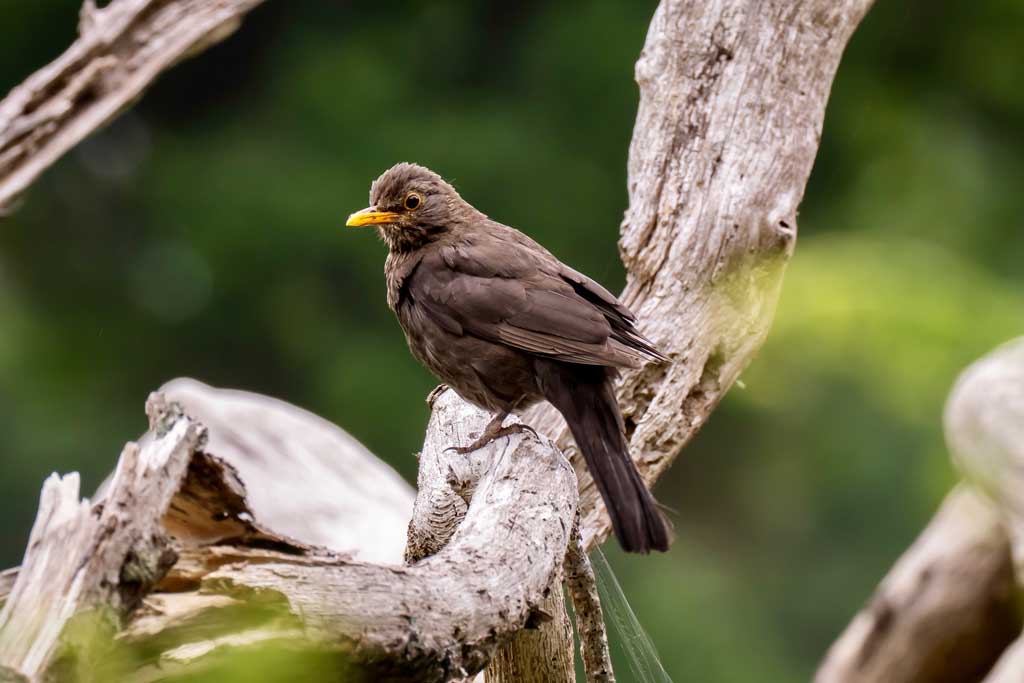
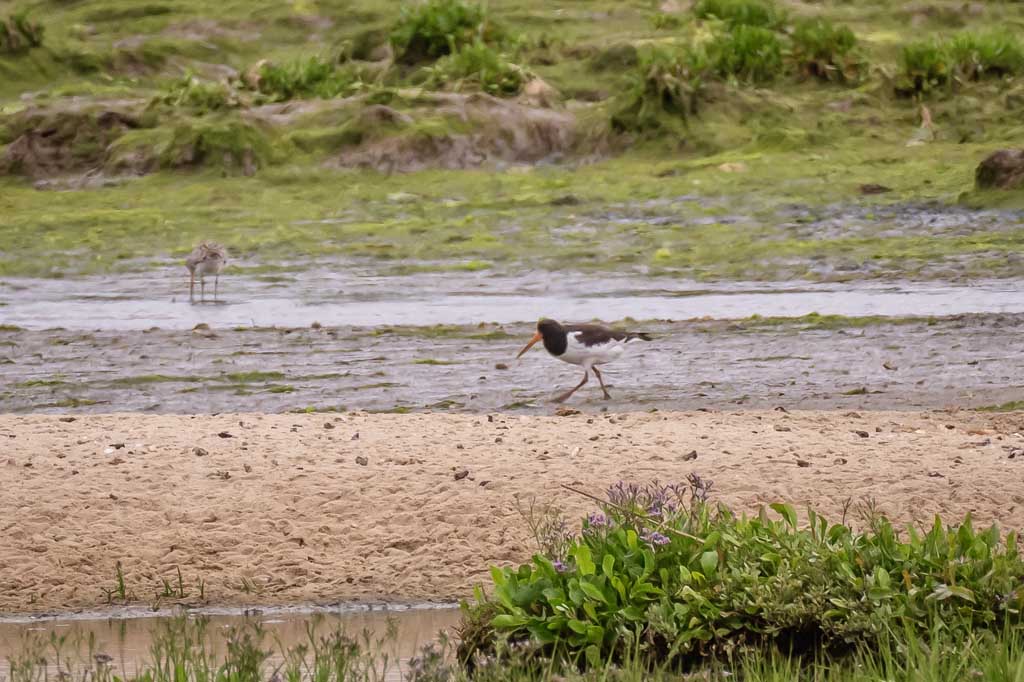
    We had an early lunch at the visitors’ centre at RSPB Arne and then explored the Shoreline trail but the rain set in and, apart from a song thrush, a blackbird, geese and oystercatchers, there wasn’t a lot to photograph.

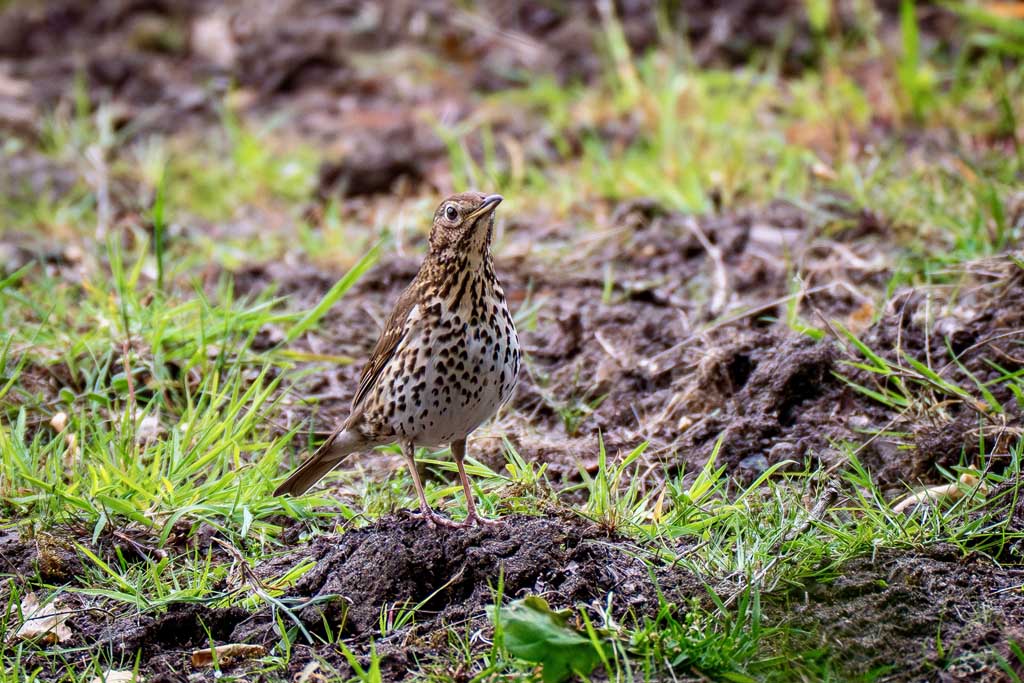
    Song thrush

    Song thrush

    Song thrush

    Blackbird

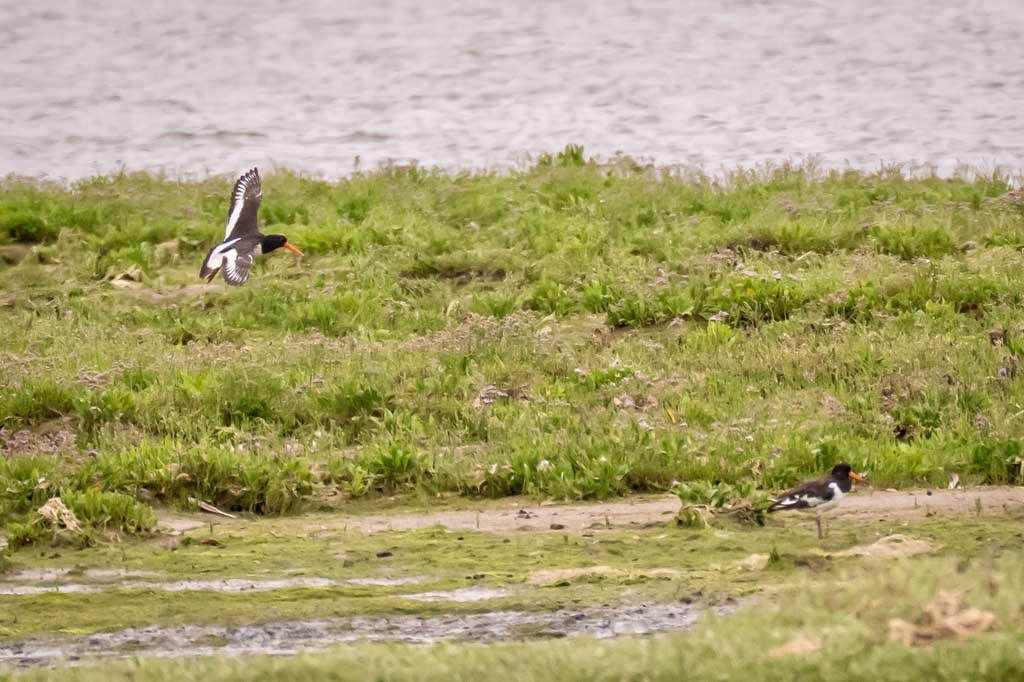
    Oystercatcher with small wader behind

    Oystercatchers

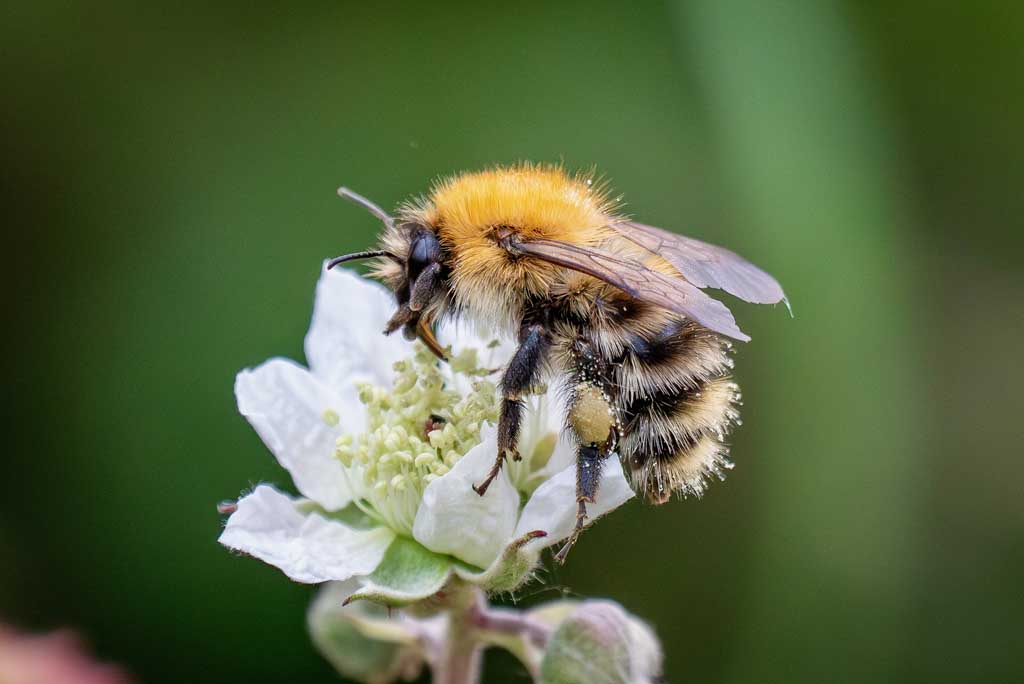
    Common carder bee

    The rain setting in

  • 28th July 2025 – WWT Slimbridge, Gloucestershire

    28th July 2025 – WWT Slimbridge, Gloucestershire

    The WWT (Wildlife and Wetlands Trust) is a growing, global community of nature lovers who do brilliant things for nature, especially encouraging young people to engage with nature. However, we visit WWT Slimbridge in the school holidays with some trepidation as we know it is going to be packed with very noisy, excitable children. Yet today (as most times) we were able to visit certain parts of the reserve in relative peace and quiet. The only children we came across were well-behaved and already enthusiastic nature lovers, generally accompanied by knowledgeable and encouraging grandparents.

    This is the time of the year when many “birders” turn to butterflies but today there was plenty to keep us engaged and the only butterflies of note were red admirals. We had a good walk down to the Severn Estuary and , although the tide was really too high to see much on the water, we saw plenty en route.

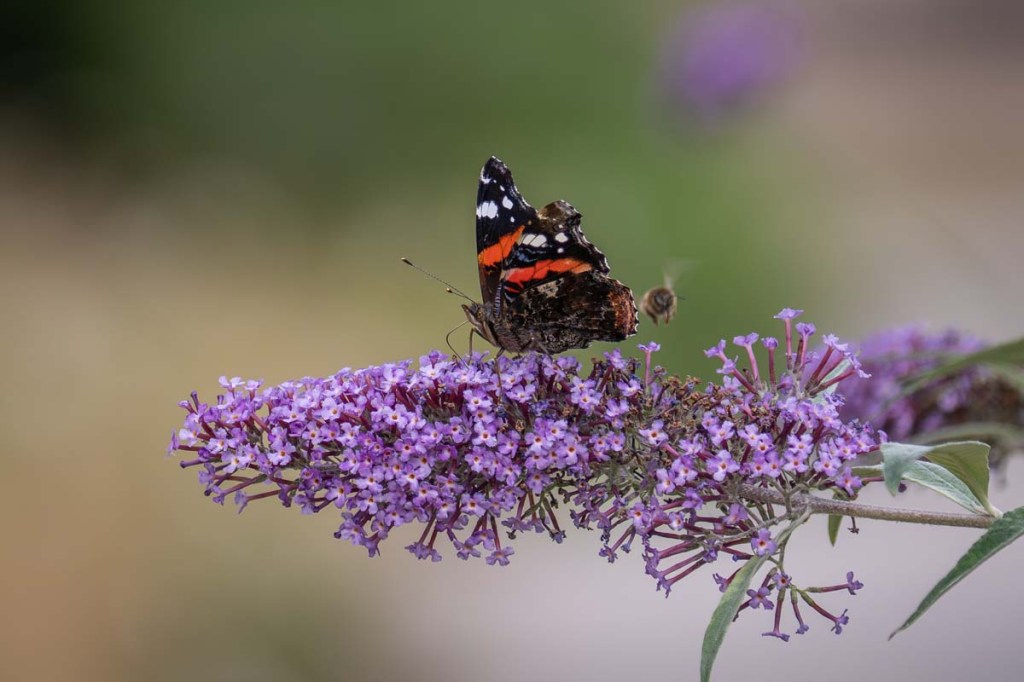
    Red admirals are ubiquitous at the moment in this part of the country

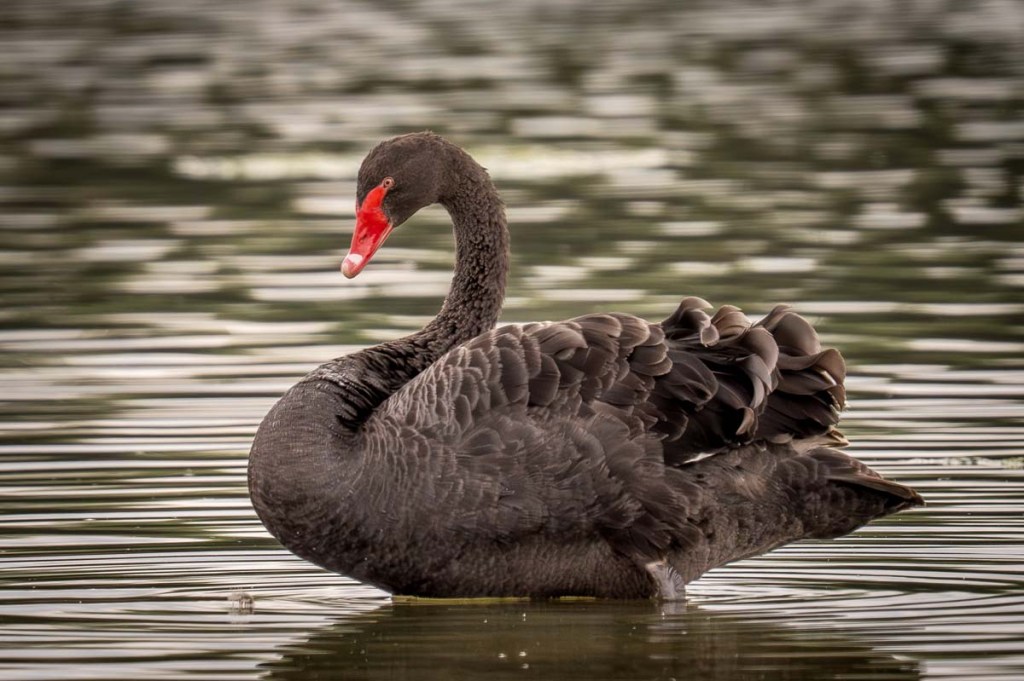
    Slimbridge is famous for its Bewick and Whooper swans in winter but today there was a black swan.

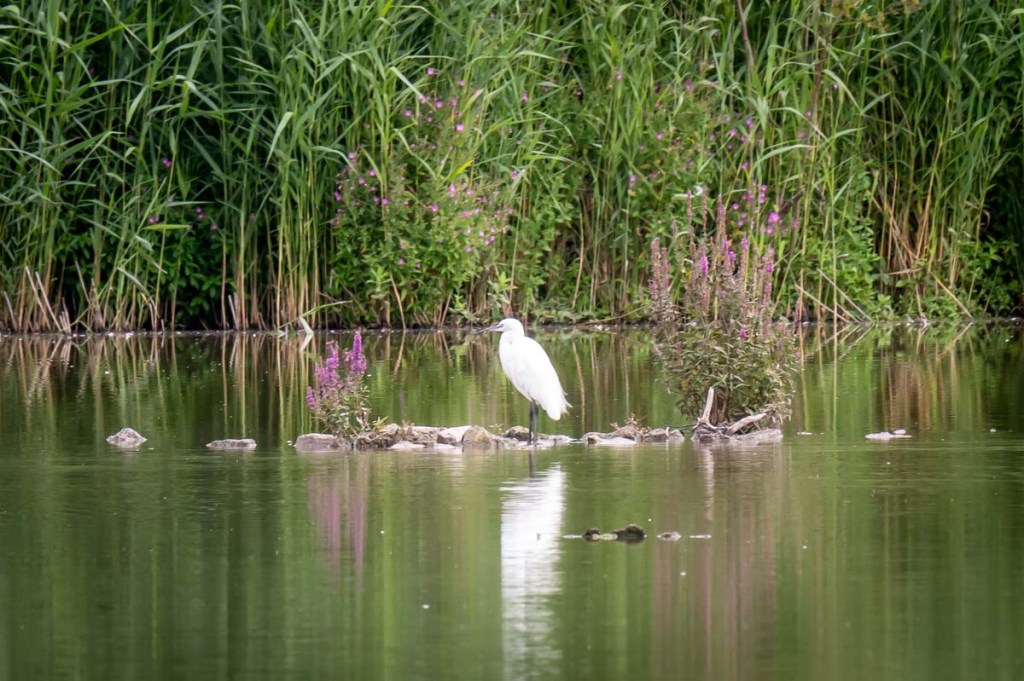
    The juxtaposition of this little egret to the black swan was quite splendid

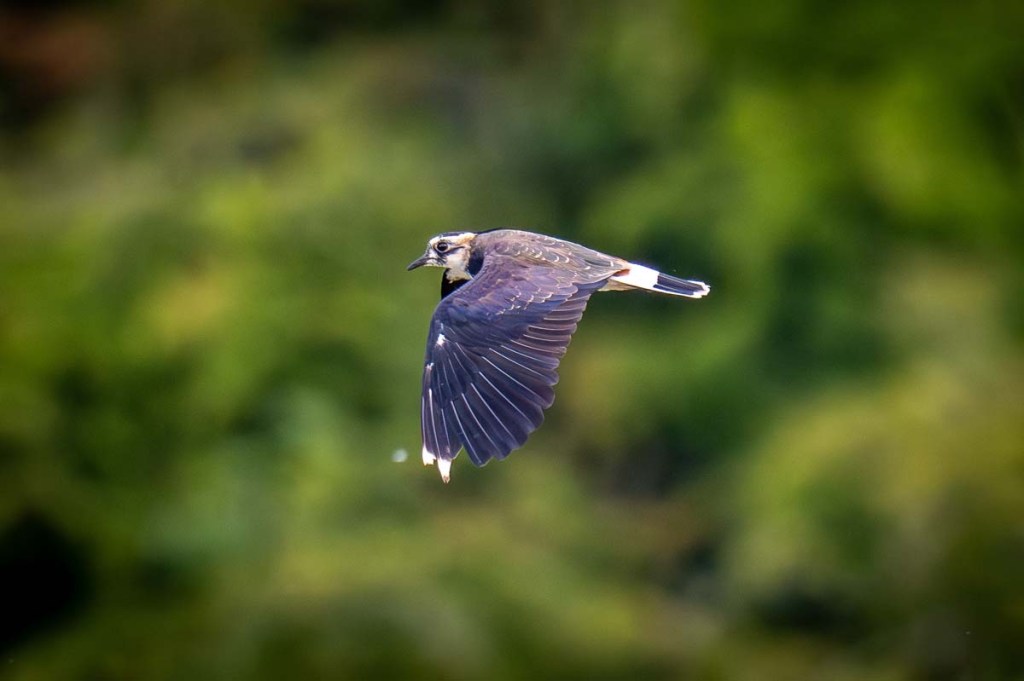
    A young lapwing

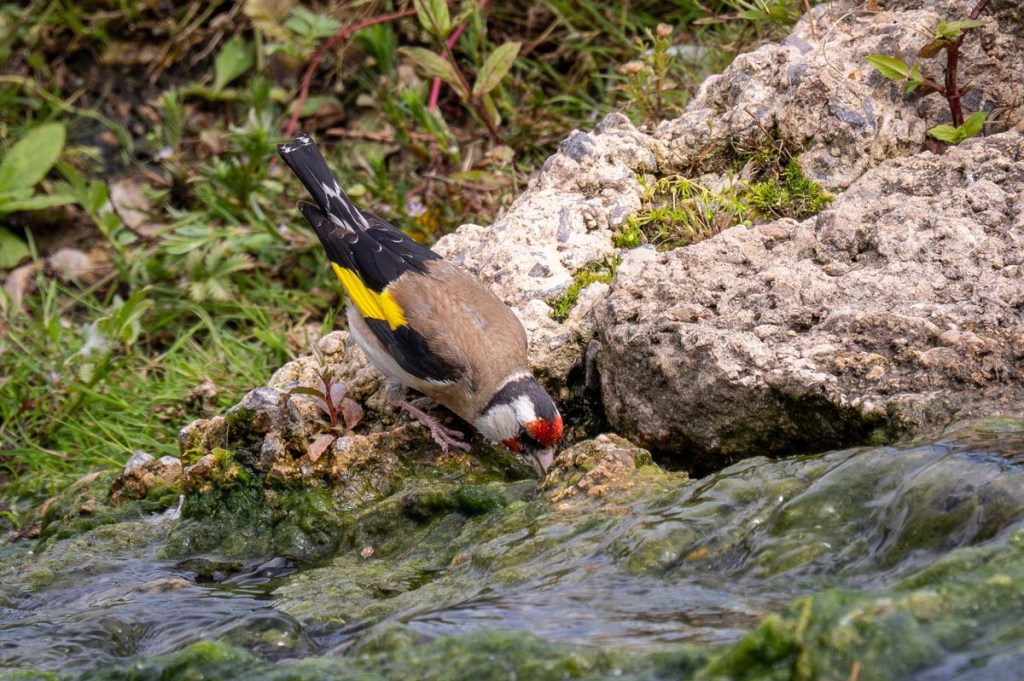
    Who says we only have LBJs in the UK? Goldfinch having a drink.

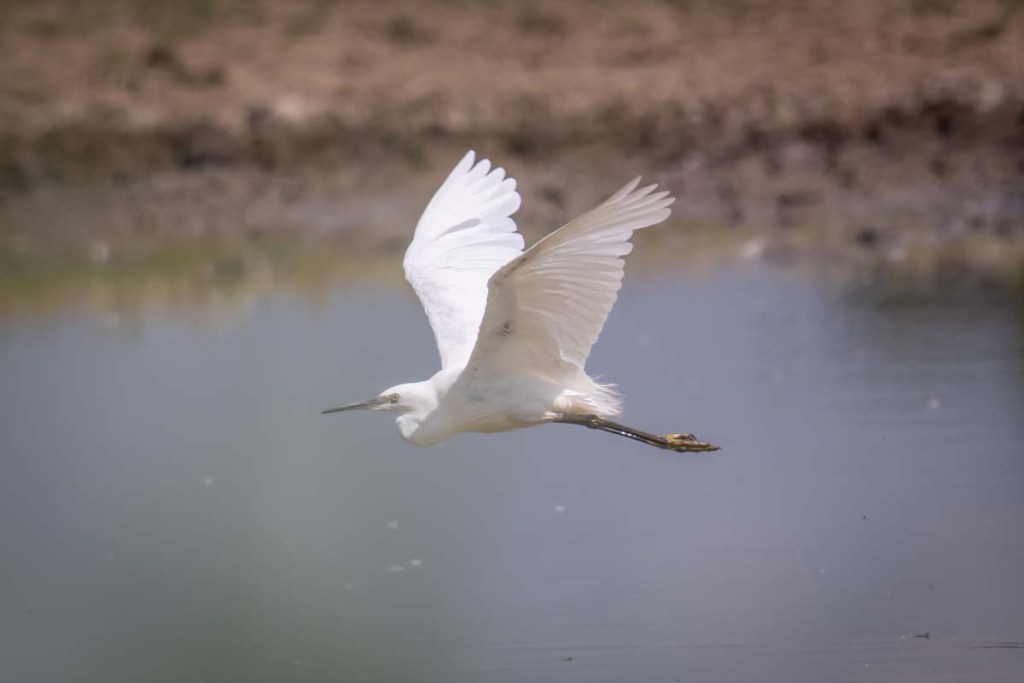
    We are lucky to see so many egrets in this part of the world these days.

    Little egret in flight

    Lapwing in flight

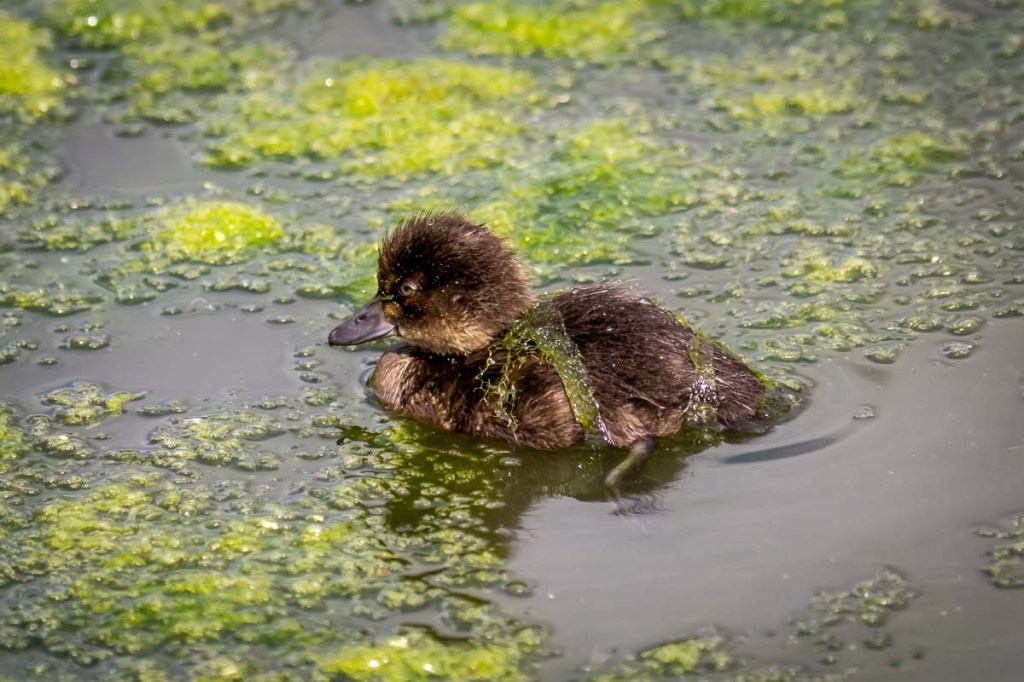
    A proud mum tufted duck

    … and one of her ducklings
    … and another (only because they are so cute)

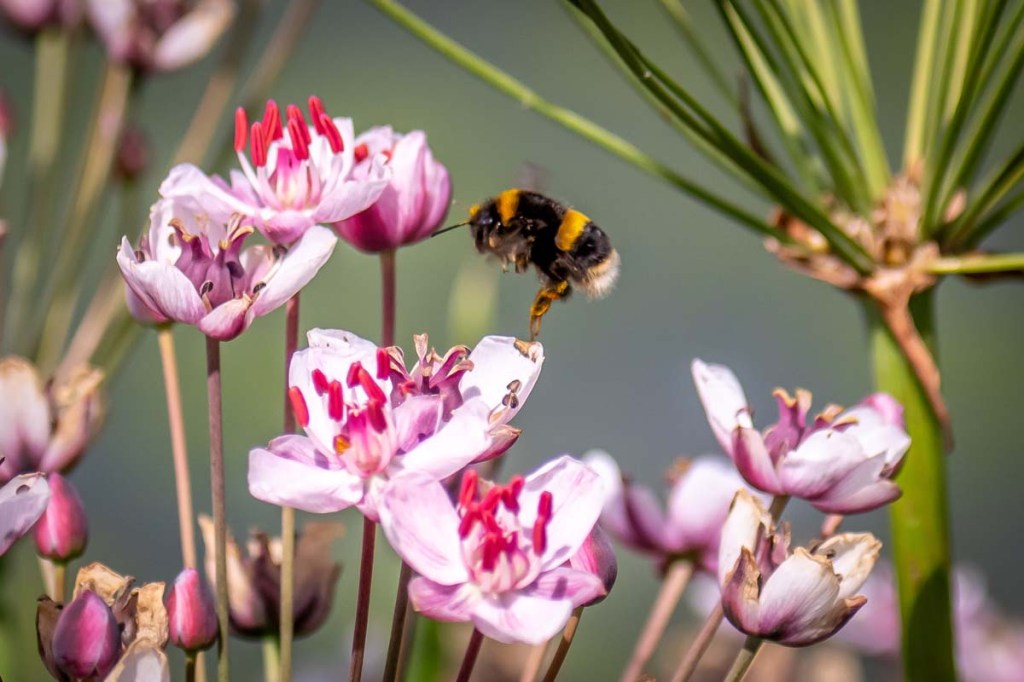
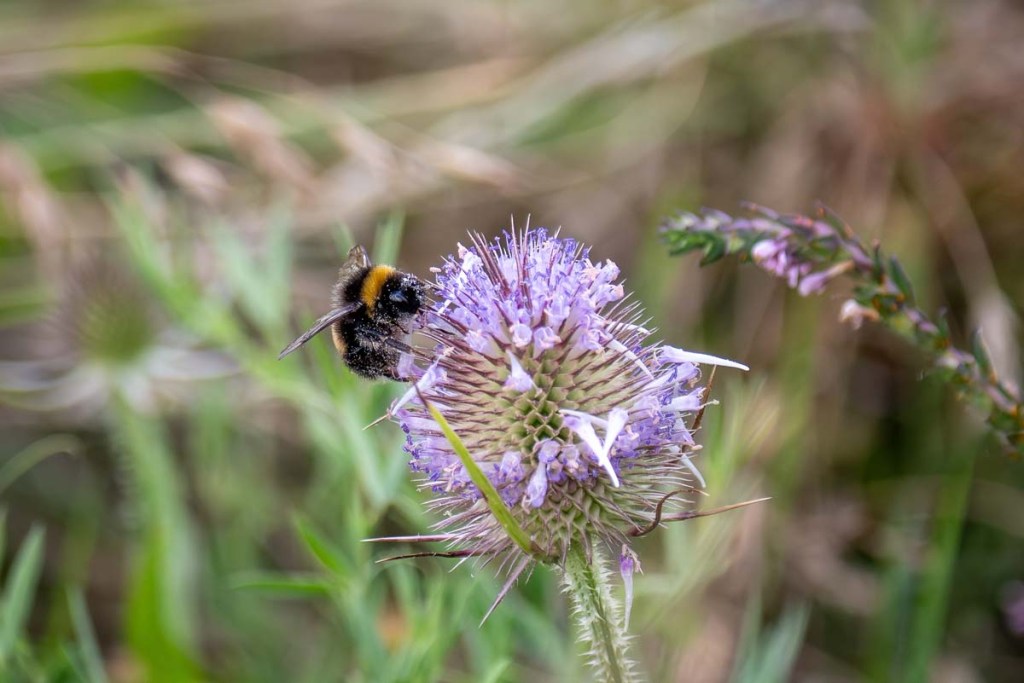
    Clever planting attracts many bees

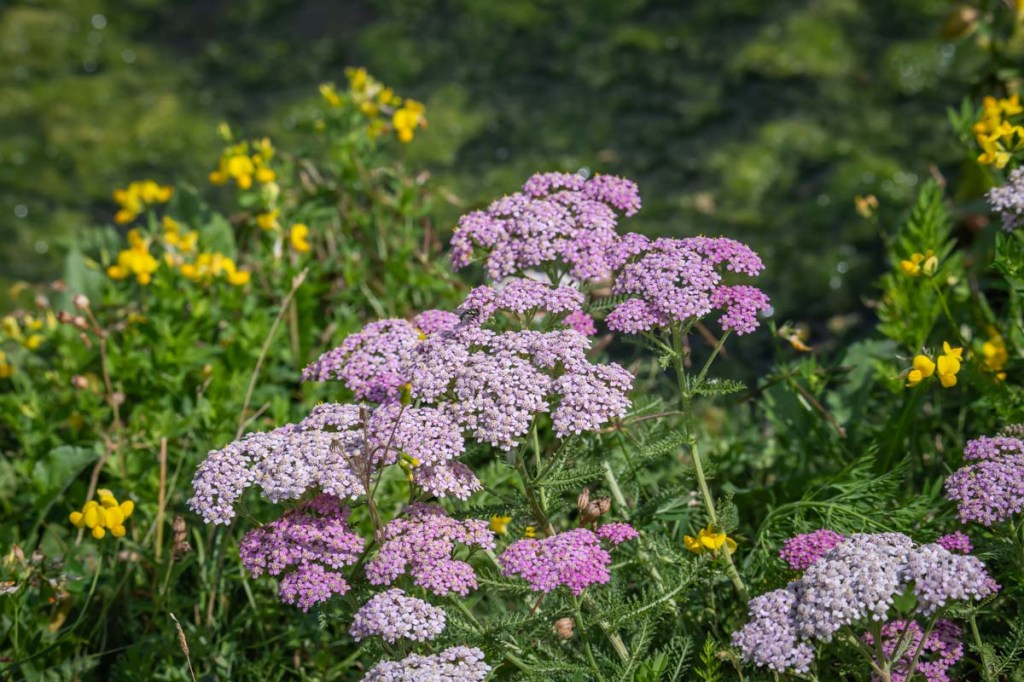
    I wish the achillea in my garden was as bright as this cousin

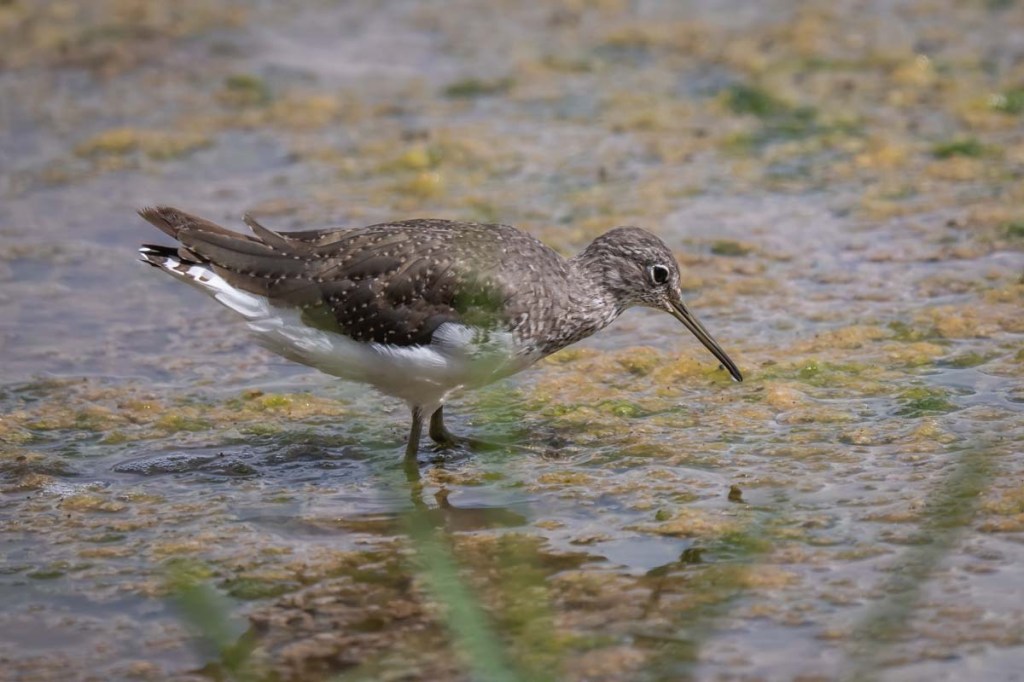
    One of five green sandpipers

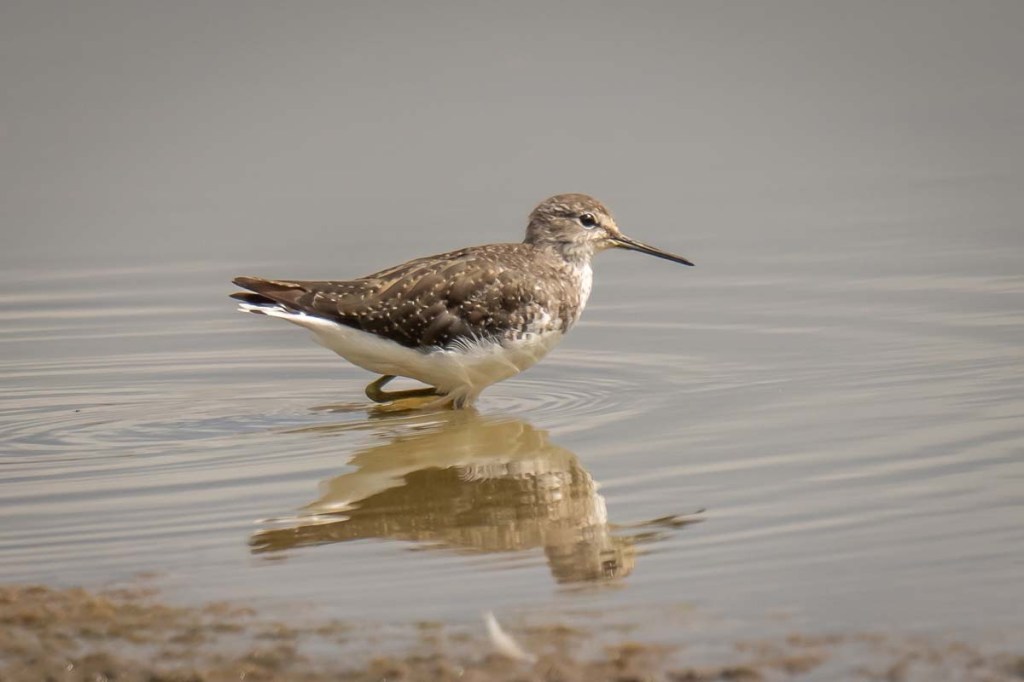
    Green sandpiper

    Green sandpiper

    Sand Martin down on the estuary

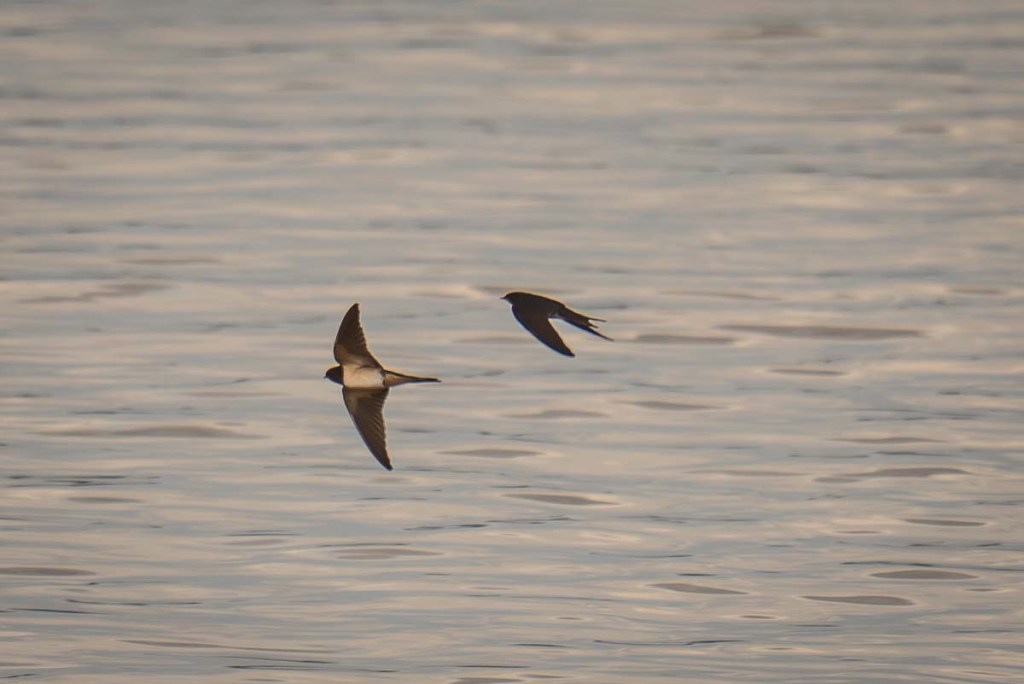
    The light was poor down by the estuary but I could just capture these barn swallows

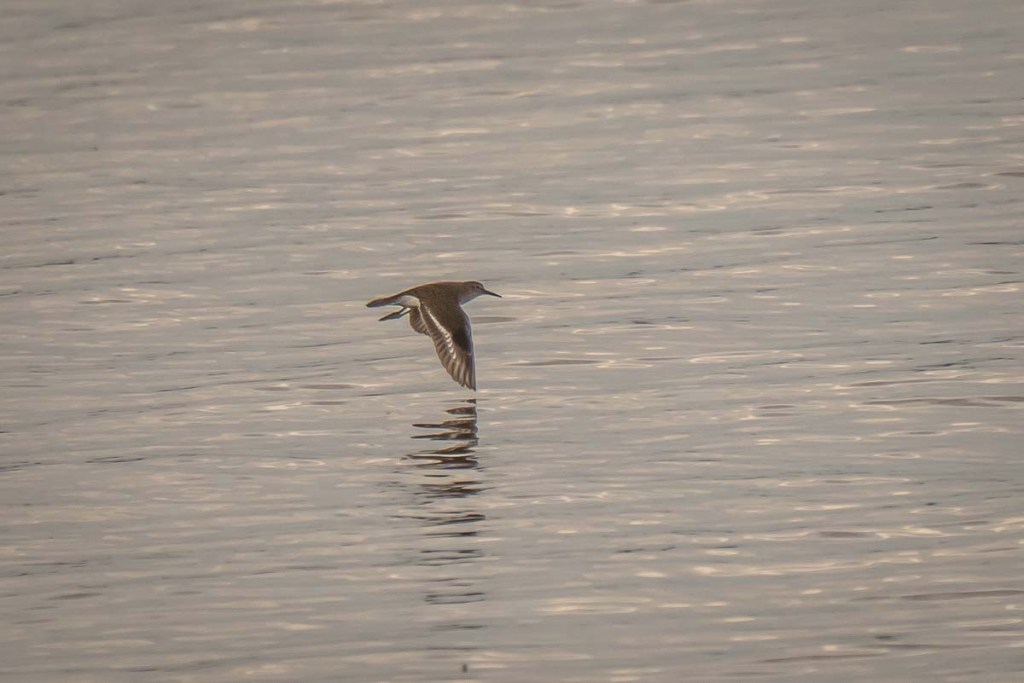
    Common sandpiper on the Severn Estuary

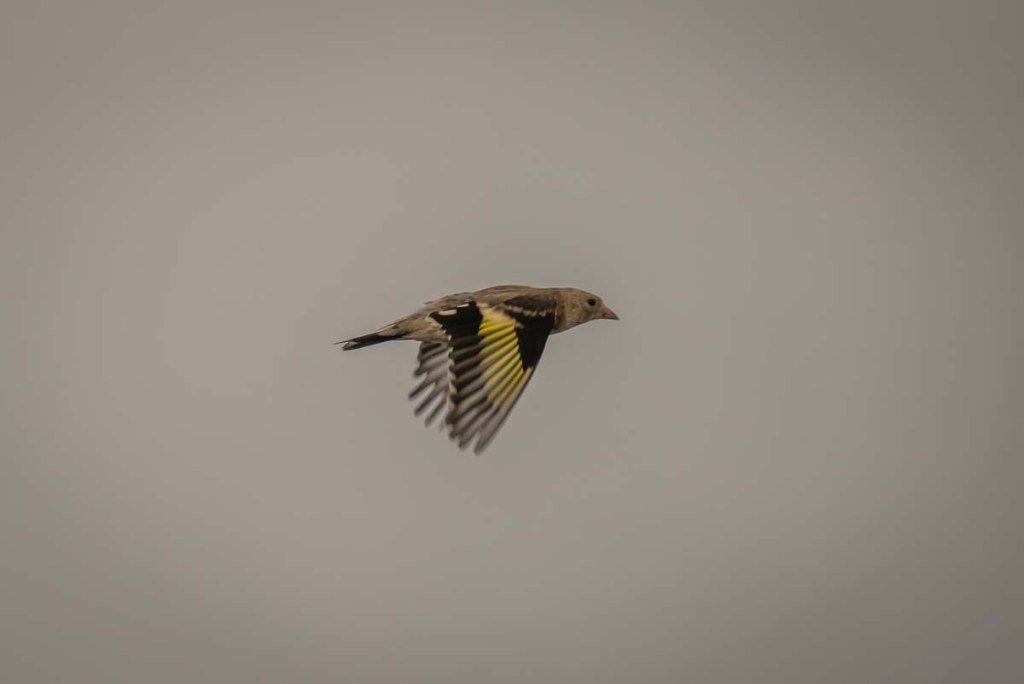
    Goldfinch in flight

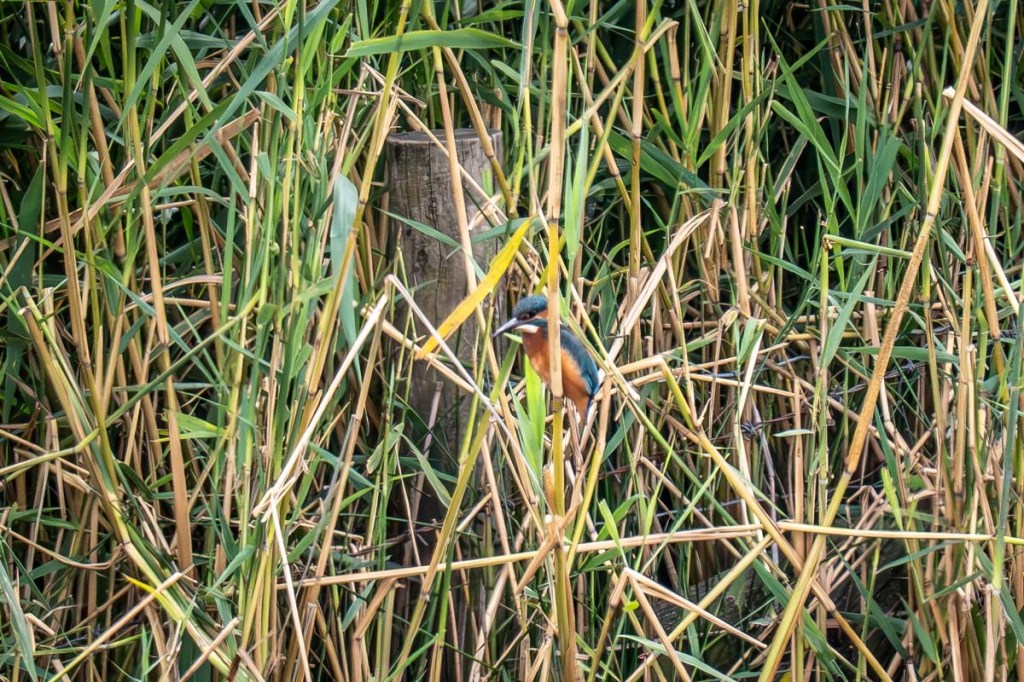
    Kingfisher with a small appetiser

    Kingfisher

    Kingfisher

    Kingfisher

    Kingfisher

    Kingfisher
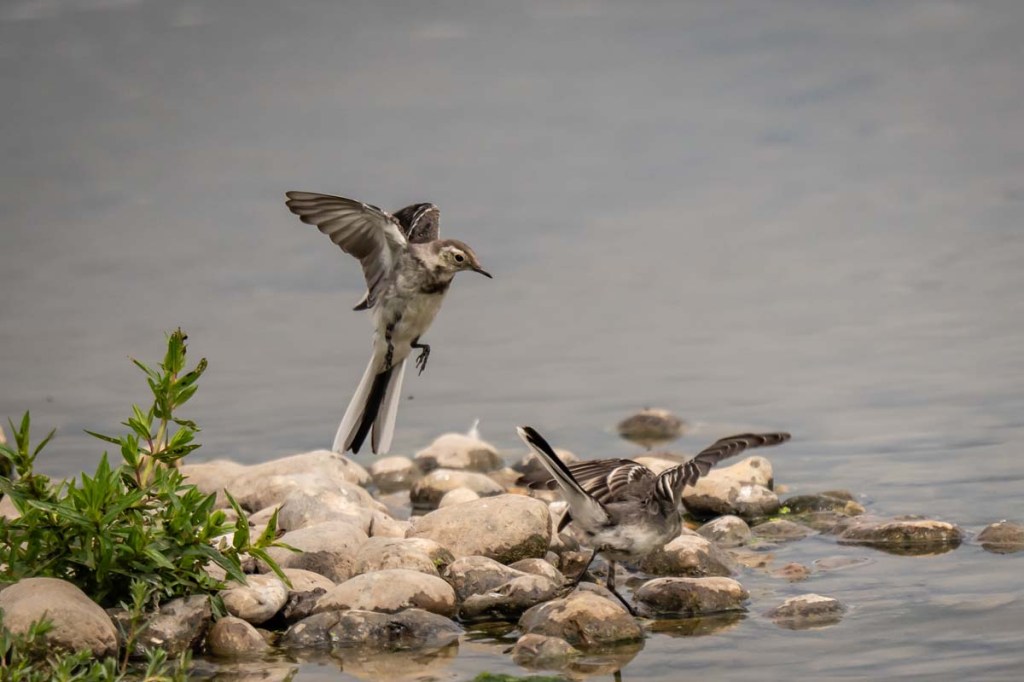
    Pied/white wagtail

    Pied/white wagtails

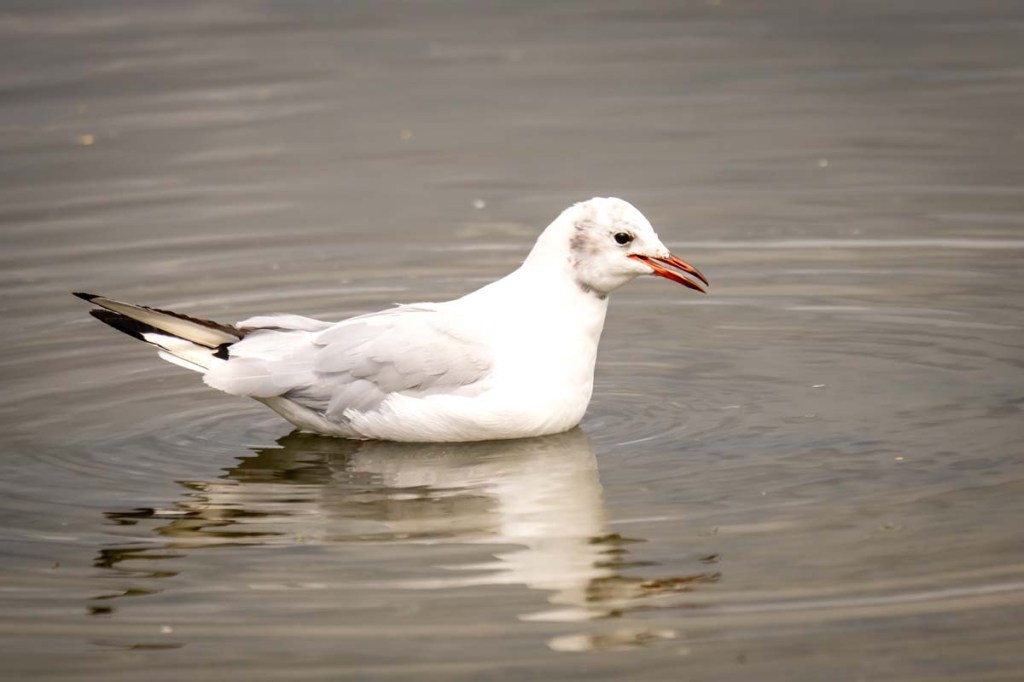
    Black-headed gull

    Black-headed gull

    Goldfinch

    A spoonbill, common cranes and curlews (heard but not seen) all too far for my lens.

    There was even a lovely exhibition of very accomplished textile wall hangings

  • 28th March 2020 – Self-isolating in Bristol

    28th March 2020 – Self-isolating in Bristol

    I managed to get a short fix of nature this morning whilst self-isolating at home but I didn’t stay long outside as, with a strong north-easterly wind, the temperatures had plummeted.

    The bird feeders in our garden continue to go down but I get little or no opportunity to photograph the birds on them because as soon as I go in to our small back garden the birds disappear. I can see them from the bathroom window  but that’s too geeky for even me to photograph them from there. Consequently I am restricted to photographing birds discretely with a long lens in neighbours’ gardens or on nearby rooftops.

    The wood pigeons were easy to spot but I didn’t see any of the collared doves which have been around recently.
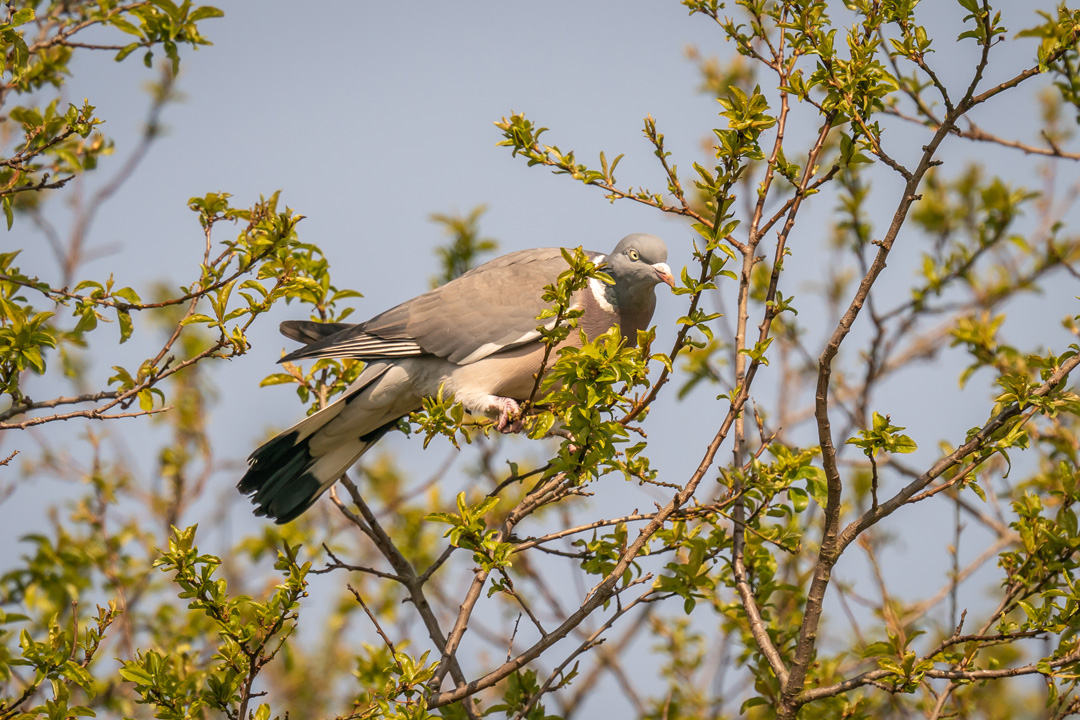
    DSC05562

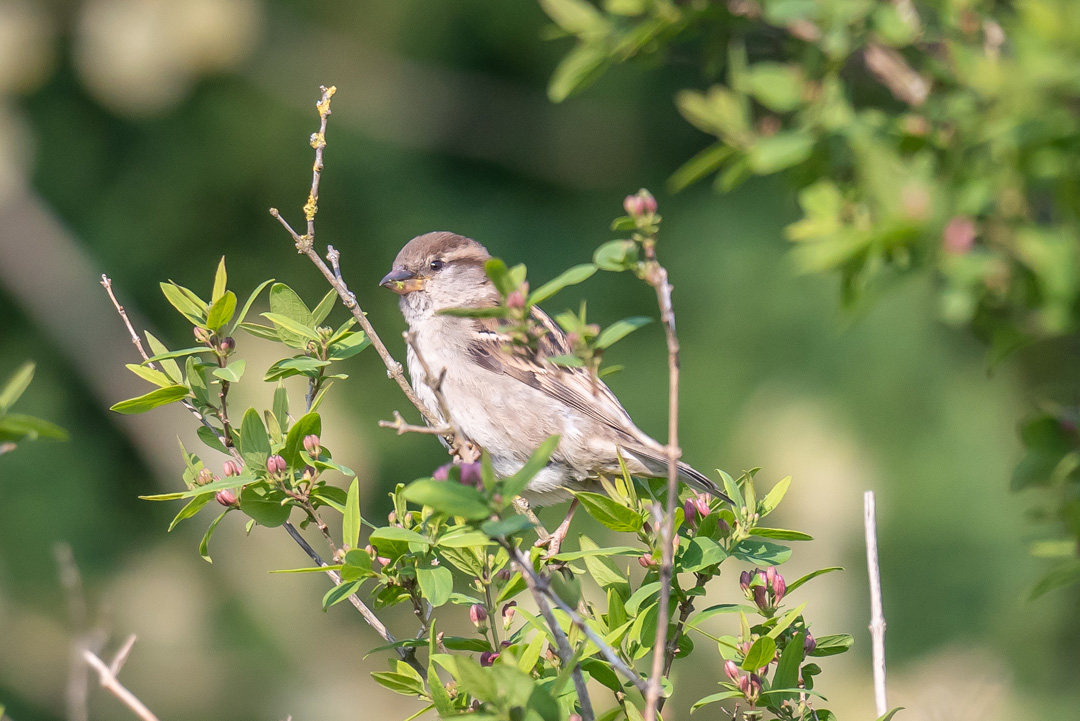
    There seemed  to be more house sparrows this morning. It is very encouraging to see them as, although once quite abundant locally, they had disappeared in recent years.

    DSC05698Male sparrow

    DSC05681Female sparrow

    I could hear goldfinches but didn’t see any today.

    The dunnocks appeared again and instantly made for the car across the road to look at themselves in the wing mirrors or at their reflections in the car windows.
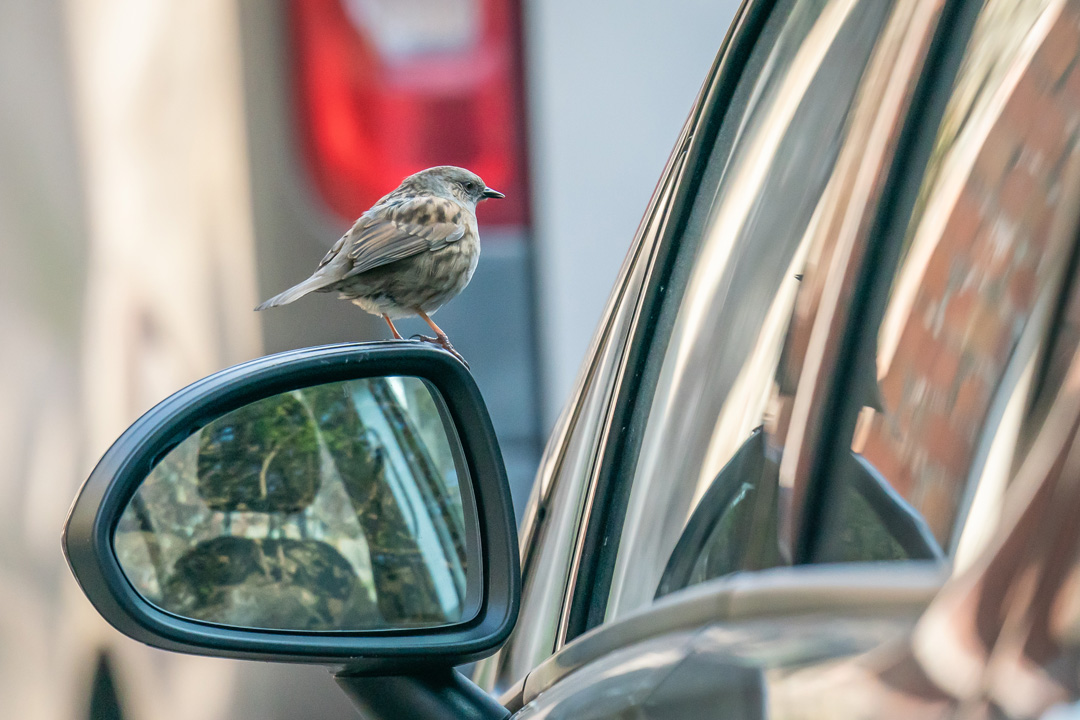
    DSC05742Dunnock getting ready for the day ahead

    On the same wall I also saw a robin.

    DSC05596\DSC05604European robin

    In a distant garden  there were a pair of blackbirds. I haven’t seen any locally recently but I have heard them. That’s the next thing – recording bird song!
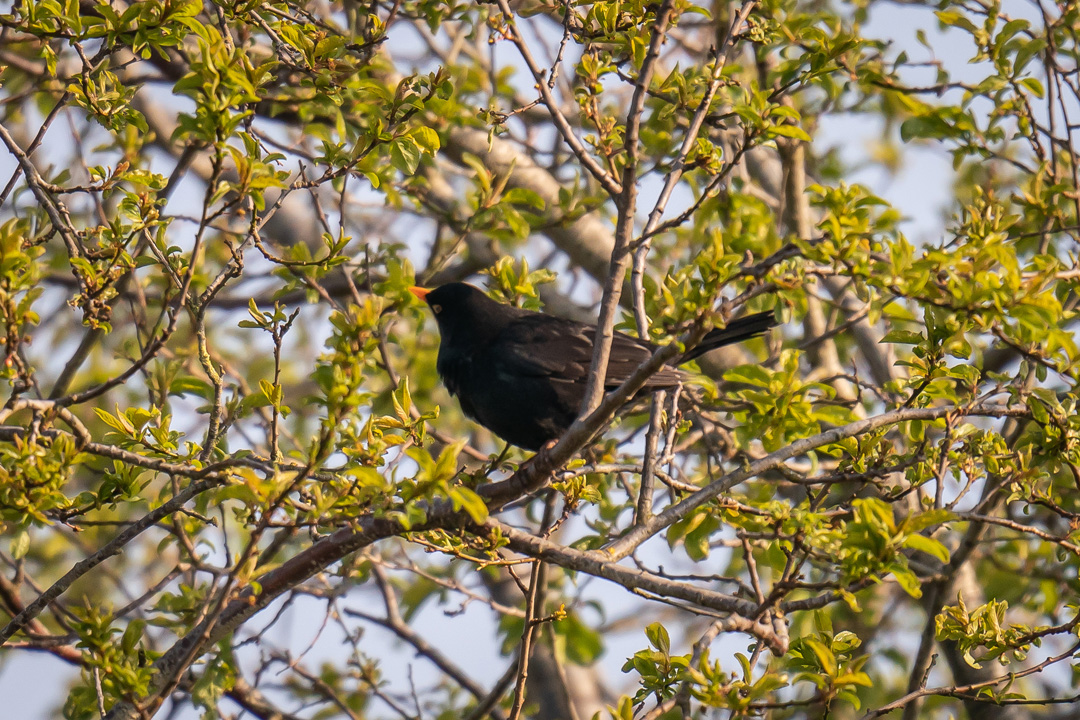
    DSC05715The best I could manage of this male blackbird

    On the roof tops there were jackdaws, crows and magpies.
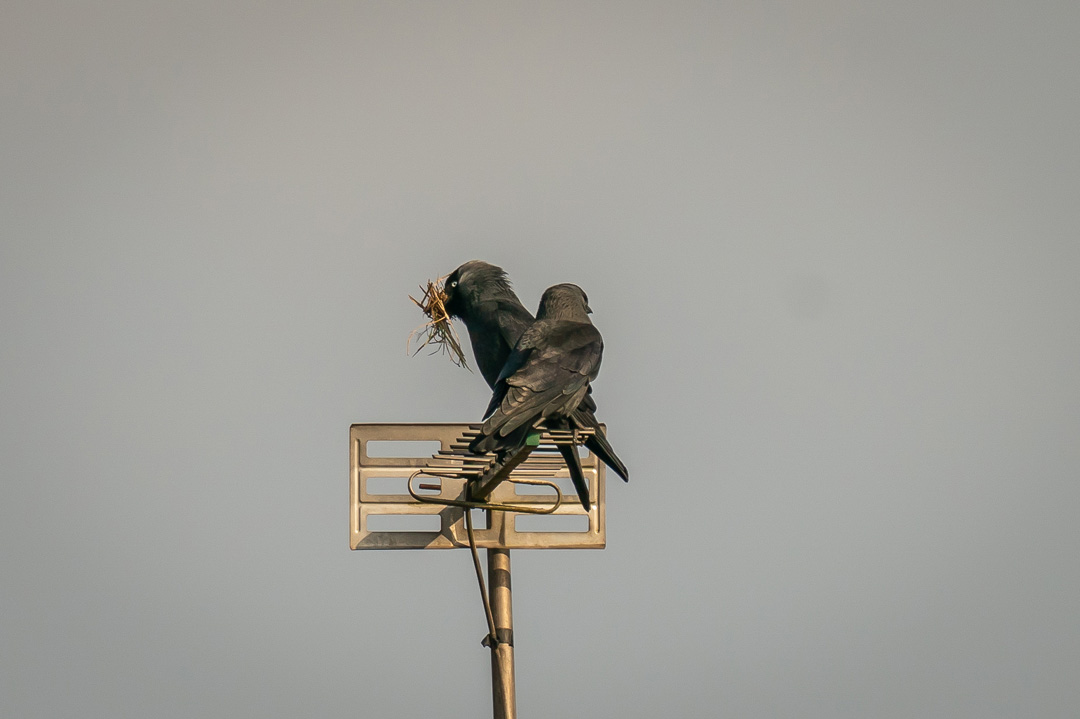
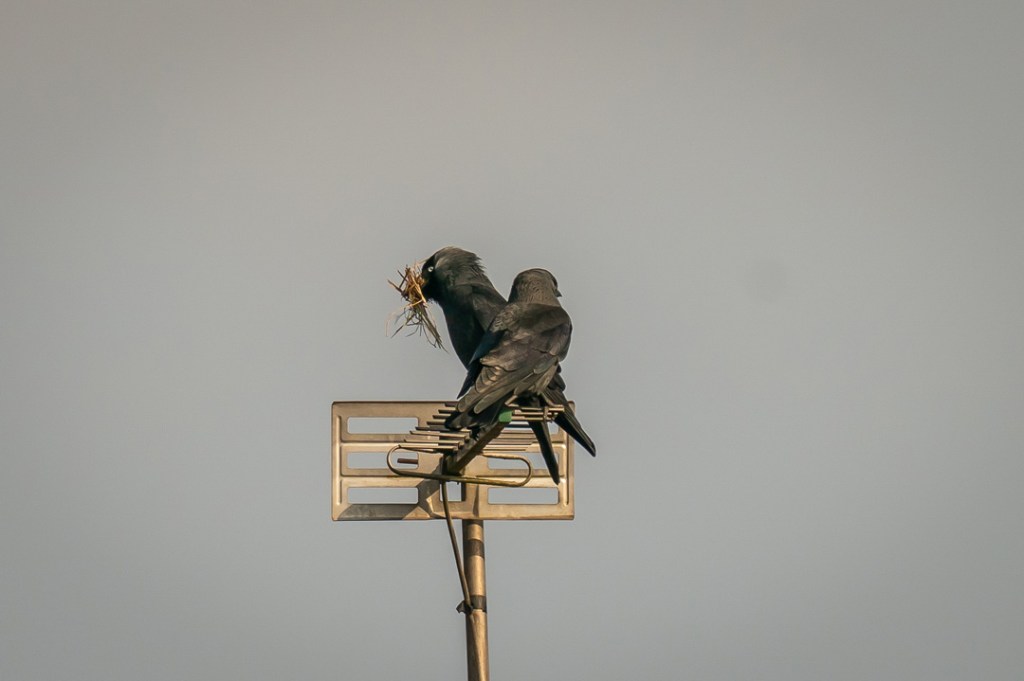
    DSC05777Two jackdaws

    Before going in I spotted a huge bee busy on a flowering red currant next to the back door.

    DSC05839

    I made a mental note to myself to learn the names of different types of bees. As Simon Barnes writes in the Sunday Times today:

    ” I can’t kiss you. I can’t buy you a pint. I can’t invite you to drop by and watch the football. All I can offer is the best thing in the world. Nature”. He goes on to say:
    “It all starts with noticing. The second stage is seeking the name, and that will give a greater intimacy, as names do.”

    But enough was enough and I disappeared indoors to find some chores to do.


    This slideshow requires JavaScript.