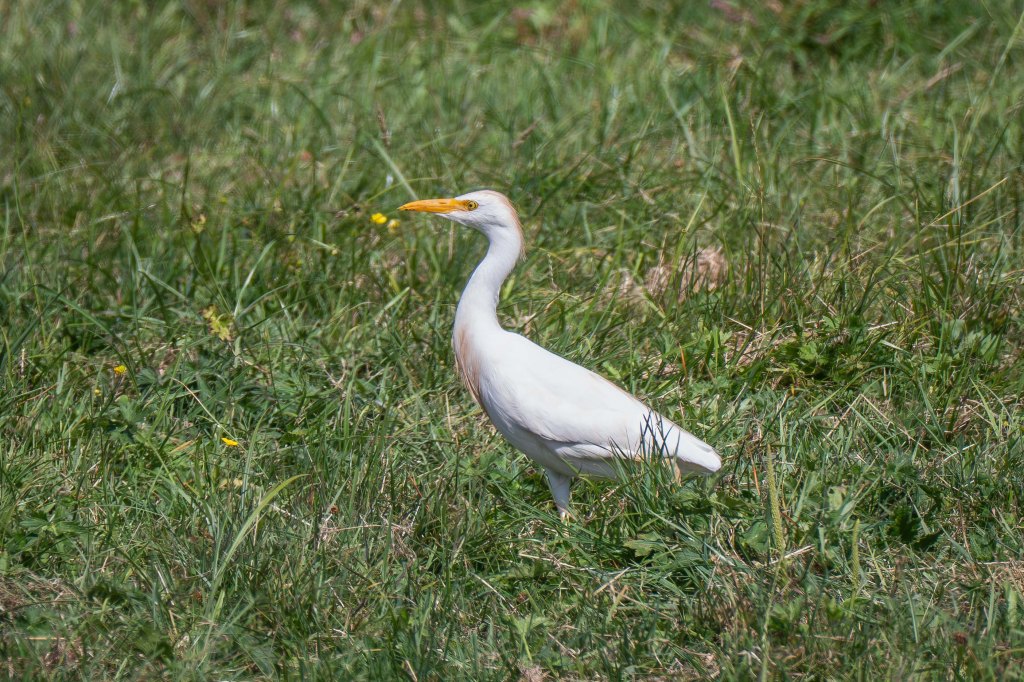
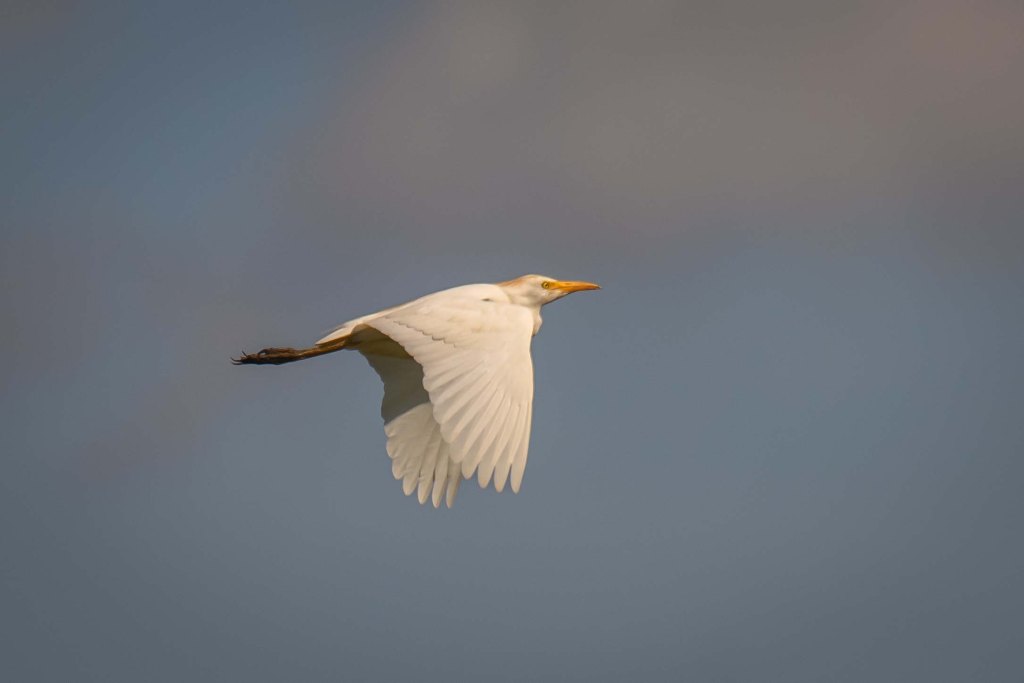
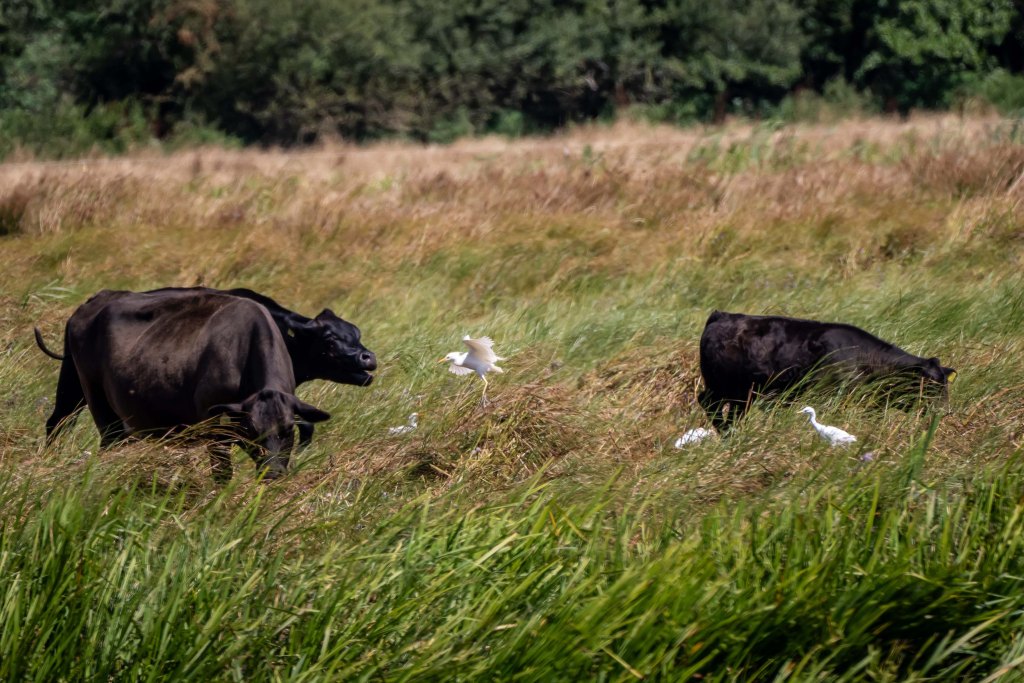
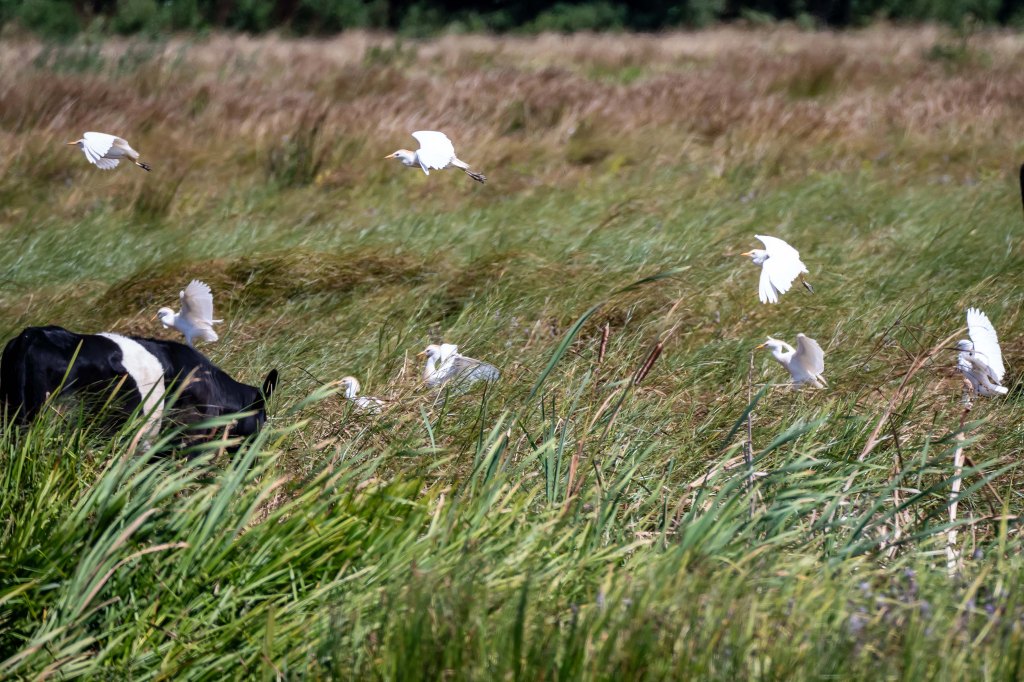
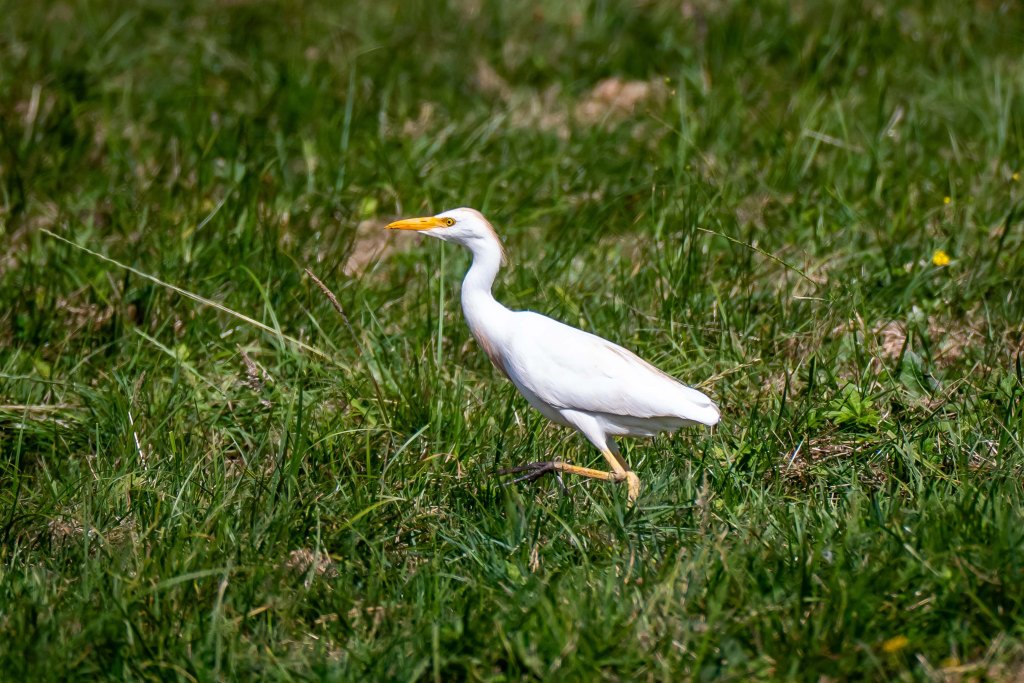
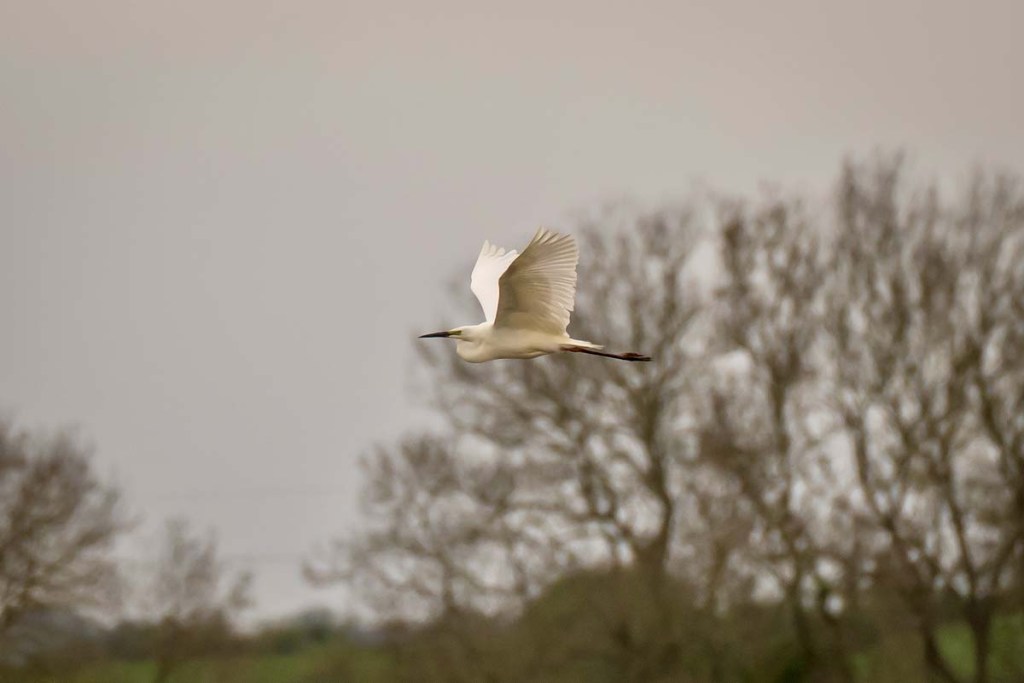
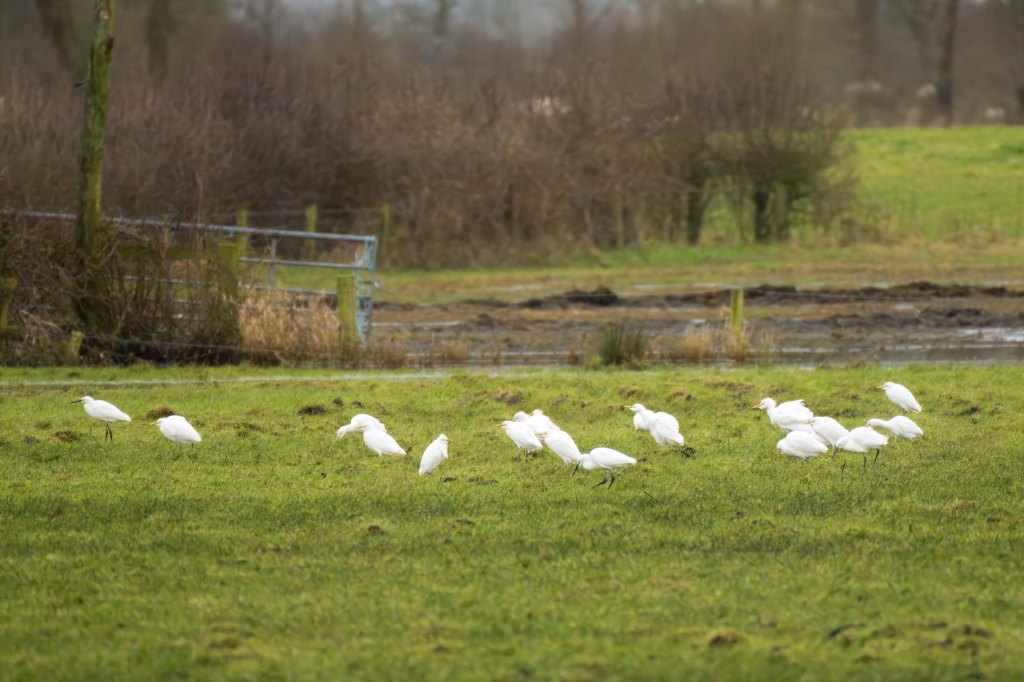
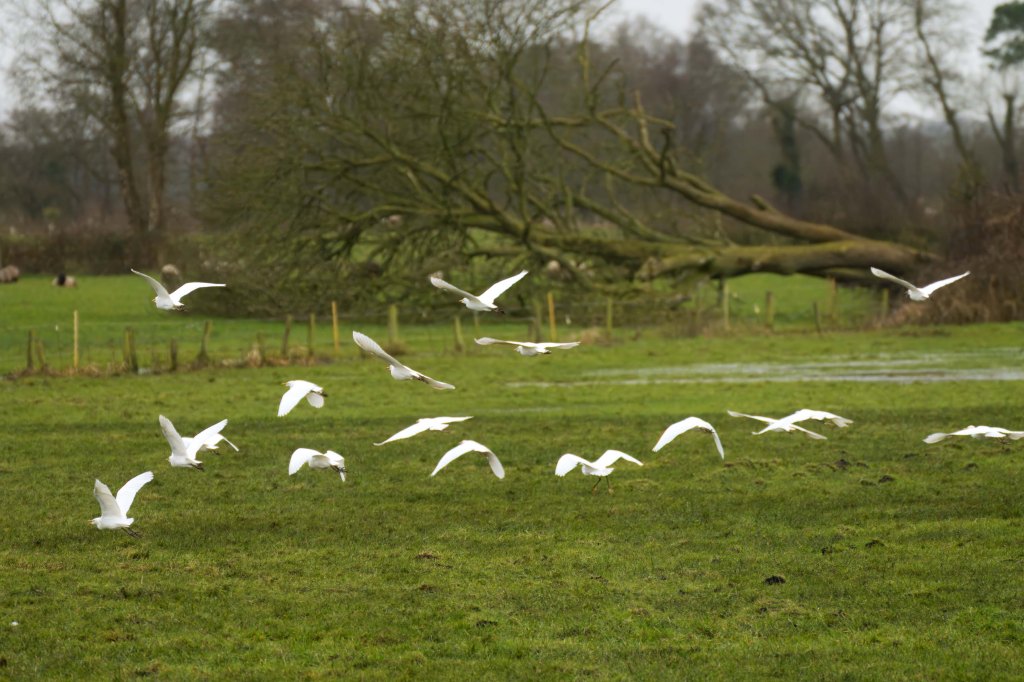
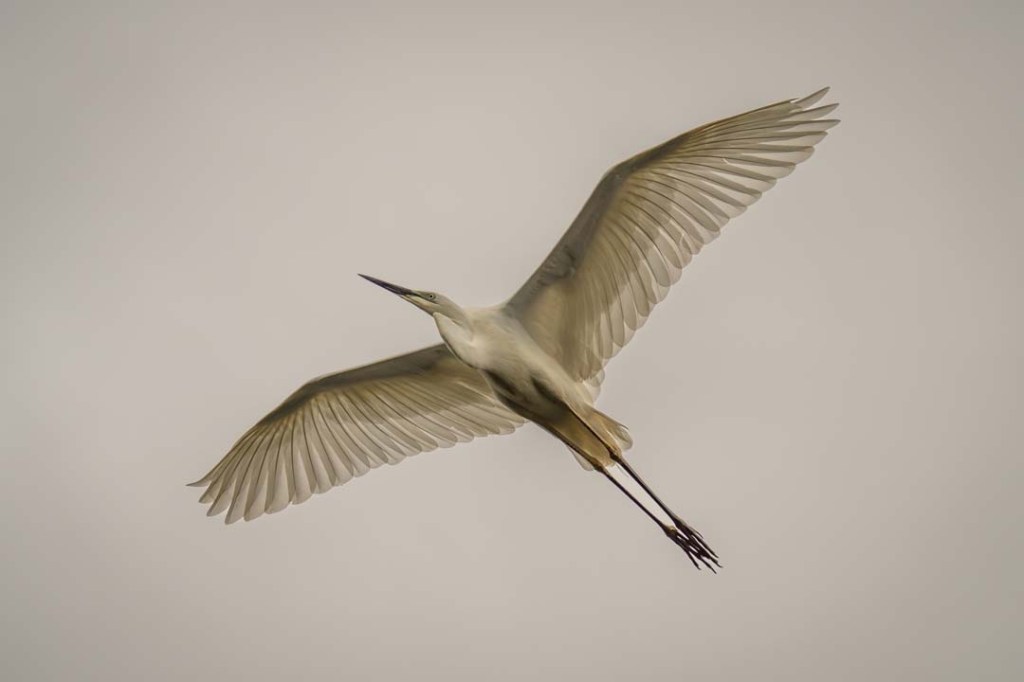
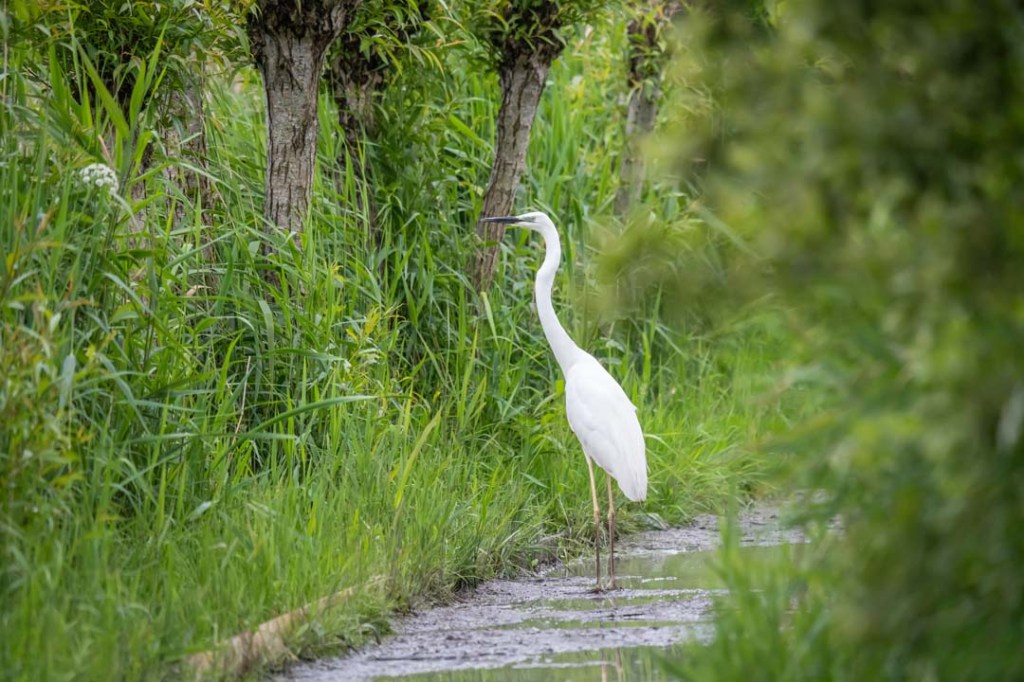
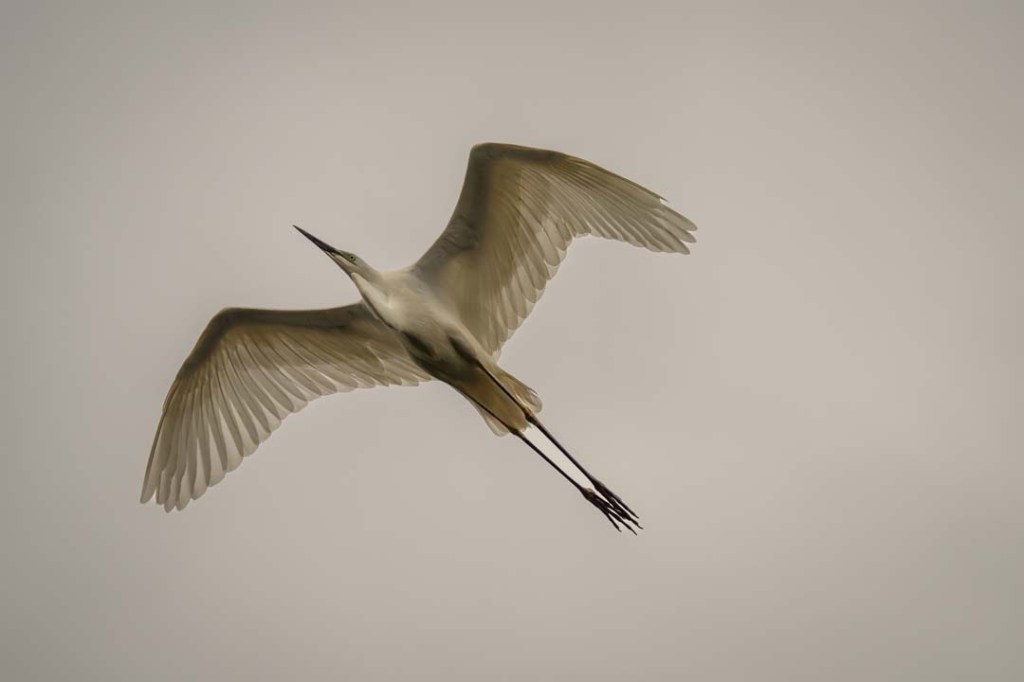
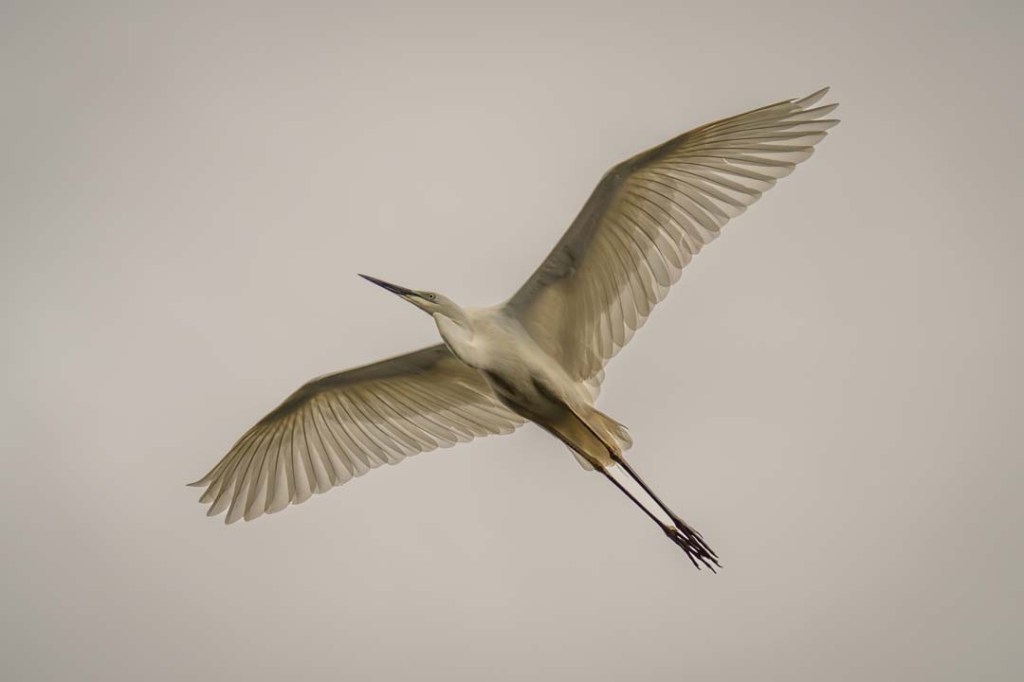
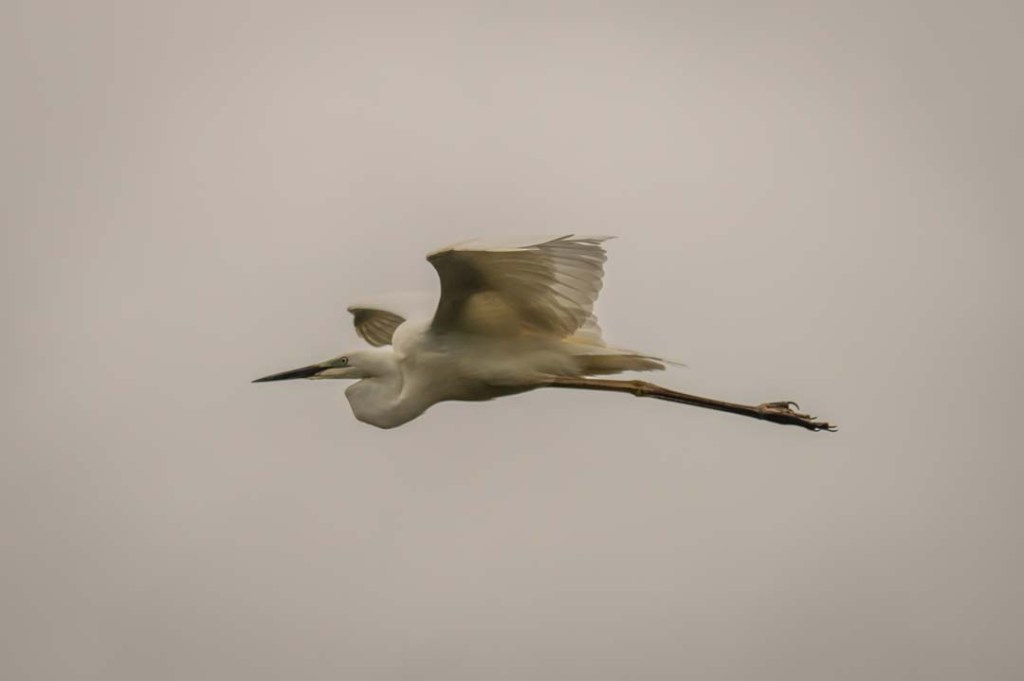
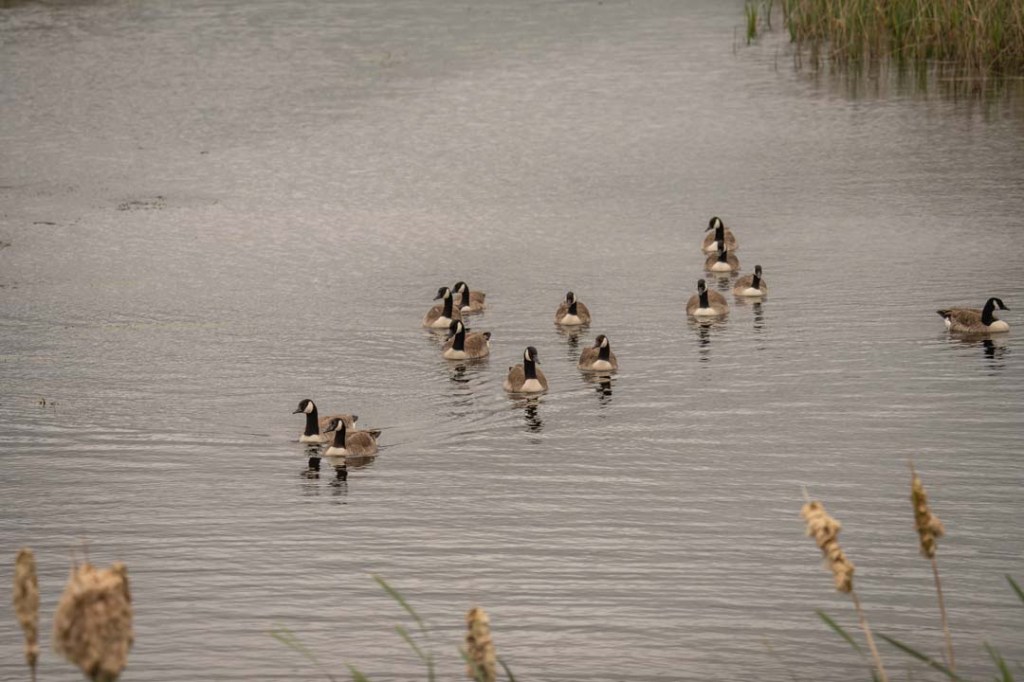
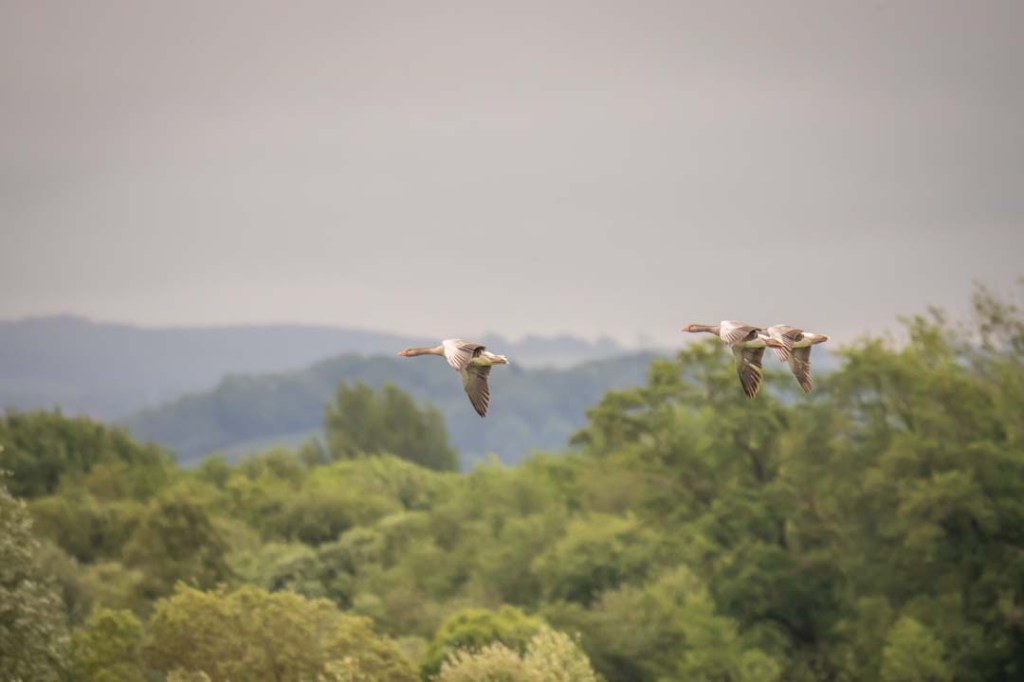
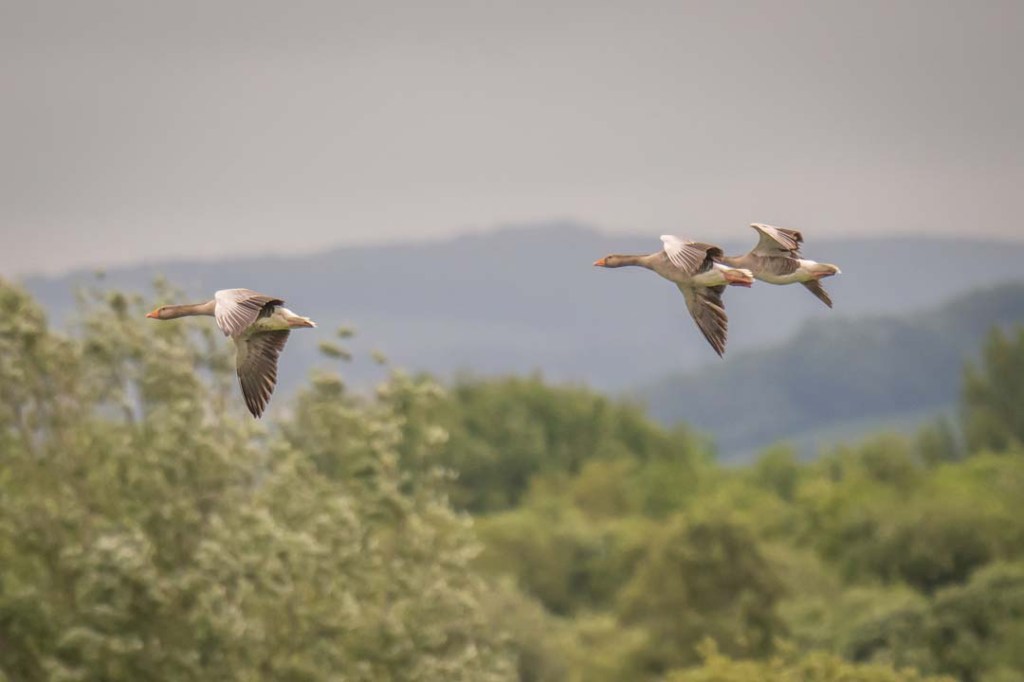
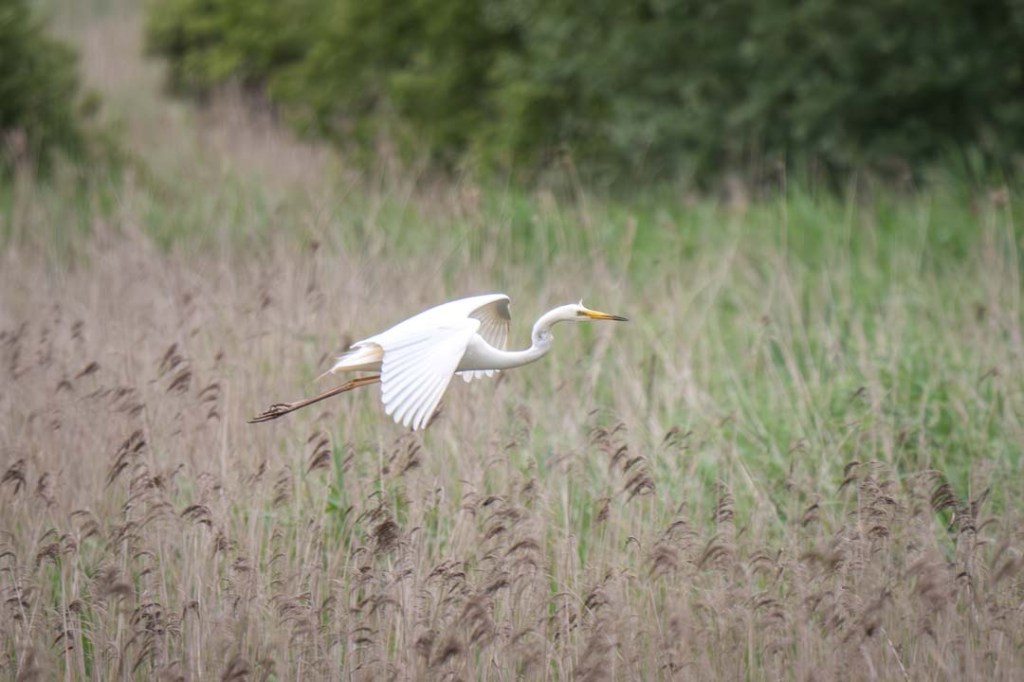
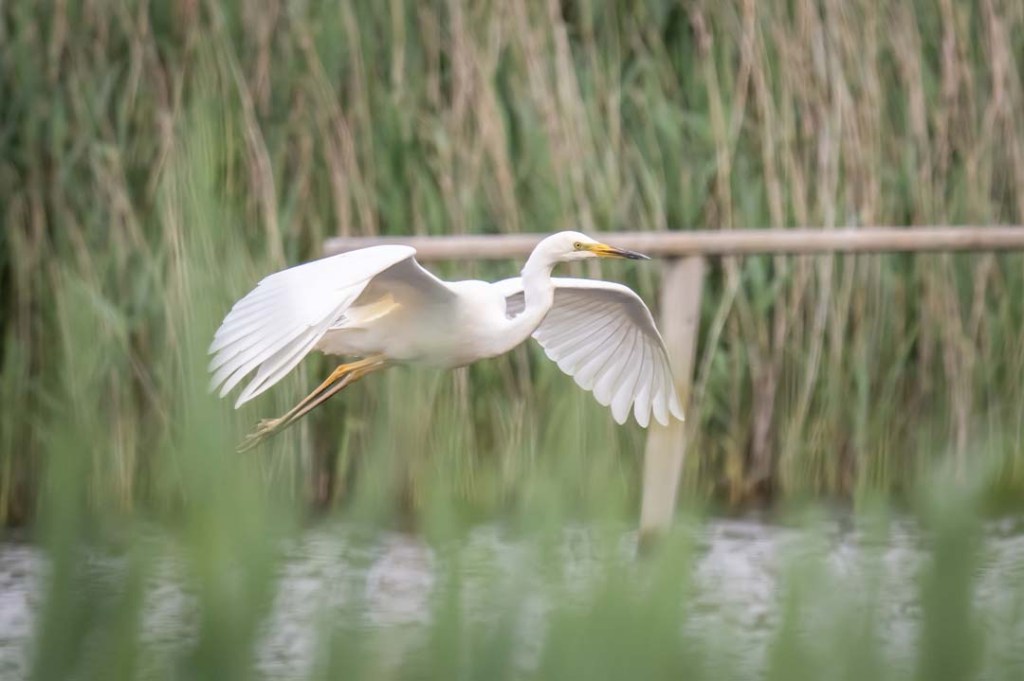
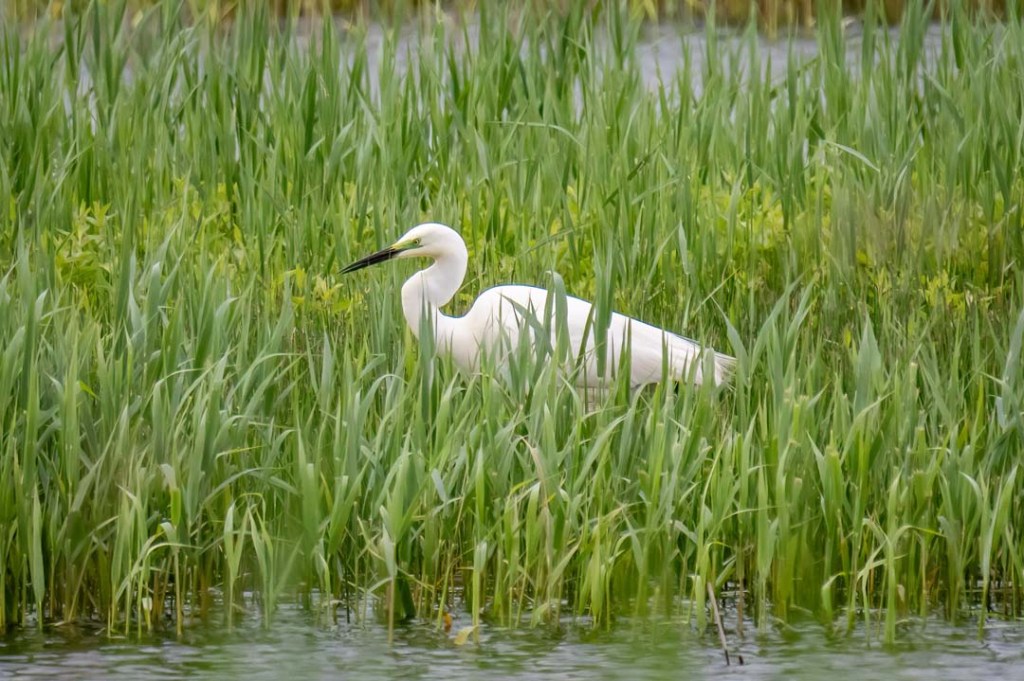
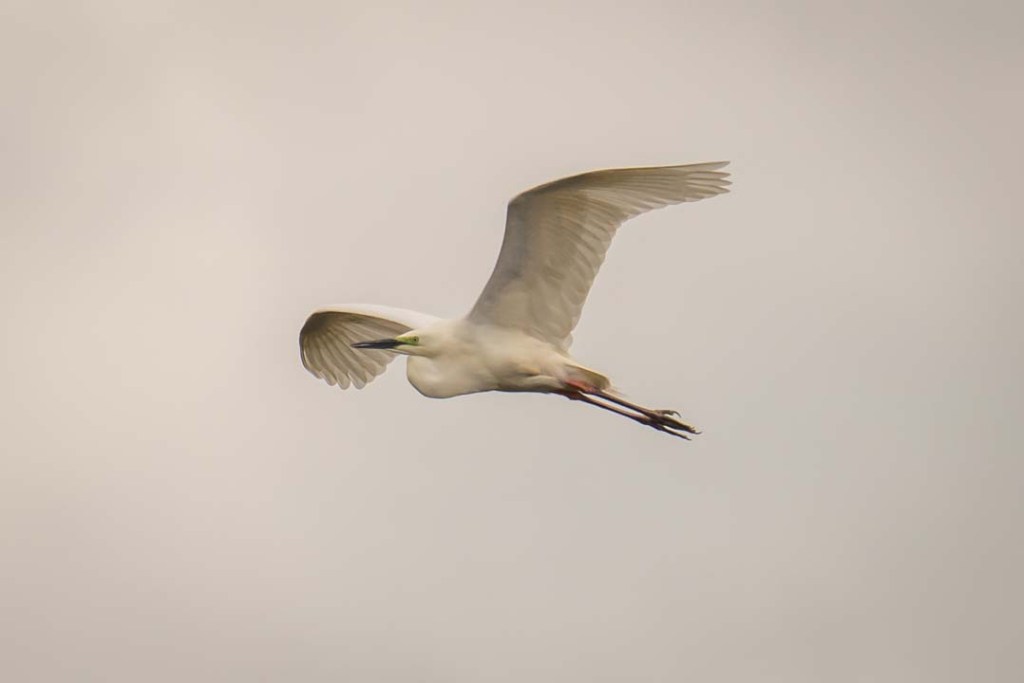
Cattle Egrets were first reported to have bred in Britain in 2008, with two pairs nesting in Somerset. We have just spent the last two days birding on the Avalon Marshes in Somerset and saw large numbers of these birds at Catcott Marshes and RSPB Greylake. The colonisation that is taking place is probably due to climate change and with the continuation of this wonderful summer it certainly feels like there is a massive shift in our climate.
Cattle egret at Catcott MarshesCattle egret at Catcott Marshes Cattle egrets often spend time close to livestock like sheep and cows and grab the insects and worms their hooves disturb.Cattle egretCattle egret
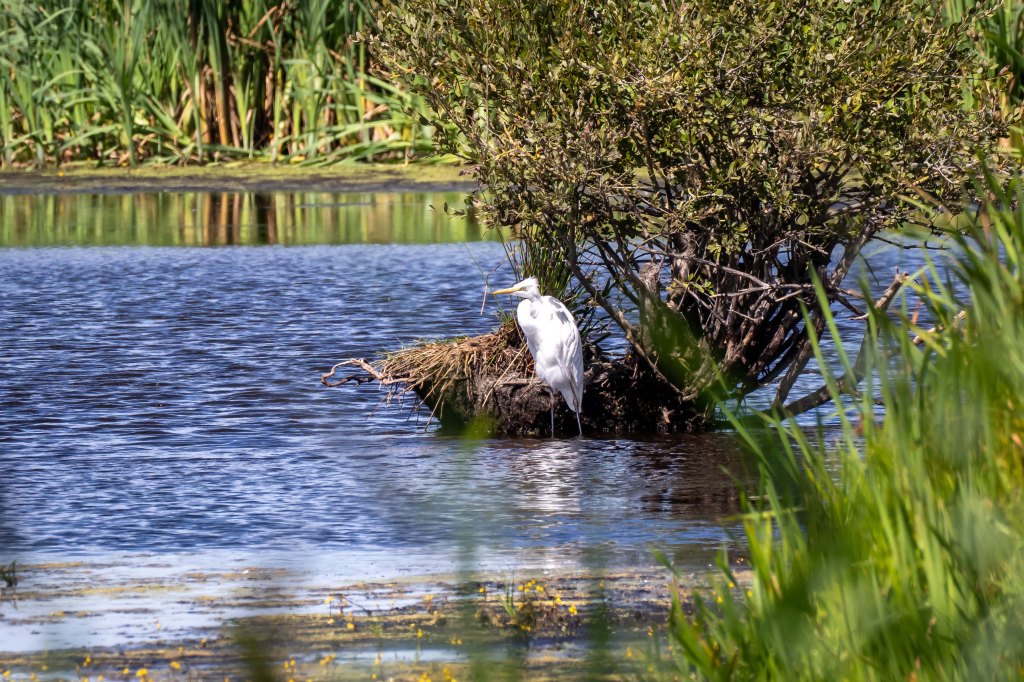
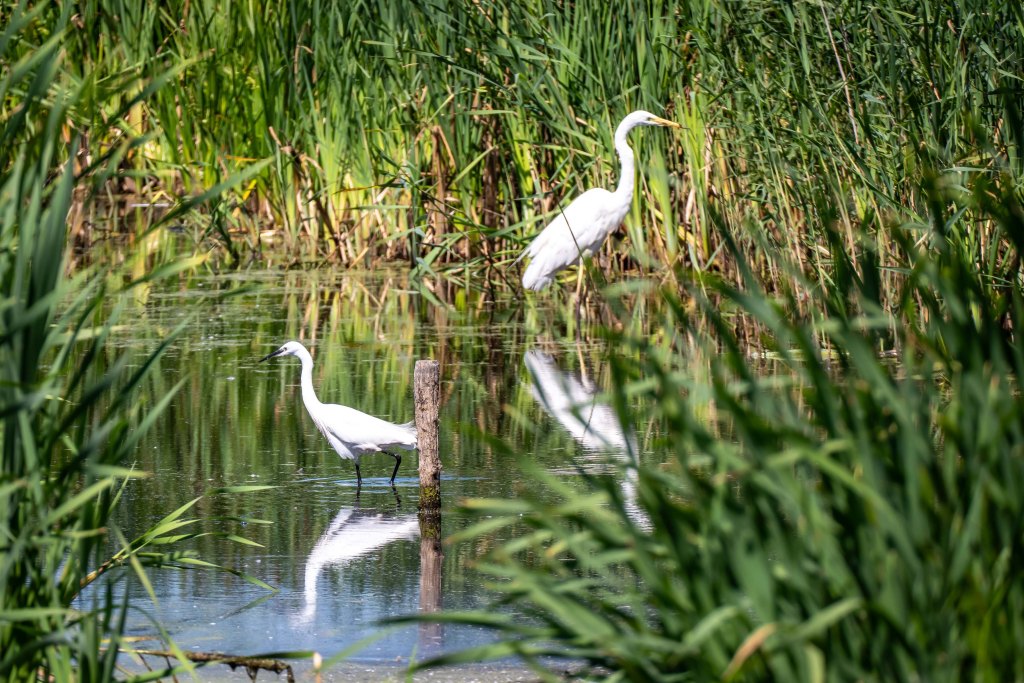
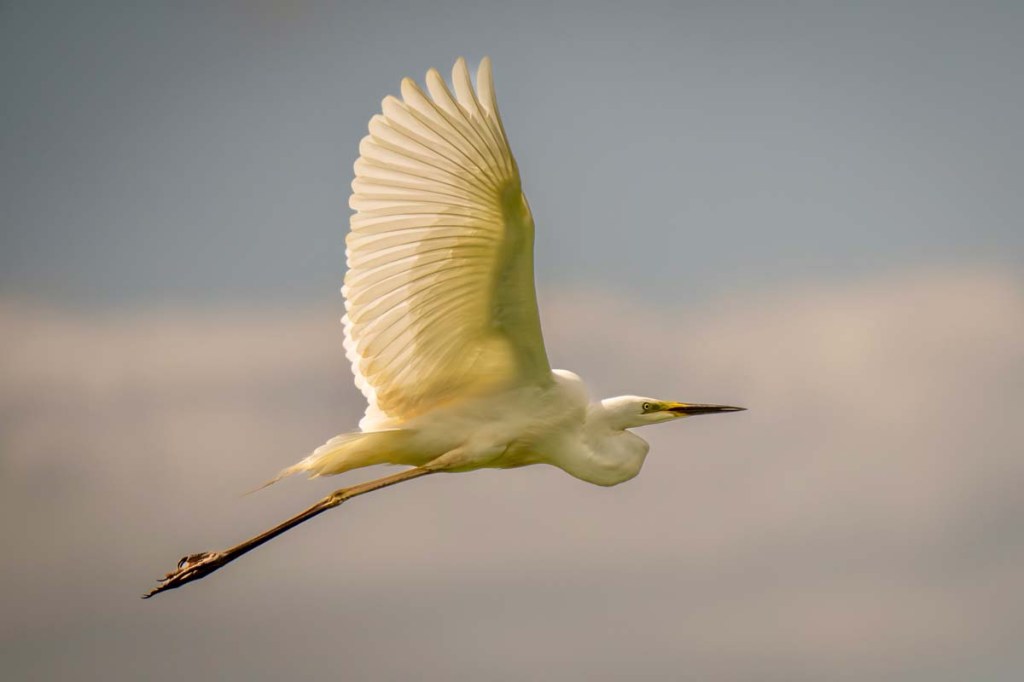
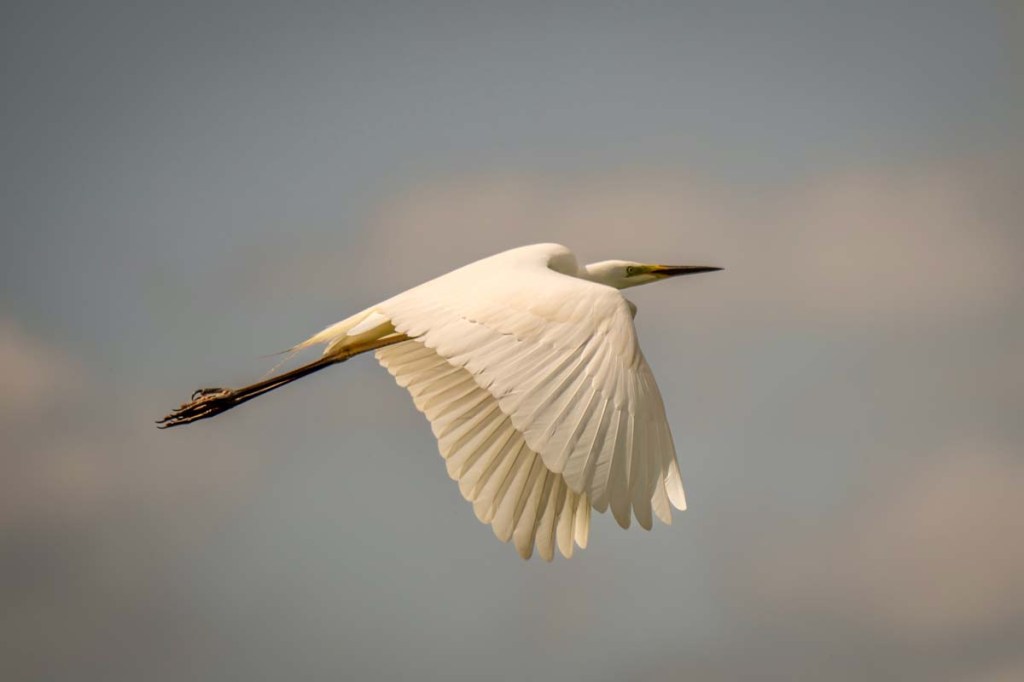
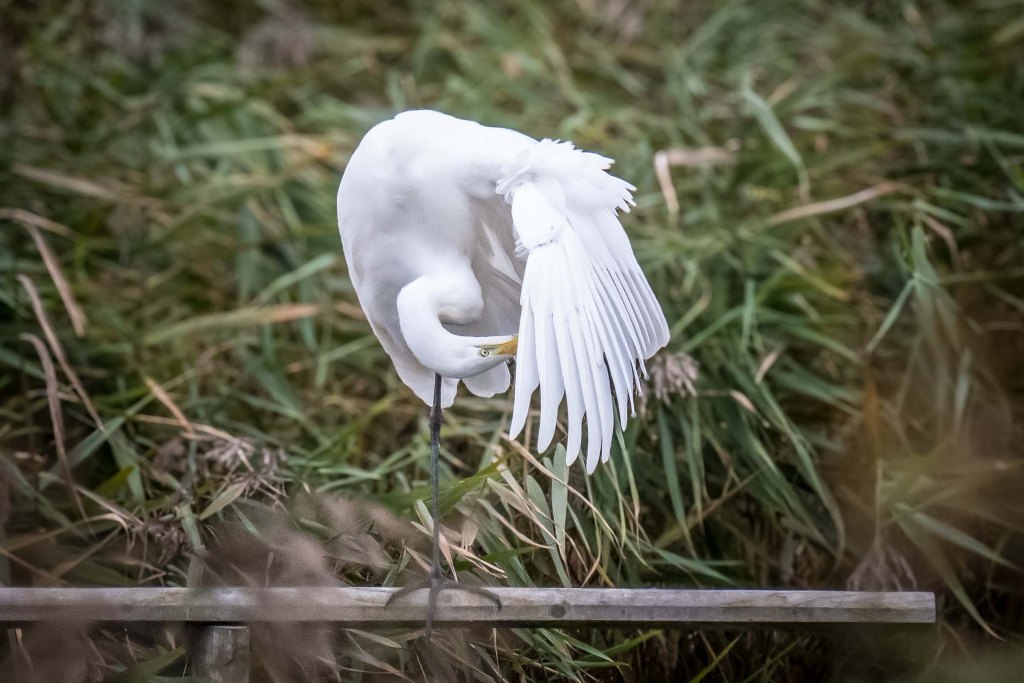
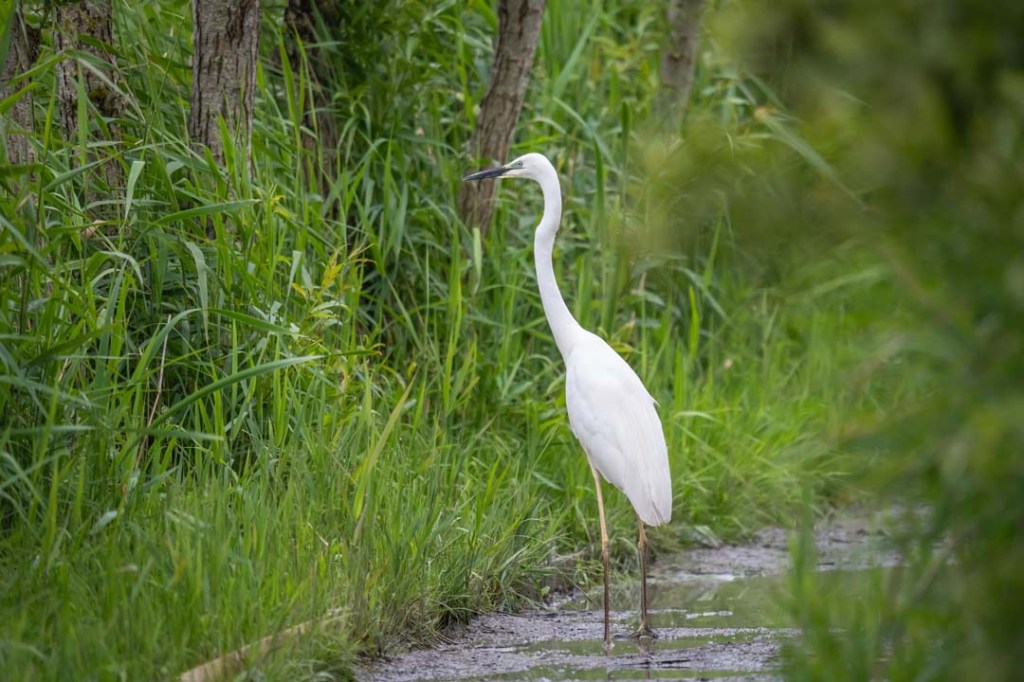
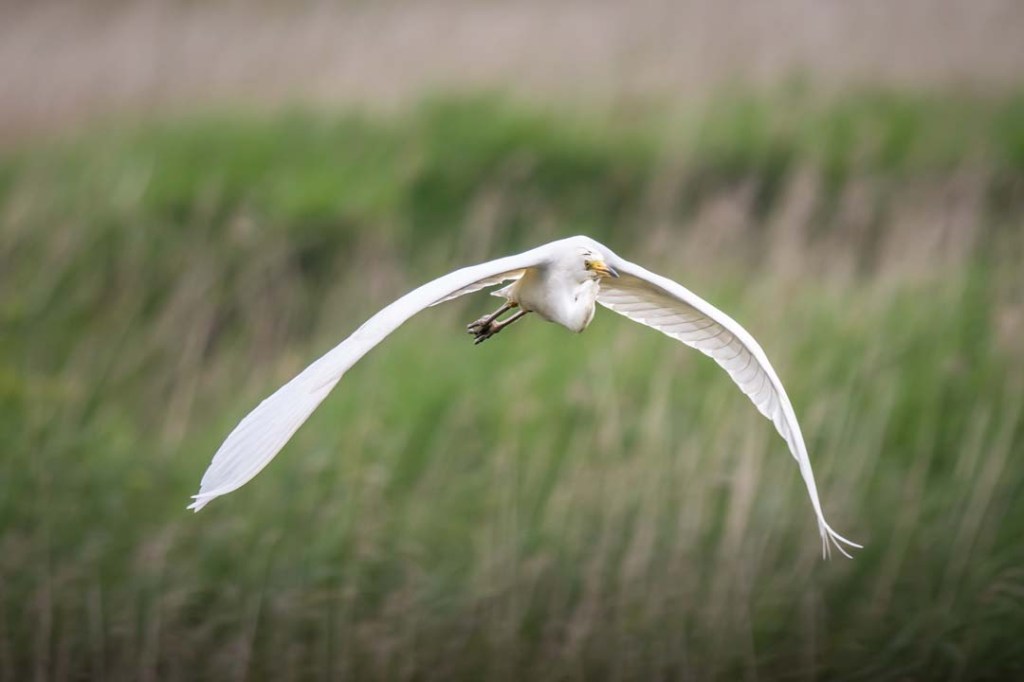
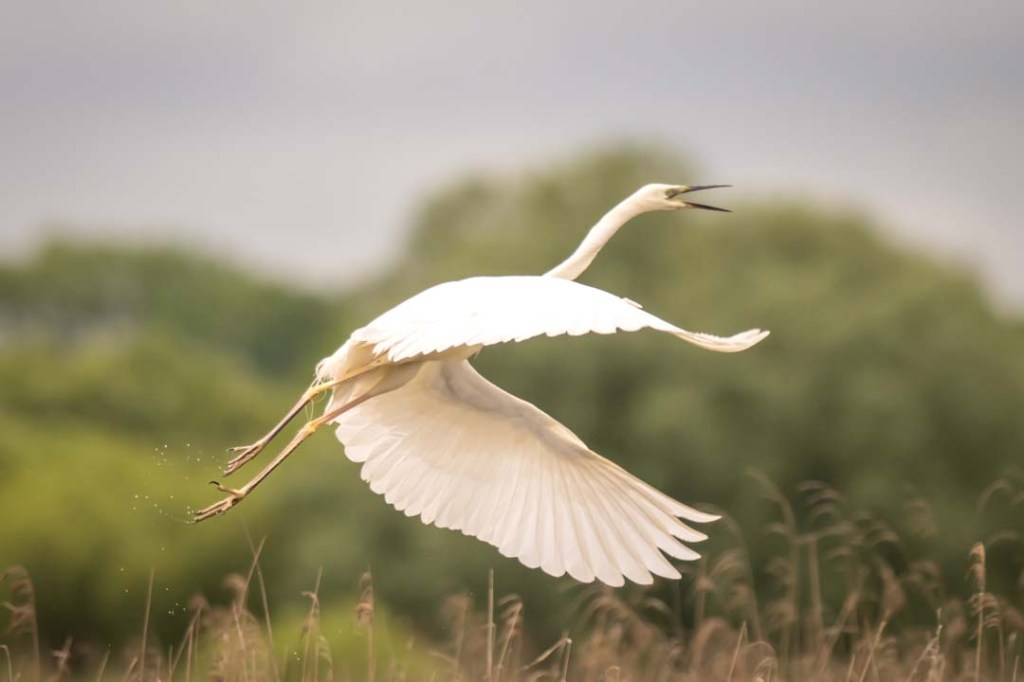
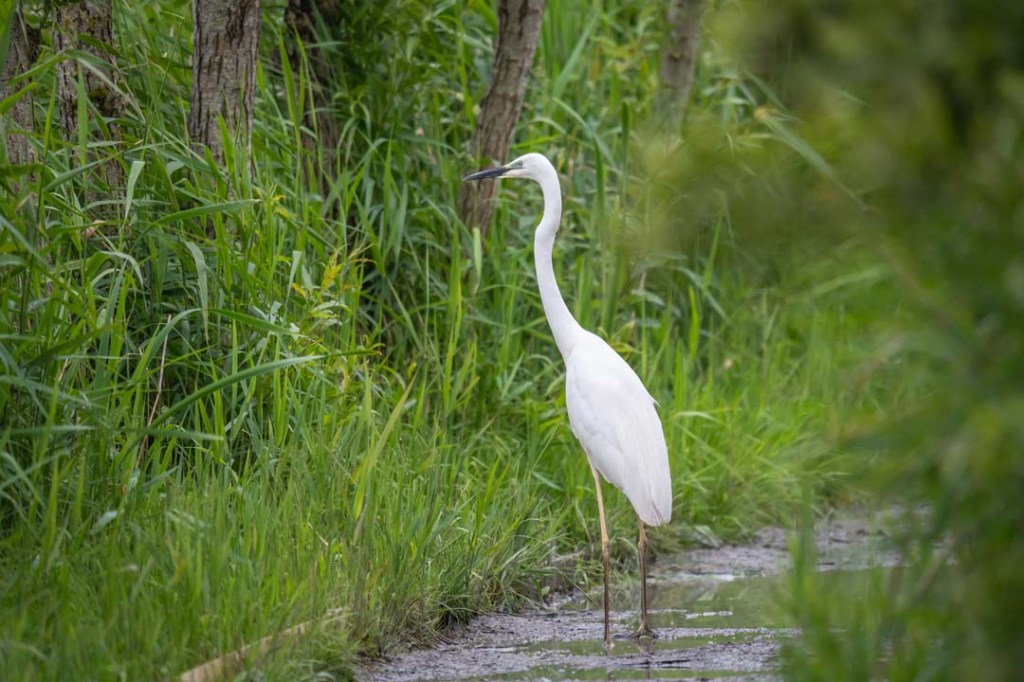
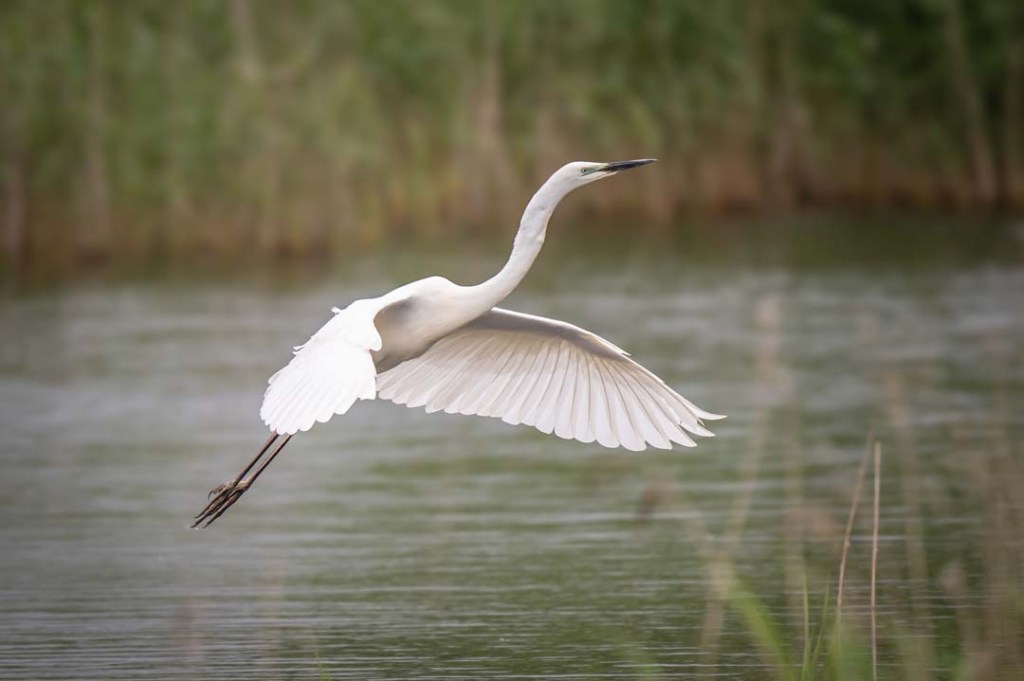
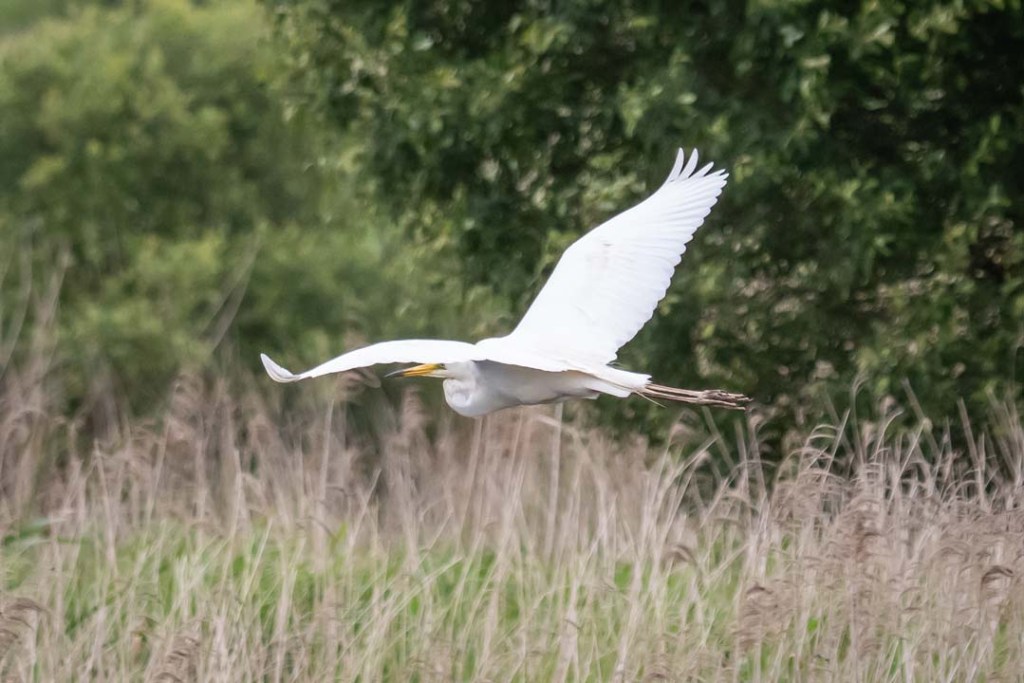
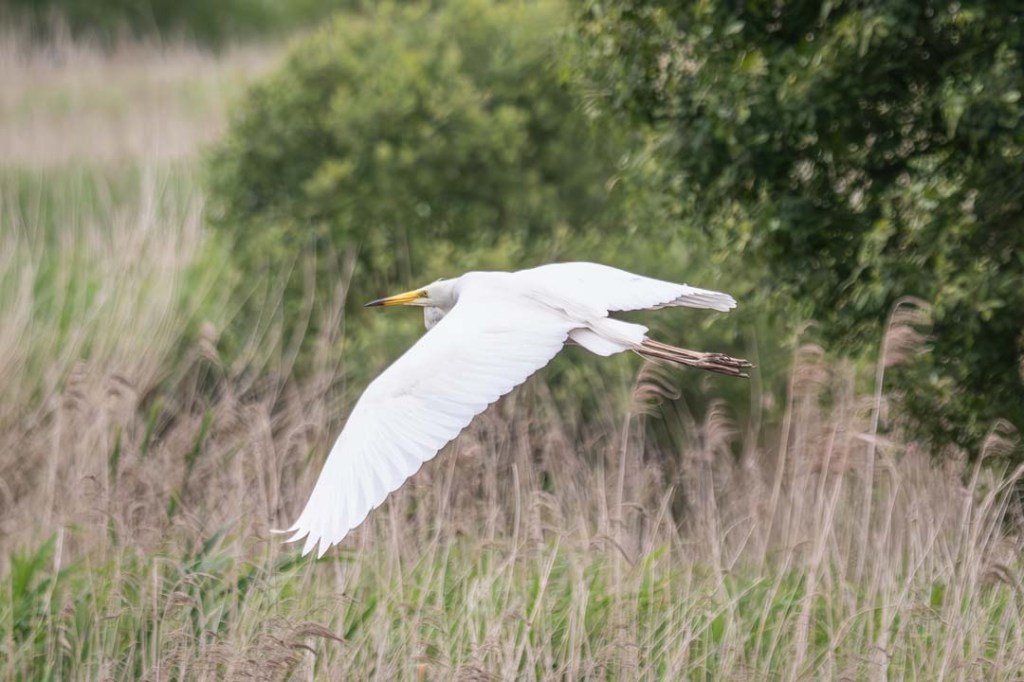
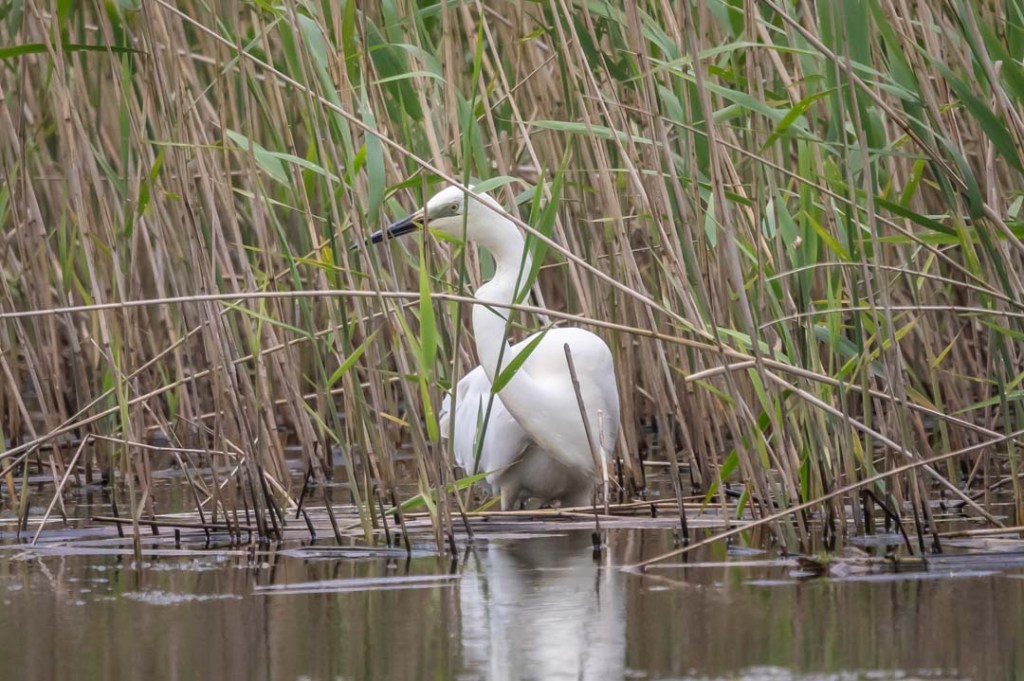
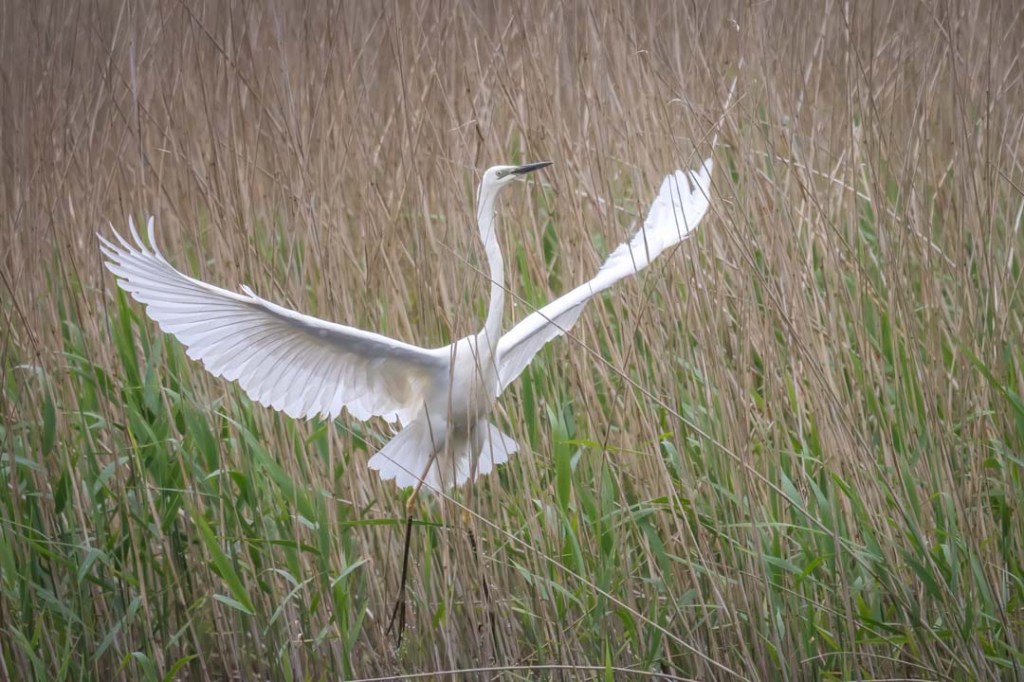
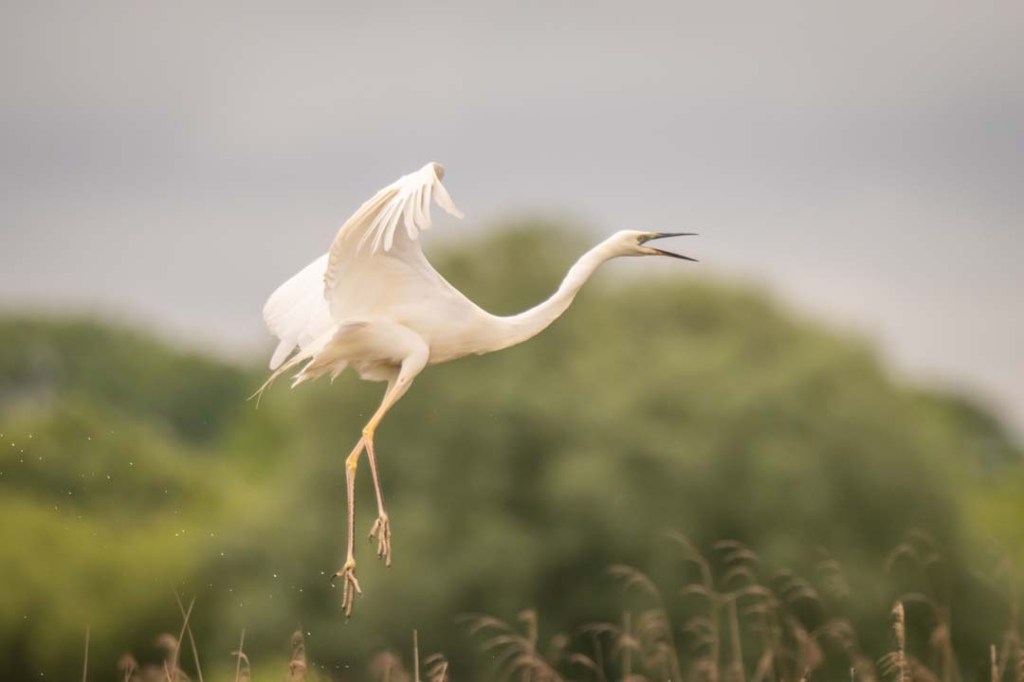
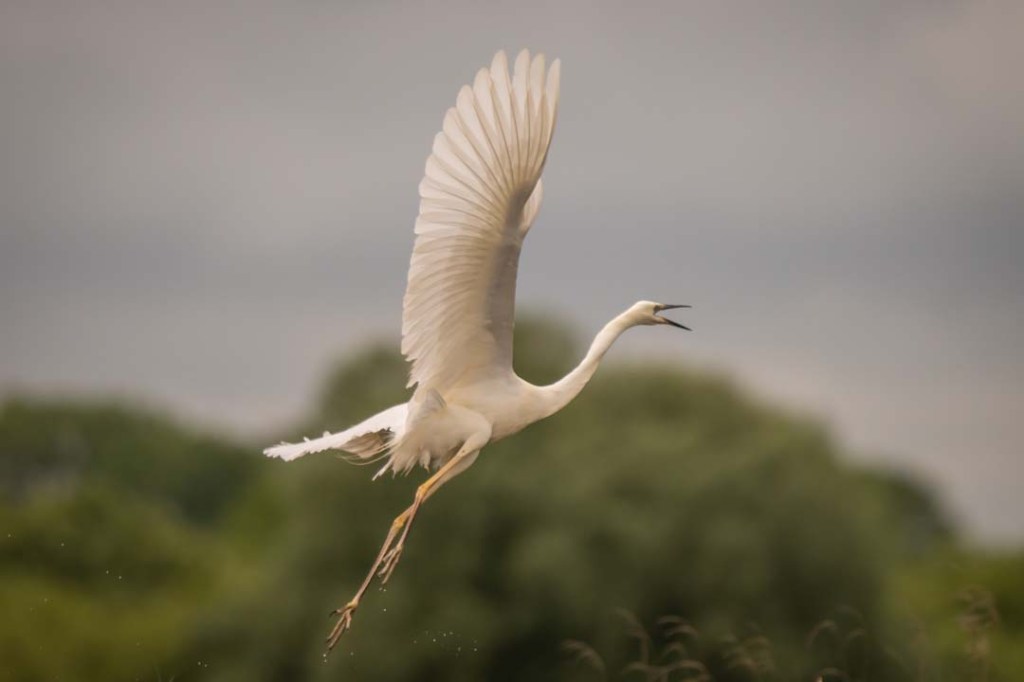
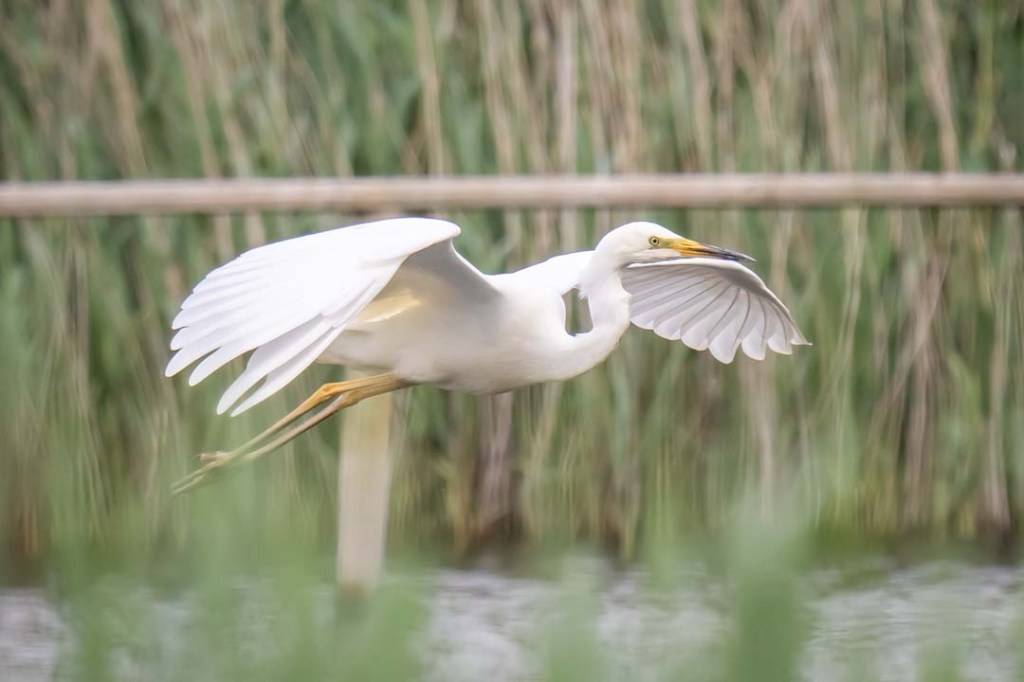
We also regularly saw great egrets and little egrets which not so many years ago were also rare visitors to the UK.
Great egret at RSPB GreylakeLittle egret with great egret behind at RSPB Greylake
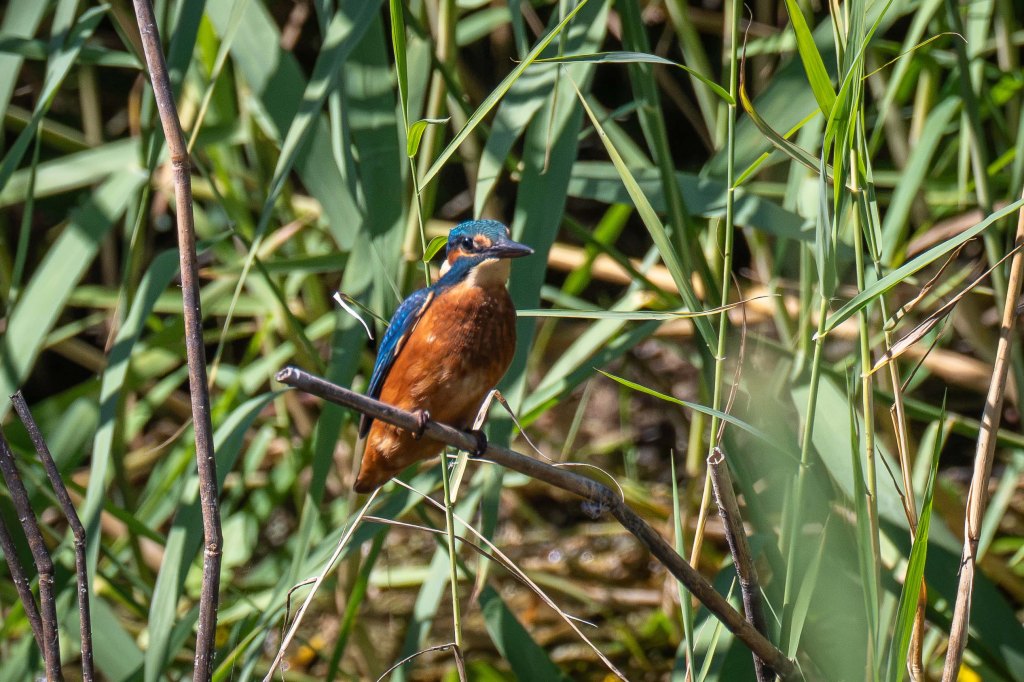
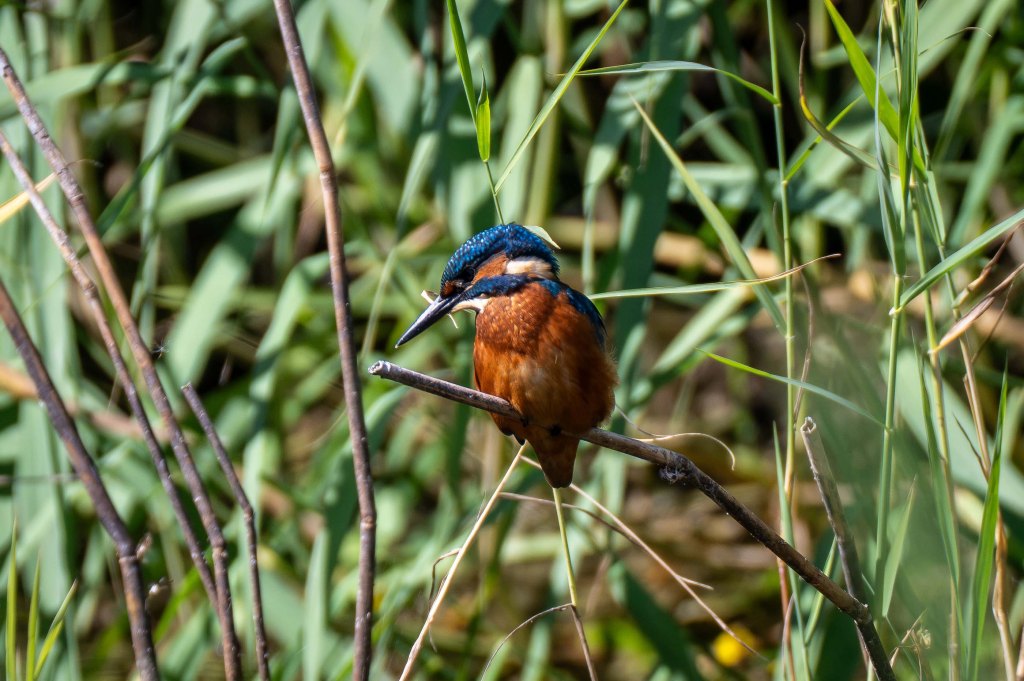
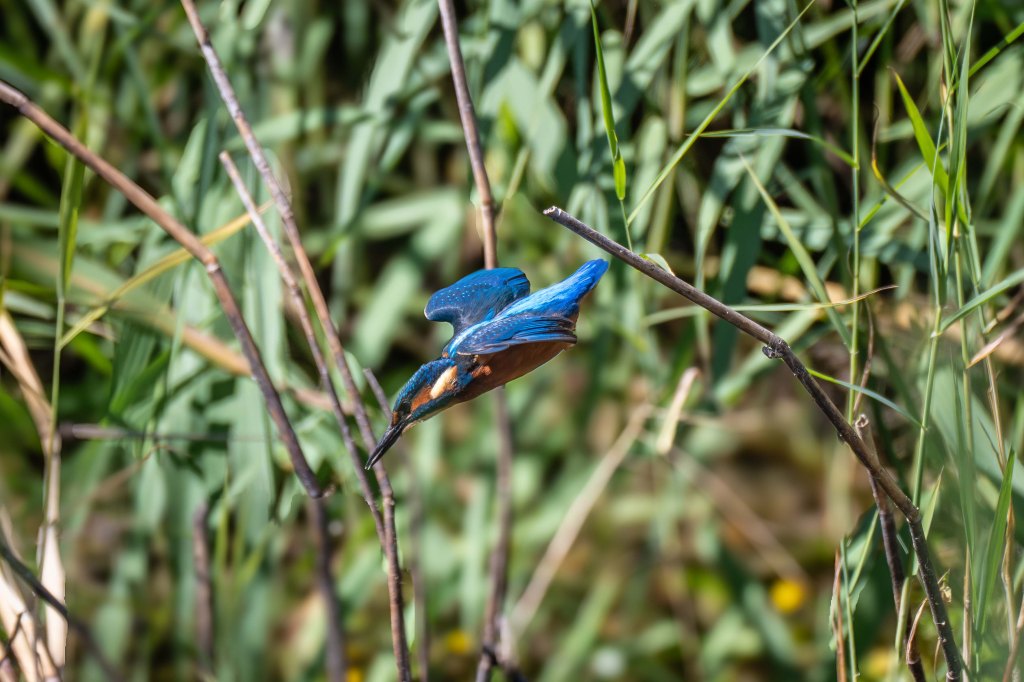
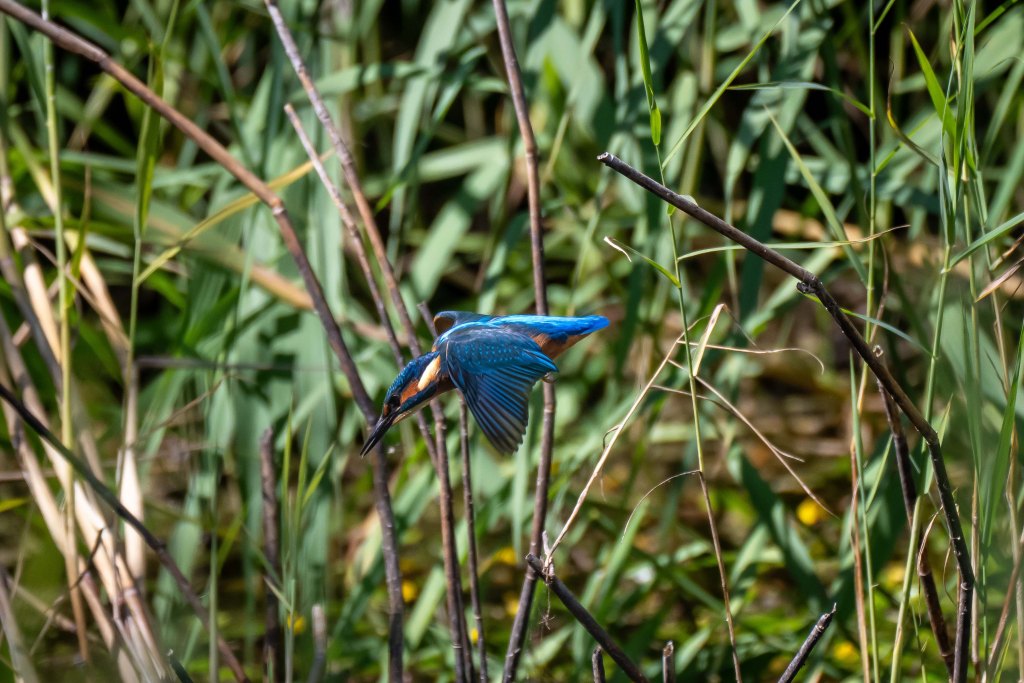
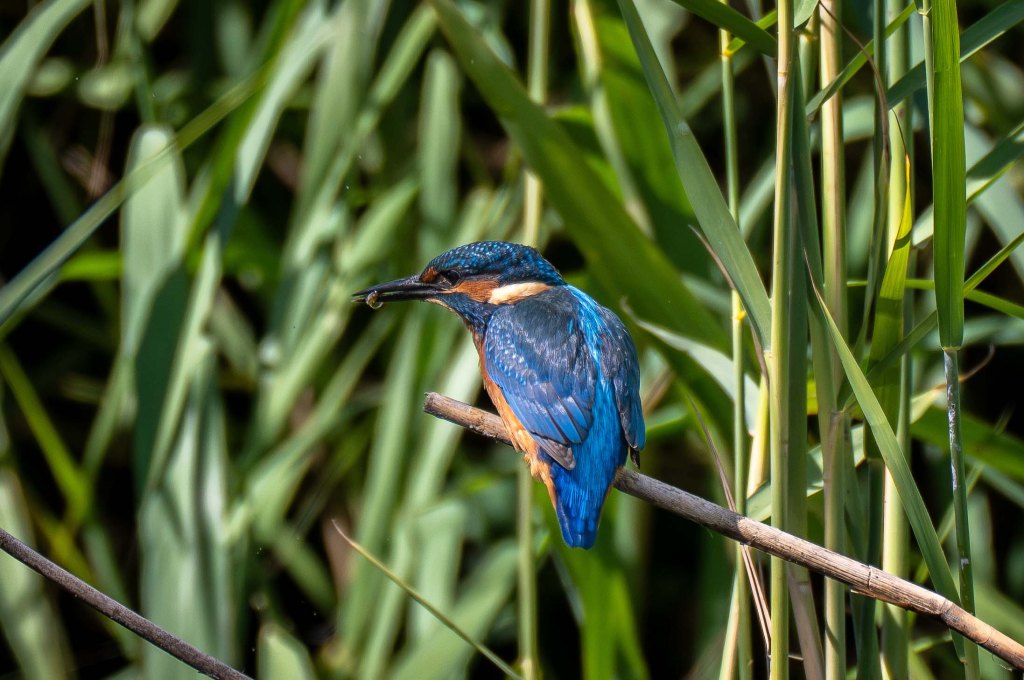
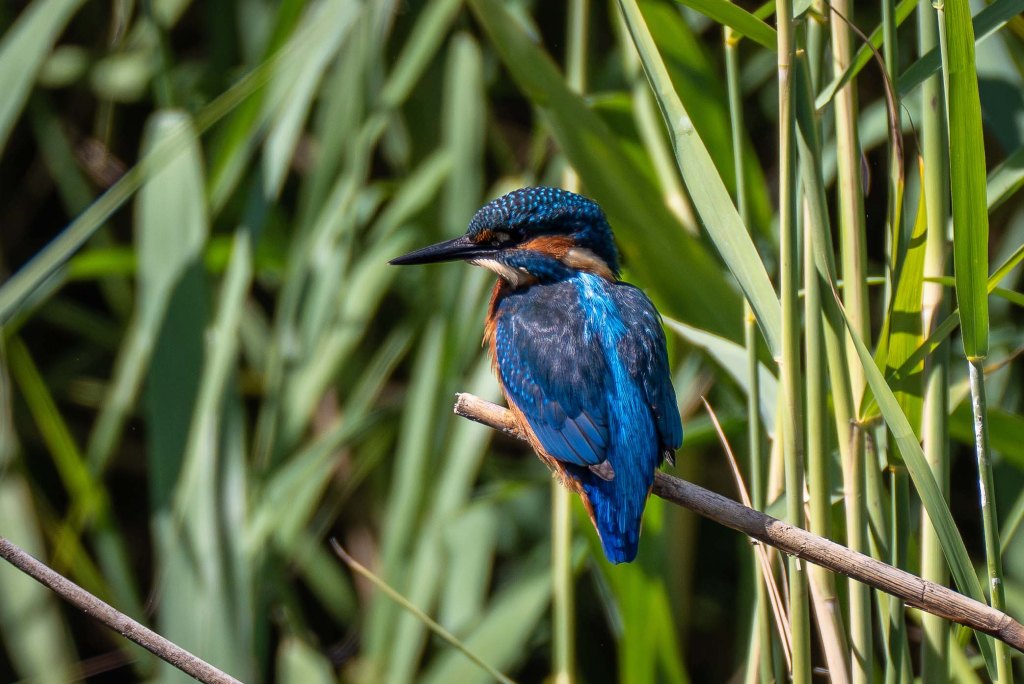
Yet, once again, the star of our birding on these two days were kingfishers which we saw regularly flying in front of the hide at RSPB Greylake.
Common kingfisherCommon kingfisherCommon kingfisherCommon kingfisherCommon kingfisher
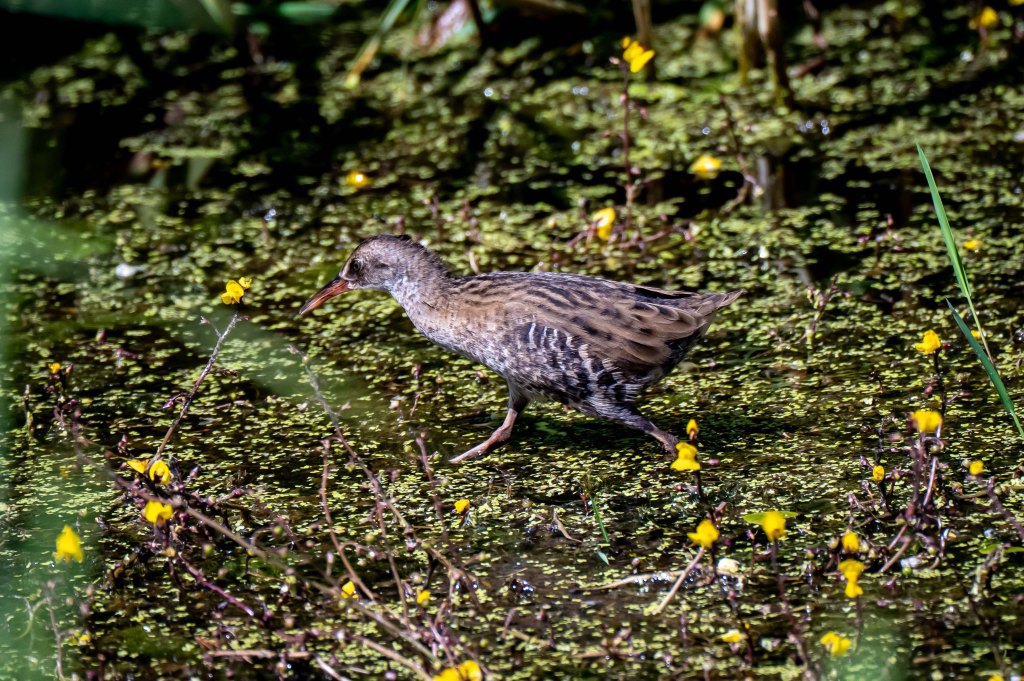
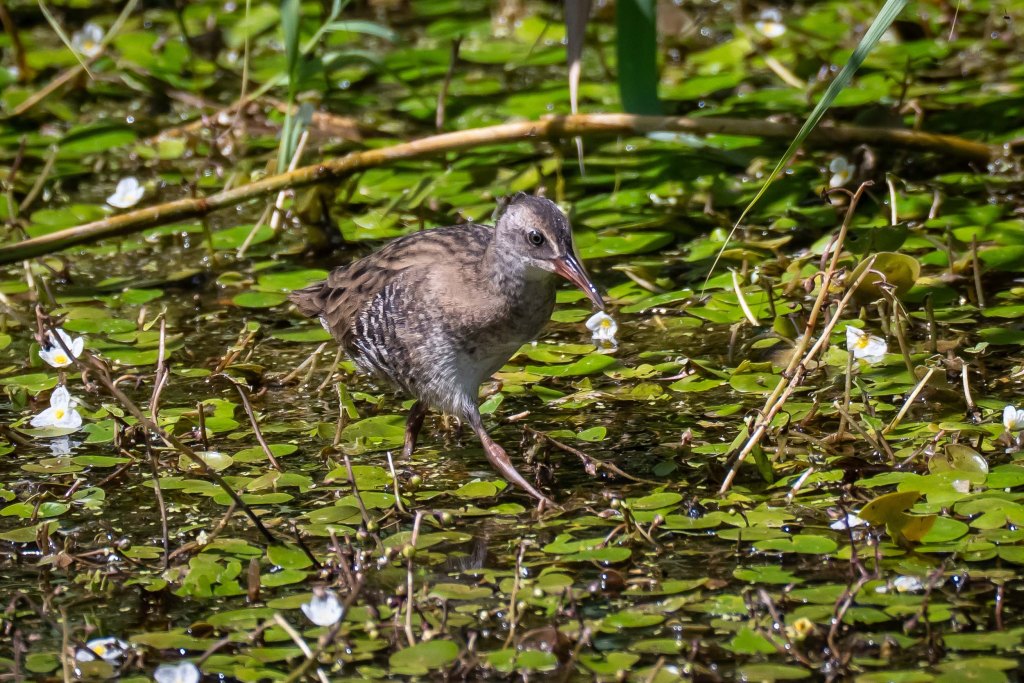
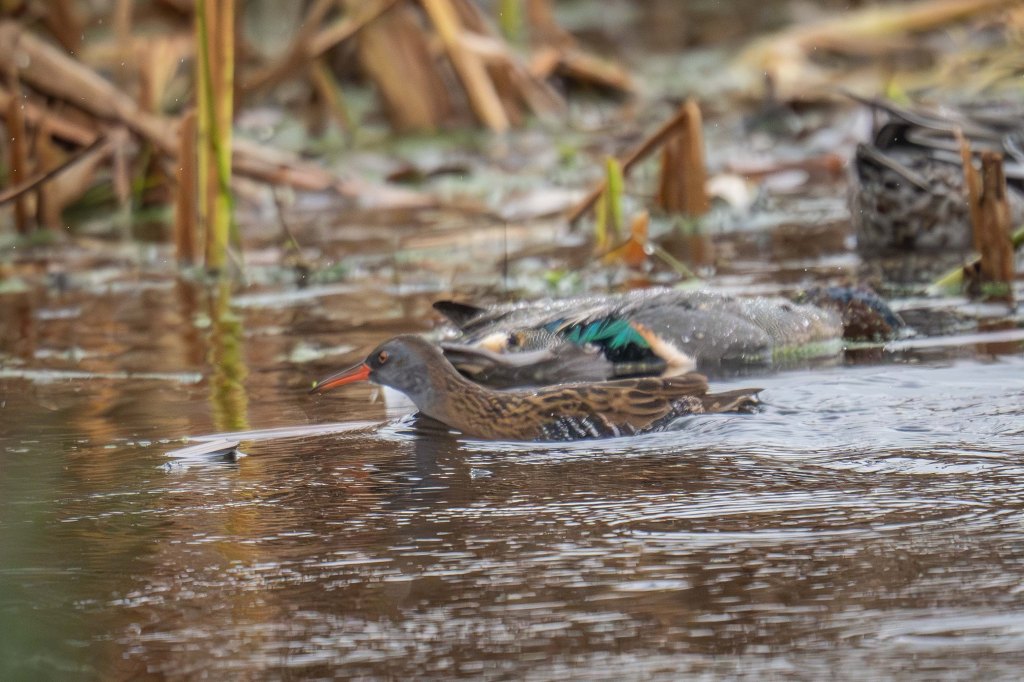
There were also good views of water rails at Greylake.
Water railWater rail
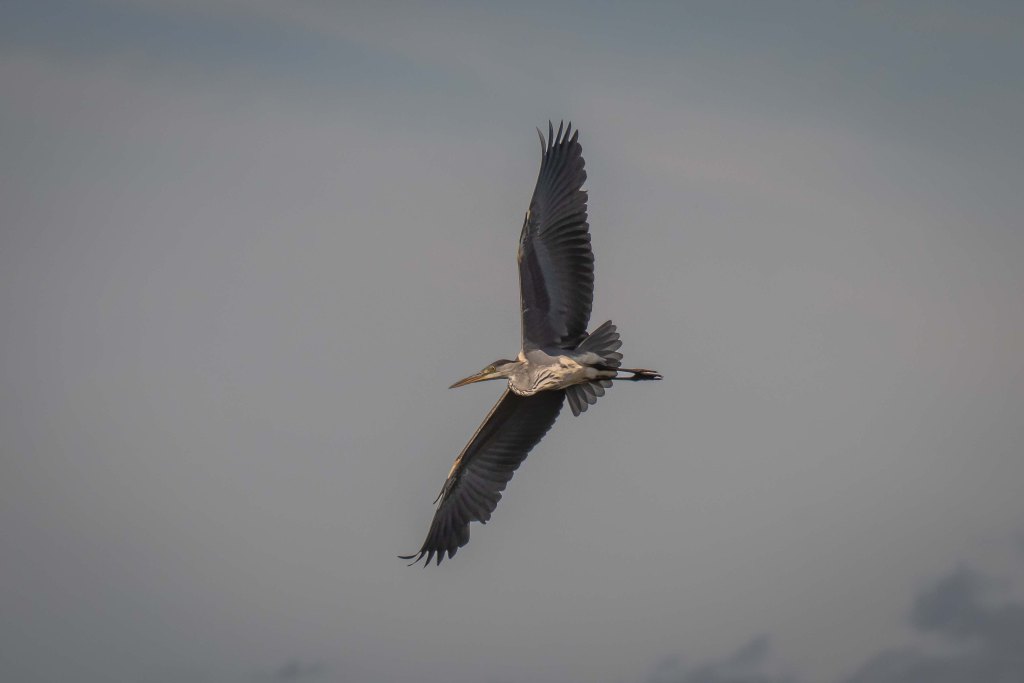
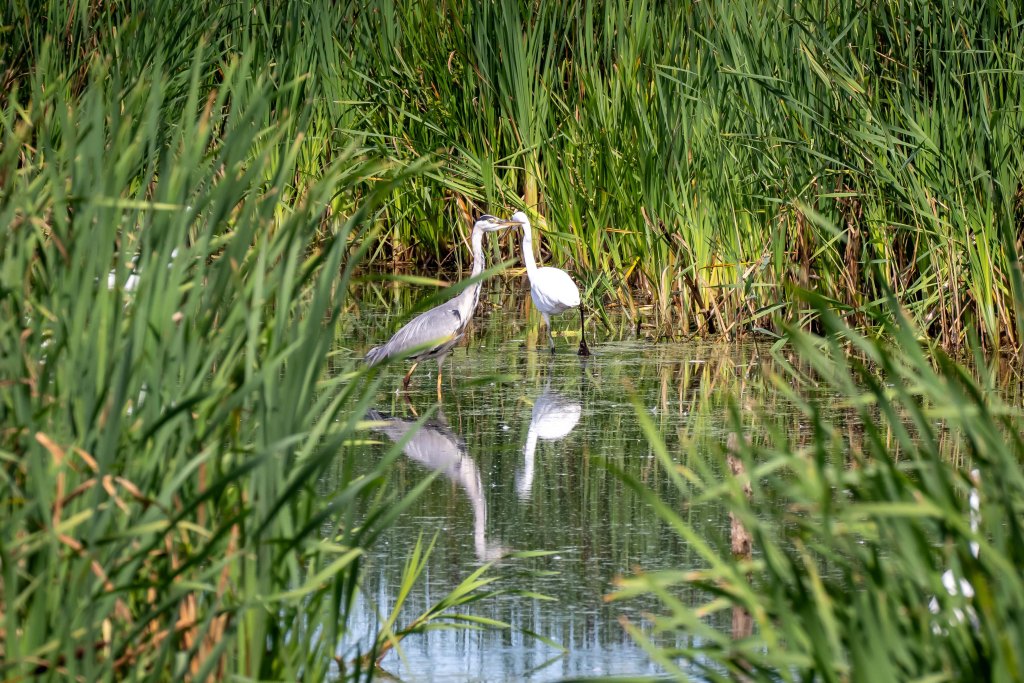
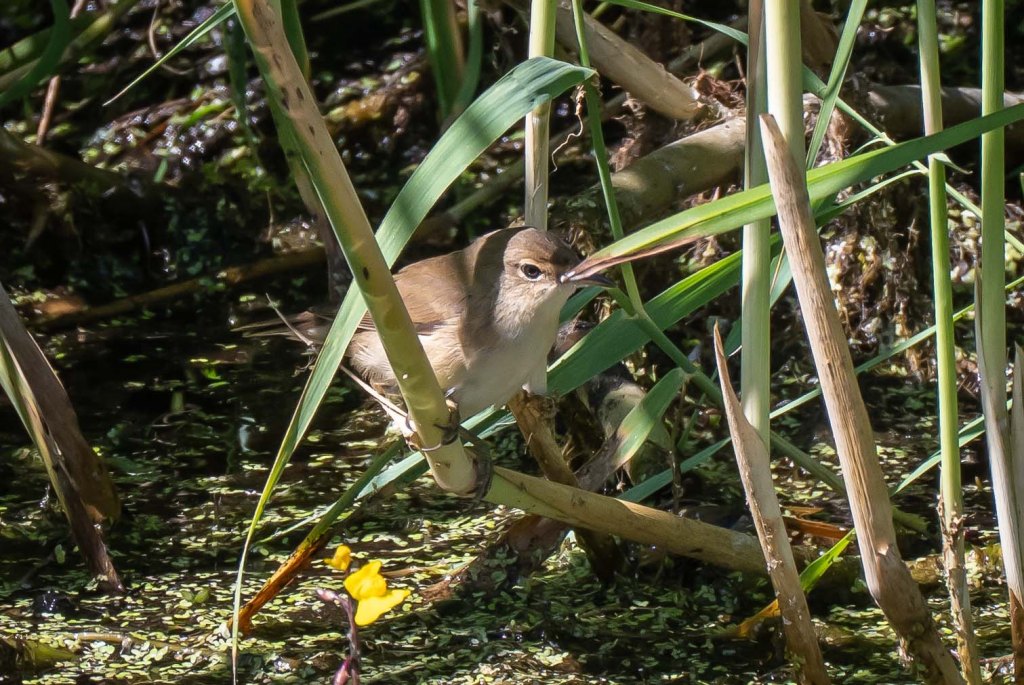
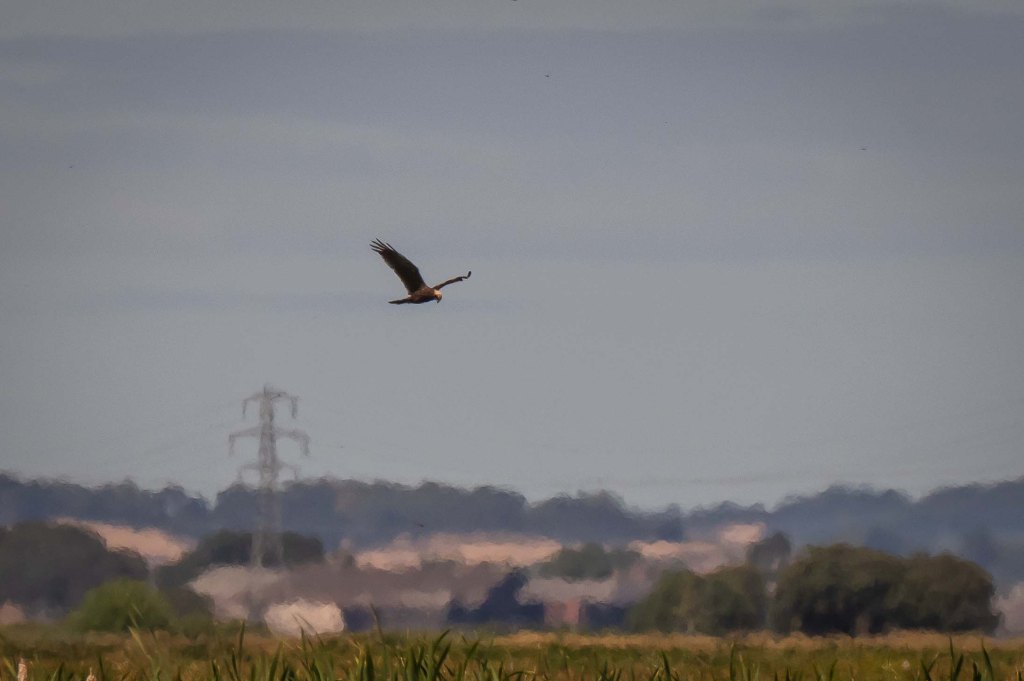
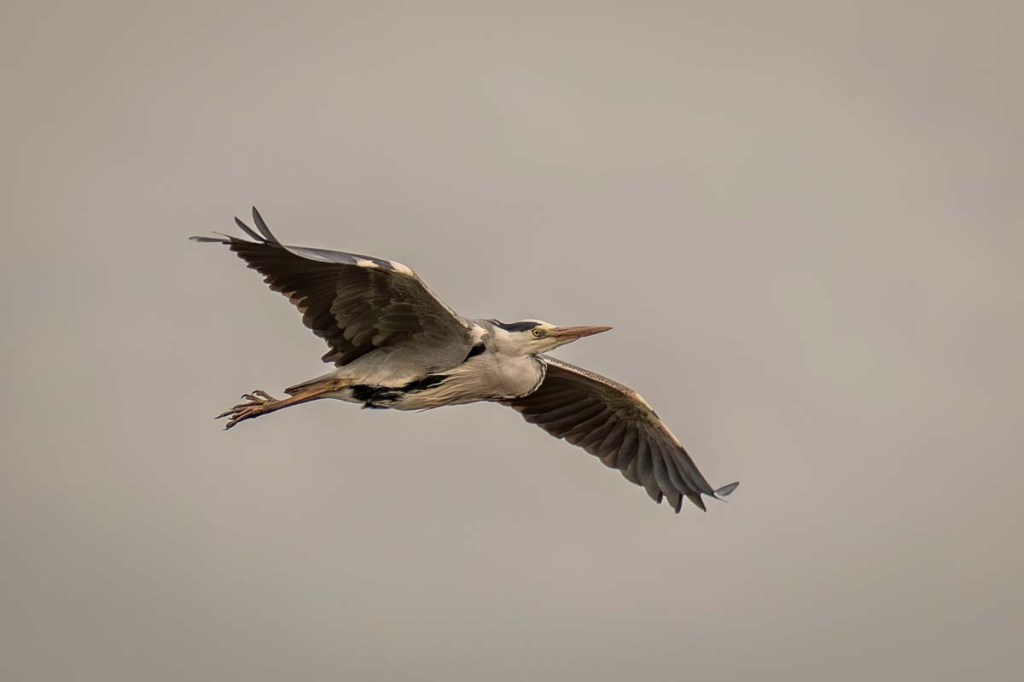
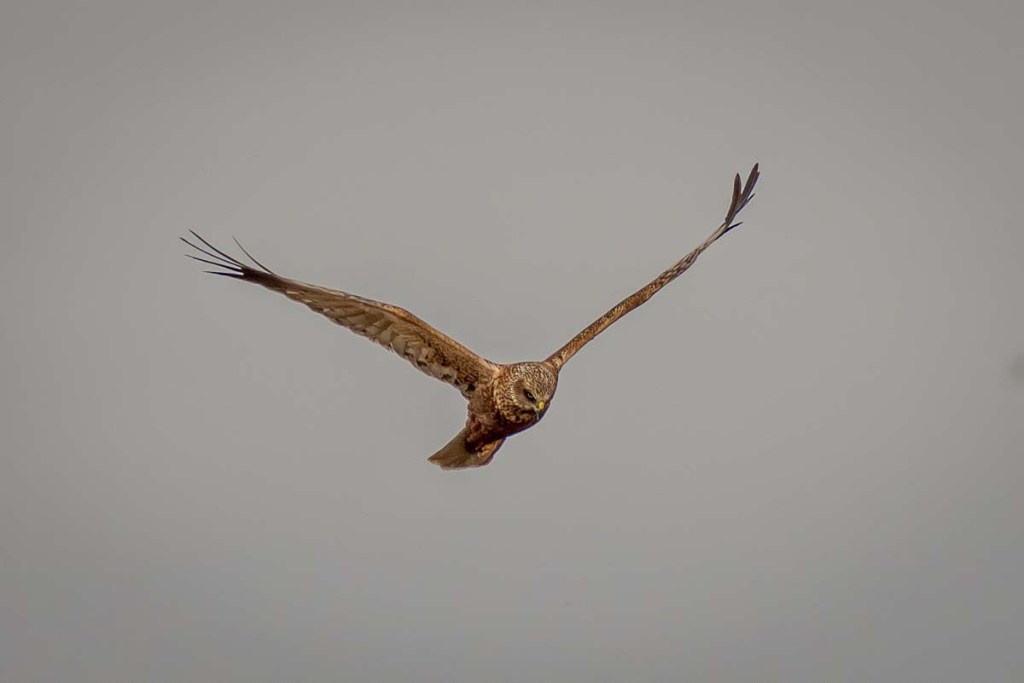
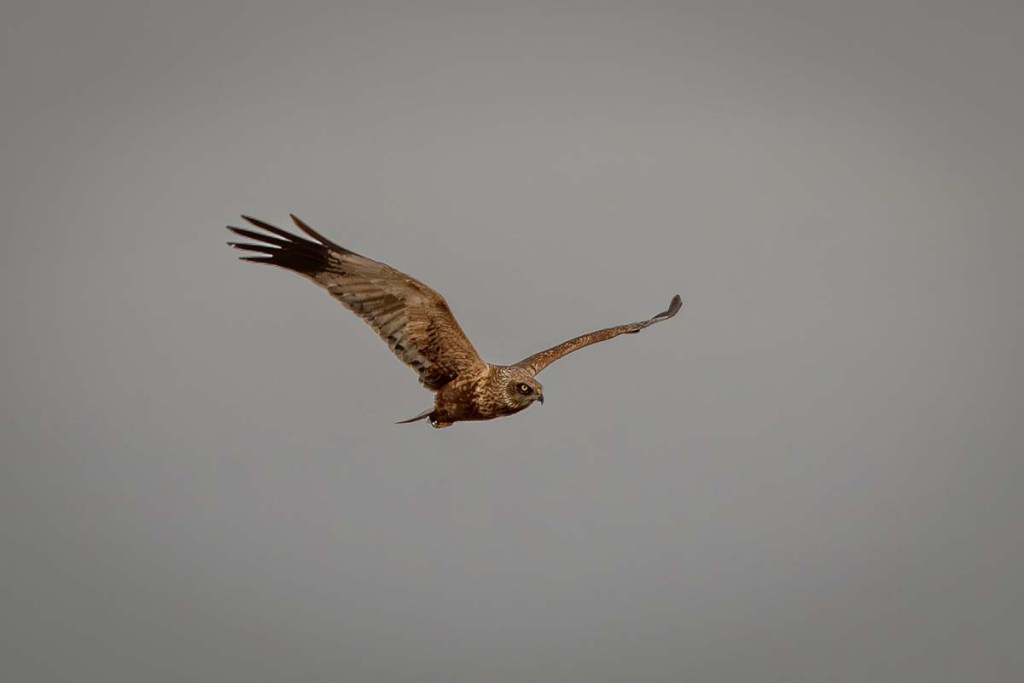
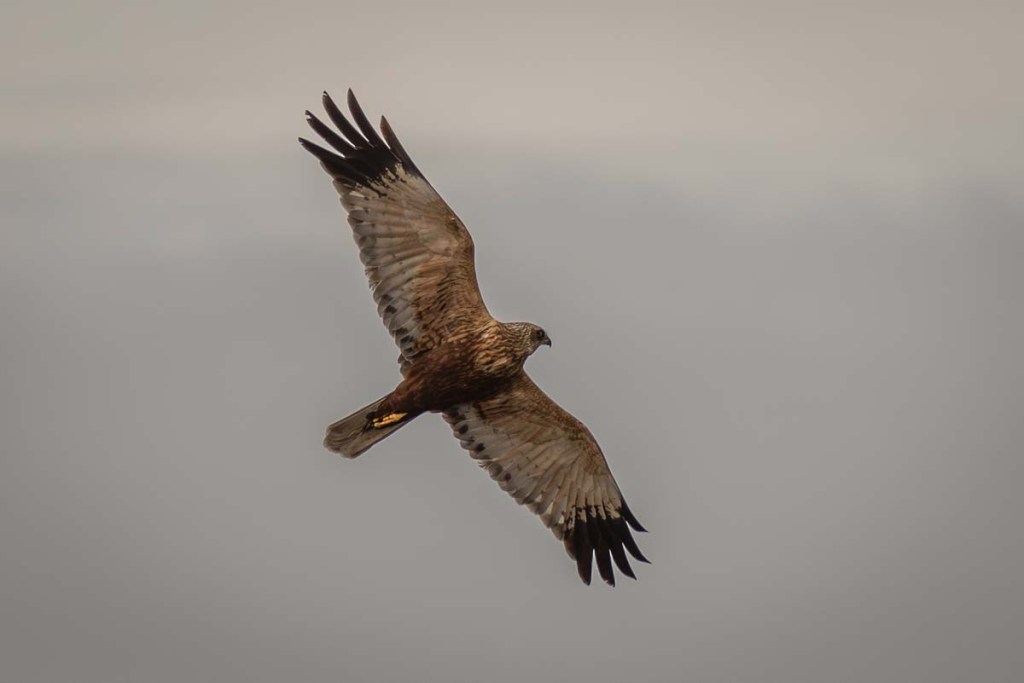
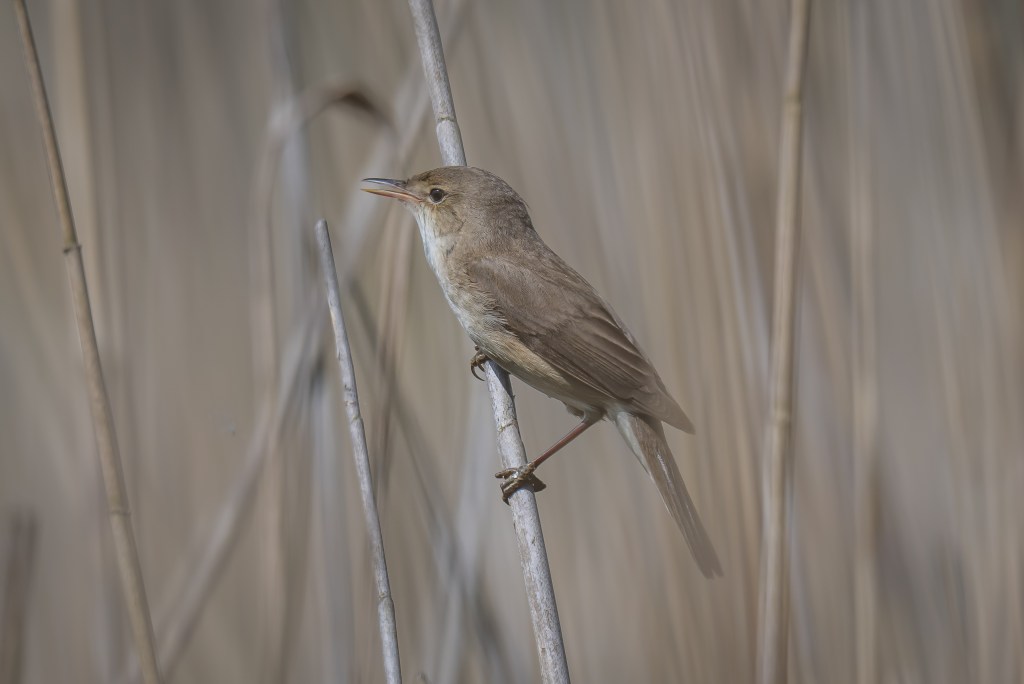
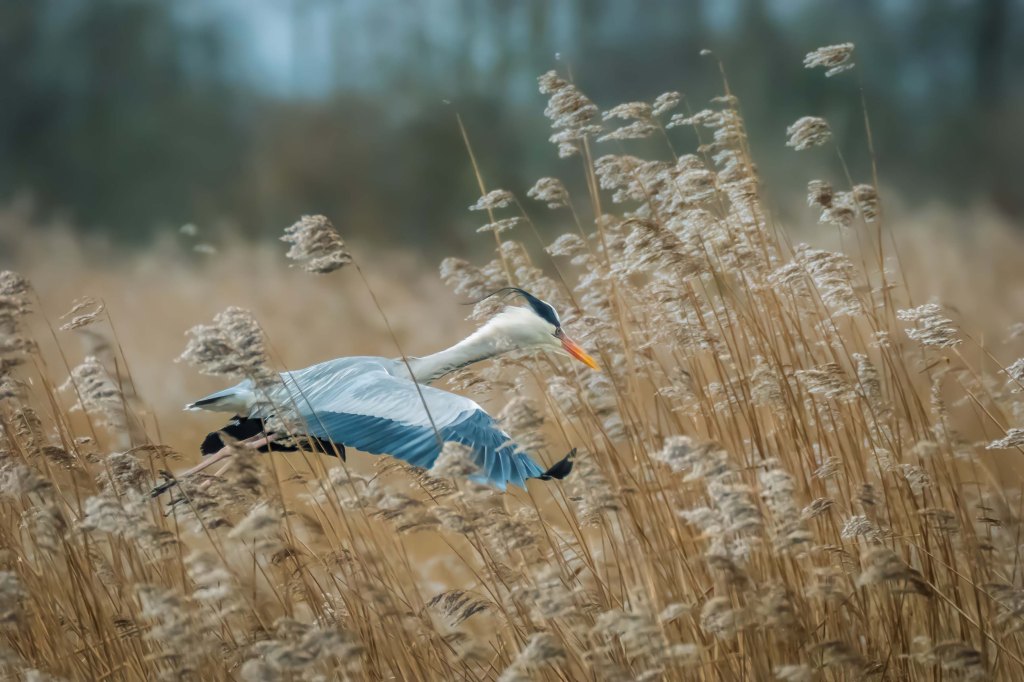
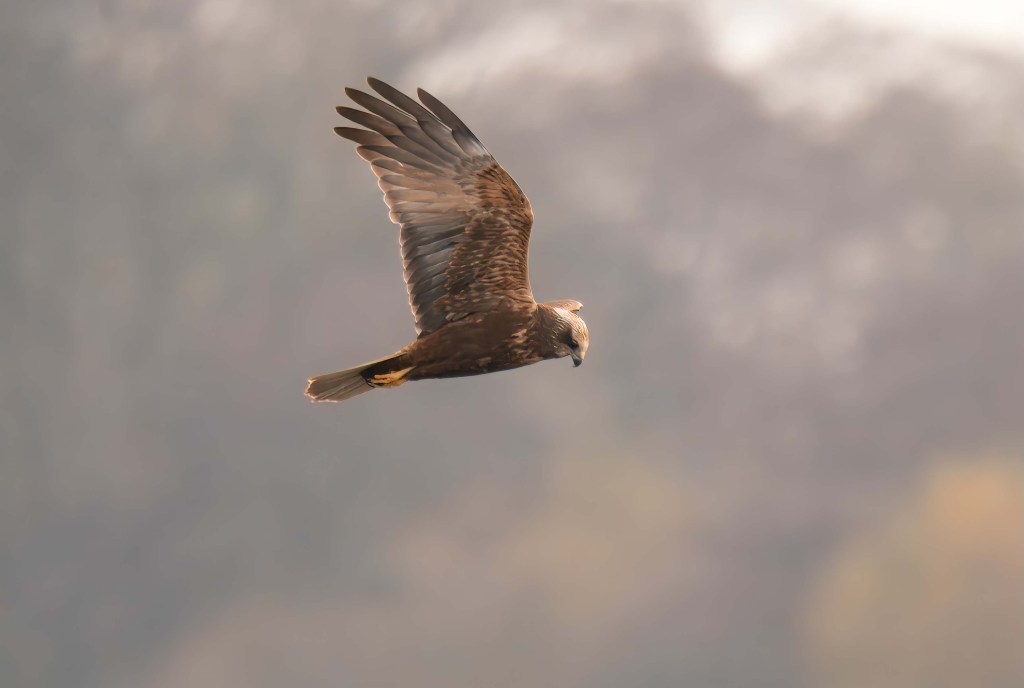
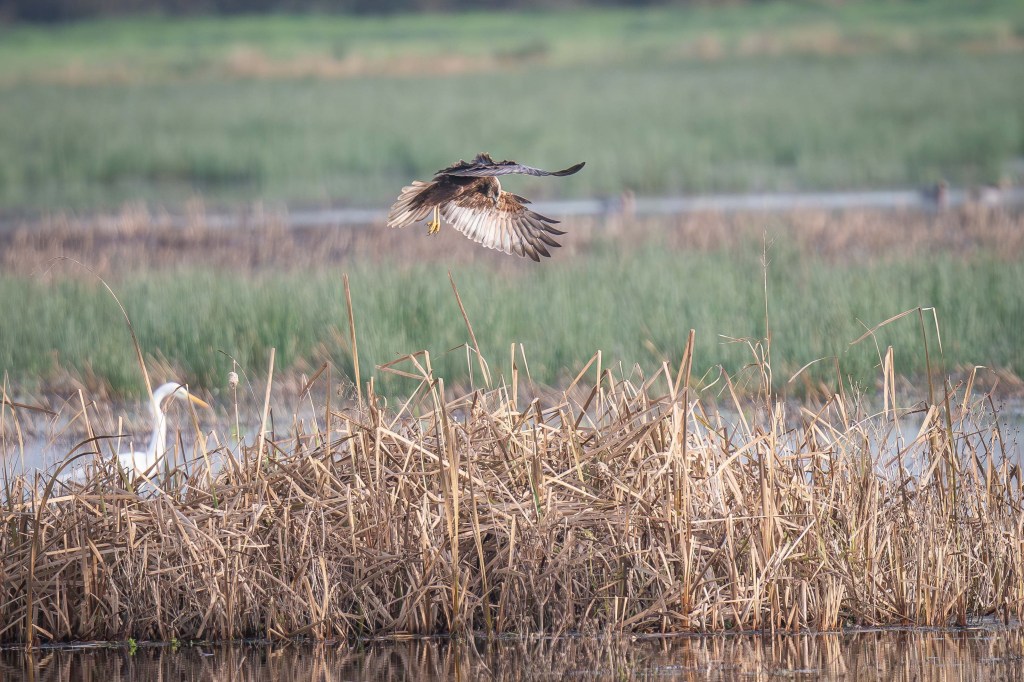
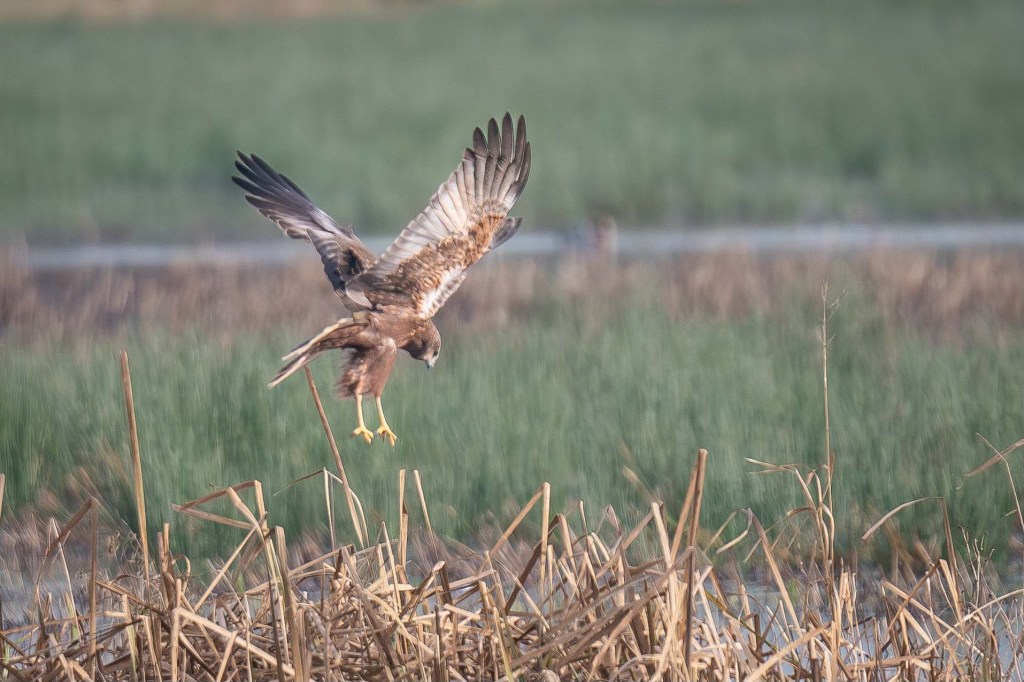
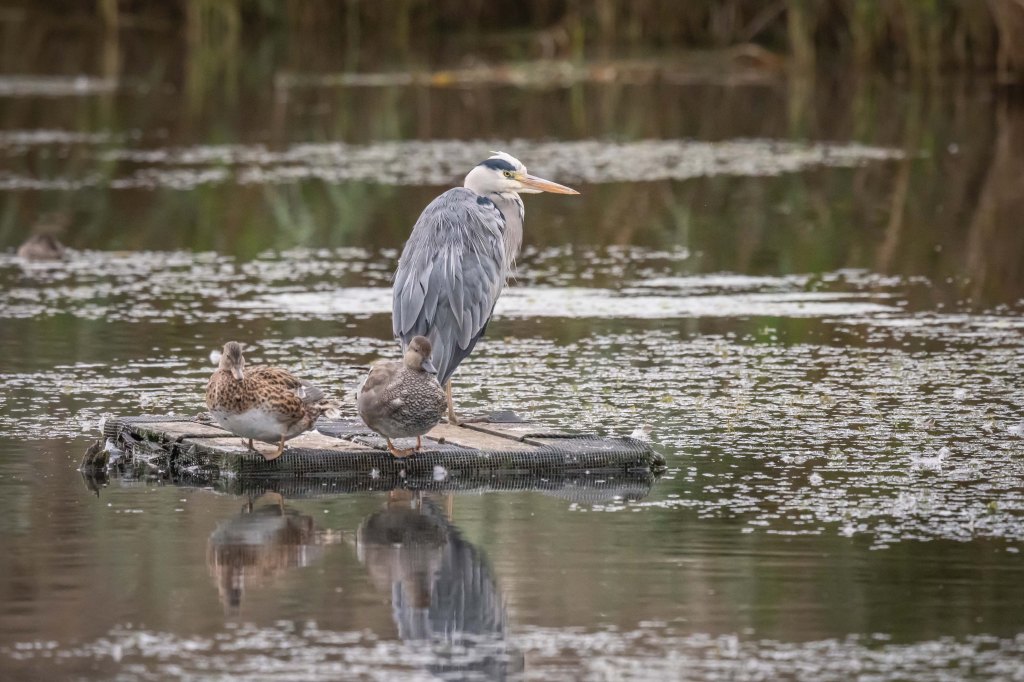
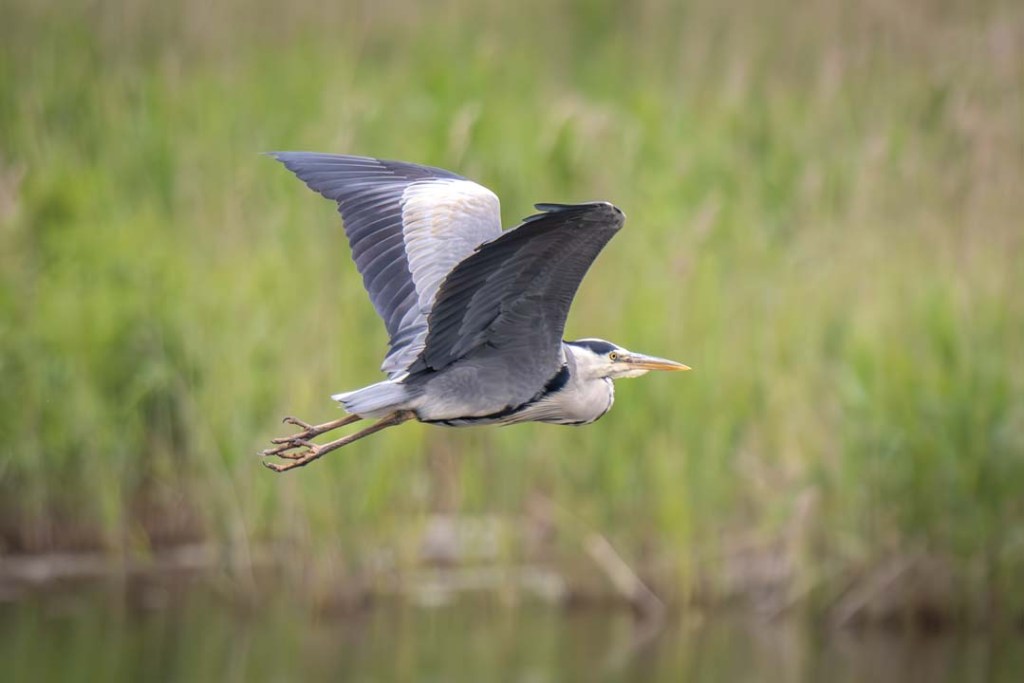
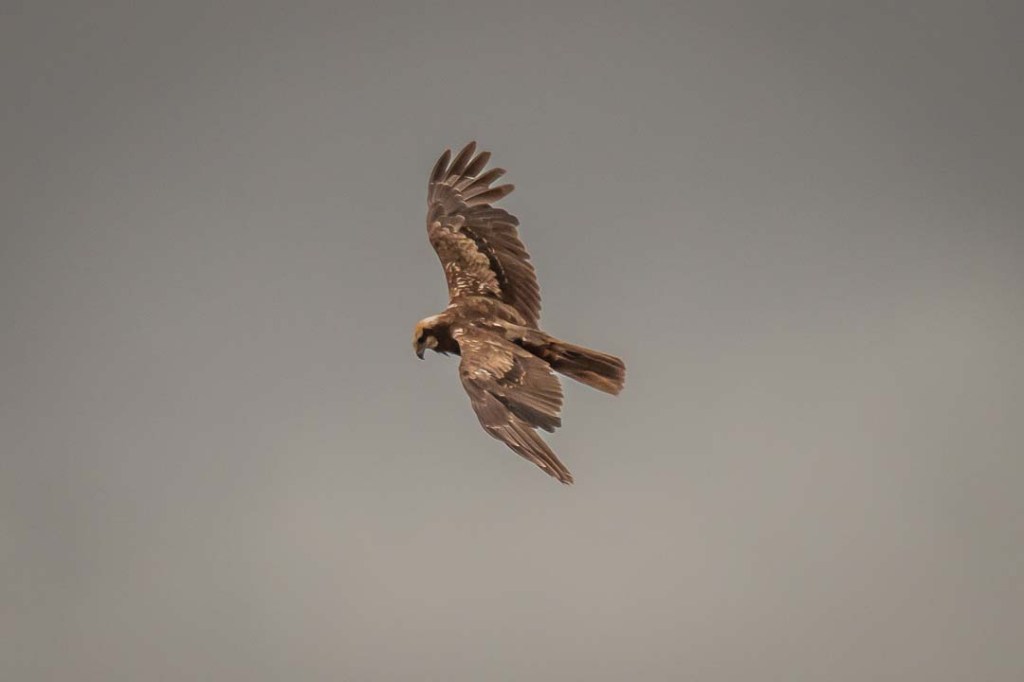
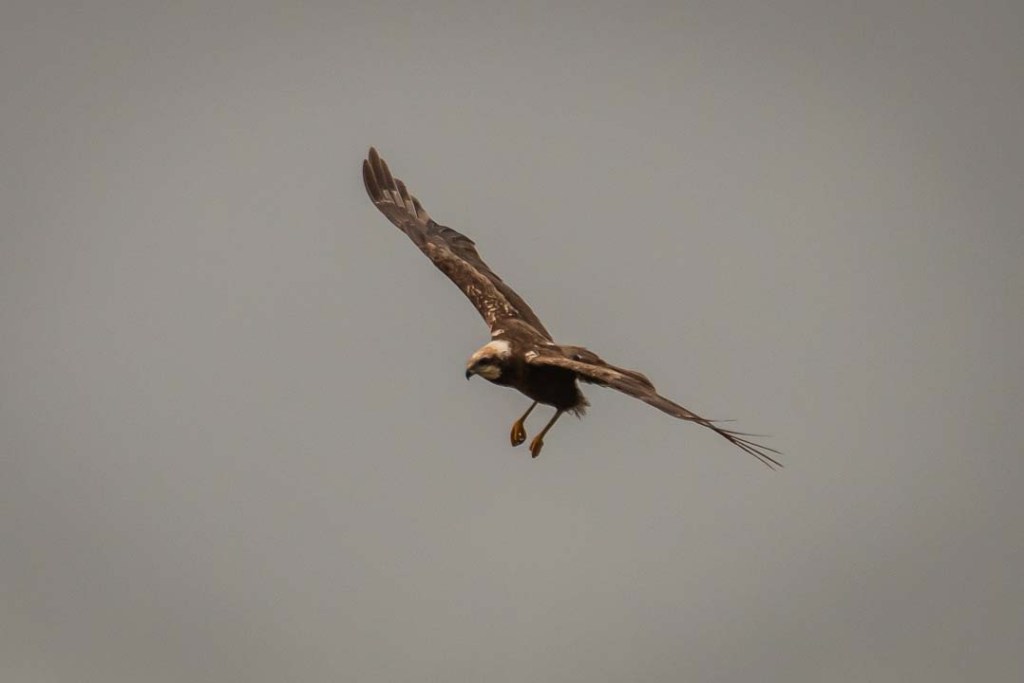
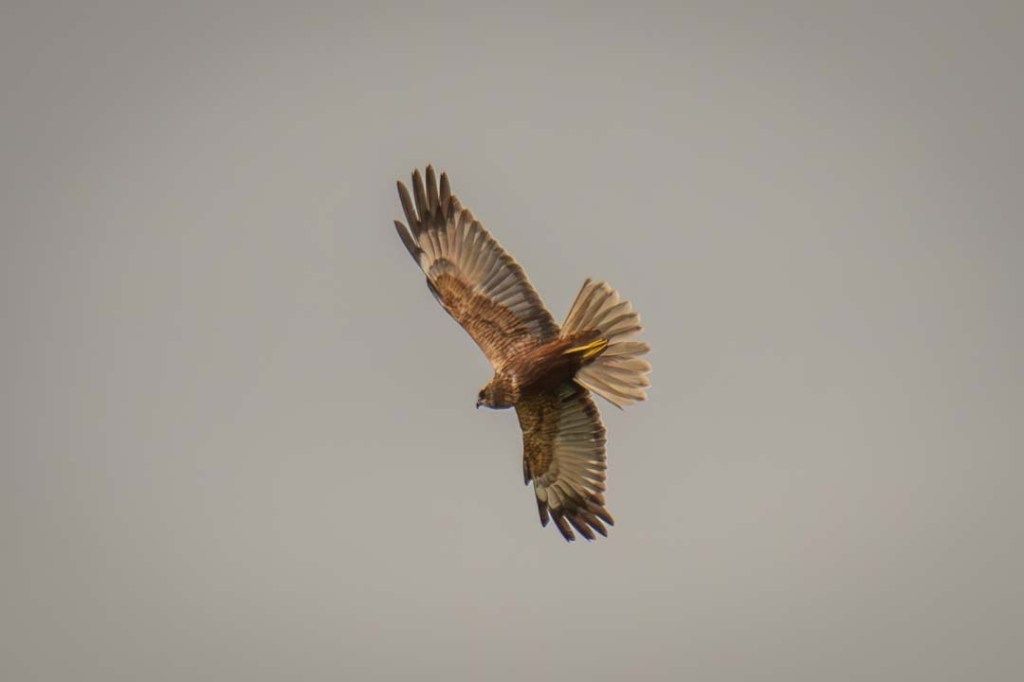
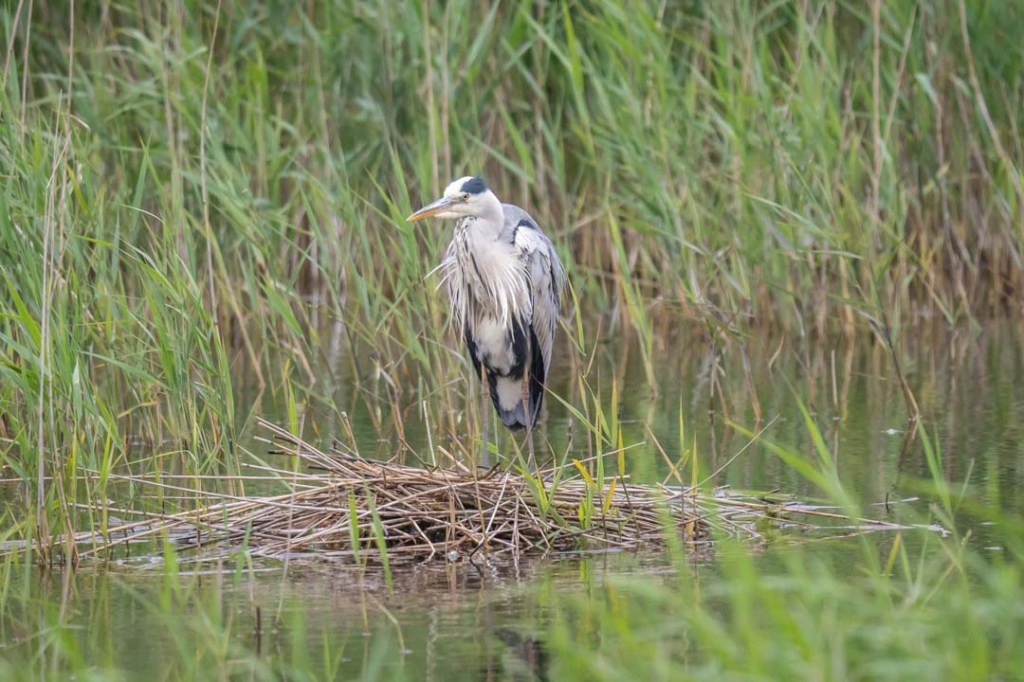
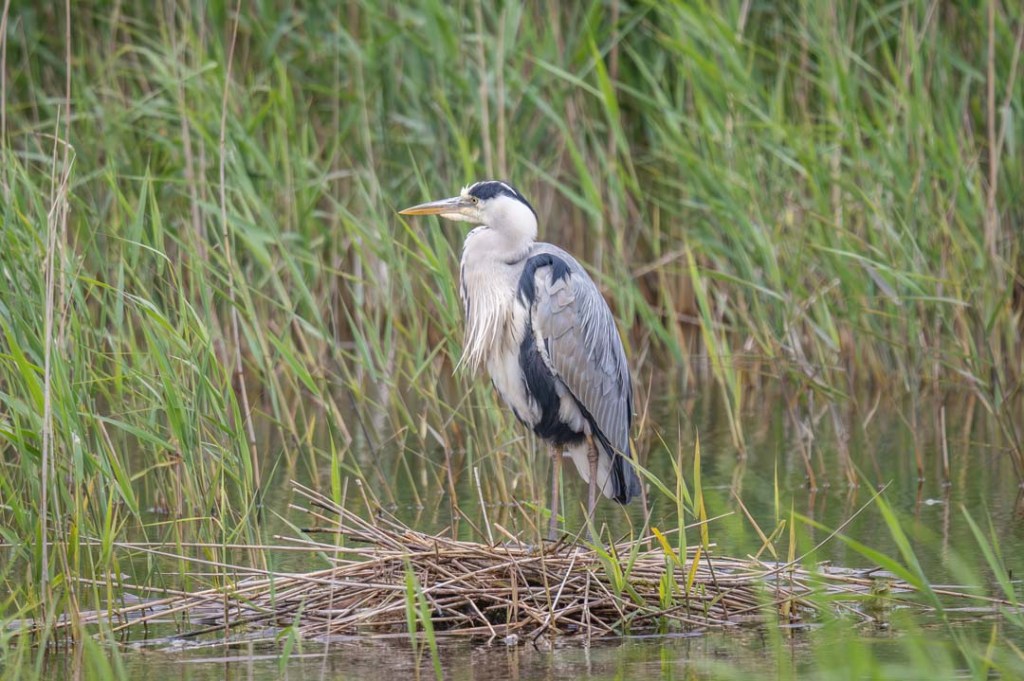
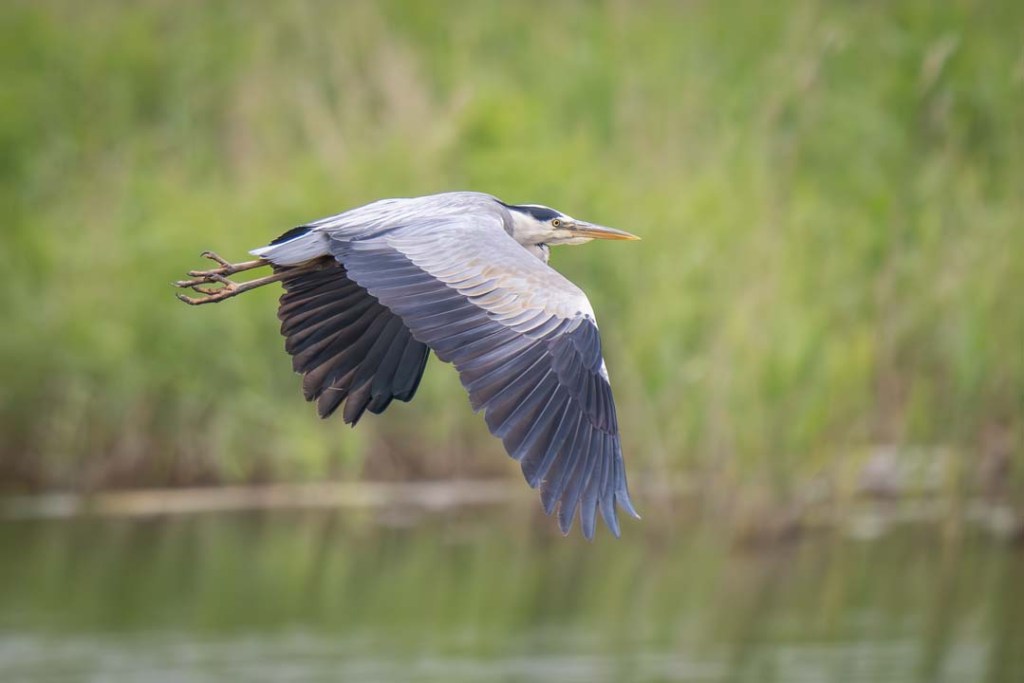
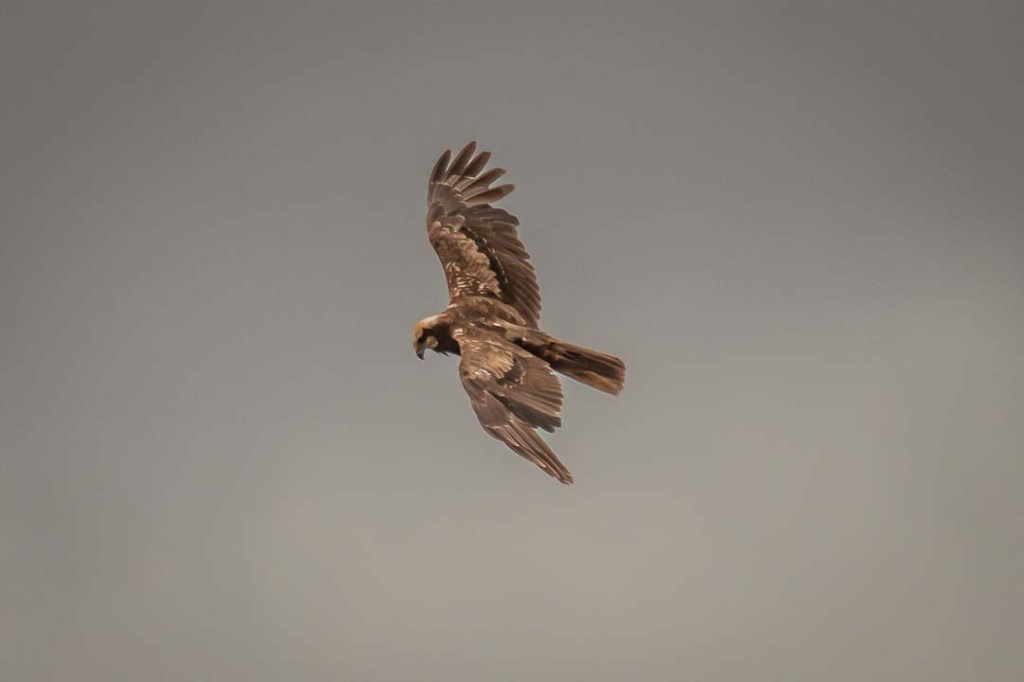
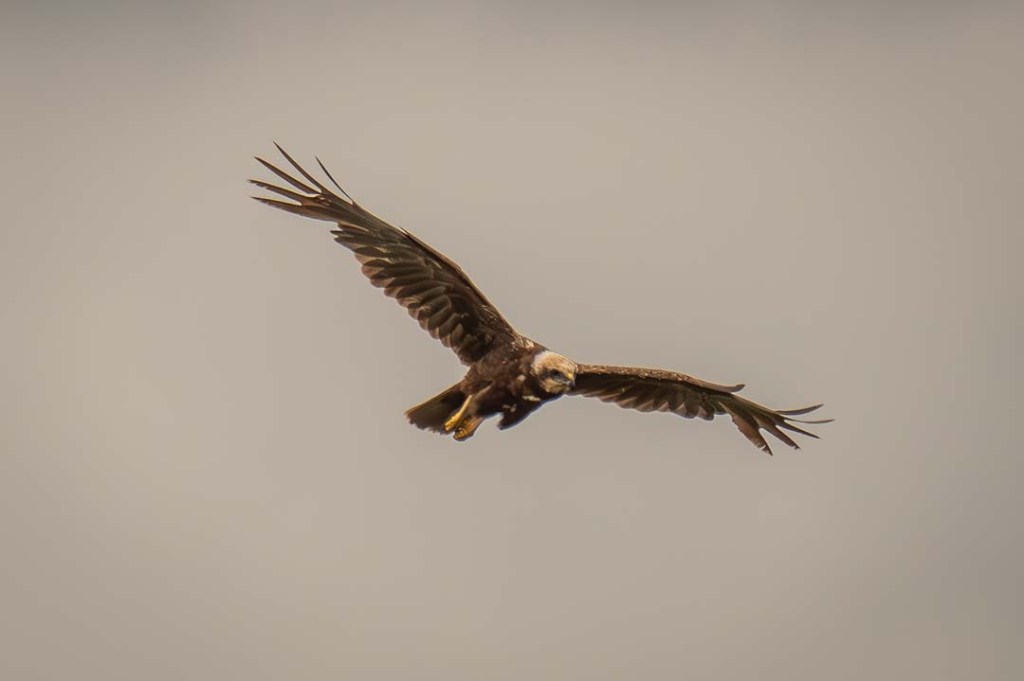
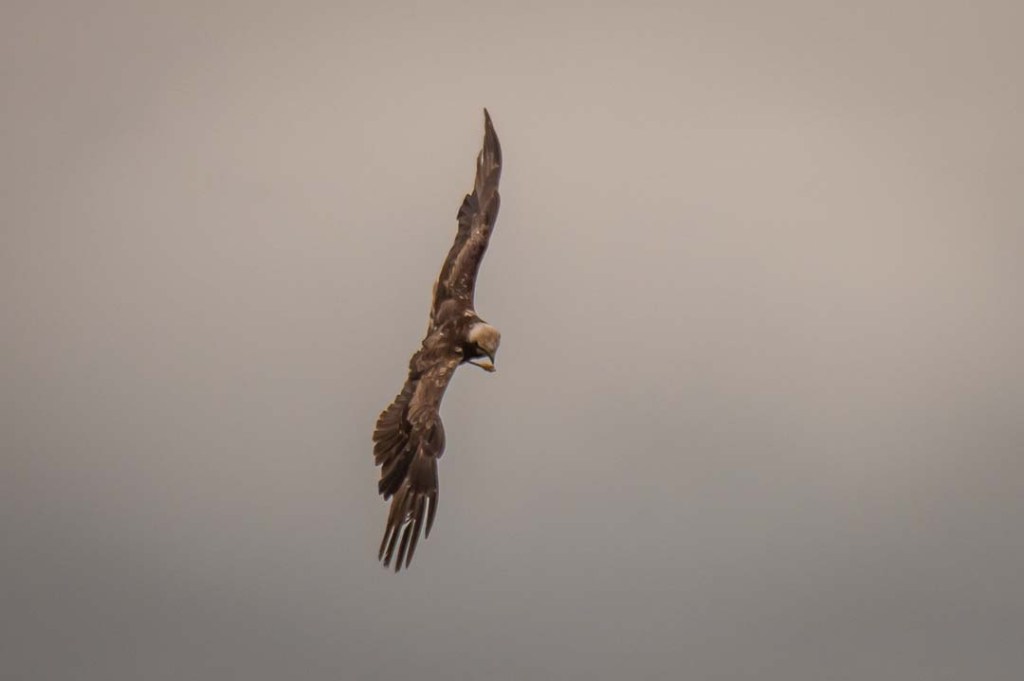
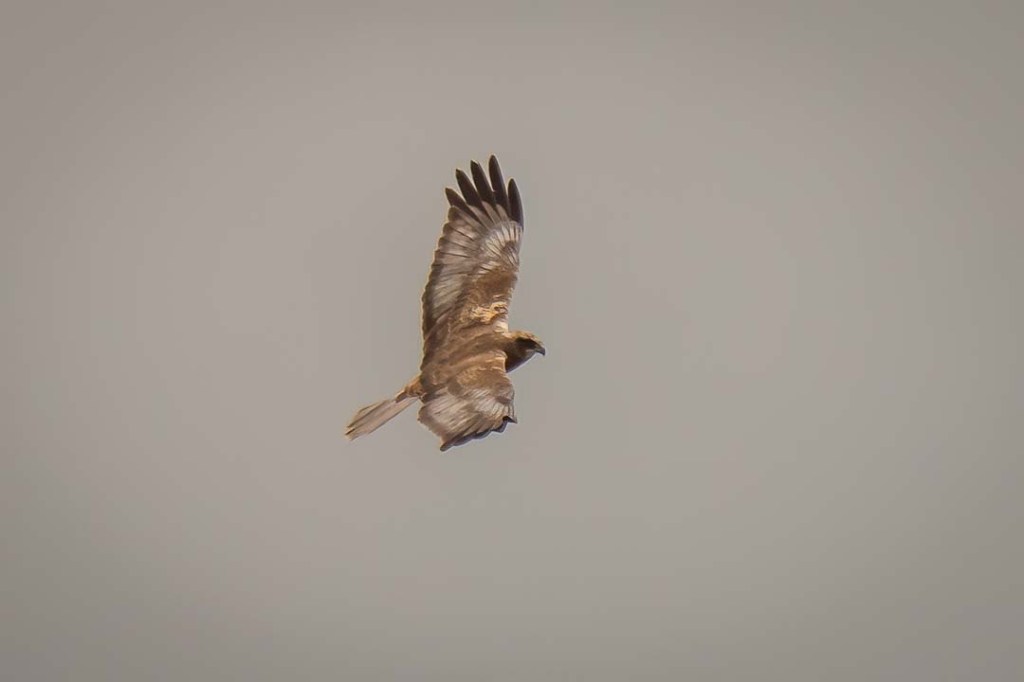
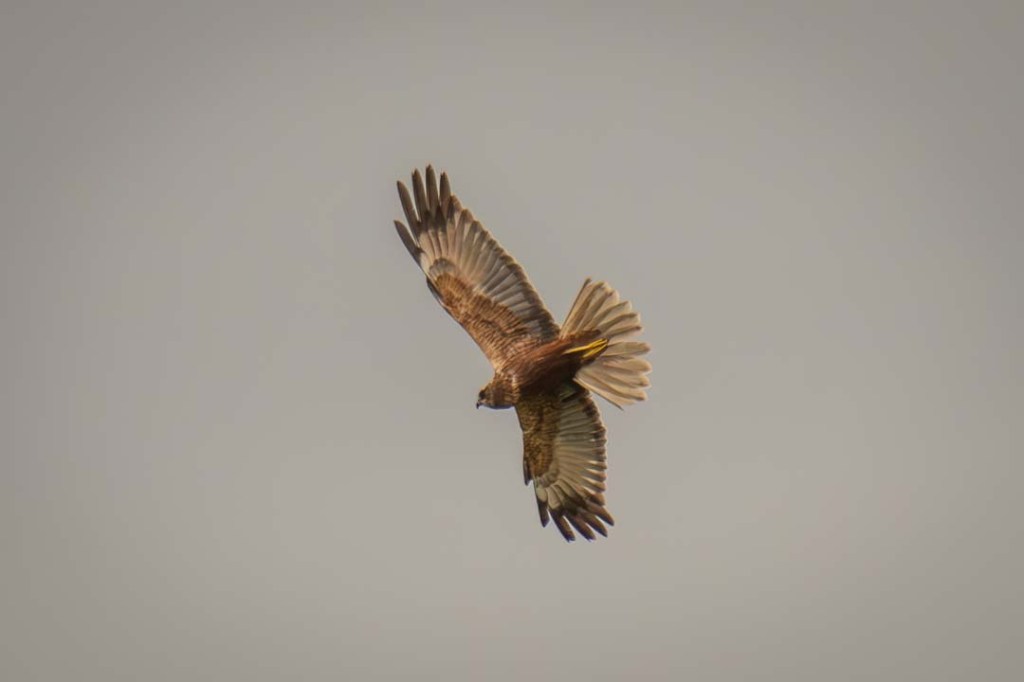
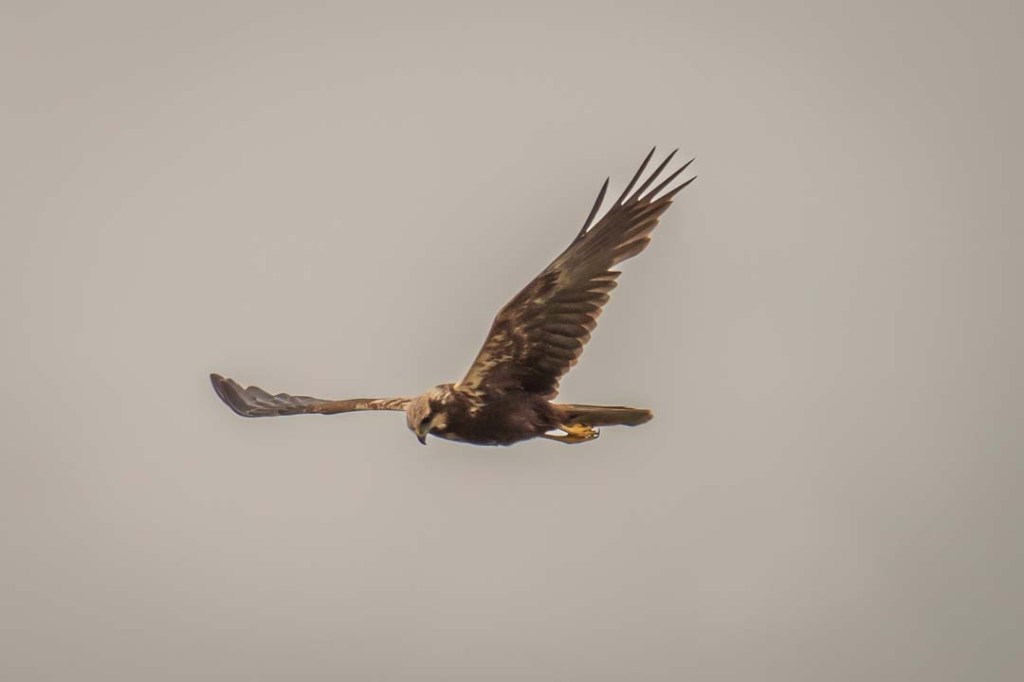
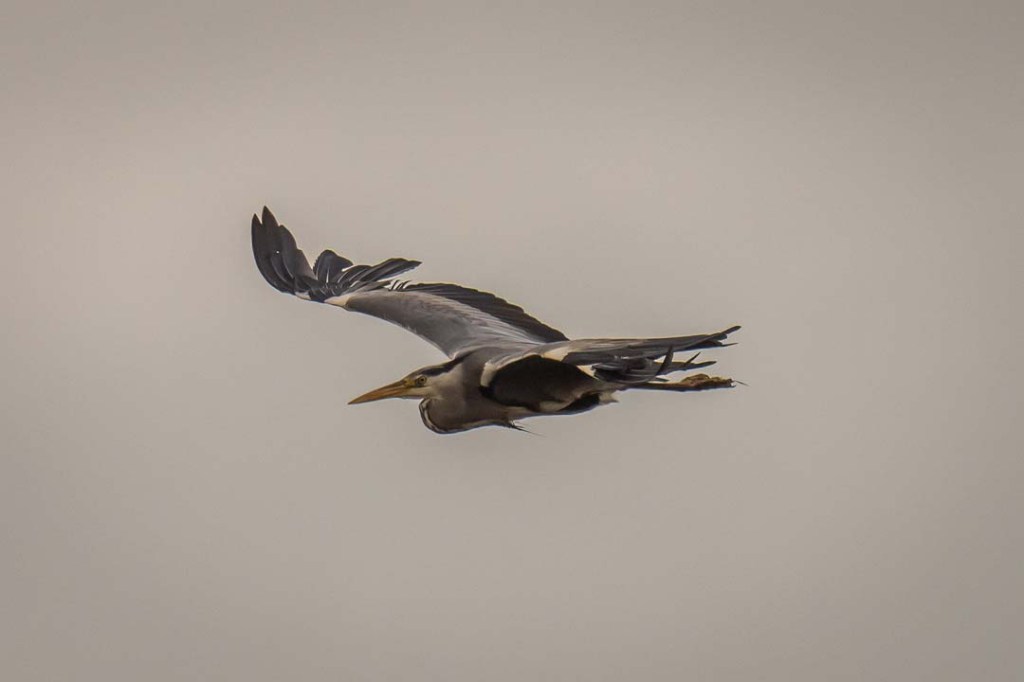
From this small reserve we also saw marsh harriers (rather distant) and grey herons and a reed warbler.
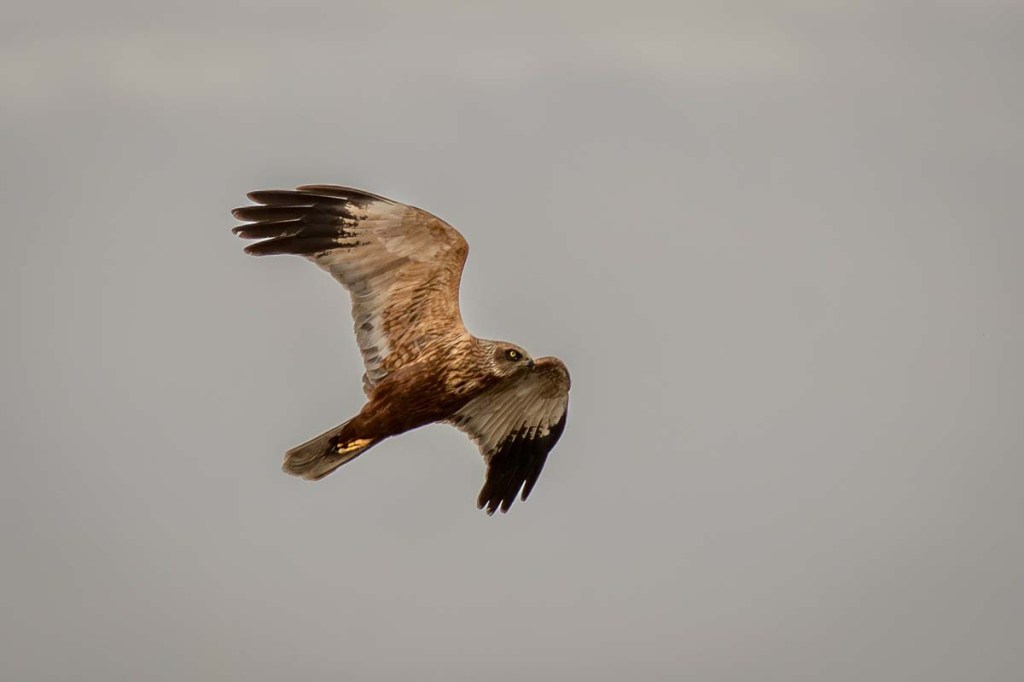
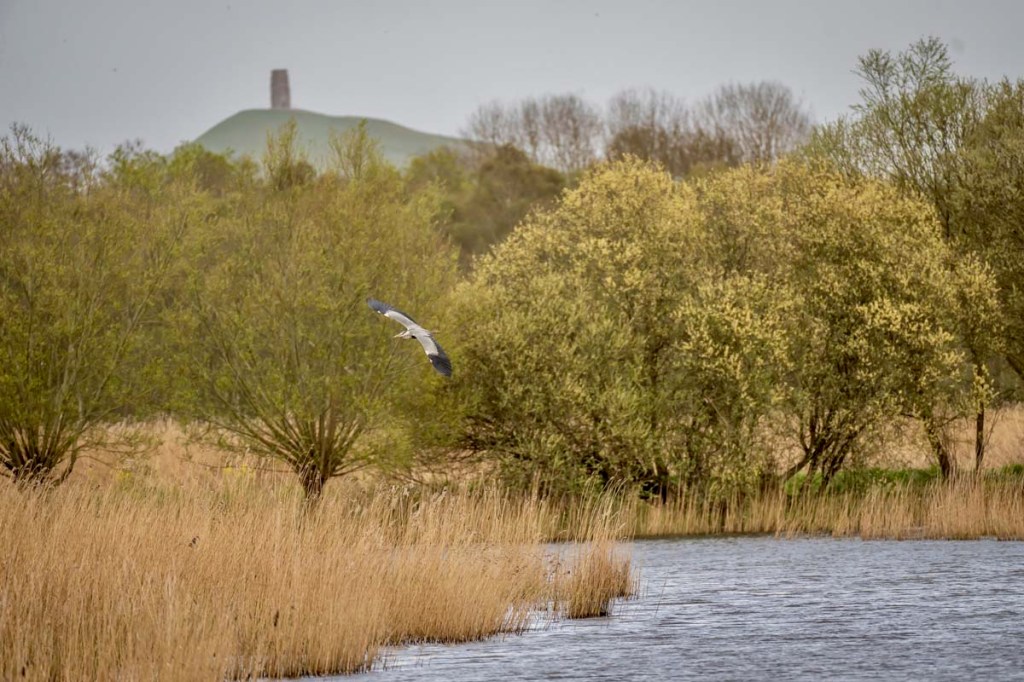
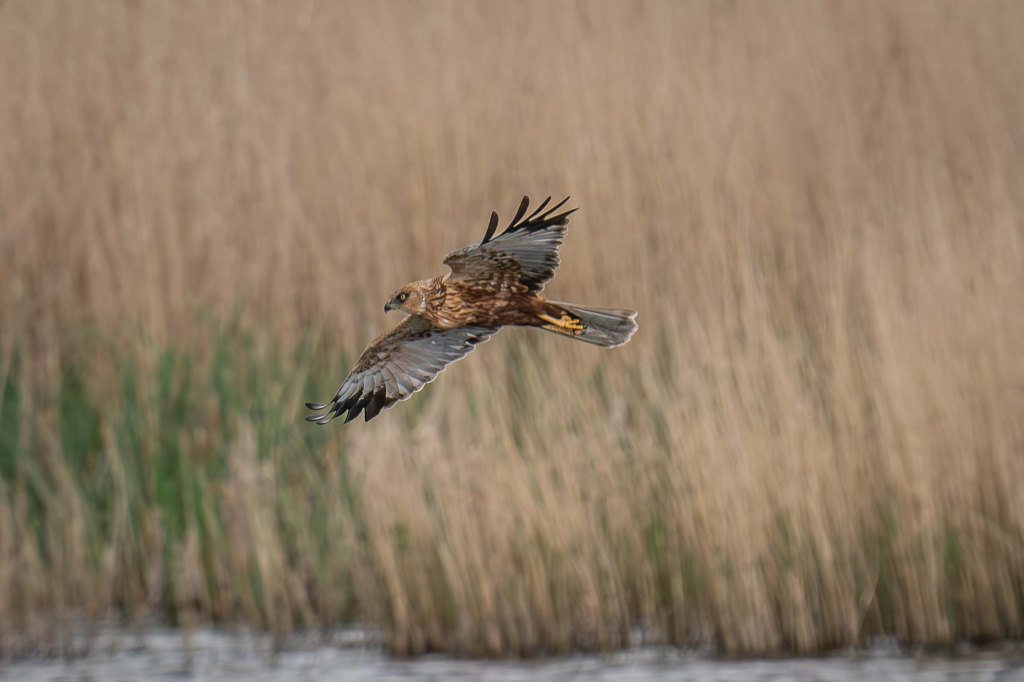
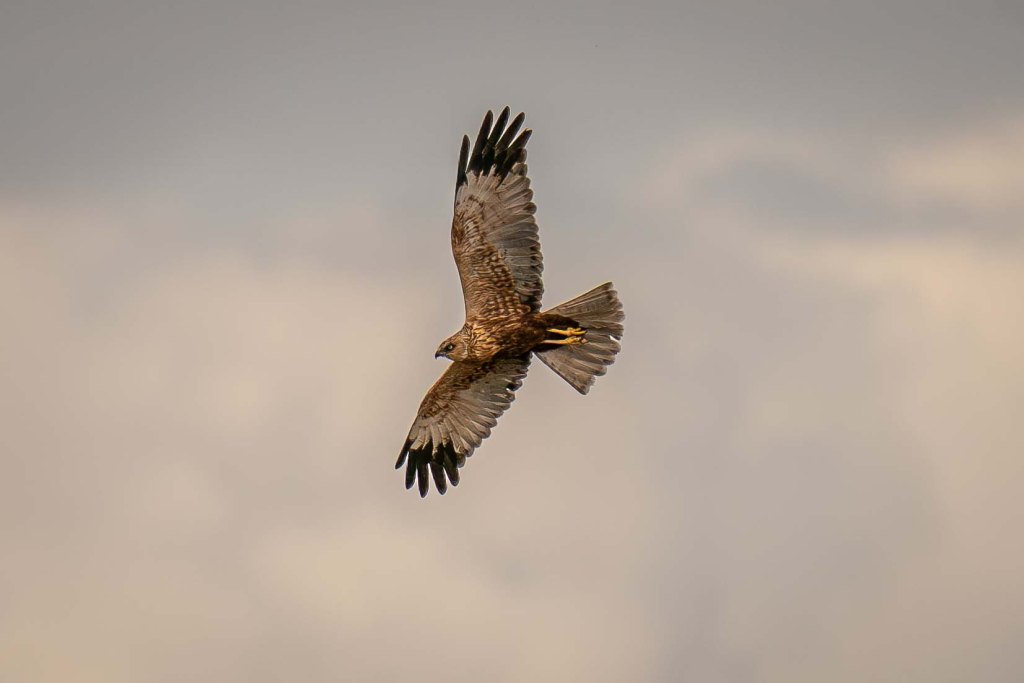
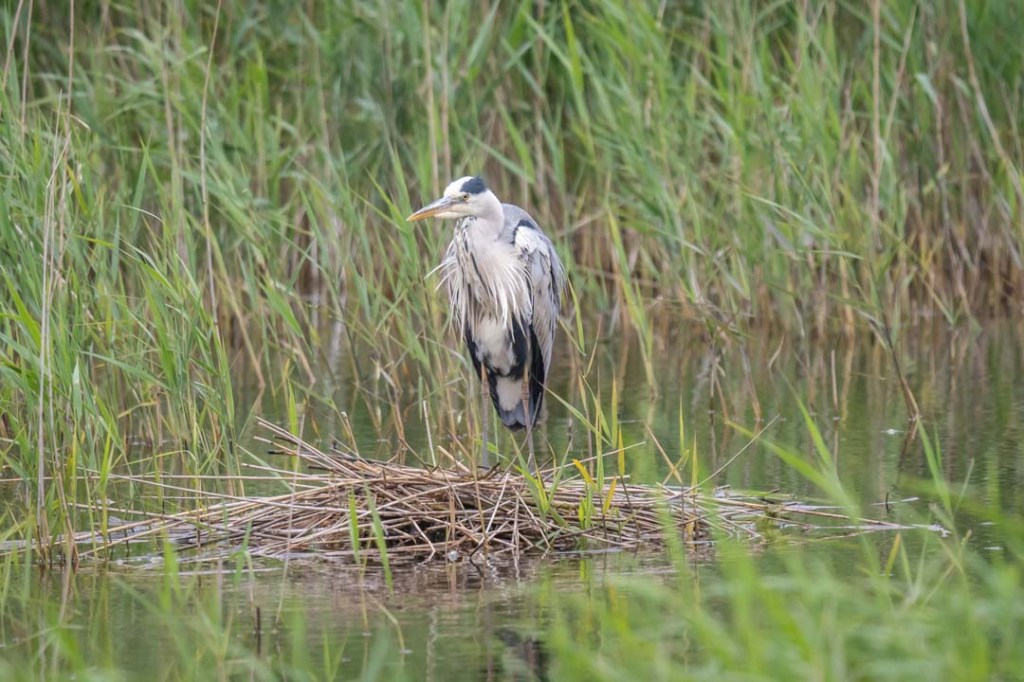
Grey heronGrey heron mingling with the egretsReed warblerMarsh harrier
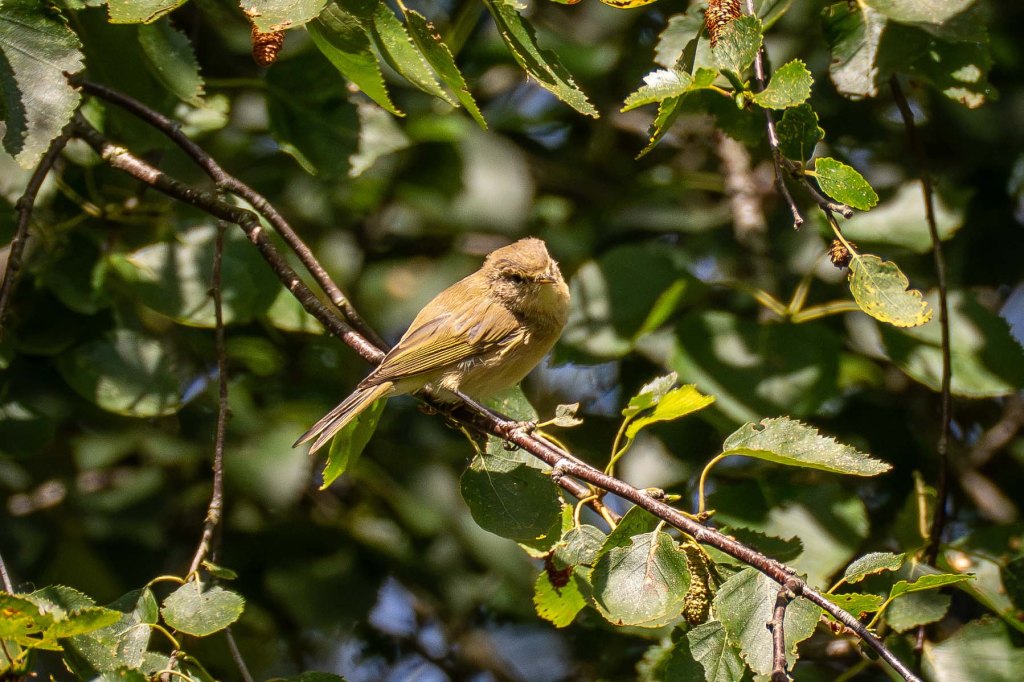
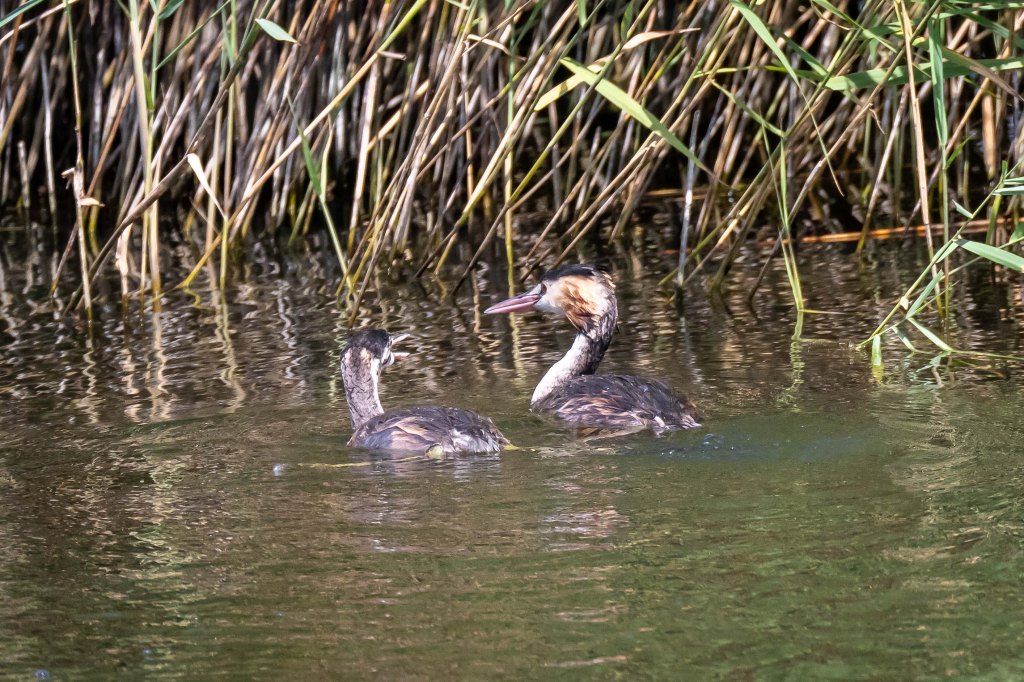
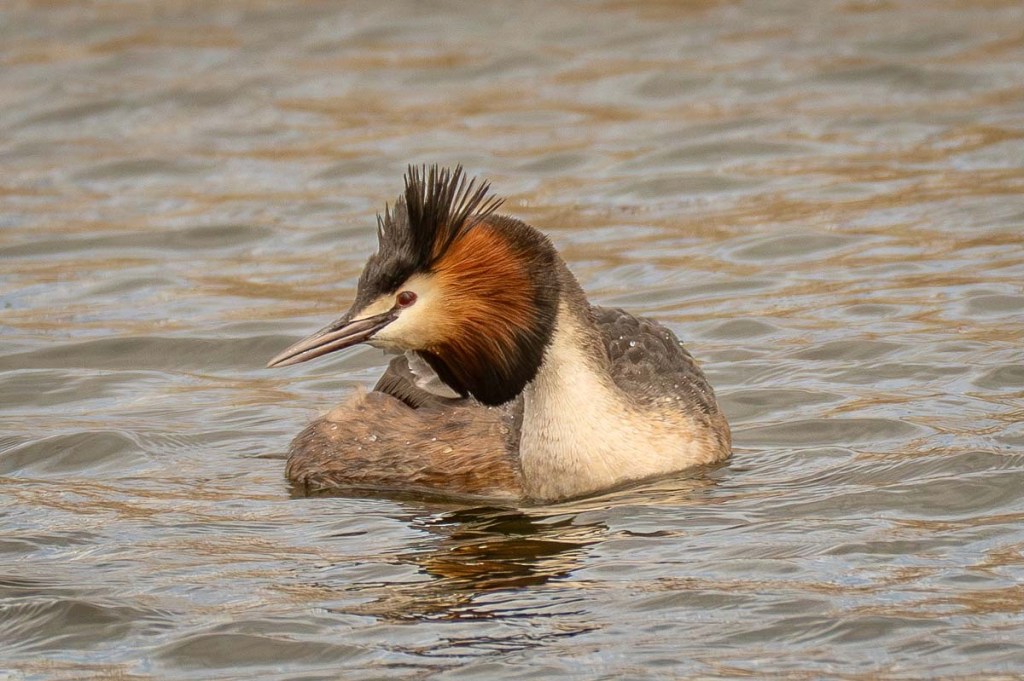
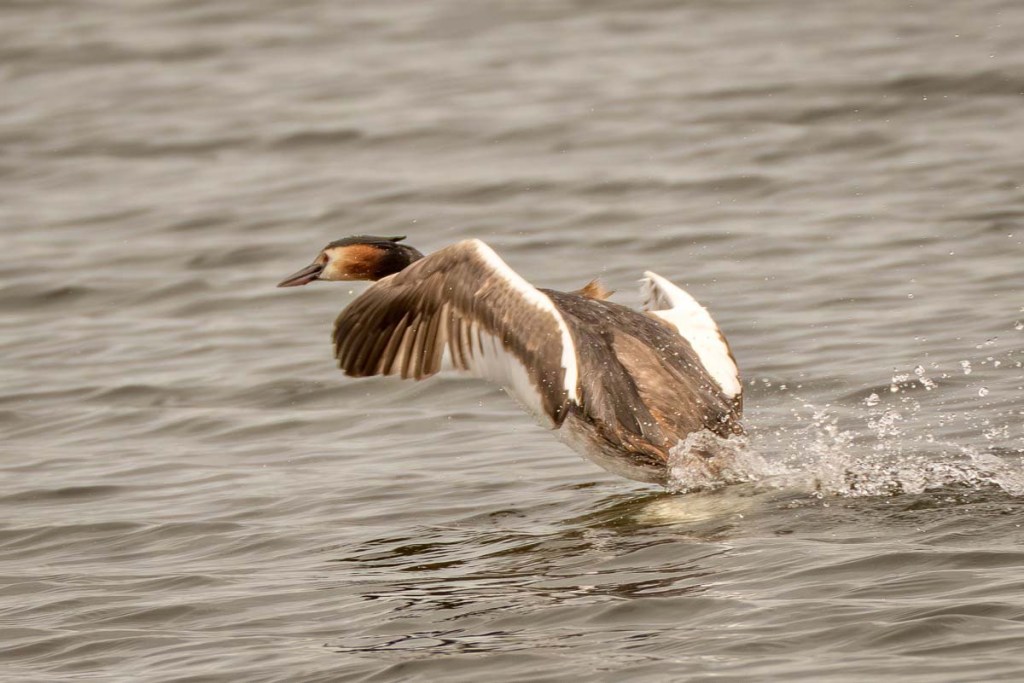
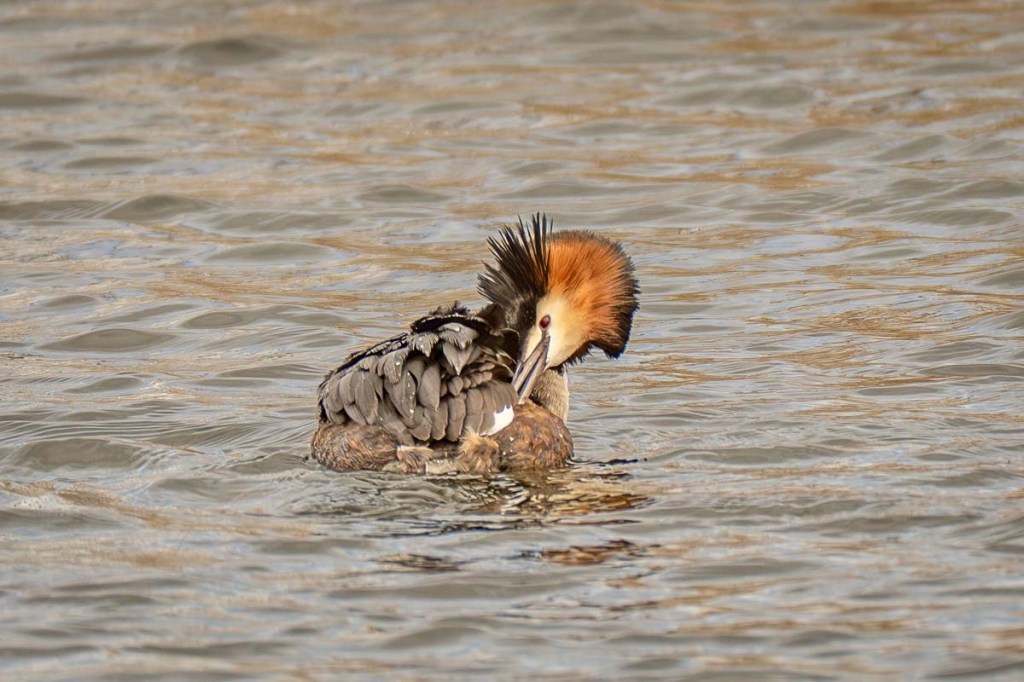
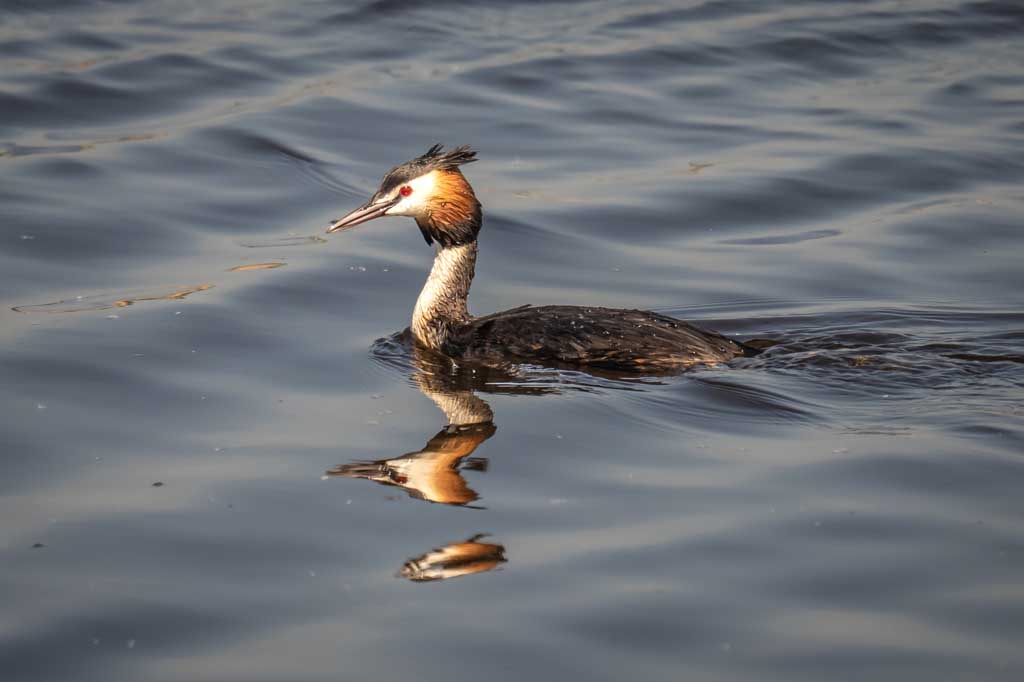
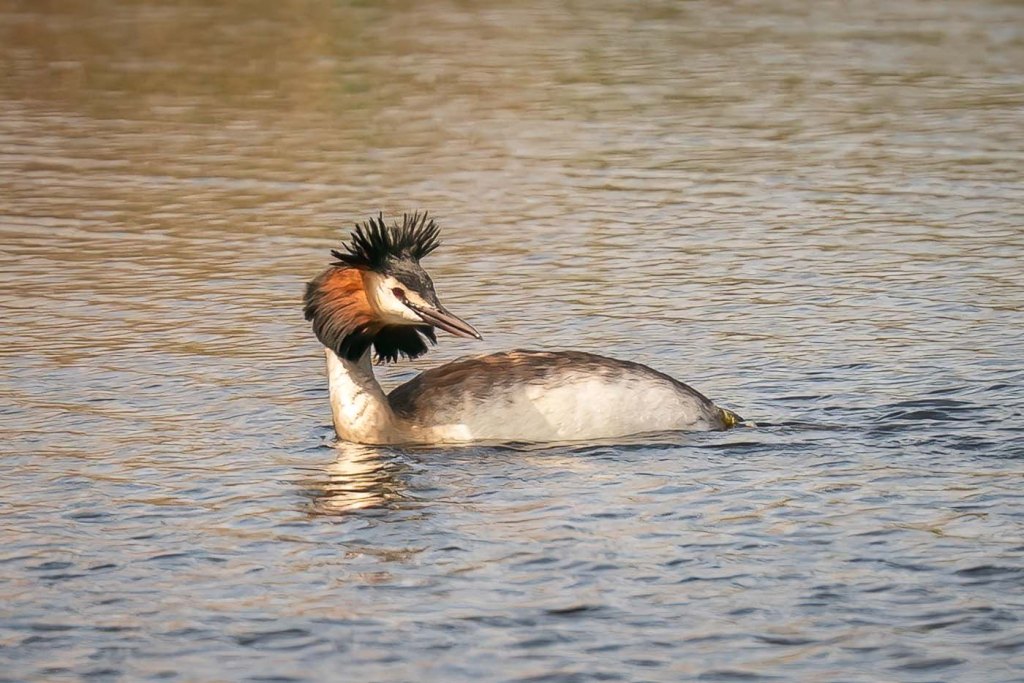
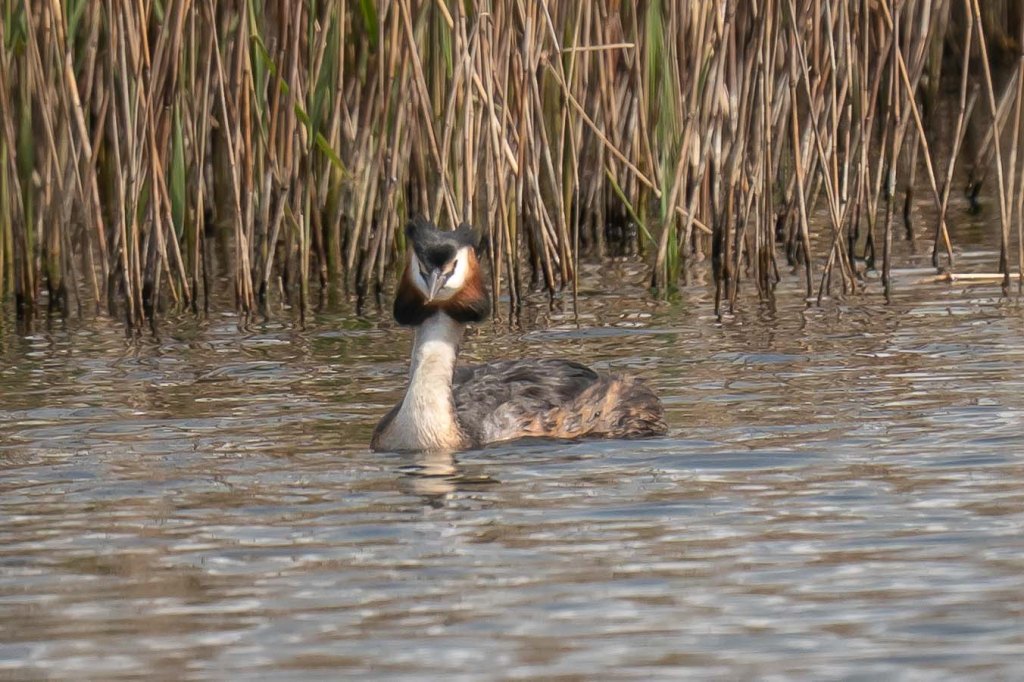
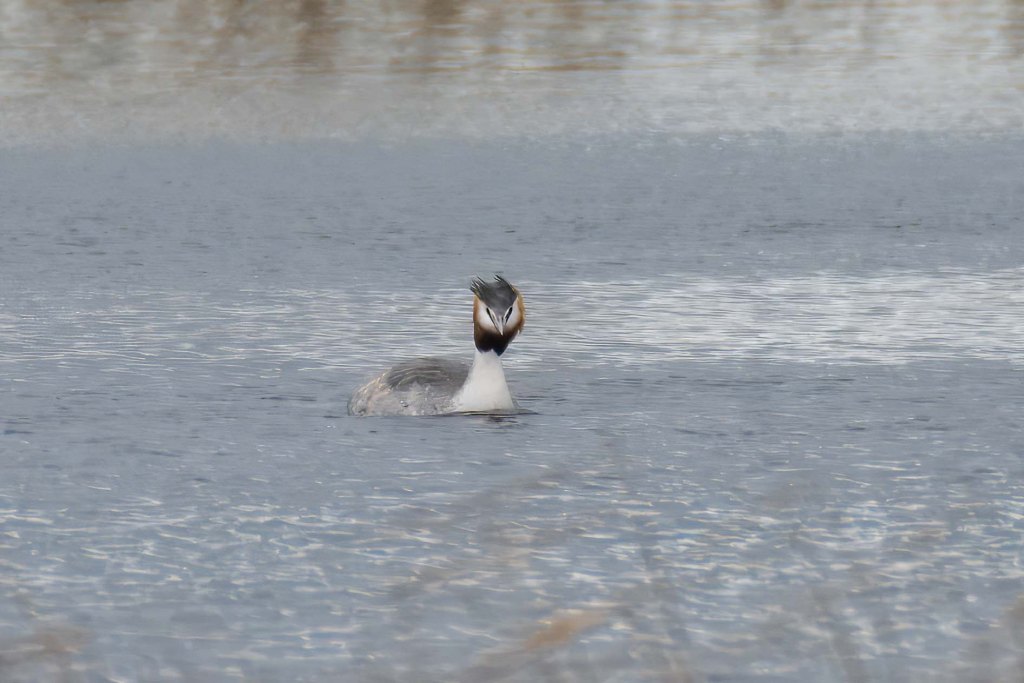
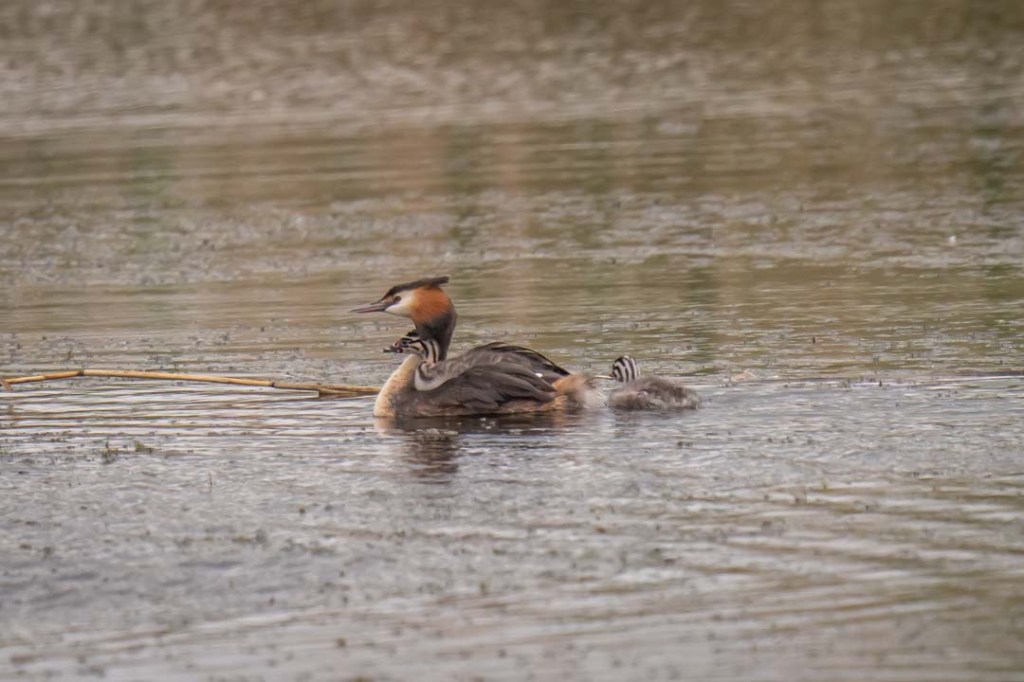
At RSPB Ham Wall there wasn’t a lot extra for us to see except for a common chiffchaff, great crested grebes and plenty of dragonflies and butterflies.
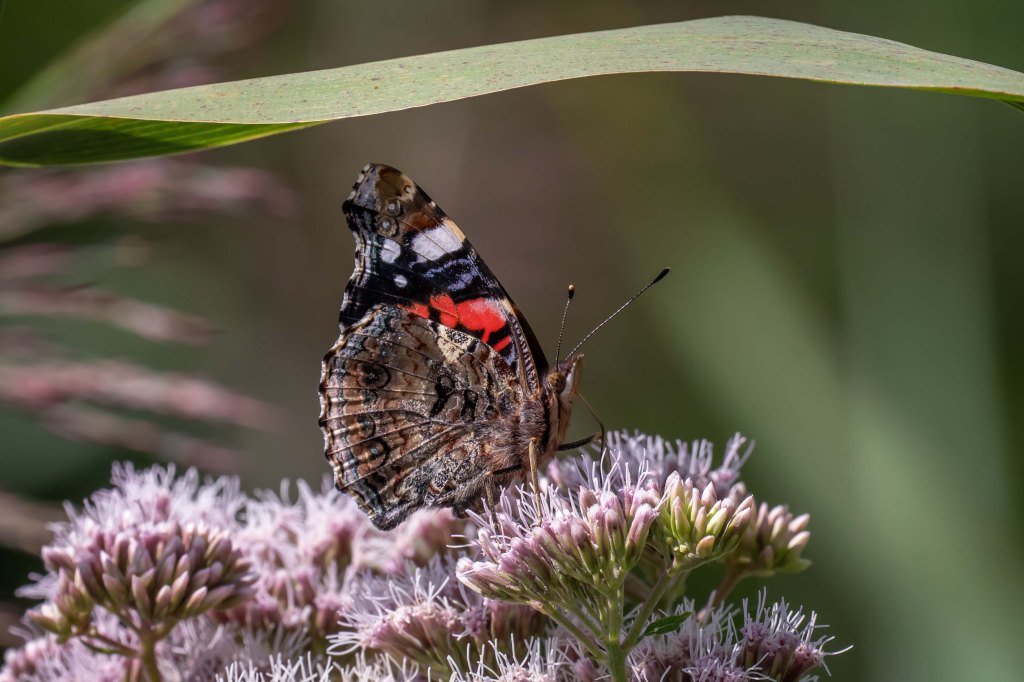
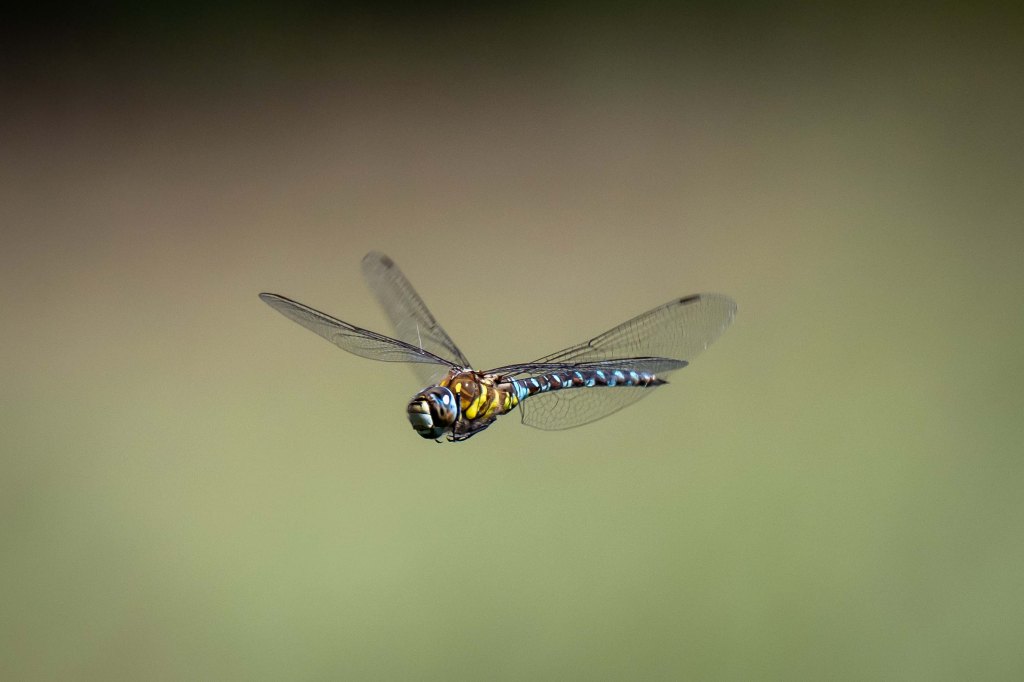
Common chiffchaffGreat crested grebe with its off springRed admiral butterflyMigrant hawker
But the best of them all was my namesake in French – “Martin Pêcheur”.
Common kingfisher – Martin pêcheur in French
If you are ever in these parts we can highly recommend The Swan at Wedmore where we stayed overnight.
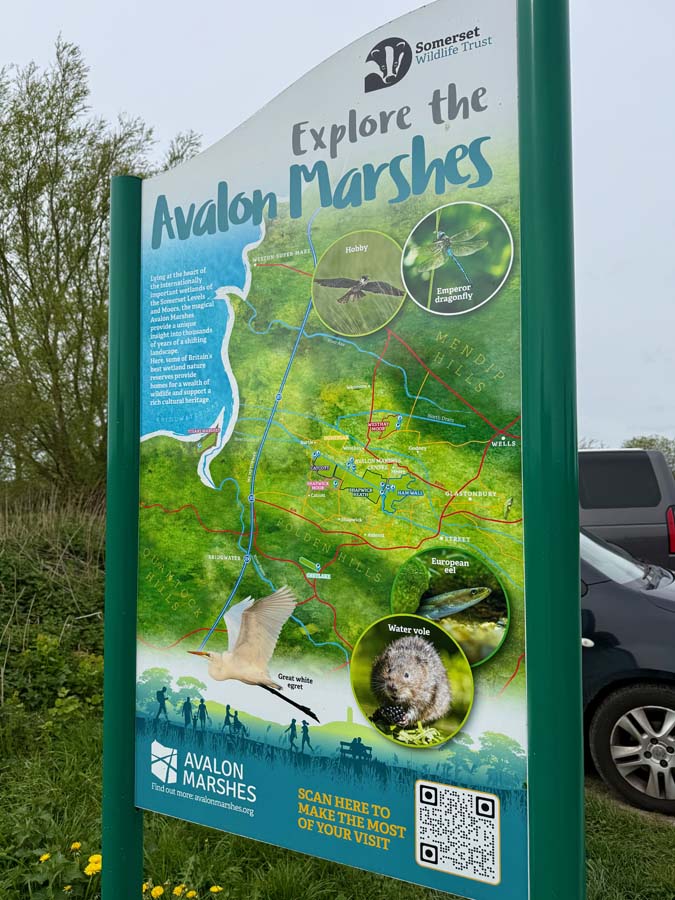
We have spent a couple of days on the Avalon Marshes, a group of nature reserves in the Somerset Levels, about an hour south of our home city of Bristol.
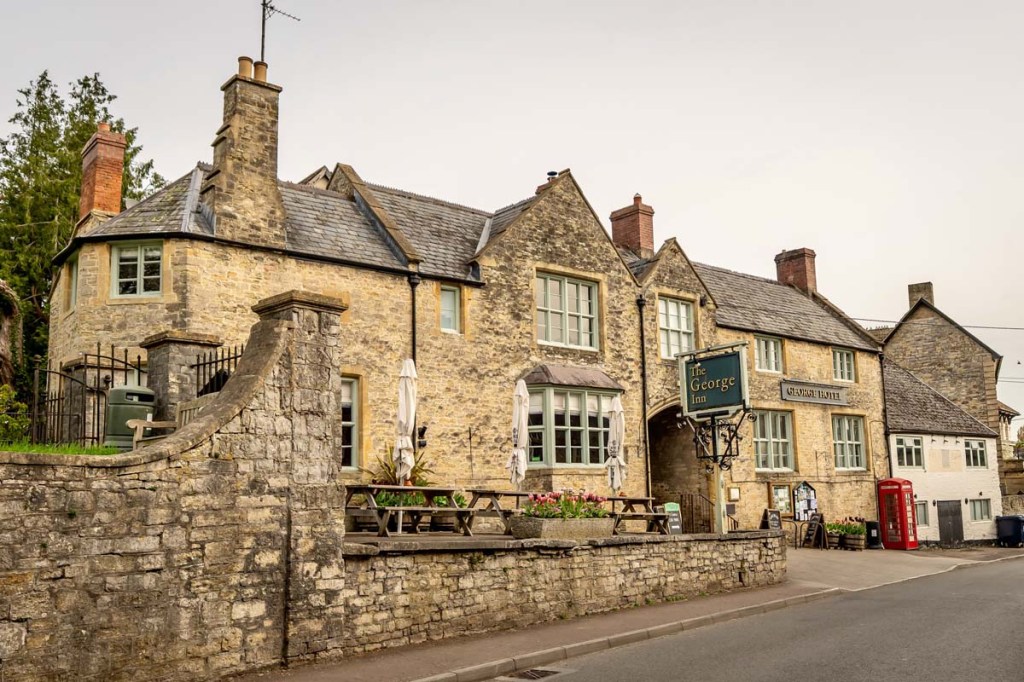
We stayed overnight in Wedmore (a large village situated on raised ground in the Somerset Levels) and this was my first night away (other than in a hospital bed) for 6 months.
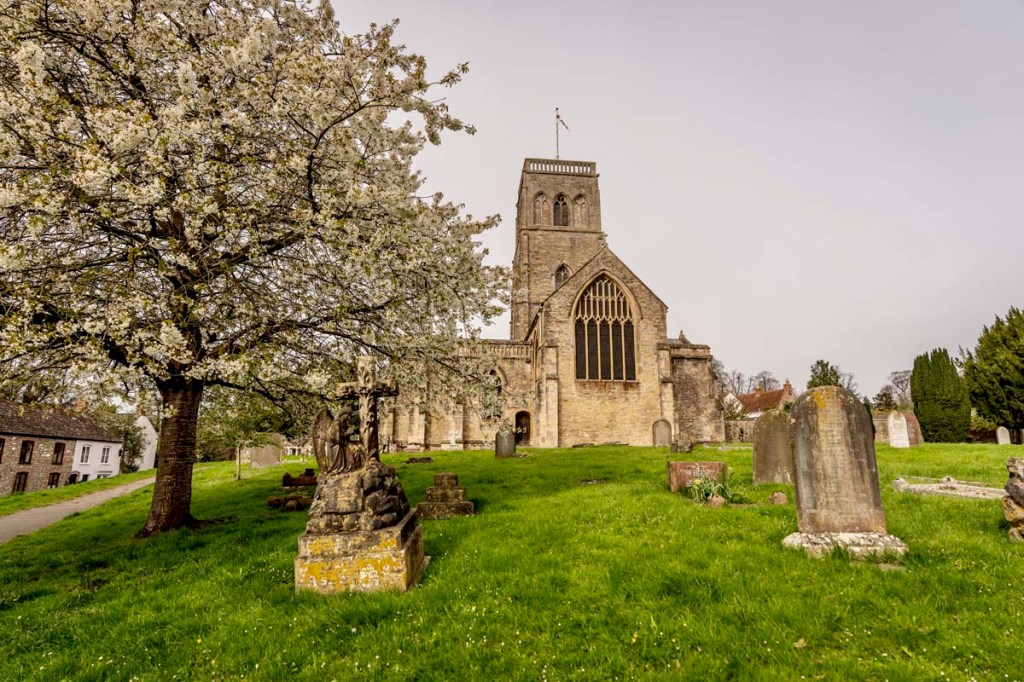
Our accommodation in Wedmore “The George” was excellentIt was not all “birding” – we visited St Mary’s Church in Wedmore, right next to “The George”
The day before our trip we were enjoying temperatures of over 20 degrees celsius in our garden but we were sharply brought back to reality with temperatures at least 10 degrees less and with a cold wind to boot.
The poor light was not ideal for photography but I am not complaining in the least and we both thoroughly enjoyed our short break and saw some lovely birds.
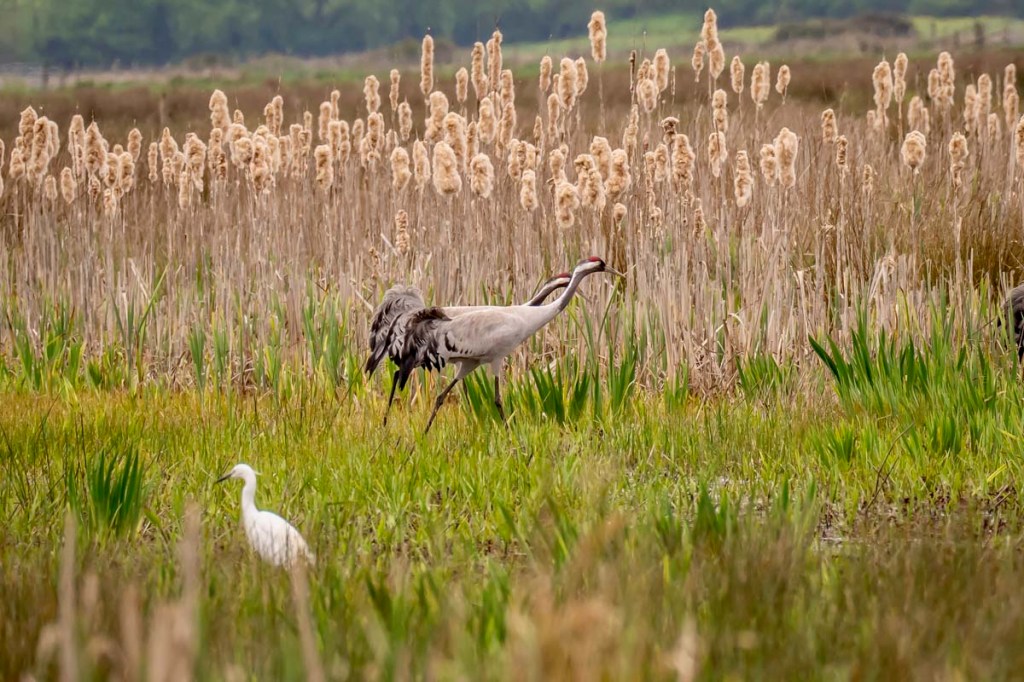
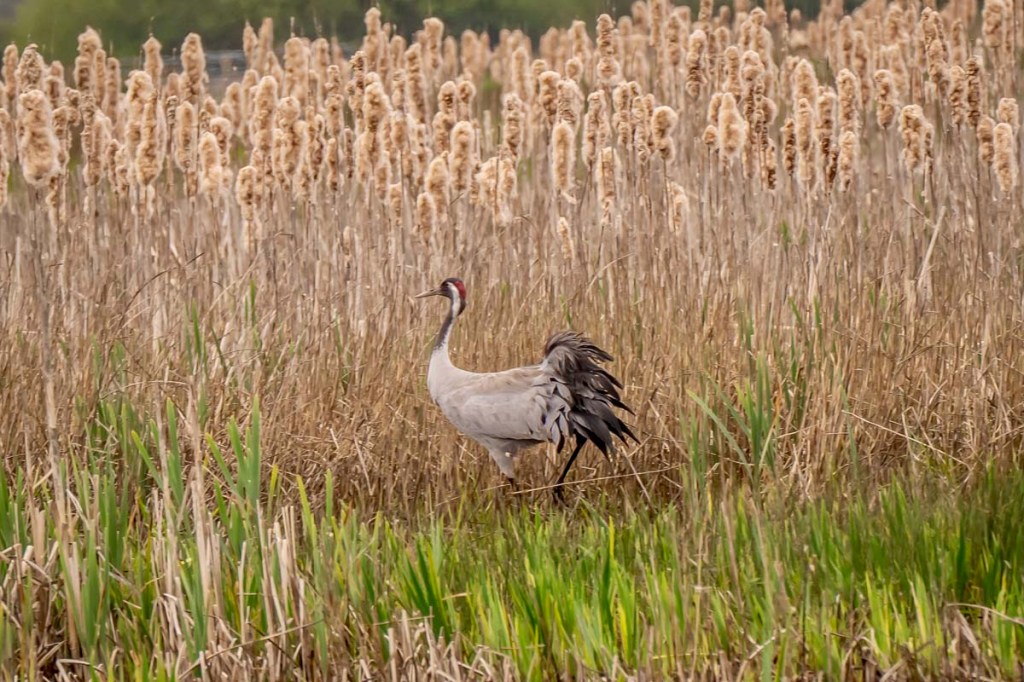
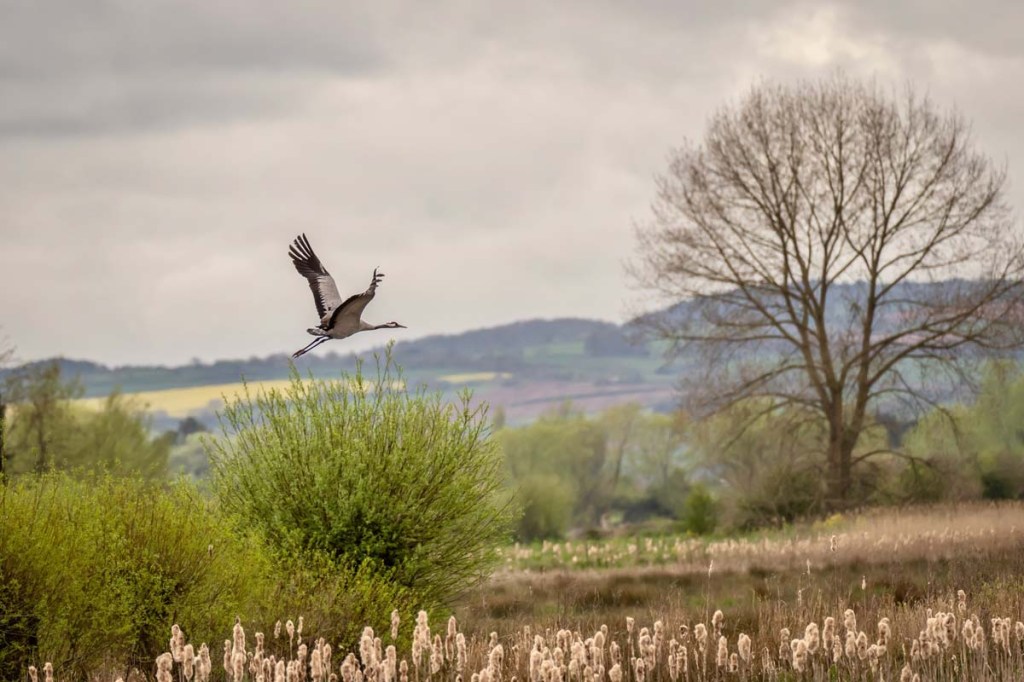
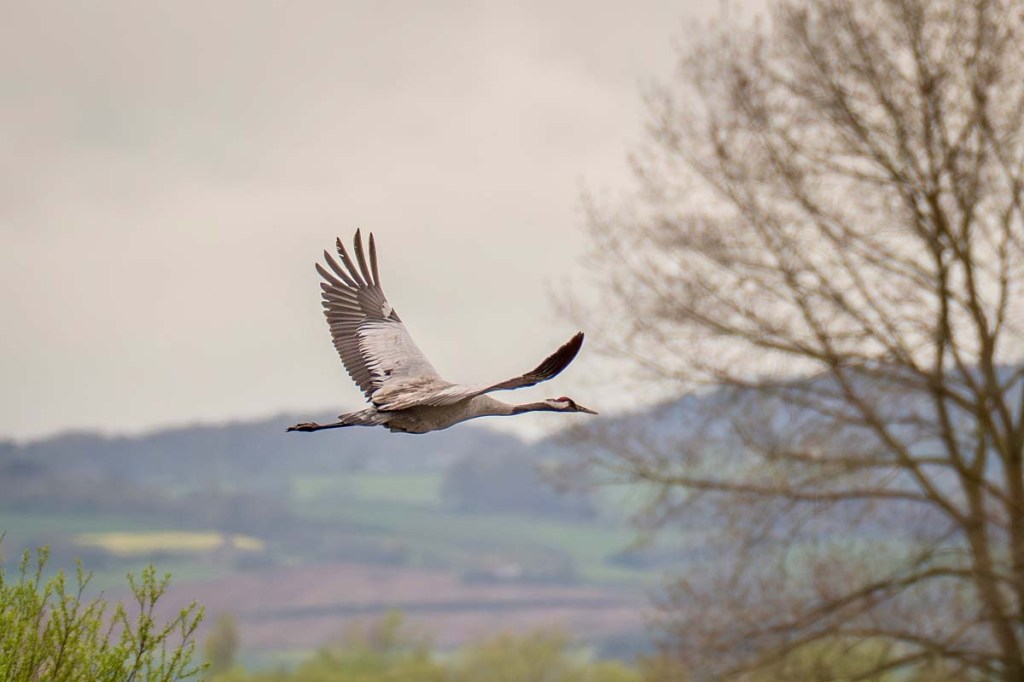
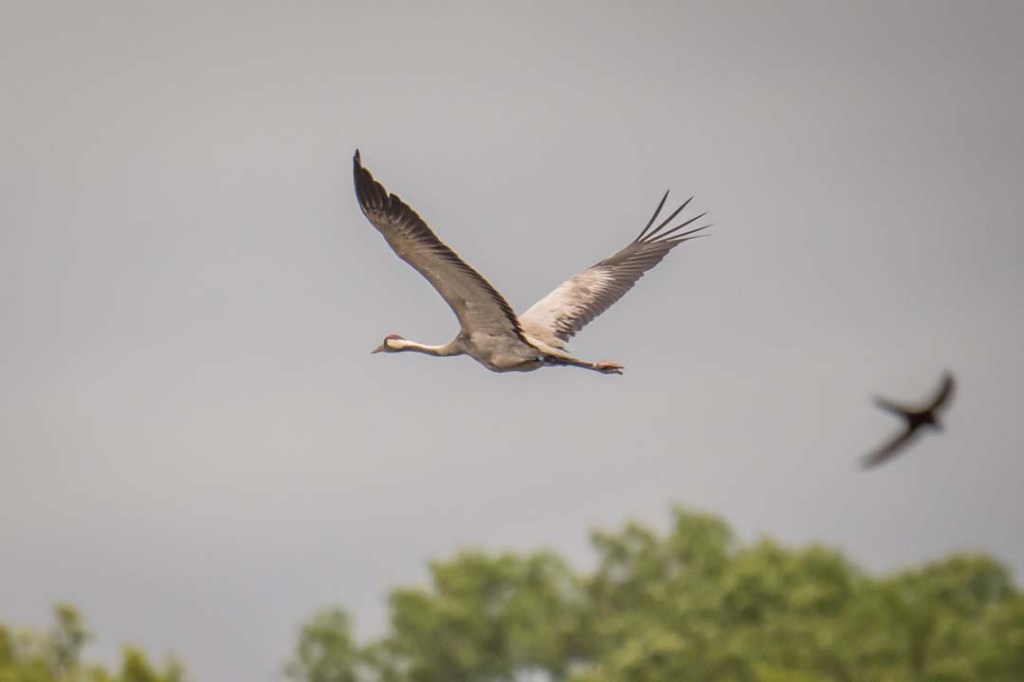
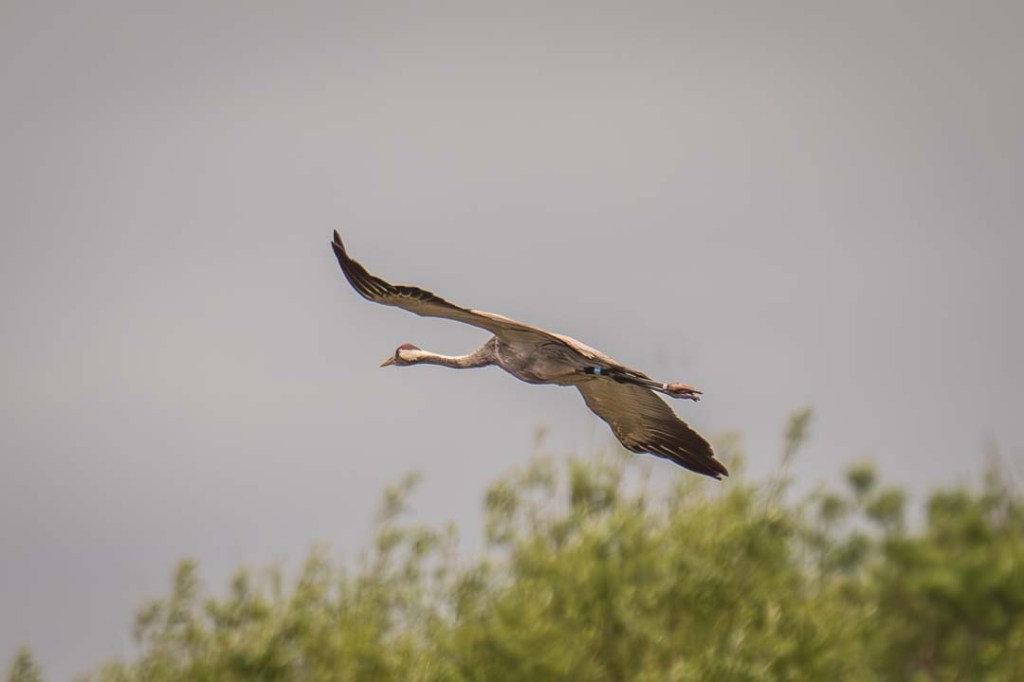
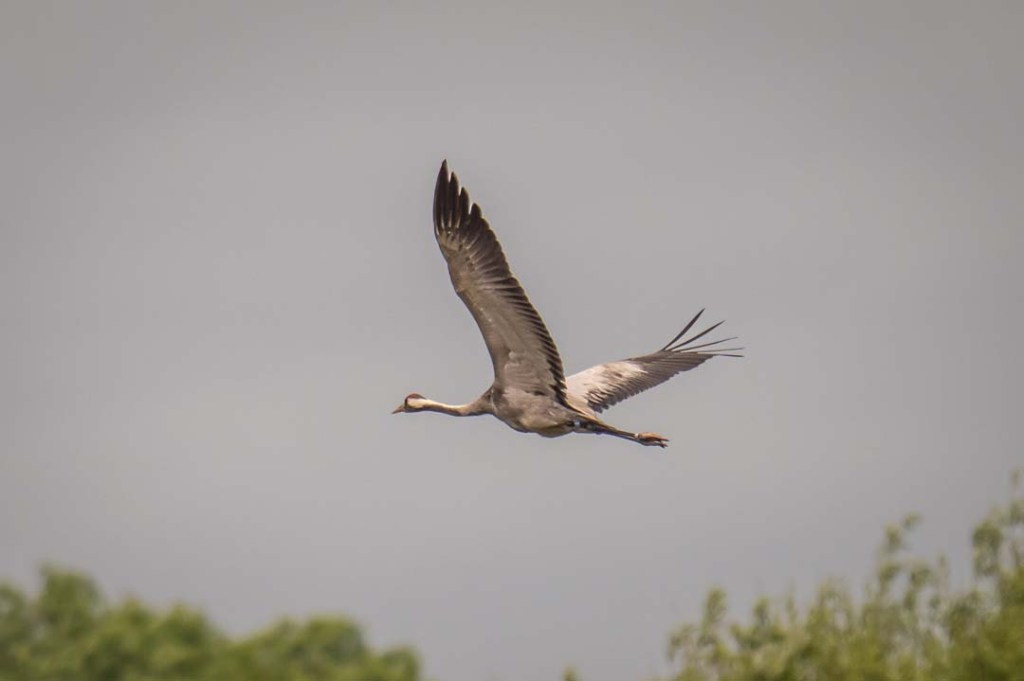
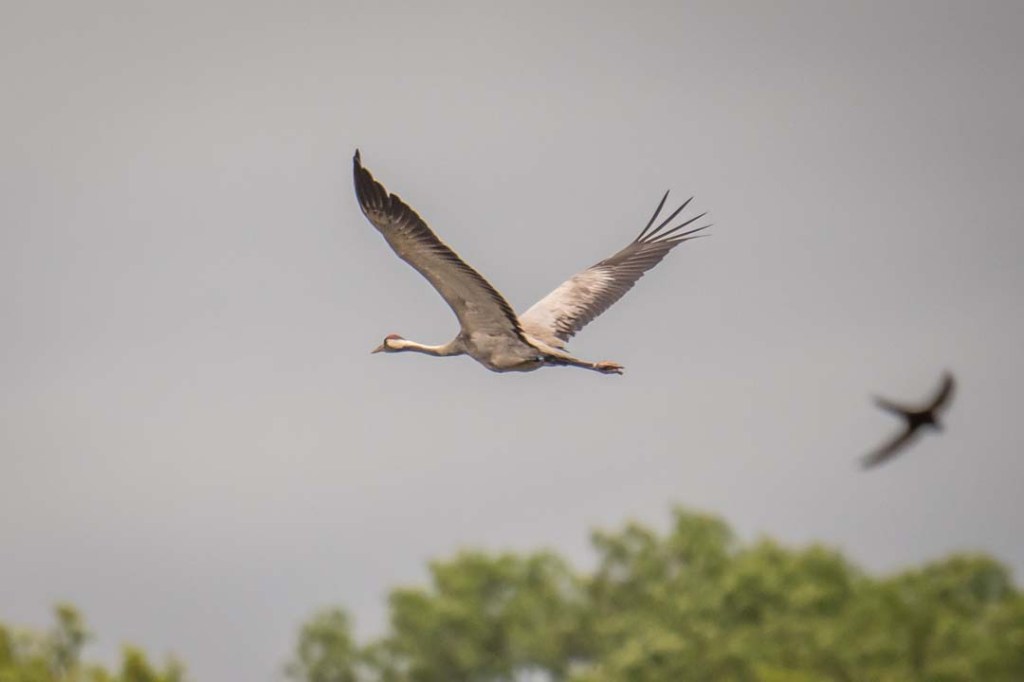
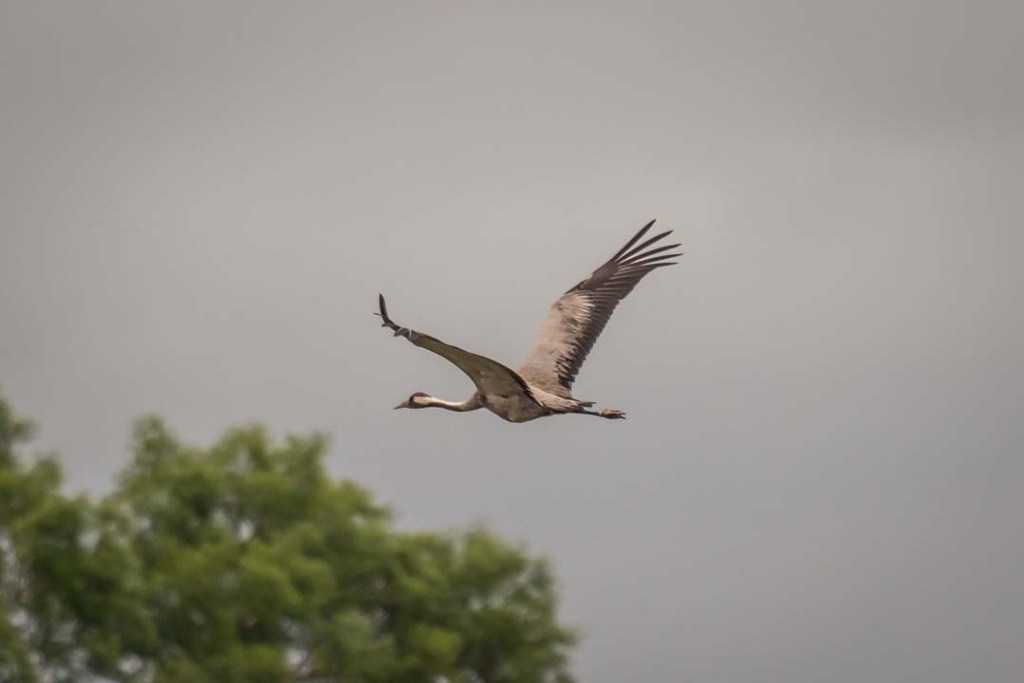
The first reserve we visited was RSPB Greylake, a small reserve to the south of the Avalon Marshes. Here we had good views of common crane, little and great egrets, a few waders including northern pintail, shovelers and teal; and heard lots of Cetti’s warblers.
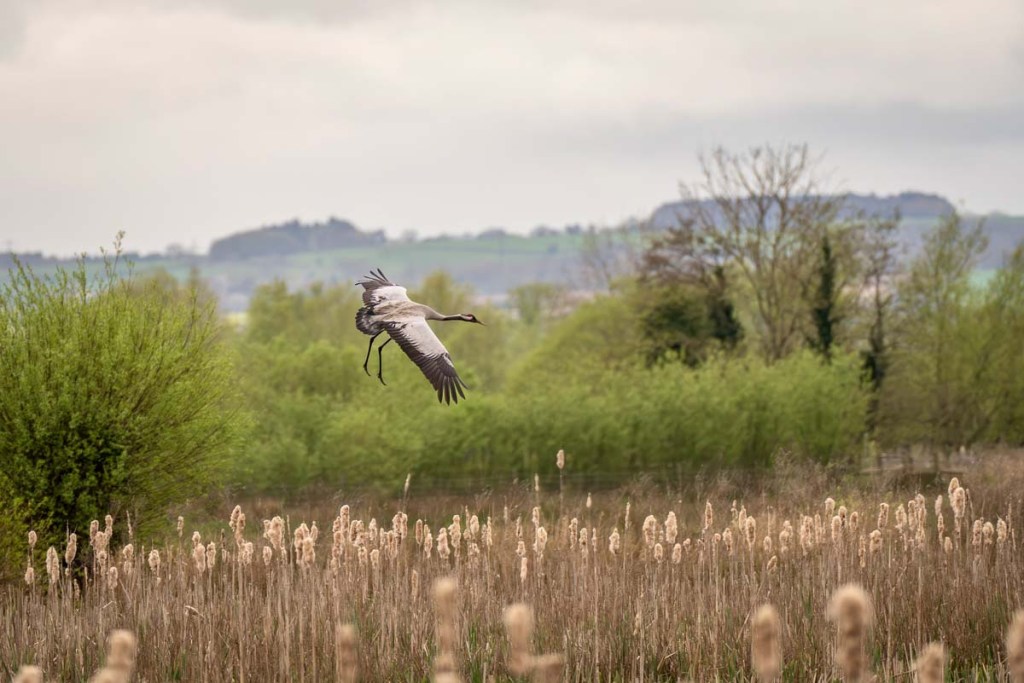
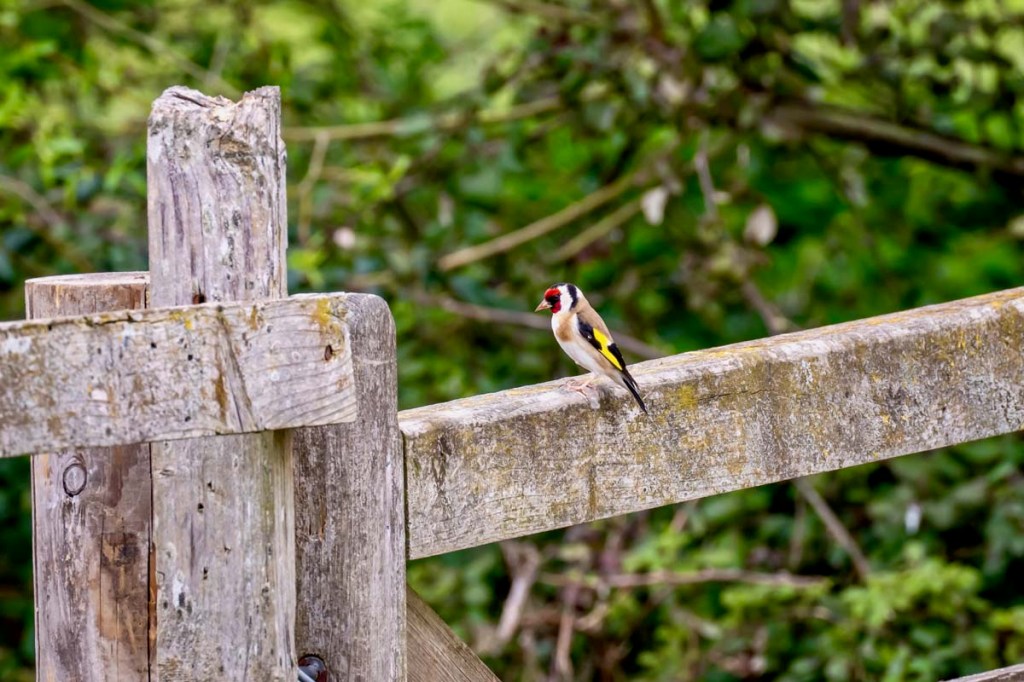
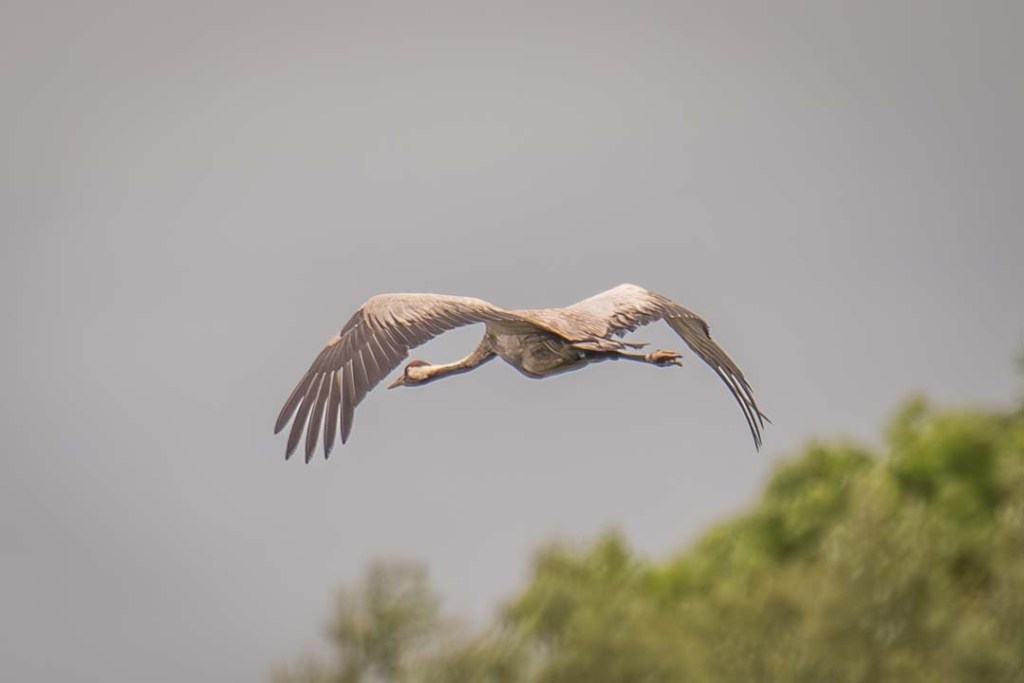
Common crane and a little egretCommon craneCommon crane in flightCommon craneGreat egretCommon craneHome from home – a European goldfinch greeted us on arrival
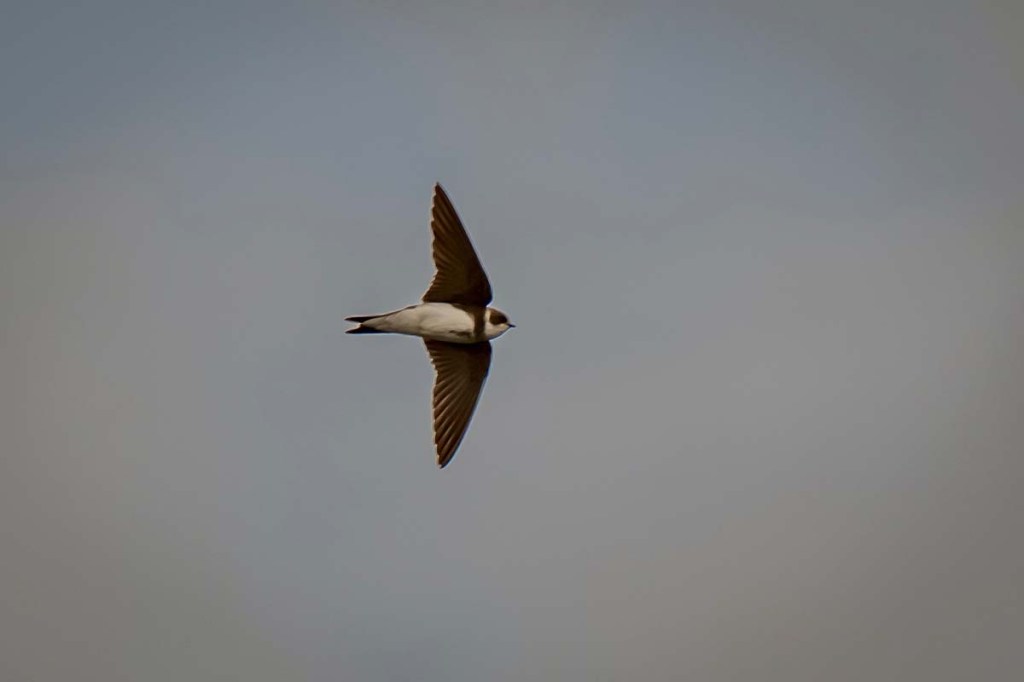
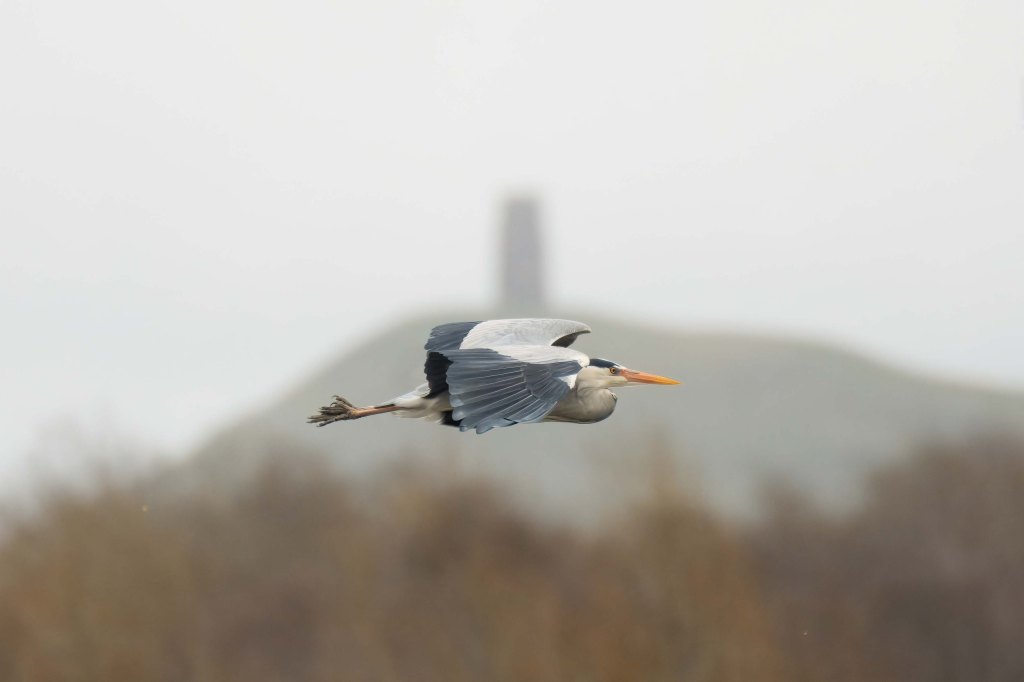
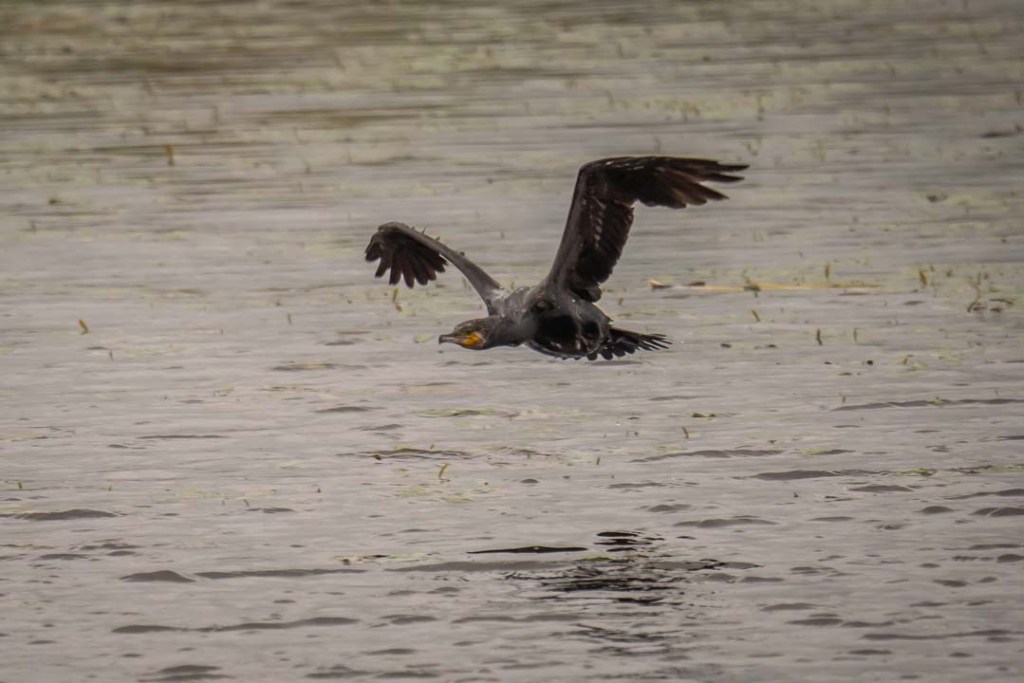
After RSPB Greylake we moved on to RSPB Ham Wall to the north. We restricted ourselves to just one hide here, mainly because it was so cold. However, despite the poor light we did see great crested grebe, tufted ducks, sand martins, grey herons, cormorants and a marsh harrier. Glastonbury Tor is always a nice backdrop from this hide.
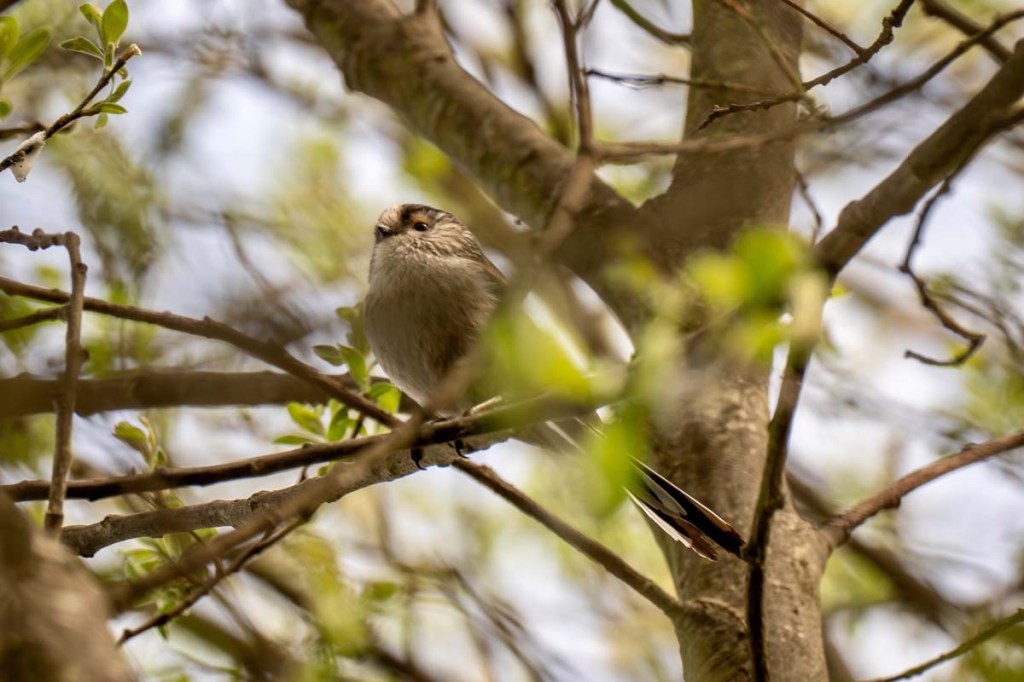
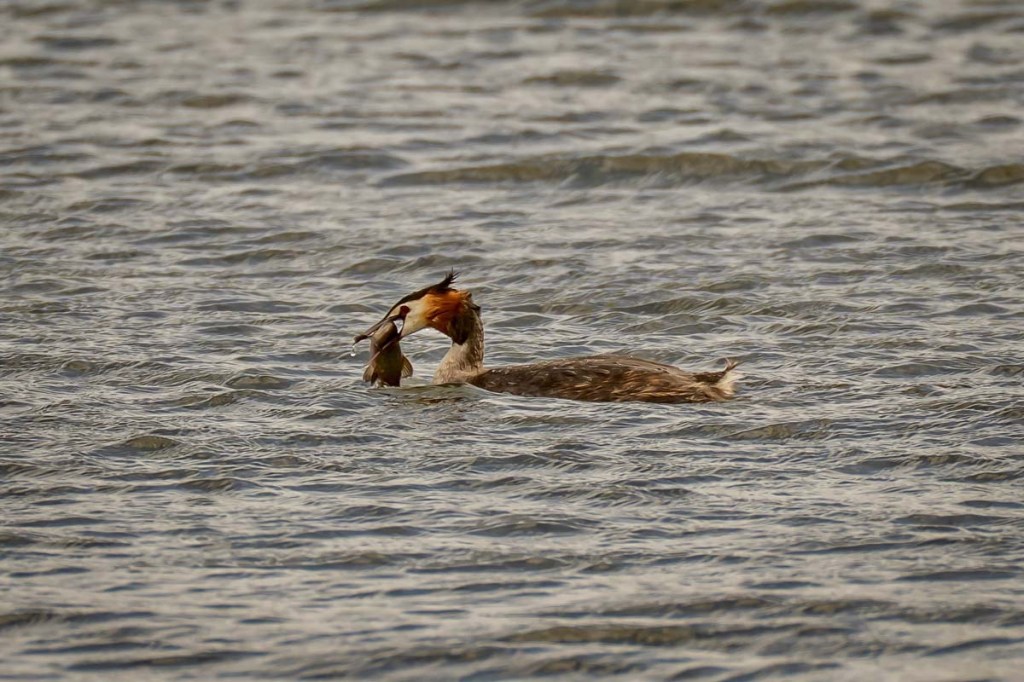
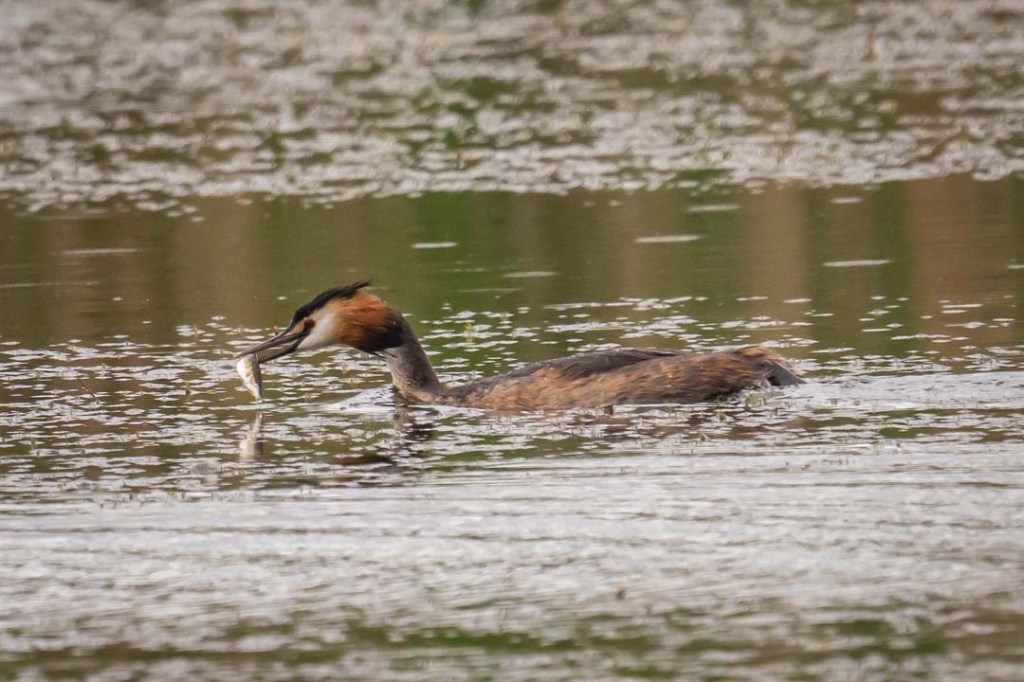
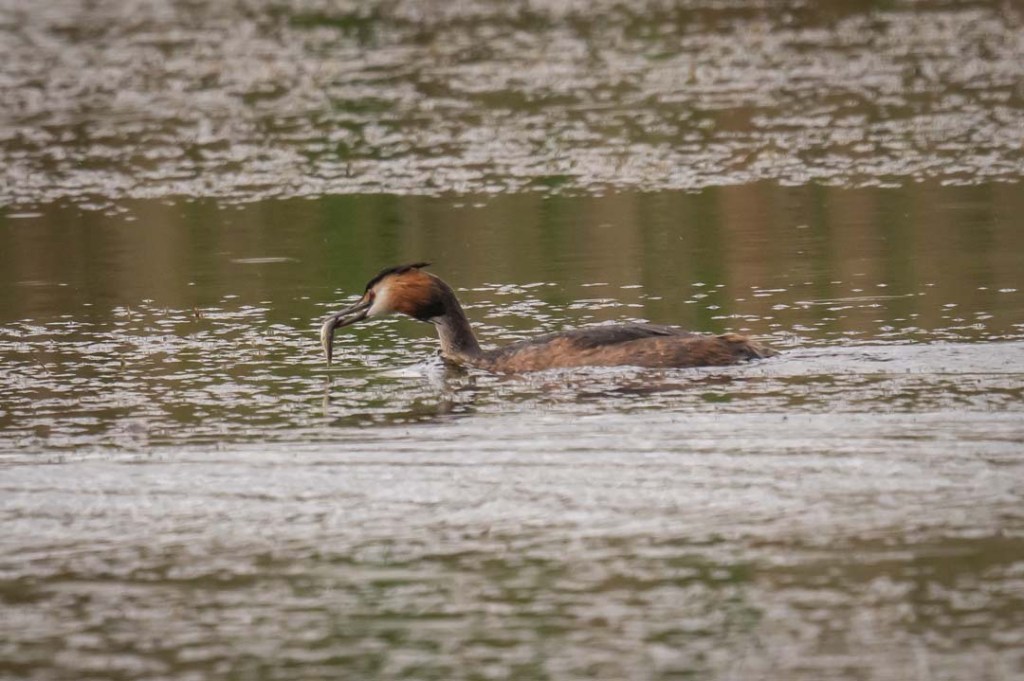
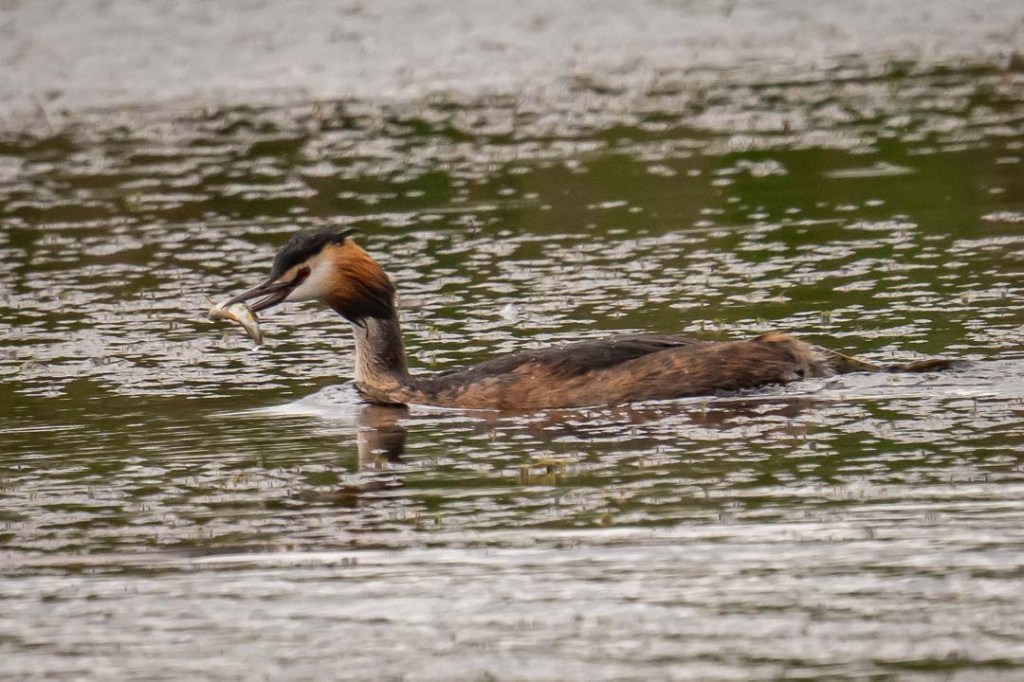
Long-tailed tit on arrival at RSPB Ham WallGreat crested grebe with its supperGreat crested grebeGreat crested grebe shooing off a competitorGreat crested grebe preeningSand MartinGrey heron with Glastonbury Tor in the backgroundGrey heron with dark skyWestern marsh harrierWestern marsh harrierWestern marsh harrierWestern marsh harrier
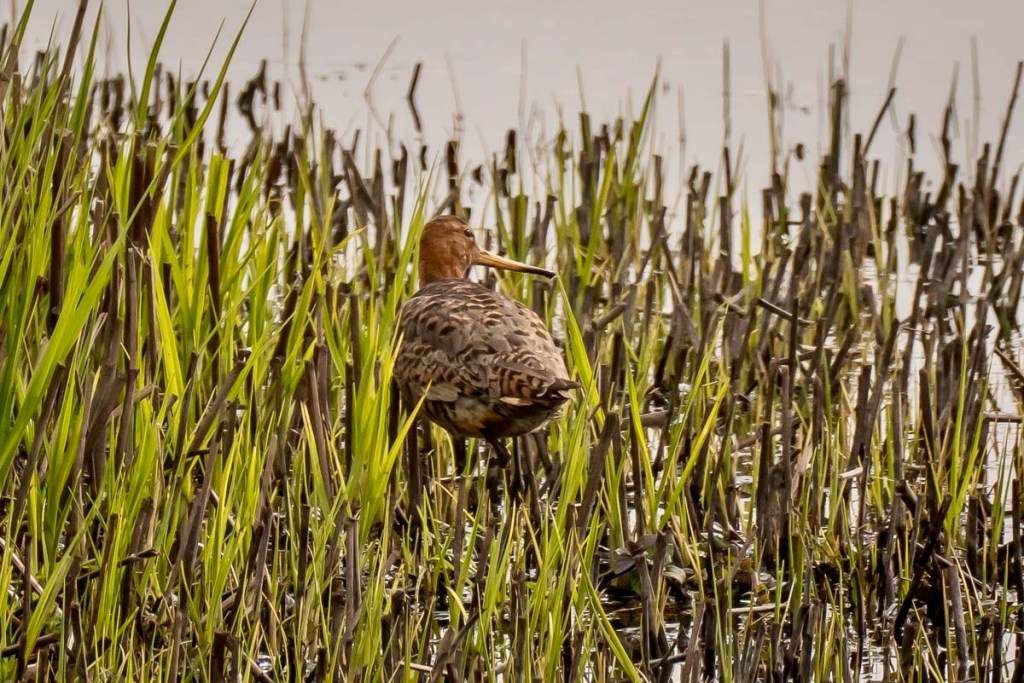
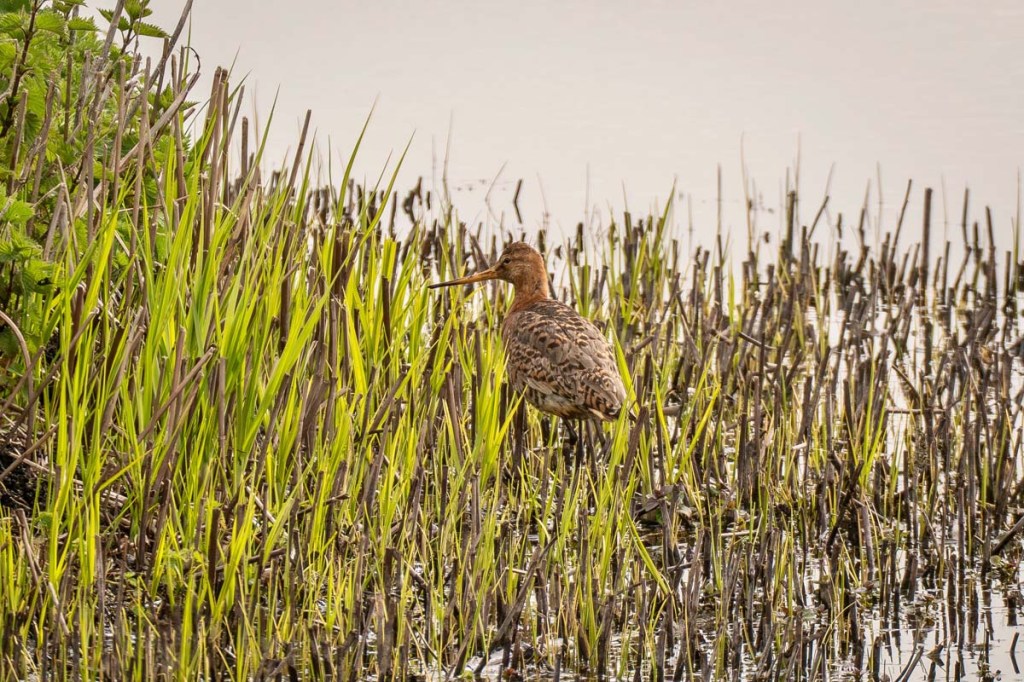
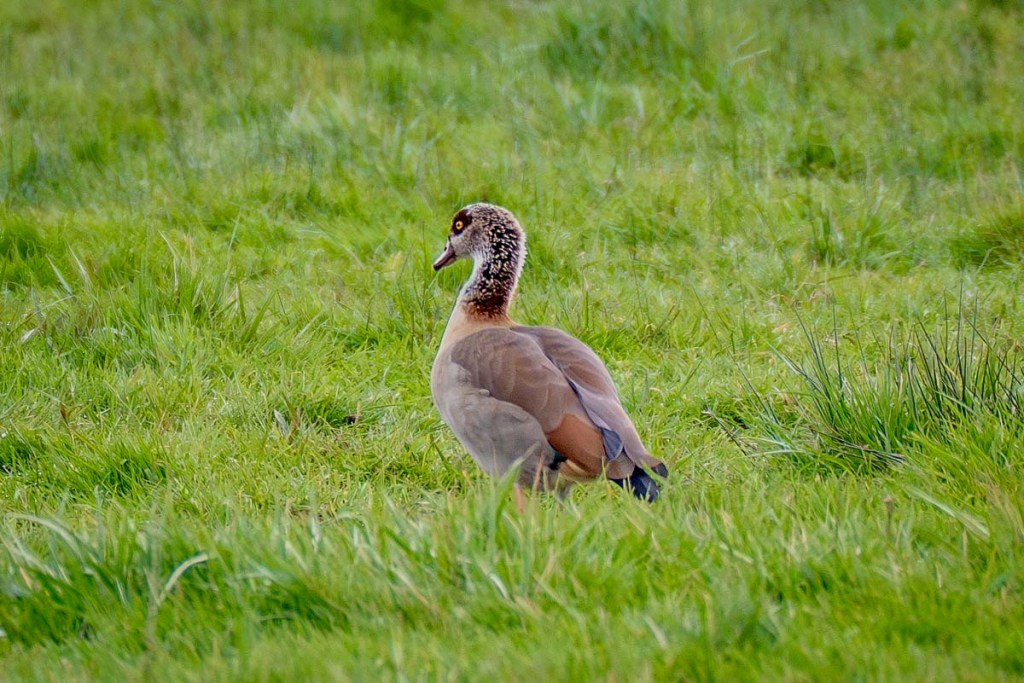
Our second day we only spent a short time birding at Somerset Wildlife Trust’s Catcott Nature Reserve. The best here was a solitary (and very secretive) black-tailed godwit and a pair of Egyptian geese,
On the way home we stopped in Glastonbury for a cream tea (just as good here in Somerset as the Devon and Cornwall ones) and meandered back through the lanes of North Somerset rather than take on the motorway which might have been congested with end of Easter holiday traffic.
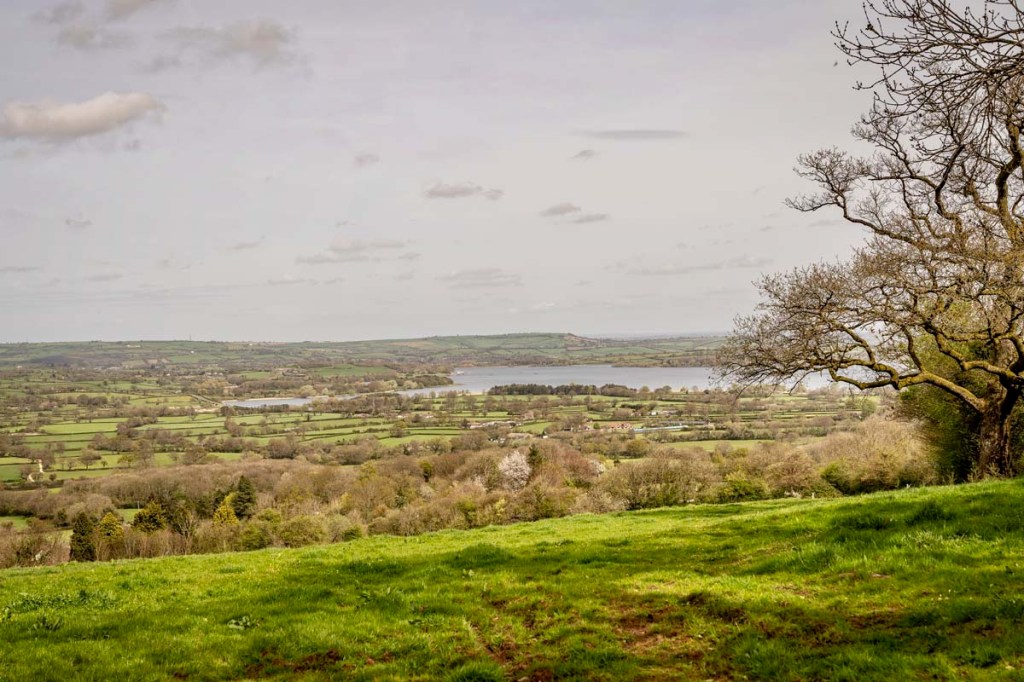
The view of Chew Valley on our way home – we resisted bird watching here despite a brief moment of sunshine.
Another great day at Ham Wall. Plenty of sunshine but a cold wind.
Lots of opportunities for great photos but I failed miserably as I was having camera problems which I haven’t got to the bottom of yet!
Editing has saved the day a little but far too many great opportunities missed.
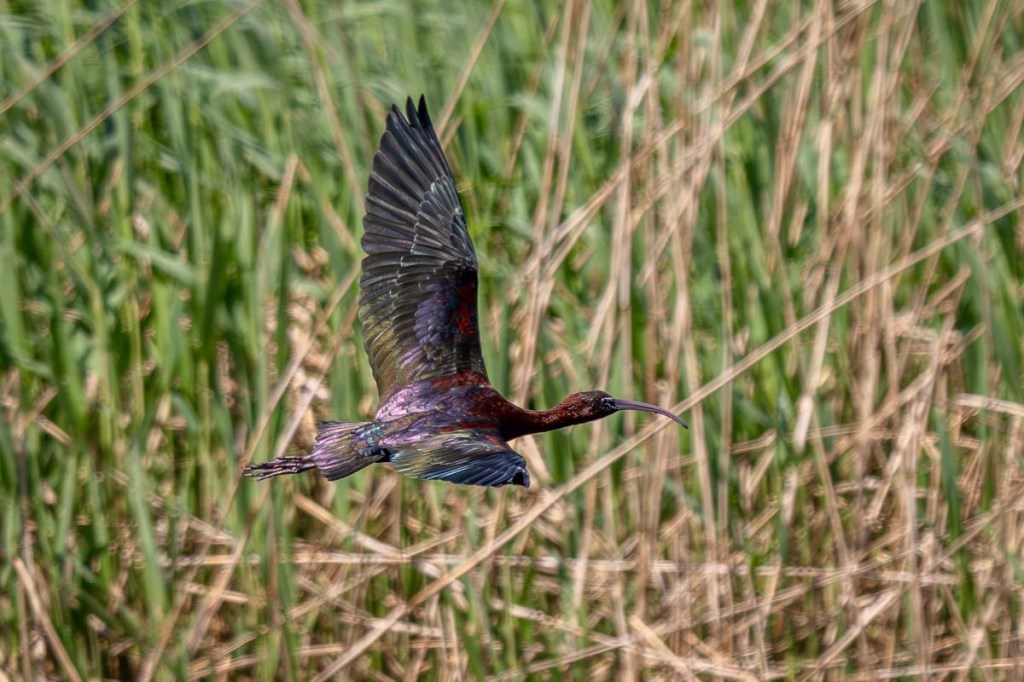
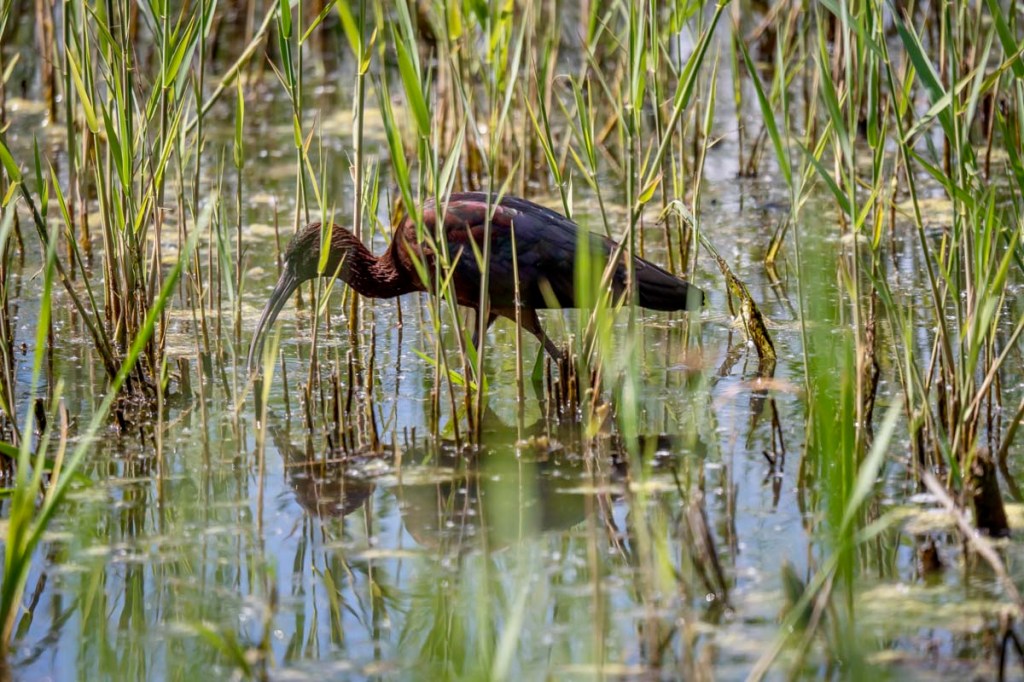
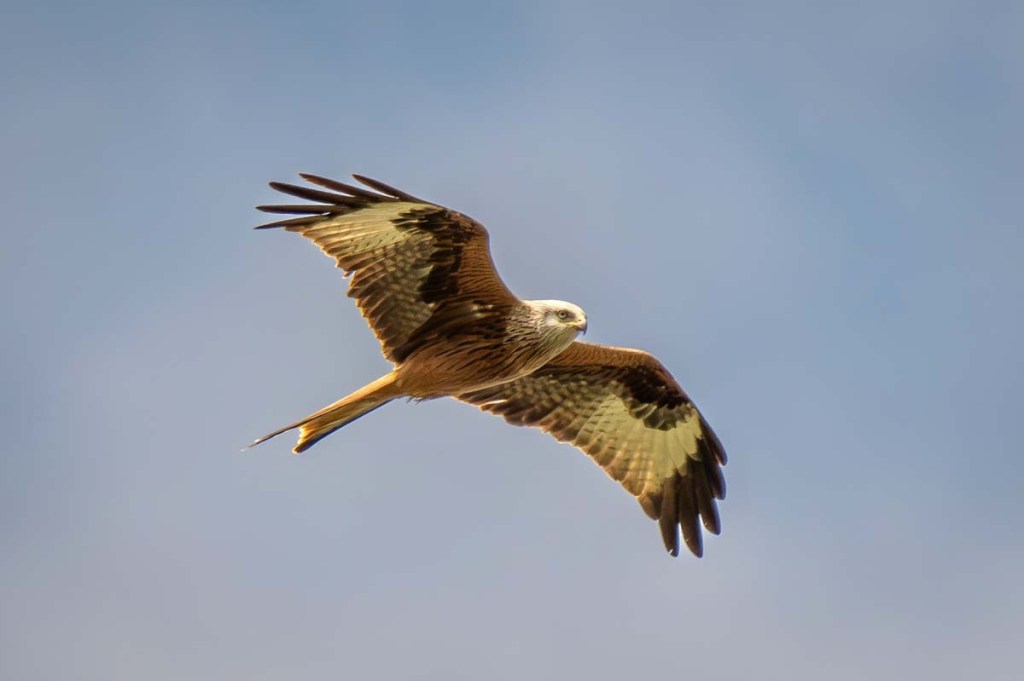
The best of the birds? Glossy ibis, a red kite and a pair of common cranes.
A scare chaserGreat white egretGreat white egretGlossy ibis amongst the reedsGlossy ibis in flightRed kiteRed kiteRed kiteCommon craneReed warblerRed admiralRed admiral
Another trip to Ham Wall on a beautifully sunny and incredibly warm day for late April.
So much wonderful bird song. Clearly the birds were loving it too.
There were lots of people there and so I avoided the hide where the glossy ibis could be seen.
Again there were plenty of views of marsh harriers but a little more distant than last week. I just missed a pair of cranes; by the time I arrived they were hunkered down with their brood.
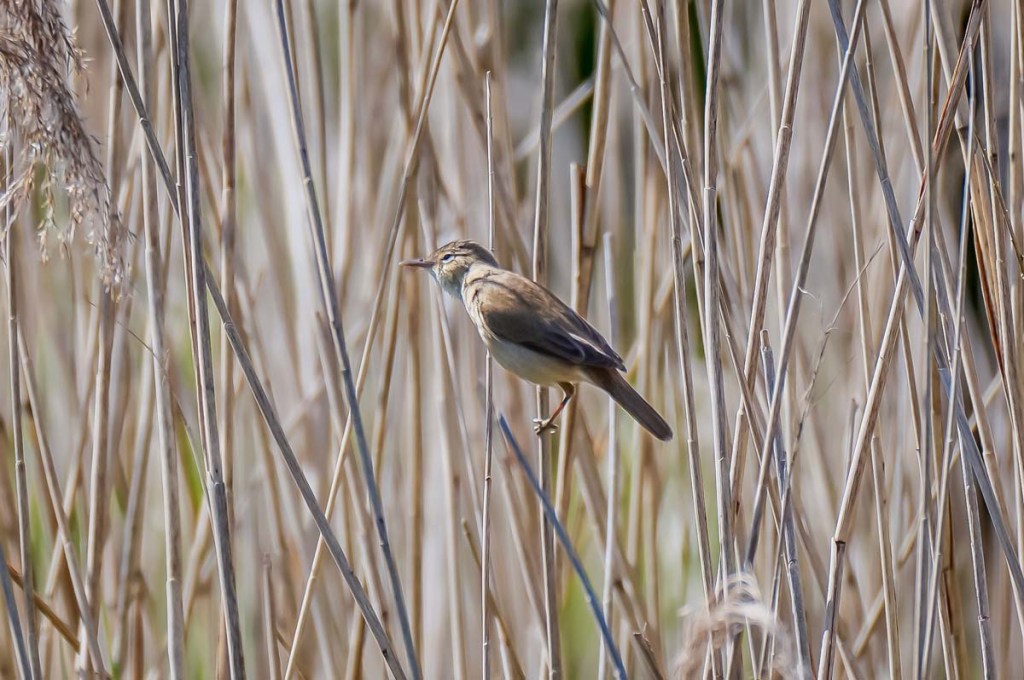
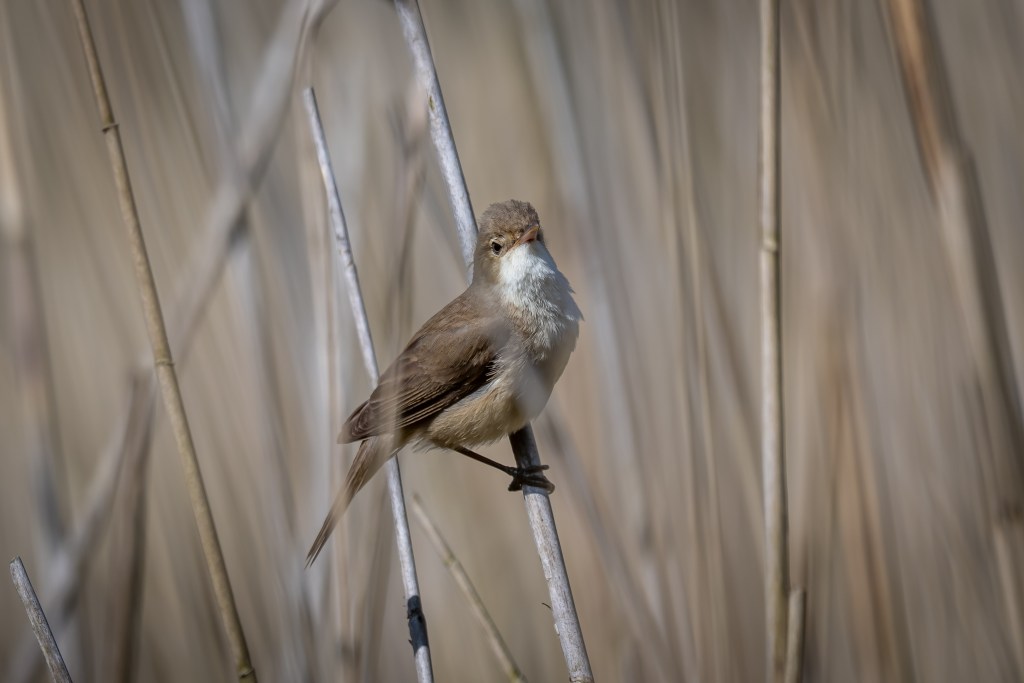
For me the treat was several very melodious reed warblers and so I will give them prominence on my blog.
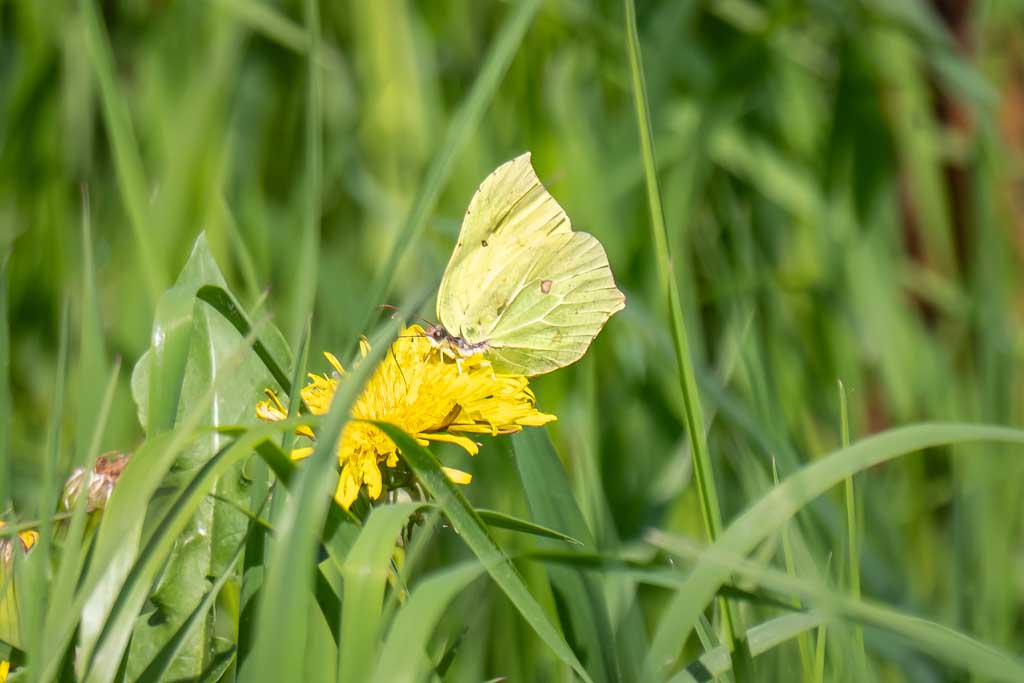
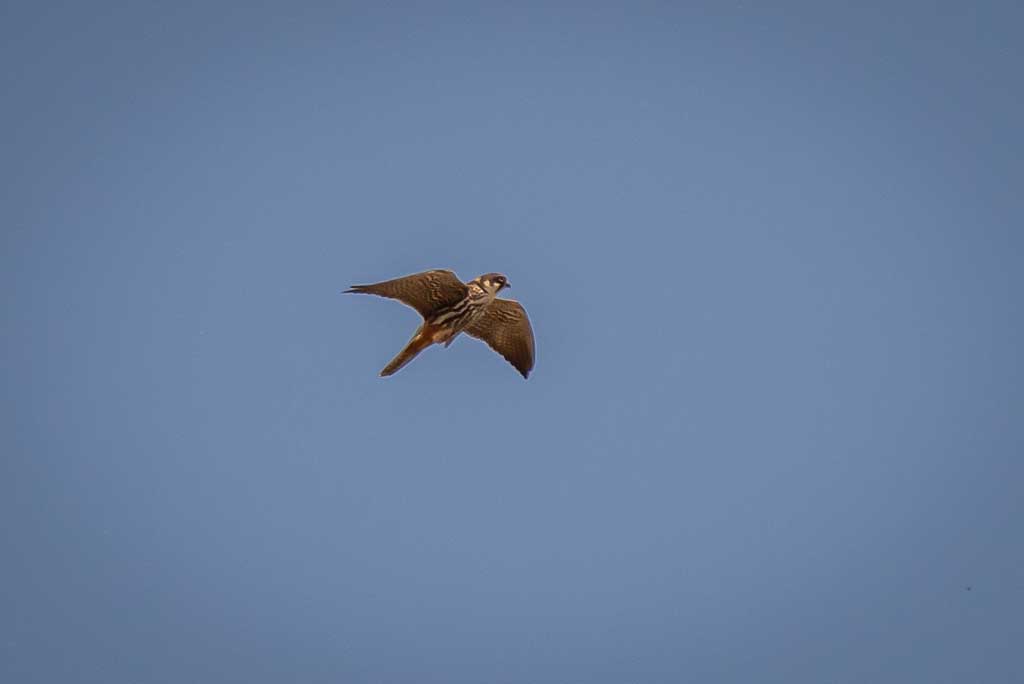
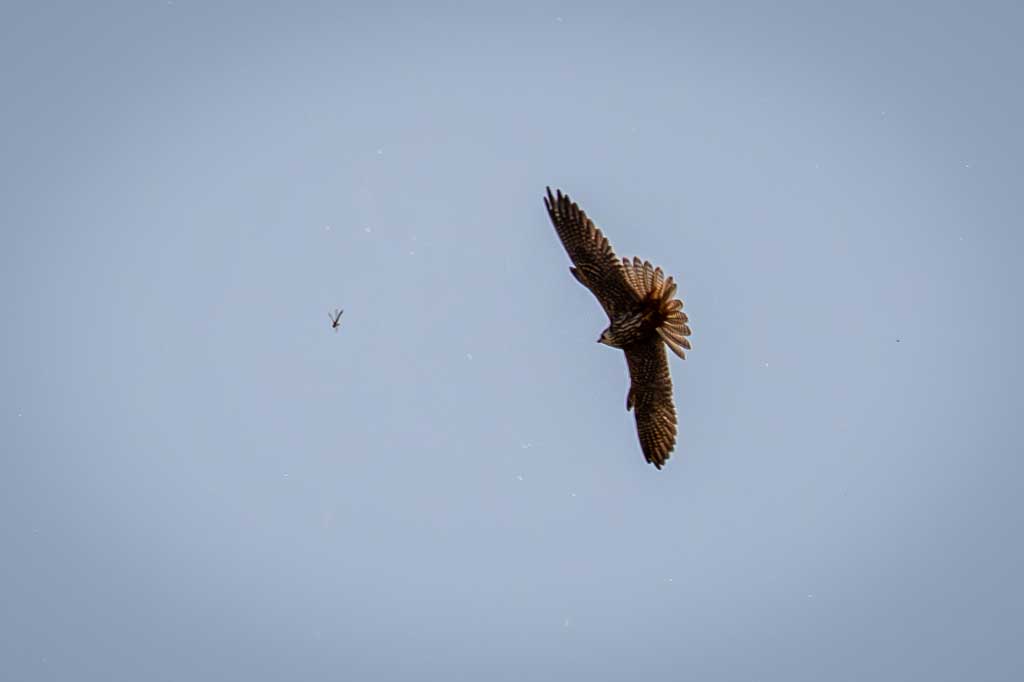
Reed warbler Reed warblerReed warblerReed warblerYellow brimstone butterflyHairy dragonflyGreat crested grebeHobbyHobby about to take a dragonfly
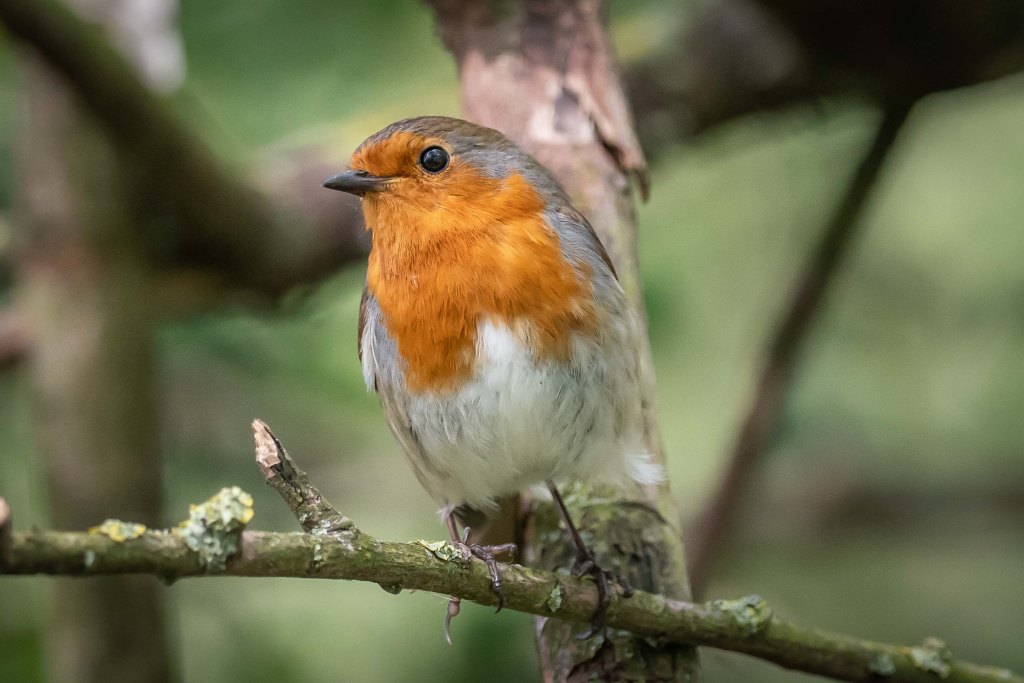
One of the great things about Ham Wall is that, right from the car park, you hear lots of birds at close quarters. The loudest were the blackcaps and the garden warblers but, although I had fleeting views of them, I couldn’t for the life of me get a photograph of therm. I had to settle for robins and dunnocks.
European robinDunnock
It was nice to feel the sun too, although it was tempered by a cool breeze. I was also very heartened to hear my first cuckoo of the spring.
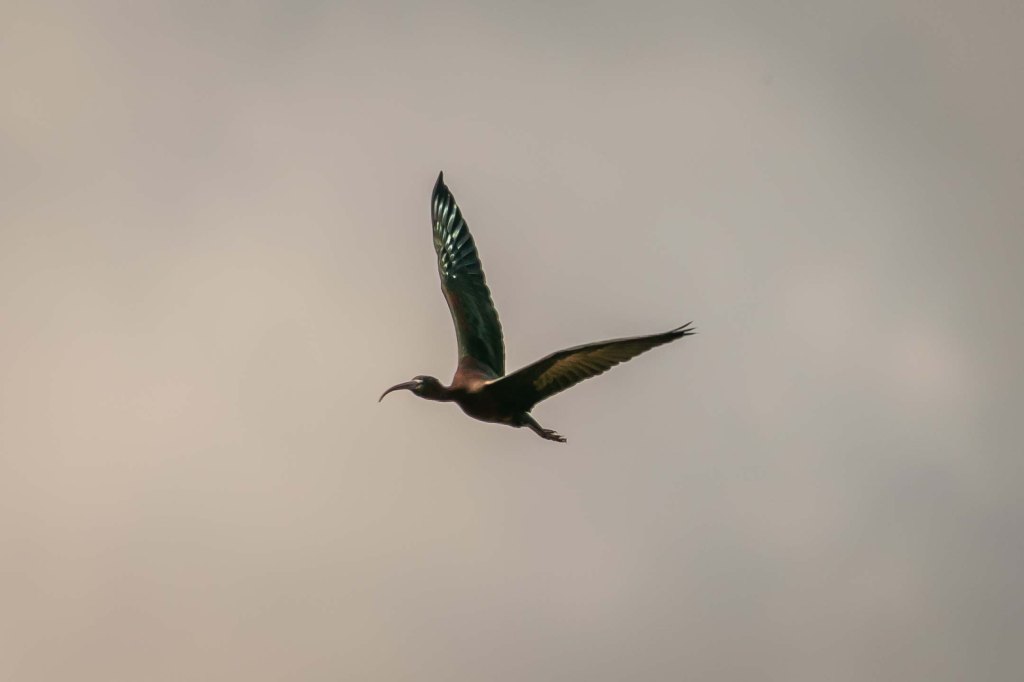
I spent a while trying for photos of a glossy ibis. I thought I had missed it when it flew over me early on but I managed to catch up with it feeding in the reeds close to a hide.
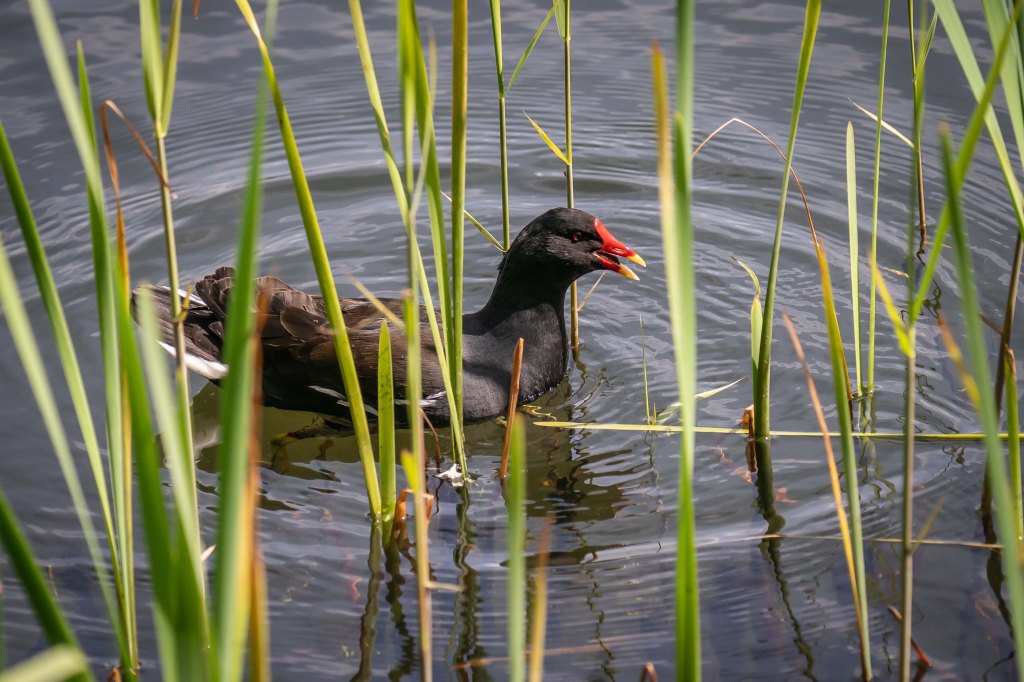
Glossy ibisThe iridescent feathers of the glossy ibis were very attractive in the sunOccasionally the glossy ibis ventured out from the reedsGreat white egret, which not very long ago would have been as rare as the glossy ibis in this areaGreat crested grebe looking quite gloriousGreat crested grebeMoorhenGrey heron on the nest with its young
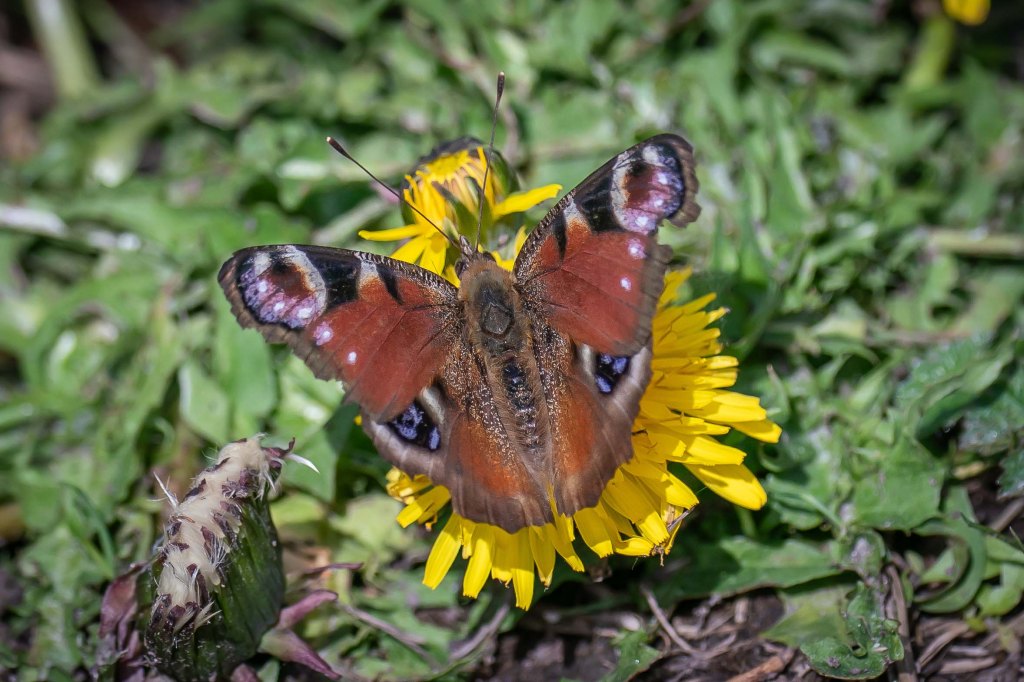
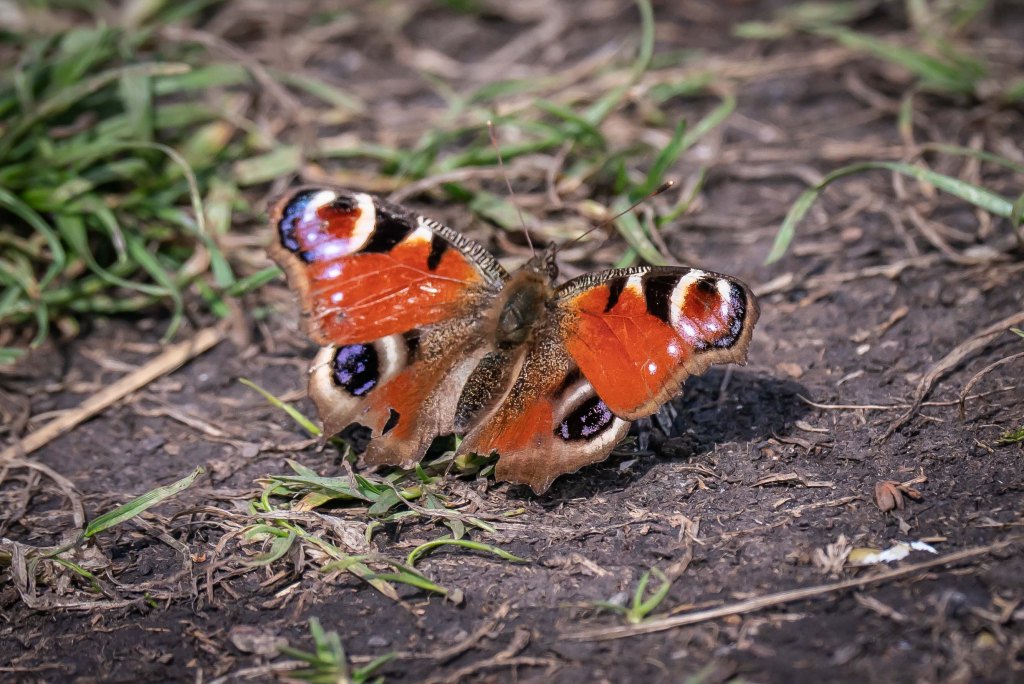
The sun also brought out the butterflies. I saw a few distant orange tipped butterflies and some peacocks at closer range.
Peacock butterflyPeacock butterfly
The very best thing about Ham Wall at this time of the year is the booming of bitterns which you hear all around. Unfortunately, I didn’t manage to see one. They are very secretive birds but it is amazing how many times I have managed to see them here.
However, I was compensated, at the Avalon Hide, by close up views of marsh harriers.
It was very wet on the Avalon Marshes today and there was a fresh wind but, thankfully, the light was very good. I couldn’t face getting muddy so I hunkered down in the hide at Catcott Lows and enjoyed seeing a variety of birds at quite close quarters.
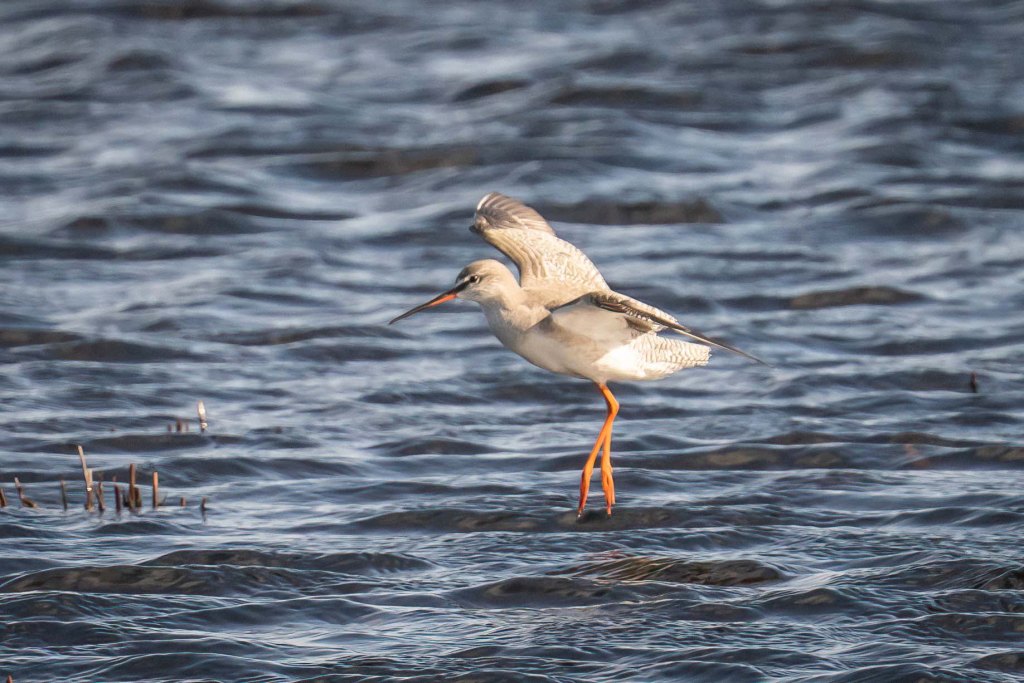
The rarest bird was a spotted redshank and it was a toss up between lapwings, wigeon and shovelers for the most prolific numbers.
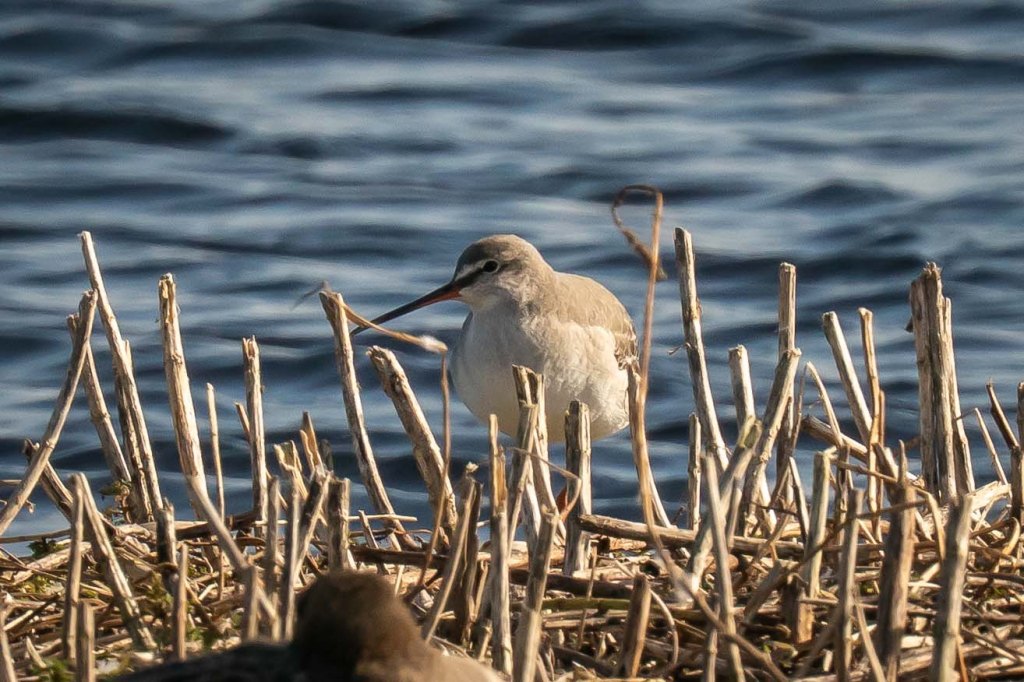
The spotted redshank was difficult to see at first… and then it took to the air… and was almost showing off
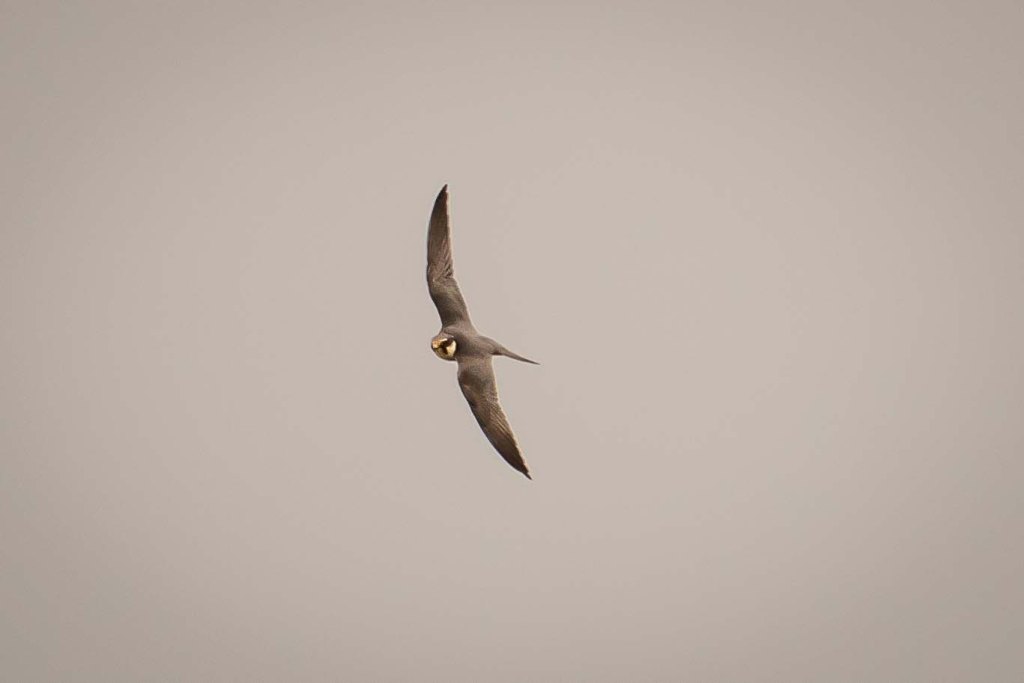
There were distant marsh harriers, a red kite and a peregrine which caused constant consternation and allowed me lots of opportunities to take photos of birds in flight.
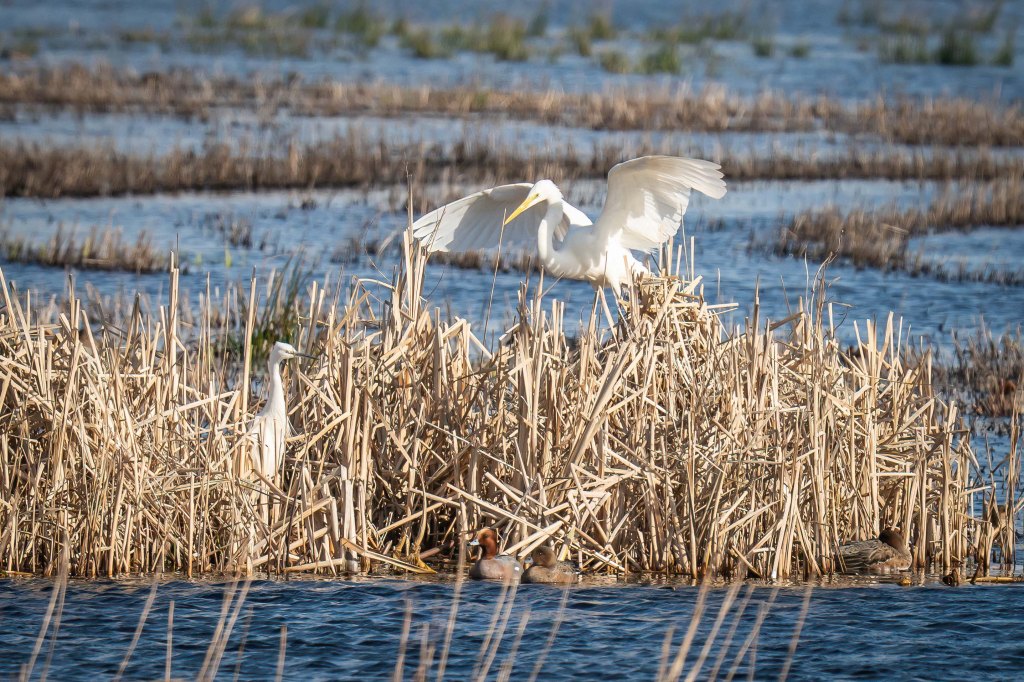
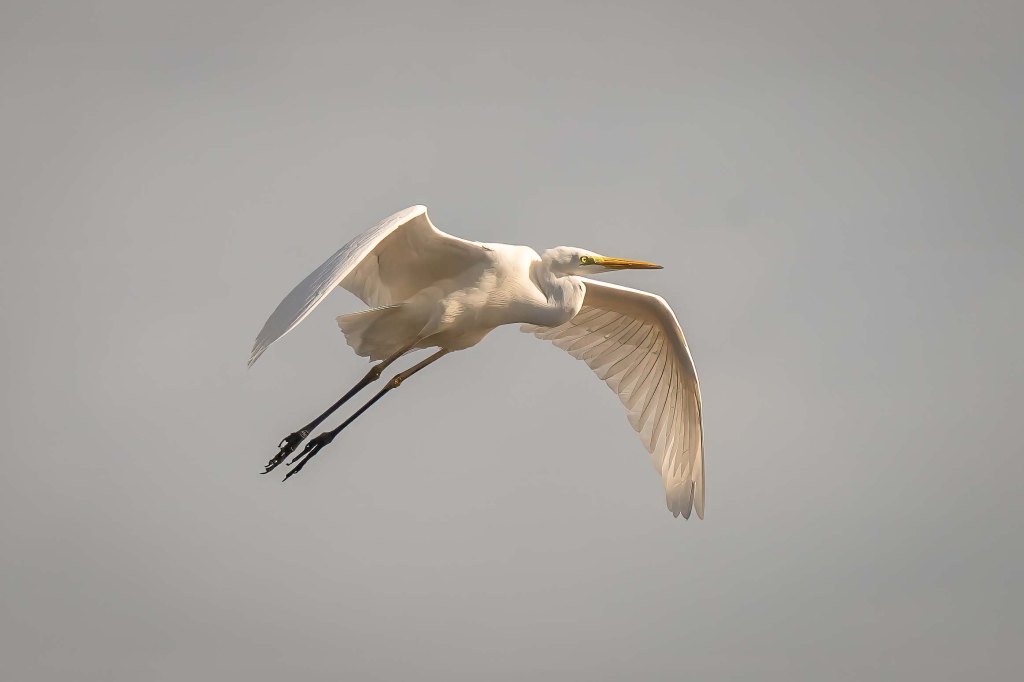
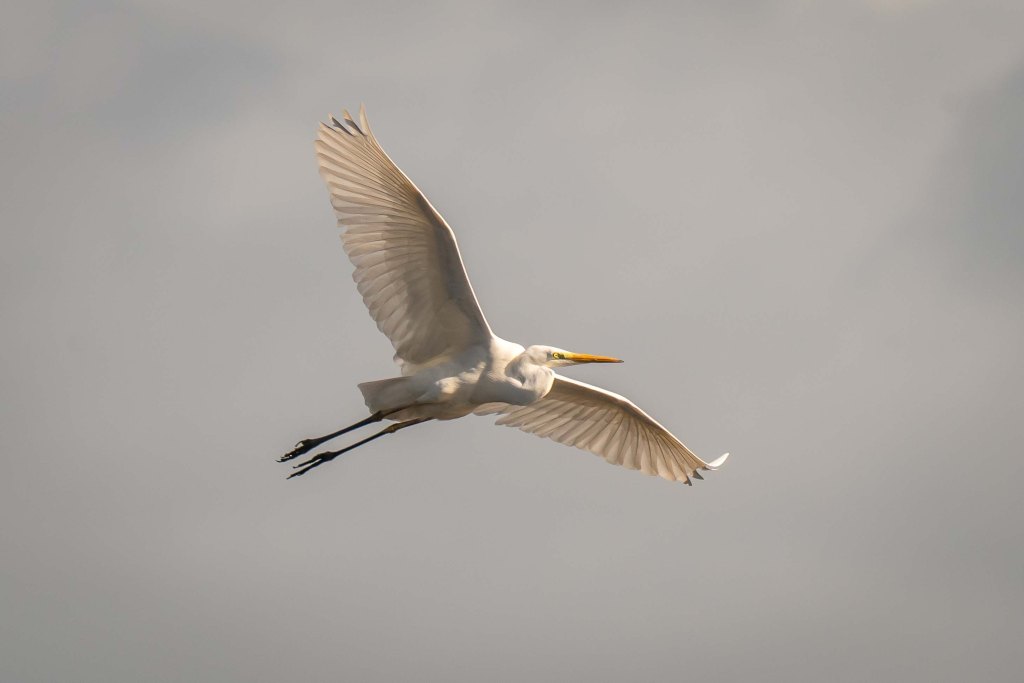
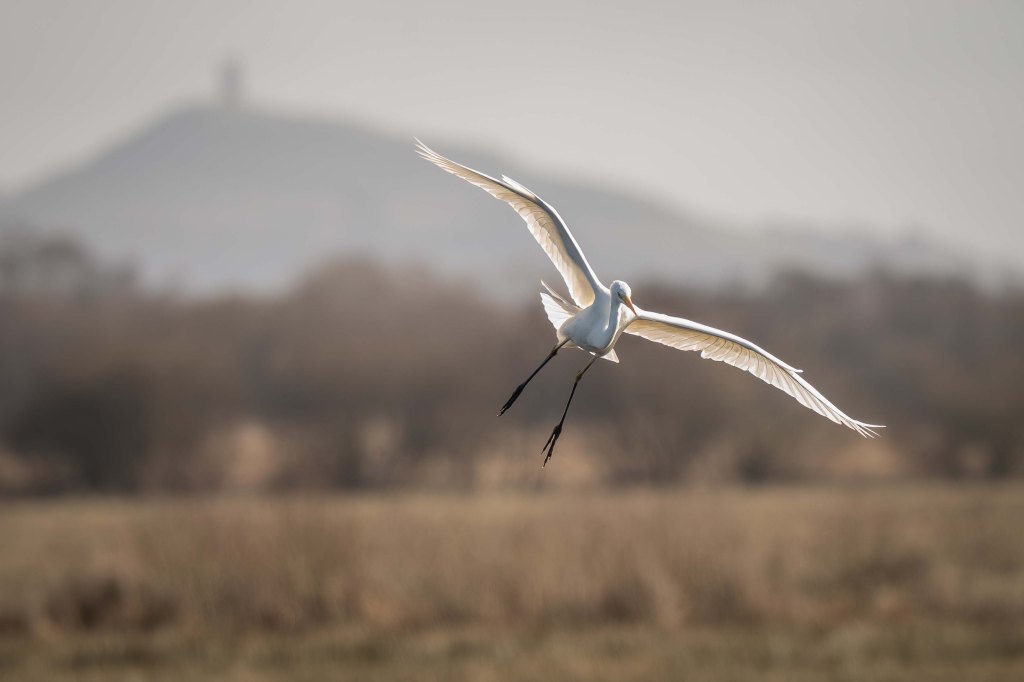
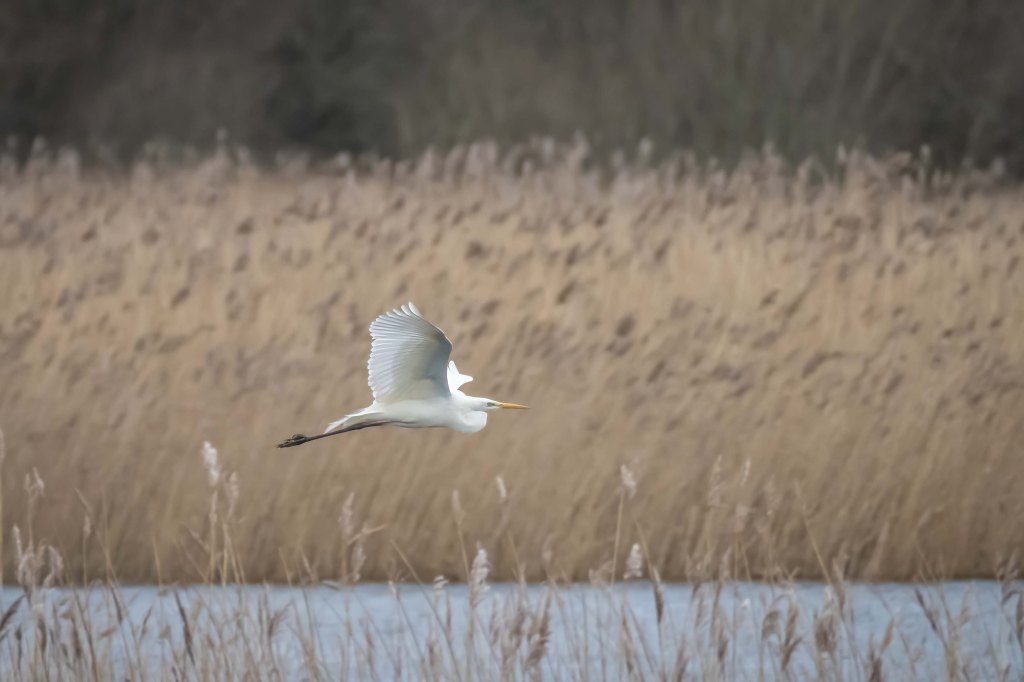
My favourites, however, were the great white egrets which are quite common here.
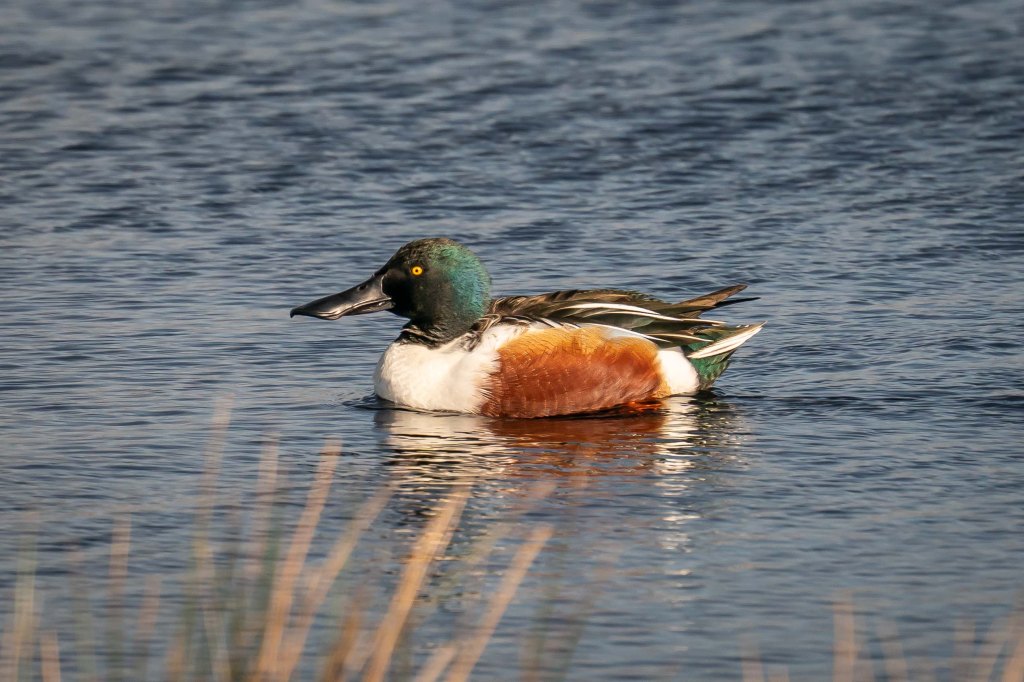
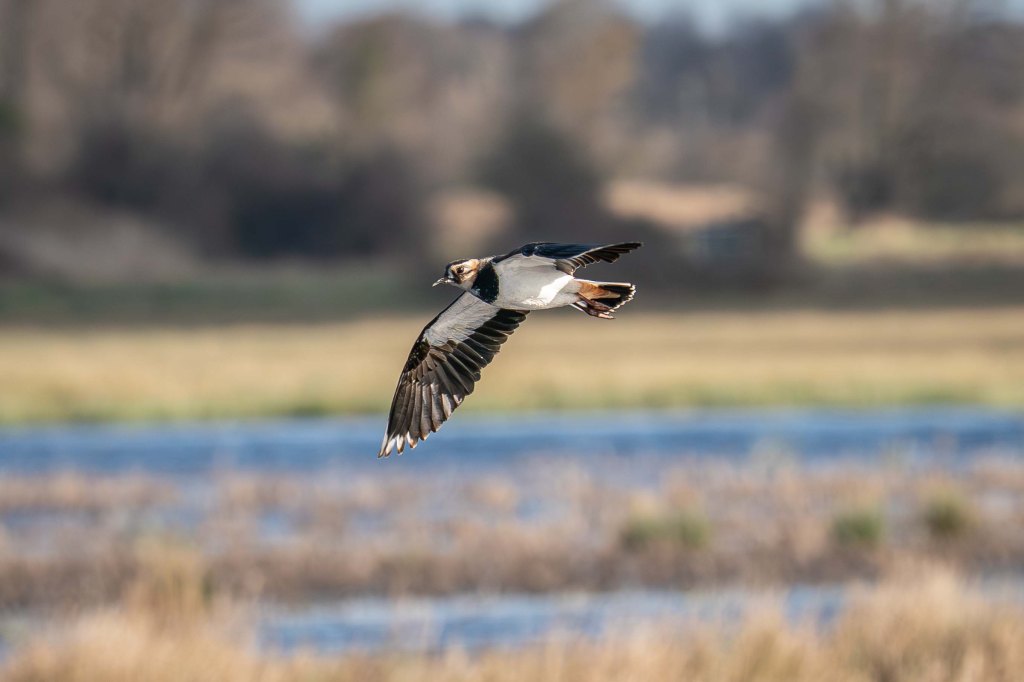
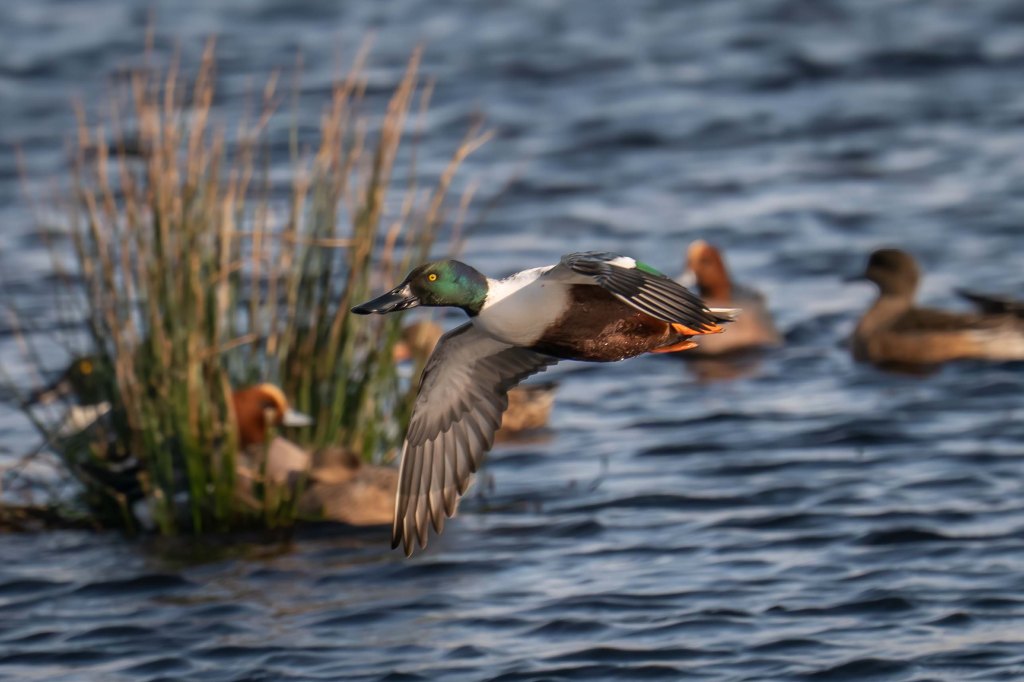
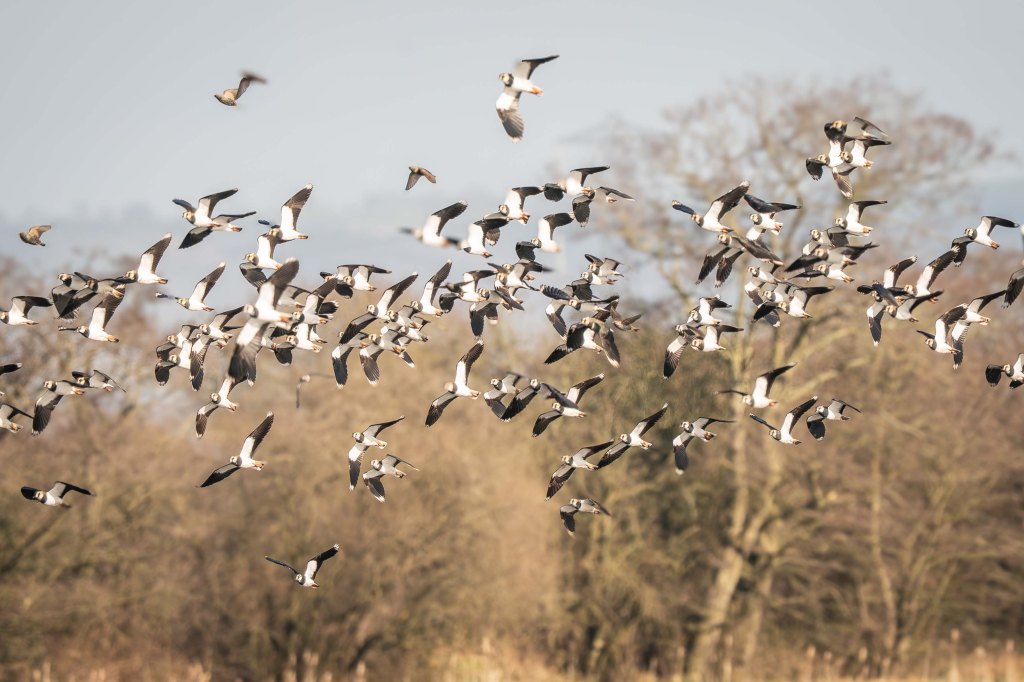
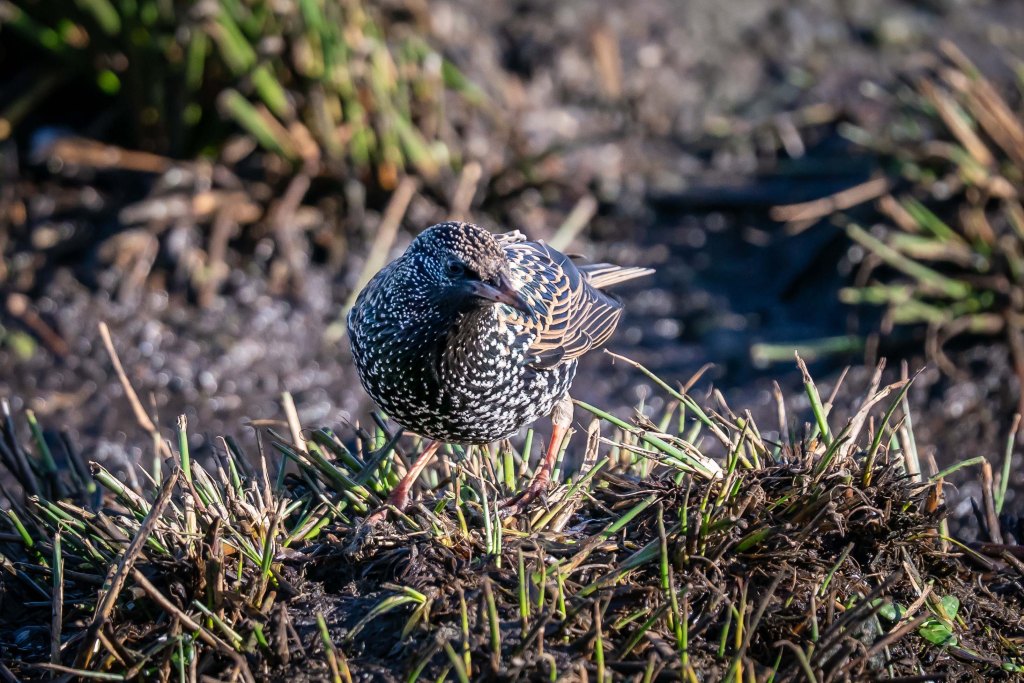
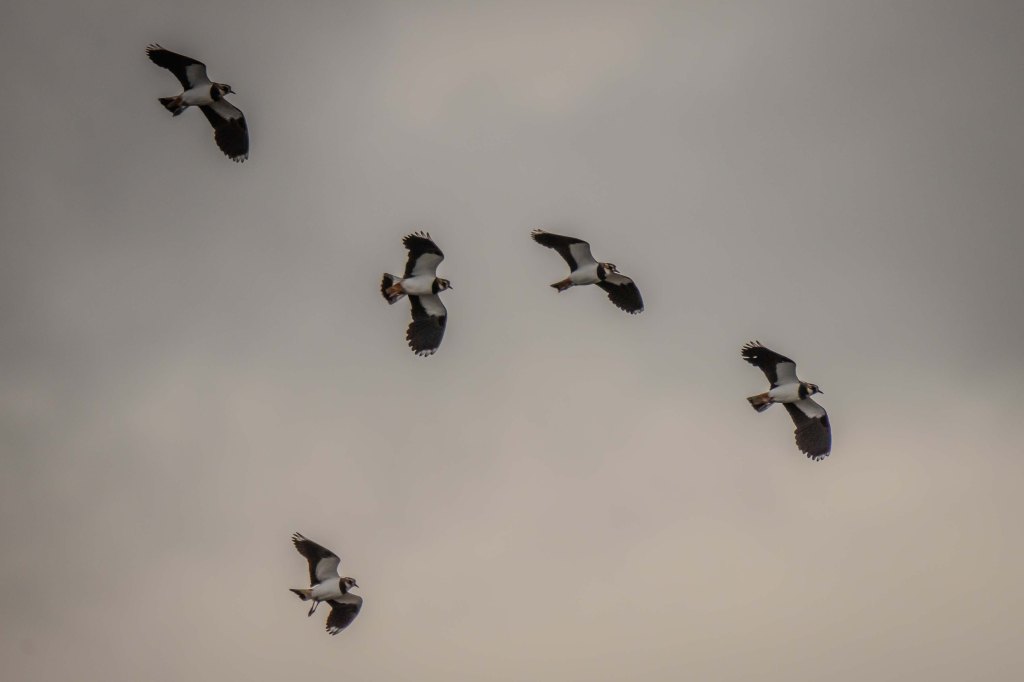
Great white egretGreat white egret photo bombing a little egretNorthern shovelerWigeon having a snoozeWigeonLapwing up closeLapwing in flightWigeon taking to the wingNorthern shoveler in flightThe peregrine was responsible for all of thisGreat white egretGreat white egretGreat white egretNot very often you see a single starling in these parts. I did see huge flocks of them as I drove here.Just had to get a silhouette of Glastonbury Tor in somewhere
I won’t bore you with the other 900 photos I took during the day!
There were very few people out and about today and I didn’t stay long as, having caught everything there was to catch in January, I was “taking it steady”.
I didn’t even bother going out again after lunch as it was raining and I had had a very pleasant lunch break in the company of a couple I had met in Cyprus at Christmas and who live in Brentwood in Essex (on the other side of the country) and who just happened to be in the Avalon Marshes Centre at the same time as me. “Small world”, as they say.
Just a few photos to show I did have a camera with me.
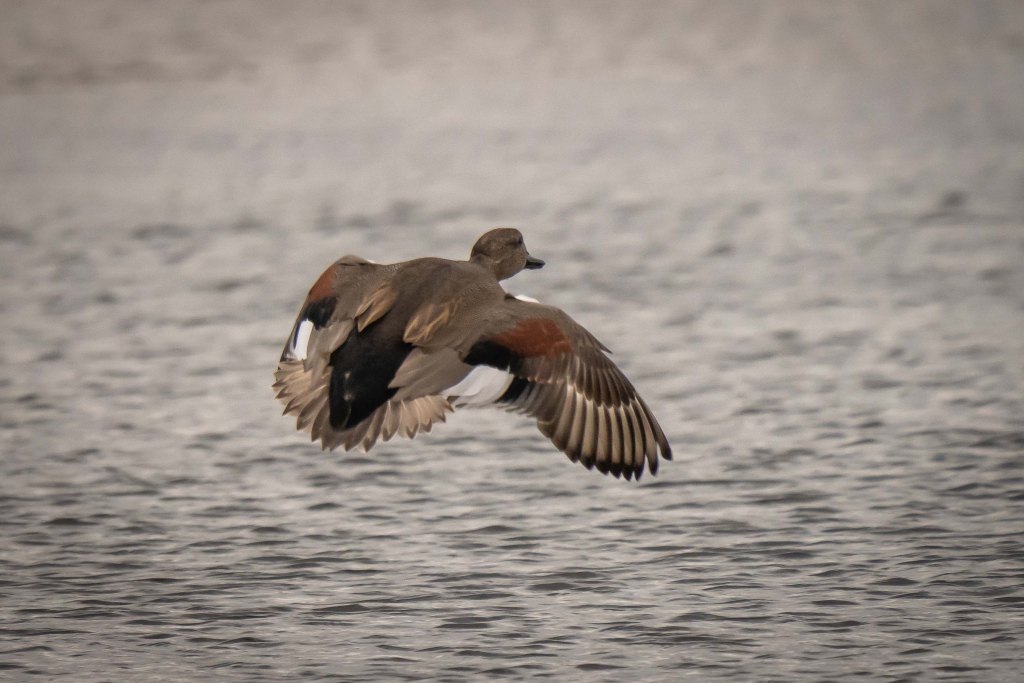
Great white egret at RSPB Ham WallIt was pretty blowy out there but this grey heron coped quite wellKeen to meet up with its mate (hopefully)Great crested grebe… trying to attract a mate?Or simply trying to score more points in the diving contestGadwall in flight. I’m sure the sky was never that blue – I must have over-edited itNorthern shovelersGrey heron with Glastonbury Tor in the backgroundWell, I can see a common snipeDunnockA cheerful robinA field full of cattle egret (and a few little egrets) on the way home… and they seemed to be heading home too.
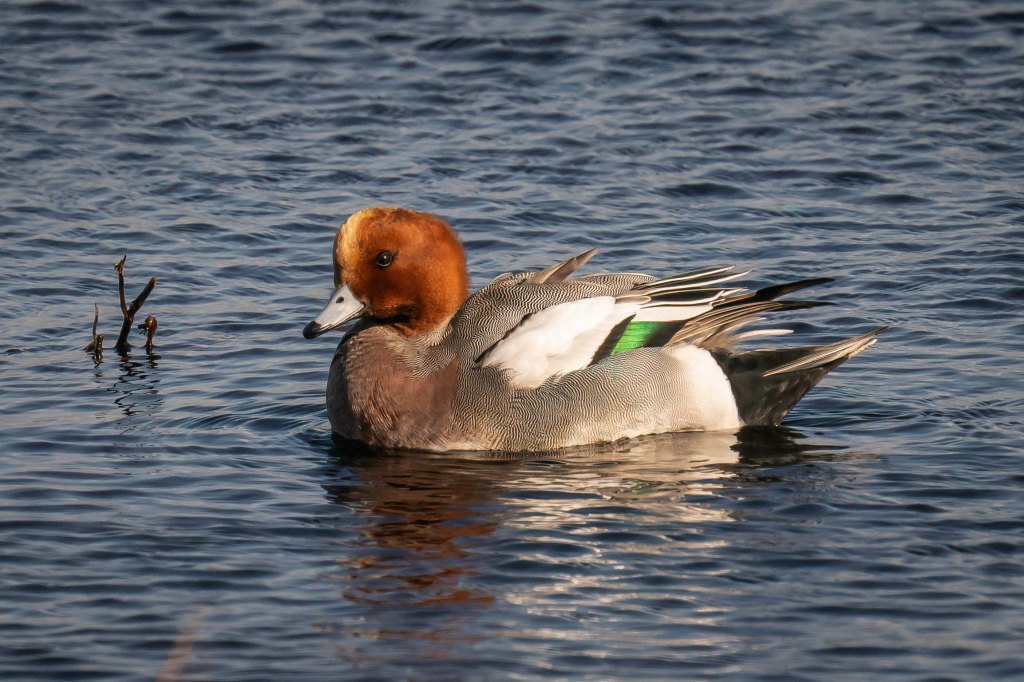
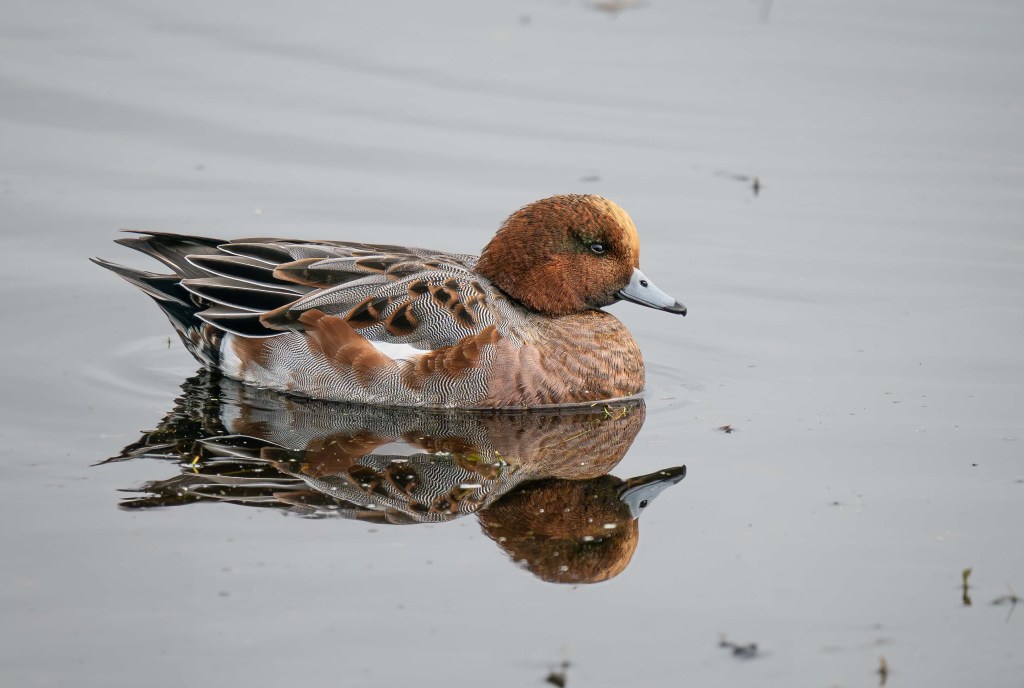
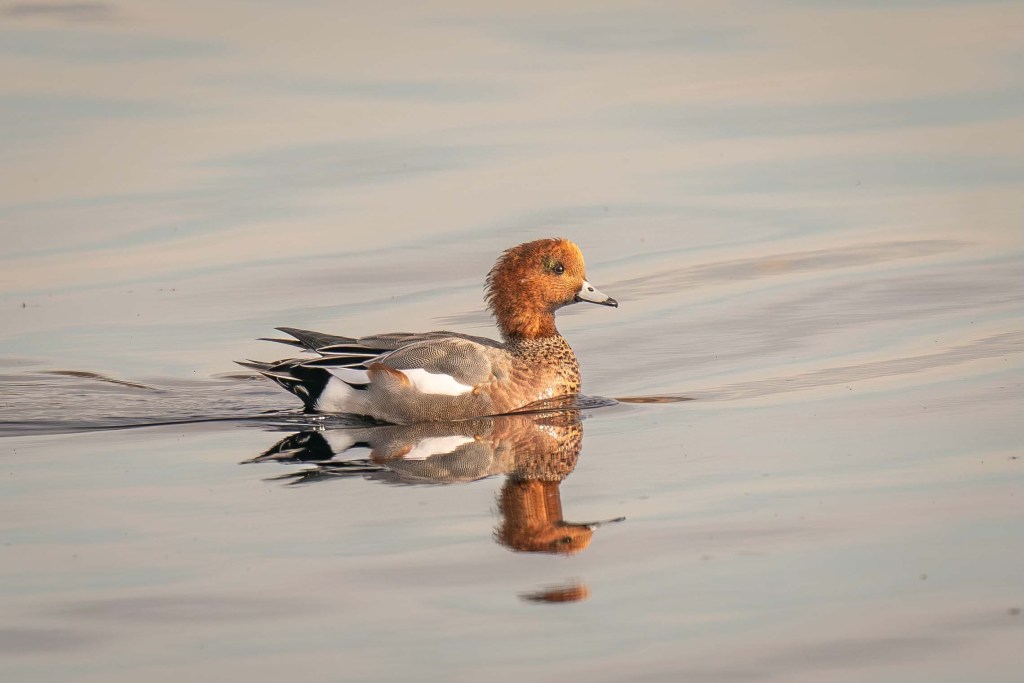
In autumn, Britain & Ireland receive vast numbers of wigeon from the breeding grounds located further north and this wintering population has increased significantly since 1983/84. The Wetland Bird Survey reveals a few widespread locations holding over 30,000 birds in winter.
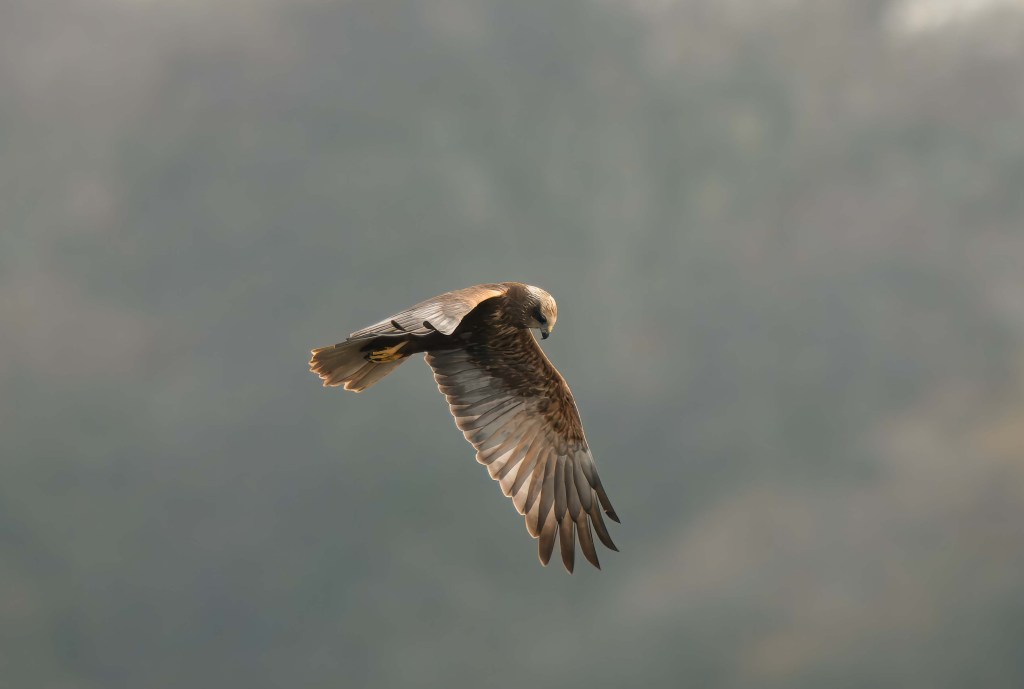
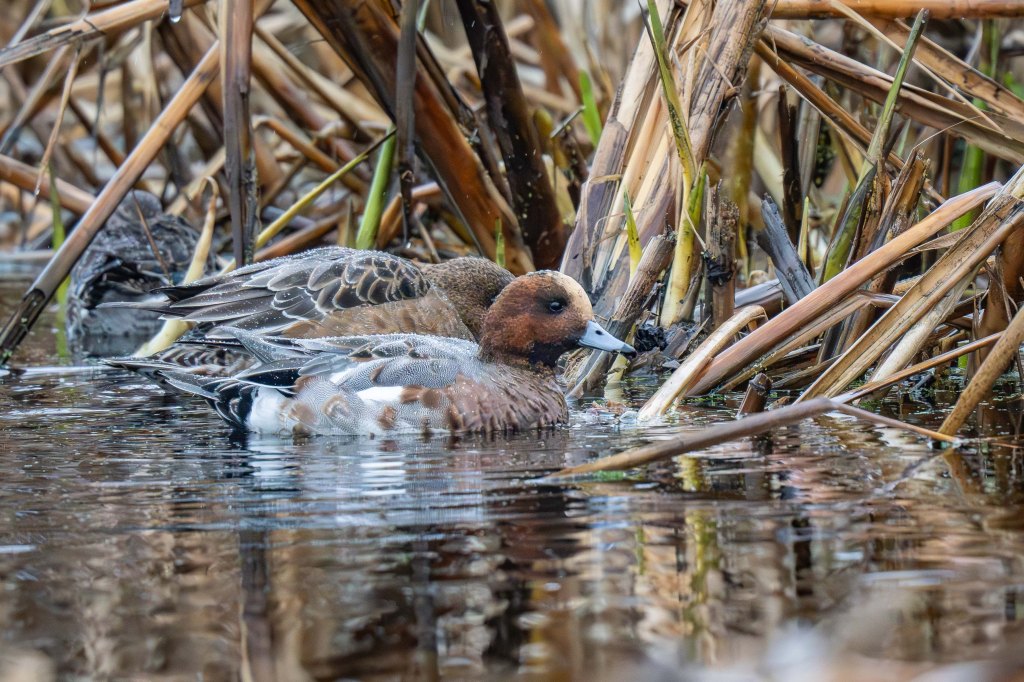
The vast majority of them must have been at Catcott today; or that’s how it seemed. Most of them seemed to be asleep when I arrived and not much disturbed them. There was the occasional distinctive whistle from them but not even a marsh harrier sent them up in a flock. Perhaps their tactic for survival was to remain still
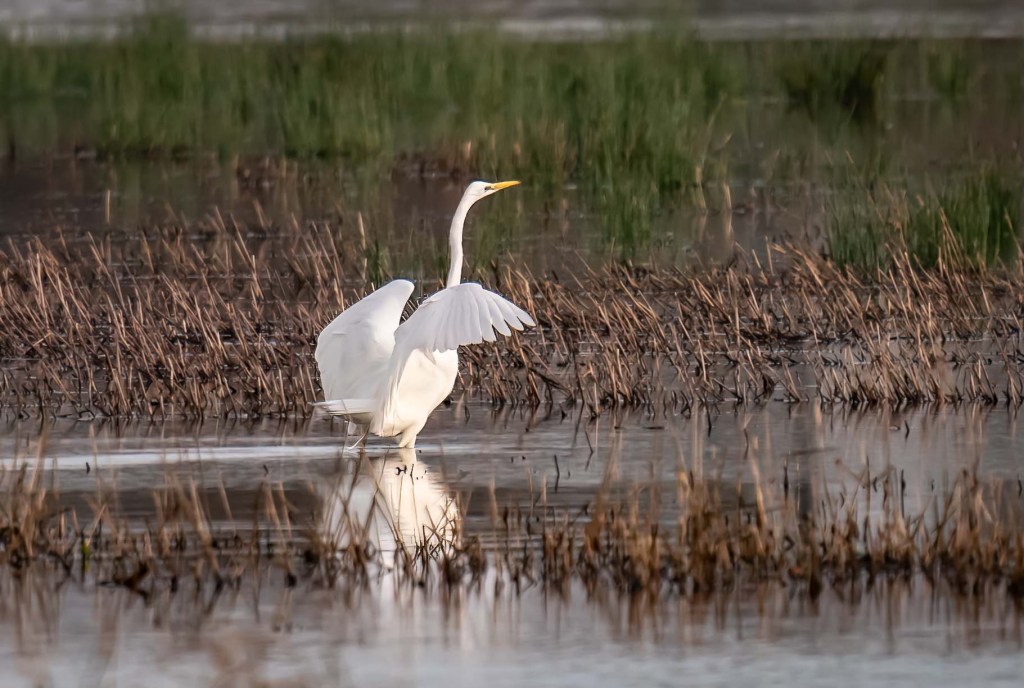
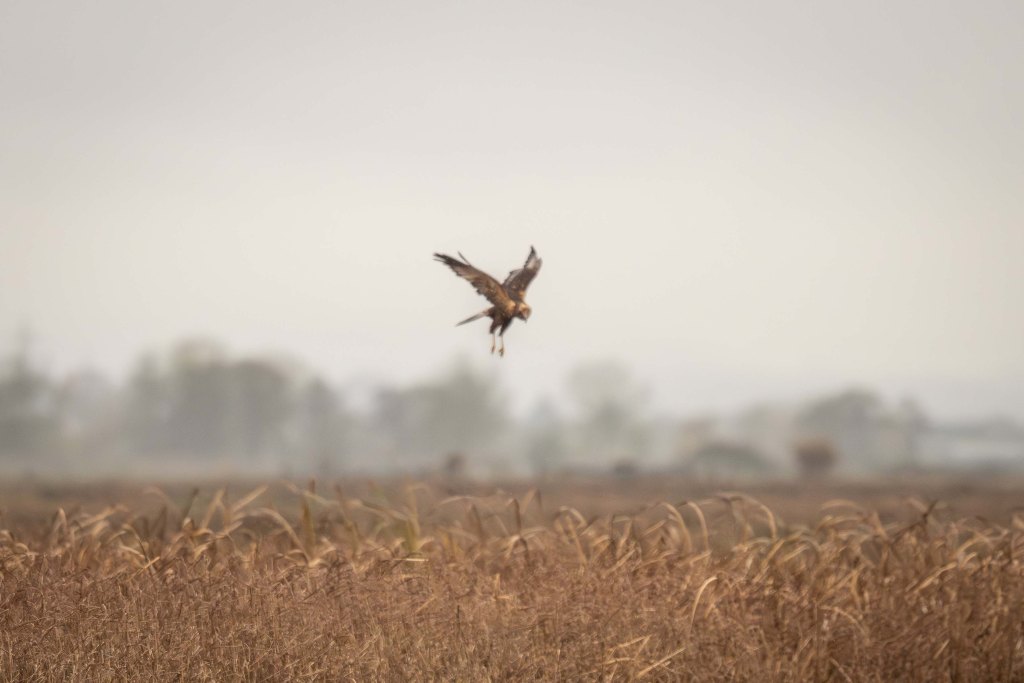
Eurasian wigeonEurasian wigeonEurasian wigeonMarsh harrierMarsh harrierMarsh harrierHad the marsh harrier spotted its prey or was this its resting place?Marsh harrierMarsh harrierGreat egret and marsh harrierThe great white egret found plenty to eat
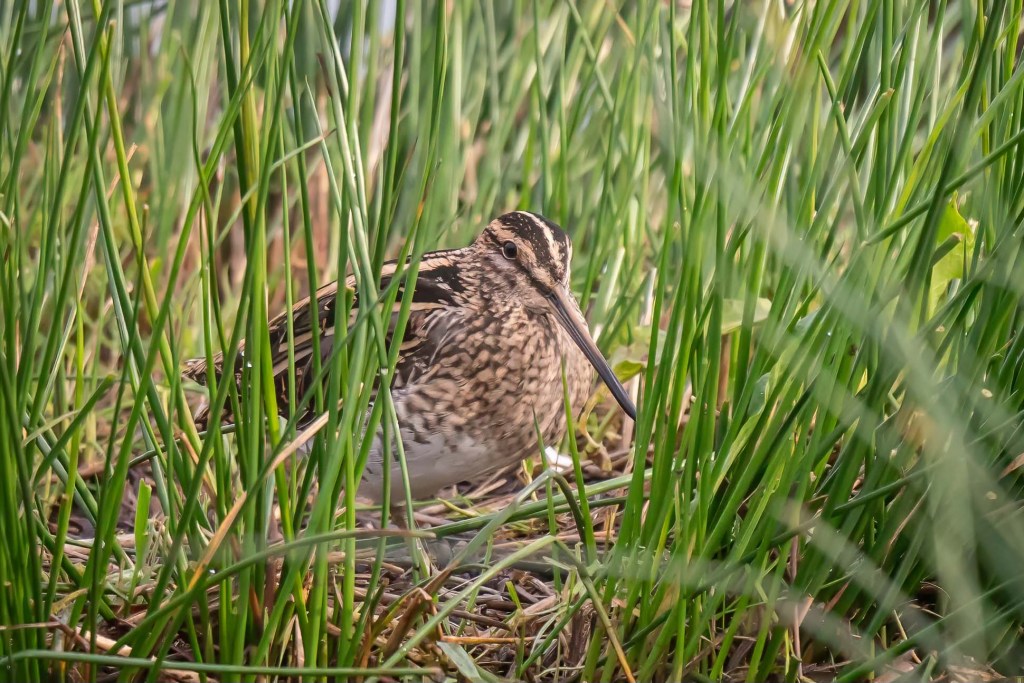
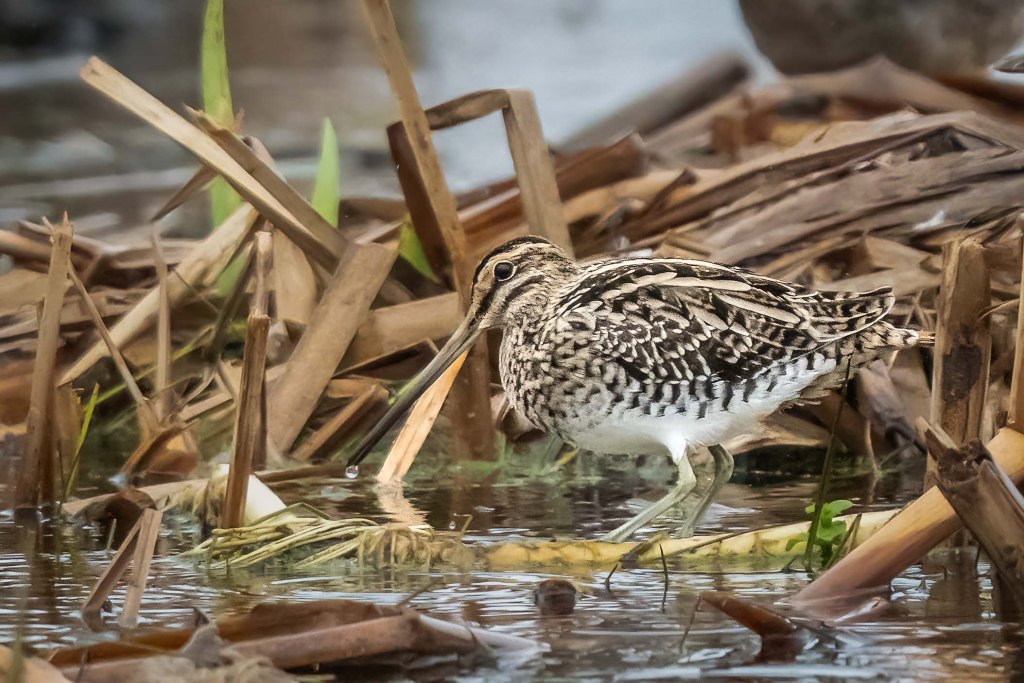
The only other spot from the hide was a common snipe which was visible for only a few moments before disappearing.
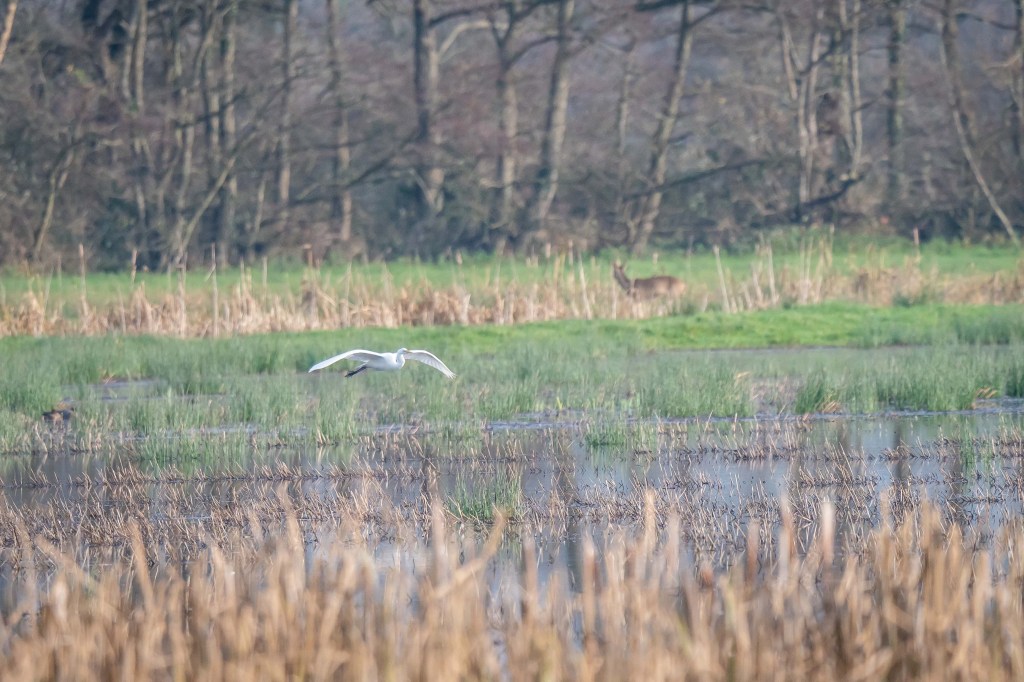
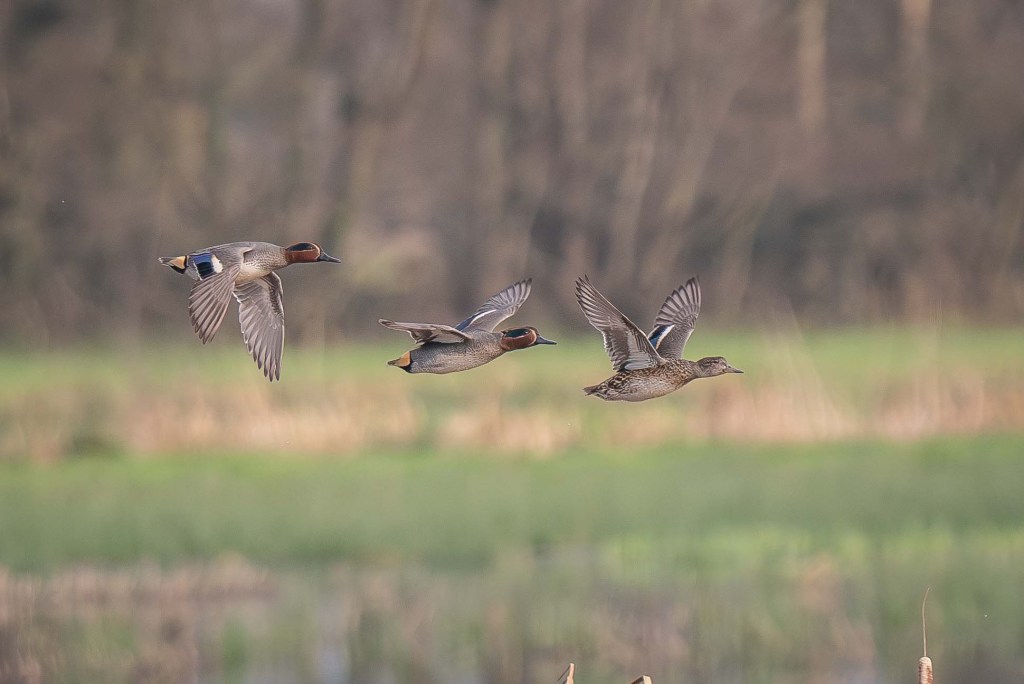
Common snipeCommon snipeHowever, the robin was not too secretiveA deer watched on as the great white egret arrivedGreat white egret landingTeal in flightAnother robin – posing againAnother great white egret fishing in a ditch as I leftMeadow pipit avoiding the danger of the barbed wire
Although there was snow forecast for north of Bristol and reasonable weather forecast for mid Somerset, I was disappointed to set off in rain and sleet. It didn’t rain all day but it was pretty miserable throughout; it was quite testing seeing birds and even more challenging photographing them.
I headed for Catcott Lows as there is a hide where you can park close by; but when I arrived I found it was closed as they were “managing” the trees on the lane leading to the hide. I continued further south to RSPB Greylake, a small reserve where, again, I wasn’t going to get drenched reaching the hides.
There were big numbers of lapwing, wigeon and teal. Best of all there were quite a few snipe close to the hide, a water rail and an occasional marsh harrier.
WigeonTealLapwingCommon snipeSnipeMarsh harrierMarsh harrierMarsh harrierLapwingCommon snipeWater railTeal and snipeWigeon
On the way home I saw large numbers of little egrets and cattle egrets in the fields. Also, large numbers of starling were congregating and I thought it was a shame I couldn’t stay later to see the magnificent sight of the murmurations before they roost. But there again, I don’t think the views would have been too wonderful as the bad weather set in again and the light would have been very poor.
Cattle egret
I stopped very briefly at Cheddar Reservoir where I saw large numbers of pochard. I certainly didn’t stay long as it was only 2 degrees centigrade and definitely felt much colder with the wind blowing off the water.
PochardMeadow pipitGrey wagtail looking as cold as I felt
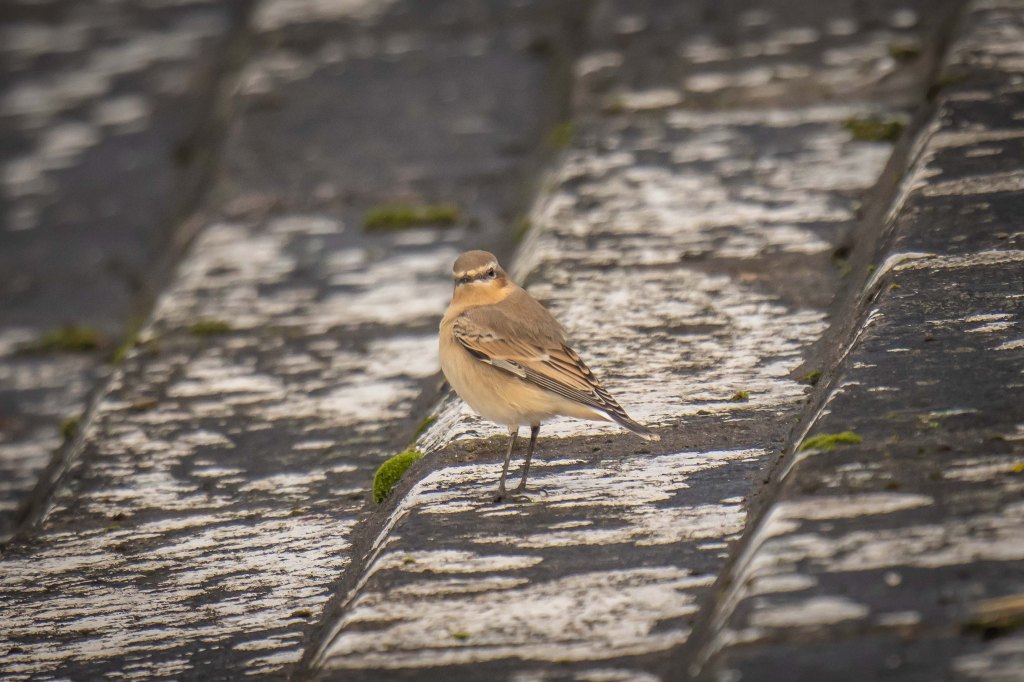
It doesn’t seem to have stopped raining in the last fortnight so I wasn’t too surprised to find, when I called in again at Cheddar Reservoir, that the water levels had risen. I’m sure that Bristol Waterworks, as well as the Almighty, had something to do with it. So no waders today. However, I was very pleased to see a northern wheatear which had popped in on its migration south.
There were other small passerines flitting around to keep it company.
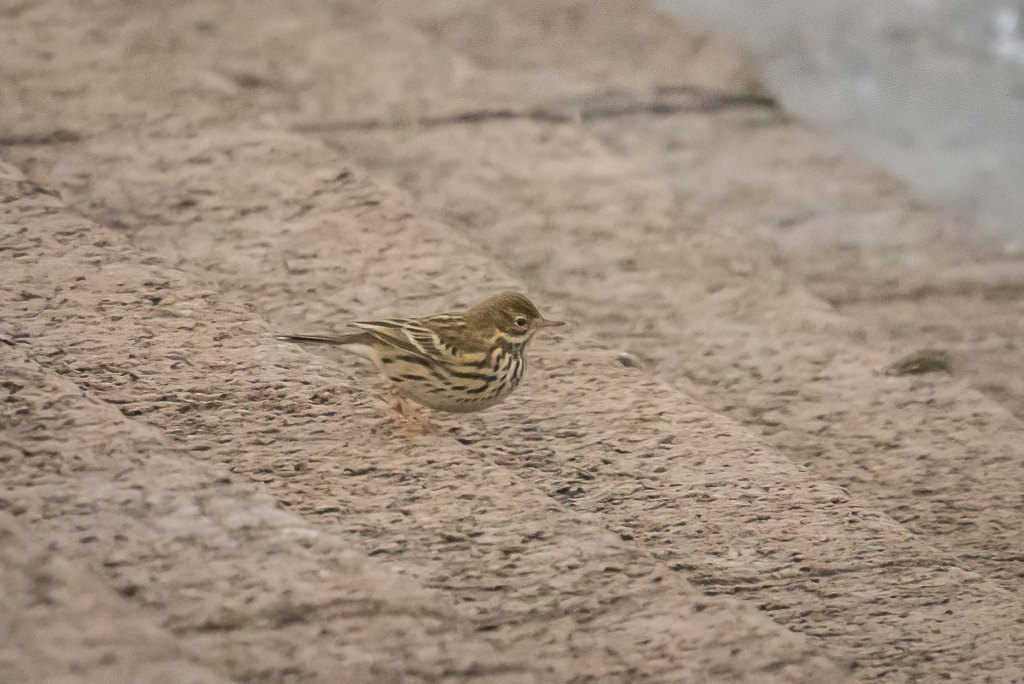
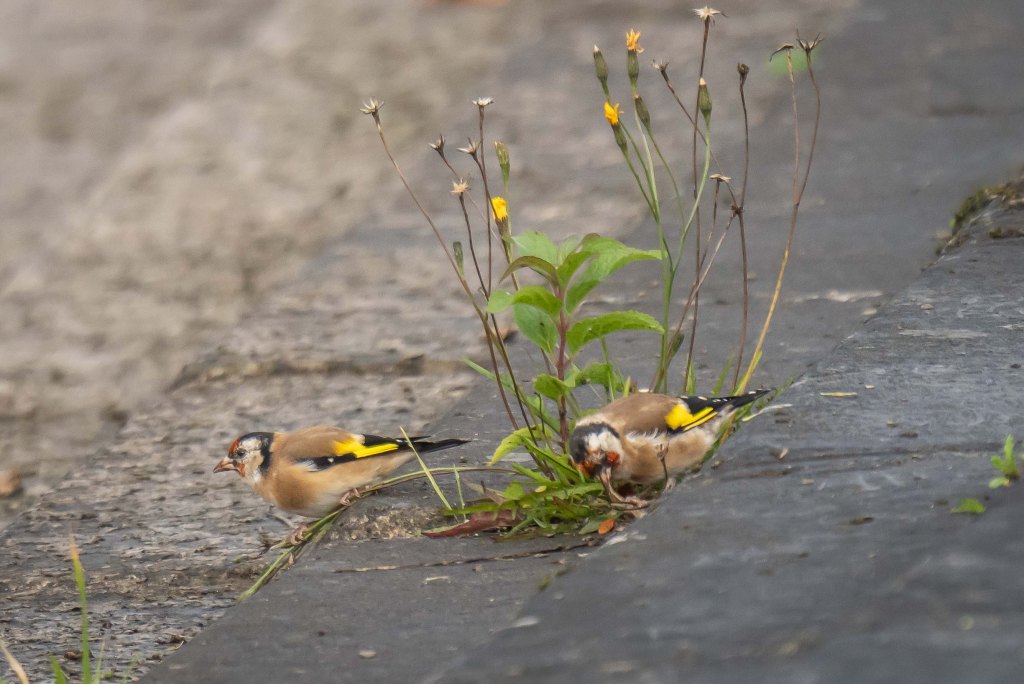
Meadow pipitGoldfinches
I then carried on south to the Avalon Marshes.
I only had time for RSPB Ham Wall, but there was enough there to keep me occupied in the rather poor light. There were very few people around: perhaps they have all migrated too!
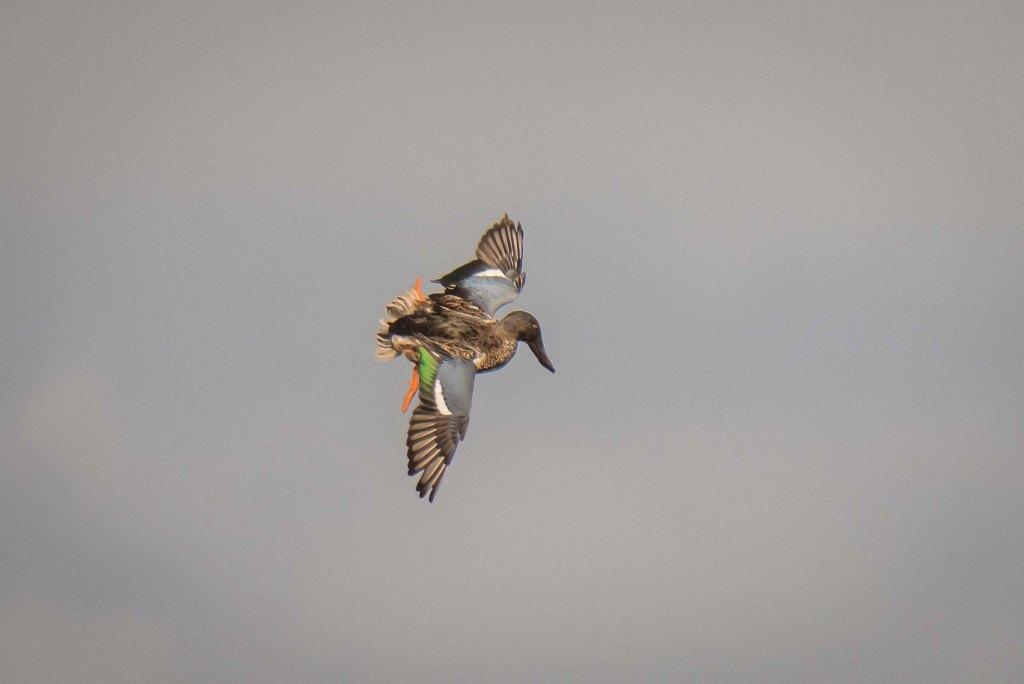
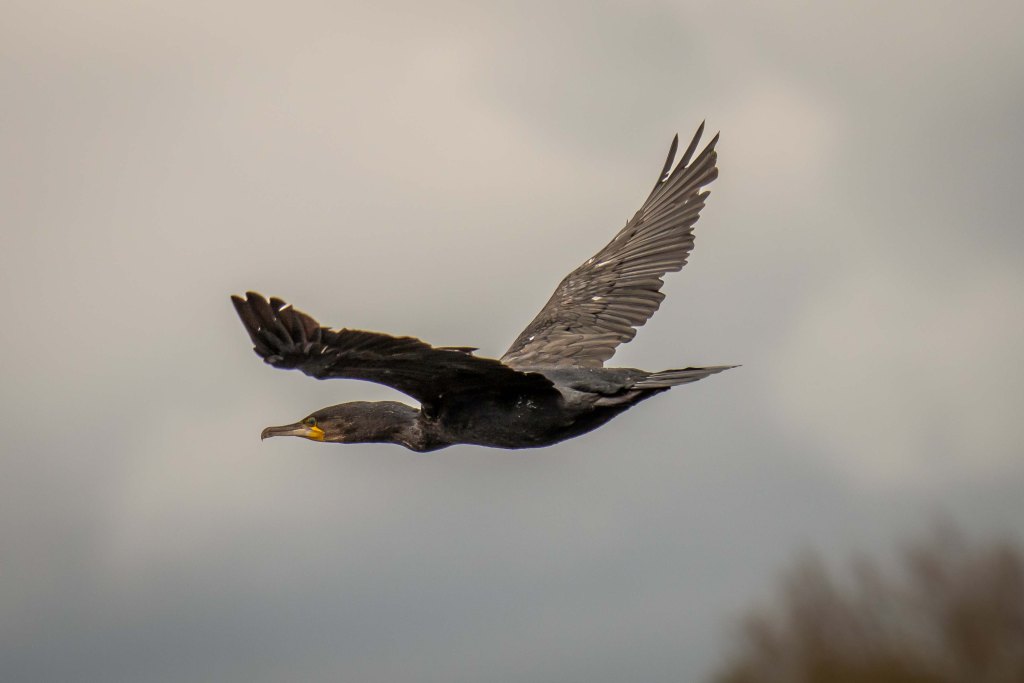
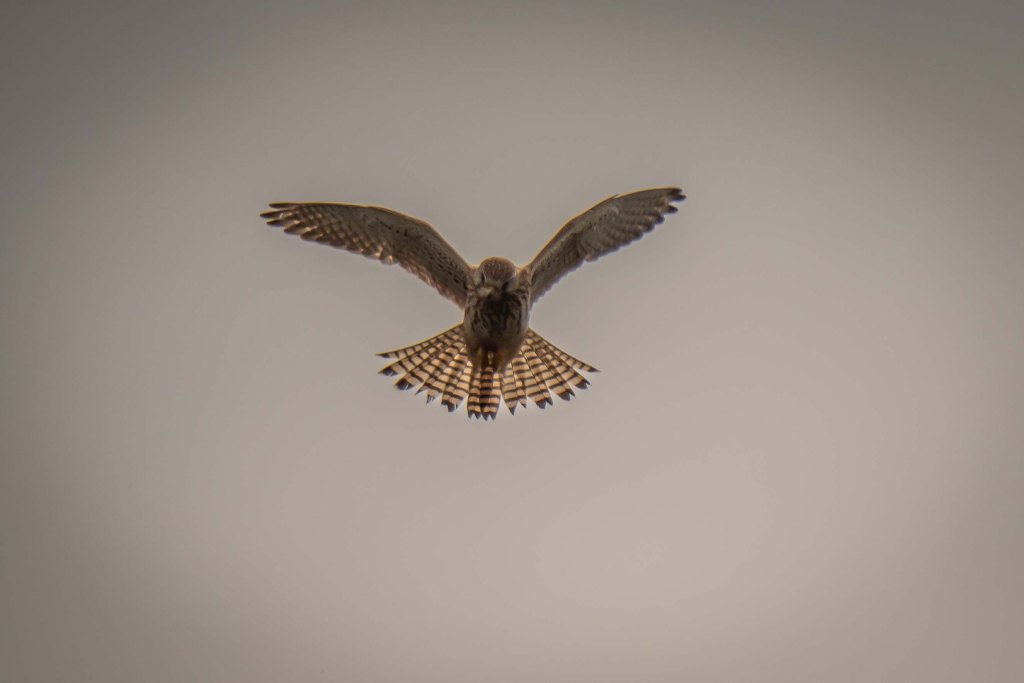
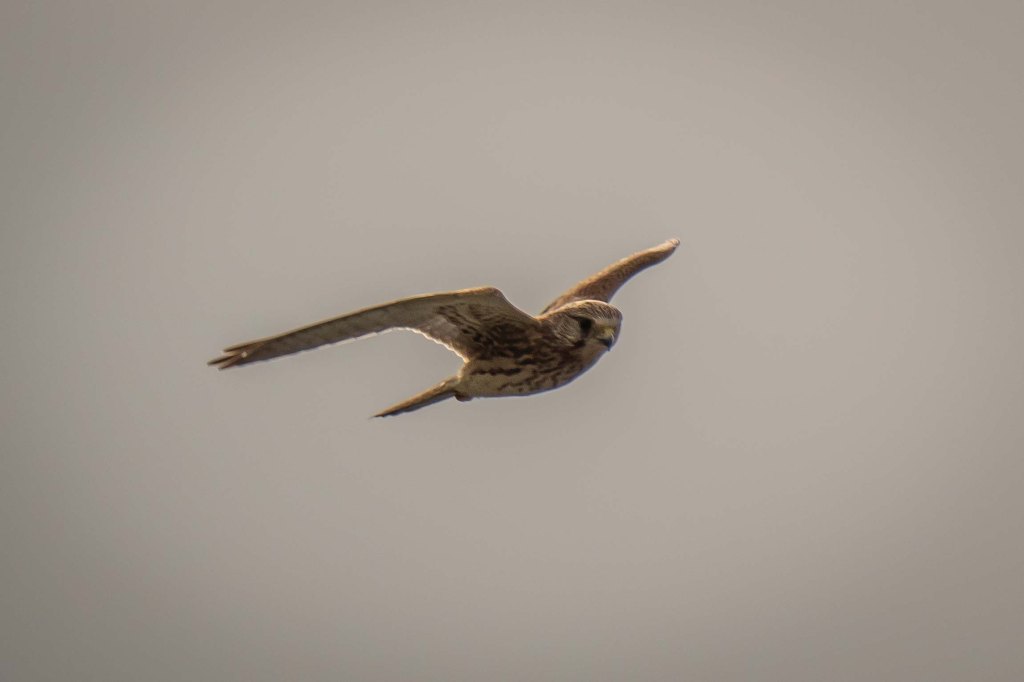
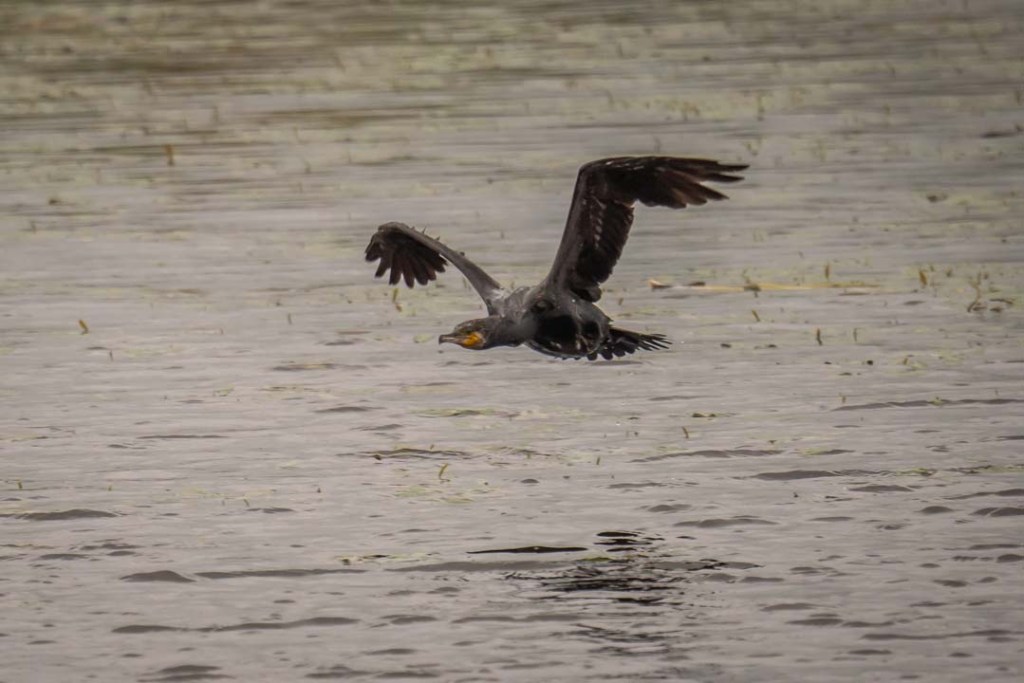
An acrobatic shovelerGadwall having a washGreat crested grebe about to diveCormorantKestrelKestrelKestrelGreat crested grebeGadwallGrey heron with gadwall as bodyguardsGreat white egret preeningGreat white egret the right way up
Another trip to RSPB Ham Wall and another dull day. At least it stopped raining during my visit.
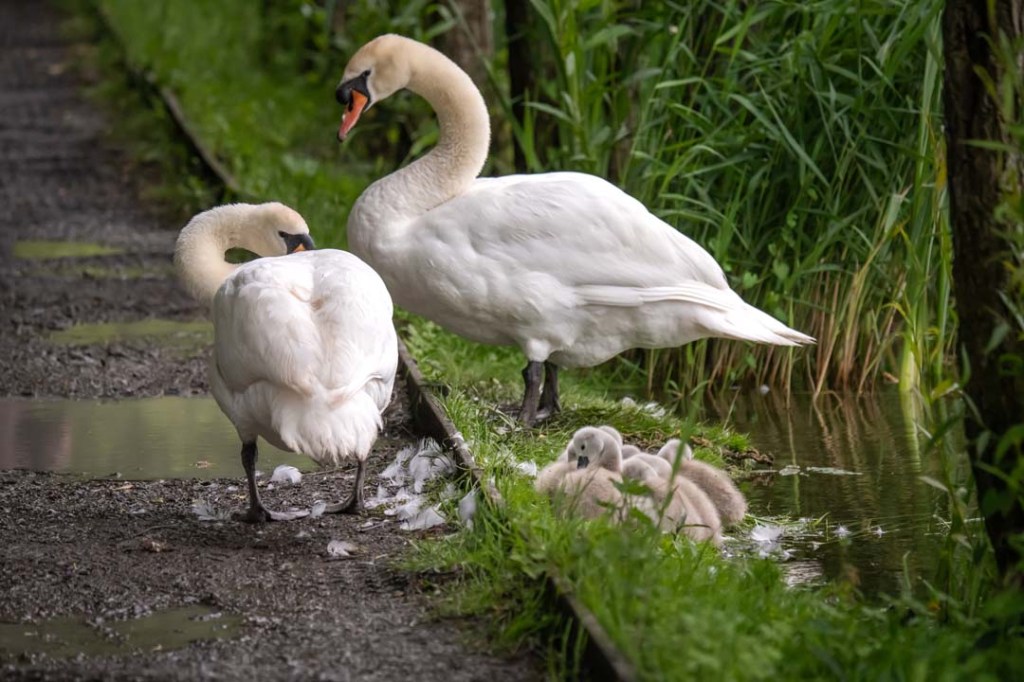
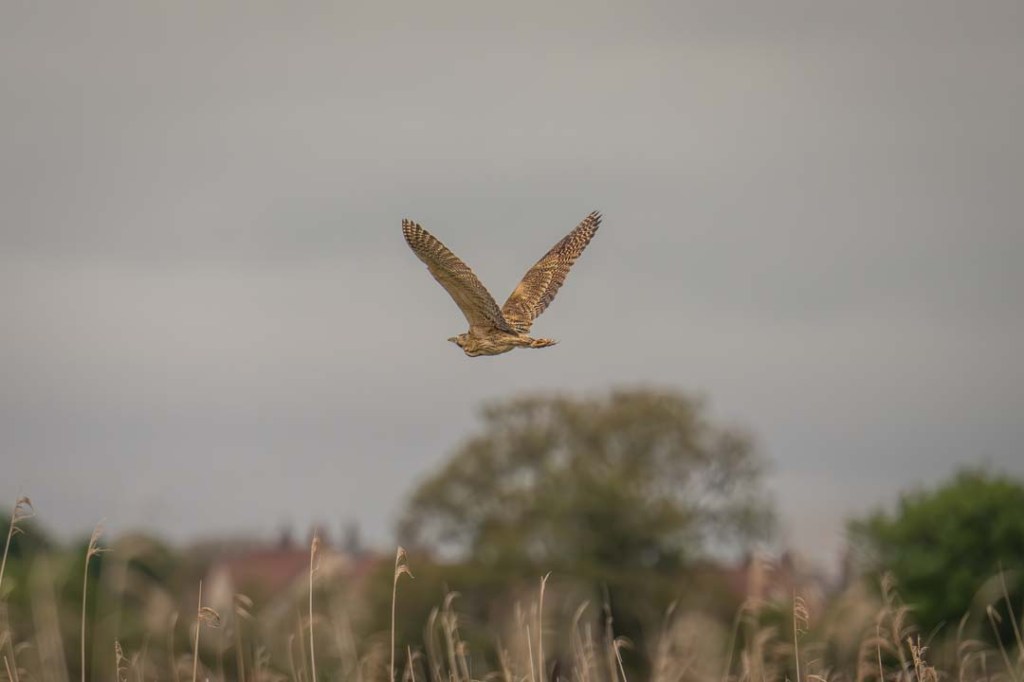
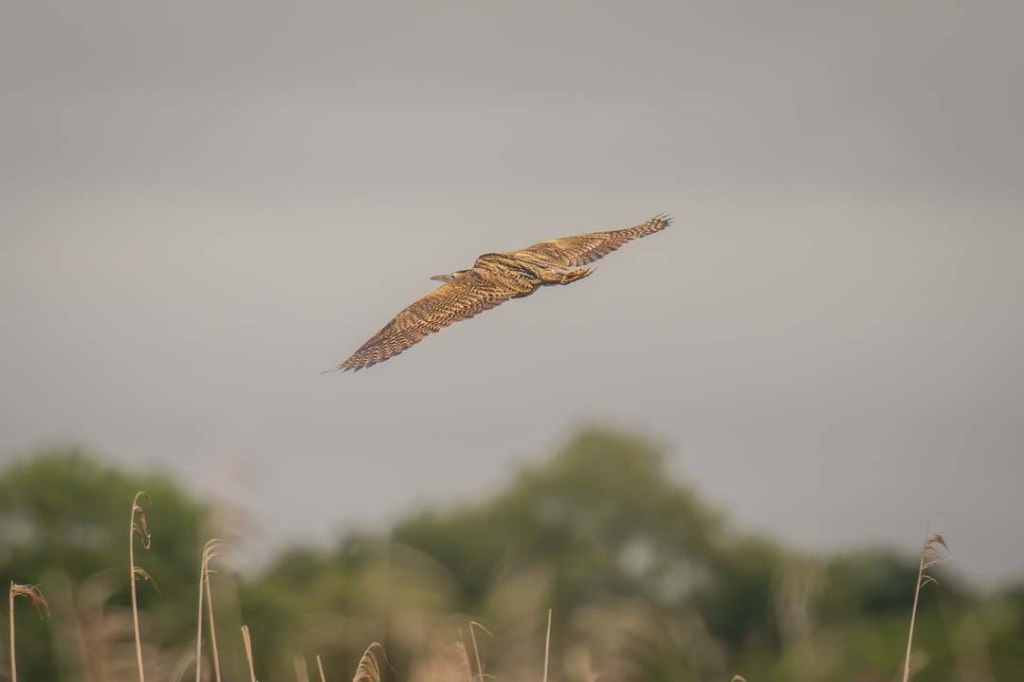
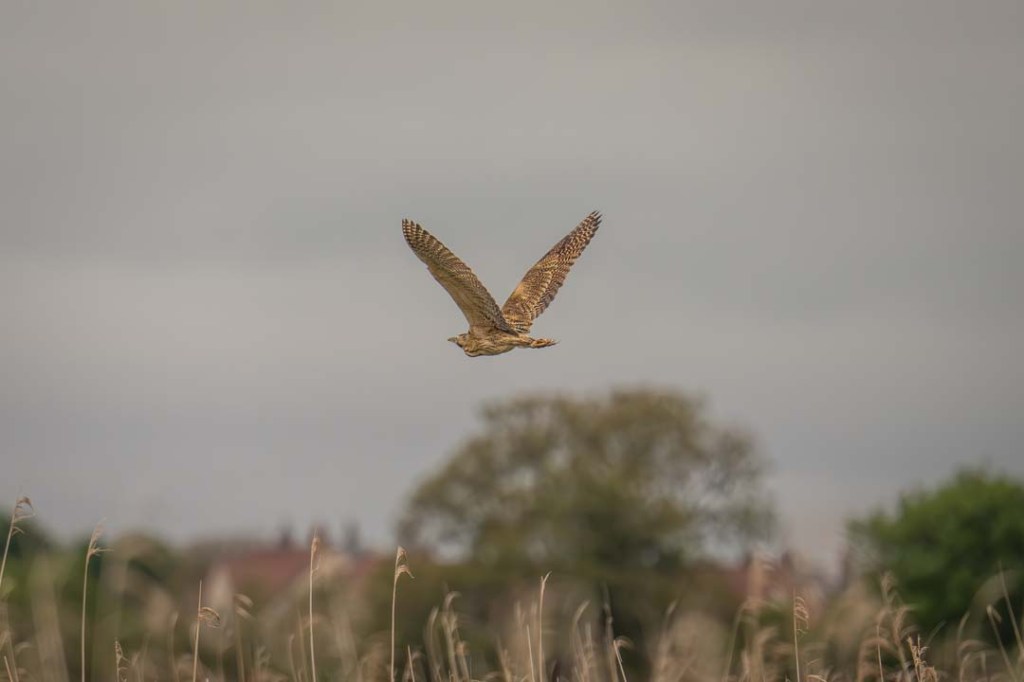
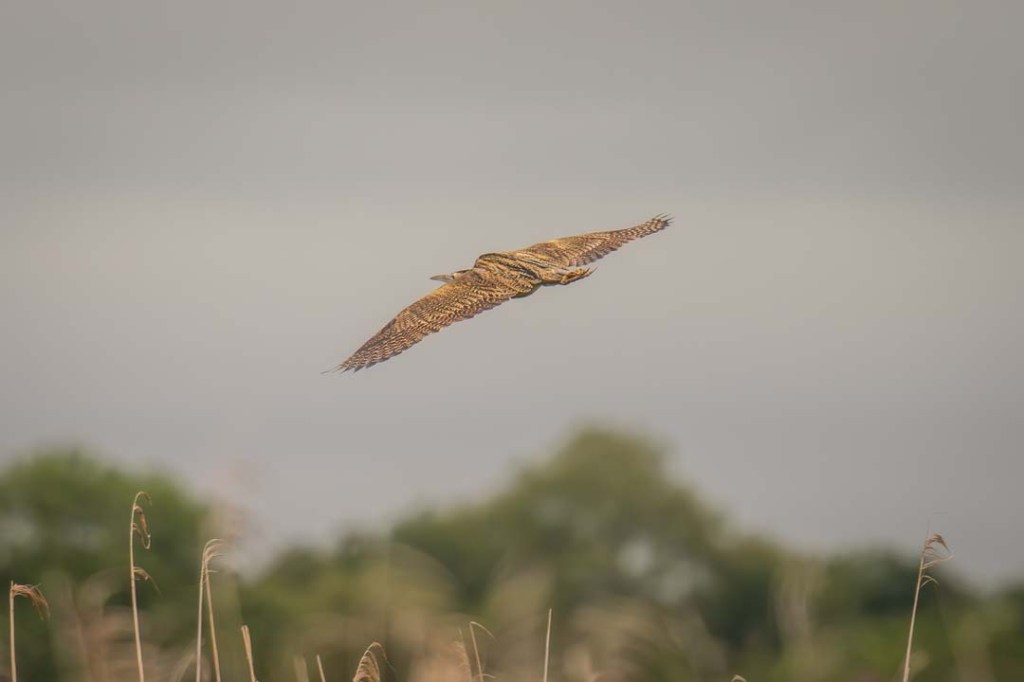
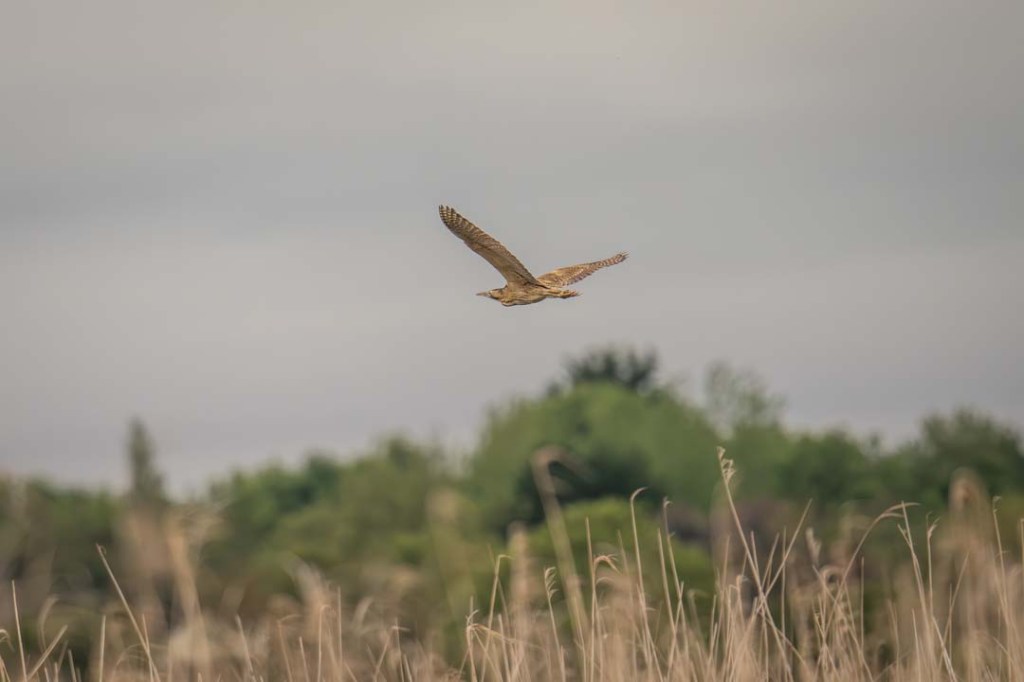
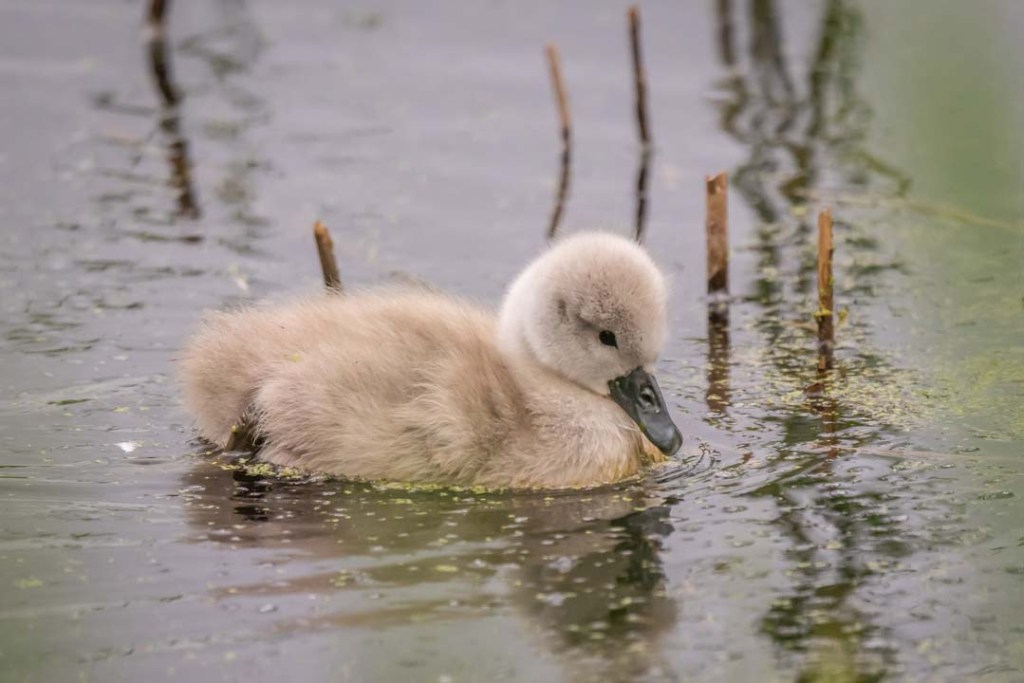
In this light it was always going to be about big birds and there were plenty of big birds to see: great bitterns, great white egrets, great cormorants, mute swans, marsh harriers, common cranes and grey herons were the biggest on display.
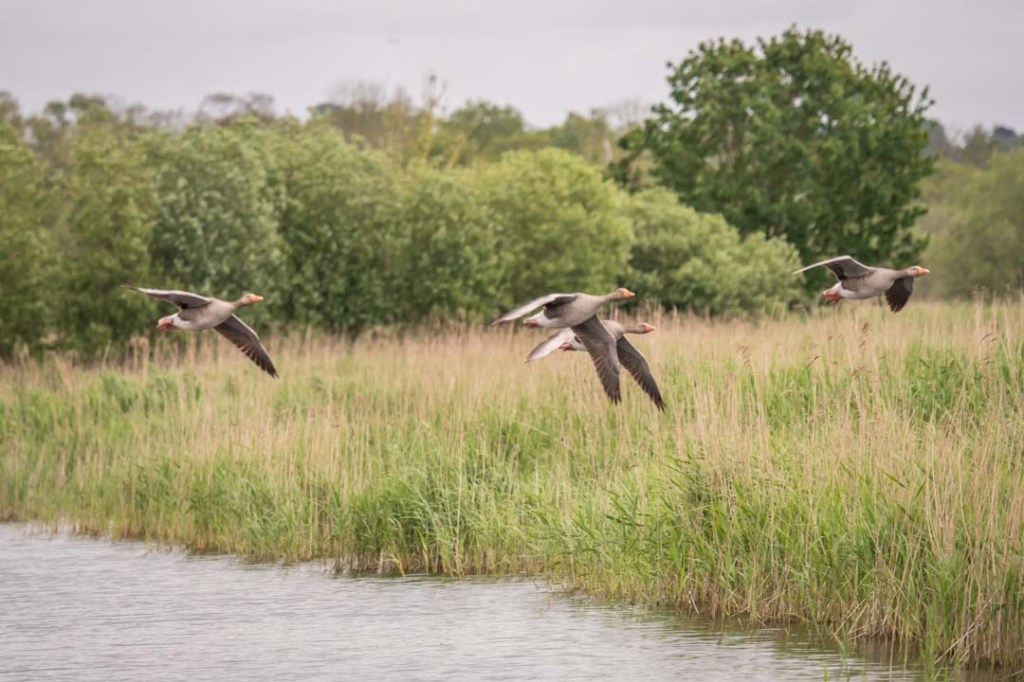
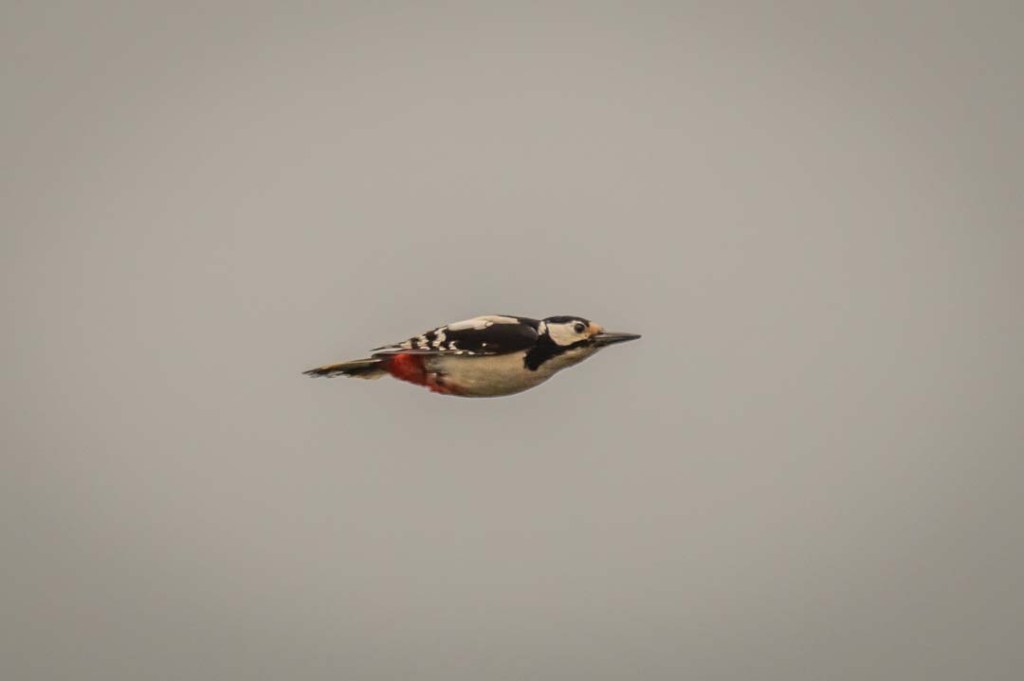
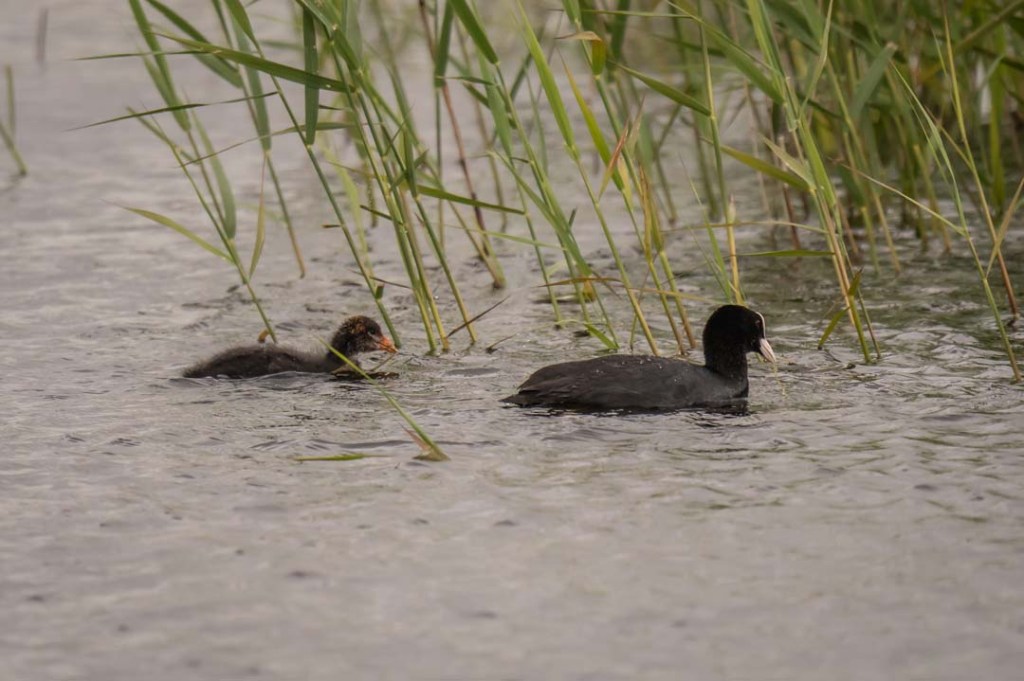
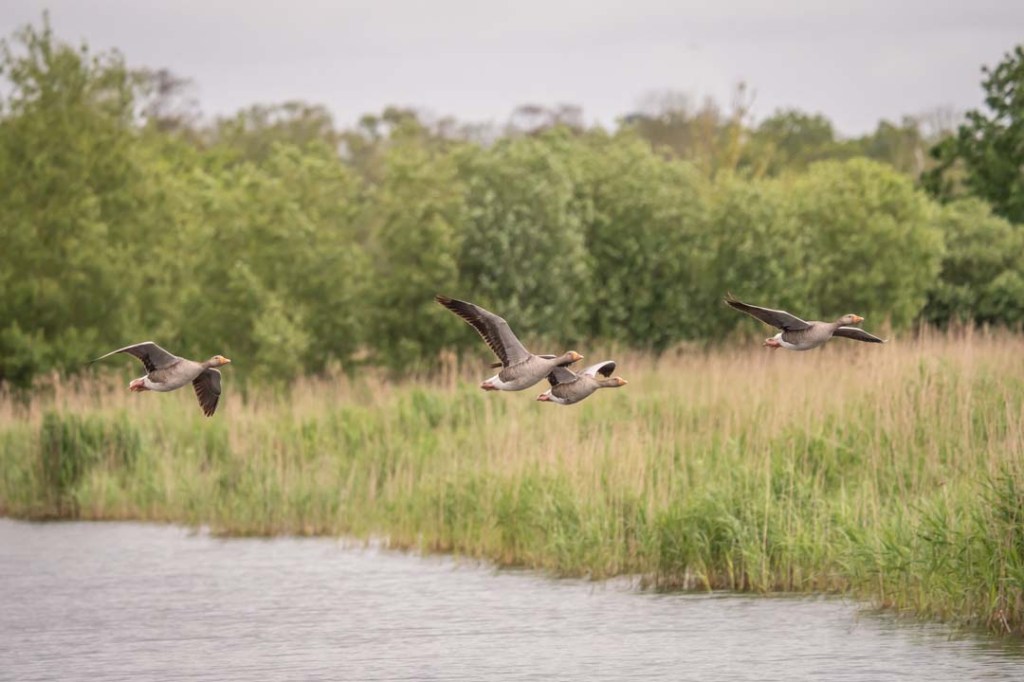
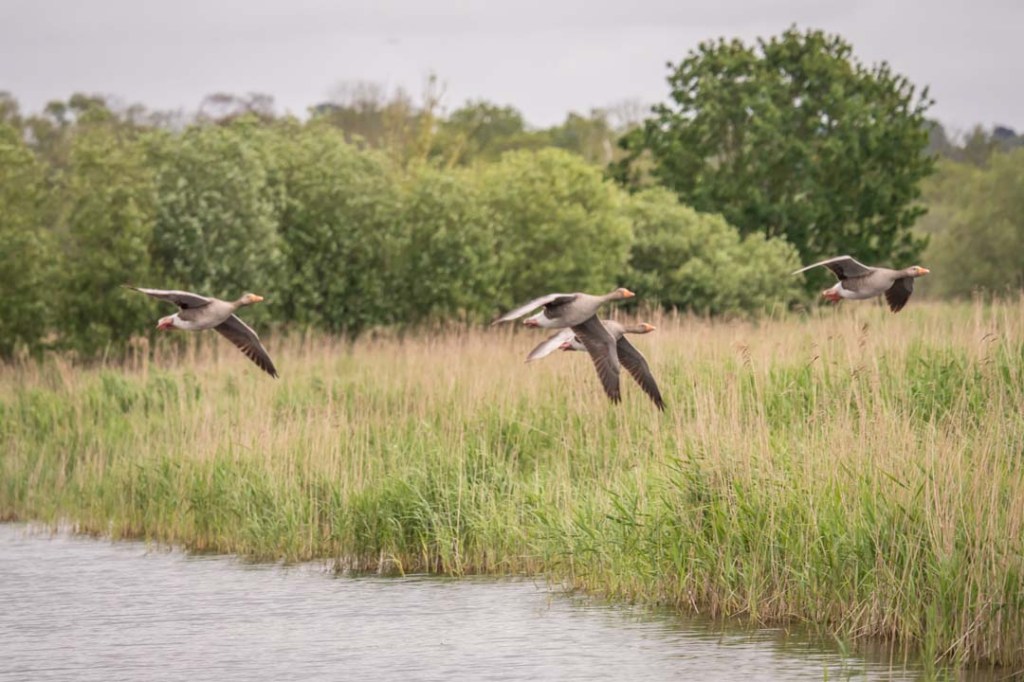
This great white egret was blocking my path to the Tor hide, but I didn’t mind waiting… especially as I had to manoeuvre my way past this groupI didn’t have to wait long for the great white egret to move onThese greylag geese were the first action from the Tor hideQuickly followed by a pochard… and then a great spotted woodpeckerCoot chickssoon to be replaced by a grey heron… who didn’t stay longGreat white egrets were very activeA great bittern surprised me as I made my way to the Avalon hideGreat bittern in full flightGreat bitternGreat white egrets everywhereMarsh harrier from the Avalon hideGetting ready to landThen a male marsh harrier appearedI was so busy trying to photograph swifts in poor light that I nearly missed this common craneYou can see why I had no chance with the swiftsHow could you miss such an enormous bird?Great cormorant taking offThe great white egrets were quite showyBut a nice way to end my day
I’m lucky that I have had the chance to go to RSPB Ham Wall on the Avalon Marshes in Somerset for the last few Tuesdays but, even though I have had loads to see, I haven’t been terribly lucky with the weather. There were showers again today and only a very rare glimpse of the sun.
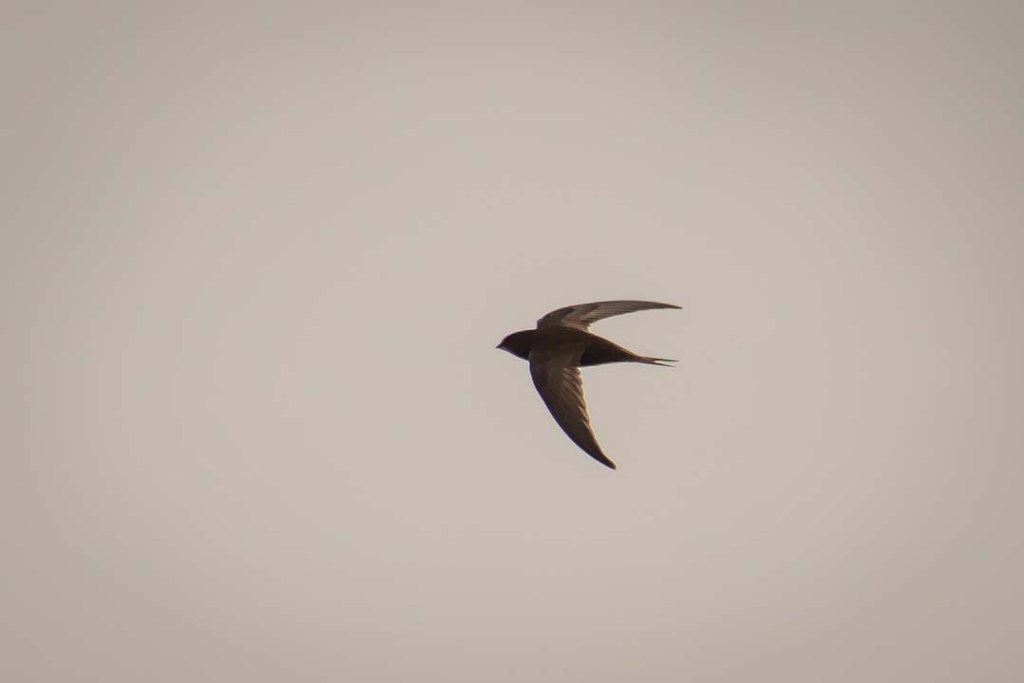
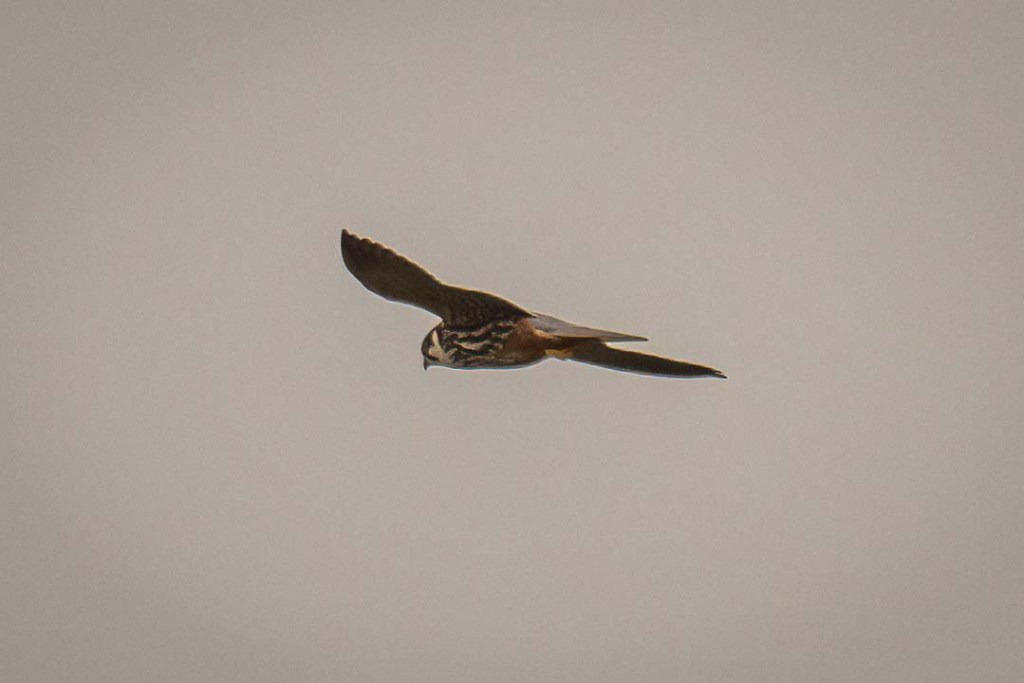
Today I saw swifts here for the first time this year. There were more sightings of hobbies. Marsh harriers, great egrets and grey herons made regular appearances. However, the real treat was to see 2 great crested grebe chicks and two coot chicks too.
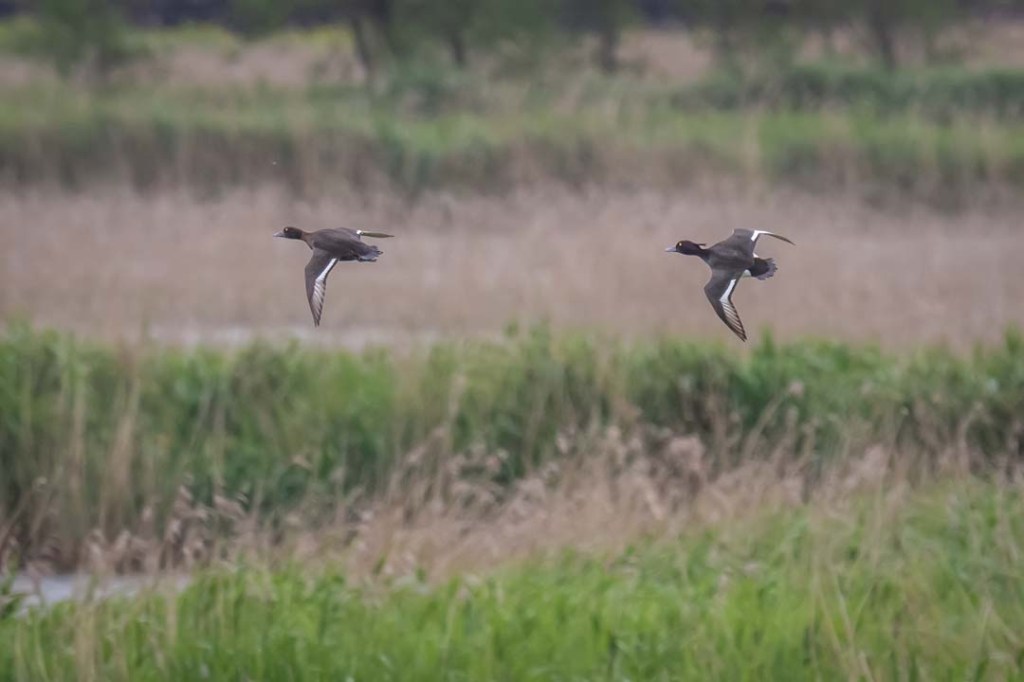
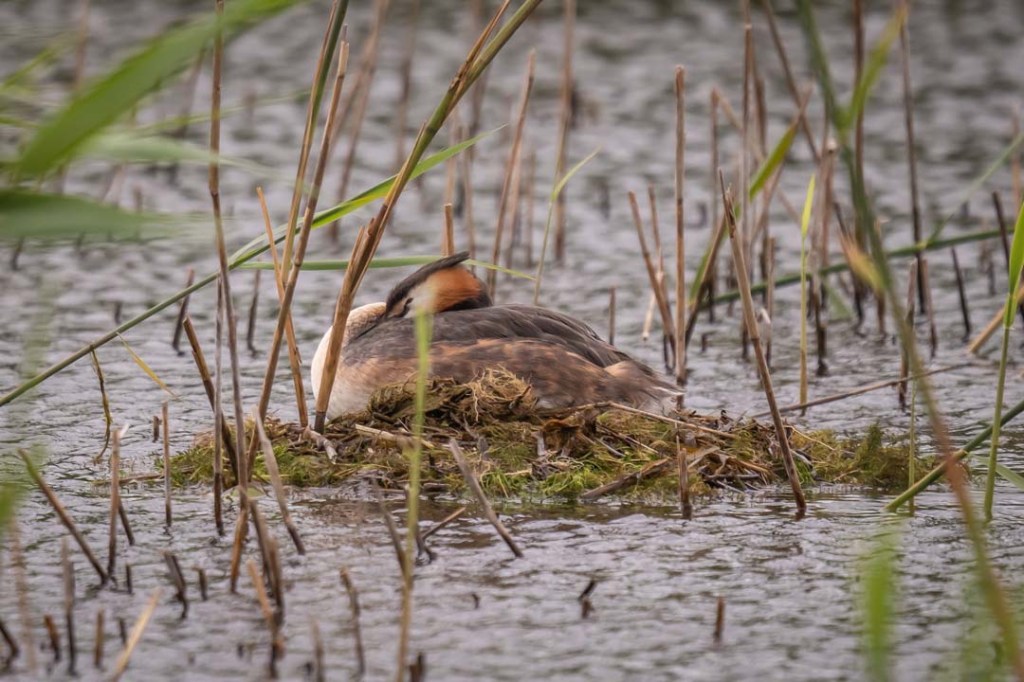
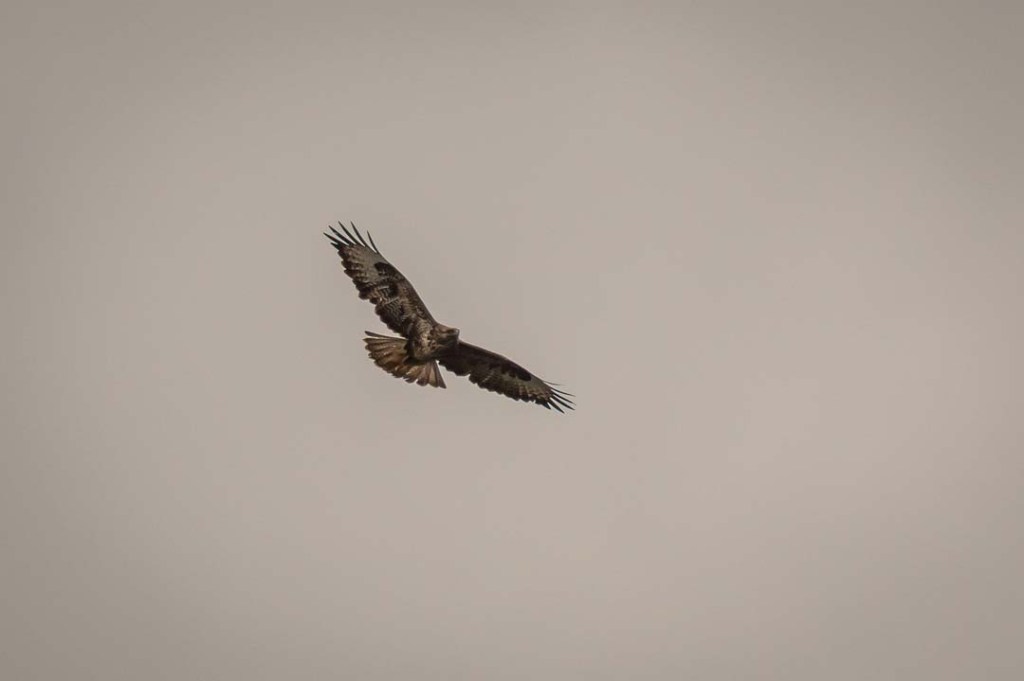
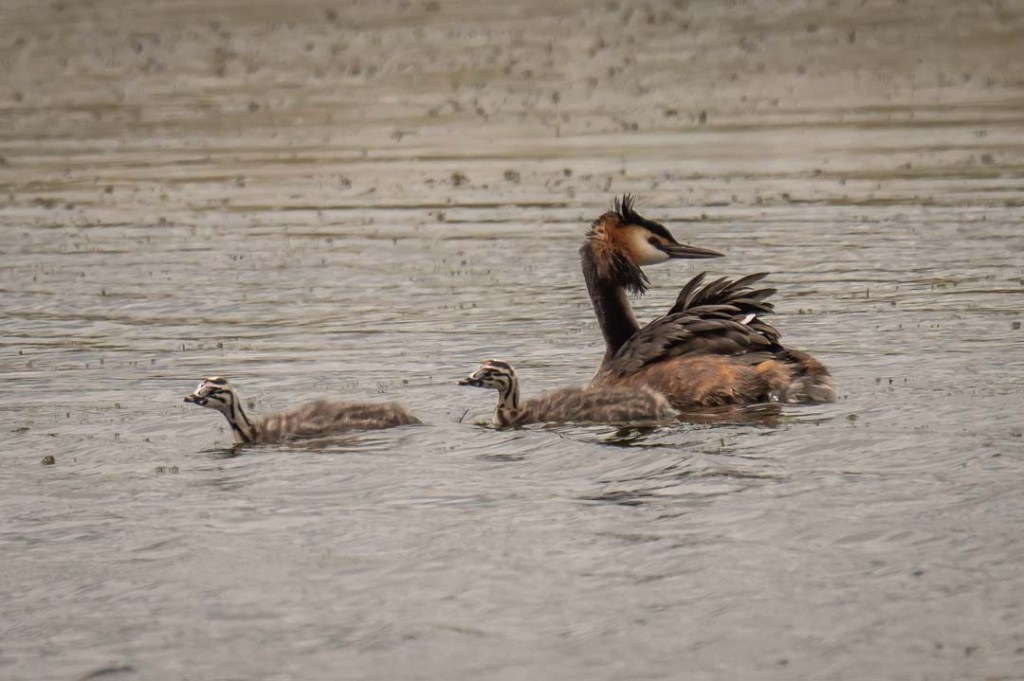
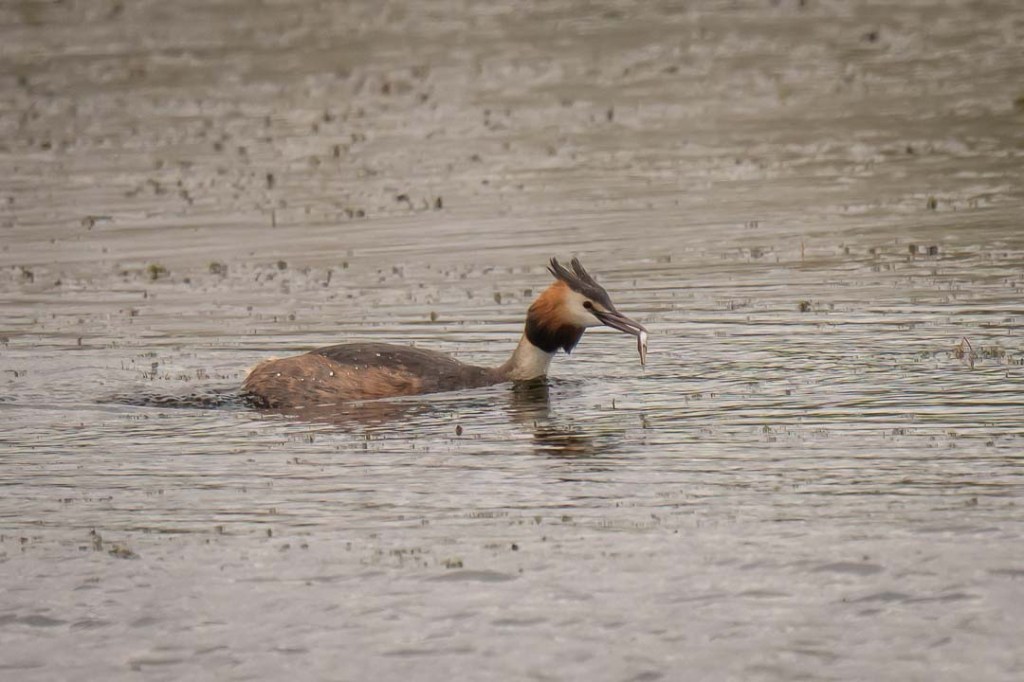
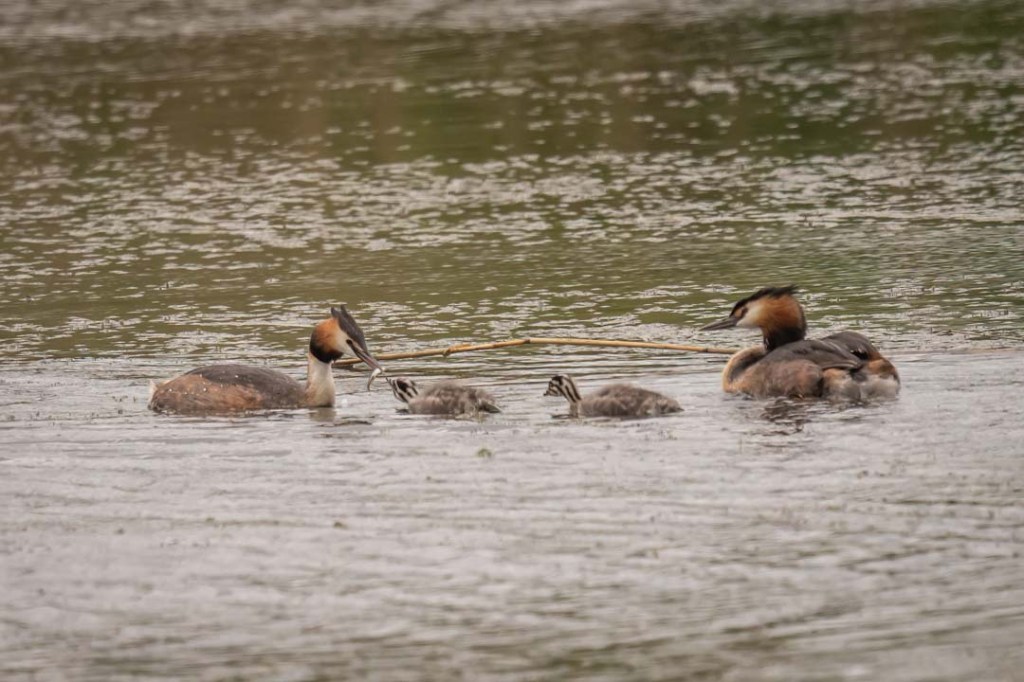
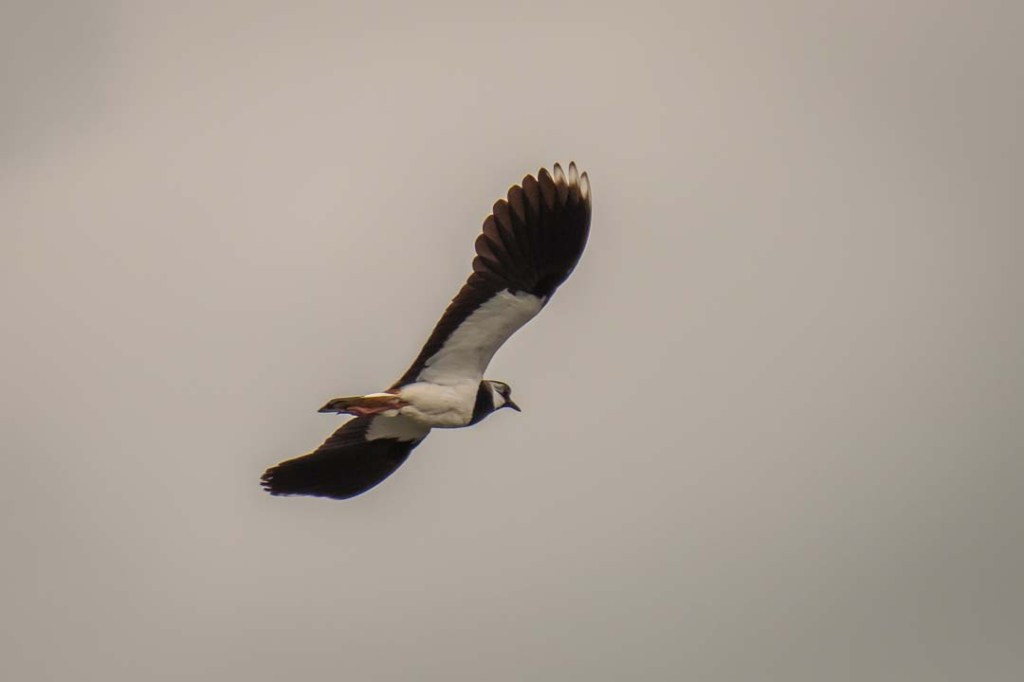
Hobby with dragonflyCoot and two chicksGreat crested grebe chick taking a ride with another following behindMale great crested grebe returning with goodies …But only one chick benefitsMarsh harrierGreat white egretGrey heronLapwing came closeNot the day for swift photosTufted ducksHobbyGreat crested grebe on nest