30th March 2024
The inspiration of our visit today was the recent acquisition of Simon Jenkins’ book “England’s 1000 Best Churches”.
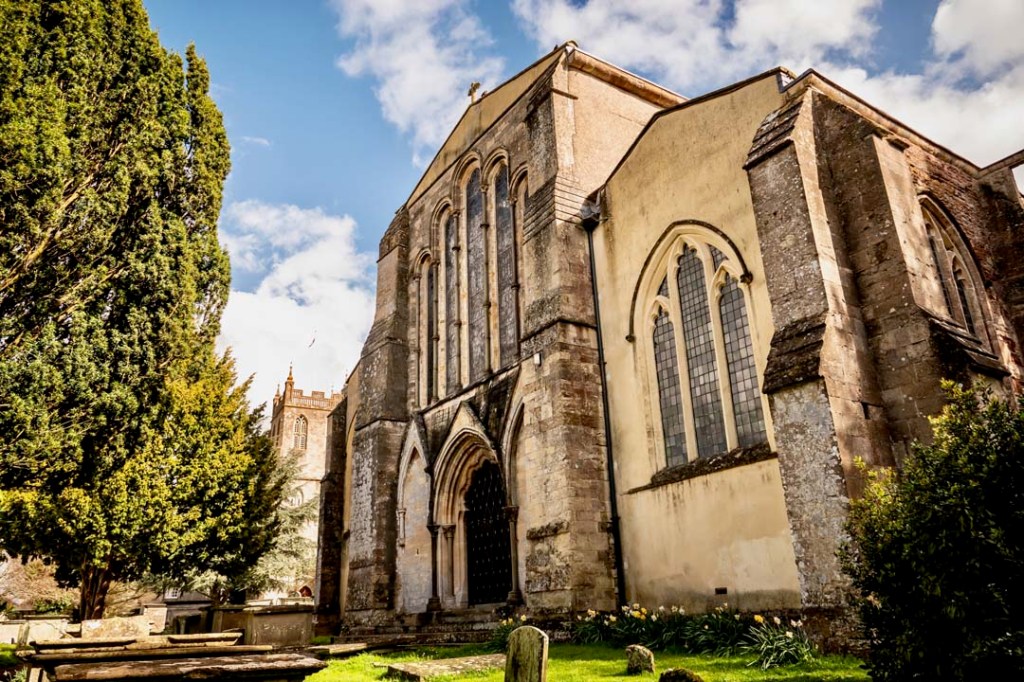
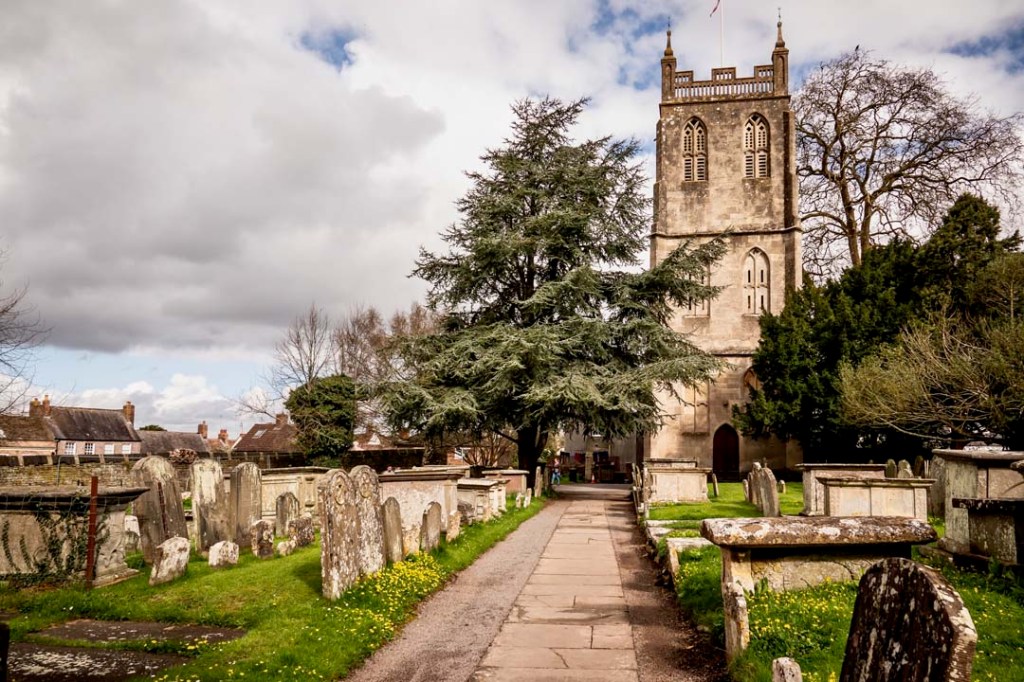
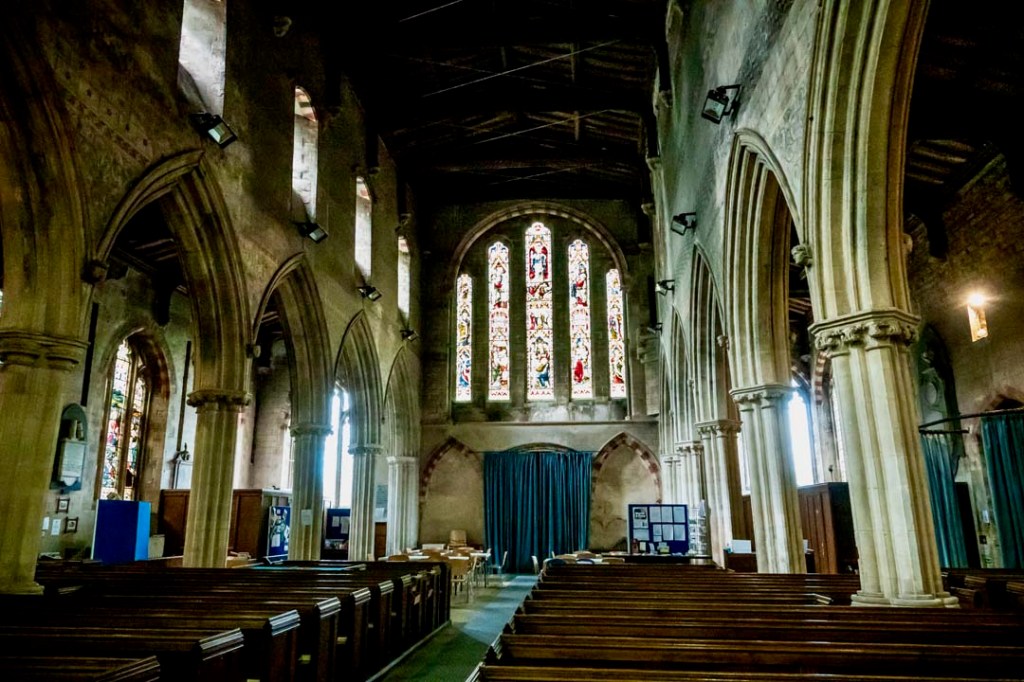
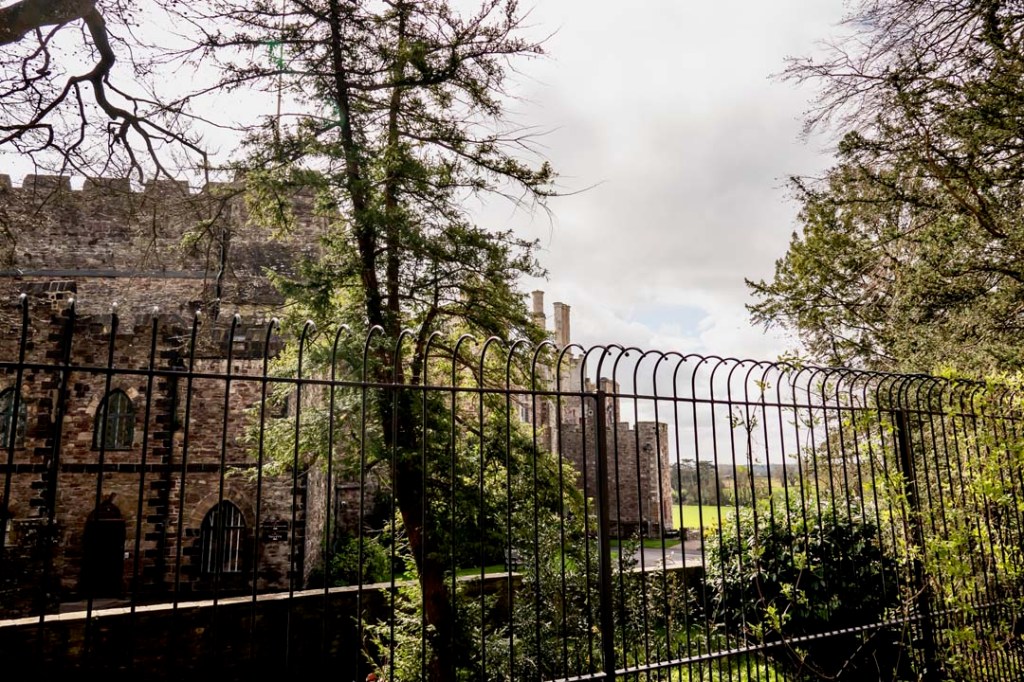
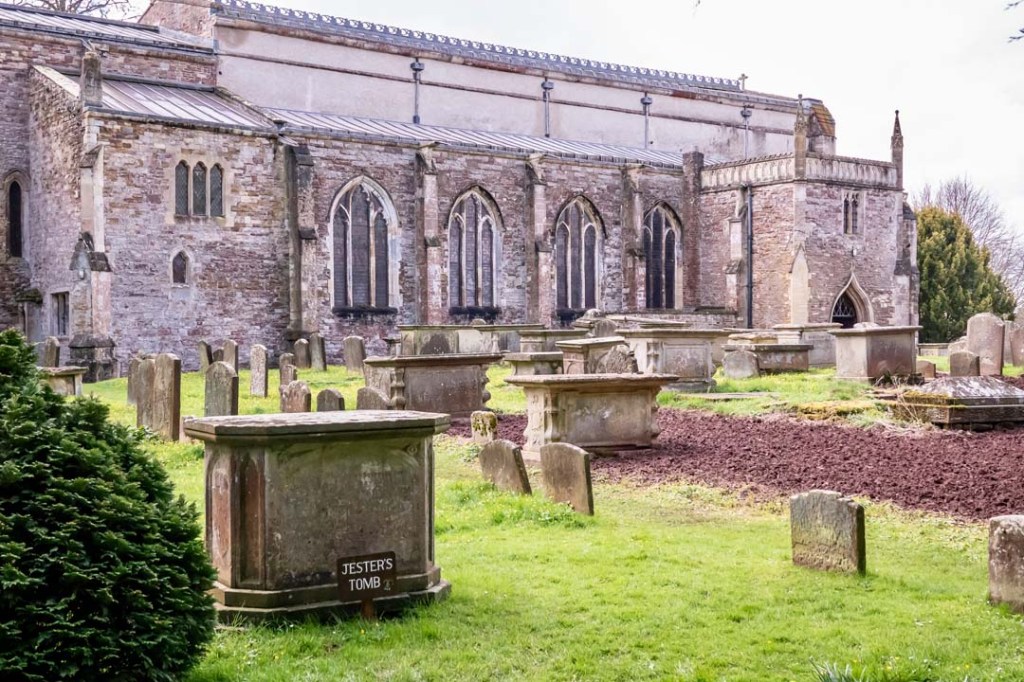
The Church of St Mary the Virgin is a striking 13th century church standing beside Berkeley Castle in the Vale of Berkeley just 17 miles north of where we live in Bristol and 1 mile east of the River Severn.

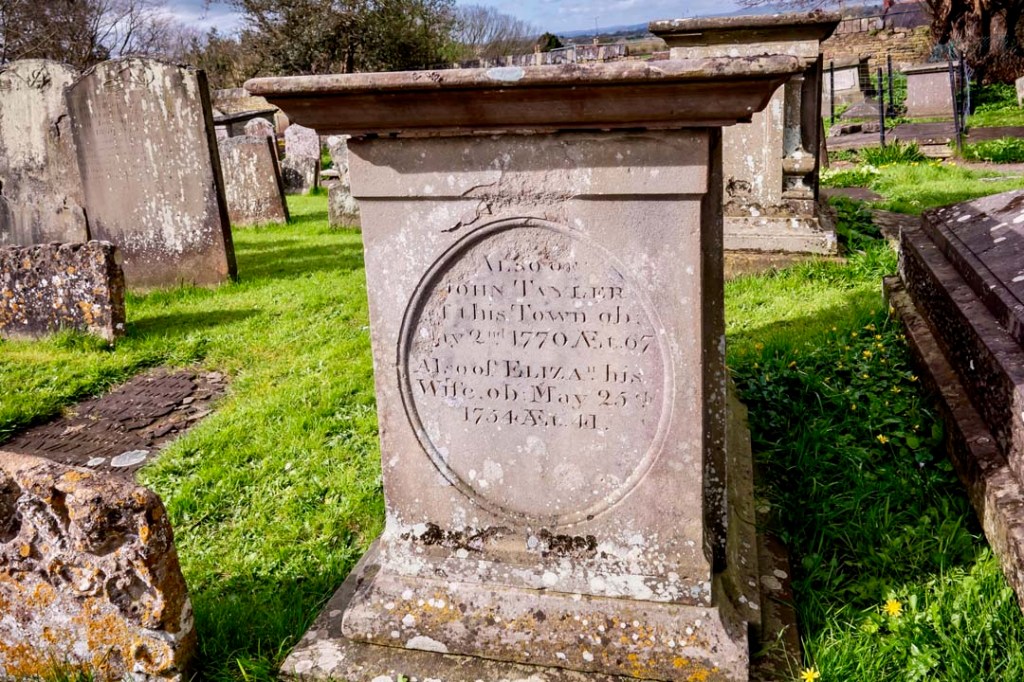
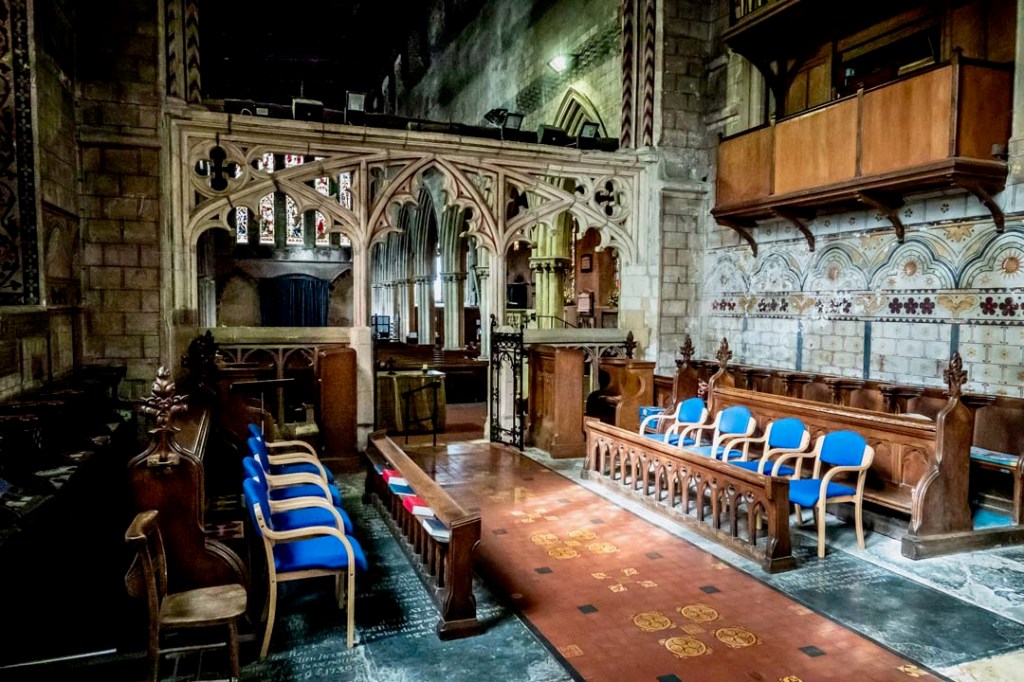
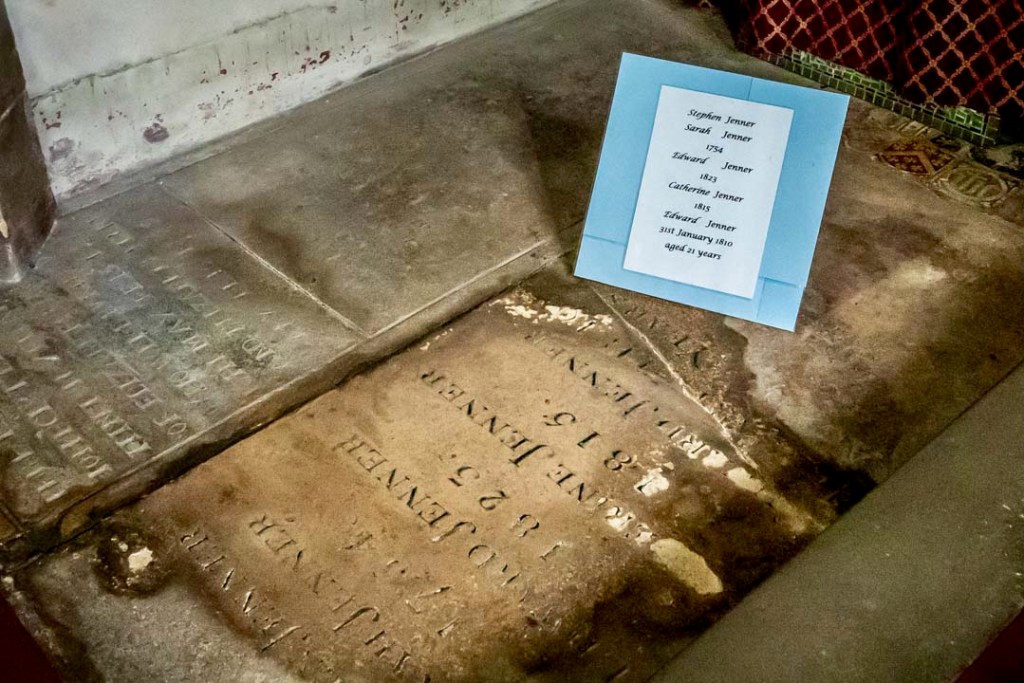
The church is notable for its medieval wall paintings, detached tower, table tombs, and memorials to the Berkeley family.
A bit of history from Wikipedia:
There was probably a Saxon church, since stones reused in the present church have Saxon carving. The present tower, erected in the 18th century, was built on the site of the tower of a medieval church, thought to be where the Saxon building stood.
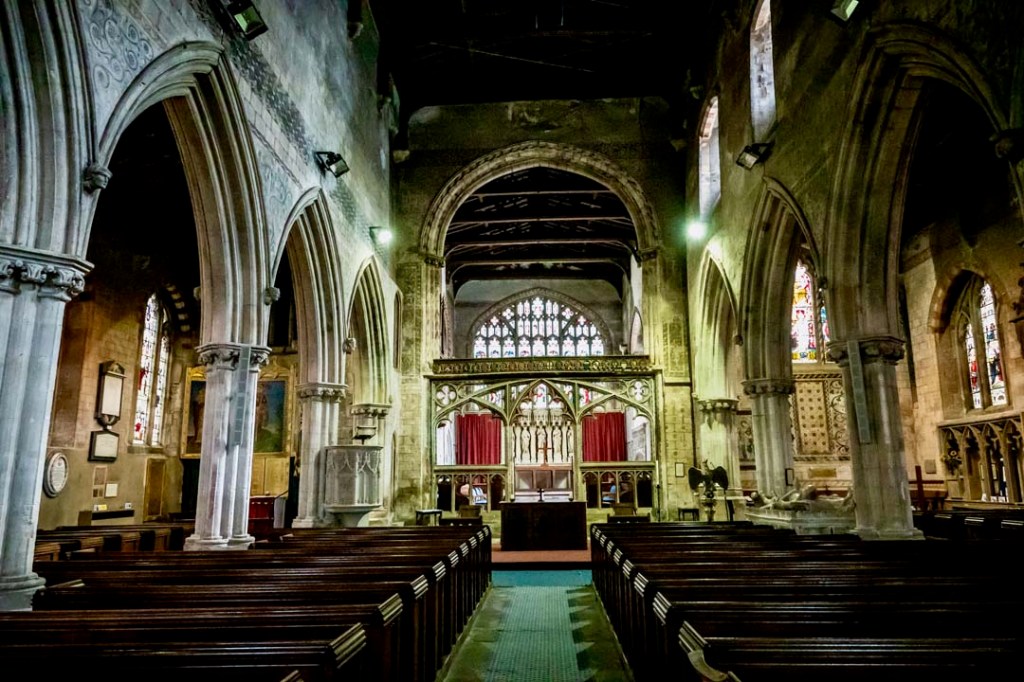
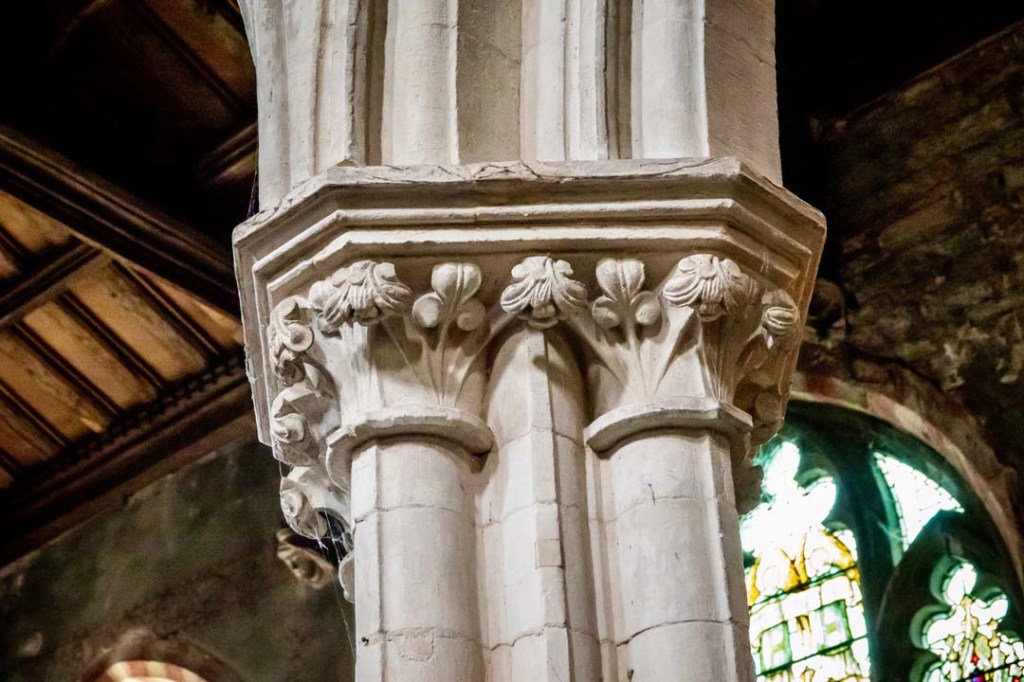
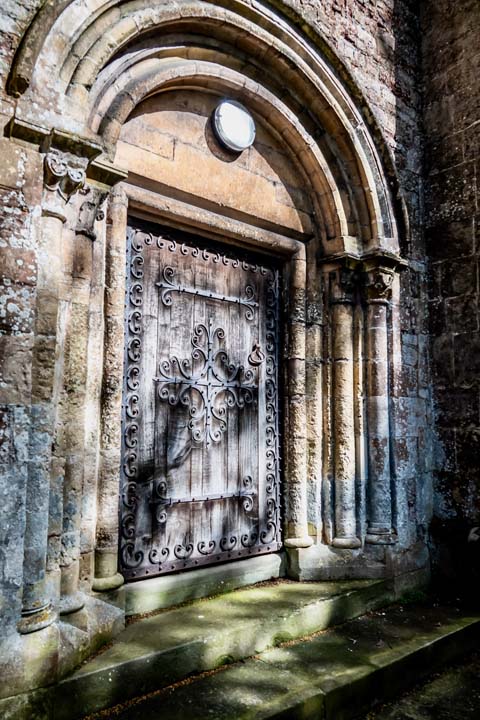
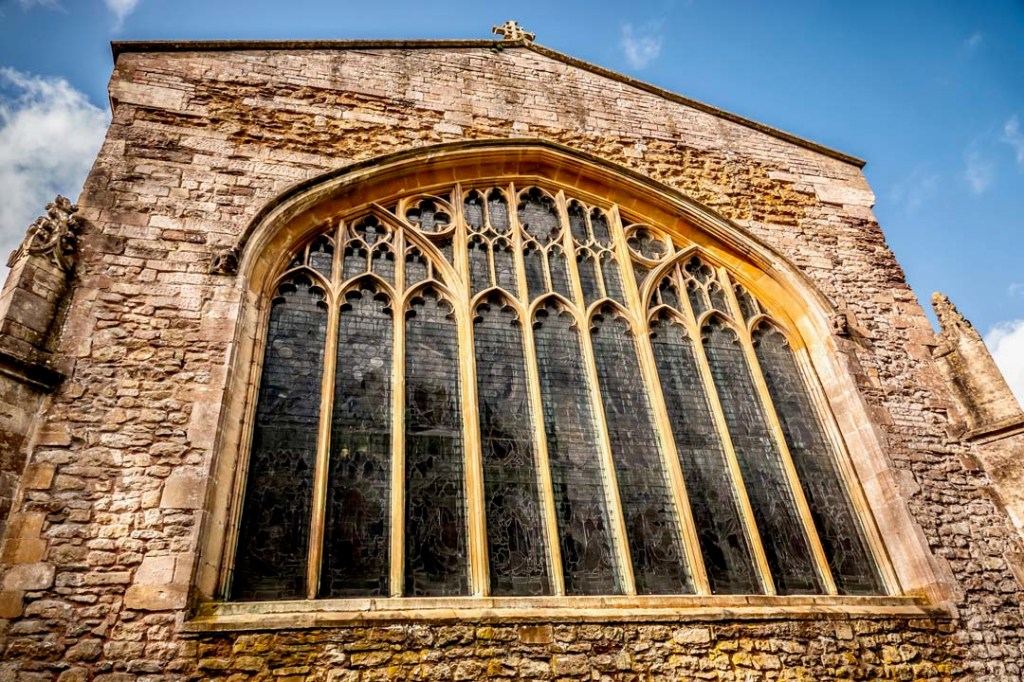
Robert Fitzharding, in the 12th century, is thought to have built a church on the site of the present church.The south door and the font remains from this building; otherwise the oldest parts of the building date from 1225 to 1250, notably the nave and west front. The west end of the chancel is also of this period; the east end was extended about 1300. During the 14th century the south and north aisles were rebuilt, and the north door was created. The large rood screen is of the 15th century.
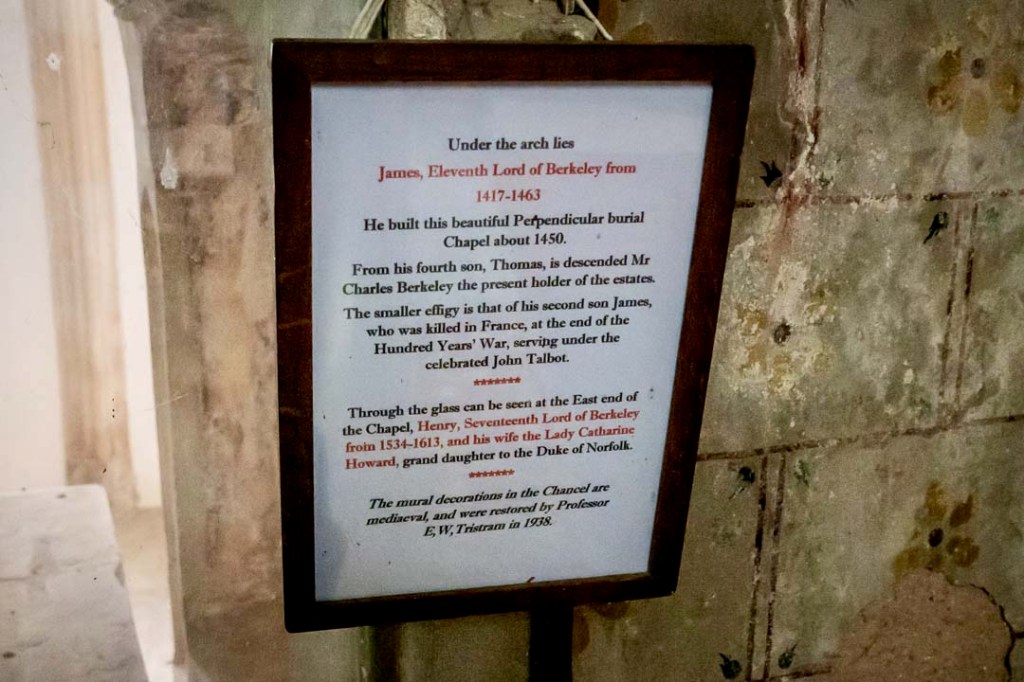
The Berkeley burial chapel, built about 1450 by JamesBerkeley, 11th Baron Berkeley by tenure and 1st Baron Berkeley by writ (c. 1394–1463), is still owned by the Berkeley family and is not open to the public. It is in the south-east corner, in Perpendicular style. There is an ogee crocketed arch over the doorway holding the Berkeley arms.
All quotes are Simon Jenkins “England’s 1000 Best Churches”. All photos are my own.









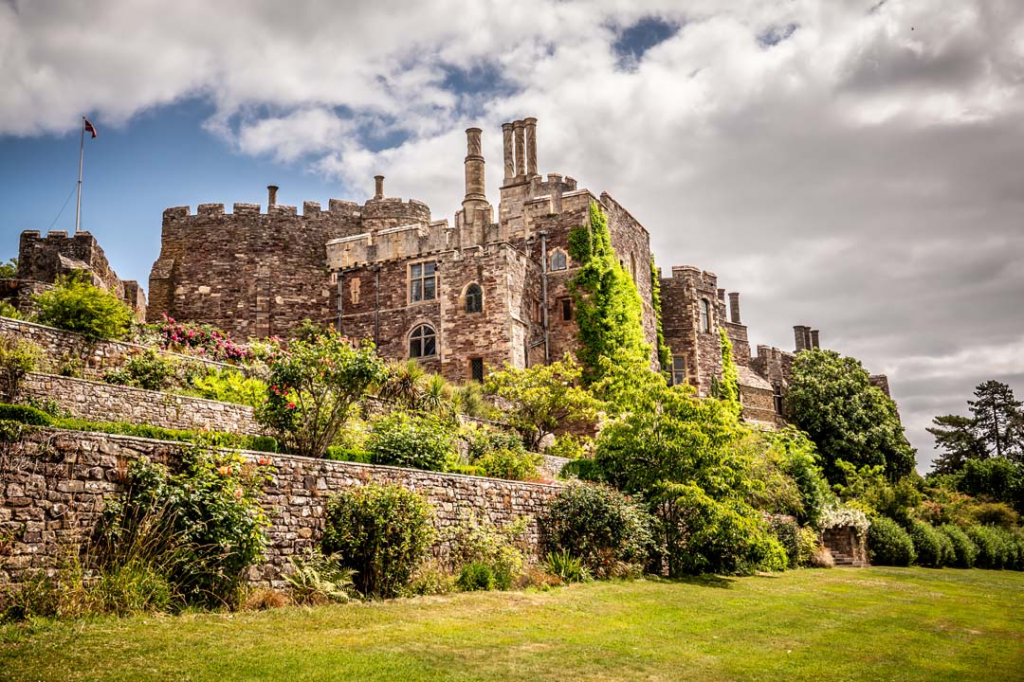
Link to earlier visit to Berkeley Castle
References:
The Buildings of England Gloucestershire: The Vale and Forest of Dean David Verey Founding Editor Nikolaus Pevsner Penguin Books 1970 1976
Simon Jenkins; England’s Thousand Best Churches Penguin Books 2000
St Mary’s website https://www.stmarys-berkeley.co.uk
 Martin's Bird Blog & Nature Photos