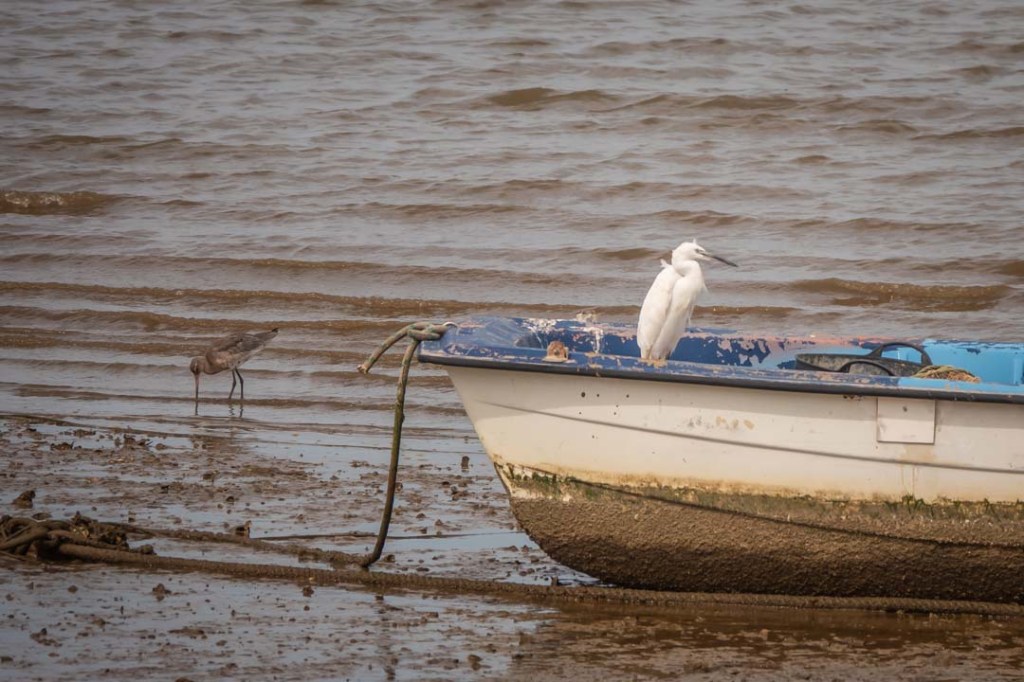
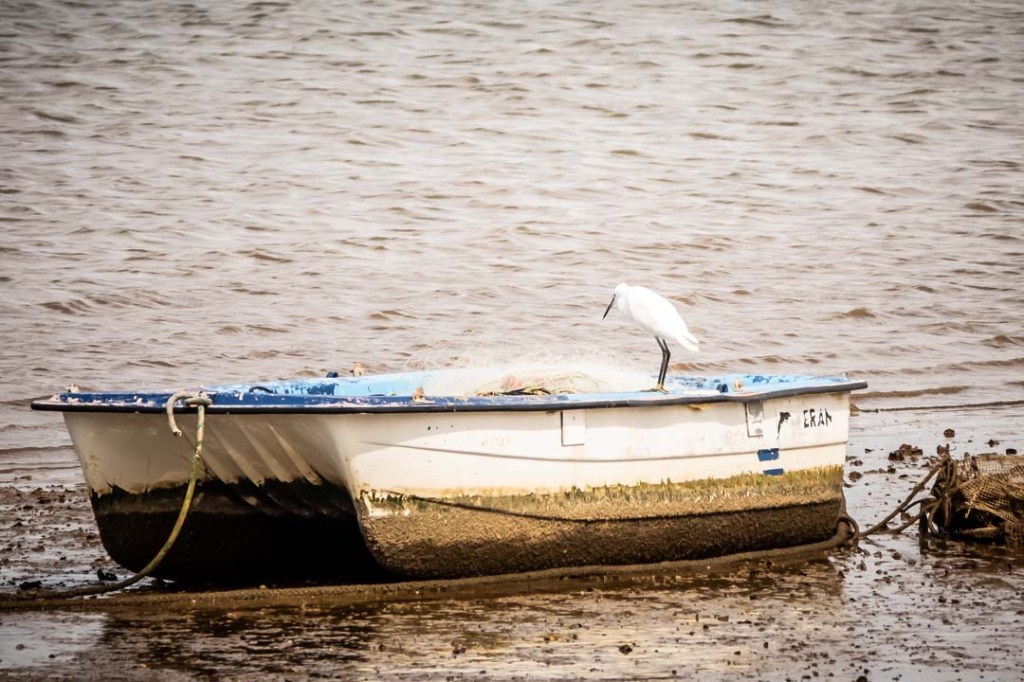
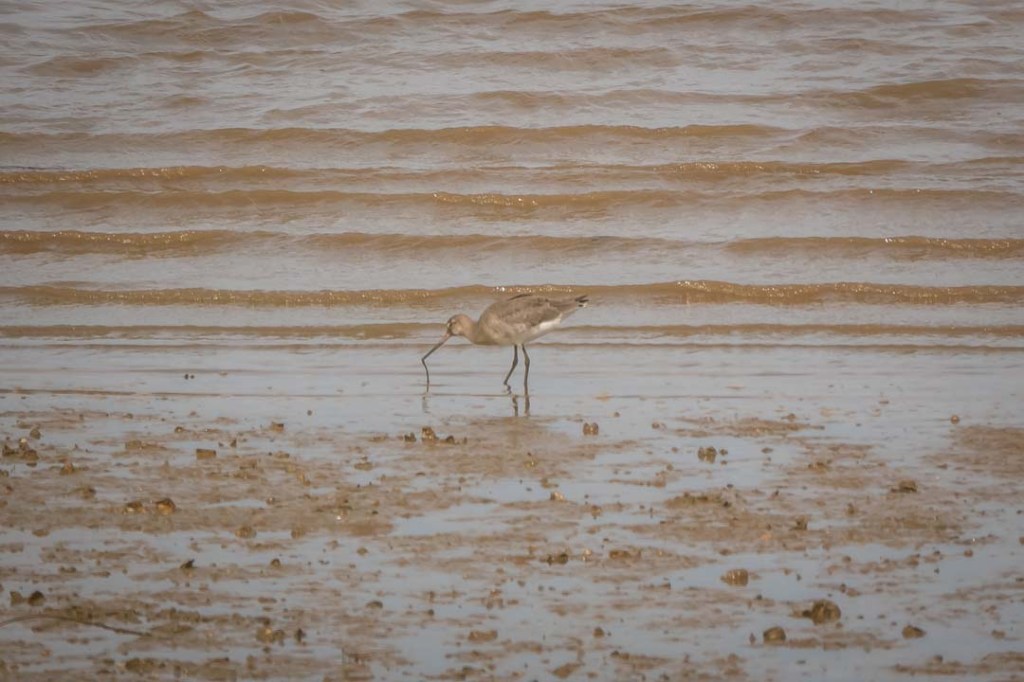
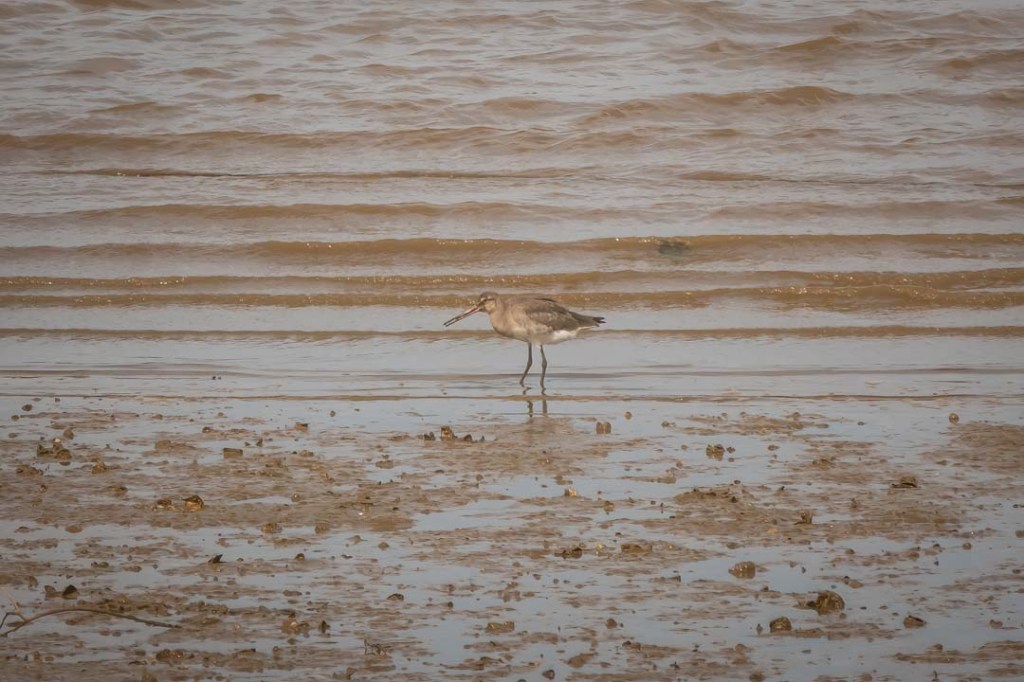
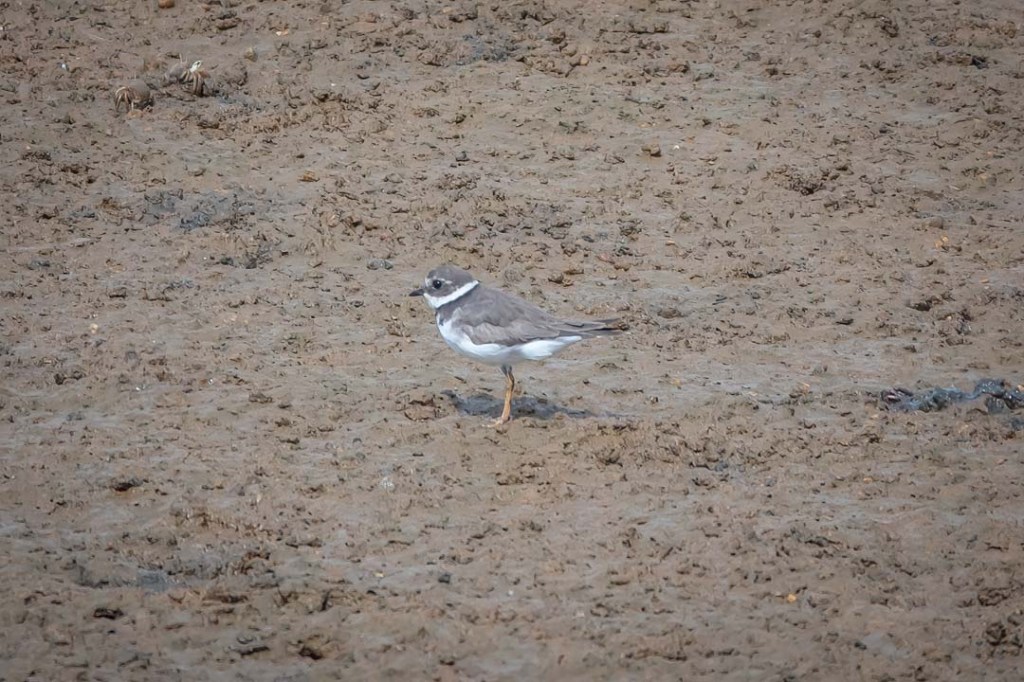
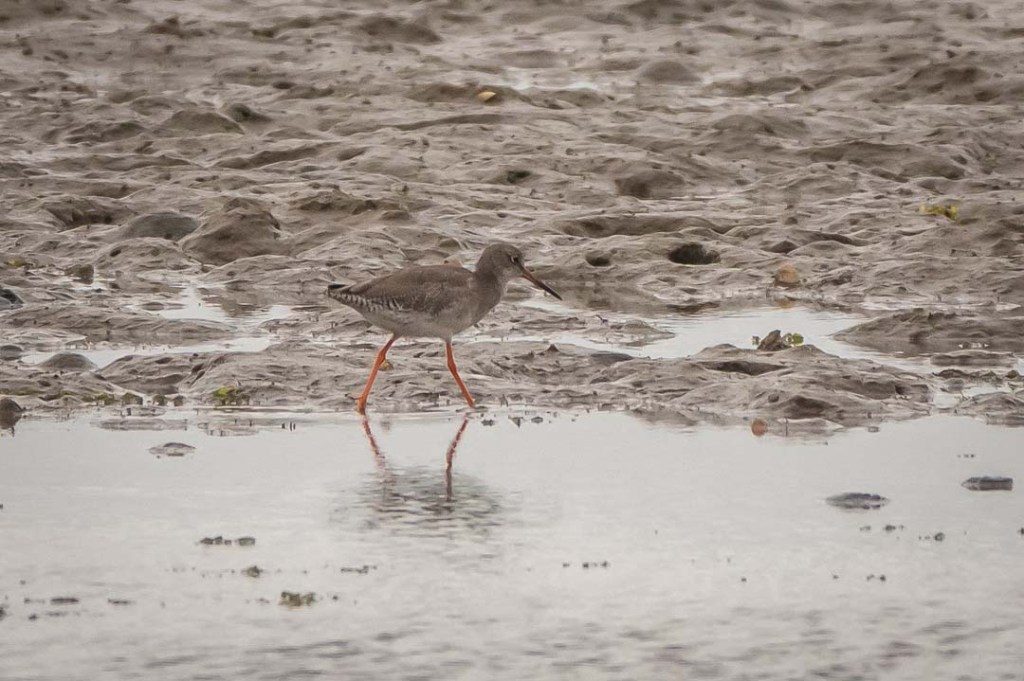
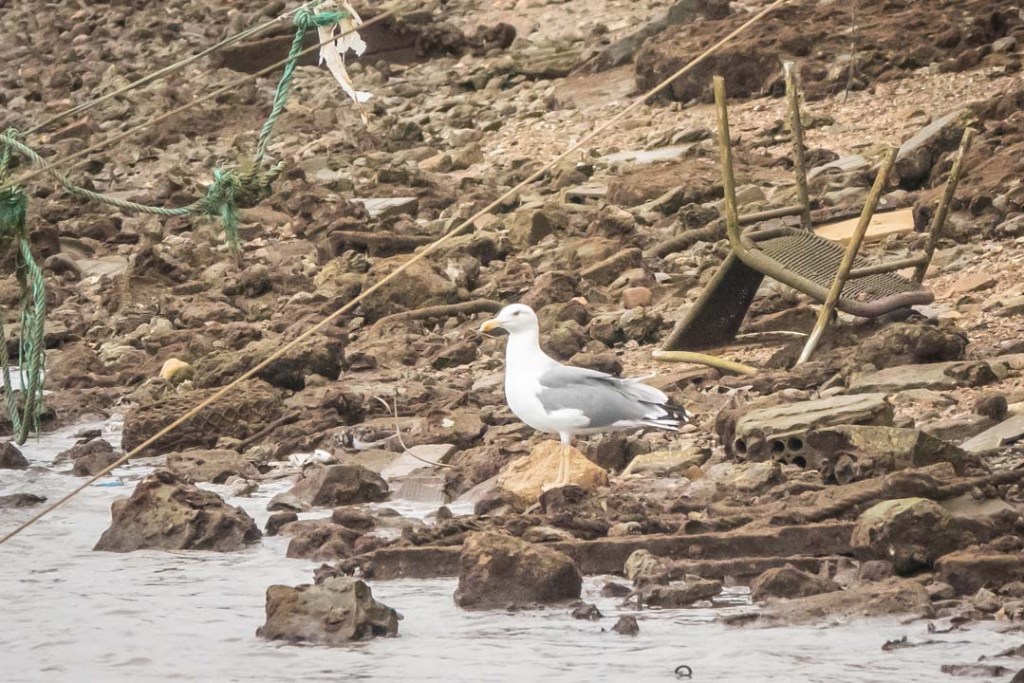
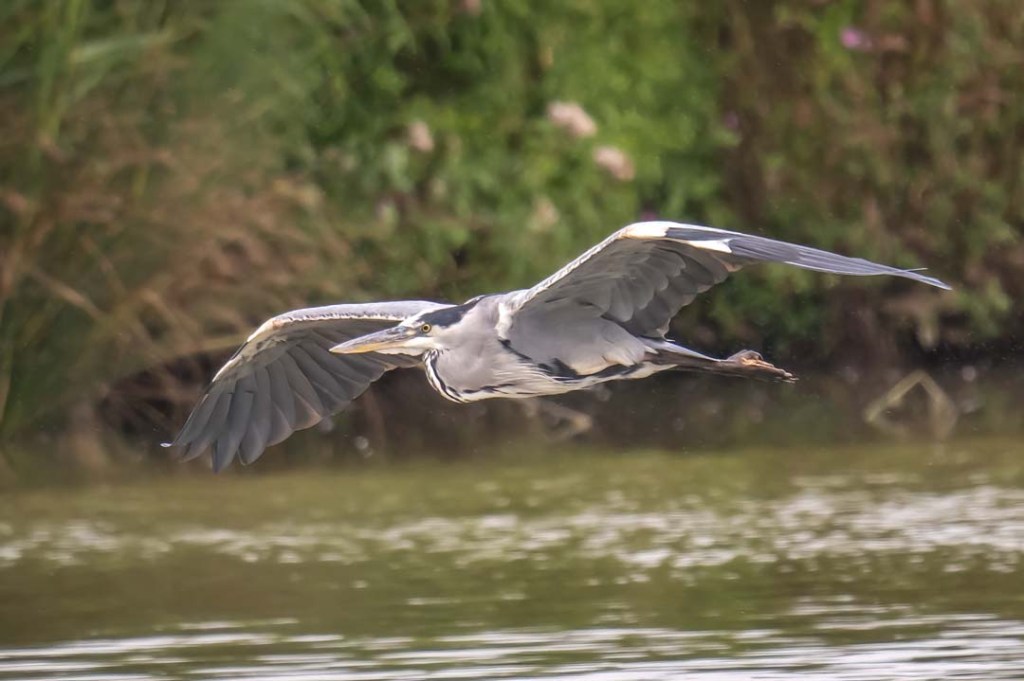
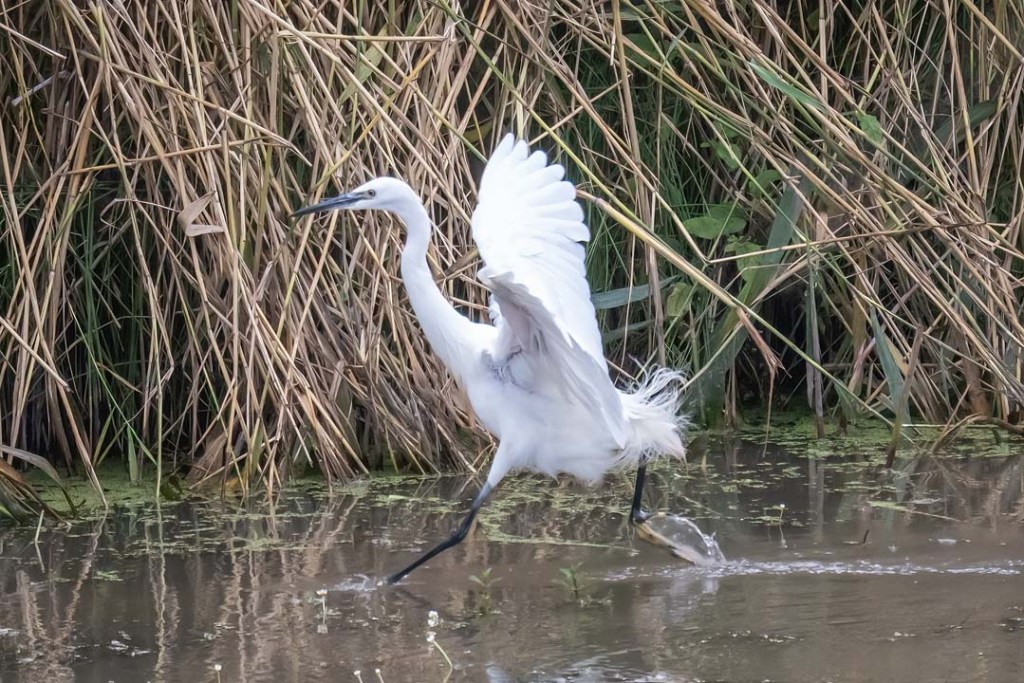
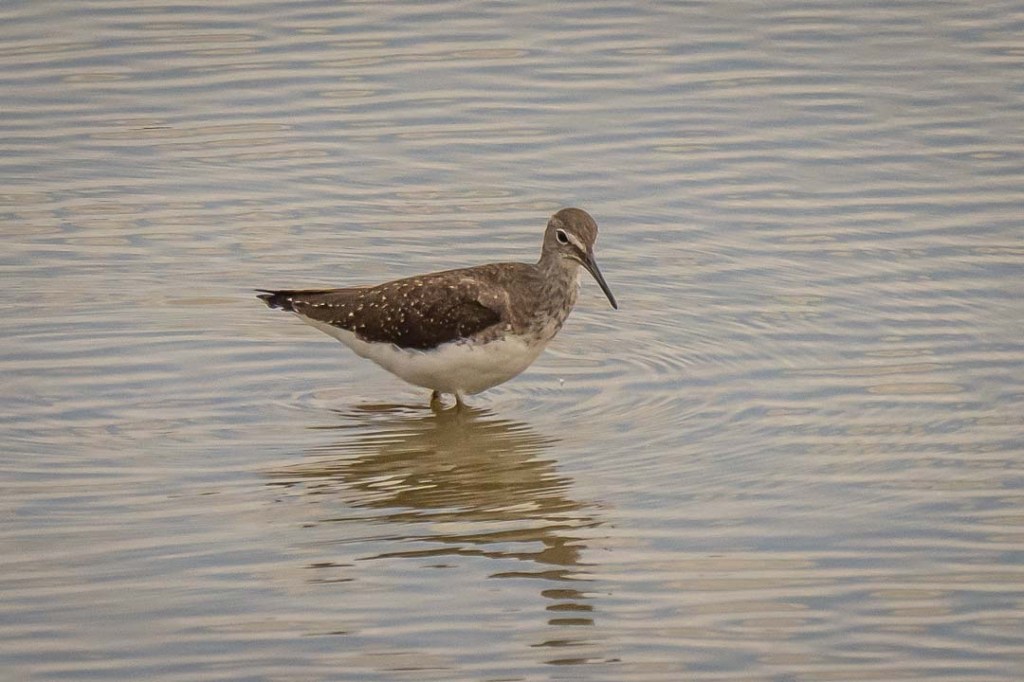
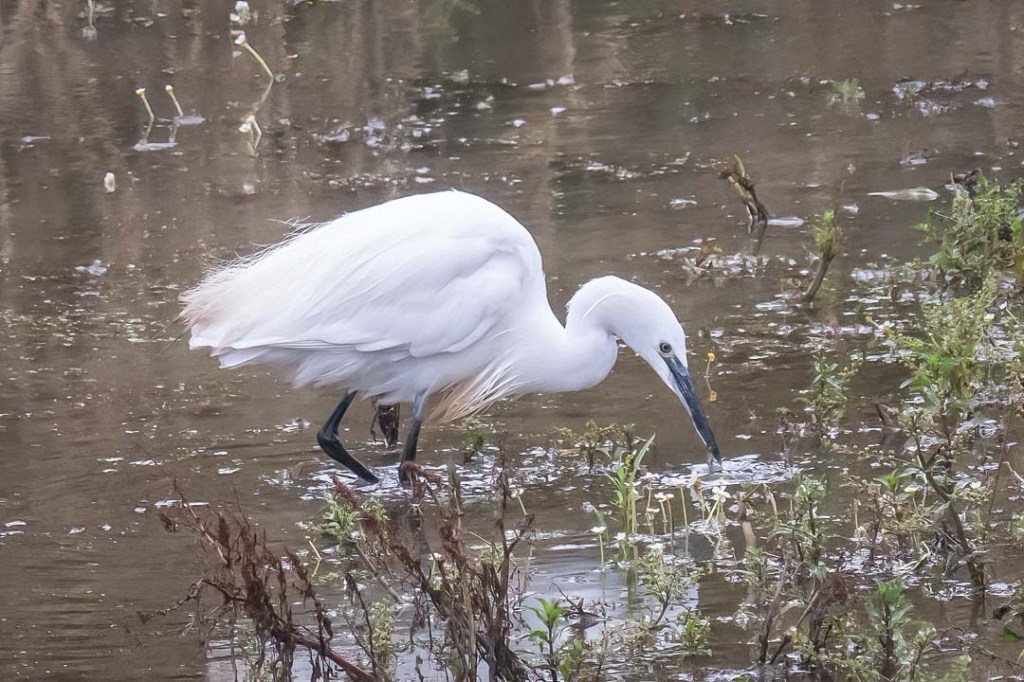
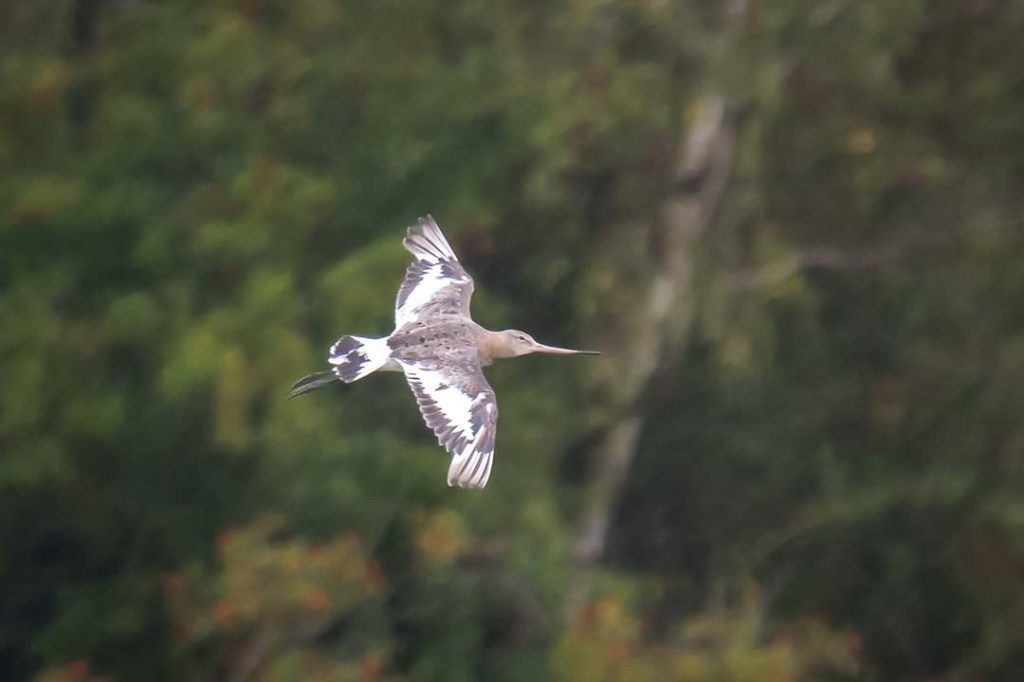
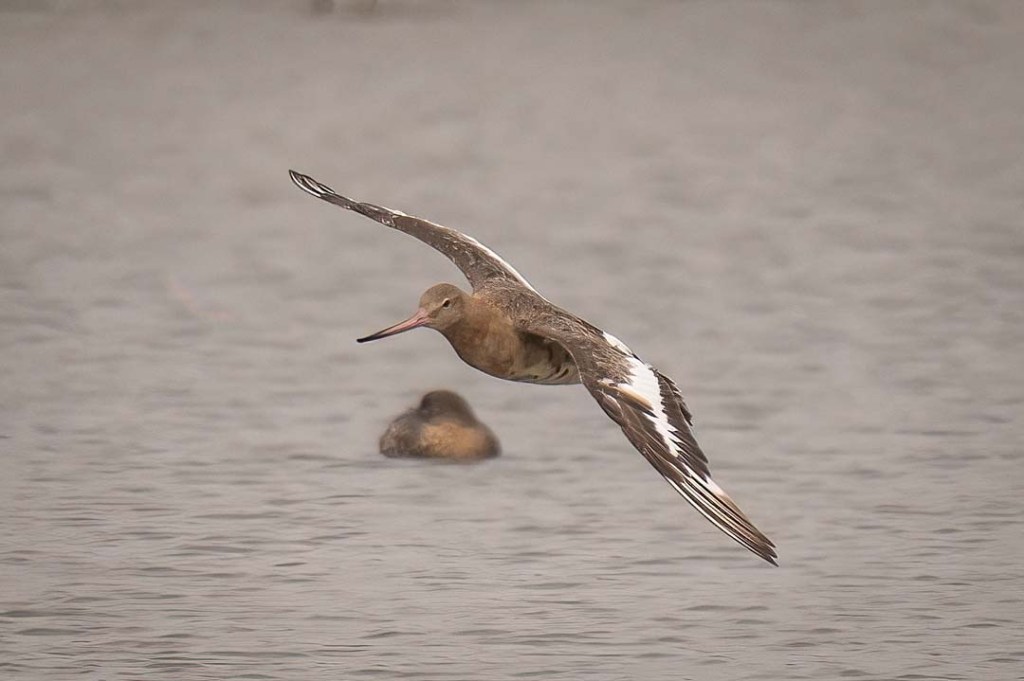
Little egret and black-tailed godwit on the Rio Tinto
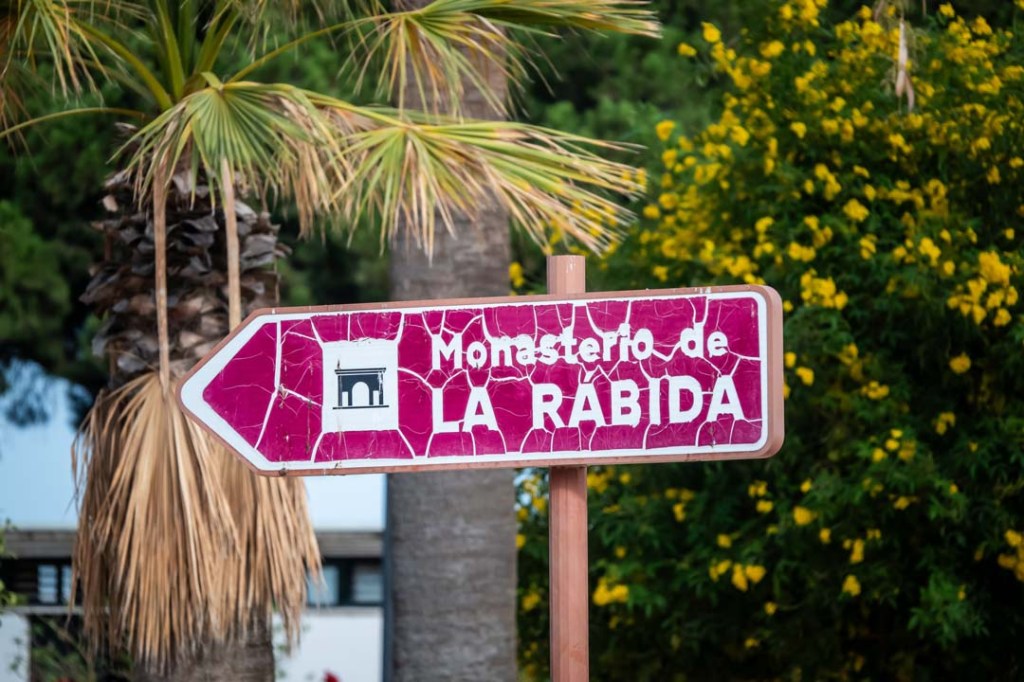
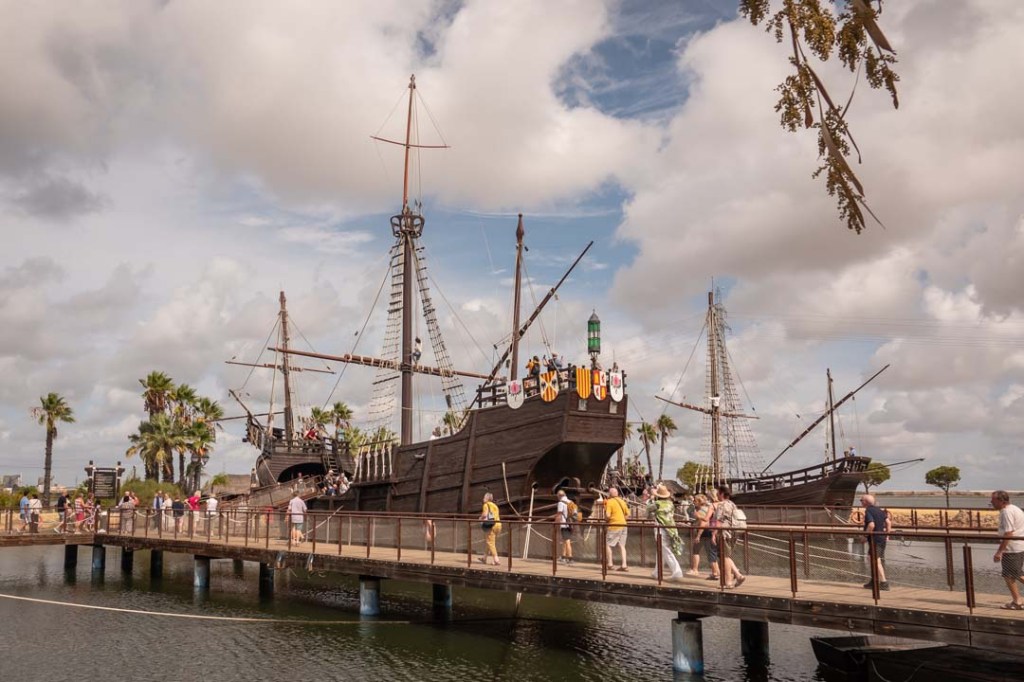
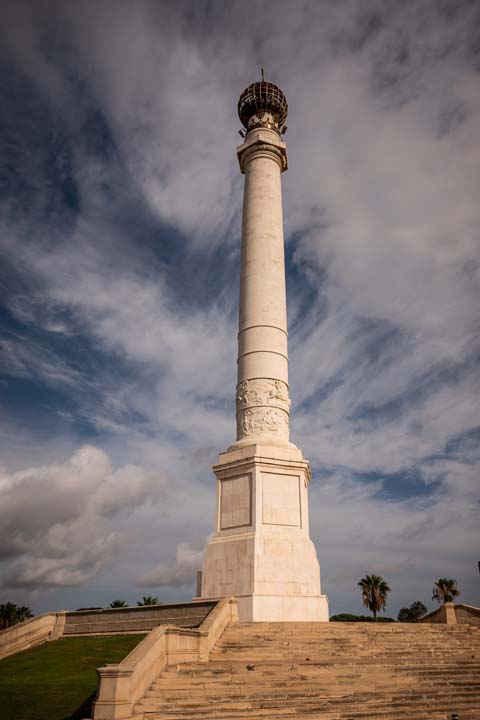
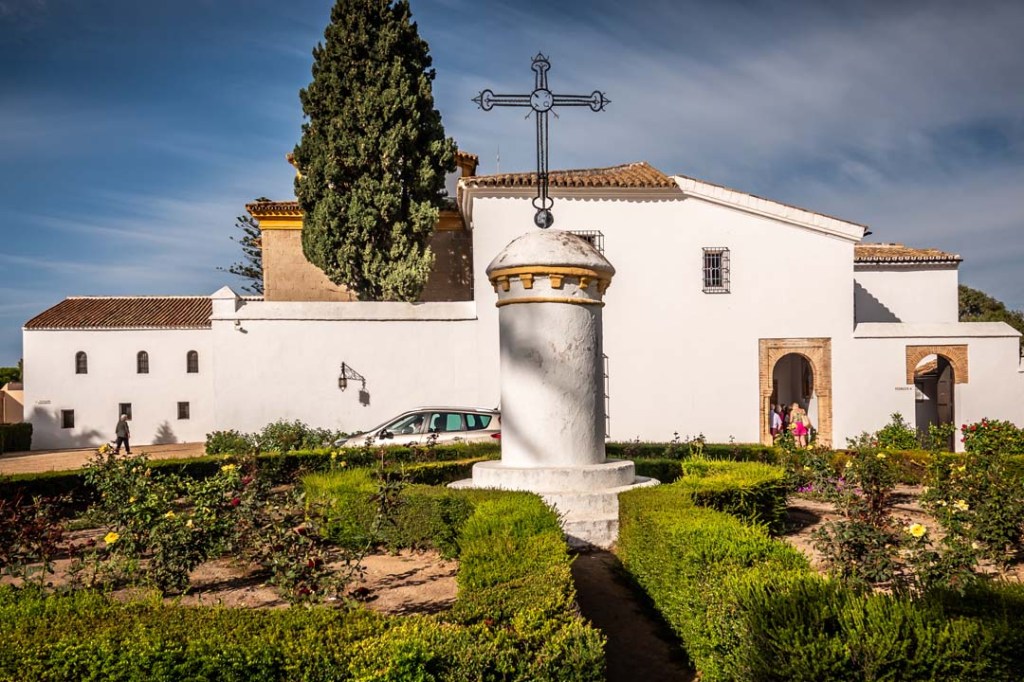
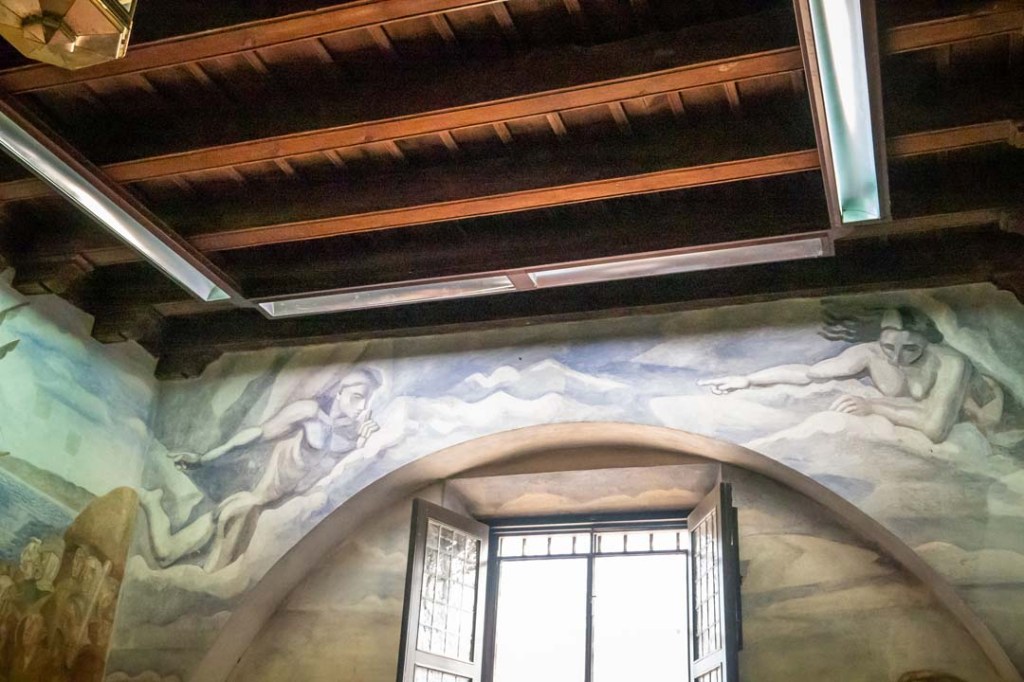
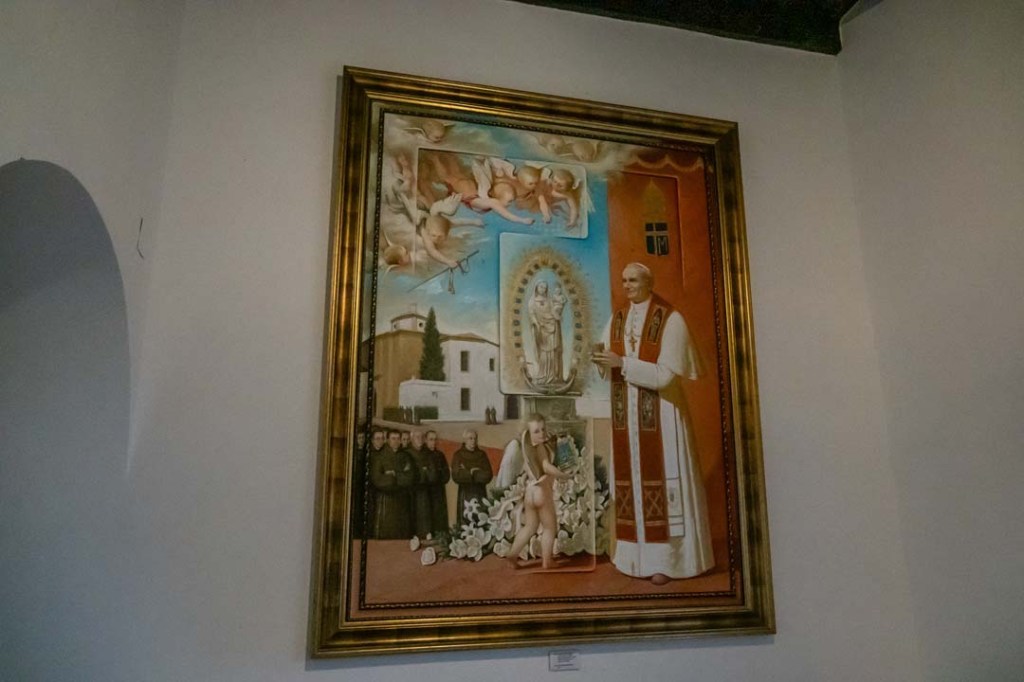
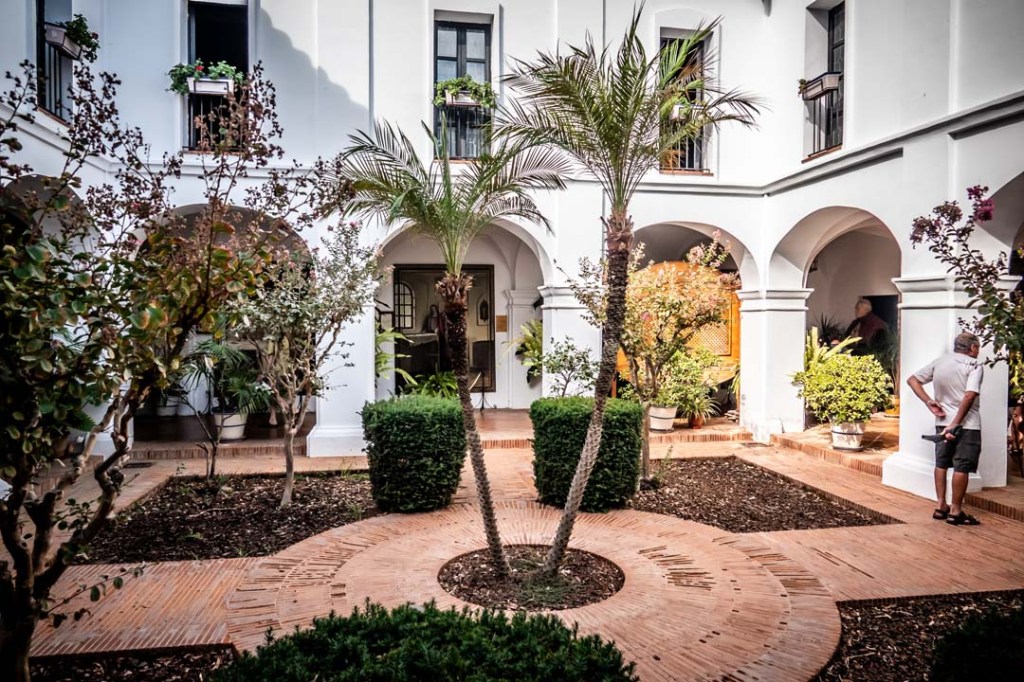
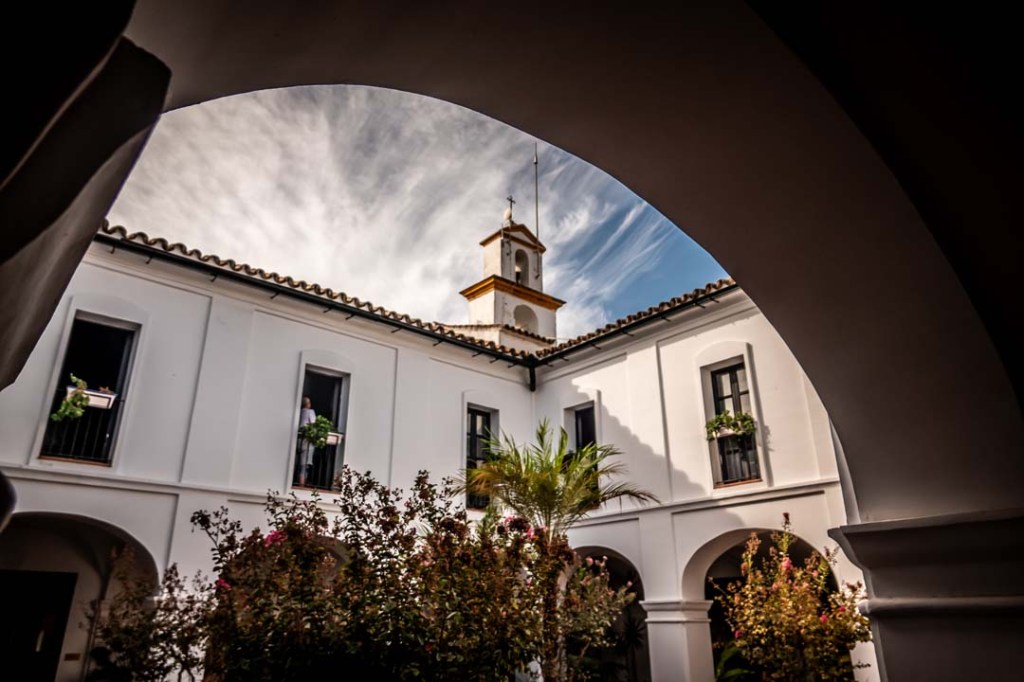
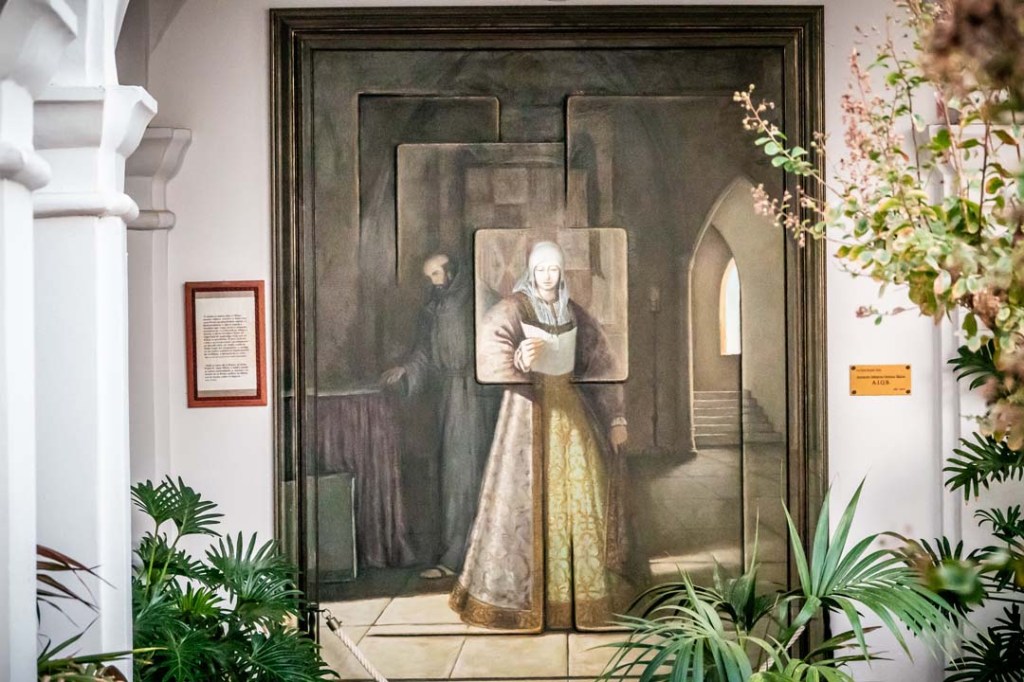
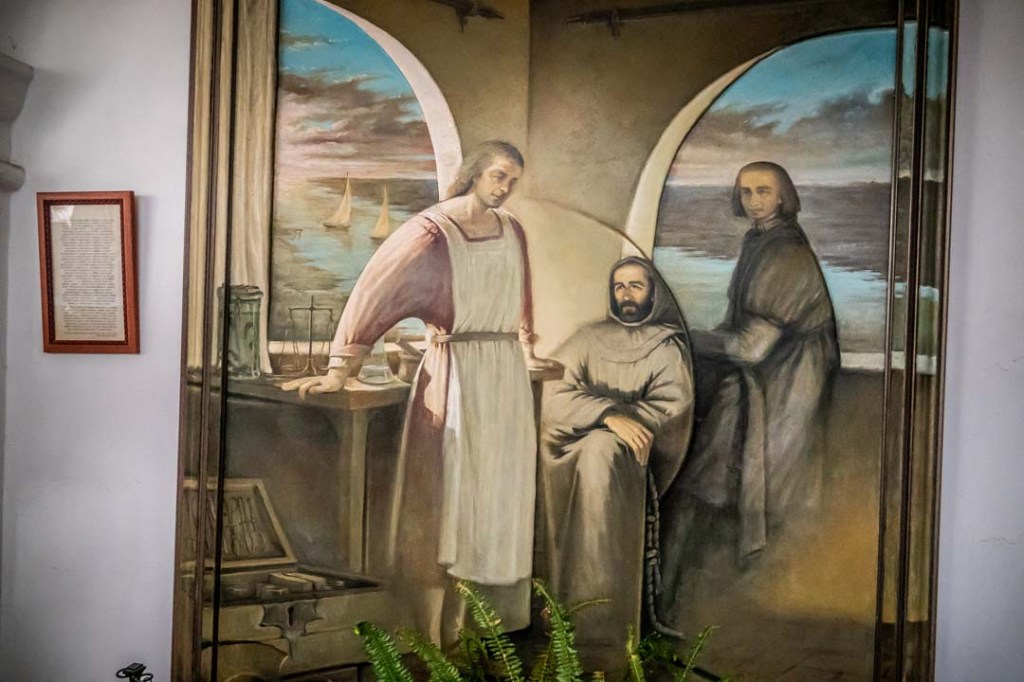
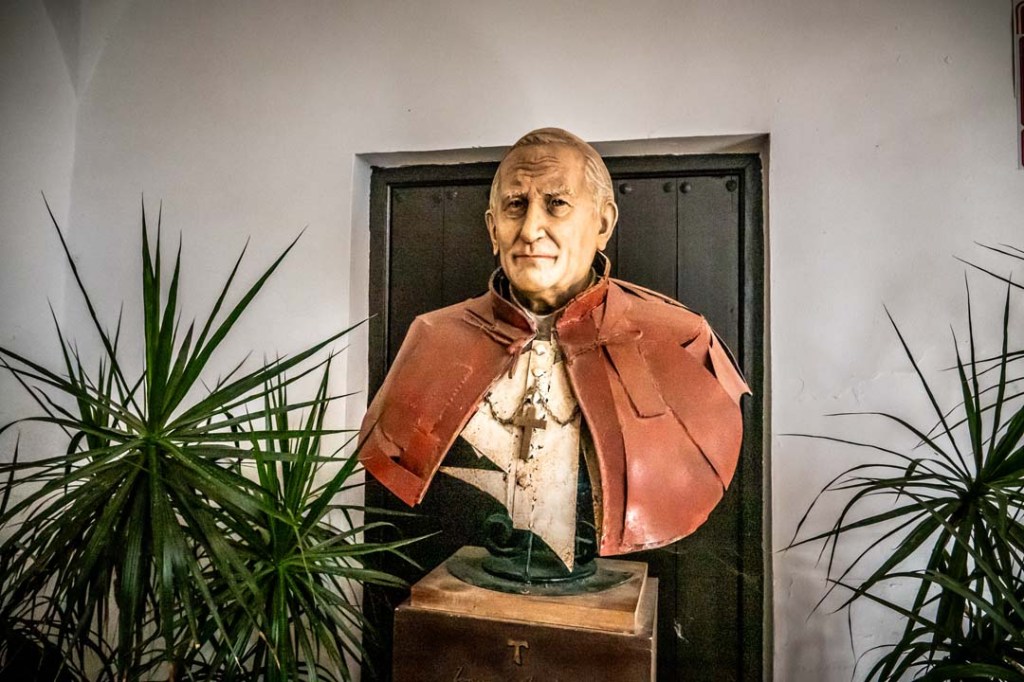
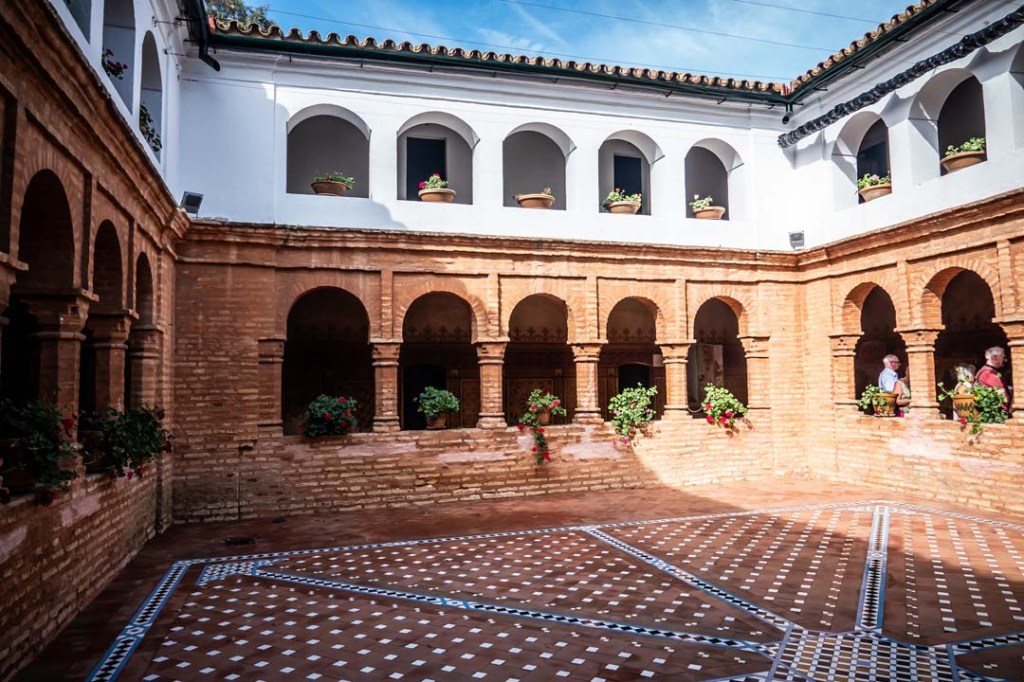
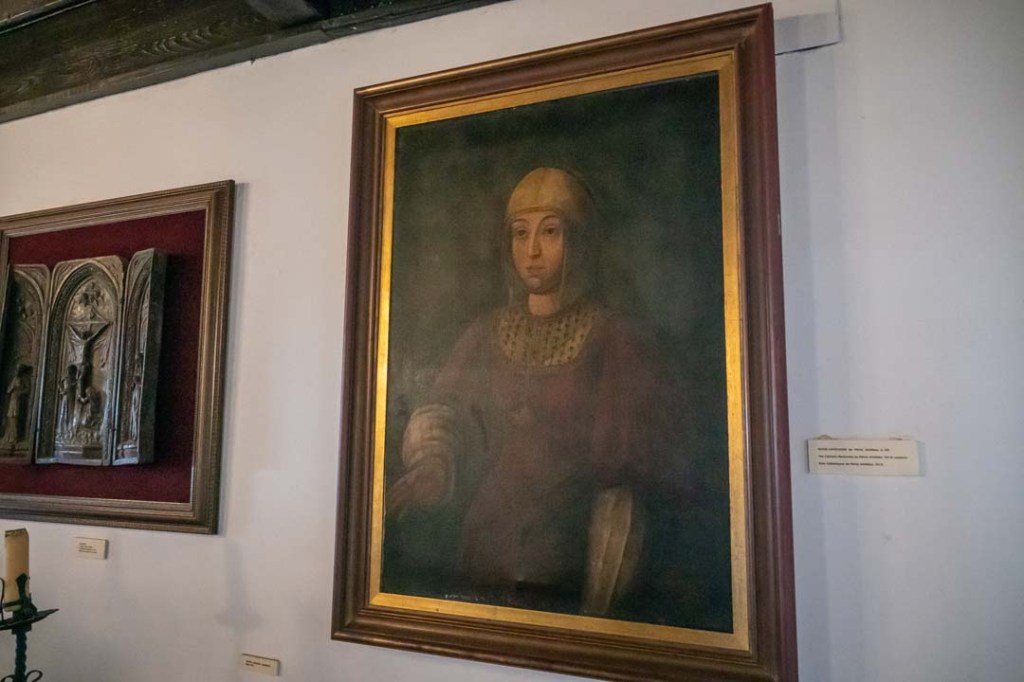
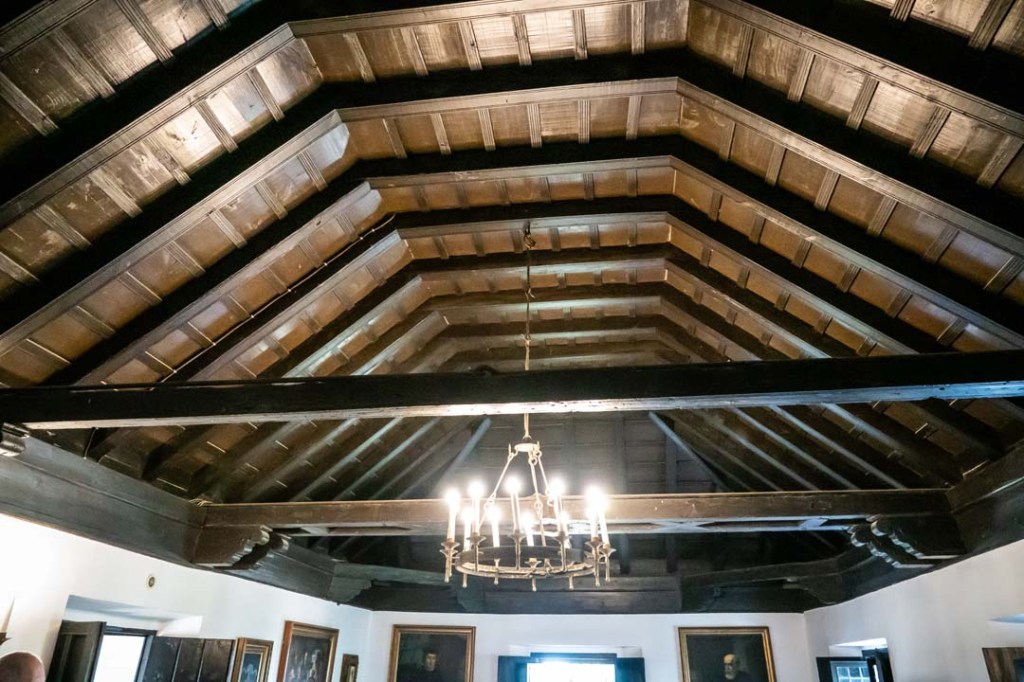
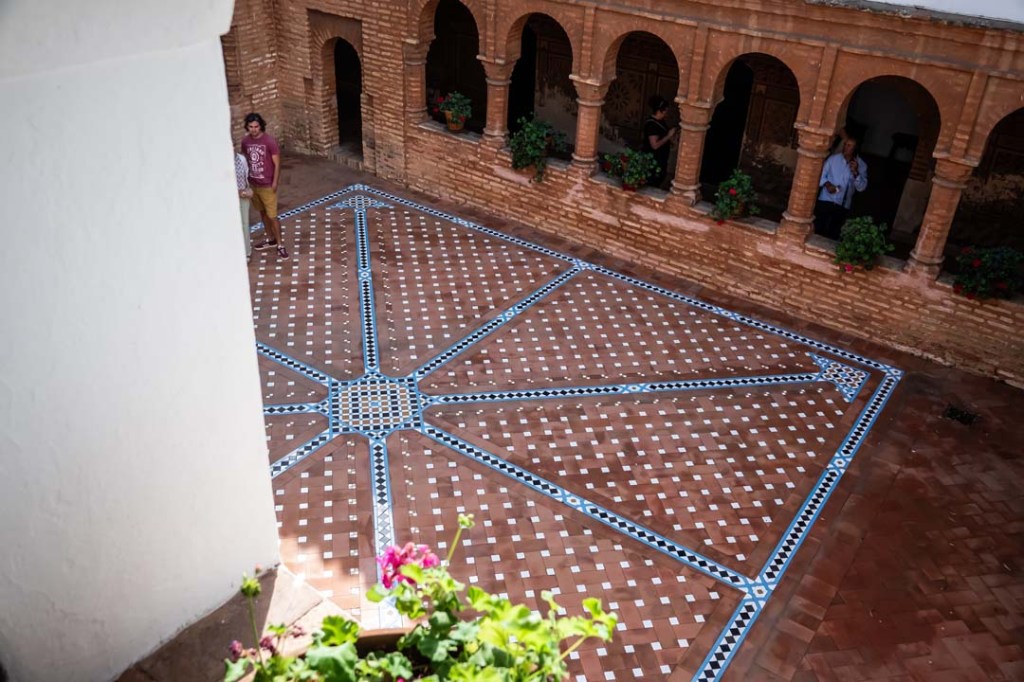
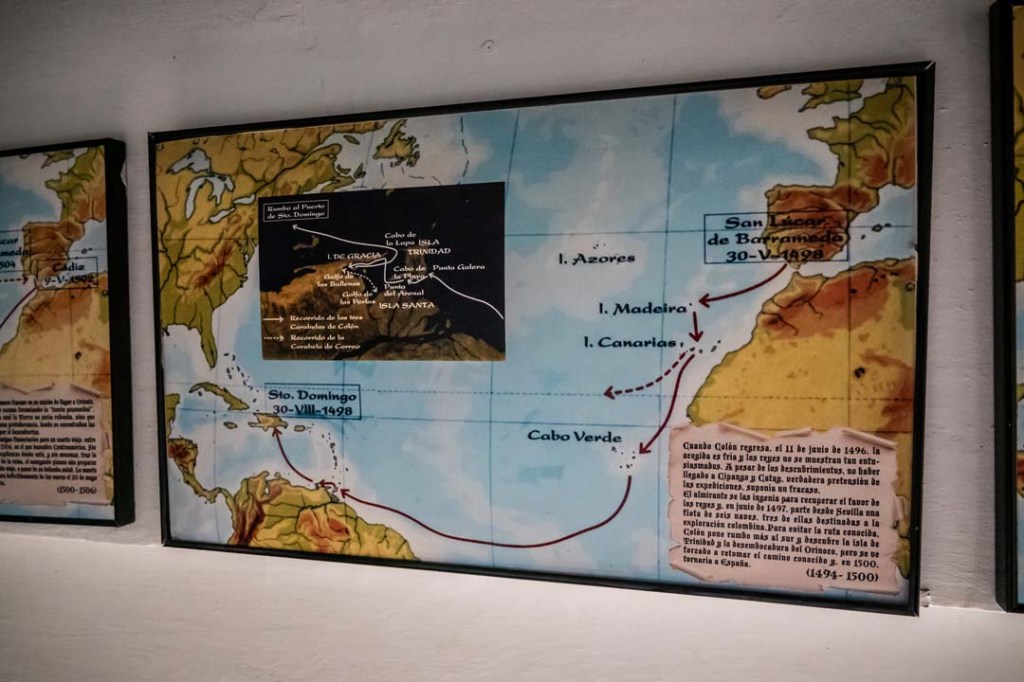
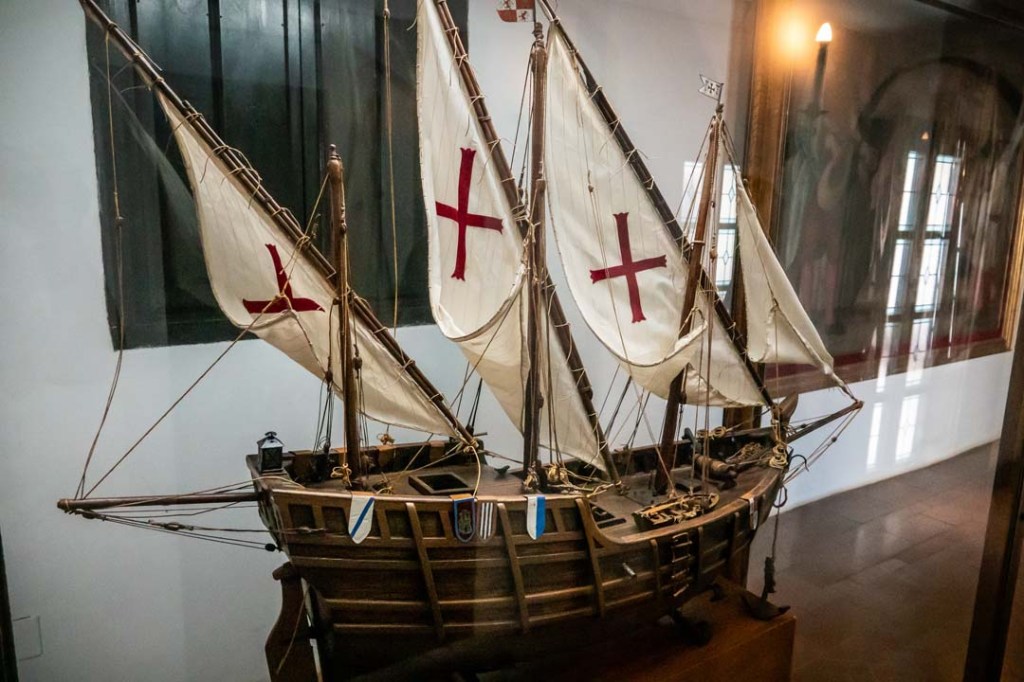
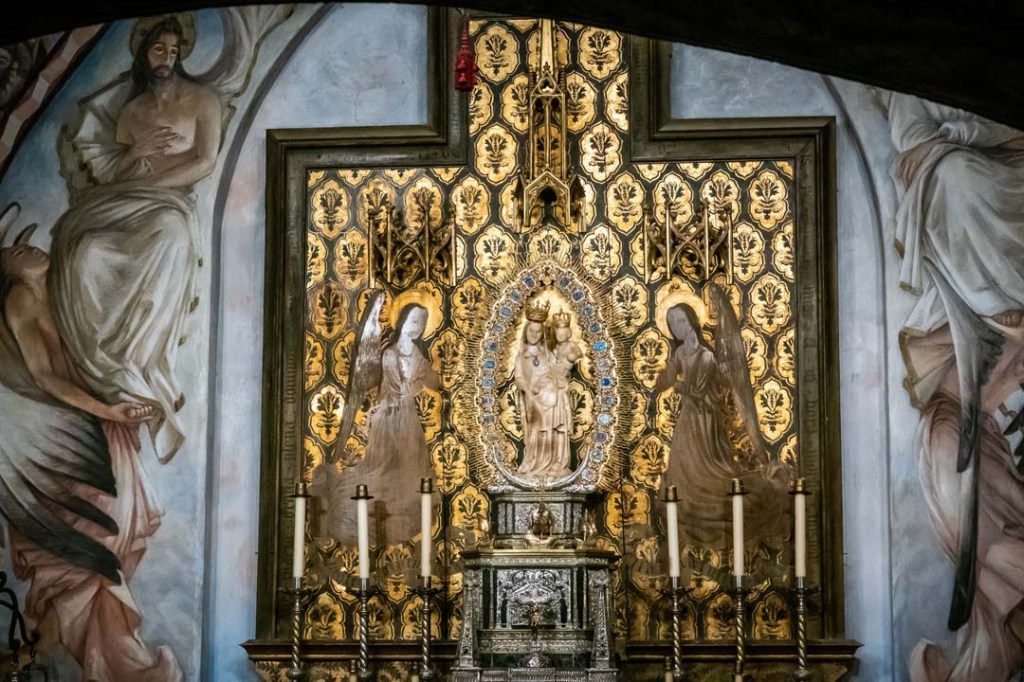
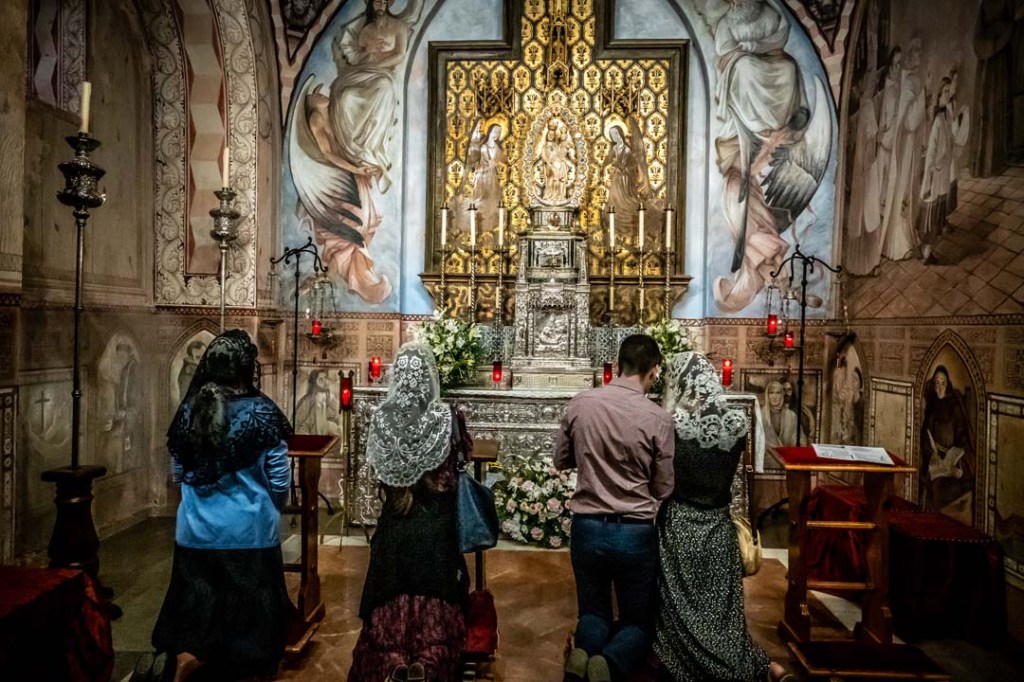
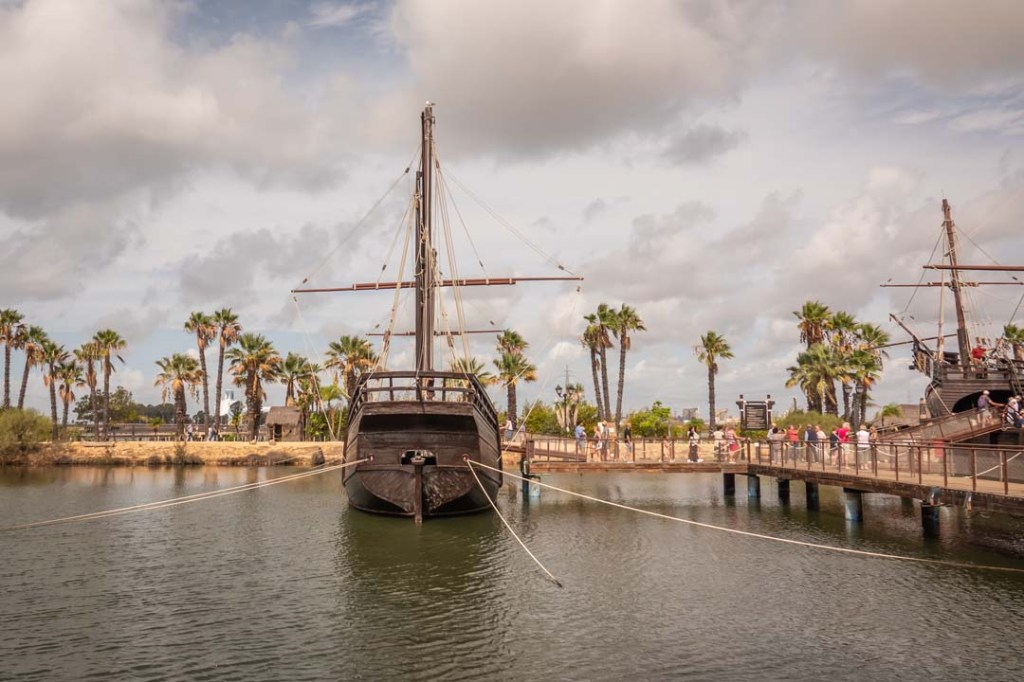
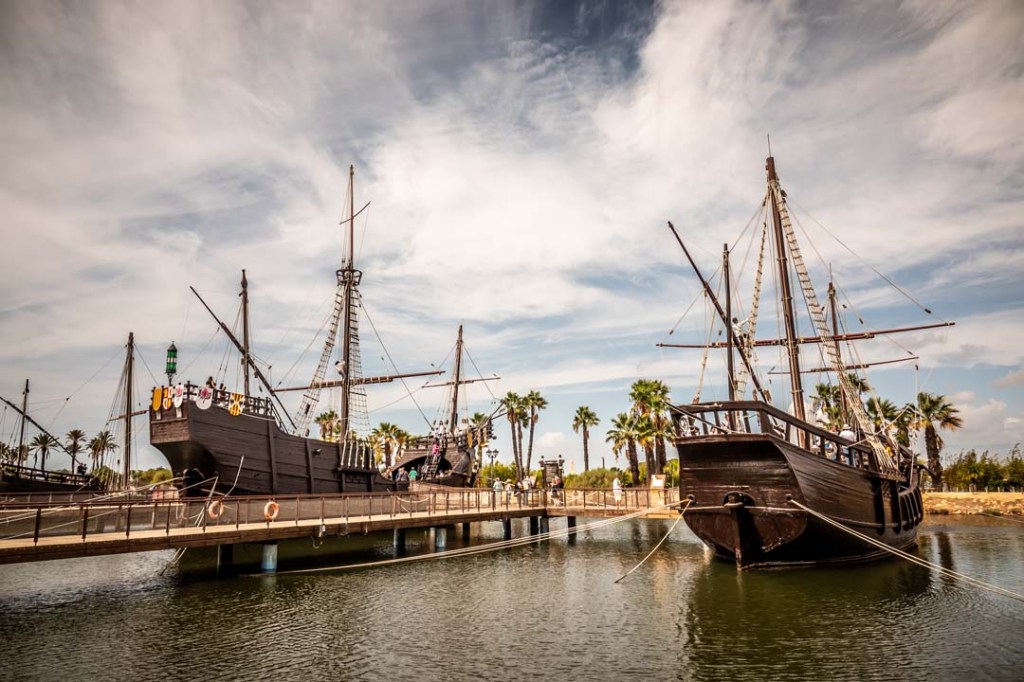
The main focus of our holiday today was a morning visit to “The cradle of The Discovery”, to the Monastery of Santa Maria de la Rábida where Christopher Columbus lived whilst he was planning his voyage of discovery. Then we visited the Muelle de las Carabelas, a wharf where it is possible to see the Santa Maria, Pinta and Niña, replicas of the ships that set sail from this place on August 3, 1492.
The Monastery of Santa Maria de la RábidaColumbus setting sailThe Muelle de las CarabelasThe Muelle de las Carabelas
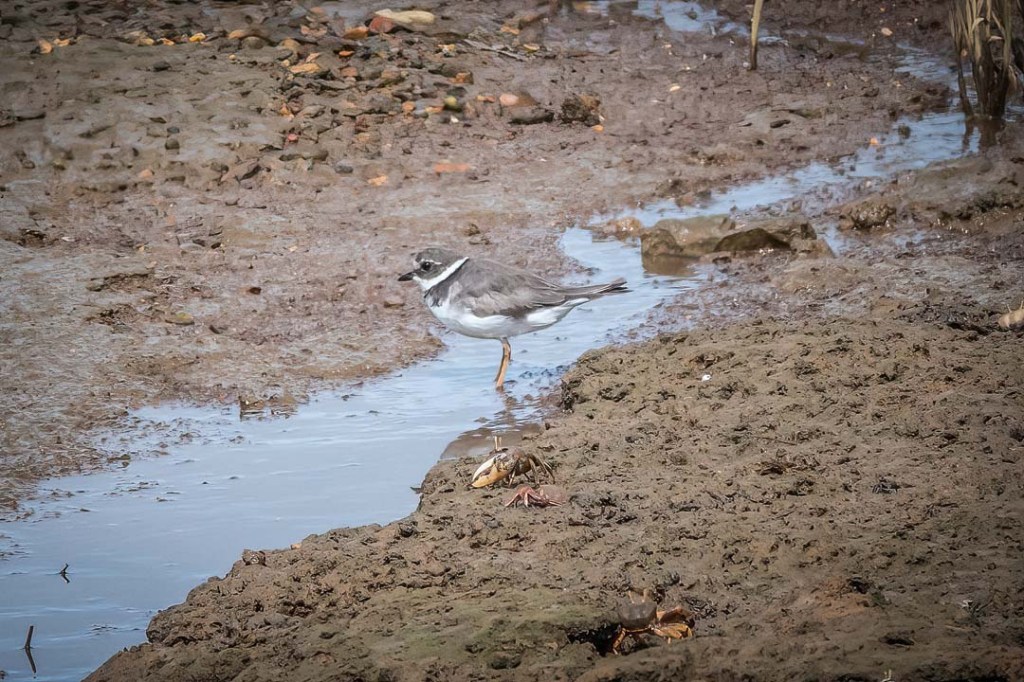
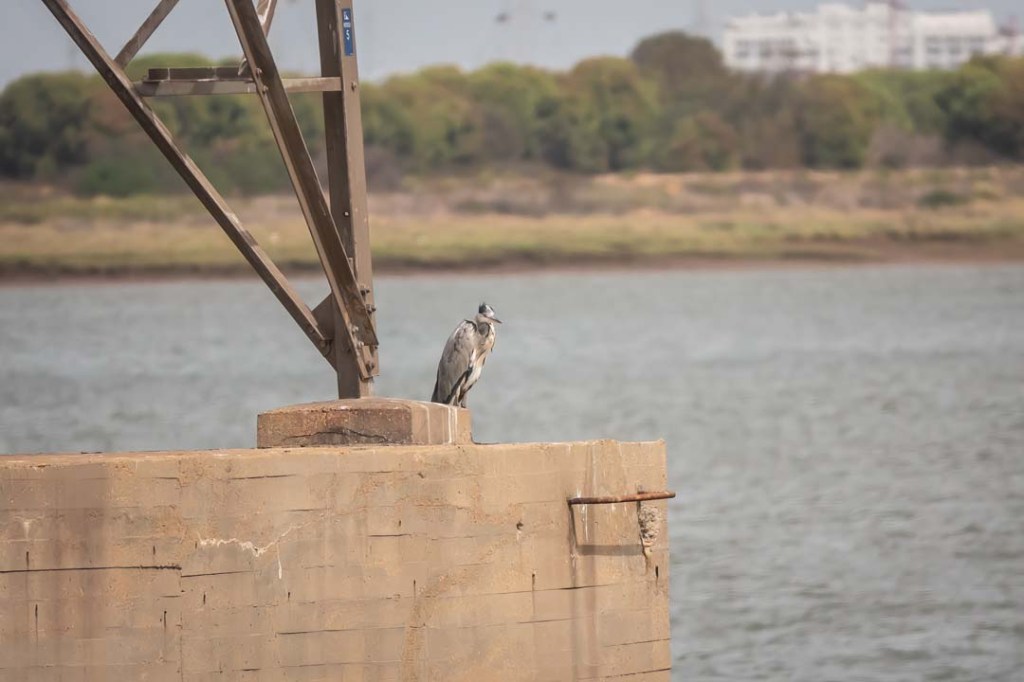
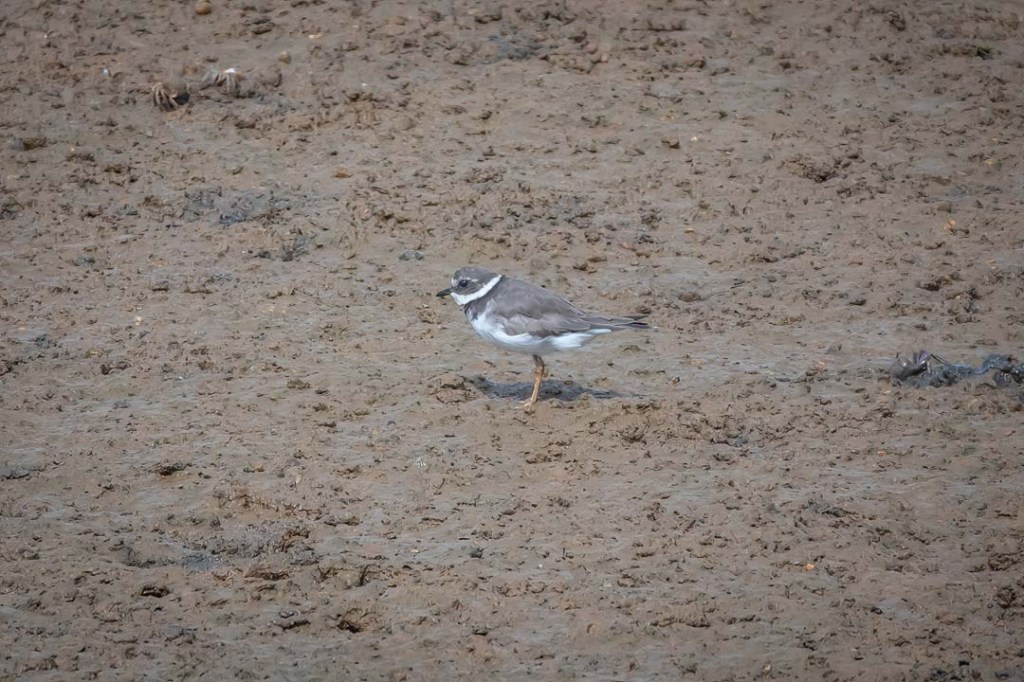
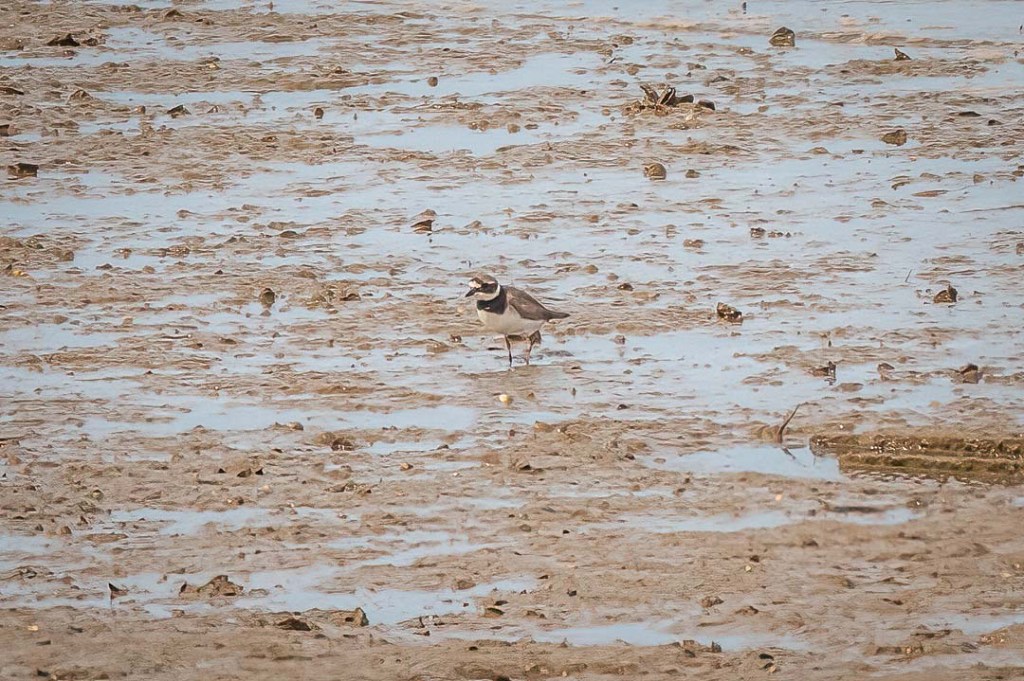
The wharf is on the estuary of the Rio Tinto and here I took the opportunity to photograph a few birds.
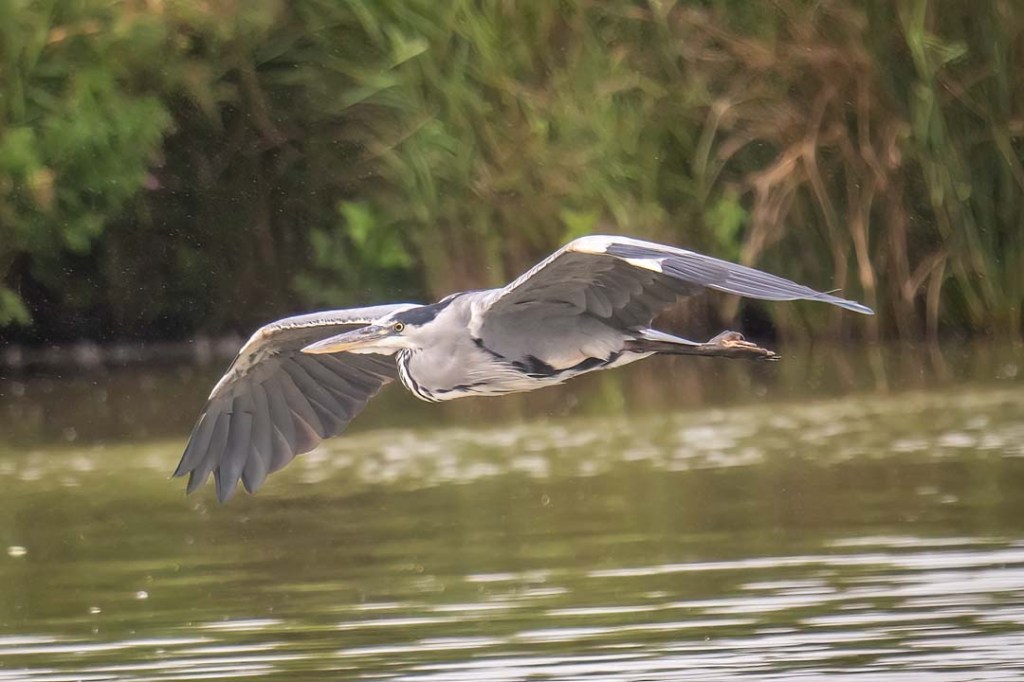
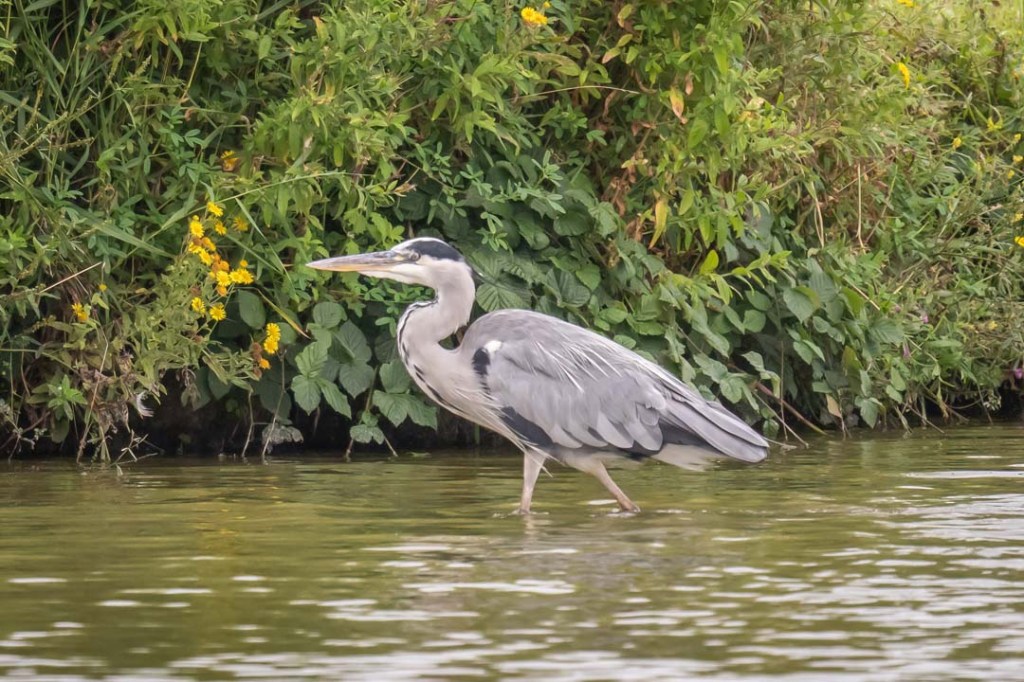
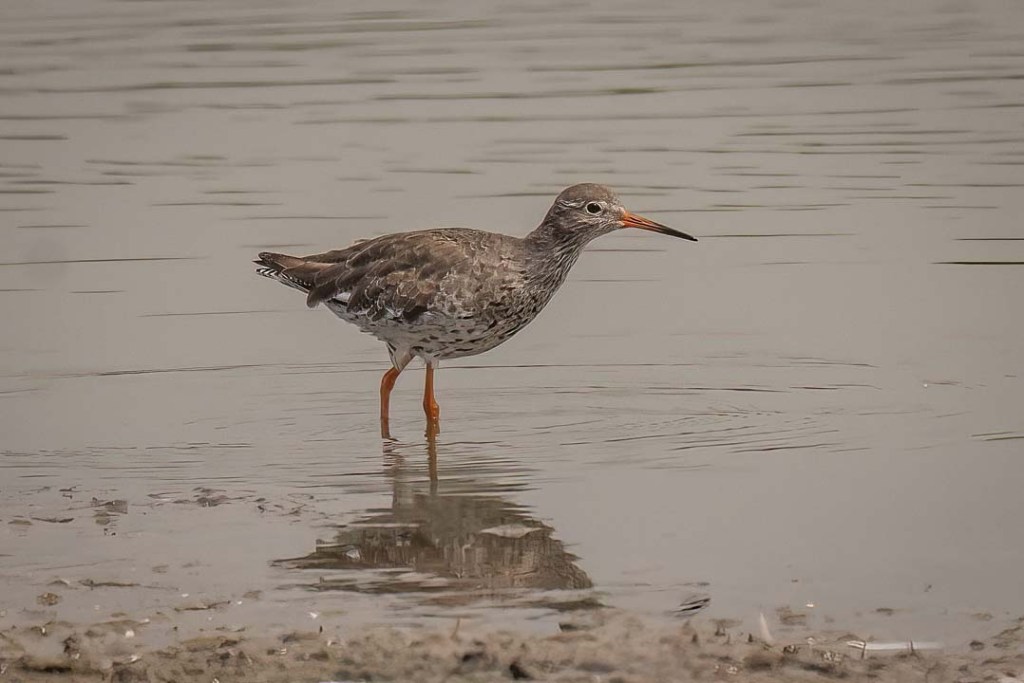
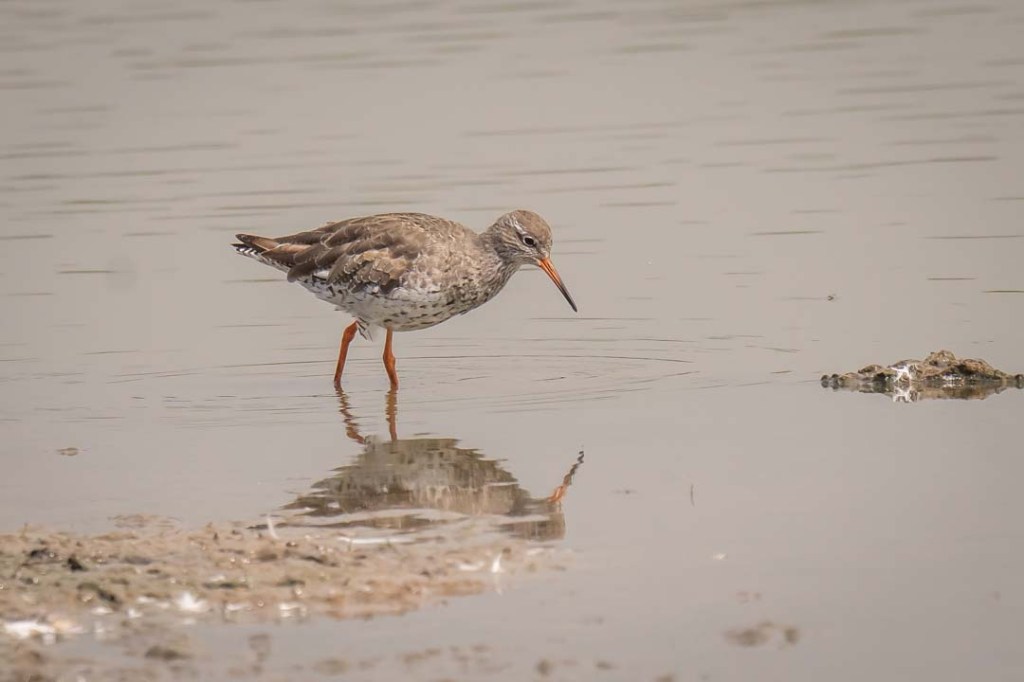
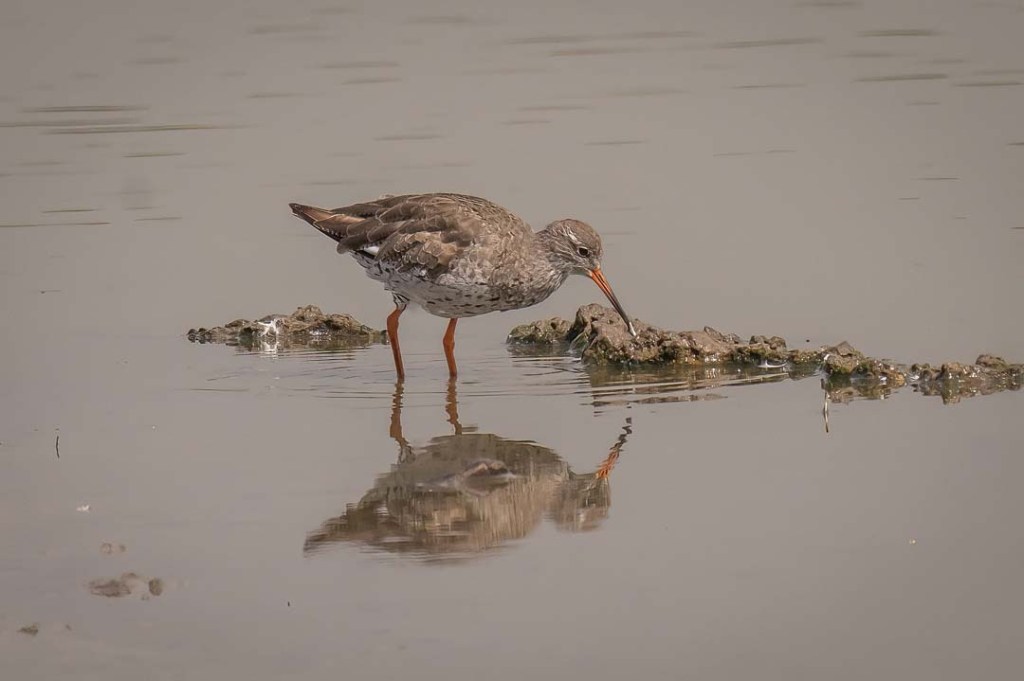
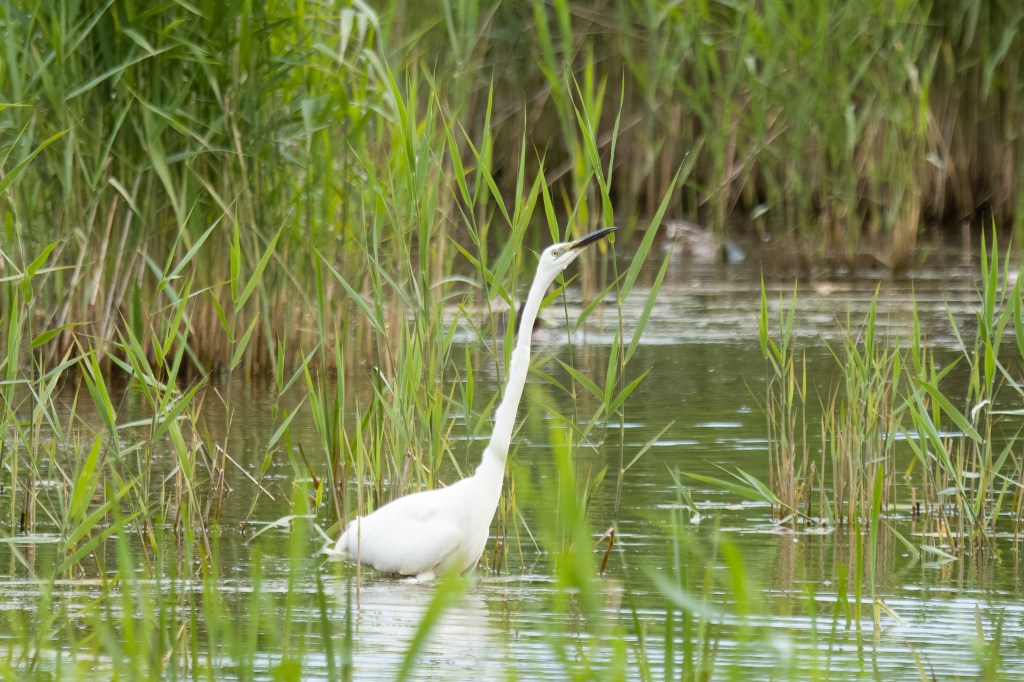
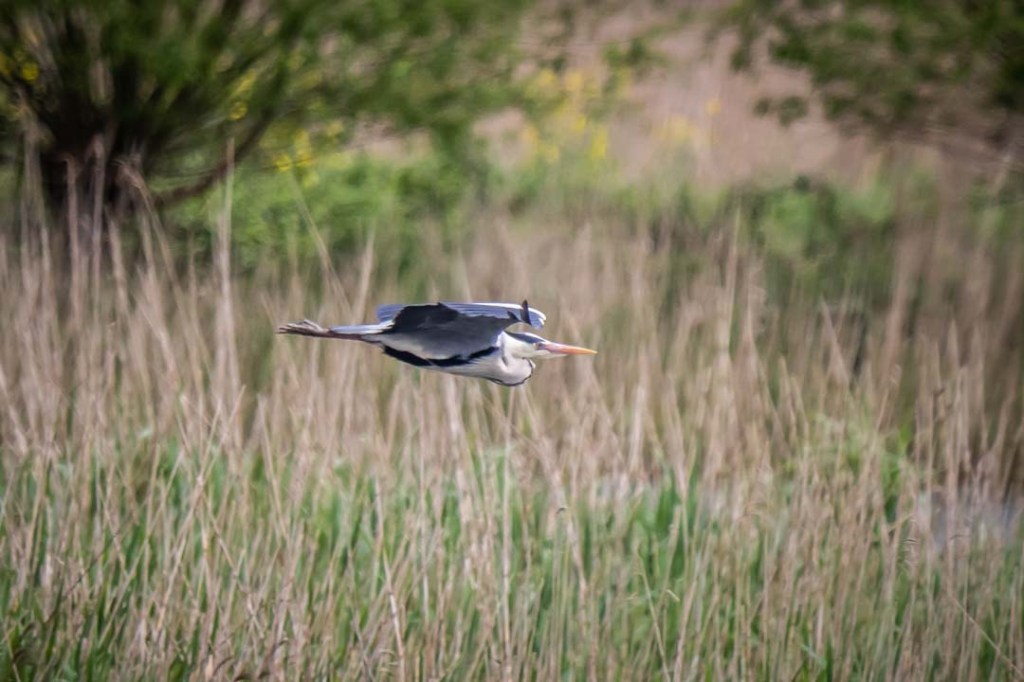
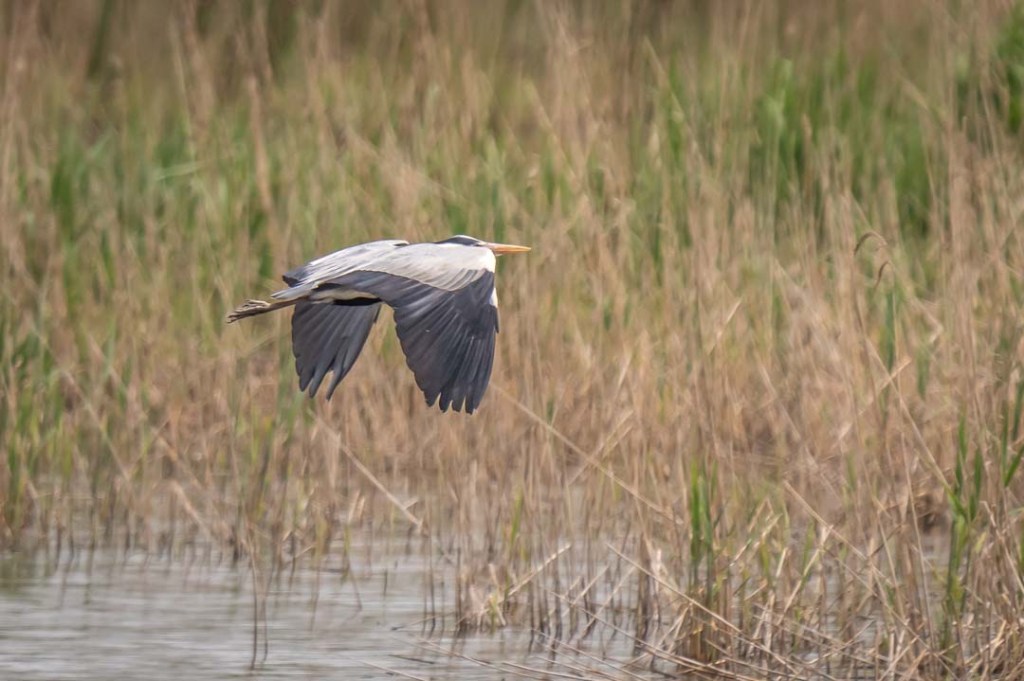
Little egretBlack-tailed godwitsCommon ringed ploverBlack-tailed godwitsGrey heron
Slideshow of photos from this morning (for a personal souvenir):
The weather for the first few days of our holiday to Isla Cristina in the province of Huelva in Andalusia, Spain has been very disappointing but looking at the forecast, which is very good for the next two weeks , we may be grateful that we have had a gentle start.
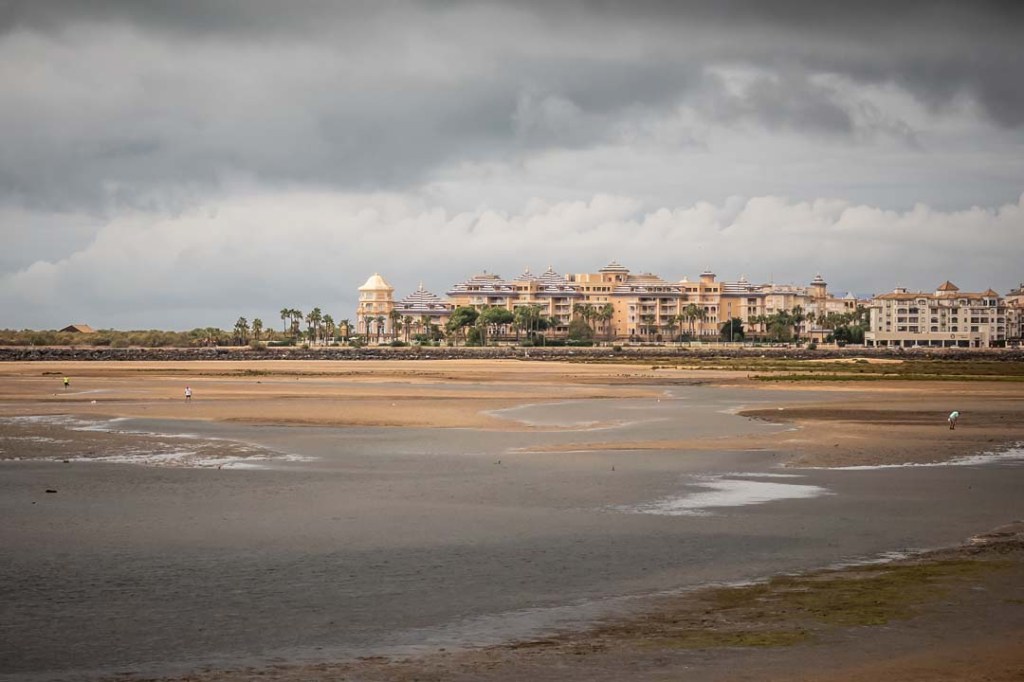
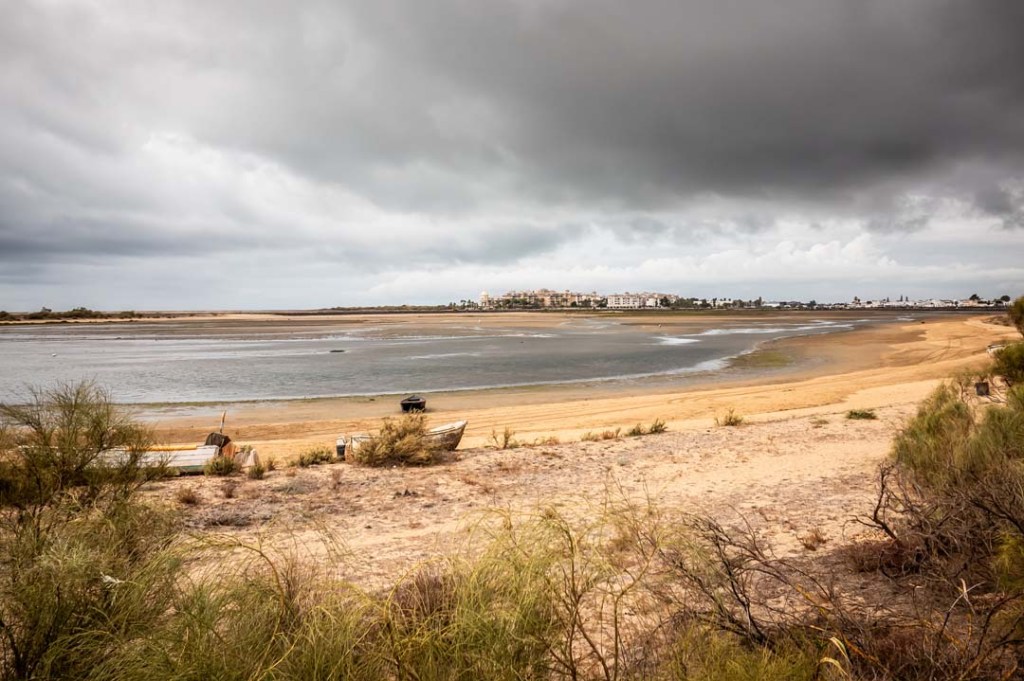
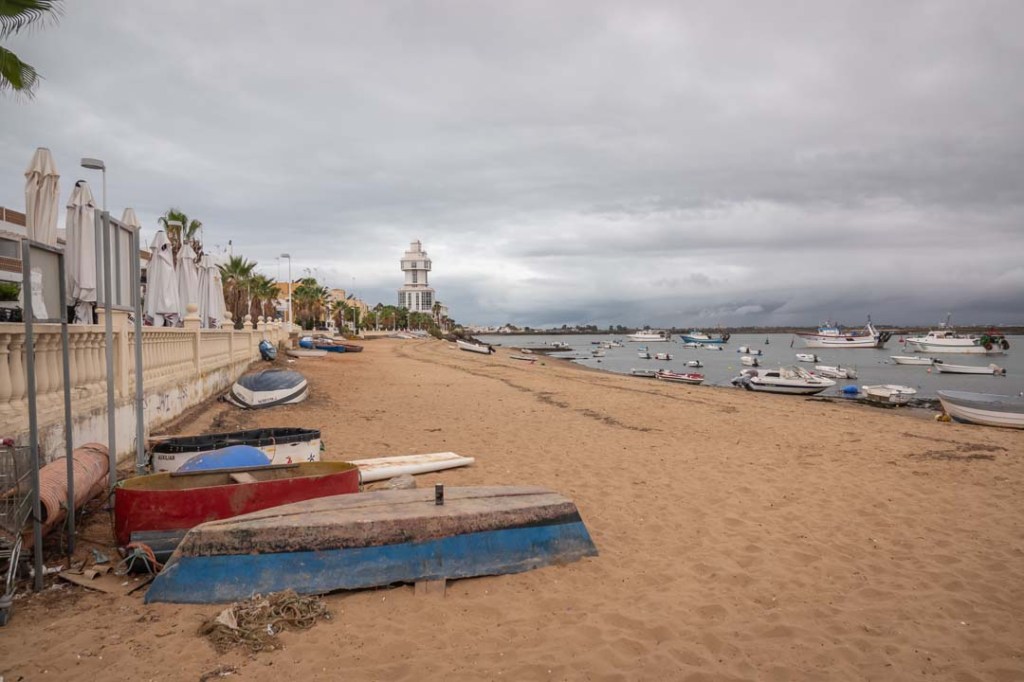
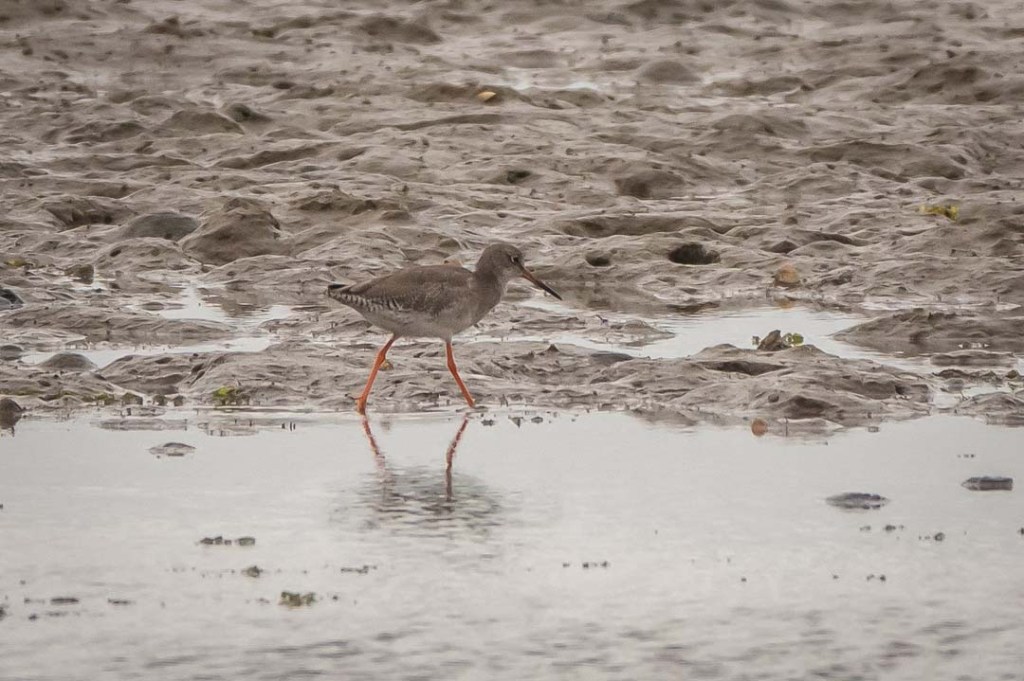
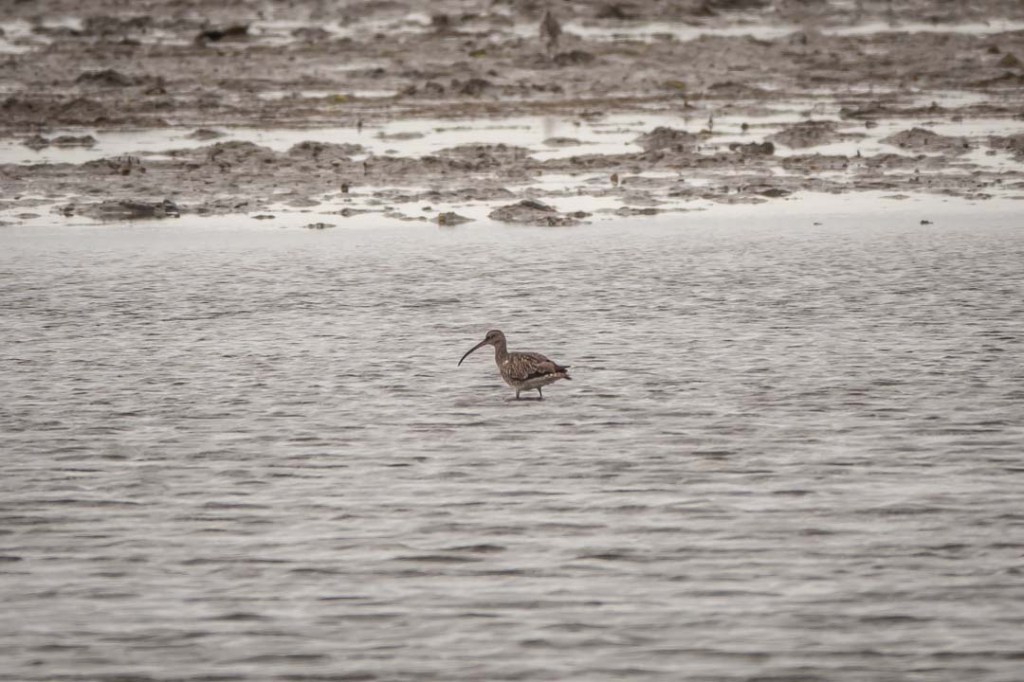
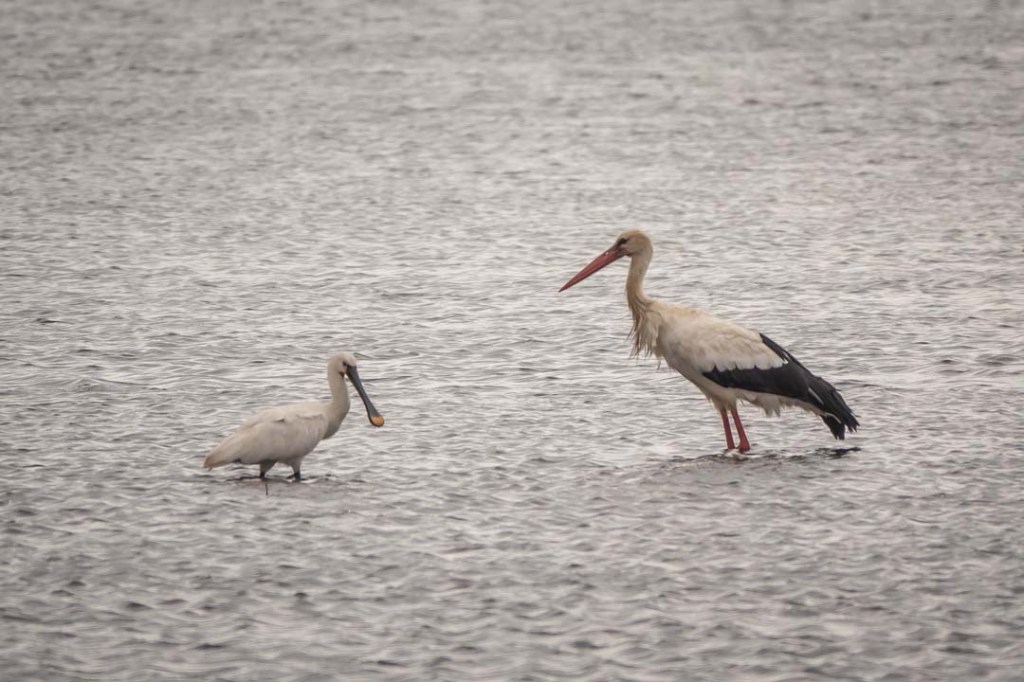
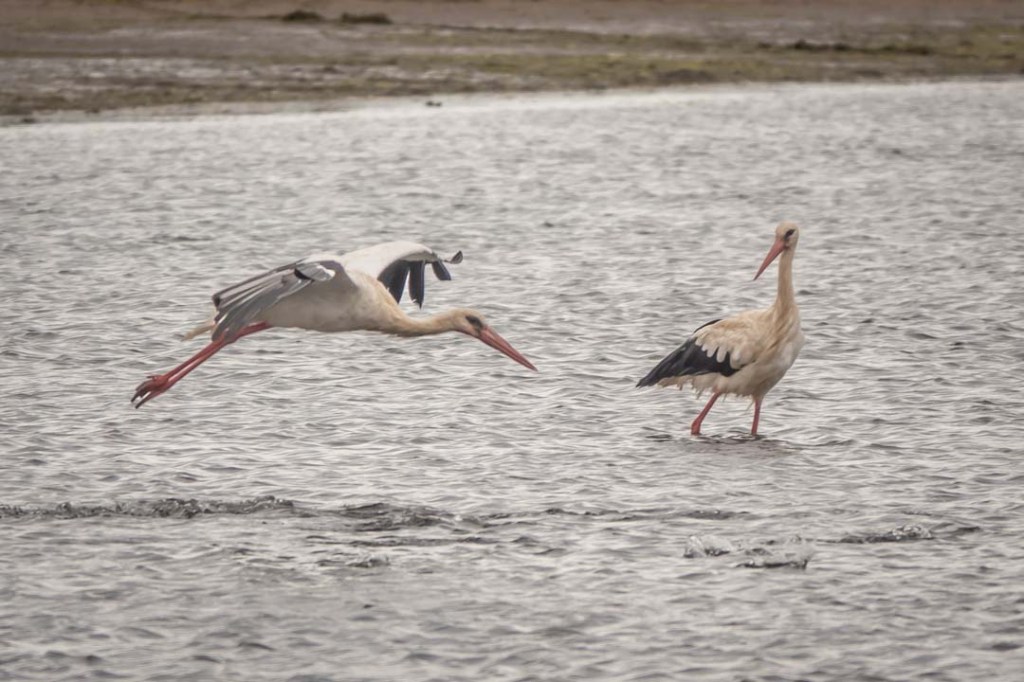
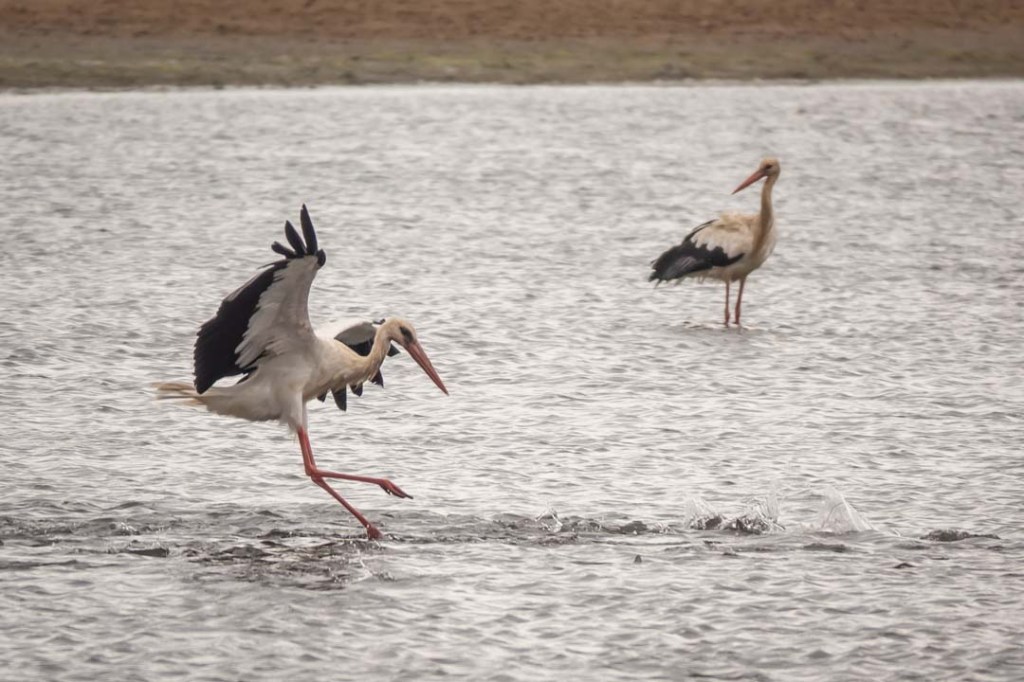
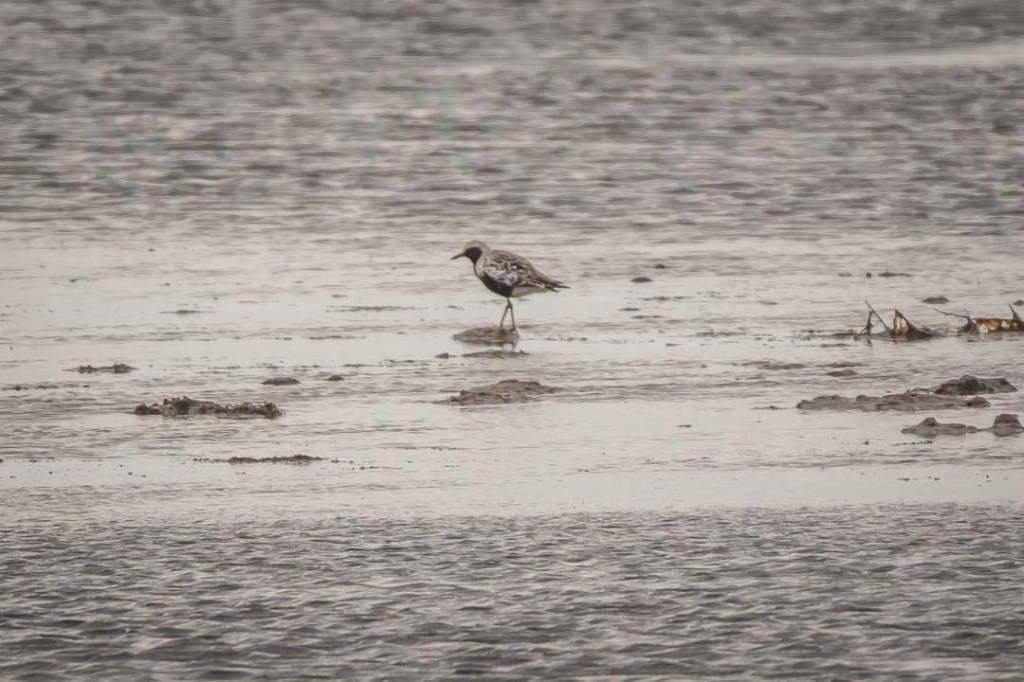
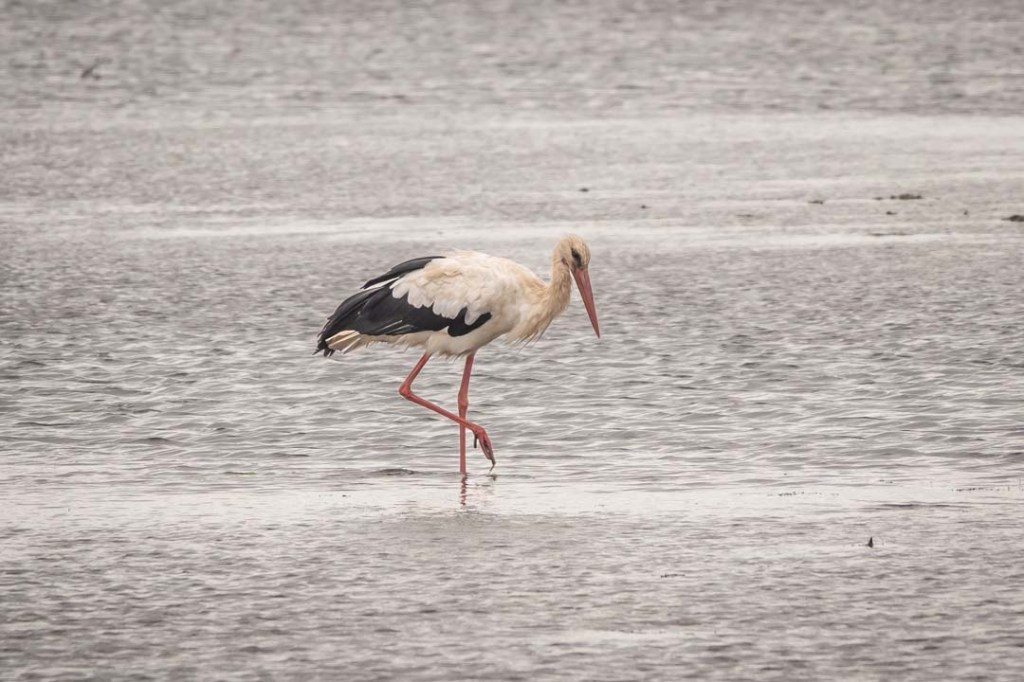
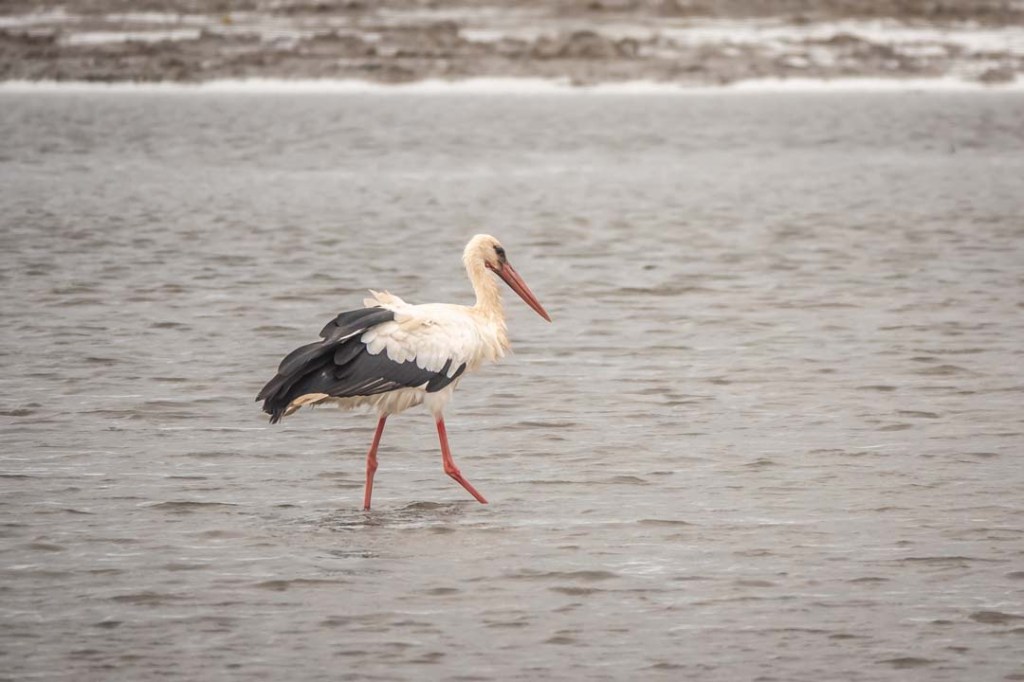
We did not expect to be birdwatching today but on the return from our walk around the town there was a low tide on the estuary and we were pleasantly surprised to be able to see a number of waders without binoculars even in the poor light.
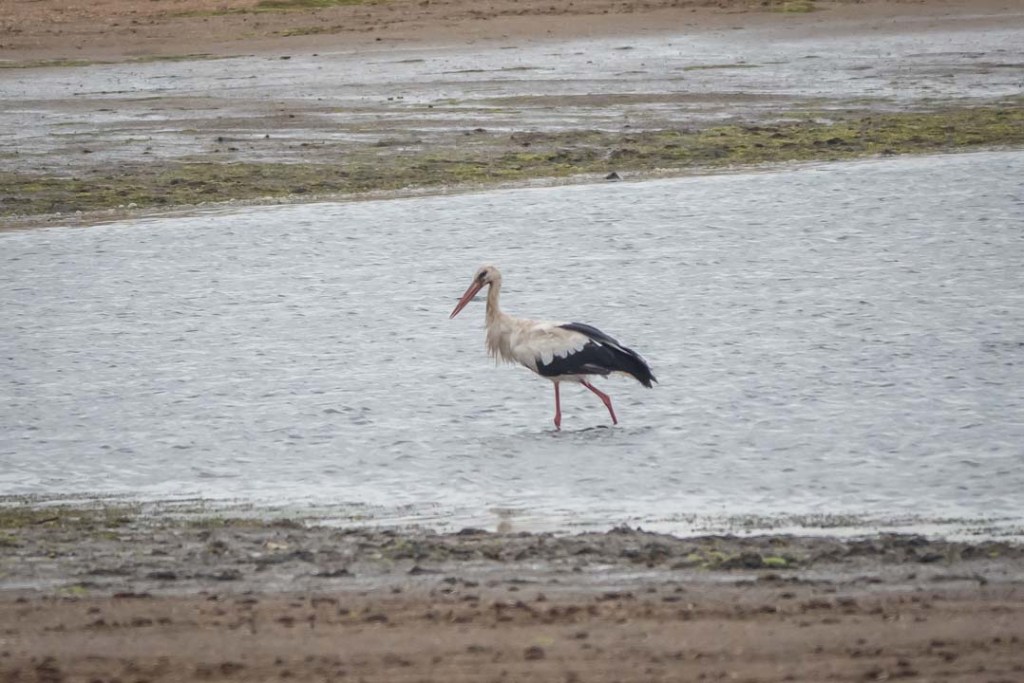
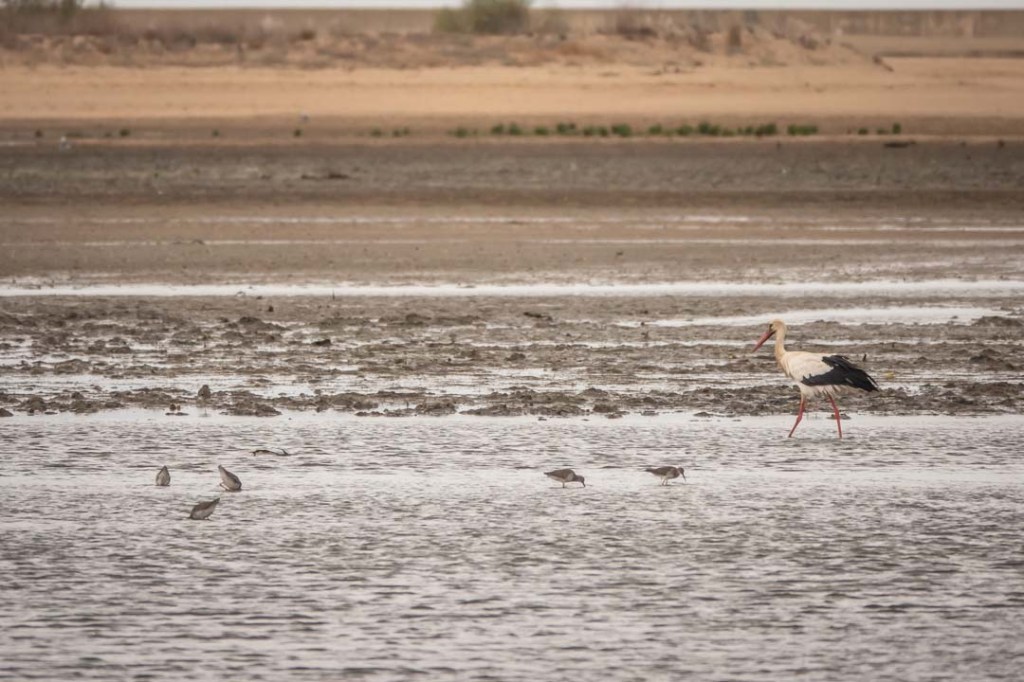
White storksLow tide at the mouth of the Guadiana River and Isla Cristina estuary
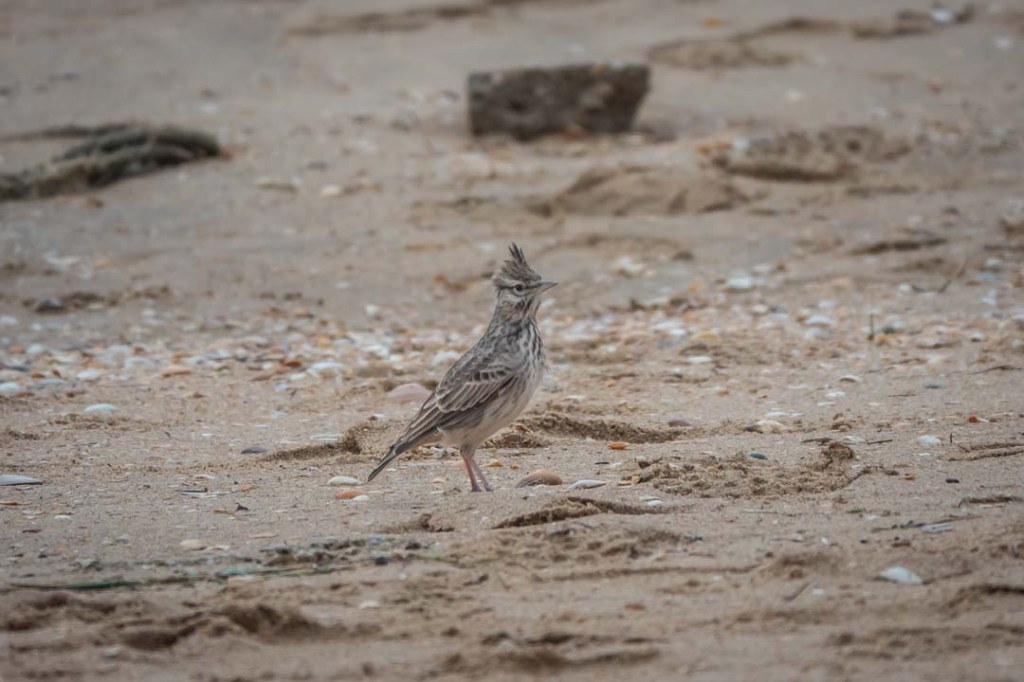
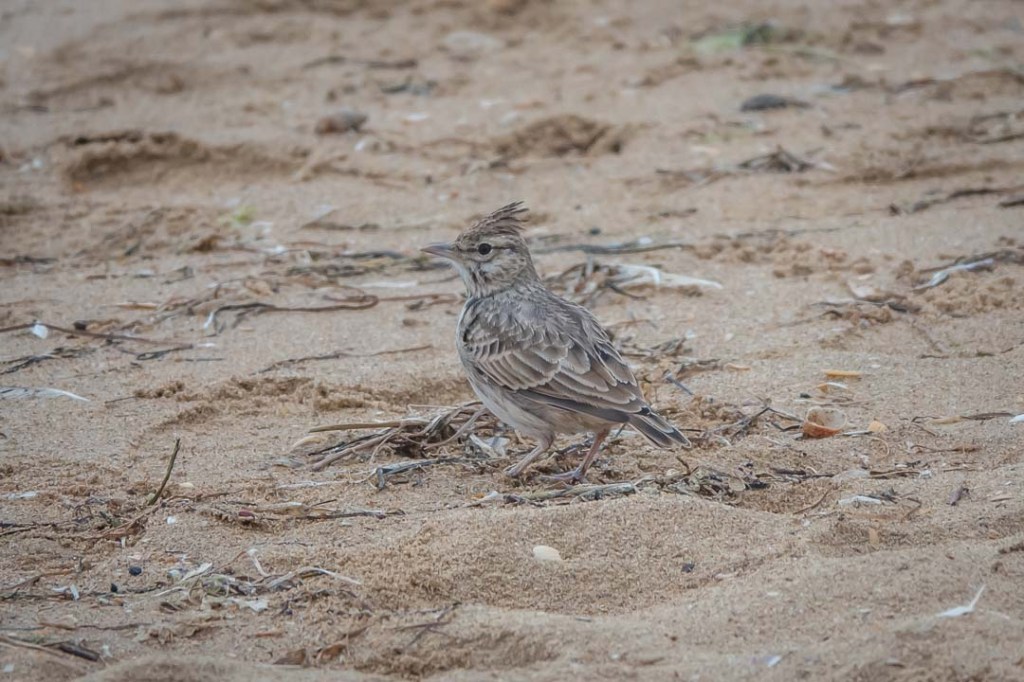
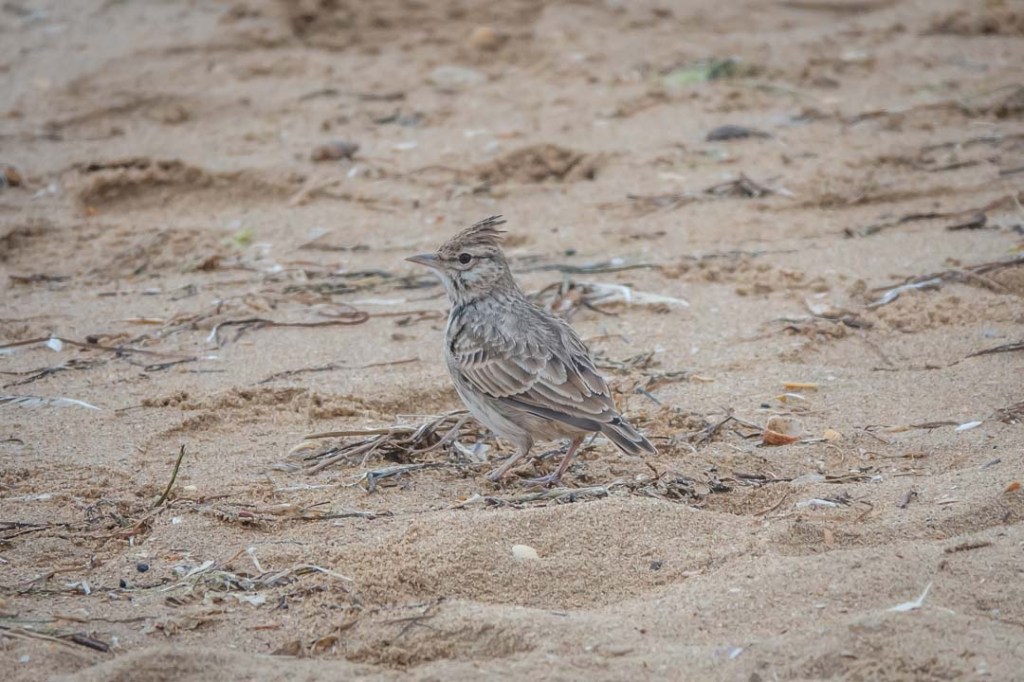
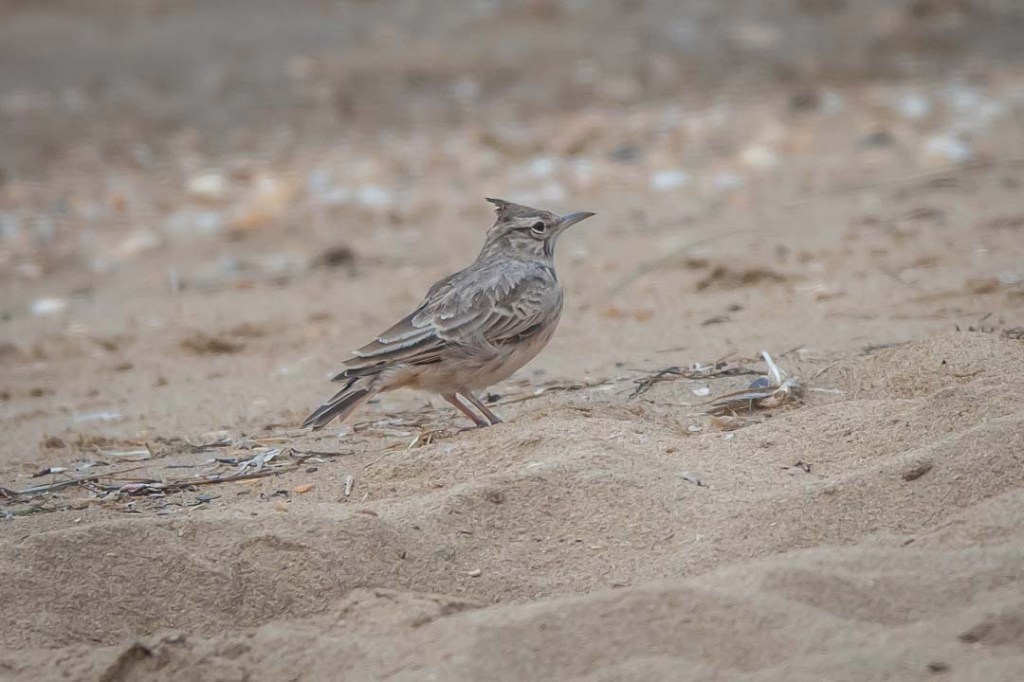
In addition to the waders as we left the beach two Thekla larks (which we had only ever seen once before) flew in very close to us. Quite a promising start.
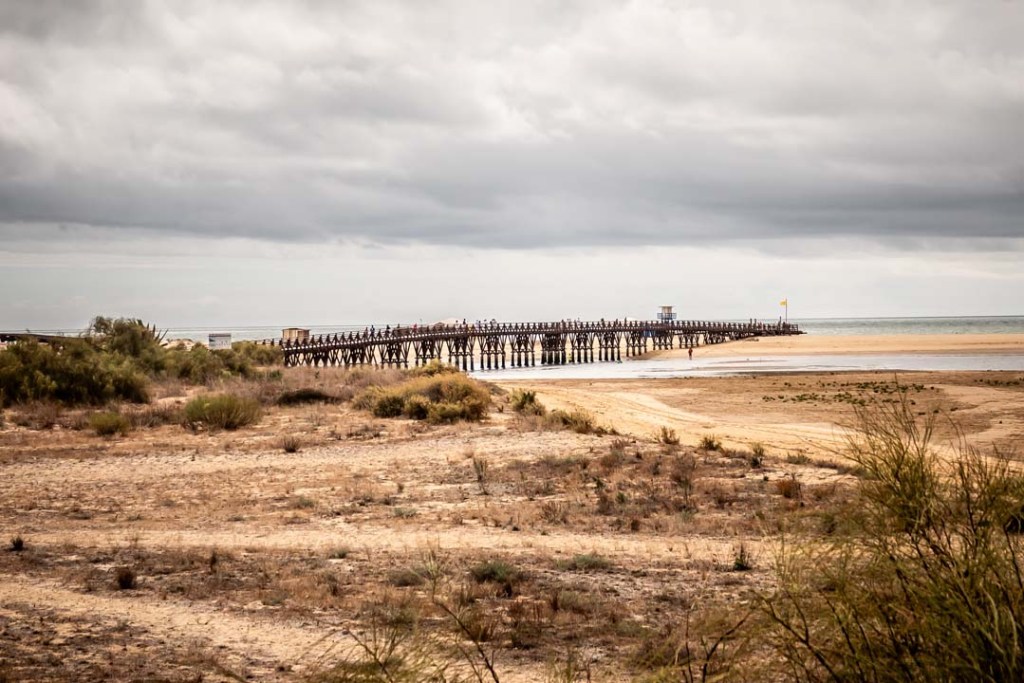
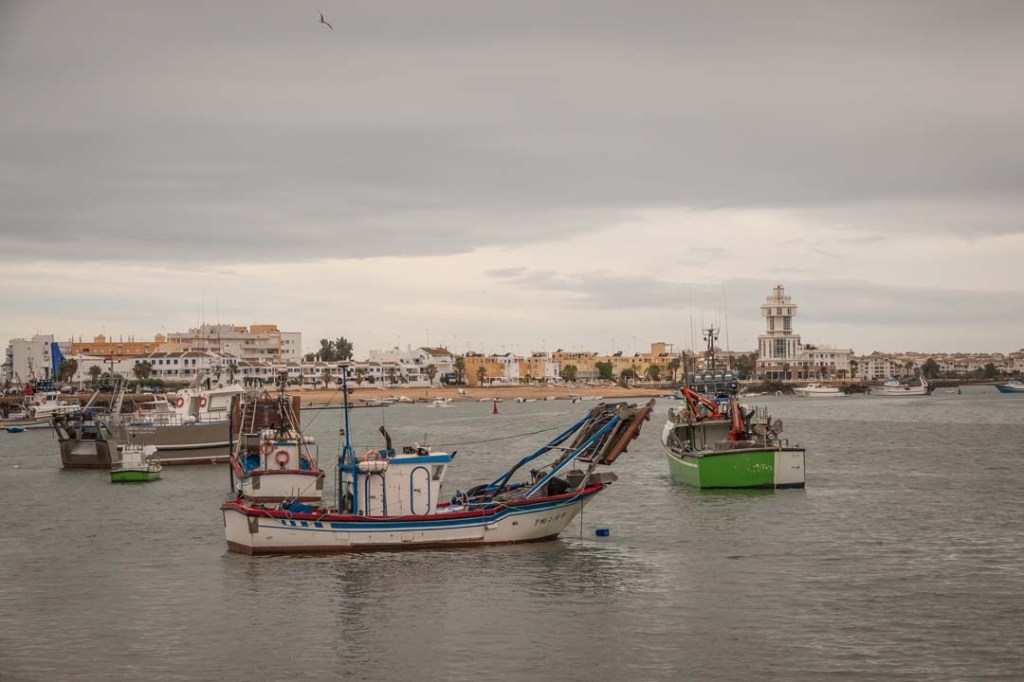
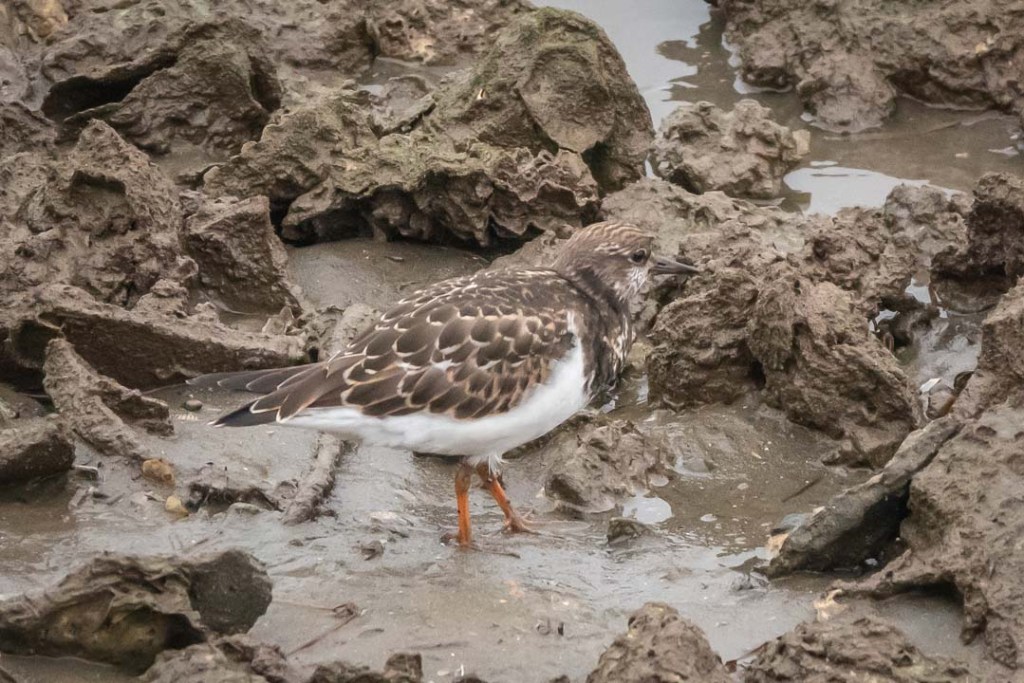
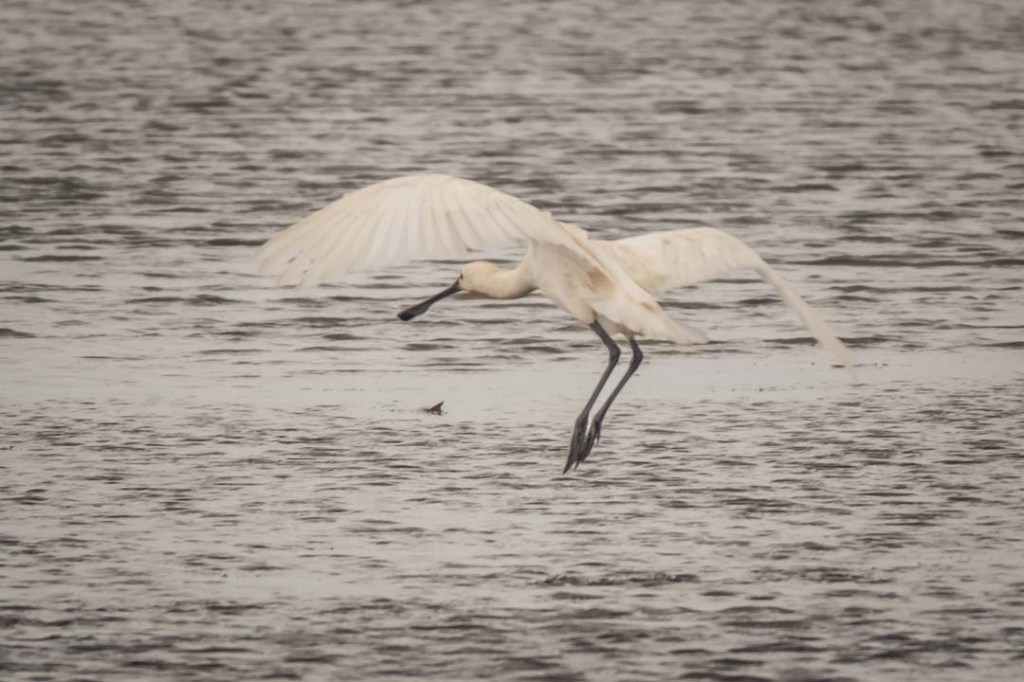
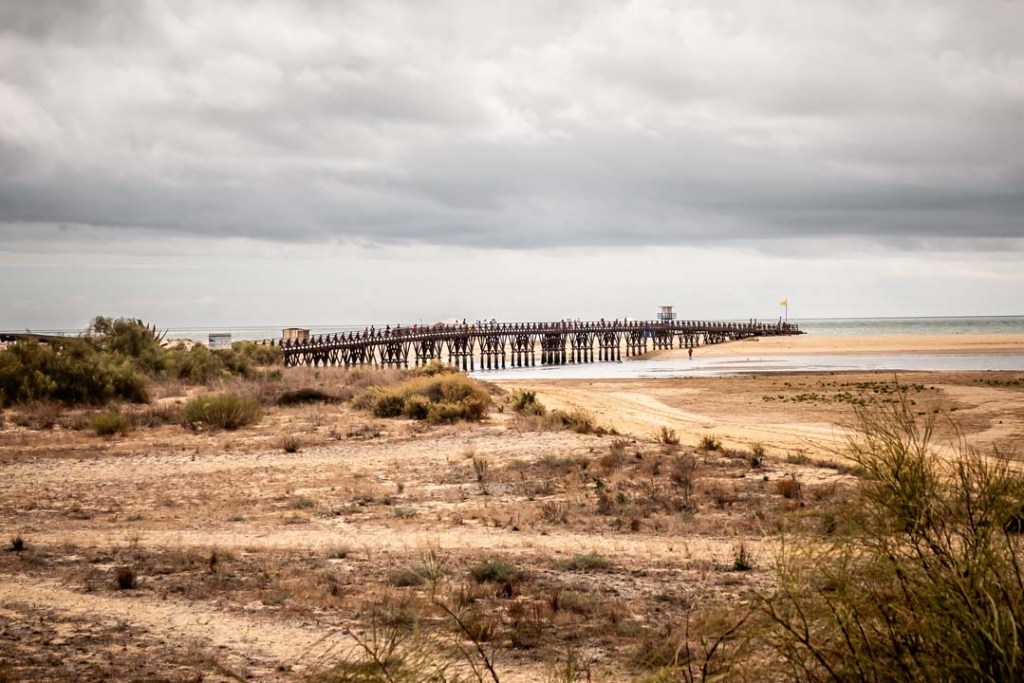
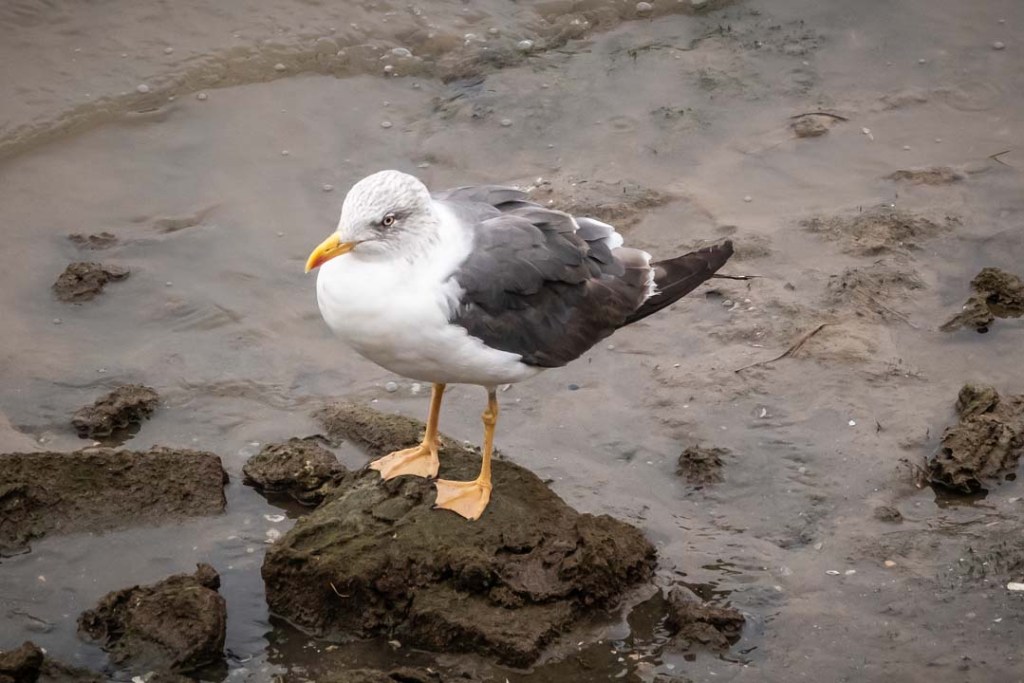
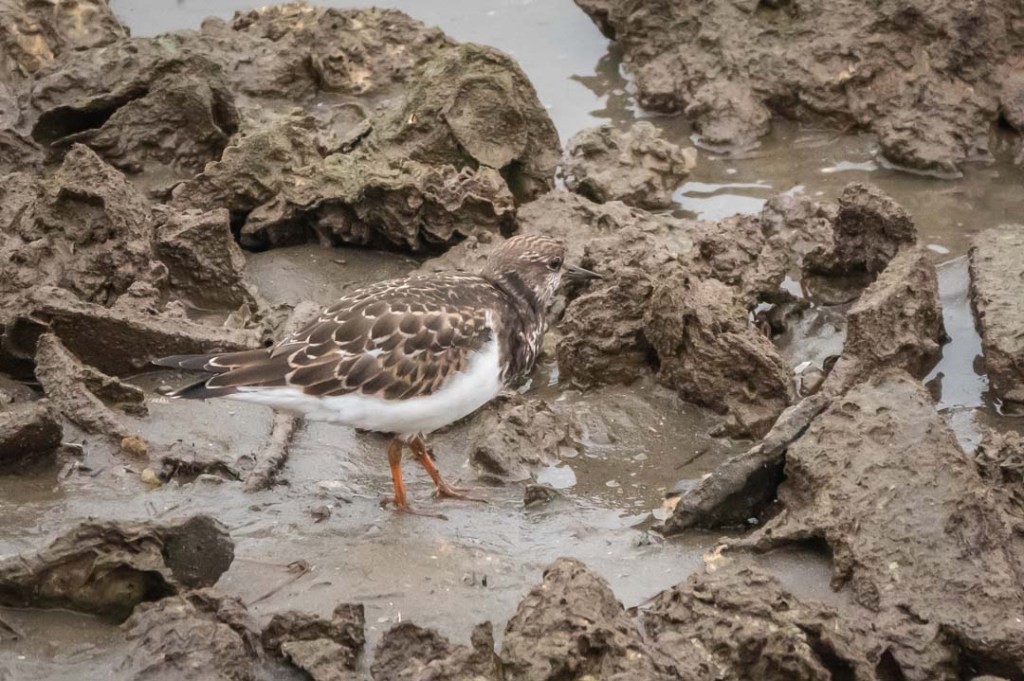
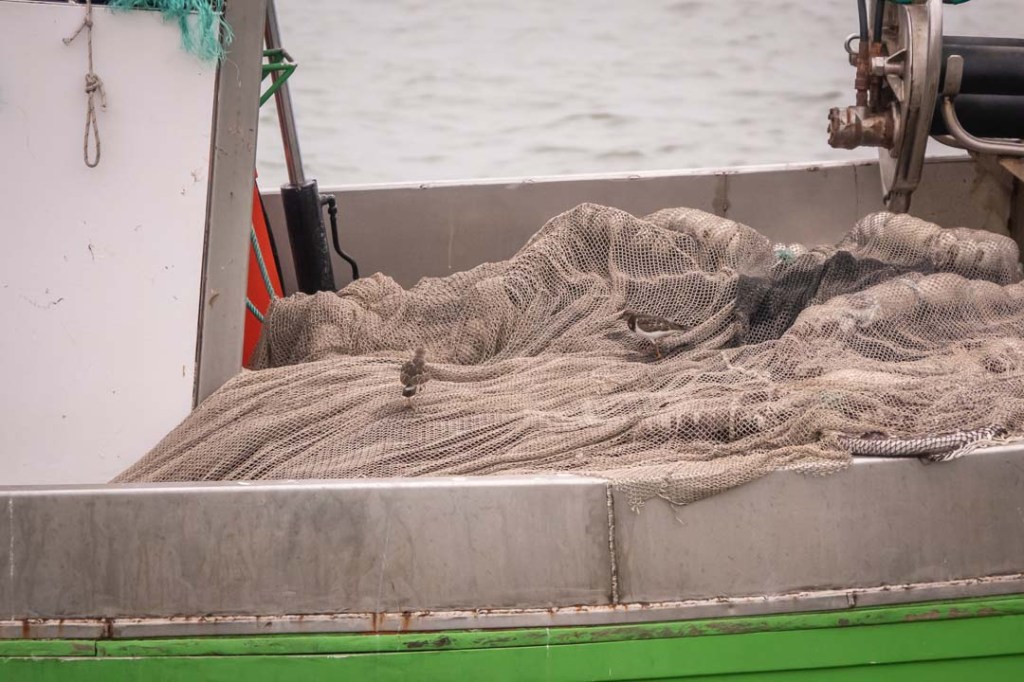
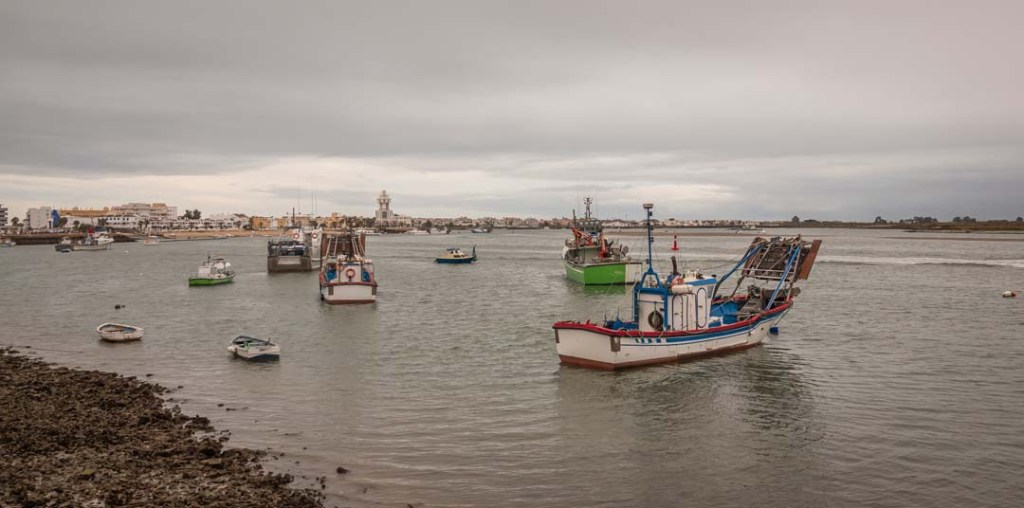
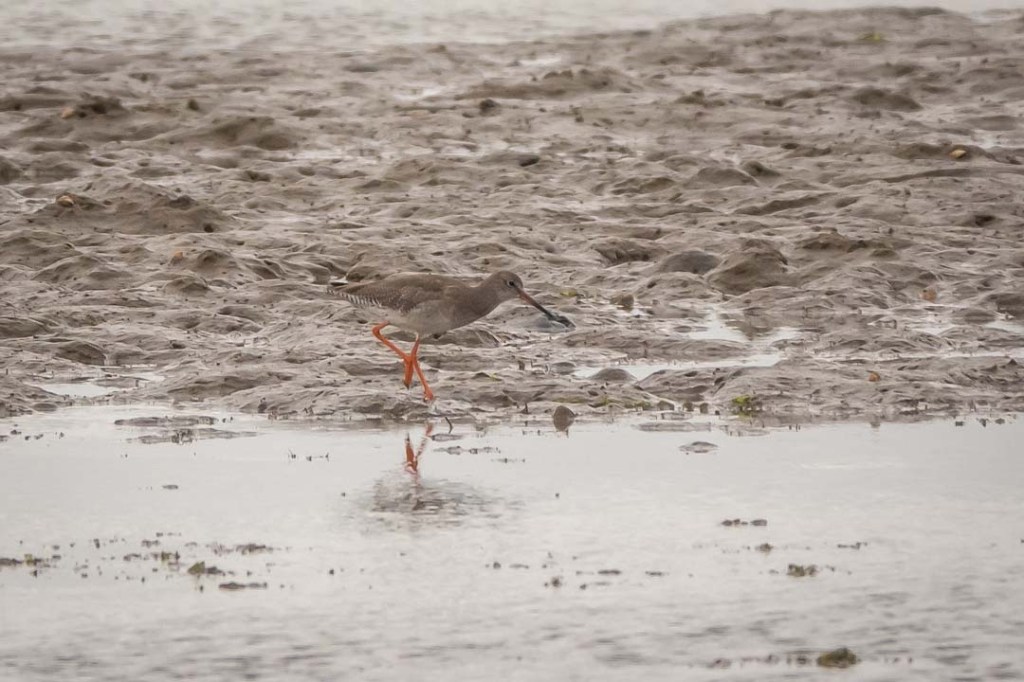
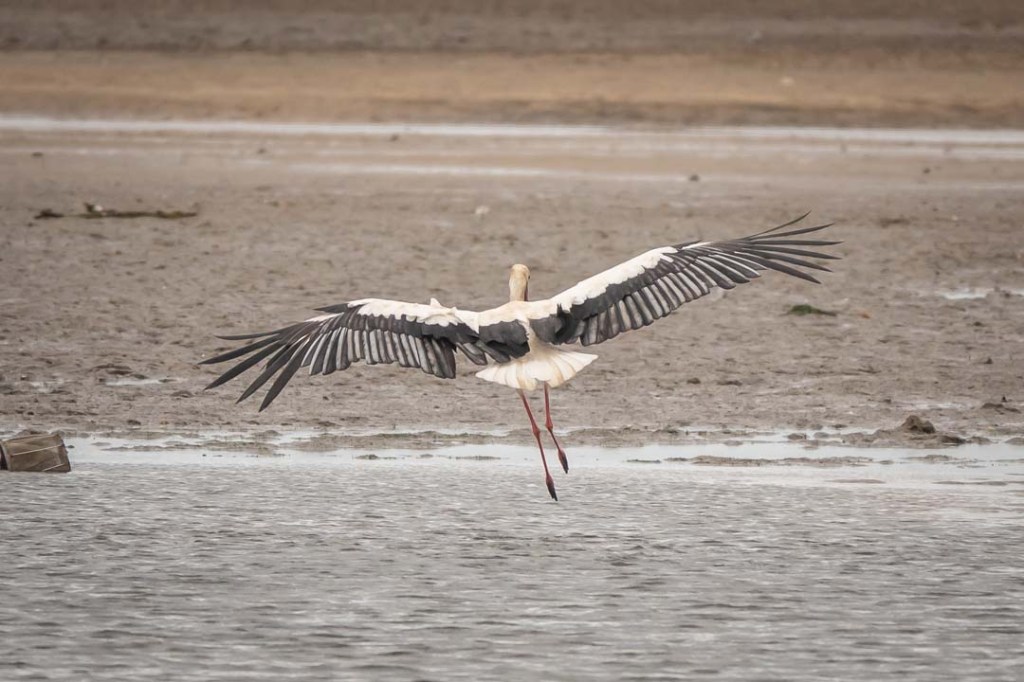
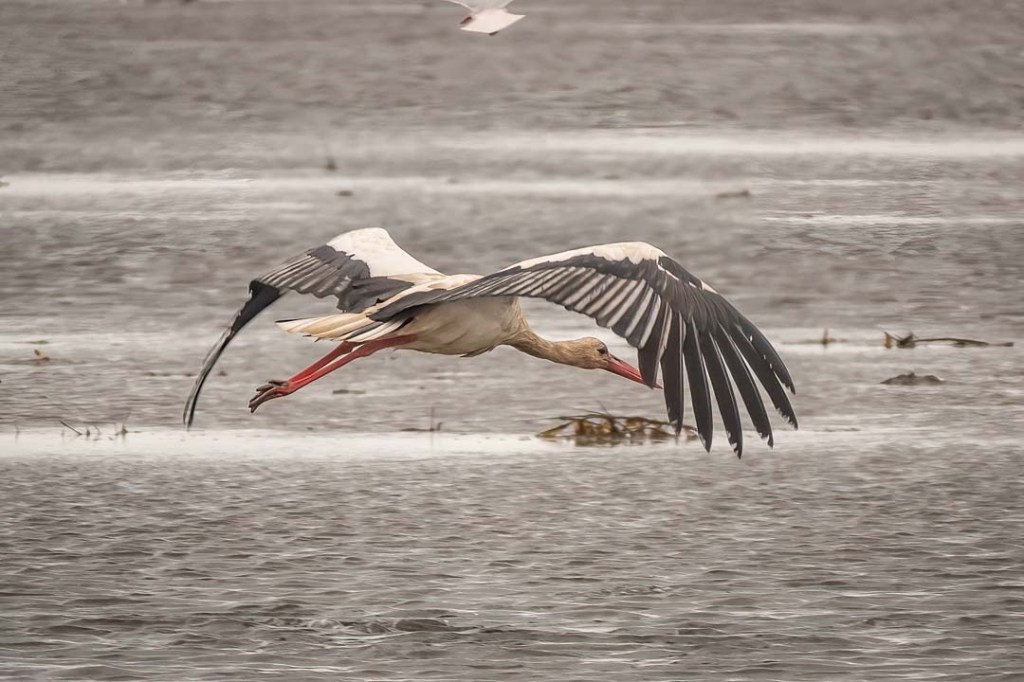
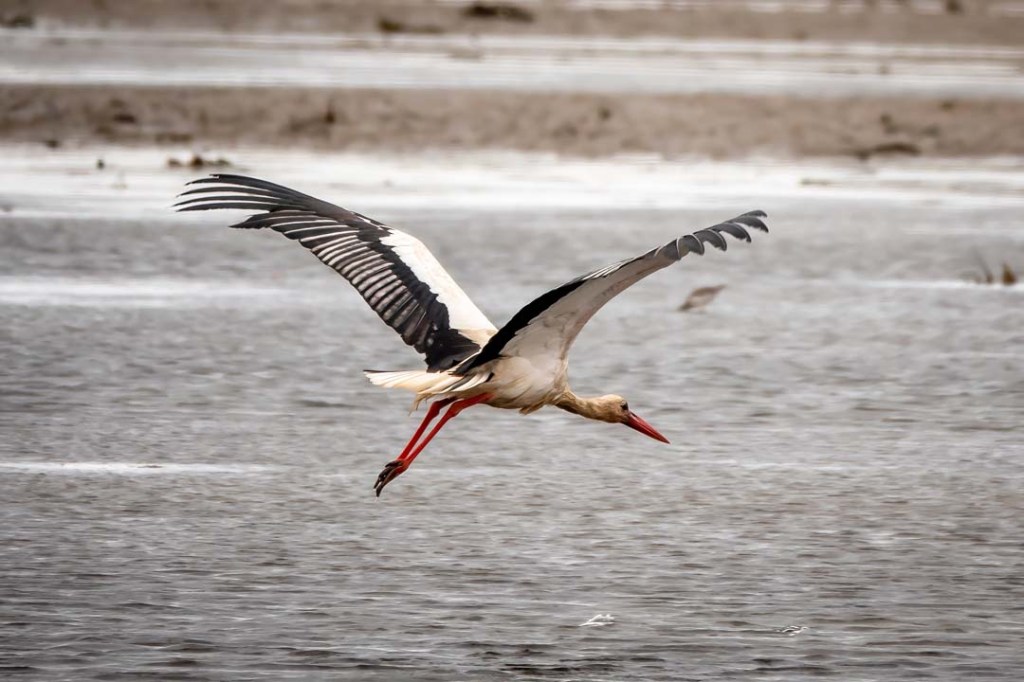
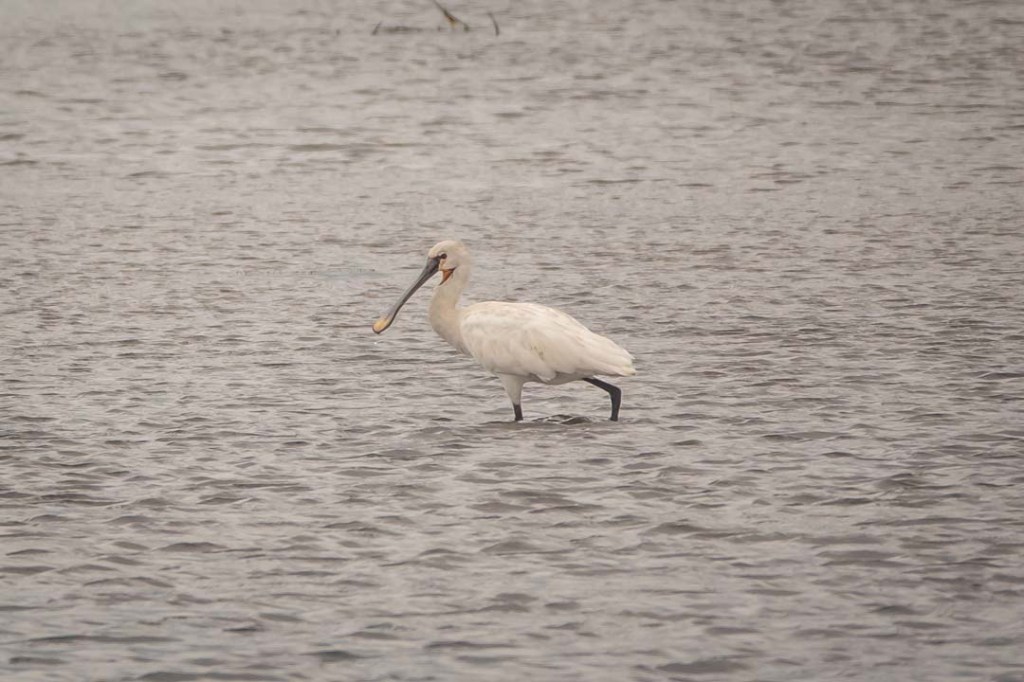
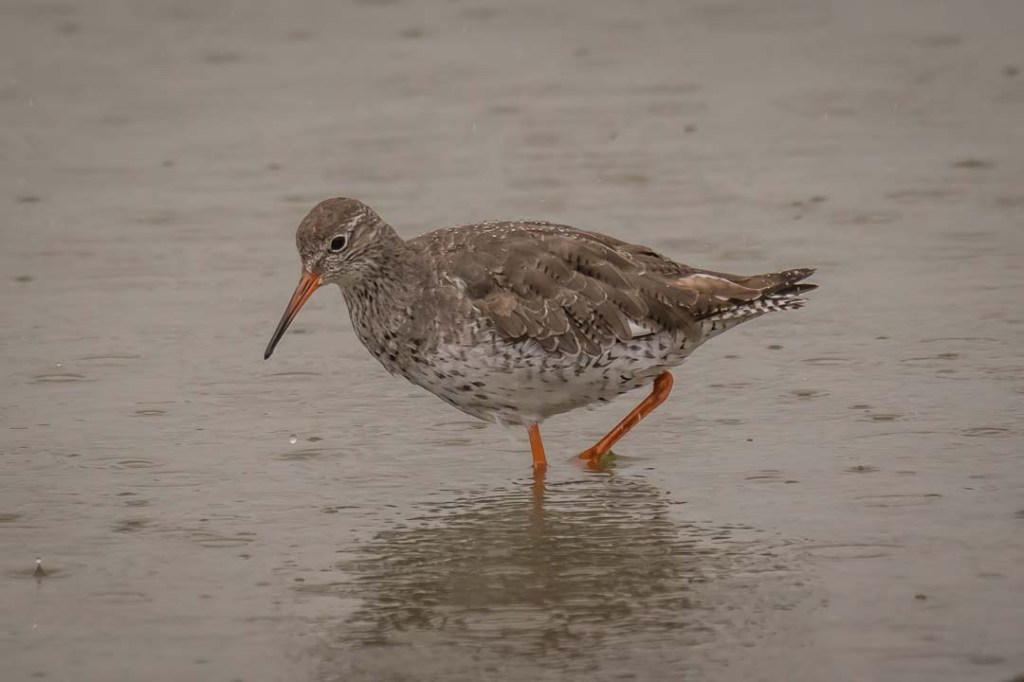
The wooden bridge which leads to the best of the beaches near to where we saw the wadersWhite storksThe port of Isla CristinaTurnstone in the portTurnstones on a fishing vesselWhite stork and eurasian spoonbillGood numbers of spoonbillsGrey ploverRedshankWhite stork in flightWhimbrelSpoonbill in flightThekla’s lark
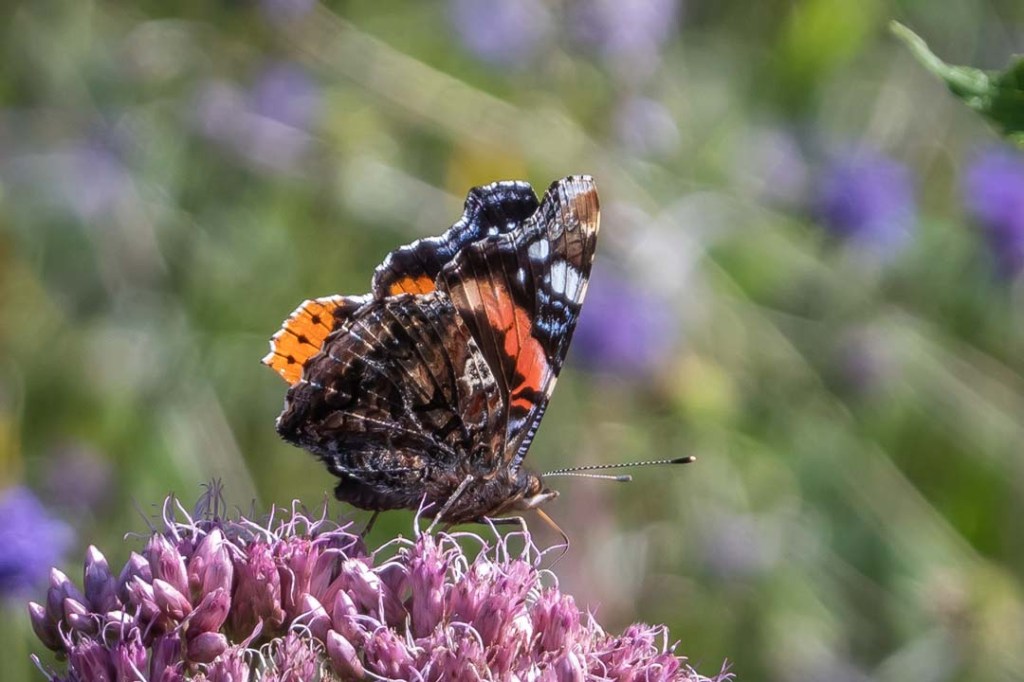
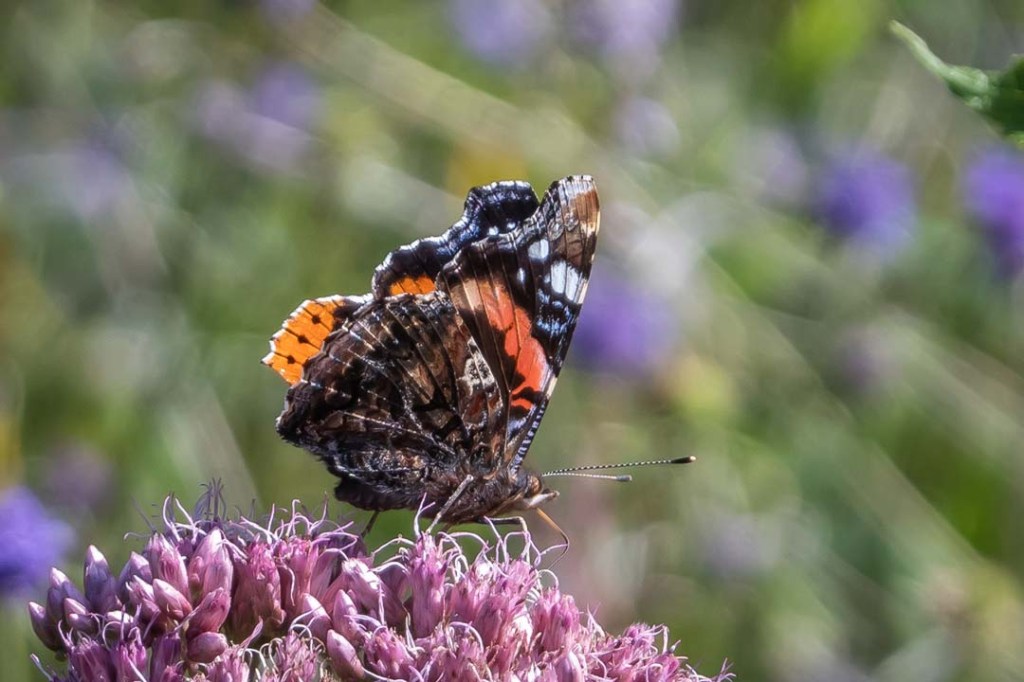
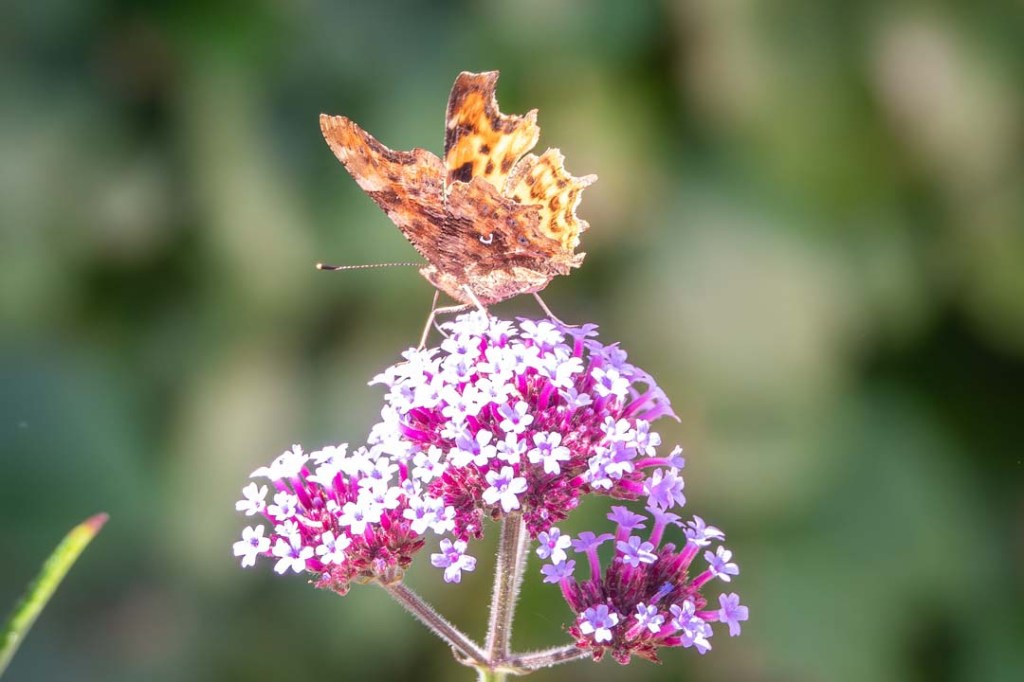
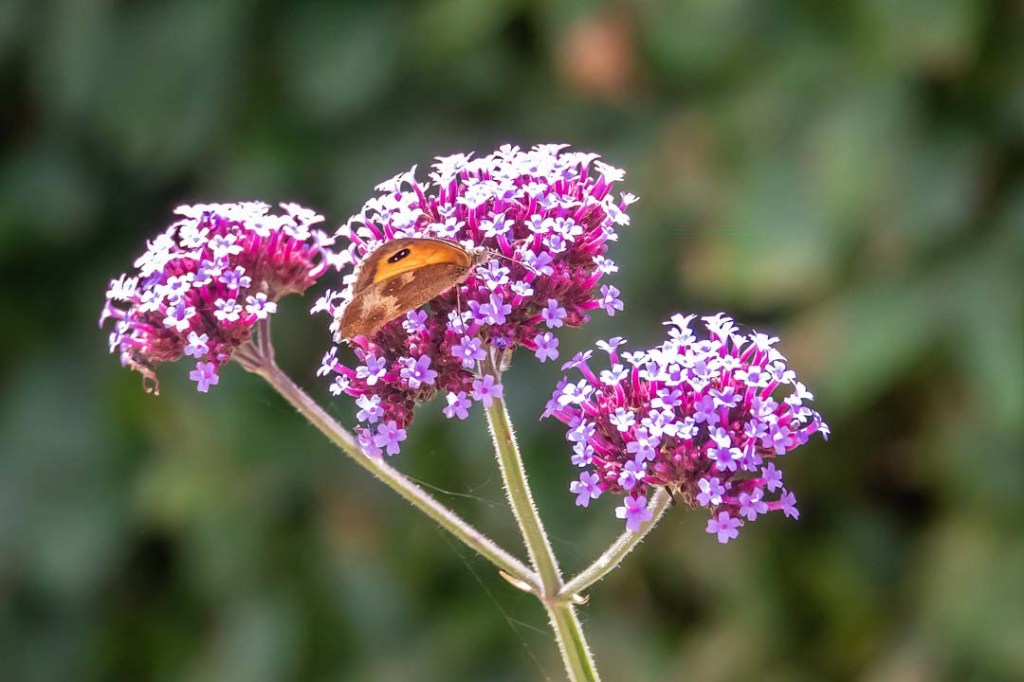
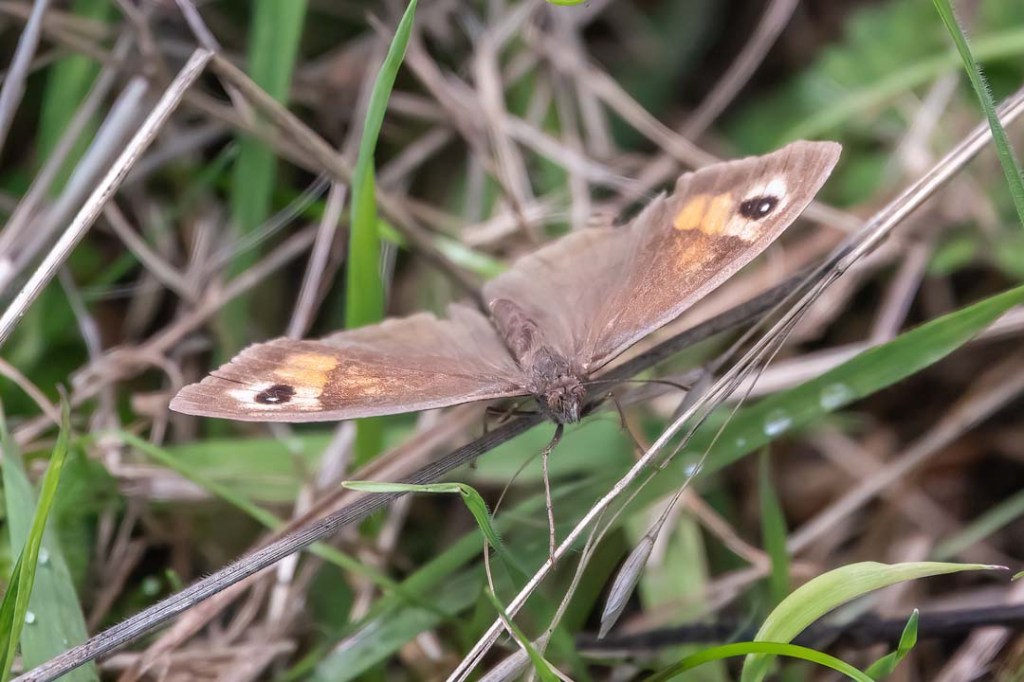
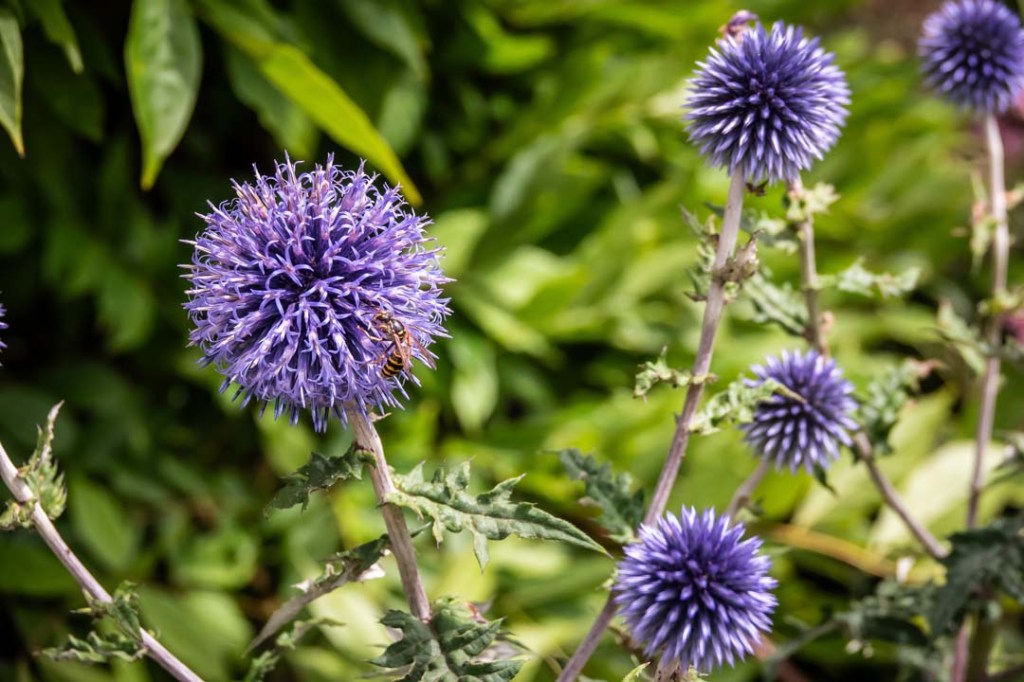
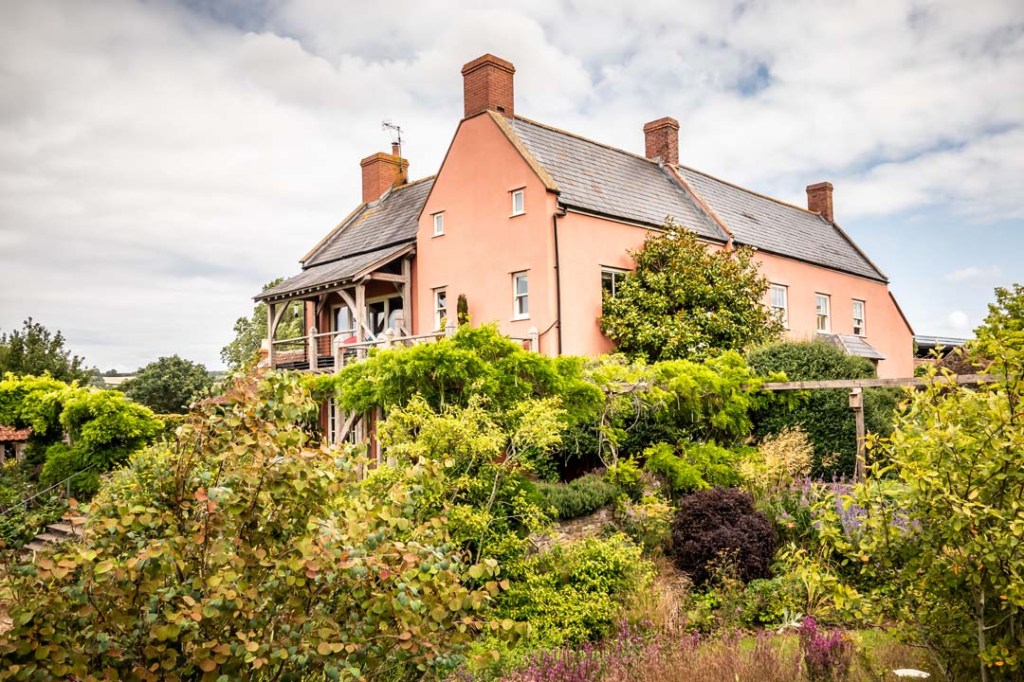
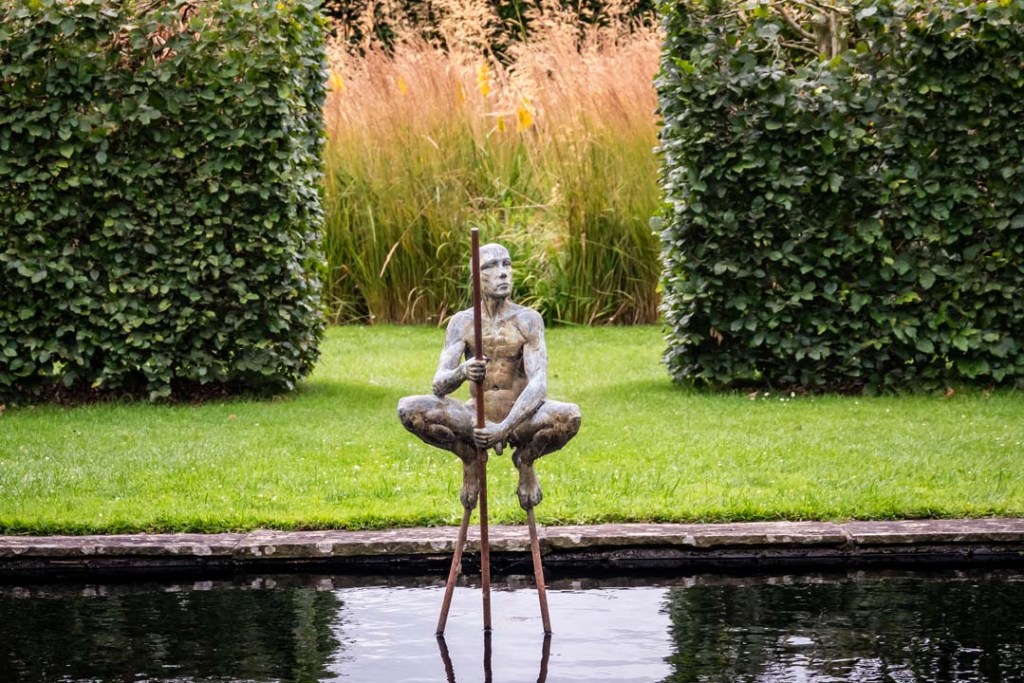
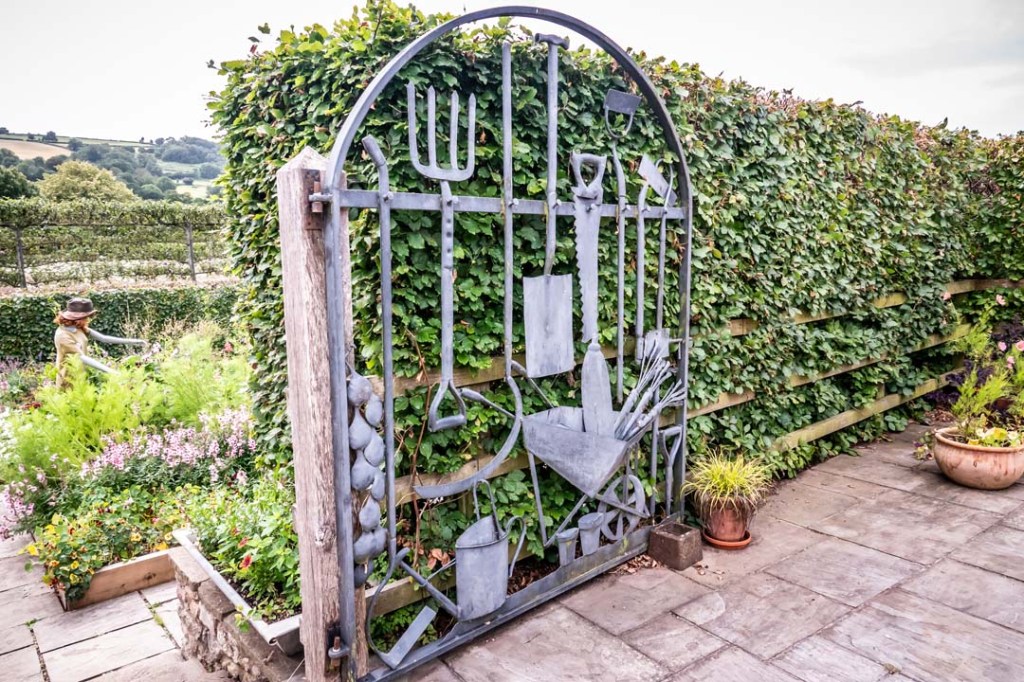
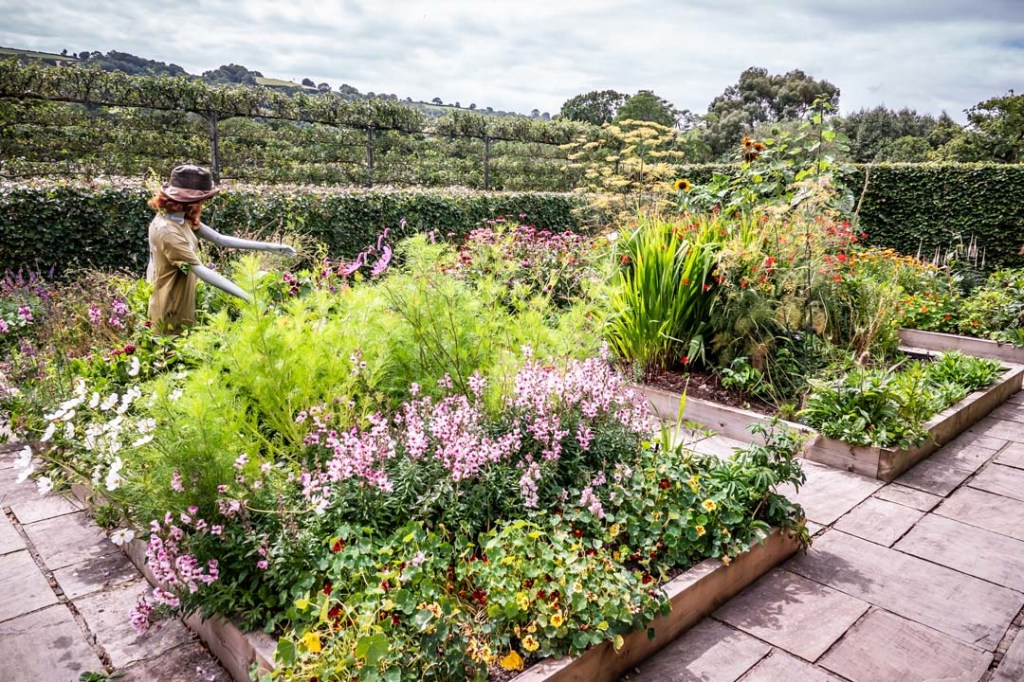
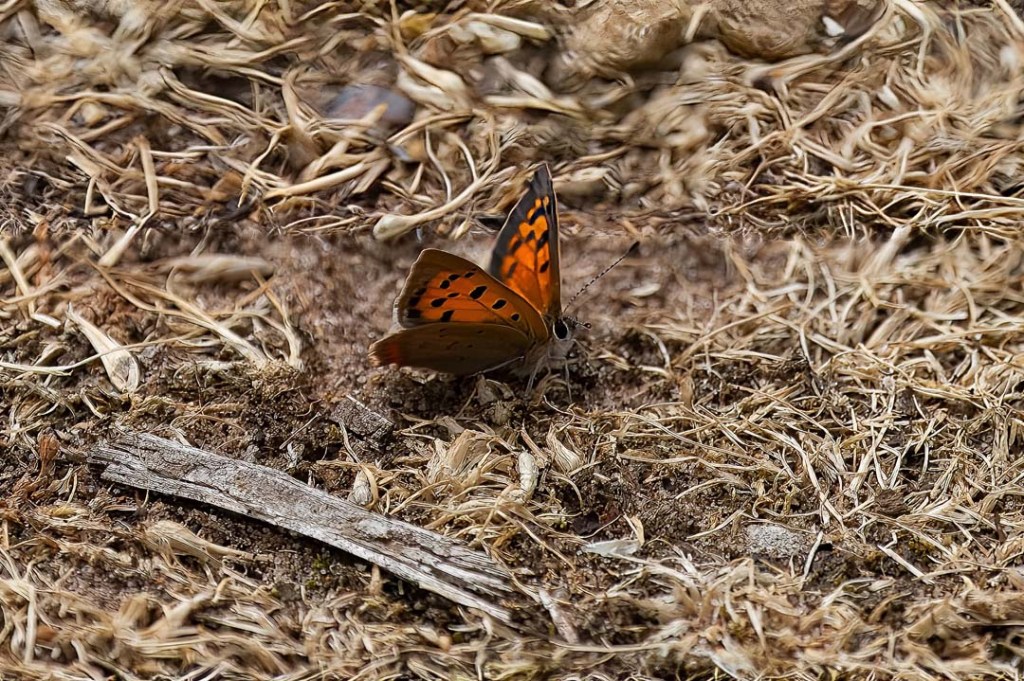
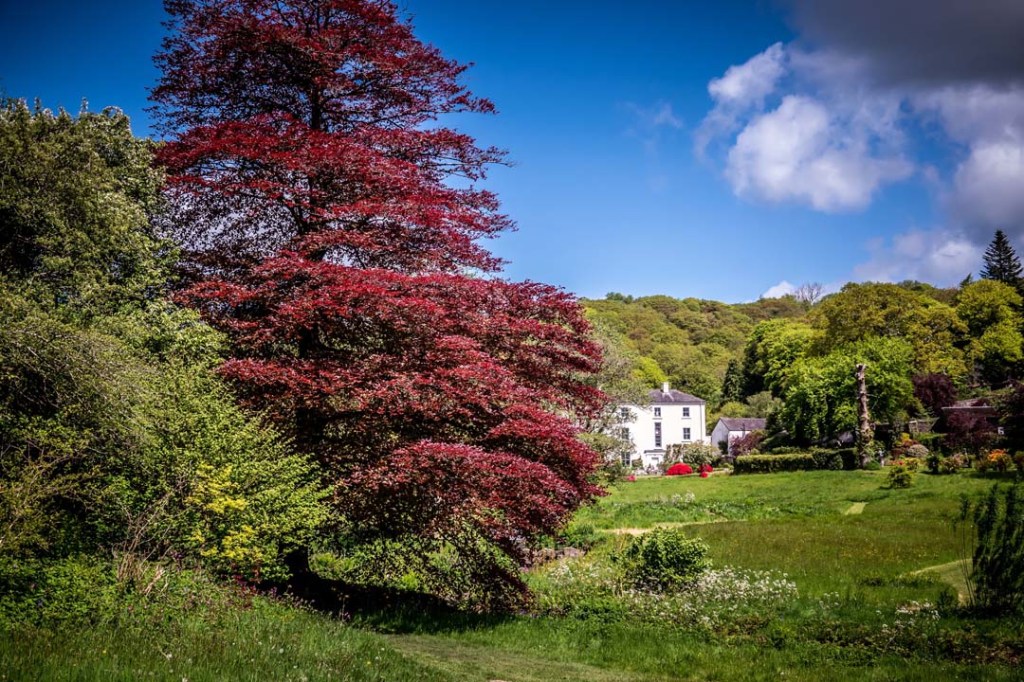
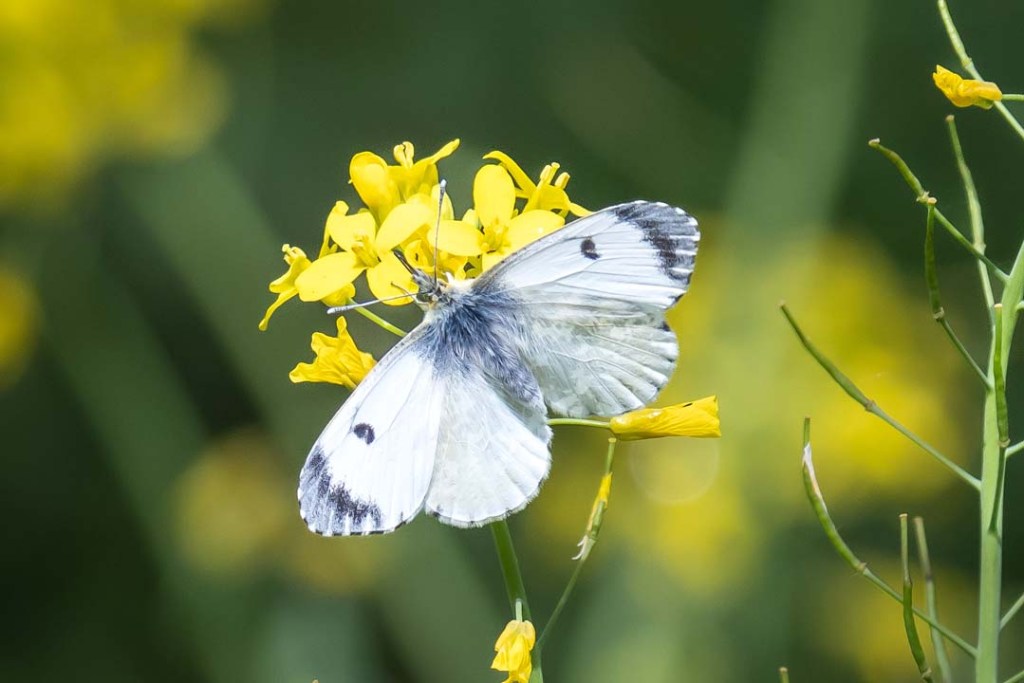
Not a bird in sight (well at least not in my sight) and only one butterfly captured by my camera. However, I have decided that gardens that we visit are well worth recording on my blog as they show nature as fashioned by man (and very often woman).
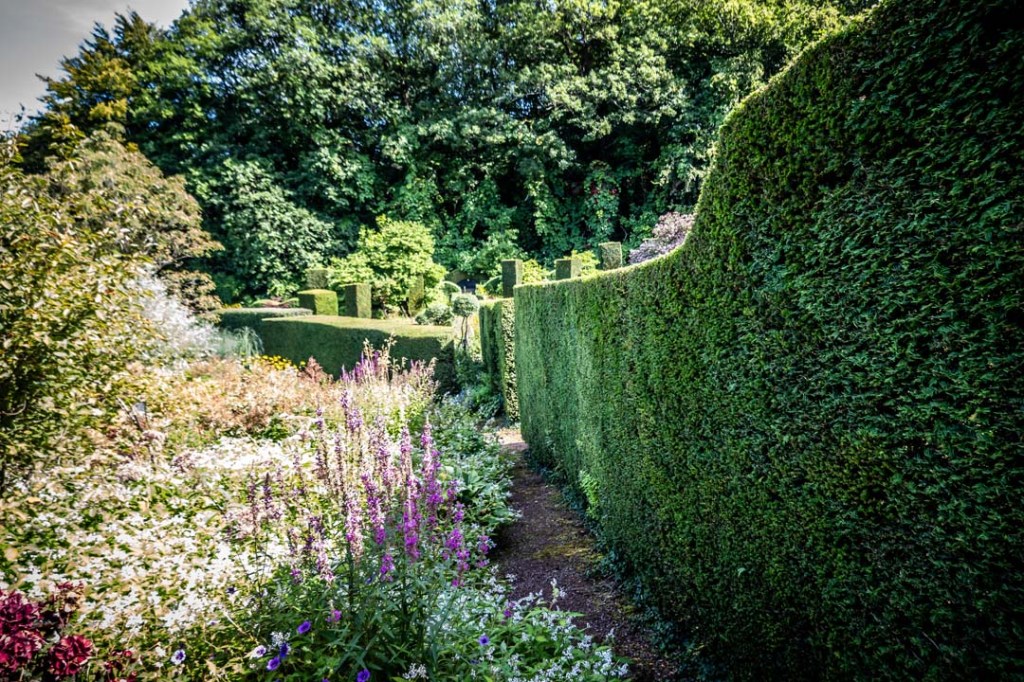
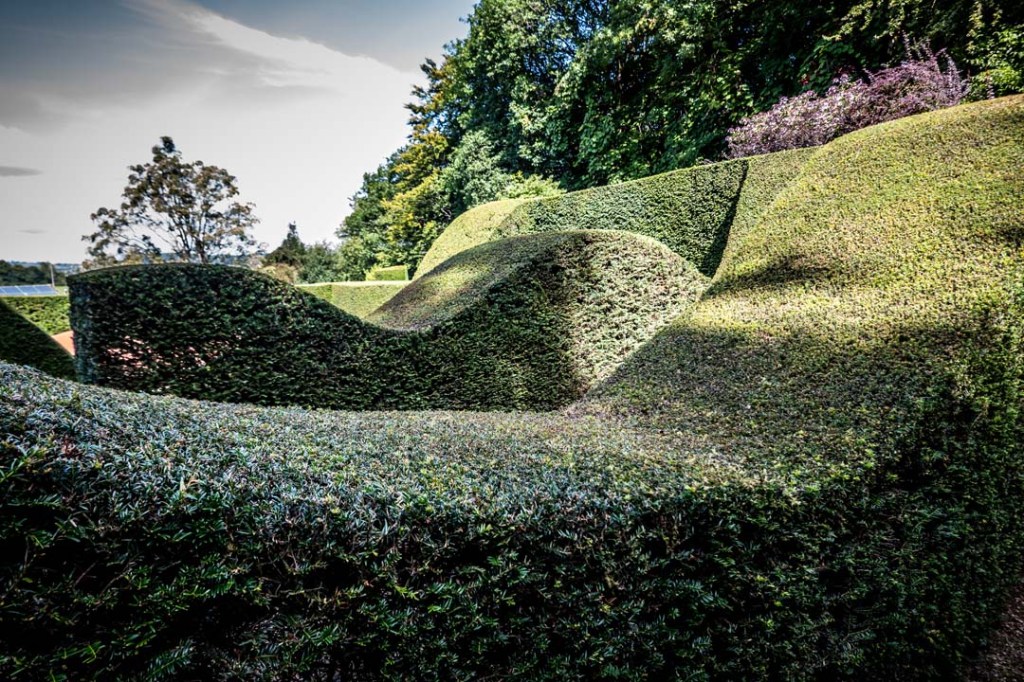
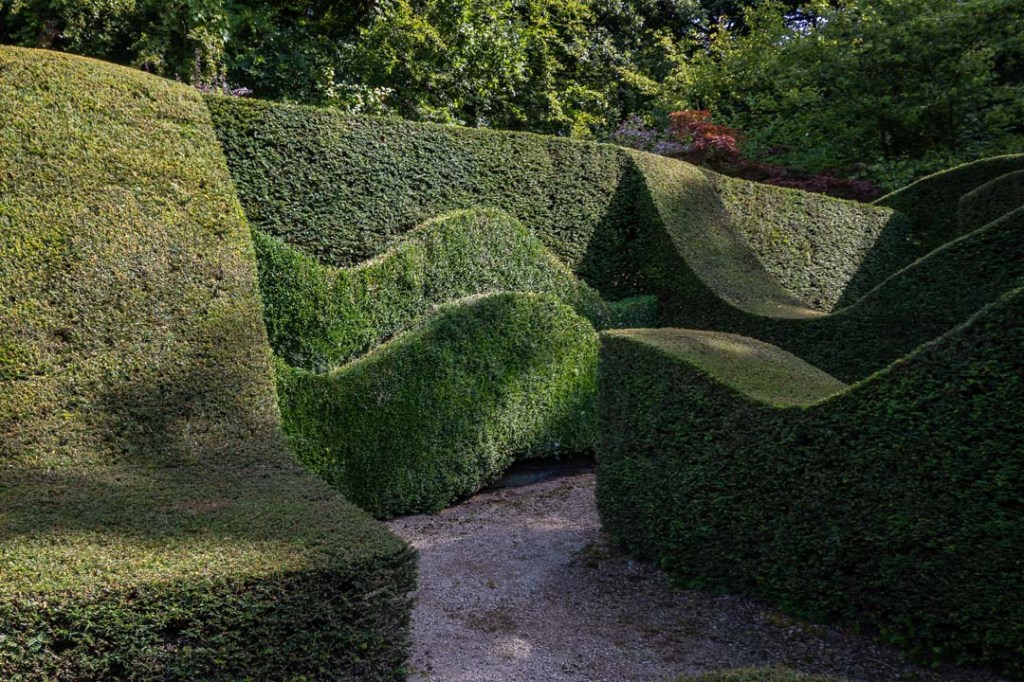
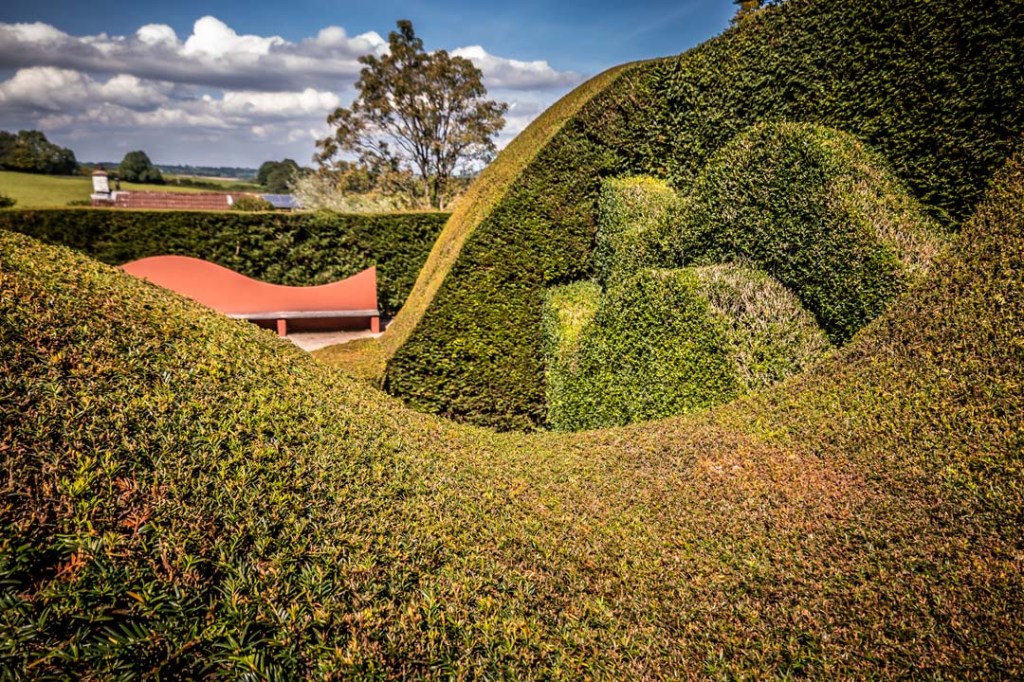
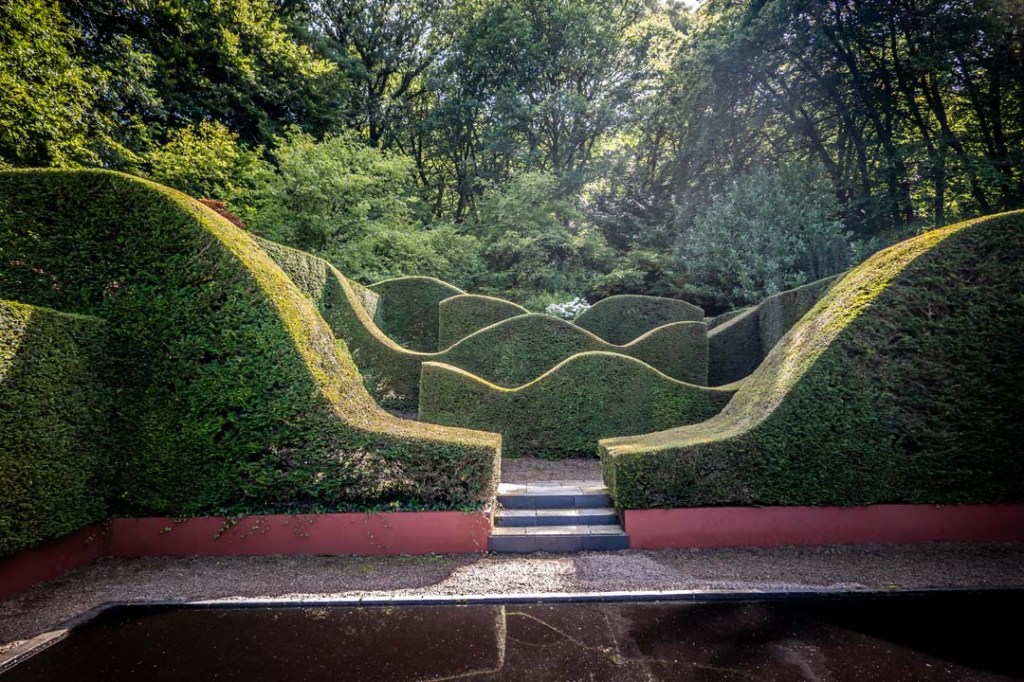
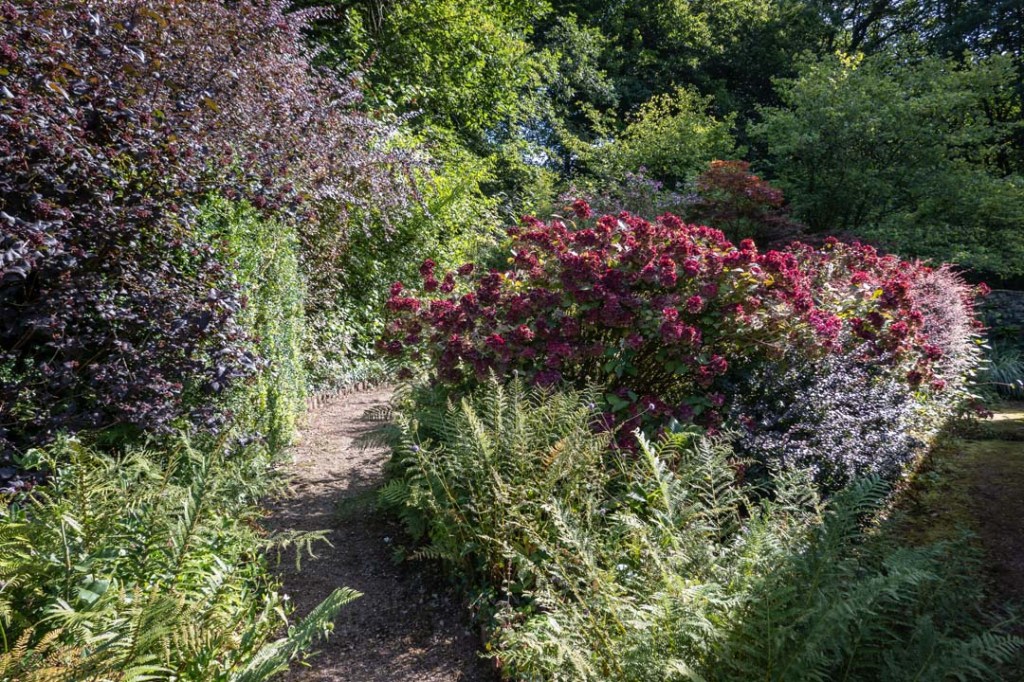
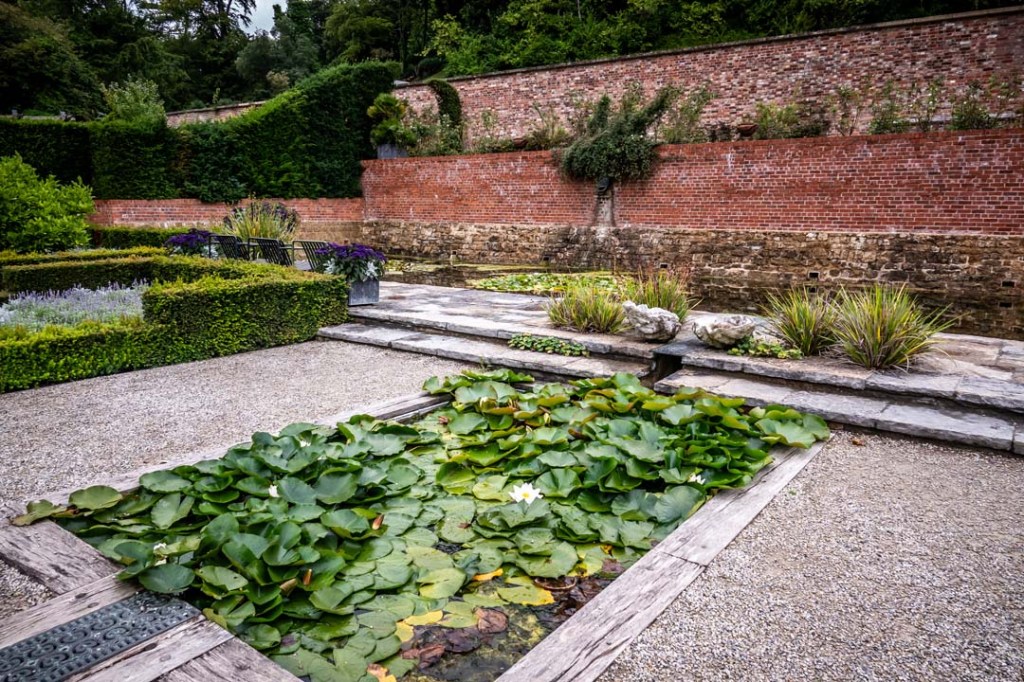
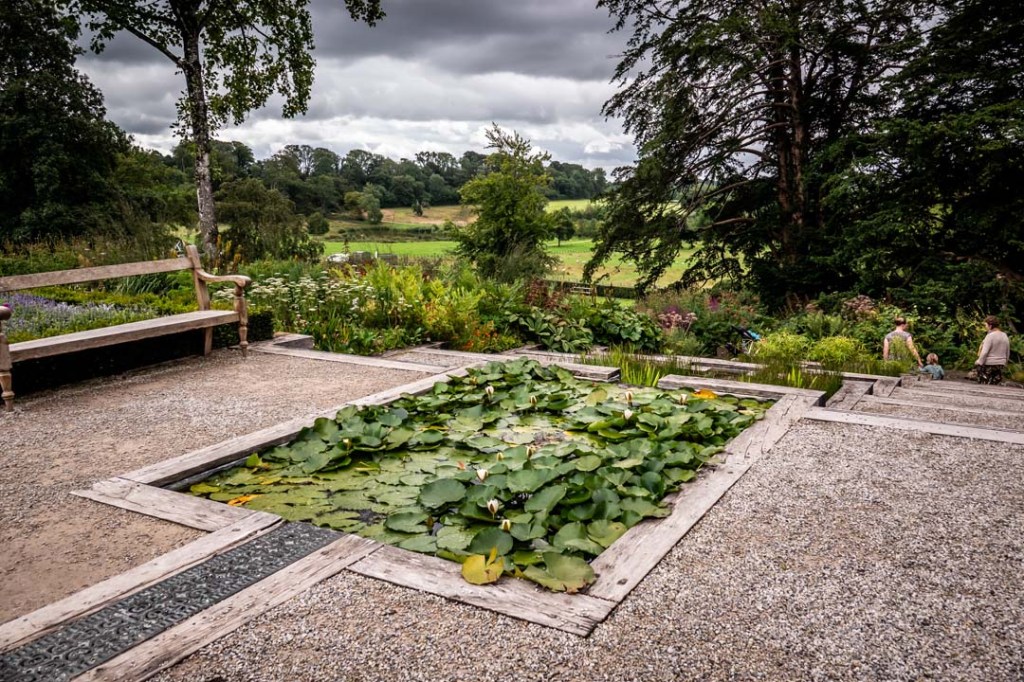
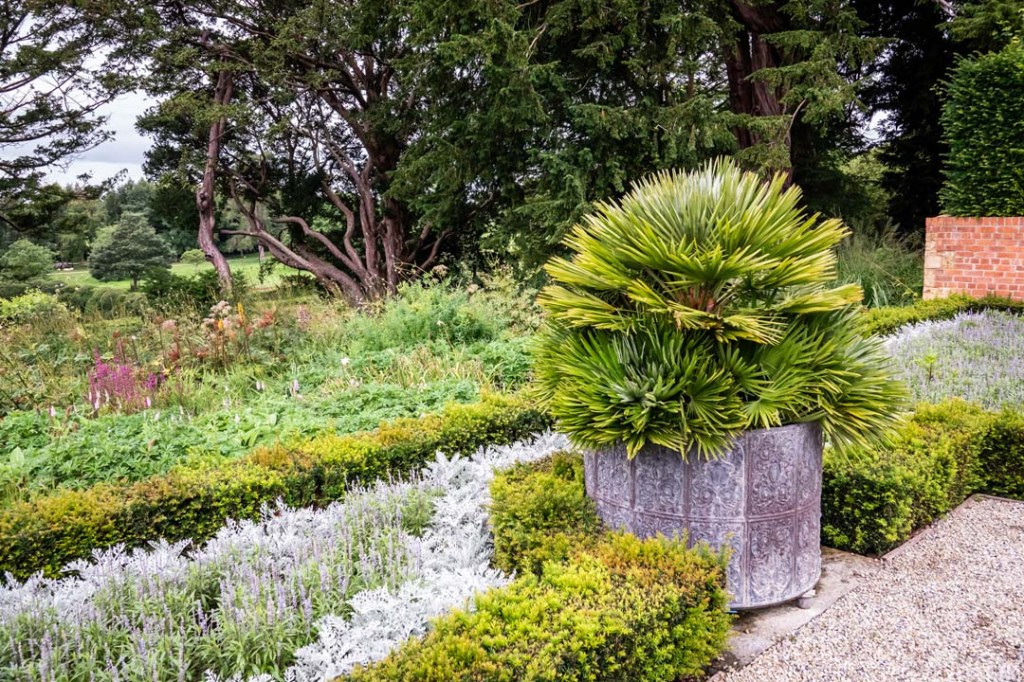
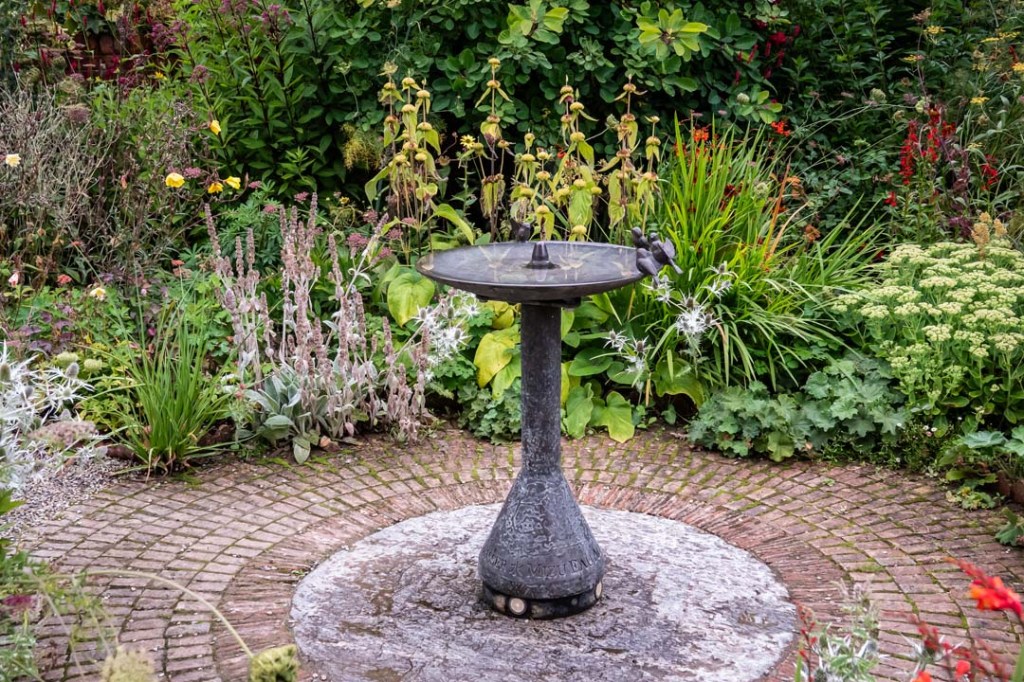
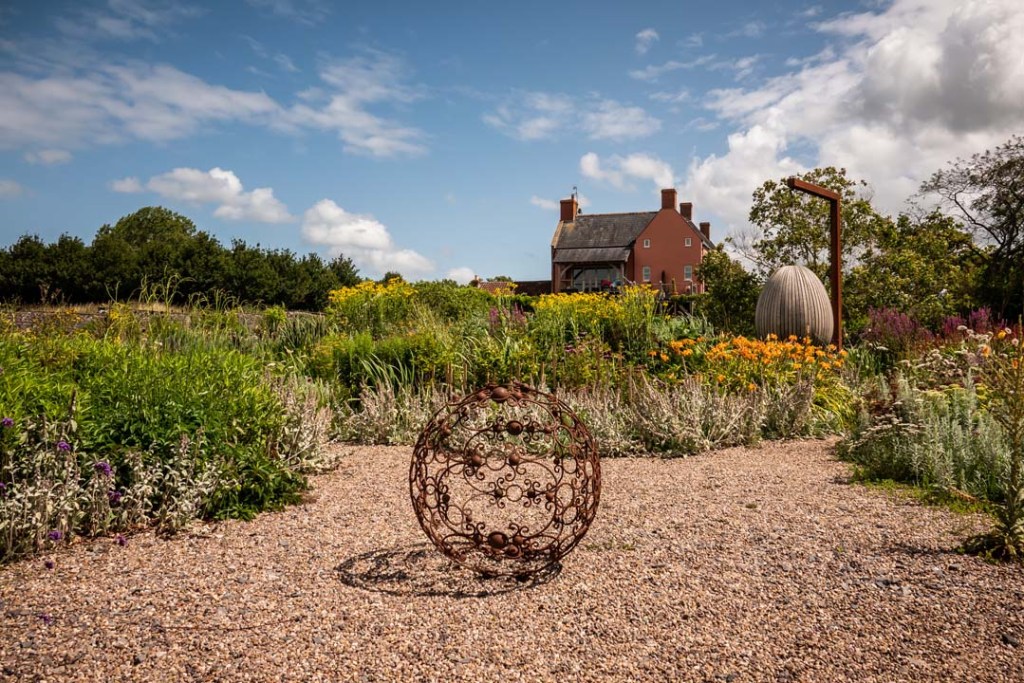
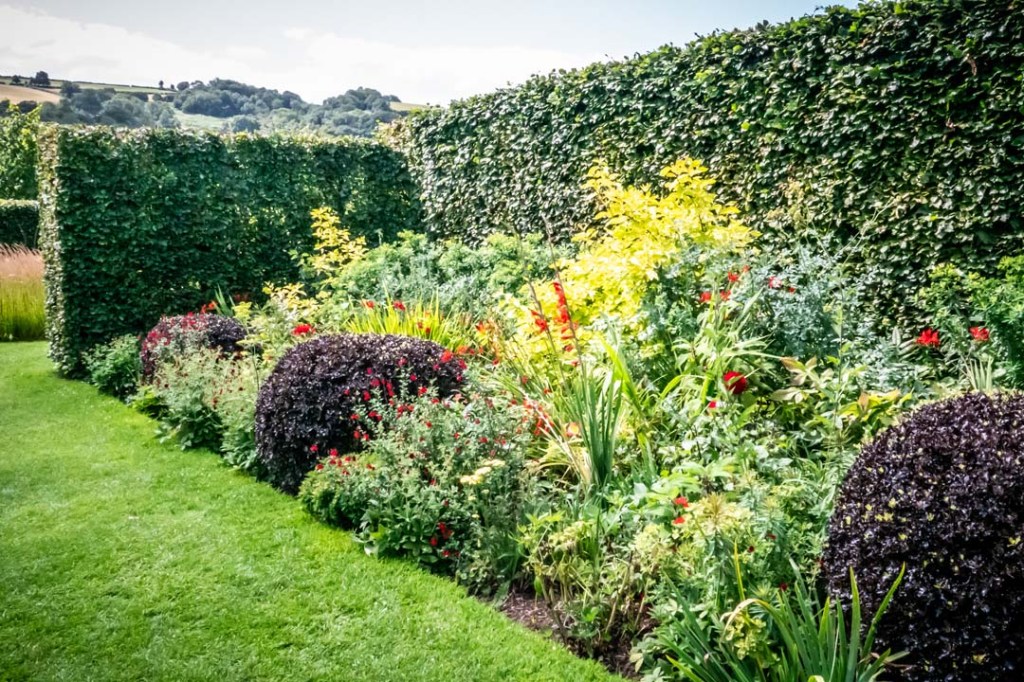
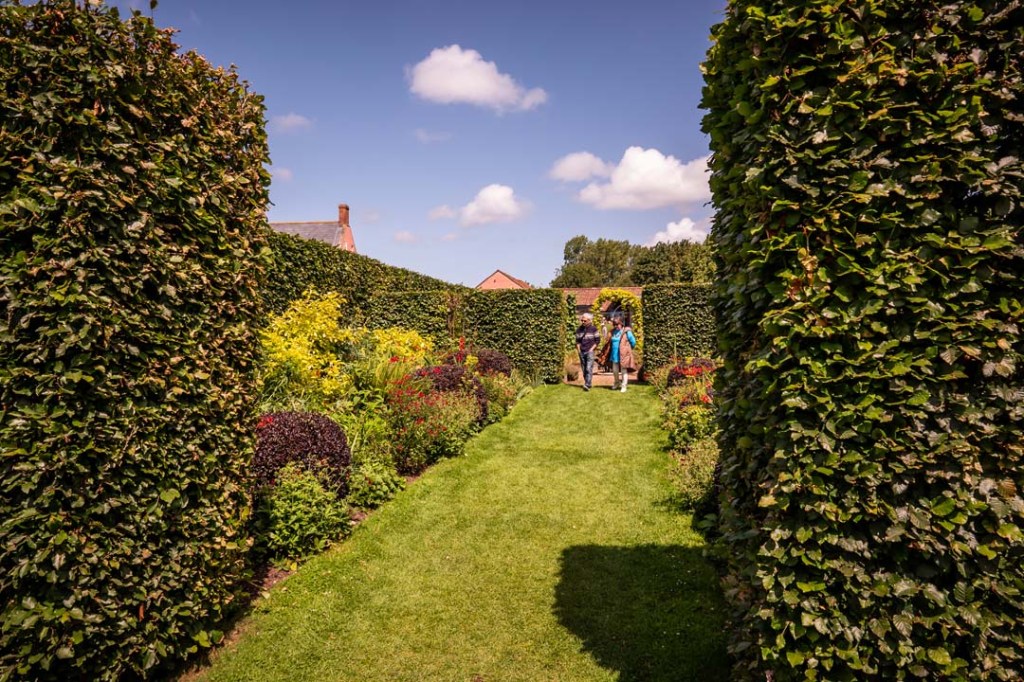
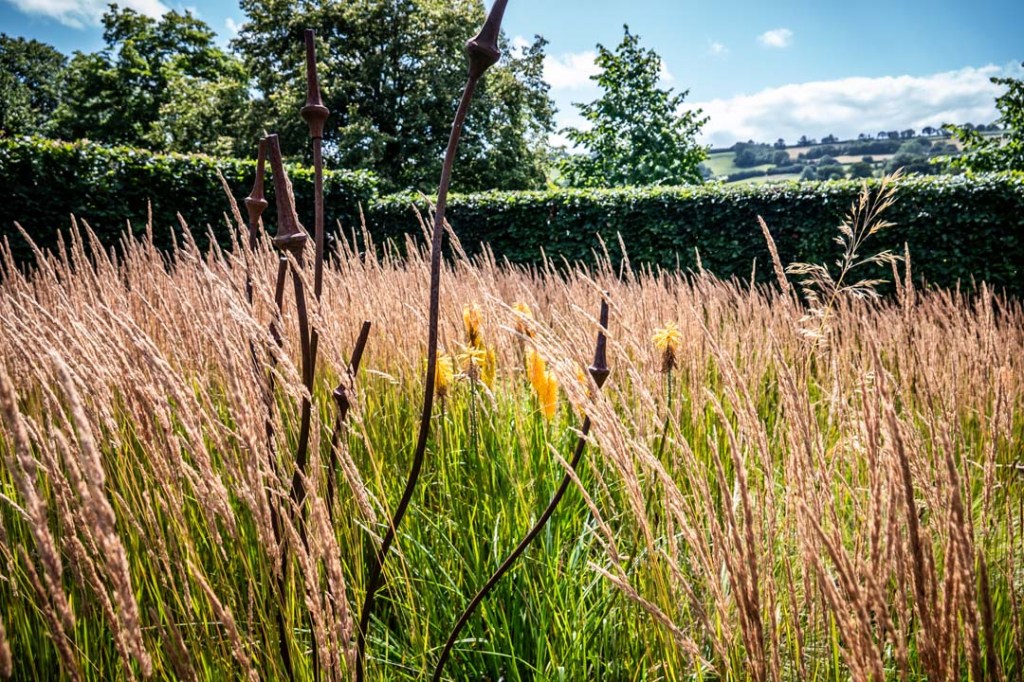
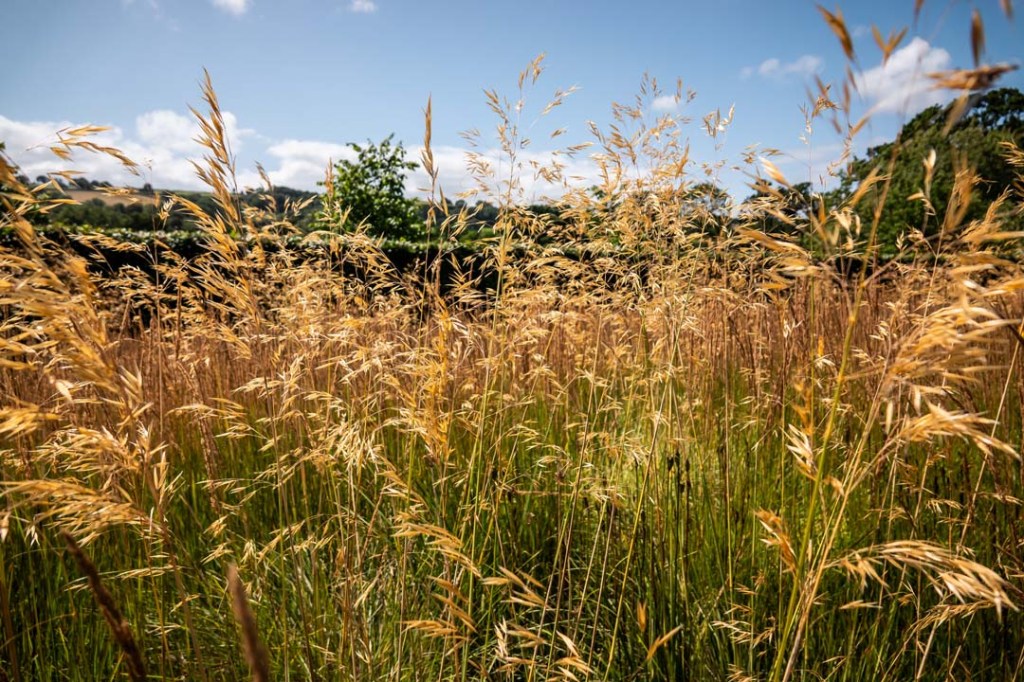
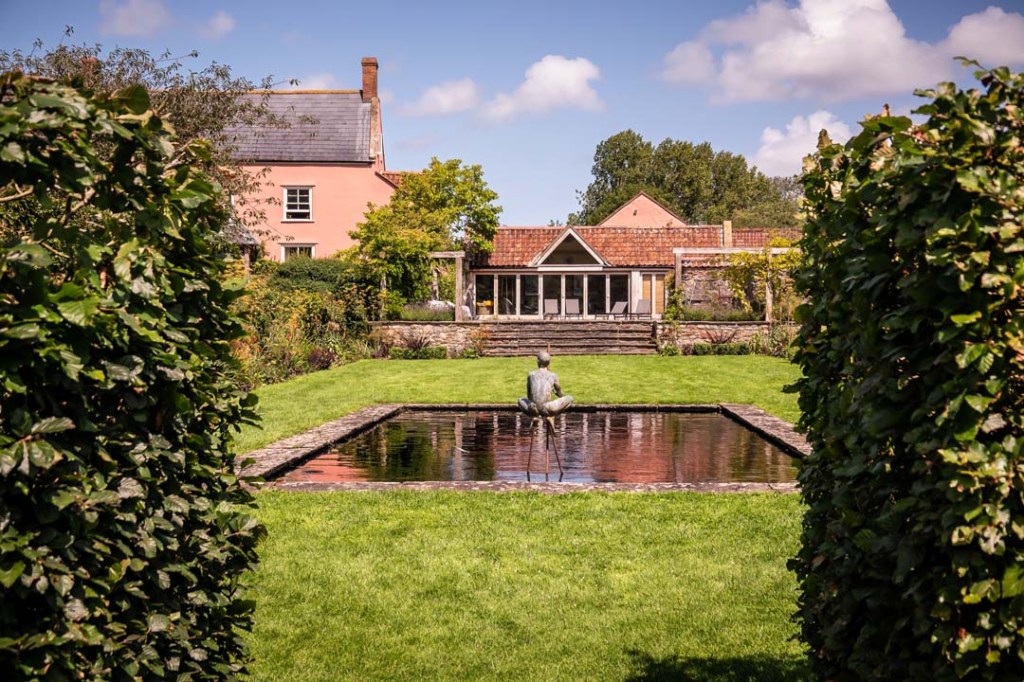
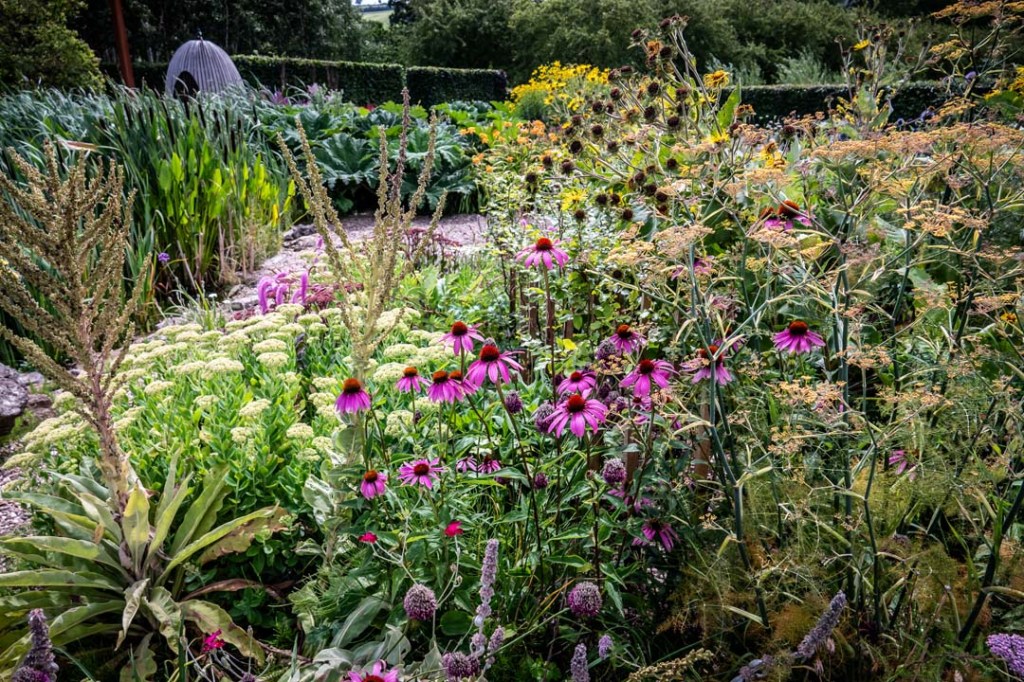
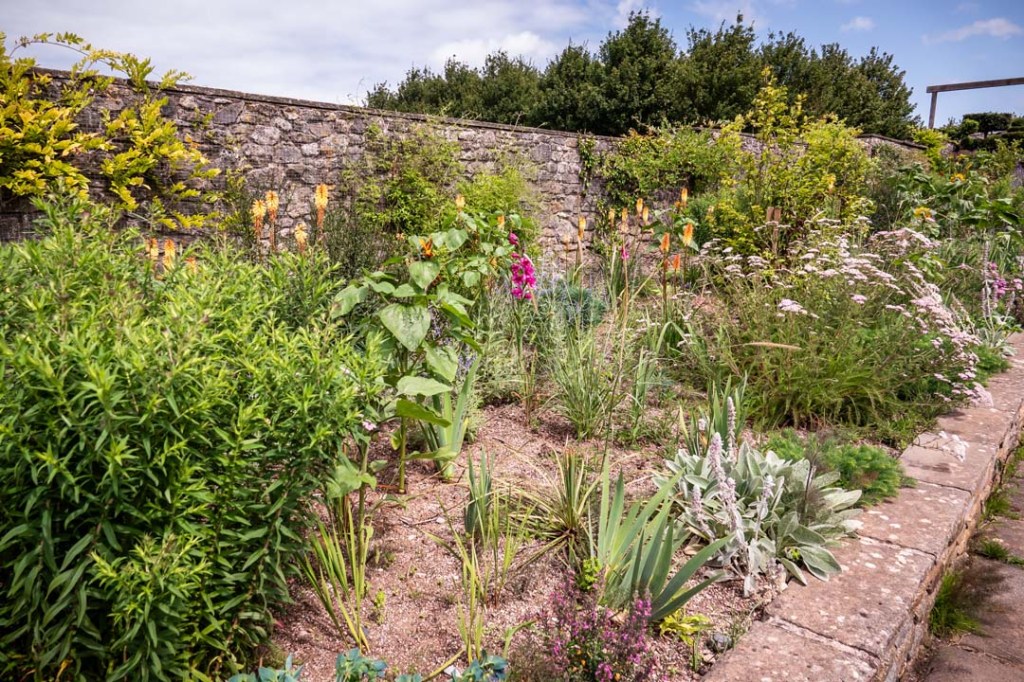
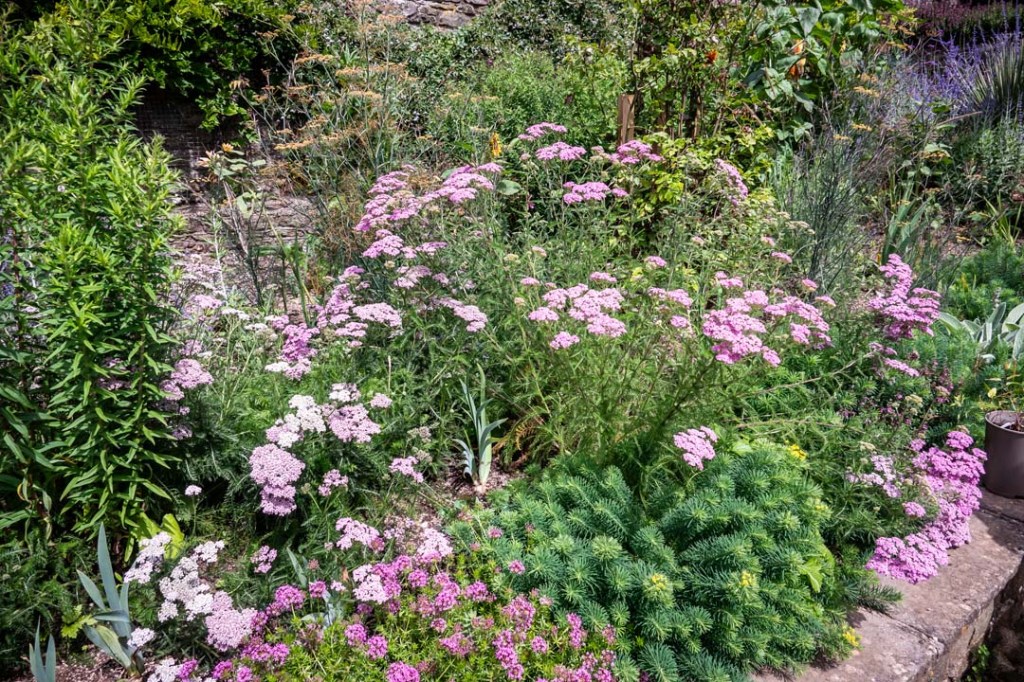
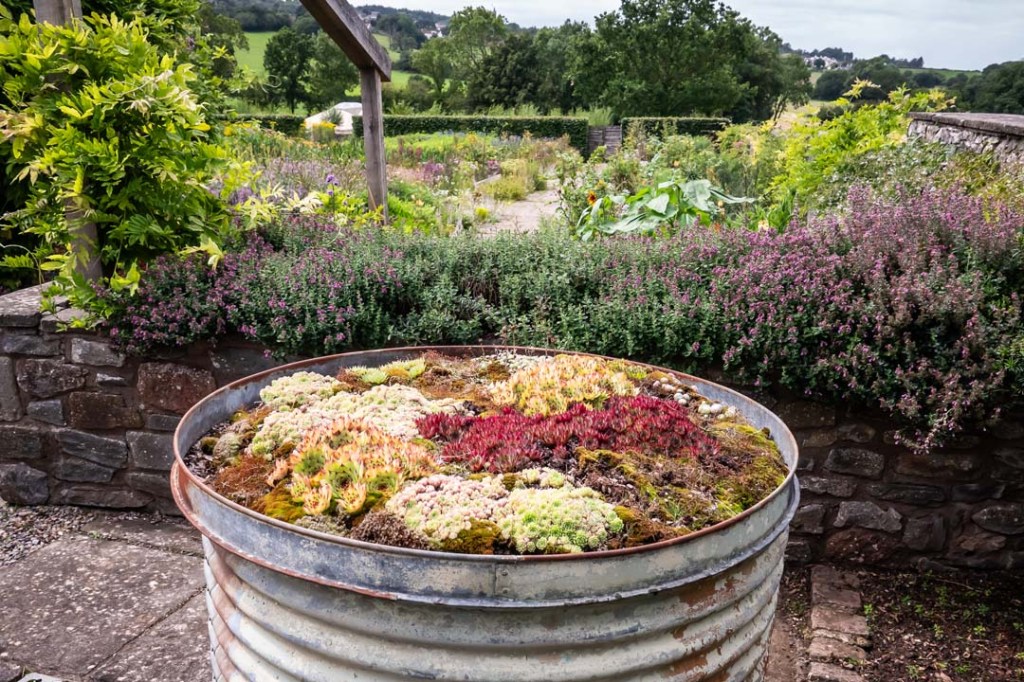
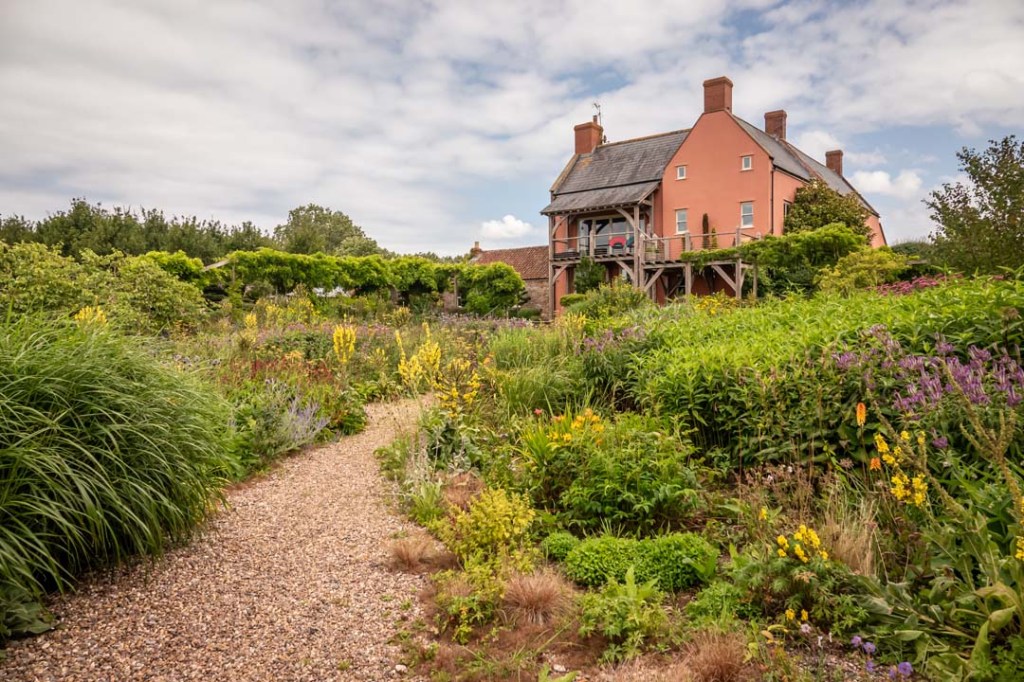
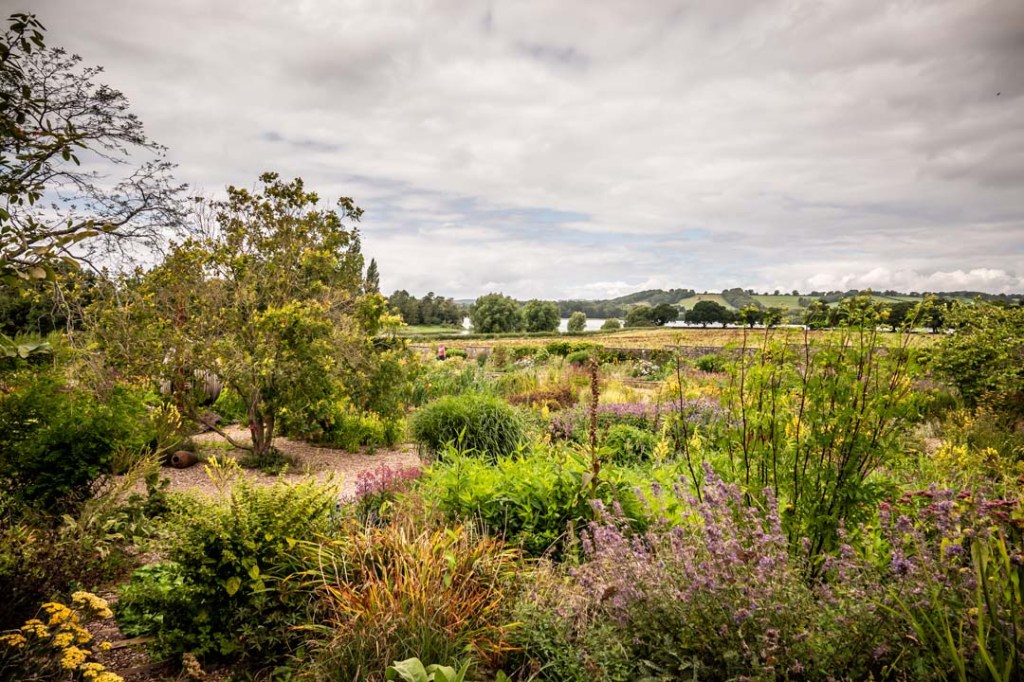
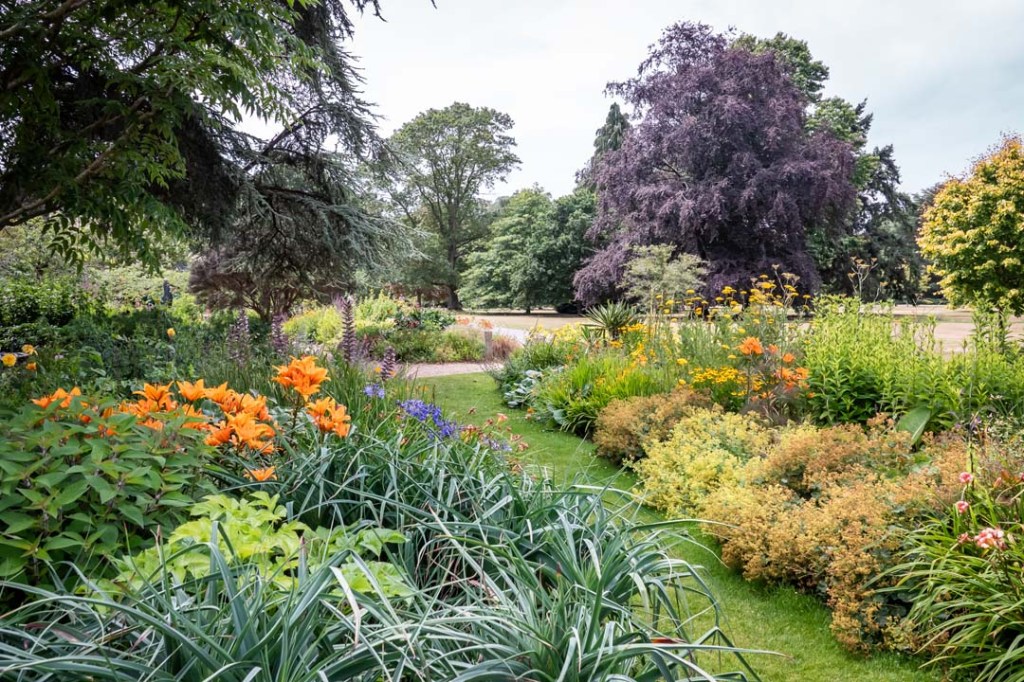
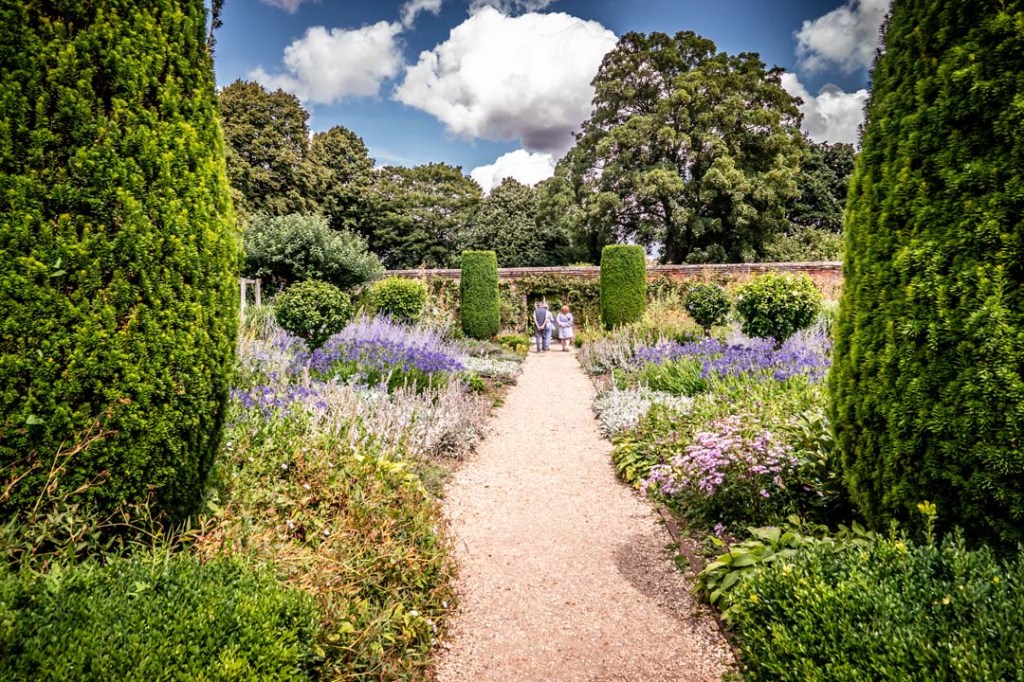
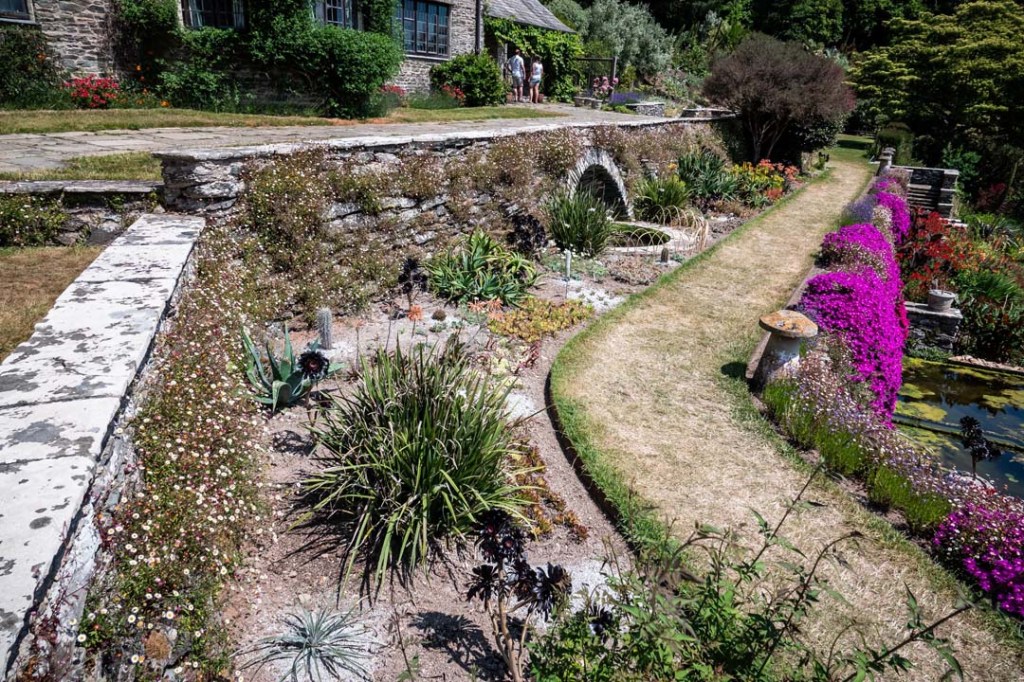
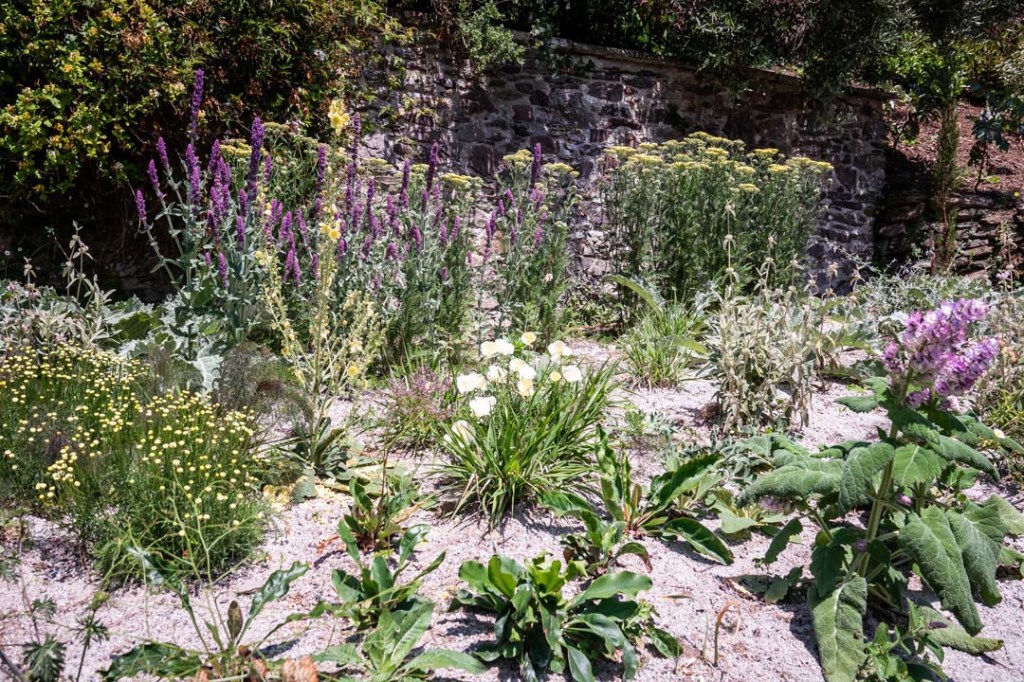
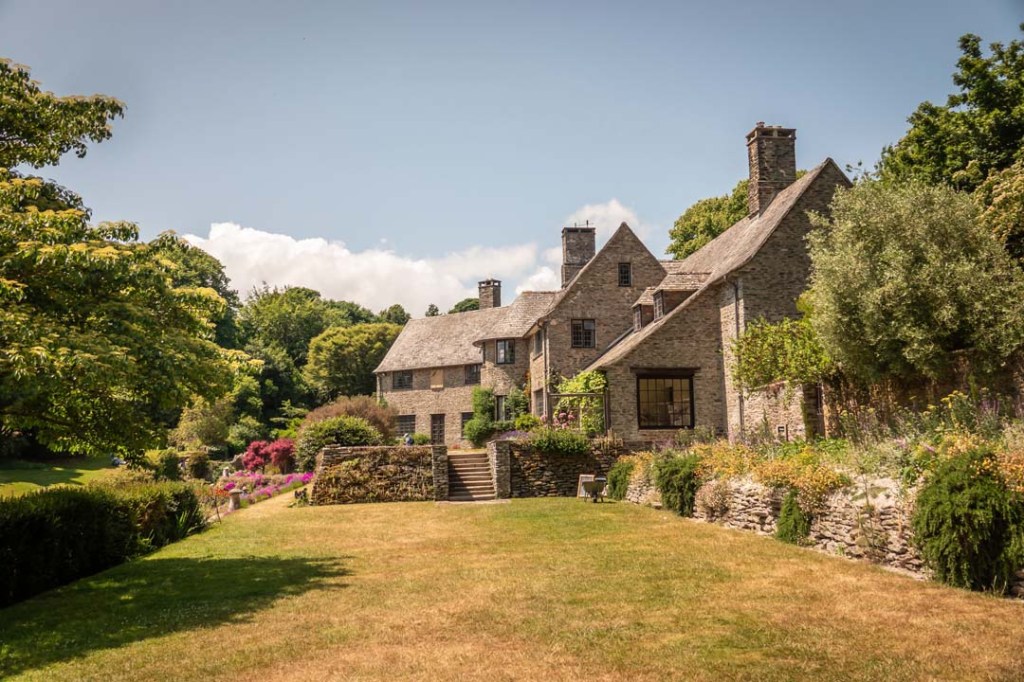
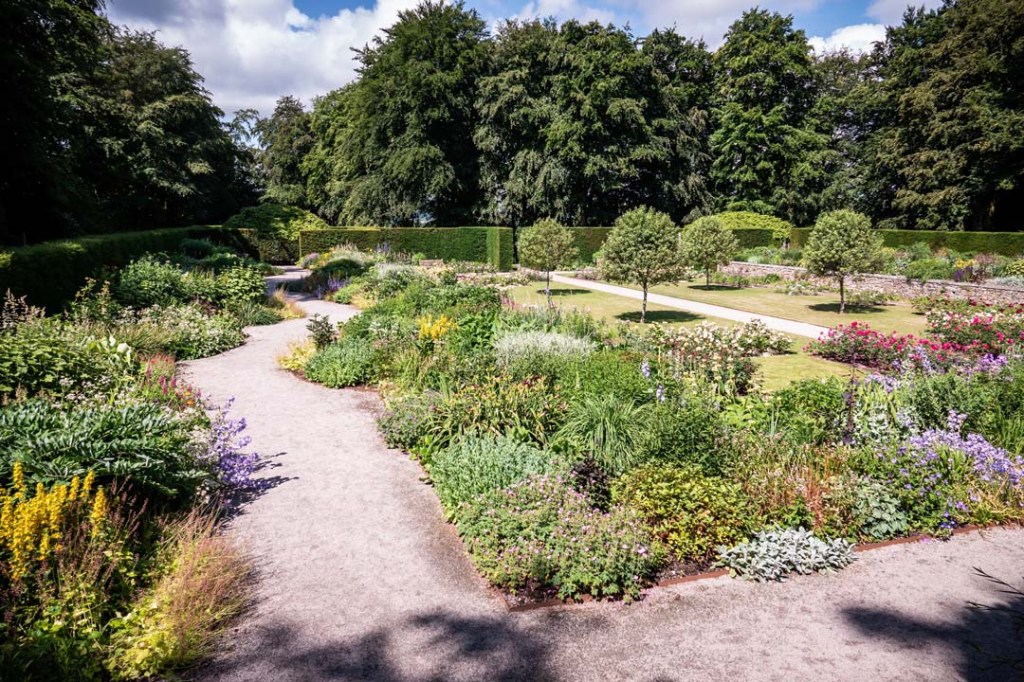
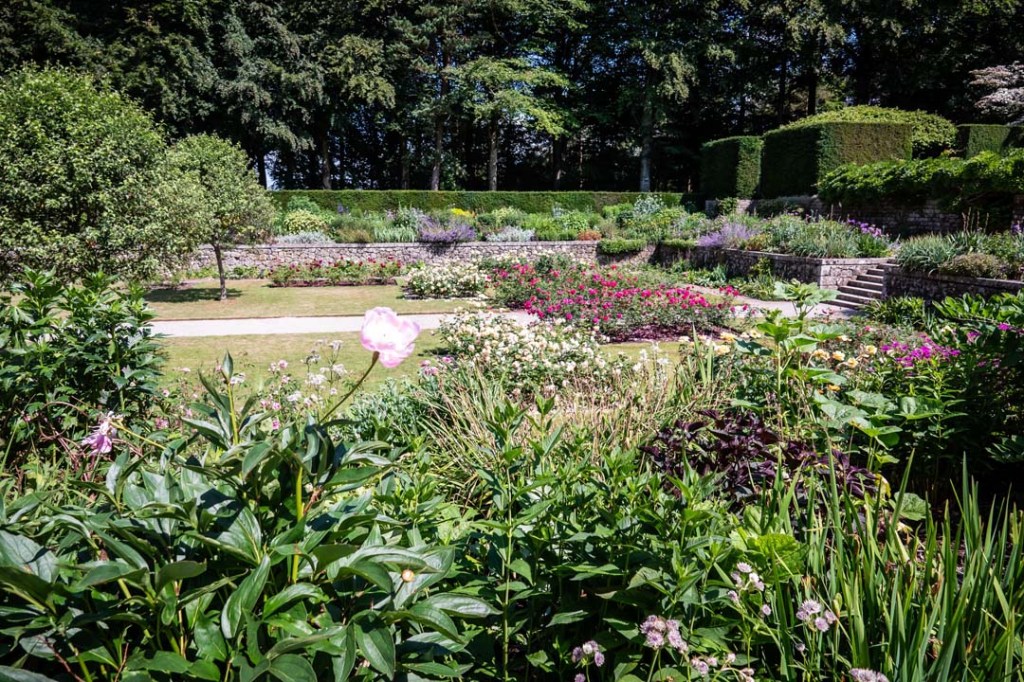
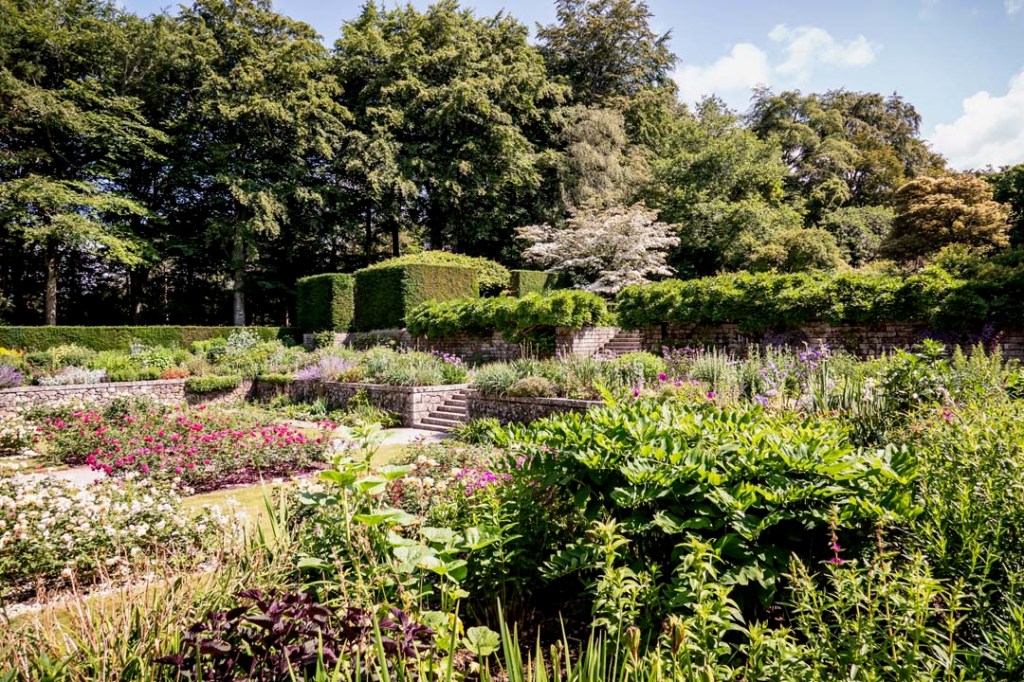
The Veddw House Garden, the garden of Charles Hawes (prize winning garden photographer) and Anne Wareham (garden writer) on the Welsh borders near Devauden up above Tintern Abbey was quite a challenge to photograph with a high sun on a Sunday afternoon – but Sunday afternoon is the only time it is open to the public. How wise of them to keep it to themselves to savour and possibly photograph in the golden hours.
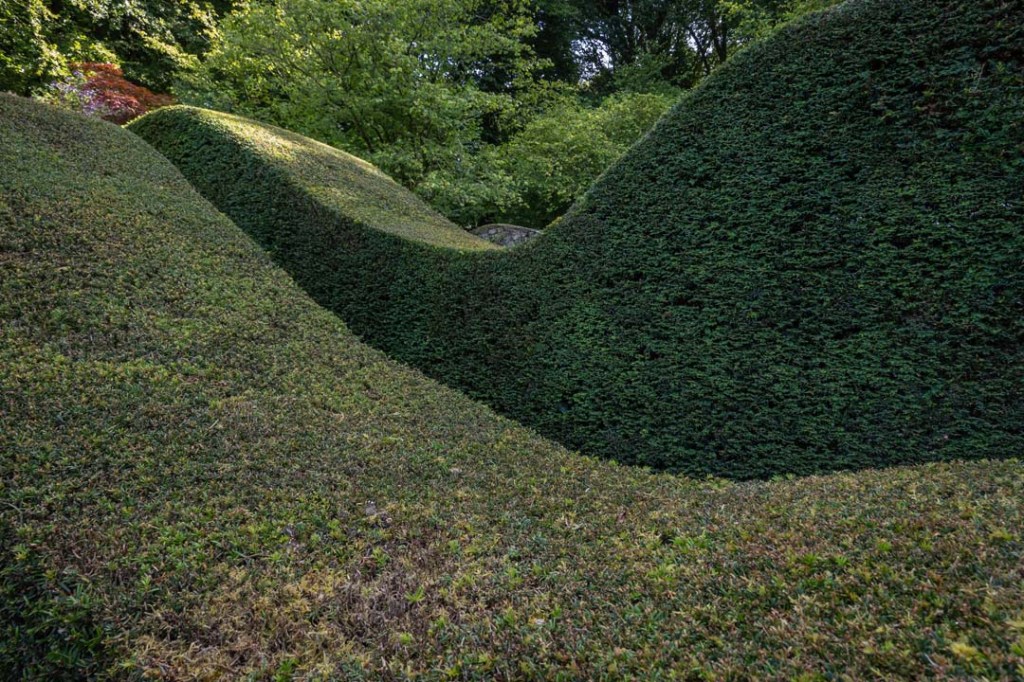
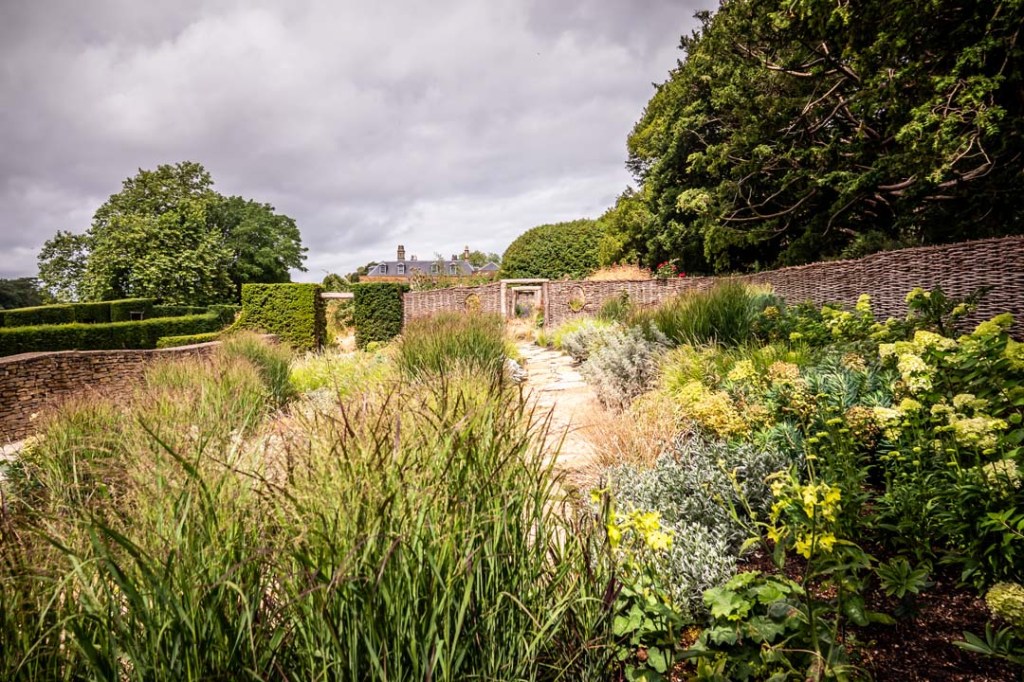
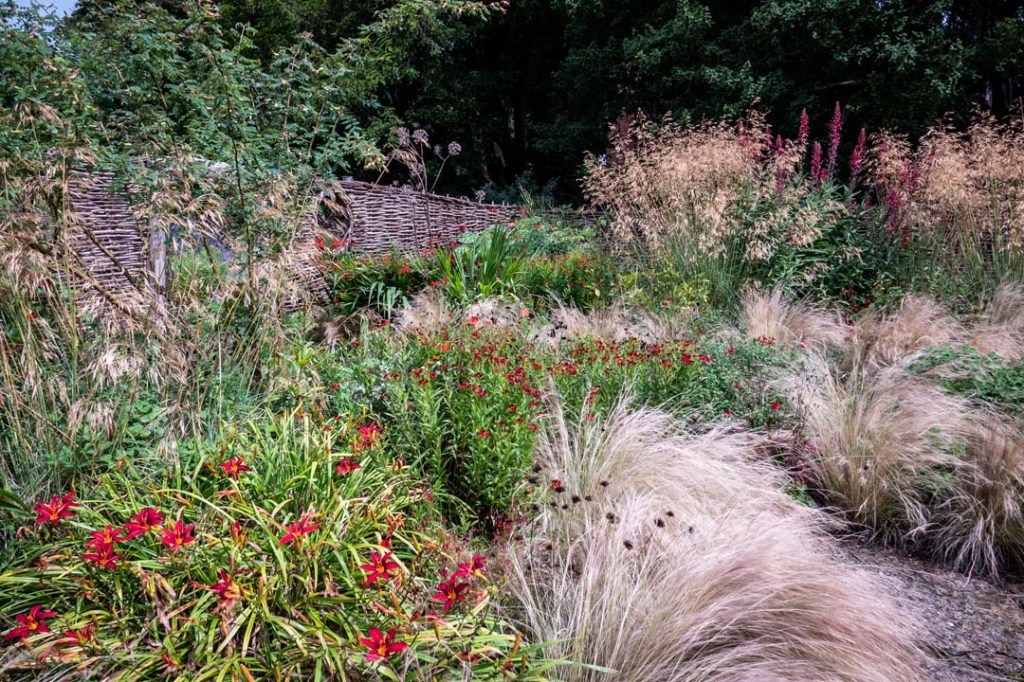
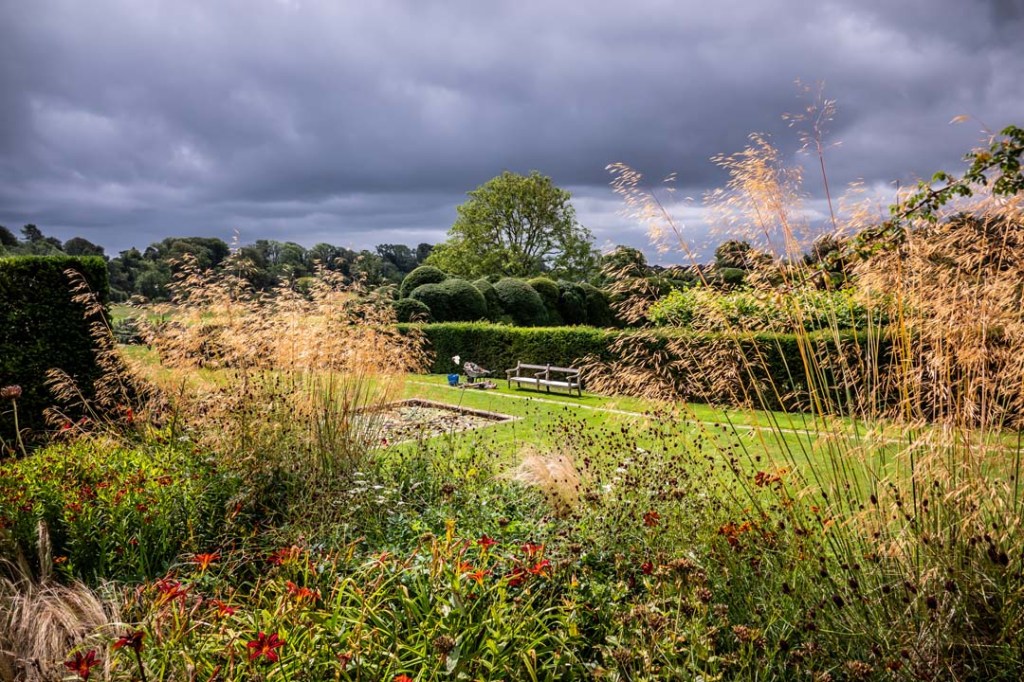
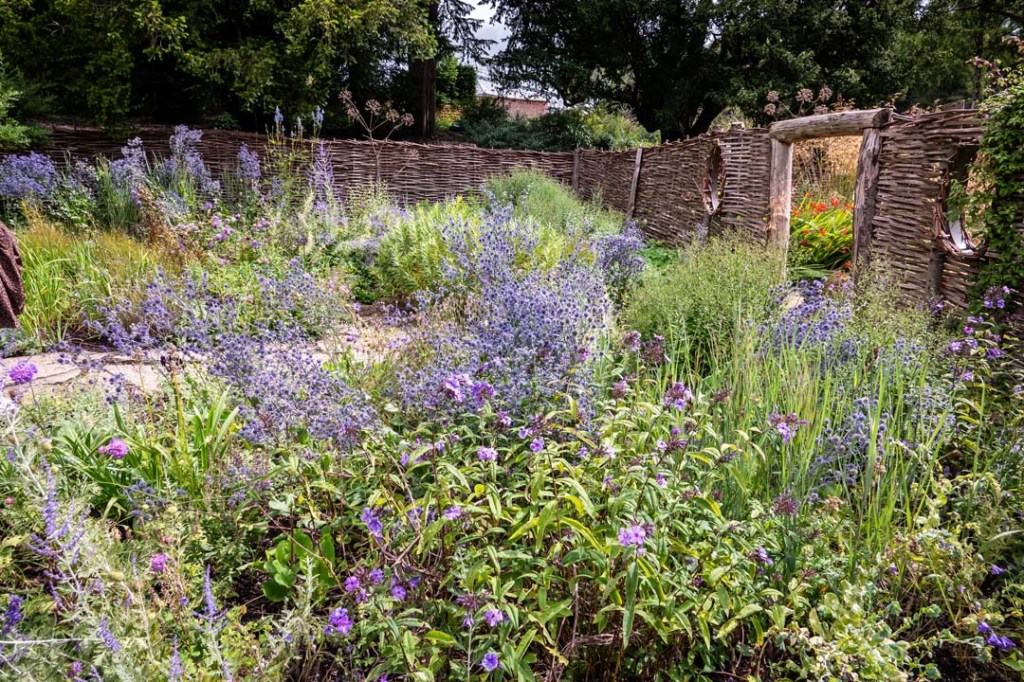
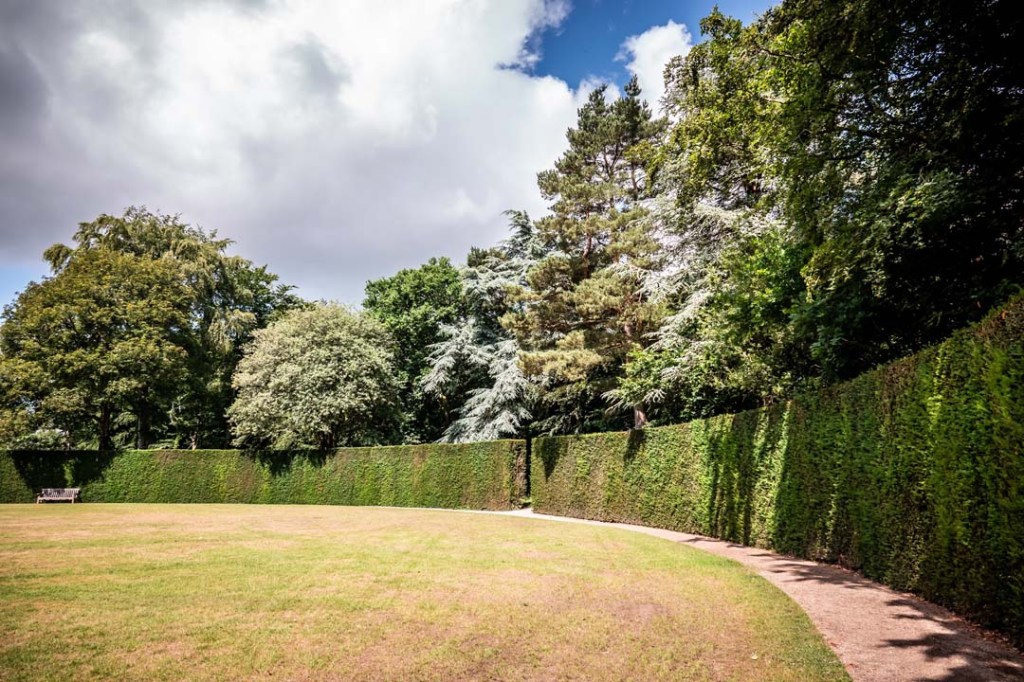
The owners say it’s “all about patterns, shapes, colours, drama, sculptural hedges and views”. I hope you get a sense of all that from my photos.
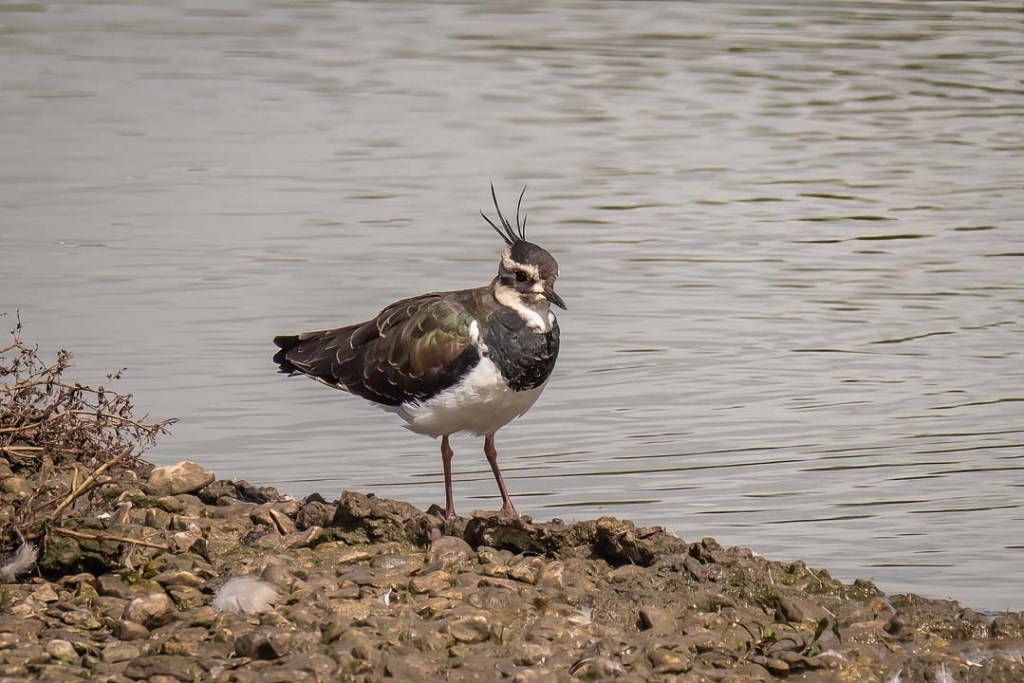
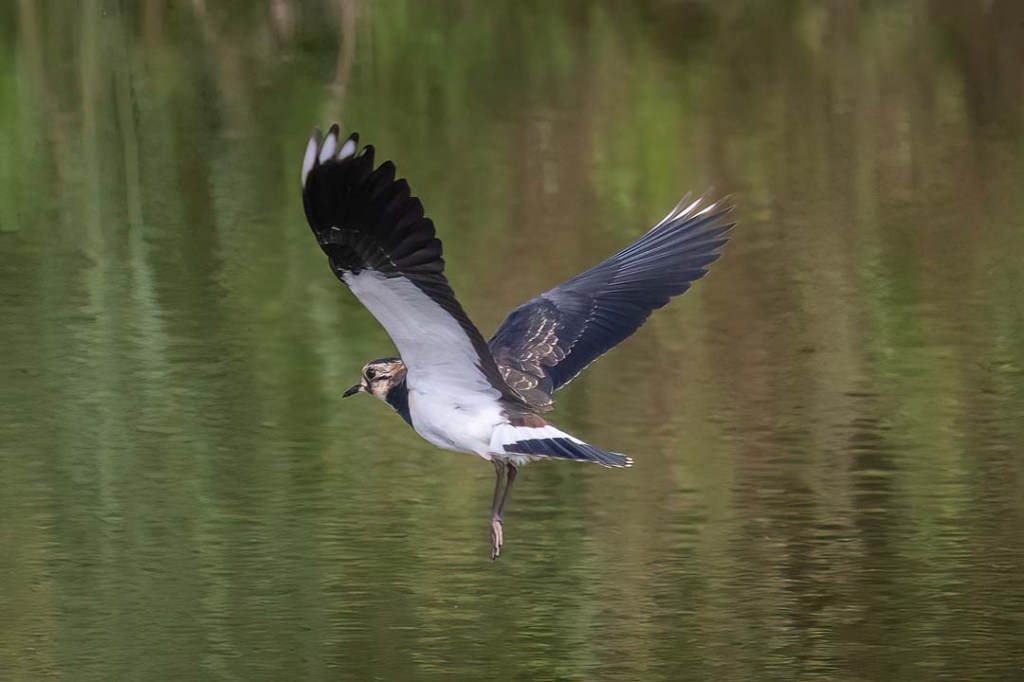
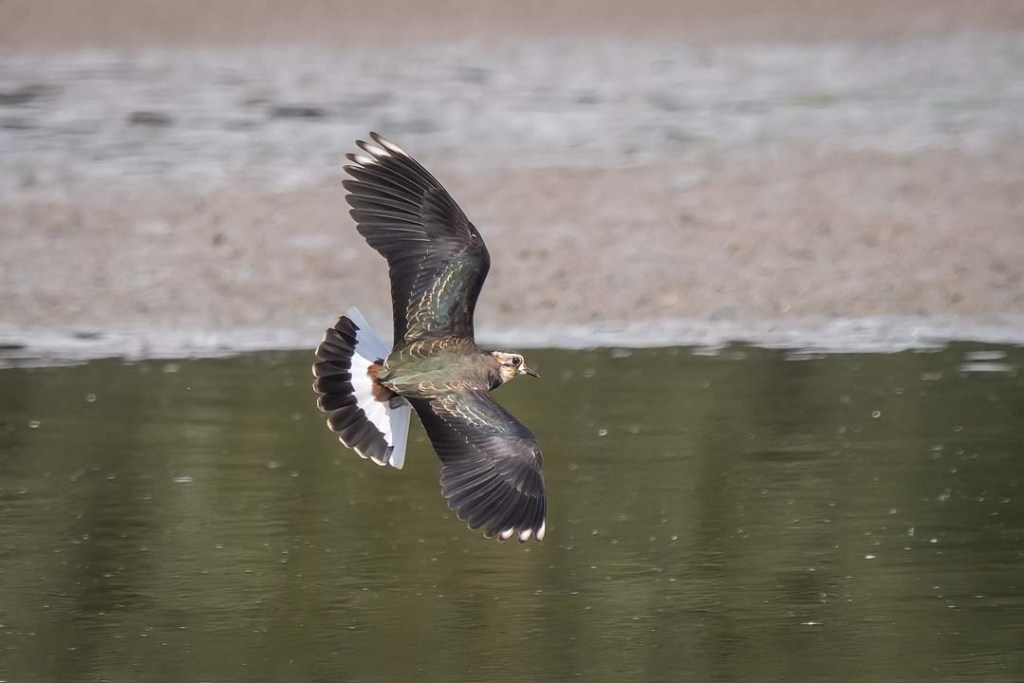
We have had limited opportunity for birdwatching recently and so when the chance came we thought it best to go for a banker like Slimbridge.
I had heard reports of sightings of a pectoral sandpiper and spoonbills but I fear they were on the estuary and there were too many showers around to risk venturing that far. However, we weren’t disappointed with the pools near the hides on the north side of the reserve and we were able to dodge the showers which at times were quite heavy. Oh what a summer!
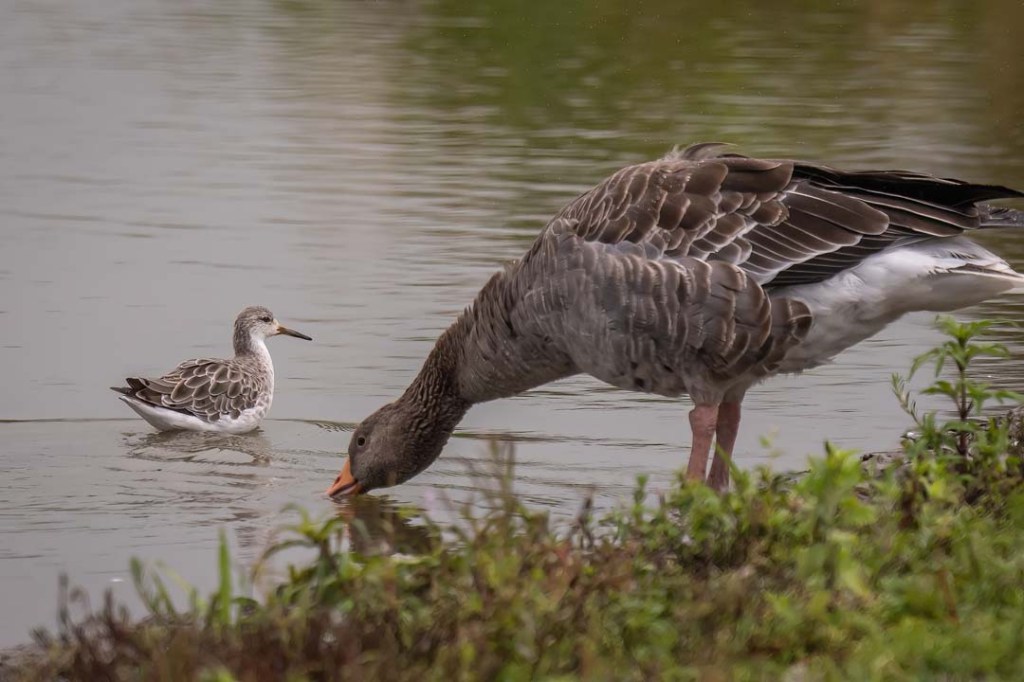
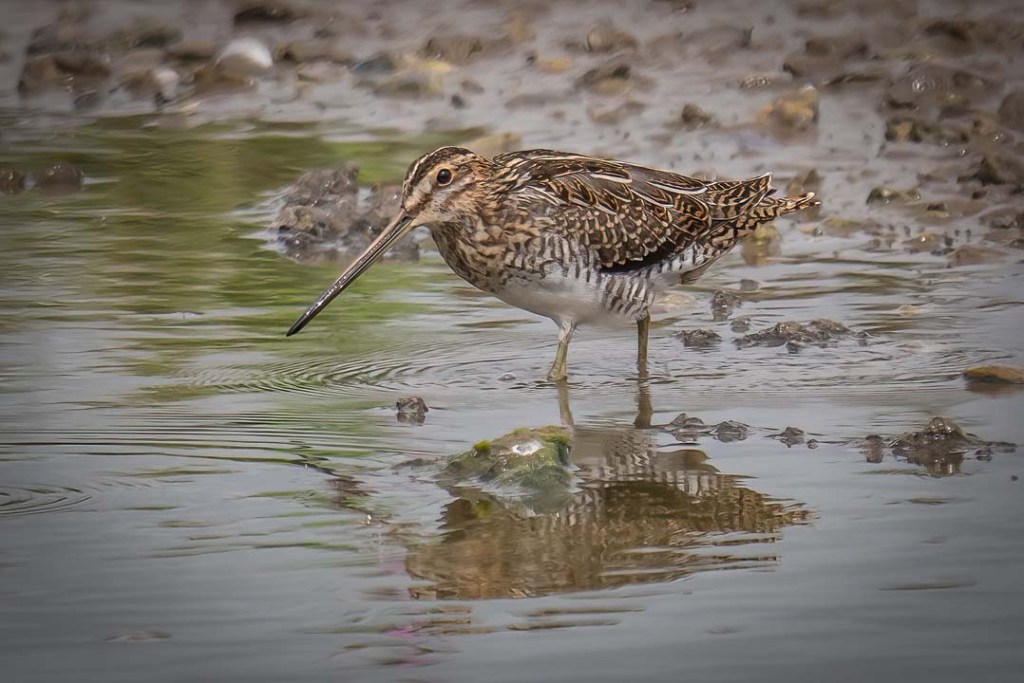
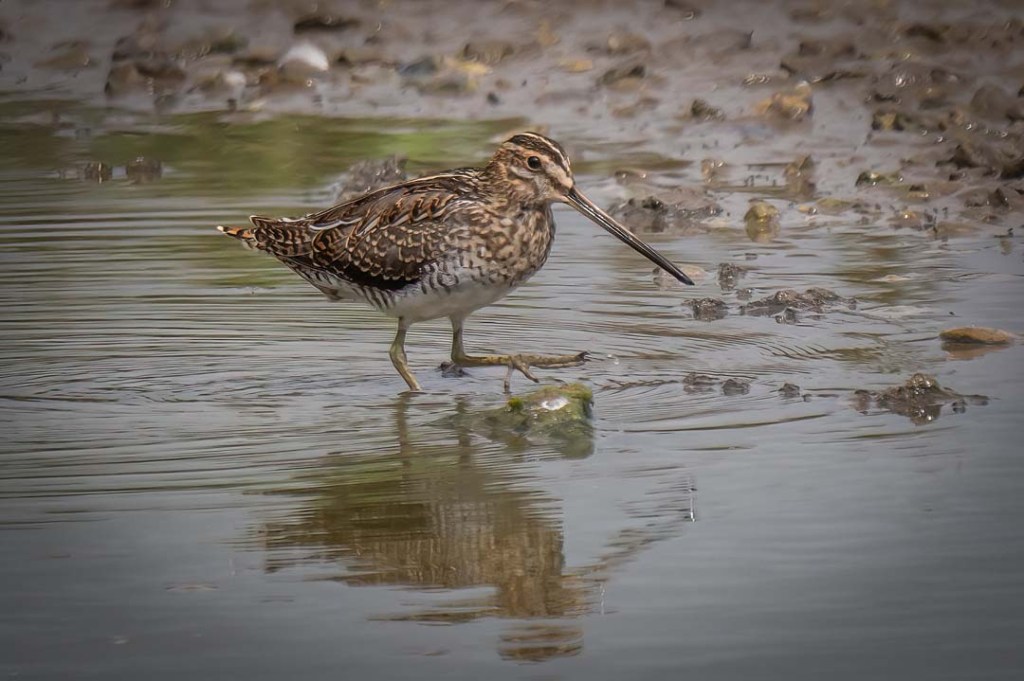
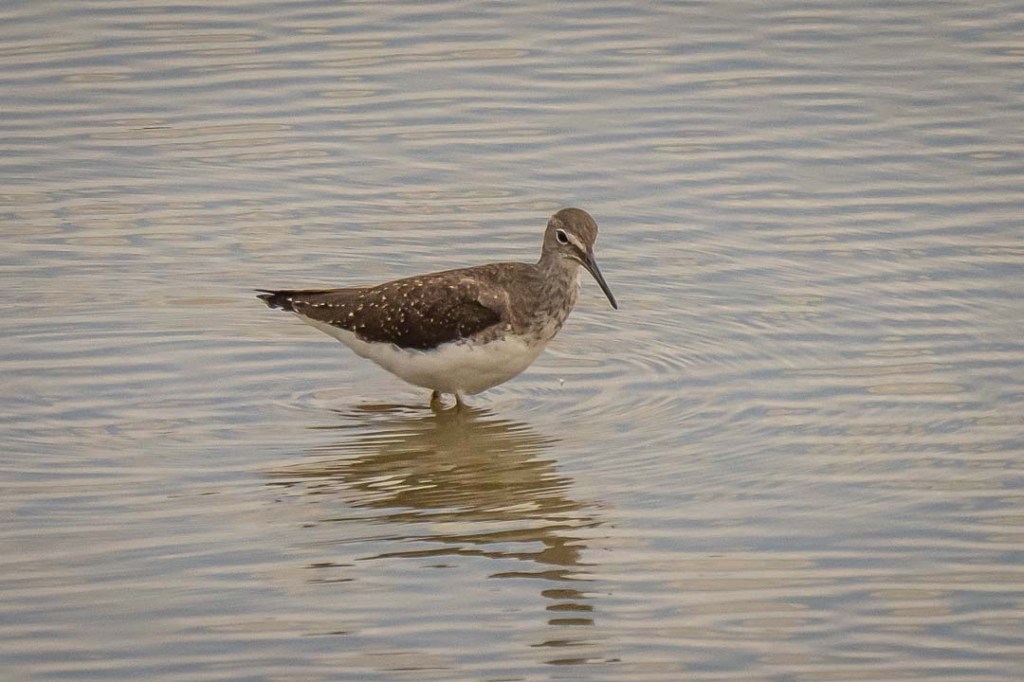
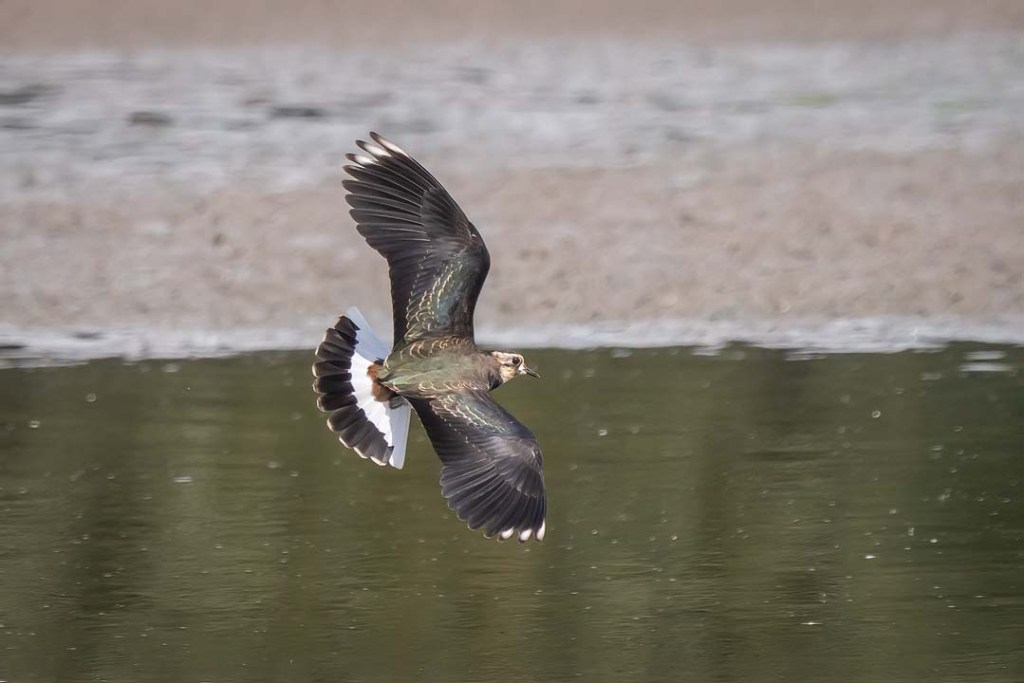
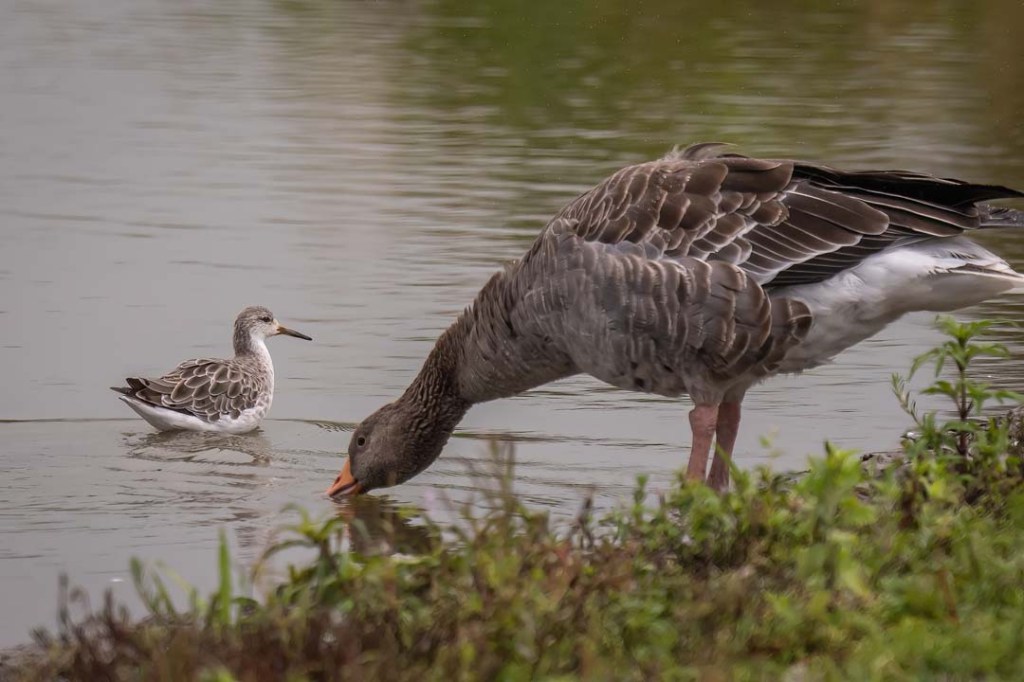
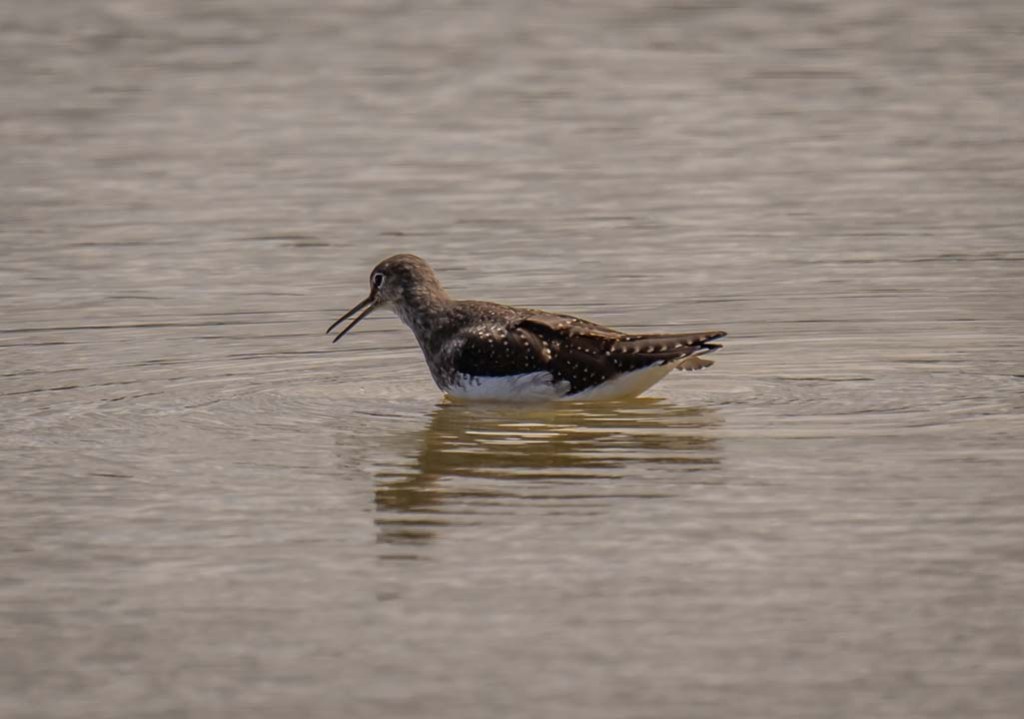
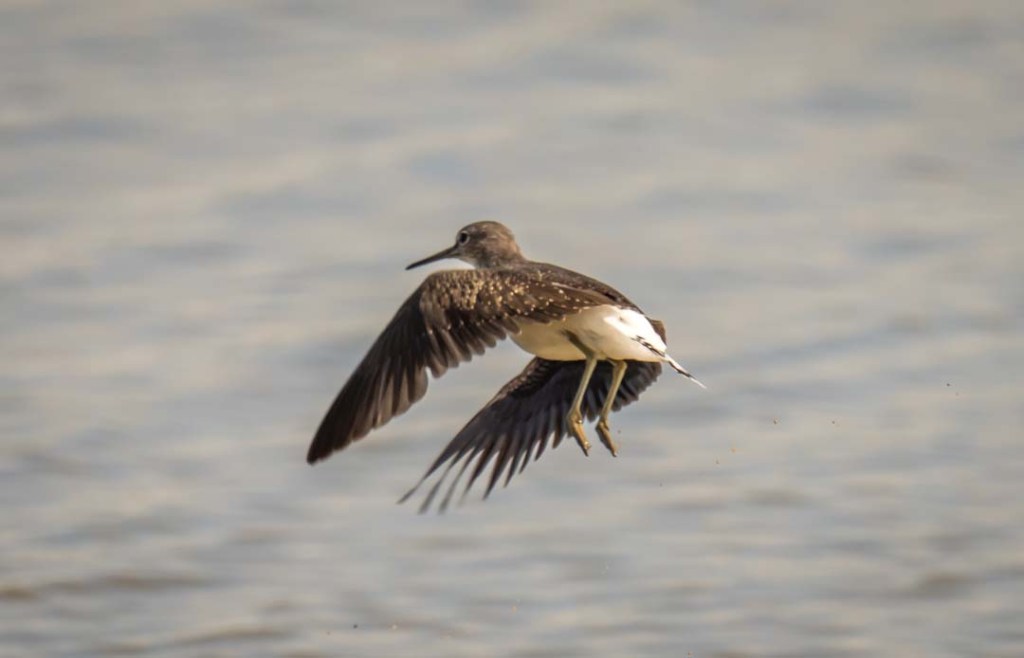
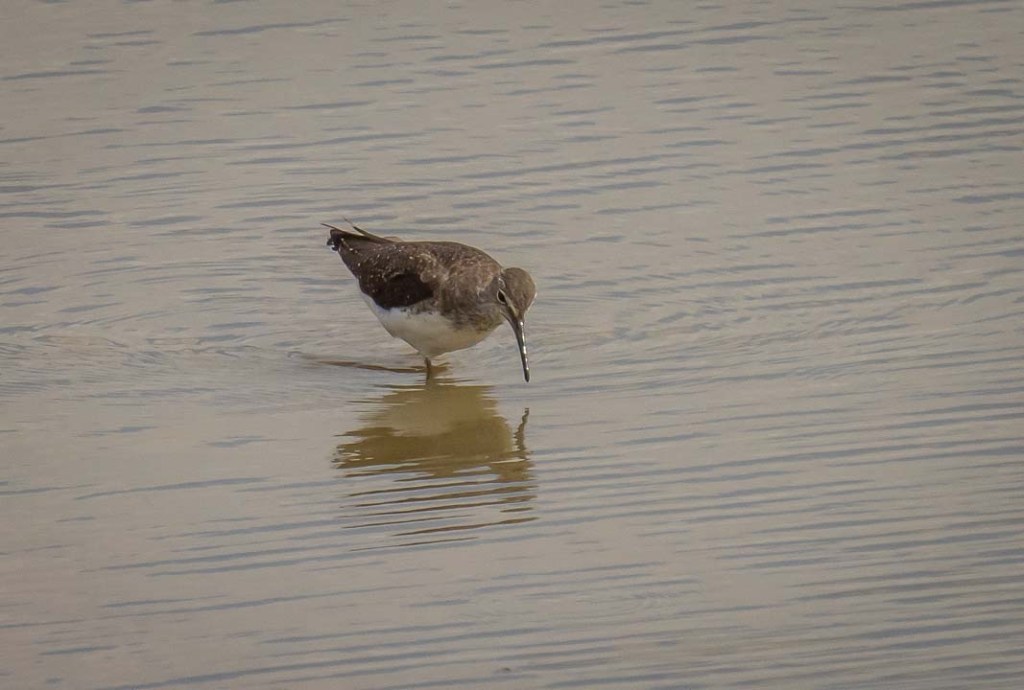
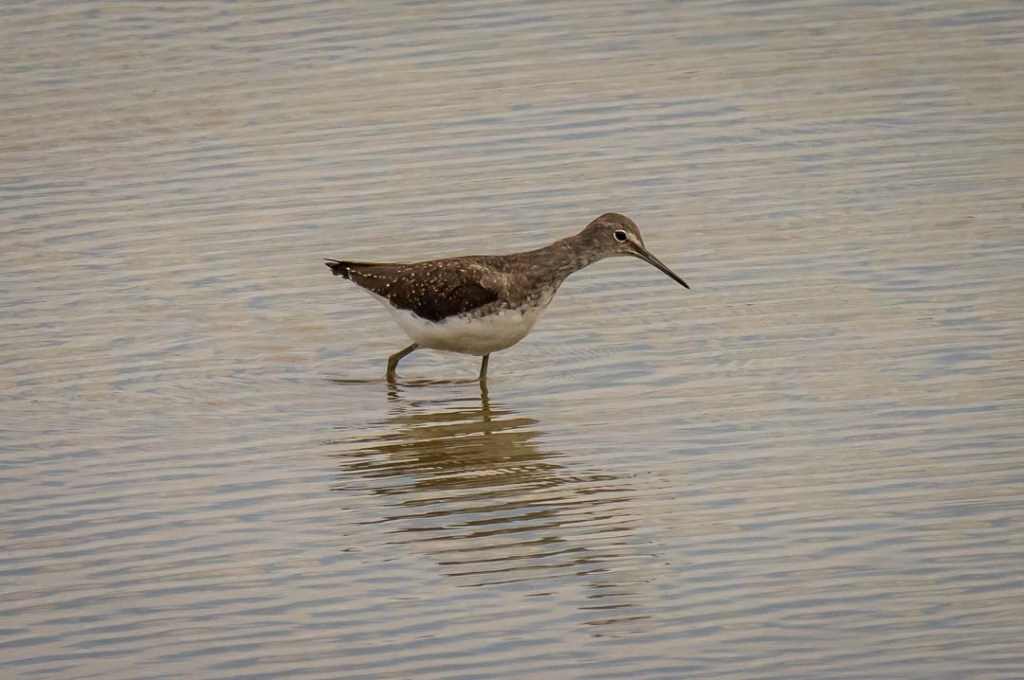
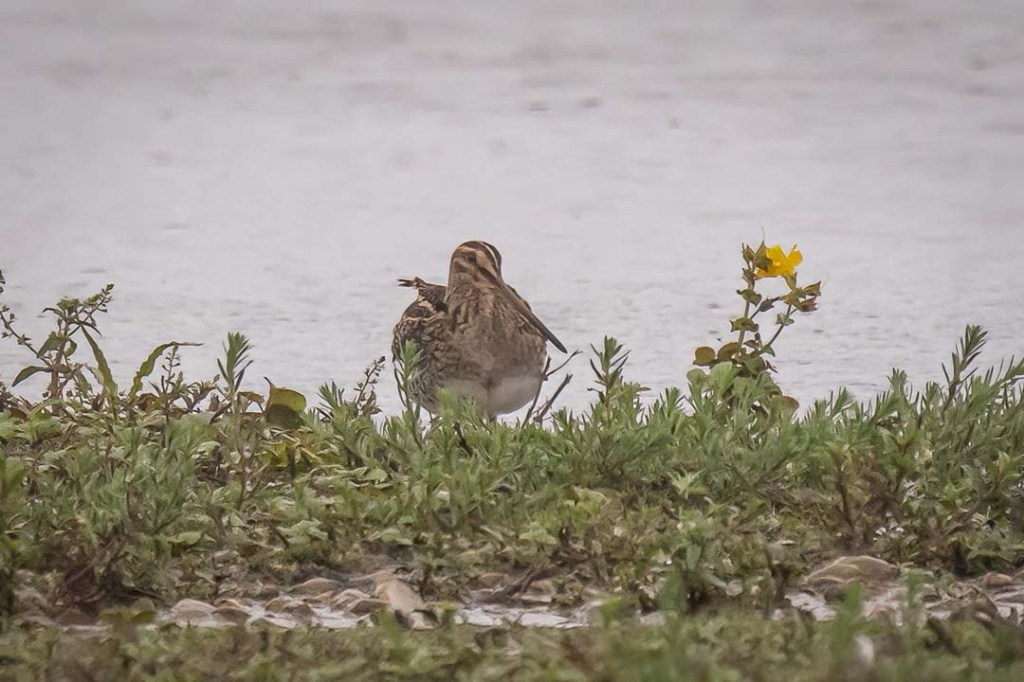
Black-tailed godwitBlack-tailed godwitBlack-tailed godwitCommon snipeCommon snipeRuff in the rainRedshank in the sunGreen sandpiperLapwingLapwingGrey heronLittle egretLittle and large – ruff and greylag gooseHow come godwits spend so much time scratching?
I’m afraid my link to bird photography becomes rather tenuous at this time of the year. Many bird photographers often turn to butterflies at this stage but my focus turns to gardens. All the same, nature in all its glory is very evident in these wonderful tended gardens.
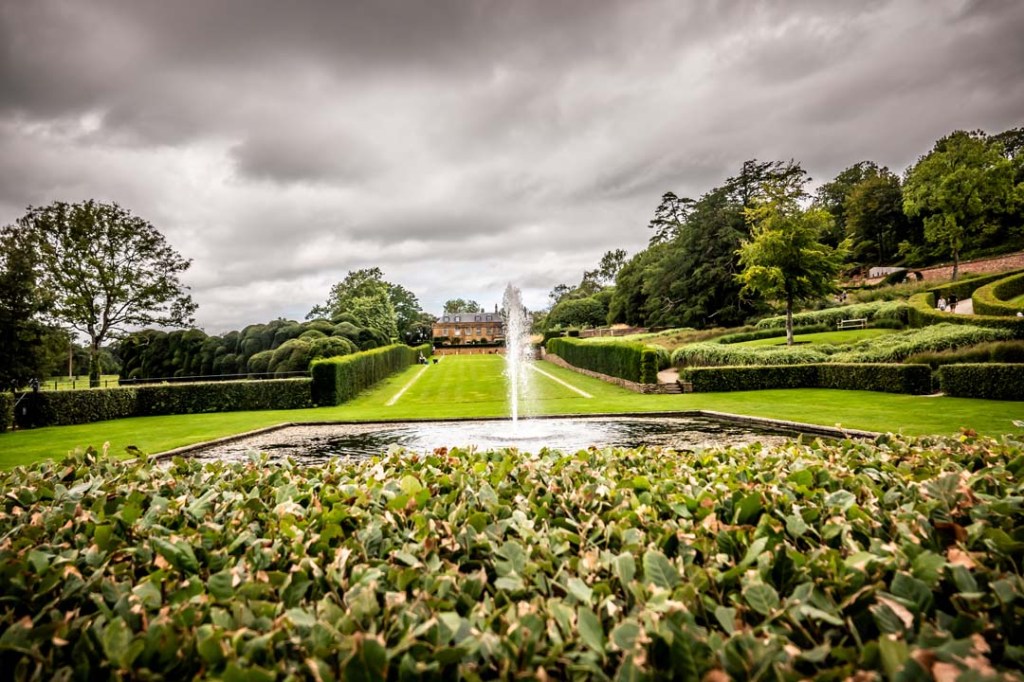
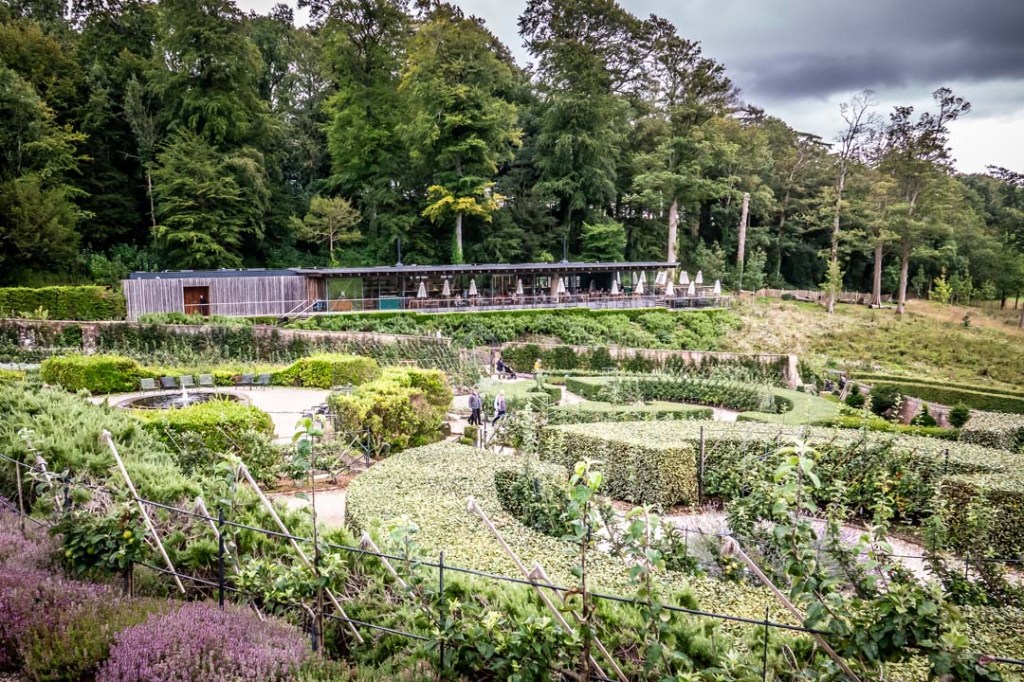
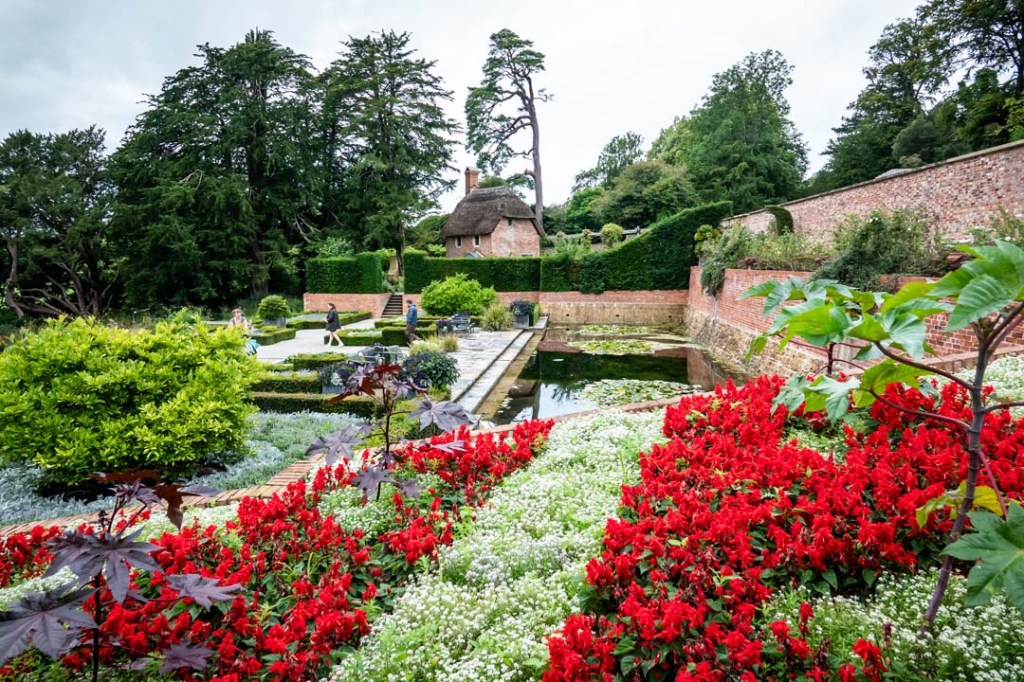
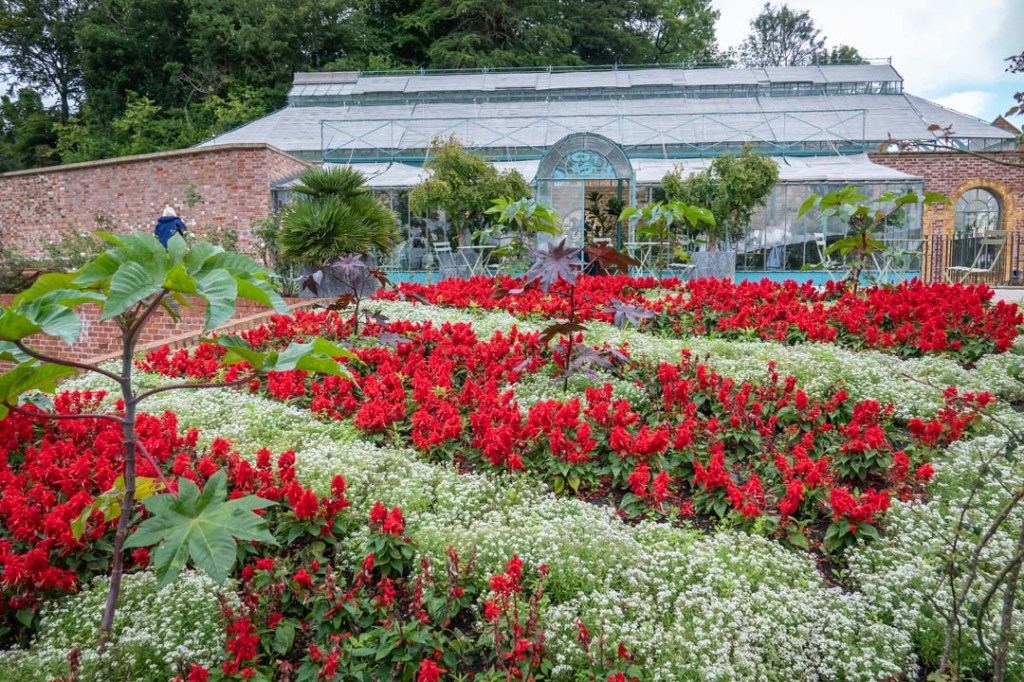
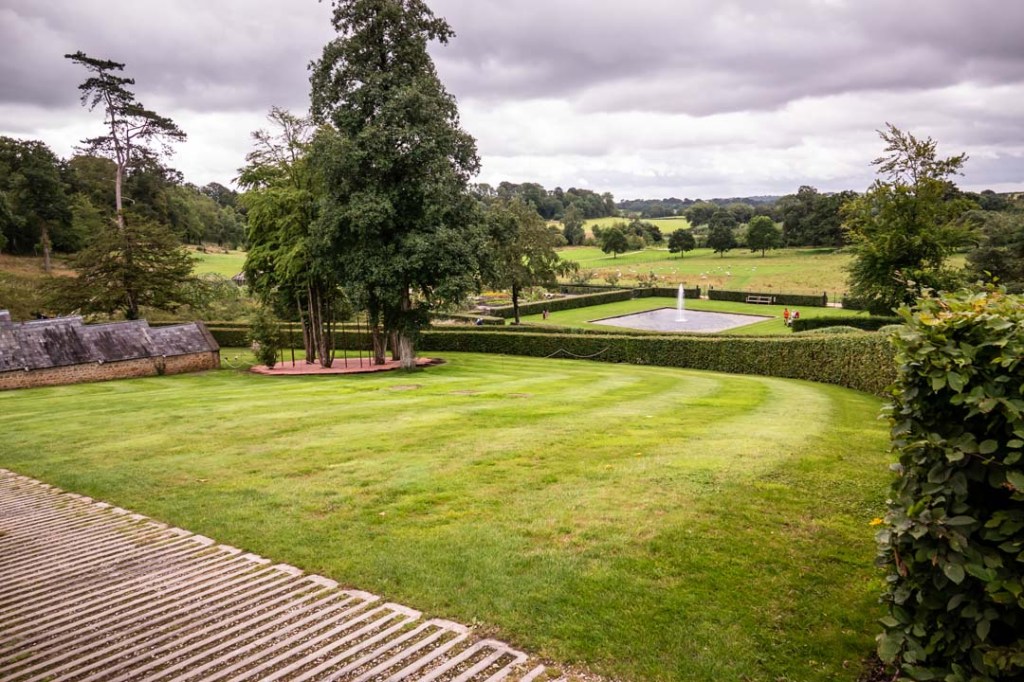
Our trip to The Newt in Somerset was a birthday treat. In fact, due to the inclement weather my birthday treat turned out to be watching cricket on the television as England levelled the “Ashes” series with Australia. So, our trip to Somerset was delayed by a day and generally we had dry but very cloudy weather.
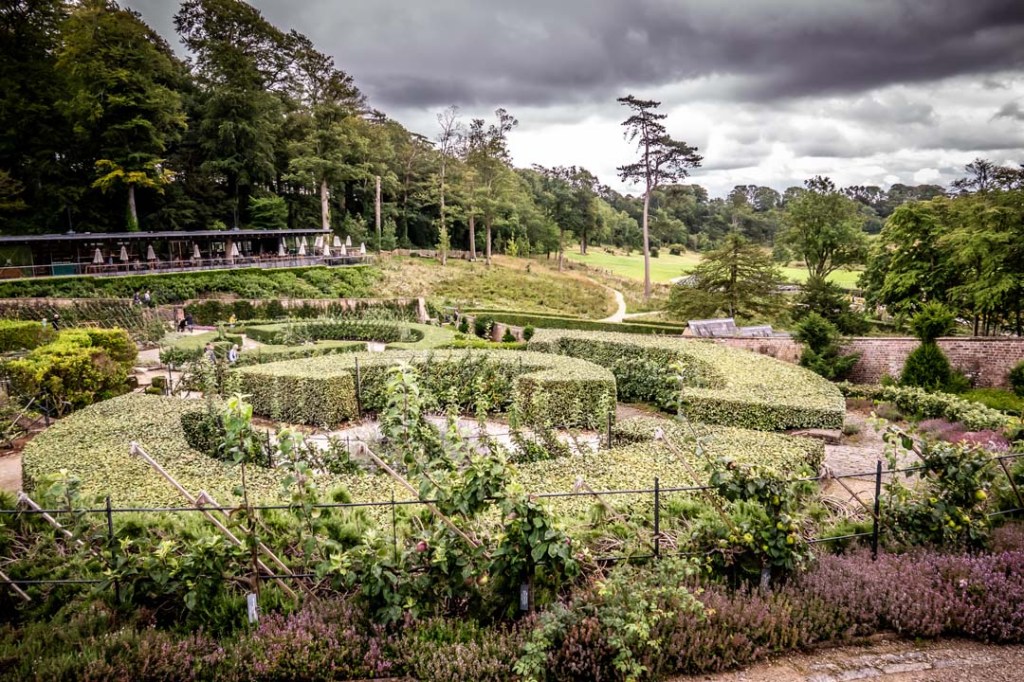
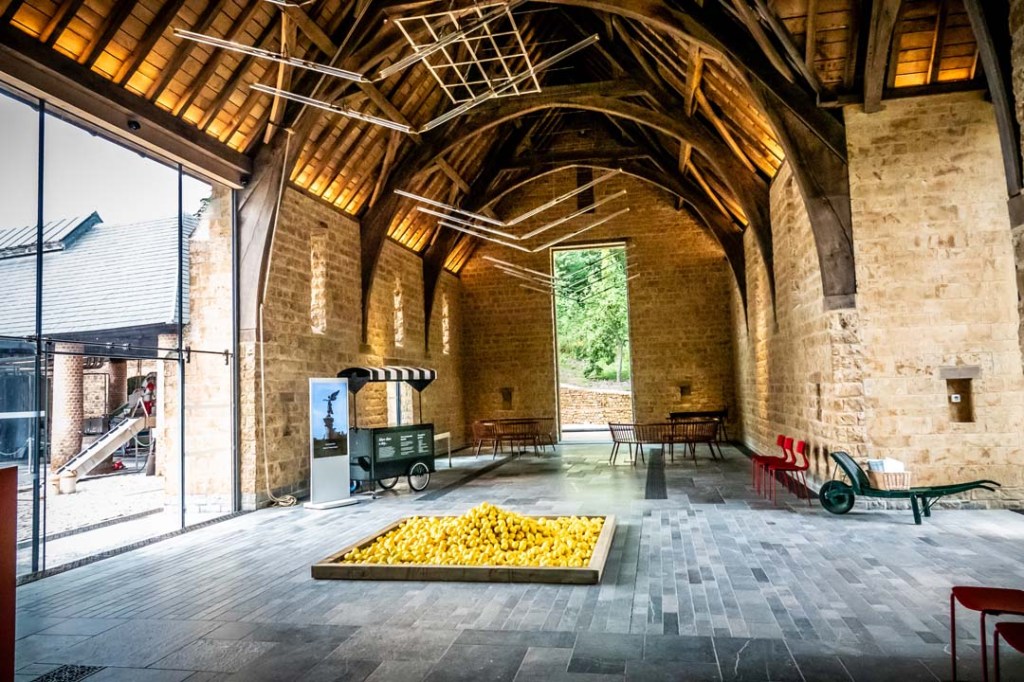
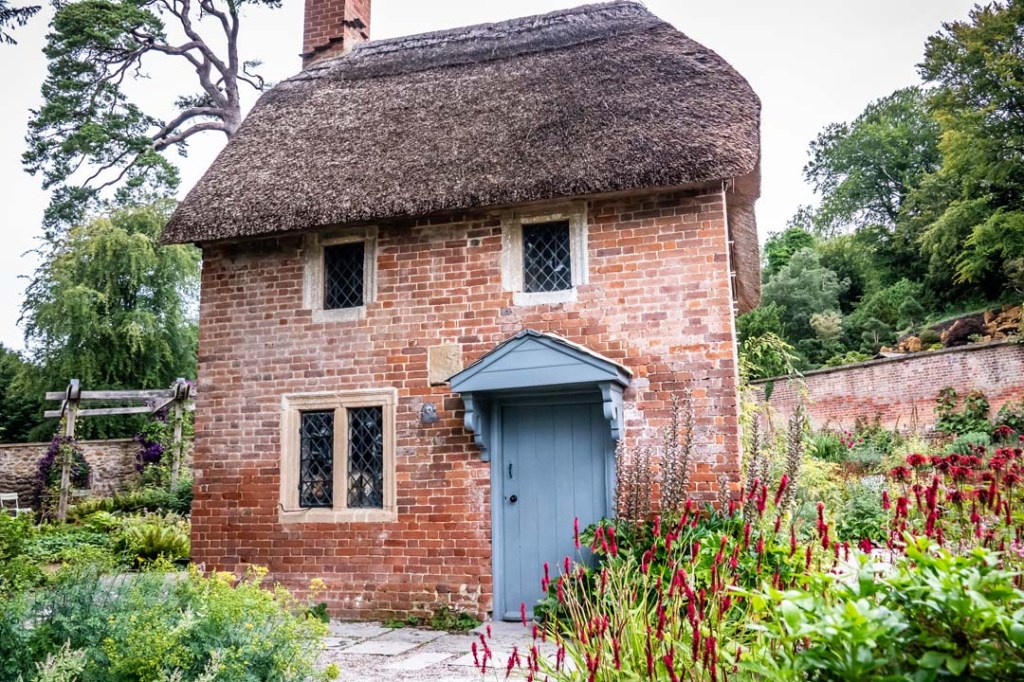
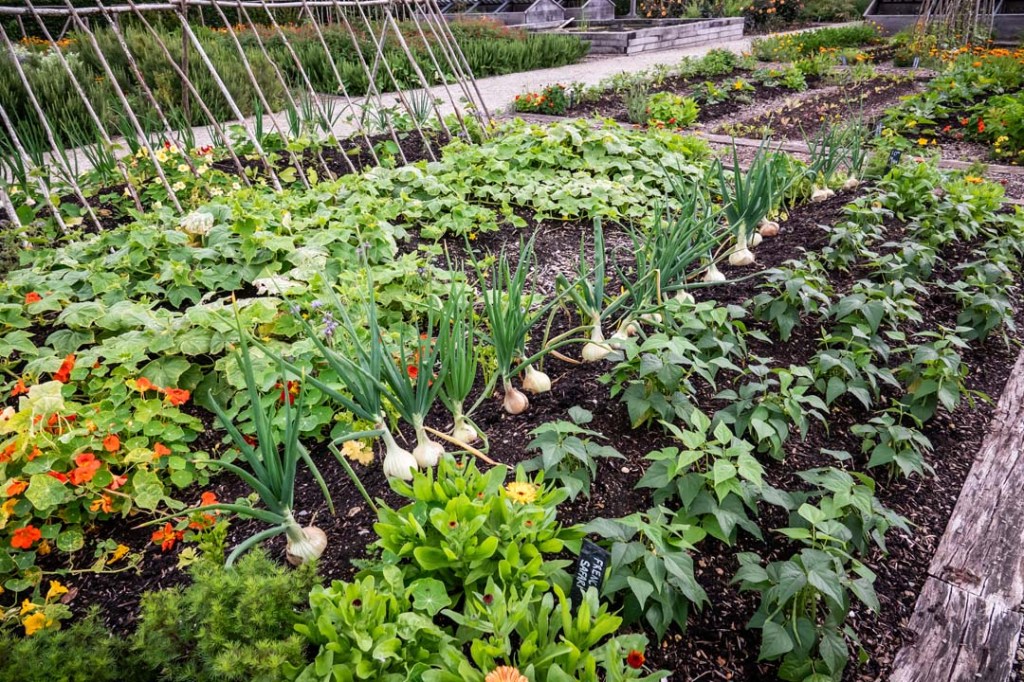
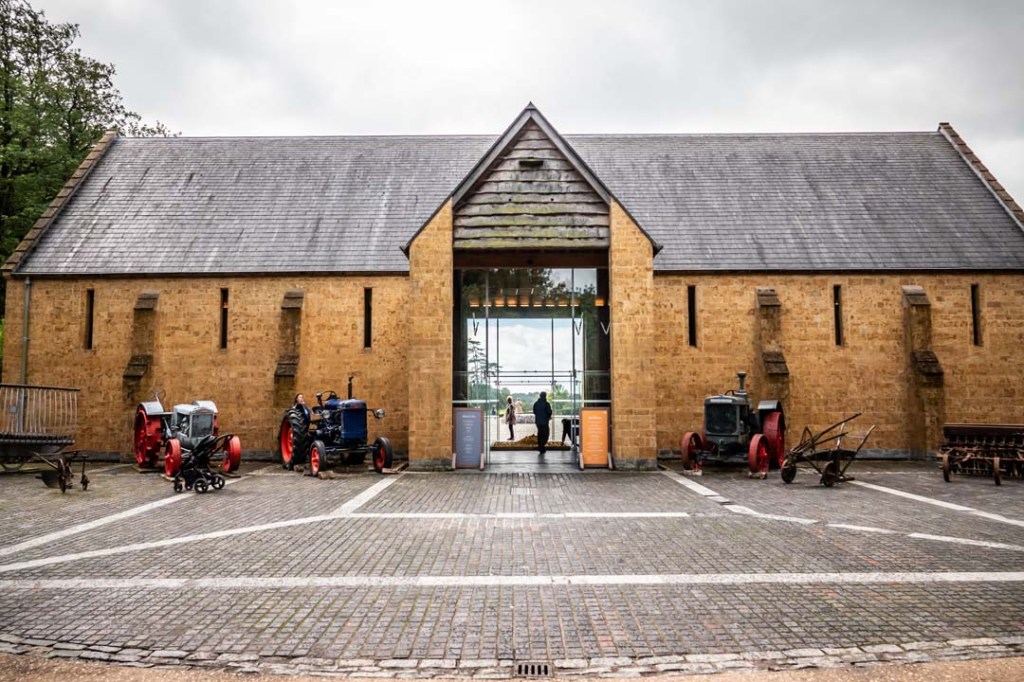
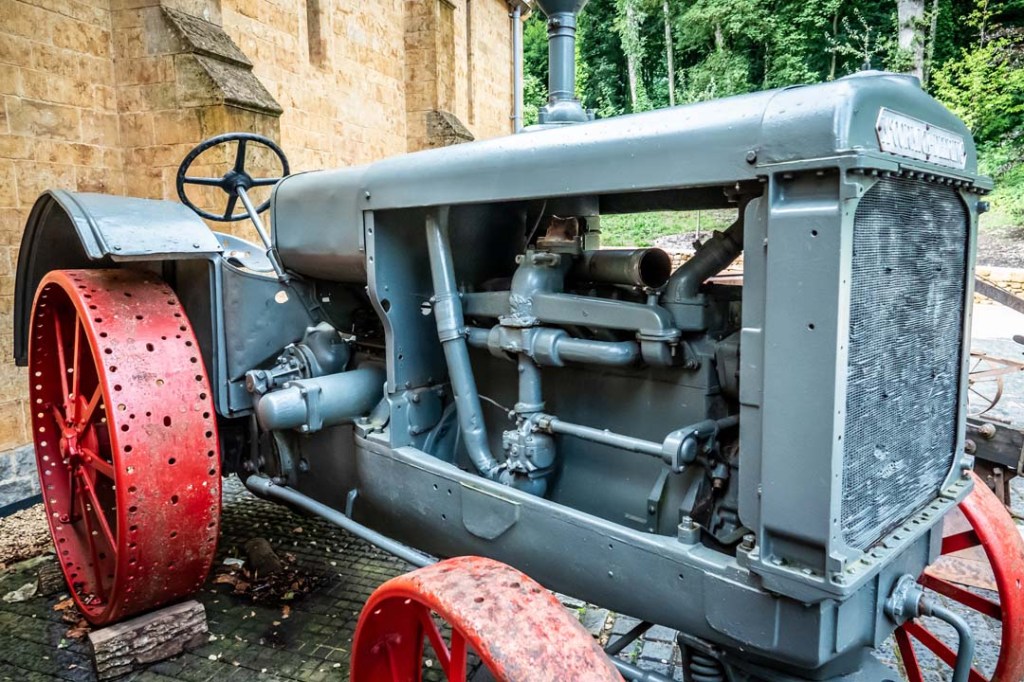
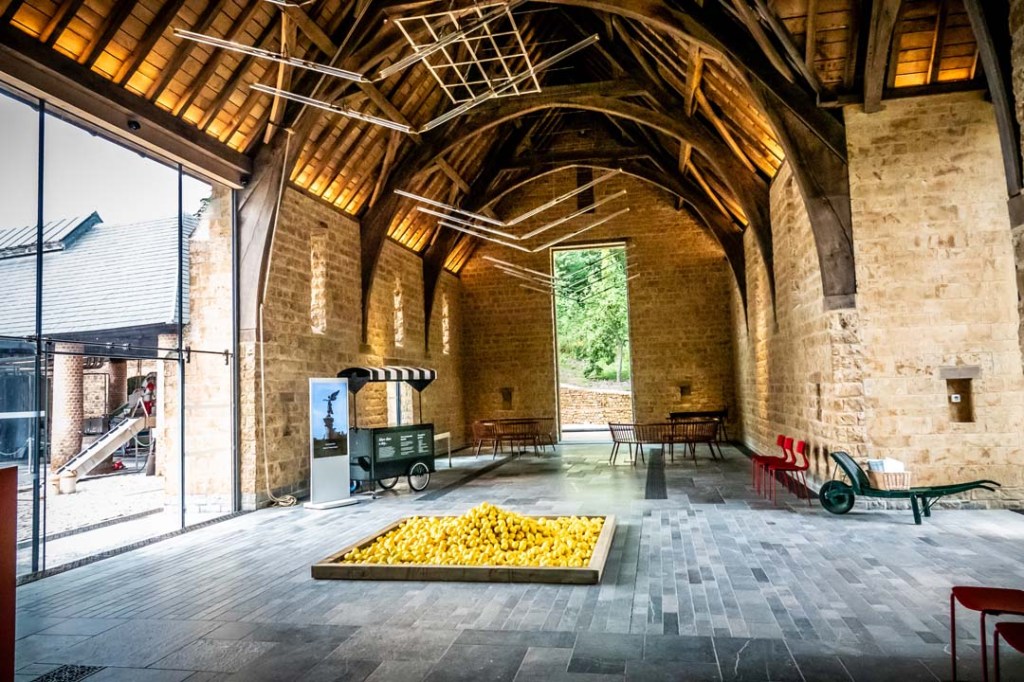
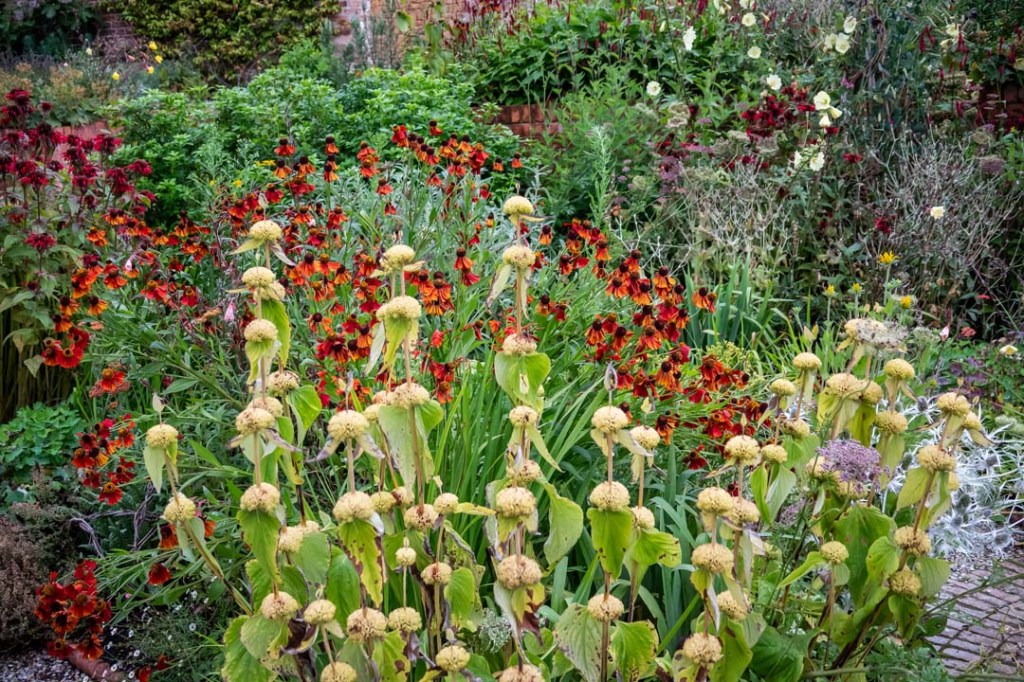
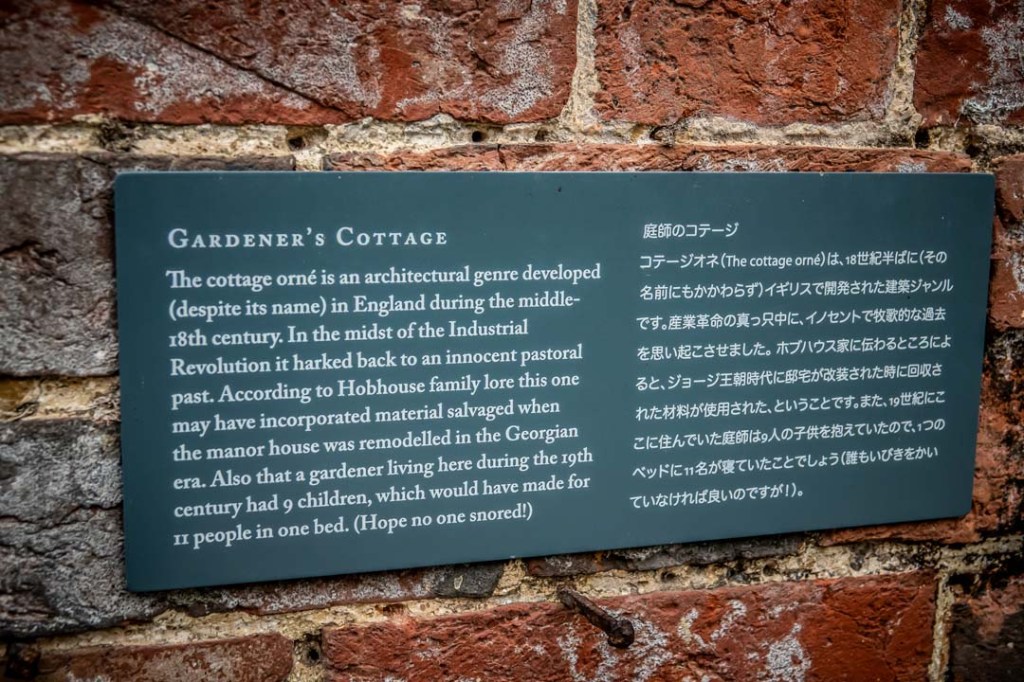
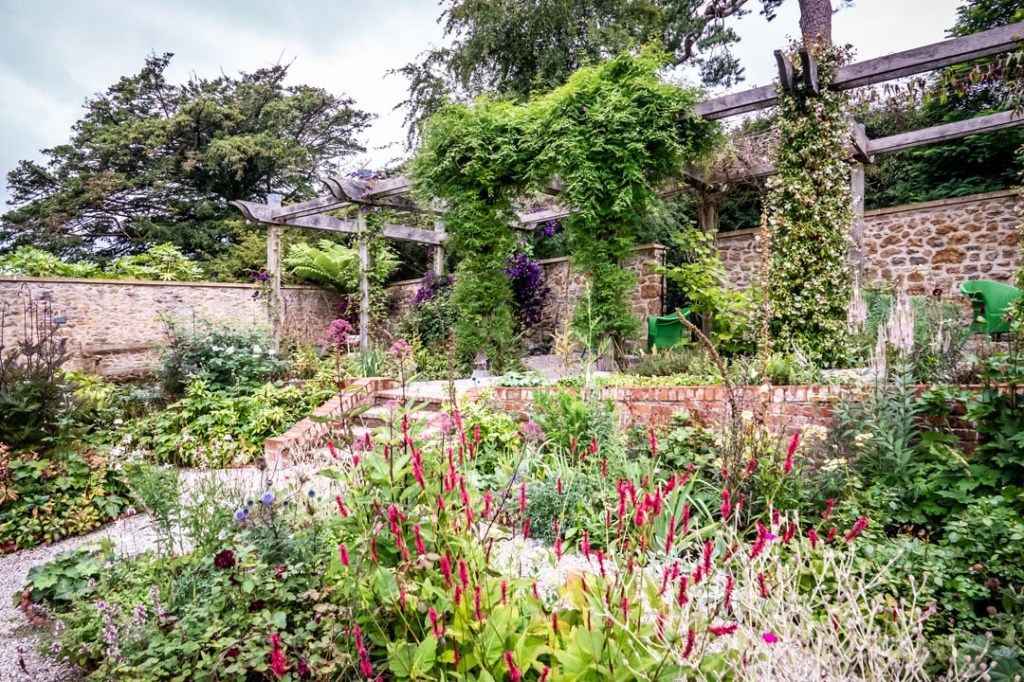
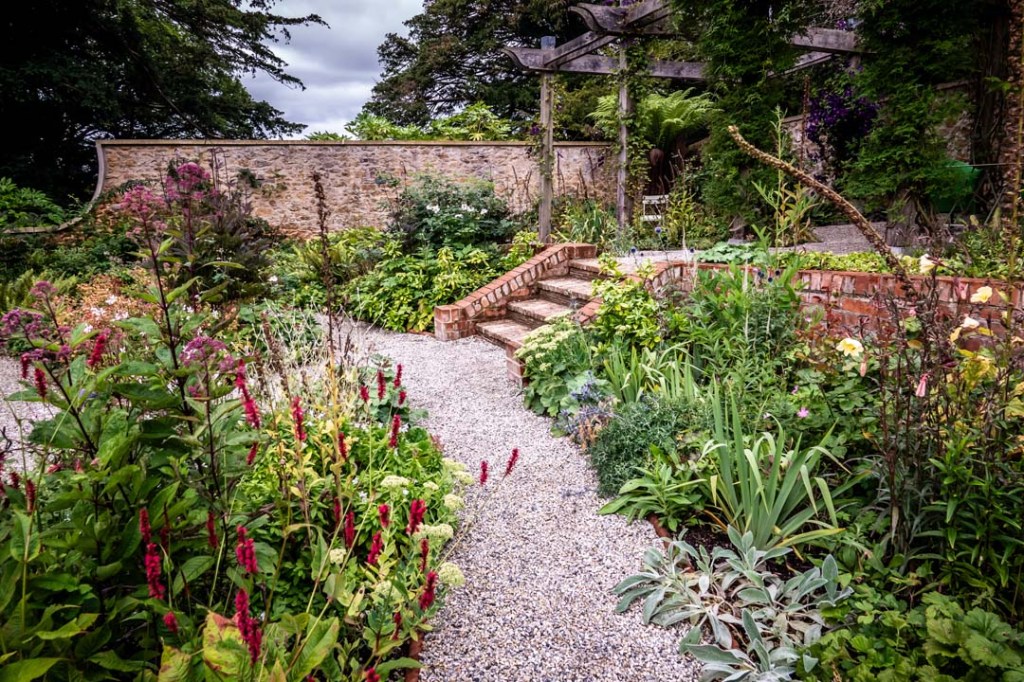
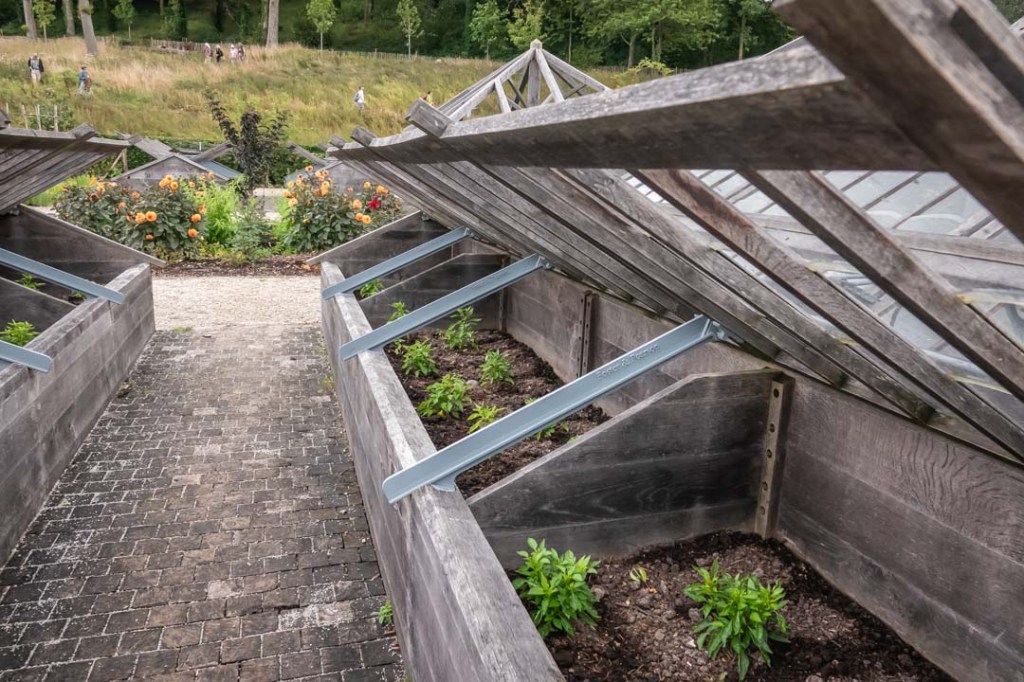
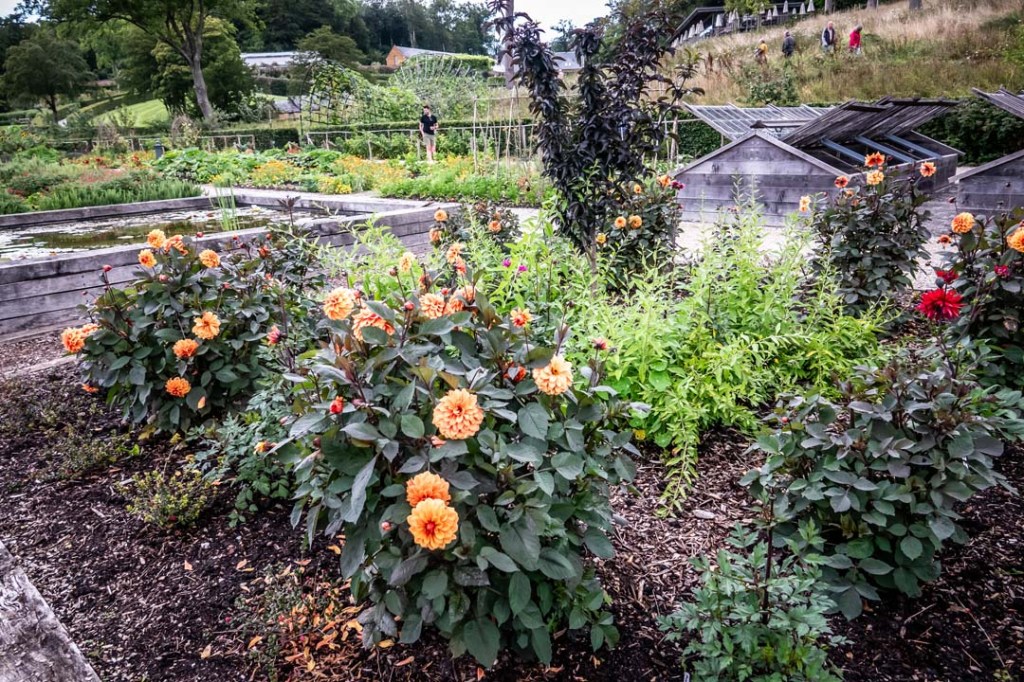
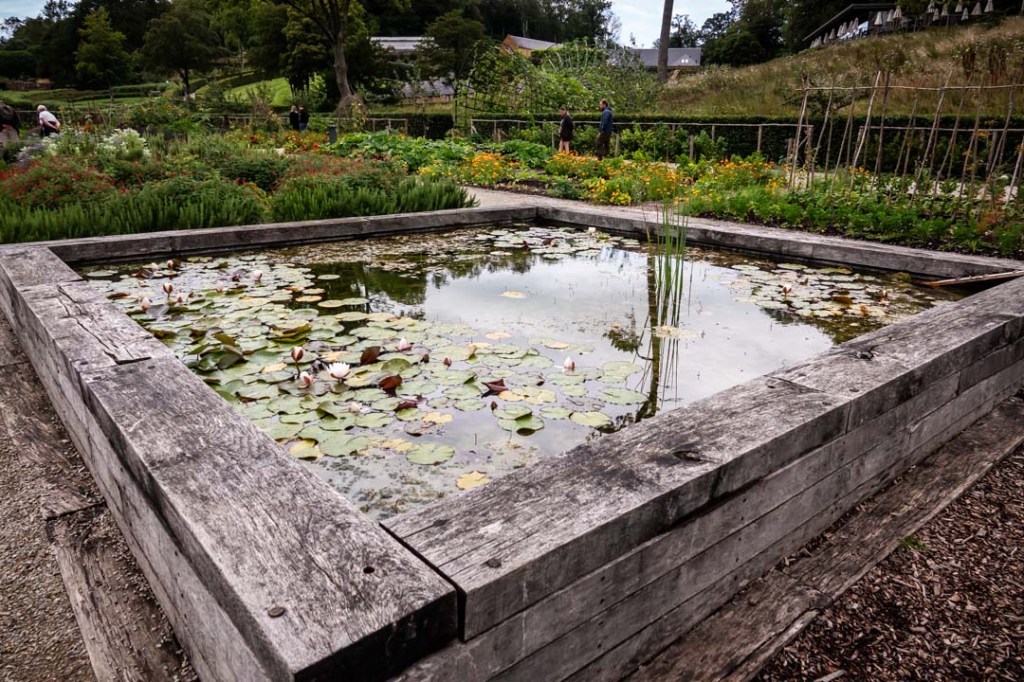
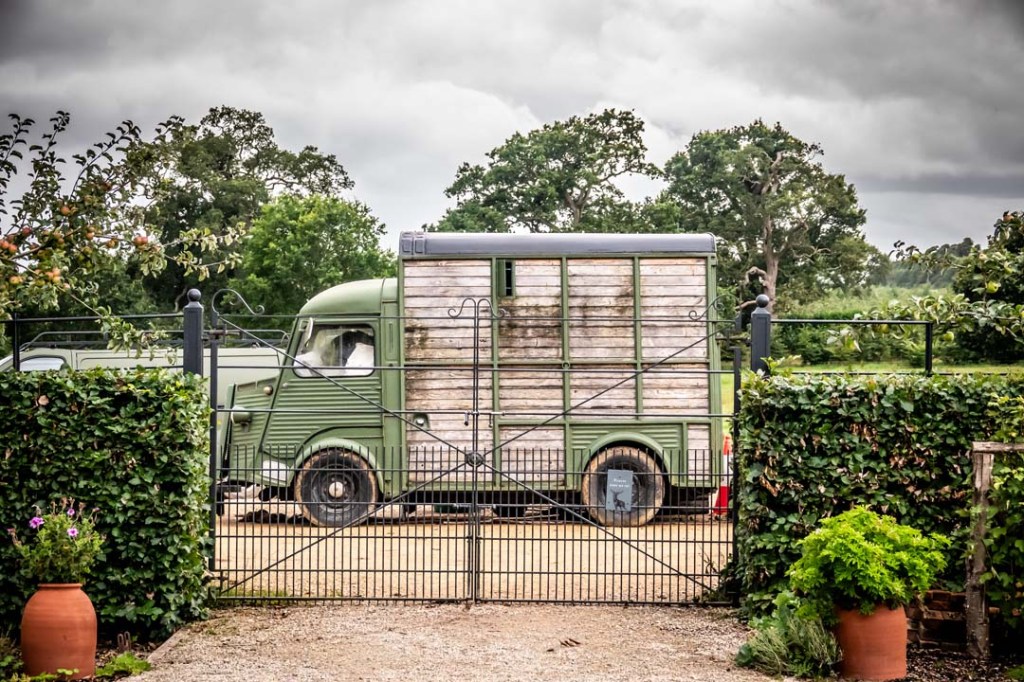
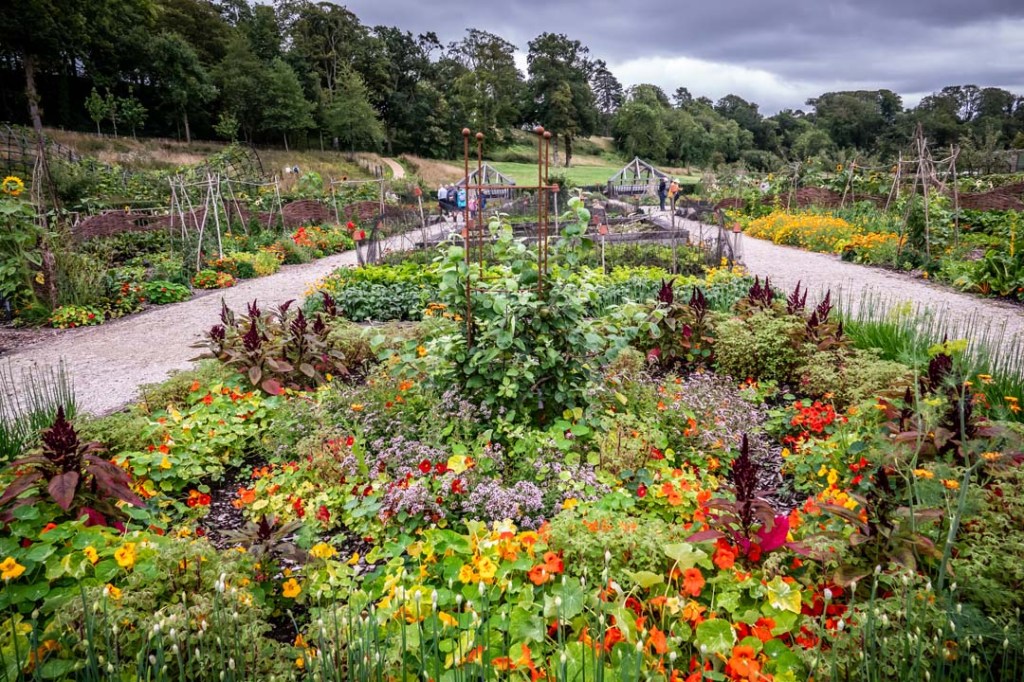
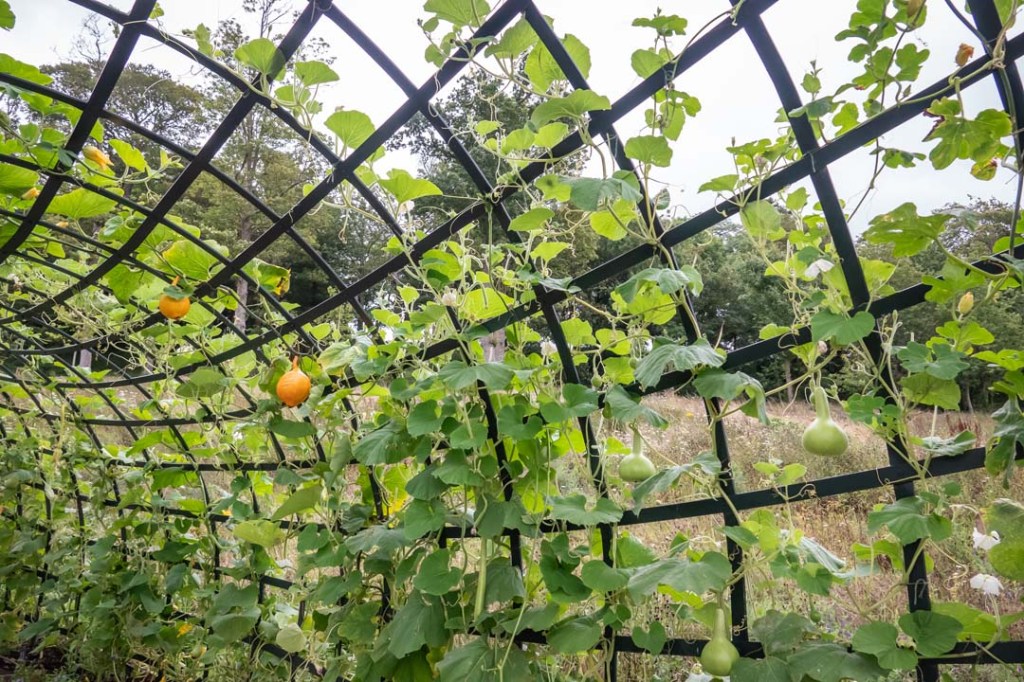
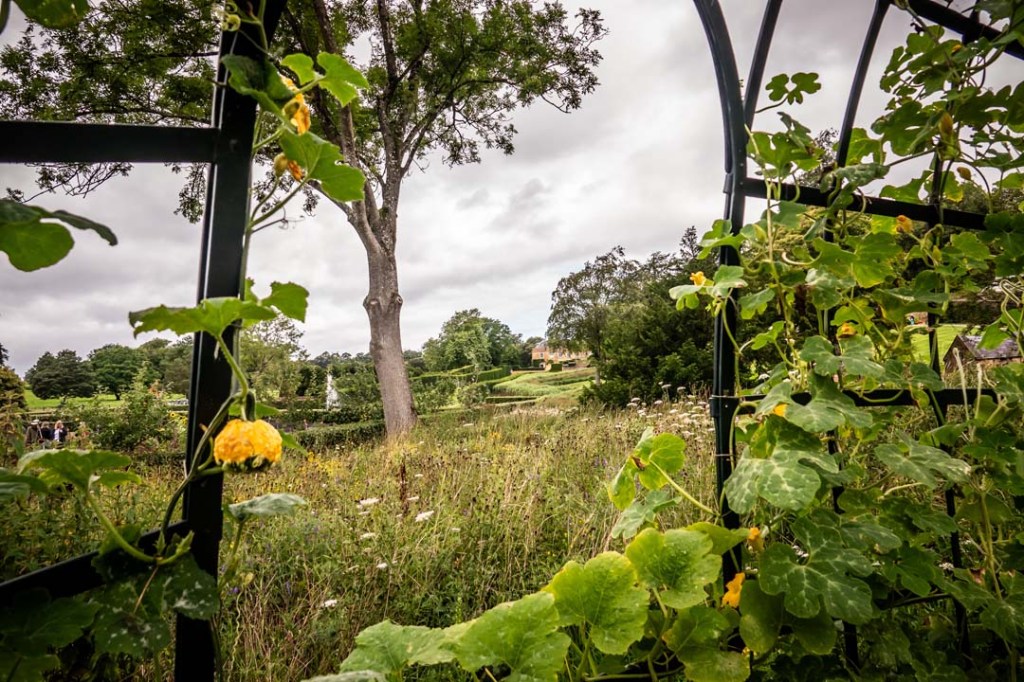
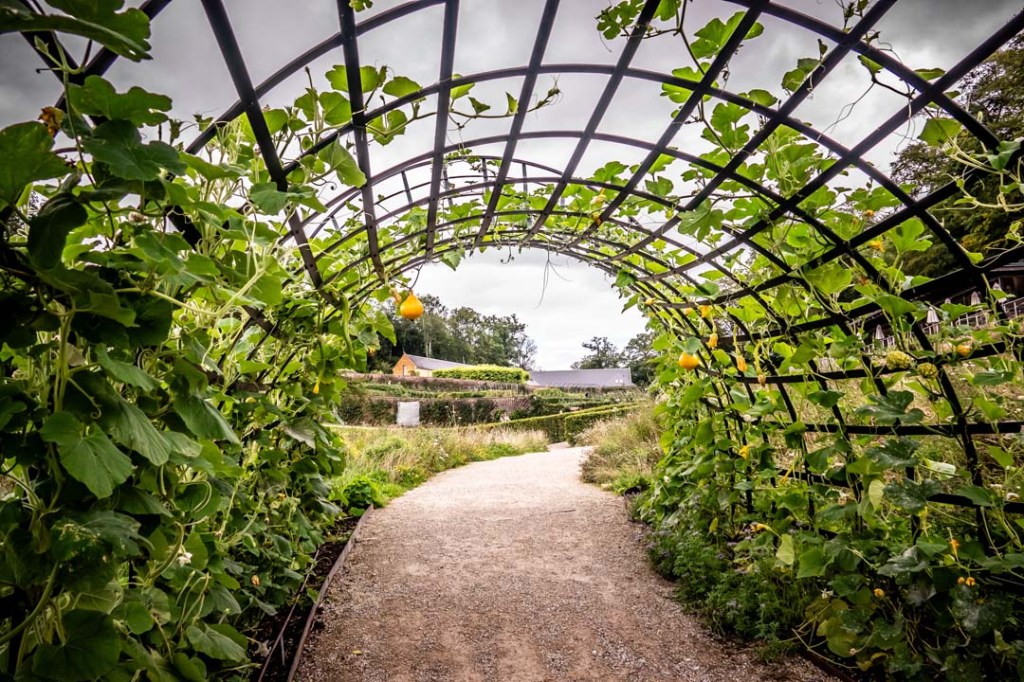
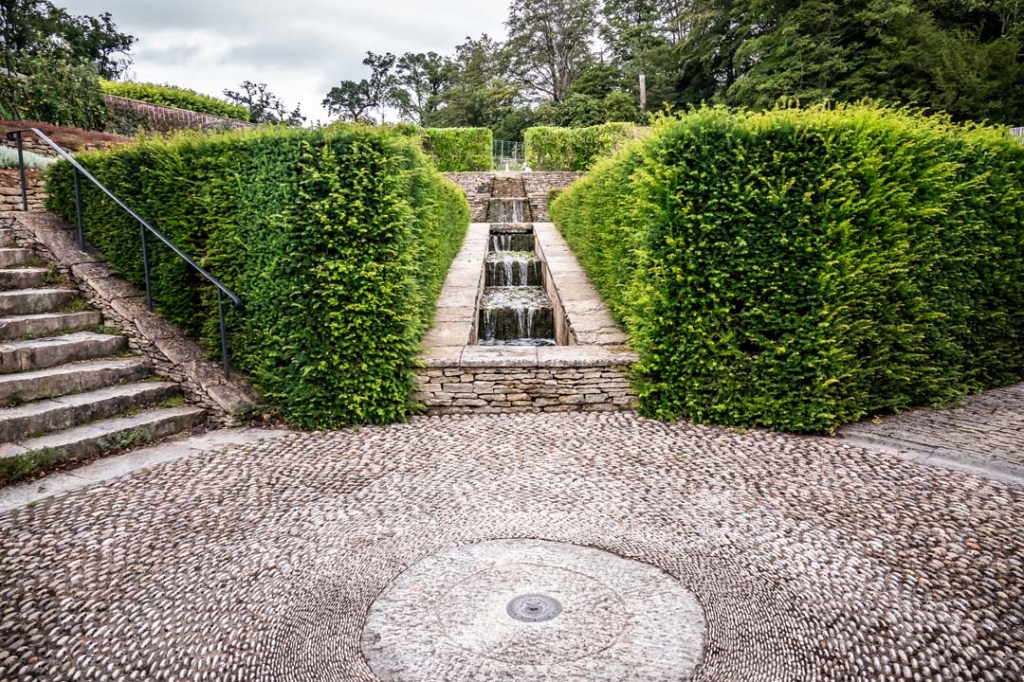
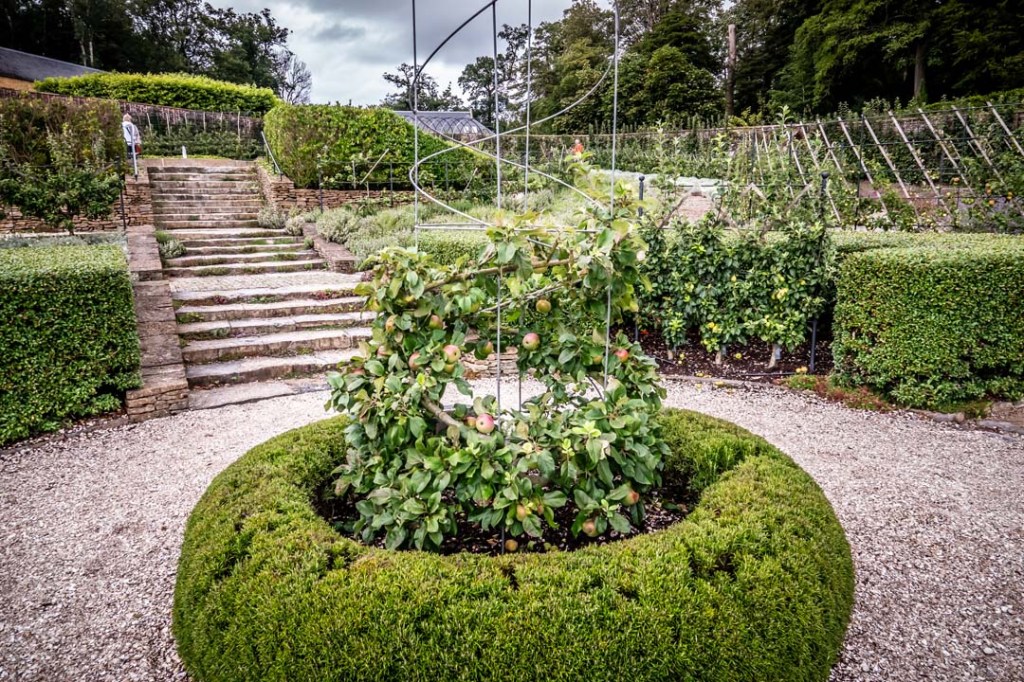
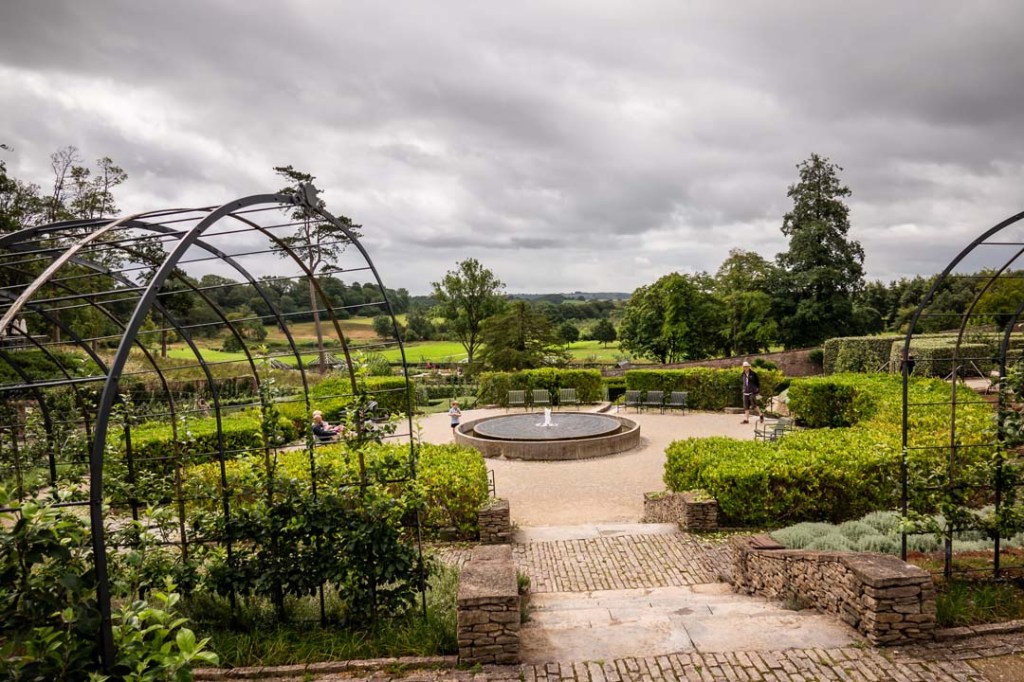
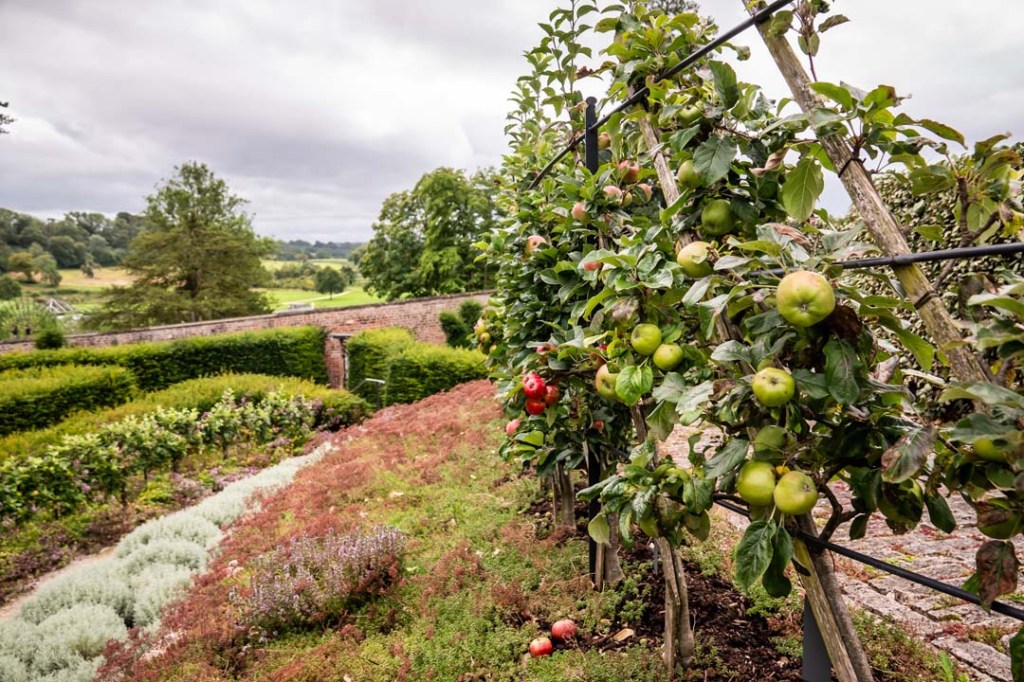
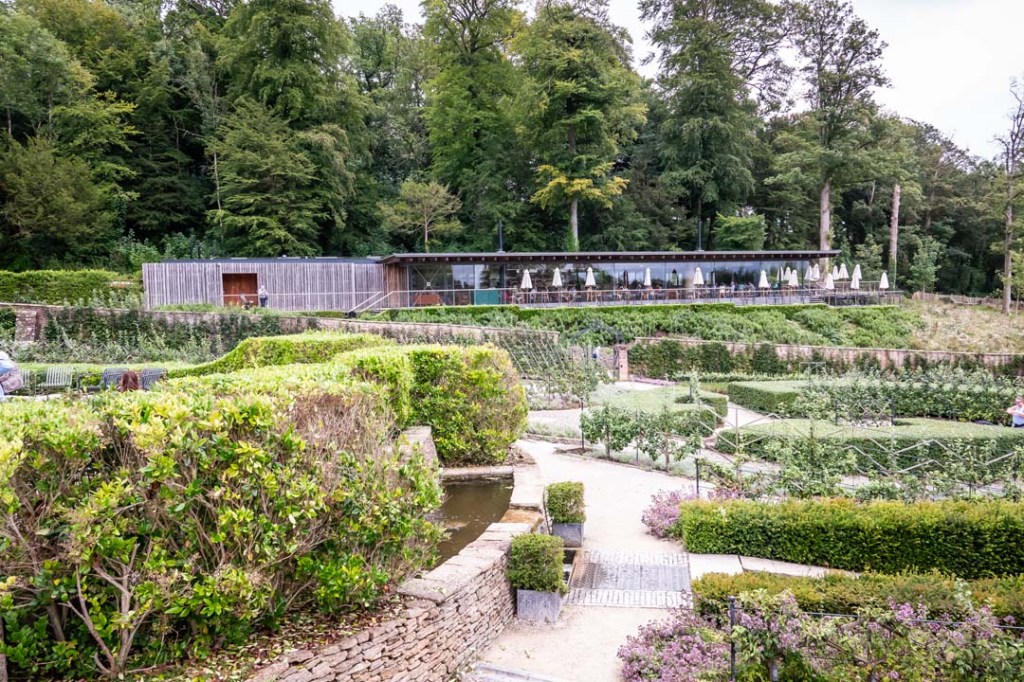
Why The Newt? The name has been chosen because of amphibian friends that have been found on the estate. As The Newt’s own website says: ‘They also possess the incredible ability to regenerate, retaining their functional and structural properties. And so this resident was a perfect fit. ‘The Newt hotel in the backgroundThe Garden Café offers a perfect vantage point over the kitchen gardens and orchards below Lemons from Babylonstoren, their sister property in the Western Cape of South Africa, greet visitors to the gardensThe gardener’s cottage (at one time!)Windows around the garden lead to one spectacular vista after anotherPerhaps an onion from this plot formed the main ingredient of one of my dishes at lunch?Can’t wait to go back and explore further afield and perhaps find some birds!
I’ll let my slideshow of our trip to The Newt in Somerset do the rest:
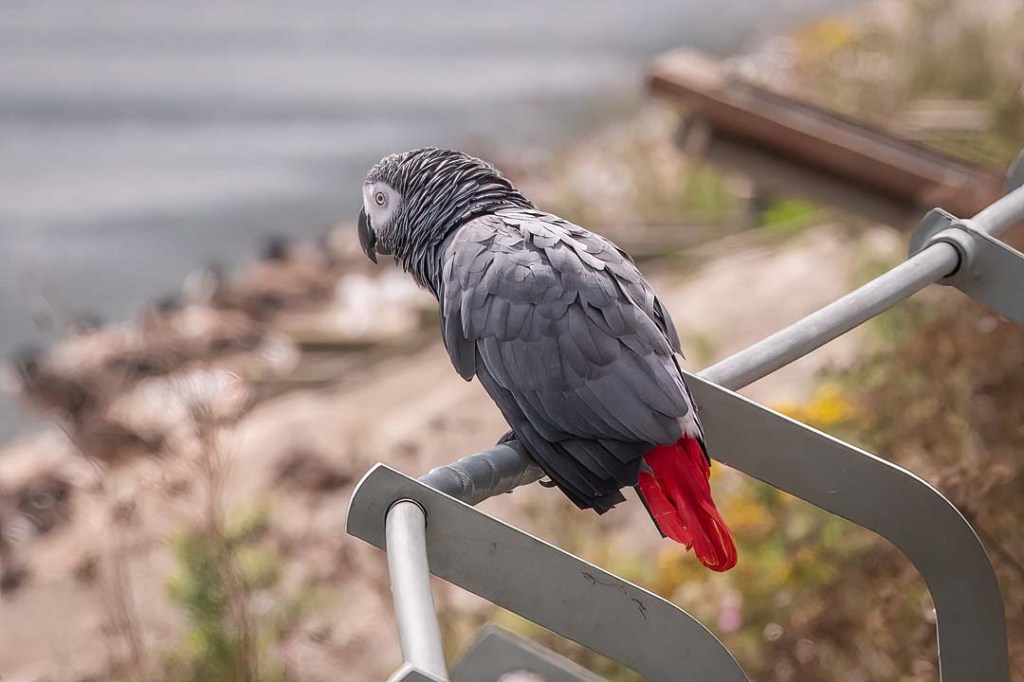
A grey parrot (Psittacus erithacus), also known as the Congo grey parrot, Congo African grey parrot or African grey parrot, at Chew Valley Lake today.
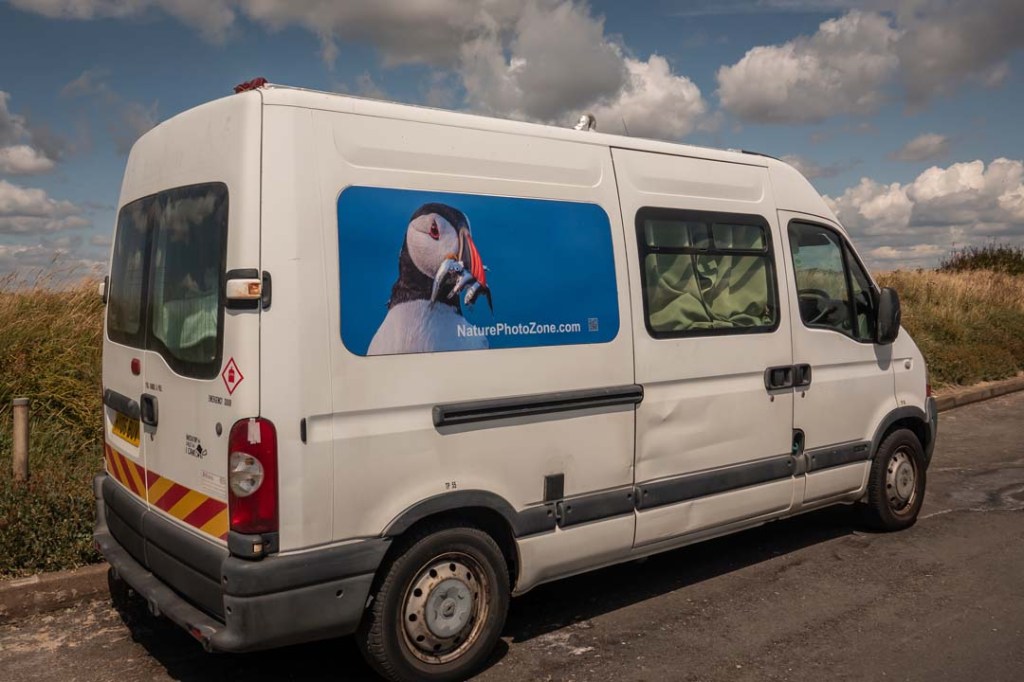
Is this another sign of global warning? I presume not. More likely it was the pet of the owners of a van parked adjacent to it.
We made a brief stop at the lake before visiting Yeo Valley Organic Garden, one of my favourite gardens in the area.
Yeo Valley Organic garden
At this time of the year there is always a chance to see a variety of butterflies , bees and damselflies and yesterday did not disappoint.
Here are some of the ones I managed to photograph whilst still taking in the full beauty of the garden and not ignoring our friends with whom we were visiting the garden.
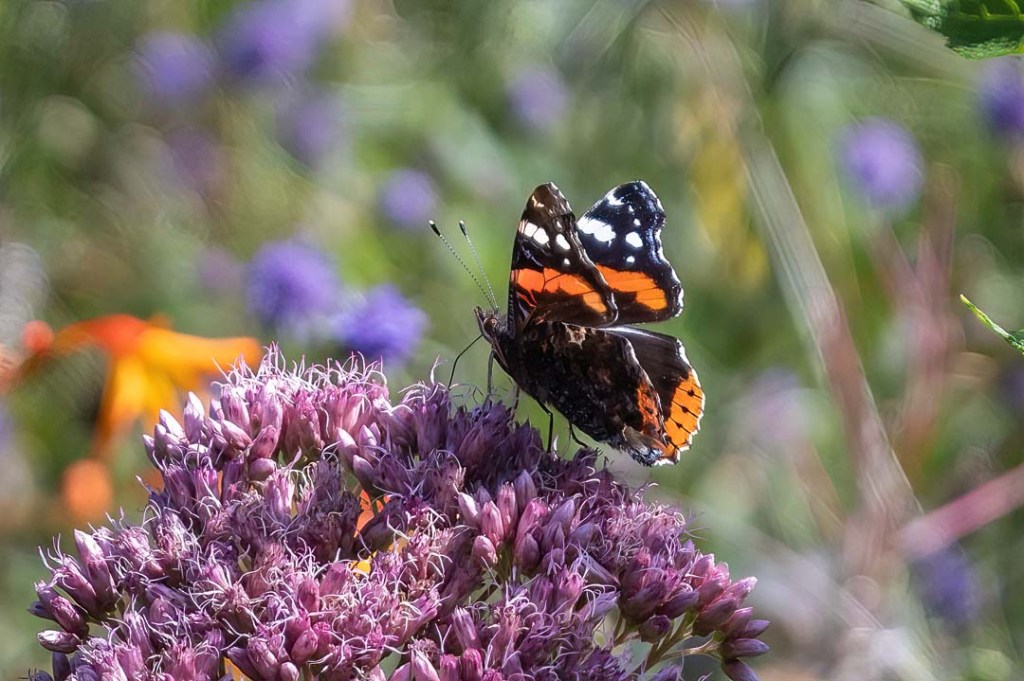
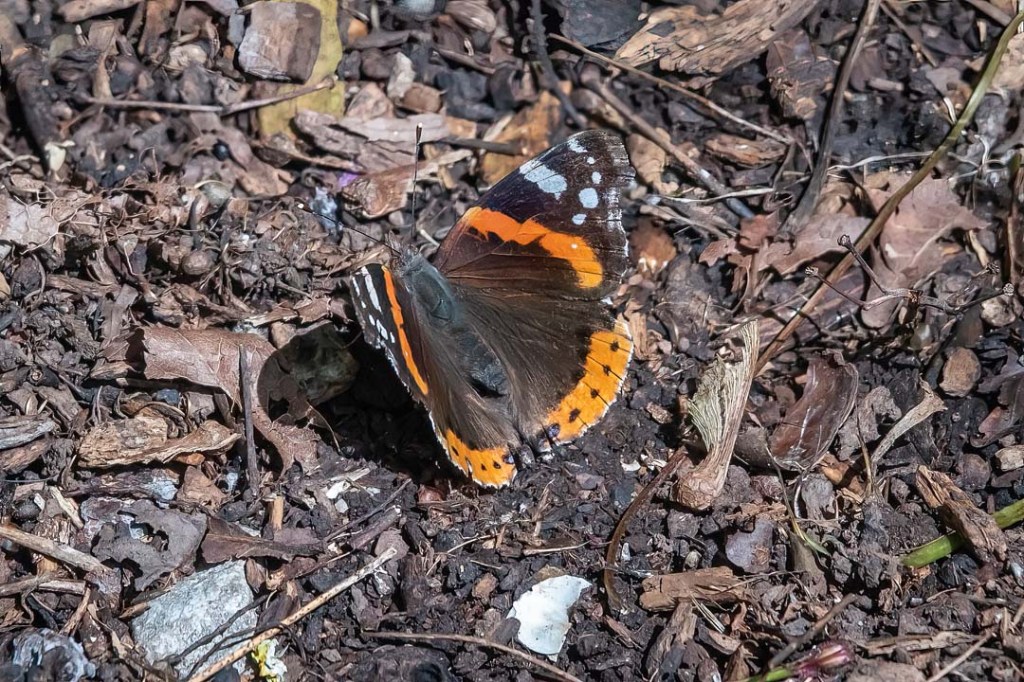
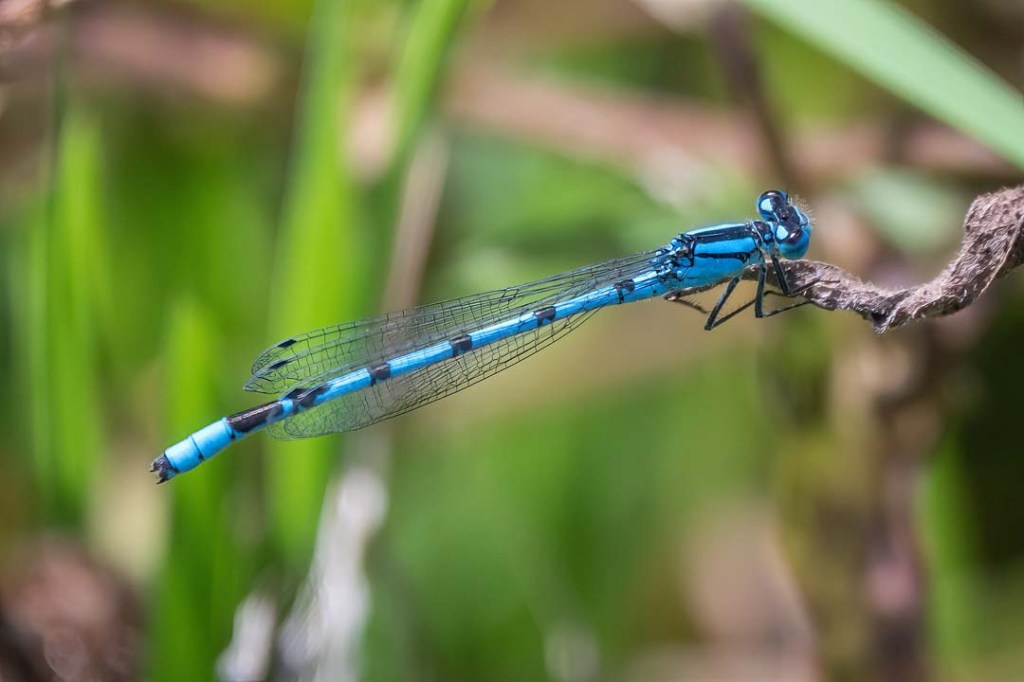
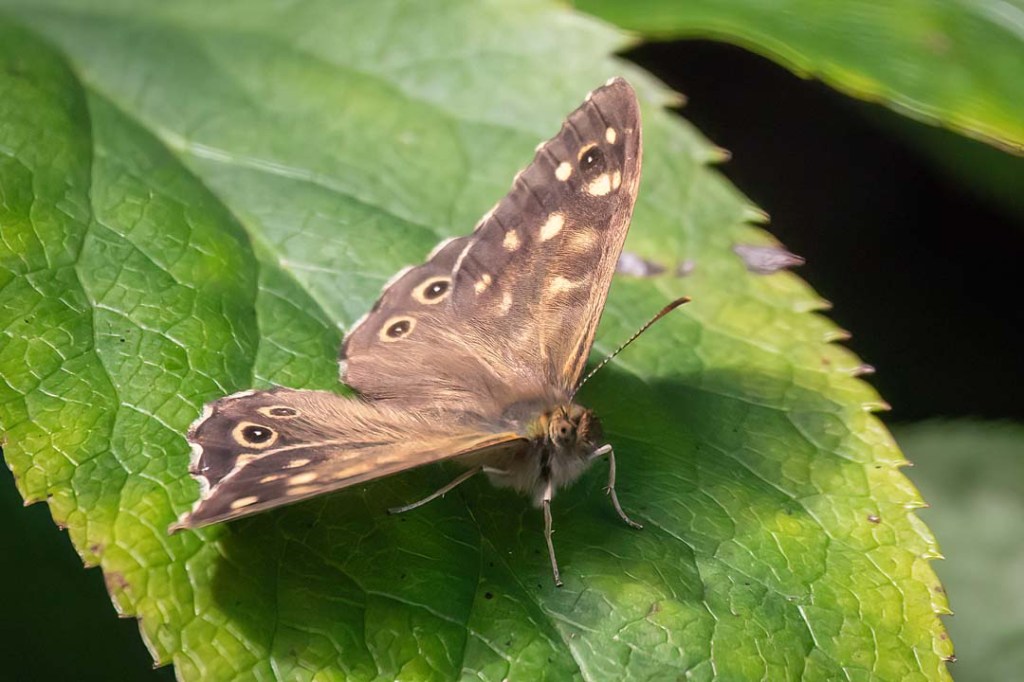
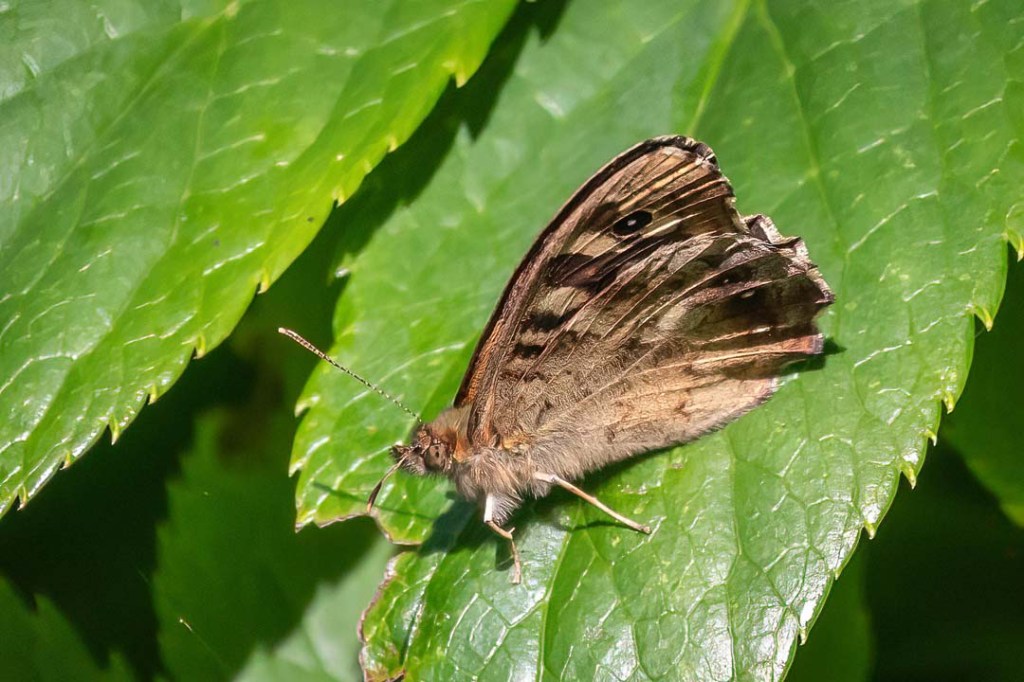
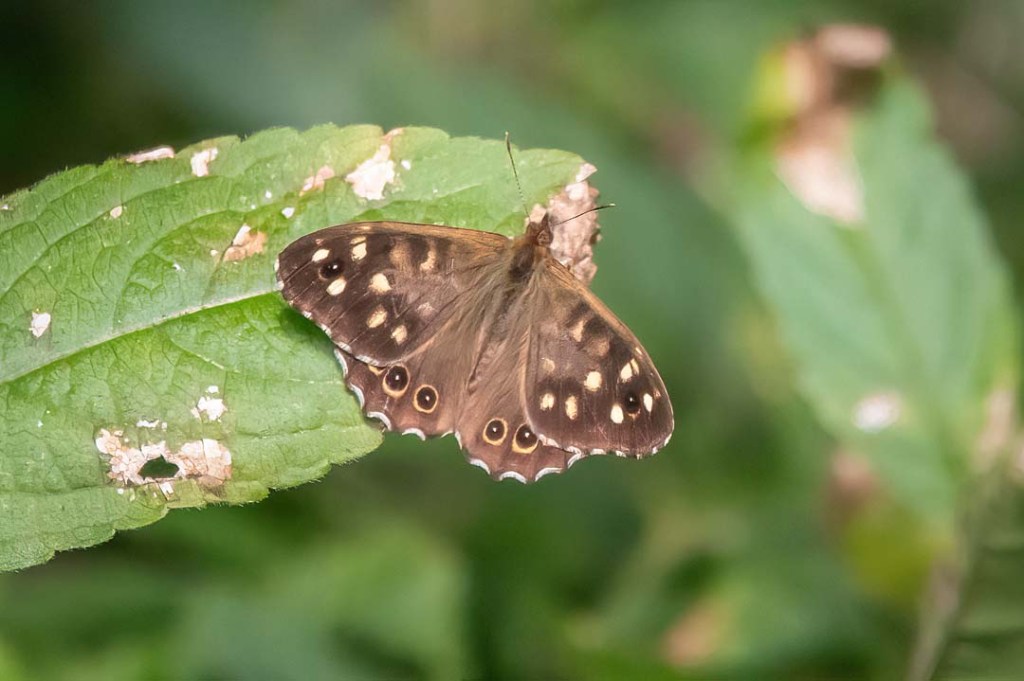
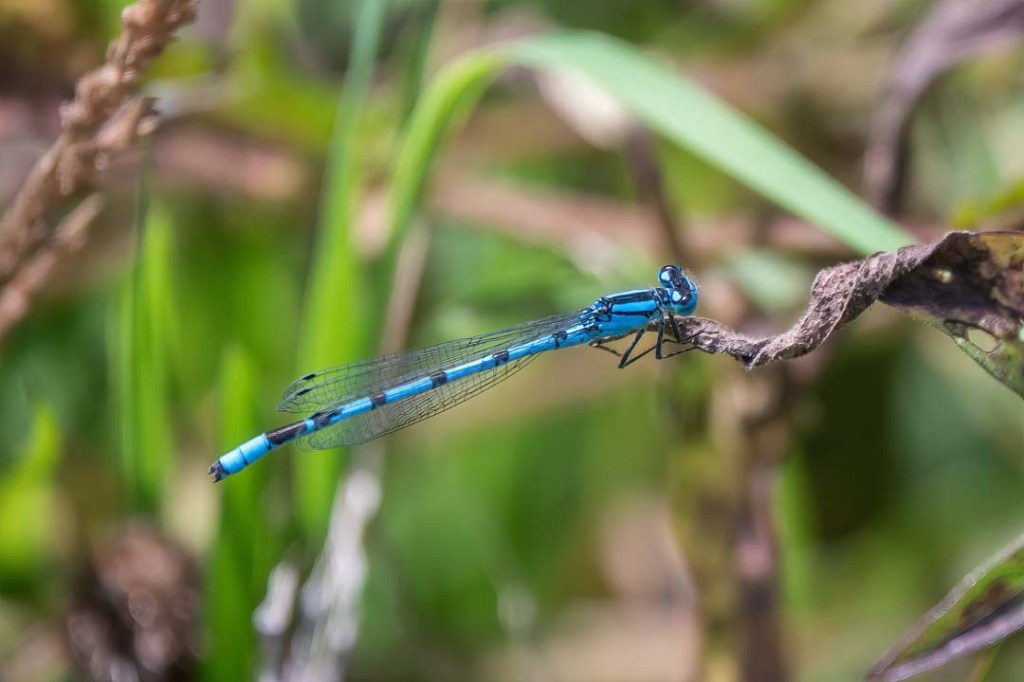
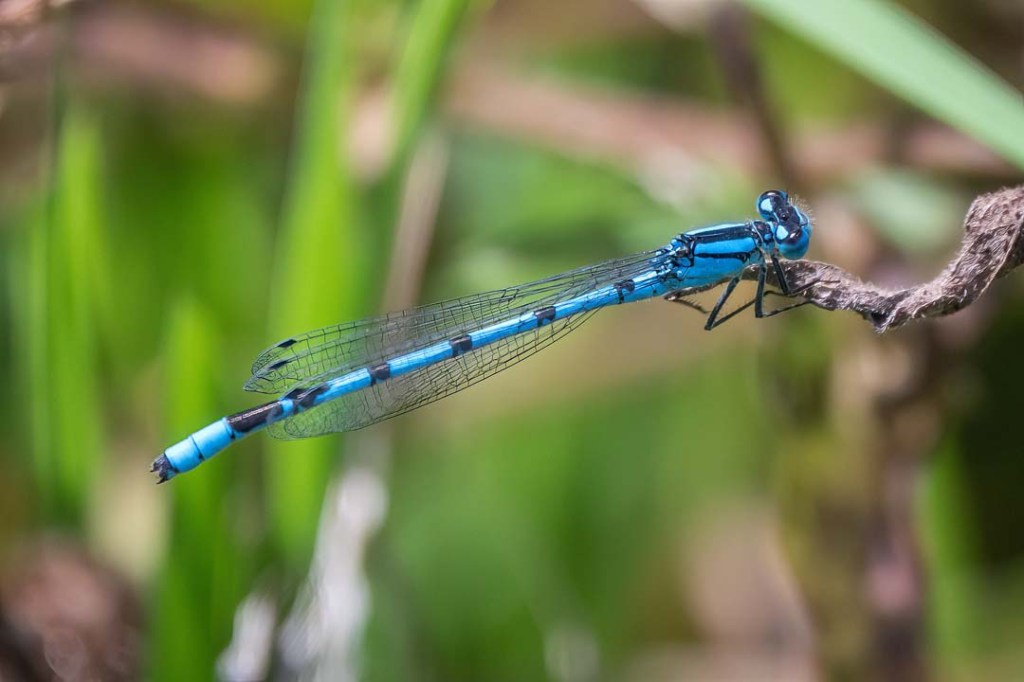
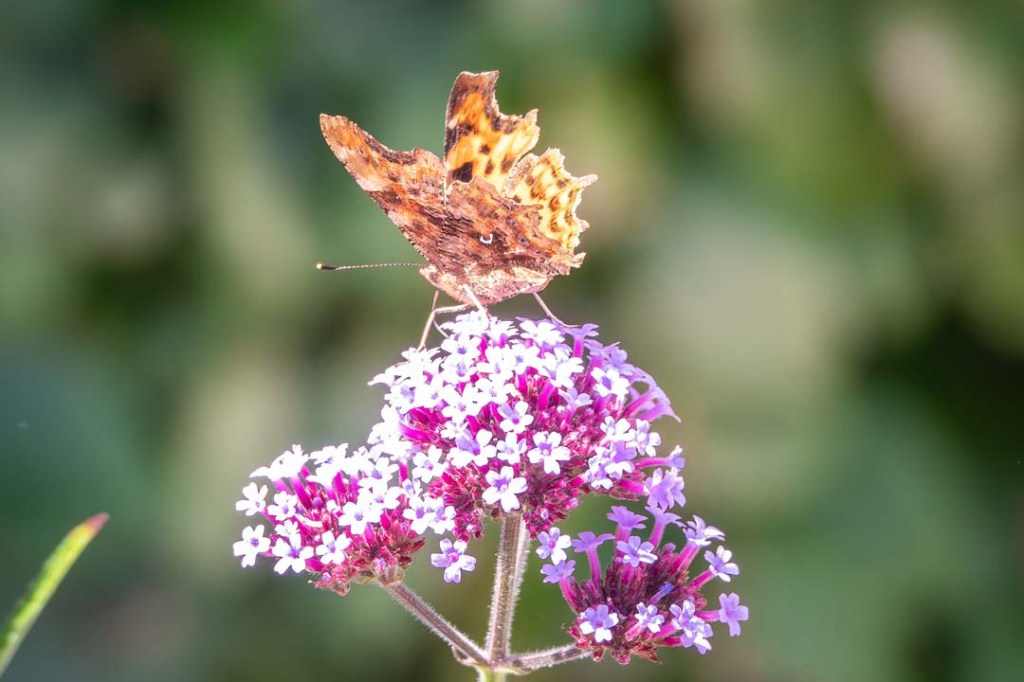
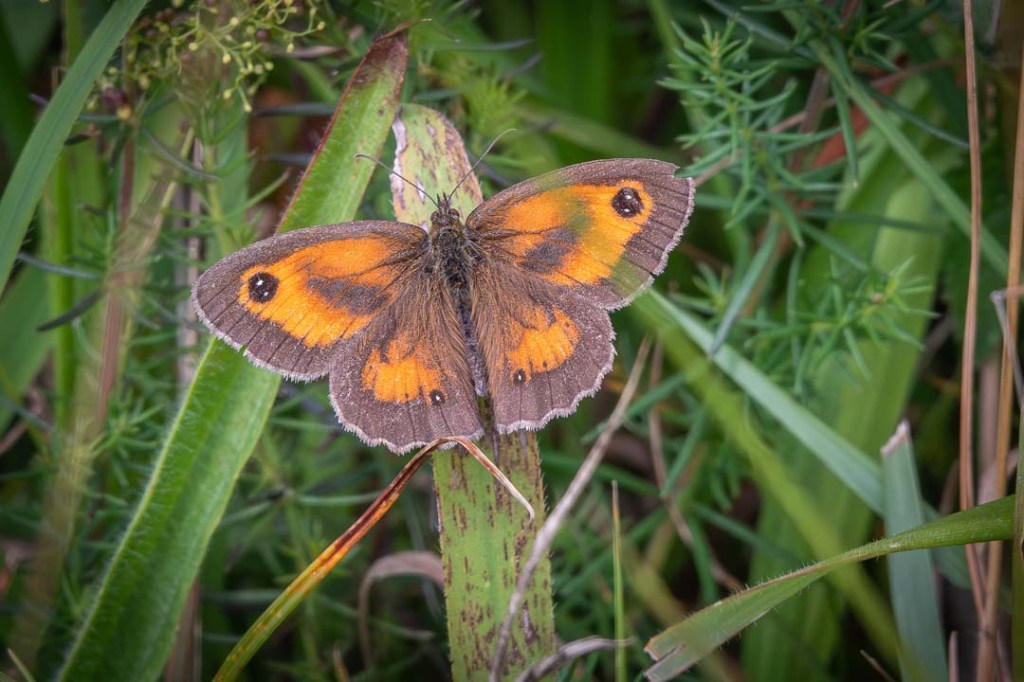
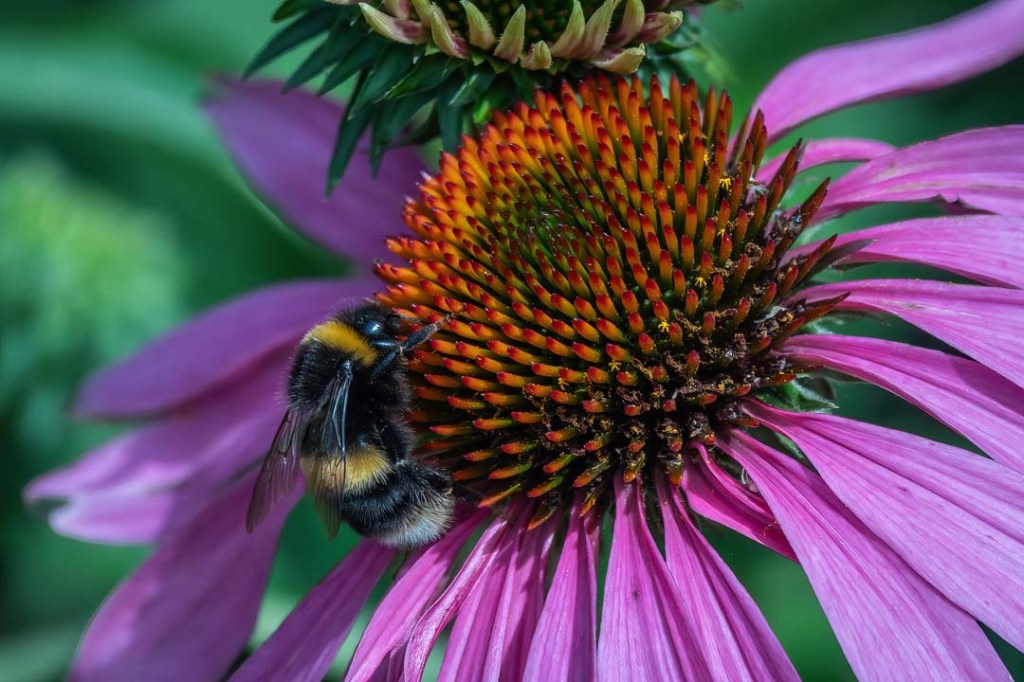
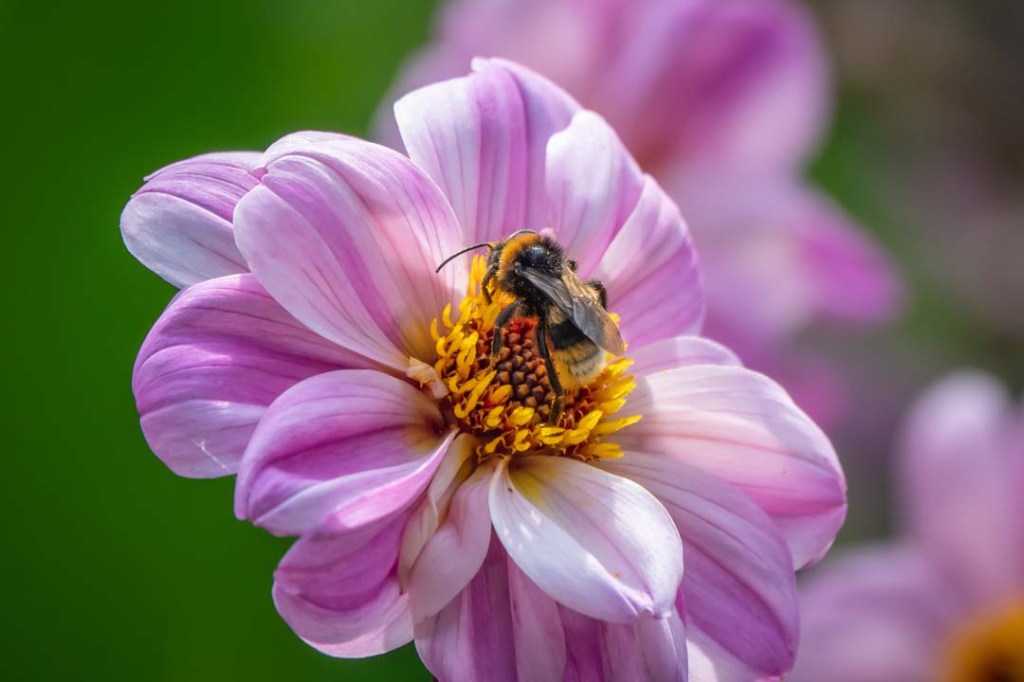
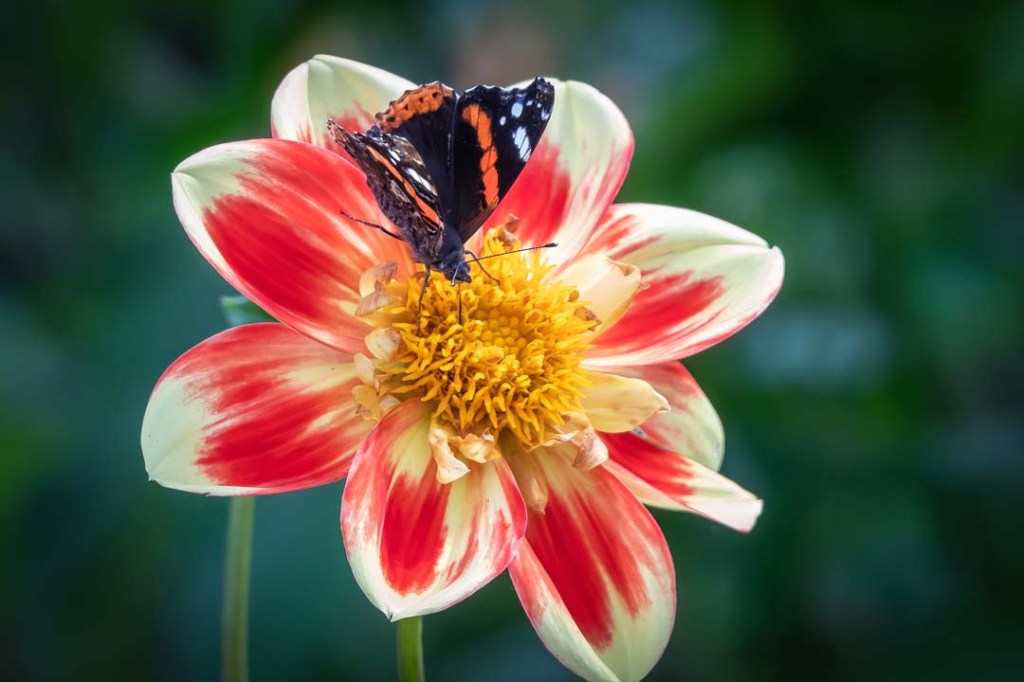
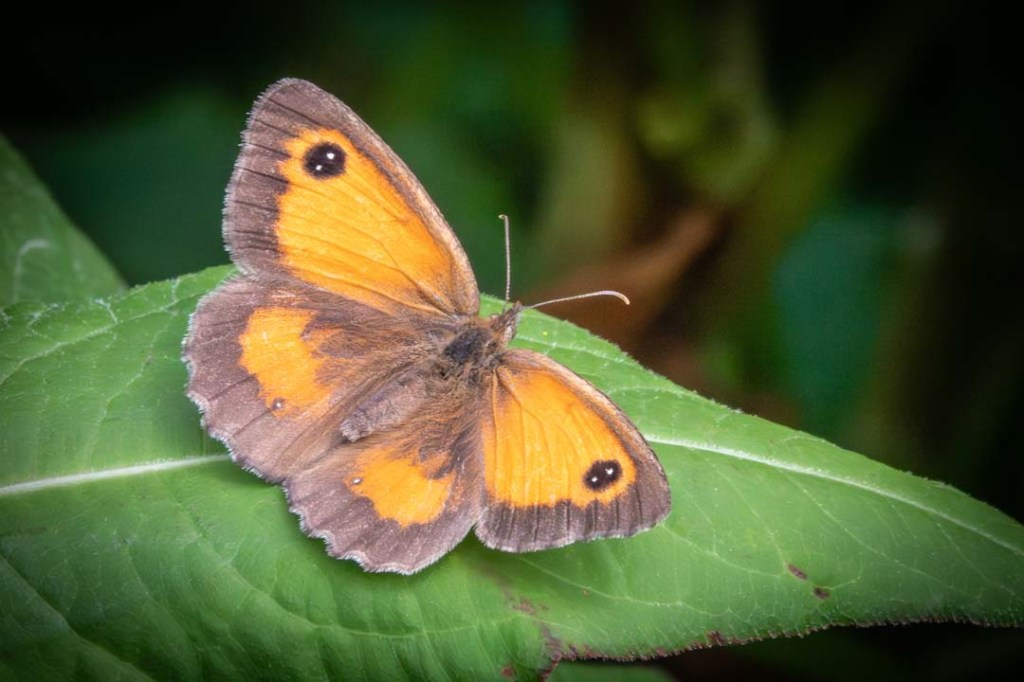
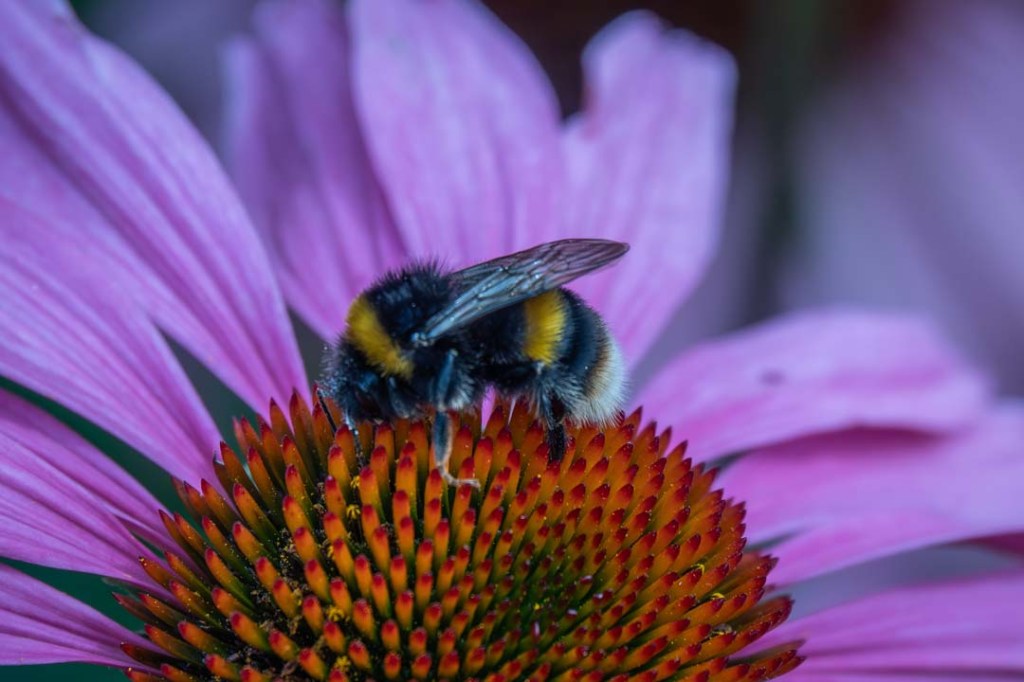
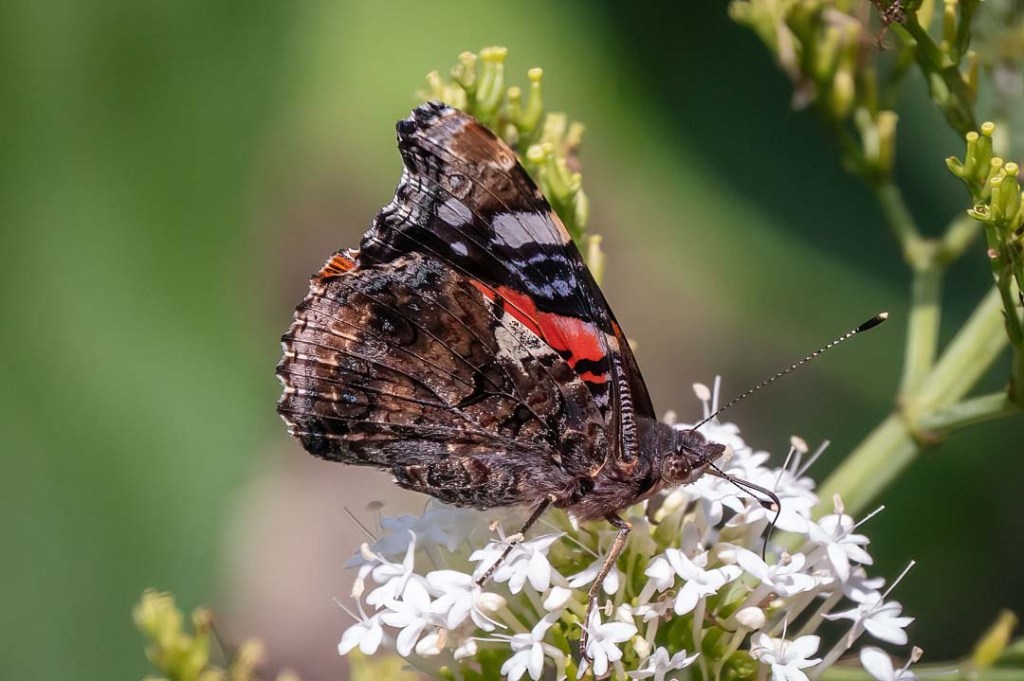
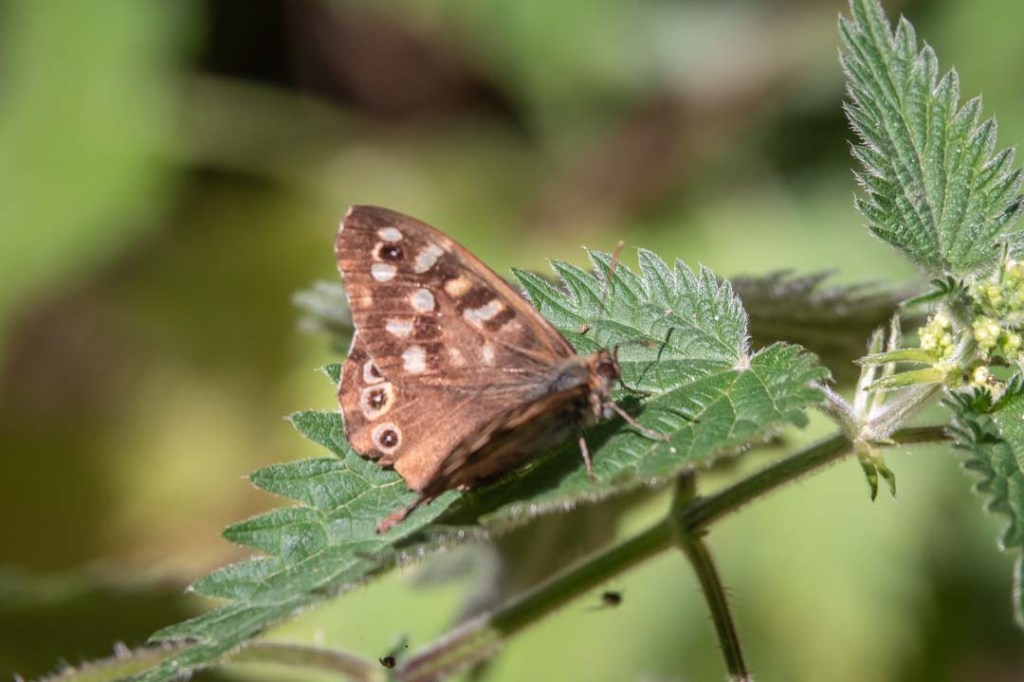
Speckled Wood butterflySpeckled Wood butterflyRed Admiral butterflyCommon Blue DamselflyComma butterflyGatekeeper butterflyBuff-tailed bumblees on Echinacea
Slideshow of my photos from my visit to Chew Valley:
A few days away on the south coast of England around the New Forest doing touristy things gave me gave me the opportunity to take a few nature photos.
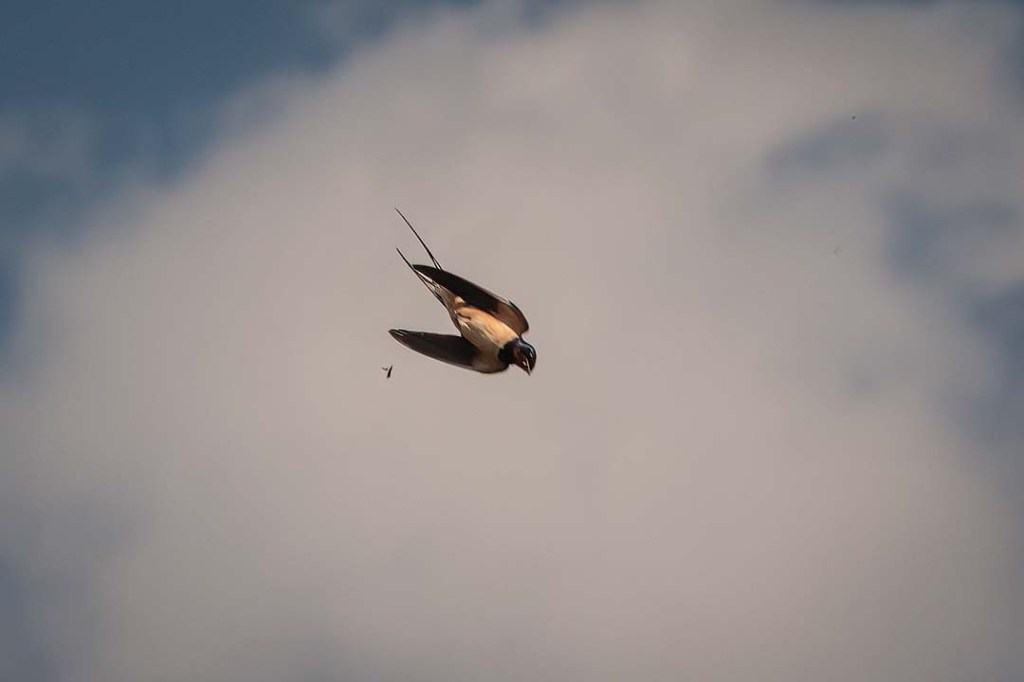
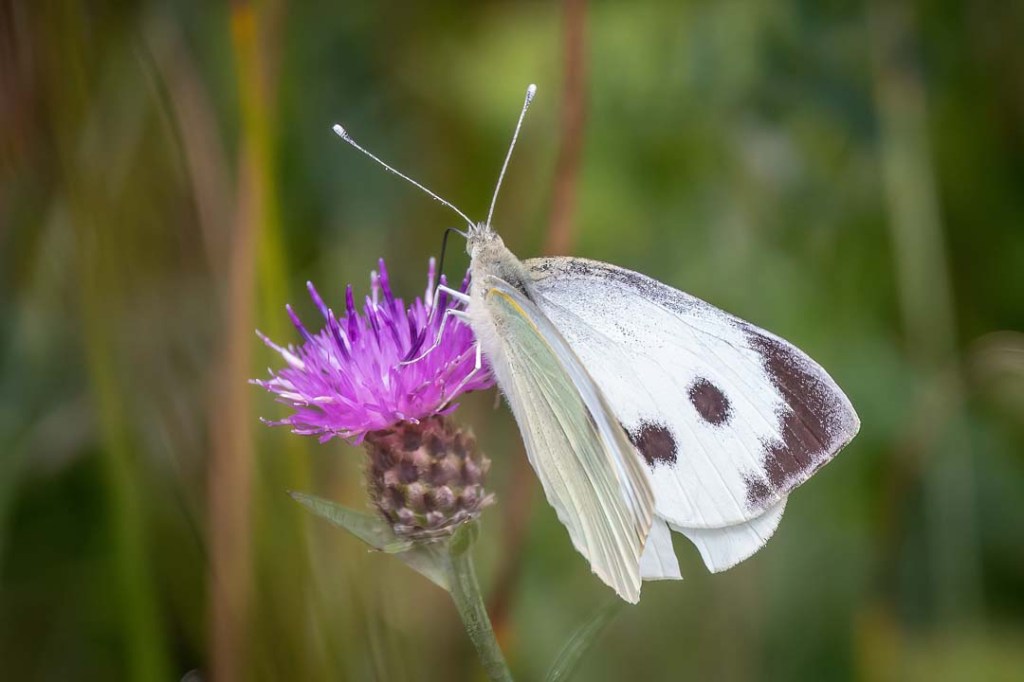
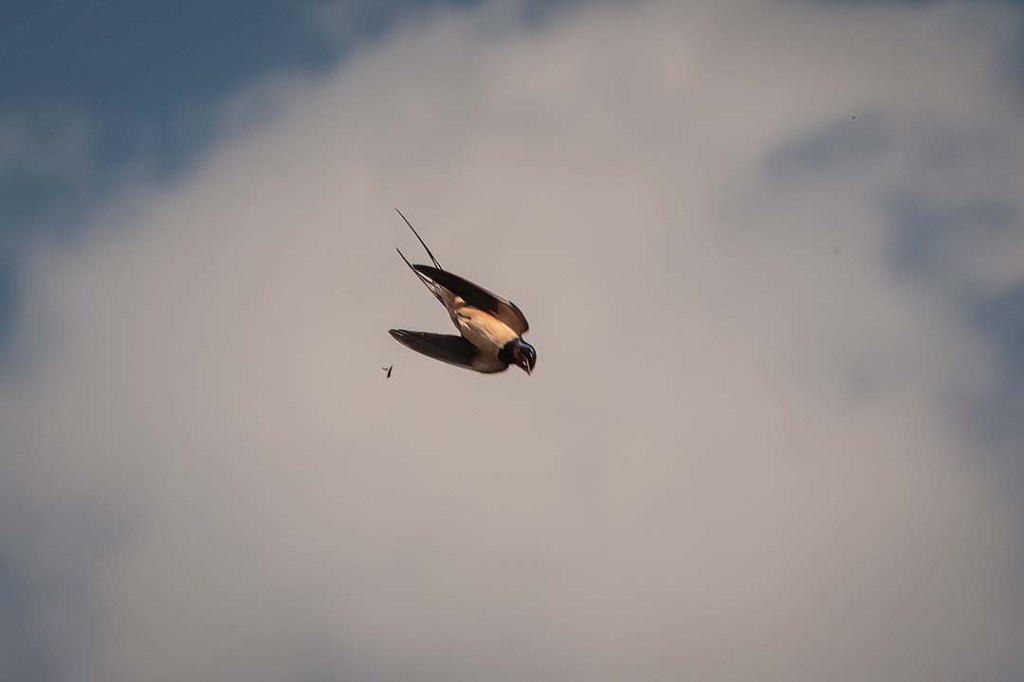
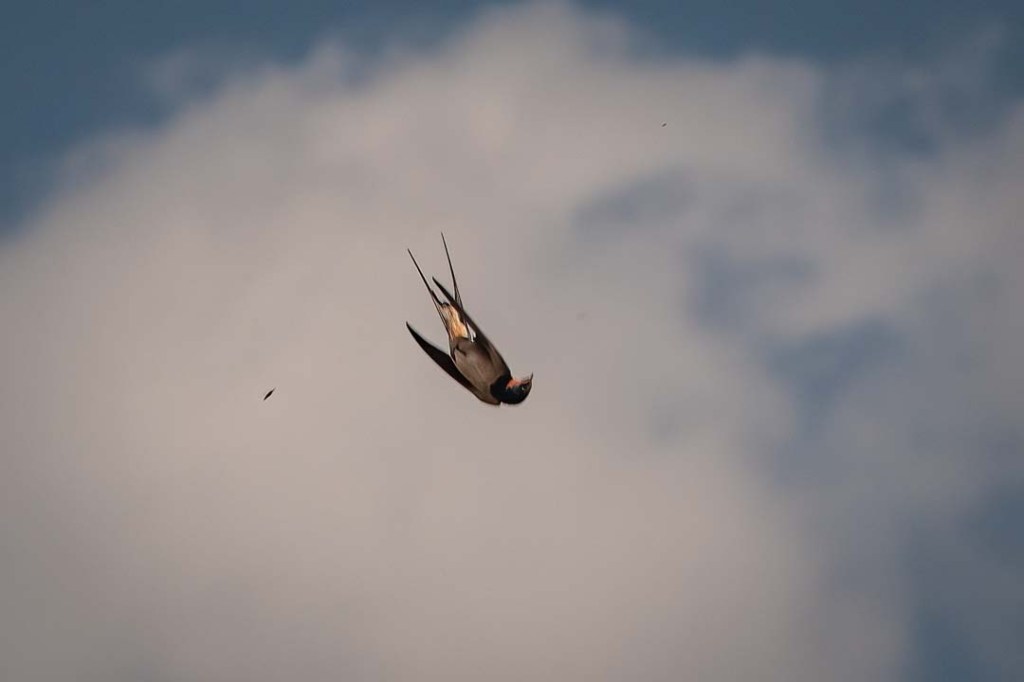
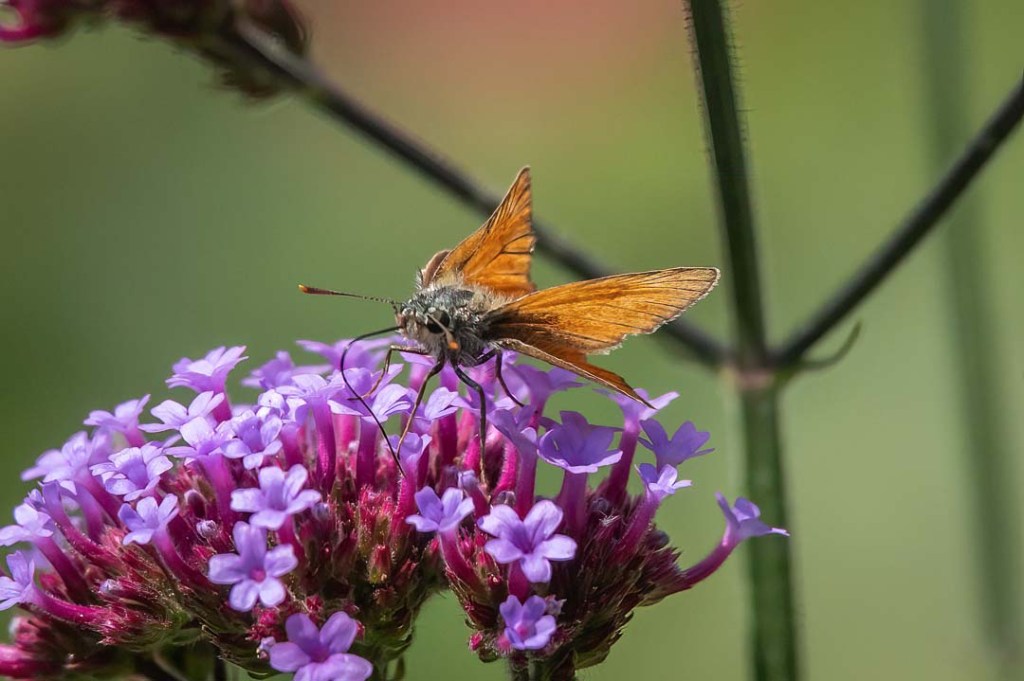
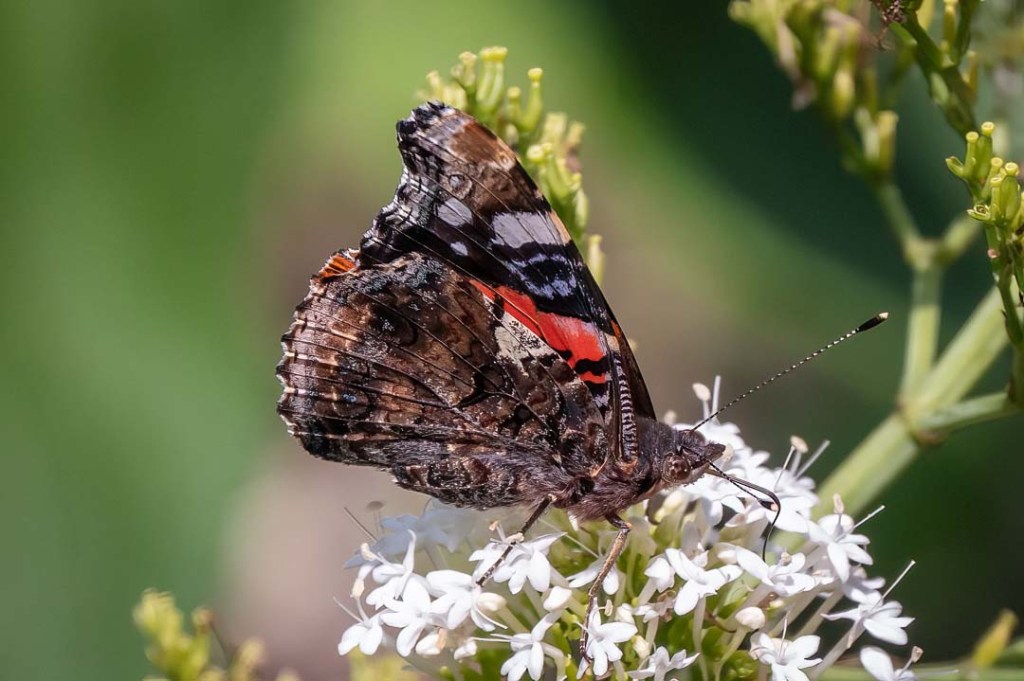
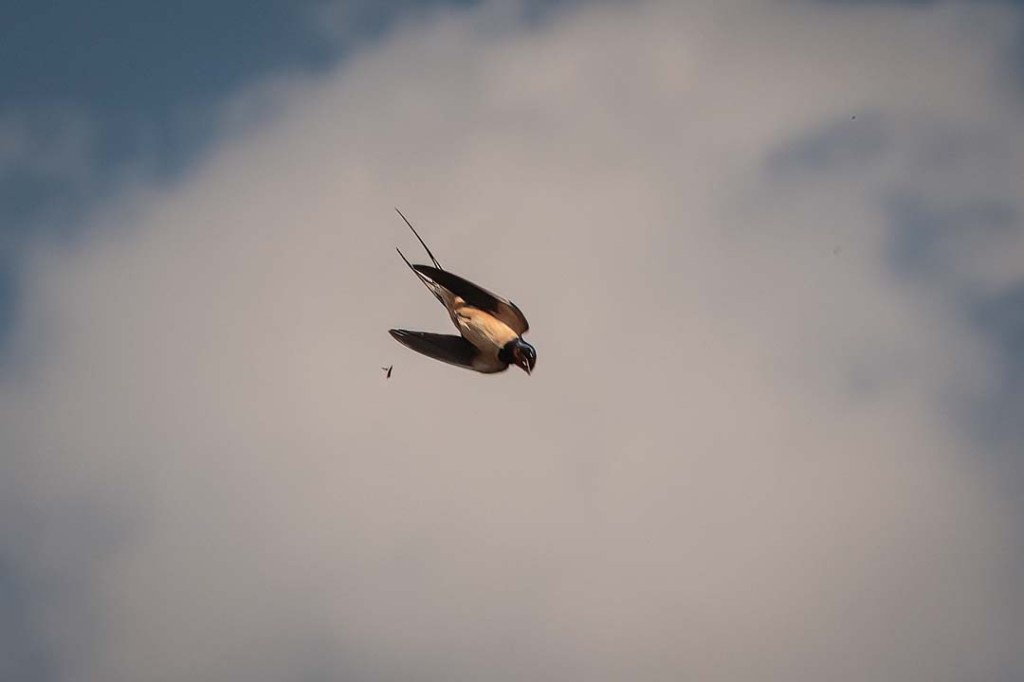
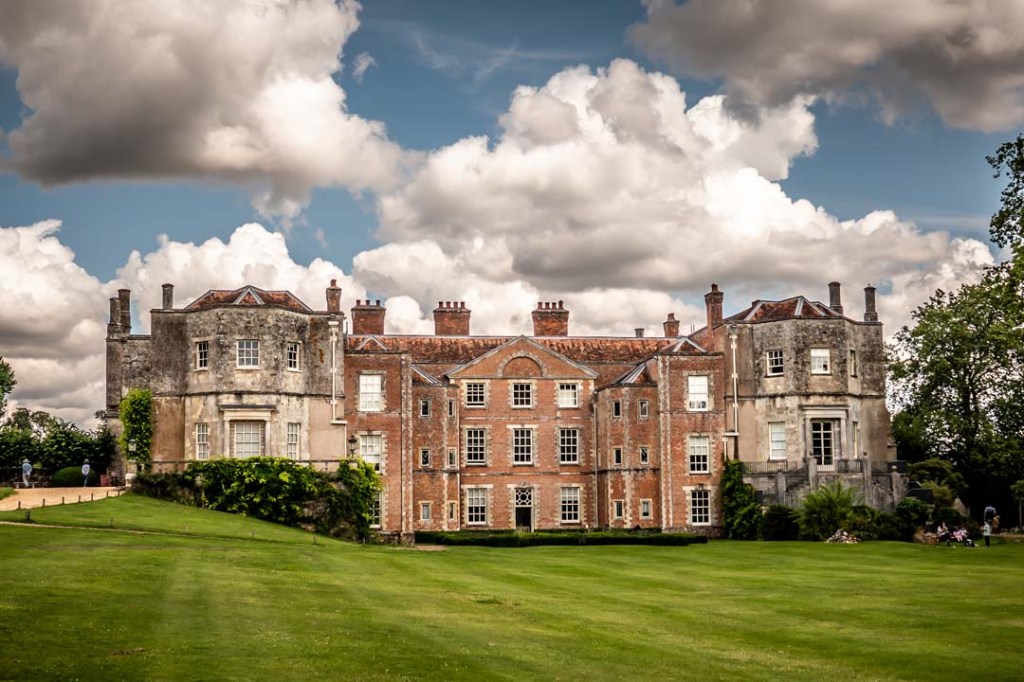
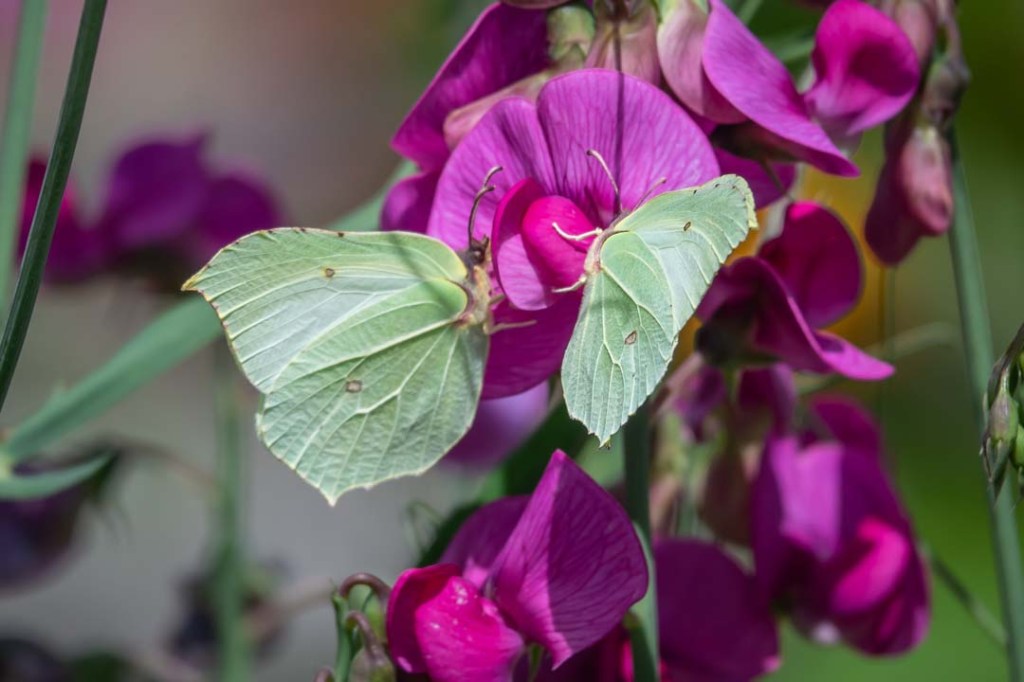
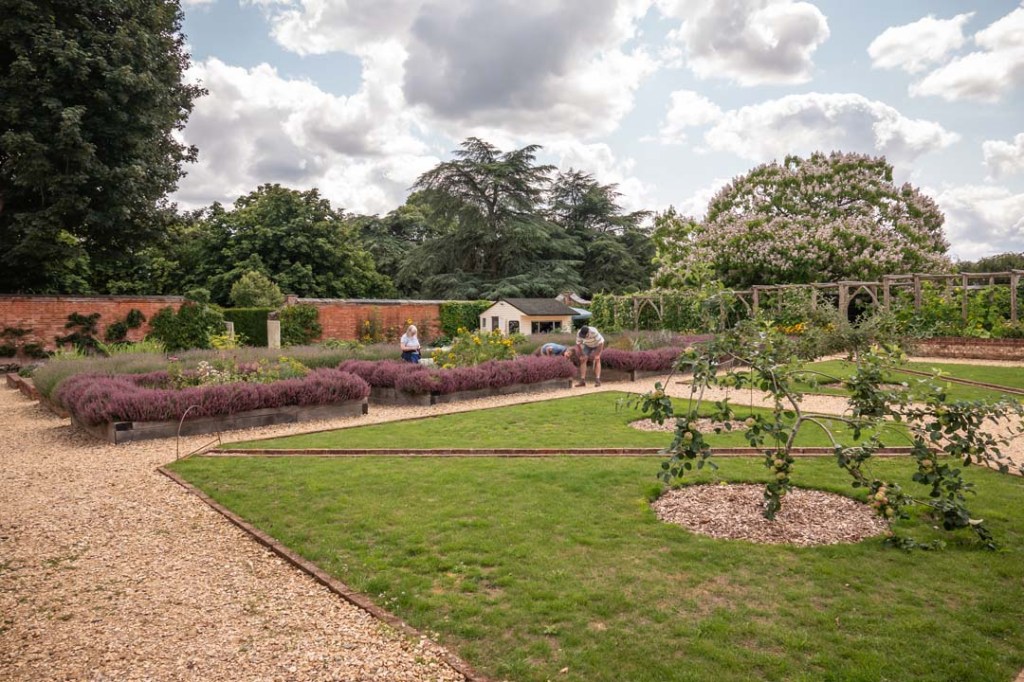
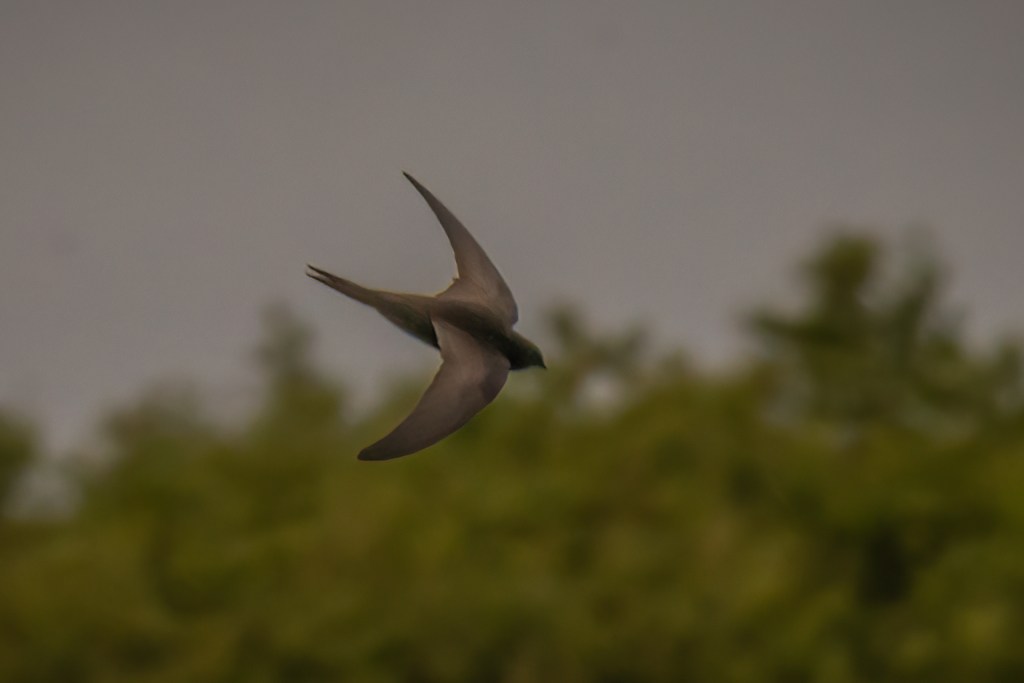
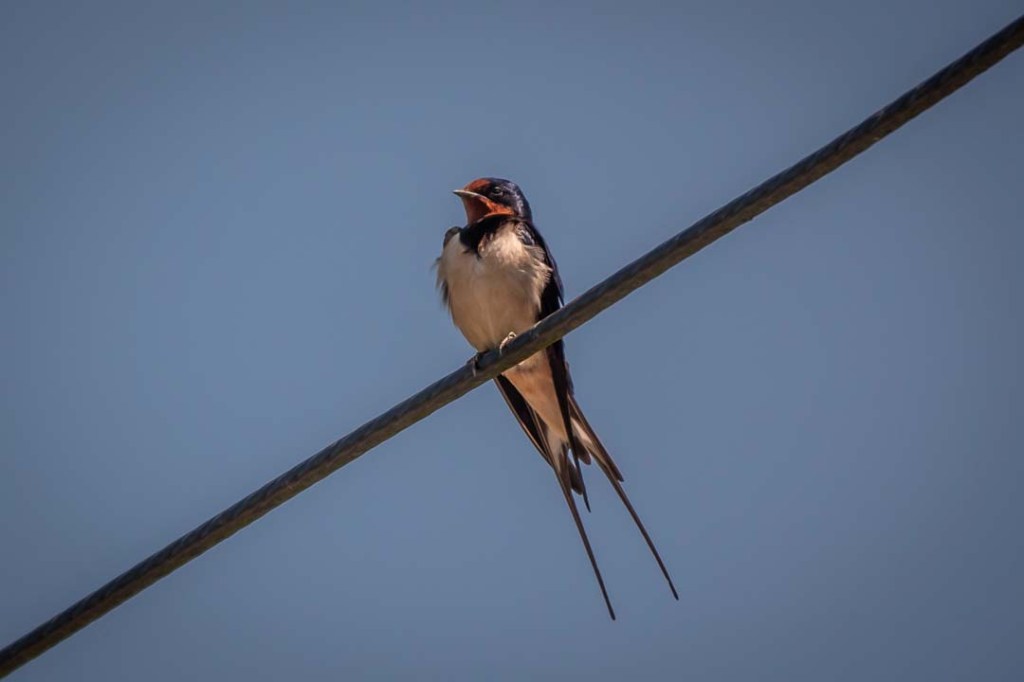
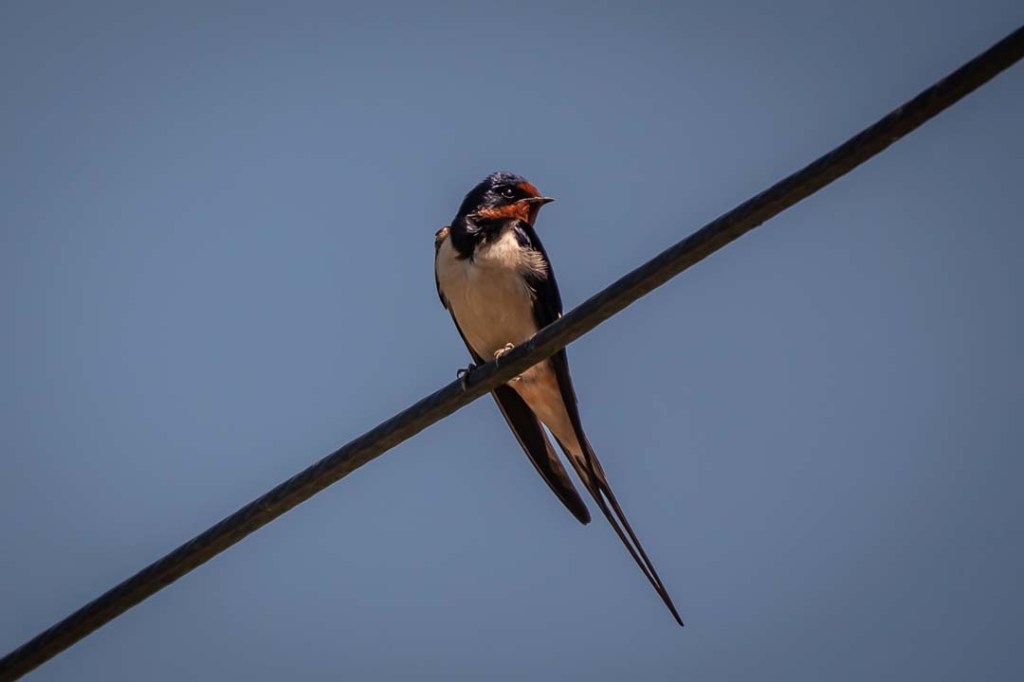
The butterflies were taken at Exbury Gardens near Beaulieu and in the gardens at the National Trust property of Mottisfont near Romsey. The swallows were taken when I had a spare moment at Beaulieu.
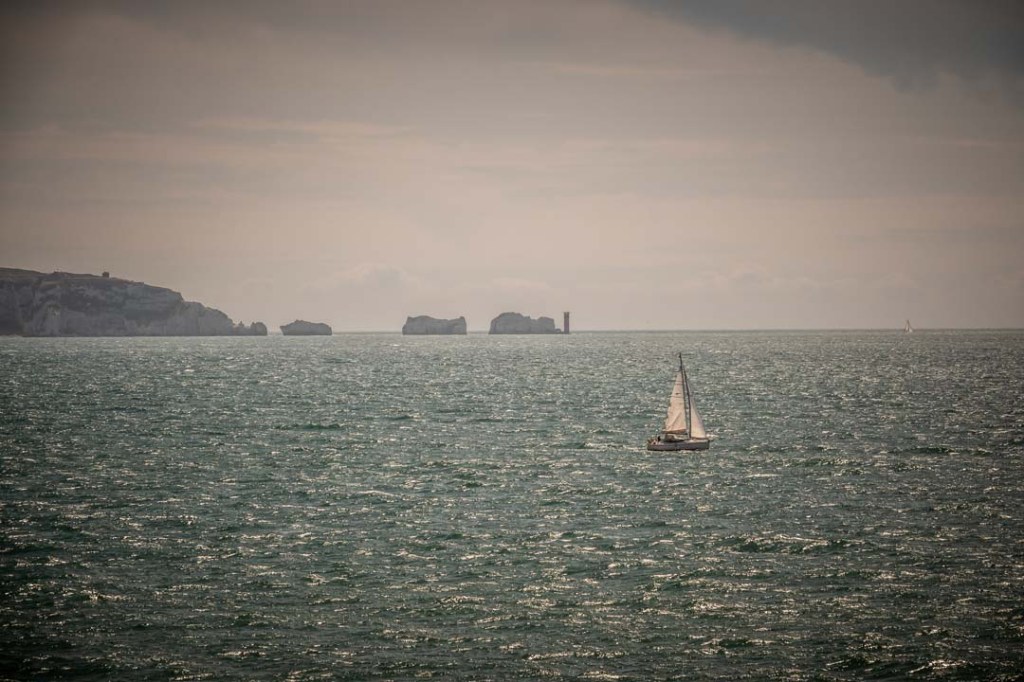
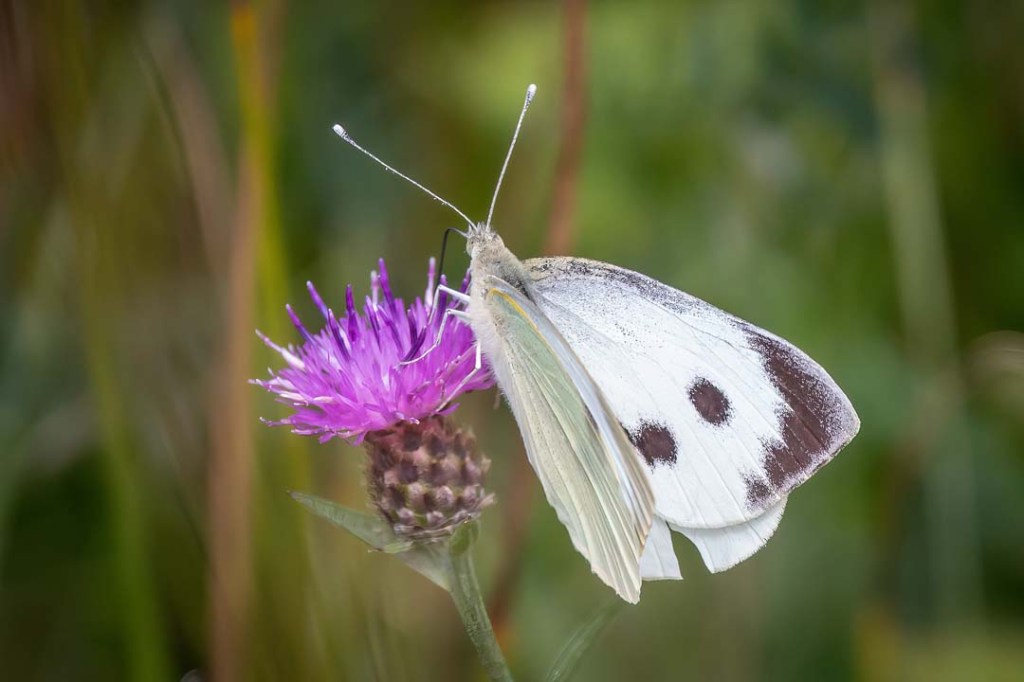
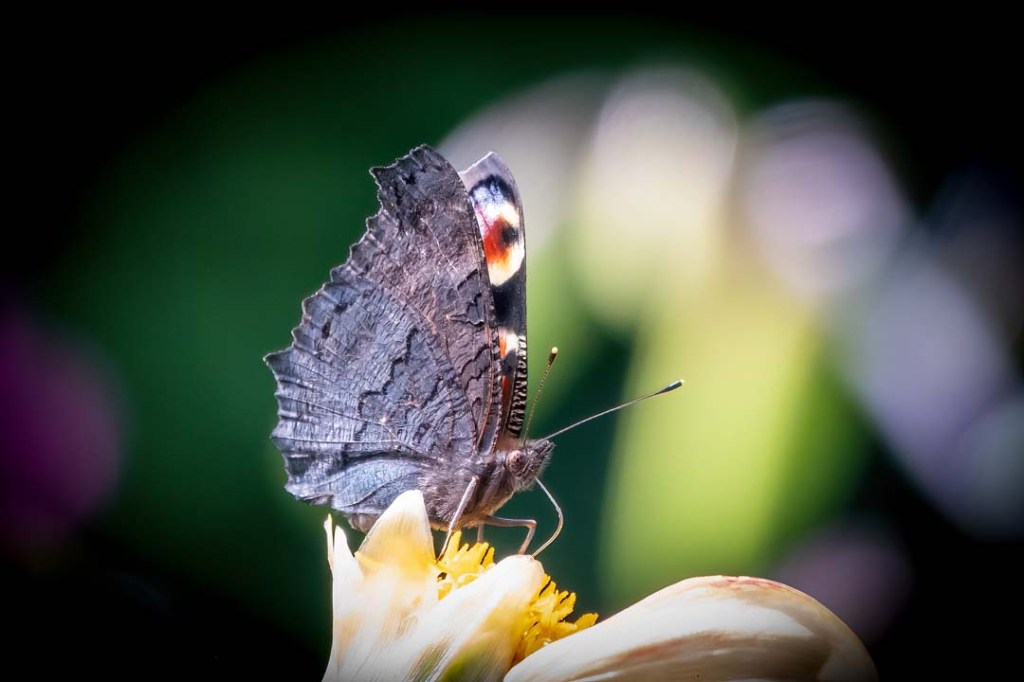
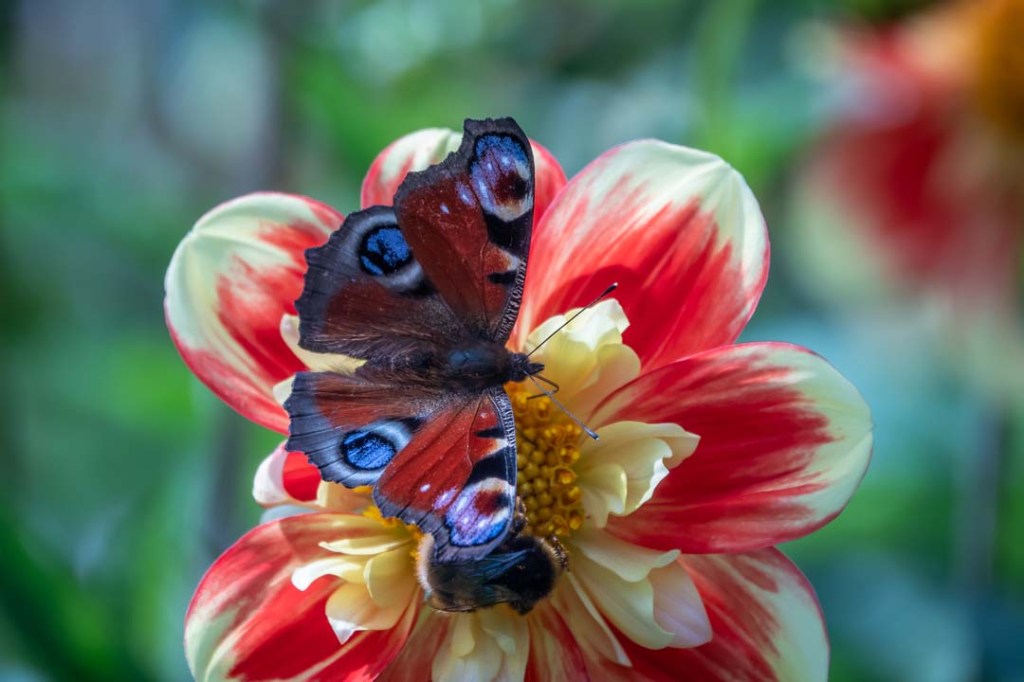
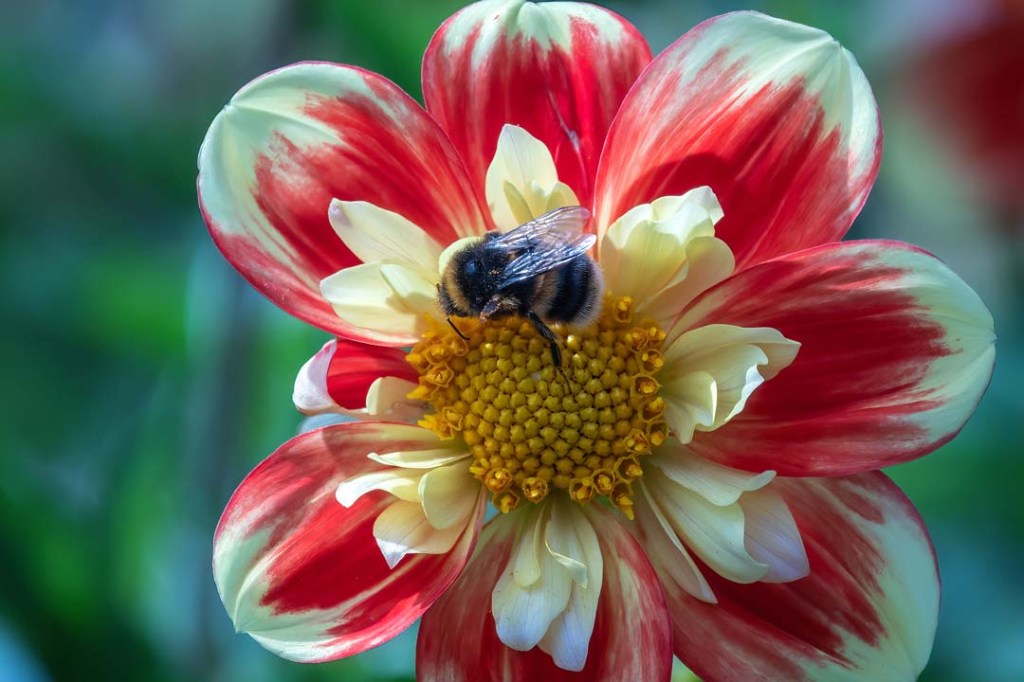
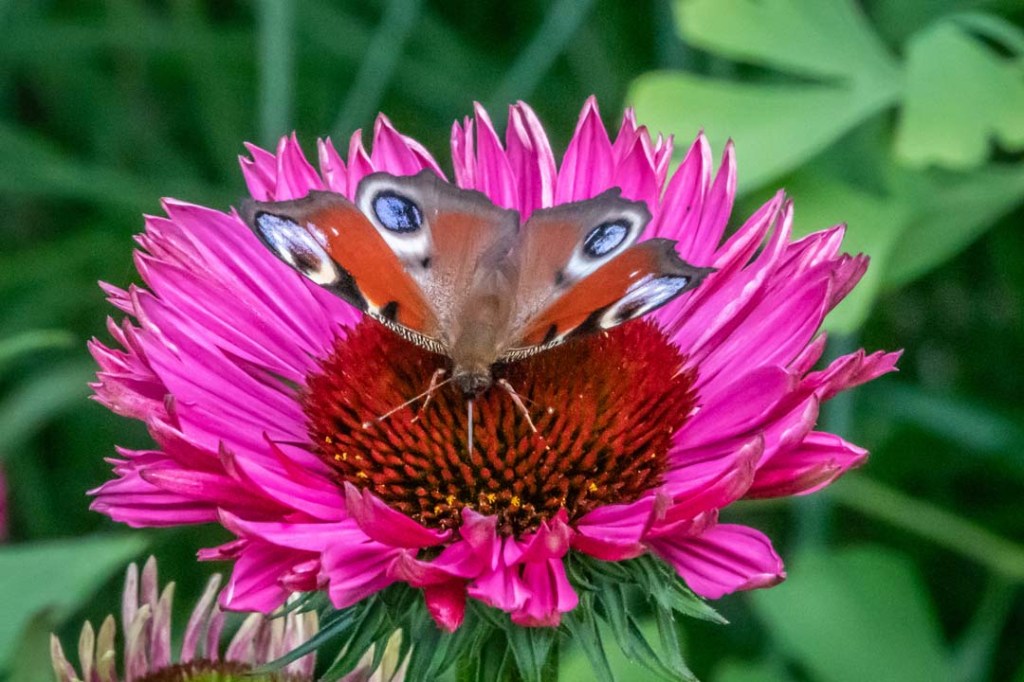
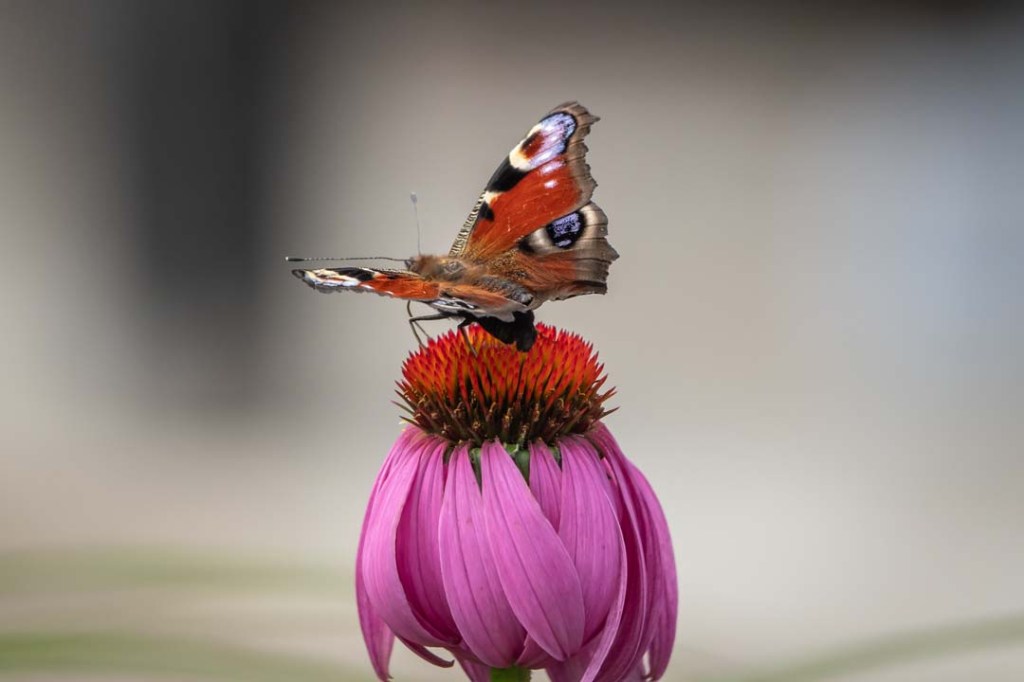
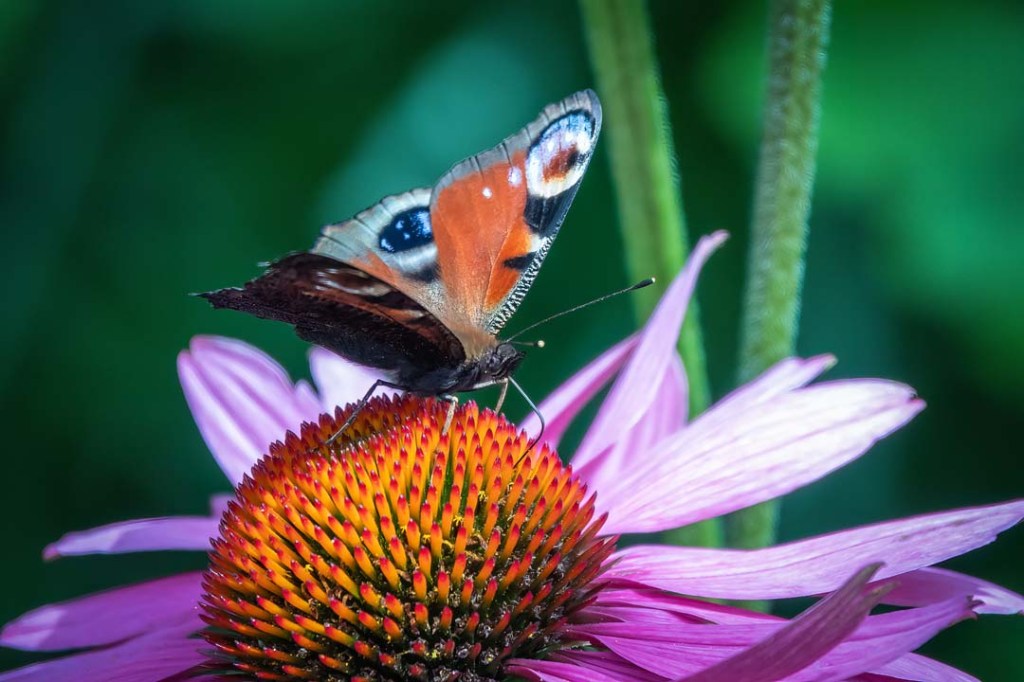
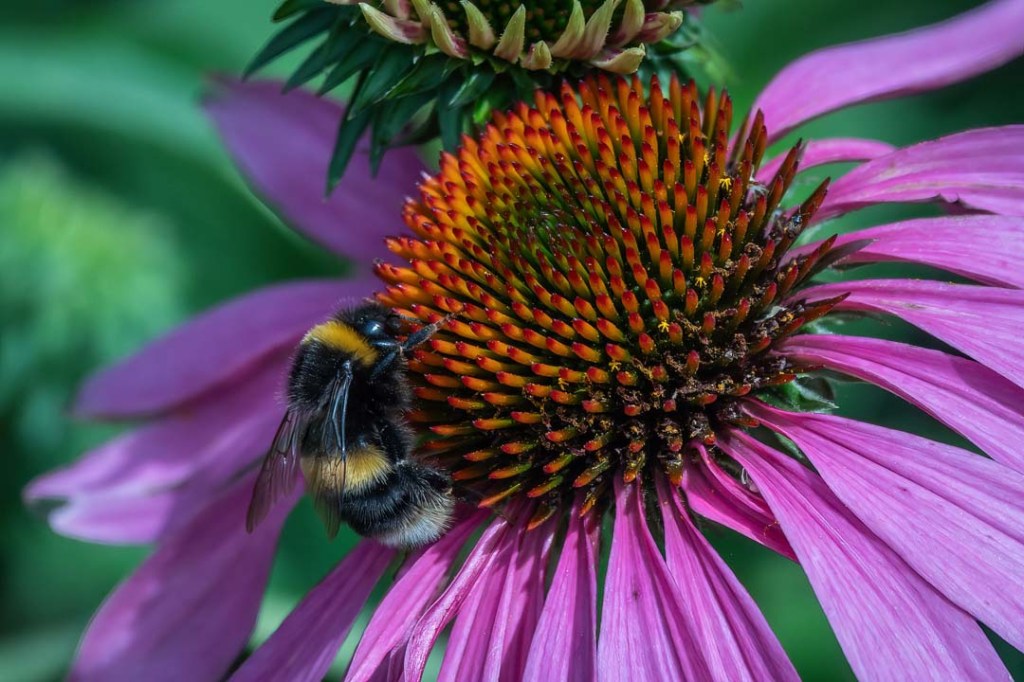
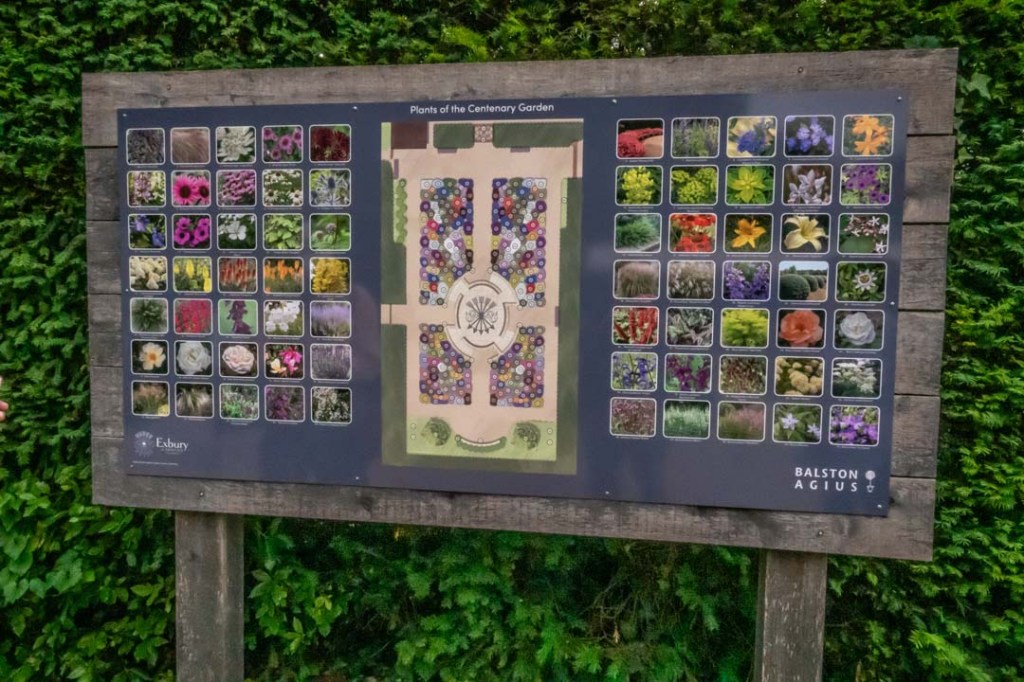
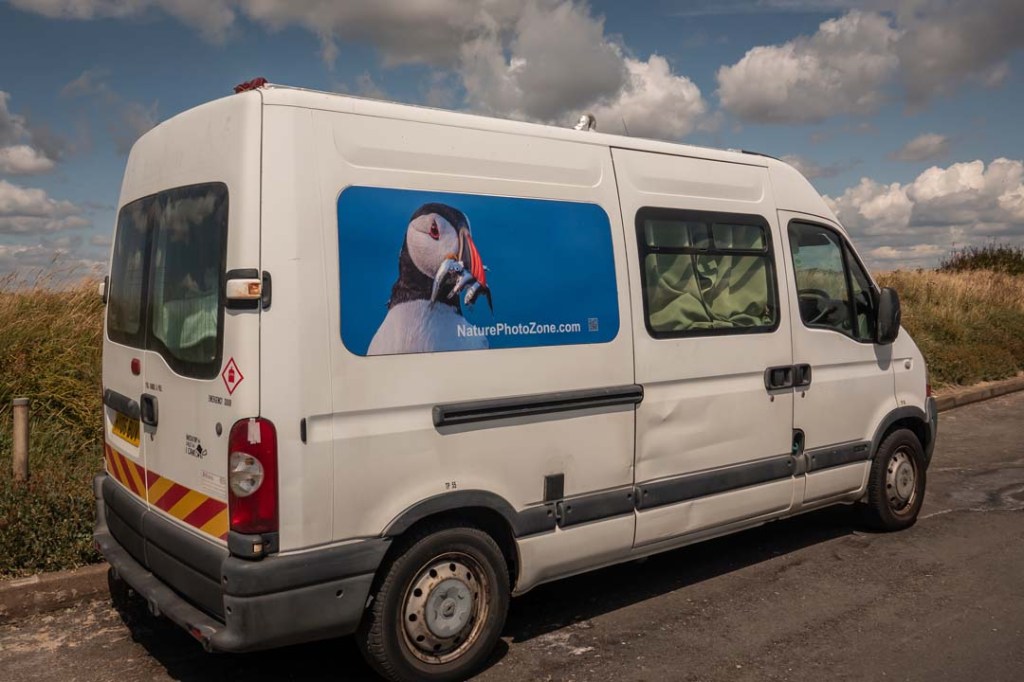
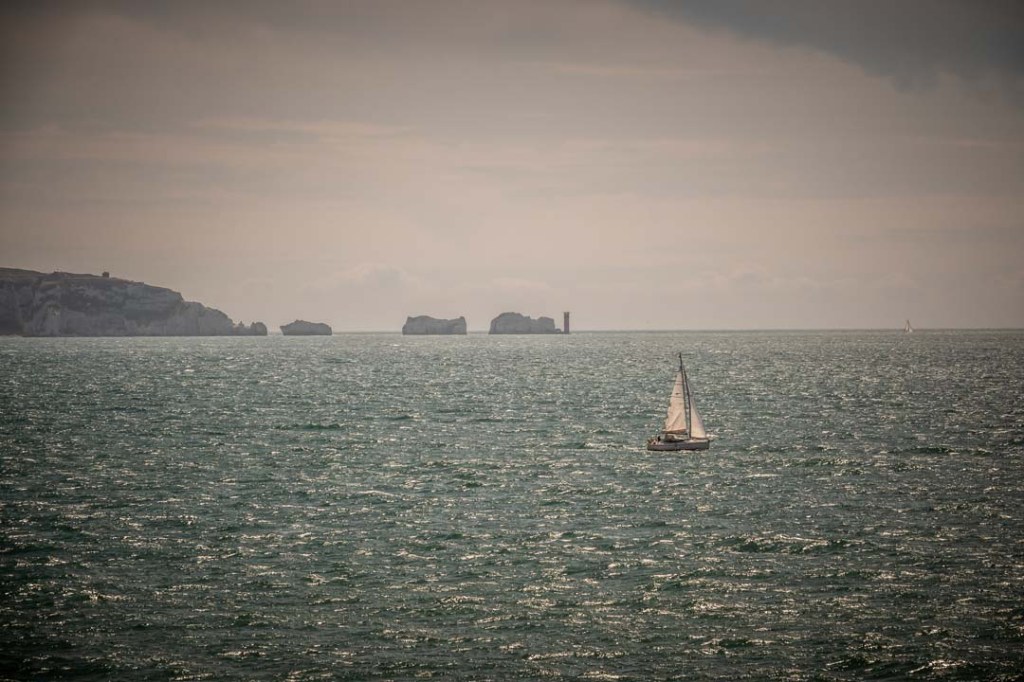
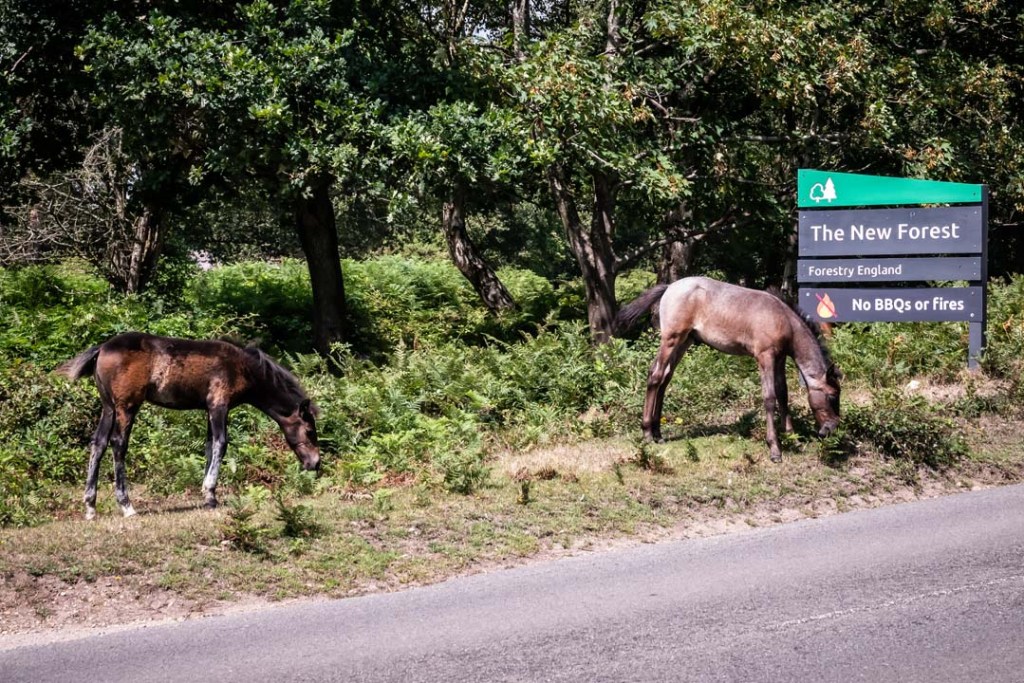
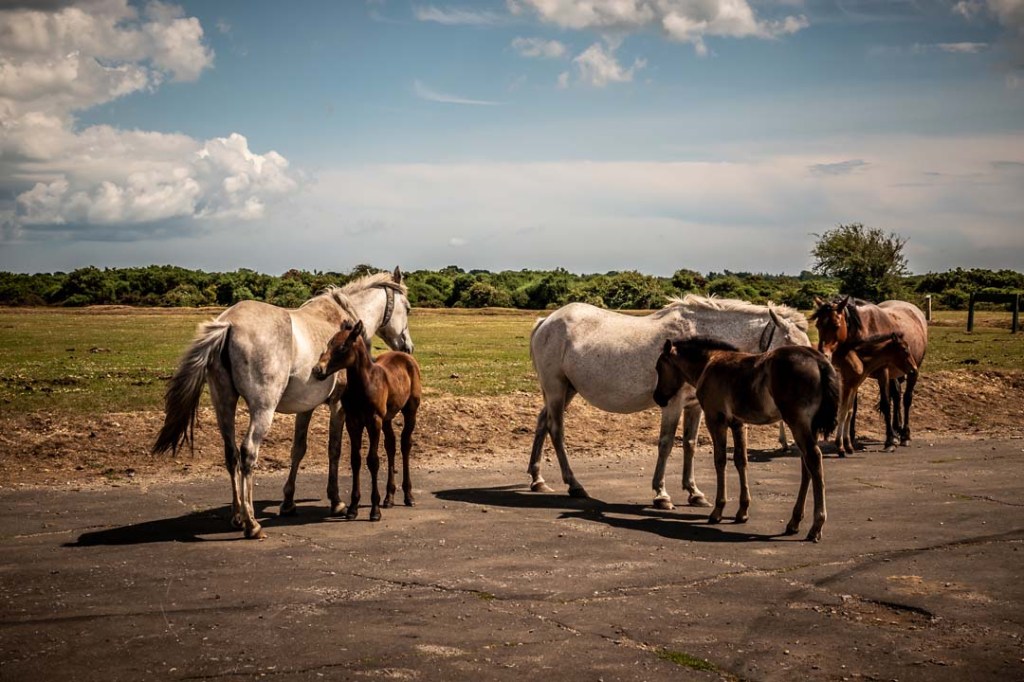
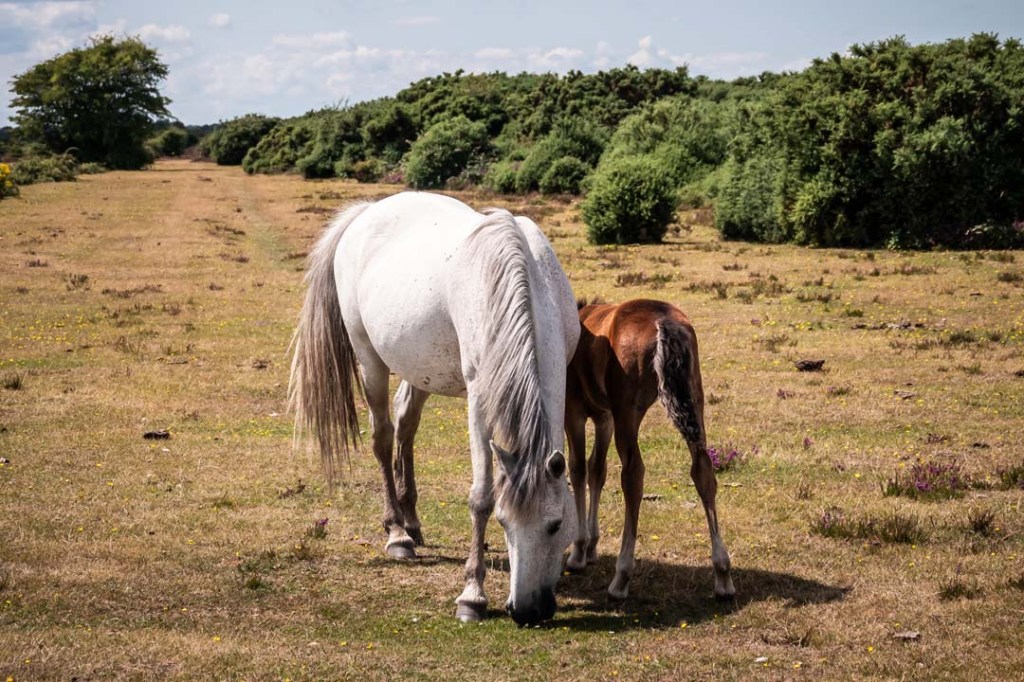
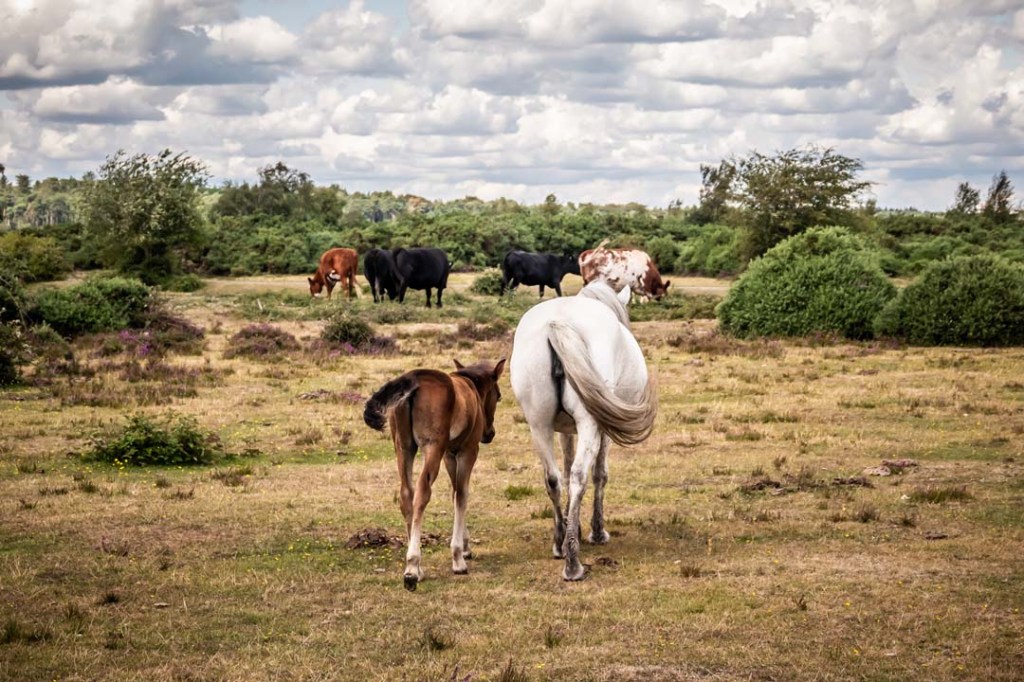
This section of the gardens at Exbury was great for butterflies and bees. Gatekeeper in the meadows at Exbury GardensLarge White butterfly at ExburyPeacock butterfly on Echinacea at Exbury GardensBee on Echinacea at ExburyA moth on thistles at ExburyPuffins at Keyhaven opposite the Isle of Wight – no, just wishful thinkingThe Needles off the Isle of Wight from Milford on SeaPonies in The New ForestPonies in The New ForestPonies and cattle in The New ForestSwallow at Beaulieu Swallow performing acrobatics at BeaulieuSwallow hunting fliesMottisfontBrimstone butterflies on sweat peas in the wonderful walled gardens at Mottisfont
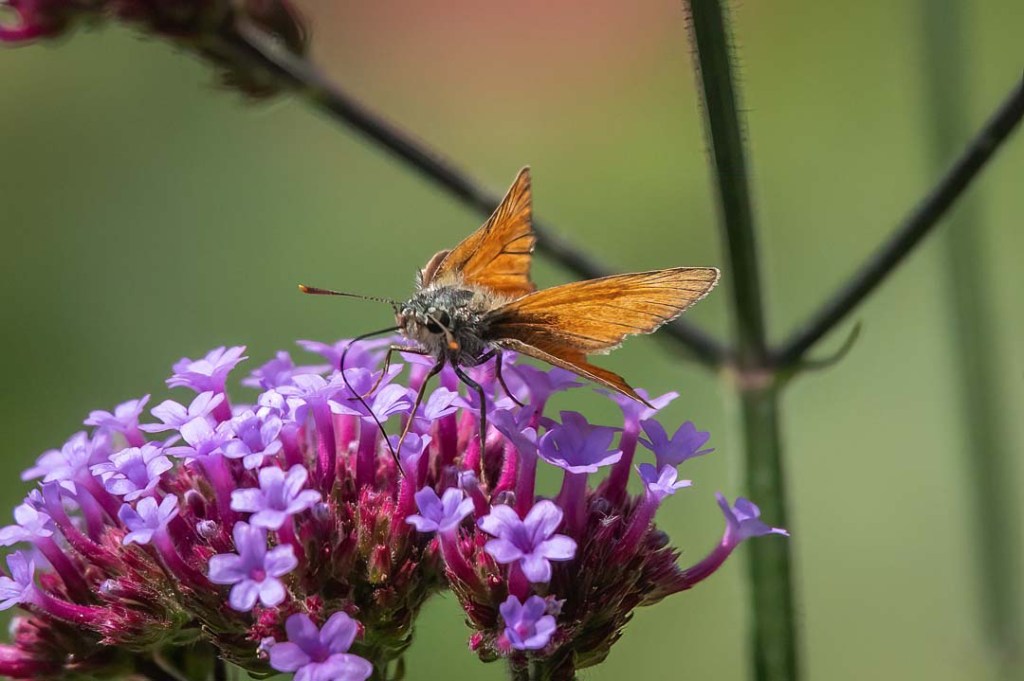
Large skipper butterfly on verbena at MottisfontRed Admiral butterfly at Mottisfont
Slideshow of some of my photos from The New Forest:
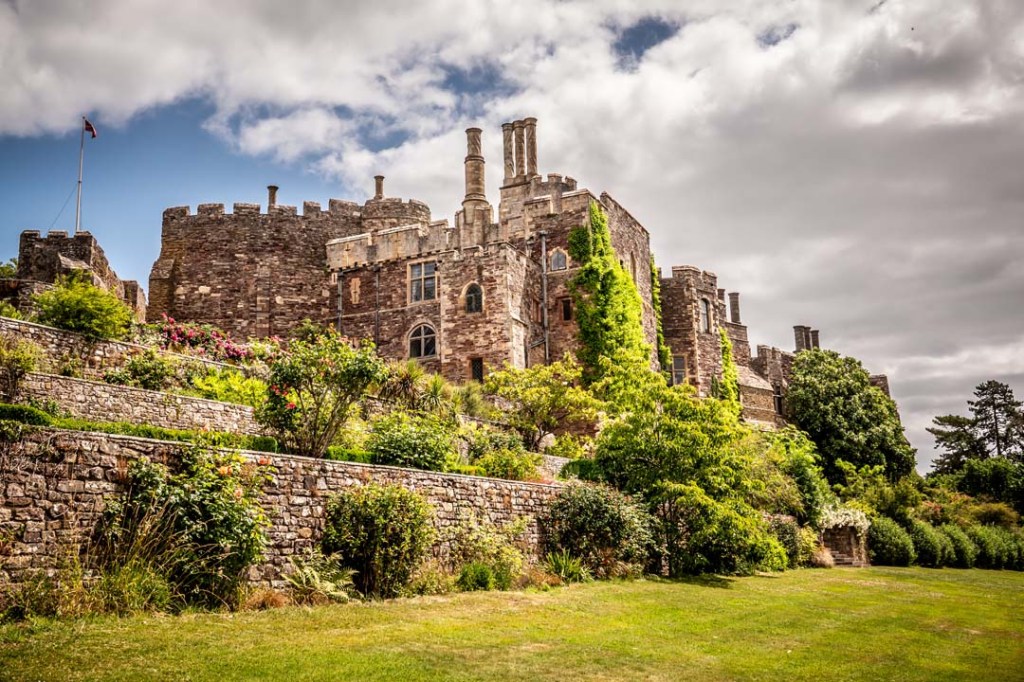
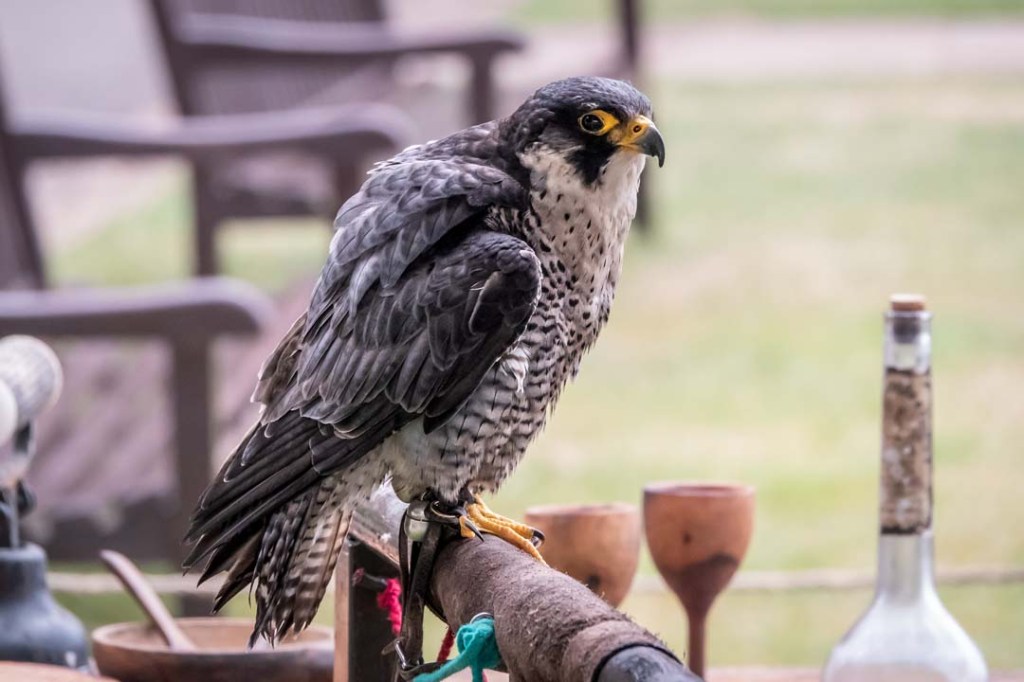
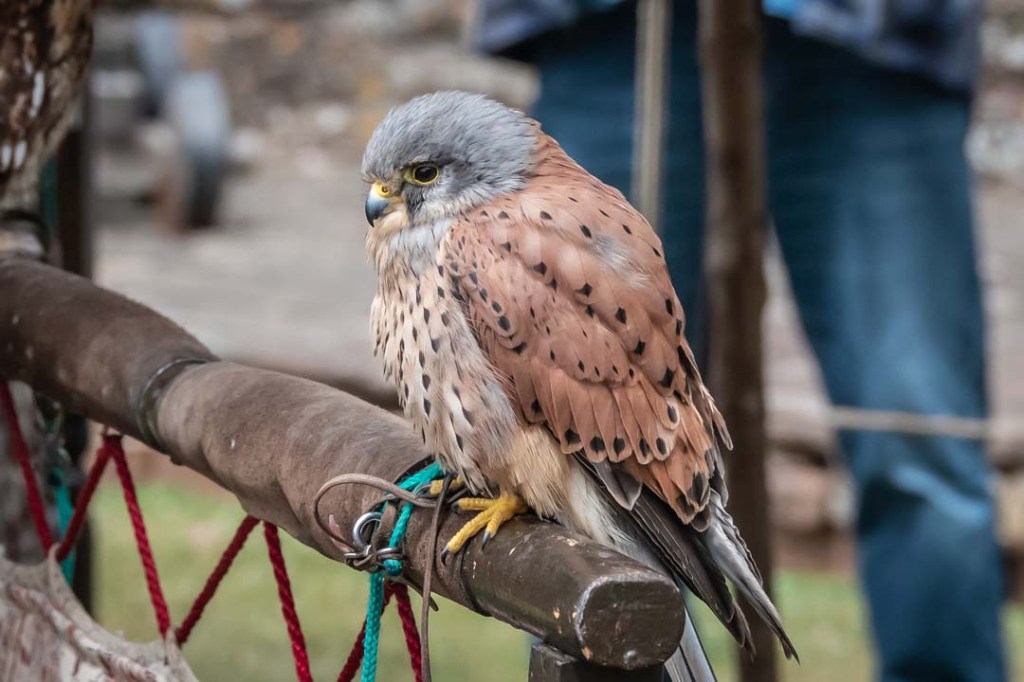
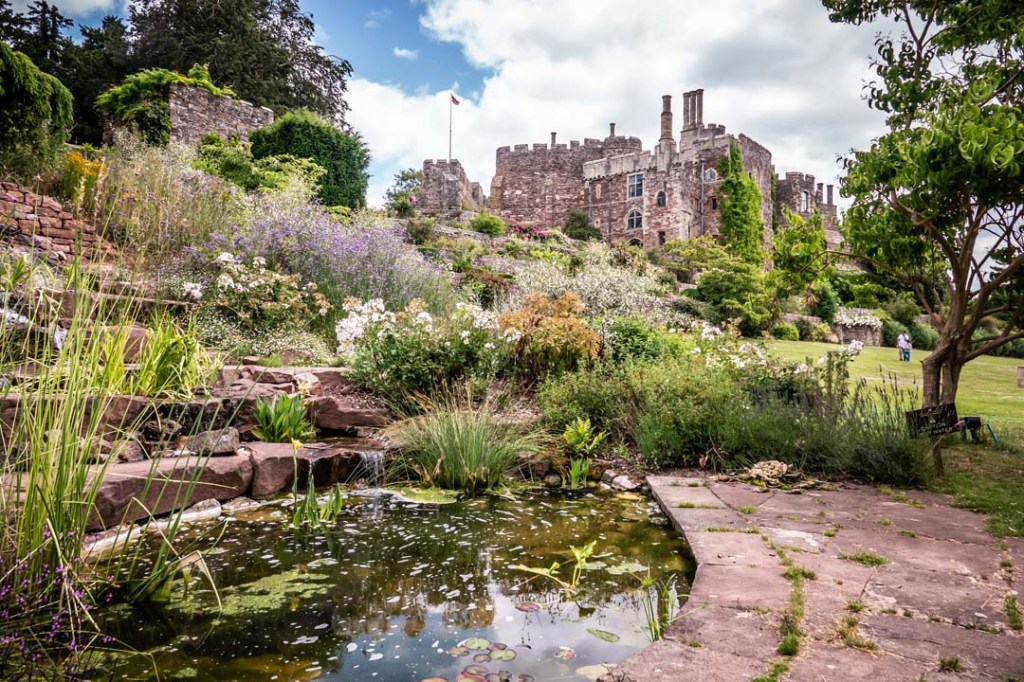
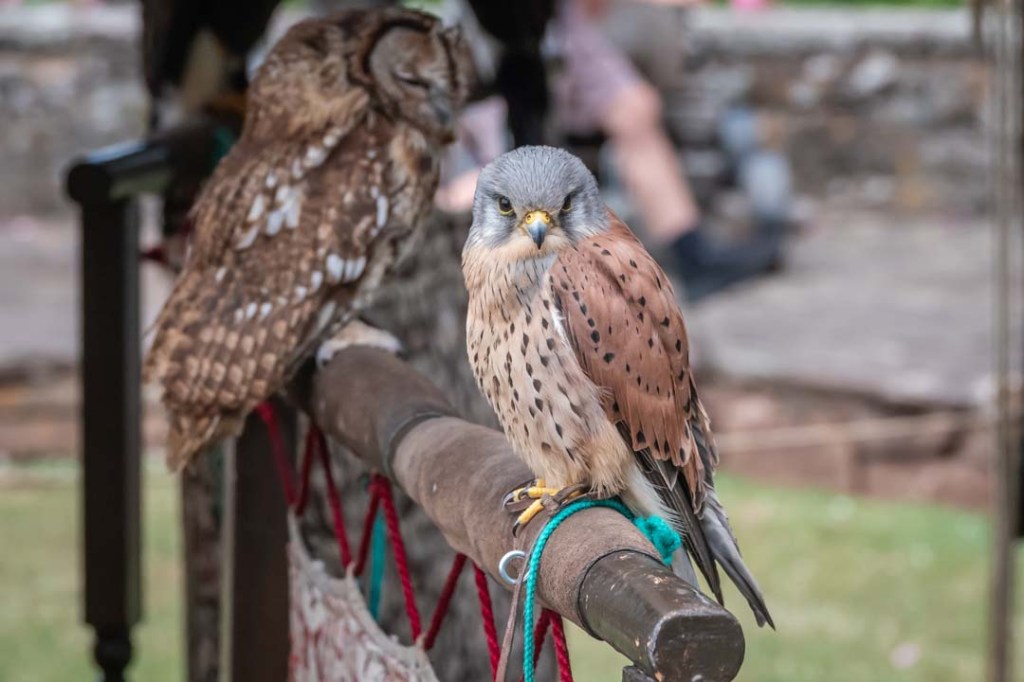
A tourist trip to Berkeley Castle, just 15 miles north from my home, gave me a surprise opportunity to get up close to some birds of prey. There was due to be a private falconry display at the castle later that day but we were able to see the birds waiting for their display before visiting the castle and grounds.
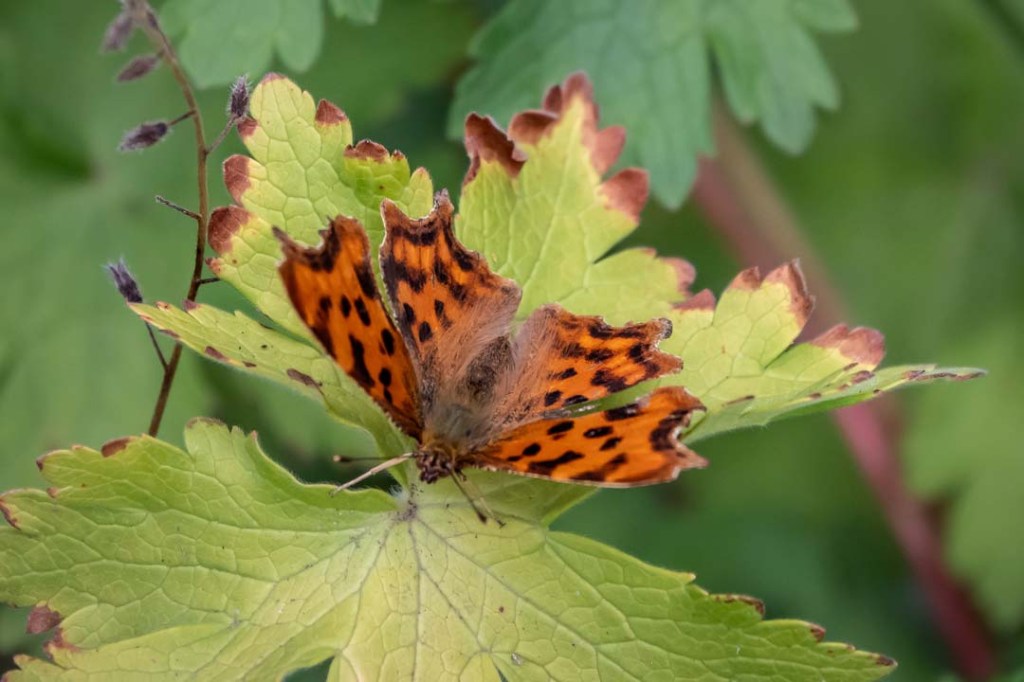
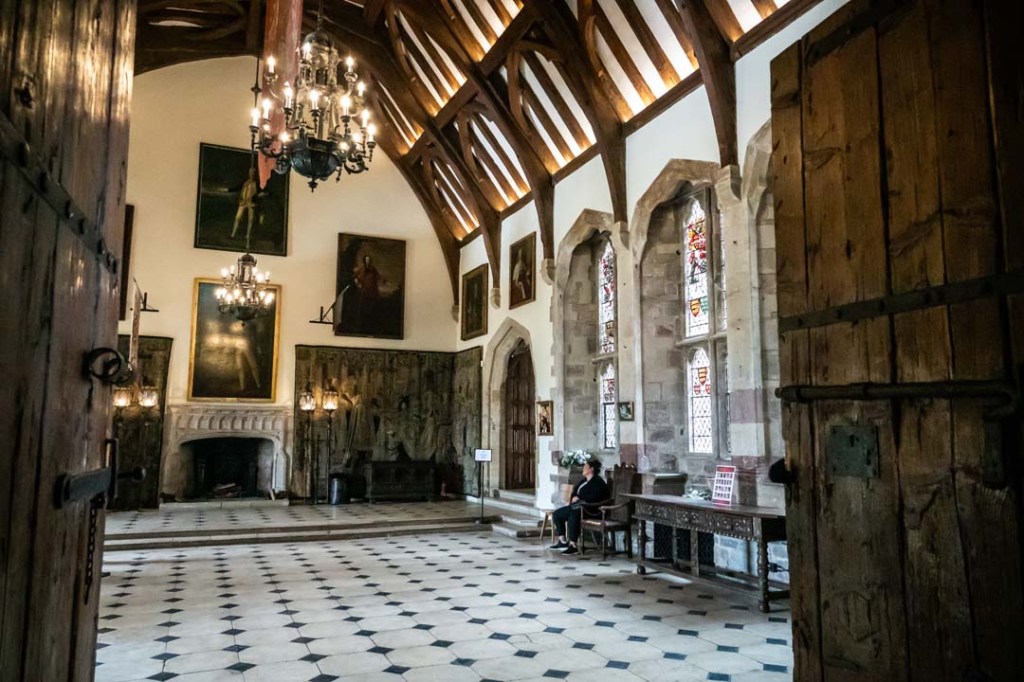
Berkeley CastlePeregrine falconKestrelBerkeley Castle from the gardensComma butterflyMeadow brown butterflyBerkeley CastleBerkeley CastleKestrelThe Great Hall – the magnificent centrepiece of the Castle where kings and queens throughout the centuries have been wined and dined. Measuring 32 feet high and 62 feet long, this magnificent hall dates from the fourteenth century, built on the site of the original hall in the reign of King Edward III. The walls are hung with a fine series of Oudenarde tapestries illustrating the History of Queen Esther, and stained glass in the windows depicts the various alliances of the family. The Great Hall
It’s the first time for many years that we have visited the castle (the last time was for the wedding reception of a friend in this magnificent castle) and we would very much recommend a visit (with or without the falconry display) – Berkeley Castle website
We have been on holiday in south Devon and, although not a birding holiday, there were a few opportunities to photograph some of the delights of nature at this time of the year.
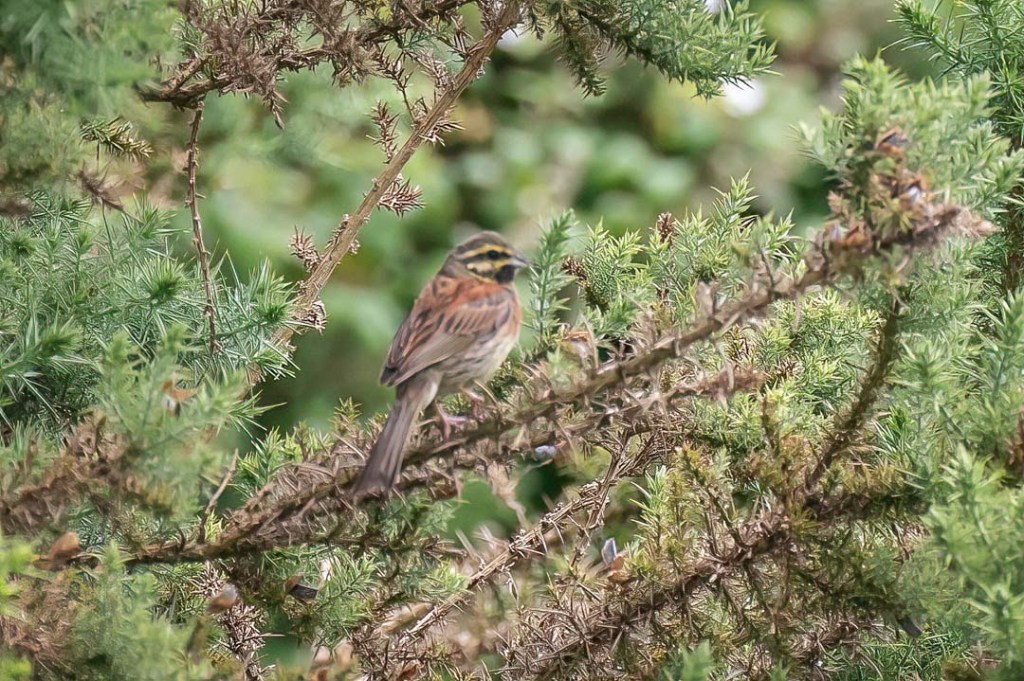
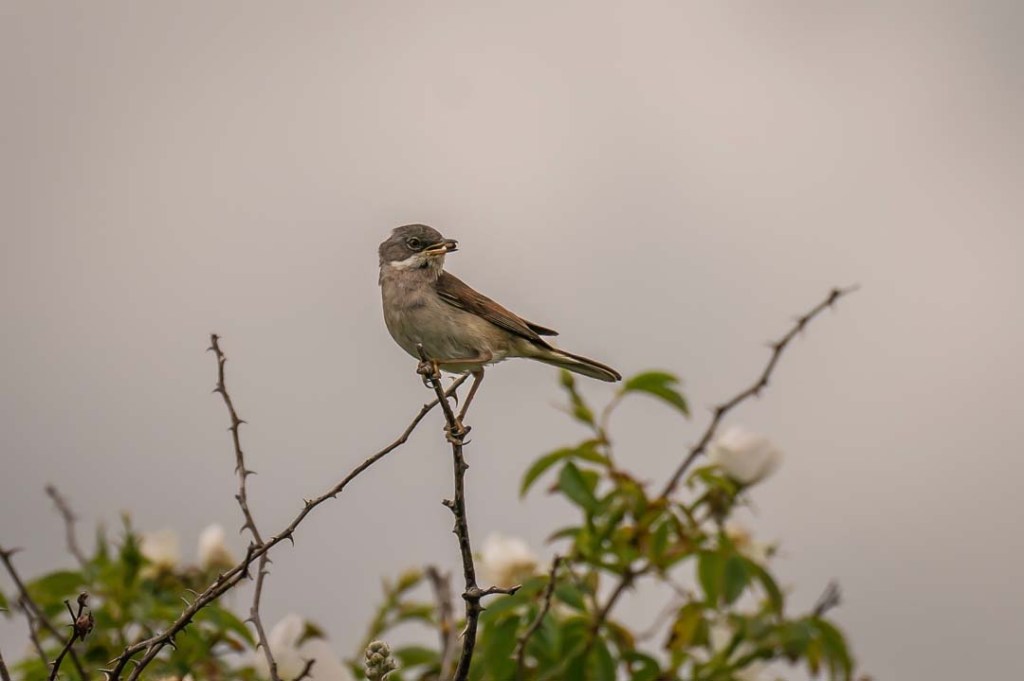
I suppose the most exciting moment was seeing a bird that I had never seen before – a cirl bunting.
The cirl (pronounced sirl) bunting is a small finch-like bird which is a close relative of the yellowhammer.
Cirl buntings were once widespread and common across much of southern England, but in recent years, they have become rare and only found in south Devon, mostly confined to coastal farmland between Plymouth and Exeter.
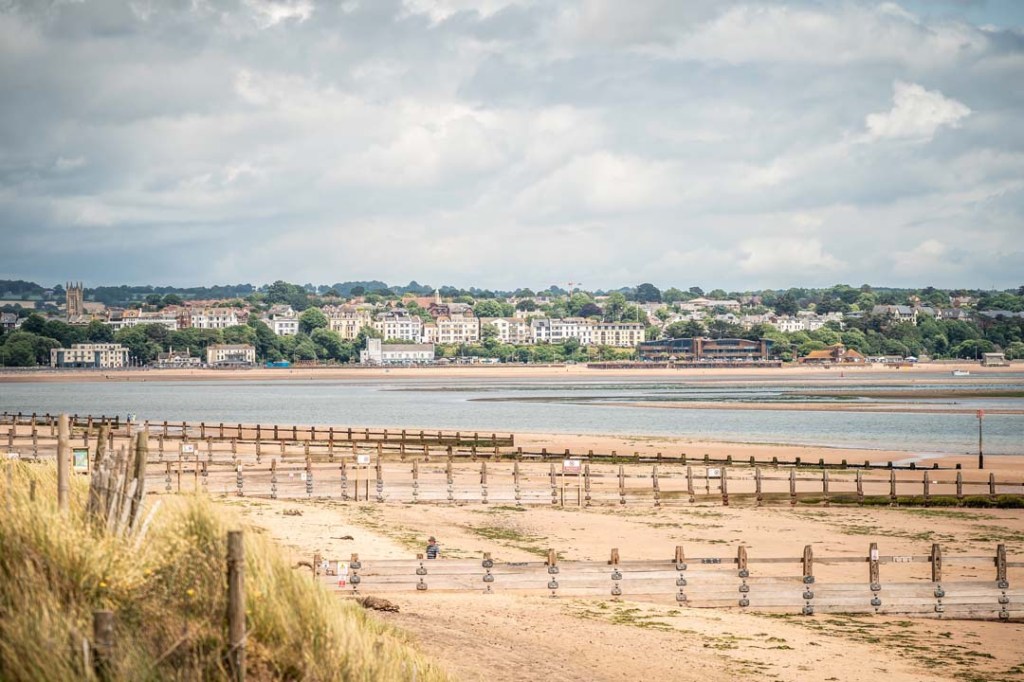
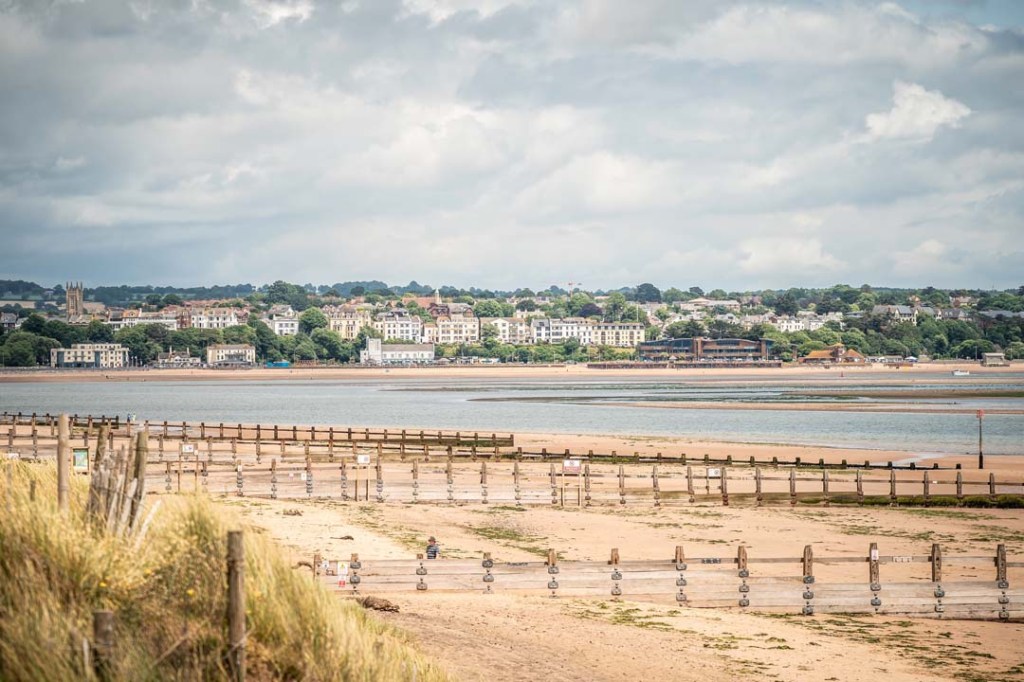
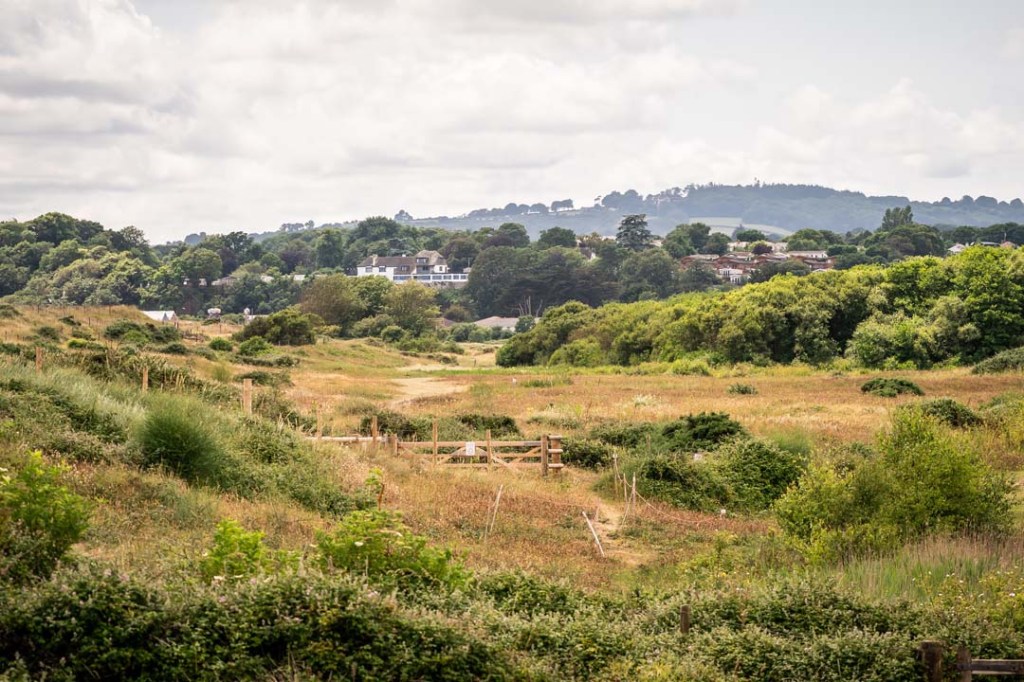
We saw the cirl bunting on a visit to Dawlish Warren Nature Reserve and, although we saw three of them, it was such a fleeting moment which might explain why I have published an out-of-focus photo of the male as my headline photo.
Cirl bunting
The Dawlish Warren website has this to say about the reserve:
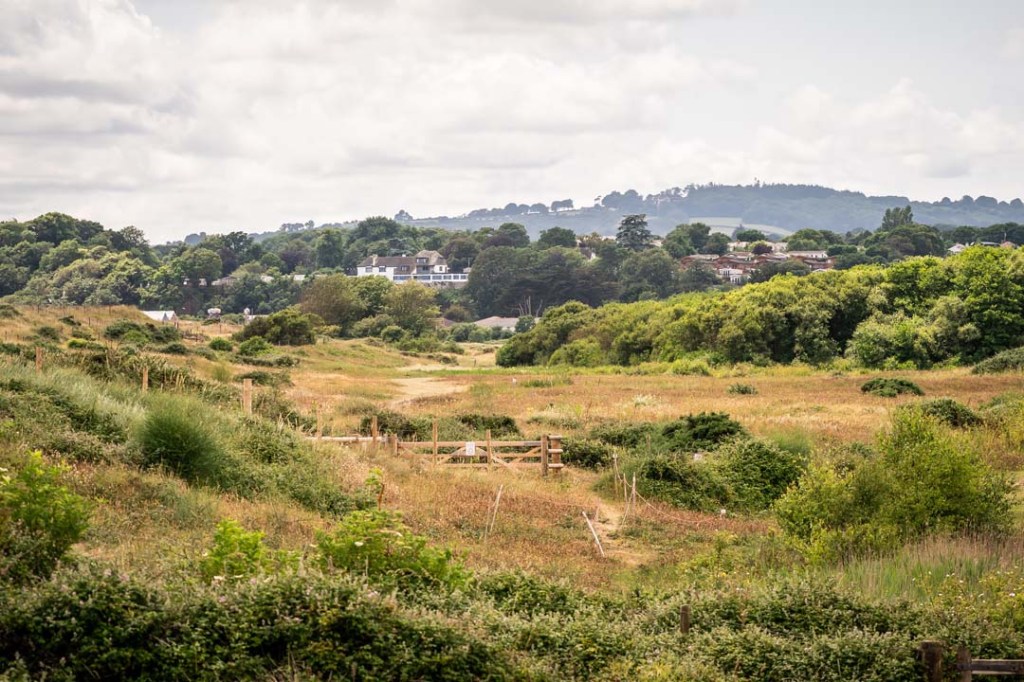
“Dawlish Warren National Nature Reserve is an area of grassland, sand dunes, mudflats and centres on a 1½ mile long sandspit/beach across the mouth of the Exe Estuary. Dawlish Warren is an important holiday resort and is visited by thousands of people each year.
As part of the Exe Estuary it is one of the most important places for wildfowl and wading birds in the whole of the South West. Thousands of birds come to feed, on migration, or to spend the winter here.
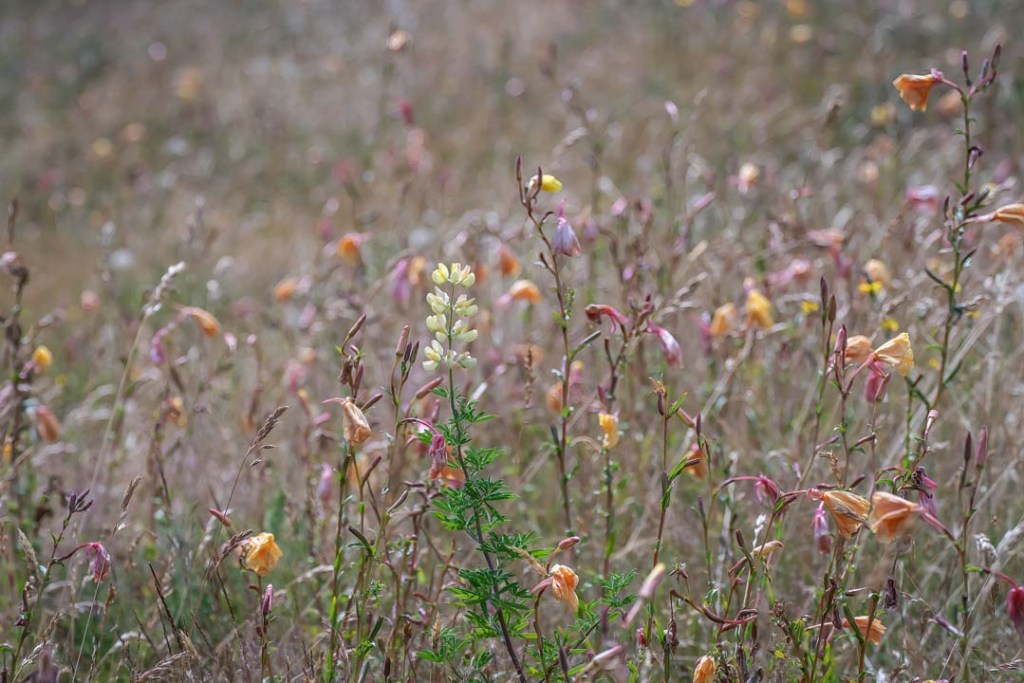
The dunes and grassland have a host of special plants. Over 600 different types of flowering plants have been recorded on the Warren. This varied Reserve has many different habitats including salt marsh, fresh water ponds, wet meadows and woodland.
The Warren is so important that it is protected for its wildlife by both national and international law.”
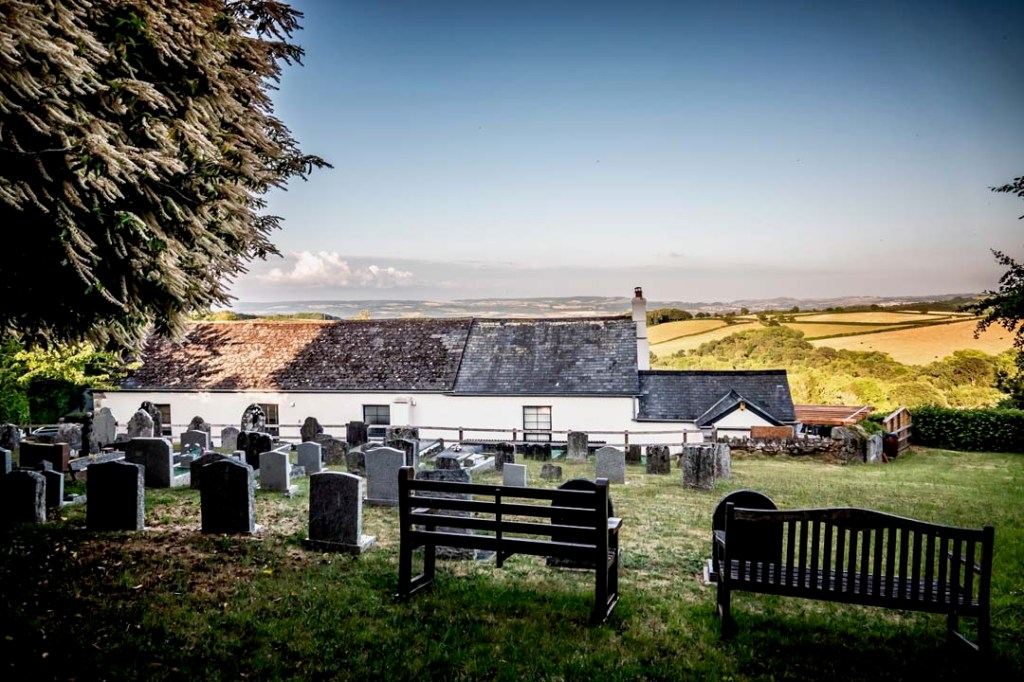
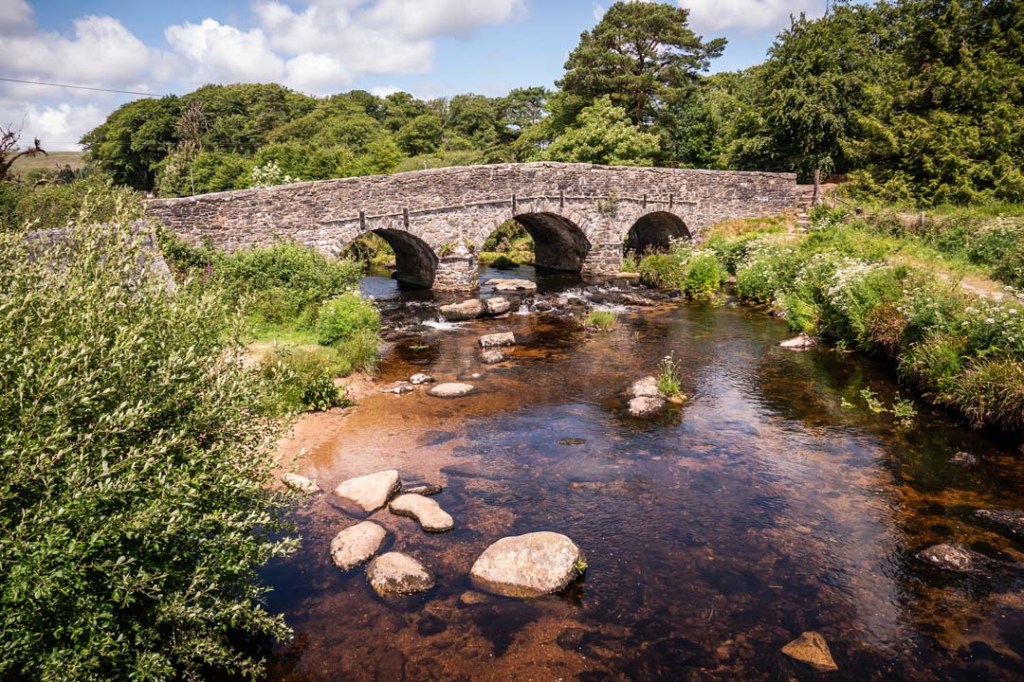
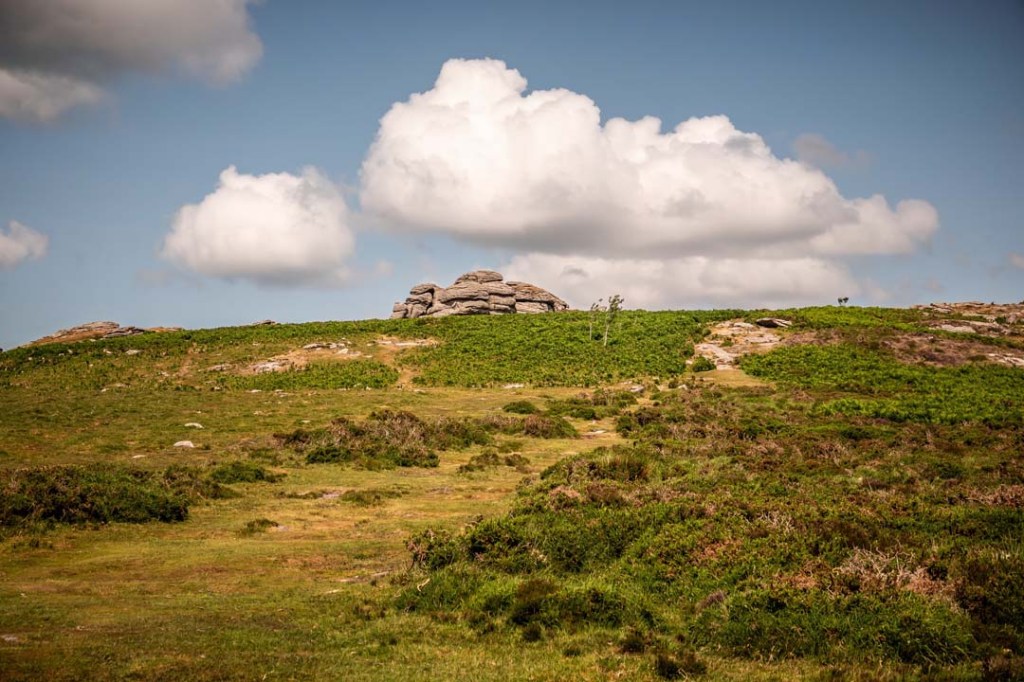
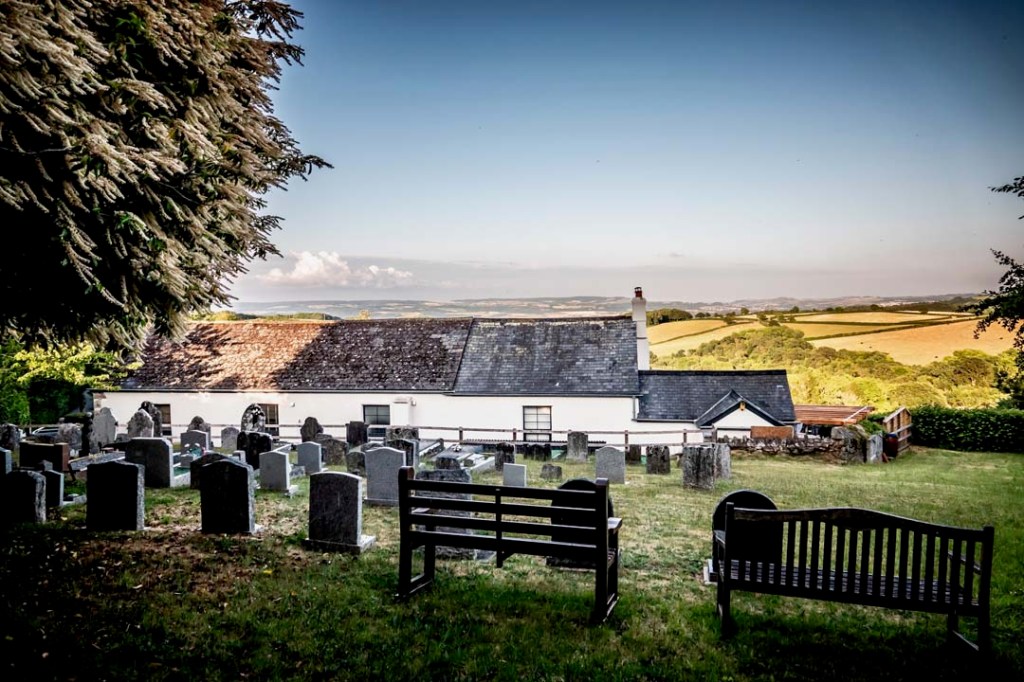
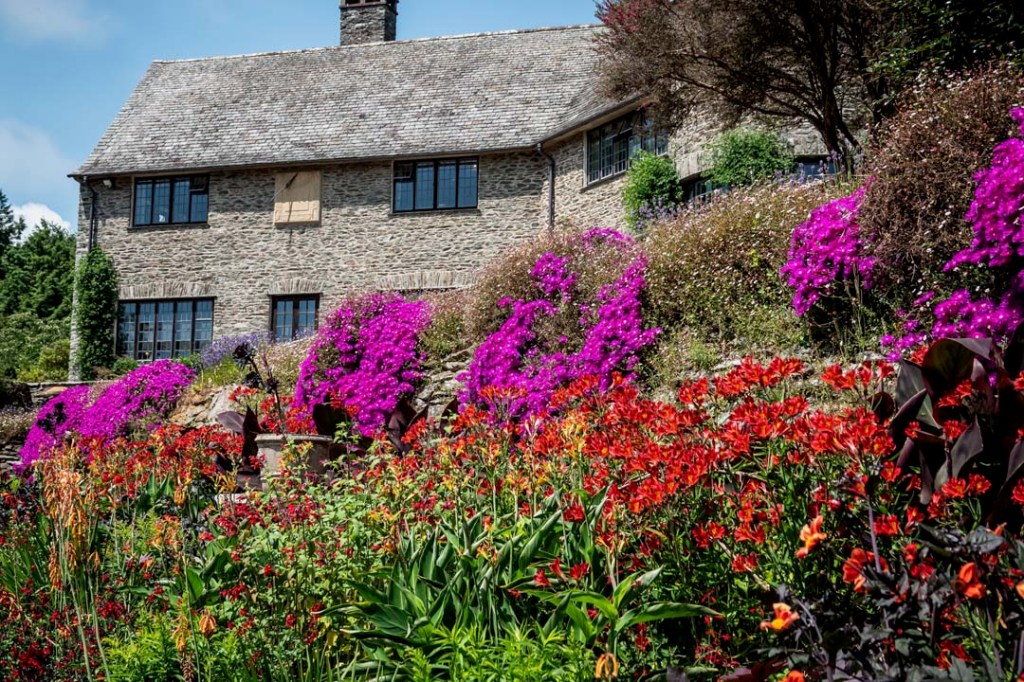
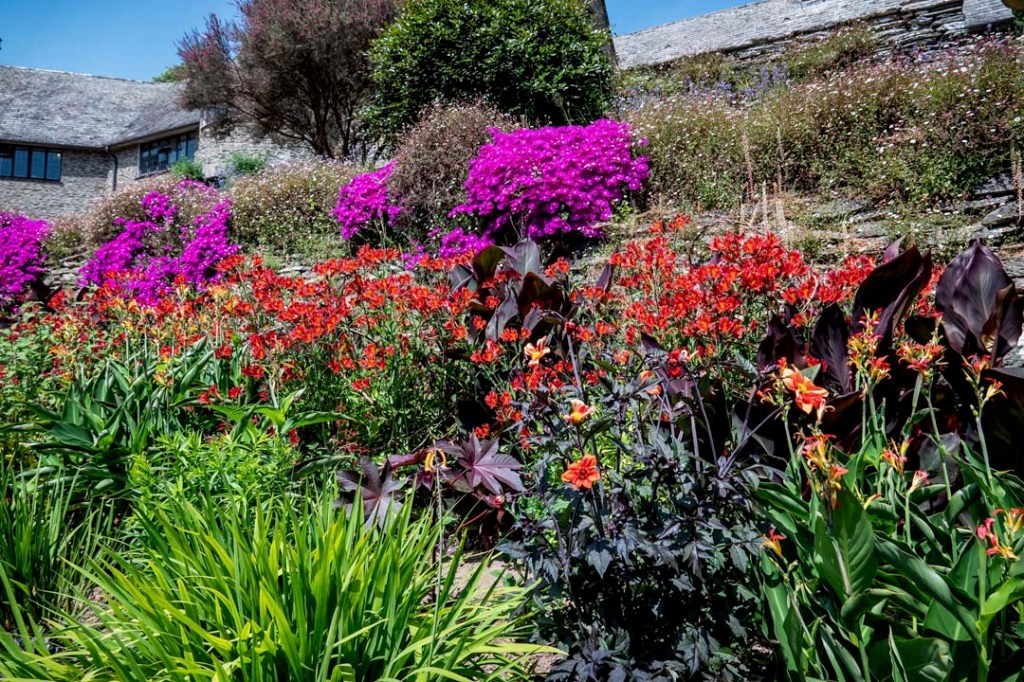
In Devon we were staying in a converted Wesleyan Chapel on the edge of Dartmoor which was well situated to visit Dartmoor, other nature reserves (Stover Country Park and Slapton Ley) and visit a few National Trust properties (Coleton Fishacre, Compton Castle and Castle Drago) with magnificent gardens which were at their very best at this time of the year.
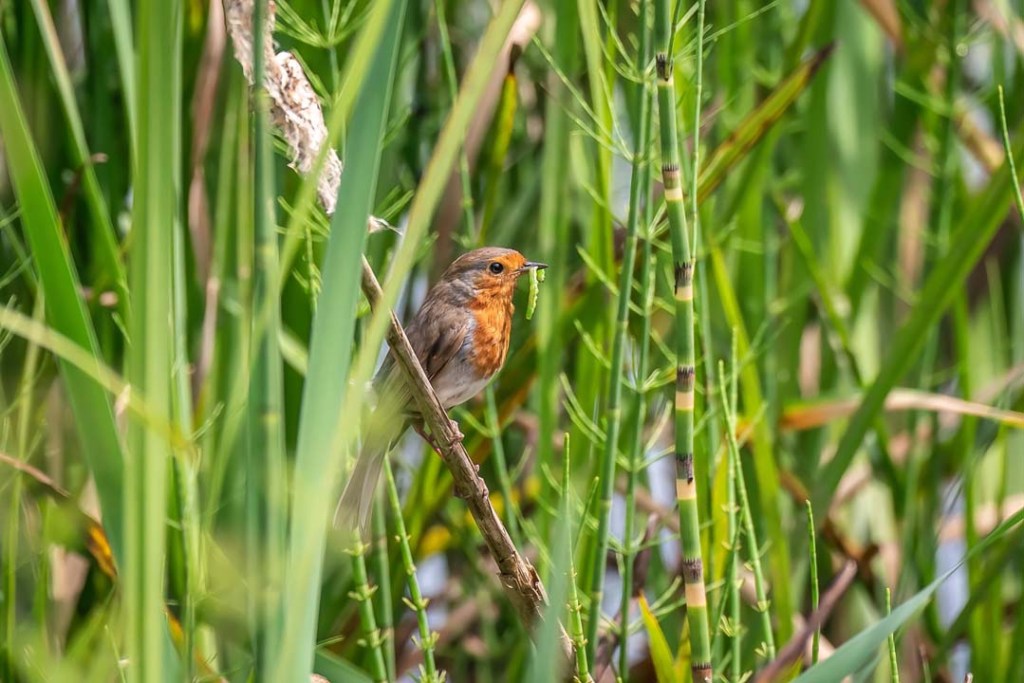
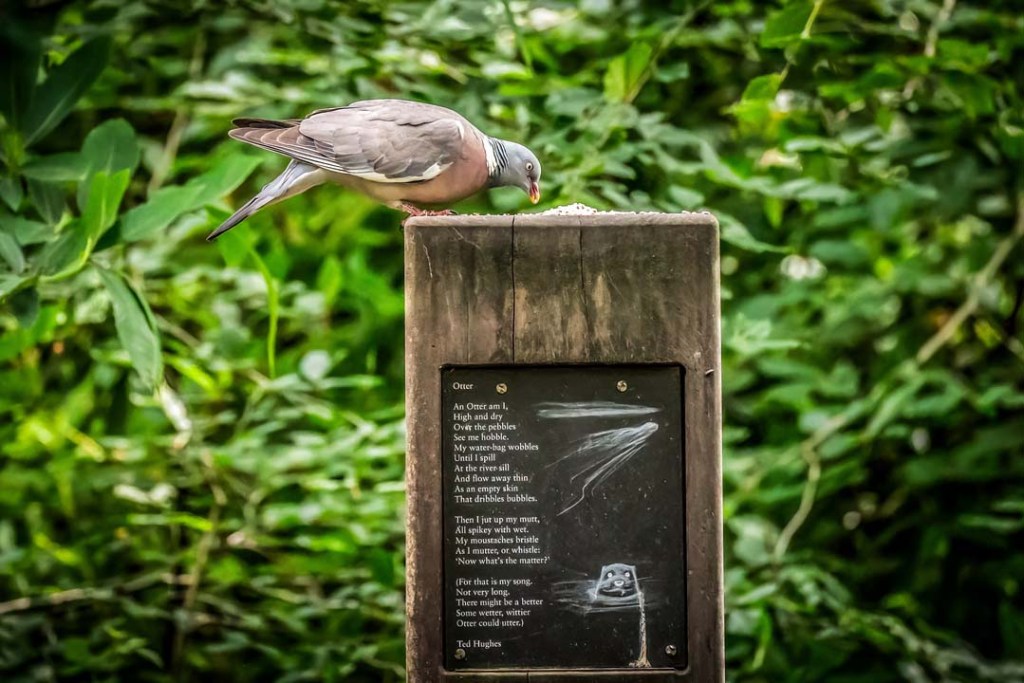
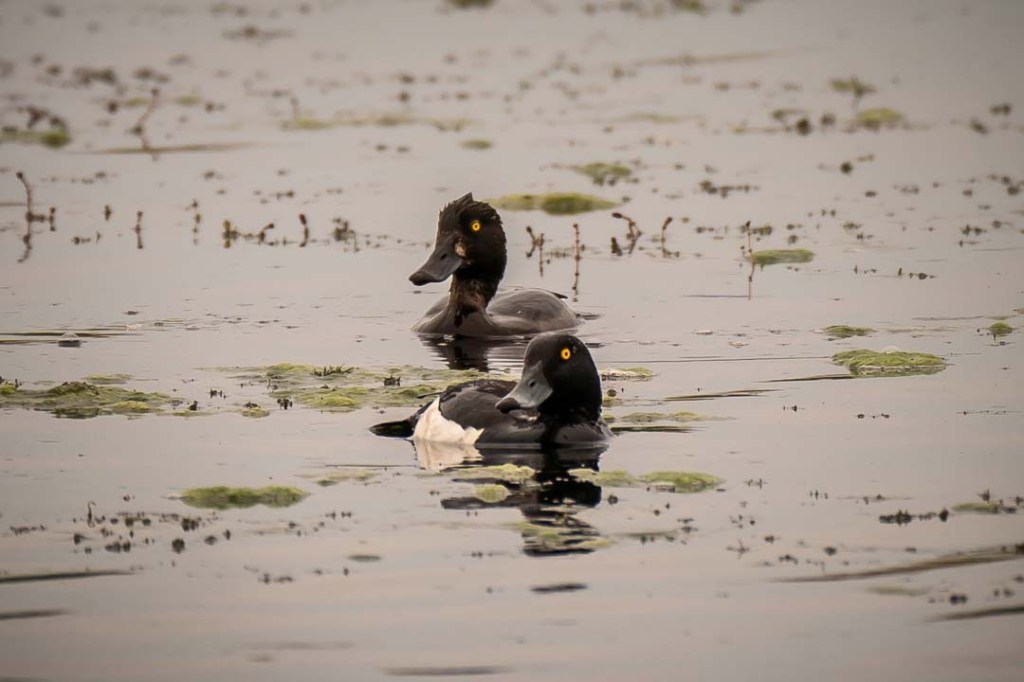
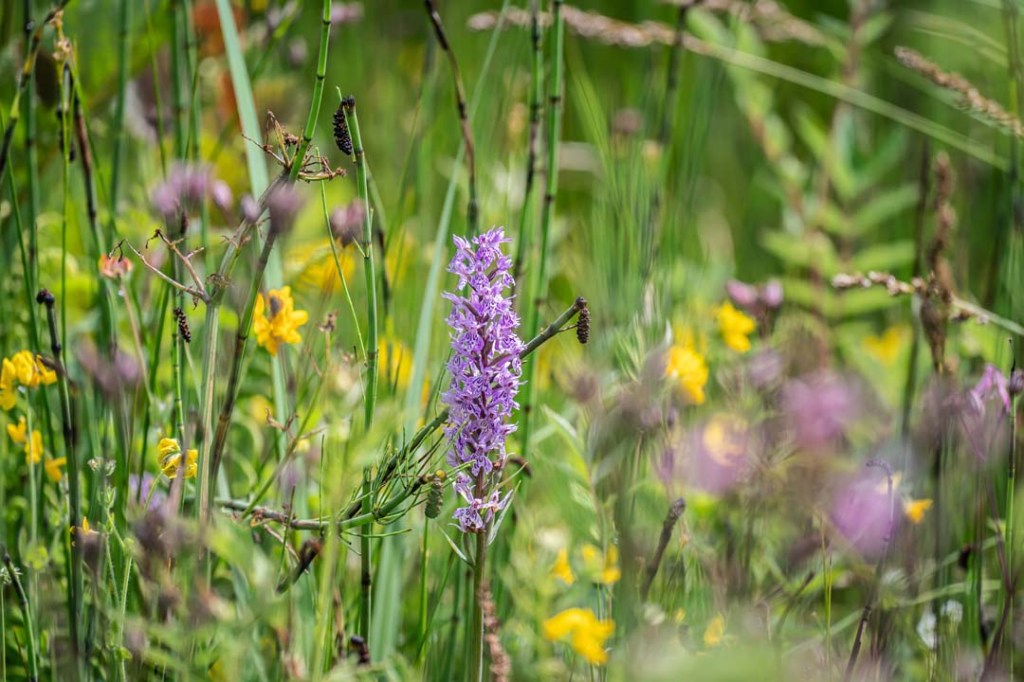
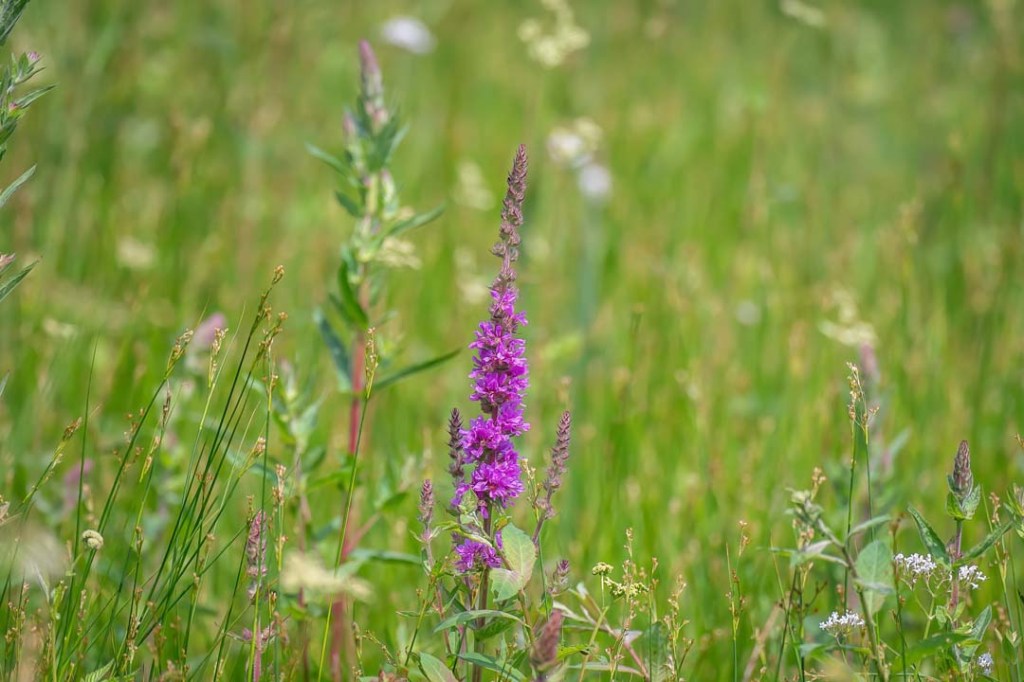
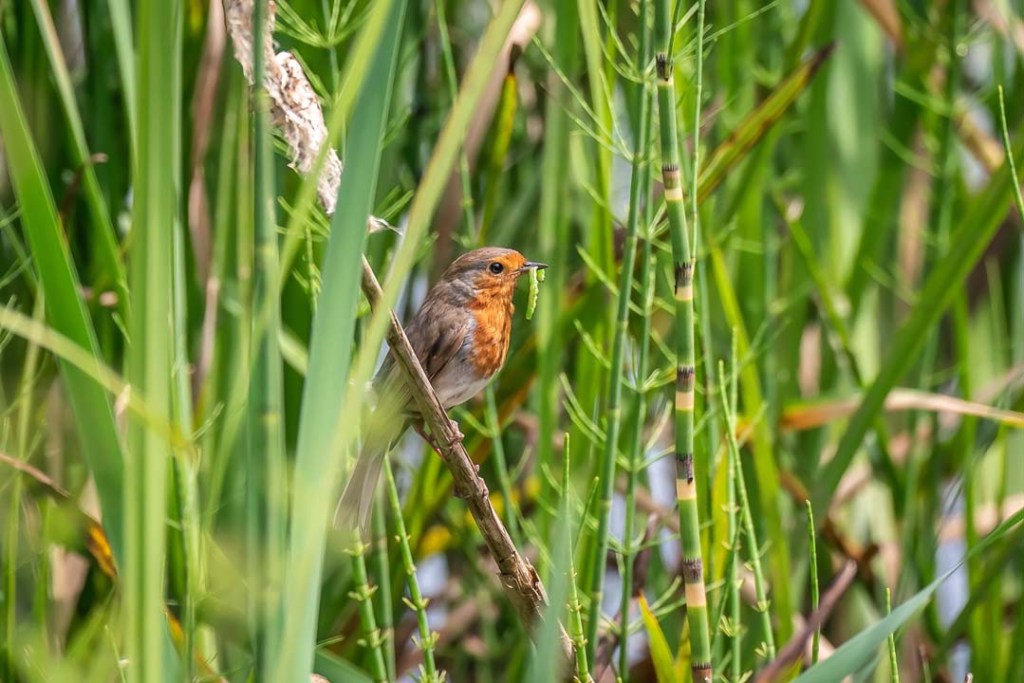
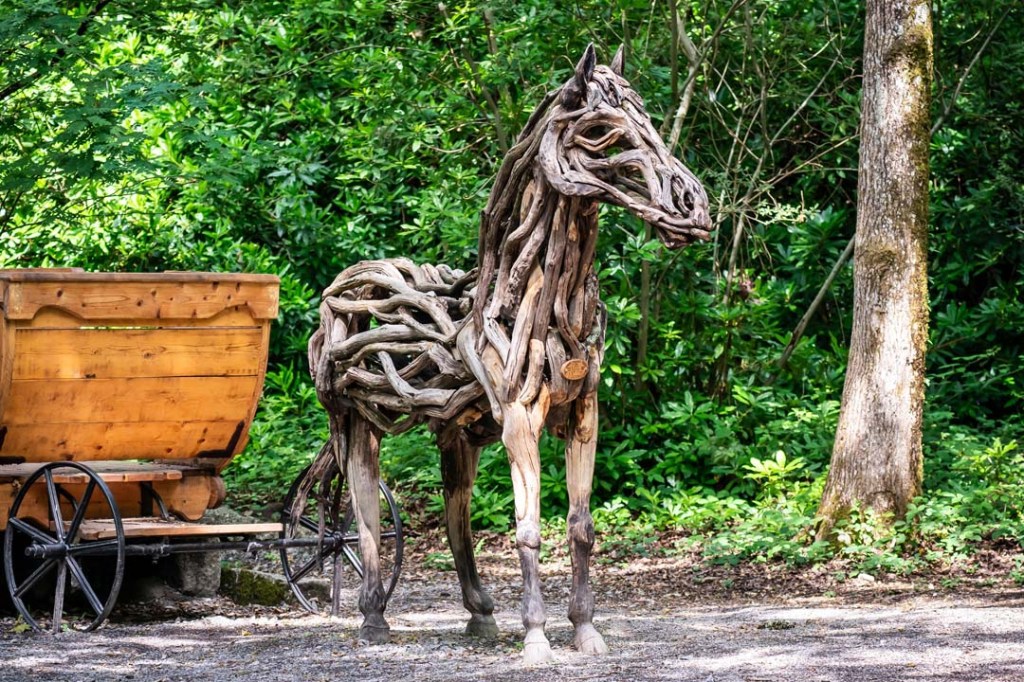
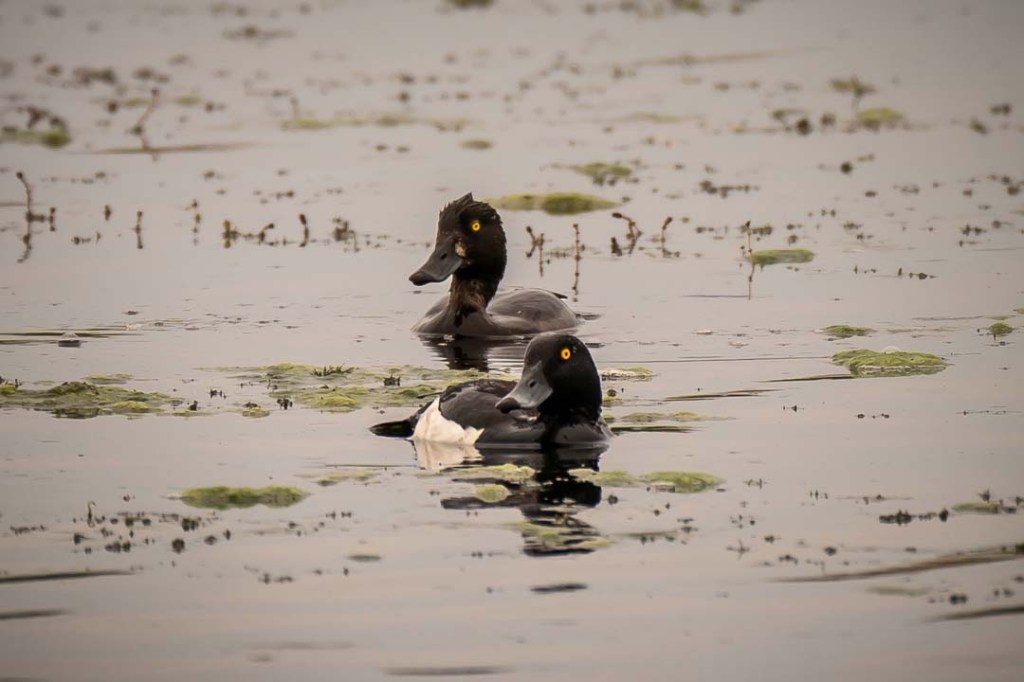
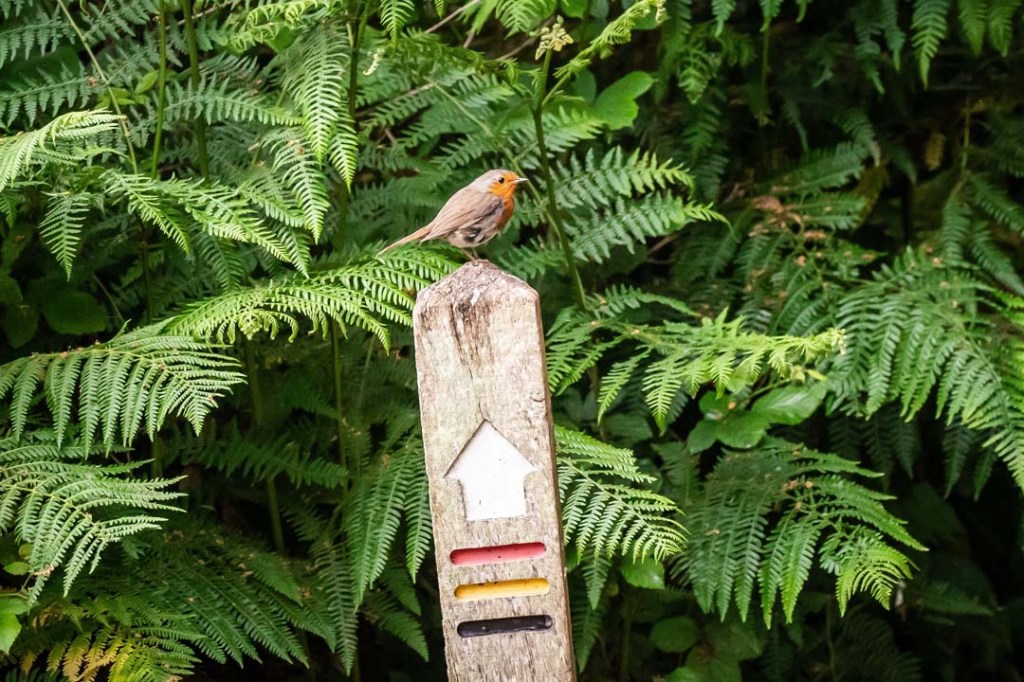
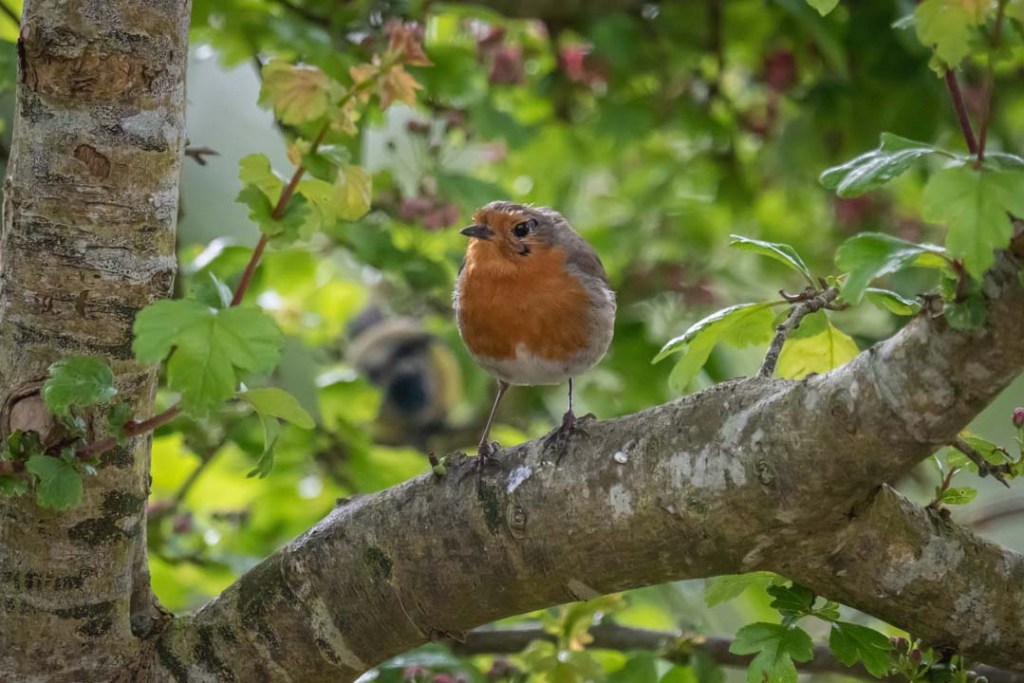
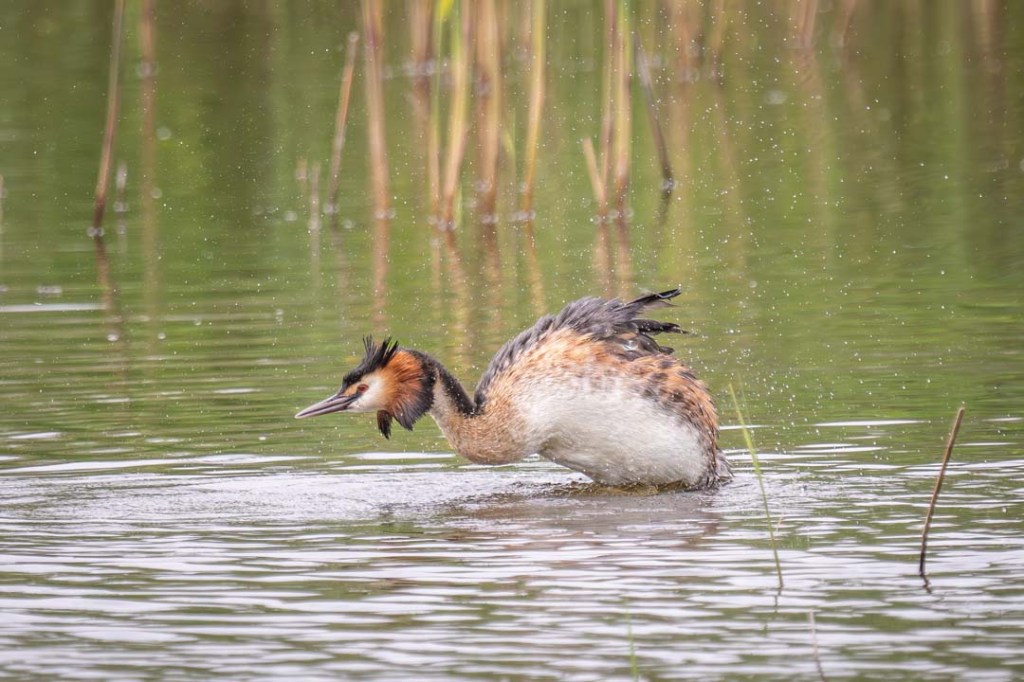
The Wesleyan Chapel with views across the rolling hills of DevonGreat Crested Grebe surrounded by flies at Stover Country ParkCommon spotted orchid at Stover Country ParkPurple loosestrife at Stover Country ParkThere was always a robin to greet us at every venue we visited but this one (at Stover Country Park) had its mind on other mattersThe squirrels at Stover Country Park were amazingly tameThere was an interesting Ted Hughes (the poet) trail at Stover Country ParkDriftwood sculpture at Stover Country ParkA dull morning at Slapton LeyTufted ducks at Slaton Ley
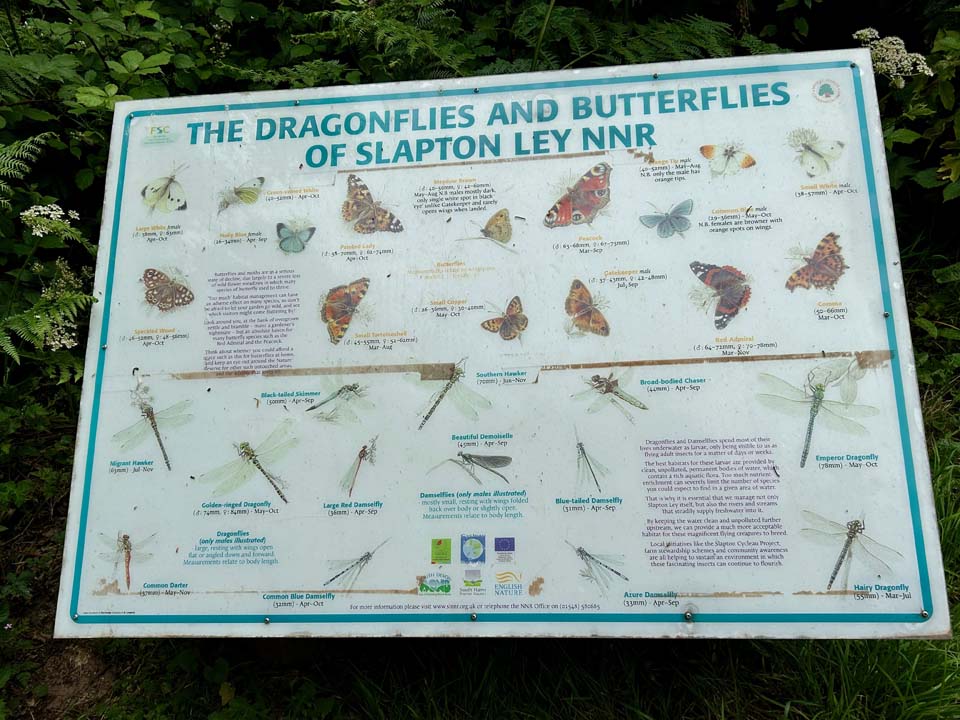
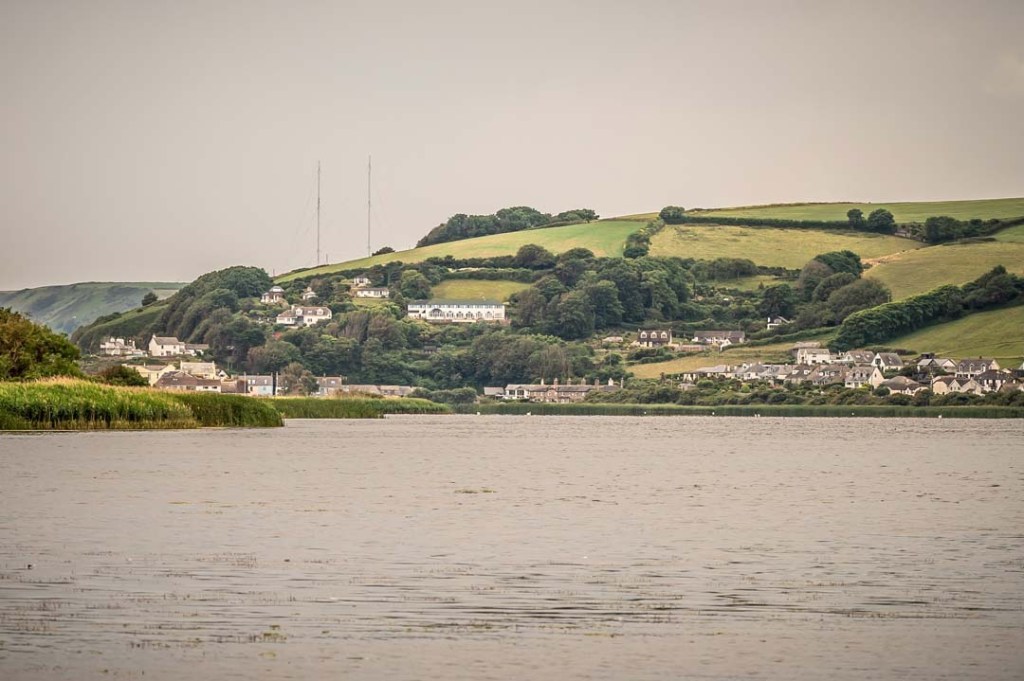
We had really nice weather all week except one morning when we visited Slapton Ley. We did get good views of reed warblers, bullfinches and a few tufted ducks but it should have been a great place to see dragonflies and butterflies. However, it was too early on a grey day to have any joy.
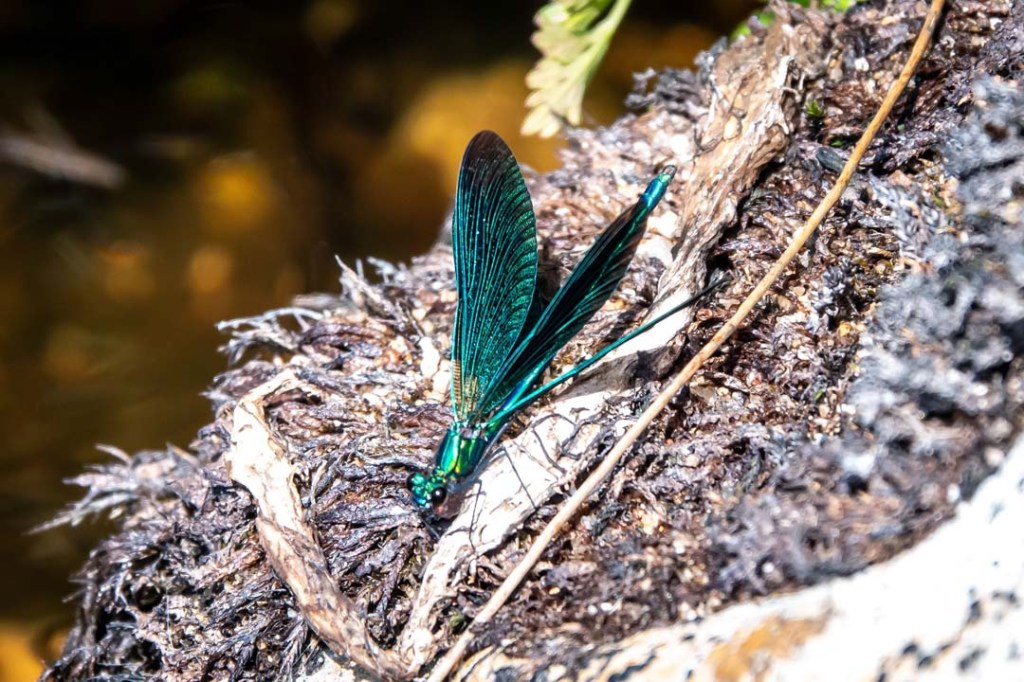
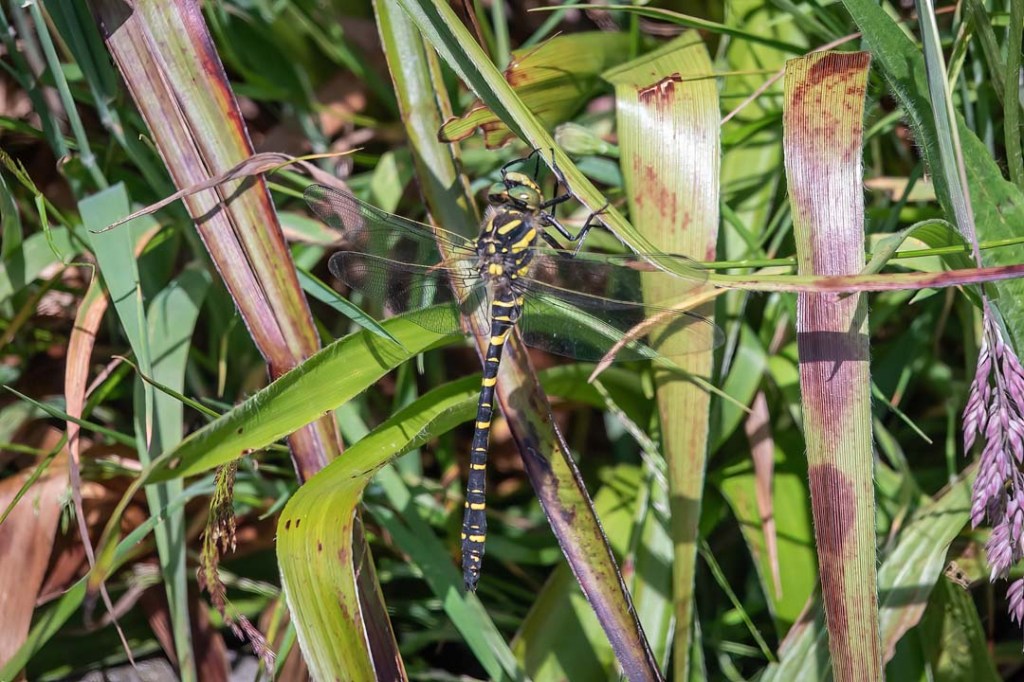
We were luckier with dragonflies and damselflies when visiting Two Bridges on Dartmoor.
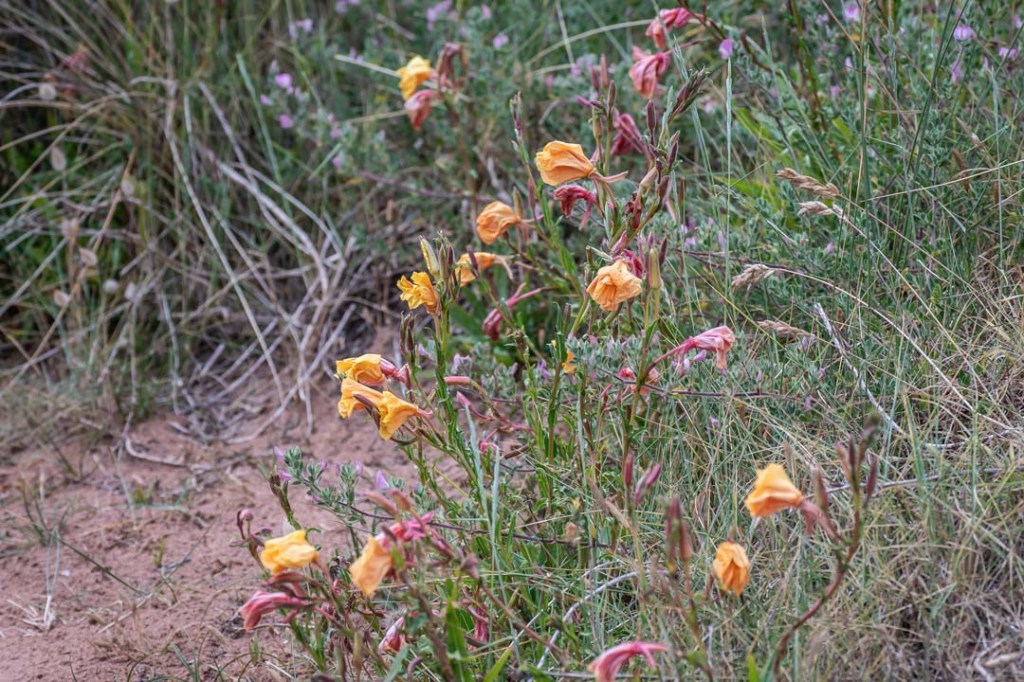
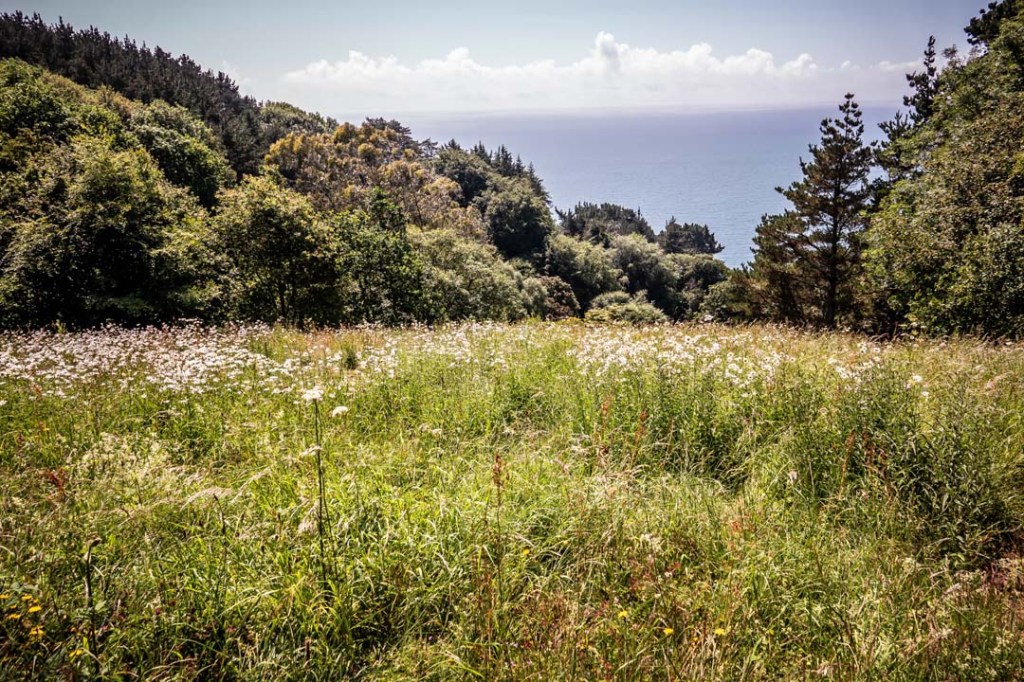
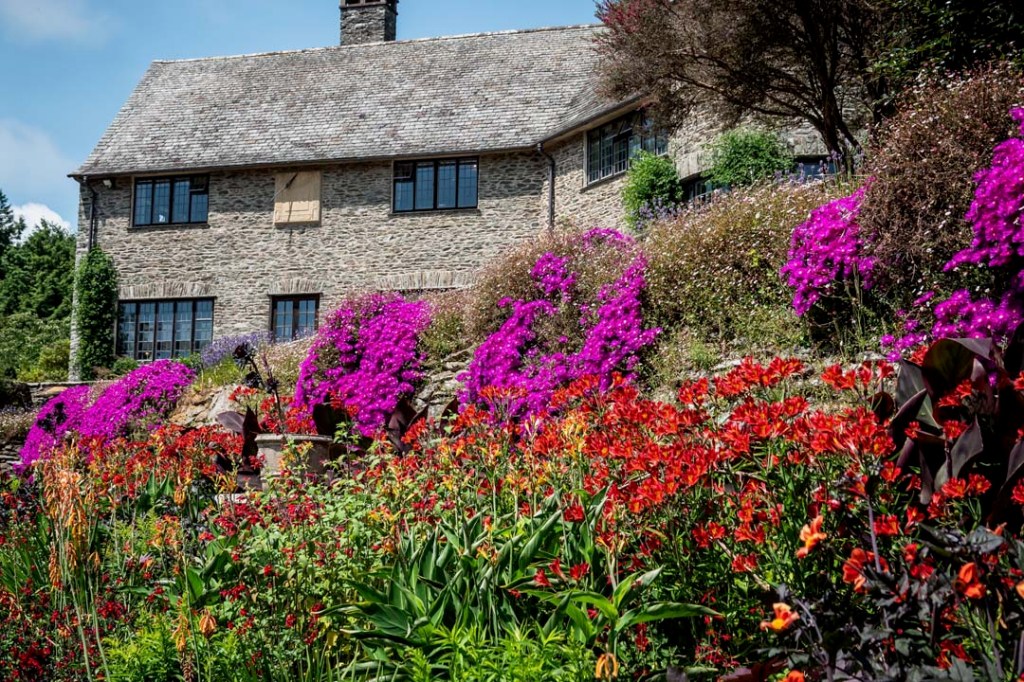
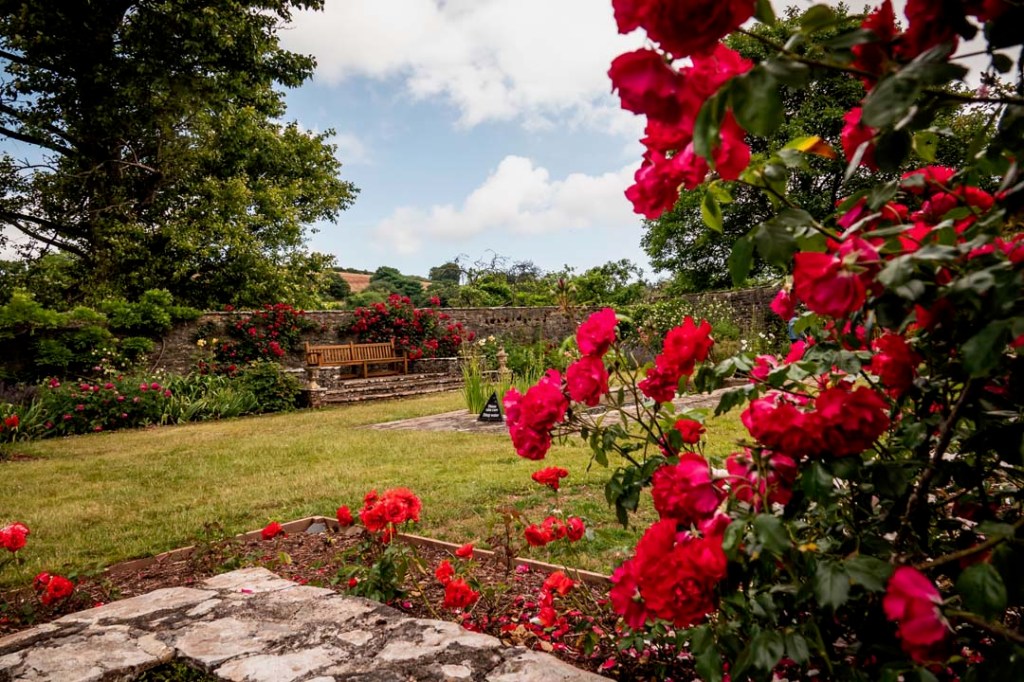
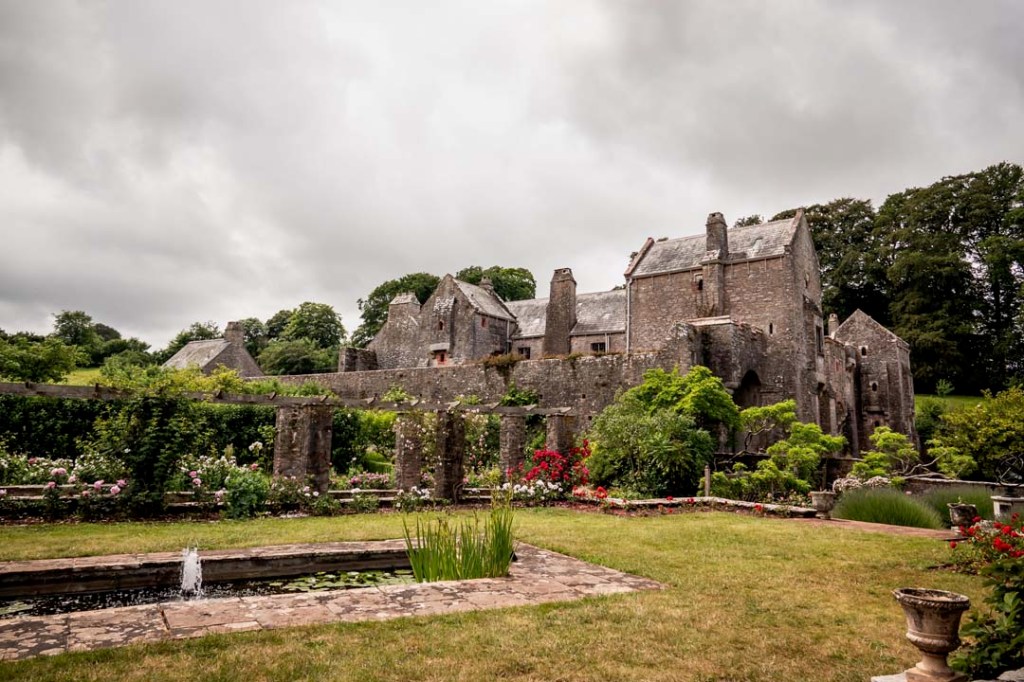
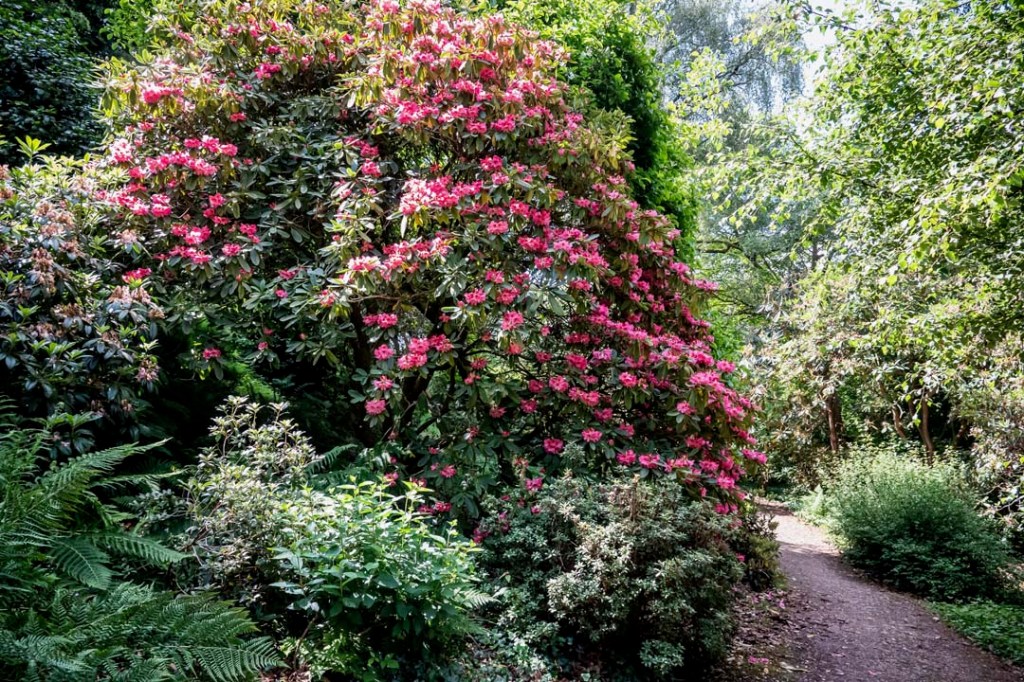
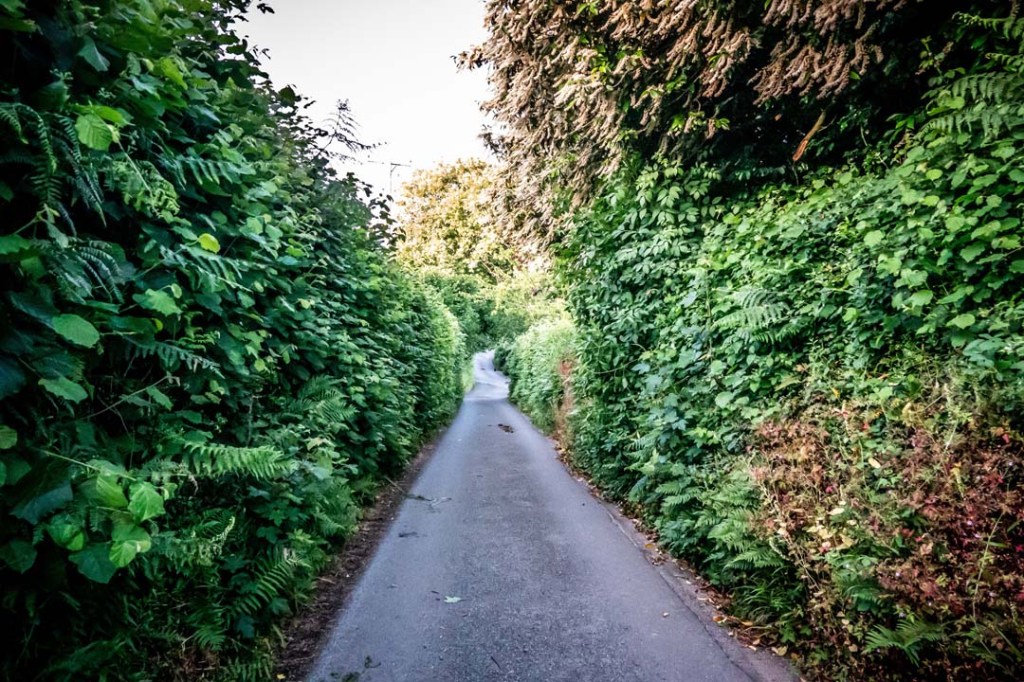
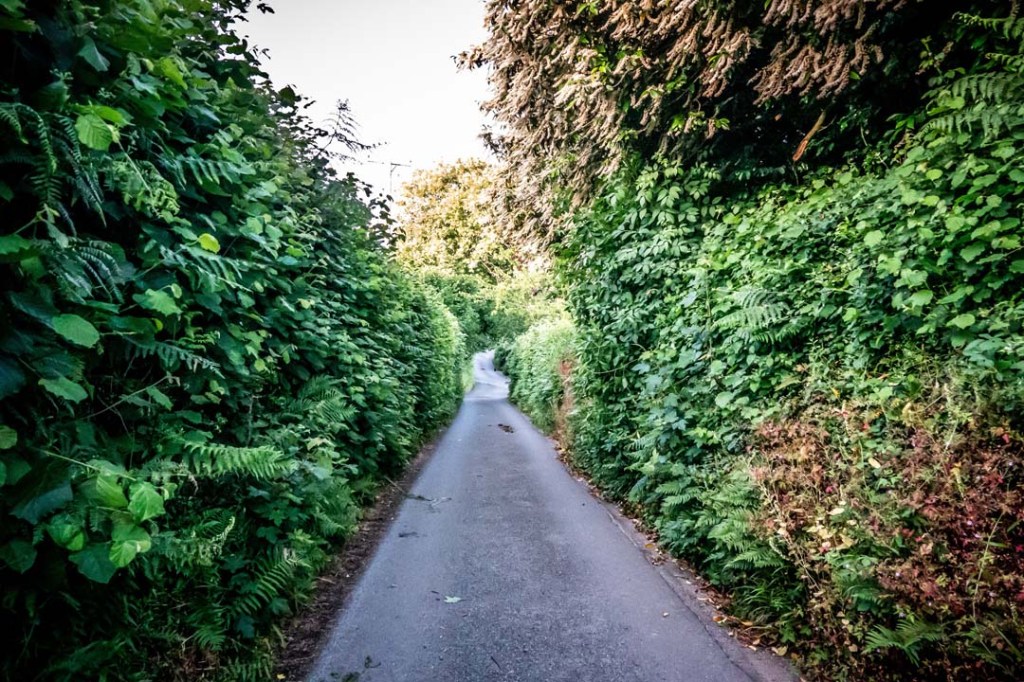
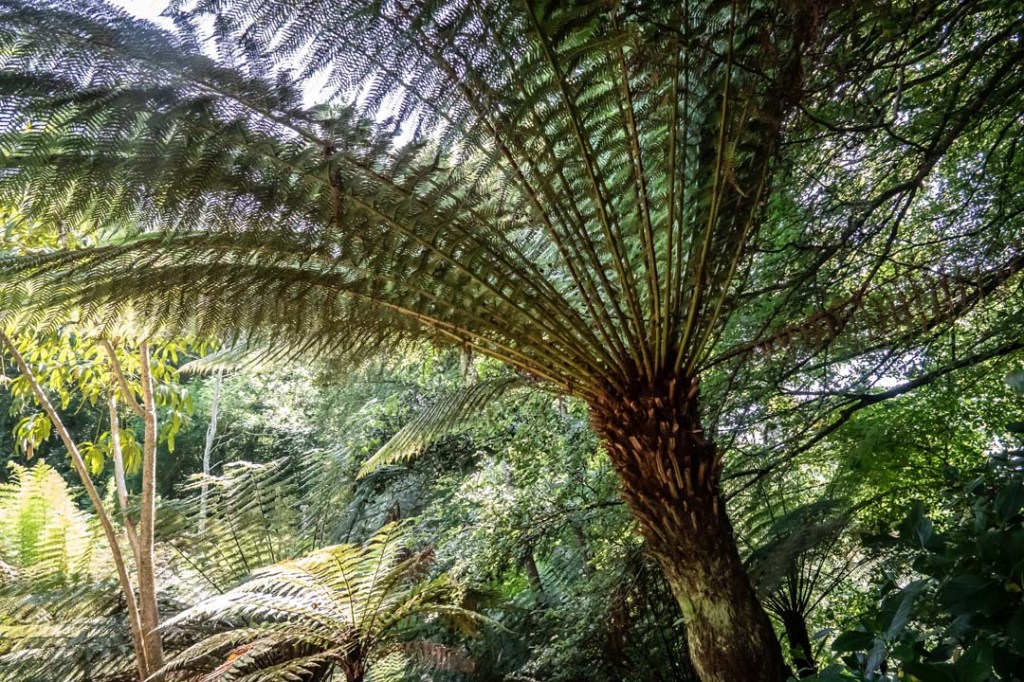
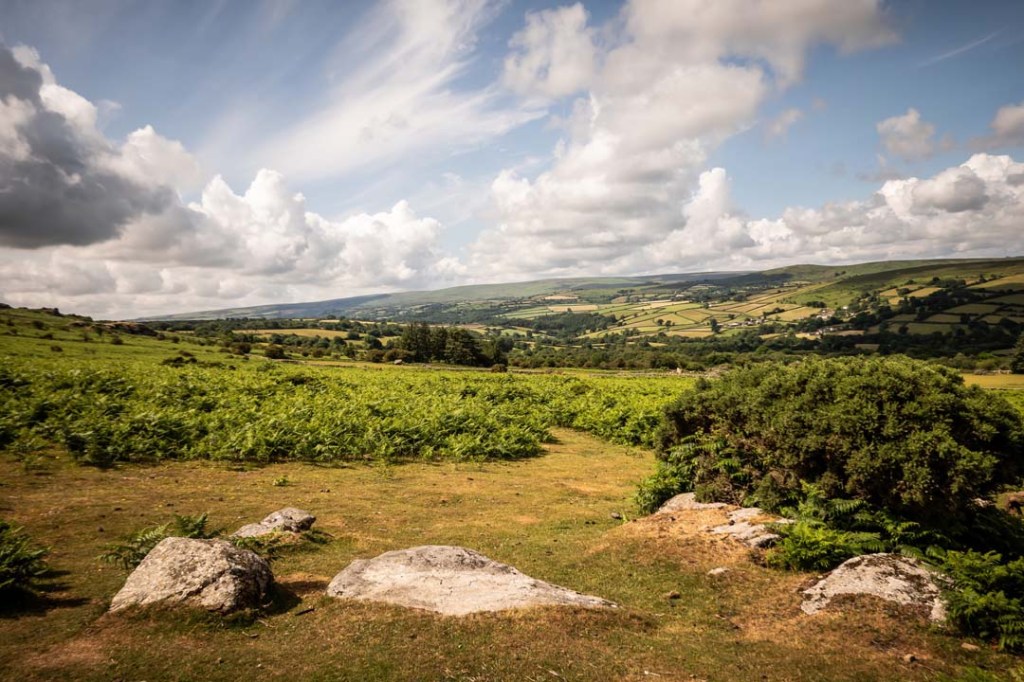
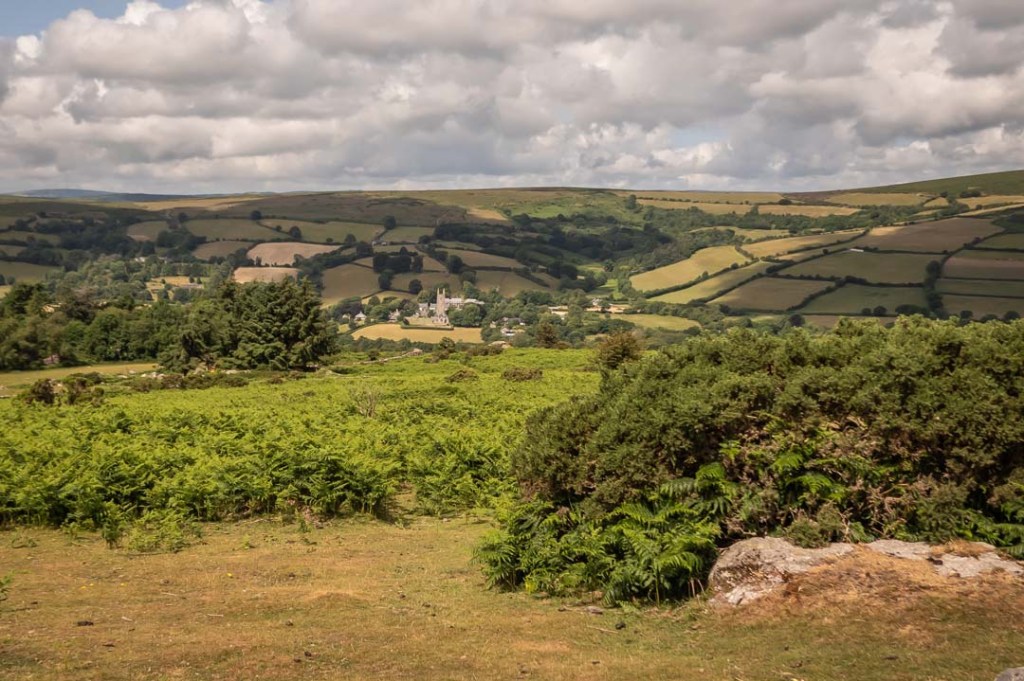
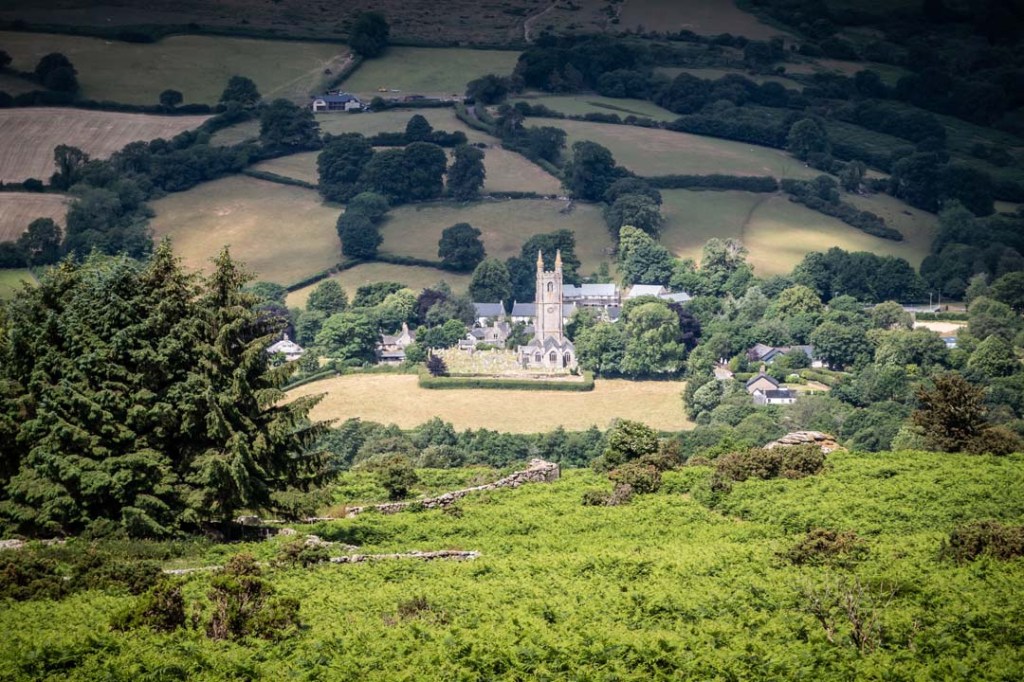
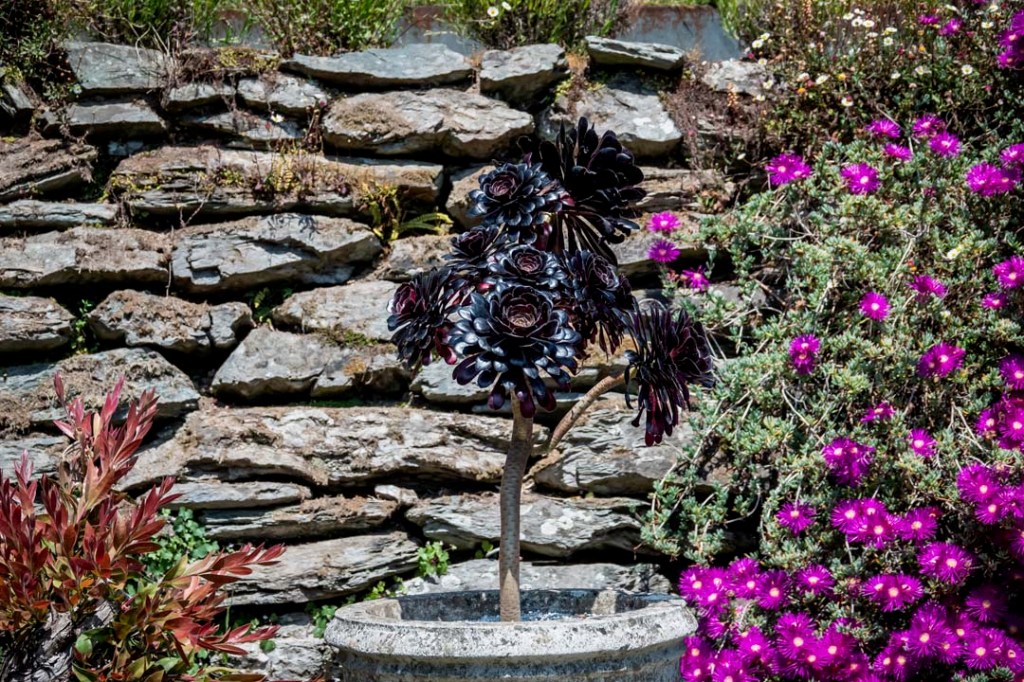
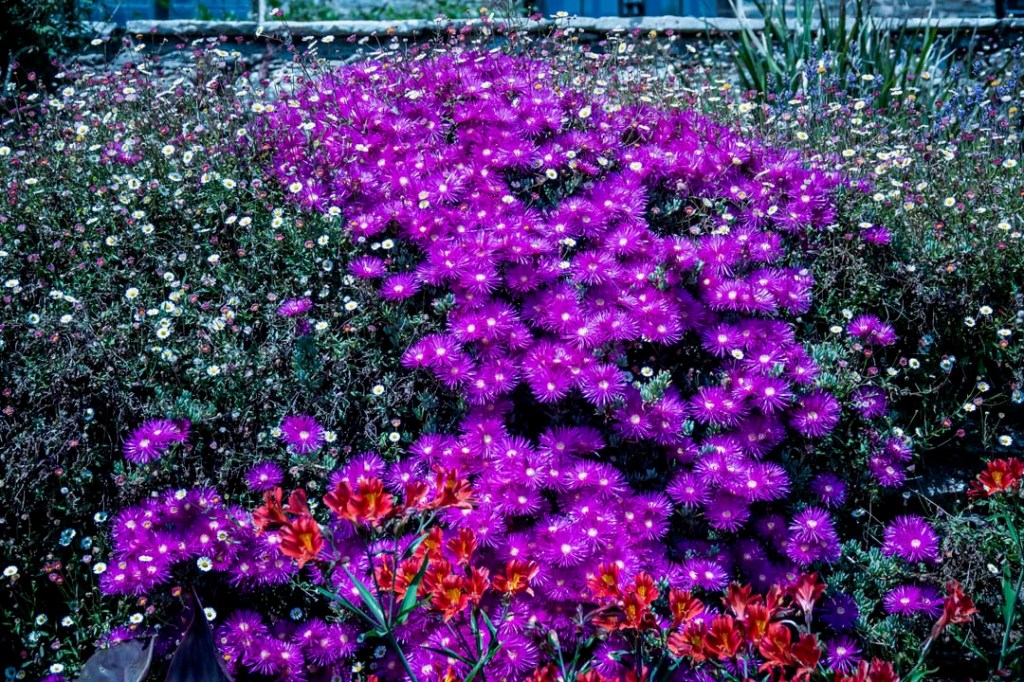
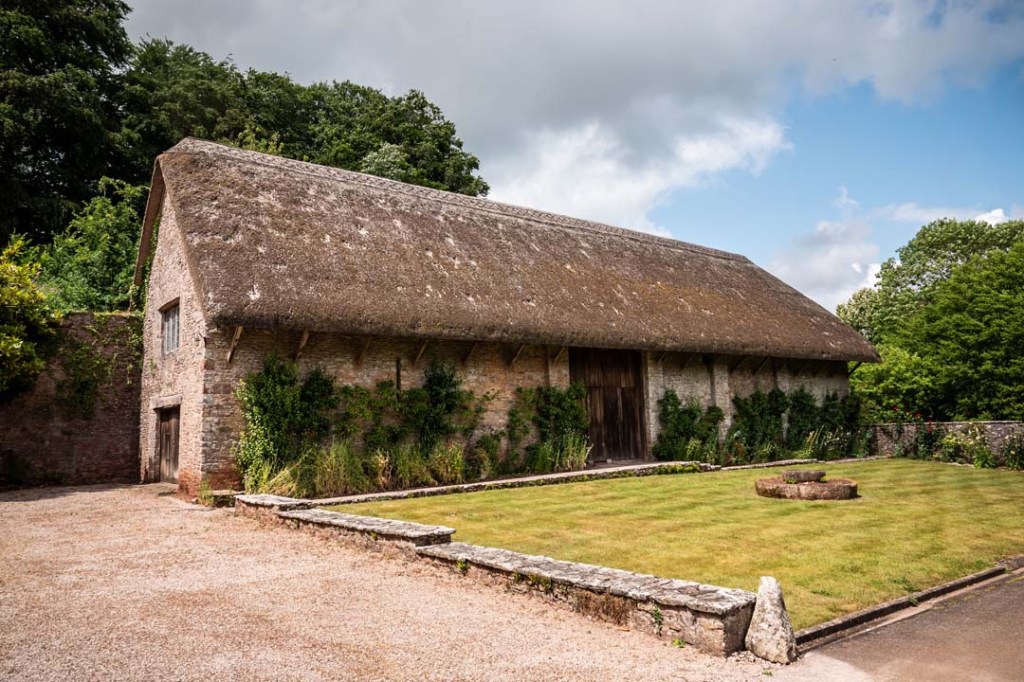
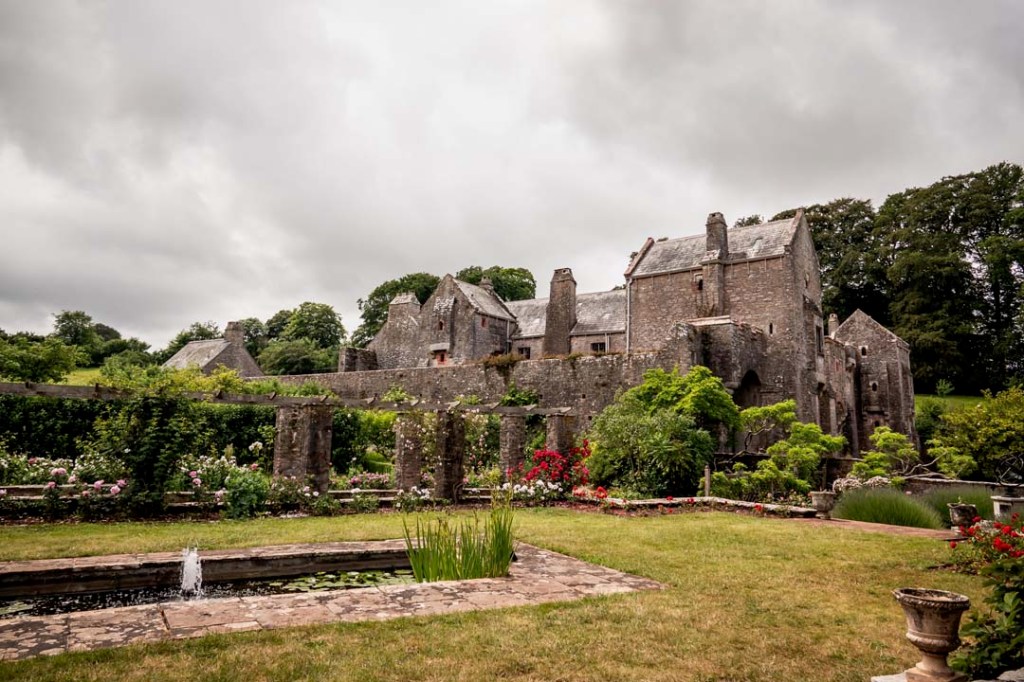
Beautiful demoiselleGolden-ringed dragonfly on DartmoorWidecombe-in-the-MoorThe birds were very elusive on Dartmoor although skylarks and meadow pipits were easy to hear.Speckled Wood butterfly at Coleton Fishacre (NT)Wild meadows at Coleton Fishacre encourage wildlife – the 1920s country retreat of the D’Oyly Carte family complete with tropical garden by the sea1920s country retreat of the D’Oyly Carte family. Arts and Crafts exterior, Art Deco interiors, servants quarters, sea views.Coleton Fishacre – RHS-accredited coastal valley garden. Exotic plants, herbaceous borders and sea views. Bordered by woodland and wildflowers.Lampranthus roseus have no problems with the mild south Devon climate at Coleton FishacreThe roses at Compton Castle were at their best Compton CastleThe medieval barn at Compton CastleCastle Drogo – the last castle to be built in England in the 1920sFormal terraces at Castle DrogoThe formal gardens at Castle DrogoThe rhododendron gardens at Castle Drogo Fantastic views from every aspect at Castle DrogoWe seemed to spend a lot of our holiday driving along the amazing high hedged Devon lanes with small birds constantly flying out in front of us
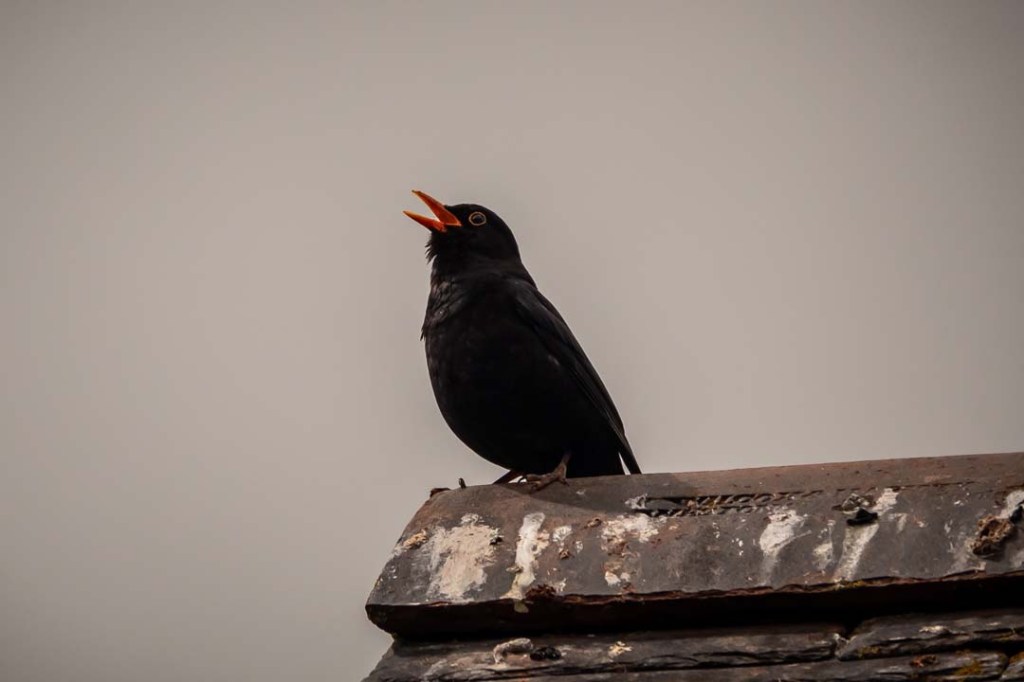
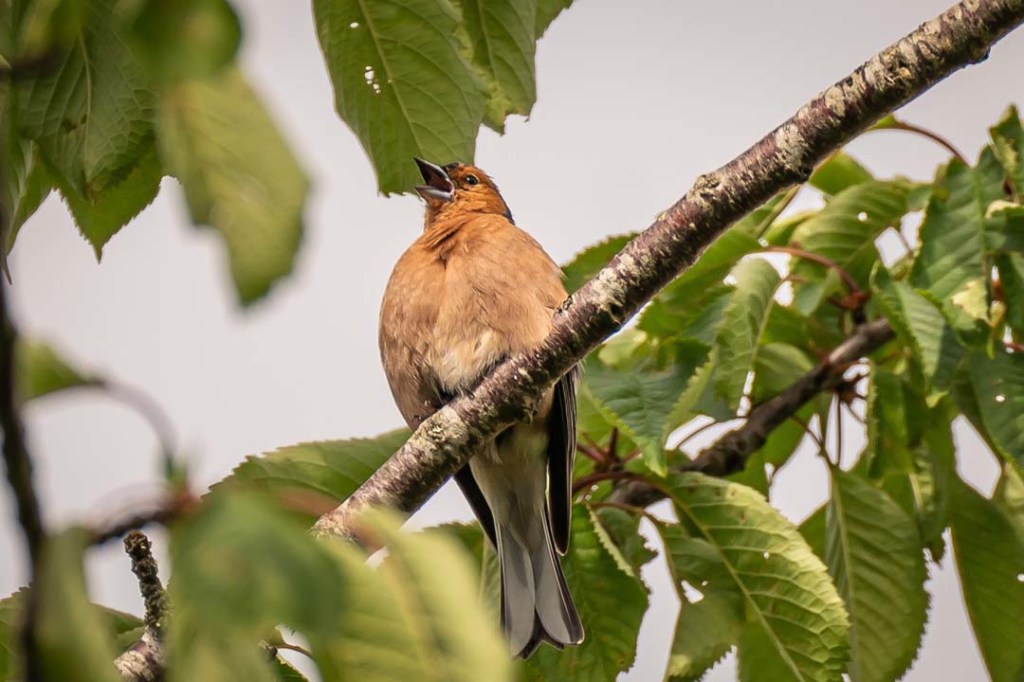
The contenders for the most cheerful song birds of our holiday :
We have had wall to wall sunshine for the last few weeks and we are promised a “plume” of hot weather from Spain later this week. So, how did I manage to pick today to go birding on the Somerset Levels when it was so grey and cold?
I started at Catcott but soon gave in as the hide was so draughty and there was very little to see (and what I could see was certainly impossible to photograph). I moved on to Ham Wall where at leat there was the relief of toilets.
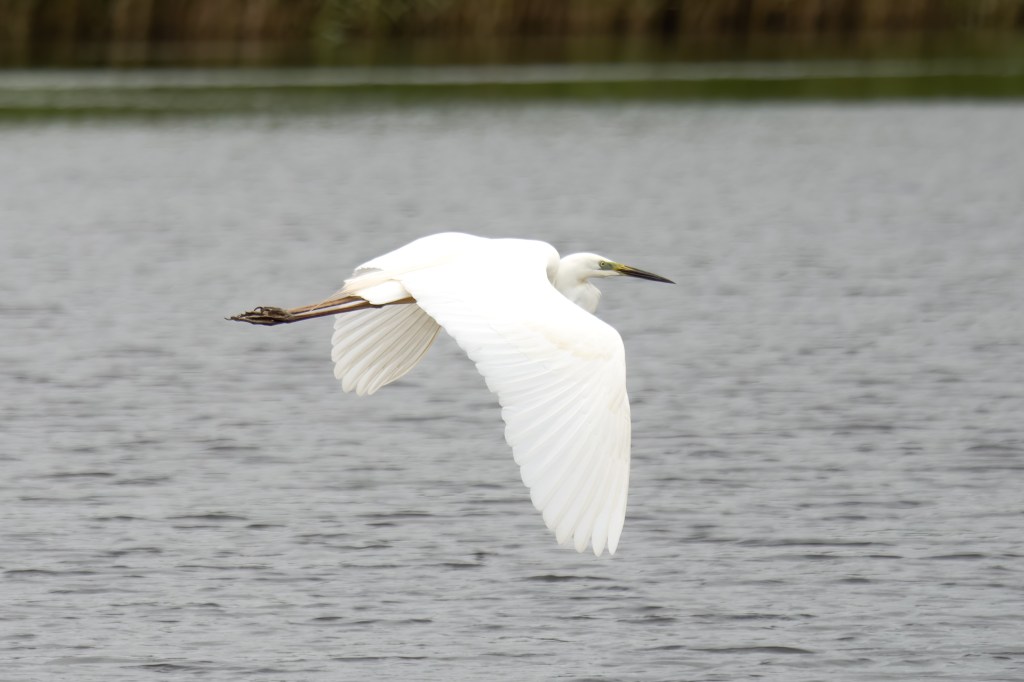
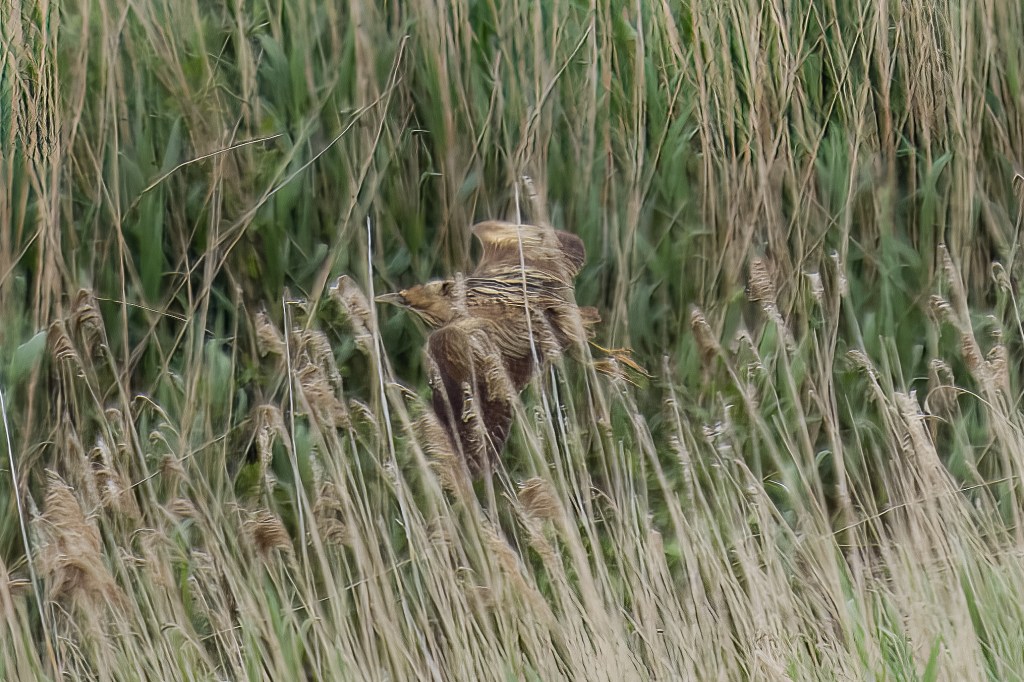
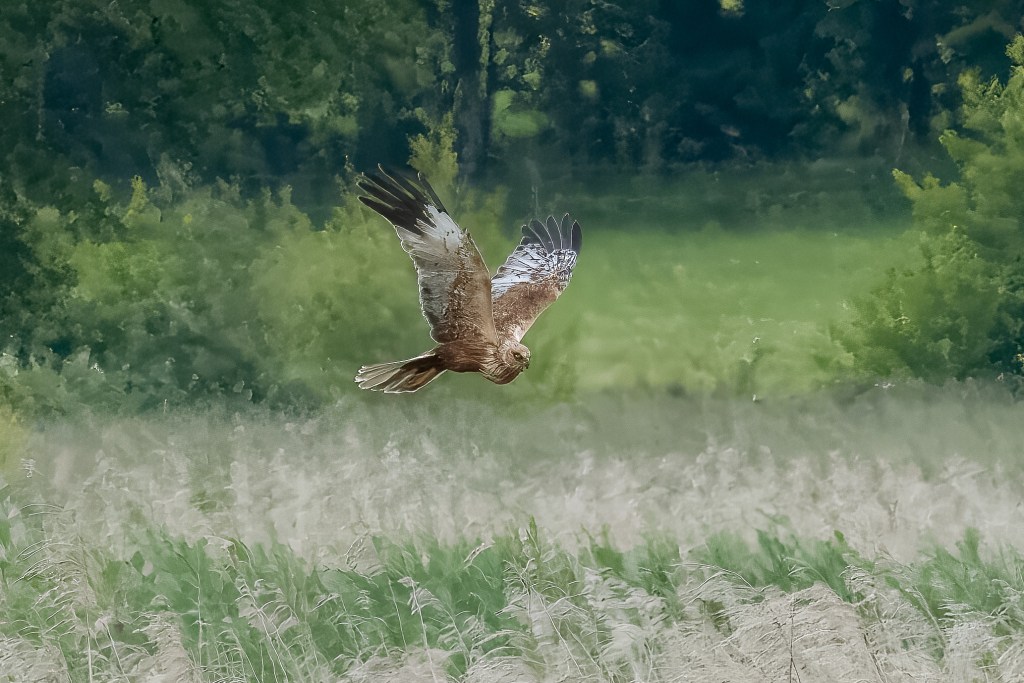
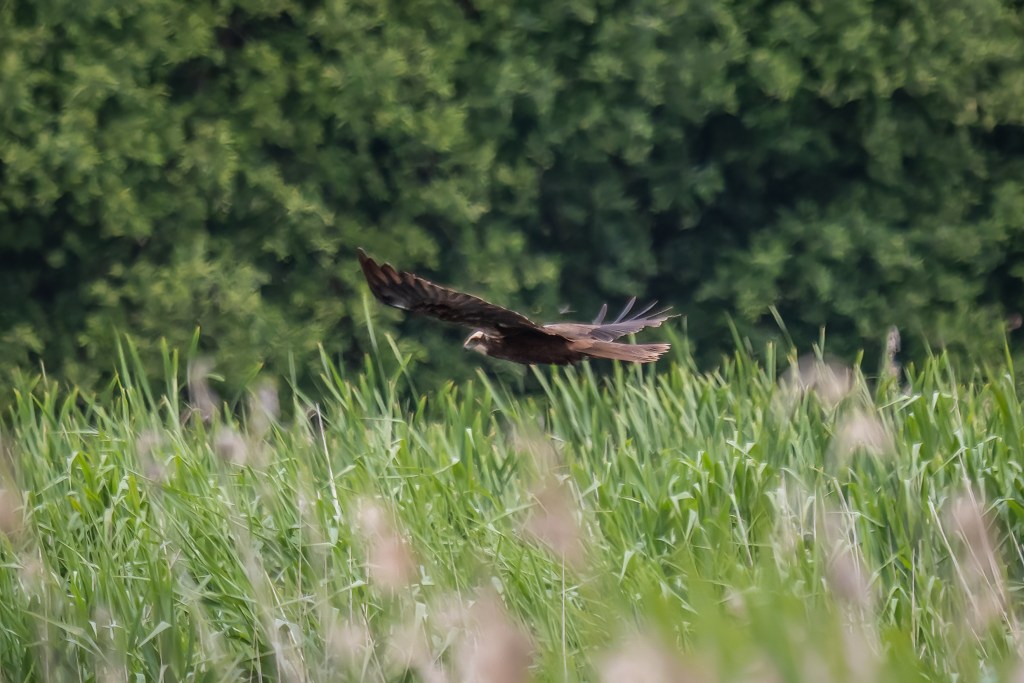
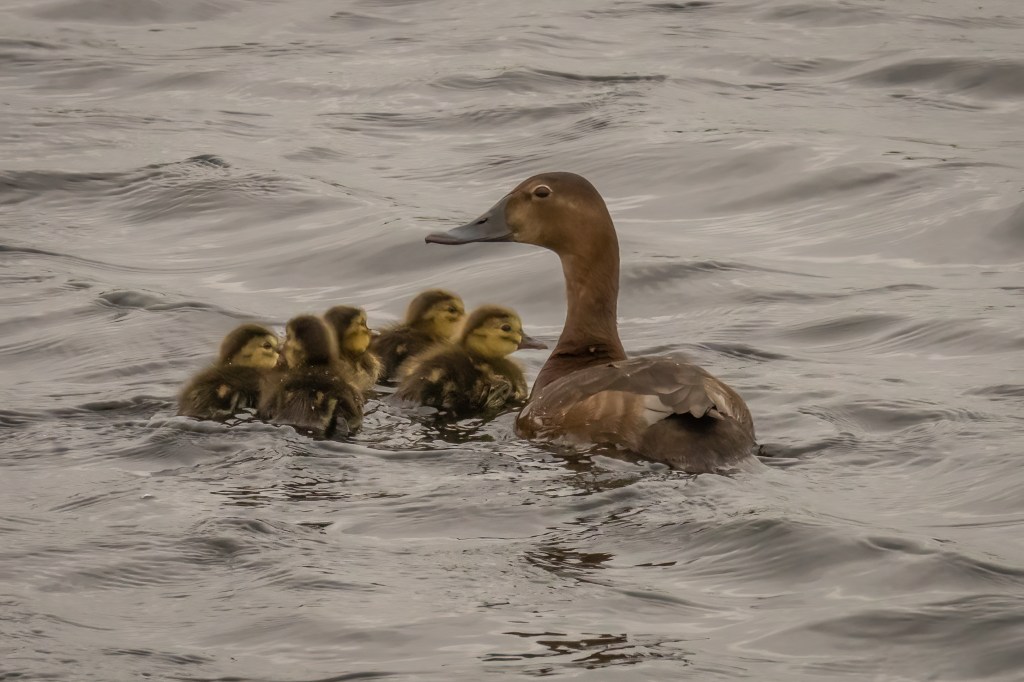
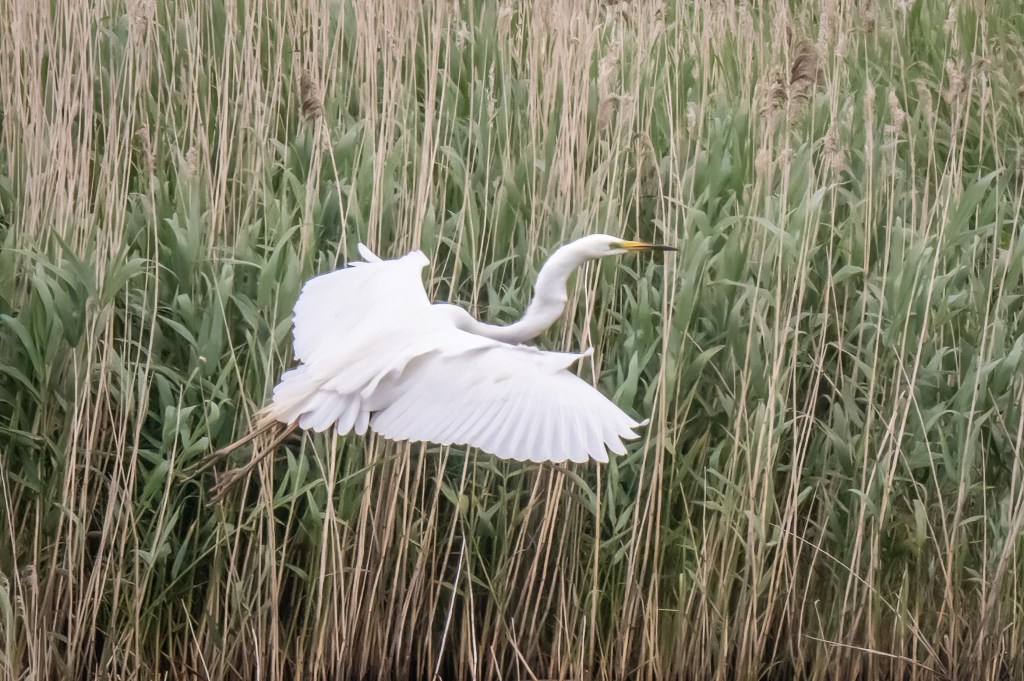
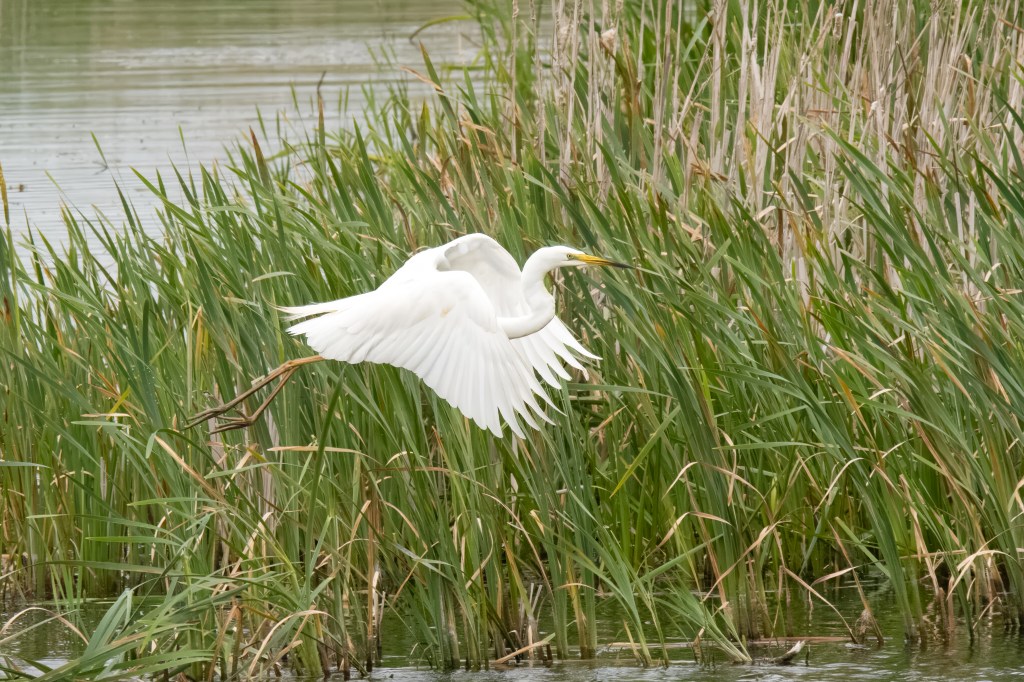
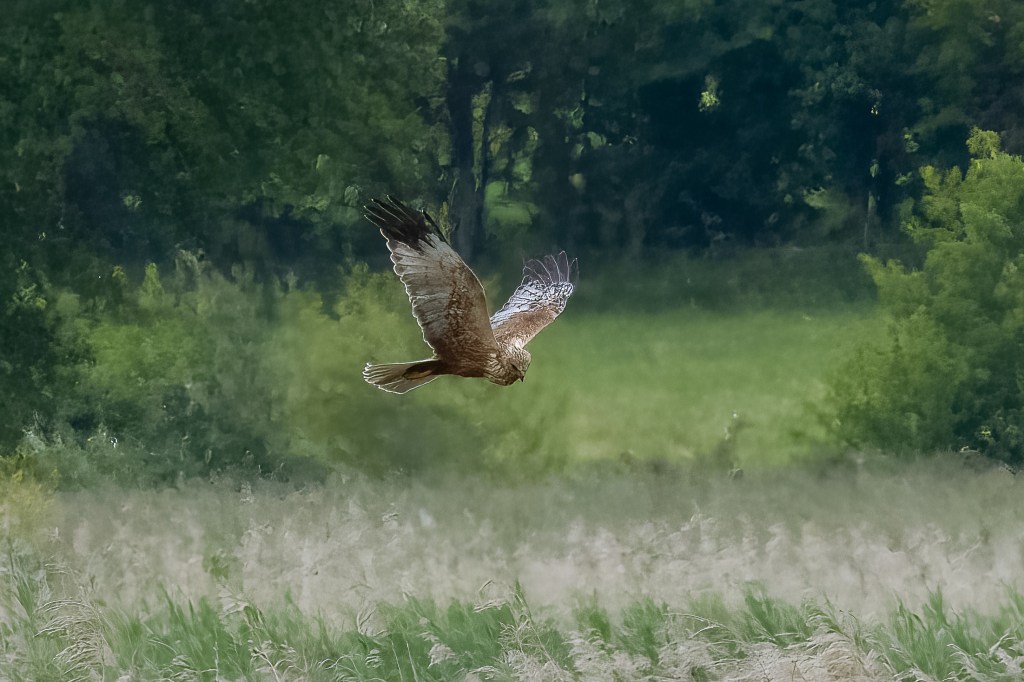
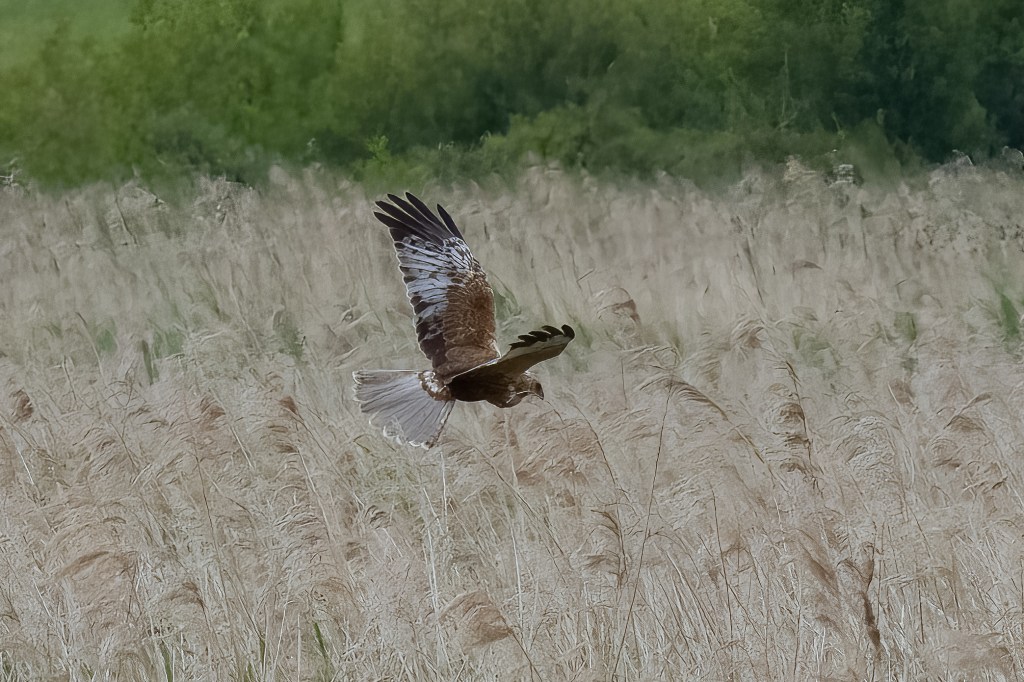
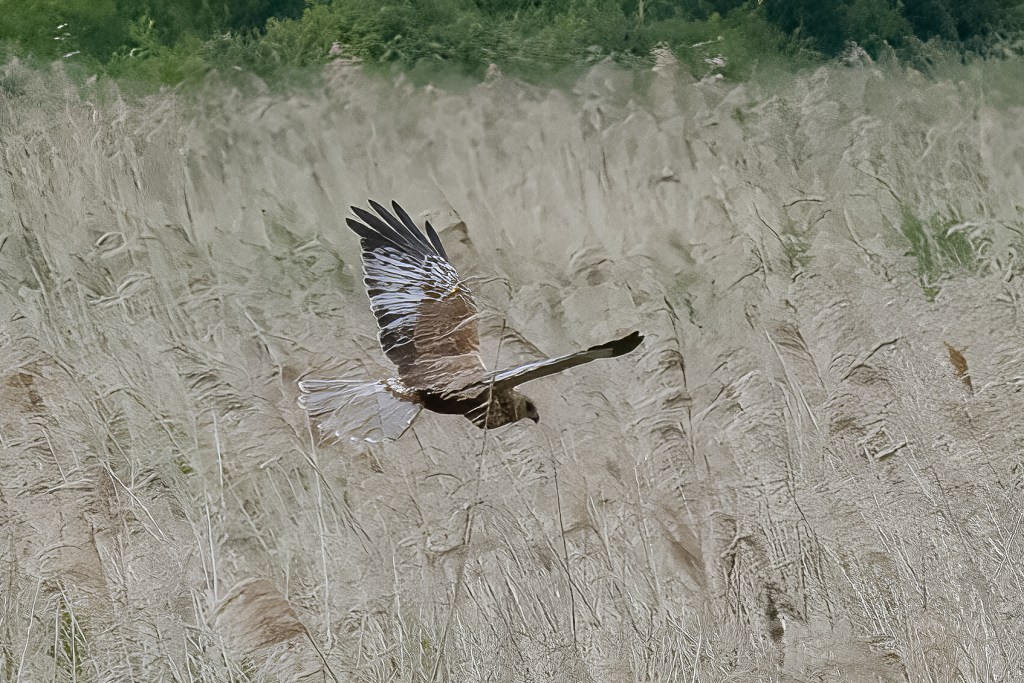
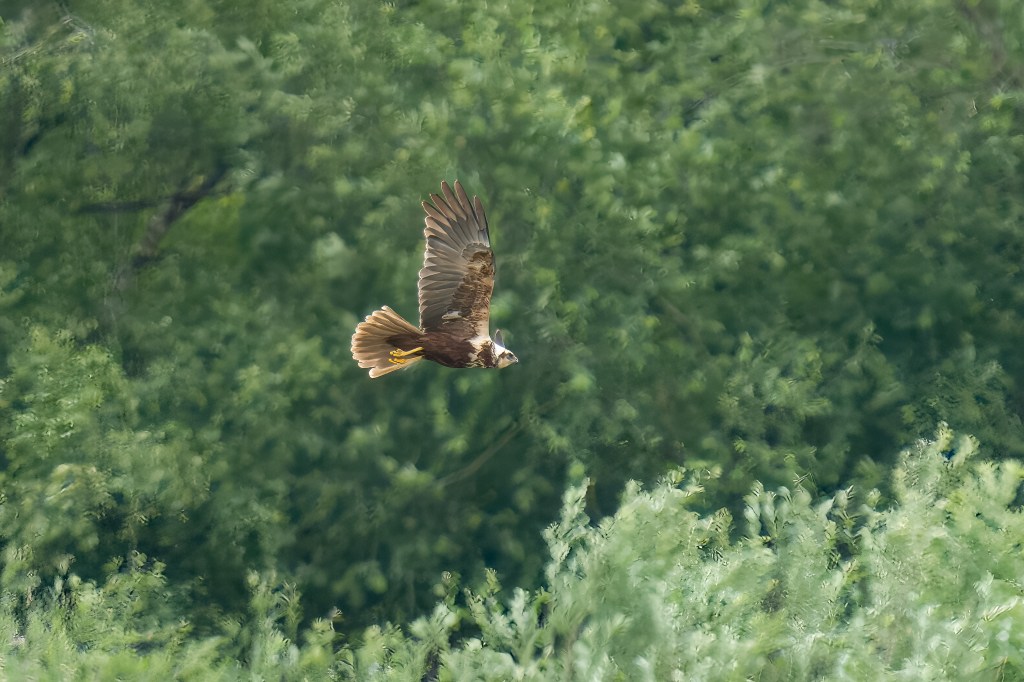
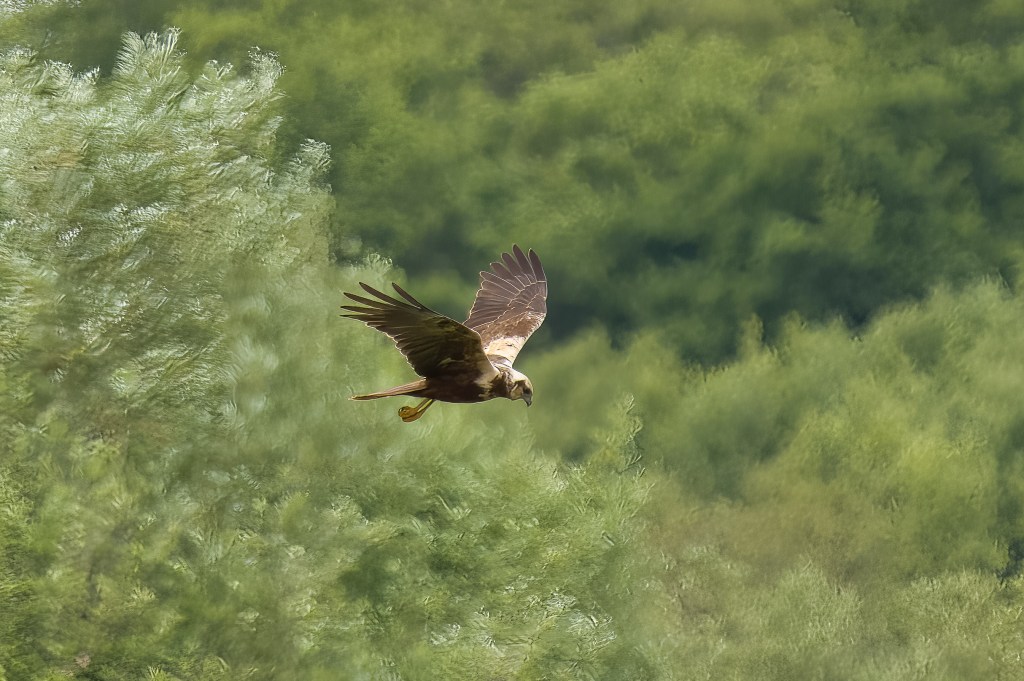
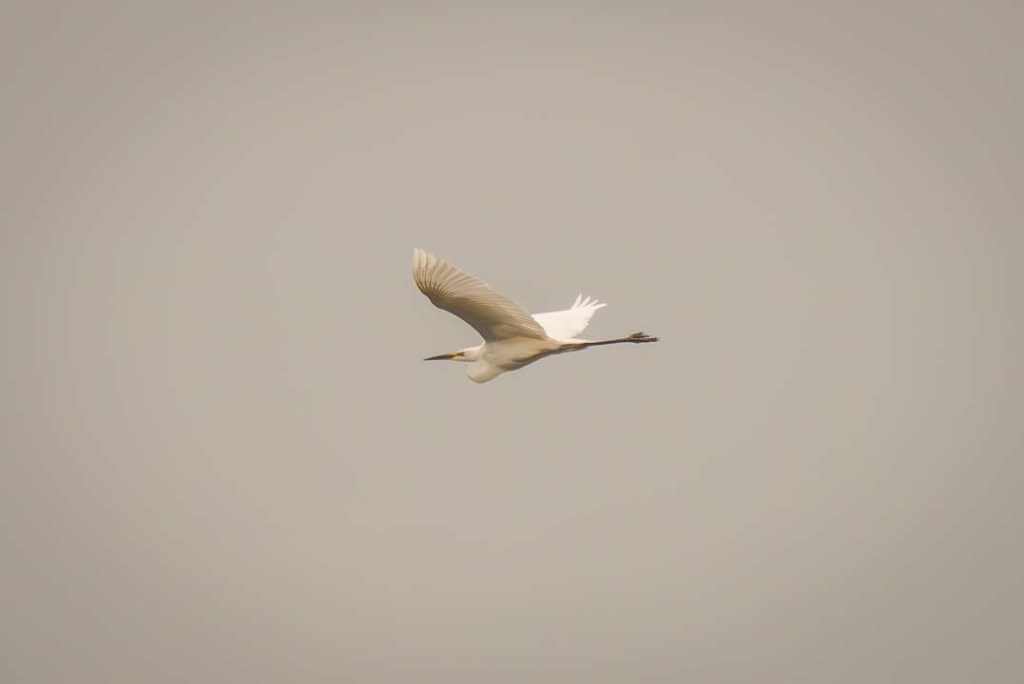
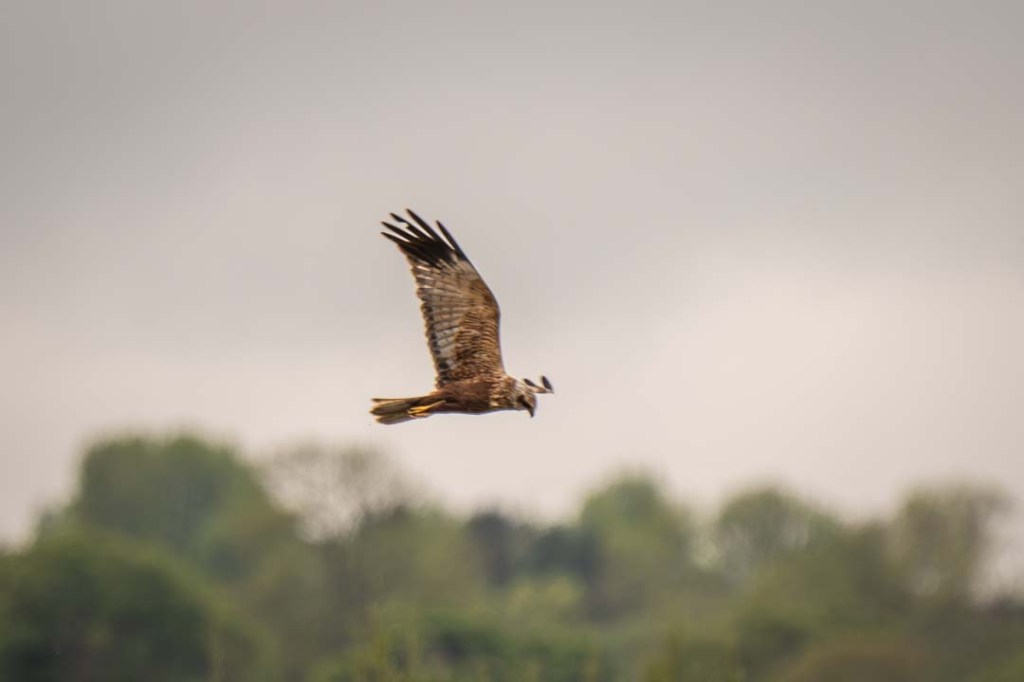
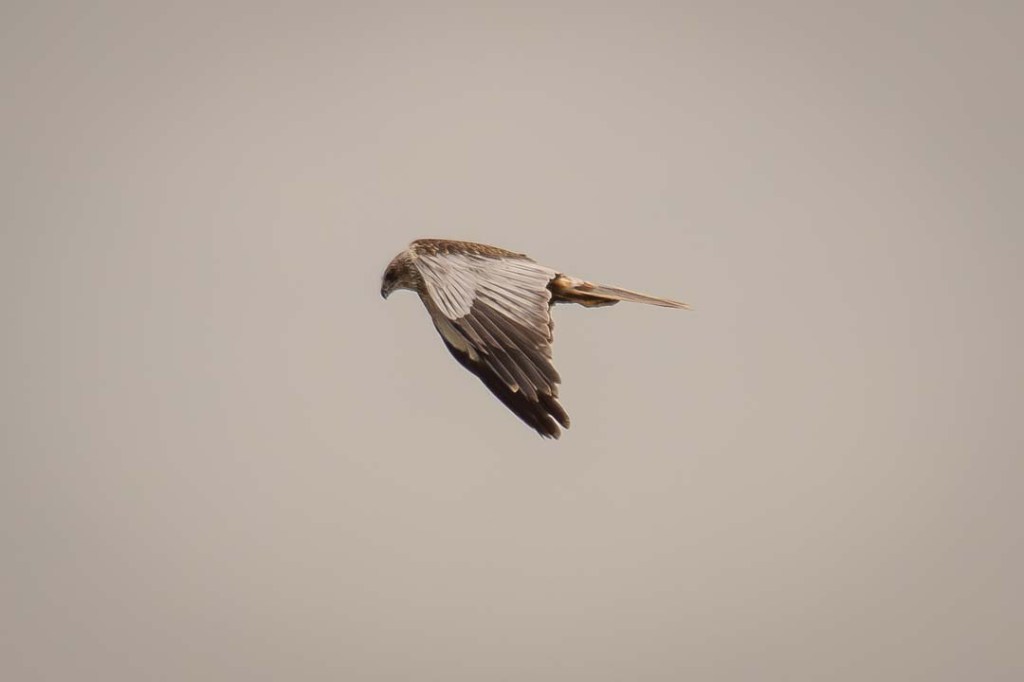
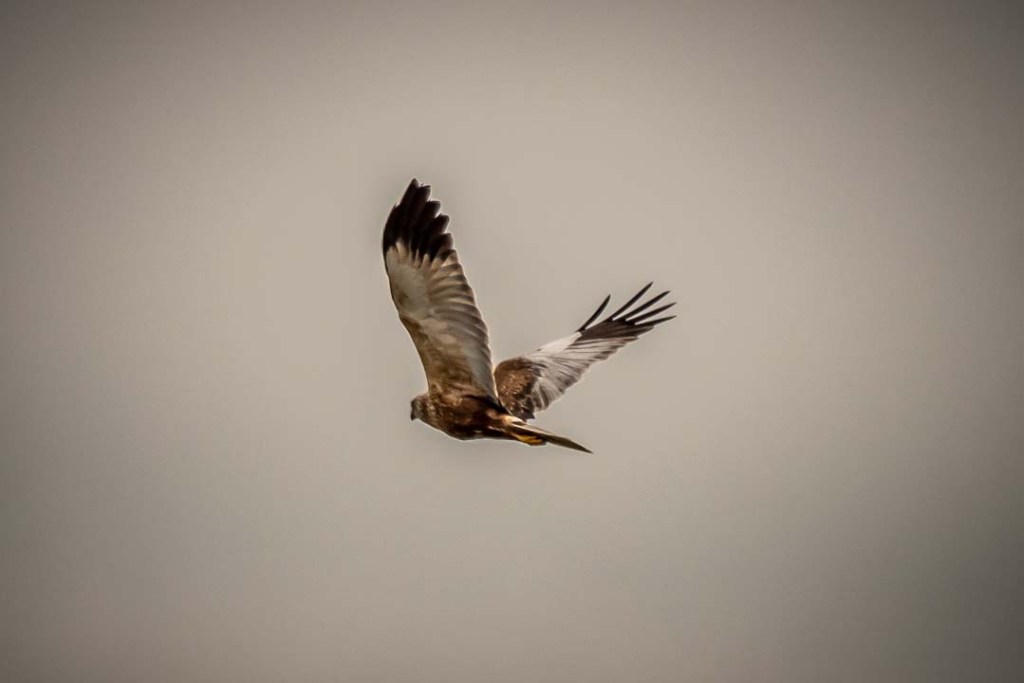
I was hoping to see hobbies but as it was too cold and dull to encourage the dragonflies to offer themselves up so I had no luck on that score. Great white egrets were my best bet as they were easy to see. There were lots of viewings of marsh harriers too but I must apologise for the heavily edited photos. The highlight of my day was a glimpse of a bittern in flight and some cute pochard chicks.
My shot of a swift will give you an idea of the light conditions.Very white and very close was what I needed and this great white egret obligedI only managed 2 frames of this bittern before it disappeared into the reedsMale marsh harrierFemale marsh harrierCute pochard chicks
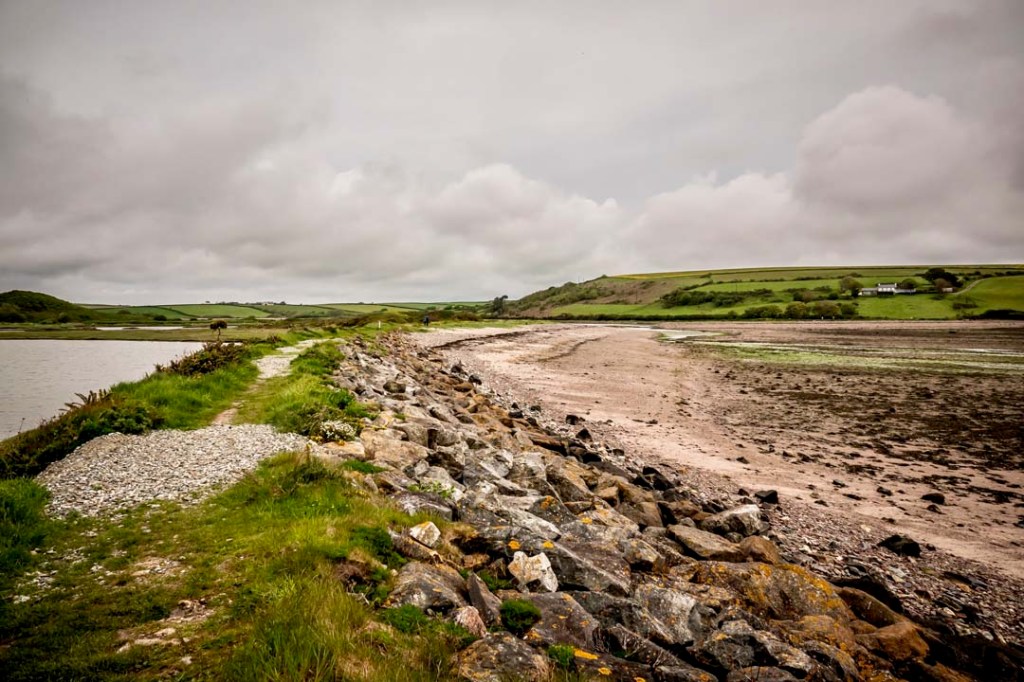
We have had very limited opportunity to get out and about recently so it was a real treat to spend a few days last week at some friends who live in Pembrokeshire.
Although not a birding visit our friends were sympathetic enough to afford me plenty of opportunity to get some nature photos.
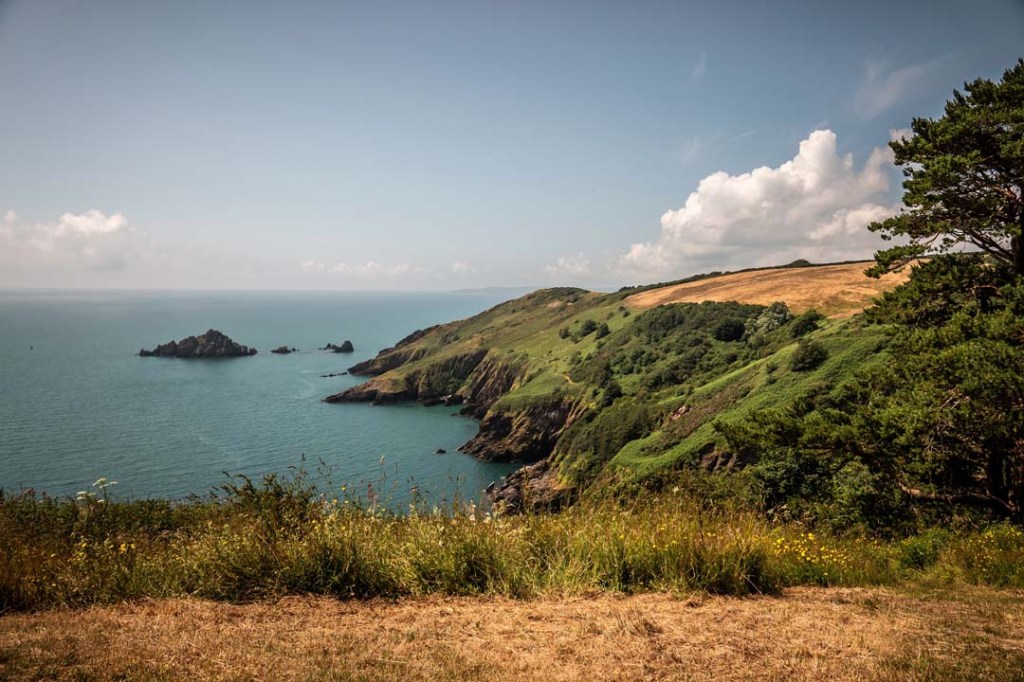
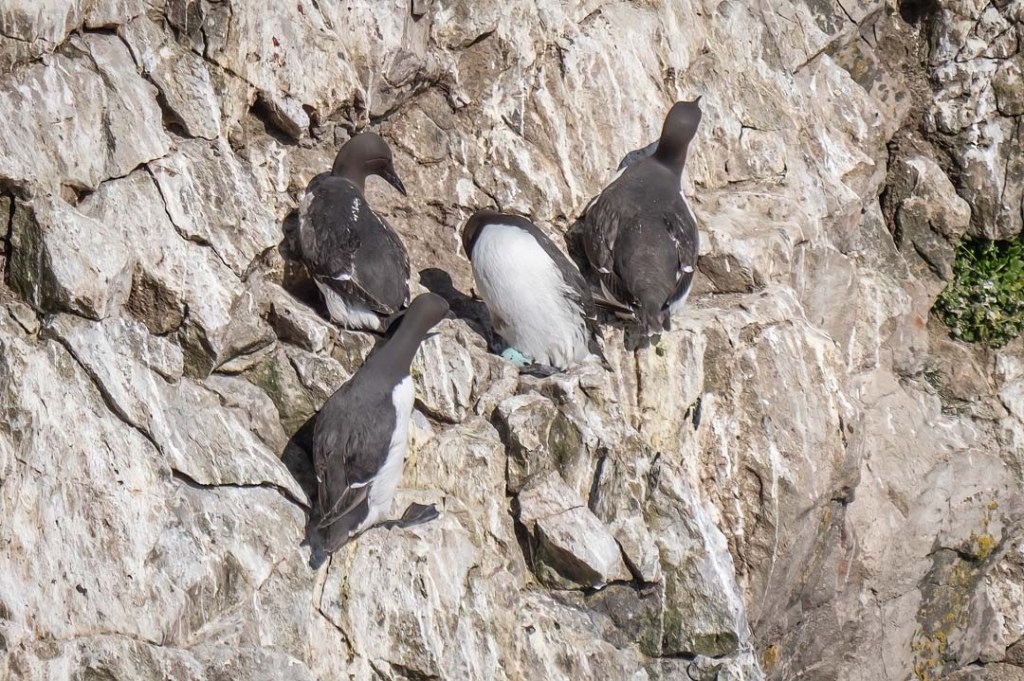
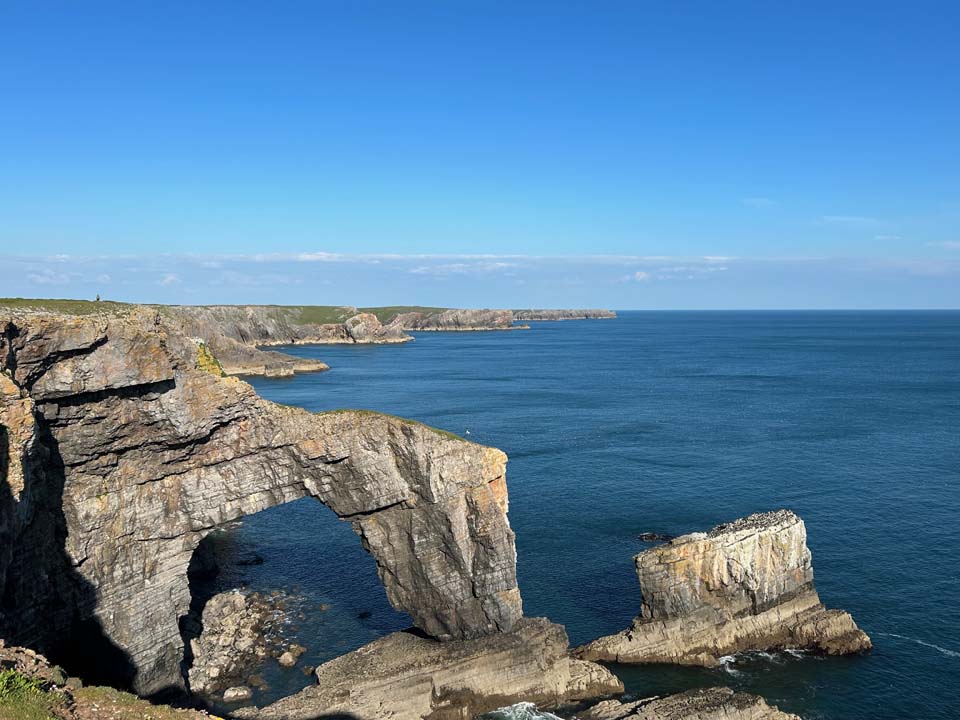
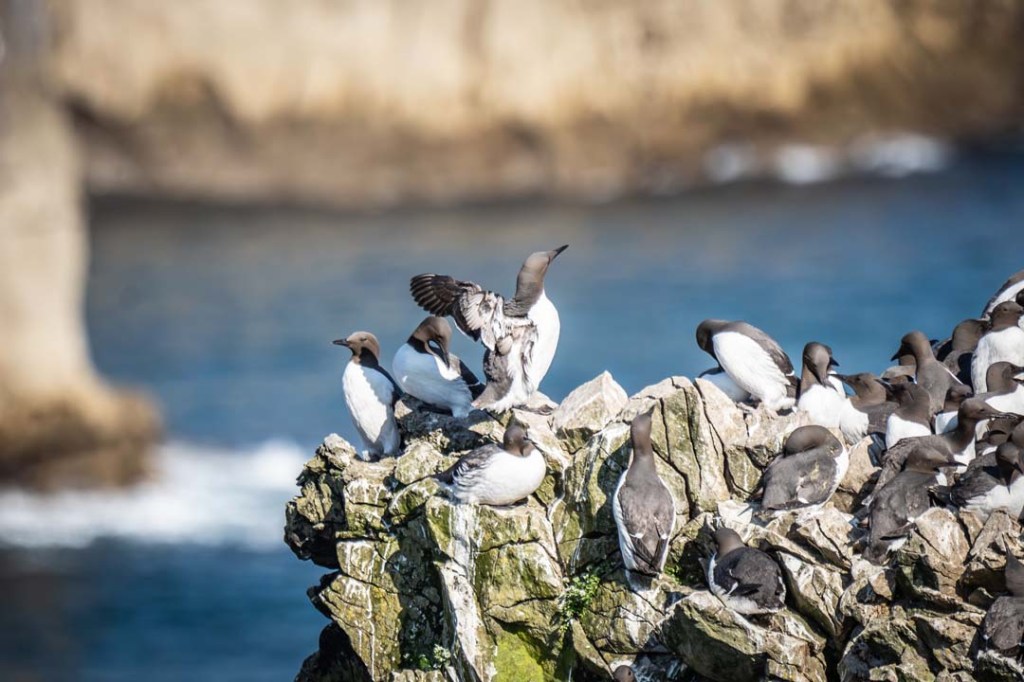
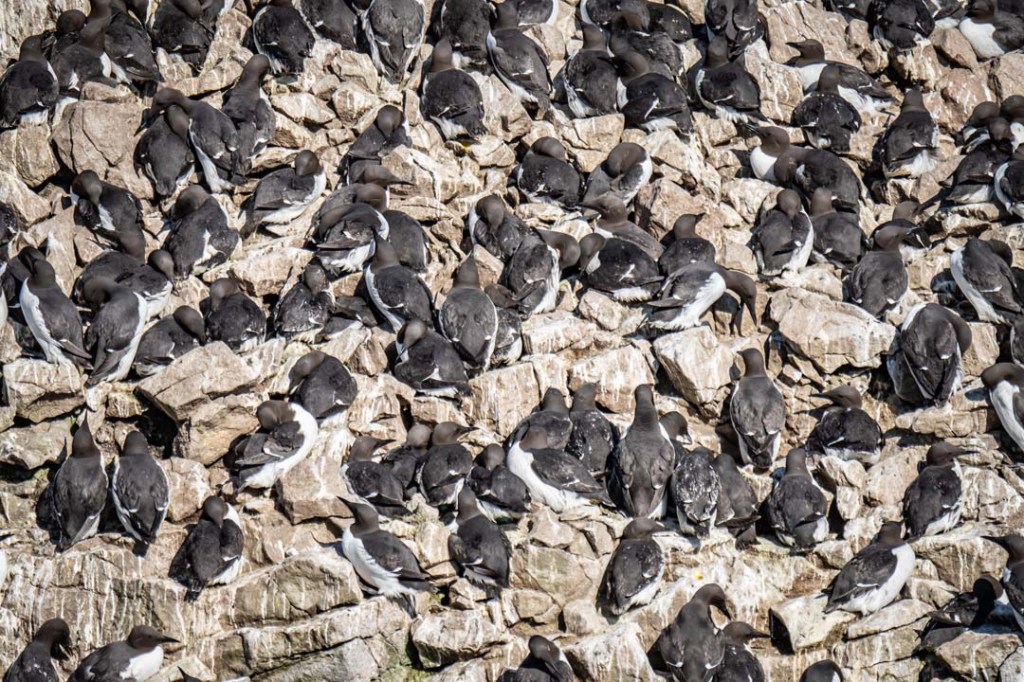
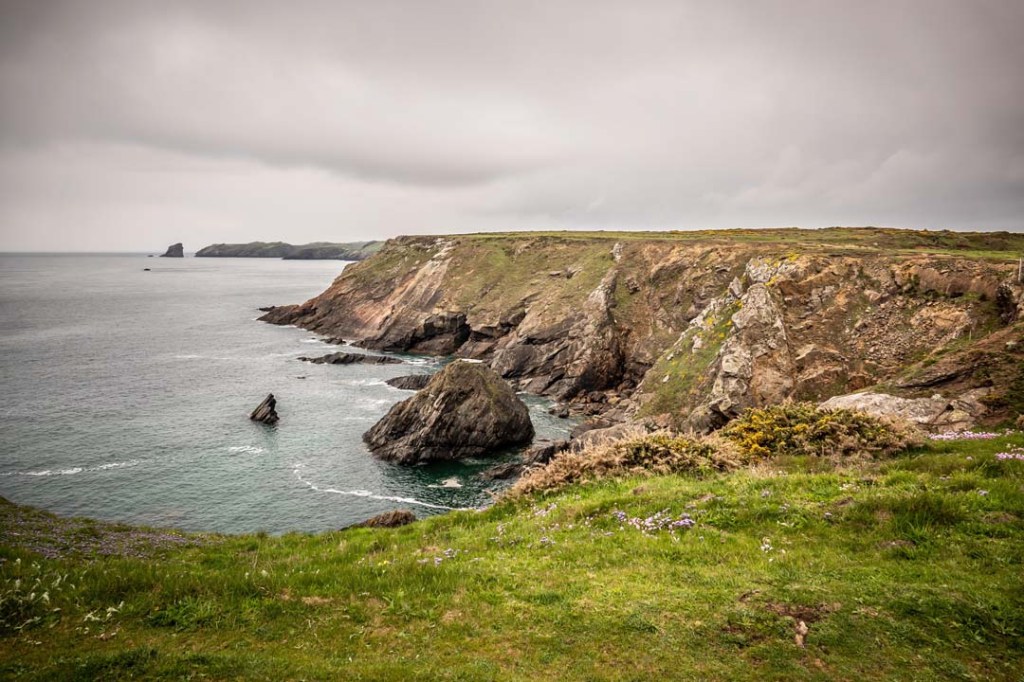
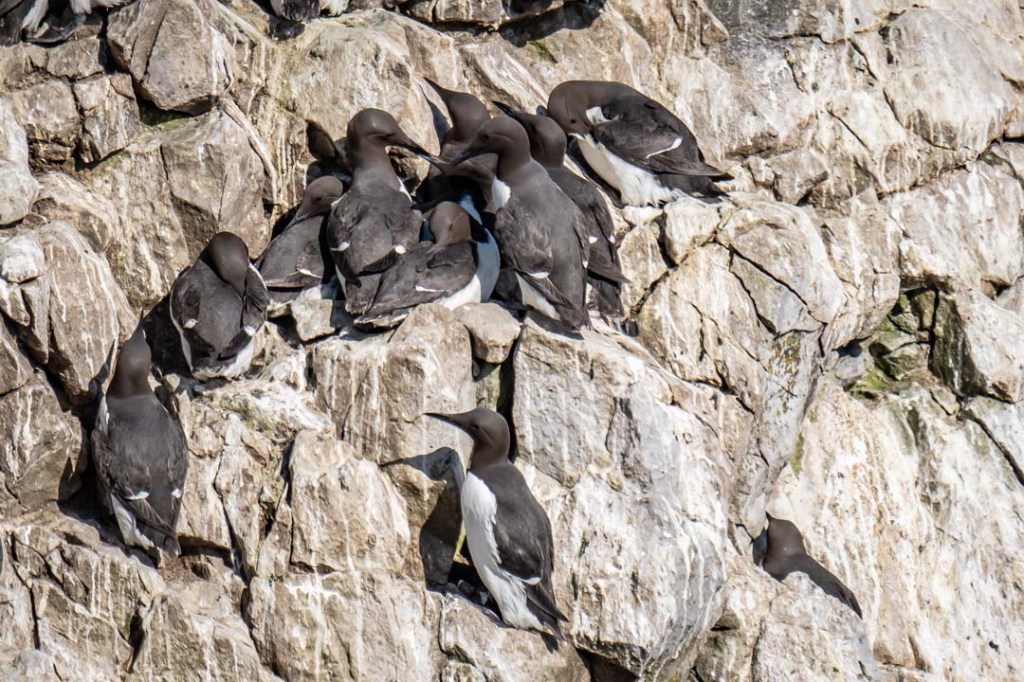
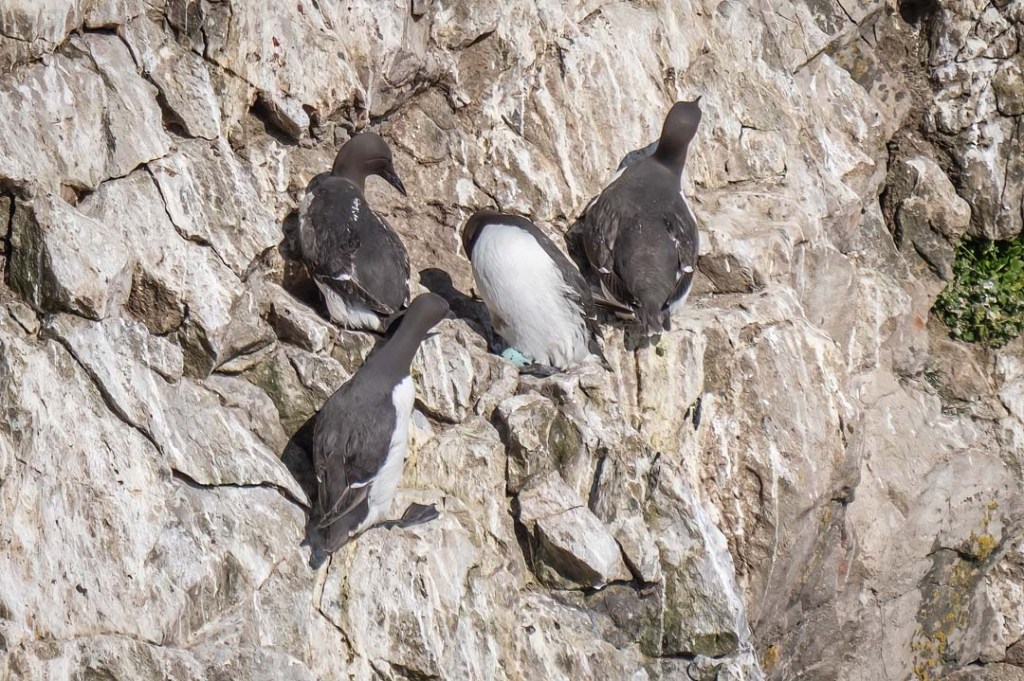
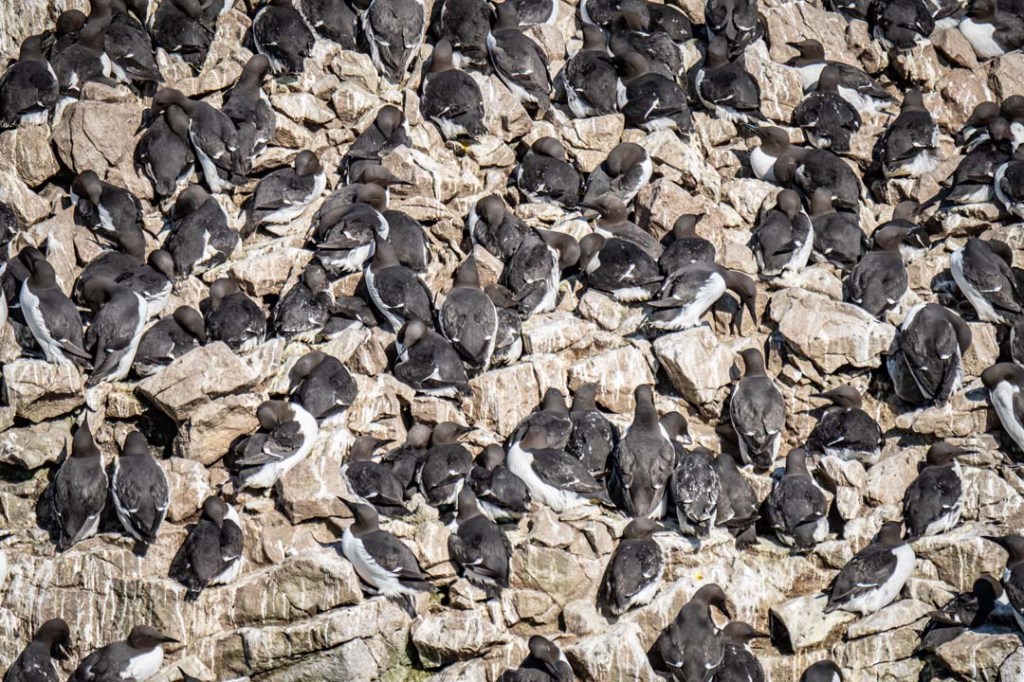
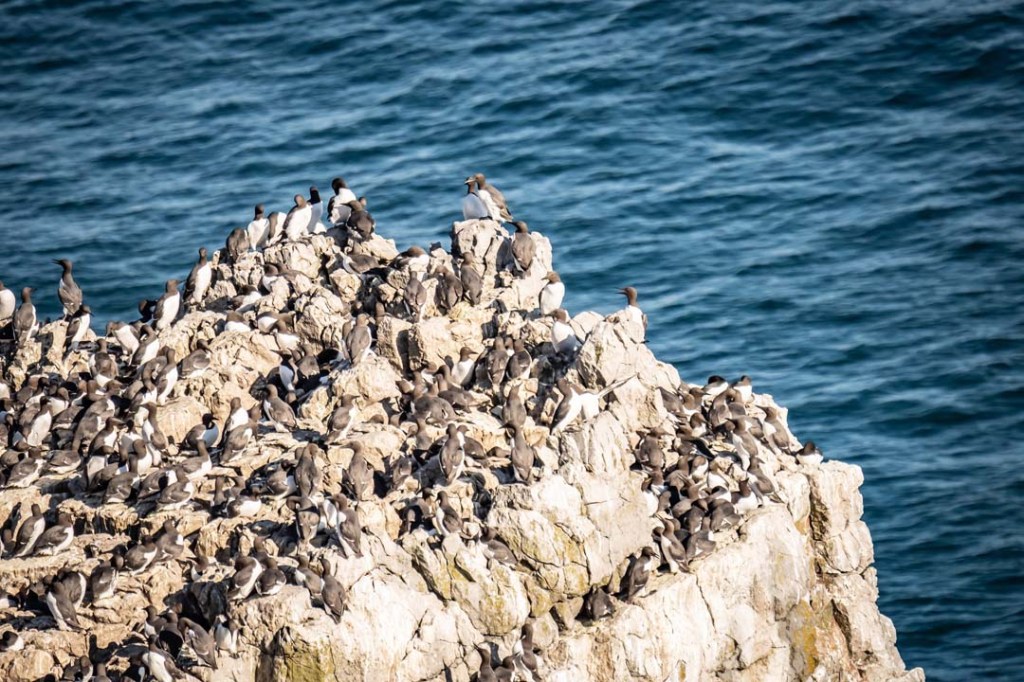
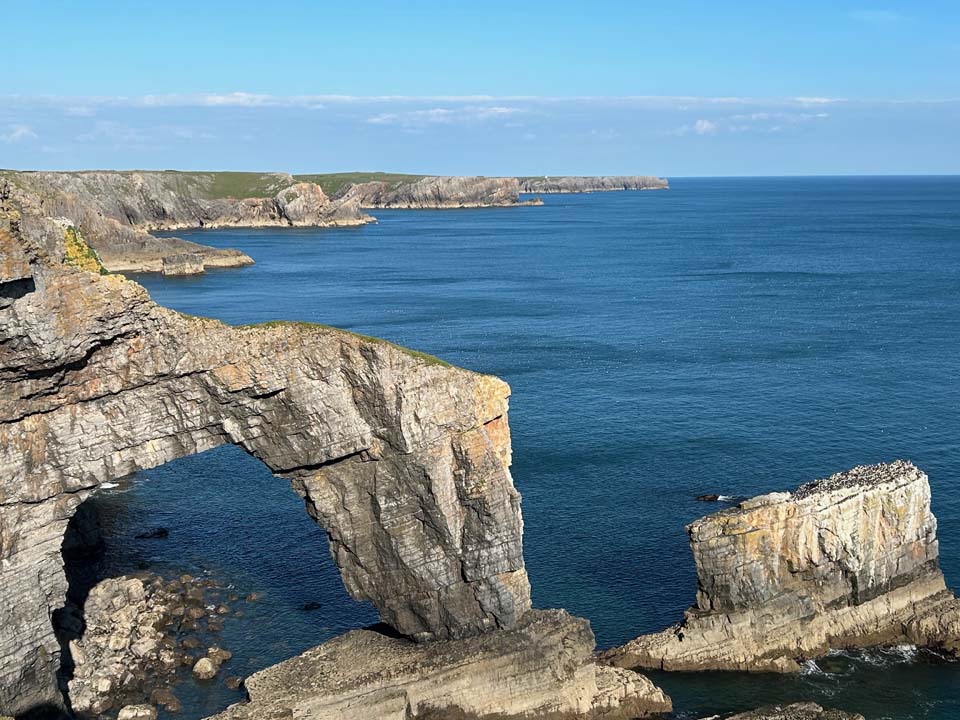
Our first evening we visited the Stack Rocks and The Green Bridge of Wales where we had great views of guillemots. There were also a few razorbills but they were mainly in the shade and difficult to photograph.
The Green Bridge of Wales on the Pembrokeshire CoastThe guillemot’s blue egg can just be seenThere’s always a scramble to be top bird on the stackThe sea was teeming with guillemots and razorbillsSafety in numbers?
Another day we visited The Gann near Dale and had more opportunity for sea birds.
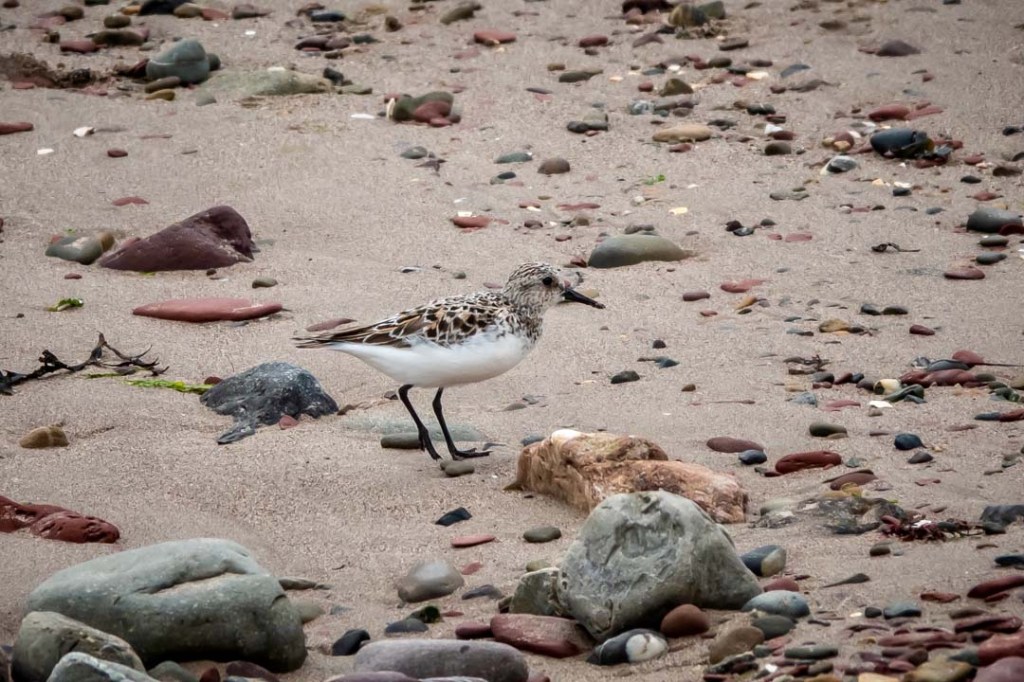
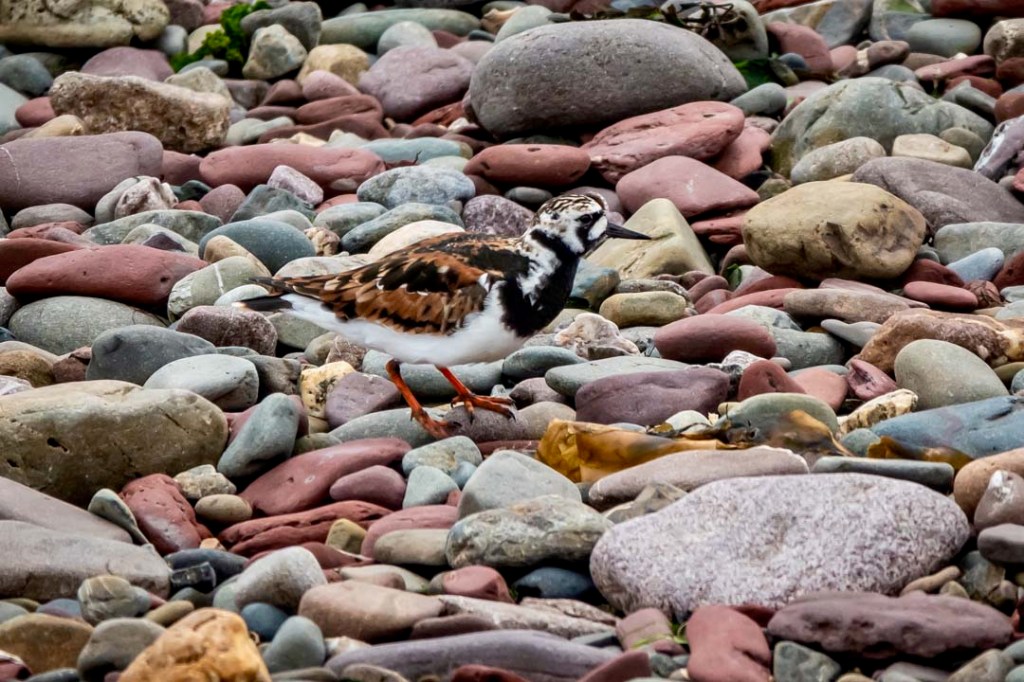
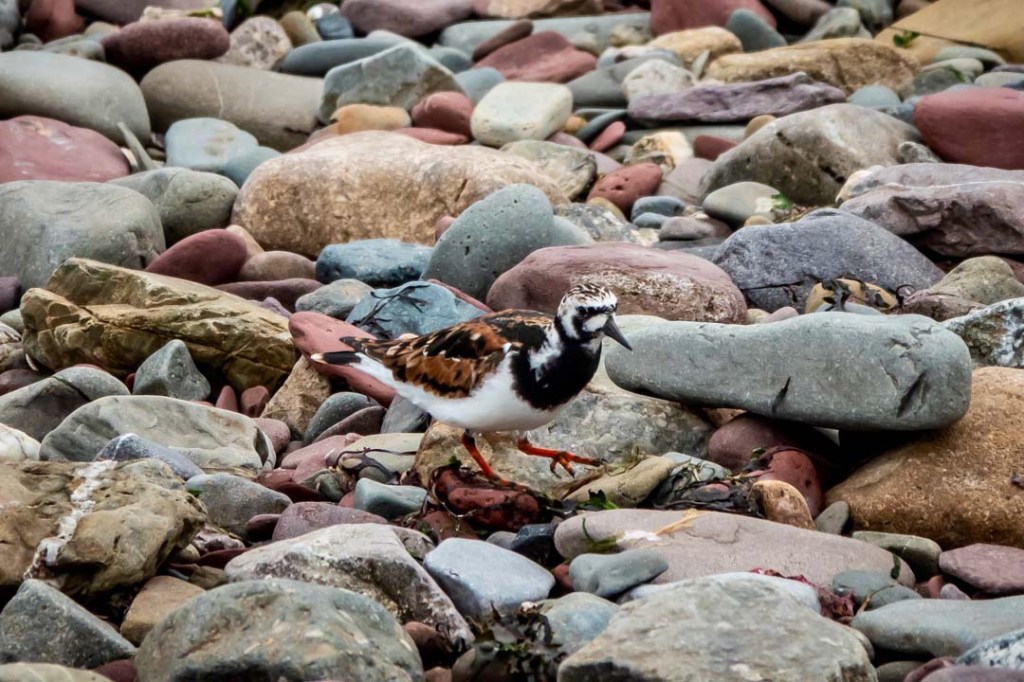
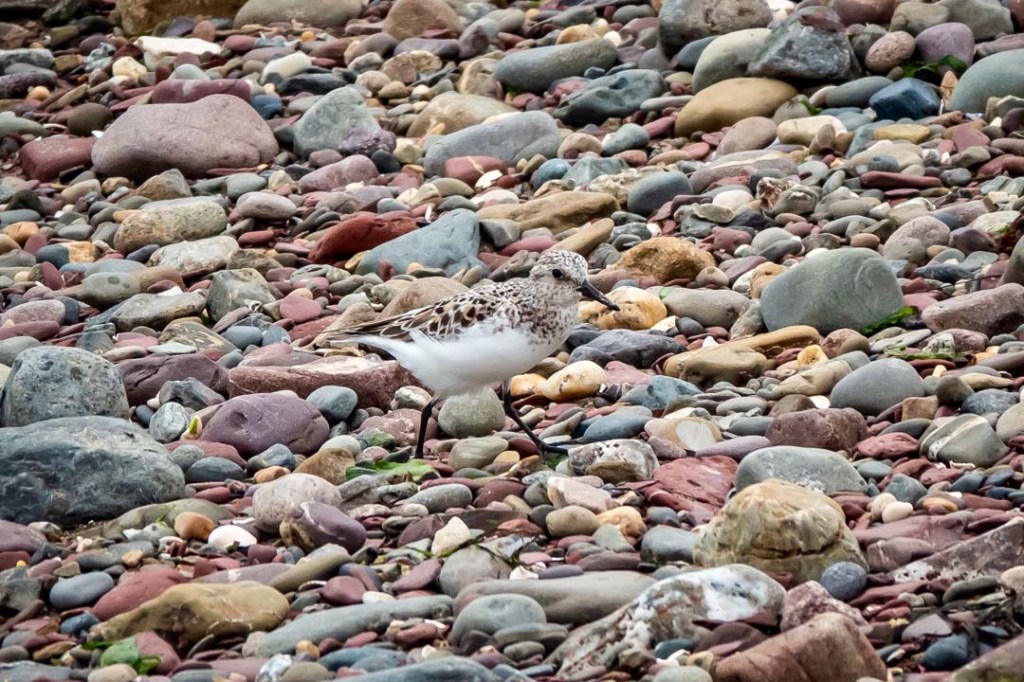
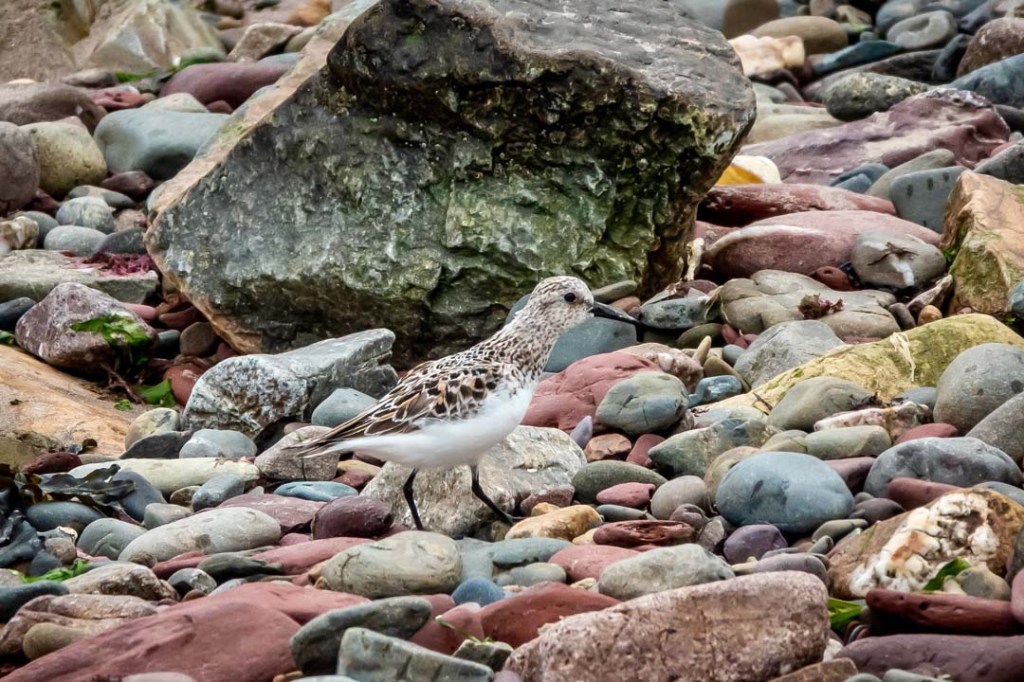
Whimbrel on the mudflates near DaleThe GannSanderling below the rocks at The GannA ruddy turnstone well camoflaged amongst the rocks
Back in the countryside there were lots more opportunities:
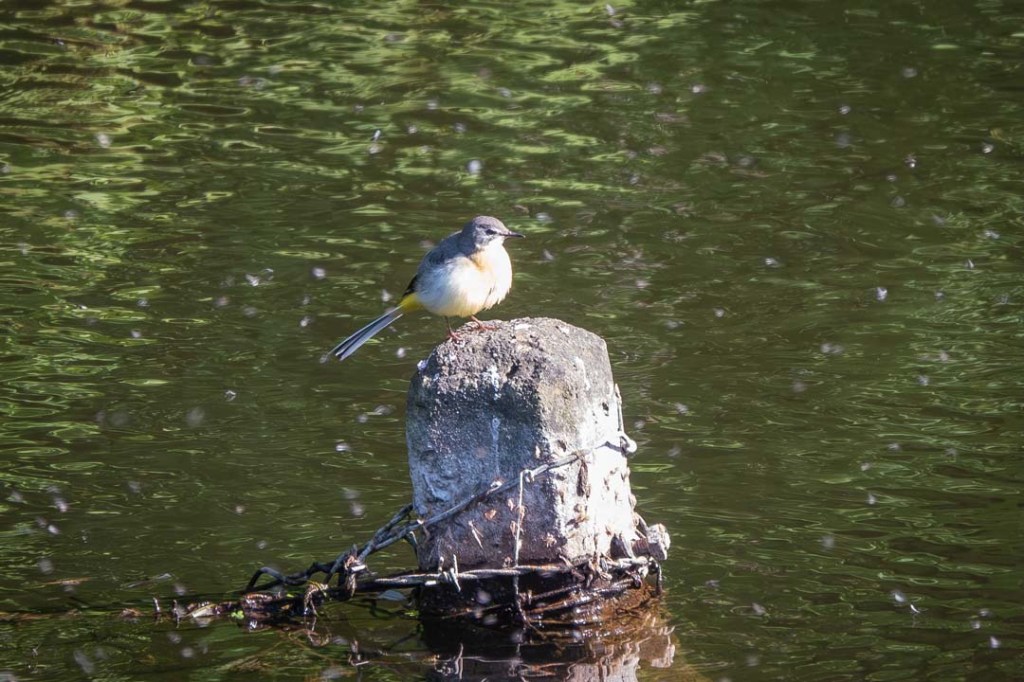
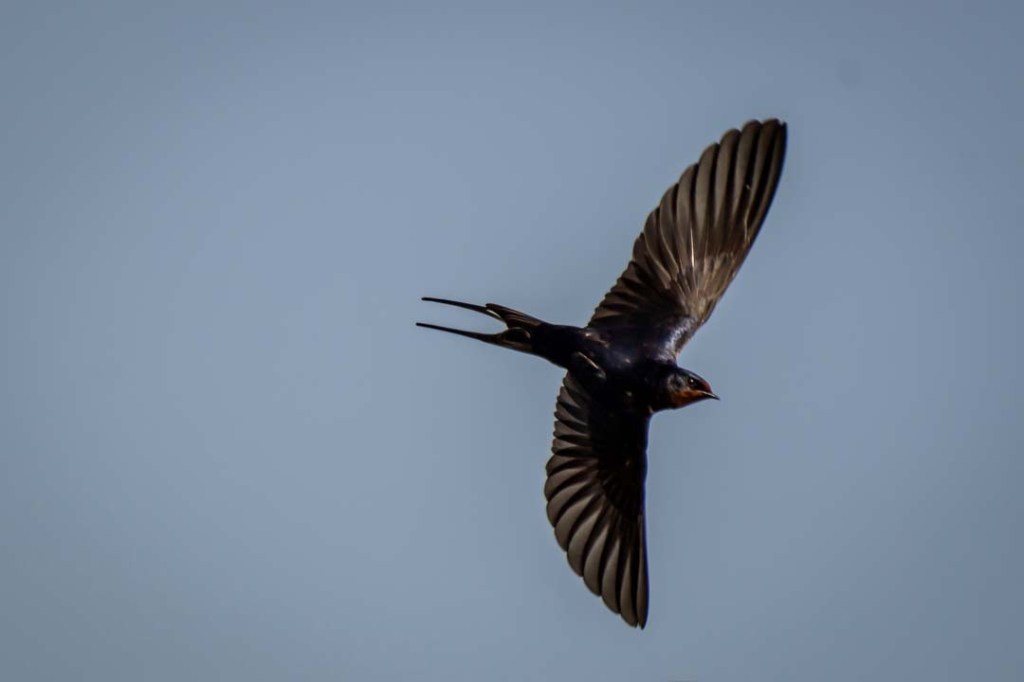
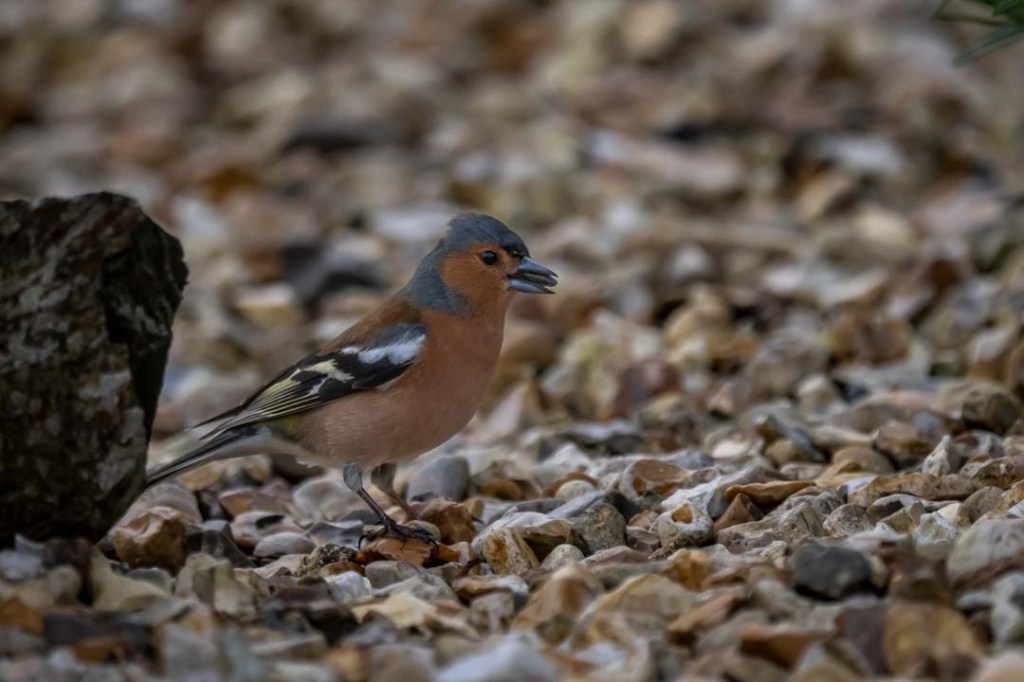
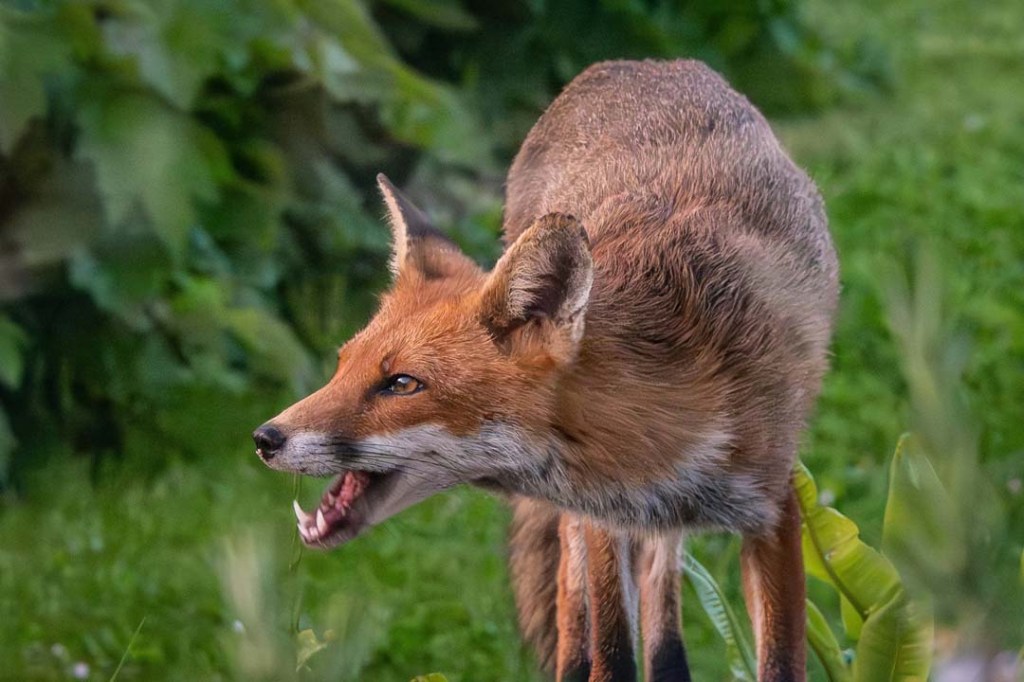
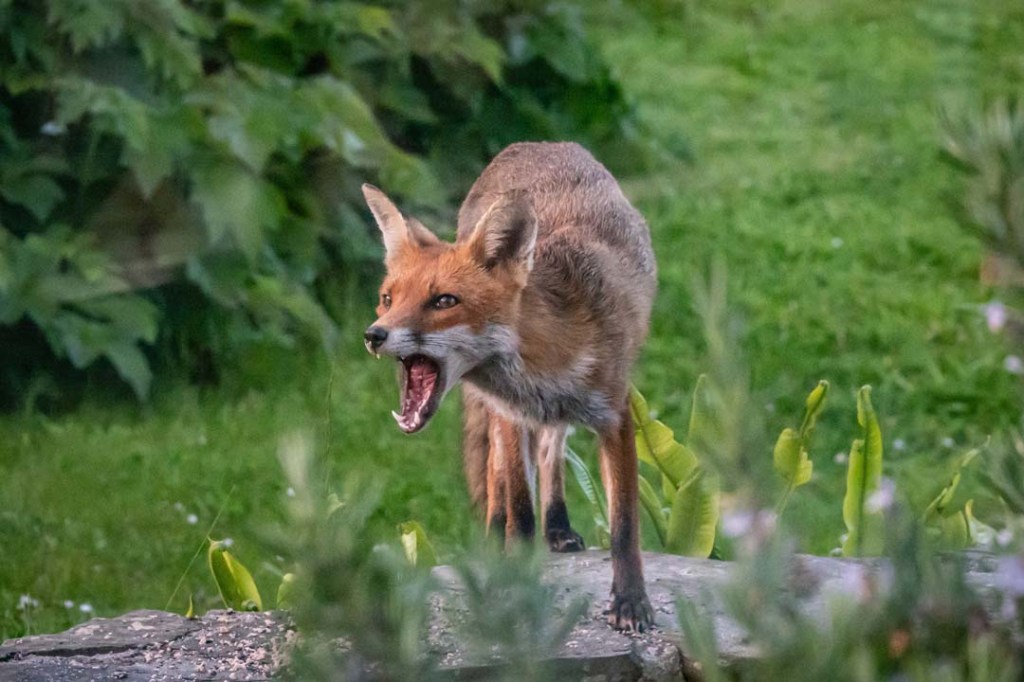
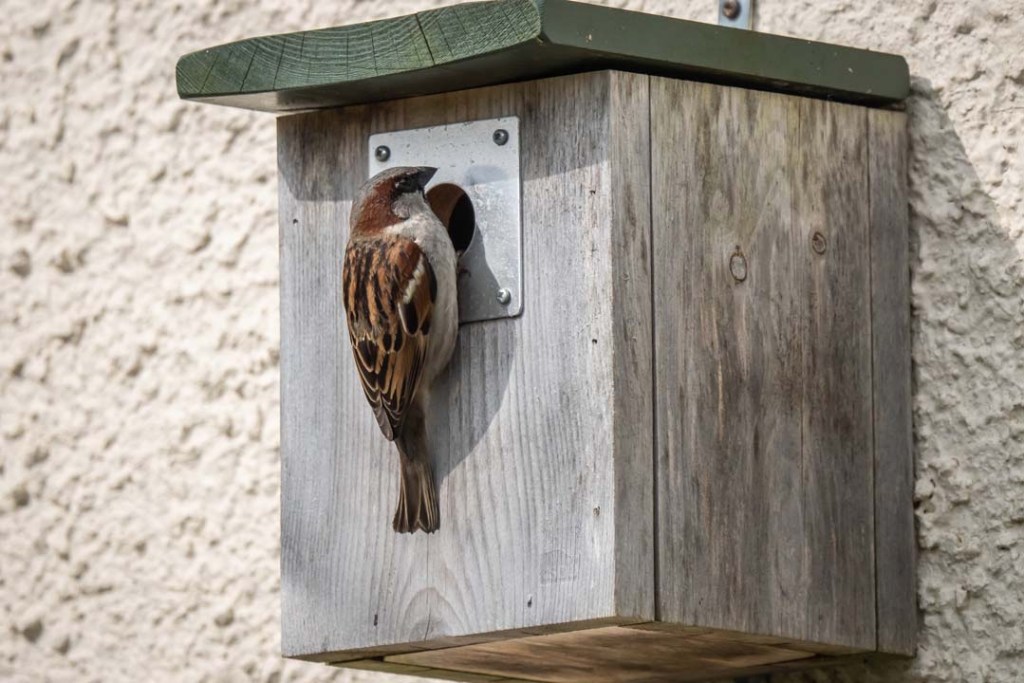
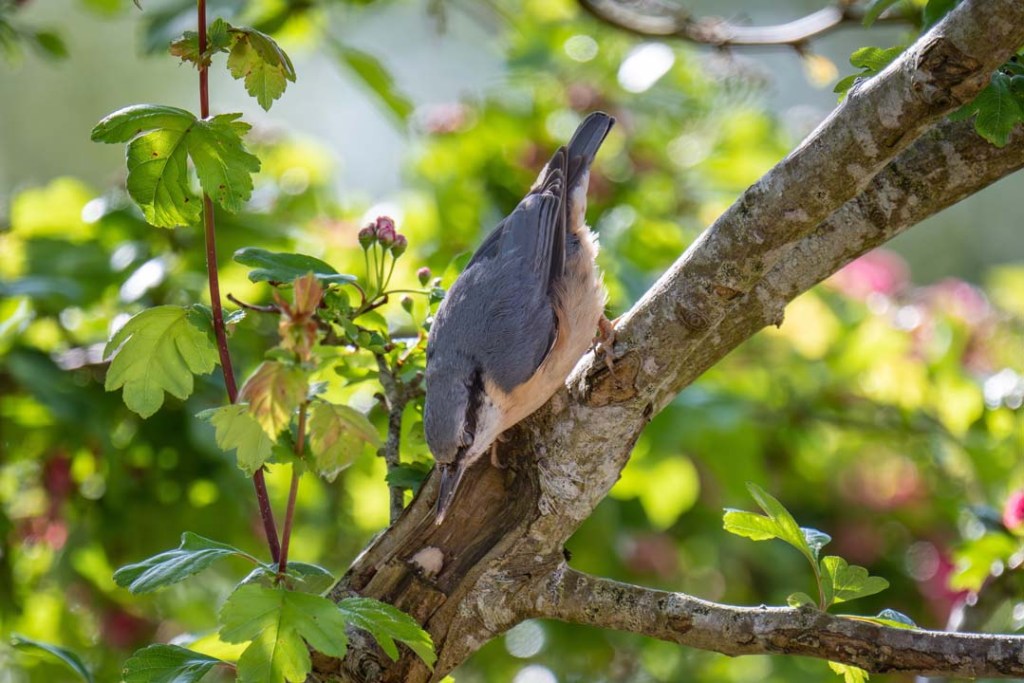
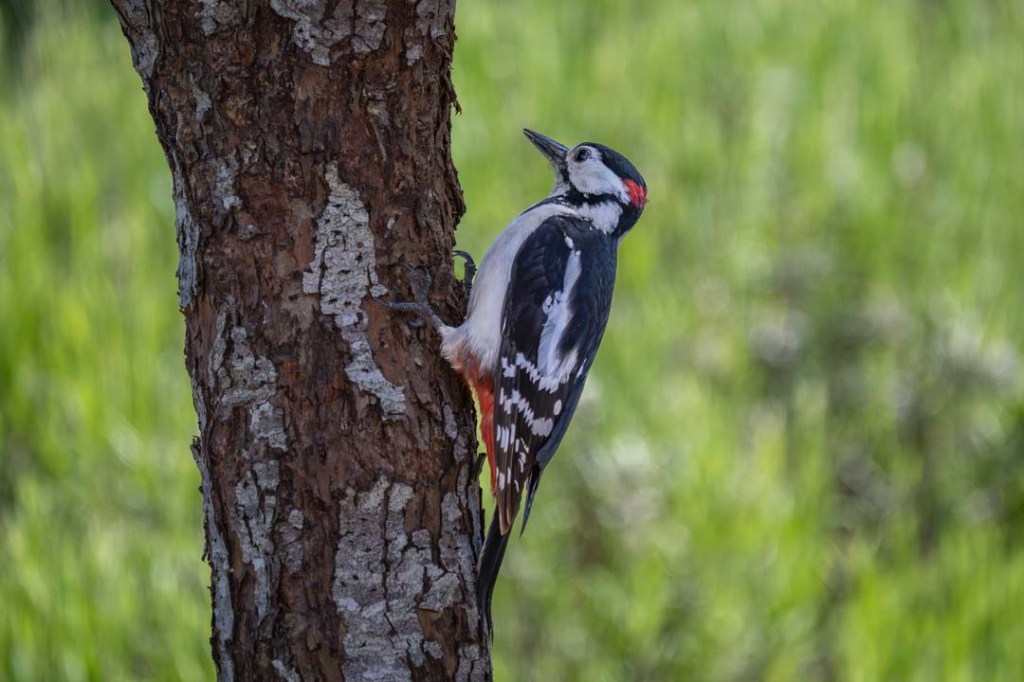
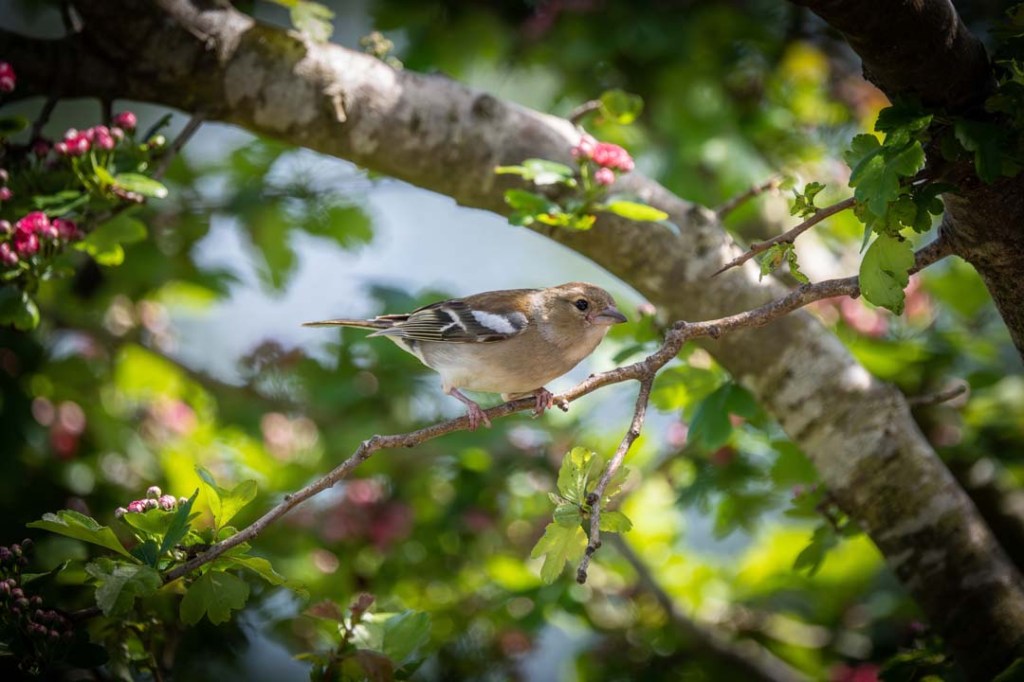
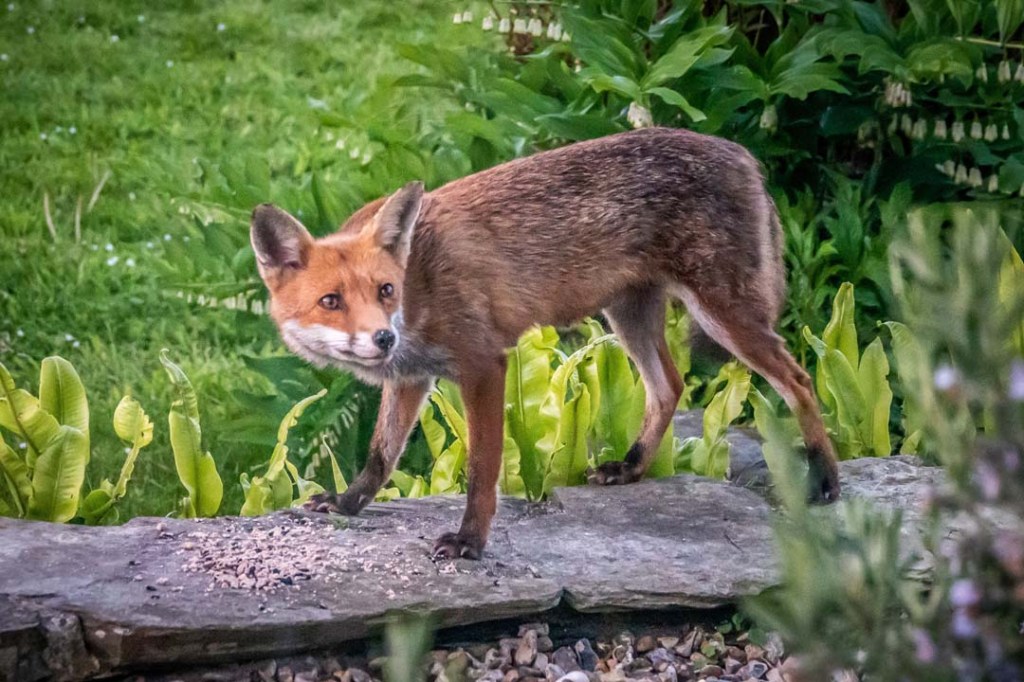
Thrush on the quay at LawrennyBarn swallow on the wire – a recent arrival from South AfricaBarn swallow in flight with fan tailBarn swallow in flight taking a direct lineGreat spotted woodpecker in the gardenNuthatch in the gardenChafffinch in the gardenThe fox was happy to share the spoils with the birdsGrey wagtail at Stackpole
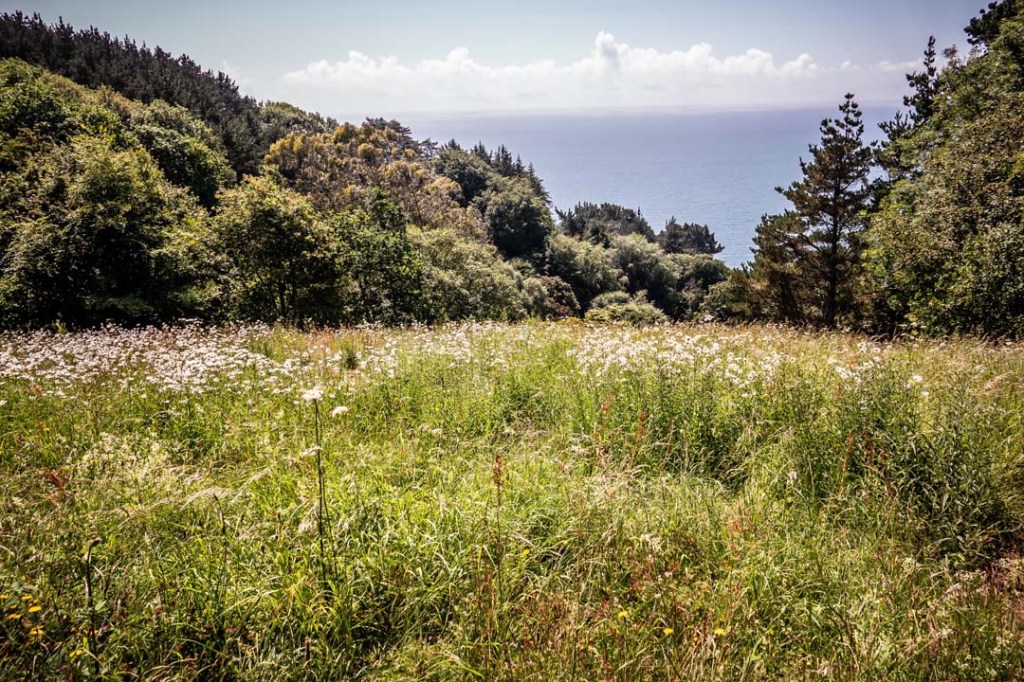
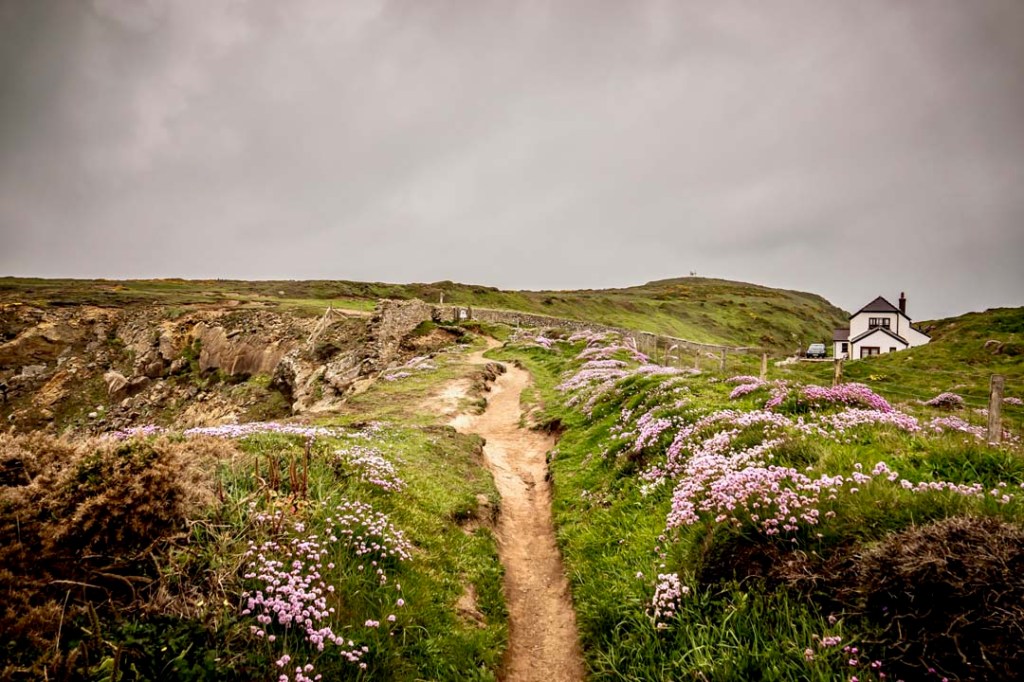
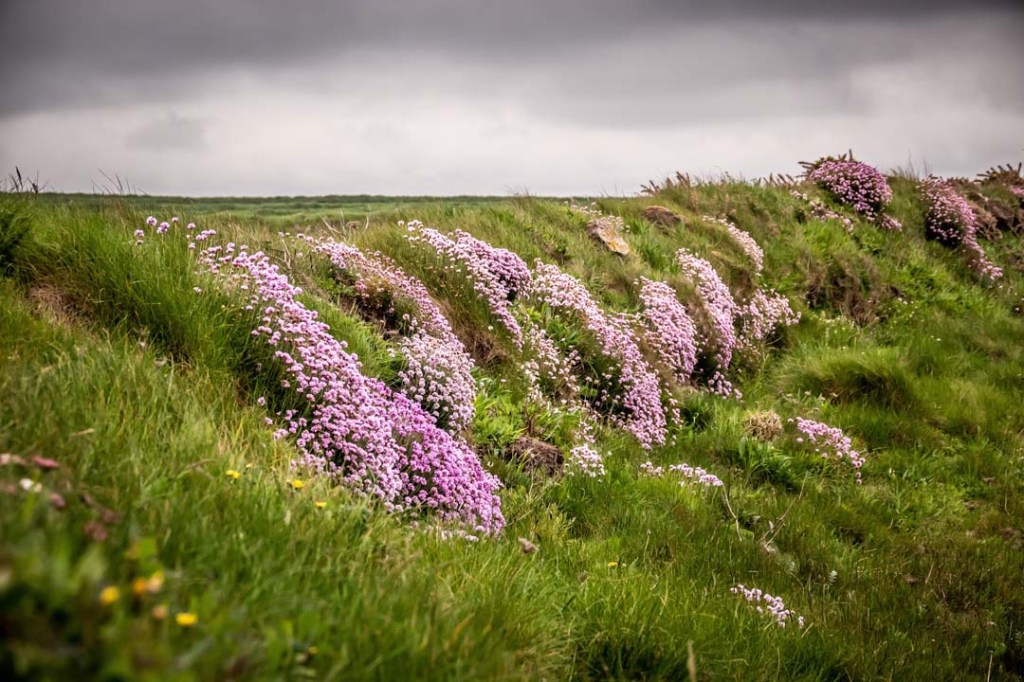
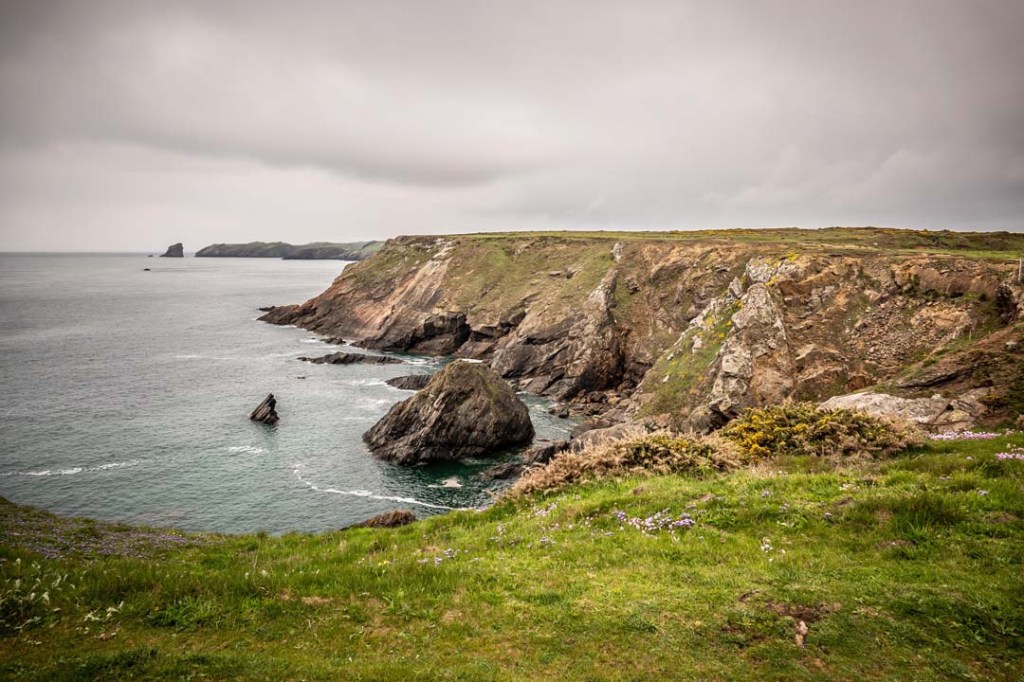
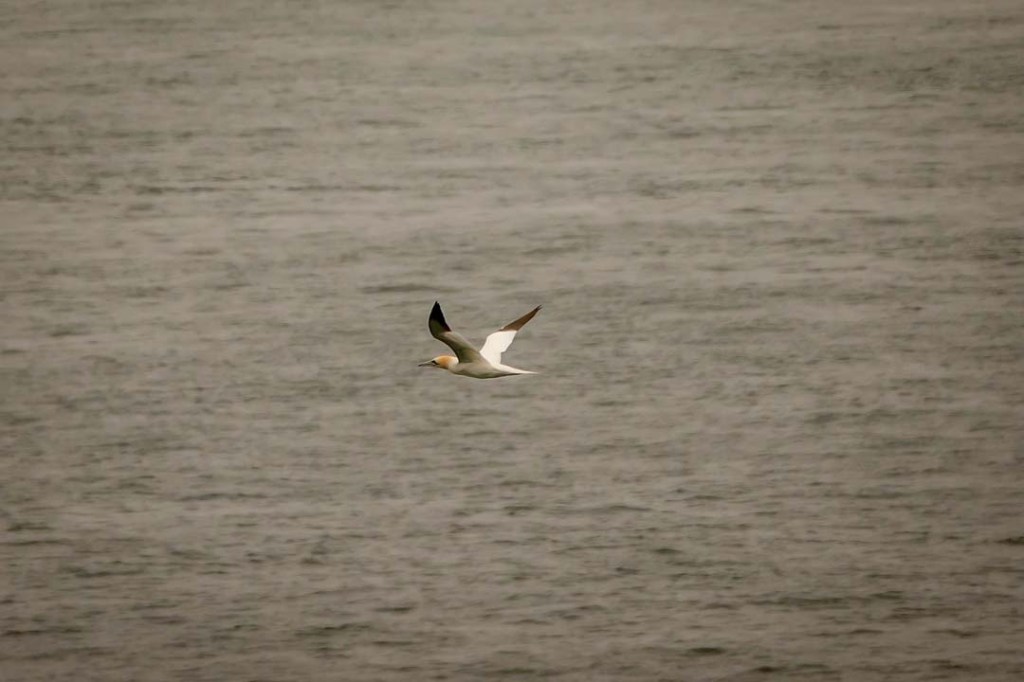
The only dismal day we had we still got to the coast. At St Martin’s, where you take the short boat trip to Skomer, the highlight was a gannet but the spring flowers were still quite stunning in the rain.
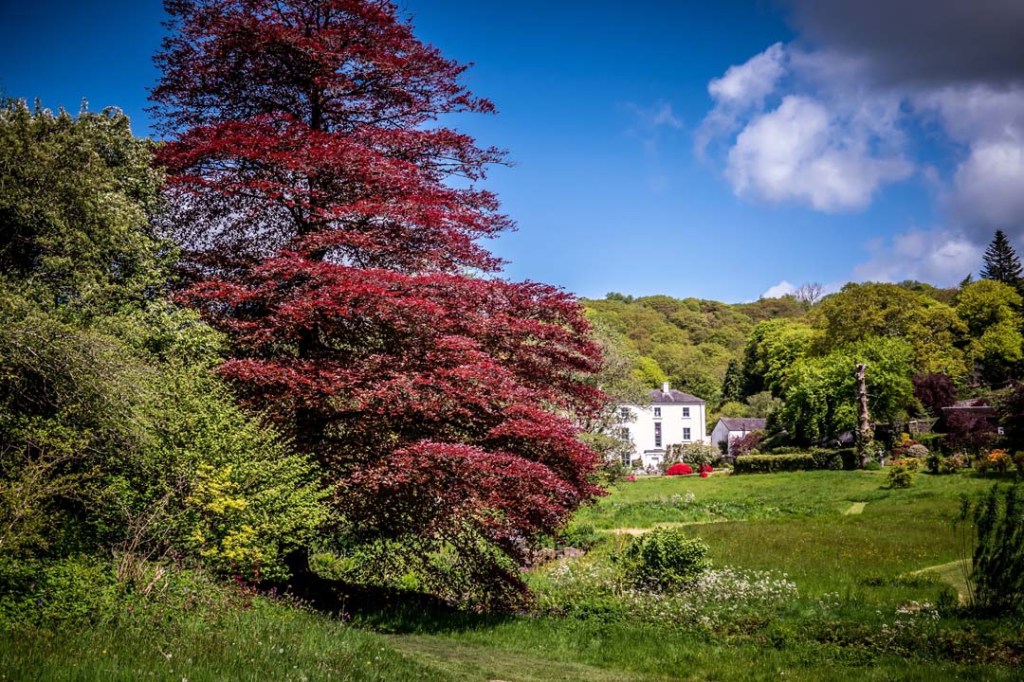
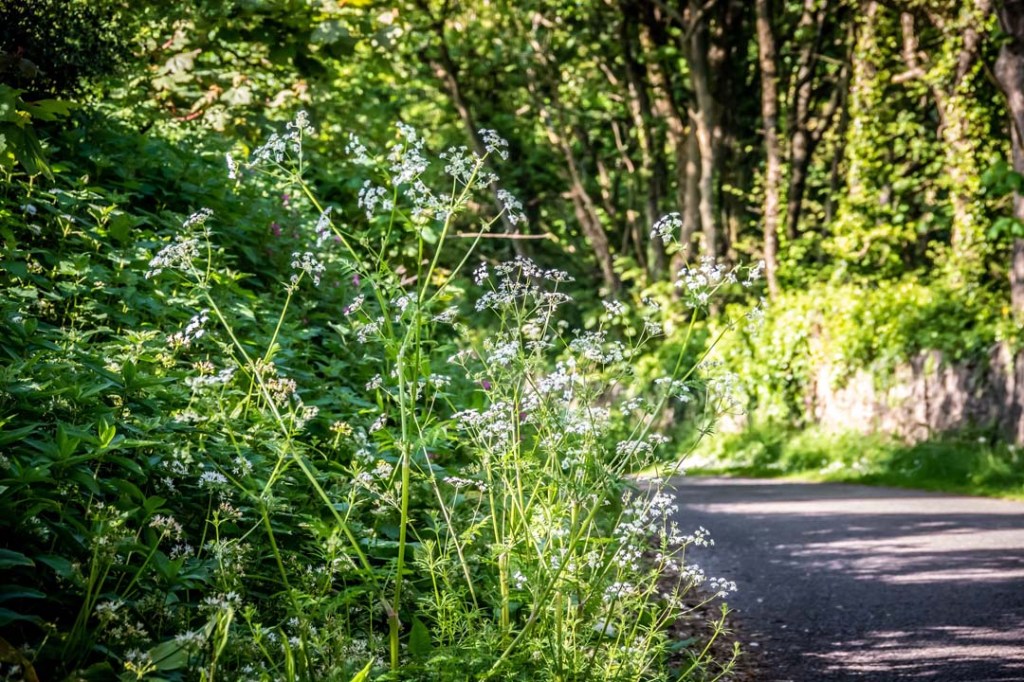
GannetSkomer beyond the headlandColby Woodland Gardens NT looked beautiful in the sunshineThe nearby hedgerows were full of cow parsley
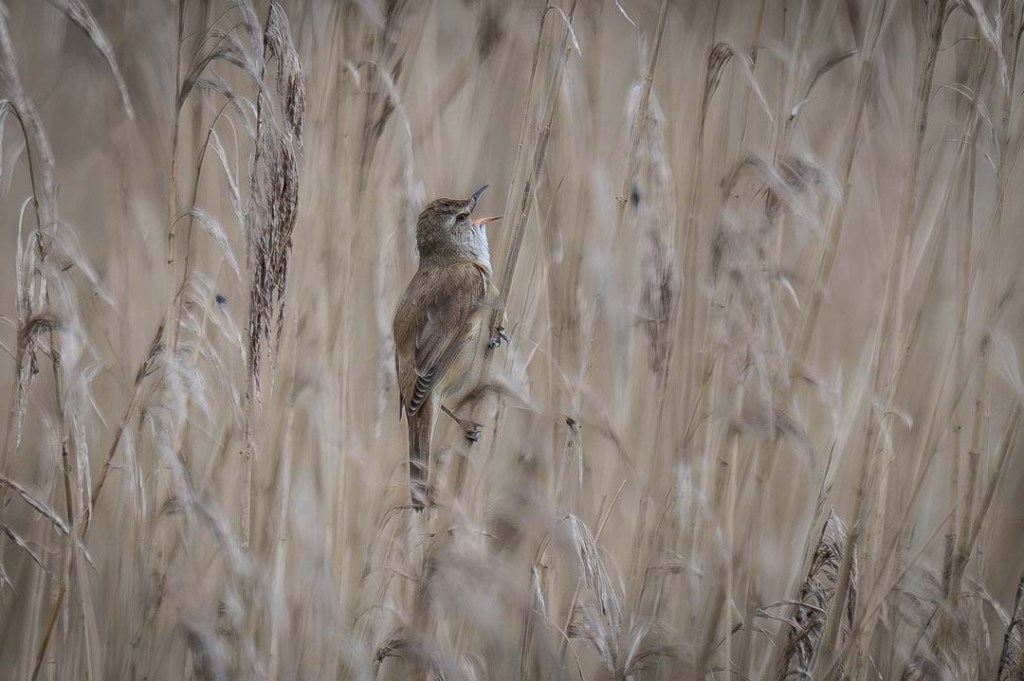
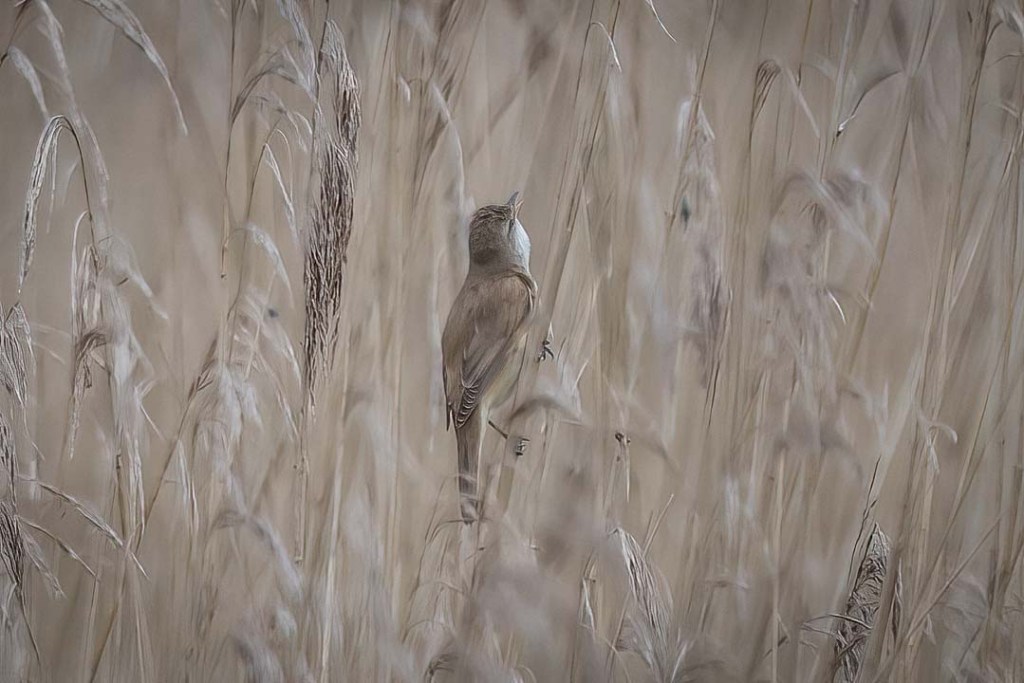
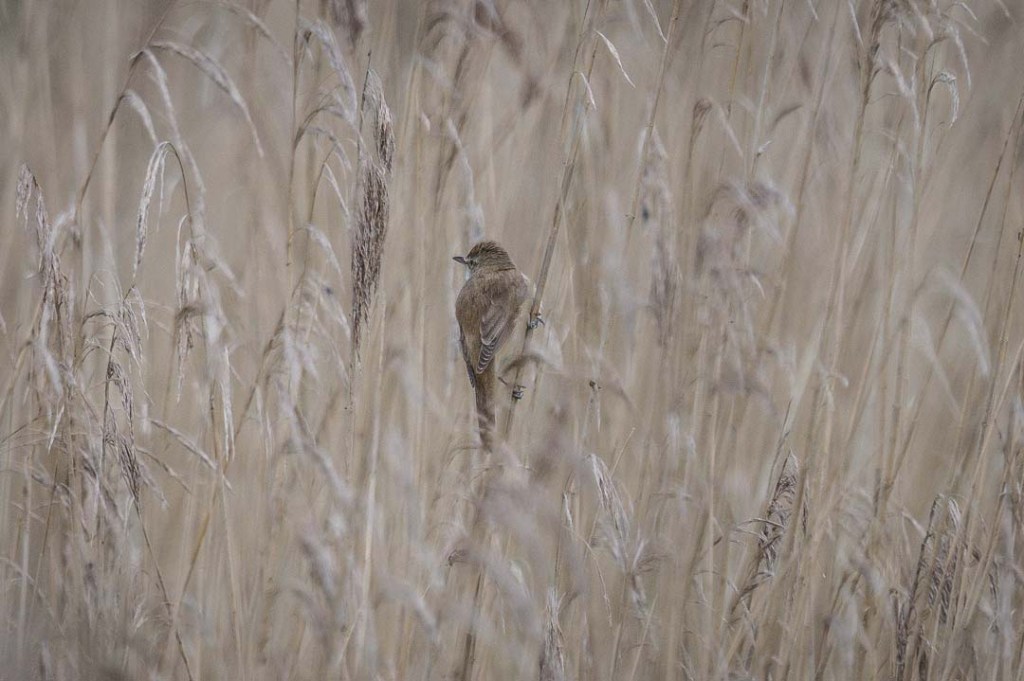
I was very pleased to spot the Great Reed Warbler which has been resident at Ham Wall for the last few weeks. I thought I might have difficulty in finding it but its very loud song (and some helpful birders) helped me find it easily.
The Great Reed Warbler is a rare passage migrant in the UK and so it has generated quite a bit of interest. It’s a hulking warbler that resembles the Eurasian Reed-Warbler in coloration but is far larger with a proportionately more massive head, heavy bill with a dark tip, and a broad, pale eyebrow.
Great Reed WarblerGreat Reed WarblerGreat Reed Warbler
It had rained all the way down on my journey to Ham Wall but fortunately I didn’t have to wait long before I could get out and about to explore the reserve. There were a few showers but I managed to stay dry before setting off back early afternoon on another wet journey home.
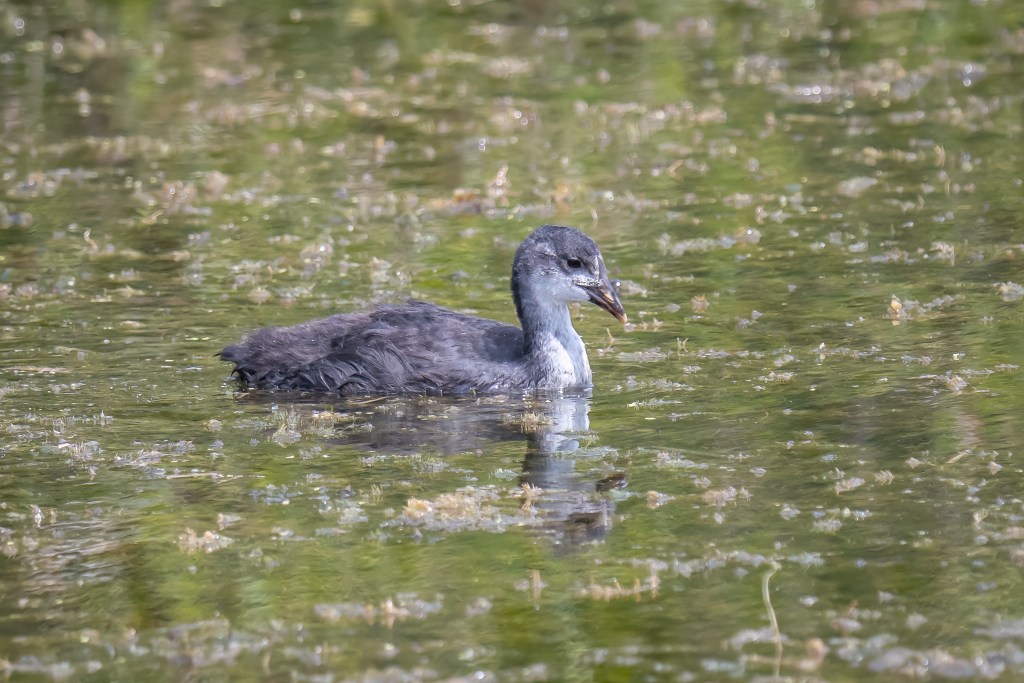
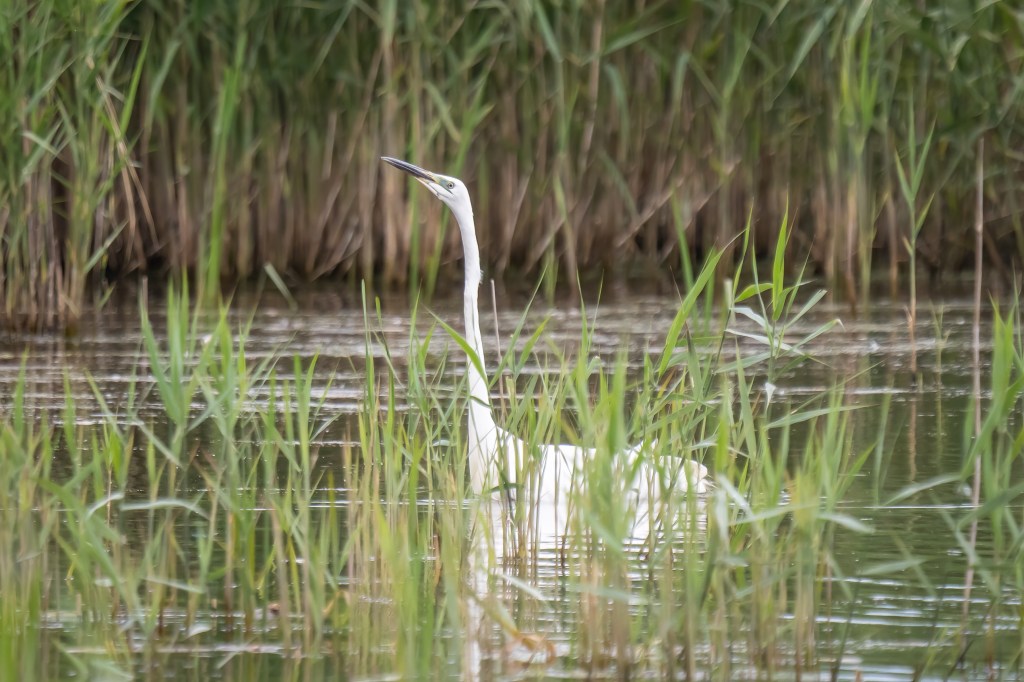
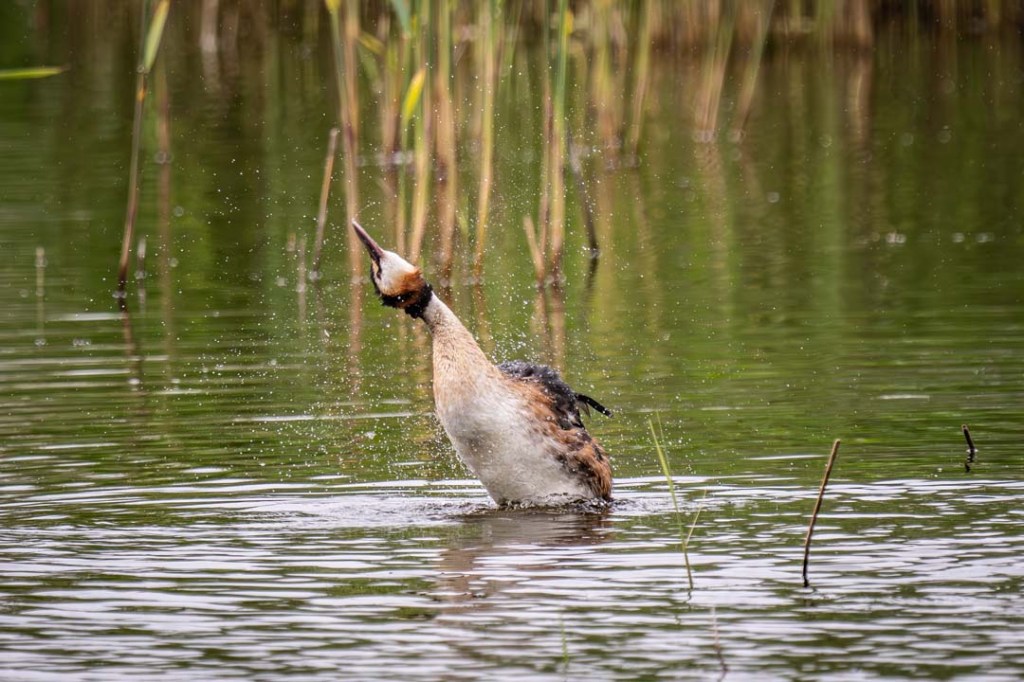
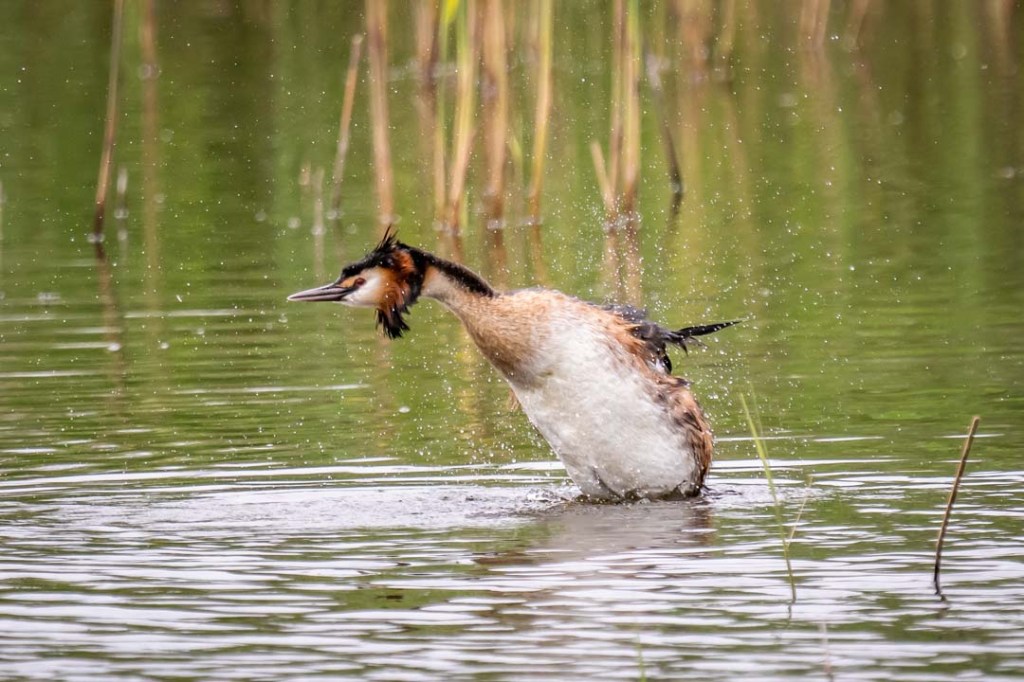
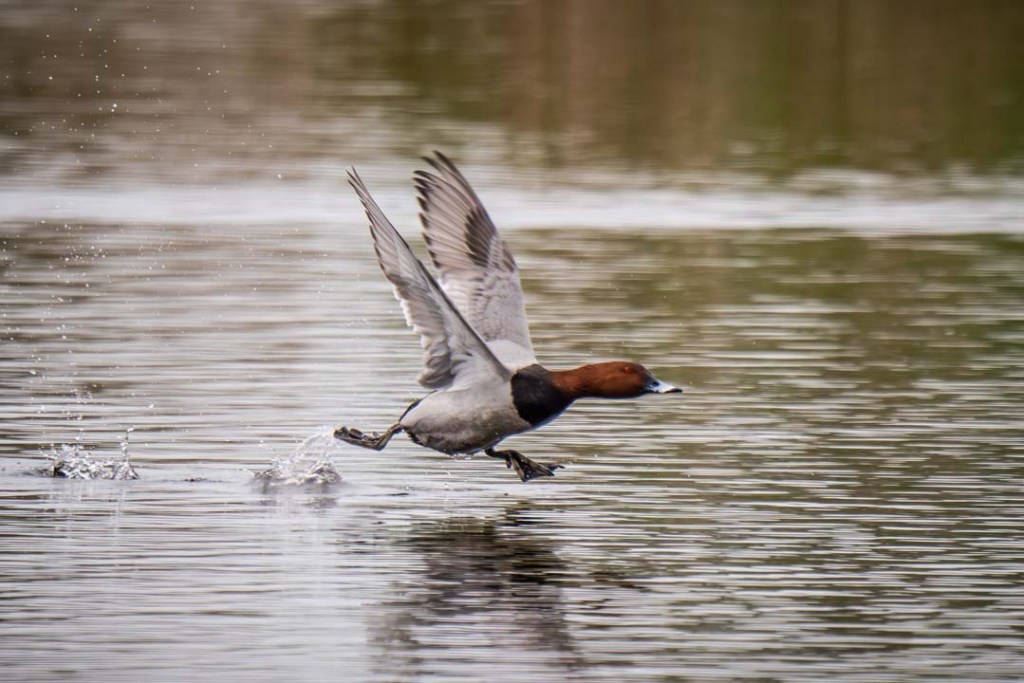
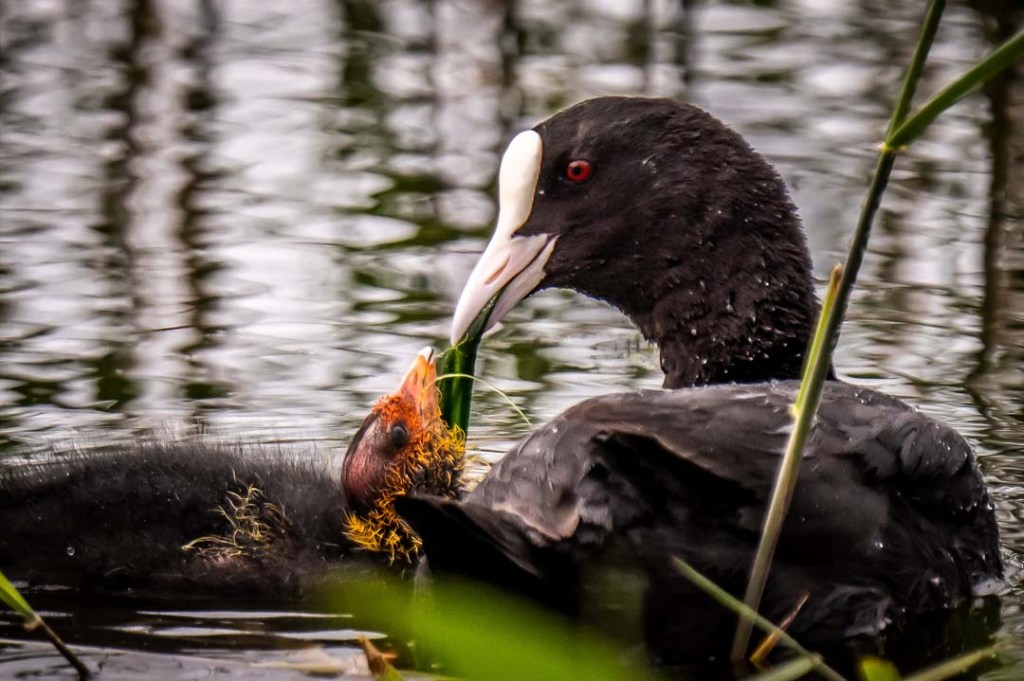
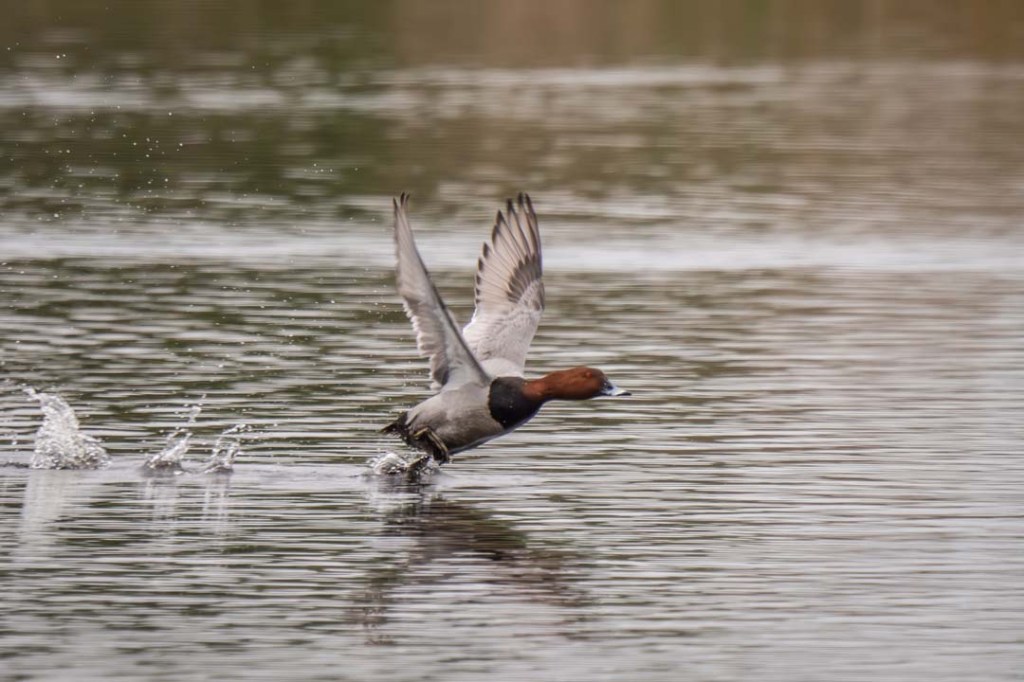
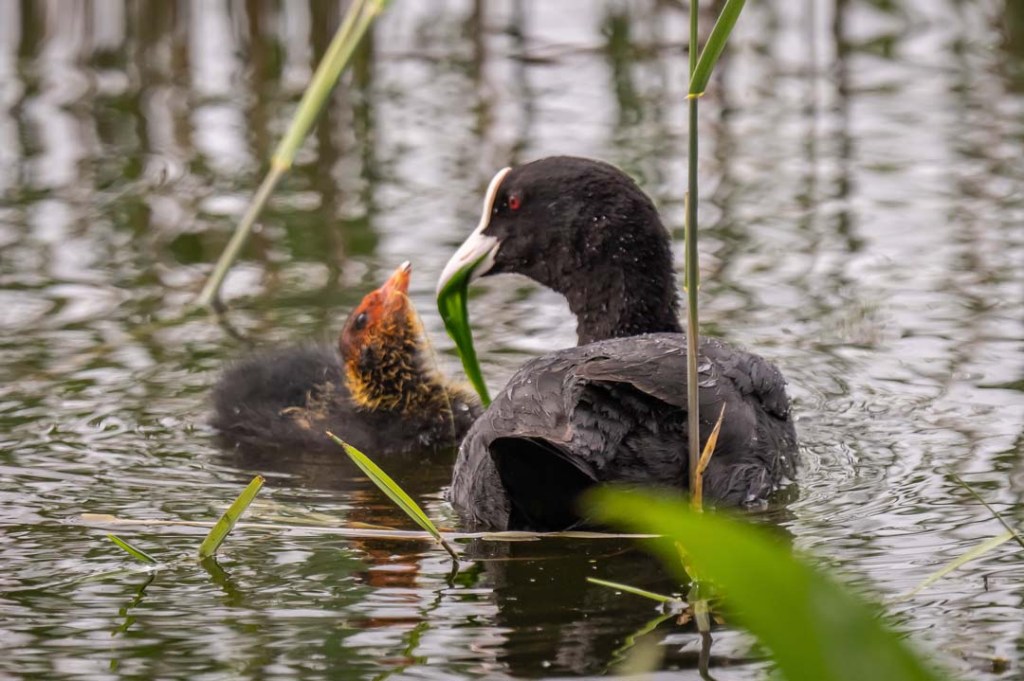
The highlight was clearly the great reed warbler but there was plenty to enjoy with bitterns booming (and a quick glimpse of one in flight), marsh harriers, a hobby, great white egrets and grey herons, great crested grebes, pochards, gadwall, coots with chick and a decent sized flock of black-tailed godwits.
Great white egretMarsh harrierGrey heronGreat crested grebeGreat crested grebeGadwallPochardCoot with chickBlack-tailed godwitsOrange-tip butterfly