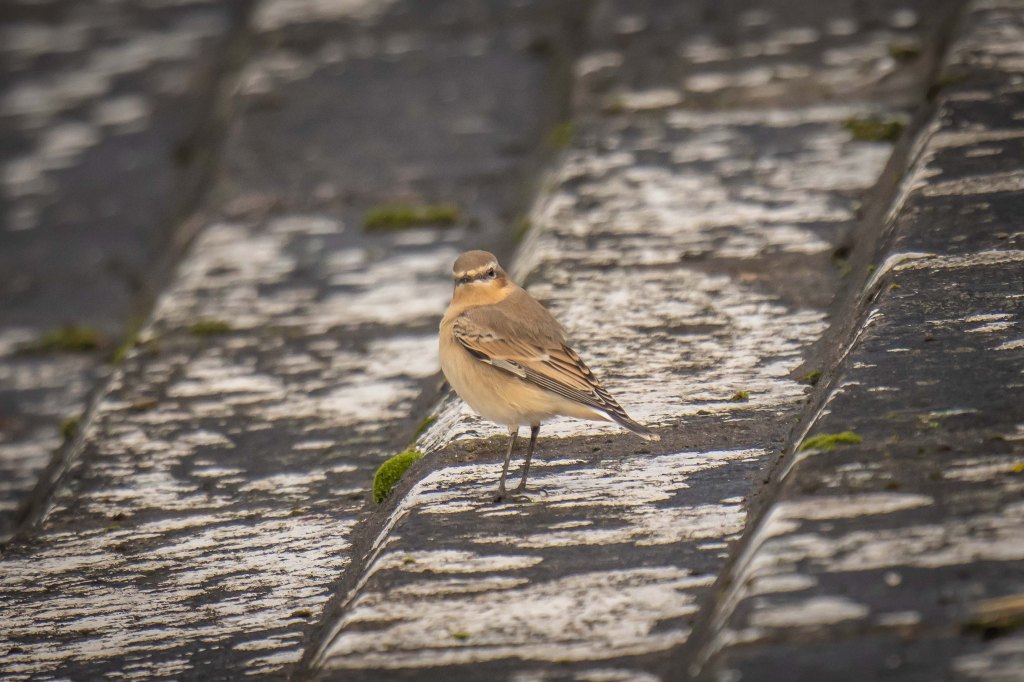
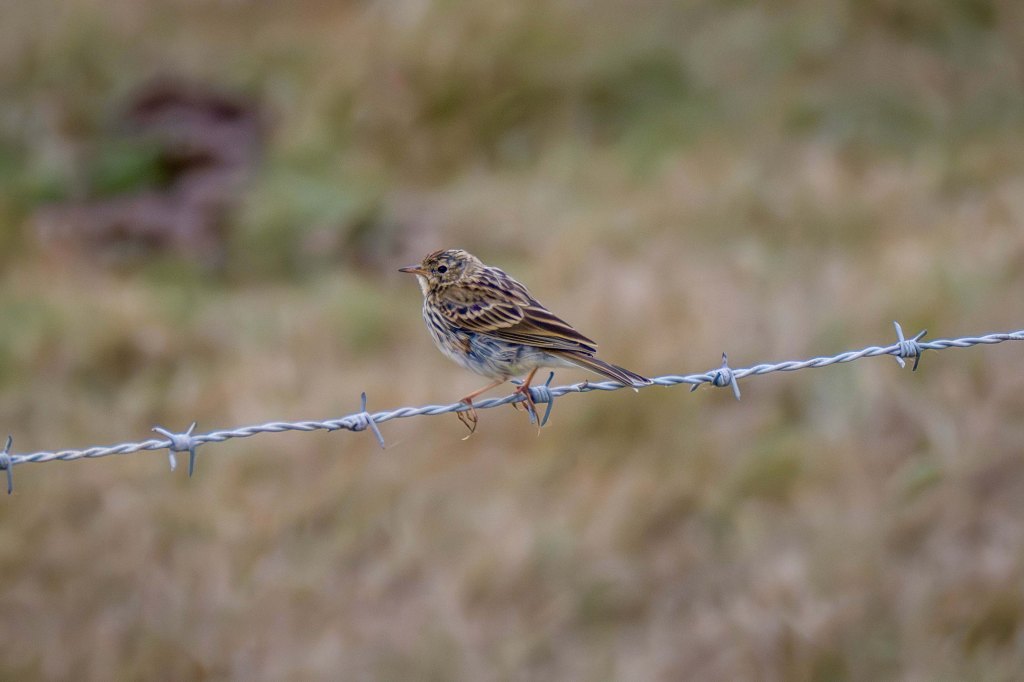
It doesn’t seem to have stopped raining in the last fortnight so I wasn’t too surprised to find, when I called in again at Cheddar Reservoir, that the water levels had risen. I’m sure that Bristol Waterworks, as well as the Almighty, had something to do with it. So no waders today. However, I was very pleased to see a northern wheatear which had popped in on its migration south.
There were other small passerines flitting around to keep it company.
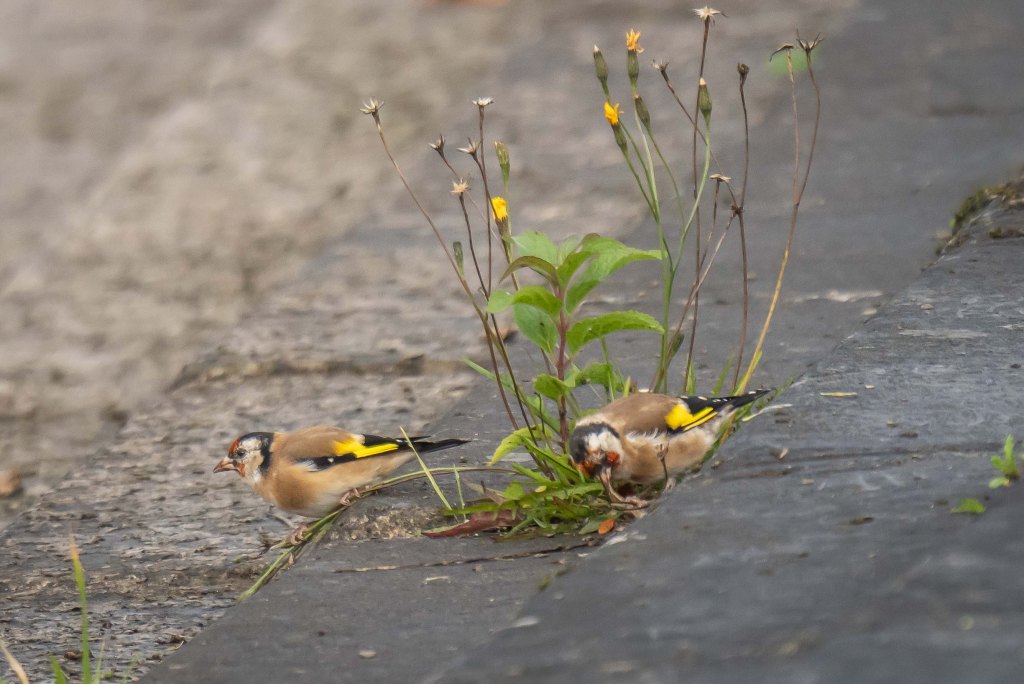
Meadow pipitGoldfinches
I then carried on south to the Avalon Marshes.
I only had time for RSPB Ham Wall, but there was enough there to keep me occupied in the rather poor light. There were very few people around: perhaps they have all migrated too!
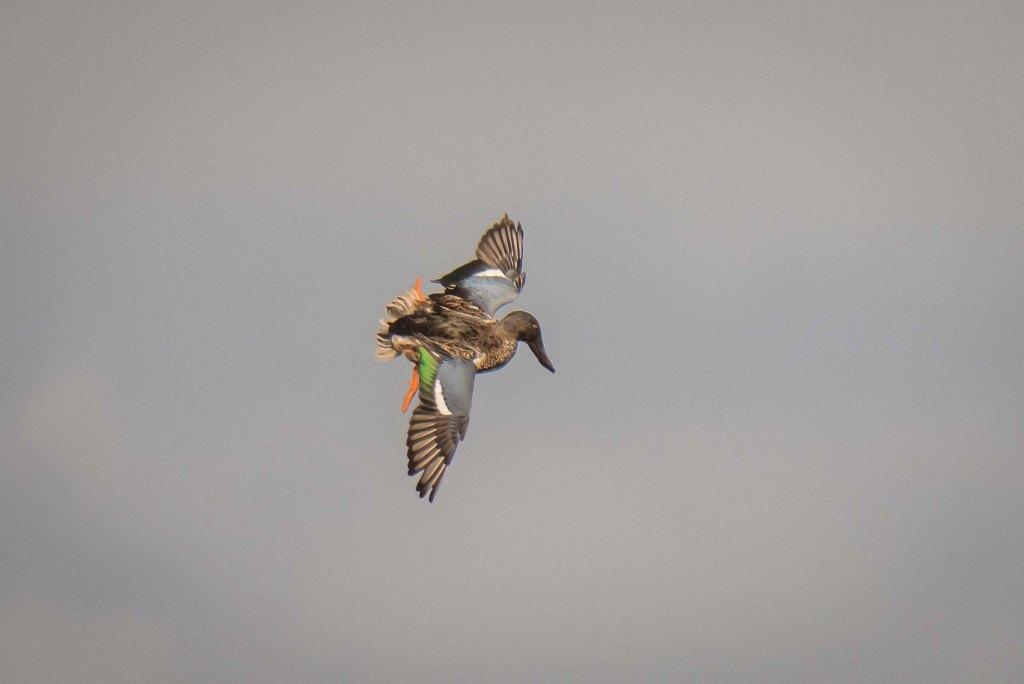
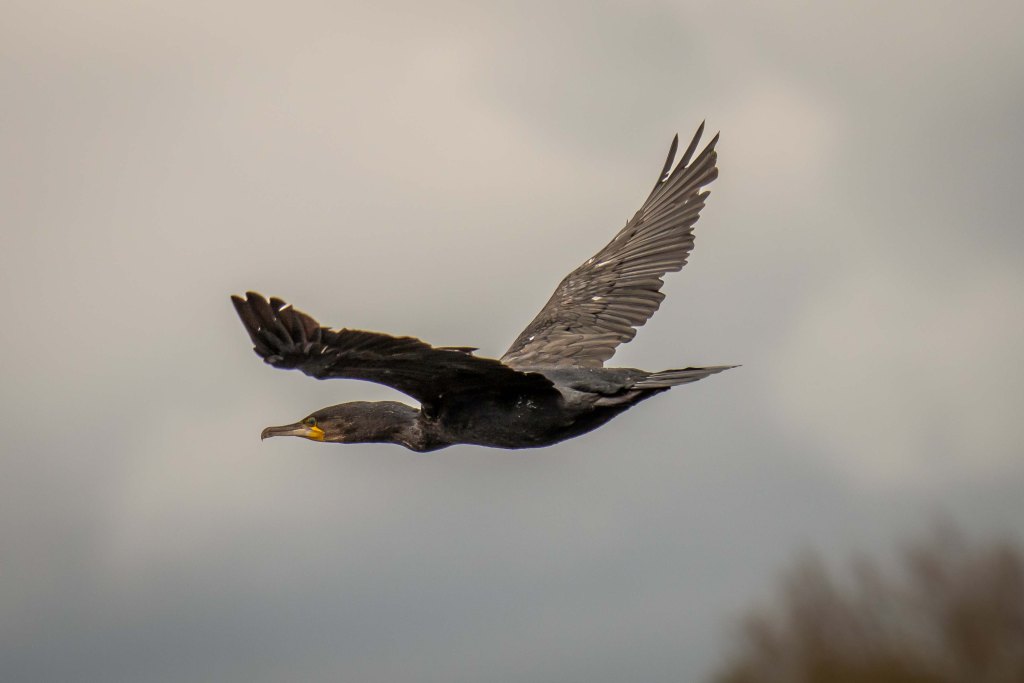
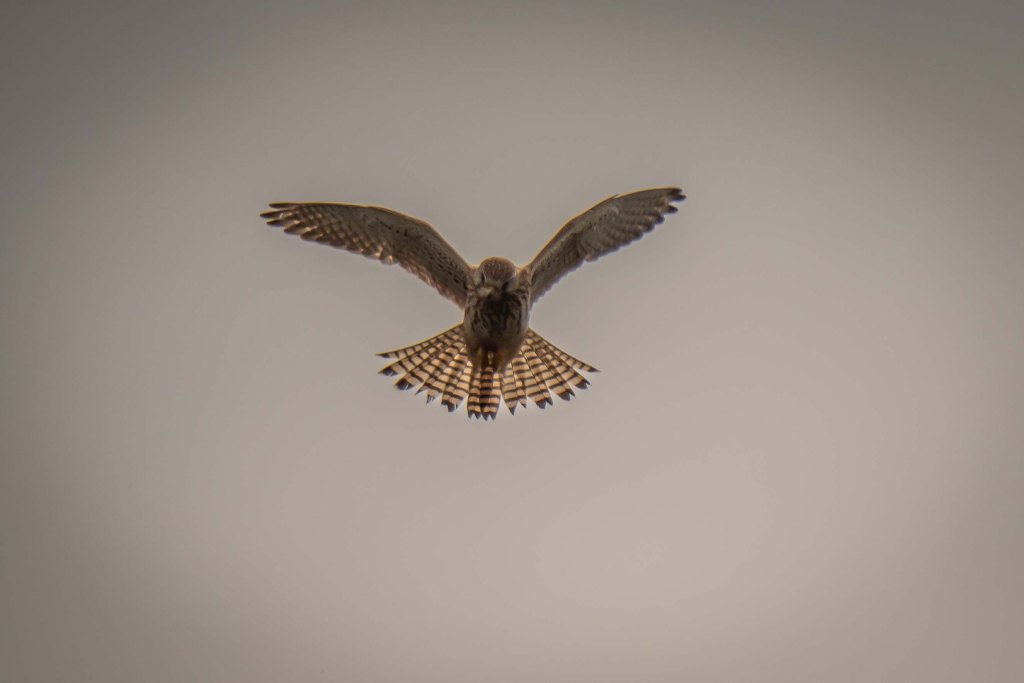
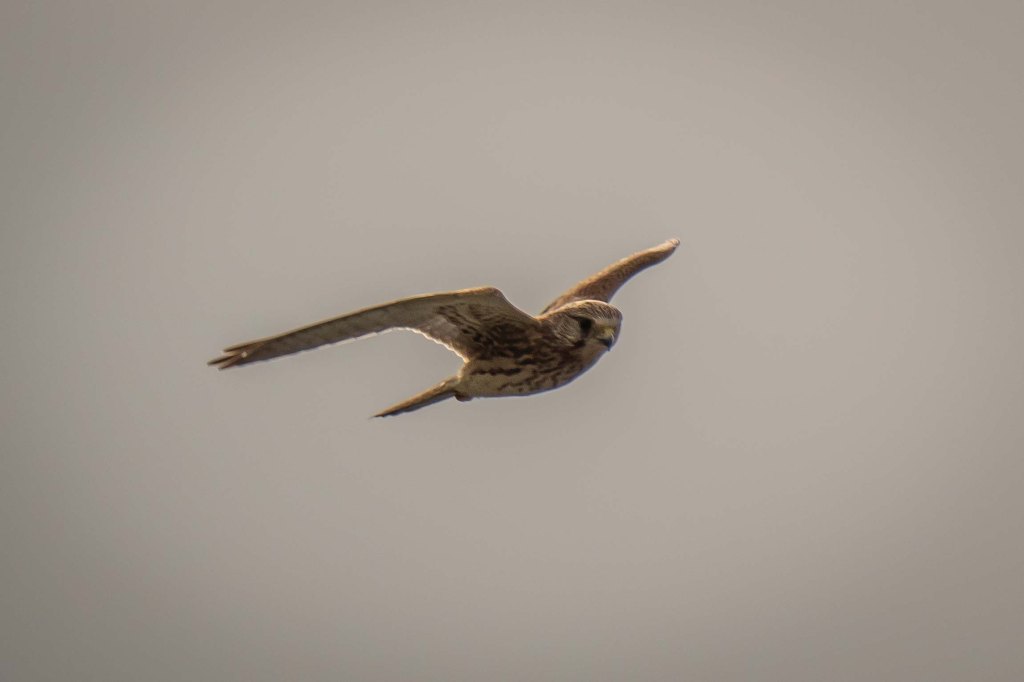
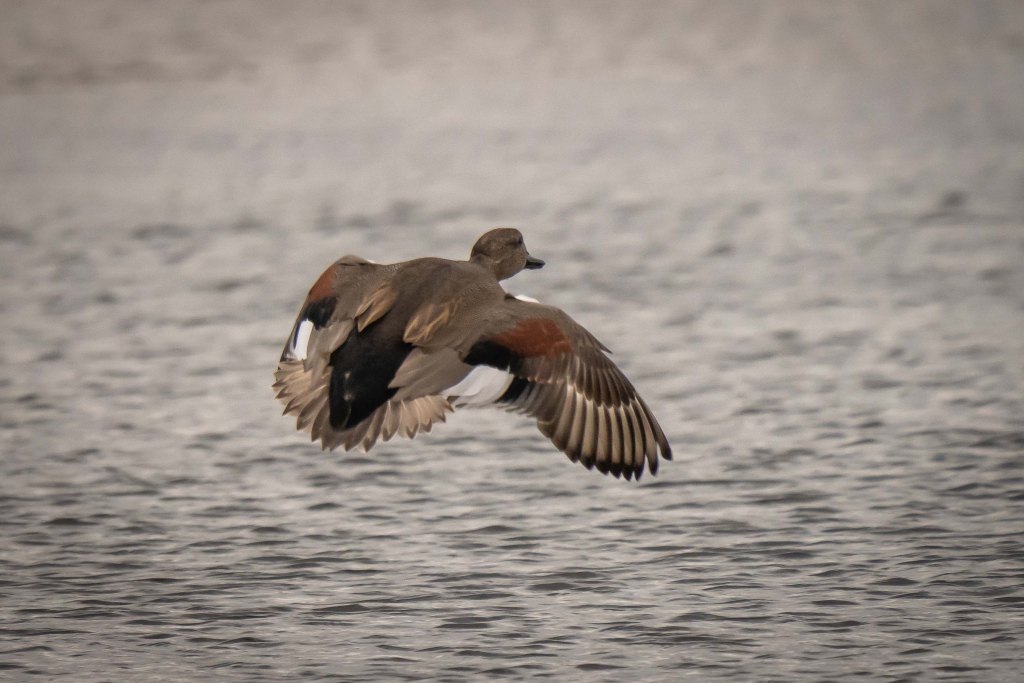
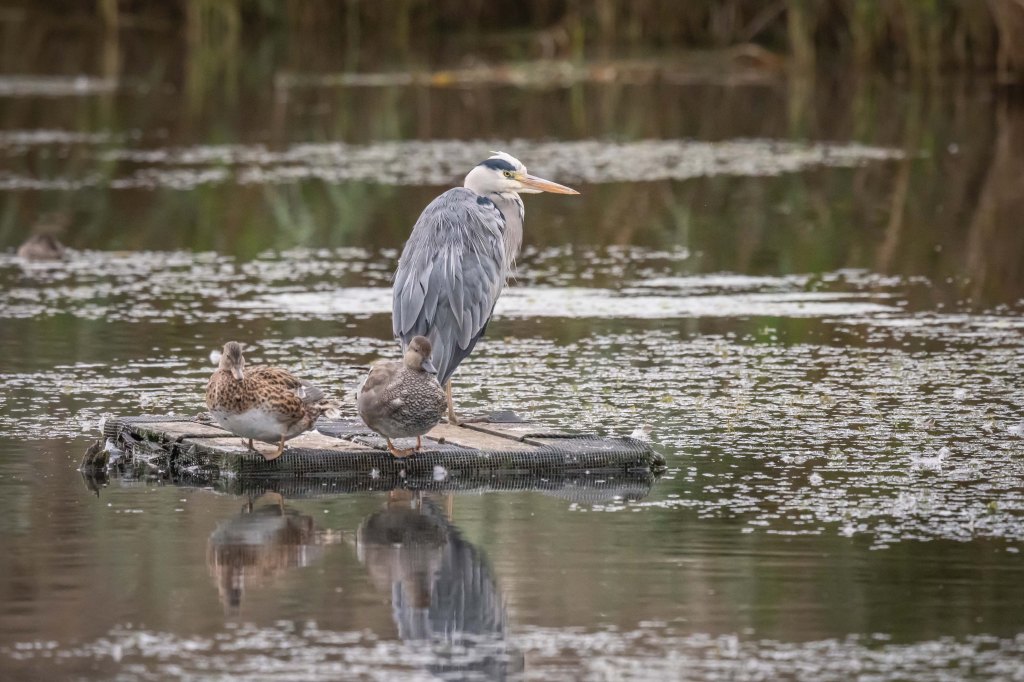
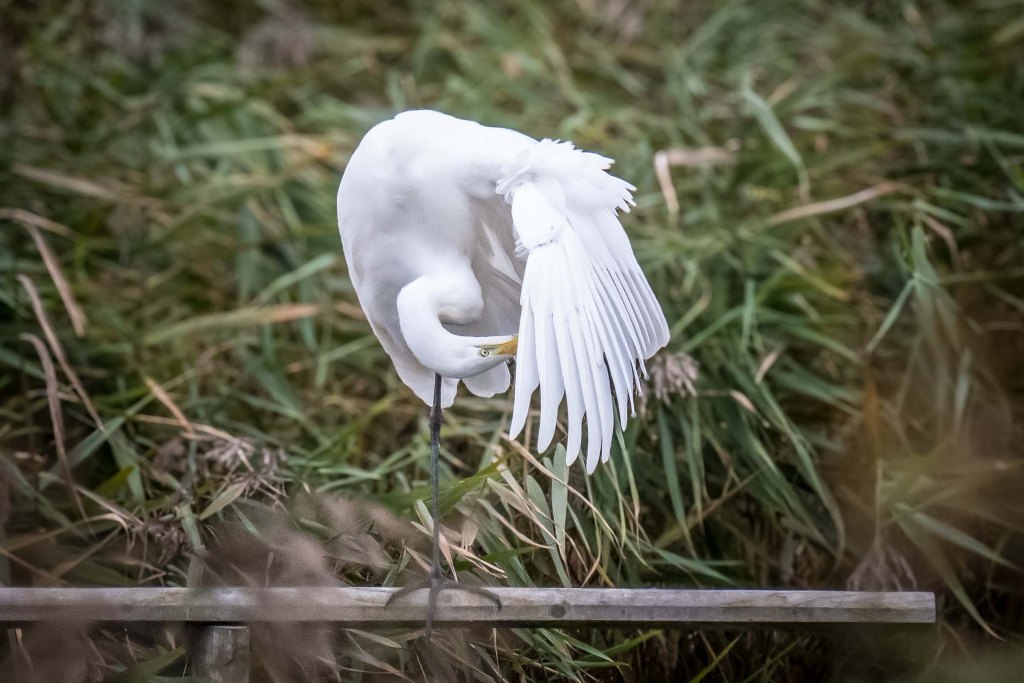
An acrobatic shovelerGadwall having a washGreat crested grebe about to diveCormorantKestrelKestrelKestrelGreat crested grebeGadwallGrey heron with gadwall as bodyguardsGreat white egret preeningGreat white egret the right way up
I had a very brief stop at Cheddar Reservoir last week and hadn’t considered adding a blog; that is until today when it hasn’t stopped raining all day.
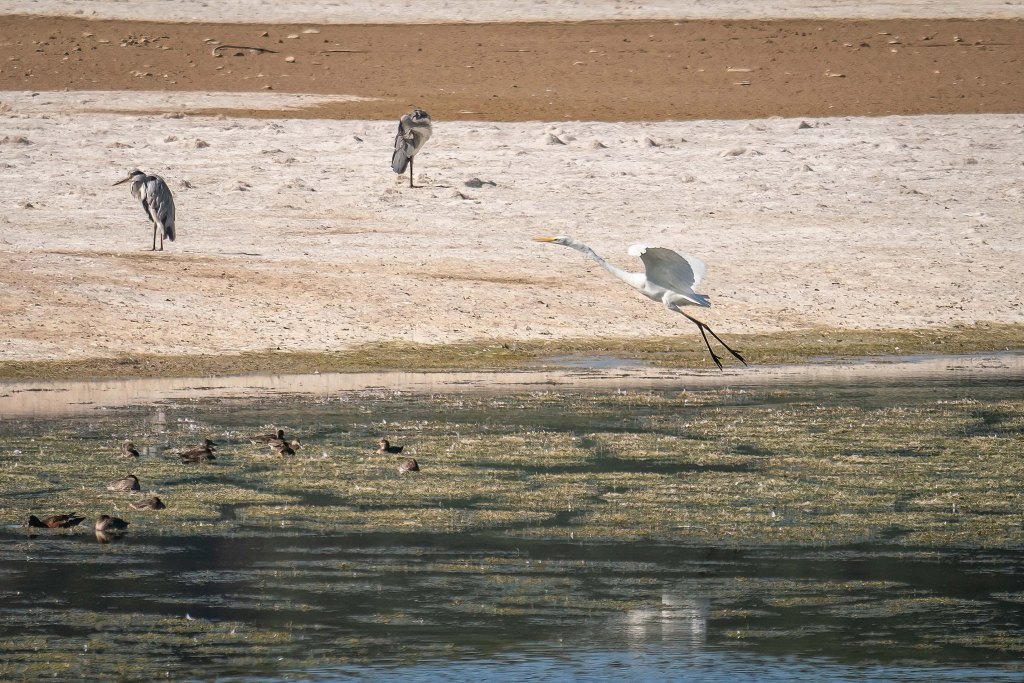
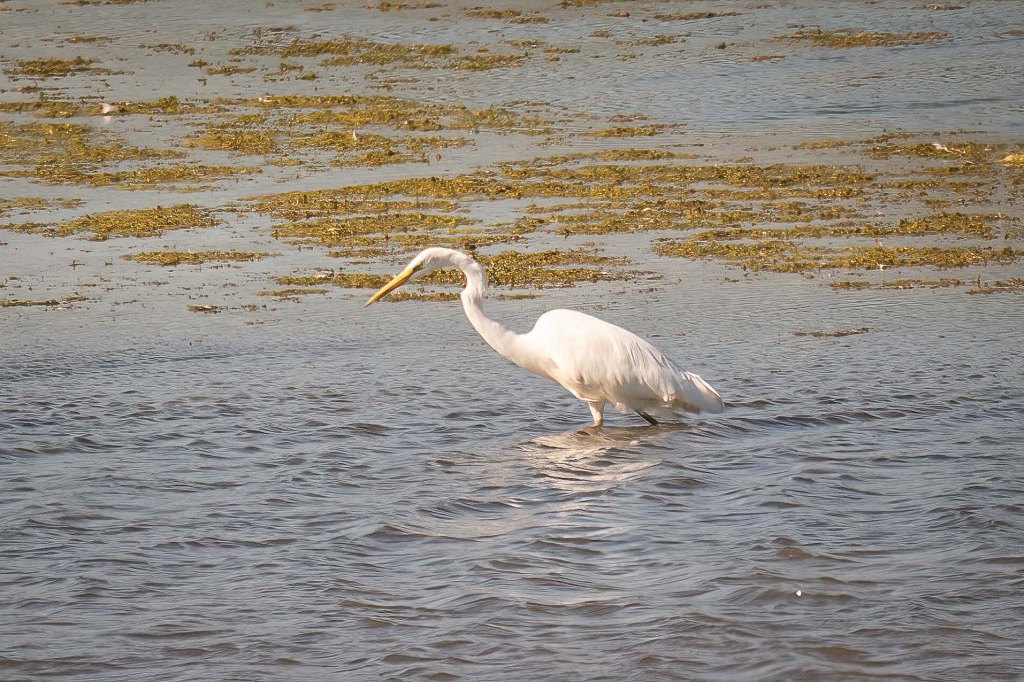
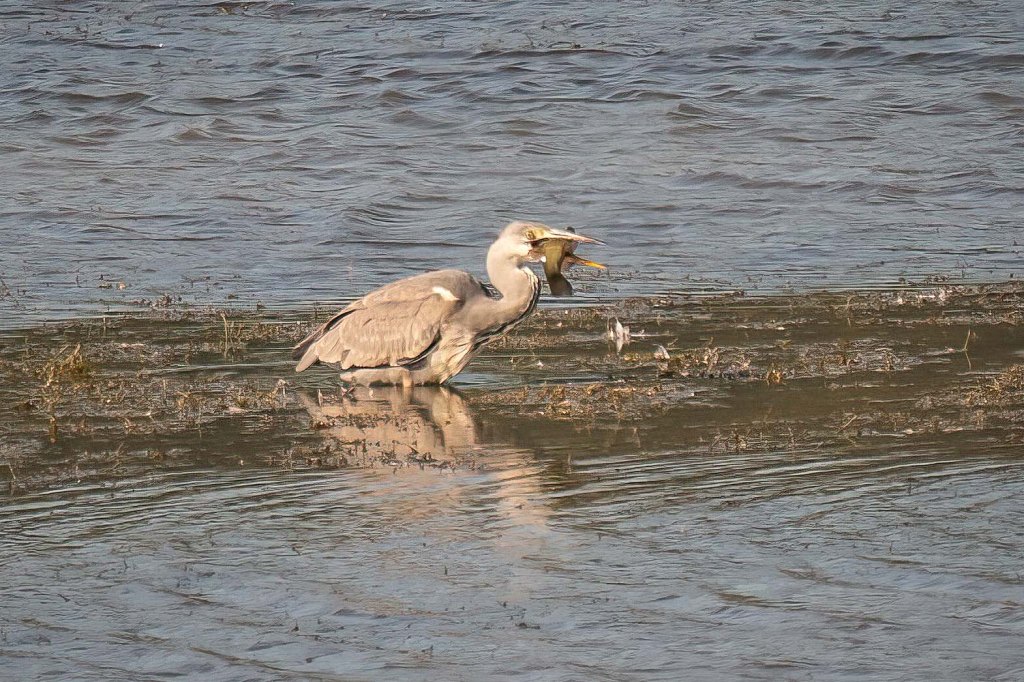
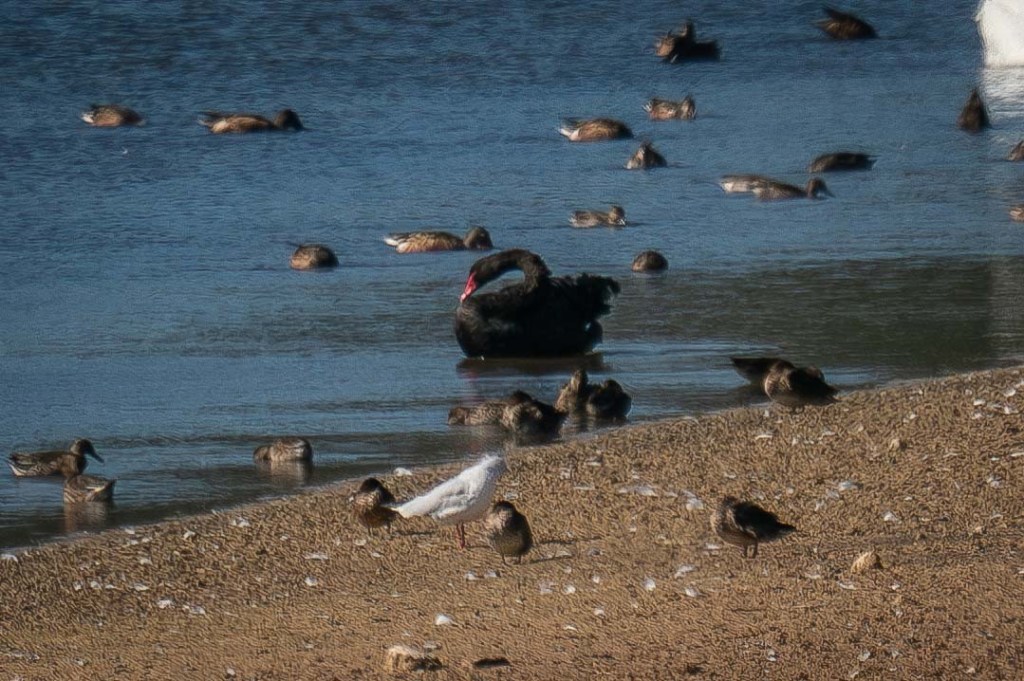
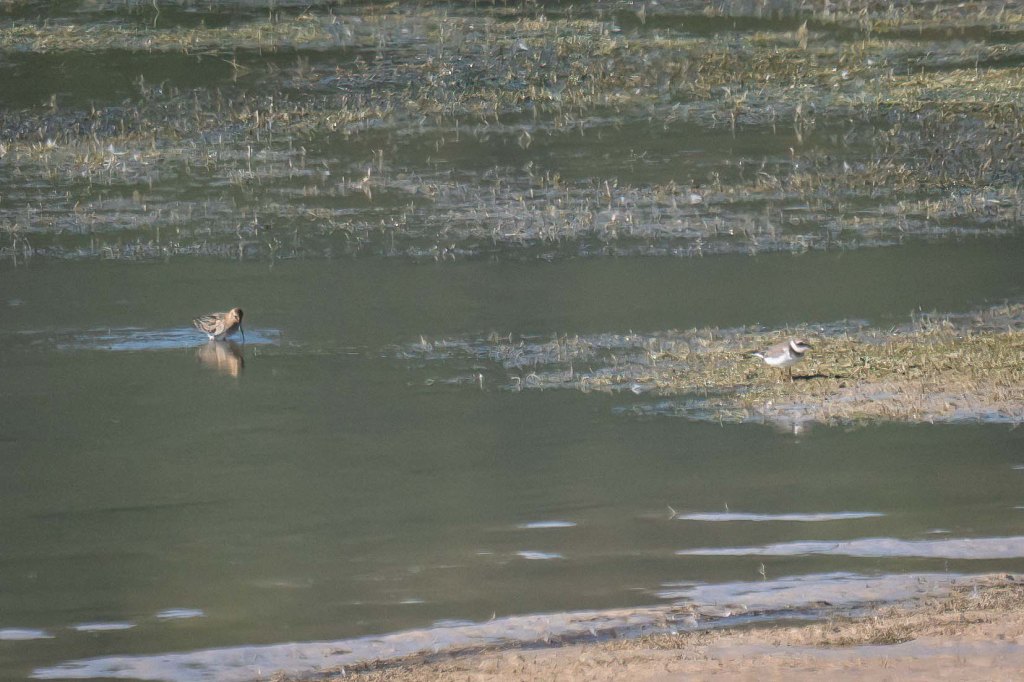
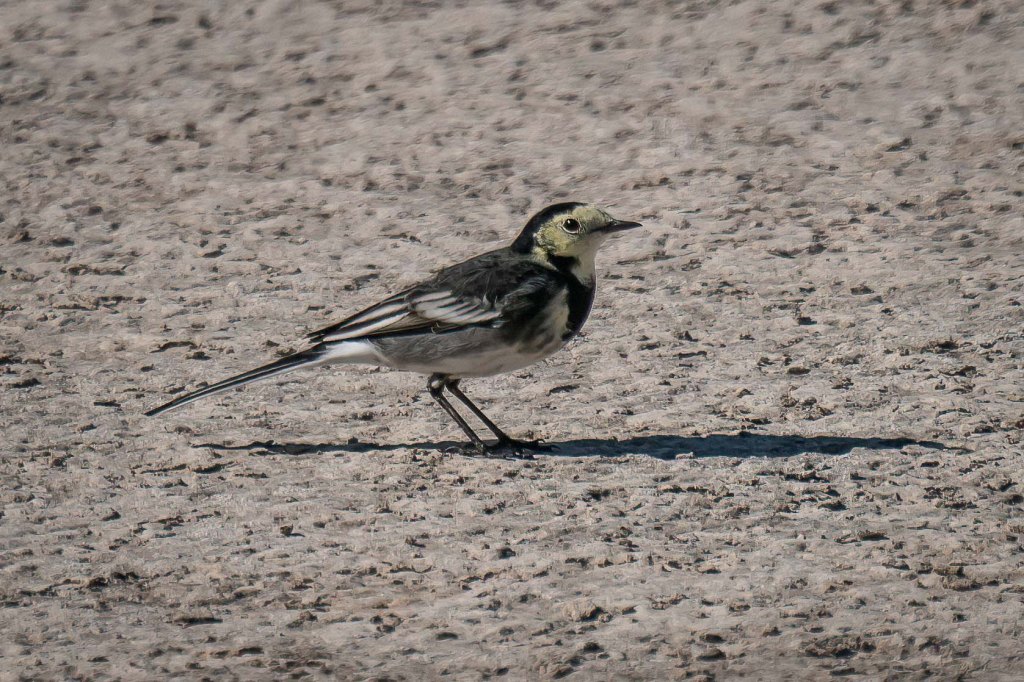
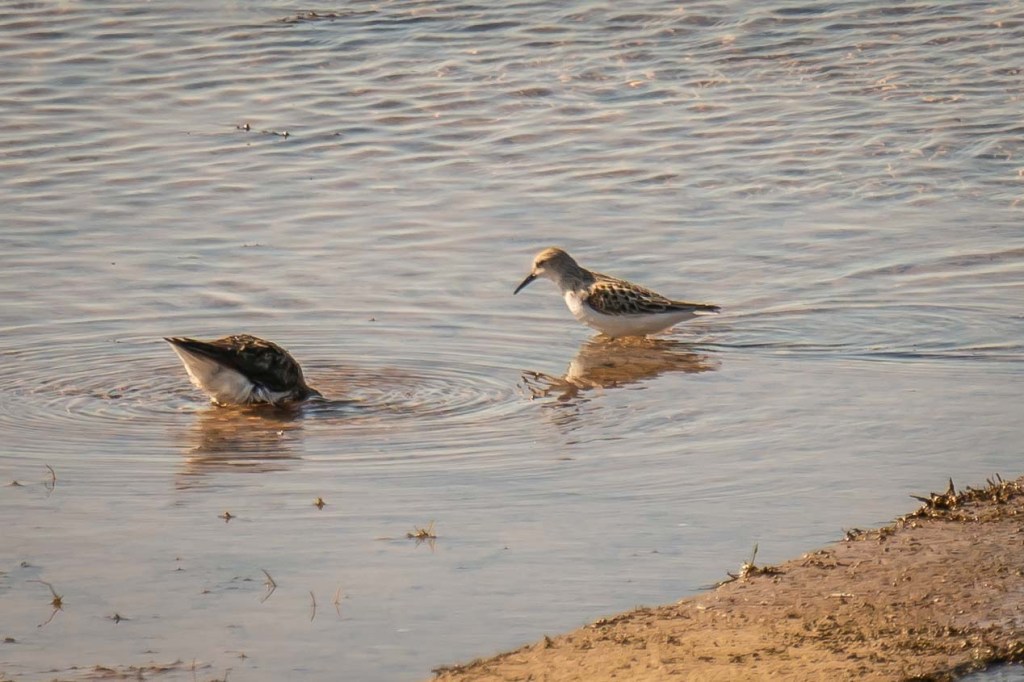
The reservoir was very low – due, I gather, to algae growing on a feeder riverGreat white egretGrey heron with an early supperThere were a couple of black swans at the reservoir and they were quite aggressive to the mute swansGreat white egretCommon ringed plover to the rightThe grey wagtail came closer than all the other birdsGrey heron and great white egretLittle stint was the best of the birds for me
I’m sure there was a lot more to see but, as much as I would have loved to linger in the warm sunshine, I had a tight deadline to meet.
Bliss. The schoolchildren are finally back to school and we now have all these wonderful outdoors spaces to ourselves. When we started our visit in the morning sunshine it was even too early for pre-school age children. Perhaps their parents/grandparents/childminders were too exhausted after looking after their older siblings for a few weeks? Spare a thought for teachers who have them in their care for much longer periods.
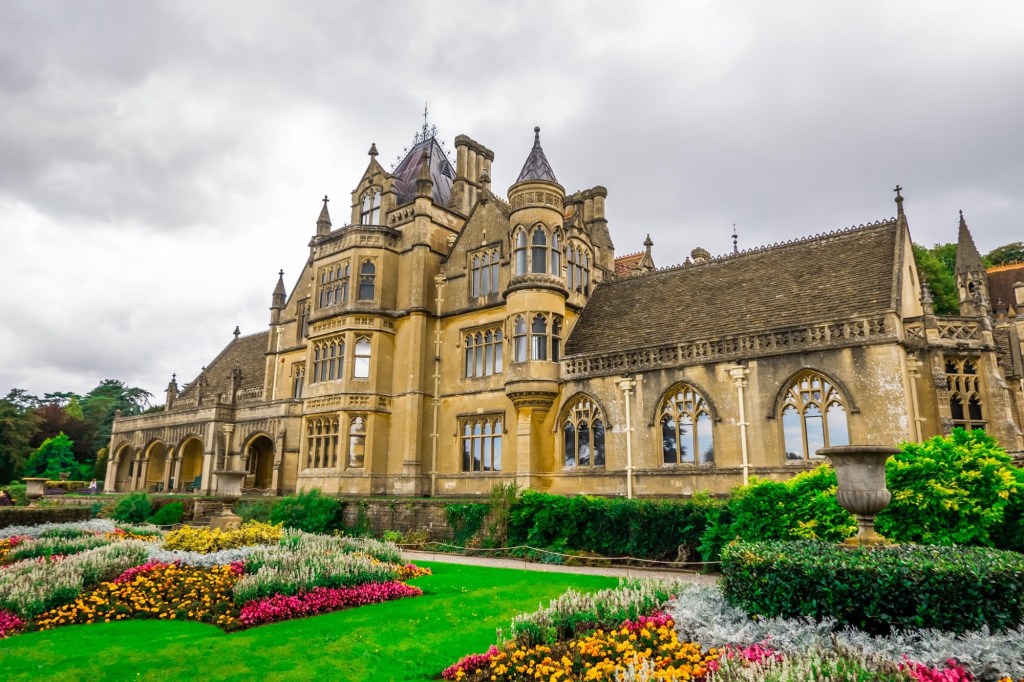
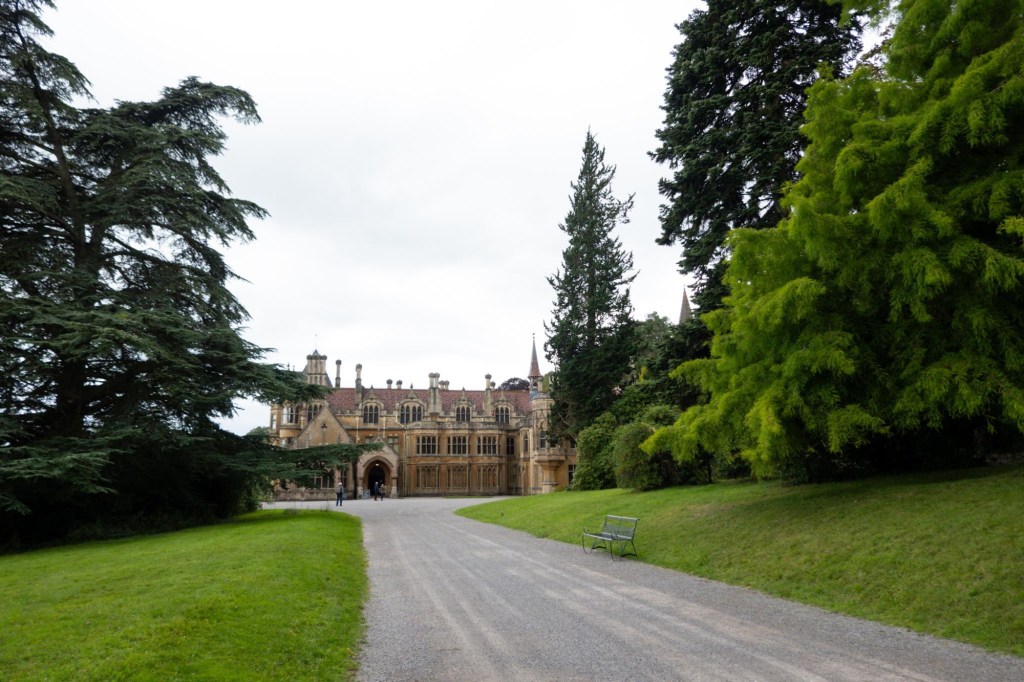
And how we enjoyed Tyntesfield, an ornate Victorian Gothic Revival house with extensive garden and parkland, just a stone’s throw from Bristol.
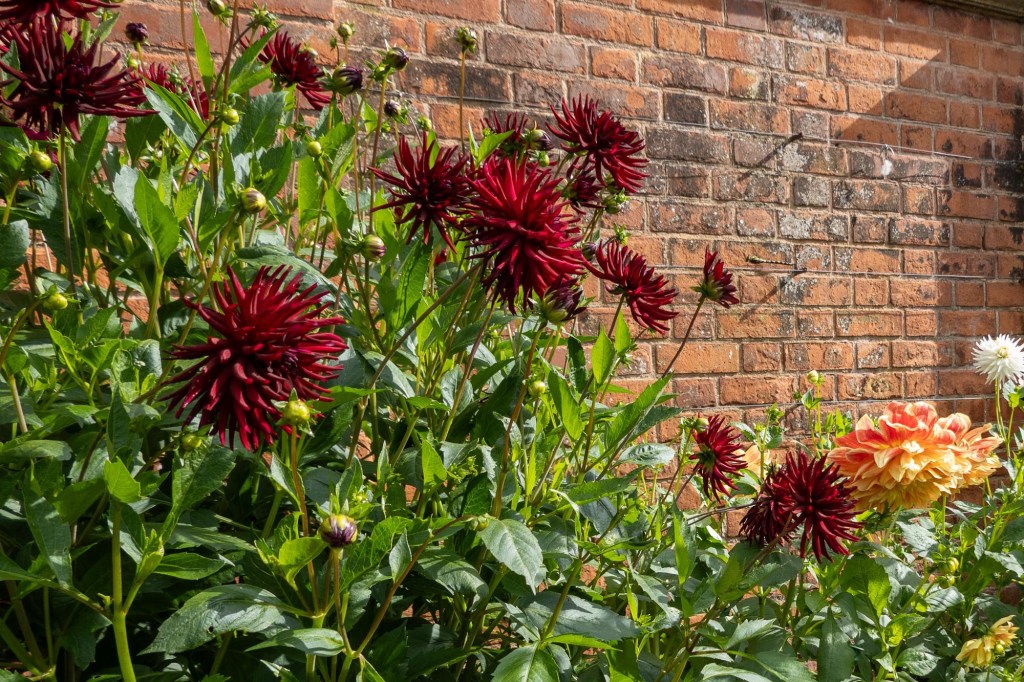
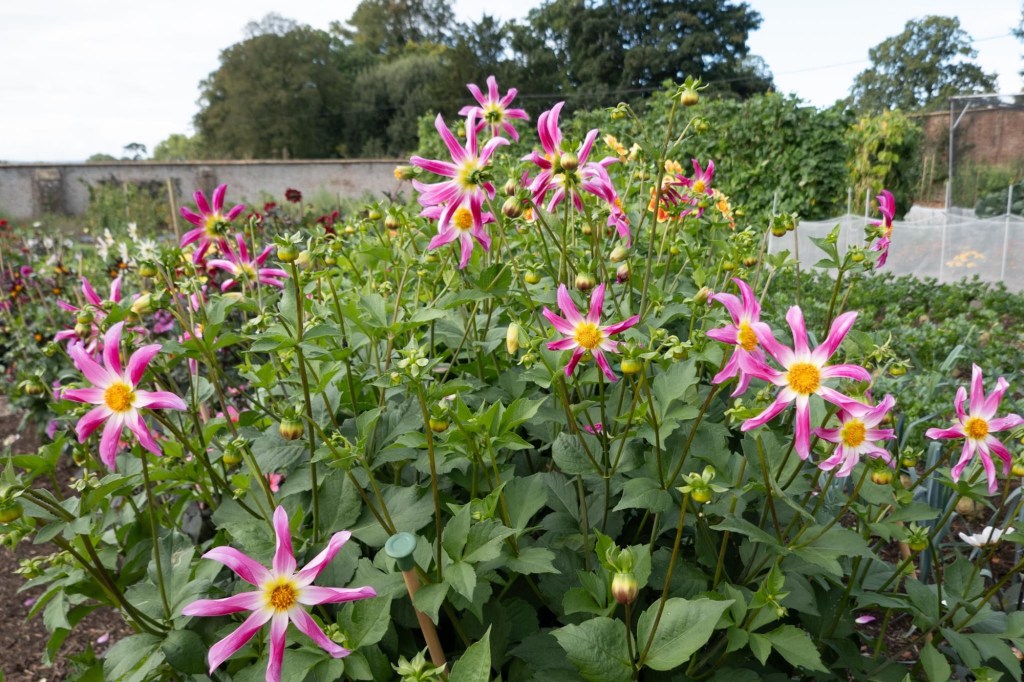
We didn’t actually see many birds, and I certainly didn’t photograph any, but there were a few butterflies and the flowers in the walled garden and around the orangerie were well worth photographing and recording in a blog.
A small copper butterfly which has been very rare in these parts this summer
The only downside seemed to be a strange smell in the air which, we presumed, must have been some sort of spreading of fertiliser. How appropriate was that as the house was paid for by the vast fortune made by William Gibbs, the owner of the monopoly on exporting valuable bird droppings from Peru.
Peter Scott opened Slimbridge, the first of nine WWT Wetland Centres across the UK, in 1946. Since then generations of families have visited the centre where their interest in nature and conservation has been nurtured.
However, today it seemed more like a vast playground for very young children and their mums, most of whom showed very little interest in the wildlife. It could have been worse as I imagine many of the older children were absent having their shoes fitted for the return to school.
We managed to find a few quiet areas away from the play areas and enjoyed seeing a few interesting birds.
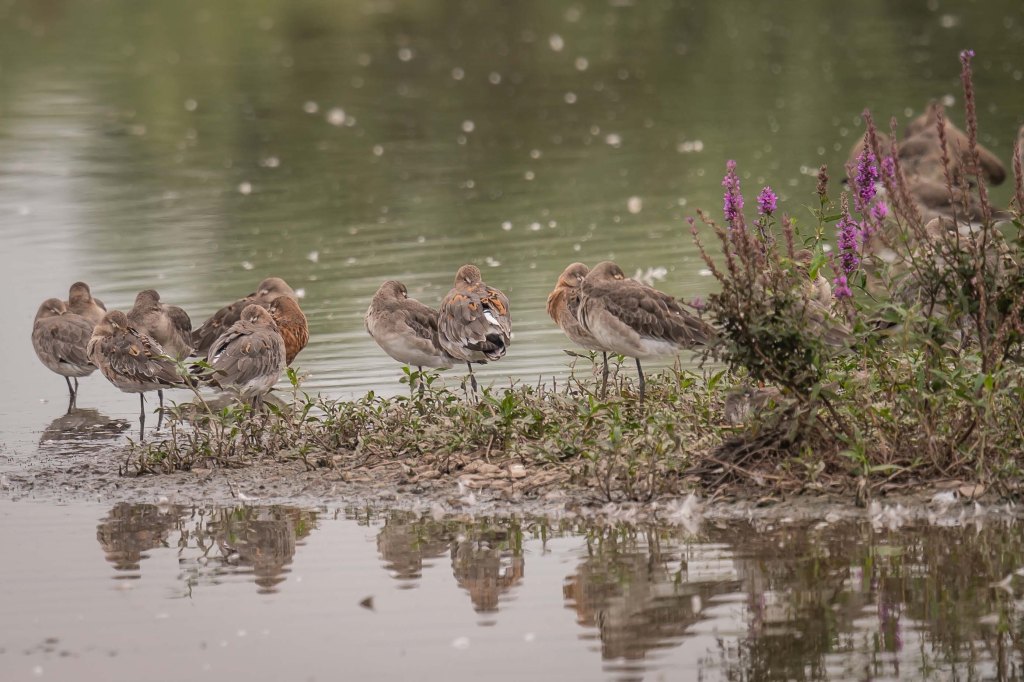
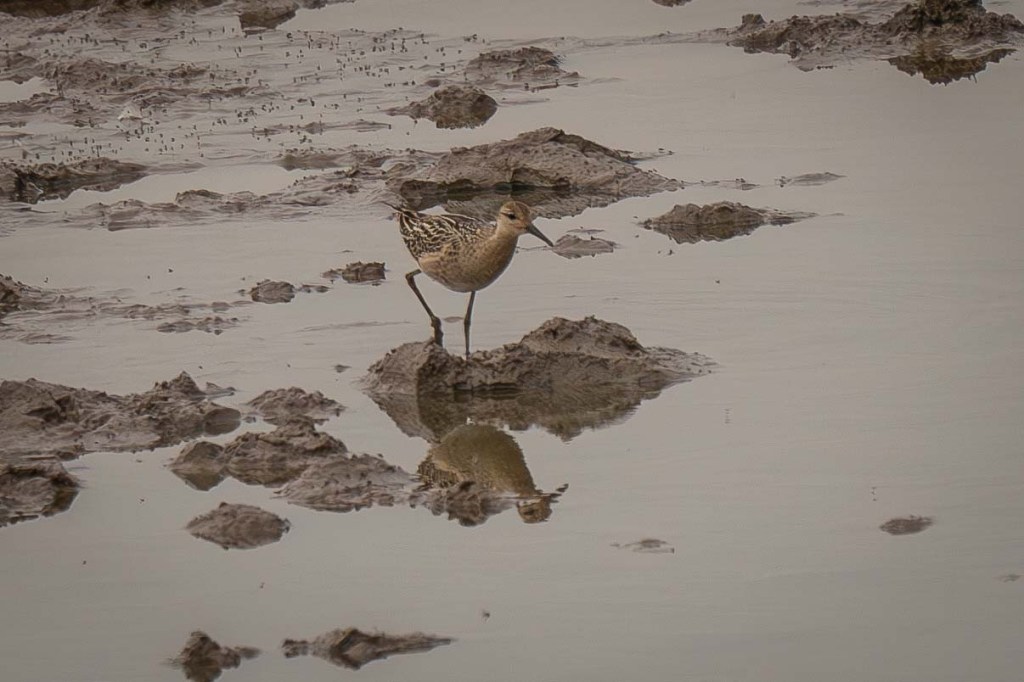
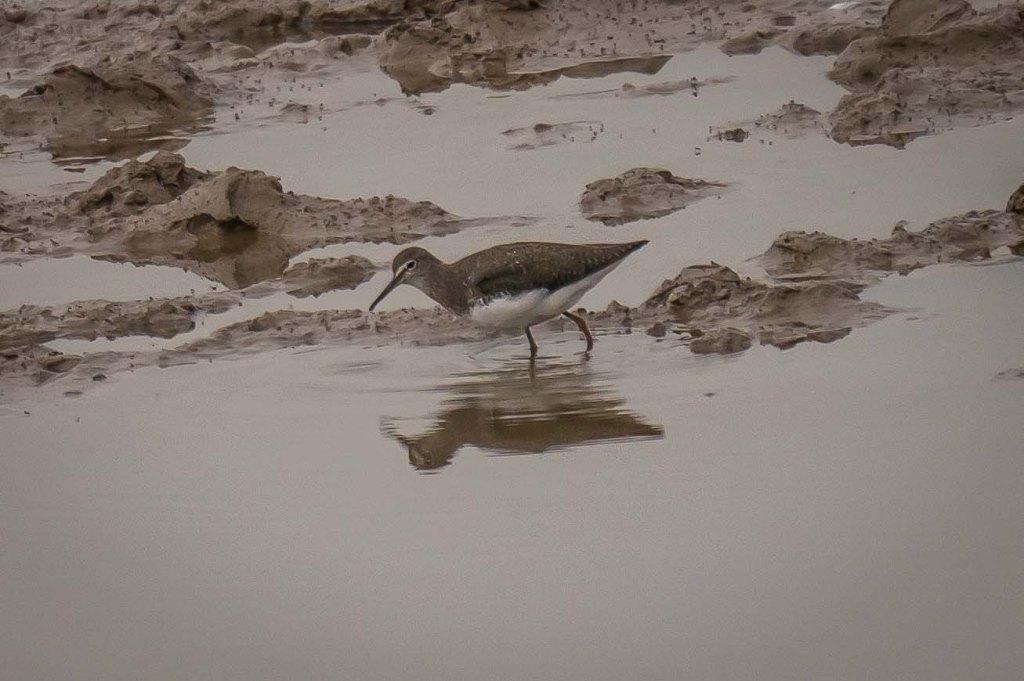
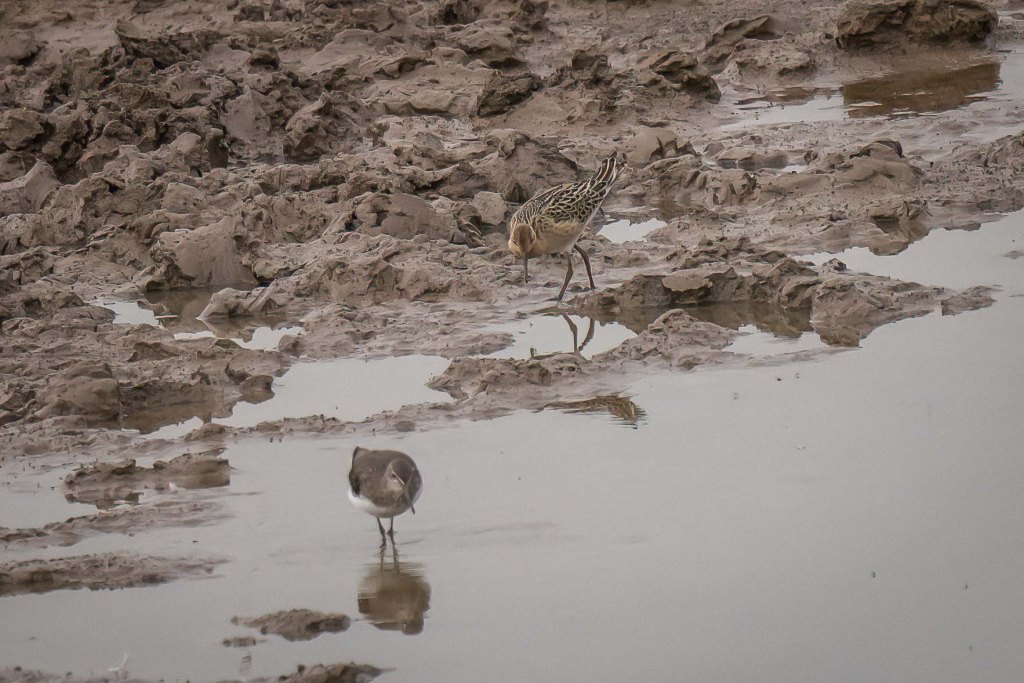
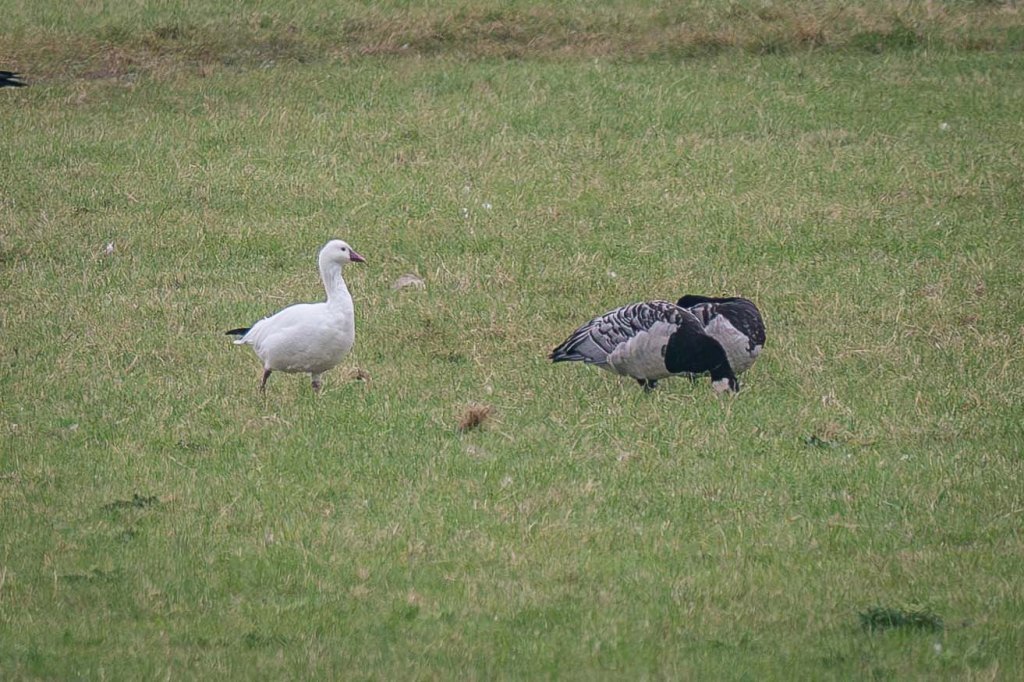
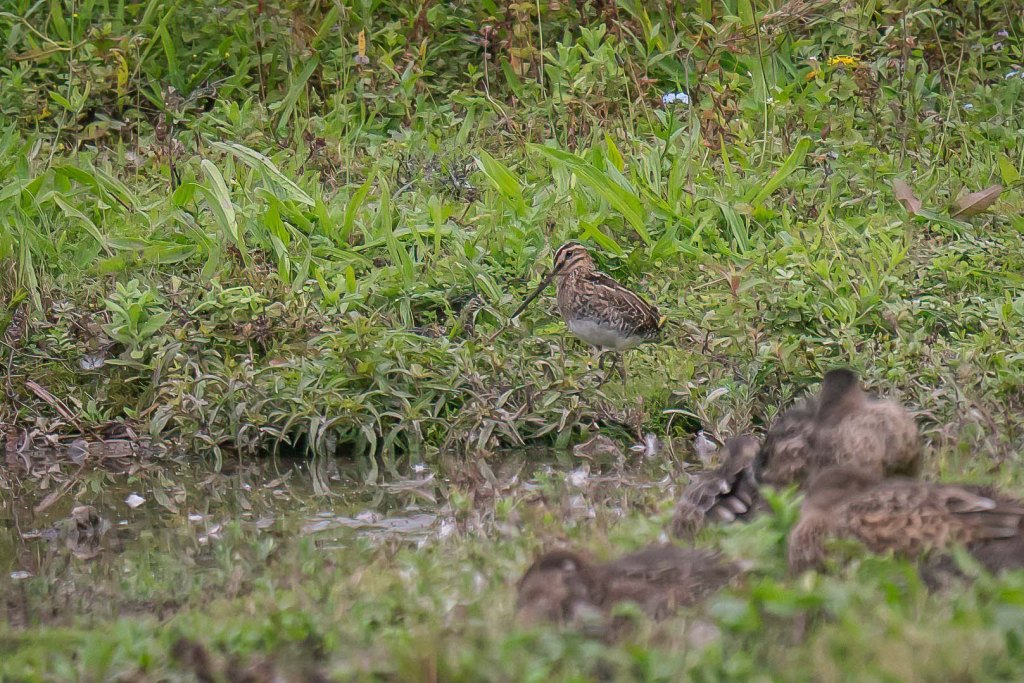
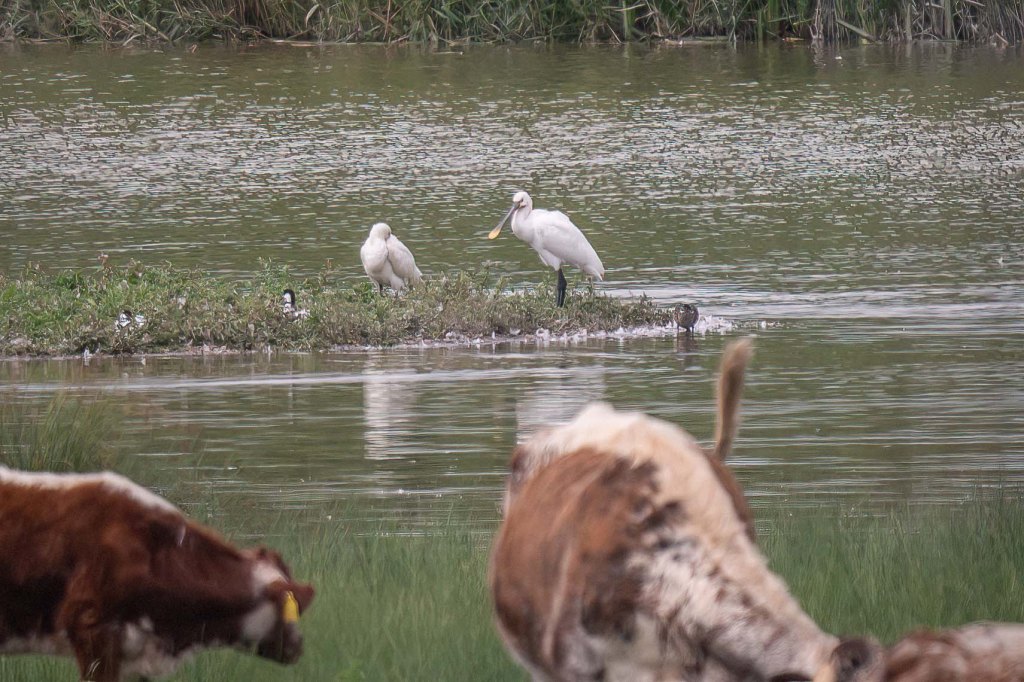
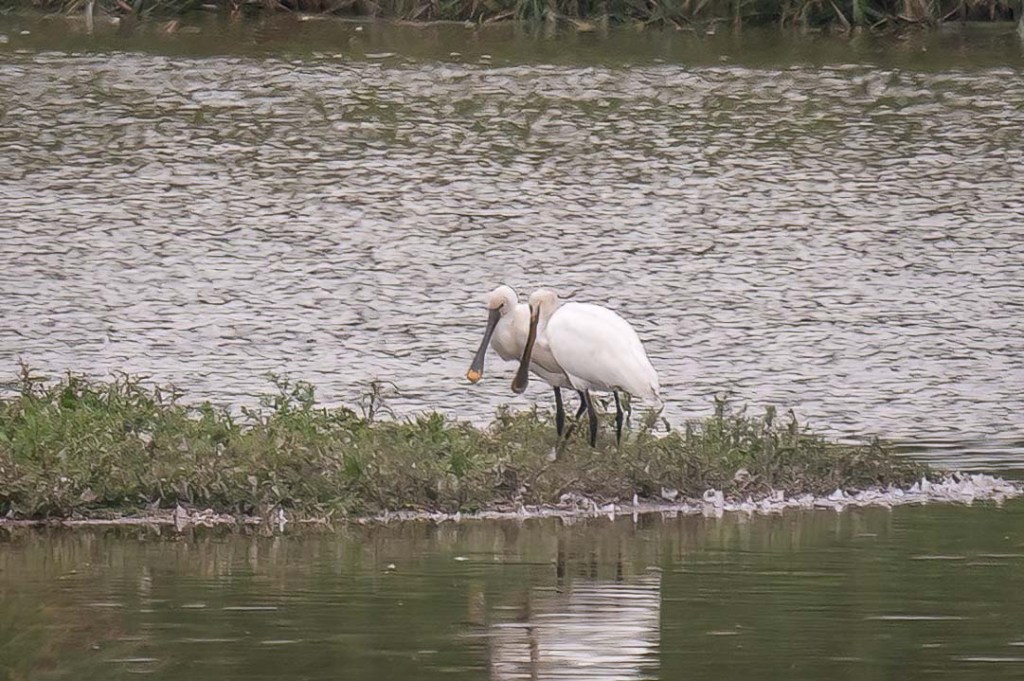
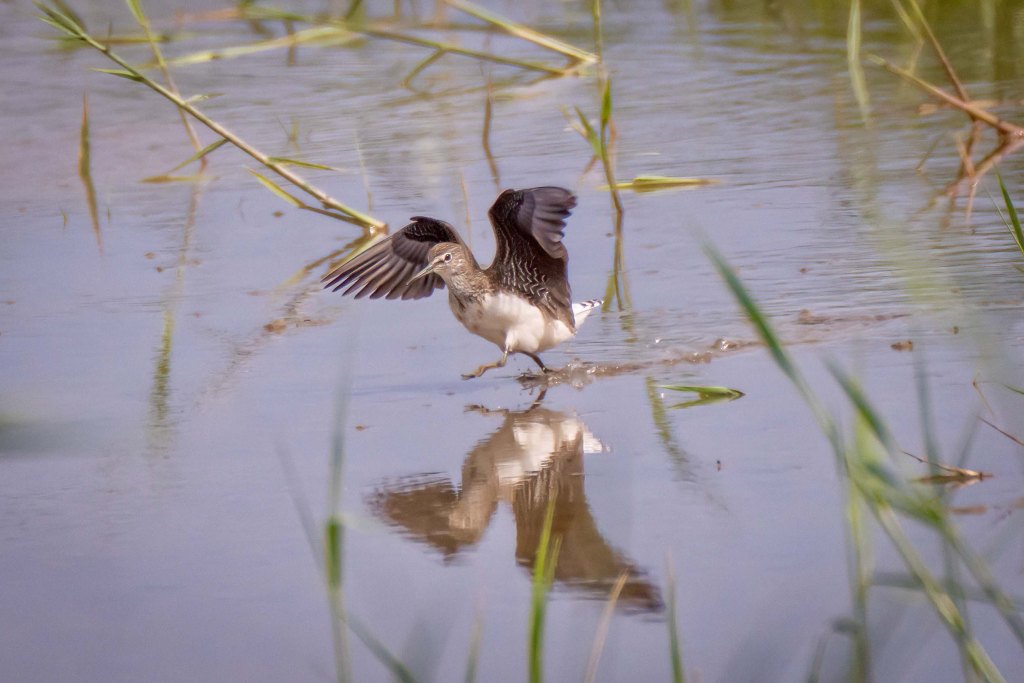
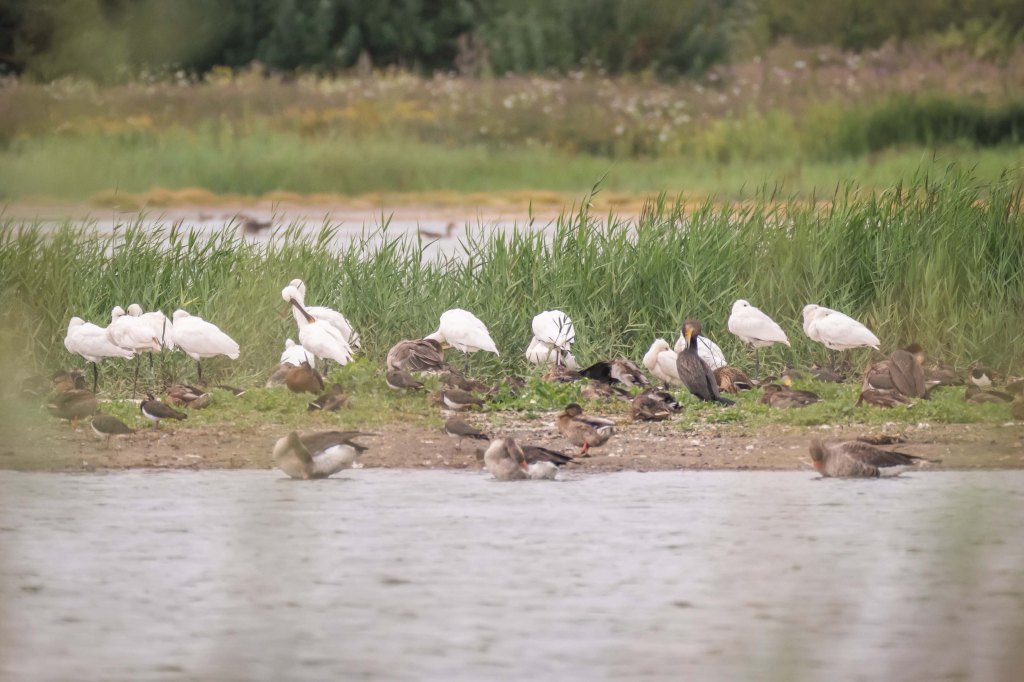
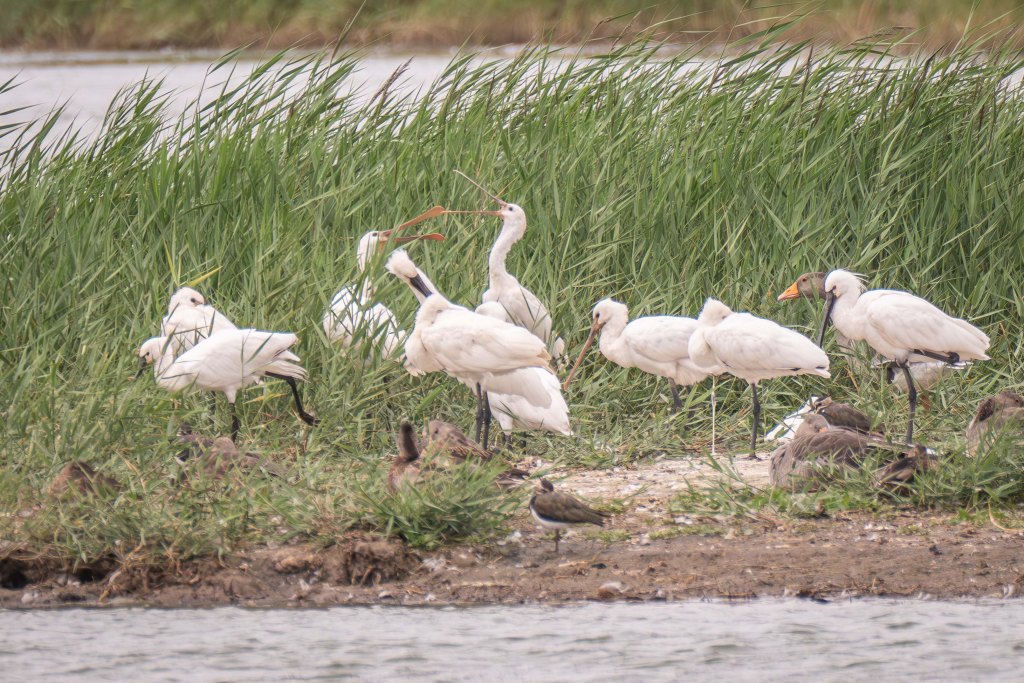
Black-tailed godwitsThe black-tailed godwits were losing their breeding plumageSpotted redshankGreenshankJuvenile ruffGreen sandpiperThe ruff and the green sandpiper togetherVery distant common craneRoss’s goose and barnacle geeseGrey heron with its catchCommon snipeCommon snipe in flight2 Eurasian spoonbillsEurasian spoonbills
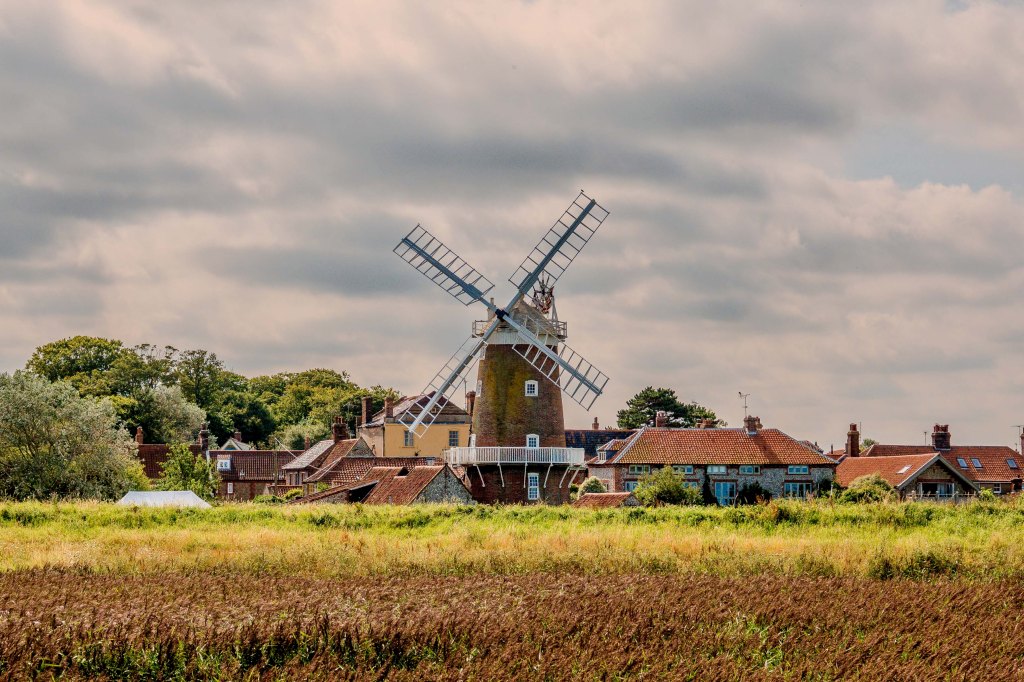
A glorious day to end our stay in Norfolk: we started the day with a hobby at Cley Marshes and ended with three swallows (that is the Three Swallows pub along the border of Cley next the Sea and Newgate village).
Eurasian hobby
Although we haven’t seen many marsh harriers until yesterday, we made up for it today.
Marsh harrierMarsh harrier
As we made our way out to the Avocet hide we met a volunteer who warned us that, despite the glorious sunshine , the light was not good in the hides in that area. He was right. We weren’t very good at taking his advice as he told us the scones back at the visitors’ centre were very good, but when we got there, a little later, the smell of the bacon was irresistible. All very good though.
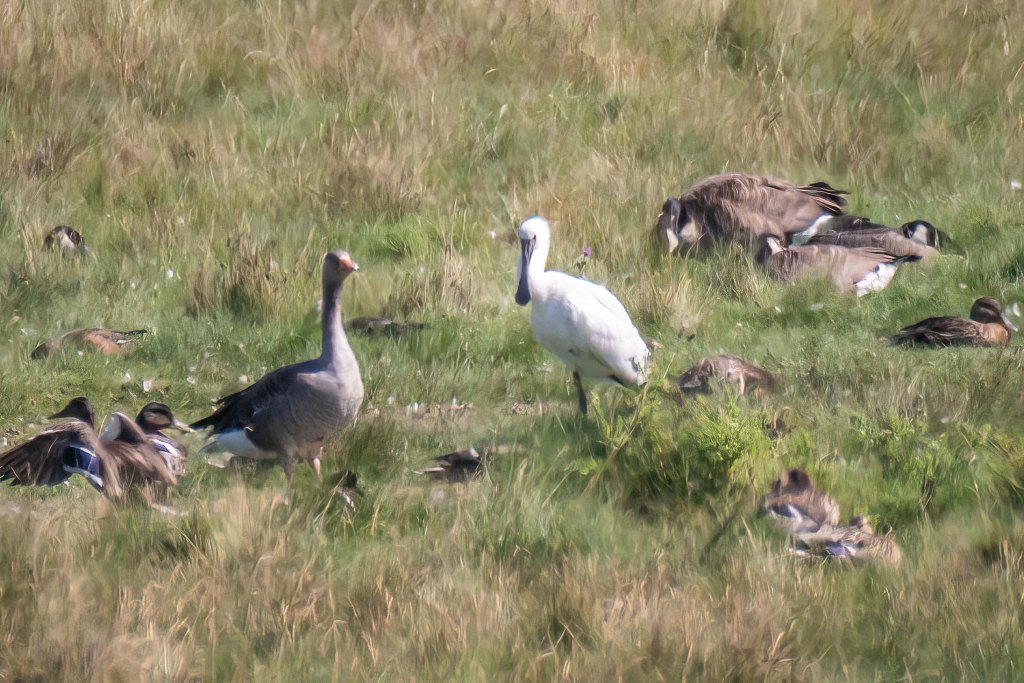
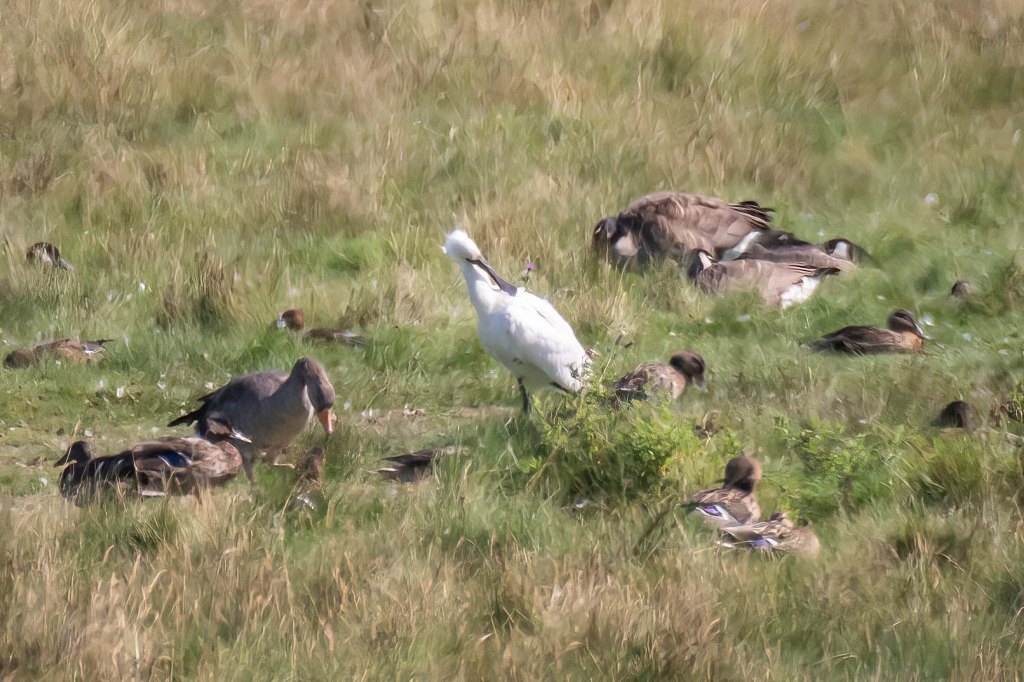
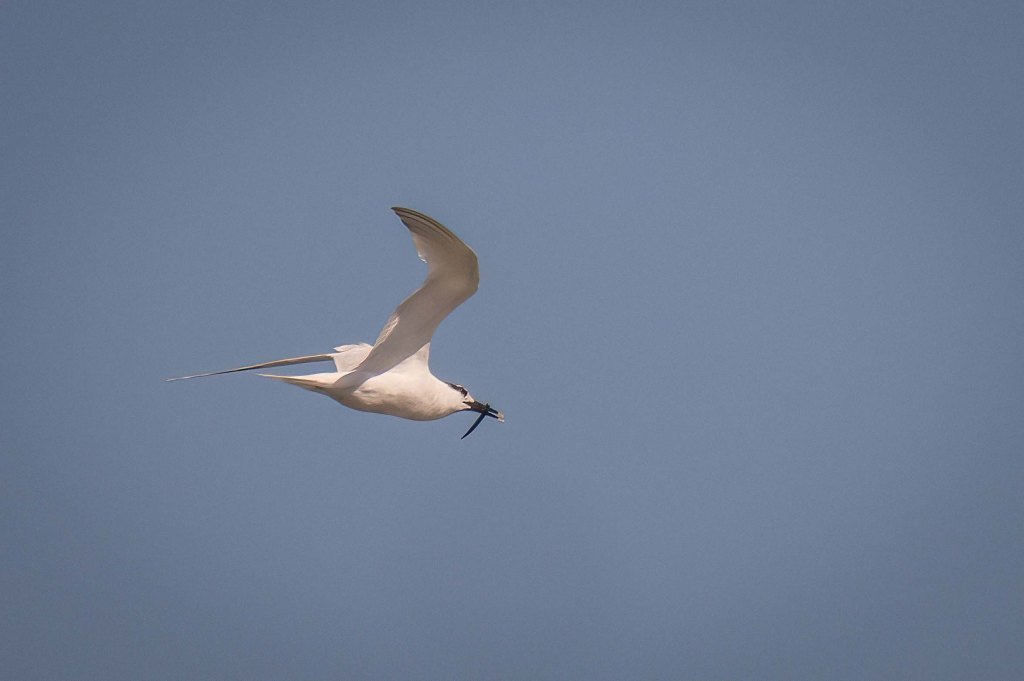
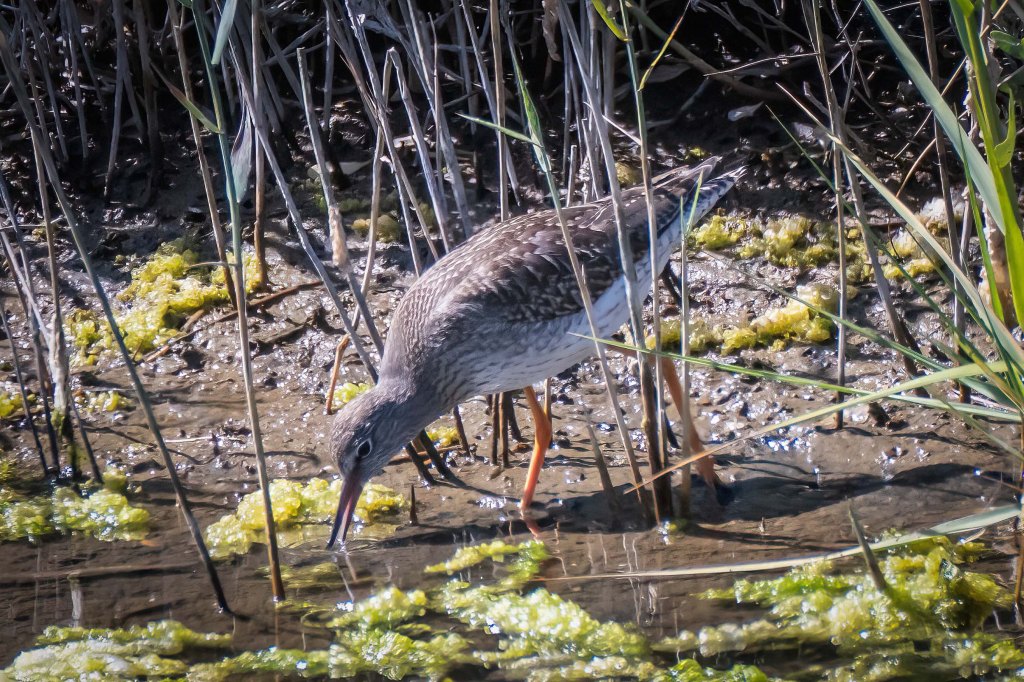
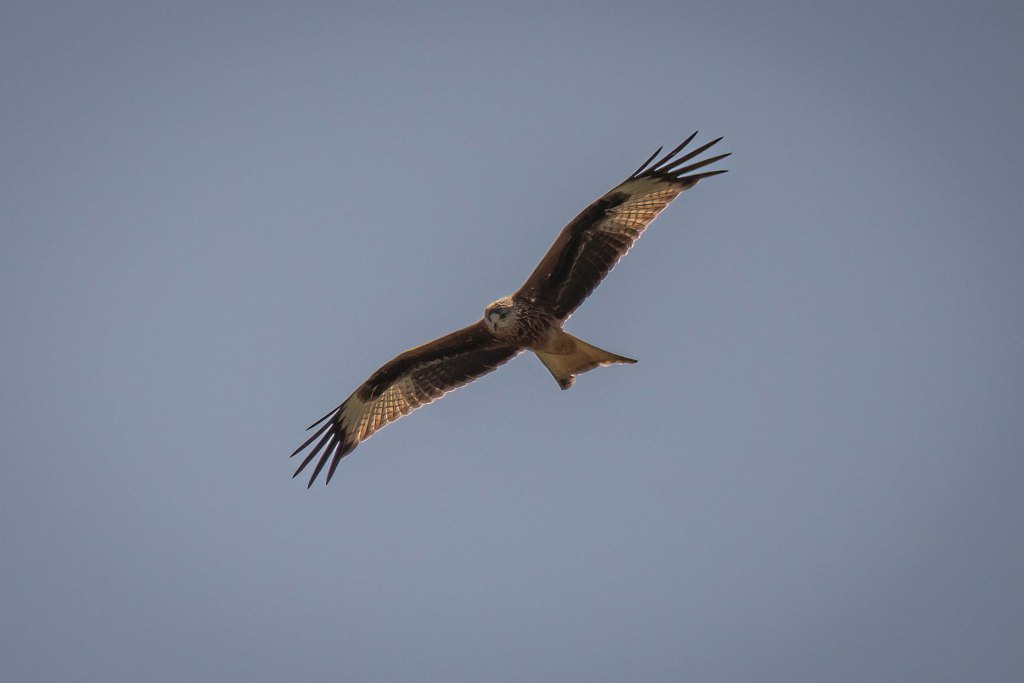
Not terribly good light in the hide eitherI’m not sure what this was just in front the hide. Linnet?When the birds faced the light, as this black-tailed godwit did, we were ok.Distant cattle egretsRinged ploversAnother marsh harrier bringing the breakfast back… and another settling into the reeds.Red admiral amongst the nettlesDunlin from the Bishops’ hide. (Not an ecclesiastical reference; the hide seemed to be named after Mr. and Mrs. Bishop)Little grebeSpoonbill amongst the geeseSpoonbill preeningAnd another spoonbill further back on the sea poolNorfolk hawker? Well we were in Norfolk!Sandwich tern from the beachRedshank on its own in a small poolRed kite caused mayhem on the ground
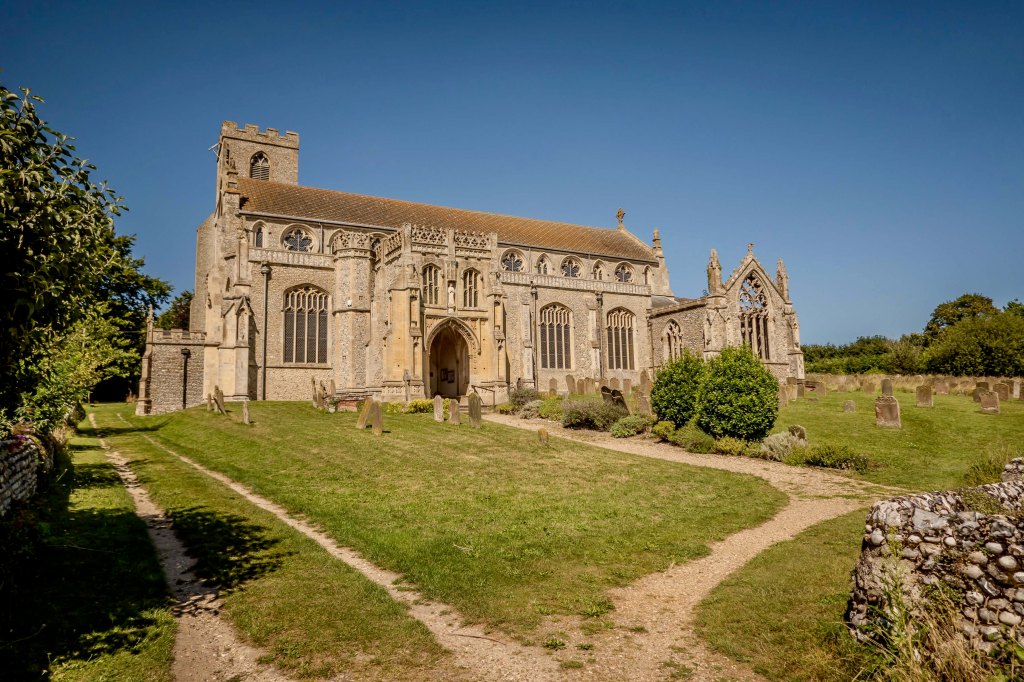
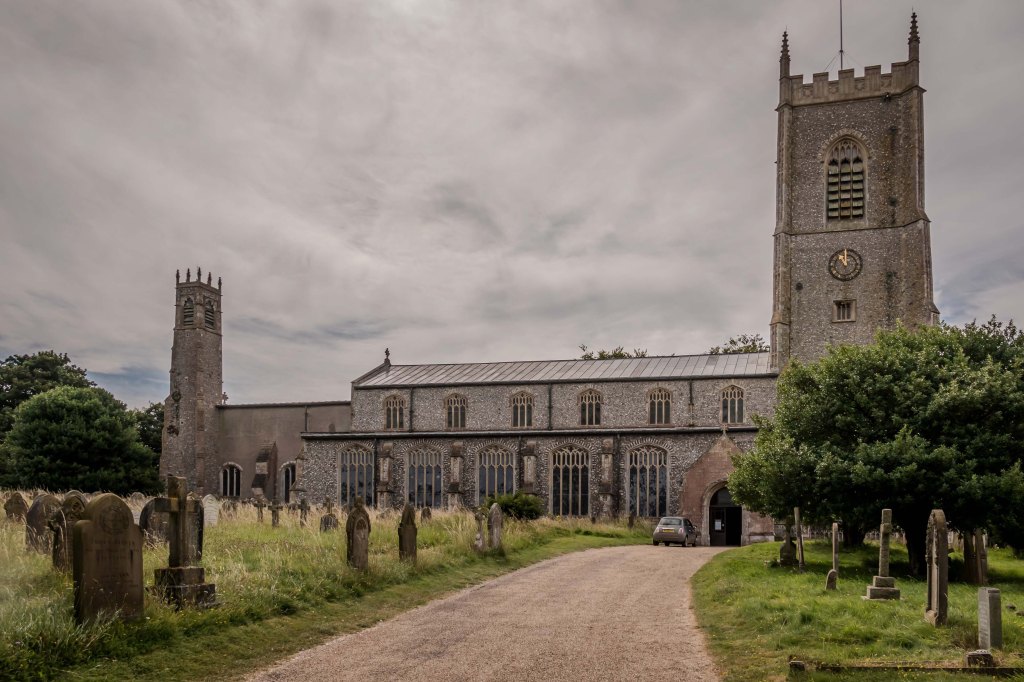
After the pub we visited the church at Cley which is certainly not next the sea, but so magnificent that it will probably warrant another blog.
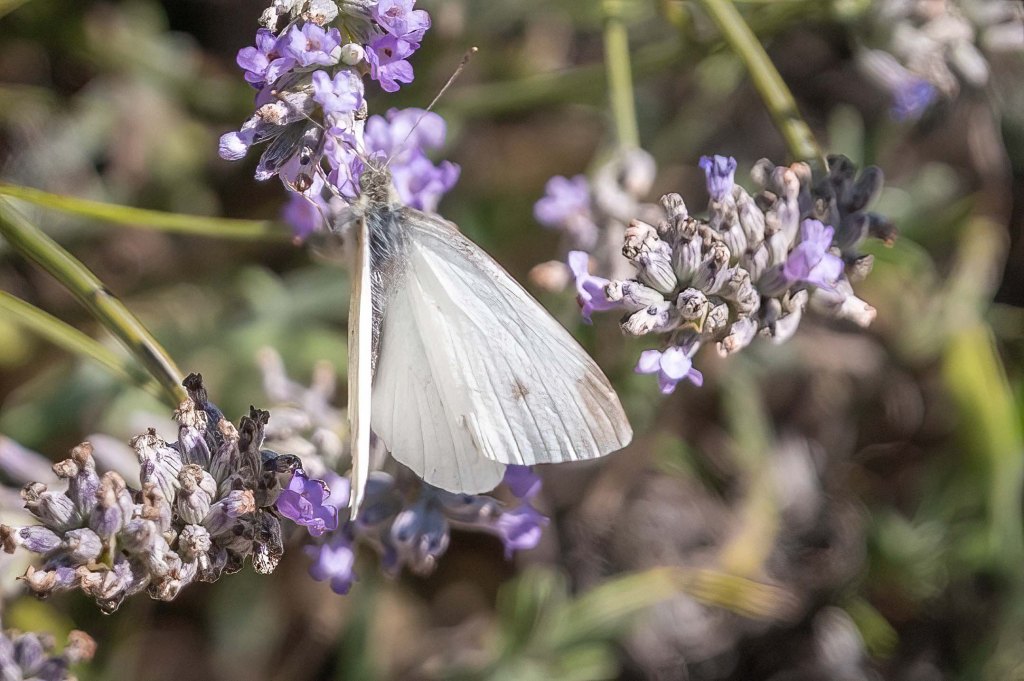
St Margaret, Cley-next-the-SeaSmall white in the church yard enjoying the lavender (I hope as much as we enjoyed the beer and indeed the whole week)
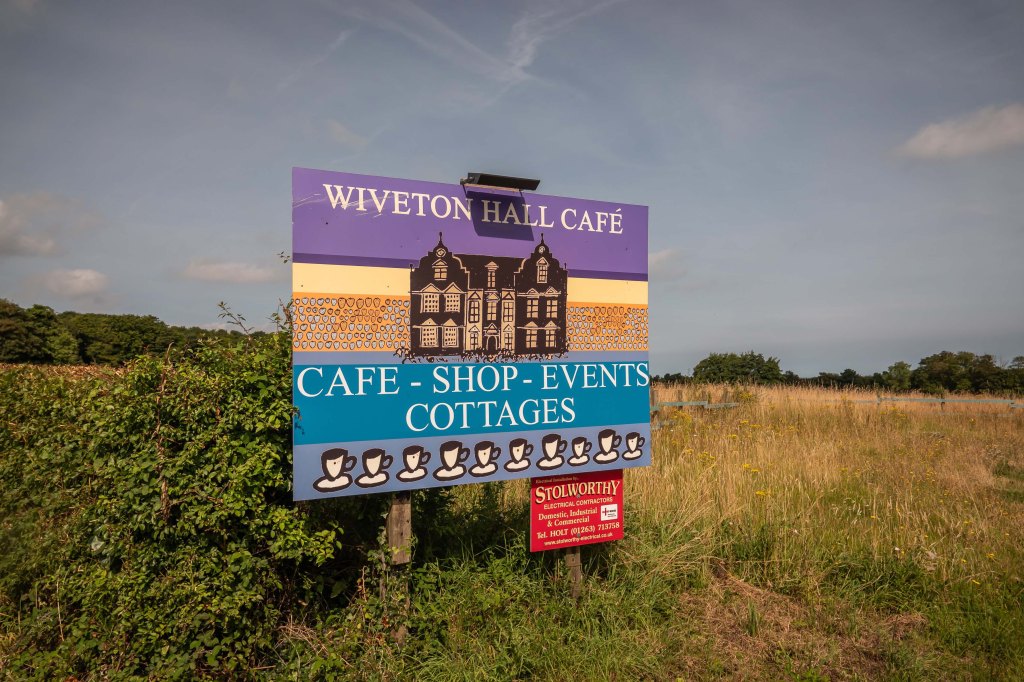
Almost a non-birding day; except that on our walk this morning to Wiveton Hall we did see our first marsh harrier of the week across the marshes.
A few years ago, on our first visit to Wiveton Hall, we had met the eccentric owner, Desmond, whose popular BBC programme “Normal for Norfolk” documented his adventures and the daily delights of life around the Hall, on the farm and in the café. No such luck today. However, the coffee was very good and was worth the walk.
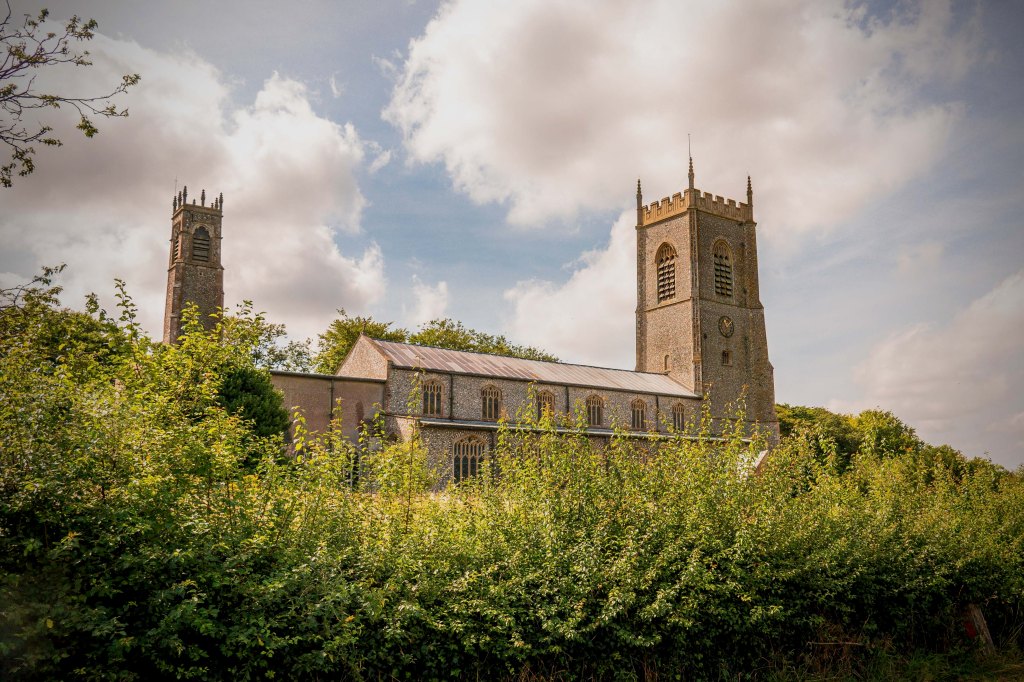
From here we carried on to visit St Nicholas Church, Blakeney. I hope you agree that the inclusion of the visit is warranted here in that there was a wildlife aspect to our visit.
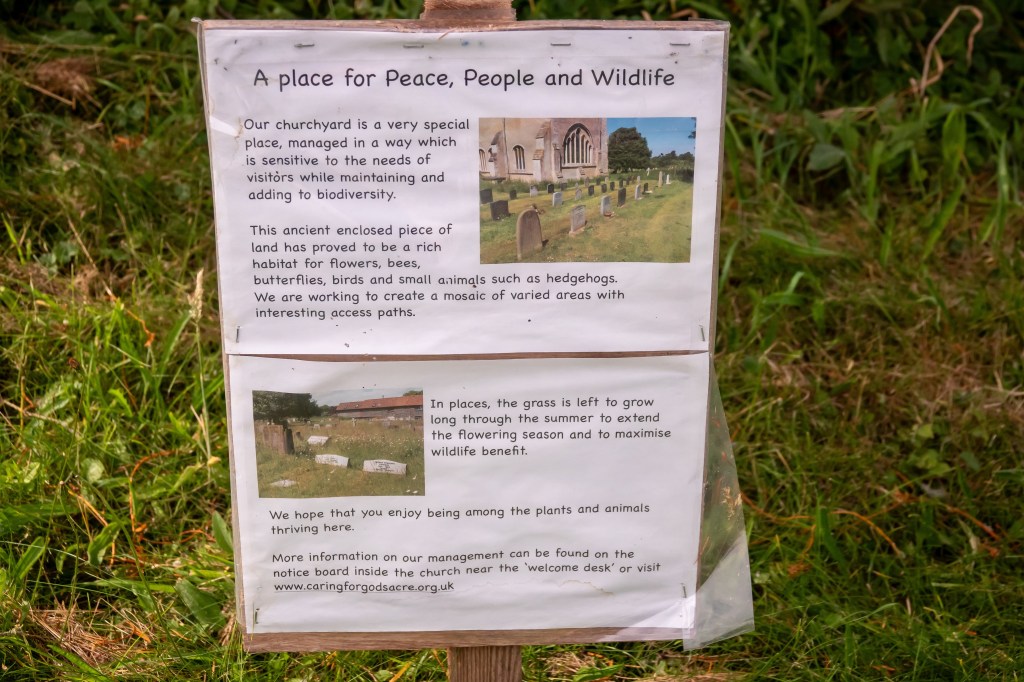
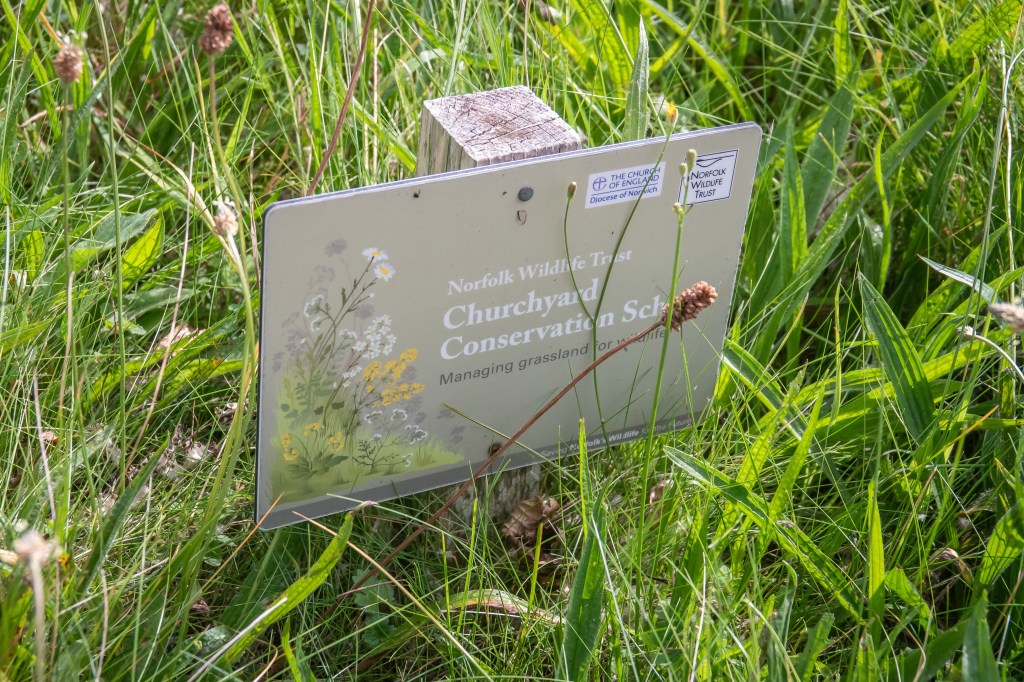
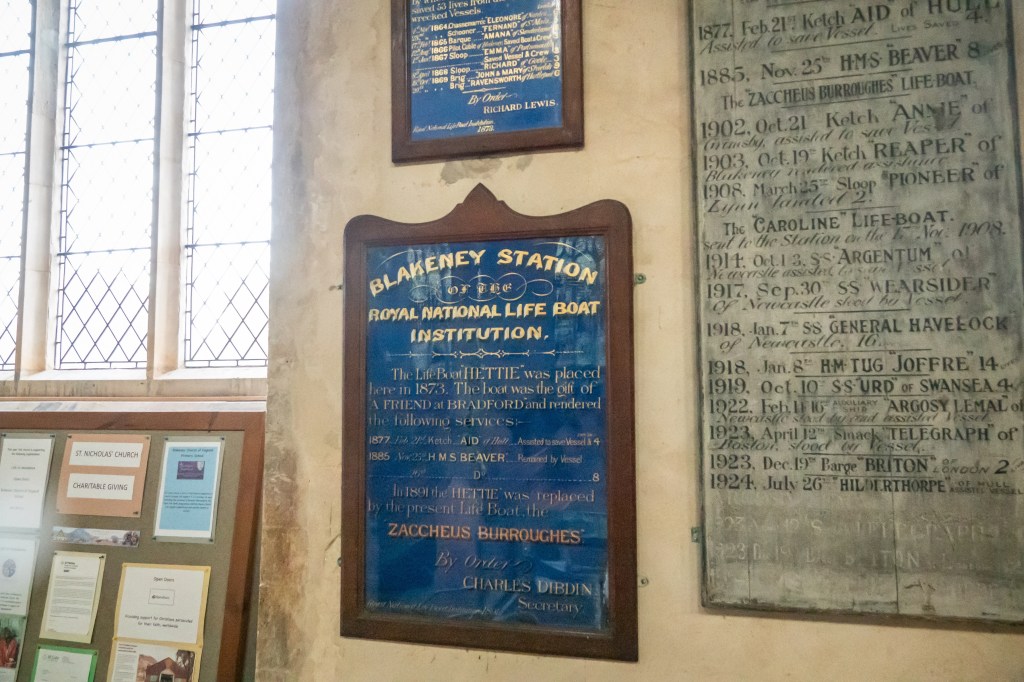
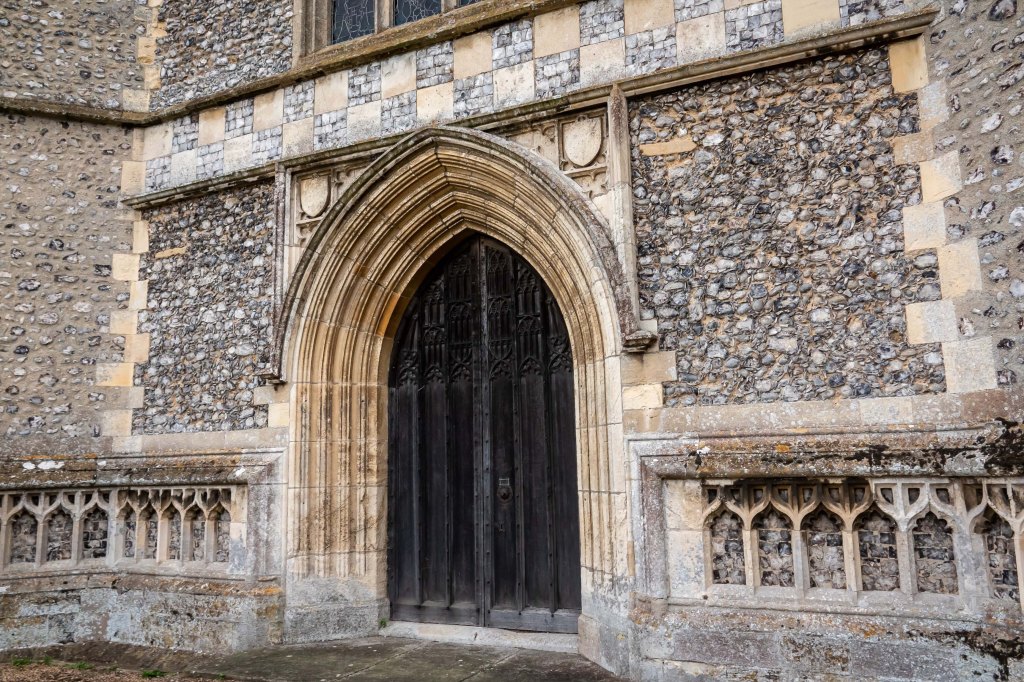
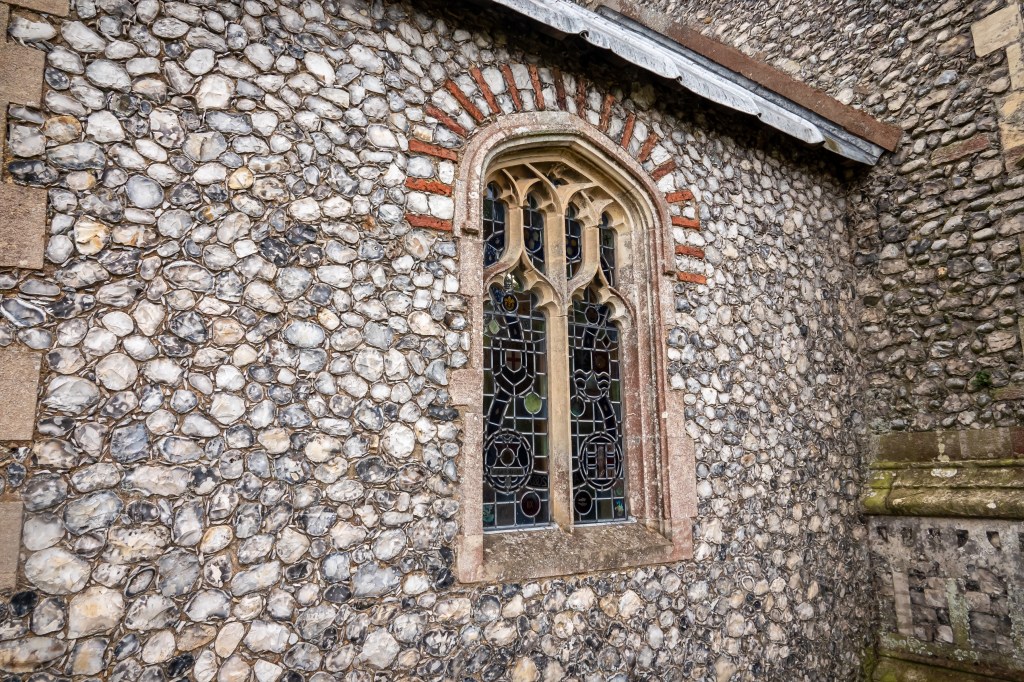
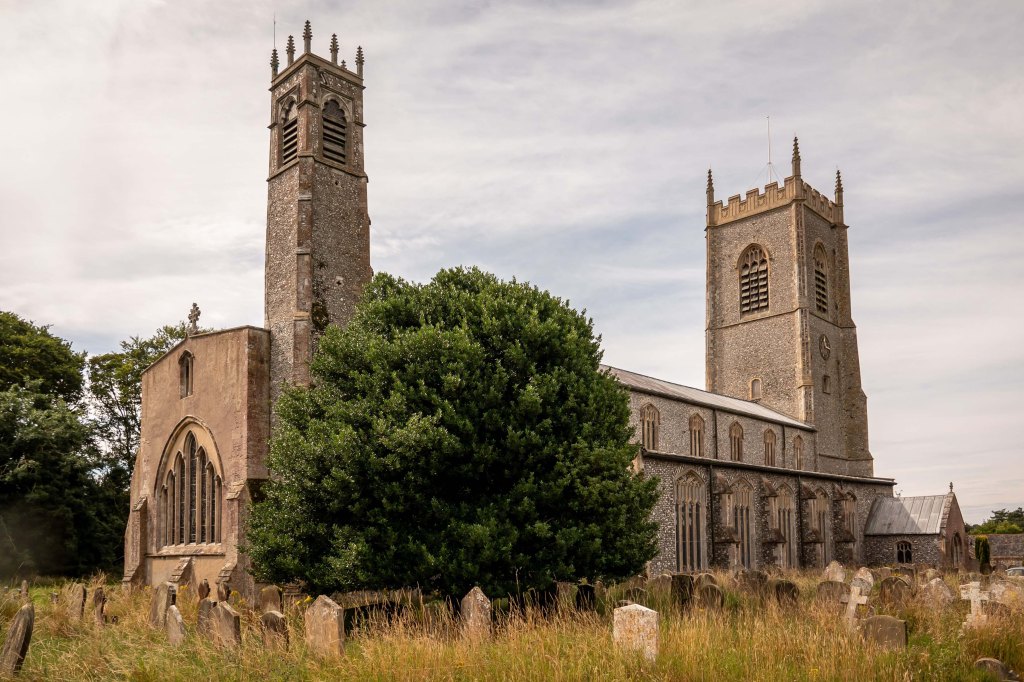
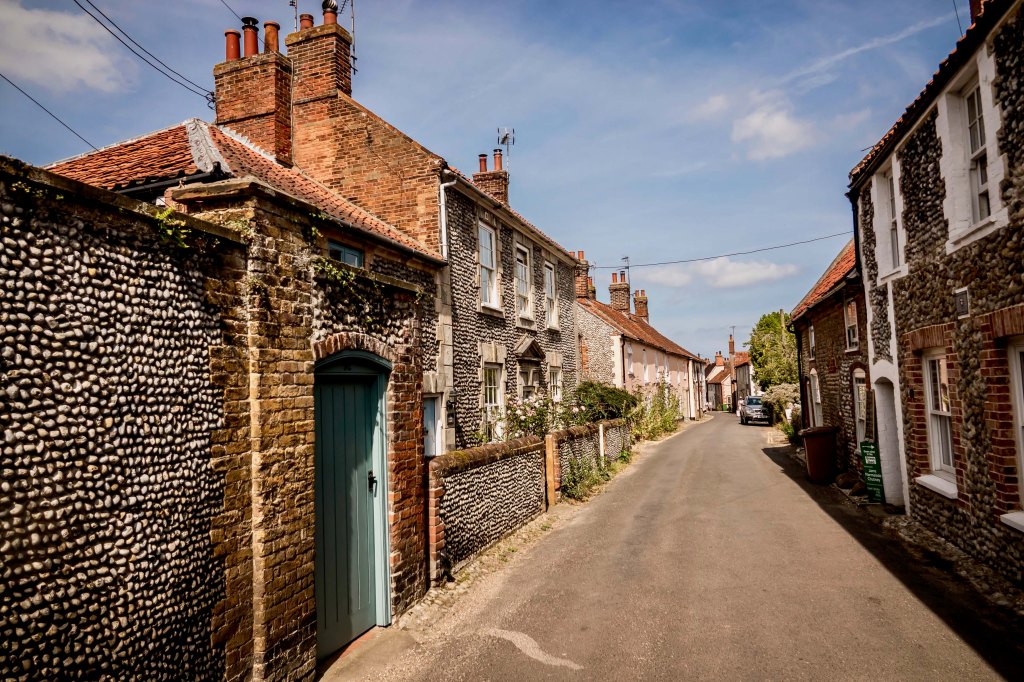
St Nicholas , Blakeney famous for its two towers: one at the west and a curious, spindly beacon rising to the south-east of the chancel whose purpose is not really known. It seems that the church’s policy is having a good effect.Simon Jenkins in his book of England’s 1000 Best Churches says “the earliest and most interesting part of the interior is the chancel , dating from a Carmelite friary founded here in 1296”.“The rare stepped seven-lancet east window is unusual for this late date. The only other medieval seven-lighter extant is at Ockham in Surrey”The nave is PerpendicularThe significance of Blakeney’s coastal position is well recorded hereMost of the church is flint coated …… except the chancel is mainly covered in concrete.
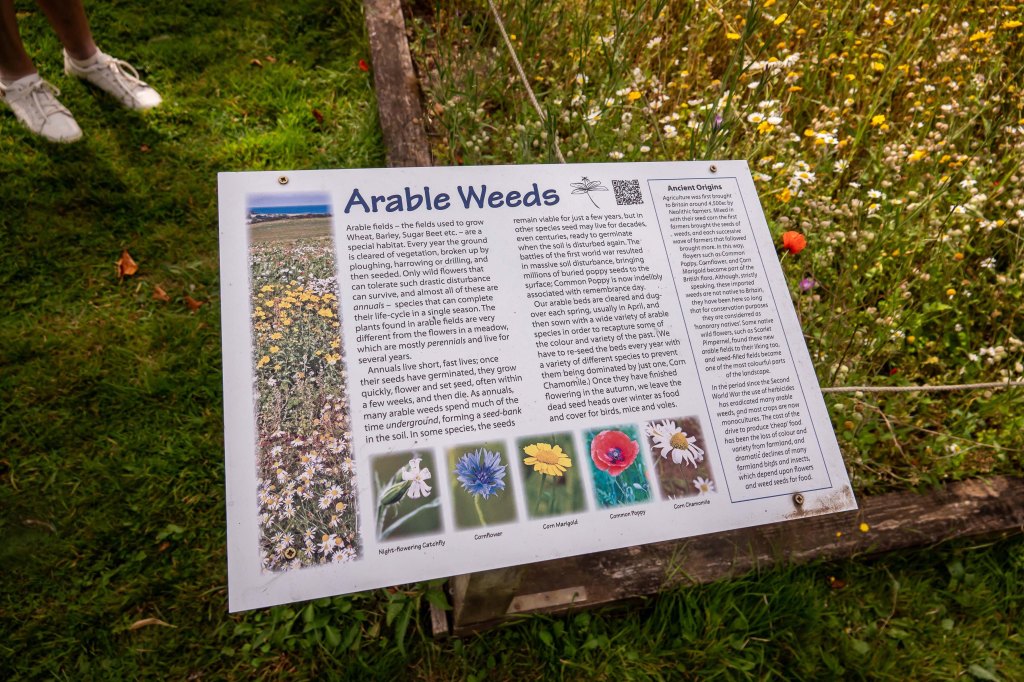
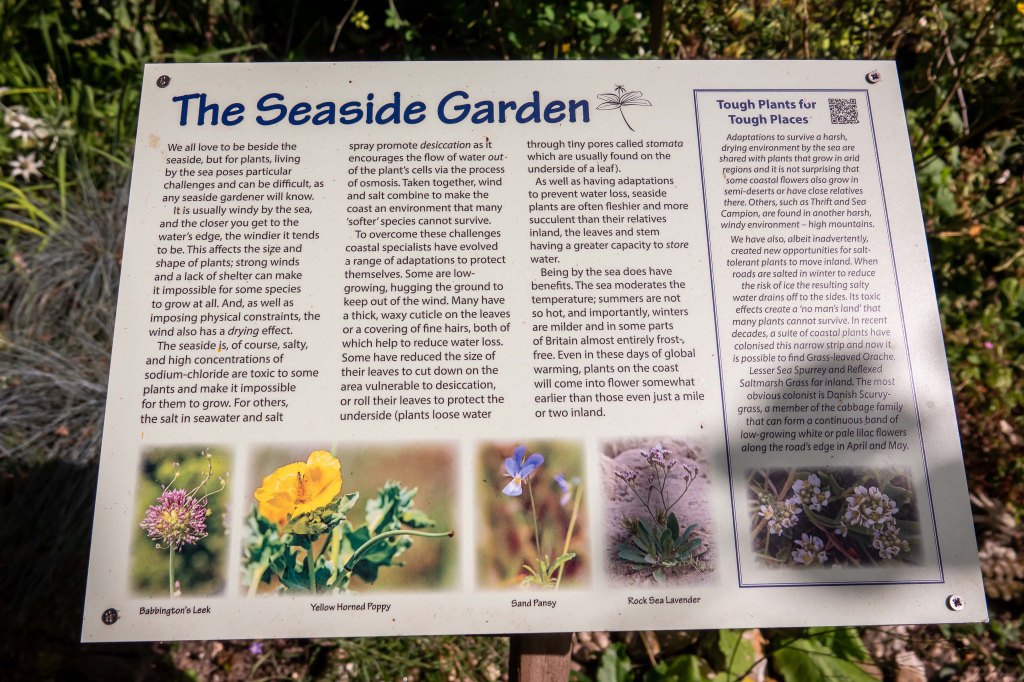
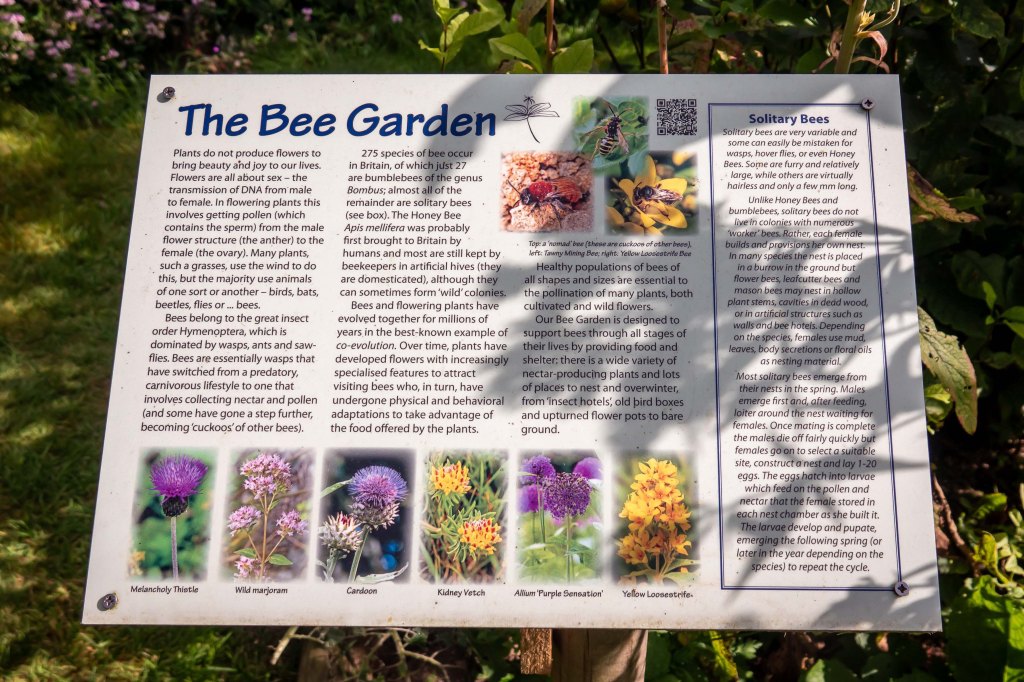
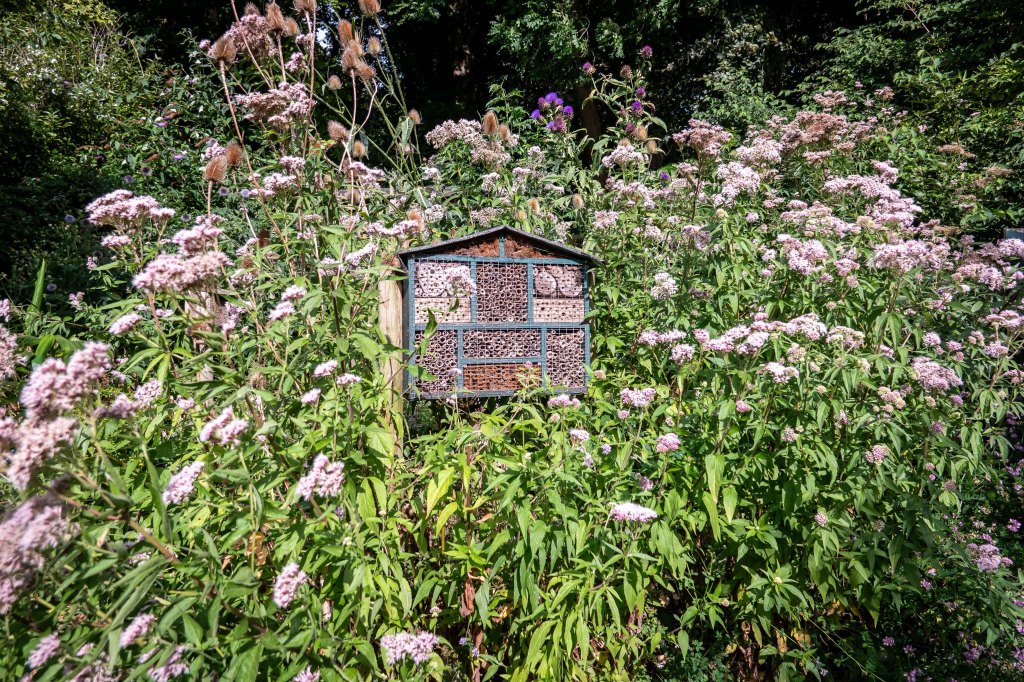
In the afternoon we visited NATURAL SURROUNDINGS, Norfolk’s Wildlife-Gardening & Wildflower Centre next to Bayfield Hall, just a stone’s throw from Blakeney.
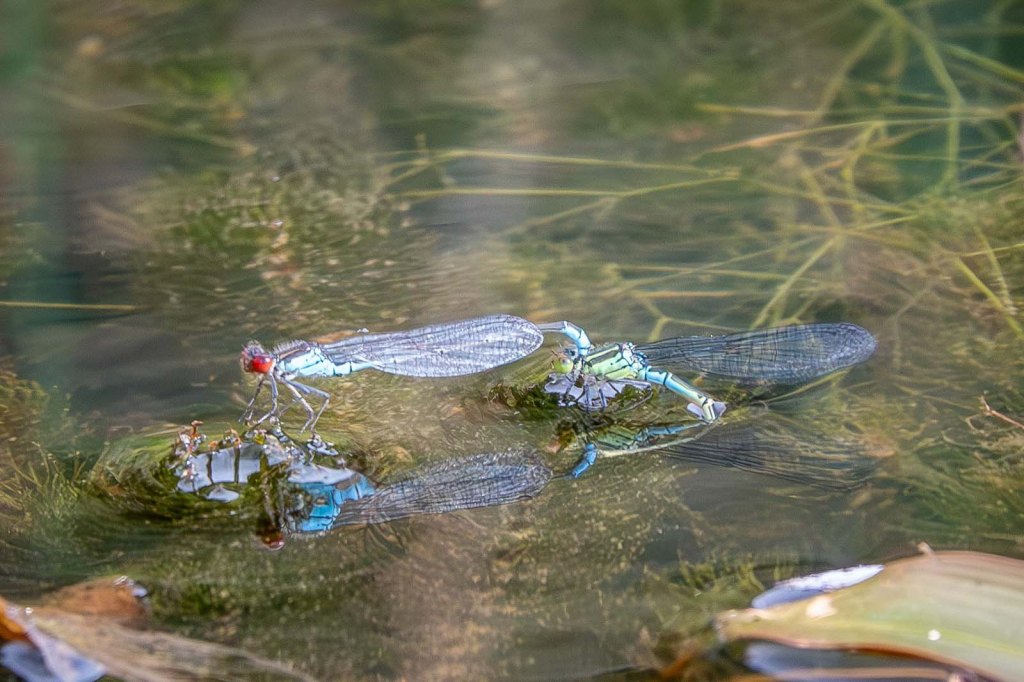
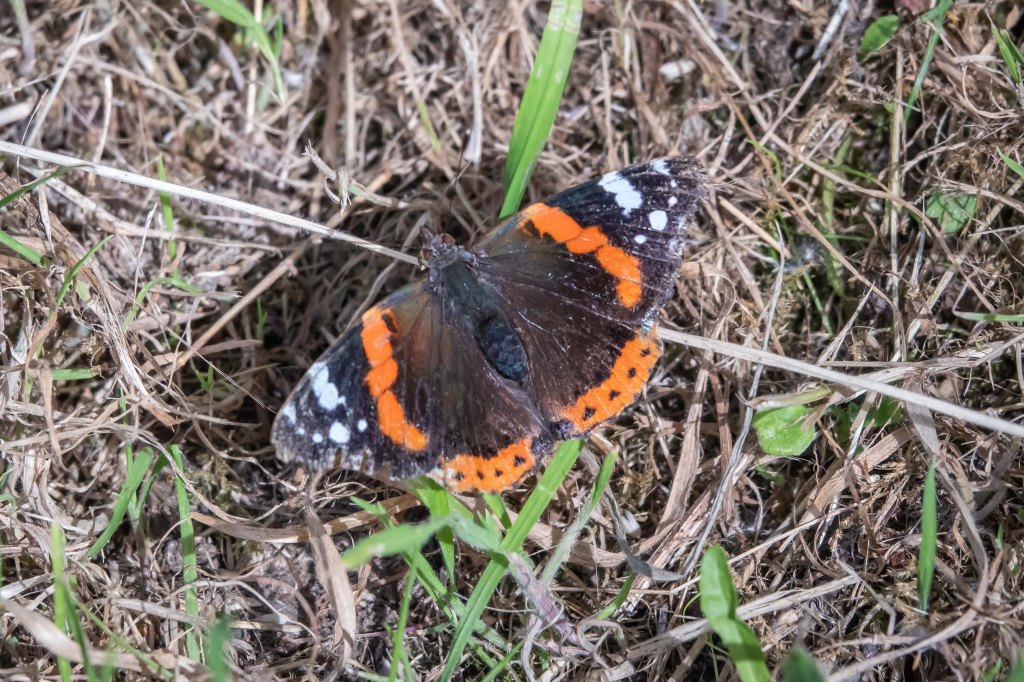
Small red-eyed damselflyHouse flyDefinitely the stars of the showRed Admiral
A very informative and enjoyable visit. Did I forget to mention that there’s a very good café with much too generous portions of cakes?
There was a big dip in the temperature today. Back to normality really. No, probably not as it wasn’t raining.
We had a pleasant morning stroll around Holt in North Norfolk and fitted in well with the age profile of the people we saw. I suppose all the young people from these parts were all off dashing around the globe.
In the afternoon we reverted to type and visited the Norfolk Wildlife Trust reserve at Cley Marshes. It never disappoints here. It’s probably not the best time of year to be visiting this reserve but there was plenty to keep us entertained. I particularly loved the swallows which had made their home in the hides. On reflection, I probably would have been better off taking photos of them with my phone camera than with a long lens but that would not have looked very cool.
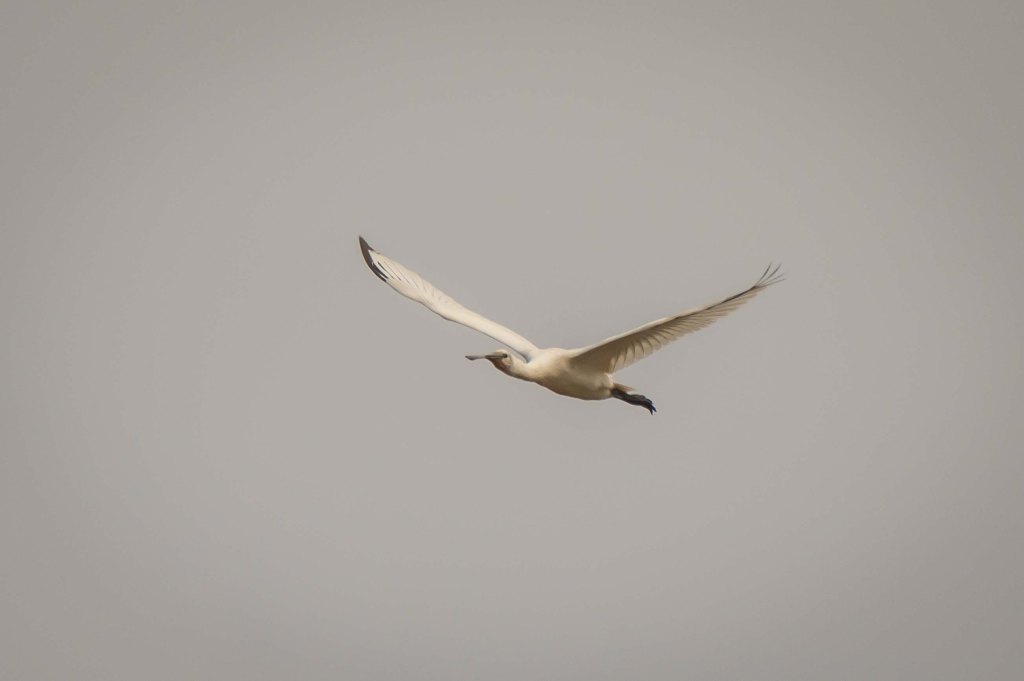
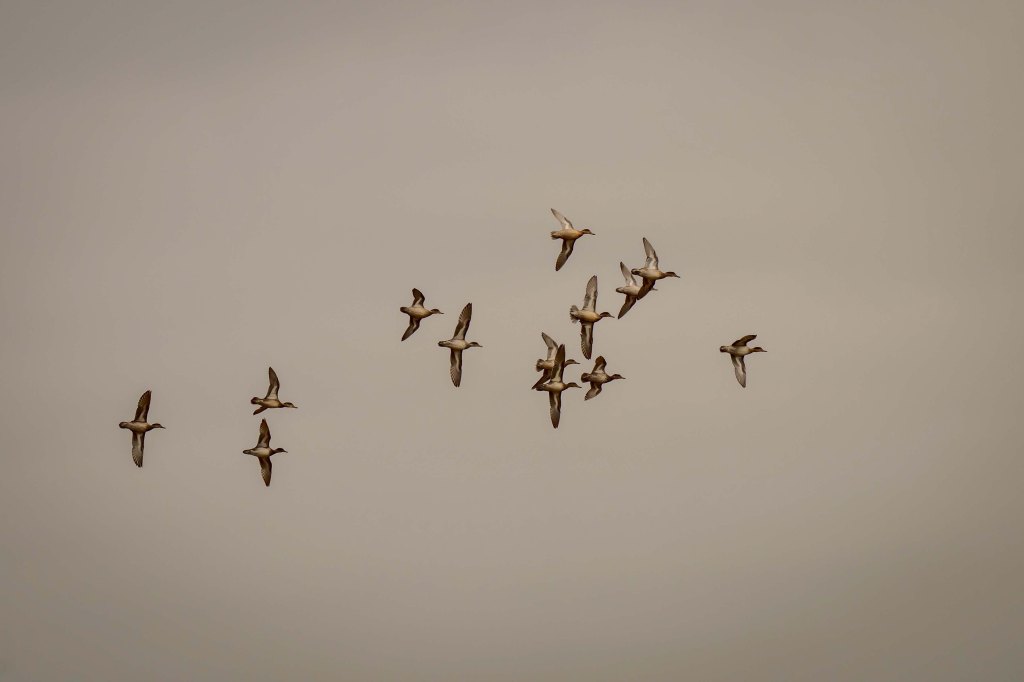
Other top moments were a pair of spoonbills flying over, a flock of northern pintails and plenty of waders.
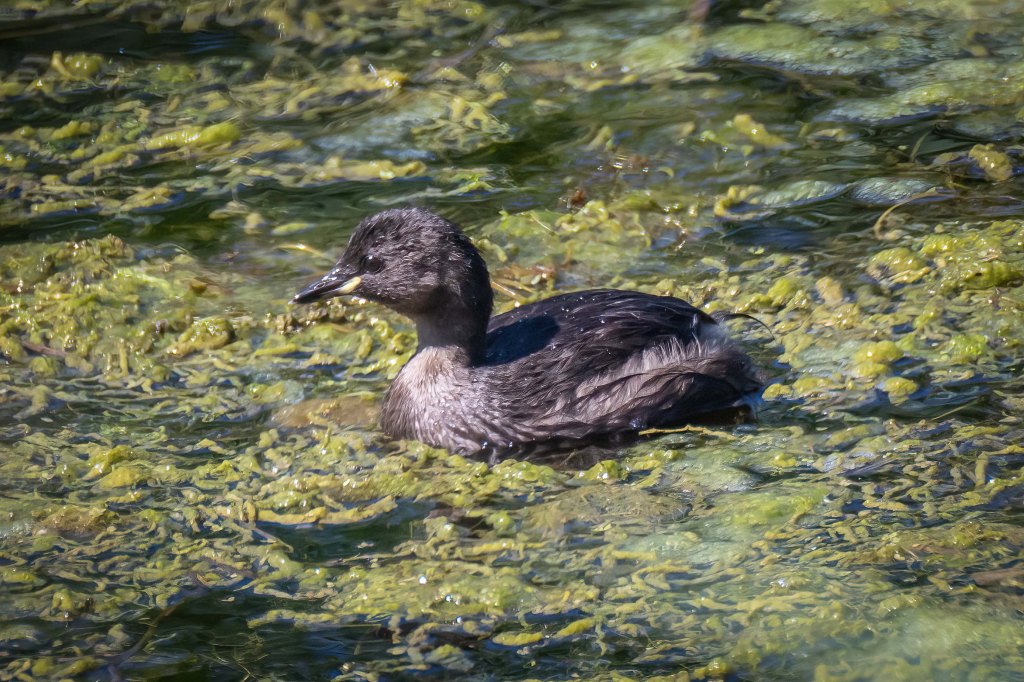
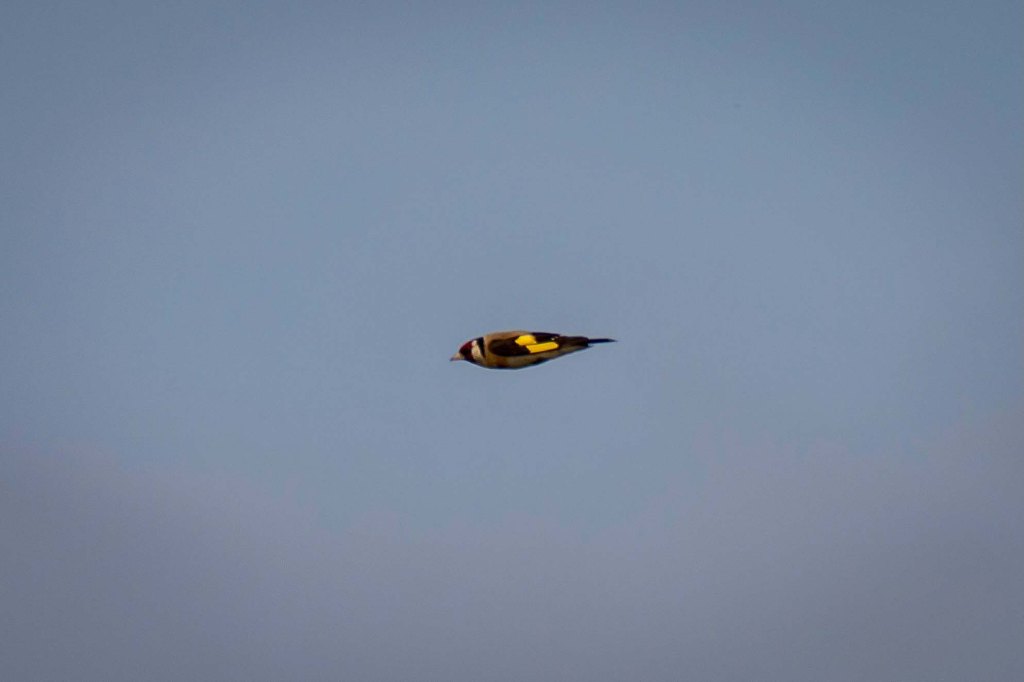
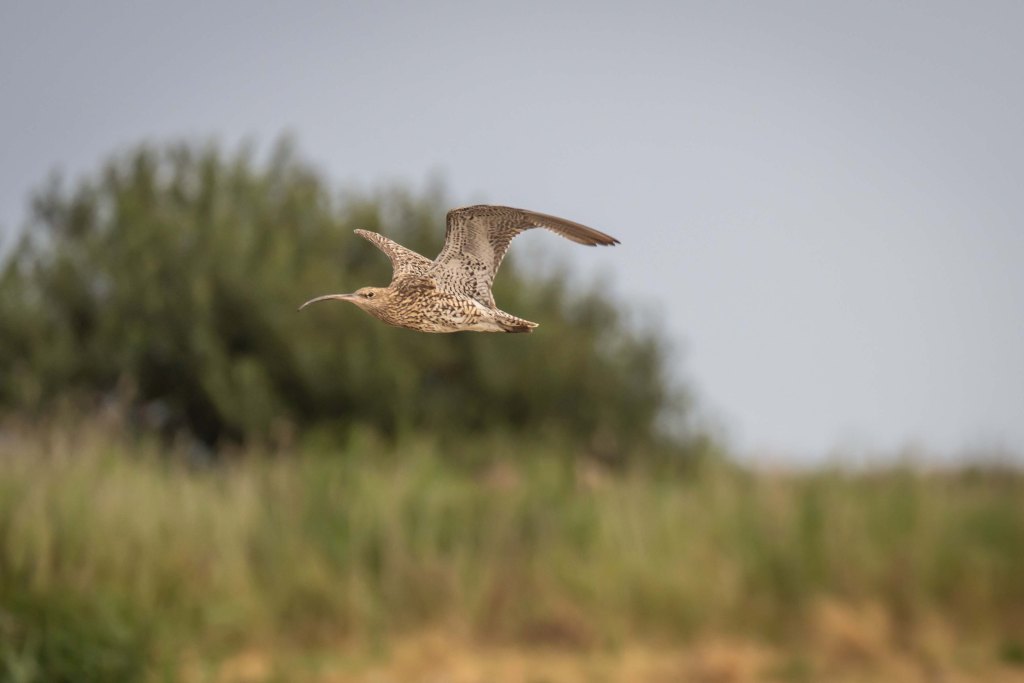
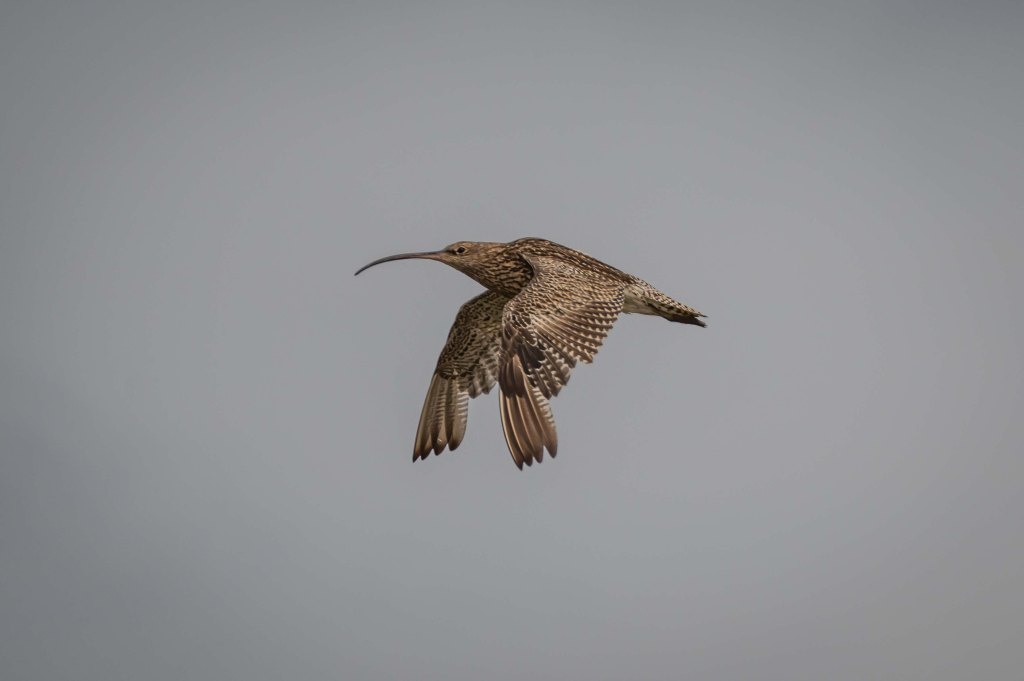
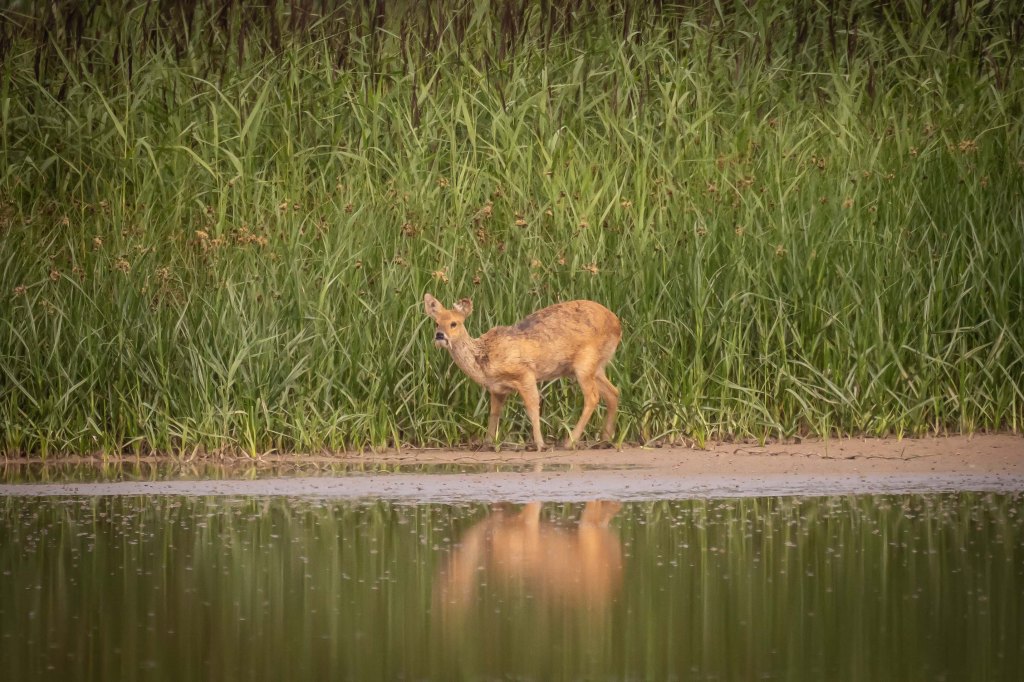
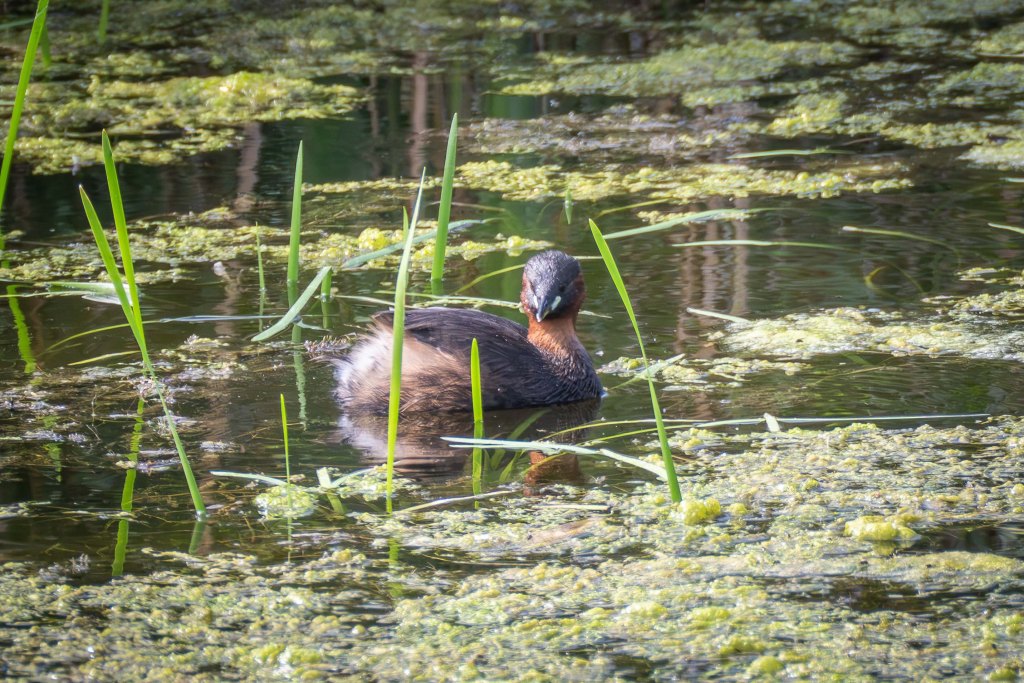
Swallow – you see why they call them barn swallows elsewhereCurlewsGreen sandpiperCommon redshankGreen sandpiperSwallowGreen sandpiperCormorant fishingCormorant drying its wingsI needed a long lens for this swallow photoSolitary goldfinchA charm of goldfinchesSpoonbill approachingSpoonbill at close quartersSpoonbill flying over the hide (just)Curlew in flightSomeone will probably tell me that it was, in fact, a whimbrel!Northern pintailChinese water deerLittle grebeSwallow sharing the hide. It was fascinating seeing them fly in the window totally ignoring us.
The best aspects of our morning walk from Blakeney Quay to Cley next the Sea and back were the sounds. There was little wind and few people and so the sounds of the birds were easier to pick up.
There were curlews, oystercatchers and a good number of cattle egret on the banks of the Cley Channel. Flyover cormorants, grey herons, goldfinches, linnets and meadow pipits entertained us from closer quarters.
We chose to walk back along the road to get a coffee at Wiveton Hall; but we hadn’t done our homework and they were closed today. The coffee back on the quay at Blakeney at The Two Magpies Café was certainly very well deserved and seemed appropriate for a couple of birders.
From Blakeney QuayLooking back at the quayNo one in sightCurlews, oystercatchers and even a shelduck on Cley ChannelThree grey herons in a rowThere were more that 20 cattle egret along this stretchHollyhocks had spread from the High Street to the open countryMeadow pipits along the pathwayThis one announced its arrival from well off and gave me the chance of a couple of shotsDecision time: coffee in Cley next the Sea or on the way back to Blakeney?Fail to plan, plan to fail – only open Wednesday to SundayBlakeney ChurchThe typical flint covered buildings of Norfolk in Blakeney High StreetTide rising in Blakeney (and the people too)
A hot weather plume was forecast for today and so we planned only to do a short walk in the morning.
We drove along the coast to Kelling, a small village just east of Cley Next The Sea.
We stopped first for a coffee at The Old Reading Room Gallery and Tea Room in Kelling. This excellent café and quant second hand bookshop and antiques shop is run by very friendly staff. They not only kindly allowed us to park in their car park whilst we did our walk but also showed us where it would be best to park for the shade.
That was most valuable advice because it was very hot, even by lunch time, and our car was still relatively cool for the return journey (only after we had had some lunch there too!)
Kelling Quag is a patch of water in an area also known as Kelling Water Meadows. It’s just a short walk north towards the sea along a lane from opposite the Old Reading Room.
There were plenty of butterflies and dragonflies to keep me busy.
It was difficult to see the Quag from the lane as the bushes are very high but through the first gap we had reasonable views of 2 great white egrets.
Great white egretThe great egrets were very busy fishing and seemed to be very successful
We walked on a little and had better views round the corner and plenty of birds overhead too.
Collared doveLinnetSwallowStarlingsA (rather out of focus) migrant hawker
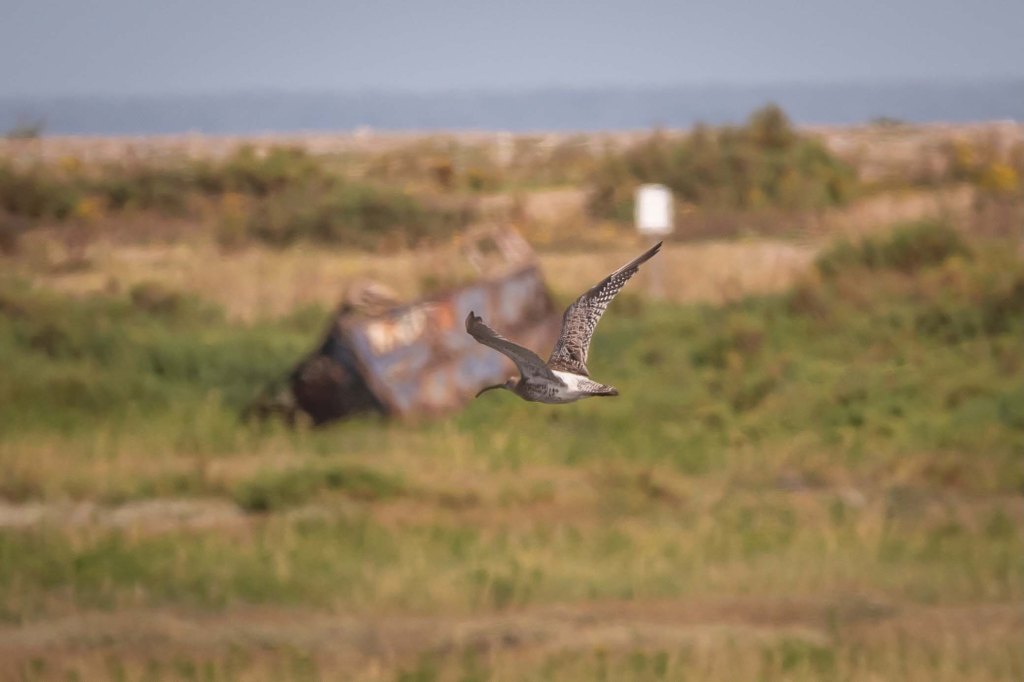
From around the corner, as well as the great white egrets, we could make out little egrets, a grey heron, a greenshank and a green sandpiper (if my ID skills are up to it, but I could well be wrong). I also had difficulty in deciding if it was a curlew or a whimbrel which flew over, but so too did the Merlin app. I would go for a whimbrel as the bill seemed rather short for a curlew. Second thoughts – juvenile curlew.
Whimbrel / curlew?Common darterThis gatekeeper was looking as bedraggled as I felt in the heat
There was another scrape of water beyond the Quag but it was, by now, too hot for us.
In the afternoon temperatures were over 30 and so I was happy to sit and edit my photos.
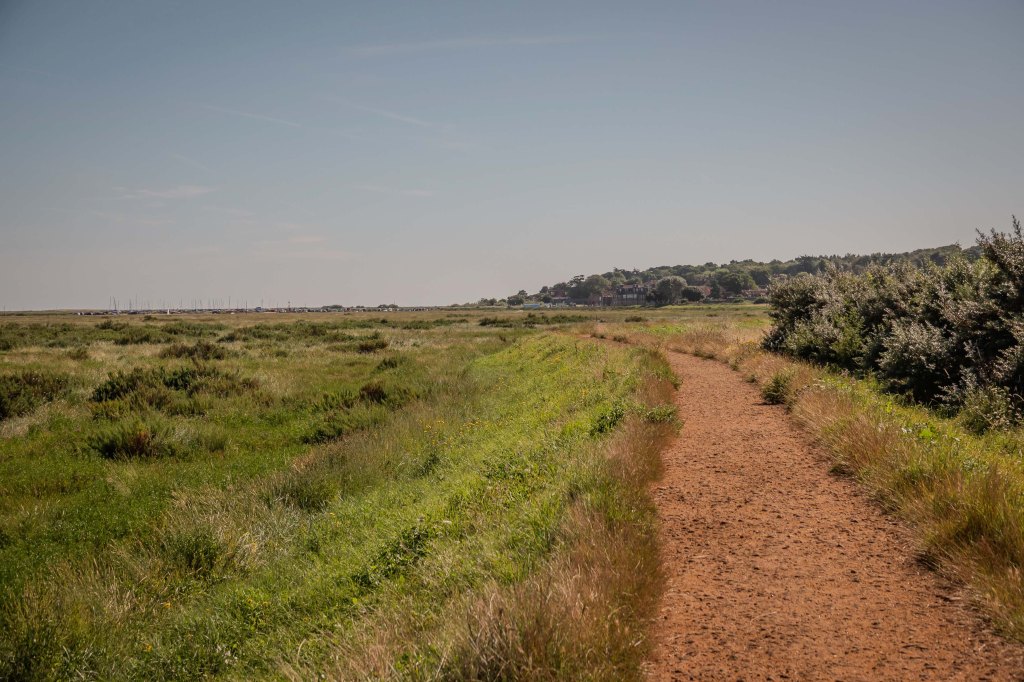
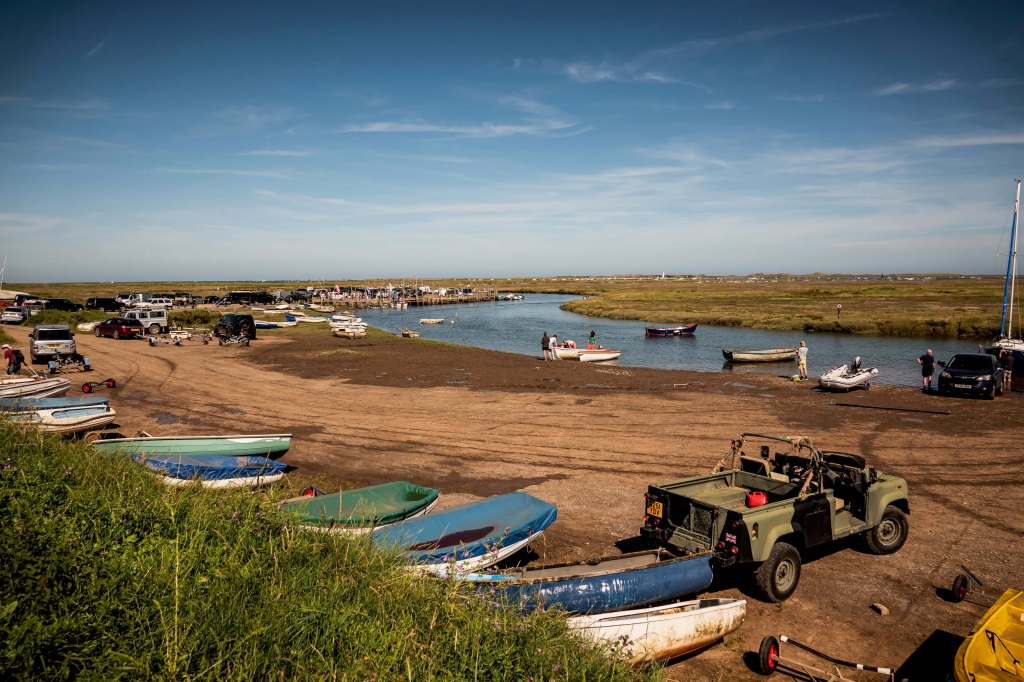
This morning we walked along the Norfolk Coastal Path from Blakeney to Morston Quay and back.
The most significant bird was a little egret.
Little egret
The Norfolk Wildlife Trust tells me that “once a very rare visitor from the Mediterranean, little egrets are now a common sight around the coasts of southern England and Wales as they expand their range, possibly due to increasing temperatures caused by climate change. It first bred in the UK on Brownsea Island, Dorset, in 1996, and has been moving northwards ever since; it was recorded as breeding in Berkshire for the first time in 2007.”
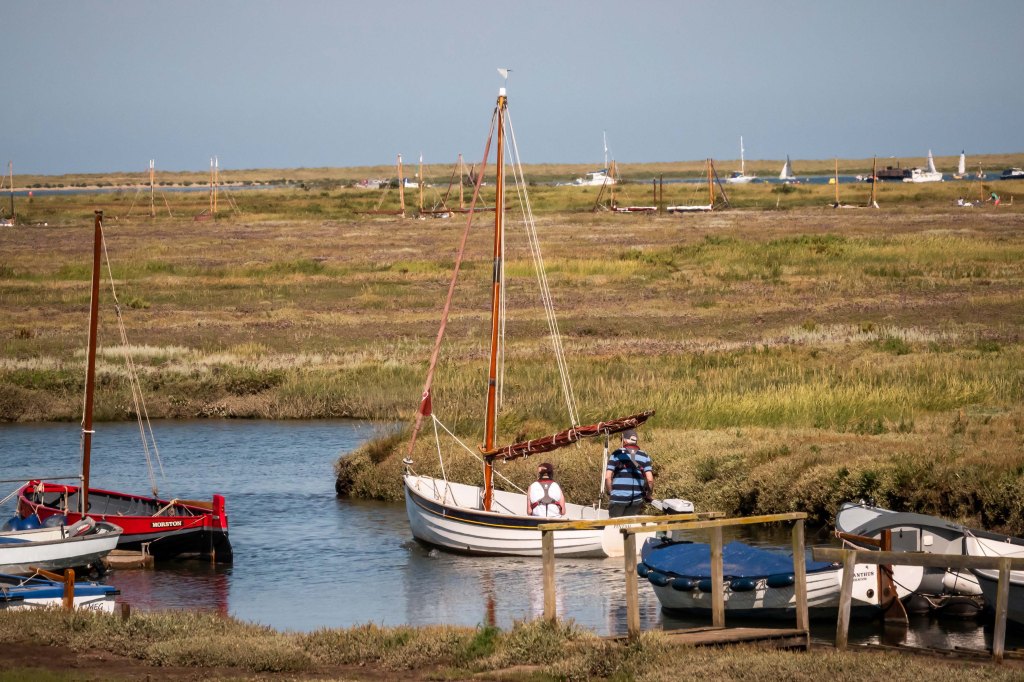
The path between Blakeney and MorstonSmall dinghy making the most of the favourable tides and heading along the creek out to open waterArriving at Morston Quay
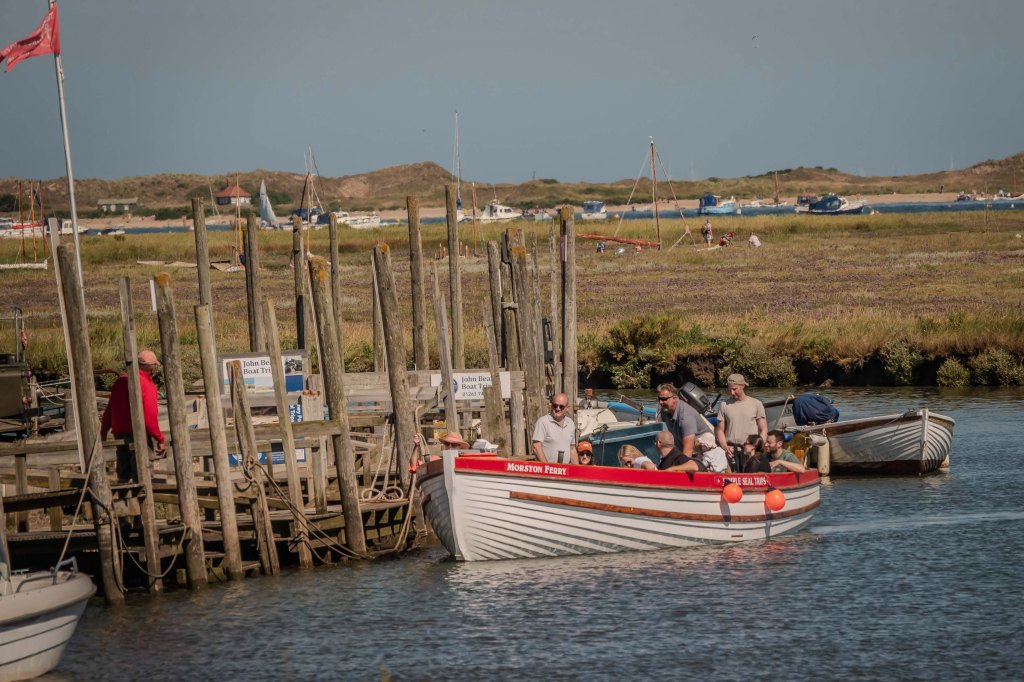
At Morston Quay, as the tide and weather were suitable, we made a last minute decision to take a trip to see the seals at Blakeney Point.
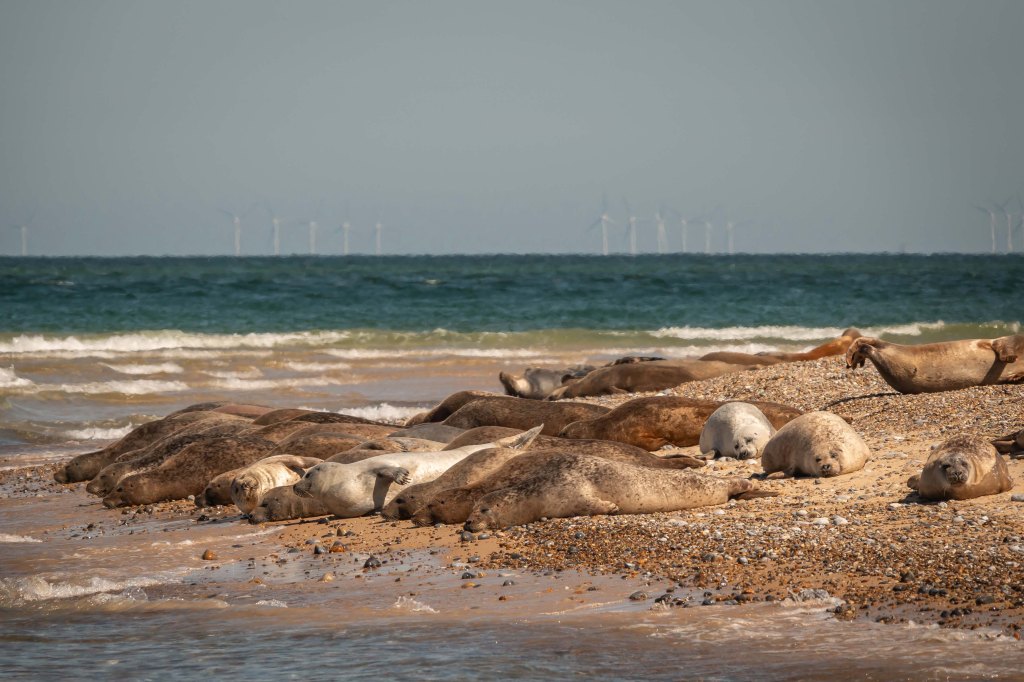
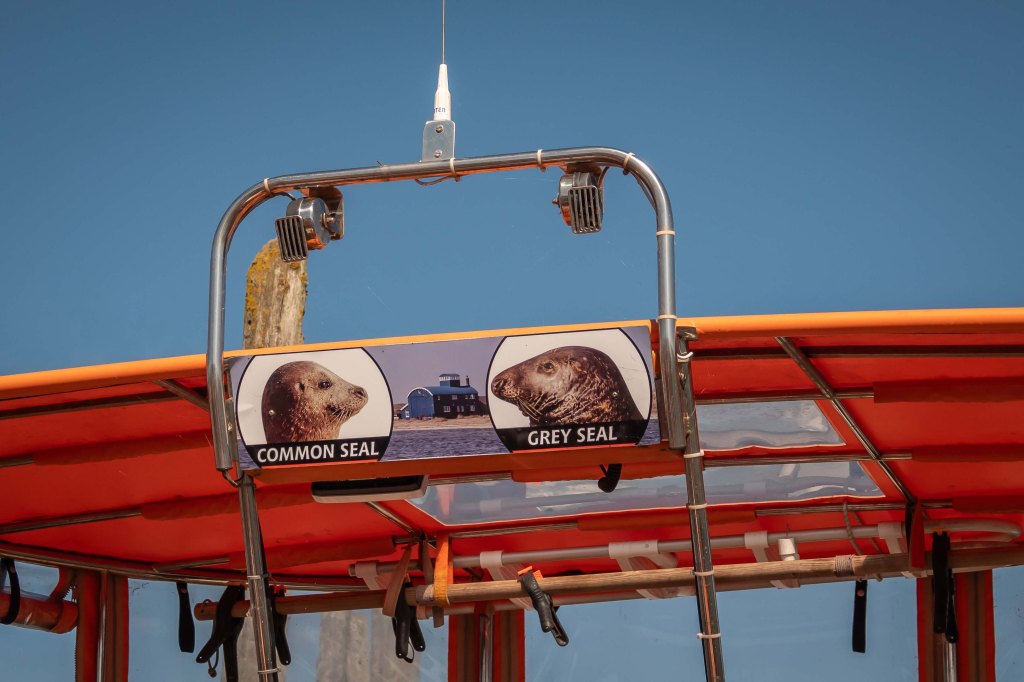
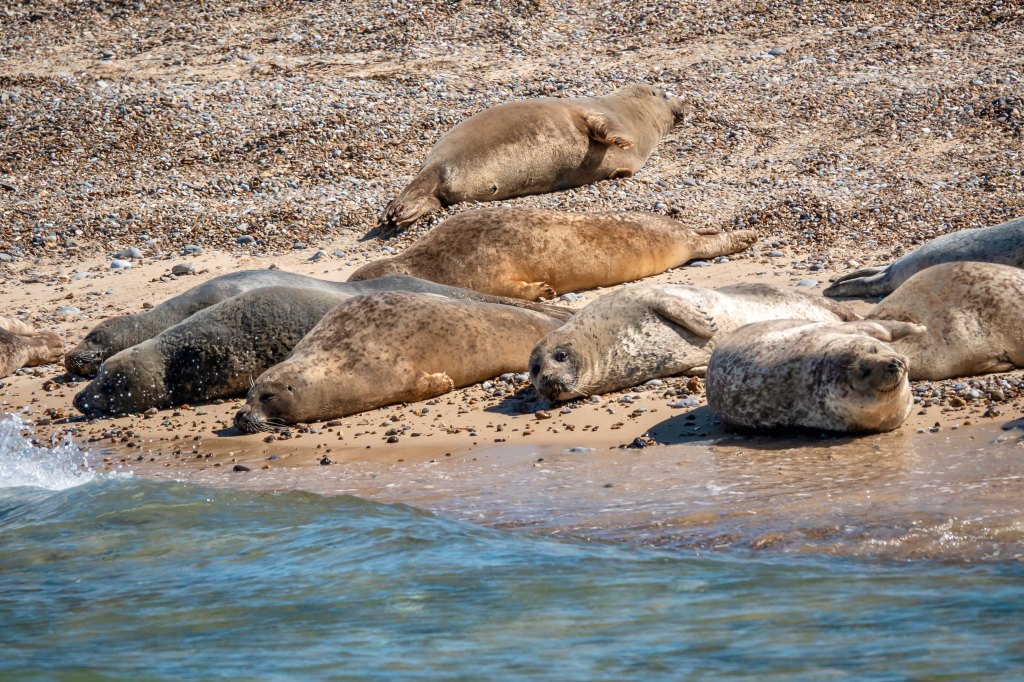
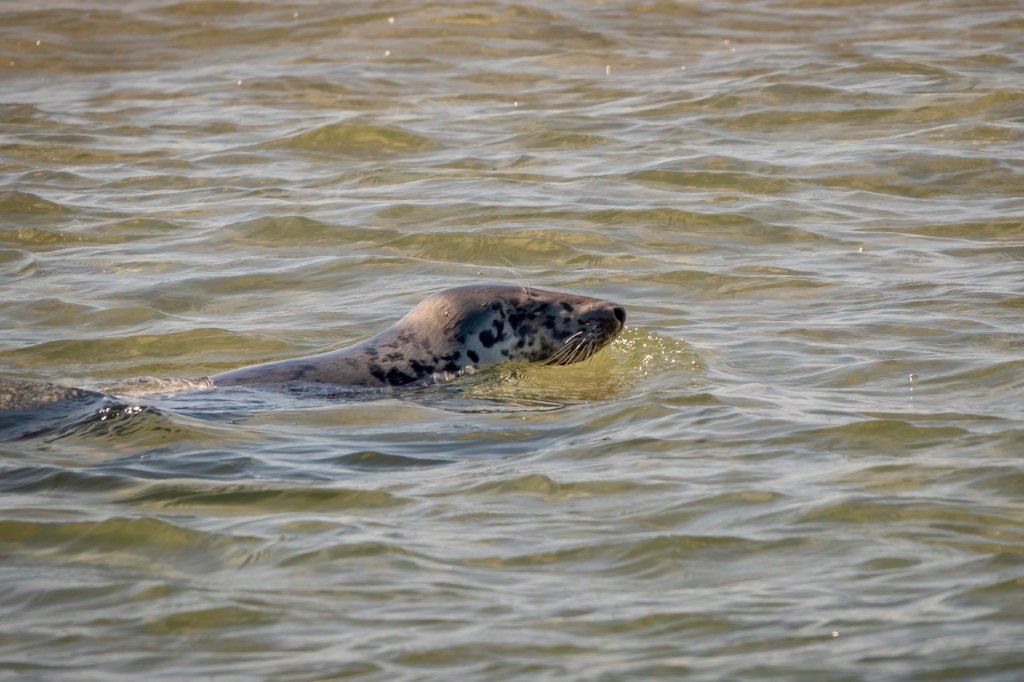
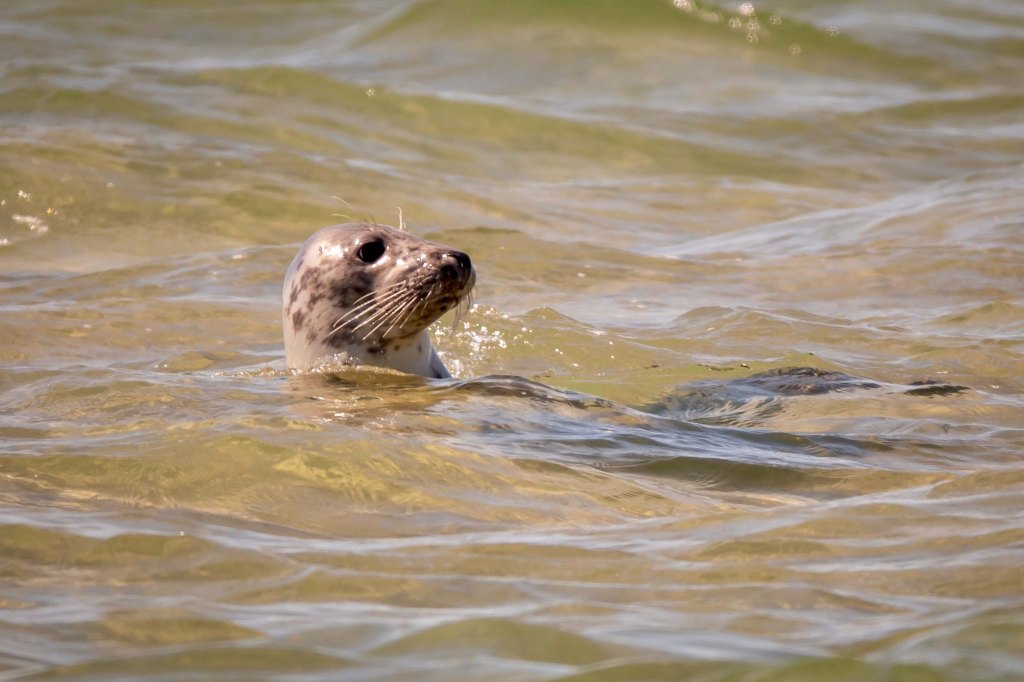
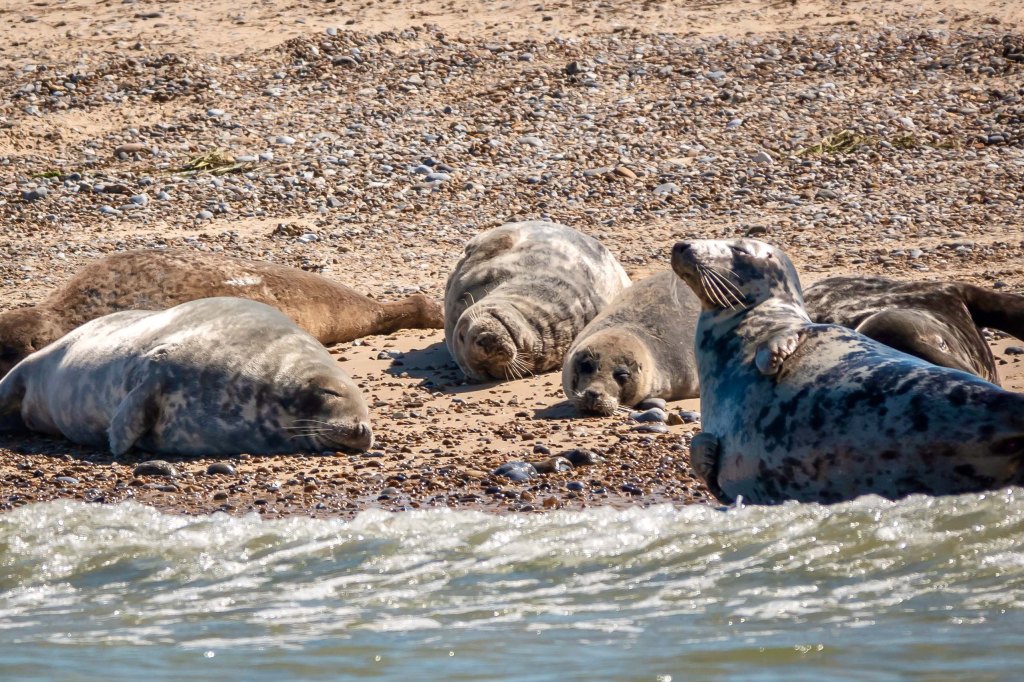
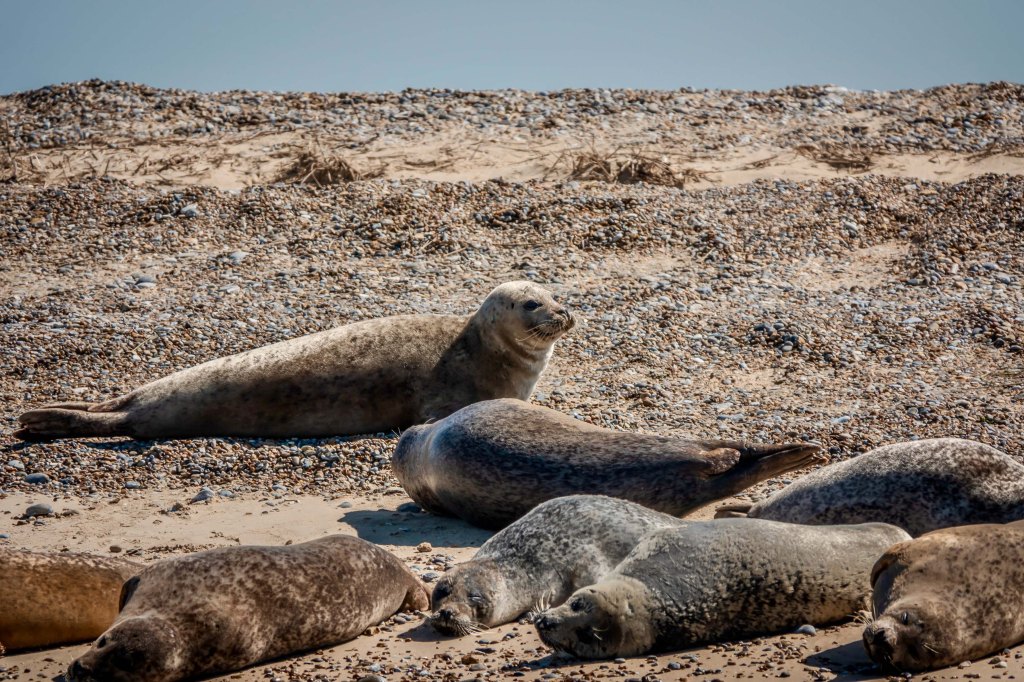
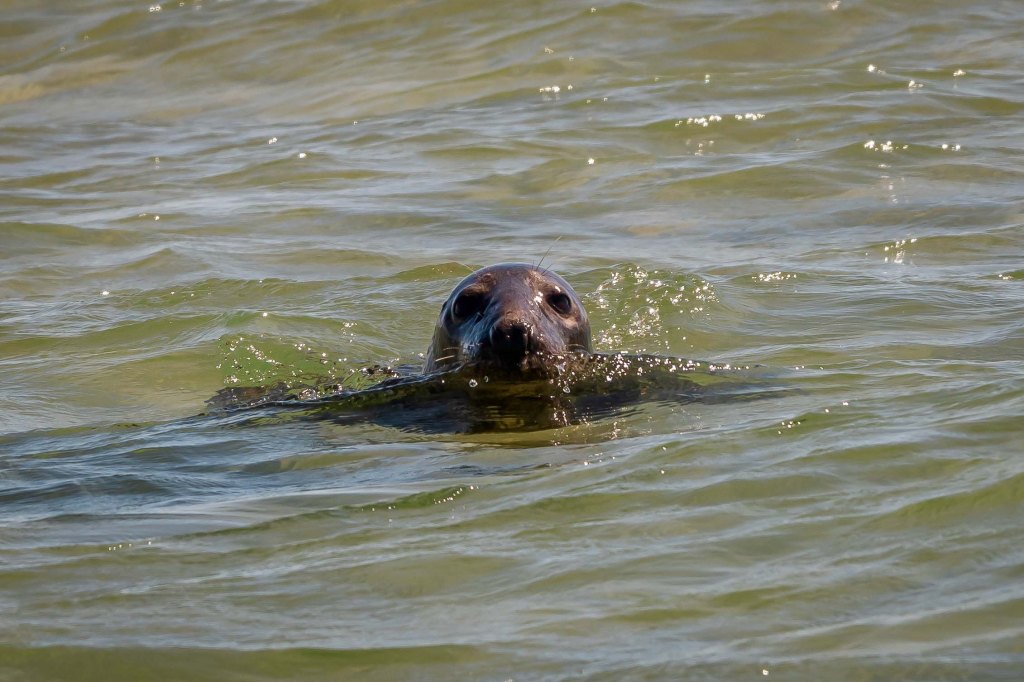
Blakeney Point is home to a colony of Common and Grey seals that are here most of the year round.
One of the many boats which make the trip to see the seals
The Blakeney National Nature Reserve is internationally recognised as an important breeding area for sea birds and a wide variety of other birdlife that changes with the seasons. From the boat we only saw oystercatchers.
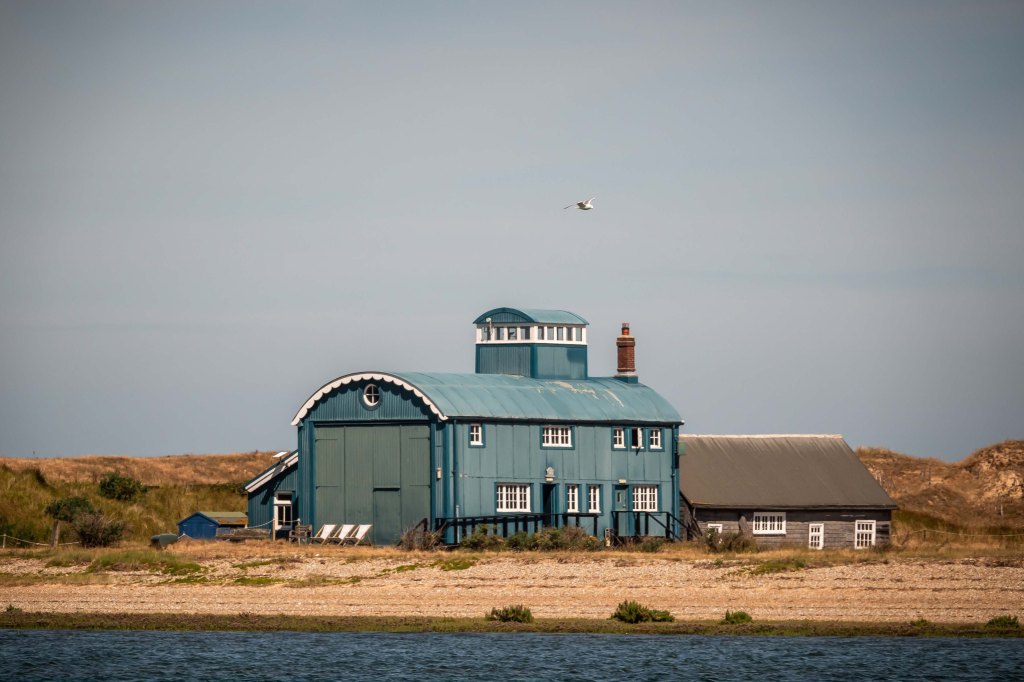
OystercatchersLifeboat House
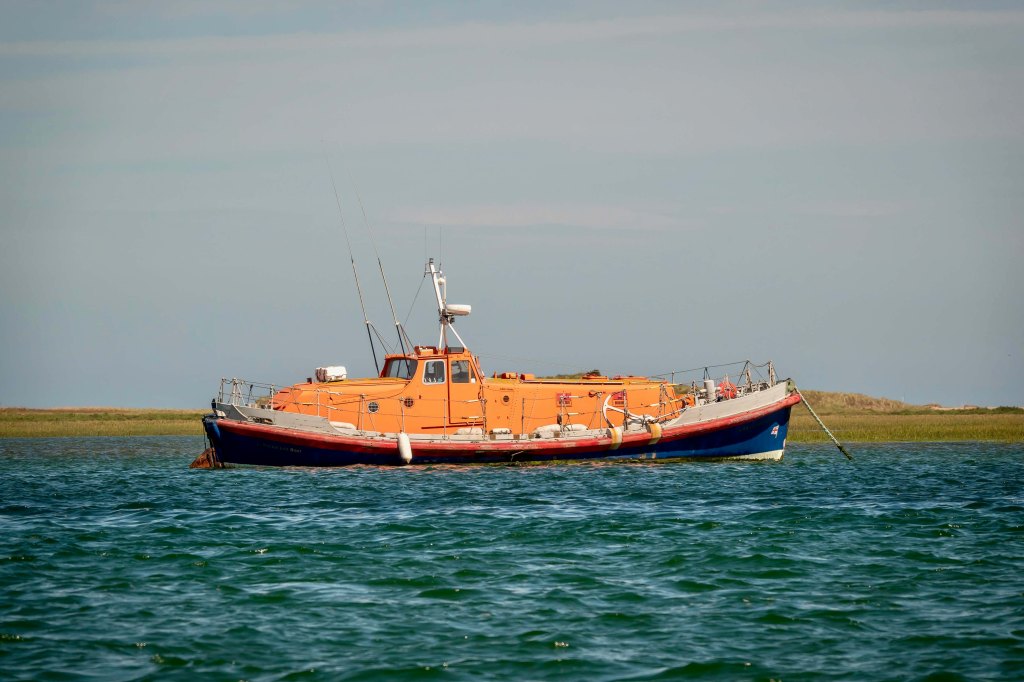
The Point has the distinctive Lifeboat house that provides an insight to the history of the point and is also where the National Trust wardens live and work to protect and conserve the wildlife and landscape.
Common sealsCommon sealsGrey sealGrey sealA solitary seal pup – the breeding season is only just beginningThe boating fraternity were making the most of the high tideThese dinghies, the Stiffkey Cockles, are made locally and are very popular hereCommon sealsGrey sealJust as well we didn’t need the lifeboat as it is decommissioned
I happened to notice a flyer for “Bird Watching” magazine saying that “August is traditionally a time for summer holidays, with plenty of sunshine inviting you into ‘the field’ (or down to the seaside)”. Well we headed to the seaside but there was very little sun.
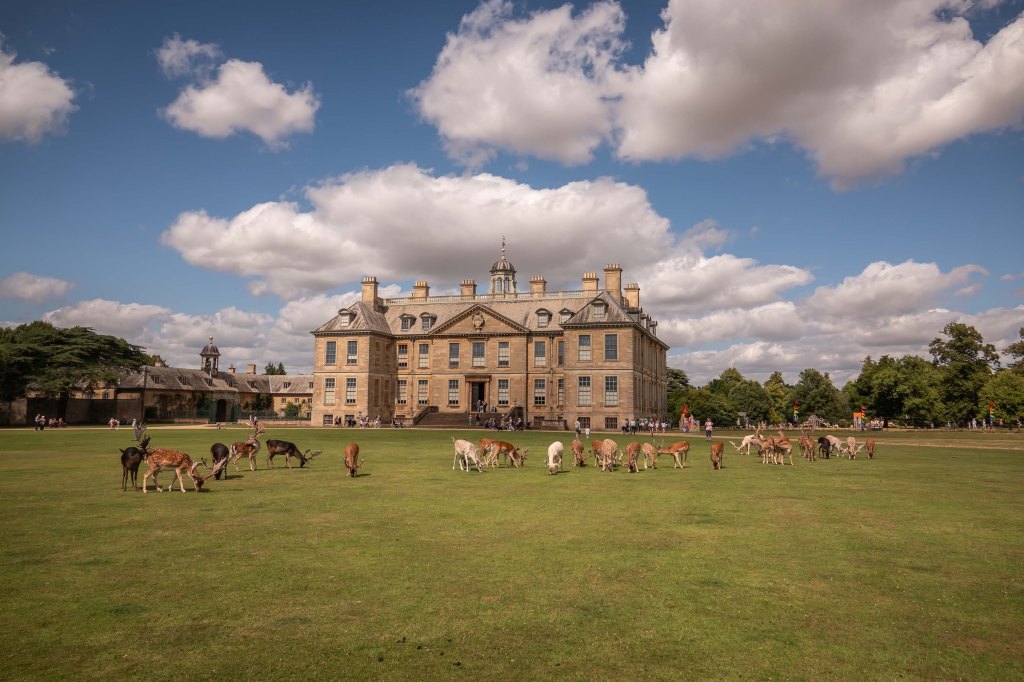
Nonetheless, we had a great start to our seaside holiday in Blakeney on the Norfolk coast with a detour to the wonderful RSPB reserve at Frampton Marsh in Lincolnshire. We were a little concerned about doing the trip to Blakeney in one day. So what did we do? We made the journey longer and took in the National Trust property at Belton House near Grantham and then on to this fabulous reserve on the edge of The Wash. We did have a stopover in the wonderful Lincolnshire countryside at Osbournby to make things a little easier for ourselves.
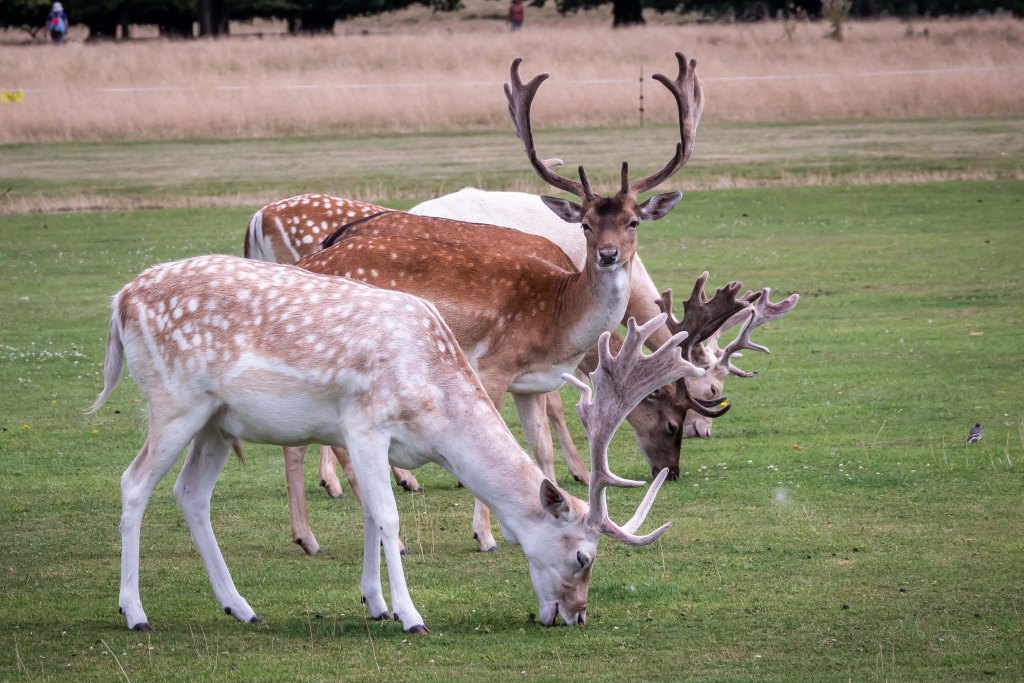
The sun shone on our visit to Belton House near GranthamFallow deer at Belton House (escorted by a pied wagtail)
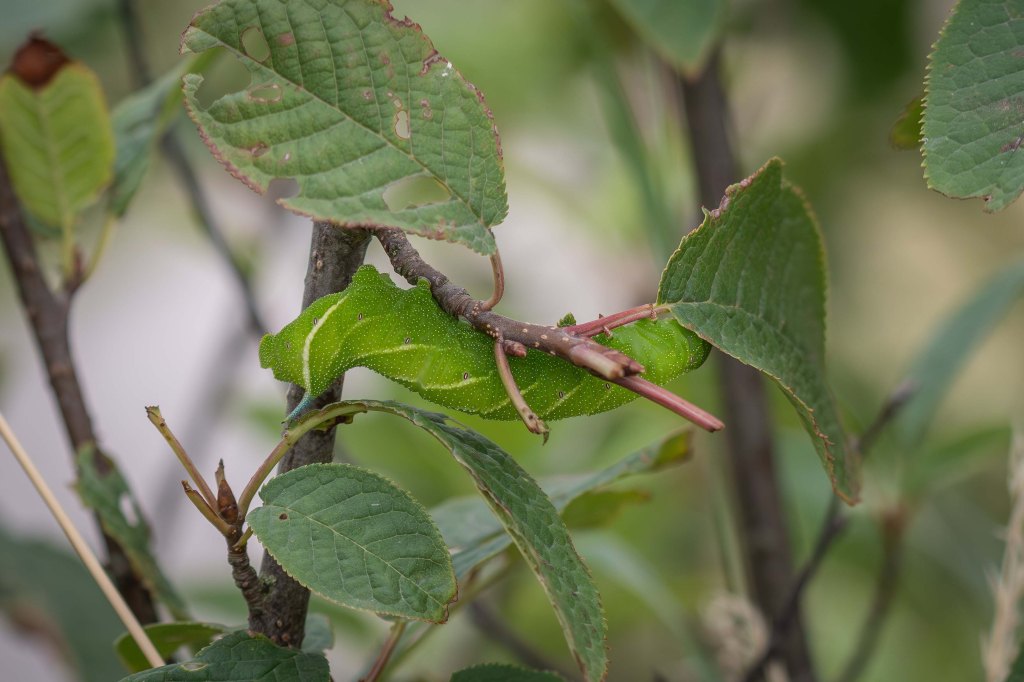
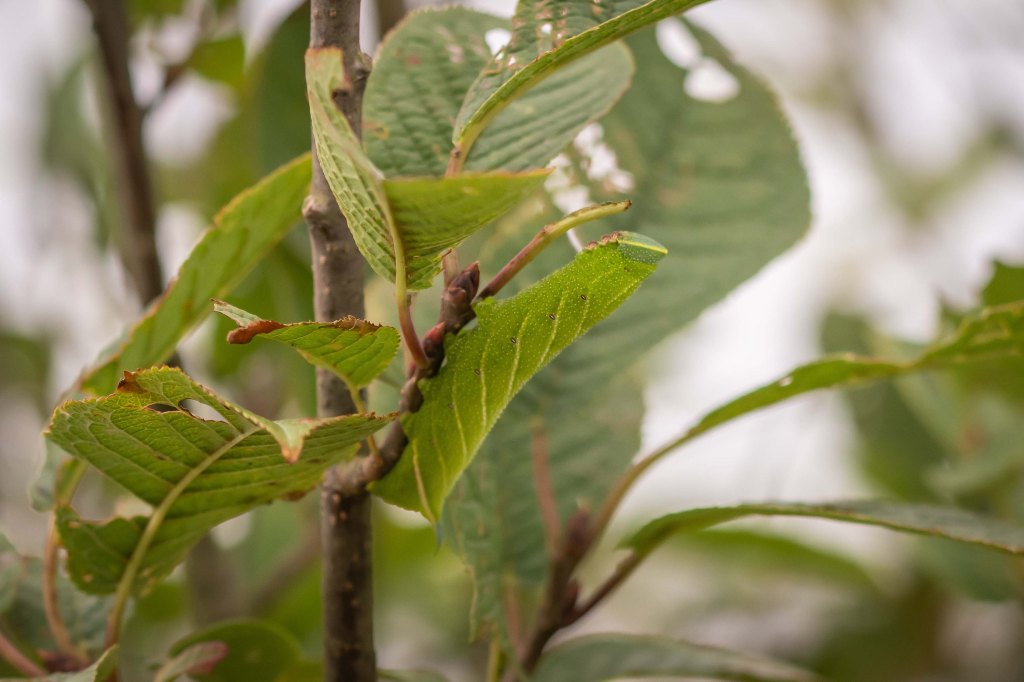
At RSPB Frampton Marsh eyed hawk moth caterpillars in the car park set us off to a great start.
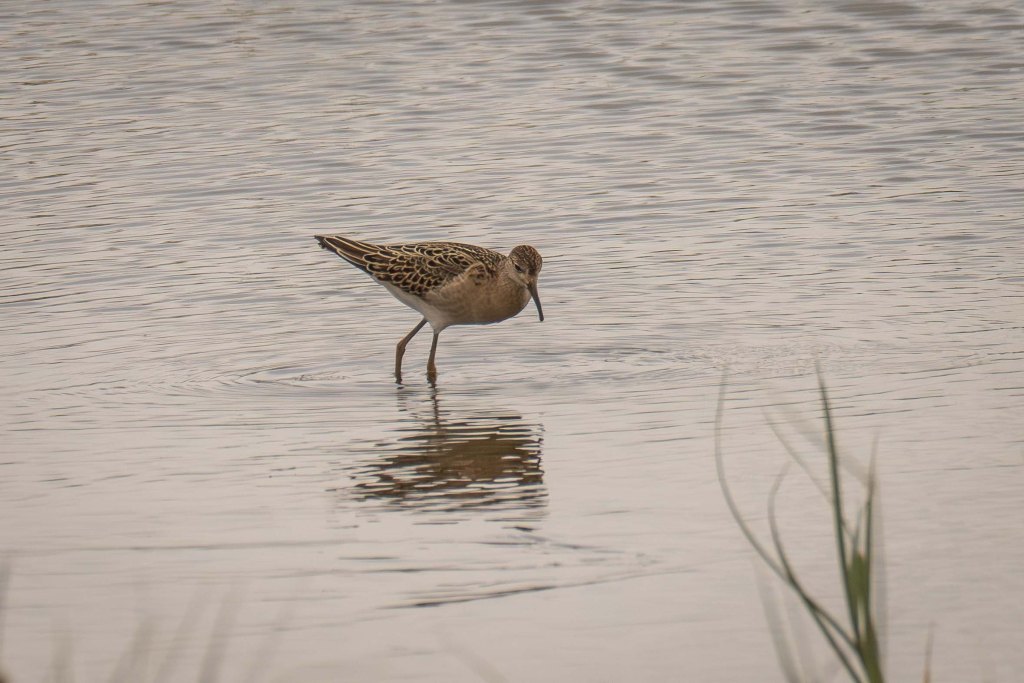
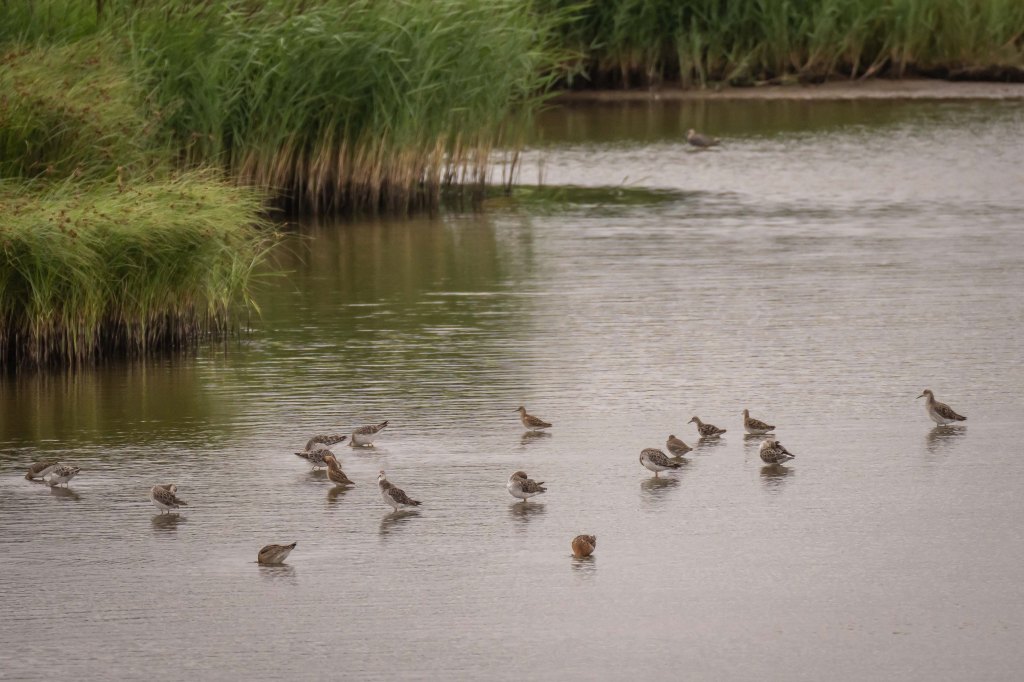
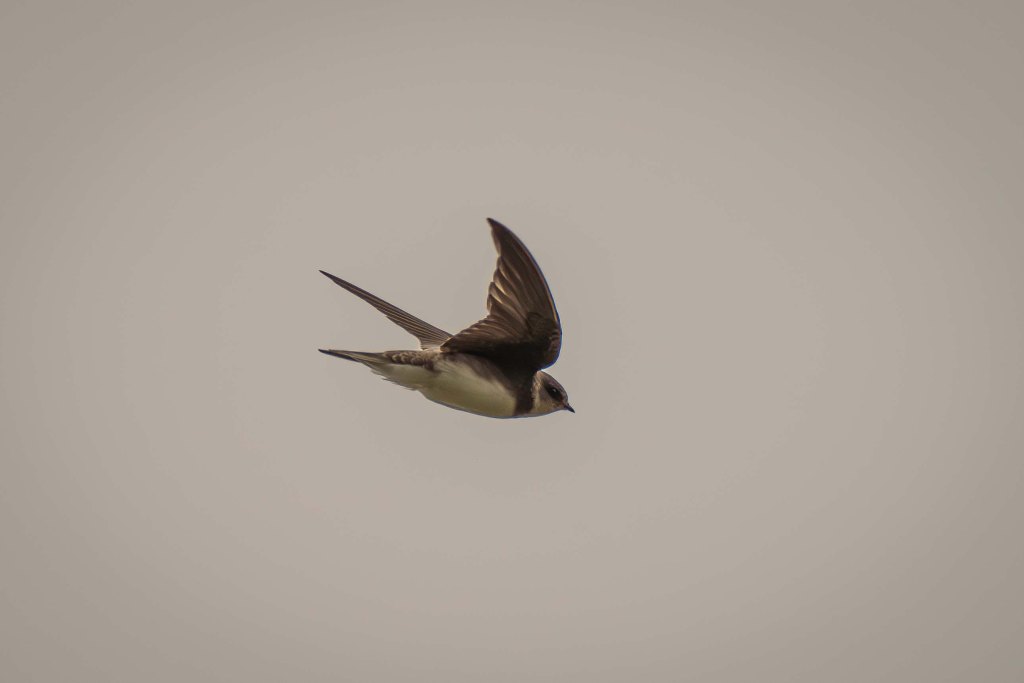
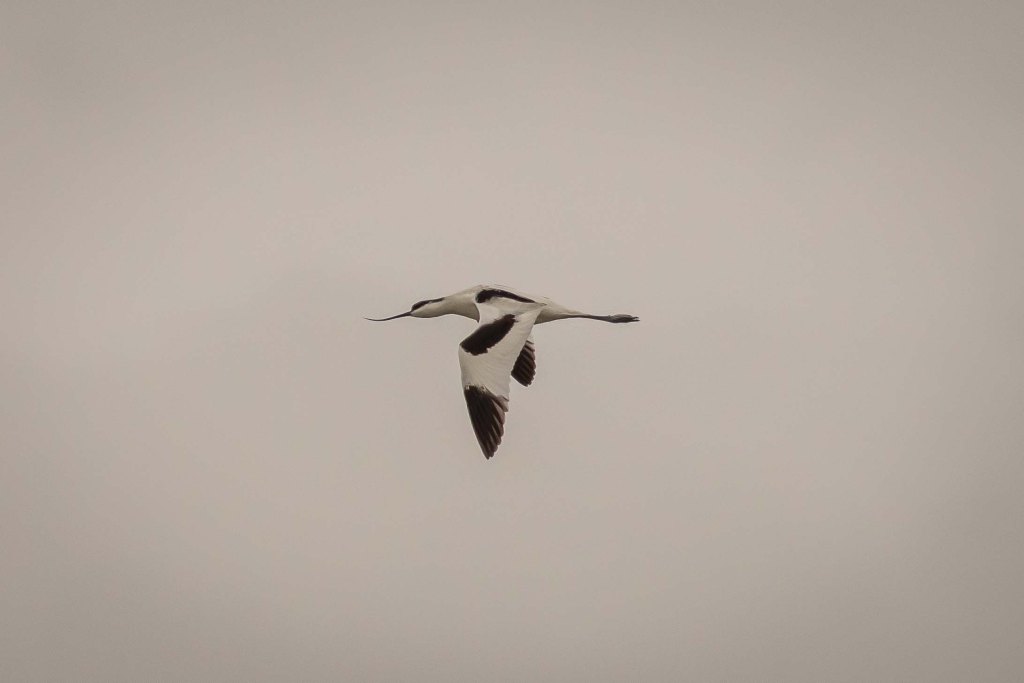
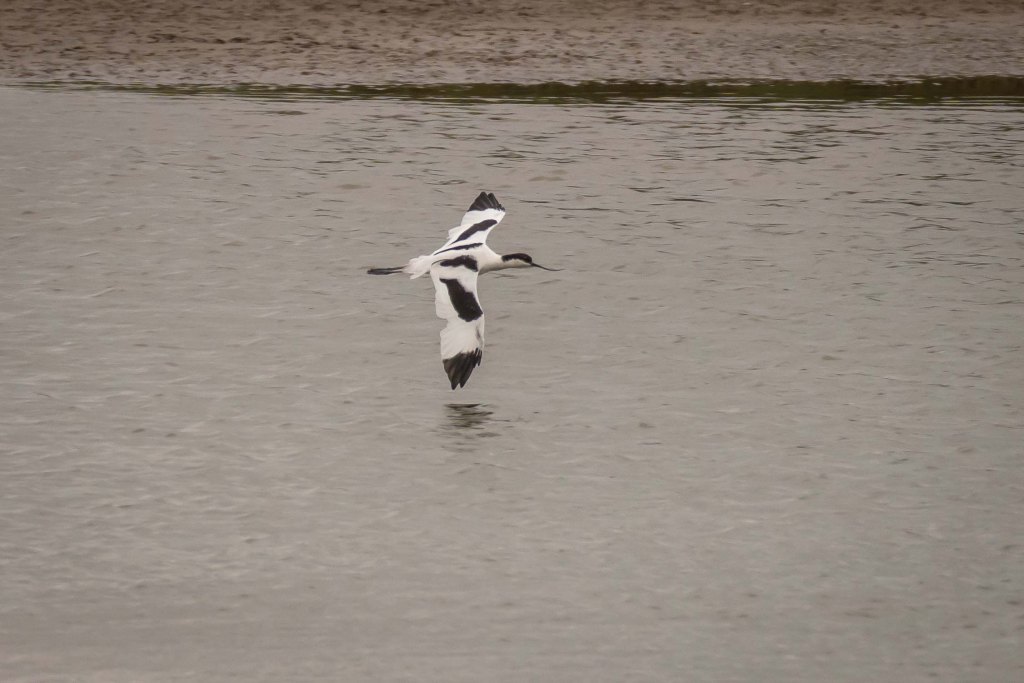
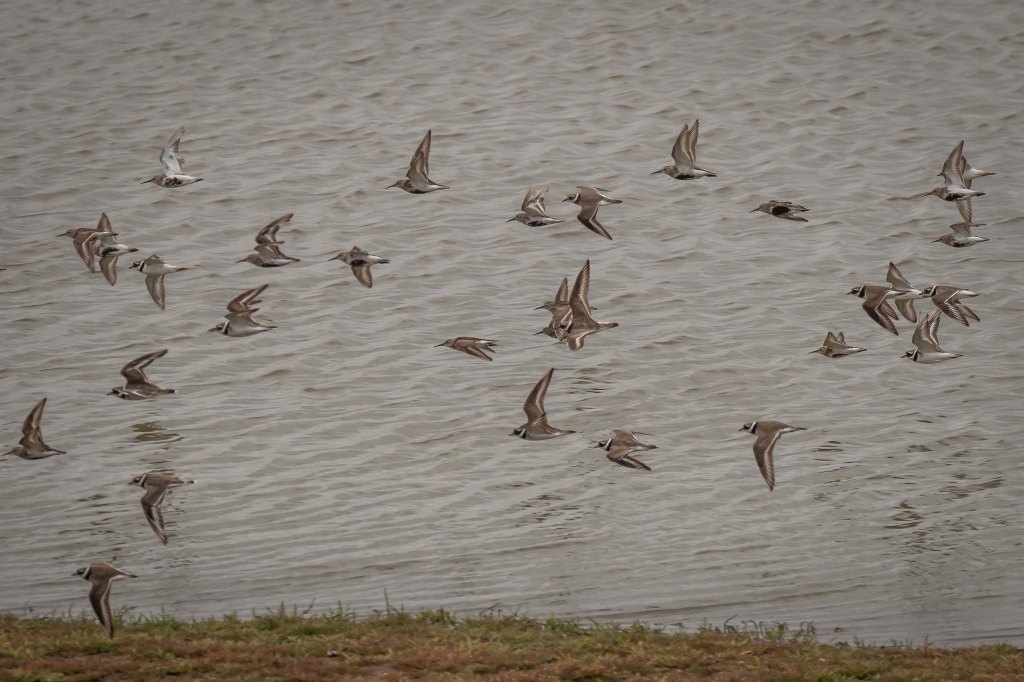
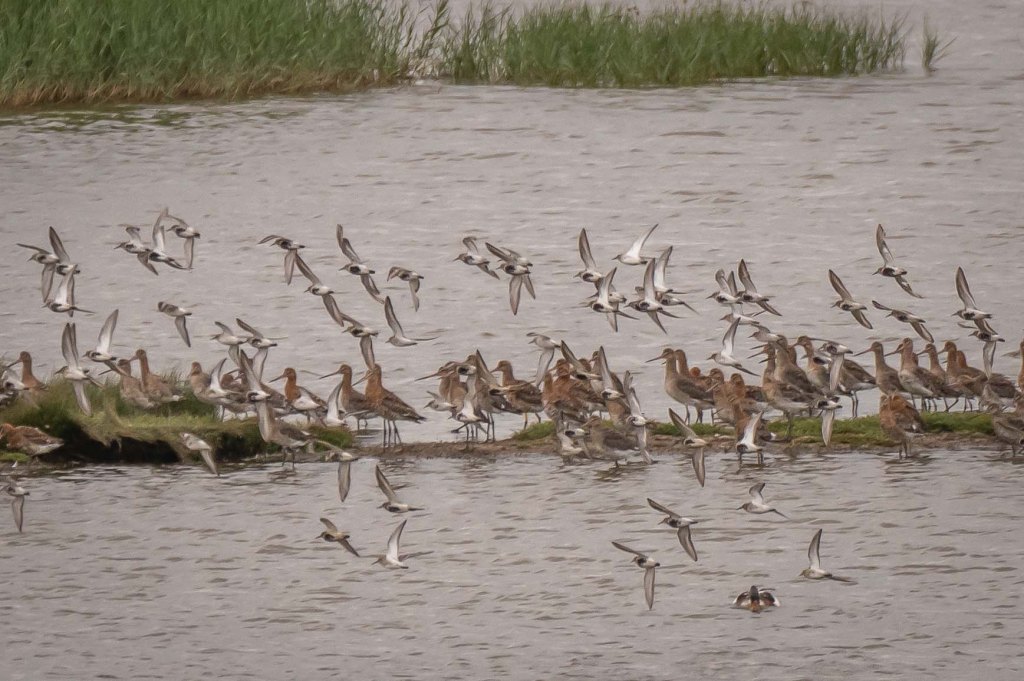
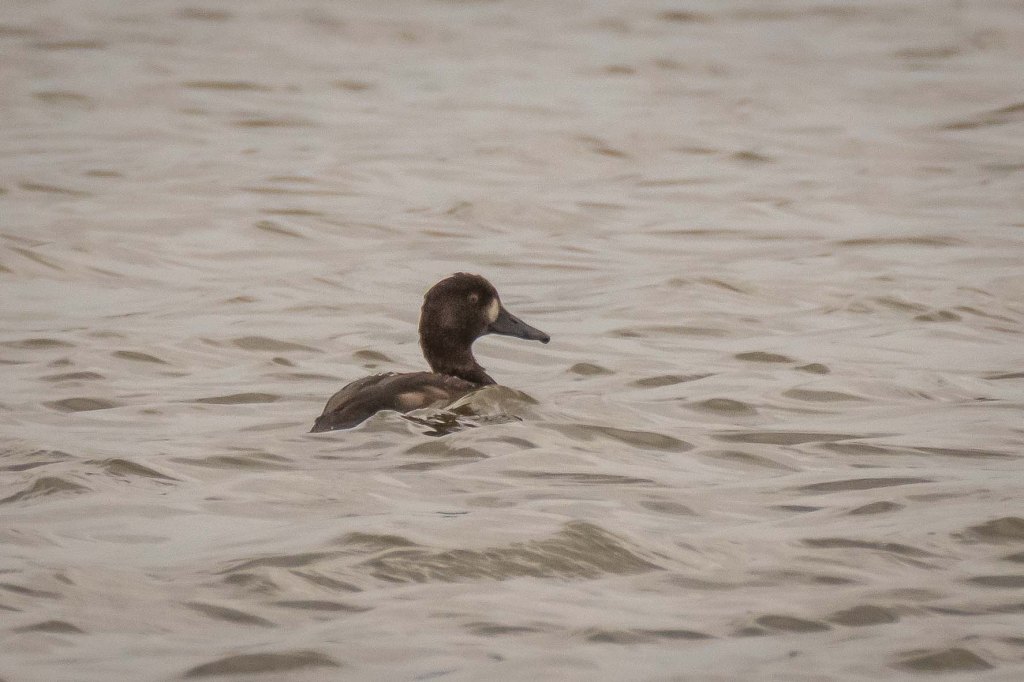
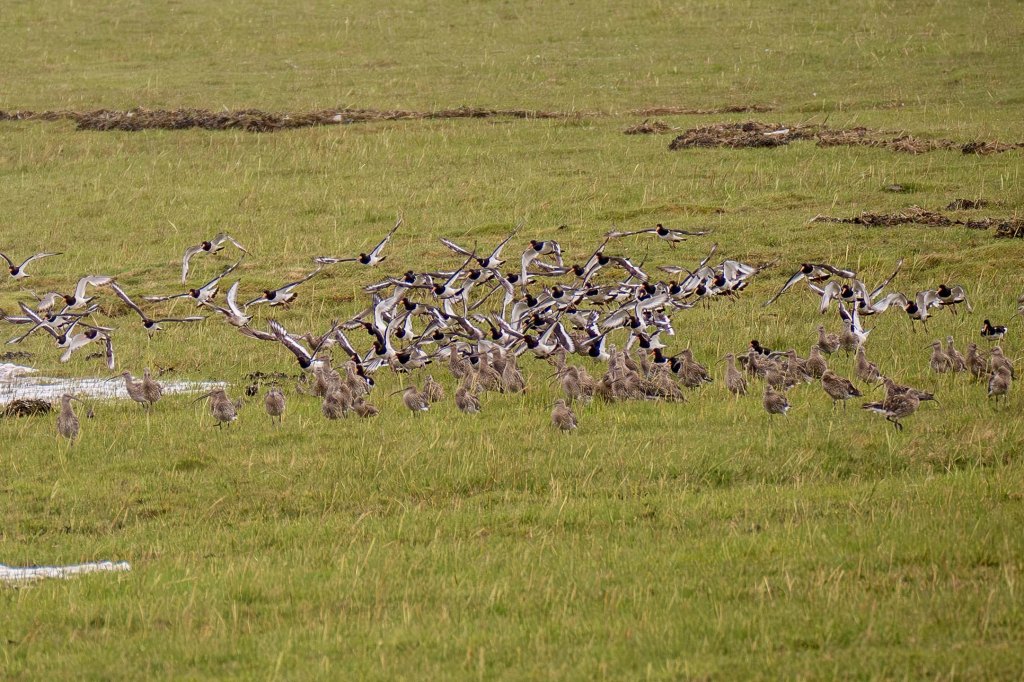
Eyed hawk moth caterpillarEyed hawk moth caterpillar Spoonbills were high on the star attractions listAvocets have got to be high on anyone’s list, especially with the super success story they continue to writeRuffs were everywhere but rarely very closeThe legs of the redshank were almost florescent in the dull lightSand Martin were almost impossible to photograph in this light so I was very happy with this shotAvocet in flight… and on its way backA peregrine caused this mayhem of godwits… but they soon came backThe ringed plovers were displaced too and disappeared over the salt marshSome of the godwits were unmovedGreenshank?Scaup?It was difficult to catch the spoonbills with their bills showingBut occasionally they were obligingRinged ploverThe greylag geese were easier to photograph but didn’t look at their best in the poor light
The sun failed to appear all day until we reached Blakeney. Hopefully a good omen for the week.
I’m afraid golf and COVID have limited my birding activities in the last few weeks.
This morning we had a walk along the Severn Estuary at high tide; even that was fairly limited as we had miscalculated the weather forecast. In fact, it was more a case of having the wrong clothing (as they say – there’s no such thing as bad weather, just bad clothing) and so we curtailed our walk when the showers set in.
On Northwick Warth (a saltmarsh on the edge of the River Severn) there were big flocks of black-headed gulls and pockets of curlews and oystercatchers (over 50 of each) within our range.
Oystercatchers and curlewsThe high tide spilling onto the warth
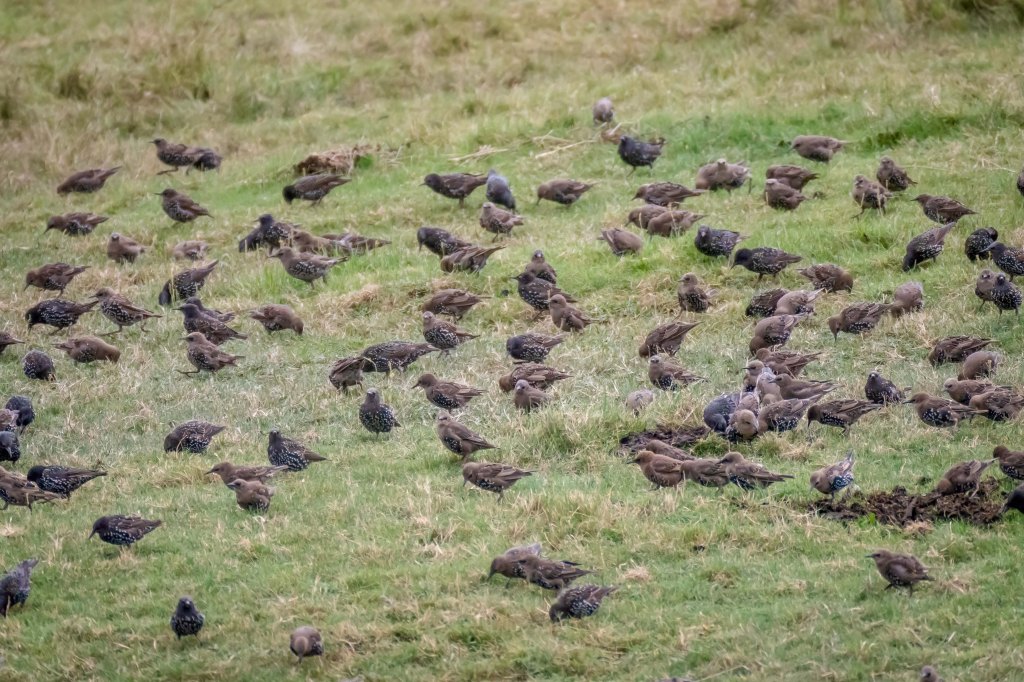
On the warth there were flocks of meadow pipits and goldfinches and even larger flocks of starlings.
Certainly not the best light for photographing swallows but they did come quite close
On the other side of the Severn Walkway is Pilning Wetlands which seem to have been filled in quite a lot since our last visit. We couldn’t work out if they were trying to improve the wetlands or destroy them. Hopefully, when the wet weather comes it will be a case of the former.
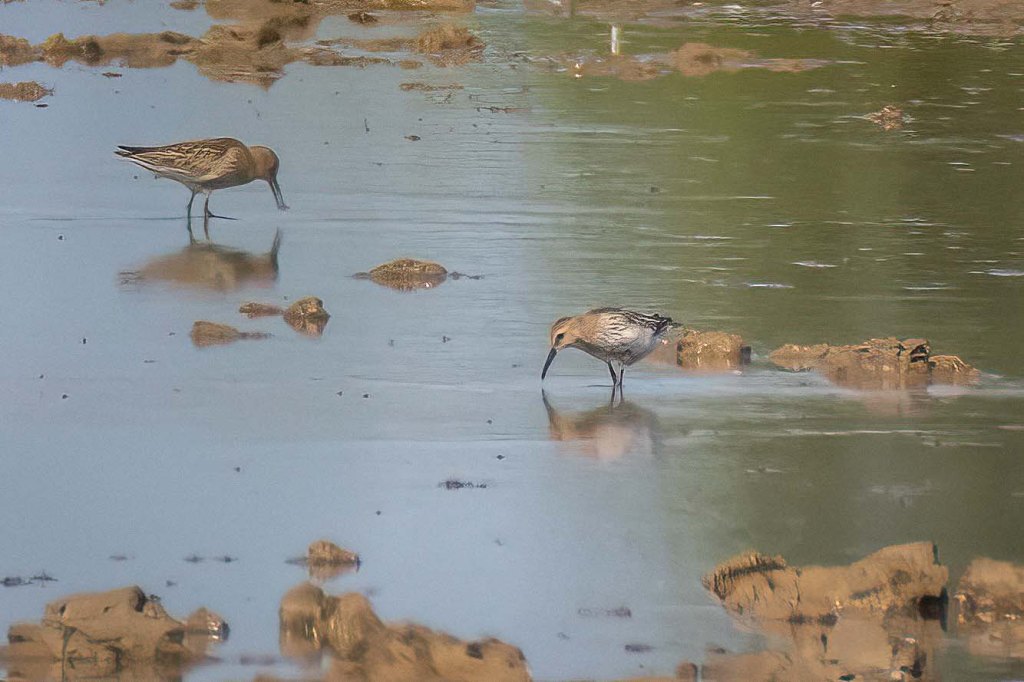
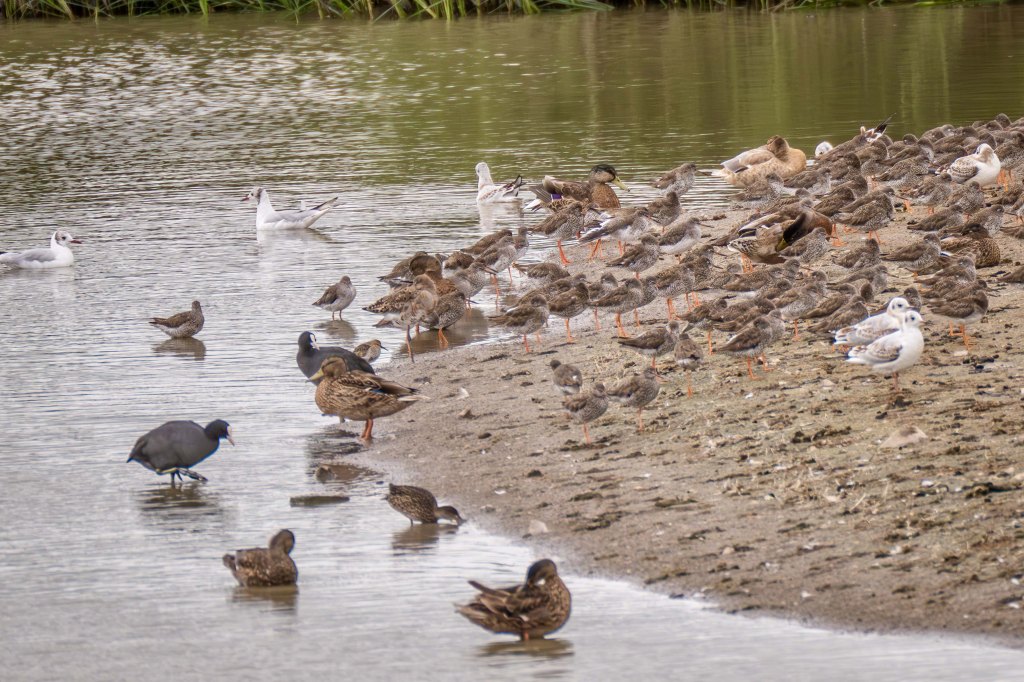
The light was very poor but on the first section of the wetlands we could make out over 50 redshank with a few dunlin and, I believe, a ruff. As it was high tide I imagine there would have been larger numbers of all these waders further along the wetlands but we were too “nesh” (certainly not my adjective nor one local to the west country) to carry on.
Amongst the redshank I can make out a dunlin and a ruffStarlings everywhereMeadow pipit on the wire
The weather forecast looks a little better going forward and so, hopefully, we will have better luck next week on our holiday in Norfolk.
But there again I wasn’t too good at interpreting it today!
























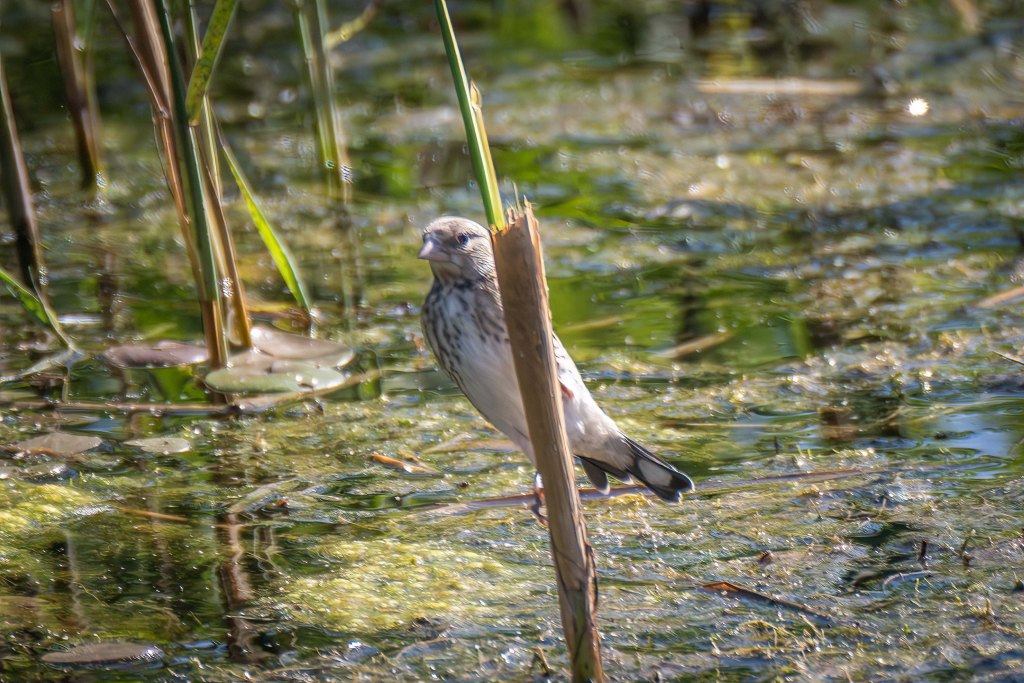
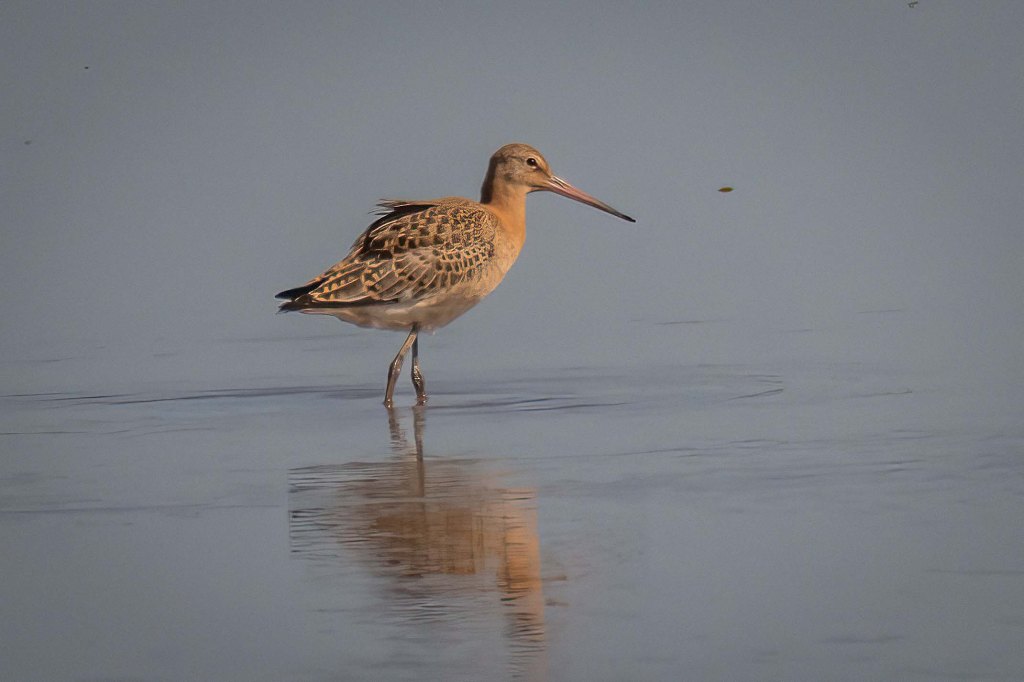


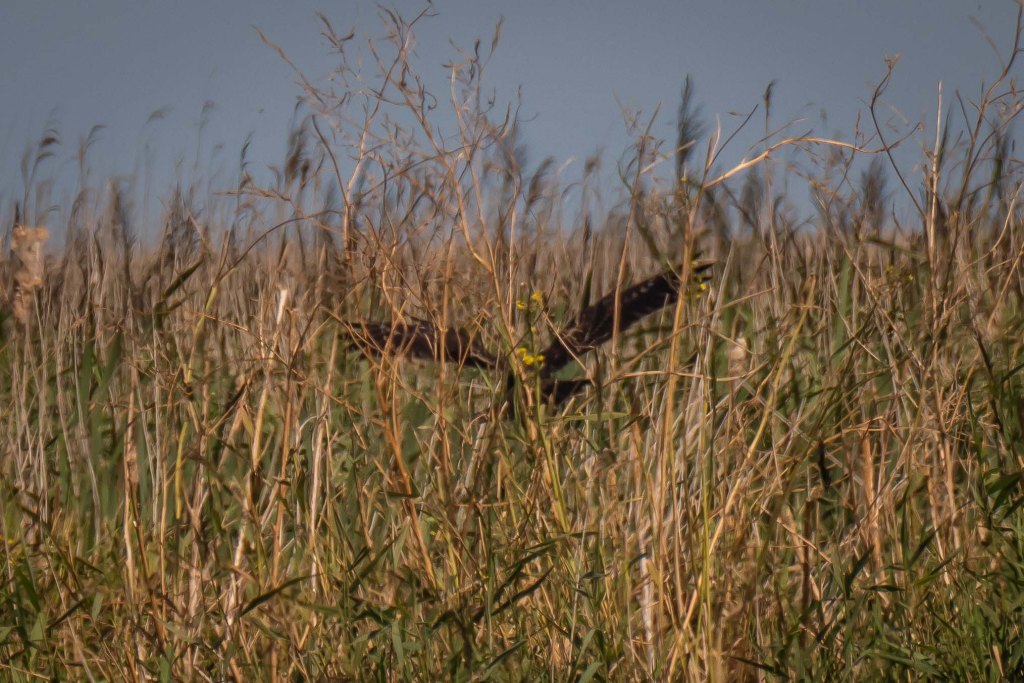
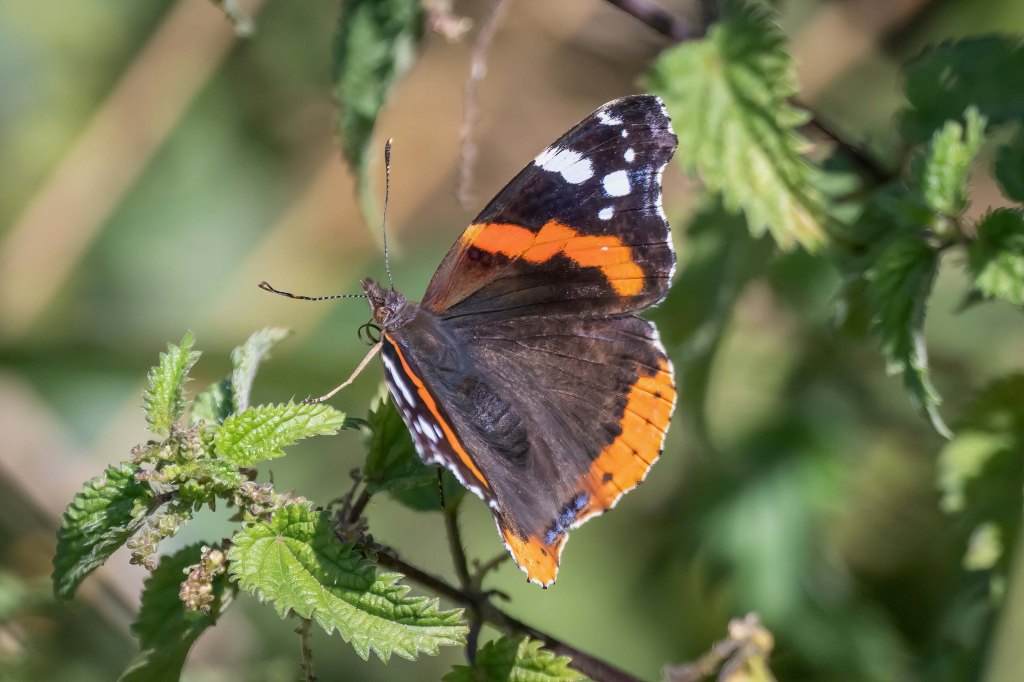










































 Martin's Bird Blog & Nature Photos