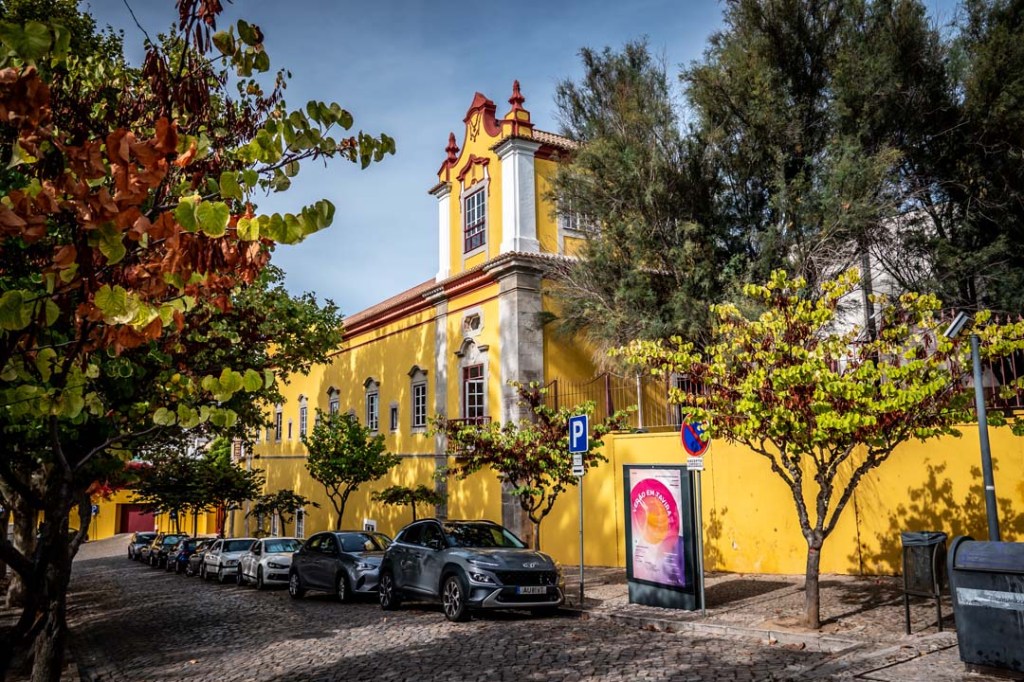
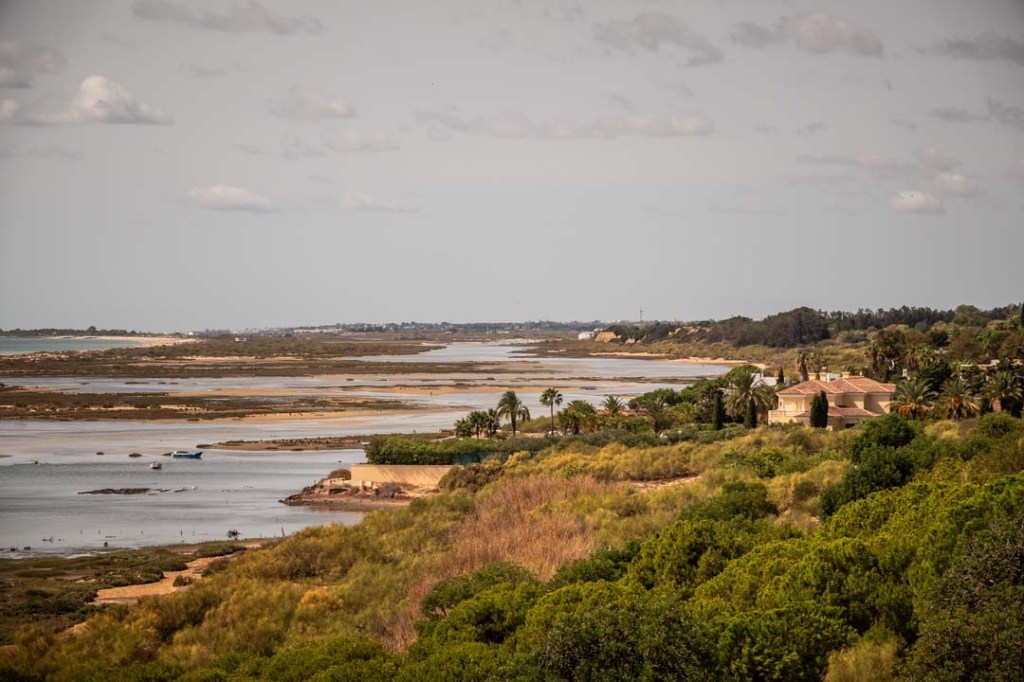
This morning we had a break from birding activities and visited the pretty town of Tavira and the the beautiful village of Cacela Velha on the Algarve just across the border in Portugal.
A taste of TaviraTaviraTaviraView of the Algarve from Cacela VelhaCacela Velha
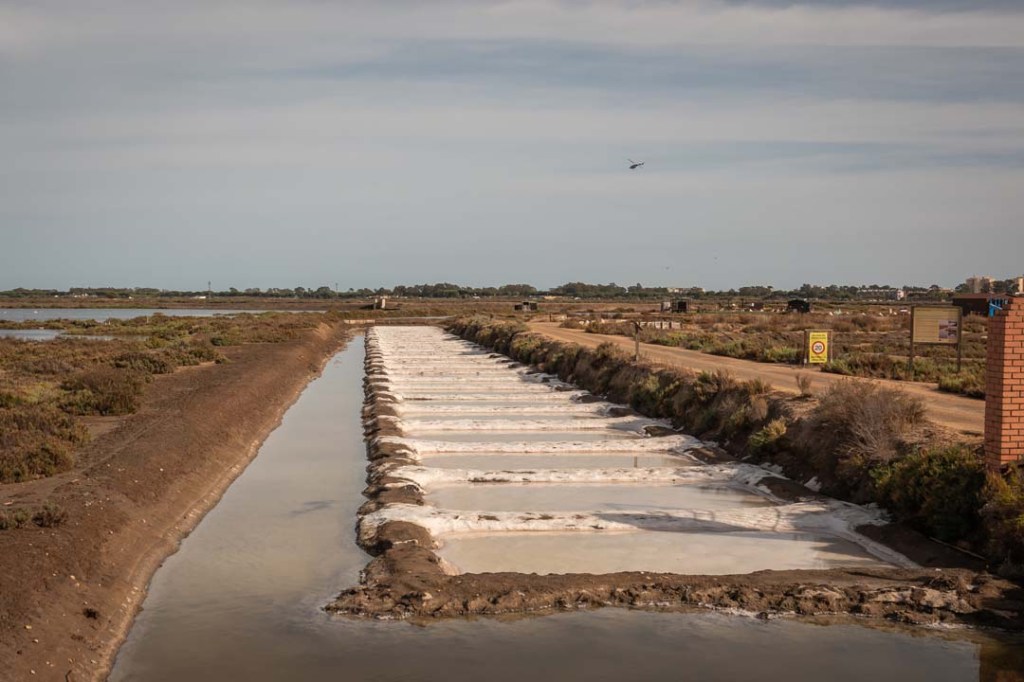
This evening we went back to visit the salt pans just north of Isla Cristina.
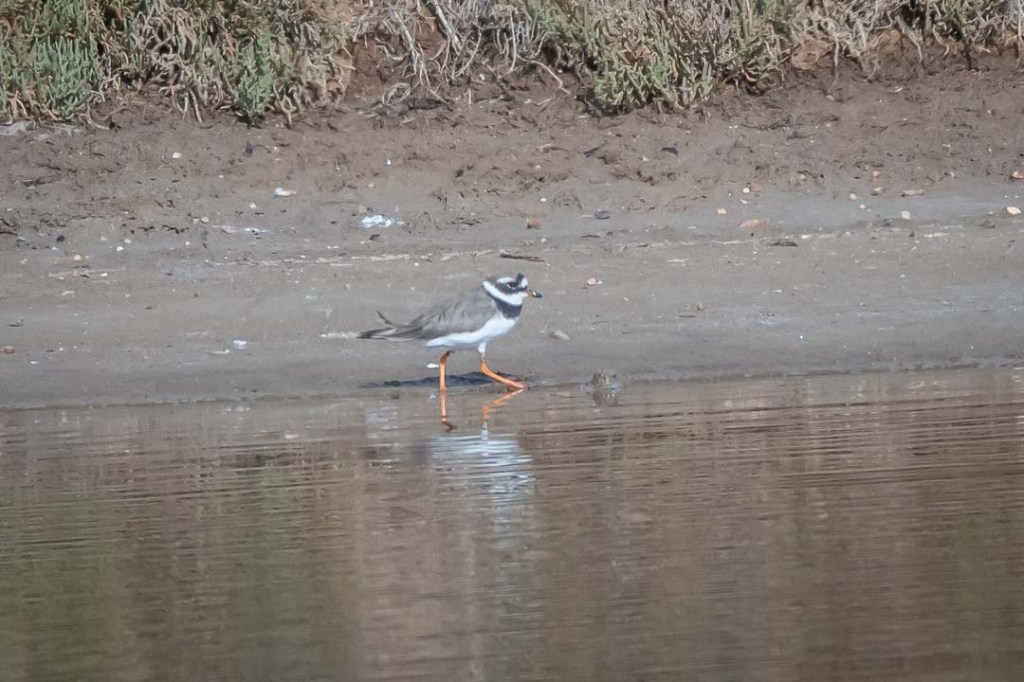
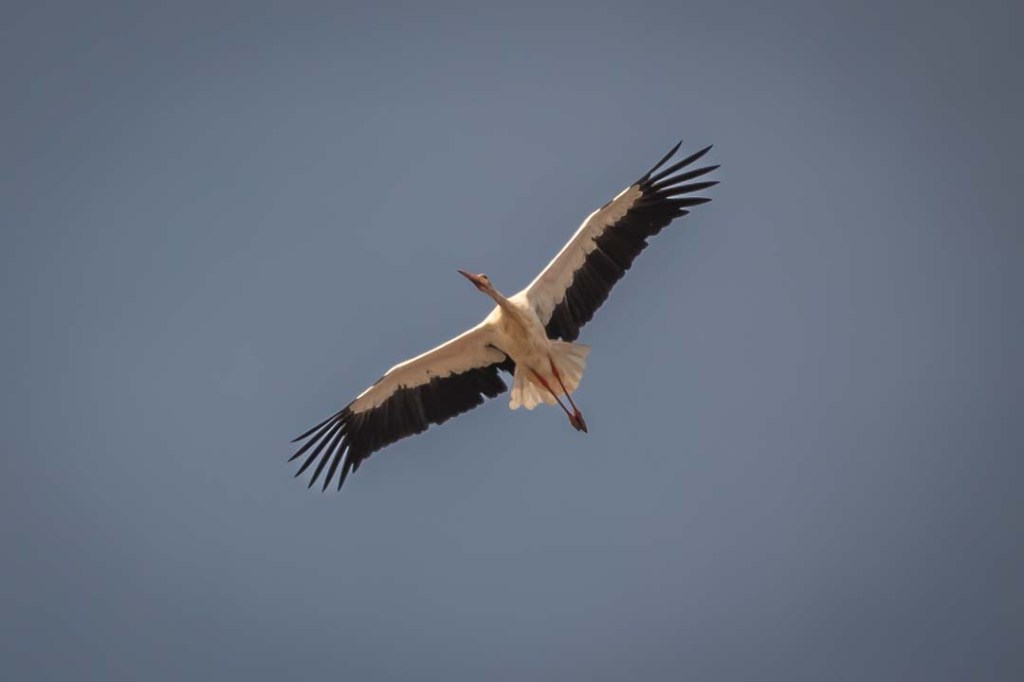
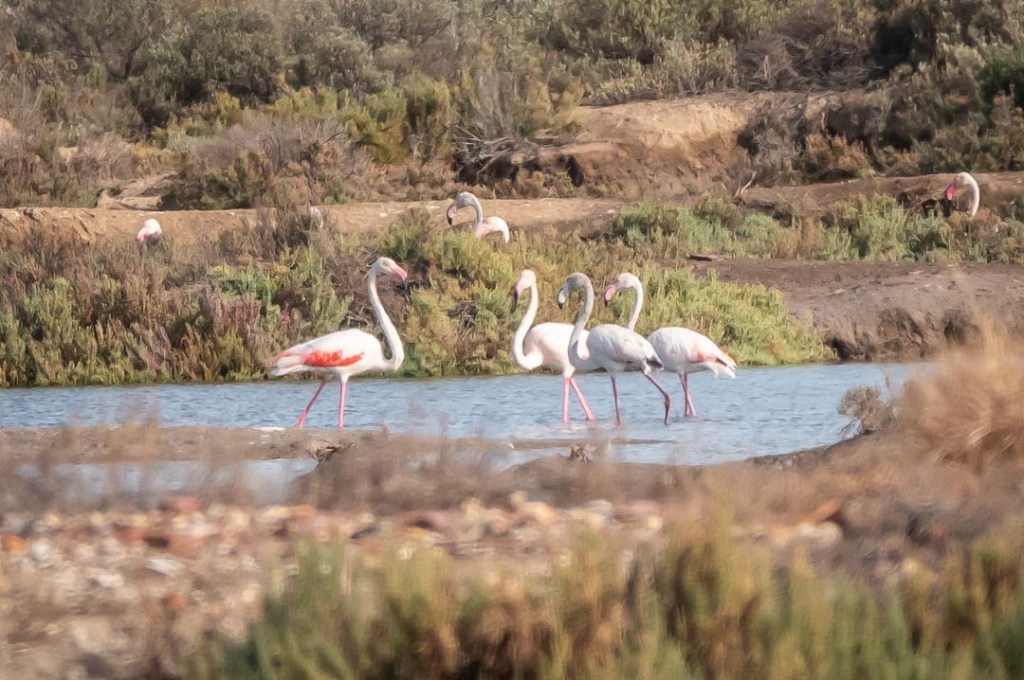
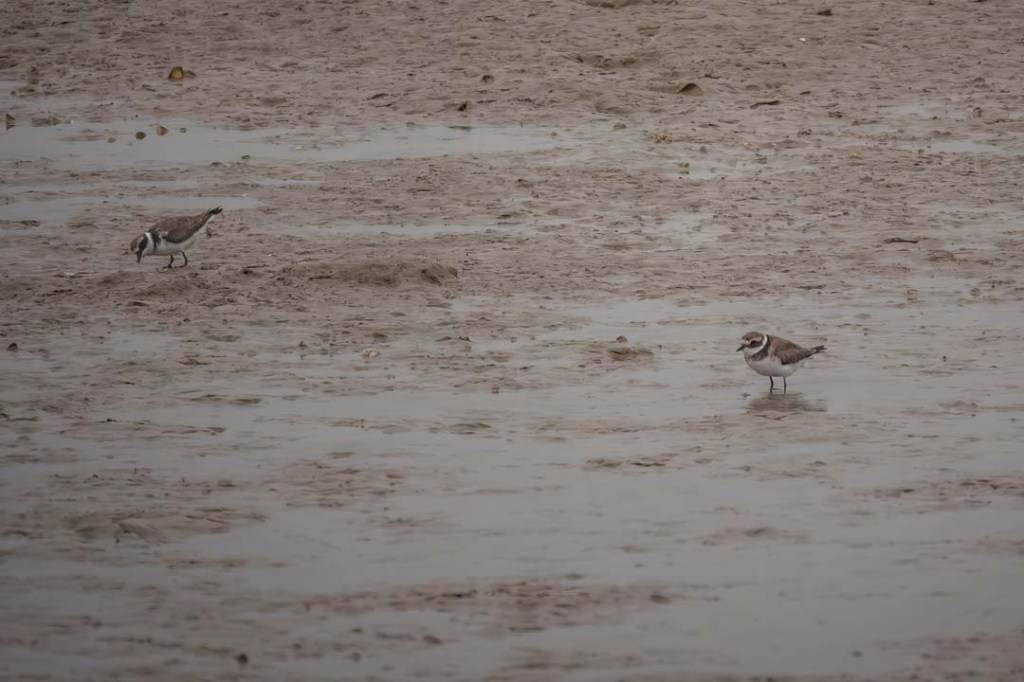
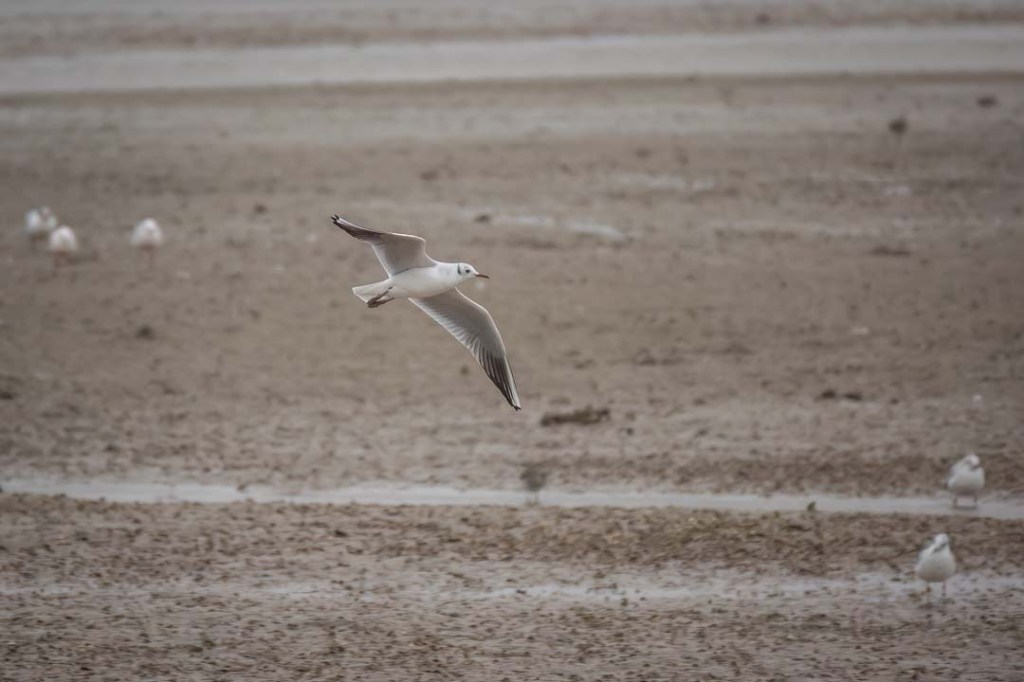
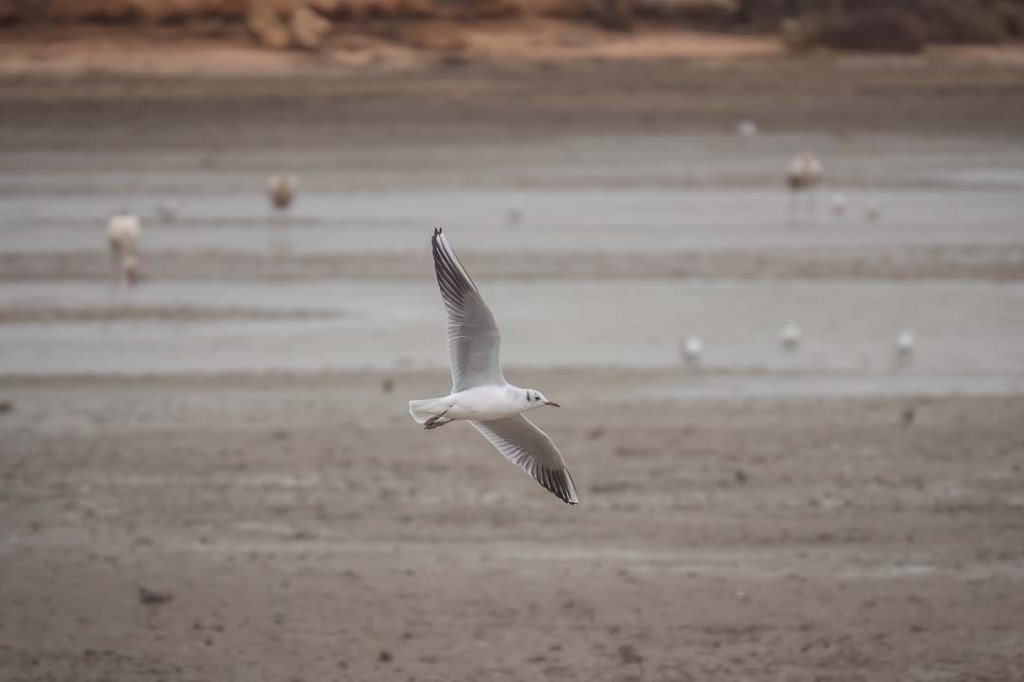
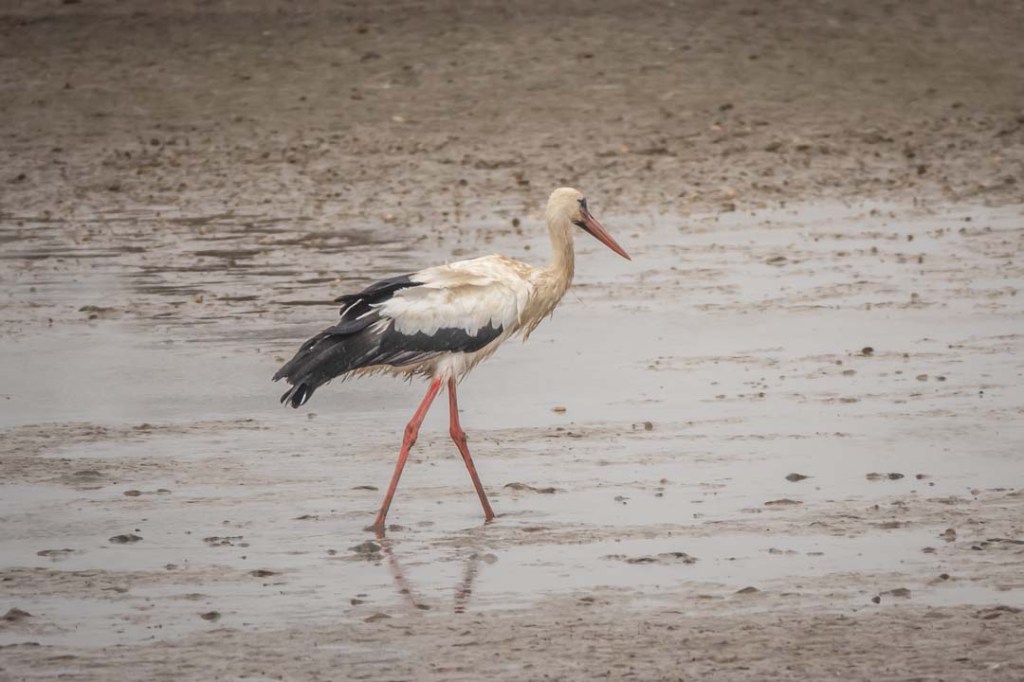
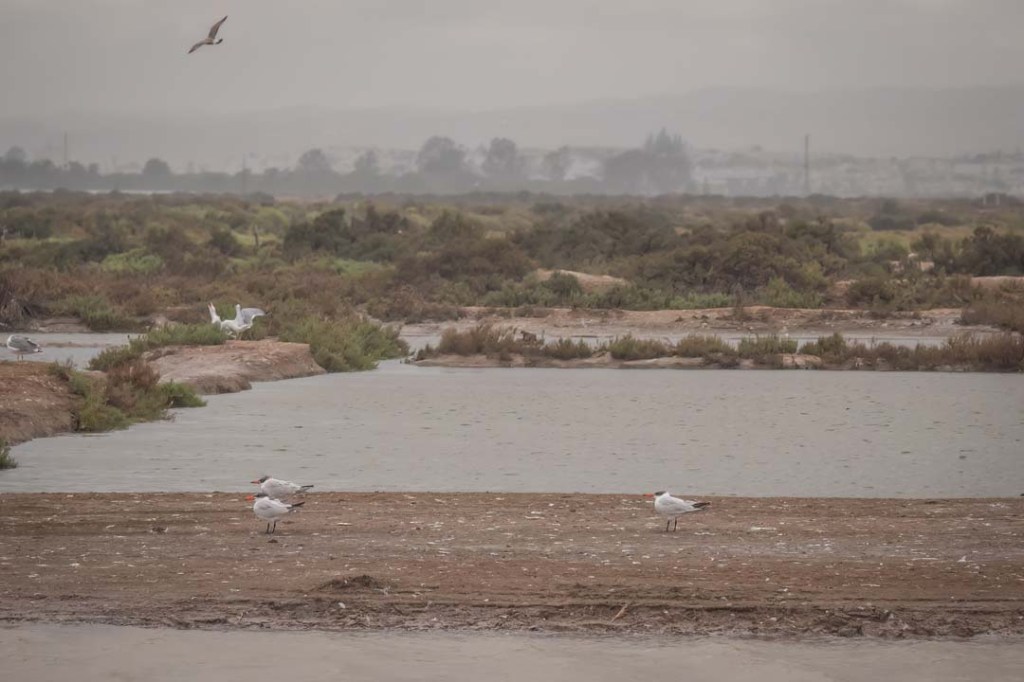
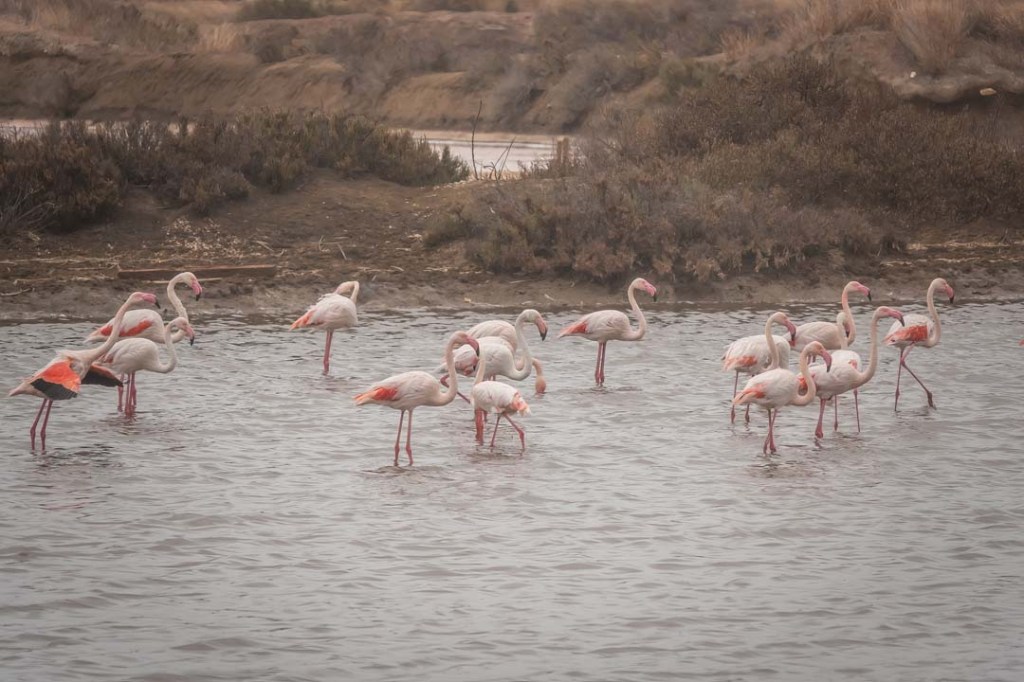
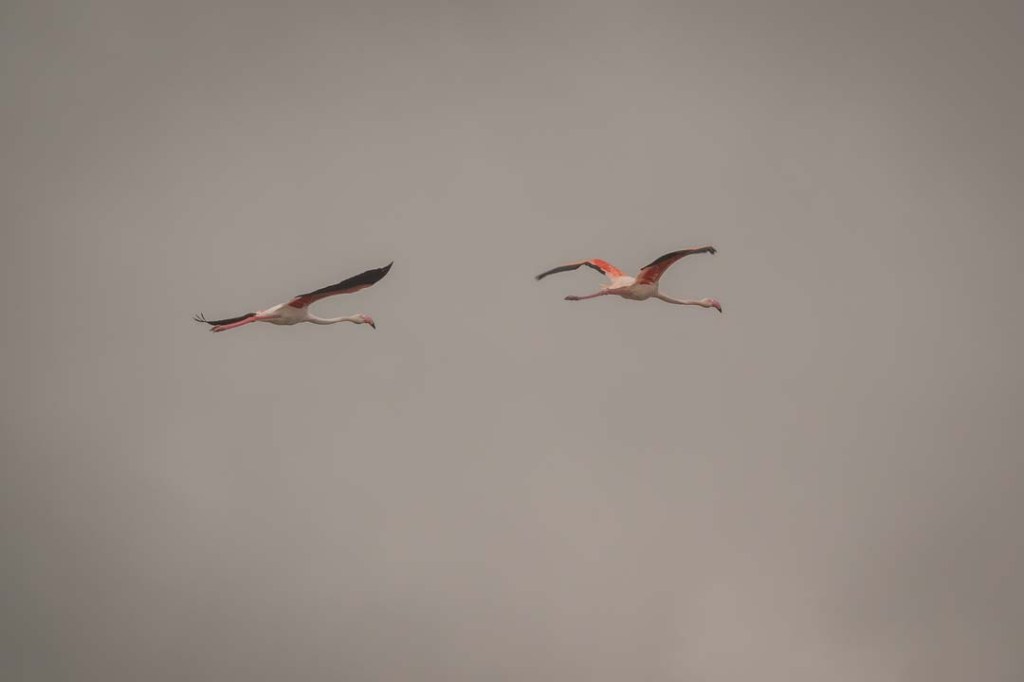
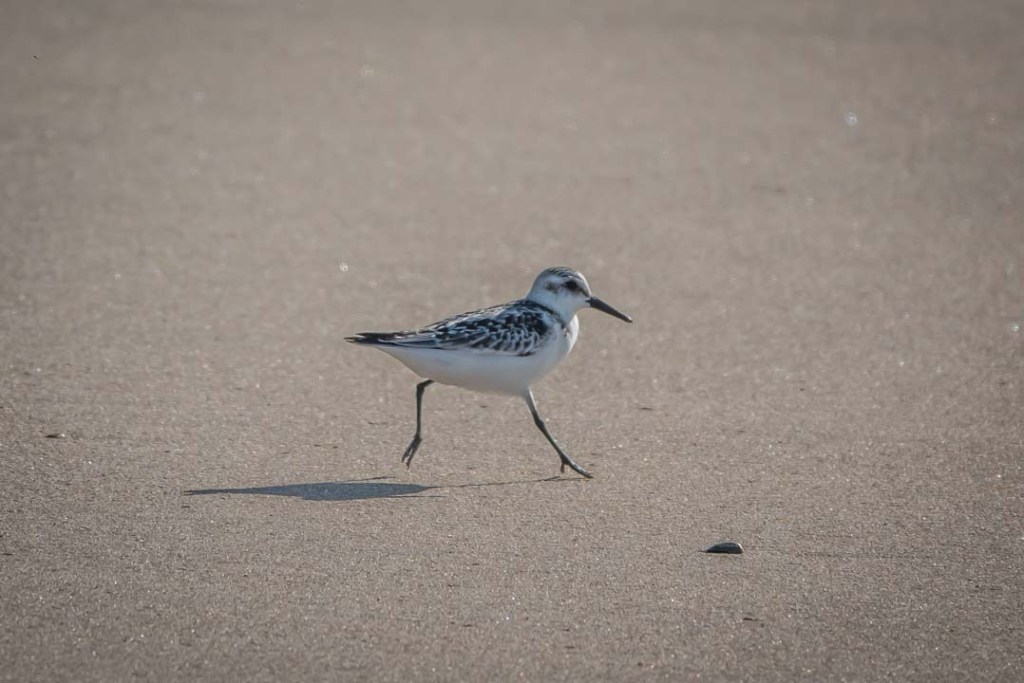
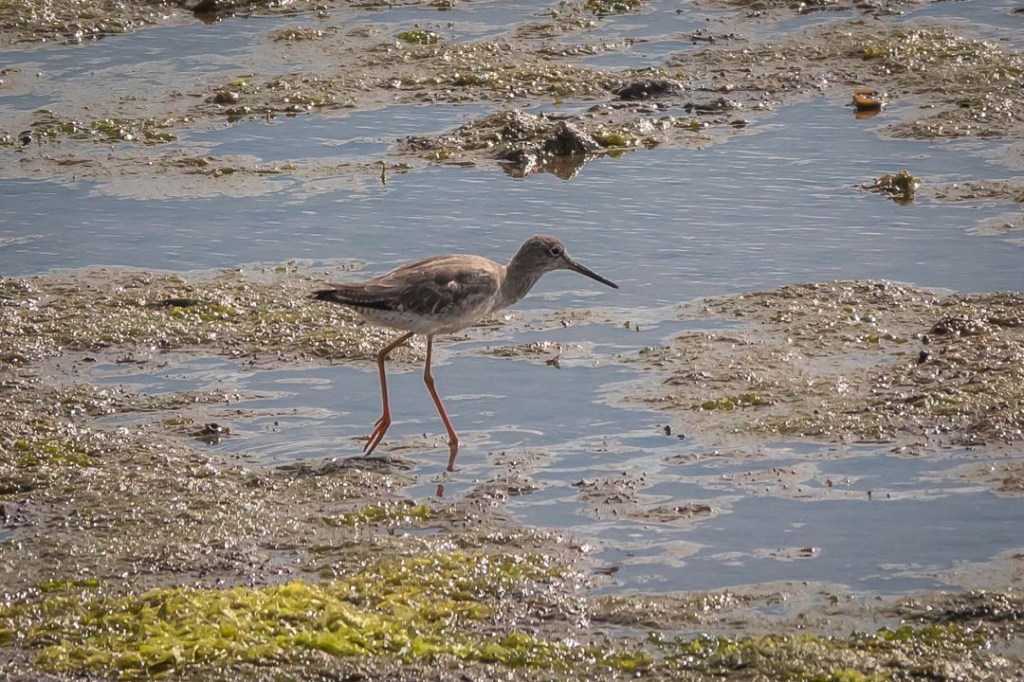
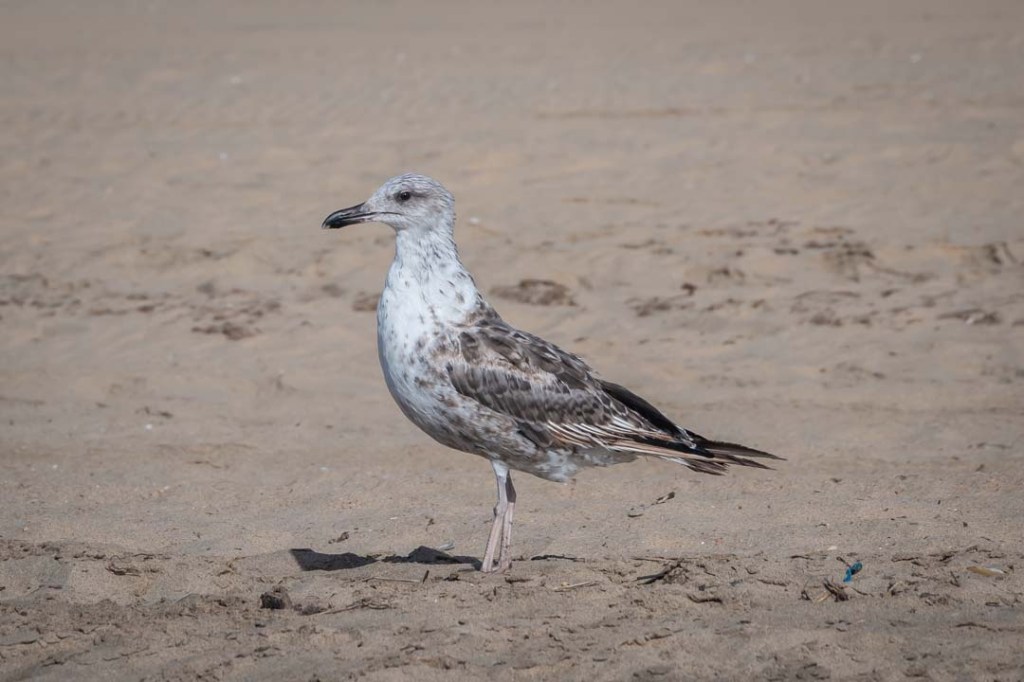
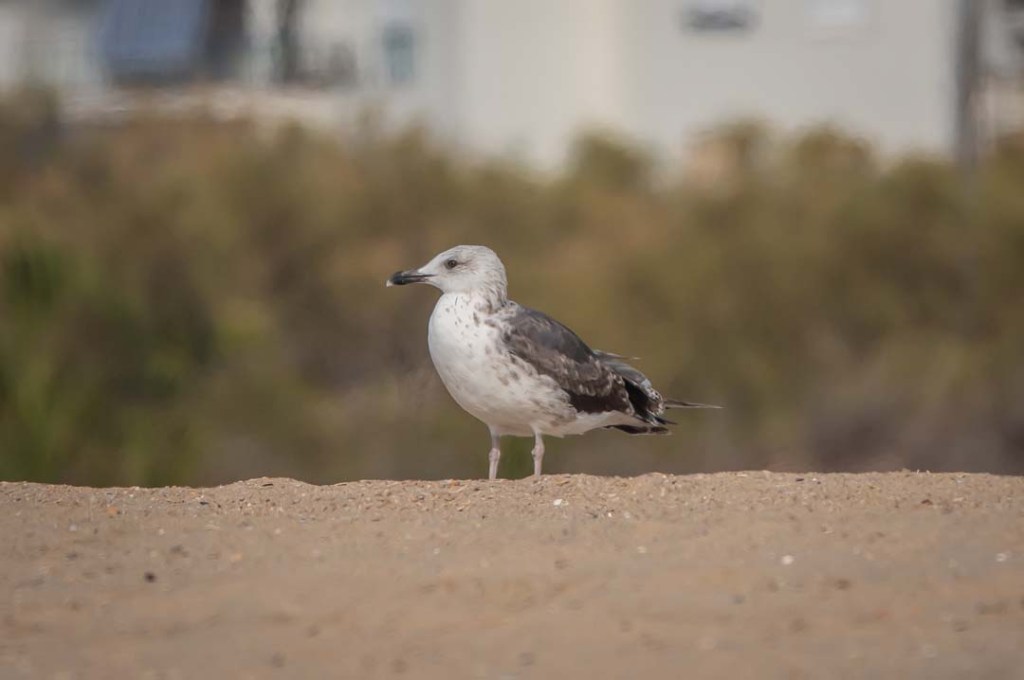
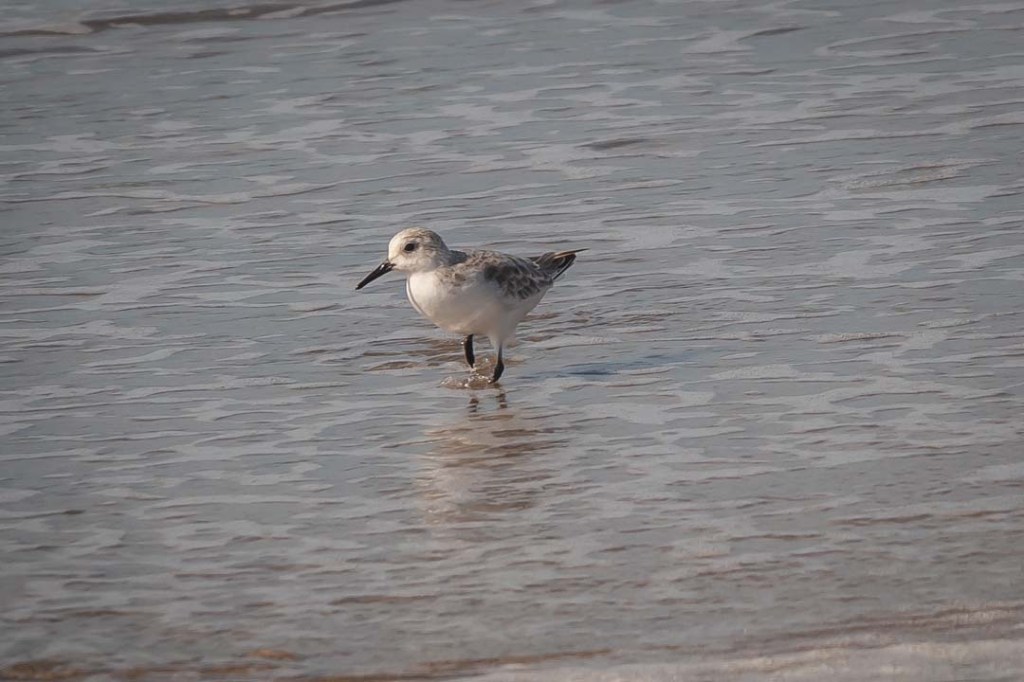
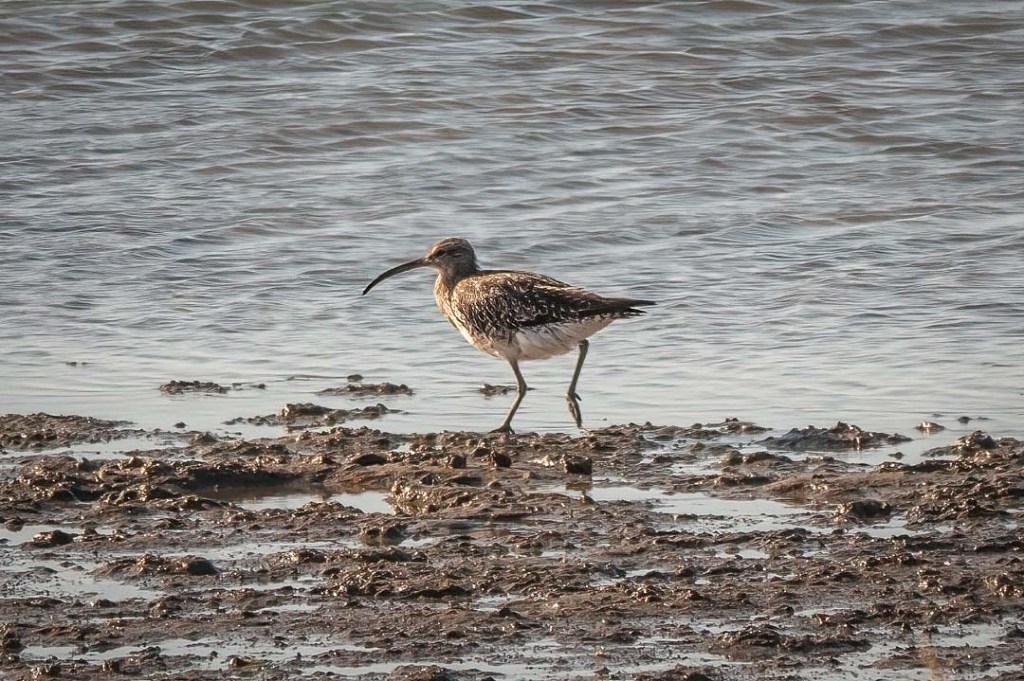
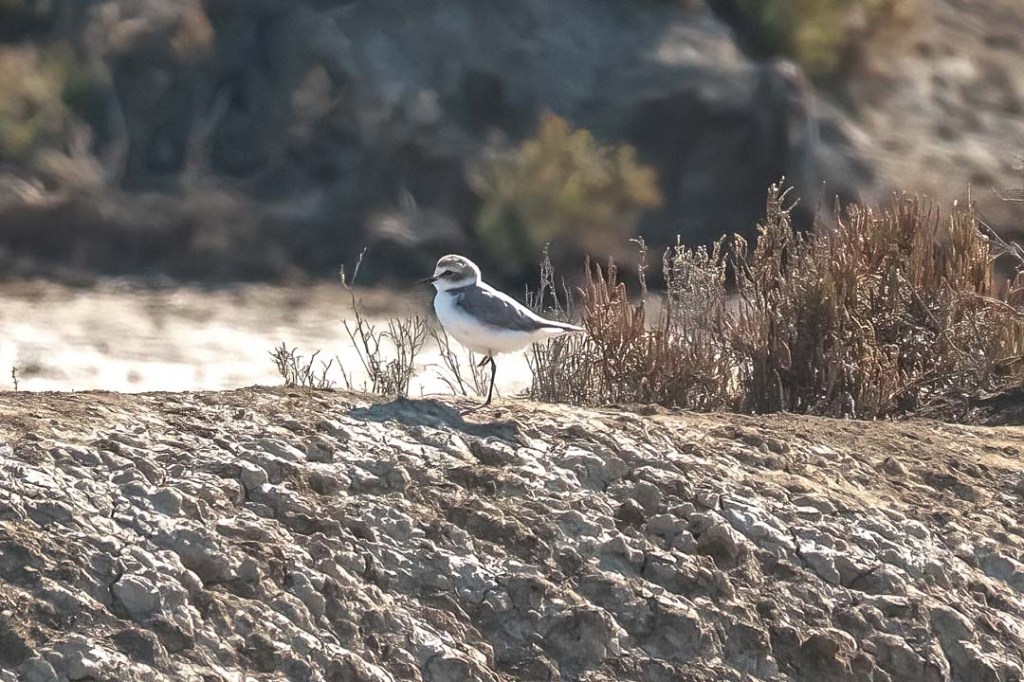
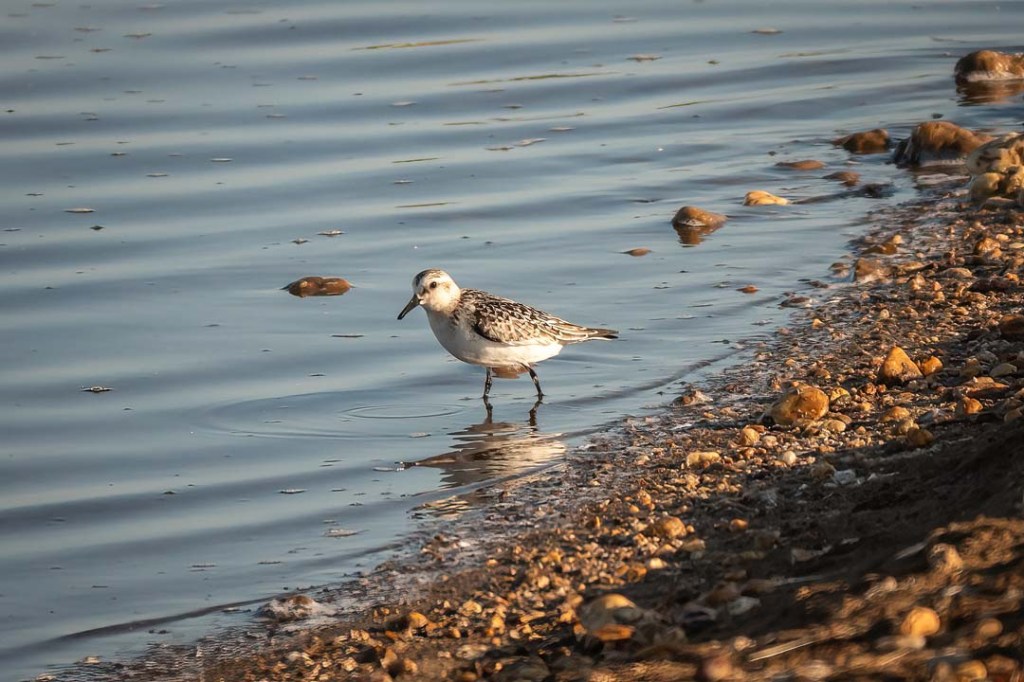
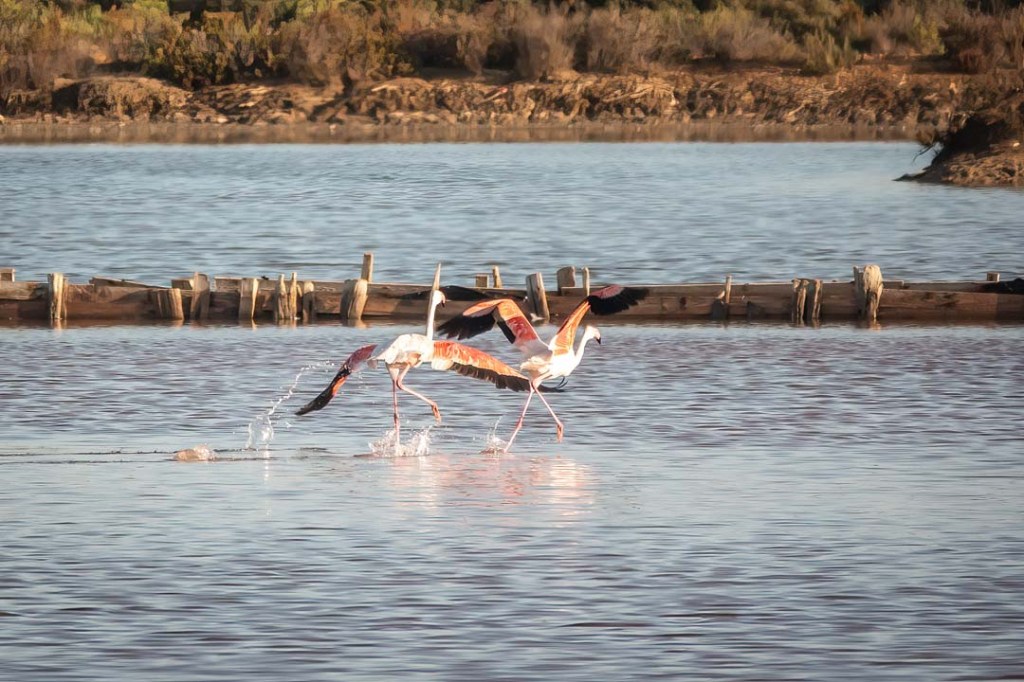
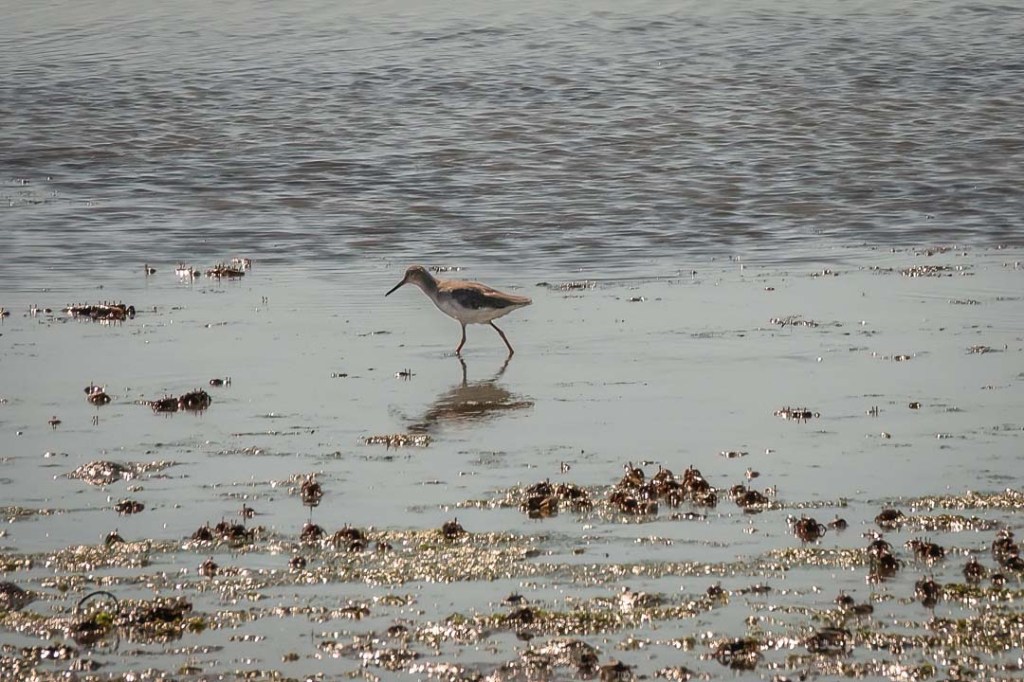
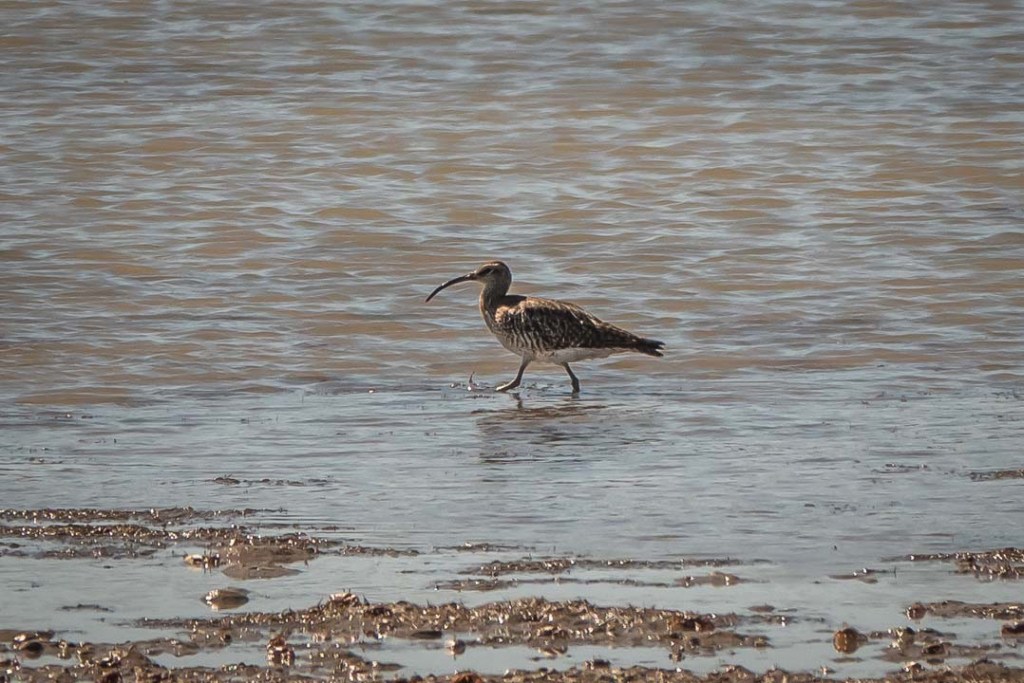
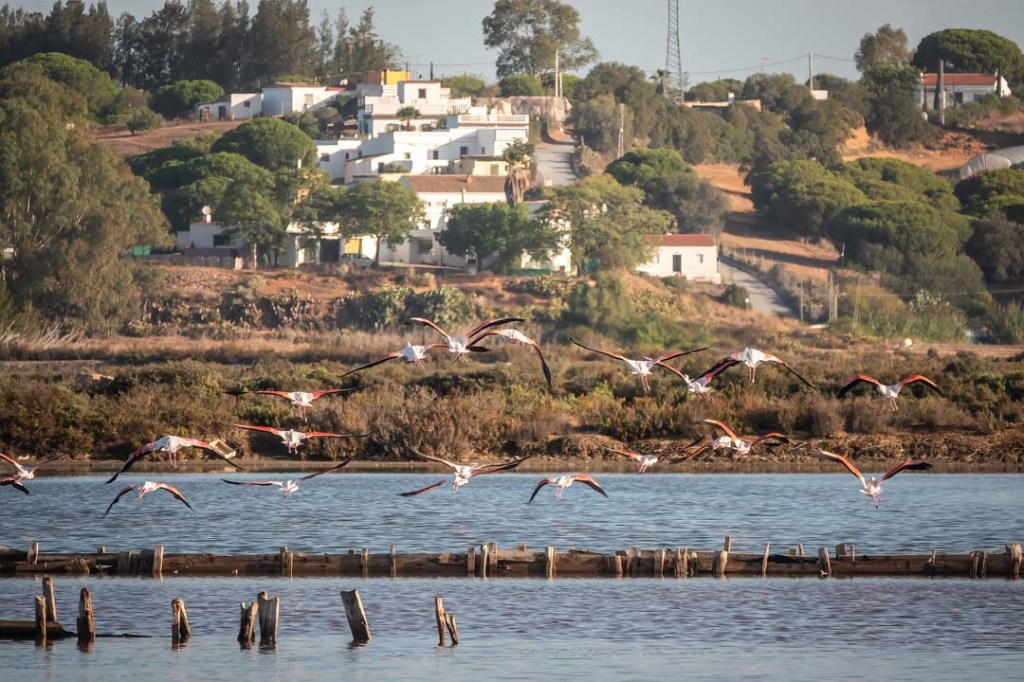
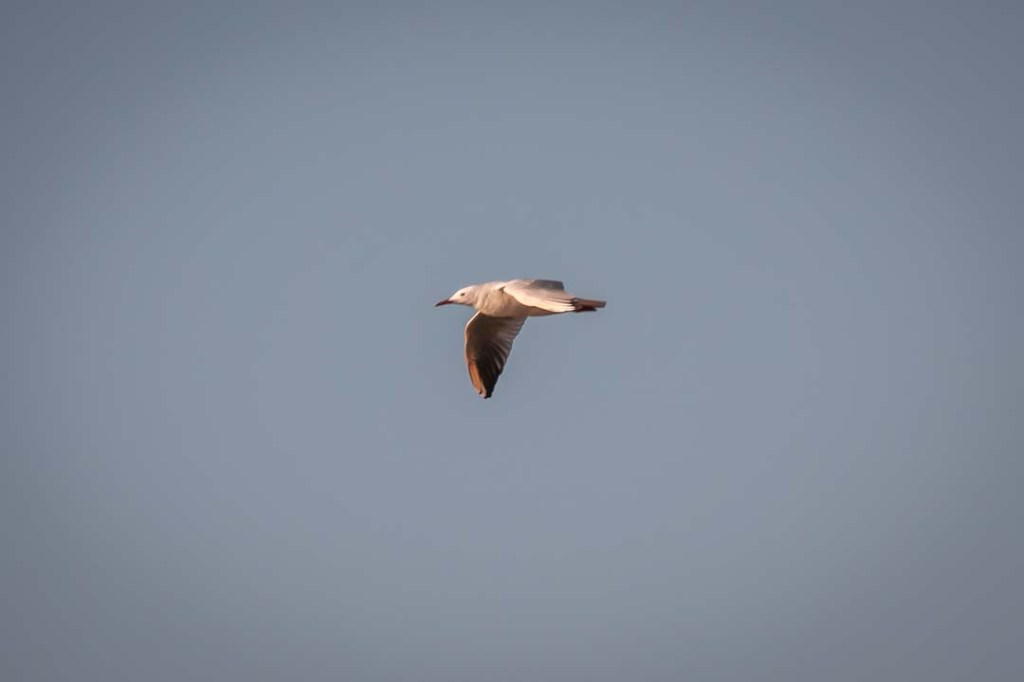
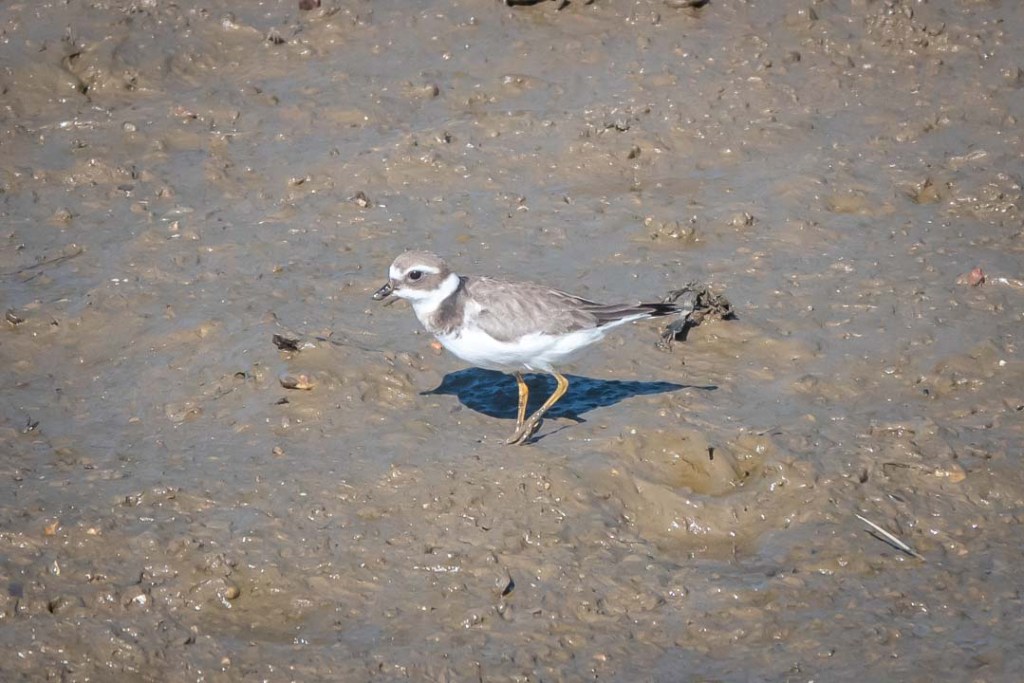
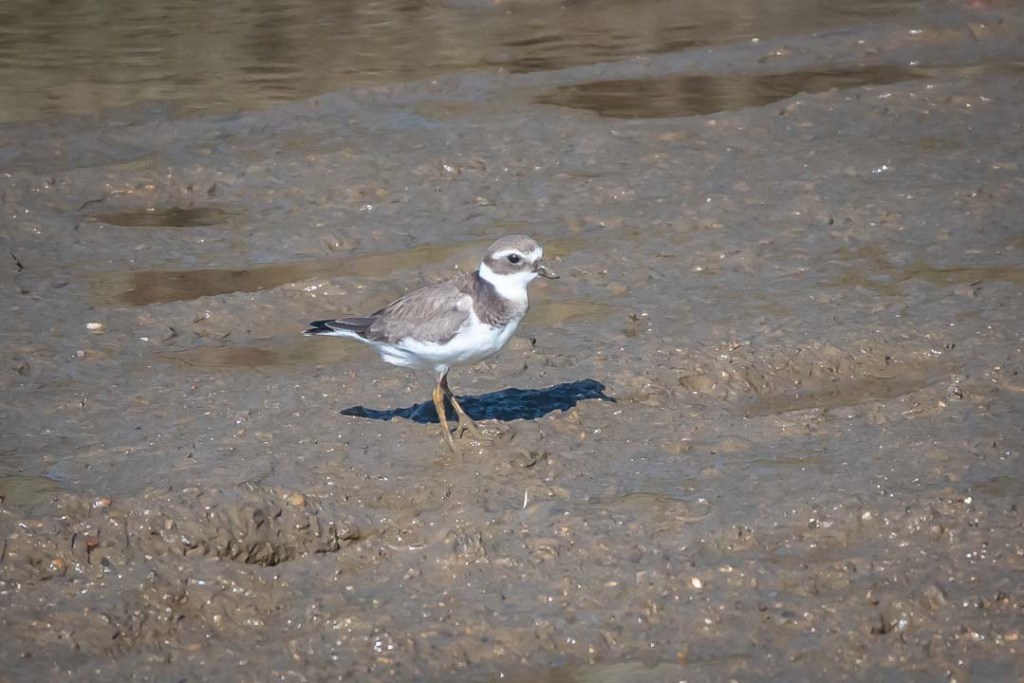
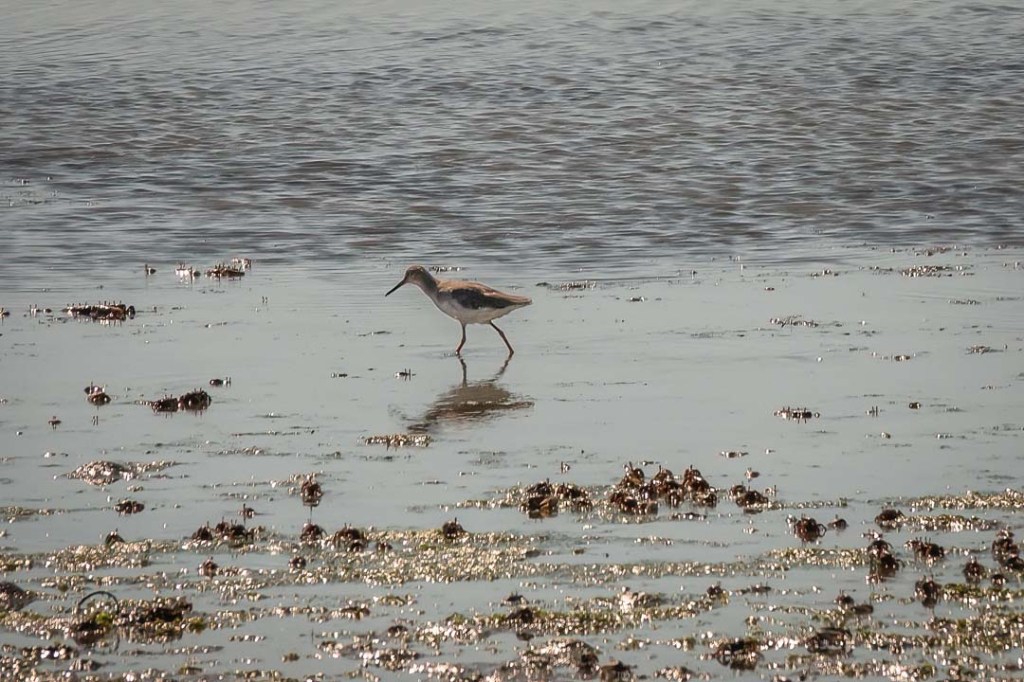
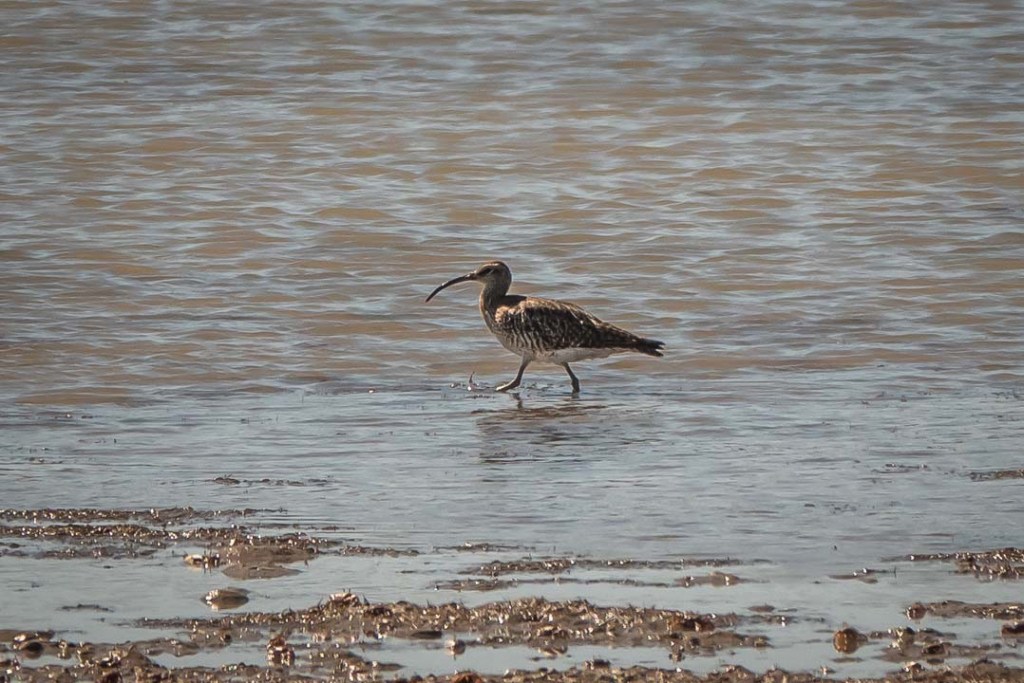
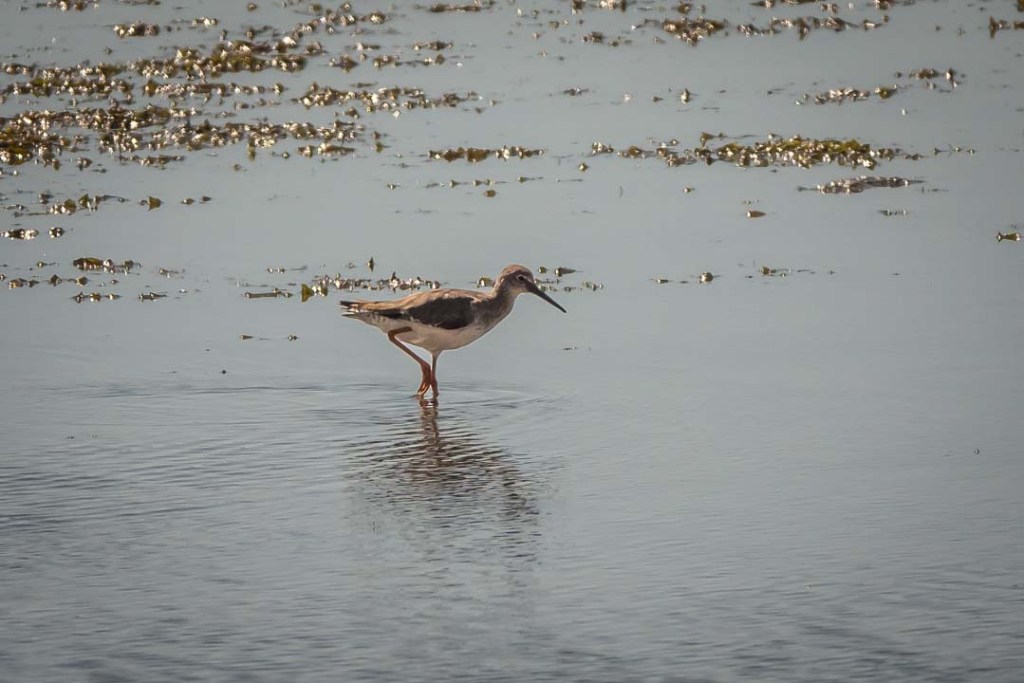
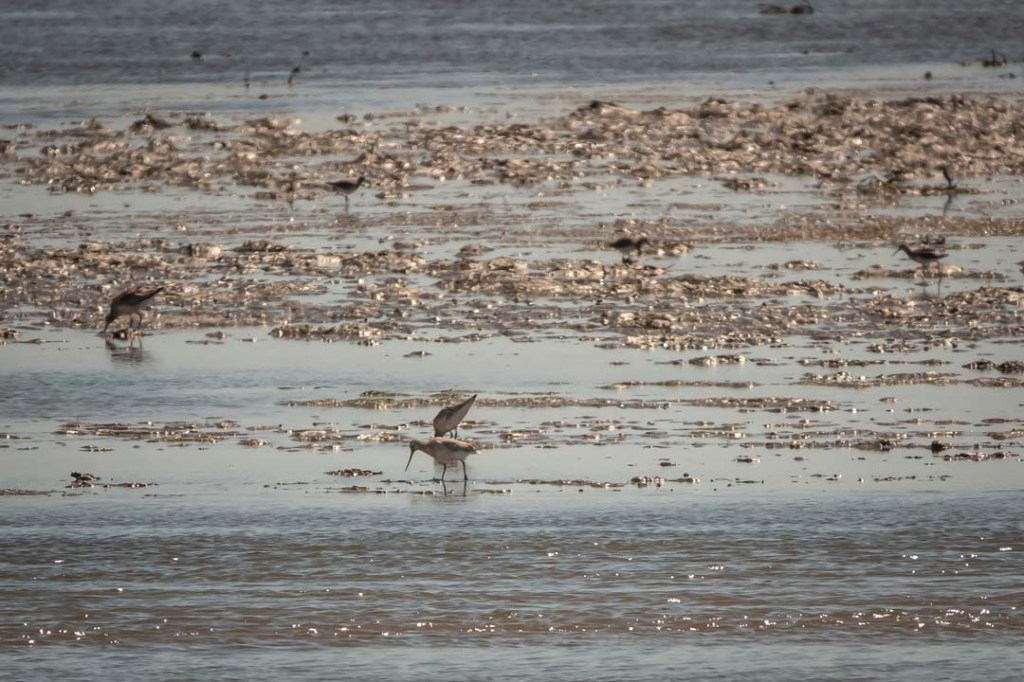
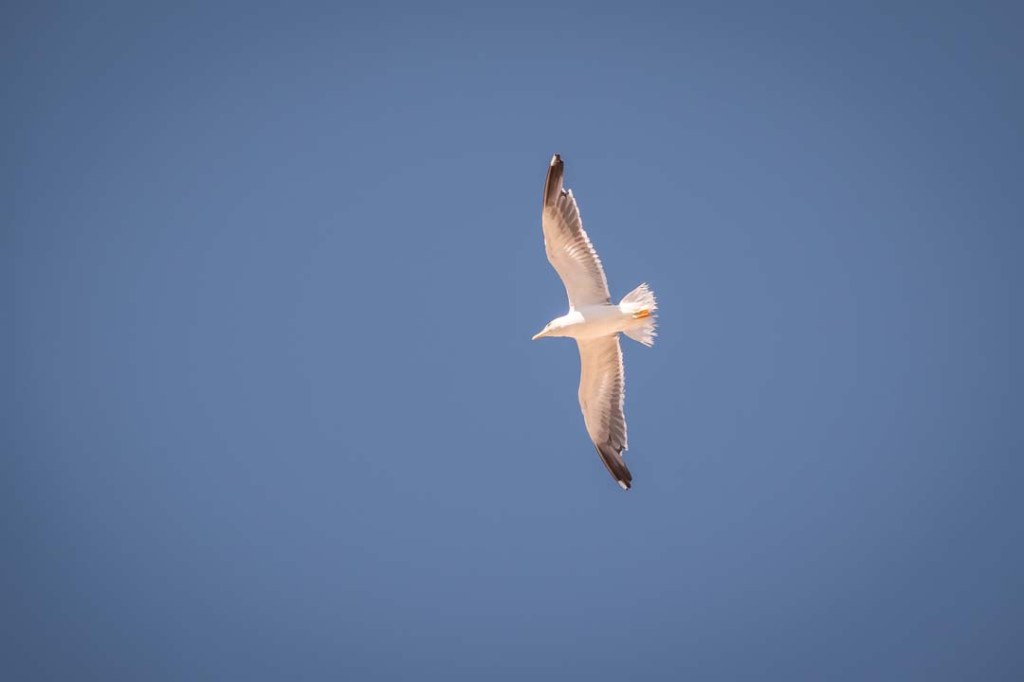
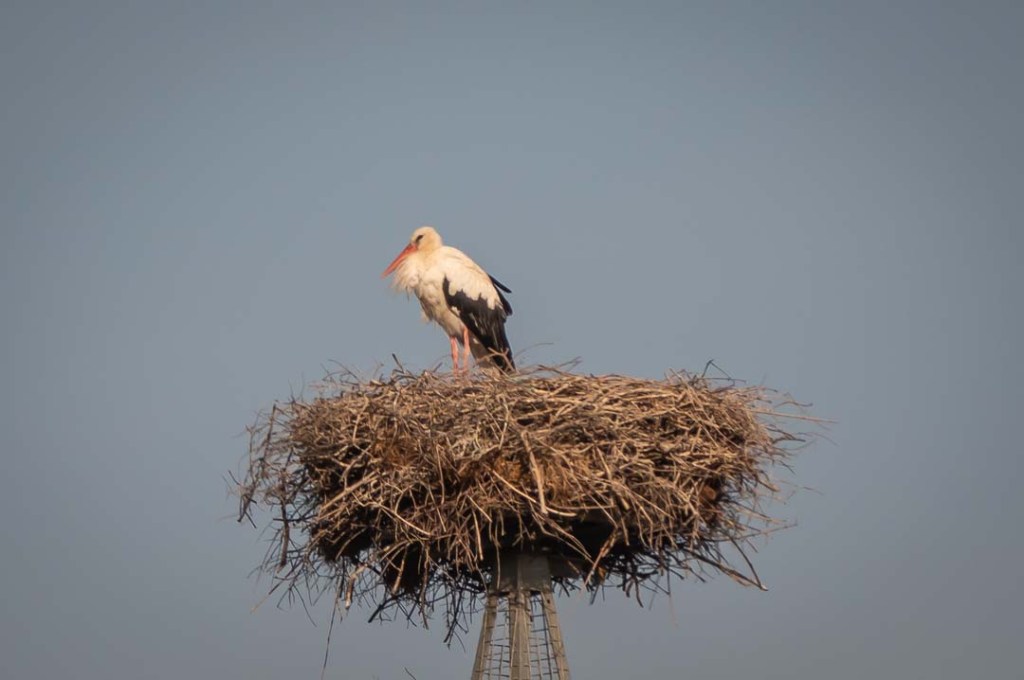
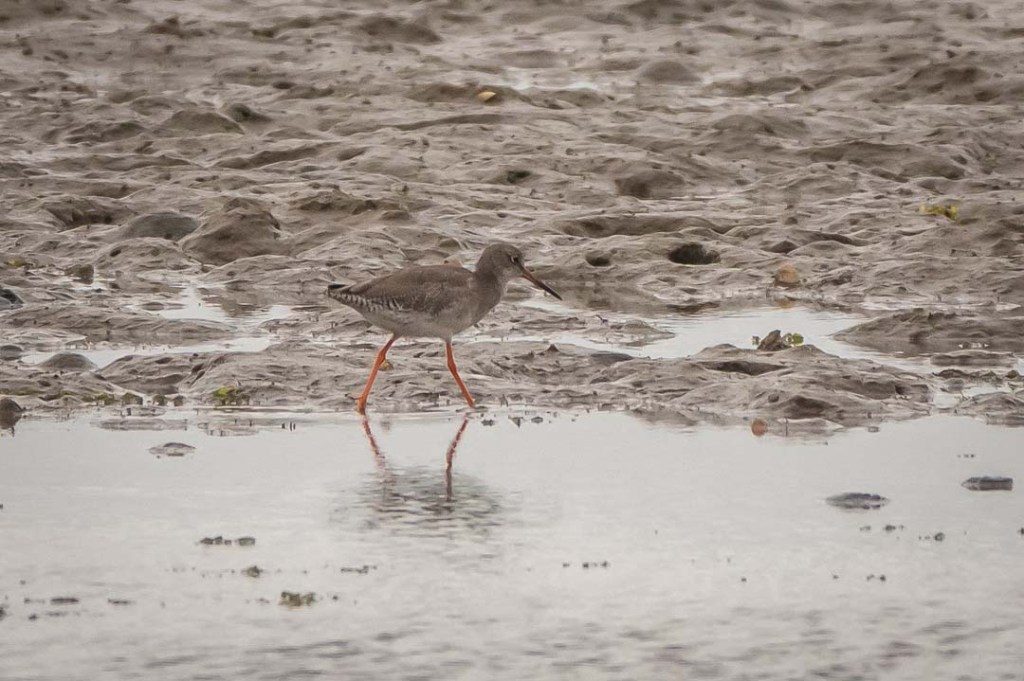
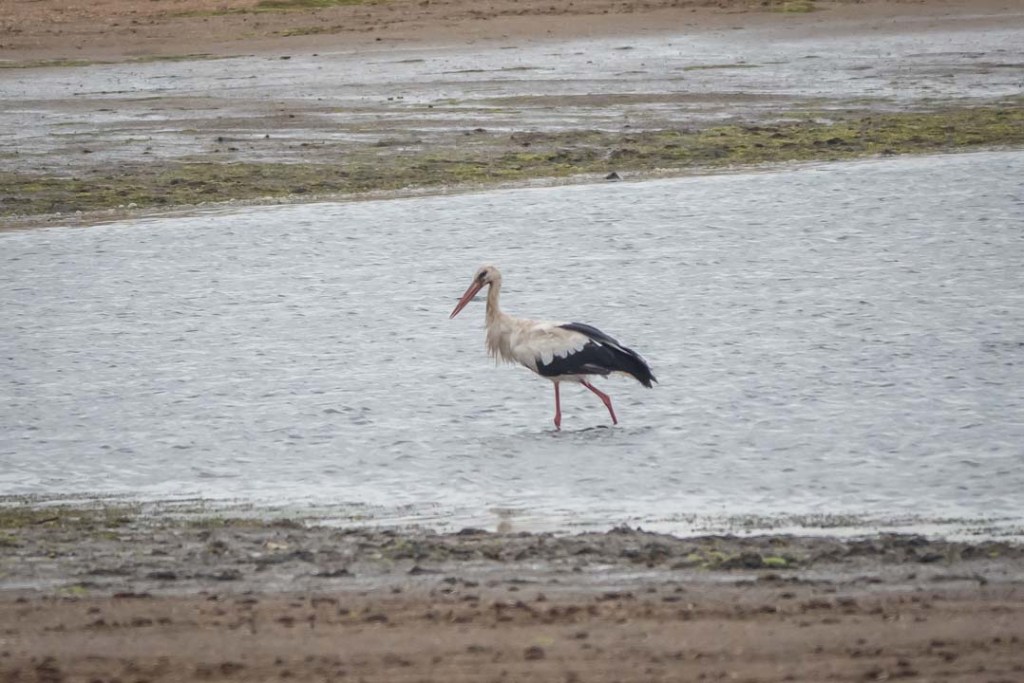
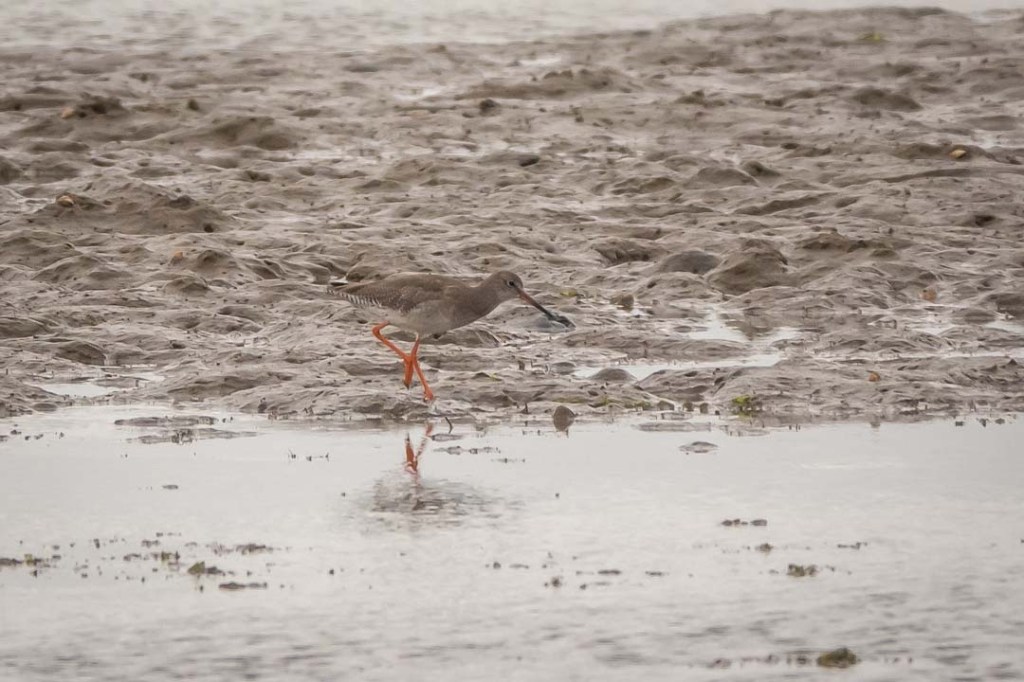
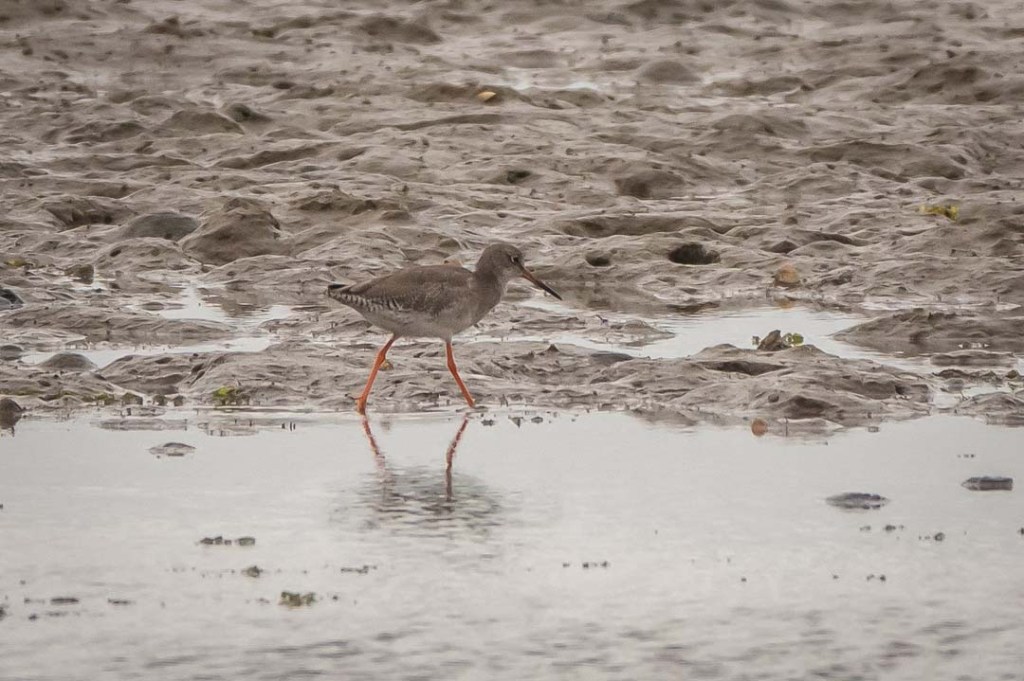
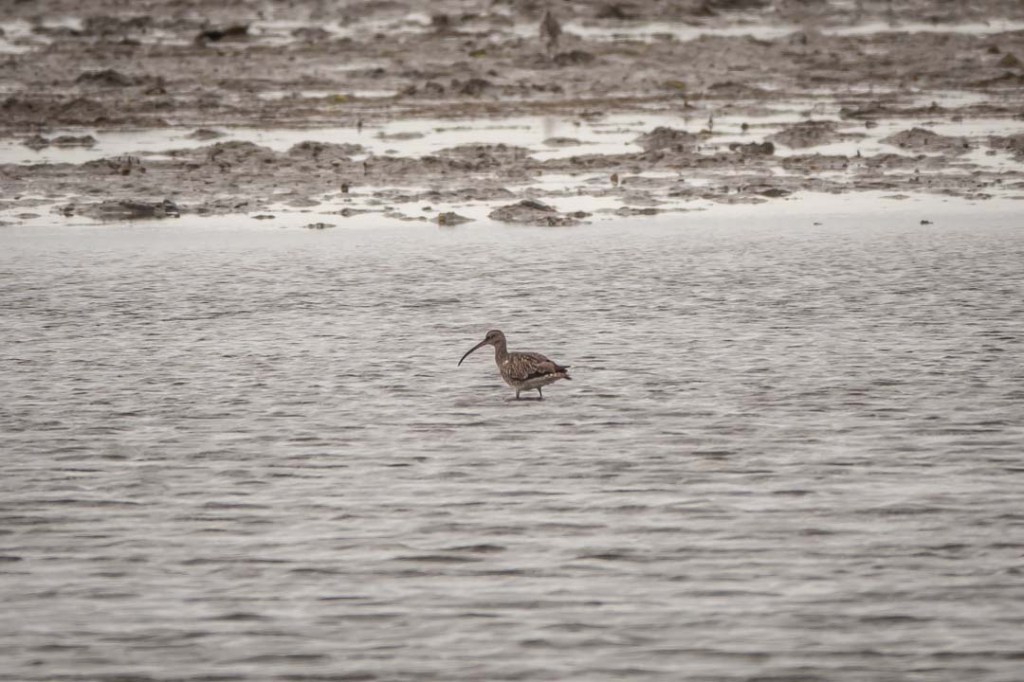
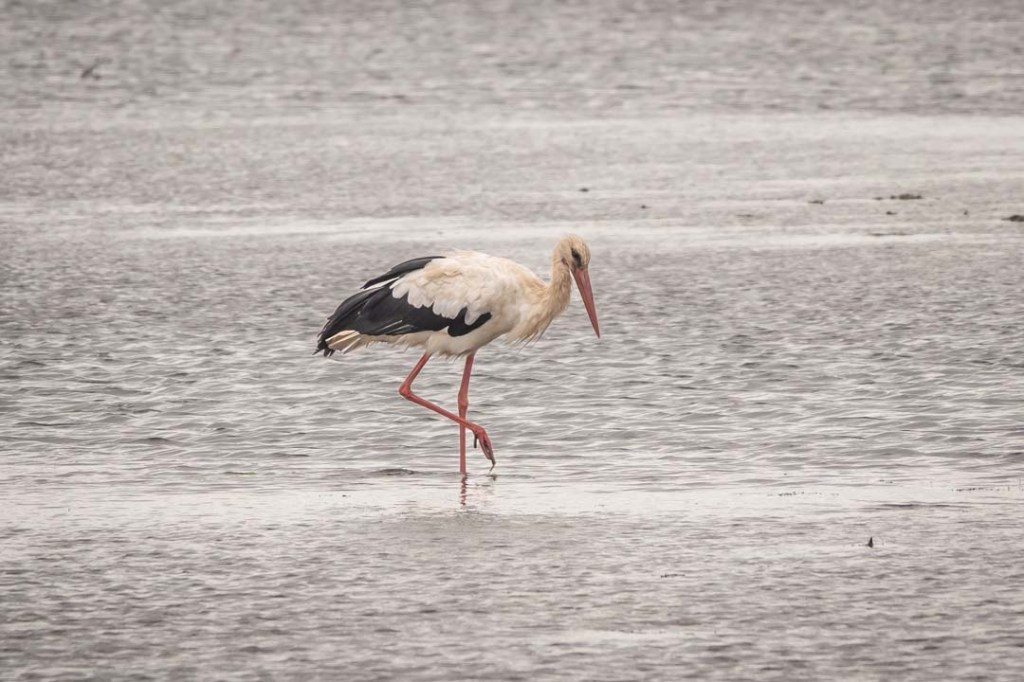
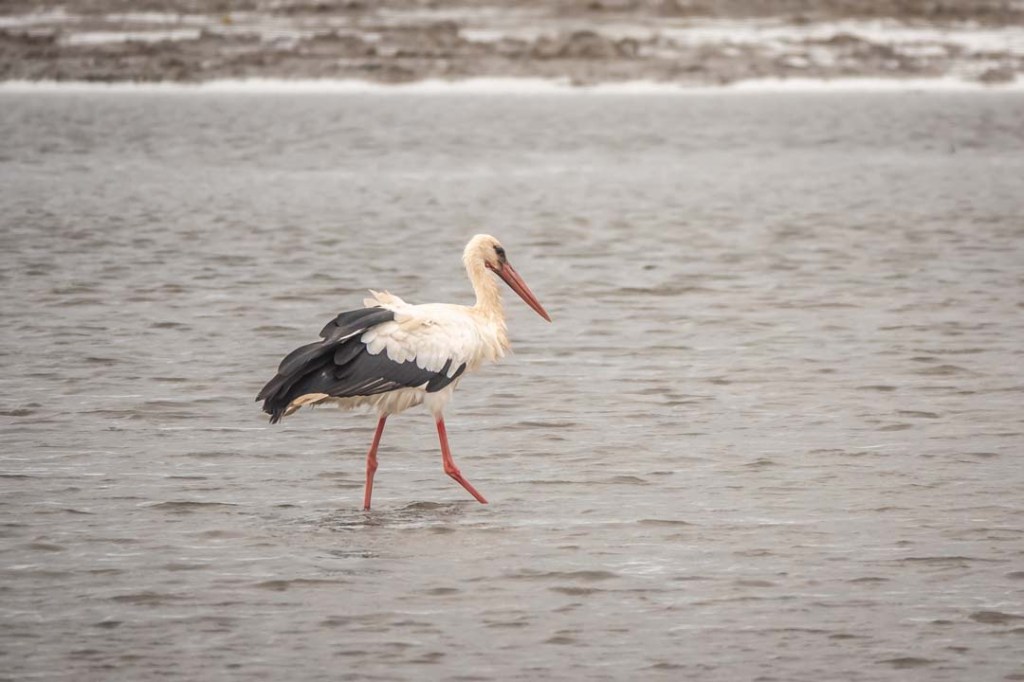
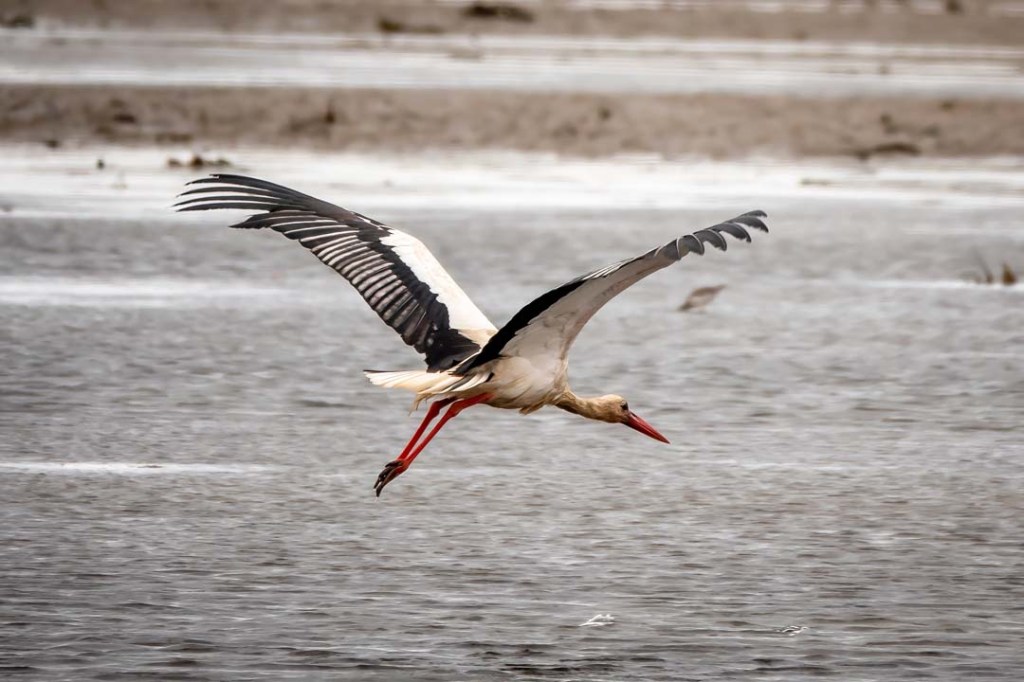
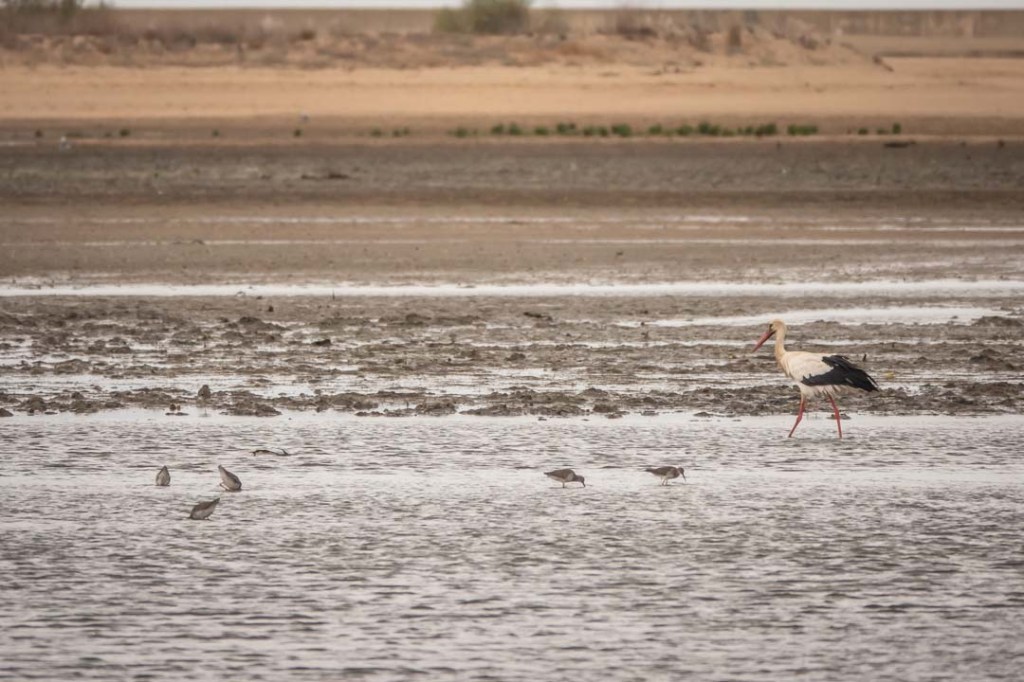
Little stint, I guessCommon ringed ploverCommon redshankWhite stork2 of a dozen white storks flying above usFlamingosSalt pansWhimbrelNo, its not the arctic – gulls on the salt pansSpotless starlings on the way back to the hotel A welcome rest on the balcony of our hotel
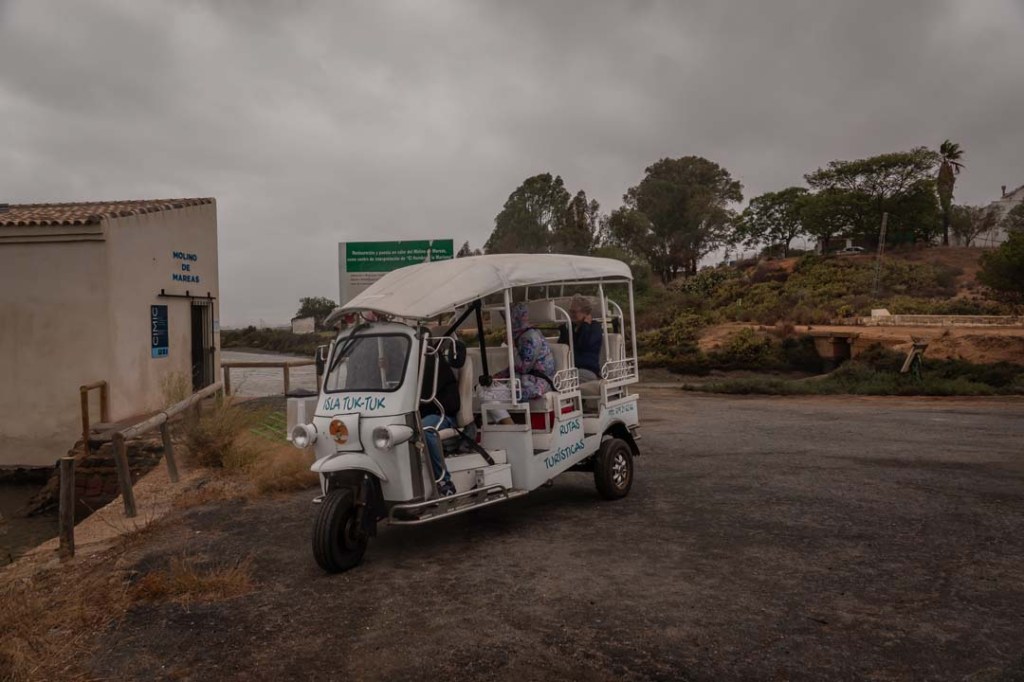
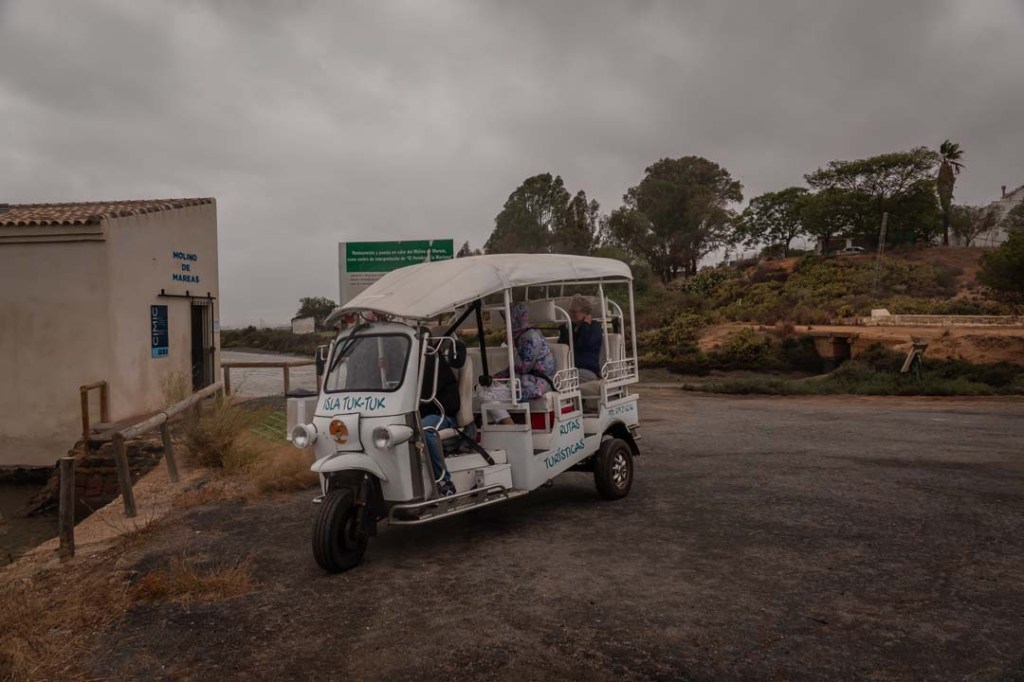
Oh what fun! On arrival here we had booked an excursion on a tuktuk to visit the town and its surroundings areas.
We hadn’t anticipated what a miserable evening it would be; but what else was there to do on such an evening?
Our driver and guide was full of life and proudly showed us his town. He also took us to some great birding sites but rarely stopped for us to take photos so I had to contend with taking photos us we drove along in the rain and the gloom.
At first, I was frustrated but soon I realised that, although we were to see a cornucopia of wonderful birdlife, I wasn’t going to get many decent shots.
Modern photo editing doesn’t show how gloomy it really was this evening
I was pleasantly surprised with what I did achieve.
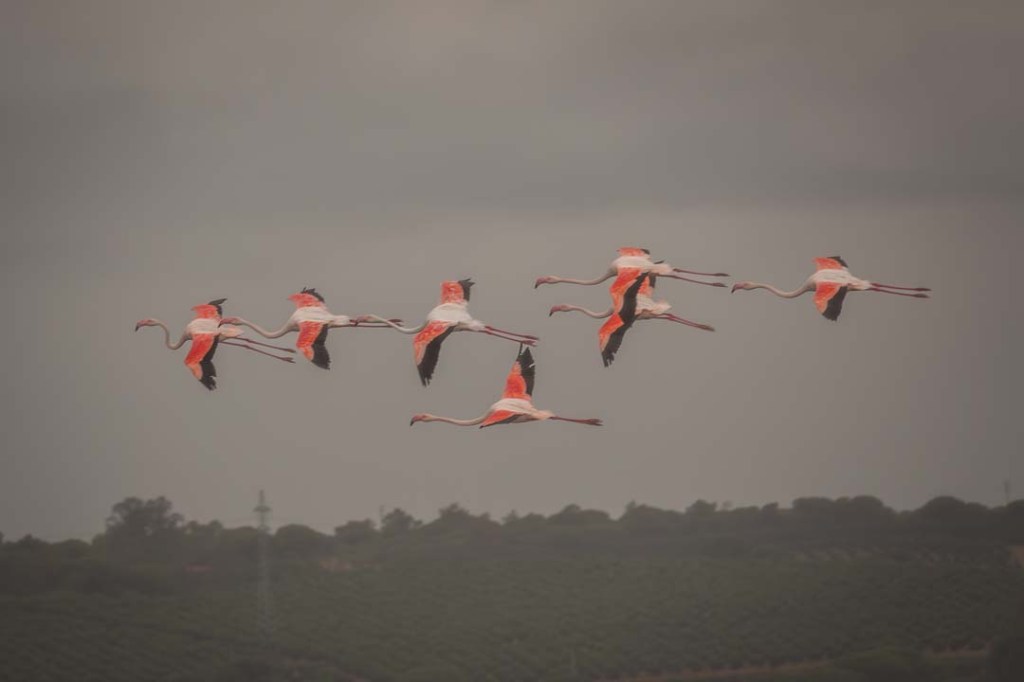
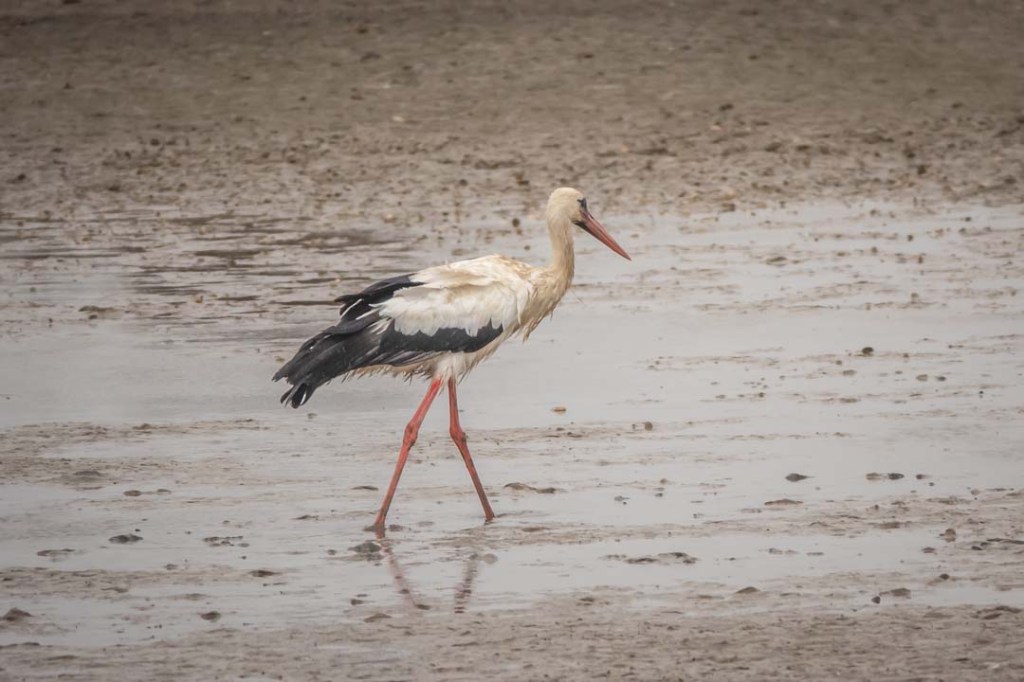
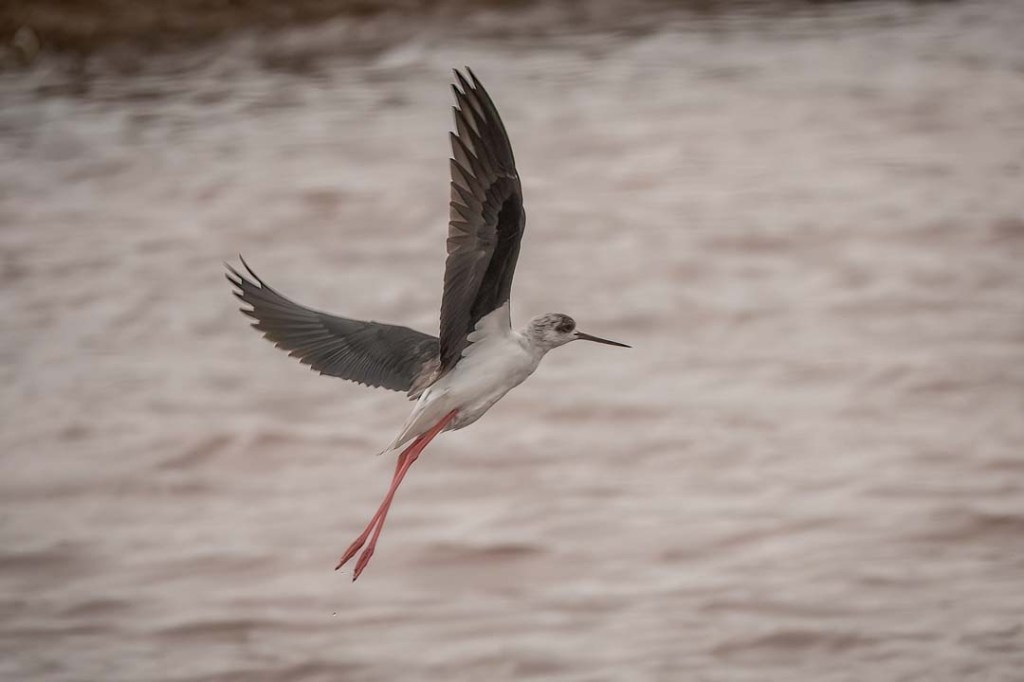
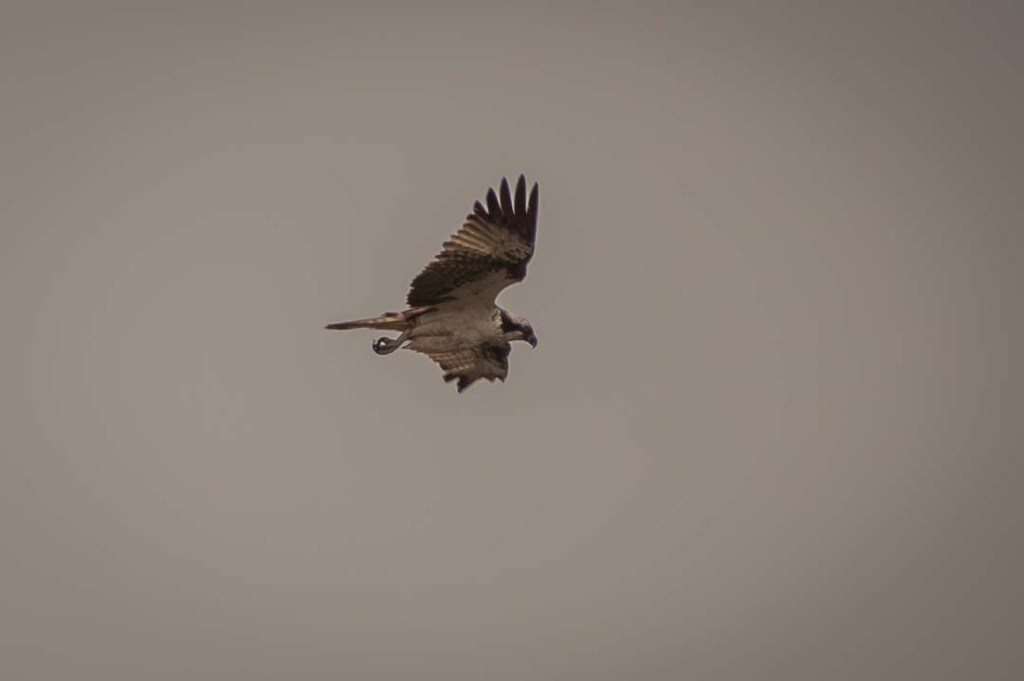
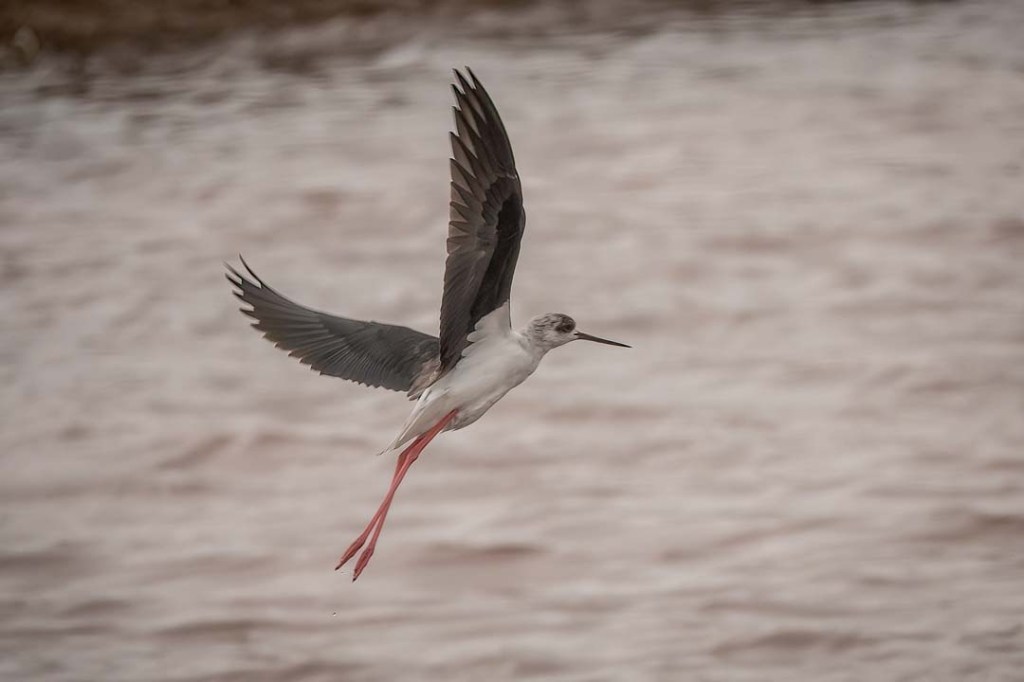
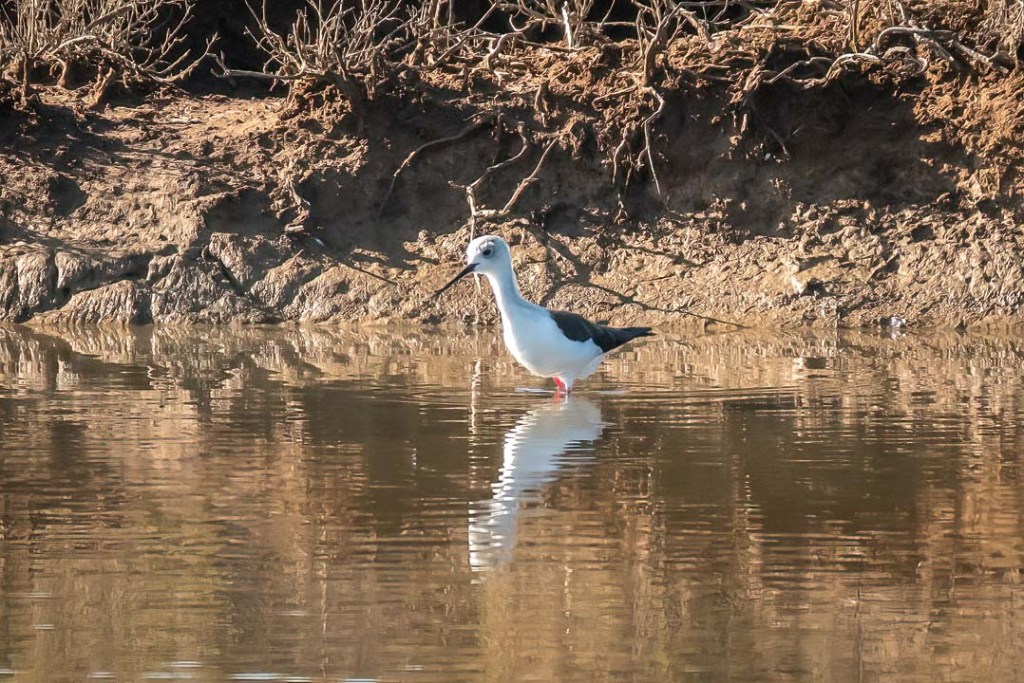
The star of the show – an ospreyOspreyJust imagine how beautiful these flamingos would be with a bright blue sky!White stork in the mudCaspian ternsBlack-winged stilt
Fortunately the weather forecast for tomorrow is good.
Slideshow of what I could rescue from my photos this evening:
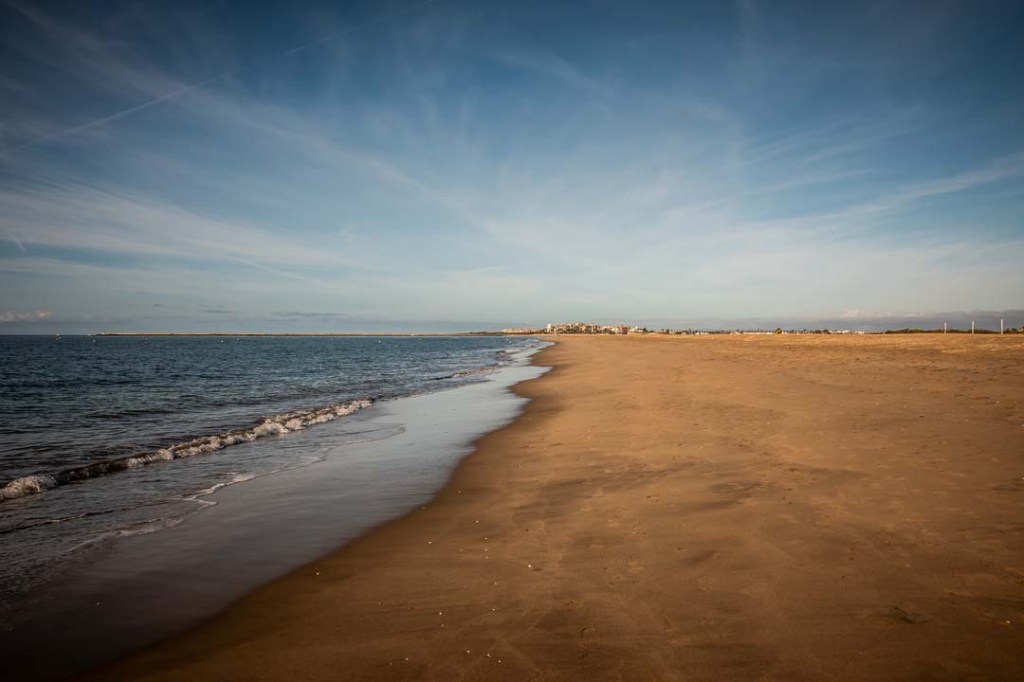
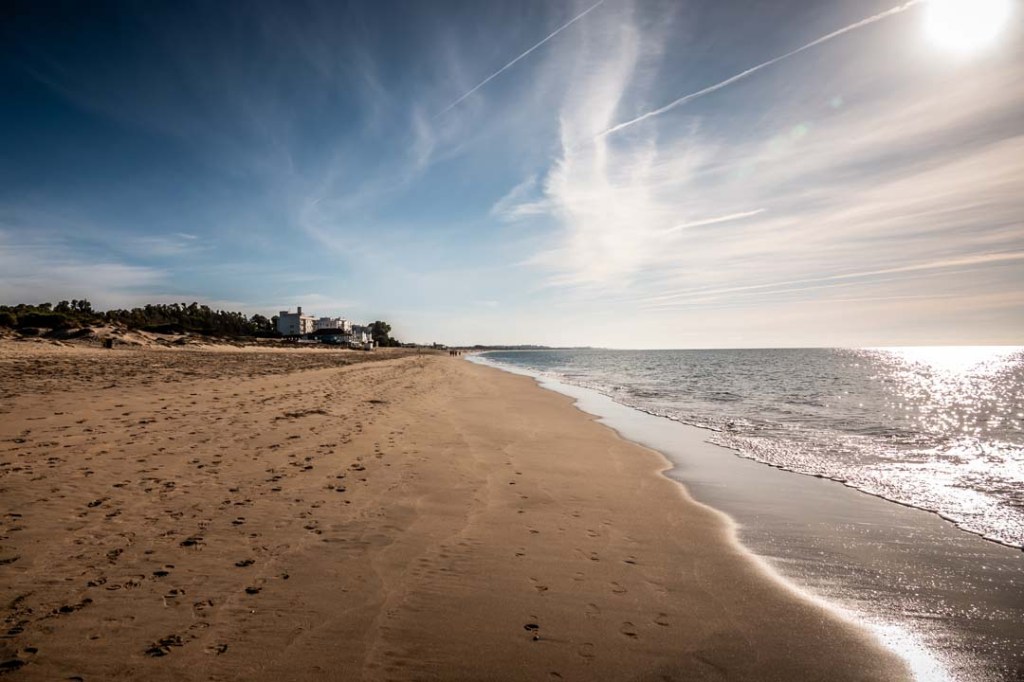
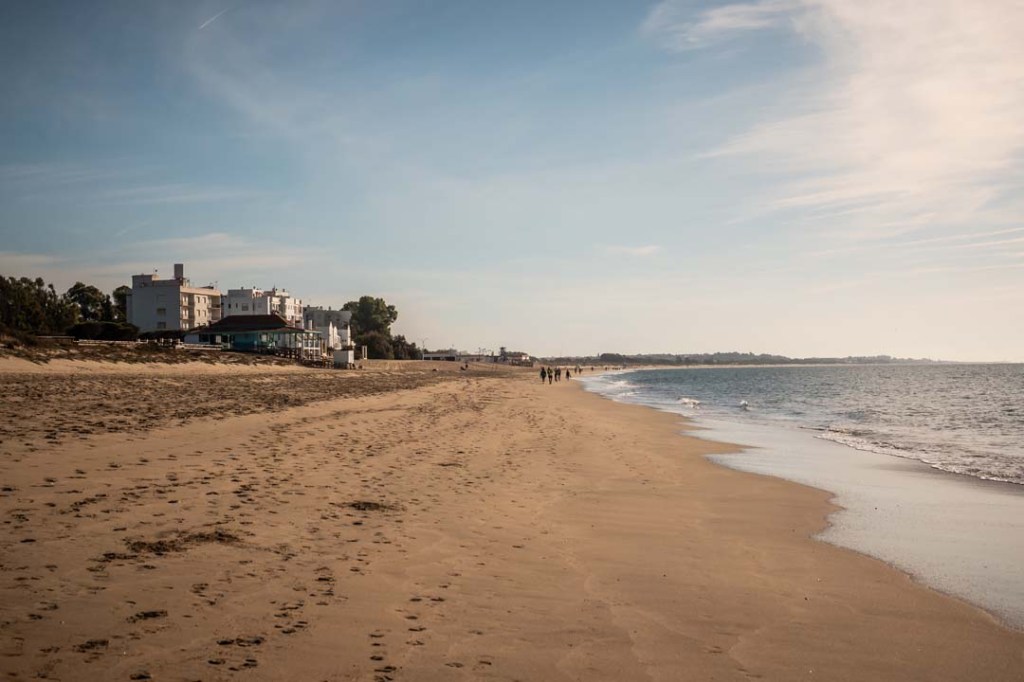
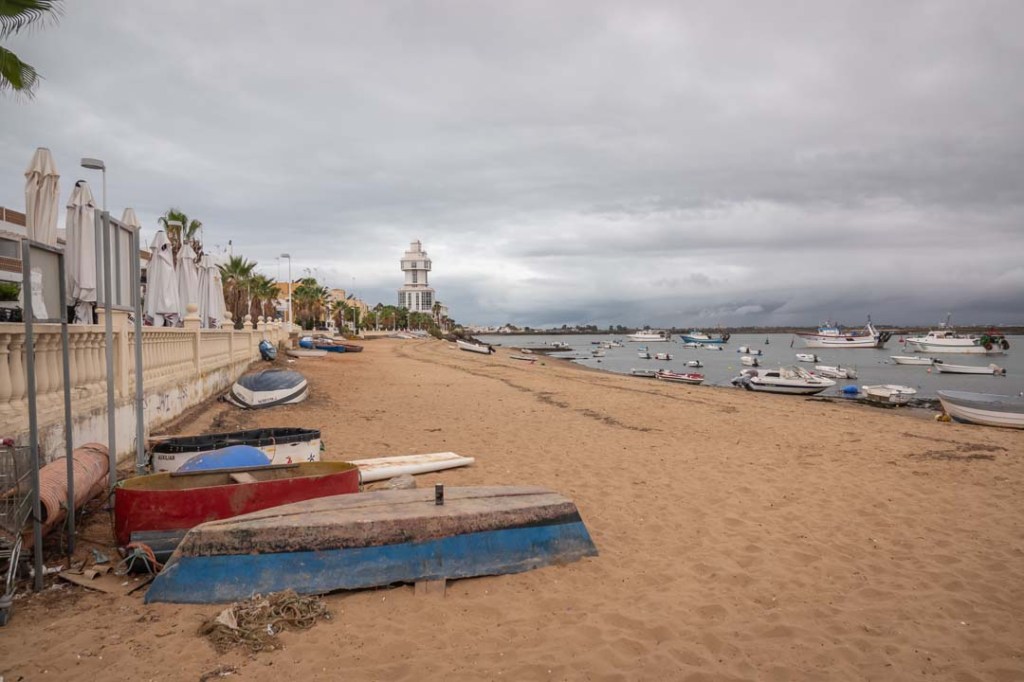
This morning we had a pleasant walk along the beach east from Isla Cristina and back again in time for lunch and before the weather deteriorated.
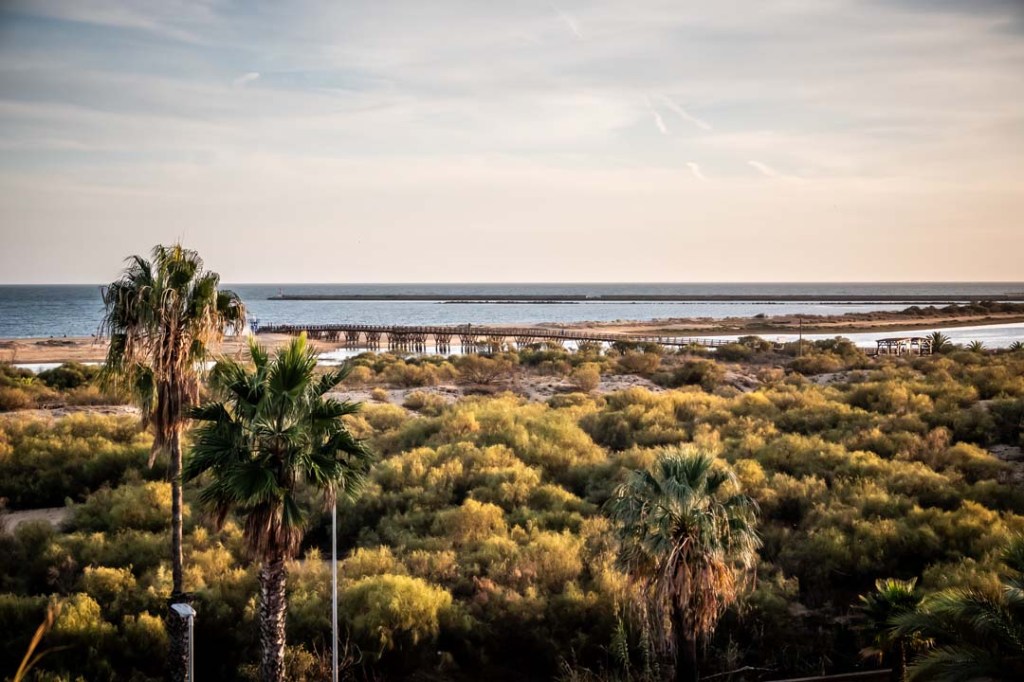
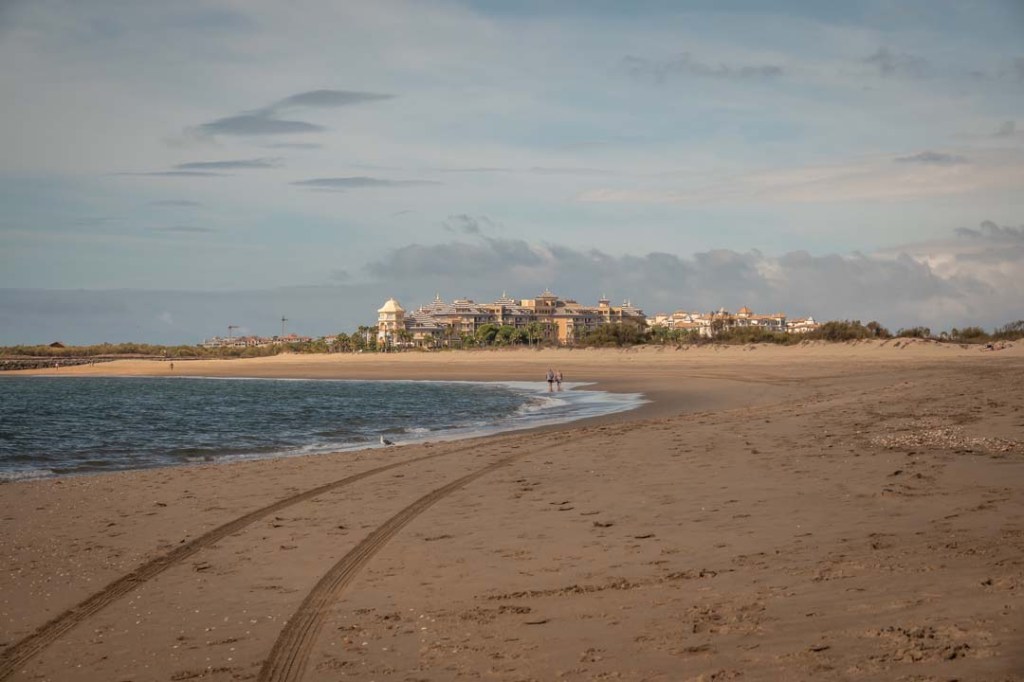
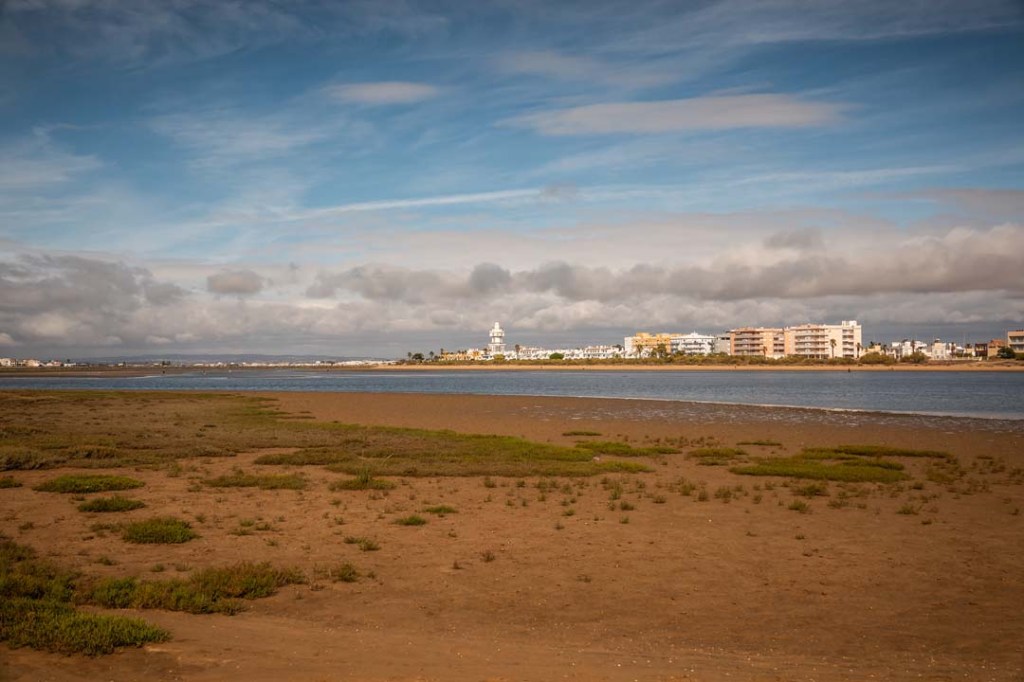
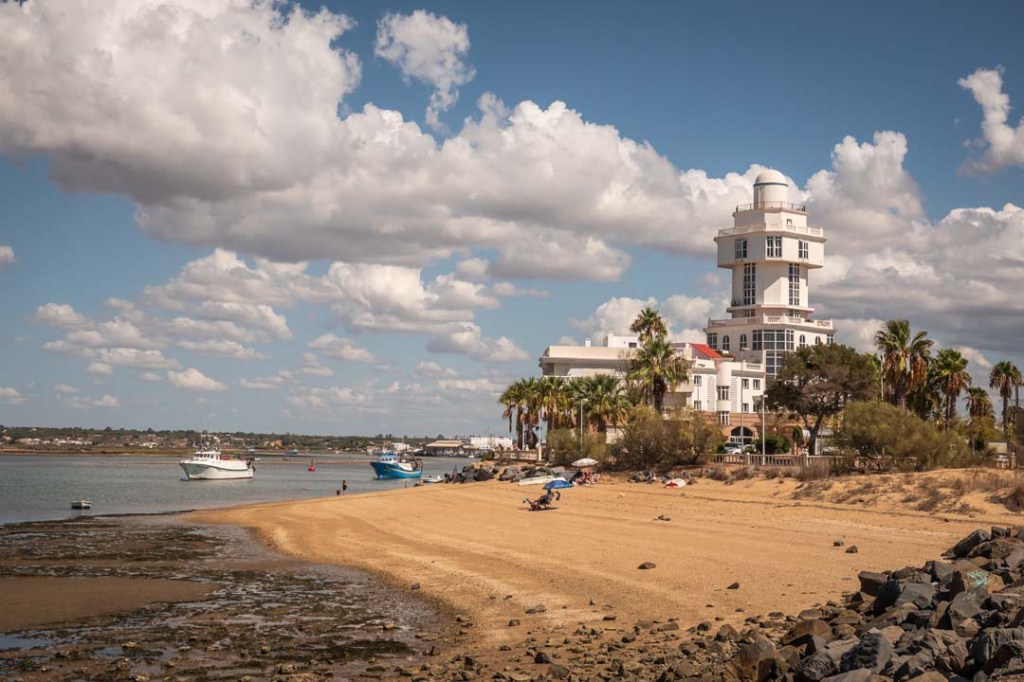
Eastwards from Isla CristinaBack towards Isla Cristina
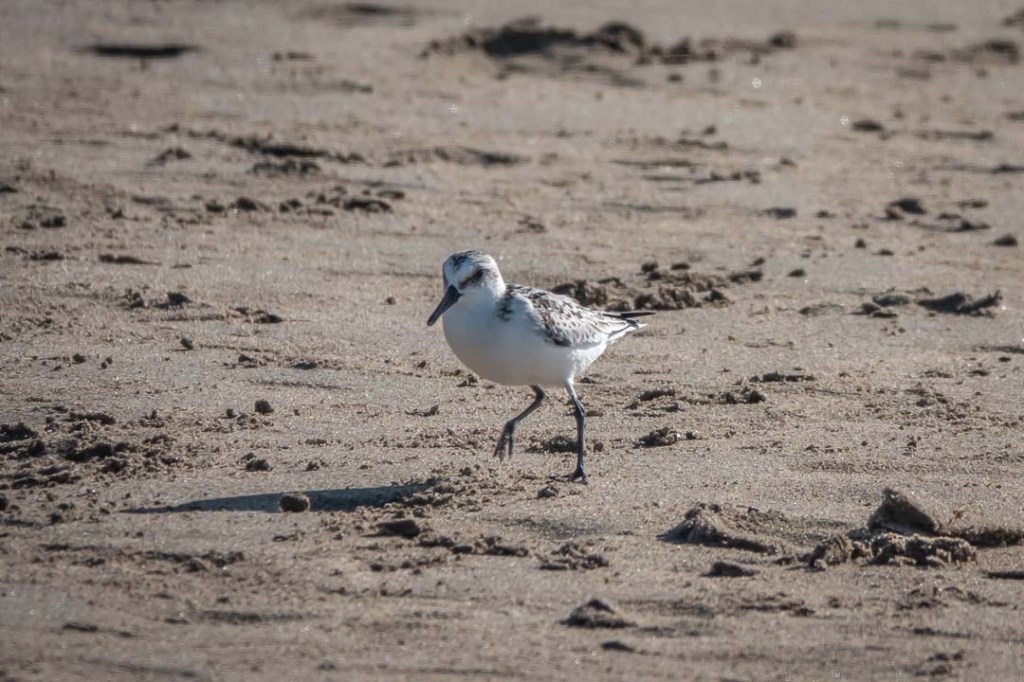
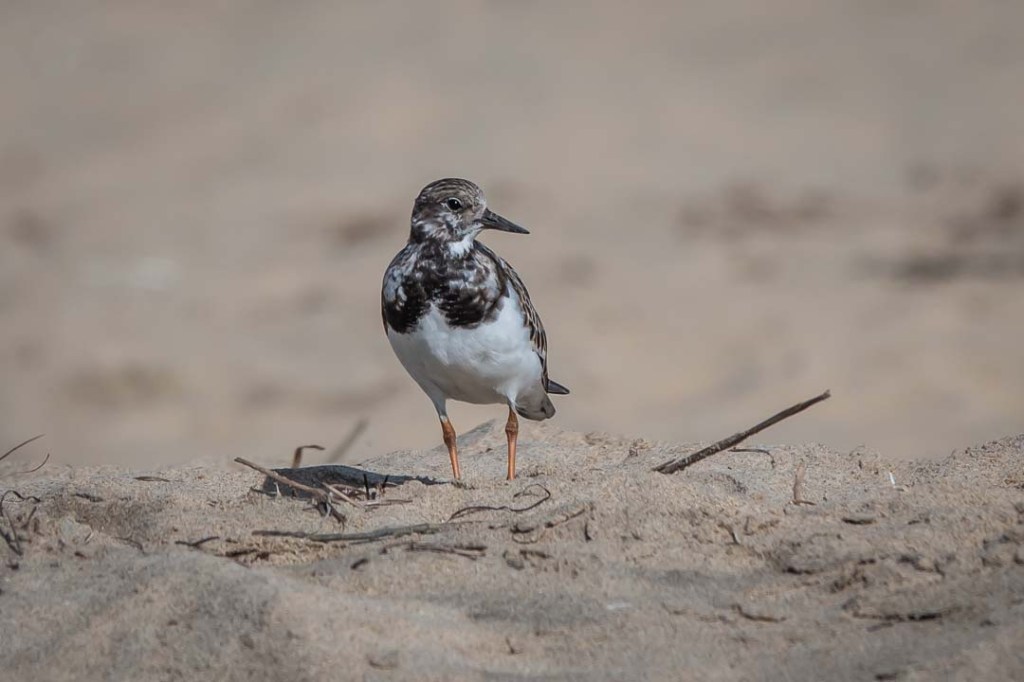
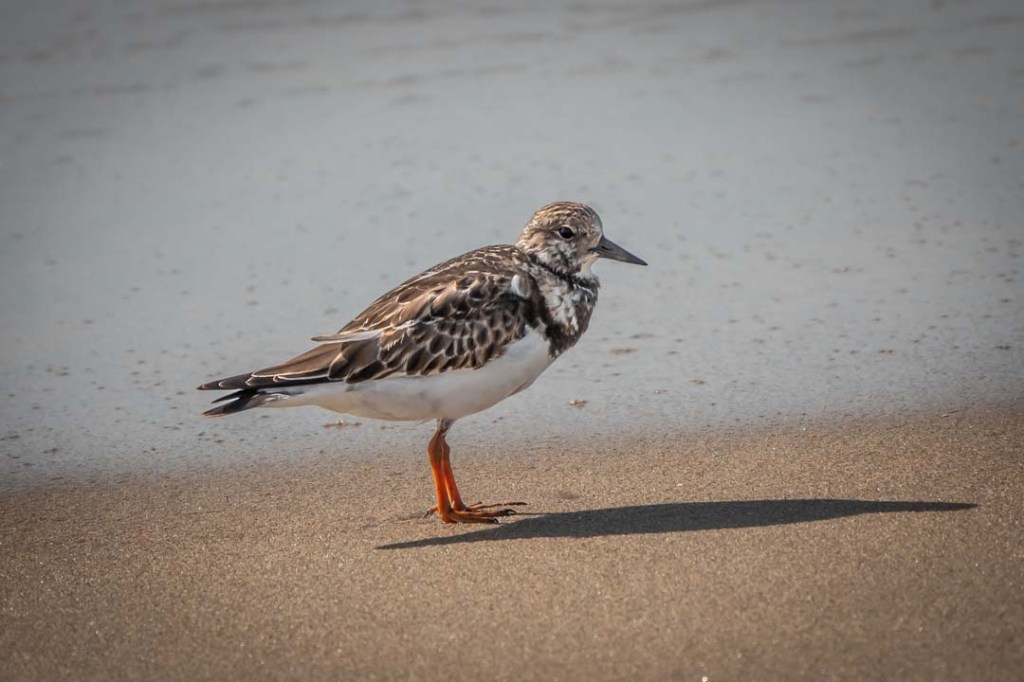
There were a few pleasant surprises with a pair of sanderlings and a few turnstones along the way.
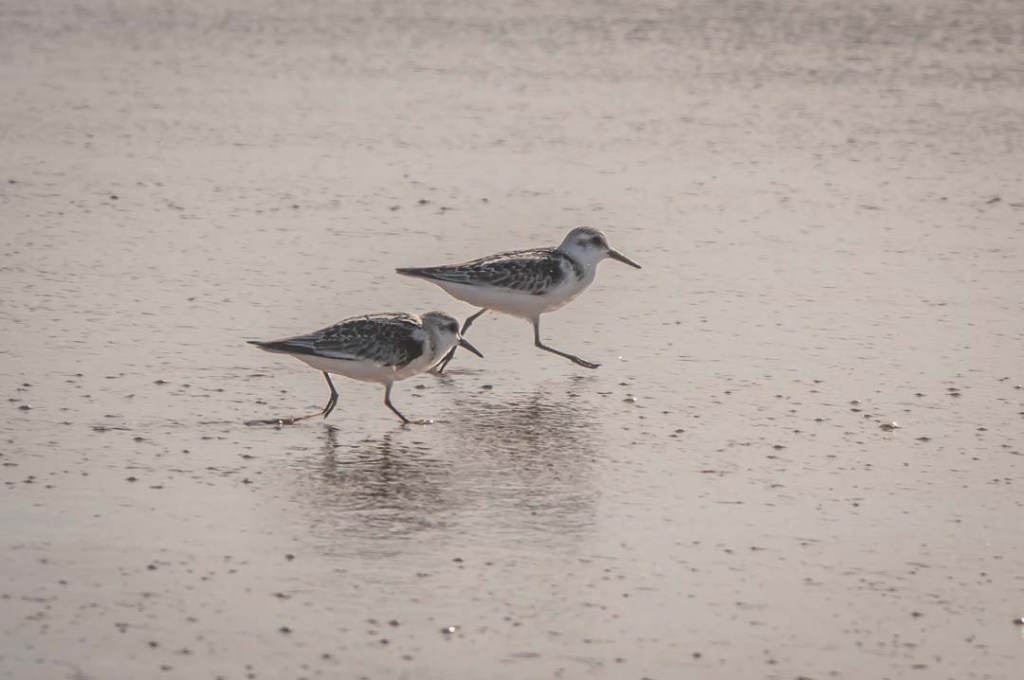
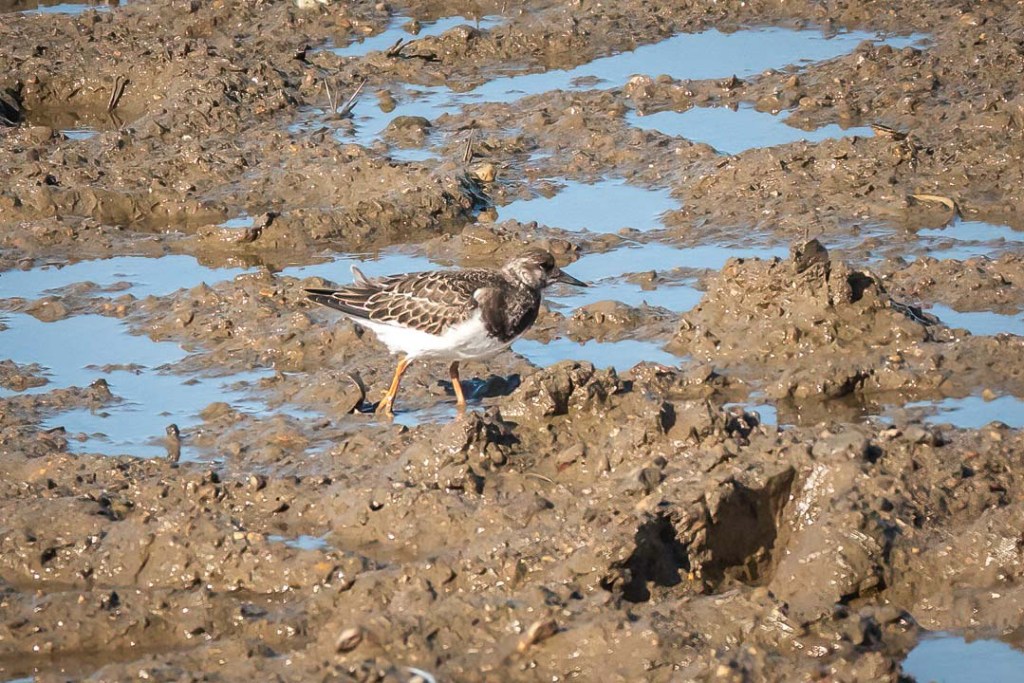
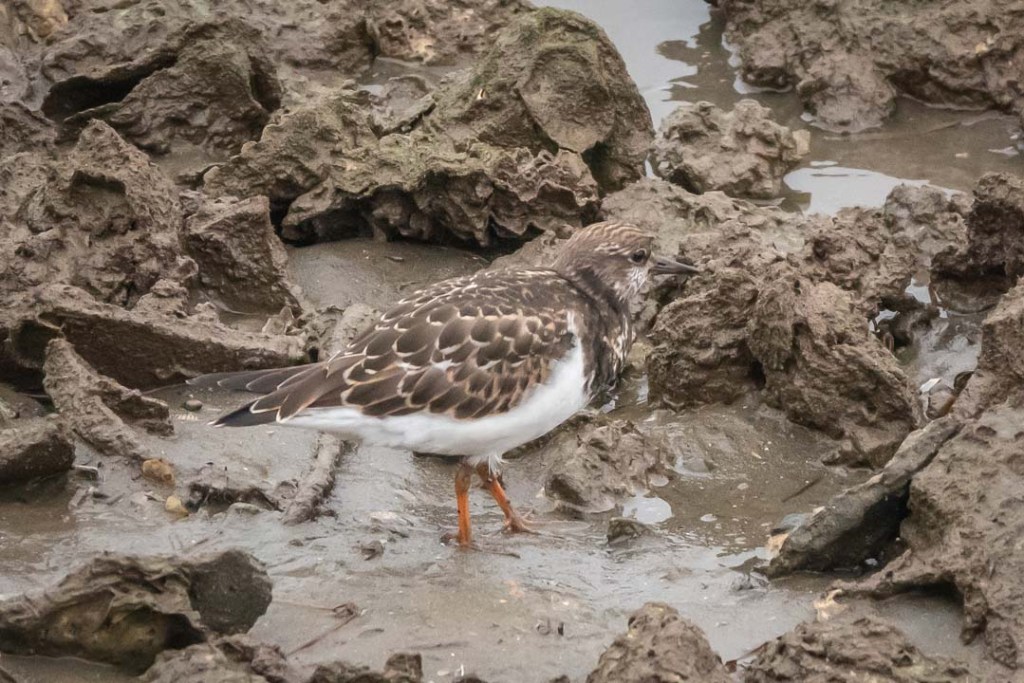
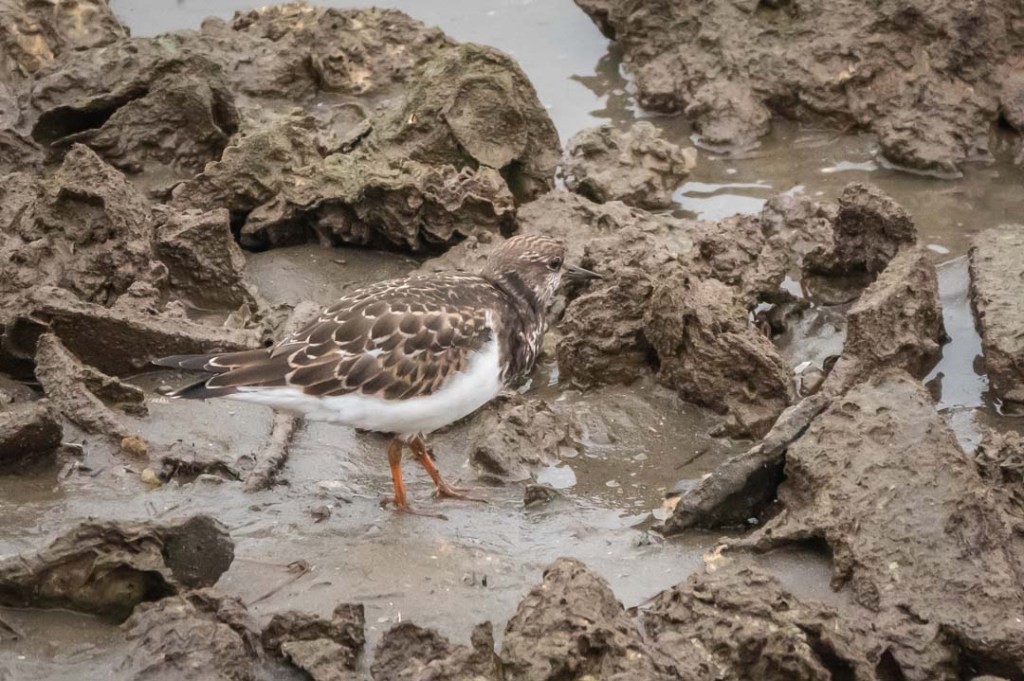
SanderlingsRuddy turnstoneProfile of ruddy turnstone
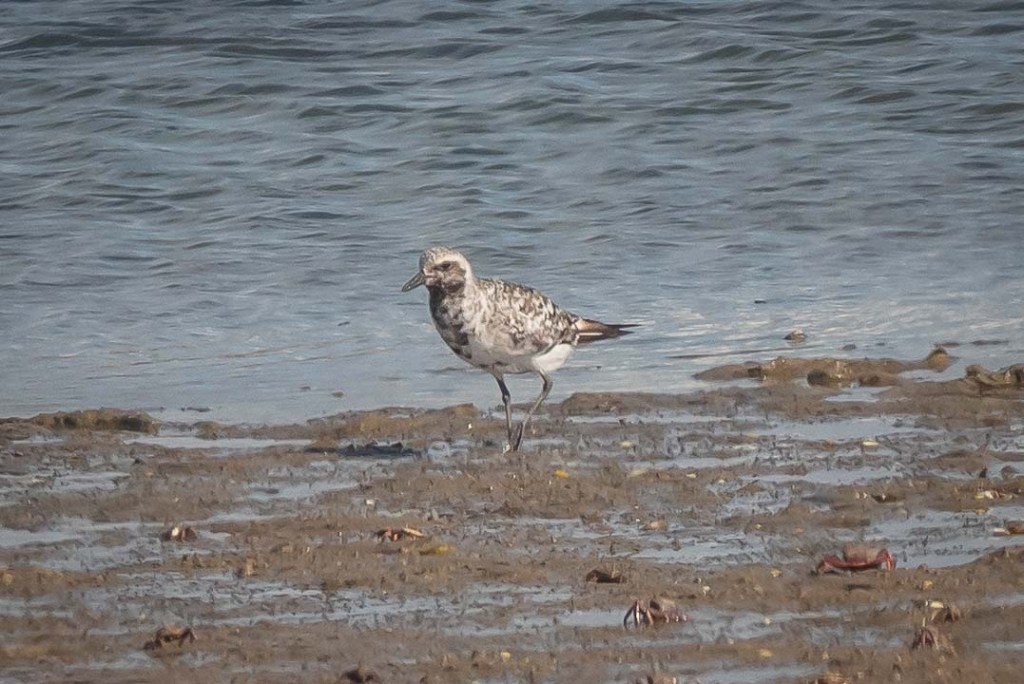
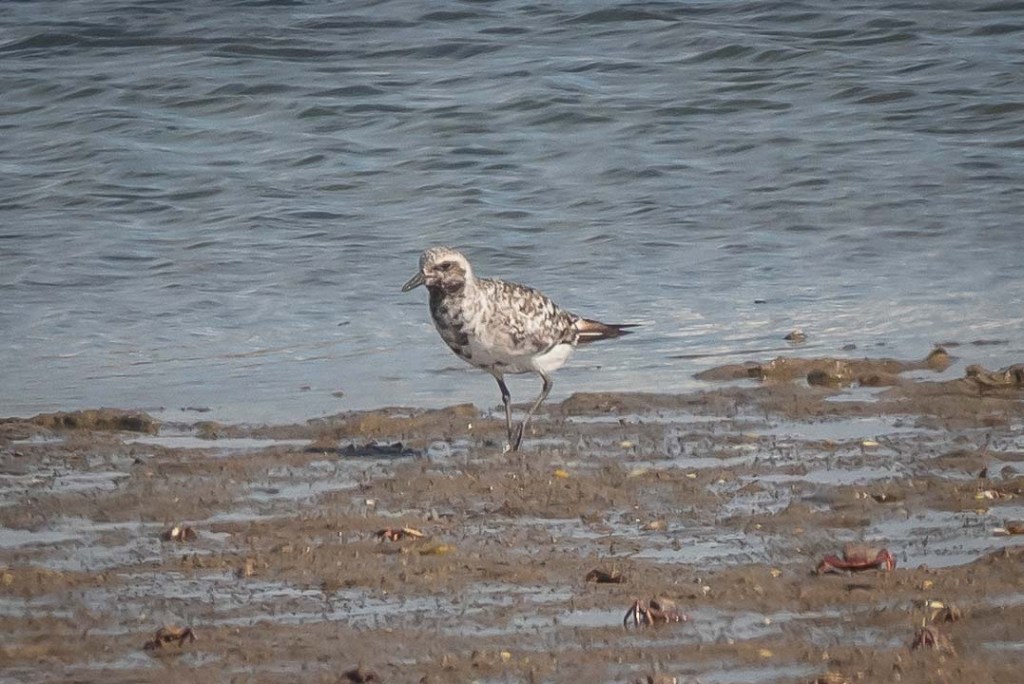
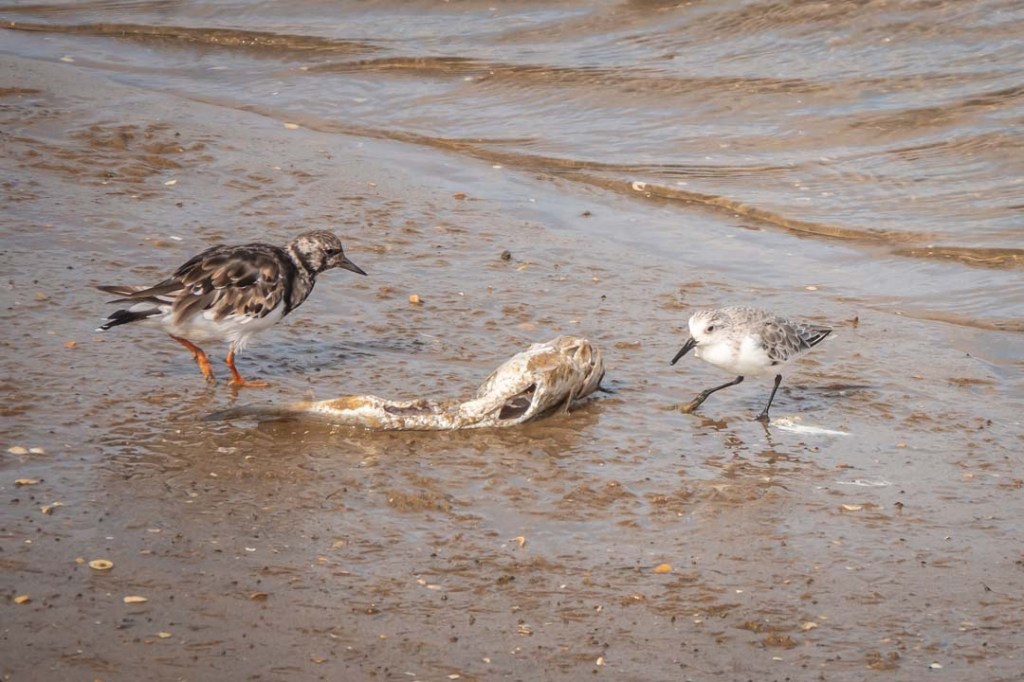
Back near the hotel the tide had not dropped enough for the waders to return in numbers to the lagoon but as well as a grey plover, a sanderling and a couple of turnstones contesting with a gull for a dead fish there was a spotted redshank.
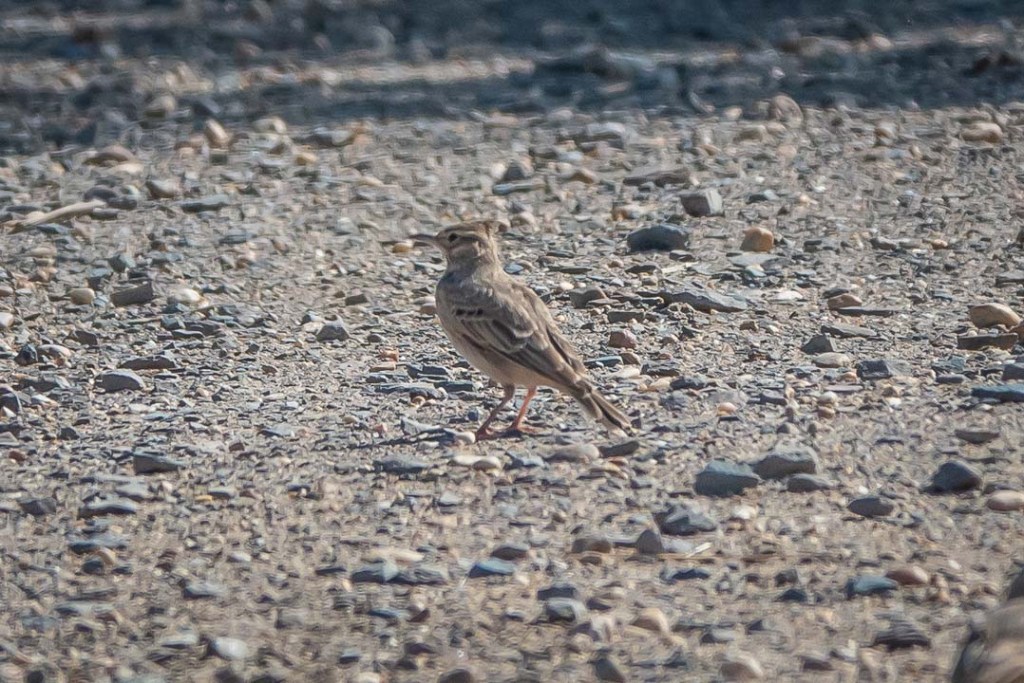
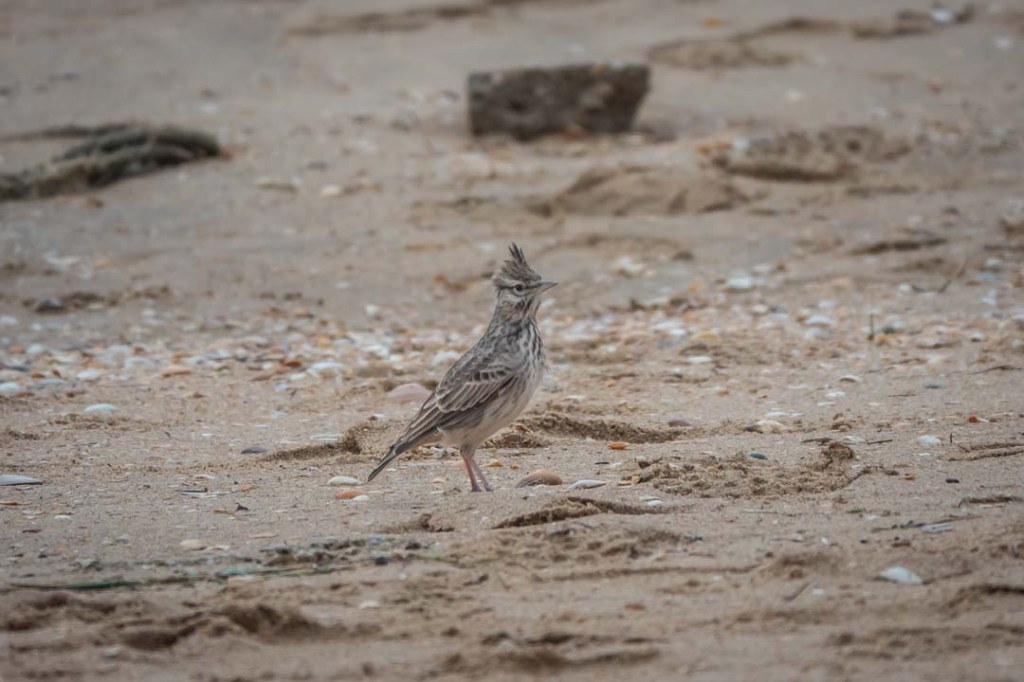
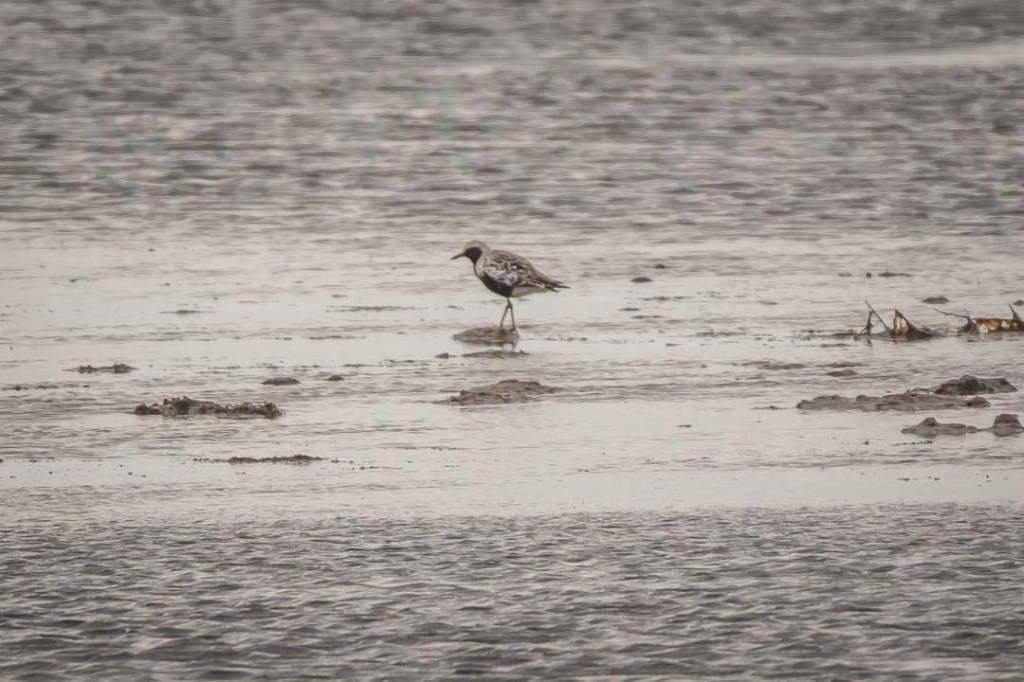
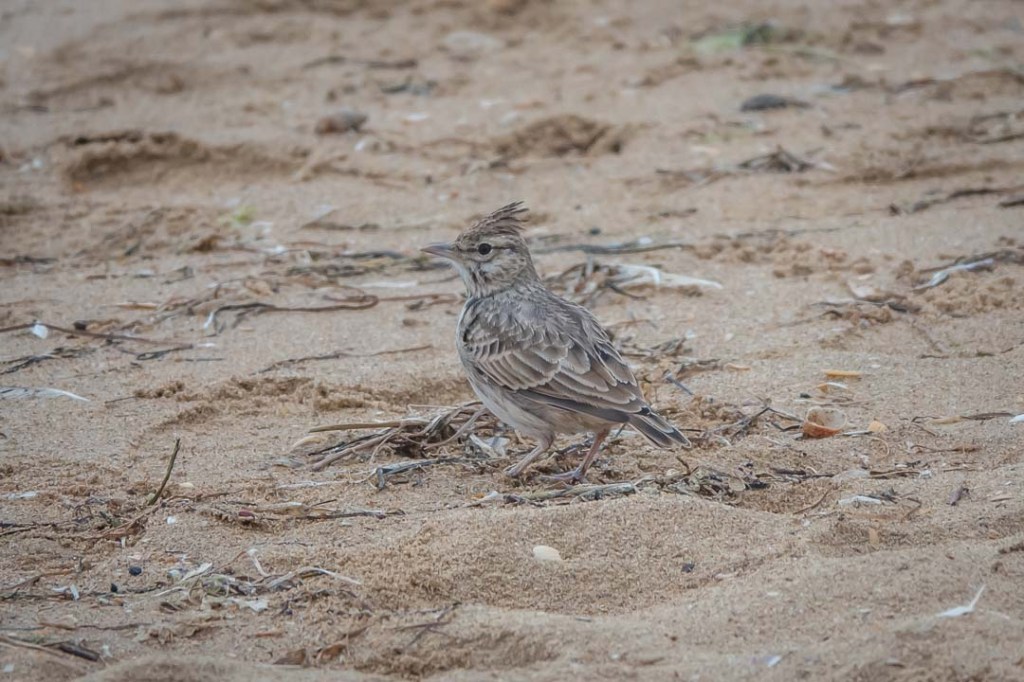
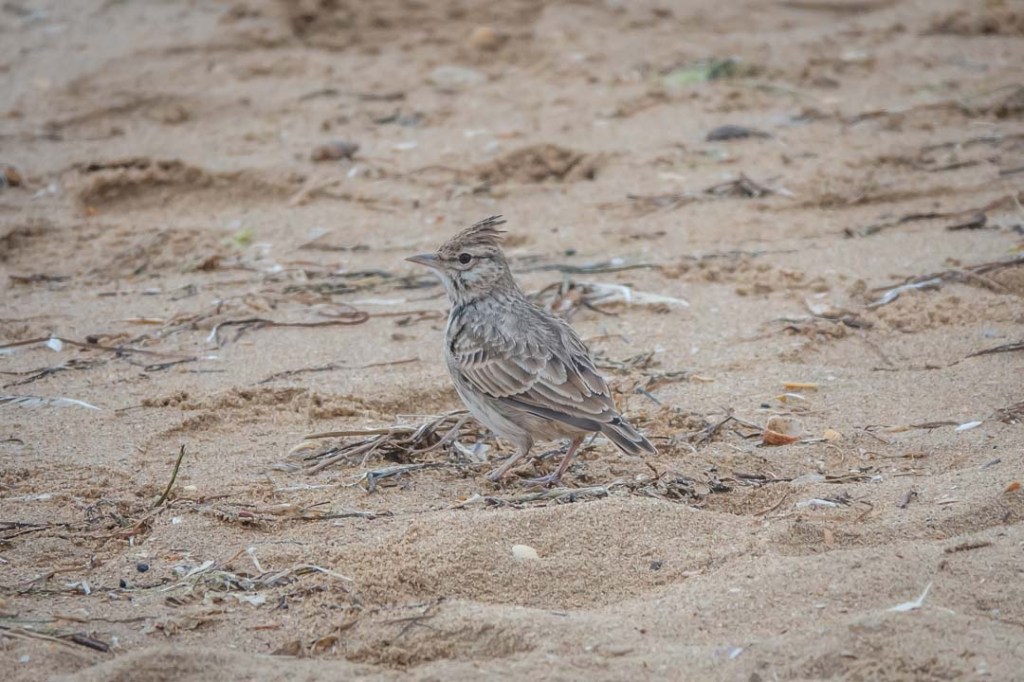
Grey ploverDefinitely a pecking orderThe tidal lagoon in front of the hotel where we have regularly seen white storks, spoonbills and many waders.Spotted redshankSpotted redshankCrested lark
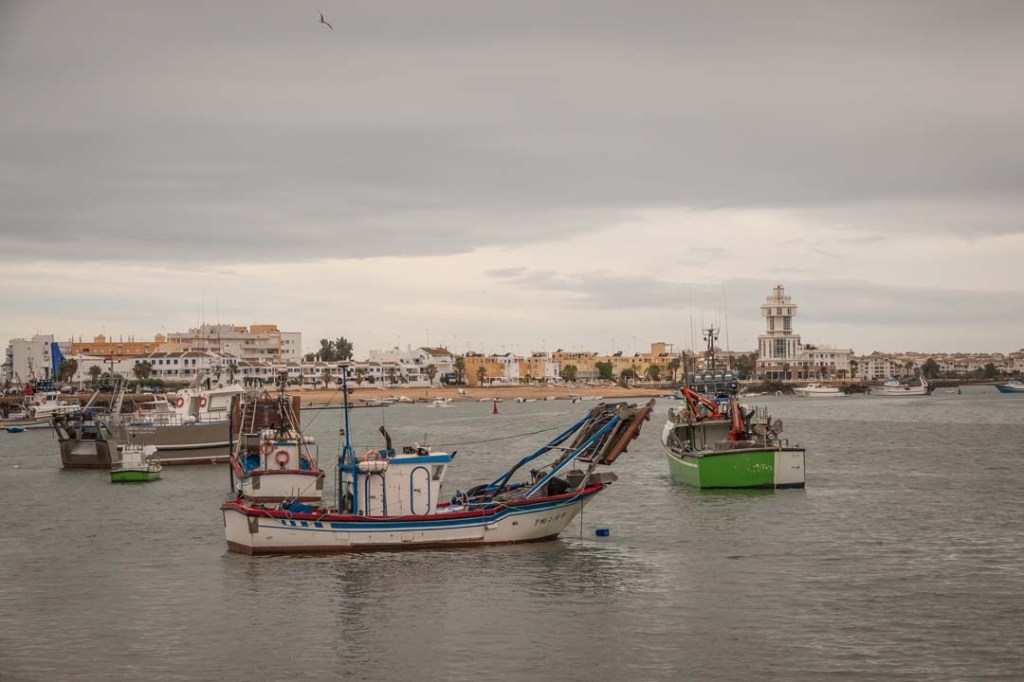
We have definitely been doing non-birding events today with a boat trip around the local port. However, I couldn’t resist snapping away as we made our way to and from the terminal.
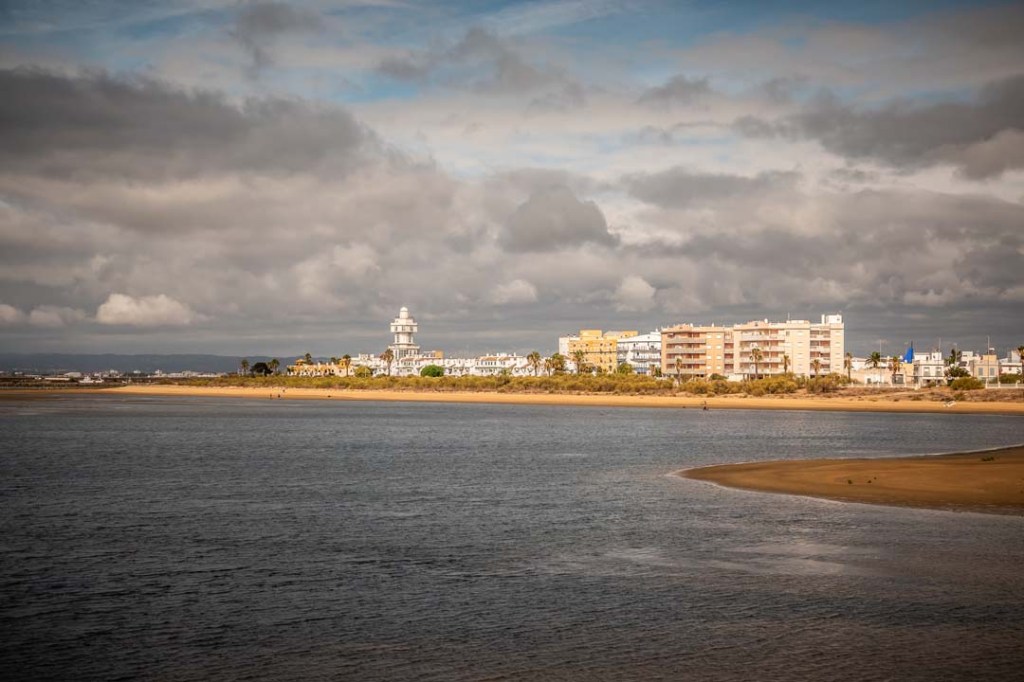
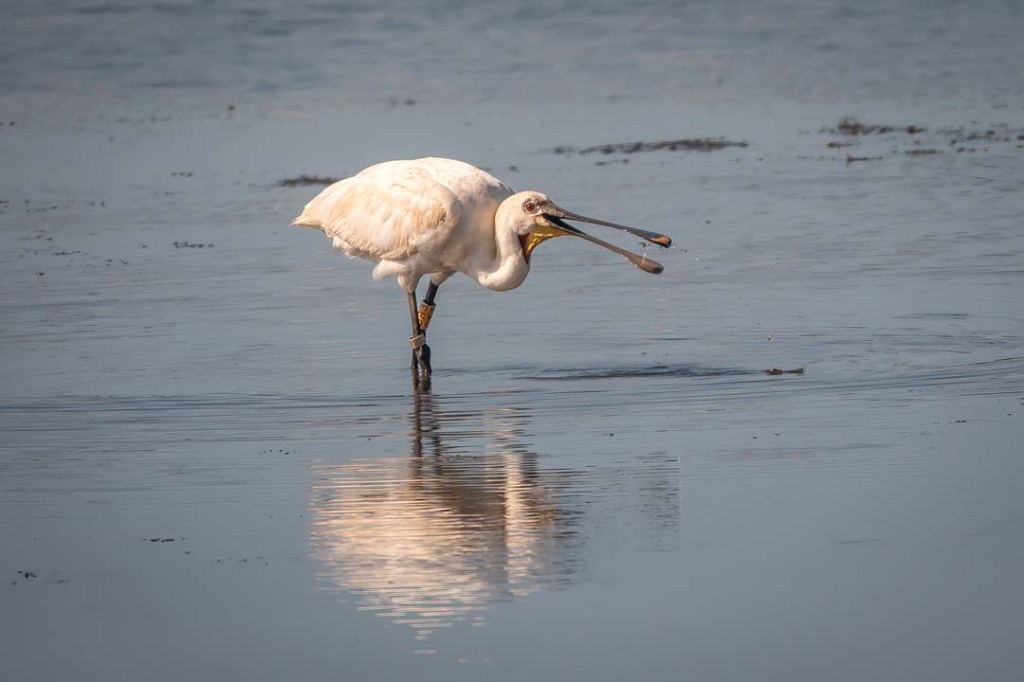
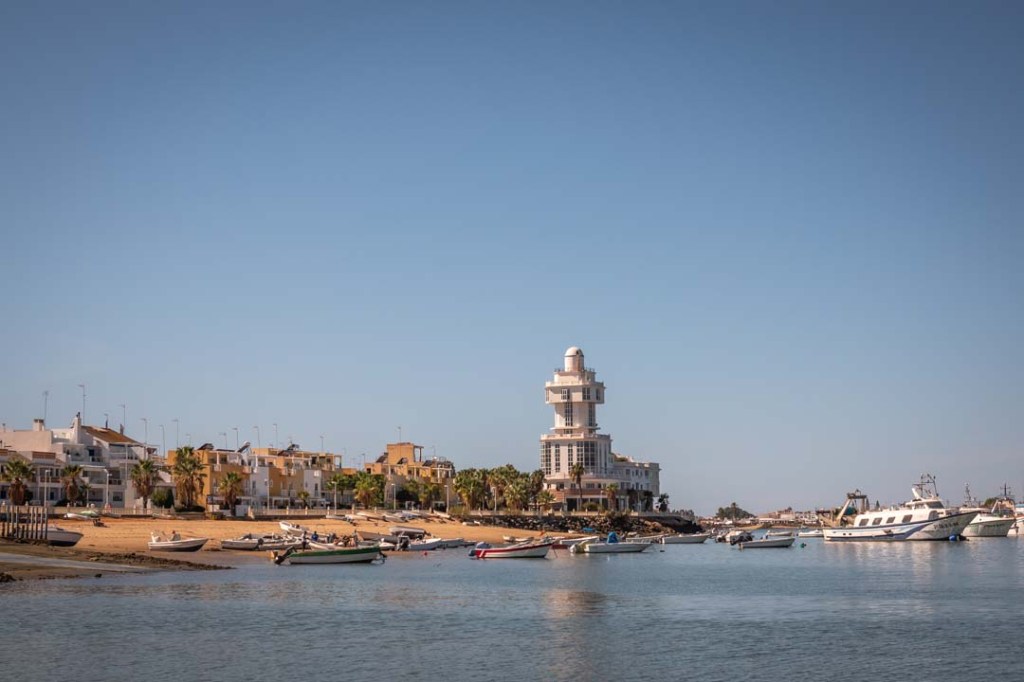
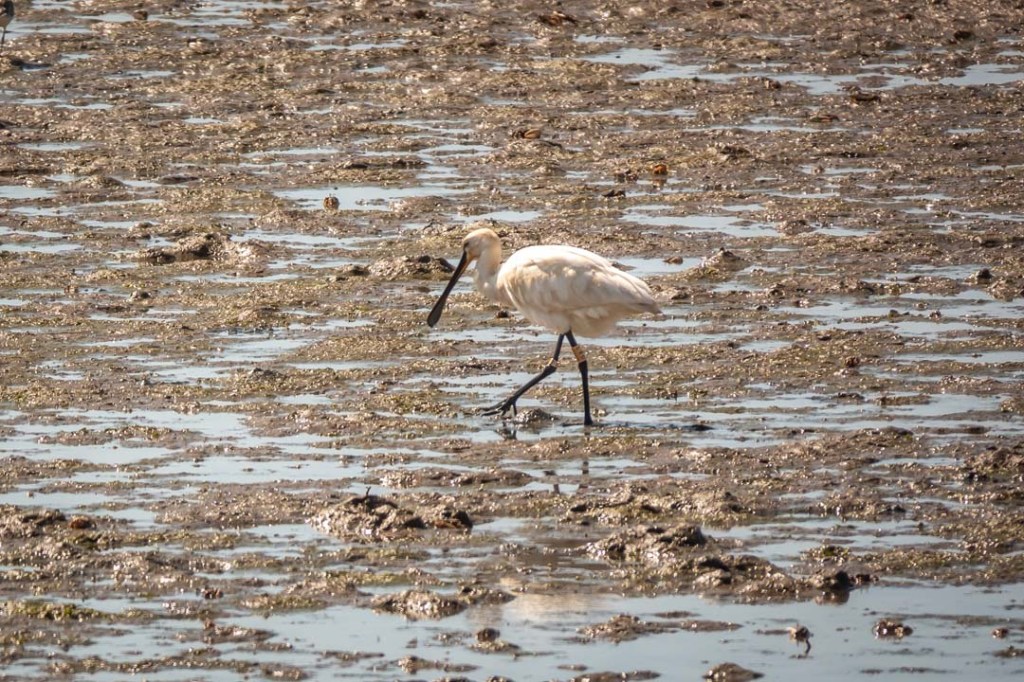
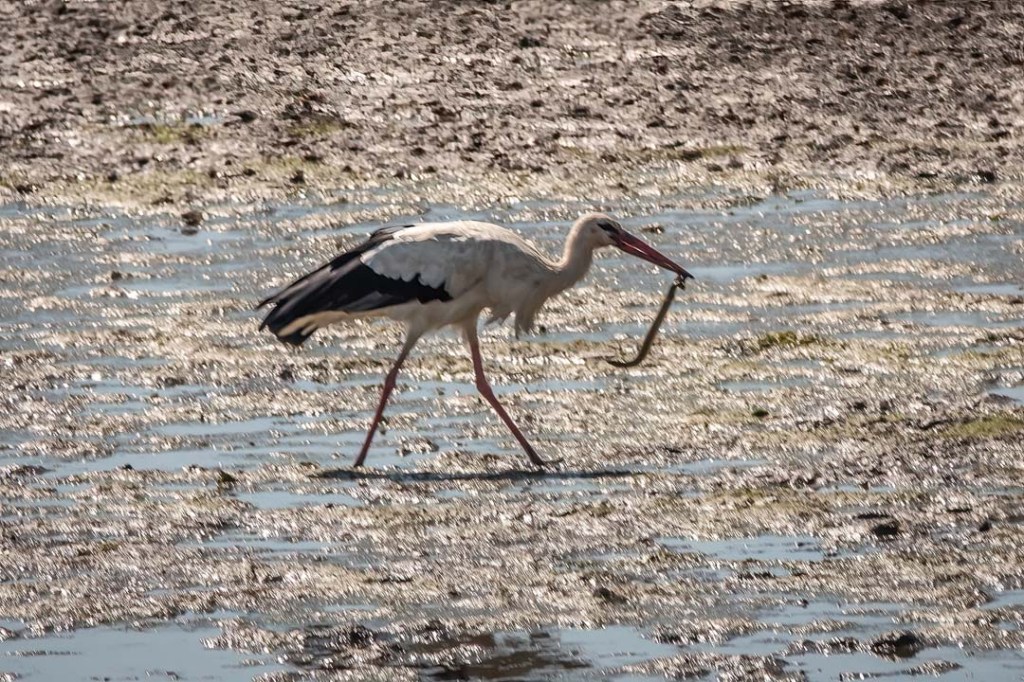
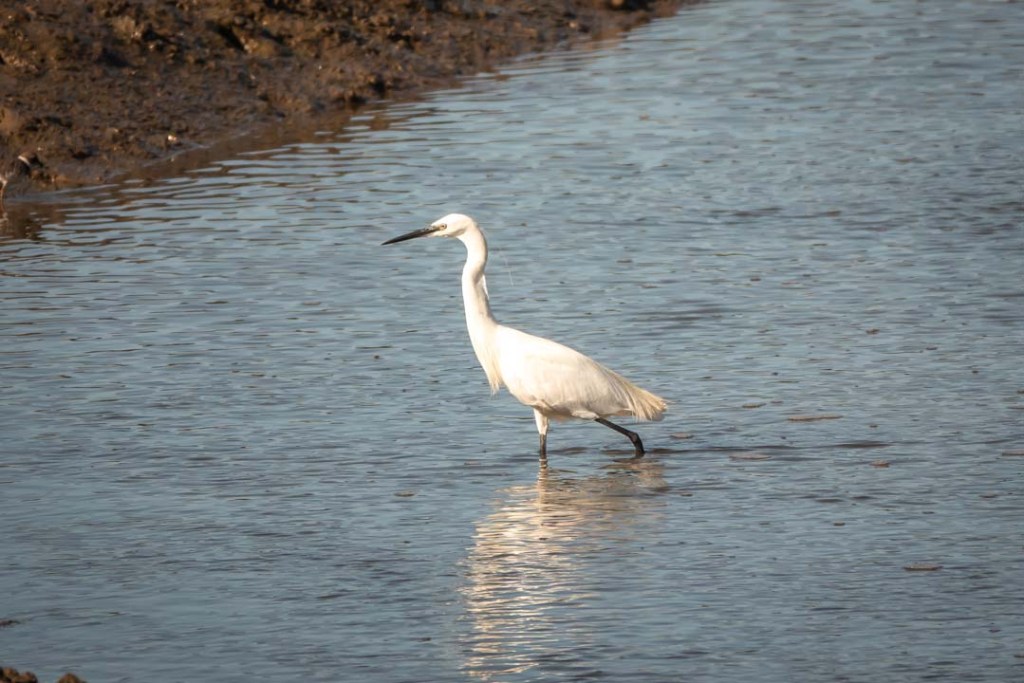
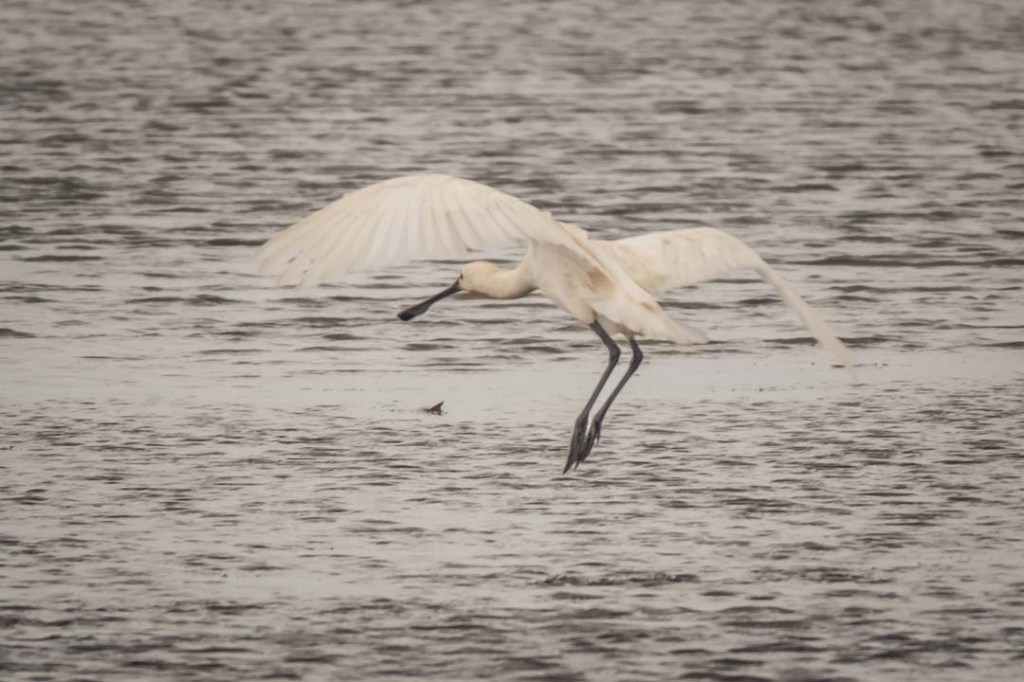
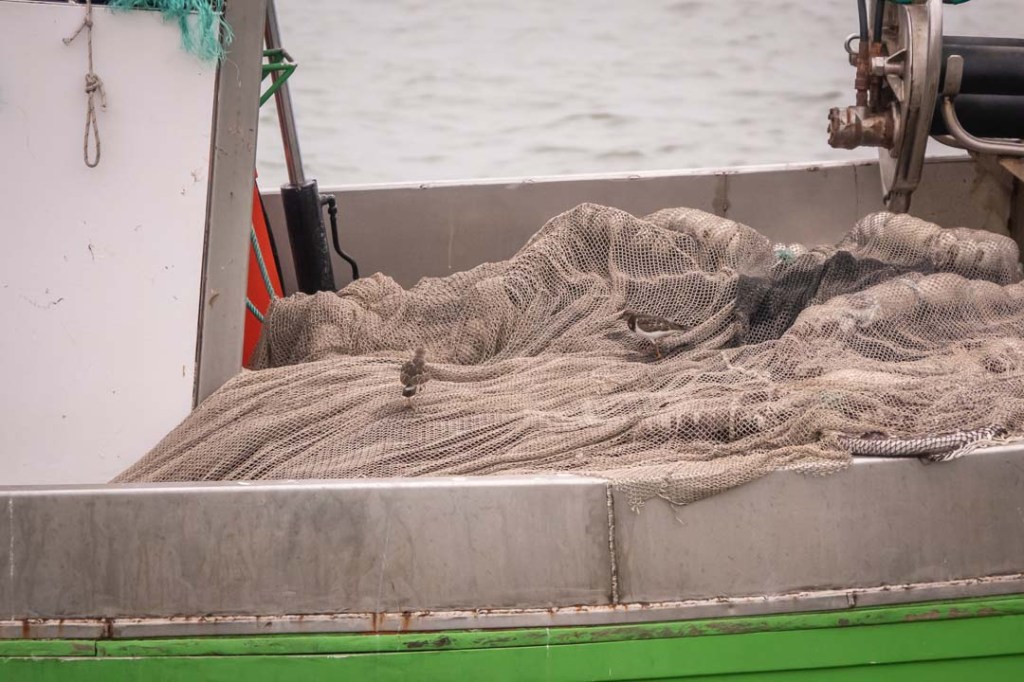
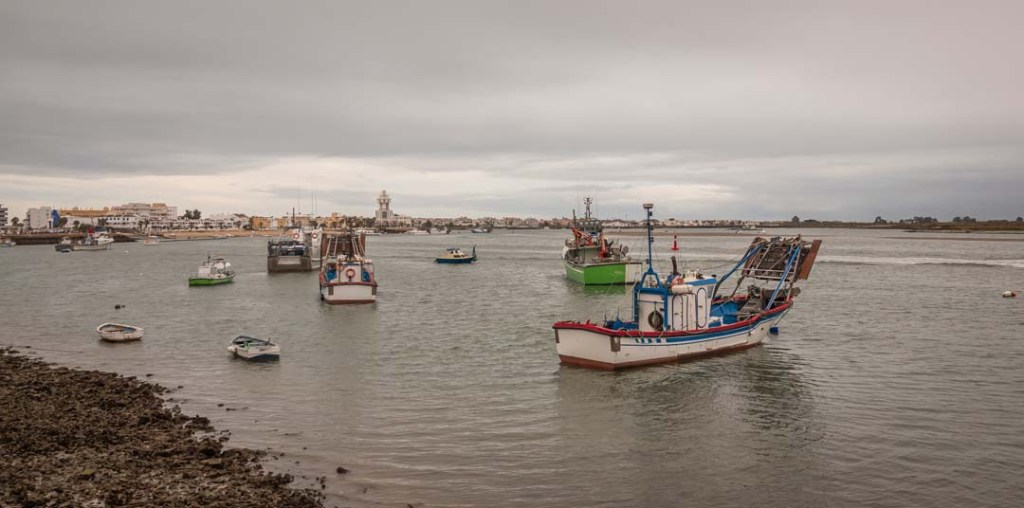
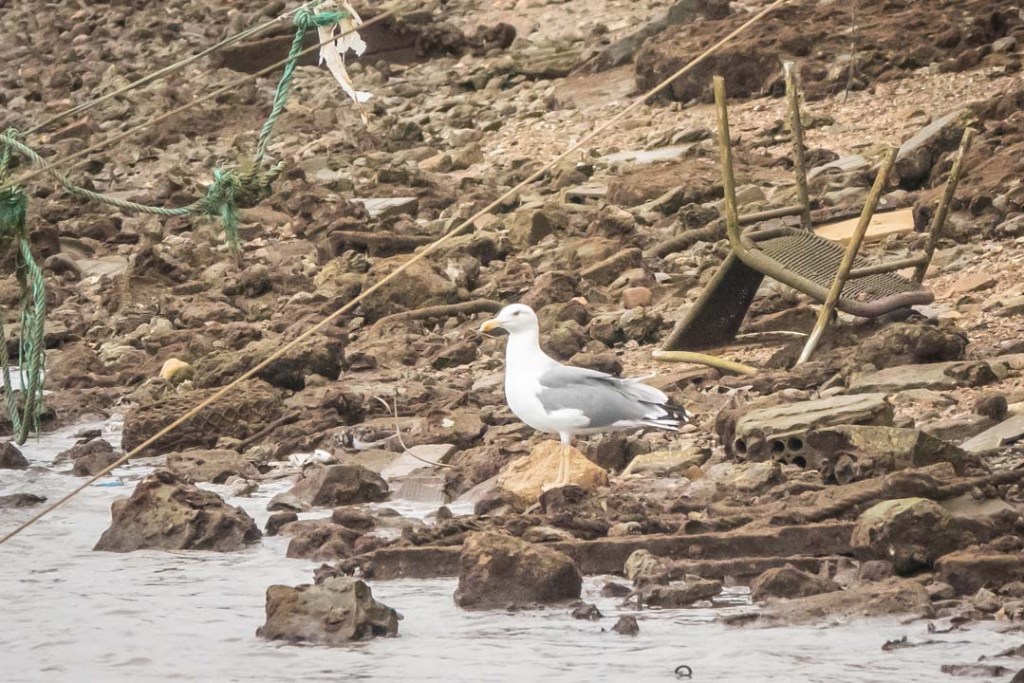
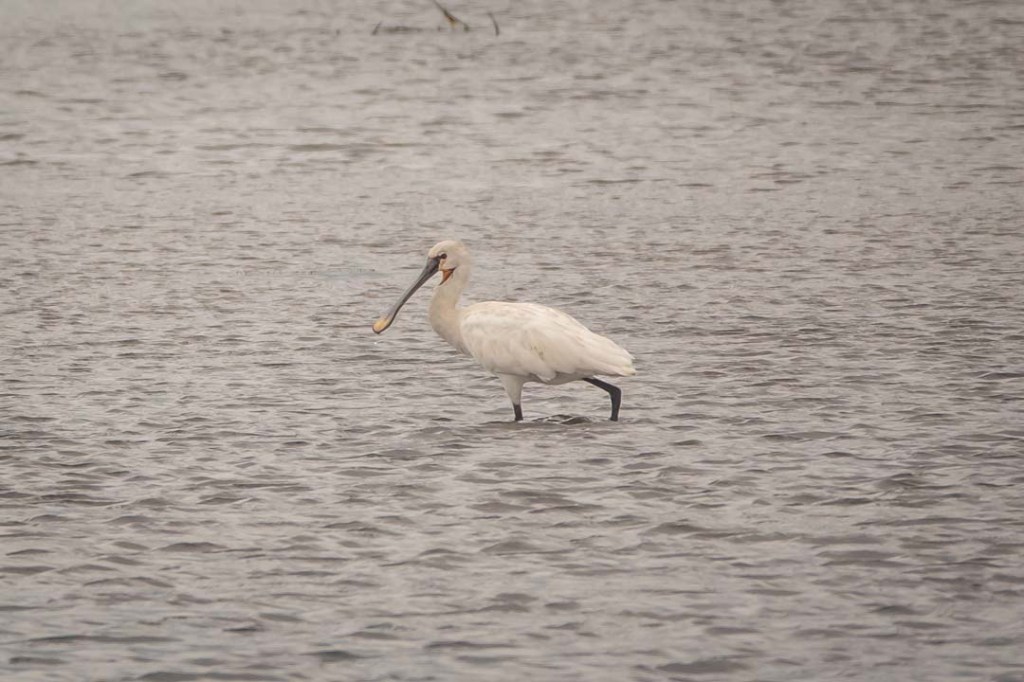
Definitely a non-birding day!WhimbrelGrey ploverThe port of Isla CristinaIsla CristinaRuddy turnstoneSpoonbillWhite stork with eelSmaller morsels for the spoonbillIt took quite some time for the white stork to consume the eelThe lighthouse (now residential) at Isla CristinaLittle egret
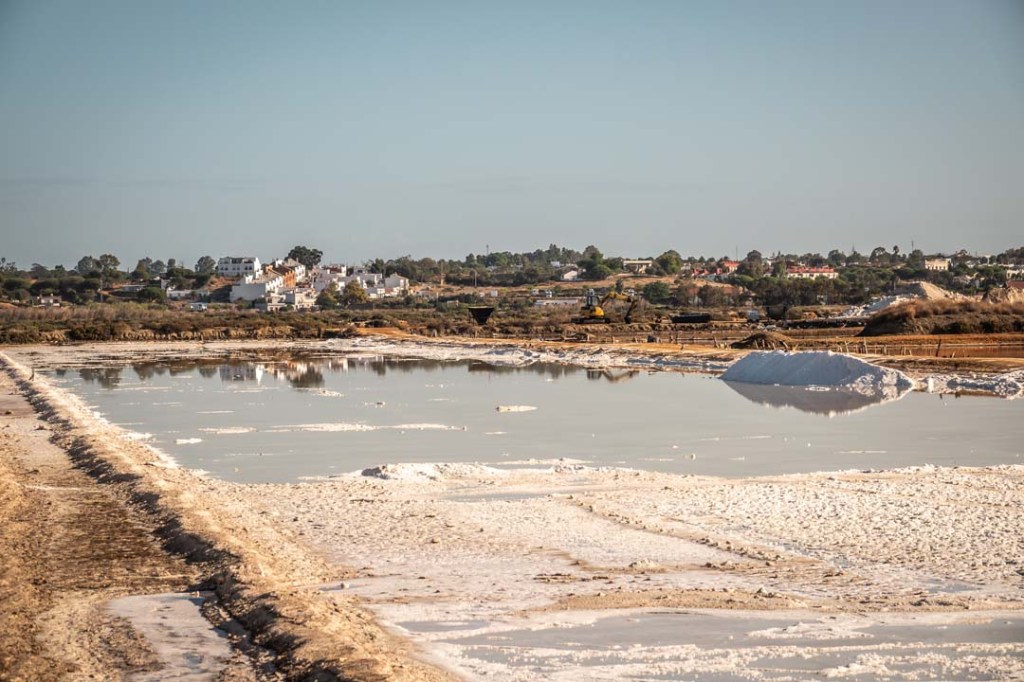
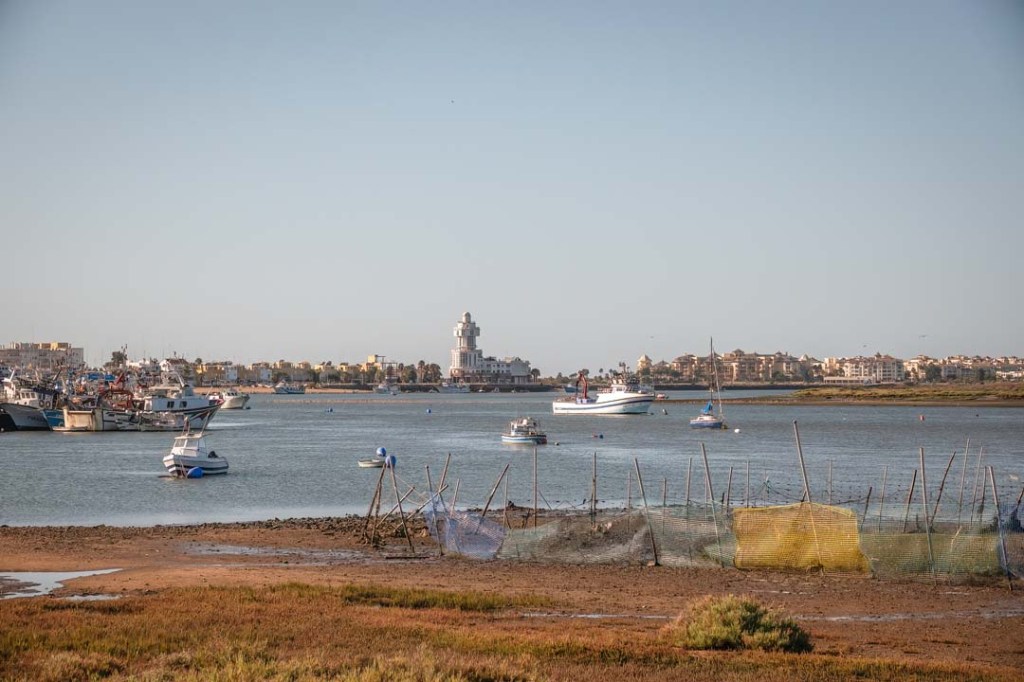
This morning we took part in our second optional trip: birdwatching around the salt pans and in and around the town we are staying in. Isla Cristina is the second largest fishing port in Andalusia.
Isla CristinaSaltpans at Isla Cristina
We saw some fabulous birds without having to travel too much.
This is the impressive list of the birds I saw and many of them were close enough to get photographs:
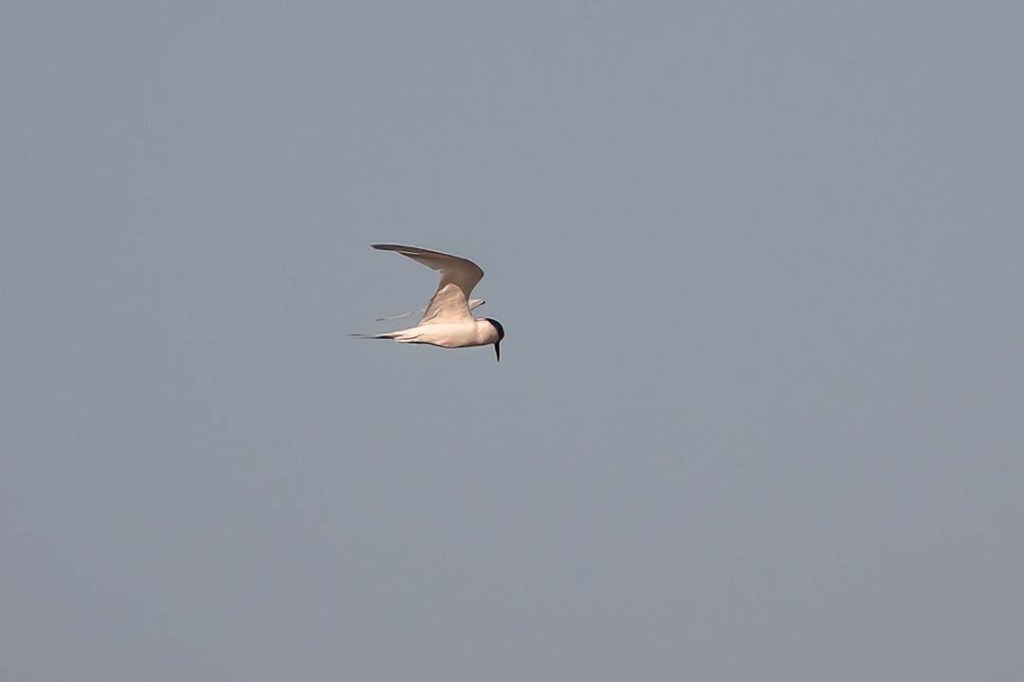
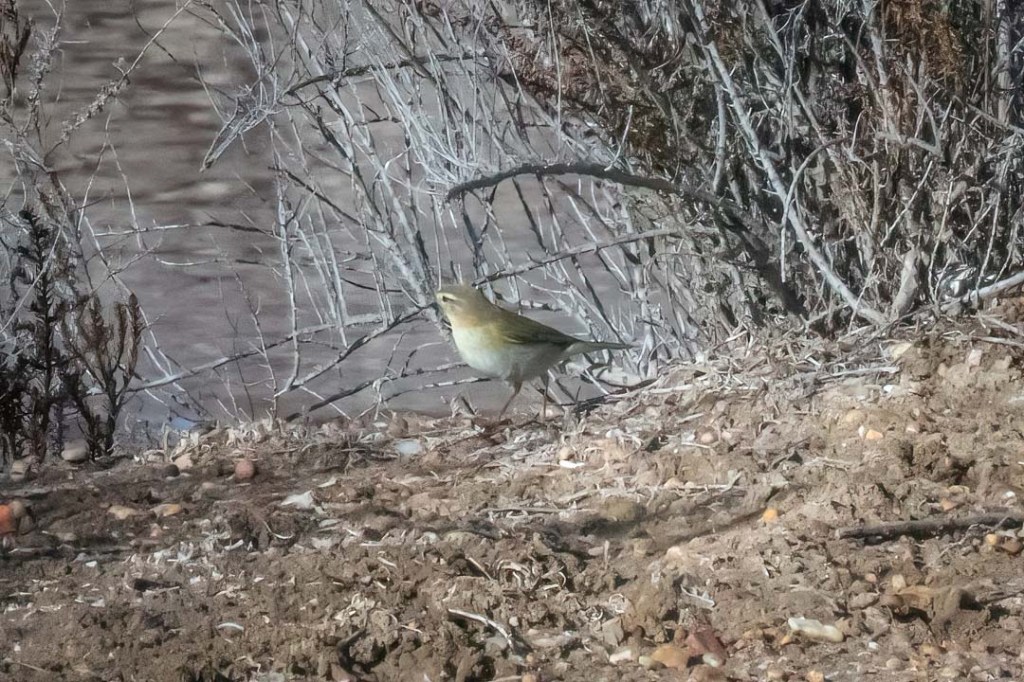
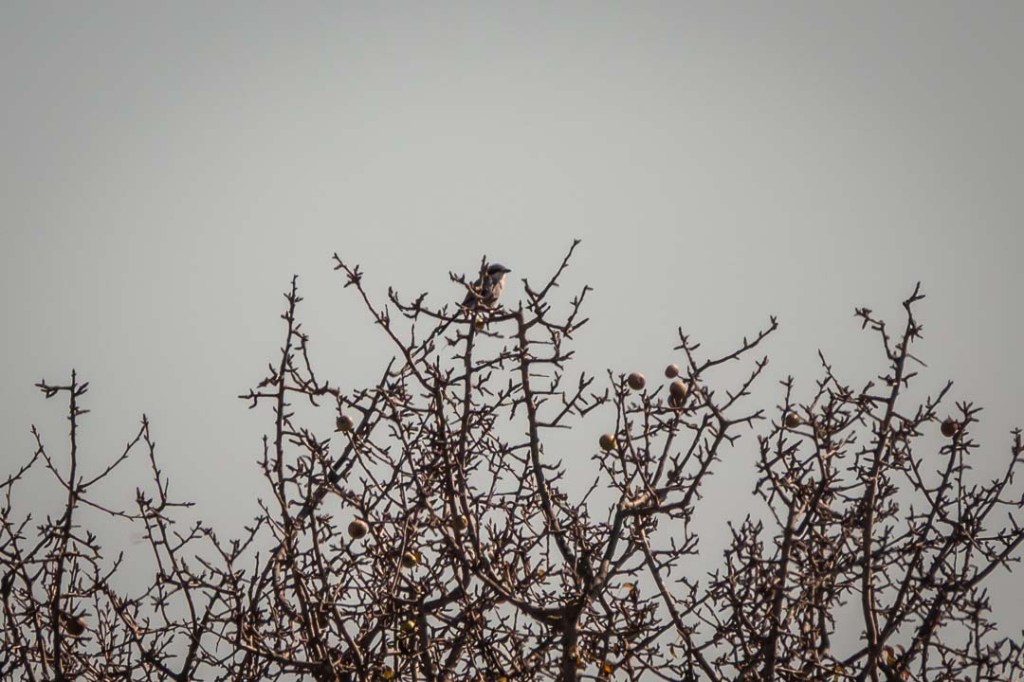
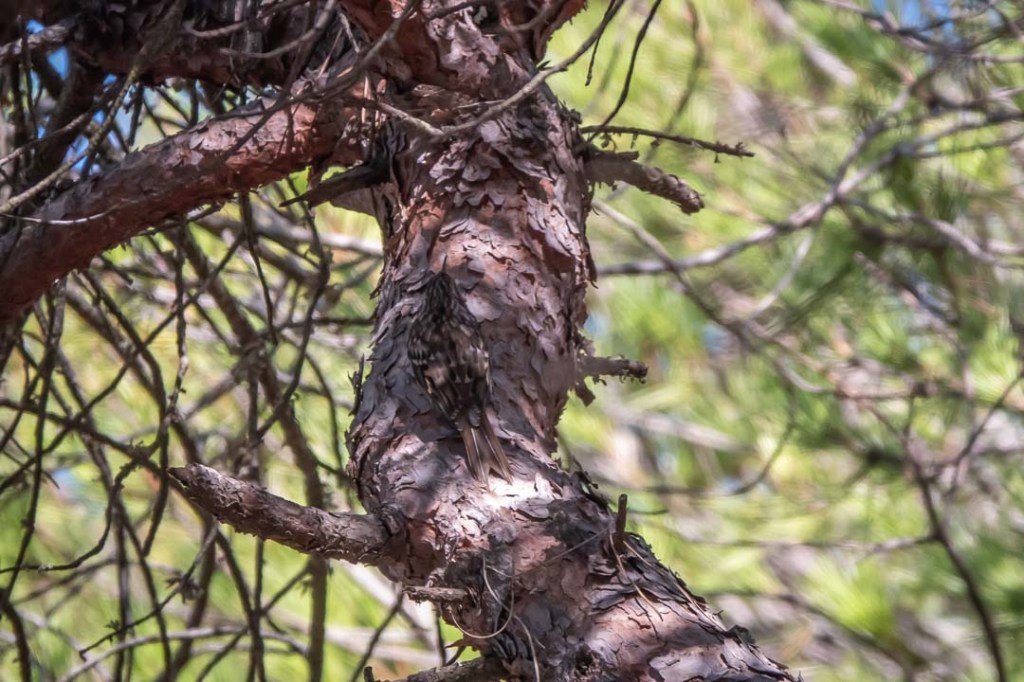
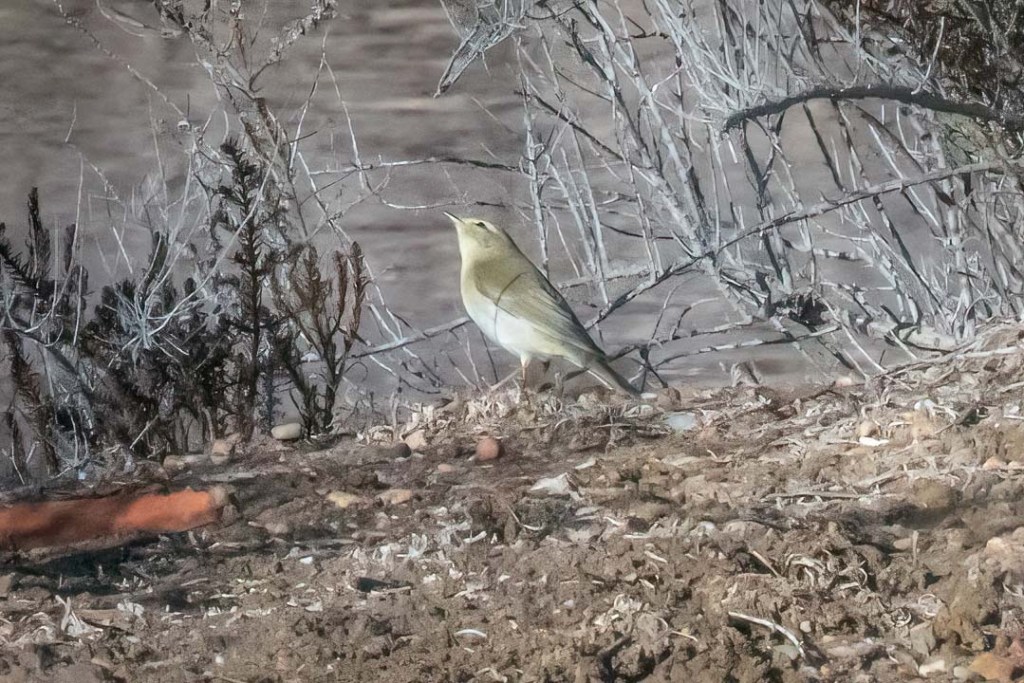
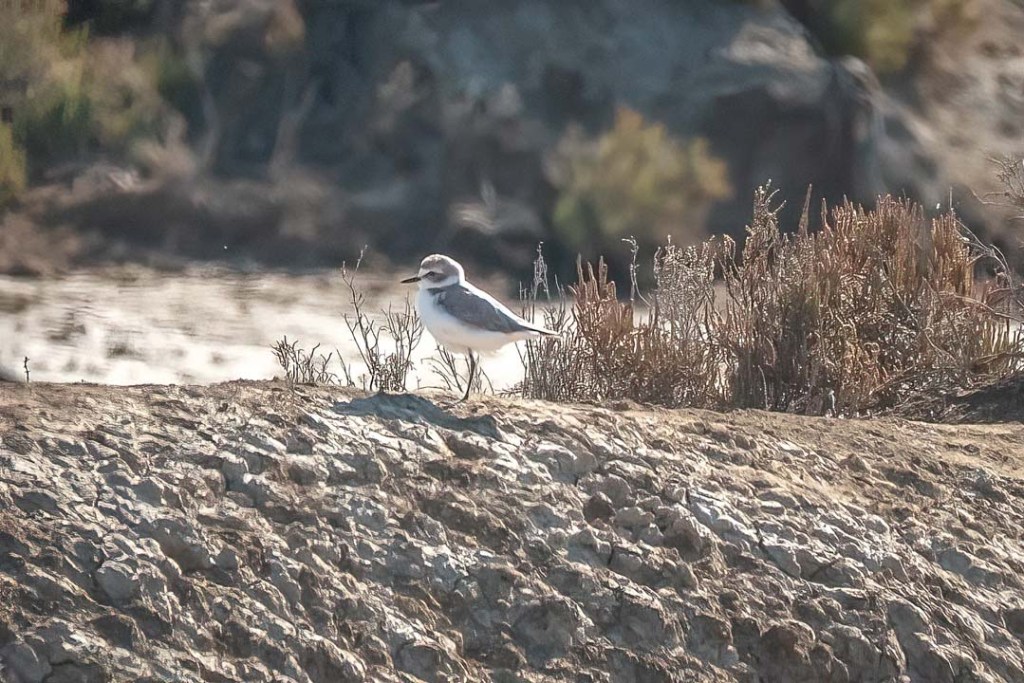
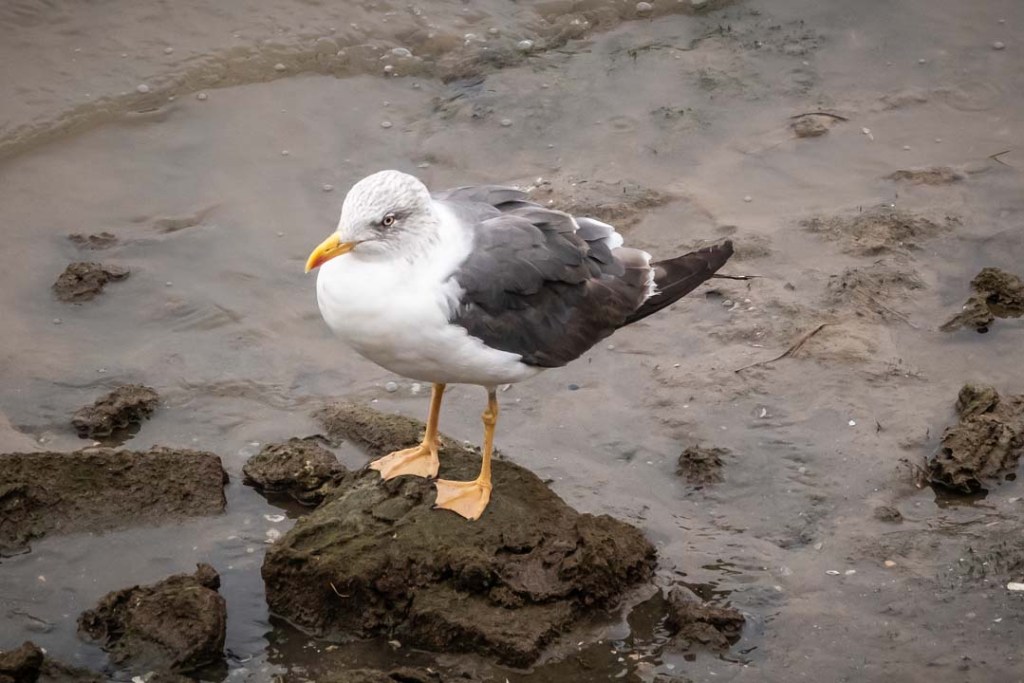
Greater Flamingo, Black-winged Stilt, Pied Avocet, Eurasian Oystercatcher, Kentish Plover, Common Ringed Plover, Whimbrel, Bar-tailed Godwit, Black-tailed Godwit, Curlew Sandpiper, Sanderling, Little Stint, Common Sandpiper, Common Greenshank, Common Redshank, Slender-billed Gull, Audouin’s Gull, Yellow-legged Gull, Lesser Black-backed Gull, Little Tern, Caspian Tern, Sandwich Tern, Great Cormorant, Gray Heron, Little Egret, Eurasian Spoonbill, Booted Eagle, Iberian Gray Shrike, Eurasian Magpie, Crested Lark, Eurasian Crag-Martin, Red-rumped Swallow, Red-rumped Swallow, Willow Warbler, Short-toed Treecreeper, Spotless Starling, European Pied Flycatcher, Whinchat, Northern Wheatear, Western Yellow Wagtail, European Goldfinch
Some of my favourite photos:
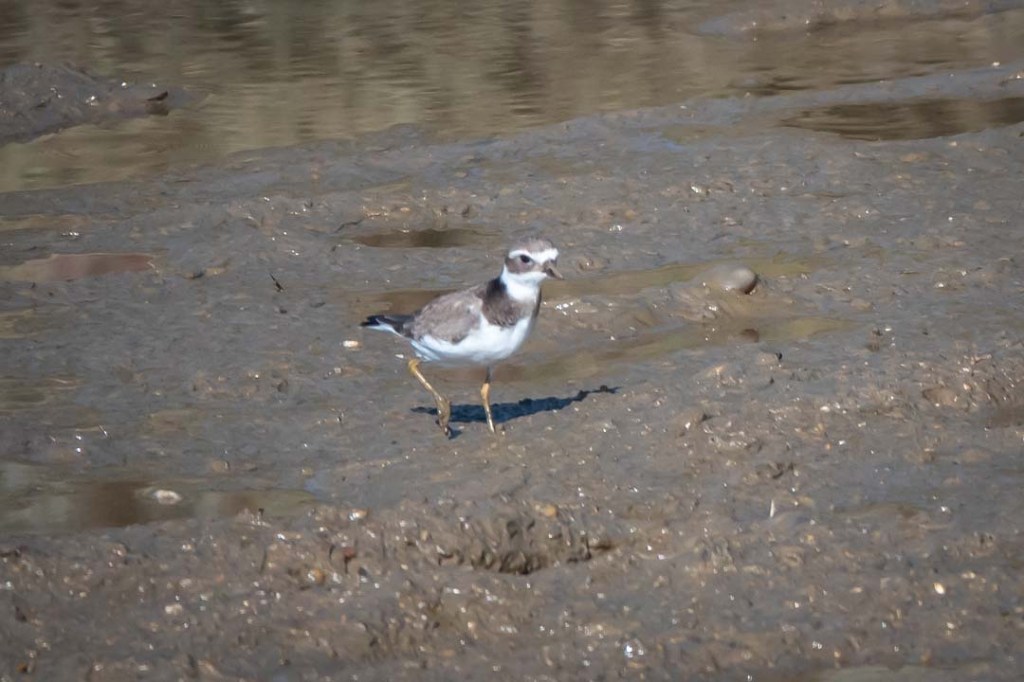
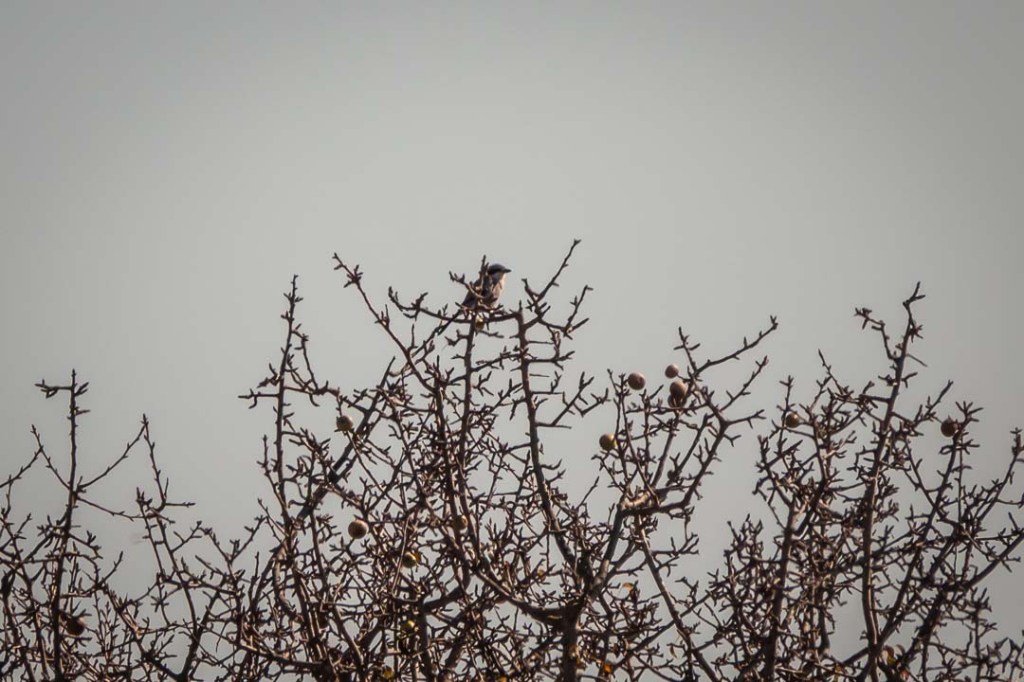
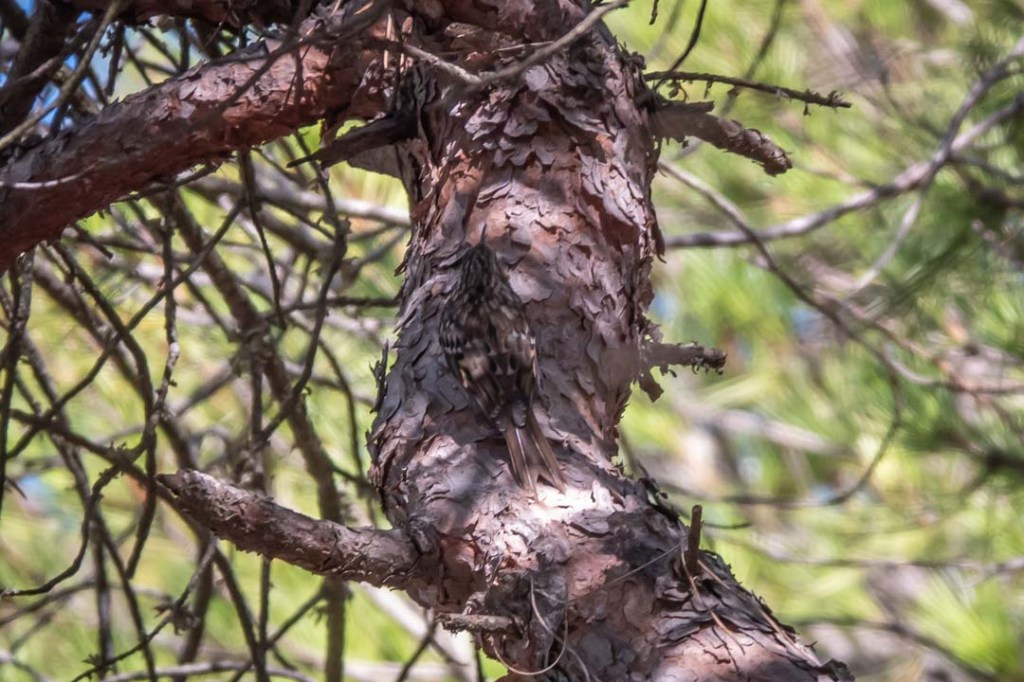
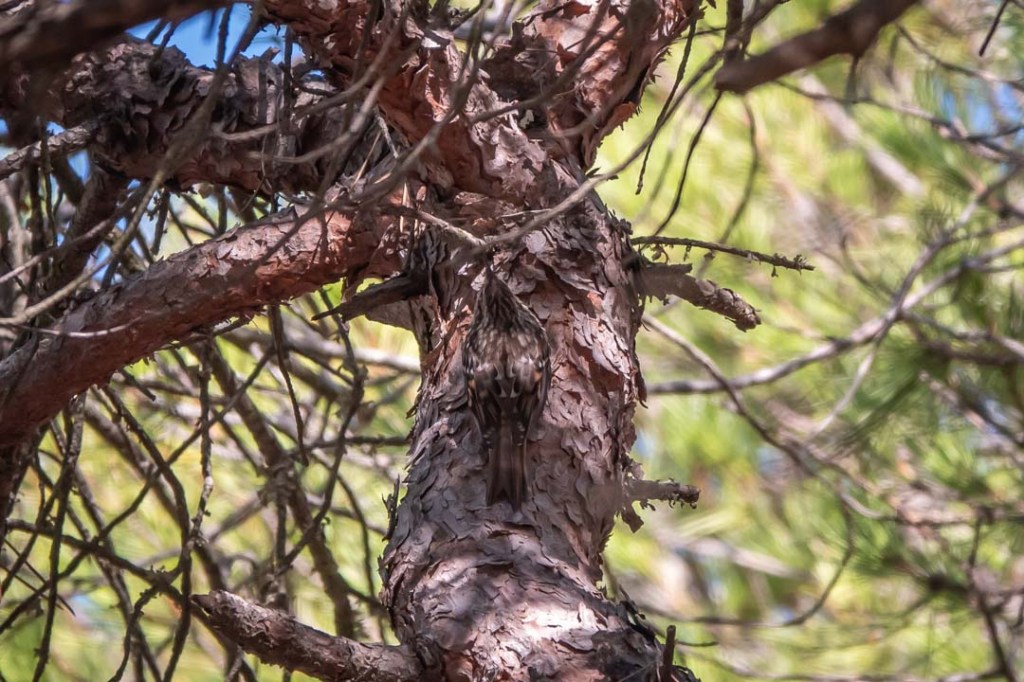
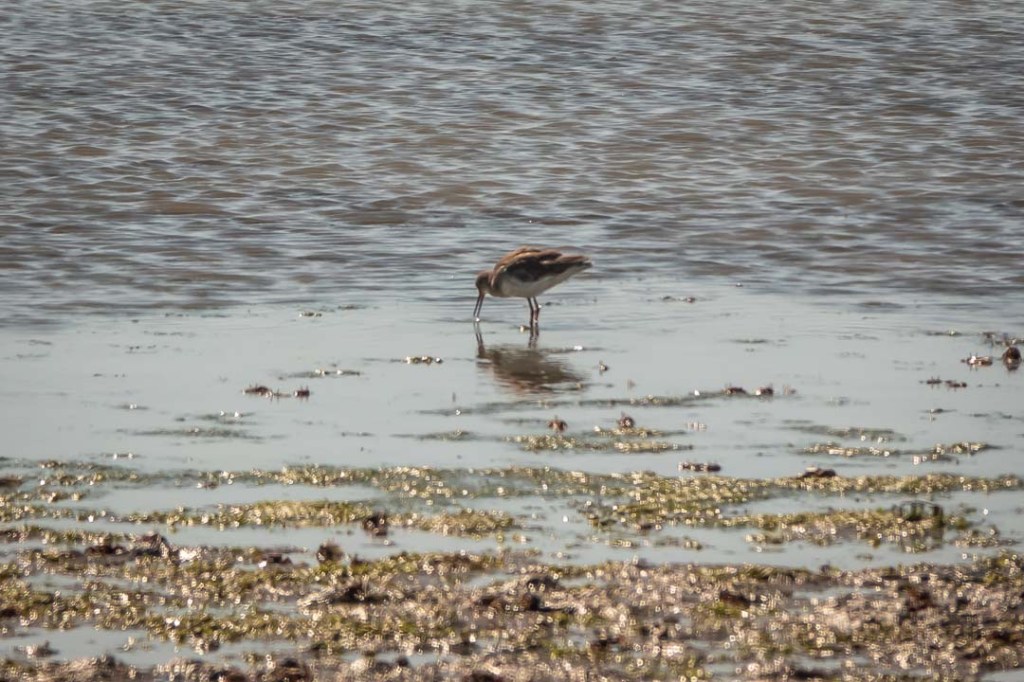
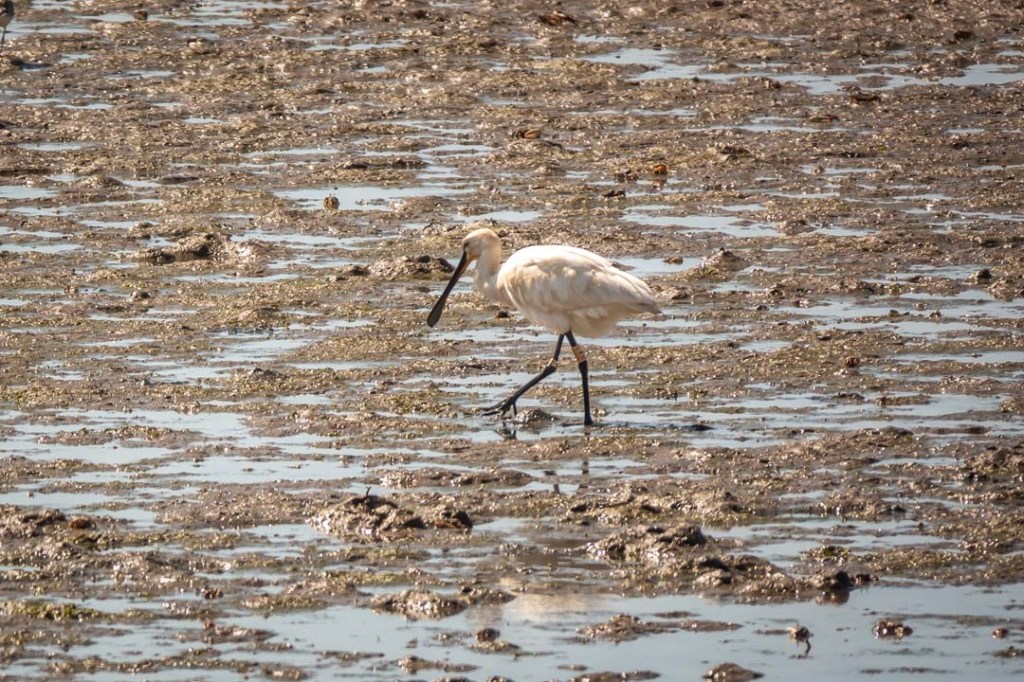
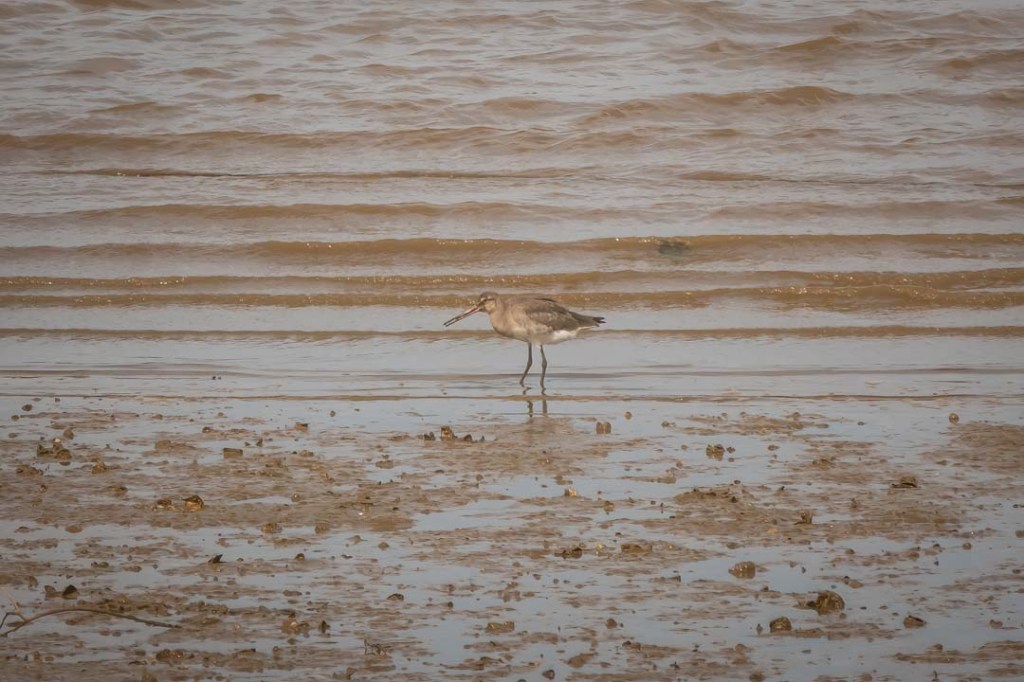
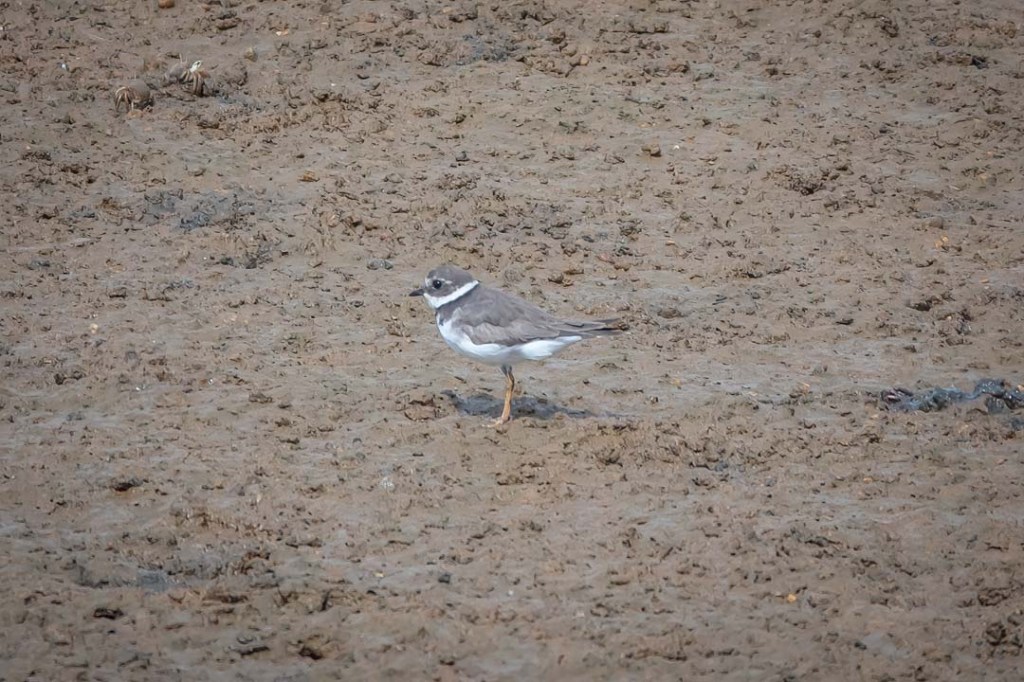
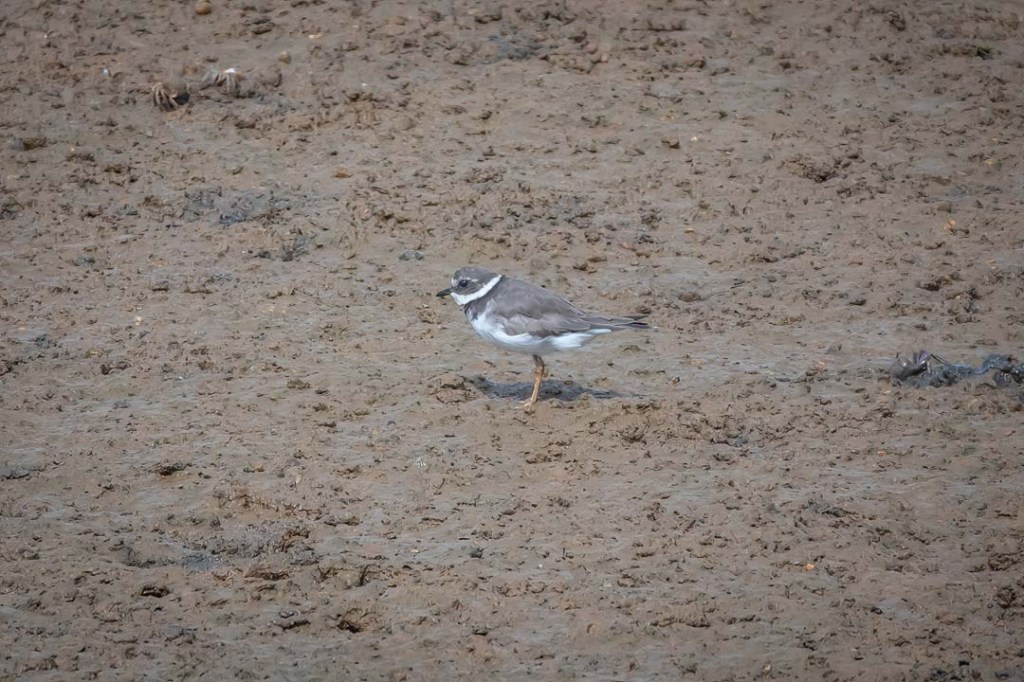
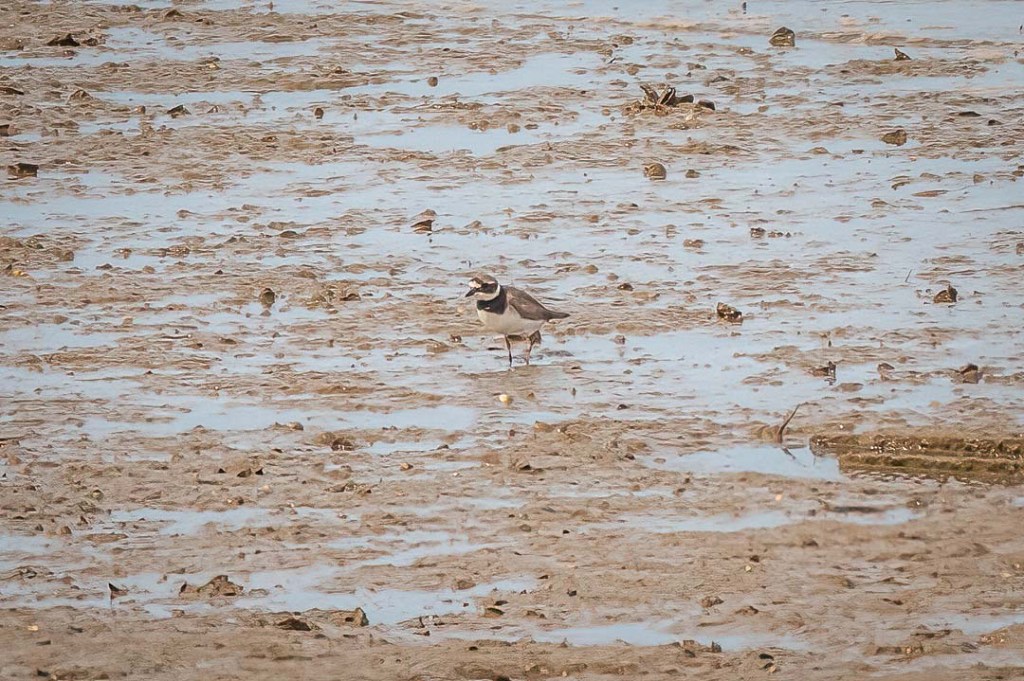
Slender-billed gullsCurlew sandpiper, common ringed plover and ruddy turnstoneKentish ploverLittle ternBlack-winged stiltWillow warblerGreater flamingos, pied avocets and black-winged stiltsSanderlingGreater flamingosCommon ringed ploverIberian great shrikeBooted eagleCommon redshankGreenshank and whimbrelSpoonbillWhite storkWhimbrelBar-tailed godwitsShort-toed treecreeper
Strictly speaking we are not on a birding holiday but it just so happens that the first two optional excursions we have opted for are bird watching trips!
Today we were taken to the countryside in a small group of 6 to just north of Huelva in search of small birds and raptors.
It was a very successful trip but I am finding it difficult to compile a blog as I don’t have as many decent photos as I had hoped for. Firstly, I have come equipped only with a bridge camera, and secondly, many of the birds we saw (and on many occasions we had very good views) were seen from inside the minibus which would have benefited from a good clean which I accept, with the shortage of water in this part of Spain, is not practical.
En route we had good views of white storks which live all year round in this part of Spain.
White storkWhite stork
On our first stop near to Niebla we saw a black-winged kite (a first for me) which looked spectacular through the telescope.
Black-winged kiteBlack-winged kite
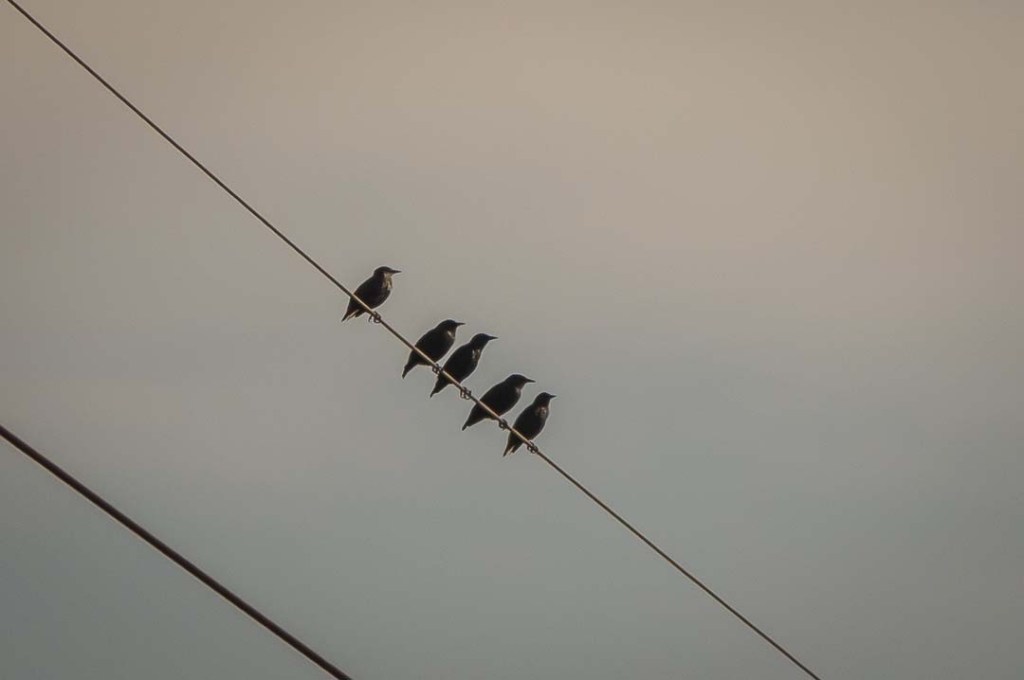
At this first stop we also saw lots of crested lark, spotless starlings, hoopoes, stonechats, a woodchat shrike, several kestrels and (as usual) heard Cetti’s warbler.
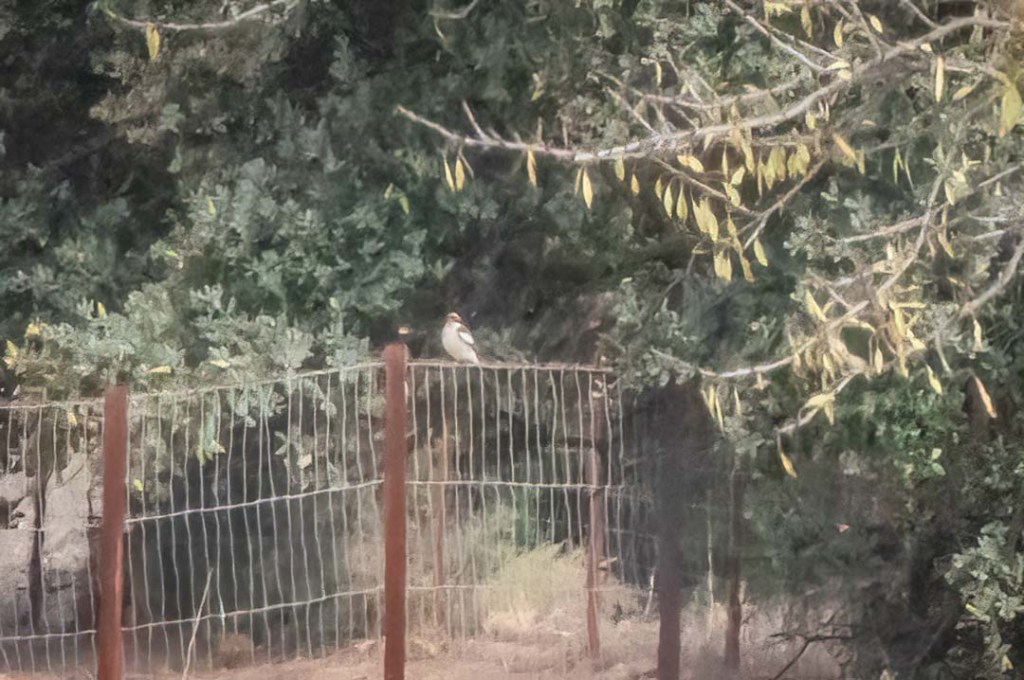
Spotless starlingsStonechatThree hoopoes on a fenceOne hoopoe makes a break for itA woodchat shrike replaced the three hoopoes on the same fenceThere were more kestrels during the trip than you could throw a stick at.
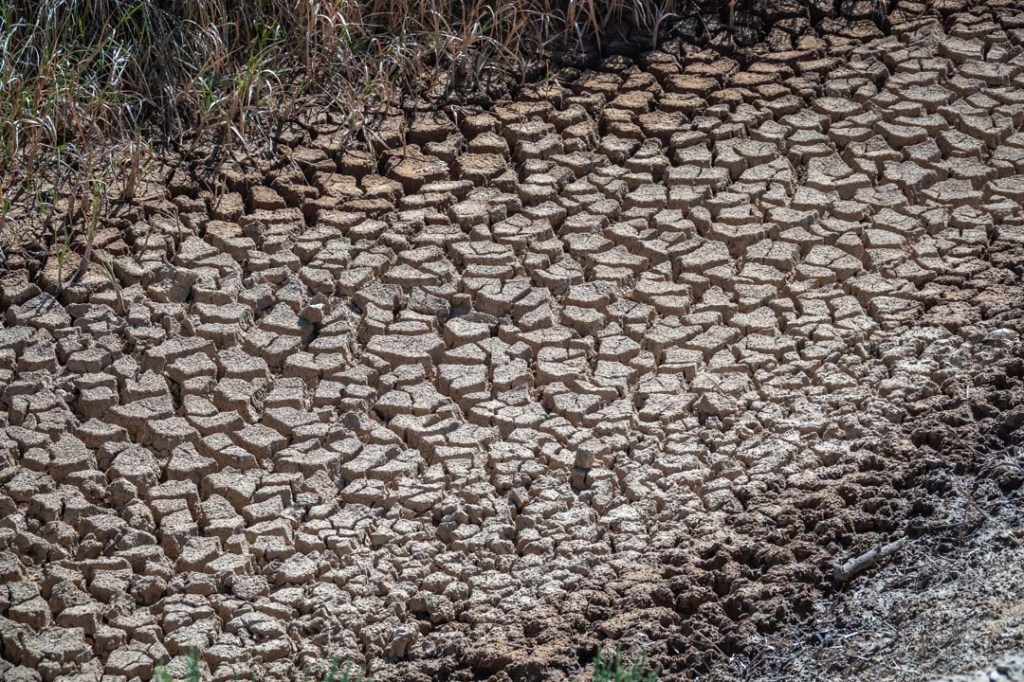
We then stopped at the Rio Tinto which should have been rust red but was completely dried up and quite verdant. Here, under a bridge we saw a couple of crag martins.
We went into the town of Niebla and saw the spectacular castle from the outside in the hope of seeing lesser kestrels; but, as our guide could see none, we didn’t make a stop – hence no photos.
Soon afterwards we had a sighting of our first short-toed eagle.
Short toed eagle
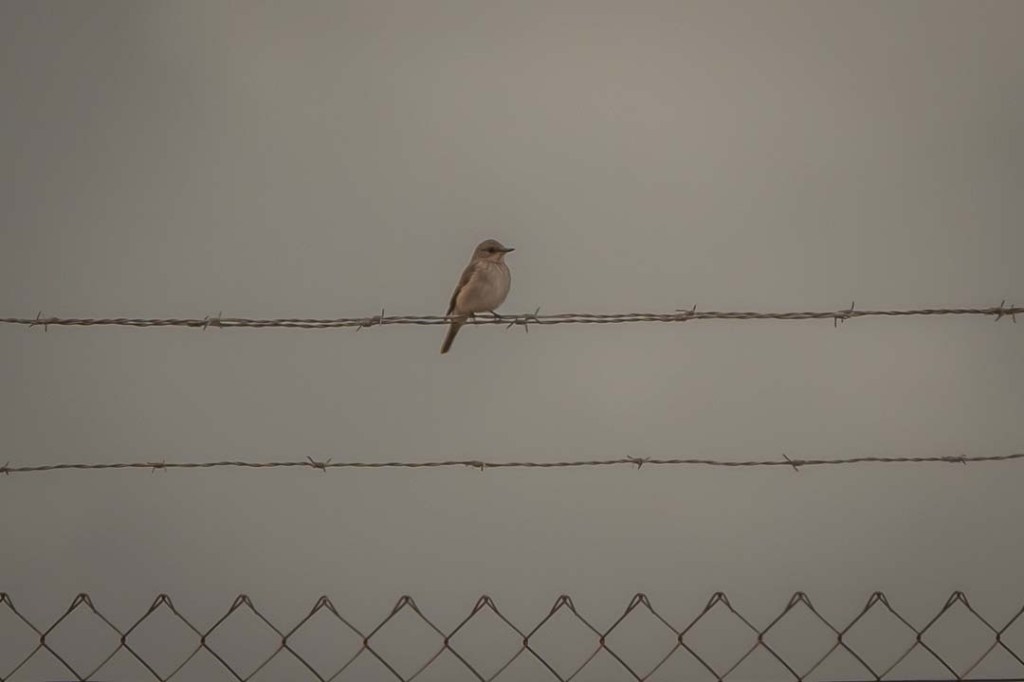
Around here we saw lots of small birds including common whitethroat, willow warbler, spotted flycatcher, stonechat, northern wheatear and two new birds to me a zitting cisticole and a melodious warbler.
Spotted flycatcher
There were also quite a few Iberian magpies which seemed very shy here compared to the picnic spots where we had seen them before.
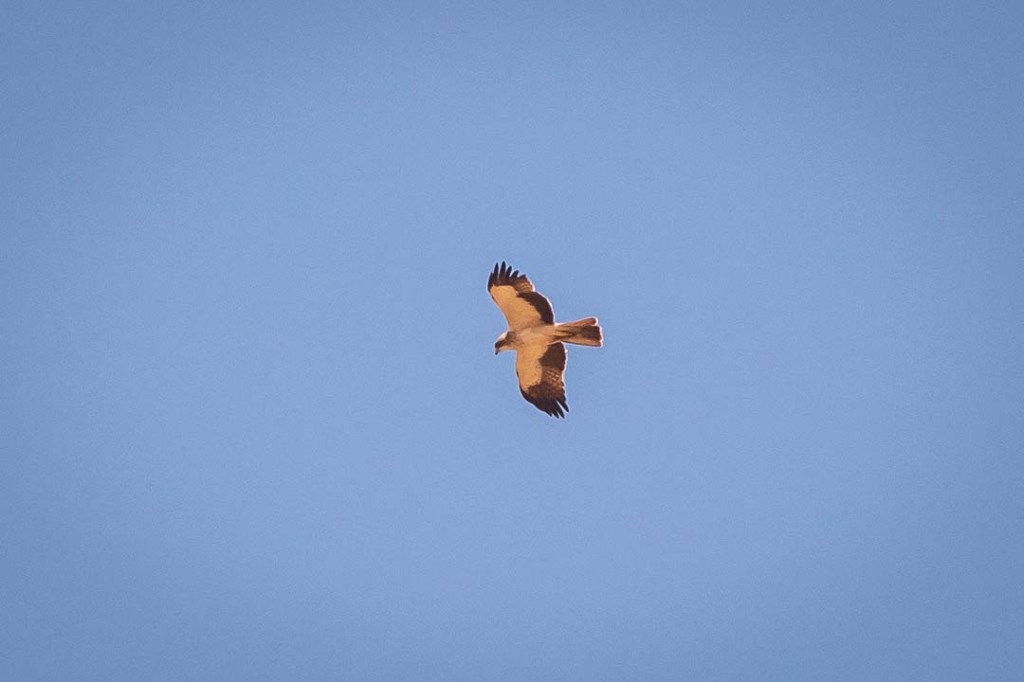
We also had good views of a booted eagle, another short-toed eagle and an osprey in flight.
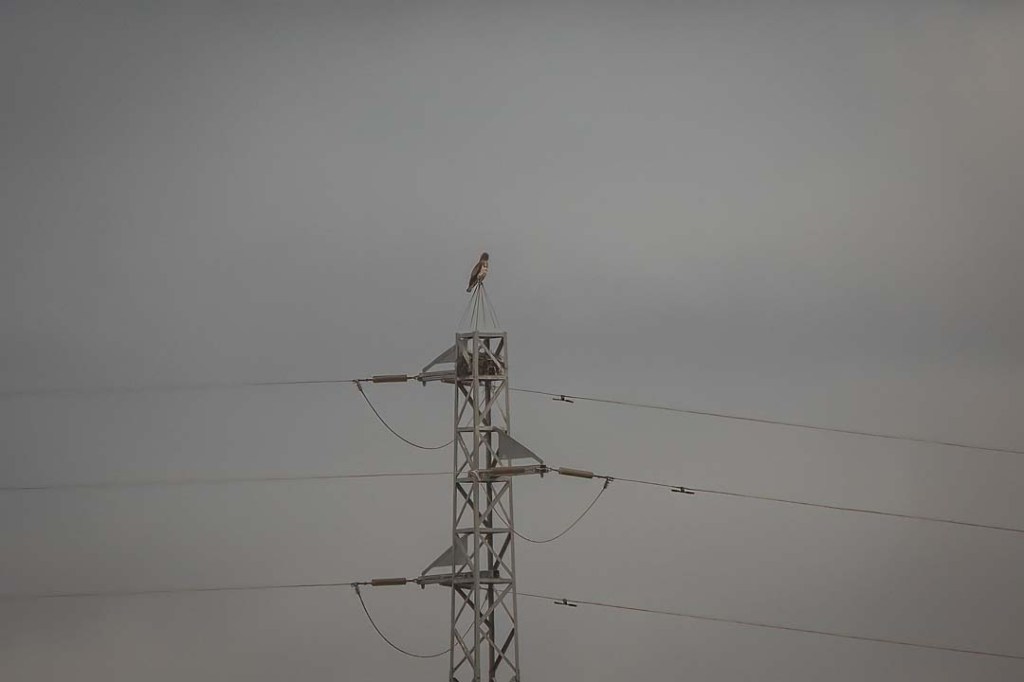
Short-toed eagle on the middle pylon.
Just before the village of Trigueros we also saw red-rumped swallows and a male marsh harrier as well as a raven and another kestrel.
Not a booted eagle but apparently an ospreyShort-toed eagleRaven and a kestrel
At this point the weather was deteriorating and, much to the thrill of our guide, looked like rain. However, none materialised and as we returned to Isla Cristina, where we are staying, the weather began to improve.
As we crossed the salt pans we could see flamingos and Audouin gulls. But more of those tomorrow when we have the second of our morning bird watching trips.
Little egret and black-tailed godwit on the Rio Tinto
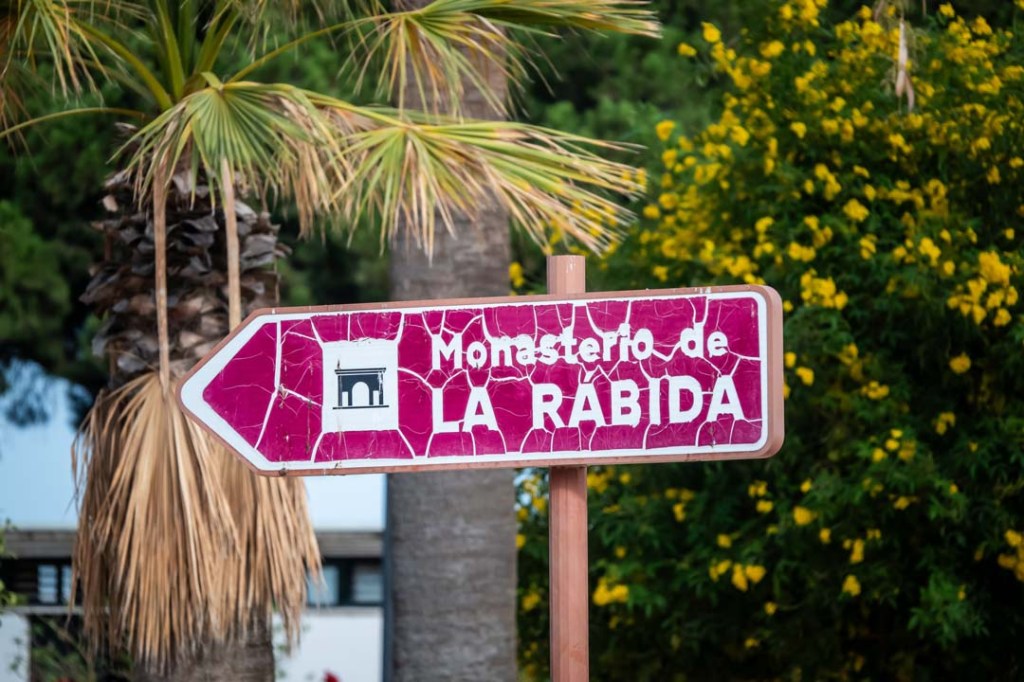
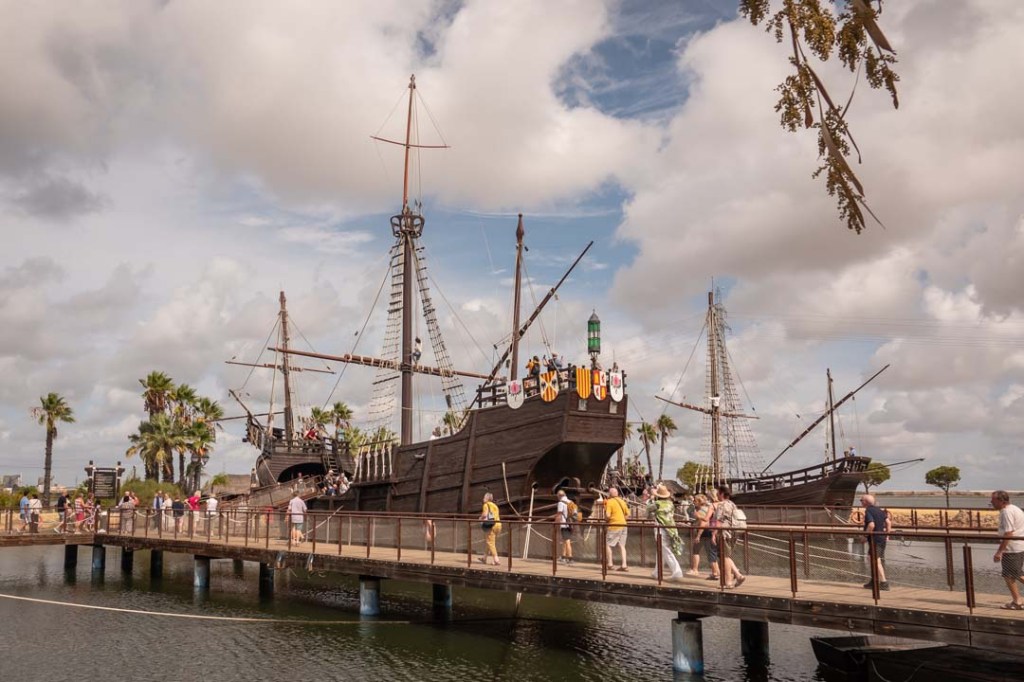
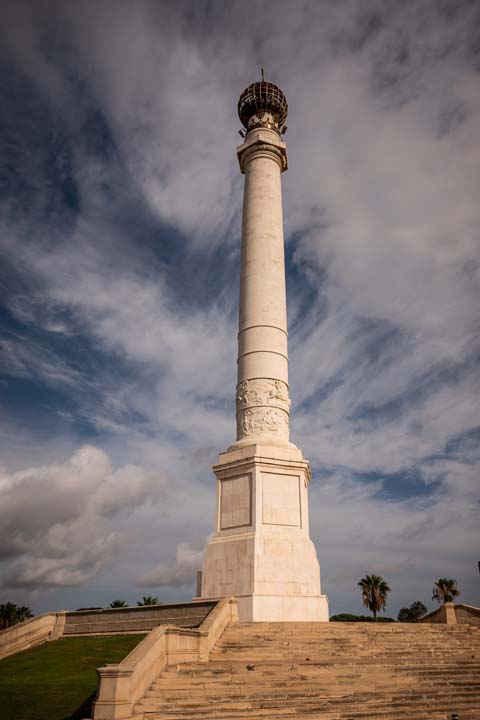
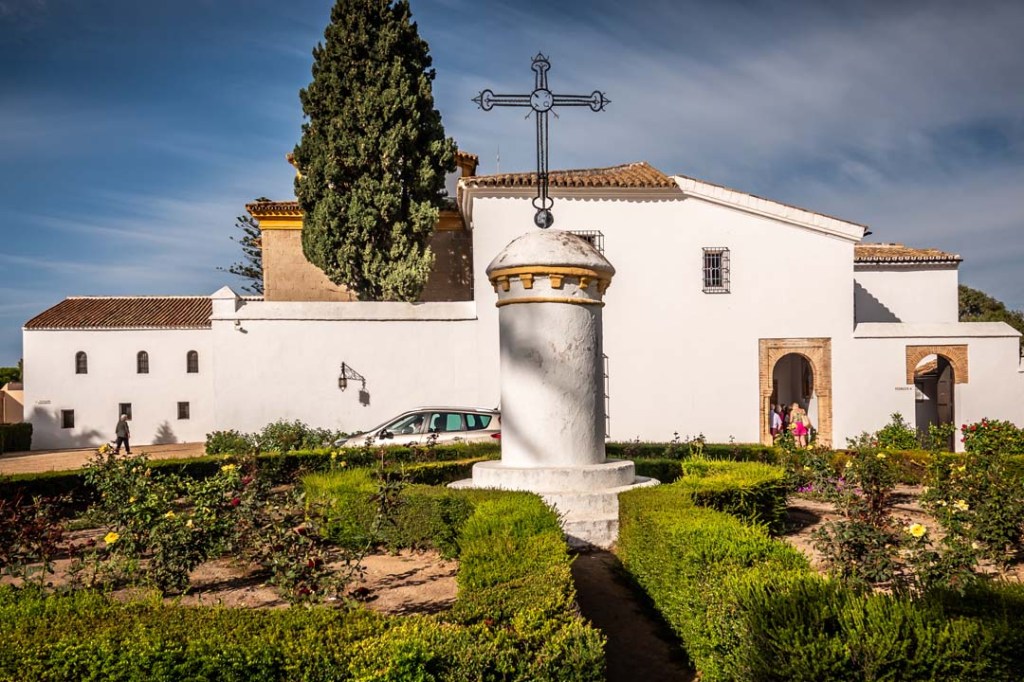
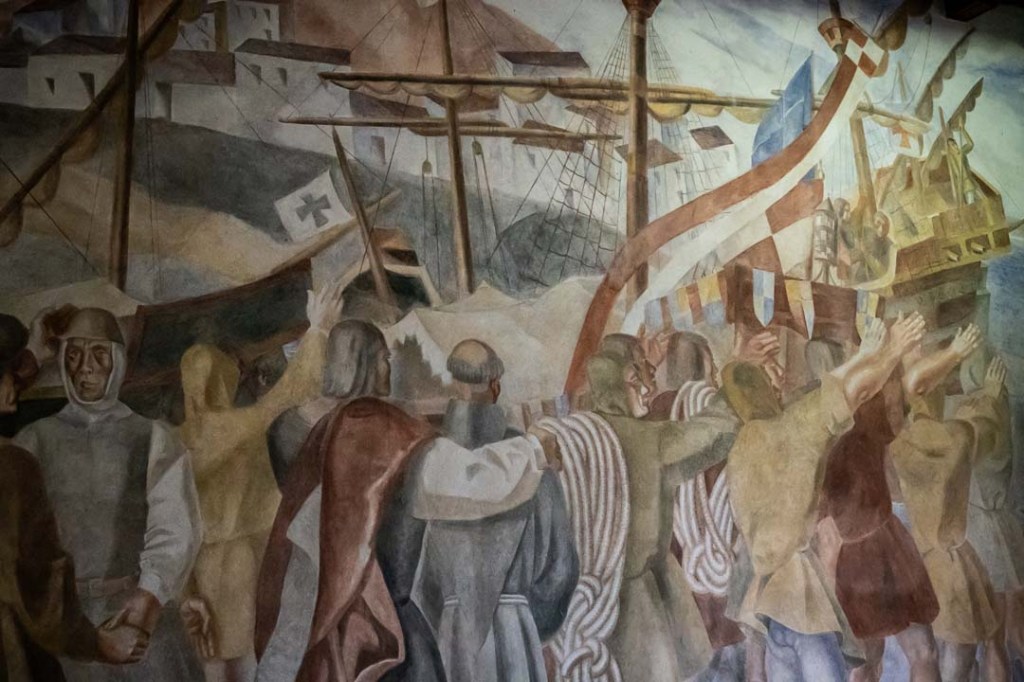
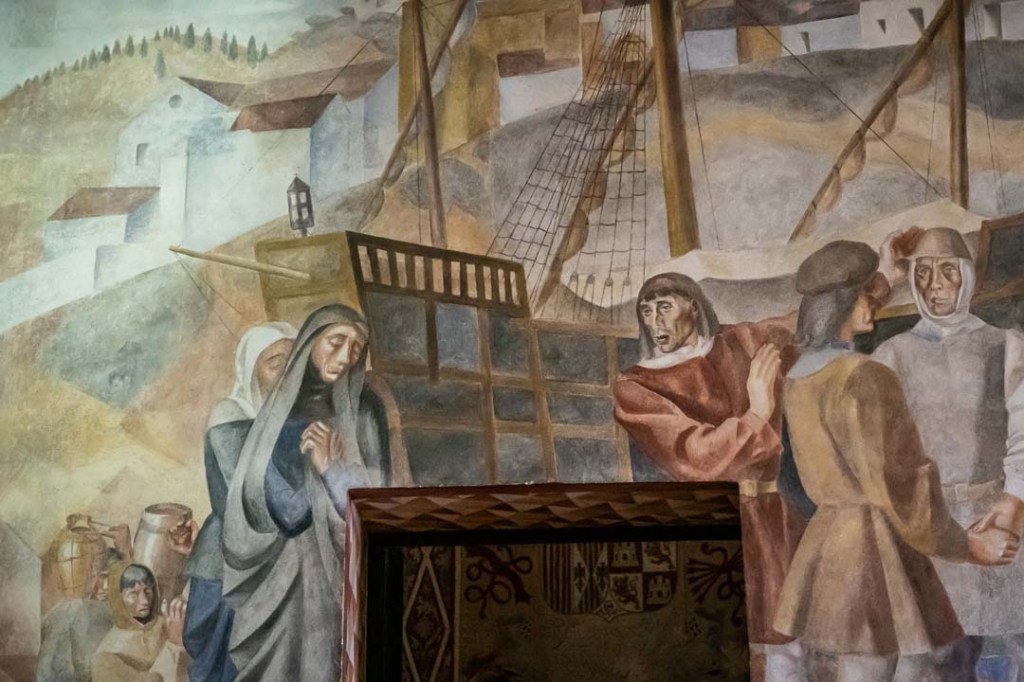
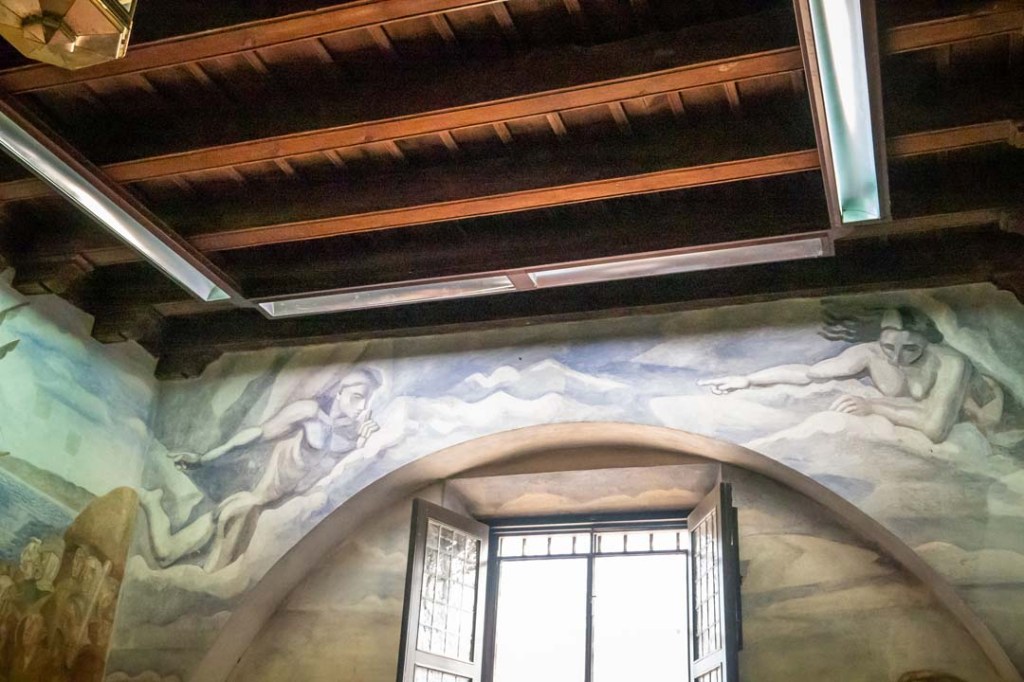
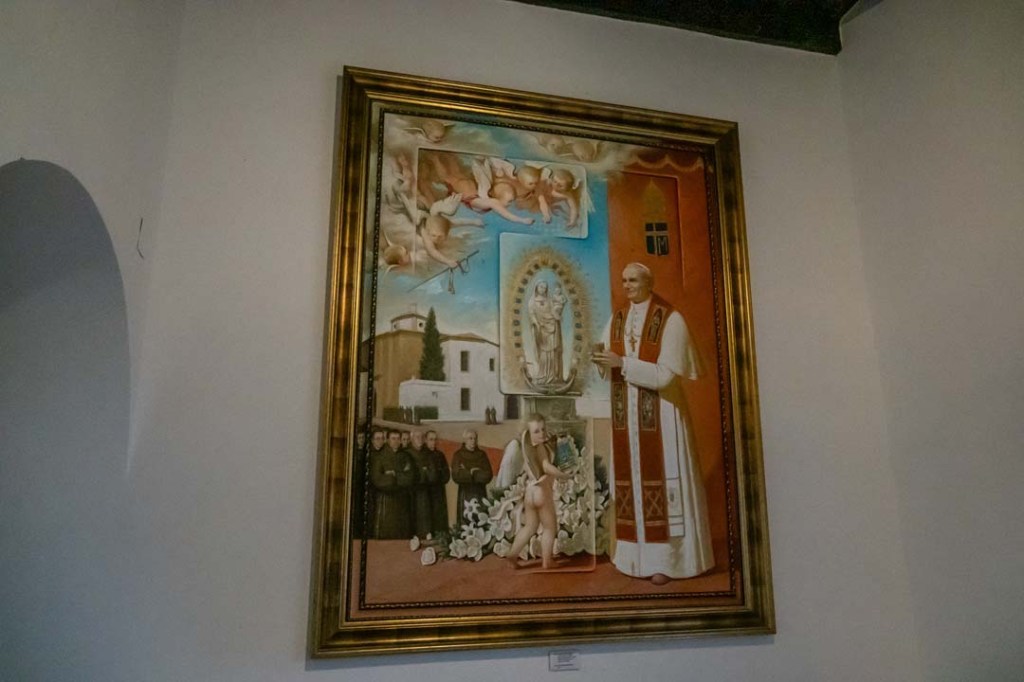
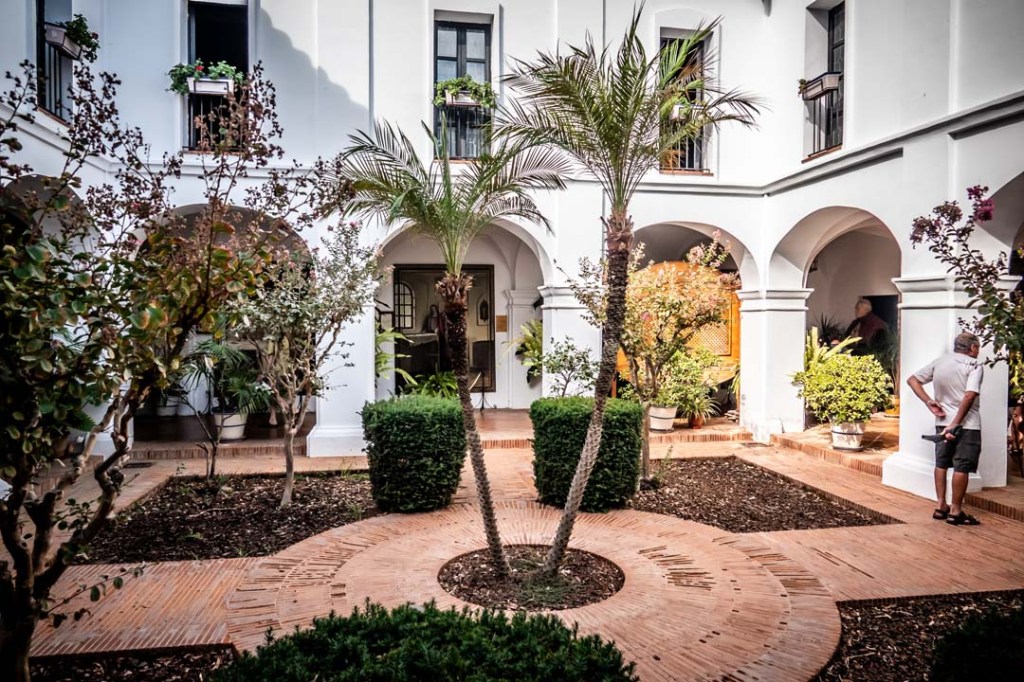
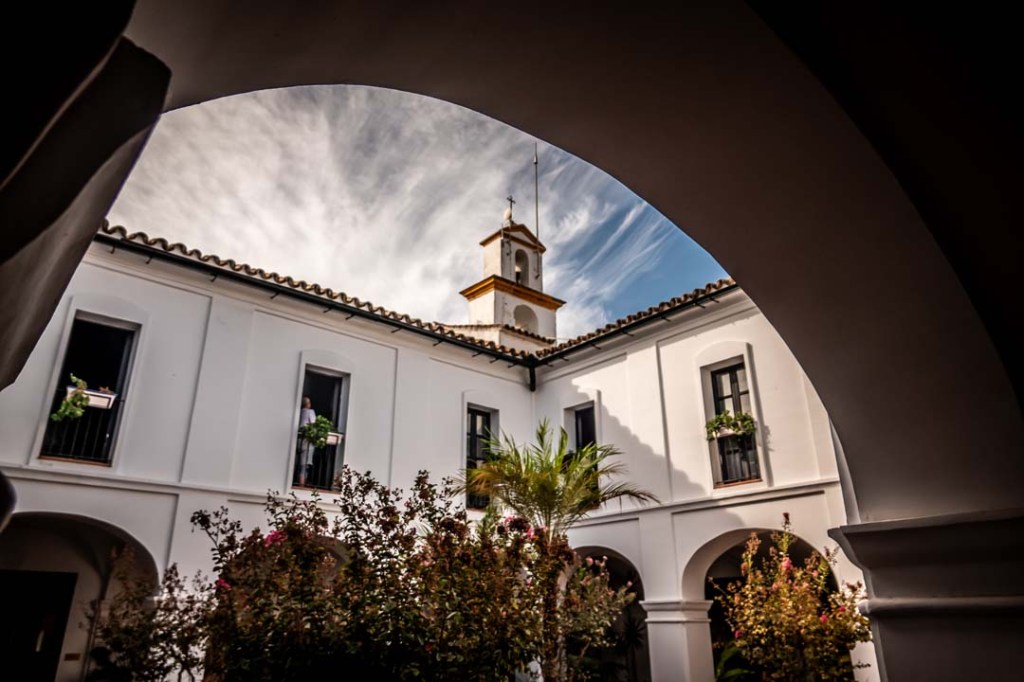
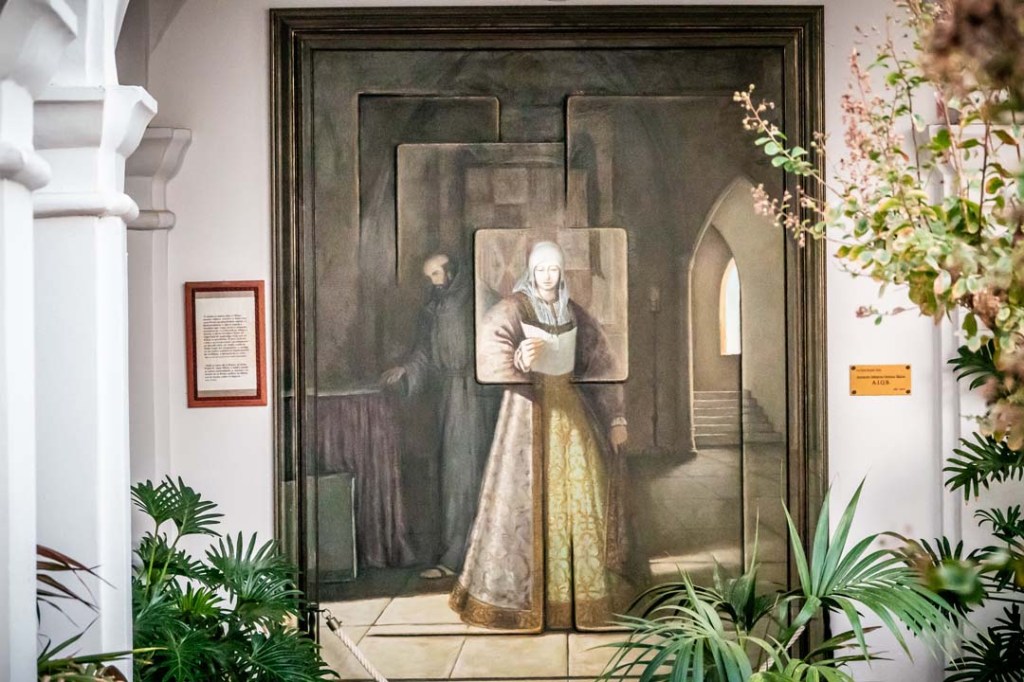
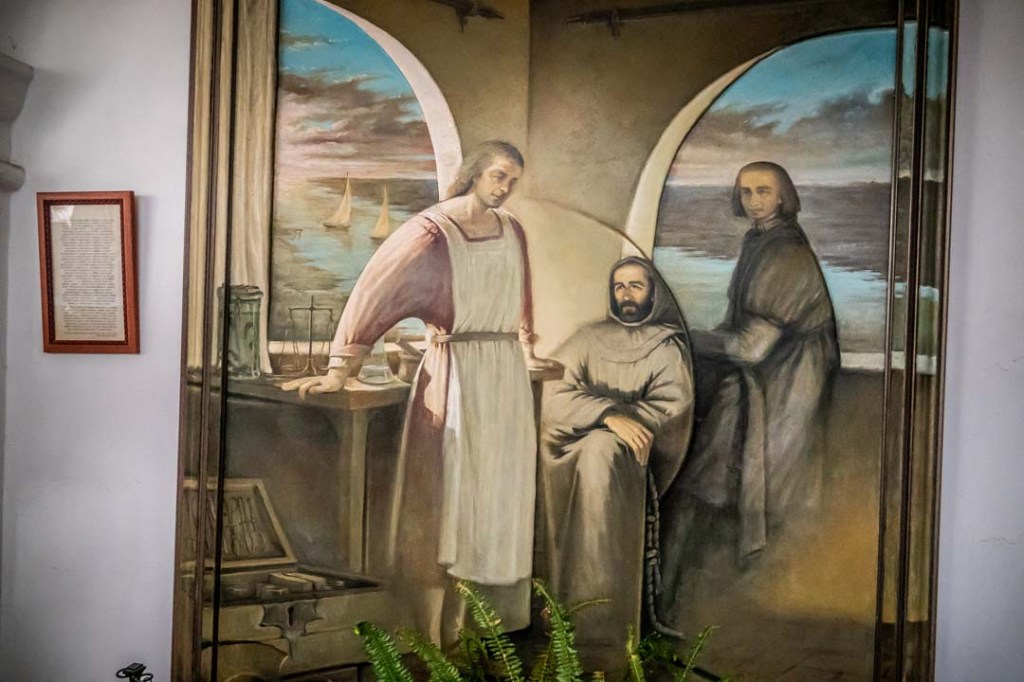
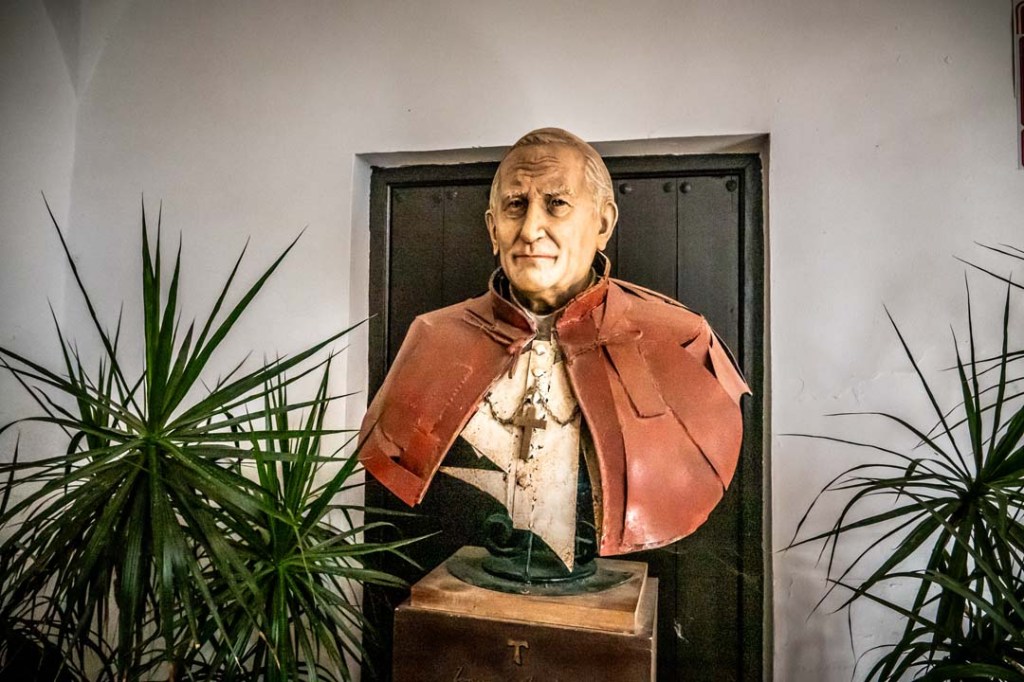
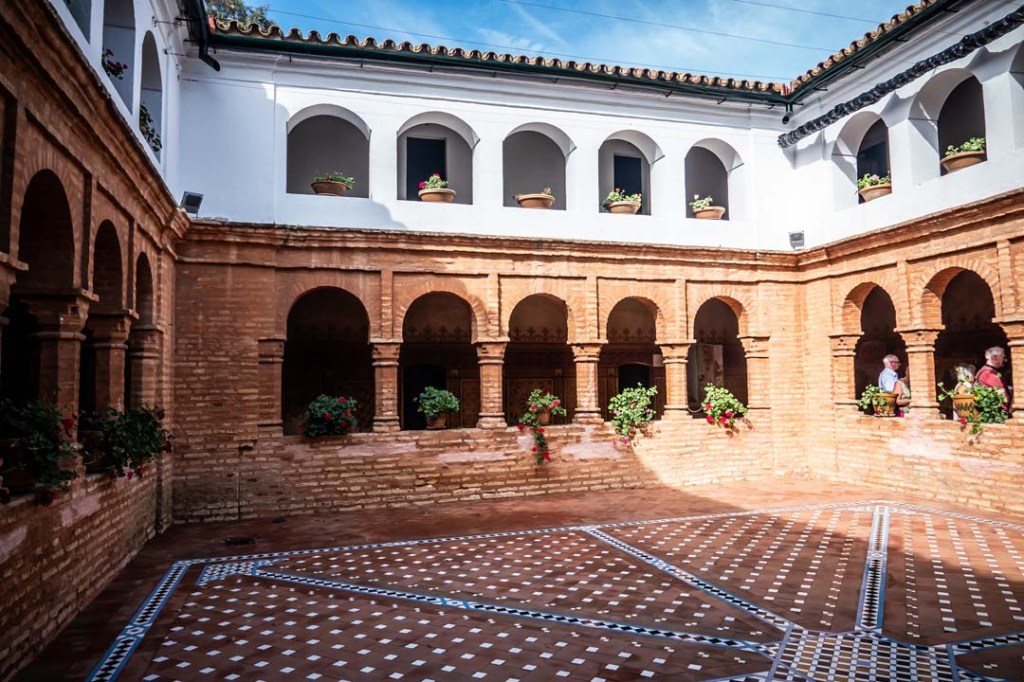
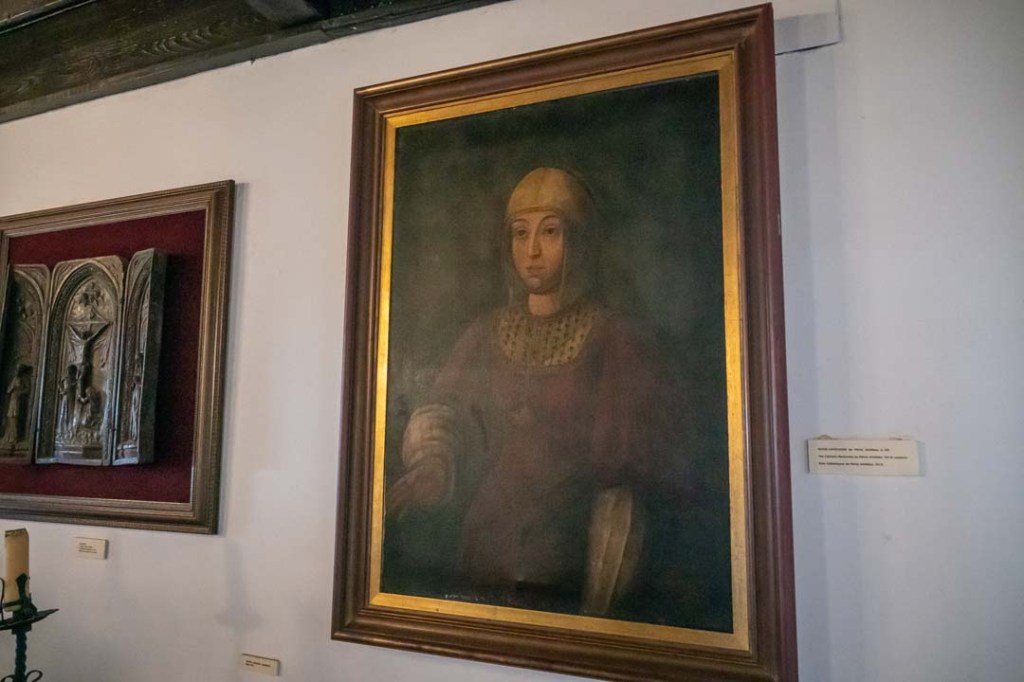
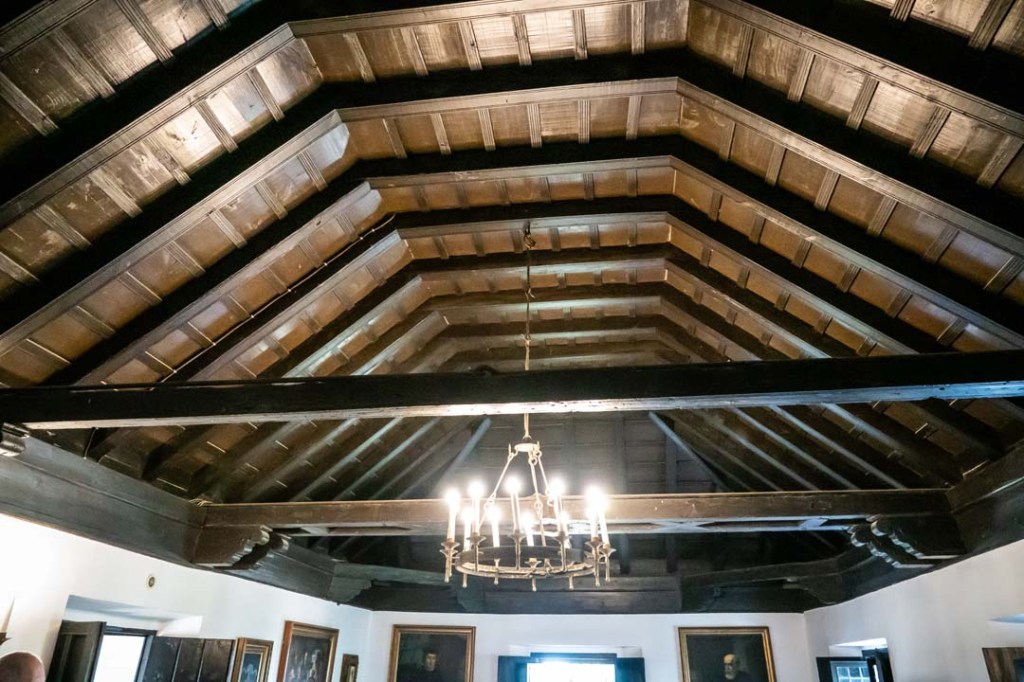
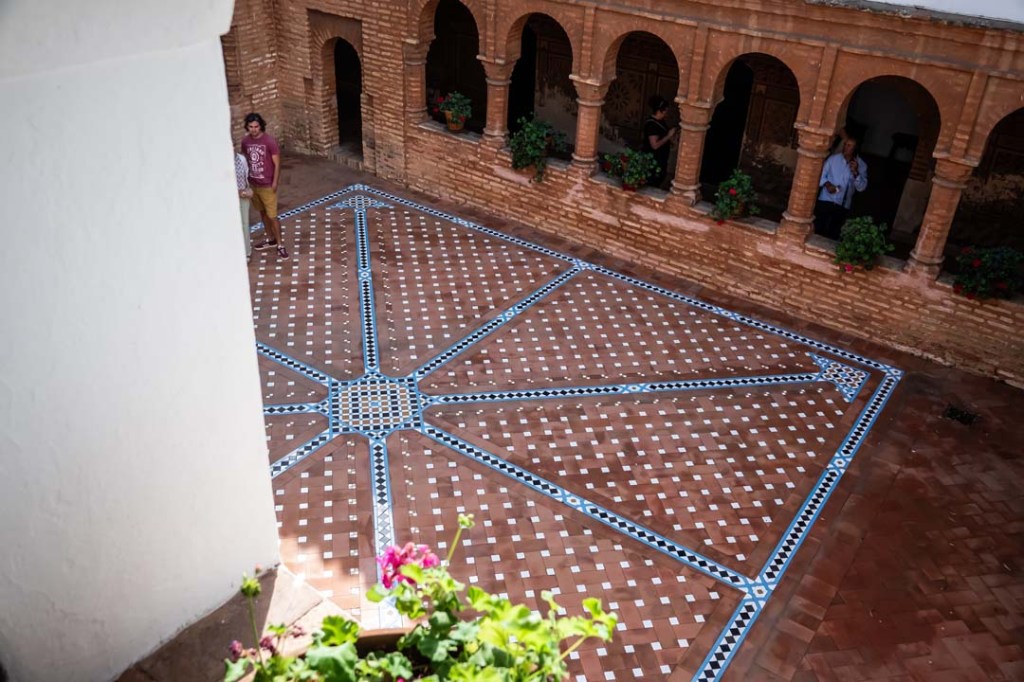
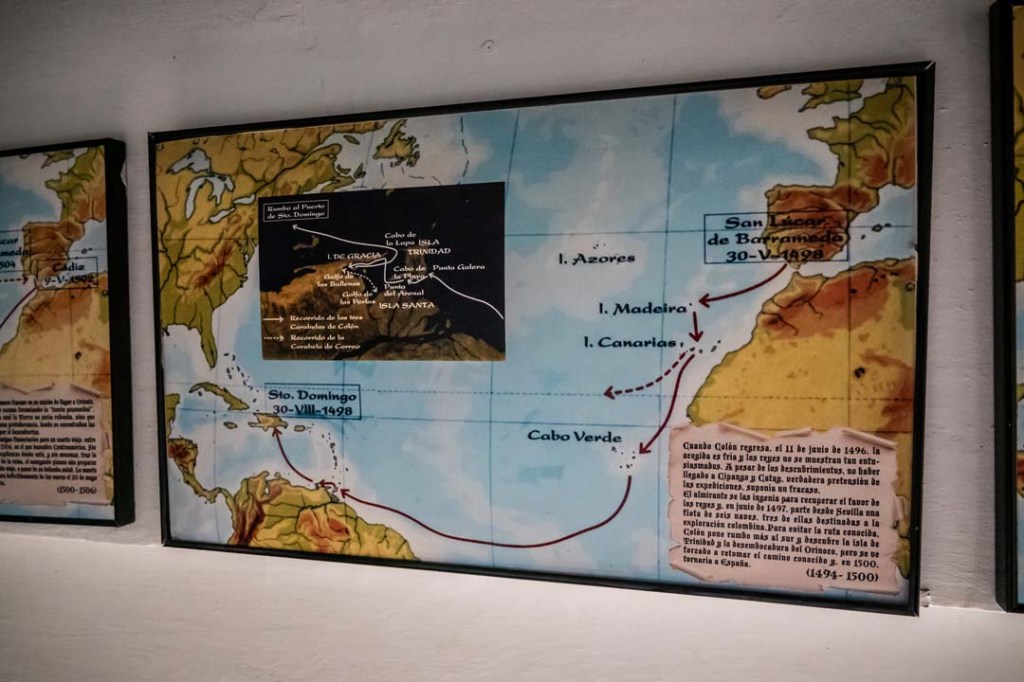
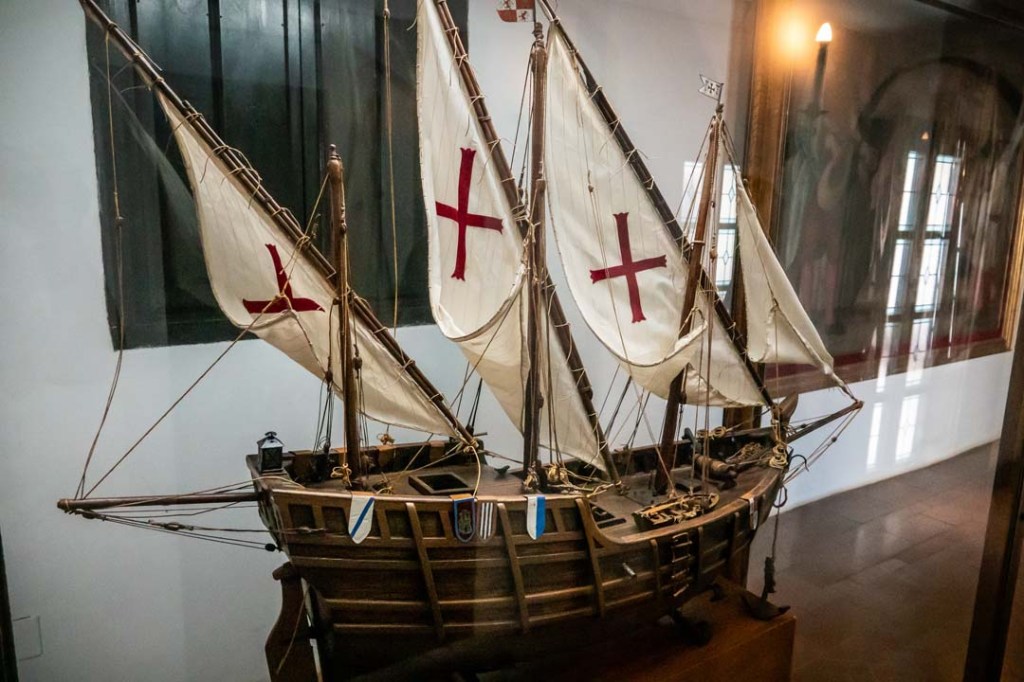
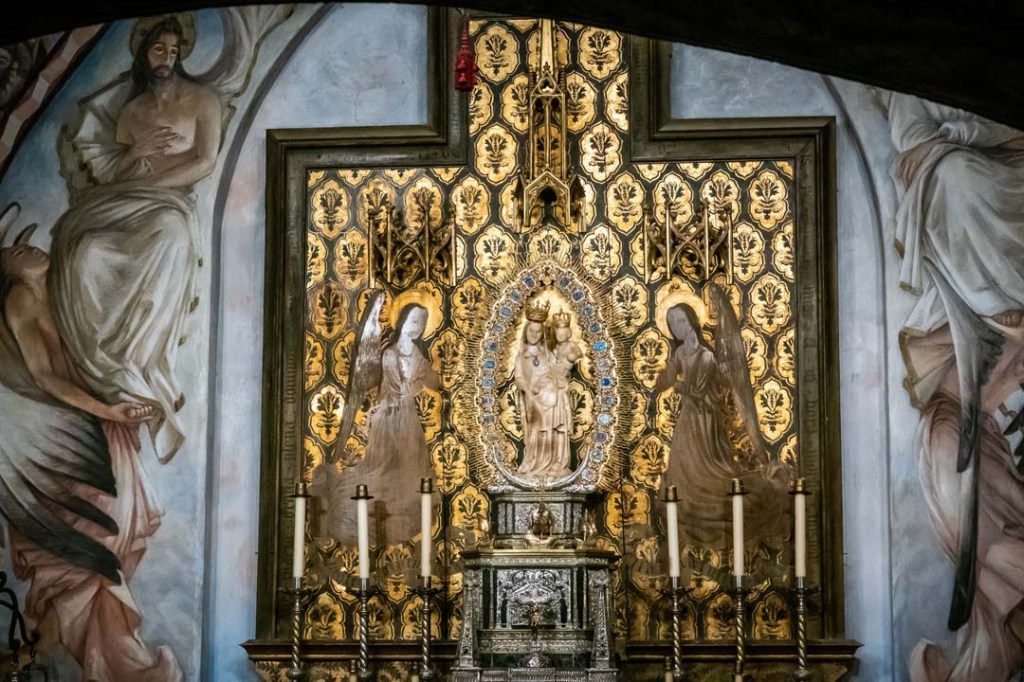
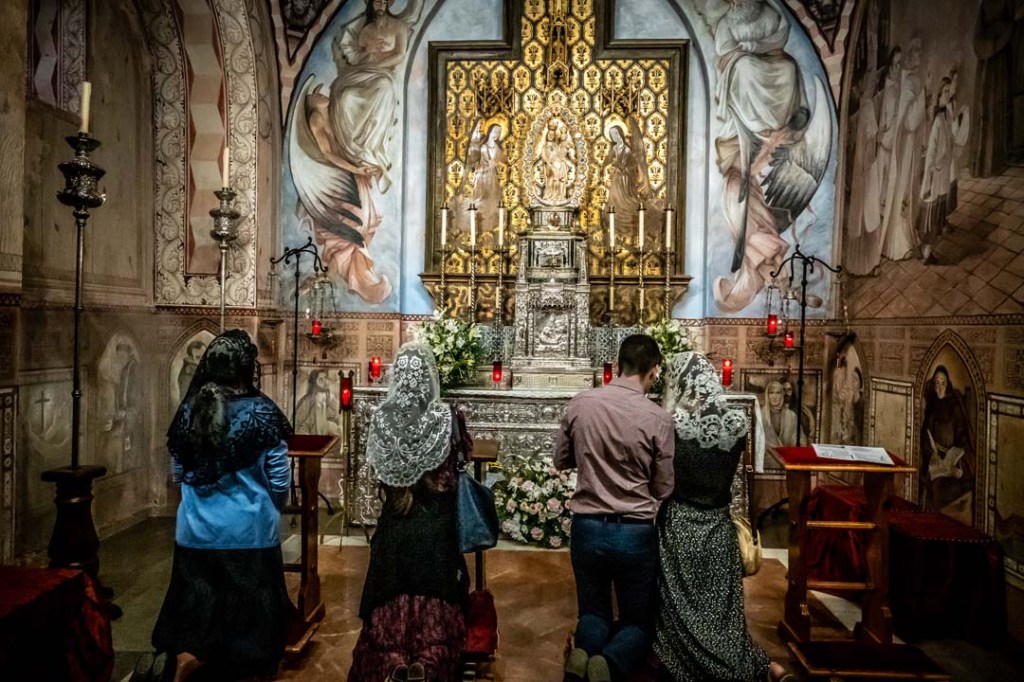
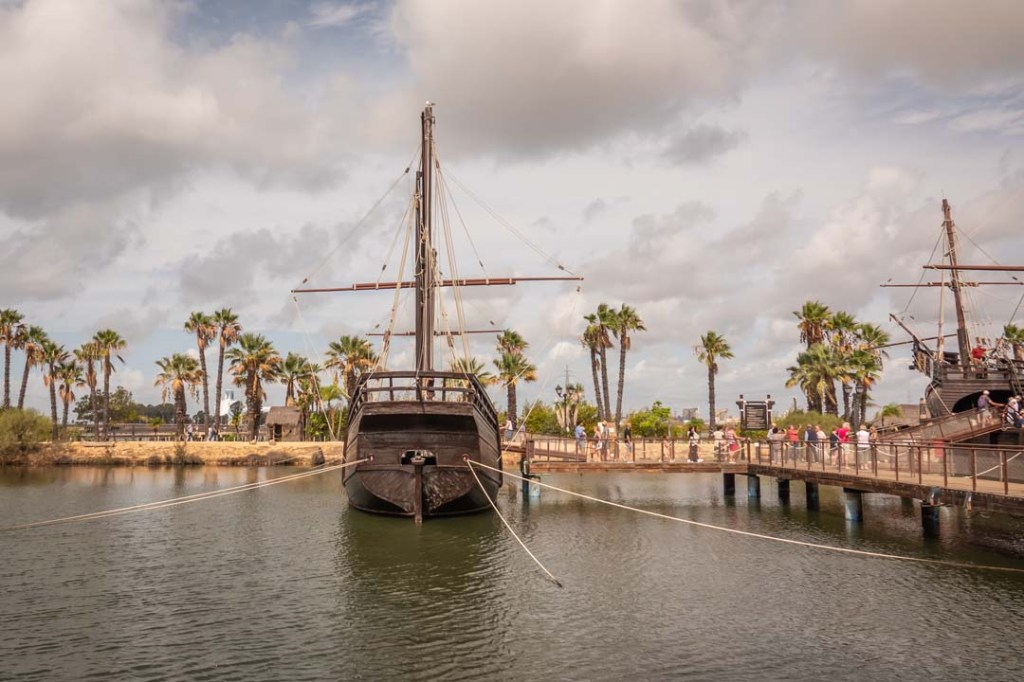
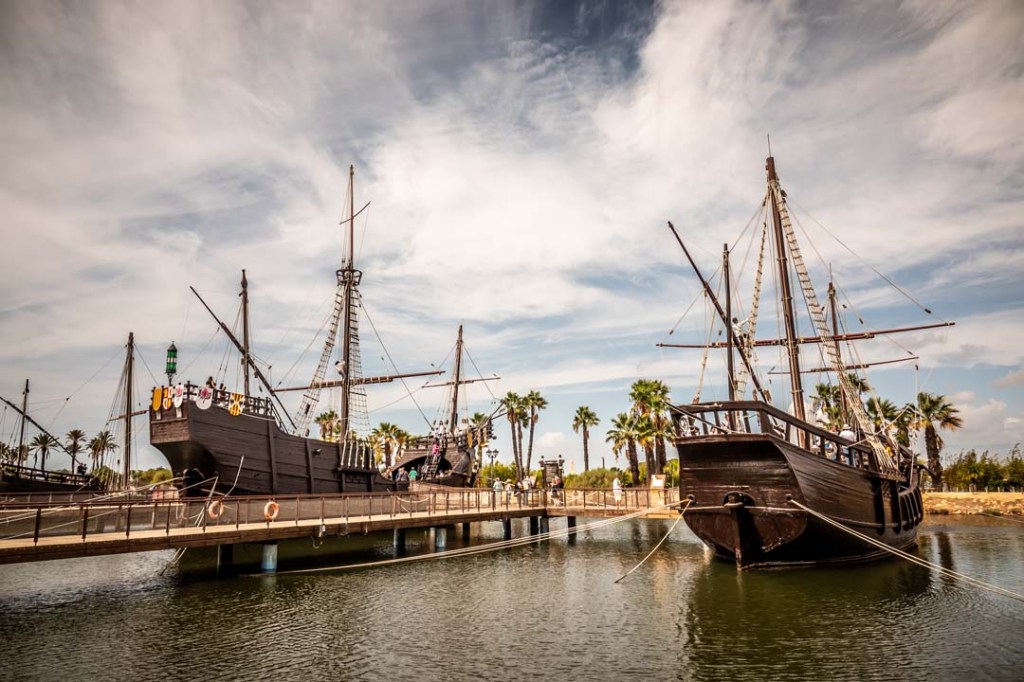
The main focus of our holiday today was a morning visit to “The cradle of The Discovery”, to the Monastery of Santa Maria de la Rábida where Christopher Columbus lived whilst he was planning his voyage of discovery. Then we visited the Muelle de las Carabelas, a wharf where it is possible to see the Santa Maria, Pinta and Niña, replicas of the ships that set sail from this place on August 3, 1492.
The Monastery of Santa Maria de la RábidaColumbus setting sailThe Muelle de las CarabelasThe Muelle de las Carabelas
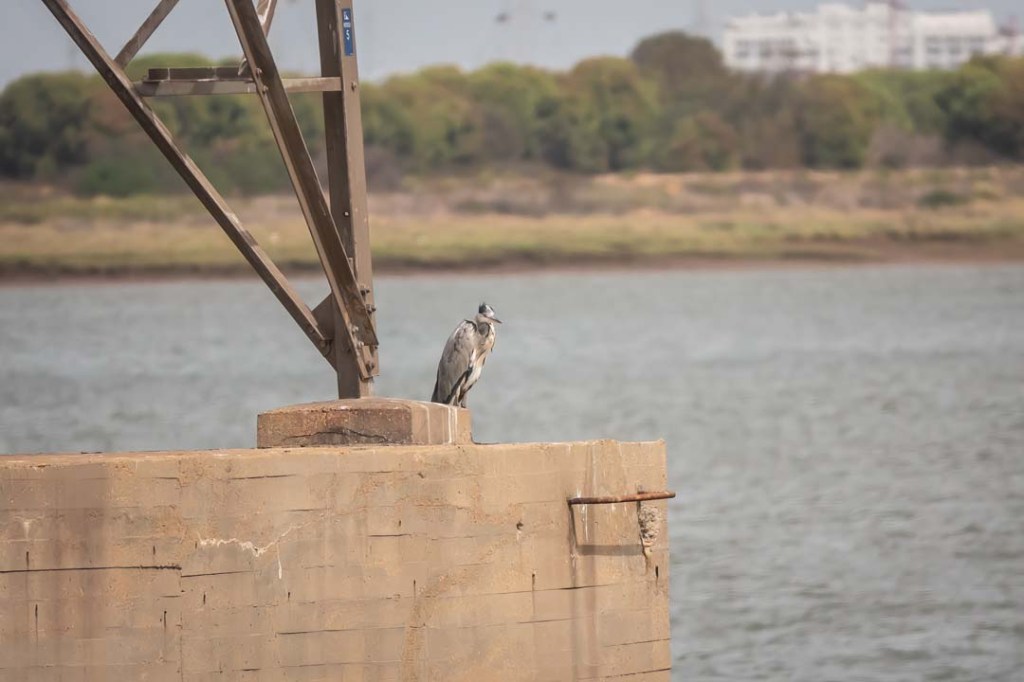
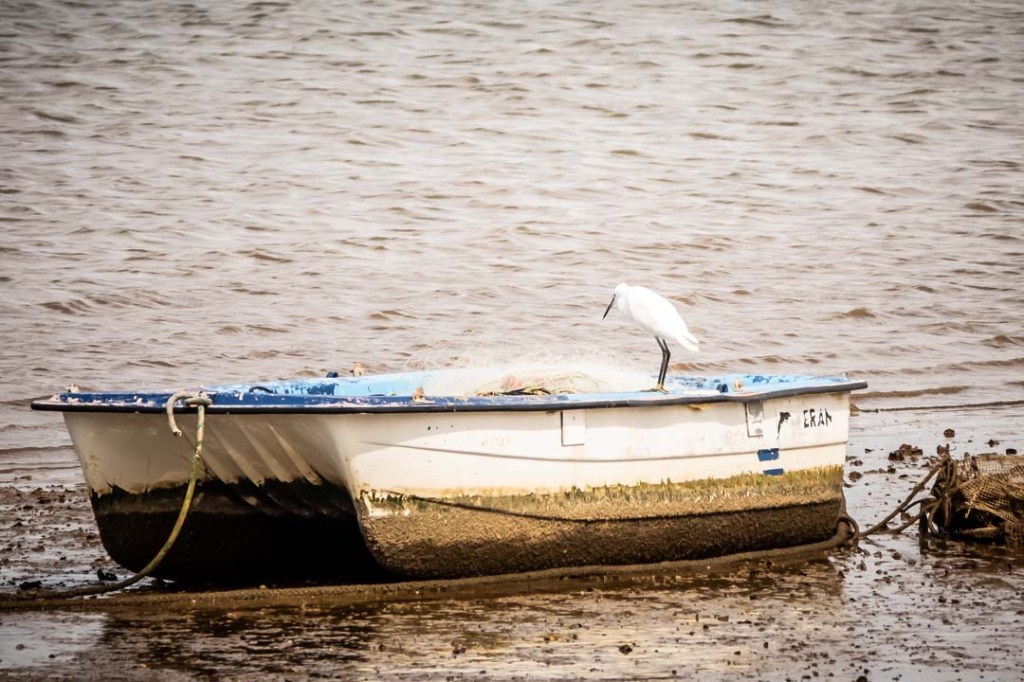
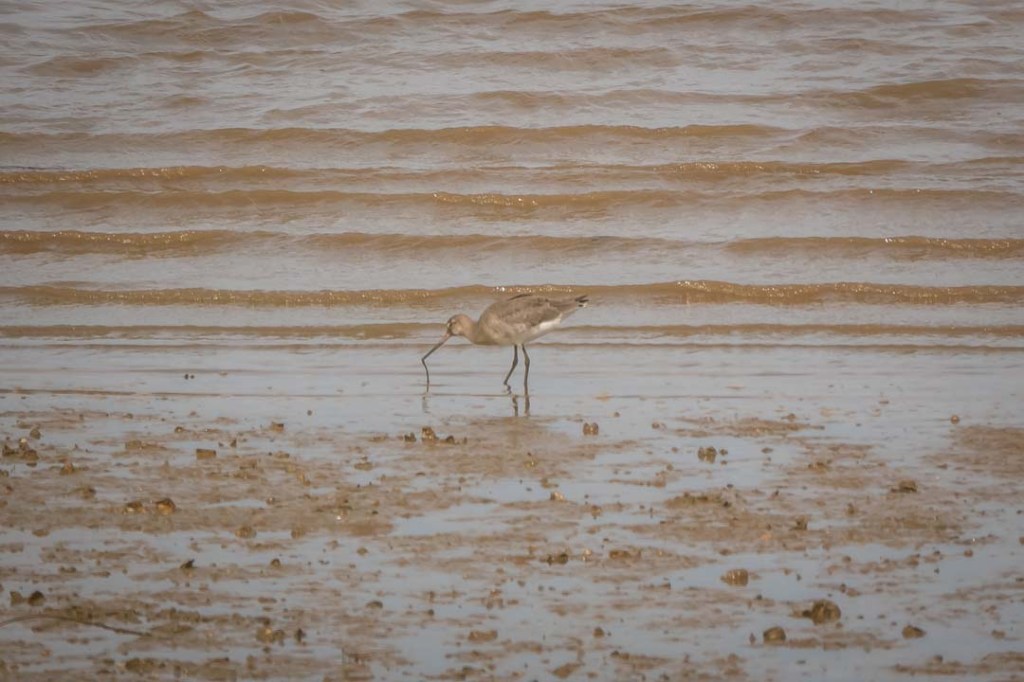
The wharf is on the estuary of the Rio Tinto and here I took the opportunity to photograph a few birds.
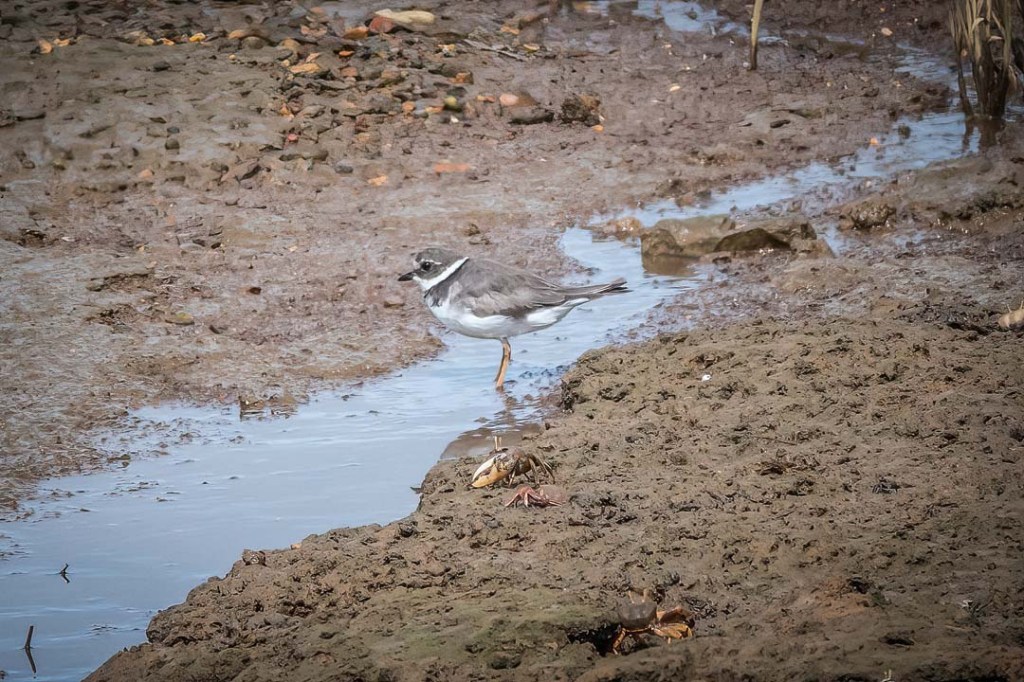
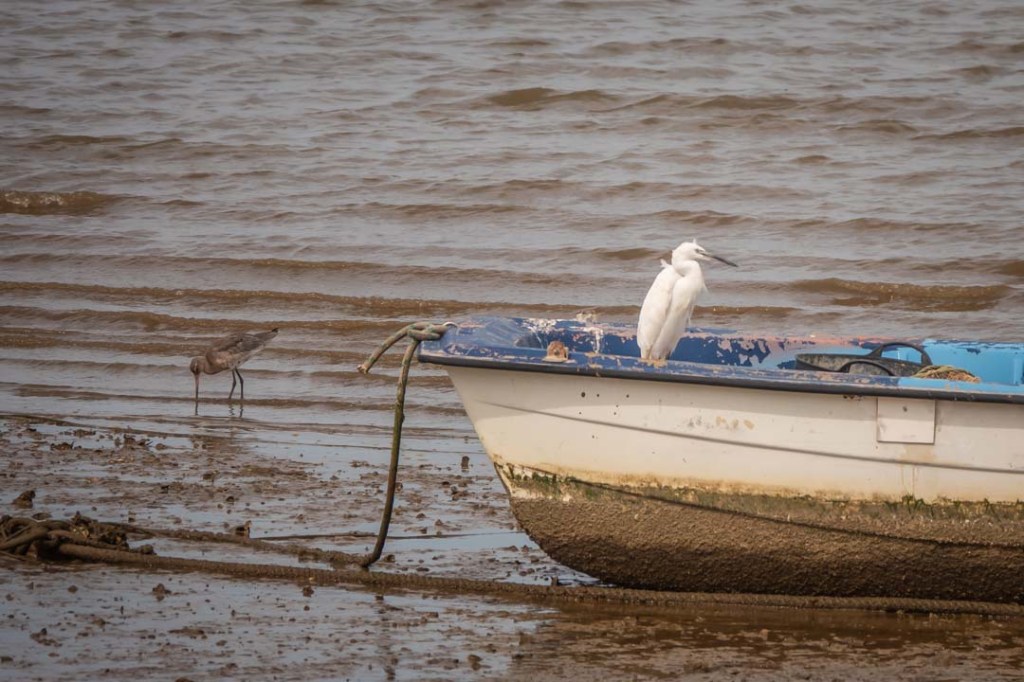
Little egretBlack-tailed godwitsCommon ringed ploverBlack-tailed godwitsGrey heron
Slideshow of photos from this morning (for a personal souvenir):
The weather for the first few days of our holiday to Isla Cristina in the province of Huelva in Andalusia, Spain has been very disappointing but looking at the forecast, which is very good for the next two weeks , we may be grateful that we have had a gentle start.
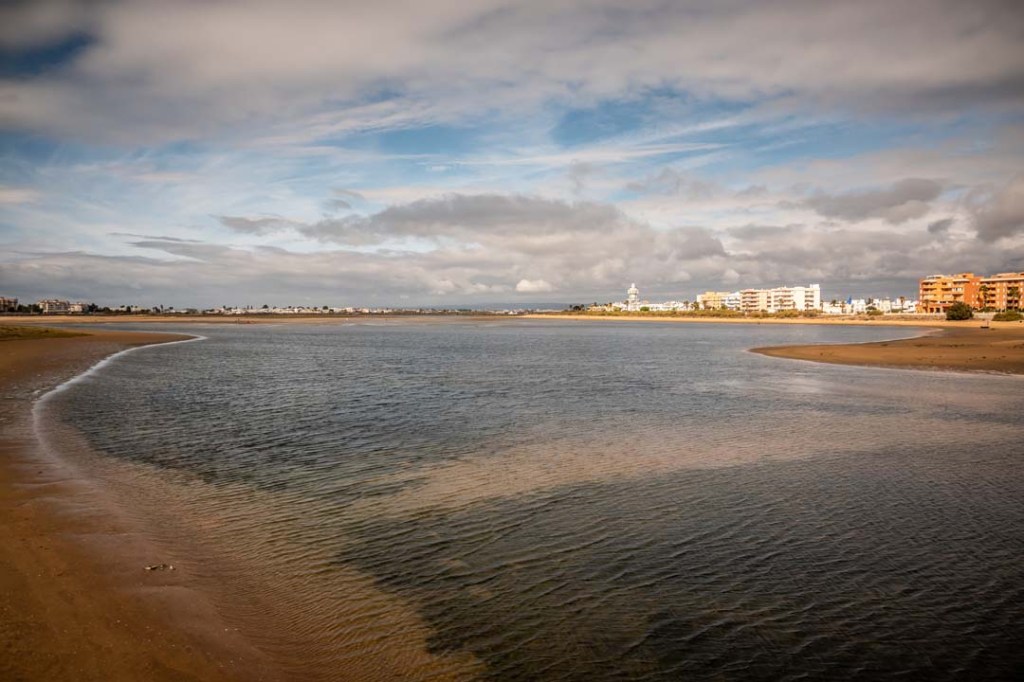
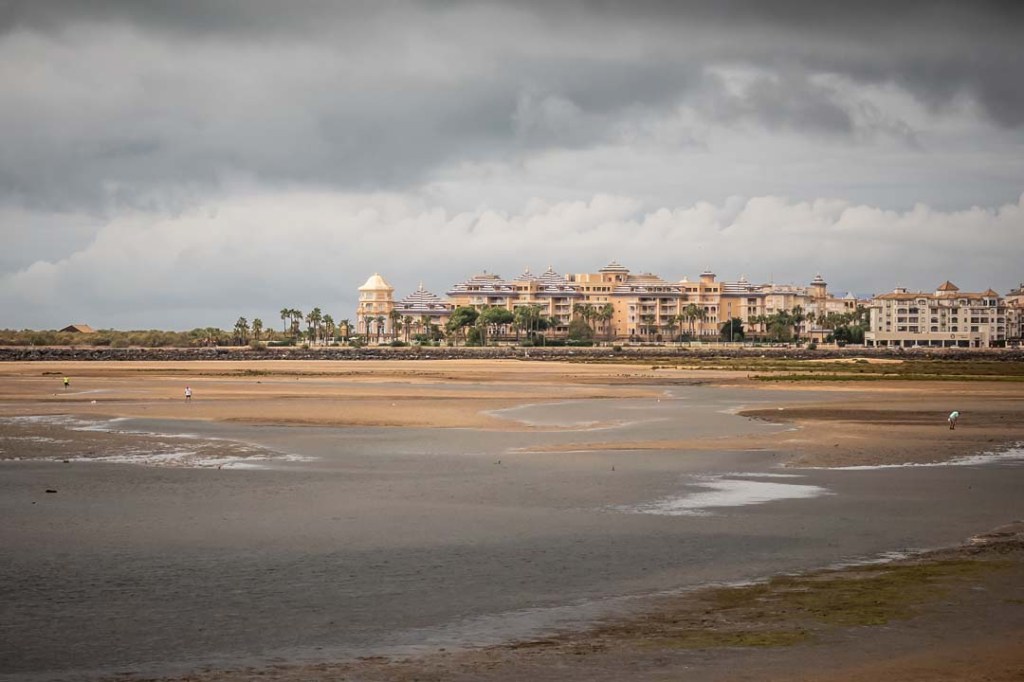
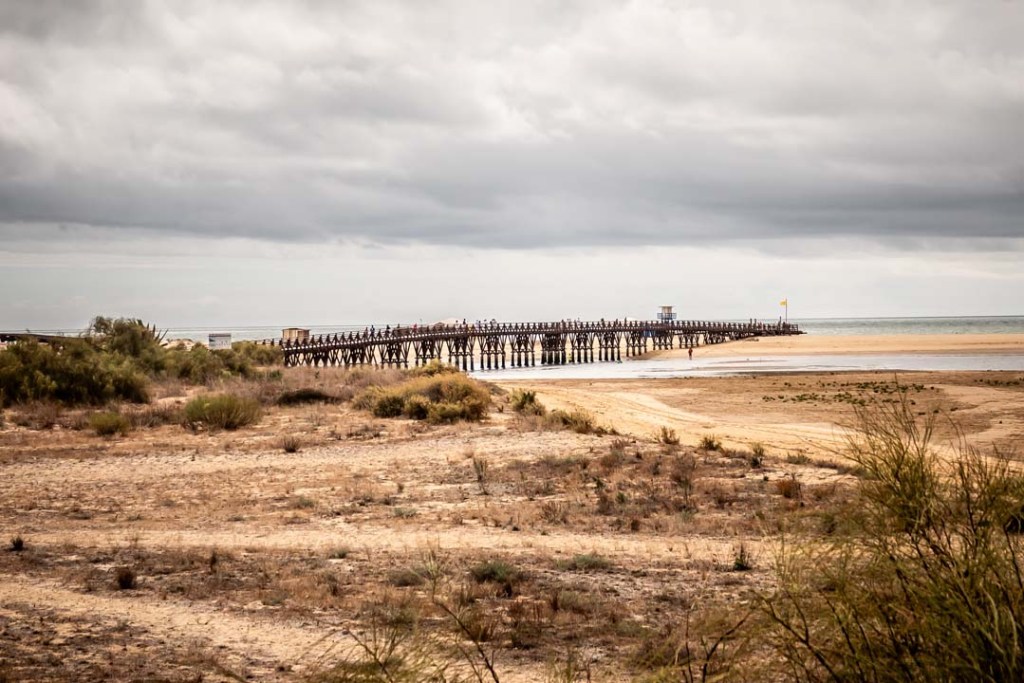
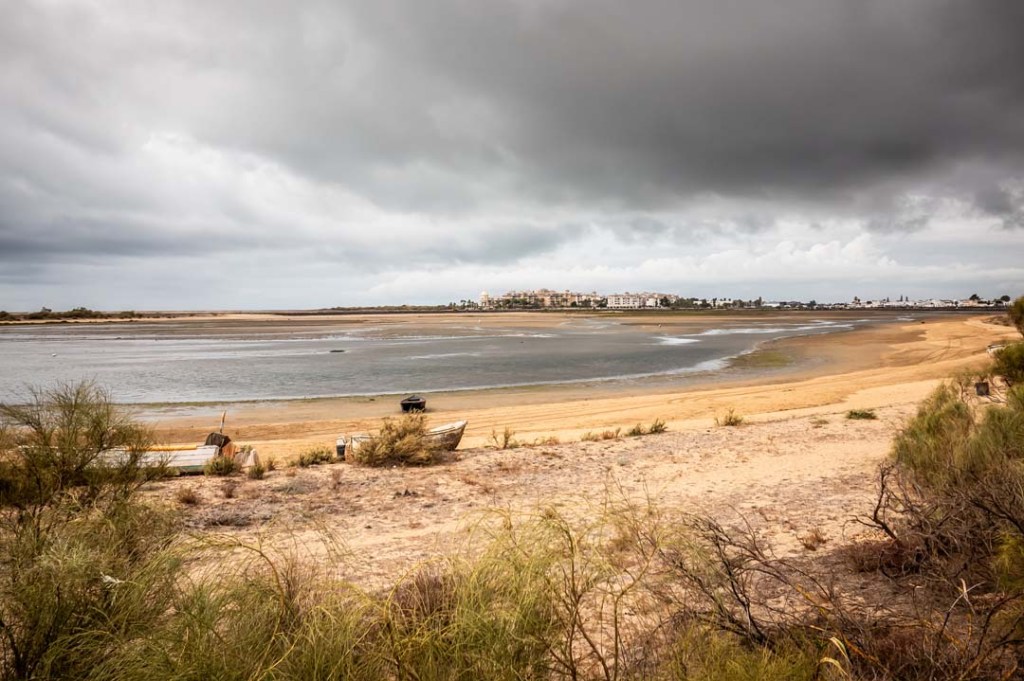
We did not expect to be birdwatching today but on the return from our walk around the town there was a low tide on the estuary and we were pleasantly surprised to be able to see a number of waders without binoculars even in the poor light.
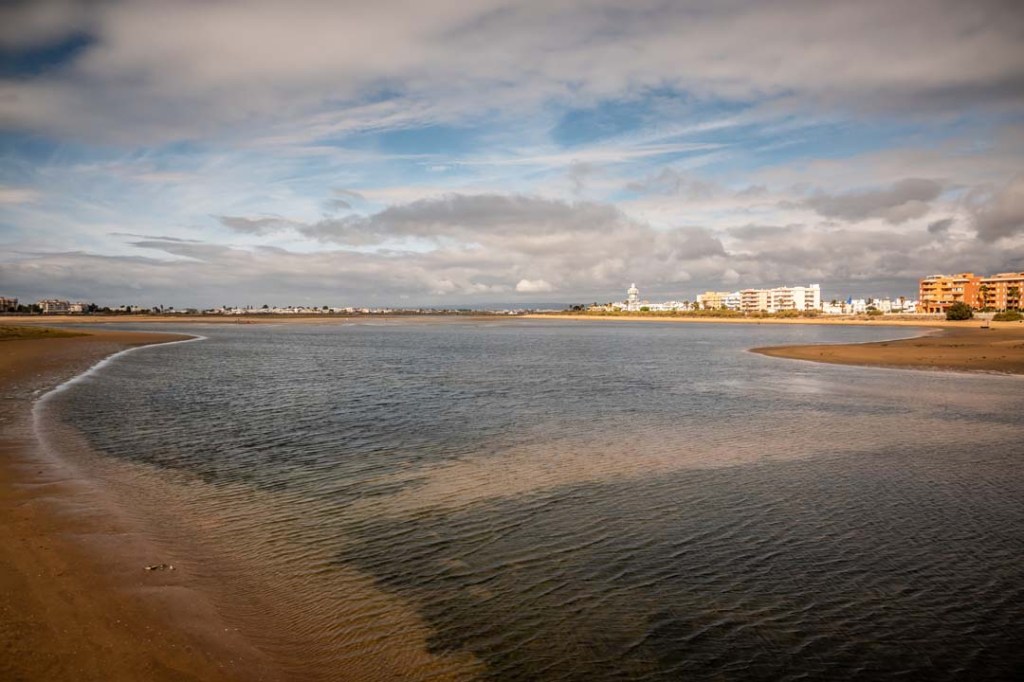
White storksLow tide at the mouth of the Guadiana River and Isla Cristina estuary
In addition to the waders as we left the beach two Thekla larks (which we had only ever seen once before) flew in very close to us. Quite a promising start.
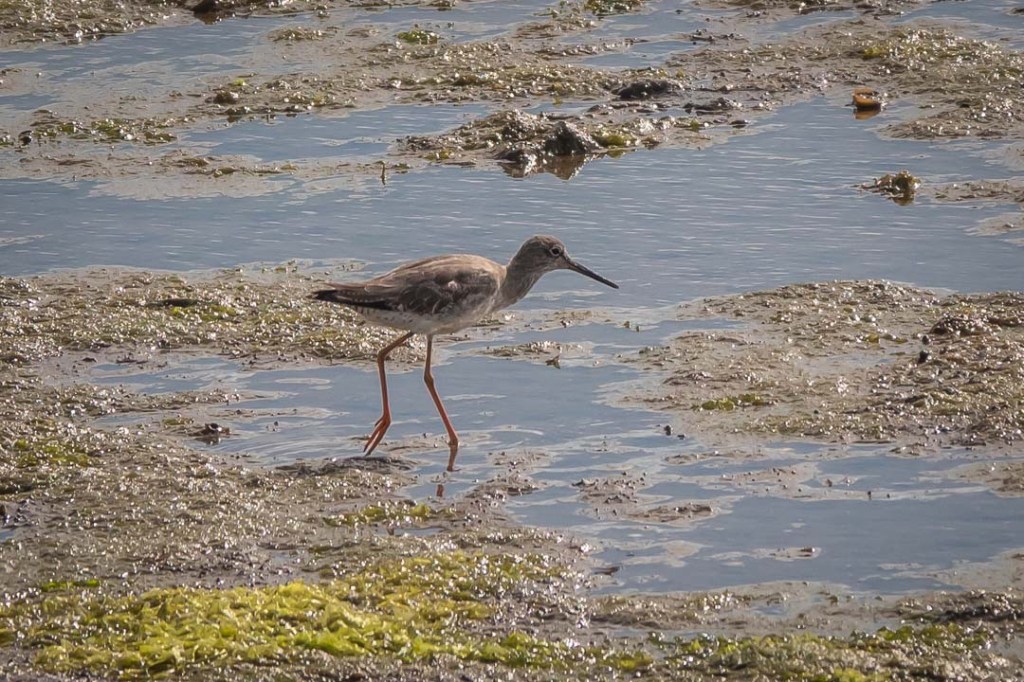
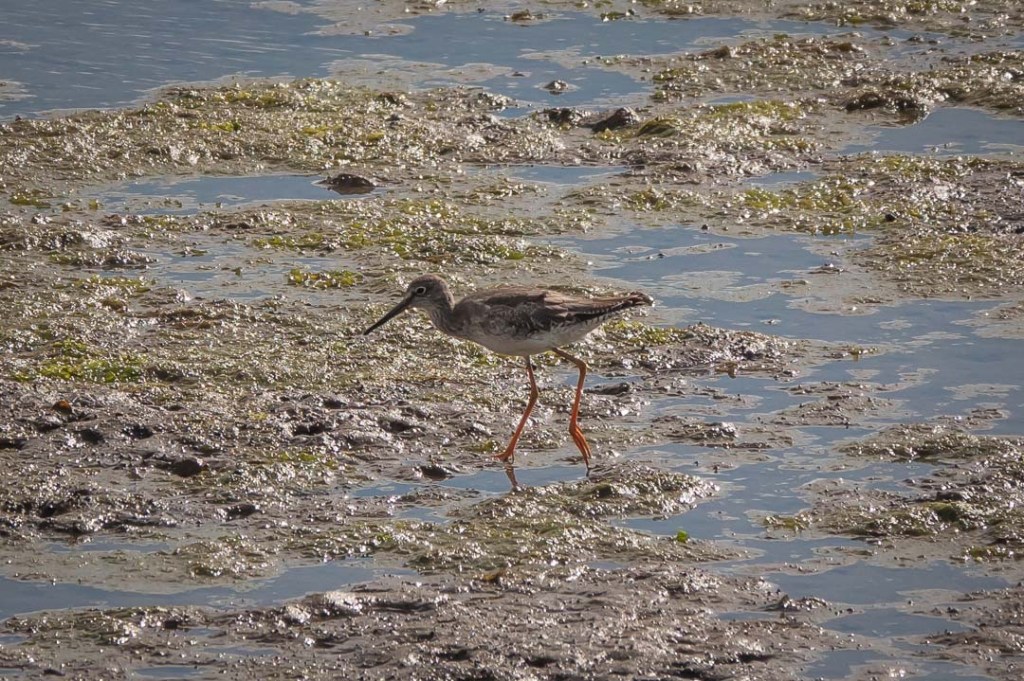
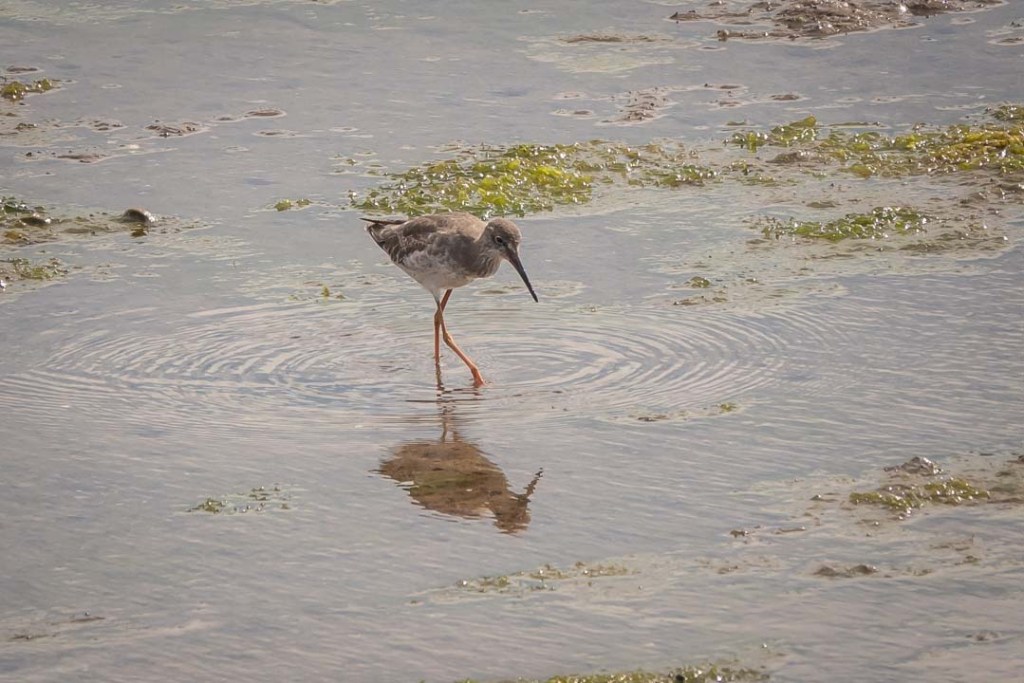
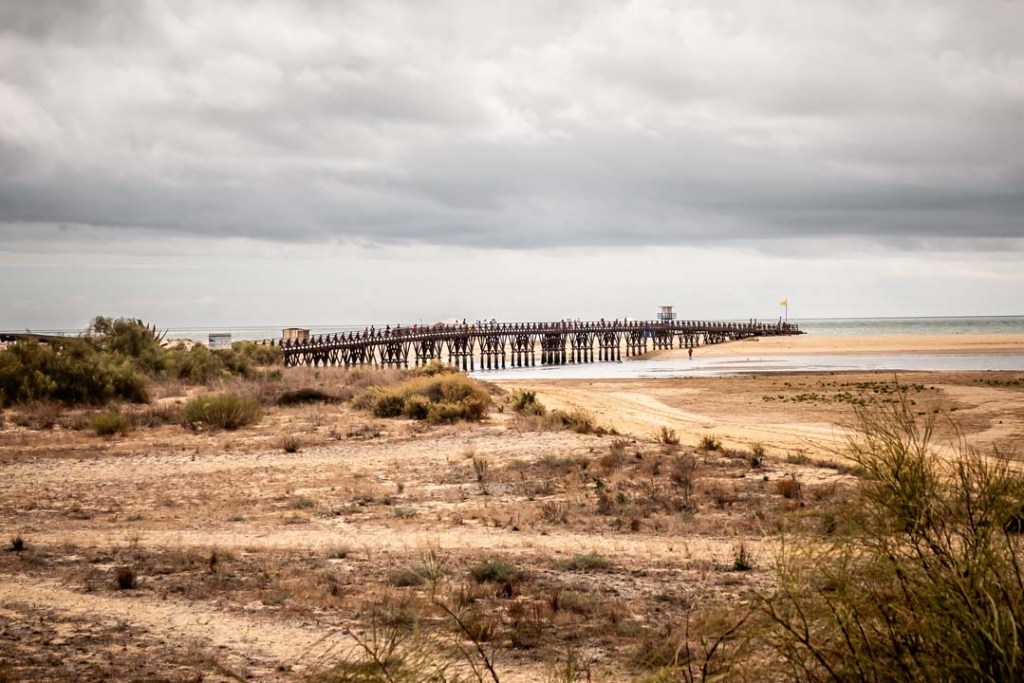
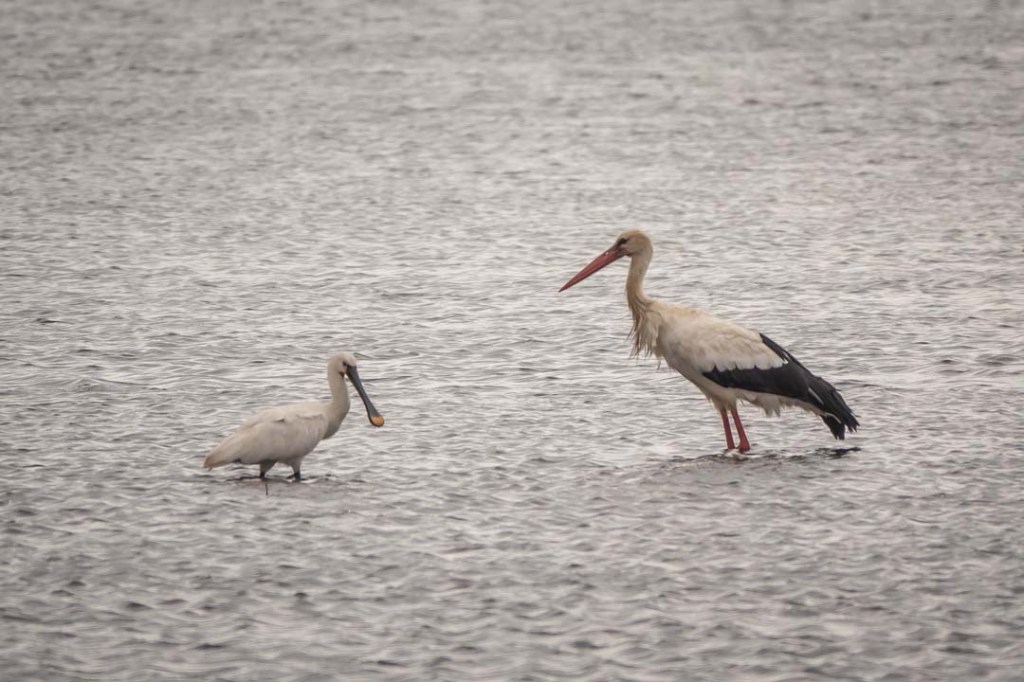
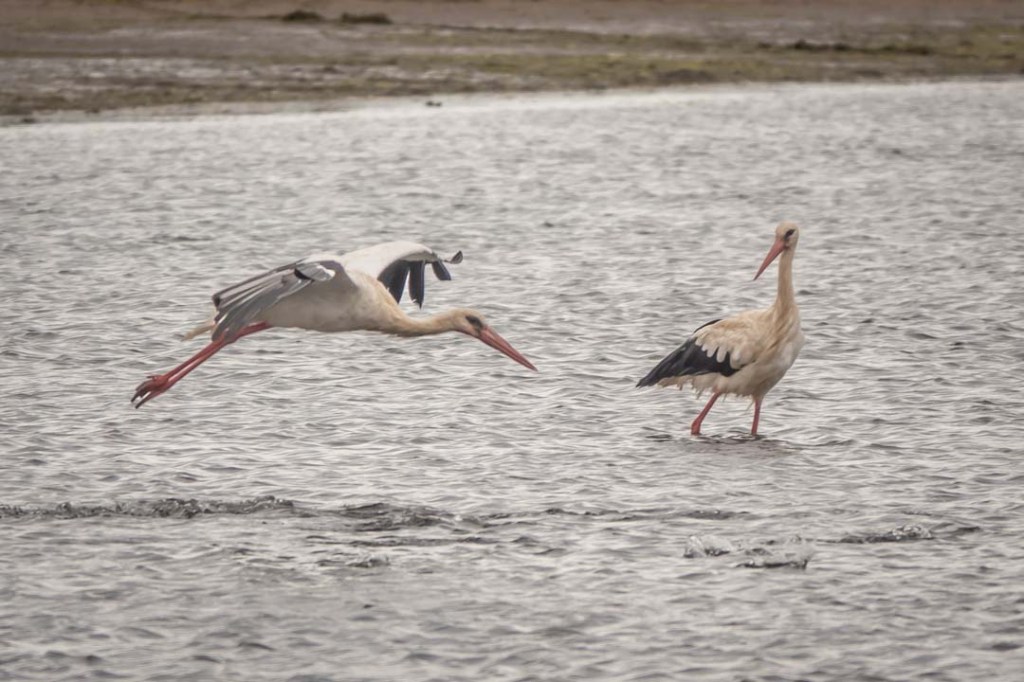
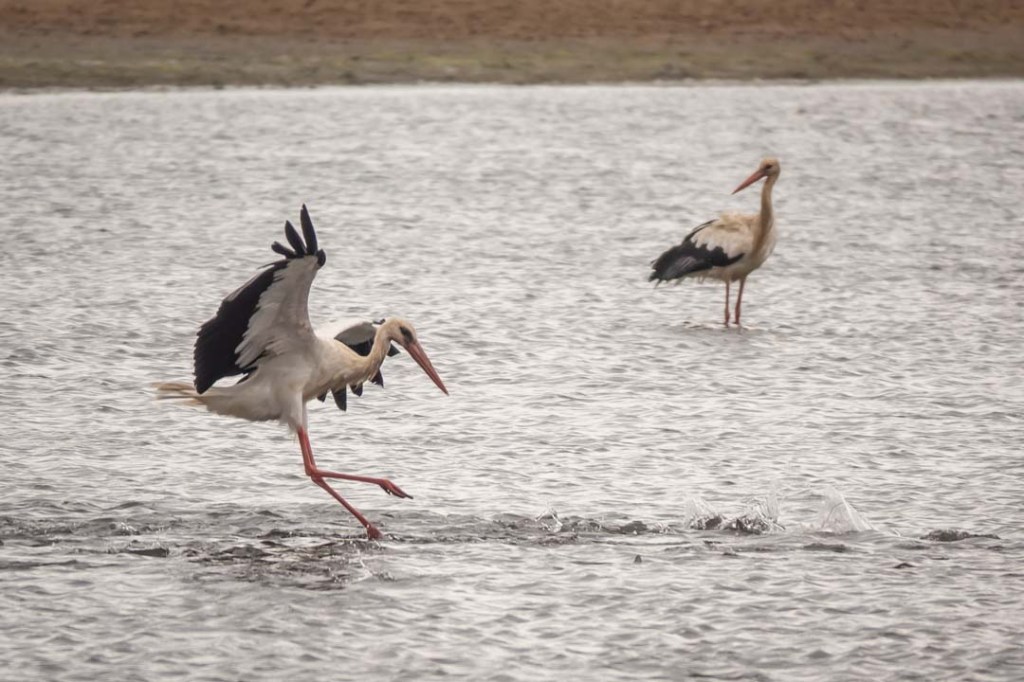
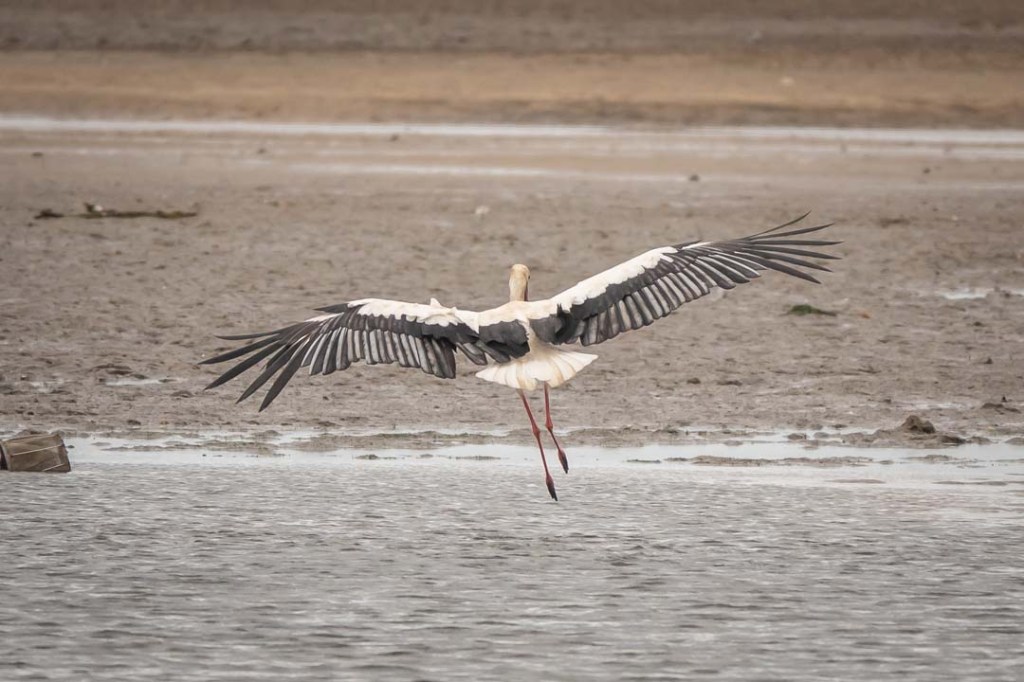
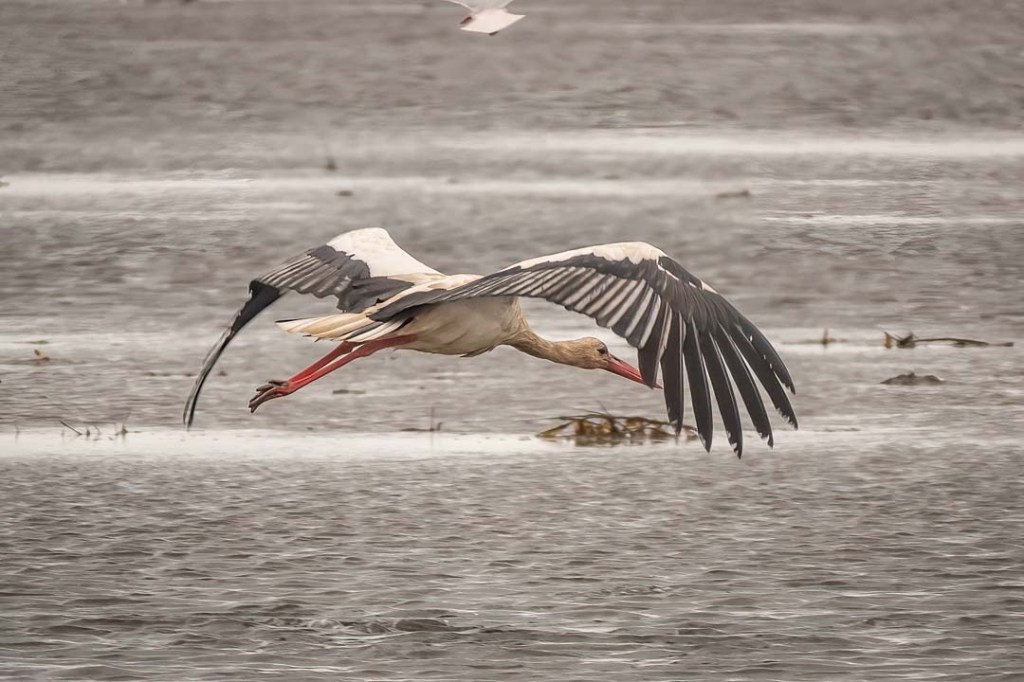
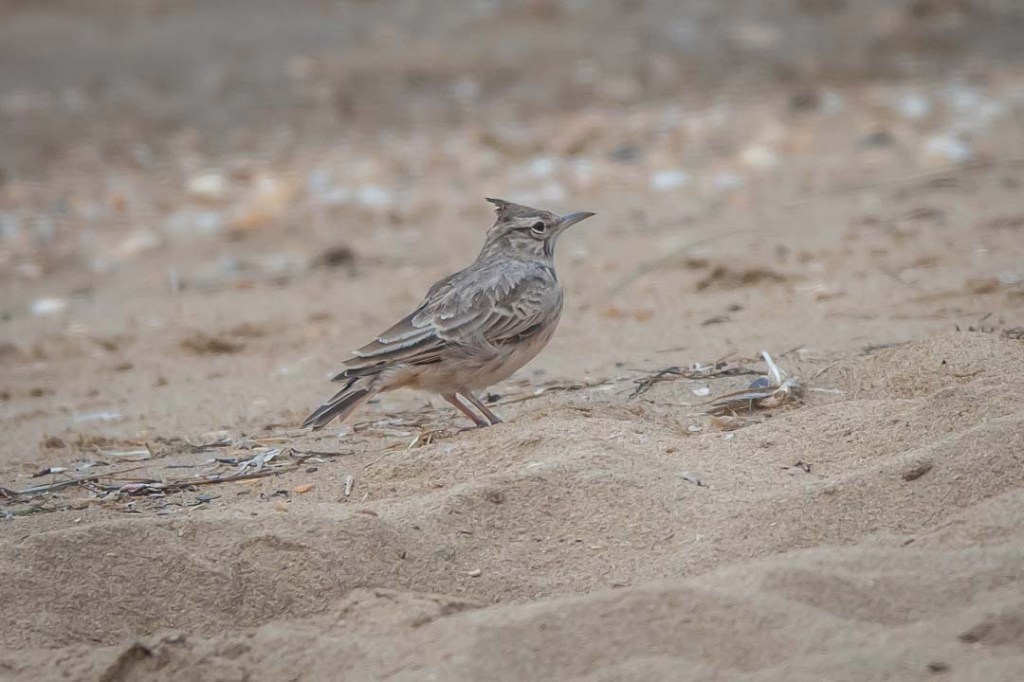
The wooden bridge which leads to the best of the beaches near to where we saw the wadersWhite storksThe port of Isla CristinaTurnstone in the portTurnstones on a fishing vesselWhite stork and eurasian spoonbillGood numbers of spoonbillsGrey ploverRedshankWhite stork in flightWhimbrelSpoonbill in flightThekla’s lark
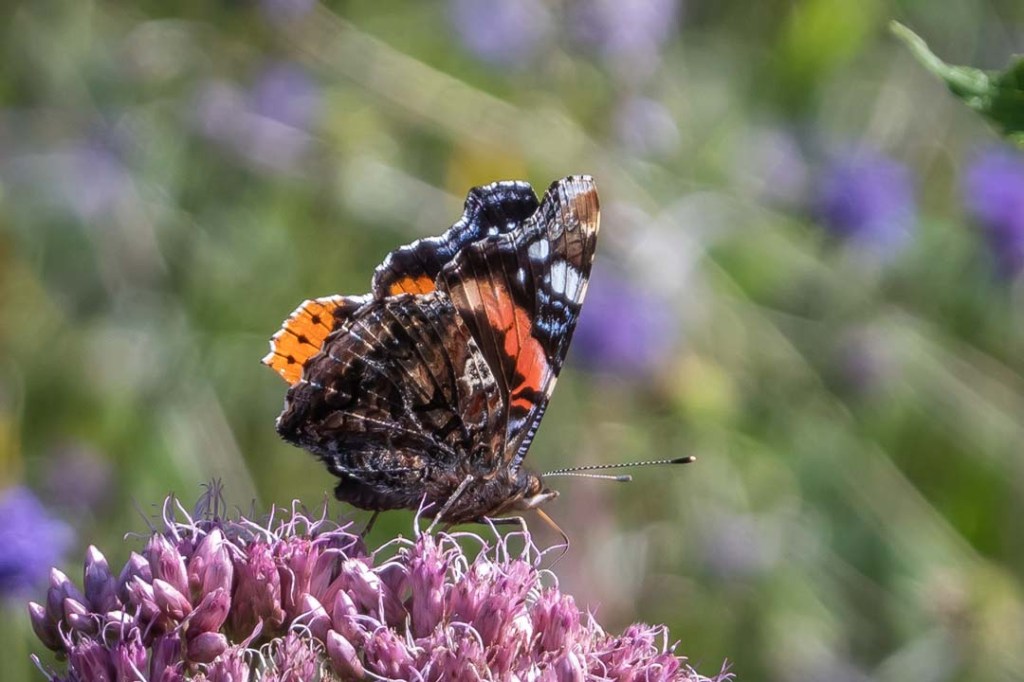
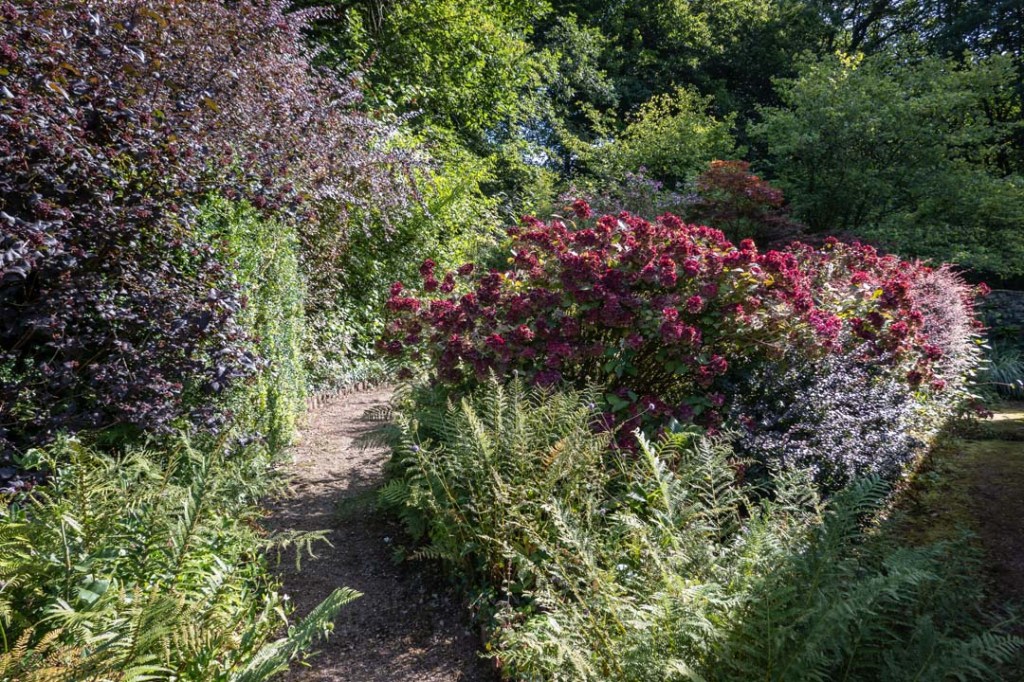
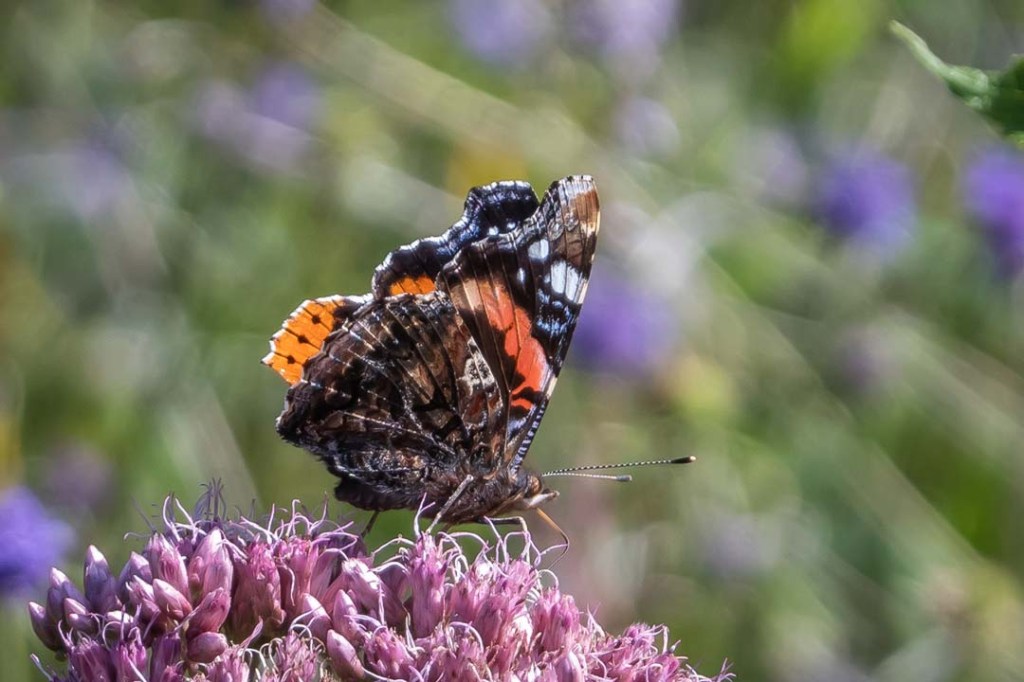
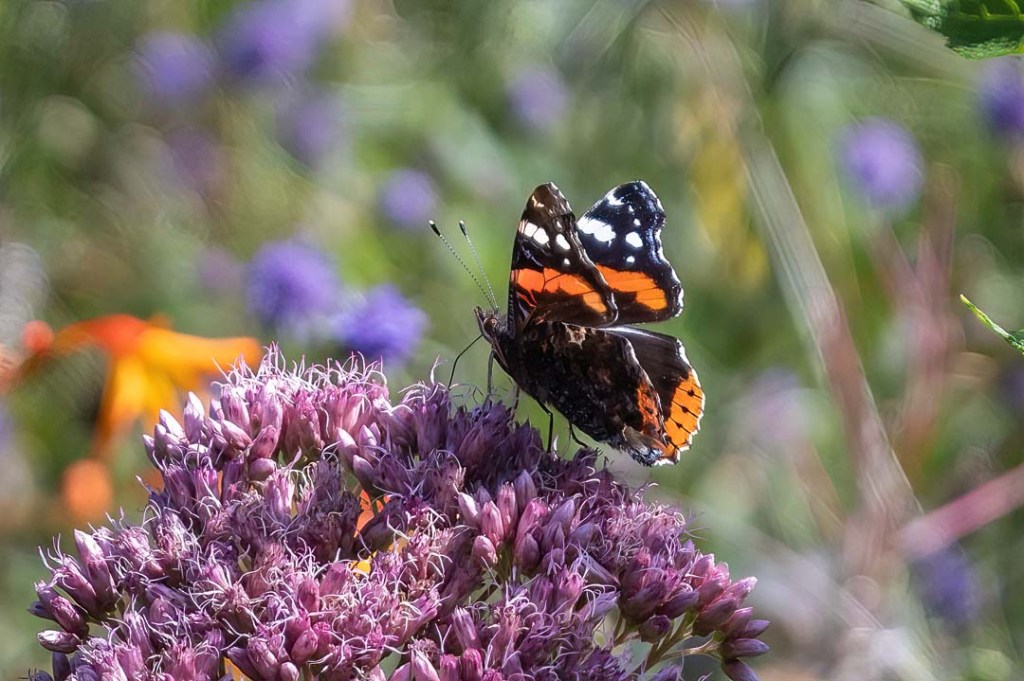
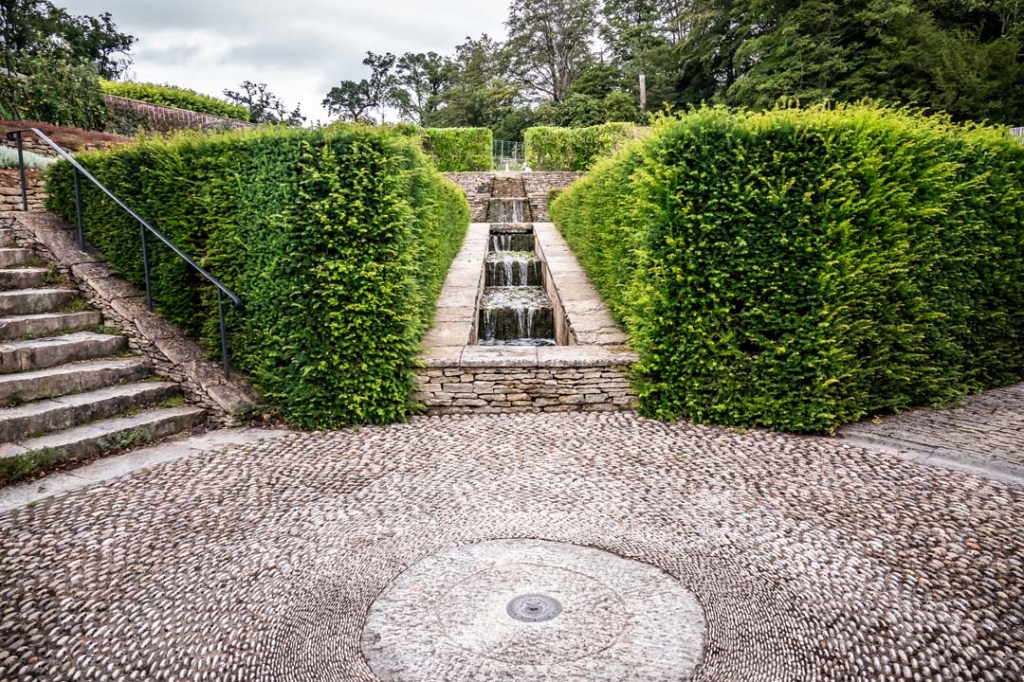
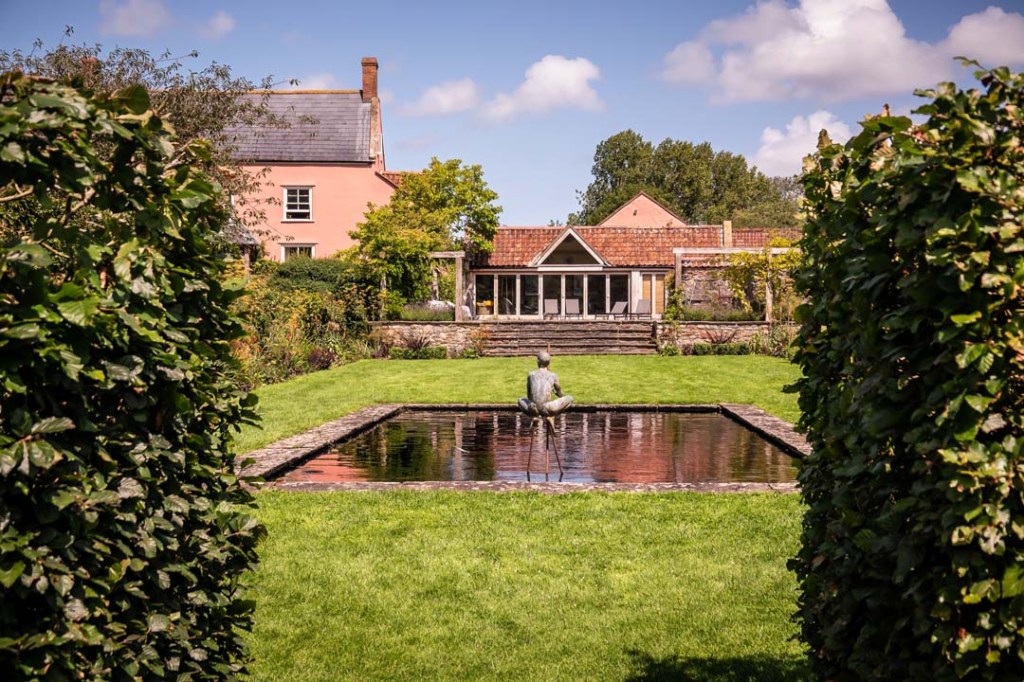
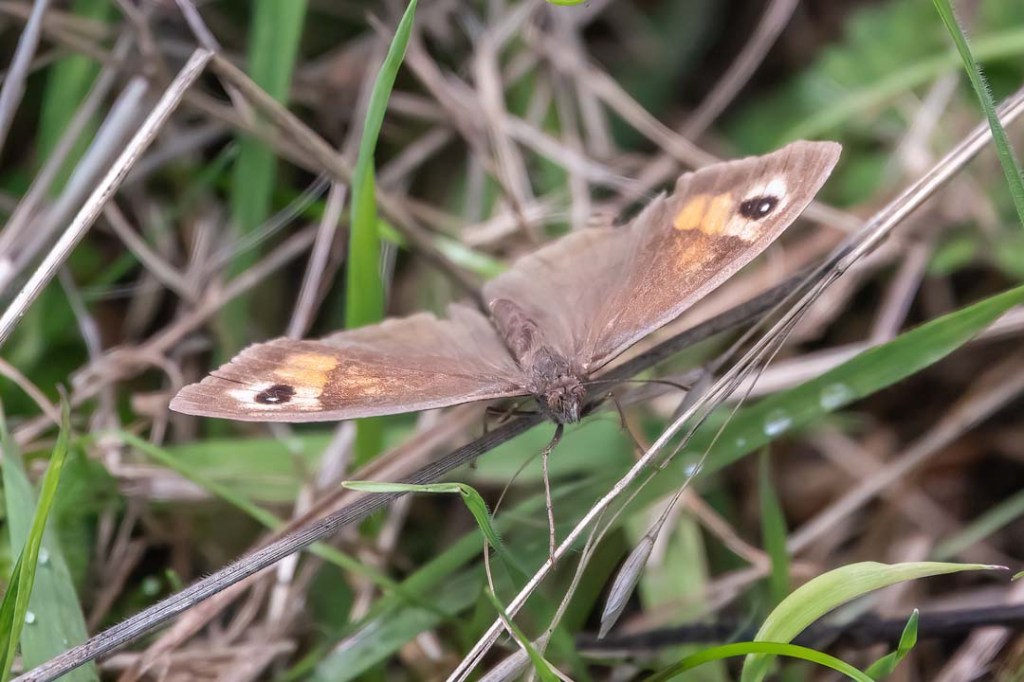
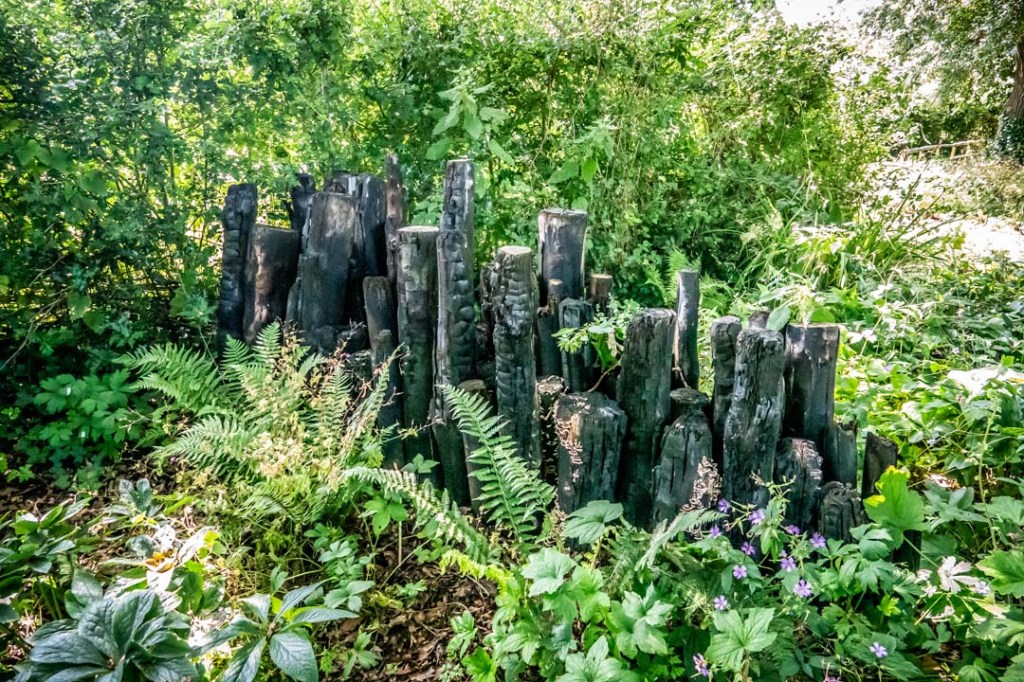
Not a bird in sight (well at least not in my sight) and only one butterfly captured by my camera. However, I have decided that gardens that we visit are well worth recording on my blog as they show nature as fashioned by man (and very often woman).
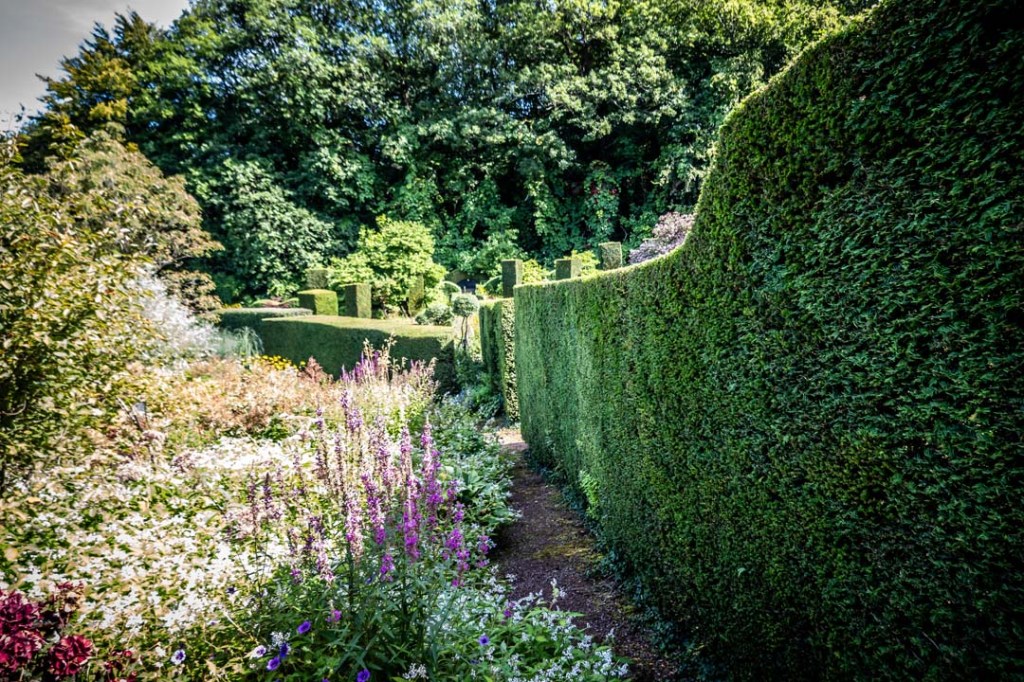
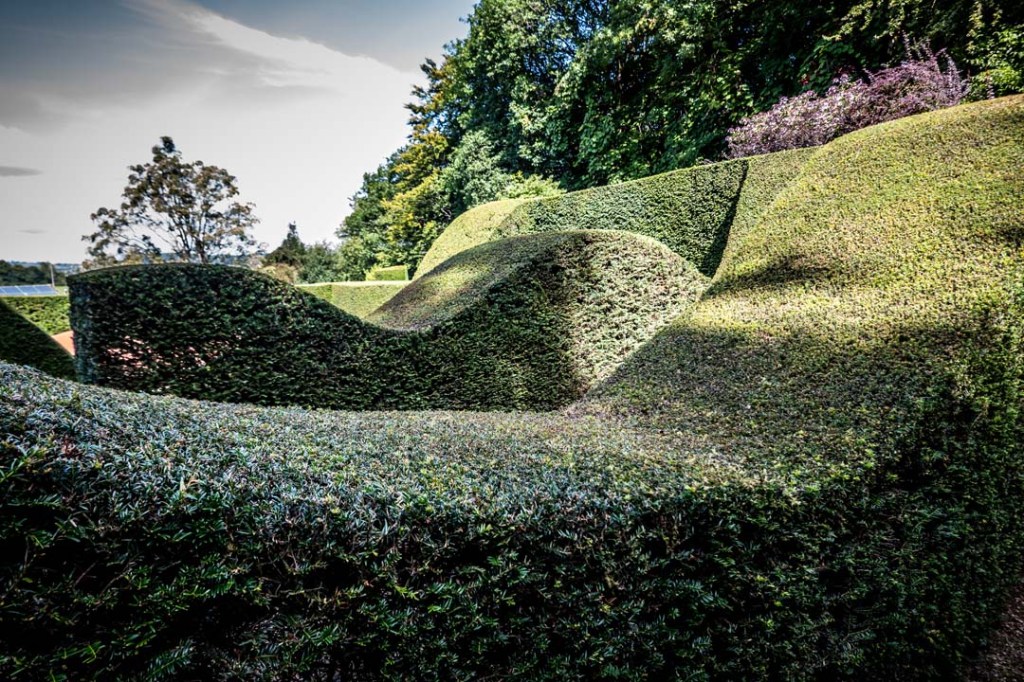
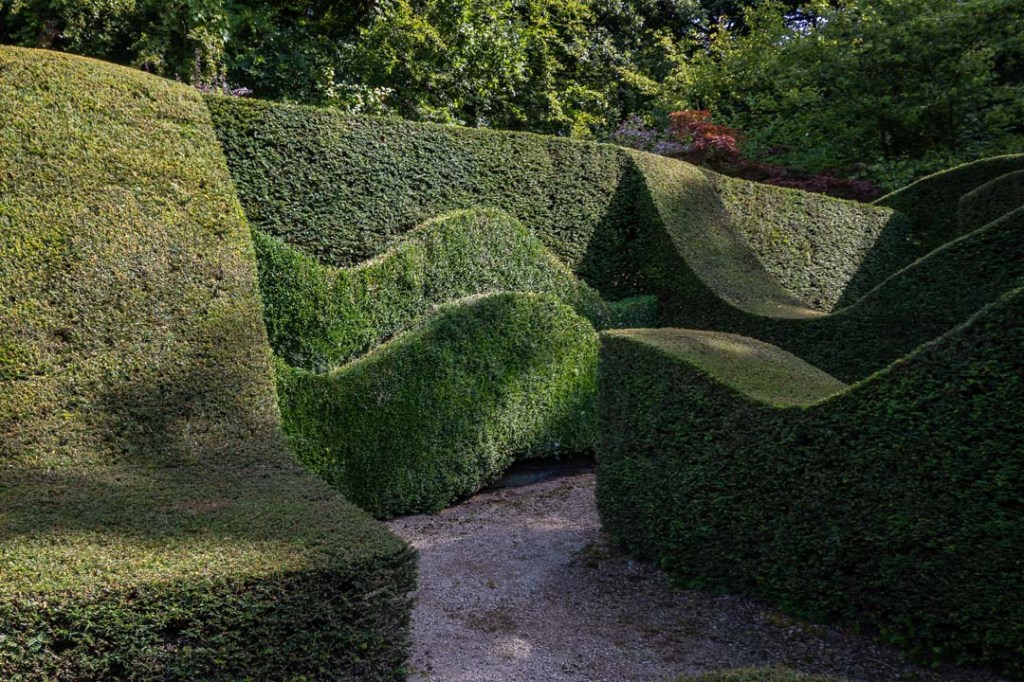
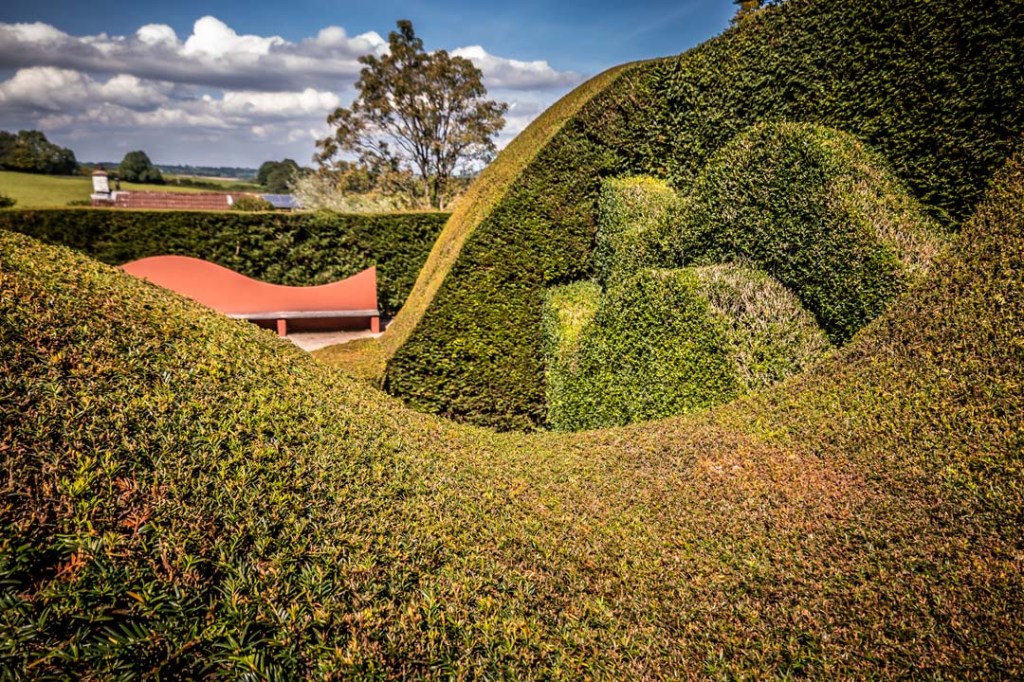
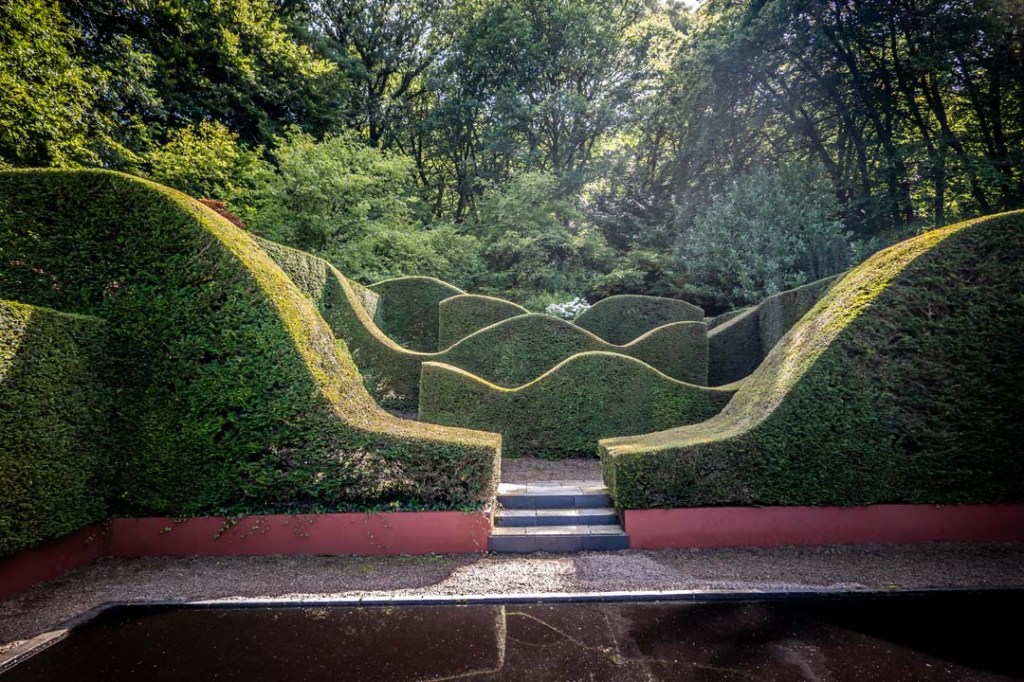
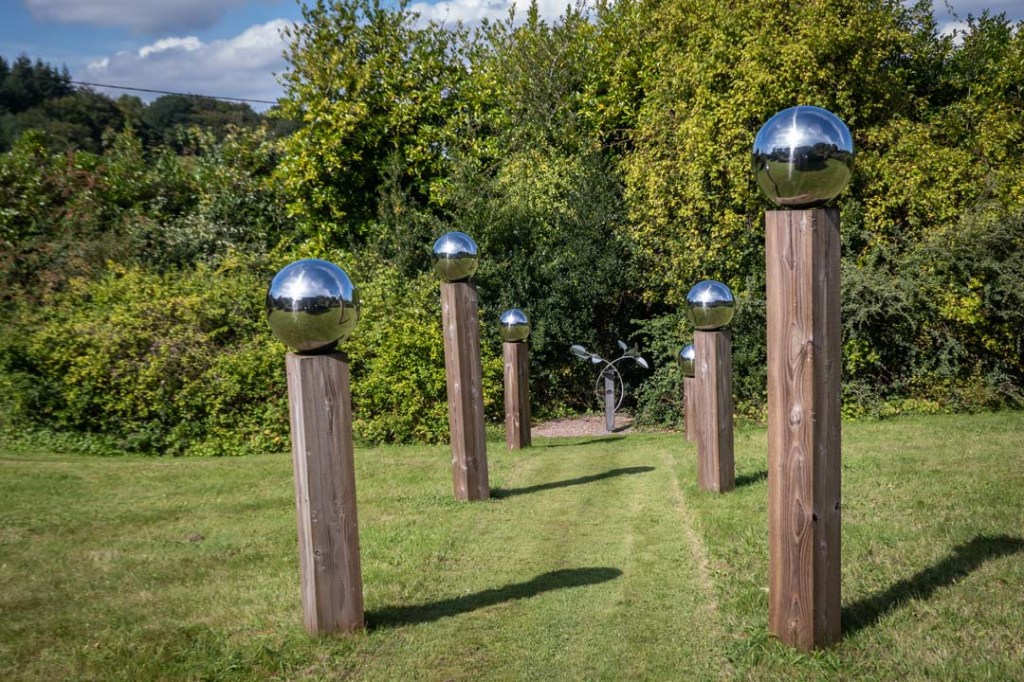
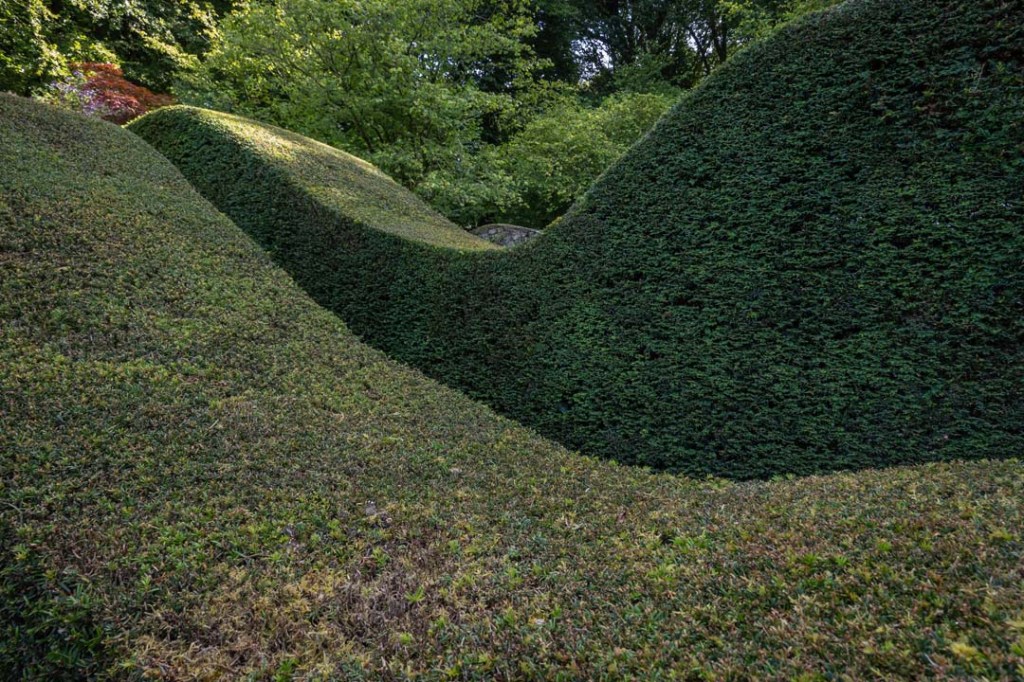
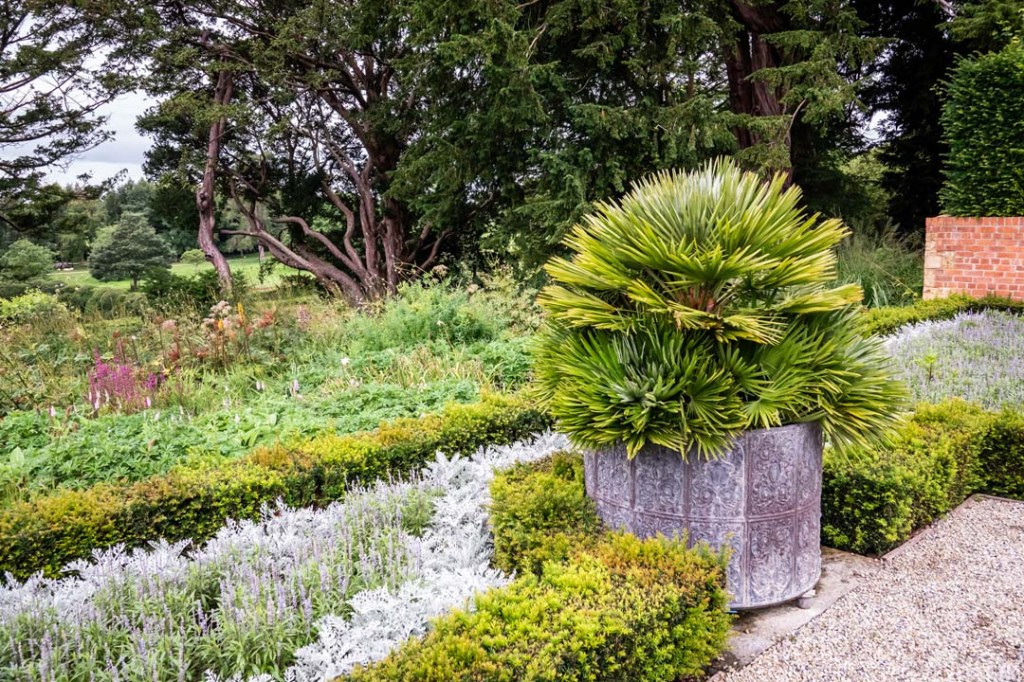
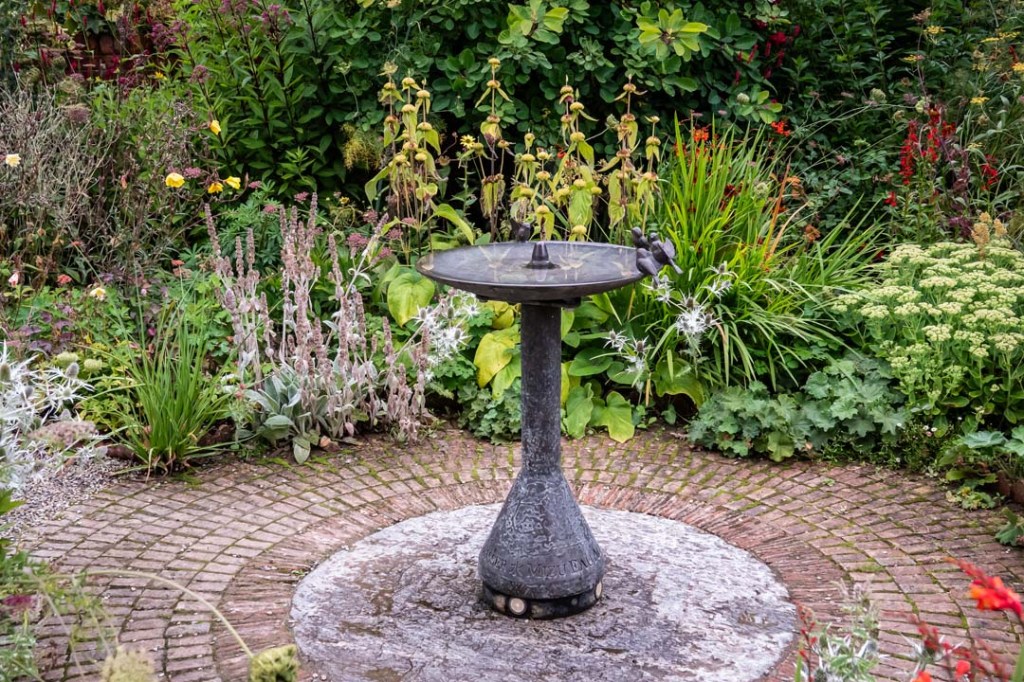
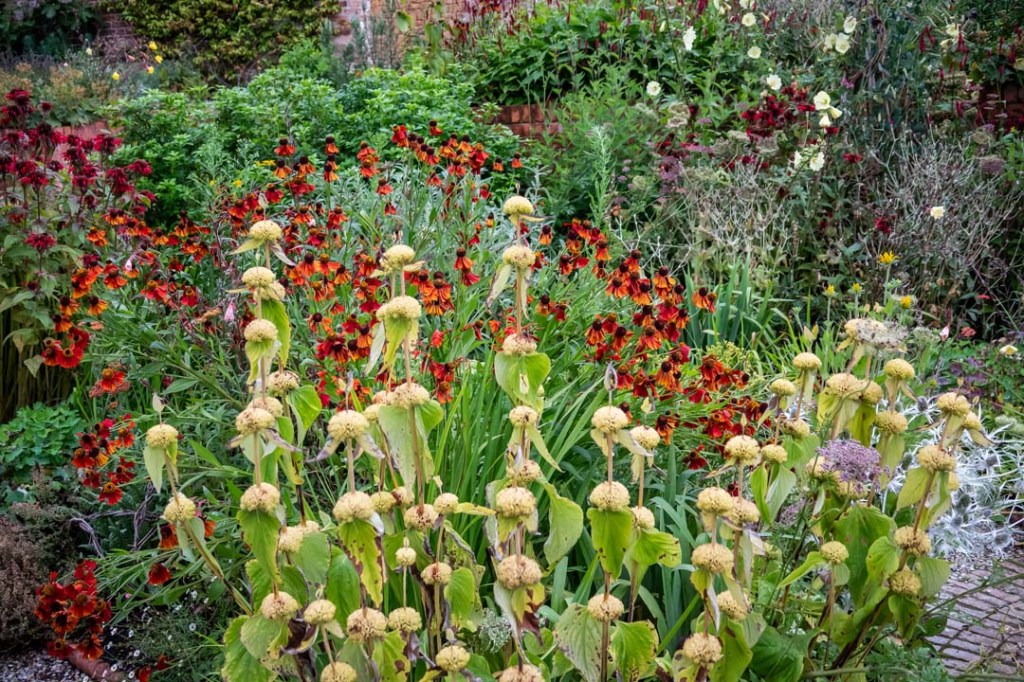
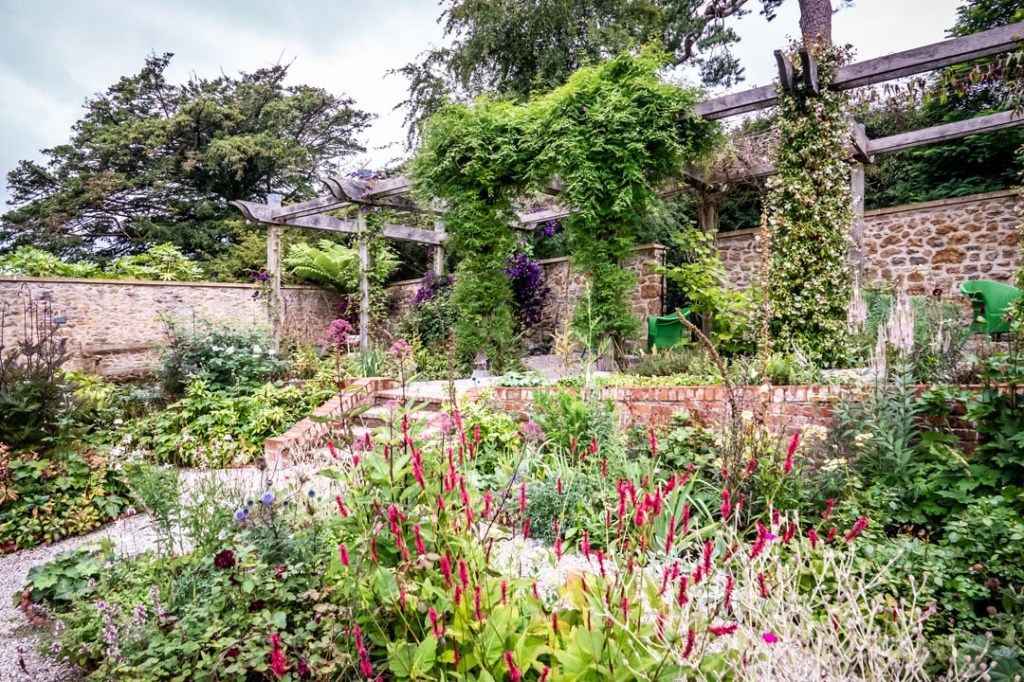
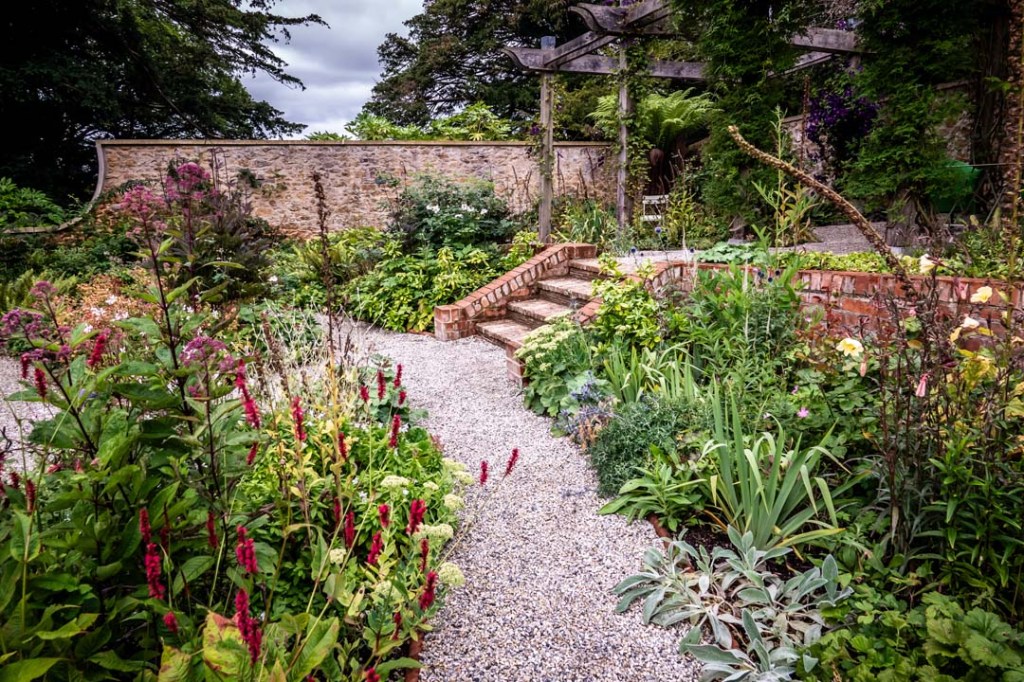
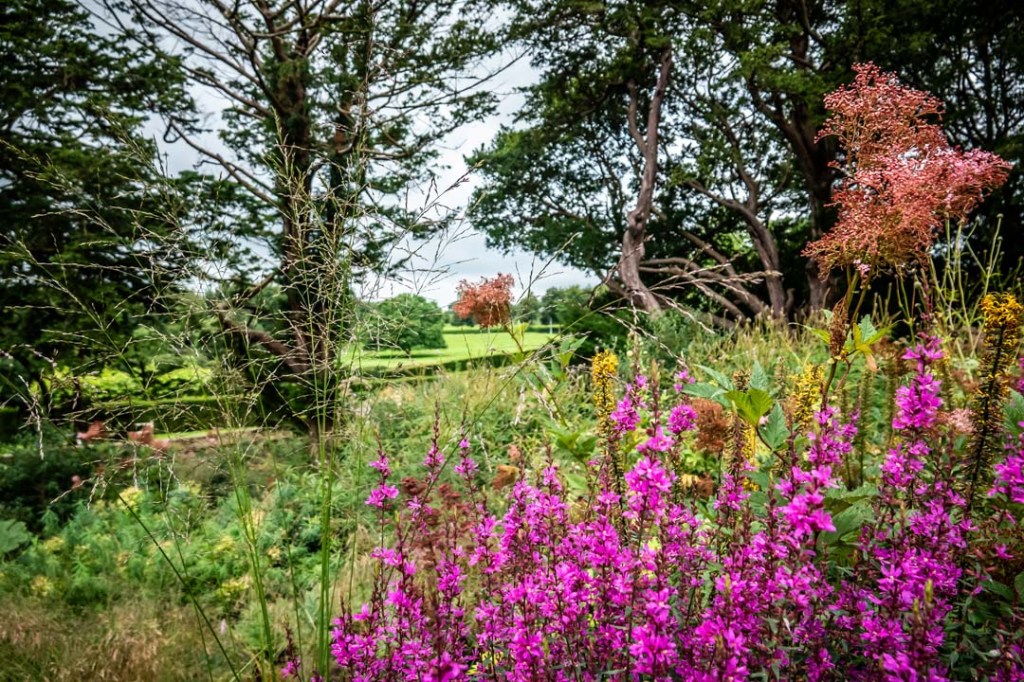
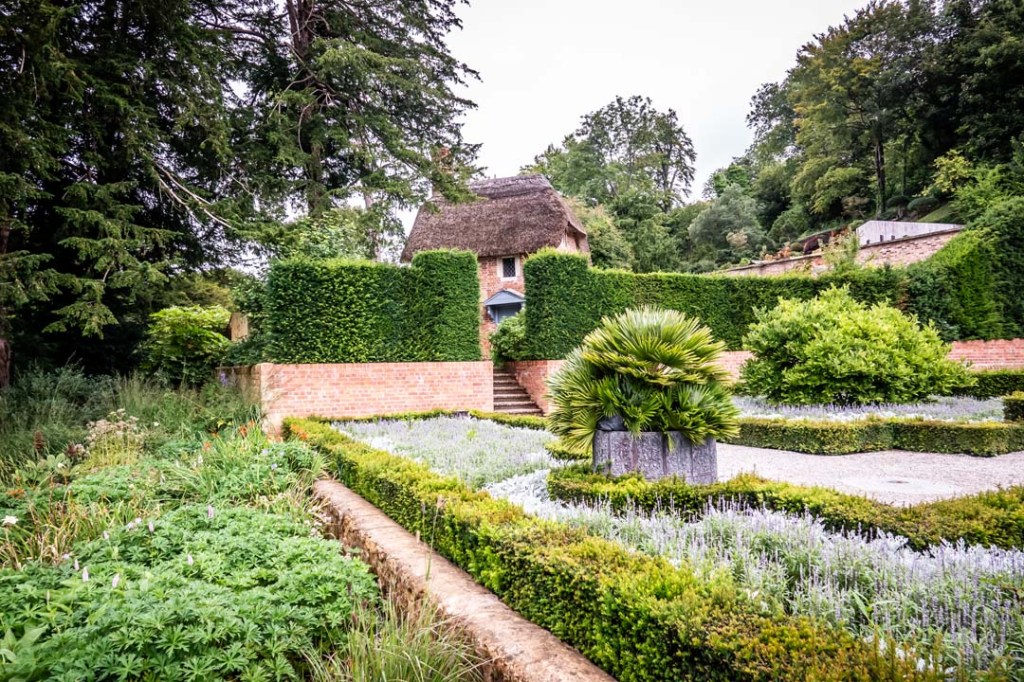
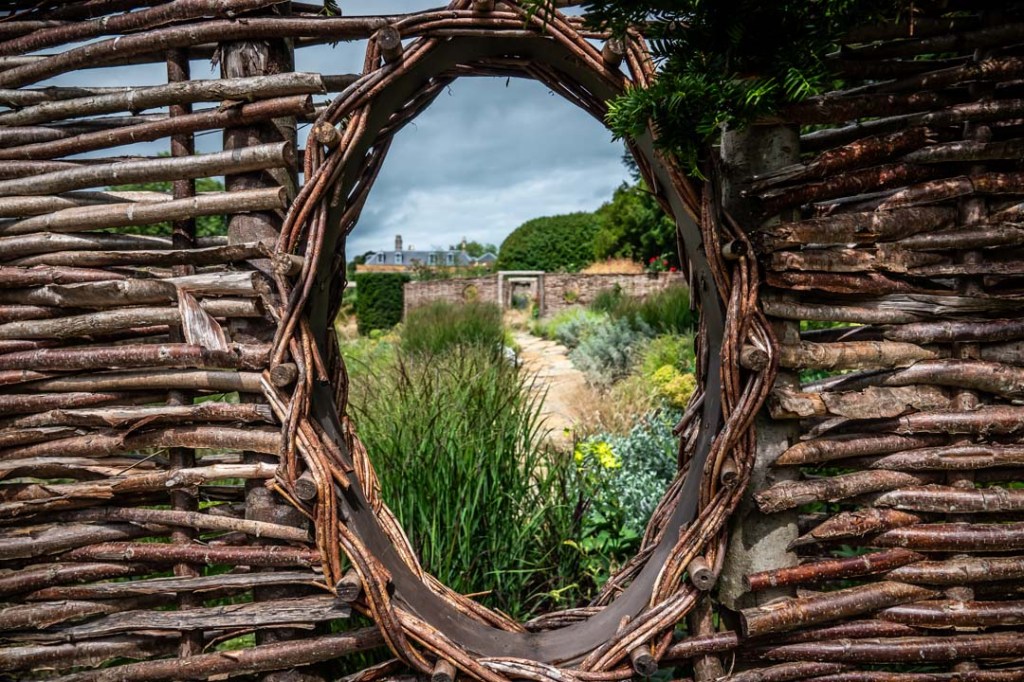
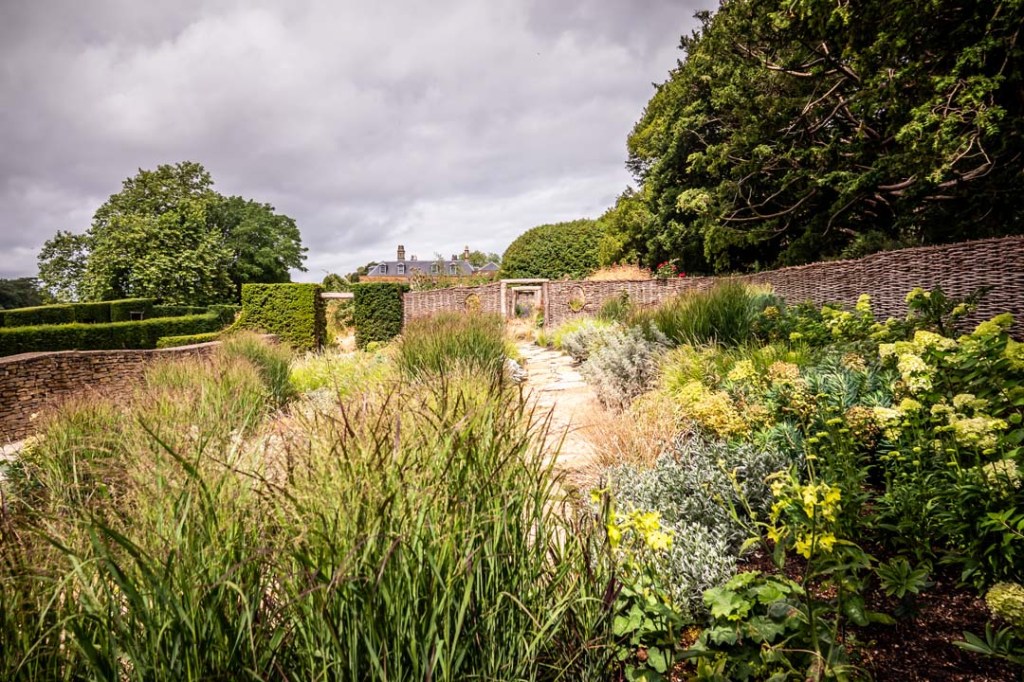
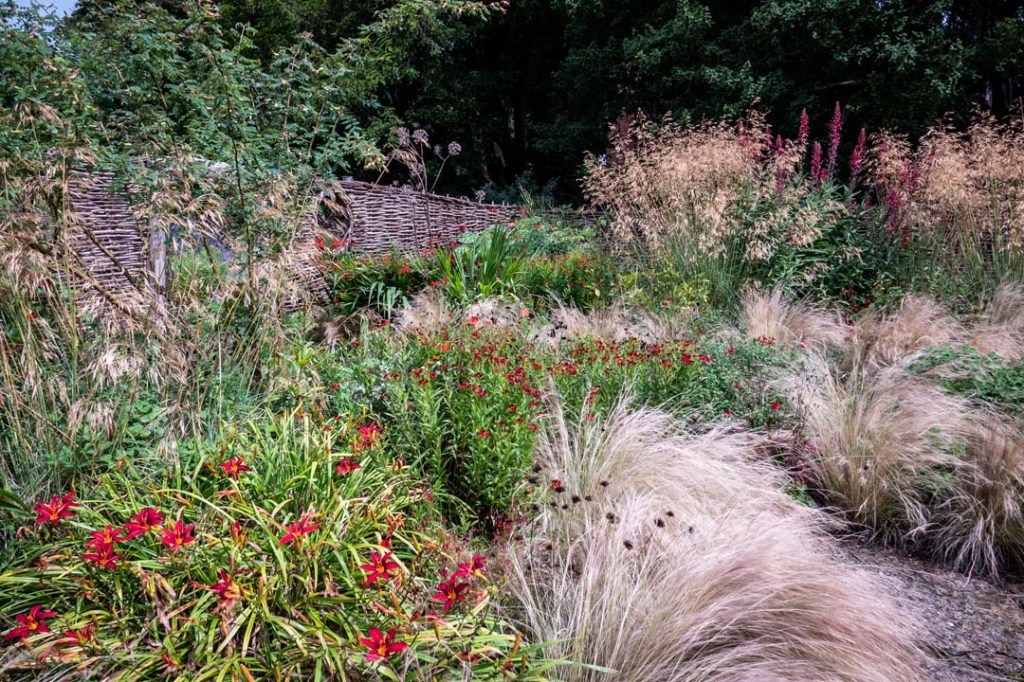
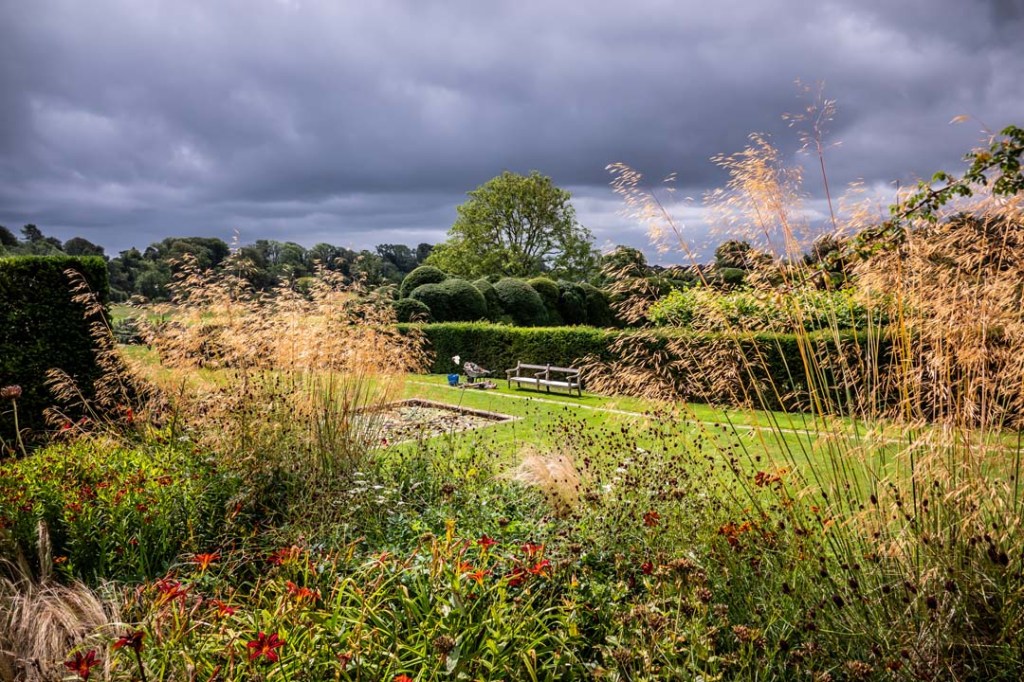
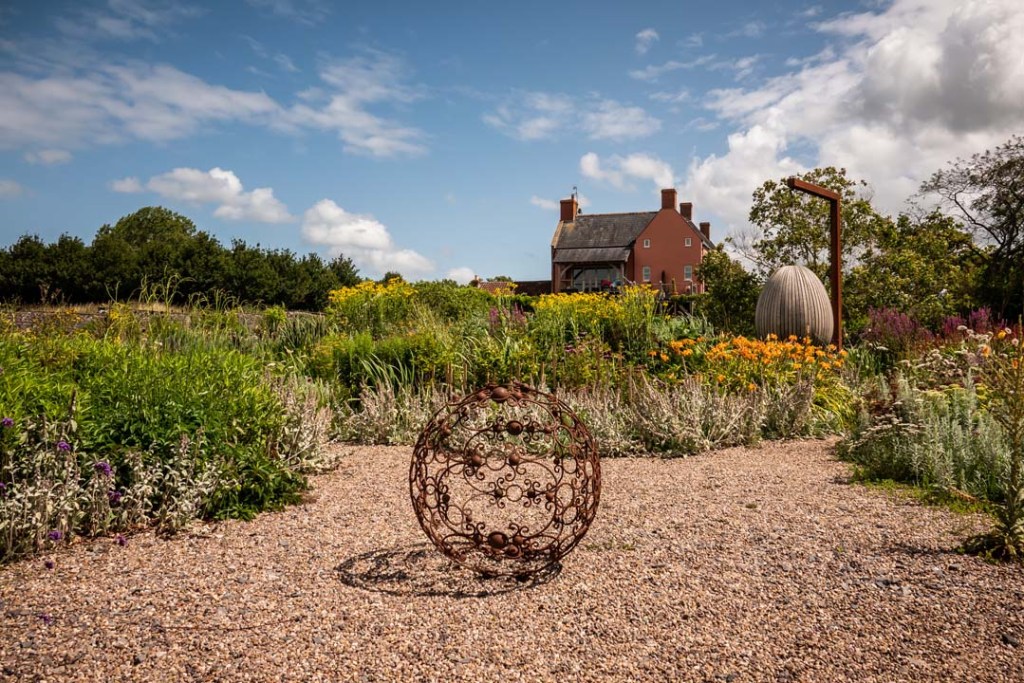
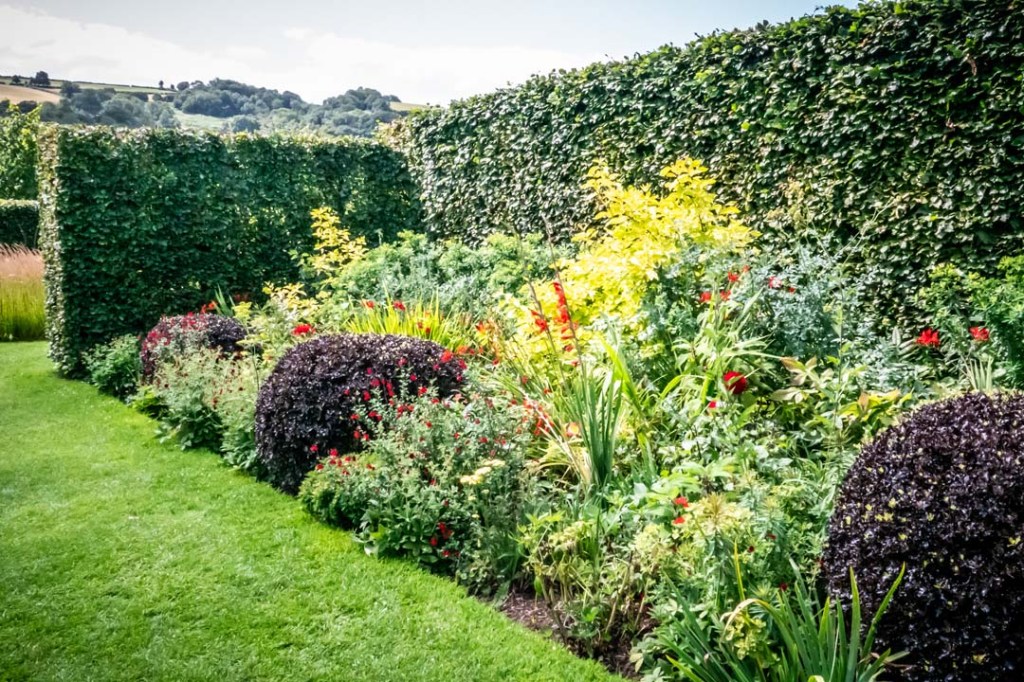
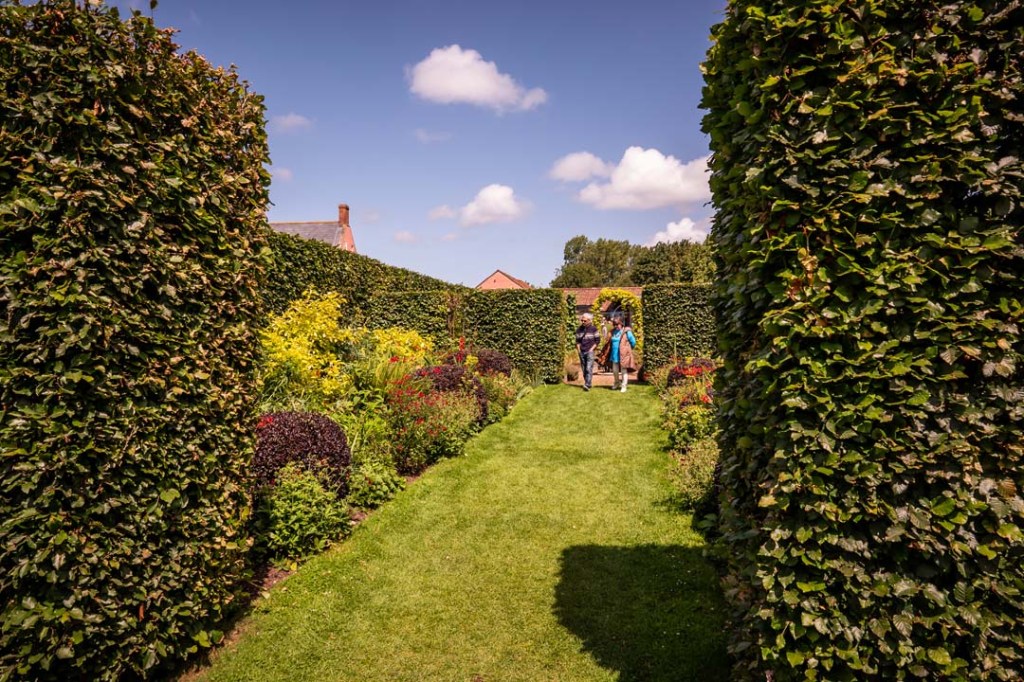
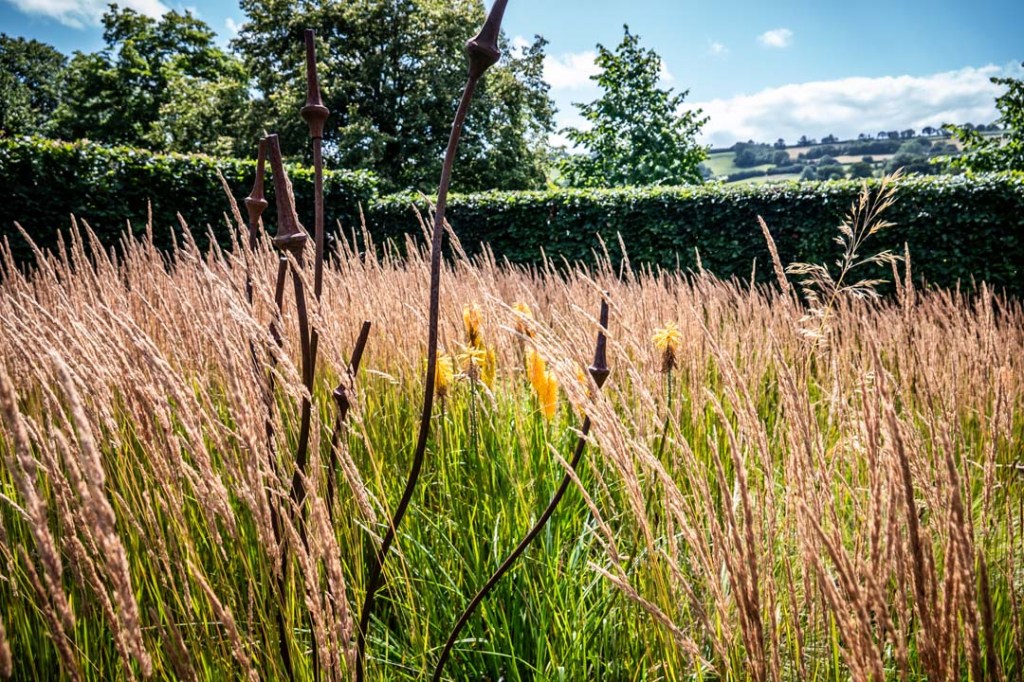
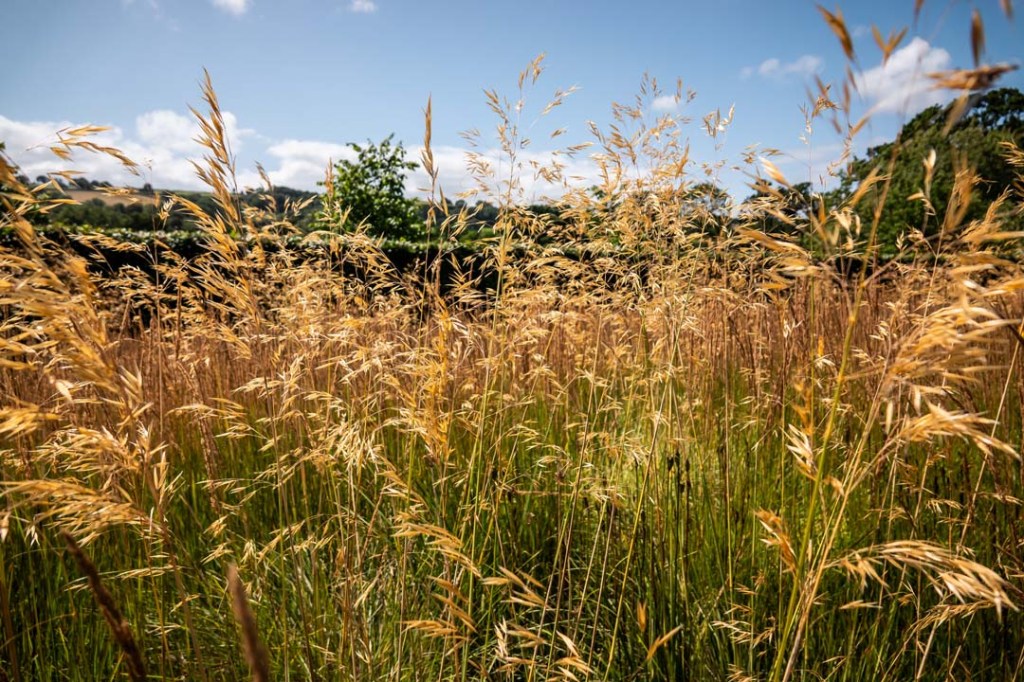
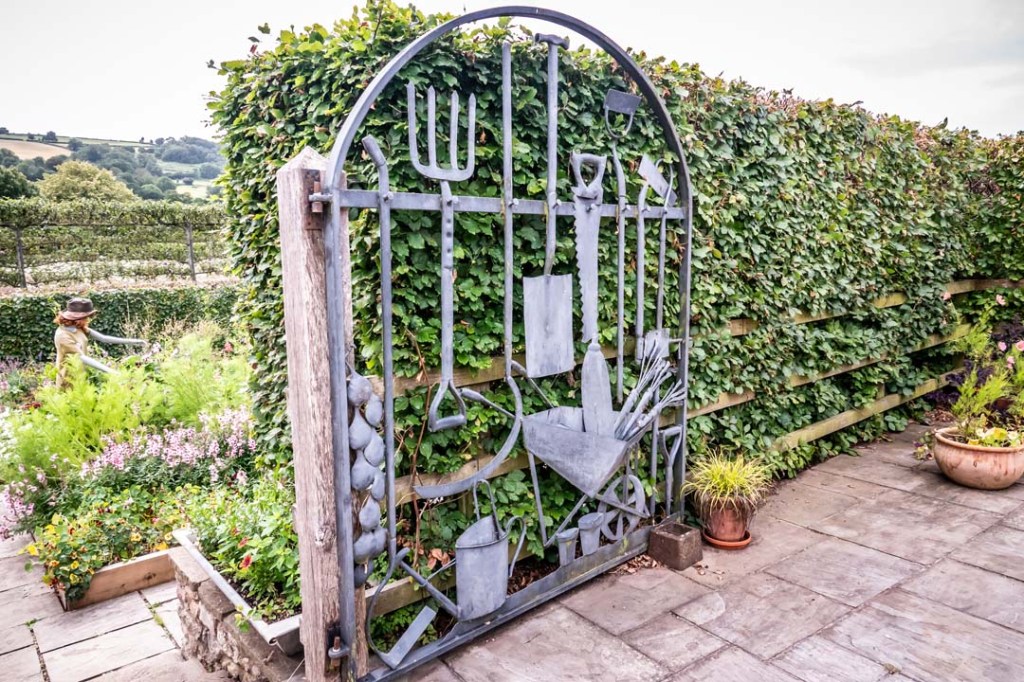
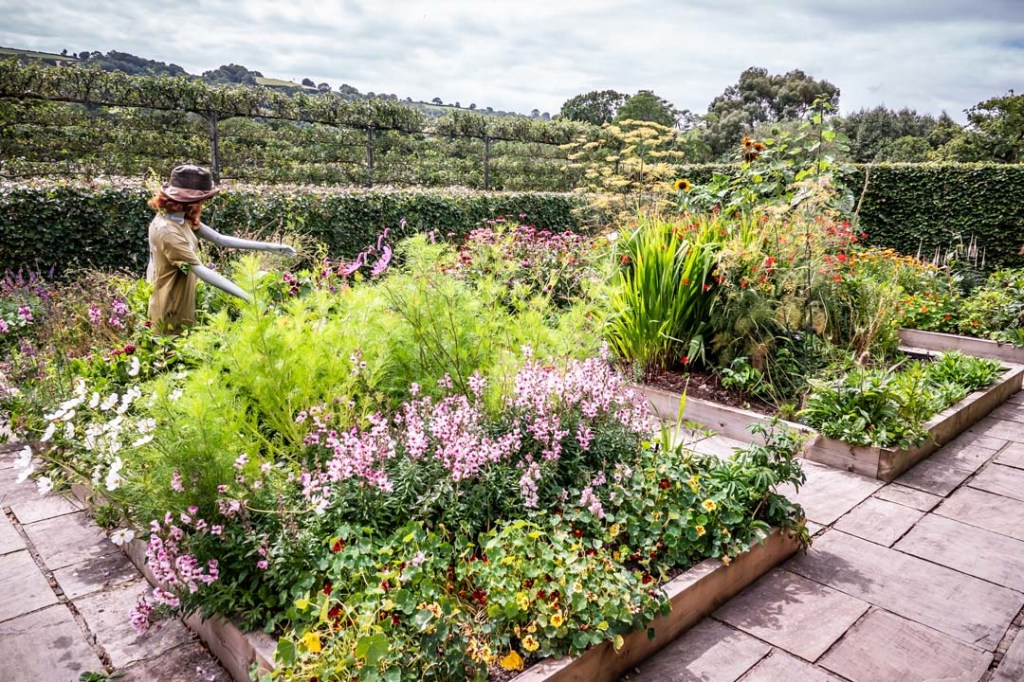
The Veddw House Garden, the garden of Charles Hawes (prize winning garden photographer) and Anne Wareham (garden writer) on the Welsh borders near Devauden up above Tintern Abbey was quite a challenge to photograph with a high sun on a Sunday afternoon – but Sunday afternoon is the only time it is open to the public. How wise of them to keep it to themselves to savour and possibly photograph in the golden hours.
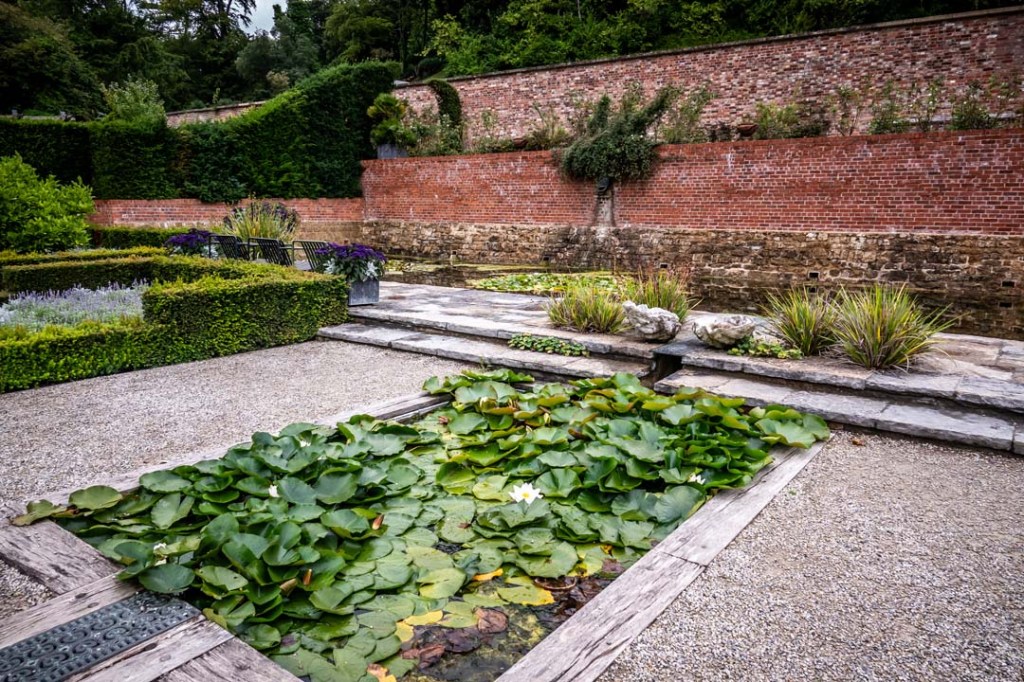
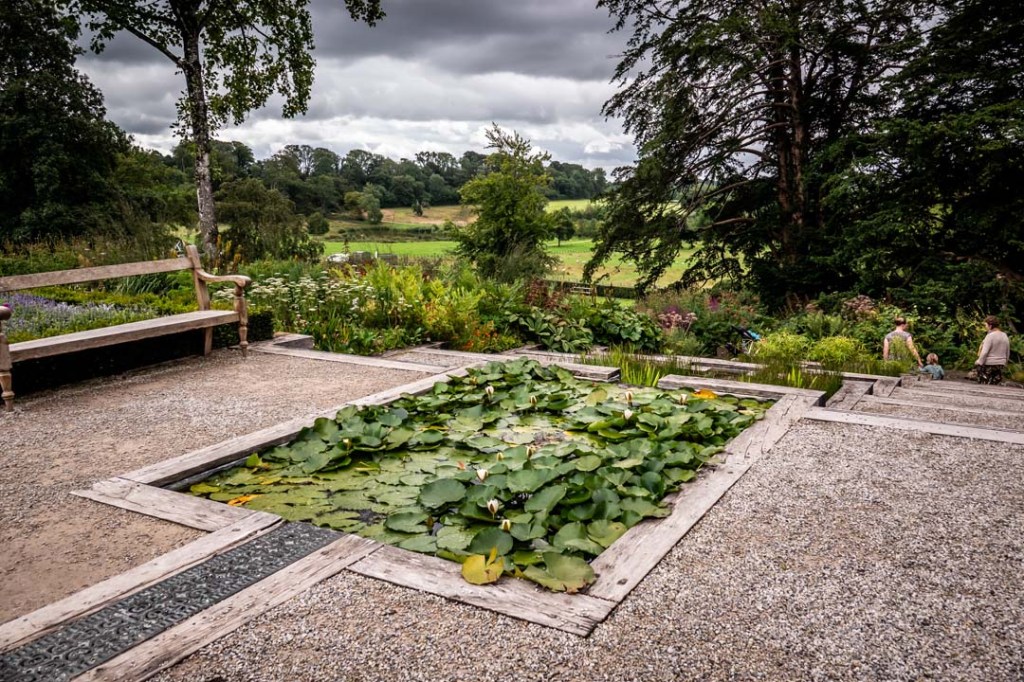
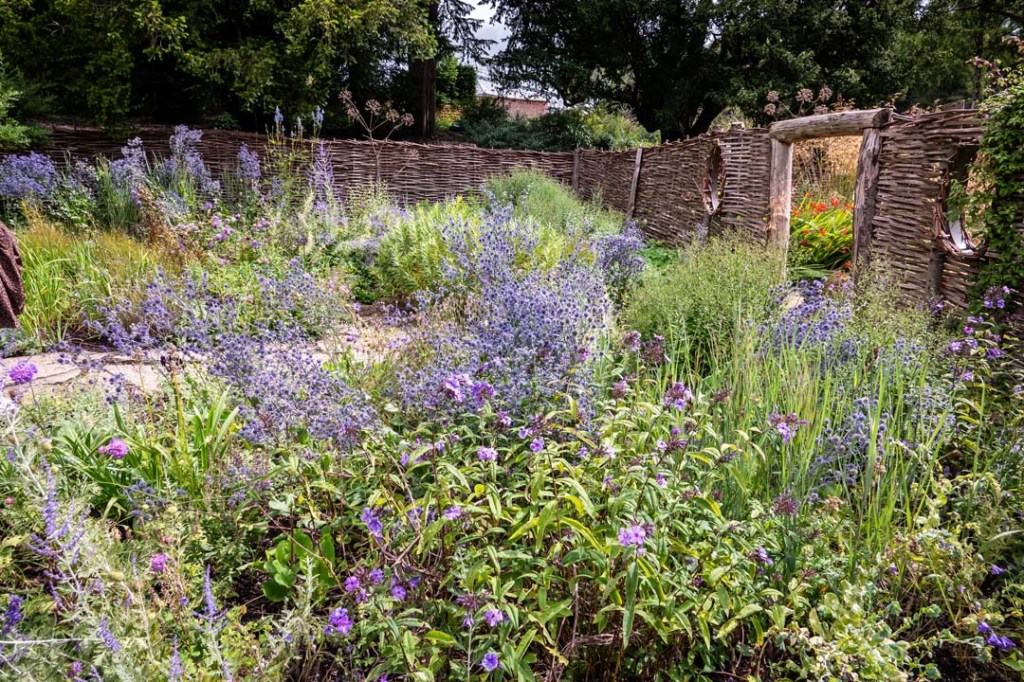
The owners say it’s “all about patterns, shapes, colours, drama, sculptural hedges and views”. I hope you get a sense of all that from my photos.
We have had limited opportunity for birdwatching recently and so when the chance came we thought it best to go for a banker like Slimbridge.
I had heard reports of sightings of a pectoral sandpiper and spoonbills but I fear they were on the estuary and there were too many showers around to risk venturing that far. However, we weren’t disappointed with the pools near the hides on the north side of the reserve and we were able to dodge the showers which at times were quite heavy. Oh what a summer!
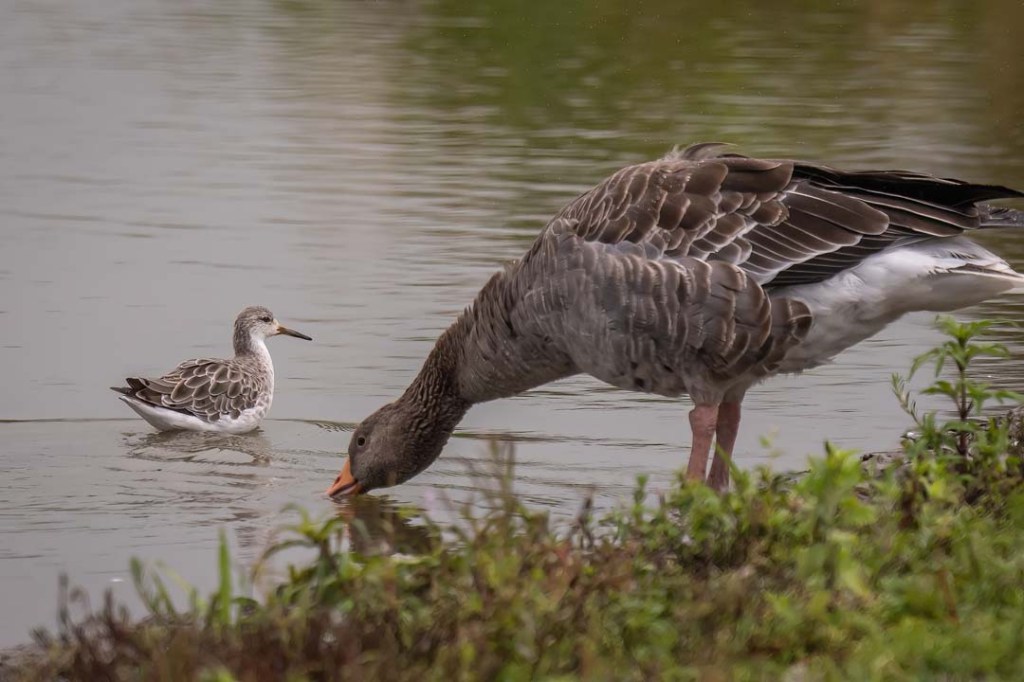
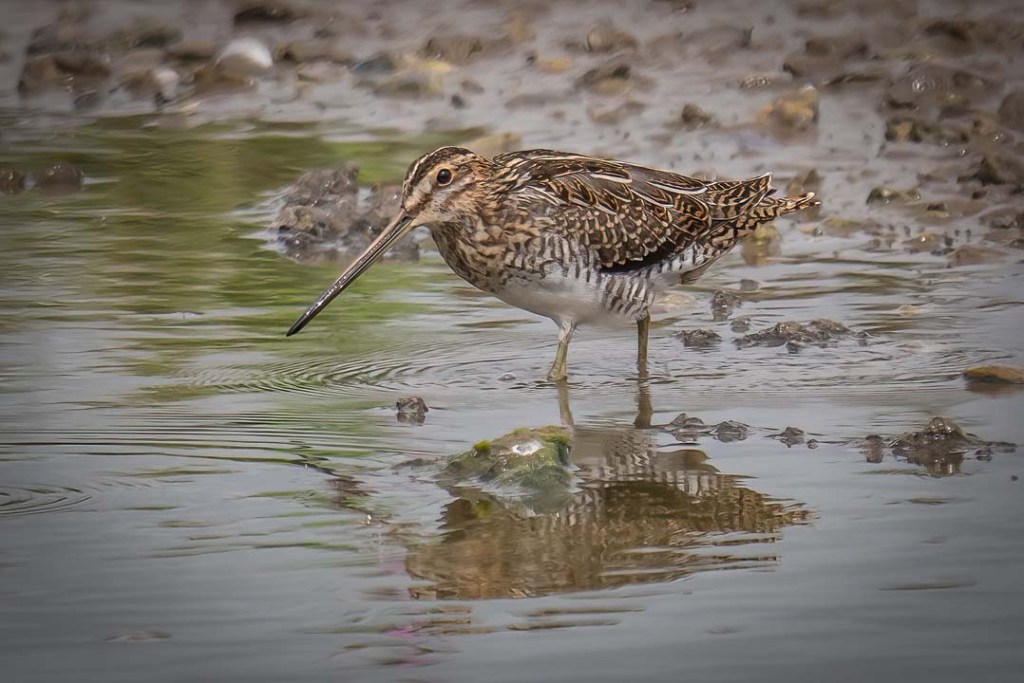
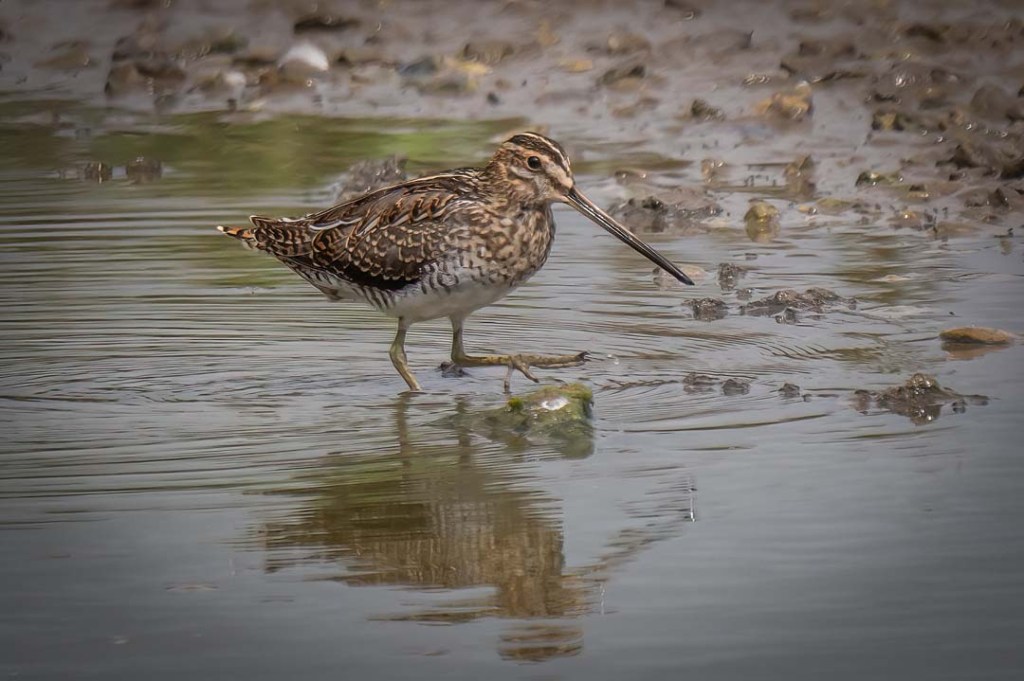
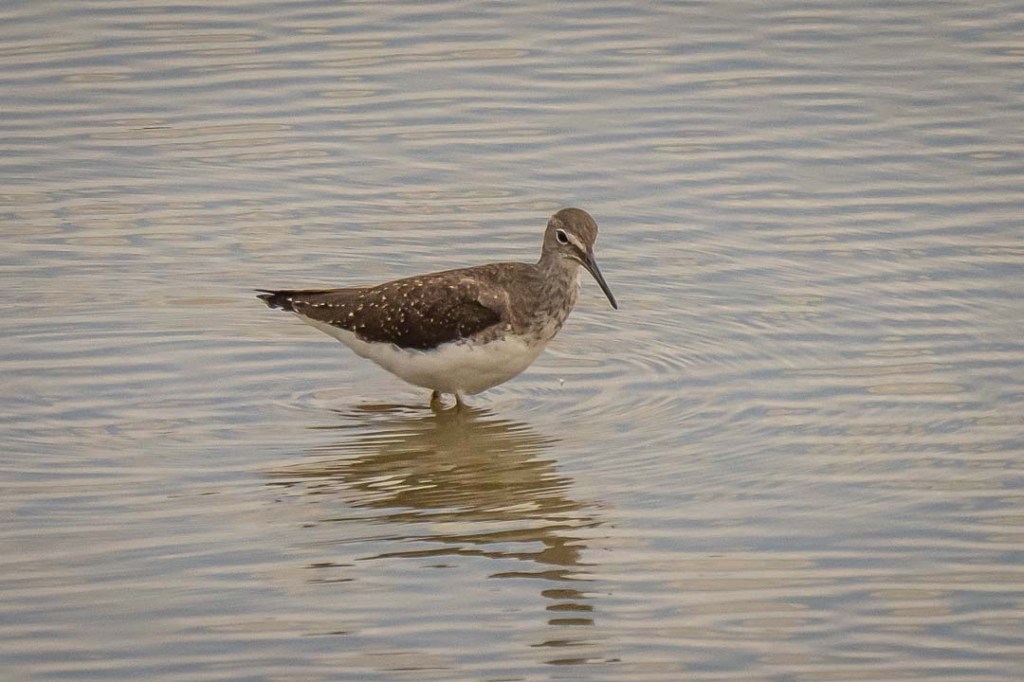
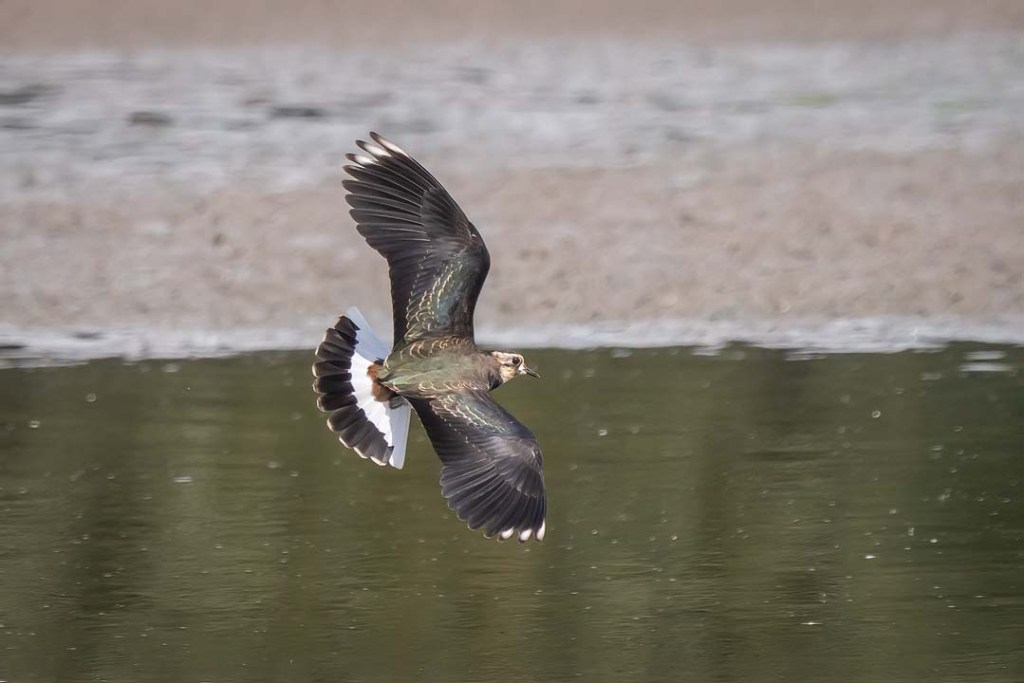
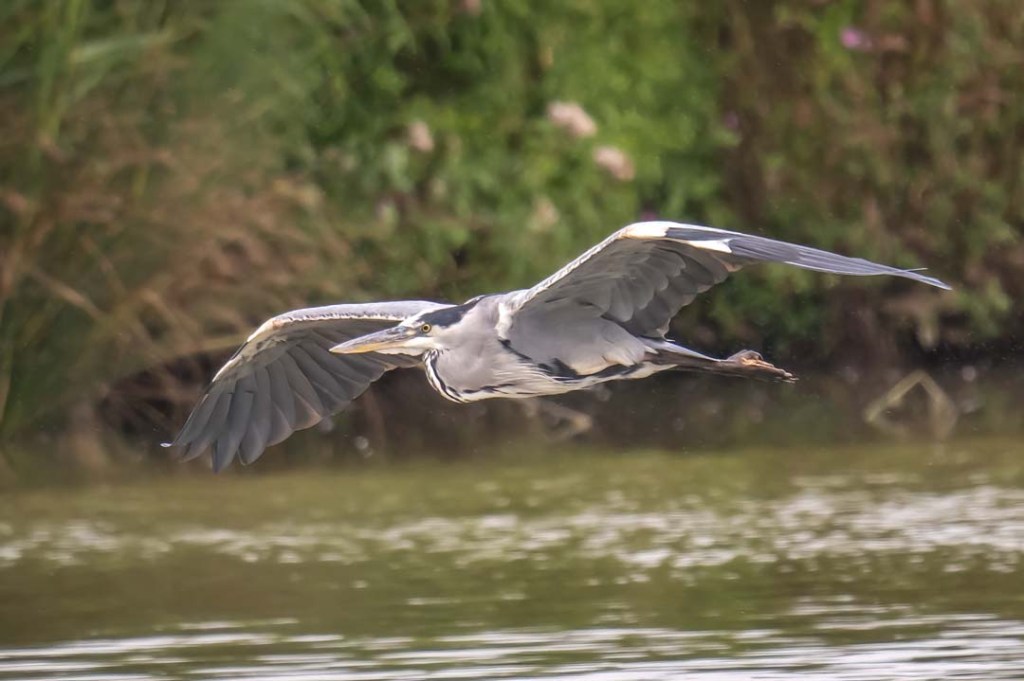
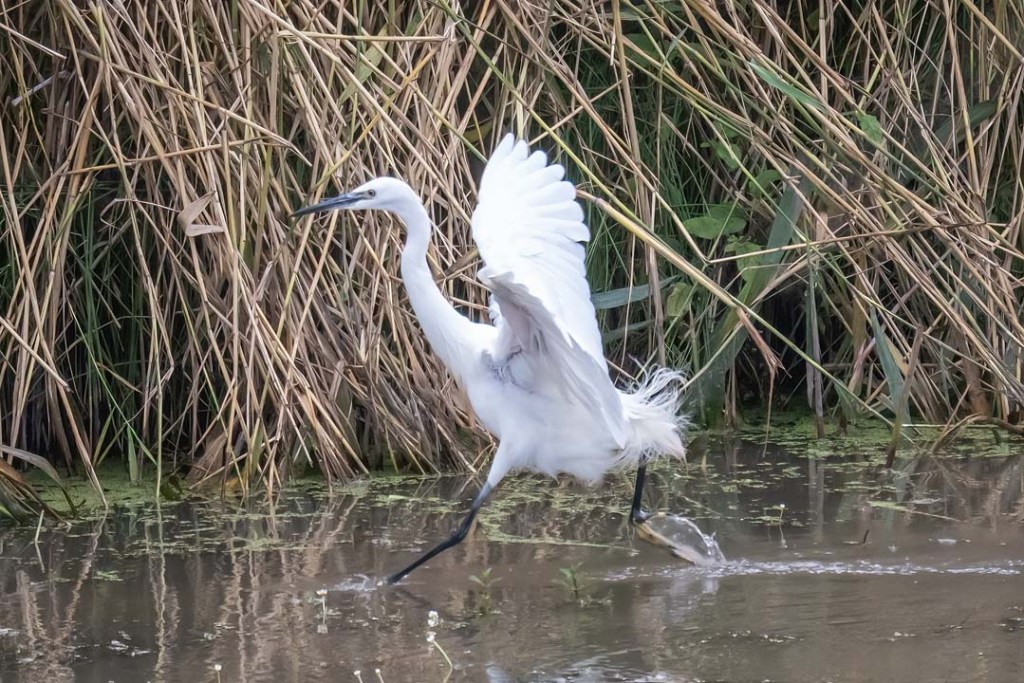
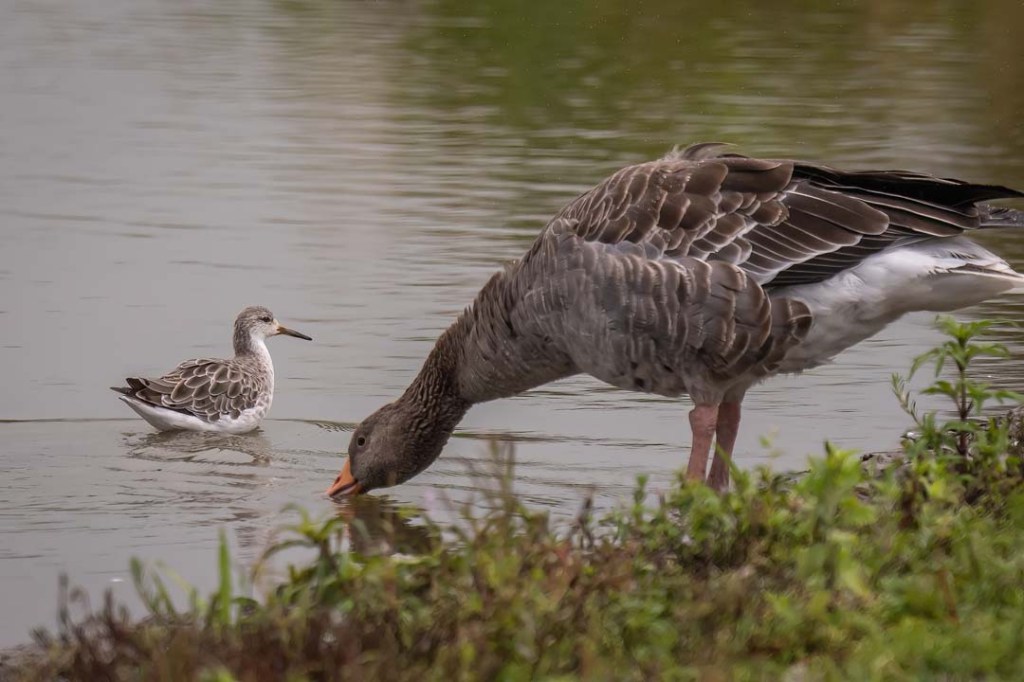
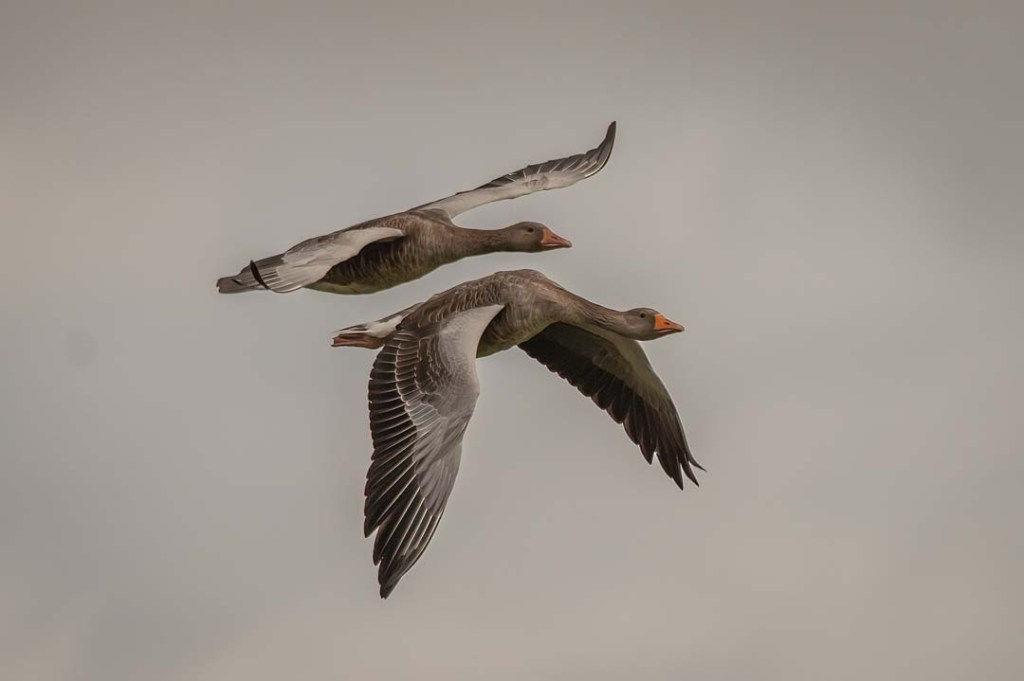
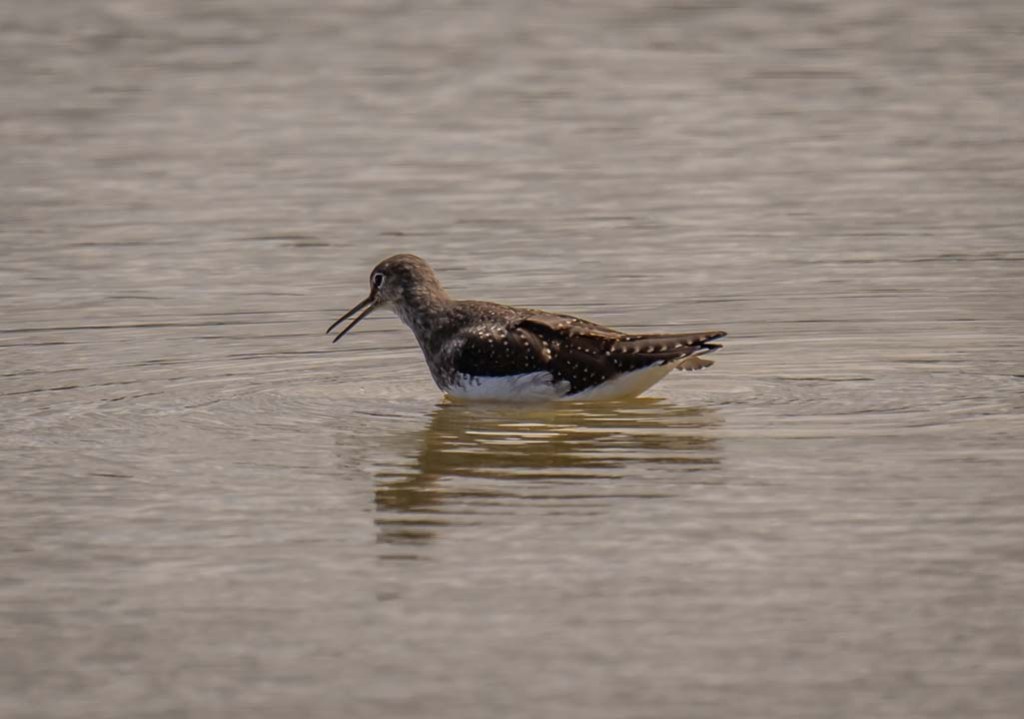
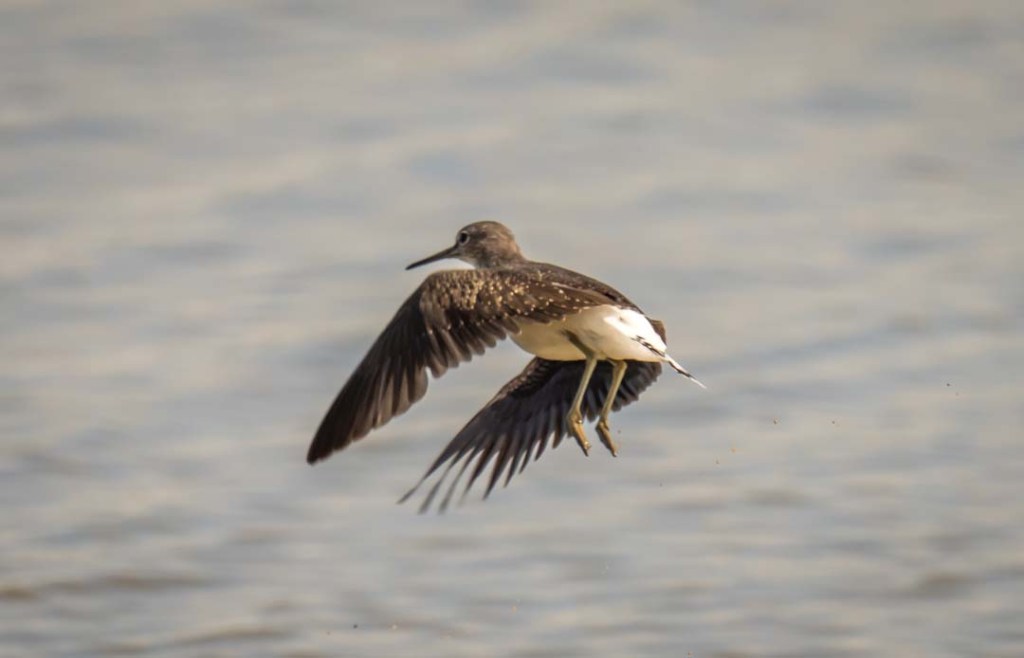
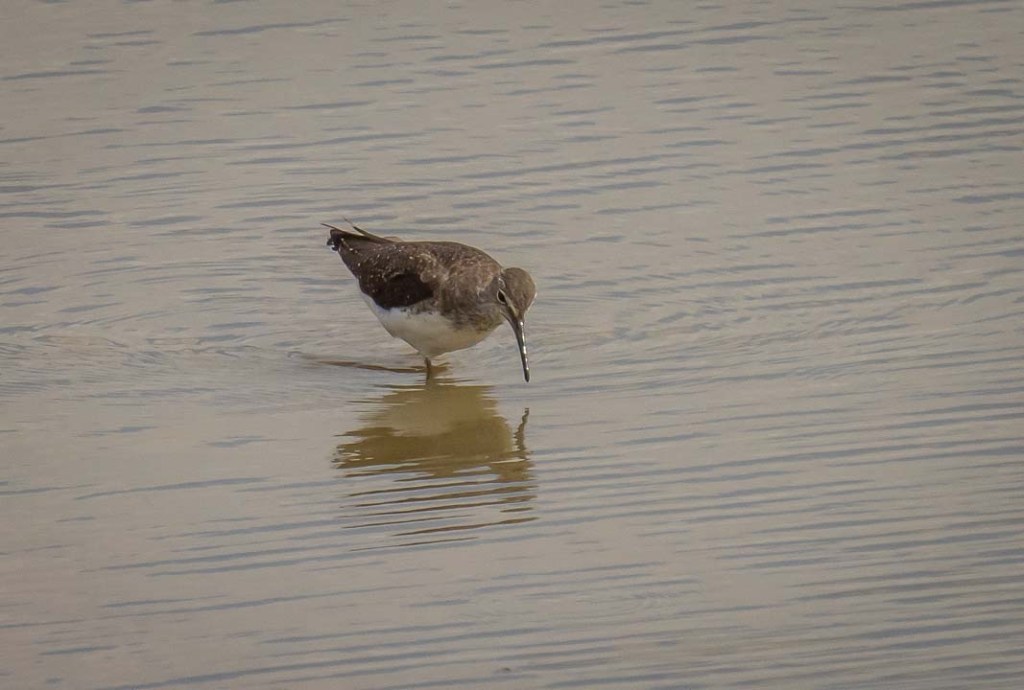
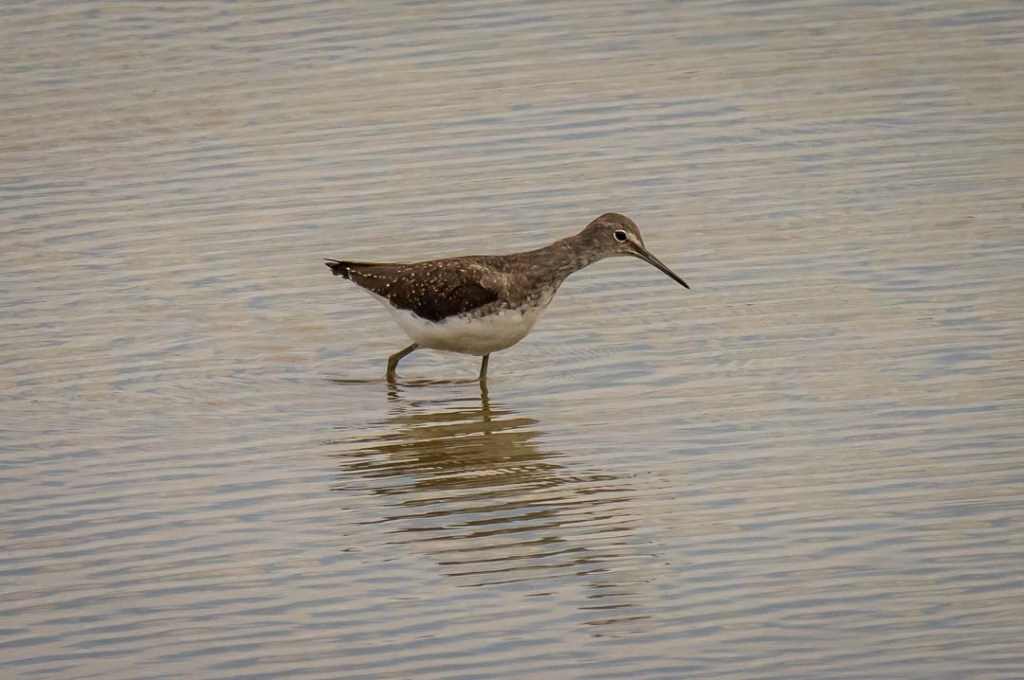
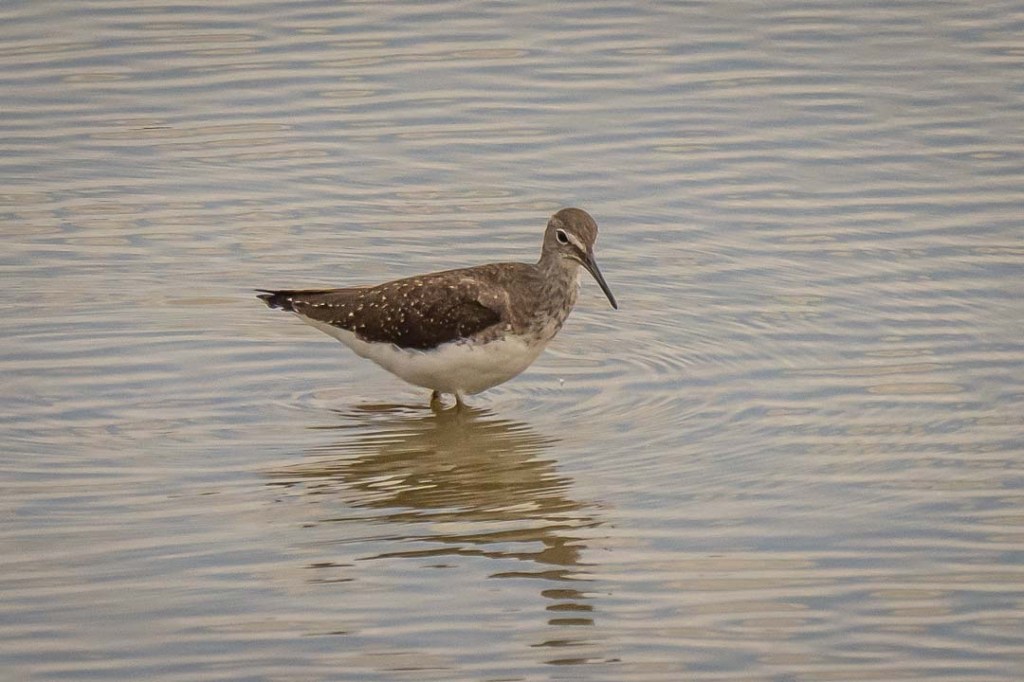
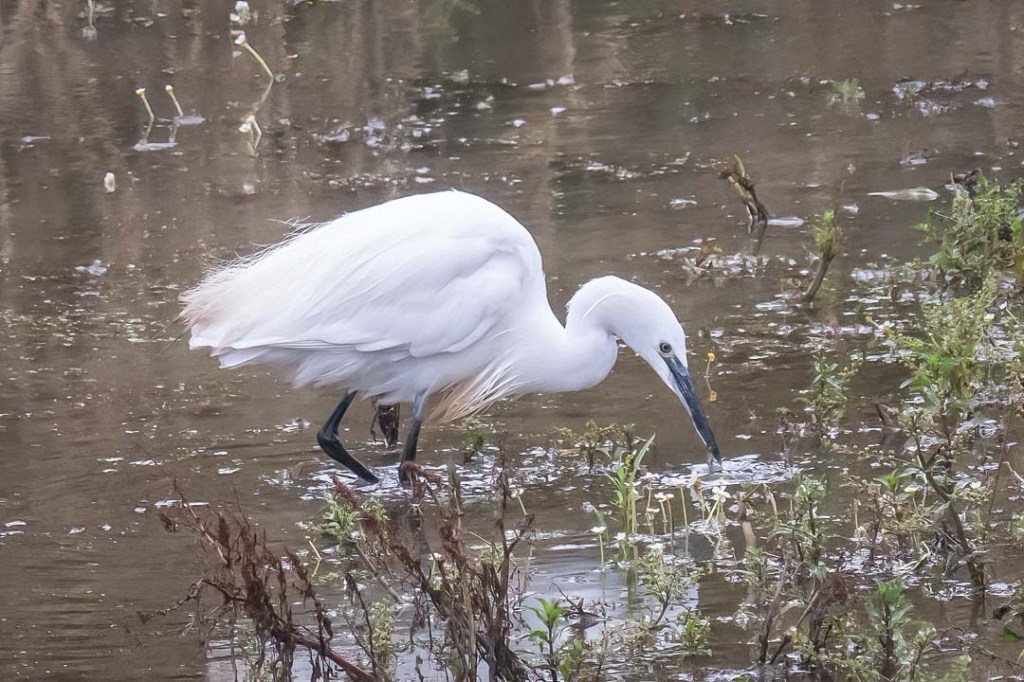
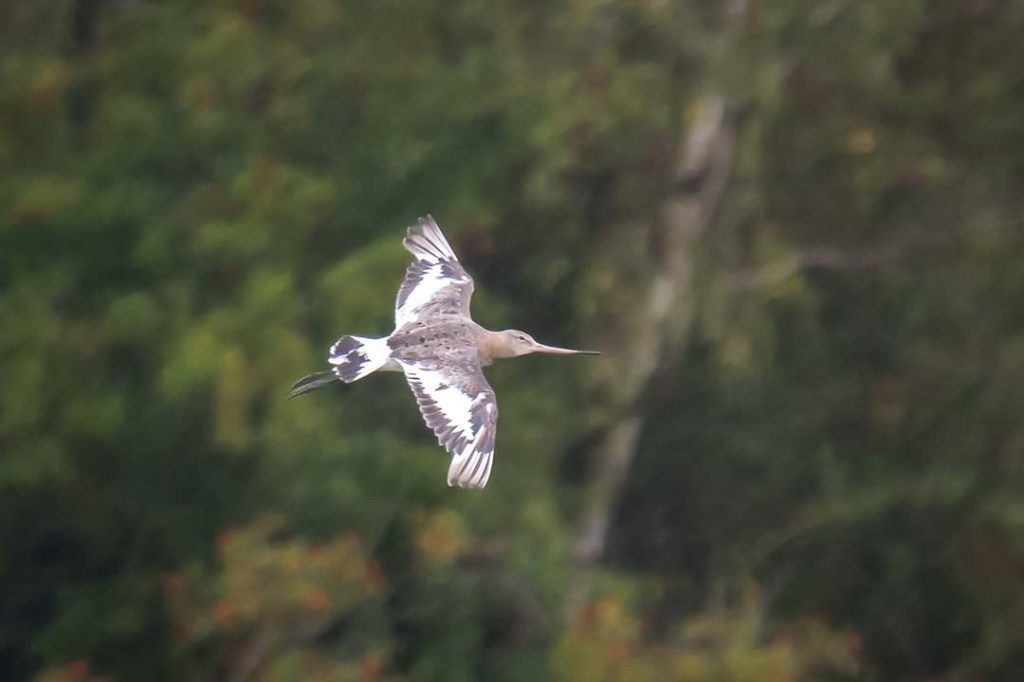
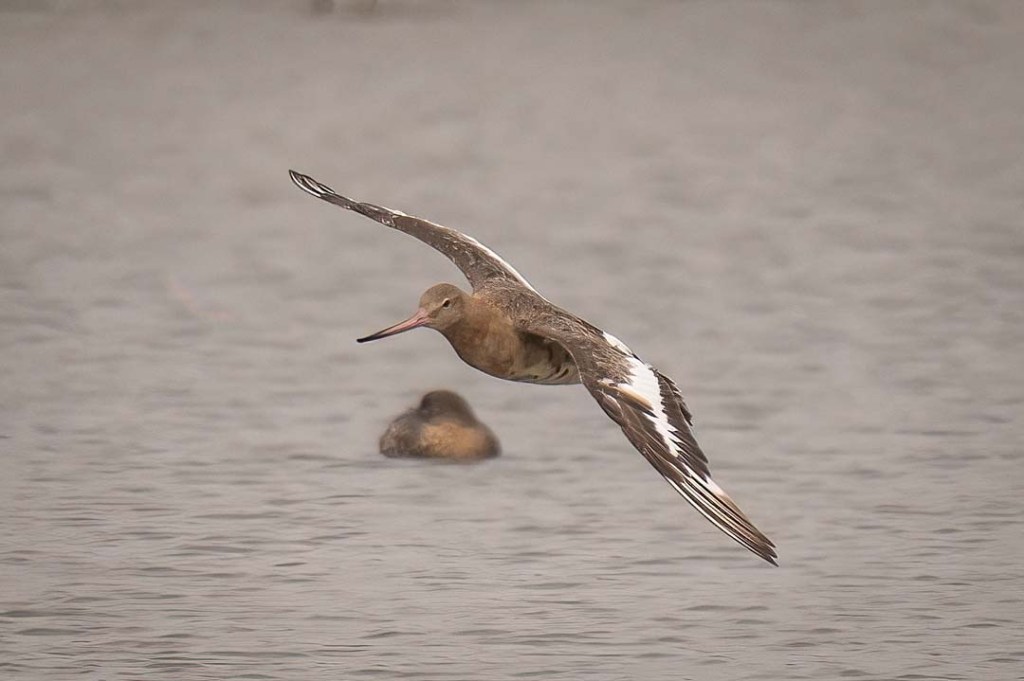
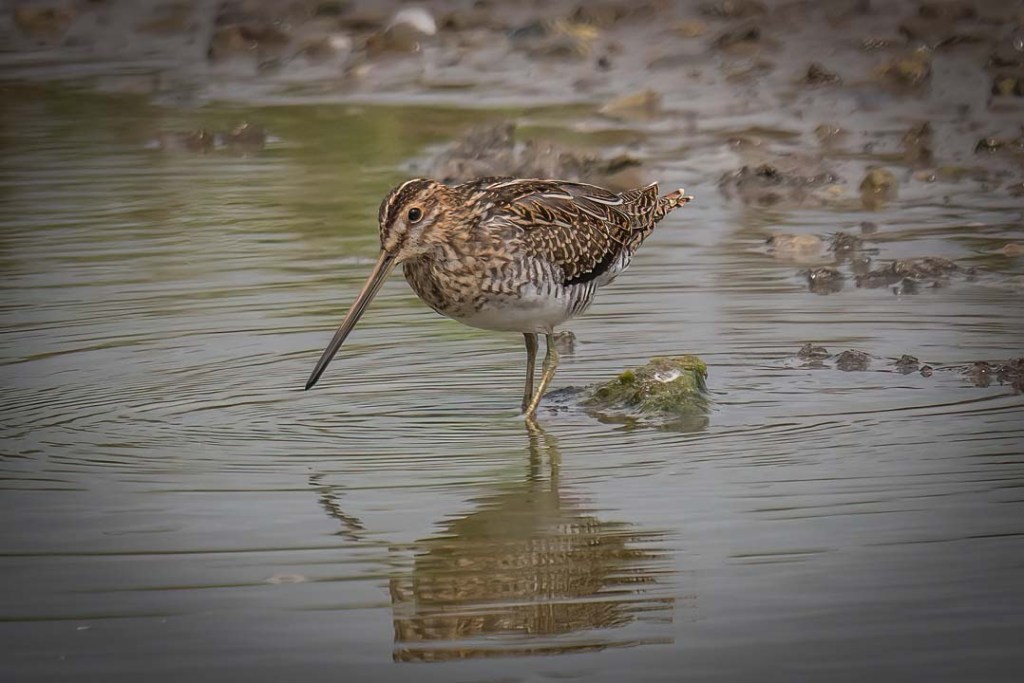
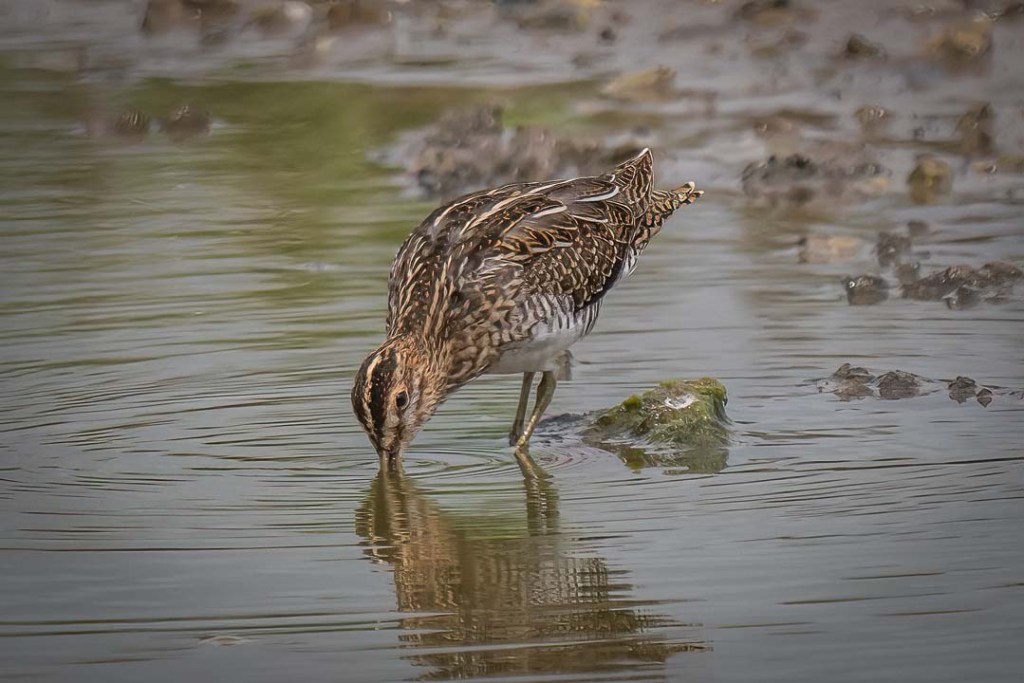
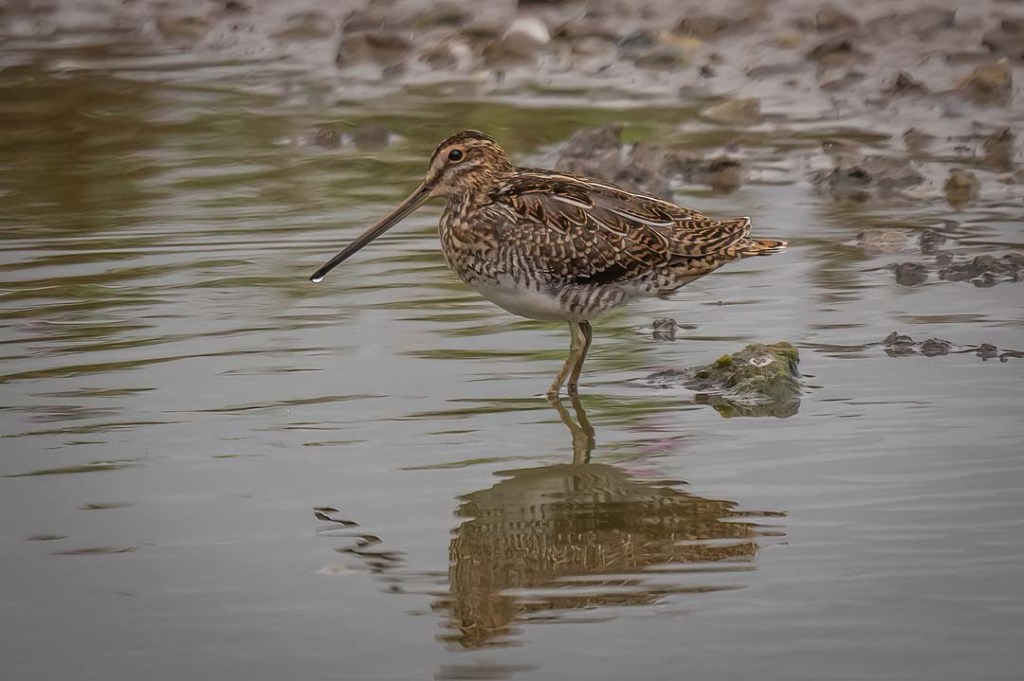
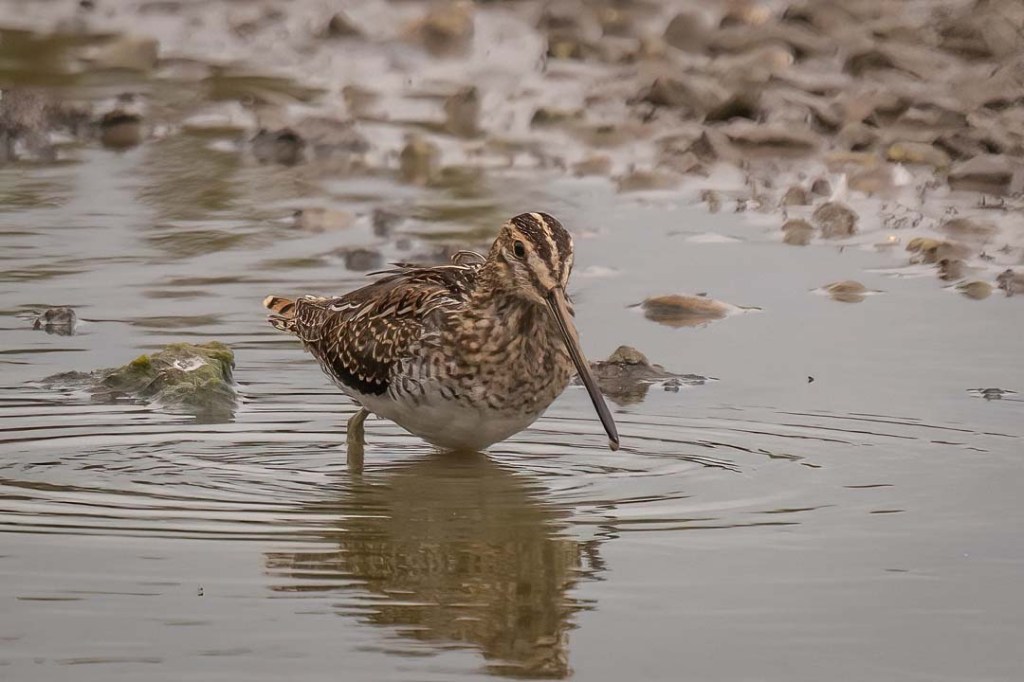
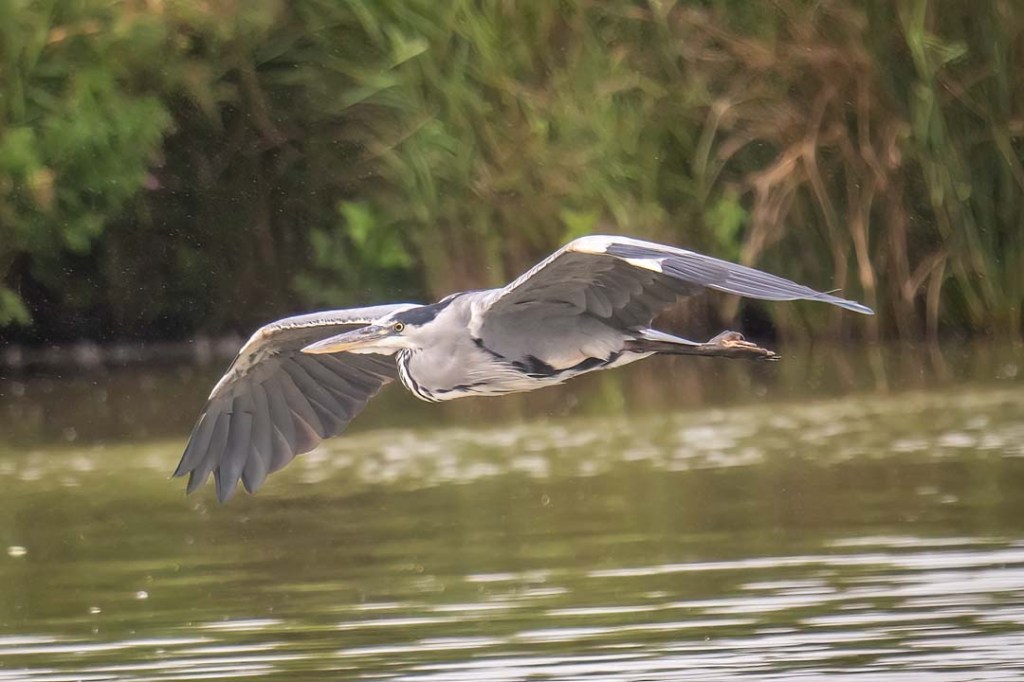
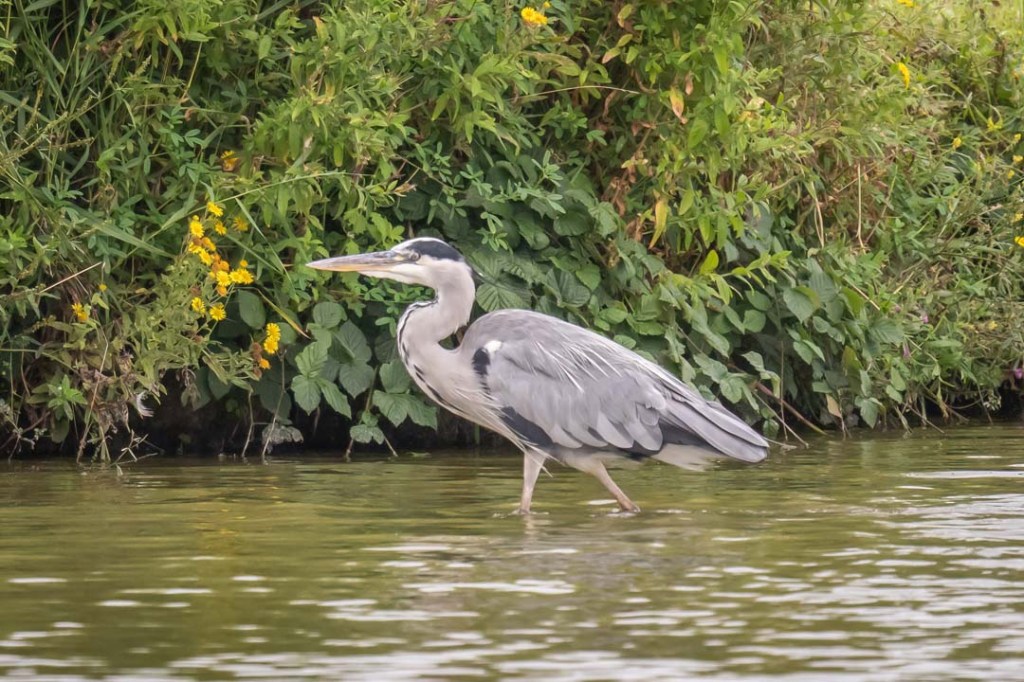
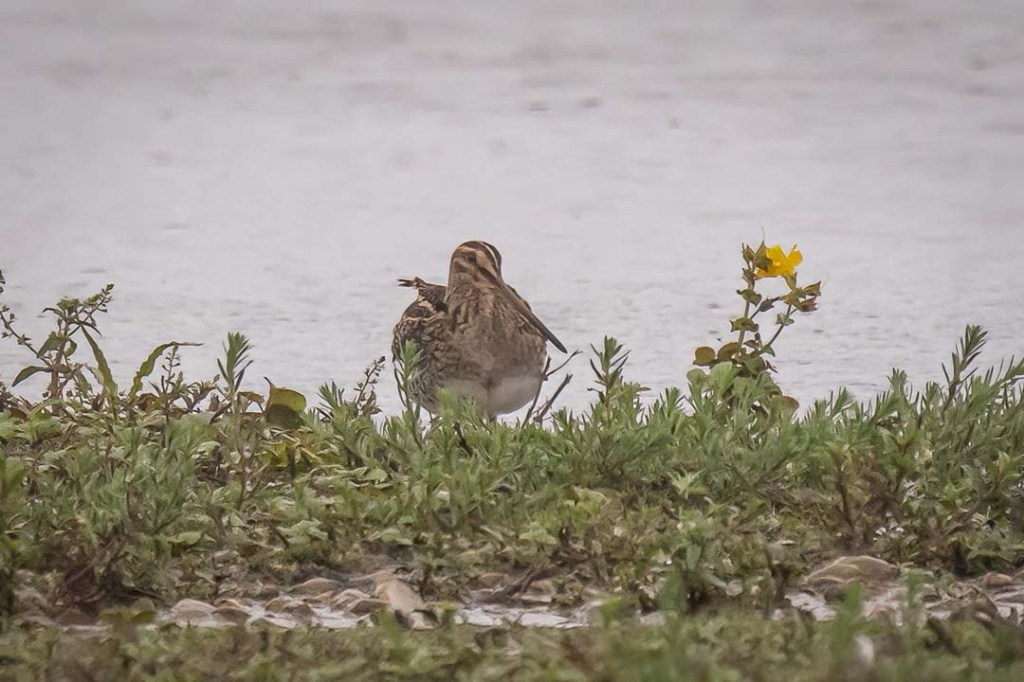
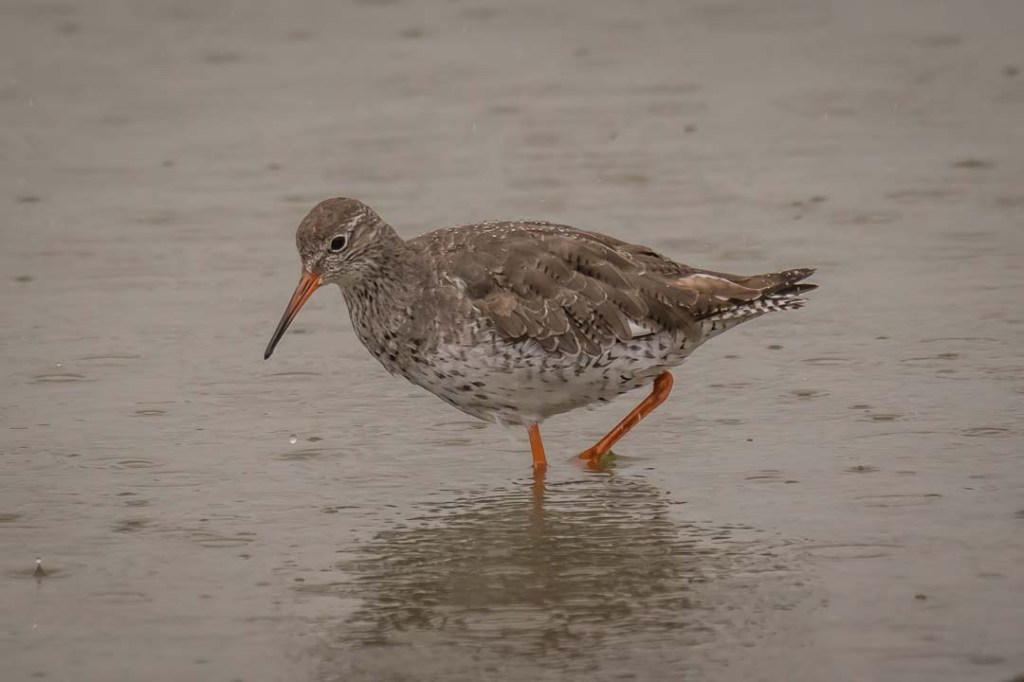
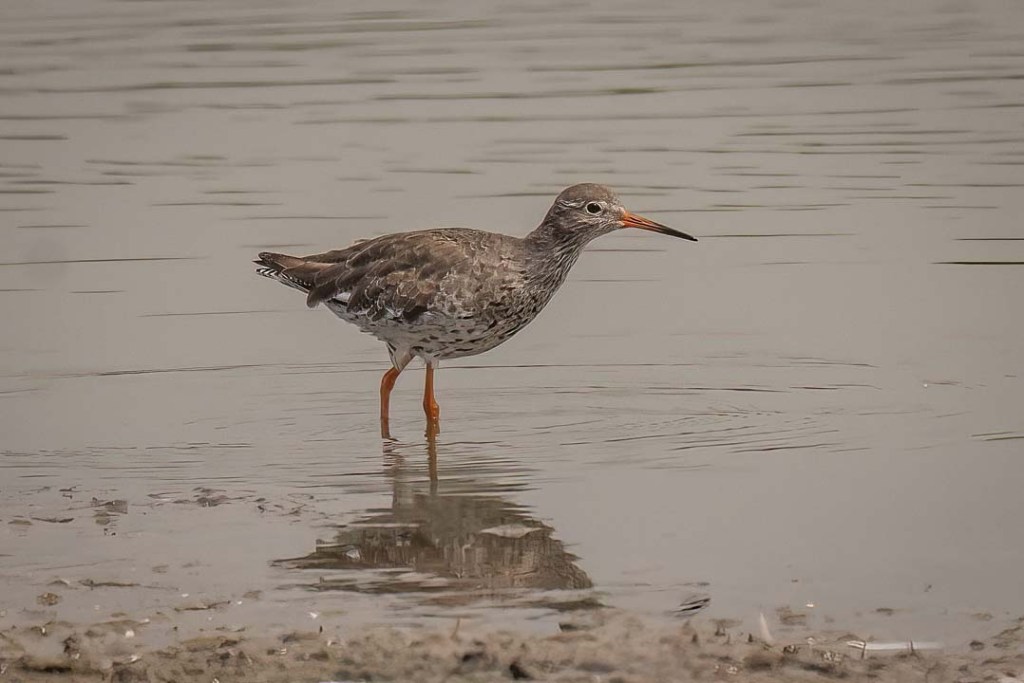
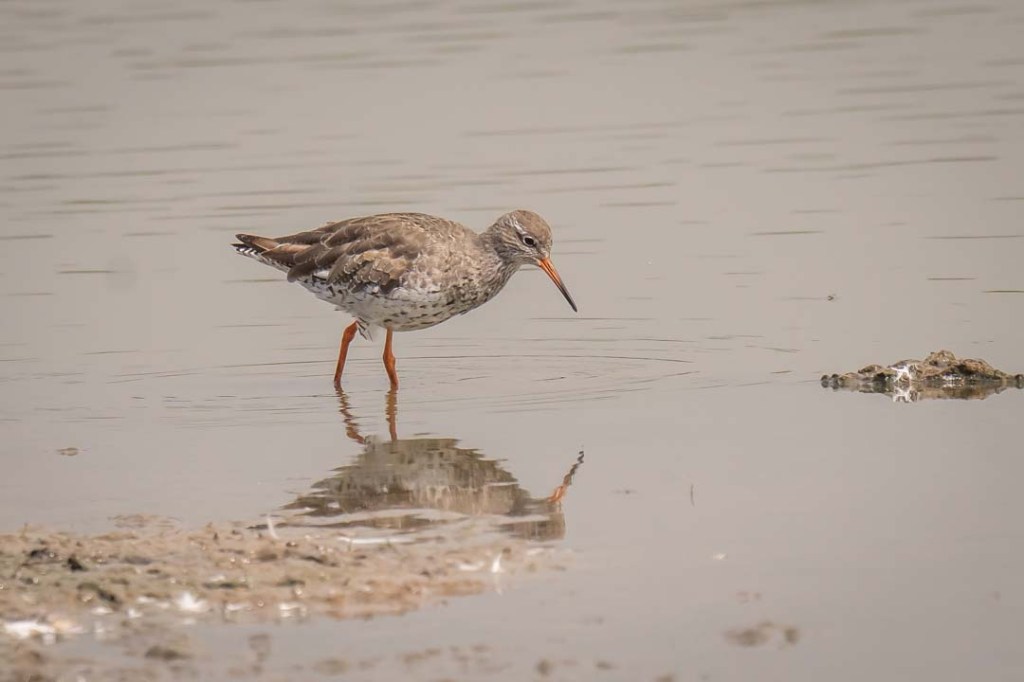
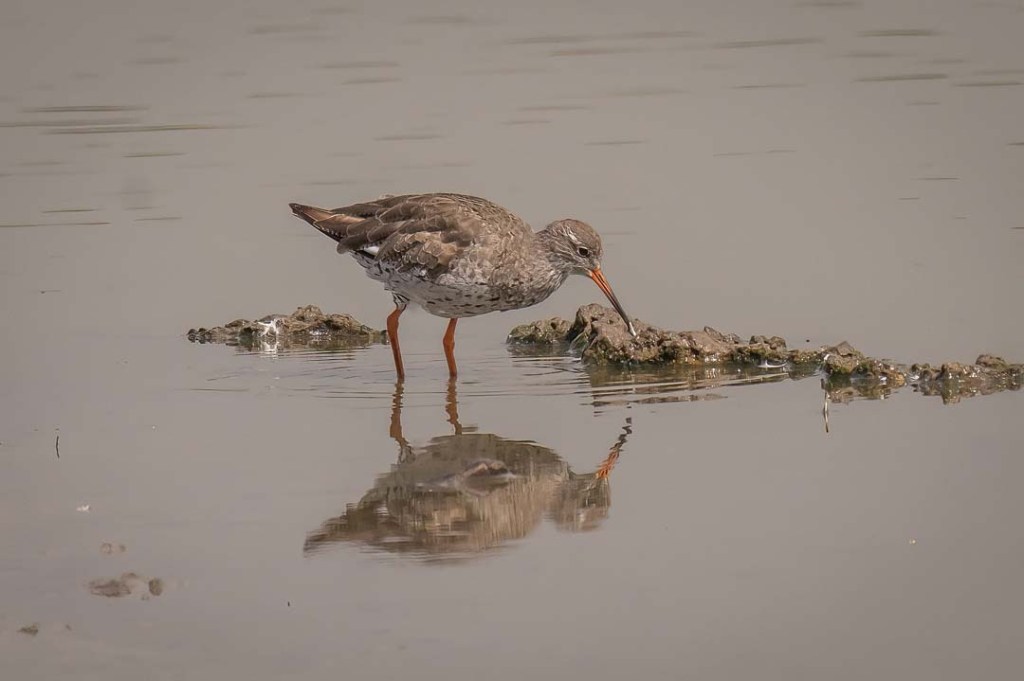
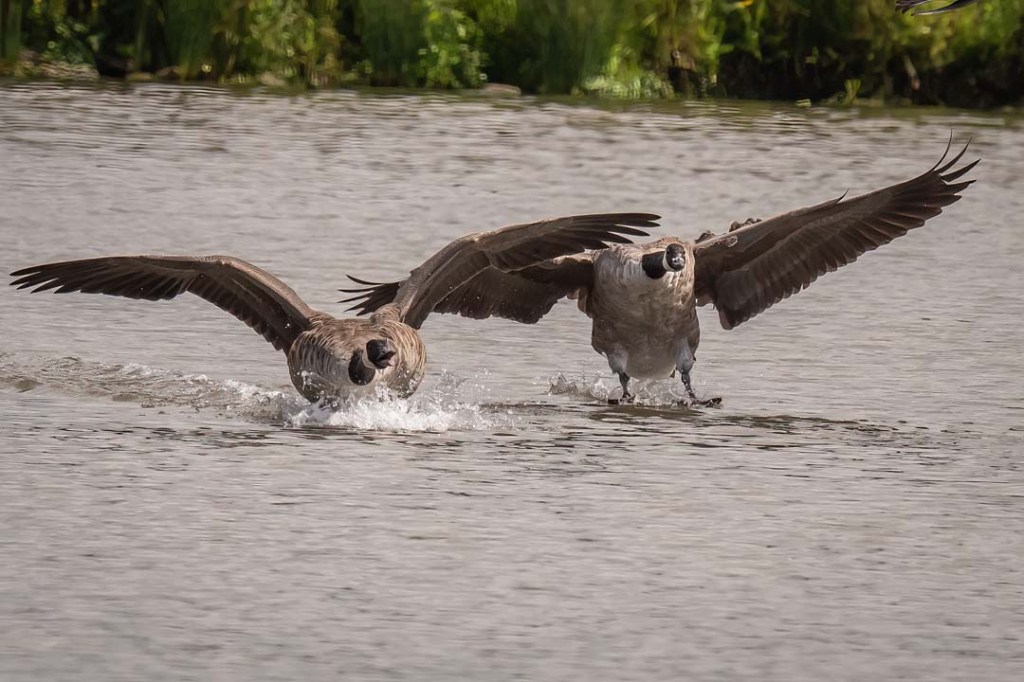
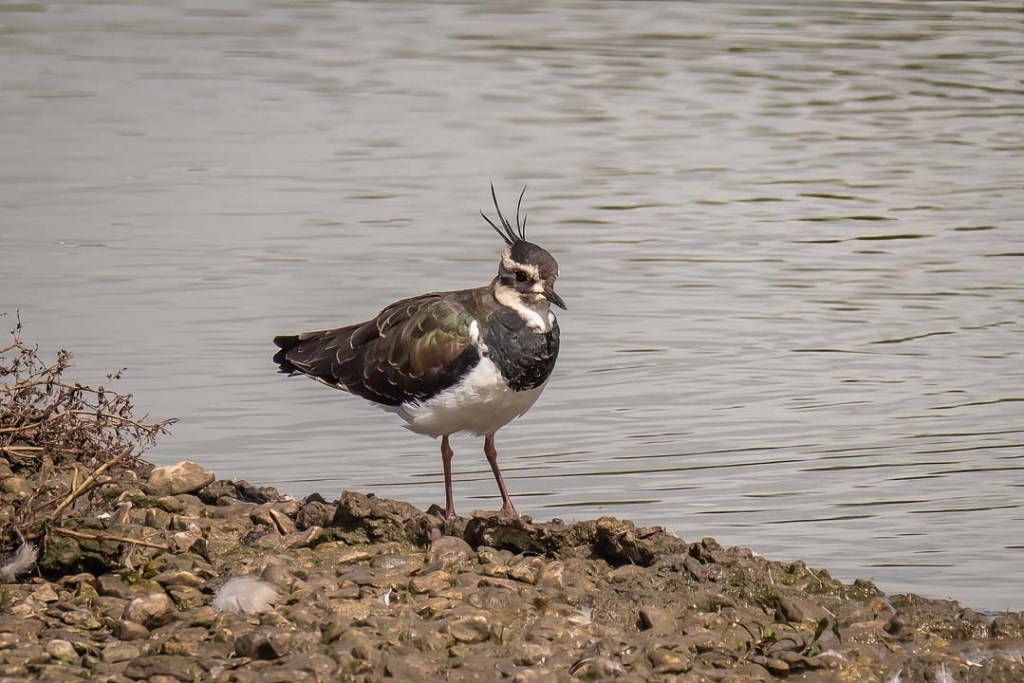
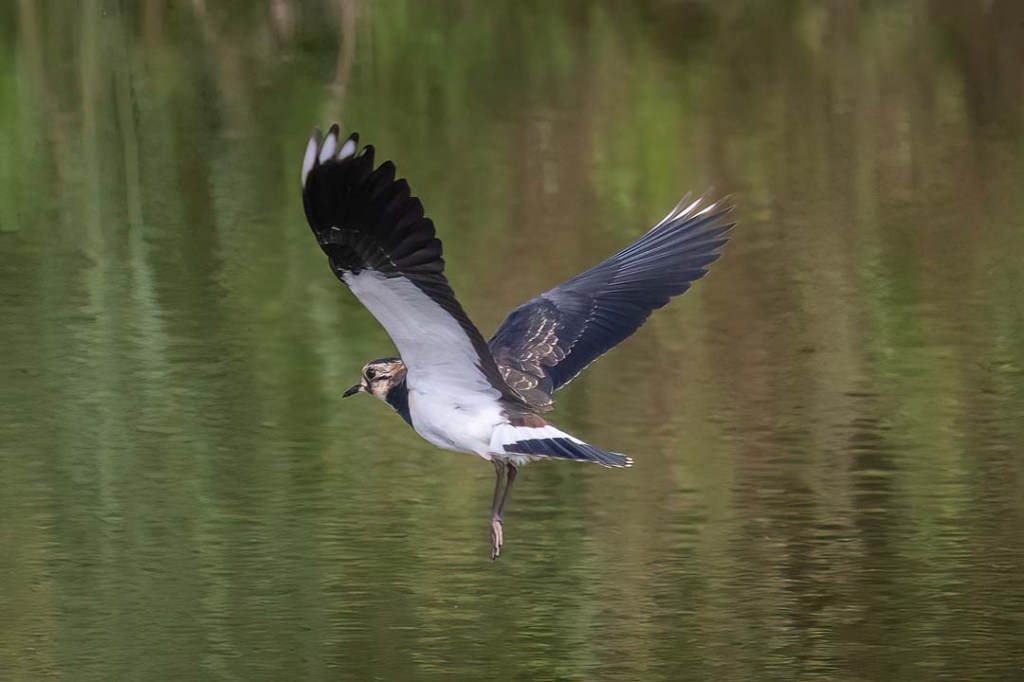
Black-tailed godwitBlack-tailed godwitBlack-tailed godwitCommon snipeCommon snipeRuff in the rainRedshank in the sunGreen sandpiperLapwingLapwingGrey heronLittle egretLittle and large – ruff and greylag gooseHow come godwits spend so much time scratching?
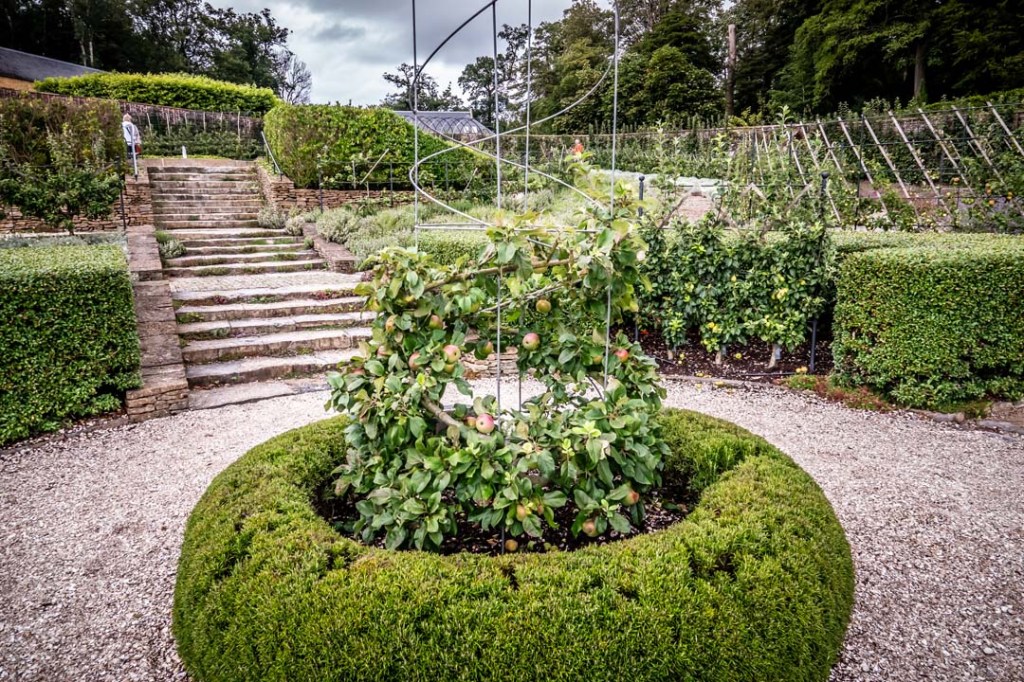
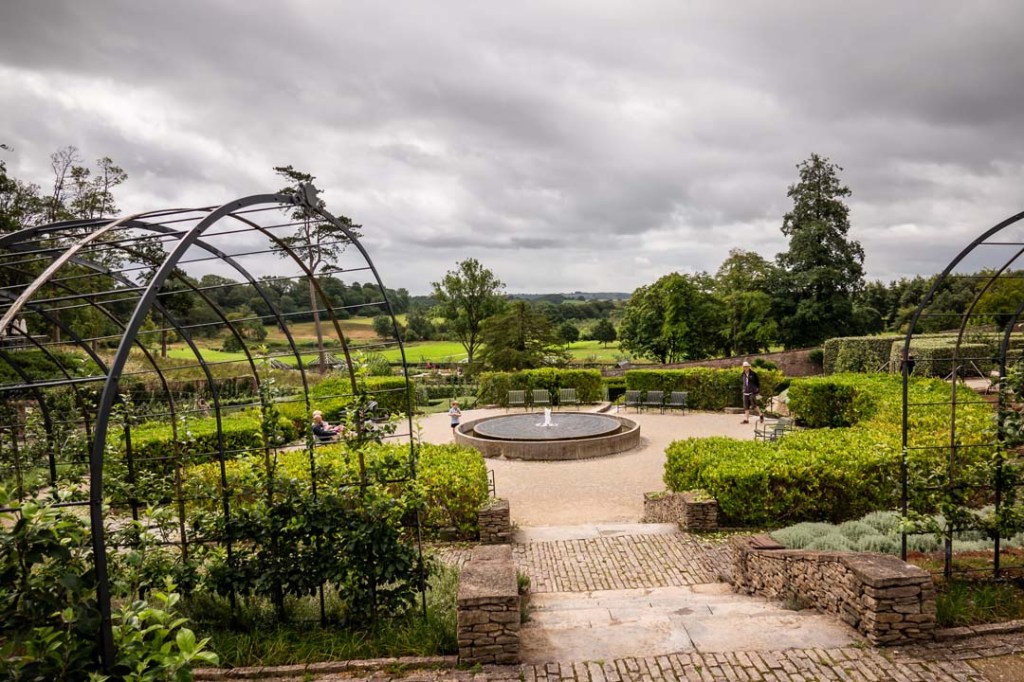
I’m afraid my link to bird photography becomes rather tenuous at this time of the year. Many bird photographers often turn to butterflies at this stage but my focus turns to gardens. All the same, nature in all its glory is very evident in these wonderful tended gardens.
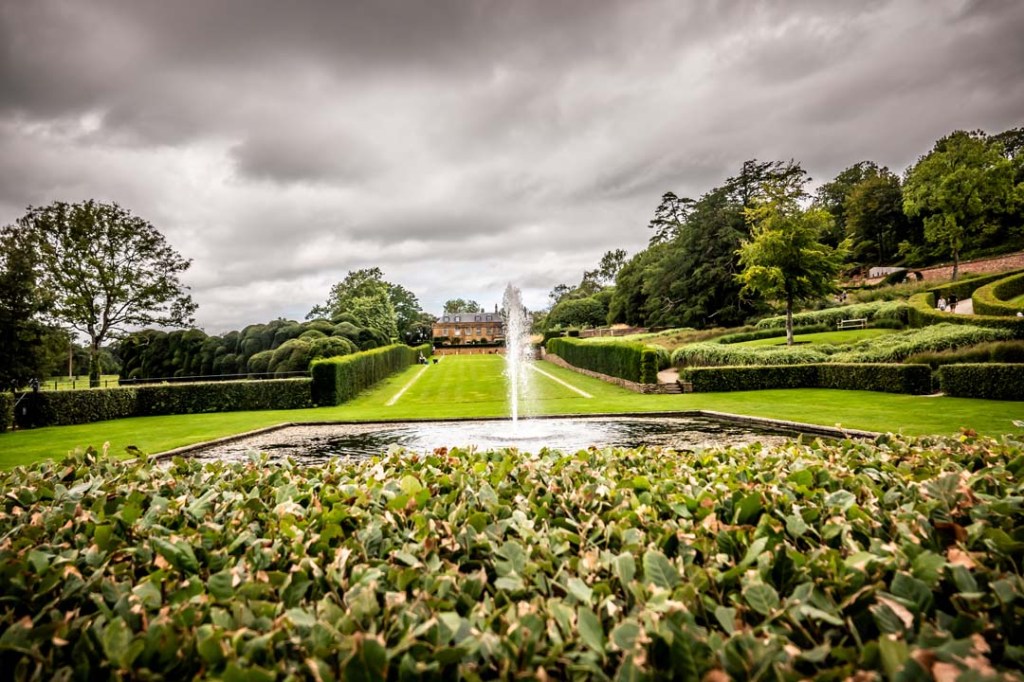
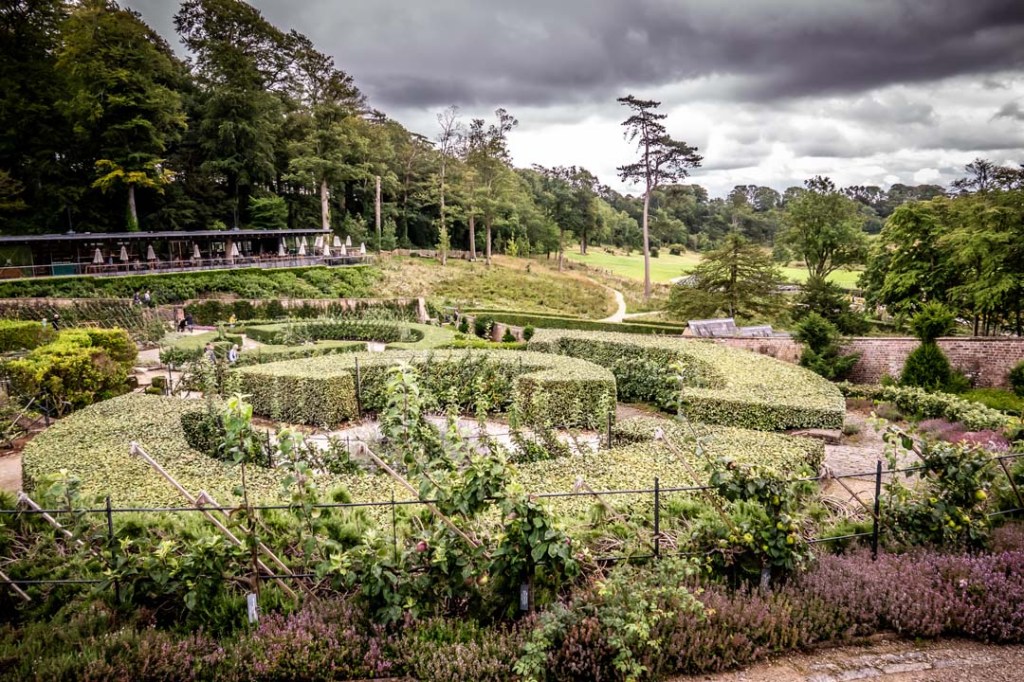
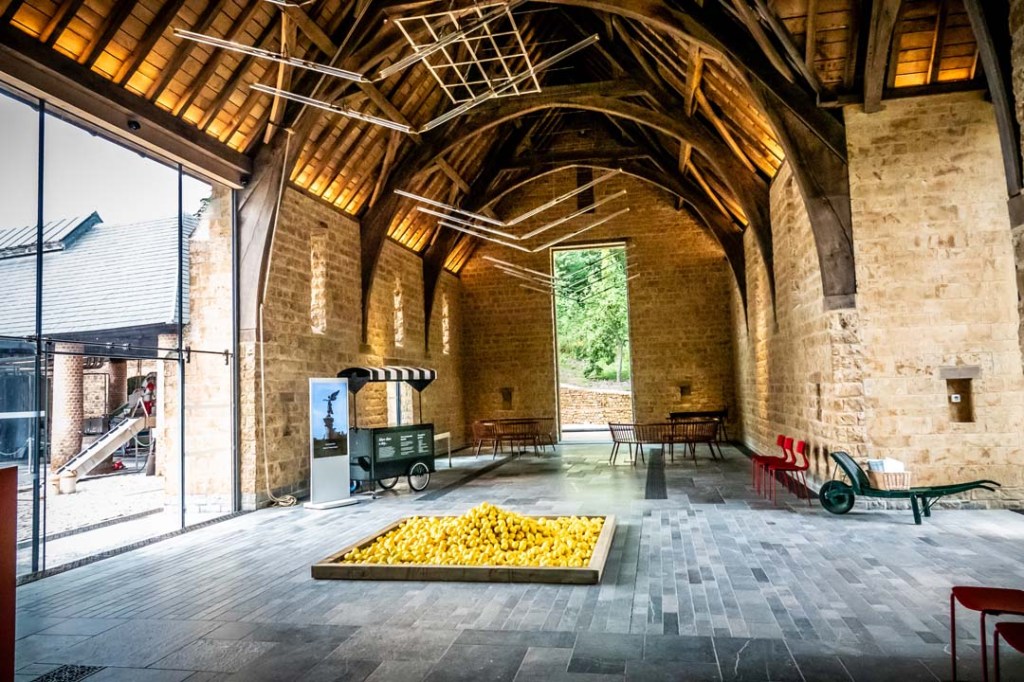
Our trip to The Newt in Somerset was a birthday treat. In fact, due to the inclement weather my birthday treat turned out to be watching cricket on the television as England levelled the “Ashes” series with Australia. So, our trip to Somerset was delayed by a day and generally we had dry but very cloudy weather.
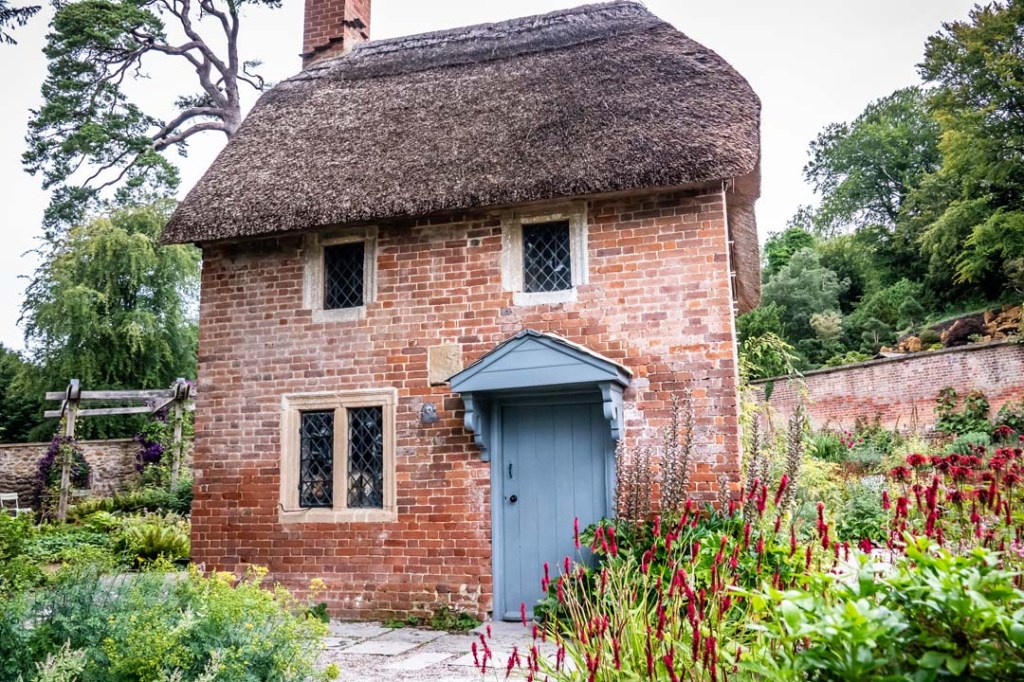
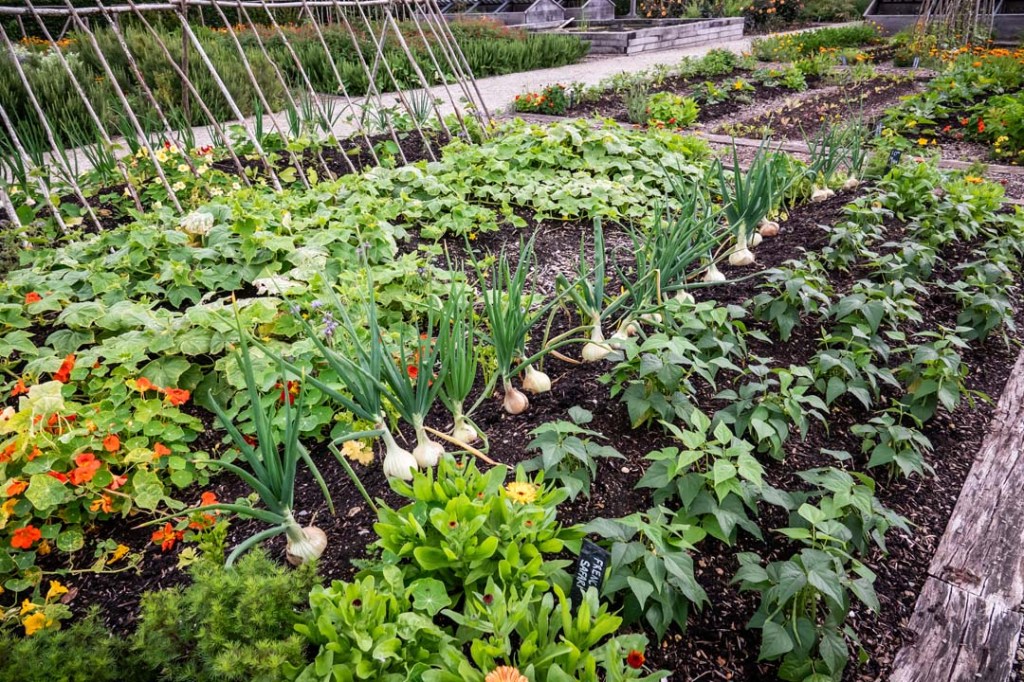
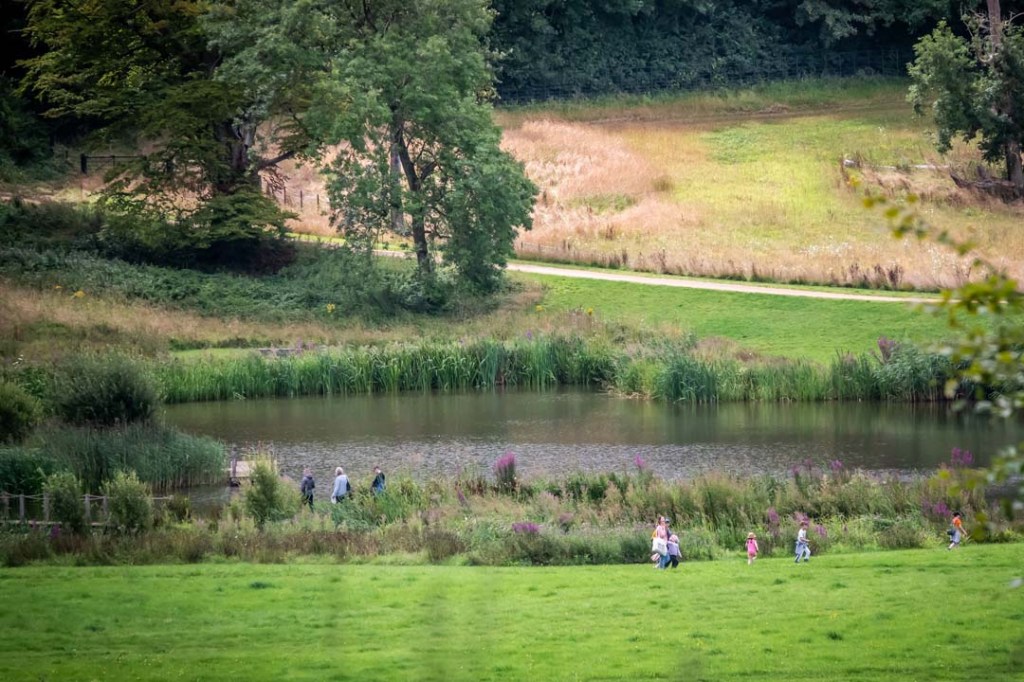
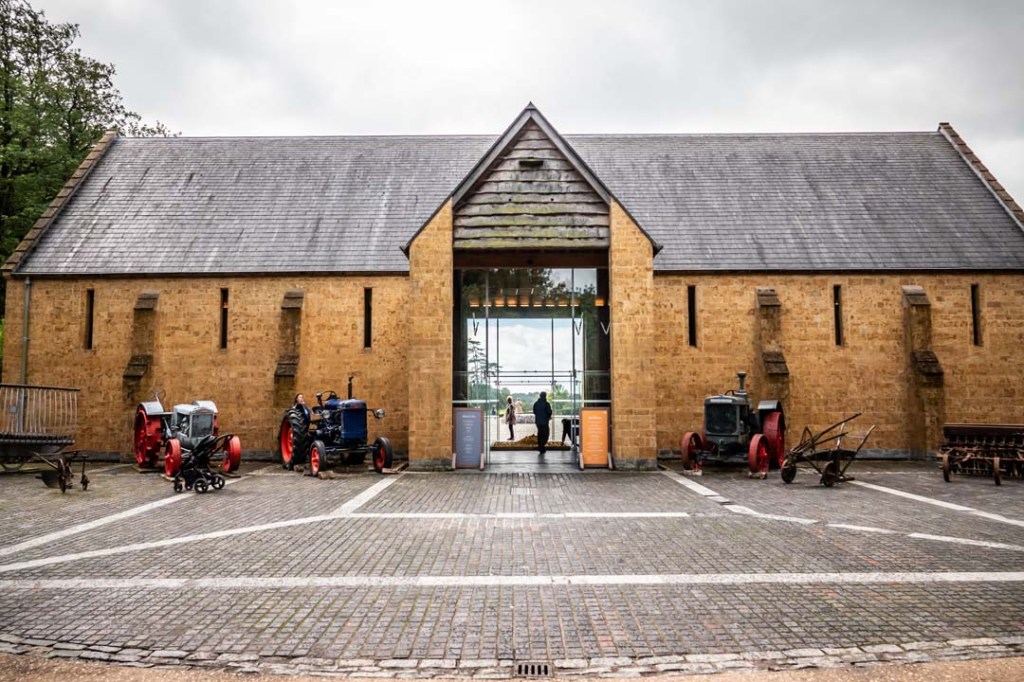
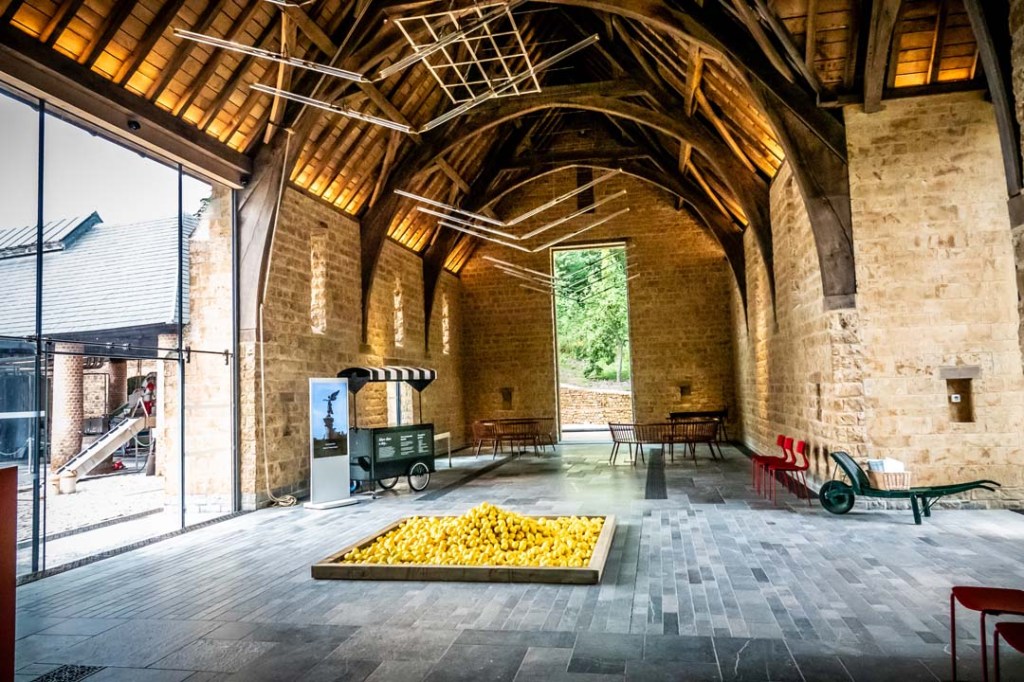
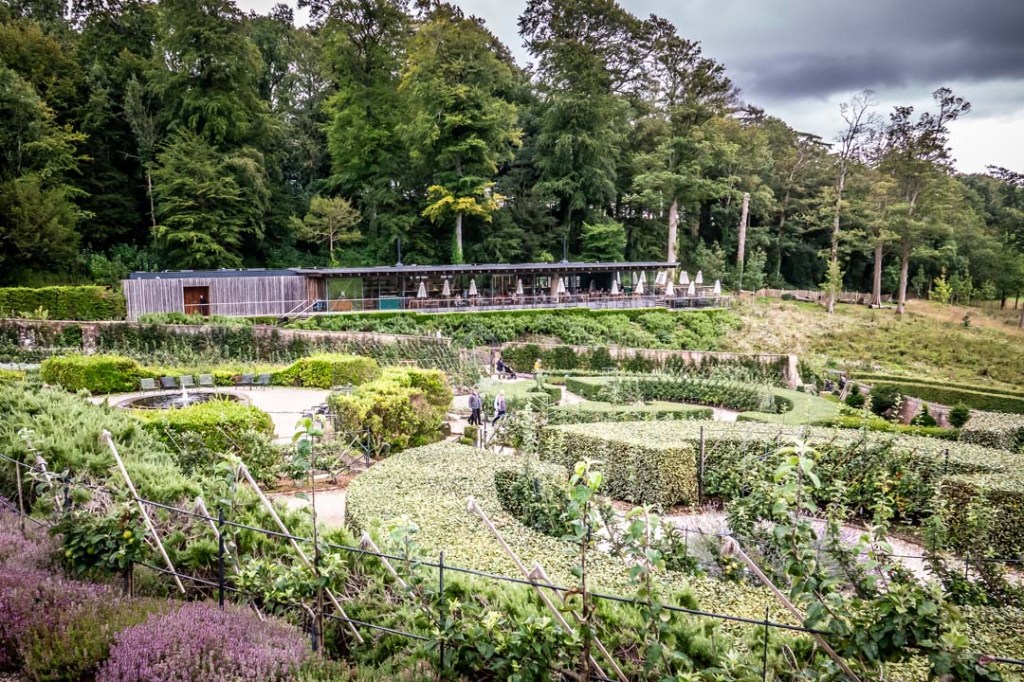
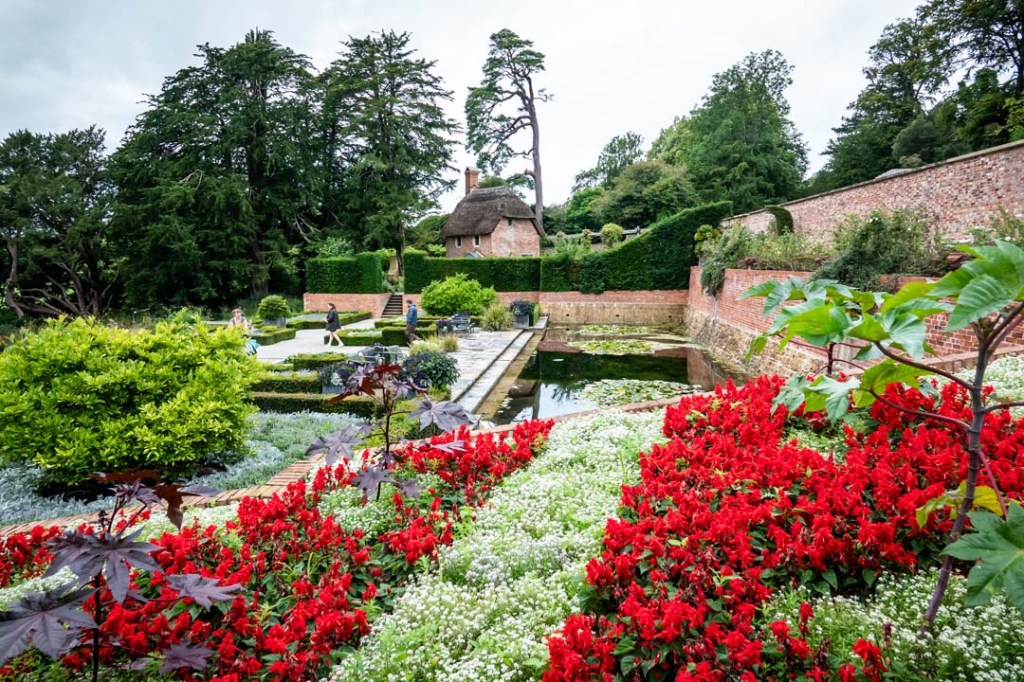
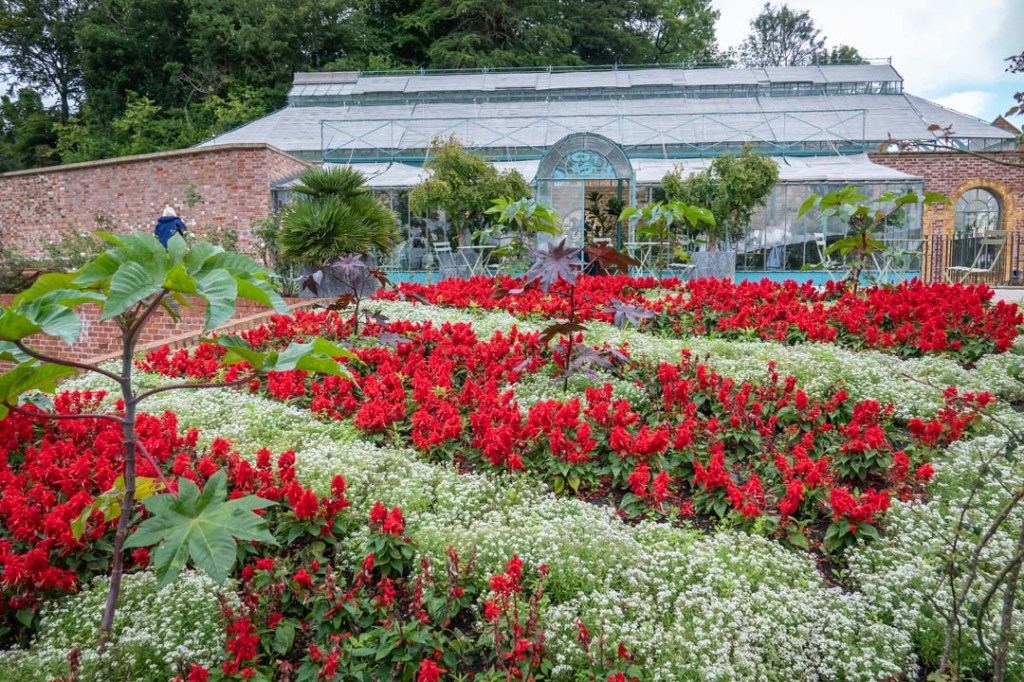
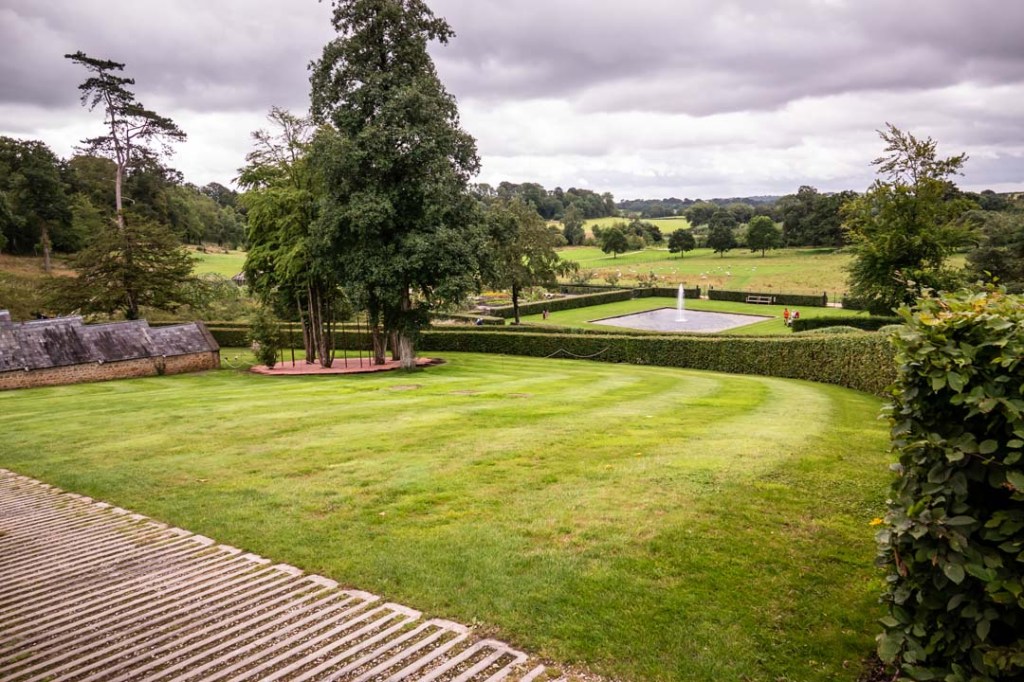
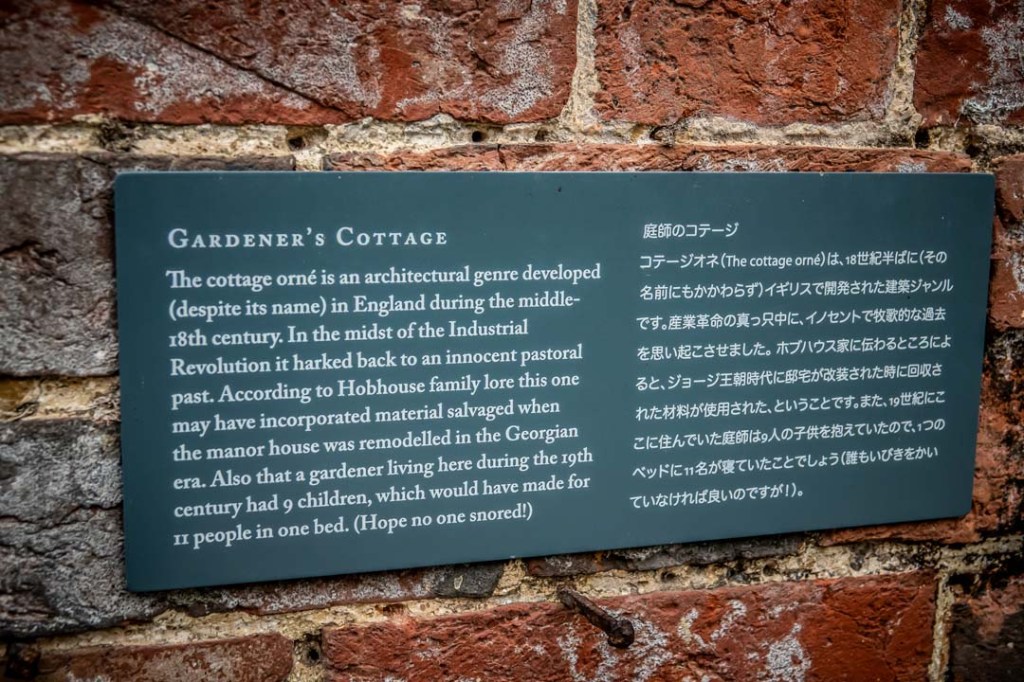
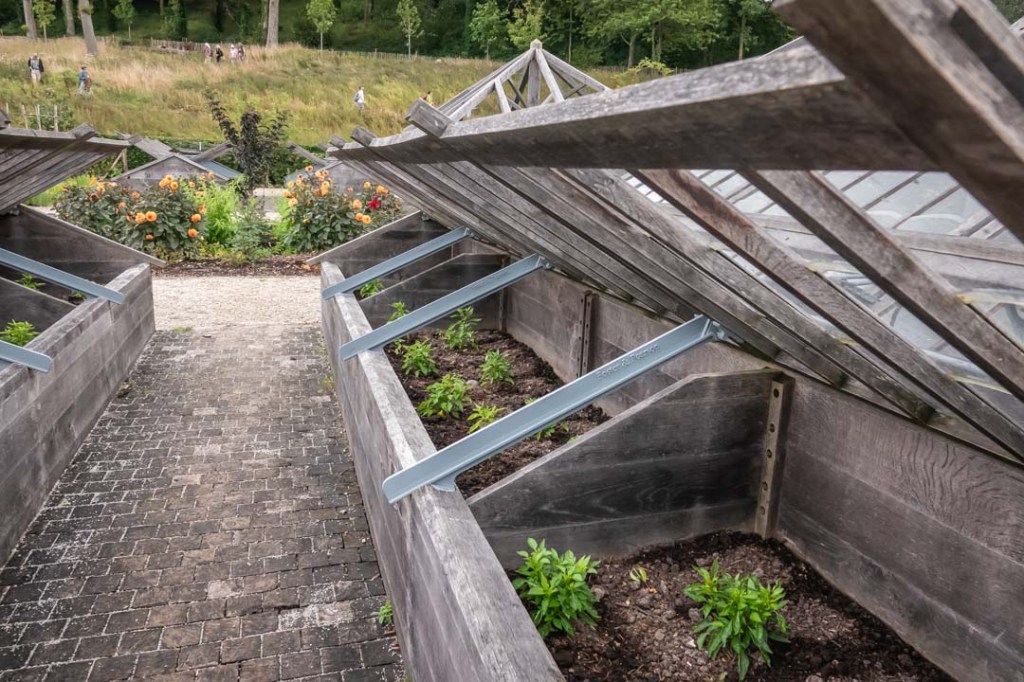
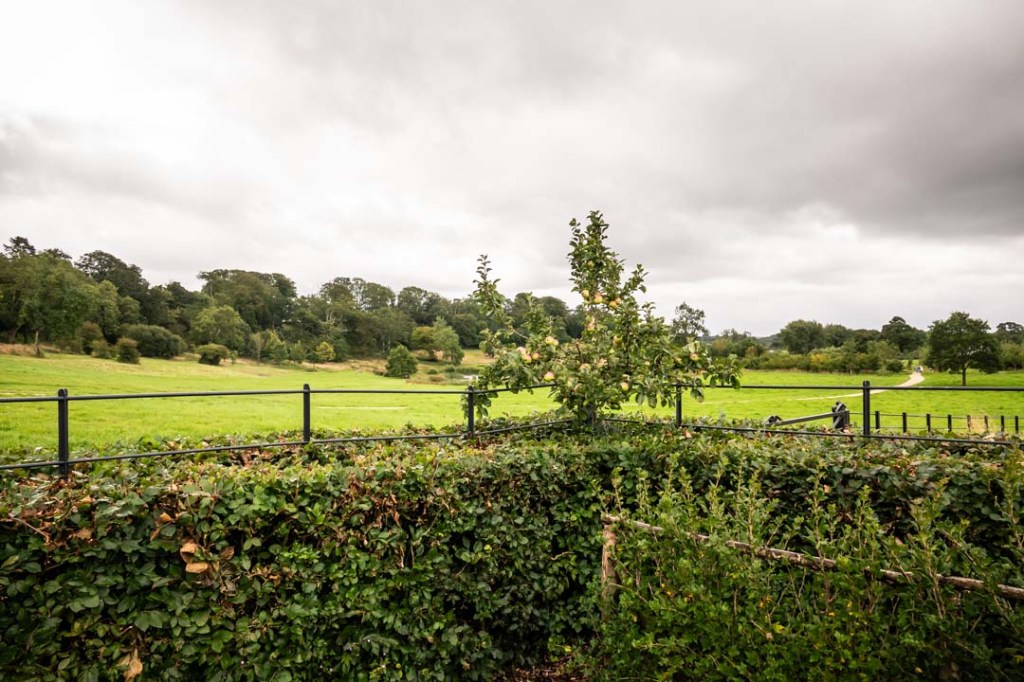
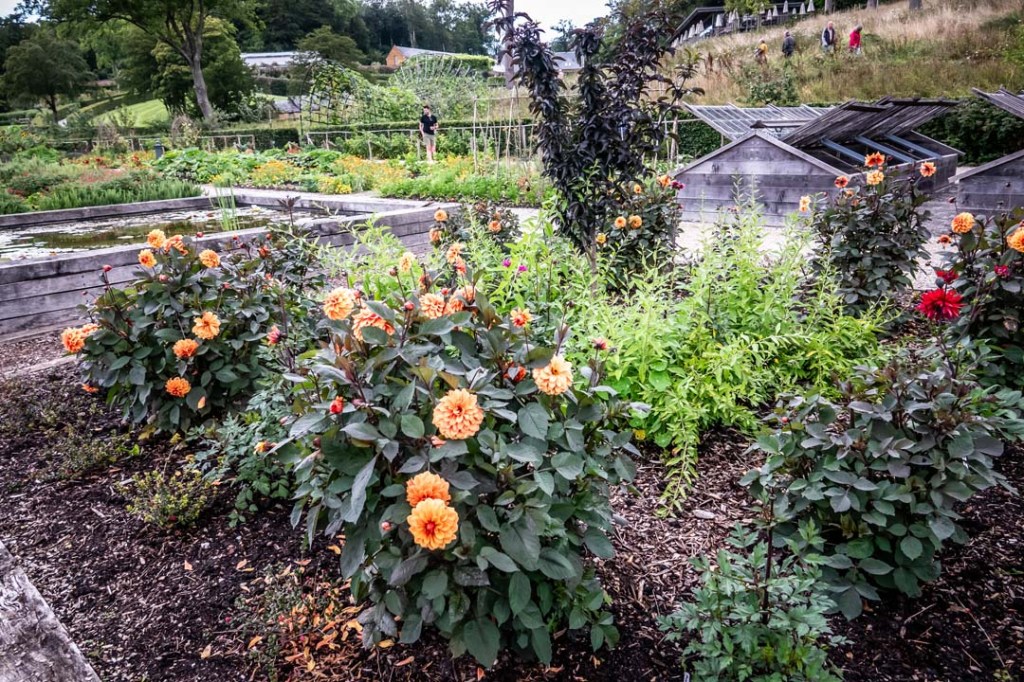
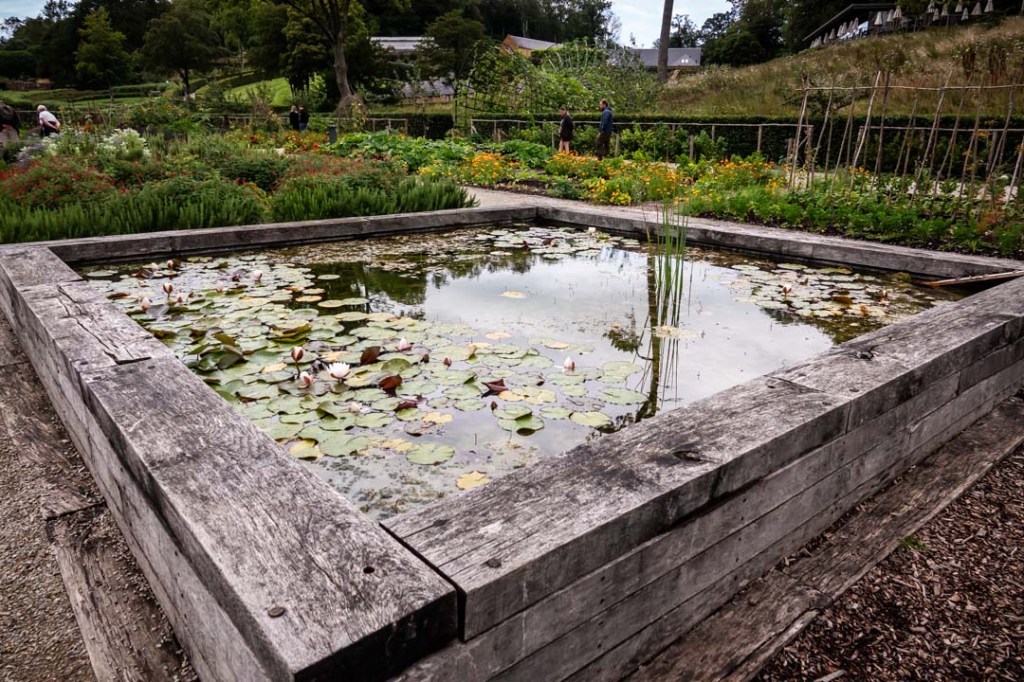
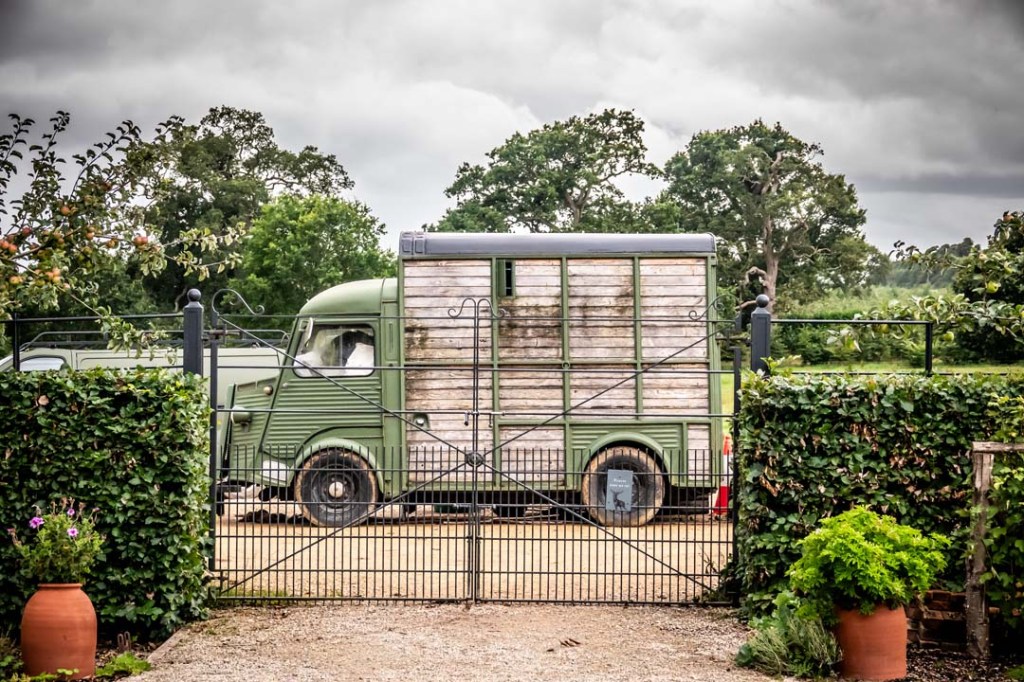
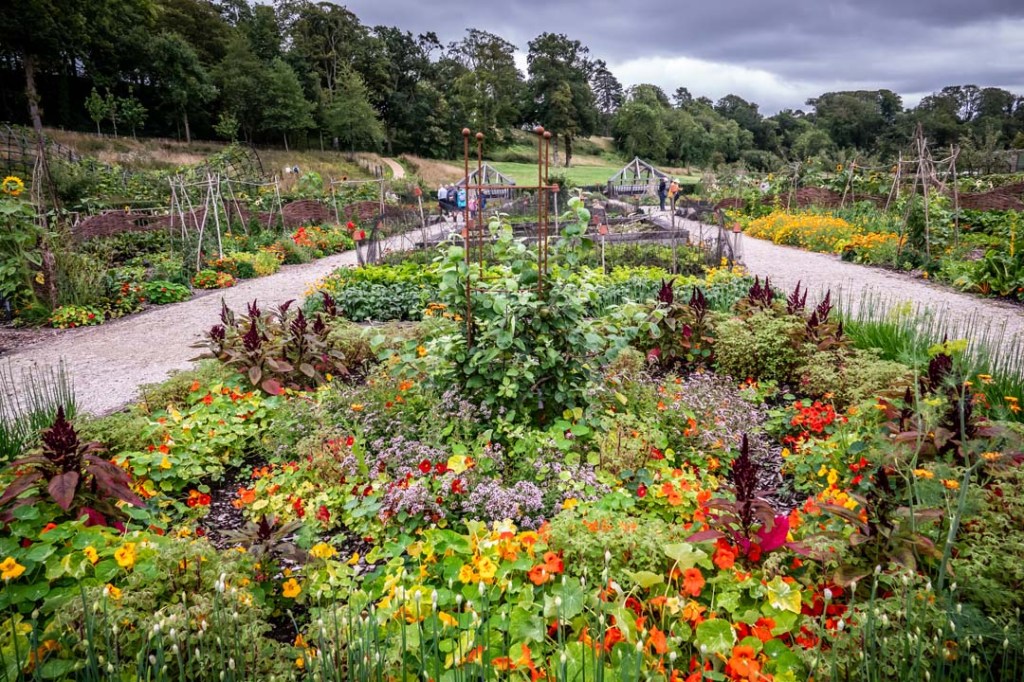
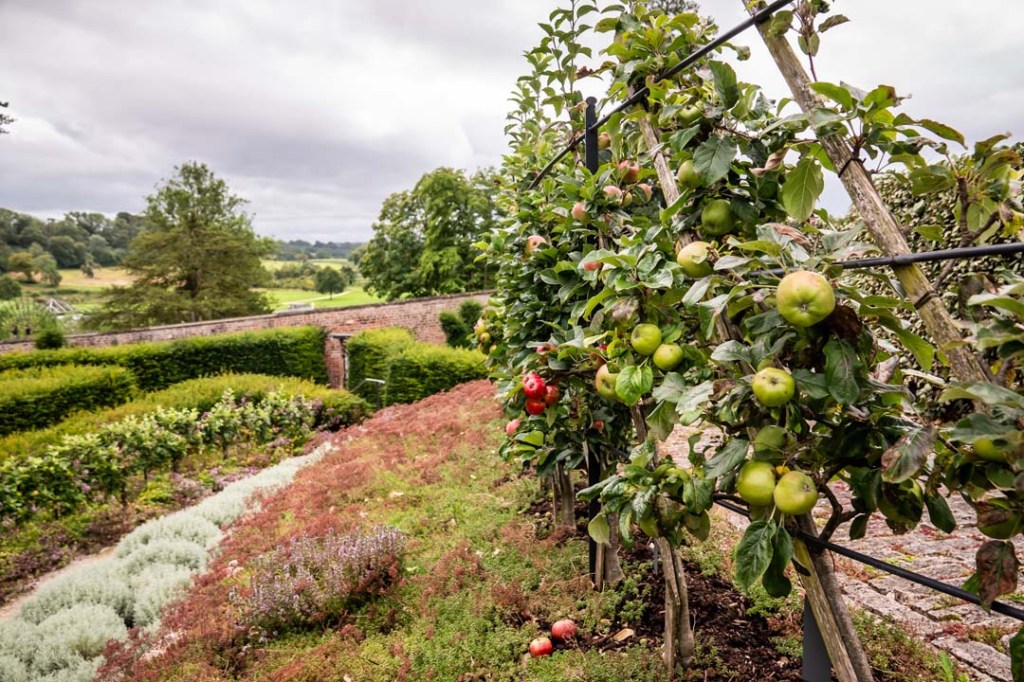
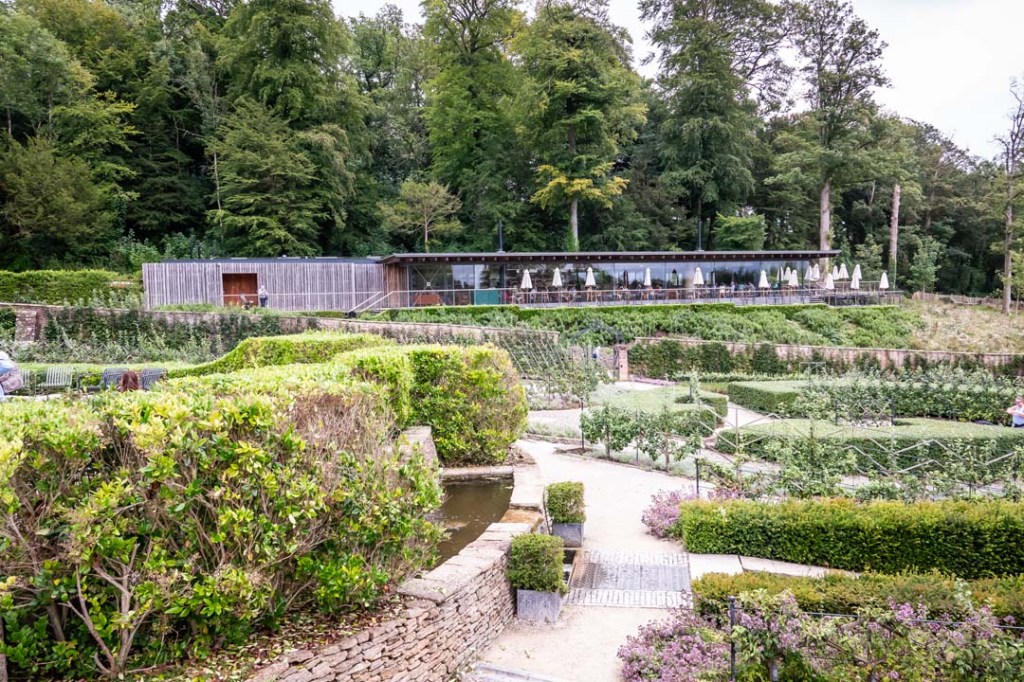
Why The Newt? The name has been chosen because of amphibian friends that have been found on the estate. As The Newt’s own website says: ‘They also possess the incredible ability to regenerate, retaining their functional and structural properties. And so this resident was a perfect fit. ‘The Newt hotel in the backgroundThe Garden Café offers a perfect vantage point over the kitchen gardens and orchards below Lemons from Babylonstoren, their sister property in the Western Cape of South Africa, greet visitors to the gardensThe gardener’s cottage (at one time!)Windows around the garden lead to one spectacular vista after anotherPerhaps an onion from this plot formed the main ingredient of one of my dishes at lunch?Can’t wait to go back and explore further afield and perhaps find some birds!
I’ll let my slideshow of our trip to The Newt in Somerset do the rest:
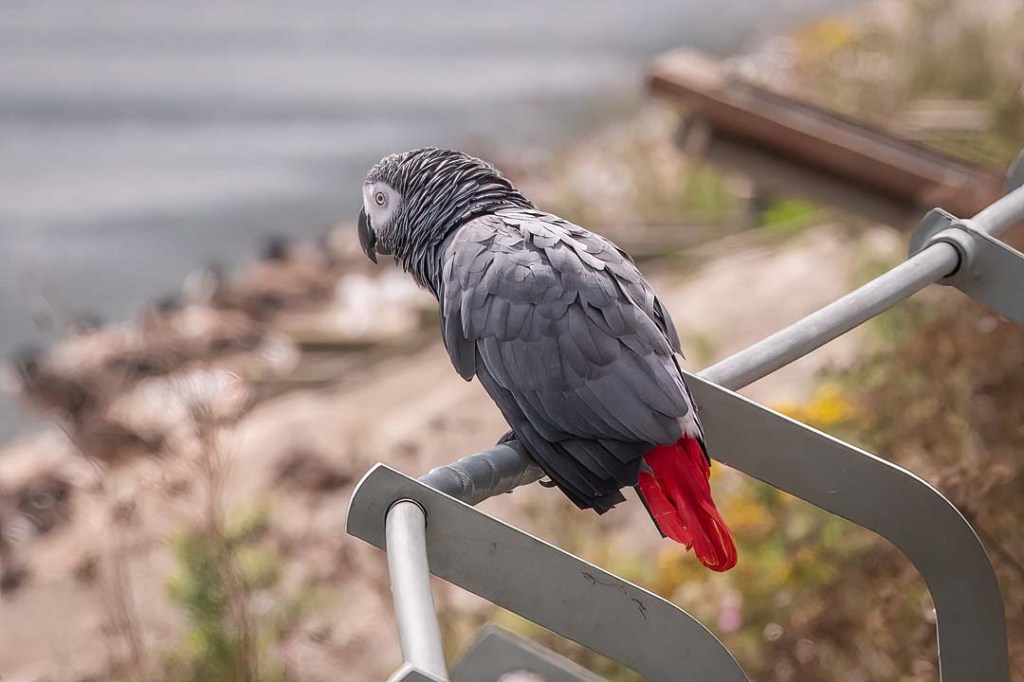
A grey parrot (Psittacus erithacus), also known as the Congo grey parrot, Congo African grey parrot or African grey parrot, at Chew Valley Lake today.
Is this another sign of global warning? I presume not. More likely it was the pet of the owners of a van parked adjacent to it.
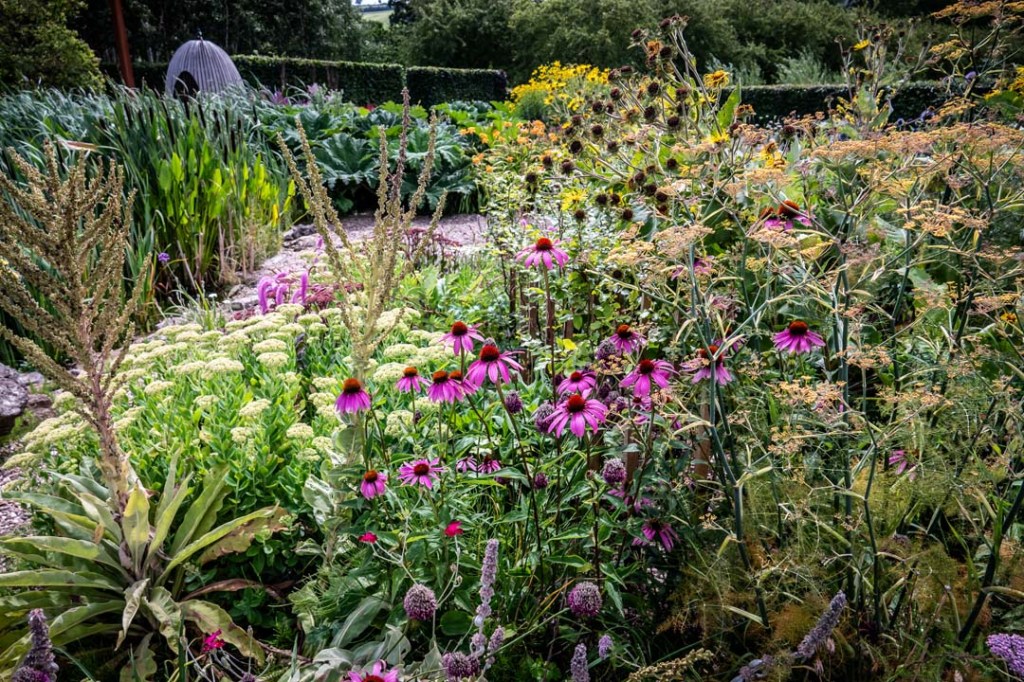
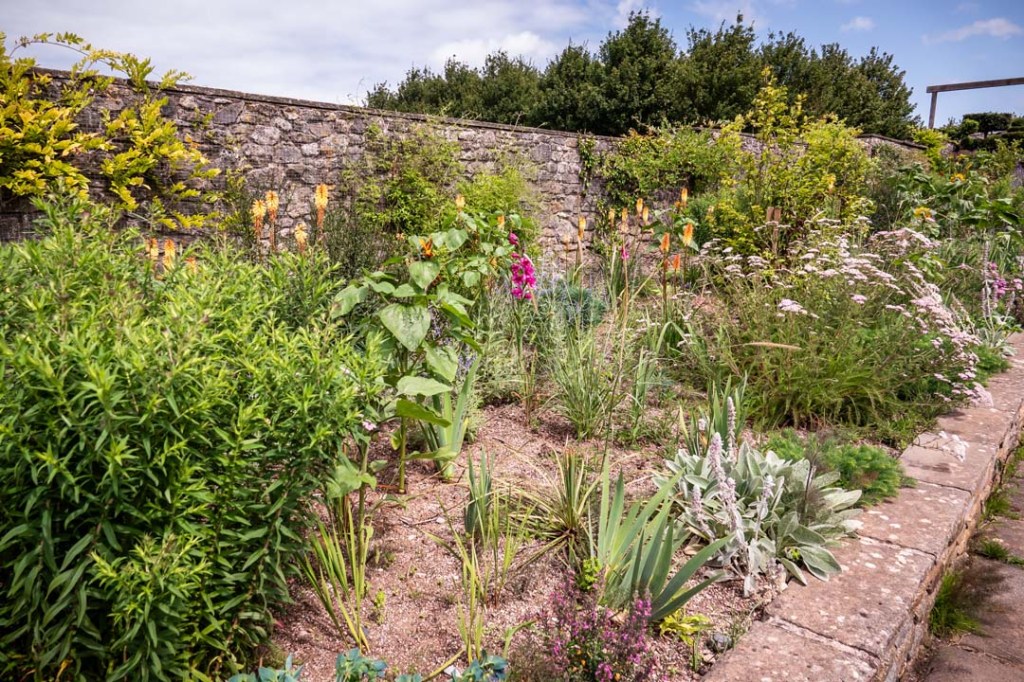
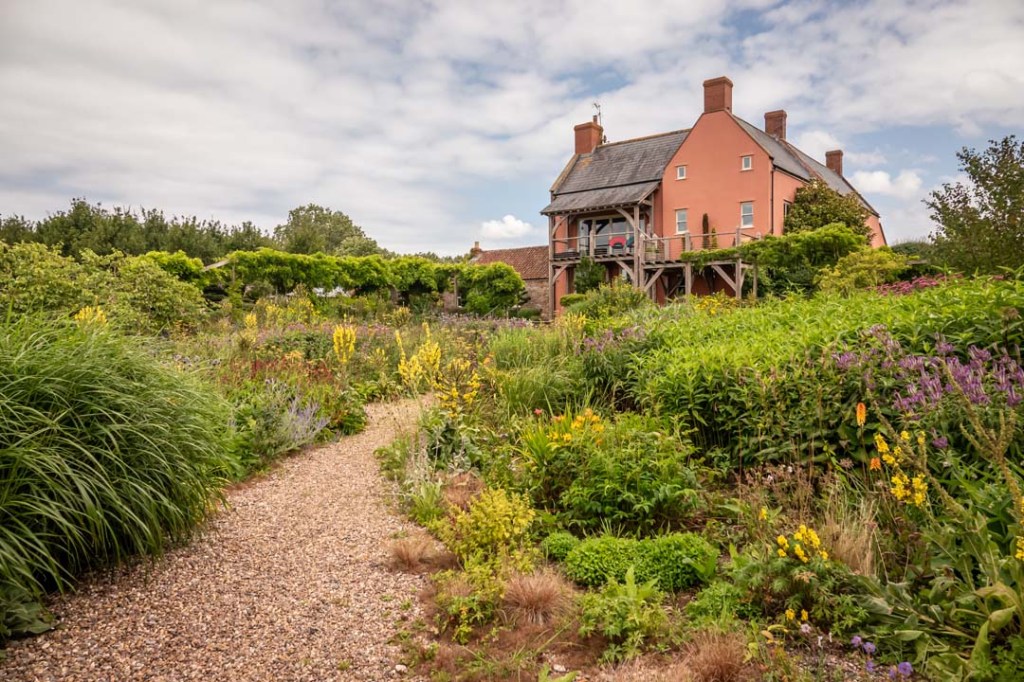
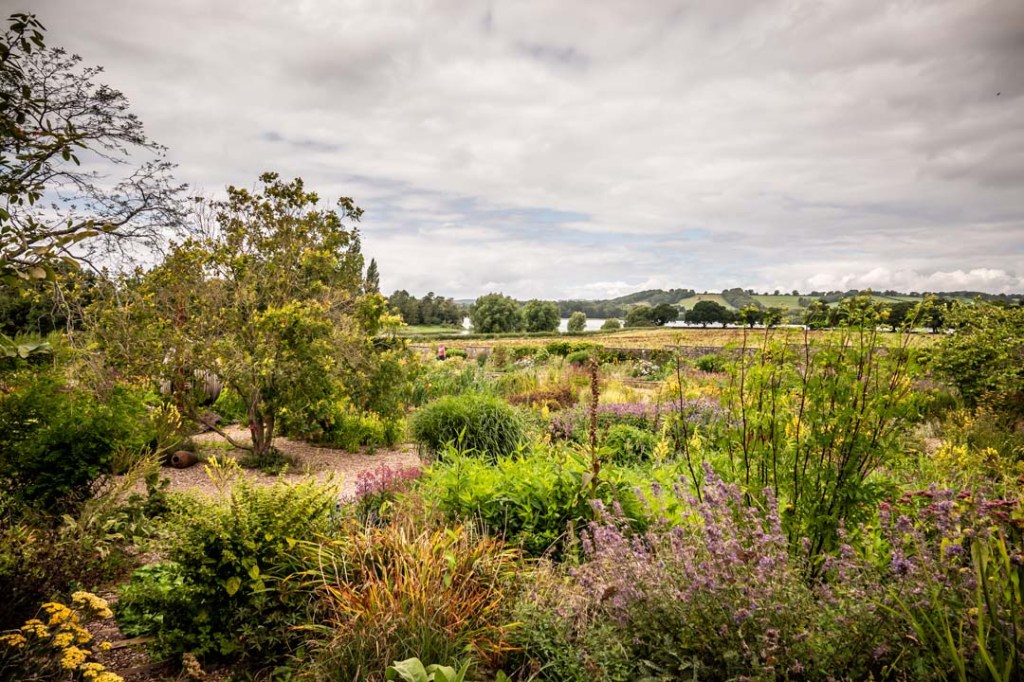
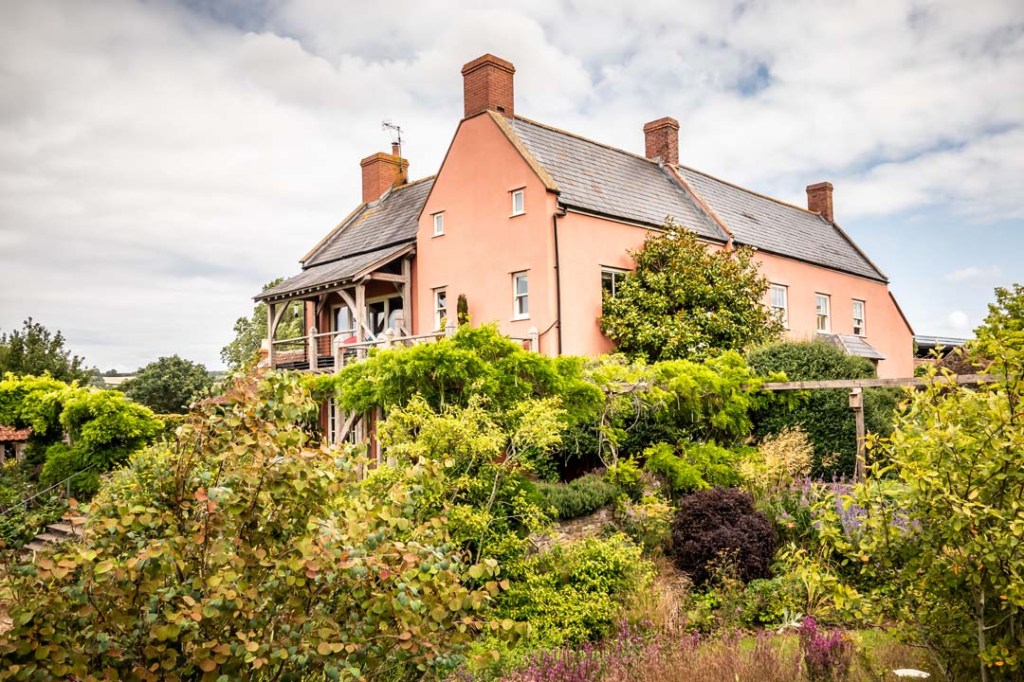
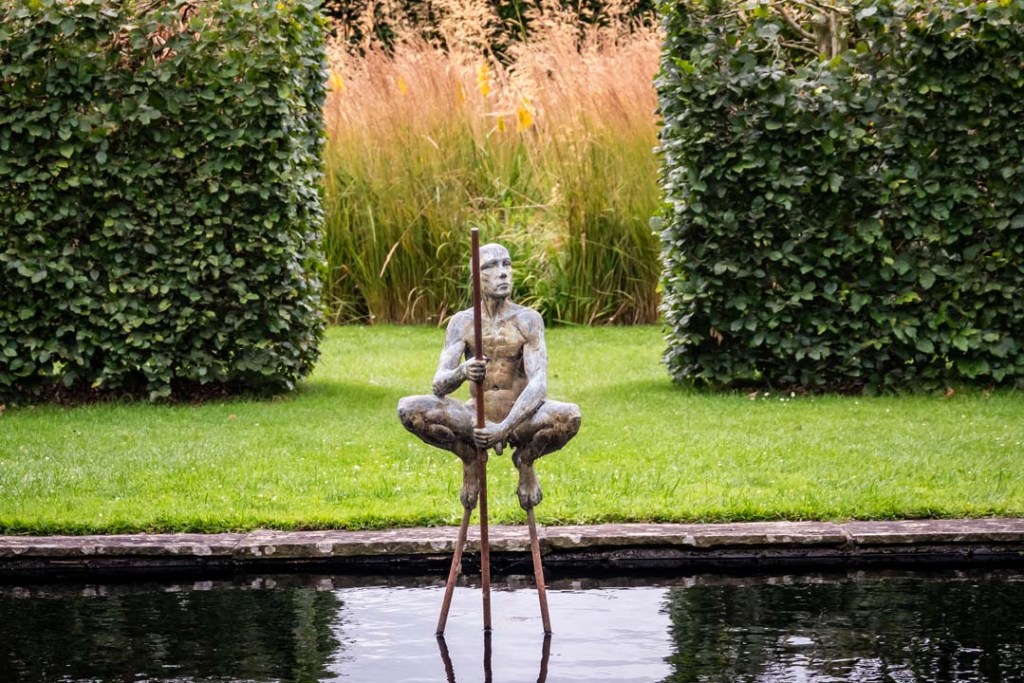
We made a brief stop at the lake before visiting Yeo Valley Organic Garden, one of my favourite gardens in the area.
Yeo Valley Organic garden
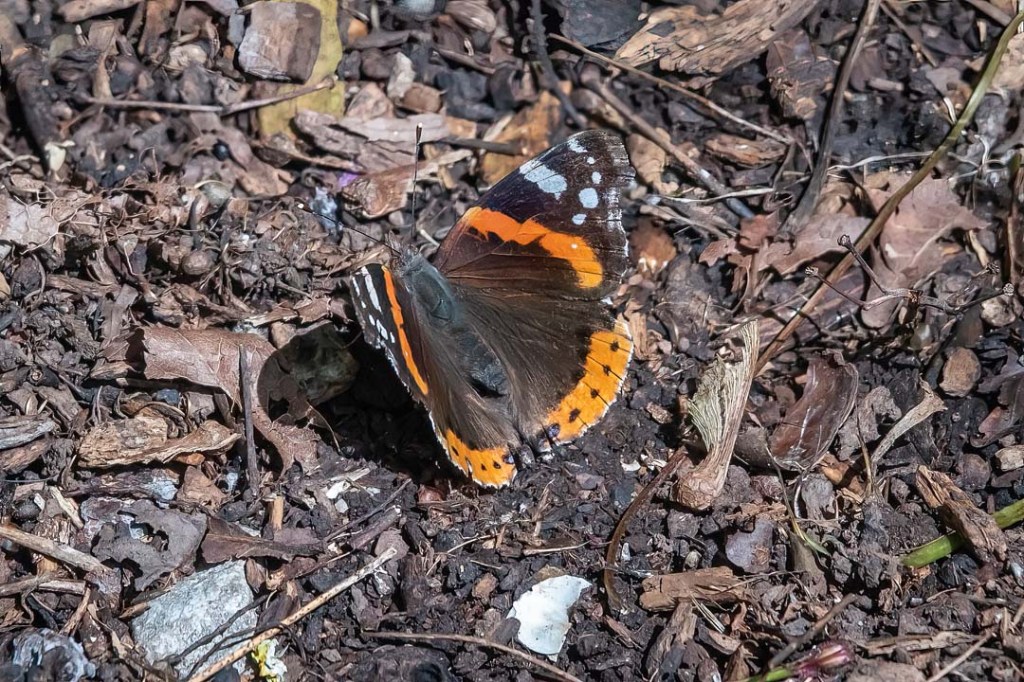
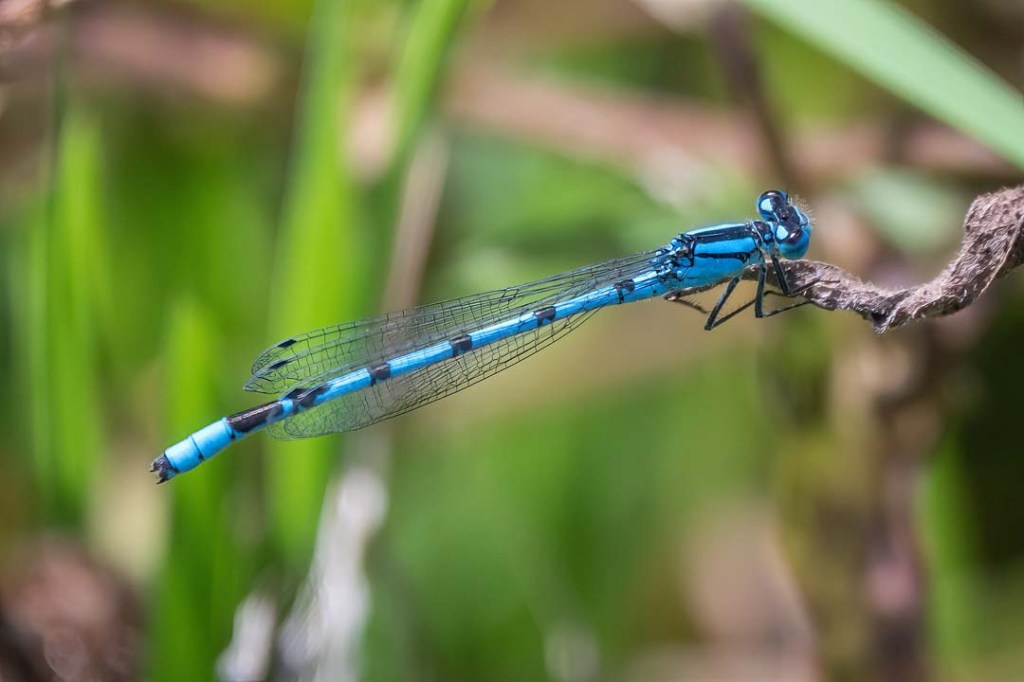
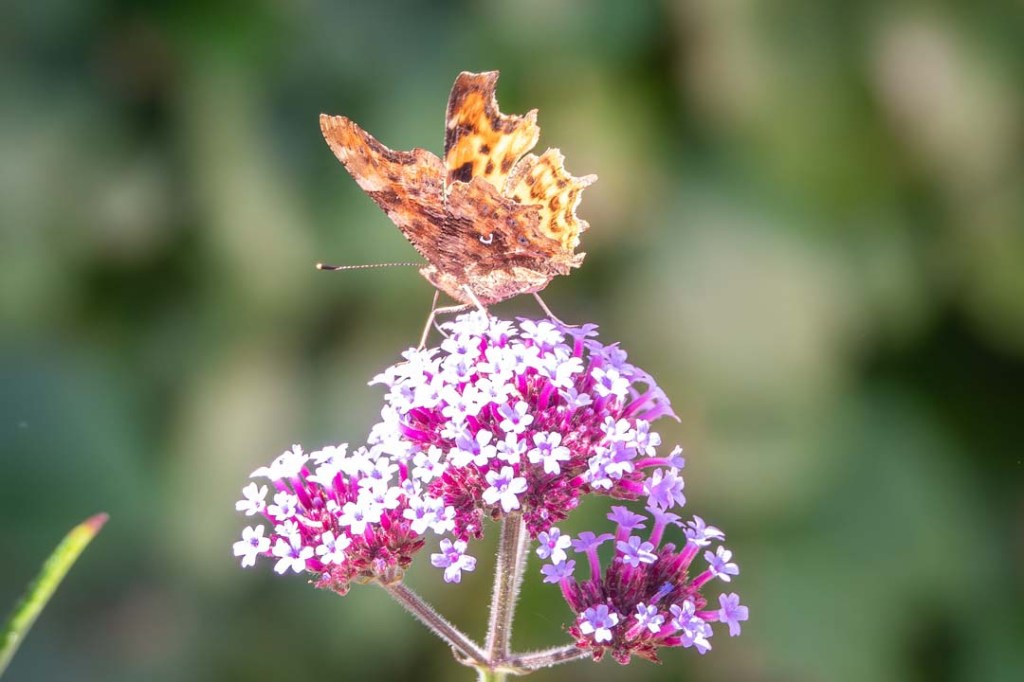
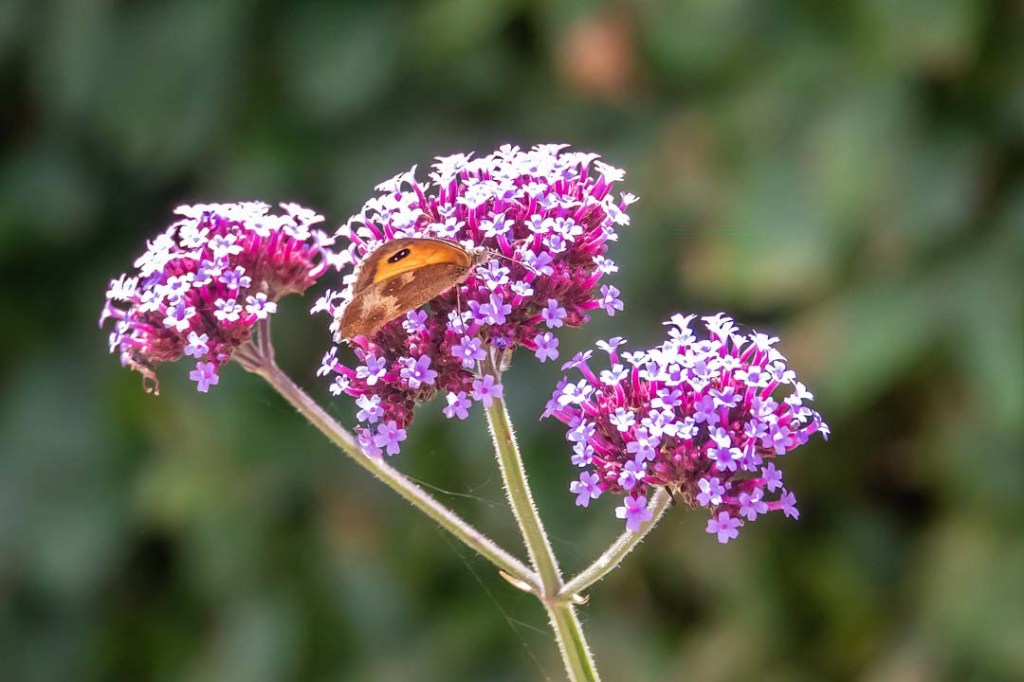
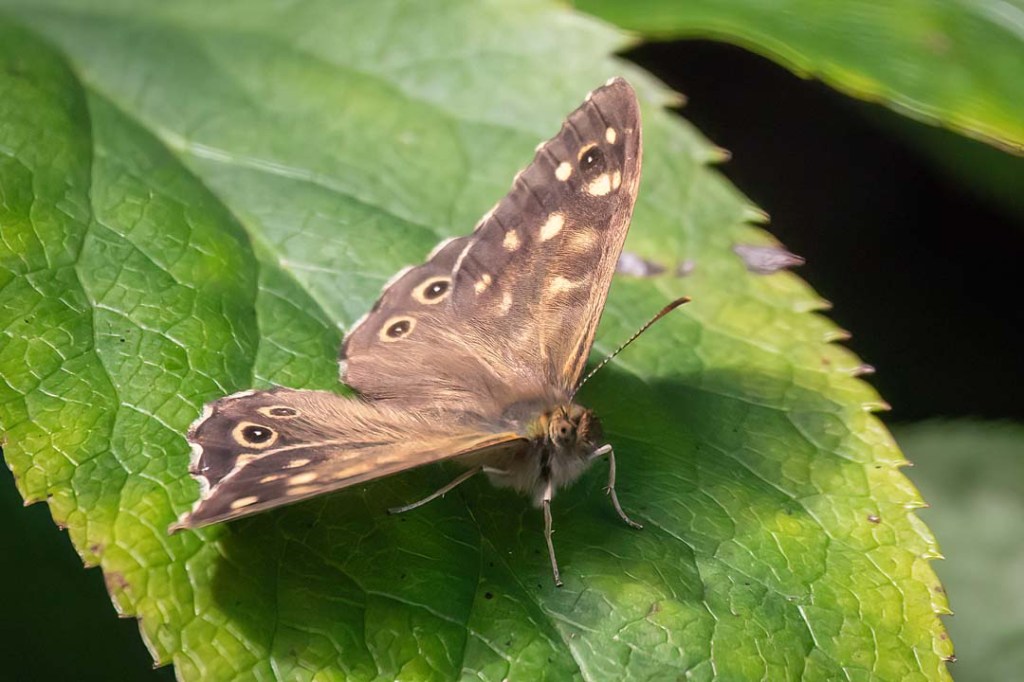
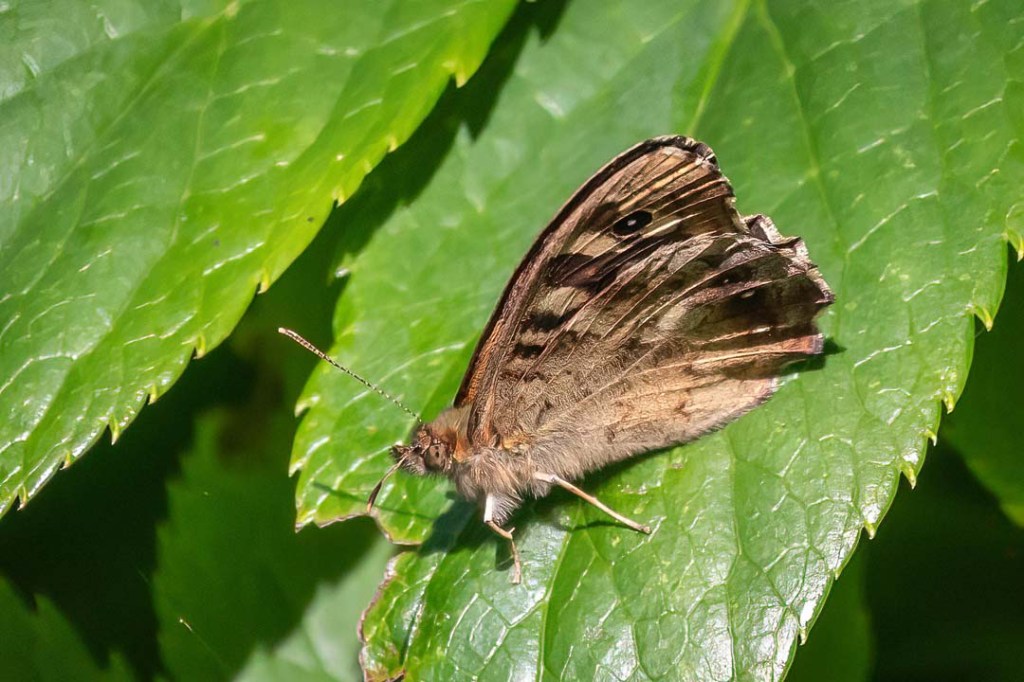
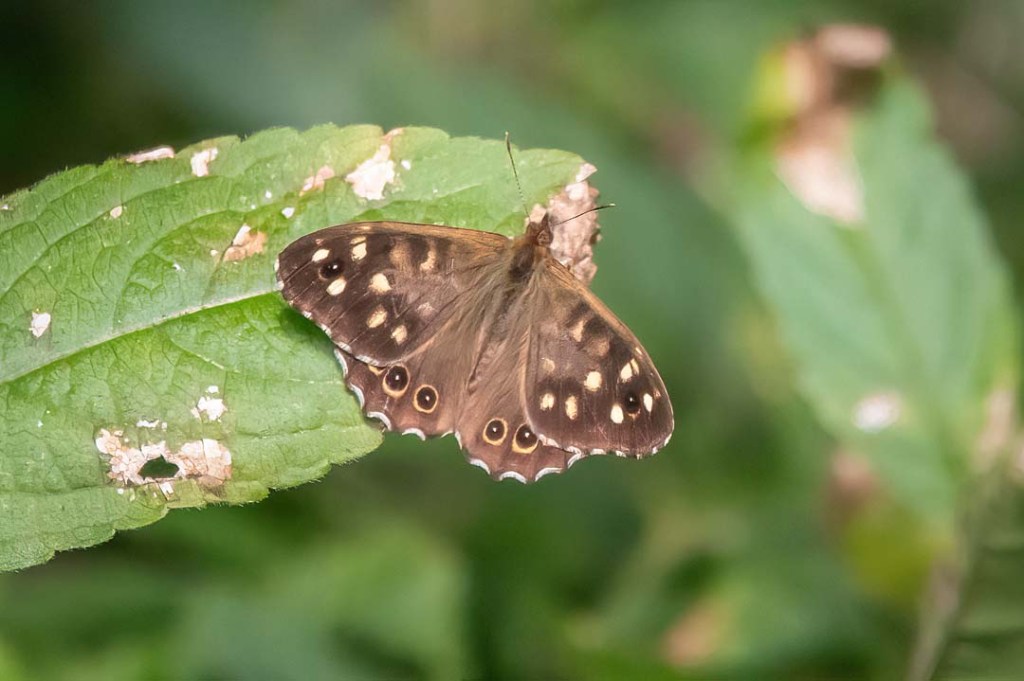
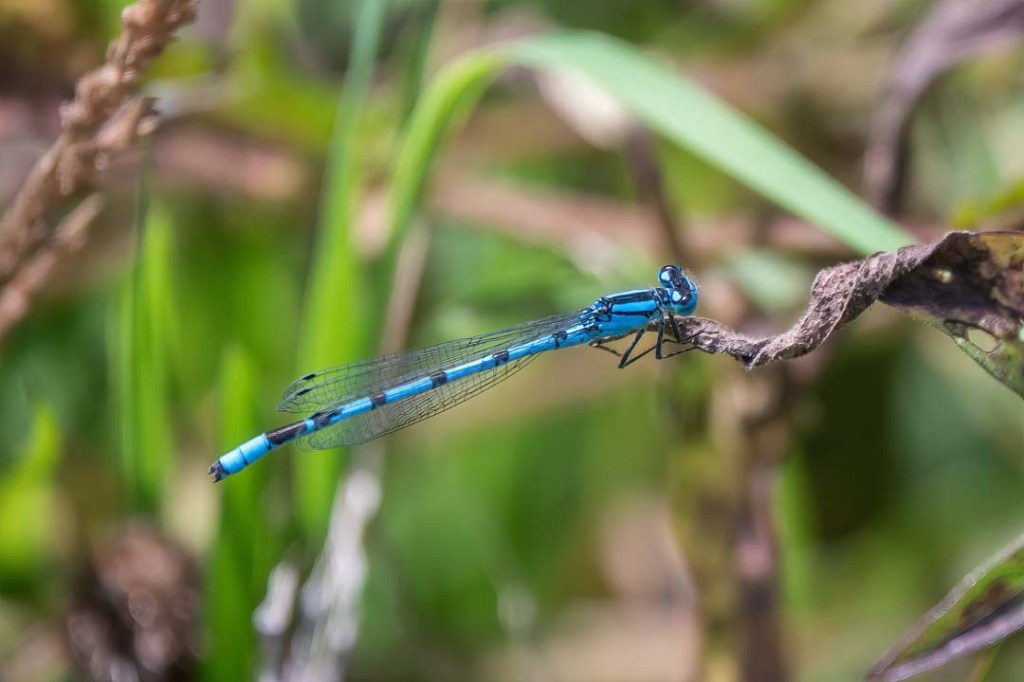
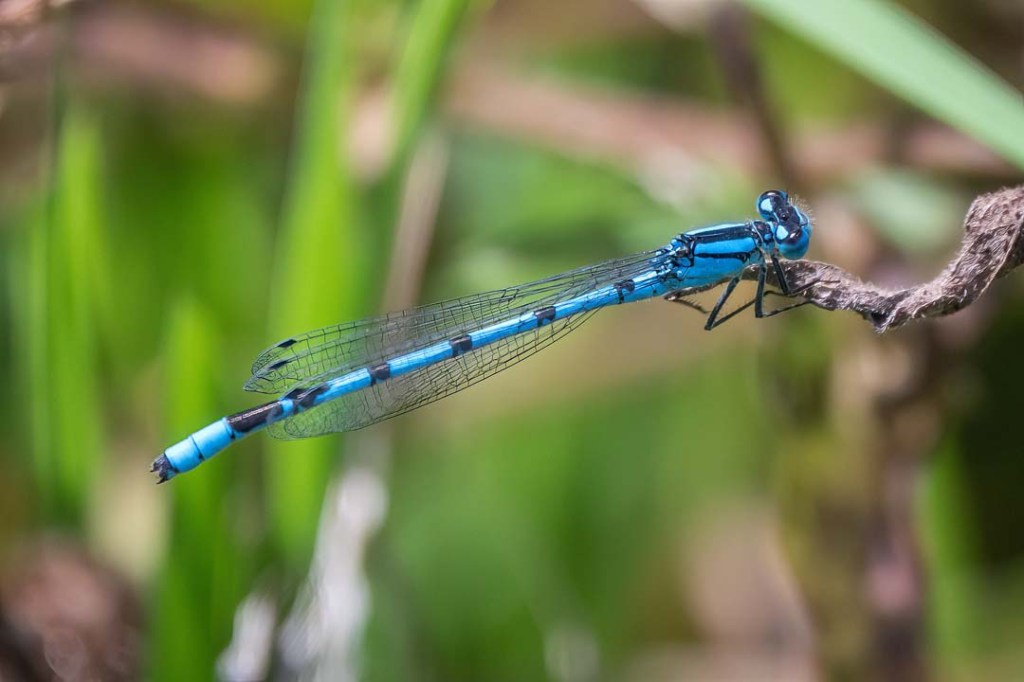
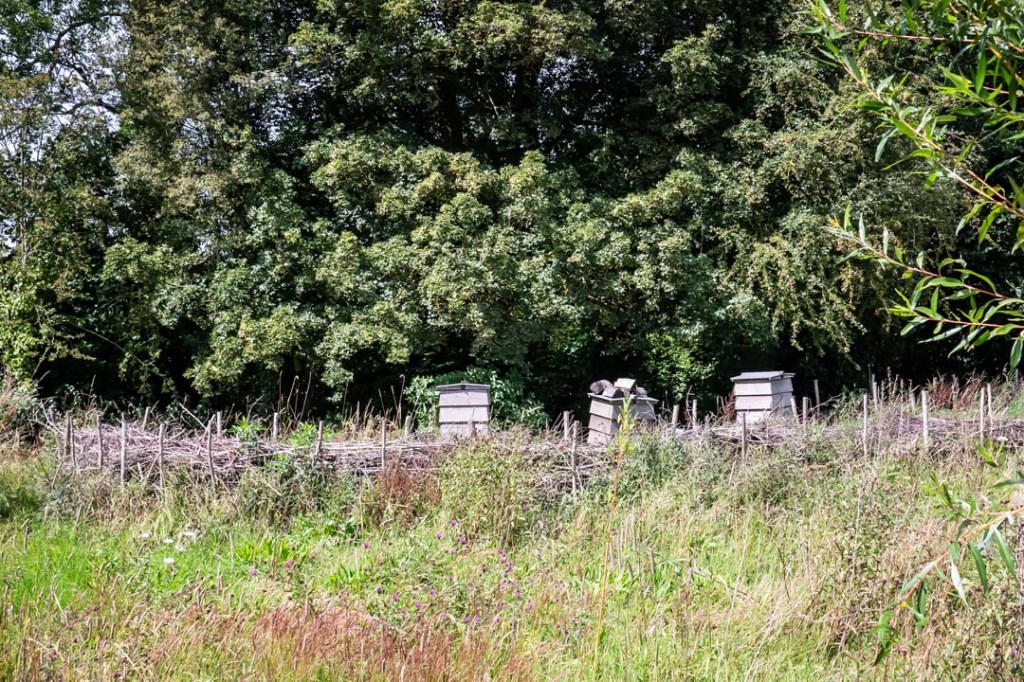
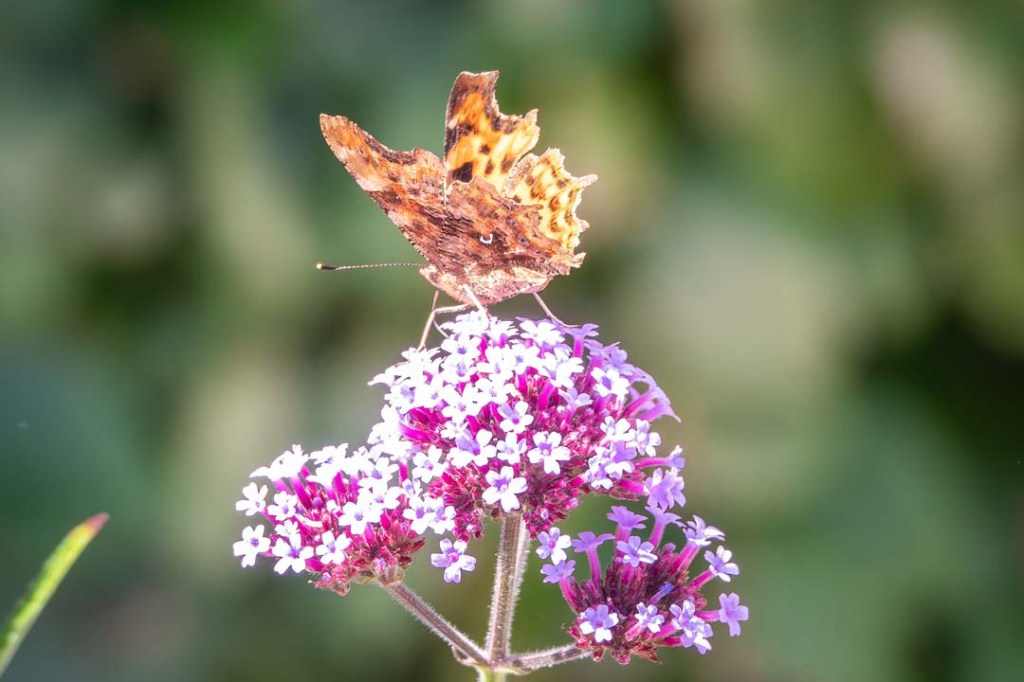
At this time of the year there is always a chance to see a variety of butterflies , bees and damselflies and yesterday did not disappoint.
Here are some of the ones I managed to photograph whilst still taking in the full beauty of the garden and not ignoring our friends with whom we were visiting the garden.
Speckled Wood butterflySpeckled Wood butterflyRed Admiral butterflyCommon Blue DamselflyComma butterflyGatekeeper butterflyBuff-tailed bumblees on Echinacea
Slideshow of my photos from my visit to Chew Valley:



























































































































































































































 Martin's Bird Blog & Nature Photos