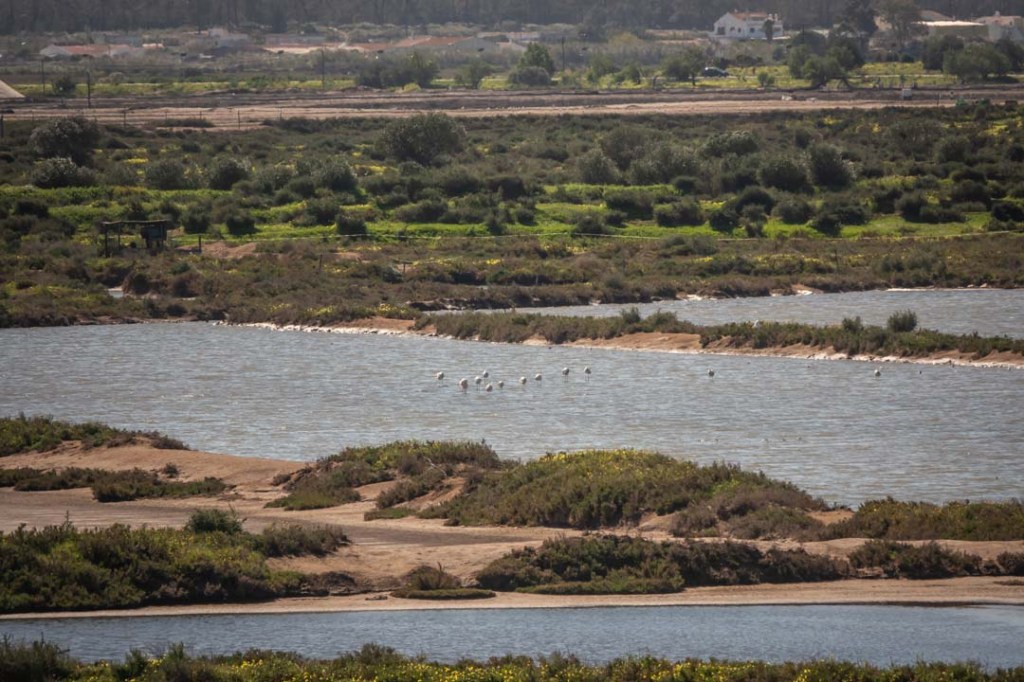
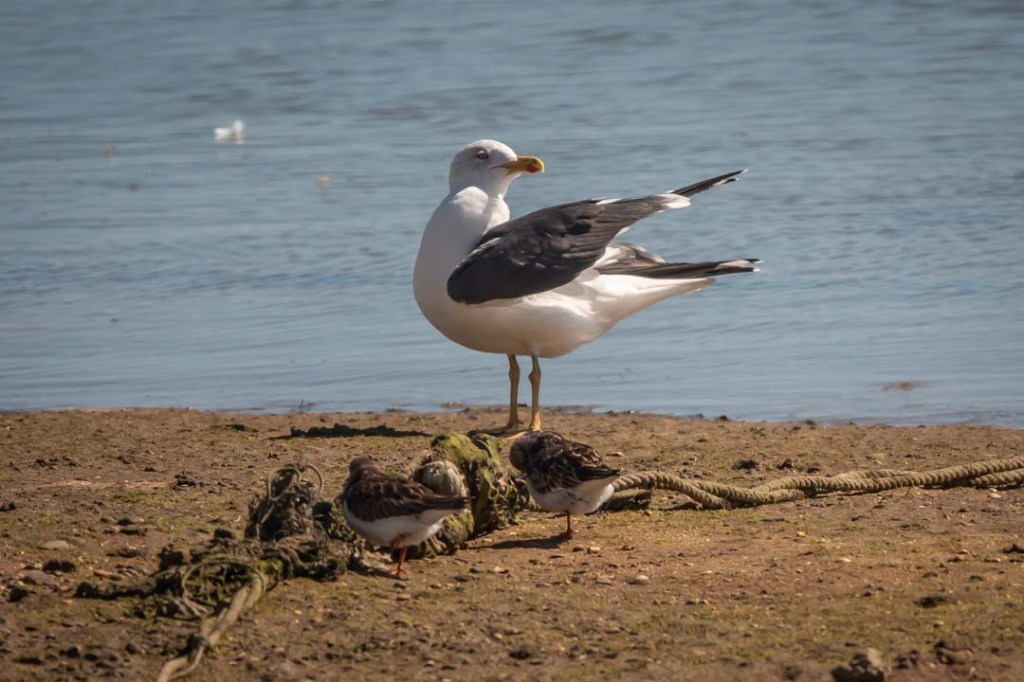
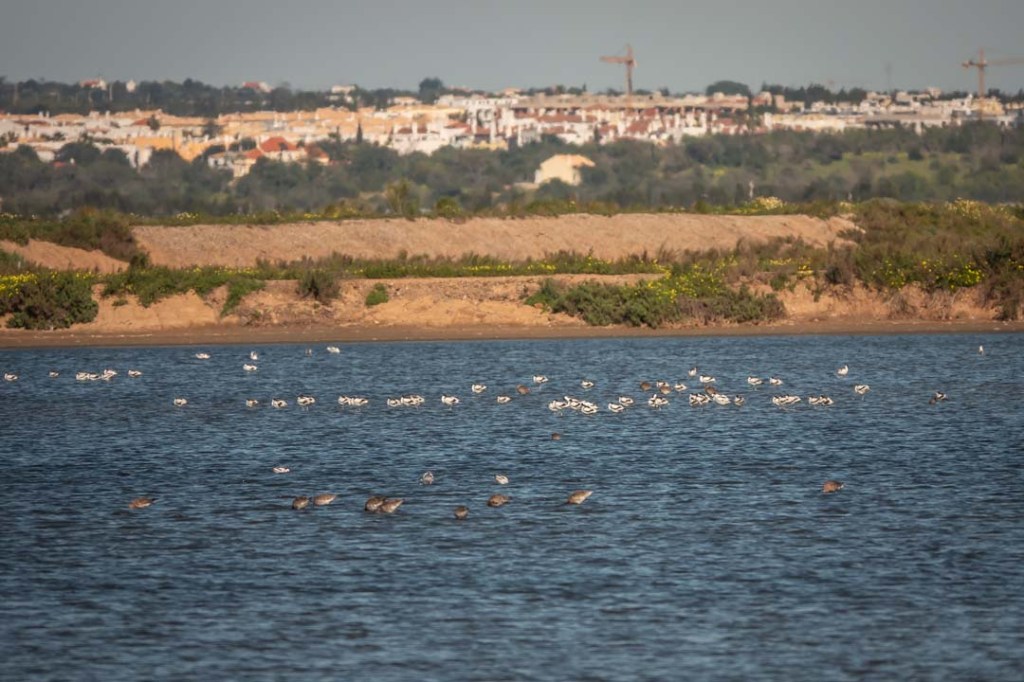
For our fourth day of birding we travelled close to the border with Spain. We started birding at Castro Marim and visited the Castro Marim Nature Reserve visitors centre. The highlights here were a Spanish Imperial eagle and a short-toed snake eagle. There were more saltpans at Santa Luzia and then a study in gulls as we ate our picnic lunch beside the river ar Santa Luzia near Tavira.
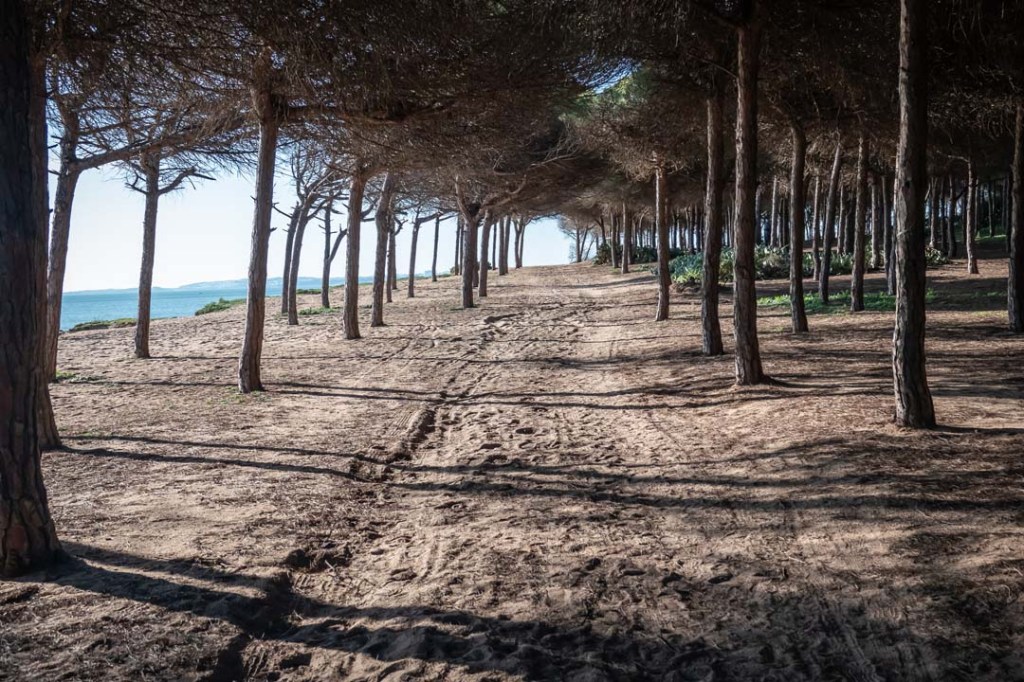
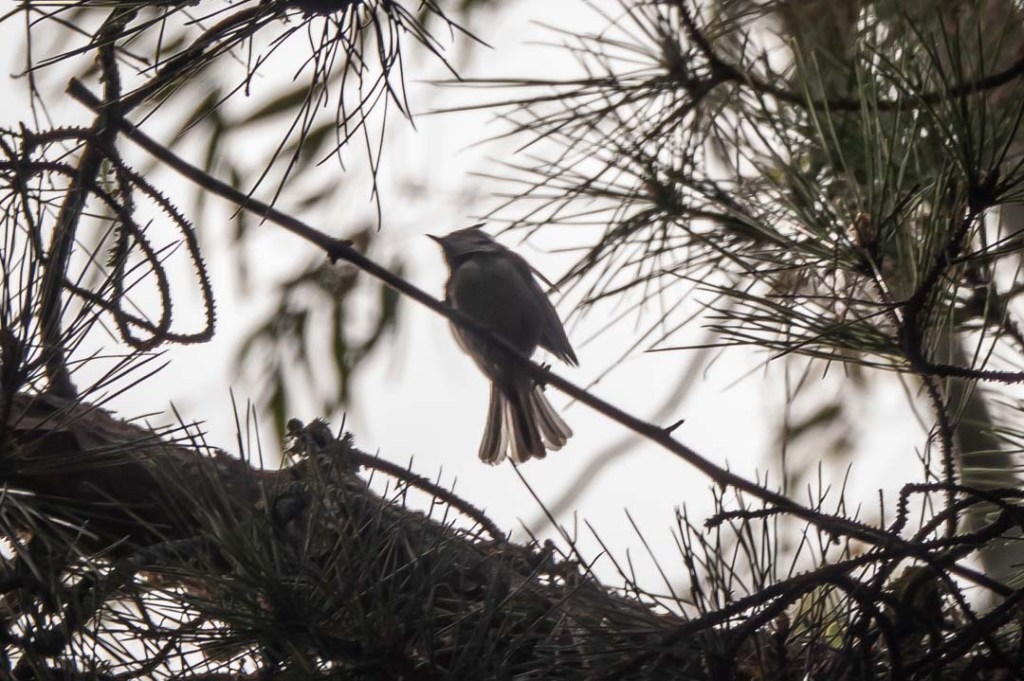
On the way home we stopped off near Vilamoura to search for small birds in the pine forests which border the Atlantic coast.
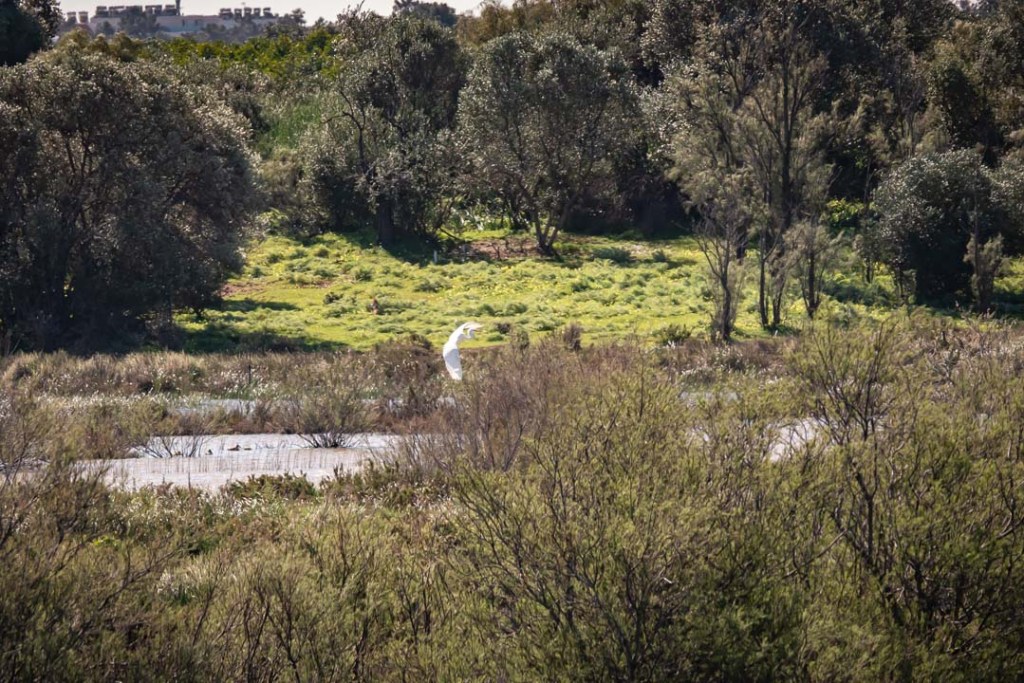
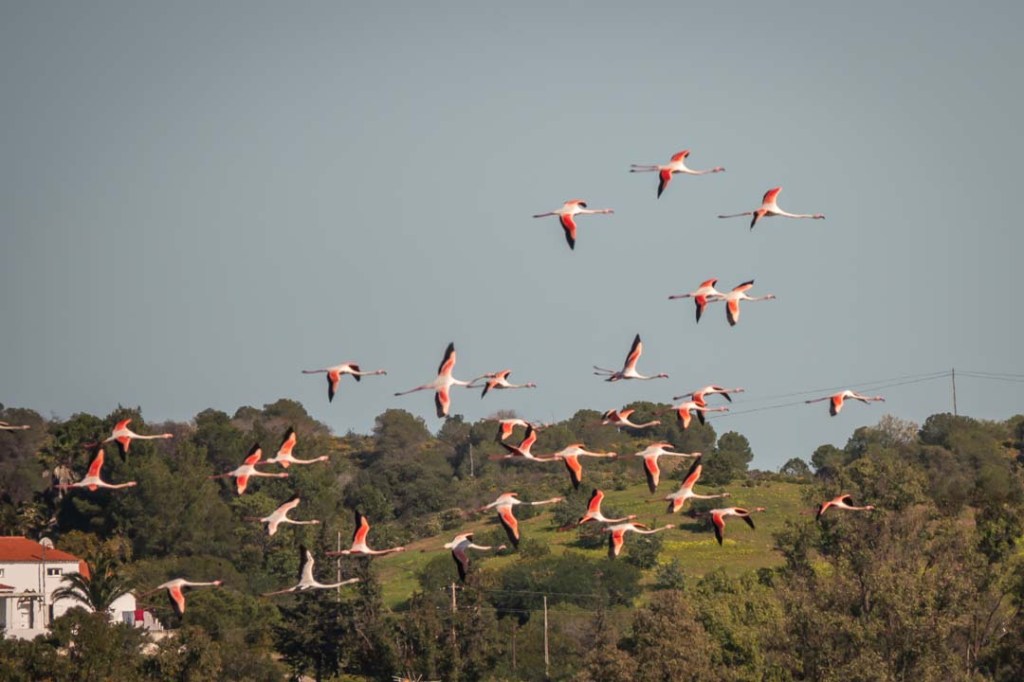
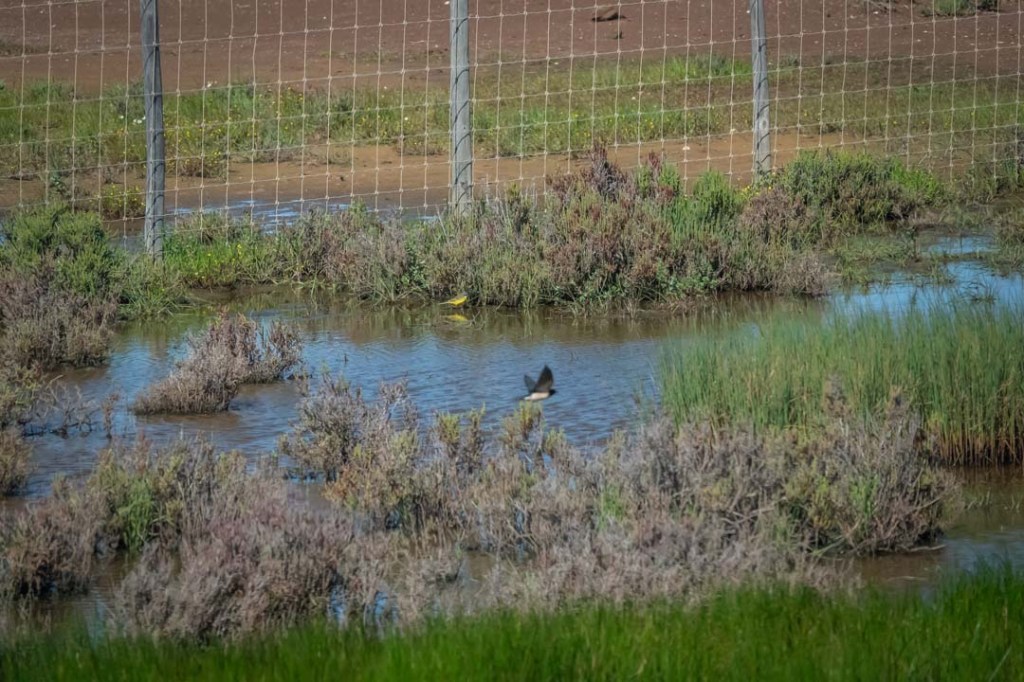
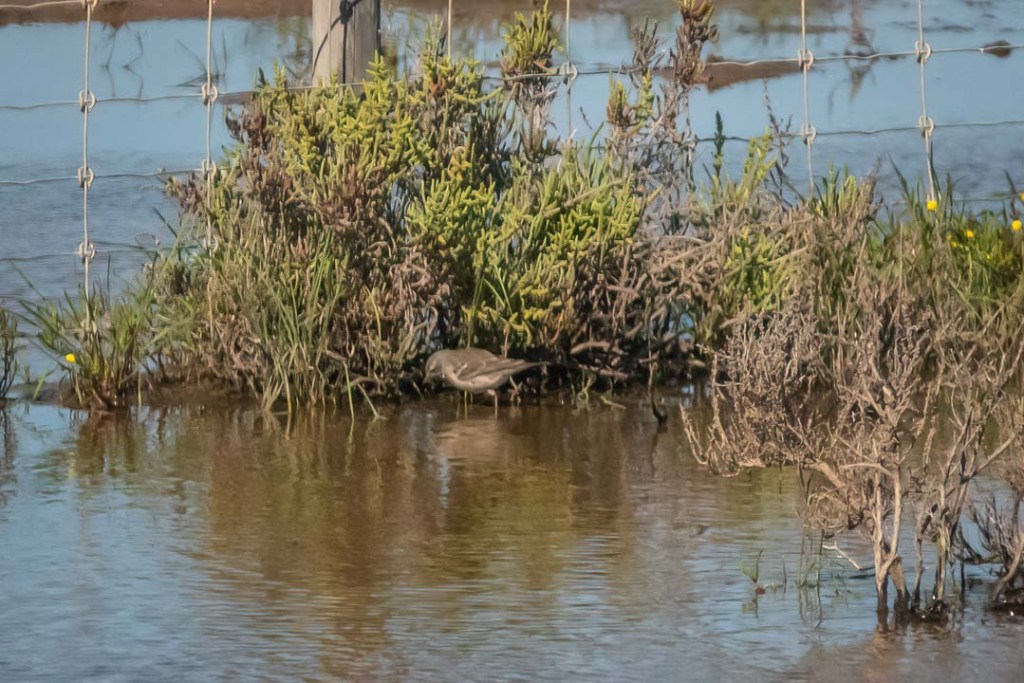
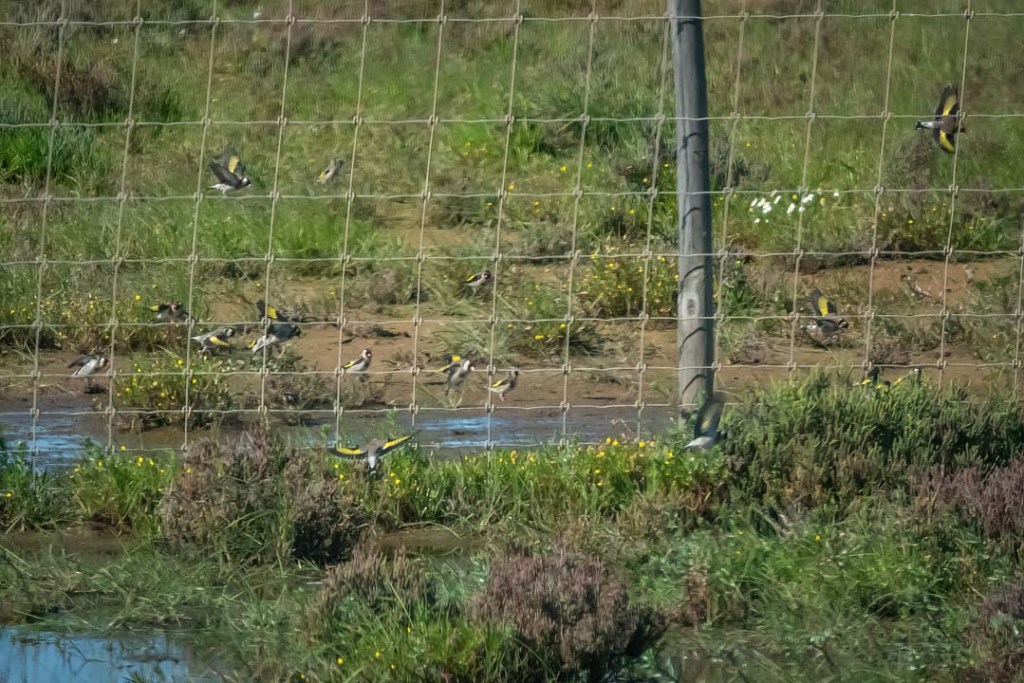
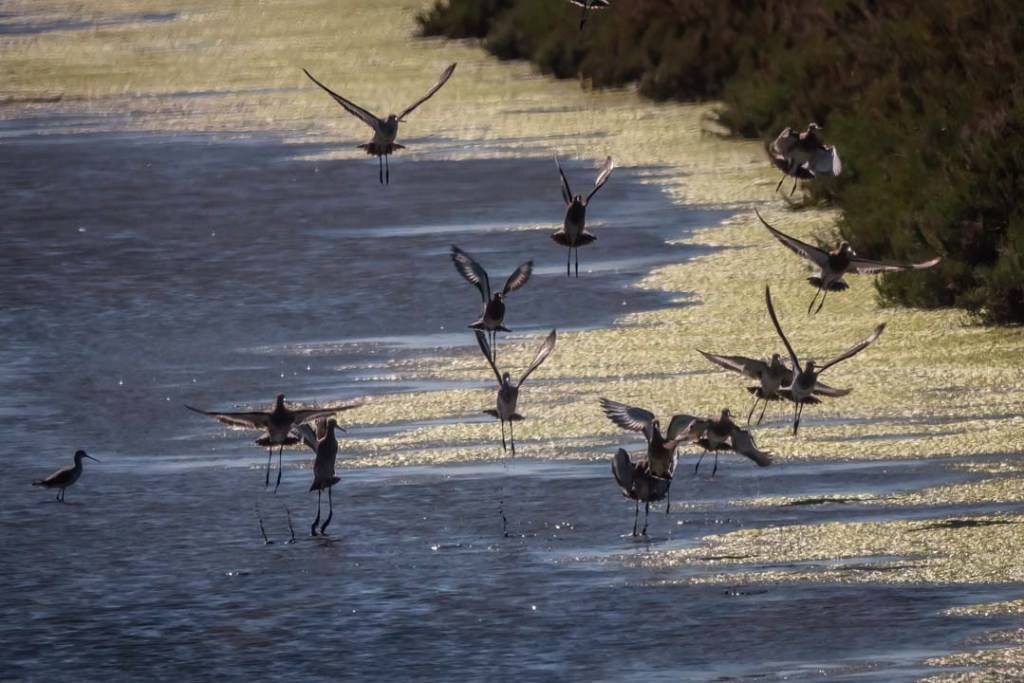
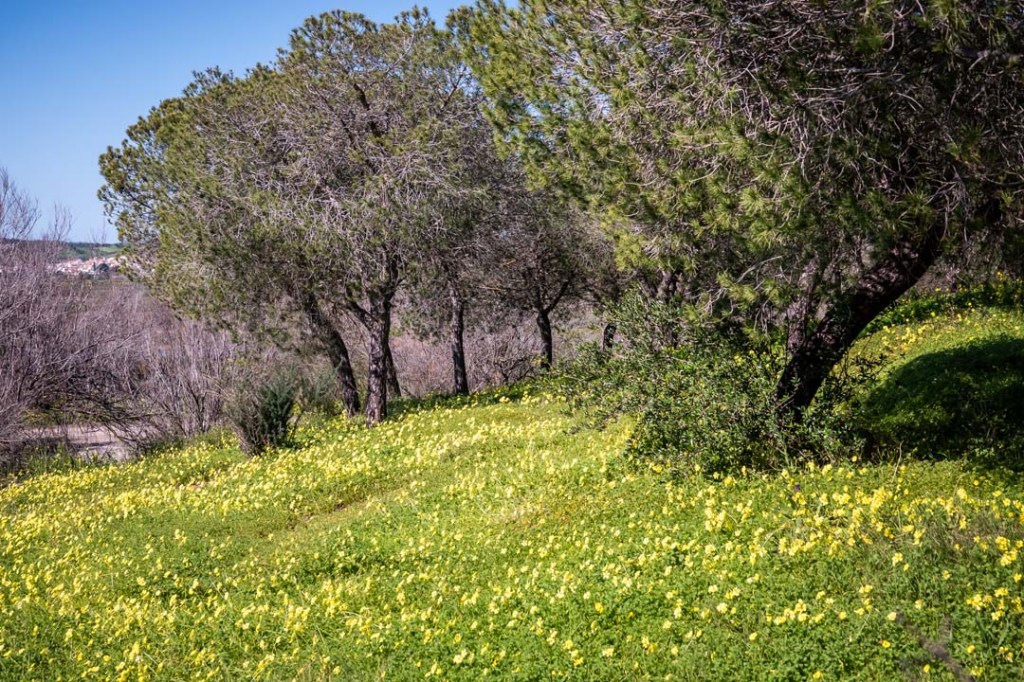
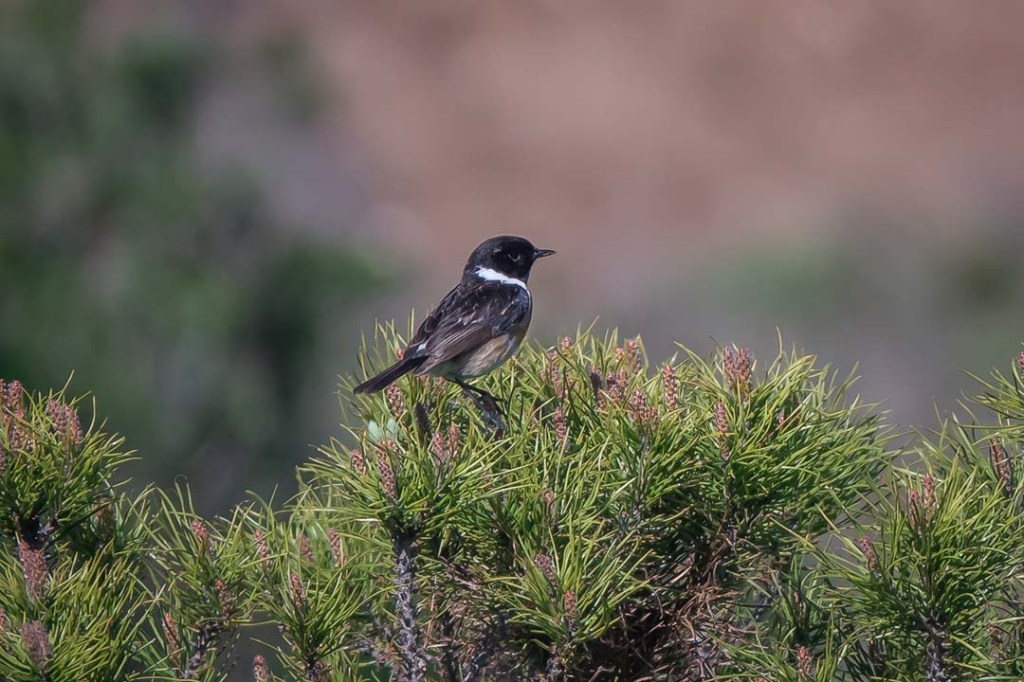
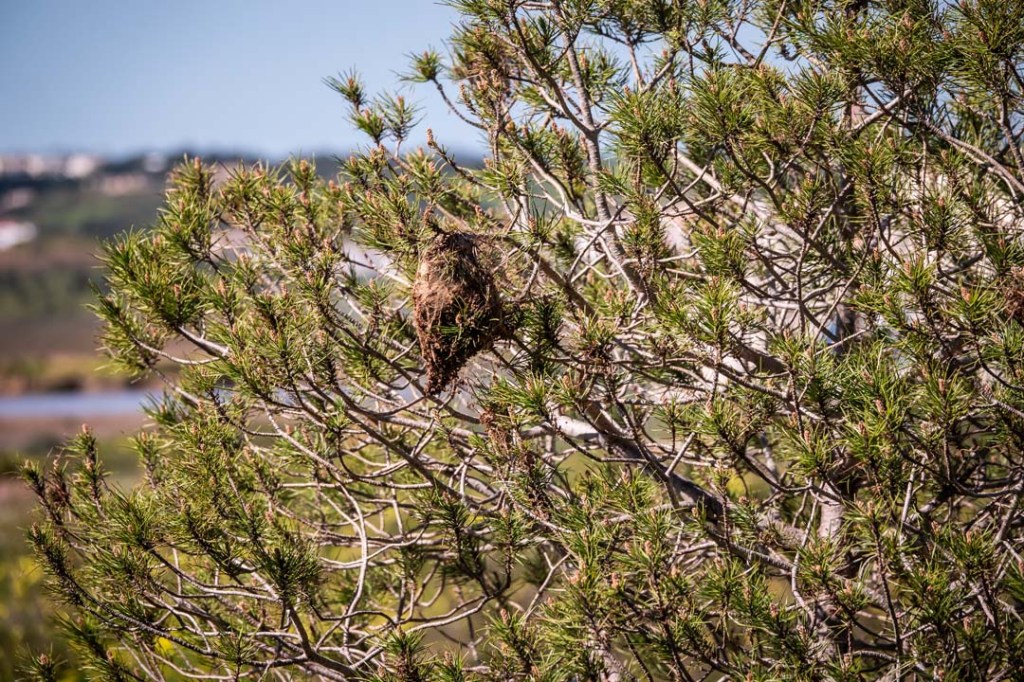
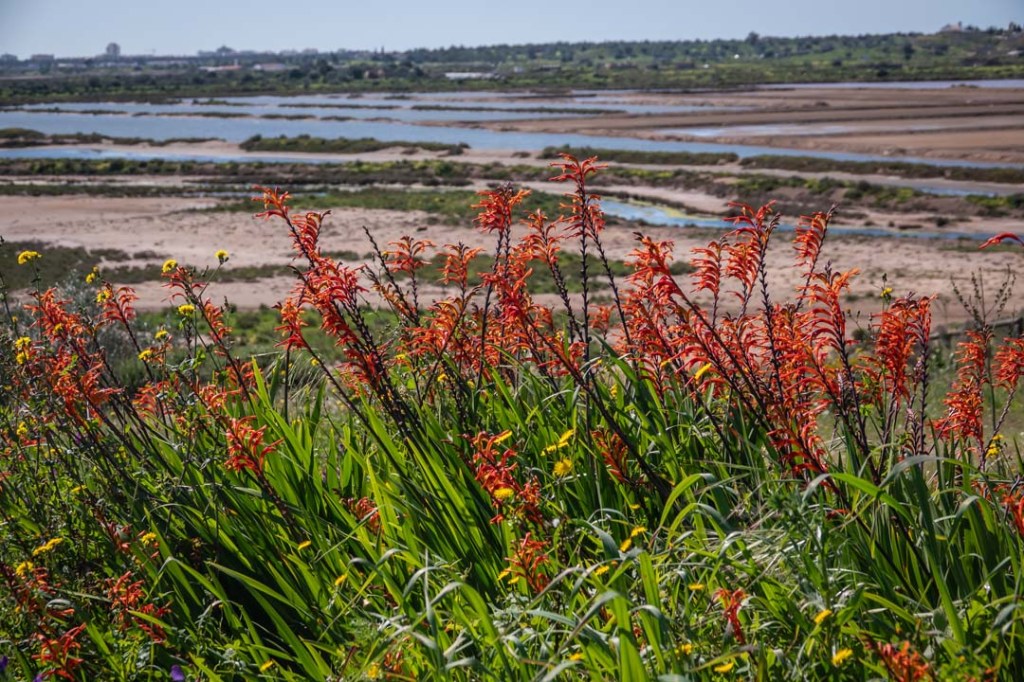
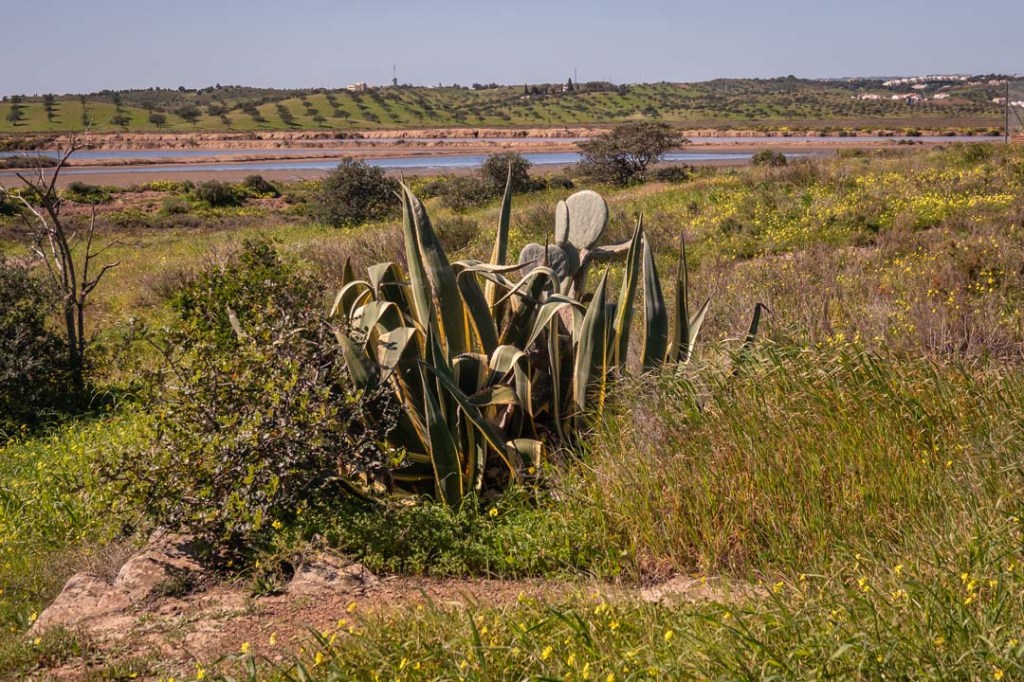
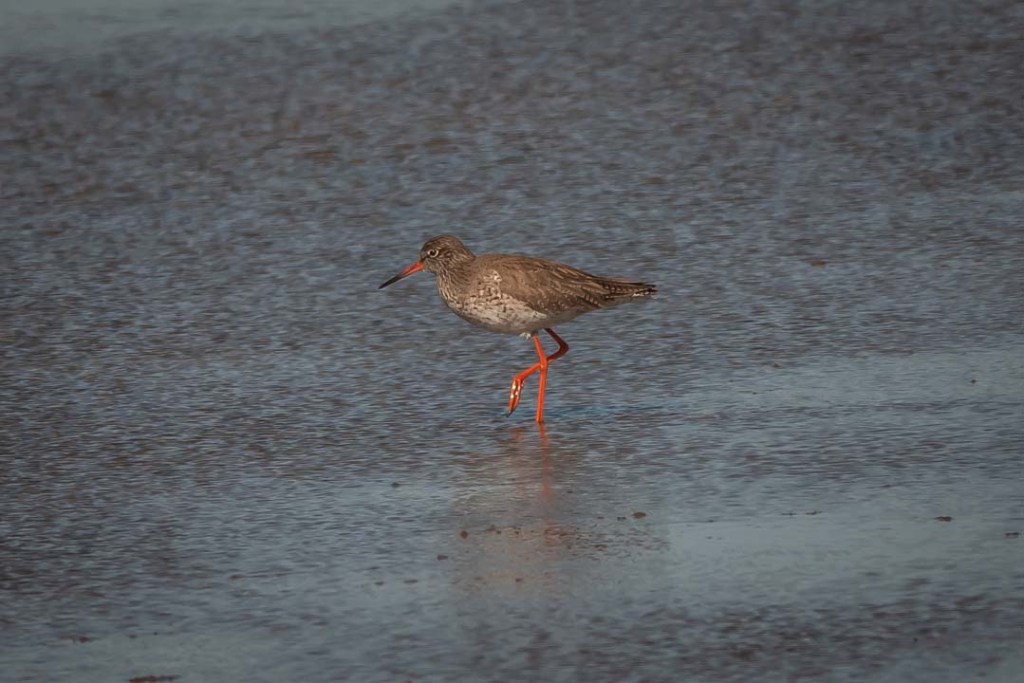
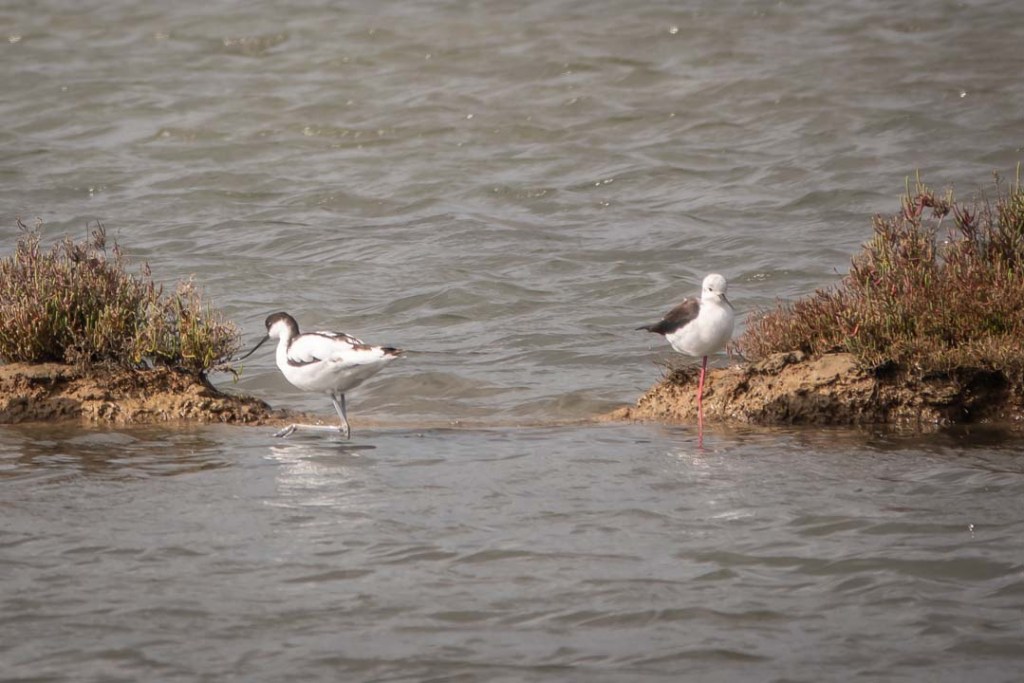
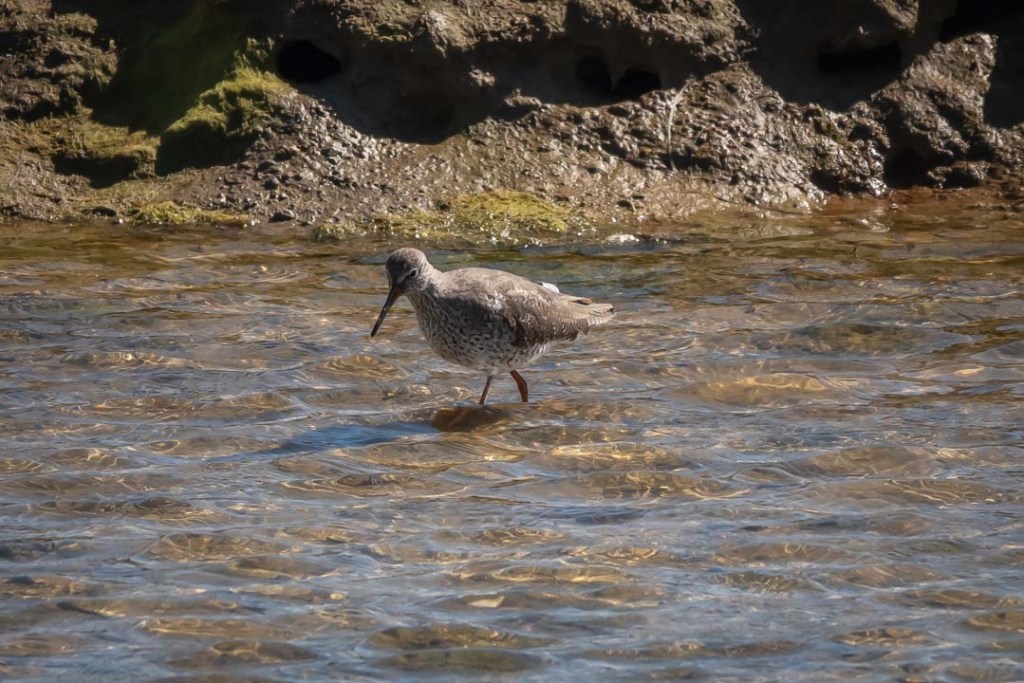
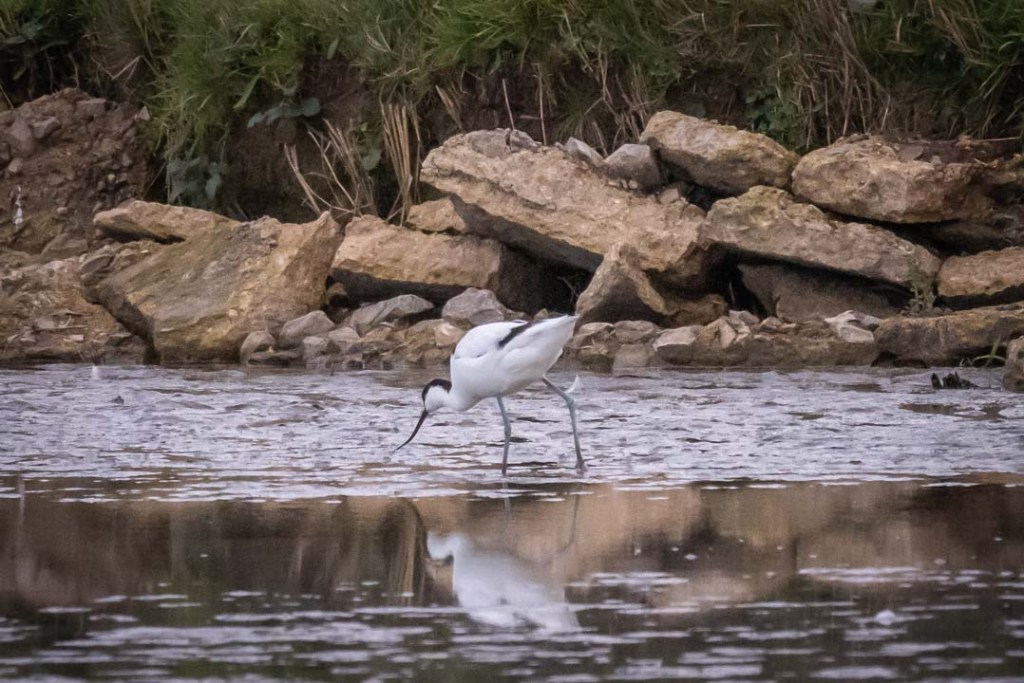
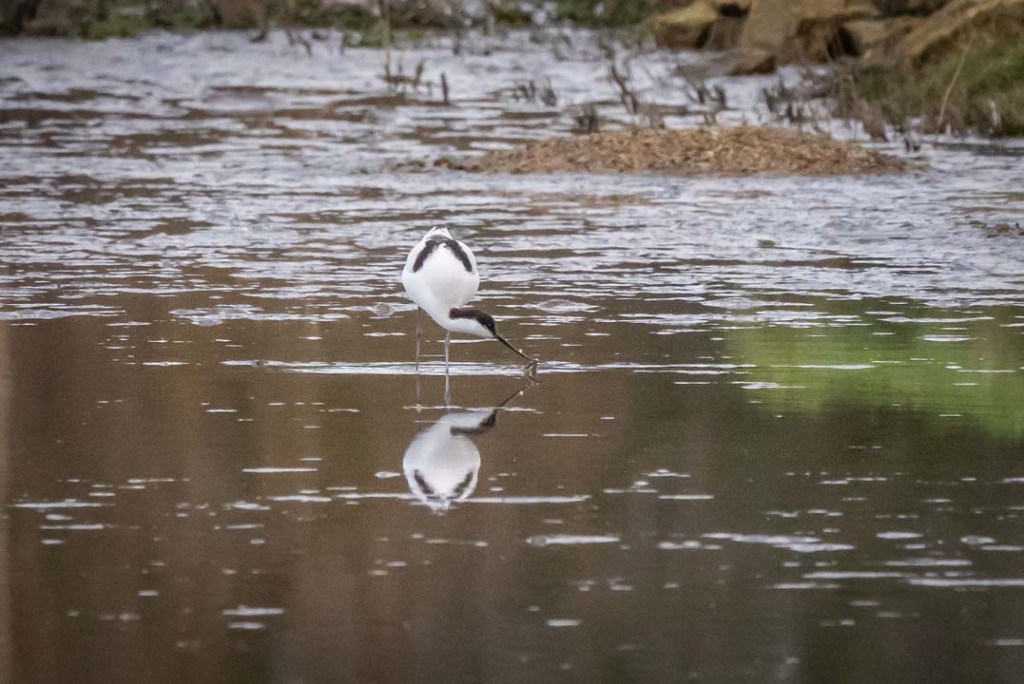
Greater flamingosGreat white egretGreater flamingos in flightGreater flamingosGreater flamingosYellow wagtail and house MartinWater pipitA charm of goldfinches Black-tailed godwits and a spotted redshankSpring has definitely arrived in the AlgarveCommon kestrelThe bridge linking Portugal and SpainThe ubiquitous stonechatA weavers’s nest or a simply caterpillars?More greater flamingosLesser black-backed gull and ruddy turnstones as we ate our picnic lunch at Santa Luzia near TaviraMore saltpansRedshankPied avocets and godwitsGreater flamingos again
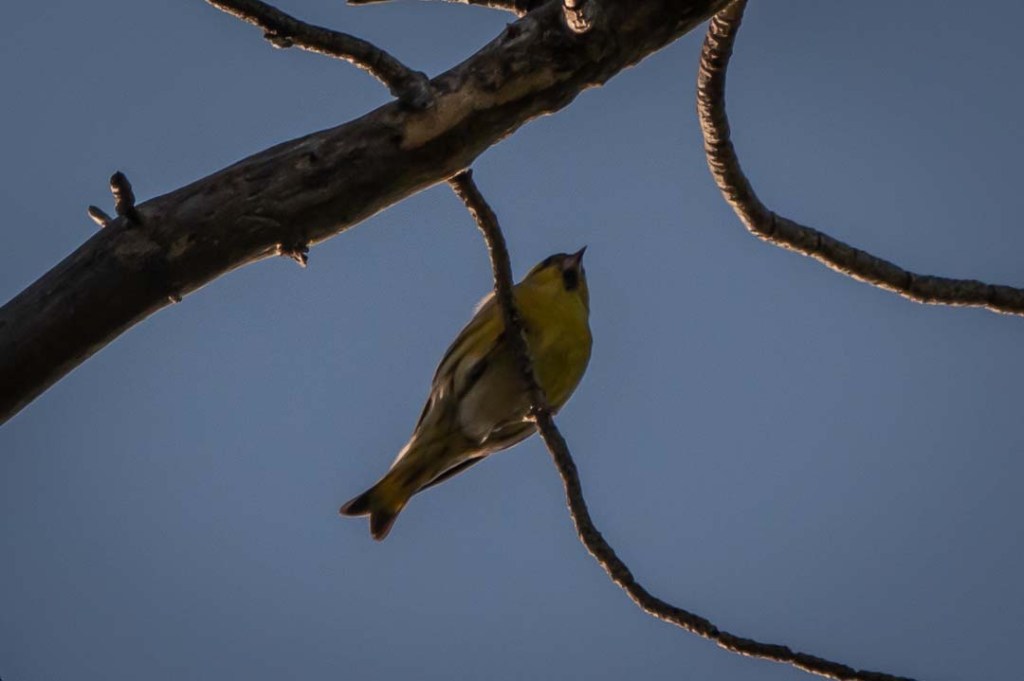
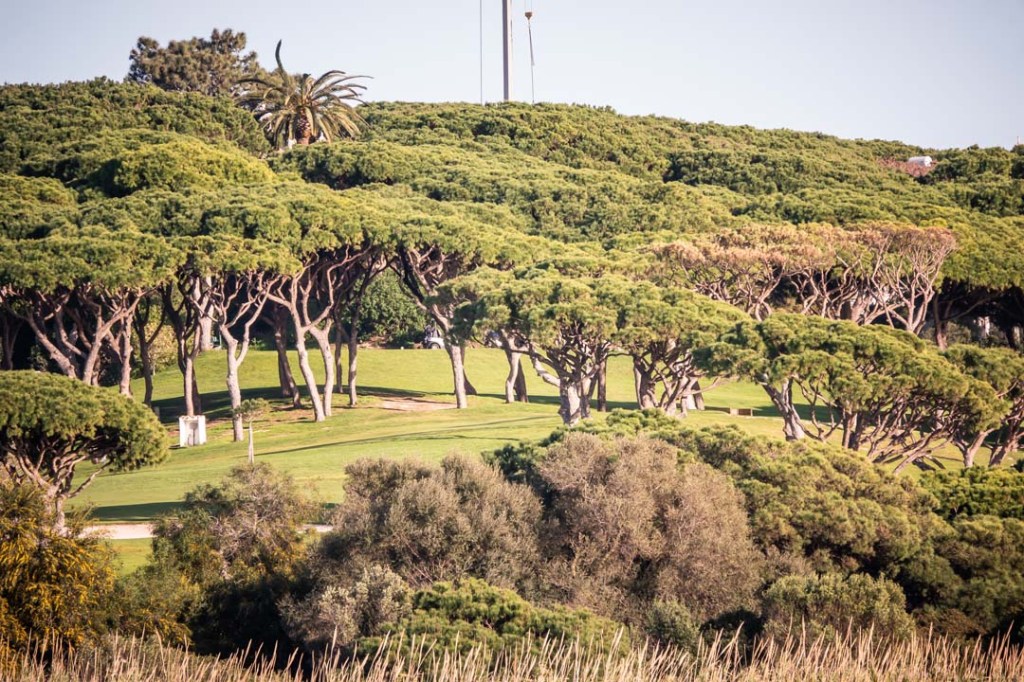
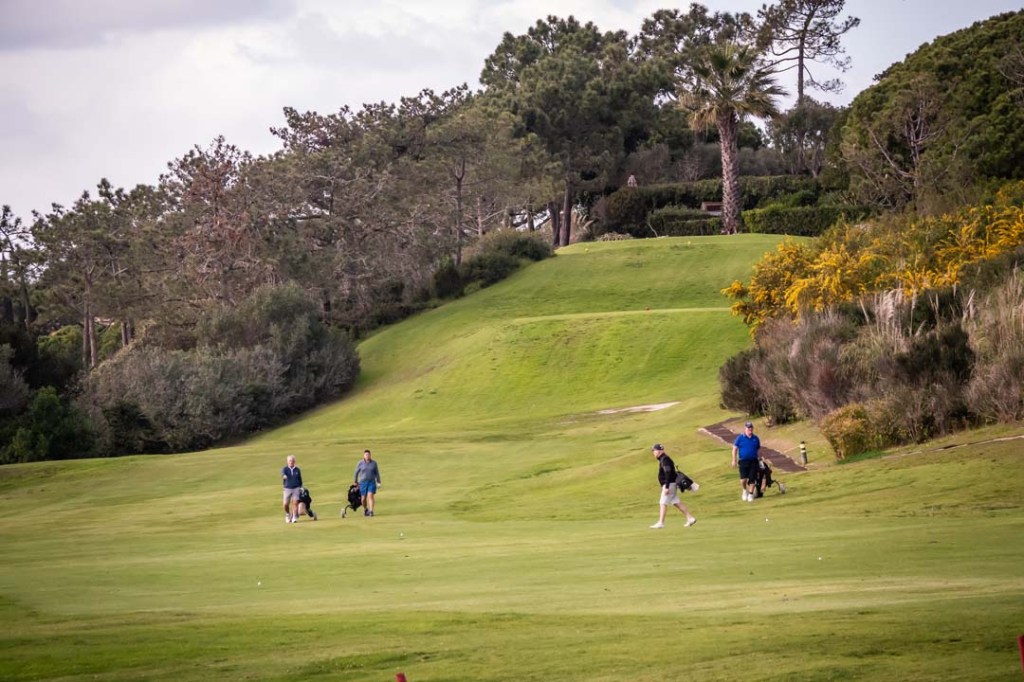
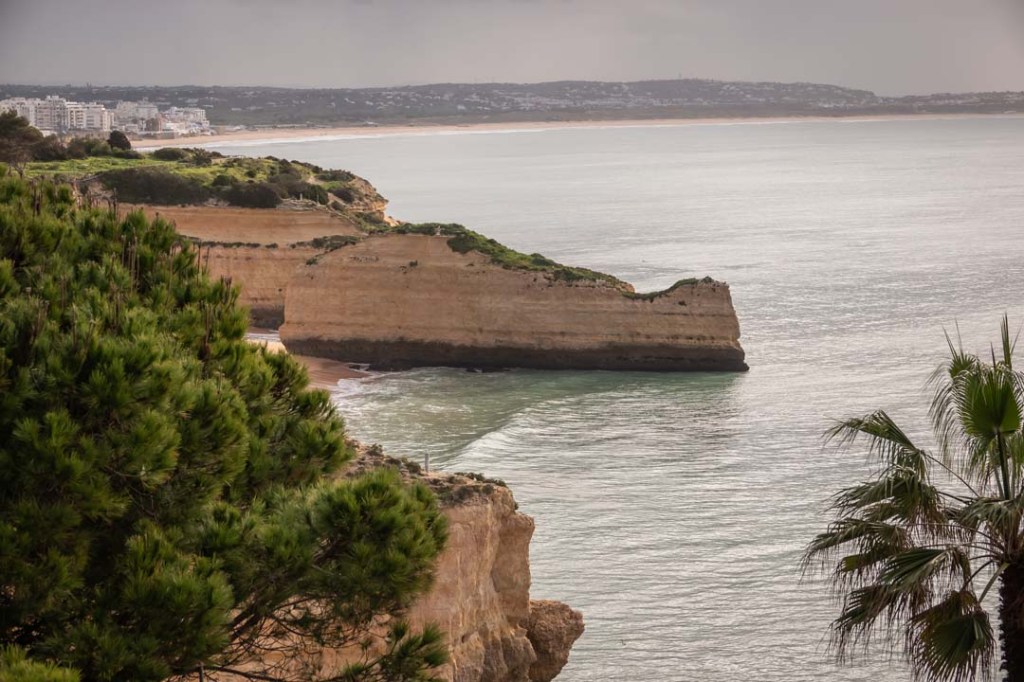
In the pine forests near Vilamoura, as well as views of the golf course, we saw siskins, more marsh harriers across the marshes and a glimpse of the beautiful beaches here.
SiskinPine forests bordering the Atlantic coastThe golf course at VilamouraThe Atlantic coast
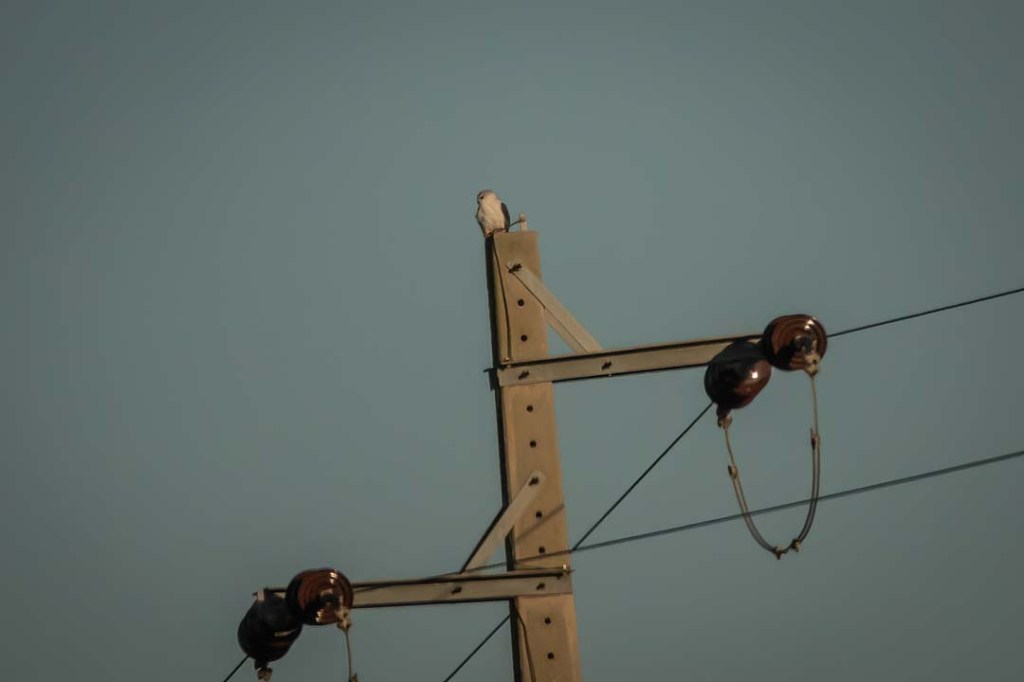
A black-winged kite from the coach near the hotel neatly finished off our day
Black-winged kite taken from the coach
Another very full day and again a very rewarding one.
72 species observed
Greater Flamingo; Little Grebe; Common Woodpigeon; Collared Dove; Common Moorhen; Eurasian Coot; Stone-curlew ; Black-winged Stilt; Pied Avocet; Eurasian Oystercatcher ; Grey Plover; Common Ringed Plover; Northern Lapwing; Kentish Plover; Whimbrel; Black-tailed Godwit; Common Redshank; Spotted Redshank; Common Greenshank ; Ruddy Turnstone; Ruff; Sanderling; Dunlin; Little Stint ; Black-headed Gull; Audouin’s Gull; Yellow-legged Gull; Lesser Black-backed Gull ; Caspian Tern; Sandwich Tern ; White Stork; Great Cormorant; Little Egret; Western Cattle Egret ; Great White Egret ; Grey Heron ; Glossy Ibis; Eurasian Spoonbill, Osprey; Black-winged Kites; Short-toed Eagle; Booted Eagle; Western Marsh Harrier; Common Buzzard; Eurasian Hoopoe ; Common Kestrel ; Iberian Magpie; Common Magpie; Crested Tit; Great Tit; Crested Lark; Zitting Cisticola; Barn Swallow; Western House Martin; Common Chiffchaff; Sardinian Warbler ; Short-toed Treecreeper; Spotless Starling; Eurasian Blackbird; European Stonechat; House Sparrow; Spanish Sparrow; Pied Wagtail/White Wagtail; Yellow wagtail; Water Pipit; Common Chaffinch; European Greenfinch; Common Linnet; European Goldfinch; European Serin ; Eurasian Siskin; Corn Bunting
We spent our third day of birding in Portugal east of Faro. We started in the Parque Natural da Ria Formosa near to some disused salt pans.
Disused salt pans in the Parque Natural da Ria Formosa
The day started well with good views of two booted eagles.
Booted eagle
As we walked along the pathway we soon saw a marsh harrier. Further in the distance through the telescope we also had reasonable views of an osprey.
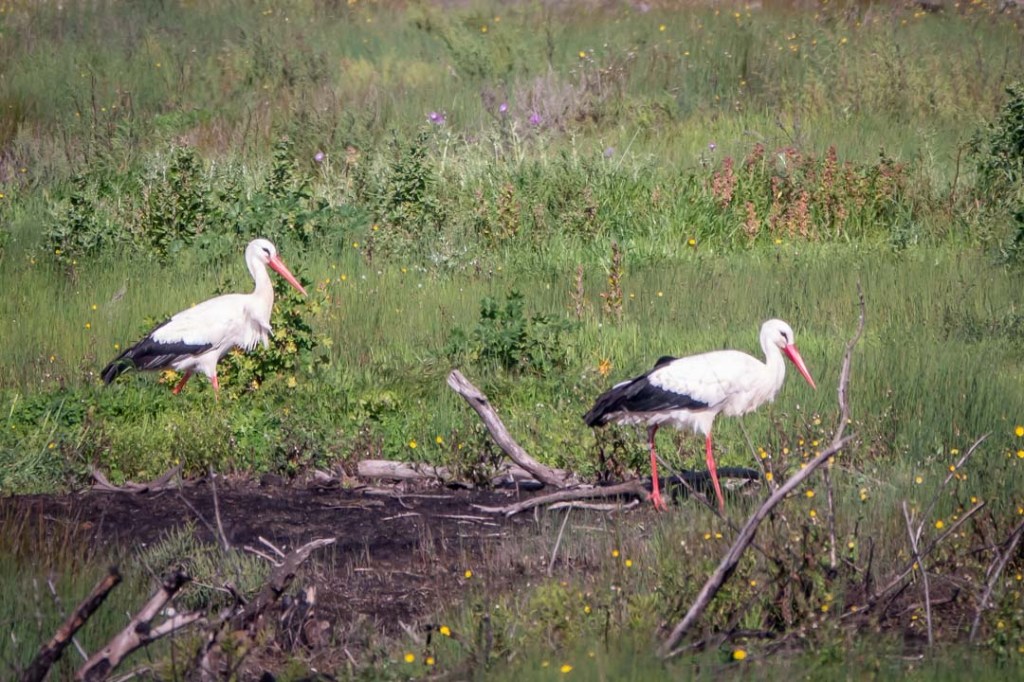
Marsh harrierWhite storks
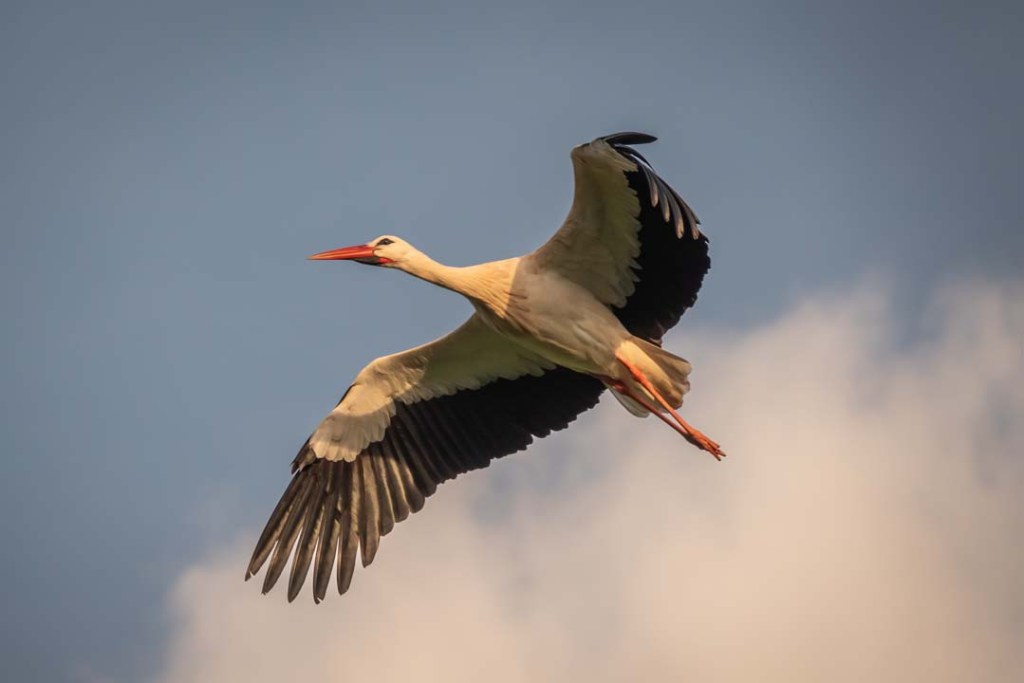
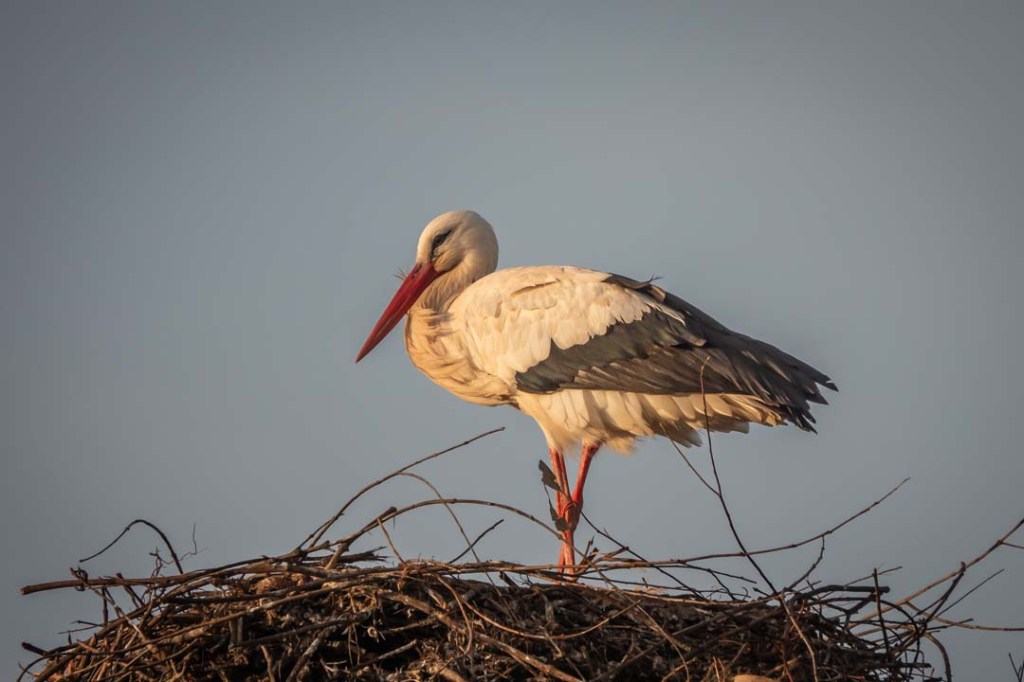
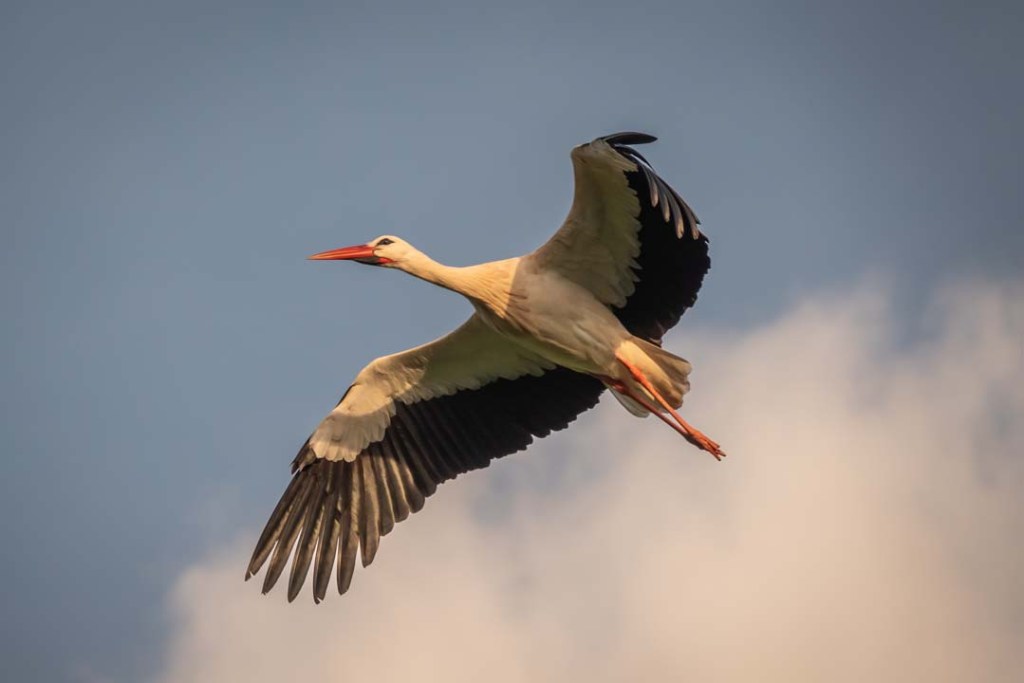
Throughout our trip we have seen white storks perched on nests on lamp posts and low trees. But here there was a colony of white storks building nests quite high up in tall trees.
White storks collecting building materials for their nestsWhite stork with building materials
The highlight of this part of the trip was seeing several crested tits darting through the woods near the end of our walk.
Although my photos of the crested tit are poor we did get good views through binoculars
Our next stop was at the salt pans of Ludo. Here we had great views of numerous waders.
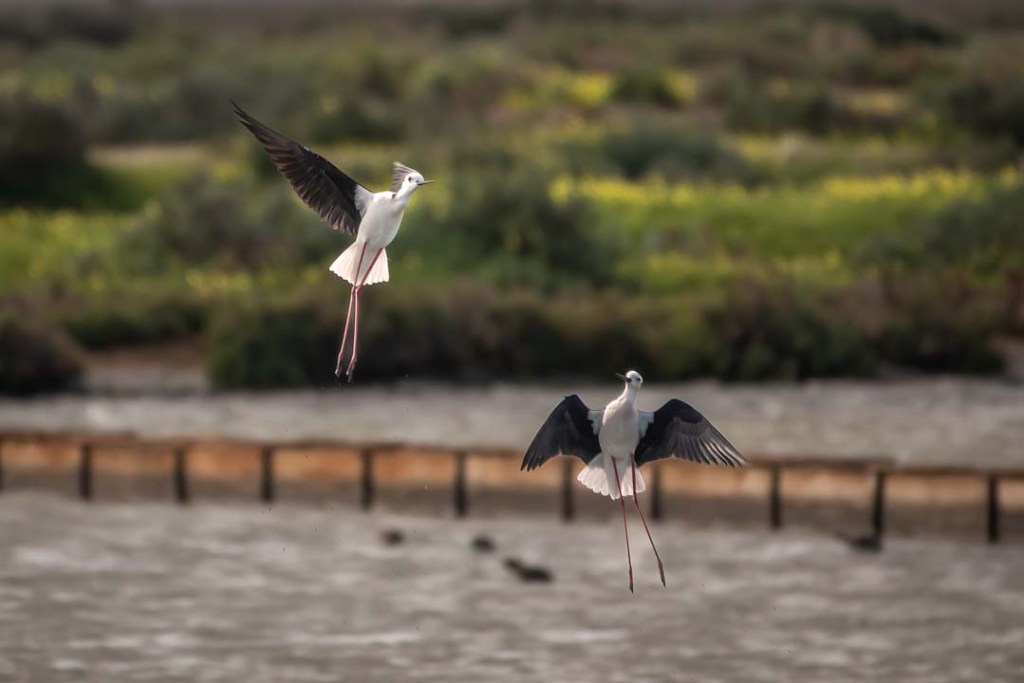
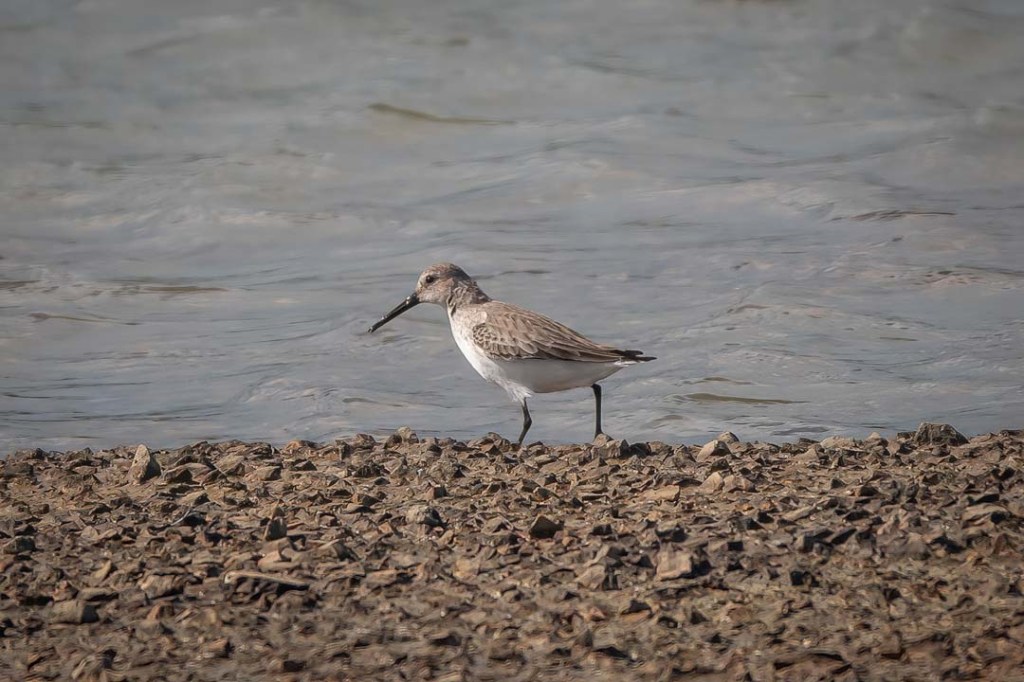
Black-tailed godwit starting to get its breeding plumageWe could really appreciate the length of the godwits’ billsPied avocet with black-tailed godwitSurely this must be black-winged stilts displayingThey reached enormous heights The first of the greater flamingosIt was useful to see different waders near to each other to make comparisons – here a sanderling, a dunlin and a little stint (I think)Black-winged stilt and meadow pipit (in the bushes)DunlinI must try to find out the provenance of this ringed black-winged stilt as its tag is quite clear
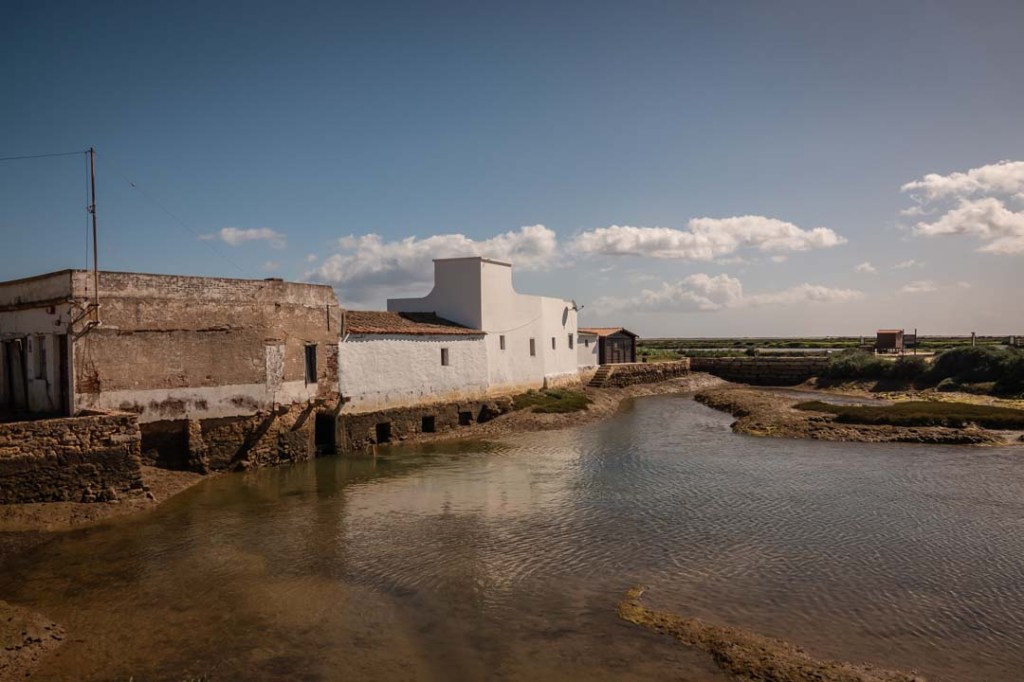
We then moved on to some more salt pans at Olhão where there was an old tidal mill.
Tidal mill
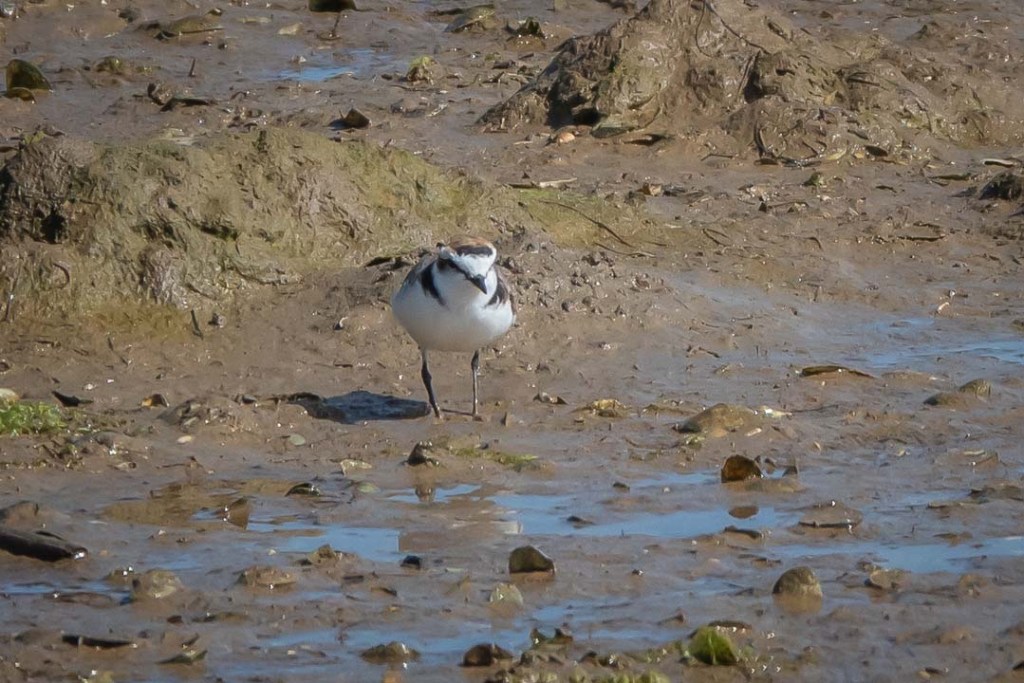
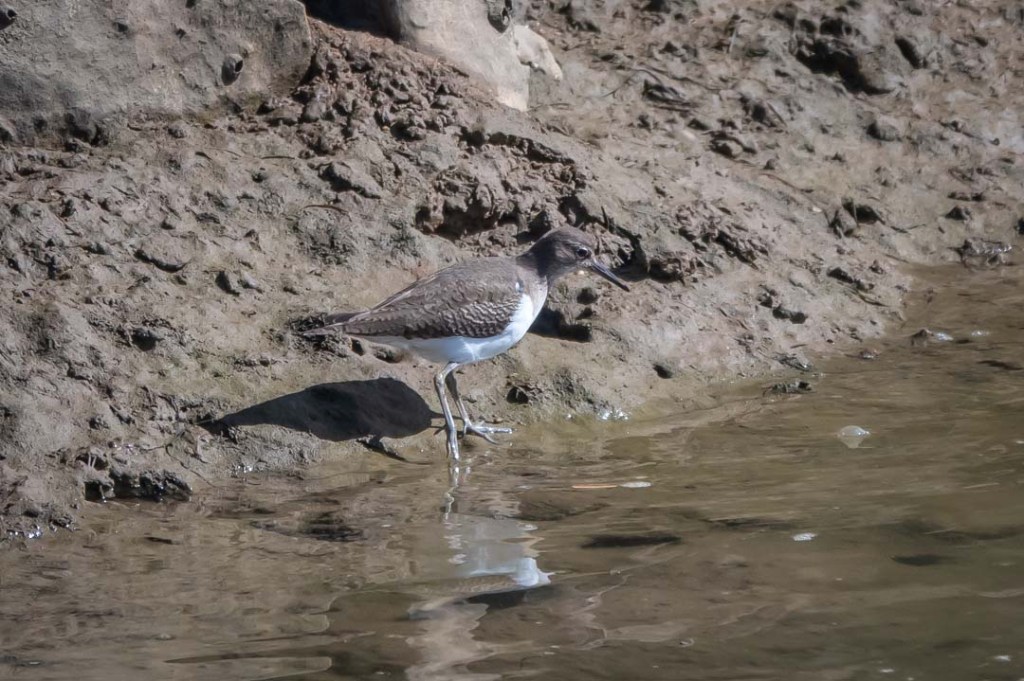
Here most of the birds were further away but we did get views of Kentish plover, common ringed plover, common sandpiper, greenshank and greater flamingos.
Our next stage of our birding day was based around the golf course at Quinta do Lobo. The golf course were very impressive but not as impressive as the houses built around them which are owned by the likes of Cristiano Ronaldo and Madonna (didn’t know she played golf).
Quinta da Lago Country Club
We had some great birding here especially seeing some very colourful birds such as the black-headed weavers, a kingfisher and a red-crested pochard.
Black-header weaverRed-crested pochardIn this area we heard a wryneck There were terrapins (two sorts) in abundance The flora was pretty amazing tooDefinitely my favourite bird of the day = the black-headed weaver
Fabulous day’s birding – just wish I had started this when I was a bit younger!
70 species observed:
Common Shelduck; Gadwall; Mallard; Red-crested Pochard; Greater Flamingo; Little Grebe; Common Moorhen; Eurasian Coot; Western Swamphen; Black-winged Stilt; Pied Avocet; Grey Plover;Common Ringed Plover; Kentish Plover; Whimbrel; Eurasian Curlew; Bar-tailed Godwit; Black-tailed Godwit; Common Redshank; Common Greenshank; Ruddy Turnstone; Curlew Sandpiper; Dunlin; Purple Sandpiper; Little Stint; Black-headed Gull; Audouin’s Gull; Yellow-legged Gull ; Lesser Black-backed Gull; Sandwich Tern; White Stork ; Great Cormorant; Little Egret; Western Cattle Egret; Grey Heron; Glossy Ibis; Eurasian Spoonbill; Osprey; Booted Eagle; Western Marsh Harrier; Common Buzzard; Eurasian Hoopoe; Common Kingfisher; Eurasian Wryneck (Heard); Common Kestrel; Iberian Magpie; Common Magpie ; Crested Tit; Zitting Cisticola; Eurasian Crag Martin; Barn Swallow; Western House Martin; Common Chiffchaff; Cetti’s Warbler (Heard); Long-tailed Tit (Heard); Sardinian Warbler; Short-toed Treecreeper (Heard); Spotless Starling; Eurasian Blackbird; European Stonechat; Black-headed Weaver; House Sparrow; Pied Wagtail/White Wagtail; Meadow Pipit; Common Chaffinch; European Greenfinch; Common Linnet; European Serin; Eurasian Siskin; Corn Bunting.
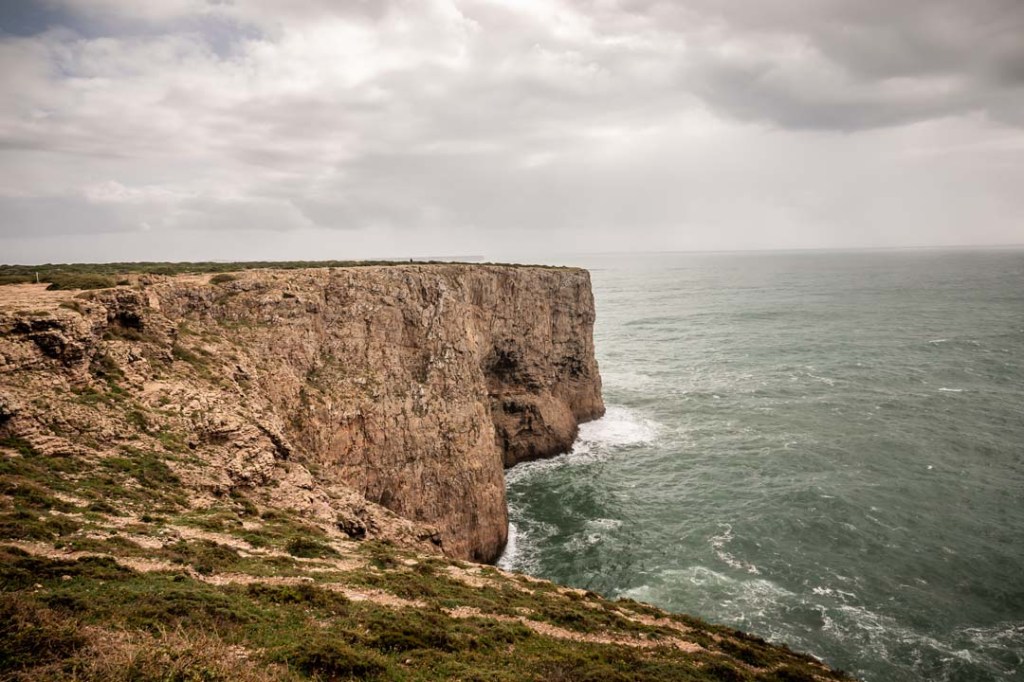
Our plans for today were changed last minute as the forecast for the beginning of next week was for strong winds on the south west tip of Portugal. It wasn’t too bad today and so the programme was reversed.
You might get an idea of why you wouldn’t want to be here on a windy day
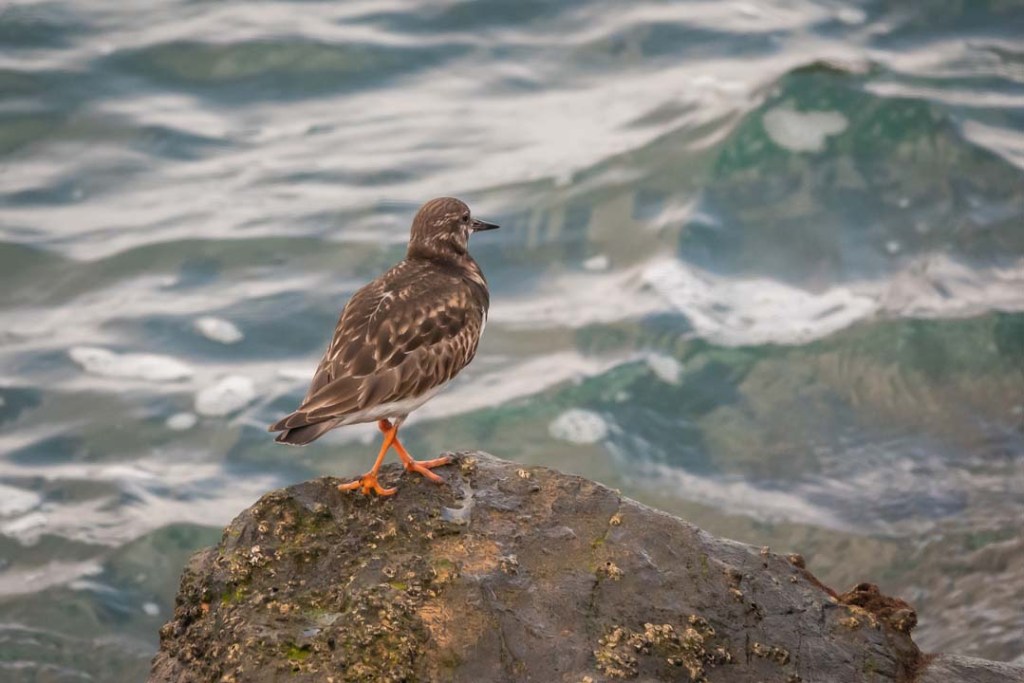
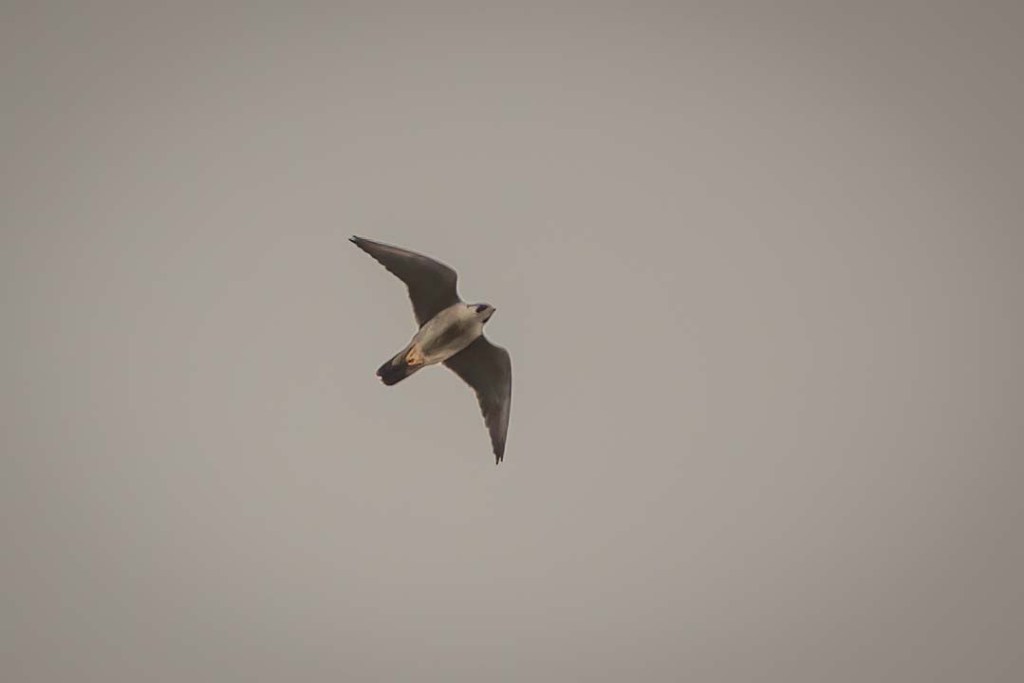
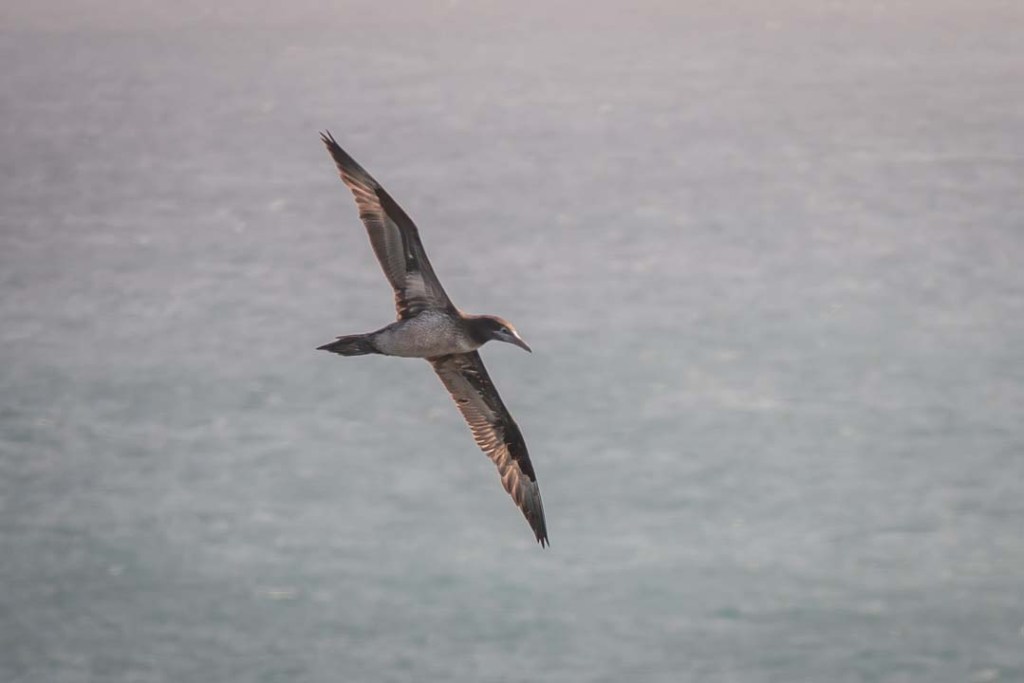
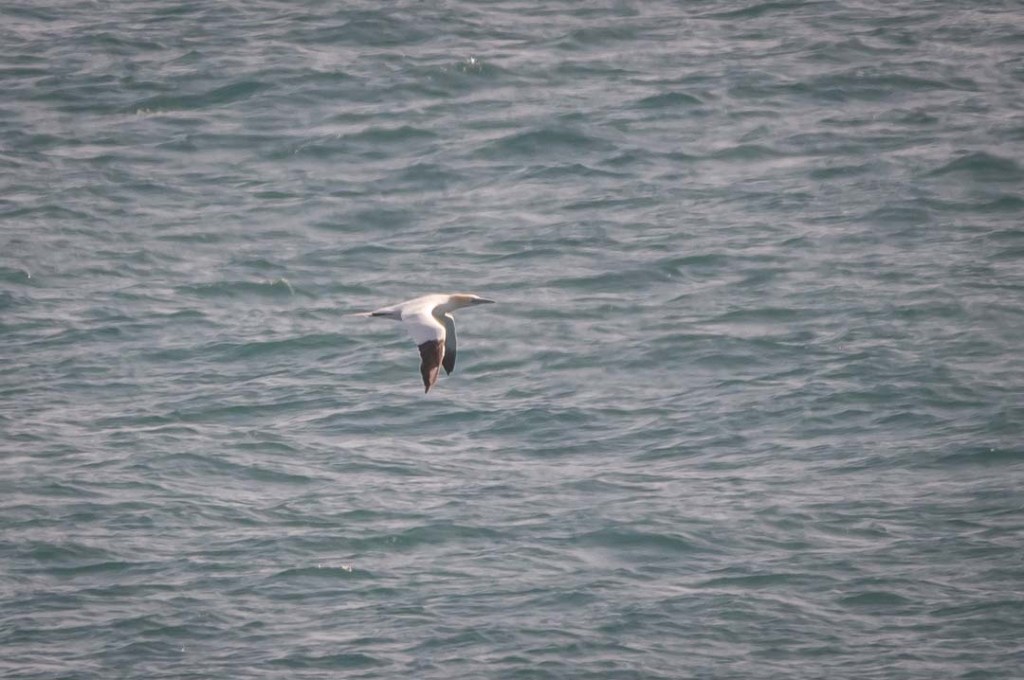
We started our birding in the port of Sagres on the south west coast of Portugal. On the quaysides there was a ruddy turnstone, crag Martins and not much else. We were looking for a purple sandpiper but no luck. As well as the usual gulls we could see cormorants and gannets out at sea. Also way above us there were two peregrine falcons.
Ruddy turnstoneOne of two peregrines overhead
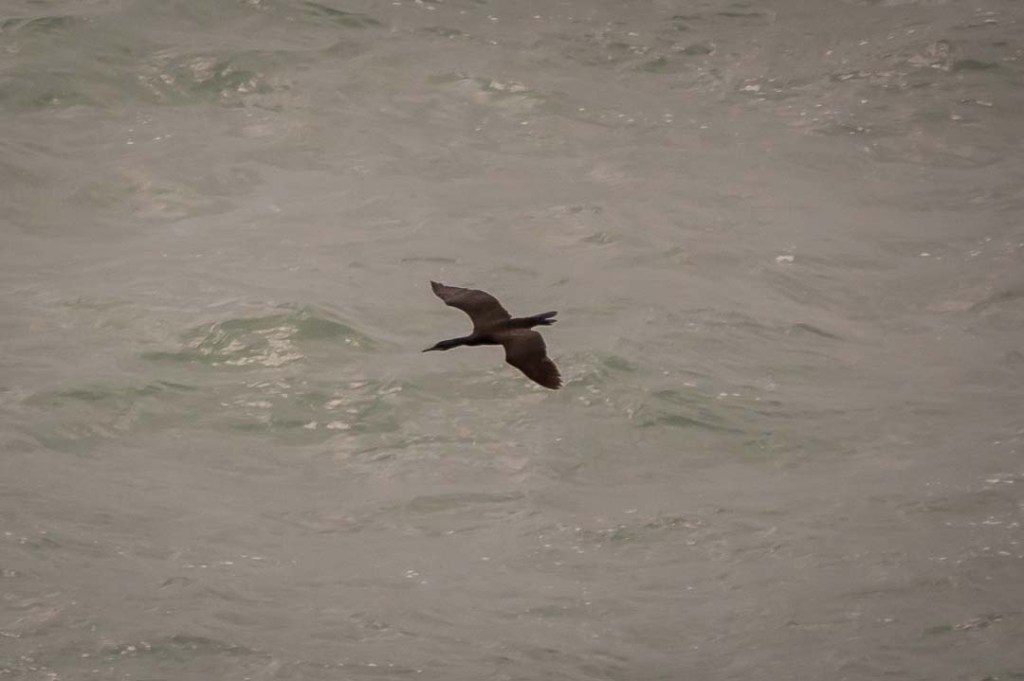
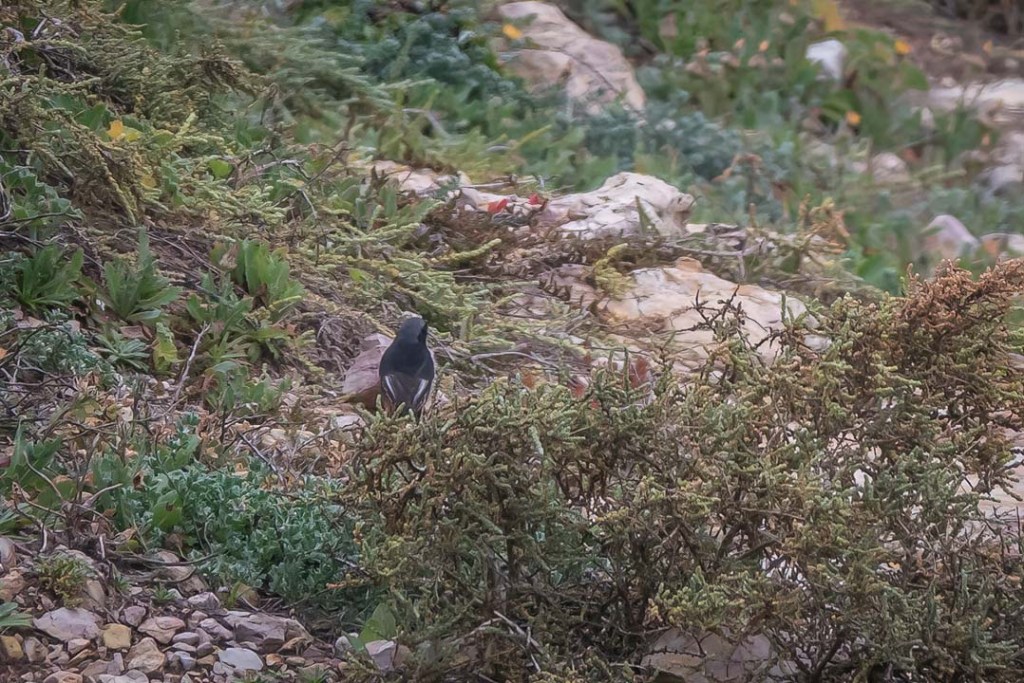
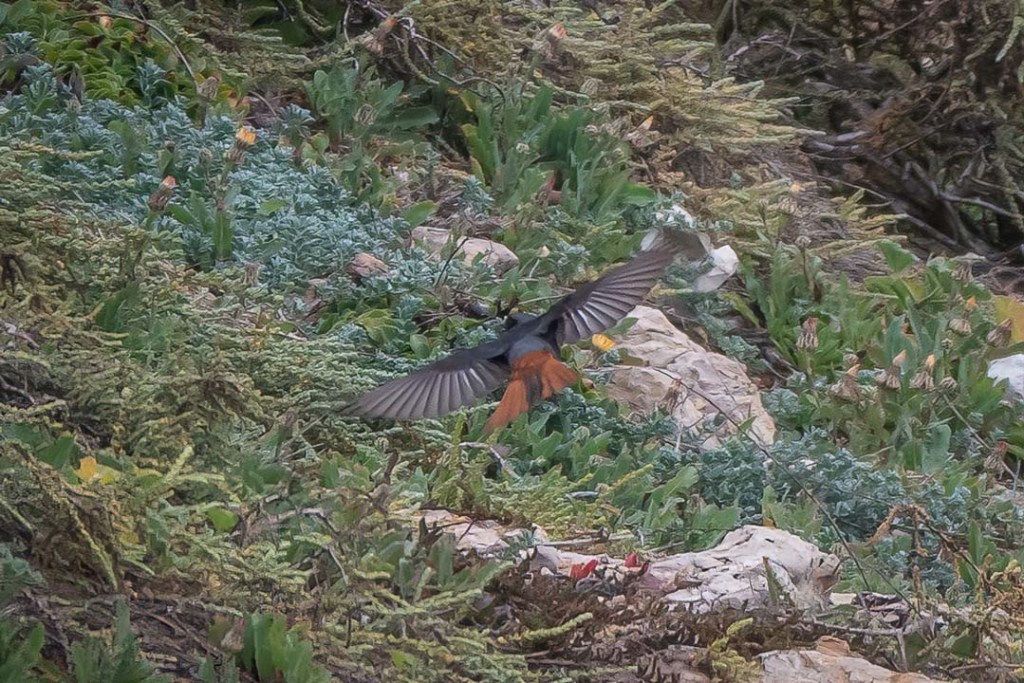
We moved on to the Cape St Vincent (the most south-westerly point of Europe) which is one of the best on-shore birding sites to observe seabirds in the Vicentine Coast Natural Park. Notable species include Cory’s, Balearic, Great and Yelkouan Shearwaters, Parasitic and Pomarine Skuas, Grey Phalarope and Audouin’s Gull. However, in the wind and then rain all I managed to see at sea were Audouin’s Gulls. I was quite happy though to see a black redstart and a shag.
Audouin’s gullOnly room for one at a time.Shag in flightThe headland on a calm dayBlack redstartBlack redstart in flight
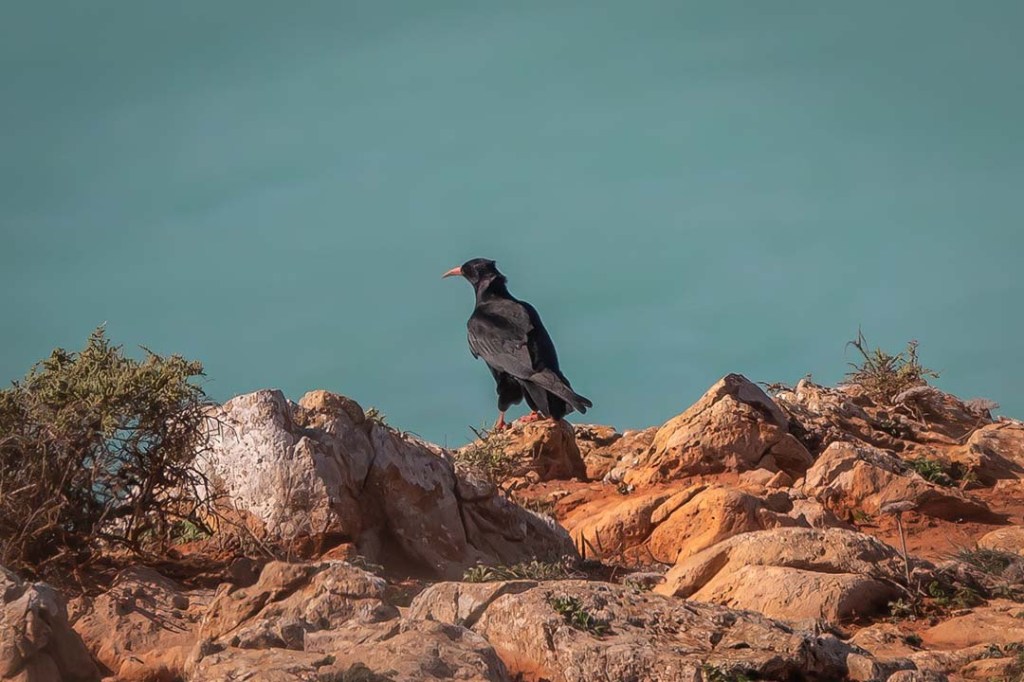
We pottered around inland a bit and had more success. We saw two flocks of choughs with more than 20 birds in each flock. As I was trying to photograph them there was a cry of what I thought was “buzzards” which I ignored but which turned out to be “bustards”. I didn’t see them but luckily Wendy caught sight of two little bustards in flight.
Flock of choughs
Here again we saw lots of swallows which looked as though they were catching up on food after their long flights from Africa. There were also corn buntings and meadow pipits.
Prince Henry the Navigator at Sagres
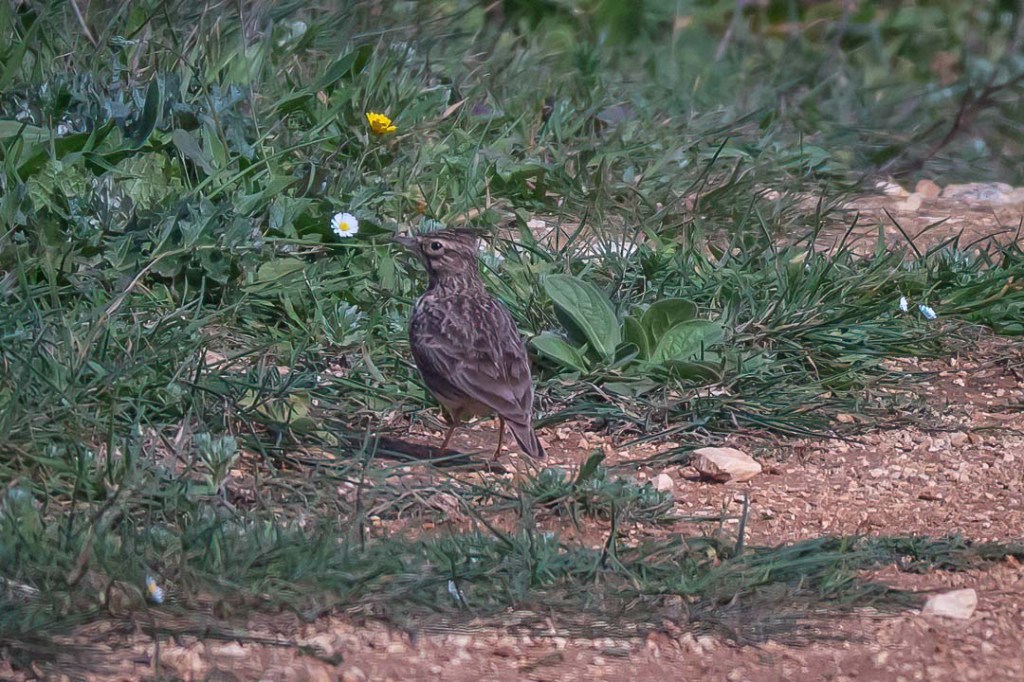
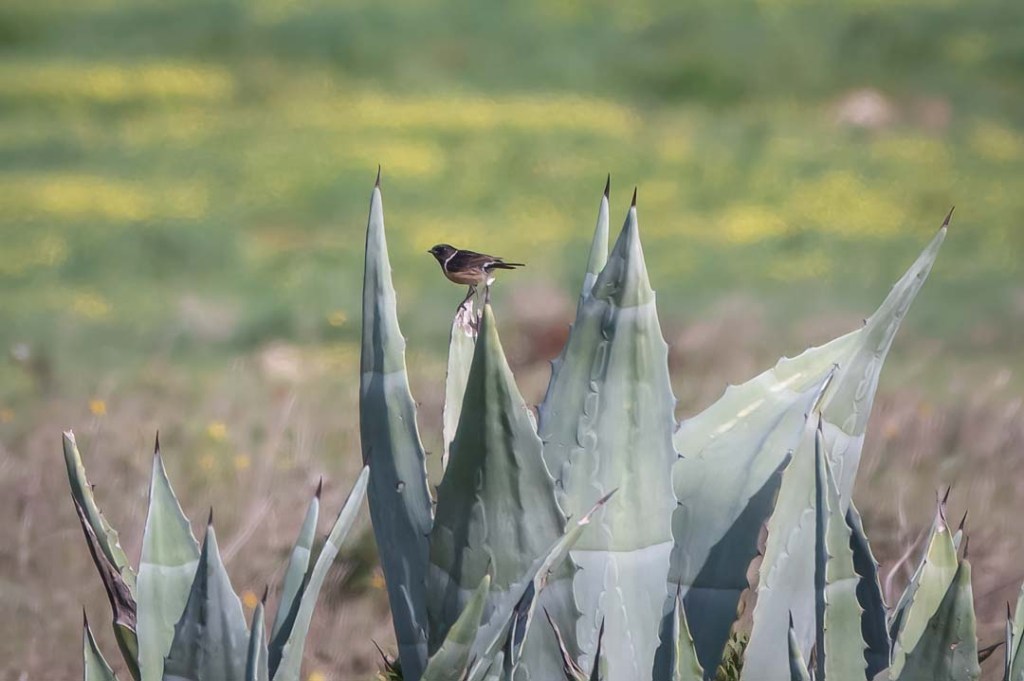
We then returned to Sagres and headed to Ponta da Atalaia / Baleeira Viewing Point. The first bird we saw was a Thekla’s Lark. Maria carefully explained the difference between Thekla’s Lark and Crested Lark but I didn’t hear it as I was too busy photographing the lark, some stonechats and a common kestrel.
Thekla’s LarkCommon kestrelStonechat
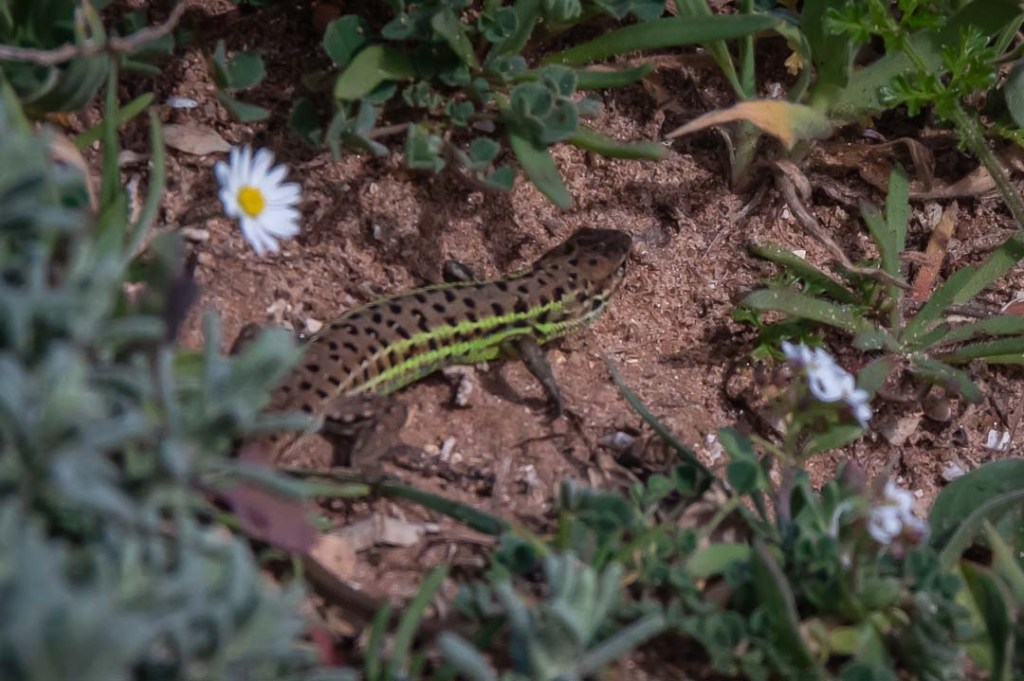
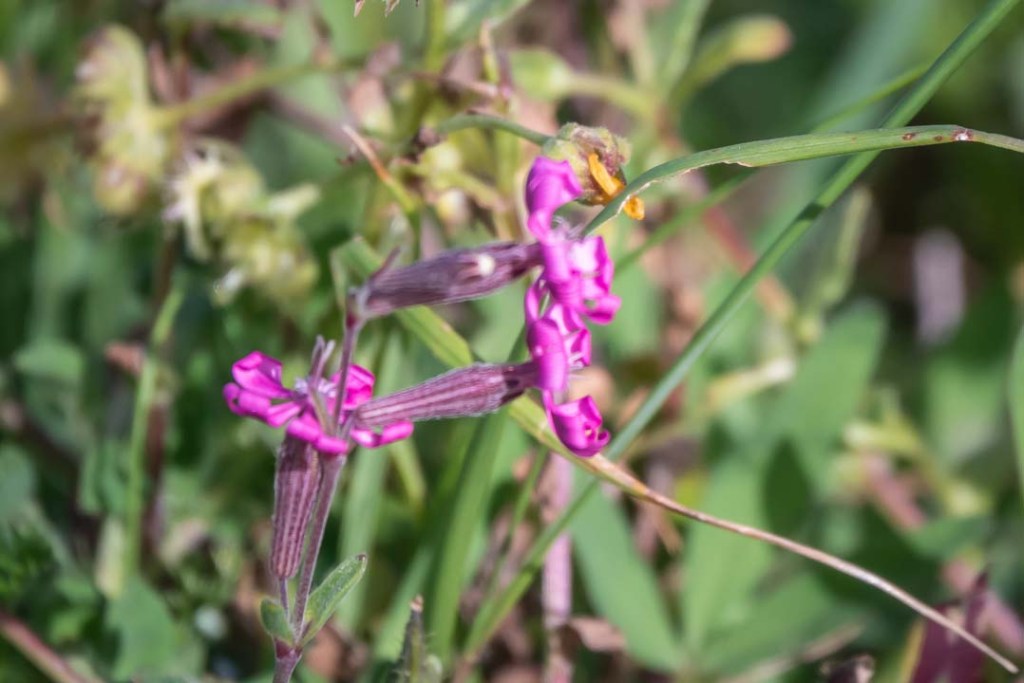
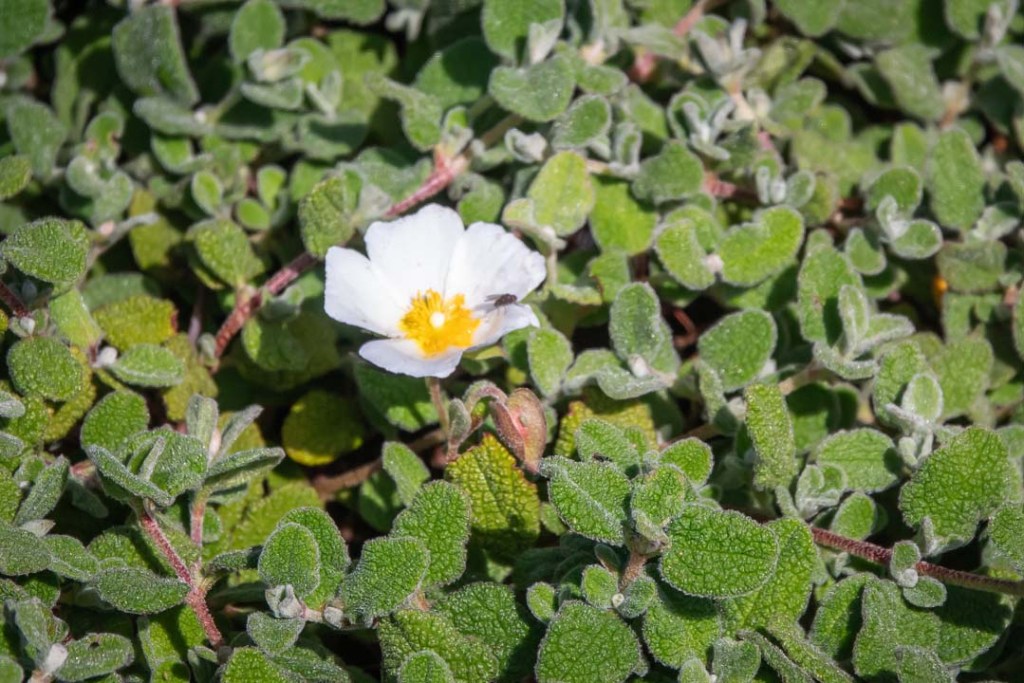
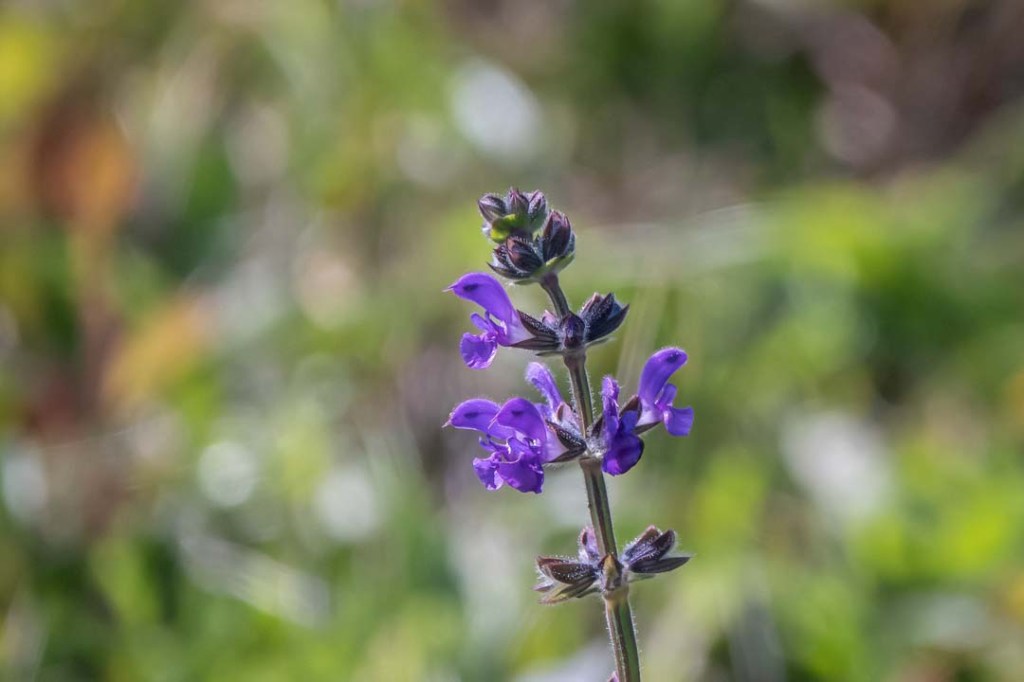
This area was particularly rewarding for seeing the beautiful coastal spring flowers and a few butterflies. We also saw another striking lizard – a Spanish Sand Racer, Maria thought.
Western Psammodromus has been suggested on INaturalistSmall copper butterfly
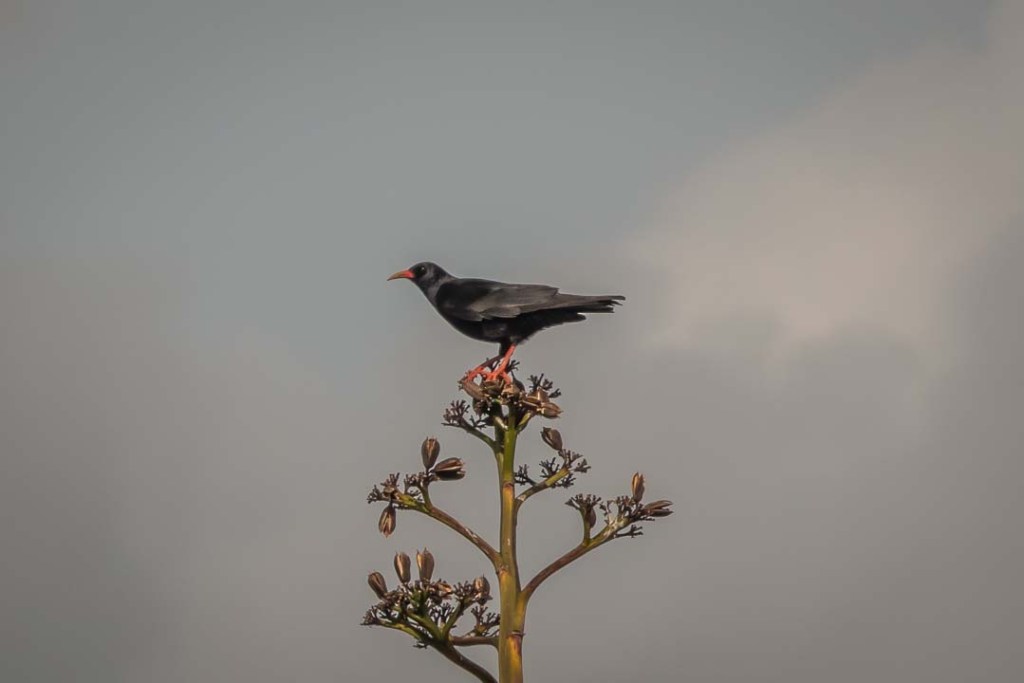
As far as birds were concerned the most interesting aspect was seeing more choughs, this time displaying by flying high and descending rapidly – a bit like lapwings. Again we had views of gannets.
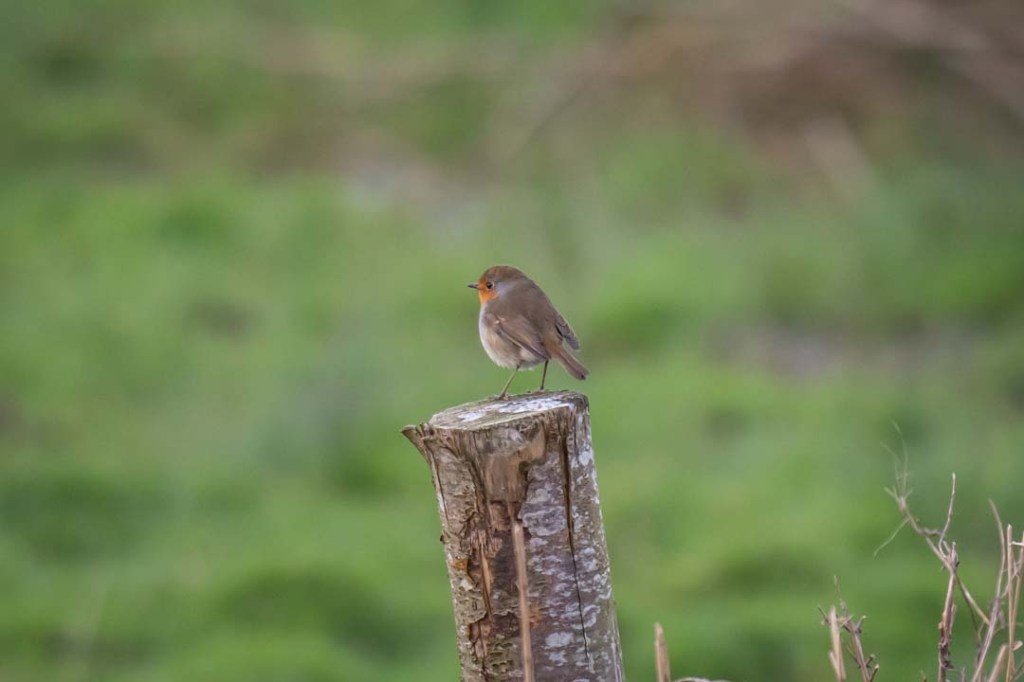
We then had a drive inland to go to Montes da Fóia at Montchique (about 900 meters high) in search of buntings. En route we had a very good view of a black- winged kite from the coach. Maria then related her very interesting views on why she considered these birds closer to owls than eagles (but don’t get me to tell you all of them). On the top of the mountain, in quite cold conditions, all we saw at first were stonechats, robins and meadow pipits but then a blue rock thrush was spotted on a nearby rock. Our guide Rui then saw a small flock of ring ouzel in front of the woods and I managed to catch sight of two of them before they disappeared.
On the way home we stopped briefly to get some photos of a colony of white storks which were nest building down in the plain. I’m not sure the keen birders approved.
White storkWhite storkWhite stork
Another fascinating (and exhausting) day’s birding.
Species observed:
Rock Dove (Wild type); Common Woodpigeon; Collared Dove; Ruddy Turnstone; Audouin’s Gull, Yellow-legged Gull, White Stork; Northern Gannet; Great Cormorant; European Shag; Little Egret; Western Cattle Egret; Black-winged Kite; Common Buzzard; Great Spotted Woodpecker; Common Kestrel, Peregrine Falcon; Common Magpie, Red-billed Chough; Eurasian Skylark; Thekla’s Lark, Crested Lark; Eurasian Crag Martin; Barn Swallow; Red-rumped Swallow; Common Chiffchaff; Common Starling; Spotless Starling;Eurasian Blackbird; Ring Ouzel; European Robin; Black Redstart; Blue Rock Thrush; European Stonechat; House Sparrow; Pied Wagtail/White Wagtail; Meadow Pipit; Common Linnet;European Goldfinch; Corn Bunting
Seen by Wendy: Little Bustard
Seen by others: Red-legged Partridge; Whimbrel; Sardinian Warbler
We had a gentle start to our Saga birding holiday to the Algarve which gave us a chance to recover from our rather uncomfortable flight of the day before. (An unexpected cloud burst on the tarmac caught us by surprise and resulted in us sitting for the two and a half hour flight from Bristol to Faro soaked to the skin.)
After breakfast we were able to explore the bird life of the hotel grounds and get our bearings. From our balcony we had a splendid view along the coastline and could see through the telescope on the cliff opposite both cormorants and shag.
Cormorants and shag on the point opposite our hotel balcony
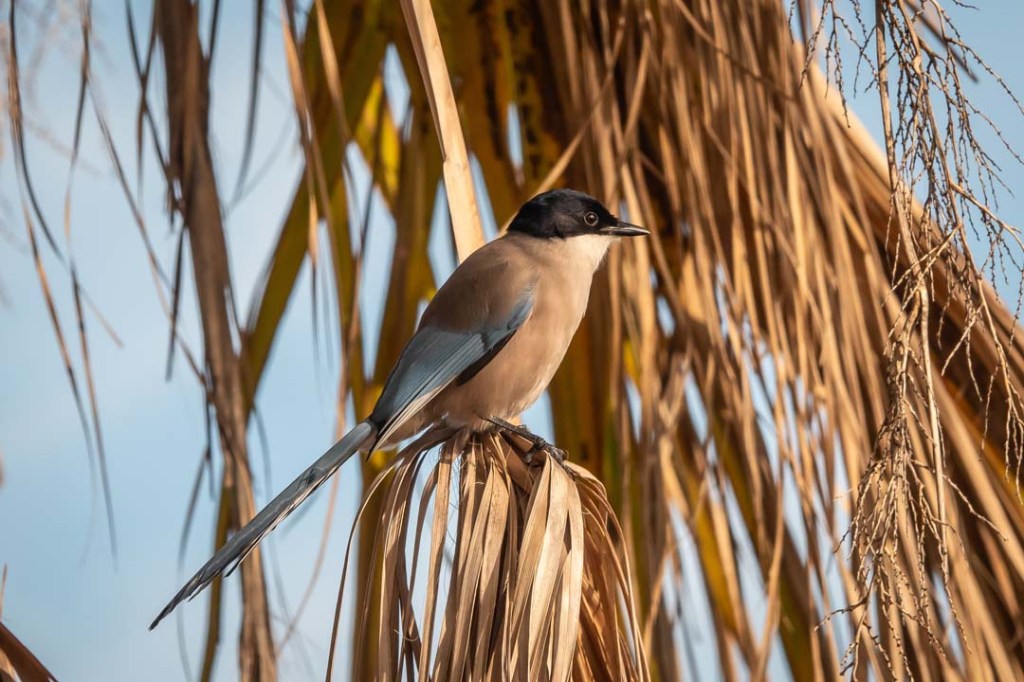
Iberian magpies and house sparrows, however, were much closer and didn’t even require binoculars.
Iberian magpie from our balcony
Later in the morning Maria, our very enthusiastic, knowledgeable and personable guide for the week gave us a good presentation of the birding areas we were going to explore and, accompanied by excellent photos, an idea of the of the birds we might expect to see.
After lunch we had a short drive by coach to our first birding area Lagoa dos Salgados (also known as Pera Marsh) where we joined by Rui, a local bird guide.The excellent website Walk Algarve describes this area:
“Lagoa dos Salgados is one of the most important freshwater wetlands in the Algarve. Despite being much smaller than Ria Formosa or even the Alvor Estuary, Lagoa dos Salgados is nonetheless inhabited by a quite large quantity and variety of bird species that include numerous rarities and scarcities. With reason, this severely threatened IBA site has become one of the most rewarding and sought-after birding hotspots in the Algarve.”
Before we even started birding we saw a spectacular oscellated lizard.
Oscellated lizardPera marshes from the boardwalk
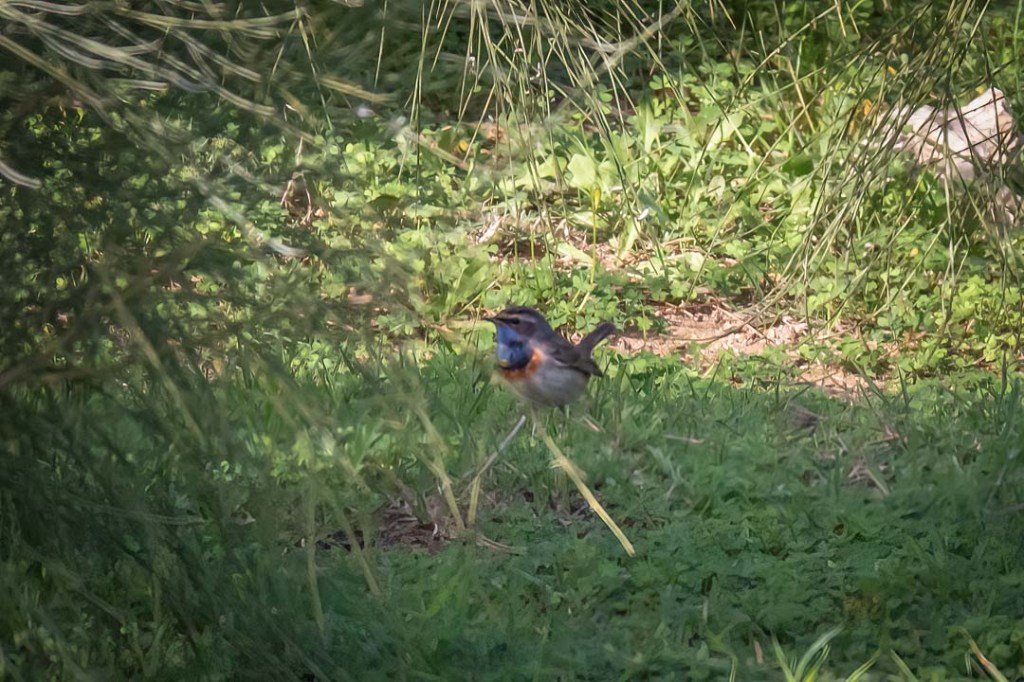
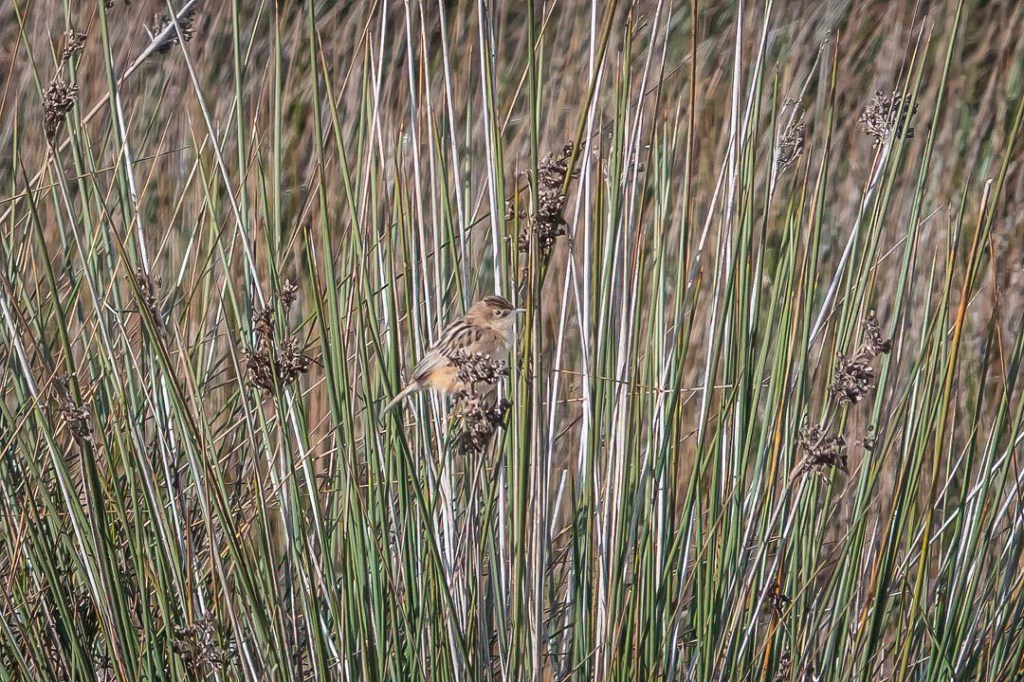
The first section of our walk was along a boardwalk where we had good views of the wetlands. We soon had close up views of a bluethroat (which was not easy to photograph as it darted in and out of the bushes in the shade) and a zittling cisticola in the reeds.
From the board walk we could easily pick out a large variety of waders and gulls.
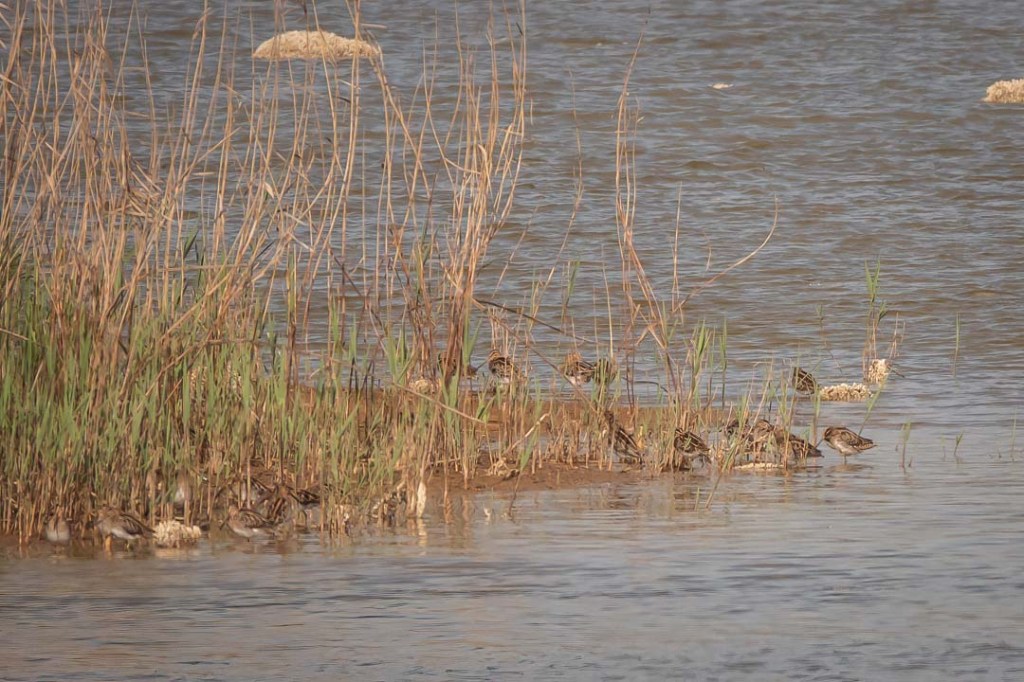
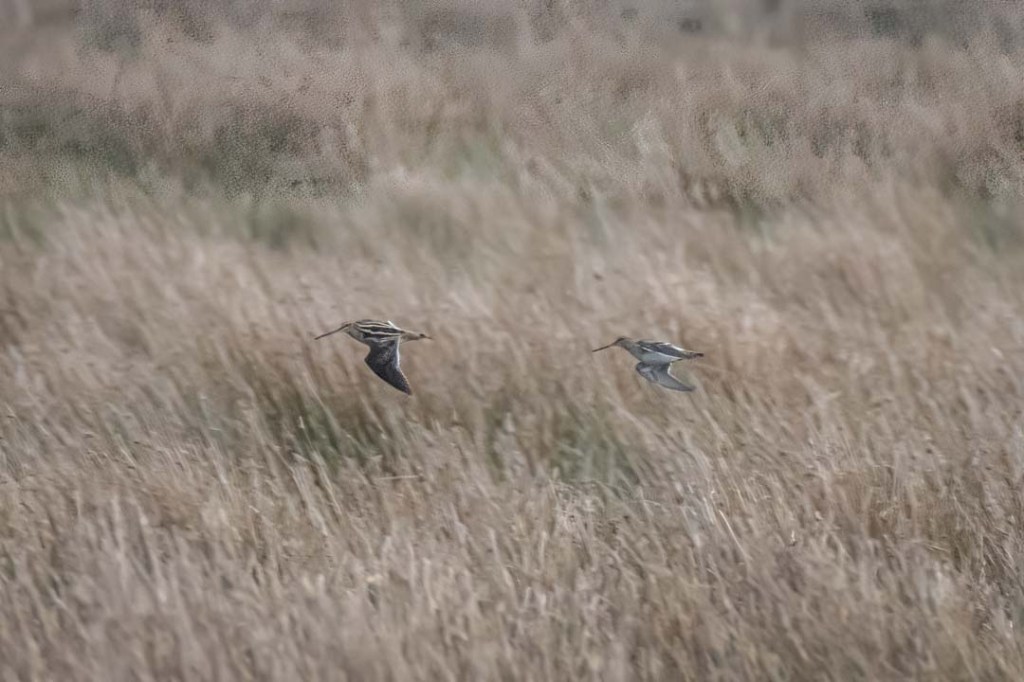
Snipe
Marsh harriers and a booted eagle in the distance excited the group. We retraced our steps and then walked on grassy paths around the fringes of the wetlands where we had even better views. Spectacularly a small flock of spoonbills flew in to join a small colony of herons.
Spoonbills and herons
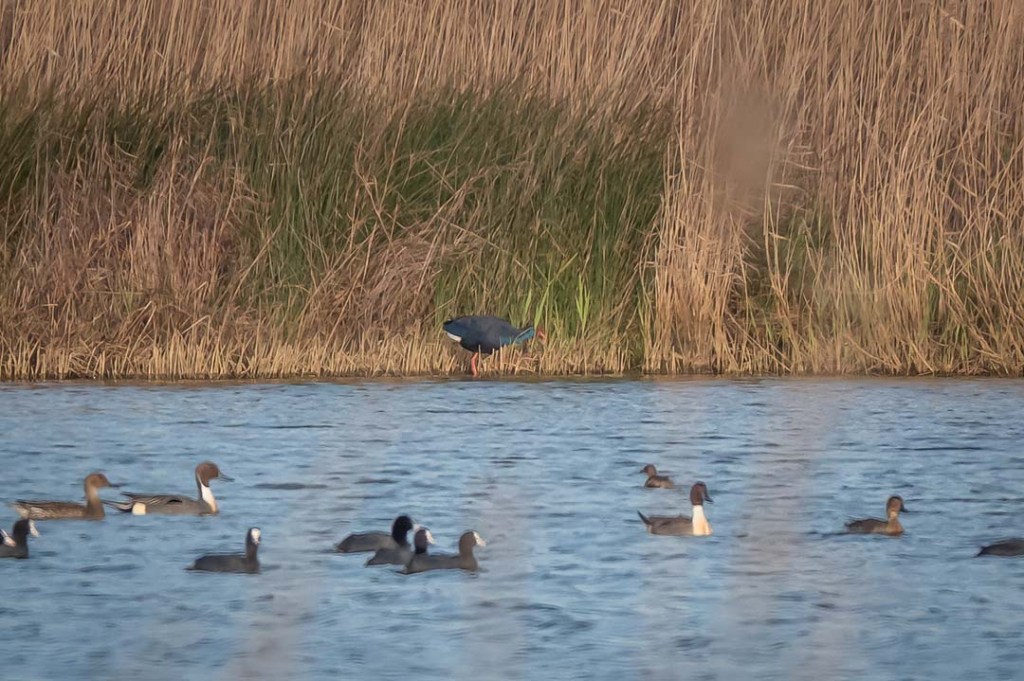
Purple swamphen could also be easily seen.
A purple swamphen skirting the reedsCaspian tern
I loved seeing swallows (both barn and red rumped) for the first time this year as they have already arrived back here from their long flights from Africa.
Swallows recently returned from AfricaGlossy ibis
Black-tailed godwits also stood out in their breeding plumage.
I must admit I often dropped behind the group as I jostled activities between viewing with binoculars and telescope and trying to take photos with my bridge camera. (I have sacrificed my Sony mirror camera and long lenses for a telescope on this trip). Fortunately the terrain was very easy but by the end of the day I was certainly ready for a beer.
A very good start to the week.
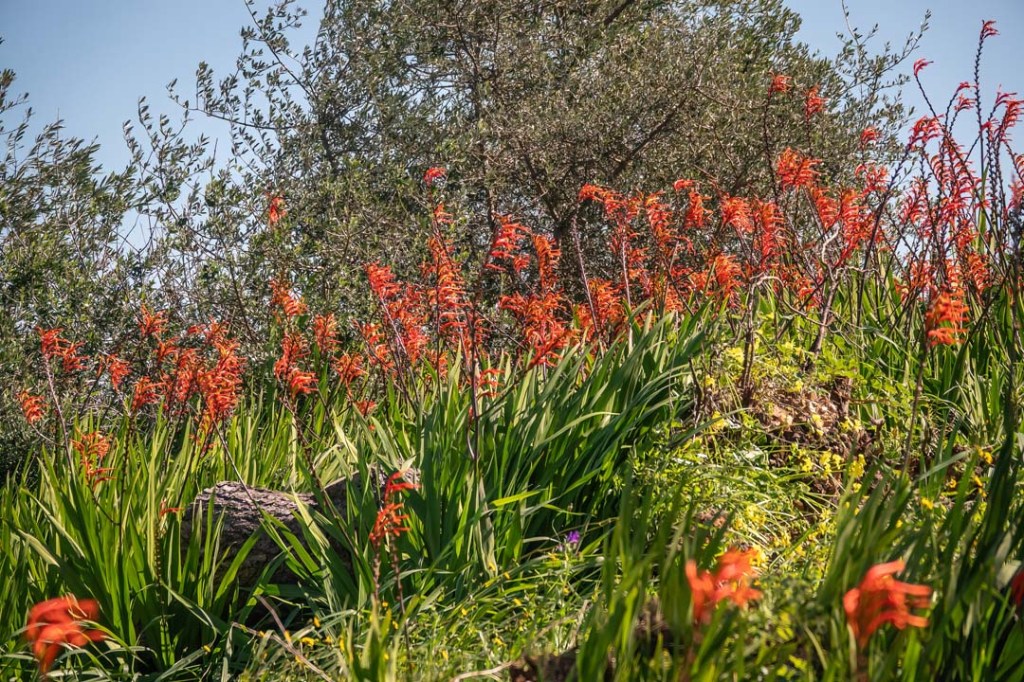
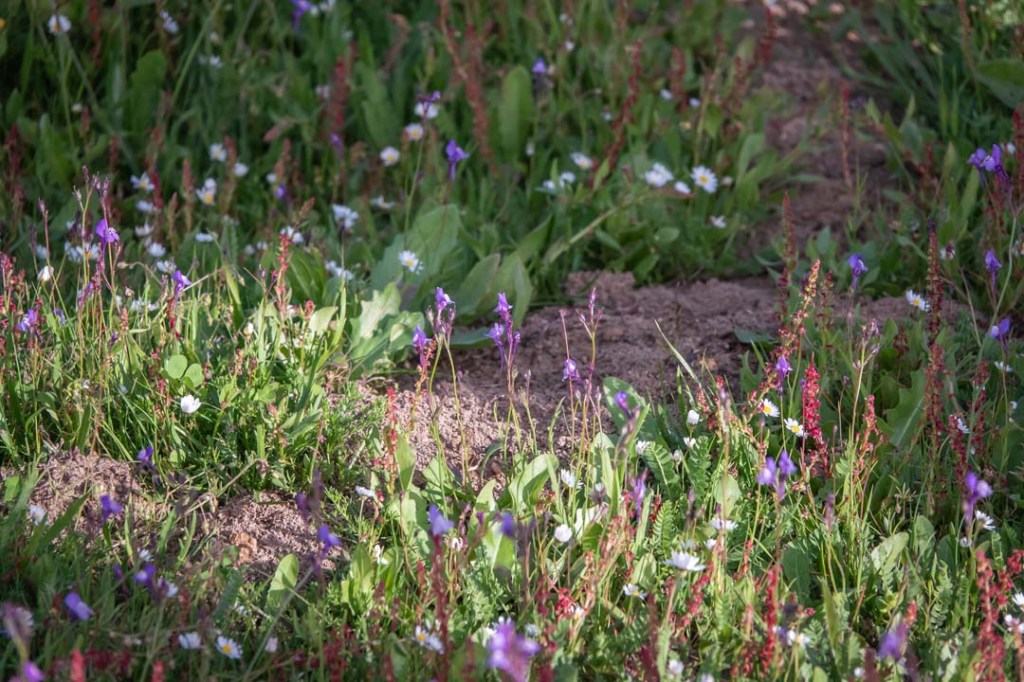
Endemic flora around the marshesEndemic flora
List of species observed:
Northern Shoveler; Gadwall; Eurasian Wigeon; Mallard; Northern Pintail; Eurasian Teal; Common Pochard; Little Grebe; Collared Dove; Common Moorhen; Eurasian Coot; Western Swamphen; Black-winged Stilt; Northern Lapwing; Black-tailed Godwit; Common Snipe; Common Redshank; Sanderling; Dunlin; Audouin’s Gull;Mediterranean Gull; Yellow-legged Gull; Lesser Black-backed Gull; Caspian Tern; Great Cormorant; Little Egret; Western Cattle Egret; Grey Heron; Glossy Ibis; Eurasian Spoonbill; Booted Eagle;Western Marsh Harrier; Little Owl — Heard; Common Kestrel; Iberian Magpie; Common Magpie; Eurasian Skylark; Crested Lark;Zitting Cisticola; Barn Swallow; Western House Martin; Red-rumped Swallow;Common Chiffchaff;Cetti’s Warbler — heard; Sardinian Warbler — Heard; Spotless Starling; Eurasian Blackbird;Bluethroat; European Stonechat; House Sparrow; Pied Wagtail/White Wagtail; Meadow Pipit; European Greenfinch; Common Linnet; Corn Bunting
Another break in the rain and so we make a dash for Slimbridge. There’s not much doubt that these are currently wetlands.
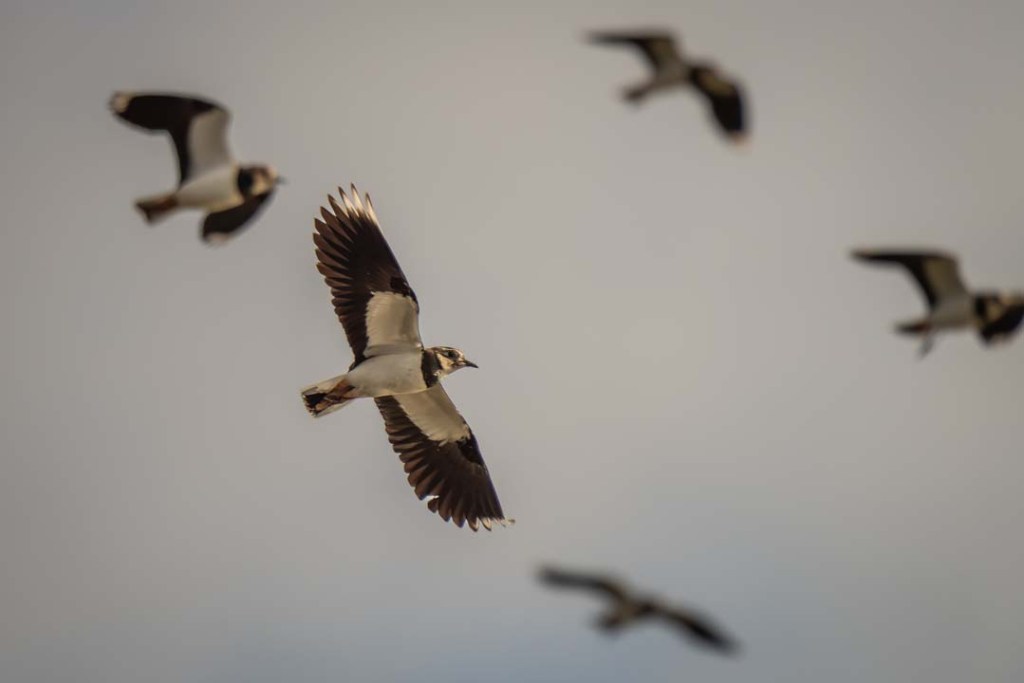
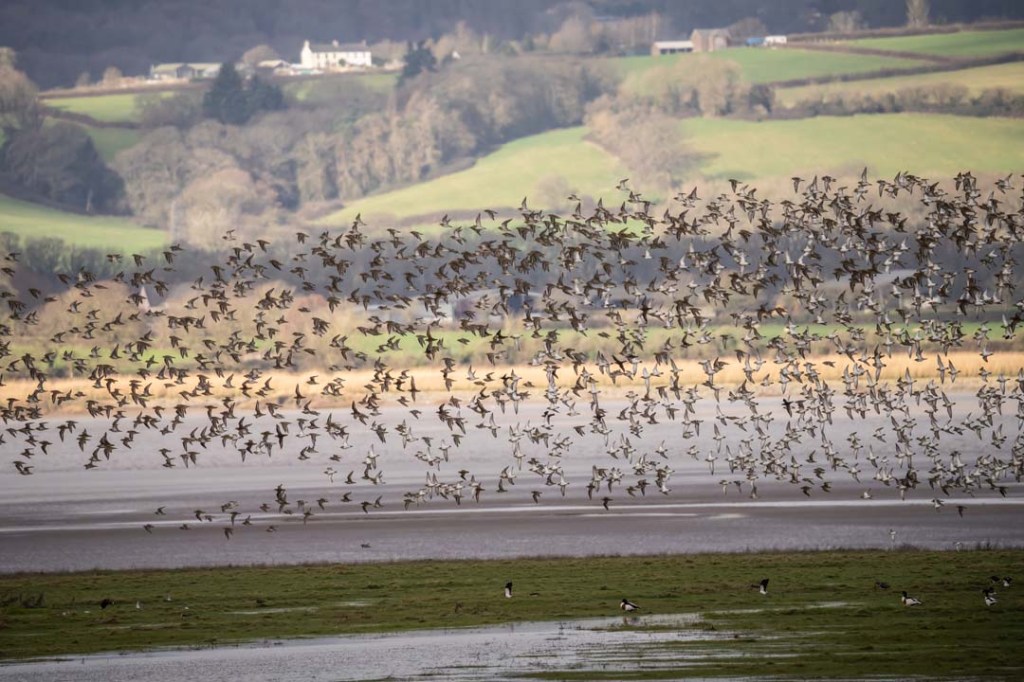
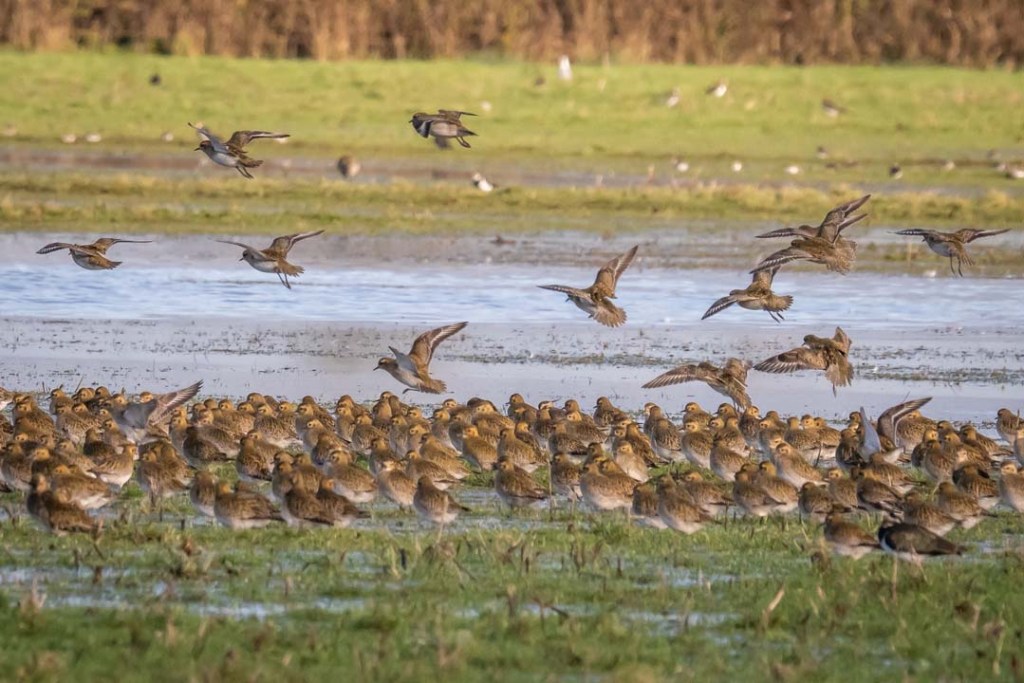
Northern lapwings and golden plover clearly enjoying the wet conditions
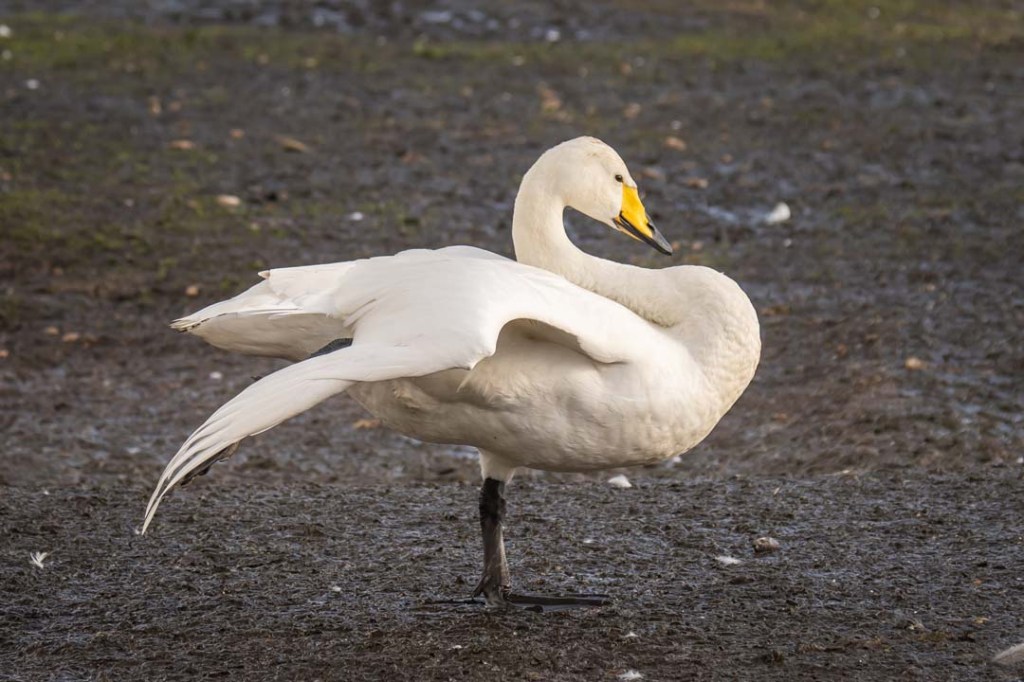
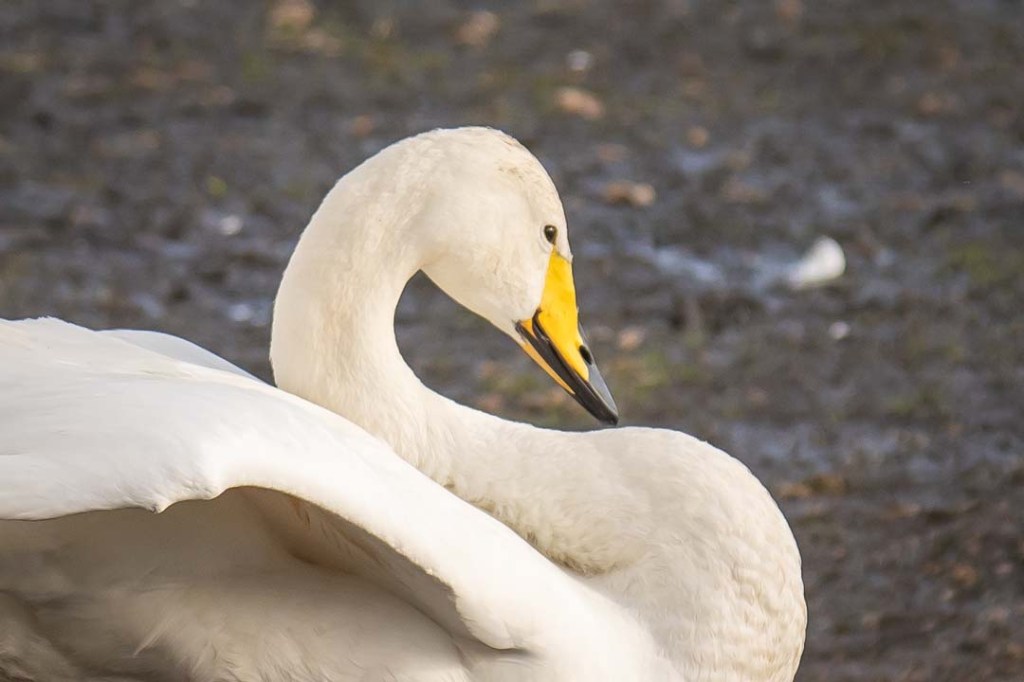
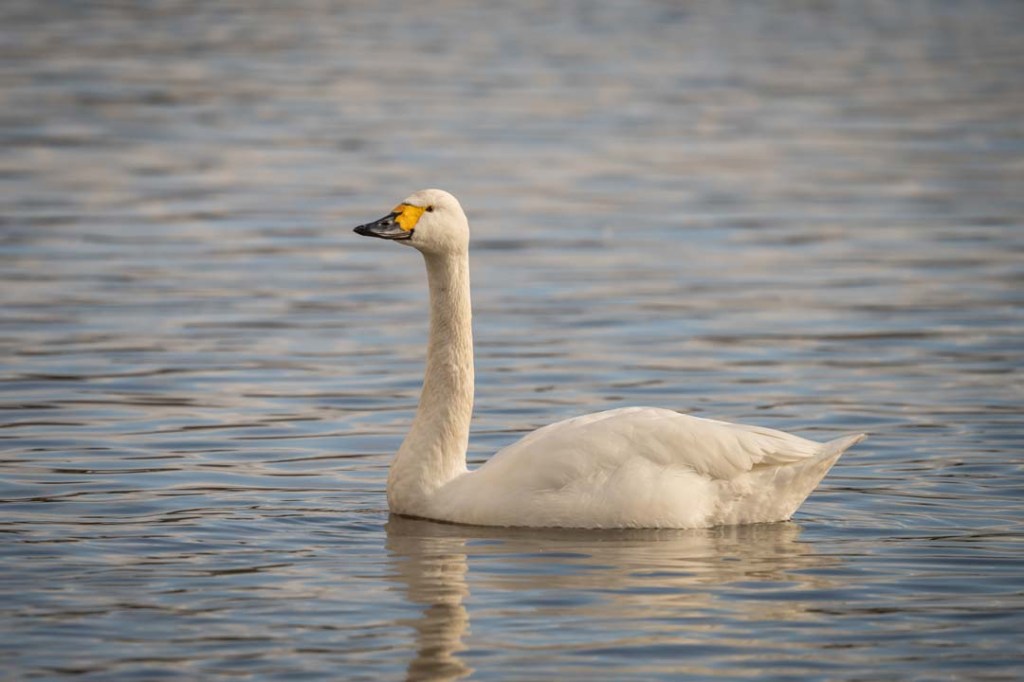
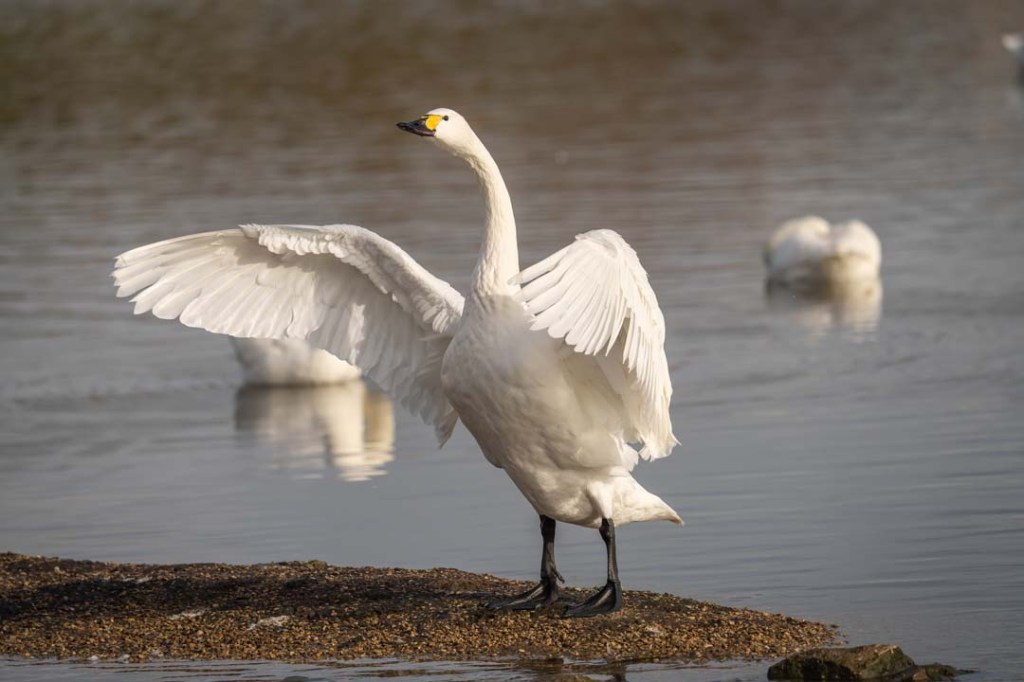
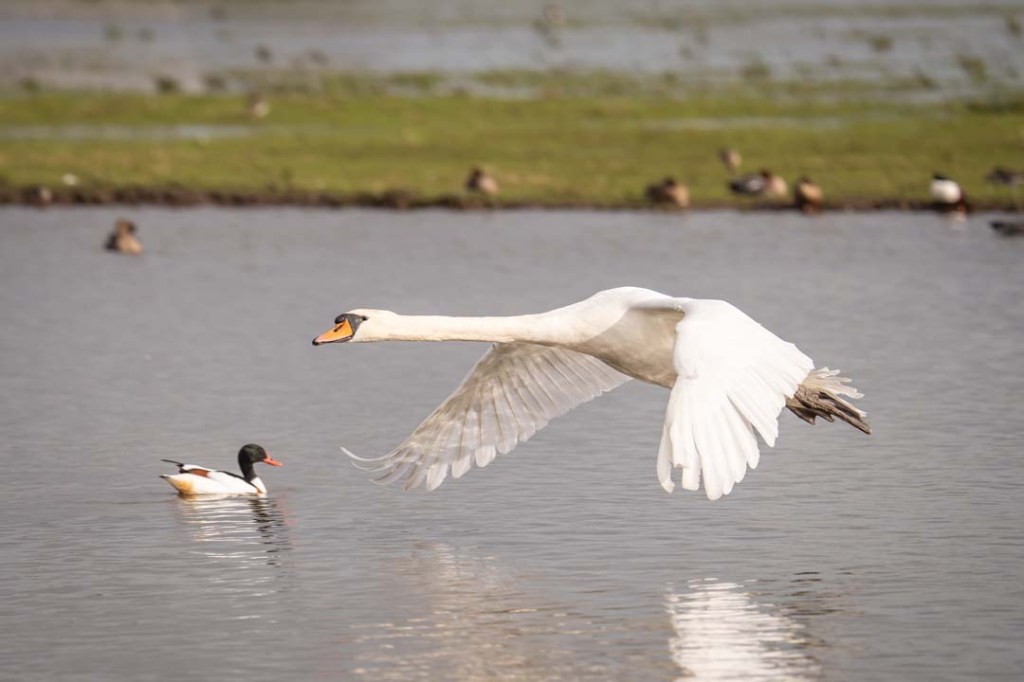
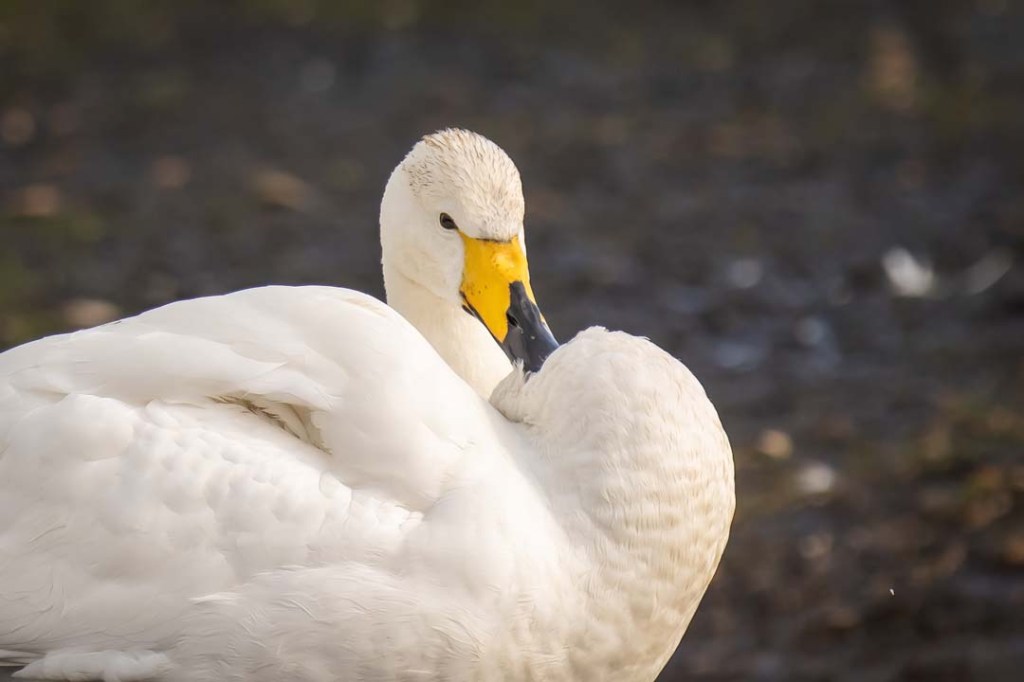
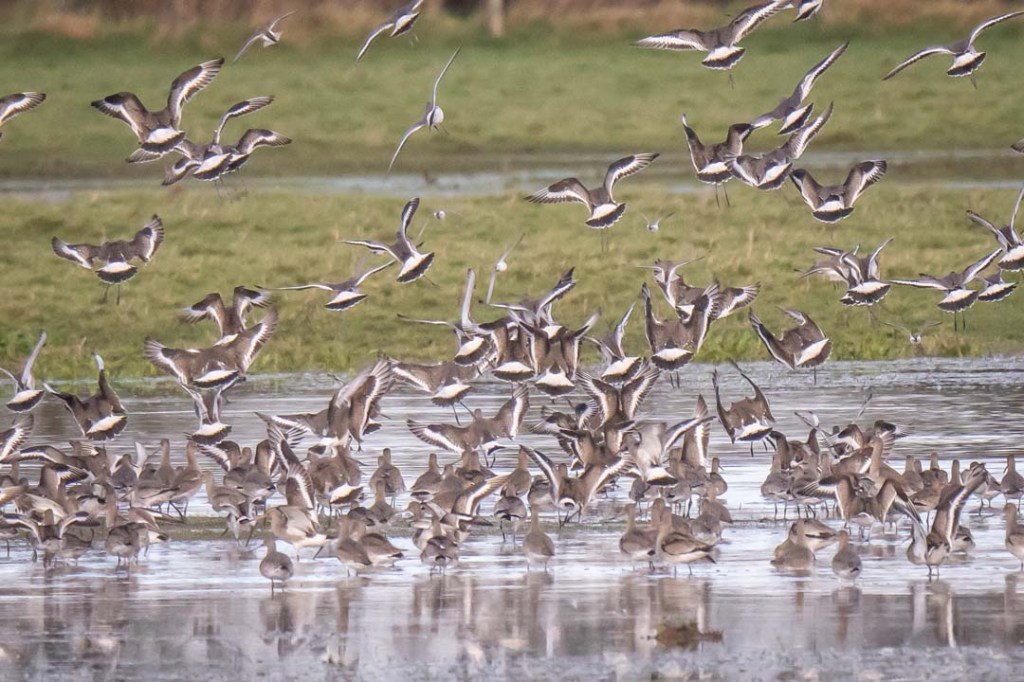
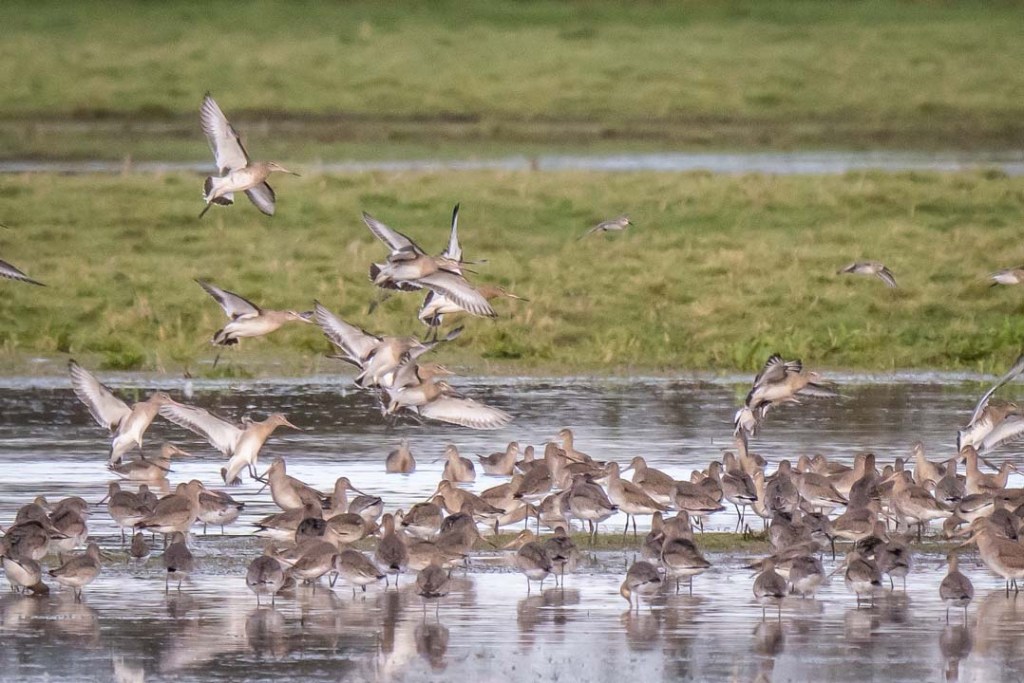
There were a few rarities there today (spoonbill, dark-bellied Brent goose) but the only rarity (for Slimbridge) which we managed to see amongst the thousands of birds on view were two Whooper swans who have joined the visiting Bewick swans and the native mute swans.
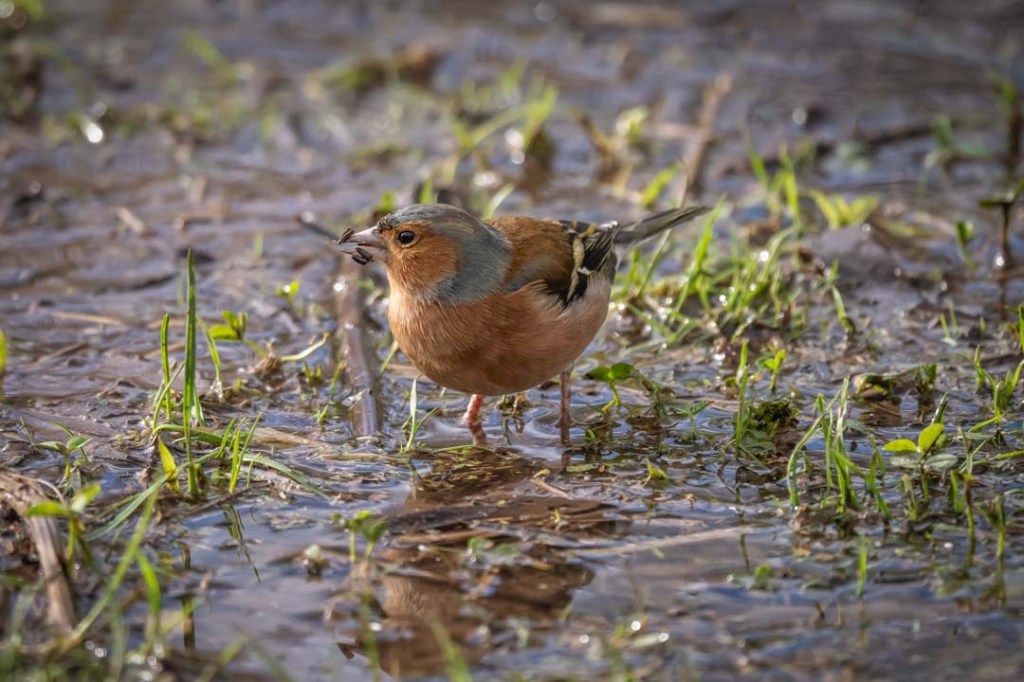
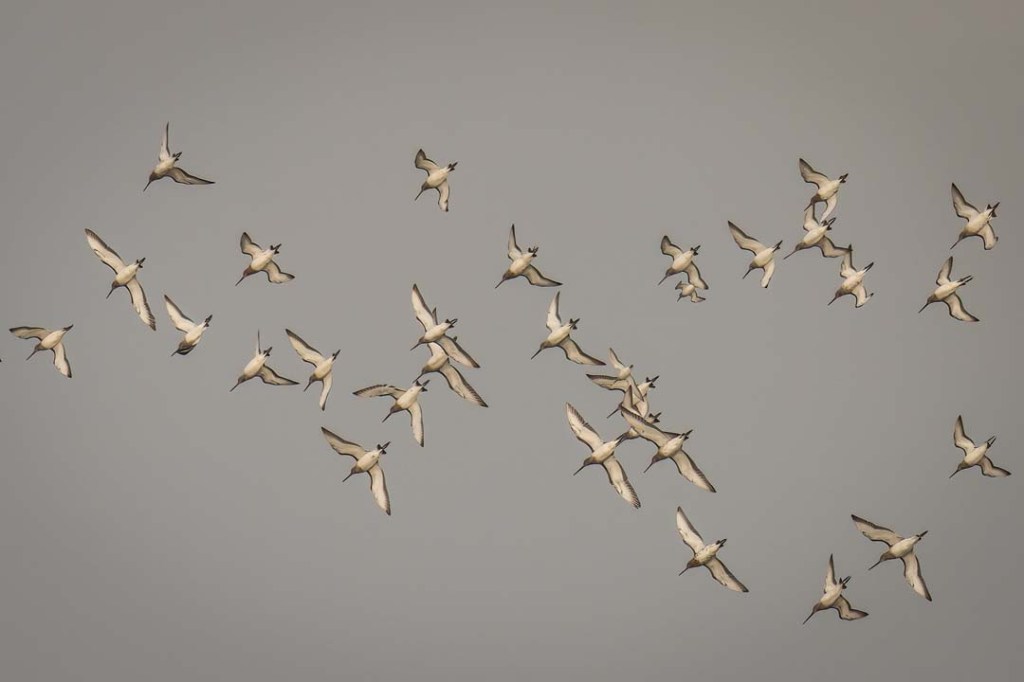
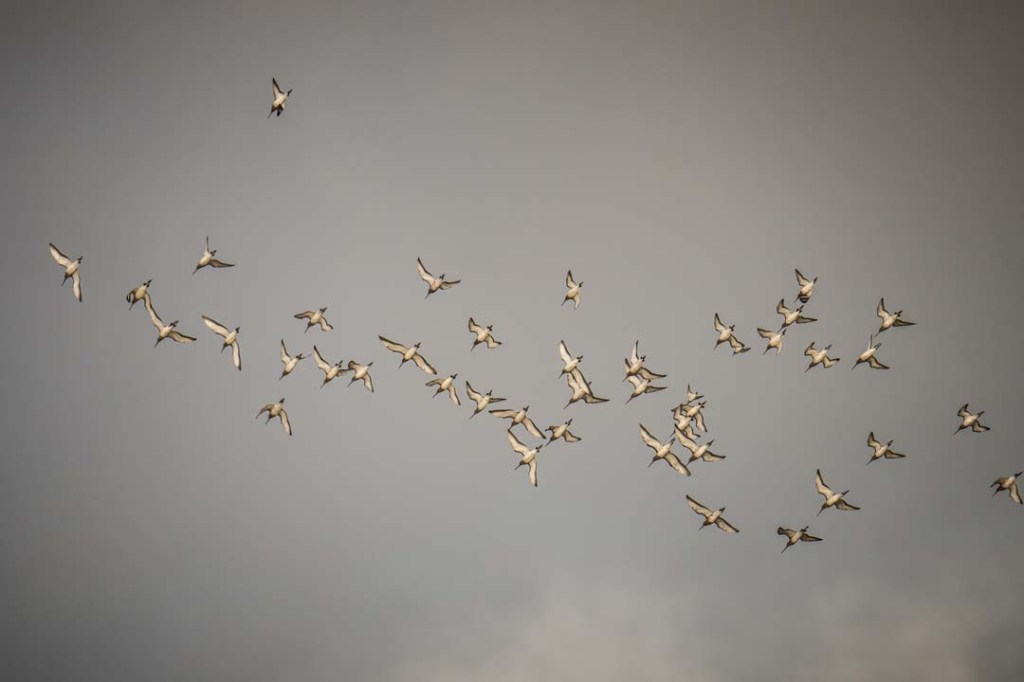
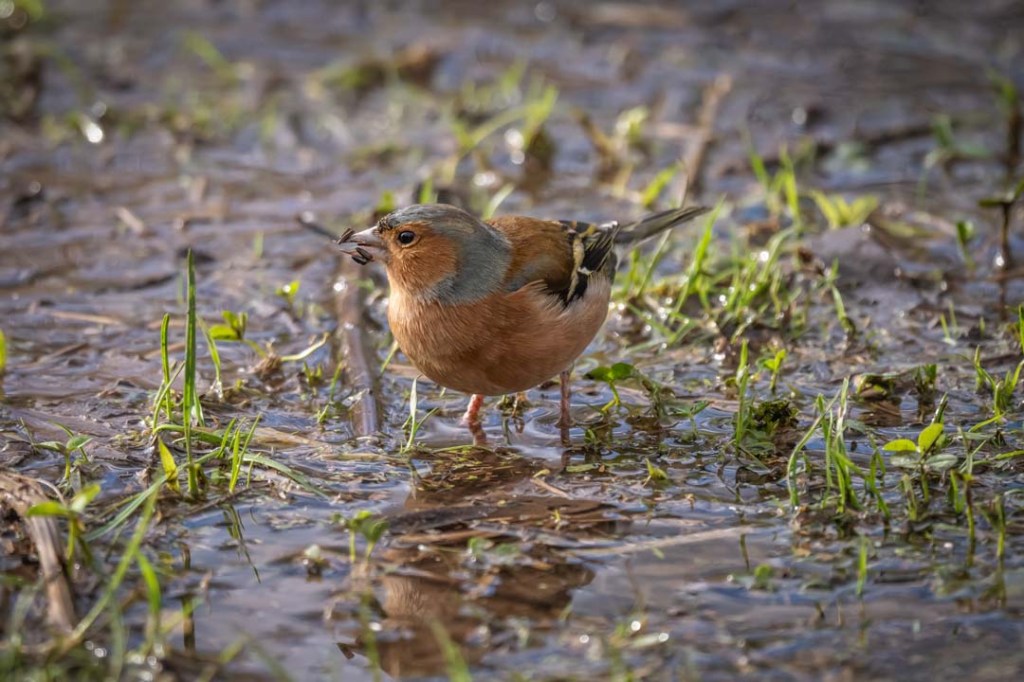
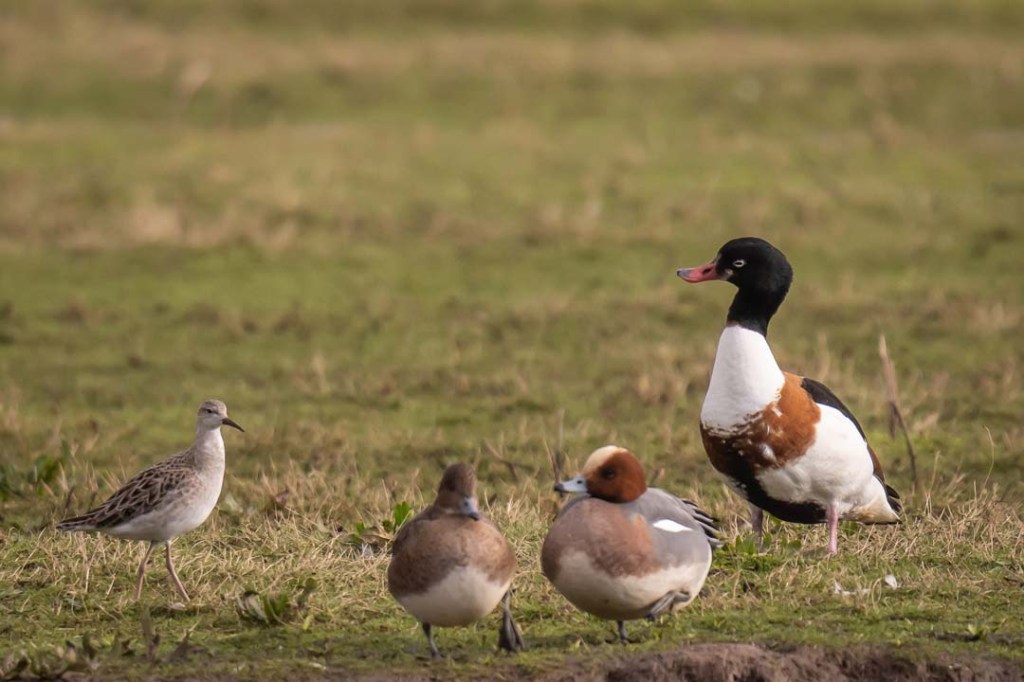
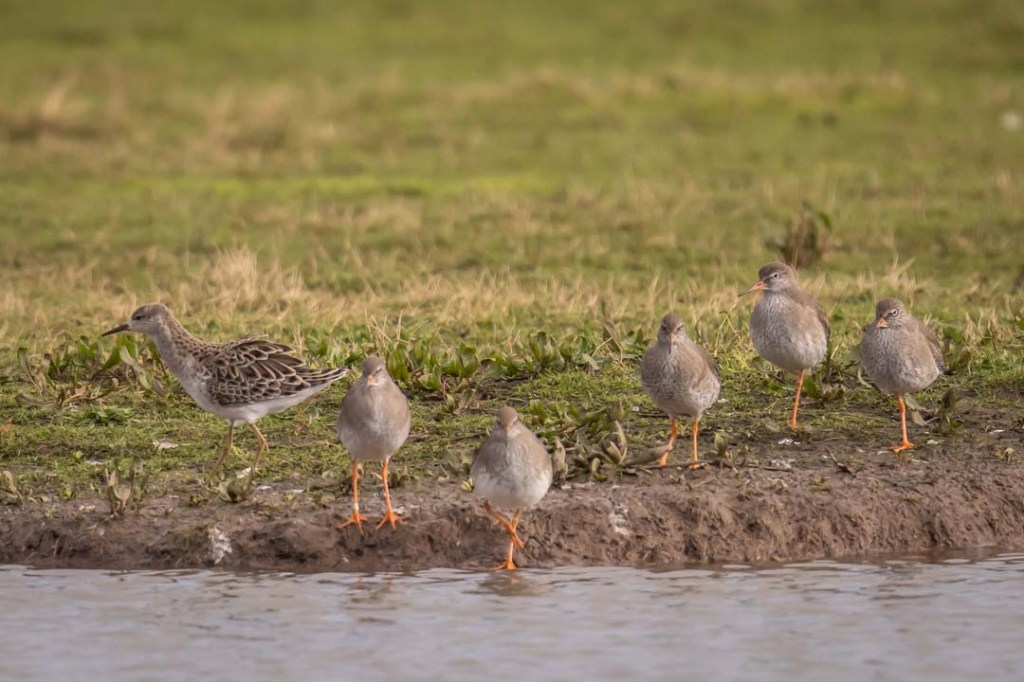
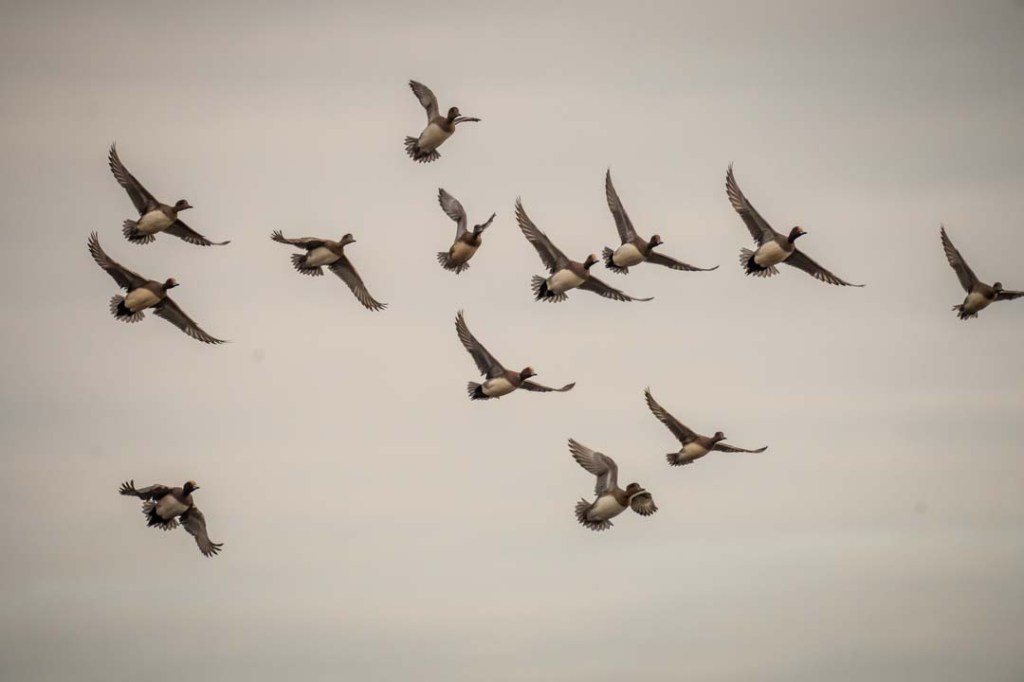
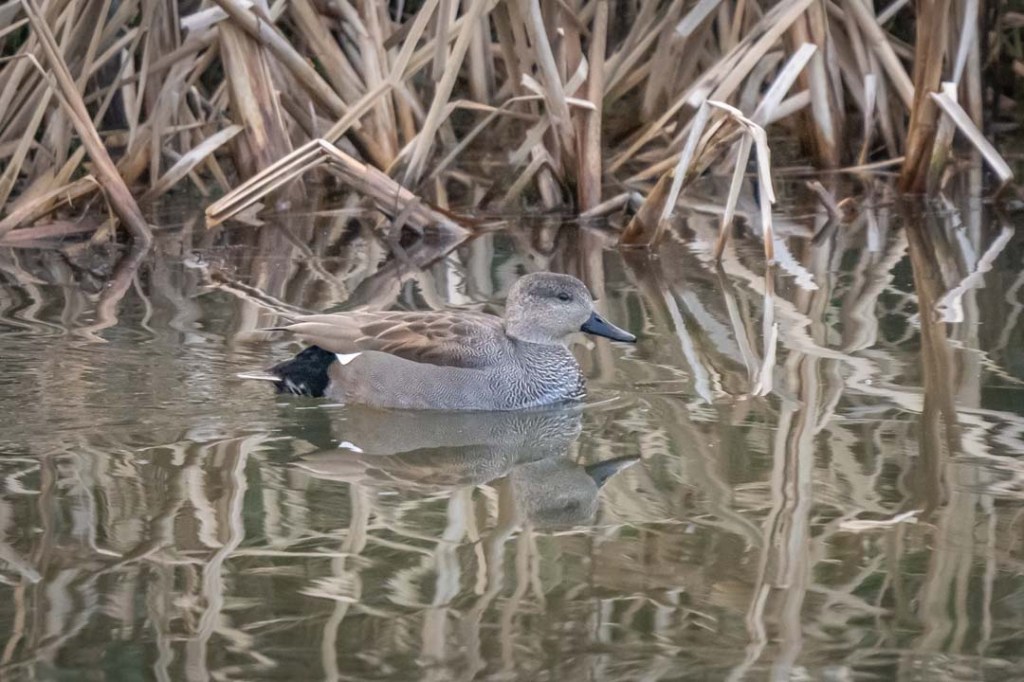
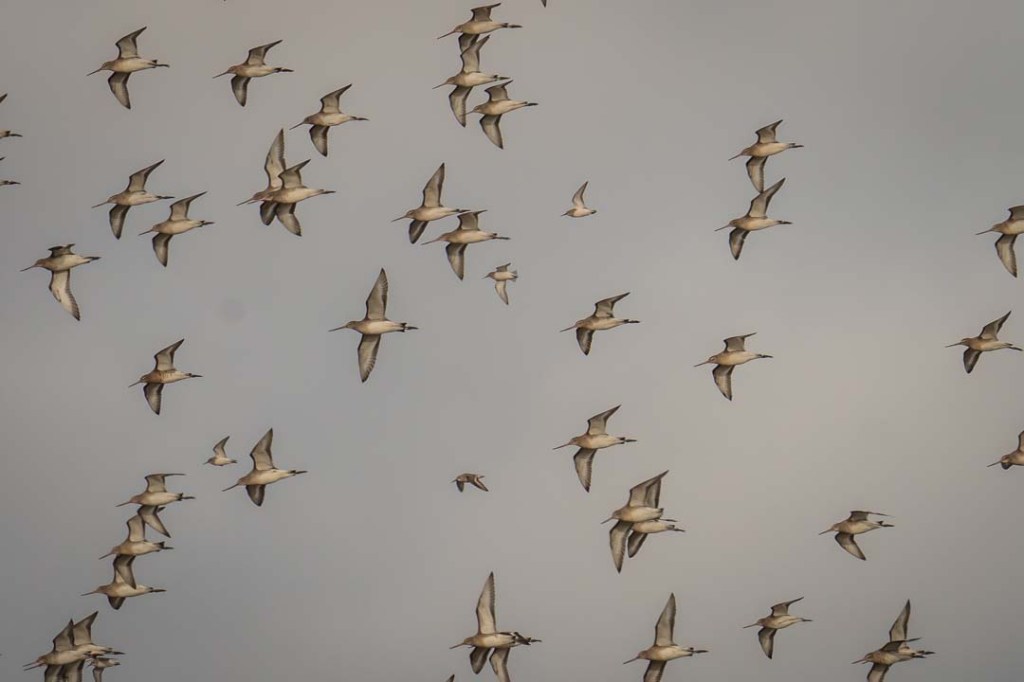
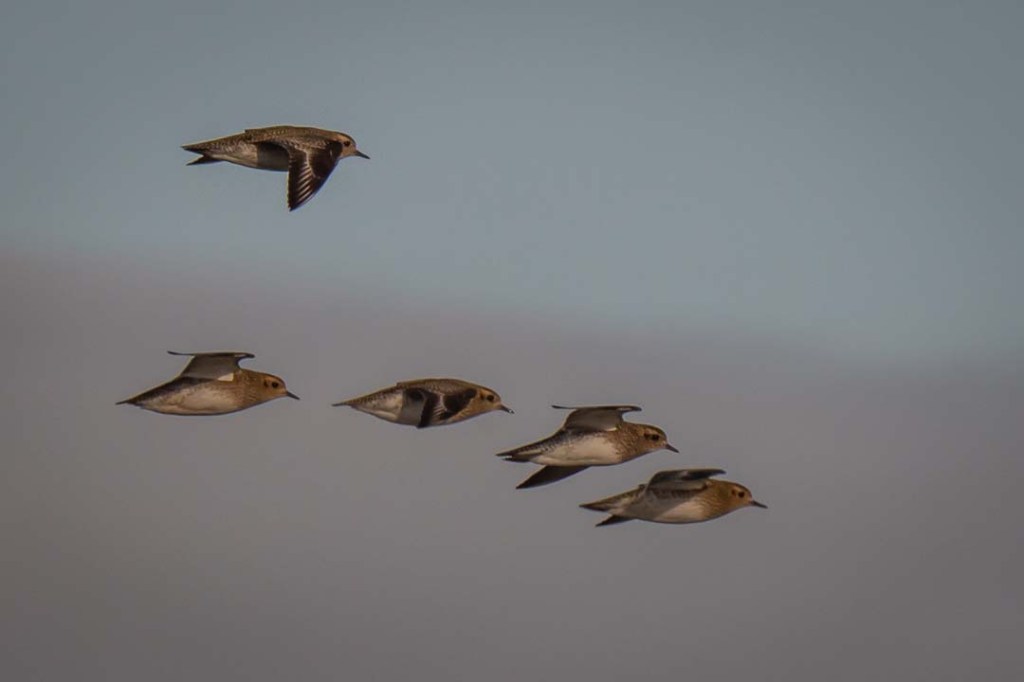
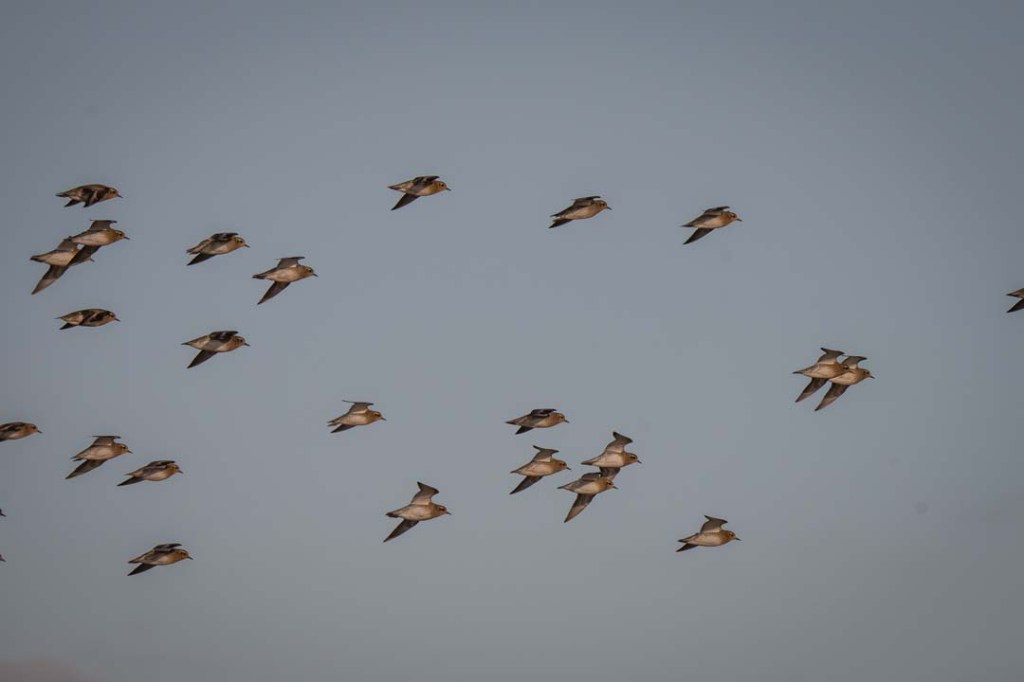
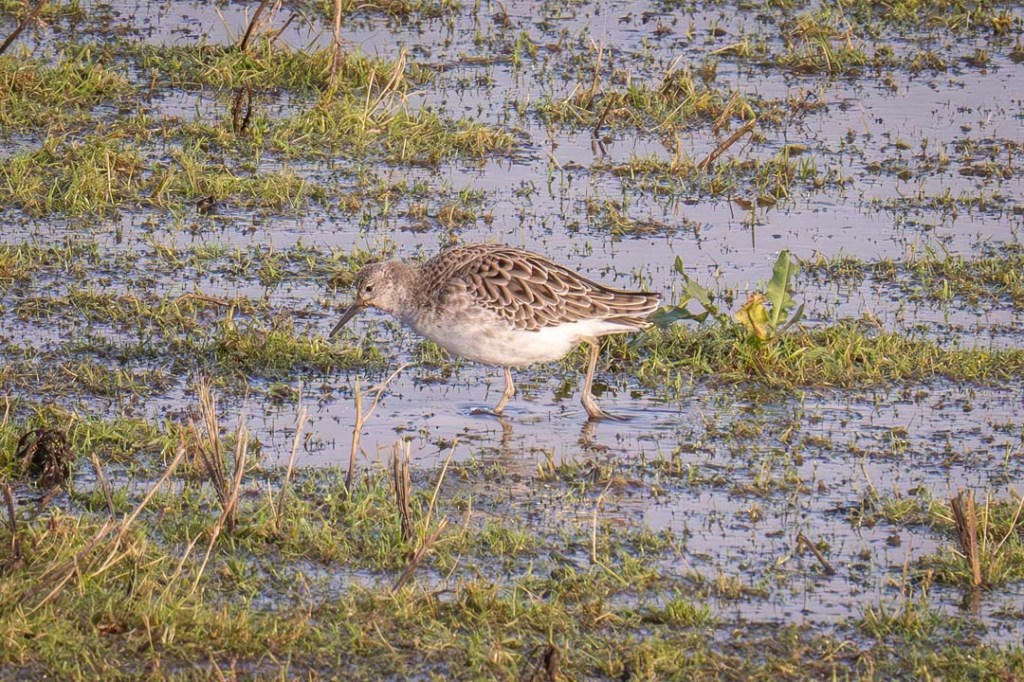
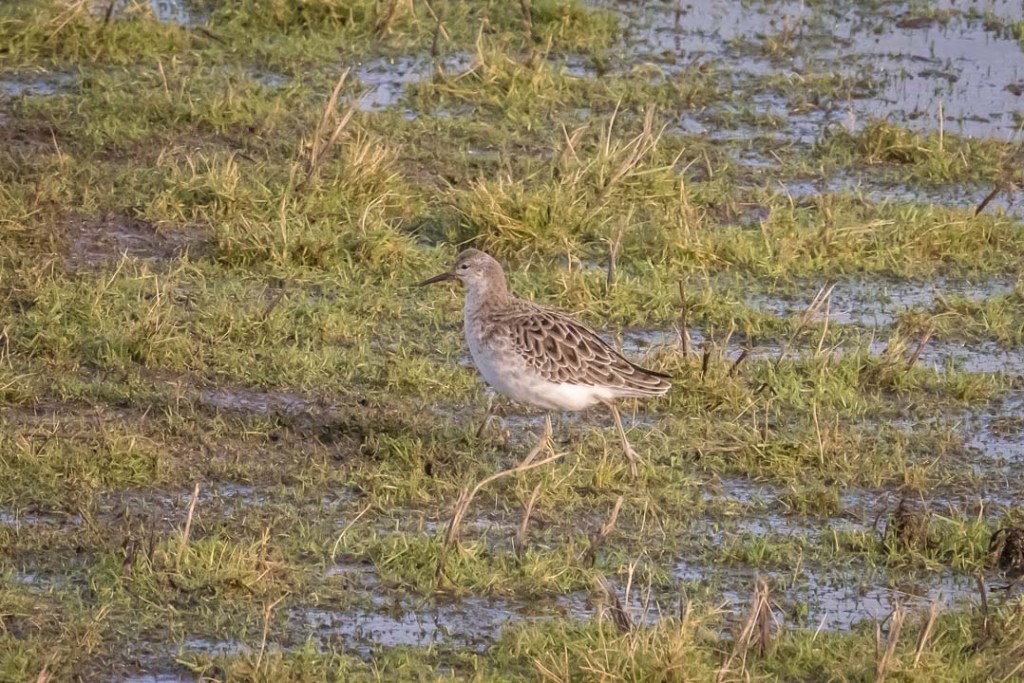
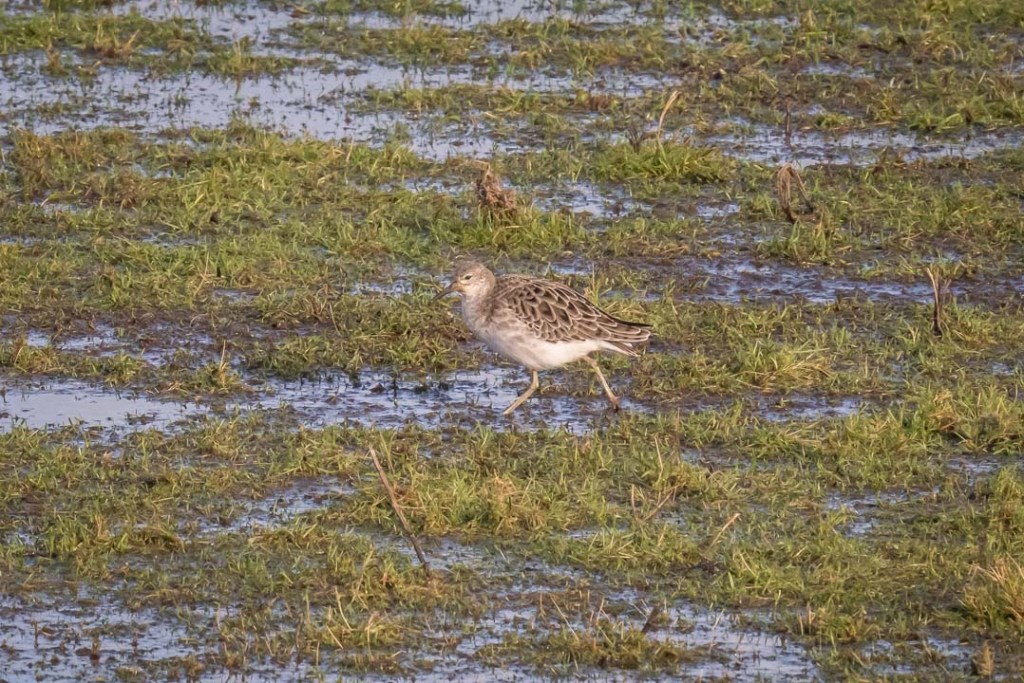
Bewick swanWhooper swanMute swanNorthern pintailA ruff and a shelduck either side of a pair of wigeon Black-tailed godwits were easier to pick out when they took to the airLapwingsEven the chaffinch had to negotiate the wet conditionsWe heard the curlews way before we saw themI only saw two oystercatchersThere were rather a lot more golden ploverThe golden plovers regularly made splendid displays over the wetlandsNorthern shovelersWigeonWhooper swan up closeThe Bewick swans are much smaller than the Whoopers (and the mute swans) and have proportionally more black and less yellow on their billsMale and female tufted duck
(If you are receiving this blog by email subscription please click on the title above to view as a web page for a better experience).
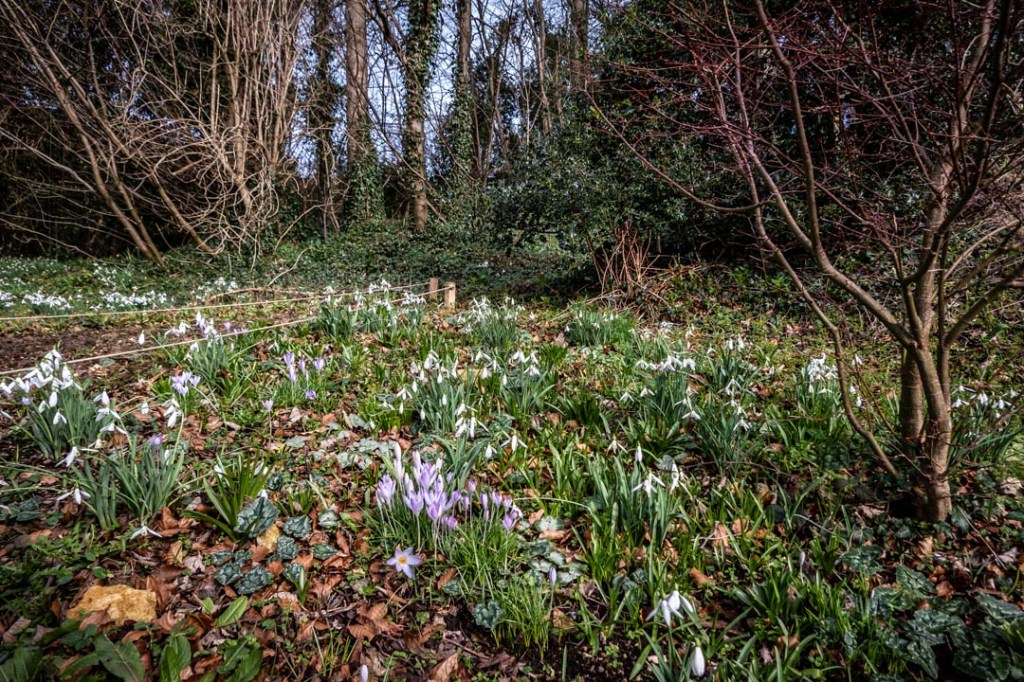
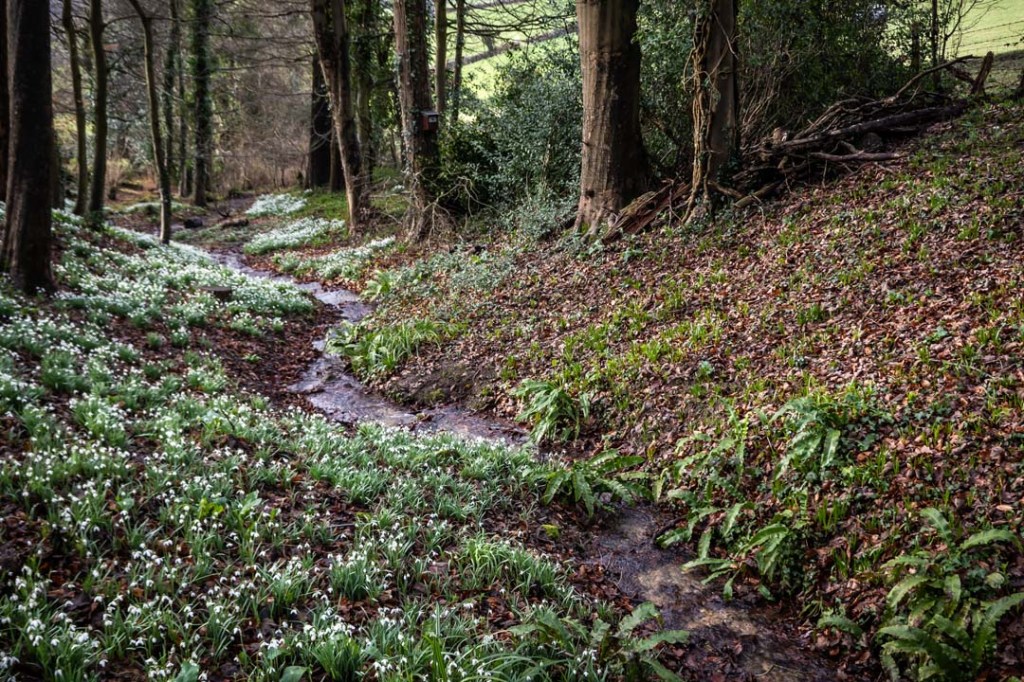
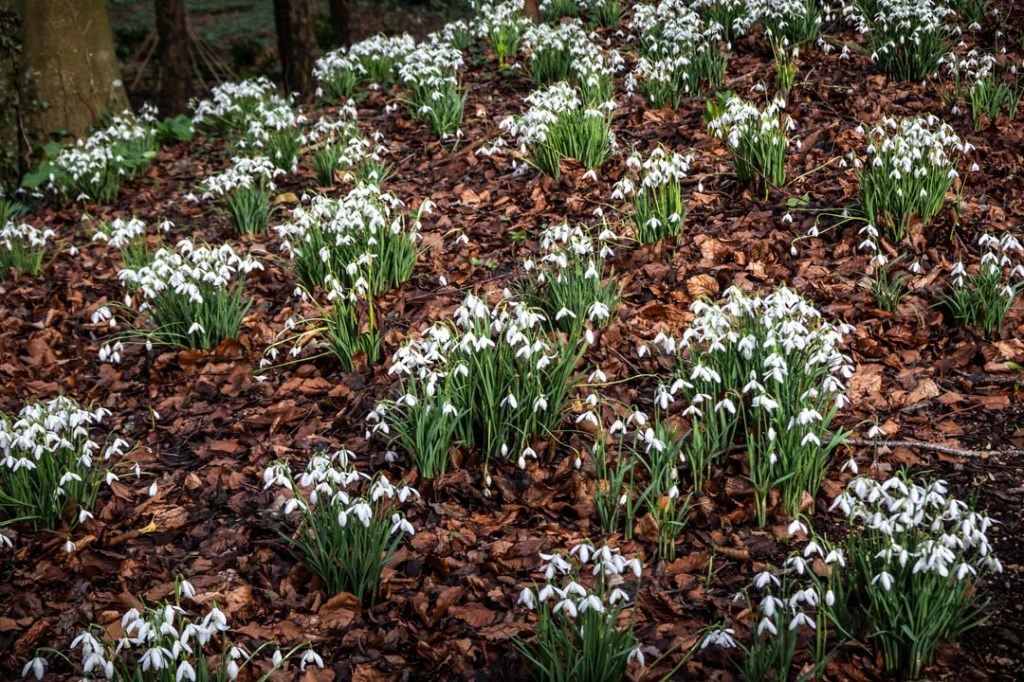
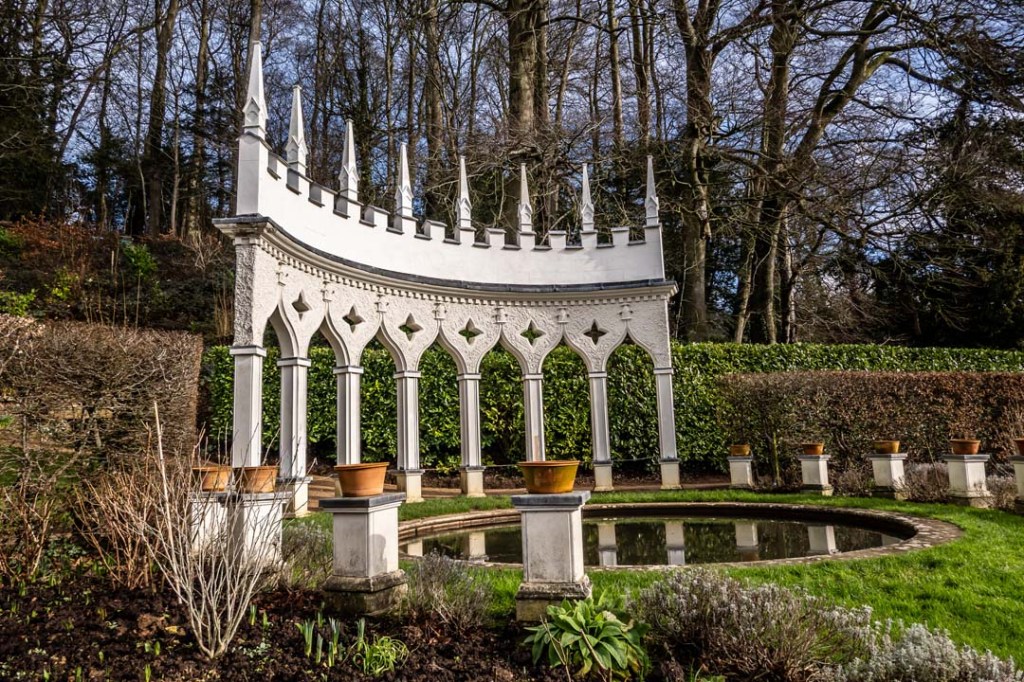
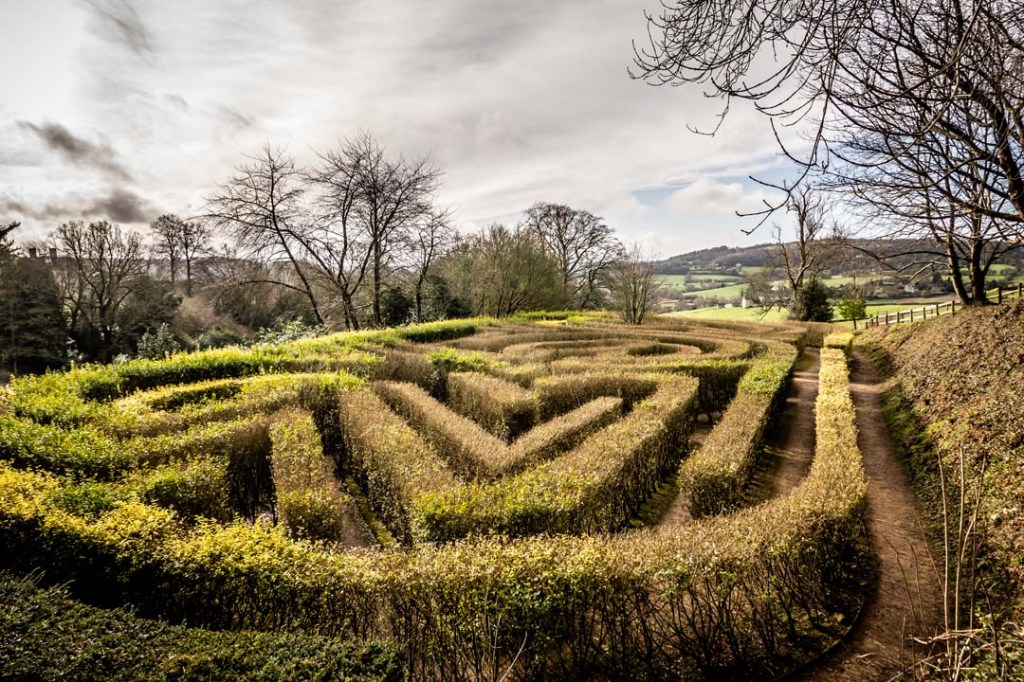
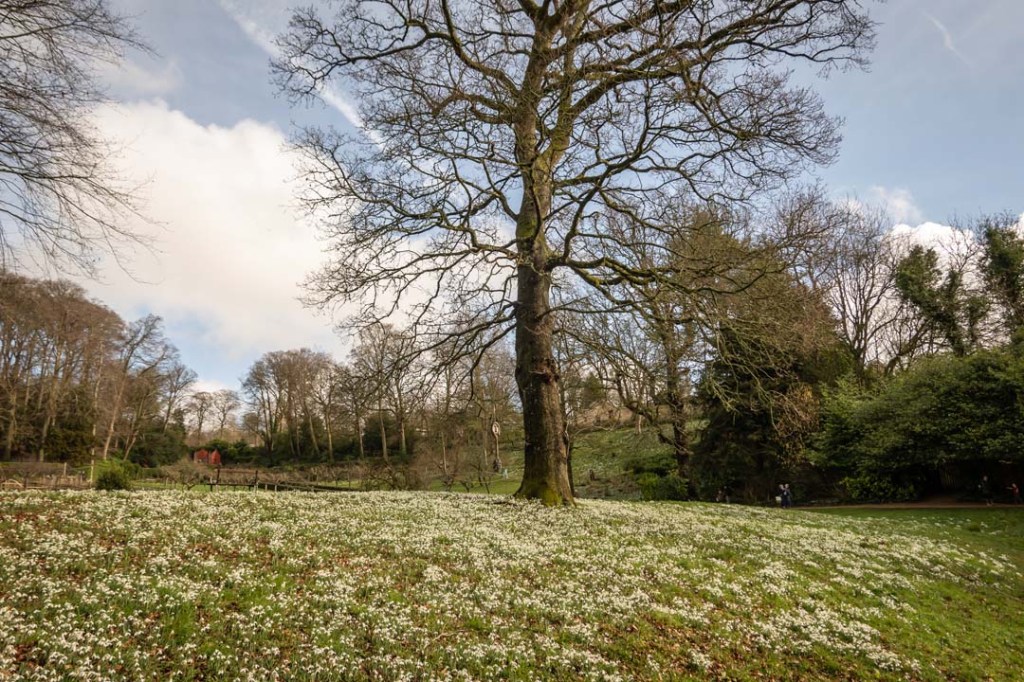
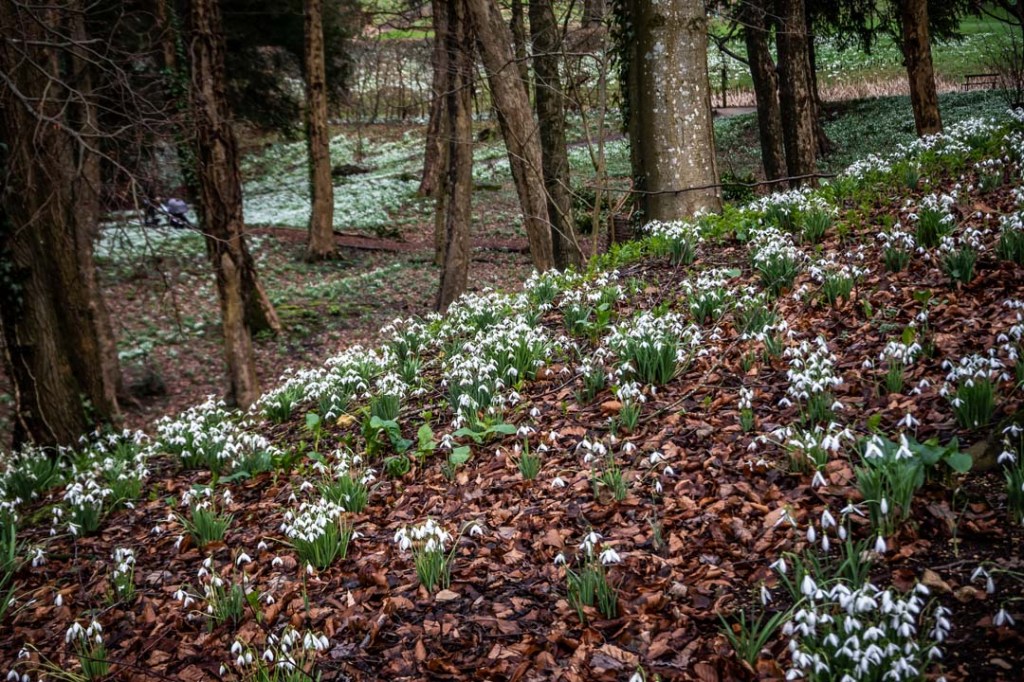
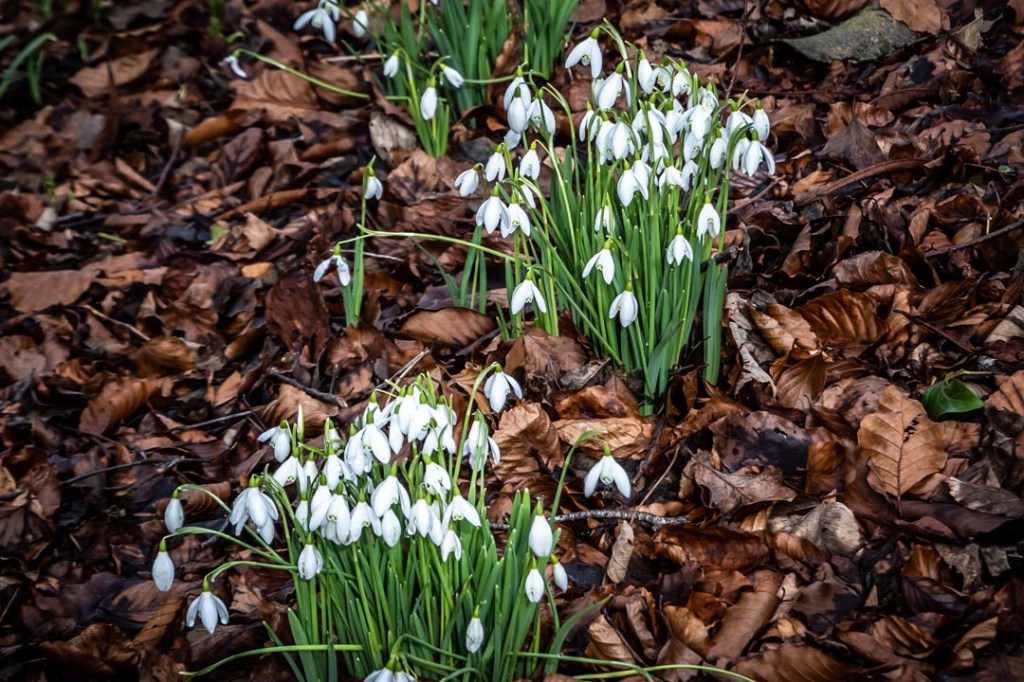
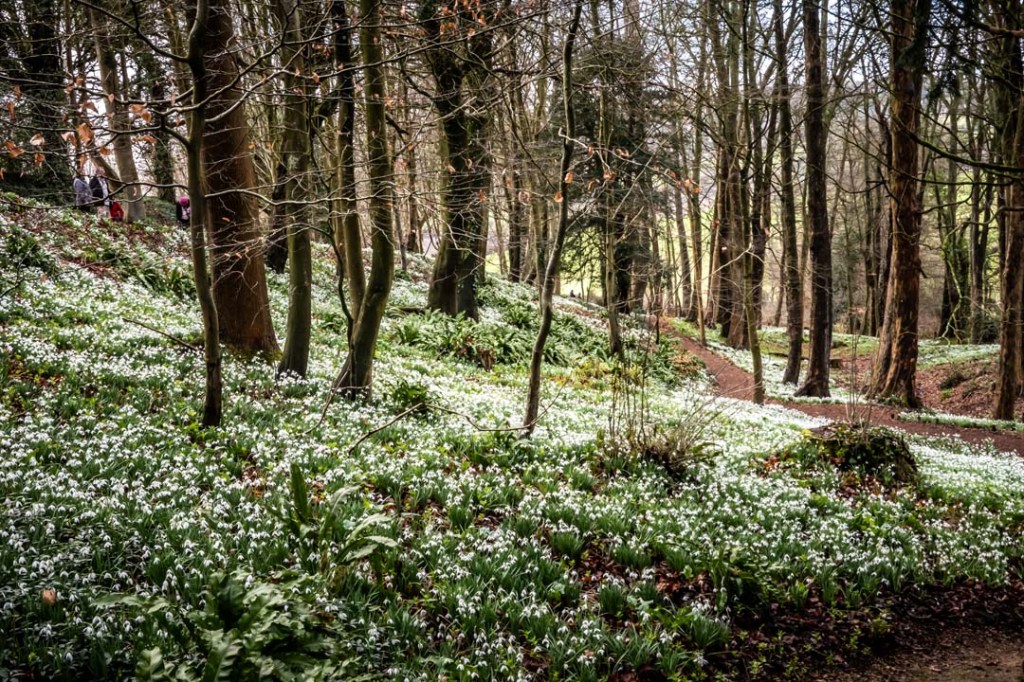
Painswick Rococo Garden near Stroud on the edge of the Cotswolds in Gloucestershire is currently resplendent with its display of snowdrops and hellebores.
The Rococo Garden website:
“Painswick Rococo Garden is quirky and pretty unique. Designed in the 1740s as a fanciful pleasure garden for the owner of Painswick House and his guests, today it’s a place to roam free, to get up close and personal with nature, or to feel the warmth of the sun on your face as you take in the spectacular views of the Cotswold countryside and magical follies”
I must admit it was great to see the light of the sun even though we couldn’t quite feel its warmth.
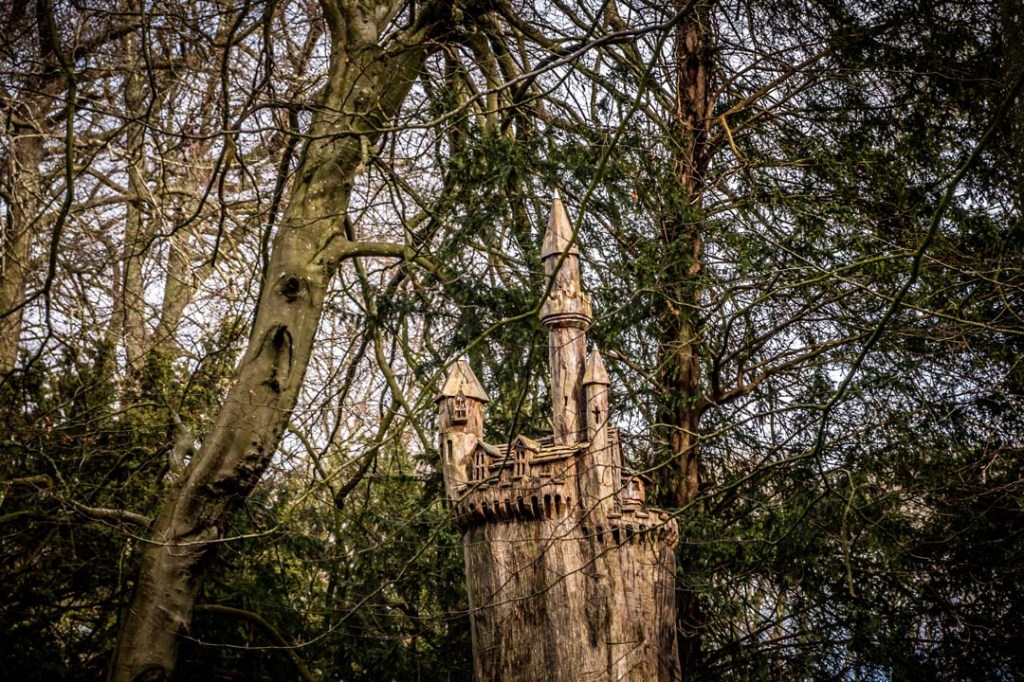
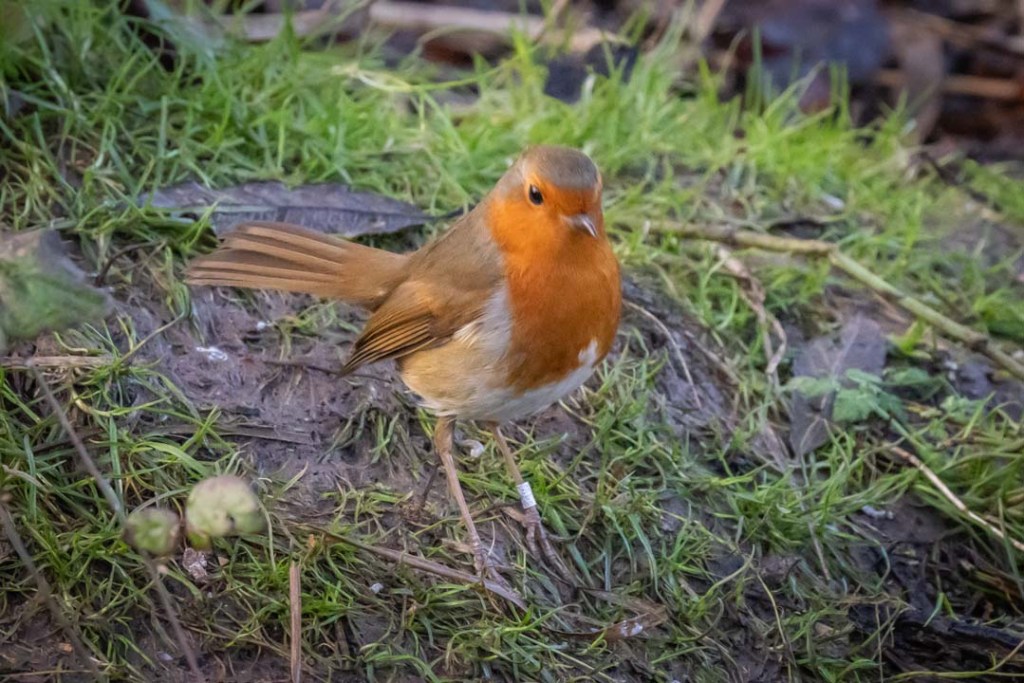
This wasn’t really a birding trip but we did enjoy hearing the drumming of a great spotted woodpecker. The great tits and robins were particularly vociferous too but the only visuals (apart from the carved tawny owl) were 8 moorhens on the pond.
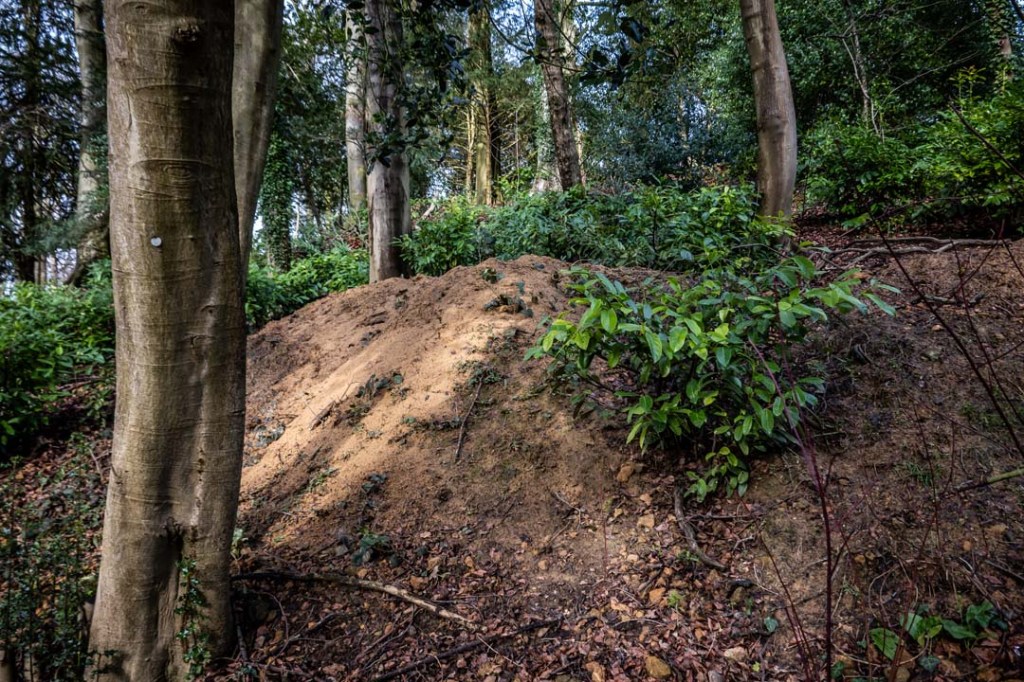
Snowdrops and helleboresSnowdrops and crocuses Swathes of snowdrops in the woodland,,, and following the streamThe formal gardens come to their own later in the year“Magical follies”Up close with natureA badger’s setRococo – of or relating to an artistic style especially of the 18th century characterized by fanciful curved asymmetrical forms and elaborate ornamentation
It was cold on the Avalon Marshes today and the brighter weather that the forecasters predicted never materialised. This is one of my favourite spots for birding but today, even though I saw some interesting birds , I wasn’t enthused by my day out. Never-mind, I know it will be worth coming again.
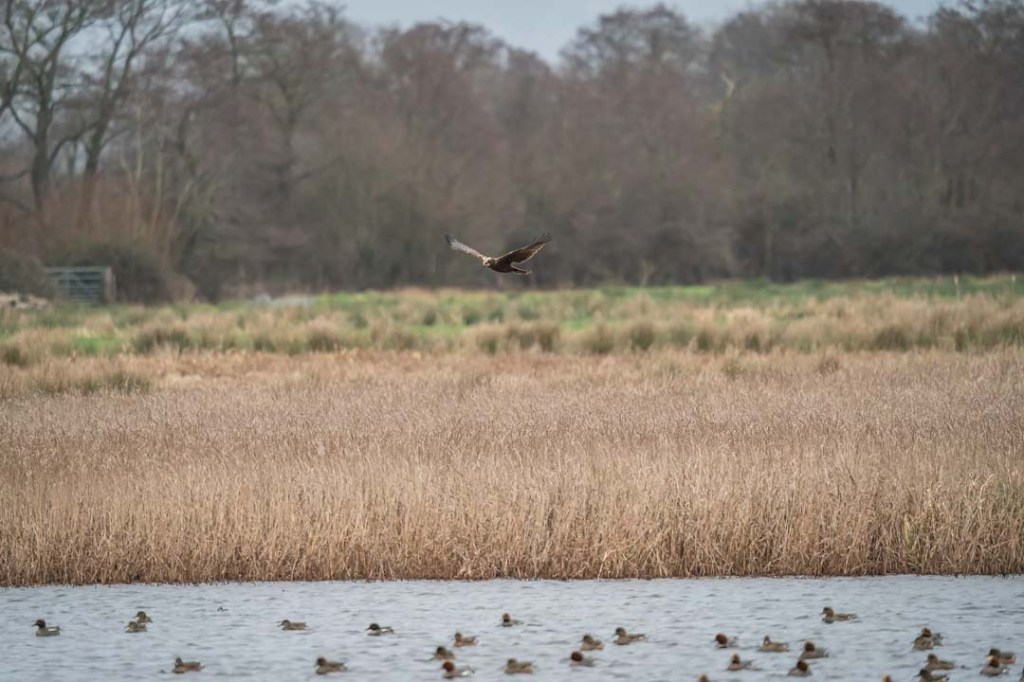
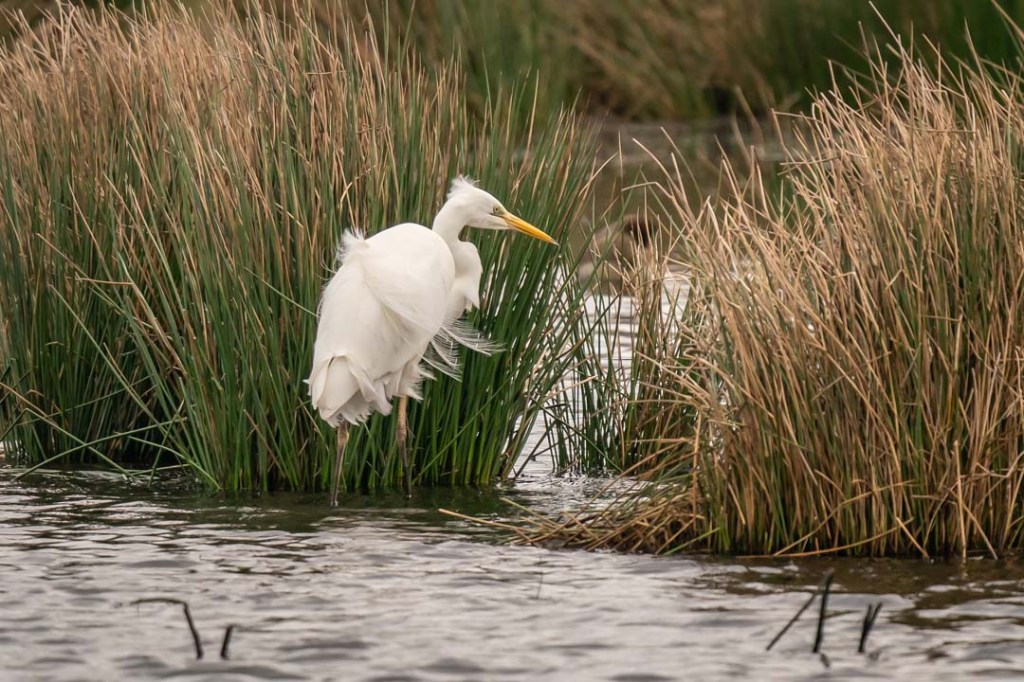
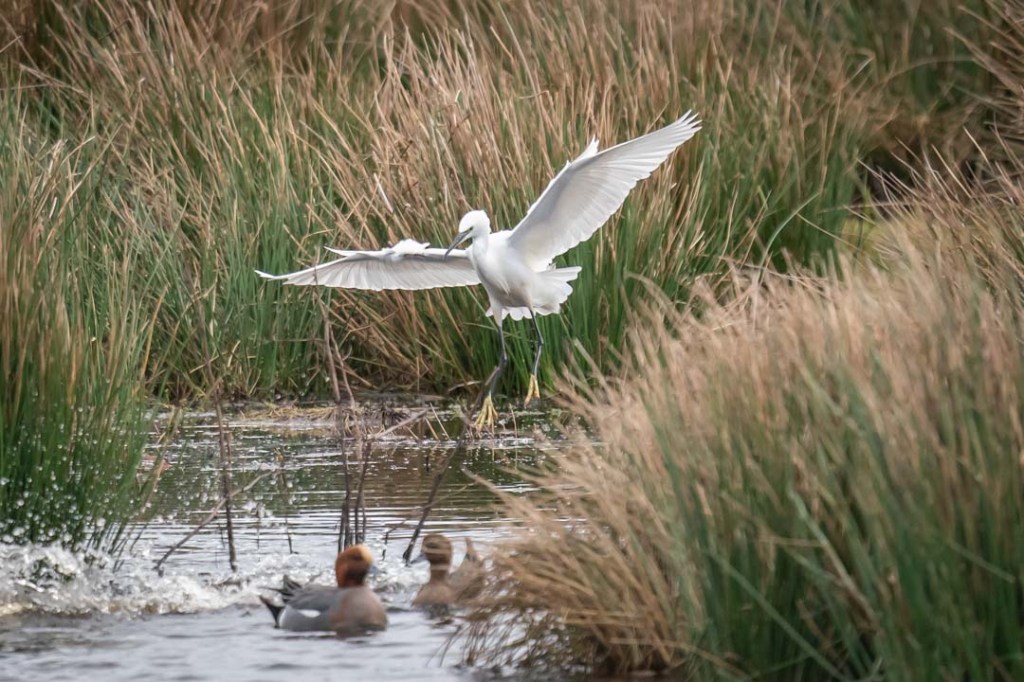
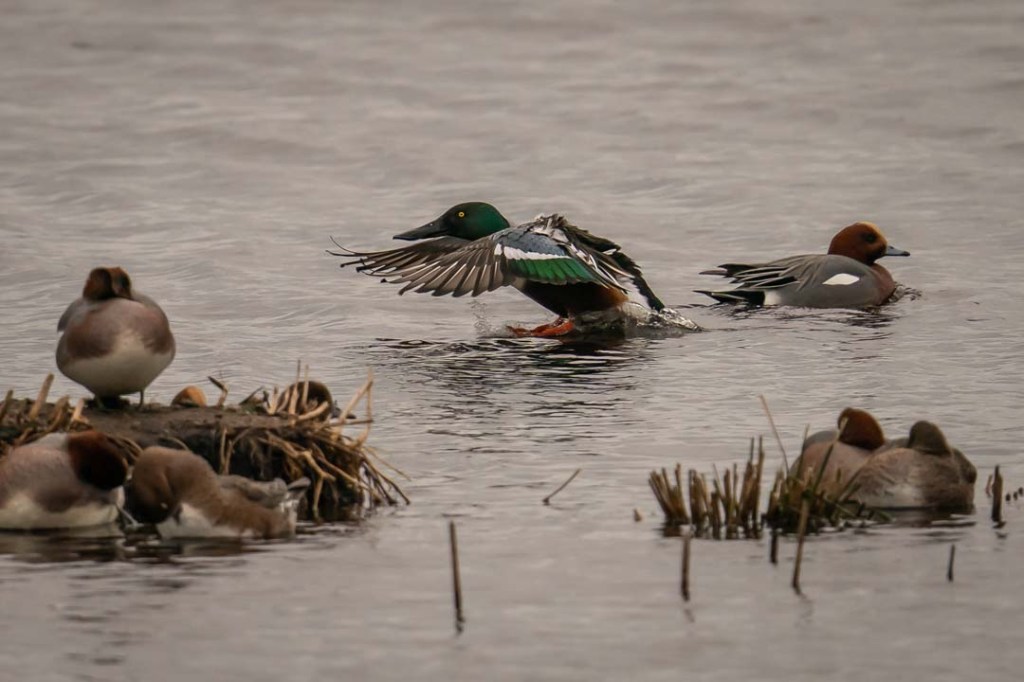
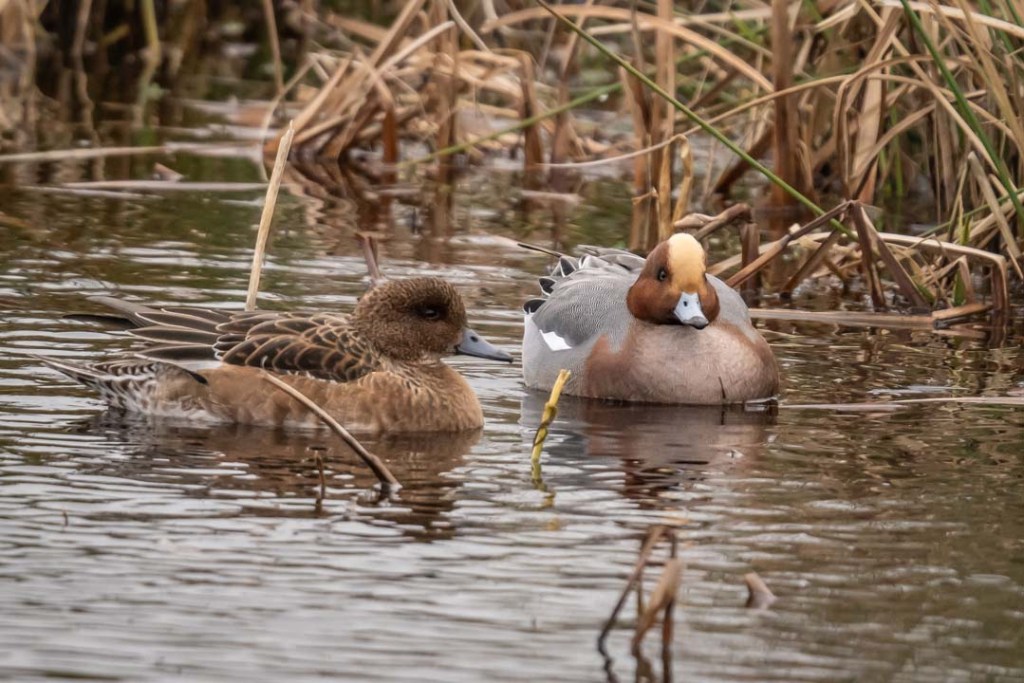
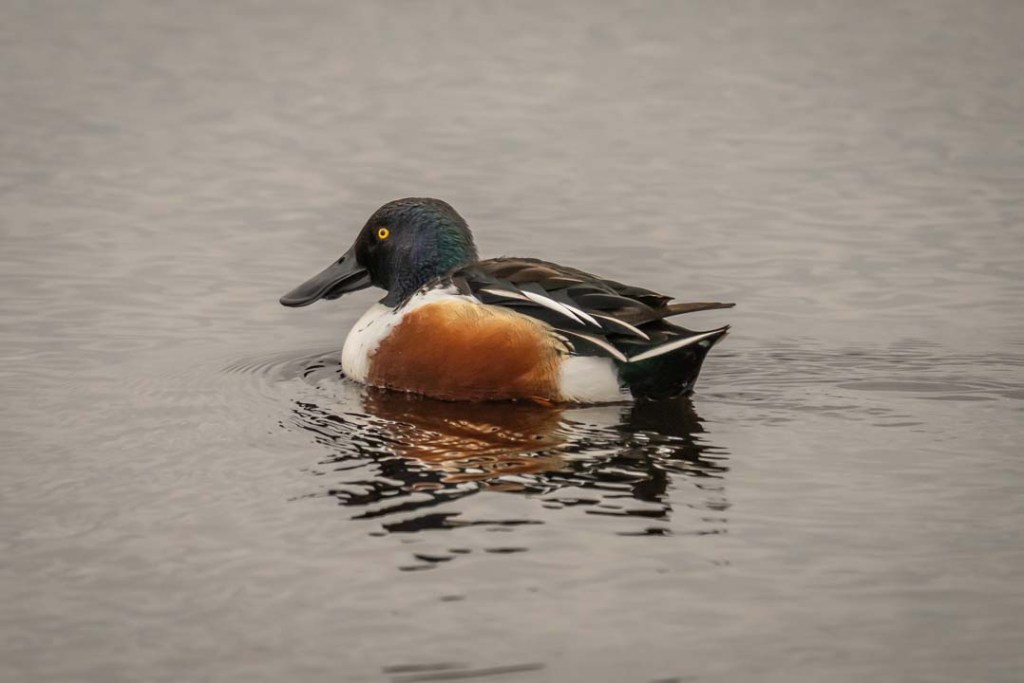
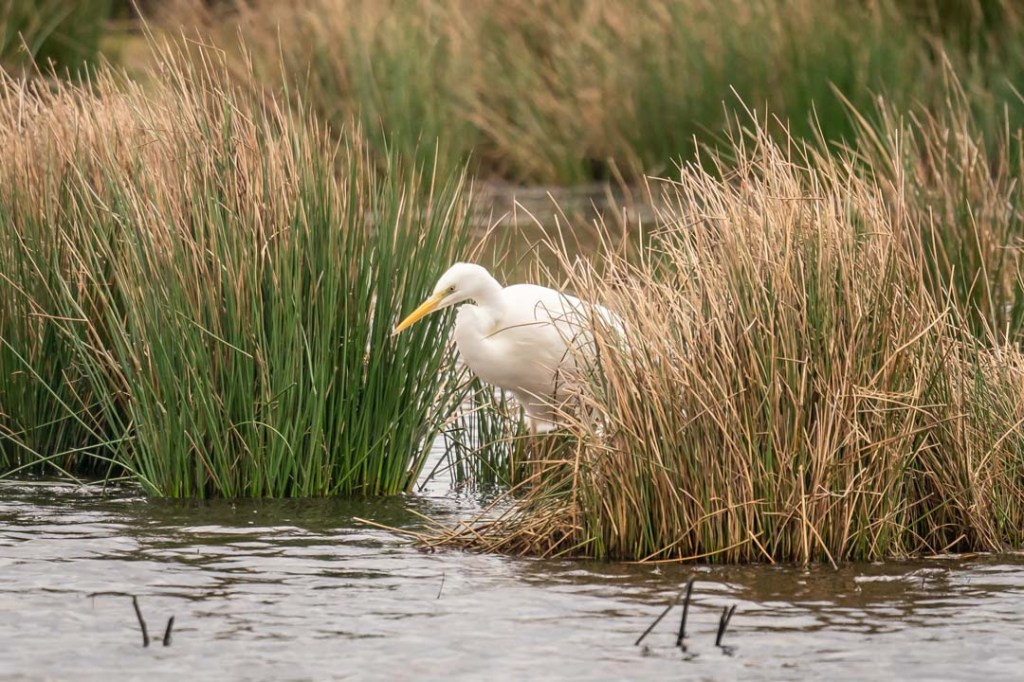
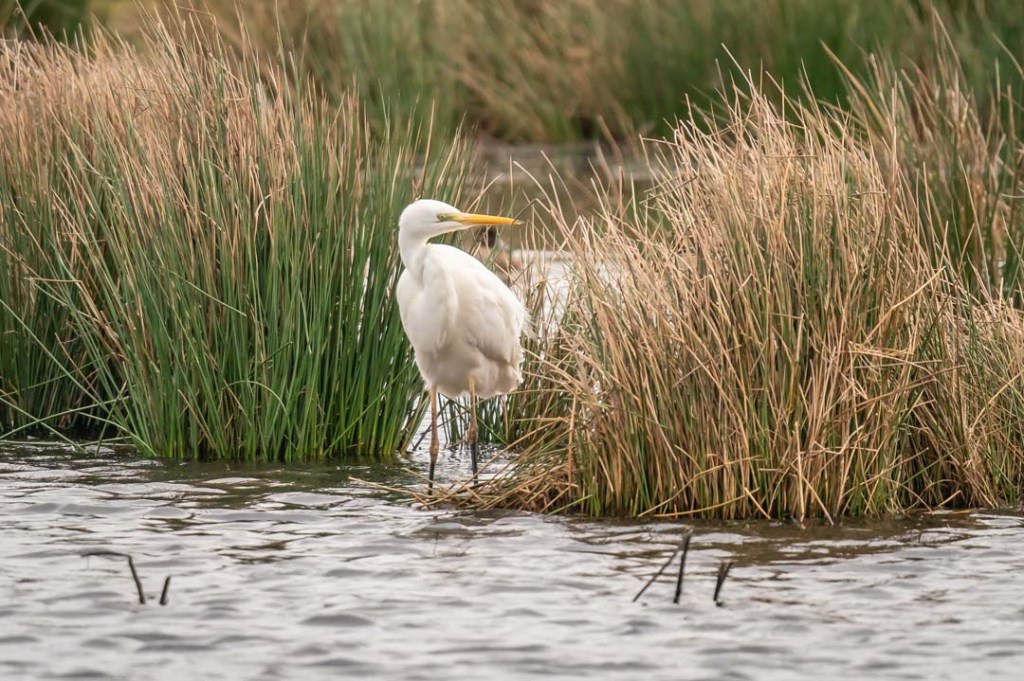
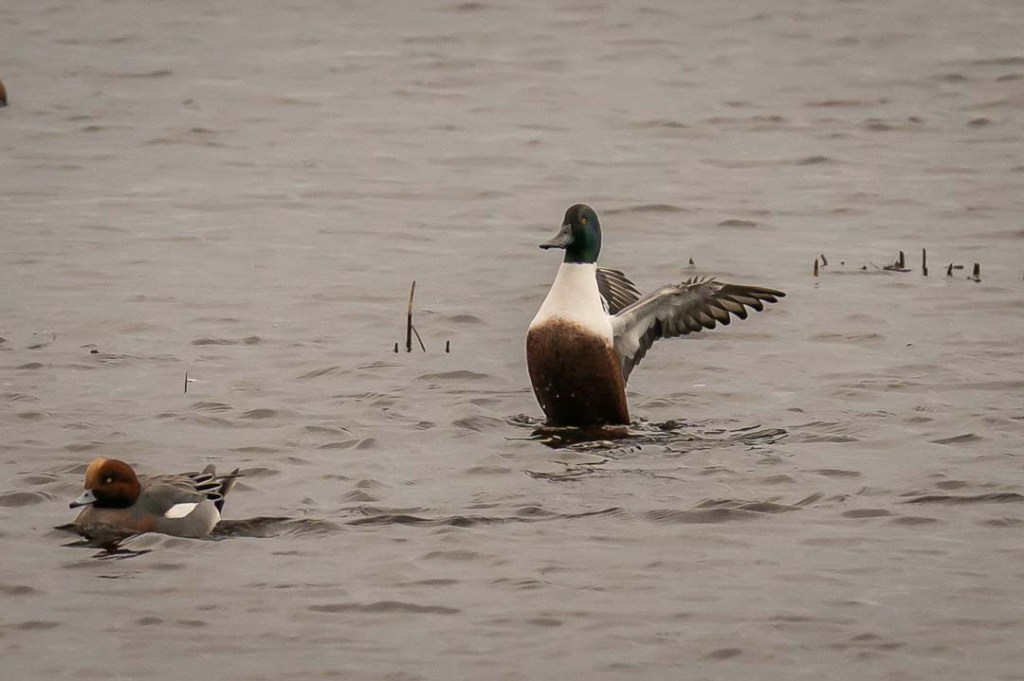
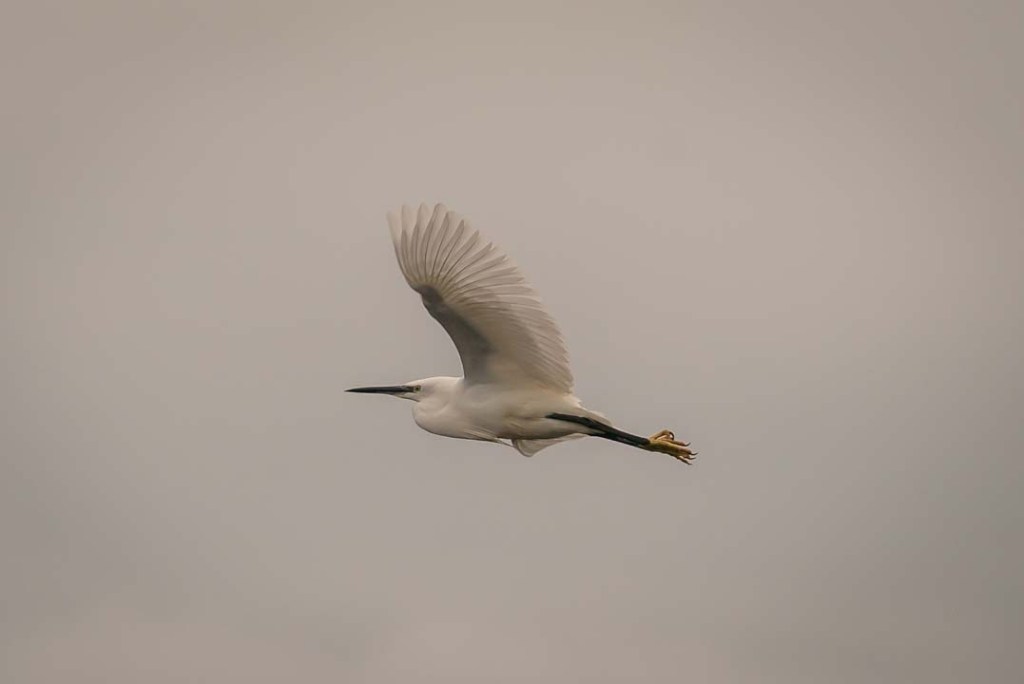
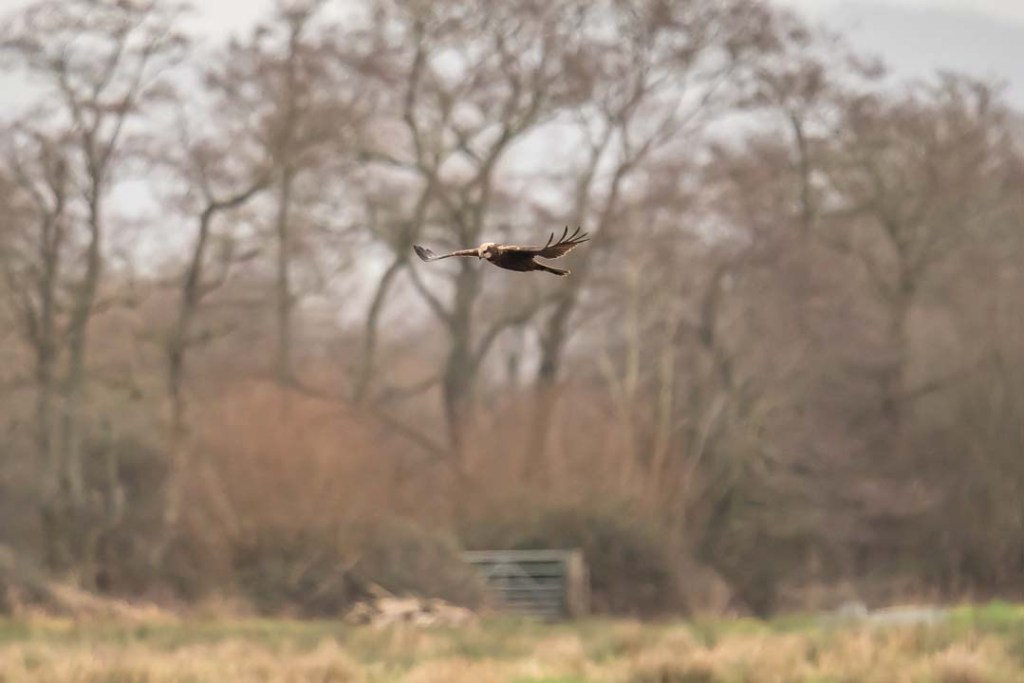
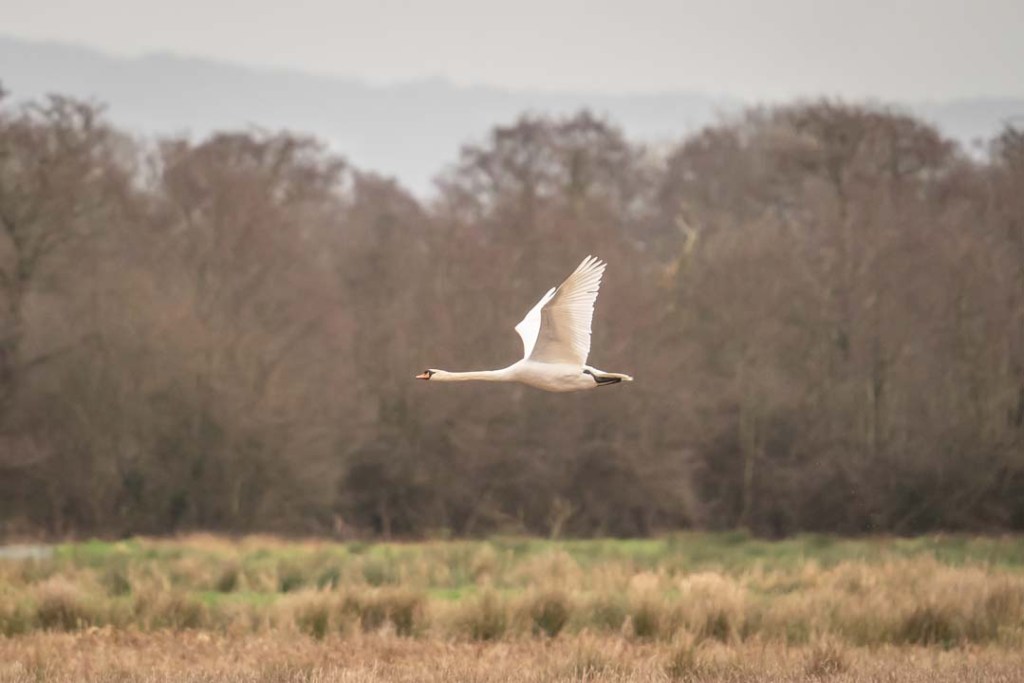
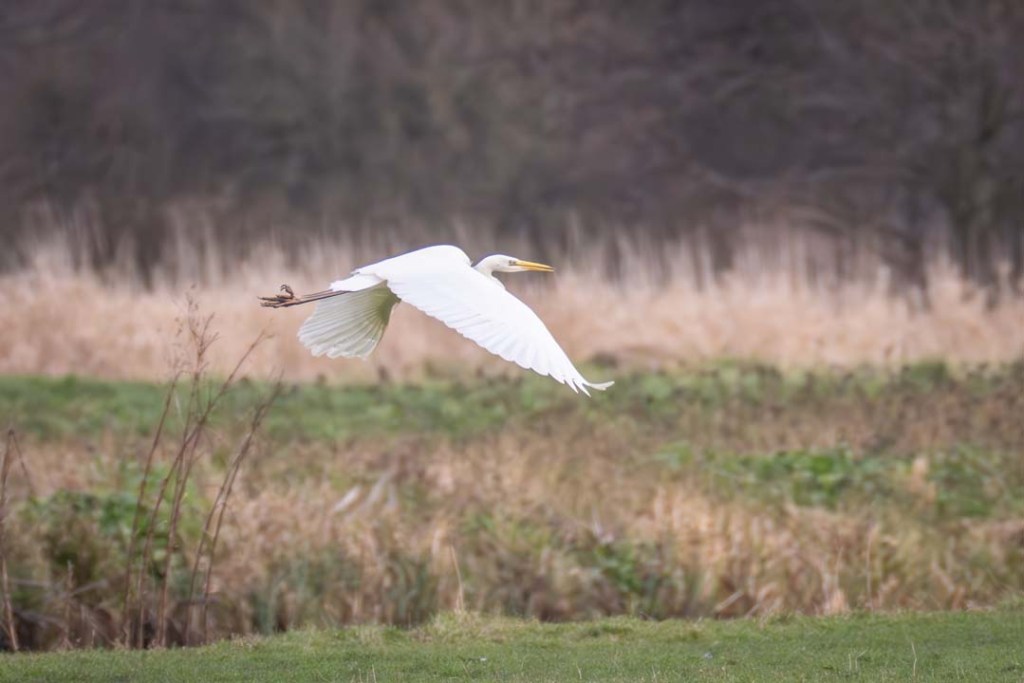
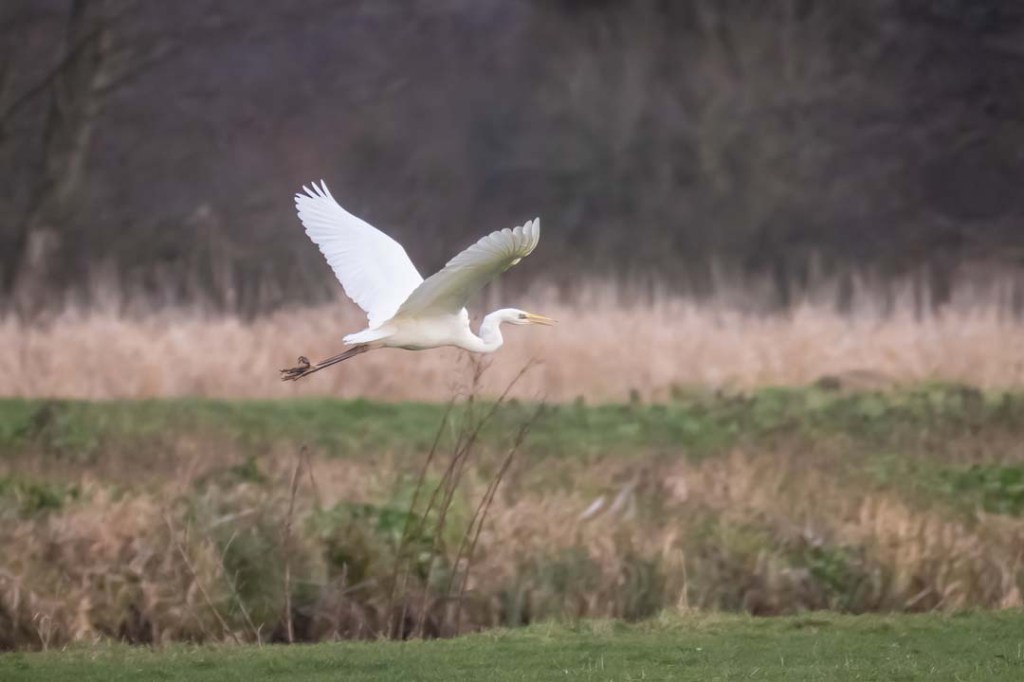
Marsh harrier looking for lunchGreat white egret didn’t have a flask of coffee to keep it warmLittle egret joining the partyNorthern shovelerWigeonMarsh harrierLittle egretGreat white egretLapwingRobinMute swan
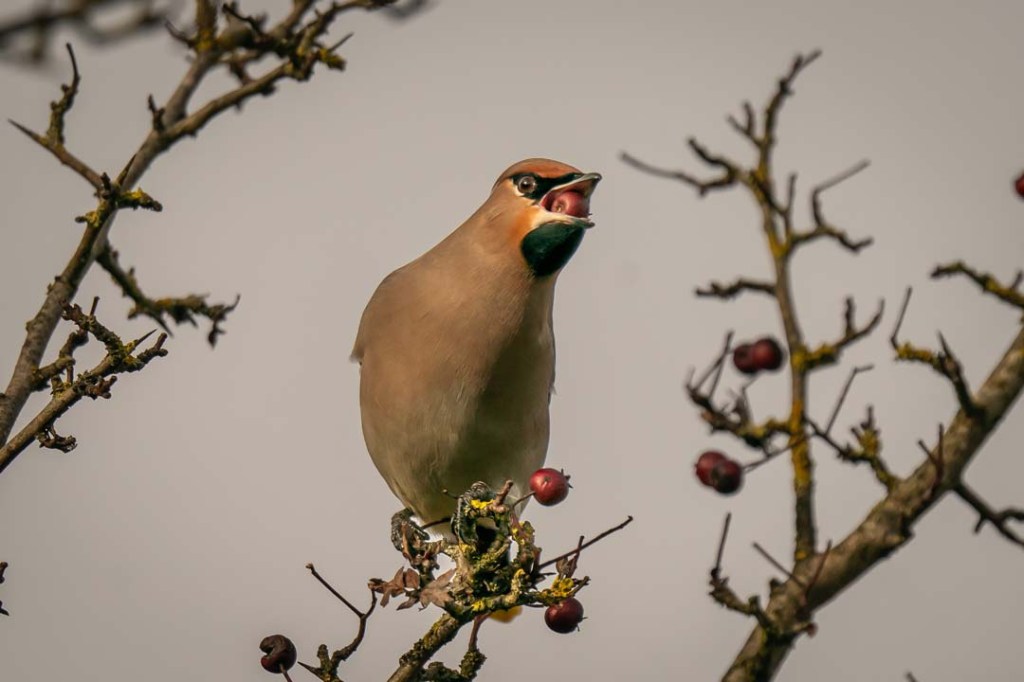
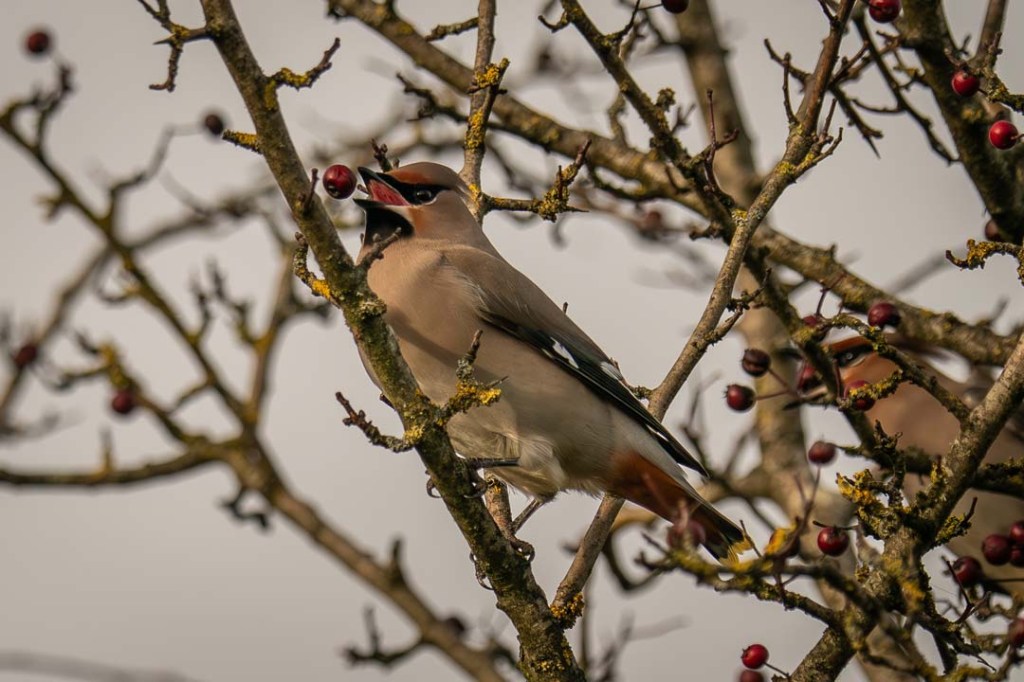
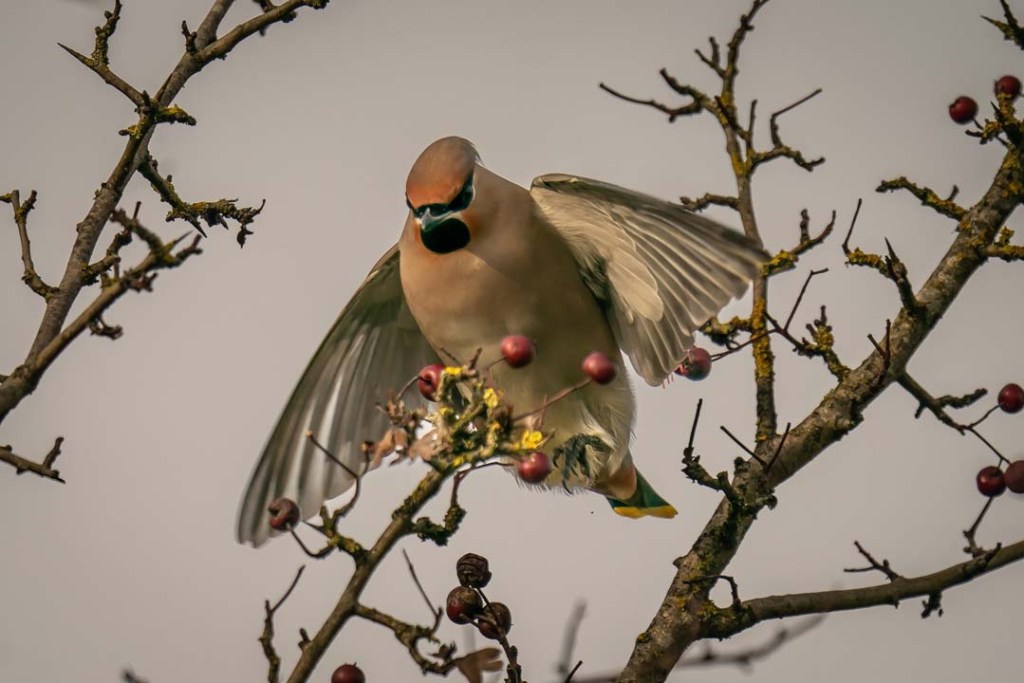
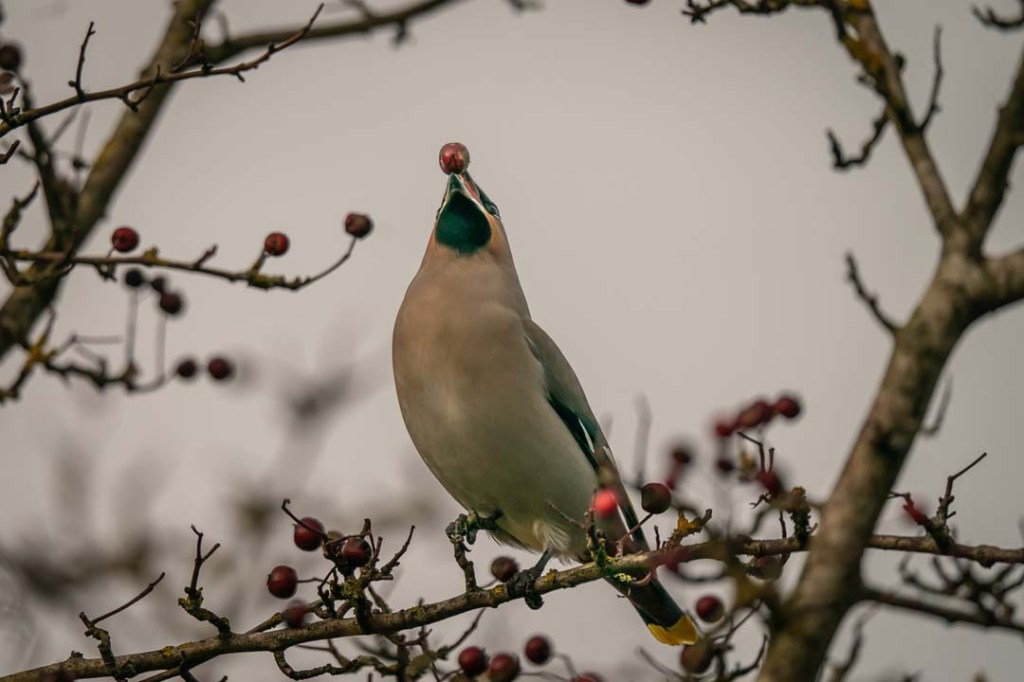
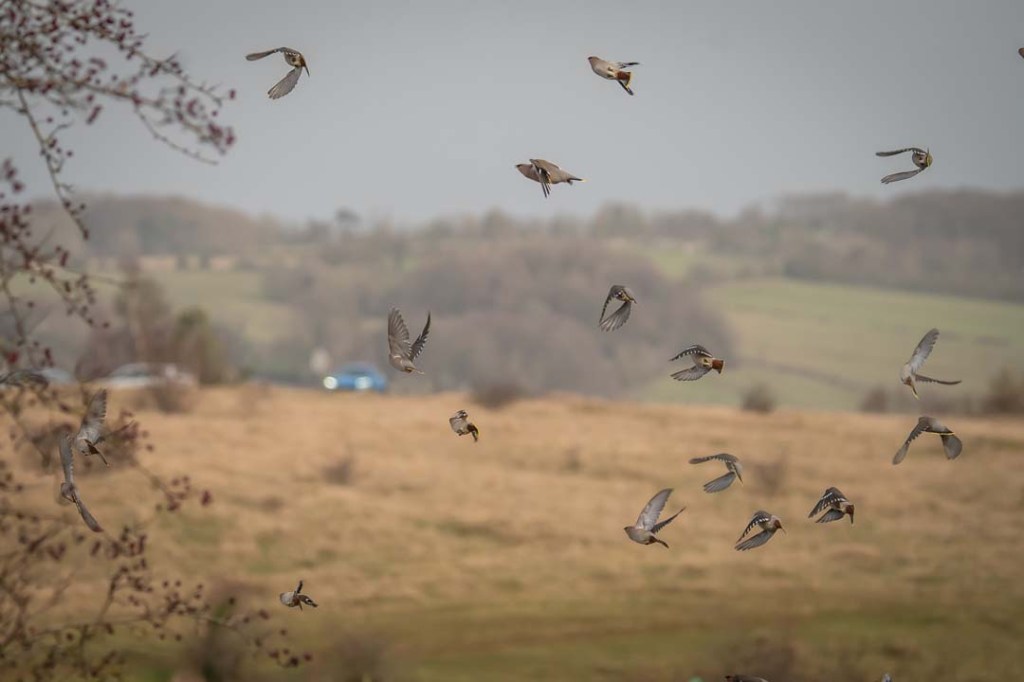
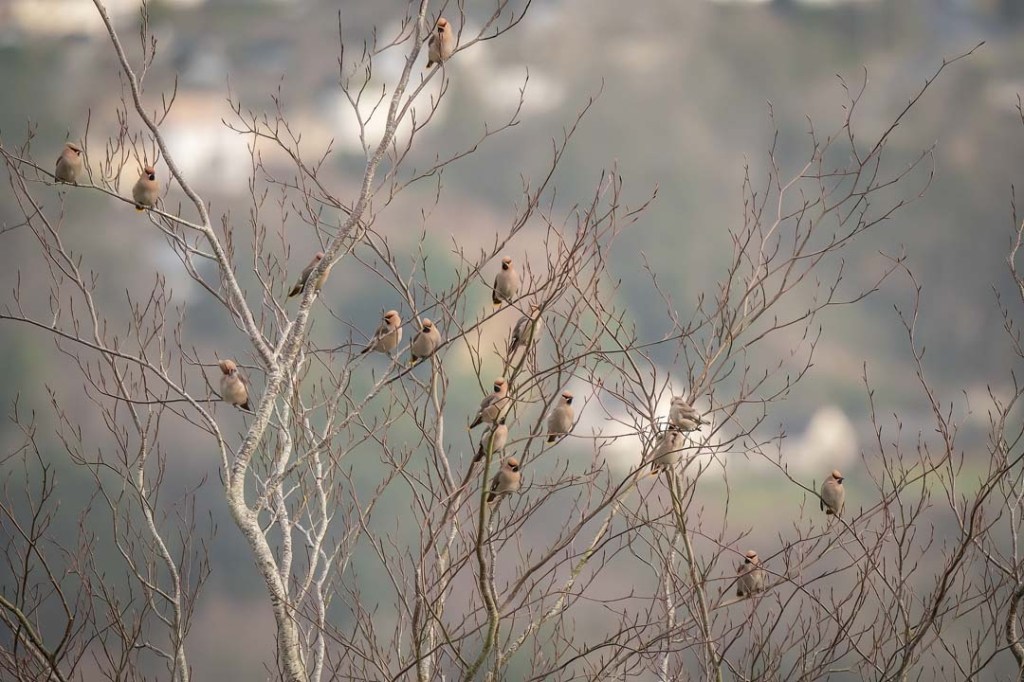
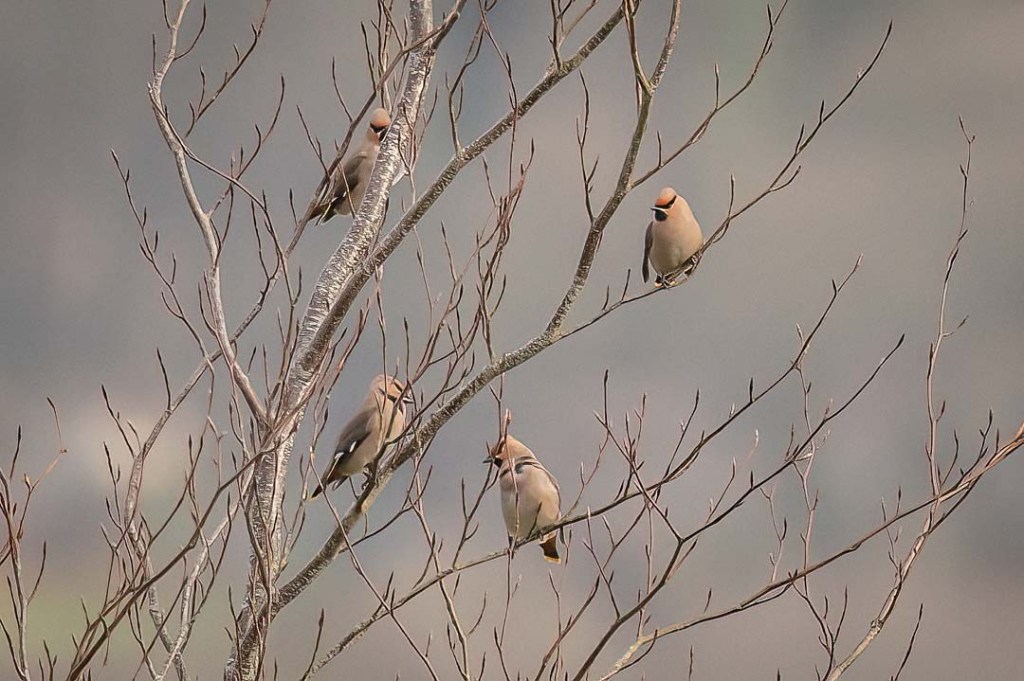
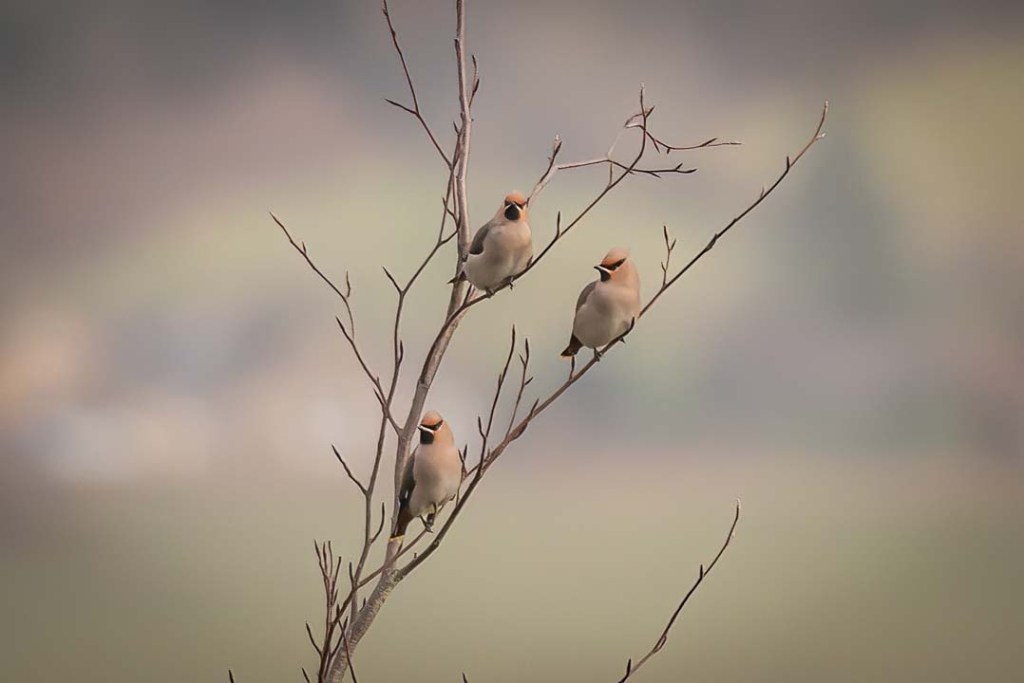
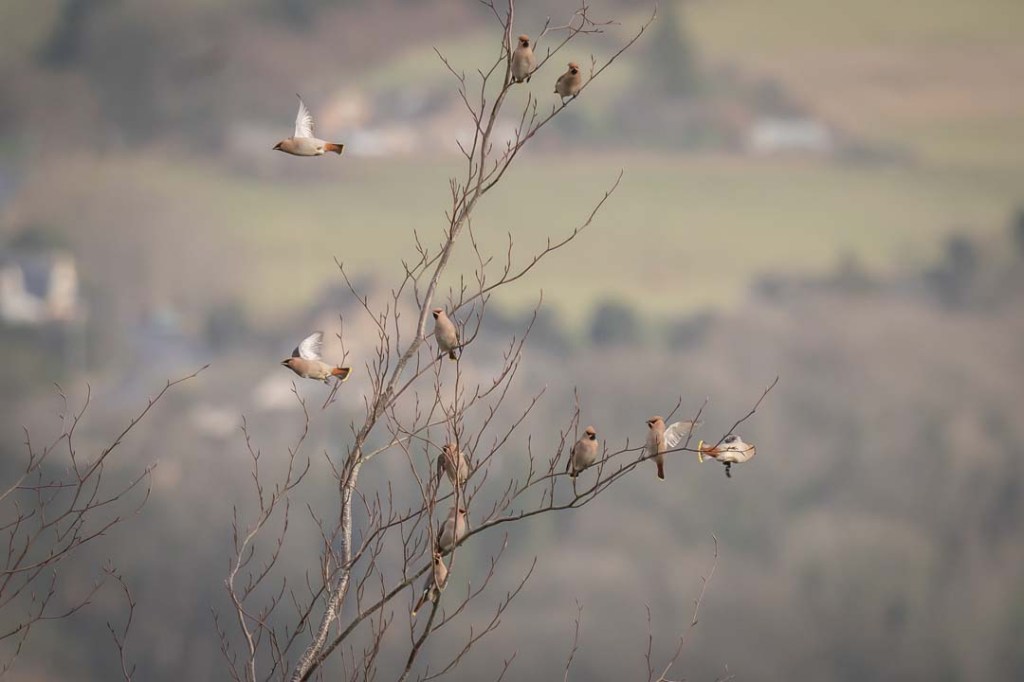
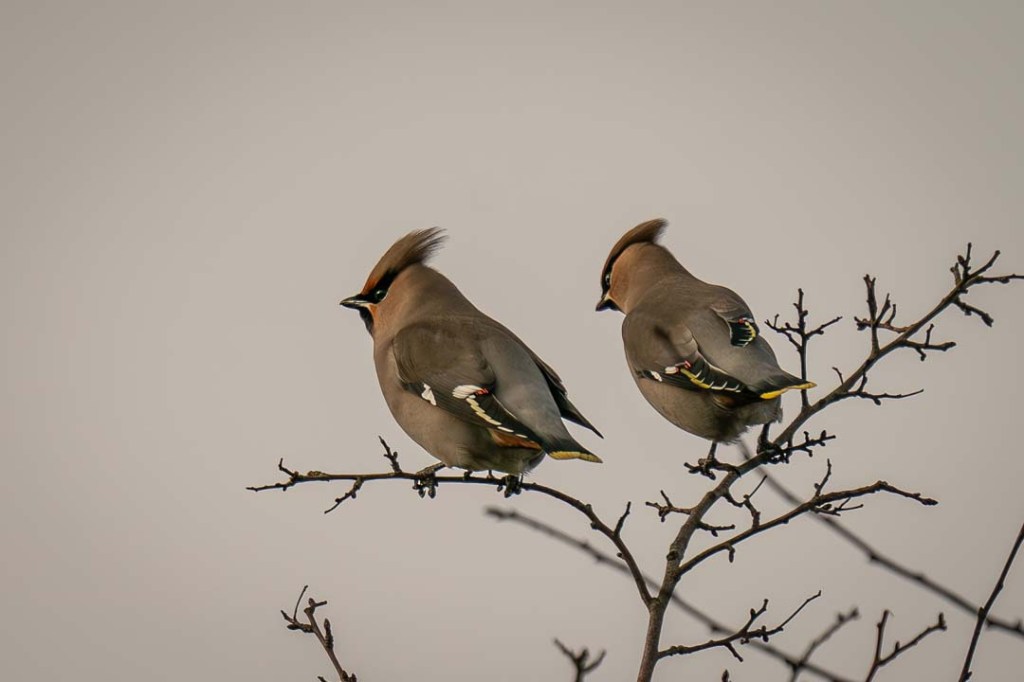
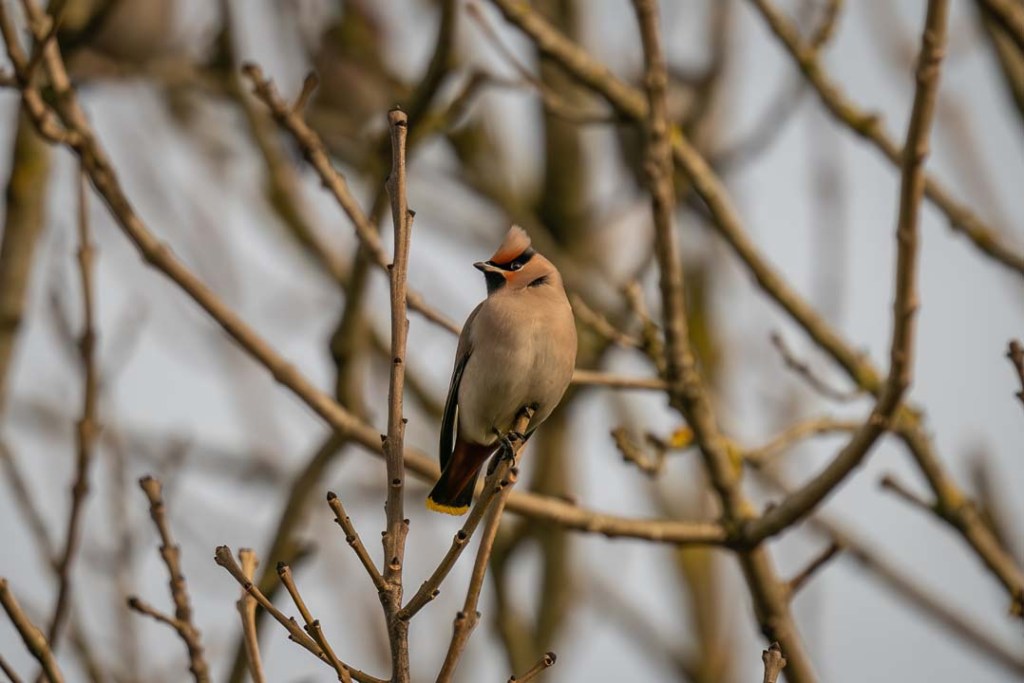
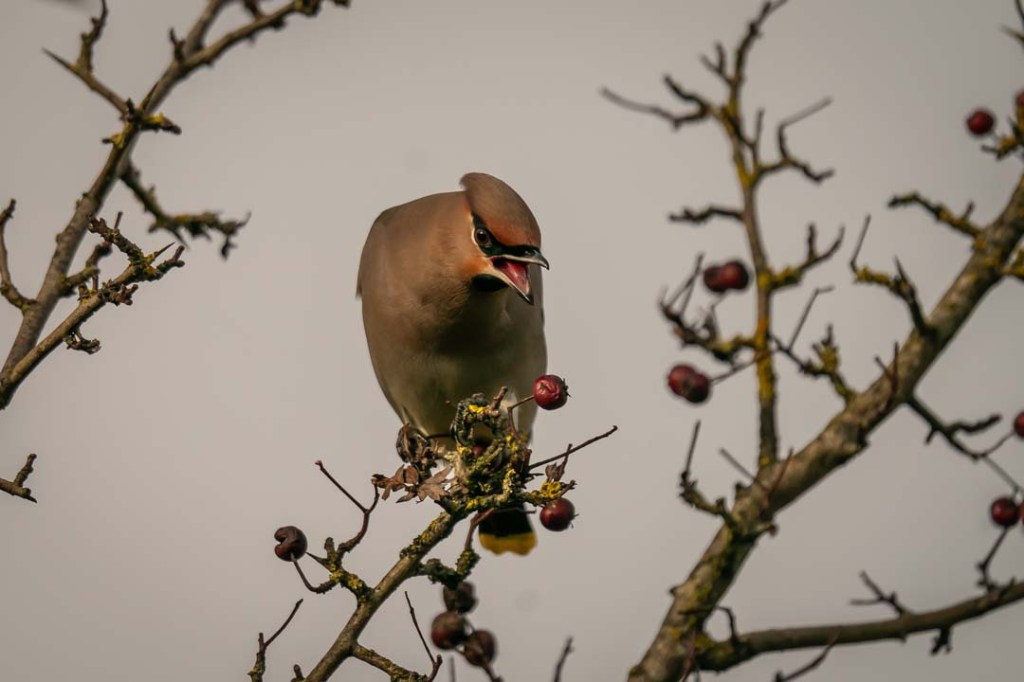
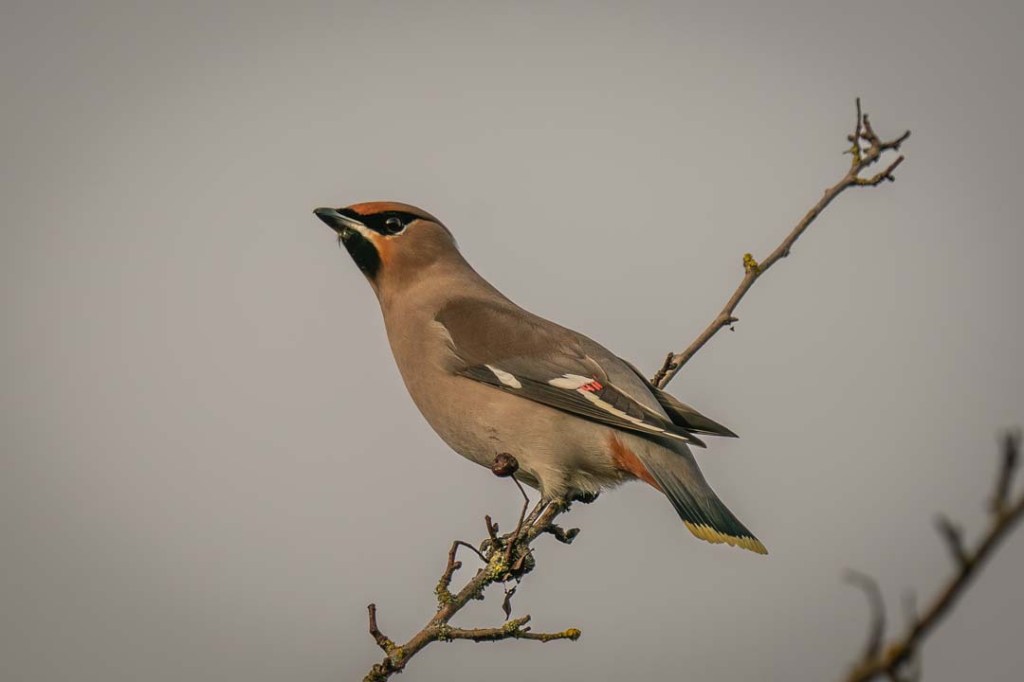
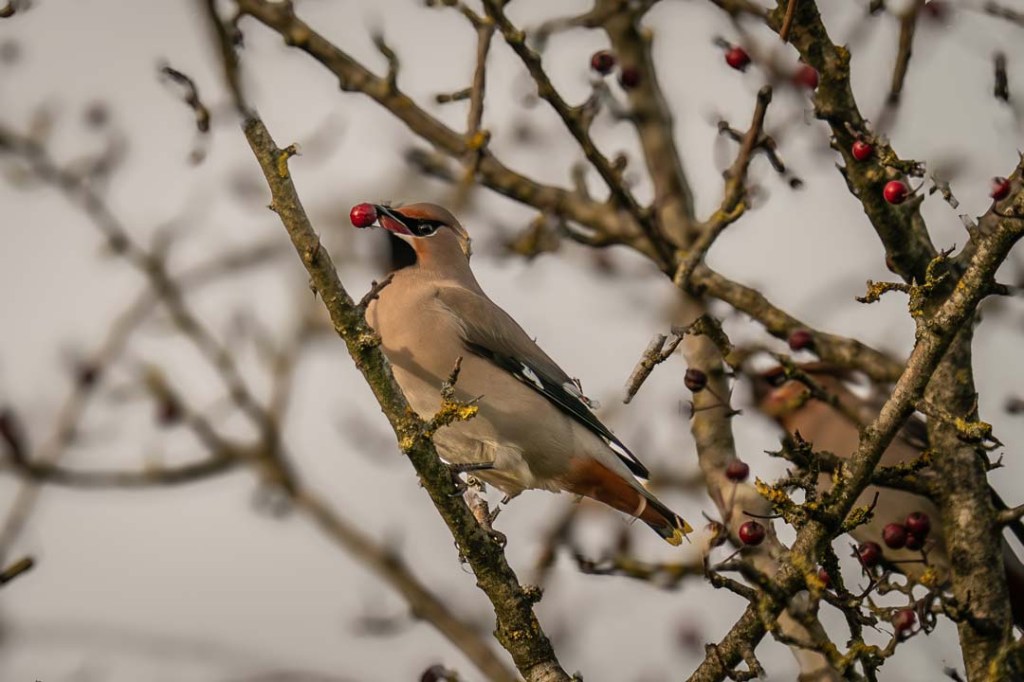
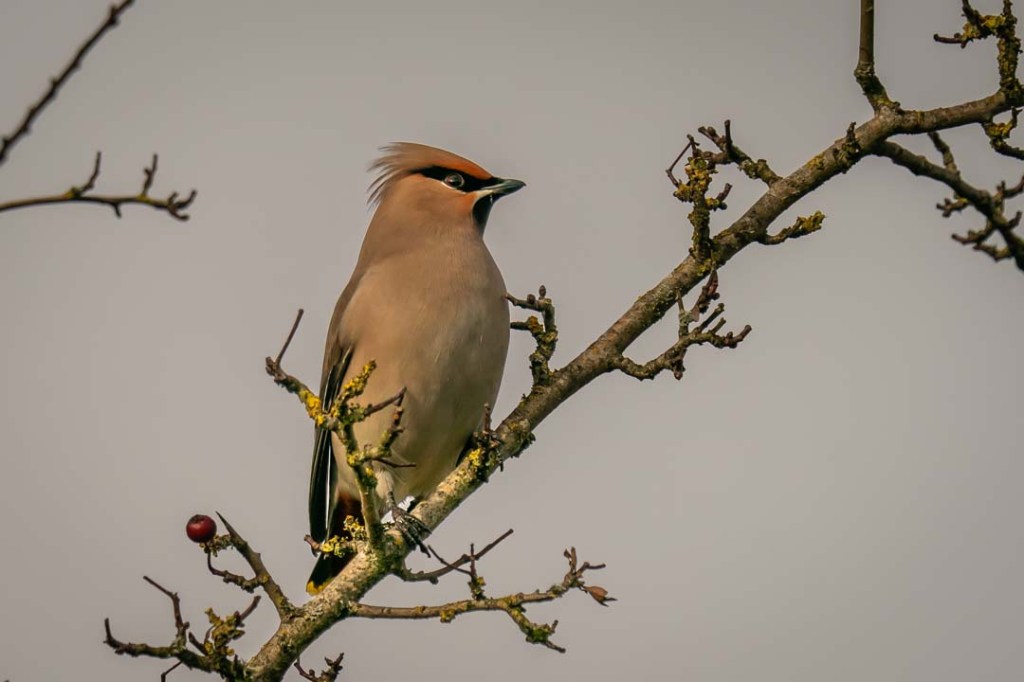
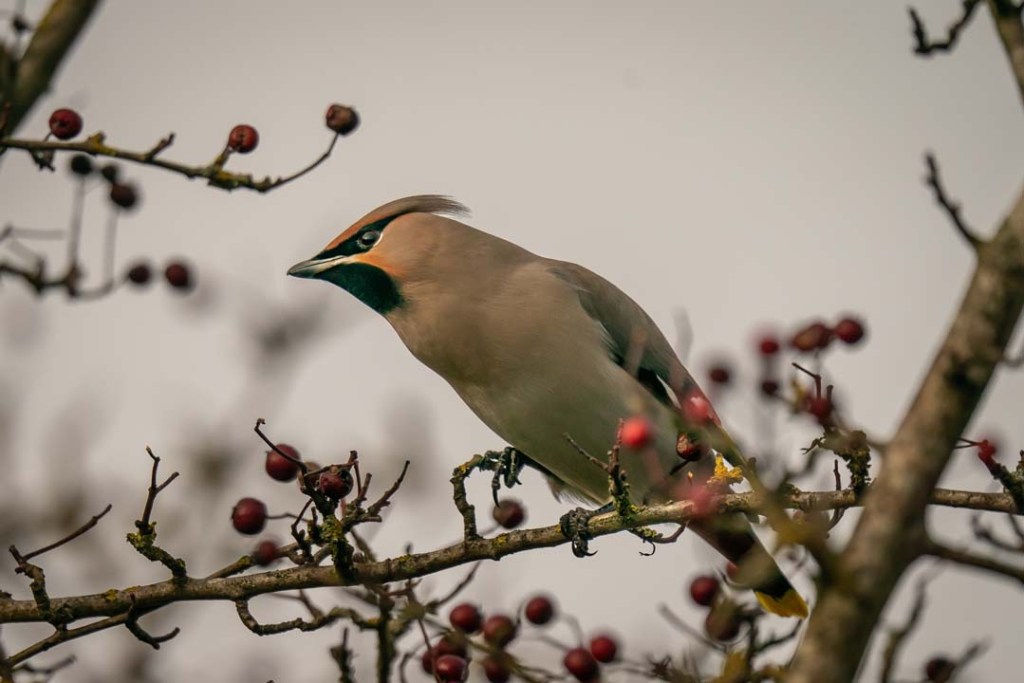
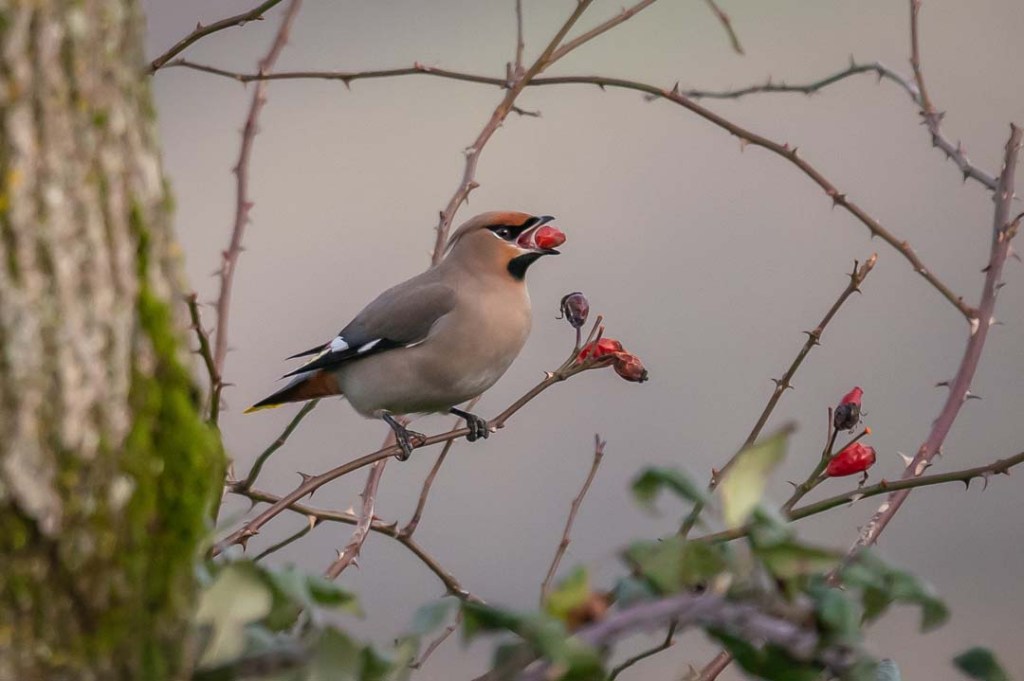
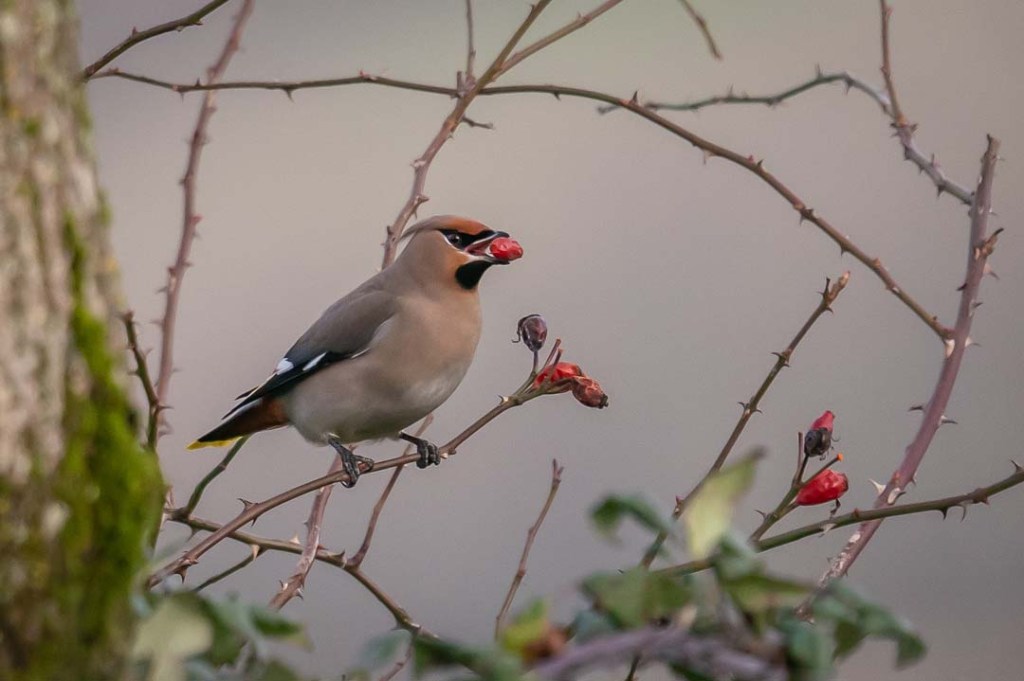
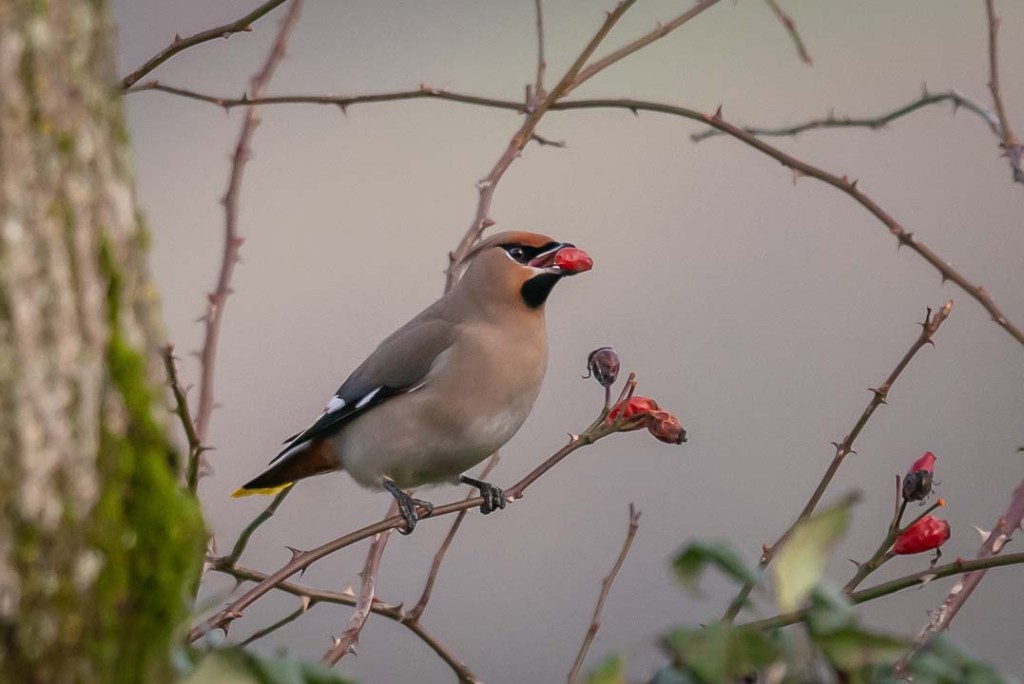
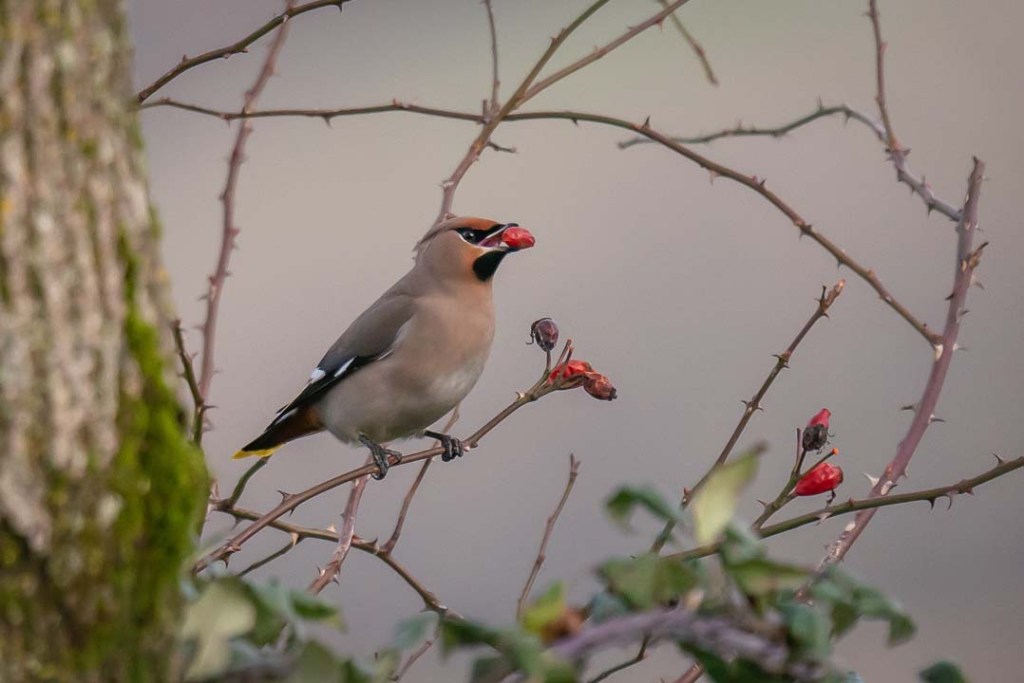
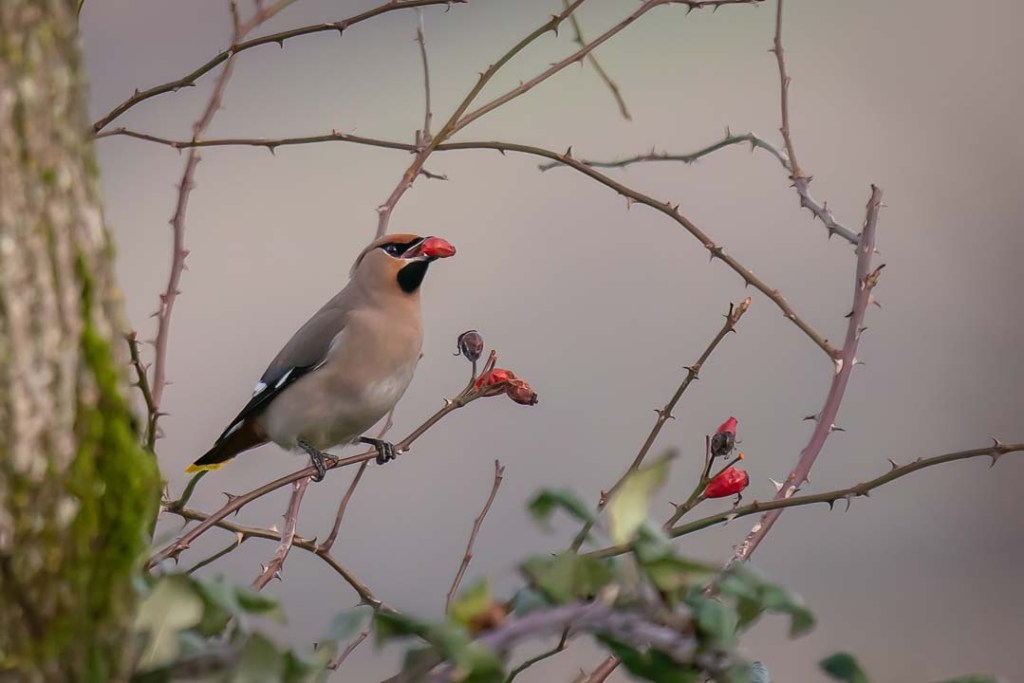
Today we saw what I consider to be the holy grail of birds to be seen in this country – waxwings.
Waxwing
It’s only the third time I have tried to “twitch” a bird and, fortunately, today’s trip to Rodborough Common in the Cotwolds was well worth the effort.
Waxwings do not breed in the UK, but are winter visitors. In some years, we see larger numbers of visiting waxwings, called irruptions, when the population in their breeding grounds in Fennoscandia and western Russia gets too big for the food available.
On Rodborough Common there were plenty of their favourite berries, particularly rowan, hawthorn and rose to keep them happy.
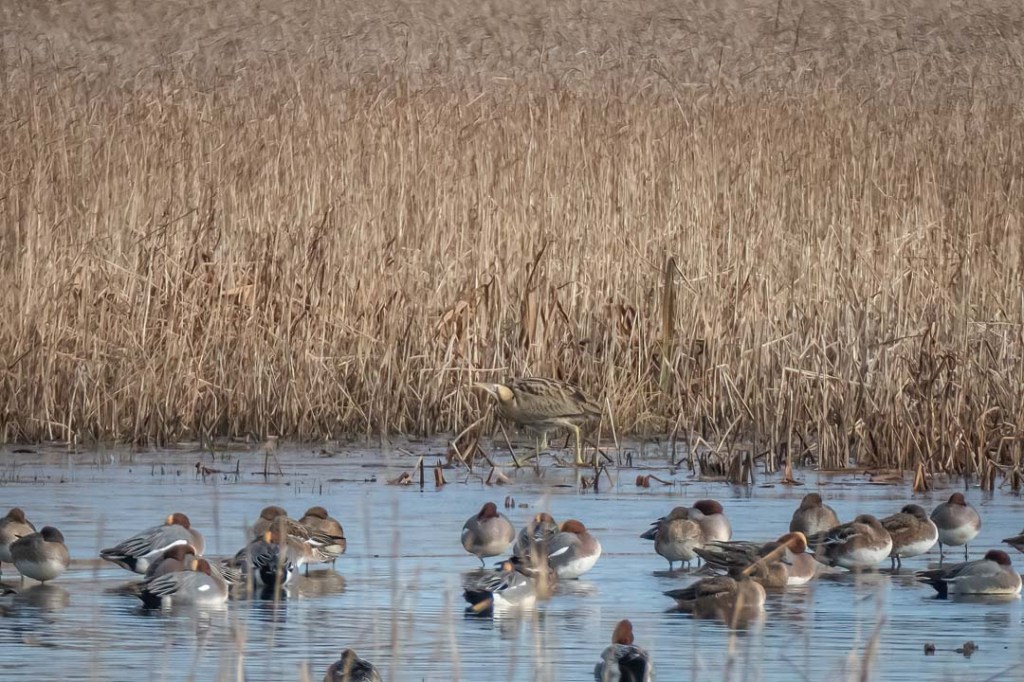
I spent a very pleasant, but very cold, day on the Avalon Marshes in Somerset. It was -2C when I set off and didn’t rise above 4C all day. The highlight of the day was a bittern at Catcott Lows but I also particularly liked seeing lots of fieldfare and redwing.
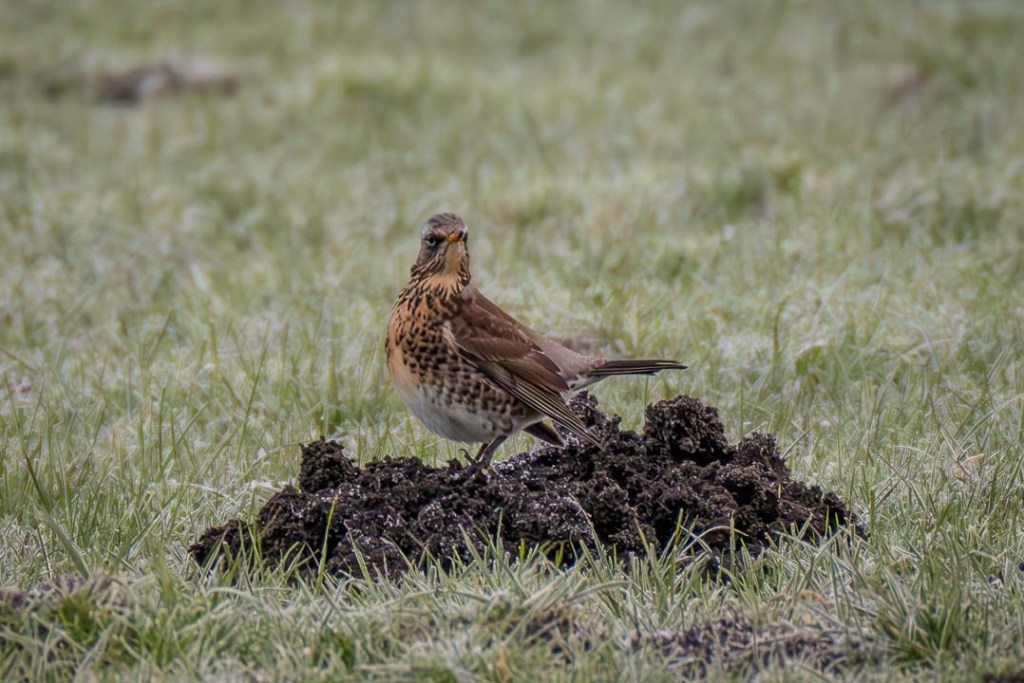
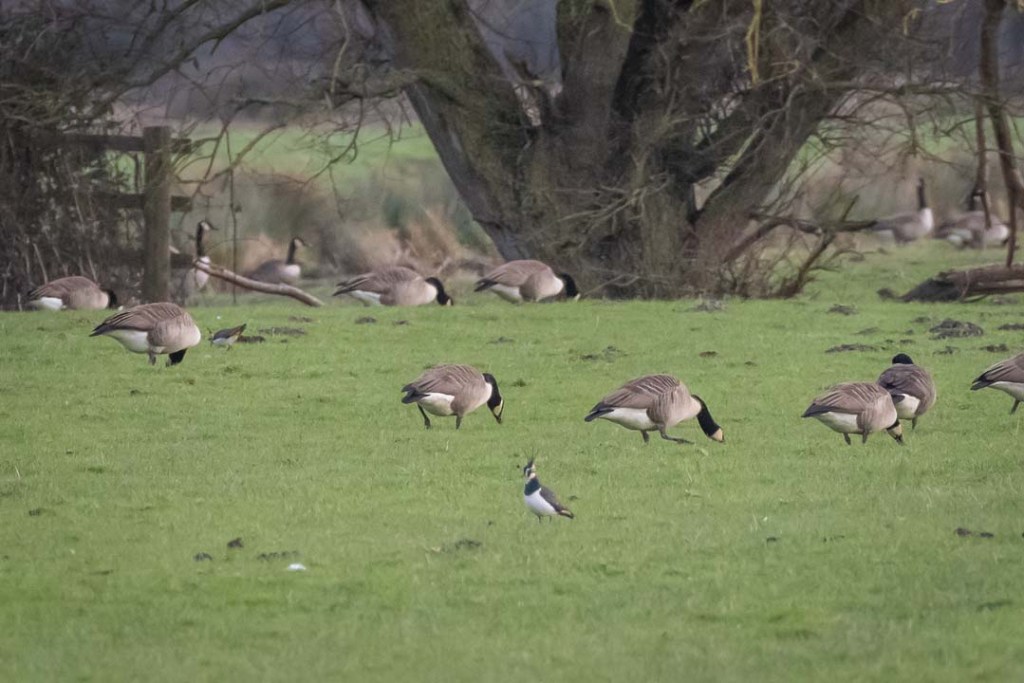
A flock of Canada geese with redwing and lapwings on the Avalon Marshes with Glastonbury Tor in the backgroundFieldfareRedwing2 Egyptian geese flew over Catcott LowsWigeon enjoying a glimpse of the sunA shoveler stretching its wingsA pair of snipeLapwing and starlingReed bunting acting coylyA snipe almost as shyThe warden checking the water levels spooked these water fowlThe bittern walked along the back of the pond and then disappeared for the rest of the day
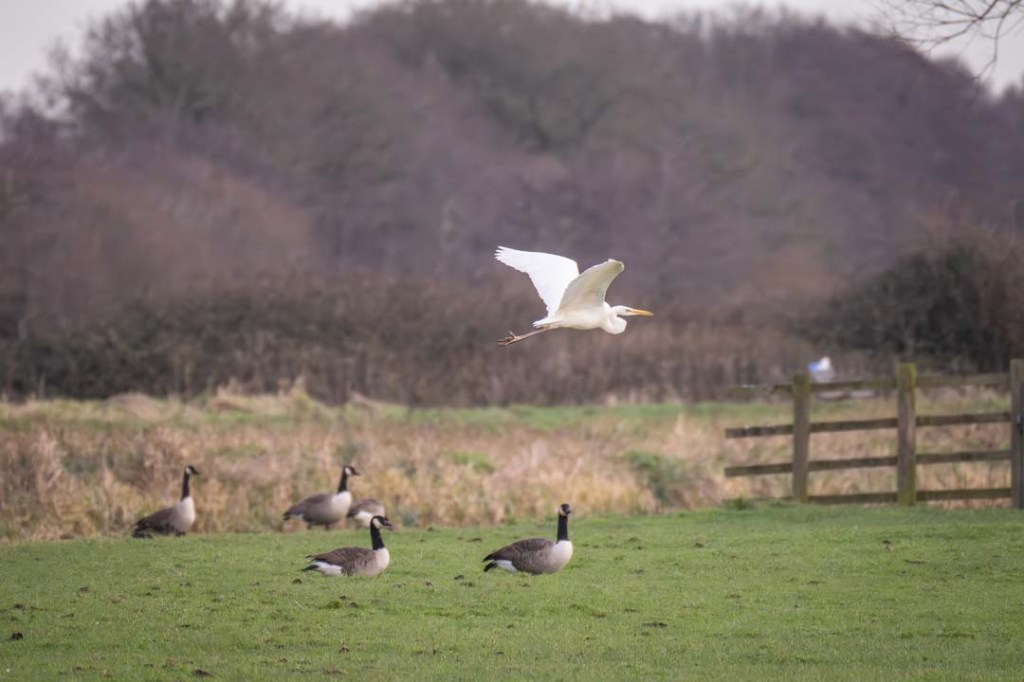
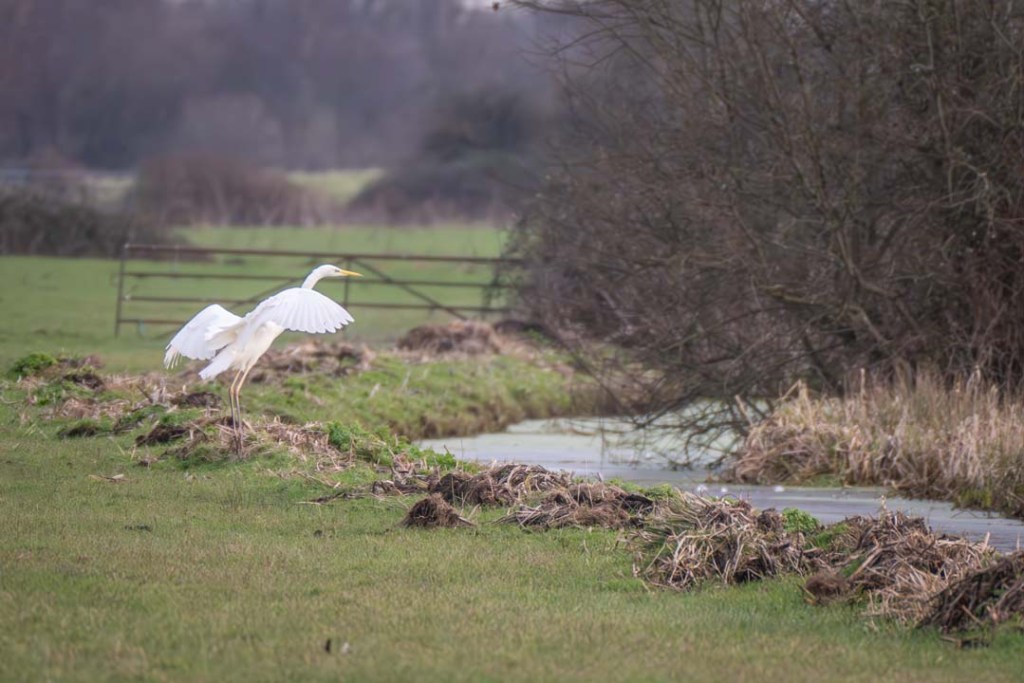
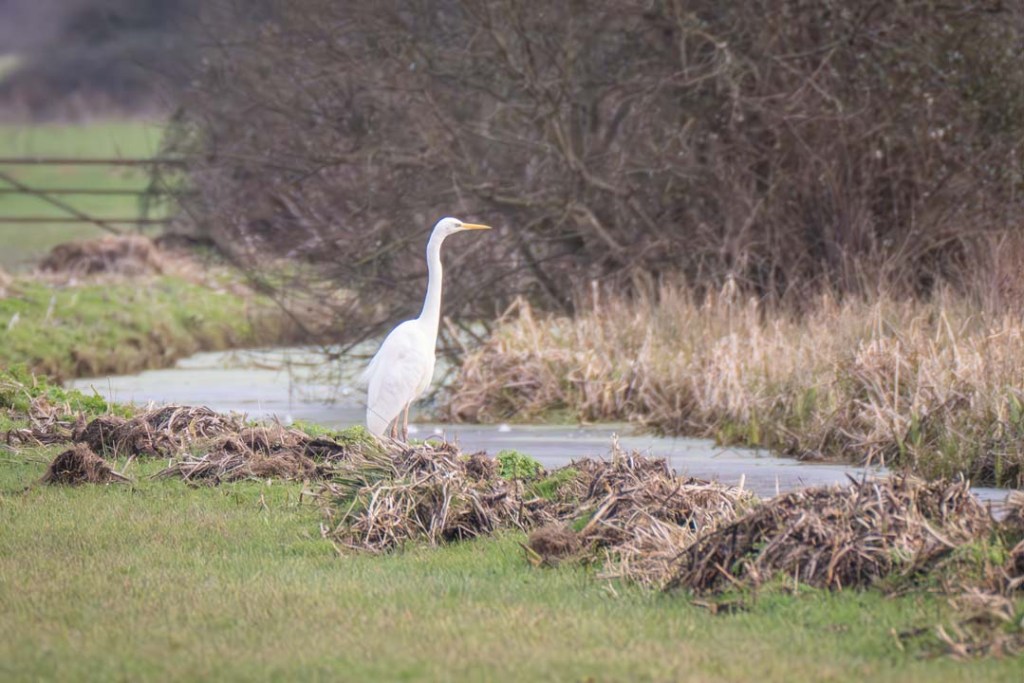
I managed to see all three egrets that we have in the UK – little, cattle and great white.
Following a series of storms in recent weeks, many parts of the country are now suffering flooding (in some cases quite severe). We are fortunate not to have been affected by these floods but locally it is very wet and muddy and difficult to get out and about.
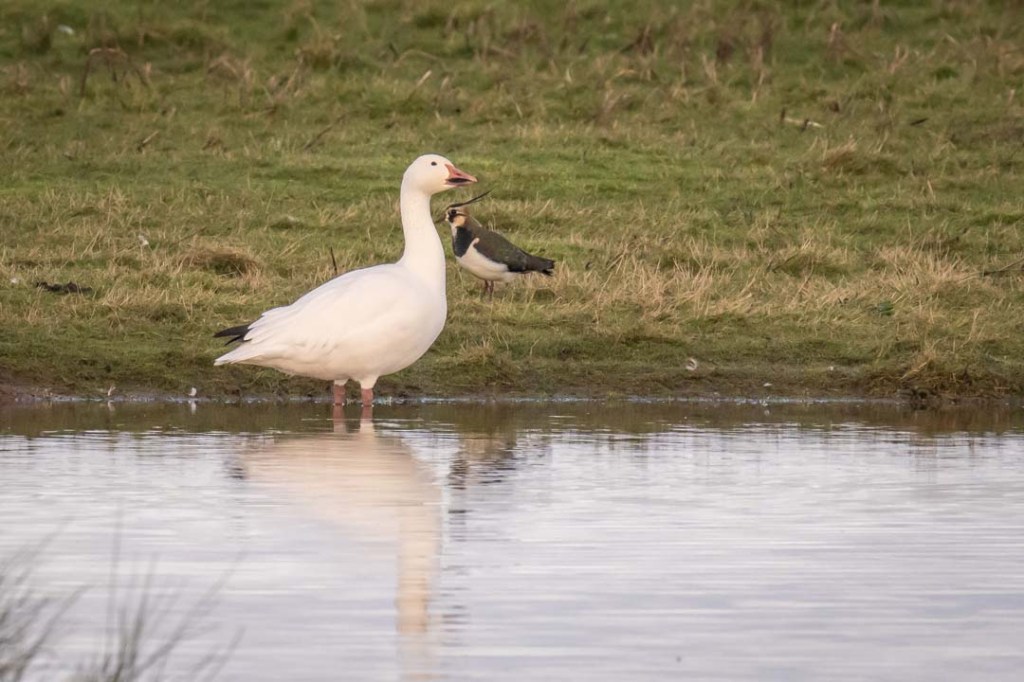
However, we had no problems getting to WWT Slimbridge today and enjoyed seeing large flocks of waders taking full advantage of the wetlands.
The light was not always good but we were very thankful to be out enjoying some fresh air and, for a change, there was hardly any wind.
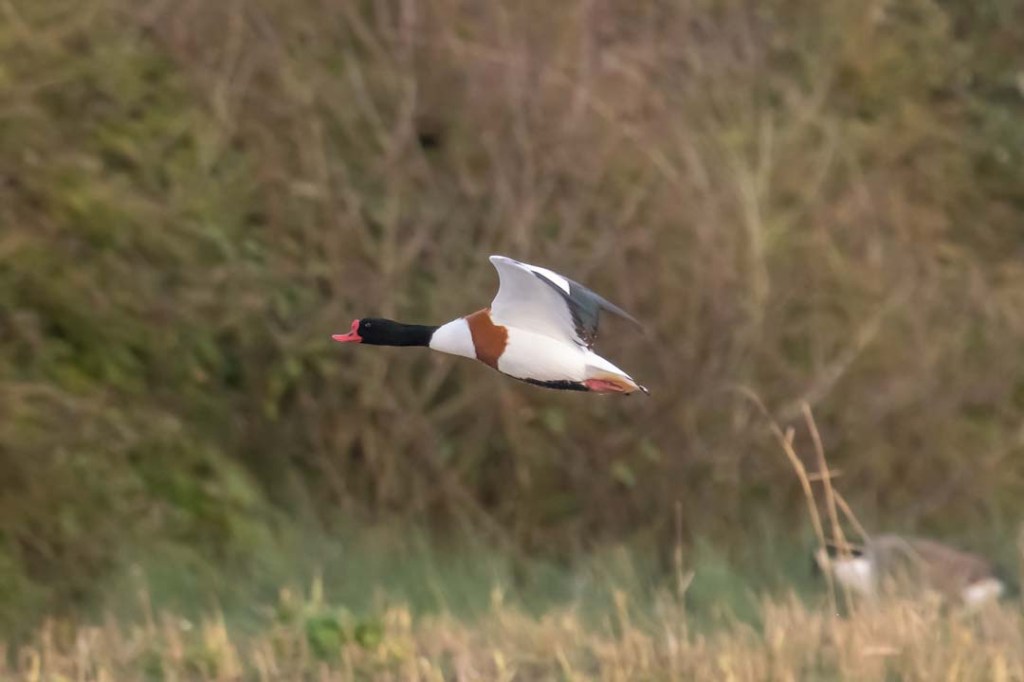
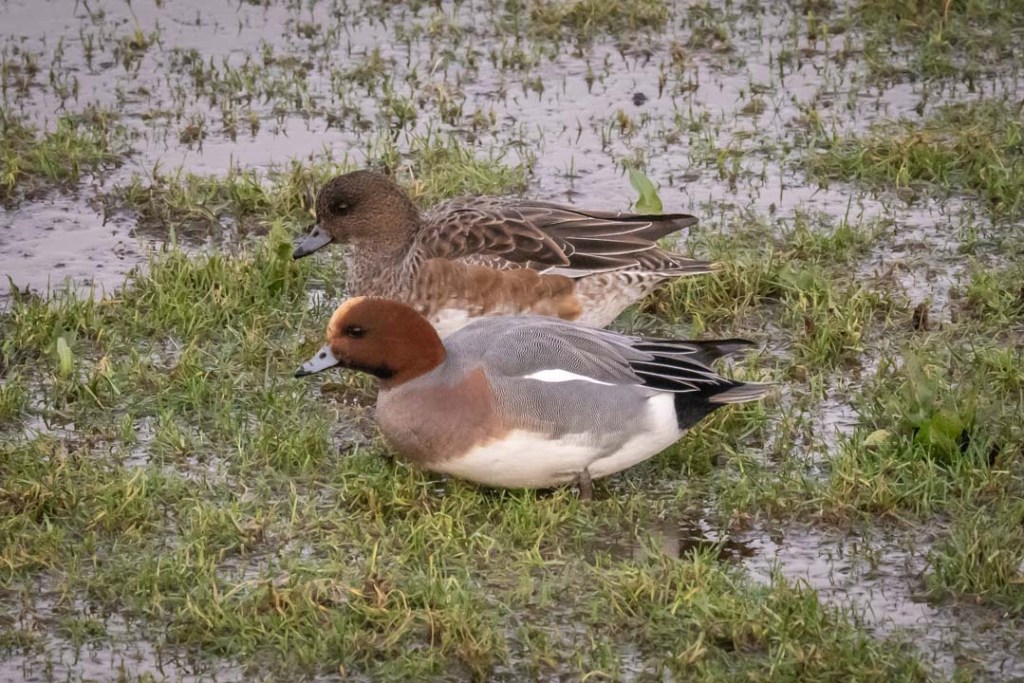
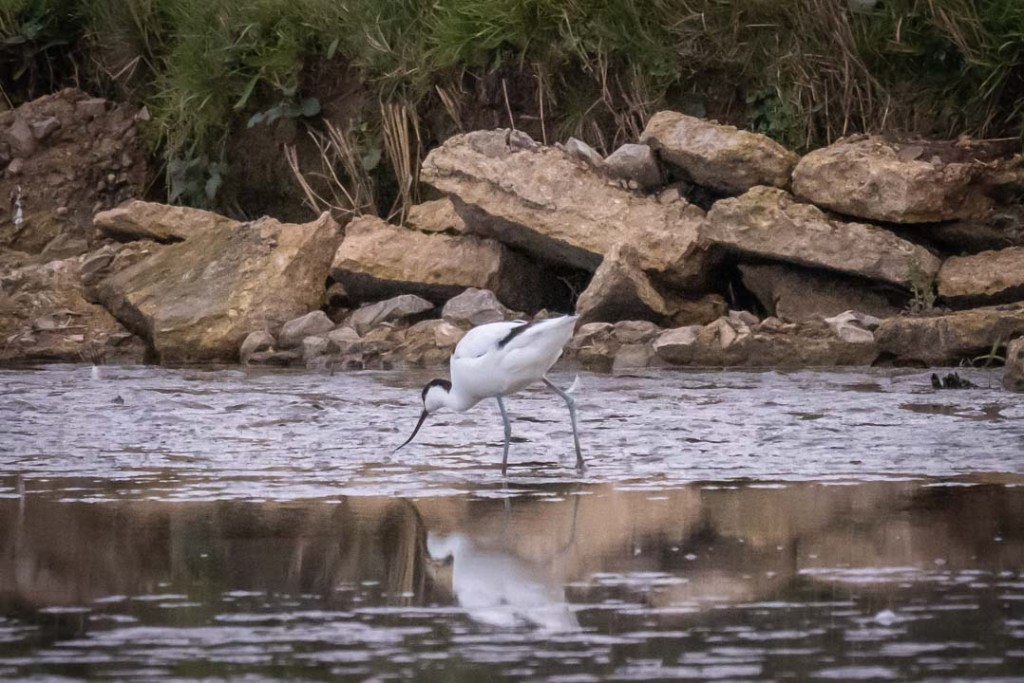
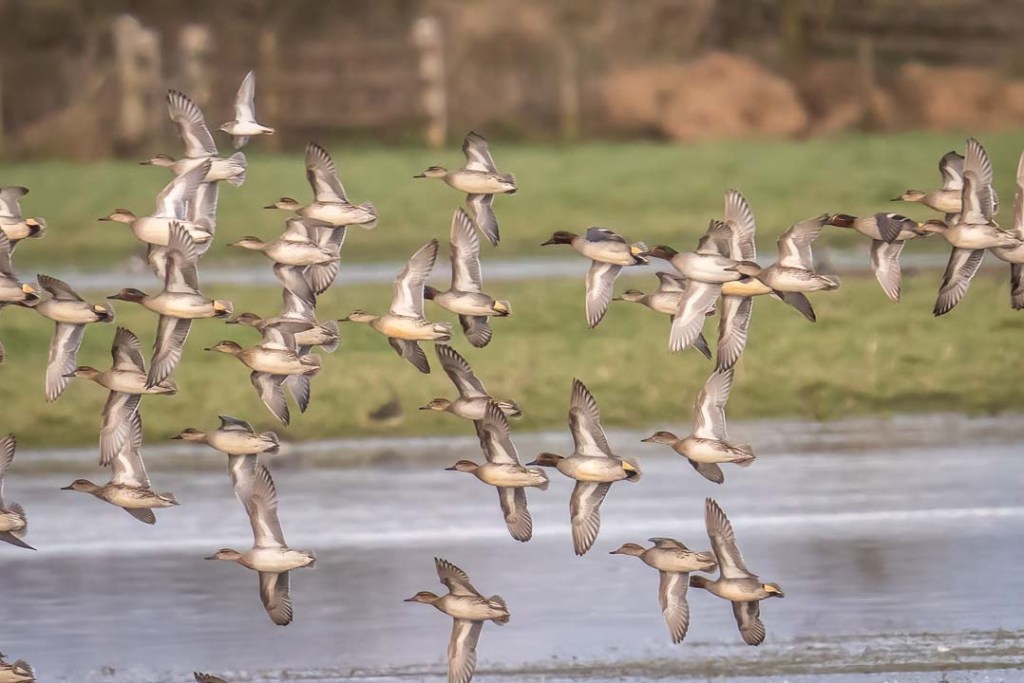
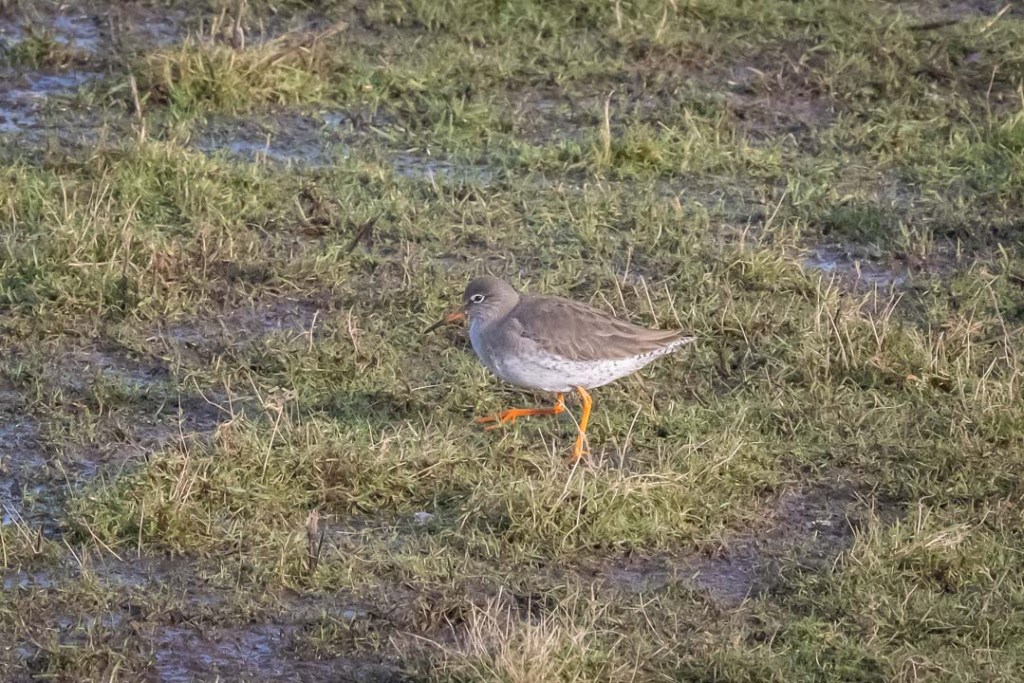
Golden ploverGolden ploverBlack-tailed godwitsWigeonCurlewAvocetRuffSnow gooseTealShelduckRedshankLapwingWigeonAvocetShovelerGadwallBewick swans
It was dull at Slimbridge this morning but quite mild. It was definitely a pleasure to be spared the wind and rain which have plagued us for the last few weeks.
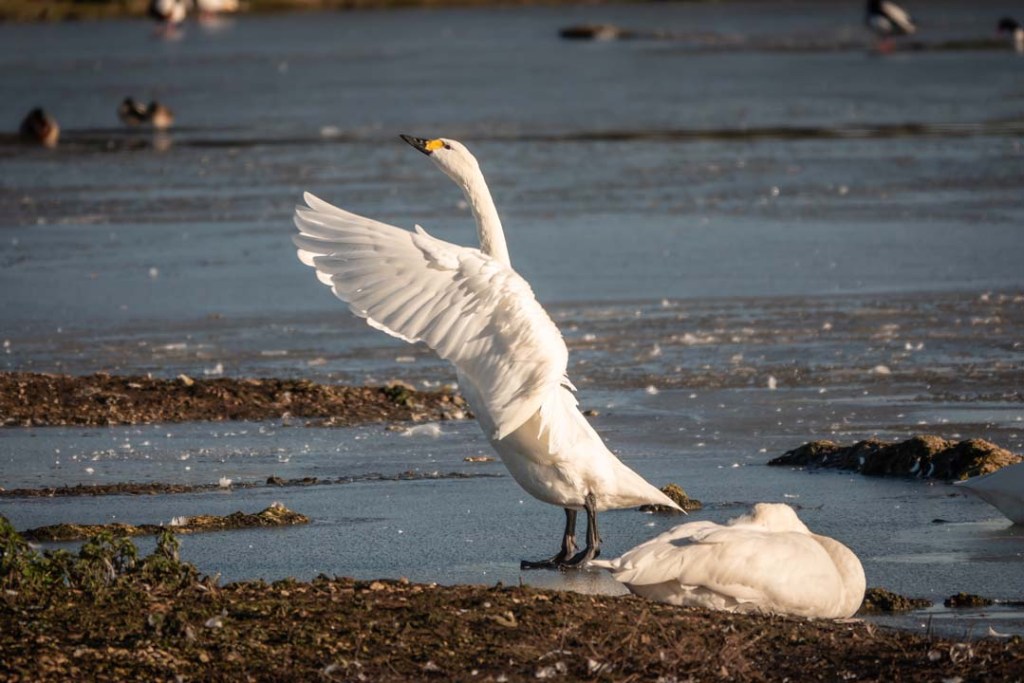
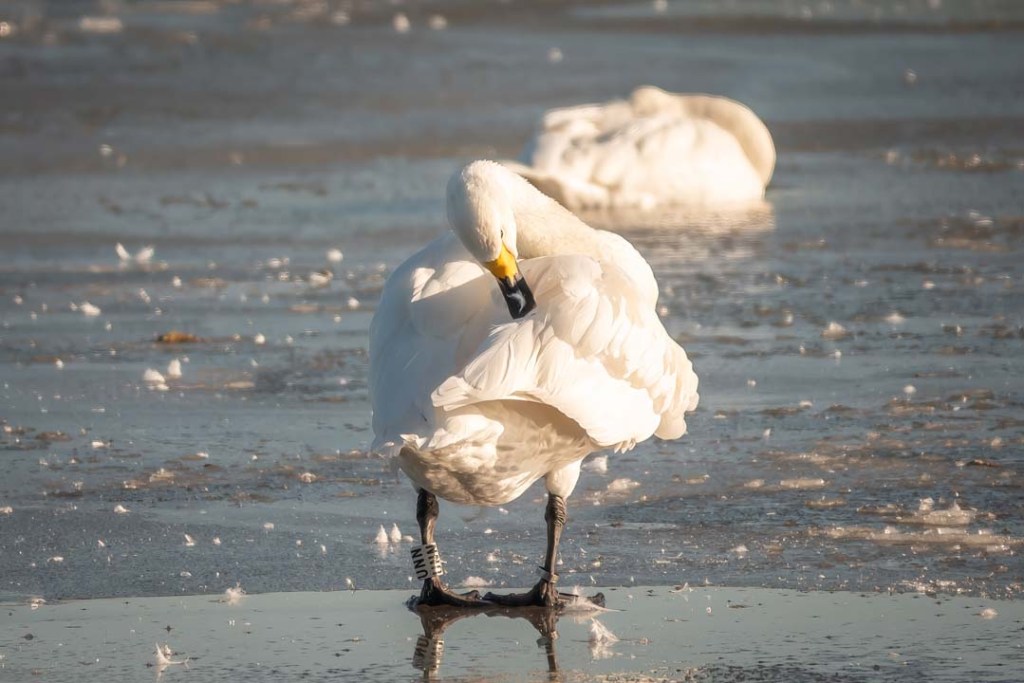
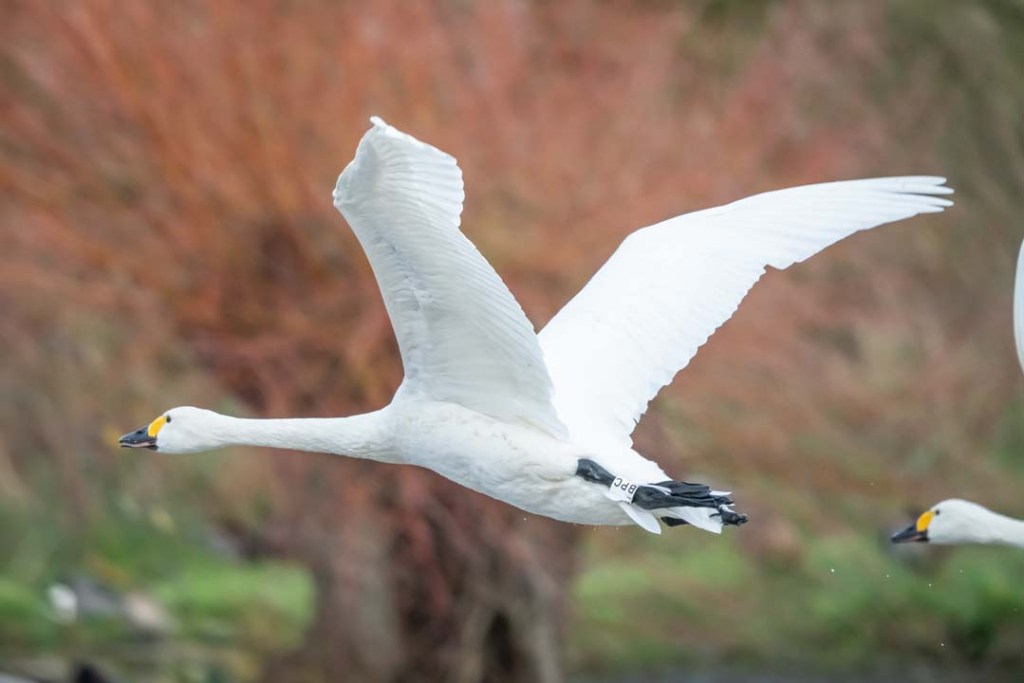
Bewick swans
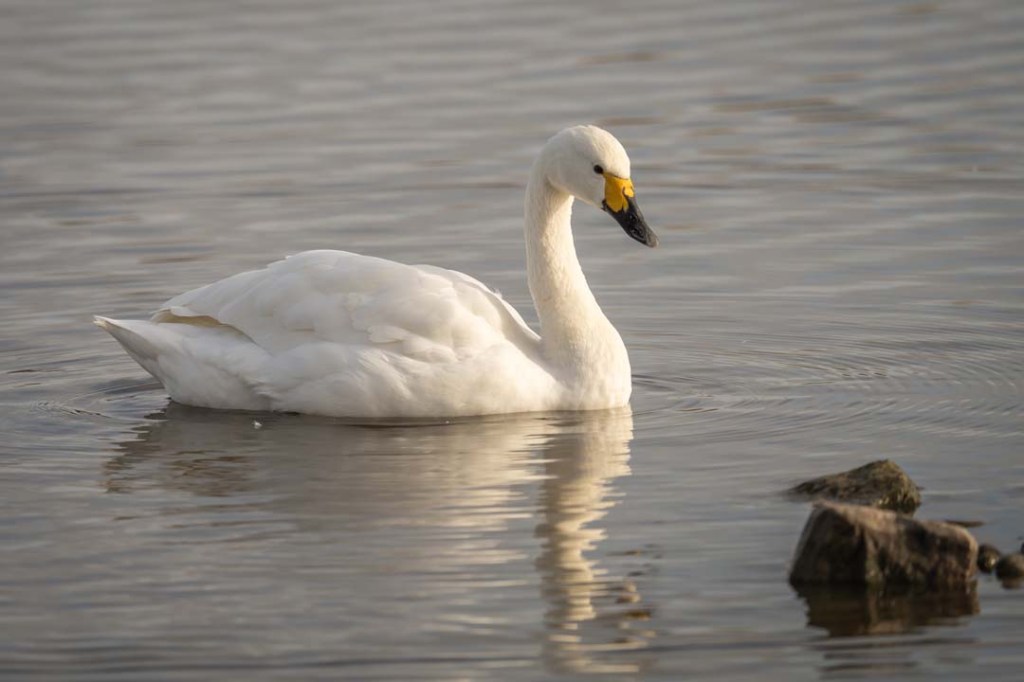
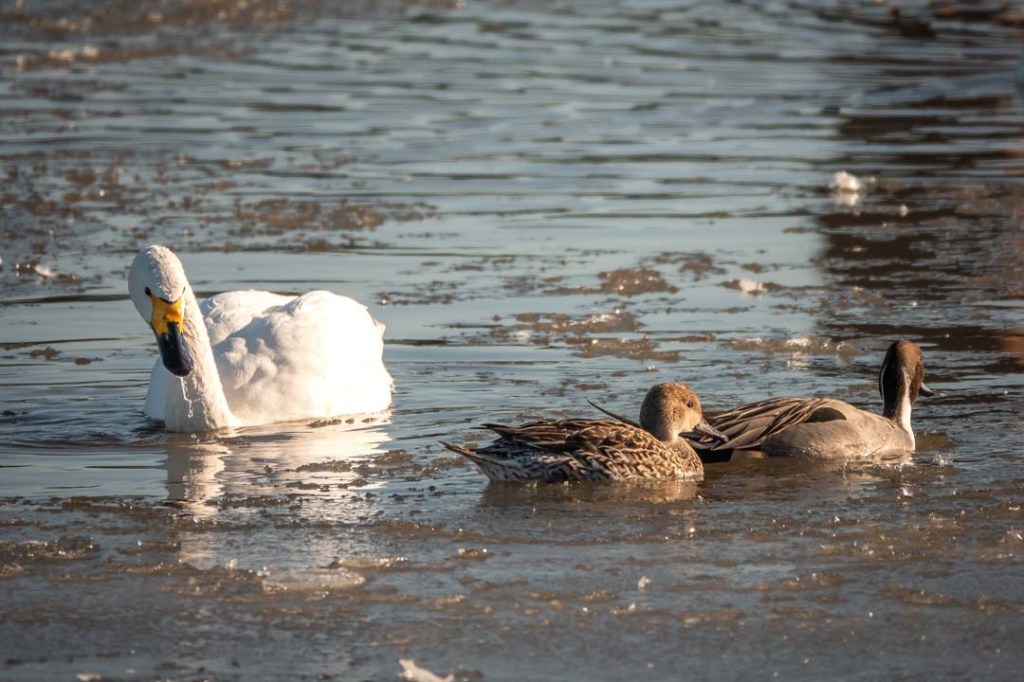
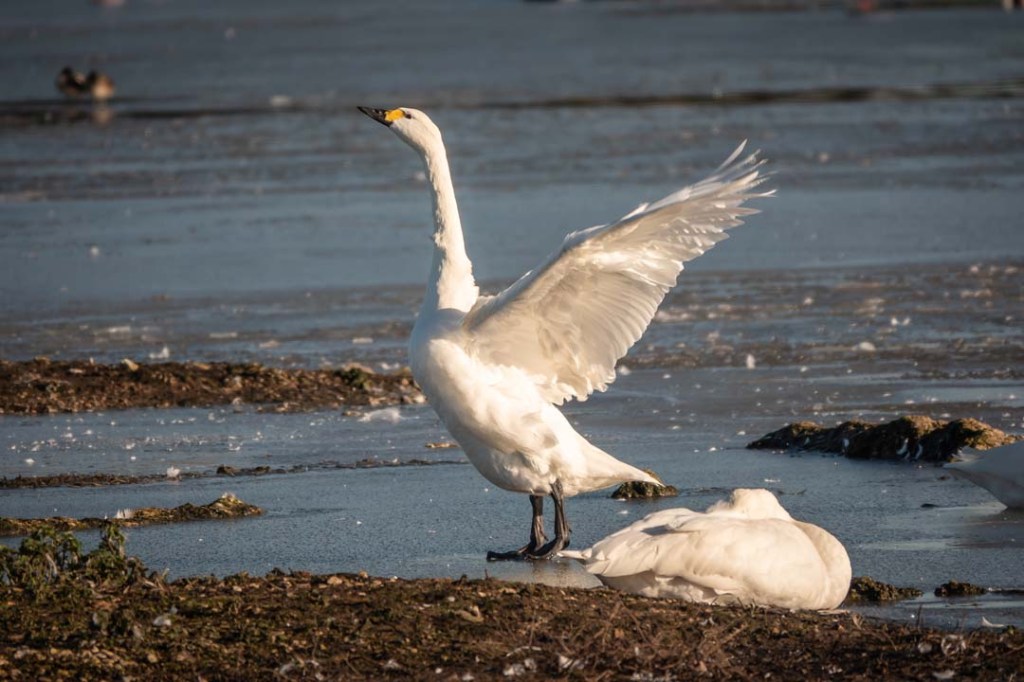
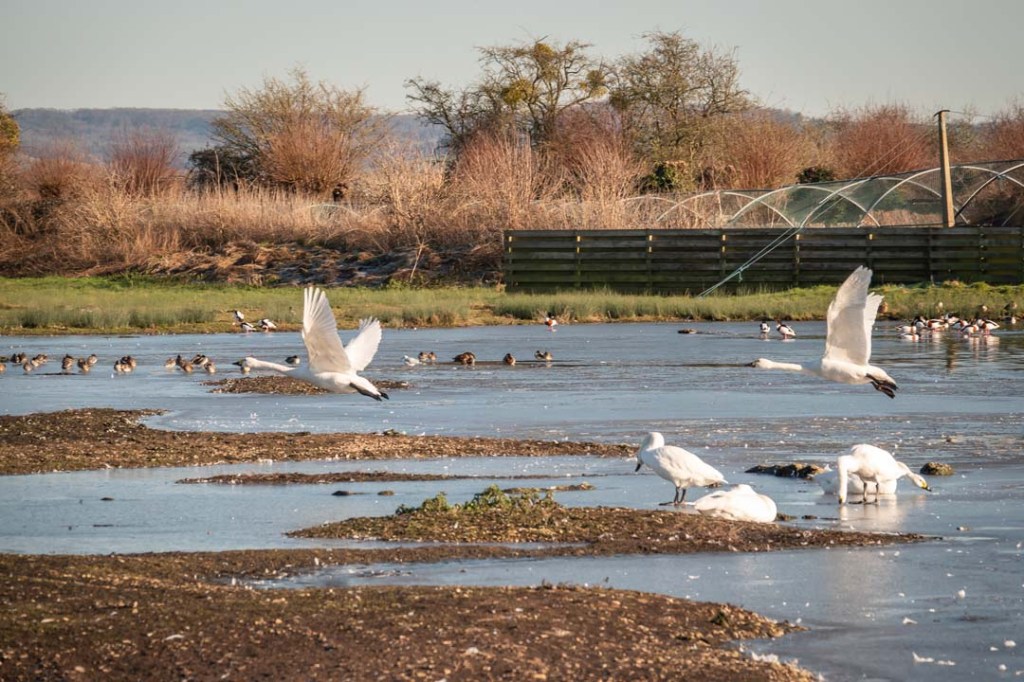
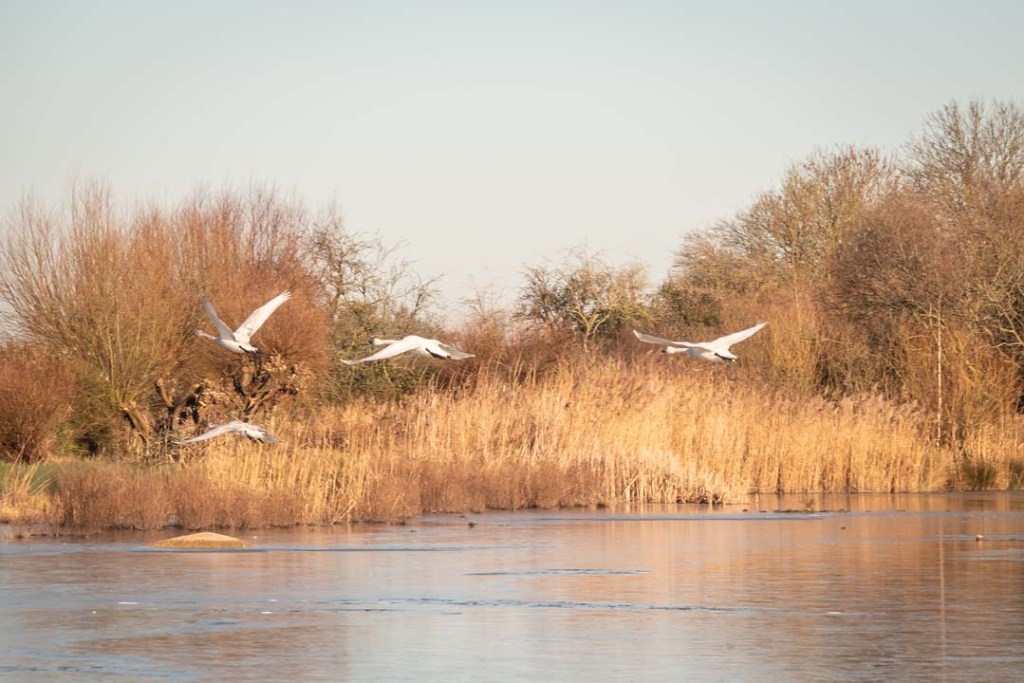
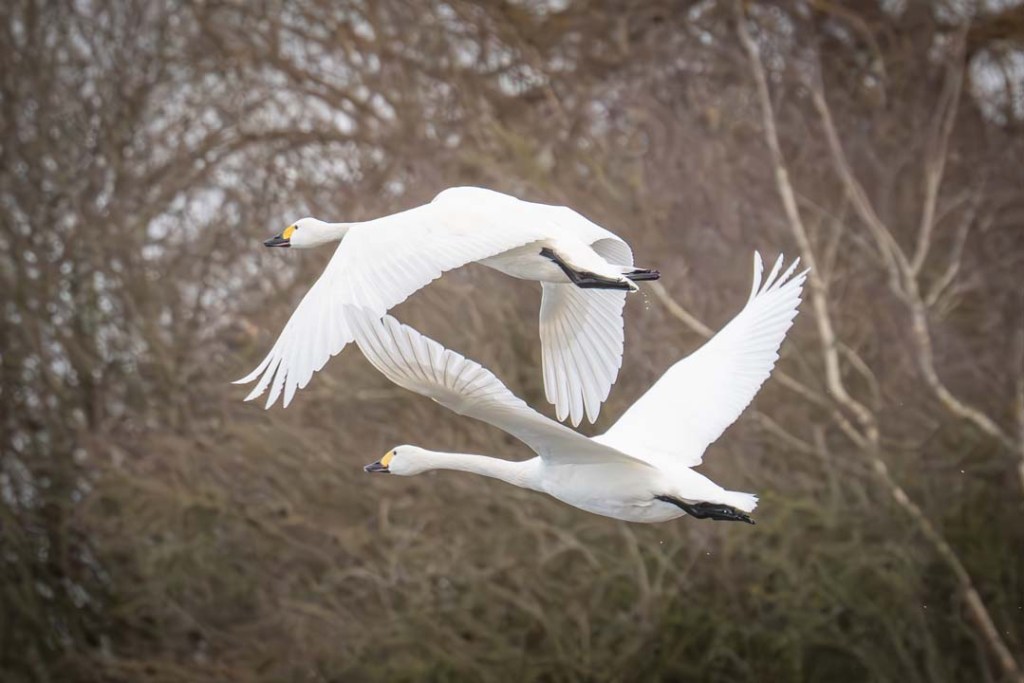
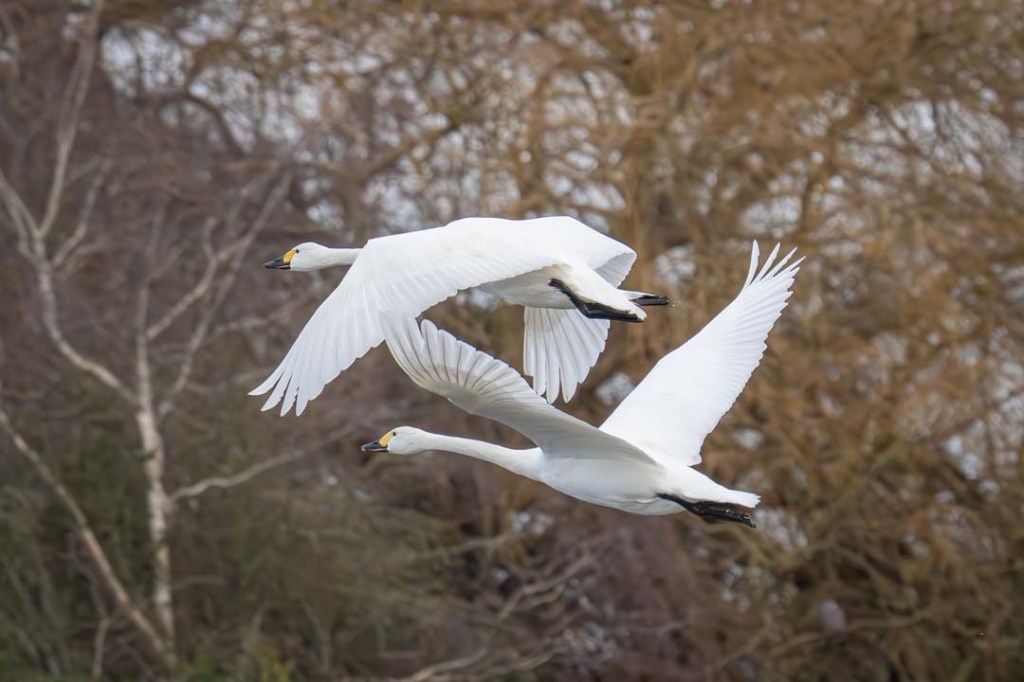
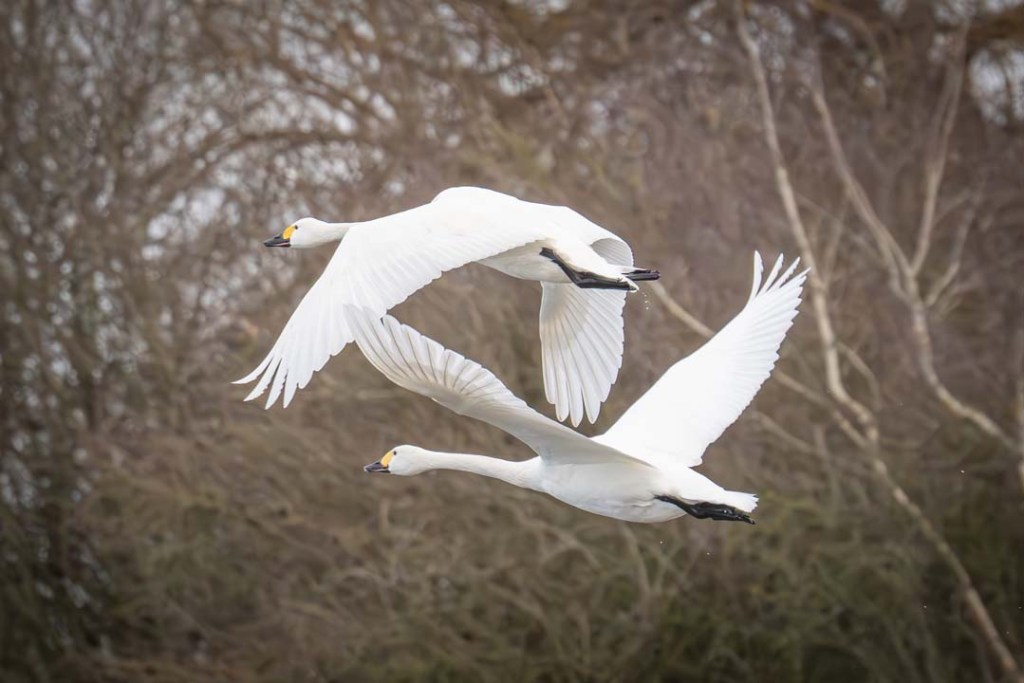
At this time of year the highlights are the Bewick swans which migrate here from the arctic tundra of Russia.
This year the Bewicks didn’t arrive at Slimbridge until the 16th November which is the latest they have arrived on site since 1965. Experts are linking their delayed arrival to climate change, combined with a mixture of stormy and mild weather in recent weeks.
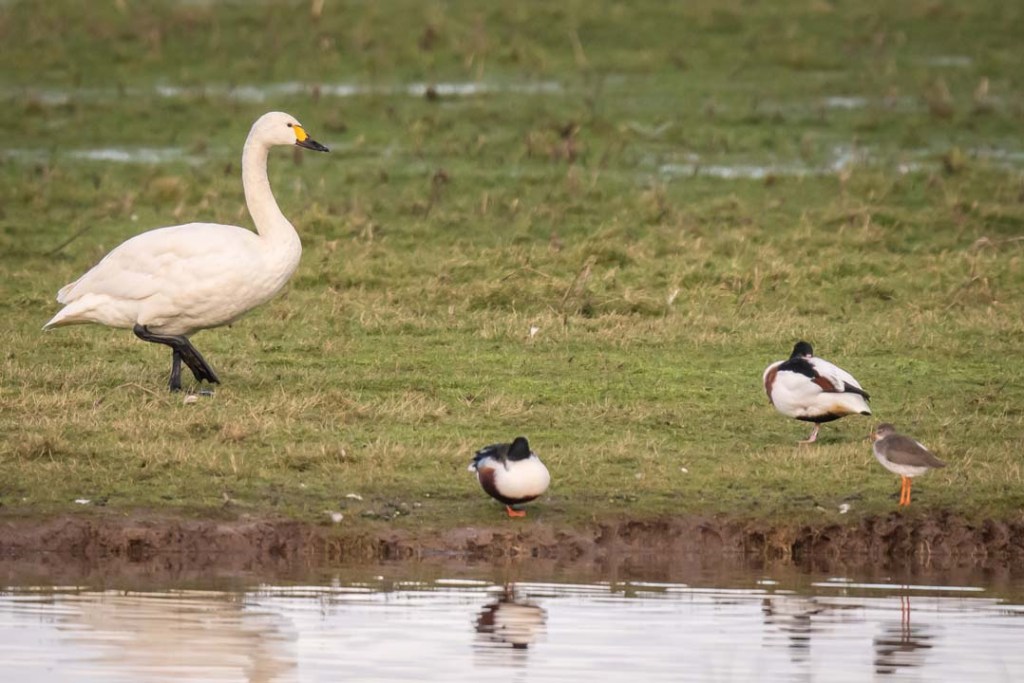
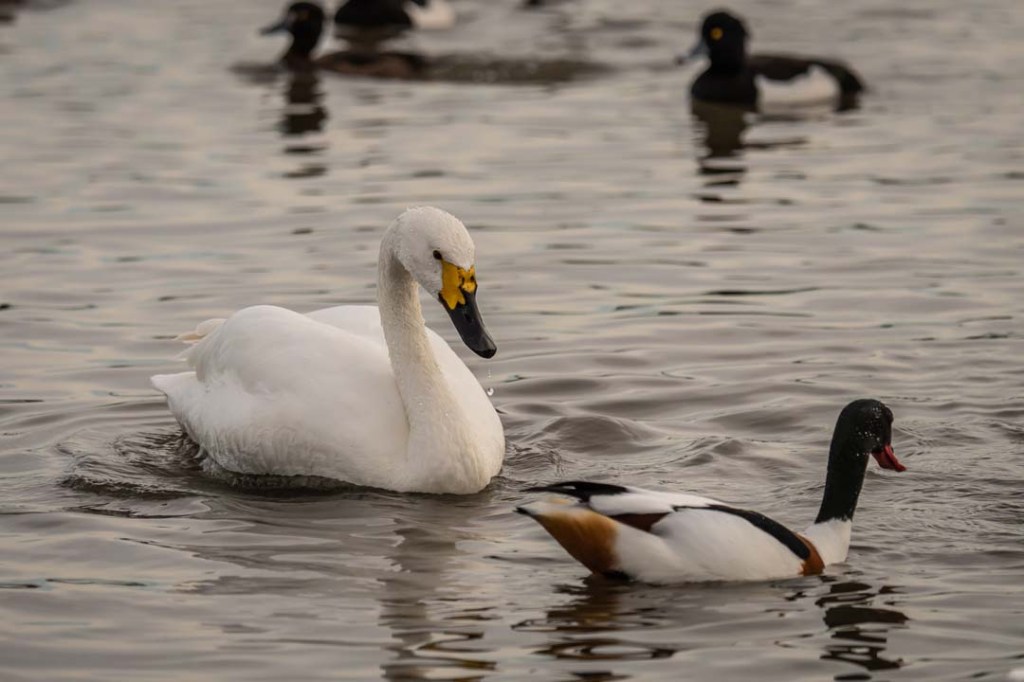
The Bewicks are quite small swans , as can be seen compared to a shelduck
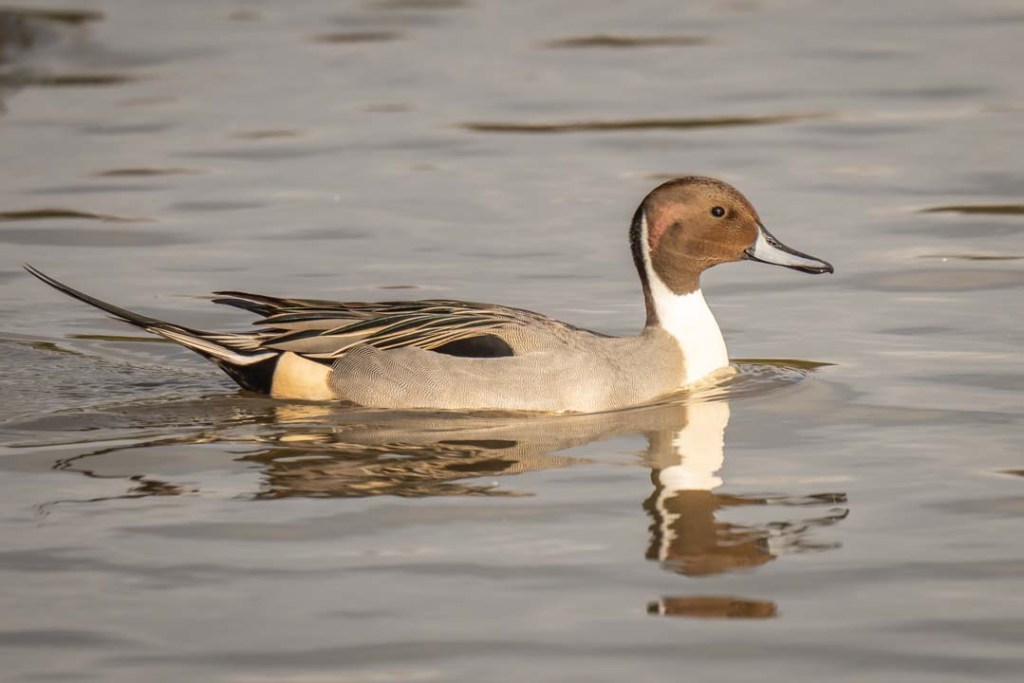
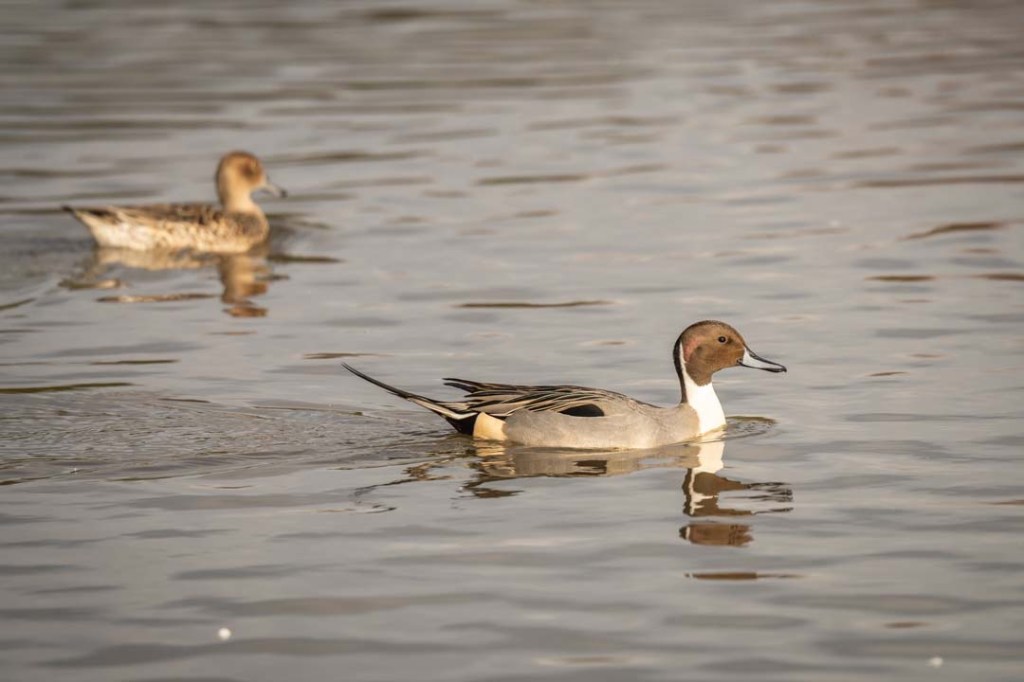
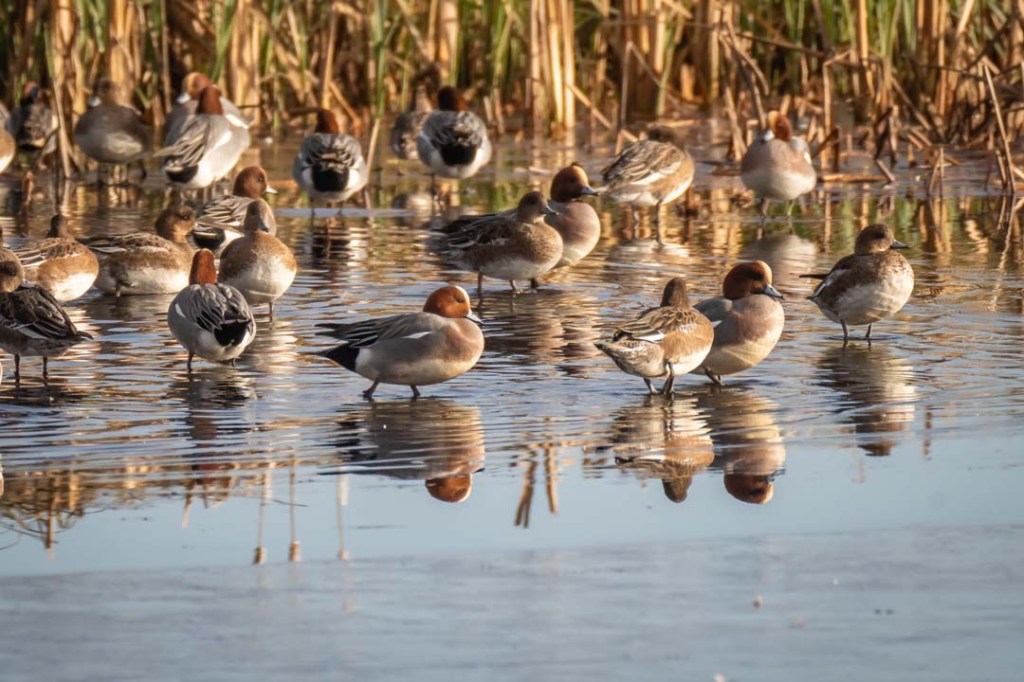
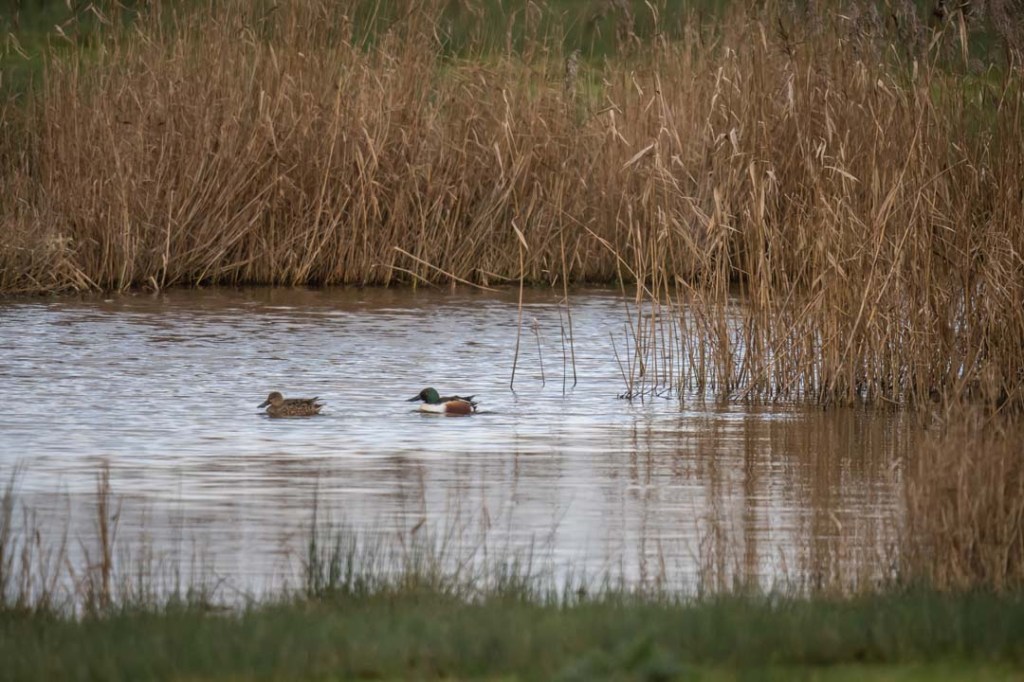
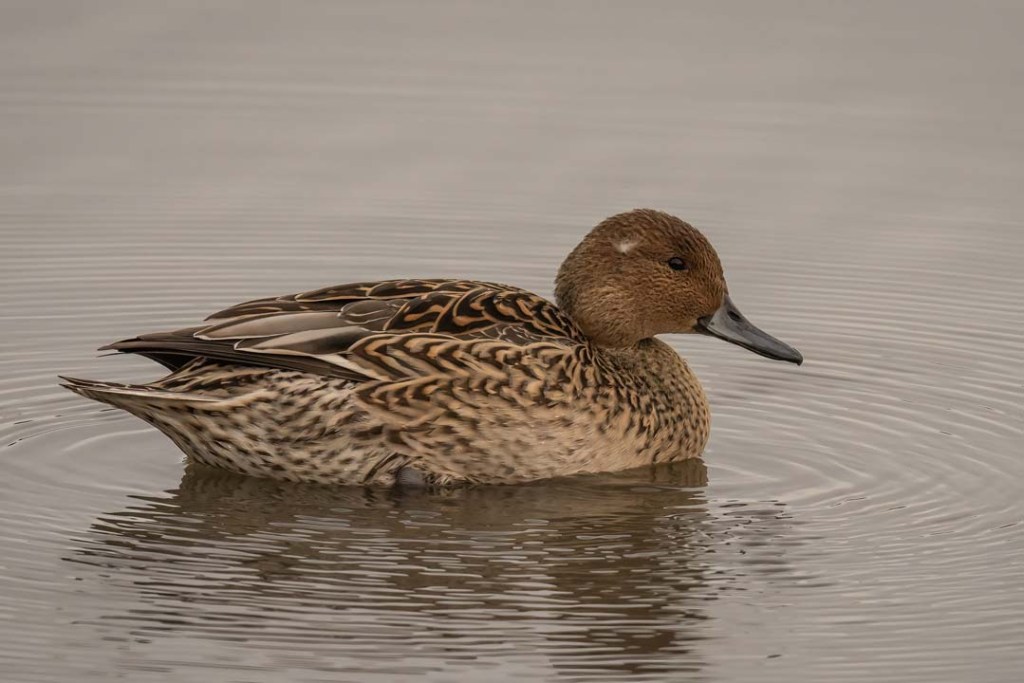
There were fair numbers of one of my favourite ducks, the northern pintail.
Northern pintails Female northern pintail
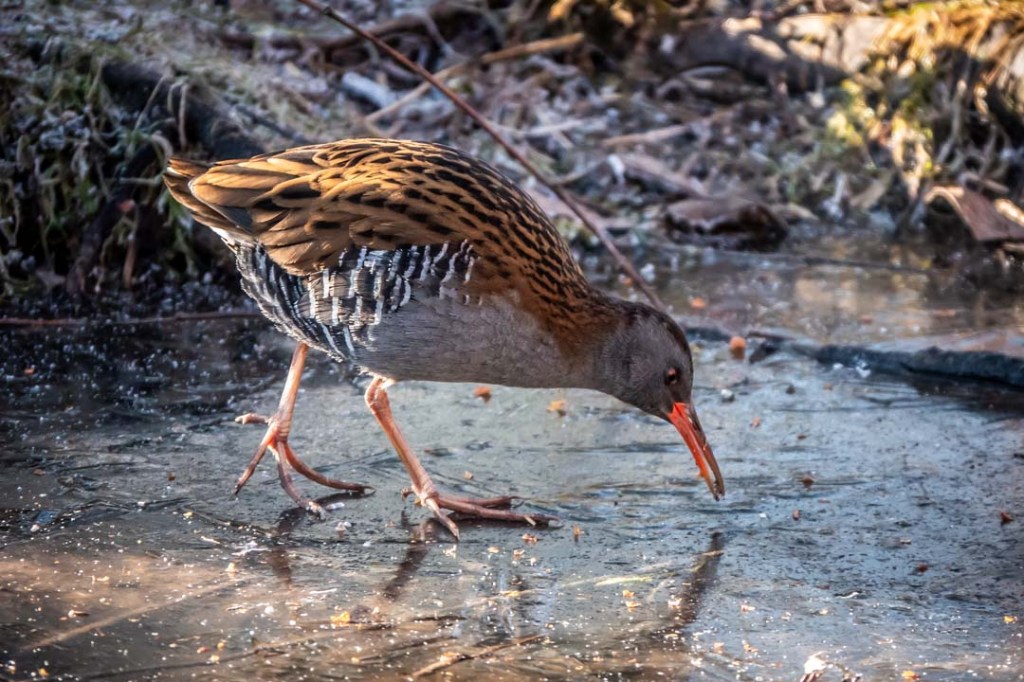
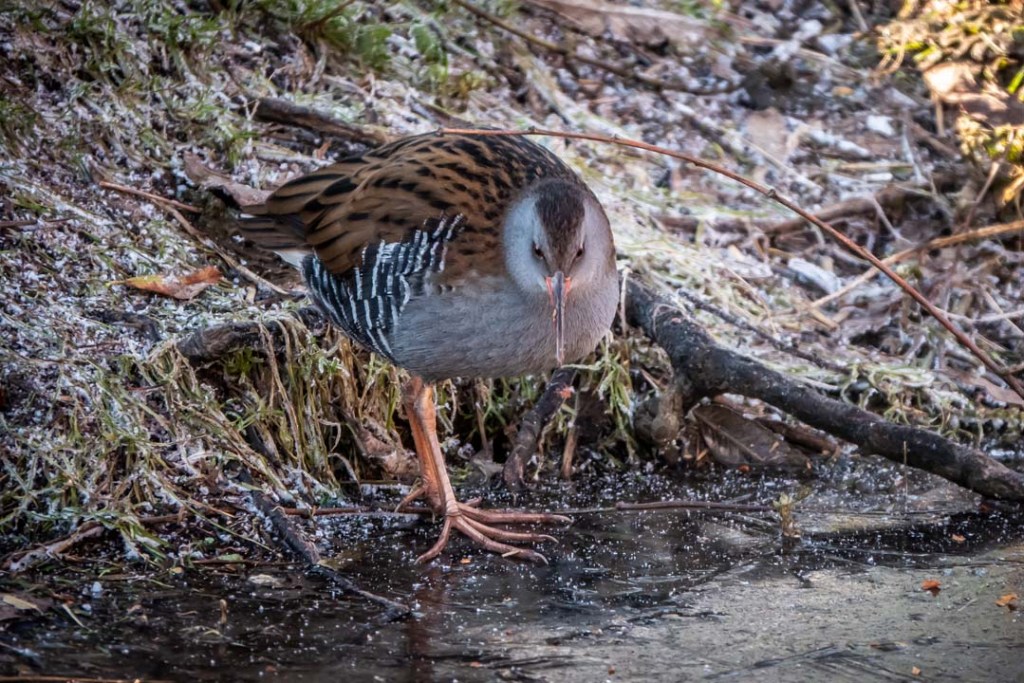
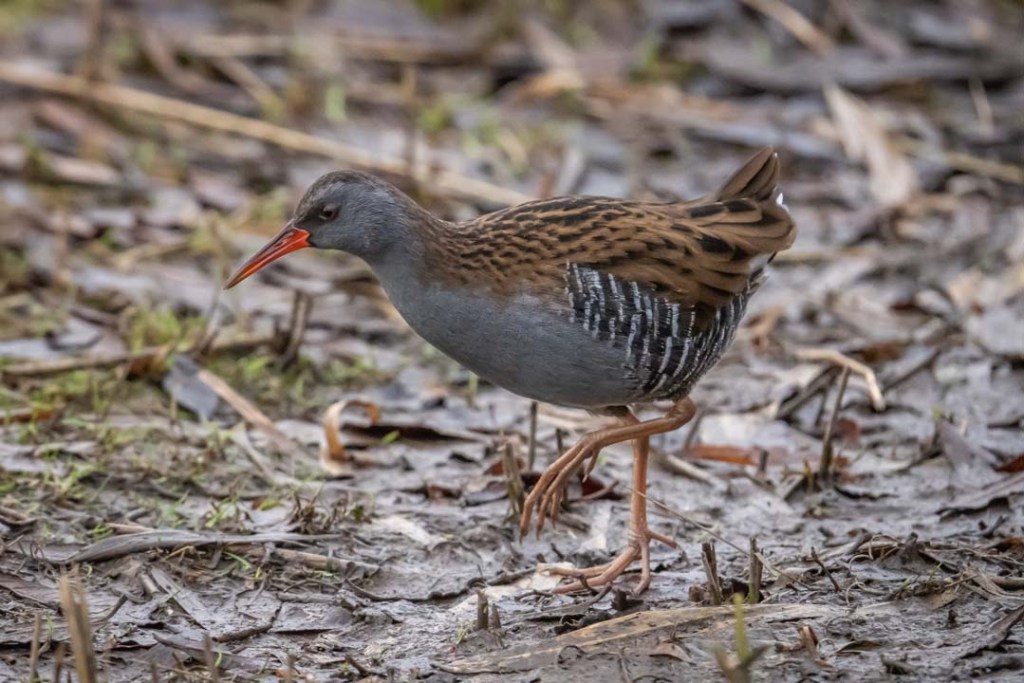
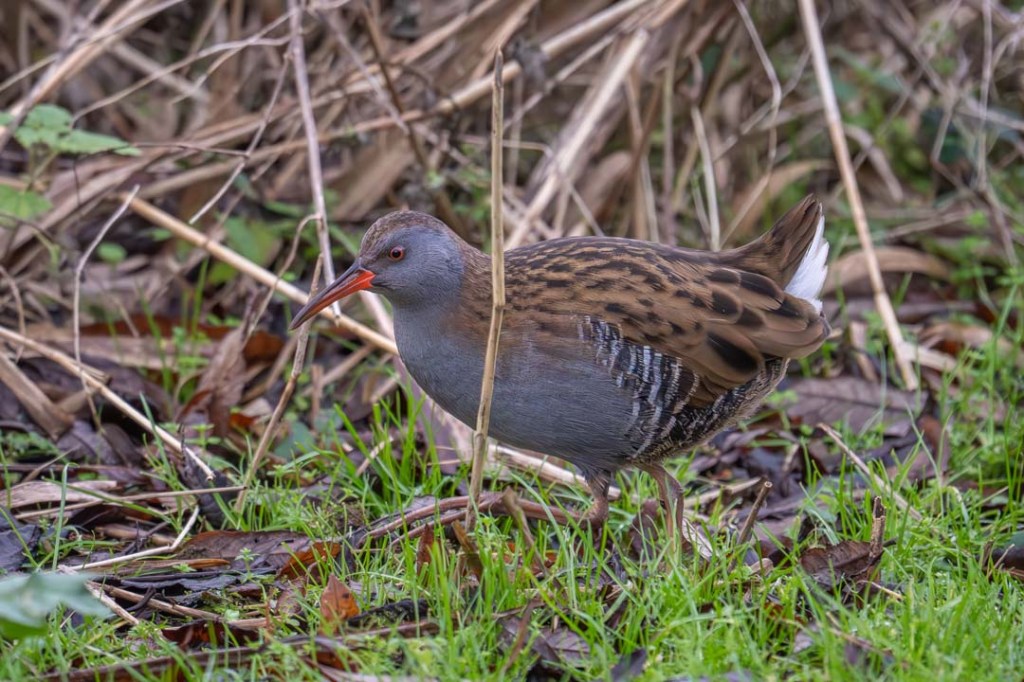
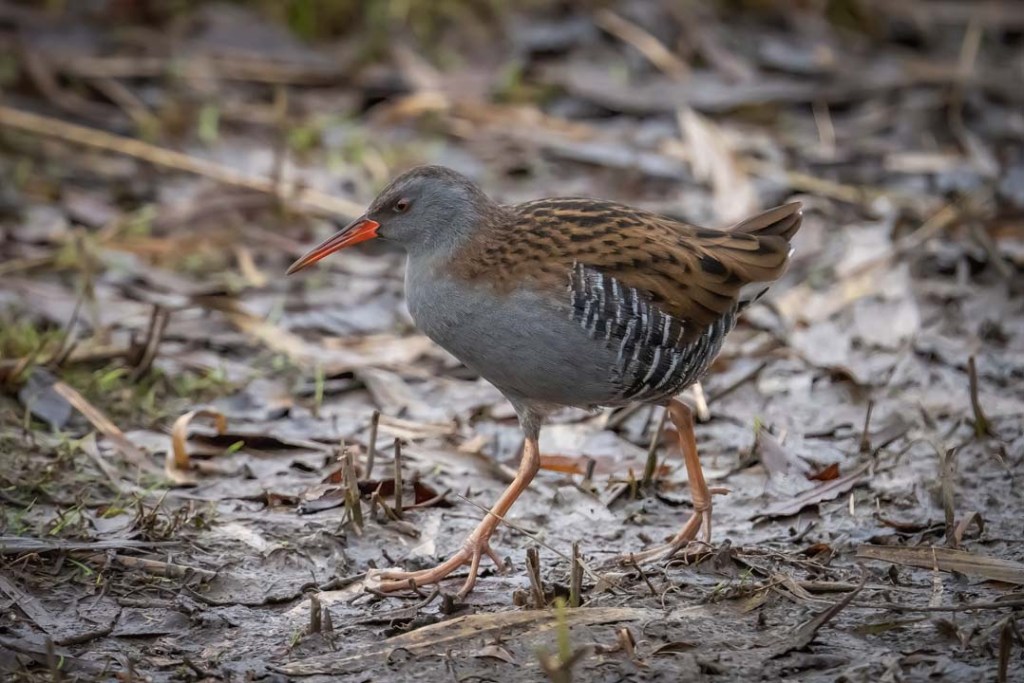
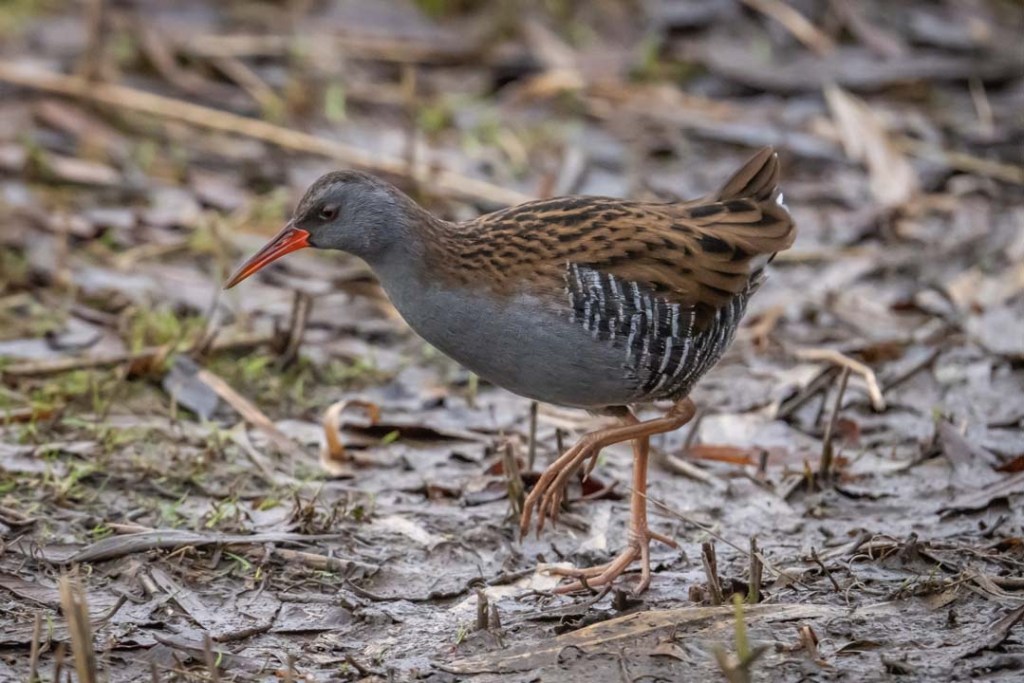
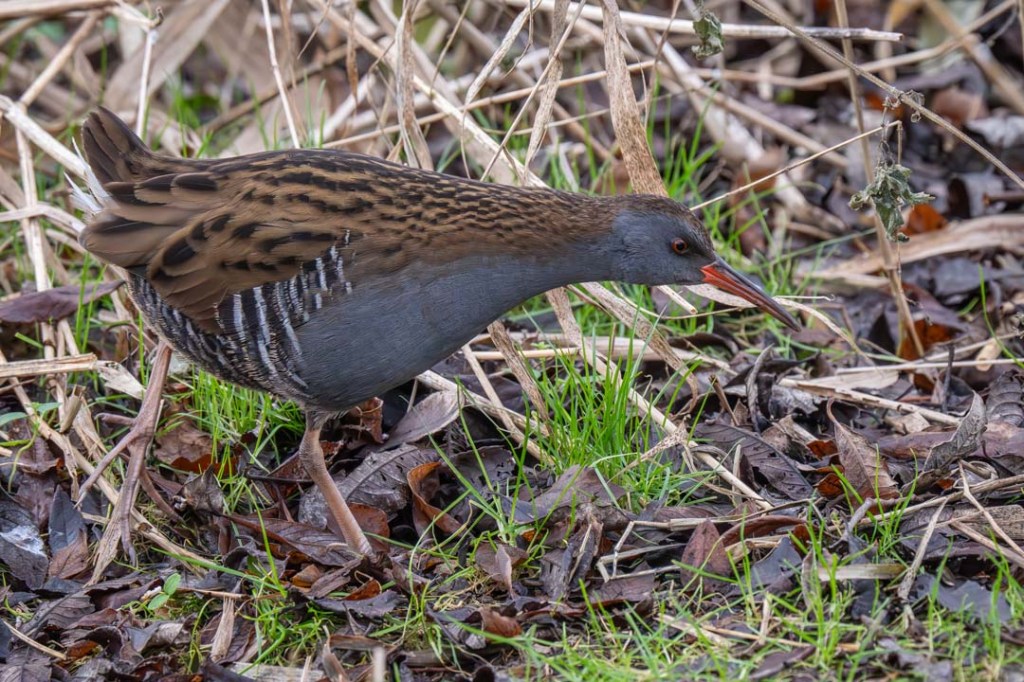
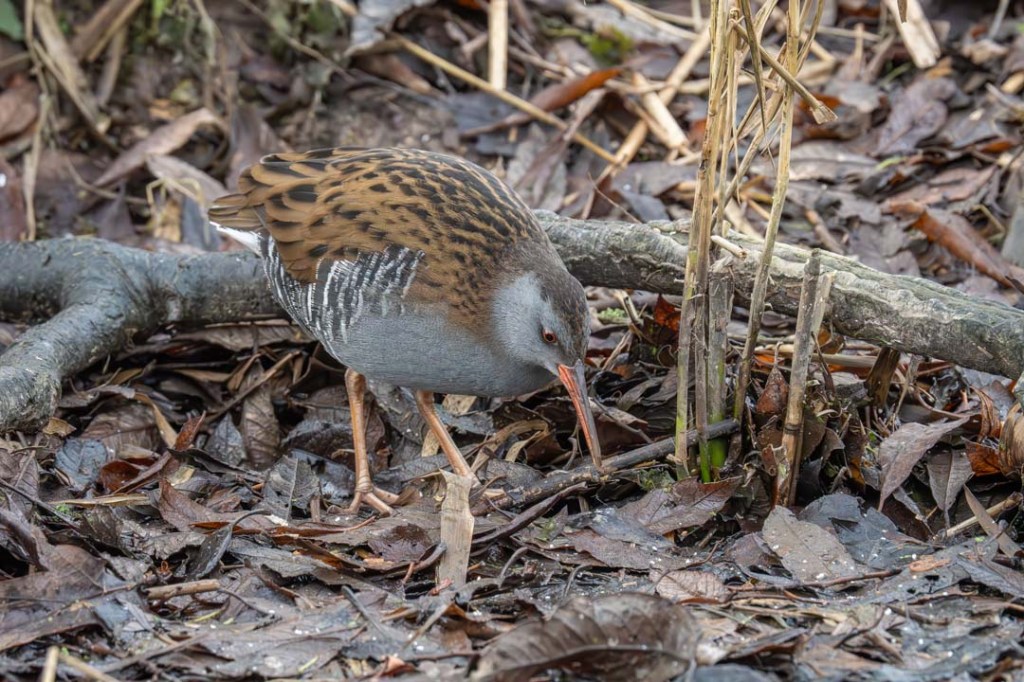
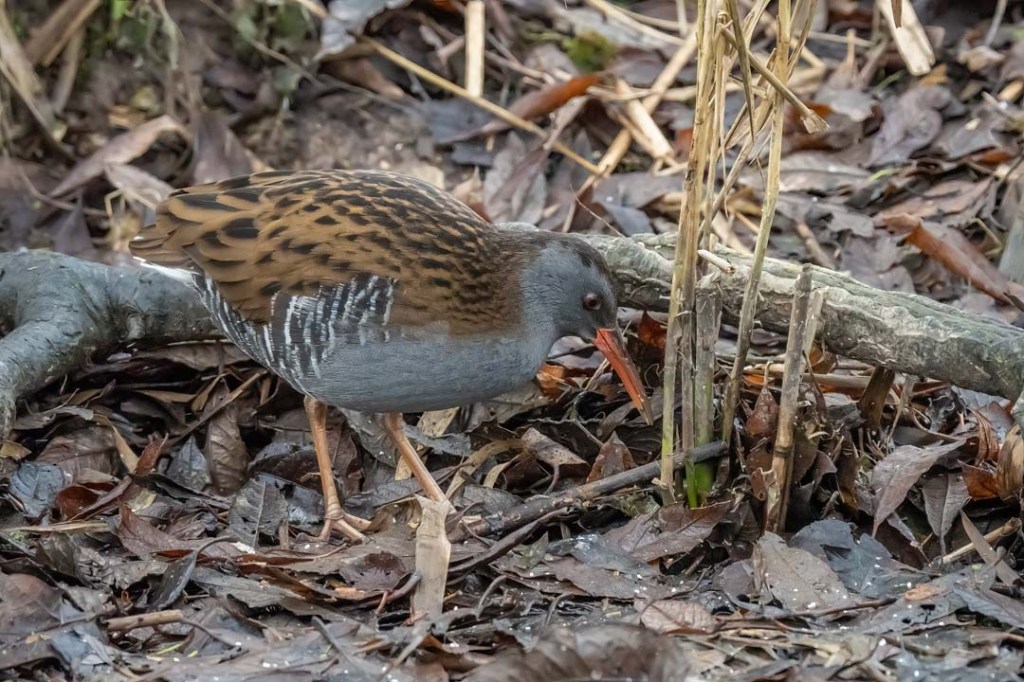
We also had good views of the generally secretive water rail – with two parading very close up.
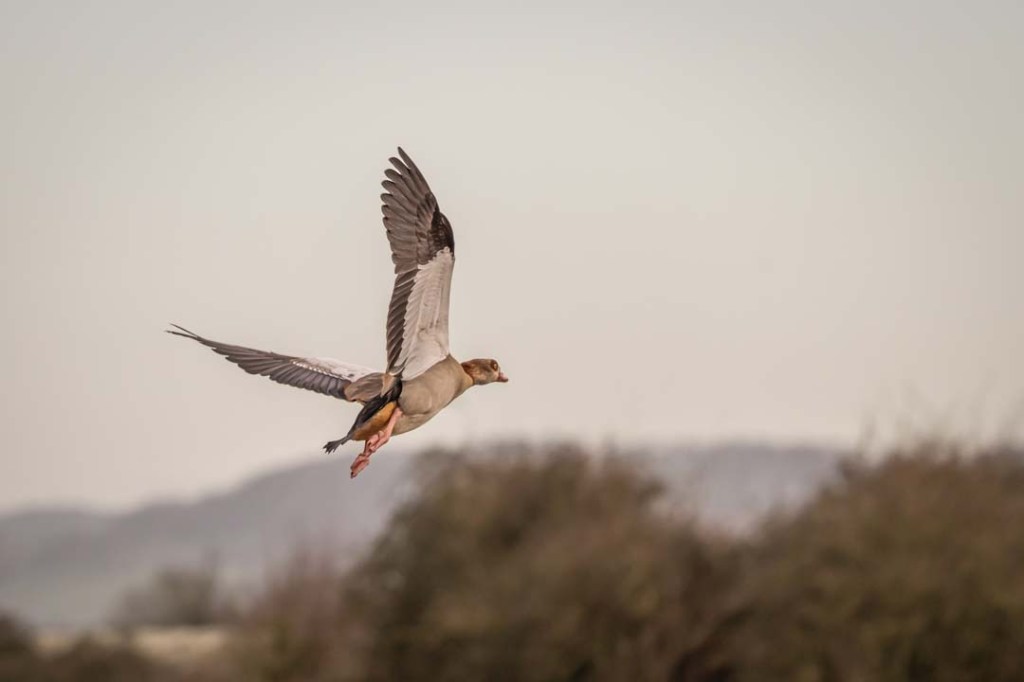
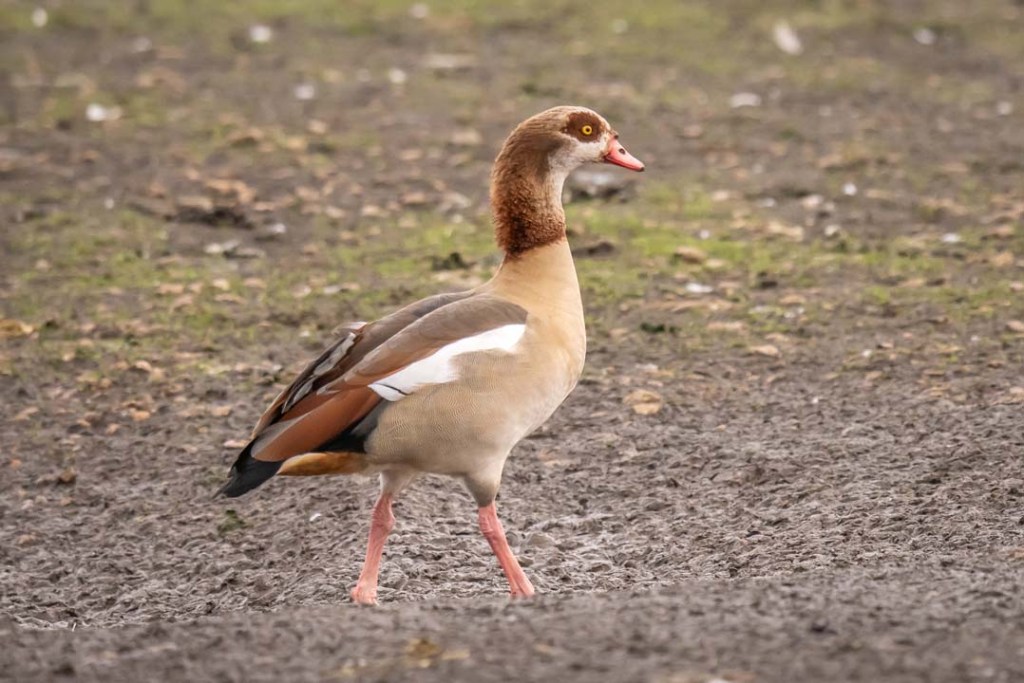
Water railWater railTwo Egyptian geese flew in to join the large number of greylag and Canadian geese.Egyptian goose
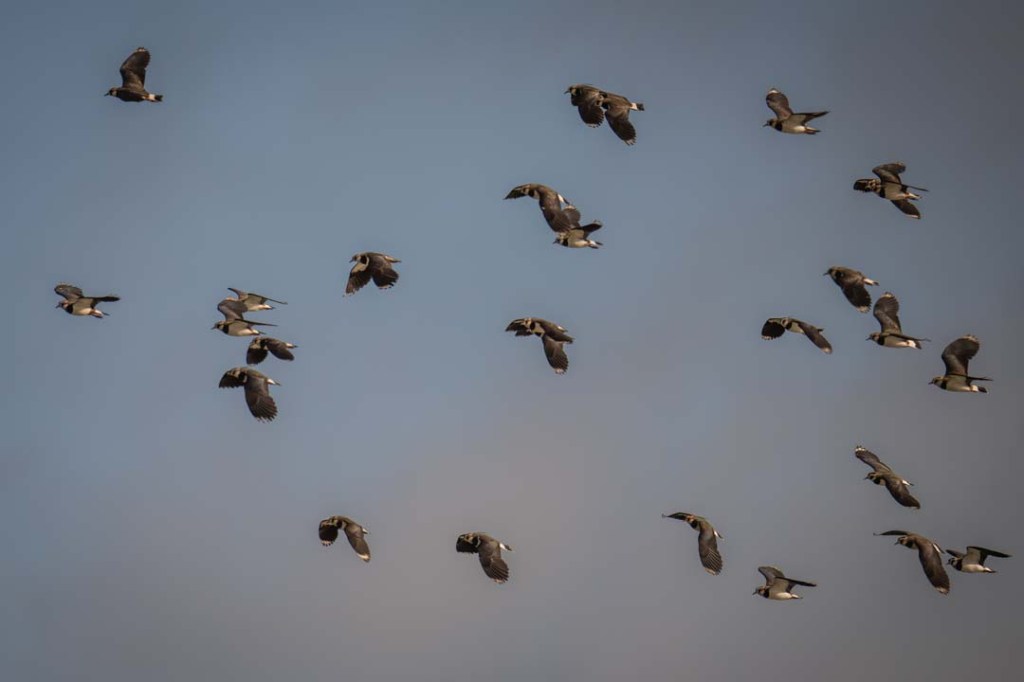
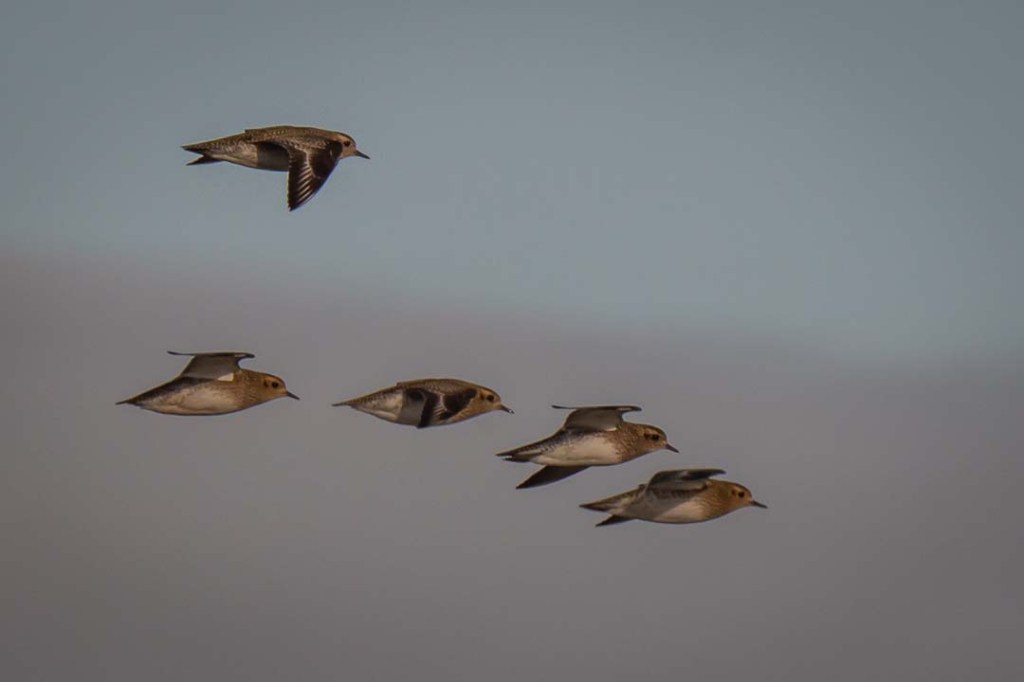
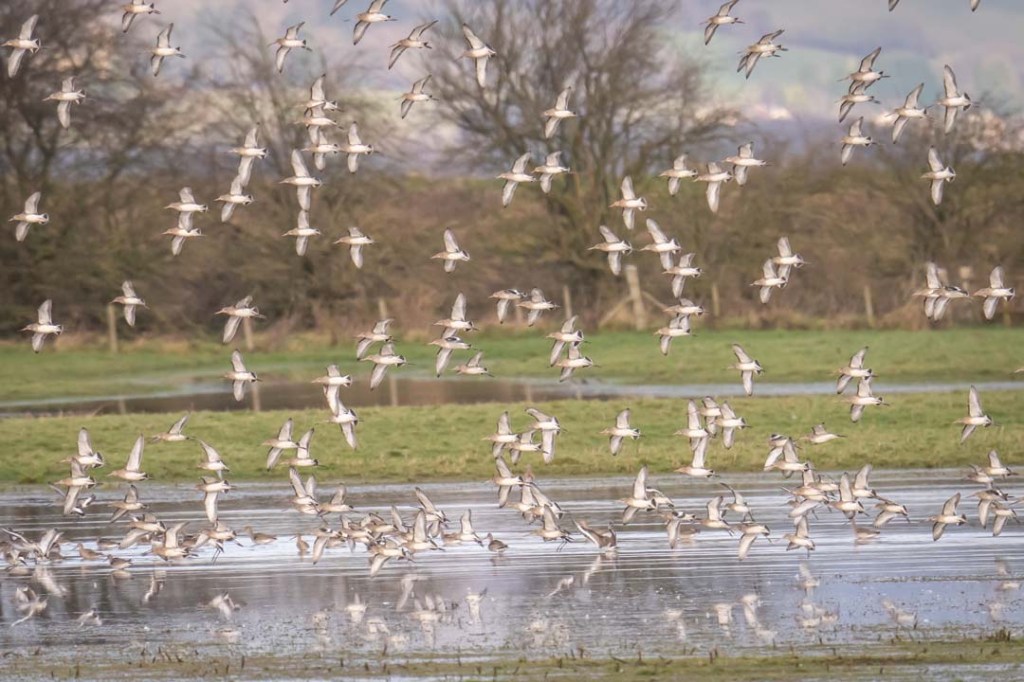
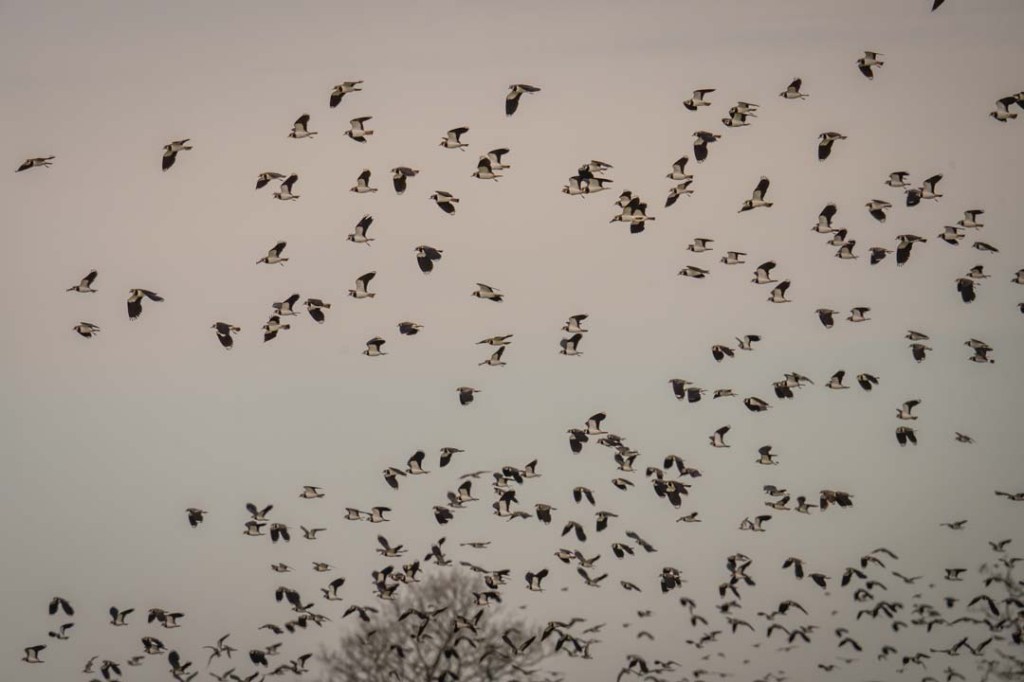
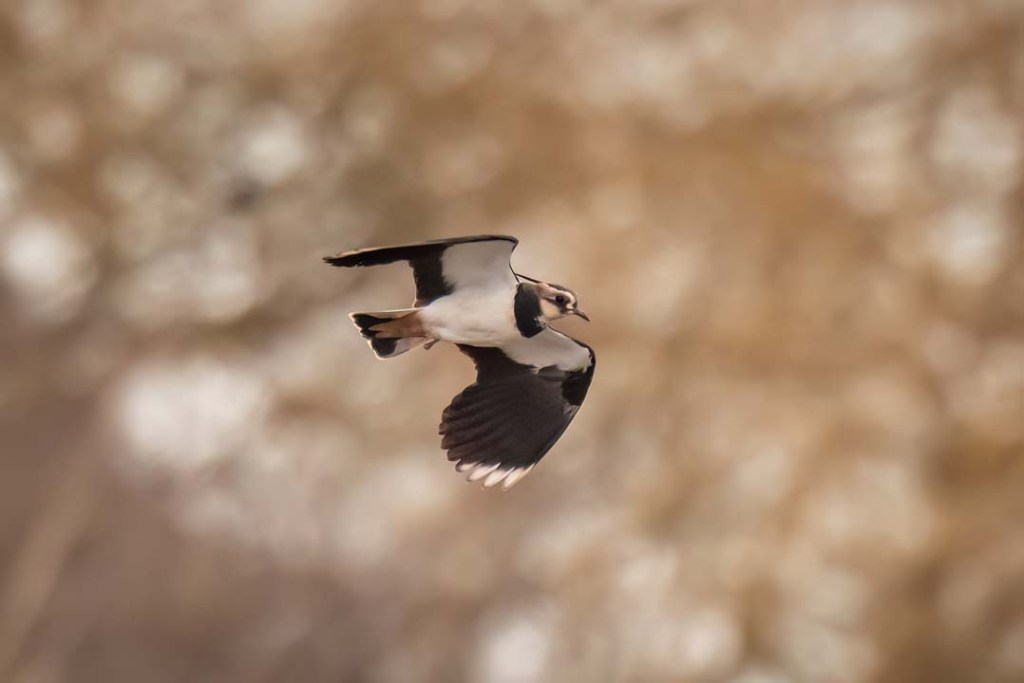
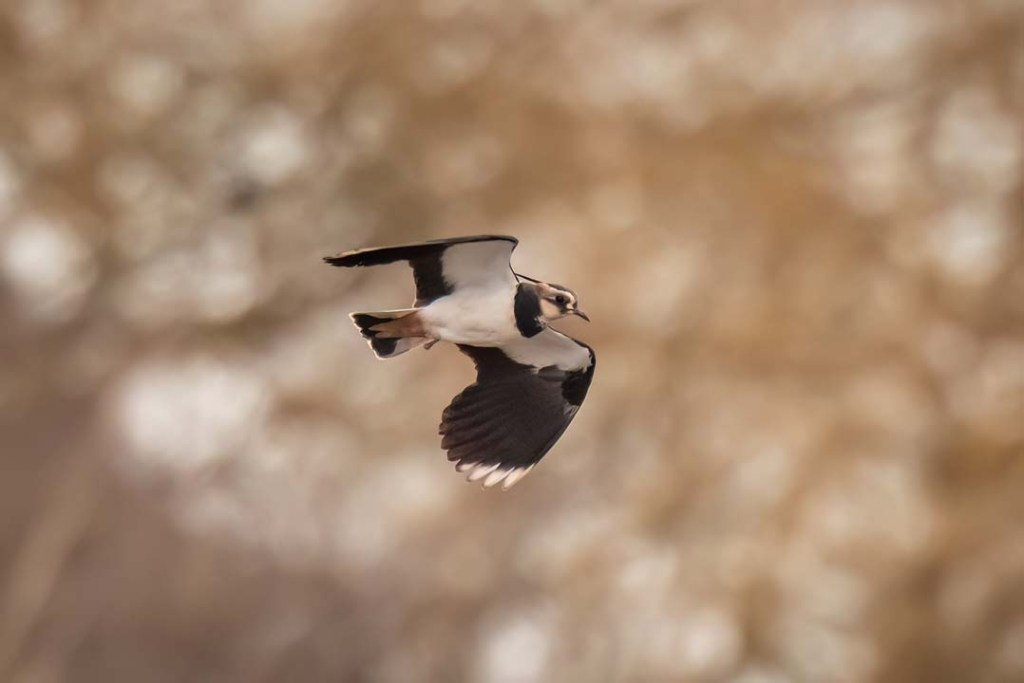
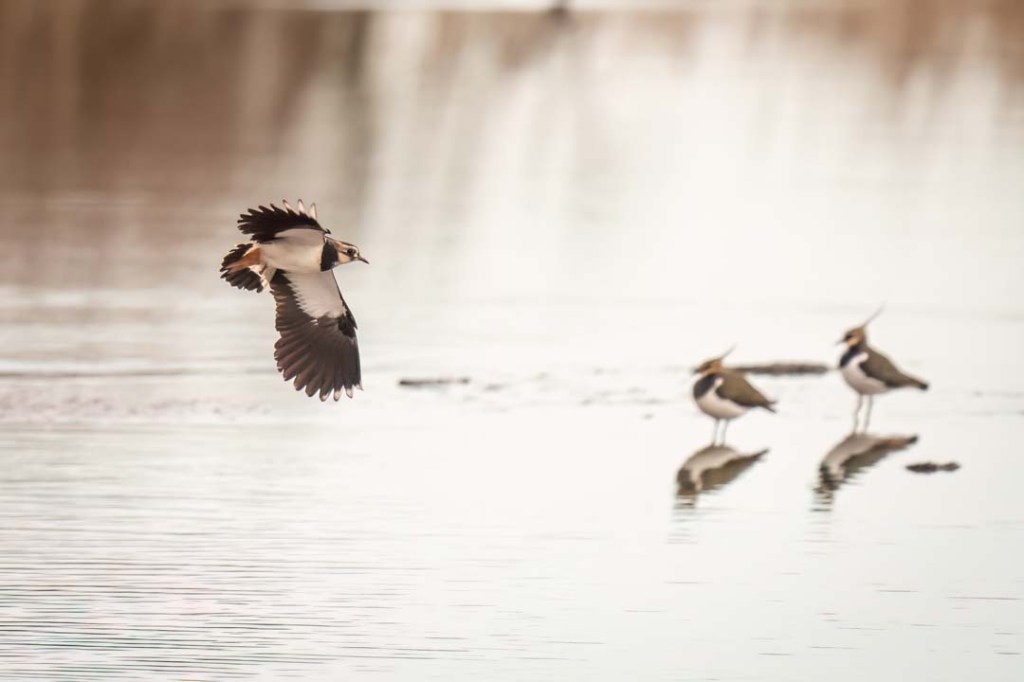
The wet fields were teeming with lapwing which every now and again were spooked by a predator and took to the skies. Unfortunately, in the the dull conditions they didn’t make the spectacular show that we often see here. We were disappointed also not to see any golden plover which also generally make a great display.
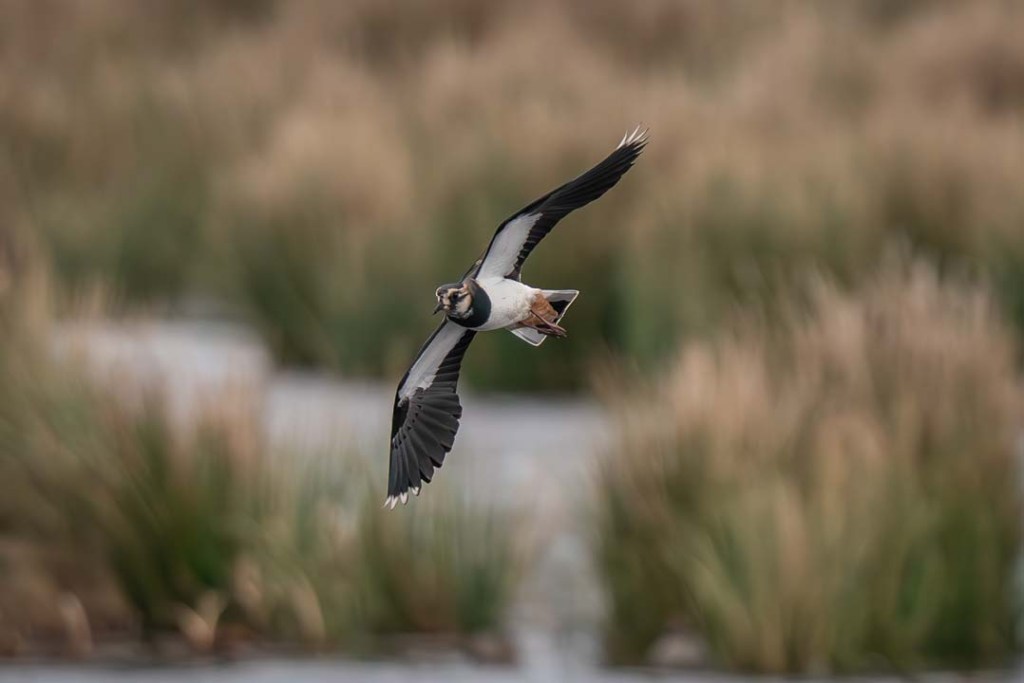
LapwingLapwing
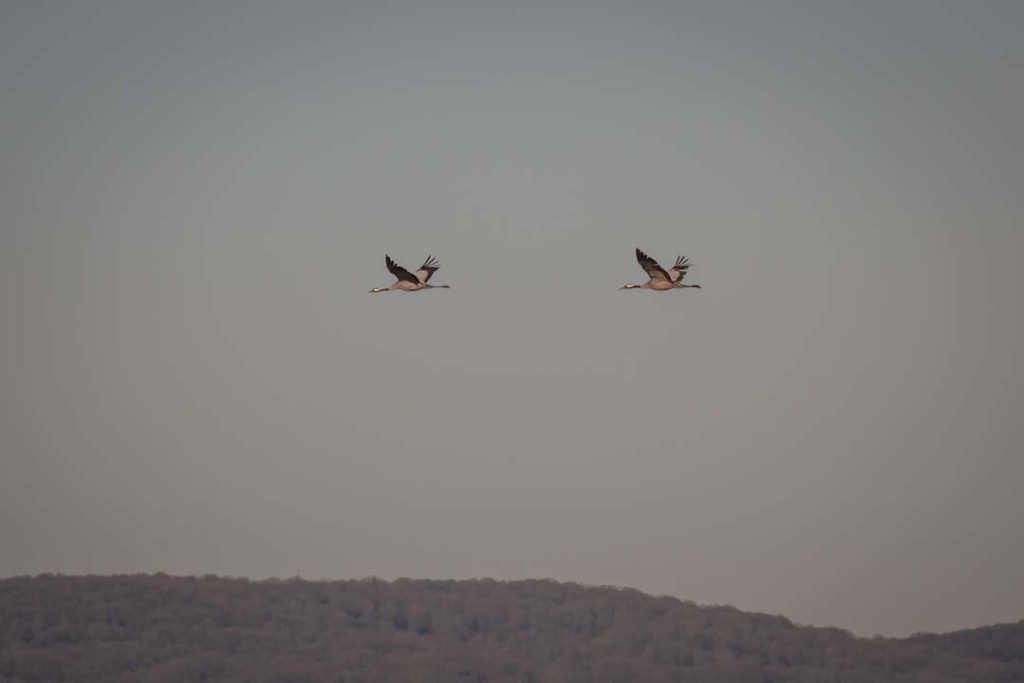
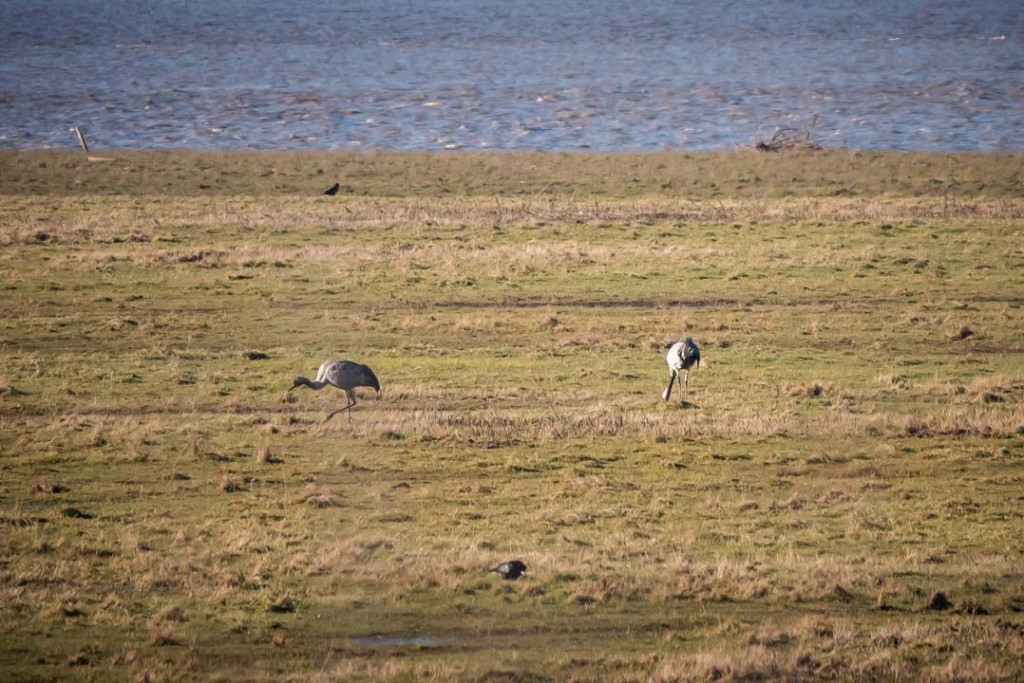
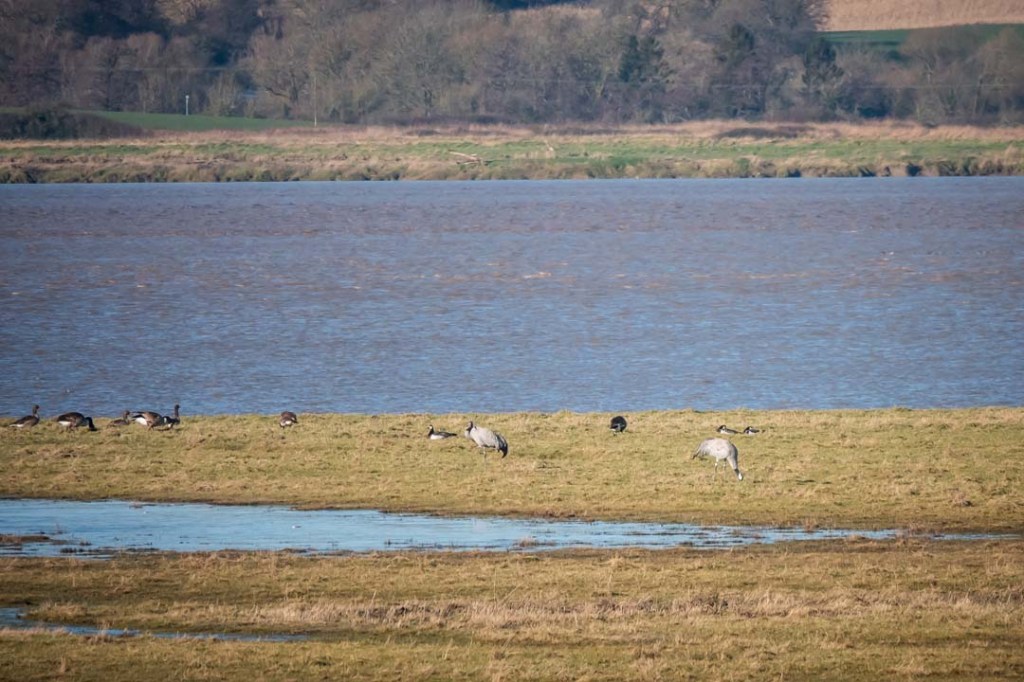
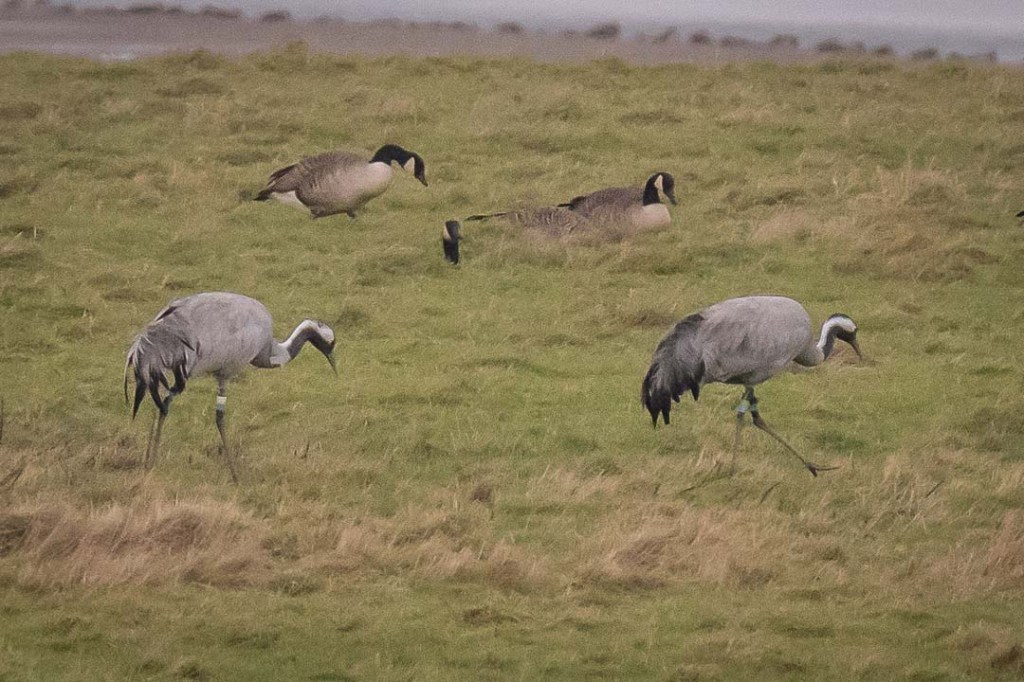
There is always a chance to see common crane here but today they were all very distant.















































































































































































 Martin's Bird Blog & Nature Photos