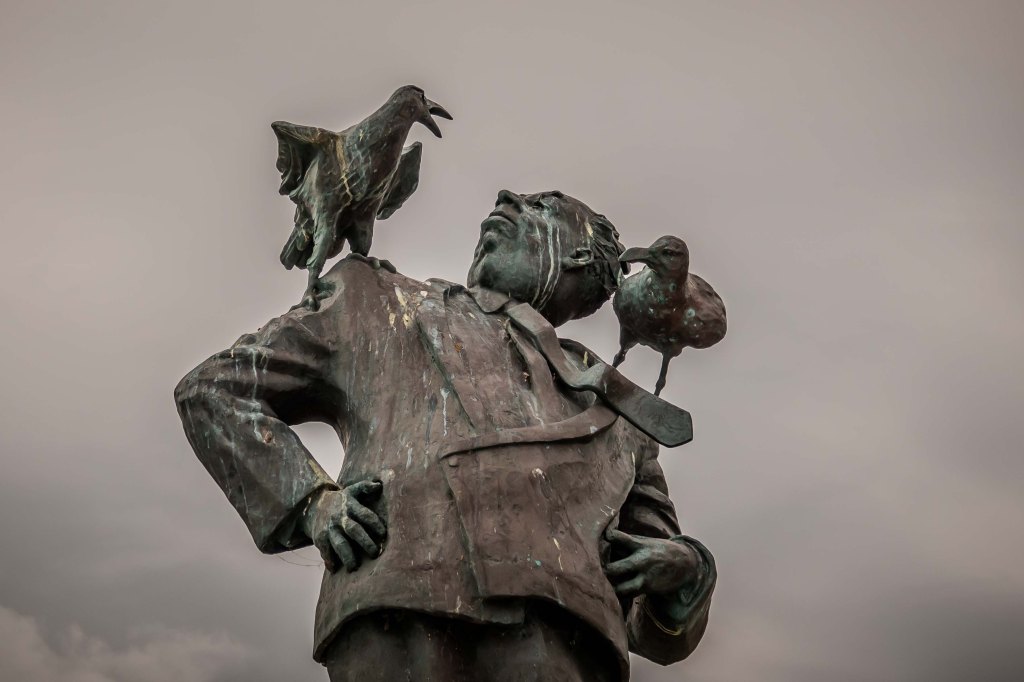
I thought my birding opportunities for our trip to France were over; however, there was one last chance on our final day in Dinard.
The statue of Alfred Hitchcock in Dinard reminded me of opportunities for “birds”
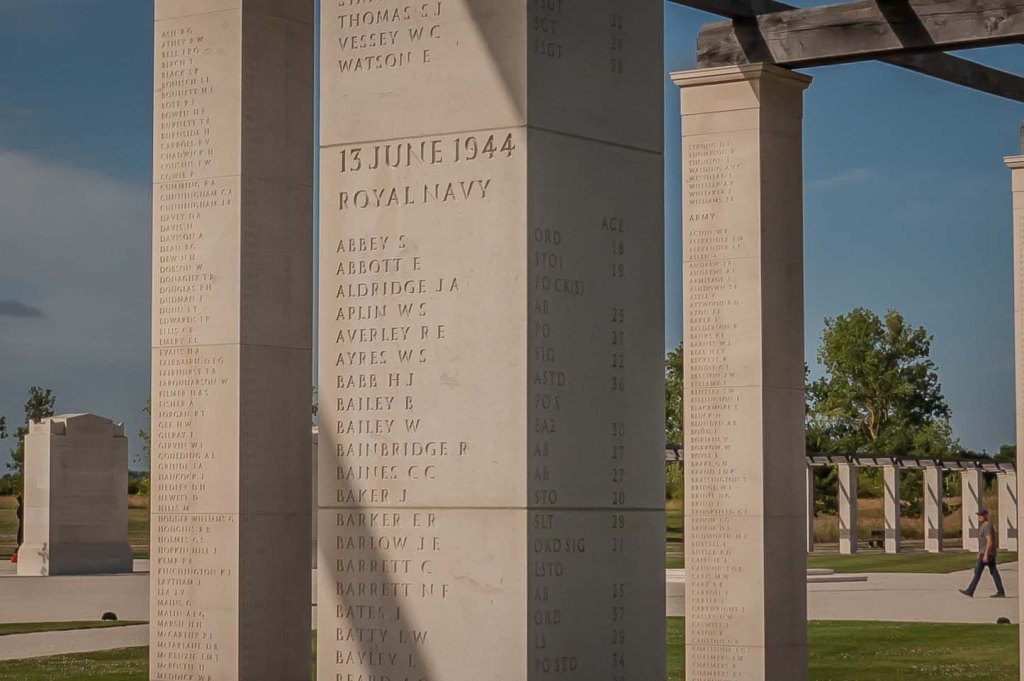
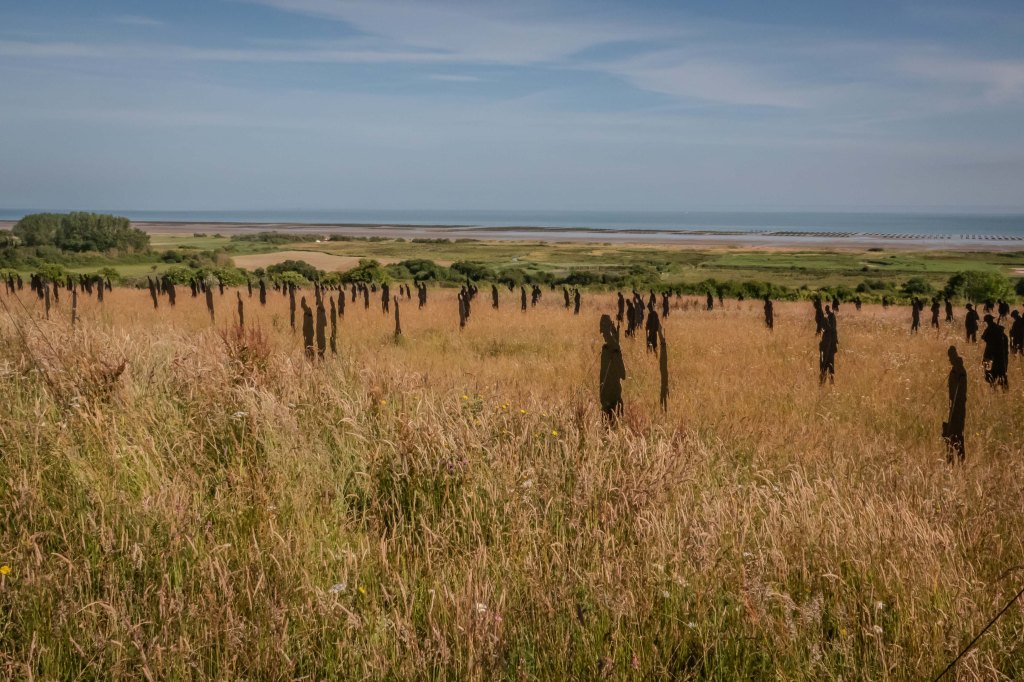
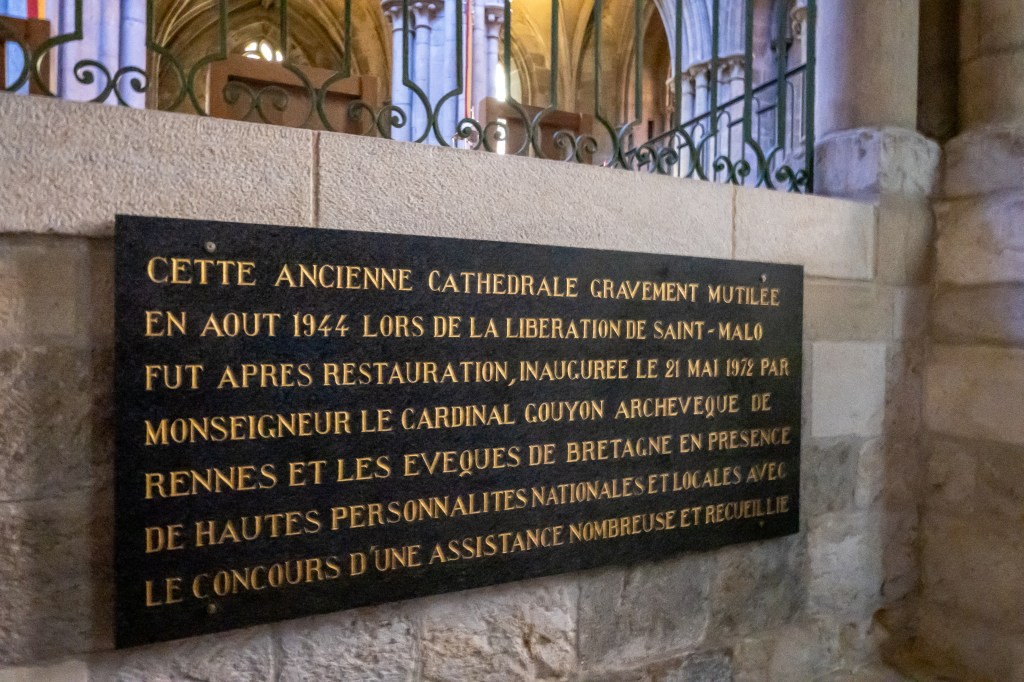
Just as we had spent a few days on our journey south to our base in St Goustan doing things which were slightly cultural or touristy (the British D Day memorial in Normandy being very special), we have had a few days doing similar things on our return journey north through Brittany (the highlights being the Château de Josselin and the Cathedral in St Malo).
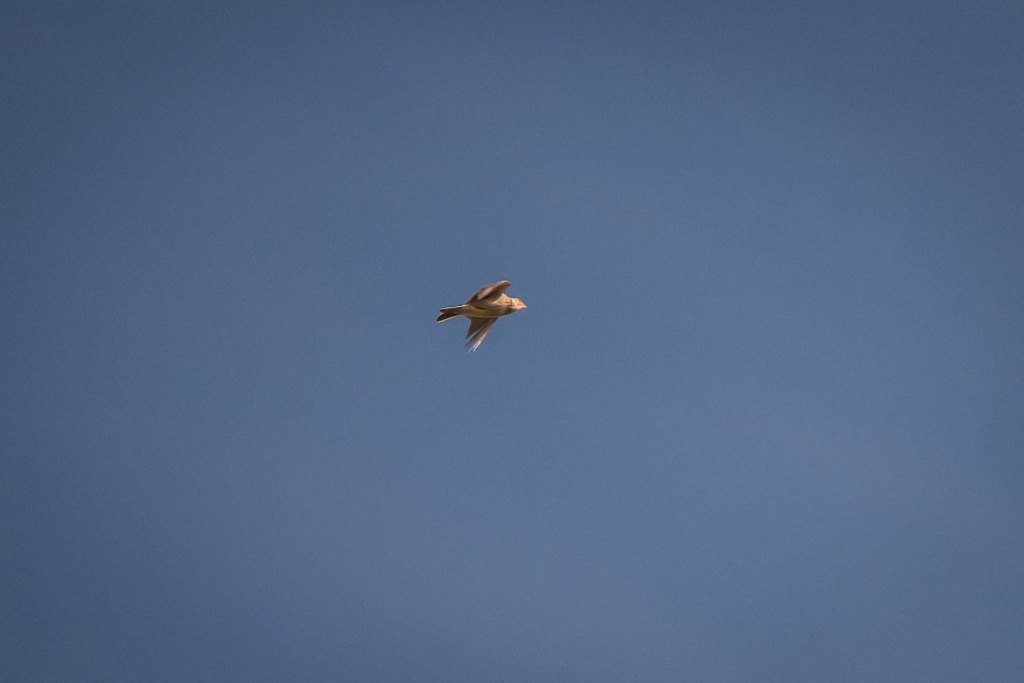
The British D Day Memorial at Ver Sur Mer in NormandyA skylark above the installation of fallen soldiersStanding with giantsA chaffinch breaking the silence of the memorial
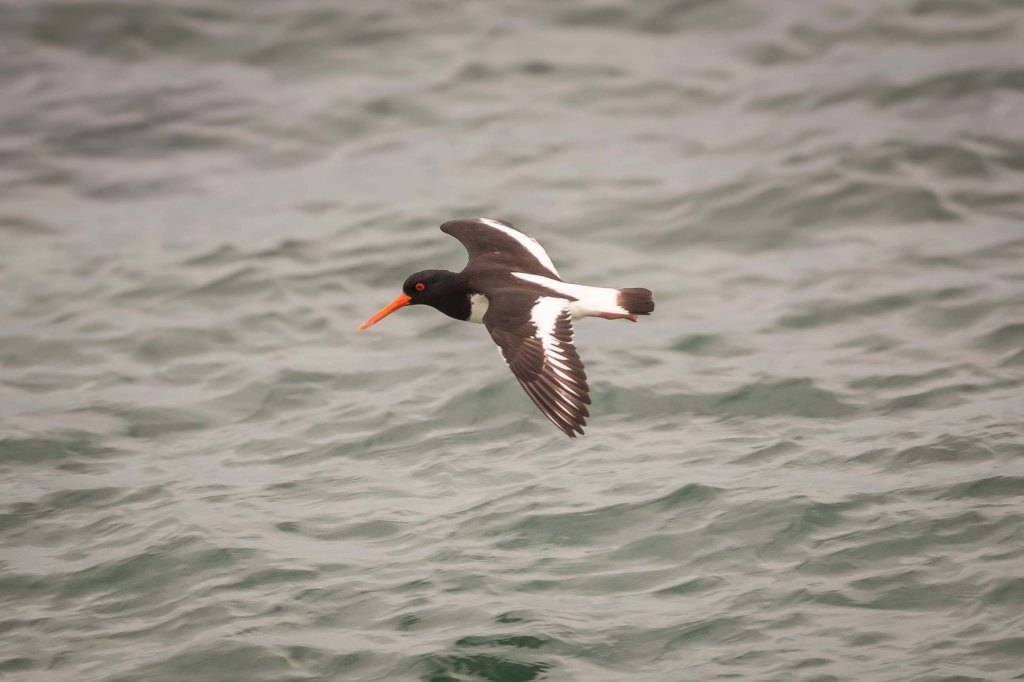
Of course there were herring gulls a plenty at Dinard but I was particularly pleased to see one of my favourite birds – an oystercatcher. I’m not terribly good at bird song (but trying to get better) yet the oystercatcher can be relied on to announce its arrival and that’s one call I do know.
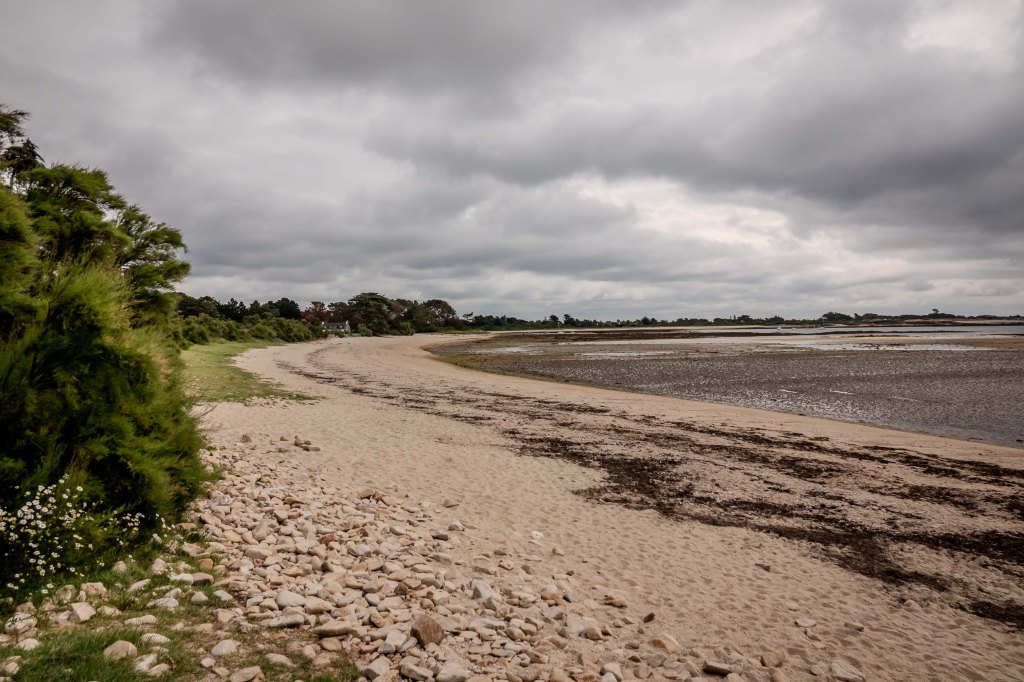
Herring gullThe beach at DinardAn oystercatcher in flight announcing its arrivalThe oystercatcher had to put up with mussels hereA cormorant was also quite happy to show off its catch.The château de JosselinThe cathedral of St Vincent at St Malo – completely rebuilt after the 2nd World War
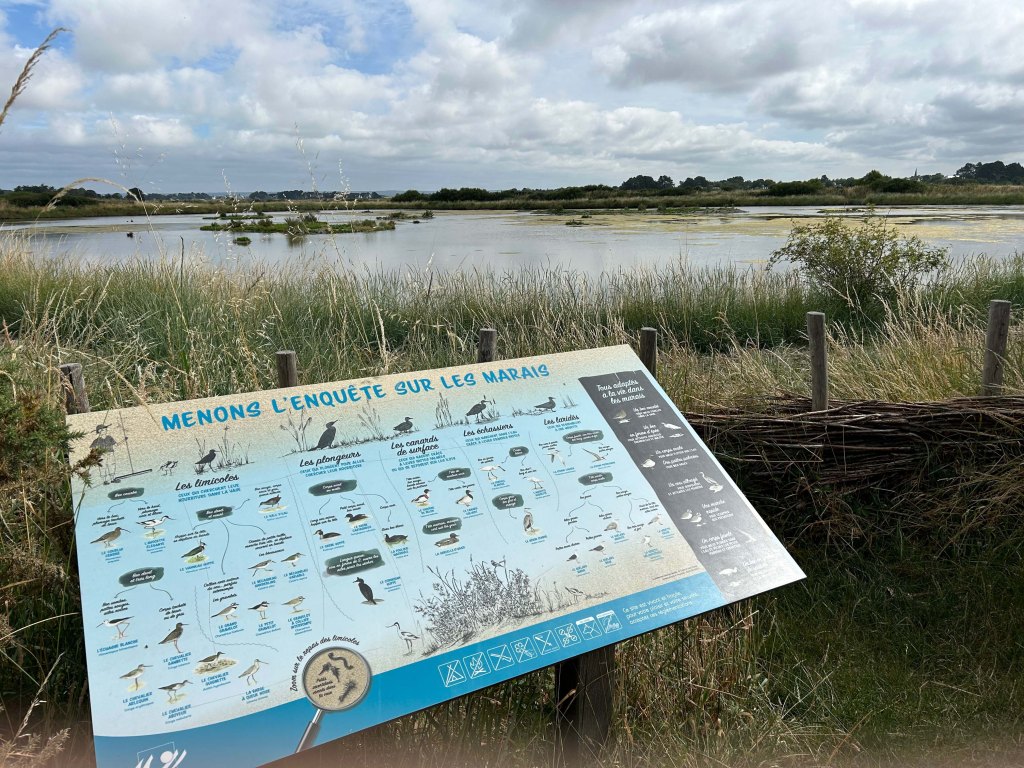
Today we returned to the southern part of the Gulf of Morbihan to visit another nature reserve: the Lasné marshes at St Armel.
A departmental (county council) reserve since 1978, these ancient salt pans, dating from the Middle Ages, have since 2003 been restored and salt is once again produced here. There are now also two shellfish producers that use certain salt pans. The rest of the marsh is for the birds that occur year round on this very favourable site.
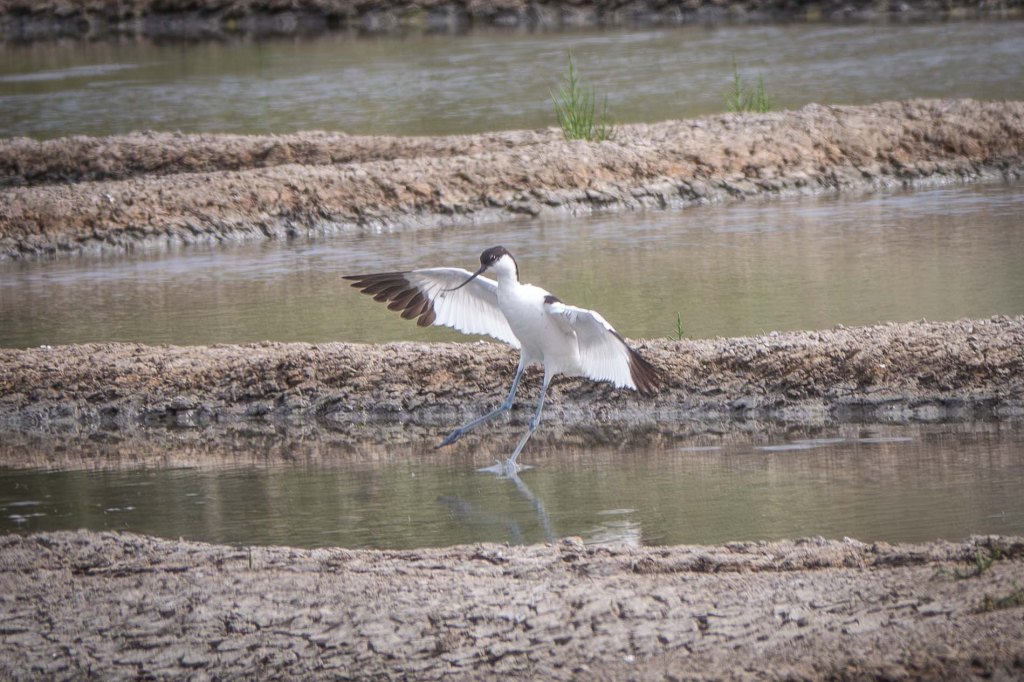
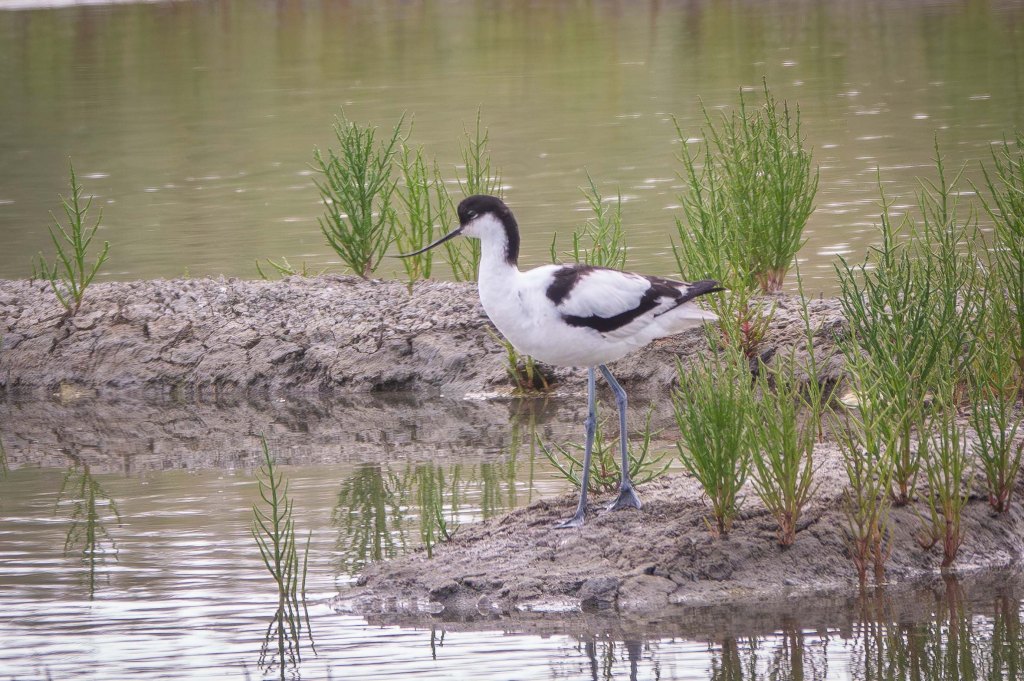
Lasné marshes Avocet landingAvocet chickBlack-winged stiltIt was great to get a view of the avocet’s legsThis kestrel was easily seen off by a black-winged stiltAvocet in flightRedshankI’m not surprised these cyclists were checking their maps
After this visit we headed back to Séné (where we had visited earlier in the week). After lunch in a very friendly Breton Crêperie we returned to the nearby nature reserve. This time we didn’t go round the reserve but followed a few trails which have viewing platforms looking towards the reserve.
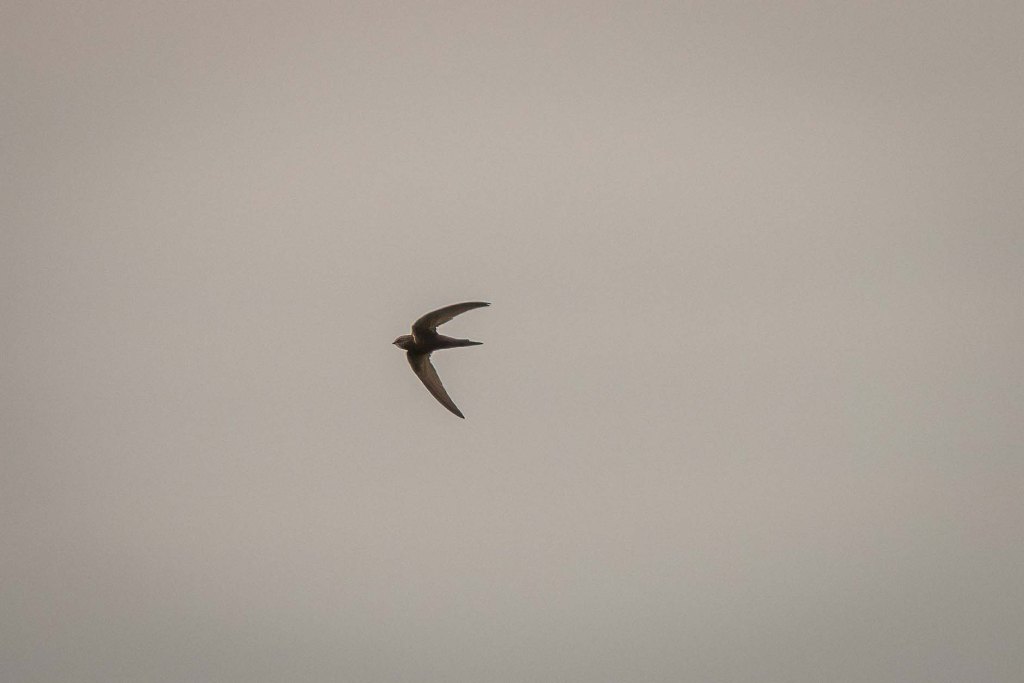
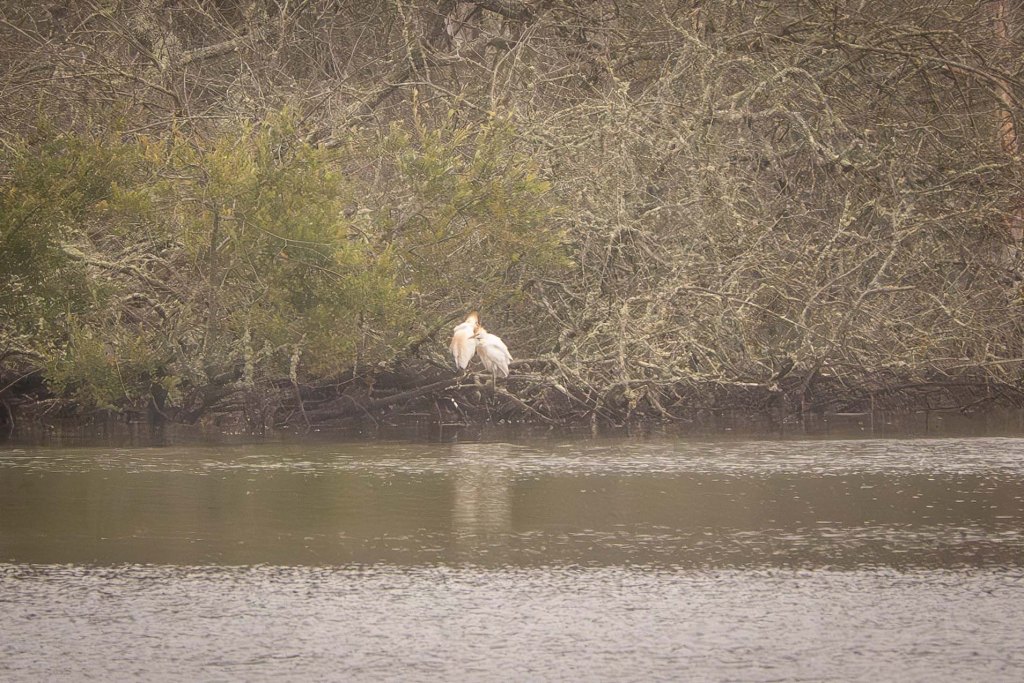
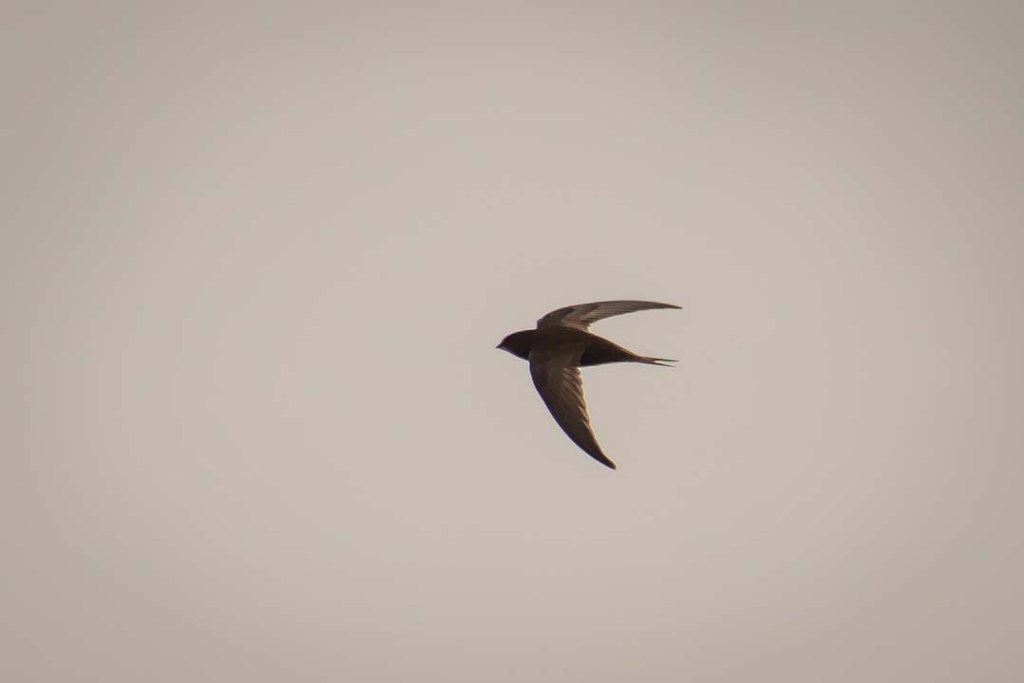
Little egretsA solitary swift
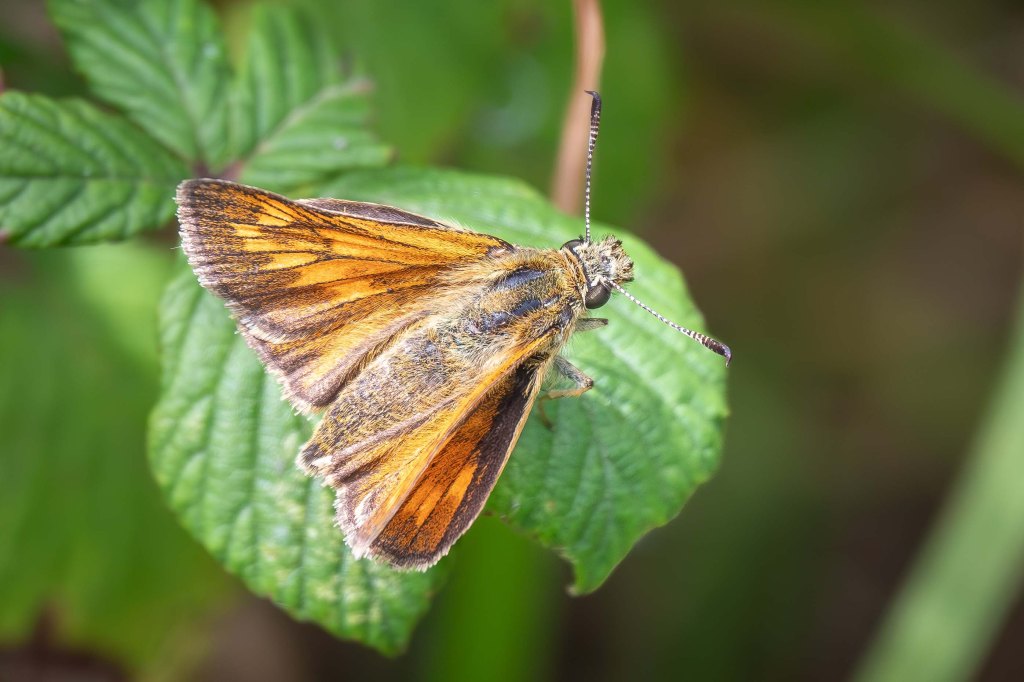
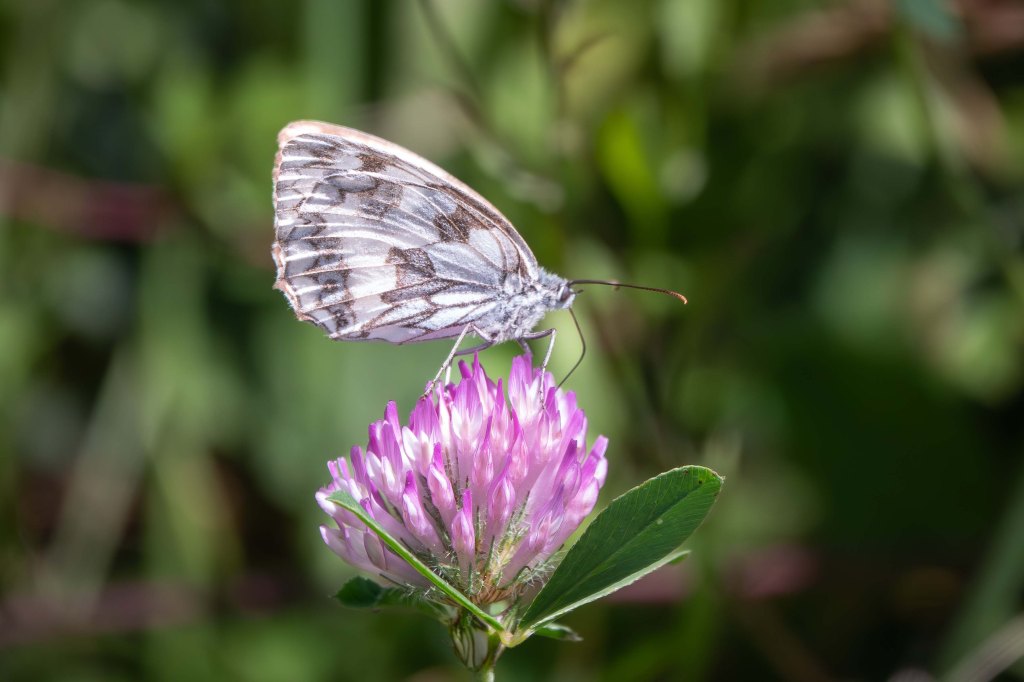
There were plenty of butterflies today and some interesting flora:
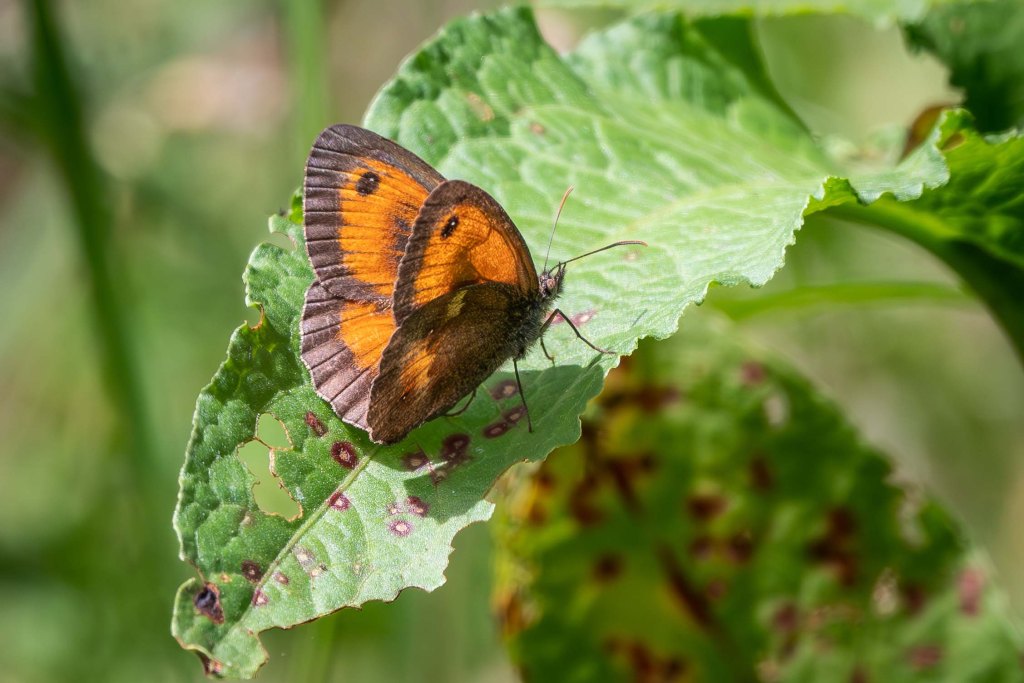
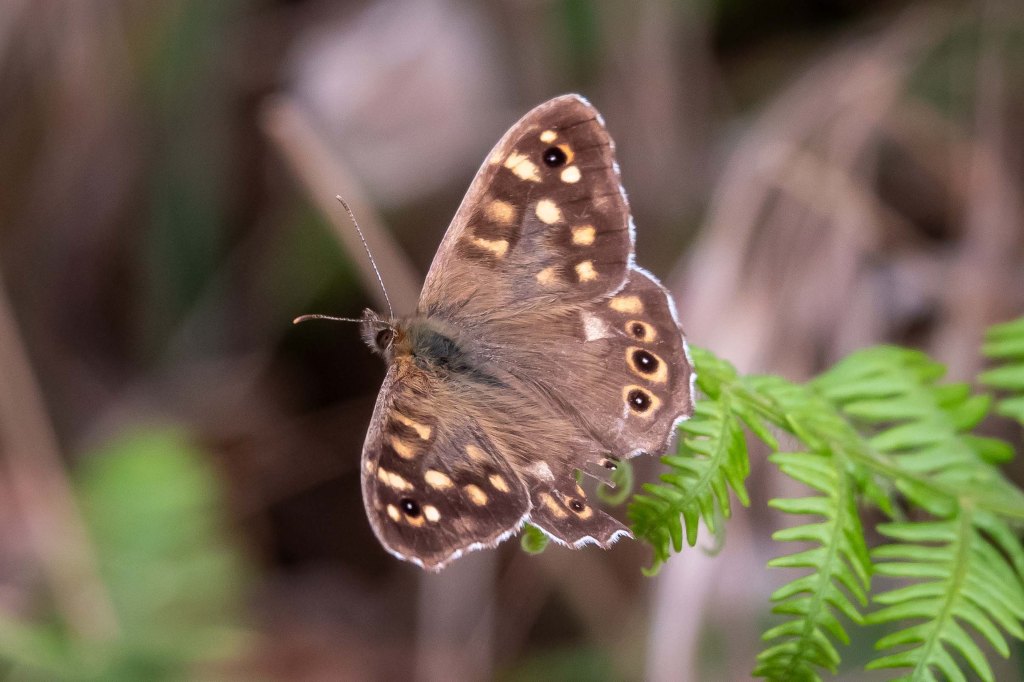
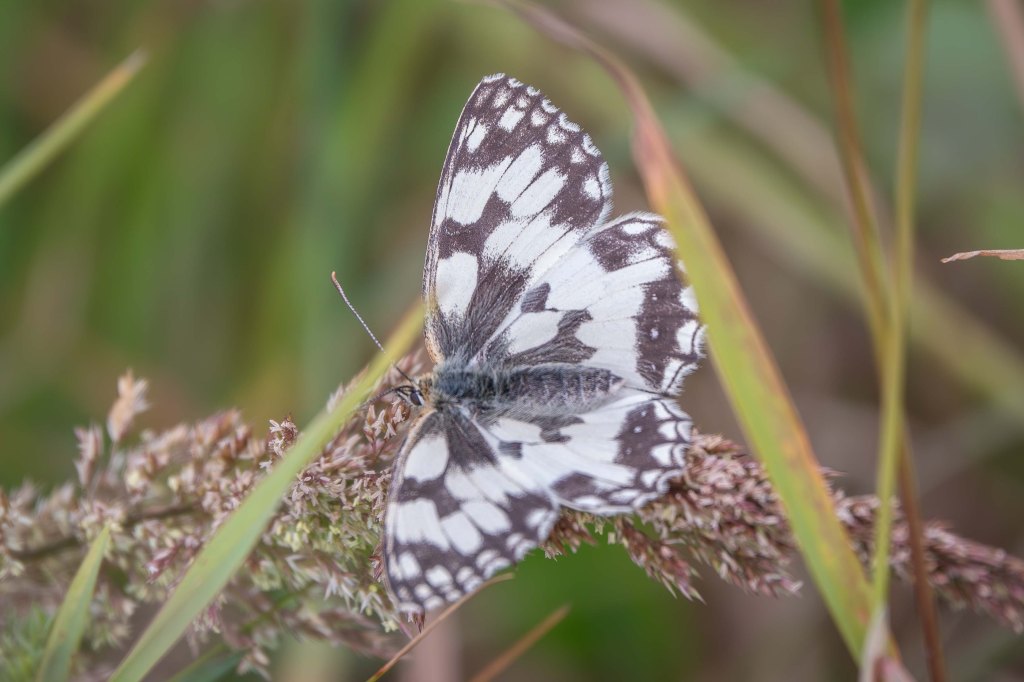
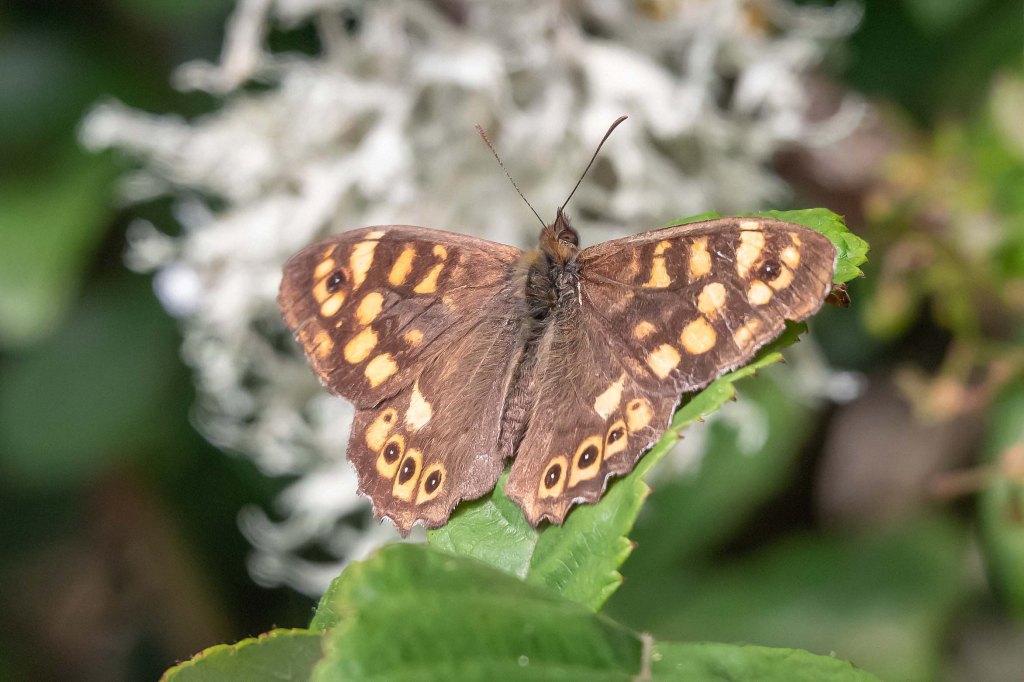
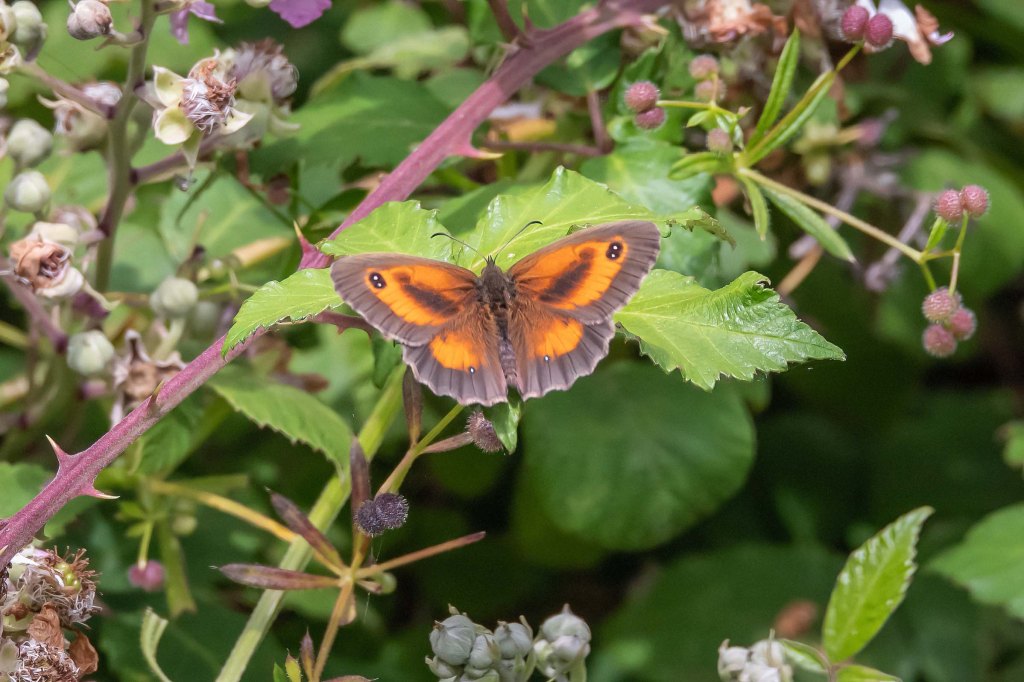
Large skipperMarbled whiteGatekeeperSpeckled woodDeadly night shadeLychen
Just as we were finishing our walk we heard a zitting cisticola. I had just one go at photographing it before it flew off and was quite pleased to get a reasonable shot.
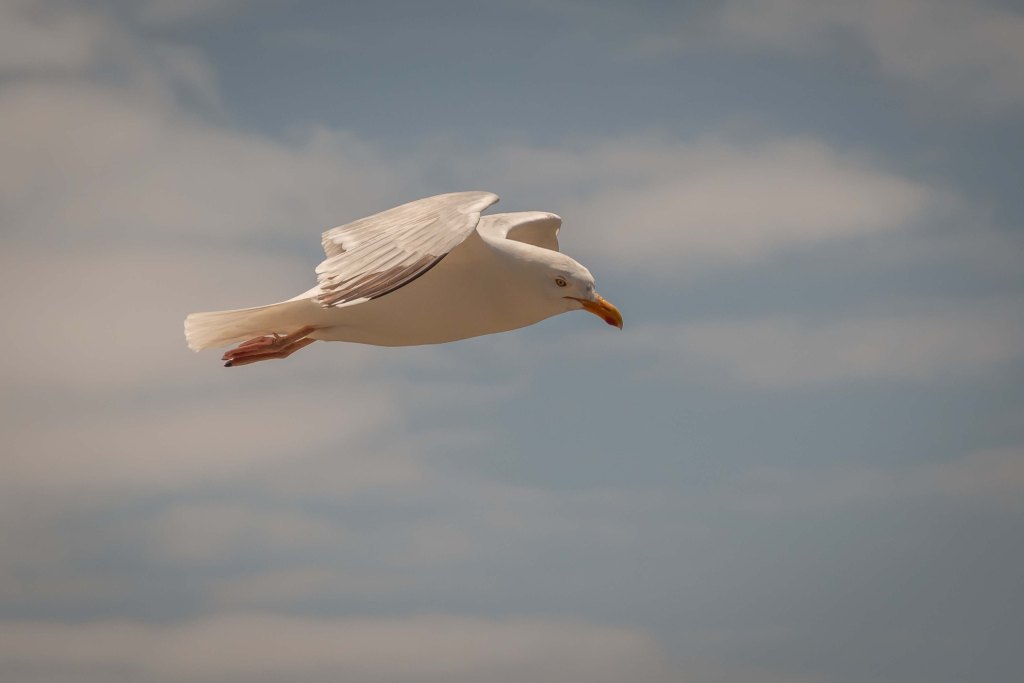
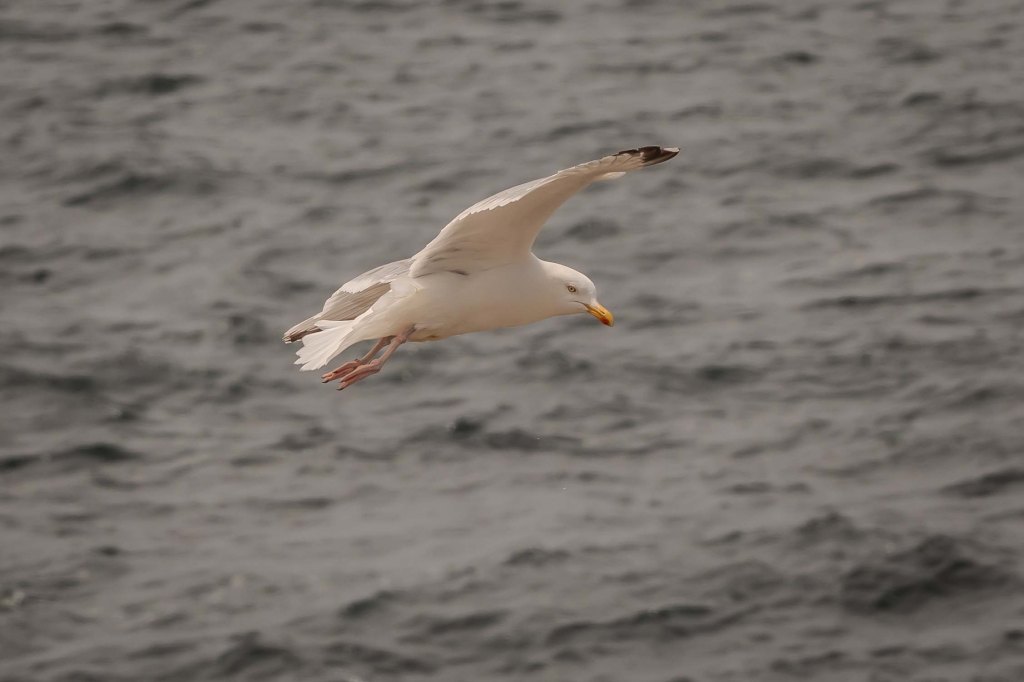
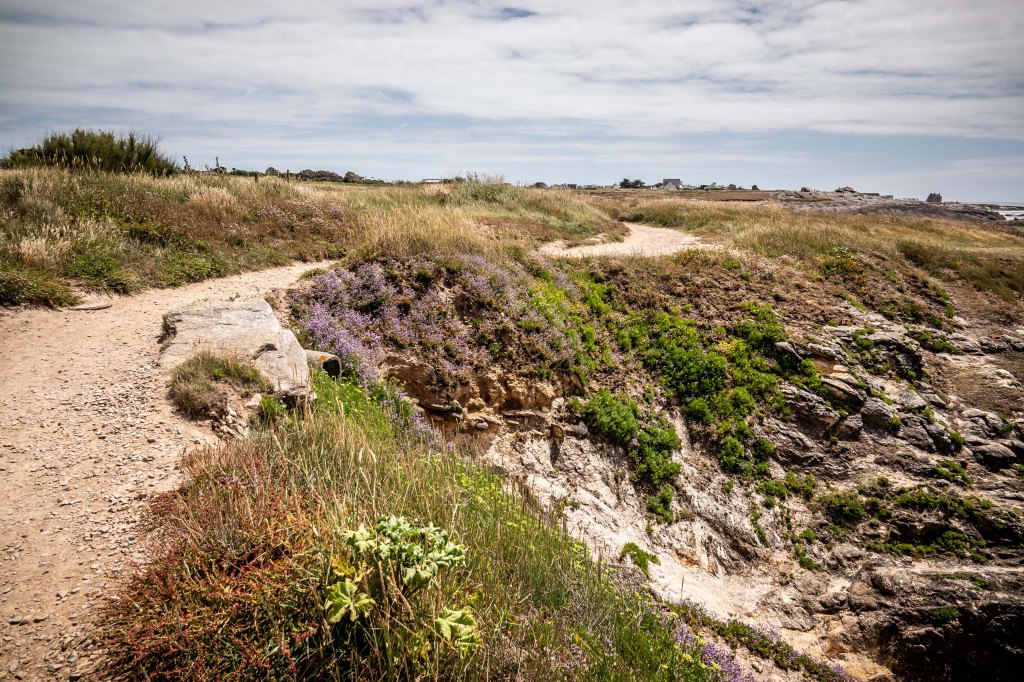
With a spectacular rugged coast to the west and beautiful sandy beaches to the east, the Quiberon Peninsula offers 14 km of varied landscapes. We spent most of the day on the rugged west coast enjoying a walk along coastal paths which were quite accessible to us and having a leisurely lunch in the very popular “Le Vivier” seafood restaurant. Sitting on the terrace of the restaurant we had close up views of herring gulls which had clearly learnt their manners from British seaside resorts.
Herring gullSpectacular scenery of la Côte SauvageHerring gull
Not many other birds (except for cormorants) but plenty of flora.
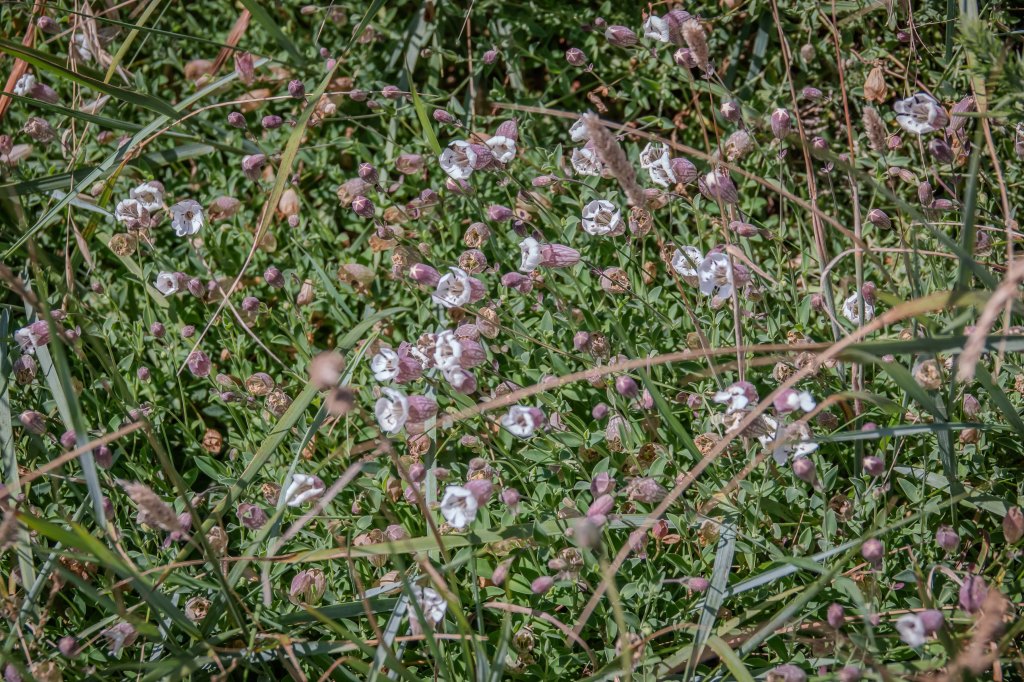
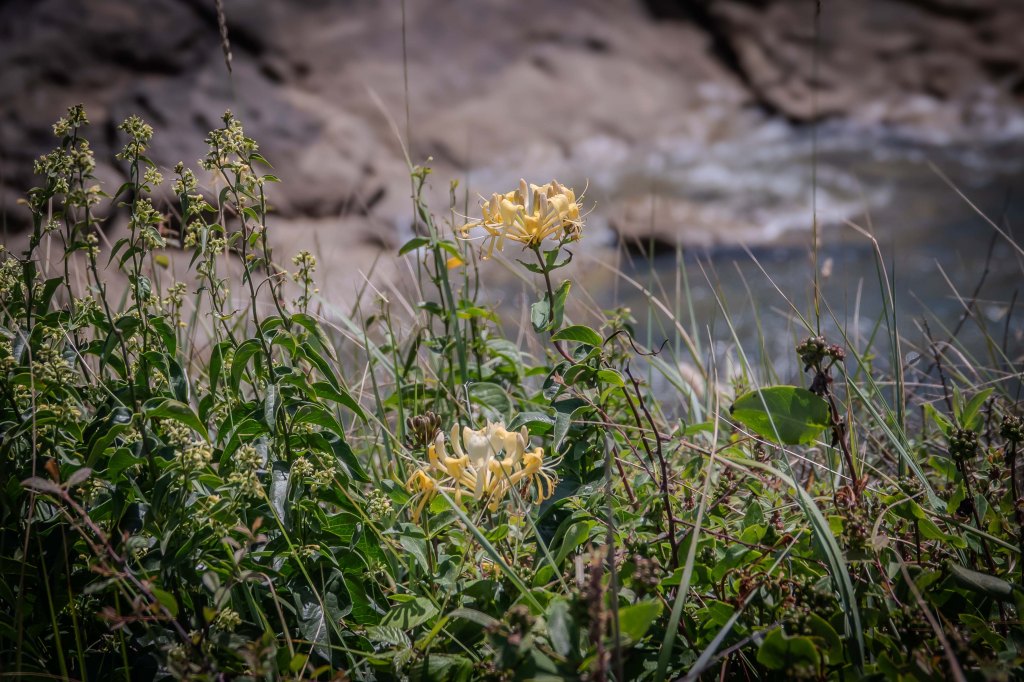
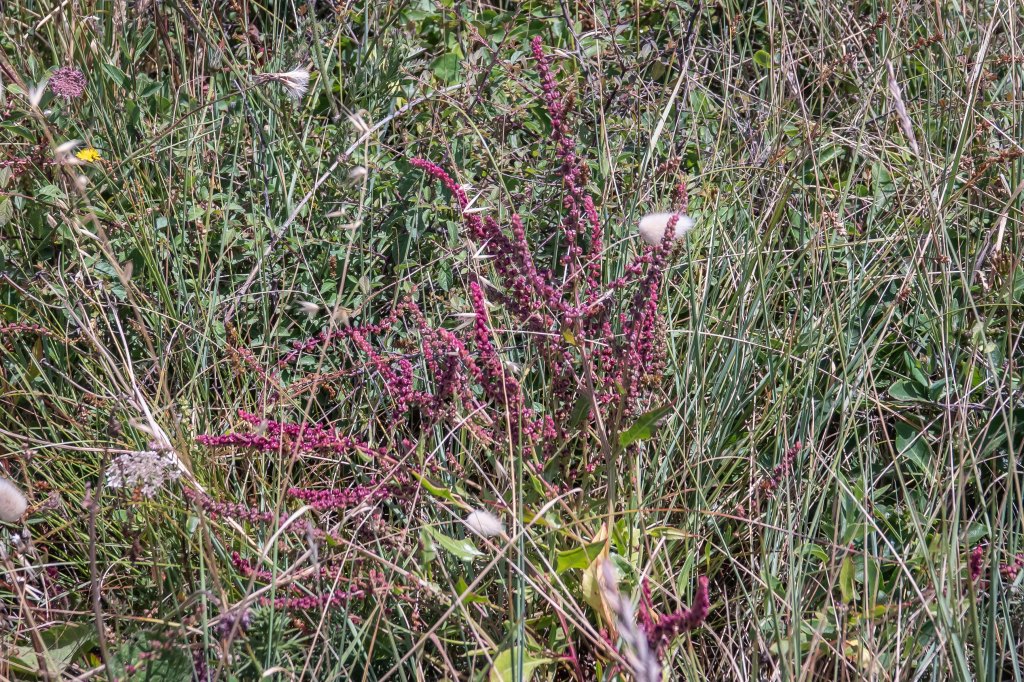
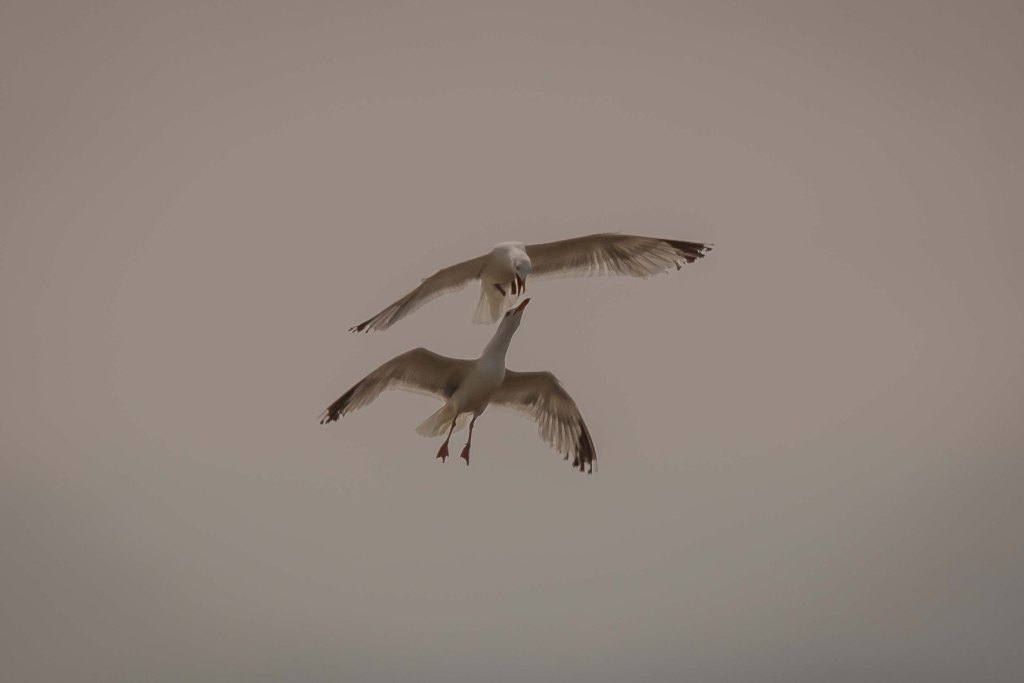
Some sort of thyme I thinkSea campionSea thrift (not so pink now)A different type of thyme… and these lovely yellow flowers (which one search suggested Italian hawksbeard)HoneysuckleA parasitic plantEven the dock was quite vivid with a little sunshine on it.Squabling gullsA quite imperious herring gull
Yesterday was a “birding” day and we saw very few birds, today was a “non-birding” day and we saw loads.
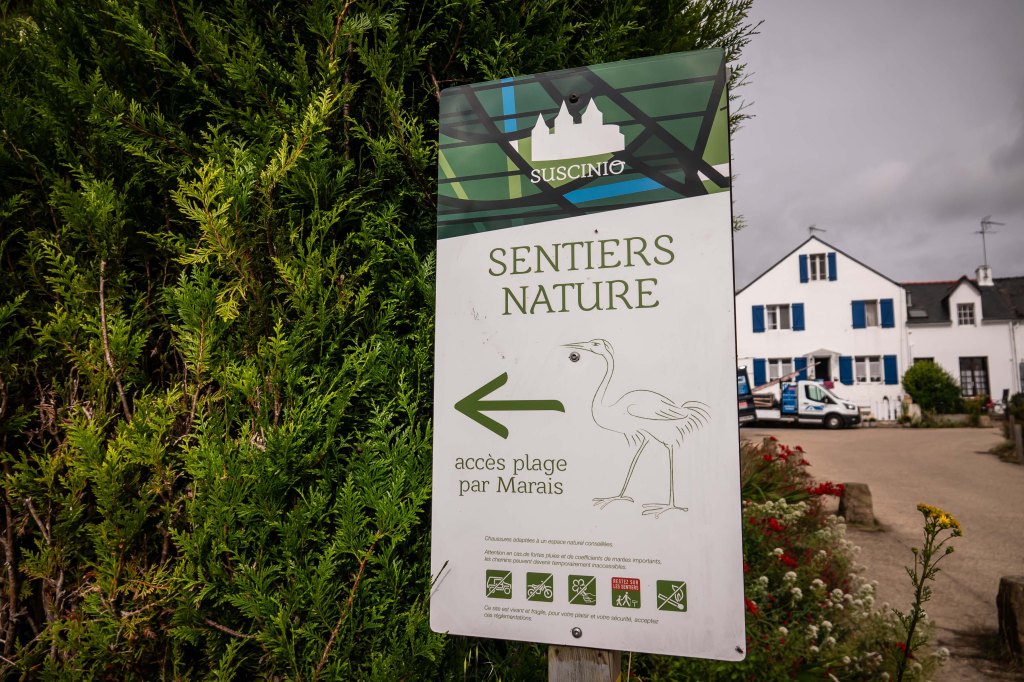
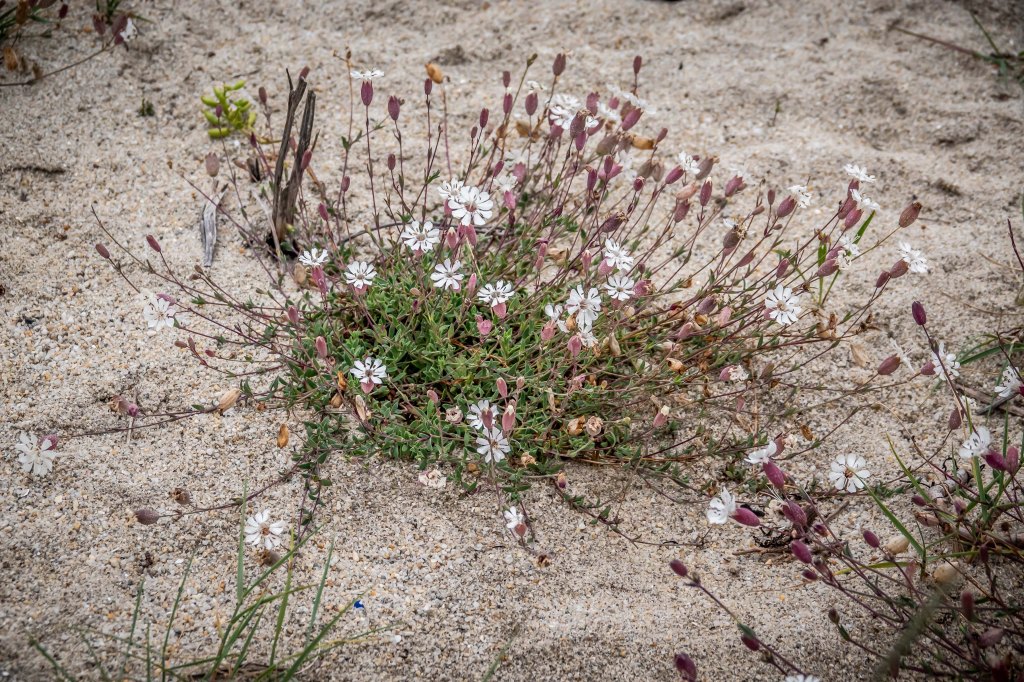
Our visit to the Château de Suscinio brought plenty of surprises: as well as the visit to the wonderfully restored 800 year old castle we had a lovely walk around the natural park which is separated from the gulf of Morbihan by sand dunes which, in themselves, are of great interest with their huge biodiversity.
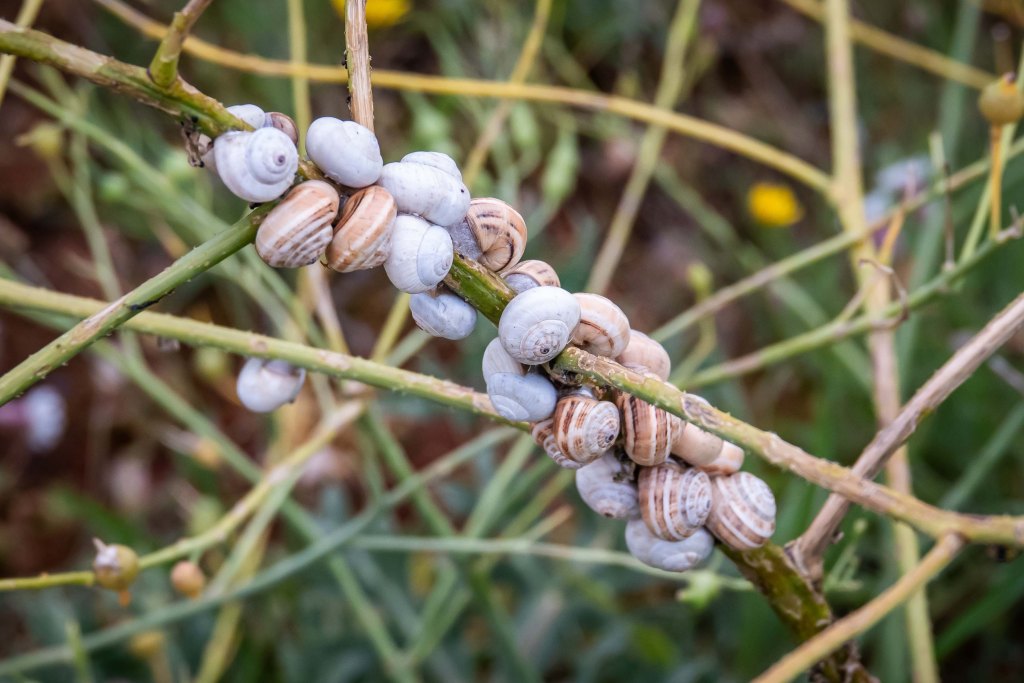
The château de SuscinioSileneSamphireQuite some biodiversity. I think I would have been happier with a swallow-tail butterfly which are seen here.
We saw no bluethroats, which are reported here, but I was not too disappointed as the poor weather, with very poor light, meant that I would have had poor photos. I’m quite happy to wait for better weather to see these beautiful birds .
The swifts screeching around the castle were a highlight – you’ll have to take my word for it as I didn’t manage one decent shot of a swift.
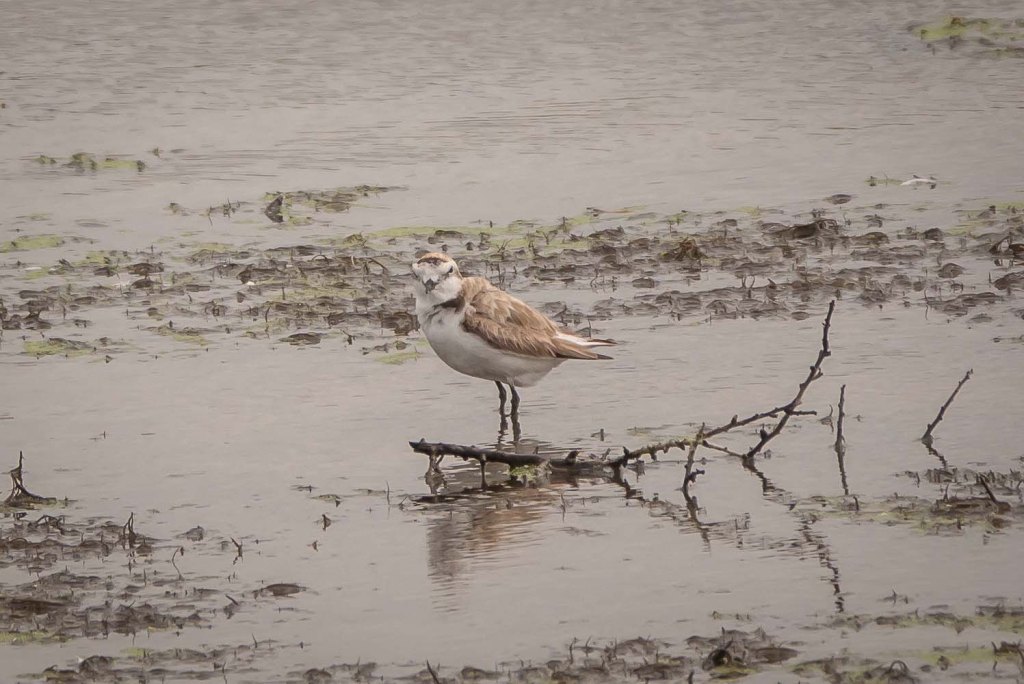
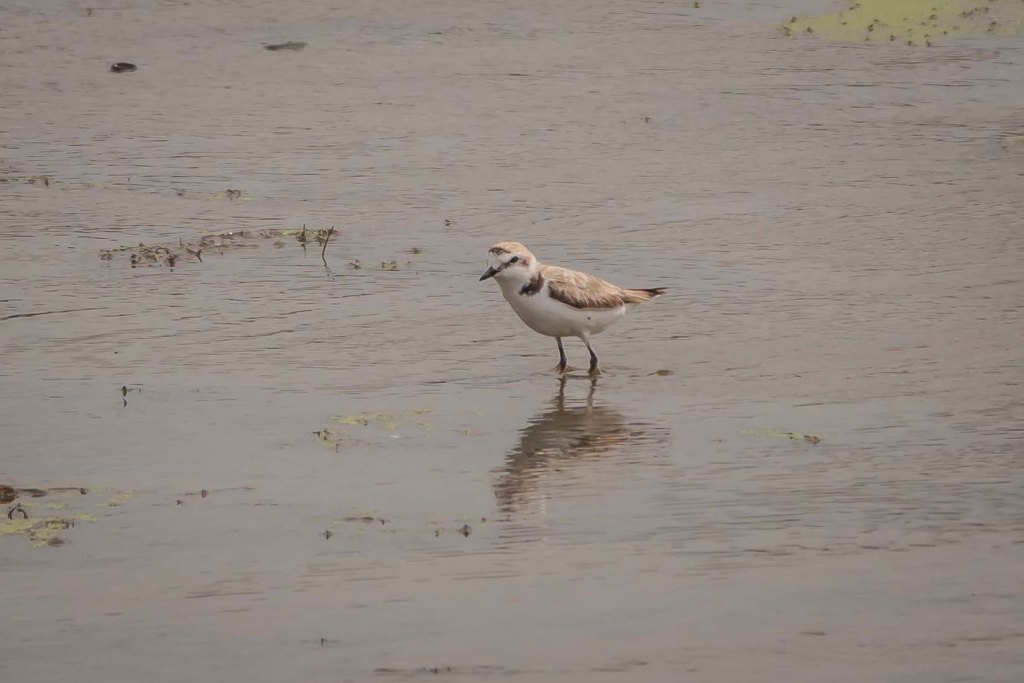
I was, however, very happy to see a Kentish Plover, as these are often reported here. We only managed to see one though.
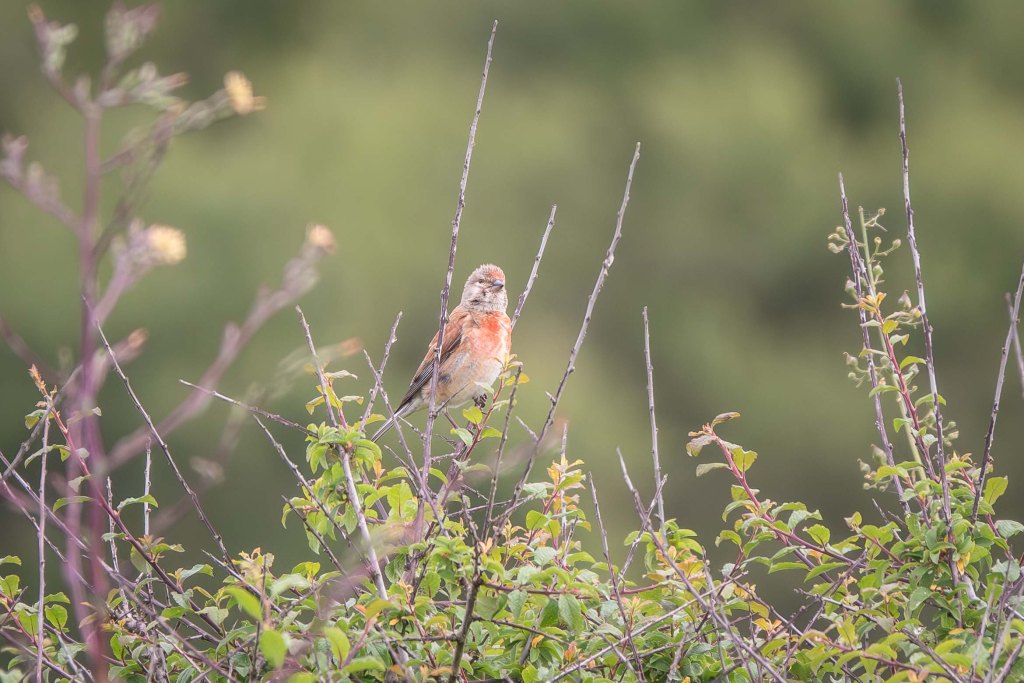
Kentish ploverAt least linnets stand out in the gloomStonechats don’t always pose at the top of a branch
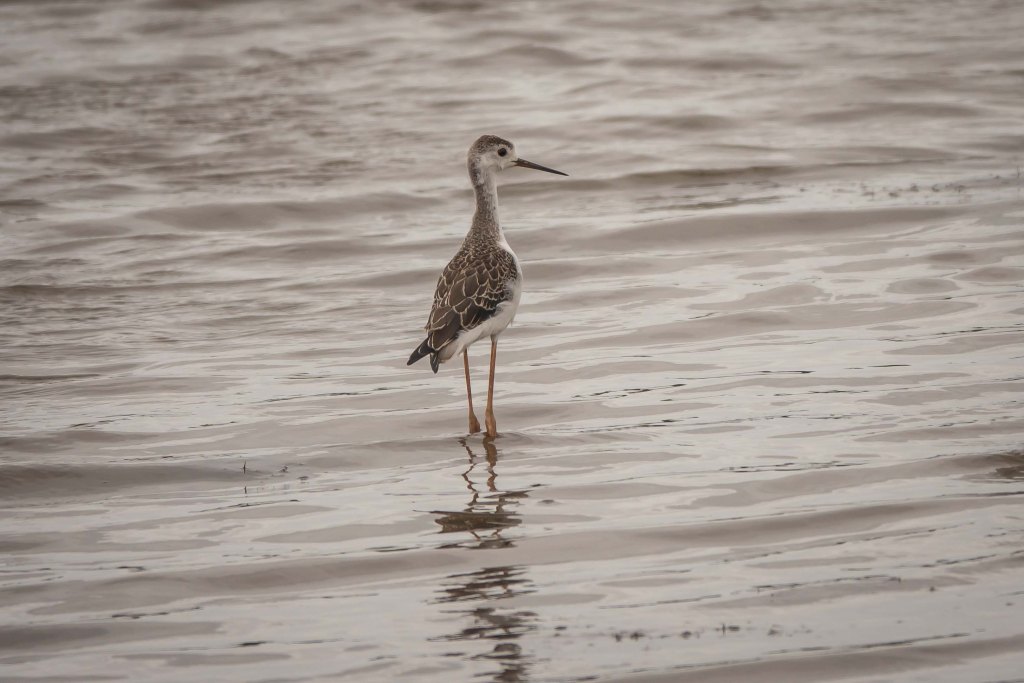
There were plenty of pied avocets, black-winged stilts and common terns which, although not too distant, were quite difficult to photograph in the poor light. I’m not really complaining as if we had wanted to be assured of better weather we wouldn’t have come to Brittany. At my time of life it’s better to be complaining about drizzle than extreme heat!
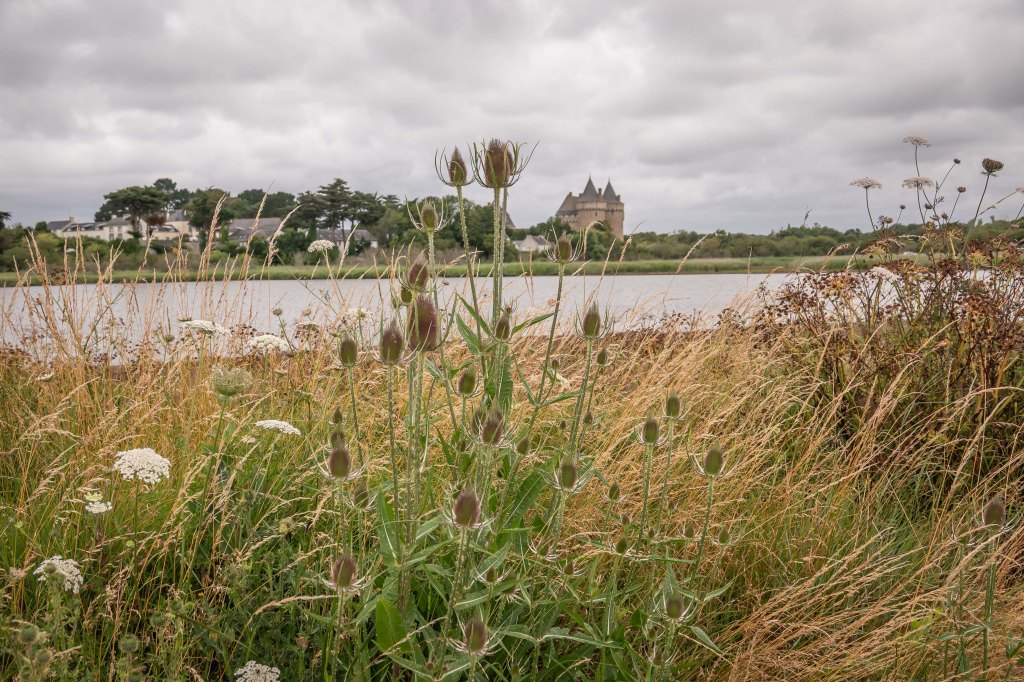
Pied avocetsA pied avocet chickKentish ploverThe château de Suscinio across the waterWild teaselCommon tern swooping to drinkBlack-winged stiltLittle egretCattle egrets across the castle’s lake – by now the rain had fully set in
Supposedly the Marais du Brennegi is a great area for bird watching.
“The ancient salt marshes, sandy peninsula and large mudflats offer a superb environment for observing birds. Among the breeding birds, one can observe Kentish Plover, which generally settle on the large sandy beaches.”
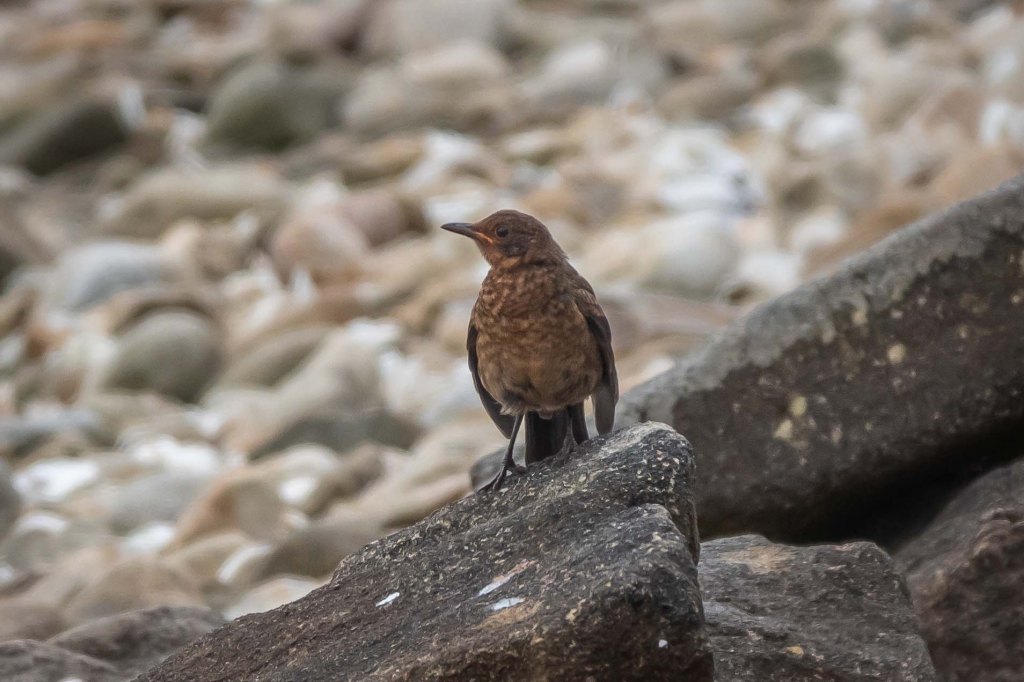
Well, we had a lovely walk but I managed only one bird photo (of a blackbird!) and only one butterfly in focus (although we did see small coppers and a marbled white).
BlackbirdSpeckled wood
However, all along our walk we heard skylarks singing, so we are certainly not complaining. Perhaps, though, they were complaining about the grey skies and the chill wind!
As the French say, “faute de grives on mange des merles” (Beggars can’t be choosers). Well, I certainly wasn’t going to start eating blackbirds so I turned to photographing the flora of the shore line.
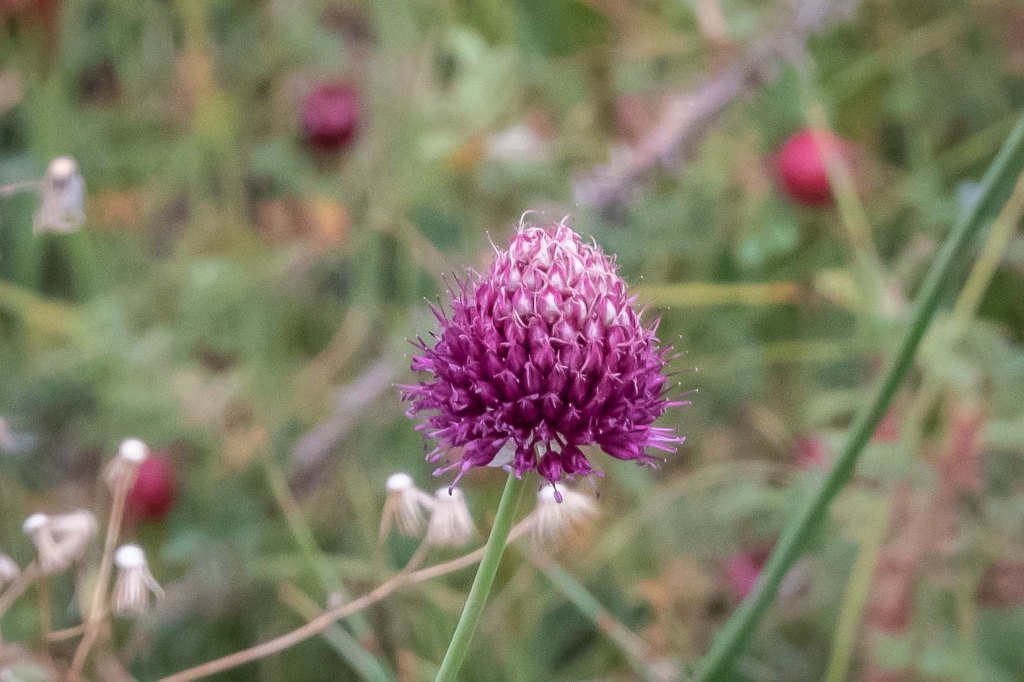
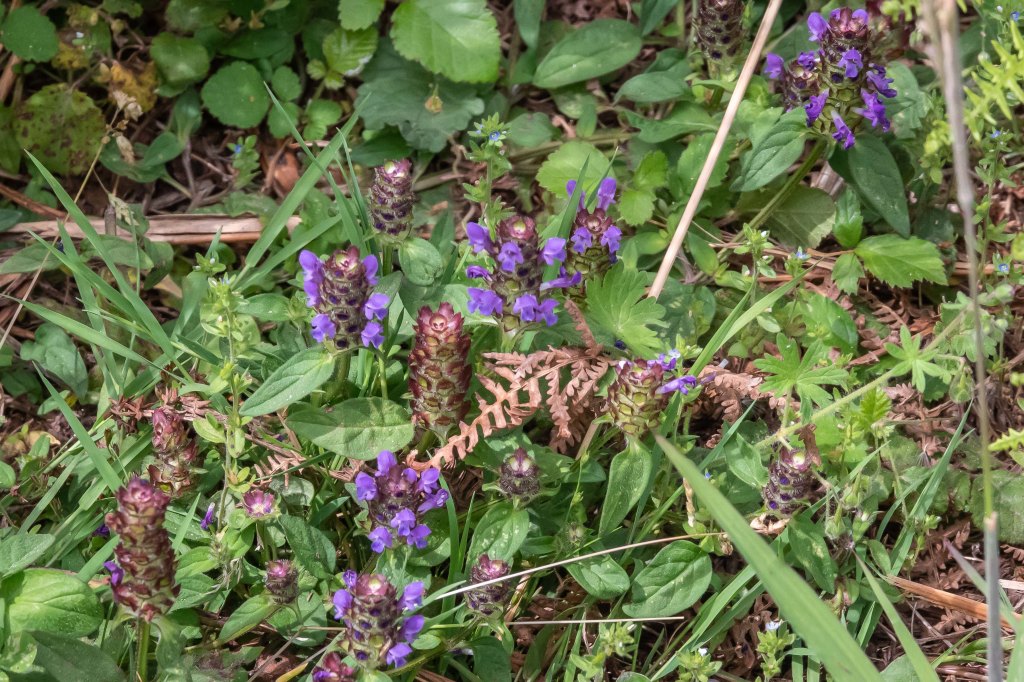
Matthiola sinuata, commonly known as sea stockThe marram grass and the dunes are well protected hereCentaurium erythraea commonly known as European CentauryAllium sphaerocephalon – round-headed garlicIs this (and does this?) Heal-All (prunella vulgaris)
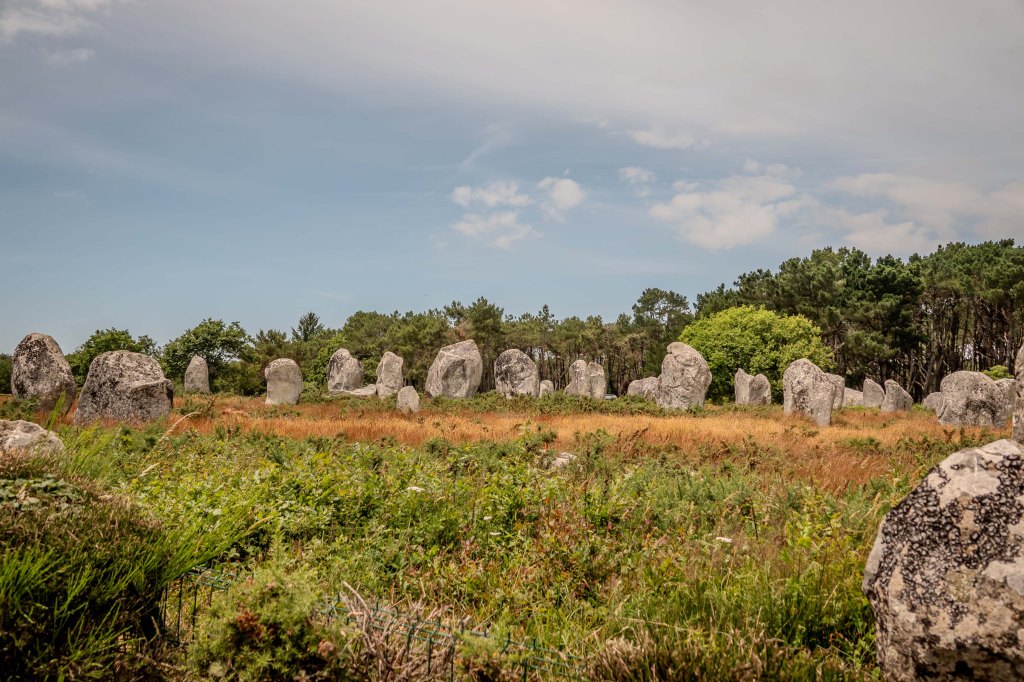
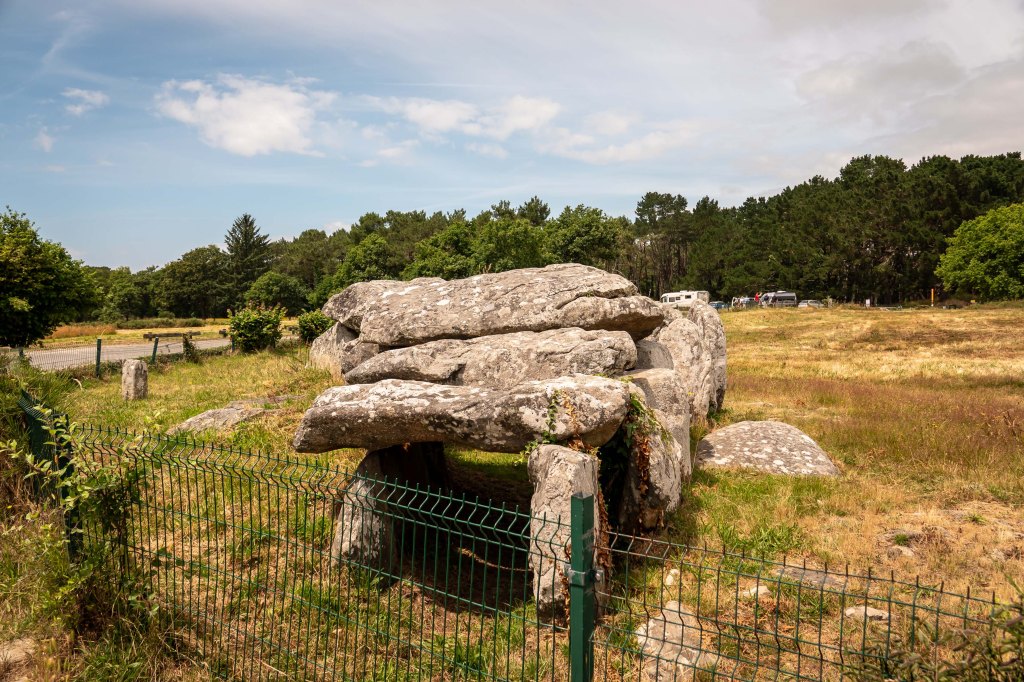
In the afternoon we visited “Les alignements de Carnac” – the most extensive group of conserved megaliths in Europe.
The stone alignments in Carnac were erected in Neolithic times. They are the most famous and most impressive examples of standing stones from this period, with some 3000 standing stones.
We didn’t see them all but that was probably because we had had enough of the chill north-west wind
The largest marsh in the Gulf of Morbihan, the nature reserve covers 530 hectares made up of a mosaic of mud flats, marshes, coastal lagoons and meadows.
There are excellent walkways and a good number of hides. However, the windows in most of the hides do not open and it was often difficult to take photos.
Nonetheless, we made the most of a mainly grey day and saw some terrific birds.
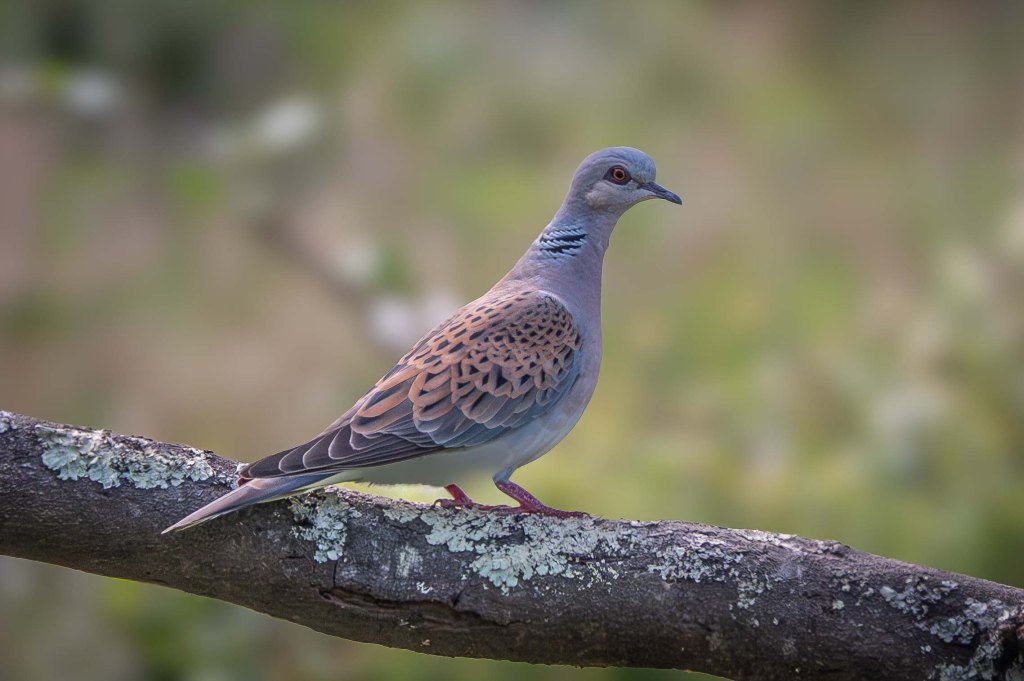
For us a pair of turtle doves were definitely the standout birds, although close ups of avocets, black-winged stilts and a water rail (even through a grubby window) were pretty special.
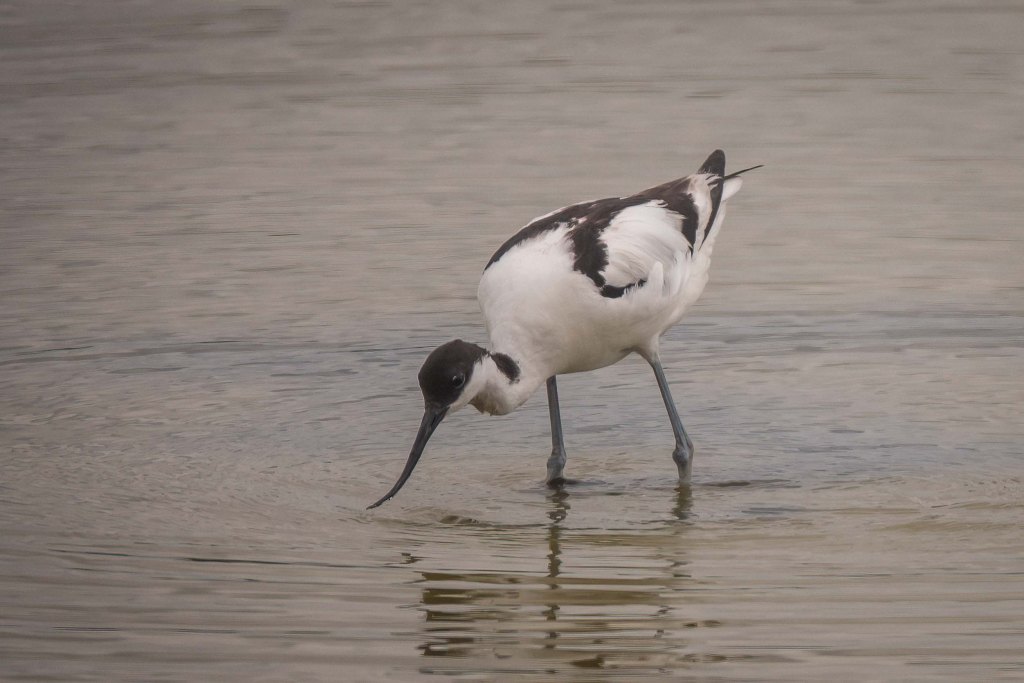
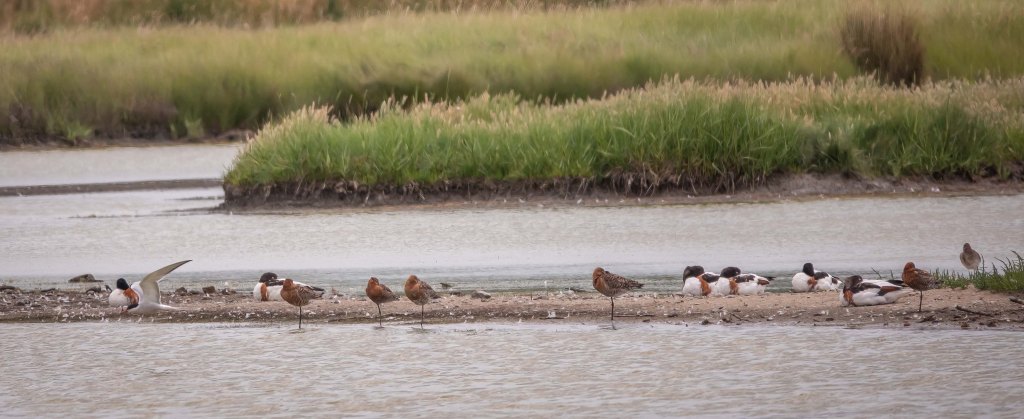
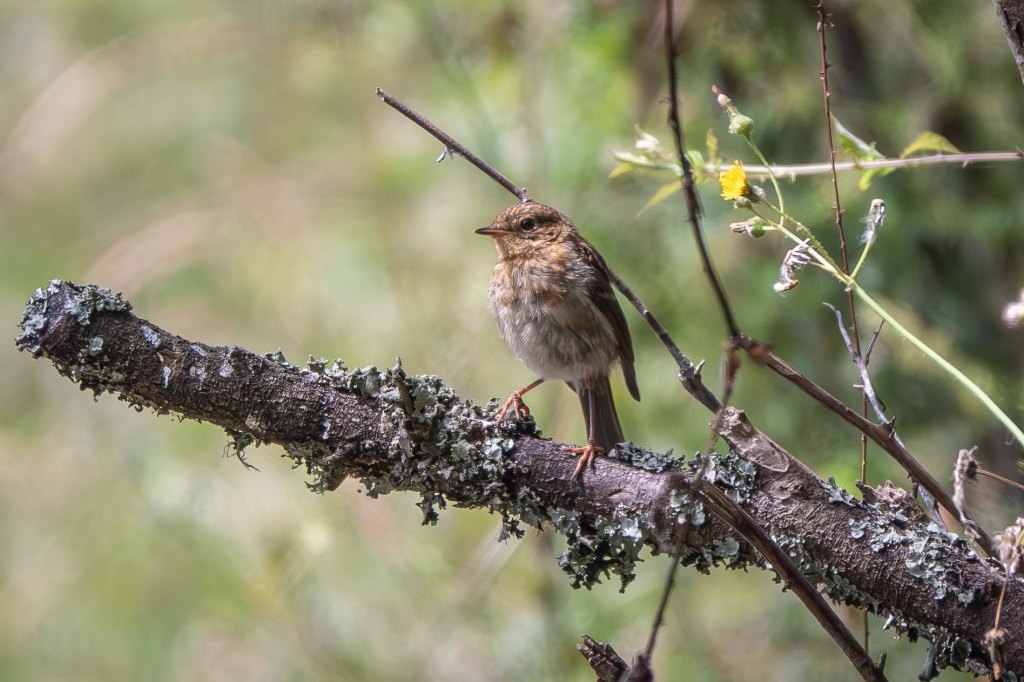
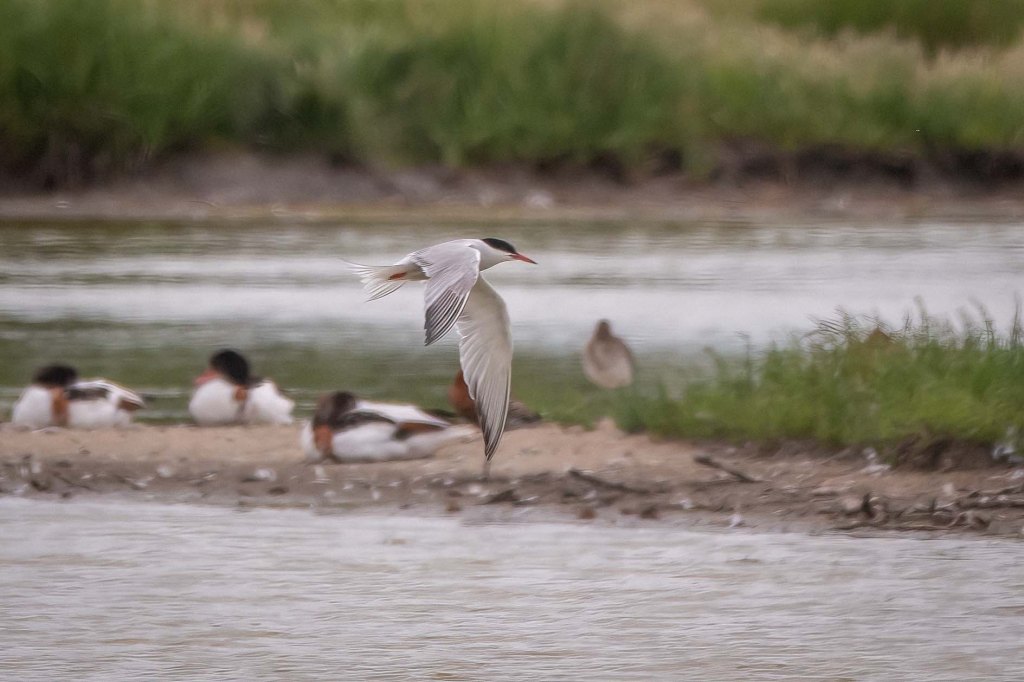
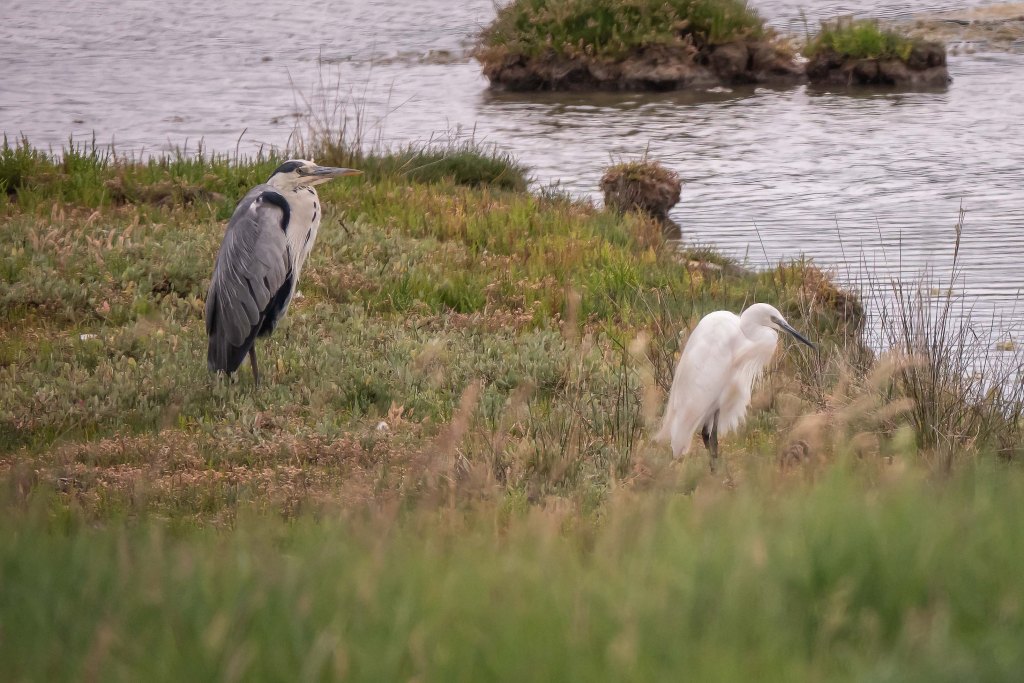
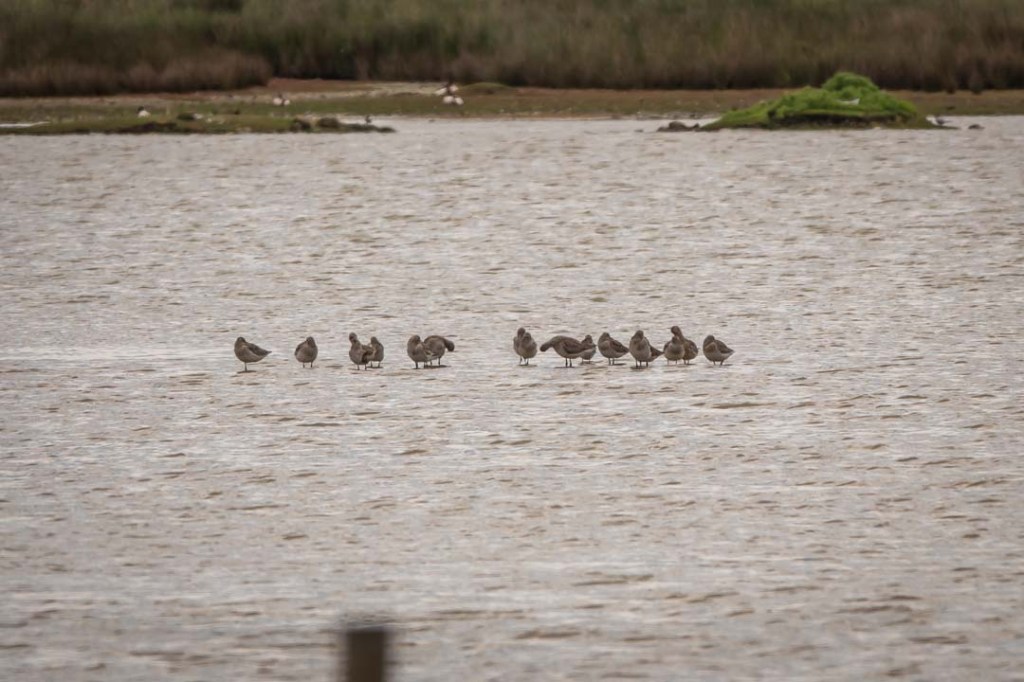
European turtle doveWater railBlack-winged stiltAvocetShelduck and godwitsJuvenile robinStonechatCommon ternGrey heron and little egretLinnet catching the odd ray of sunshineEuropean turtle dove
I spent my teenage years in the Chew Valley and regret that, at that time , I had little interest in nature. I did enjoy the aesthetics of the pretty village cricket grounds and always enjoyed cycling the lanes. I do remember occasionally taking in the wonderful scenery of this beautiful part of the country; but I failed to show interest in the specifics and failed to learn any of the names of the flora or to spend time studying the birdlife. What a waste!
However, I hope I have made up for it in recent years.
This morning we crossed the city before most people were active to visit an amazing garden south of Bristol in the Chew Valley – the Yeo Valley Organic Garden near Blagdon.
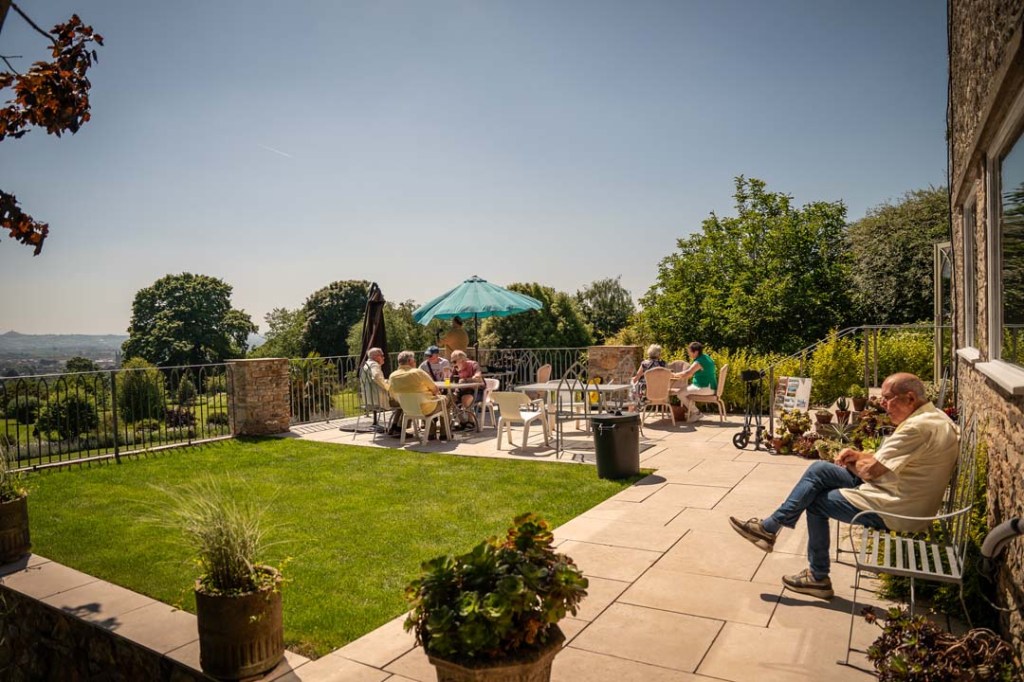
The view from the garden caféThe gravel garden
It was a bit early in the day (and still quite fresh) to see the great variety of butterflies that we usually see here at this time of the year. We had to make do with a scruffy Painted Lady and lots of damselflies.
Painted ladyCommon blue damselfly
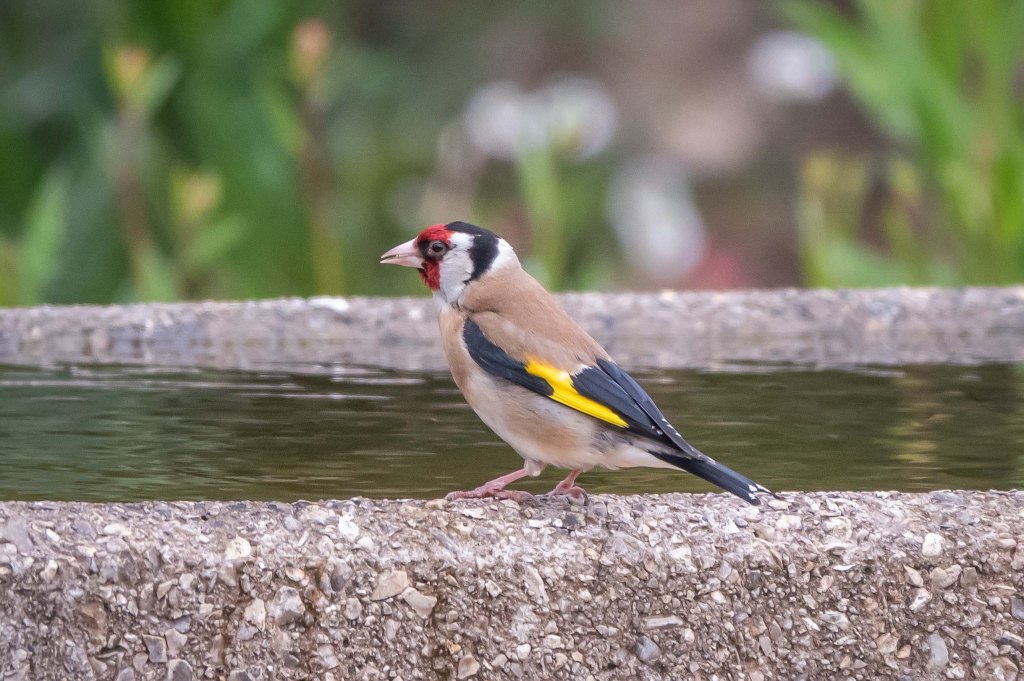
There were birds to be seen too; notably robins, blackbirds, goldfinches, chaffinches, chiffchaffs , pied wagtails, and swifts and house martins flying across Blagdon Lake.
Pied wagtailLots of pollinators in the gardenThe view to Blagdon LakeCanada geese over the lakeSwifts over the lake… and a little closerThe goldfinches were much closer stillChaffinch singing its heart outCommon chiffchaffThe birch groveBig grass bedThe veggie gardenThis bed of alliums was probably my favourite area todayThe red and lime bedsThe bronze gardenThe bronze gardenGlasshouse
Despite the sun not appearing very often the garden still looked stupendous. I hope some of my photos do justice to this lovely garden.
After a tasty lunch at the on site café we stopped off at the village of Ubley and had a quick visit to the local church.
The garden caféUbley Church north façade Ubley Church south façade
Sadly, our return journey across the city was rather tortuous as we got caught up in the traffic of people going Saturday shopping. If they only knew, they would have been much better off driving out into the countryside!
We had a stroll around our local park this afternoon. We had hoped to see a tawny owl and a pair of owlets of which we had seen reports but, although everyone we met in the park had seen them, we were out of luck.
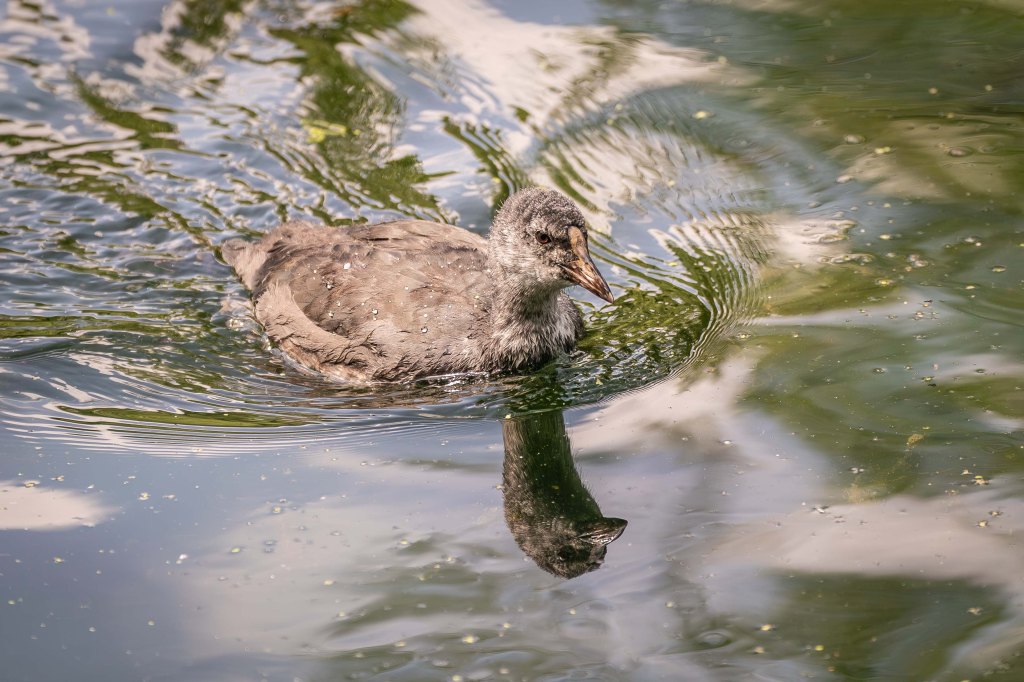
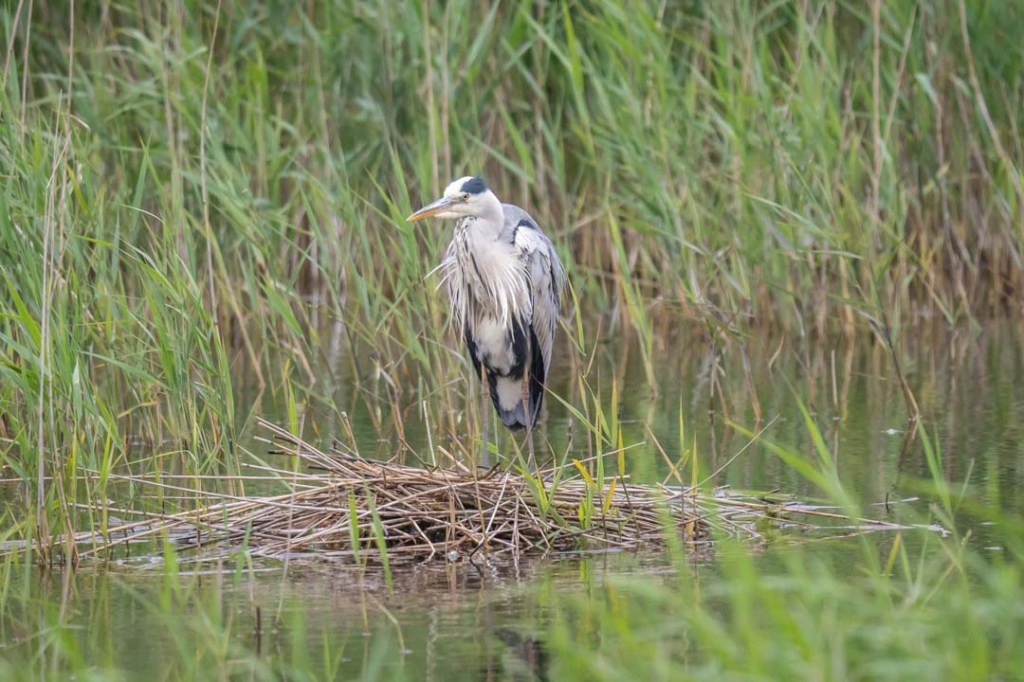
Grey heronA very shy grey heronA young coot (whatever they are called)
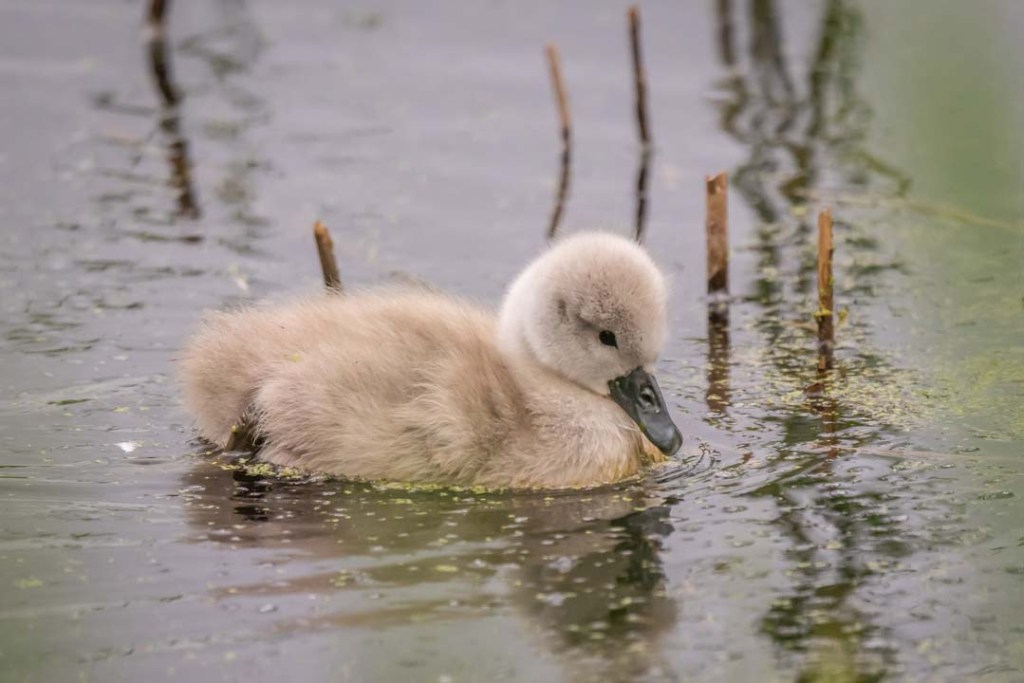
There were plenty of new arrivals such as ducklings, cygnets and goslings but they are all getting larger (or smaller in numbers where they have been predated!).
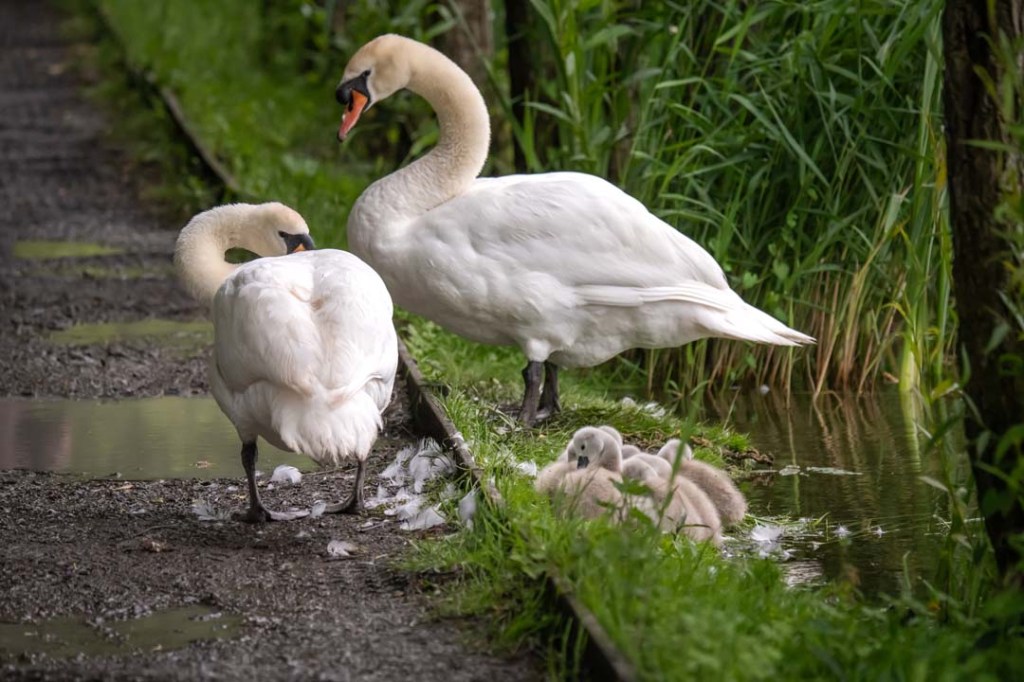
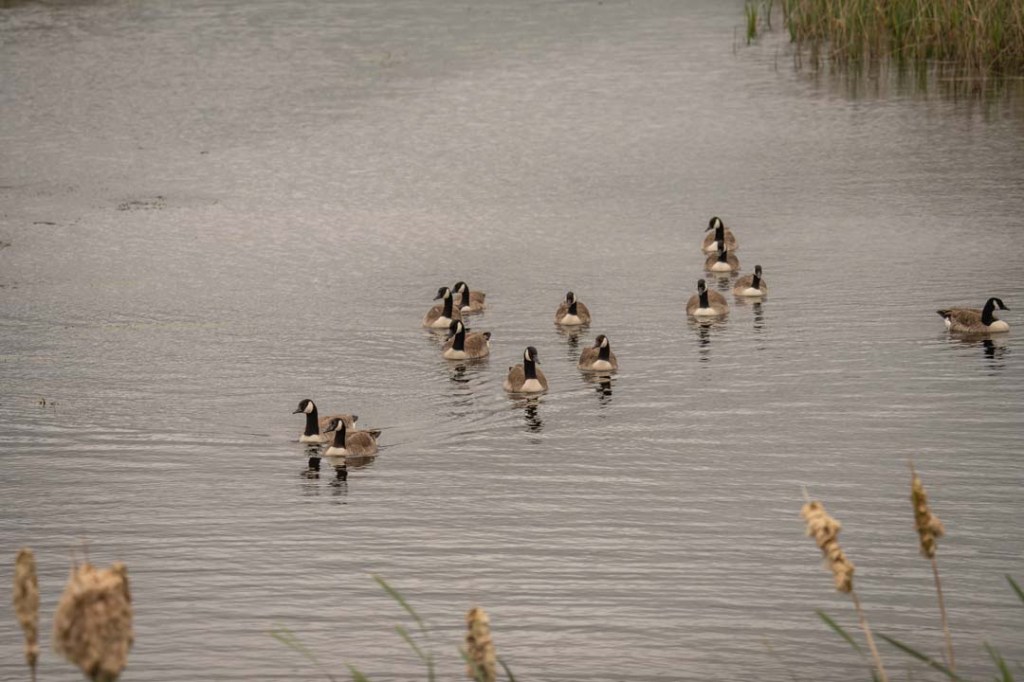
The last of a brood of ducklings2 swans and five cygnetsCanada geese and goslings
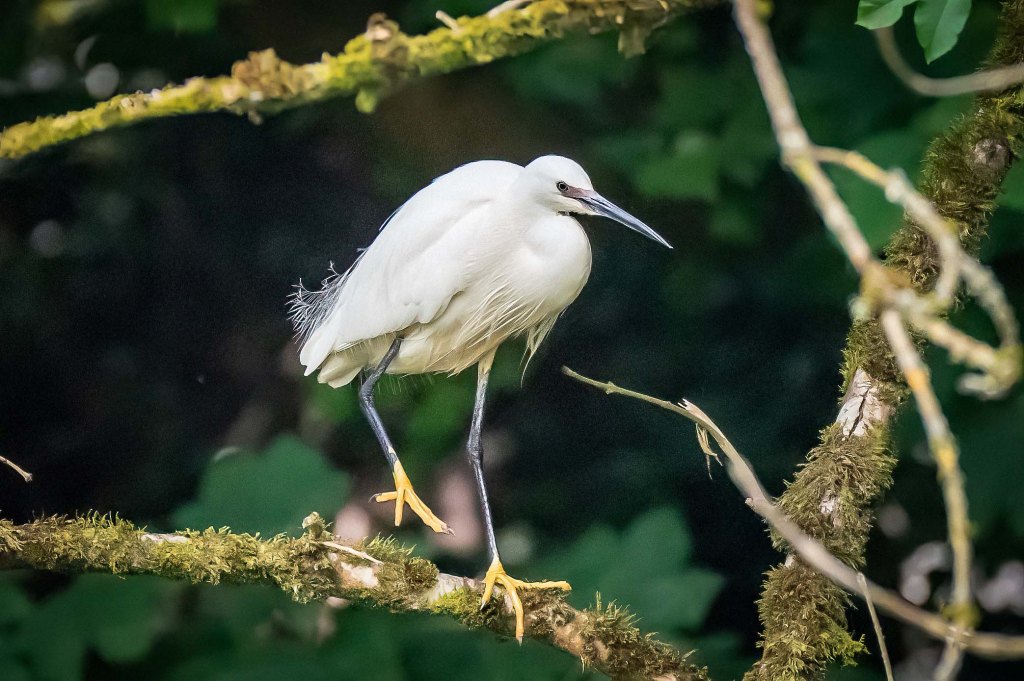
The best of the birds was a little egret which a few years ago would have been a real rarity.
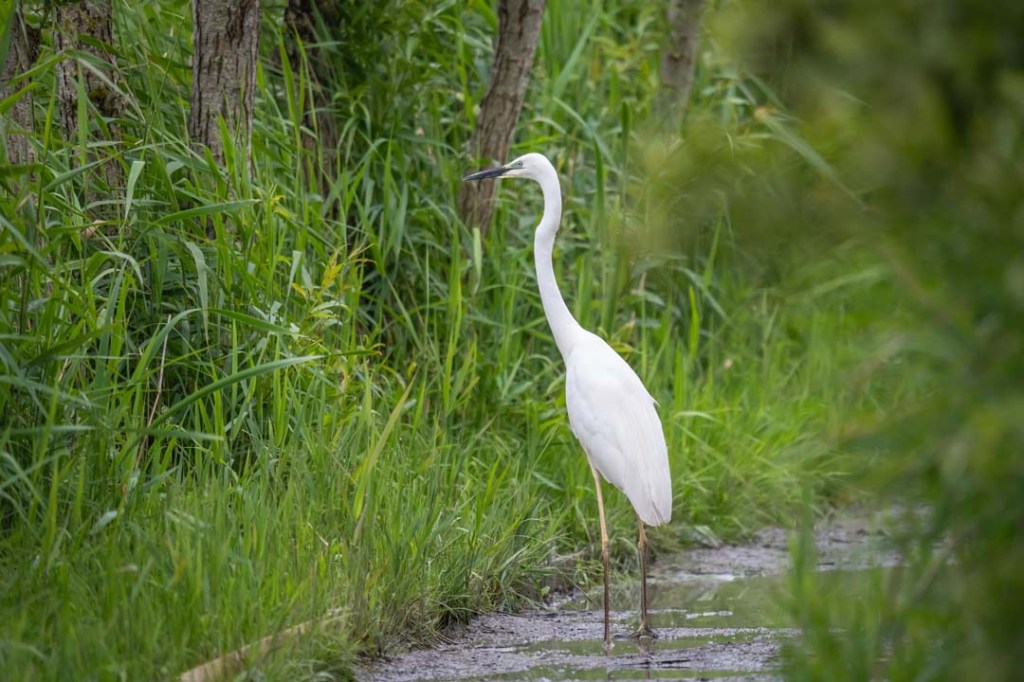
Little egretLittle egret
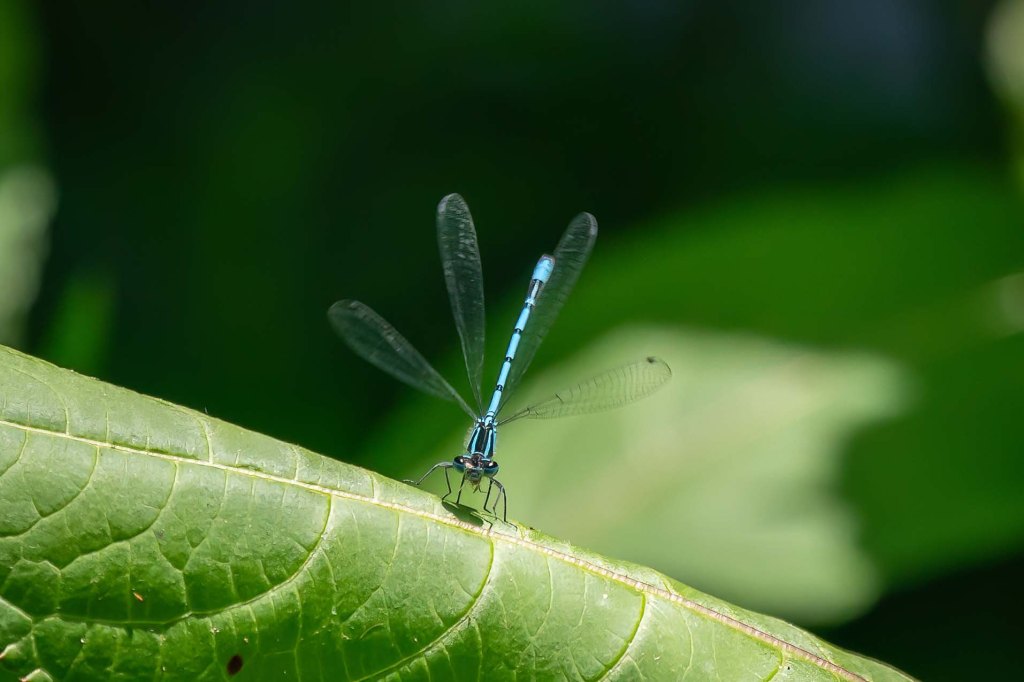
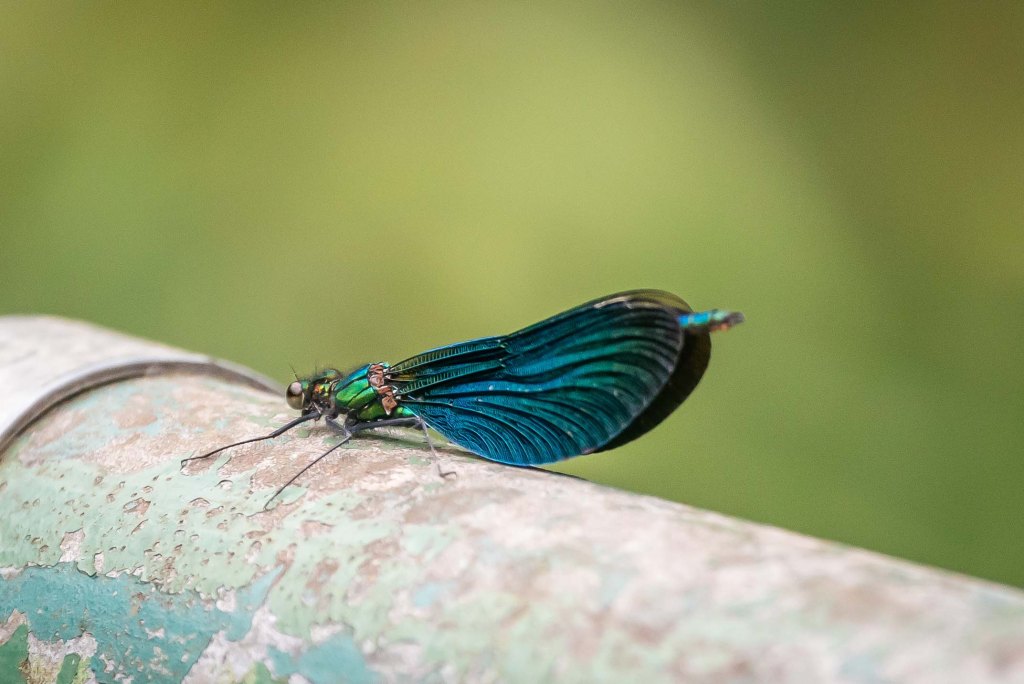
Plenty of damselflies too and beautiful and banded demoiselles in abundance.
Beautiful demoiselle
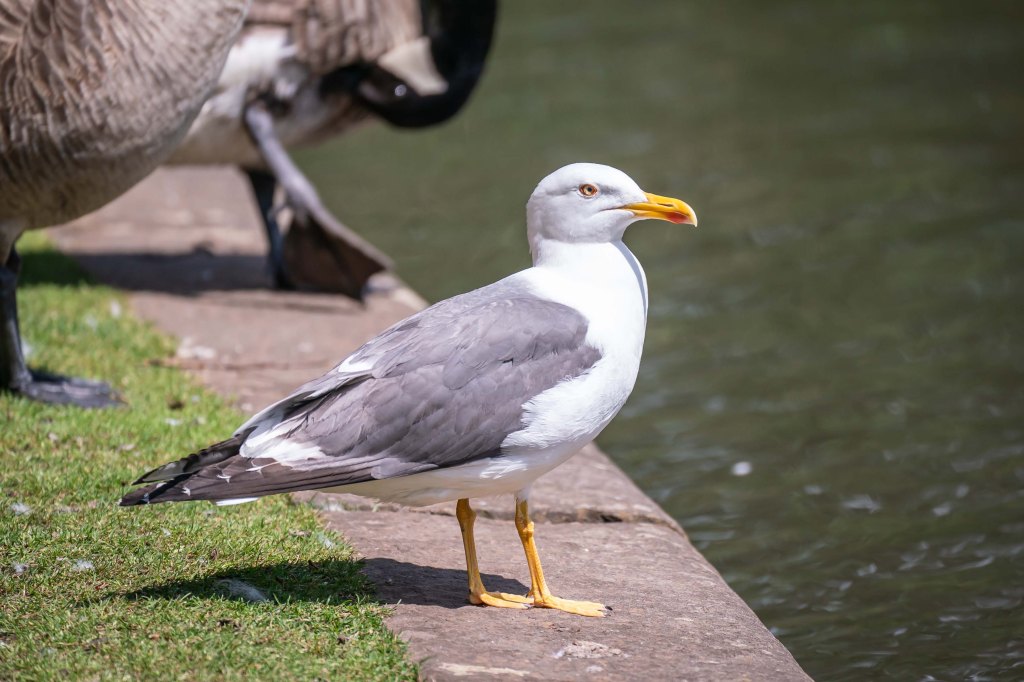
Female beautiful demoiselleLarge red damselflyBeautiful demoiselleAzure damselflyBeautiful demoiselleA very handsome lesser black-backed gull
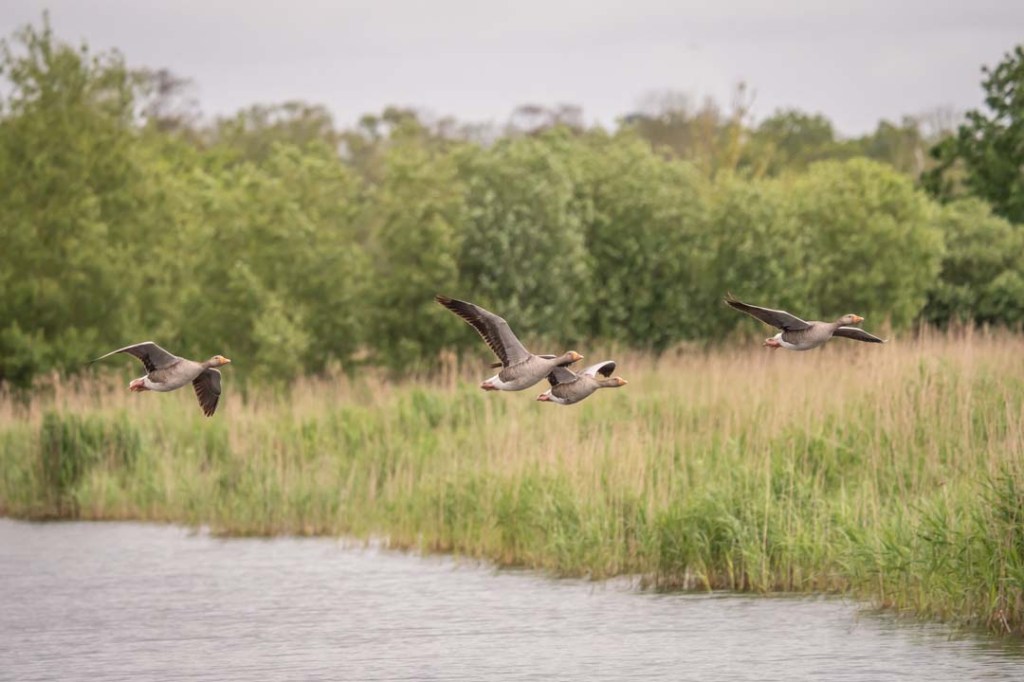
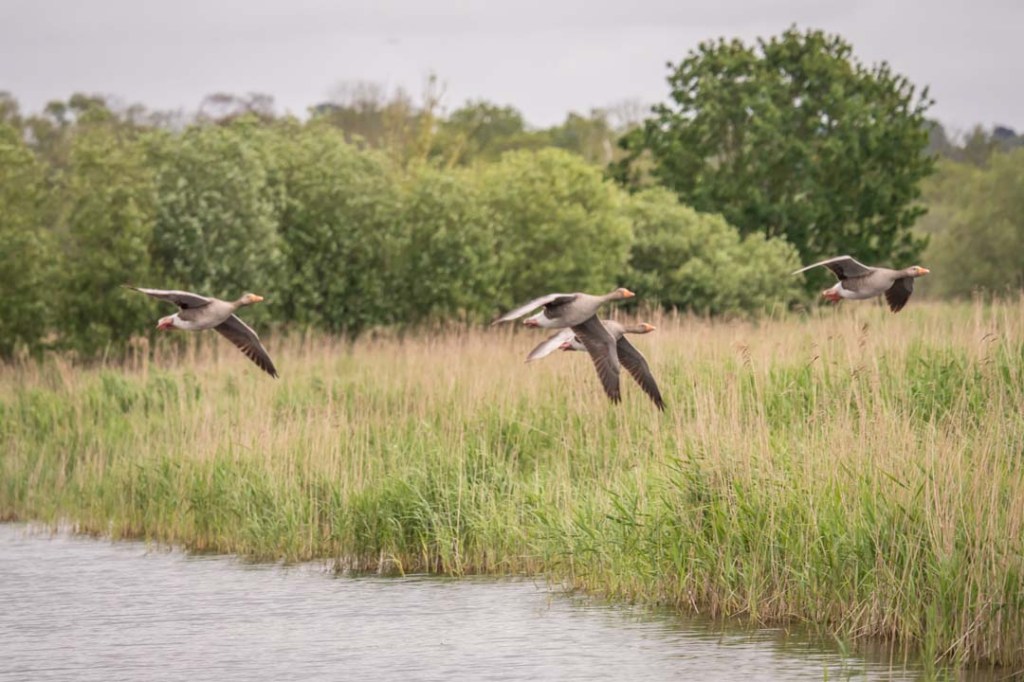
Little egretCanada gooseGreylag/pink footed goose (escapee?)Magpie (and why not?)
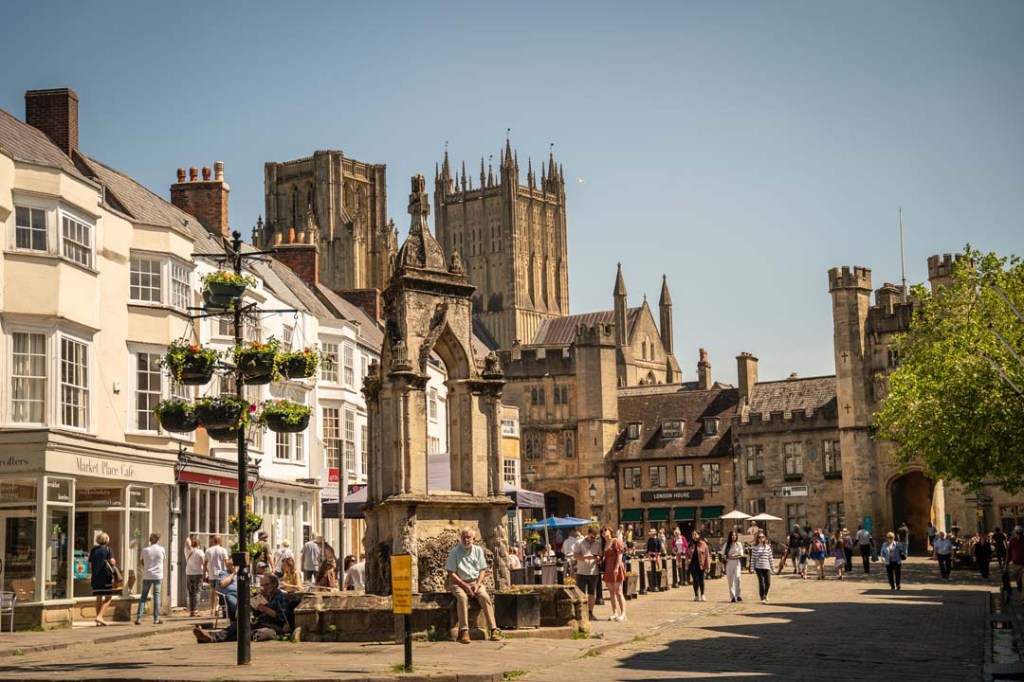
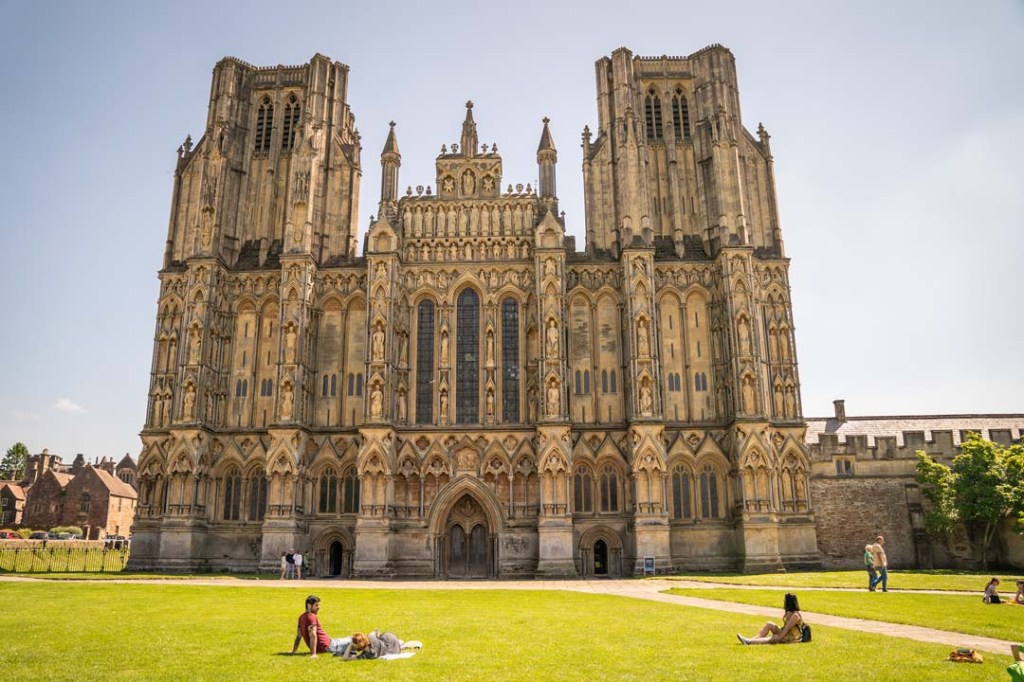
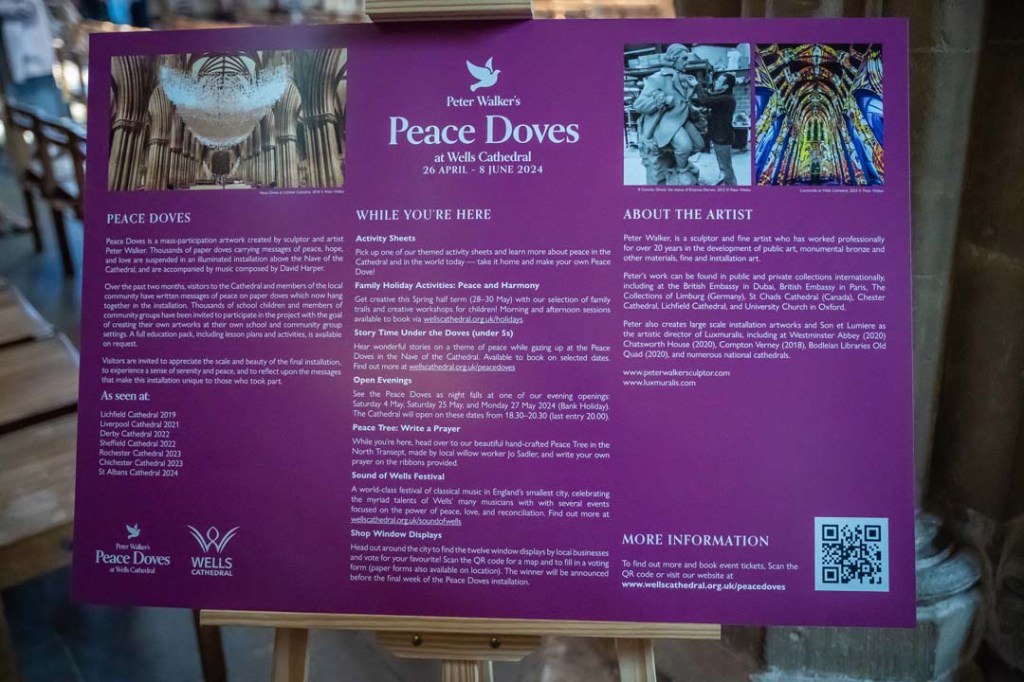
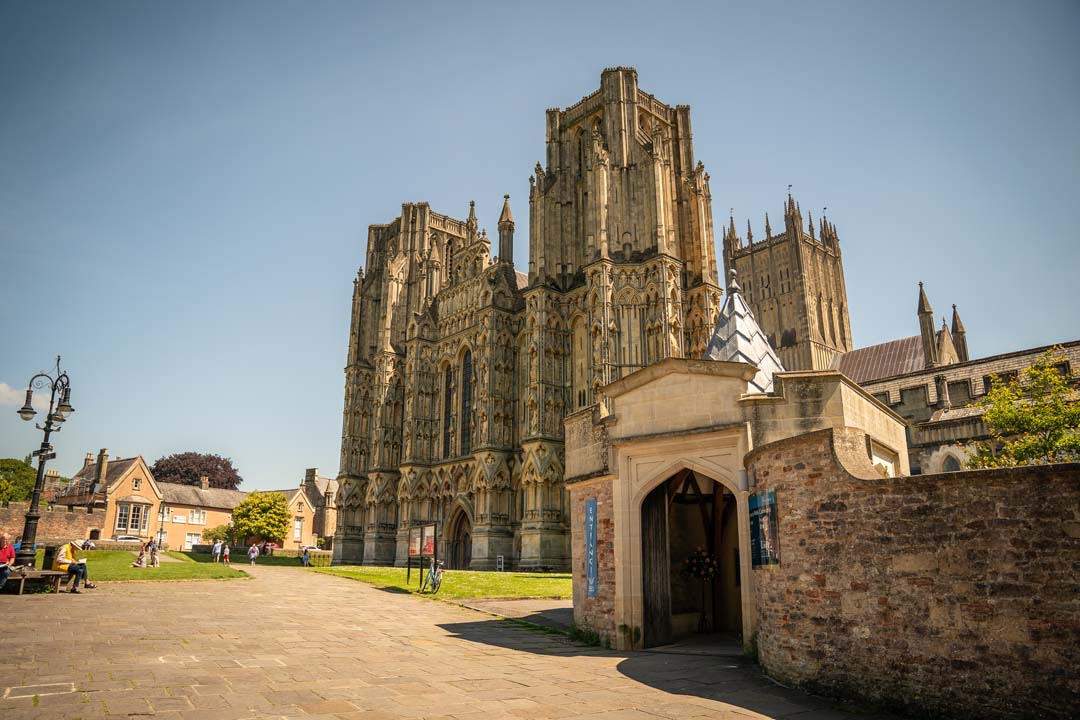
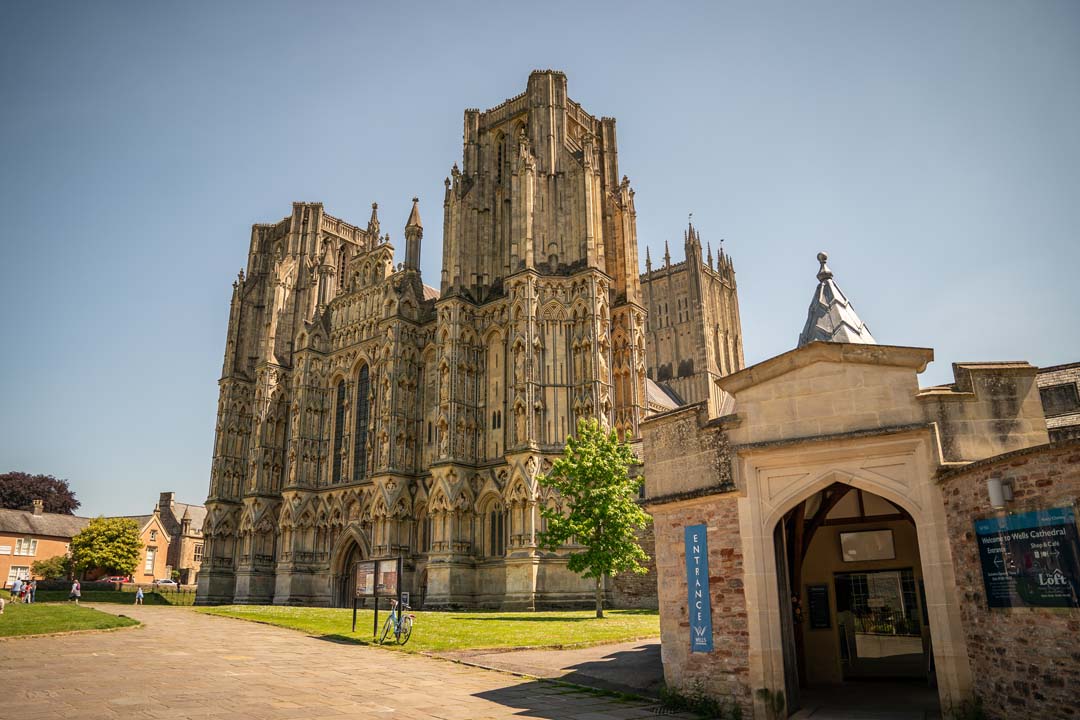
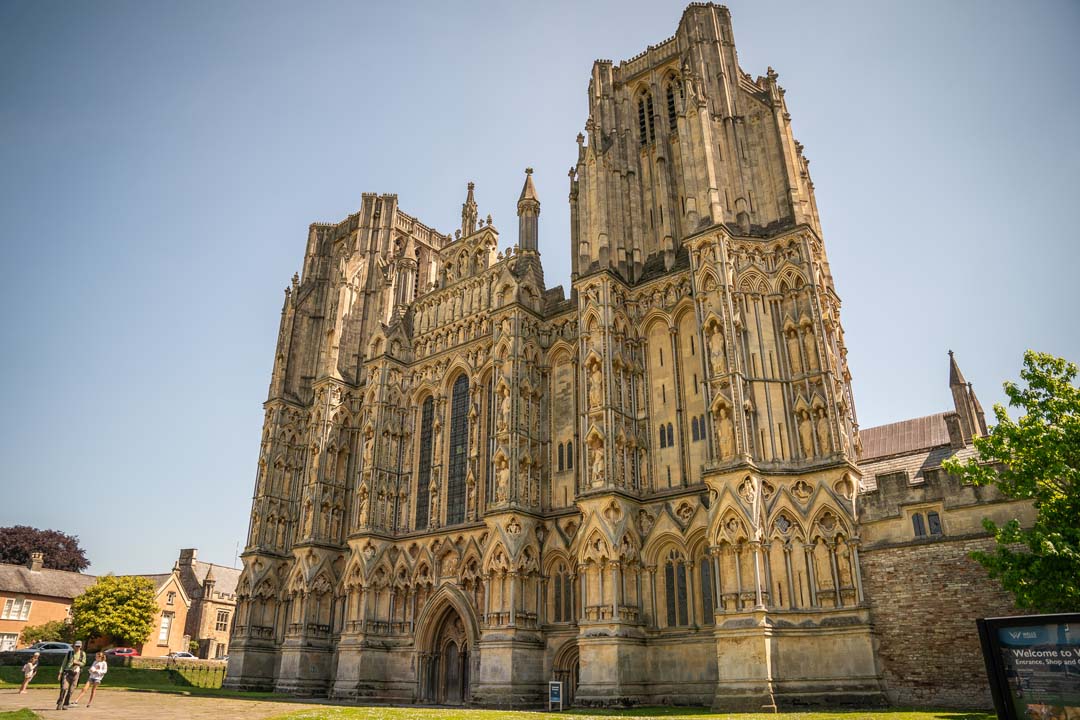
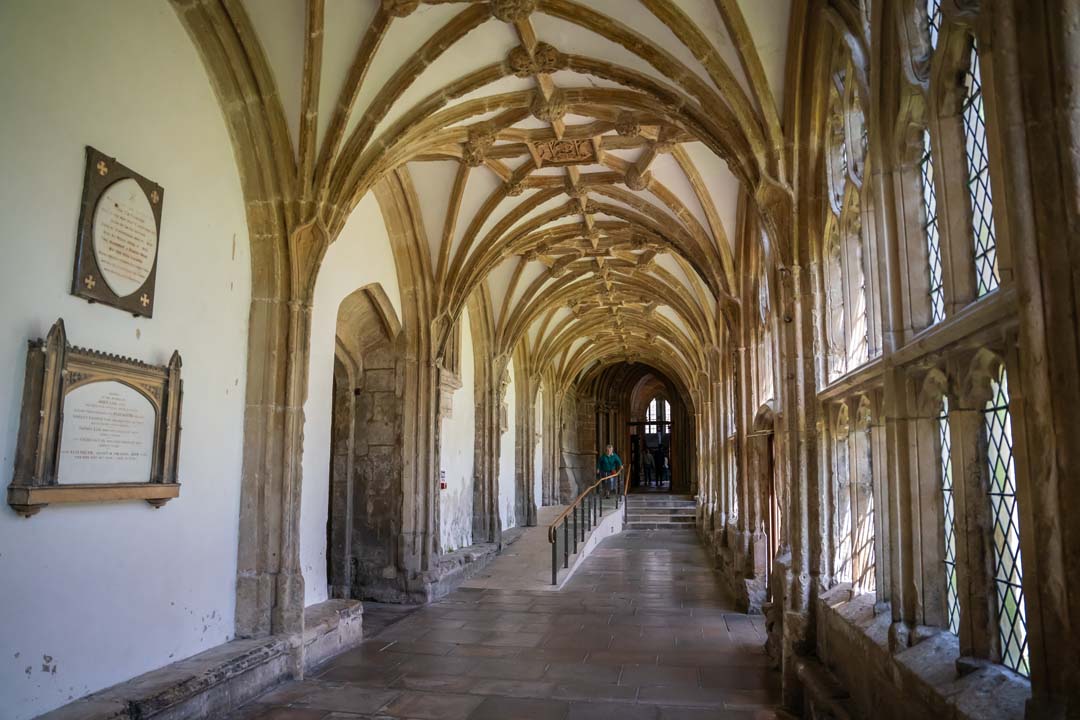
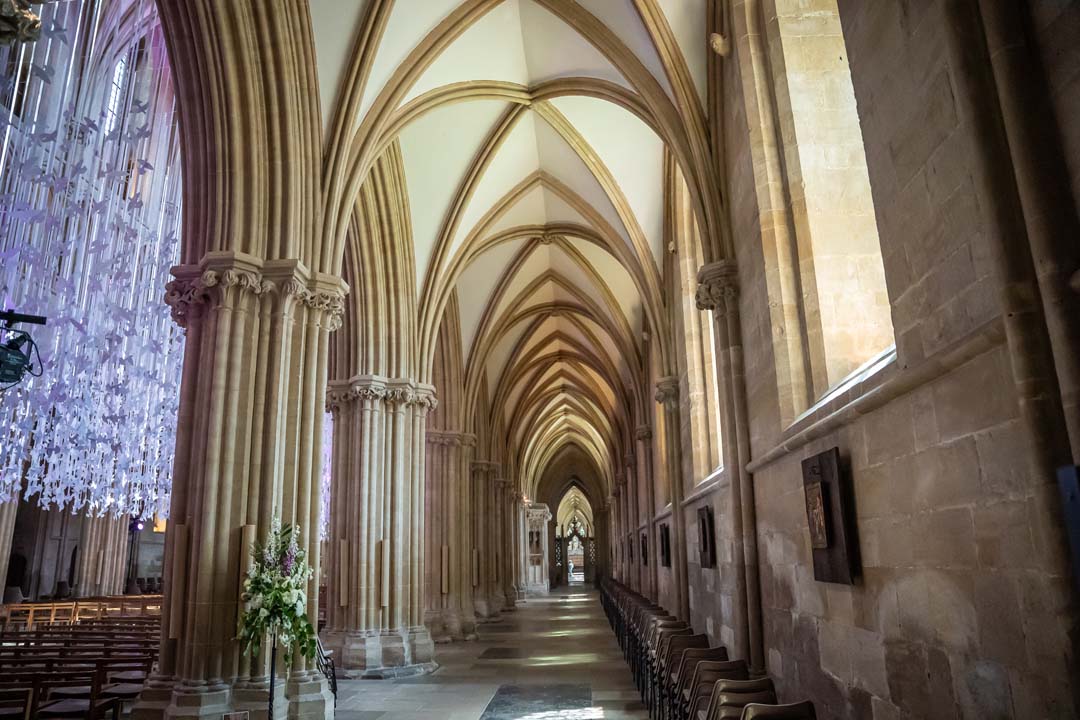
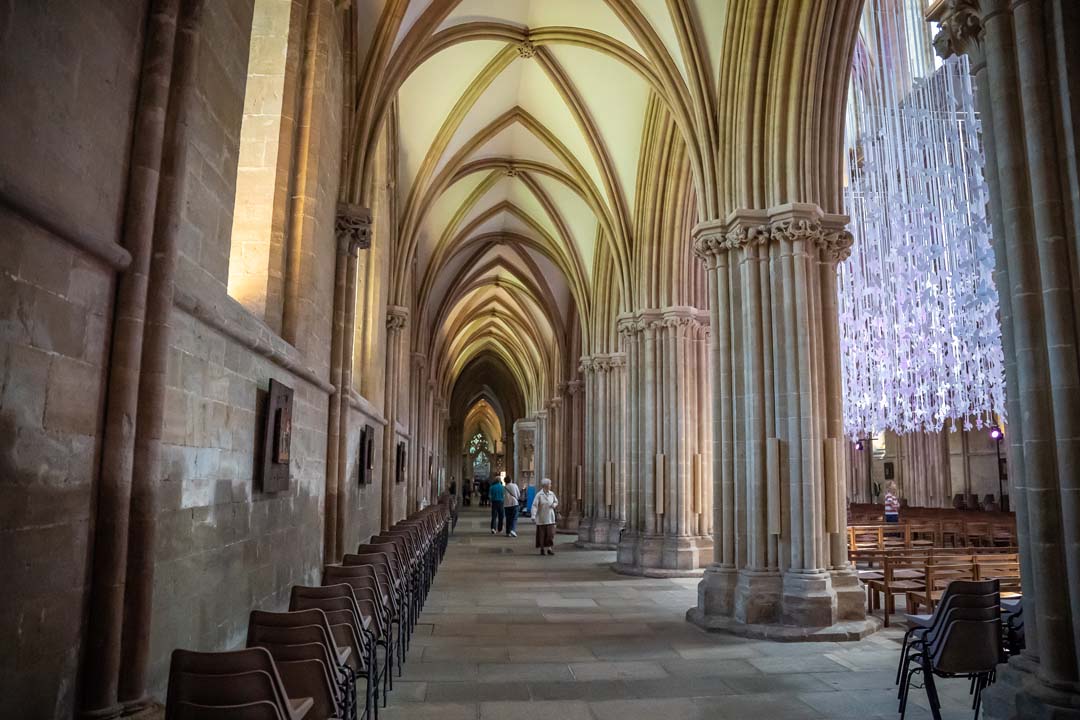
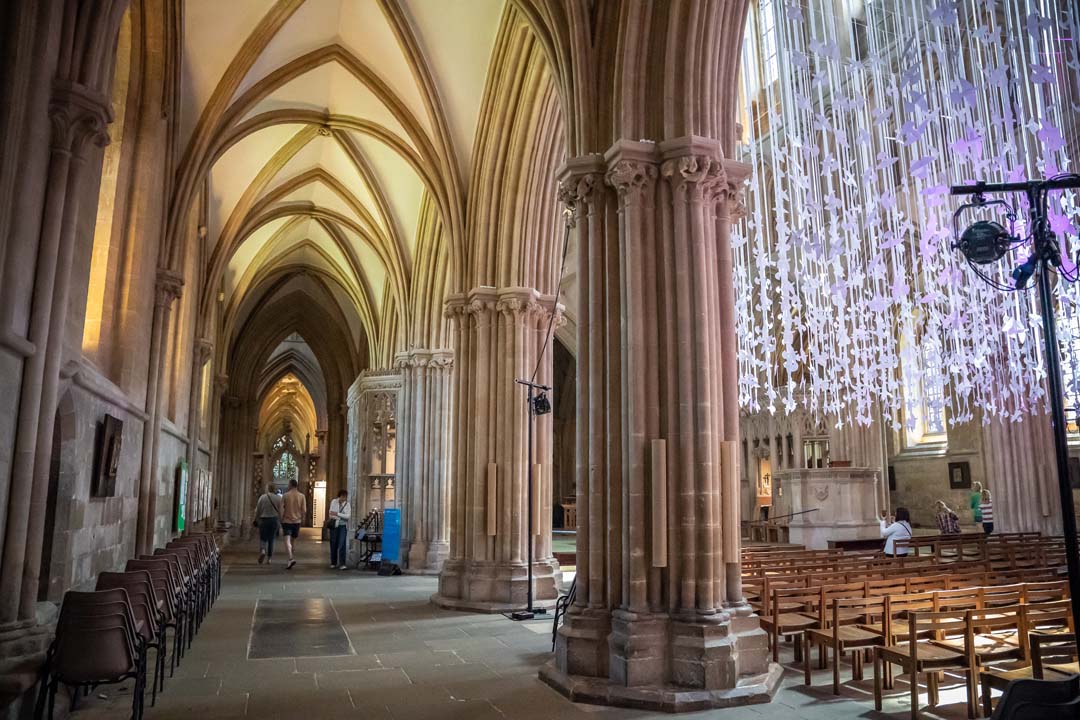
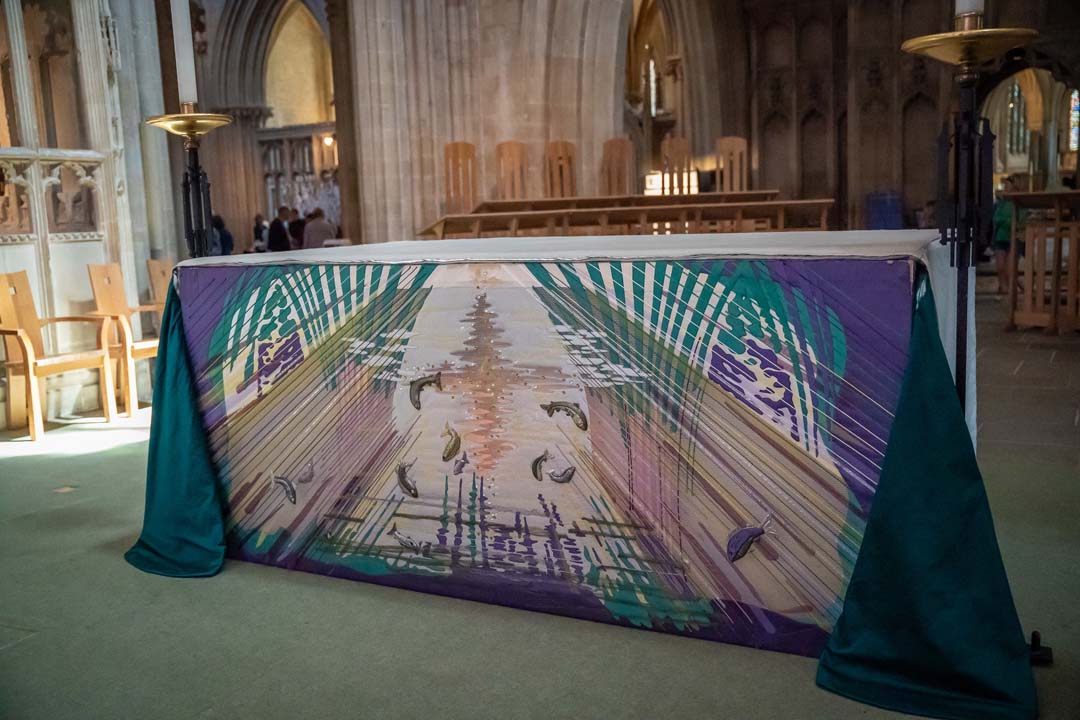
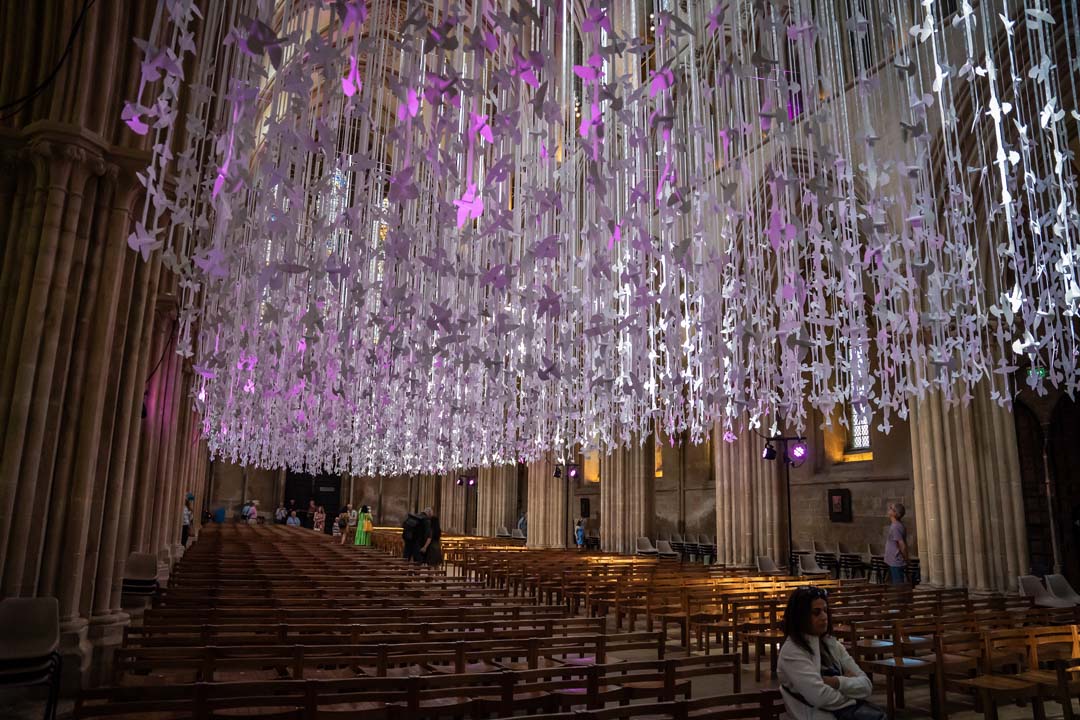
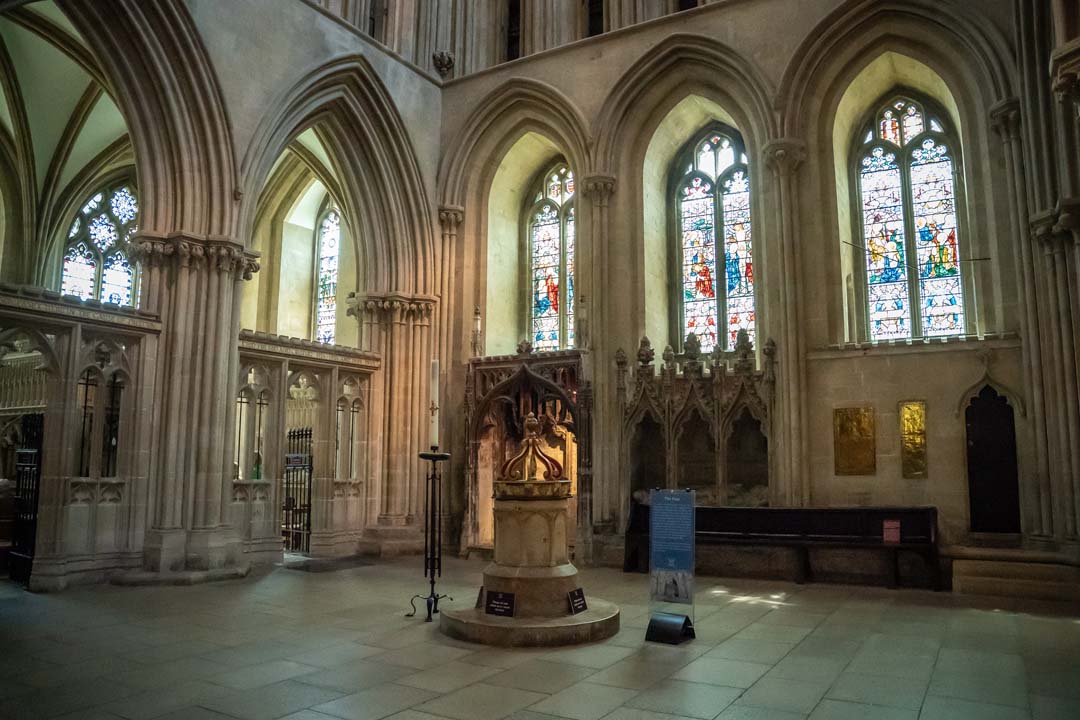
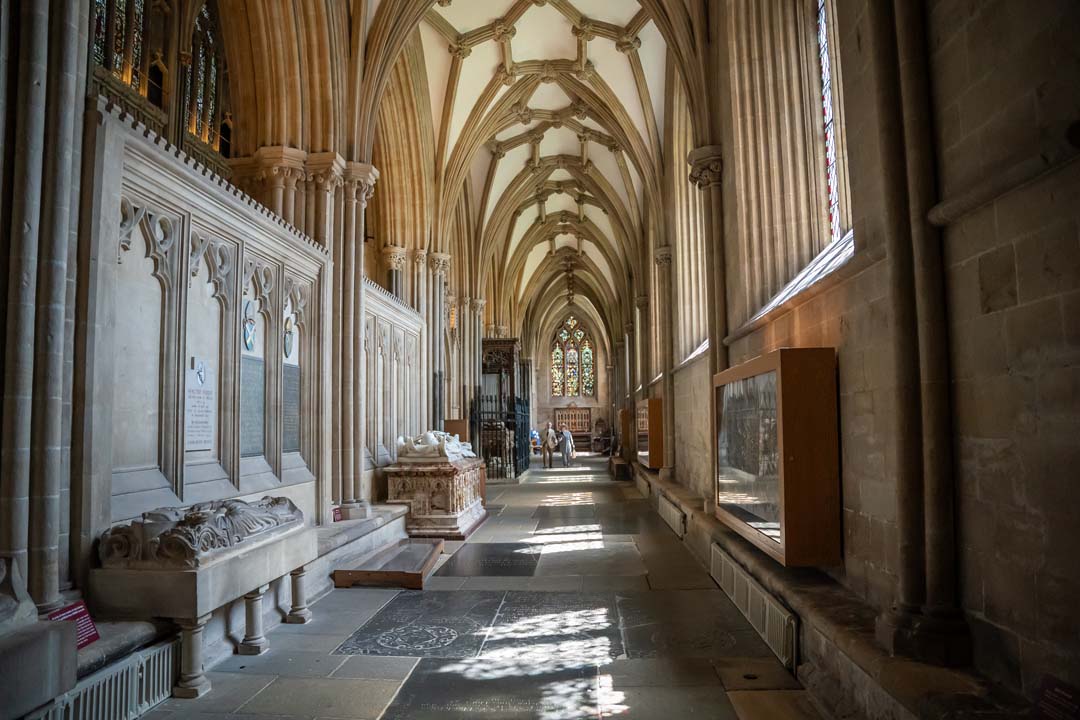
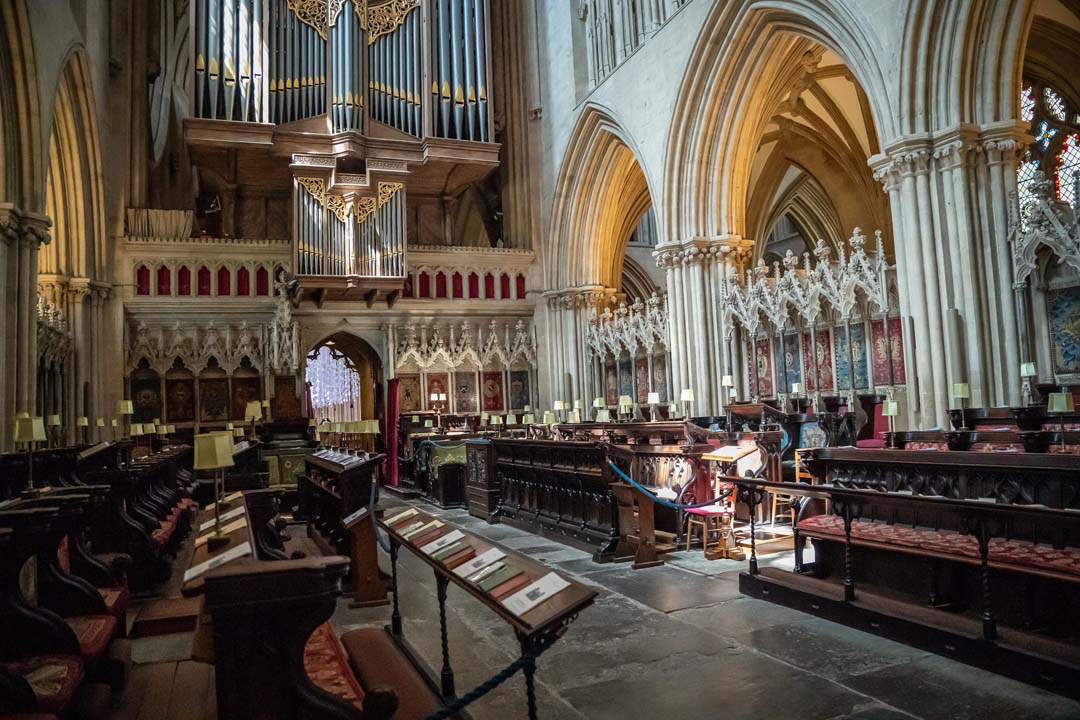
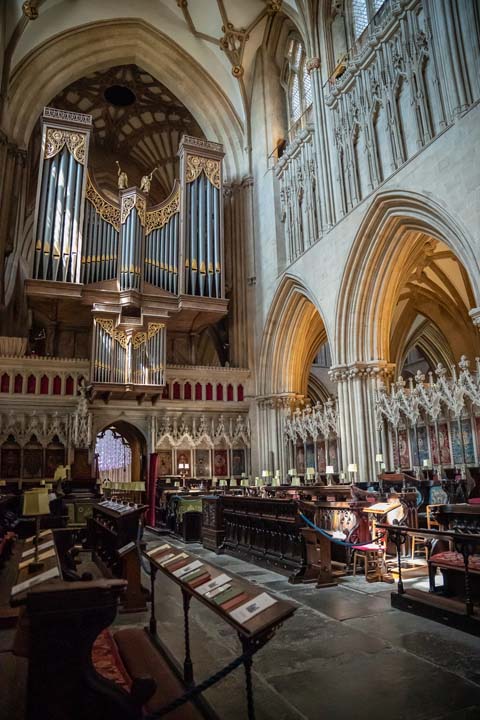
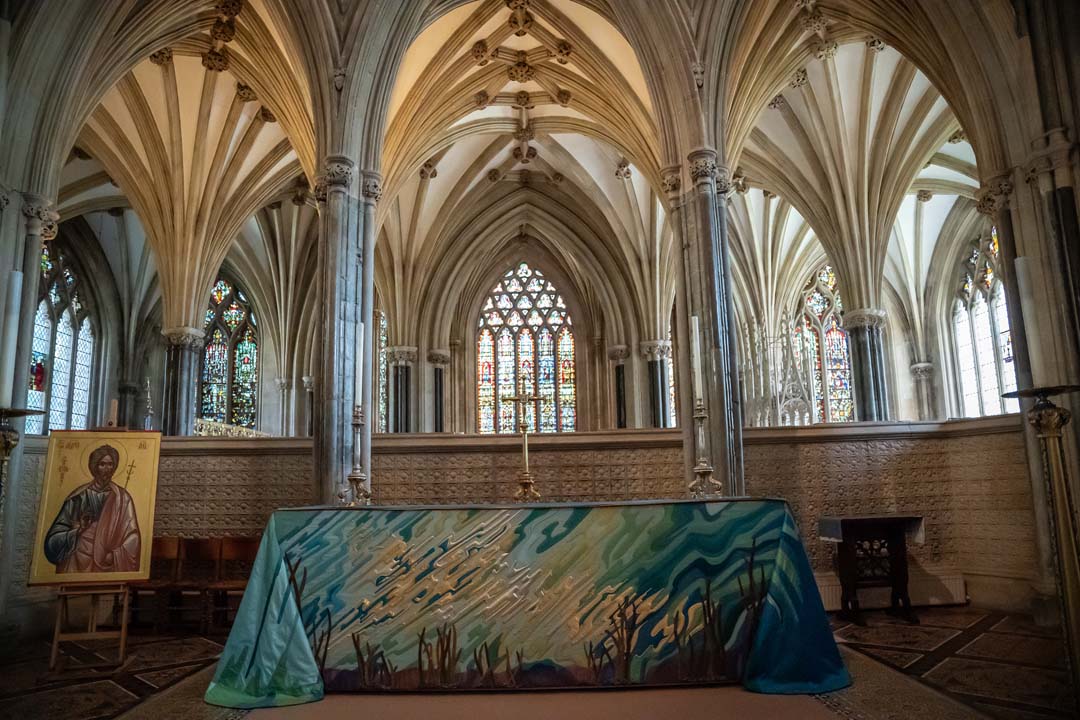
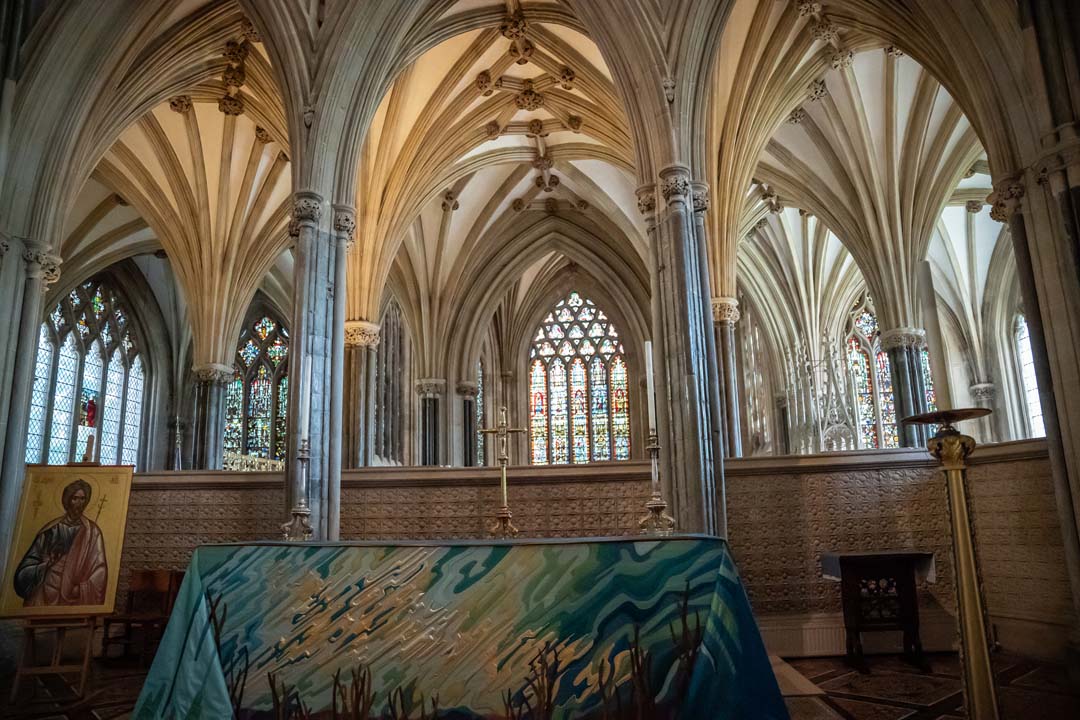
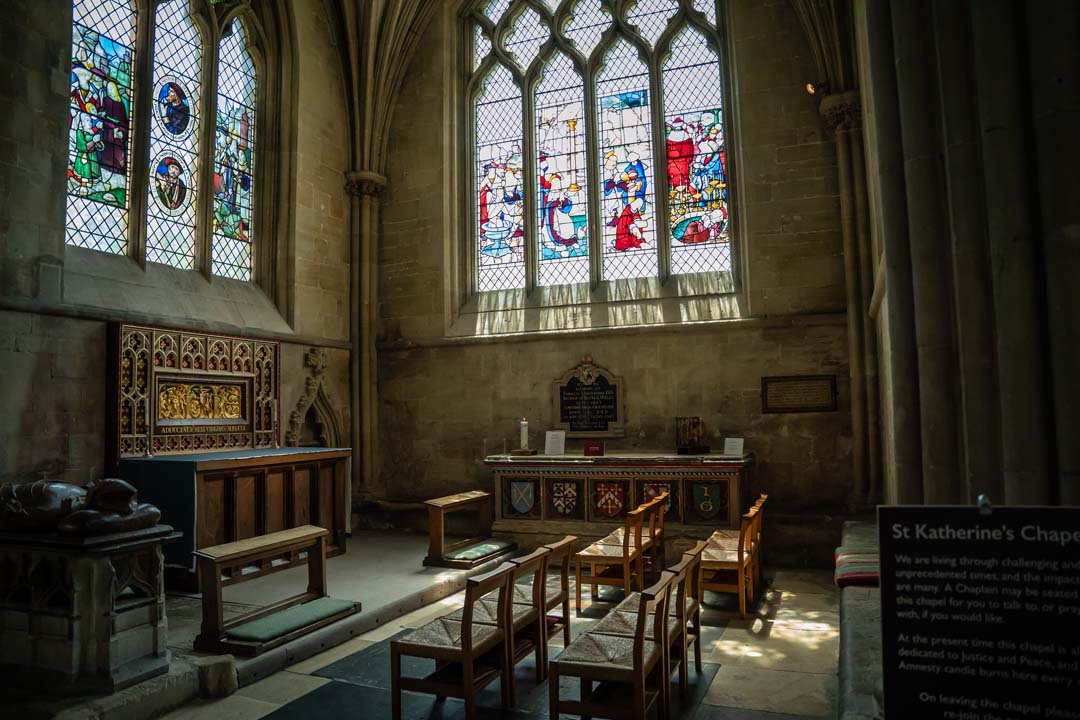
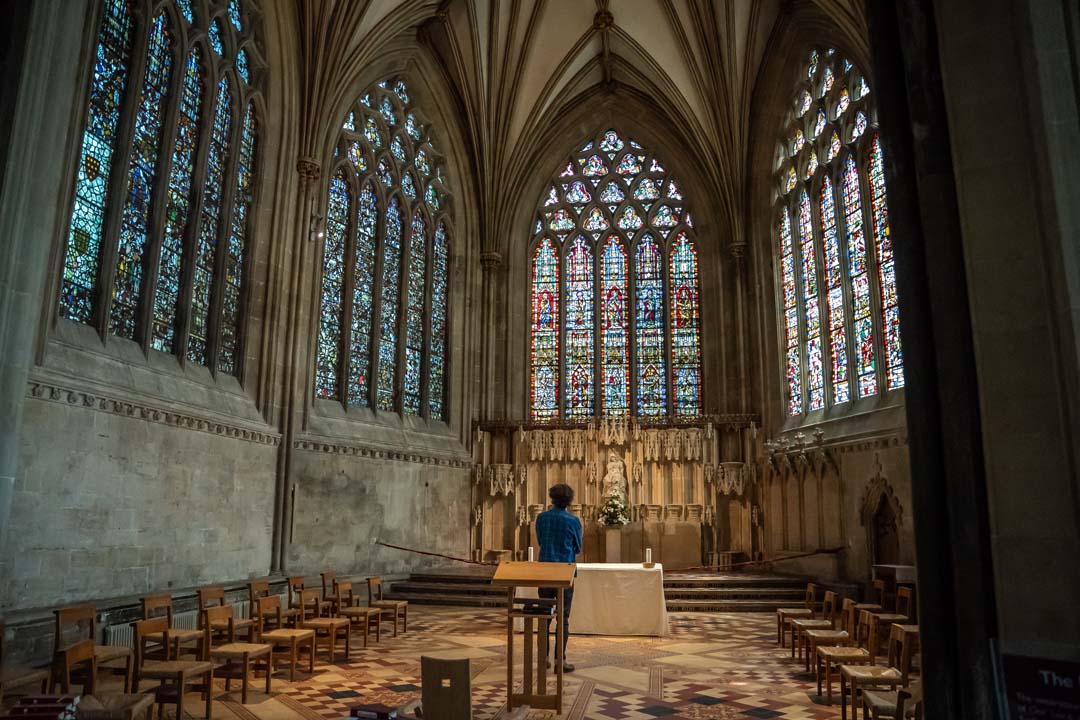
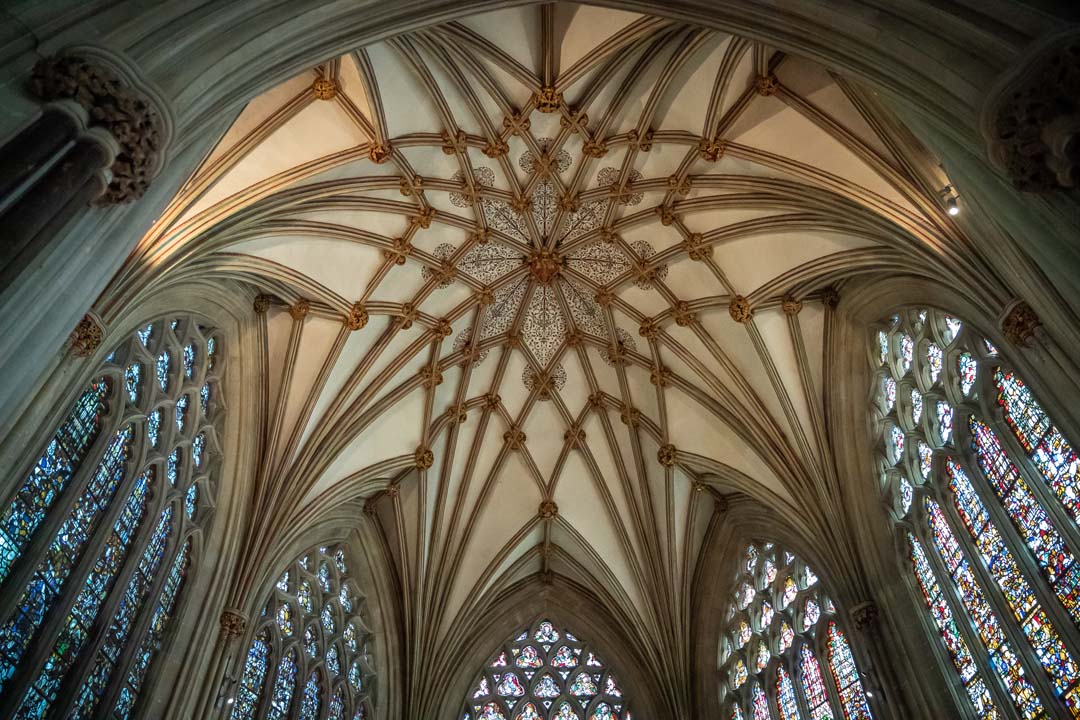
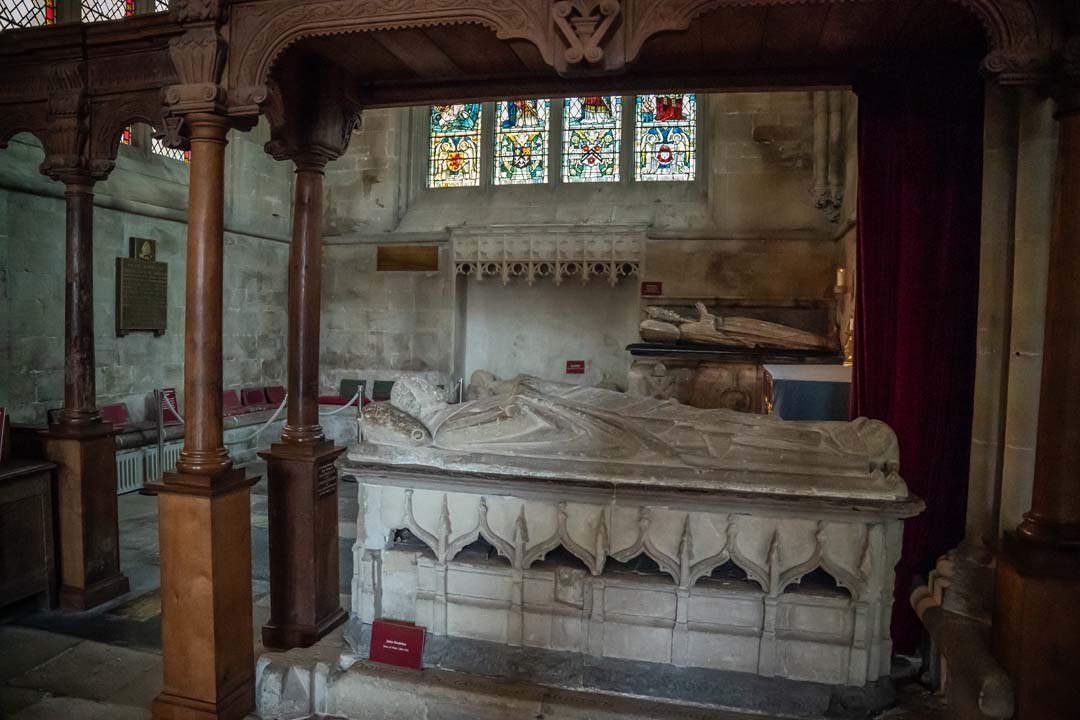
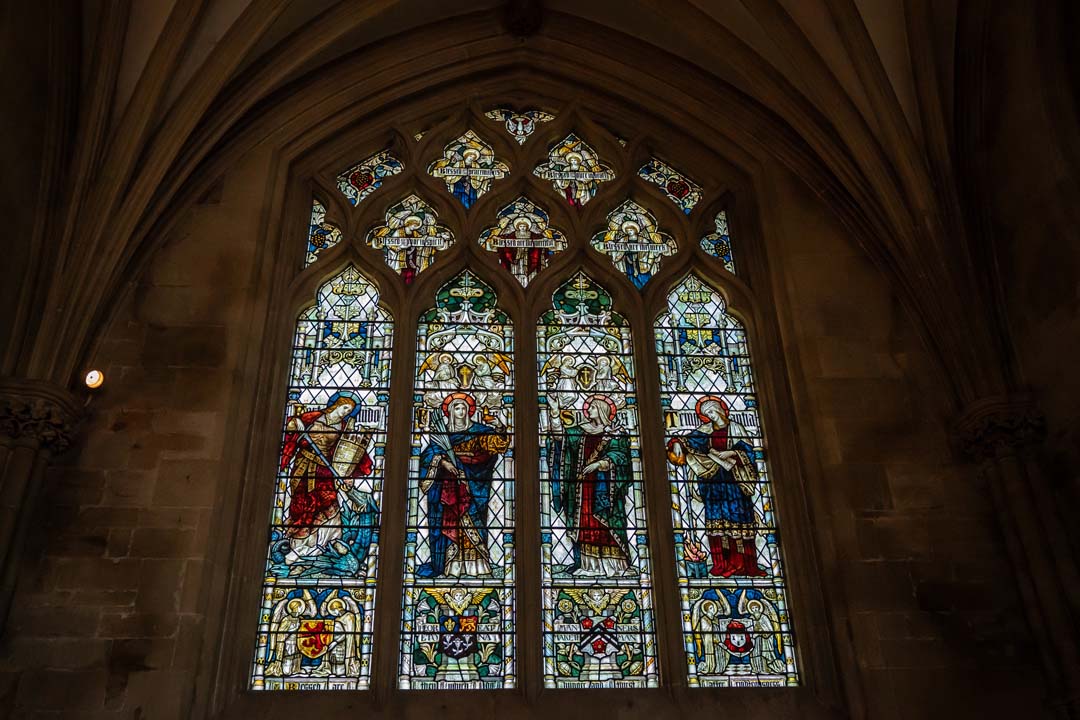
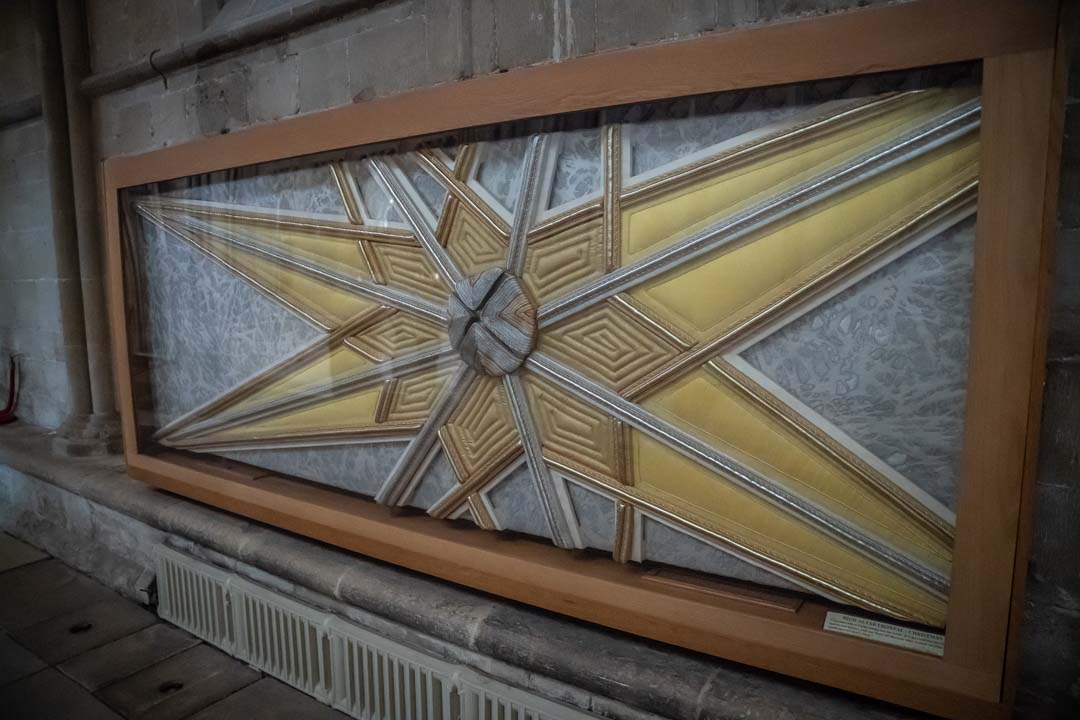
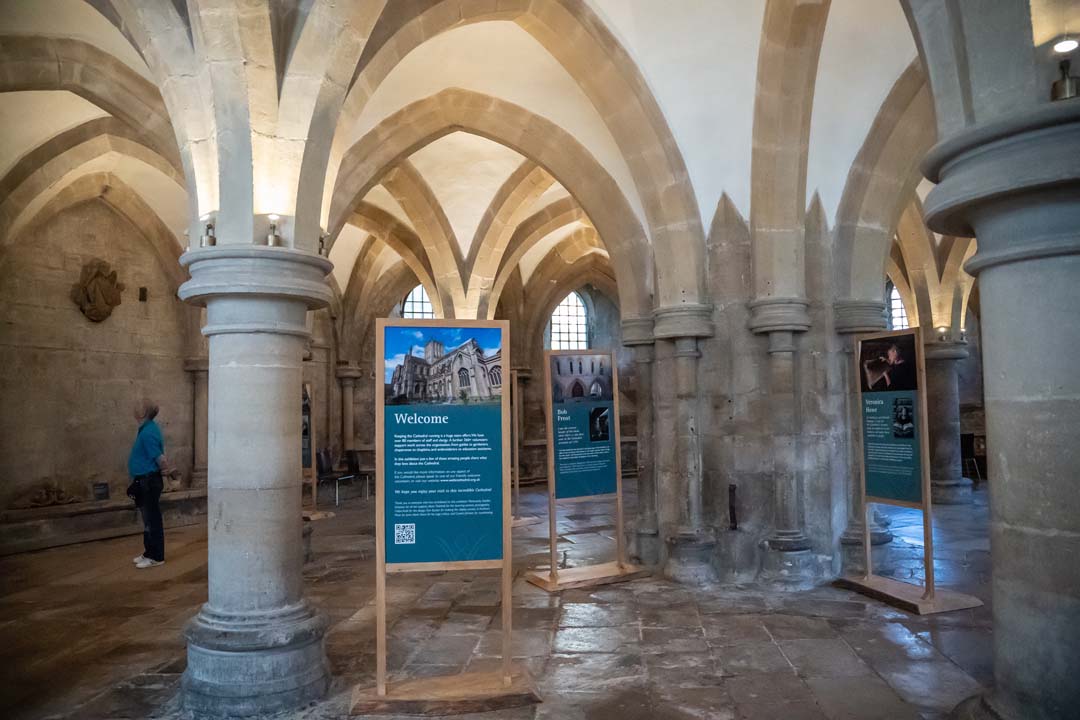
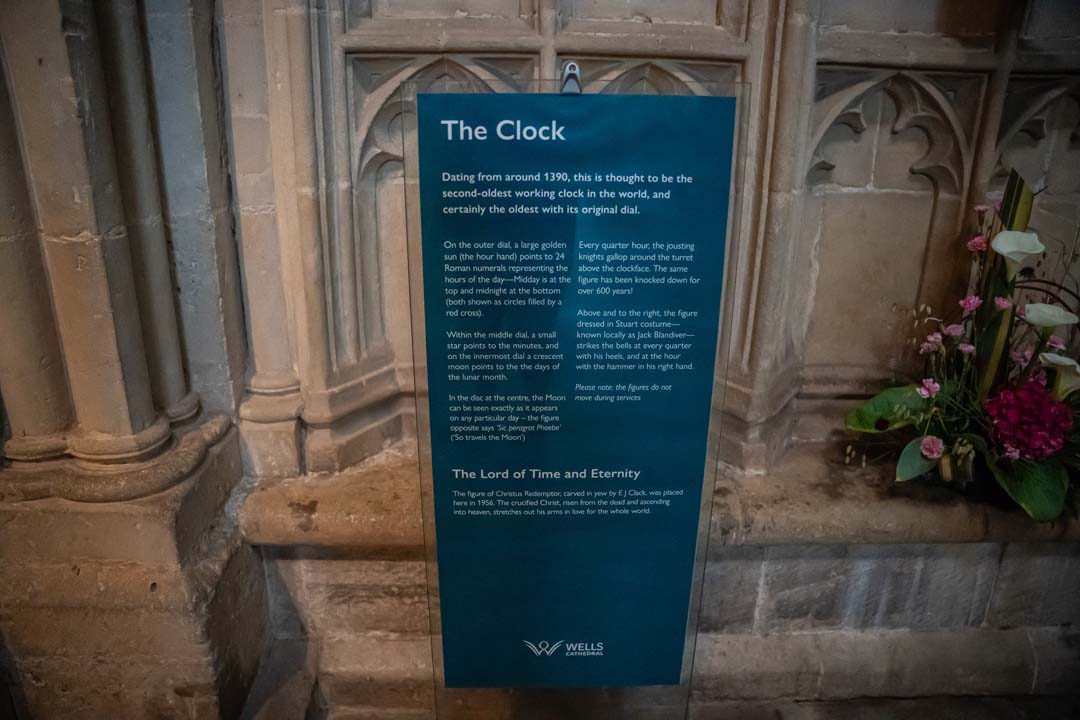
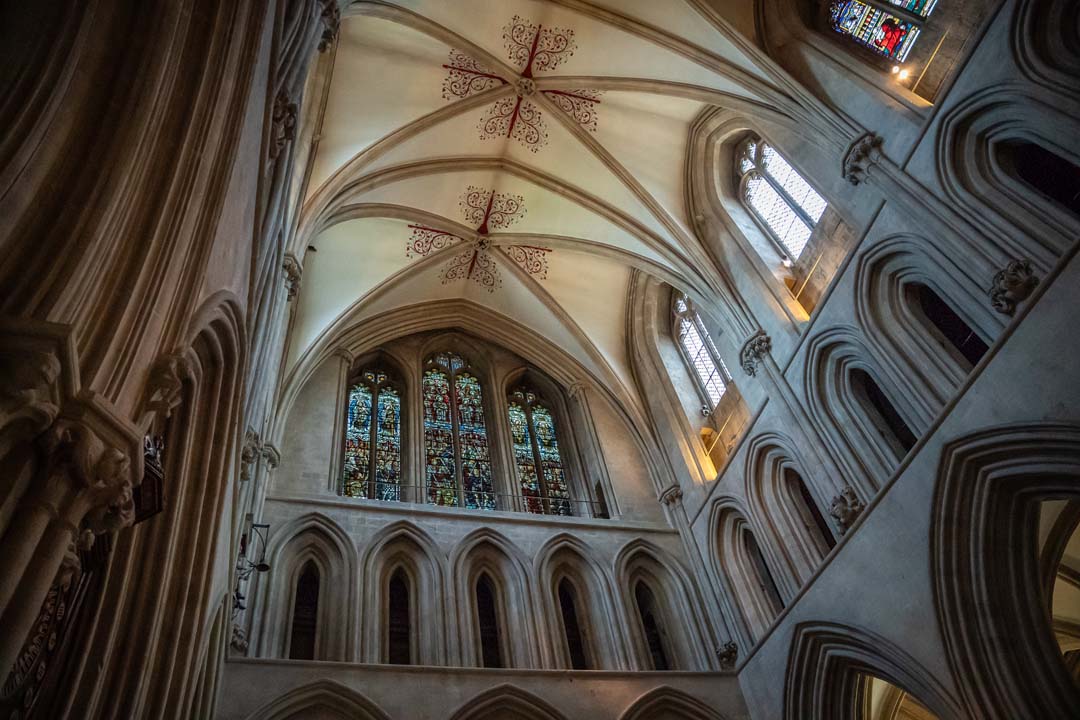
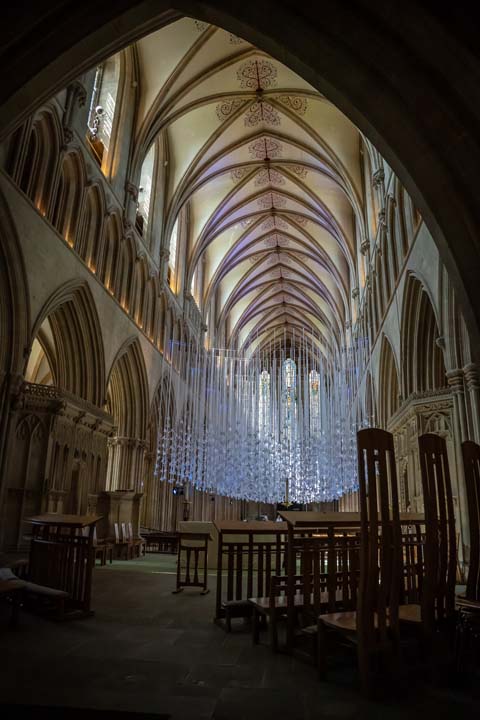
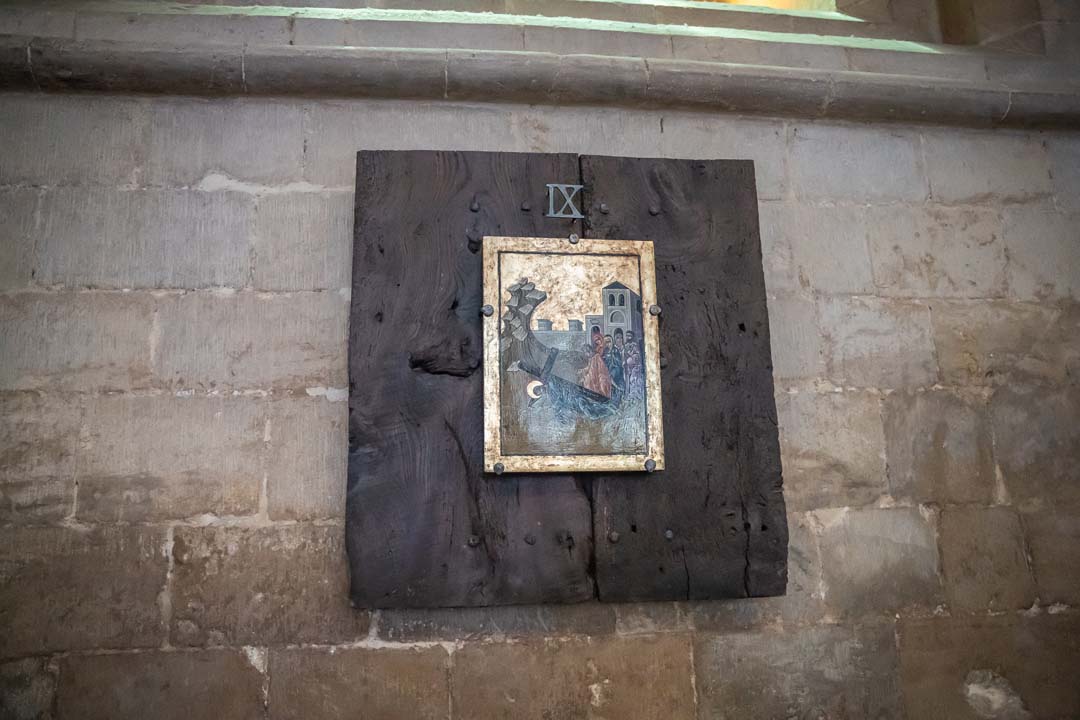
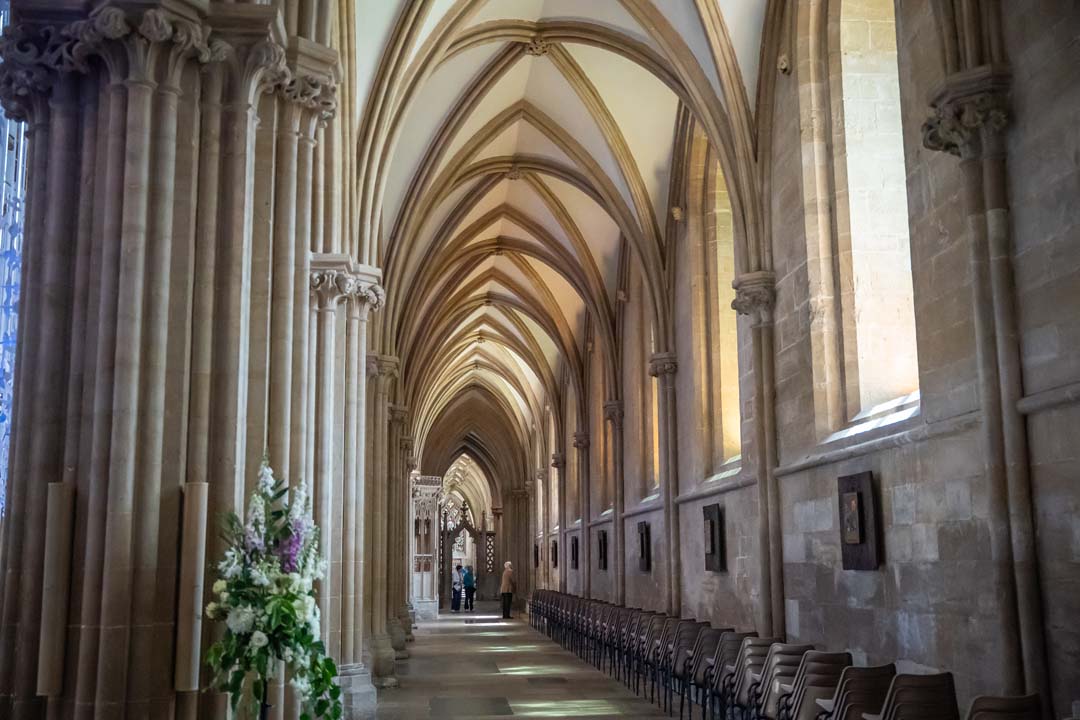
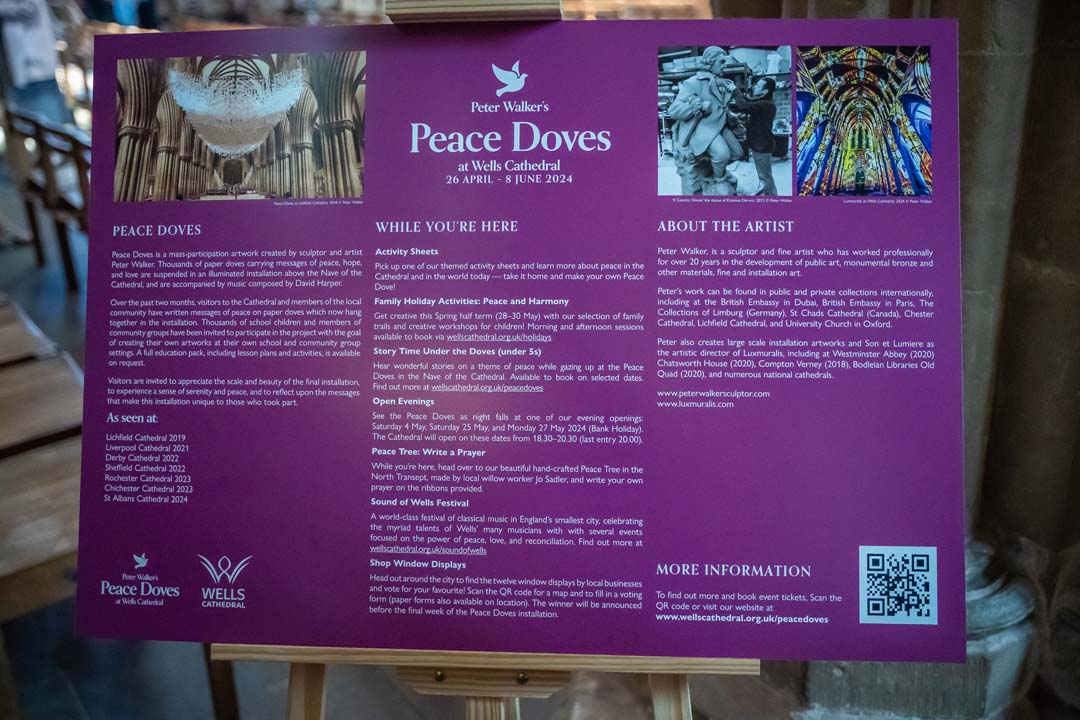
From time to time I publish a blog on this site which has very tenuous links to birds. The justification on this occasion is that on our visit to Wells in Somerset there was an installation in Wells Cathedral by Peter Walker entitled “Peace Doves”.
After our visit to the Cathedral we also visited a local garden, Stoberry Park, which was open as part of the National Garden Scheme and some of my photos could be categorised as “nature” photos.
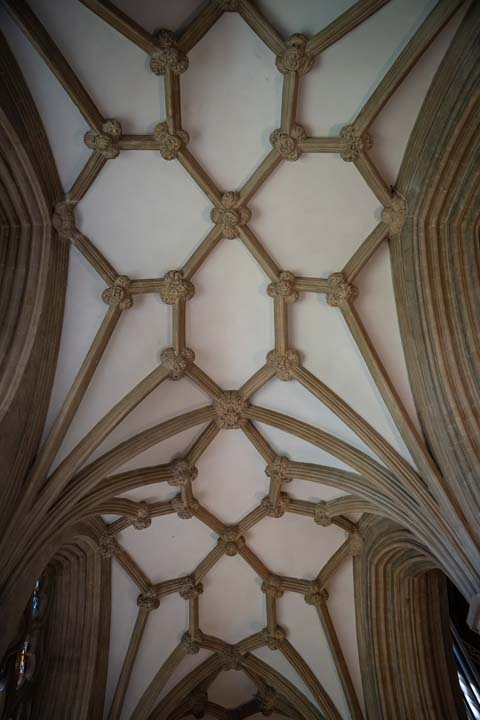
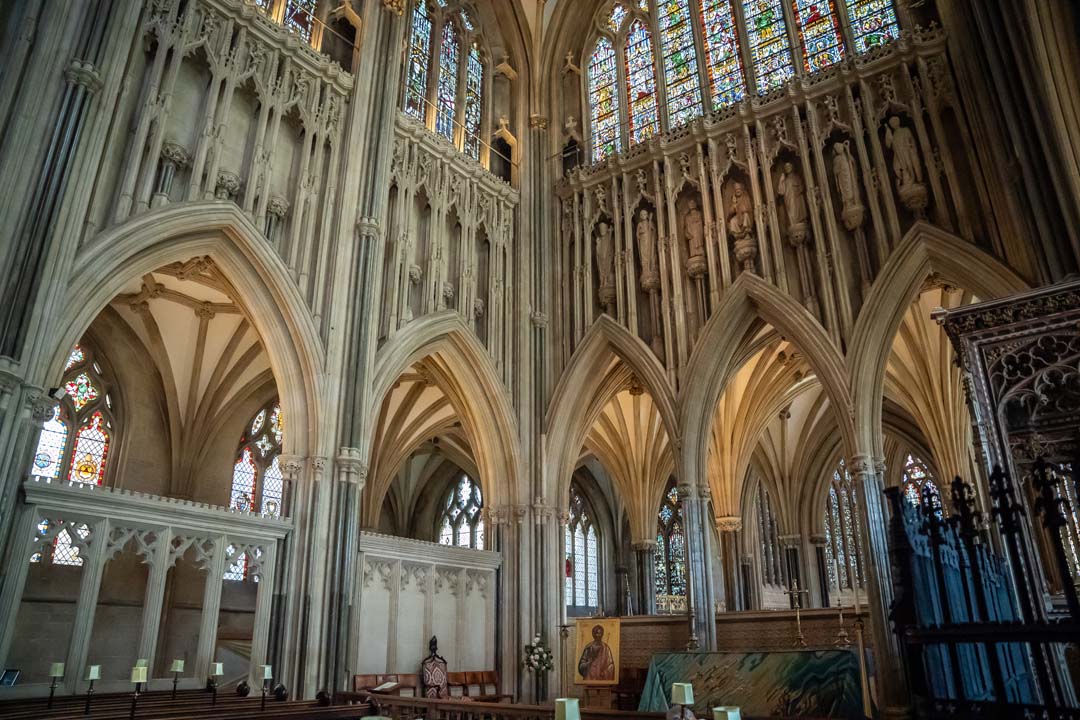
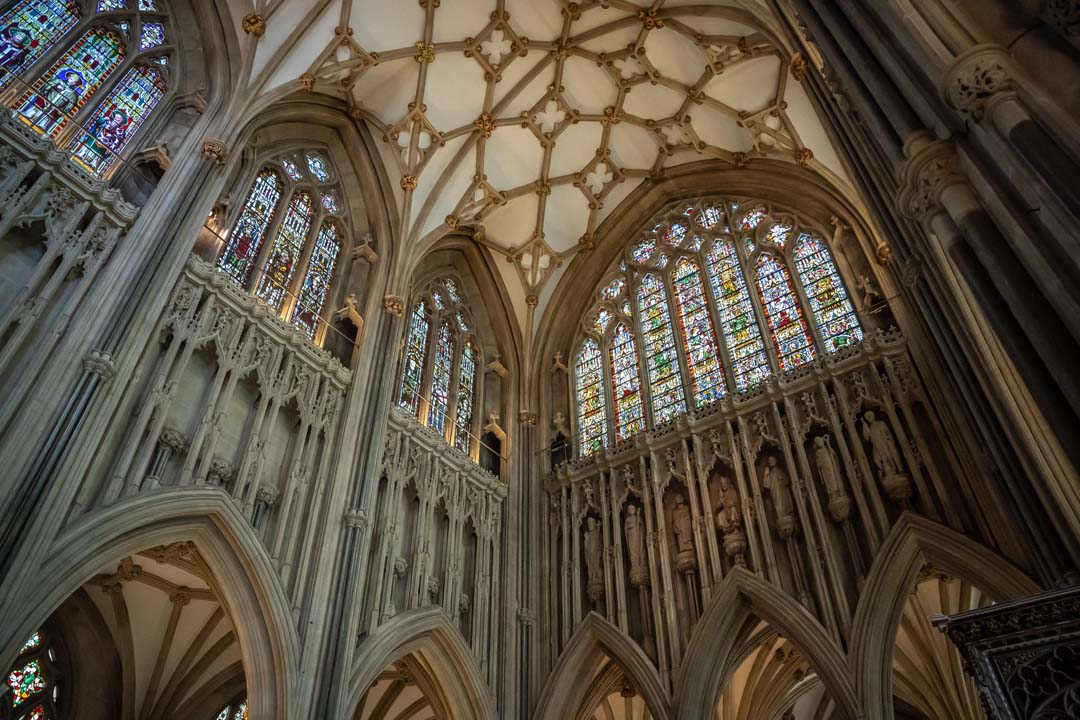
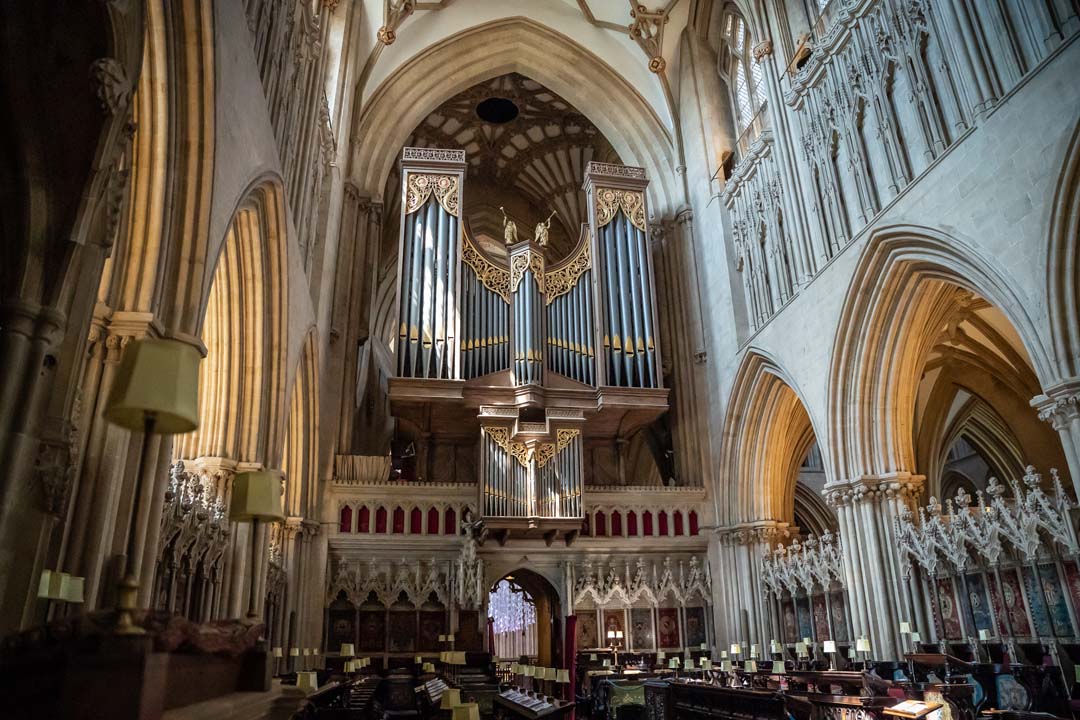
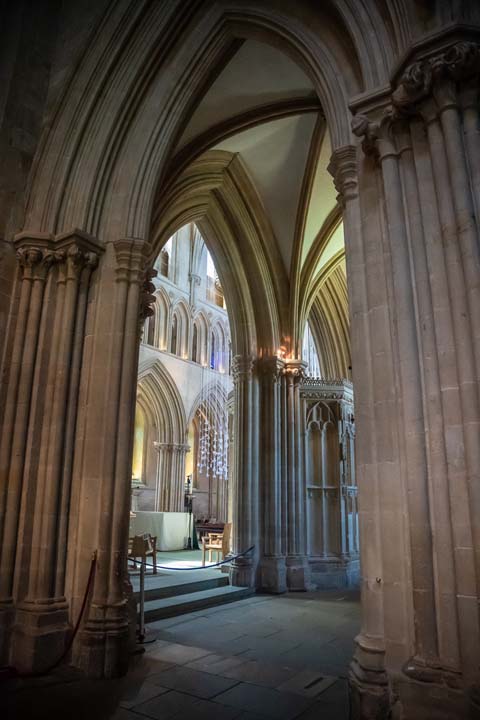
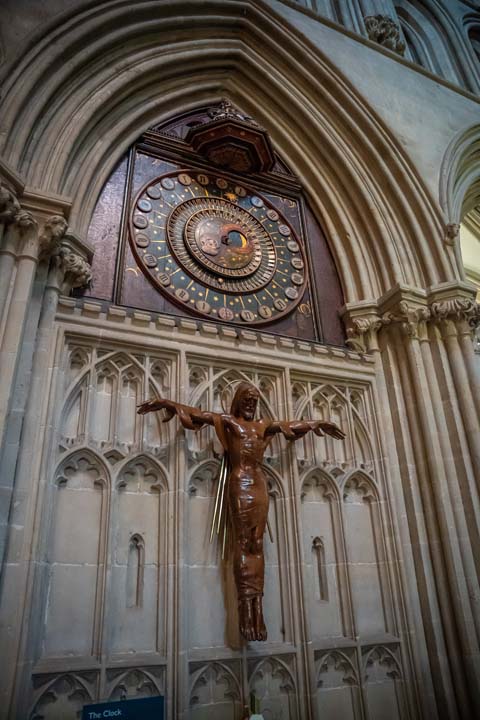
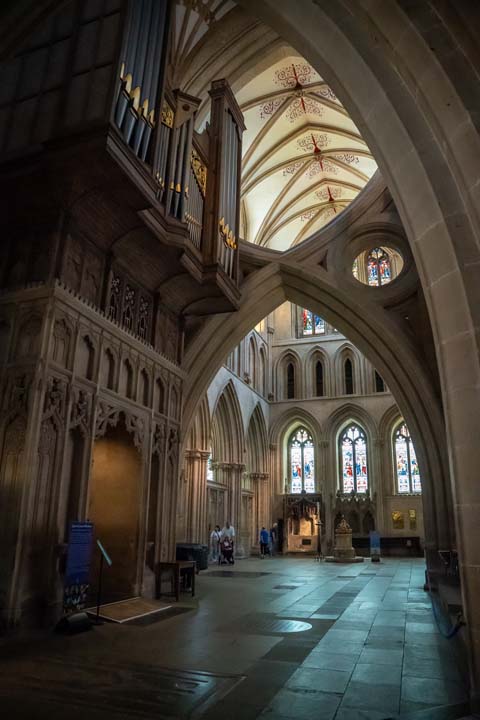
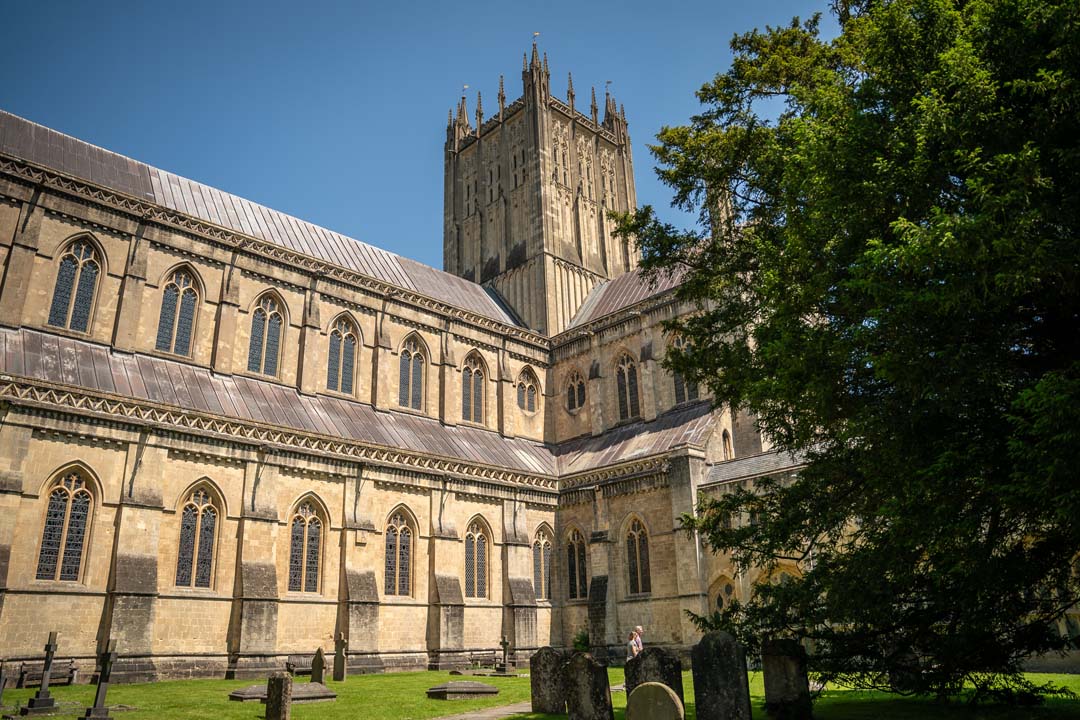
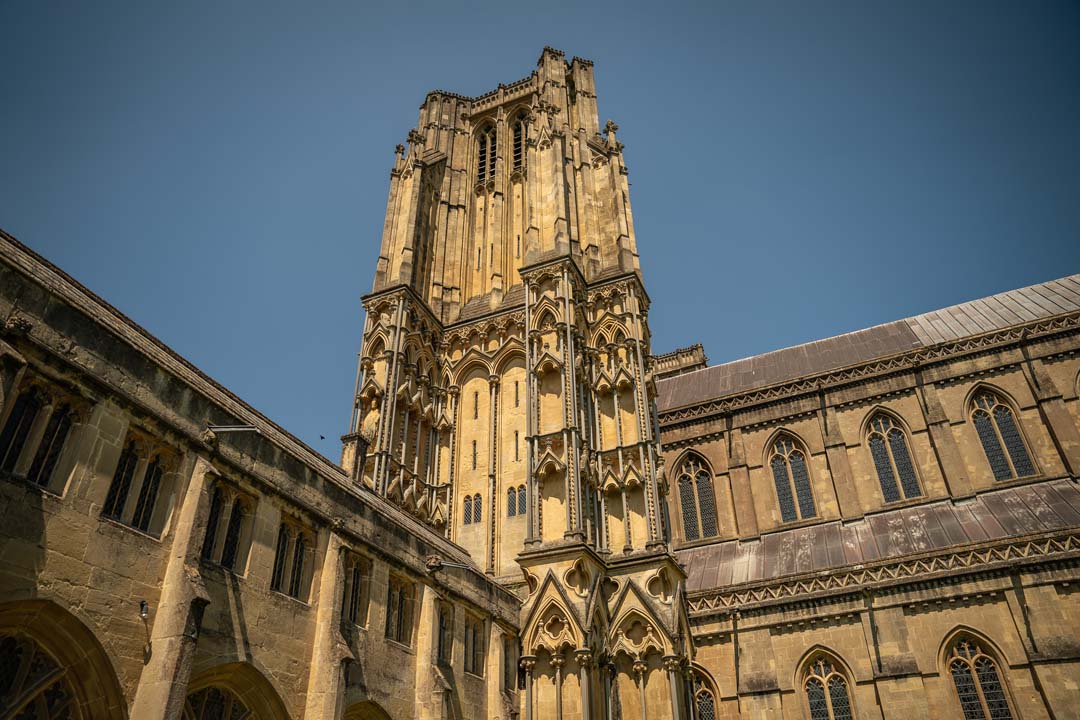
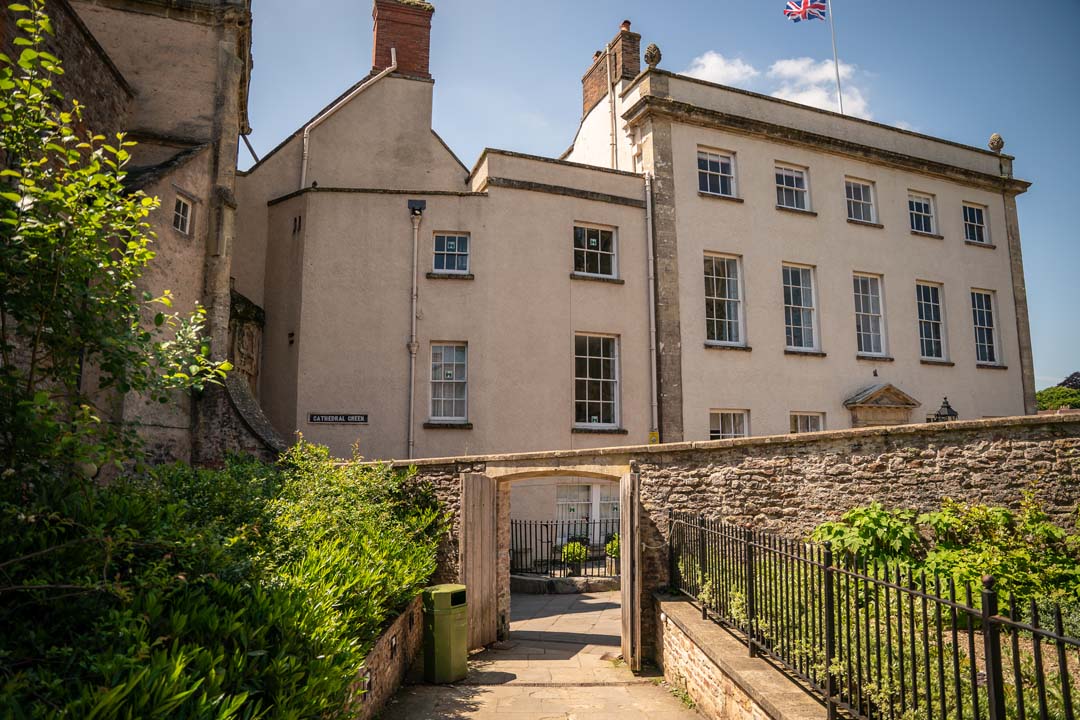
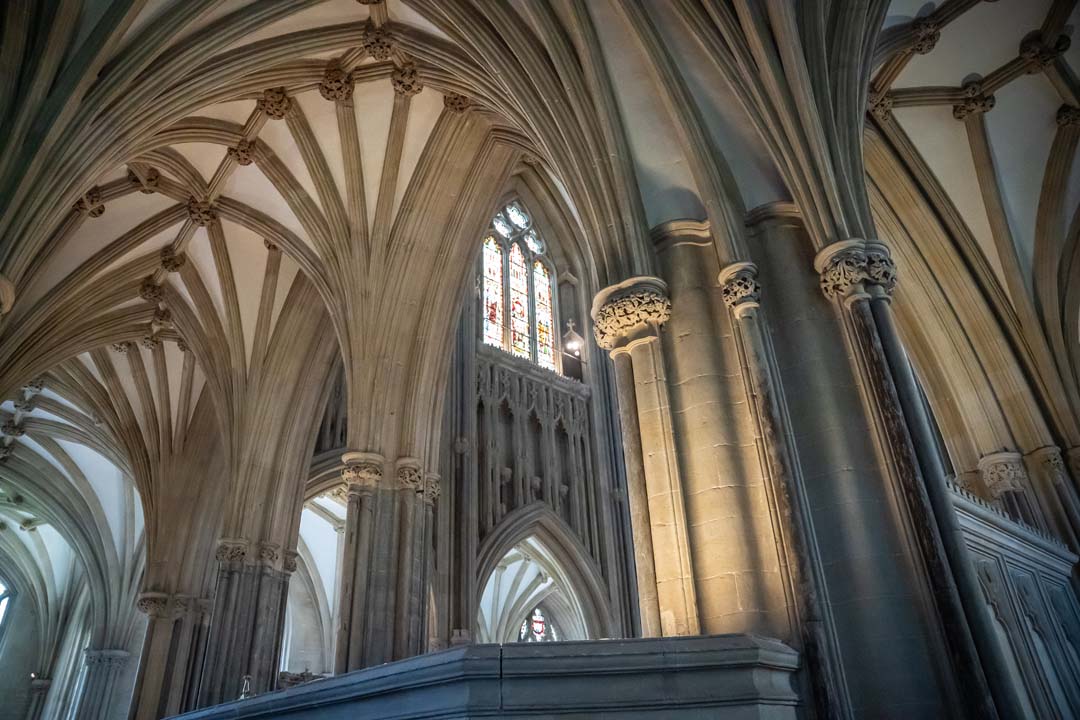
The centre of Wells with the Cathedral behindThe west façade of Wells CathedralThe installation “Peace Doves”
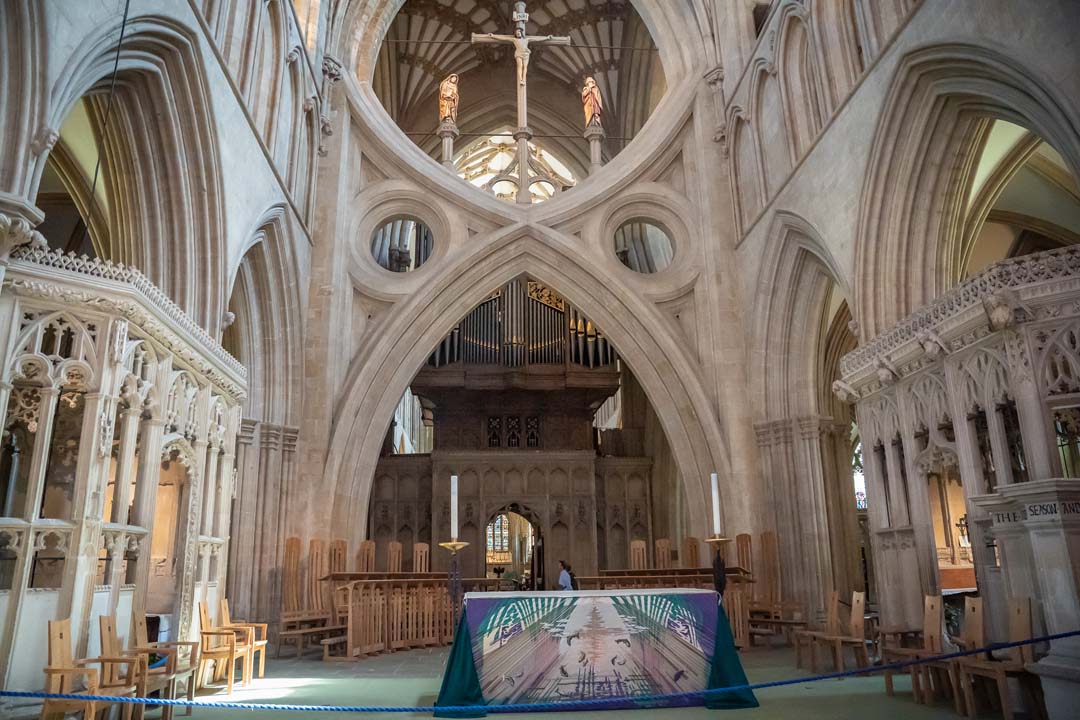
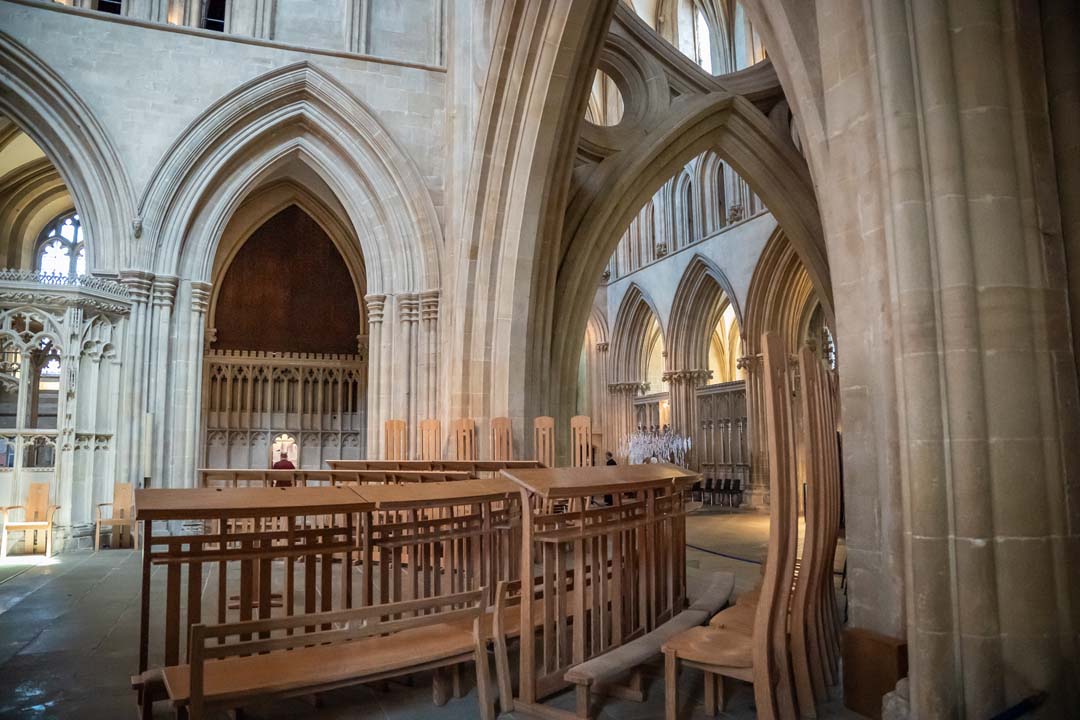
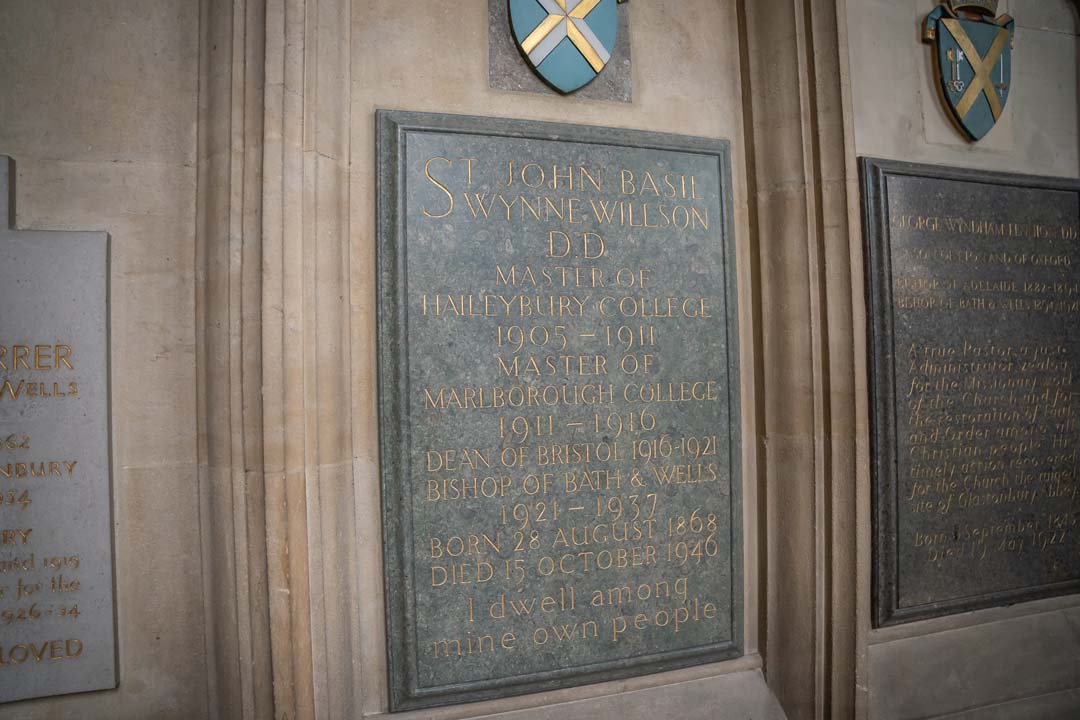
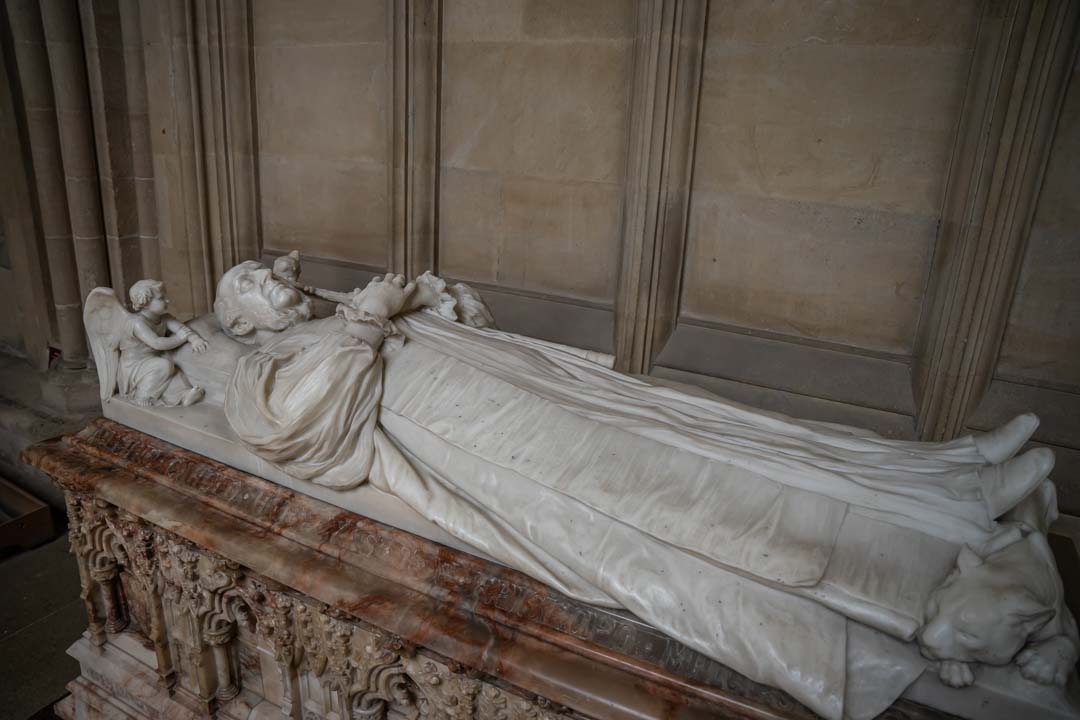
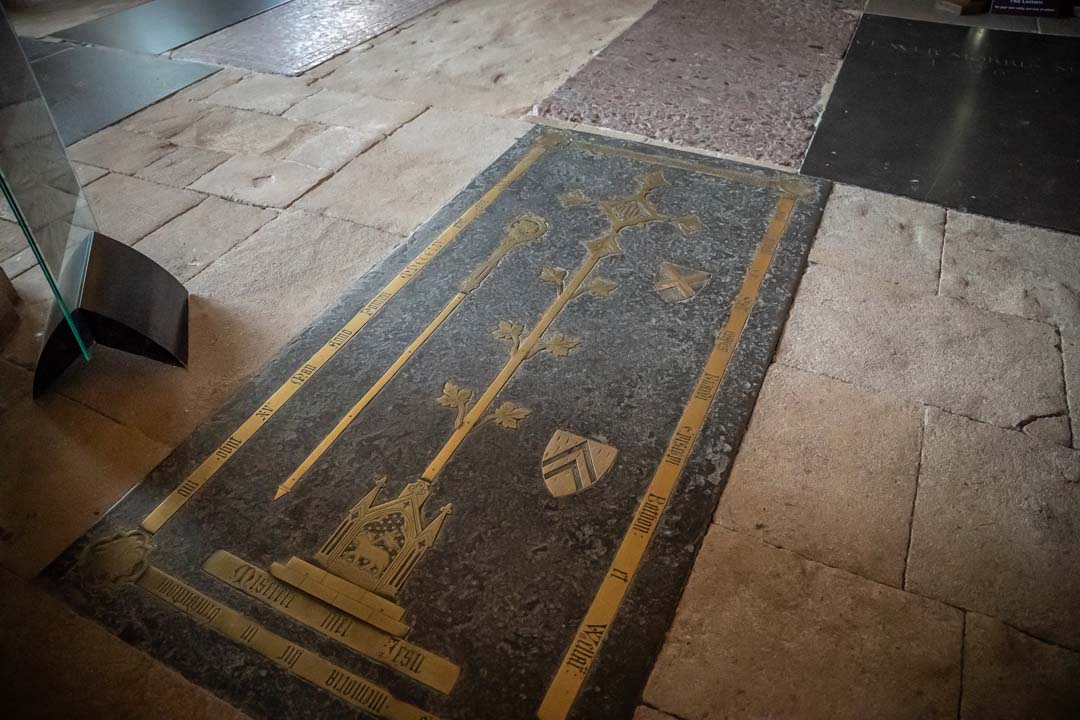
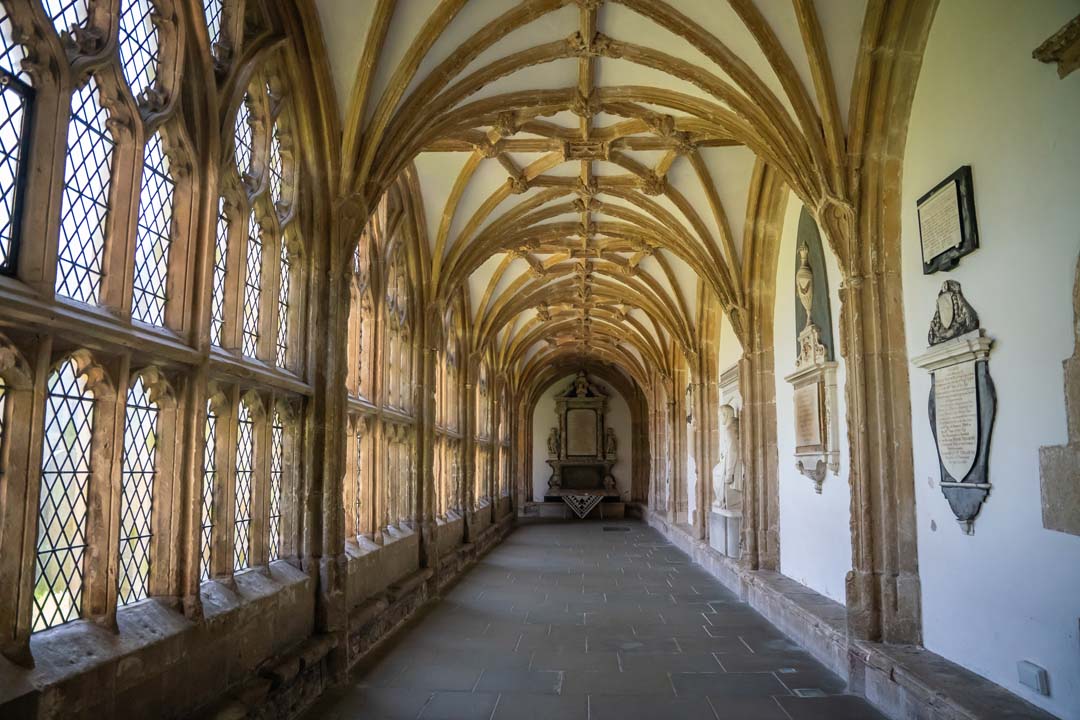
Slideshow of photos of Wells Cathedral:
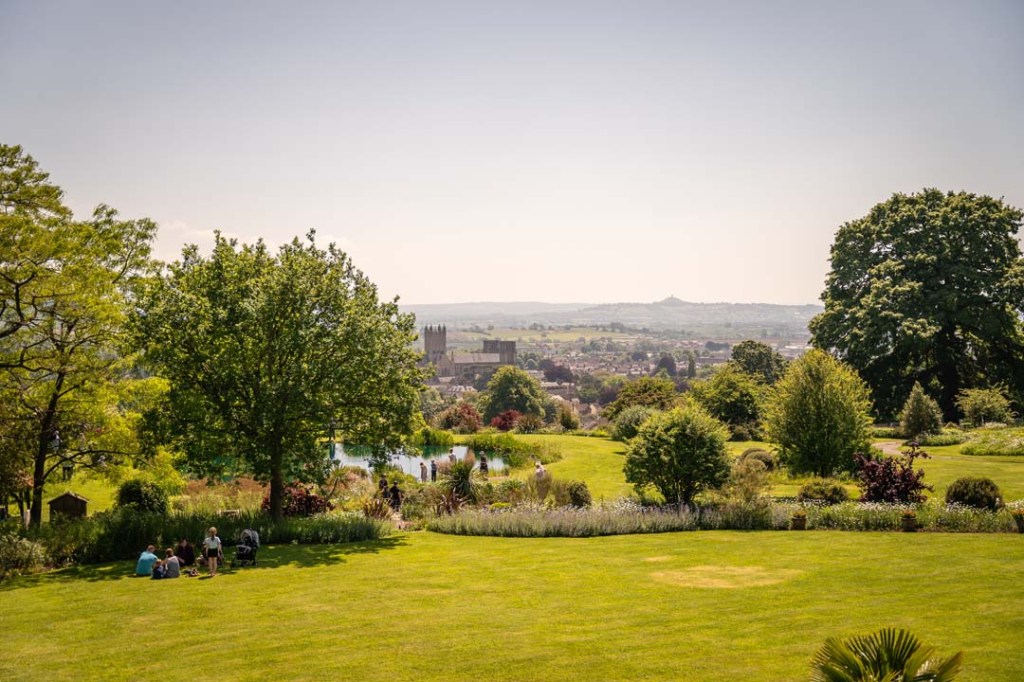
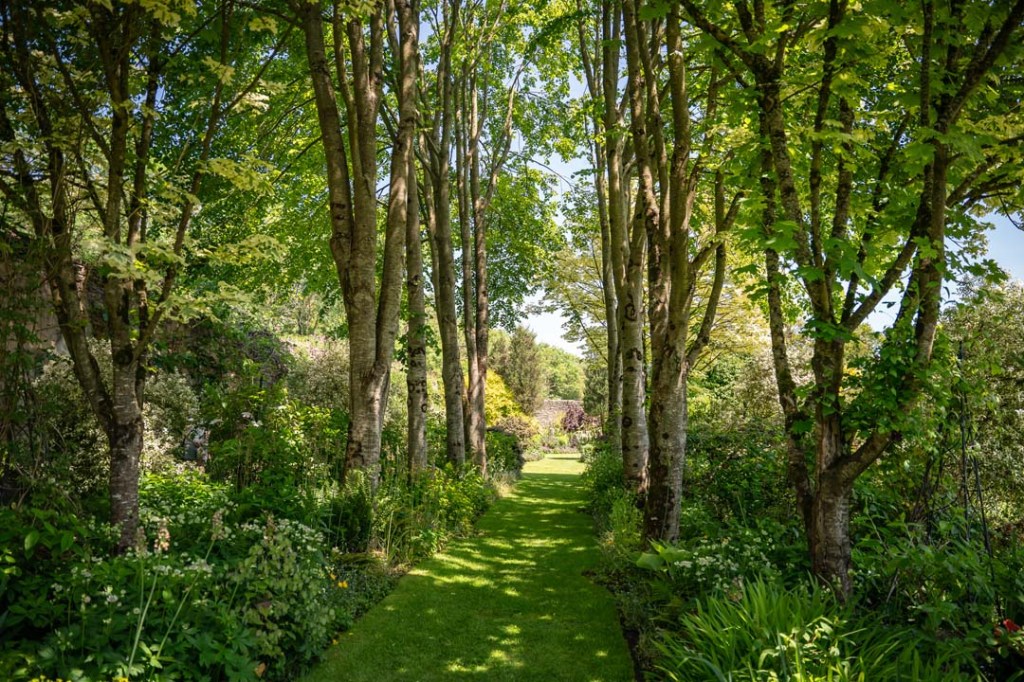
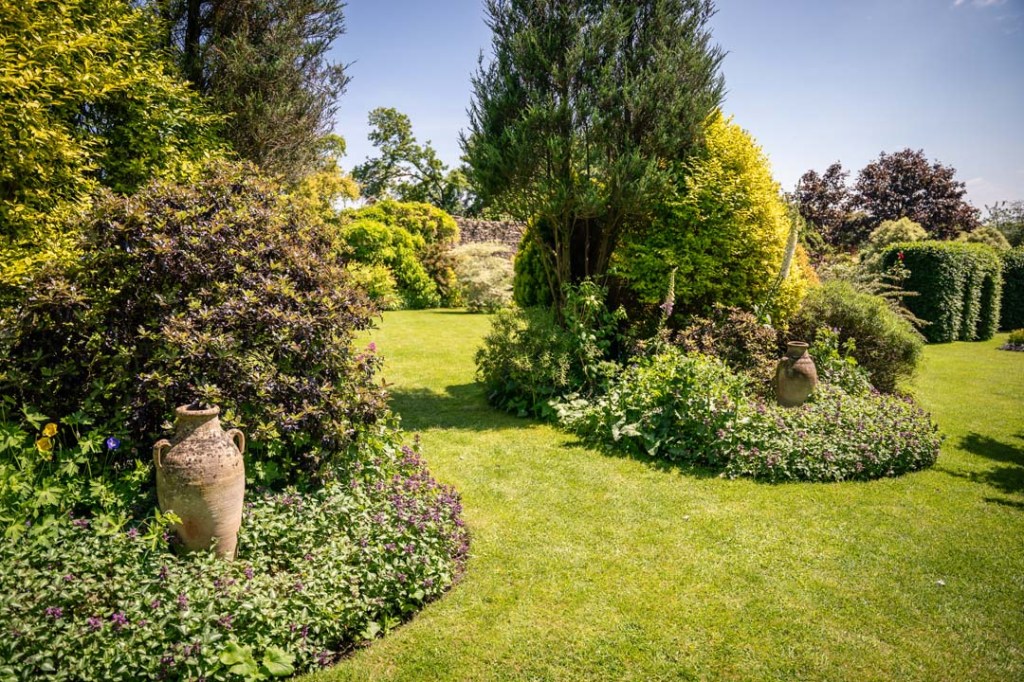
Stoberry Park was just north of Wells and had magnificent views looking down onto Wells Cathedral and beyond to Glastonbury Tor.
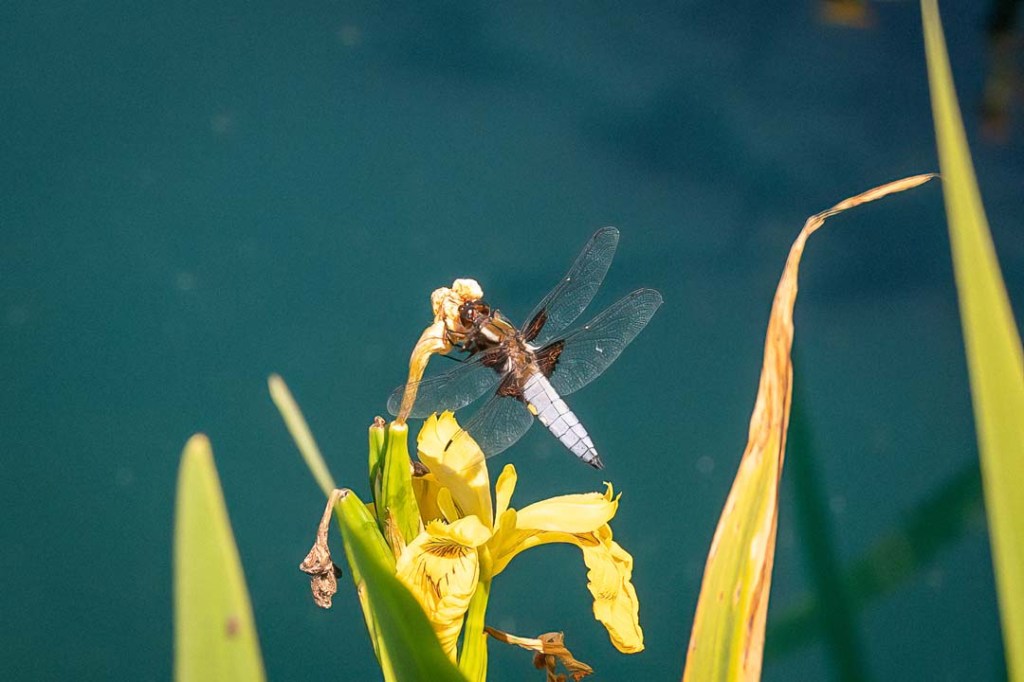
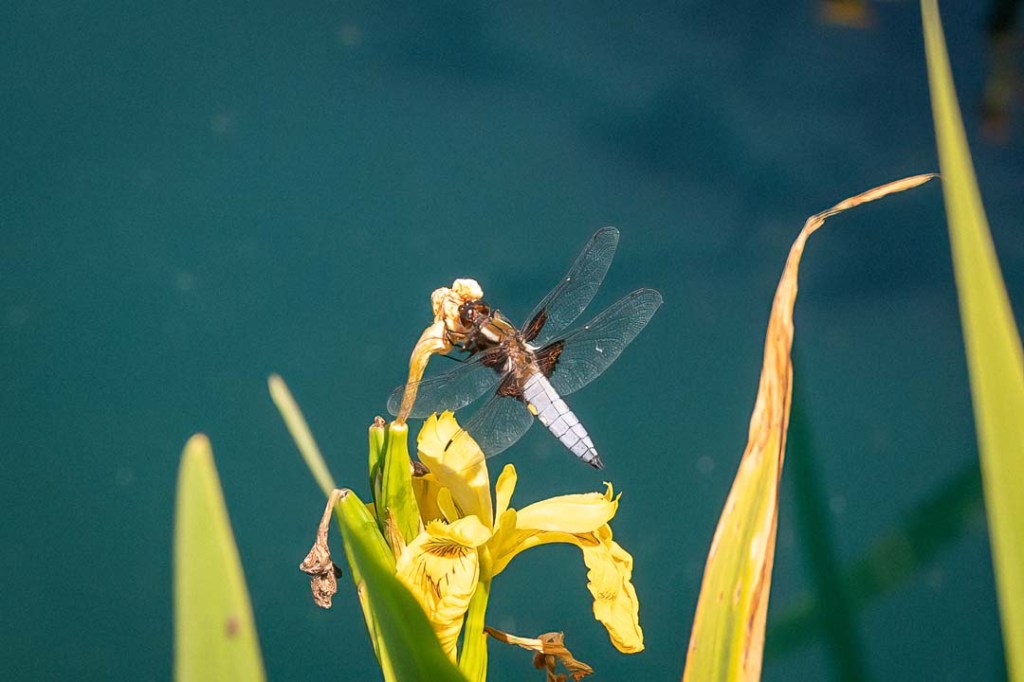
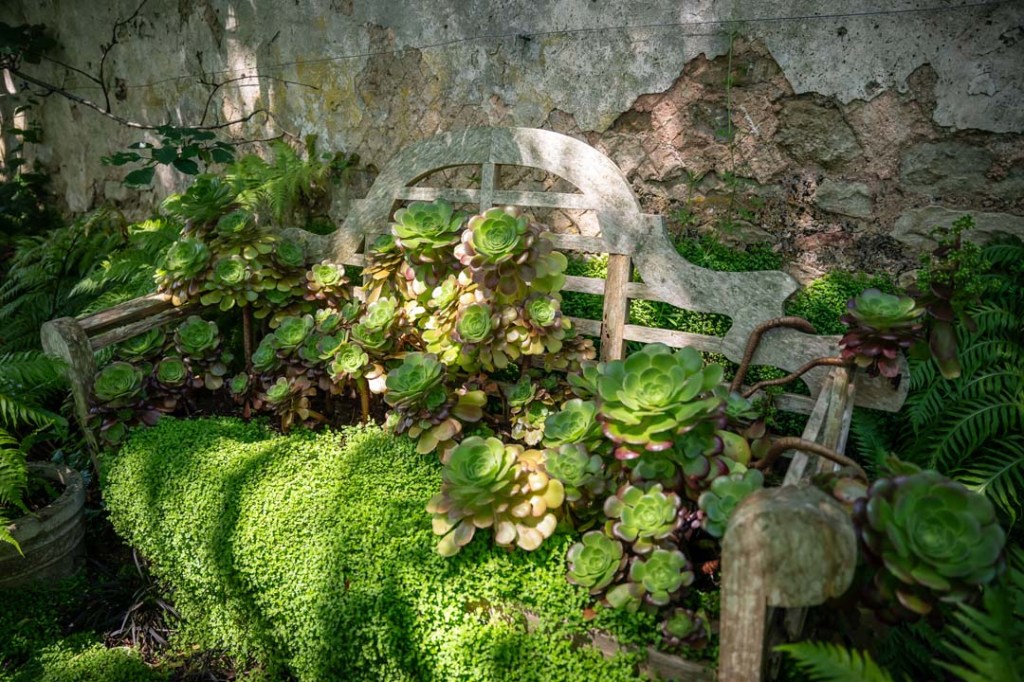
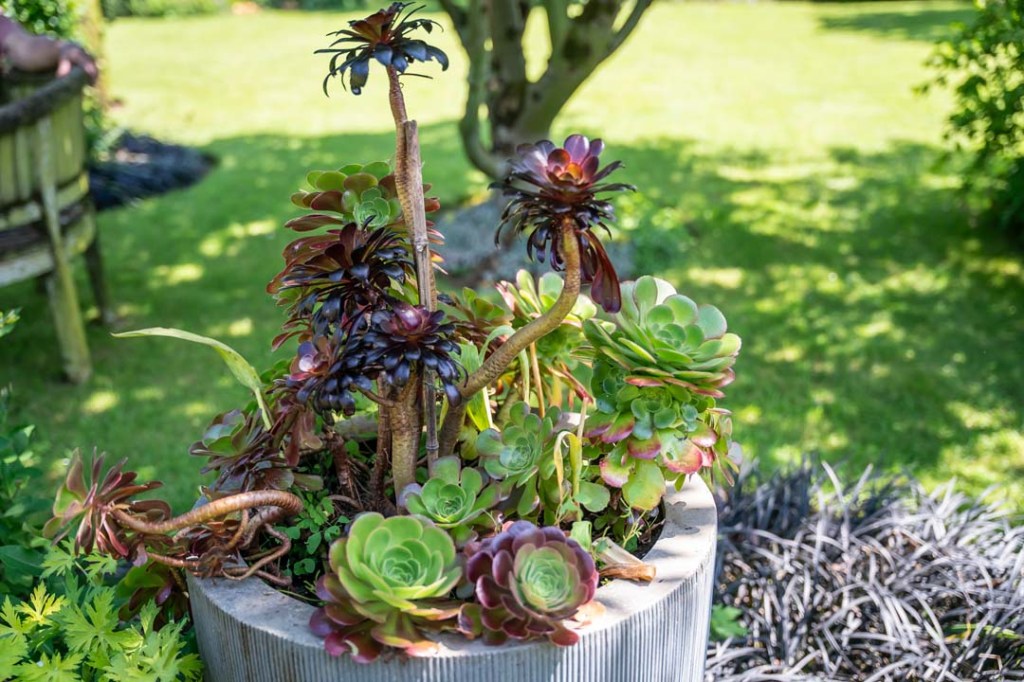
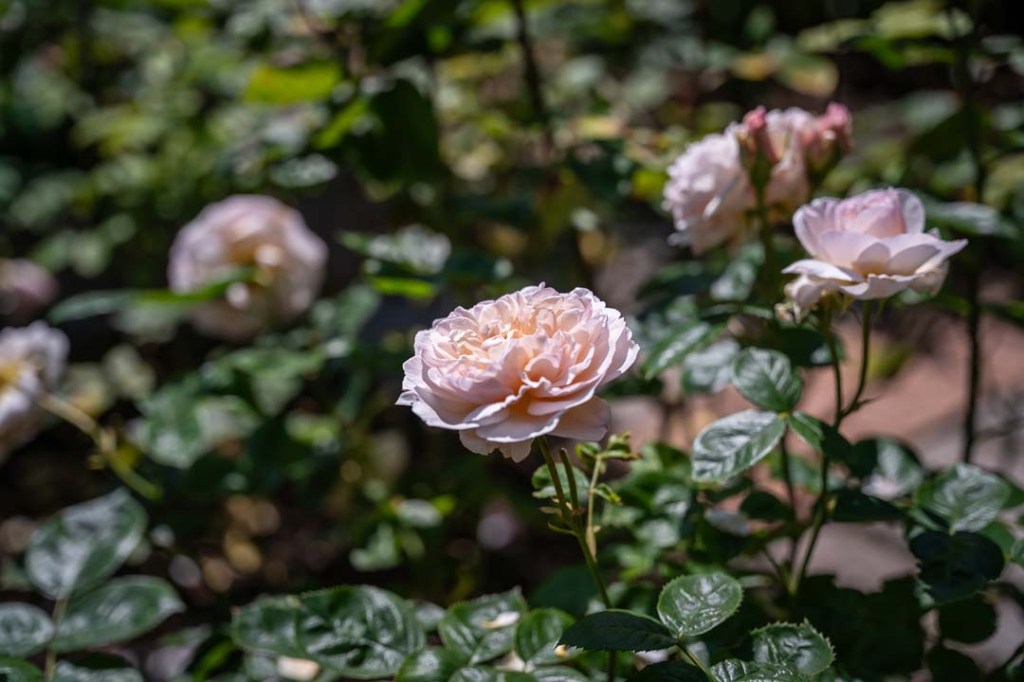
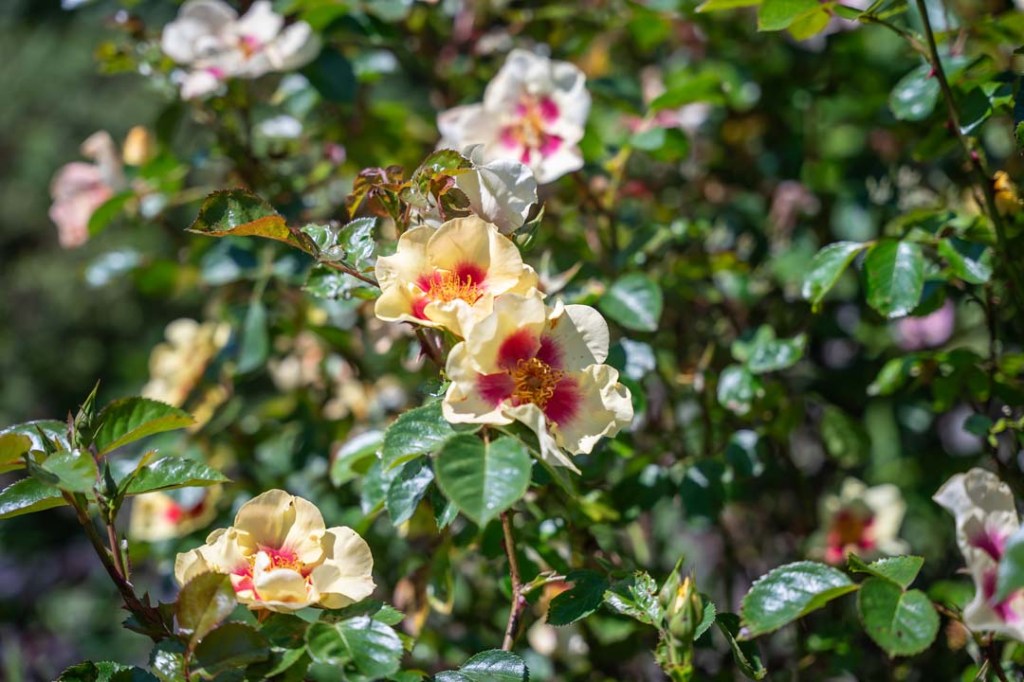
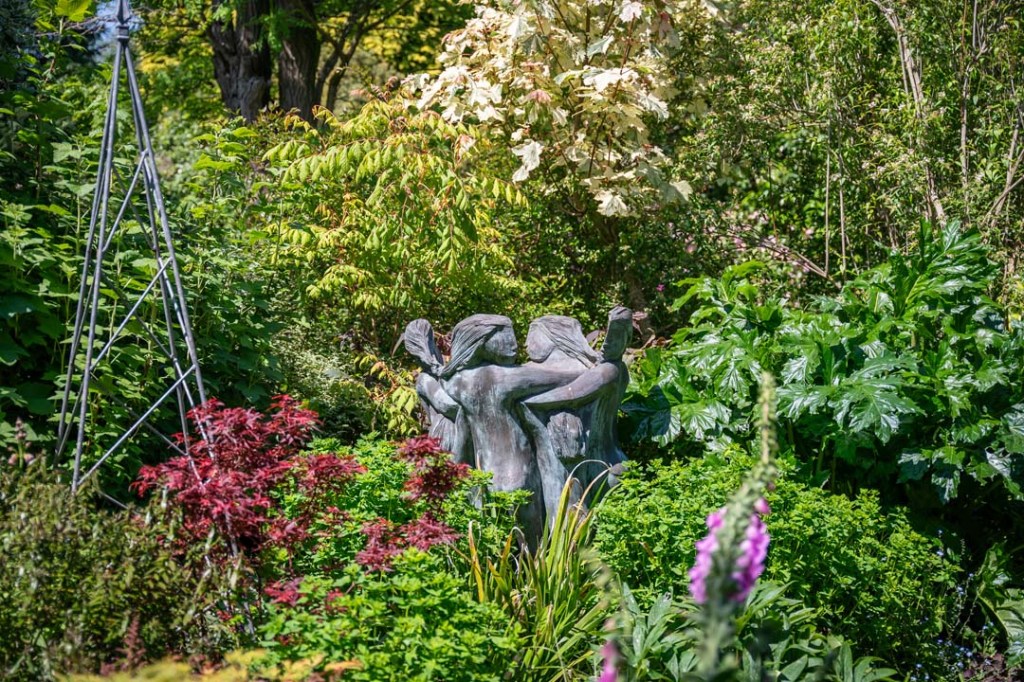
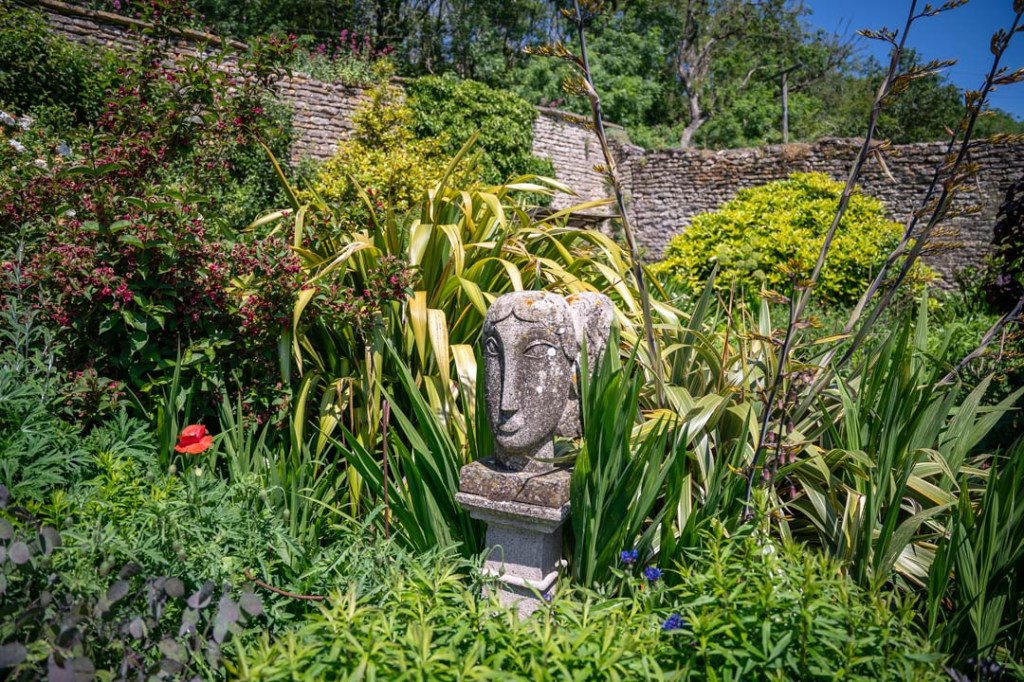
The pond had lots of dragonflies/chasers but I didn’t have the right lens to make the most of the opportunityThe walled garden was spectacular… and featured lots of aeonium which I gather have to be taken into a warm glasshouse each winterThe roses were at their best… ferns tooThe garden featured lots of sculpturesTea and cakes on the lawn were an attraction for many (which we couldn’t resist either)
Another trip to RSPB Ham Wall and another dull day. At least it stopped raining during my visit.
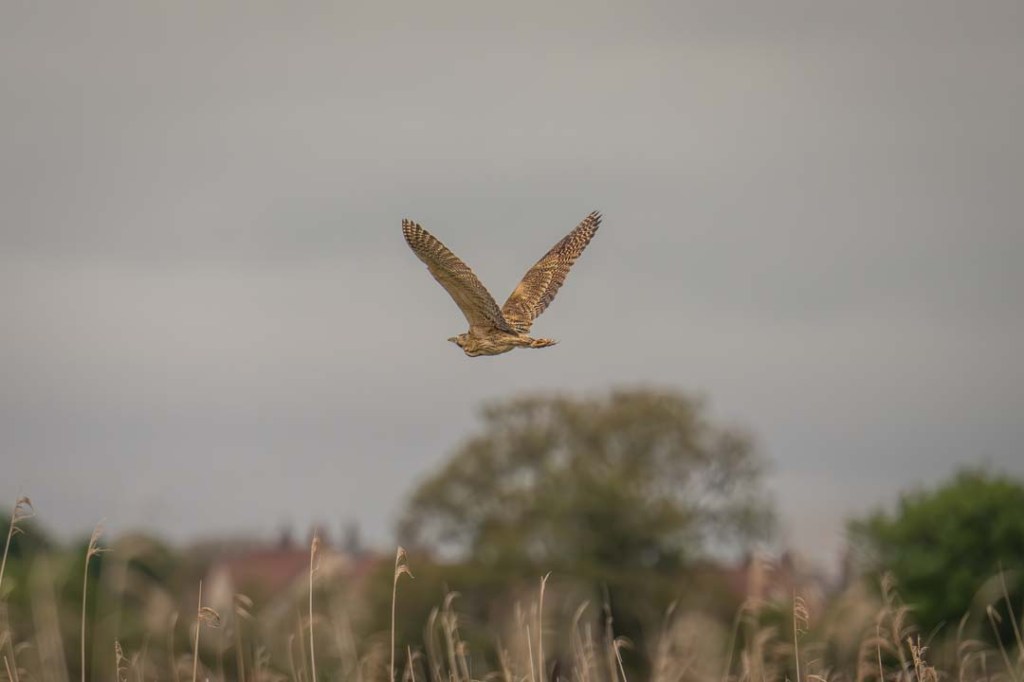
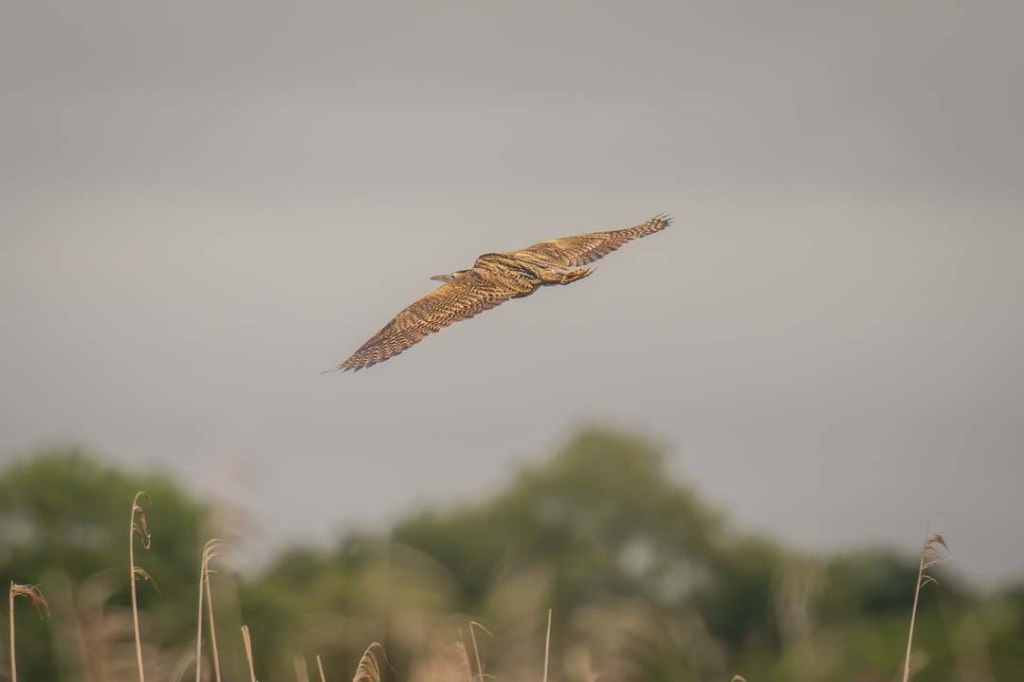
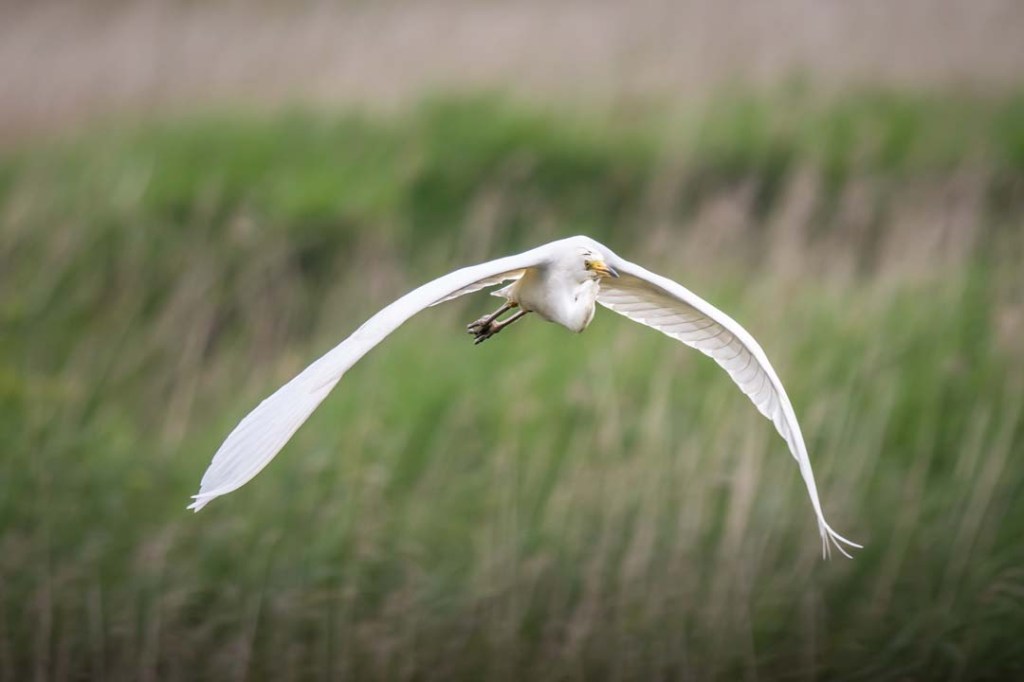
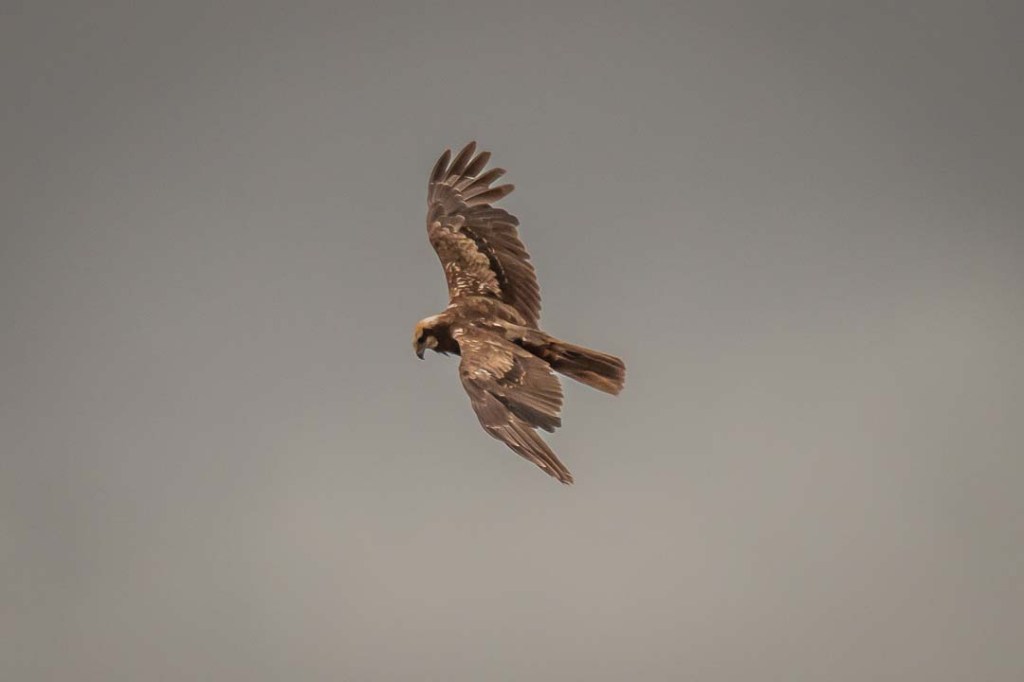
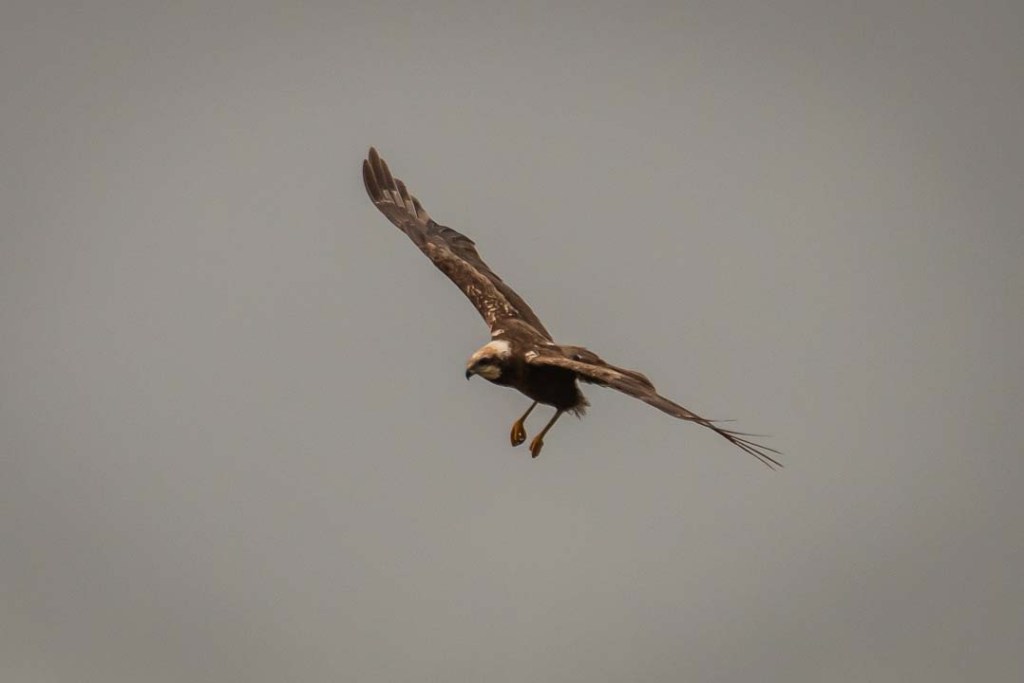
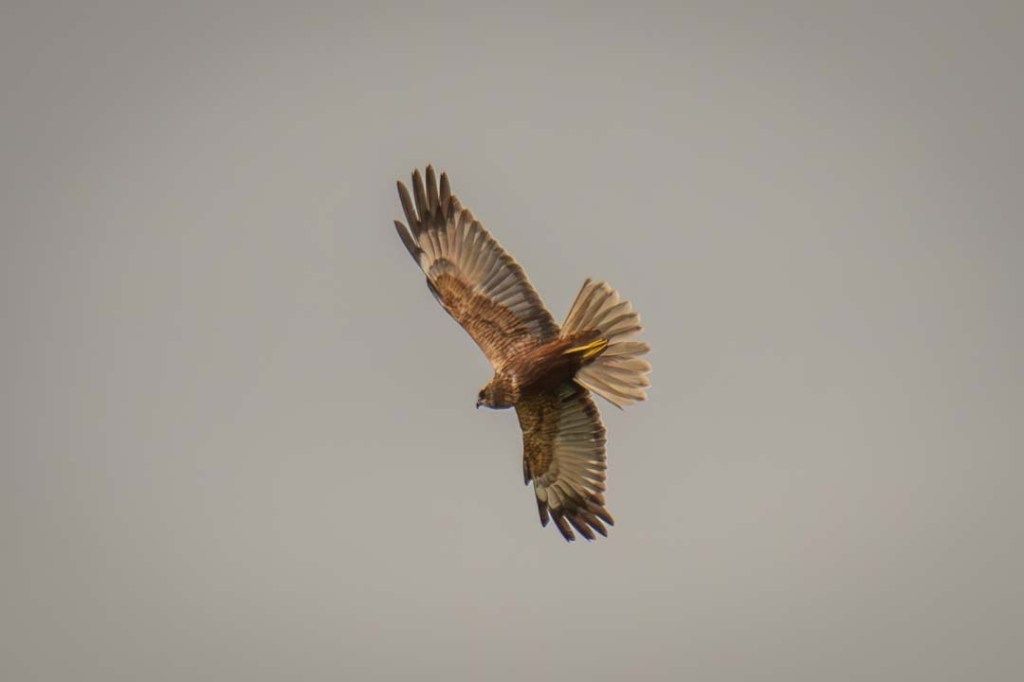
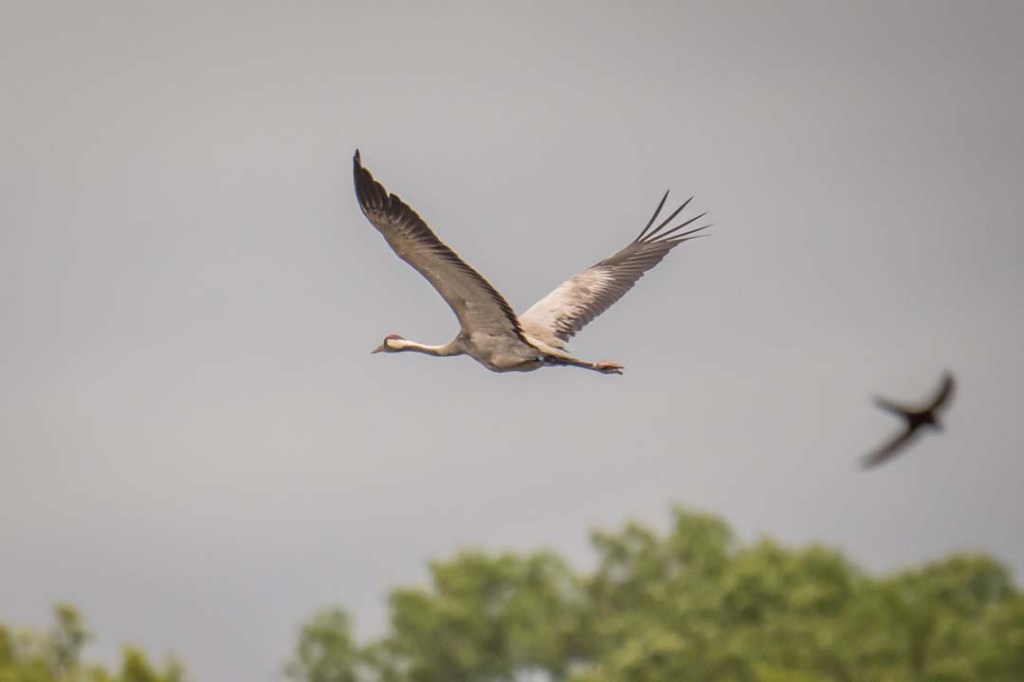
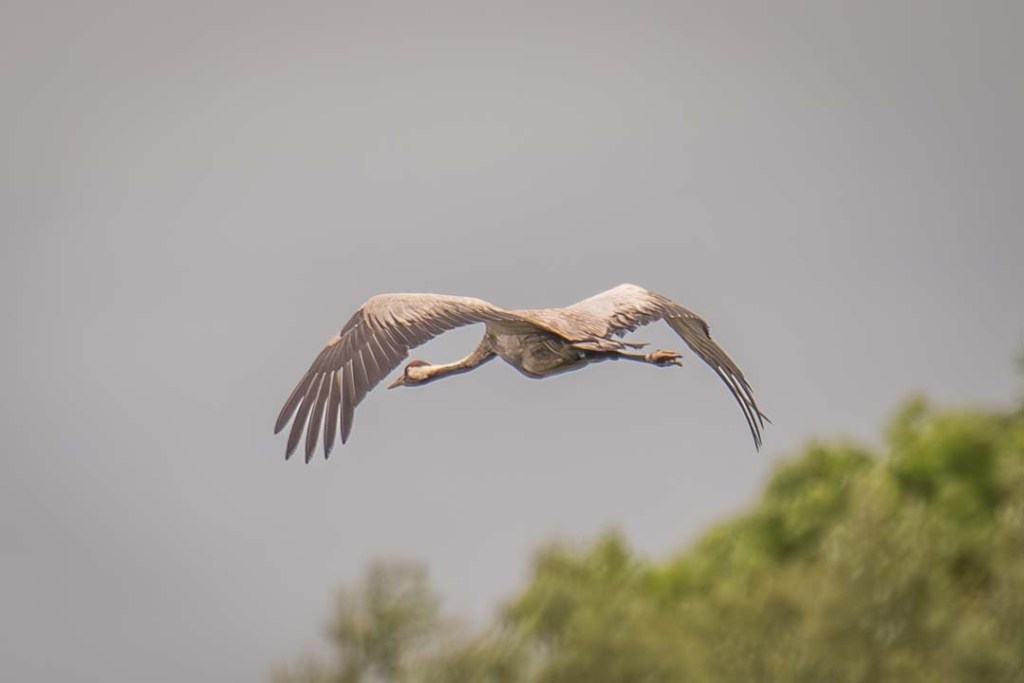
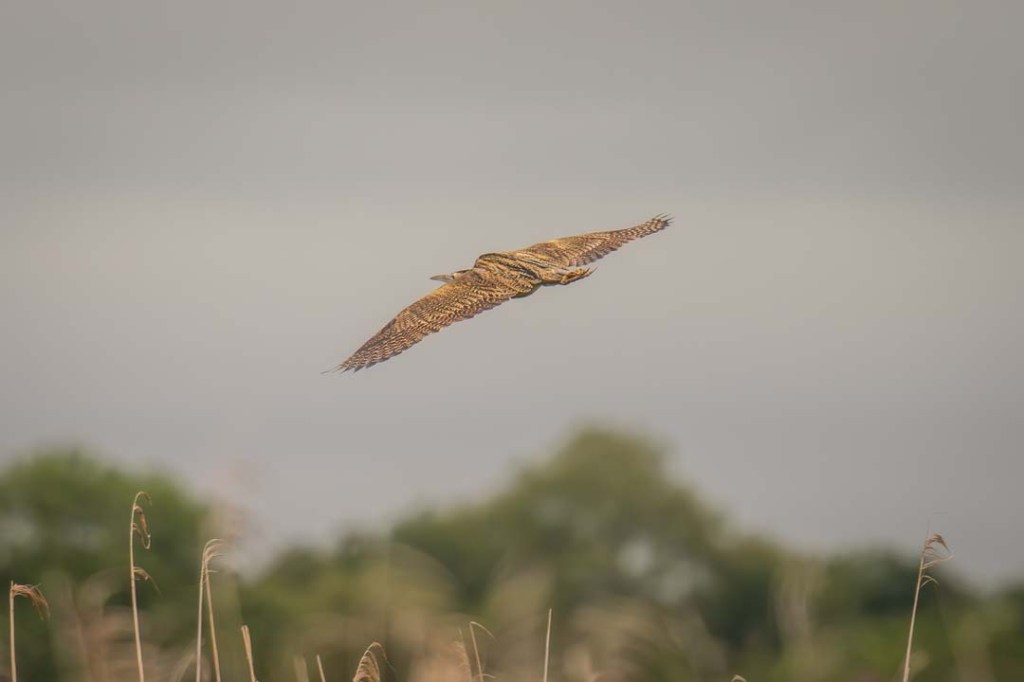
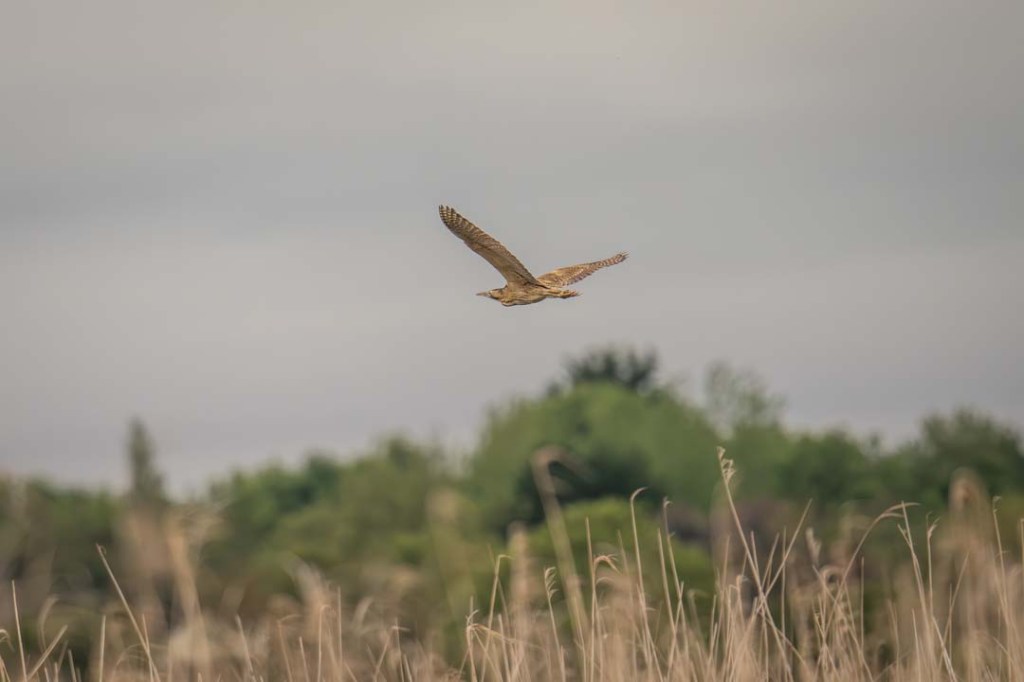
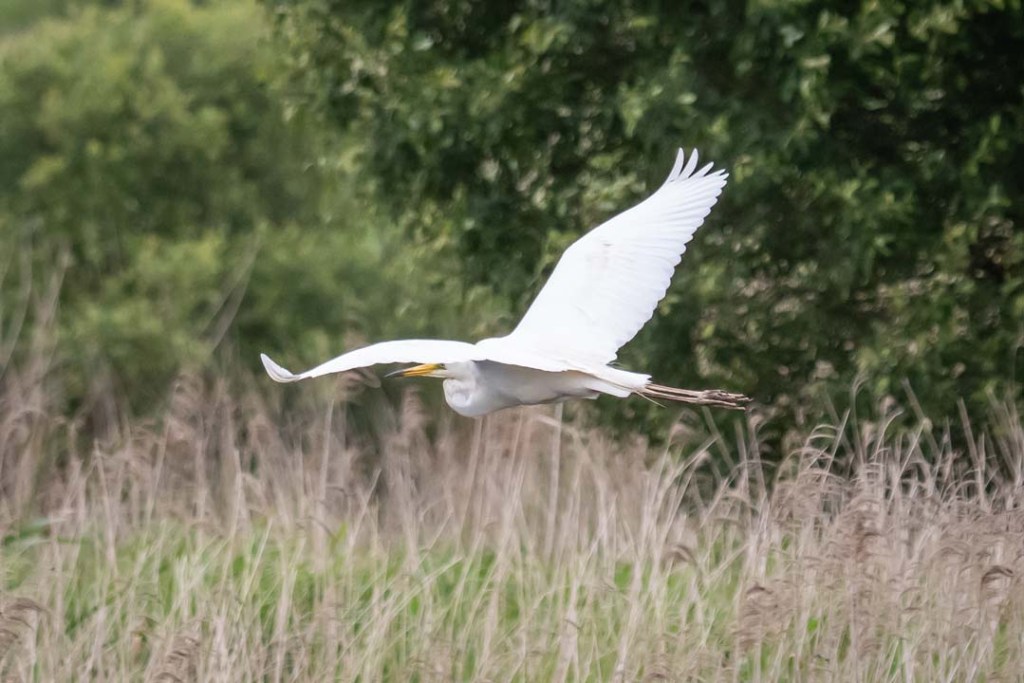
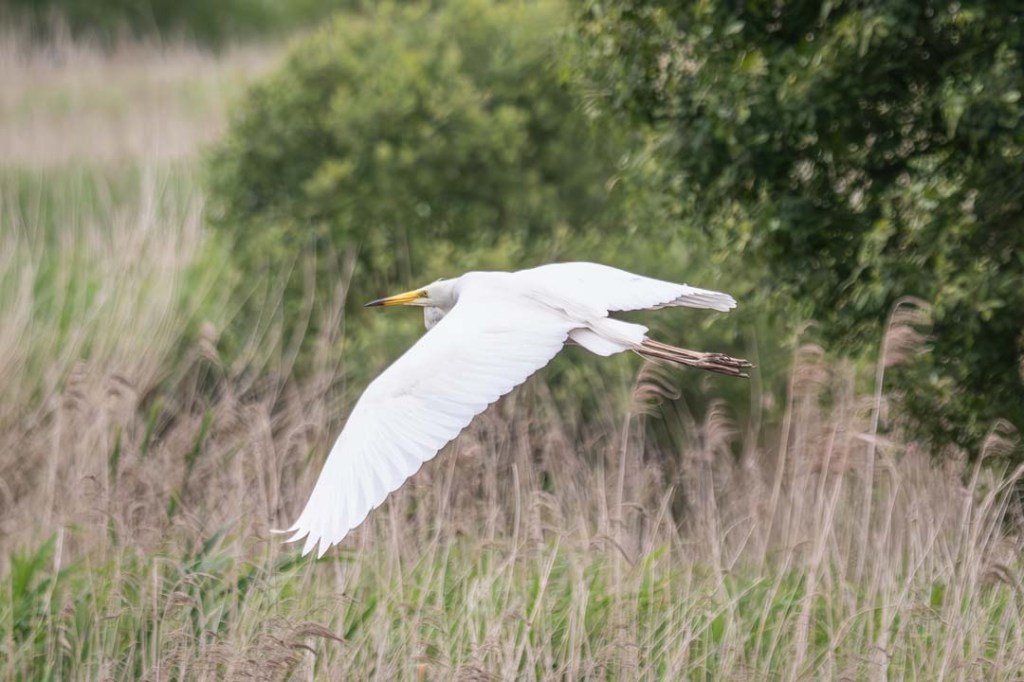
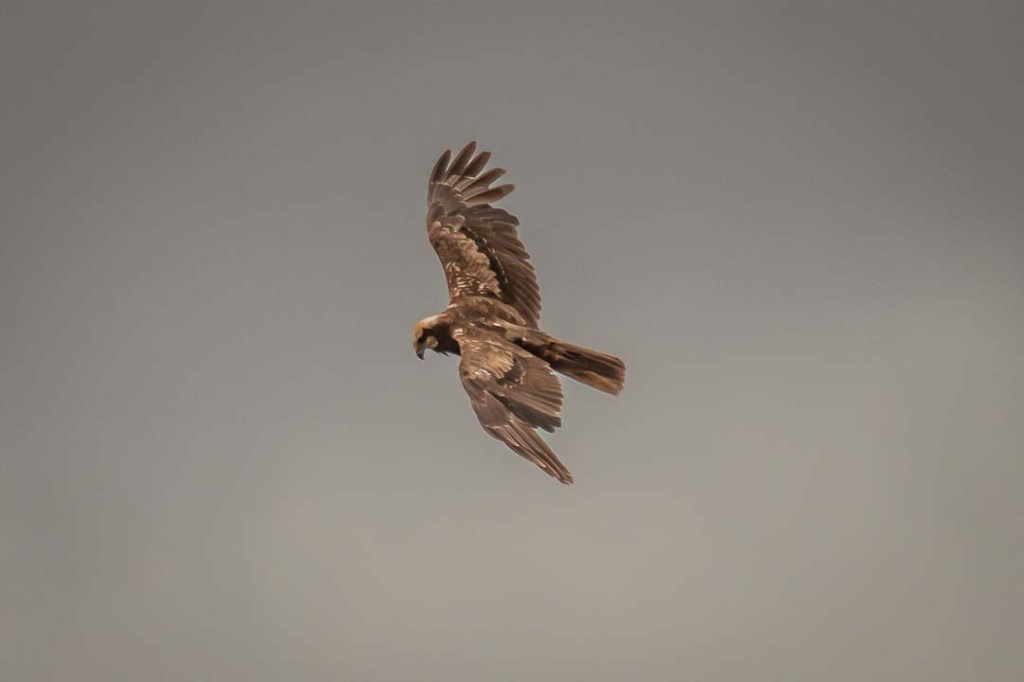
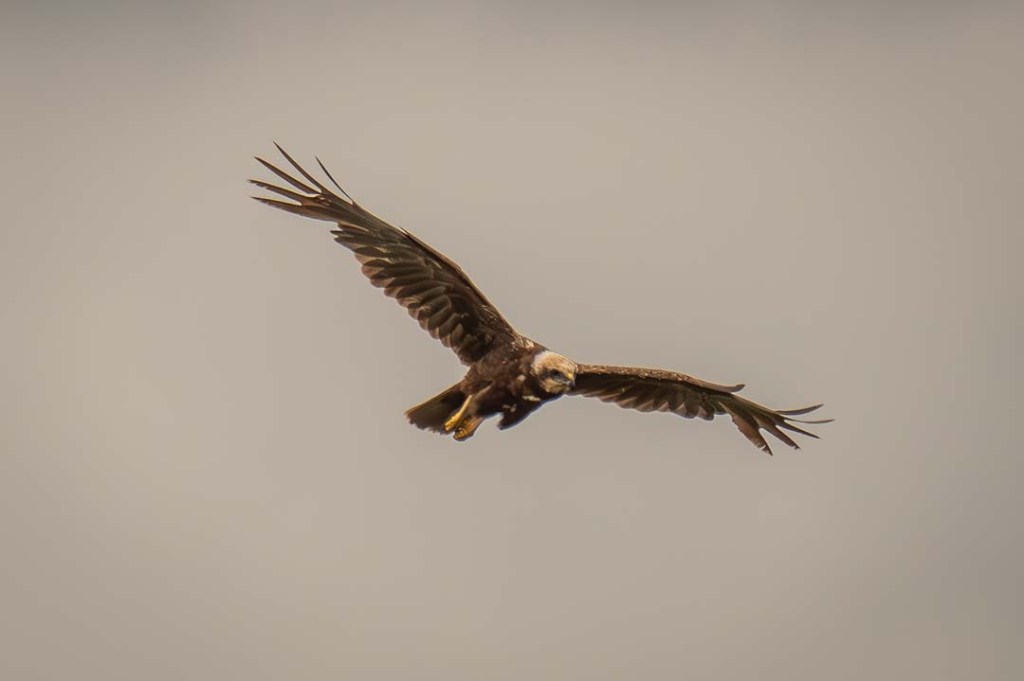
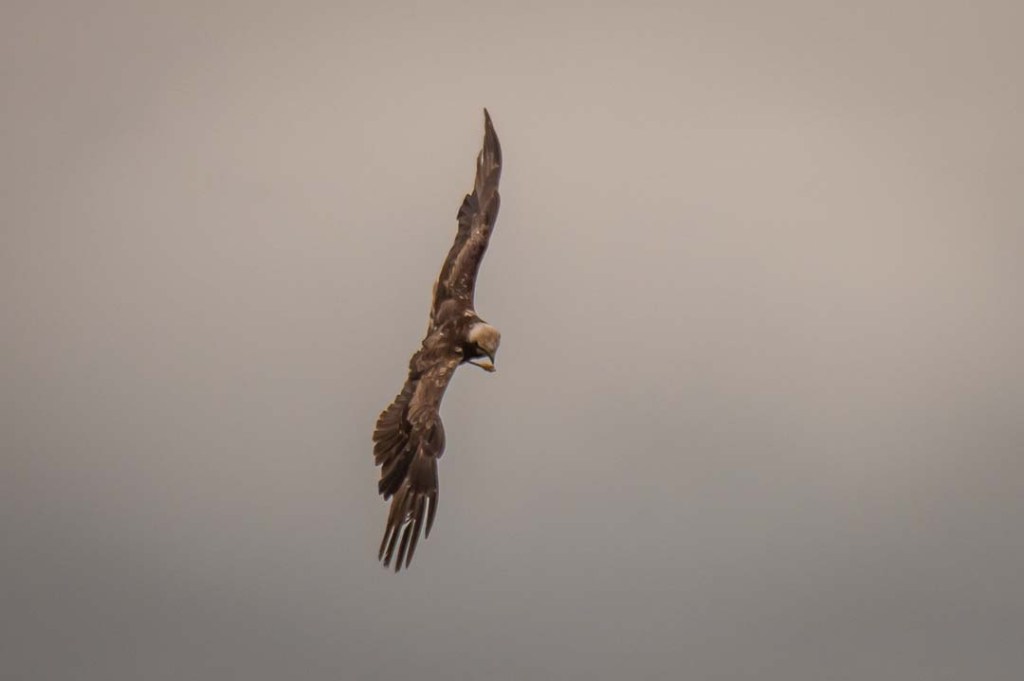
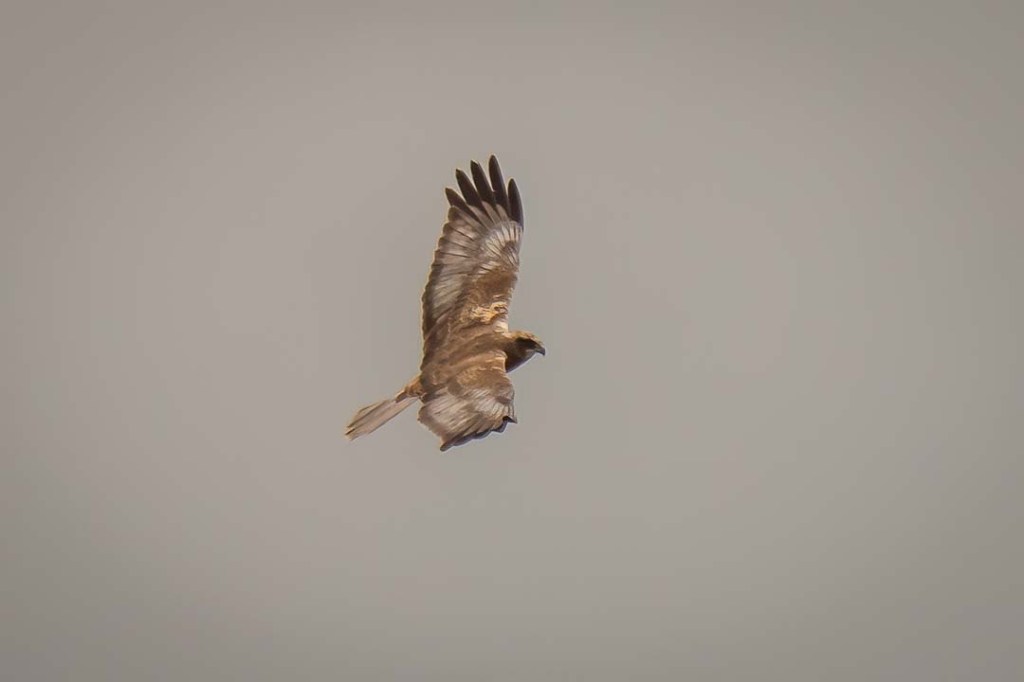
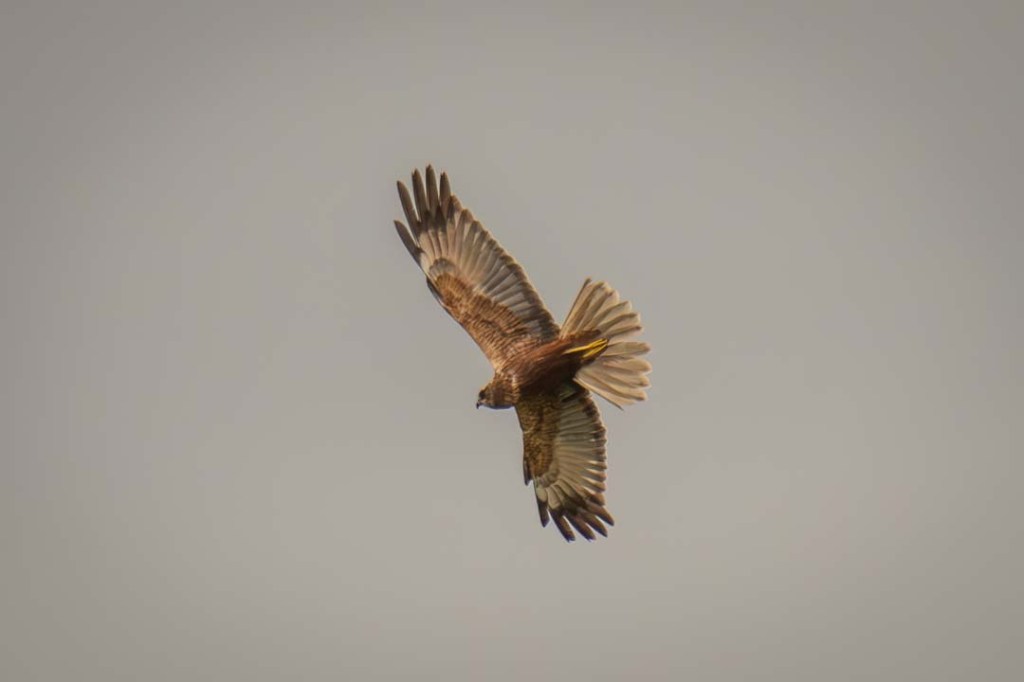
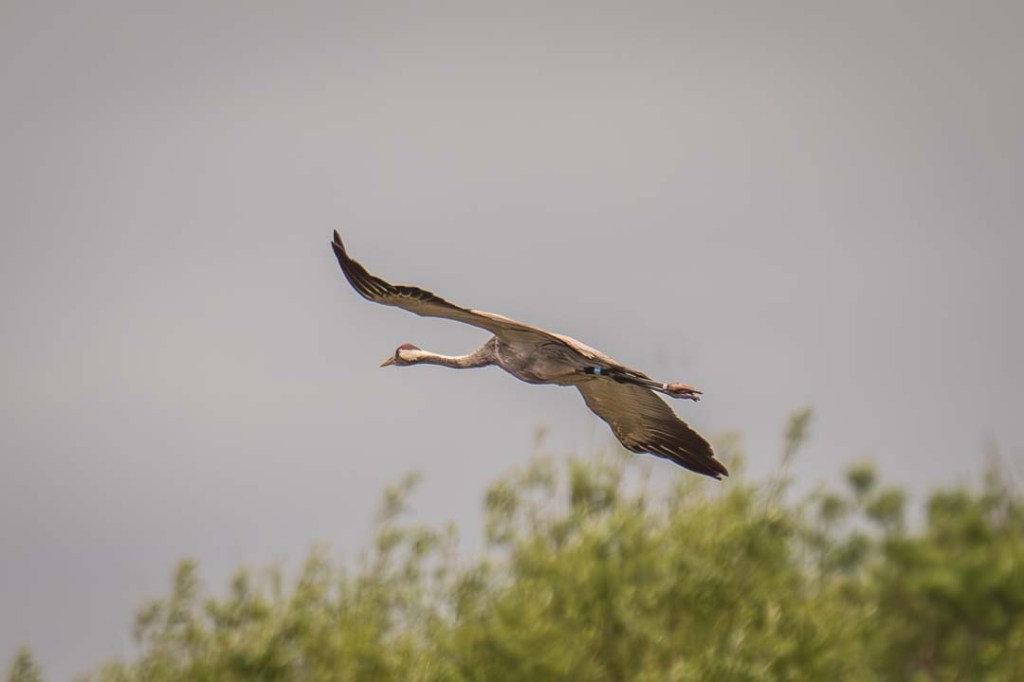
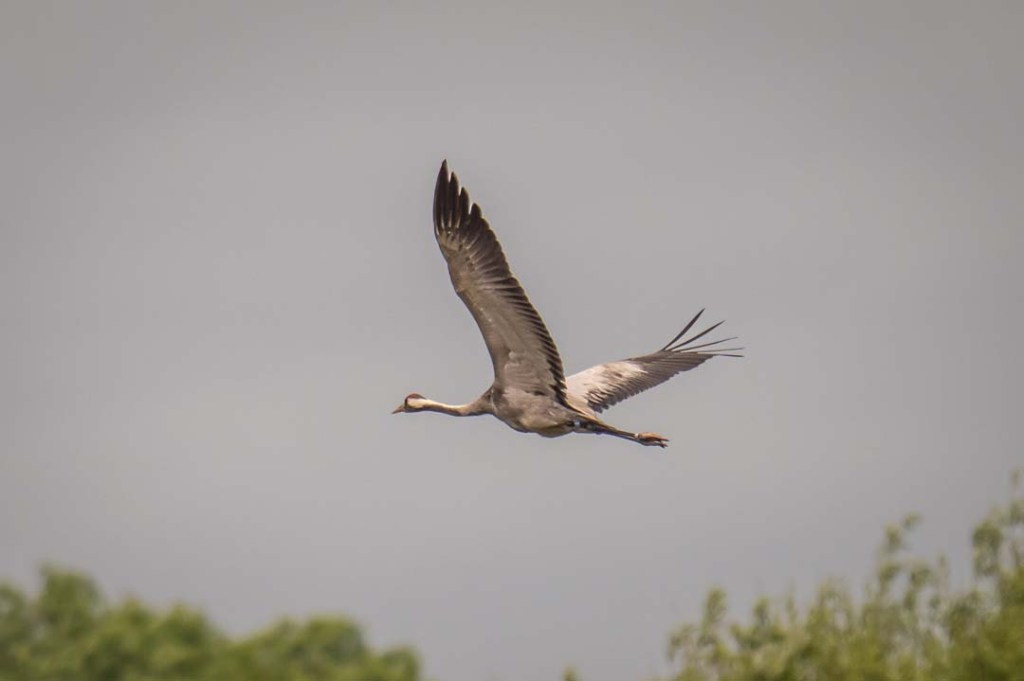
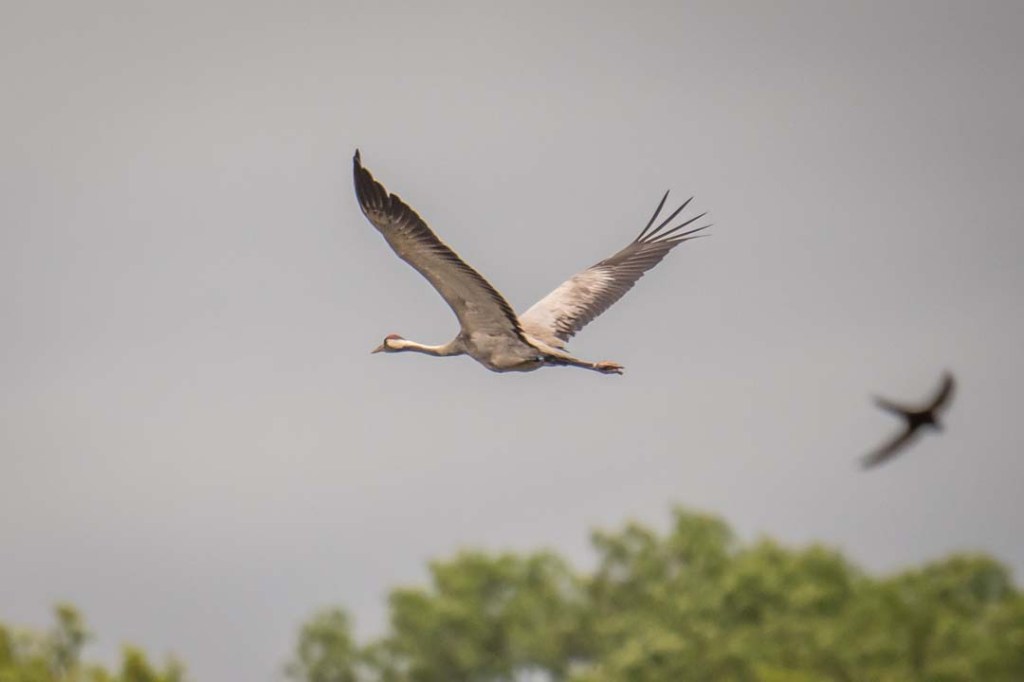
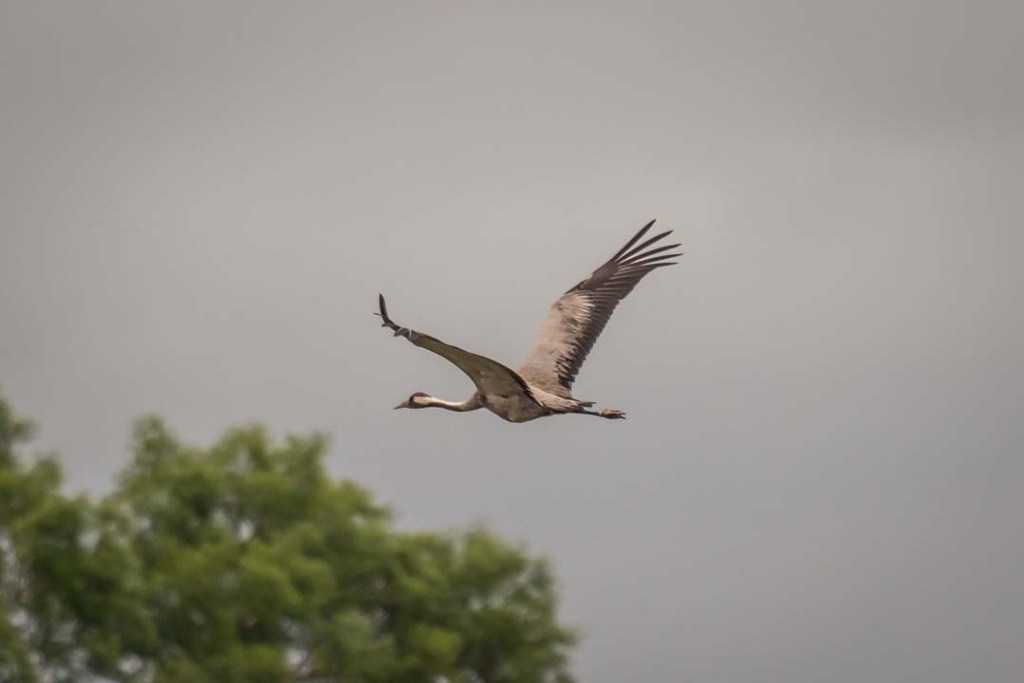
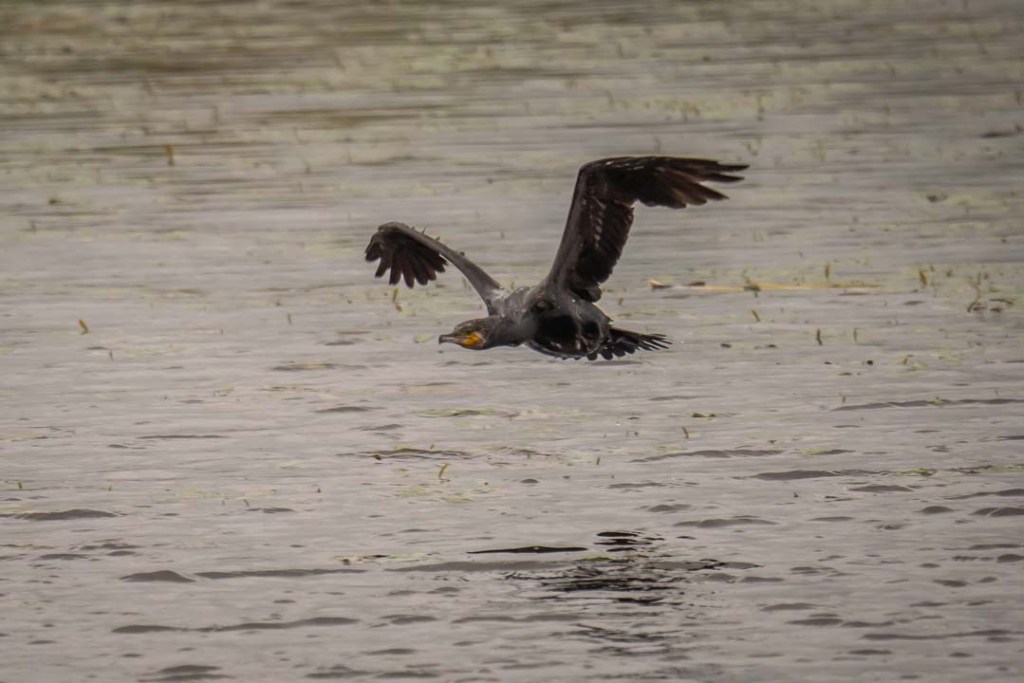
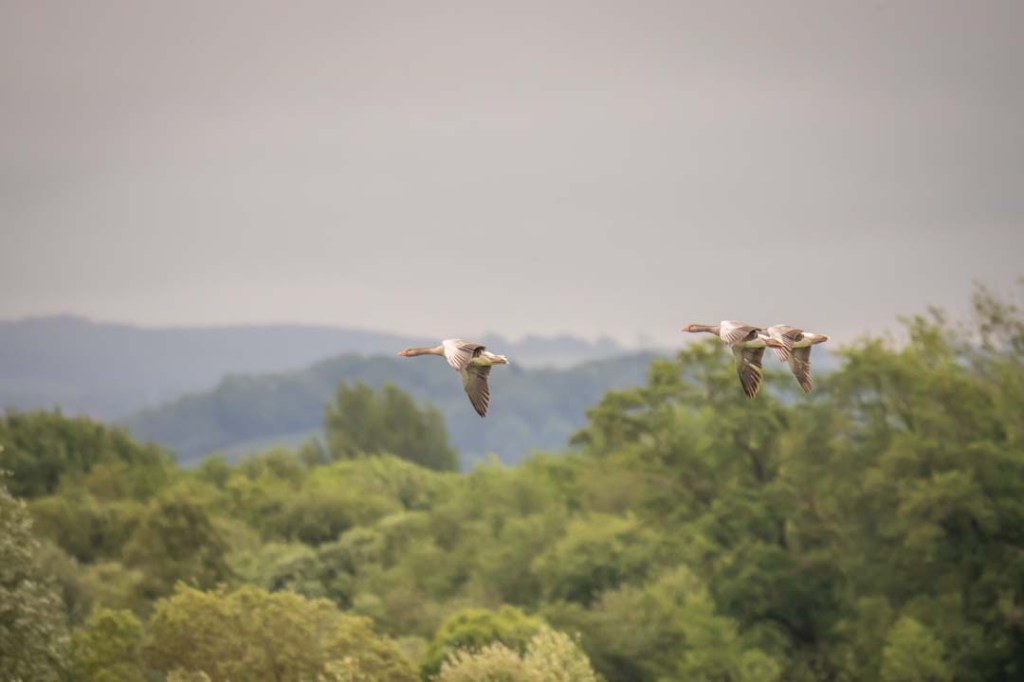
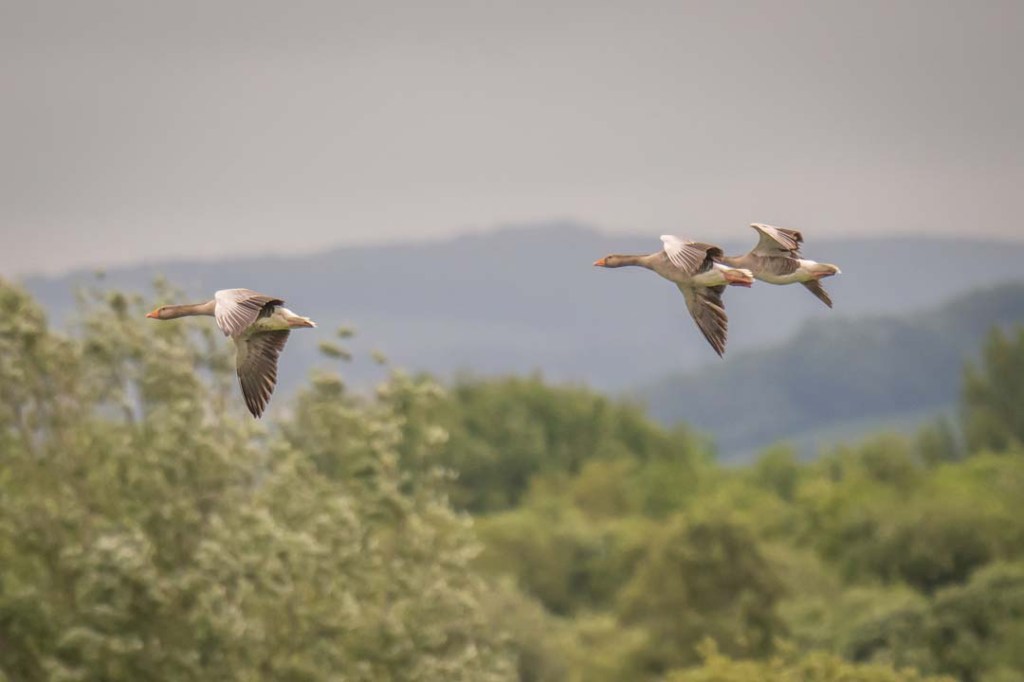
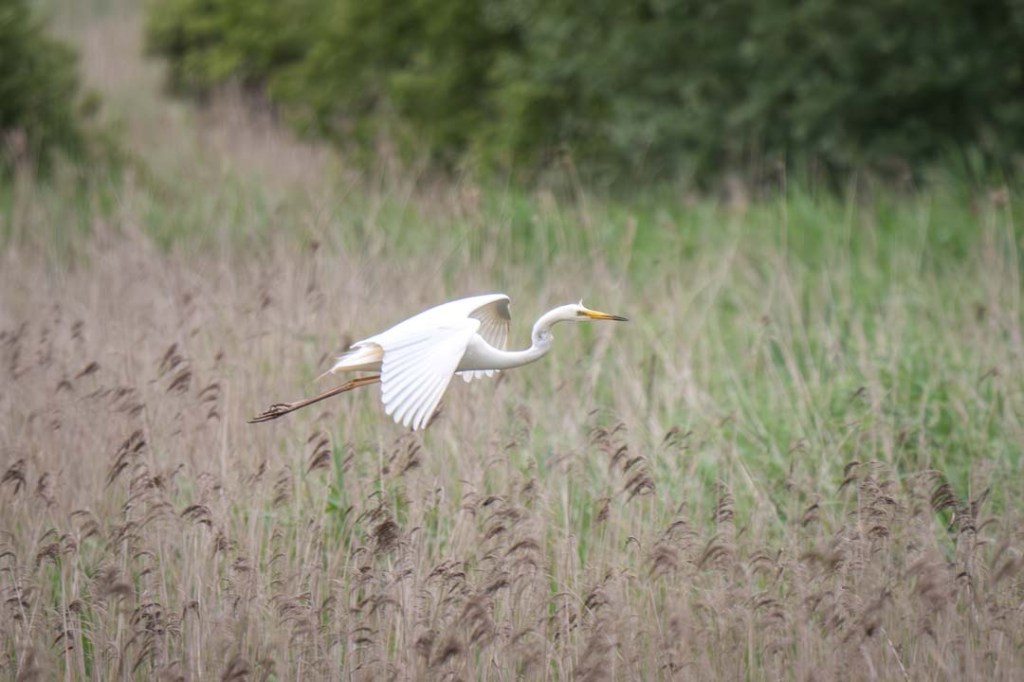
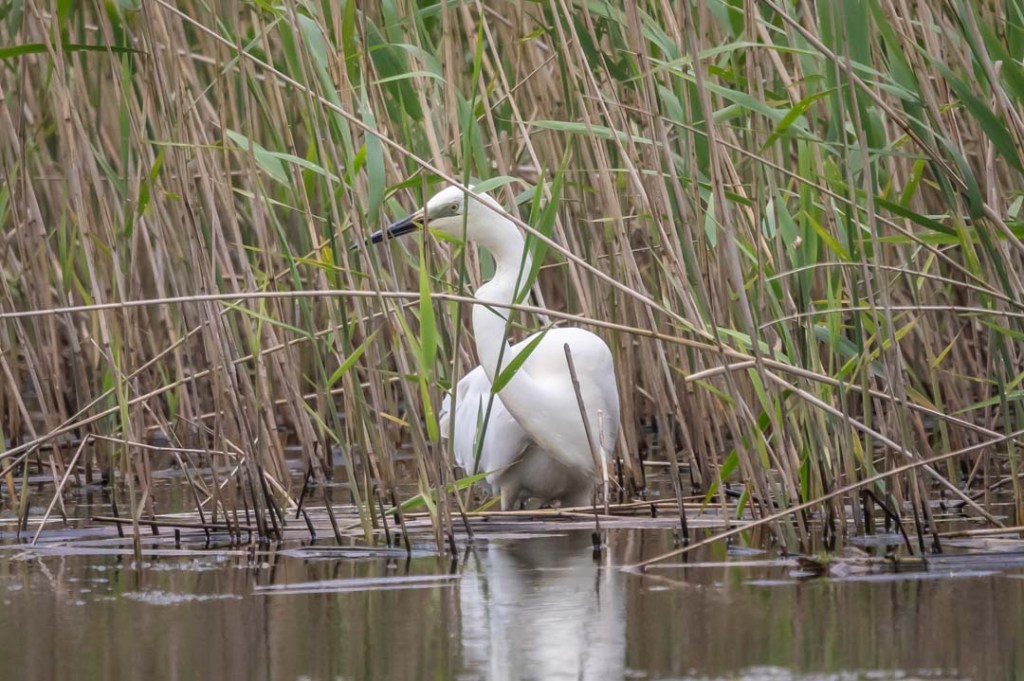
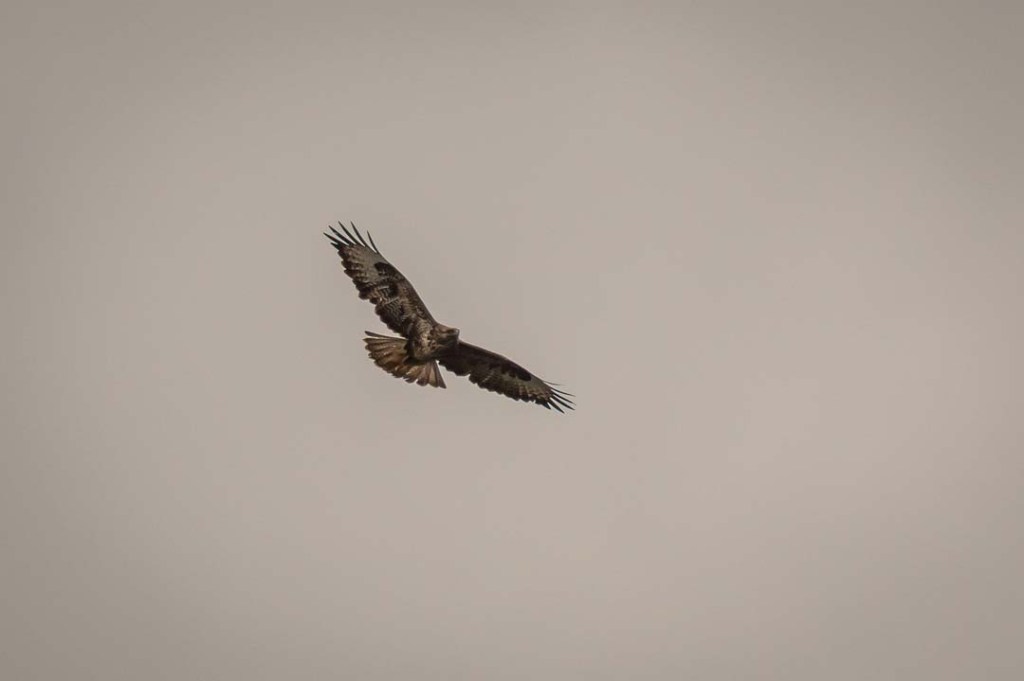
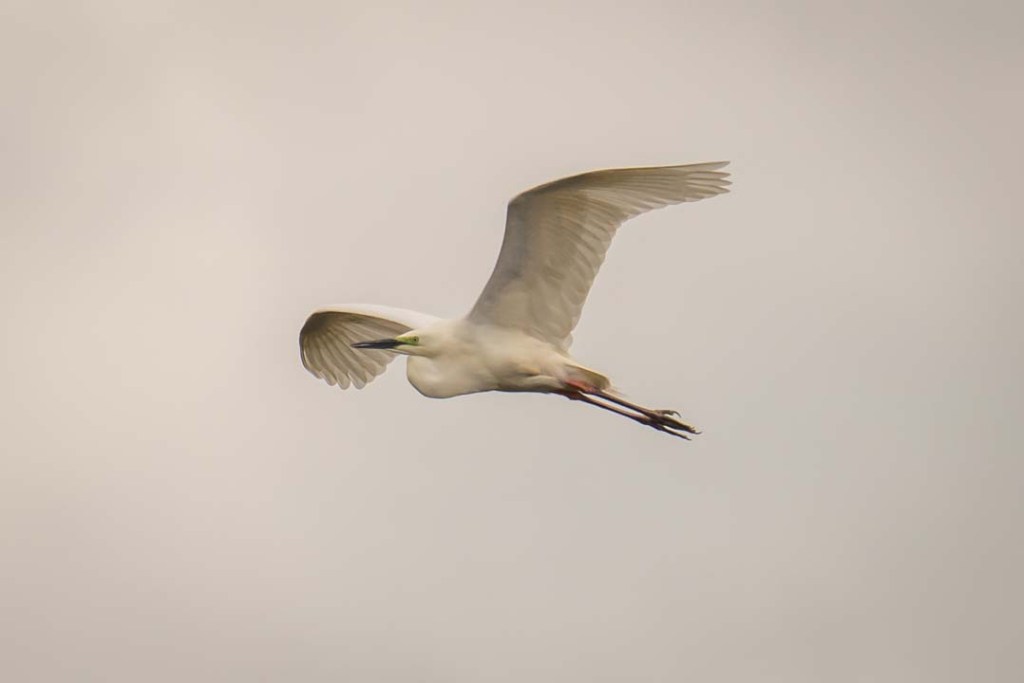
In this light it was always going to be about big birds and there were plenty of big birds to see: great bitterns, great white egrets, great cormorants, mute swans, marsh harriers, common cranes and grey herons were the biggest on display.
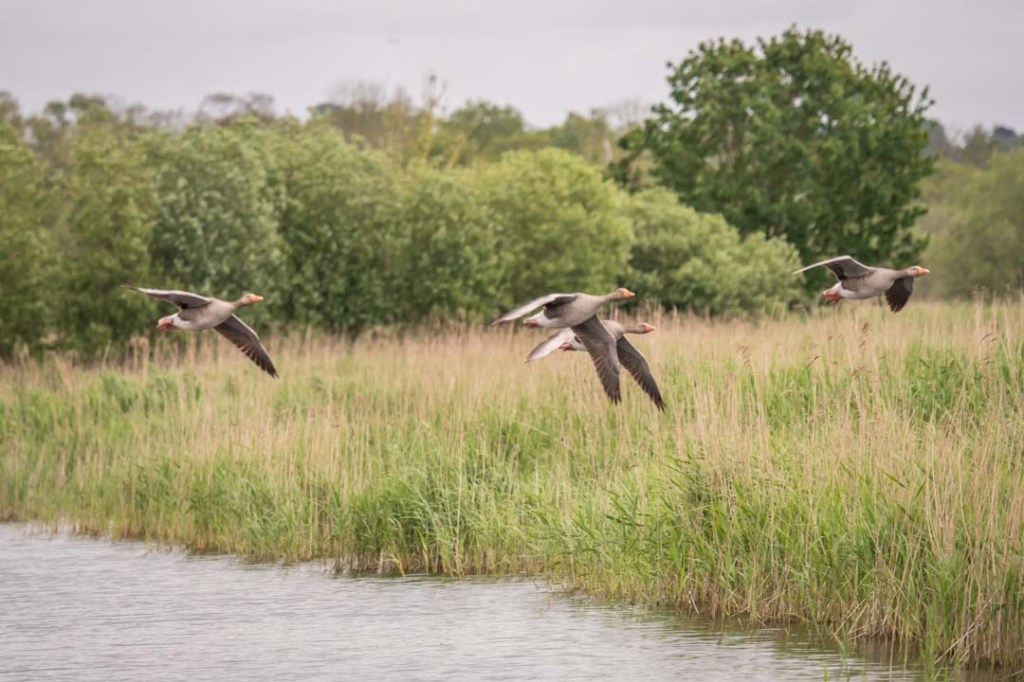
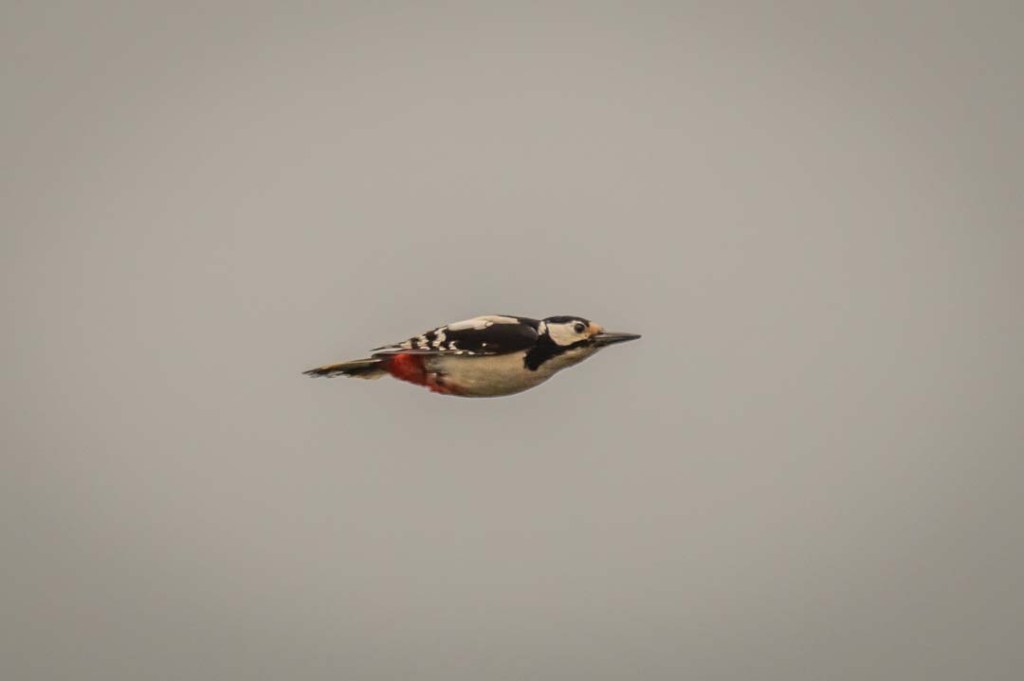
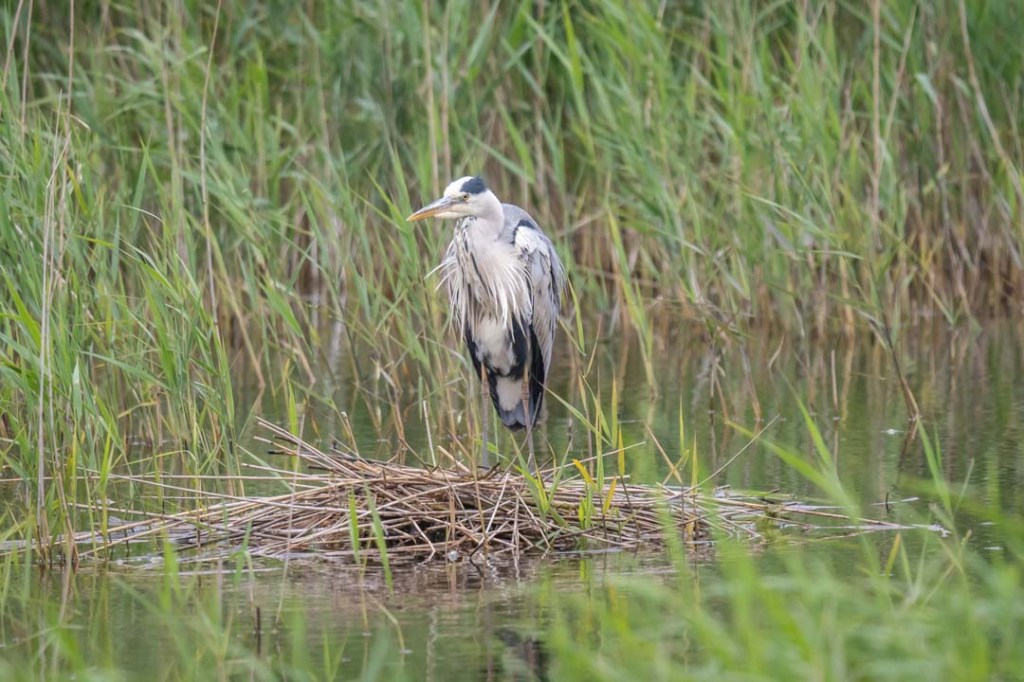
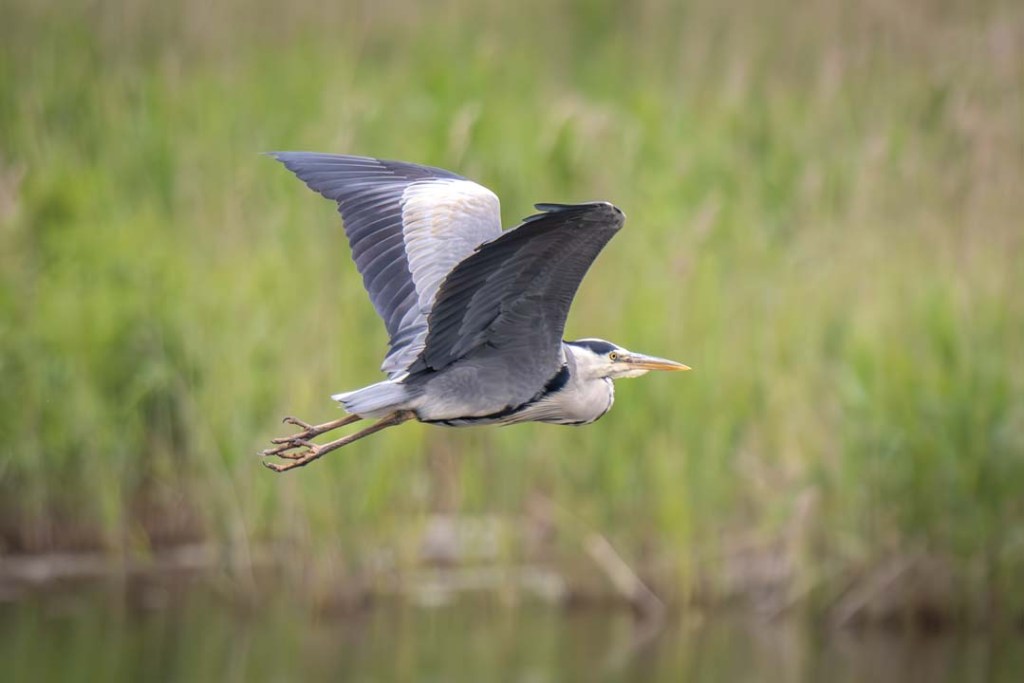
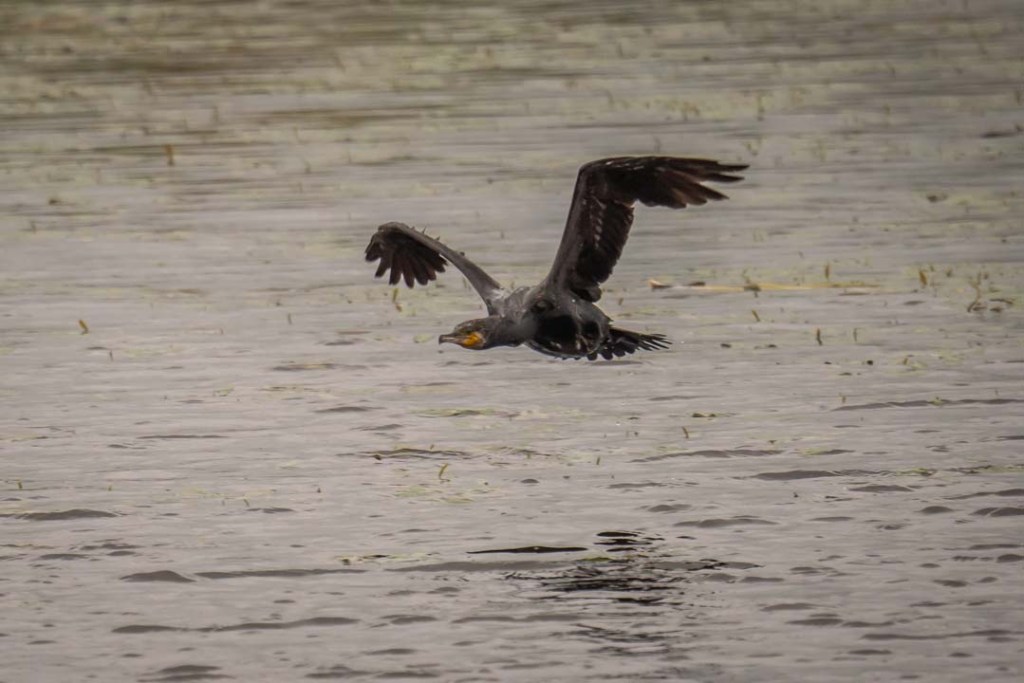
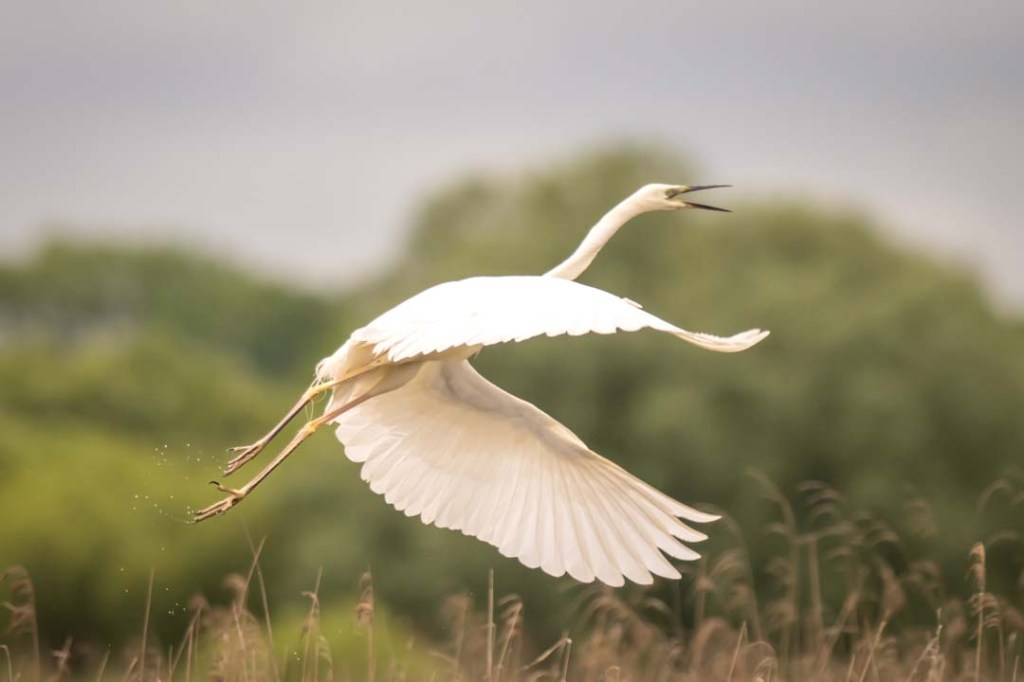
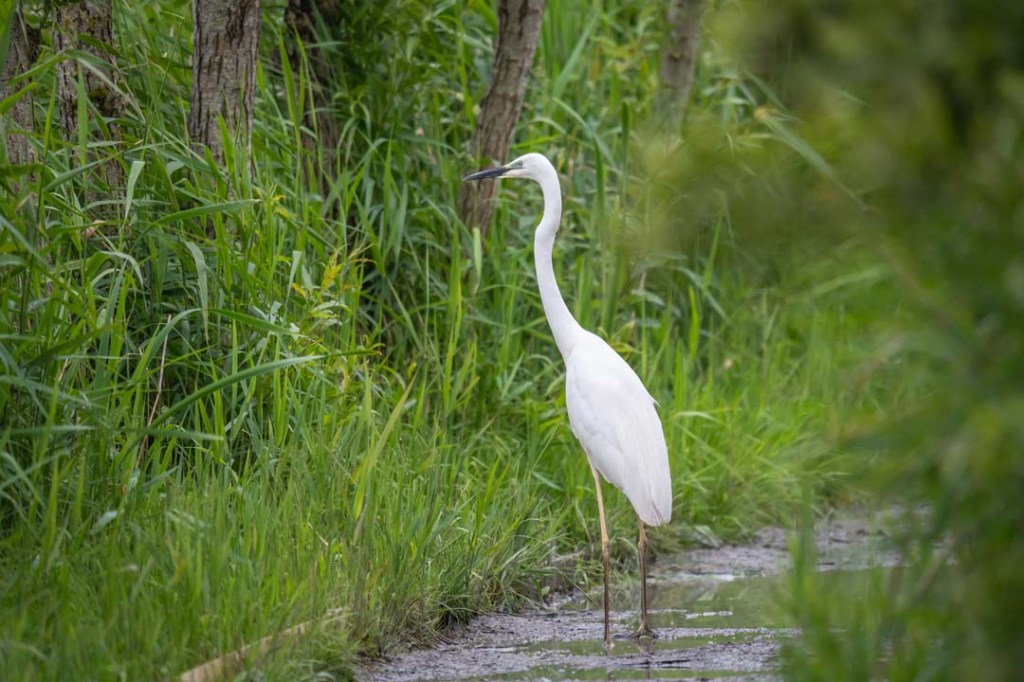
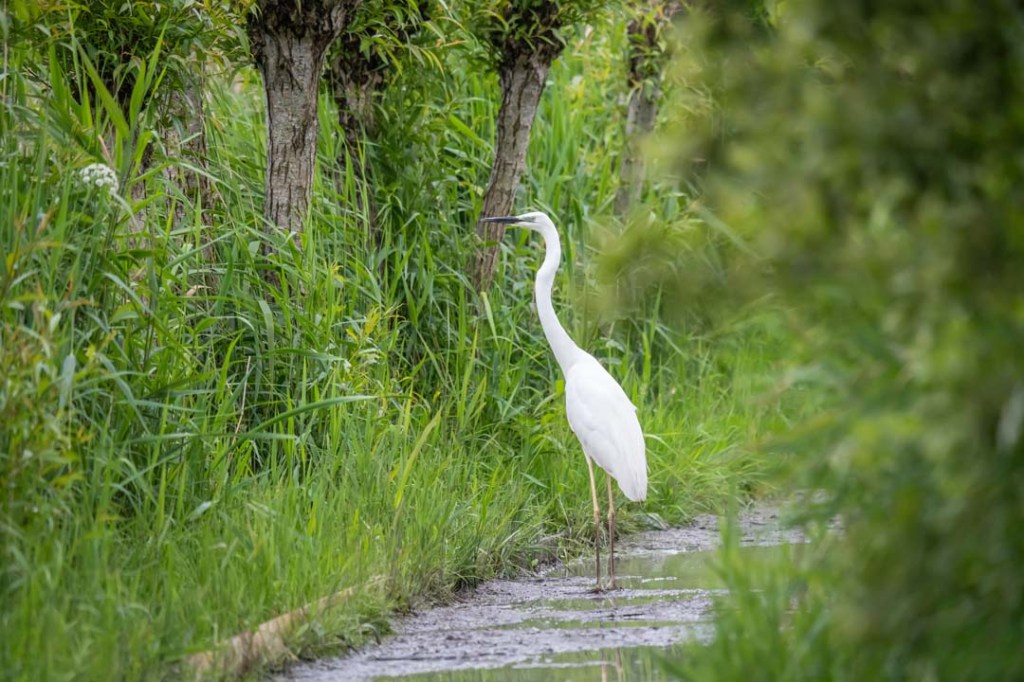
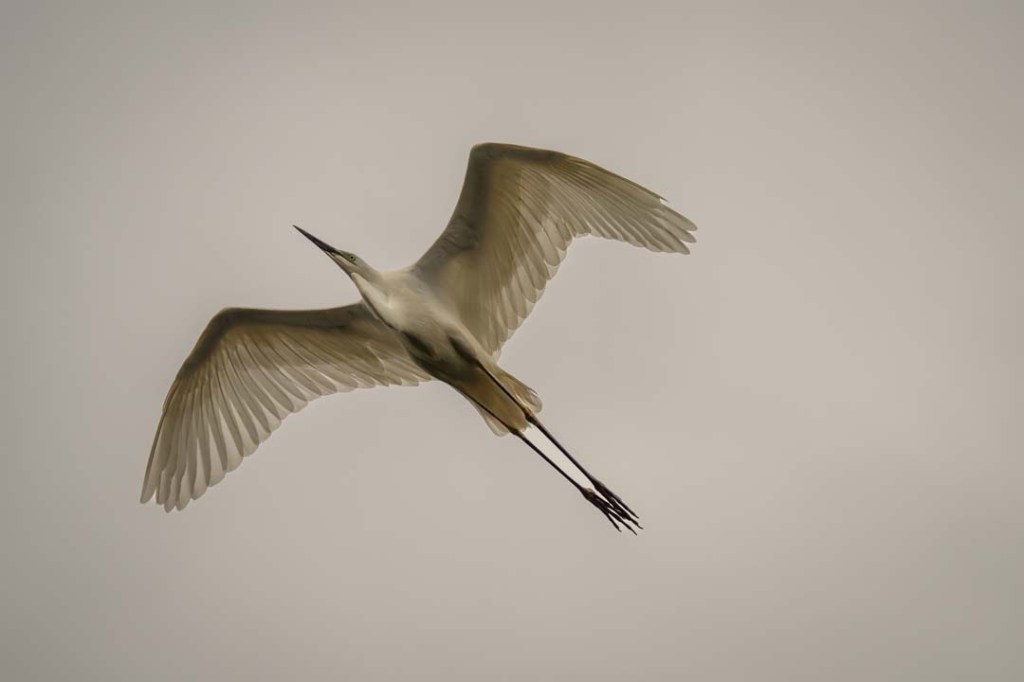
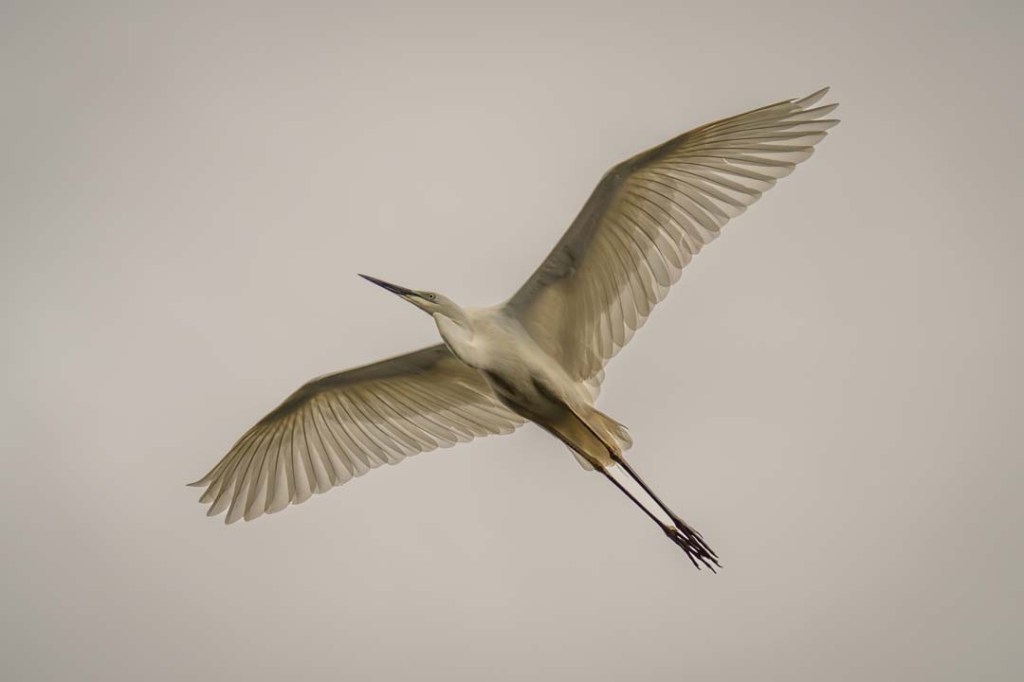
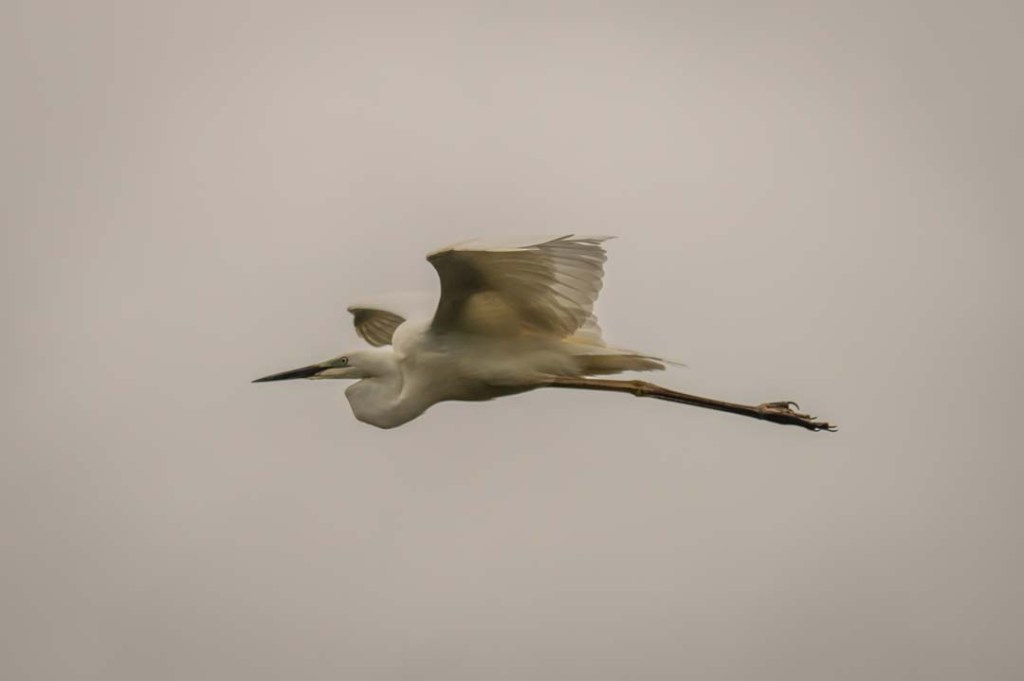
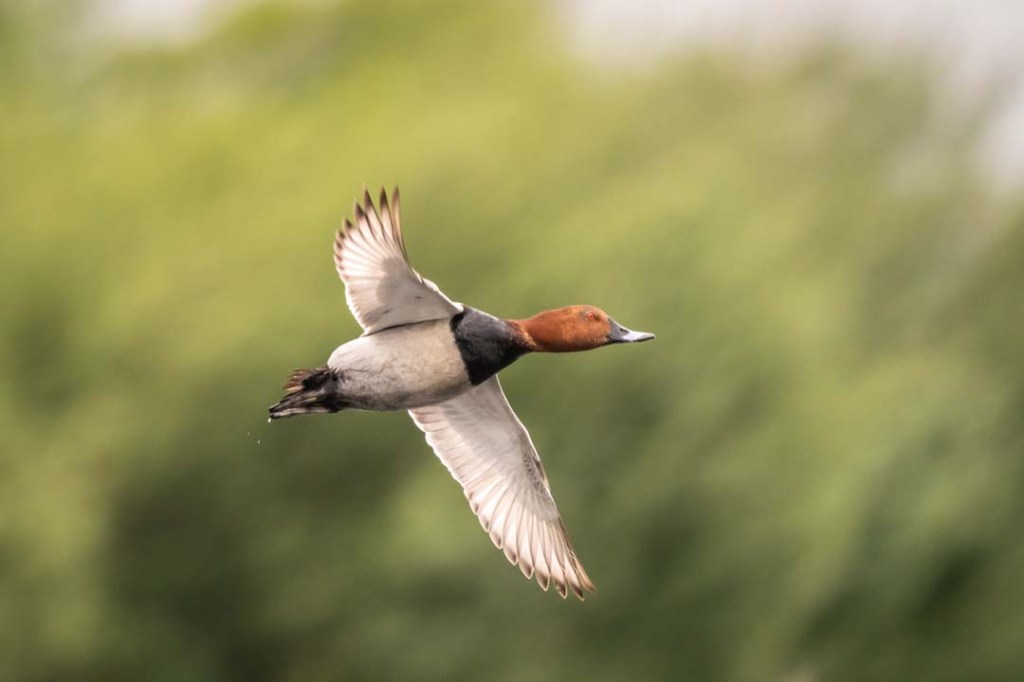
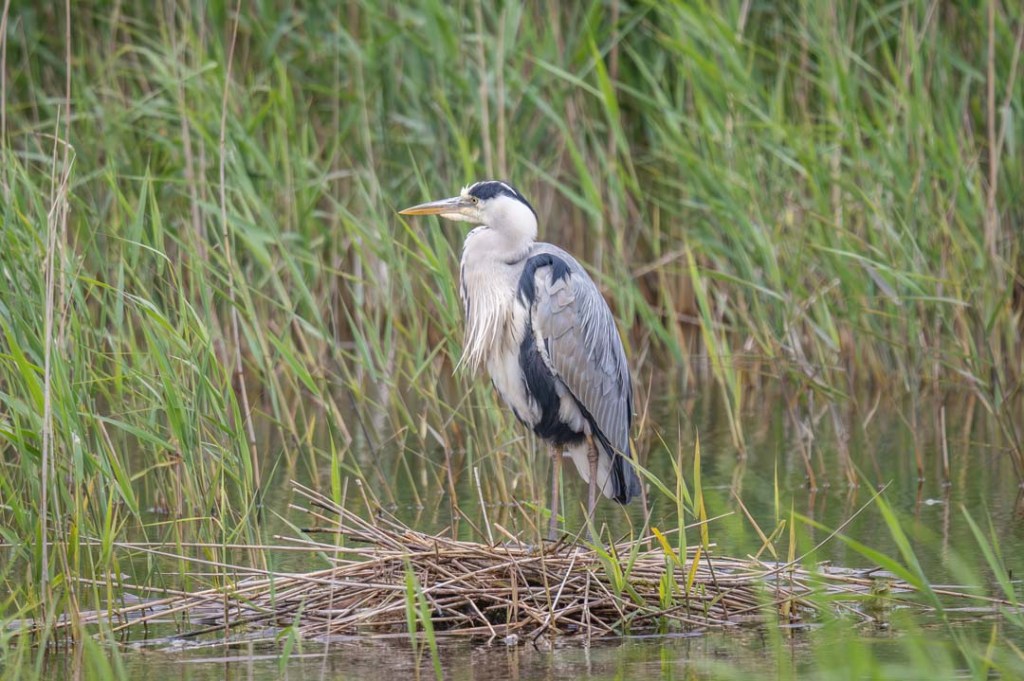
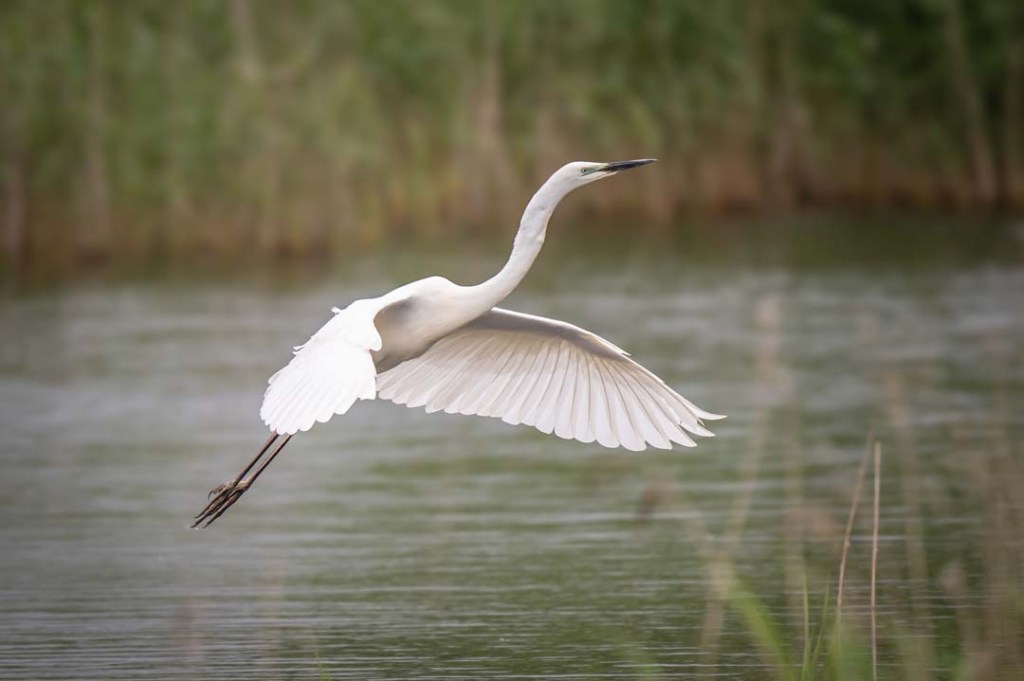
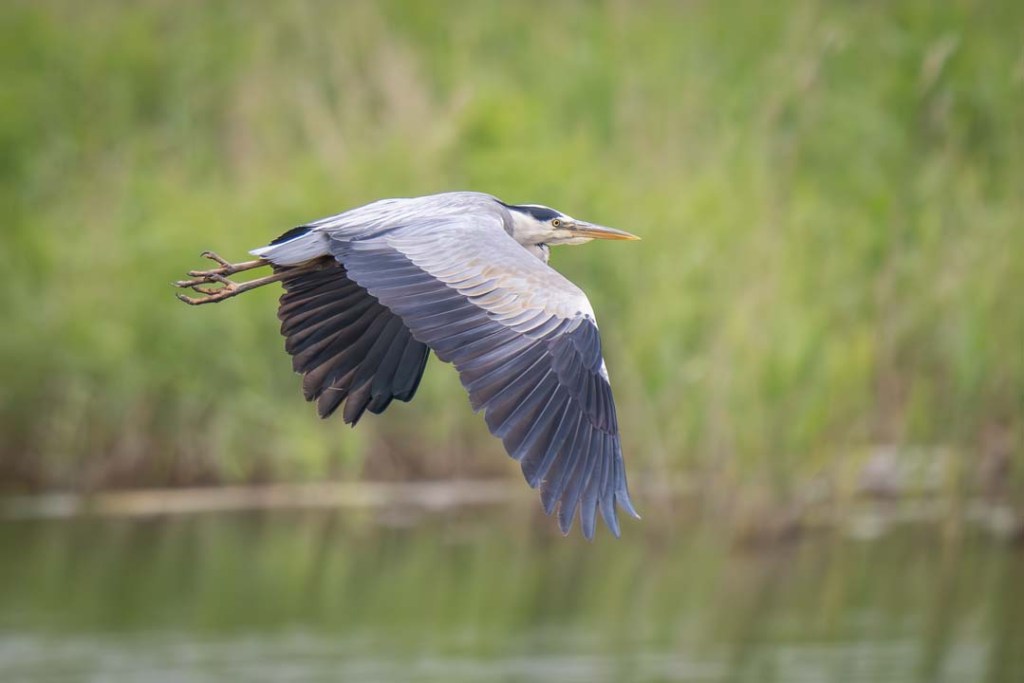
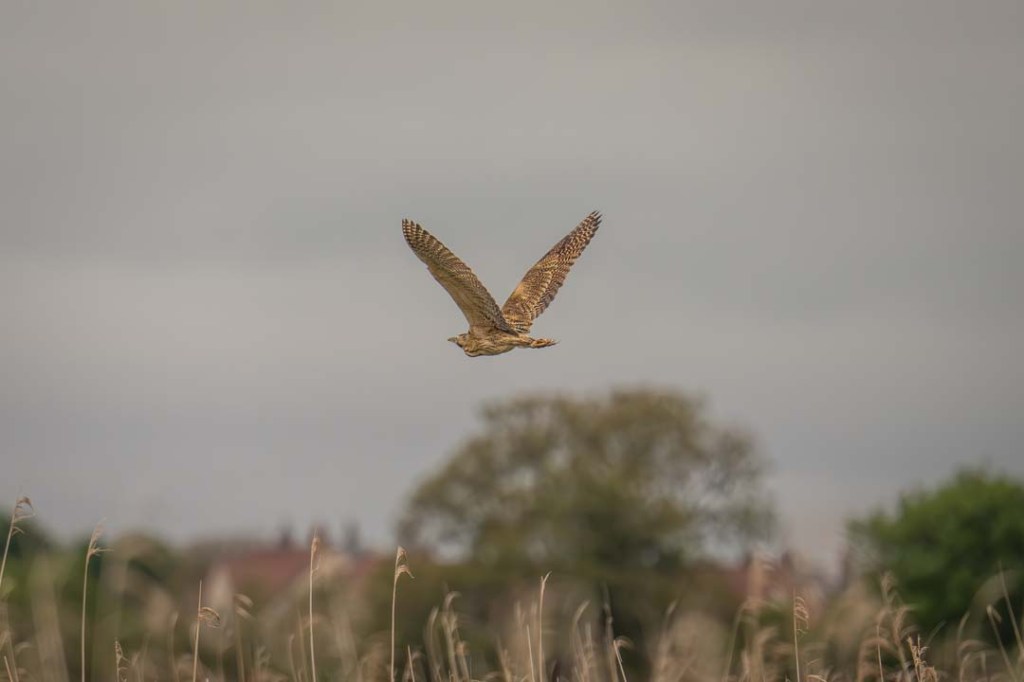
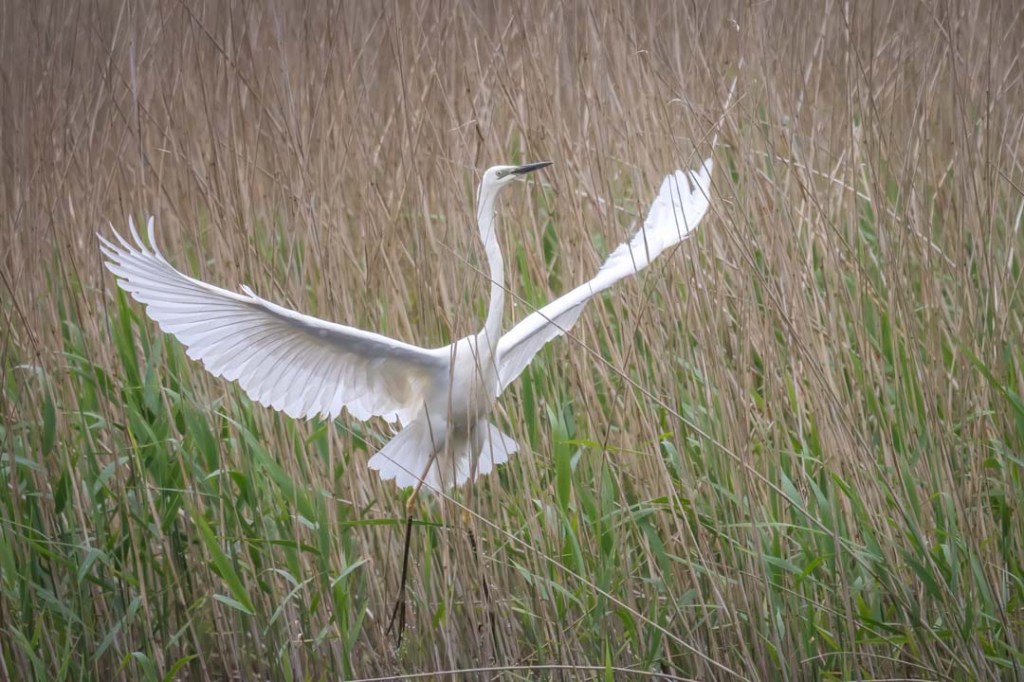
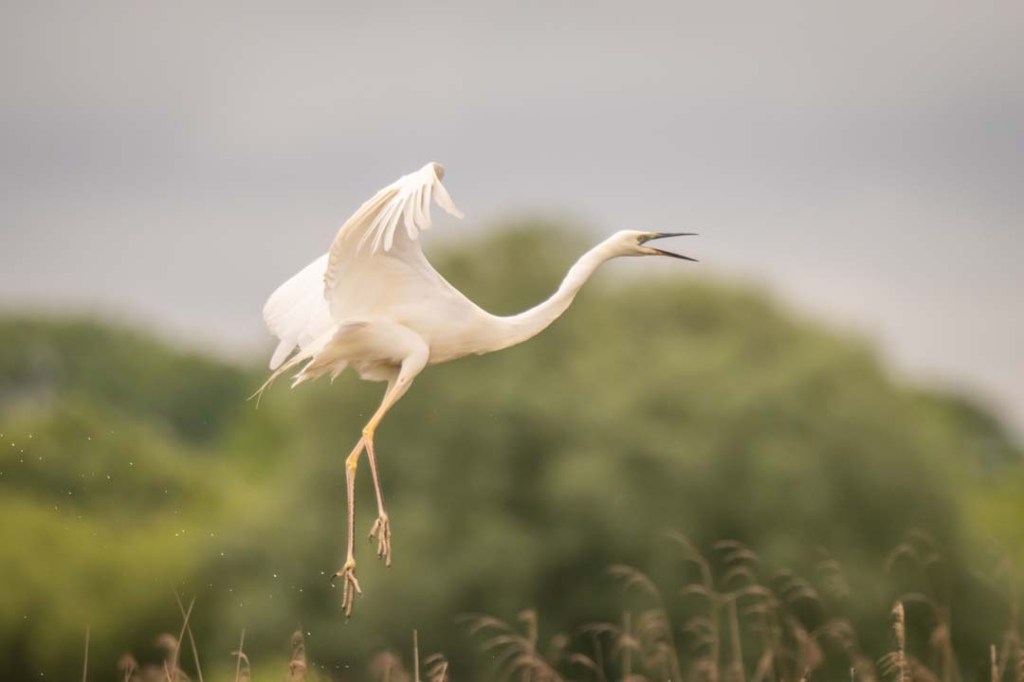
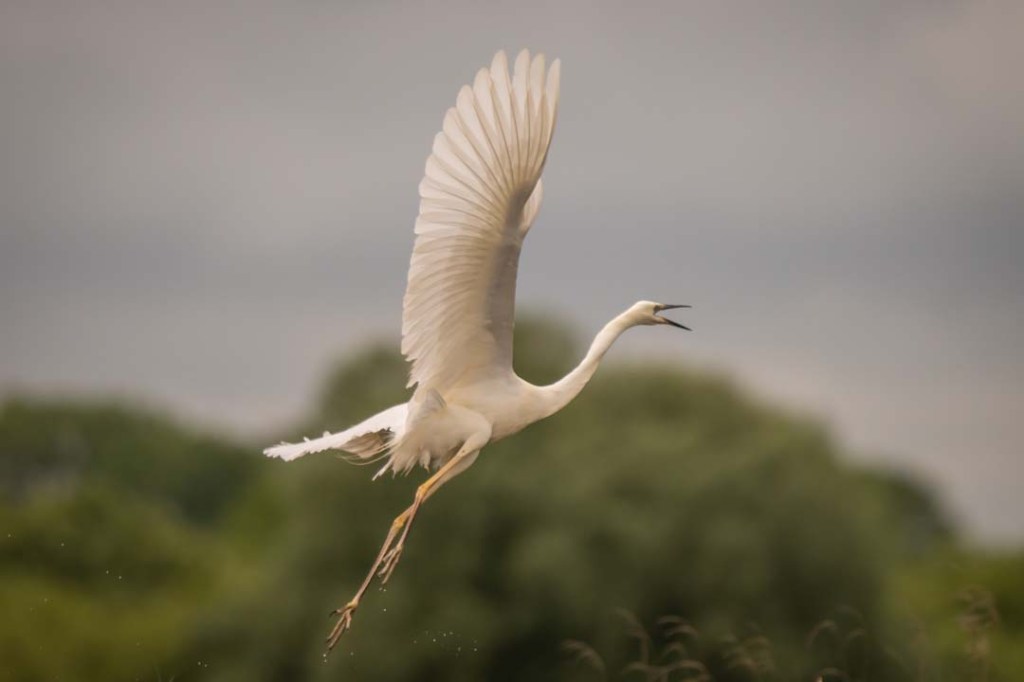
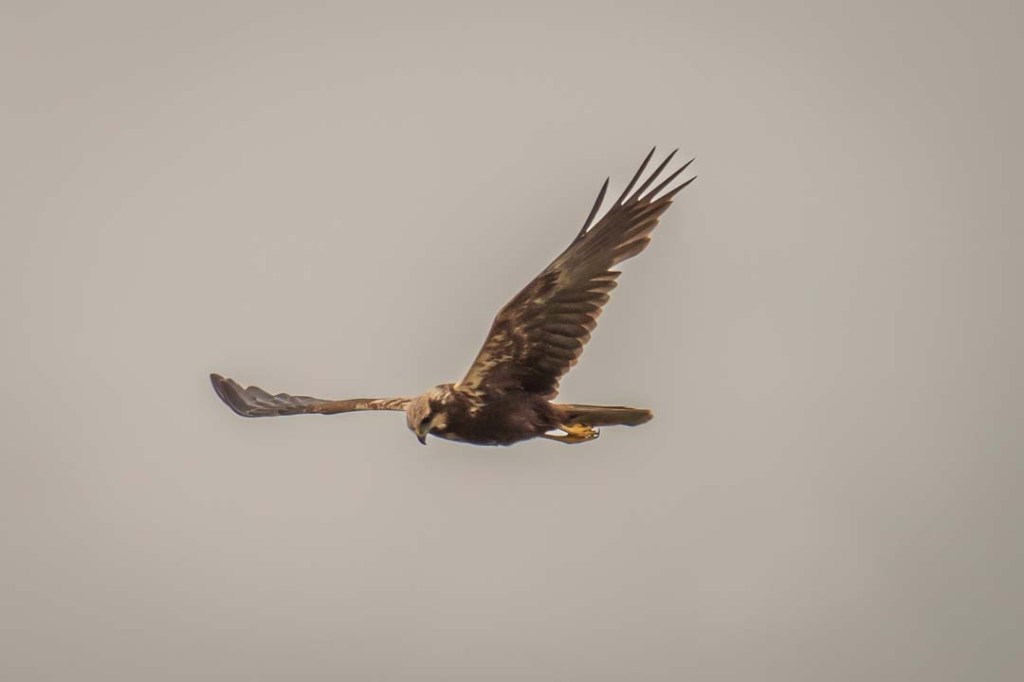
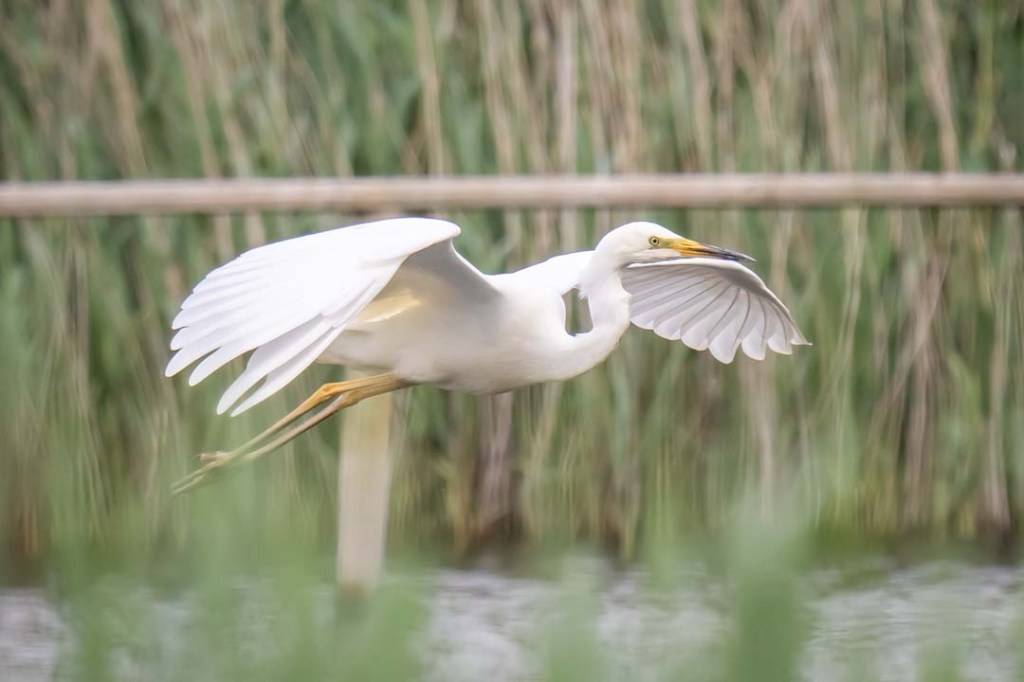
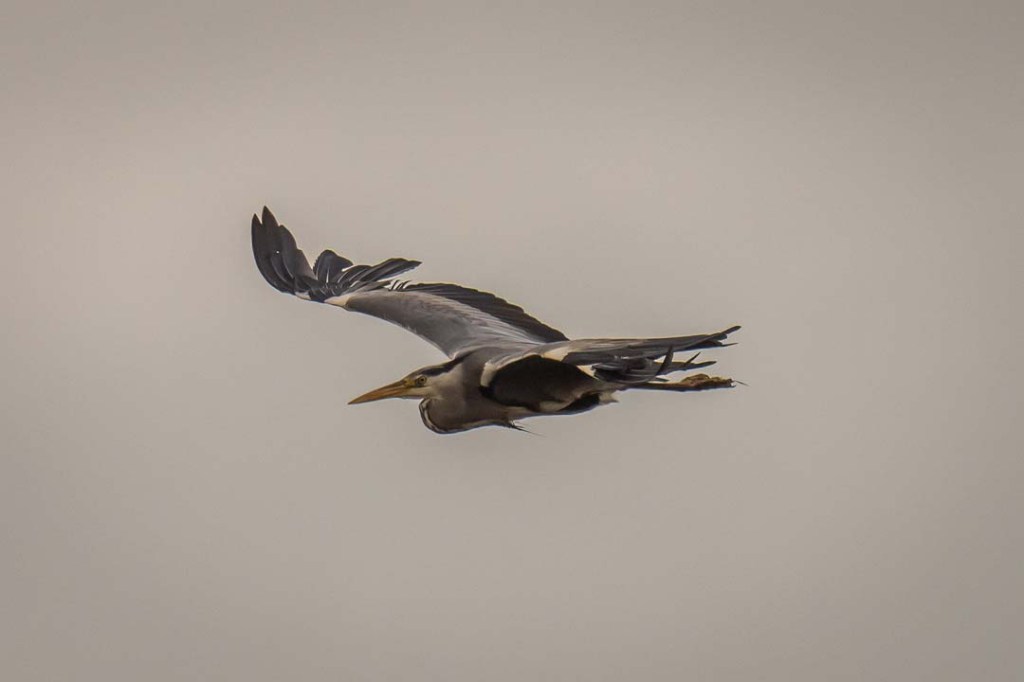
This great white egret was blocking my path to the Tor hide, but I didn’t mind waiting… especially as I had to manoeuvre my way past this groupI didn’t have to wait long for the great white egret to move onThese greylag geese were the first action from the Tor hideQuickly followed by a pochard… and then a great spotted woodpeckerCoot chickssoon to be replaced by a grey heron… who didn’t stay longGreat white egrets were very activeA great bittern surprised me as I made my way to the Avalon hideGreat bittern in full flightGreat bitternGreat white egrets everywhereMarsh harrier from the Avalon hideGetting ready to landThen a male marsh harrier appearedI was so busy trying to photograph swifts in poor light that I nearly missed this common craneYou can see why I had no chance with the swiftsHow could you miss such an enormous bird?Great cormorant taking offThe great white egrets were quite showyBut a nice way to end my day
We have wanted to visit Brownsea Island in Poole Harbour in Dorset for some time. Today, whilst we are having a short stay on the south coast of England, we managed to get there.
Brownsea Island is famous for red squirrels, wildlife and Scouting.
The approach to Brownsea IslandThe start of our walkThere were excellent boardwalks to take us through the wetlands
Plenty of flora on the wetlands
Dorset Wildlife Trust do an excellent job making the wildlife available to all
Disappointingly we didn’t see any red squirrels (nor any Scouts) but we did have fun observing close up the common and Sandwich terns who nest on the specially-created gravel islands.
The terns share the gravel islands with black-headed gulls. As yet there weren’t any tern chicks but we saw several black-headed gull chicks. There was quite a lot of squabbling but they all seem to exist together in close proximity.
Sandwich tern up closeSandwich tern with fillingCommon ternsCommon terns with suppliesBlack-headed gullEating or drinking?Sandwich ternCommon tern on the gravel islandsBlack-headed gulls and chicksOn 1 August 1907, 20 boys pitched their tents on Brownsea Island, little realising how important and far-reaching their week would be. Lord Baden-Powell’s (1857-1941) experimental camp, based on scouting skills observed during the Second Boer War (1899-1902), set the foundation for today’s worldwide Scouting and Guiding movements.
A pair of avocet succesfully bred here in 2023 and we did manage to see a solitary avocet.
Avocet
Poole harbour is quite famous for spoonbills and, again, we saw a solitary spoonbill (unfortunately with its spoonbill well hidden).
A spoonbill (with spoonbill hidden) to the right of the cormorantsShelduckLittle egretGreylag geese and goslings caused us to make a detour… but there were lovely walks throughoutBar-tailed godwits (we were told)We were led to believe that the hotel was available to John Lewis partnership partners but not customers!
We took the ferry from Sandbanks jetty and we were allowed just over 4 hours on the island. We certainly could have done with a little longer.
View from our balcony back at our airbnb accommodation… of the Isle of Wight
I’m lucky that I have had the chance to go to RSPB Ham Wall on the Avalon Marshes in Somerset for the last few Tuesdays but, even though I have had loads to see, I haven’t been terribly lucky with the weather. There were showers again today and only a very rare glimpse of the sun.
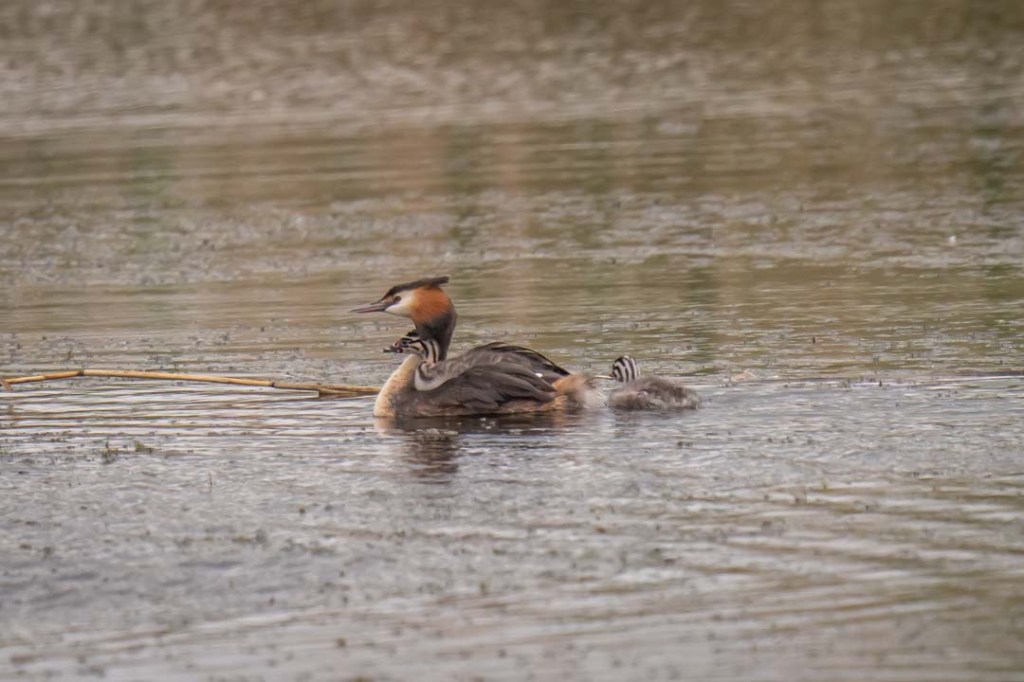
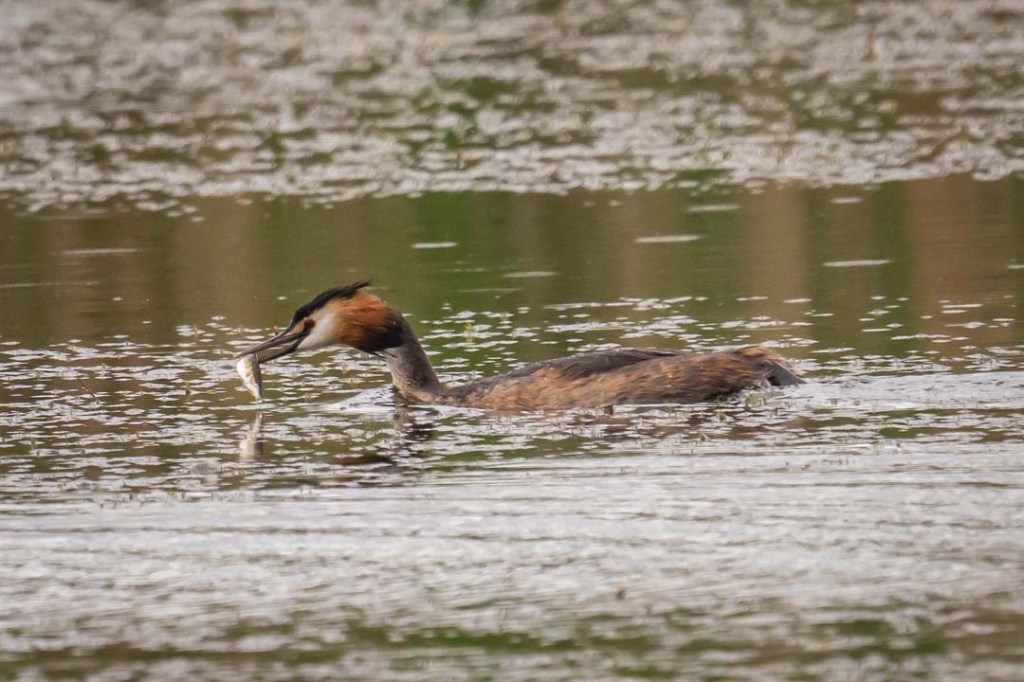
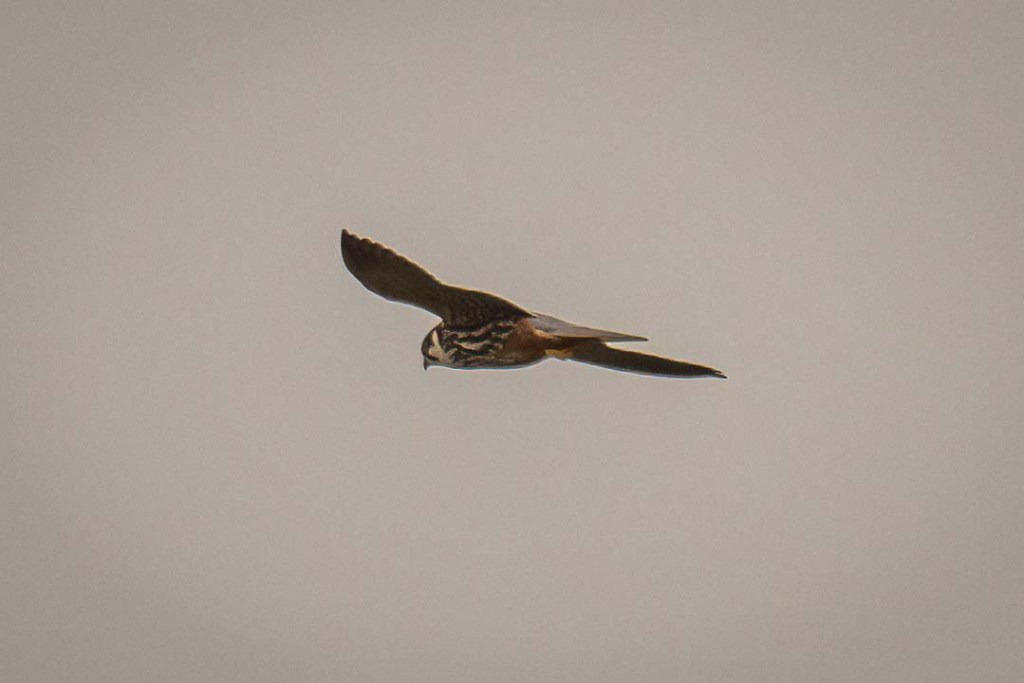
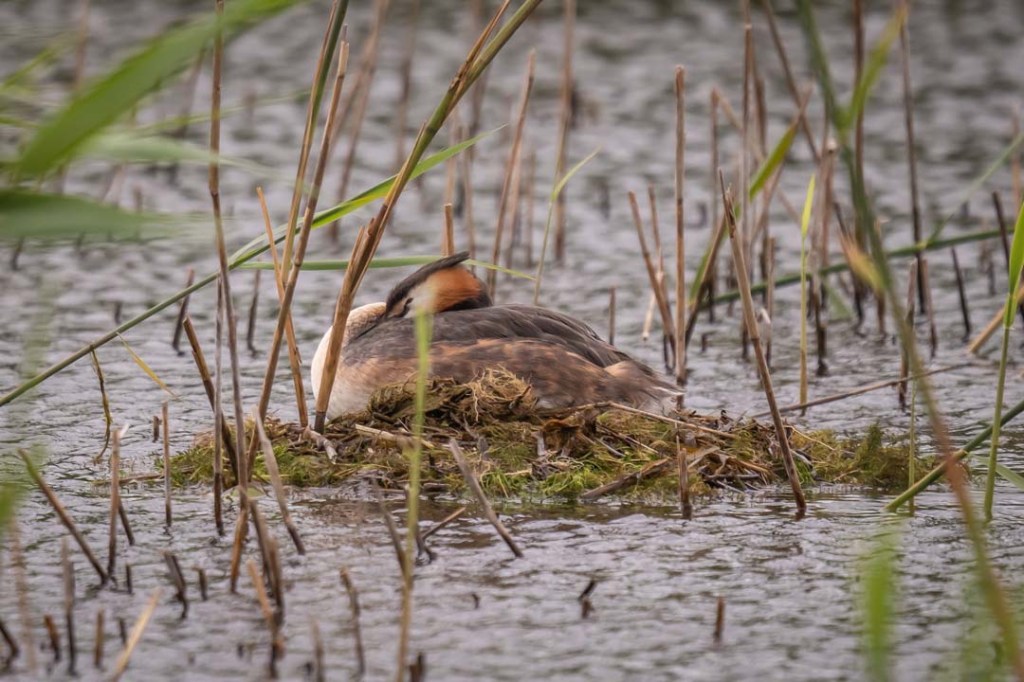
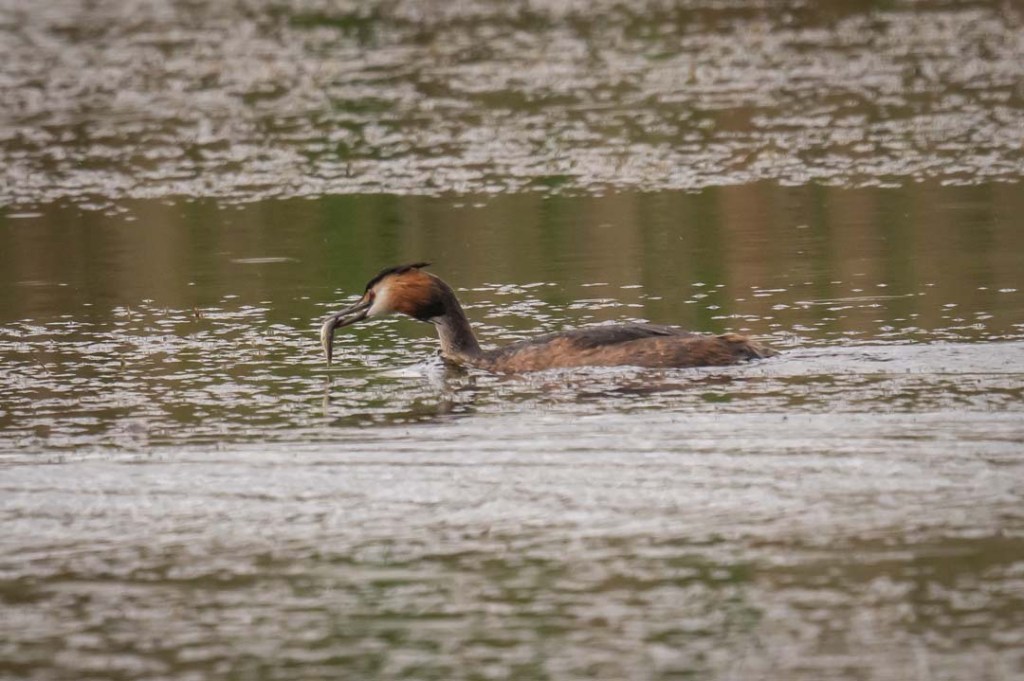
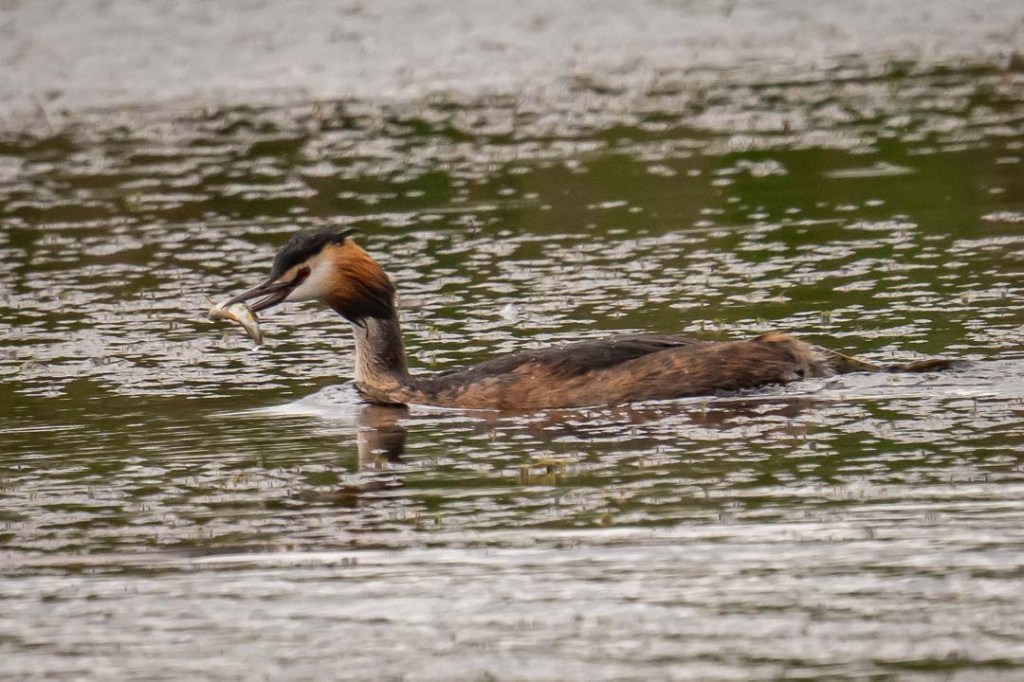
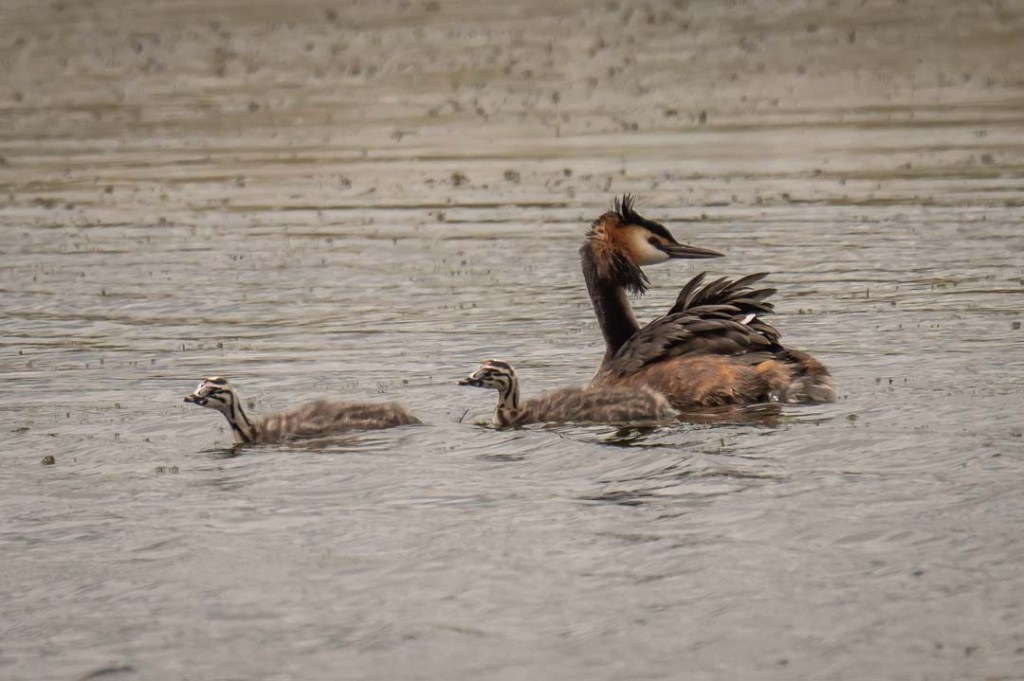
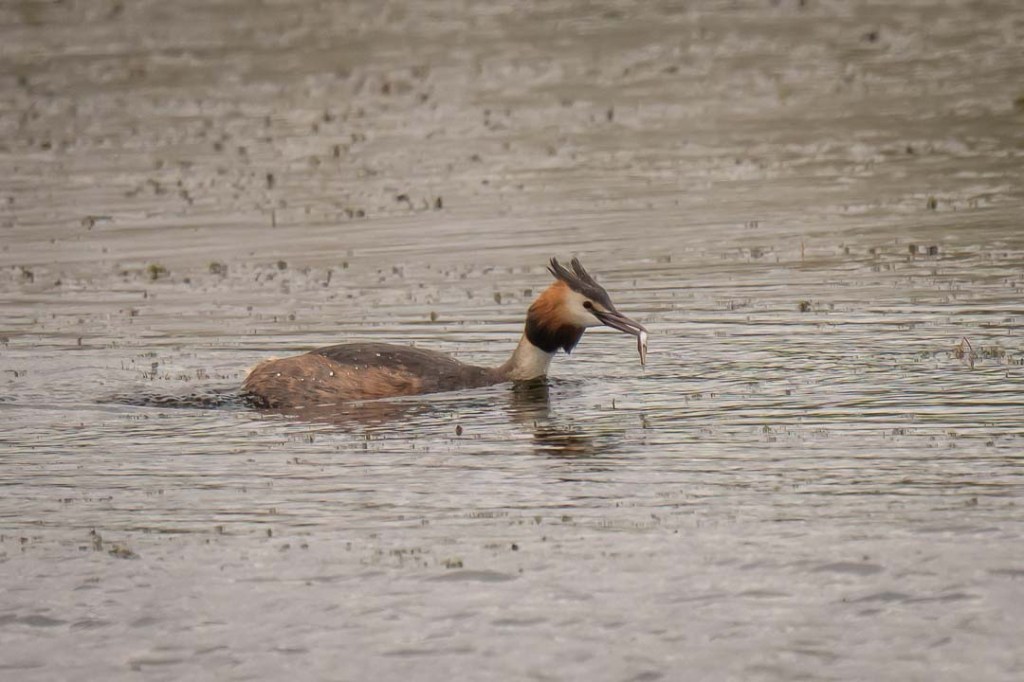
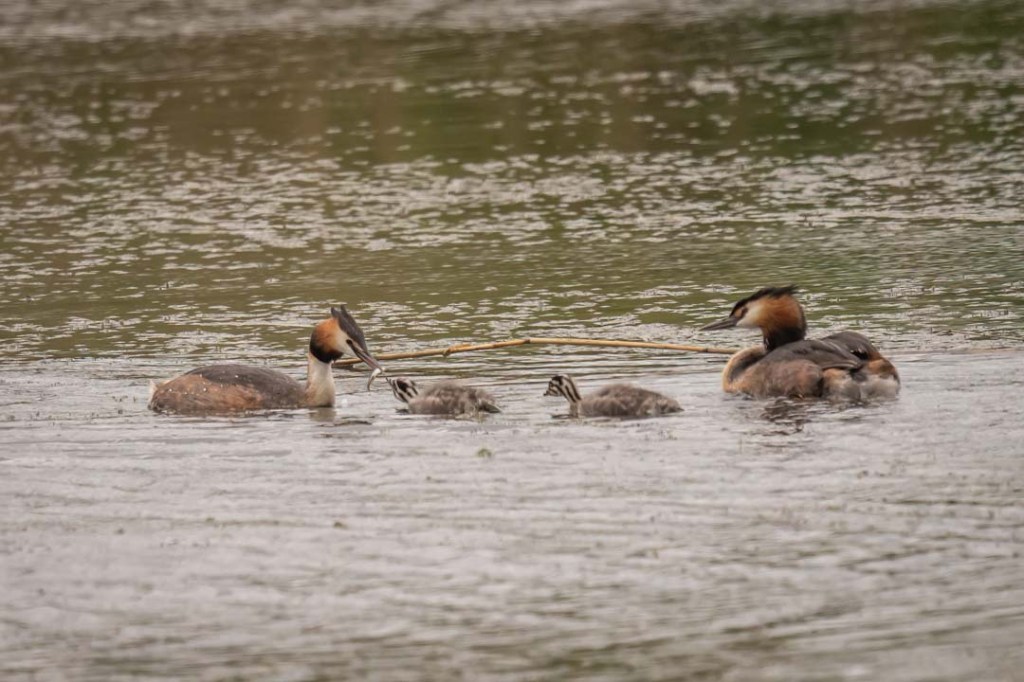
Today I saw swifts here for the first time this year. There were more sightings of hobbies. Marsh harriers, great egrets and grey herons made regular appearances. However, the real treat was to see 2 great crested grebe chicks and two coot chicks too.
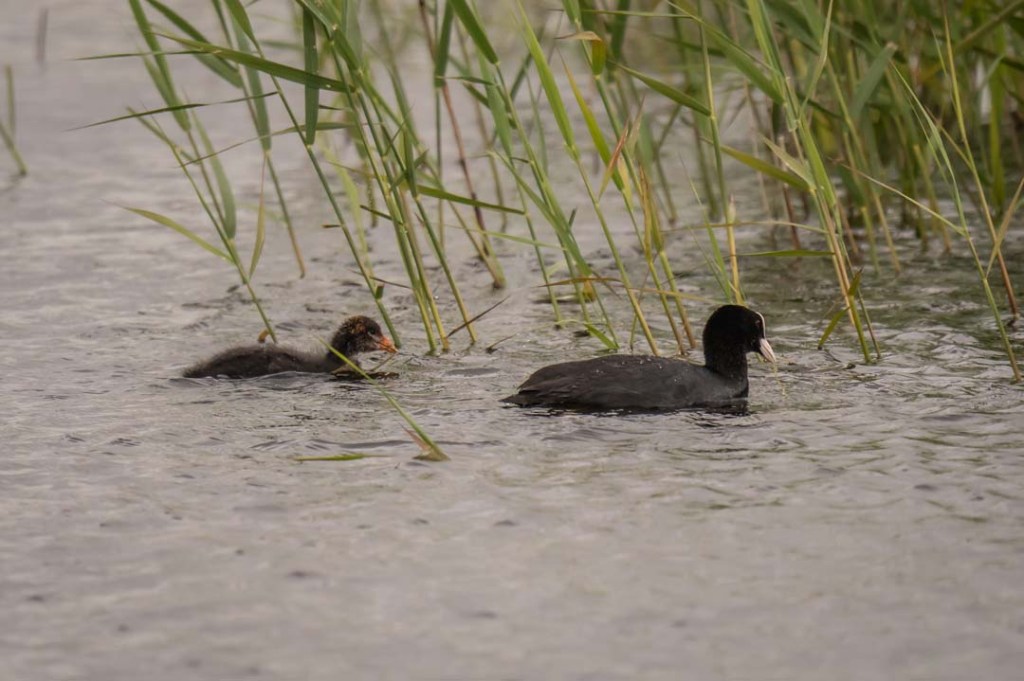
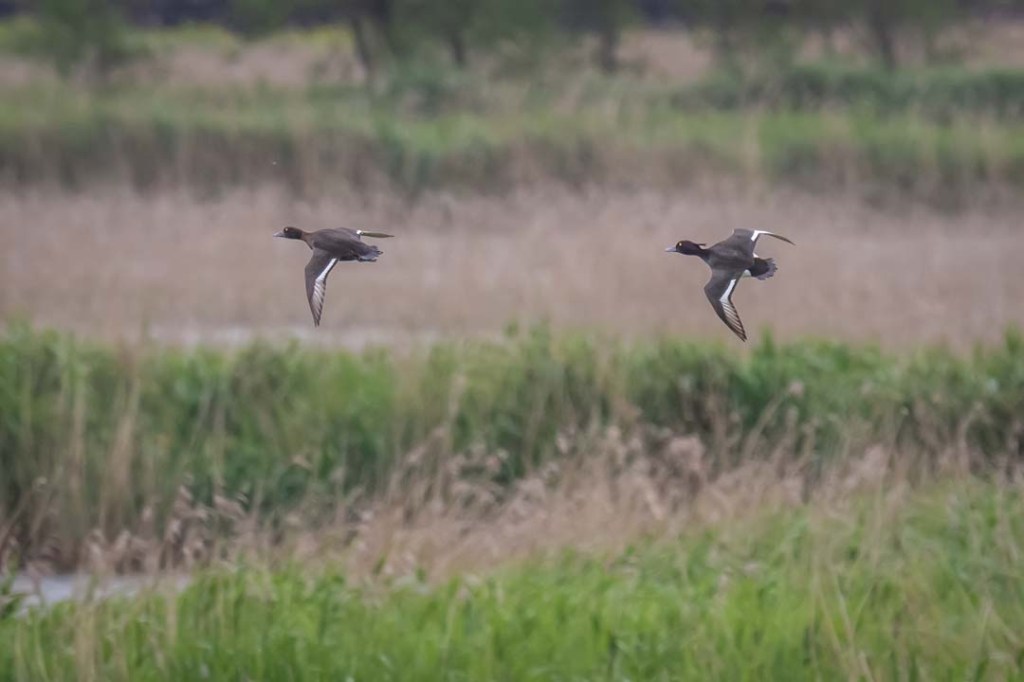
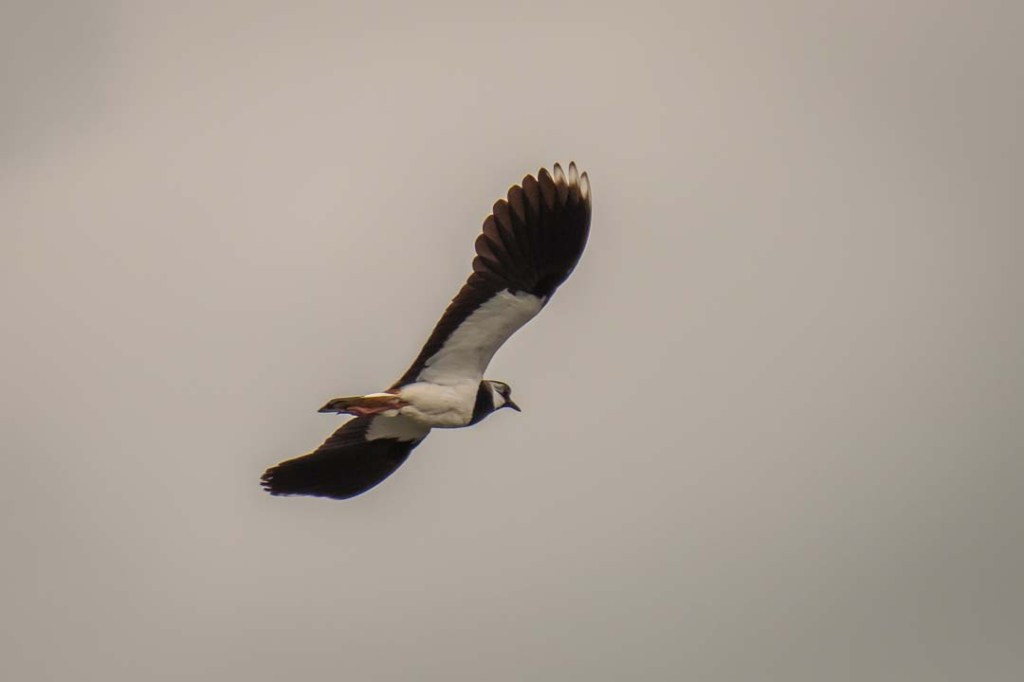
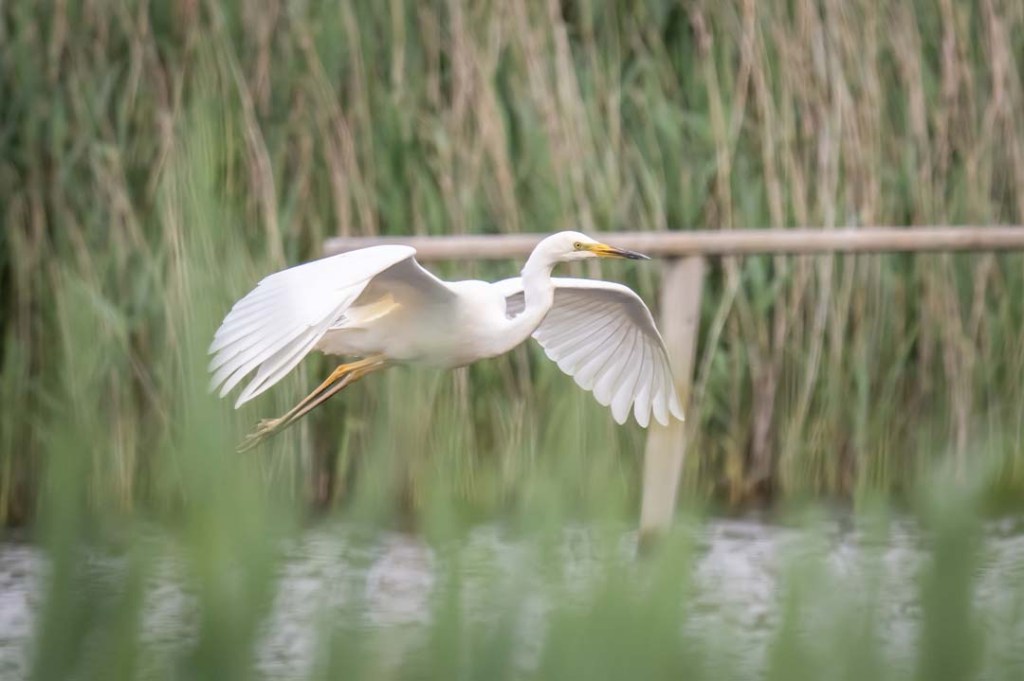
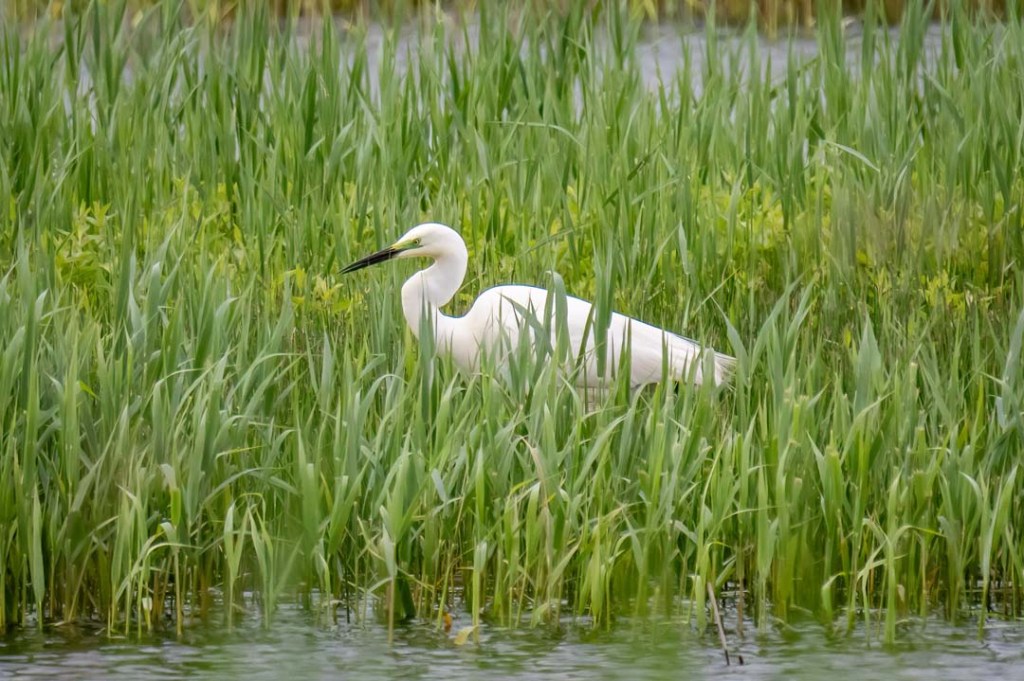
Hobby with dragonflyCoot and two chicksGreat crested grebe chick taking a ride with another following behindMale great crested grebe returning with goodies …But only one chick benefitsMarsh harrierGreat white egretGrey heronLapwing came closeNot the day for swift photosTufted ducksHobbyGreat crested grebe on nest









































































































 Martin's Bird Blog & Nature Photos