11th April 2024
Our main aim for the day was to get some exercise without getting muddy. Accordingly we decided to visit some of the churches in and around the city centre.
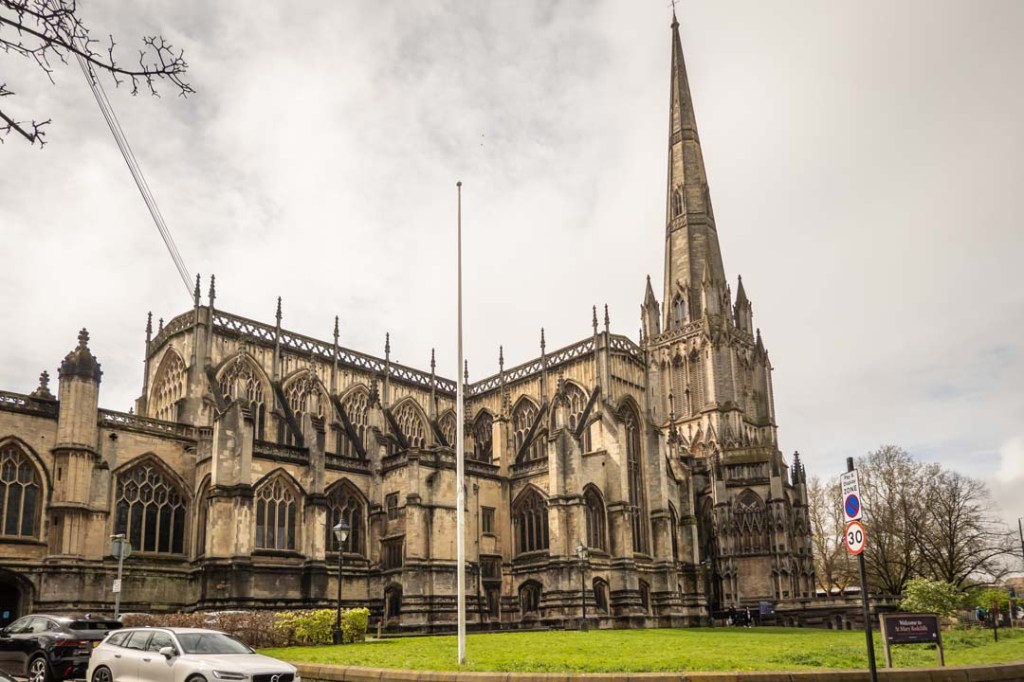
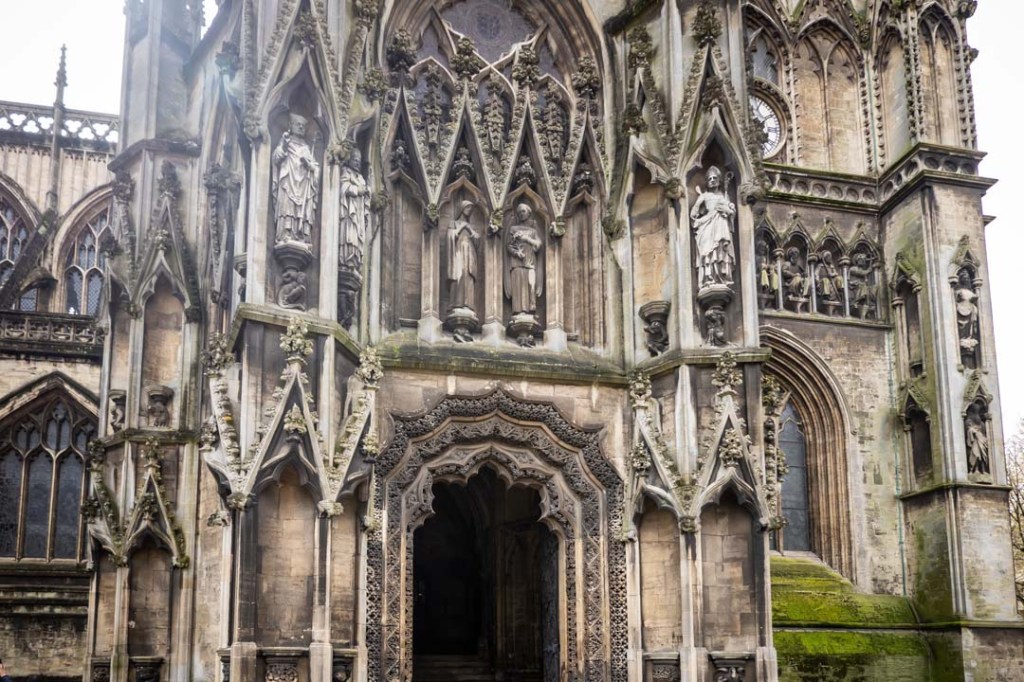
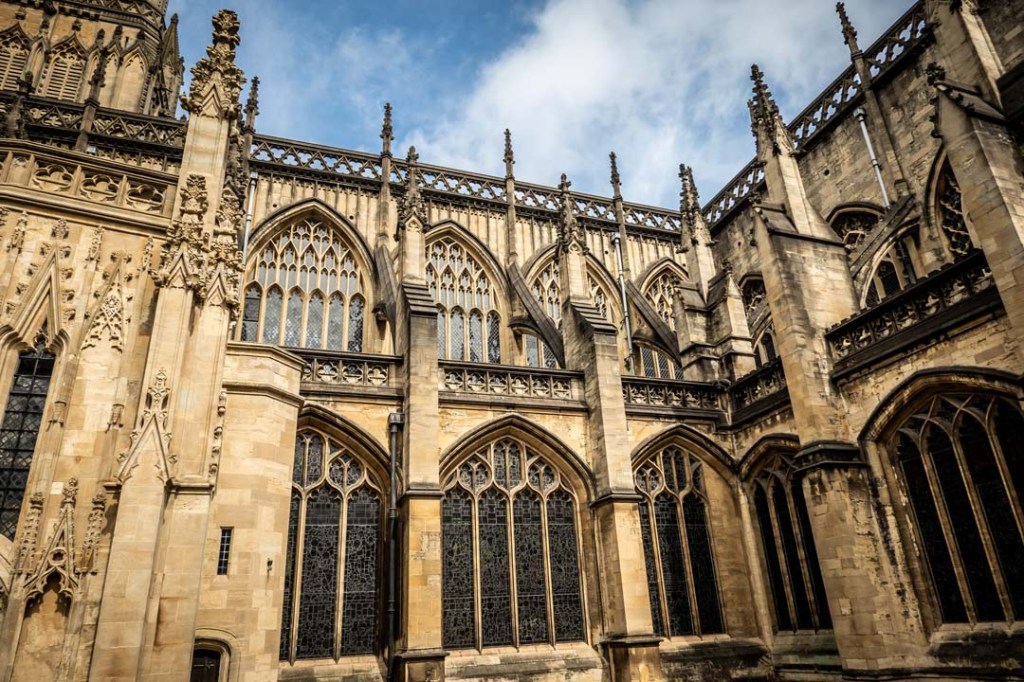
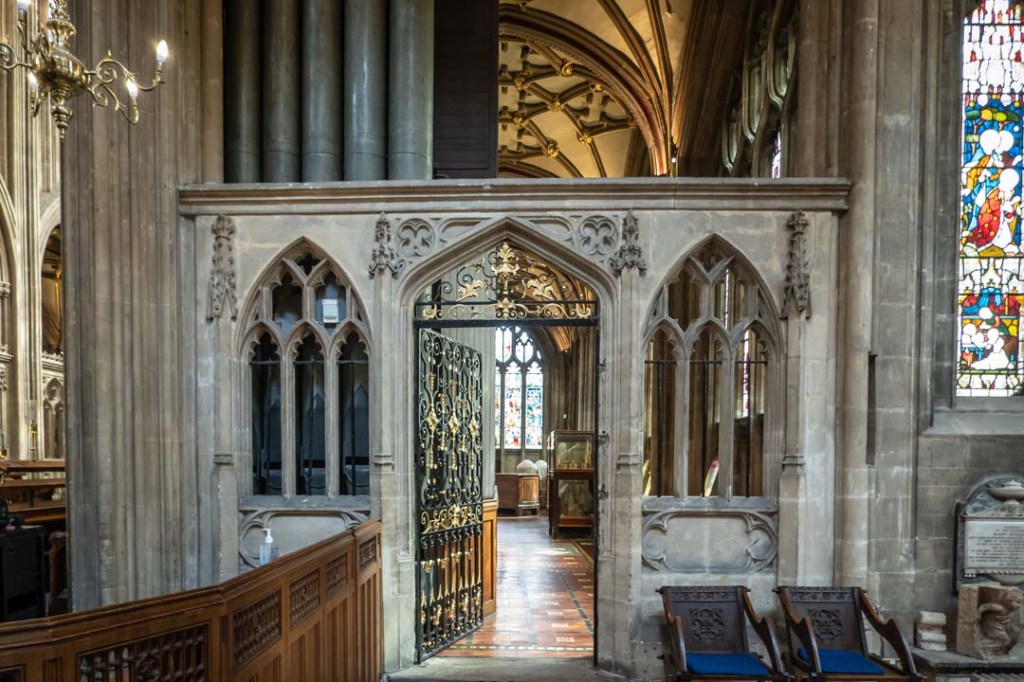
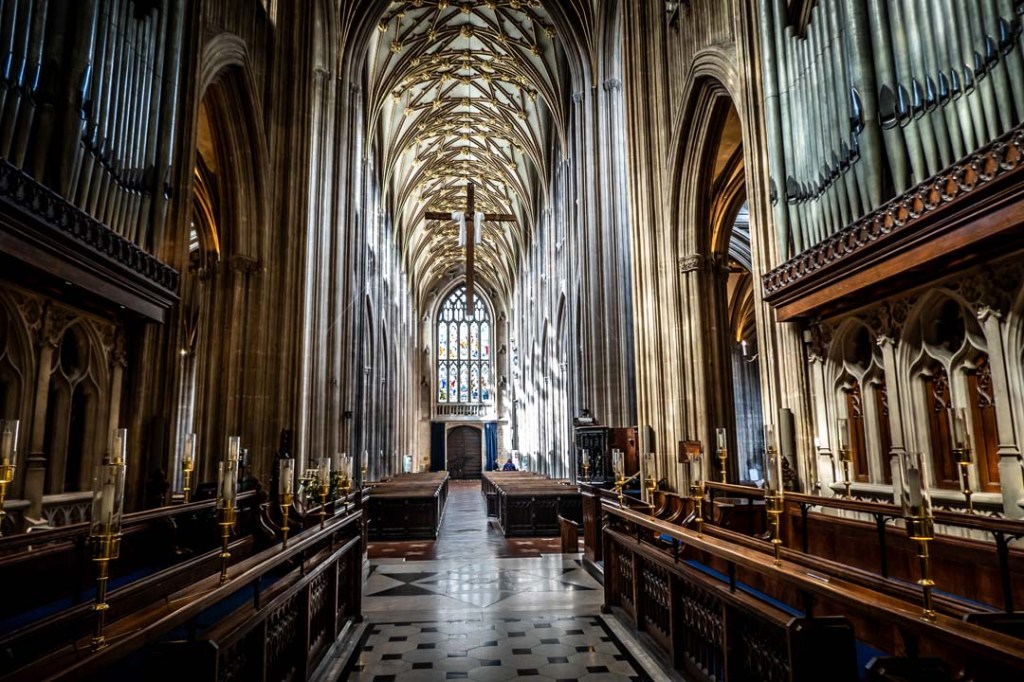
We started at St Mary Redcliffe – a masterpiece of gothic architecture. Elizabeth I described it as : “The fairest, goodliest and most famous parish church in England” during her visit to Bristol in 1574.
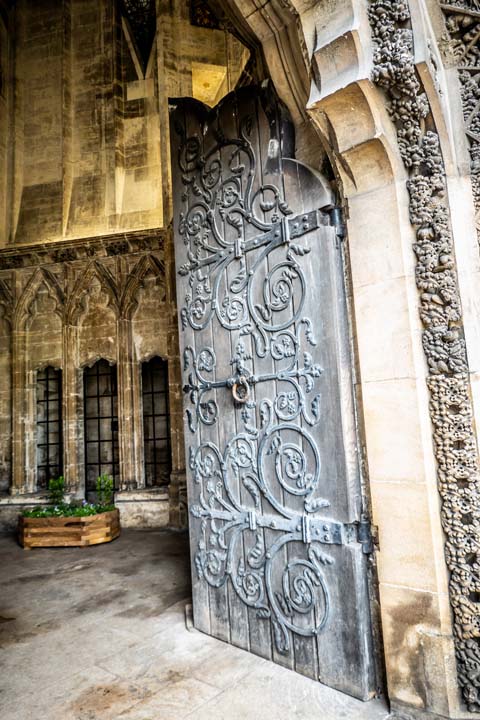
For me it’s not the exterior, very impressive as it is, but the interior which justifies Elizabeth I famous quote.


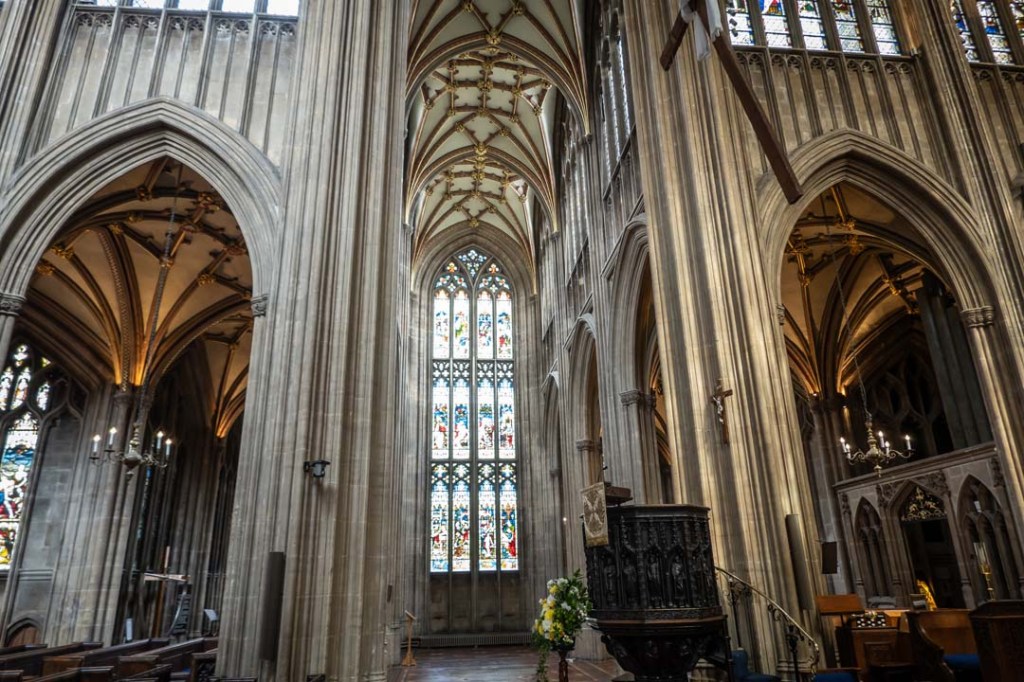

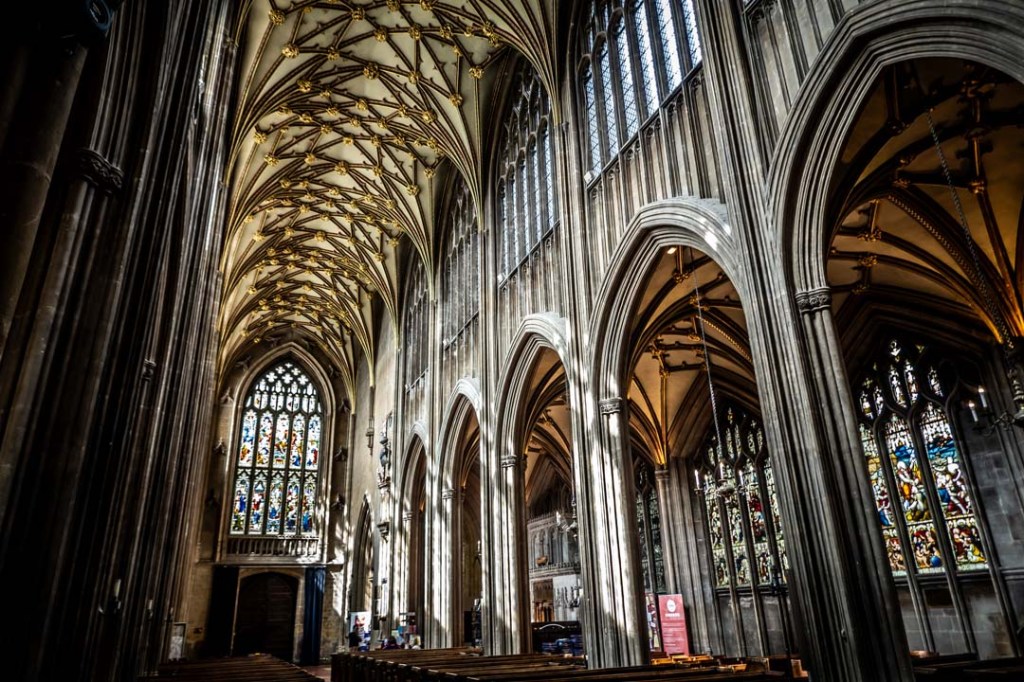
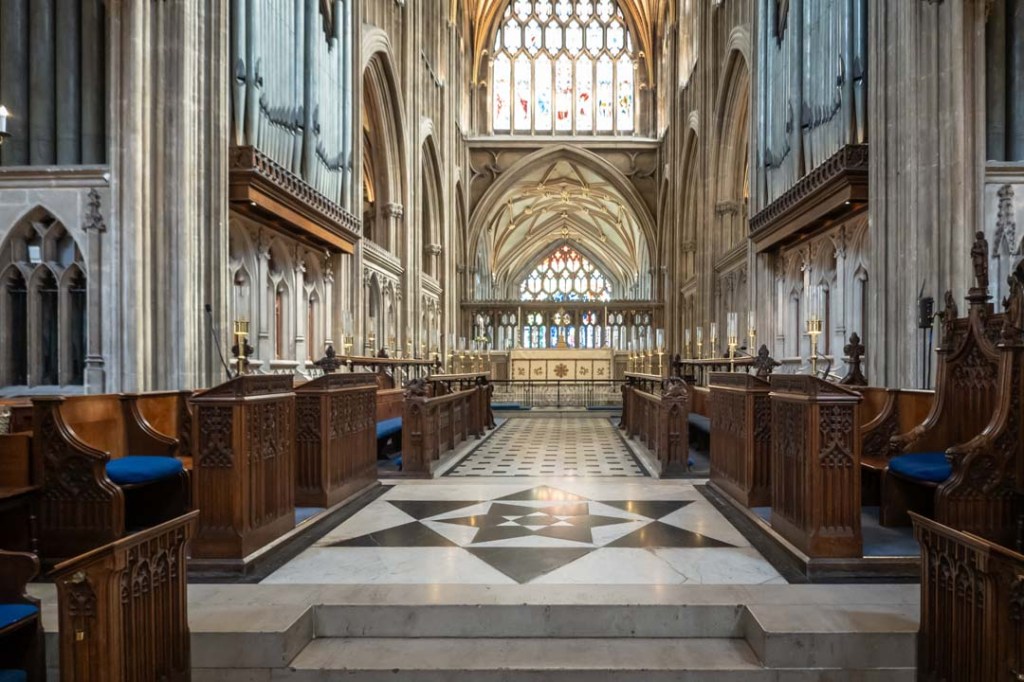
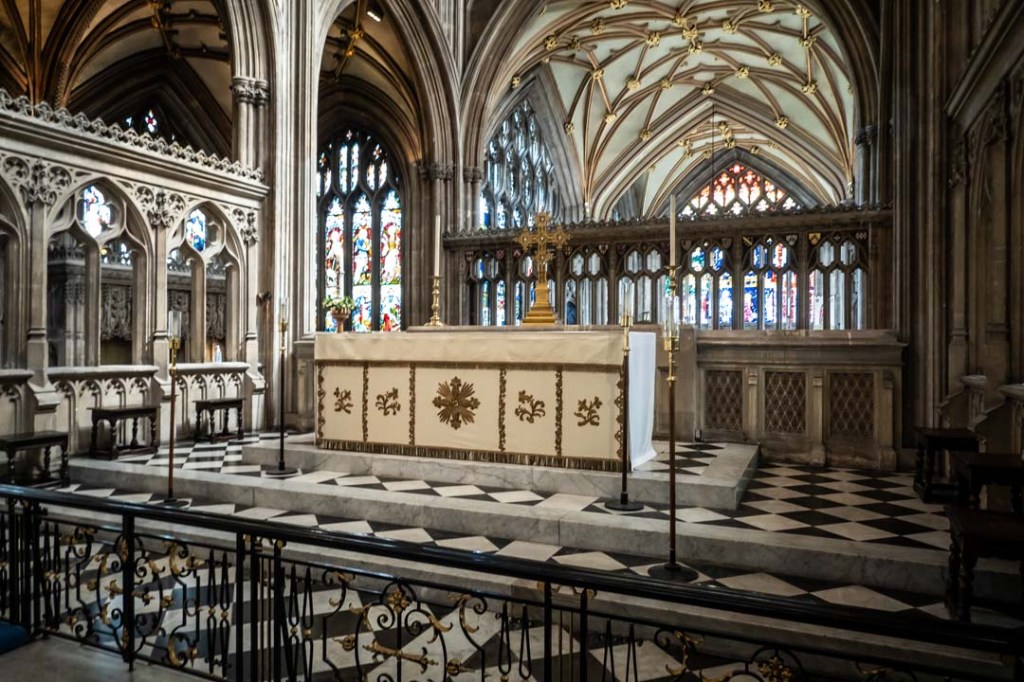


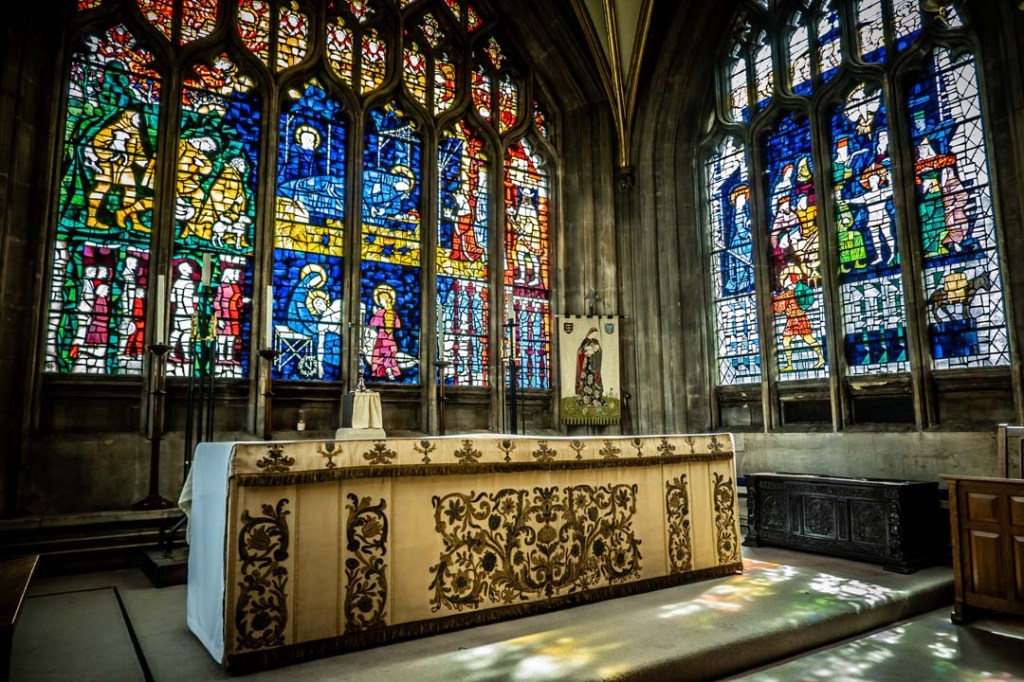
The Lady Chapel windows were designed by Harry Stammers (1902-1969) who was one of the greatest stained glass artists of the 20th century and the founder of the “York School” of stained glass. They were installed between 1960 and 1965.
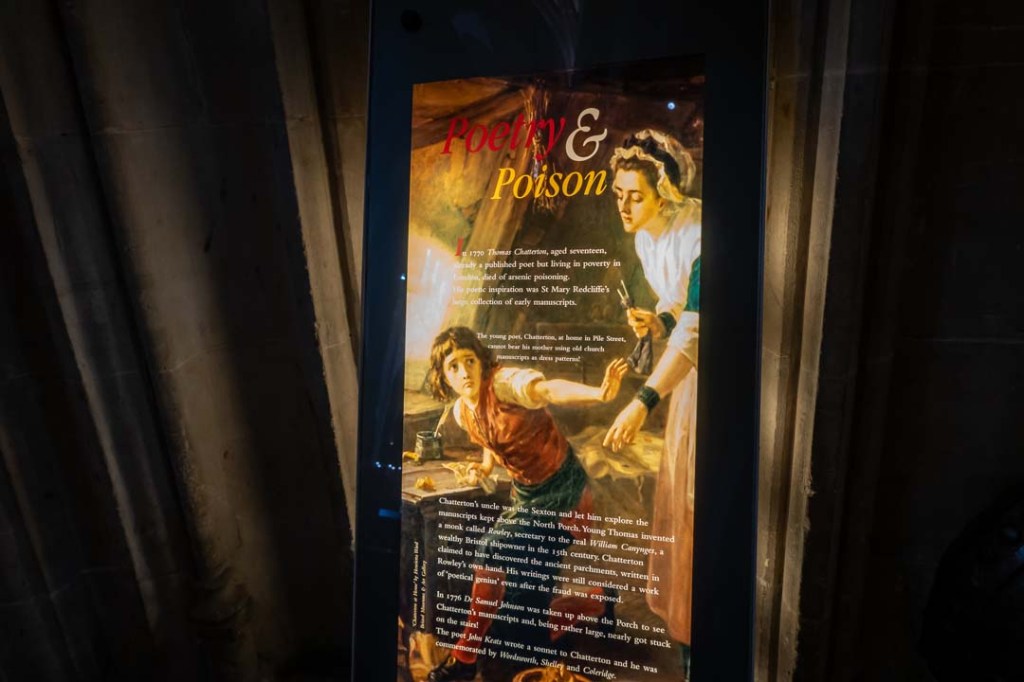
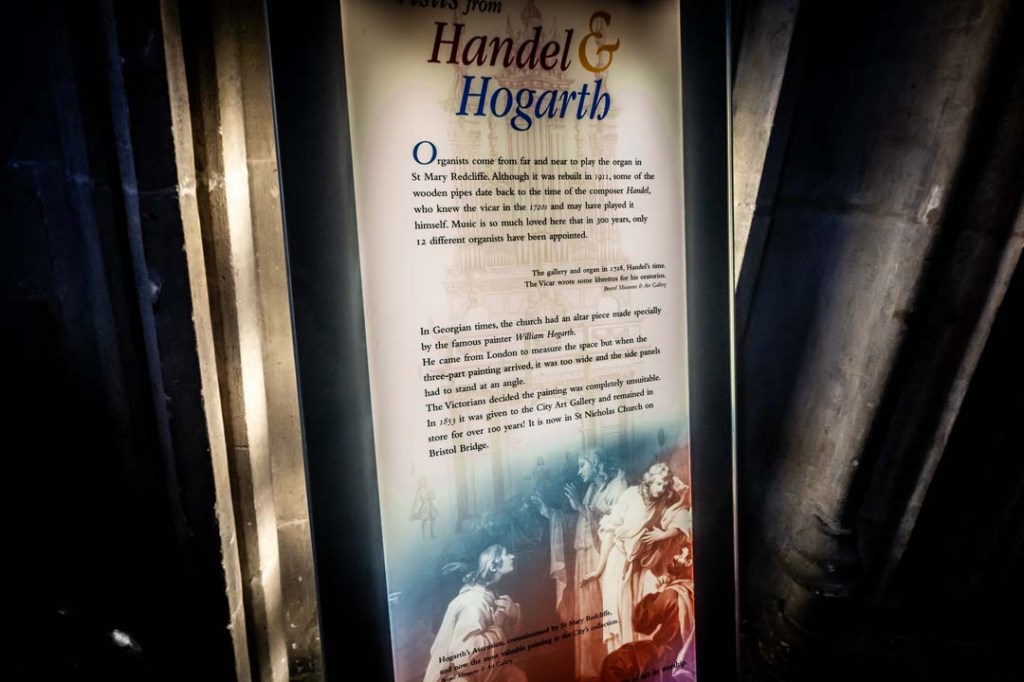
There are many displays of historical interest in the church- here about the church’s connection to the boy poet Thomas Chatterton and to Handel and Hogarth. In the commentary about Thomas Chatterton there is no reference that he was a boy at Colston’s School. It seems that, as well as removing all the windows in honour of Edward Colston, since the stripping of the Colston statue in 2020 any references to Edward Colston have been removed.
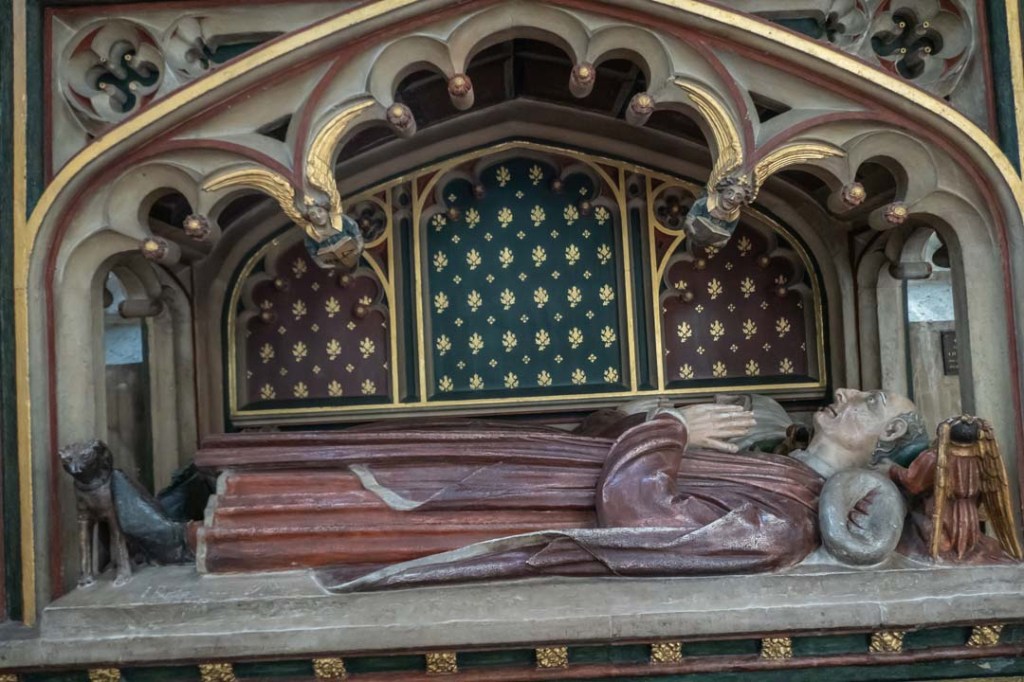
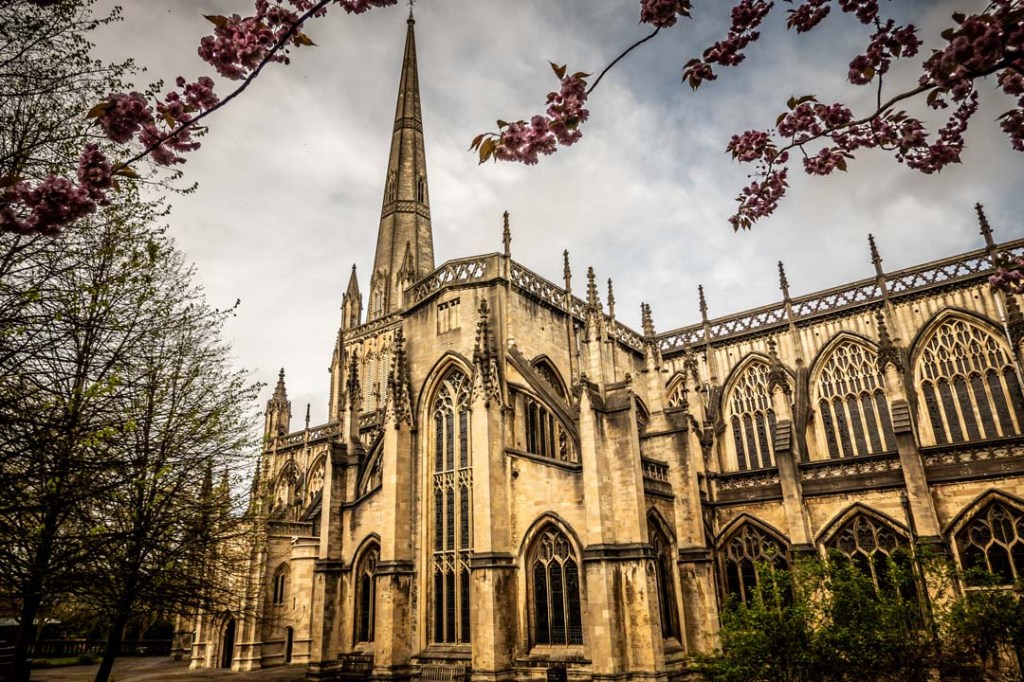
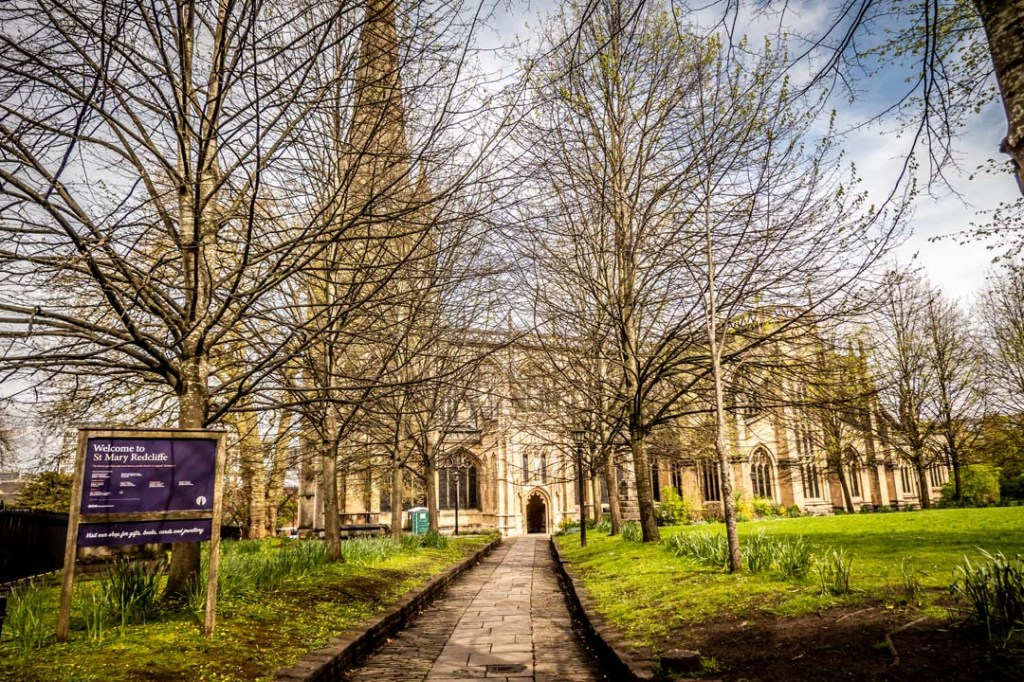
I took so many other photos of St Mary’s but in order to cover other aspects of our walk I will omit here and probably come back to in another blog.



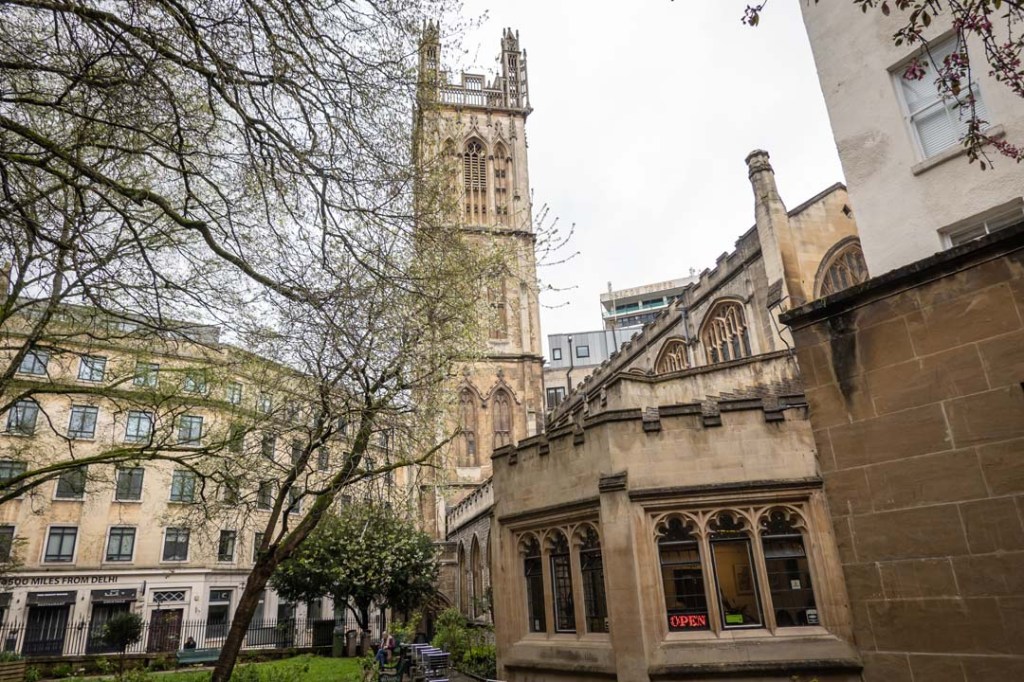
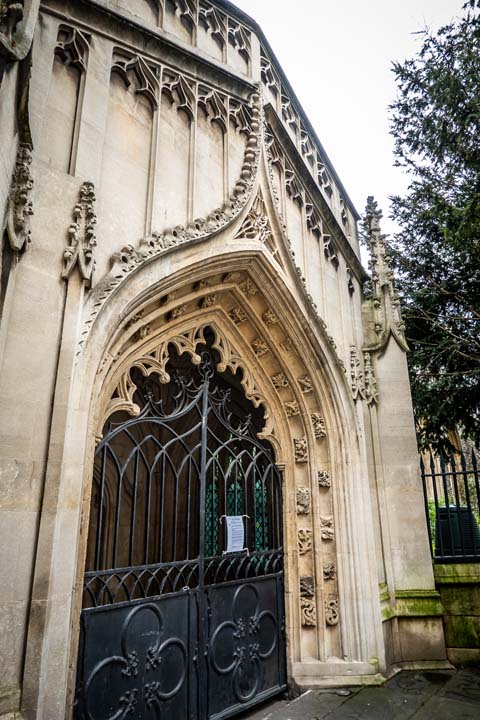
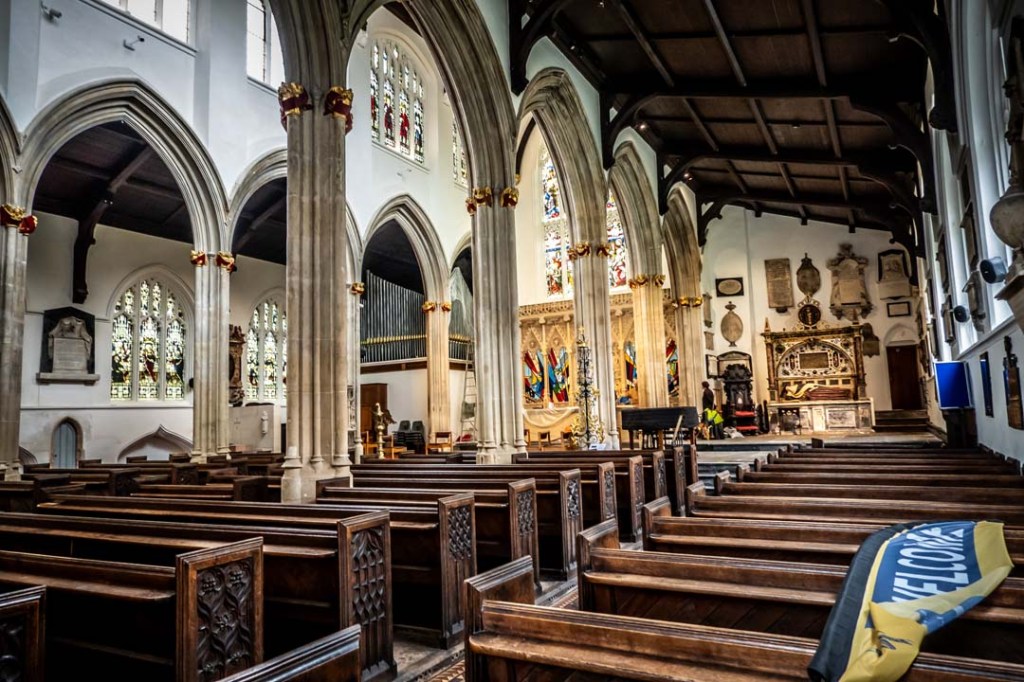
St Stephen’s website:
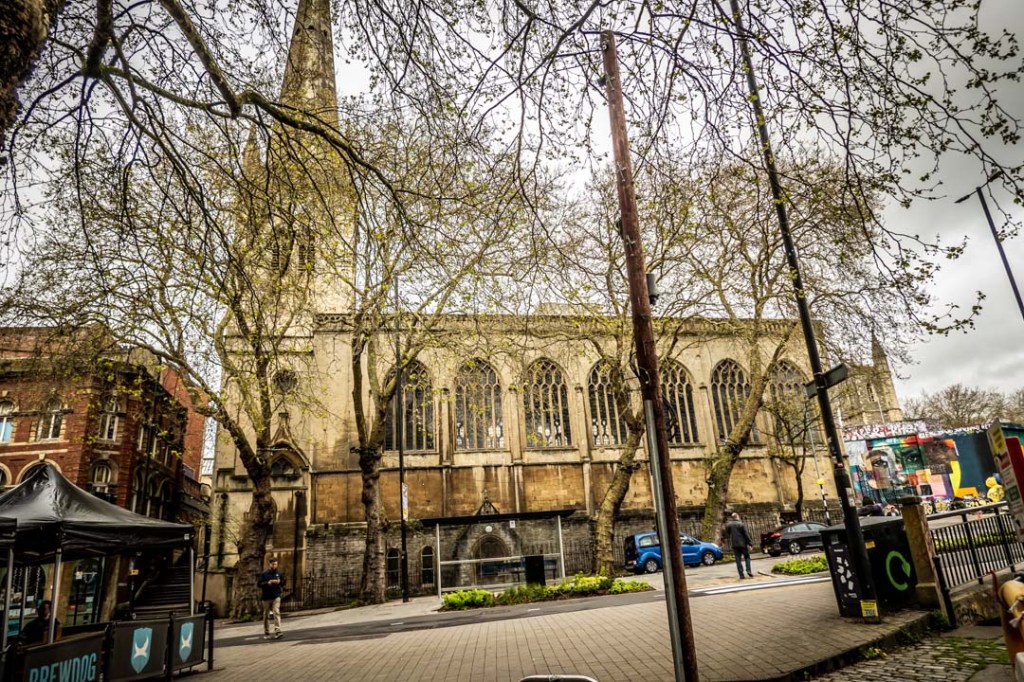
“Designated by English Heritage as a grade I listed building, Saint Stephen’s Church lies on the ancient riverside boundary of the Anglo Saxon sacred city. Work on diverting the river Frome to form Bristol Harbour was completed in 1248. In the same century Saint Stephen’s was developed by a Benedictine cell from Glastonbury Abbey.
The harbour church was totally rebuilt in 1470 by the parishioners and the Abbey of St Peter Gloucester.
In 1703 the Great Storm (which blew down Eddystone lighthouse and damaged Widecombe-in-the-Moor and Fairford churches amongst many other buildings) damaged the roofs, clerestory and the pews of the nave and south aisle. The storm also caused an immense high tide which flooded the church to a depth of five inches.
The uniform appearance of the perpendicular town church was perfected again in the various late 19th century restorations (1875-1898). These unaccountably destroyed the original six-light east window, replacing it with the current one of five lights.”
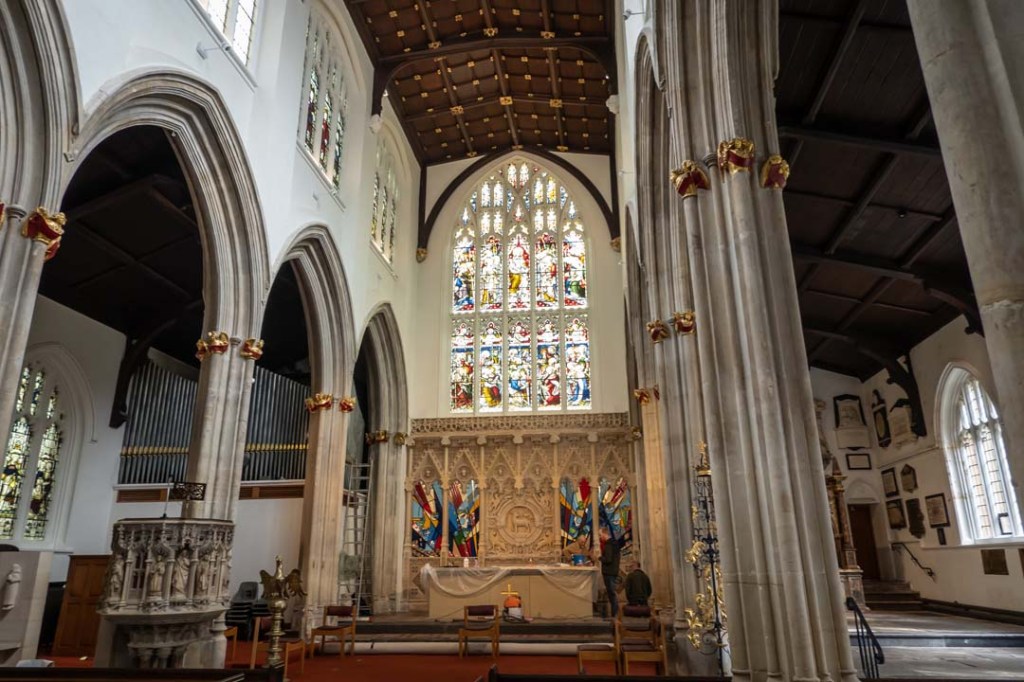
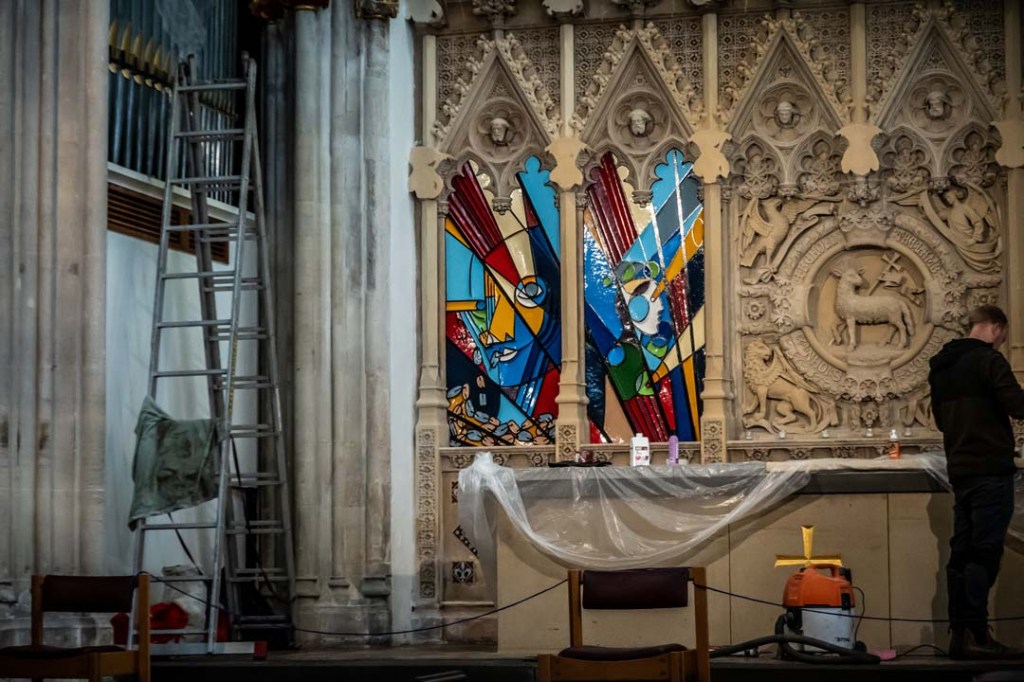
St Stephen’s now houses some fine contemporary art, in particular the Bristol Reconciliation Reredos
St Steven’s website:
‘On Friday 21 January, 2011, the work of Saint Stephen’s artist-in-residence, Graeme Mortimer Evelyn was unveiled in Bristol’s parish church. A first for the Heritage Lottery Fund, the Bristol Reconciliation Reredos is set to become an universal symbol of hope and a destination for international visitors. A contemporary artwork, its four relief panels are carved from MDF, painted in bold primary colours, and fitted into the recently-restored stonework. Extraordinarily, the carved lamb of God reredos (behind the altar) had been covered up since the 1870s. Saint Stephen’s was the harbourside church during the slavery era. The Bristol Reconciliation Reredos seeks to respond to this complex legacy inspired by themes of hope and healing.”

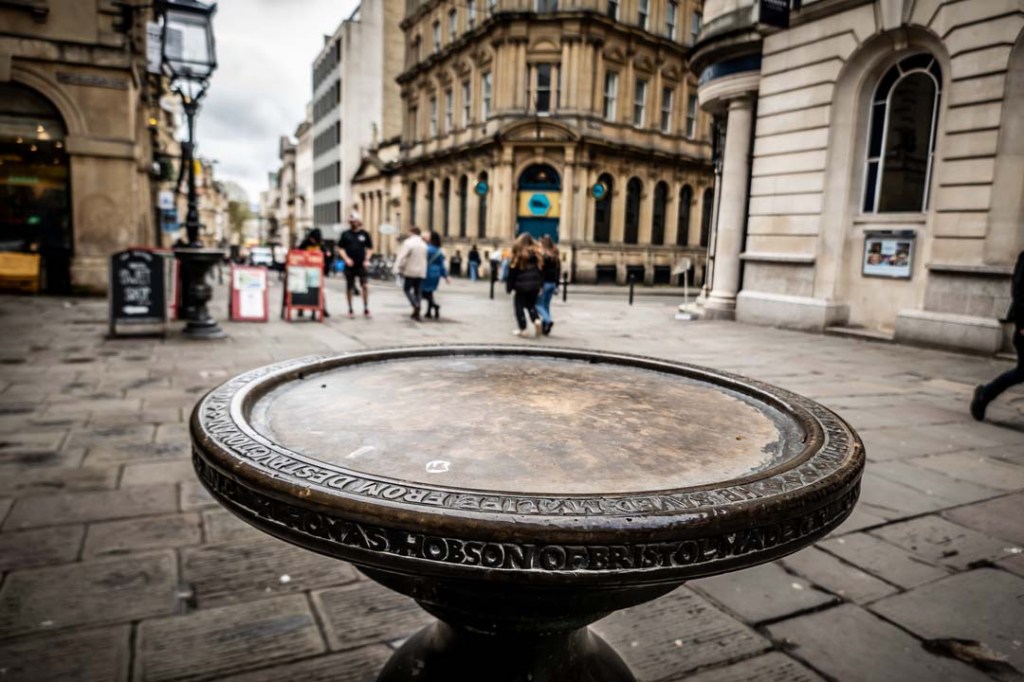
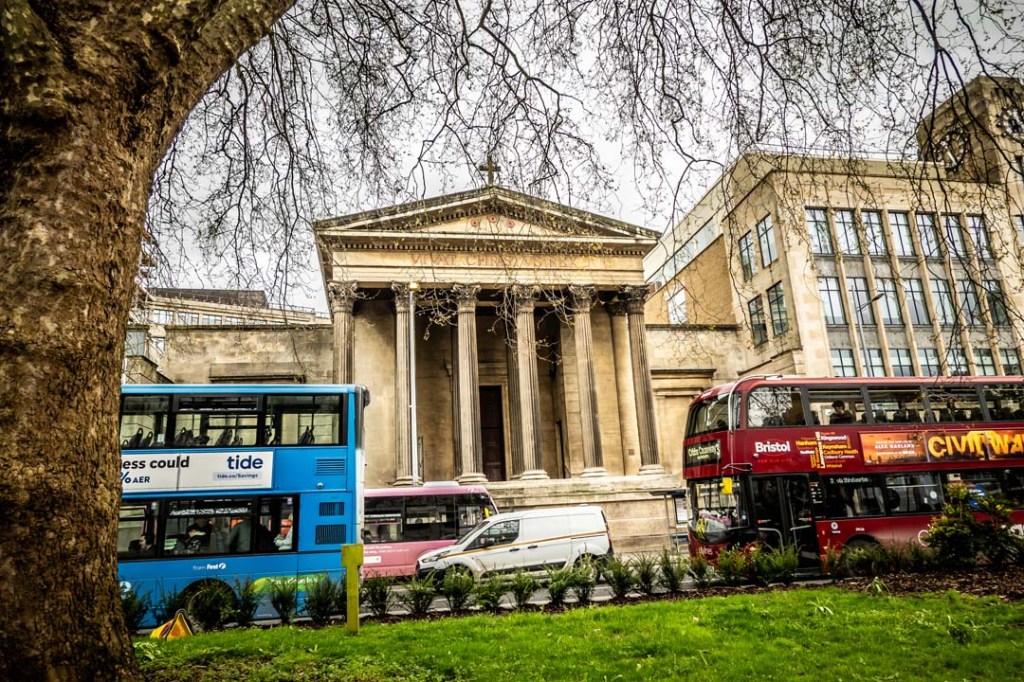
As we were so close to the plinth where Edward Colston’s statue once stood we continued our walk through the city centre.

The plinth has no reference to the fact that Edward Colston’s statue stood here: the city’s councillors cannot come to an agreement upon what should be written.

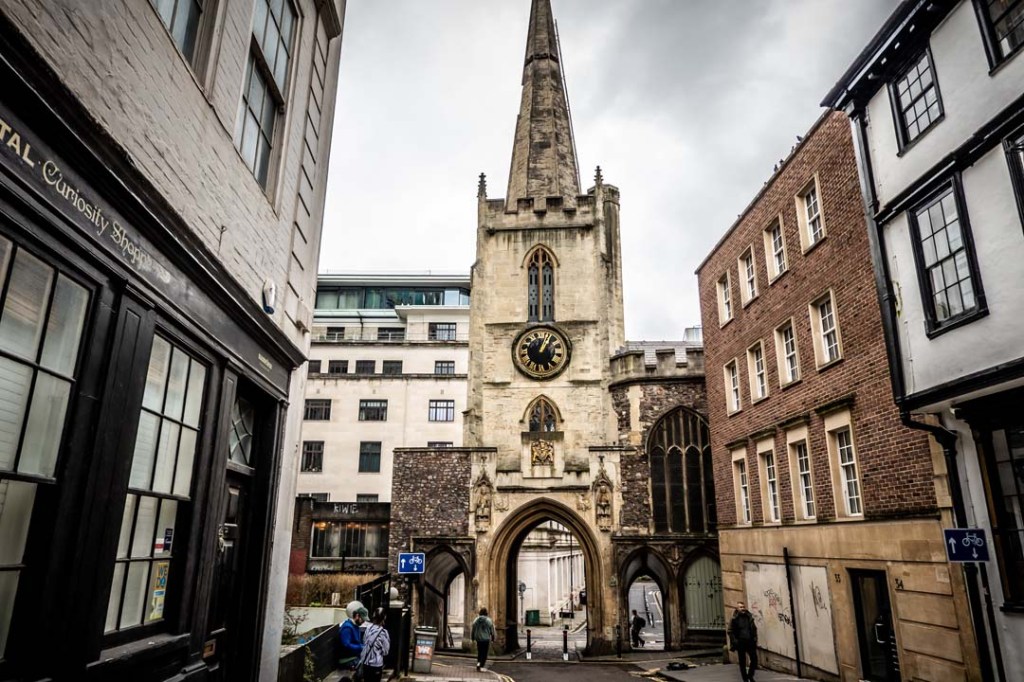


A very successful walk featuring many interesting places that we want to visit again soon.
References:
Simon Jenkins; England’s Thousand Best Churches Penguin Books 2000
The Buildings of England North Somerset and Bristol Nikolaus Pevsner Penguin Books 1958 1998
St Mary Redcliffe website: http://www.stmaryredcliffe.co.uk
St Stephen’s website: https://www.saint-stephens.com
 Martin's Bird Blog & Nature Photos