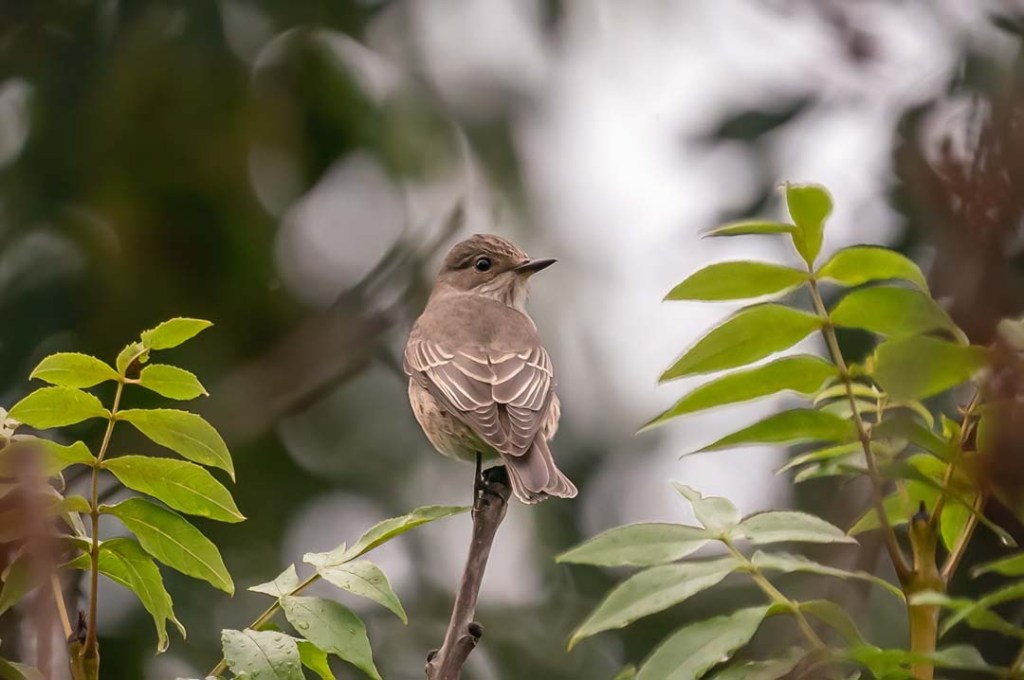
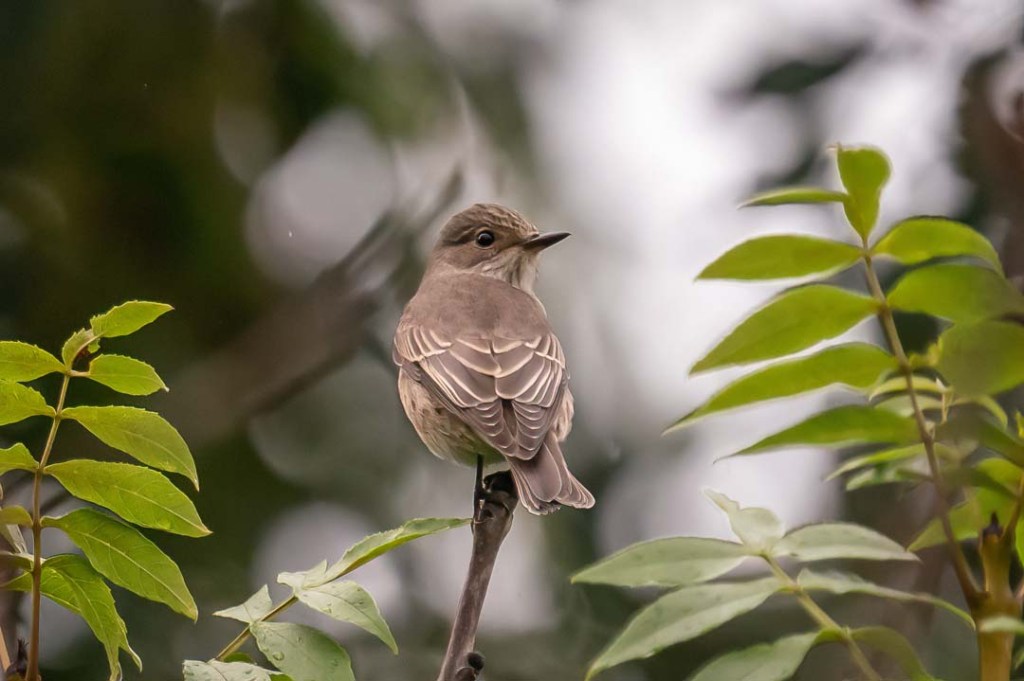
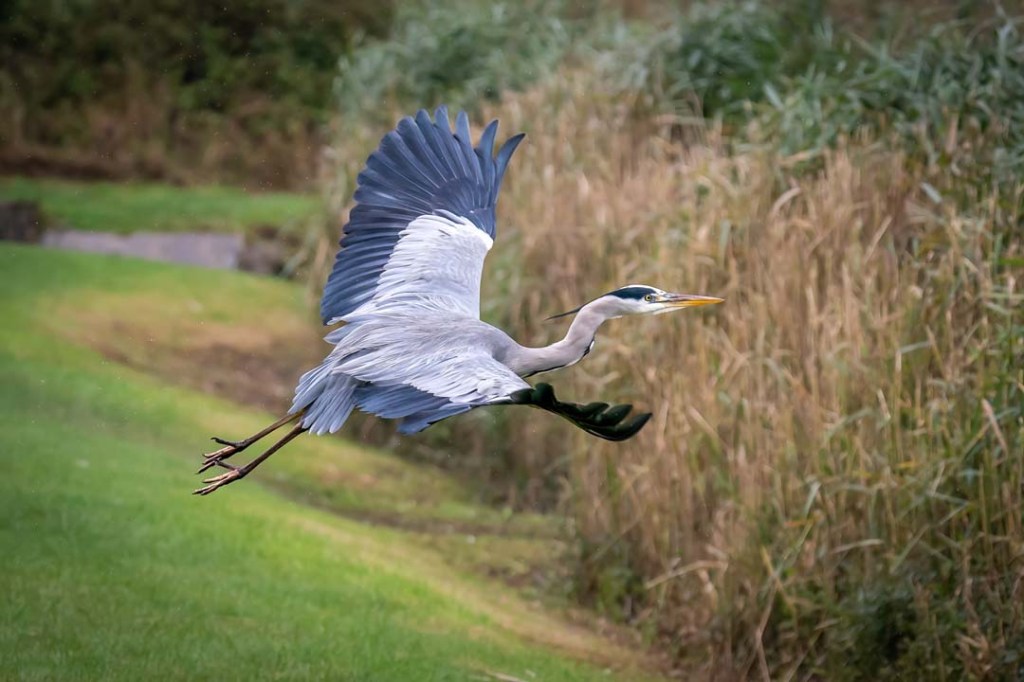
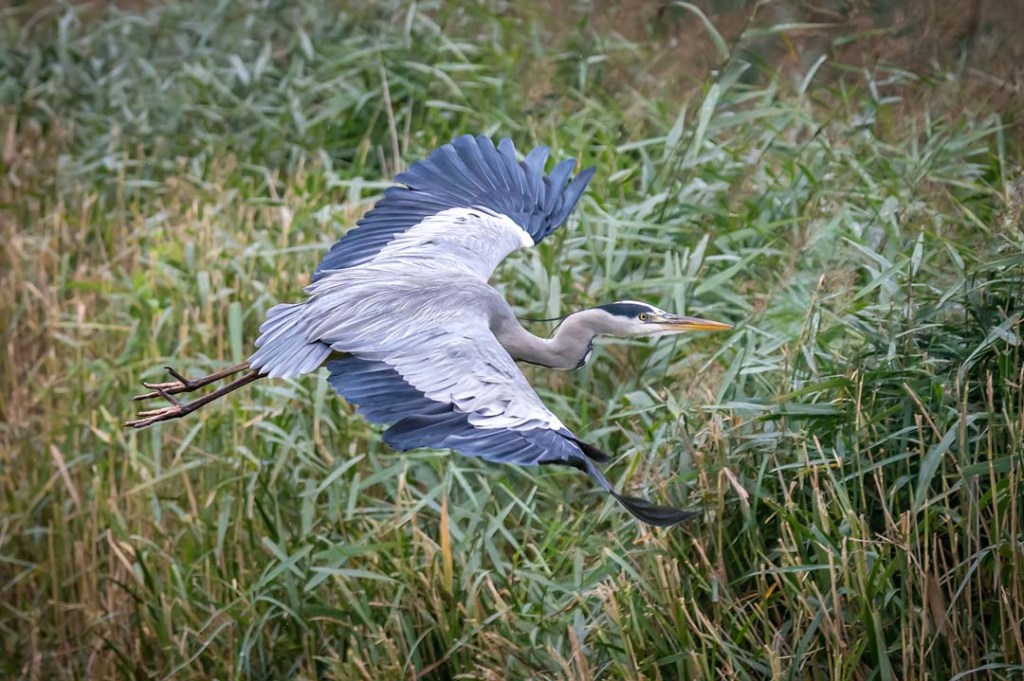
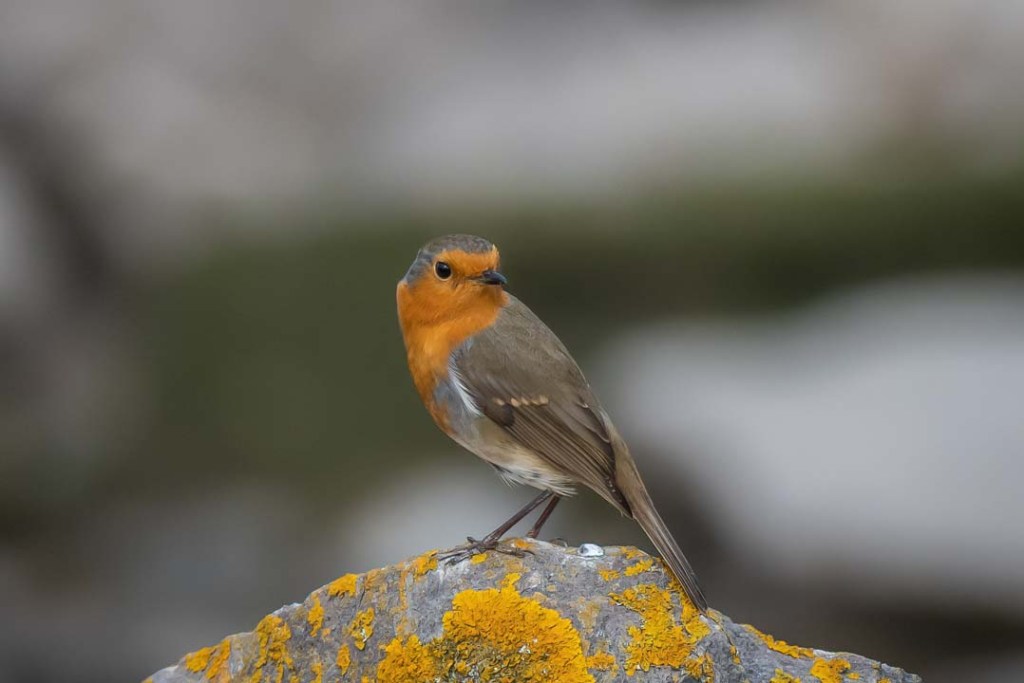
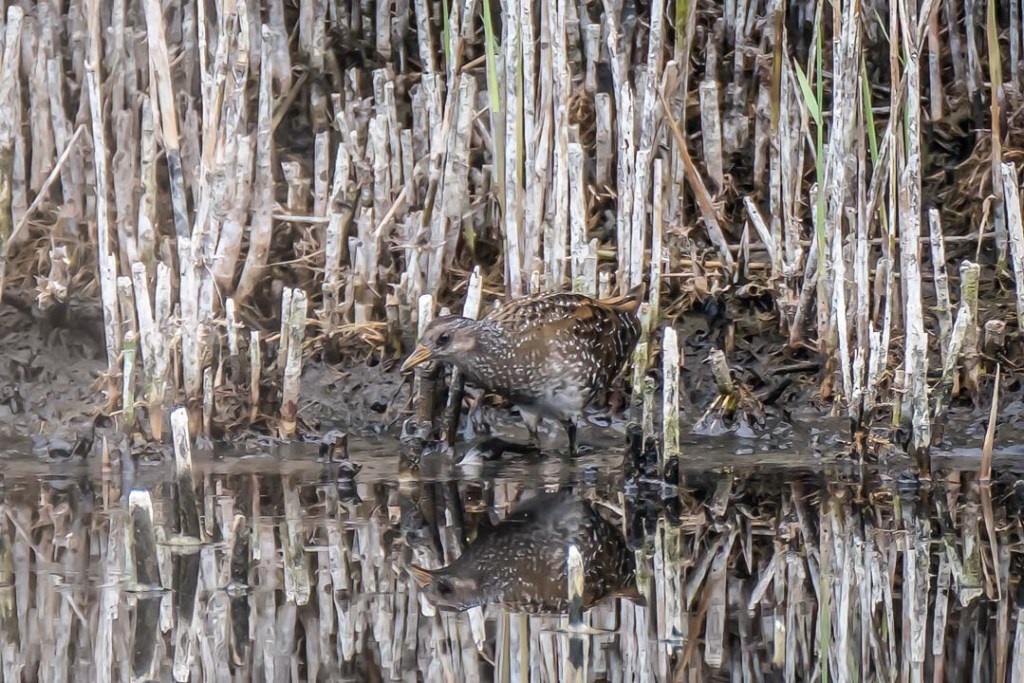
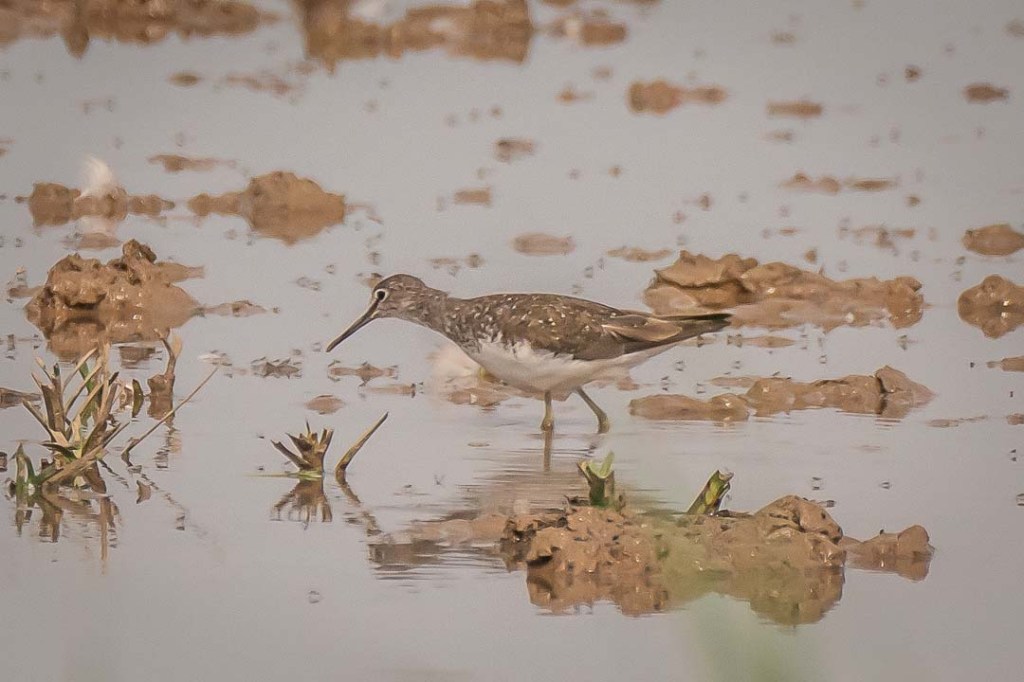
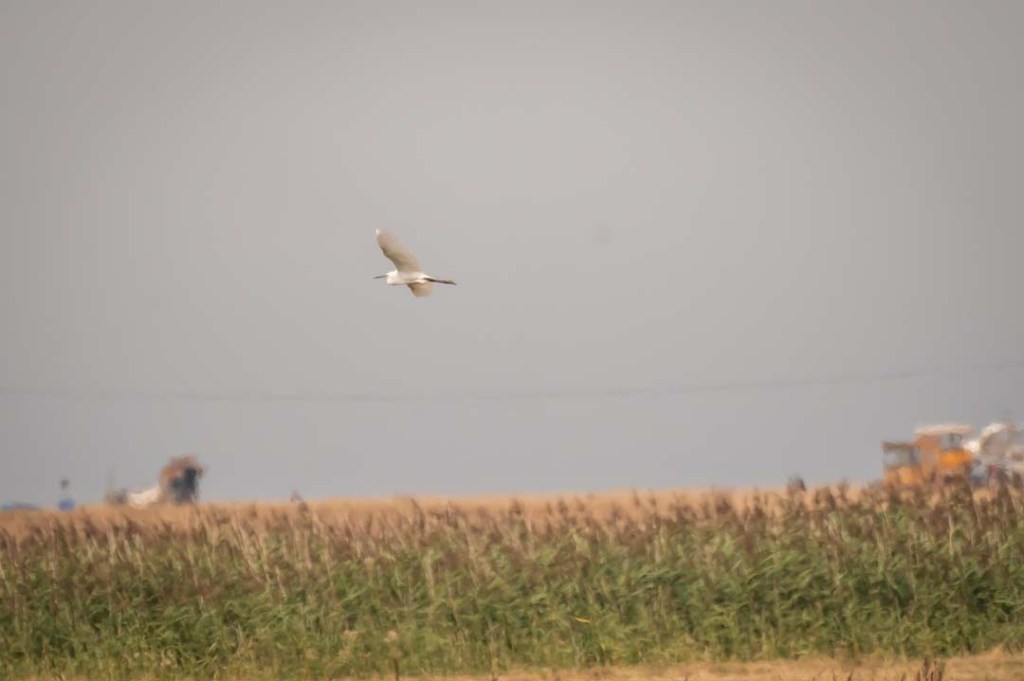
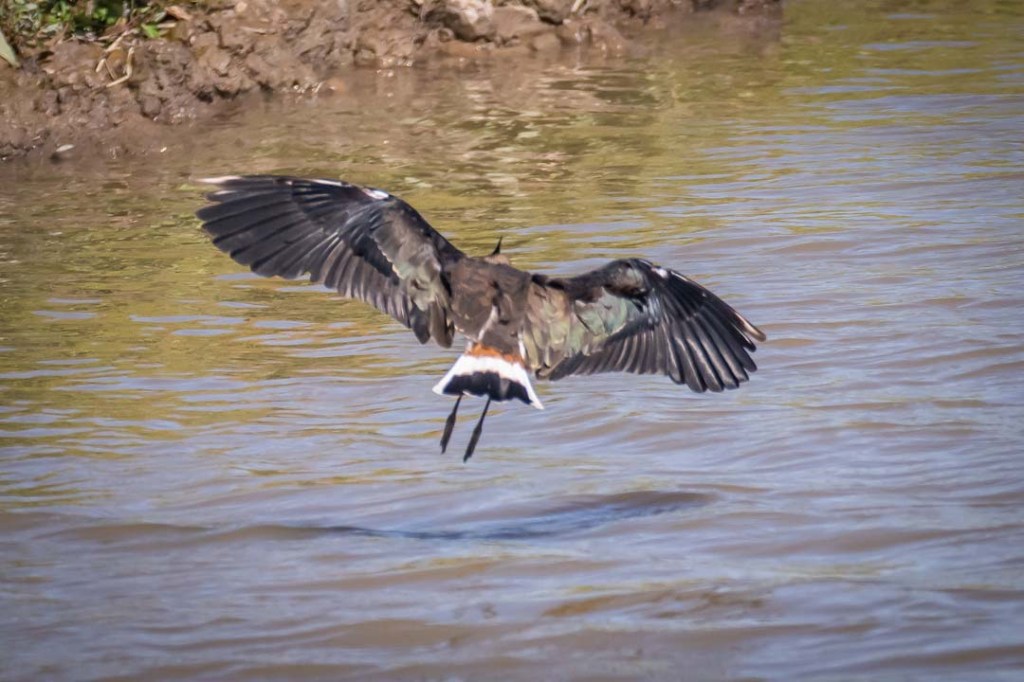
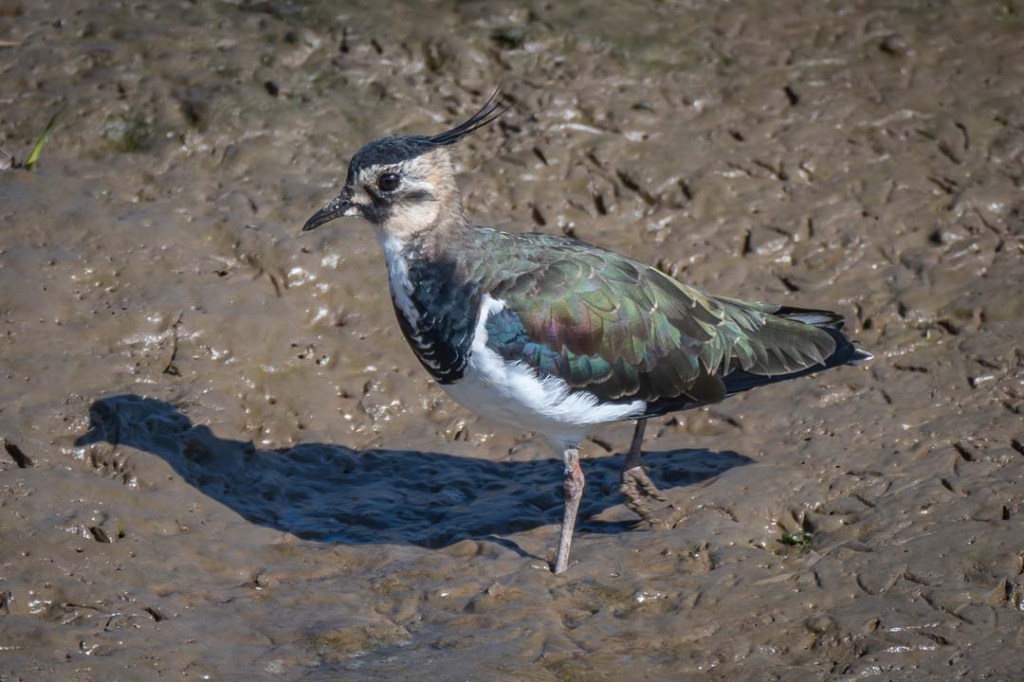
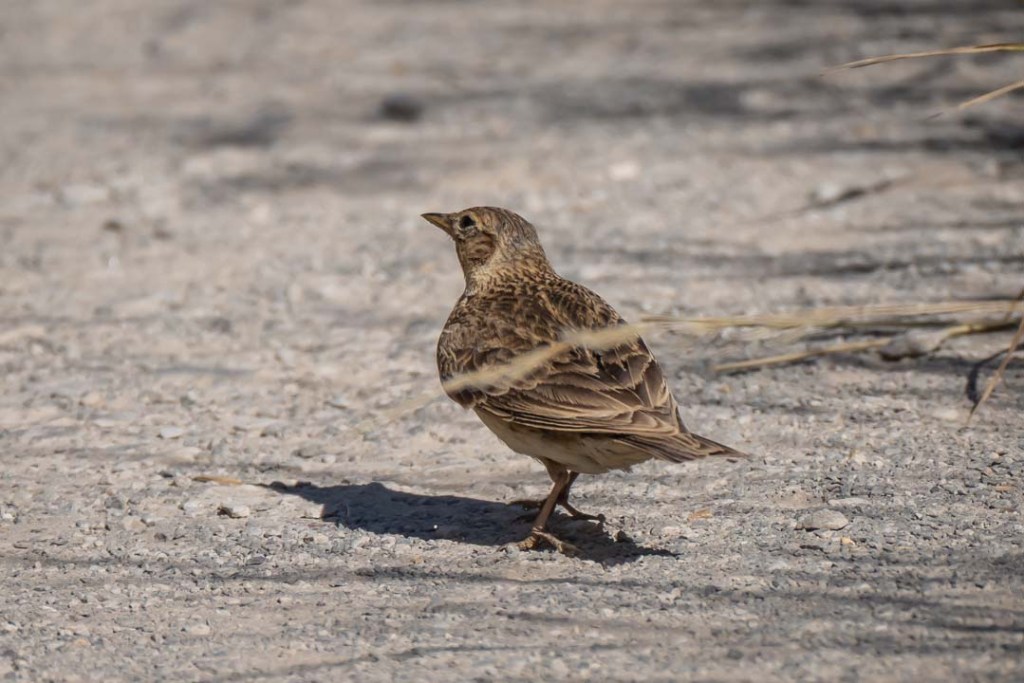
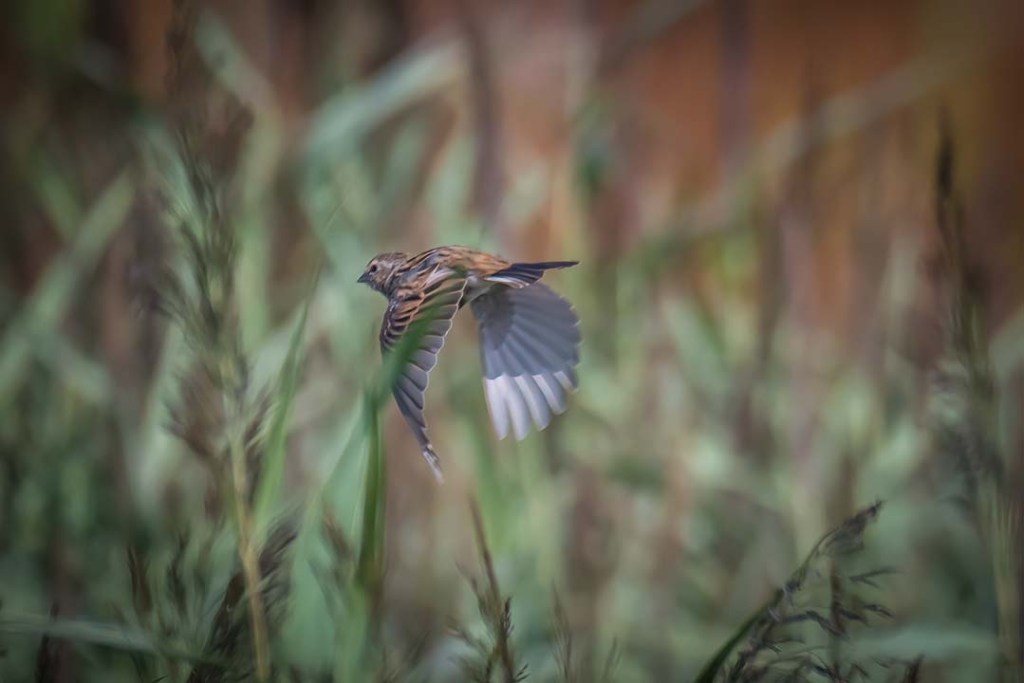
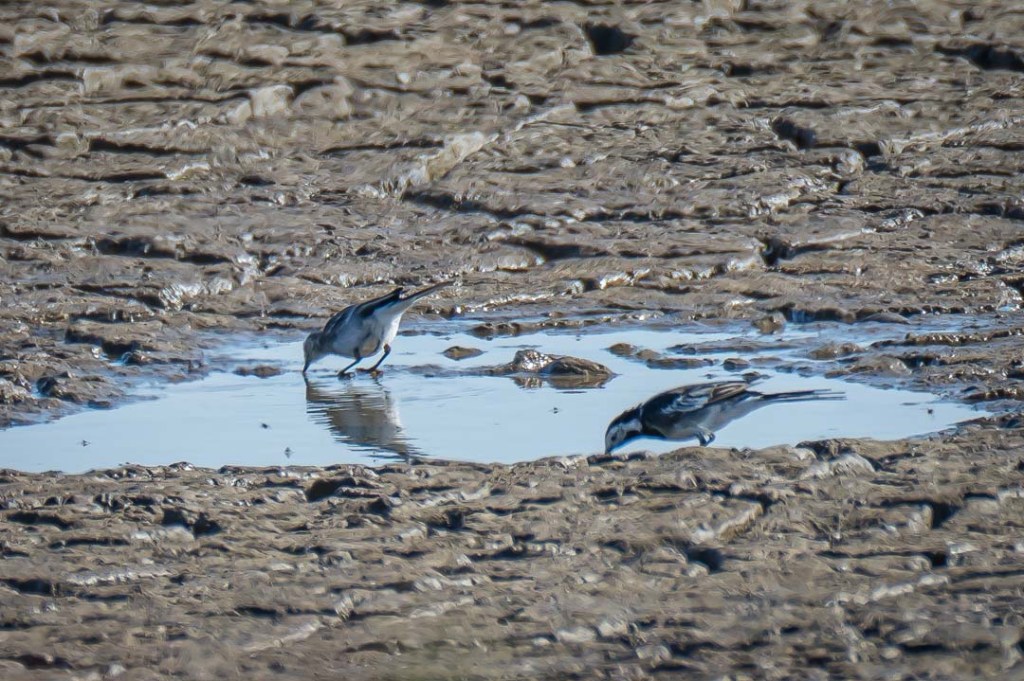
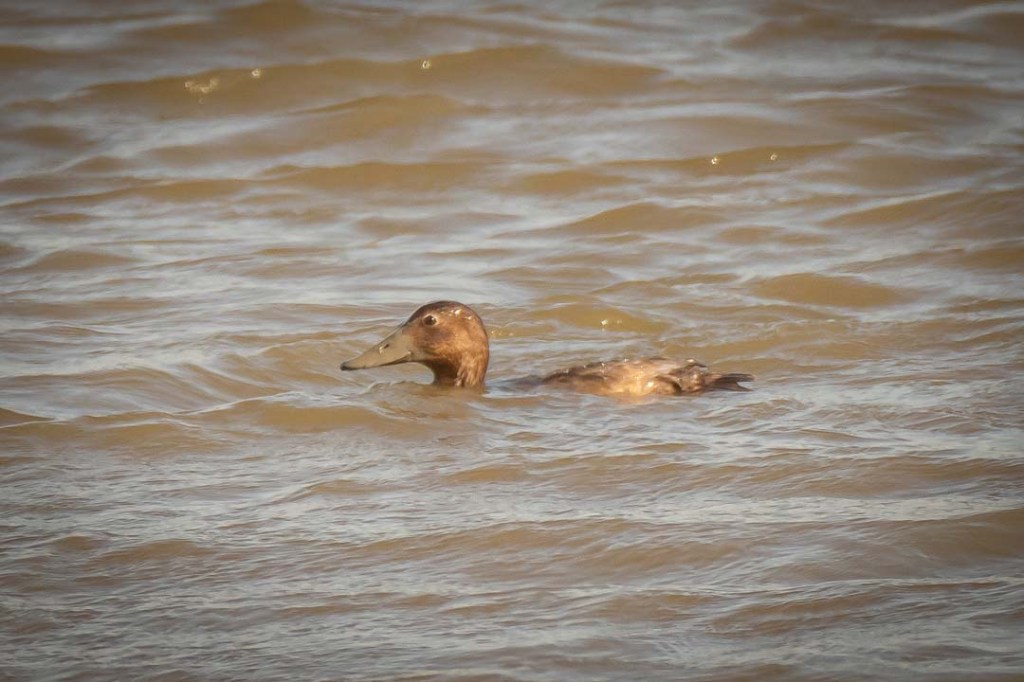
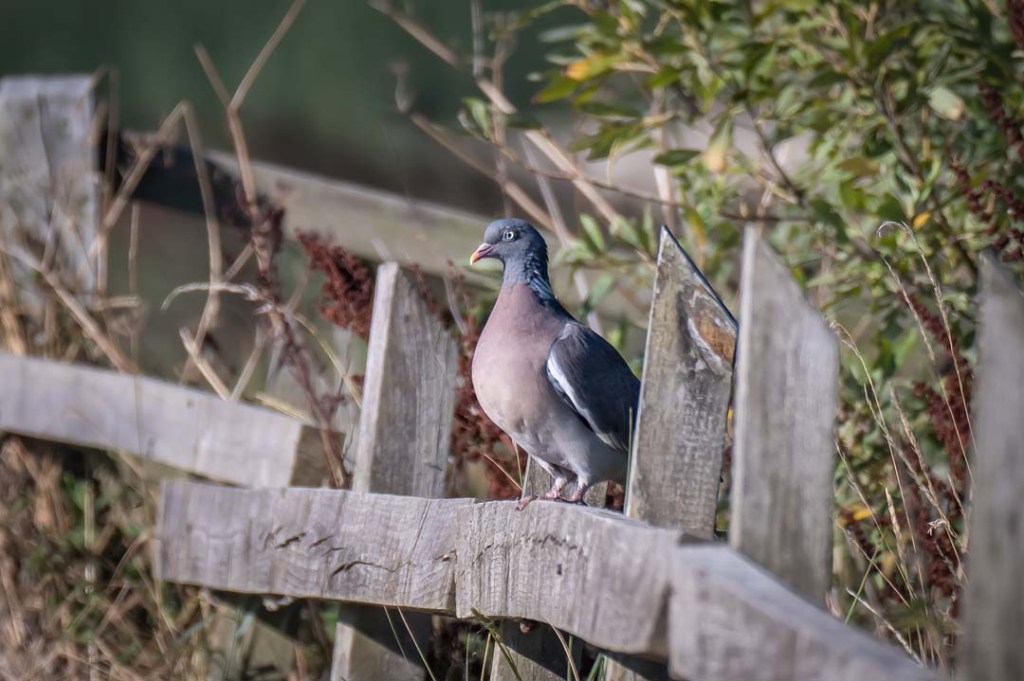
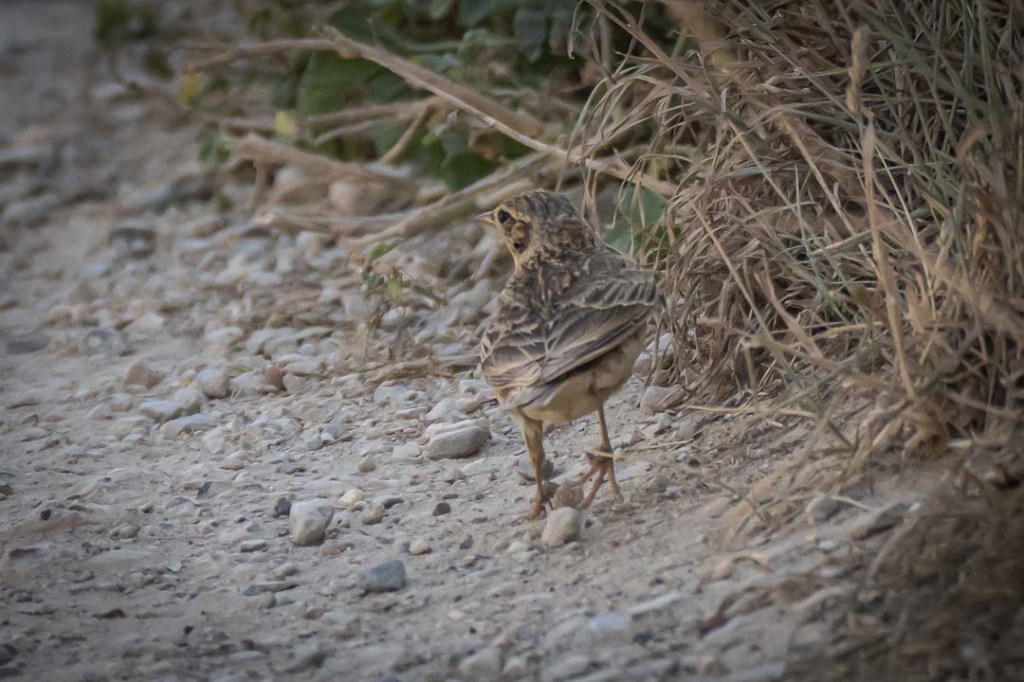
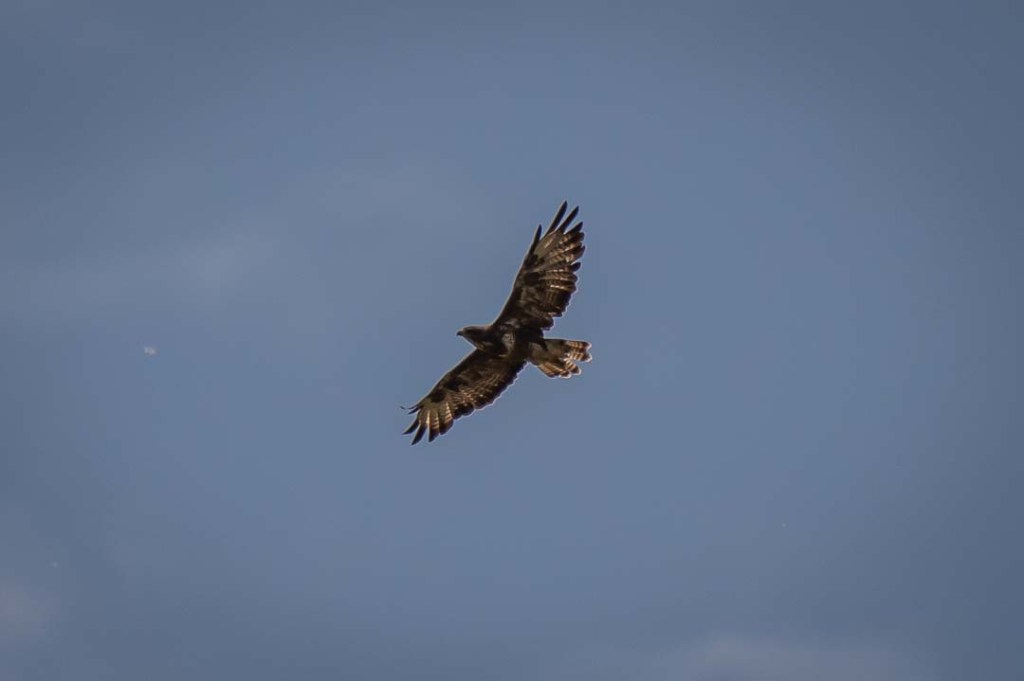
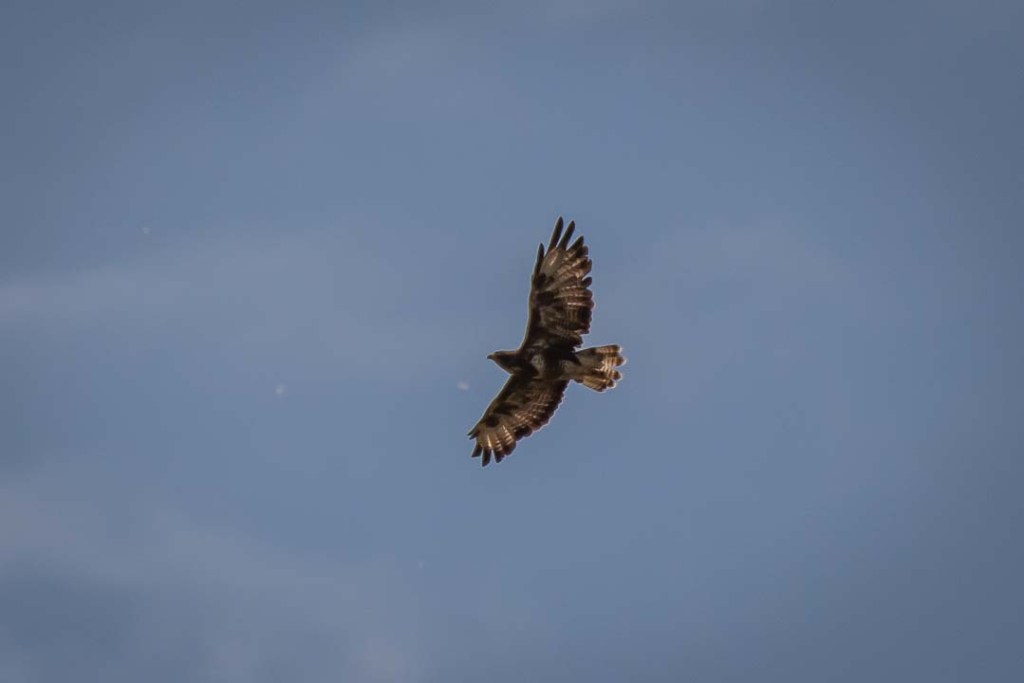
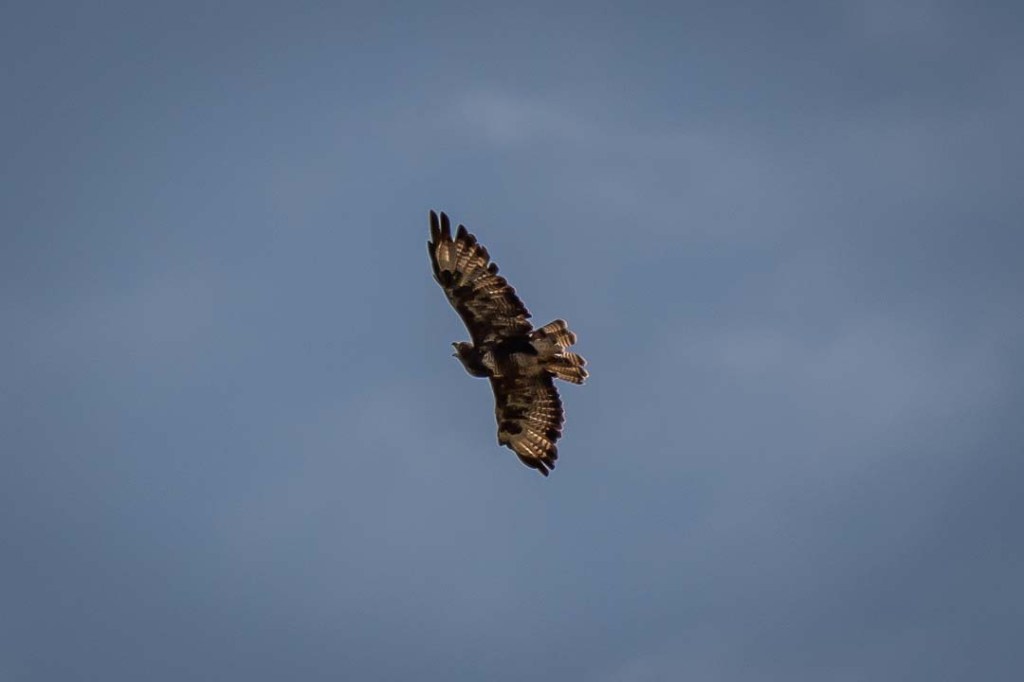
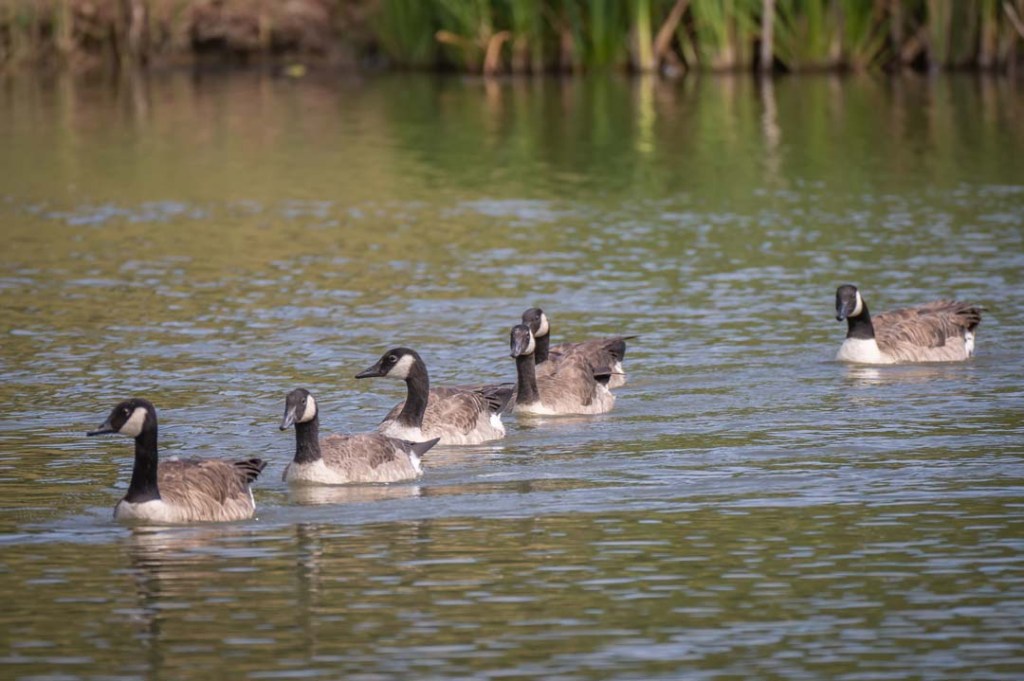
A walk in the rain this afternoon to Duchess Pond in Stoke Park Estate to try and hear a Cetti’s warbler which had been reported earlier was rewarded with a decent view of a spotted flycatcher.
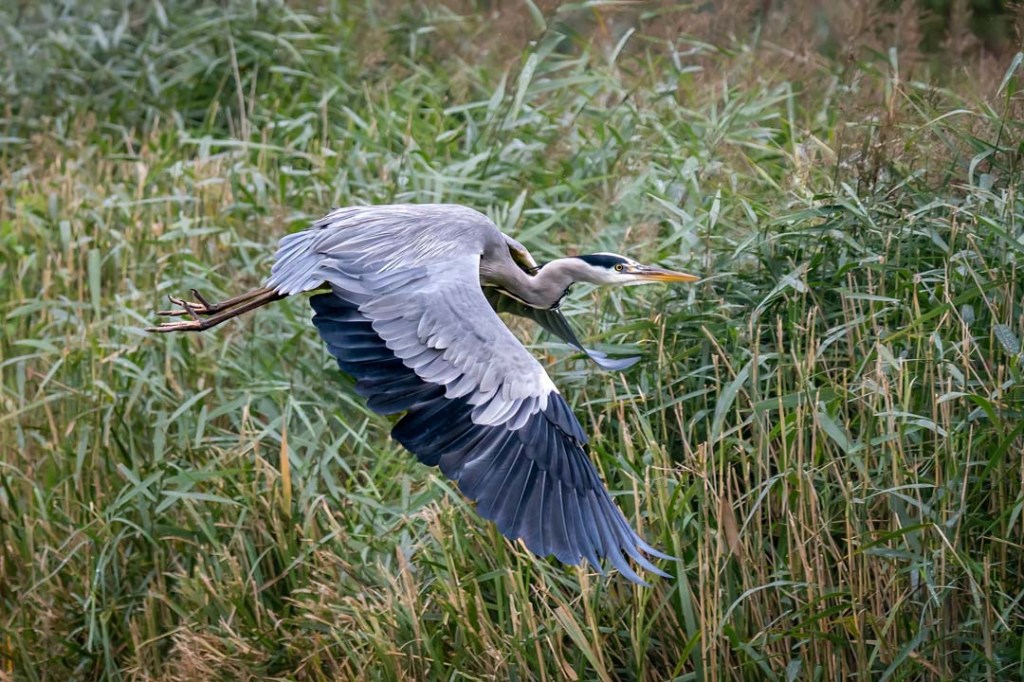
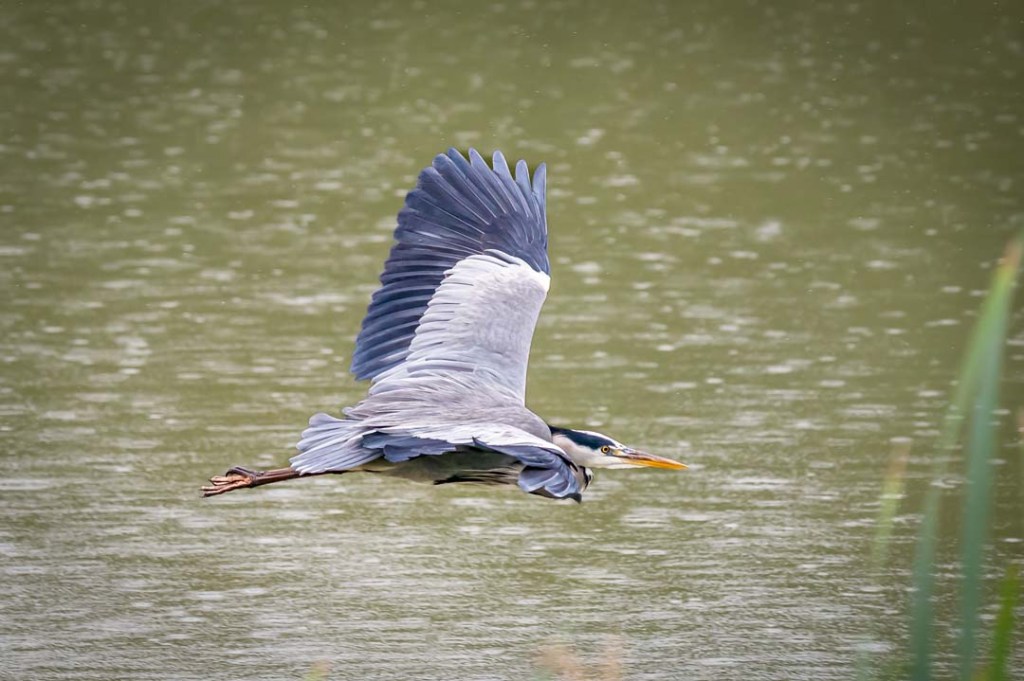
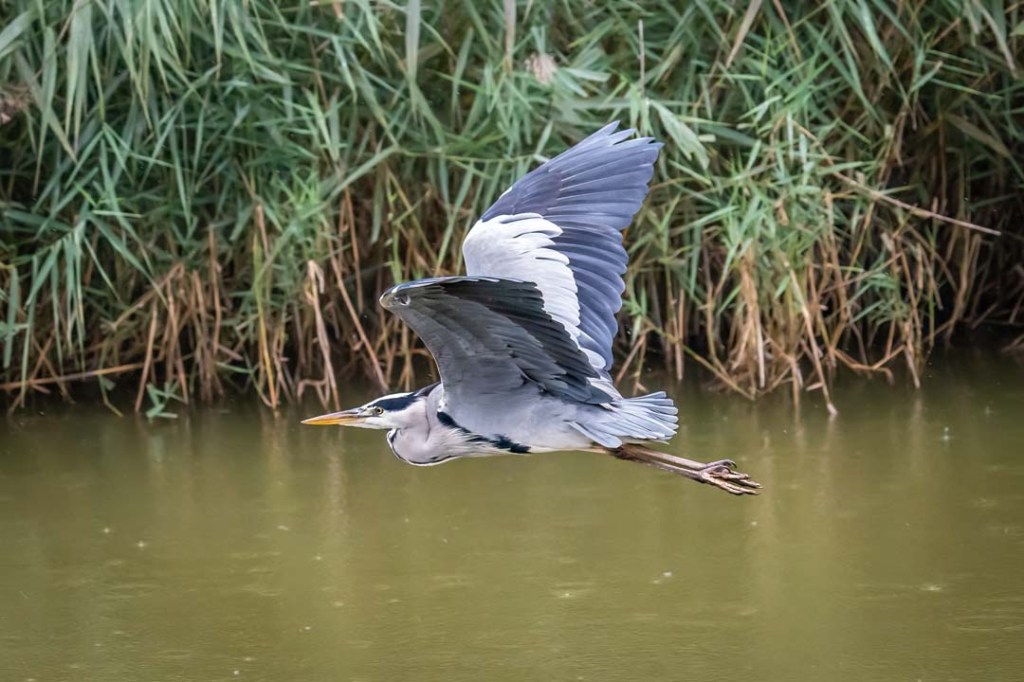
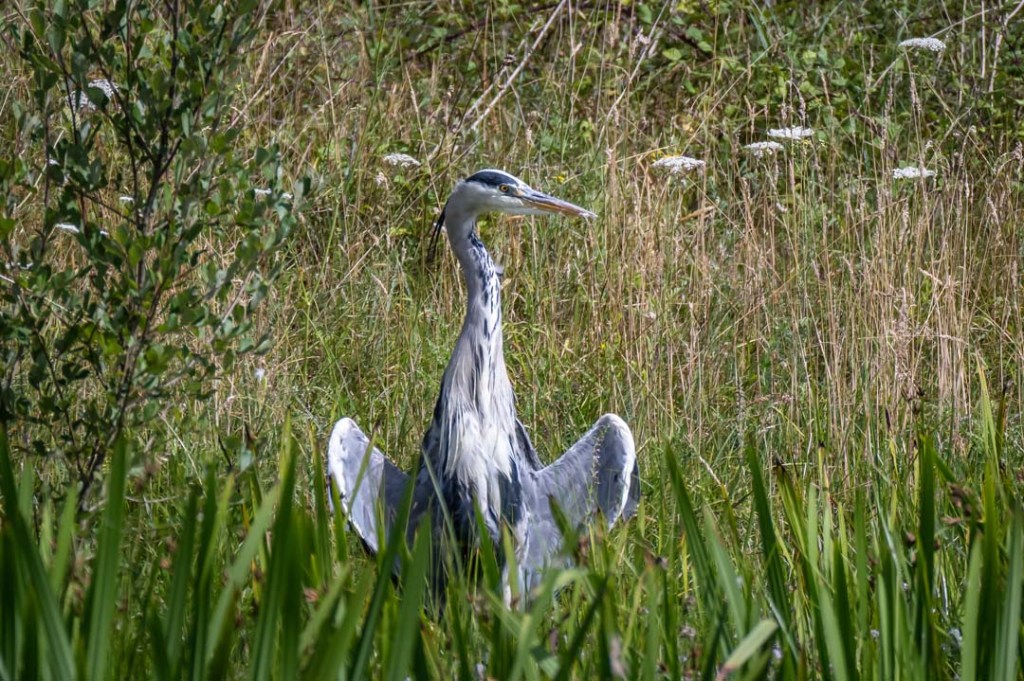
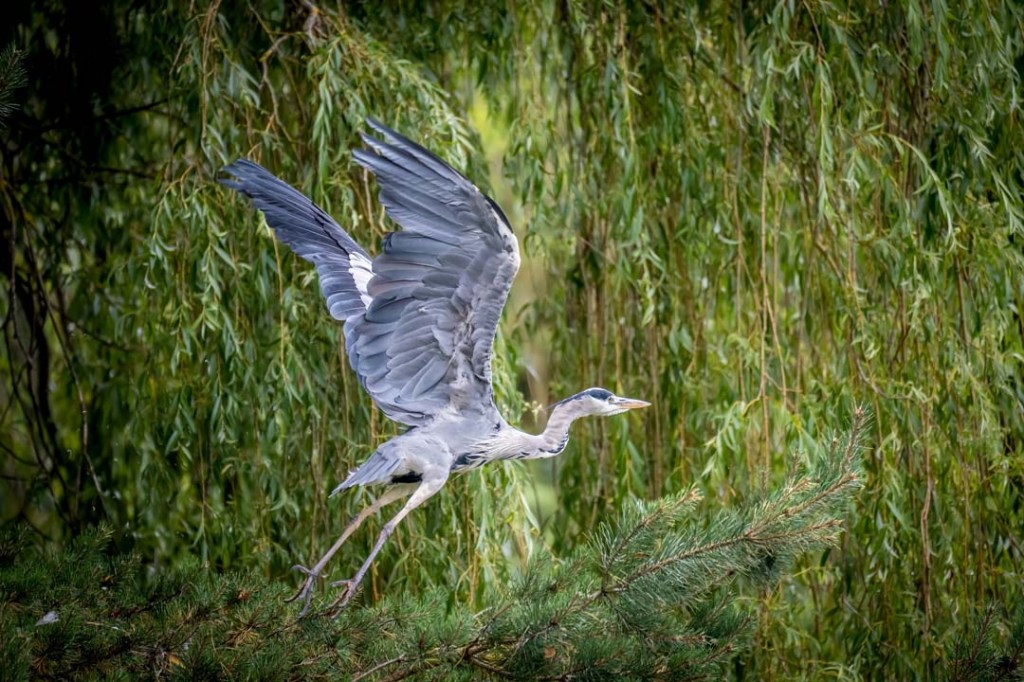
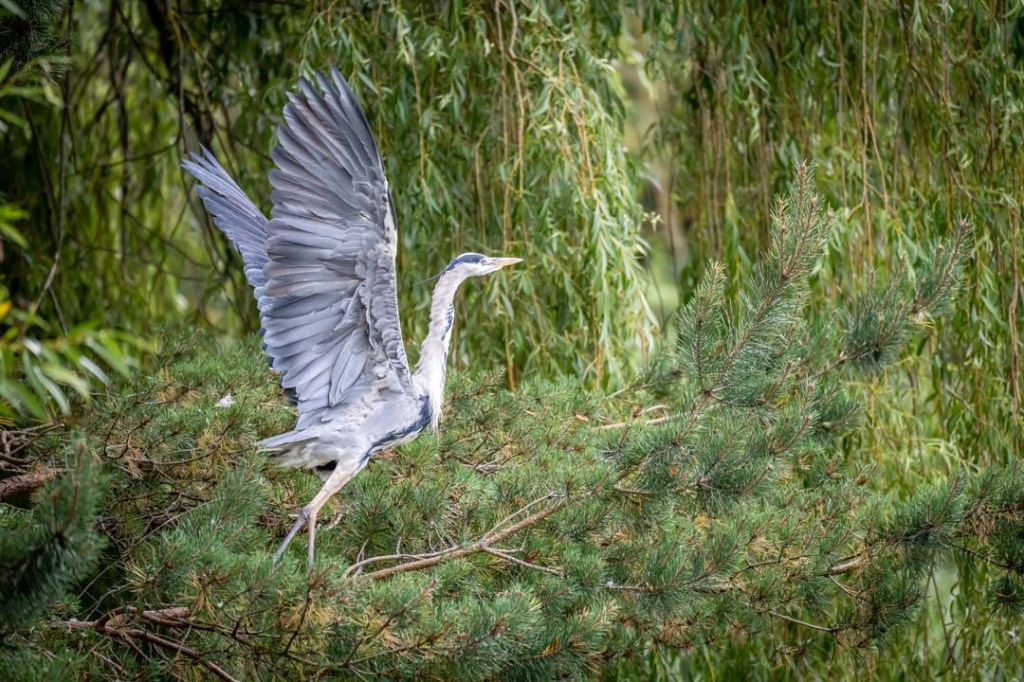
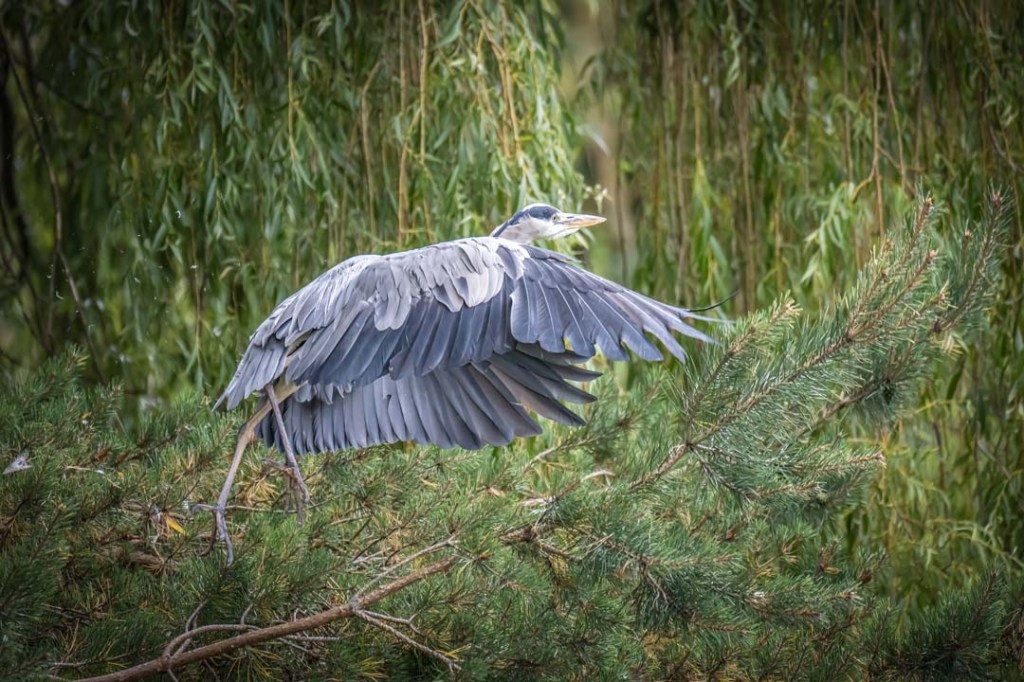
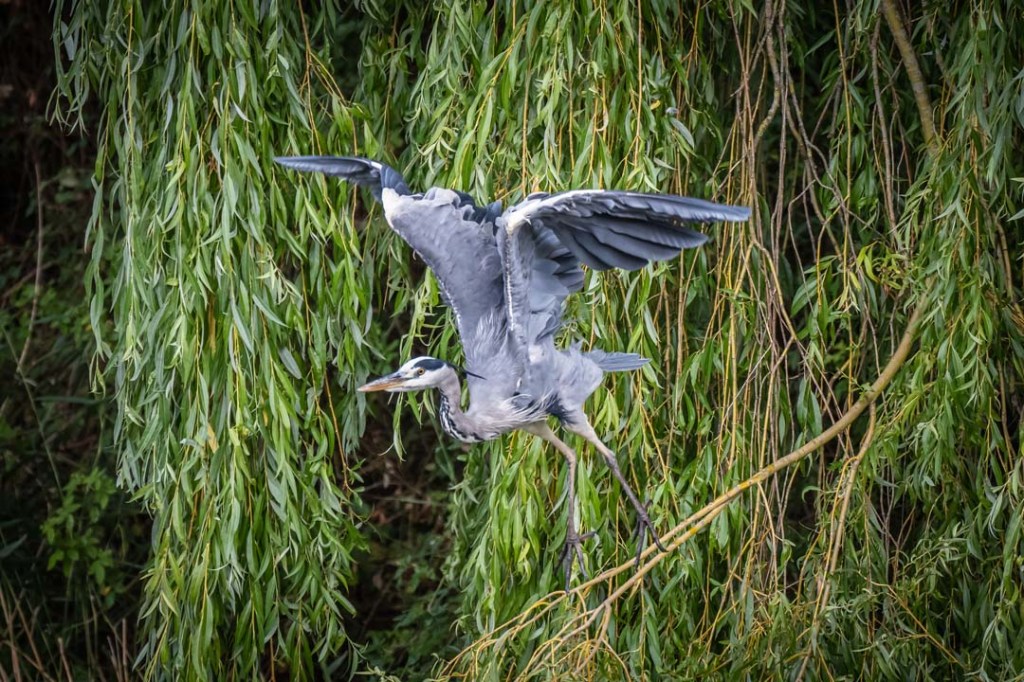
There were nice views too of a grey heron which was flying around the pond.
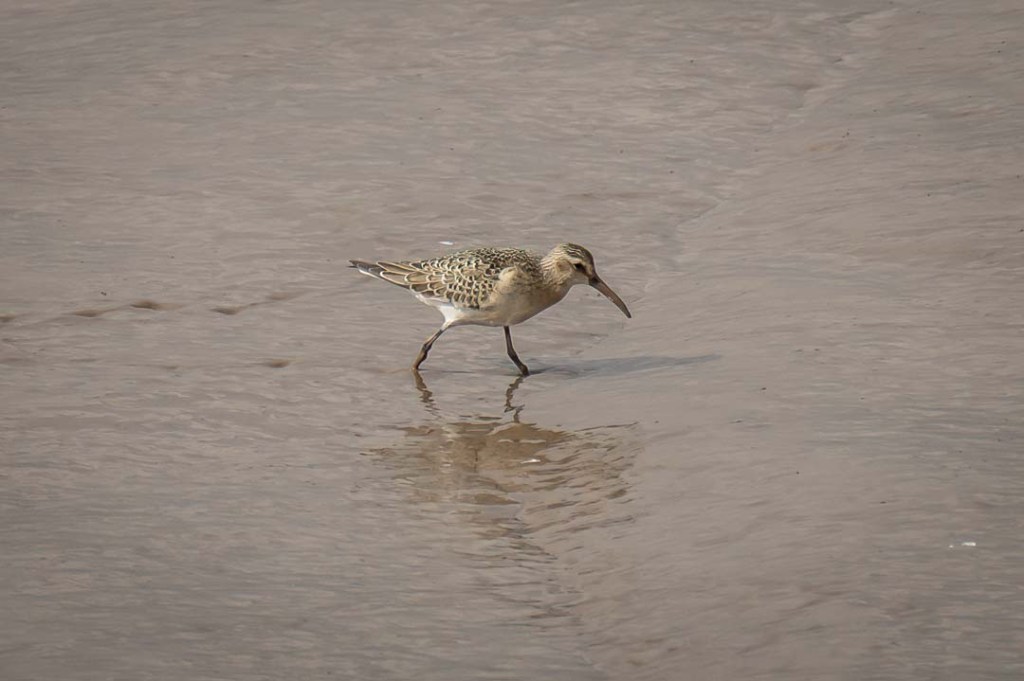
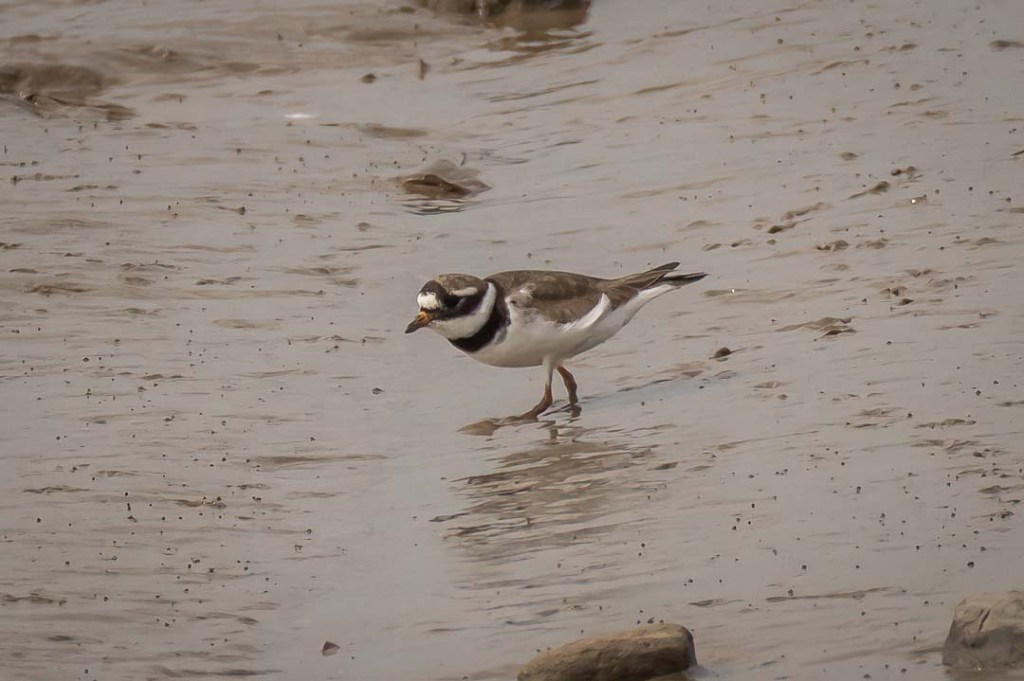
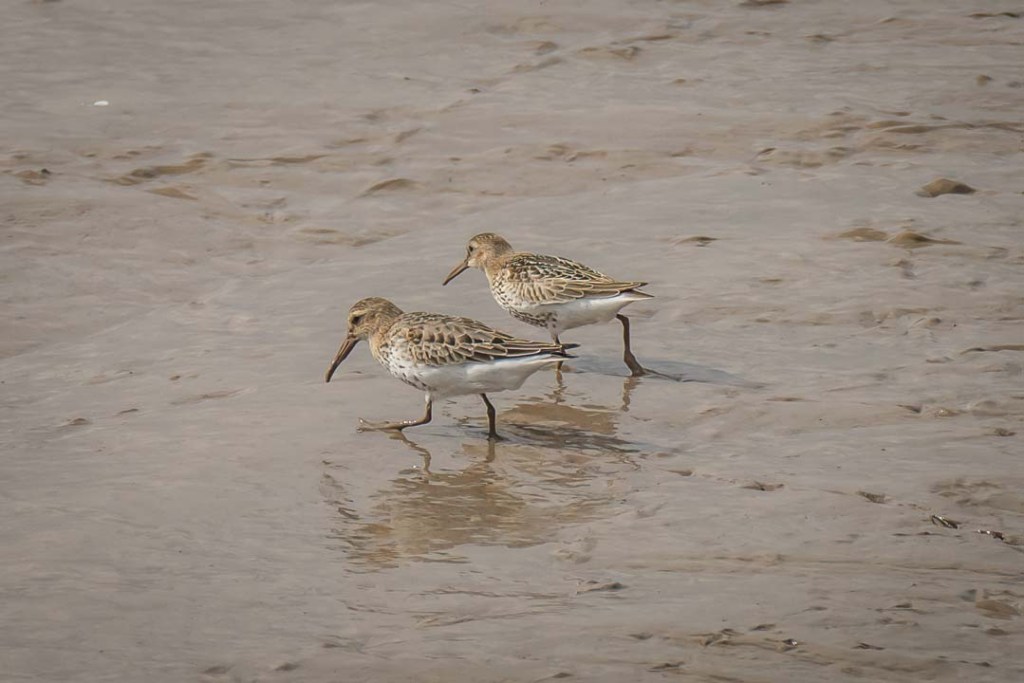
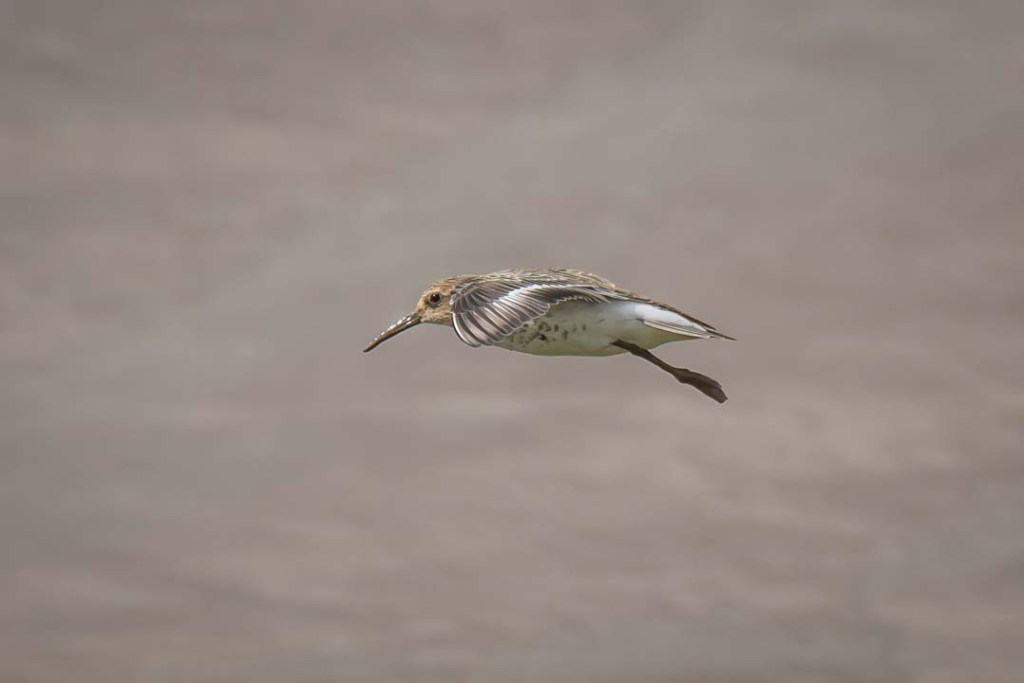
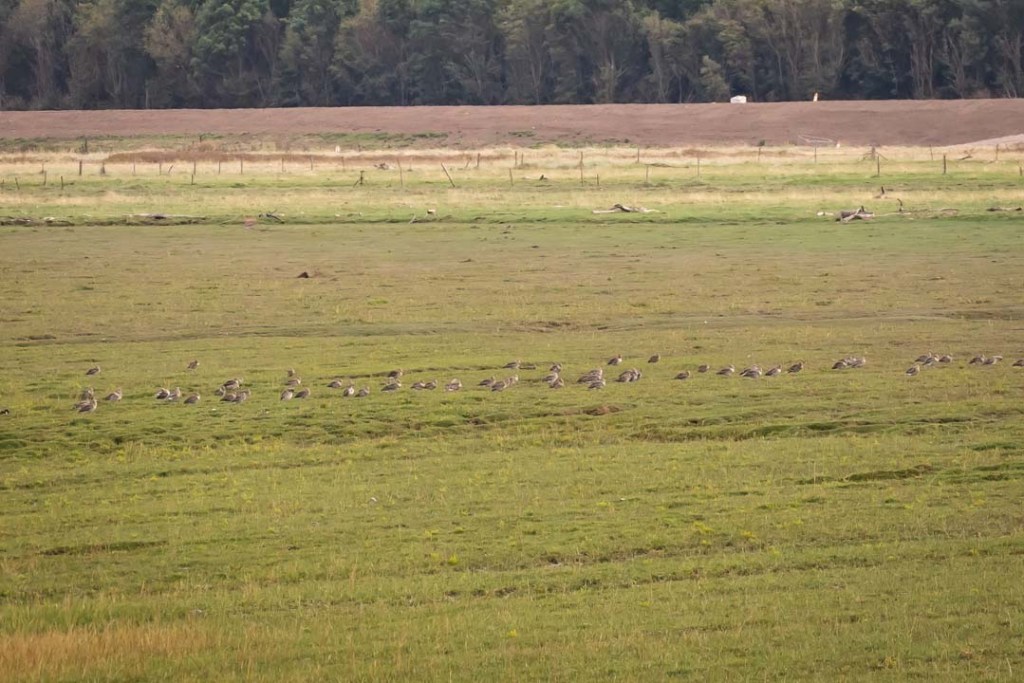
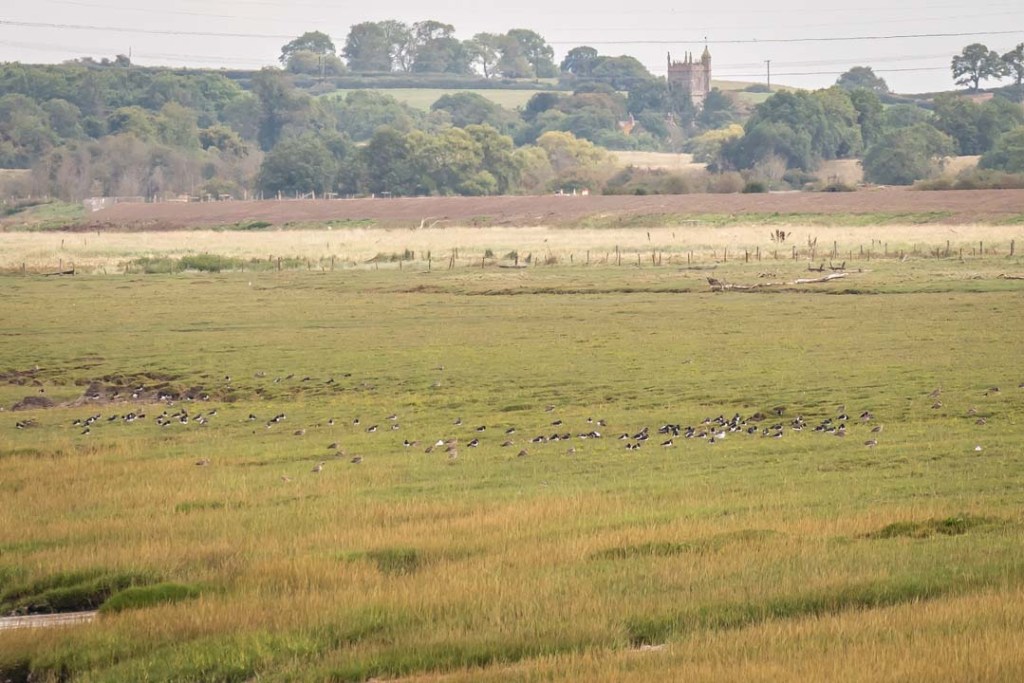
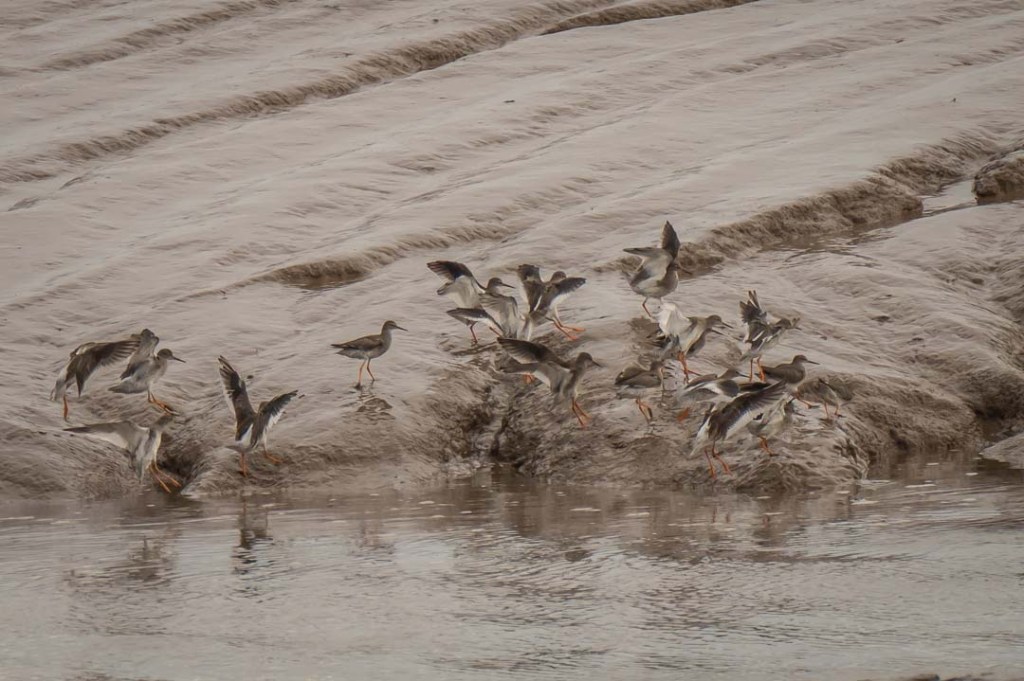
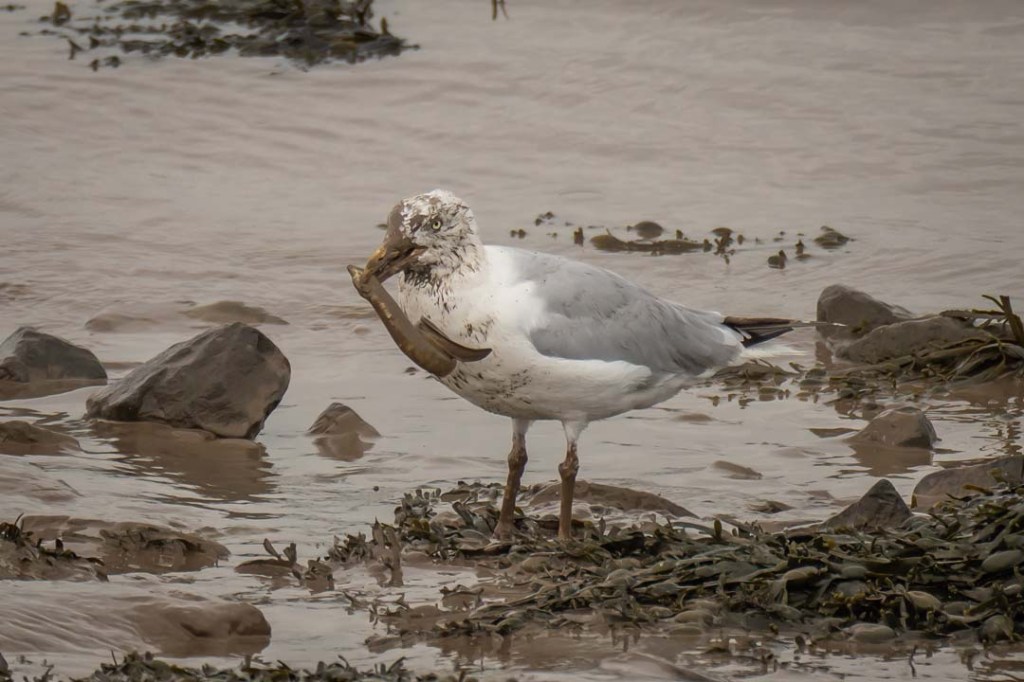
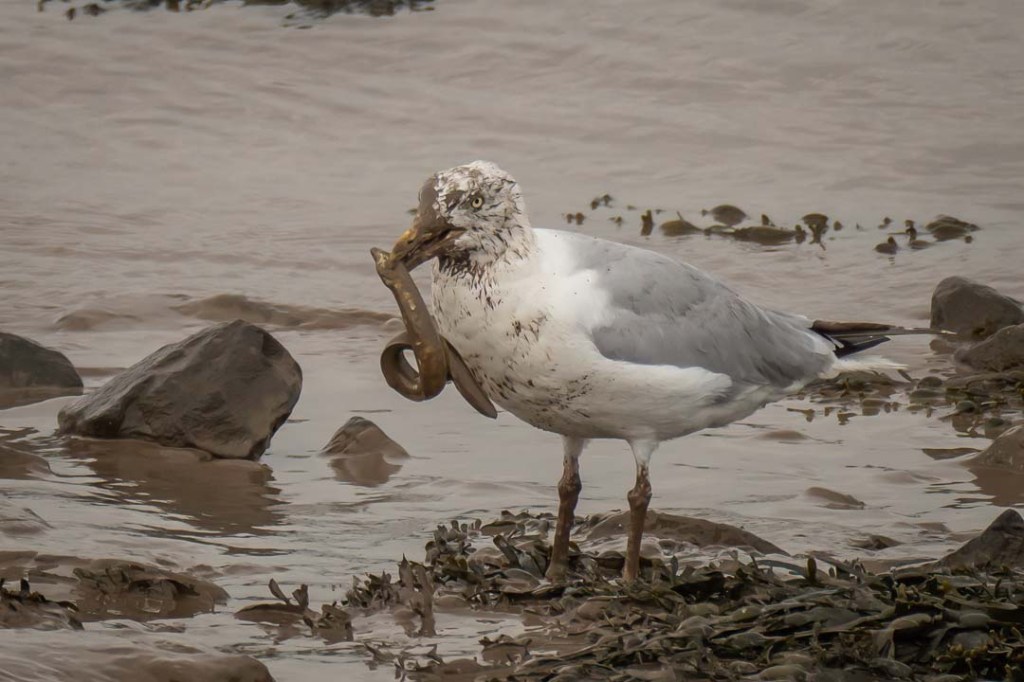
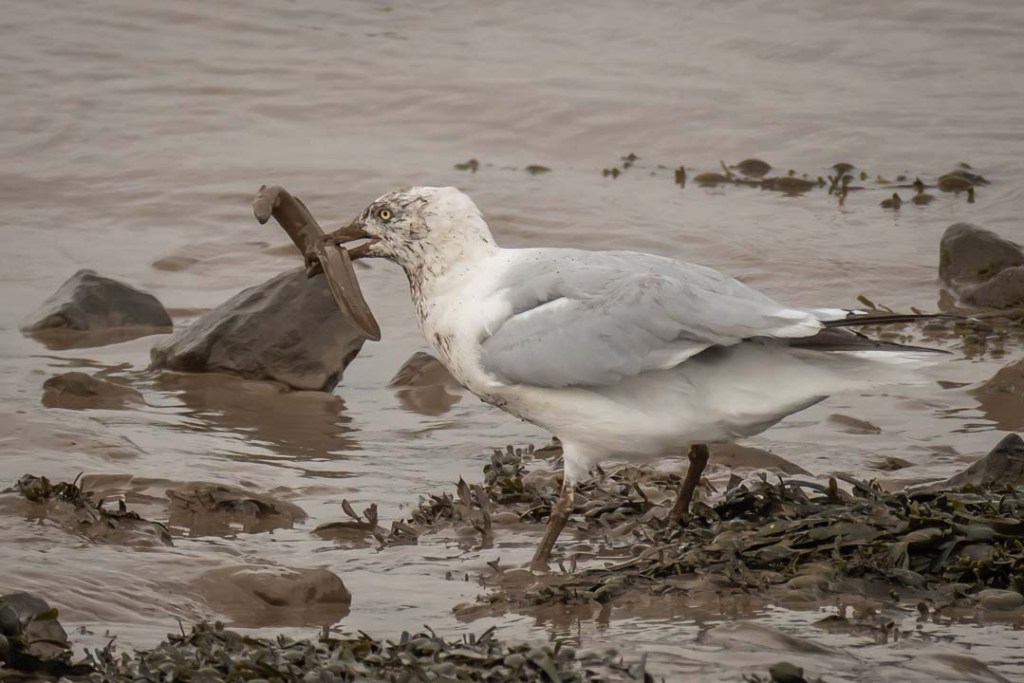
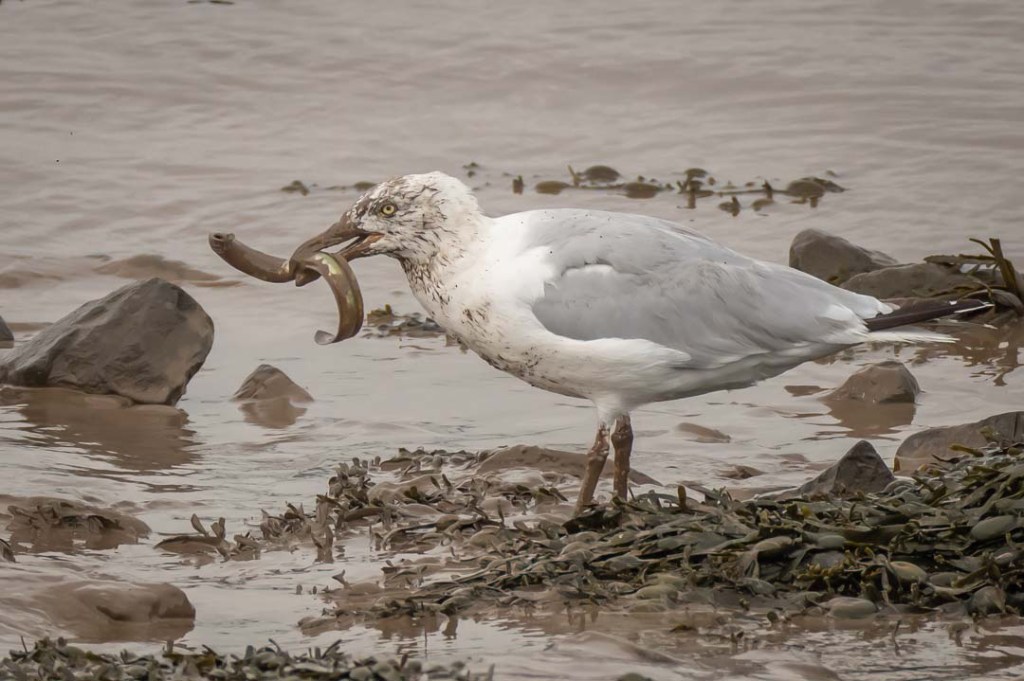
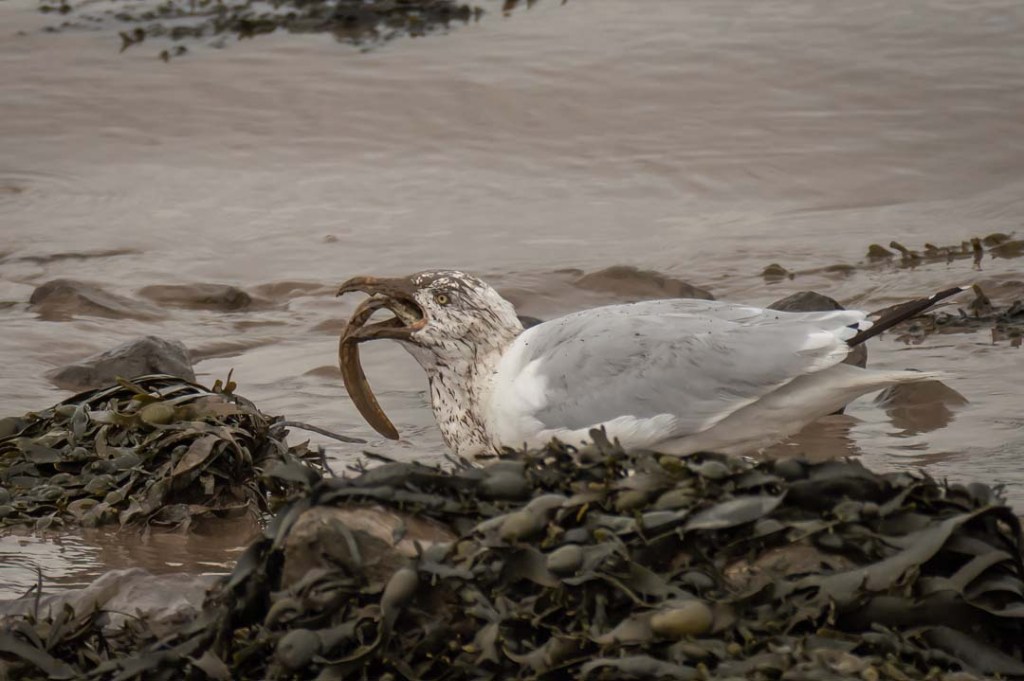
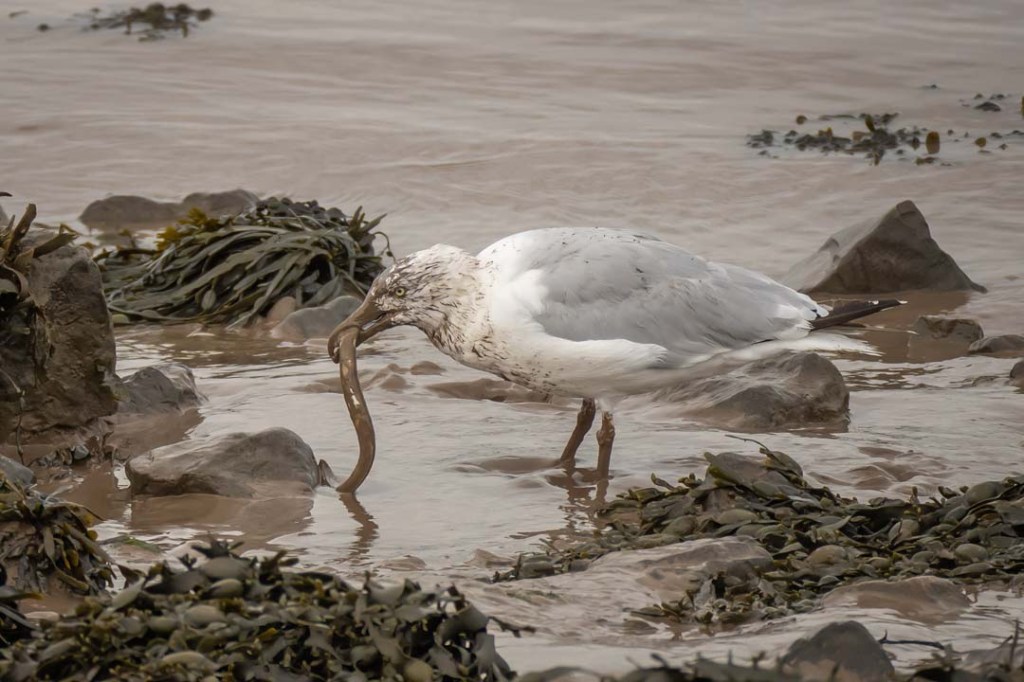
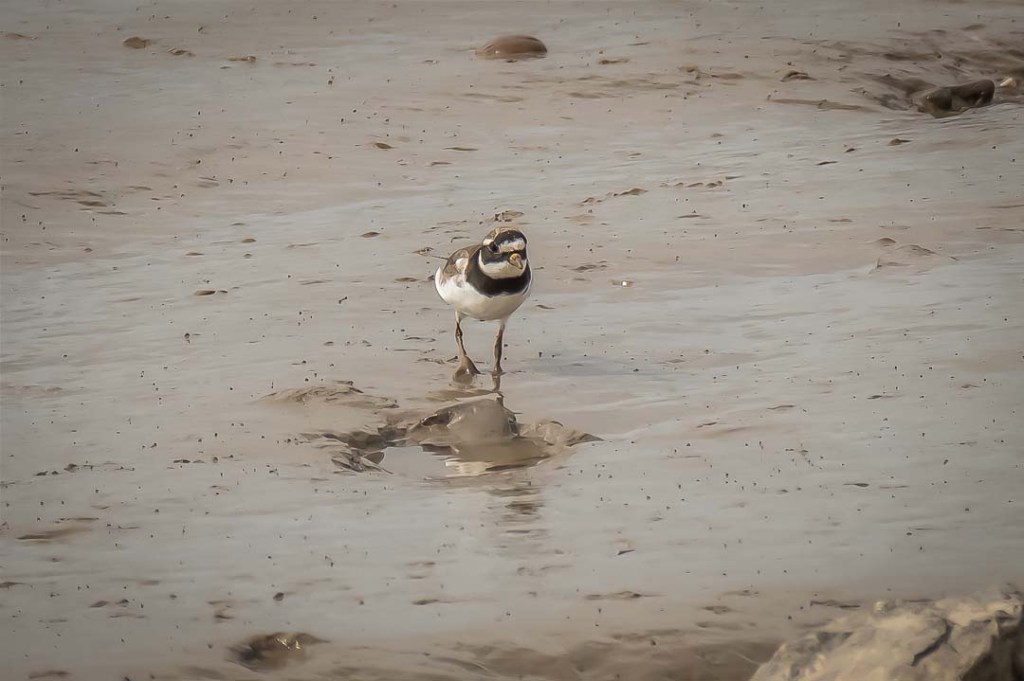
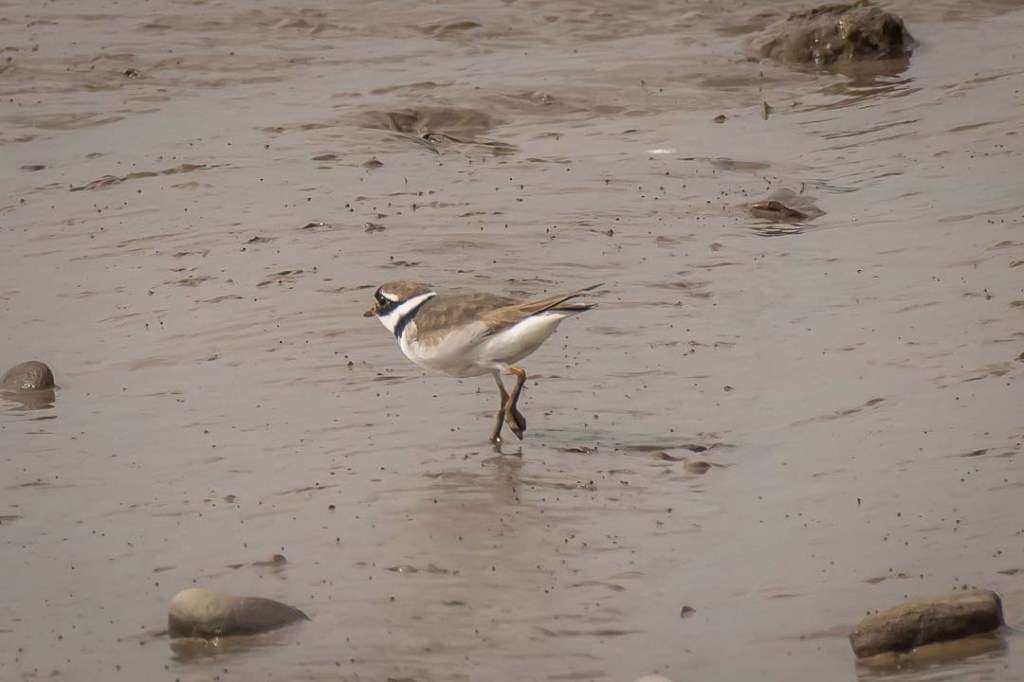
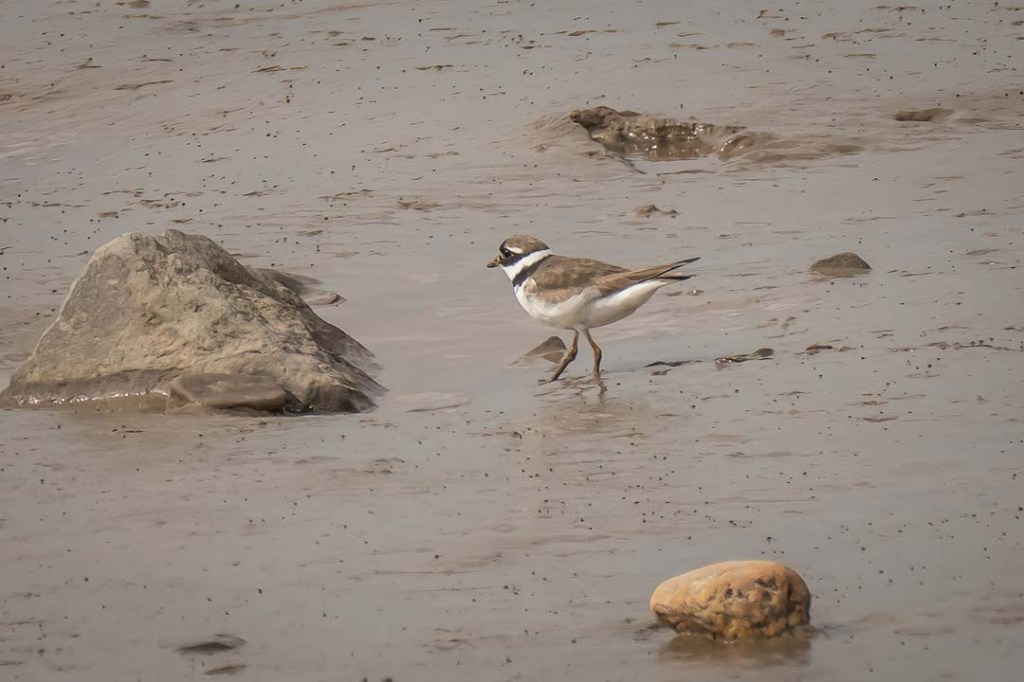
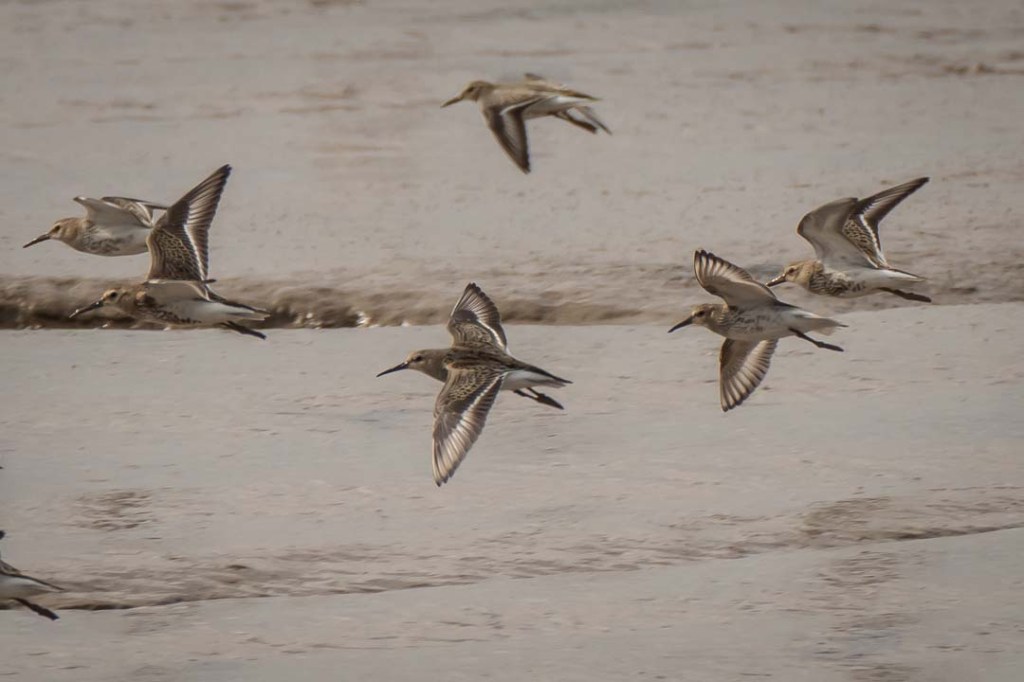
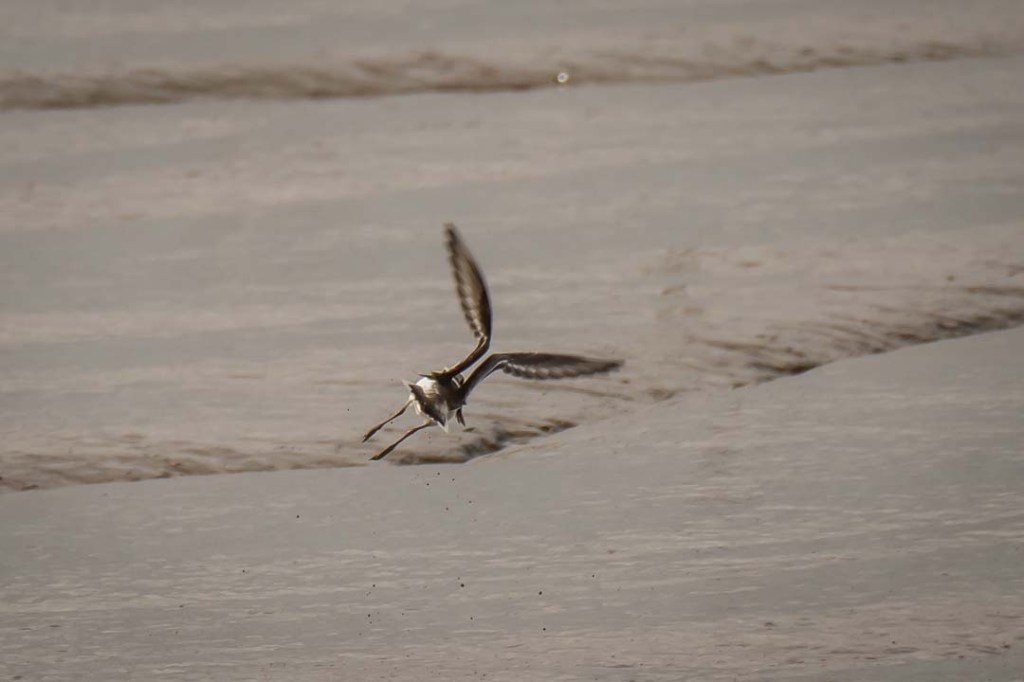
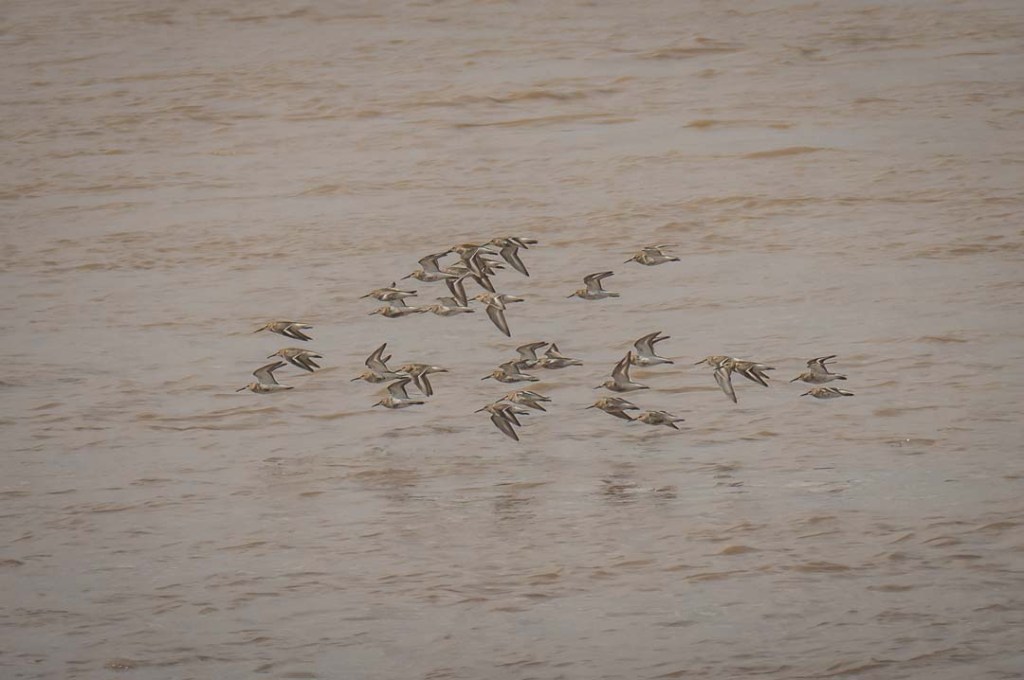
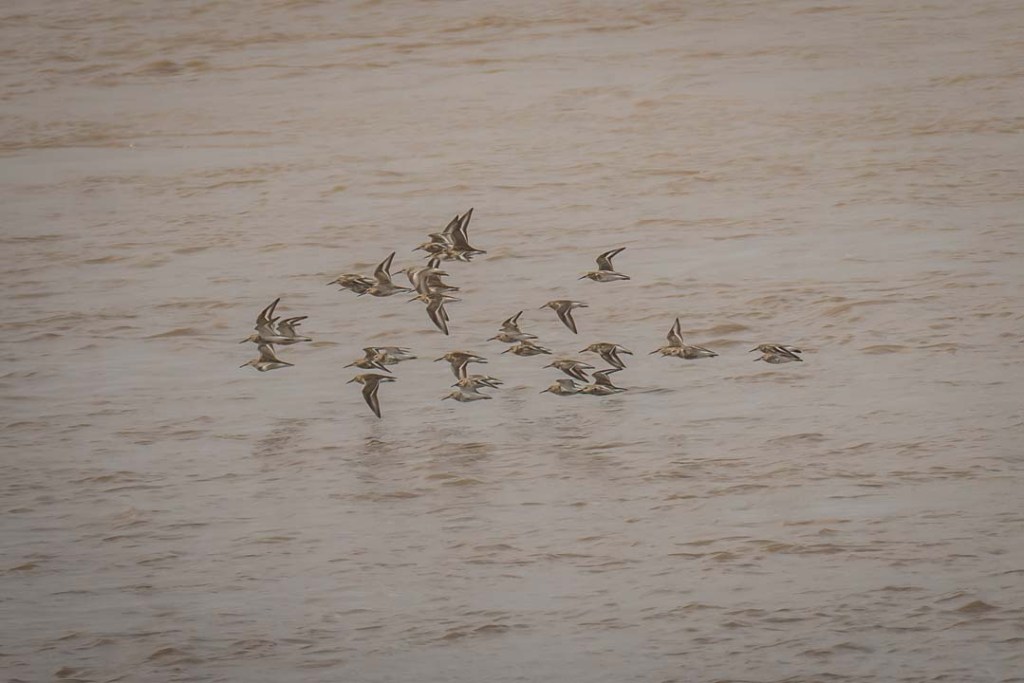
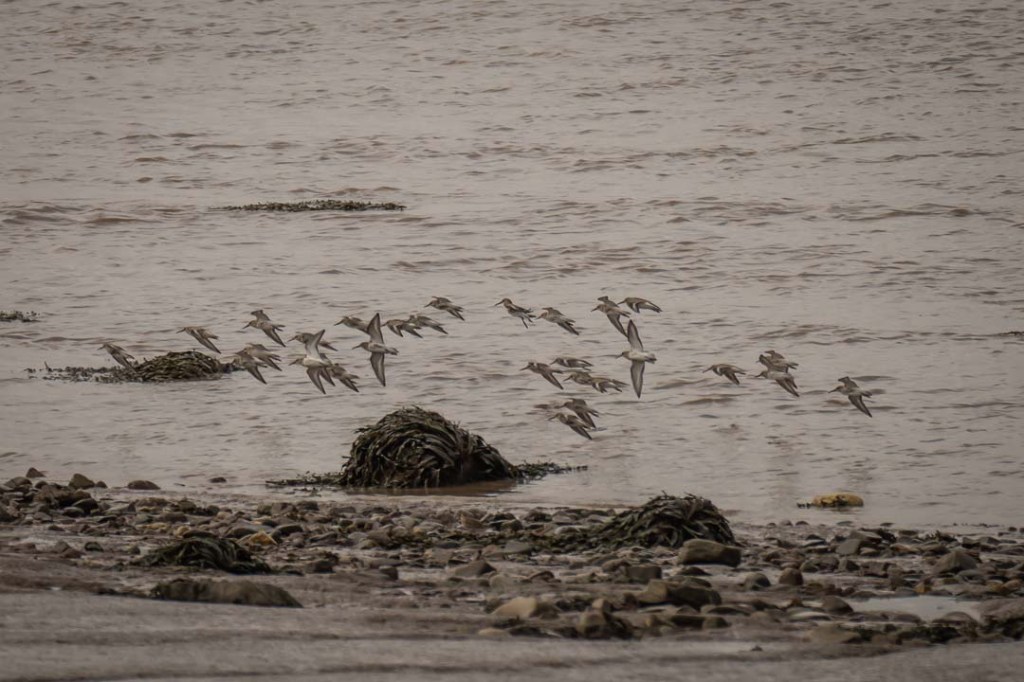
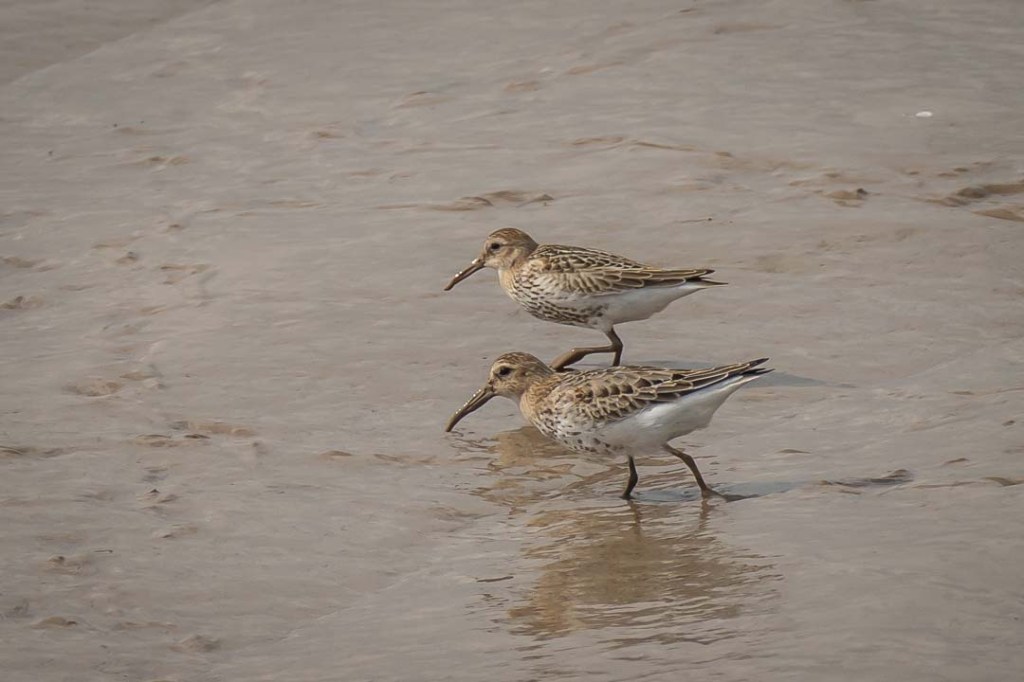
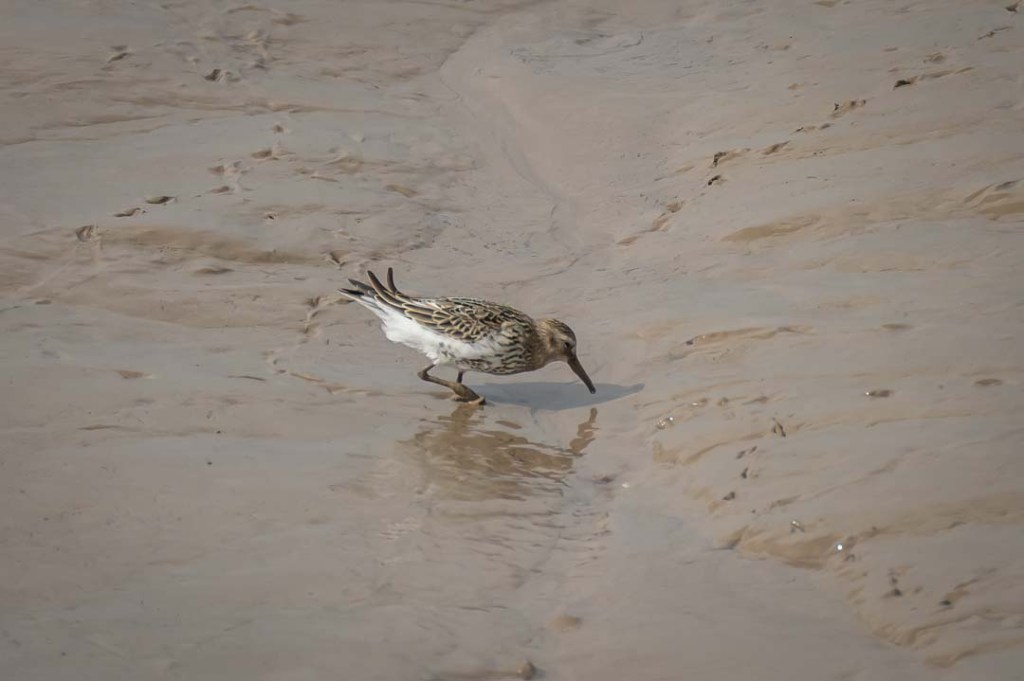
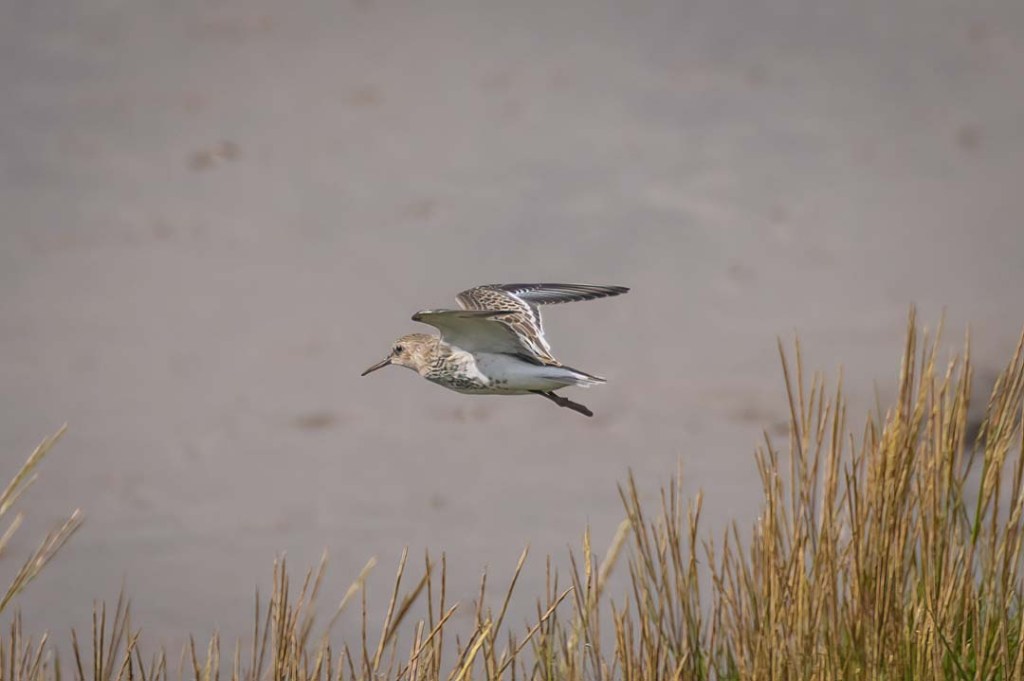
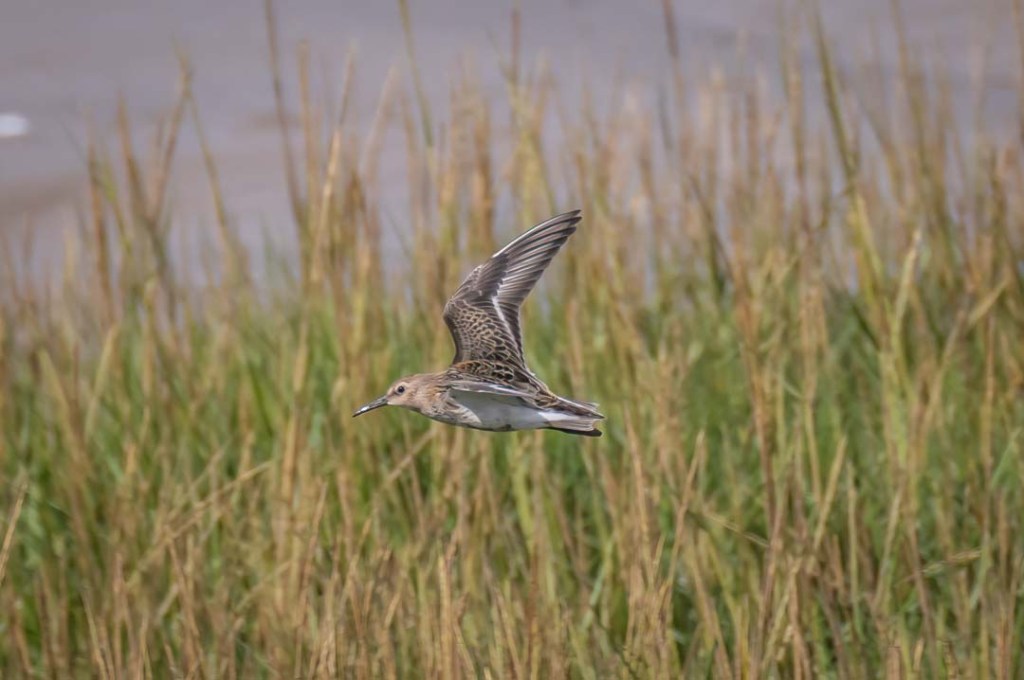
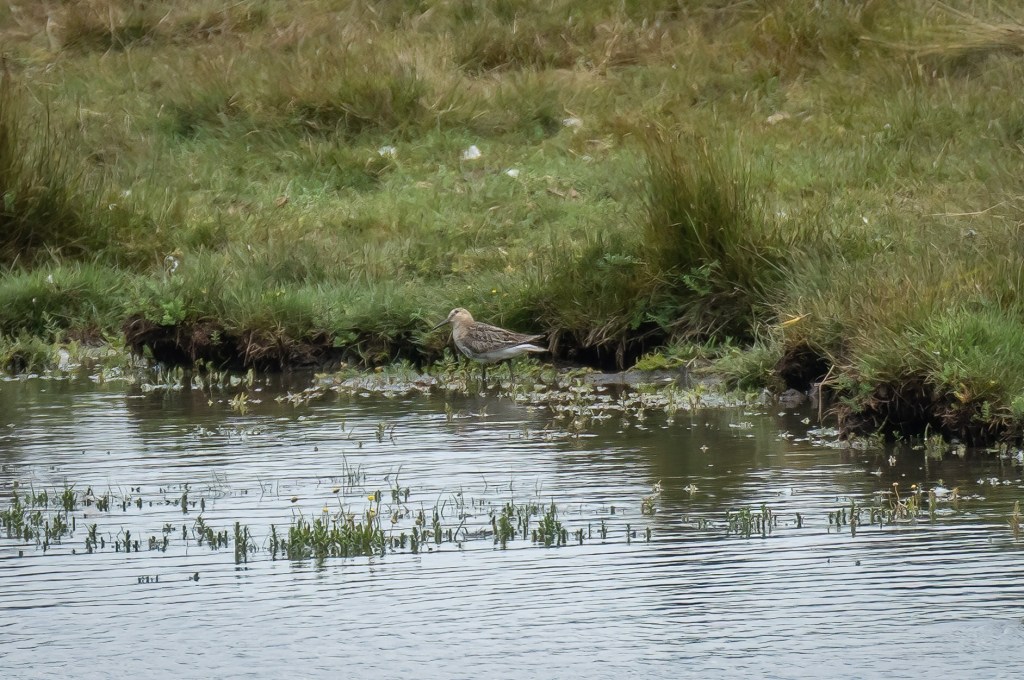
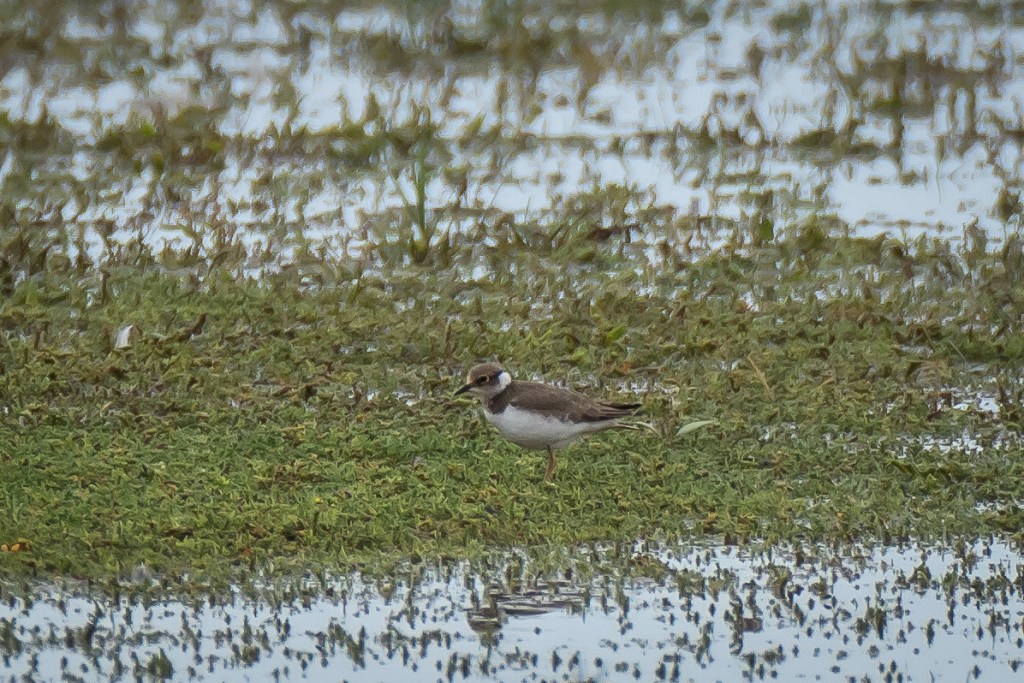
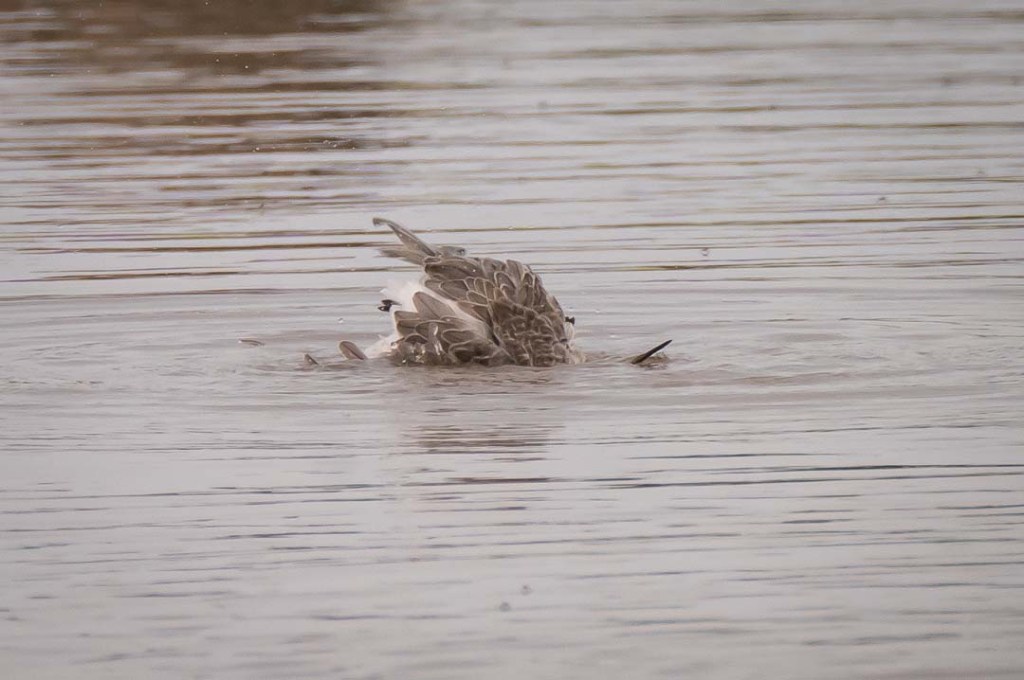
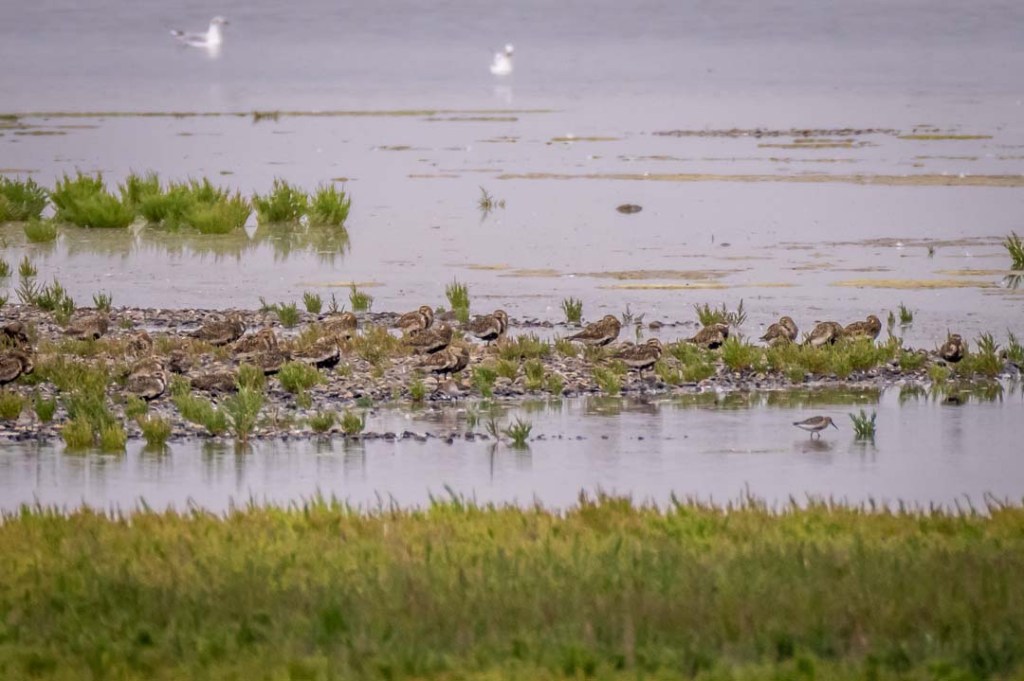
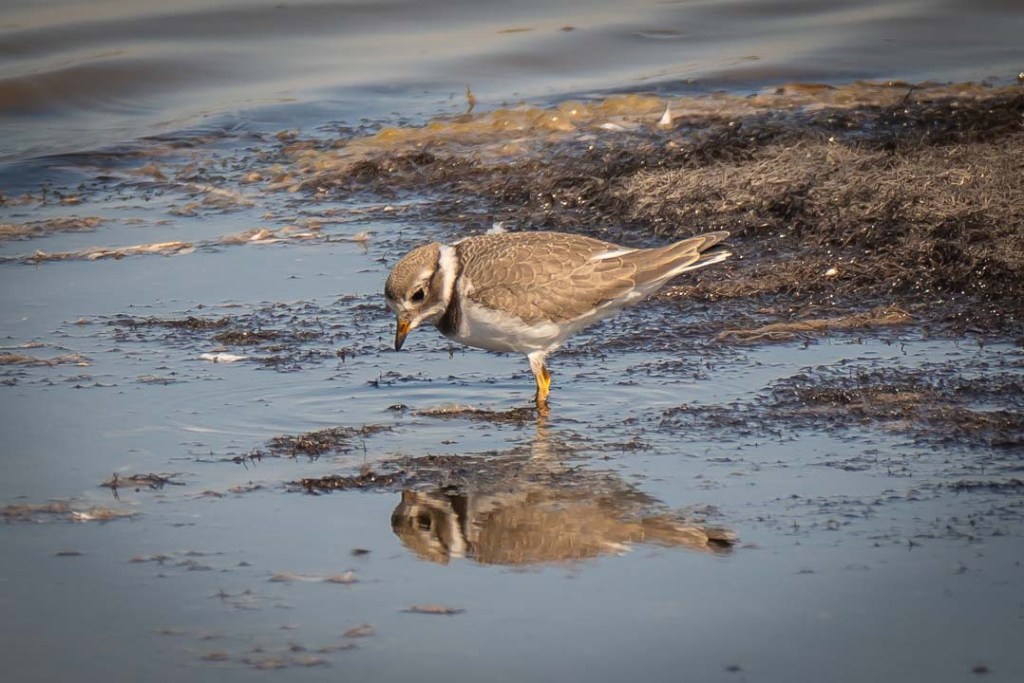
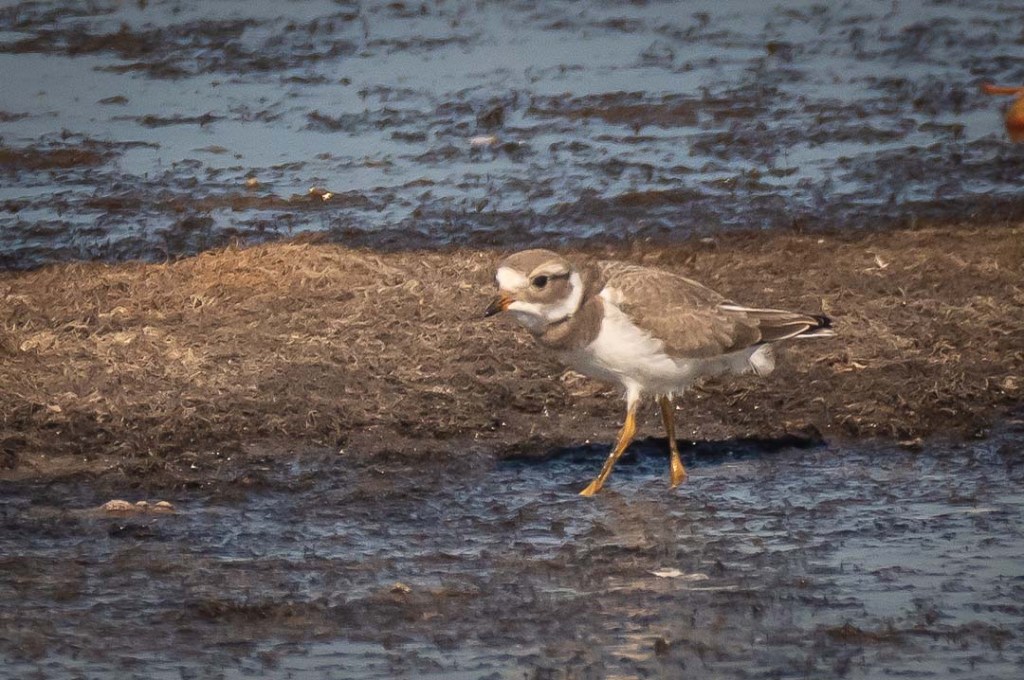
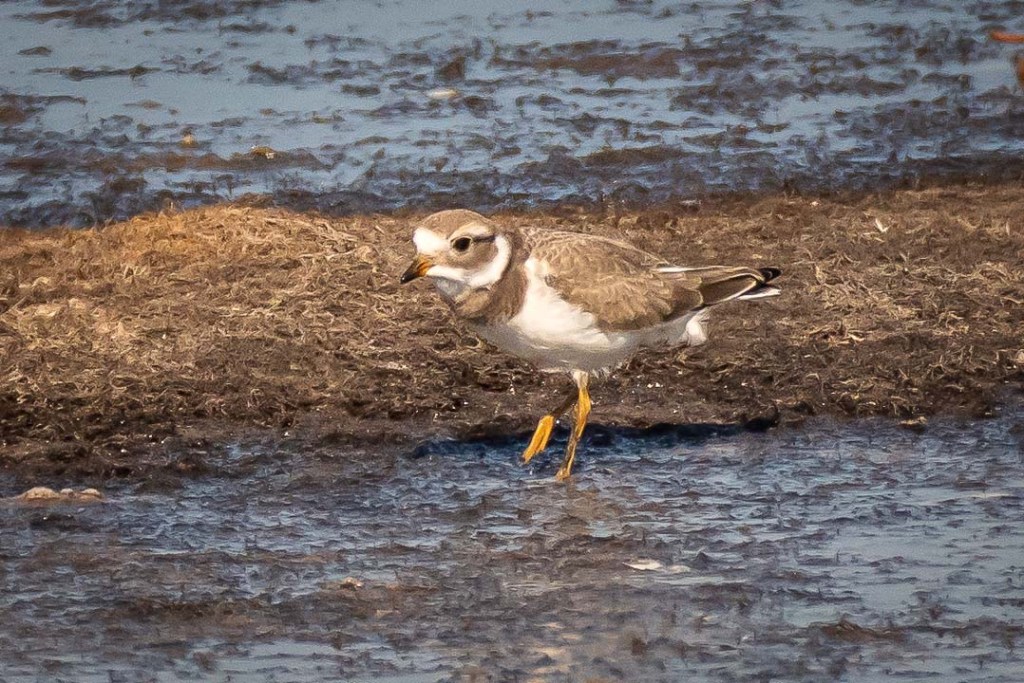
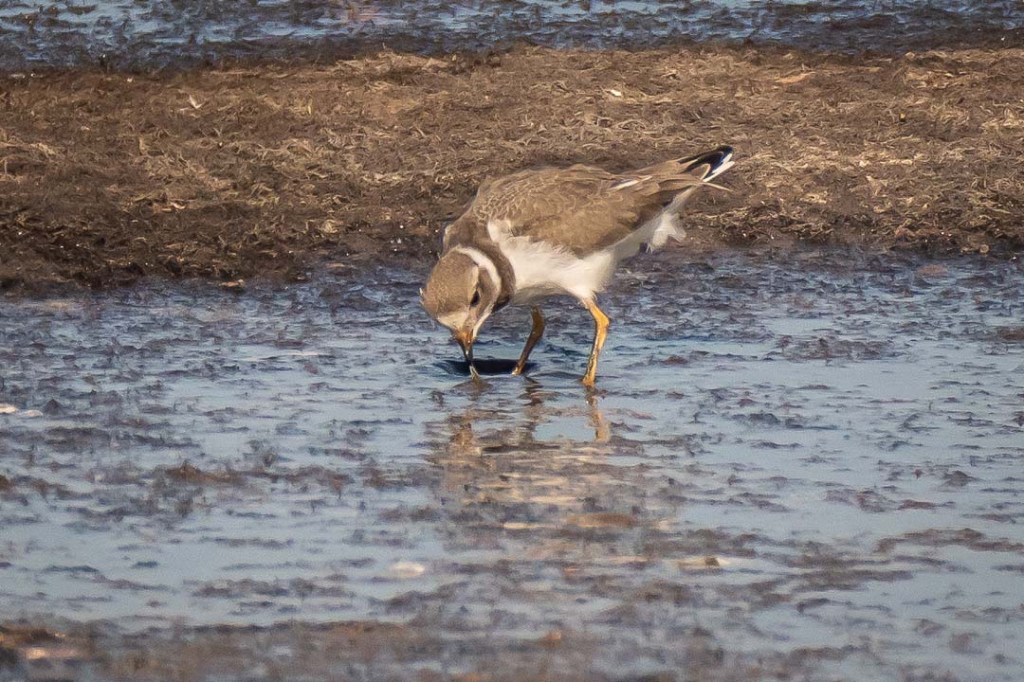
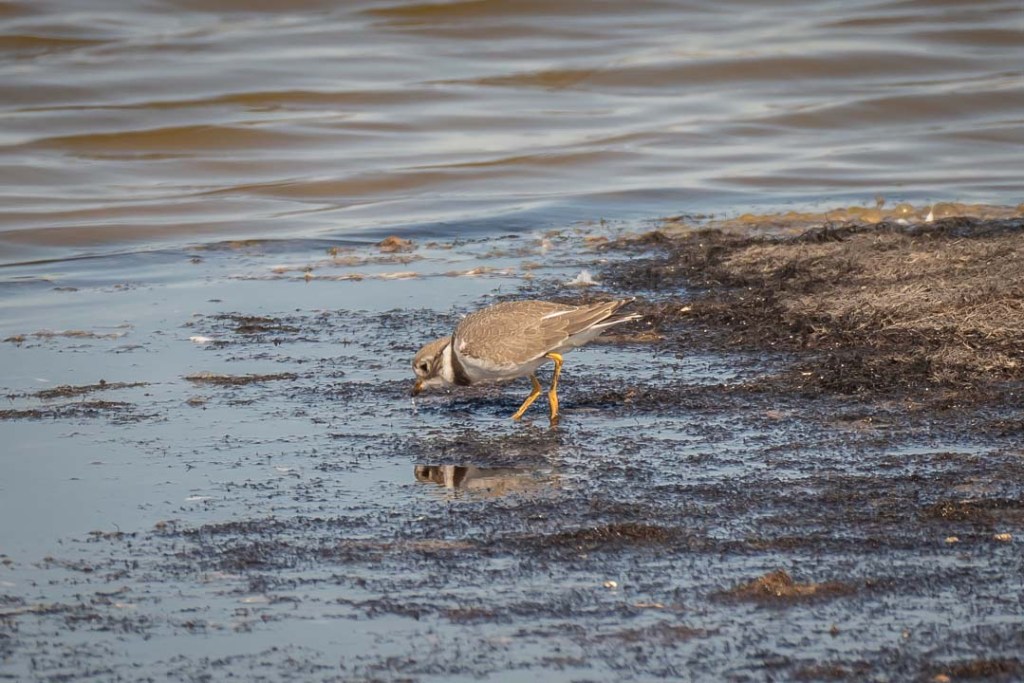
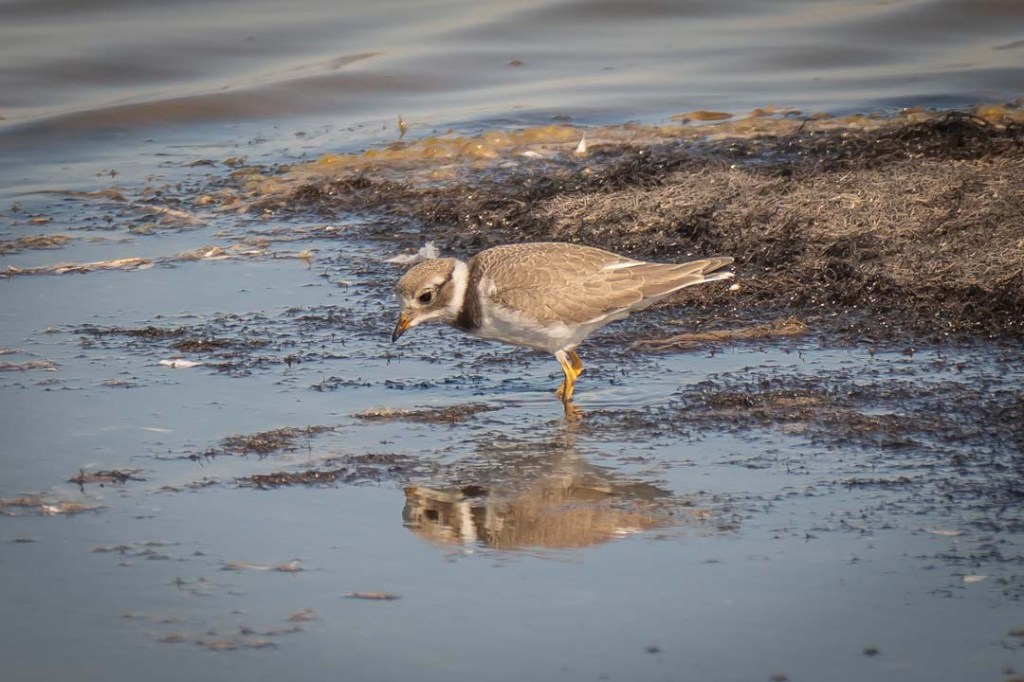
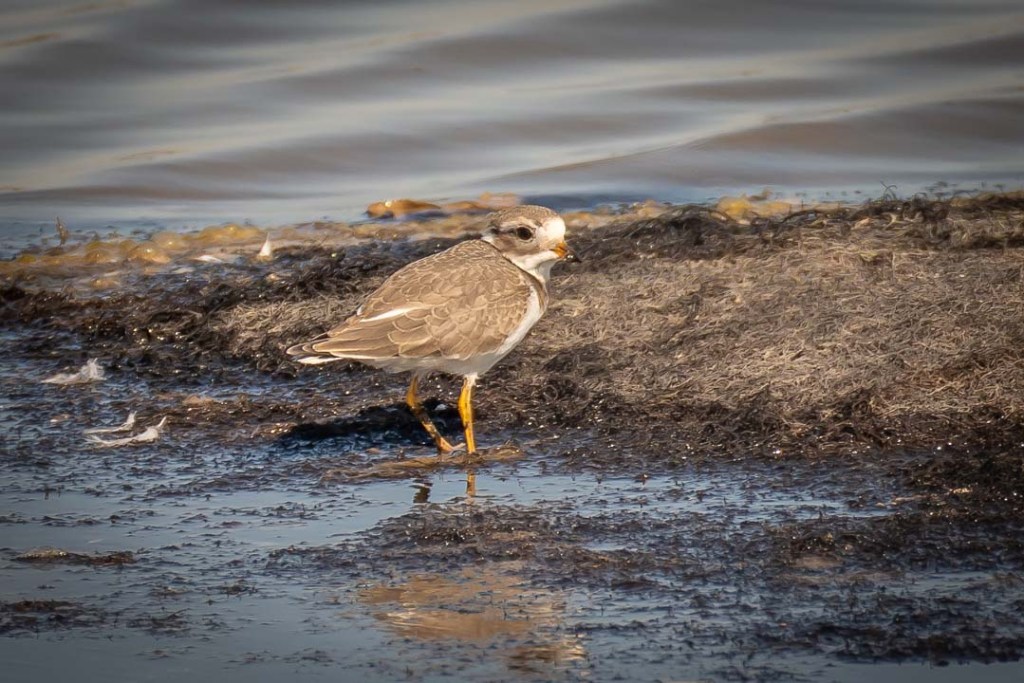
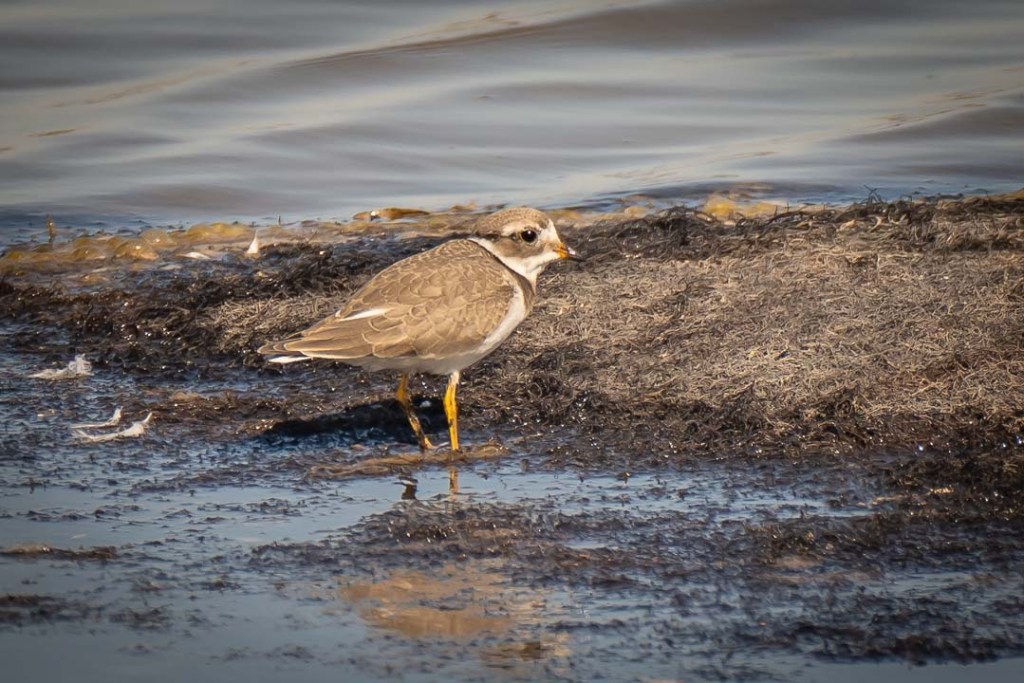
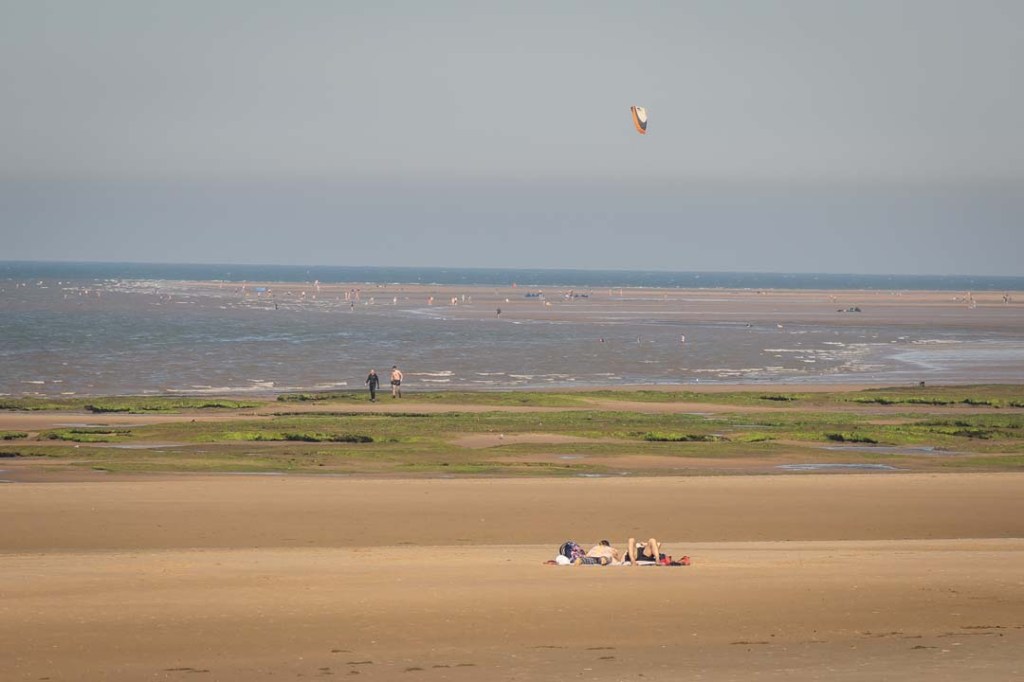
The beginning of our walk from New Passage to Severn Beach reminded me of childhood visits to this area when the sun never seemed to shine and there was endless mud. We could see lots of curlews and oystercatchers on the warth and godwits on the waterline but everything was too distant for decent photographs other than a gull capturing, and eventually swallowing, an eel. However, as we reached Severn Beach the sun came out briefly and we had decent views of common ringed plovers and dunlin.
Quite a mucky jobCommon ringed ploverDunlinDunlin in flight
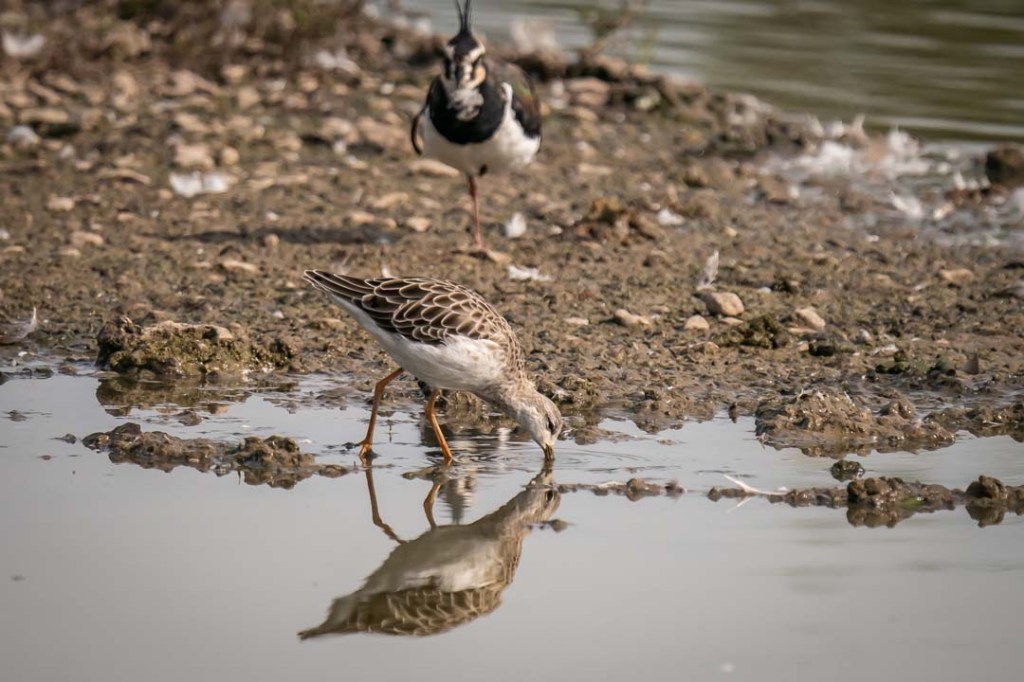
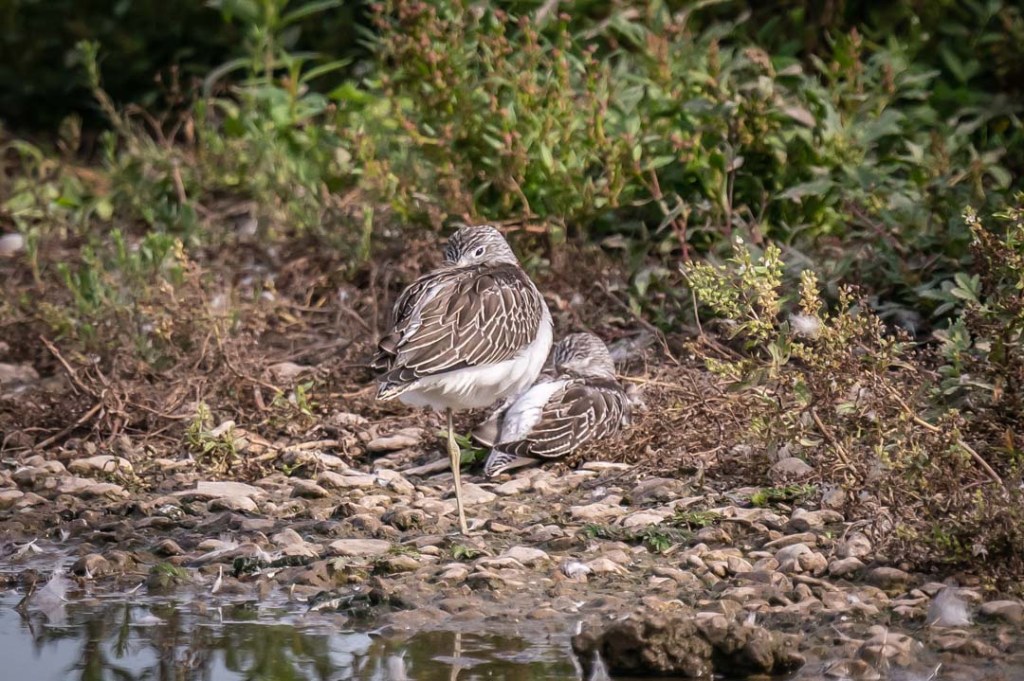
With an early visit to the Wildfowl and Wetlands Trust’s reserve at Slimbridge we missed the Bank Holiday crowds and traffic. With the extended period of dry weather much of the wetlands were very dry but there was plenty enough to keep us occupied throughout the morning.
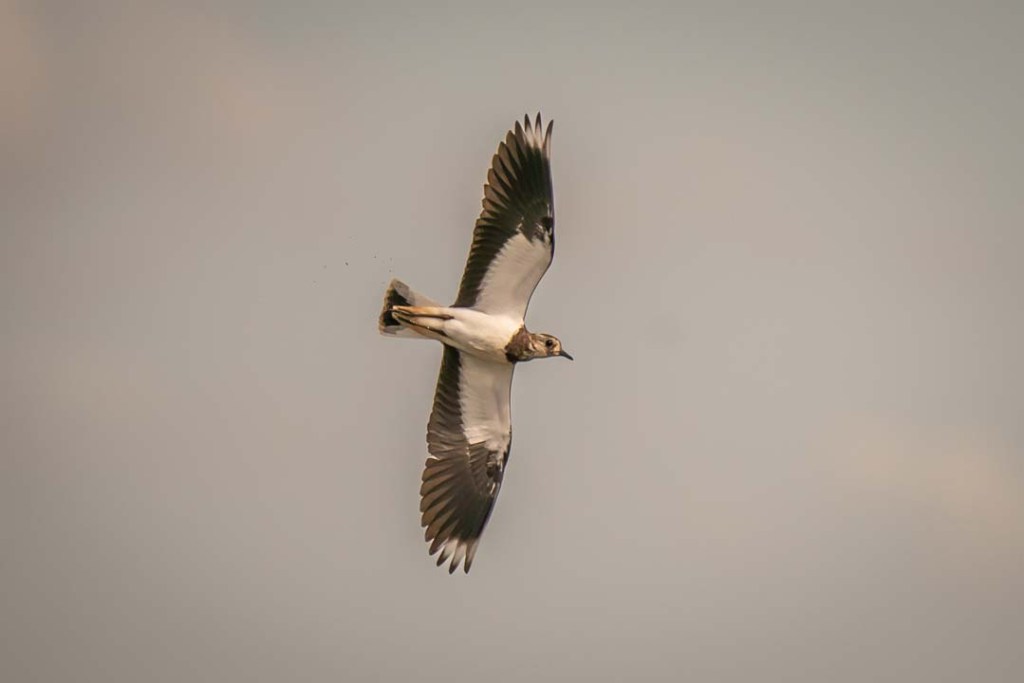
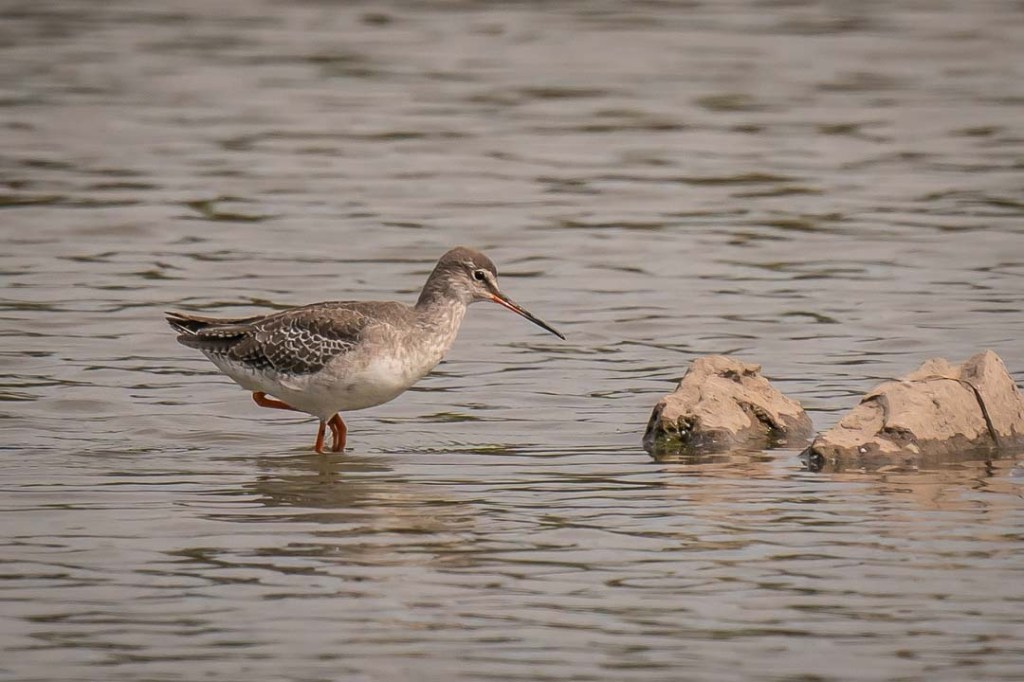
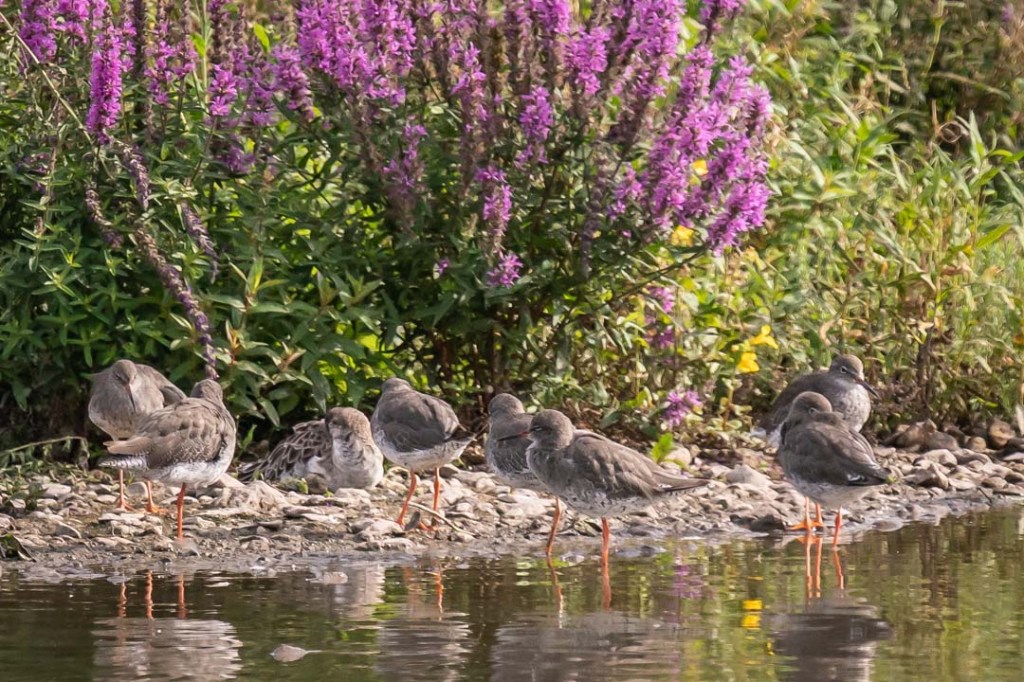
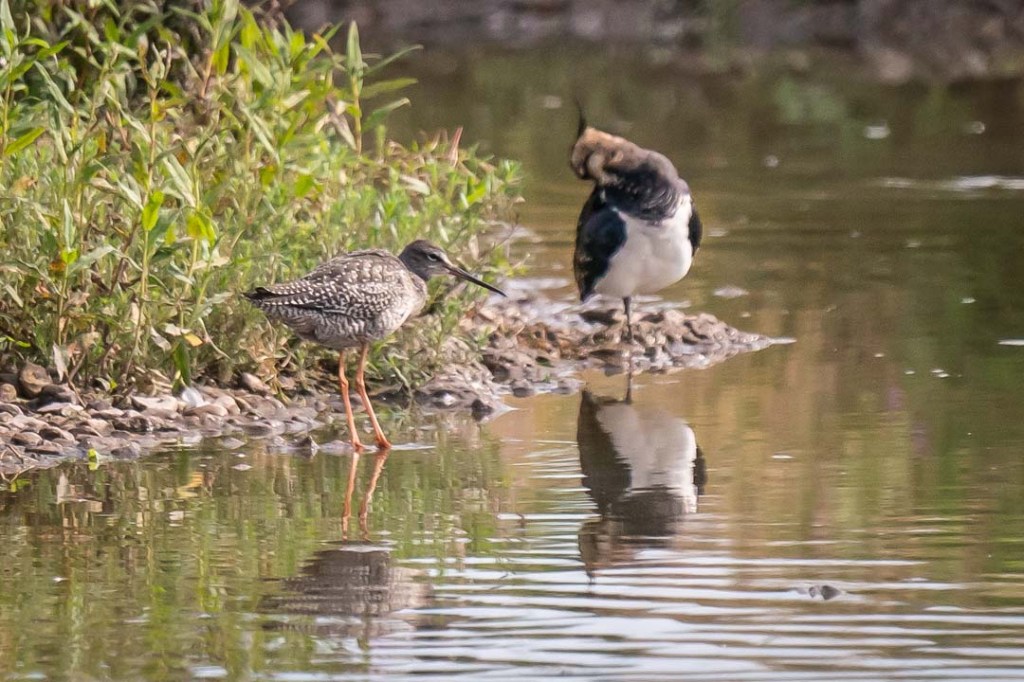
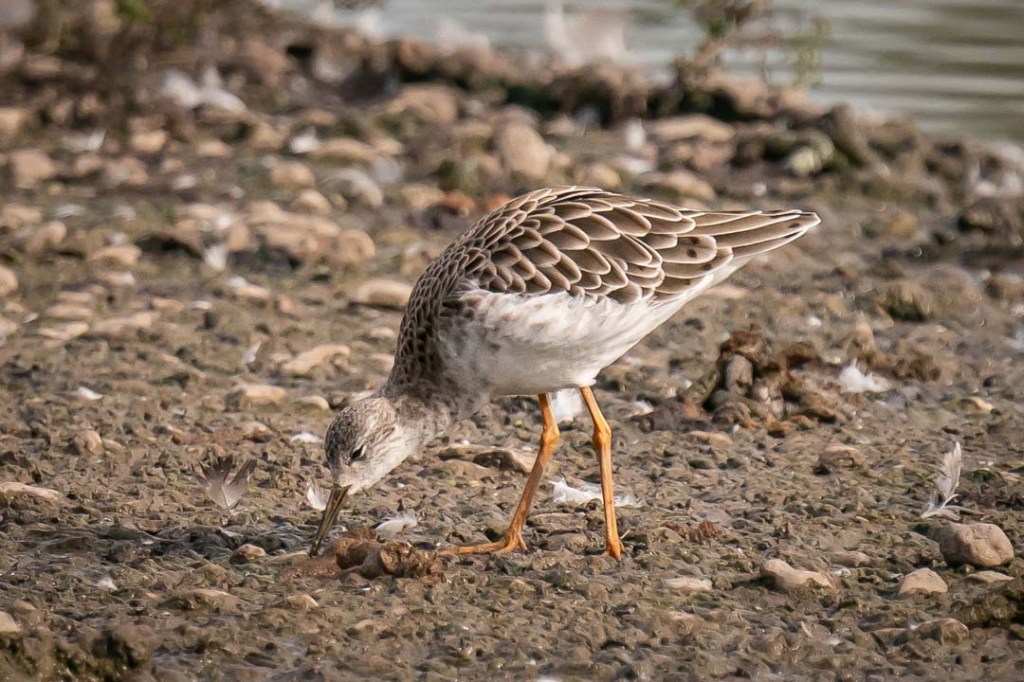
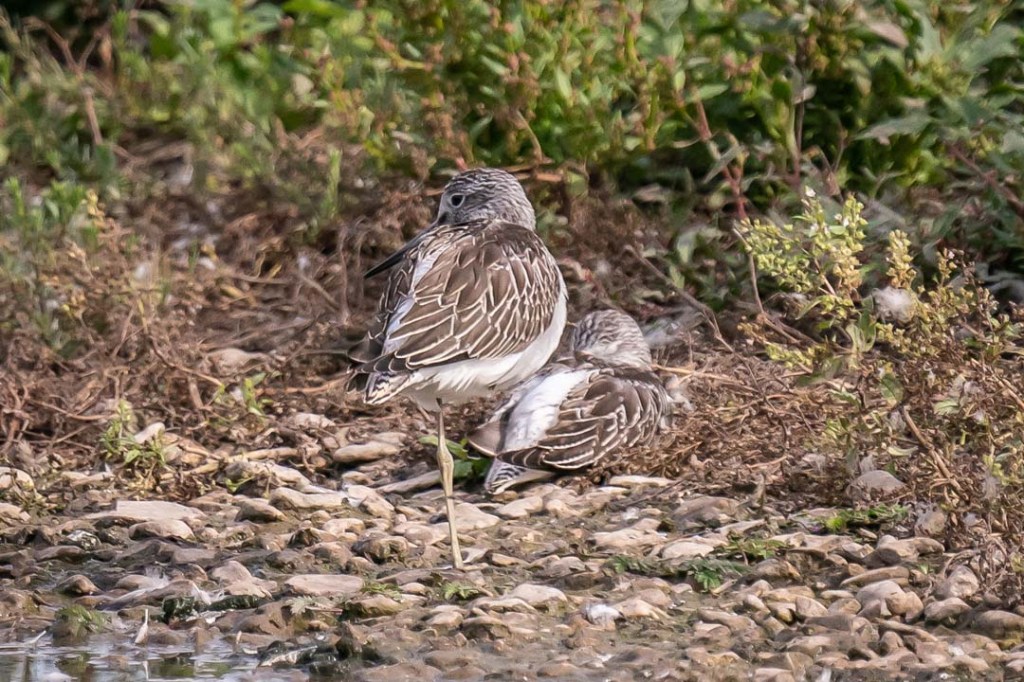
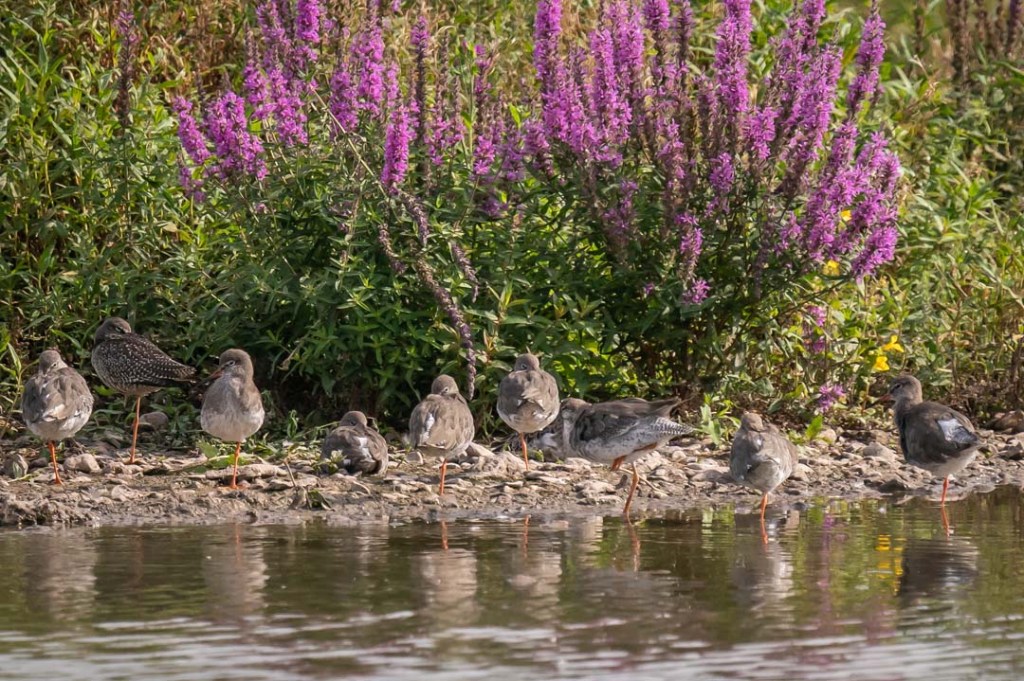
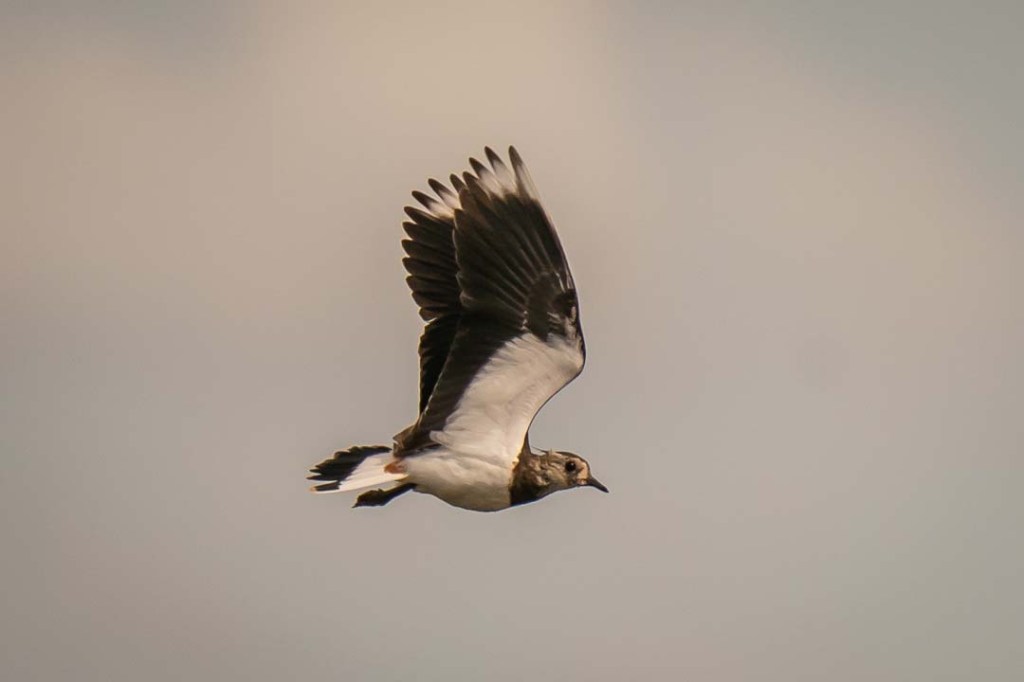
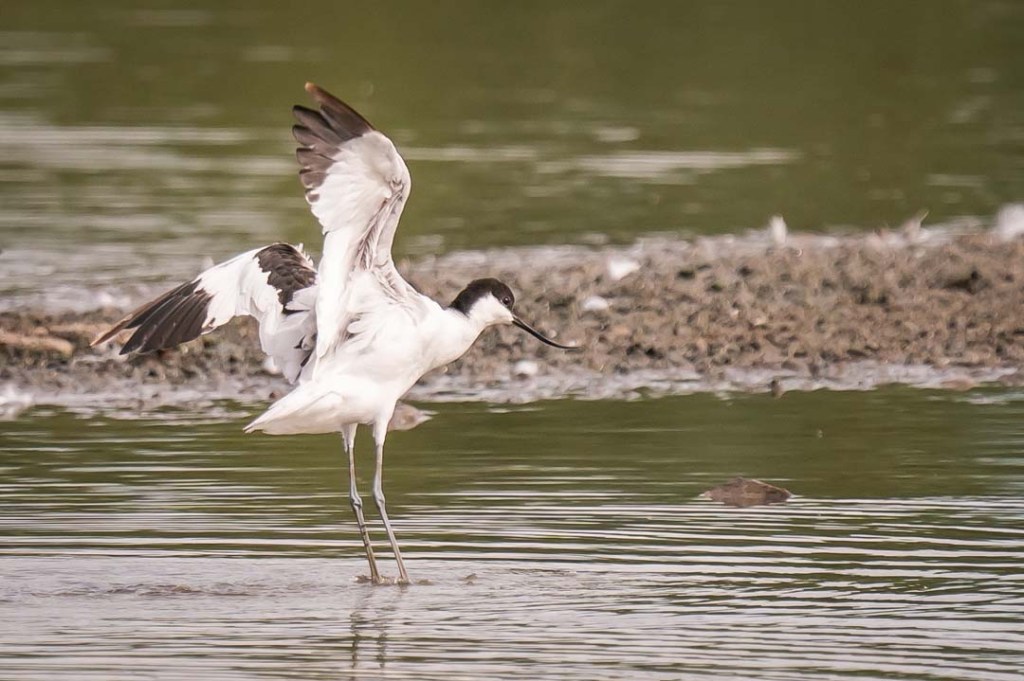
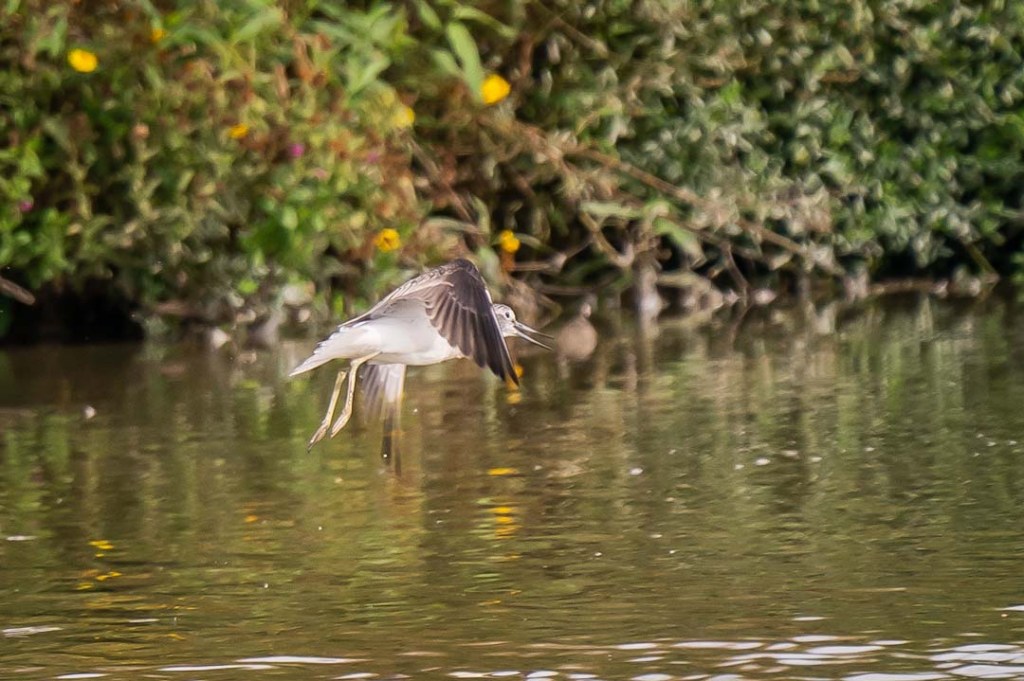
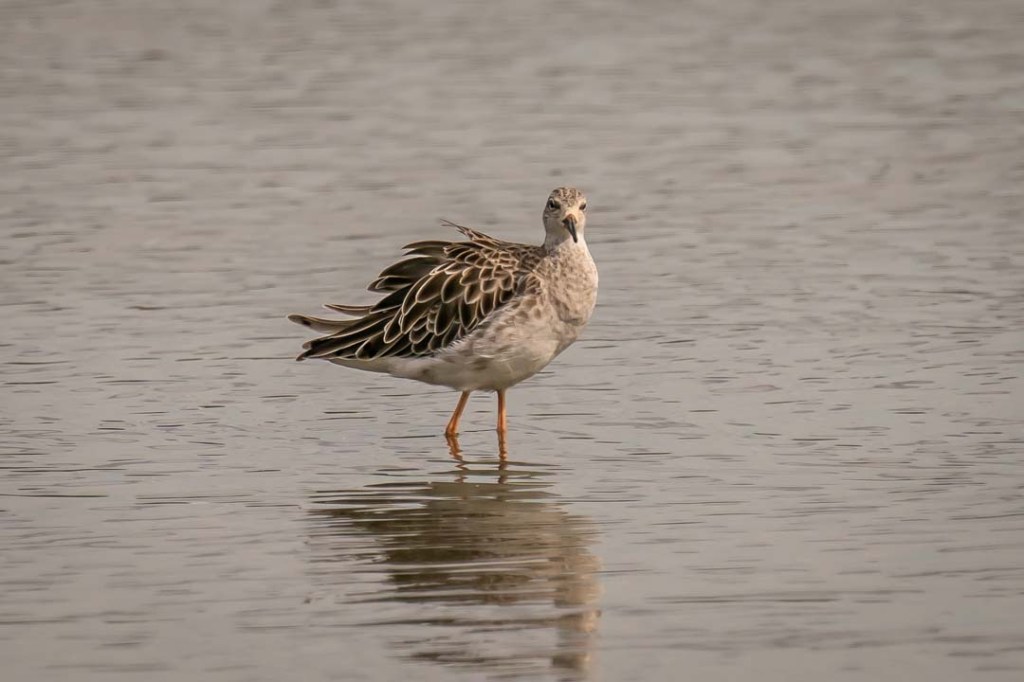
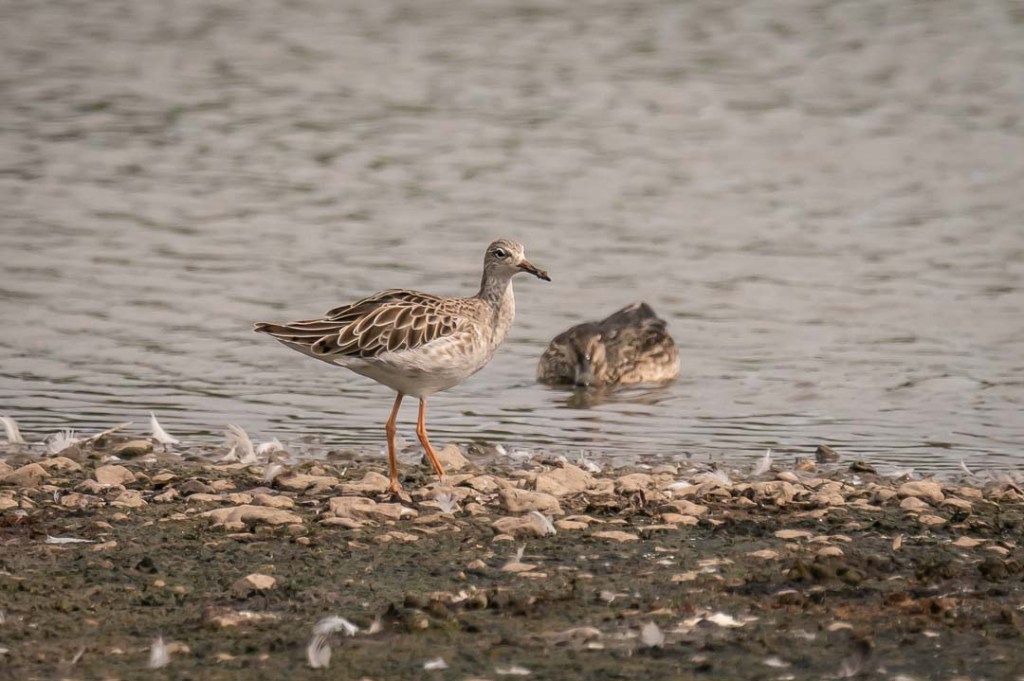
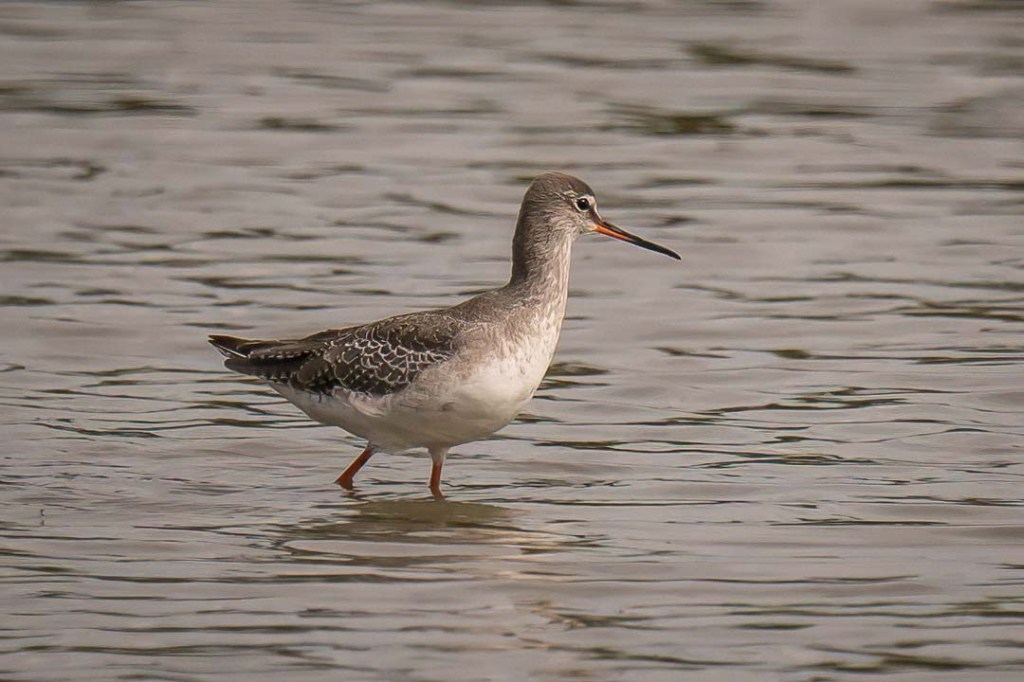
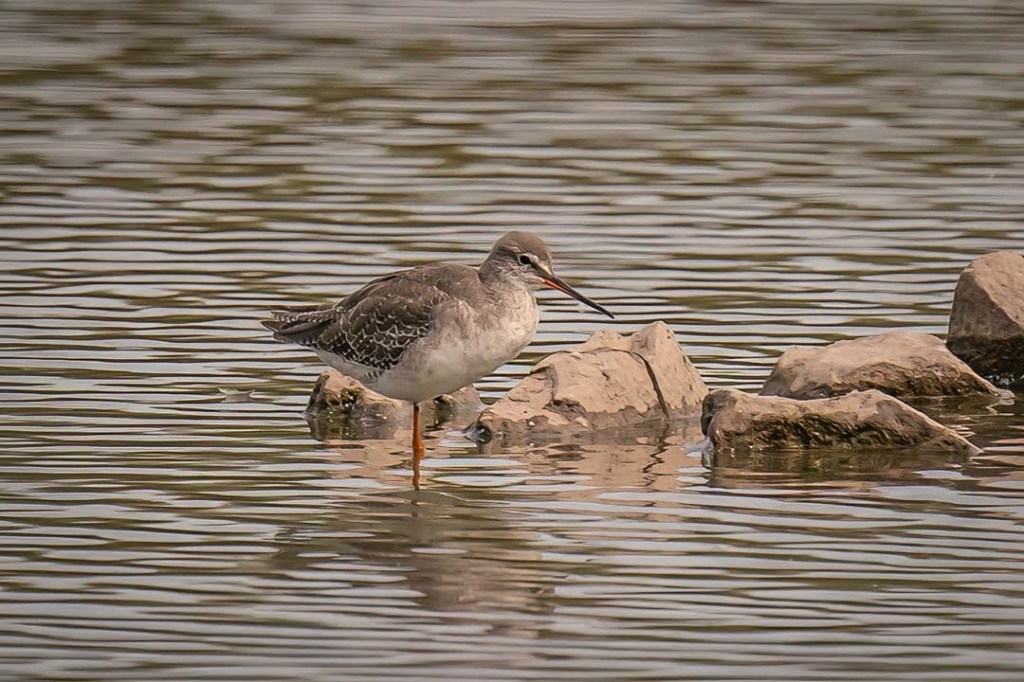
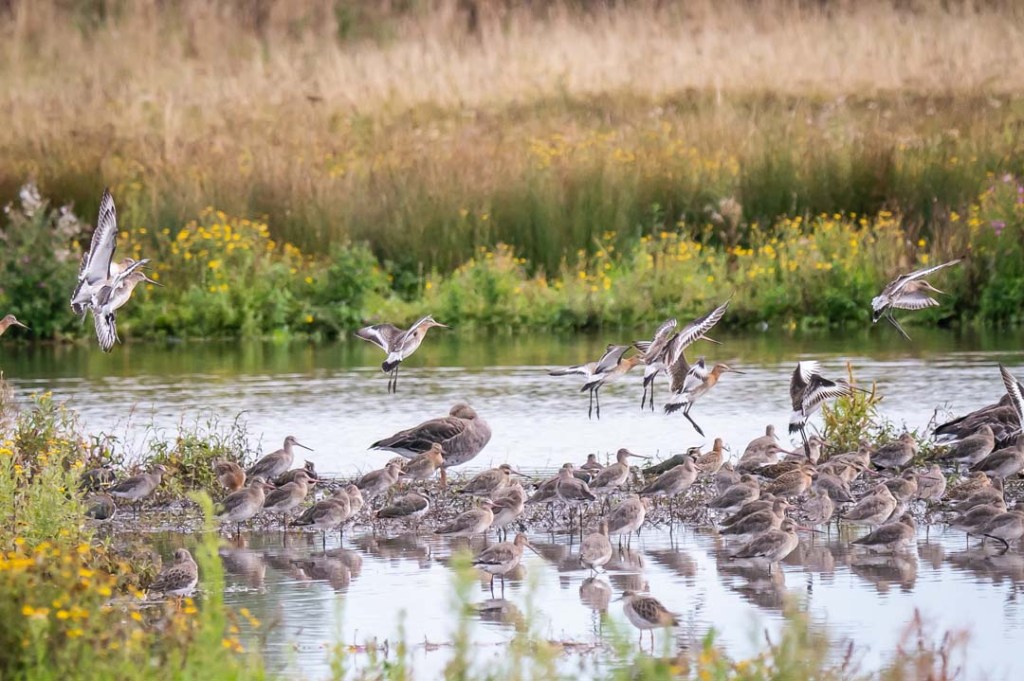
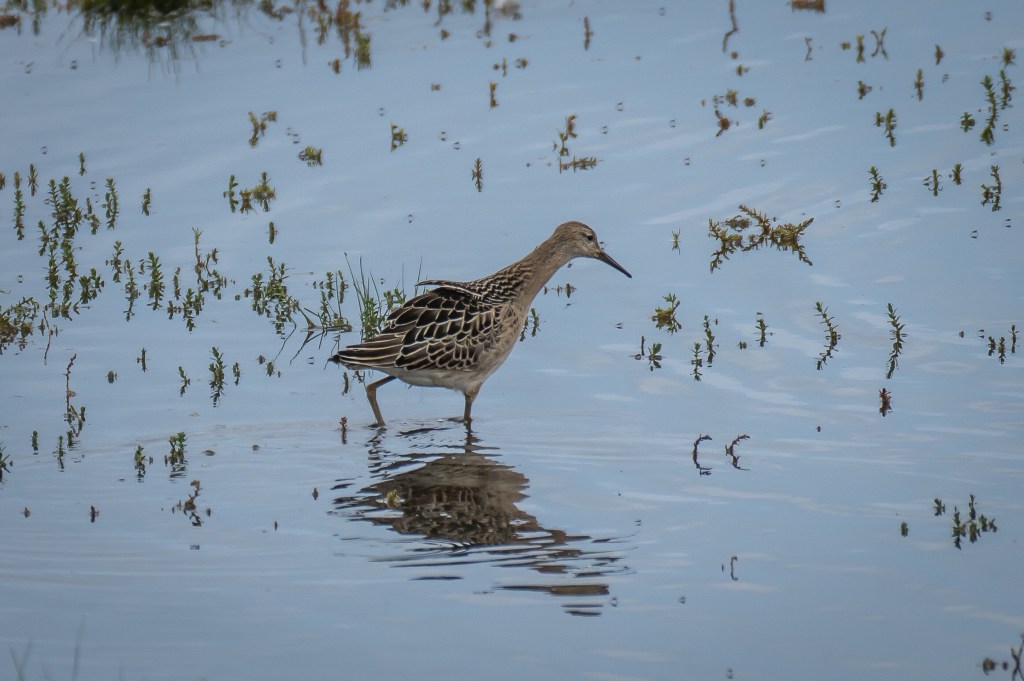
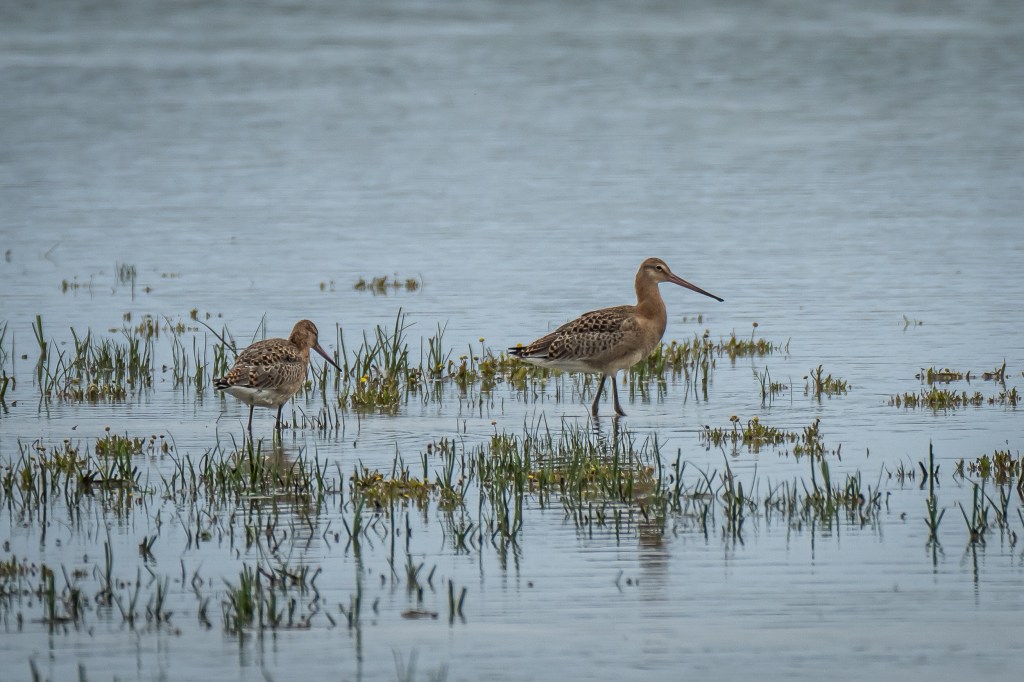
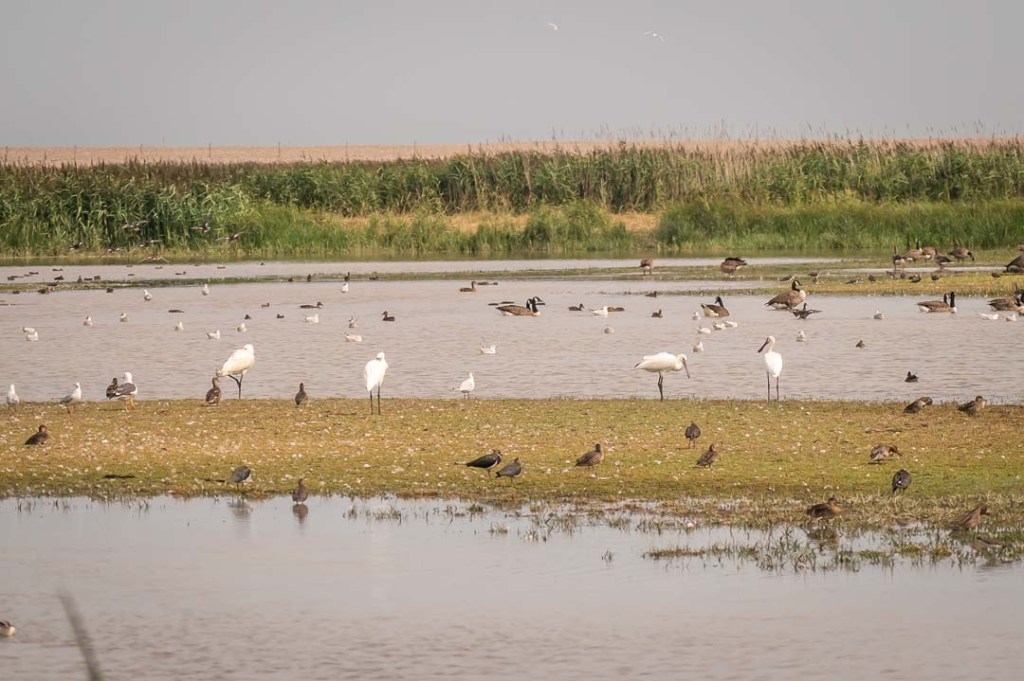
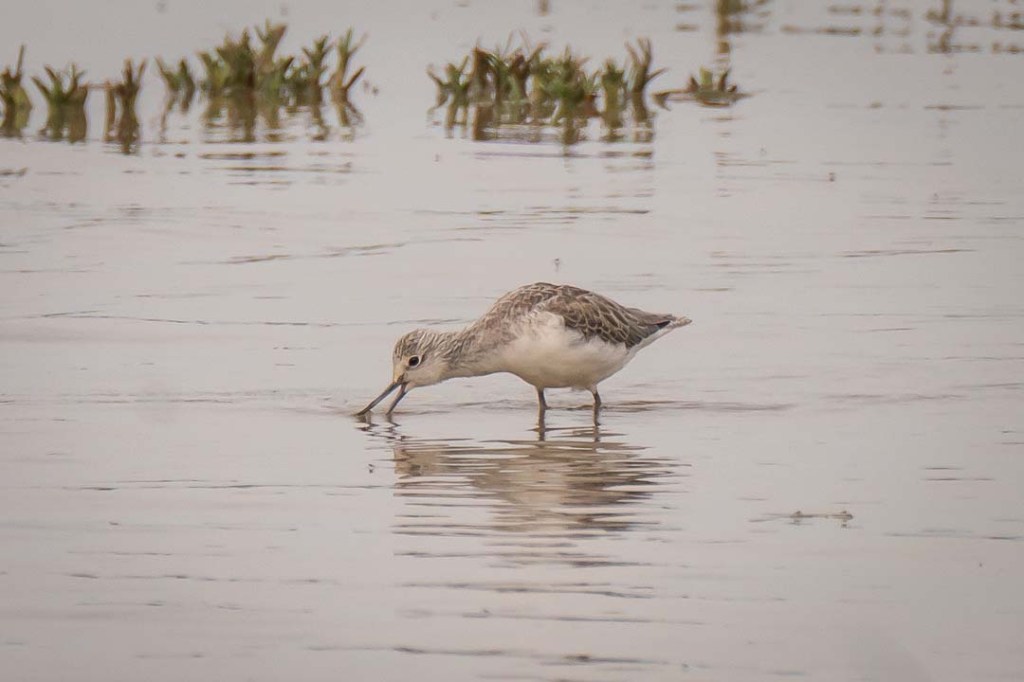
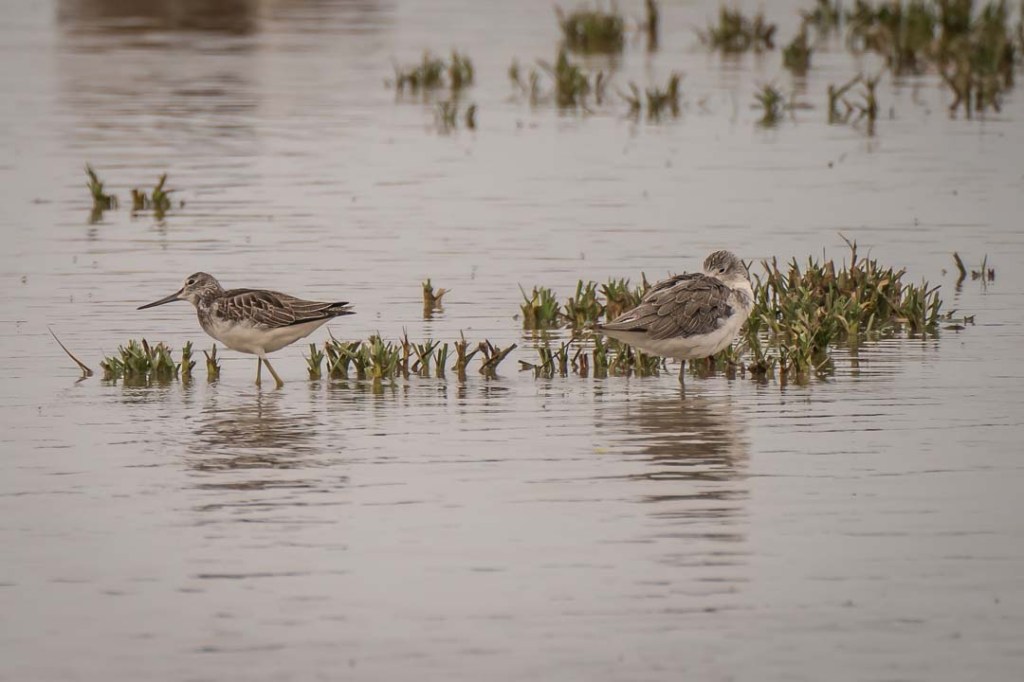
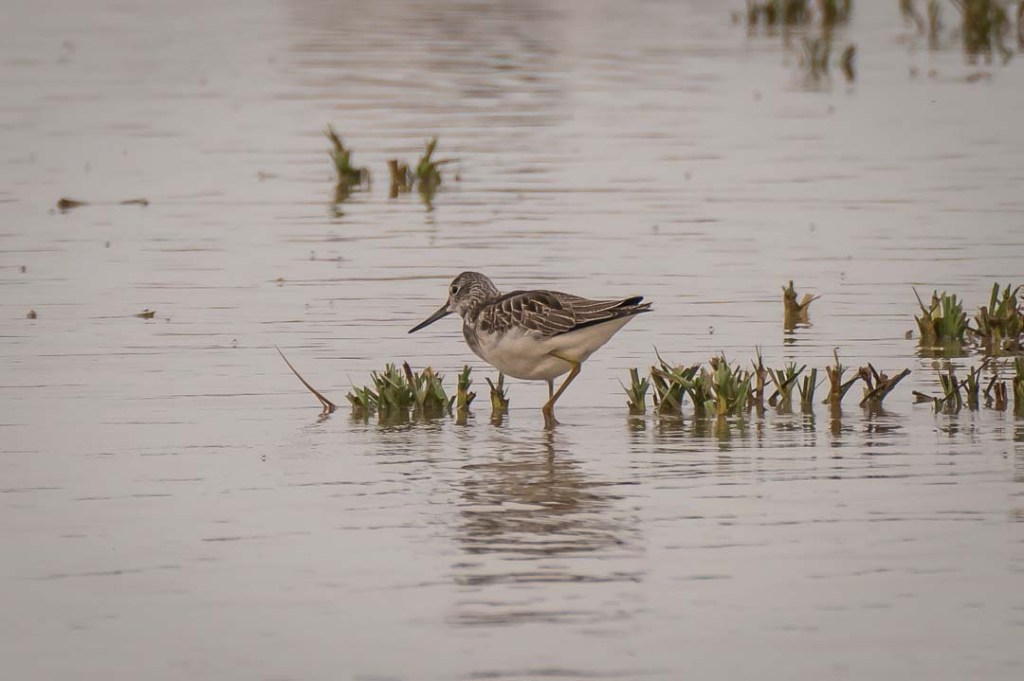
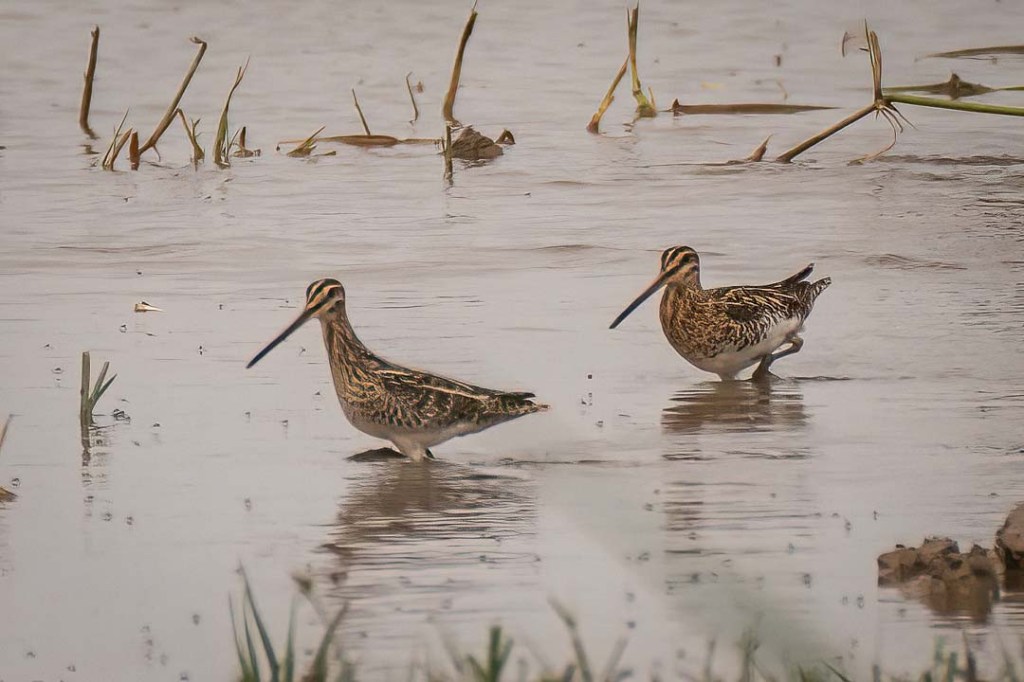
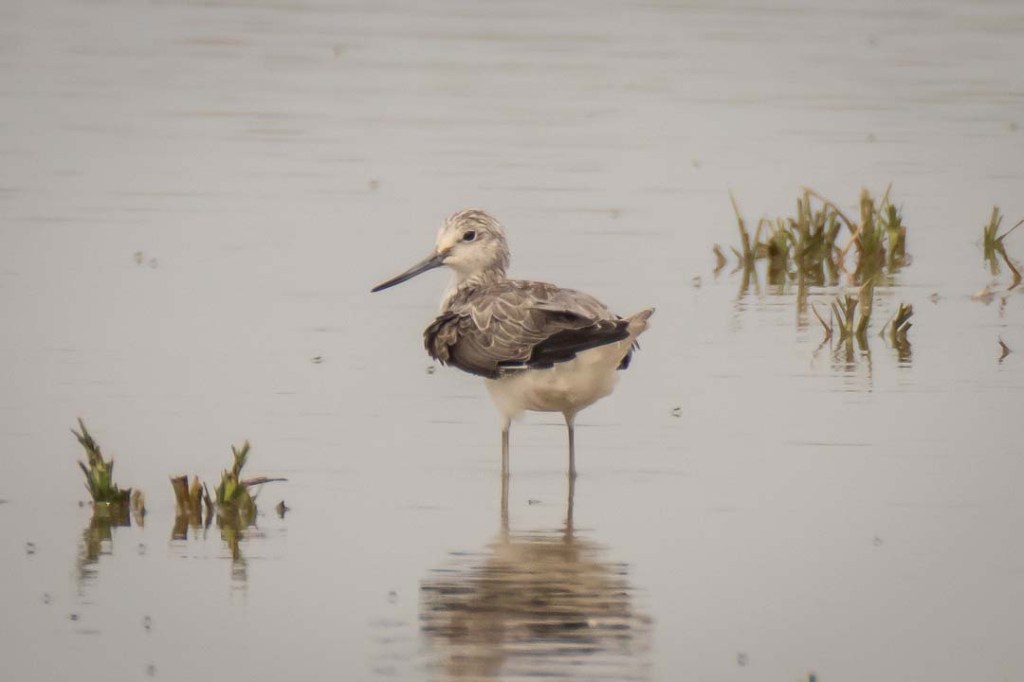
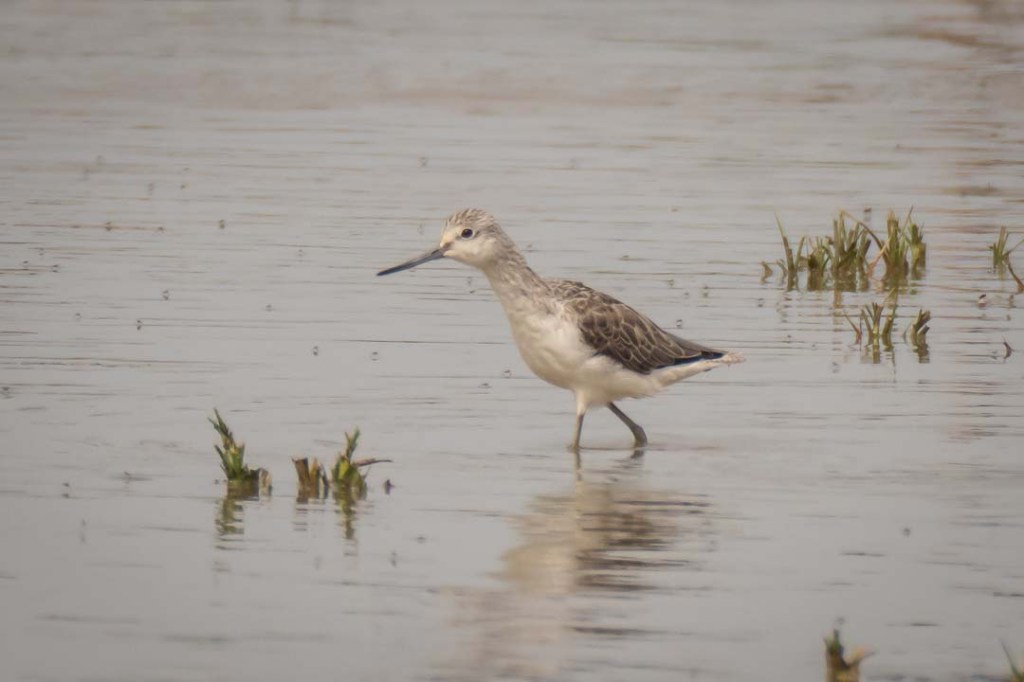
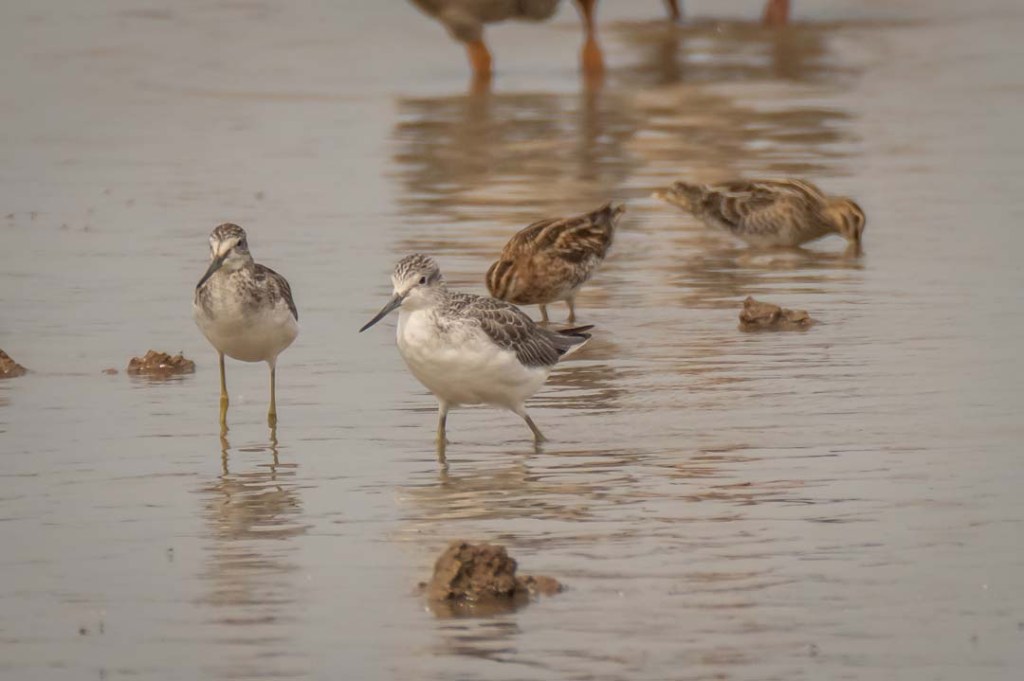
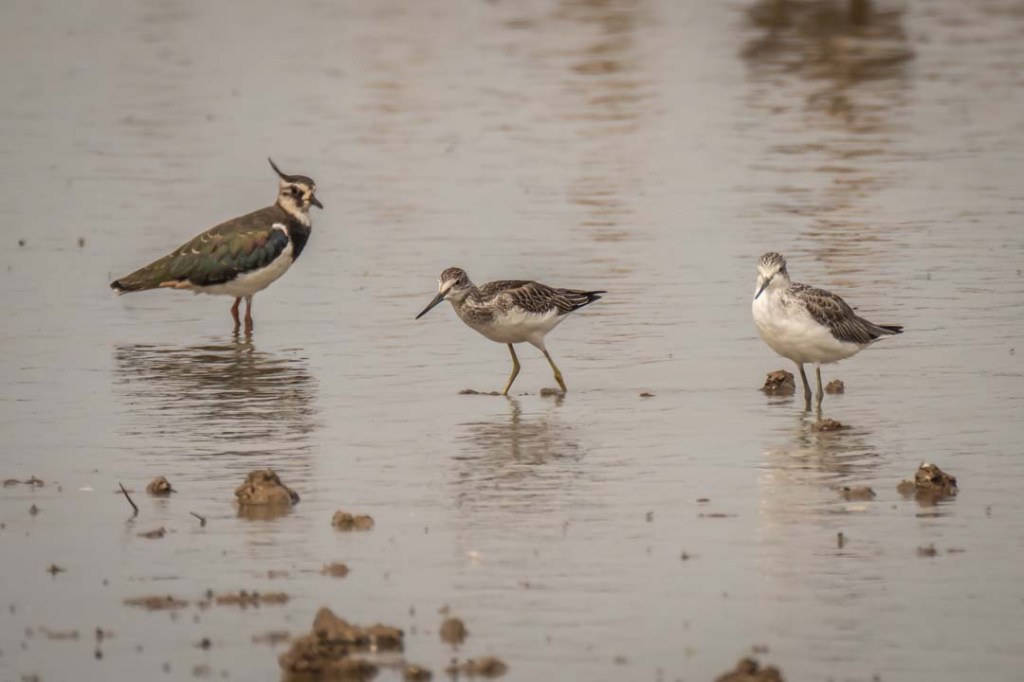
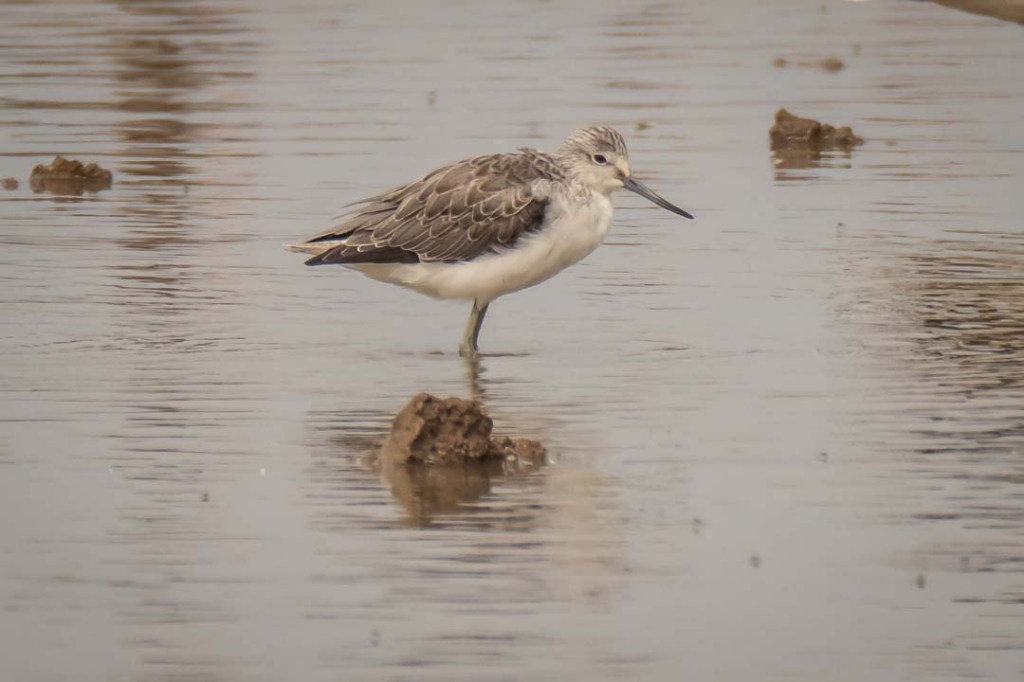
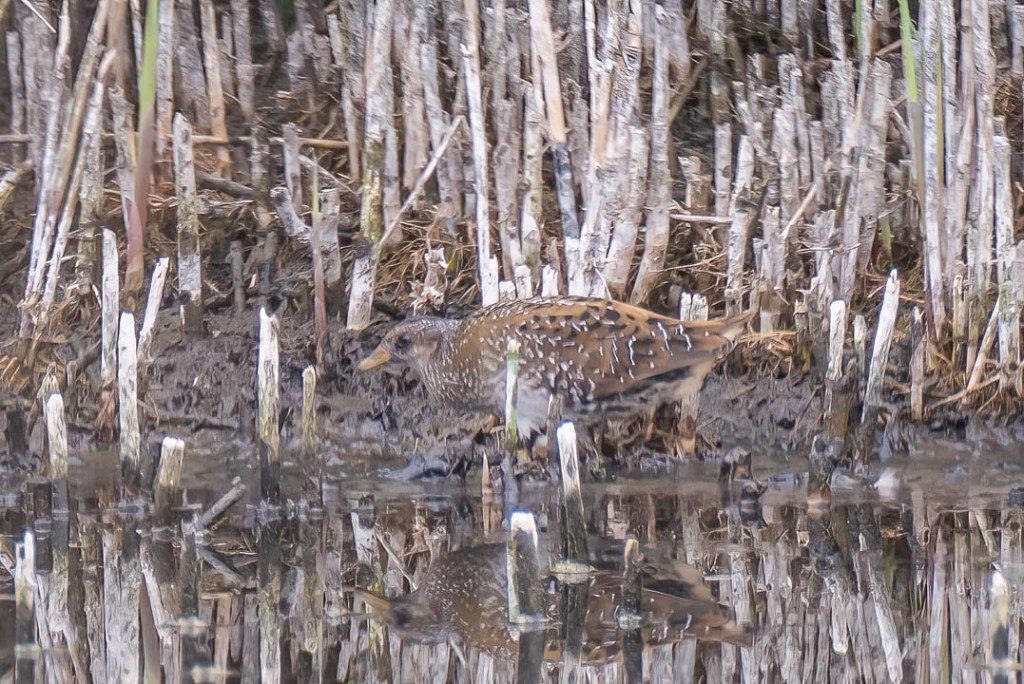
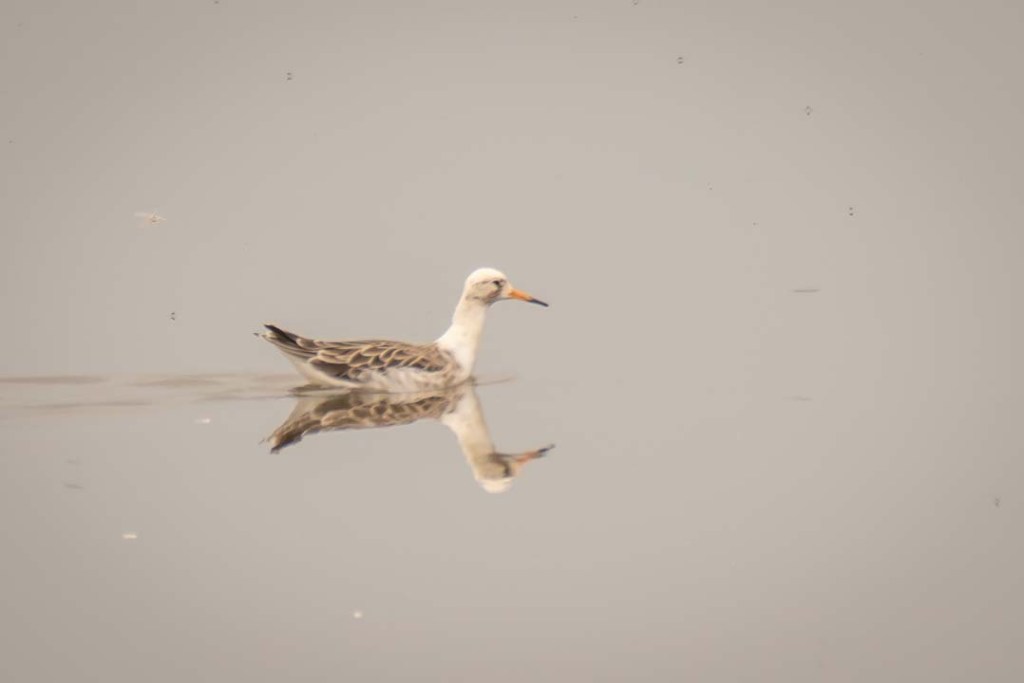
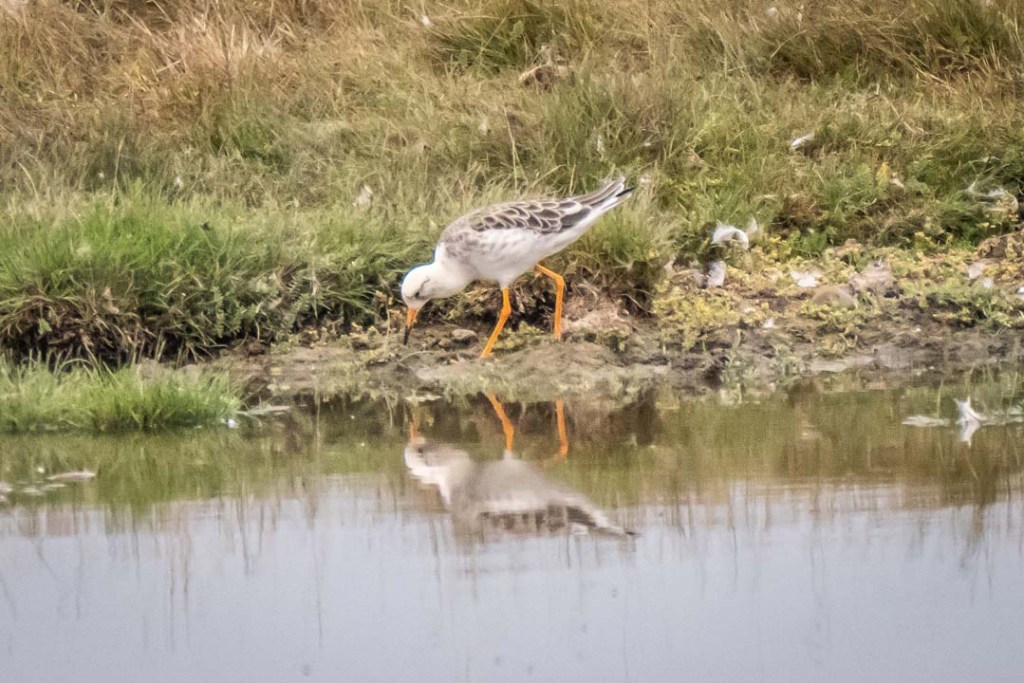
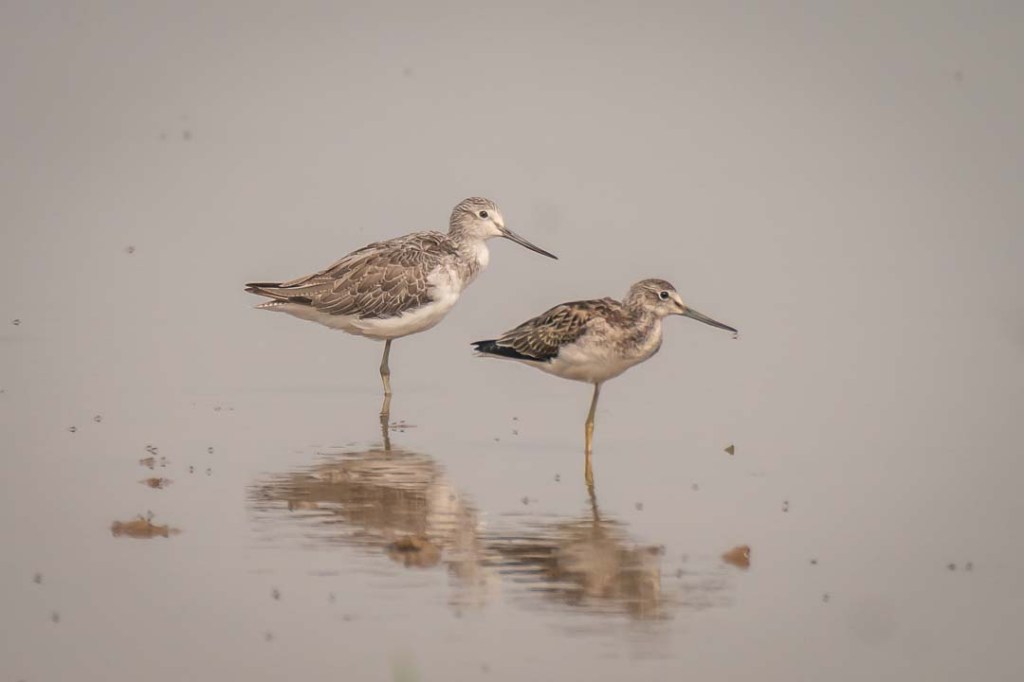
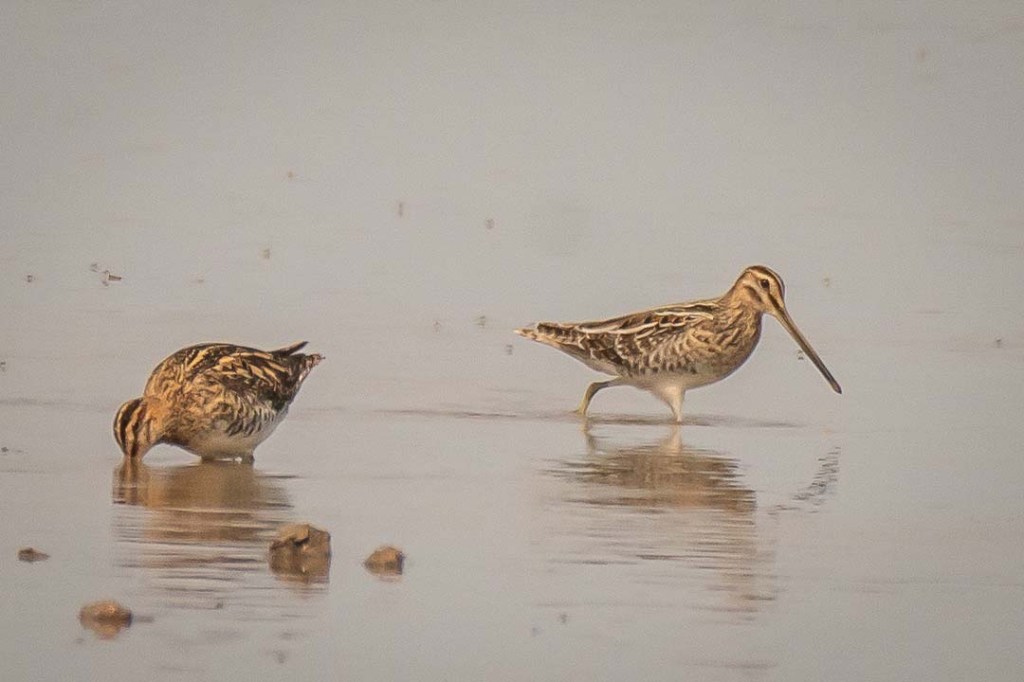
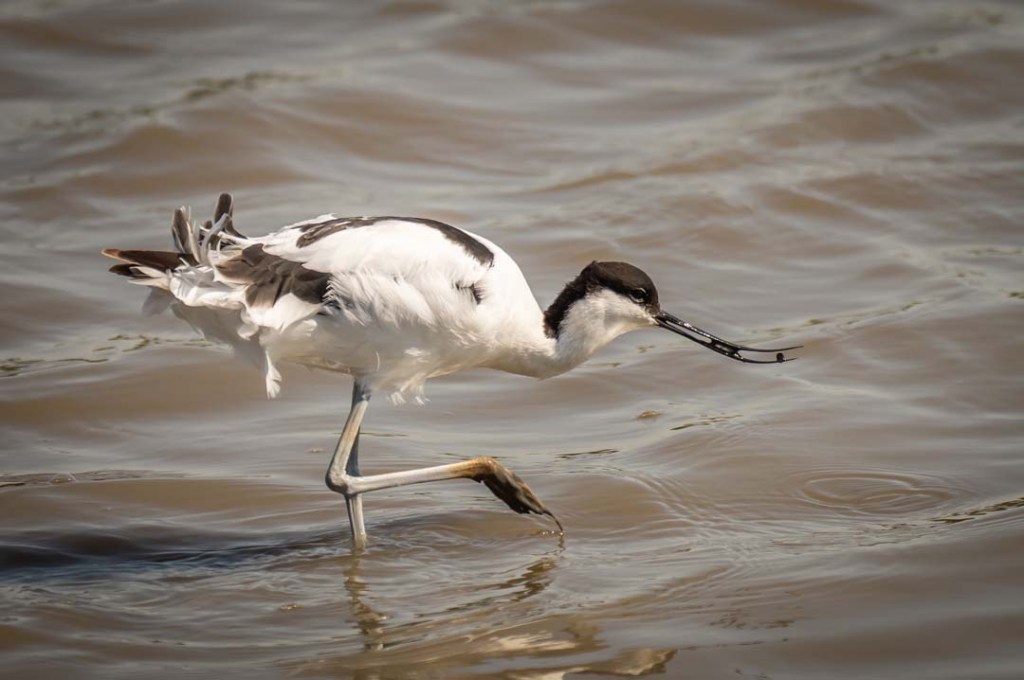
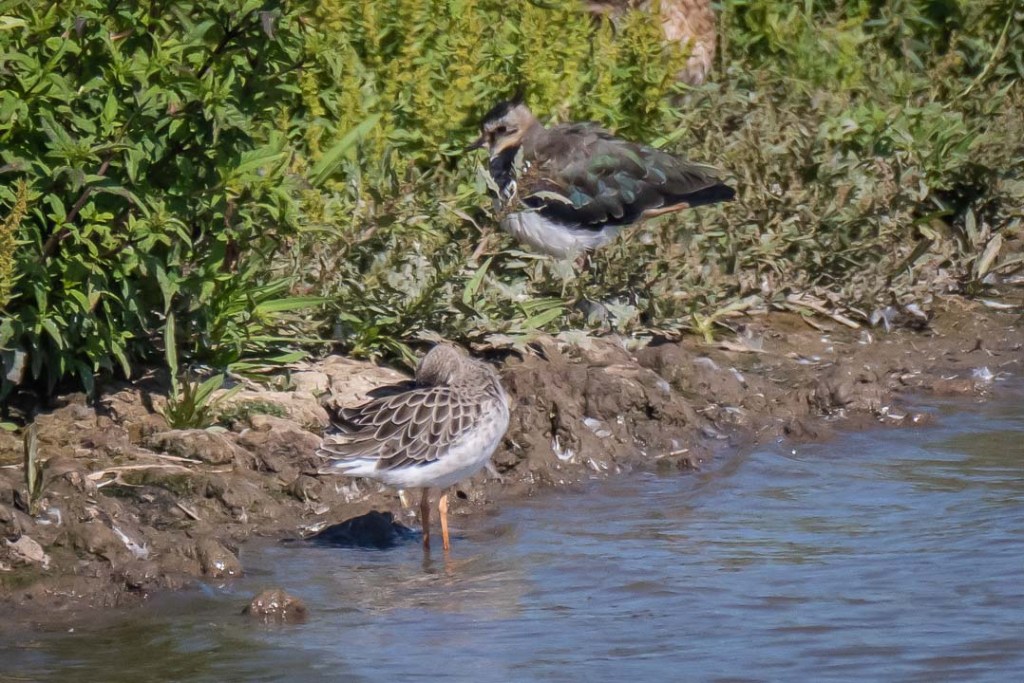
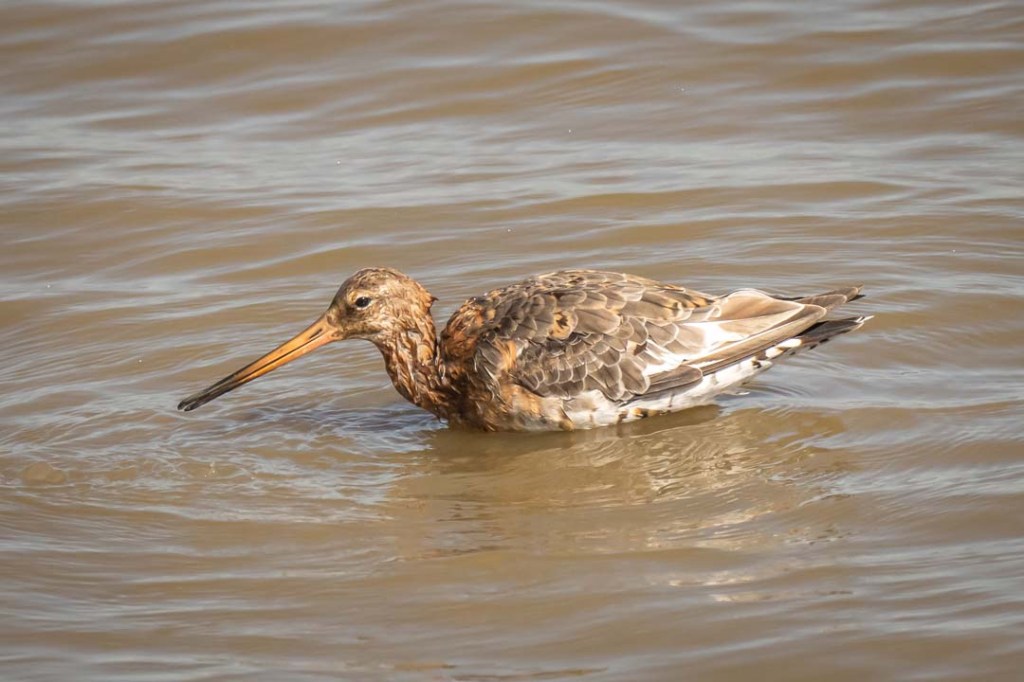
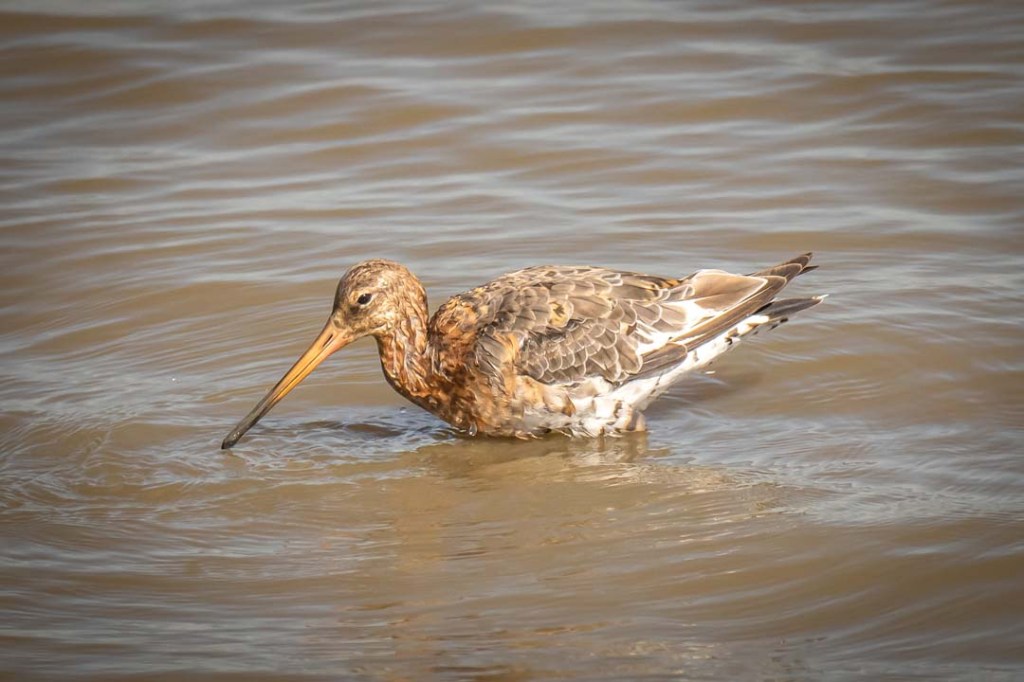
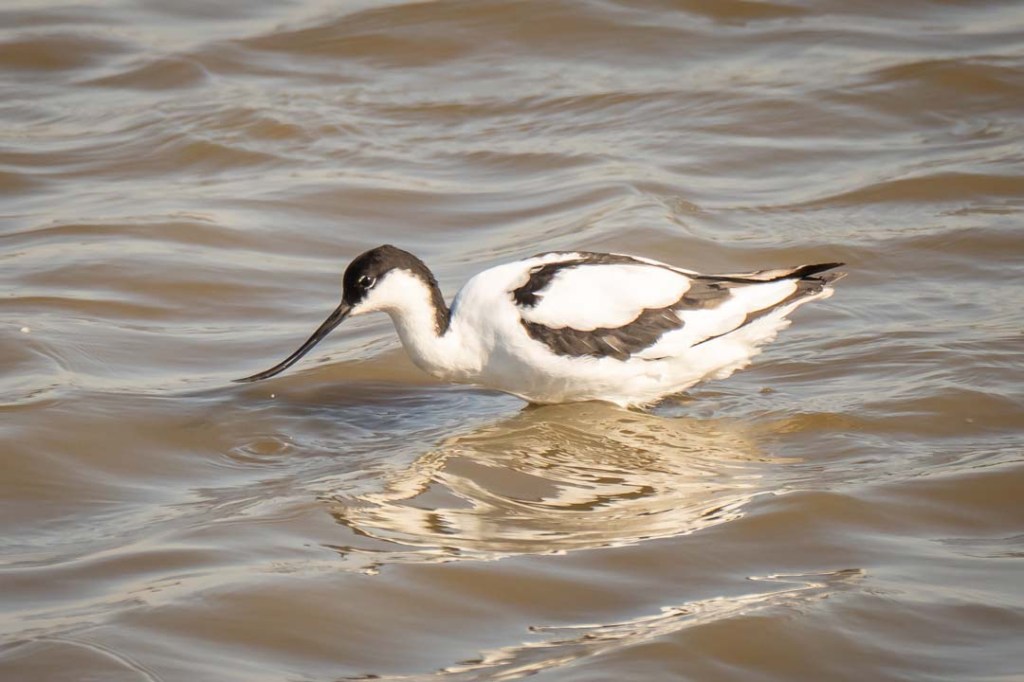
The highlights were ruff, greenshank, common and spotted redshank, avocet, lapwings and black-tailed godwits. We were so surprised by the dry conditions towards the estuary that we completely missed the common cranes which everyone else managed to see!
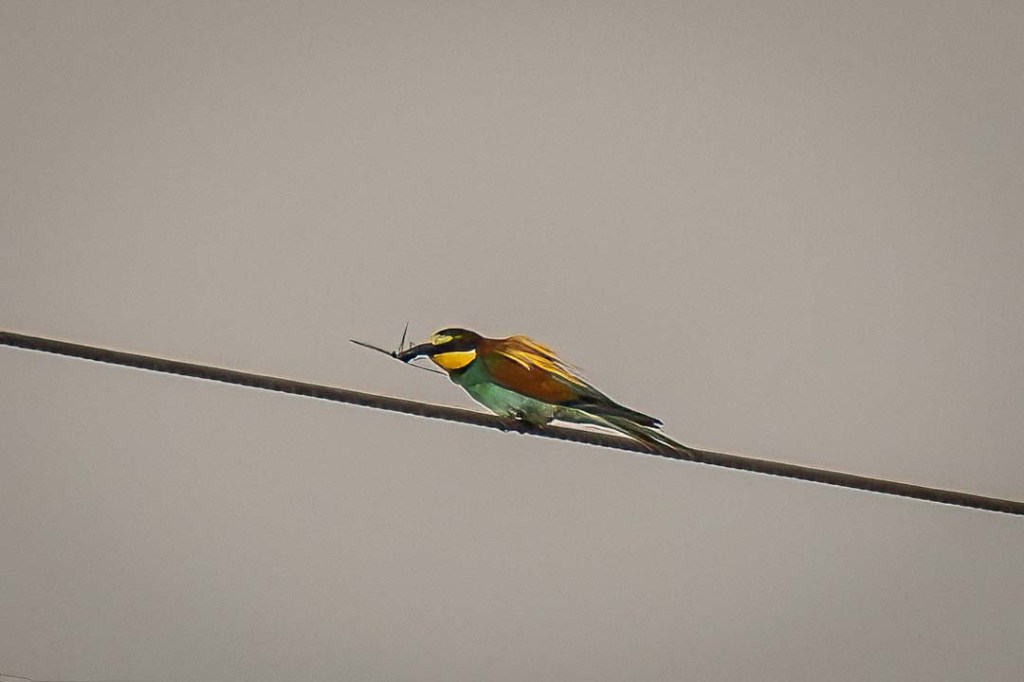
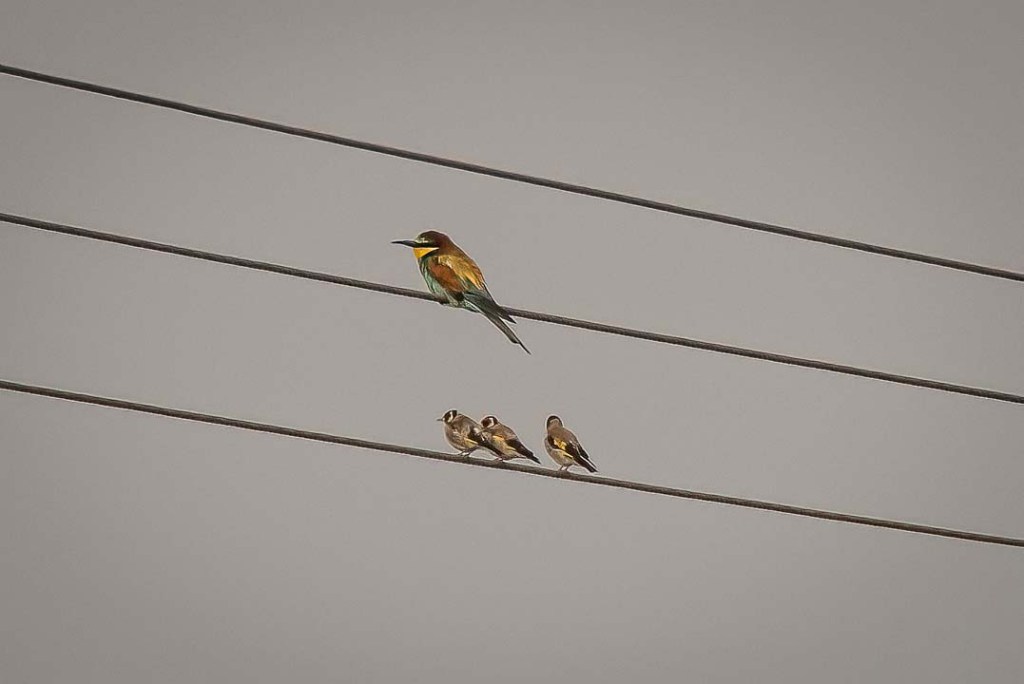
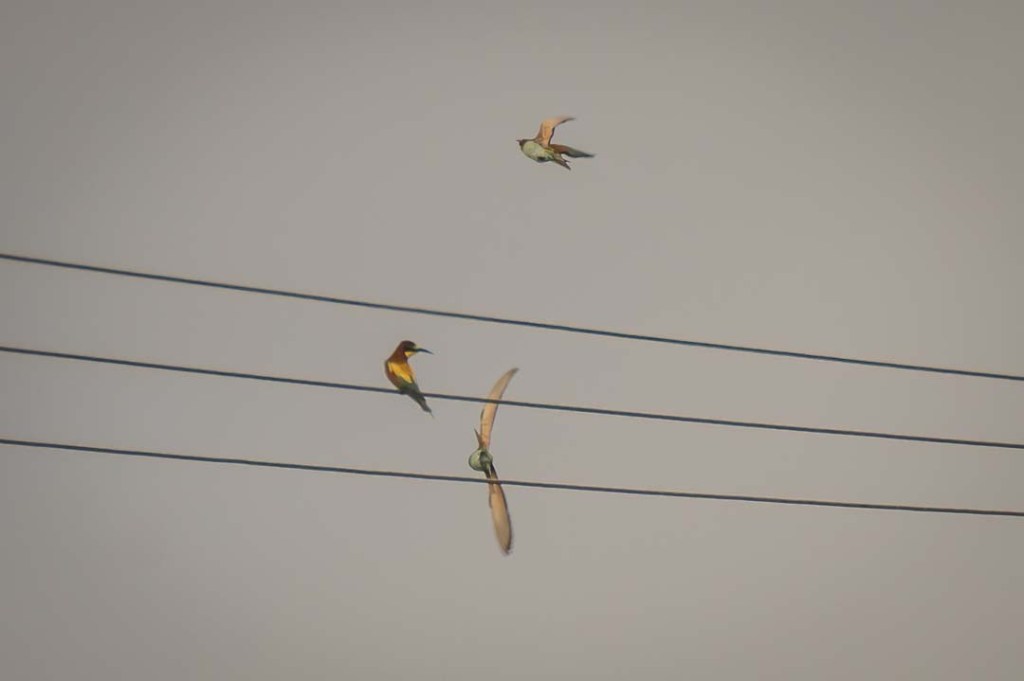
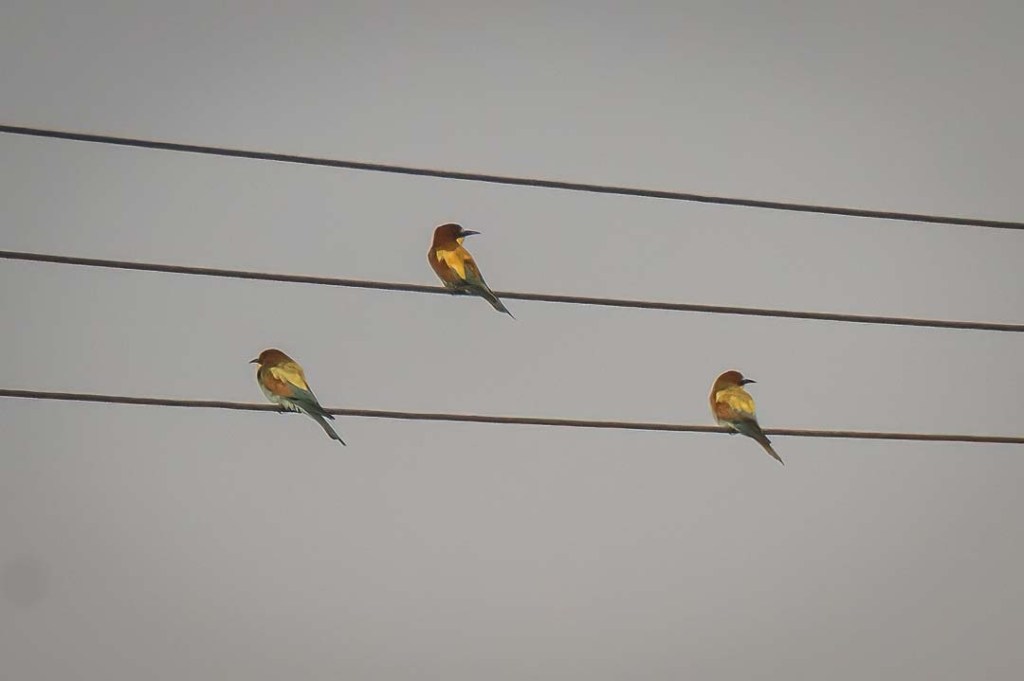
We made an early visit to see some very rare (for this country) European bee eaters at Trimingham, near Cromer in Norfolk. The forecast was good but it was very dismal when we arrived at 7:30 a.m.
European bee eaters
I managed to get some shots in poor light and had to make do with that because by 9:00 a.m rain set in. So much for modern weather forecasting!
Bee eater with breakfastBee eatersBee eater with goldfinchesBee eater with linnetBee eater with starlings
You can read all about these bee eaters on the RSPB web page and even see some decent photos of them.
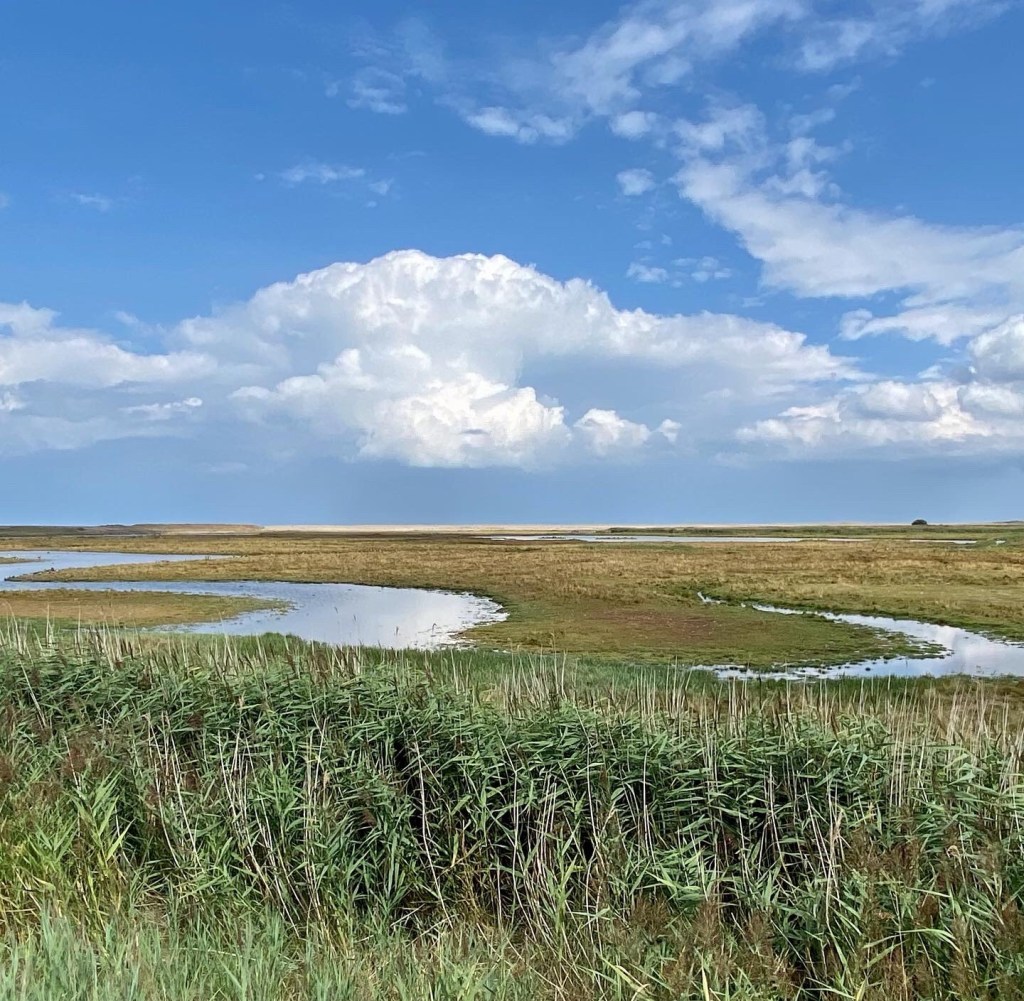
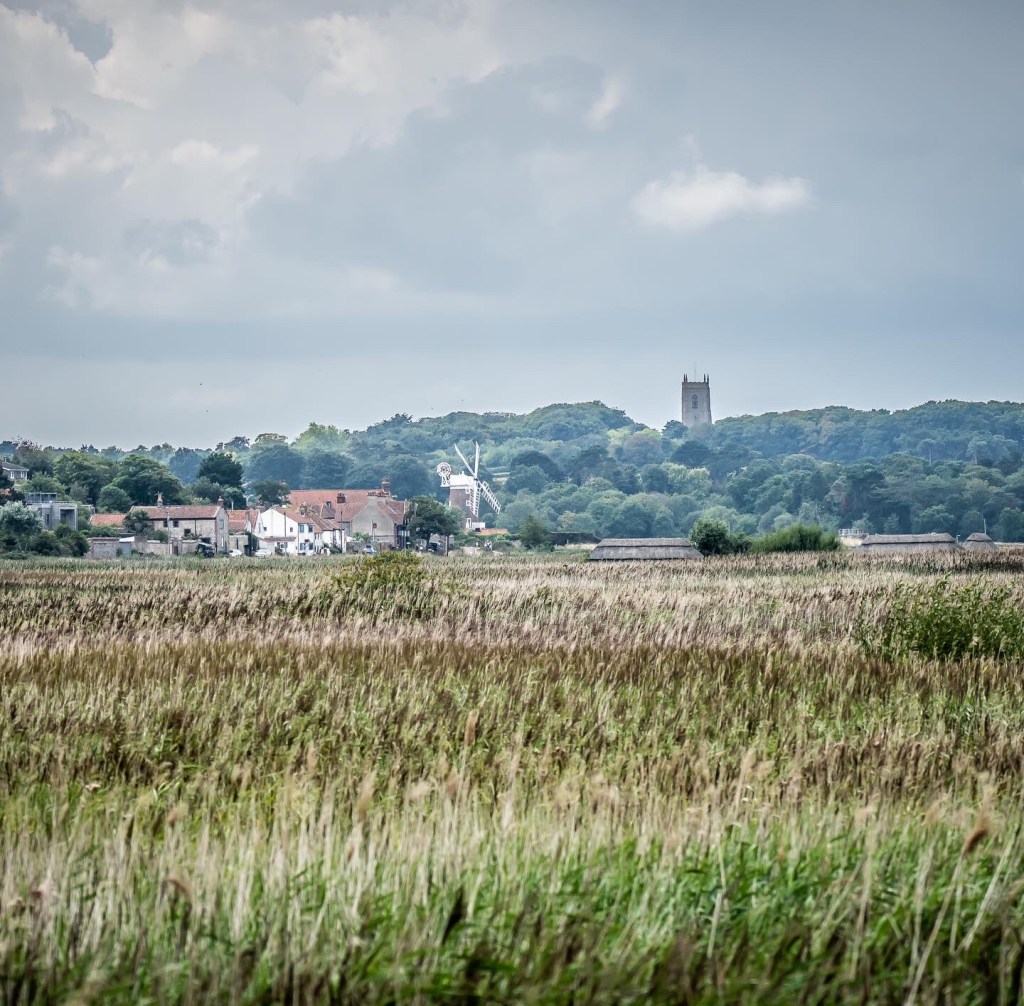
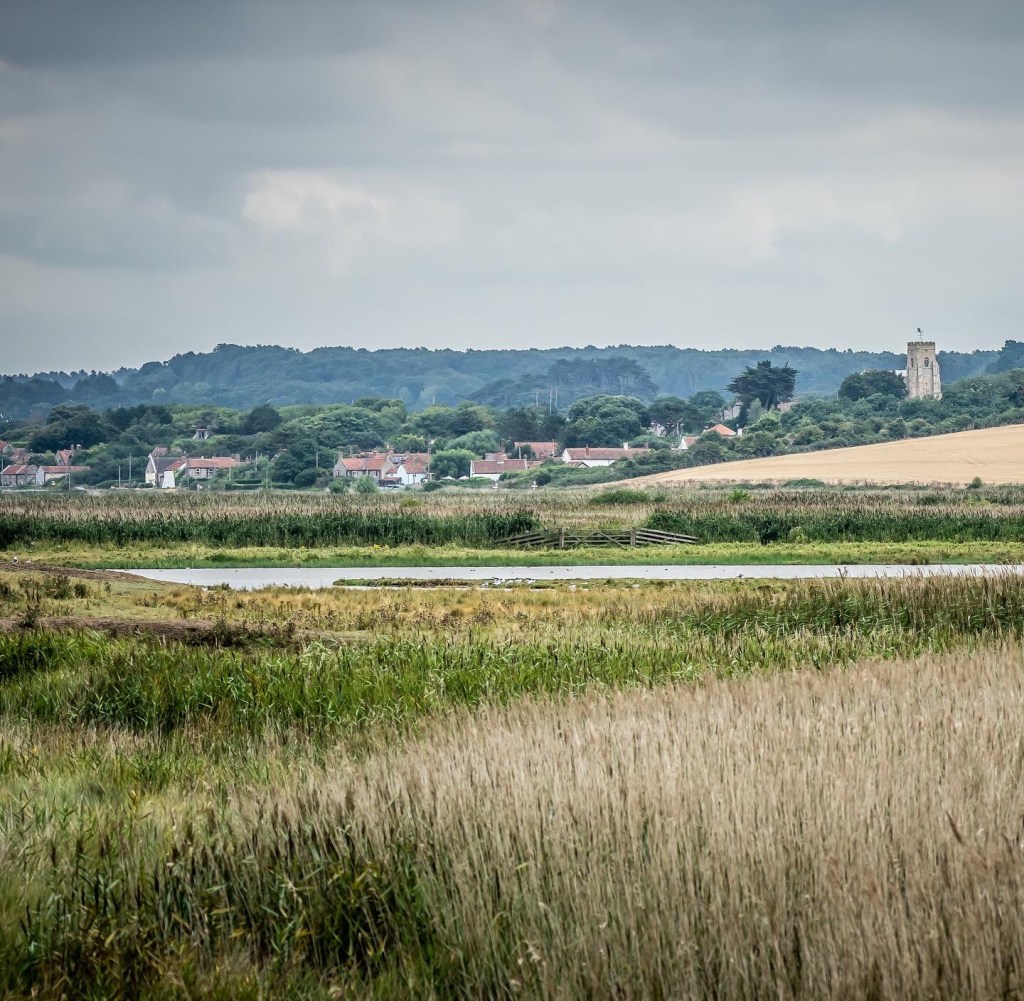
A little of the beauty of North Norfolk at Cley and Salthouse Marshes.
Salthouse MarshCleySalthouse
Y
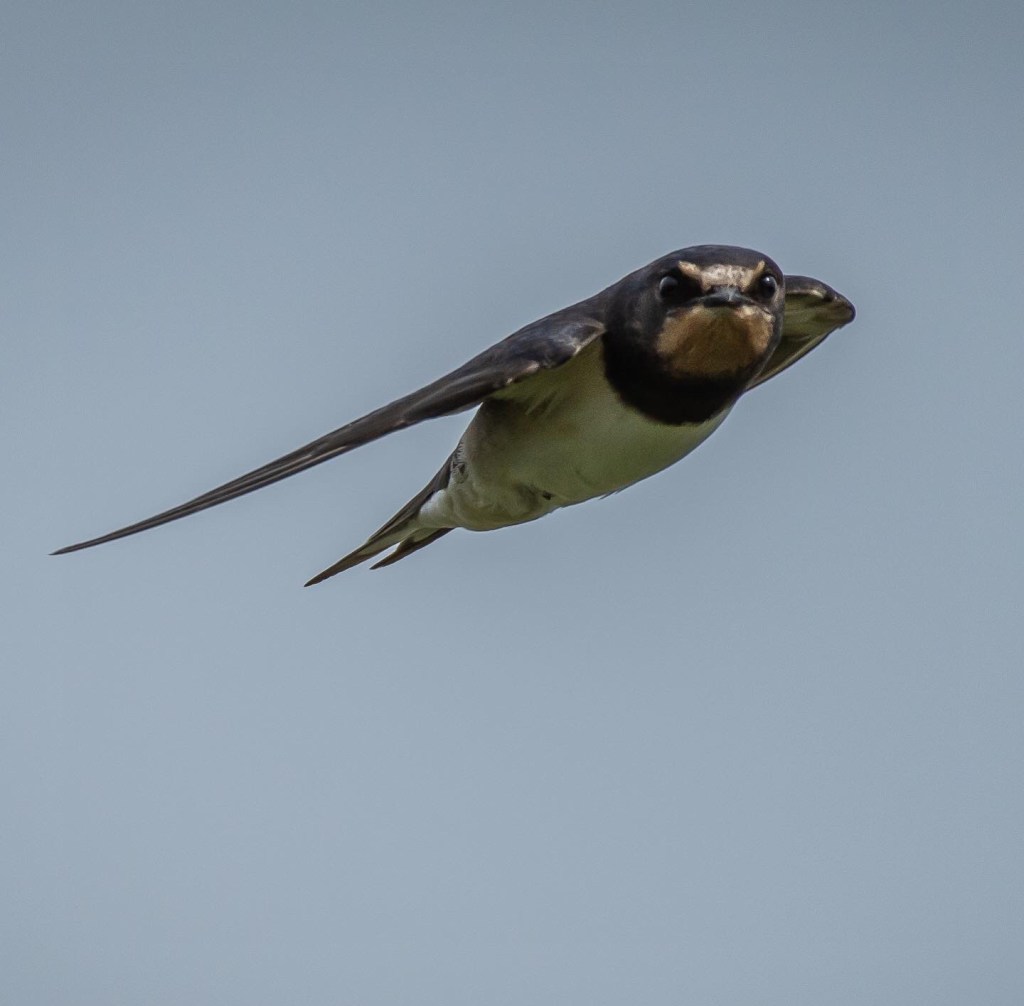
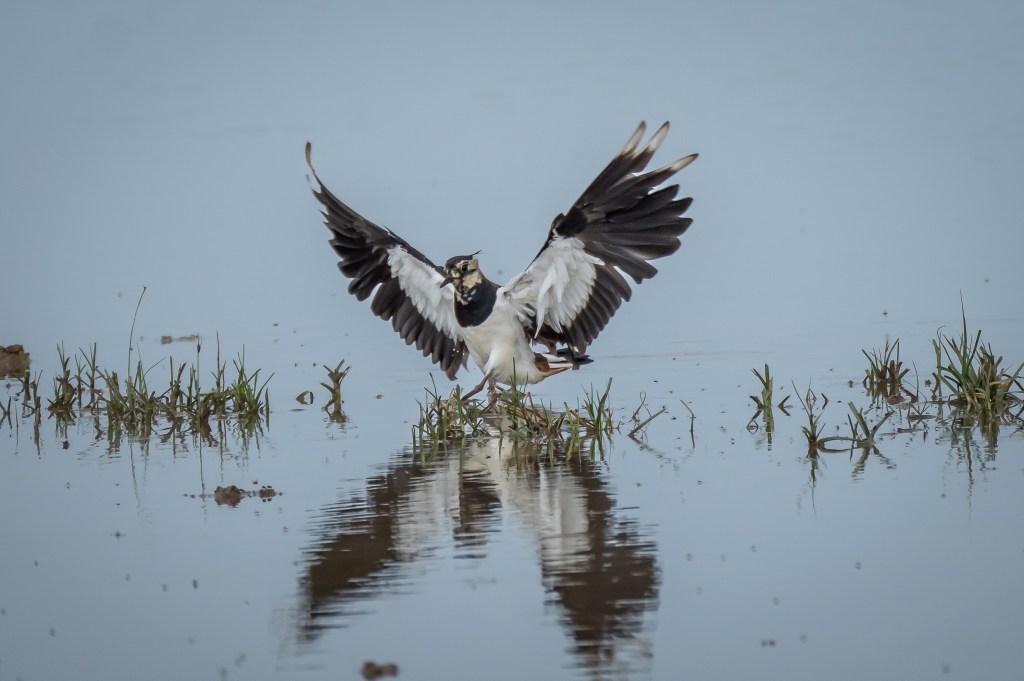
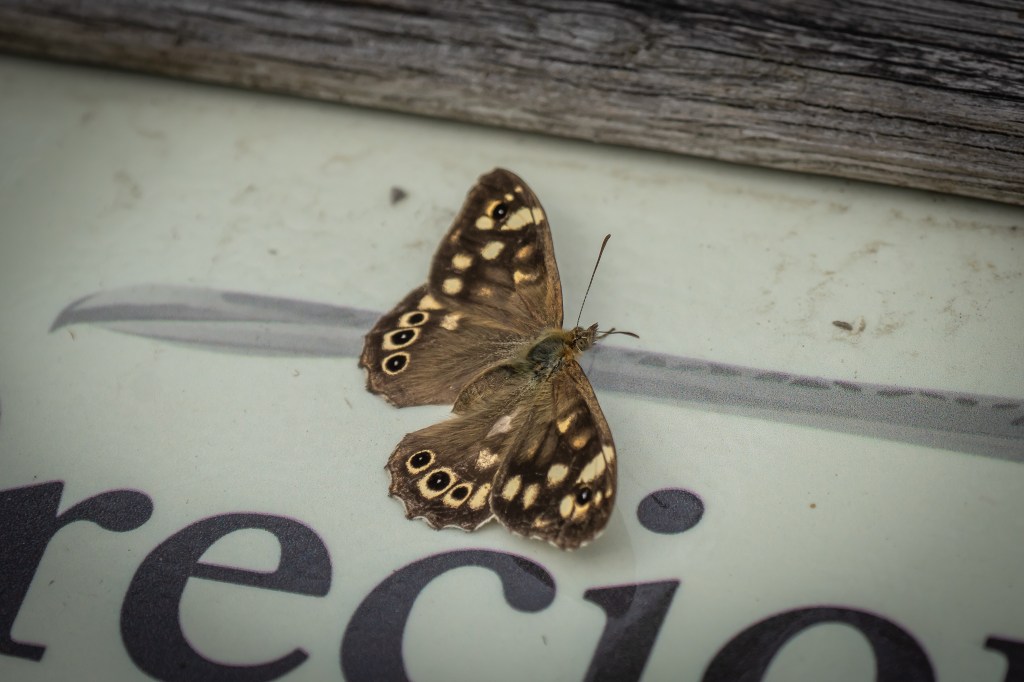
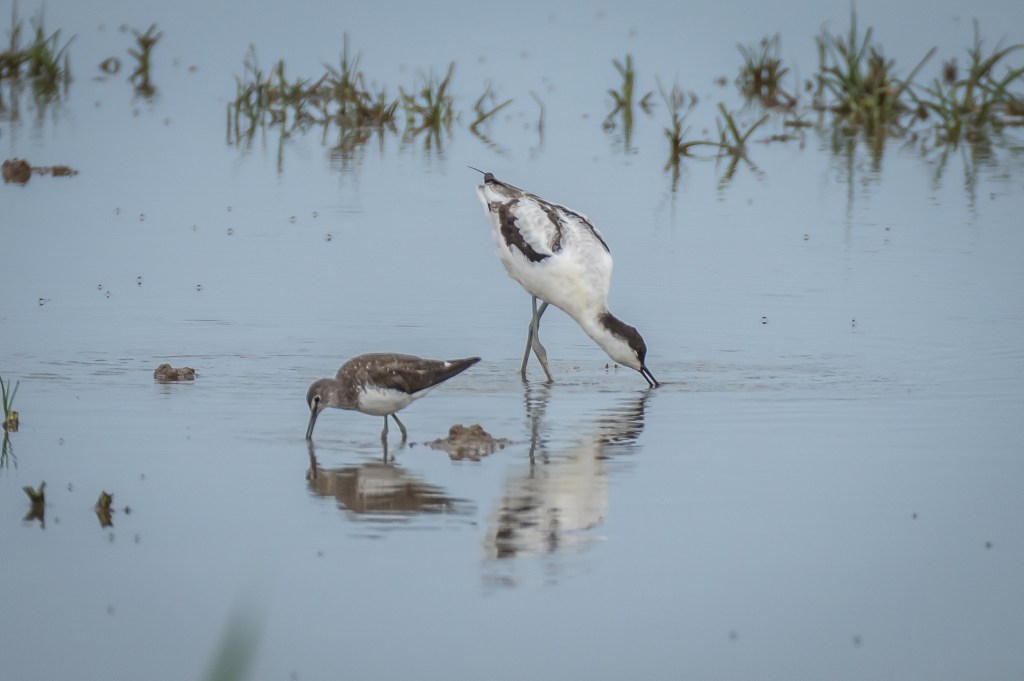
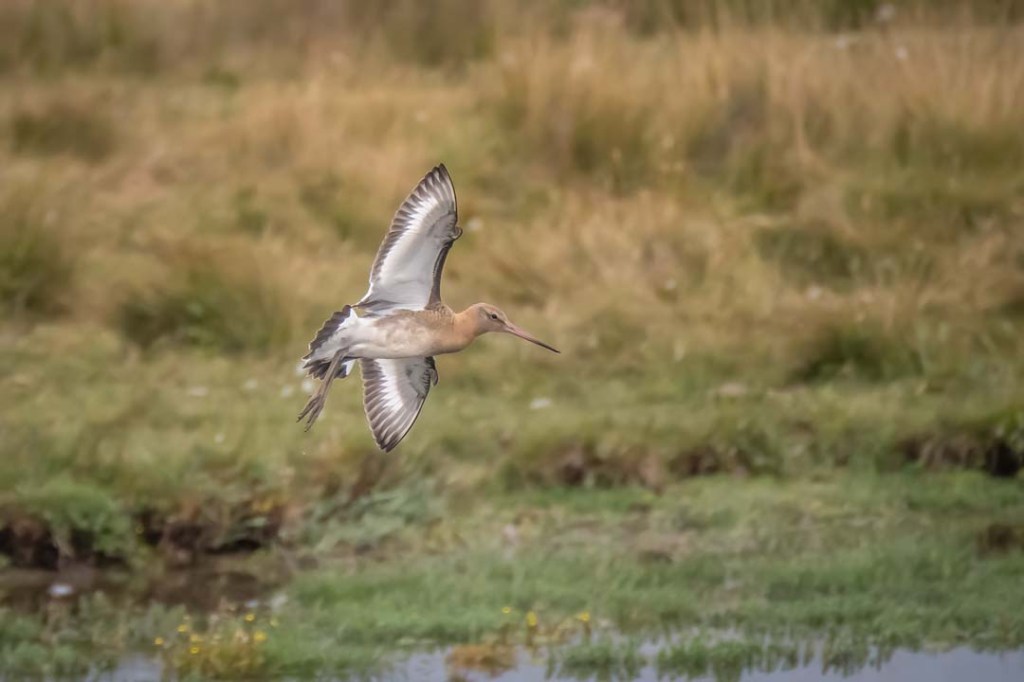
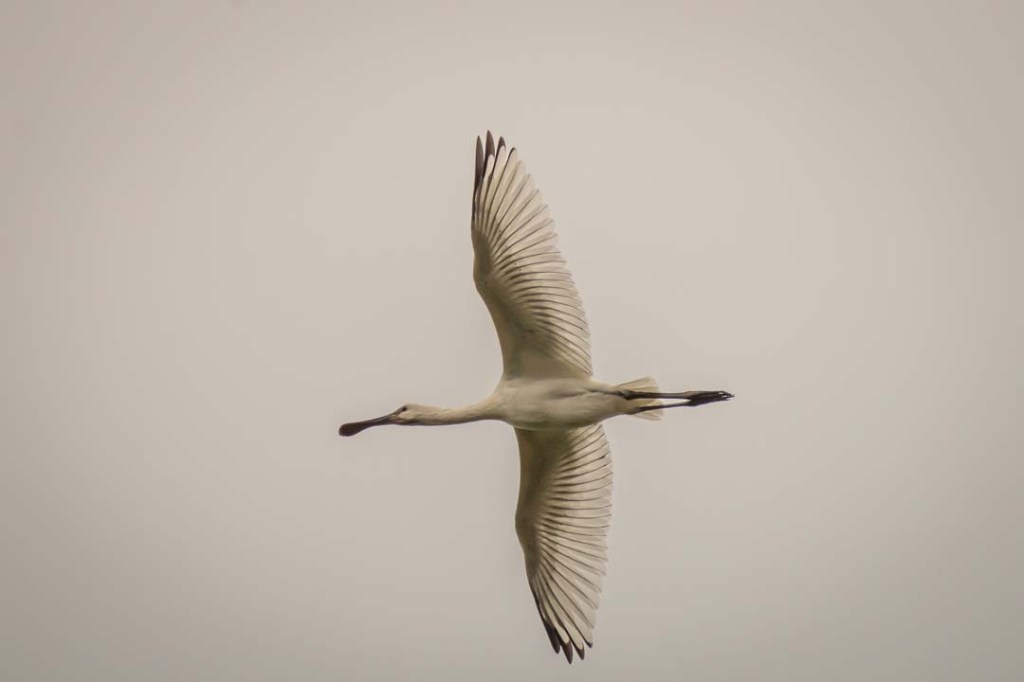
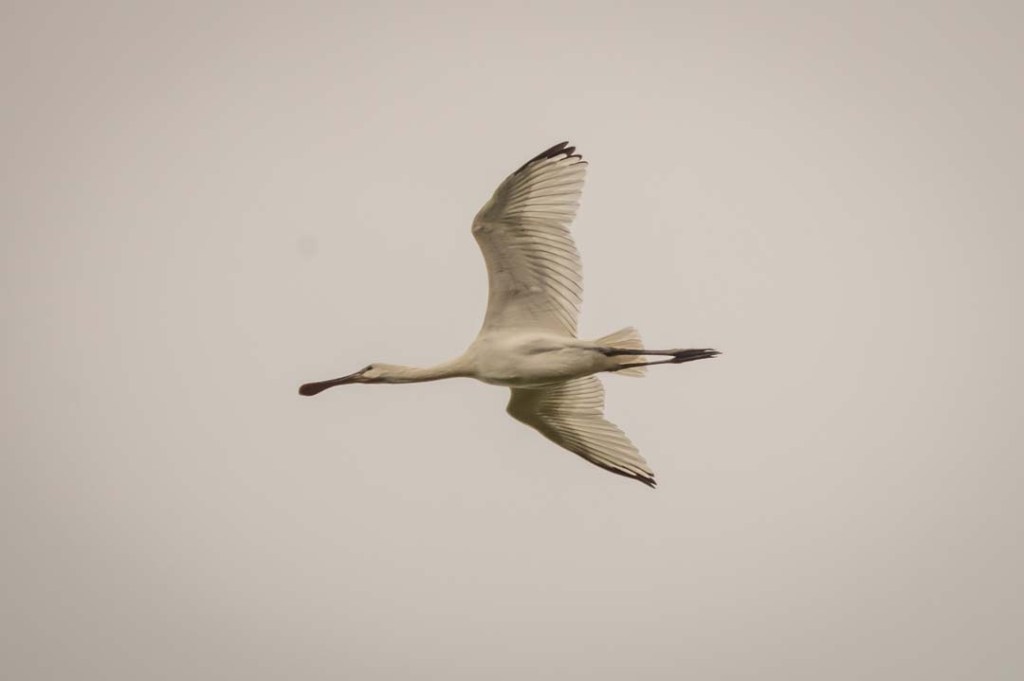
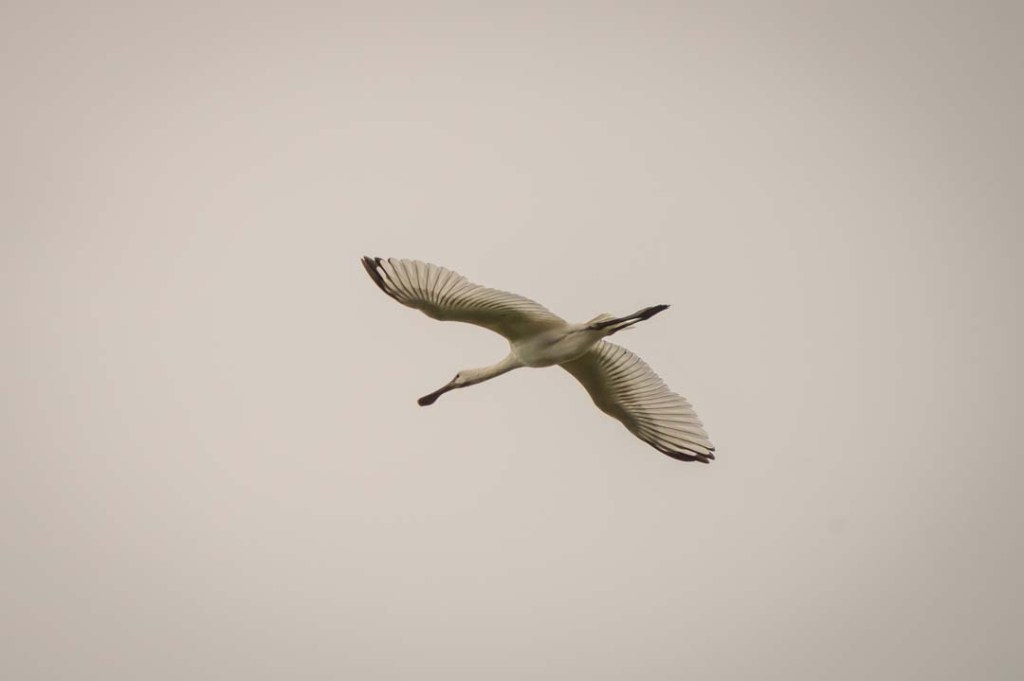
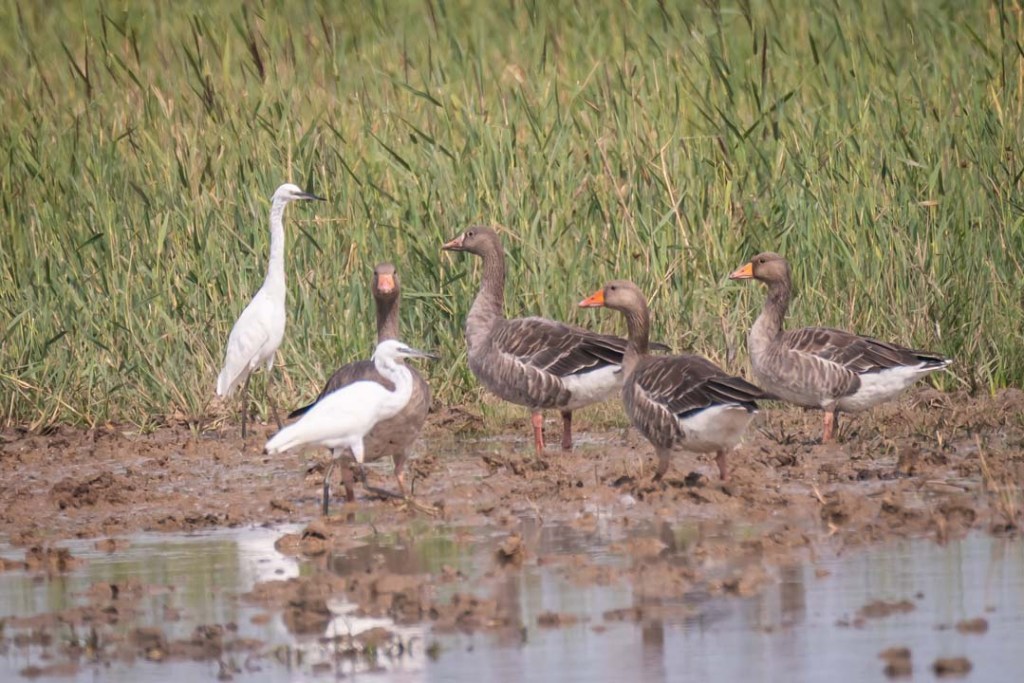
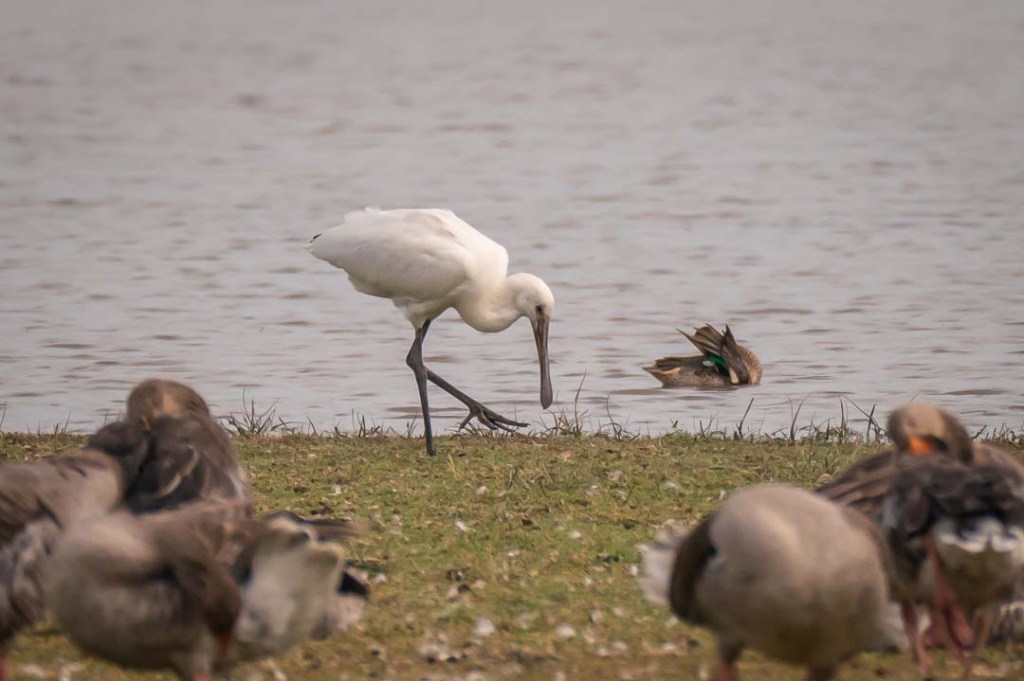
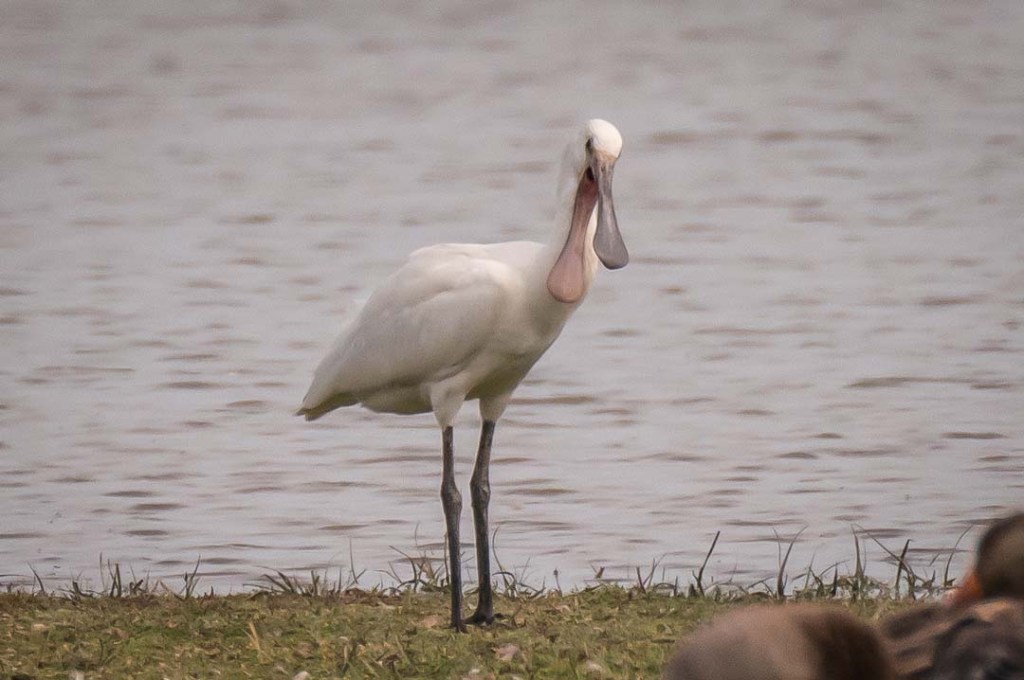
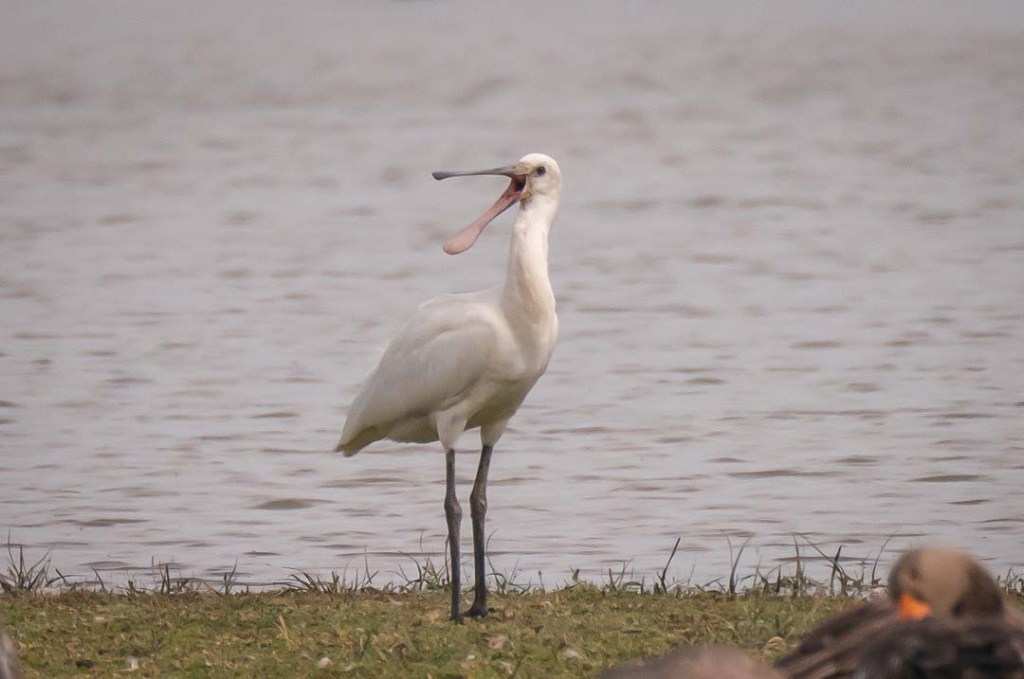
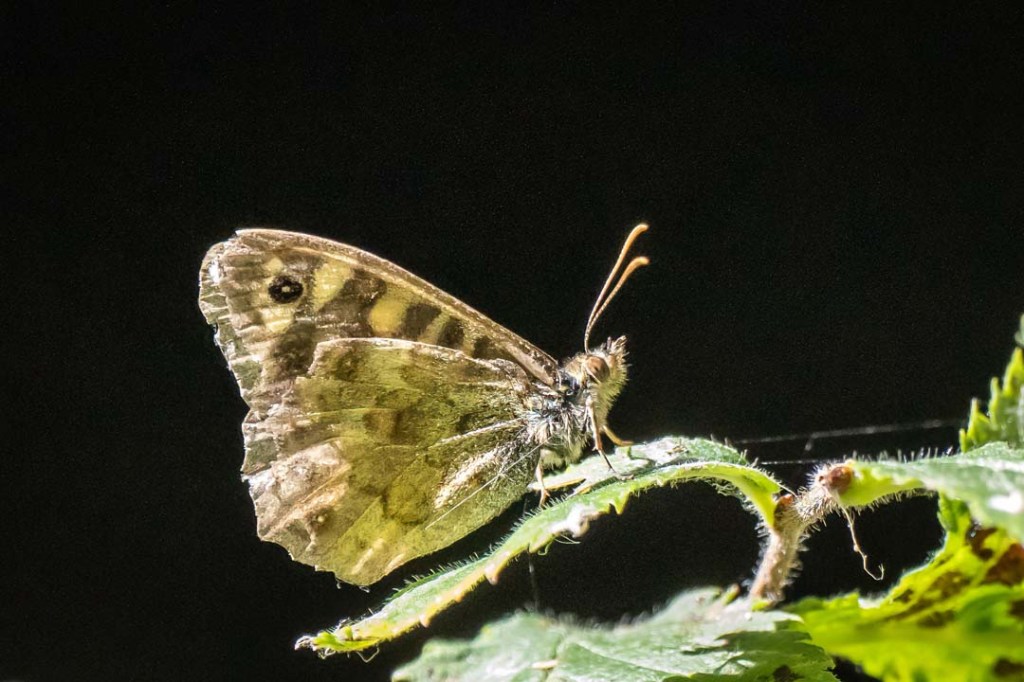
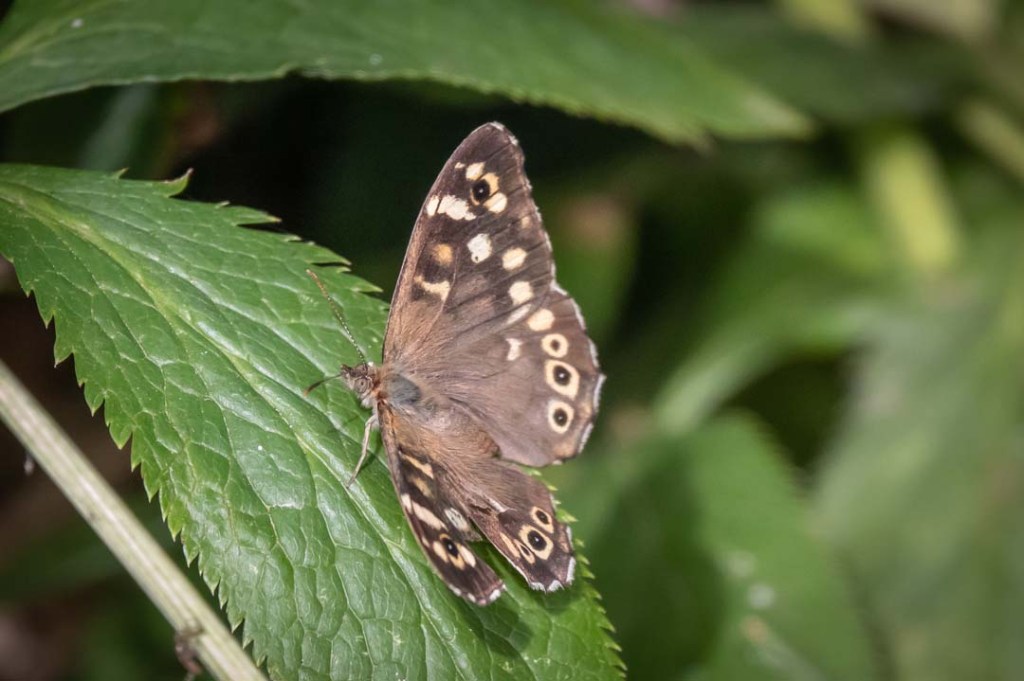
SpoonbillsOne of the swallows with which we shared a hide!LapwingSpecked Wood butterflyAvocet and green sandpiperRuffPectoral sandpiper?A charm of goldfinchesAvocetDunlinGreylag goose and ruffLittle ringed plover (at some distance)Black-tailed godwits
Lovely to be back in Norfolk (and seeing some birds again!).
A few photos from RSPB Titchwell Marsh where we stopped near the end of our long hot journey from Bristol.
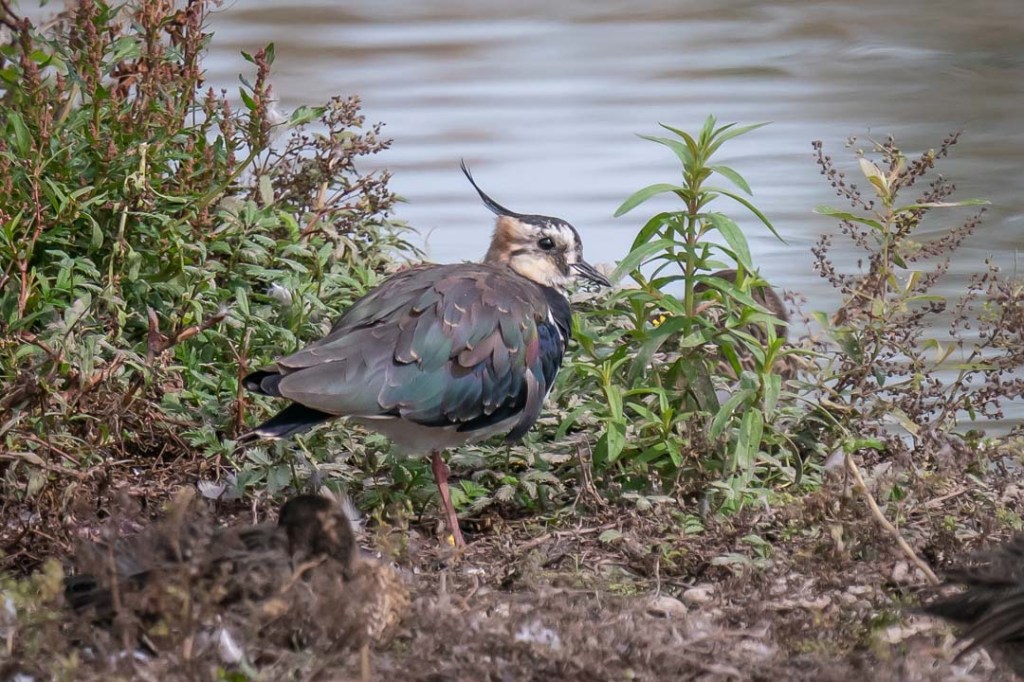
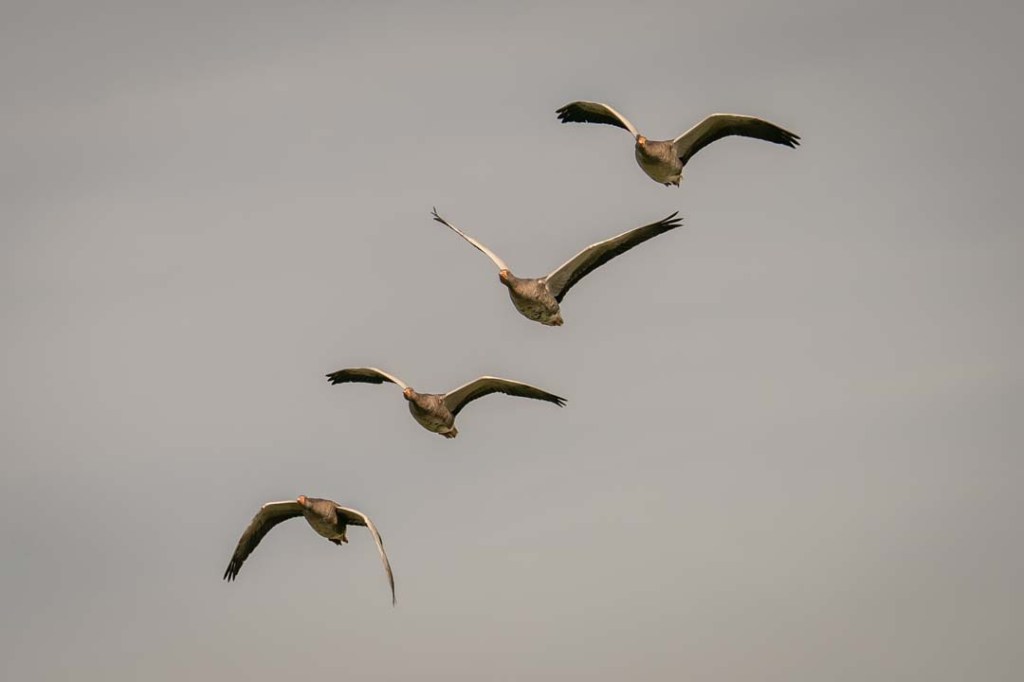
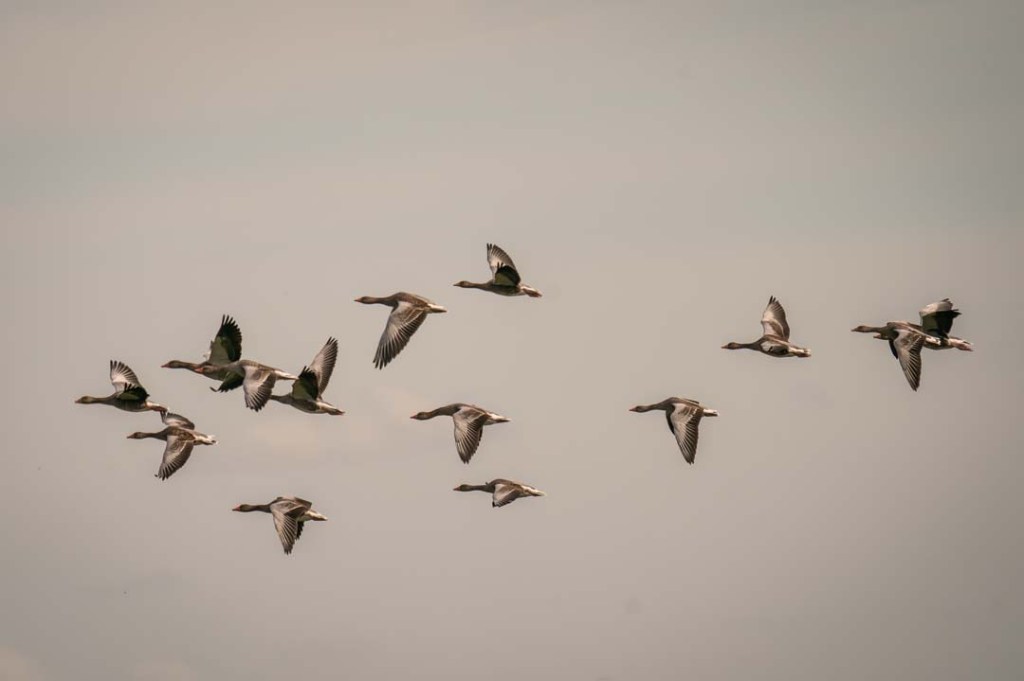
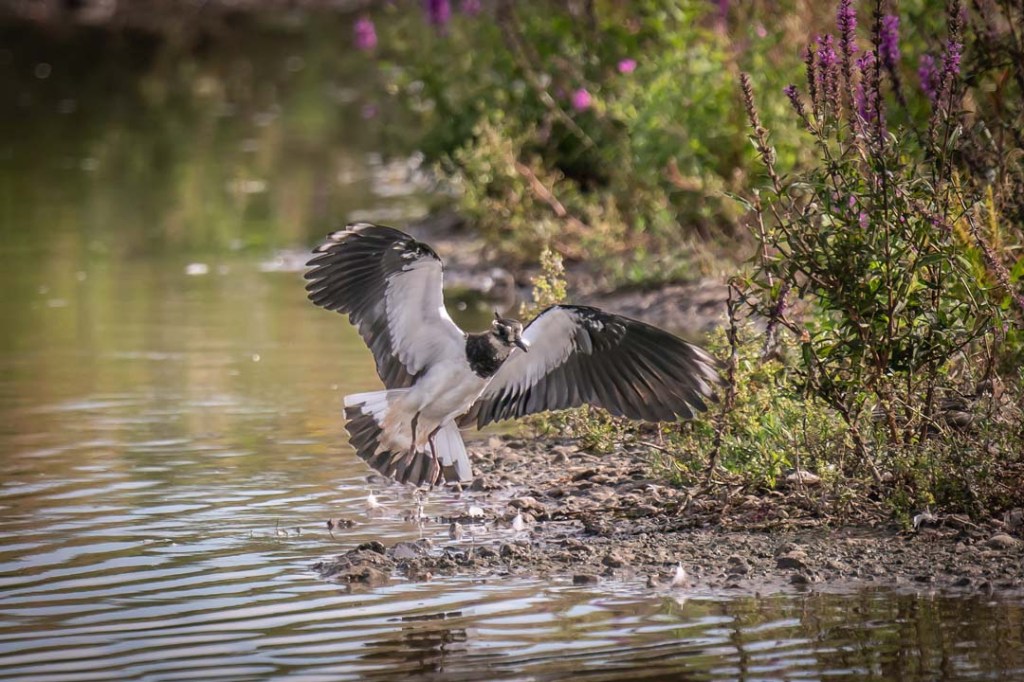
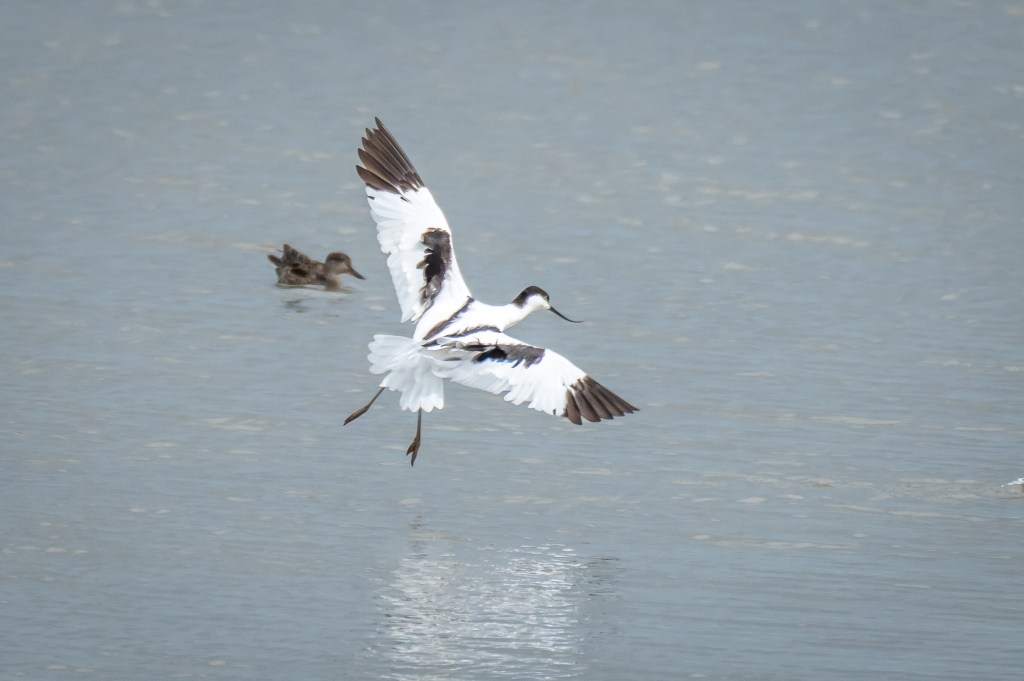
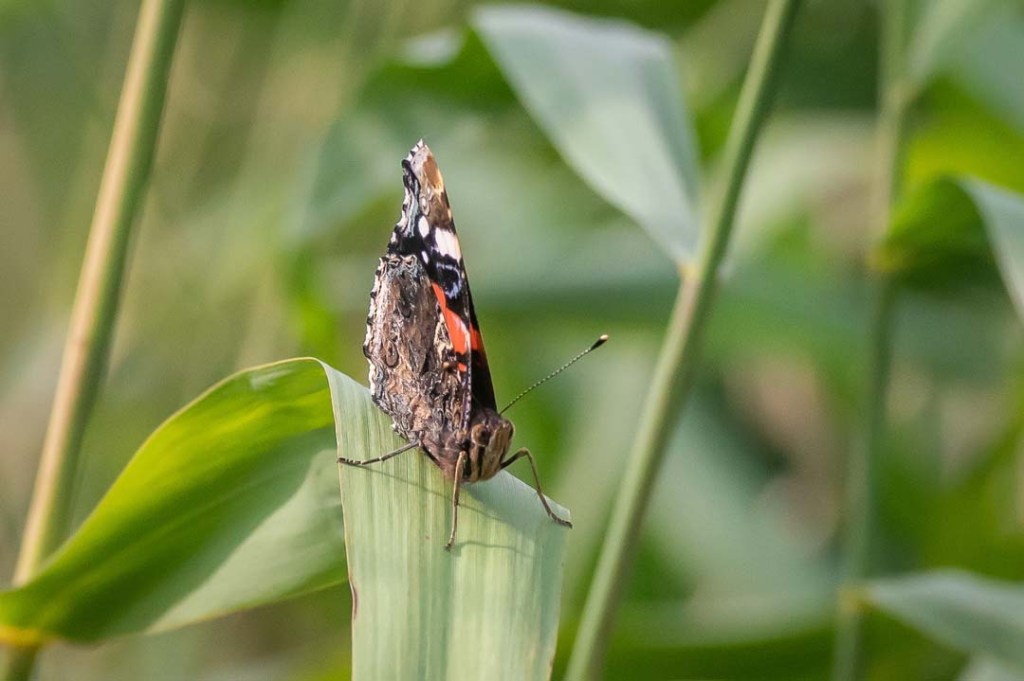
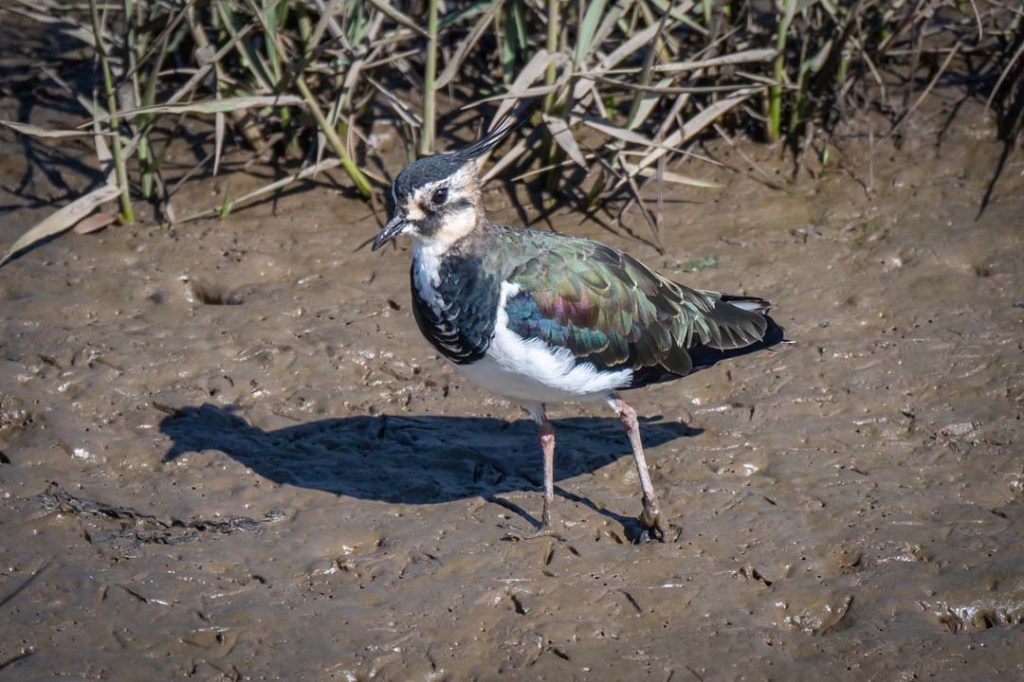
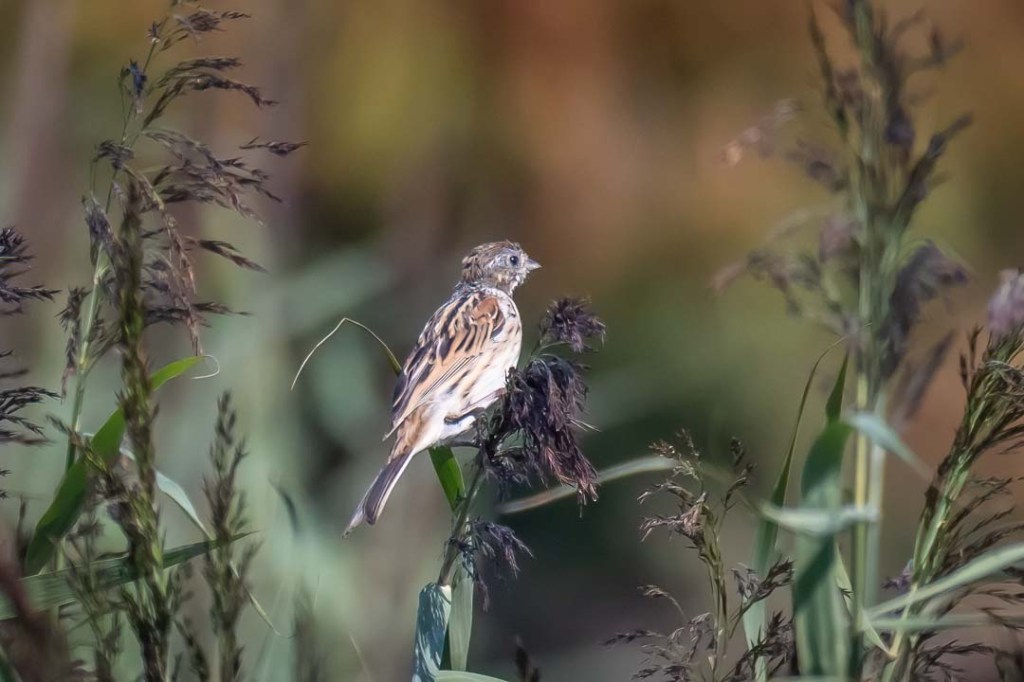
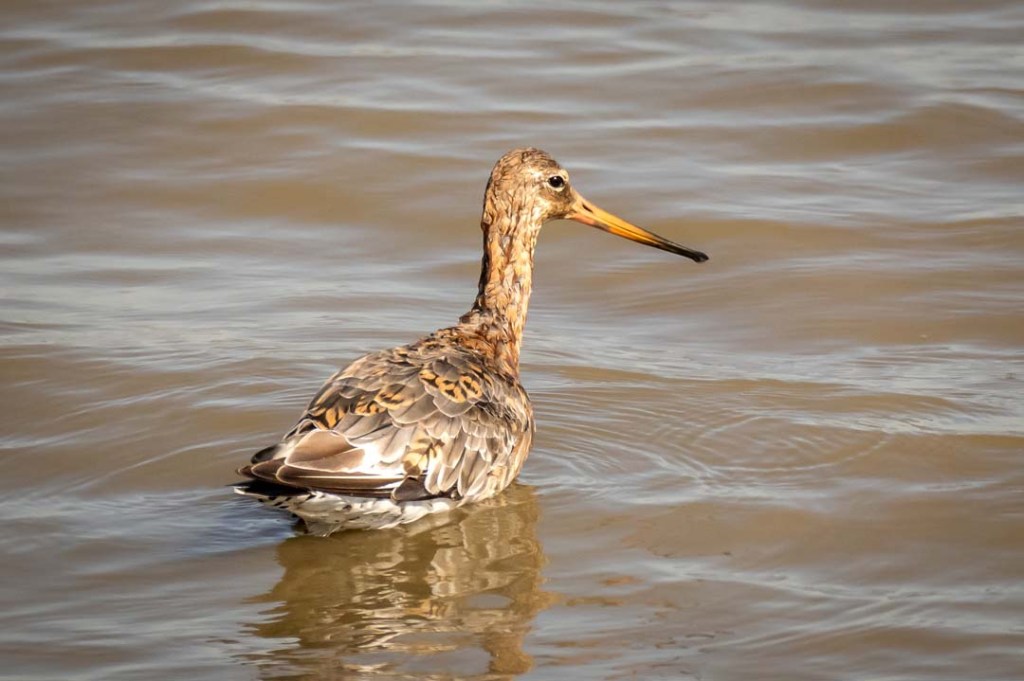
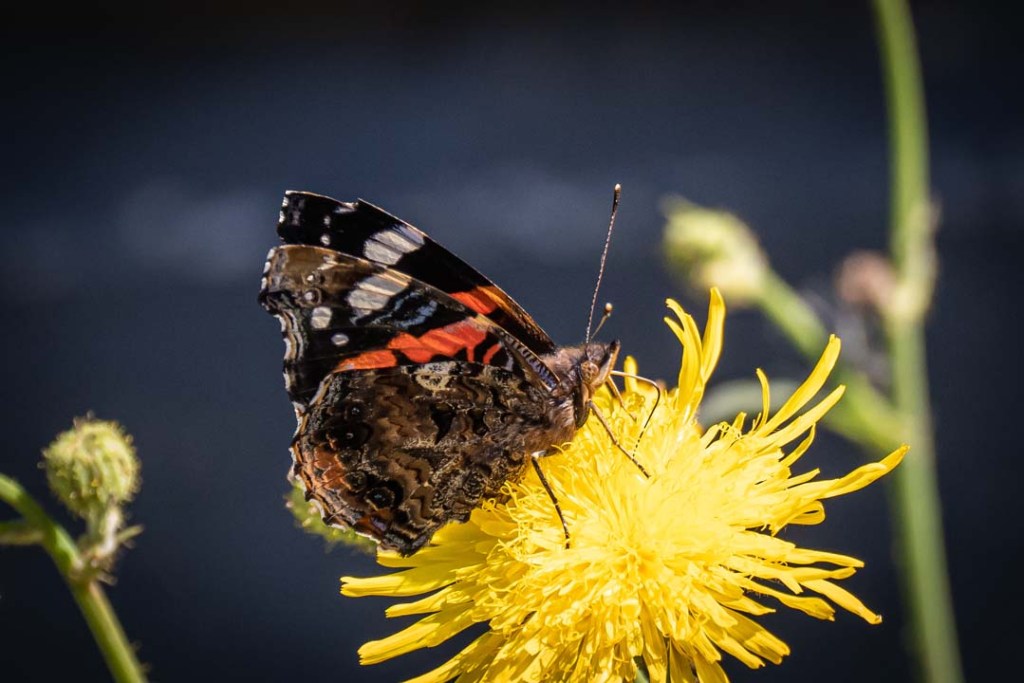
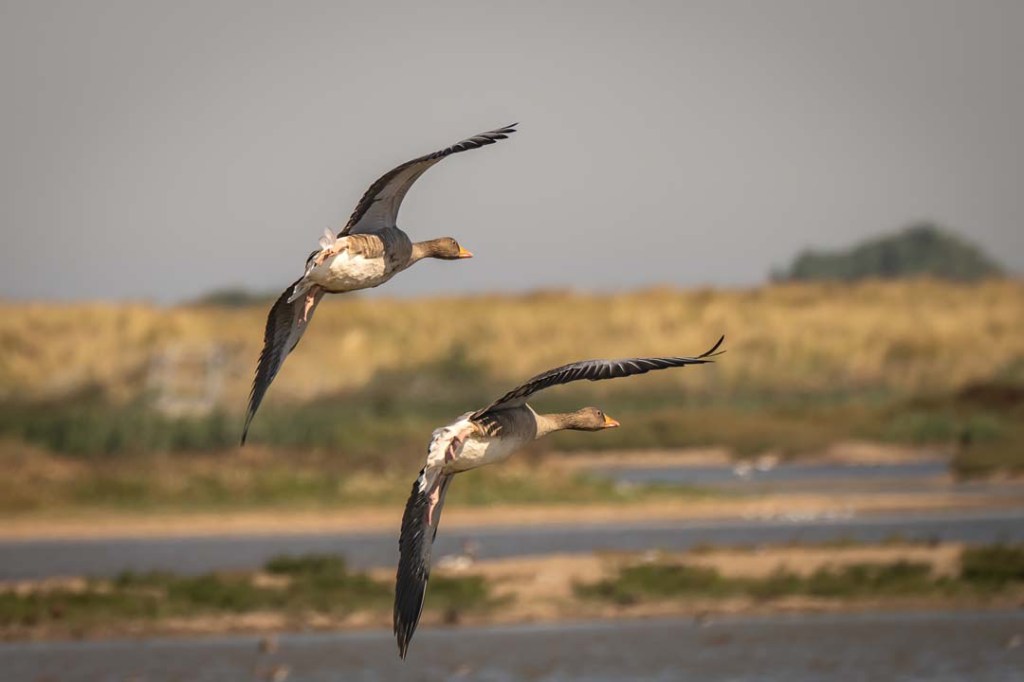
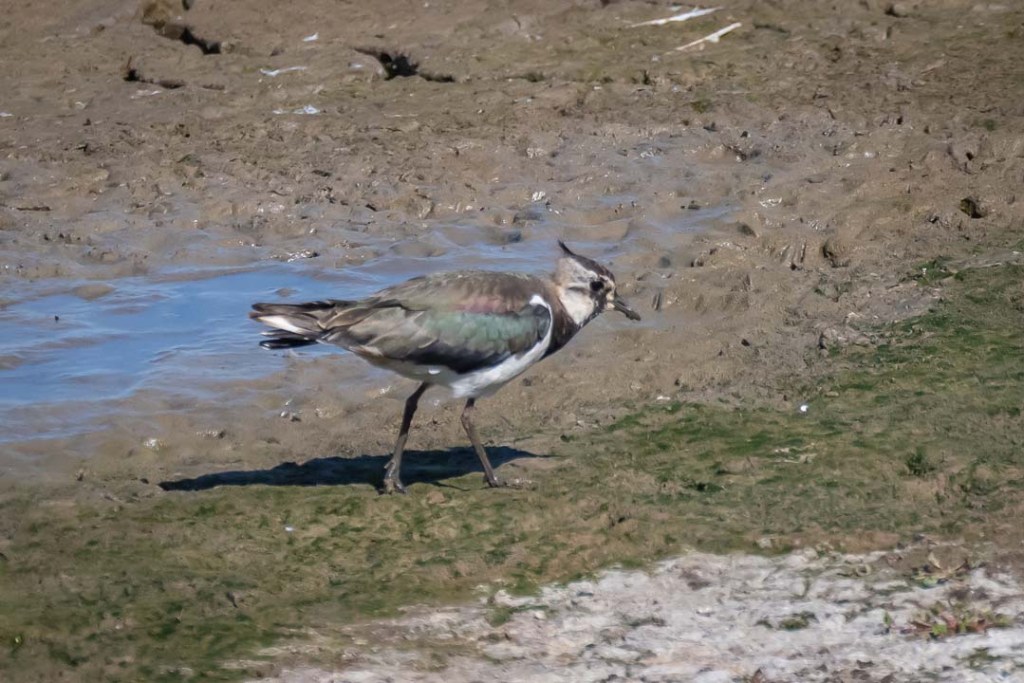
The RSPB’s motif – an avocetOne of my favourite birds – a common ringed ploverSleeping ruff and a more active lapwingThe iridescent colours of the lapwing are stunning A reed bunting catching the sun in the reedsBlack-tailed godwit not quite in full splendour Greylag geese in flightA Red Admiral representing the butterflies
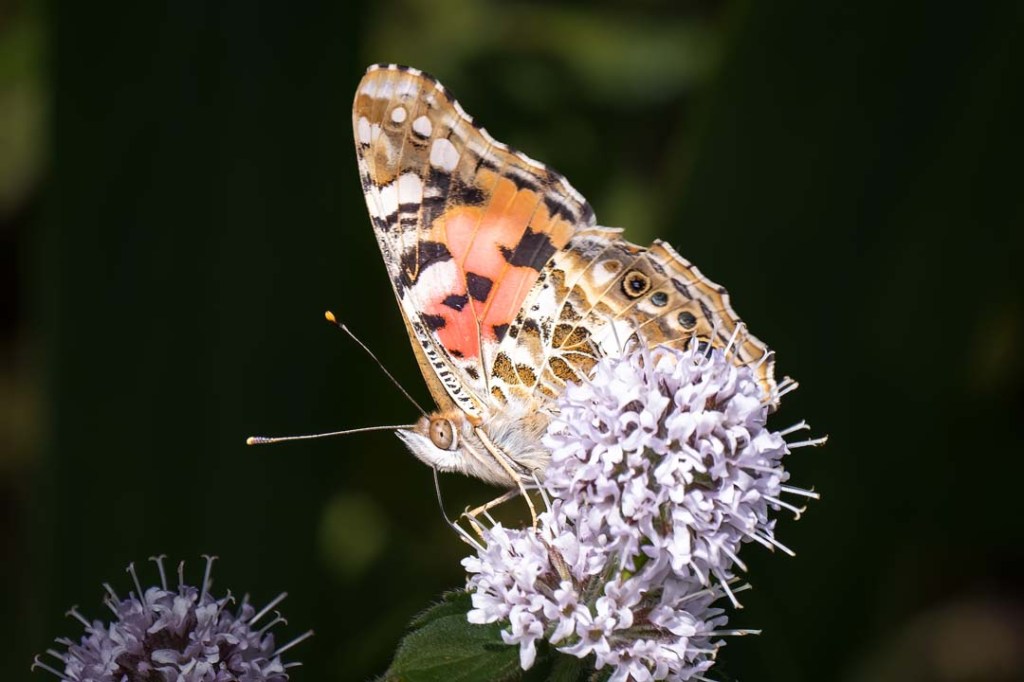
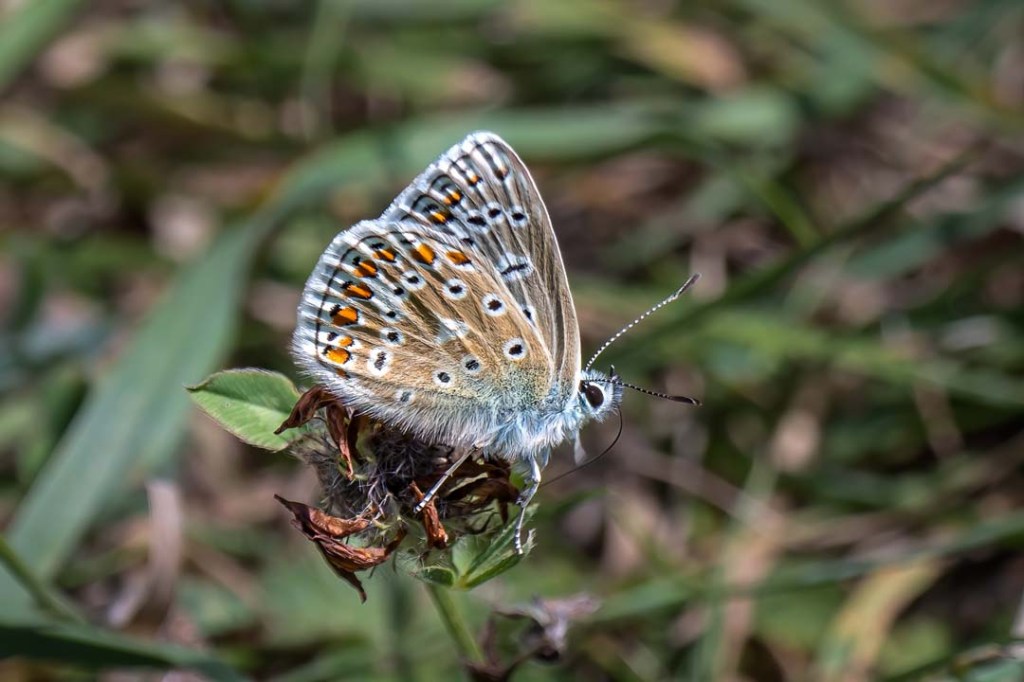
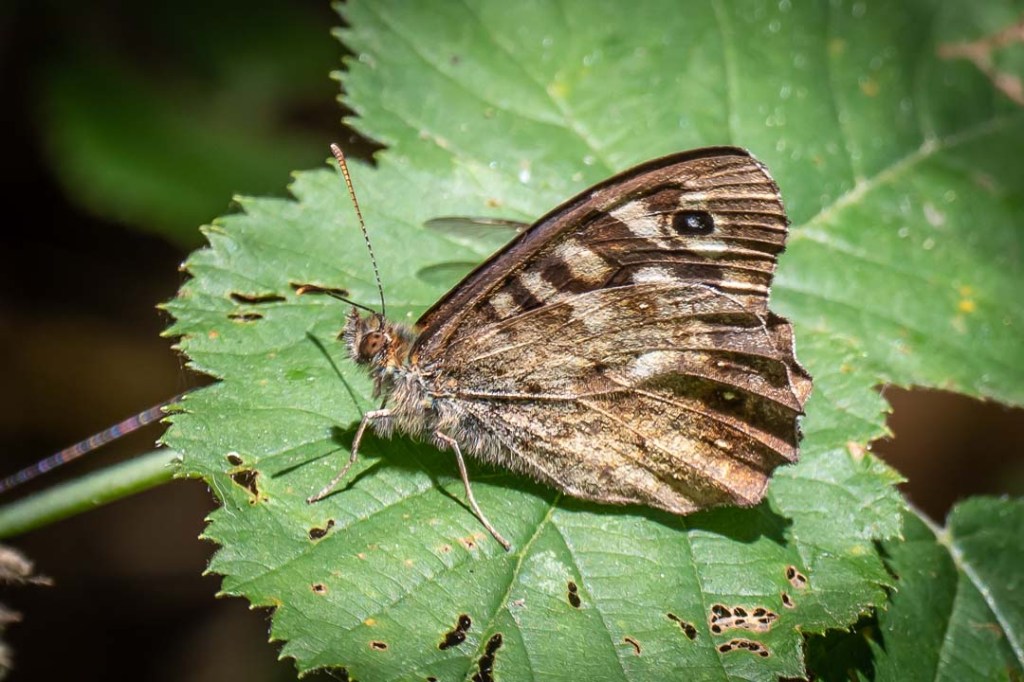
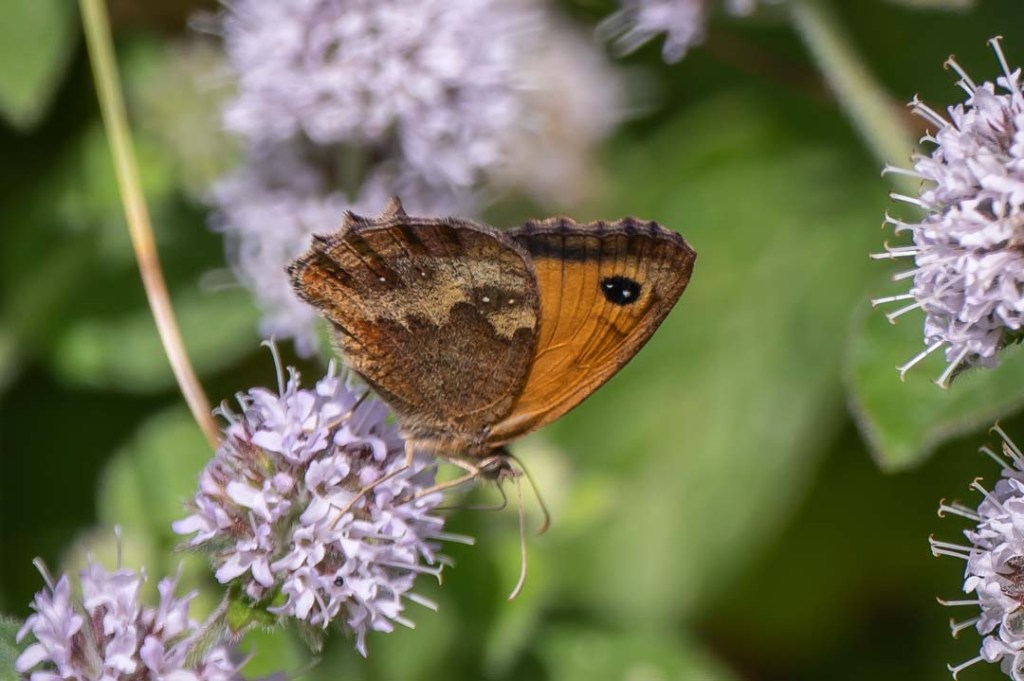
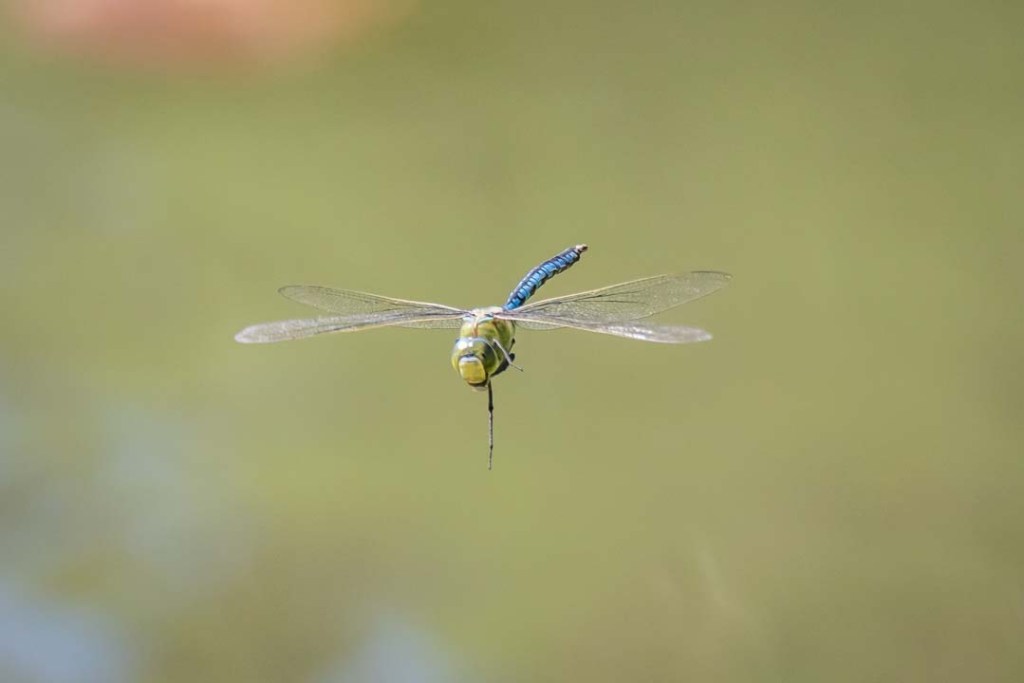
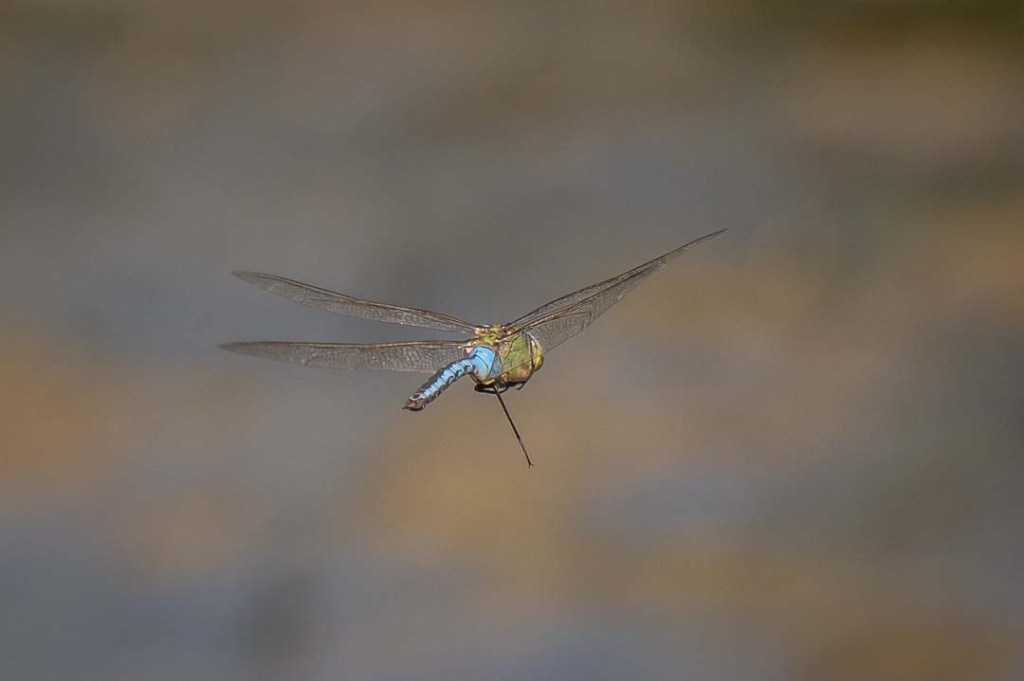
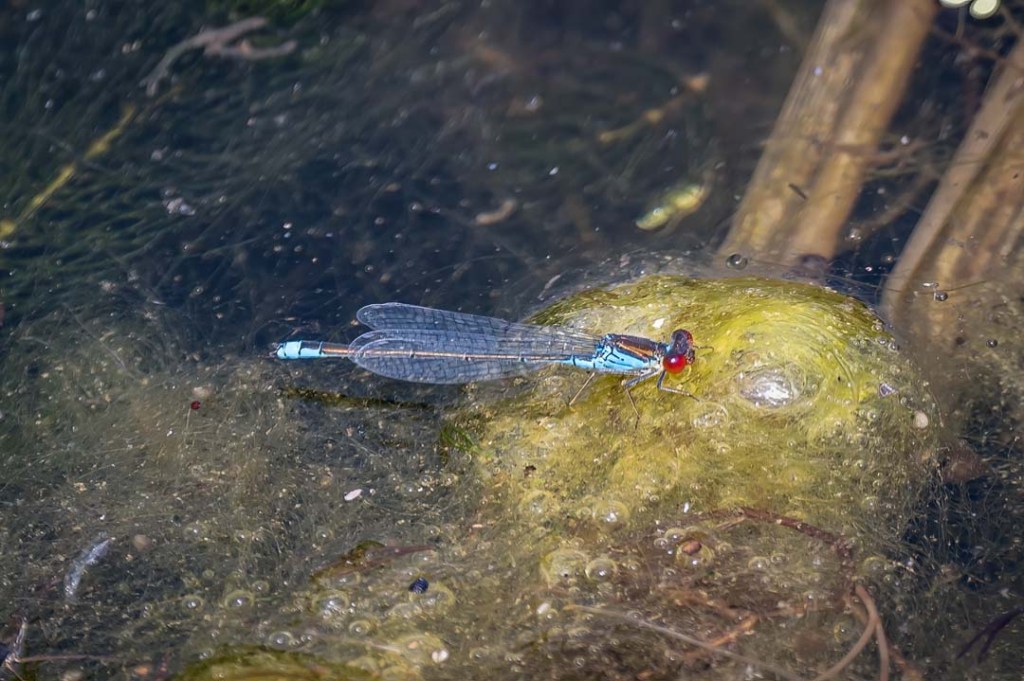
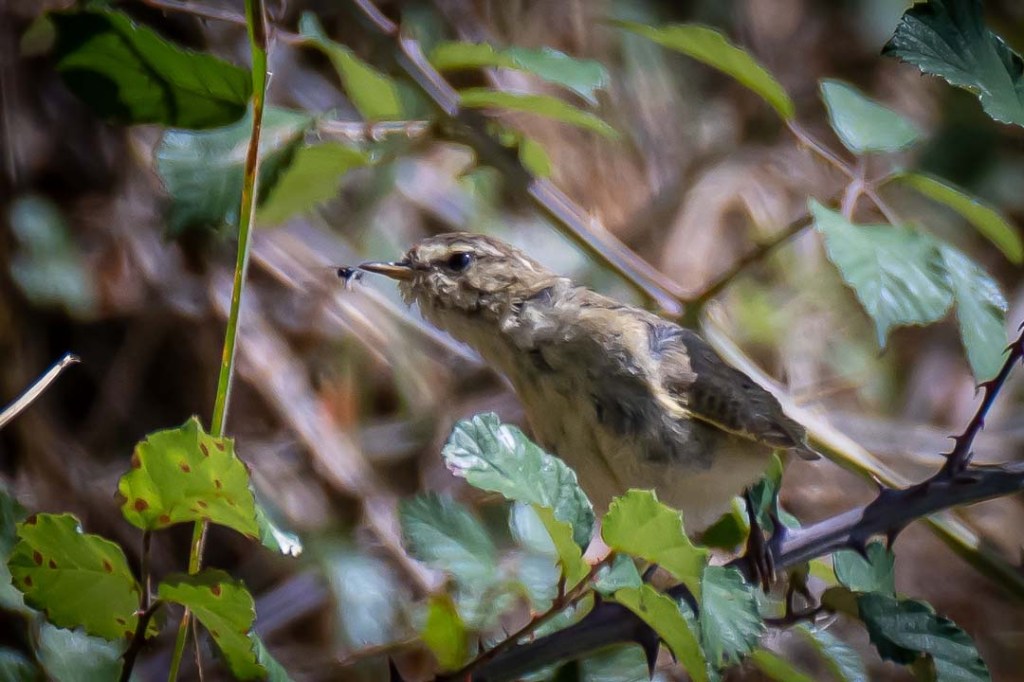
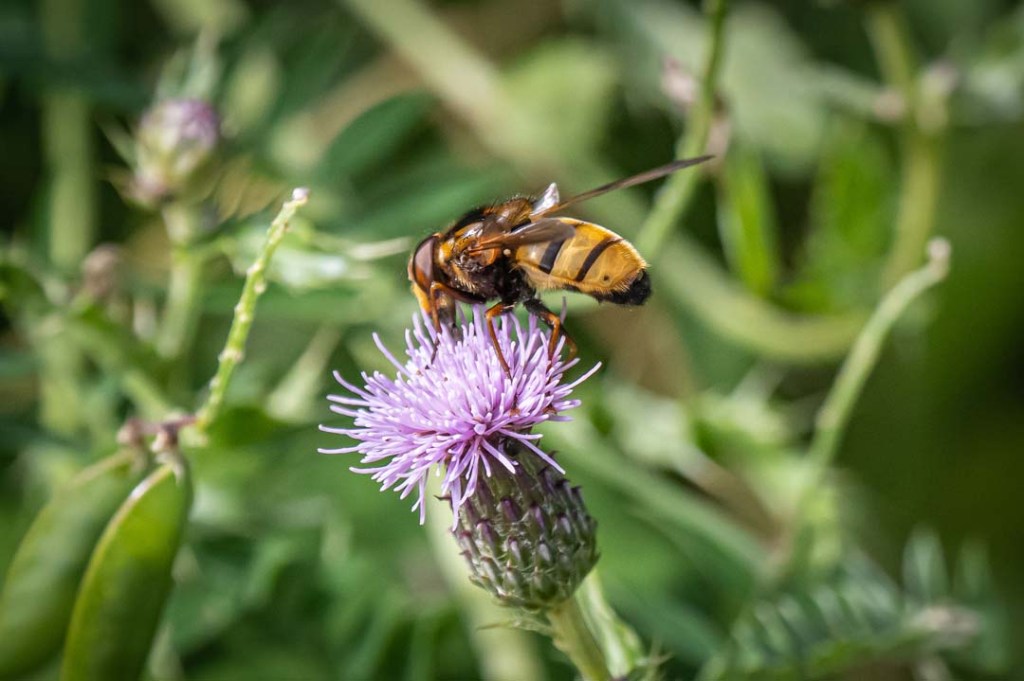
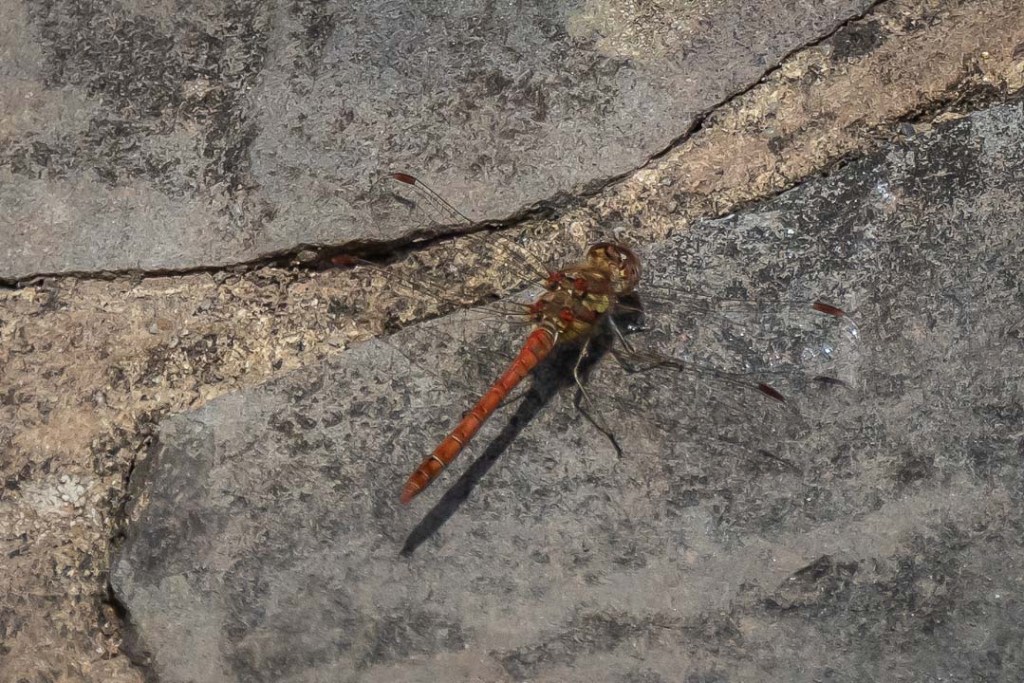
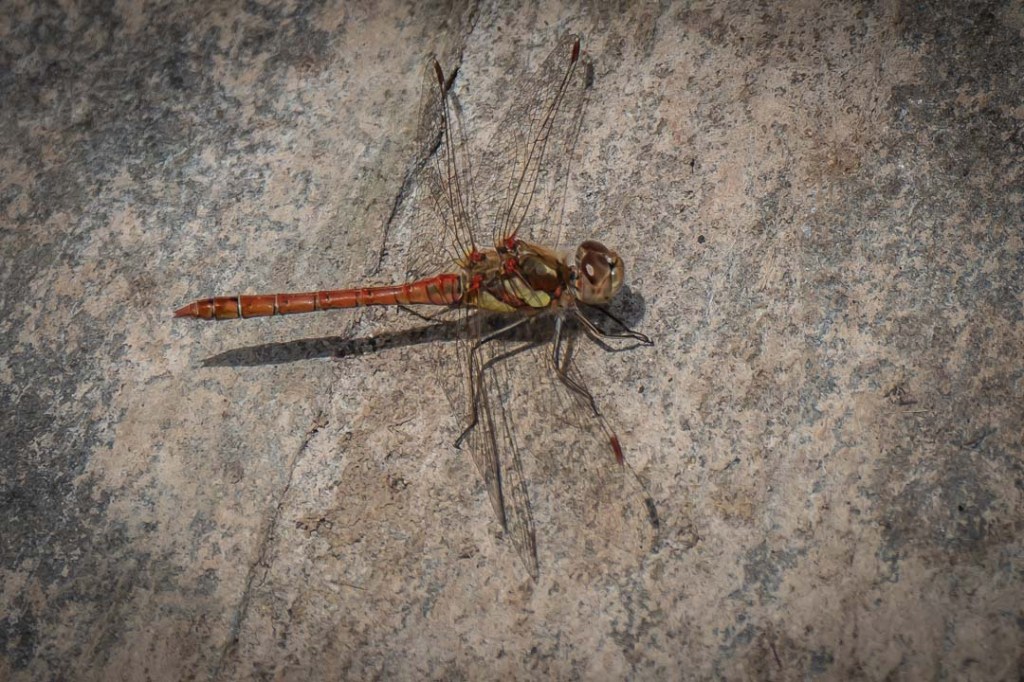
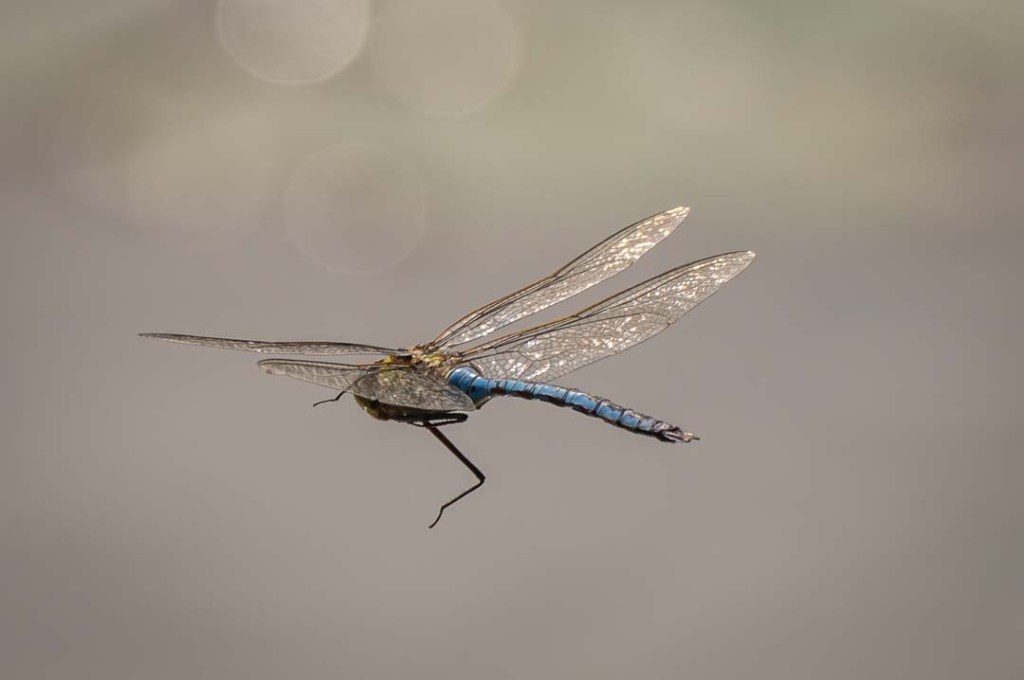
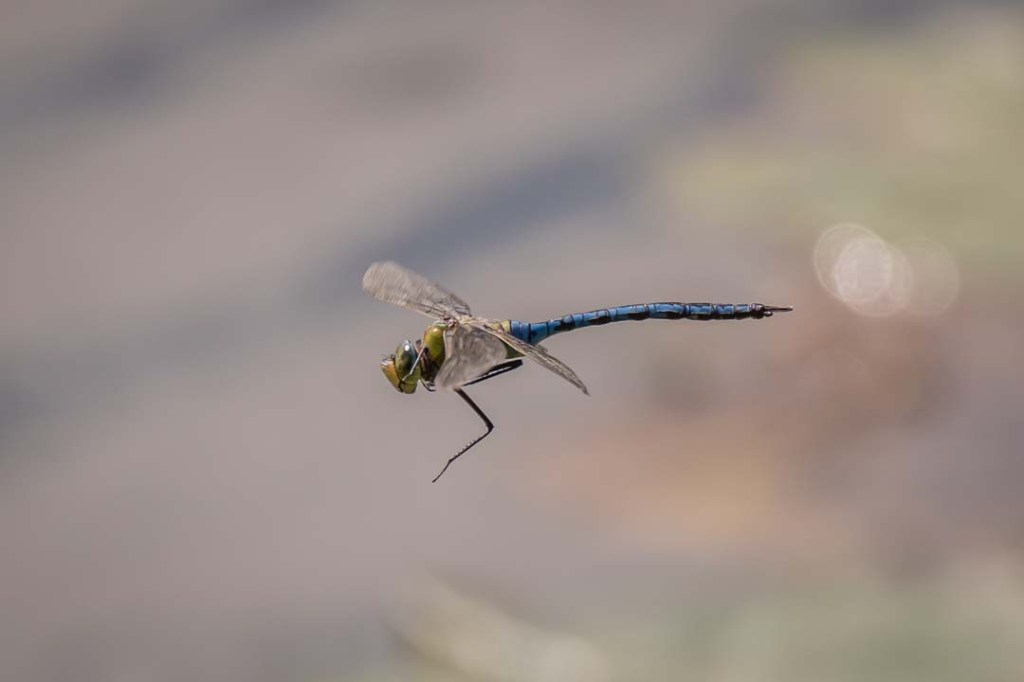
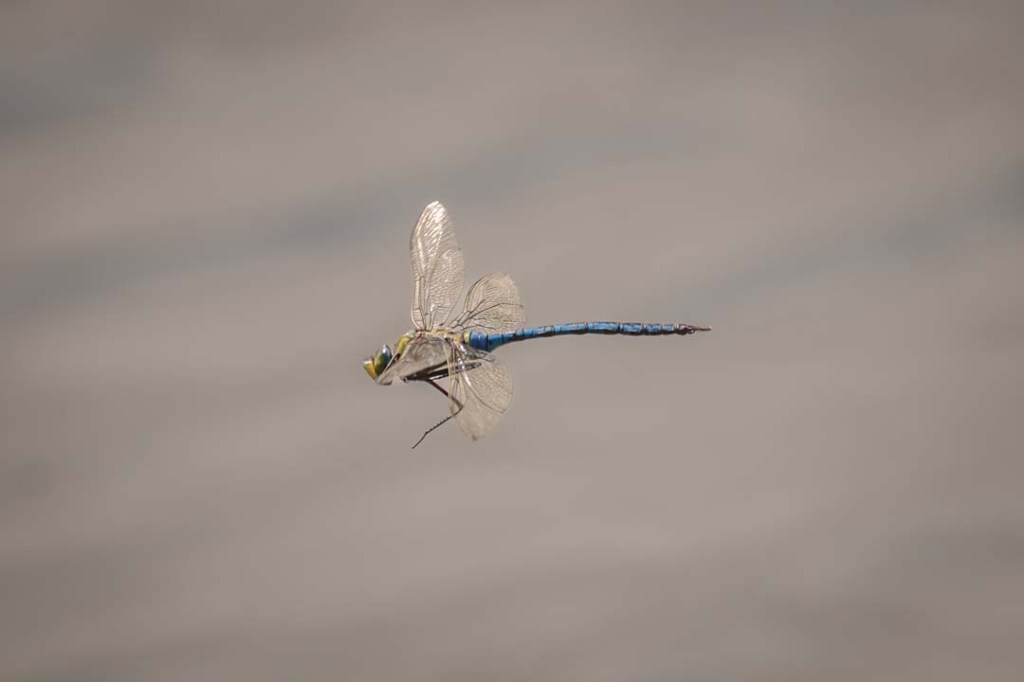
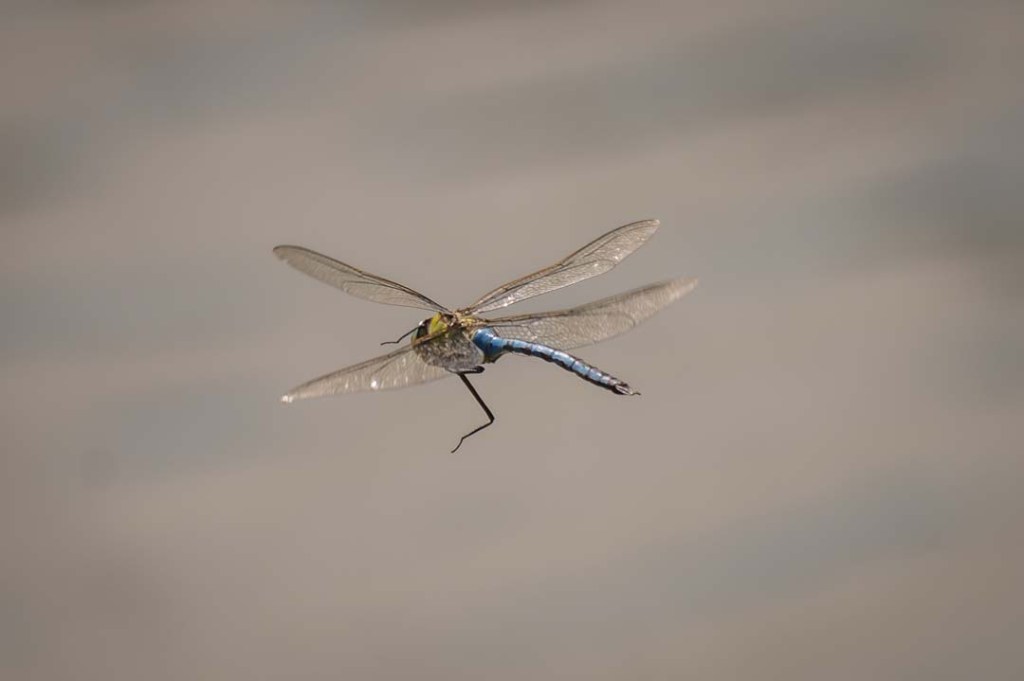
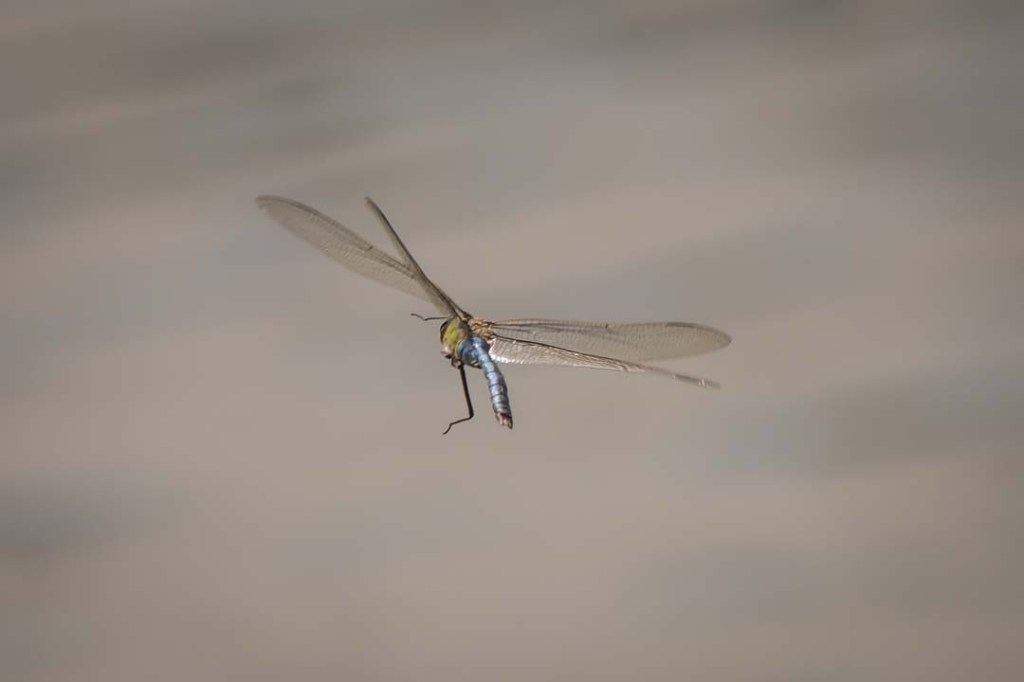
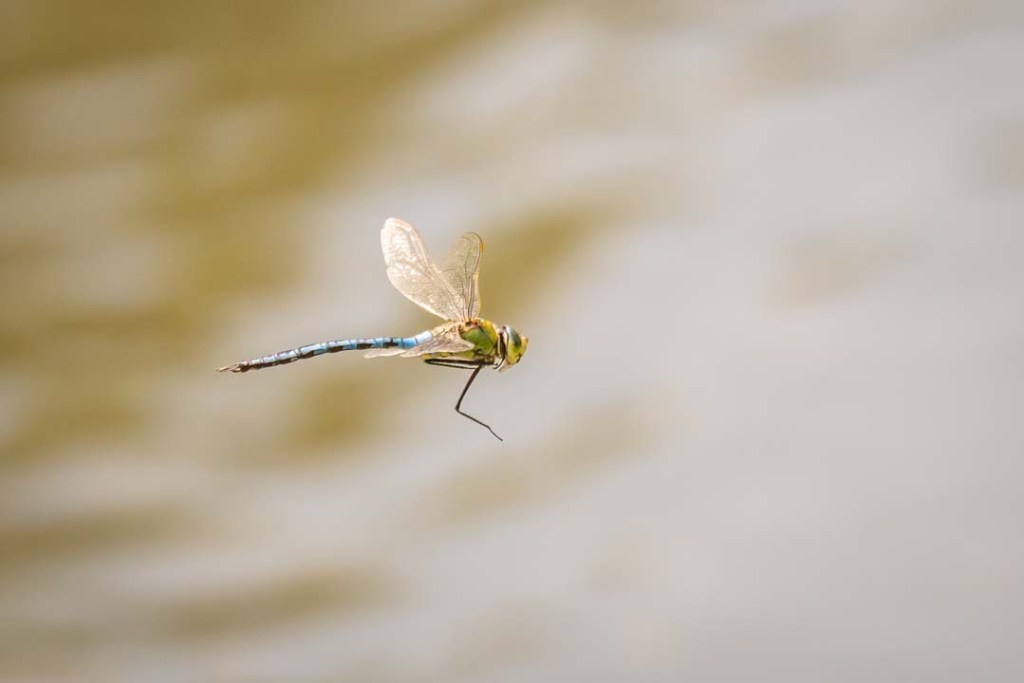
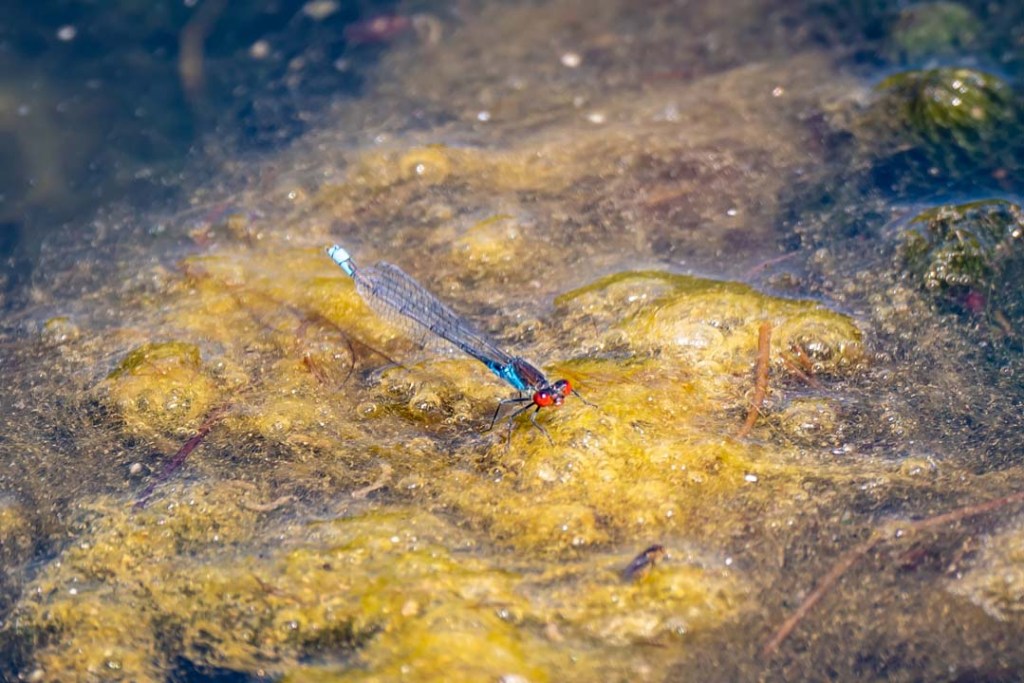
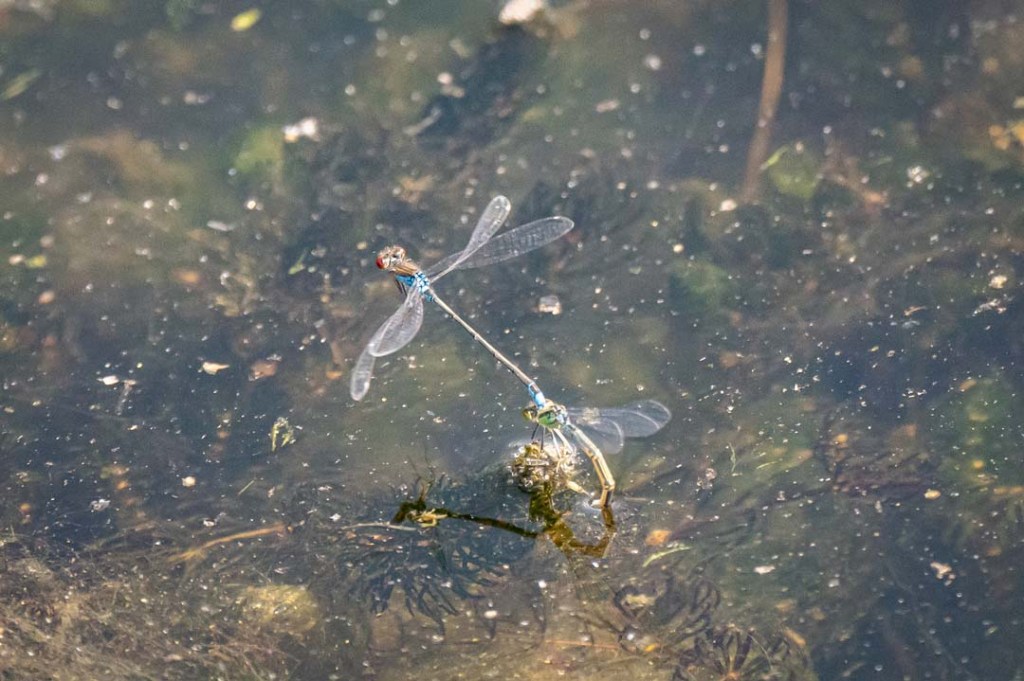
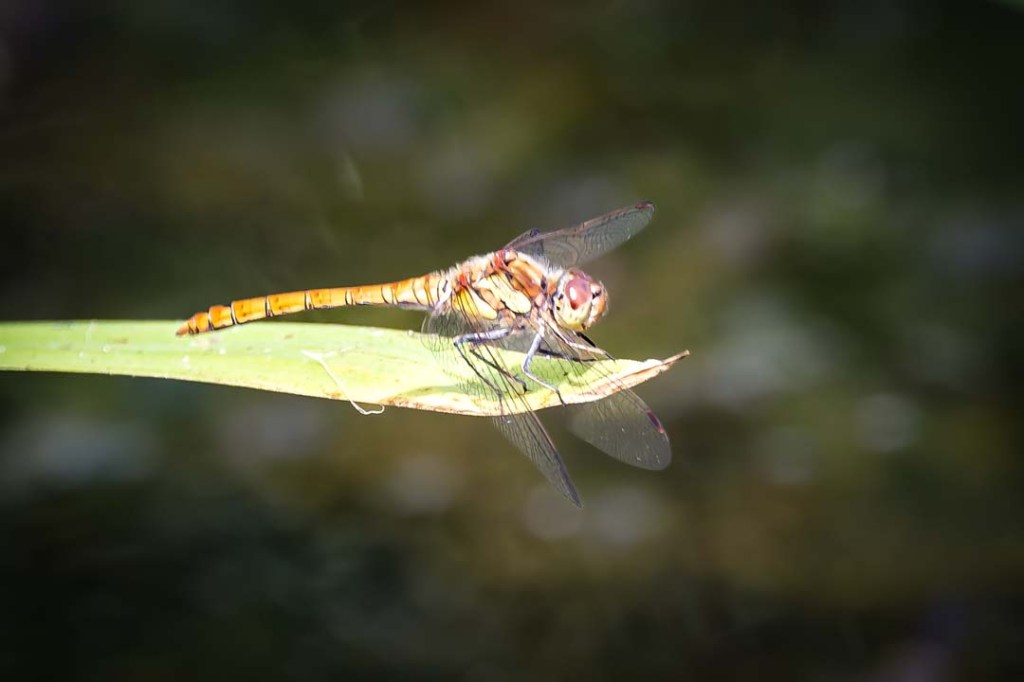
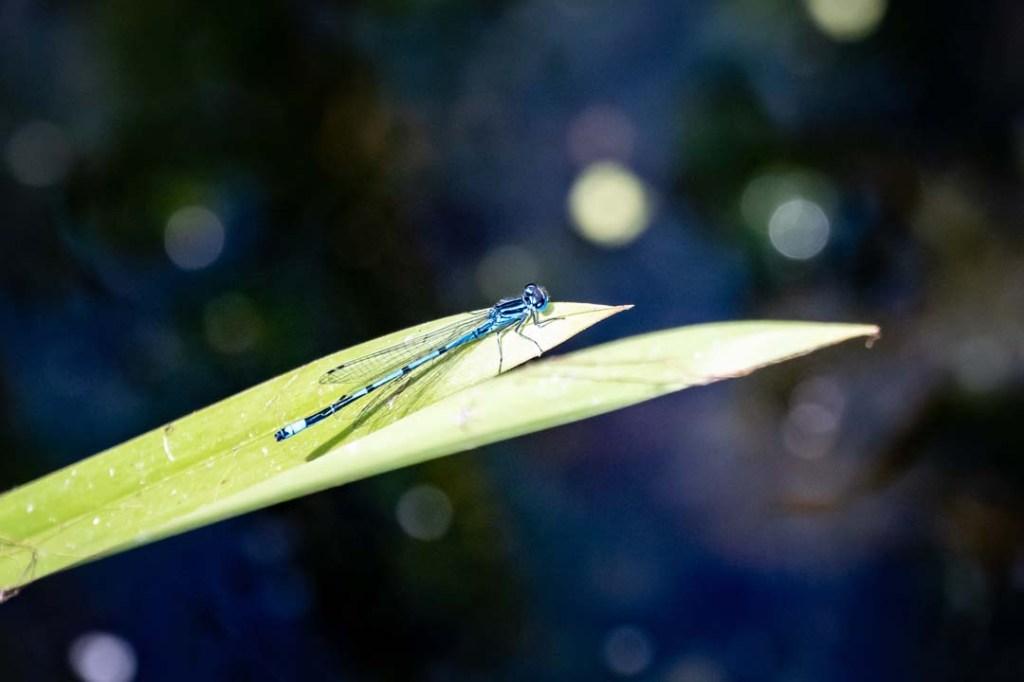
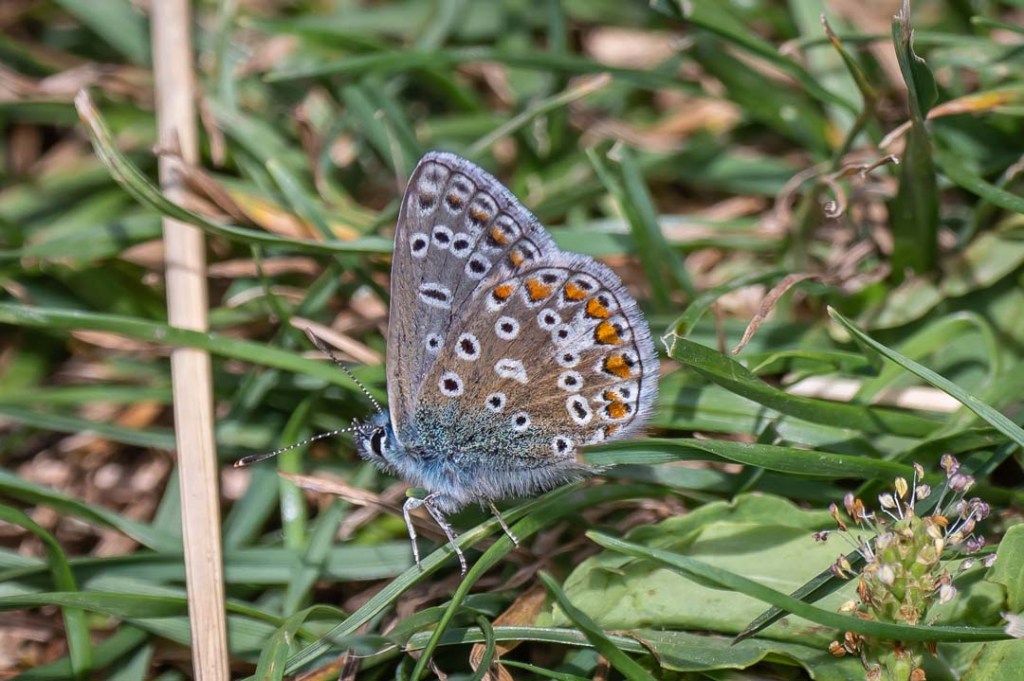
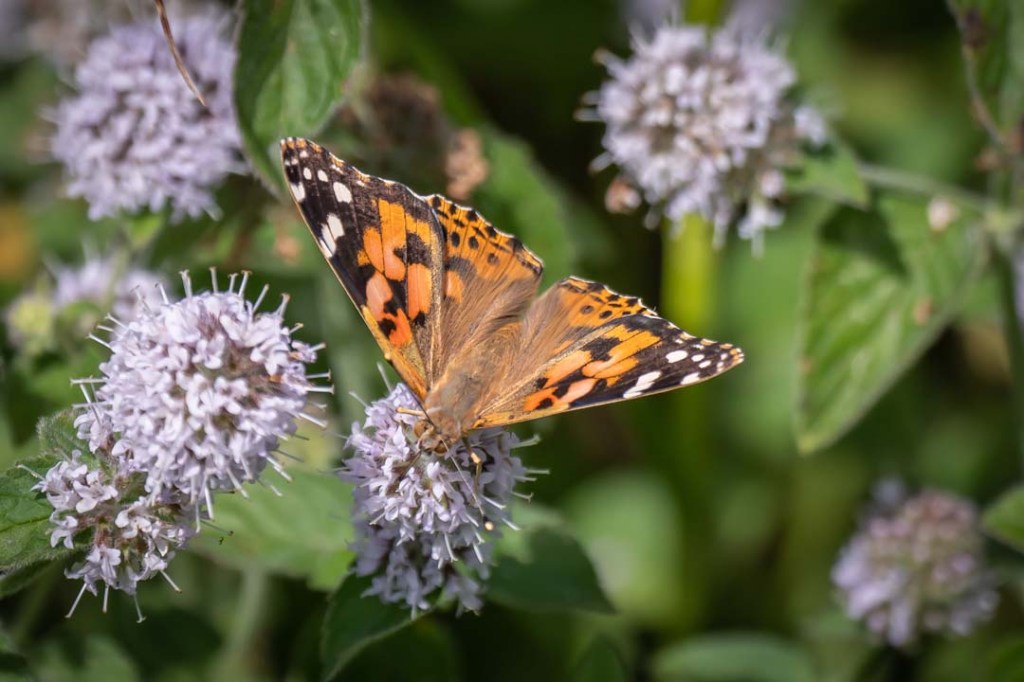
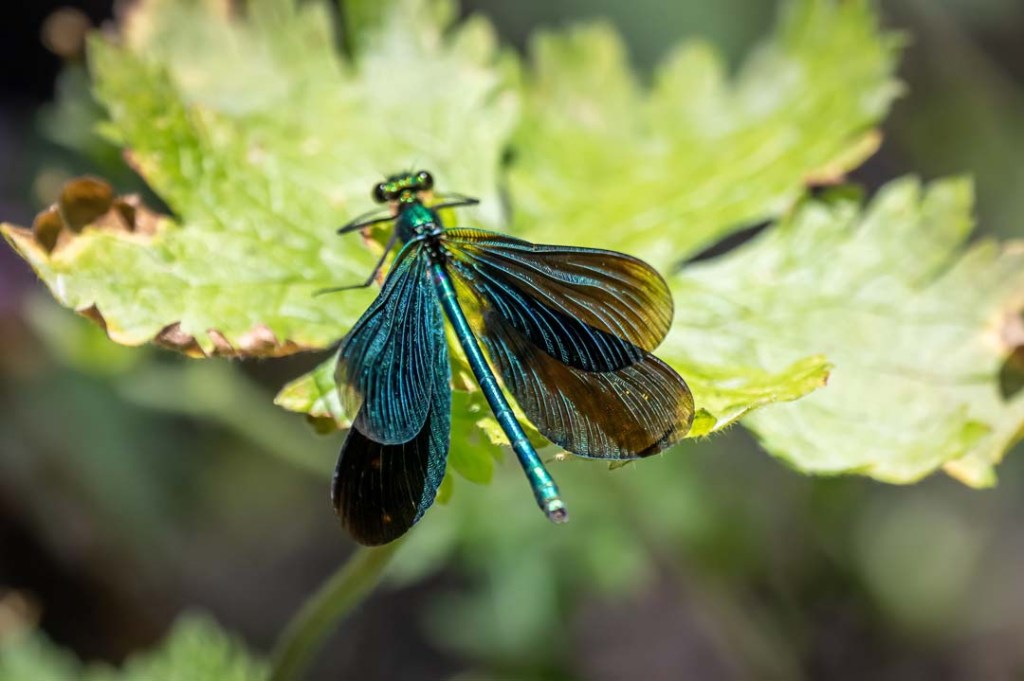
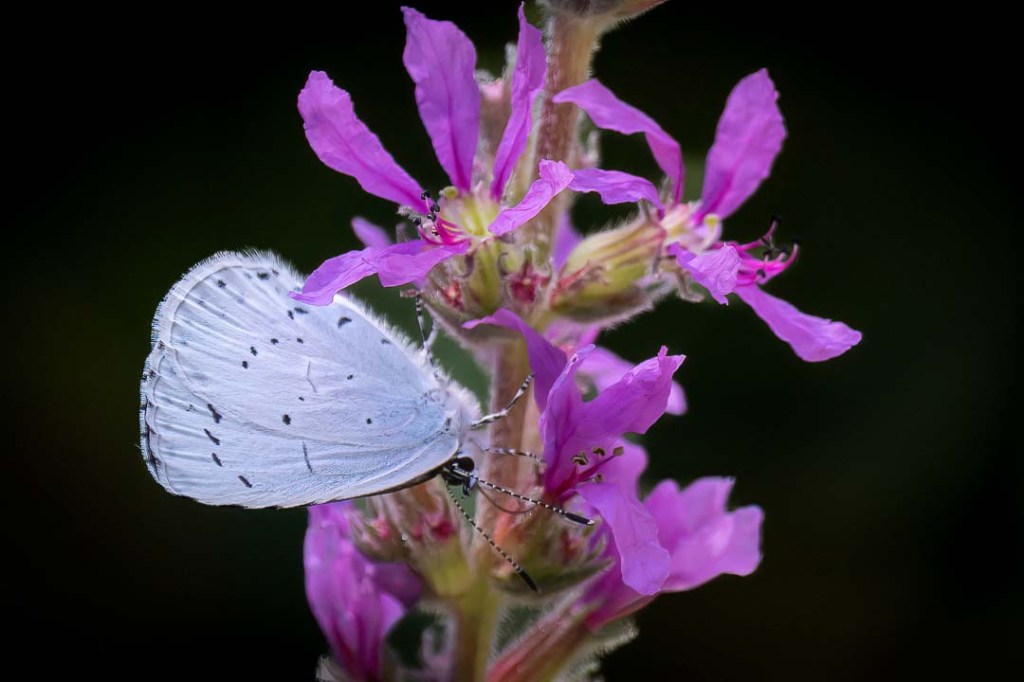
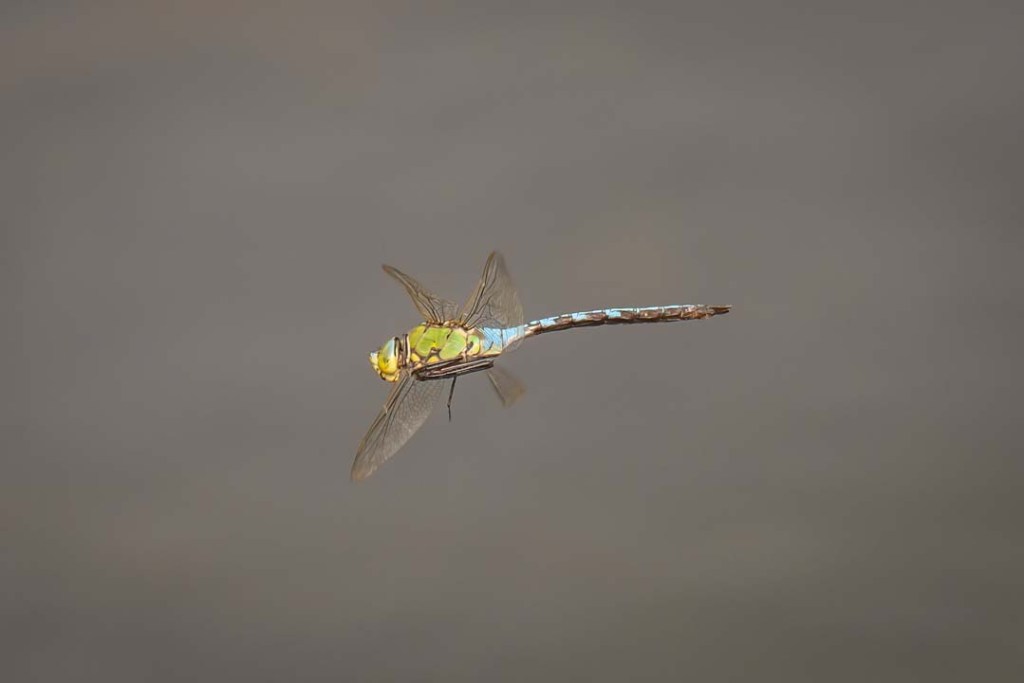
The sun brought out the damselflies, dragonflies and butterflies at Duchess Pond in Stoke Park this morning. A few birds too. Too hot to hang around though.
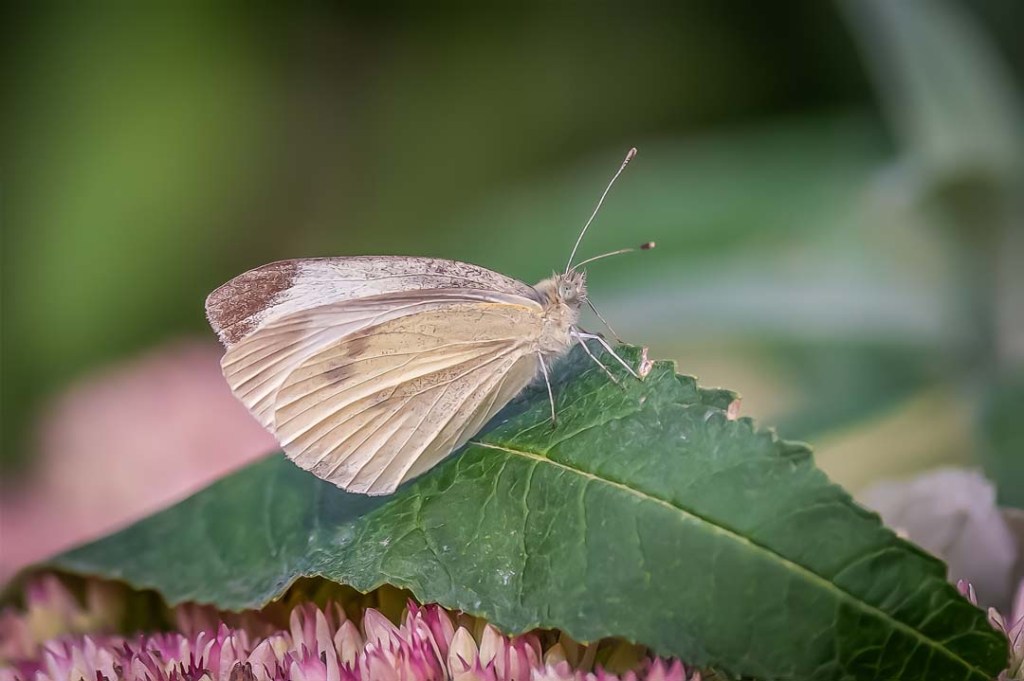
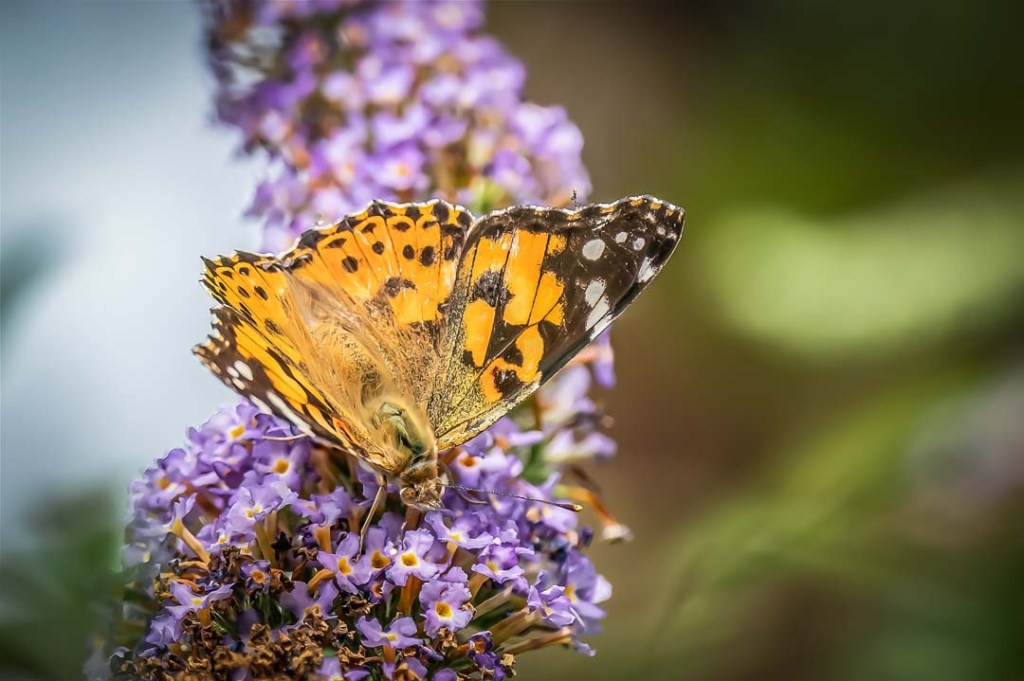
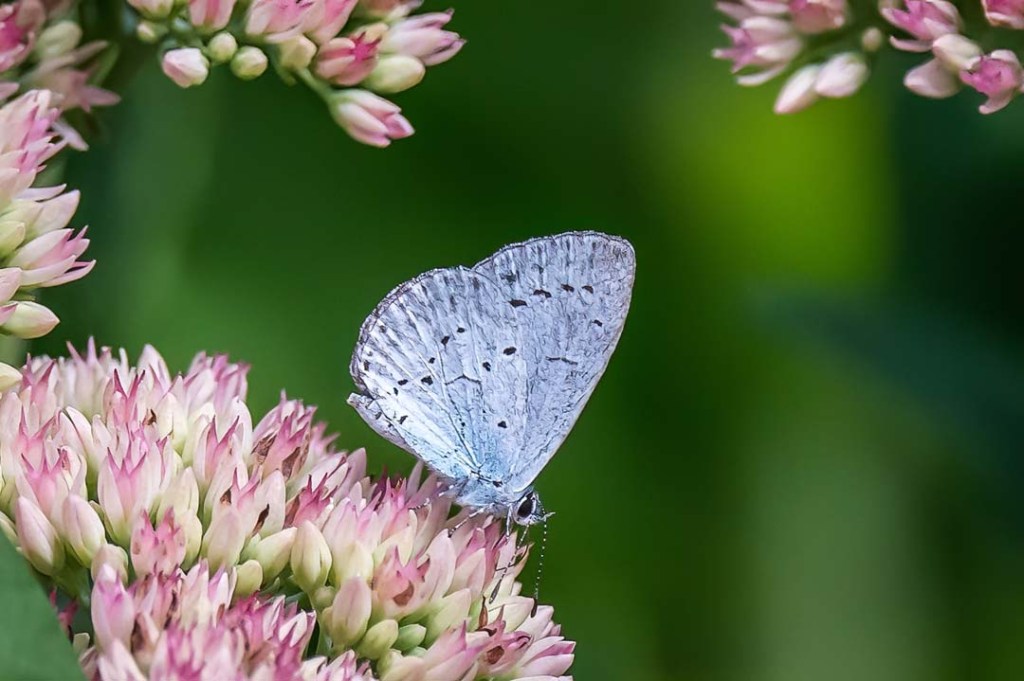
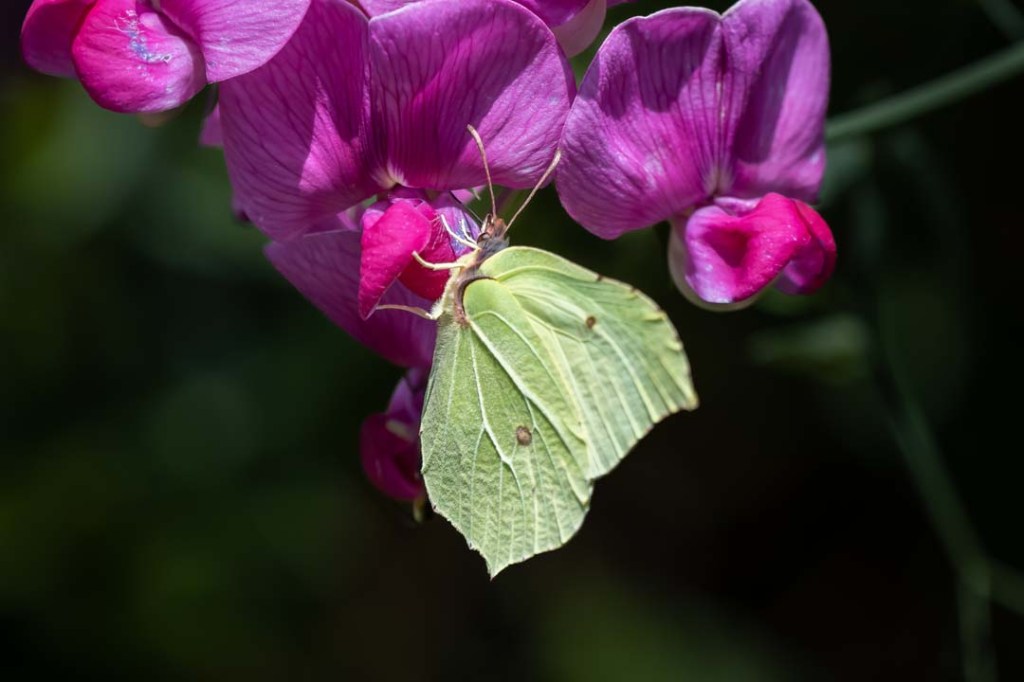
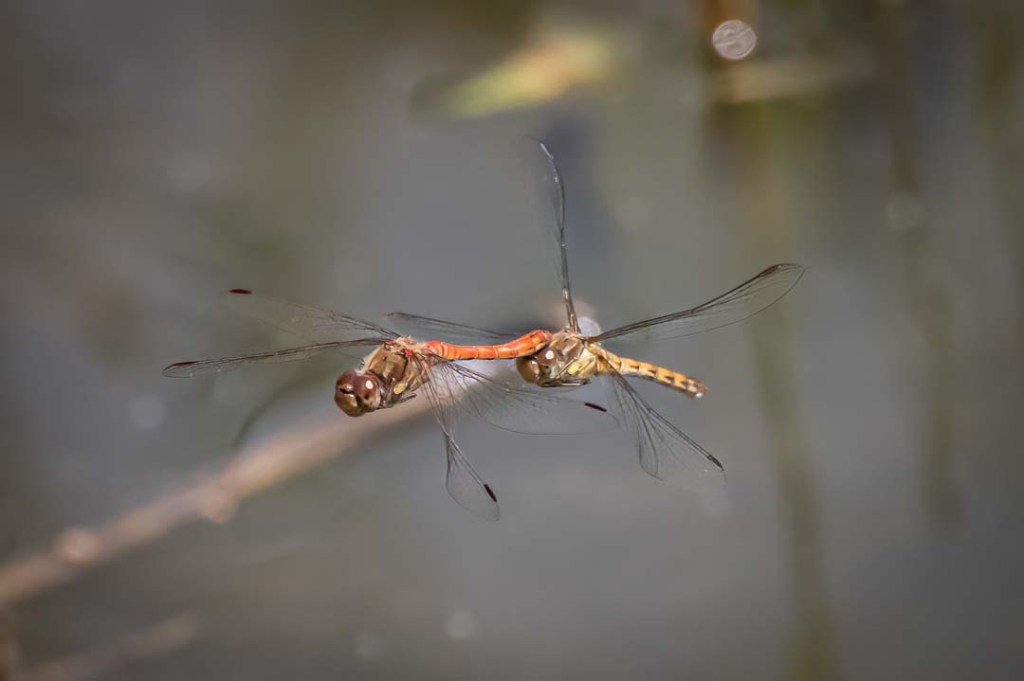
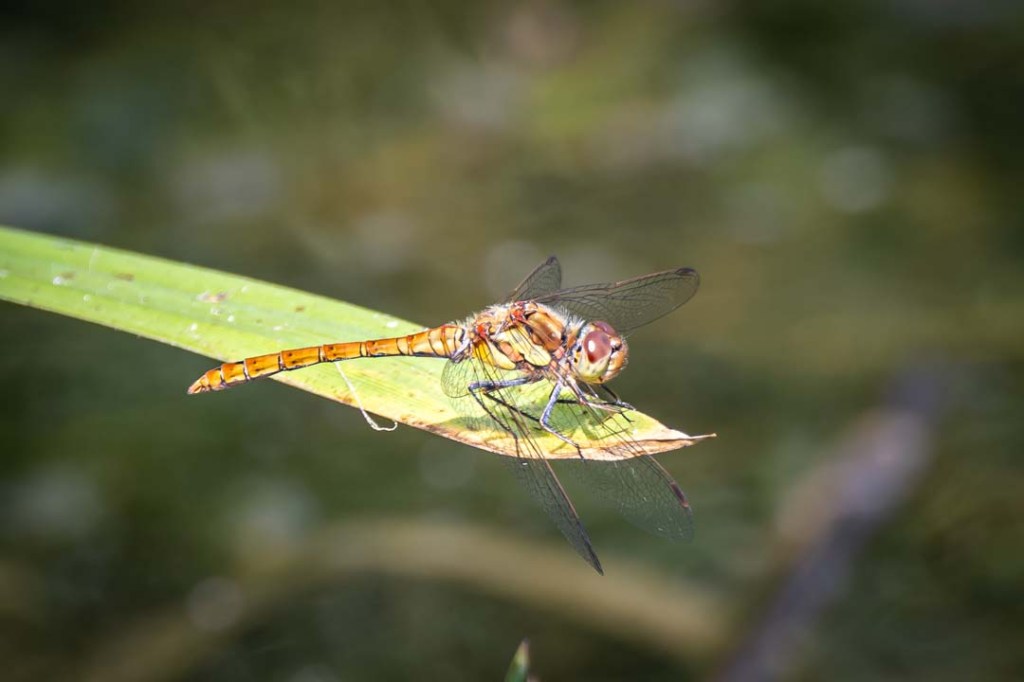
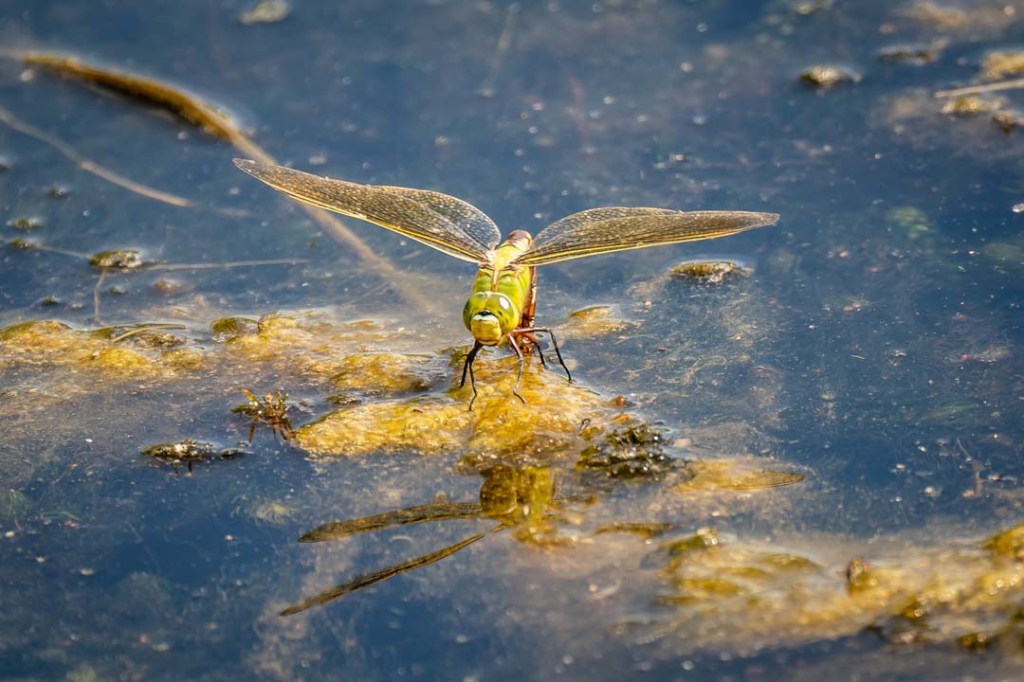
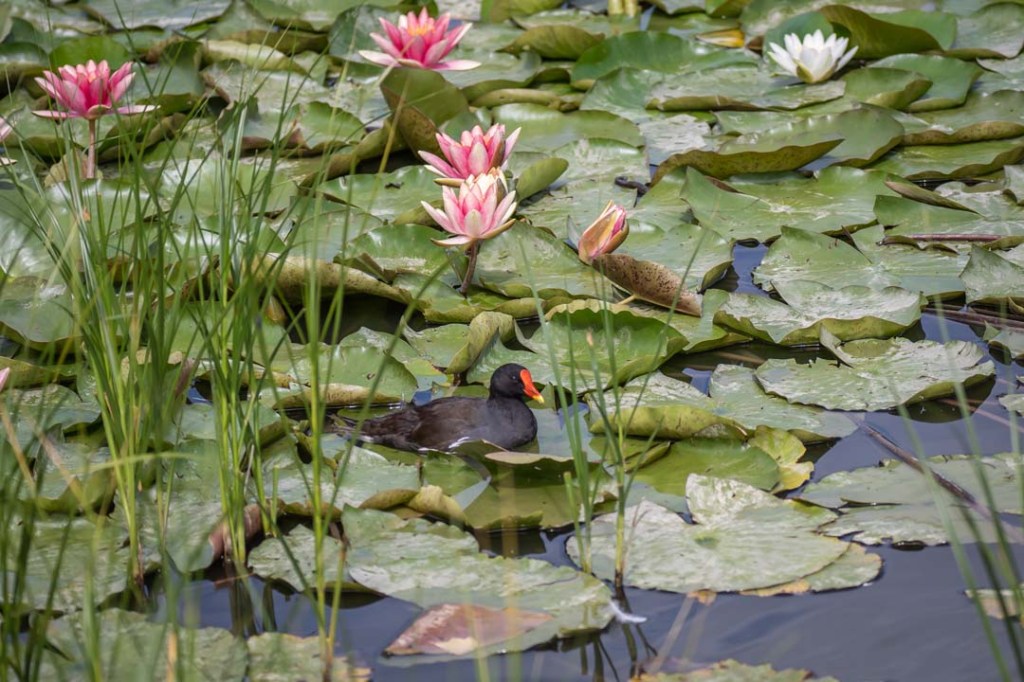
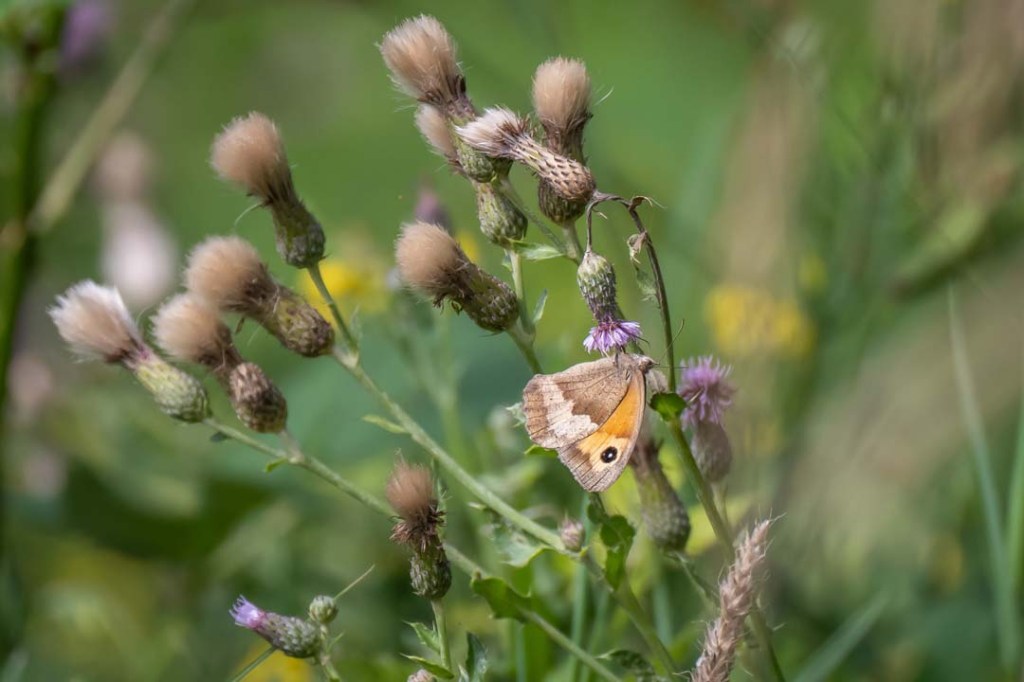
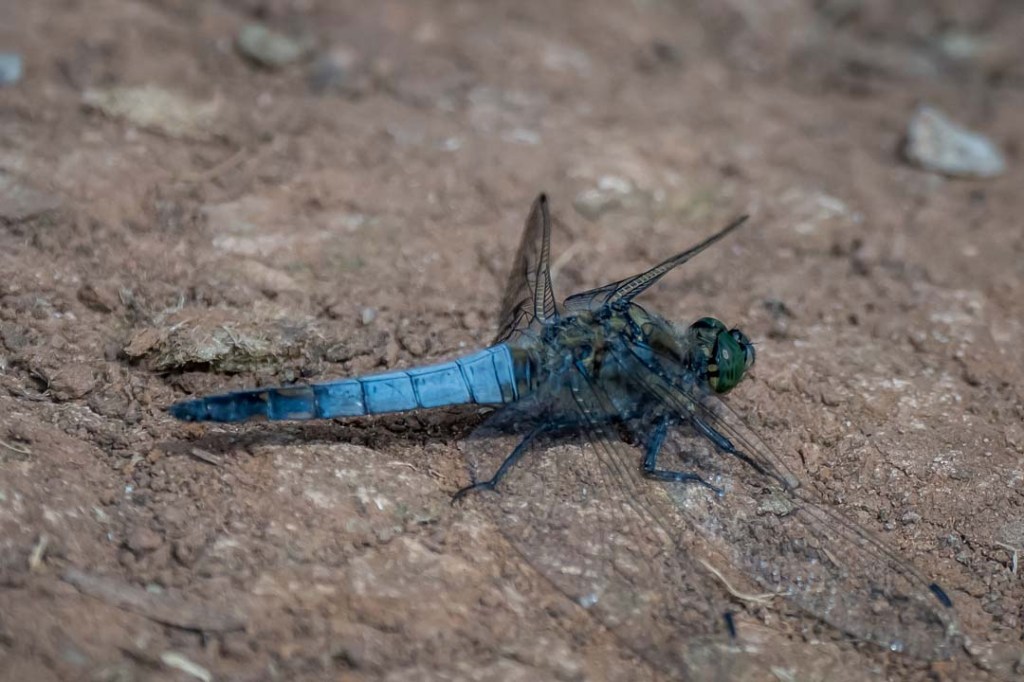
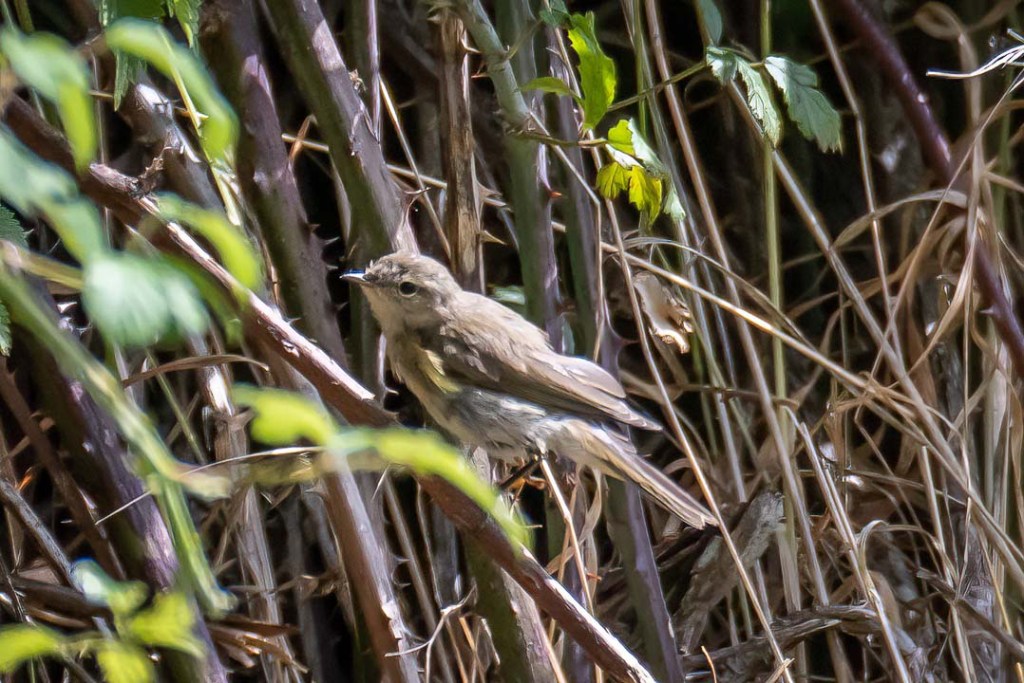
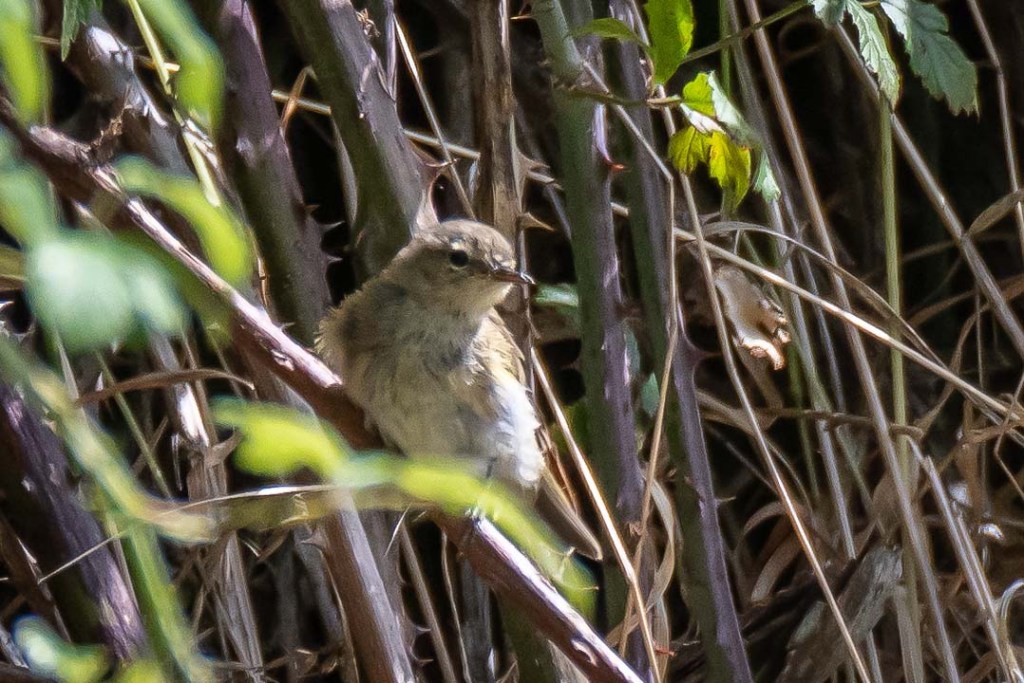
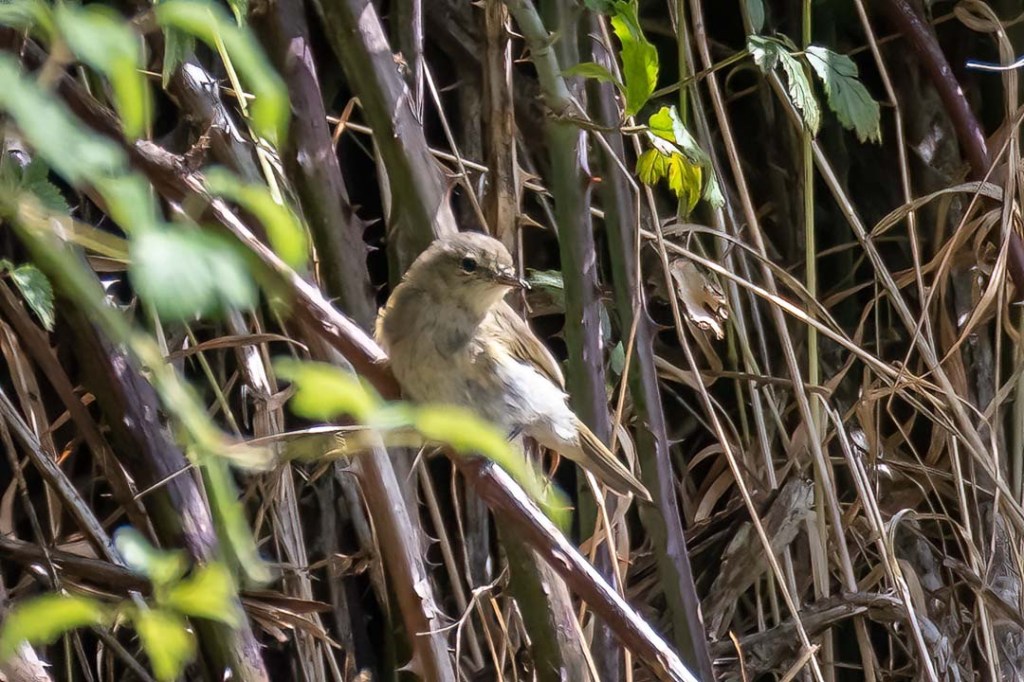
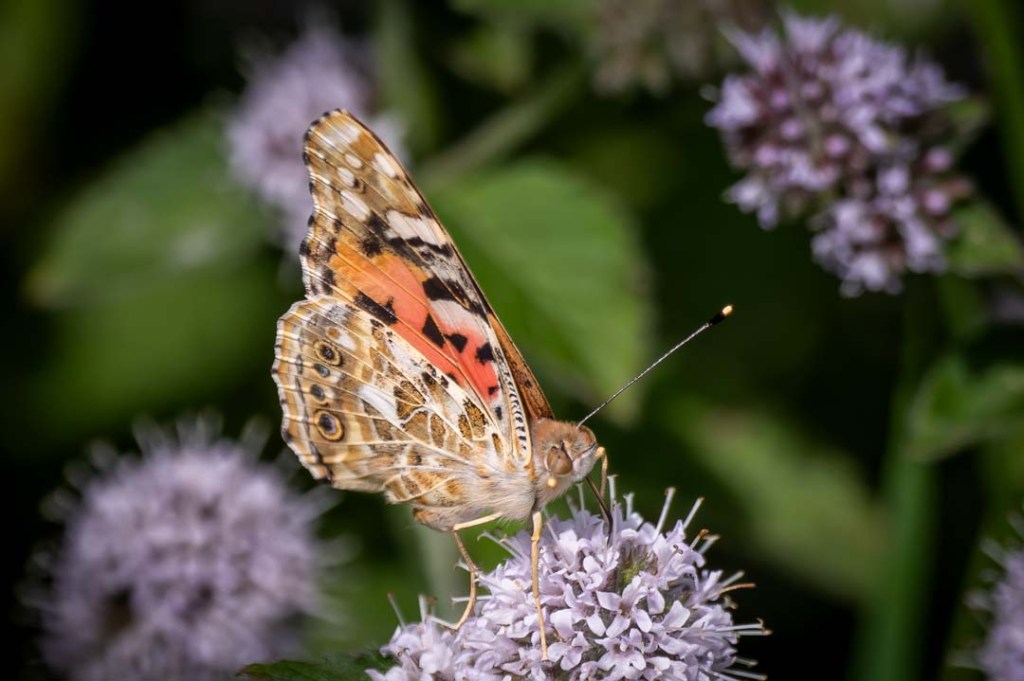
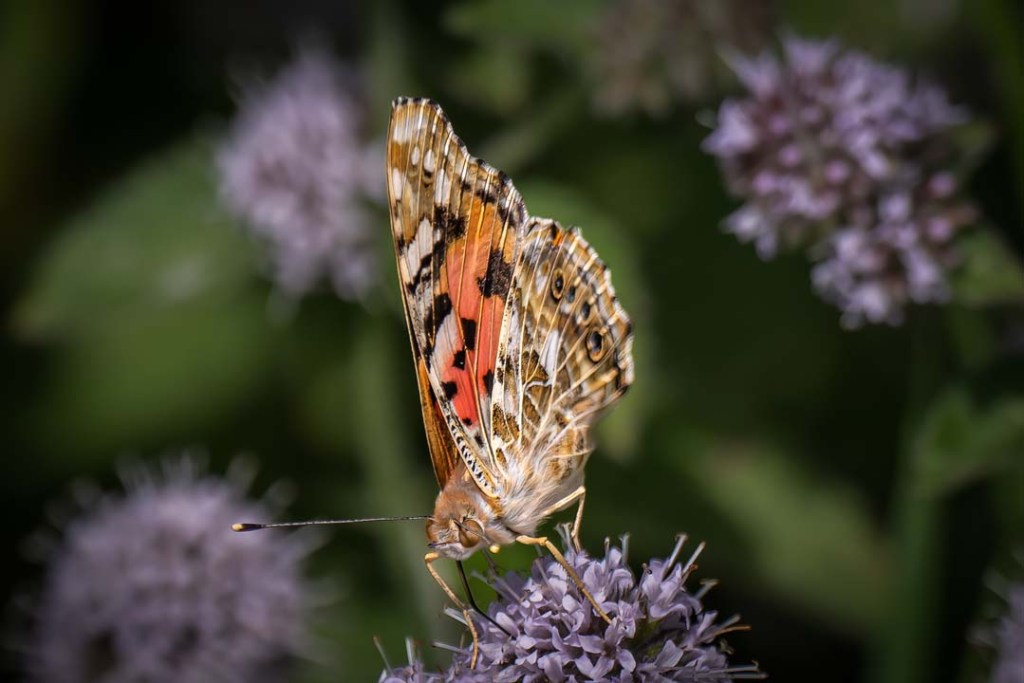
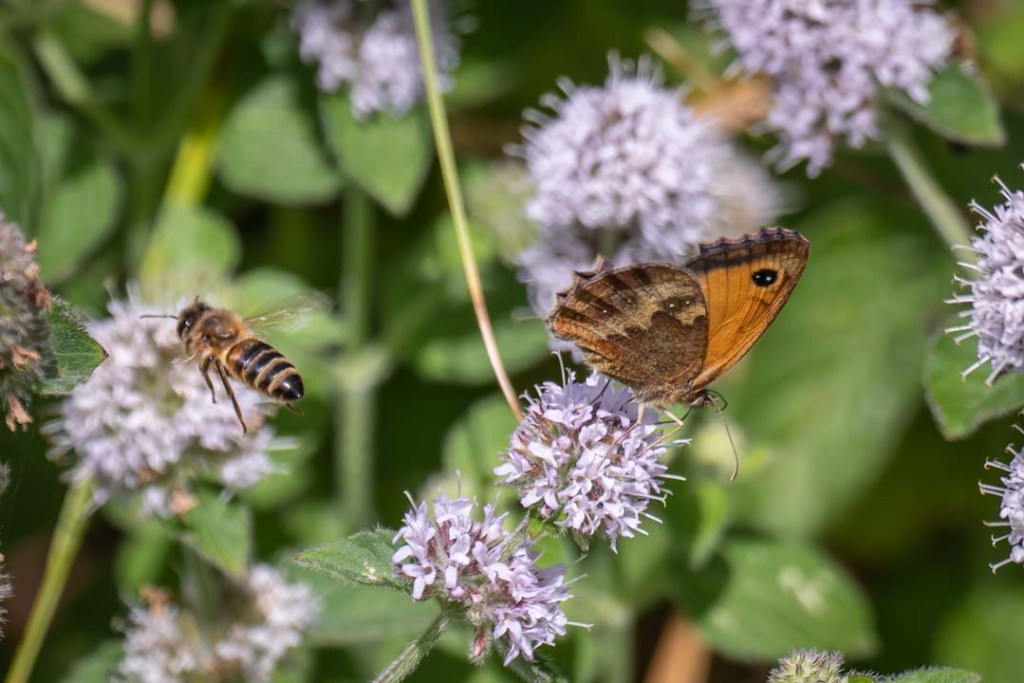
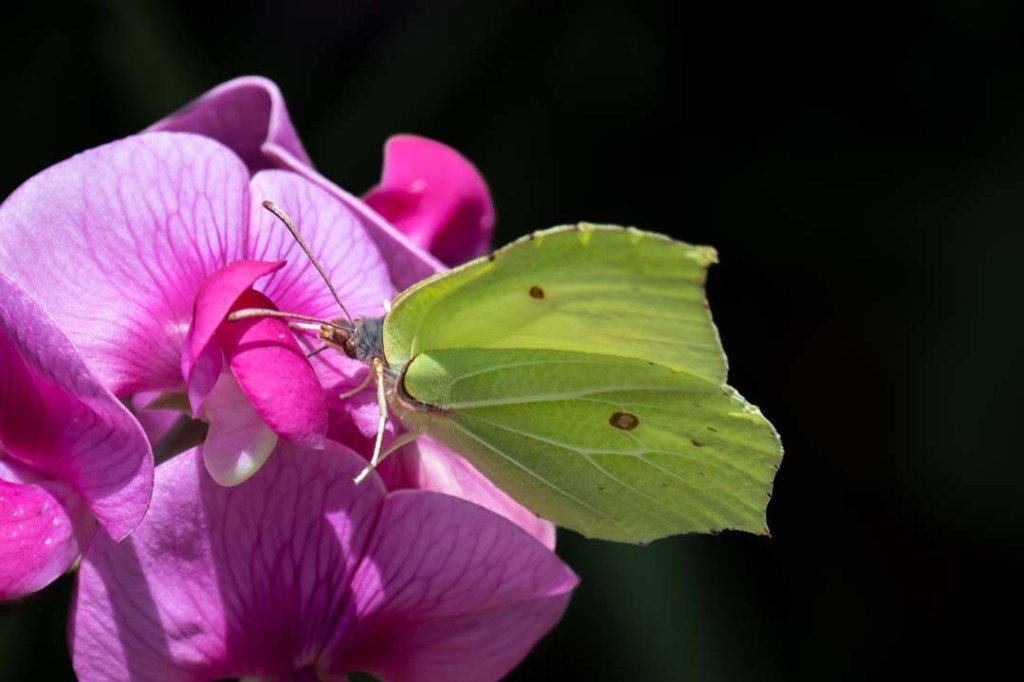
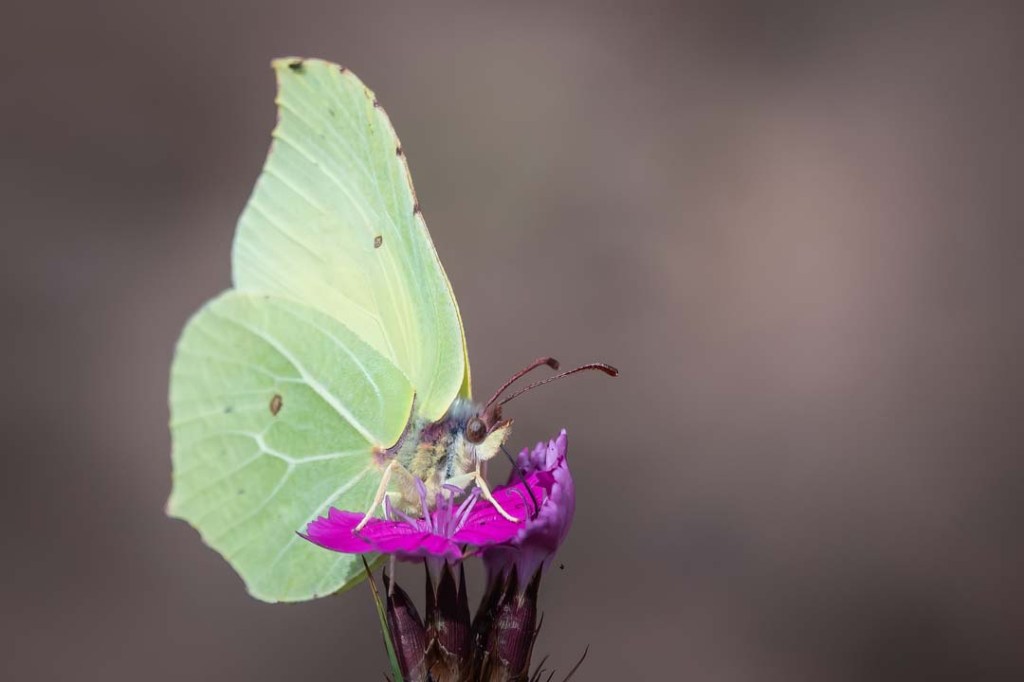
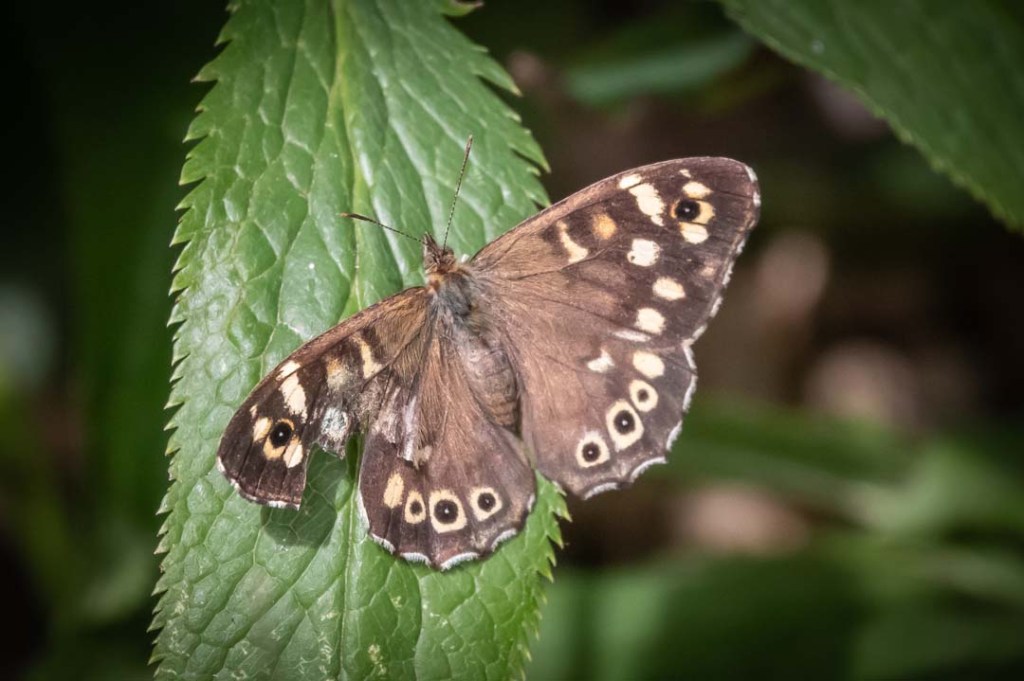
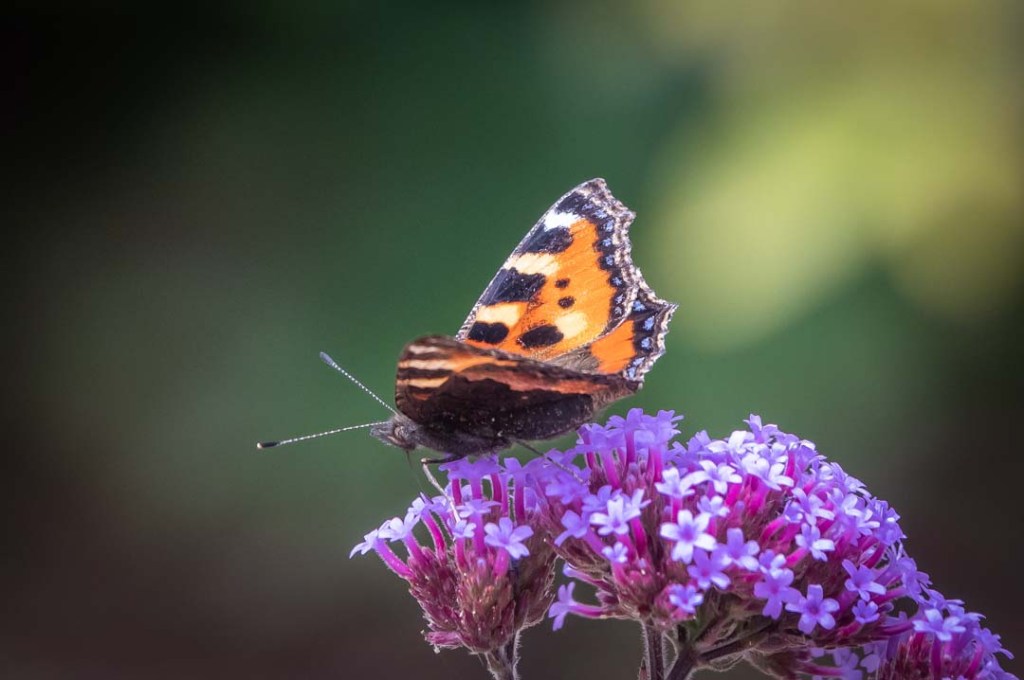
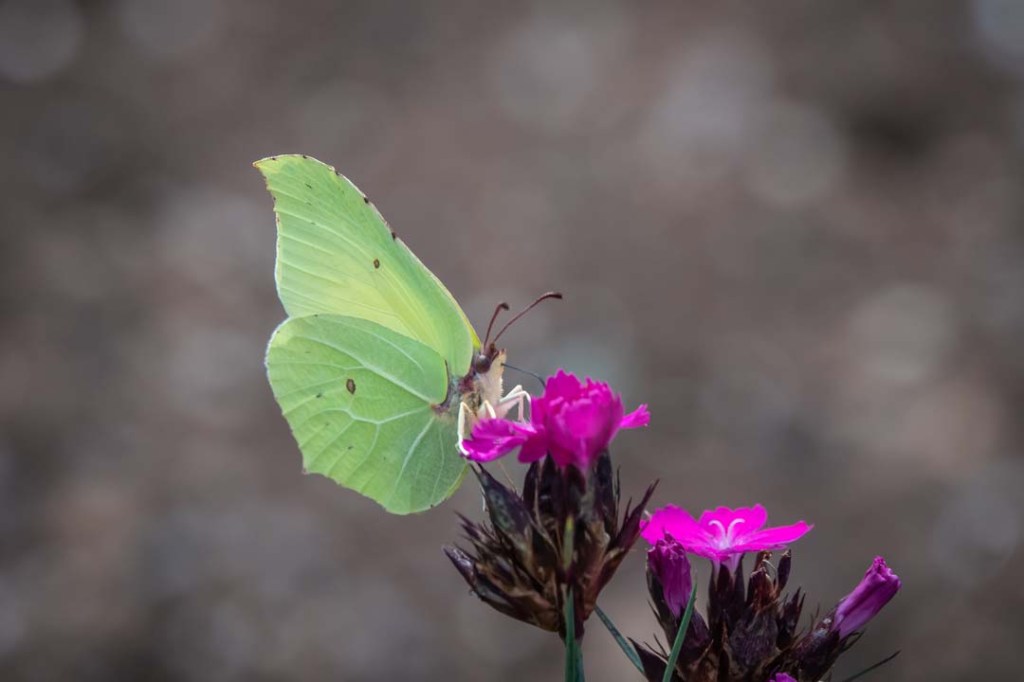
Painted LadyCommon BlueHolly BlueSpeckled WoodGatekeeperBrimstone on the way homeCommon DarterEmperor dragonflyRed eyed damselflyChiffchaff (I think)Grey heronMoorhen
Yesterday it was all butterflies and today, thankfully, there were some birds to see. Brief walks in our local parks (Snuff Mills and Stoke Park) have produced lots of interesting things to see (and photograph).
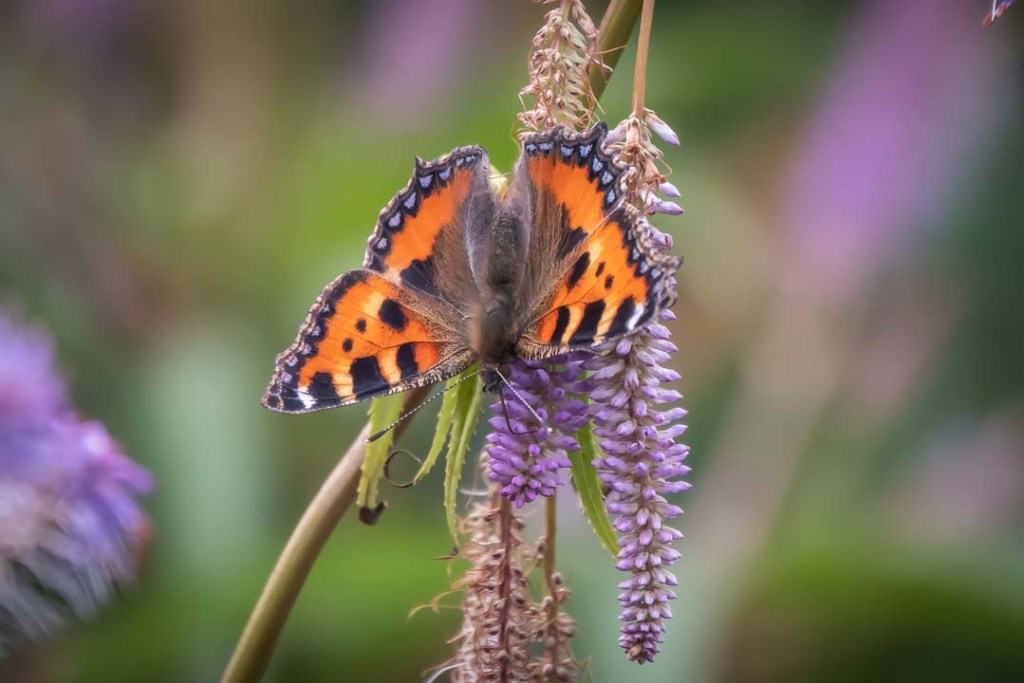
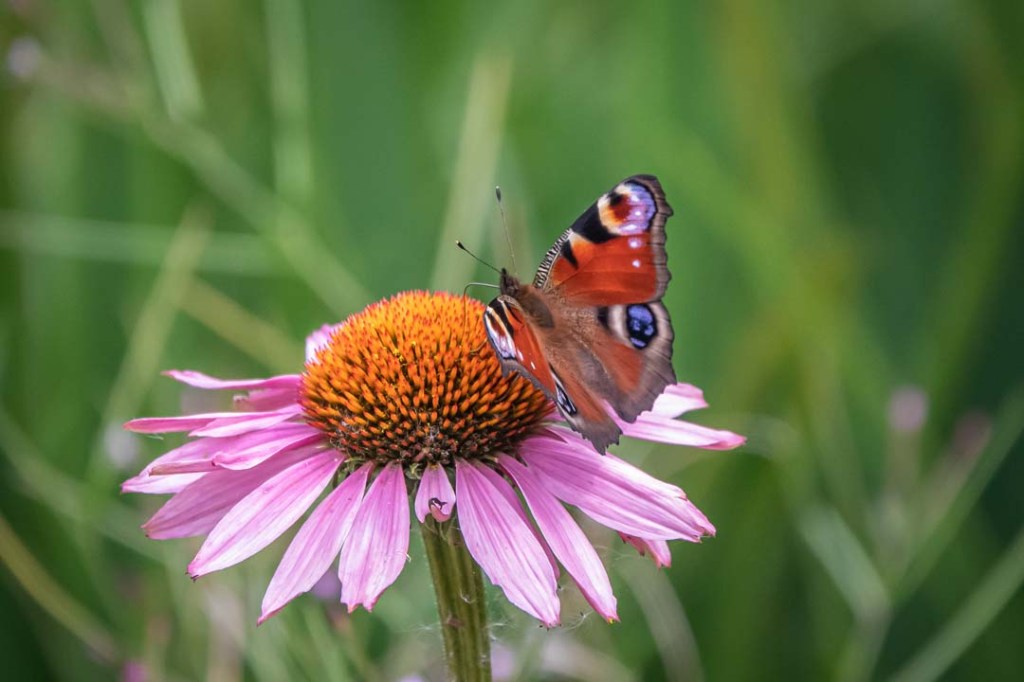
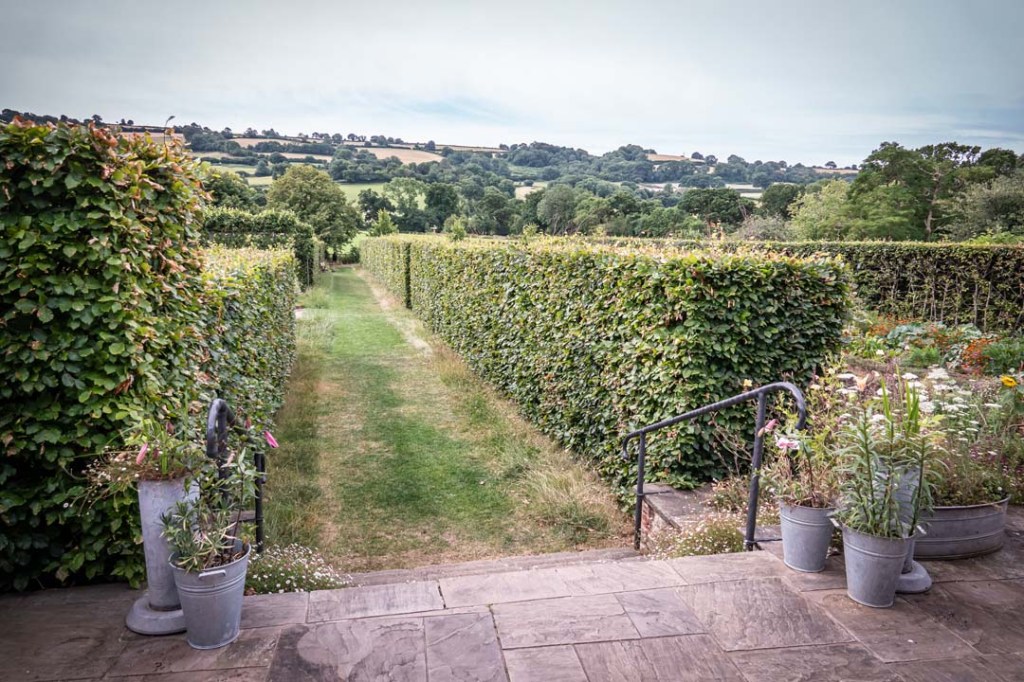
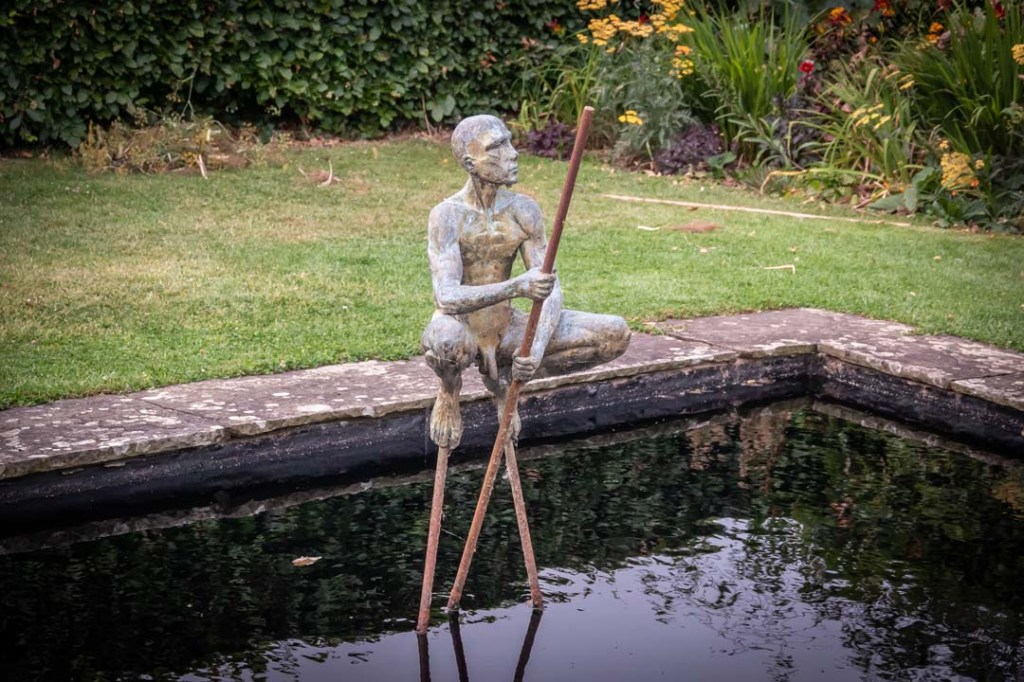
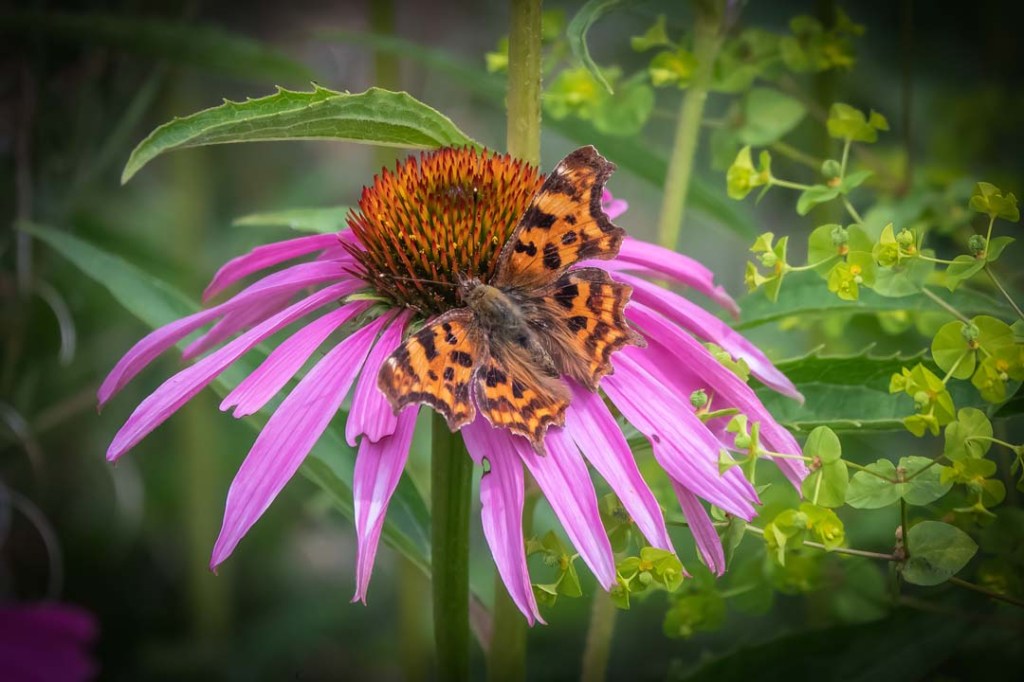
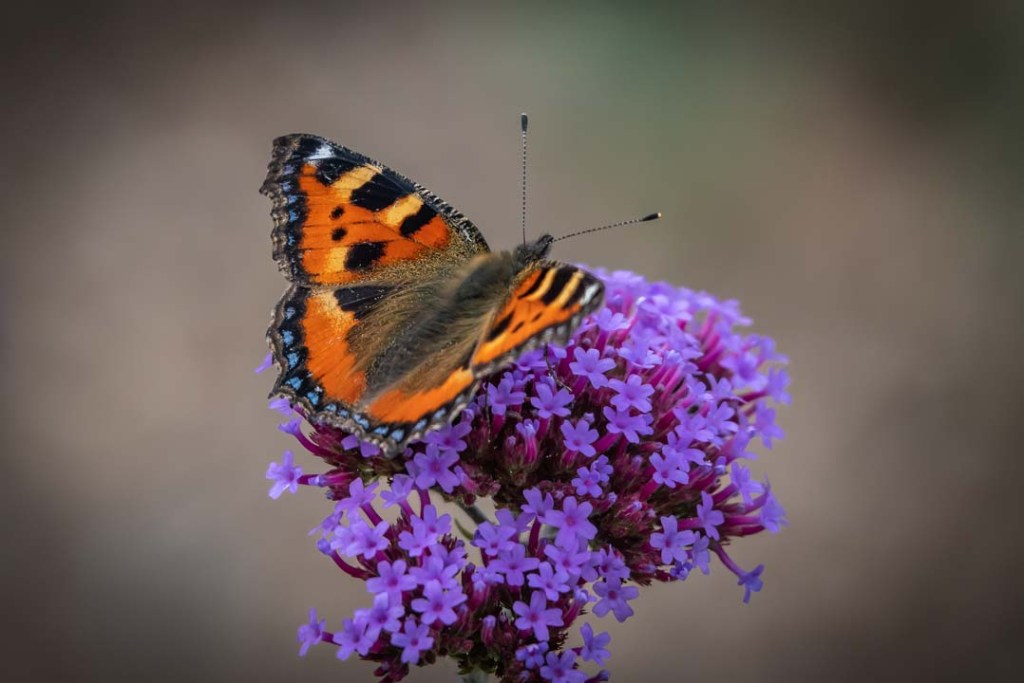
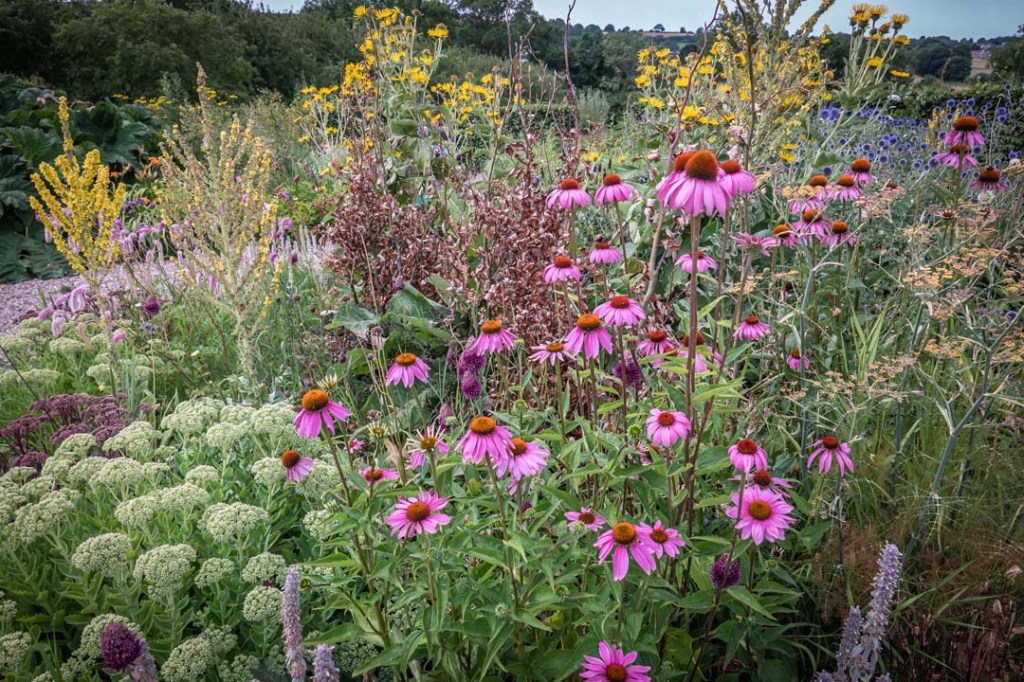
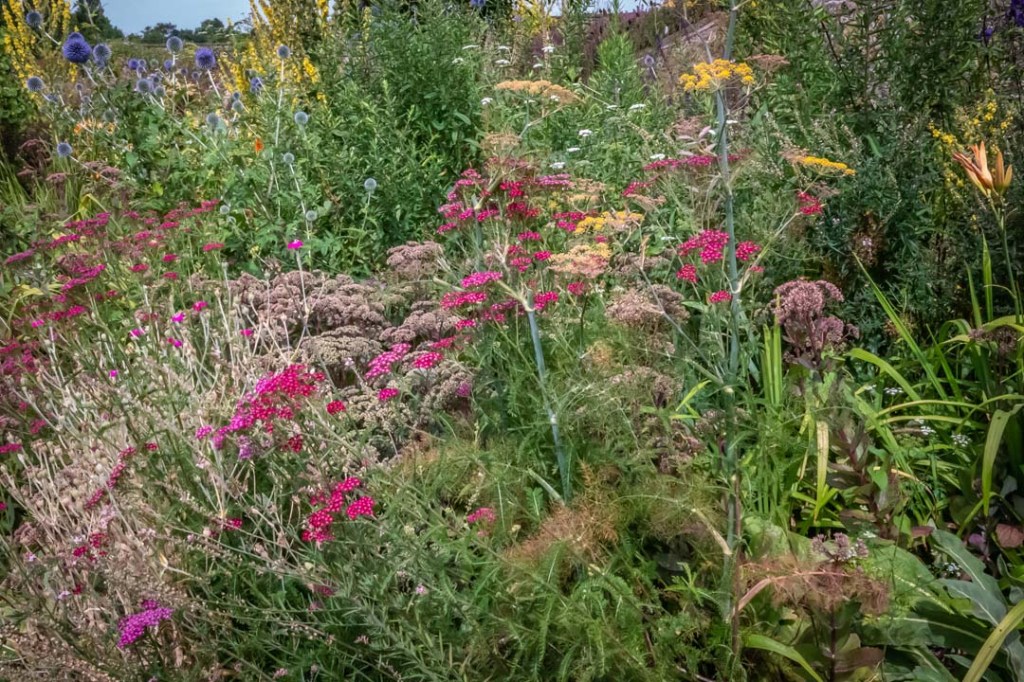
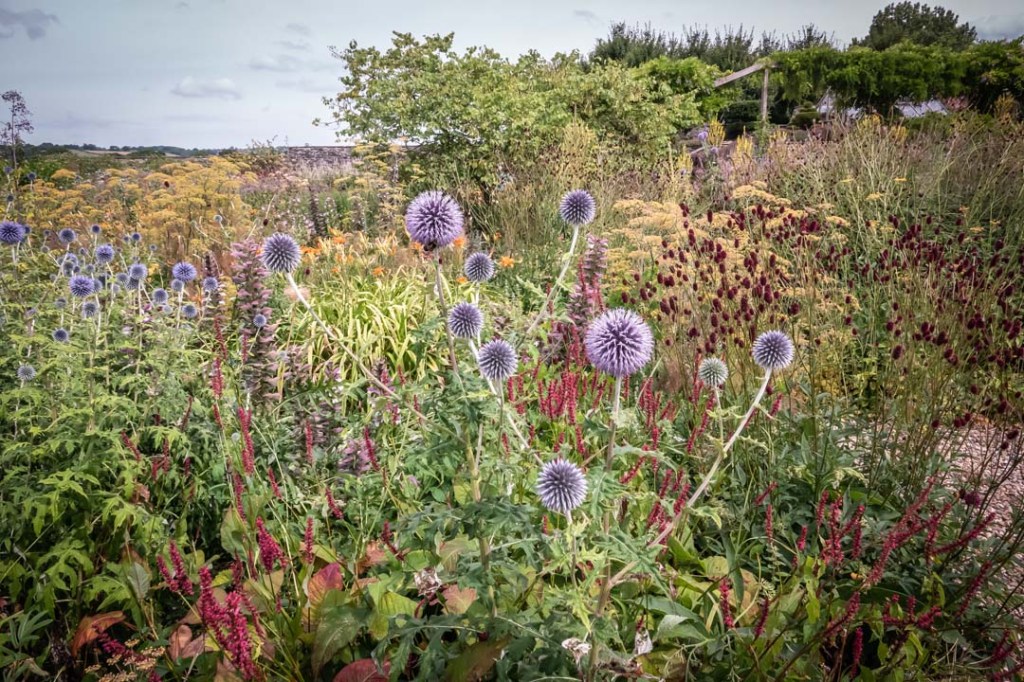
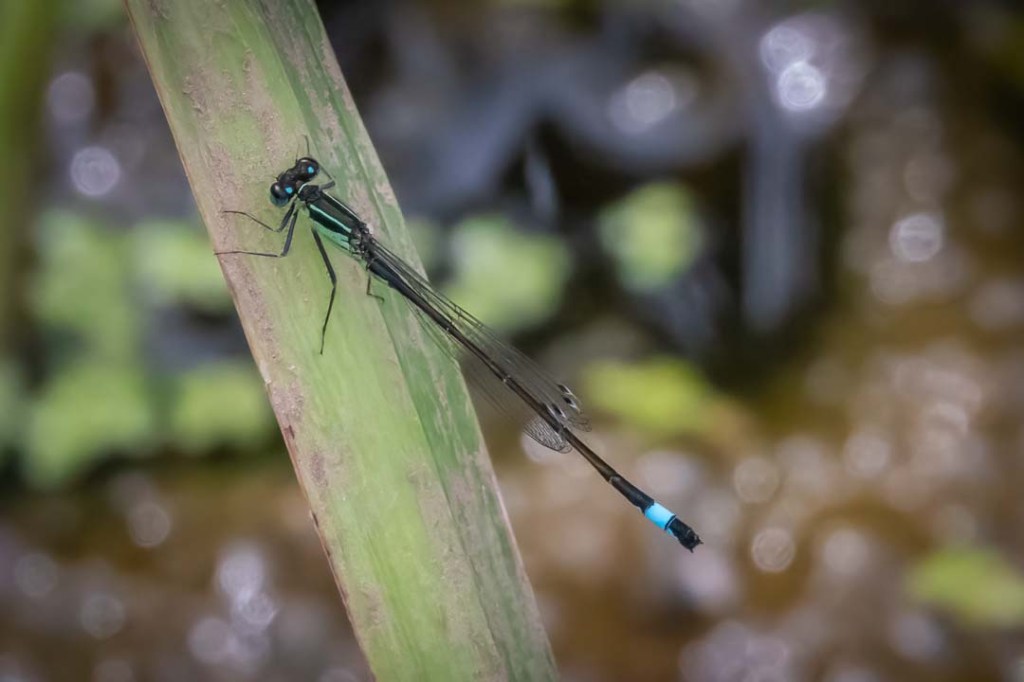
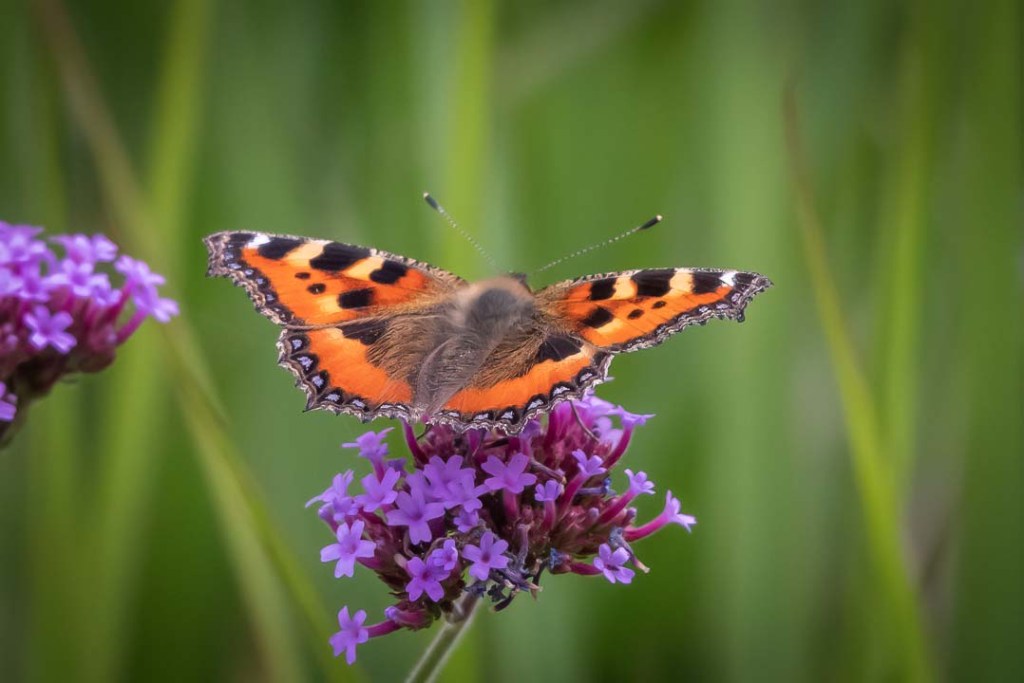
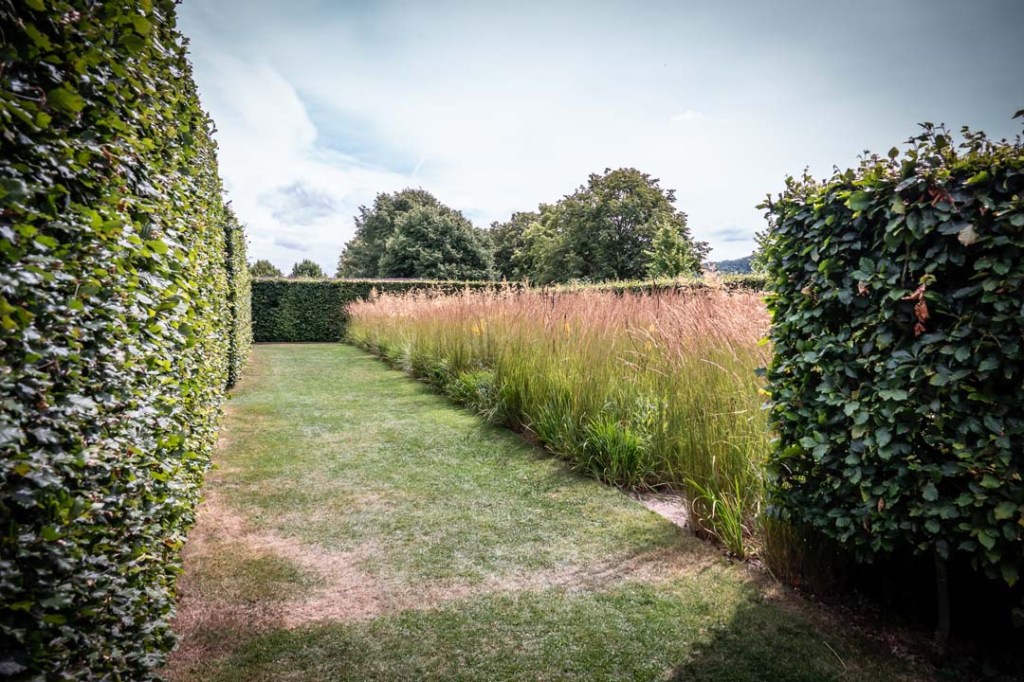
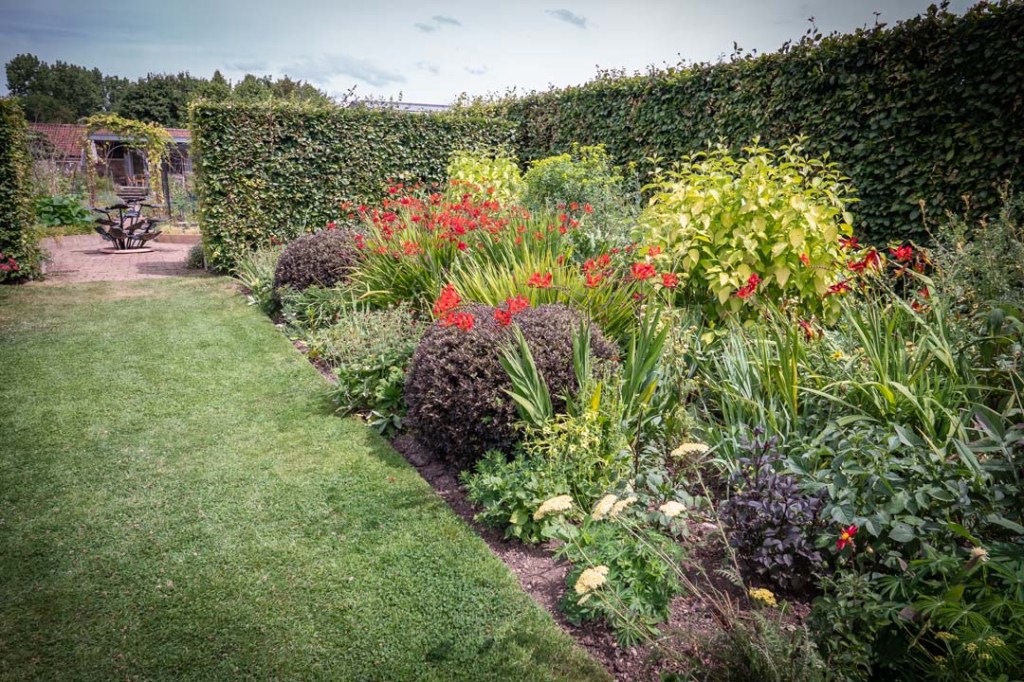
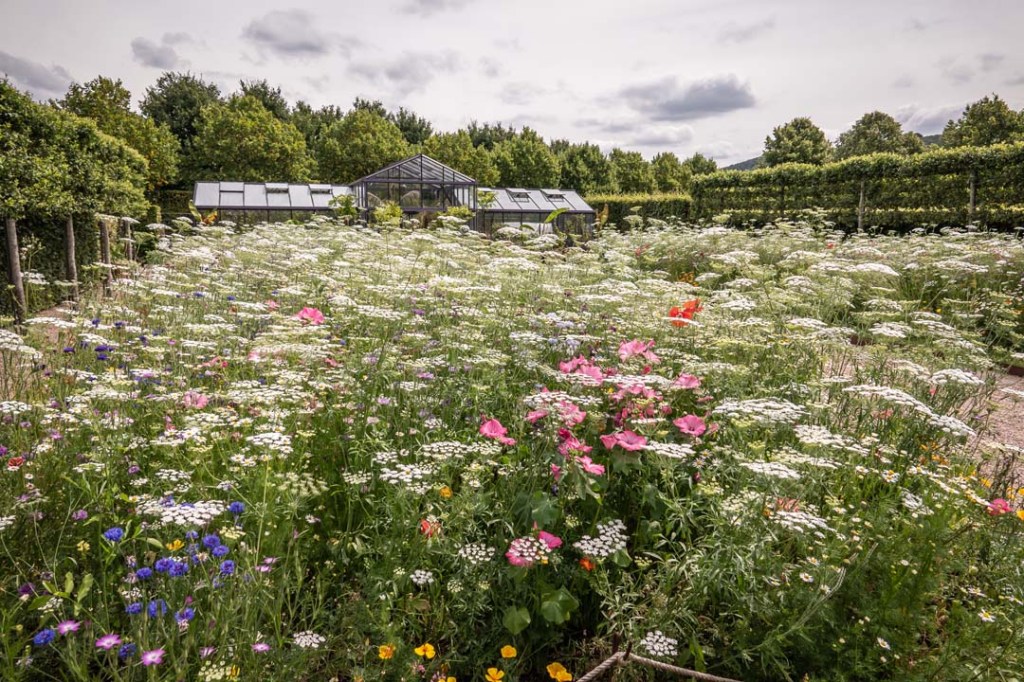
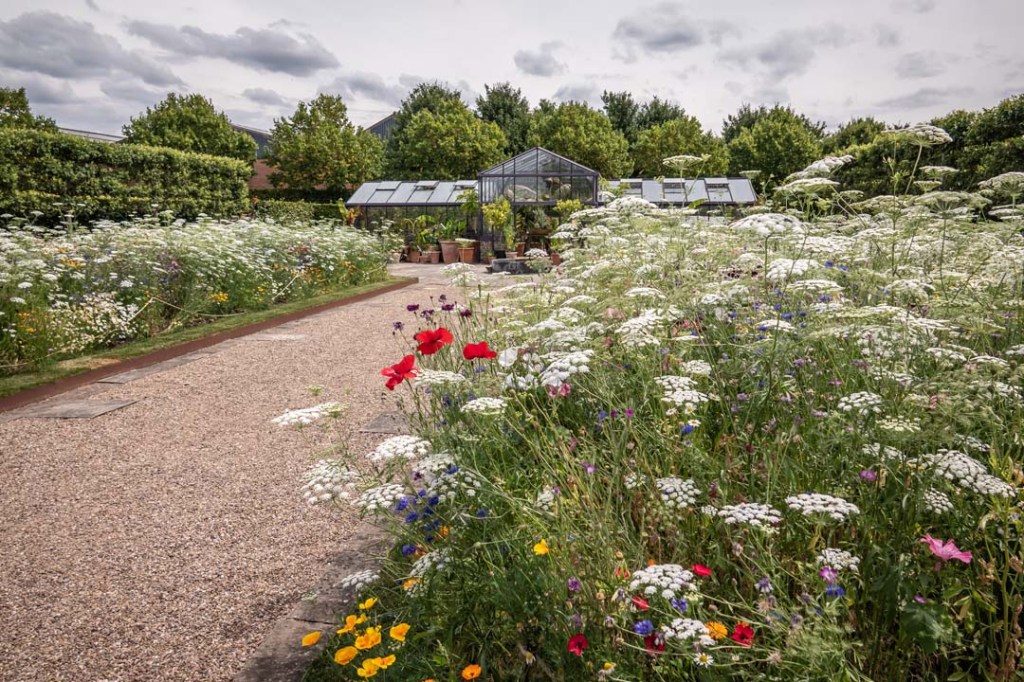
It’s definitely the season for butterflies rather than birds. Where better to see a variety of butterflies and damselflies than at the Yeo Valley Organic Gardens by Lag and Holt Farm just off the A368 between Blagdon and Ubley in the Chew Valley south of Bristol?
It’s six and a half acres of ornamental and edible plants in a seasonal patchwork that Sarah Mead and her team have been constantly evolving since they started the gardens more than 18 years ago. You can see how elements of the gold medal winning organic garden at Chelsea Flower Show 2021 have been incorporated into the garden. There’s also a decent café where you can get a coffee and cake or a light lunch (or indeed both as we did!)
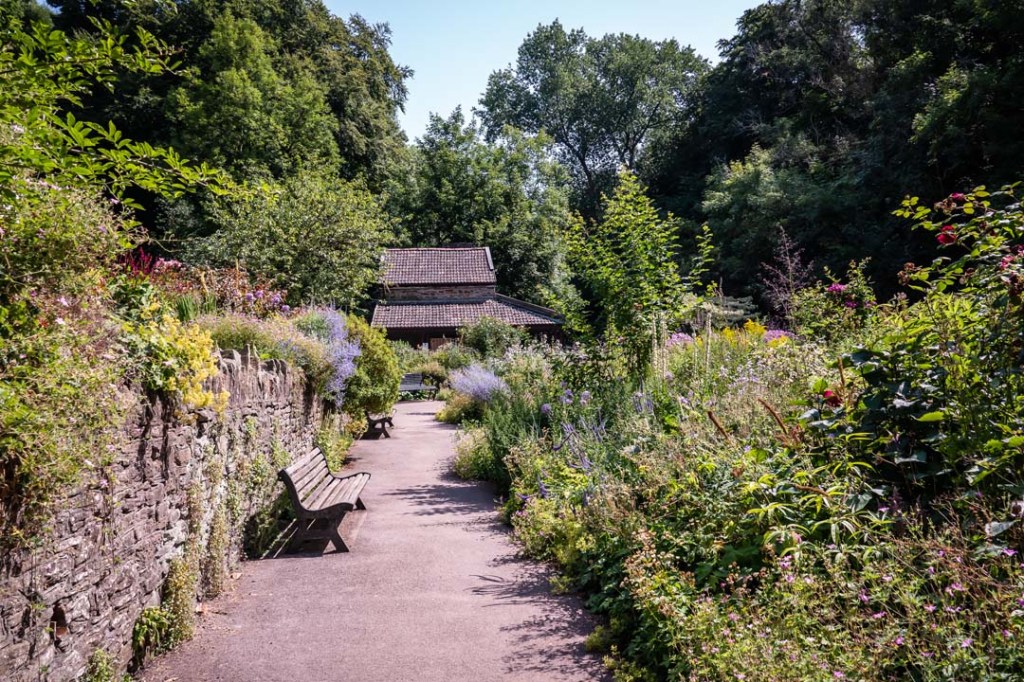
With very high temperatures forecast for today (36 degrees C) we took advantage of the shade this morning to walk along the River Frome in a park on the outskirts of Bristol which is known as Snuff Mills. The walk takes you past an old water mill – the park’s name originates from one of the millers whose nickname was ‘Snuffy Jack’ because his smock was always covered in snuff.
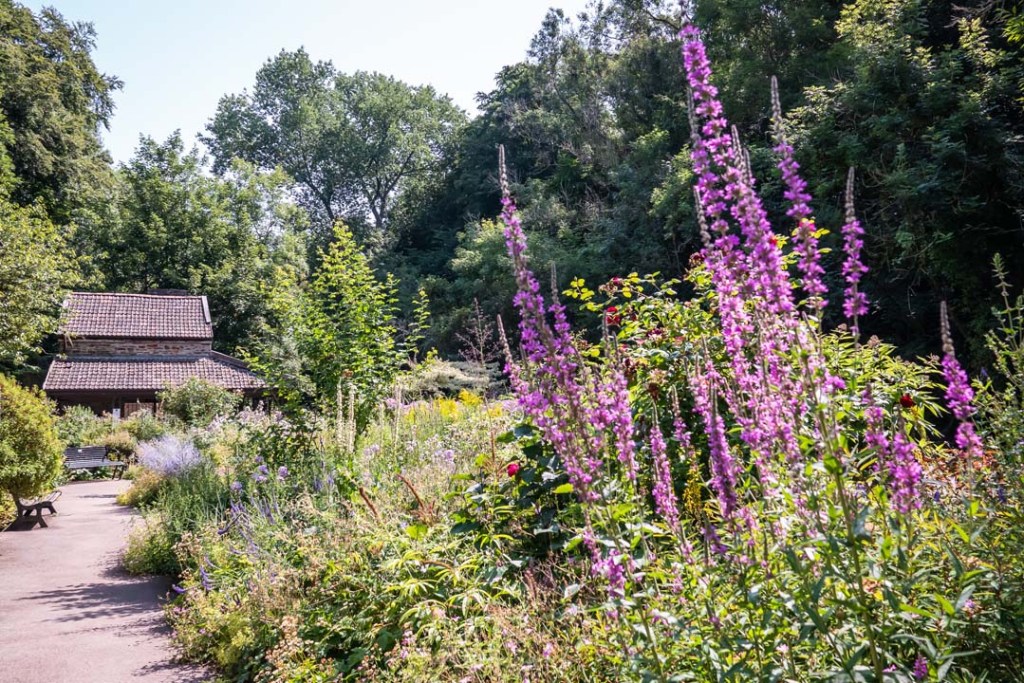
The gardens at Snuff Mills with the old water mill in the background
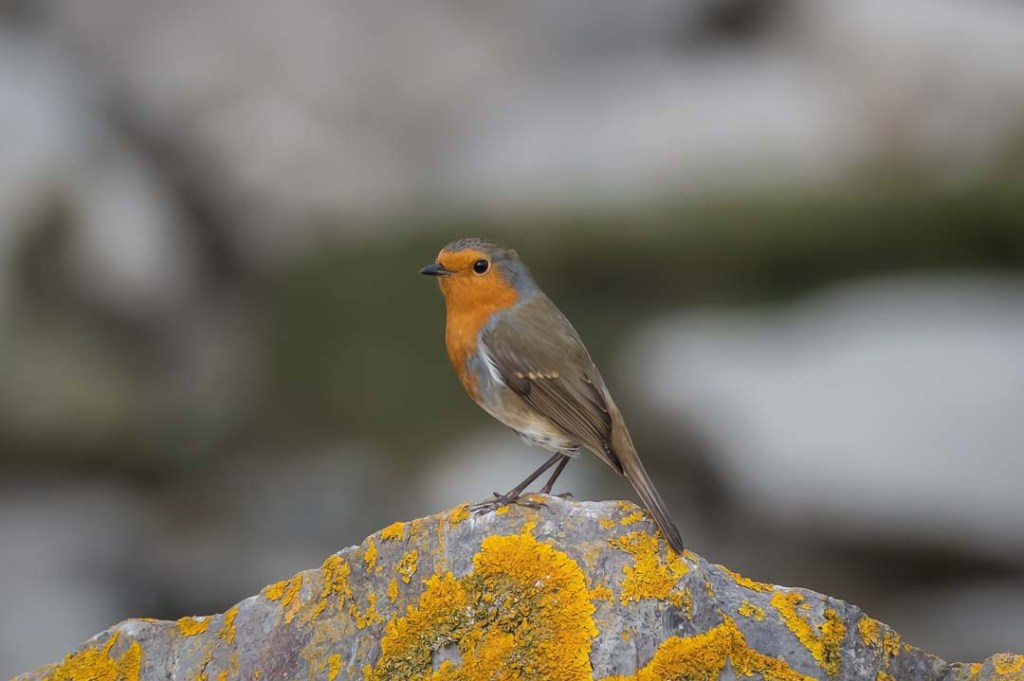
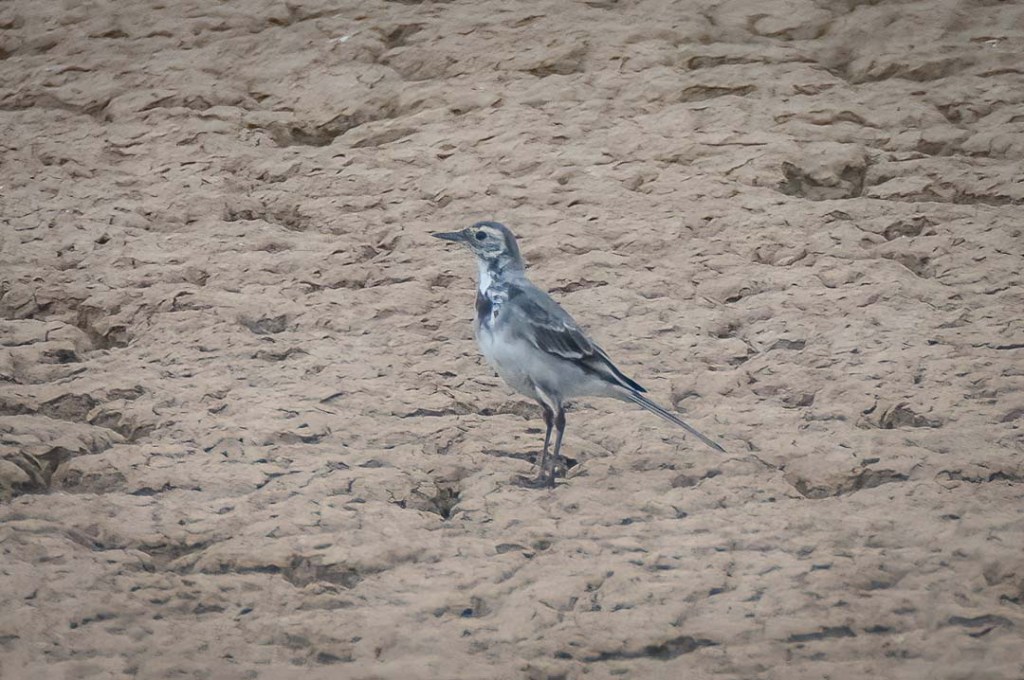
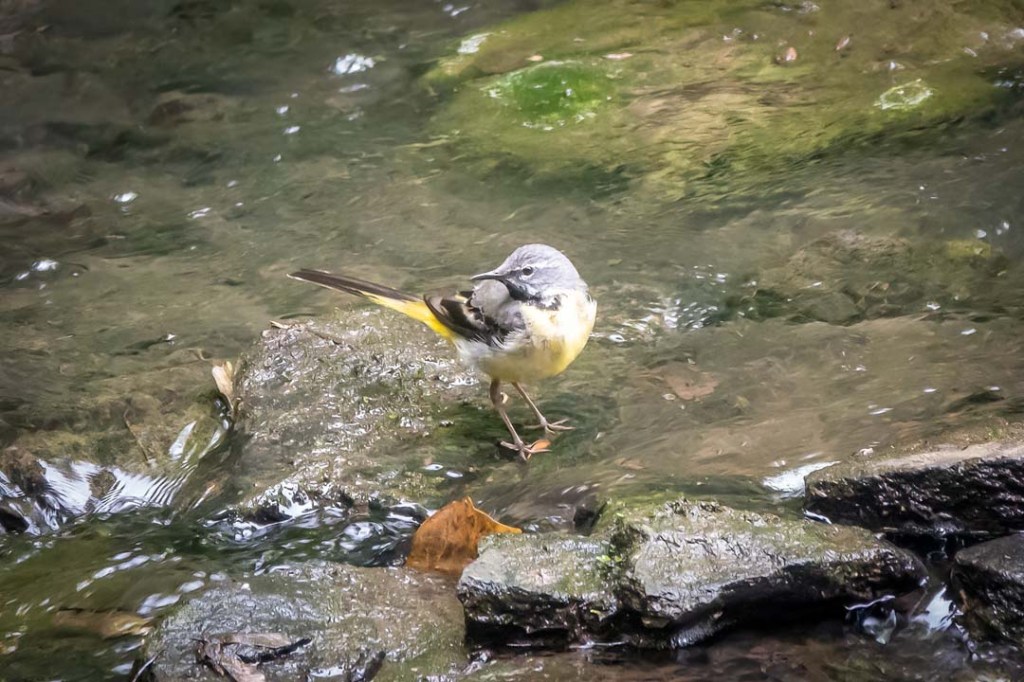
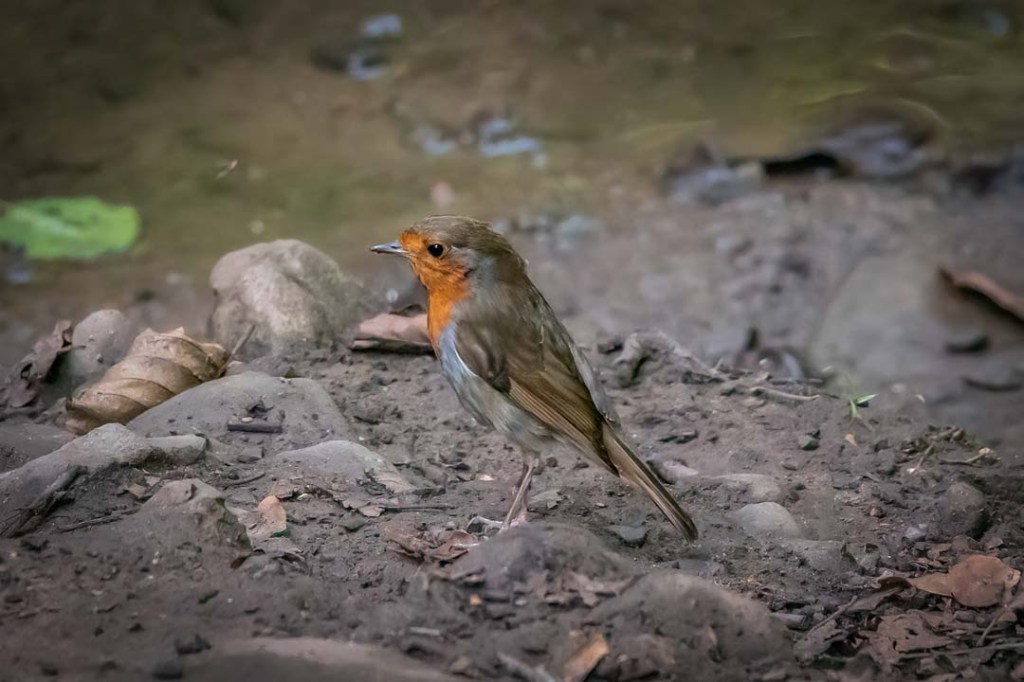
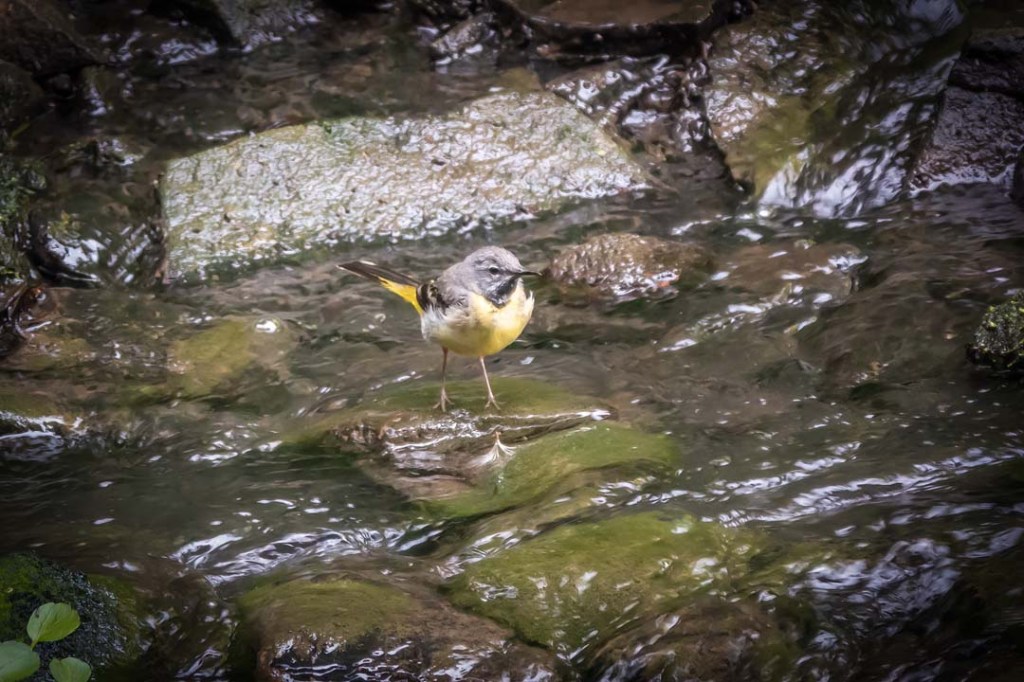
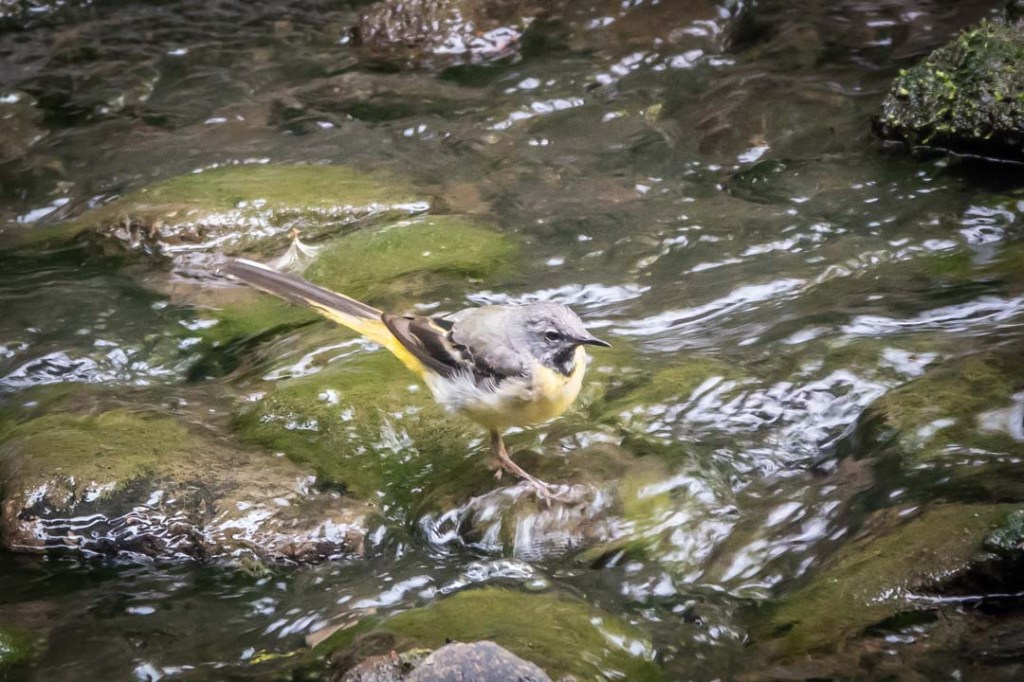
We were hoping to see kingfishers but all we saw were grey wagtails and robins.
Grey wagtailRobin
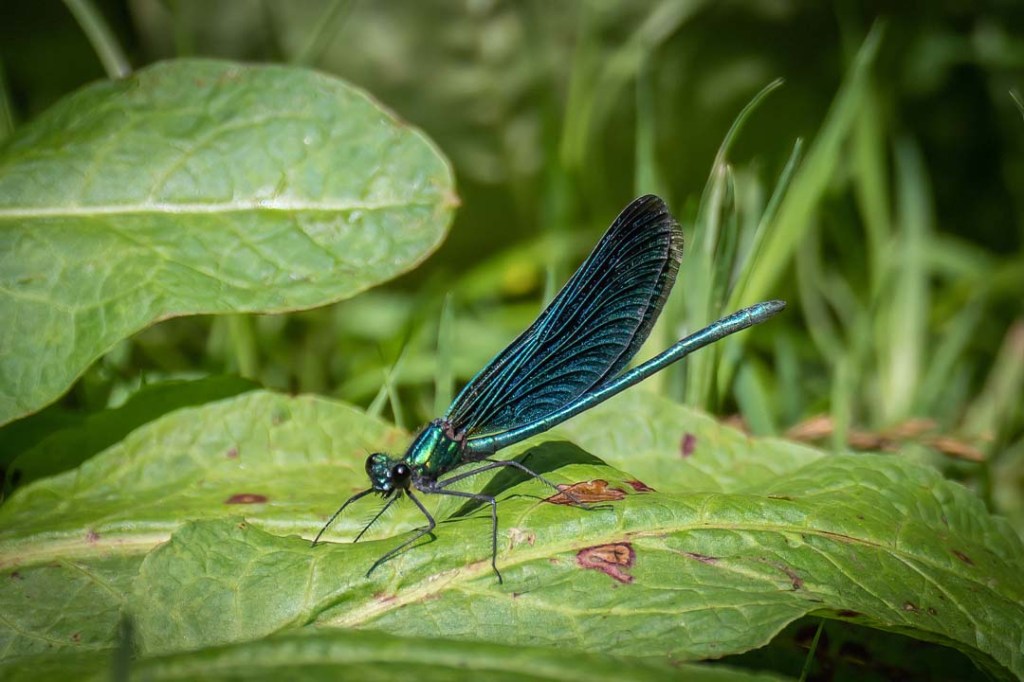
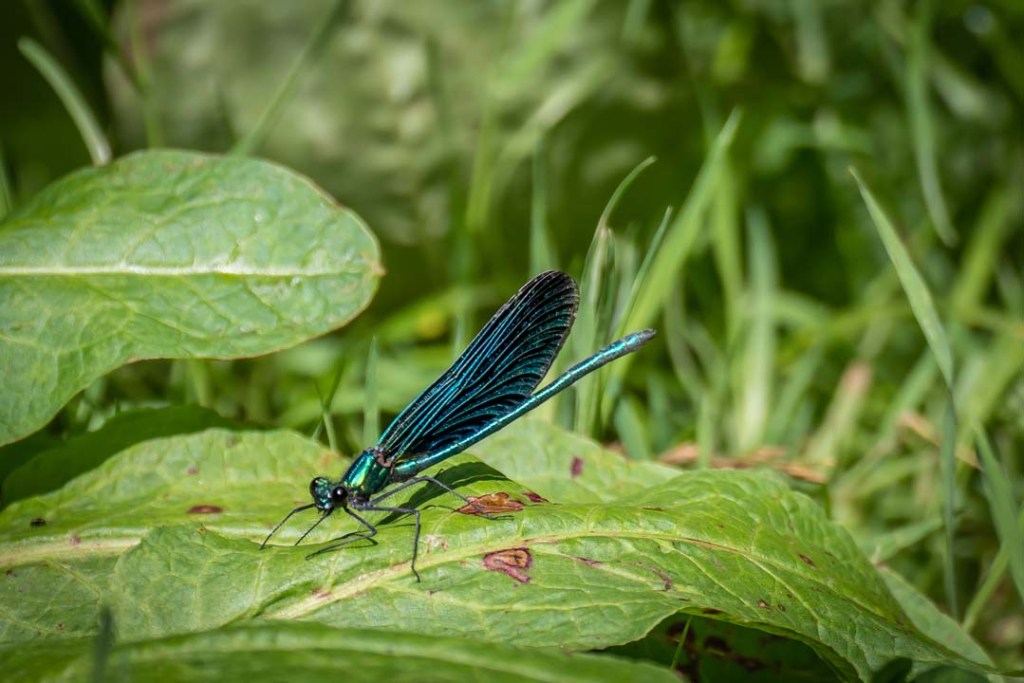
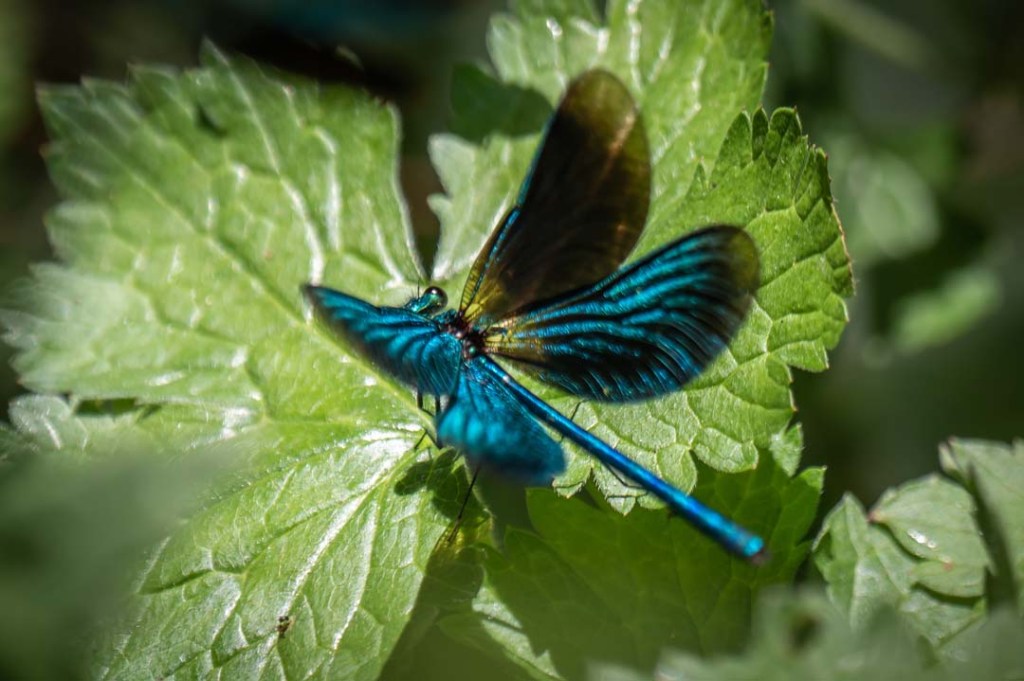
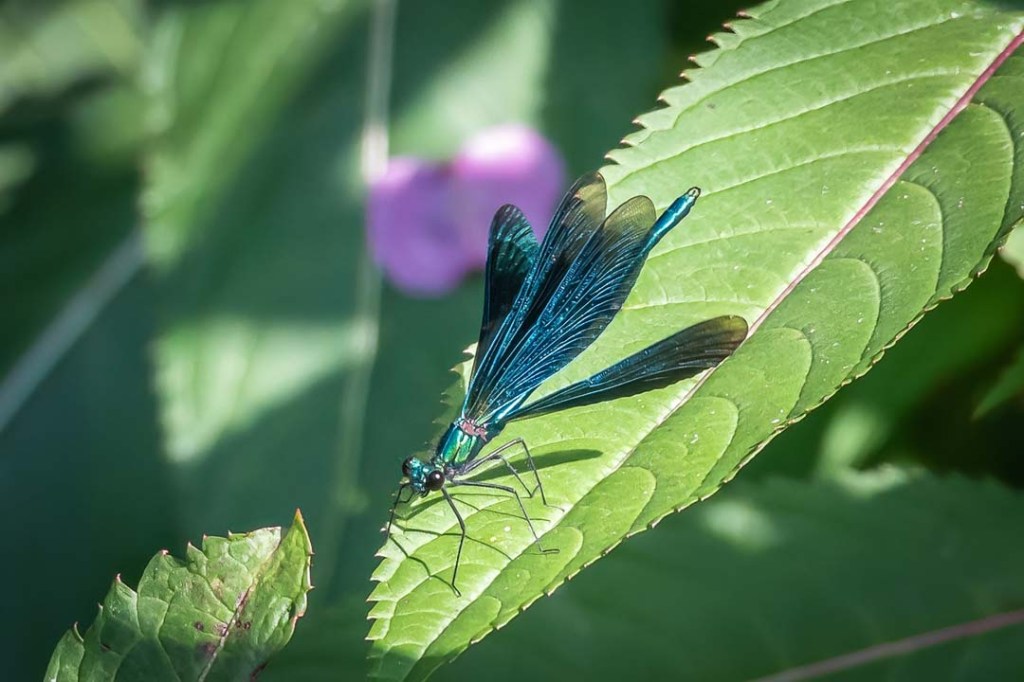
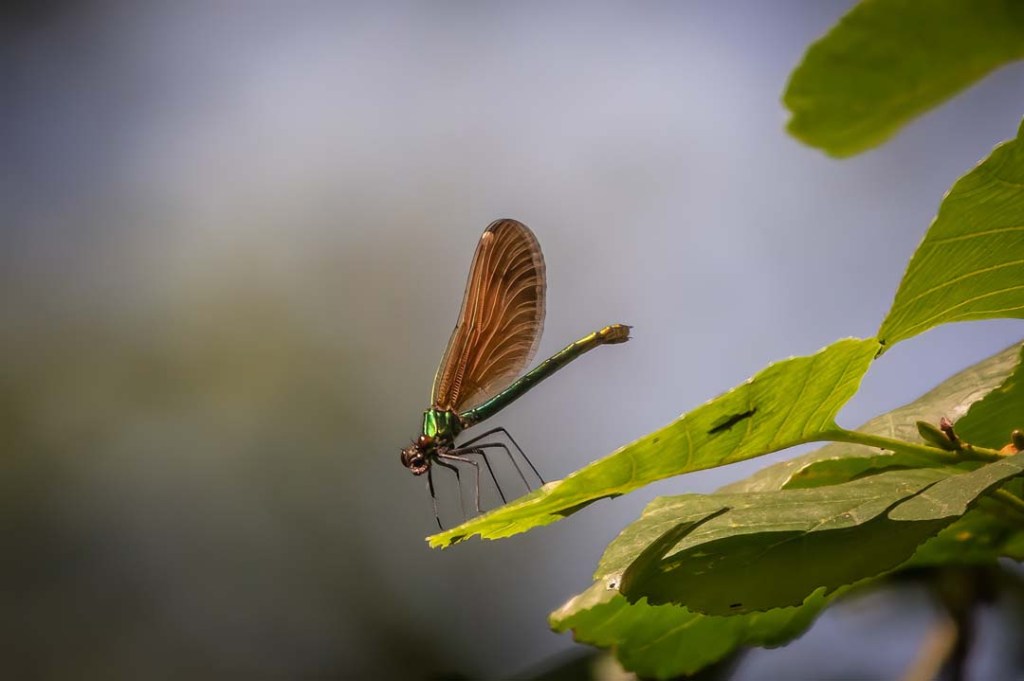
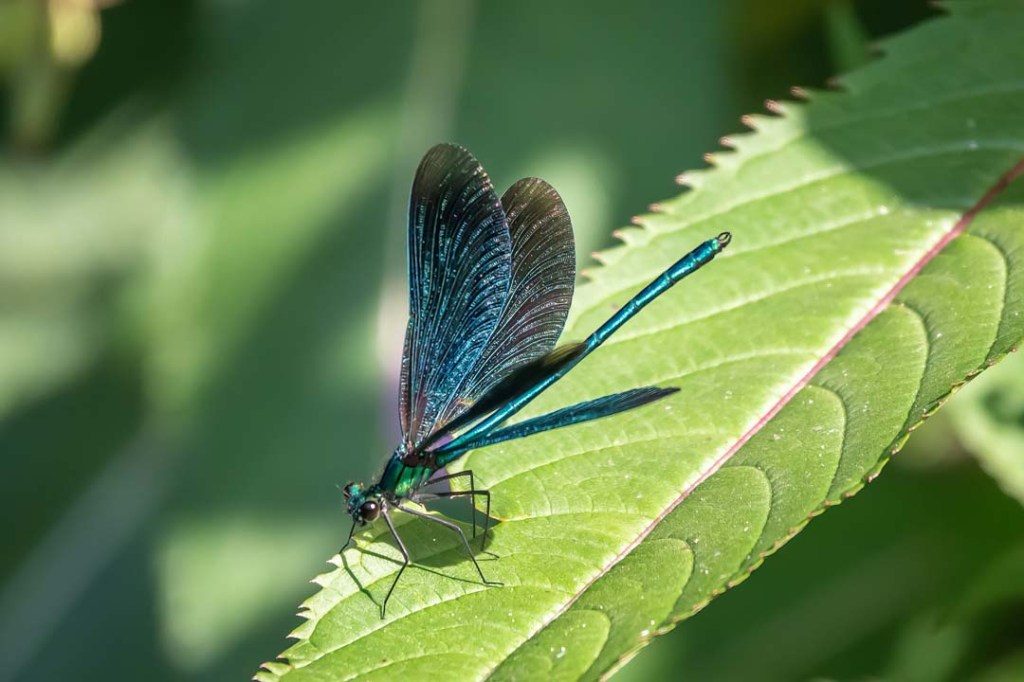
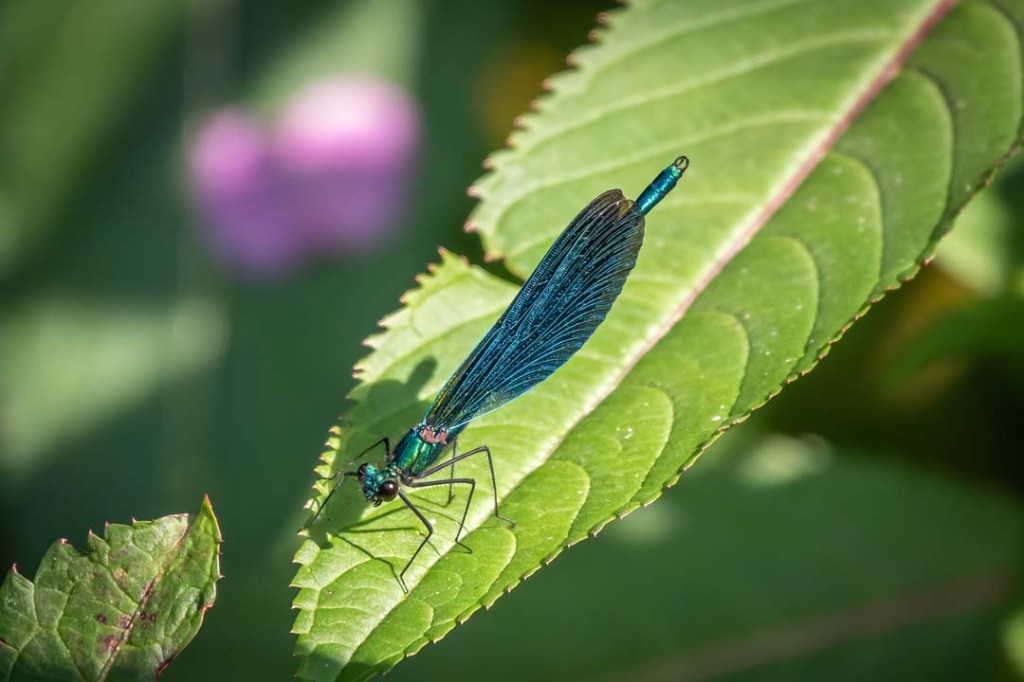
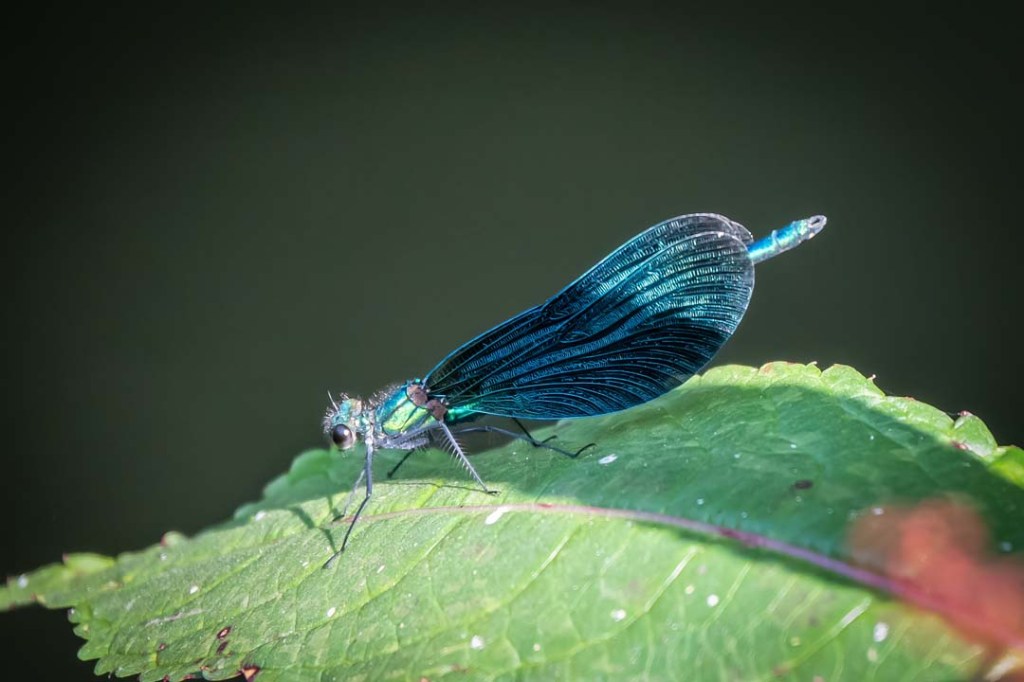
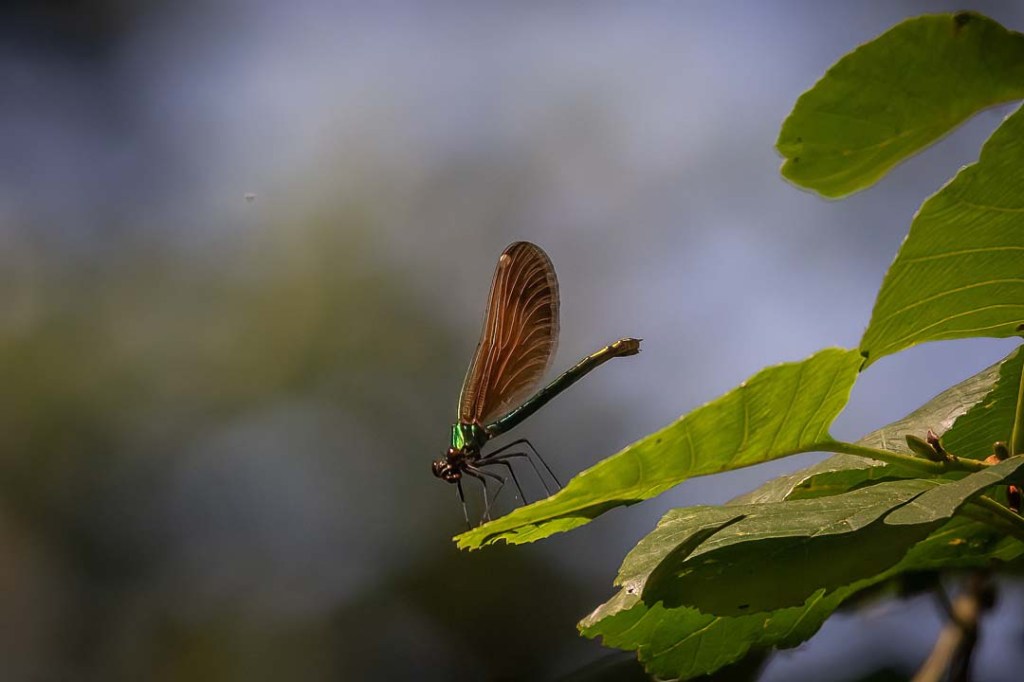
However, instead of the electric blue of the kingfisher we did see some Beautiful Demoiselles which are also a striking blue in colour.
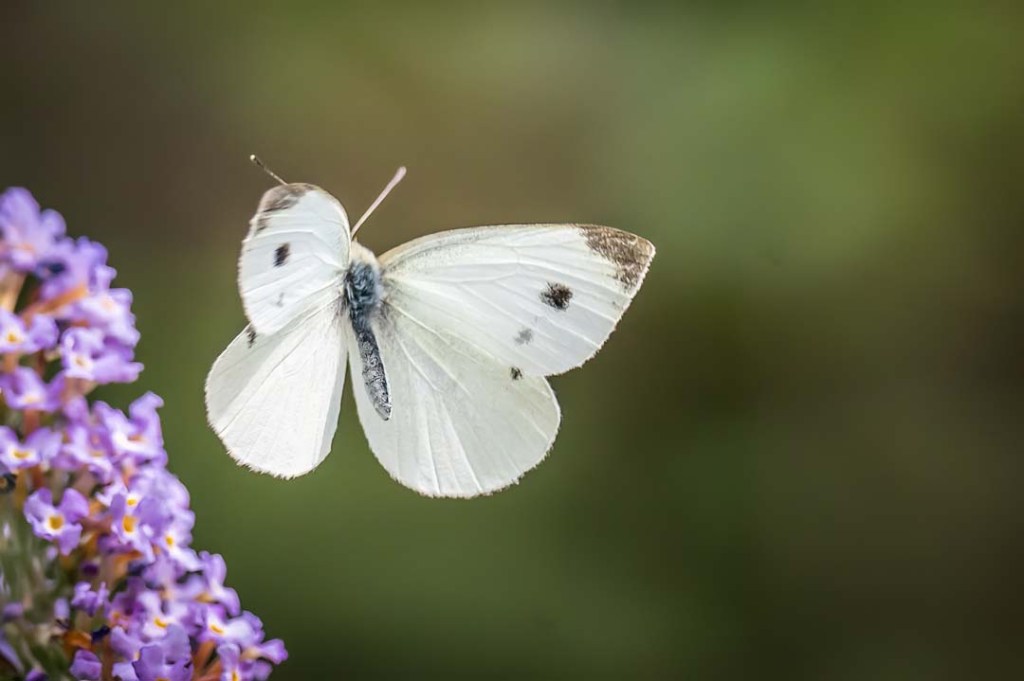
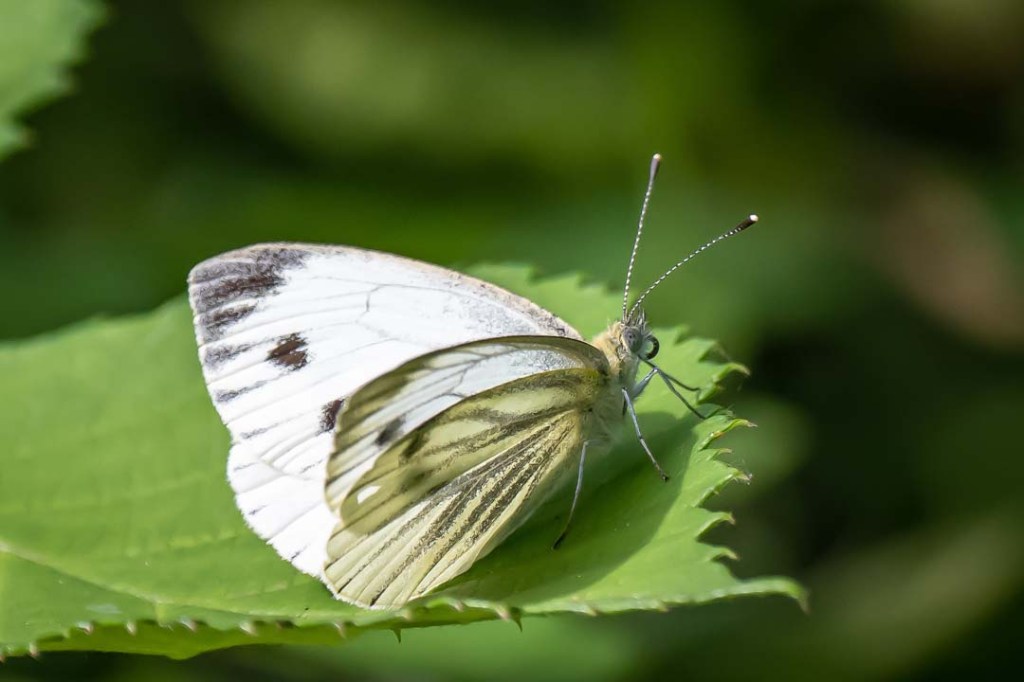
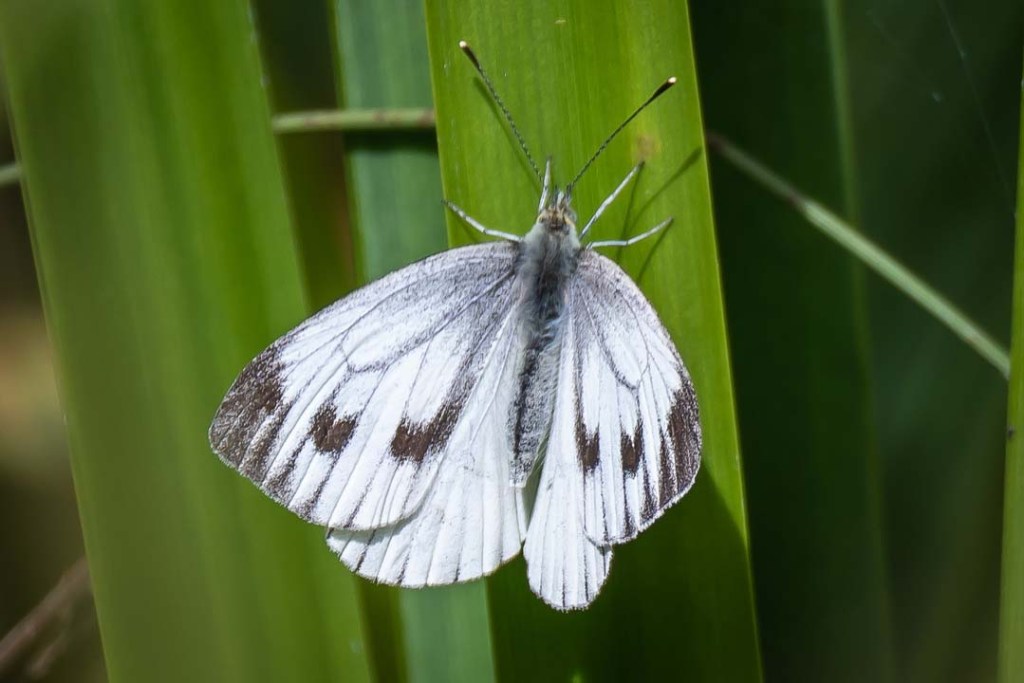
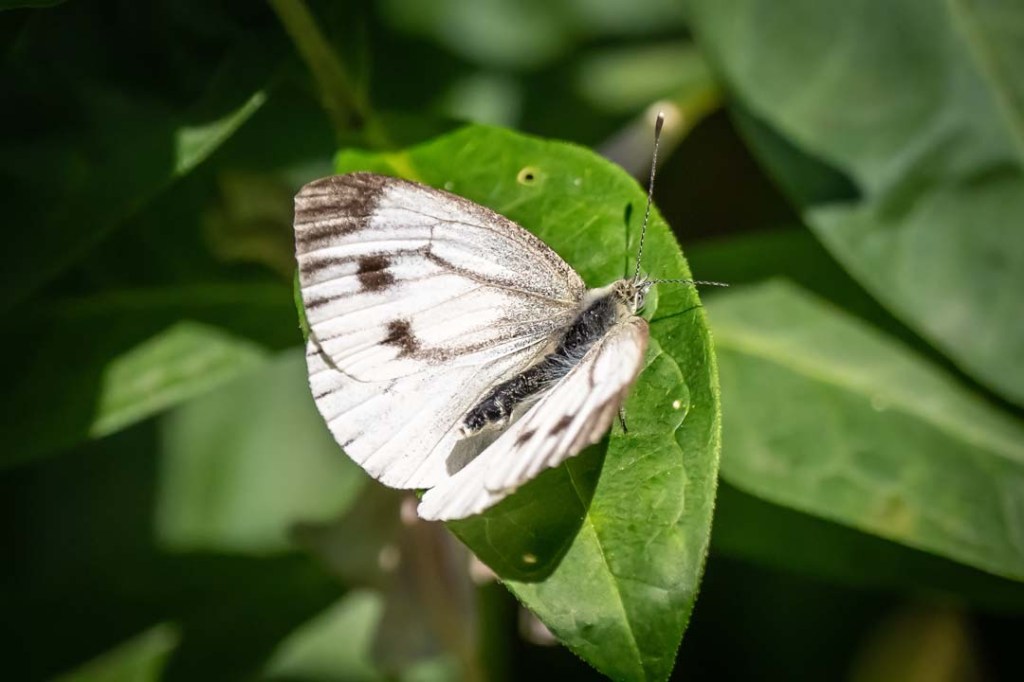
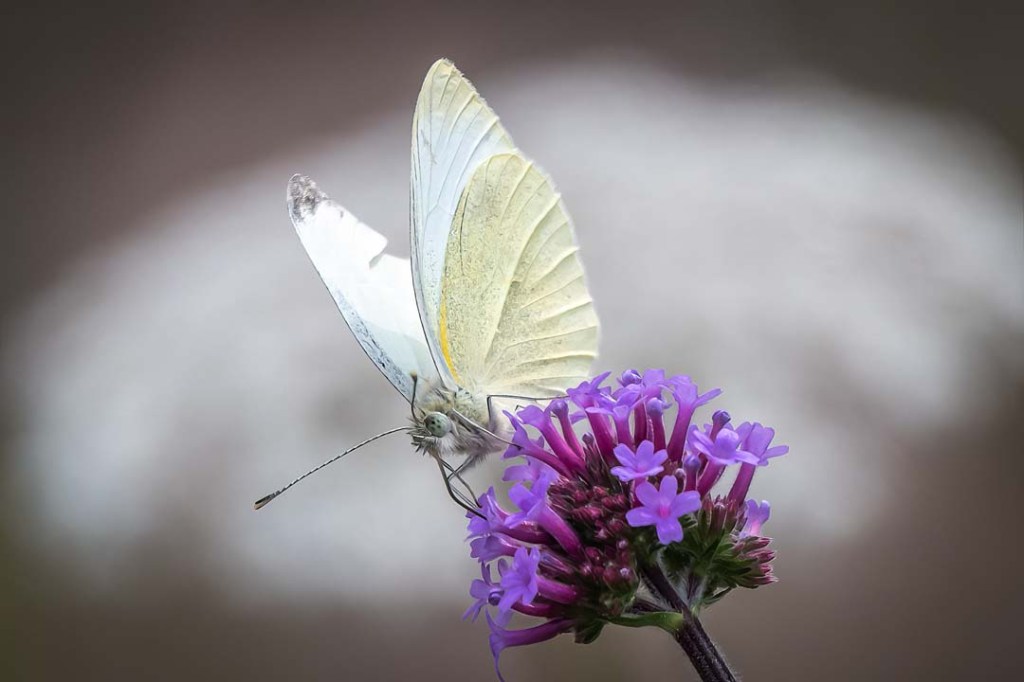
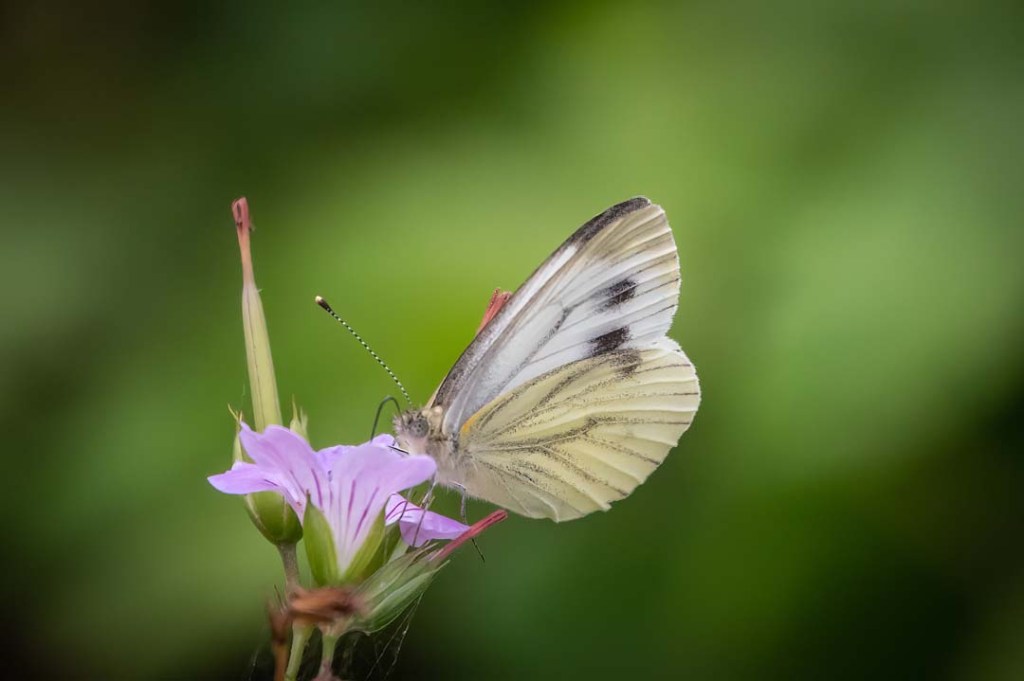
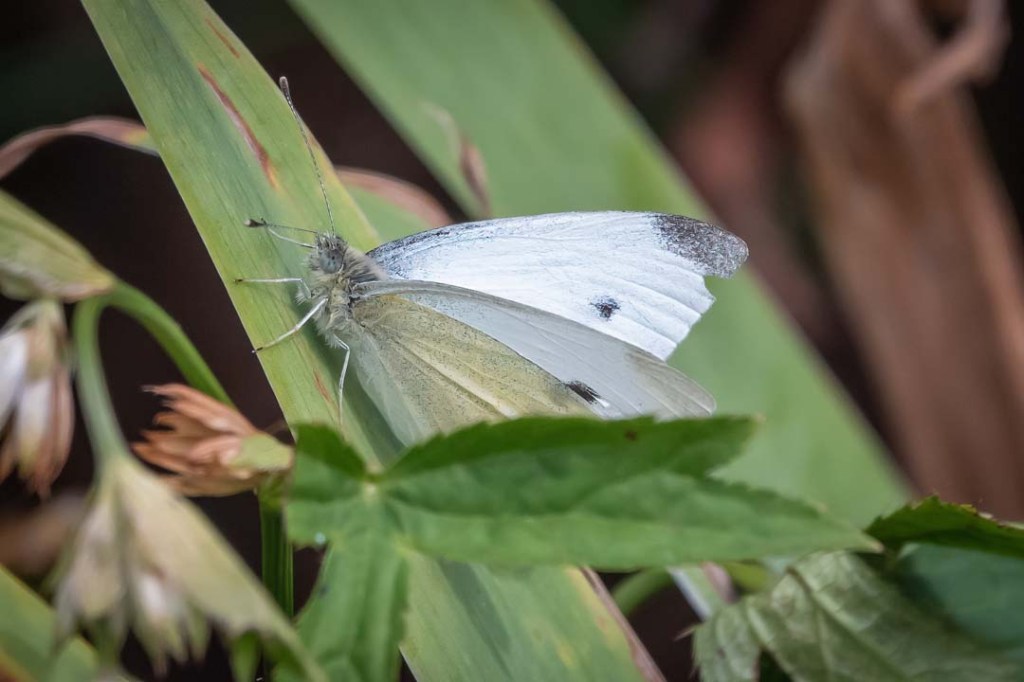
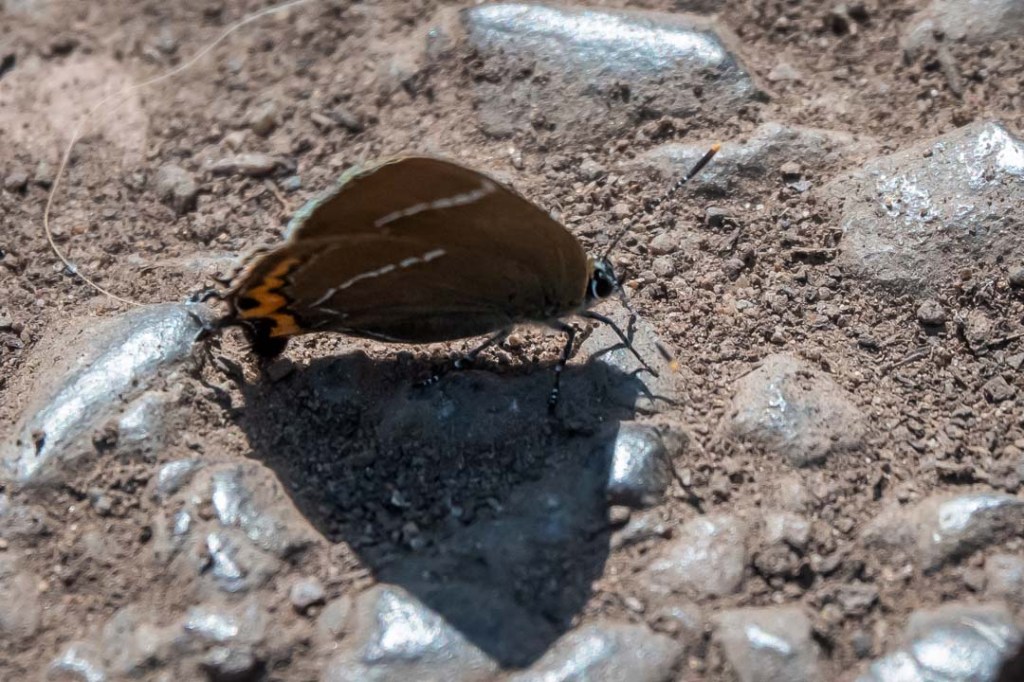
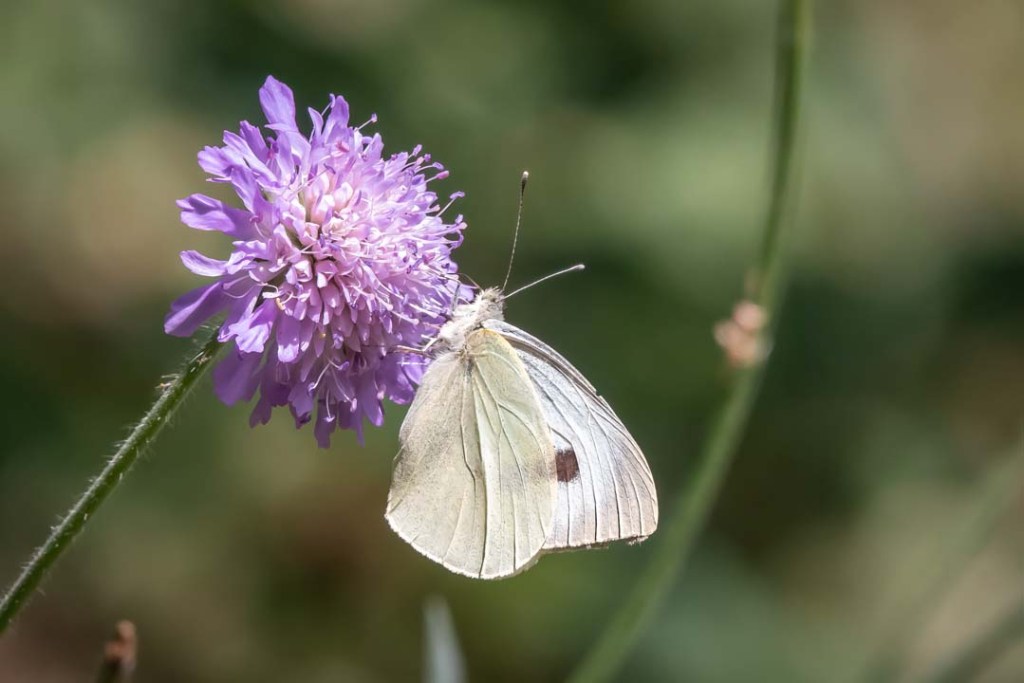
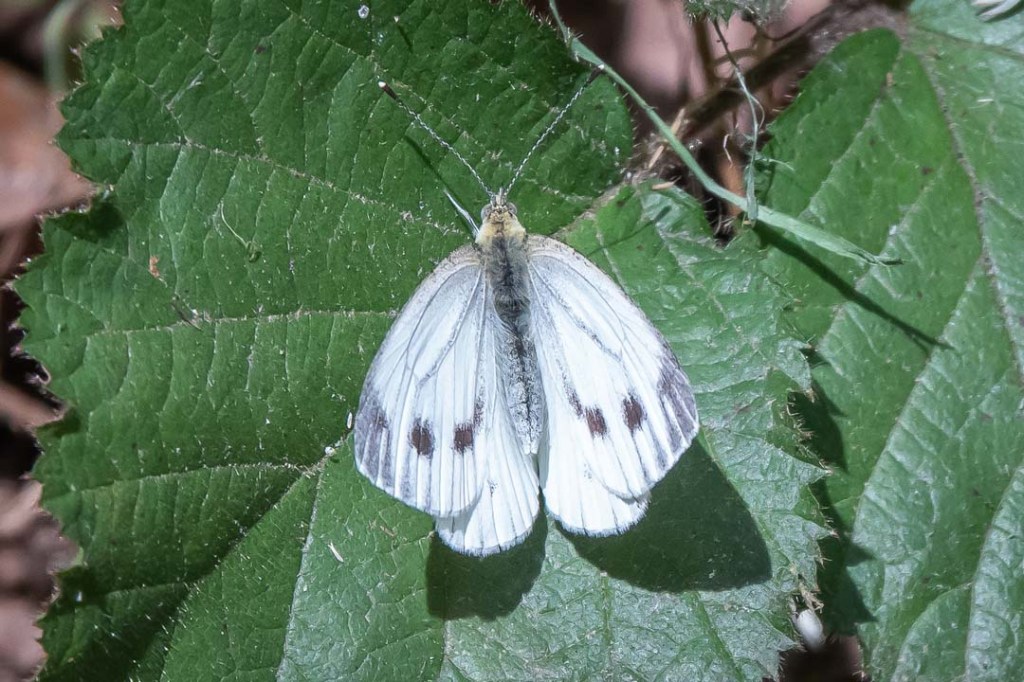
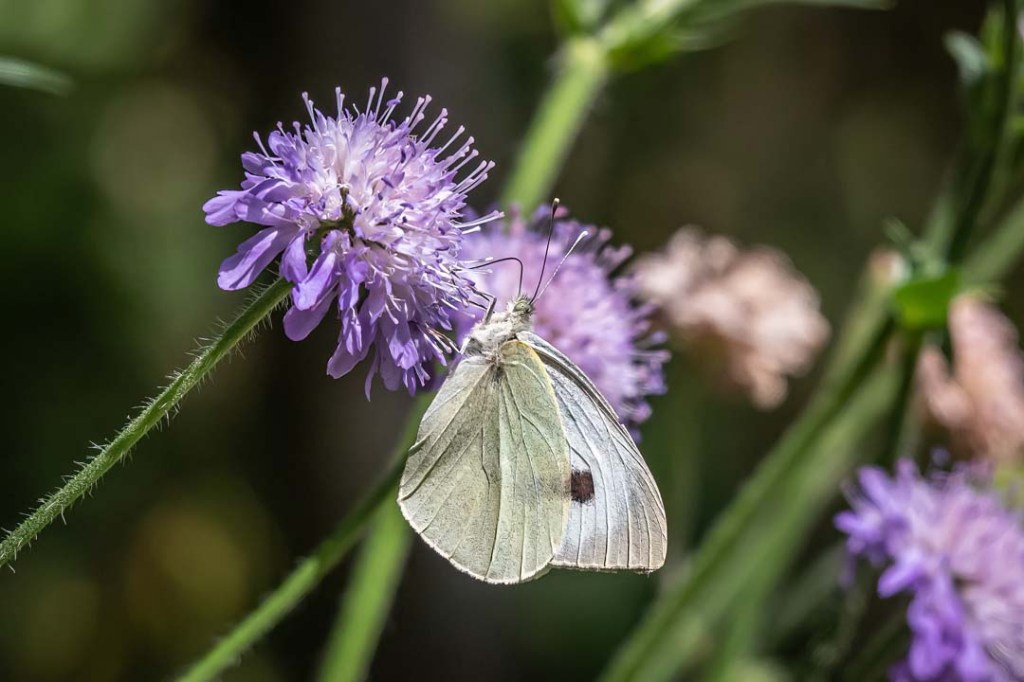
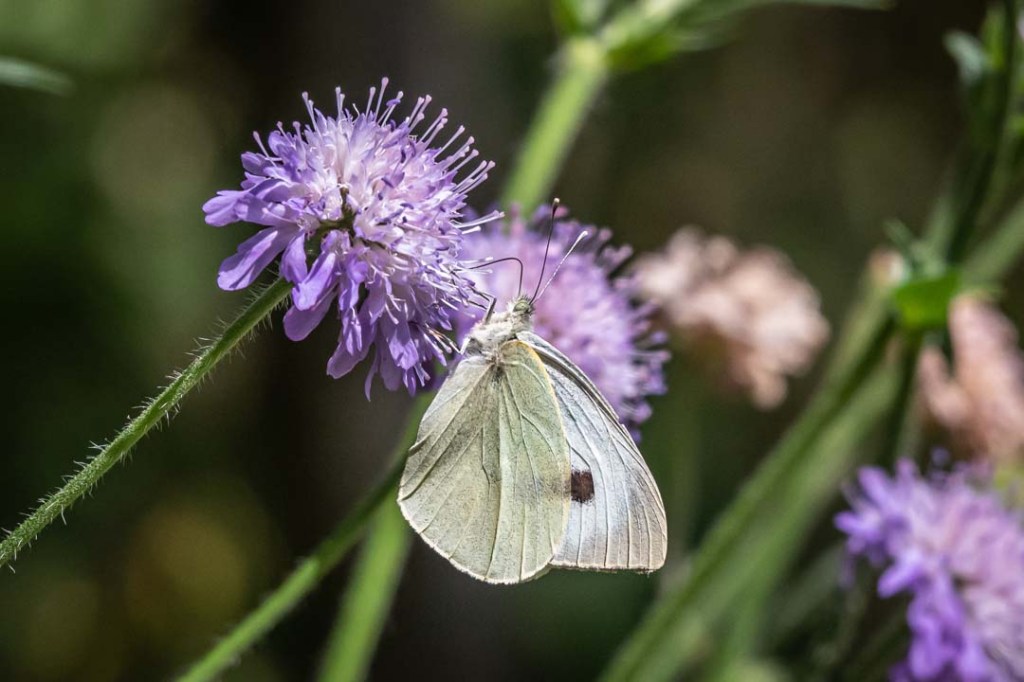
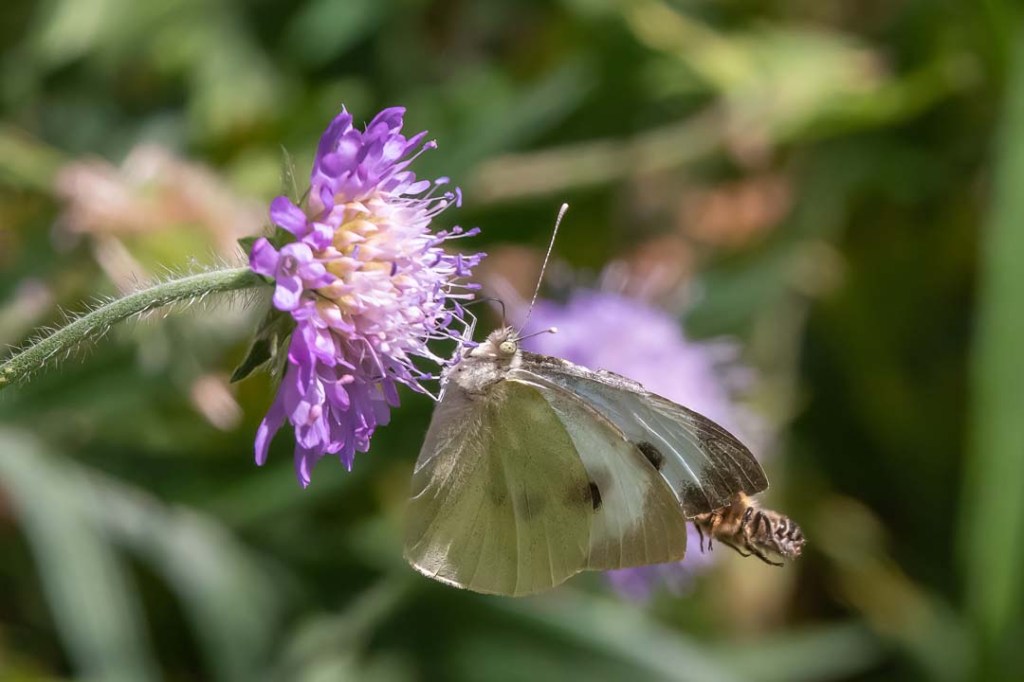
There were other butterflies too; mainly Large Whites and Green-veined Whites and one which I had not photographed before, a White-letter Hairstreak. I managed to photograph it into the sun but as soon as I tried from the other side it disappeared in a flash.
White-letter Hairstreak butterflyGreen-veined WhiteLarge White
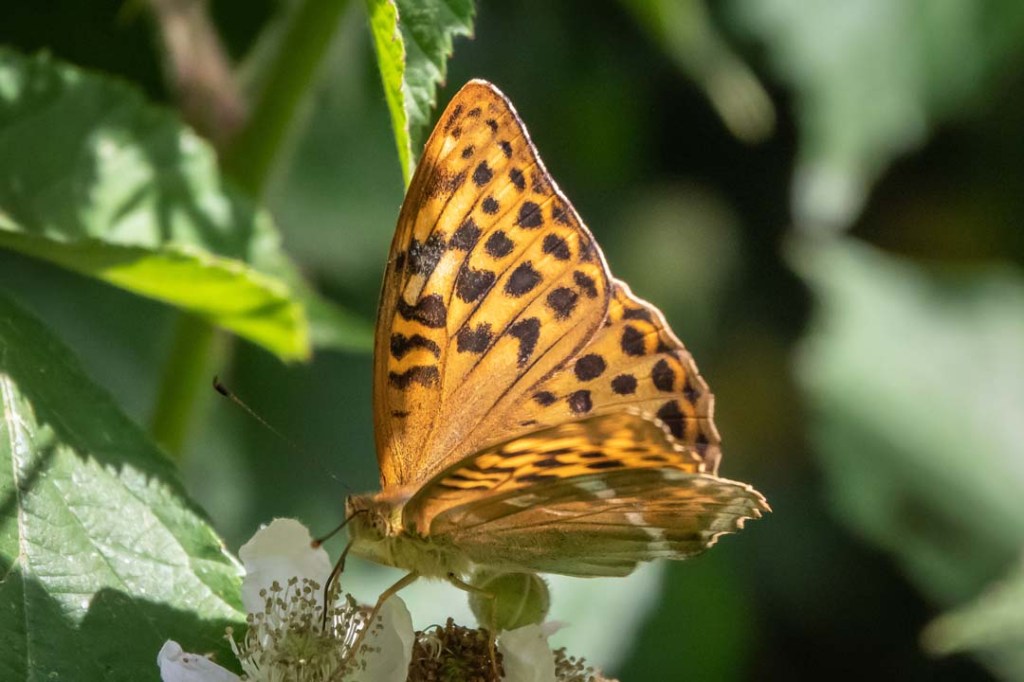
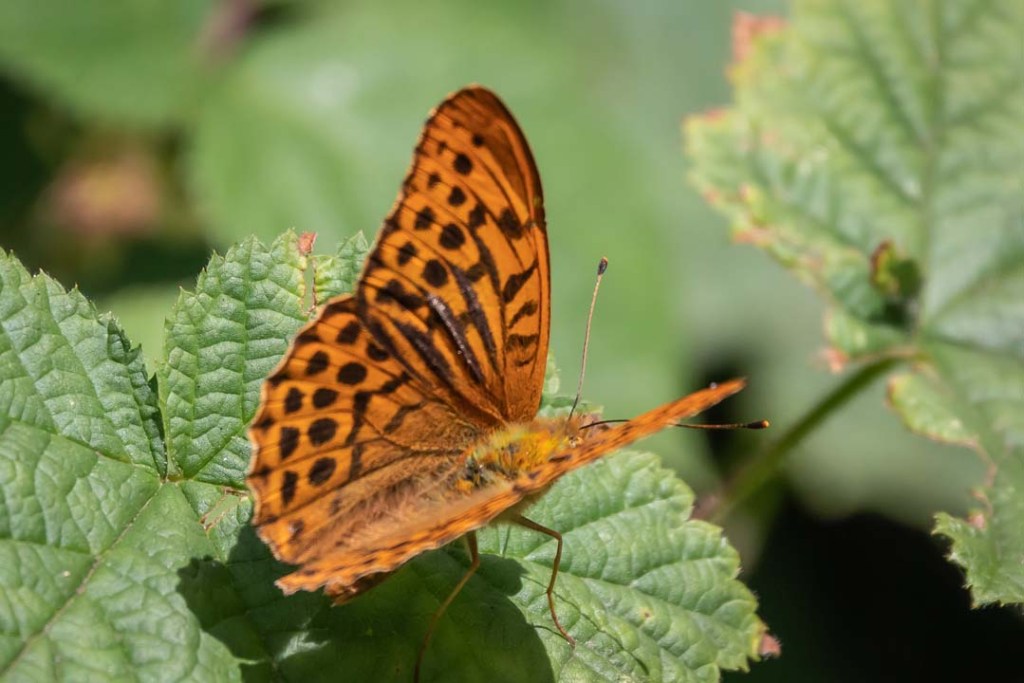
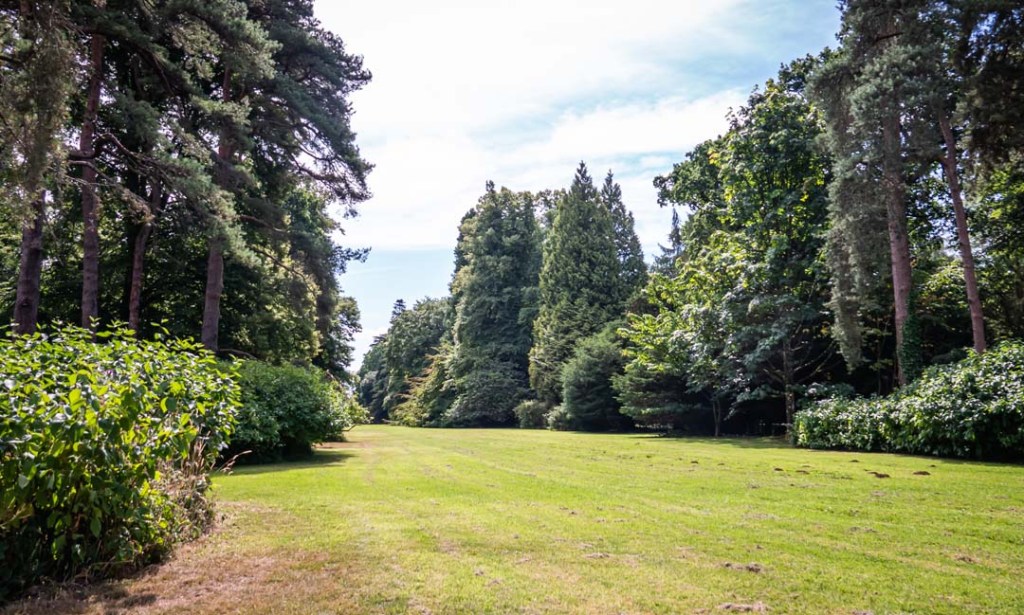
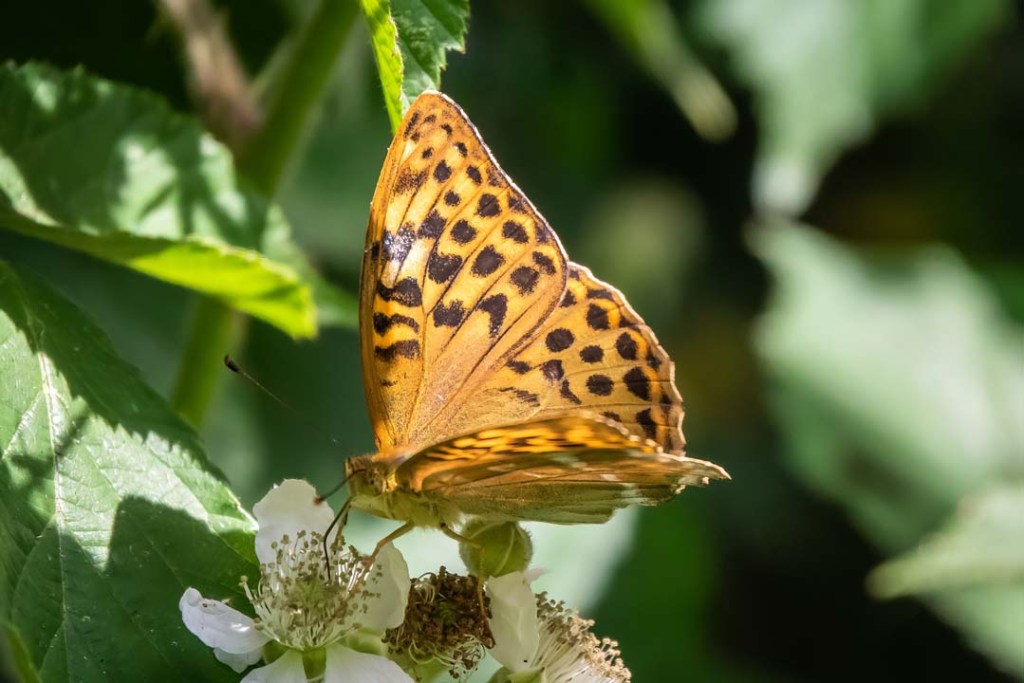
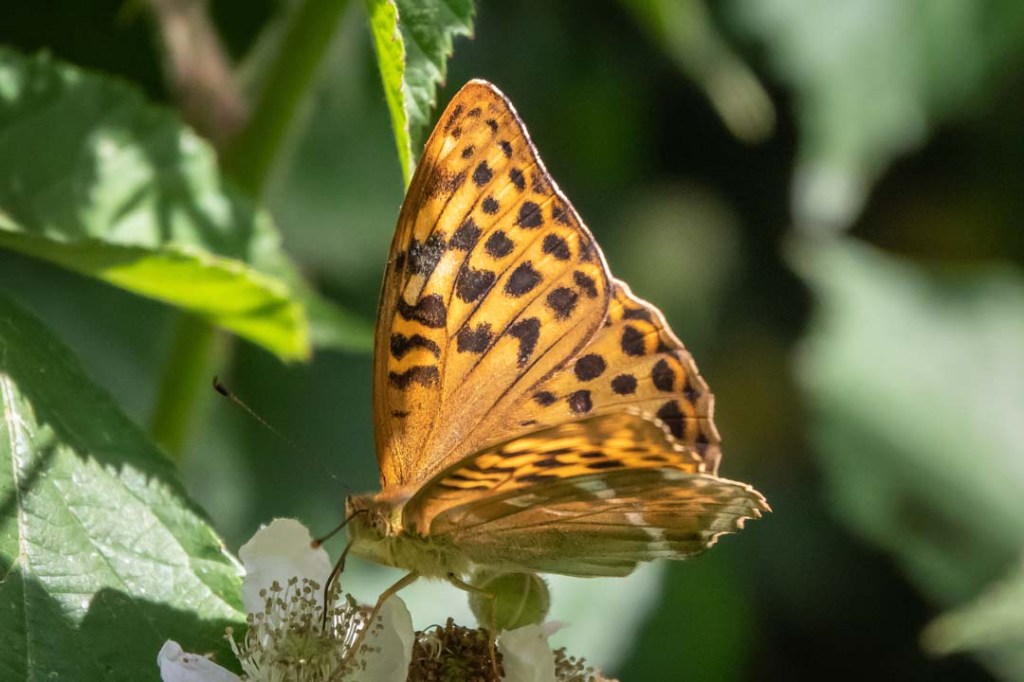
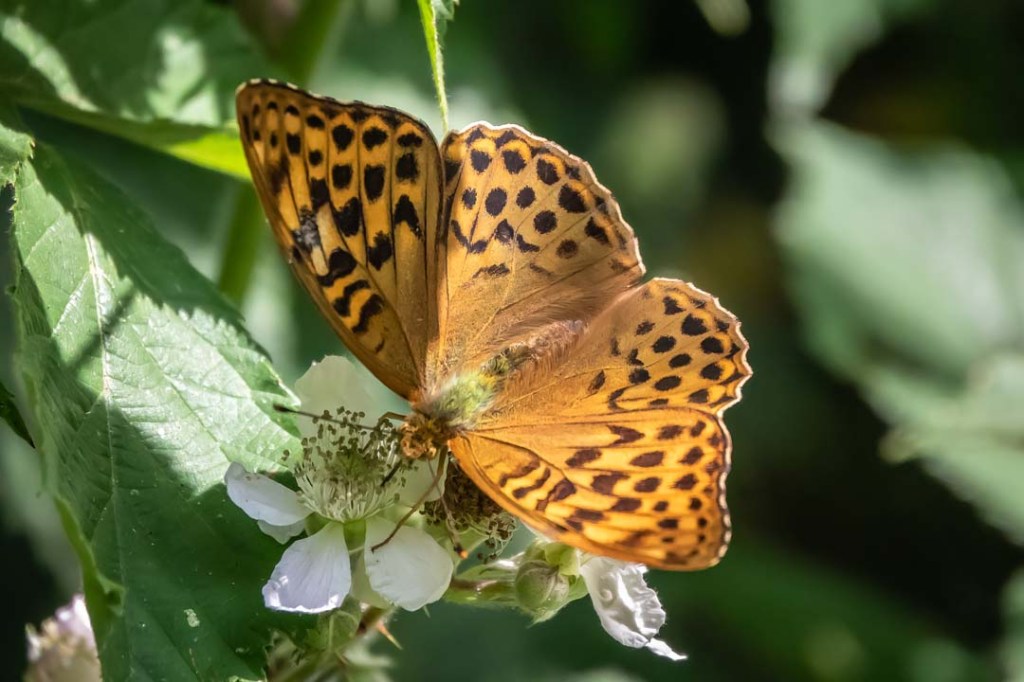
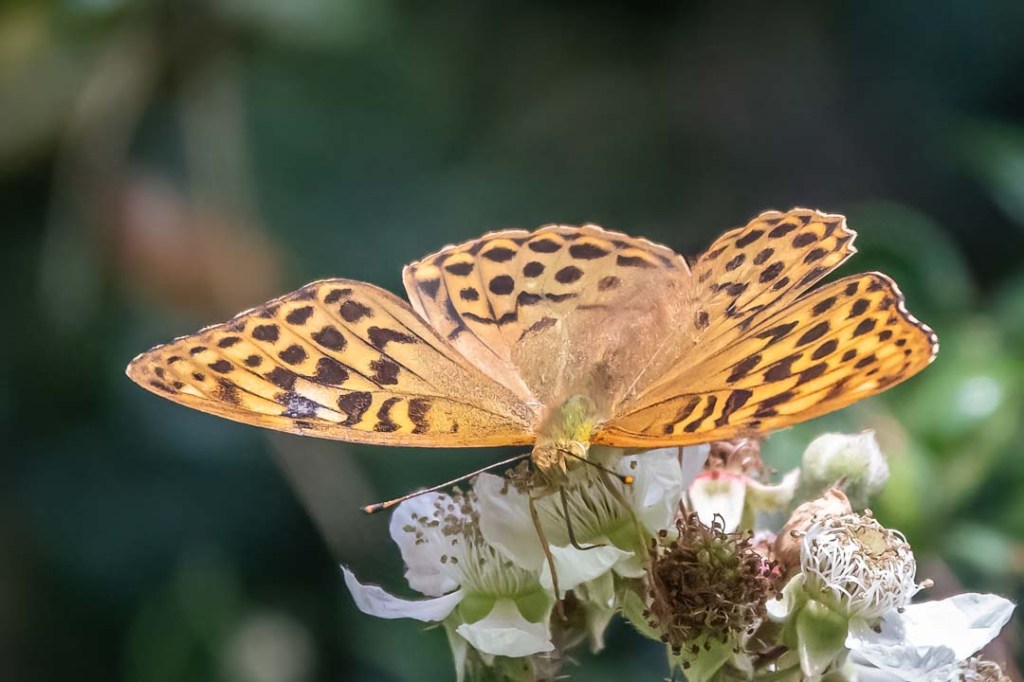
I did see a copper coloured butterfly but couldn’t focus on it quickly enough to get a shot. I was hoping it was the Silver-washed fritillary that we saw a few days ago at Westonbirt Arboretum in Gloucestershire.
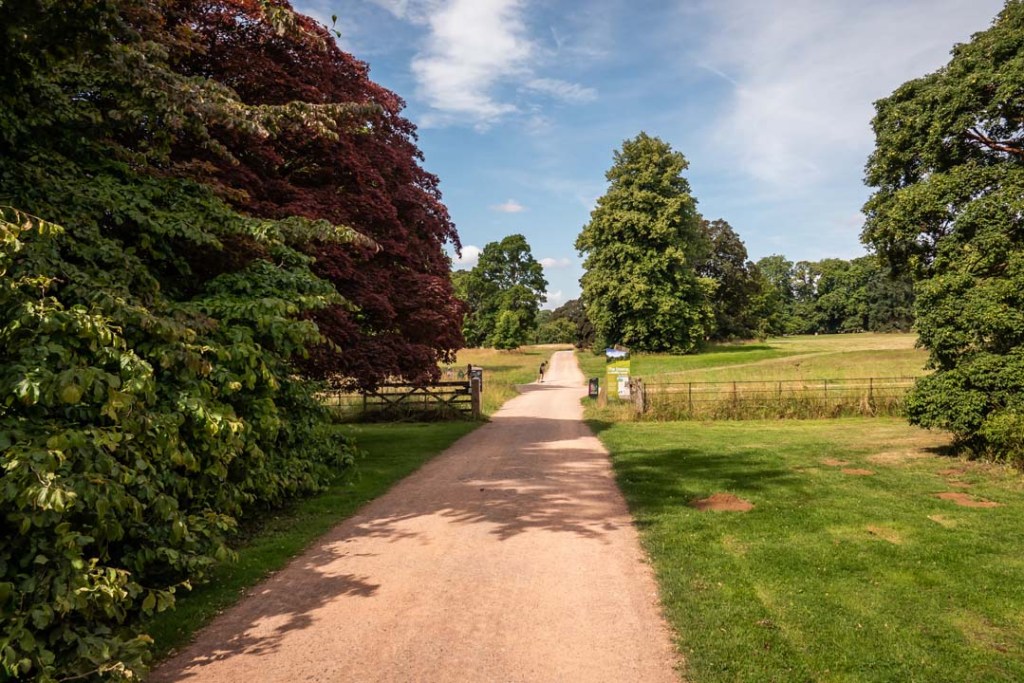
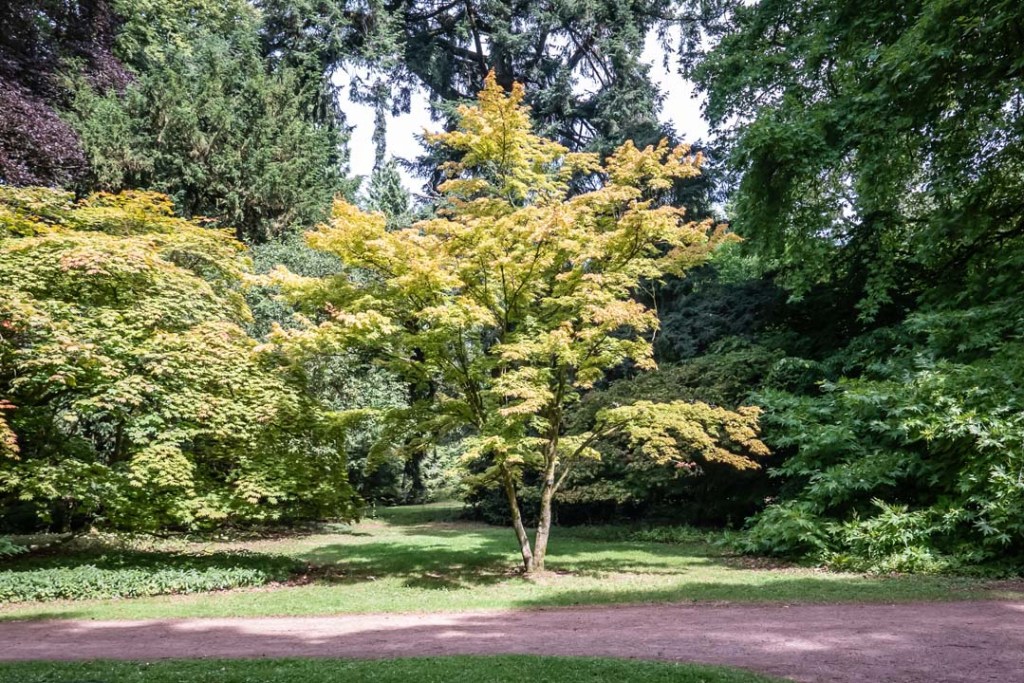
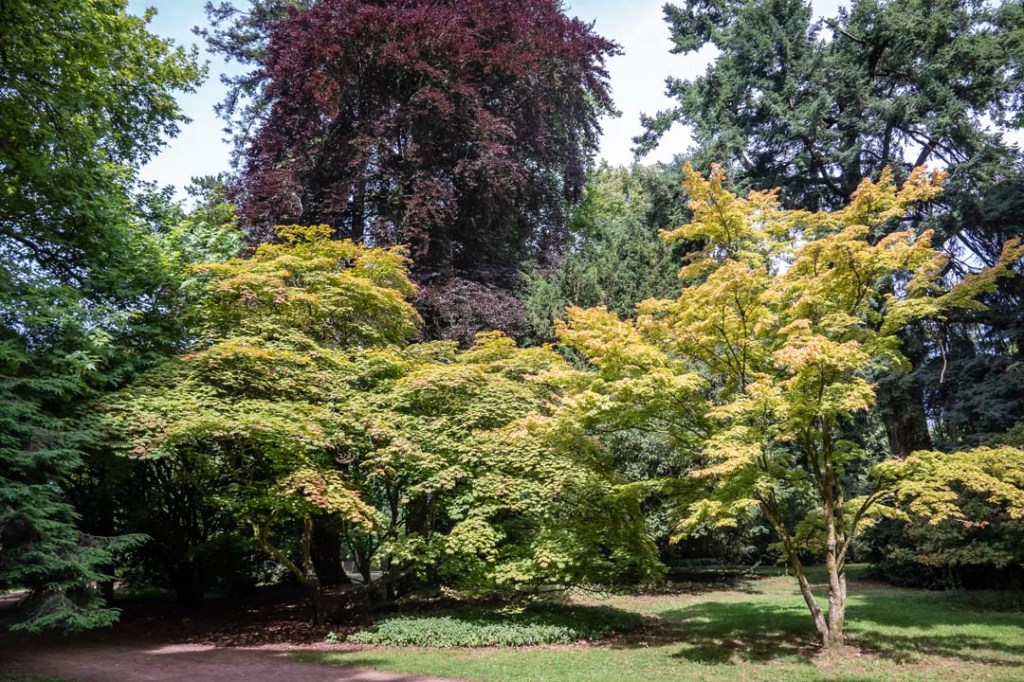
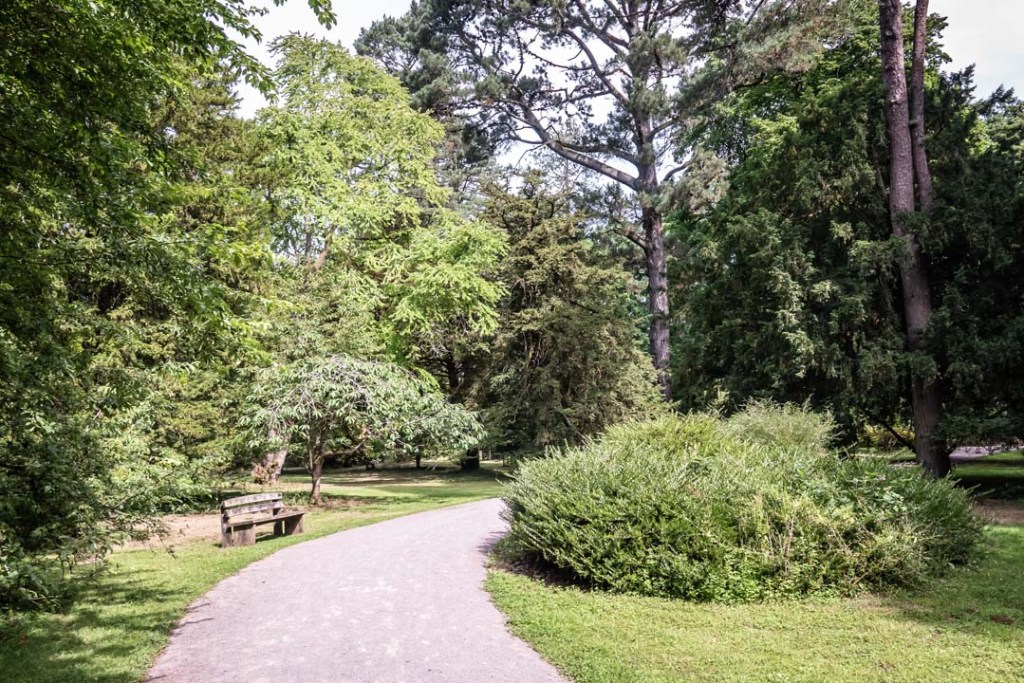
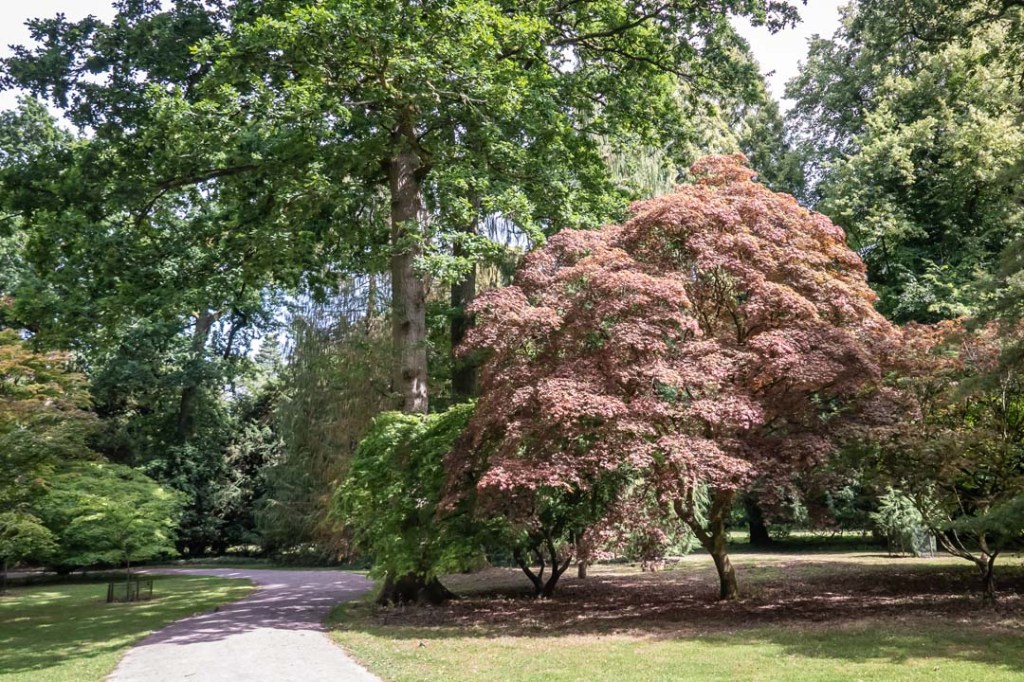
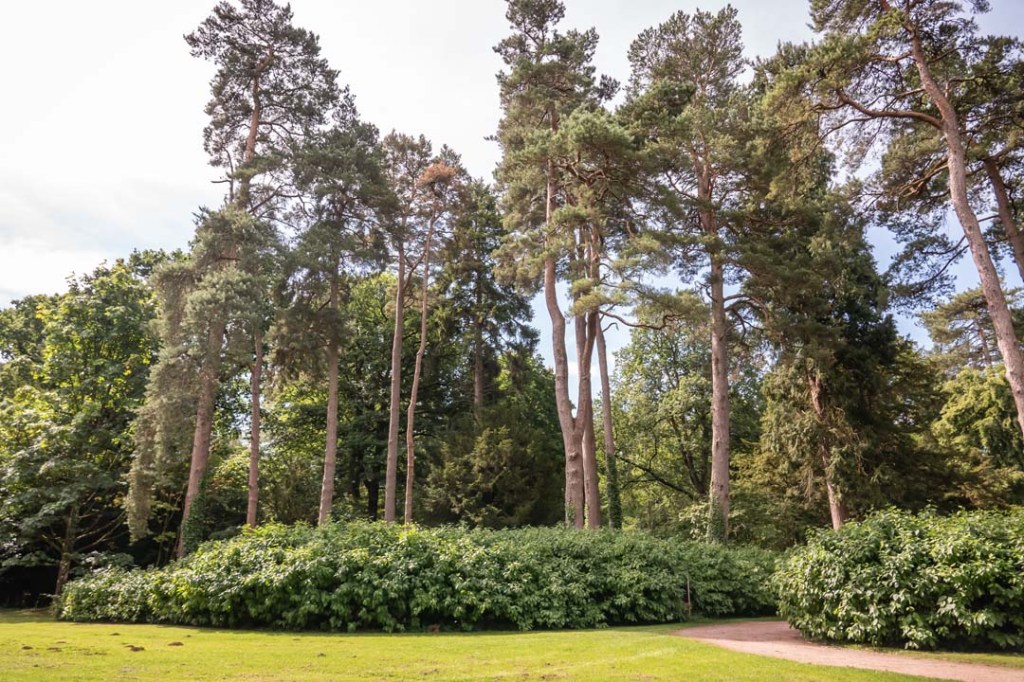
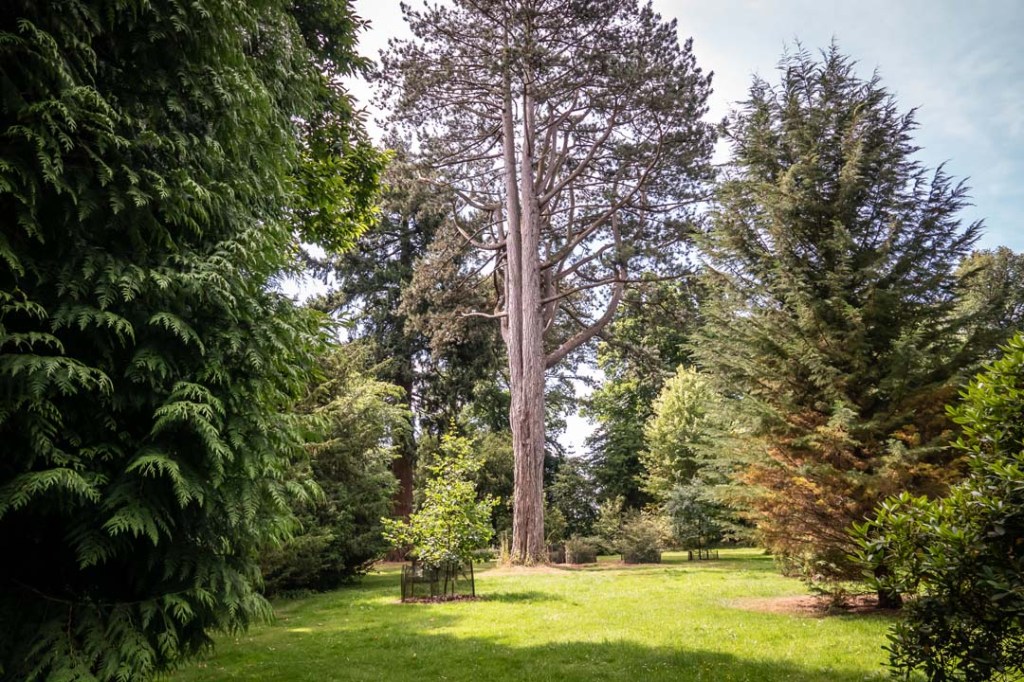
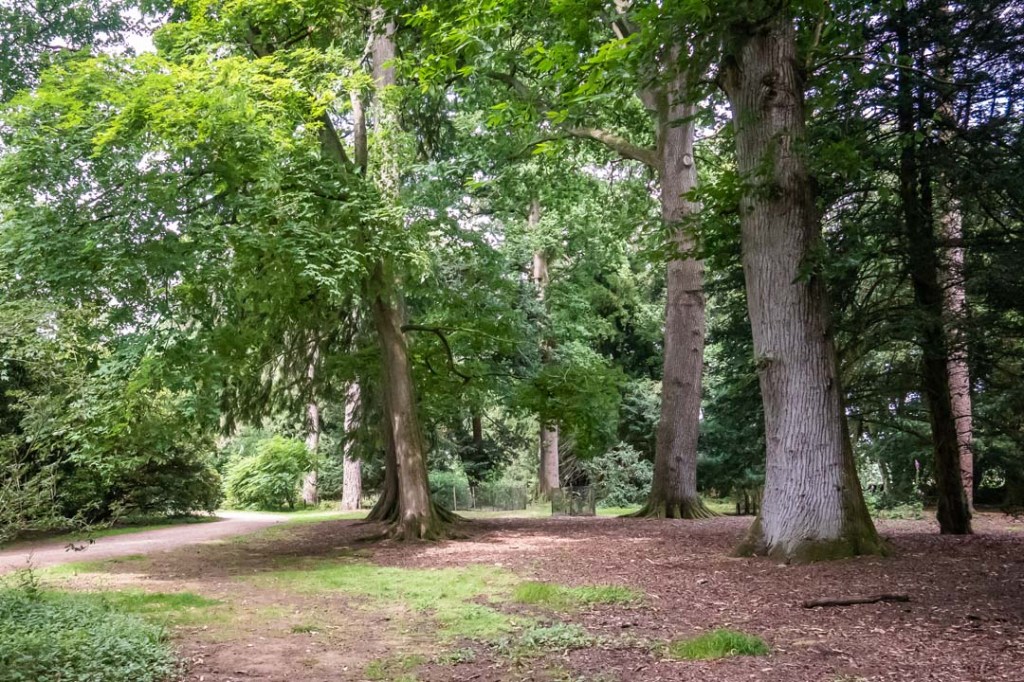
The National Arboretum at Westonbirt is a beautiful place to visit. It attracts hoards of people in the autumn but when we visited last week there were very few people indeed. It would probably be true to say there were more butterflies than people.
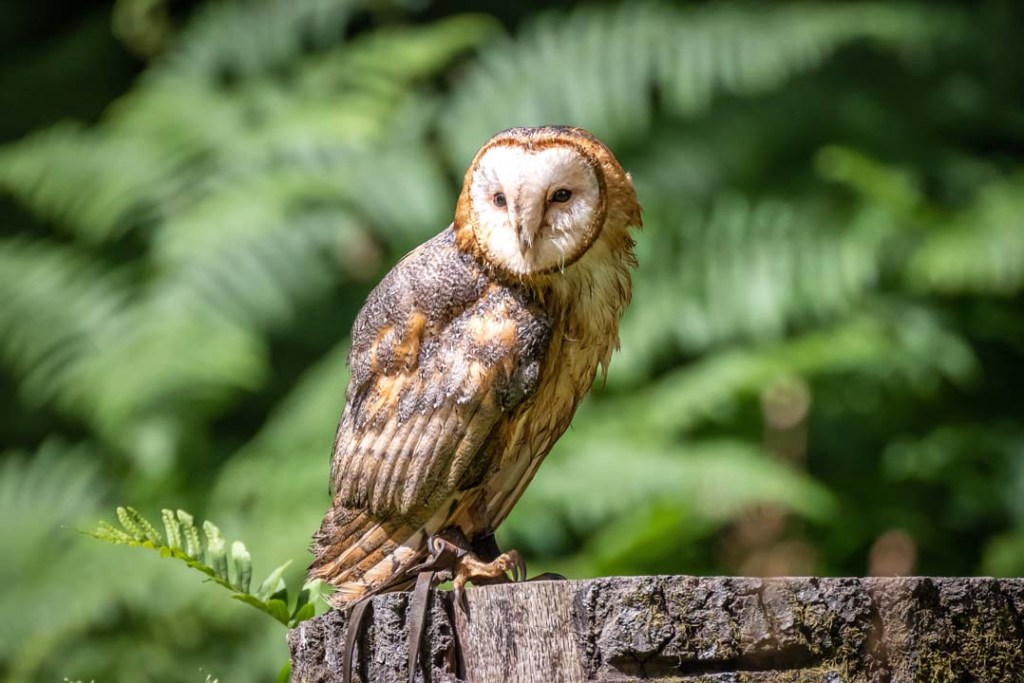
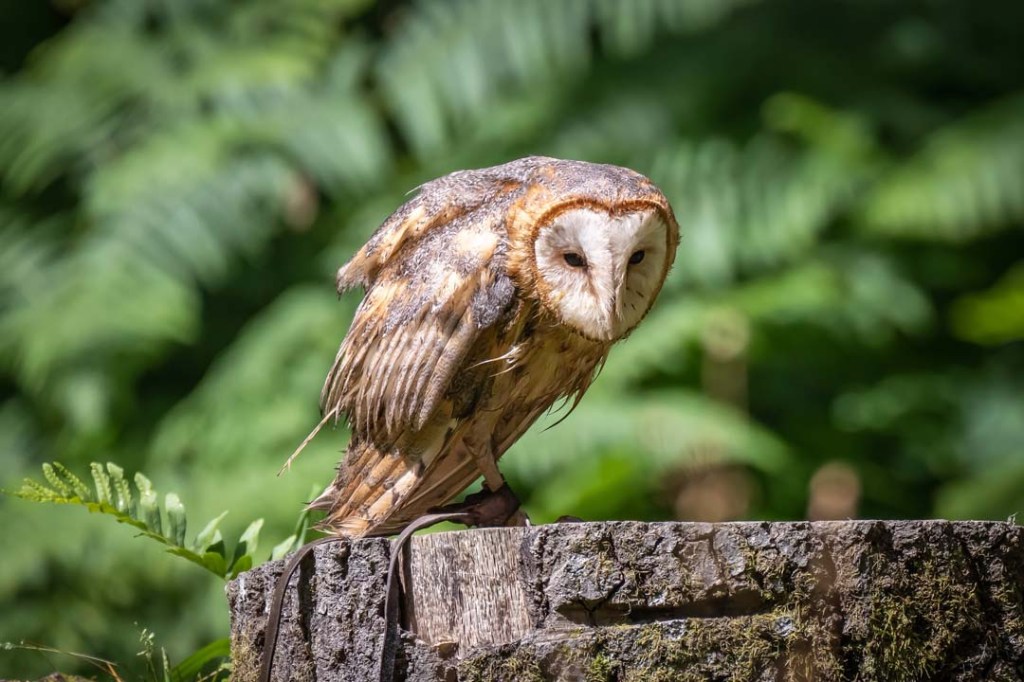
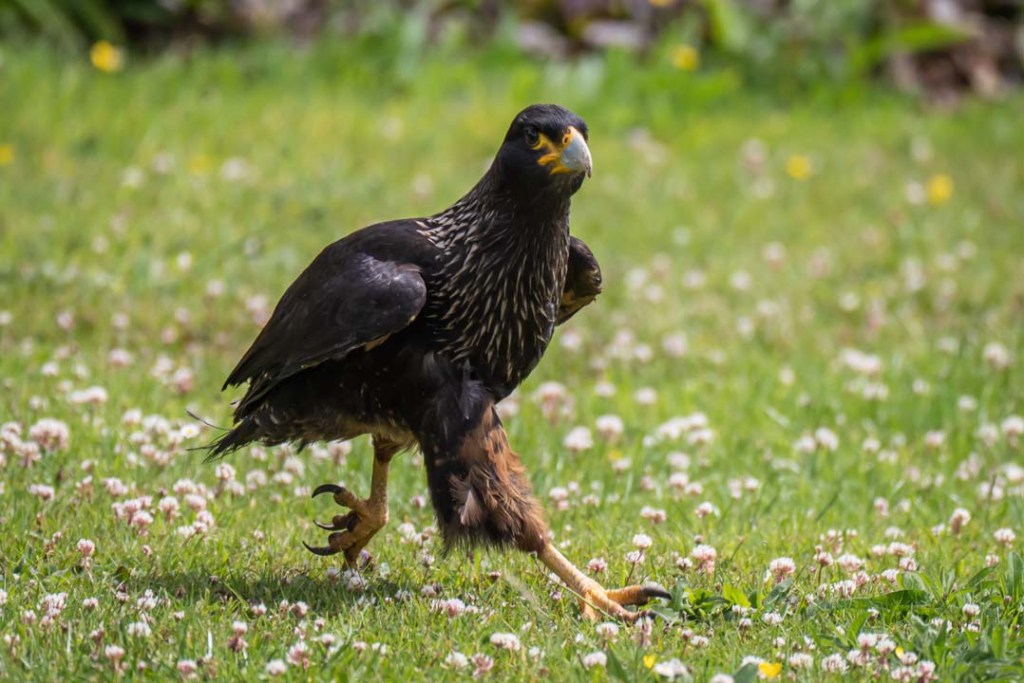
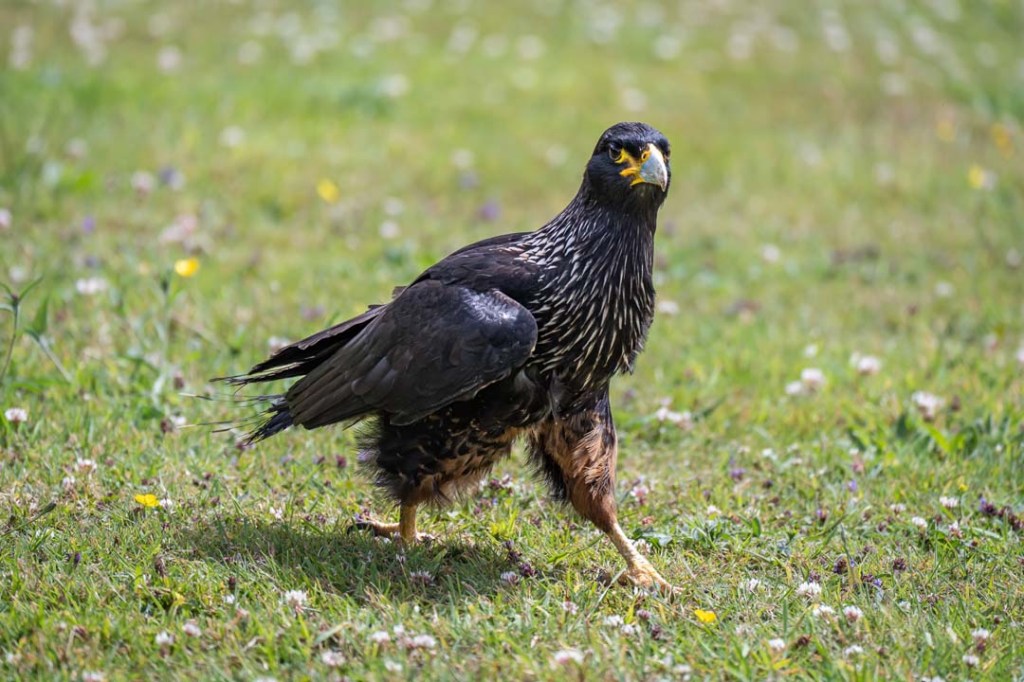
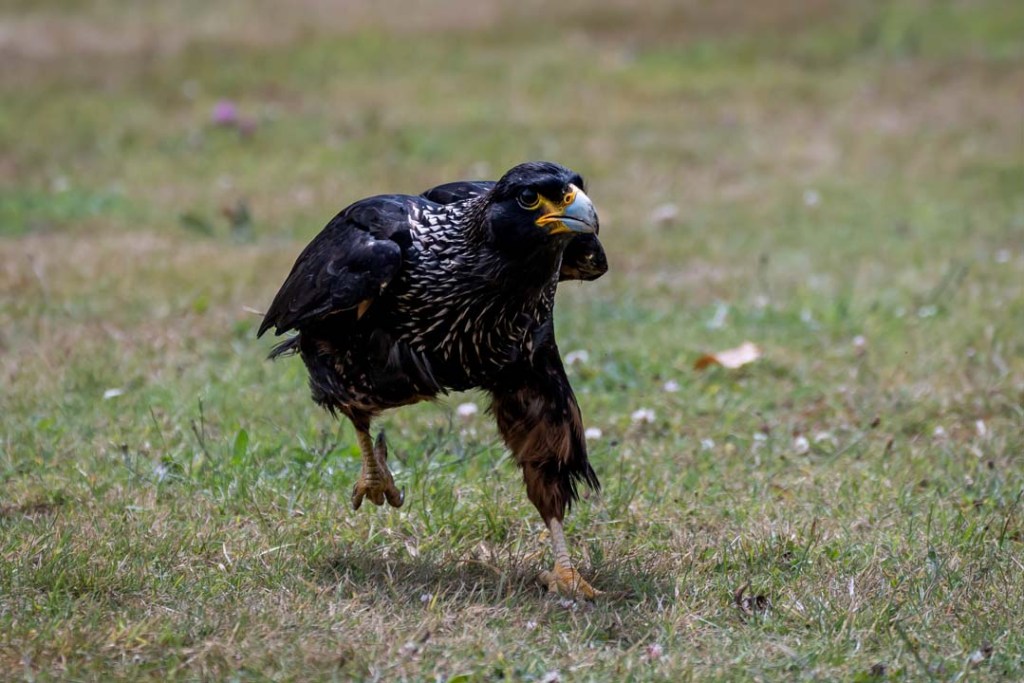
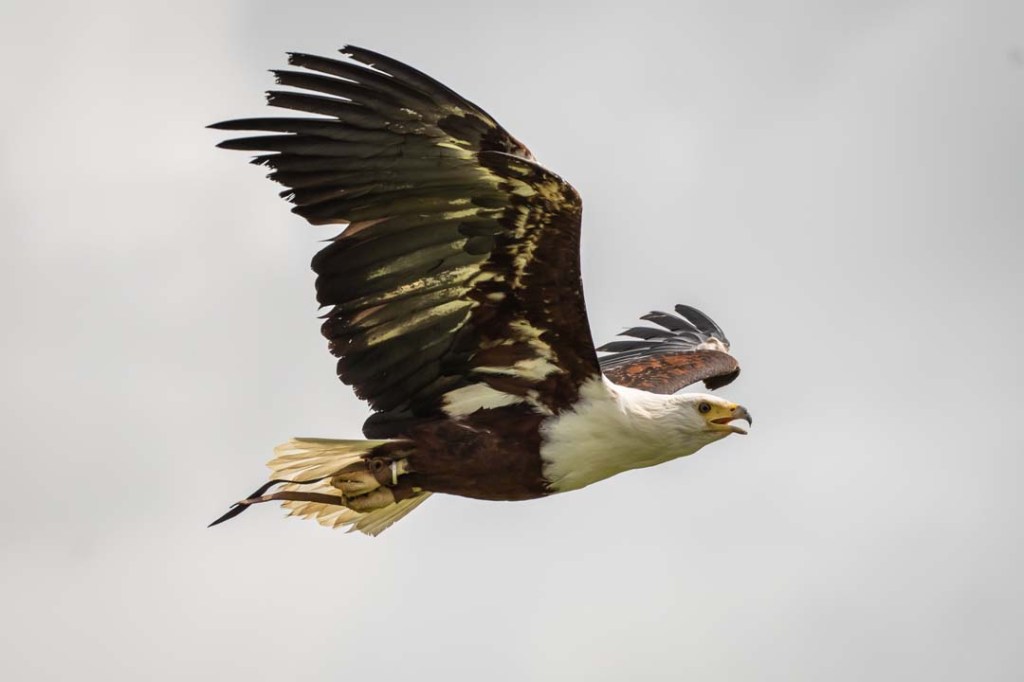
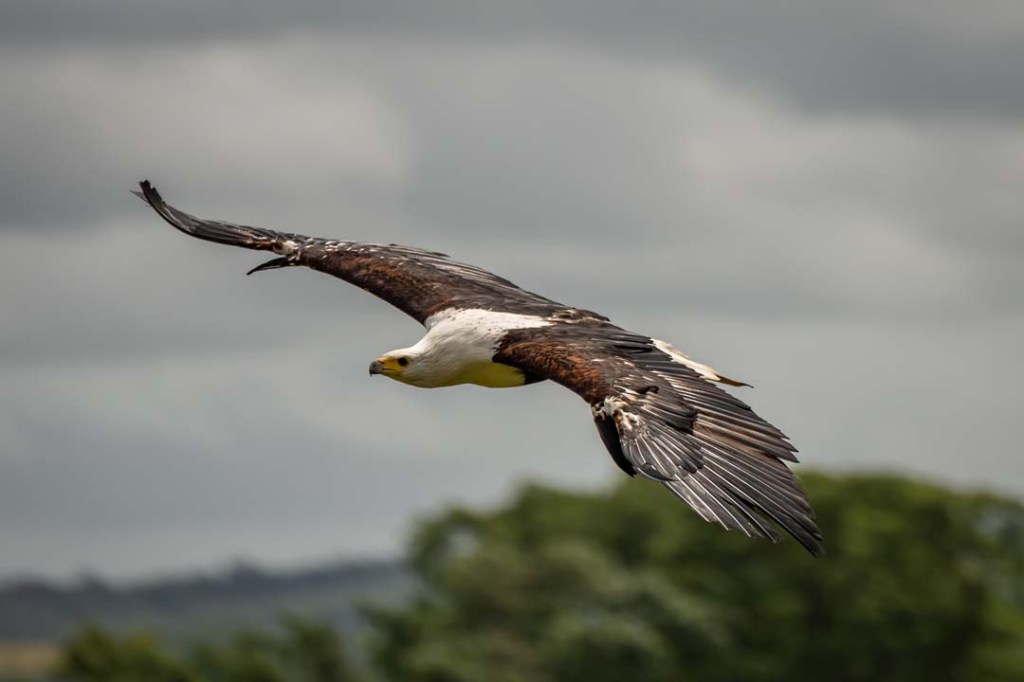
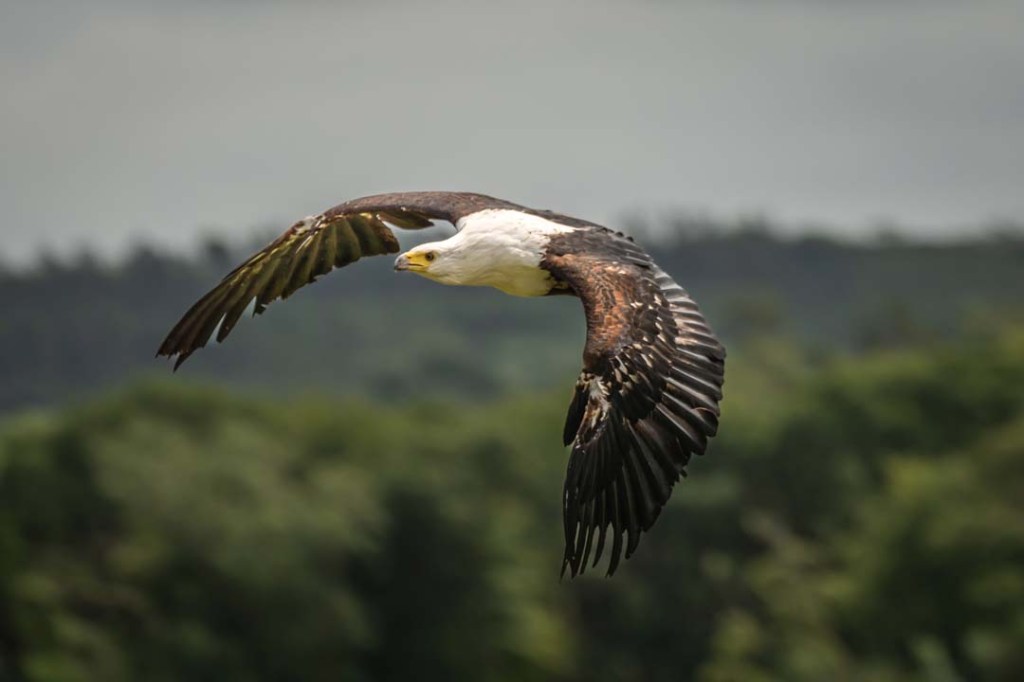
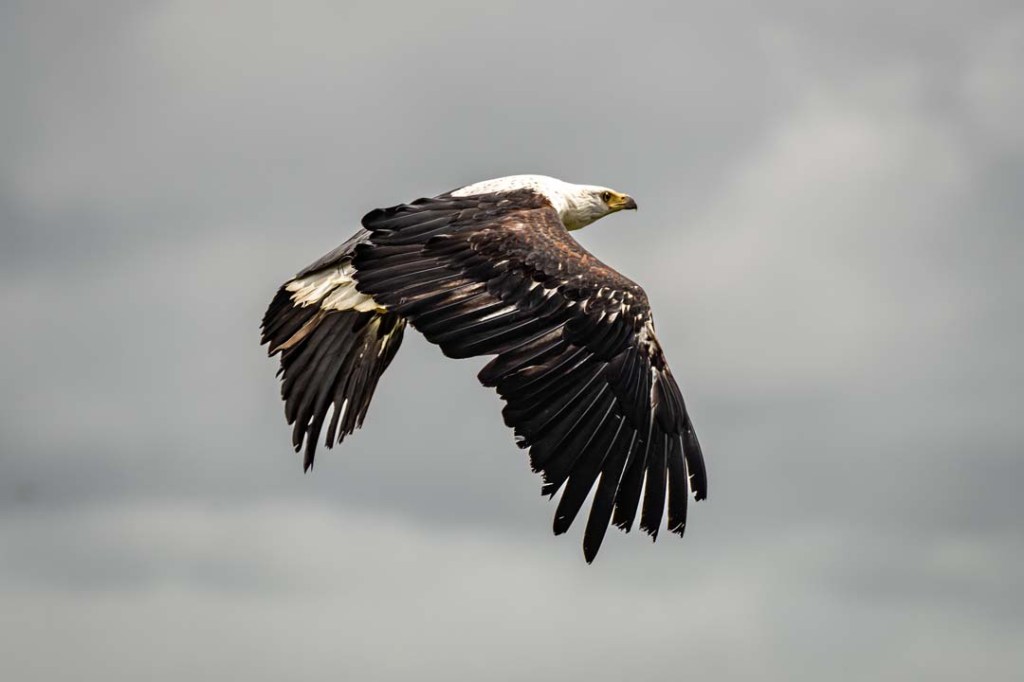
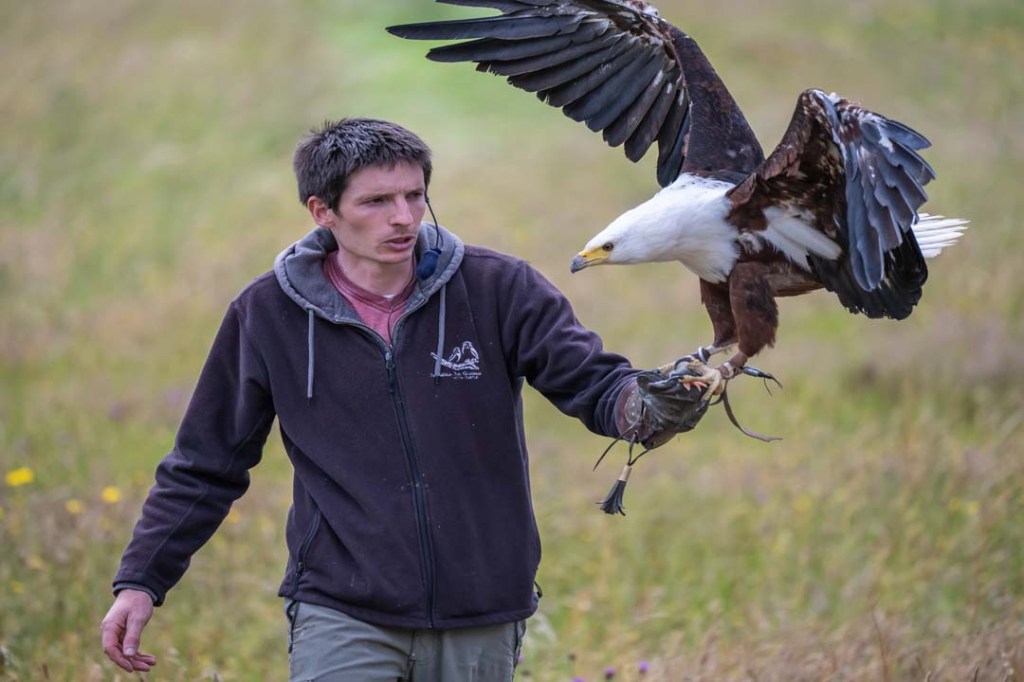
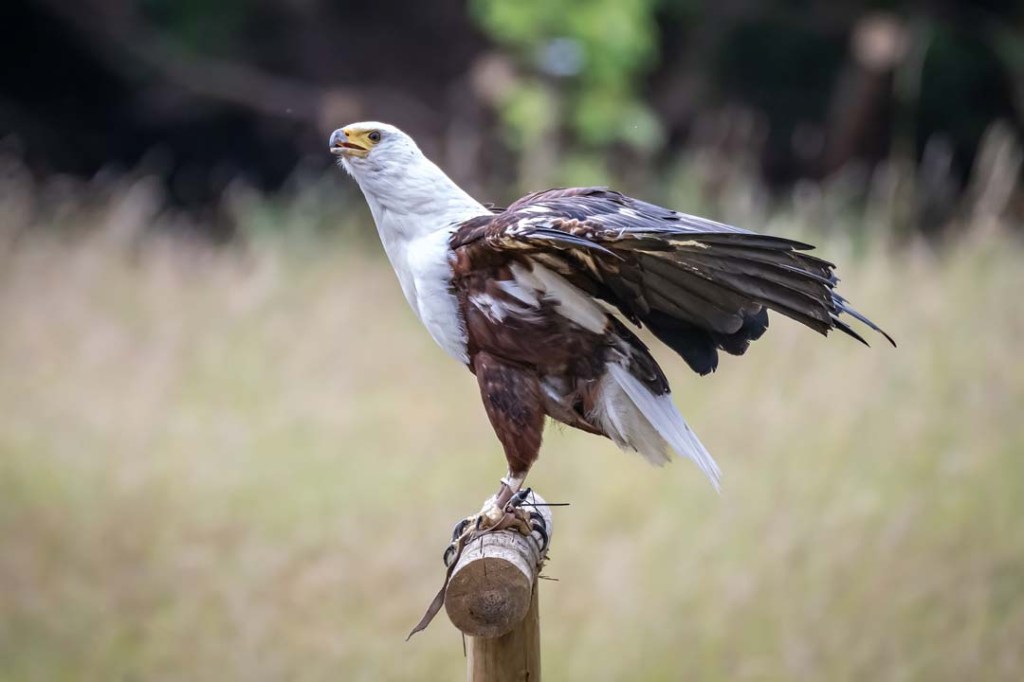
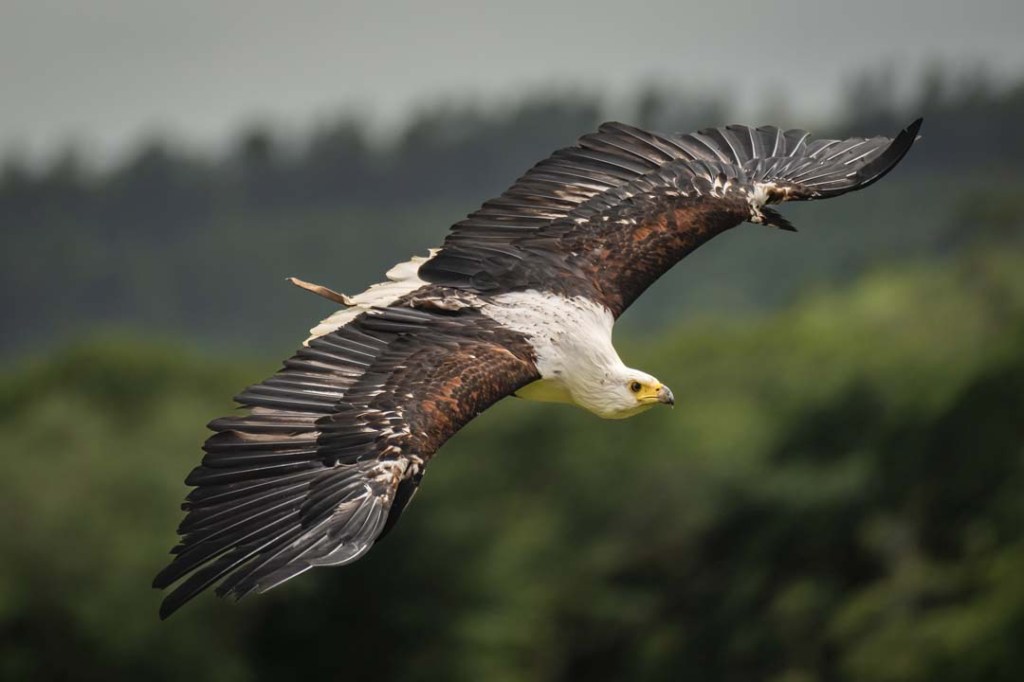
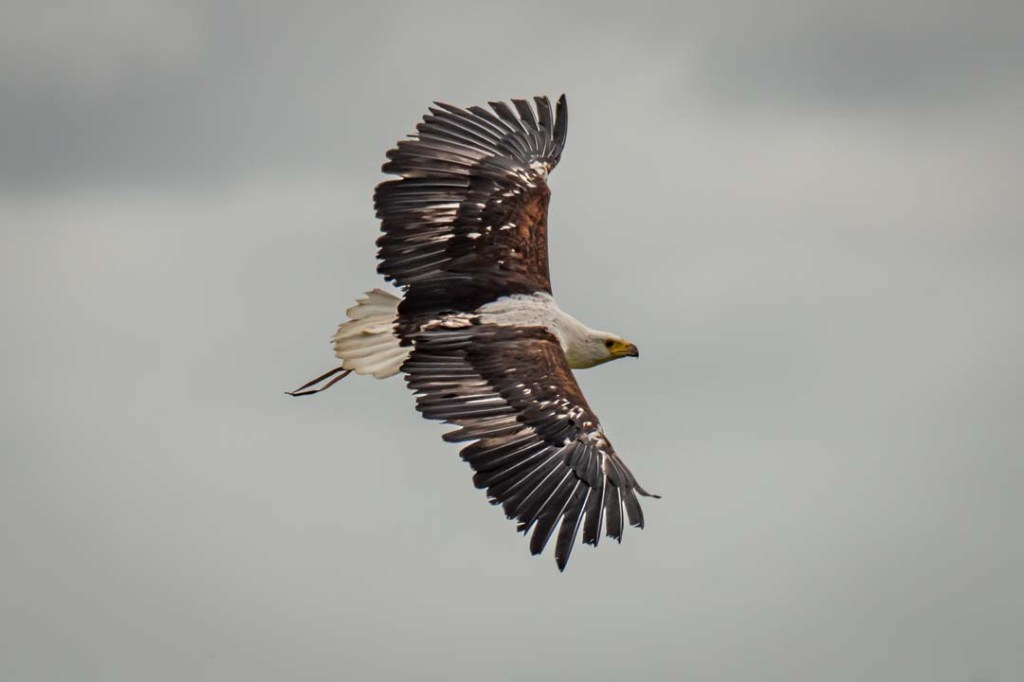
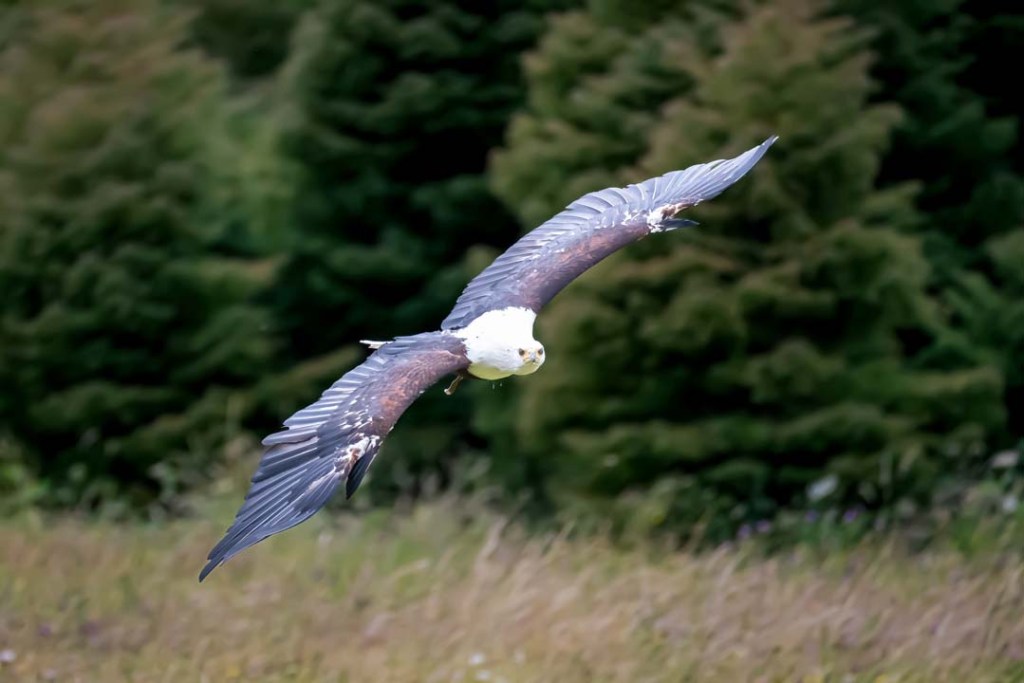
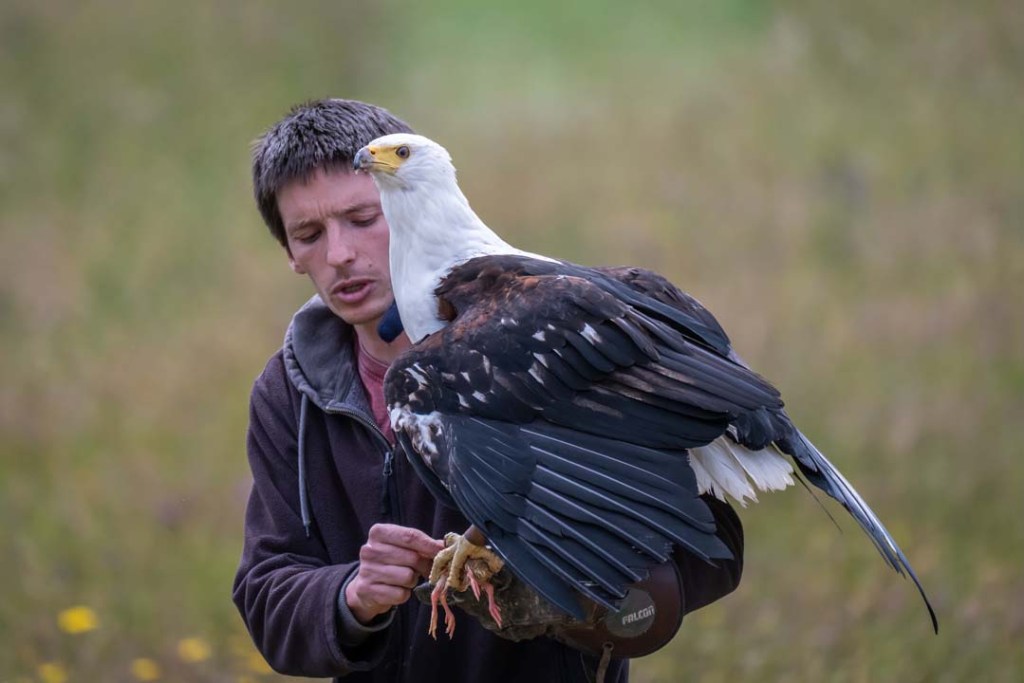
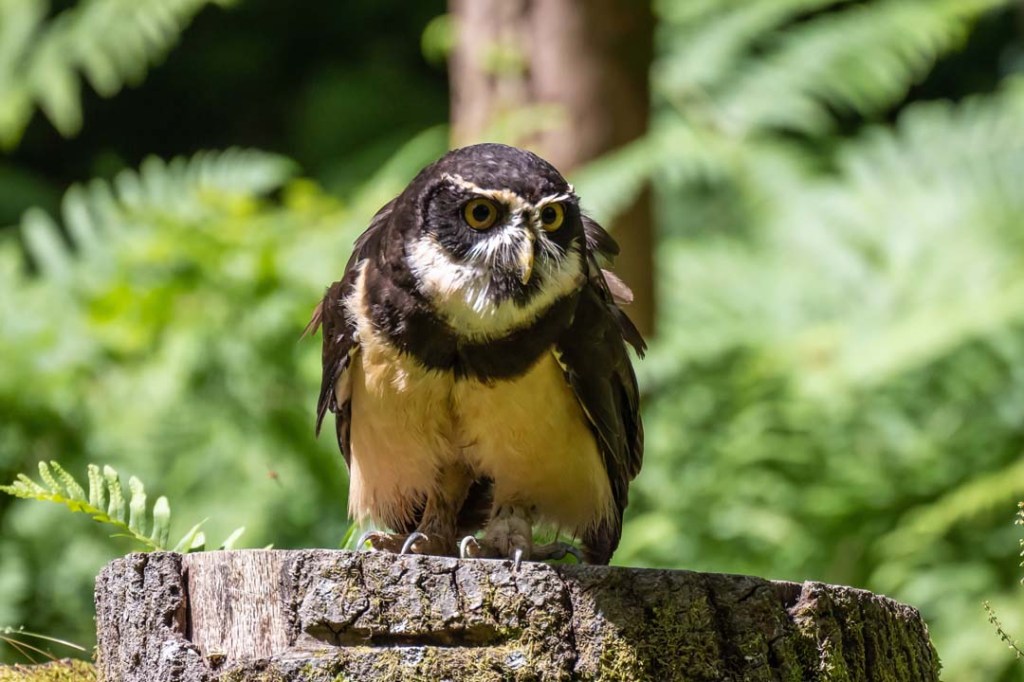
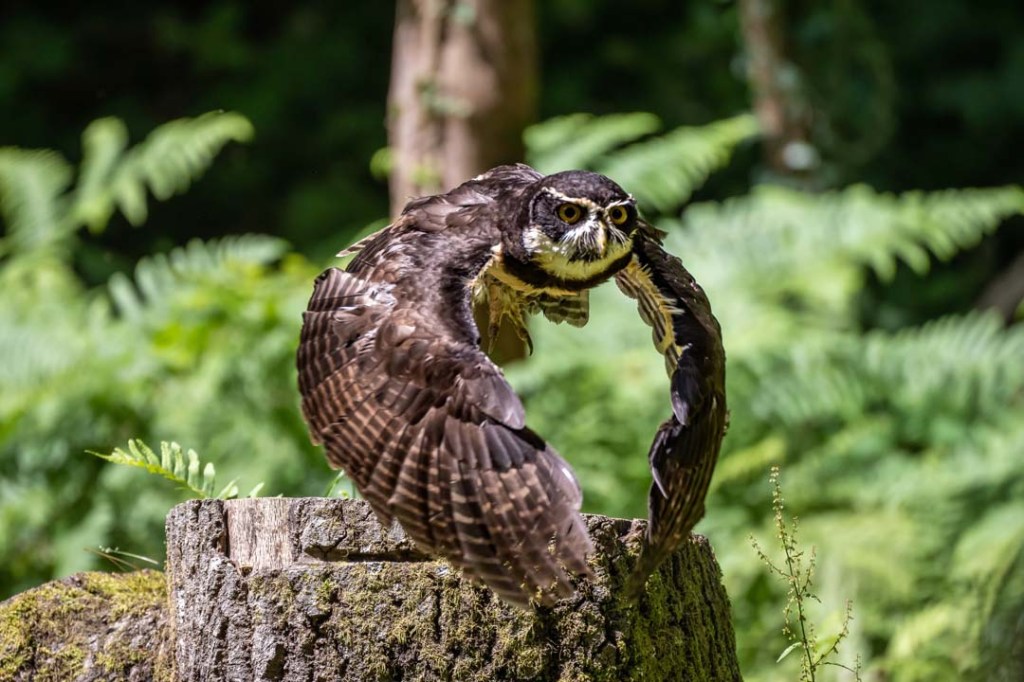
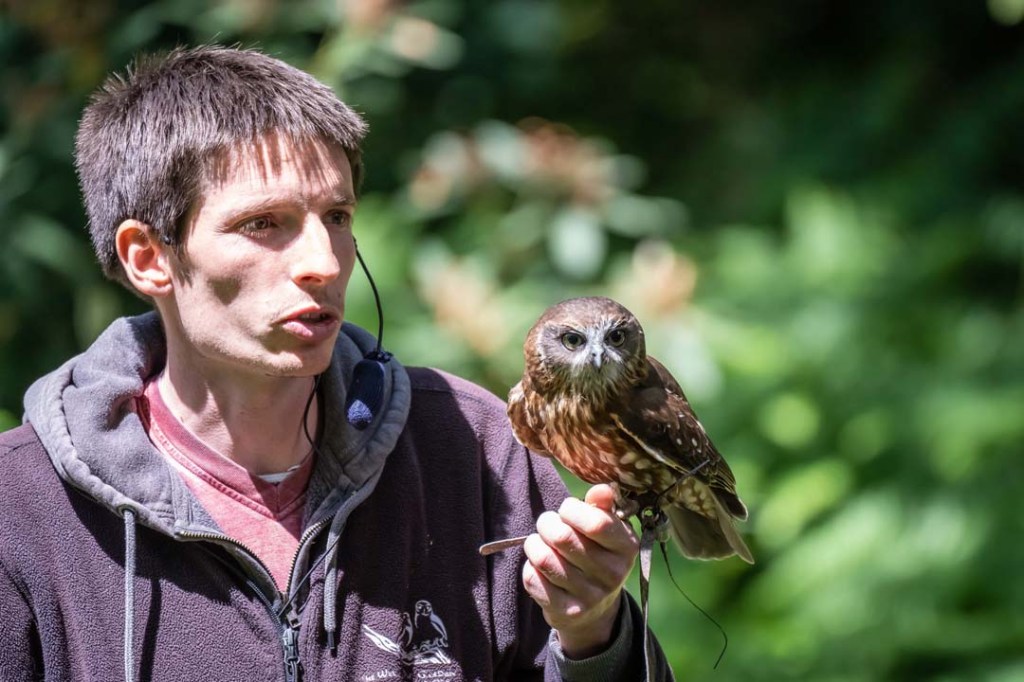
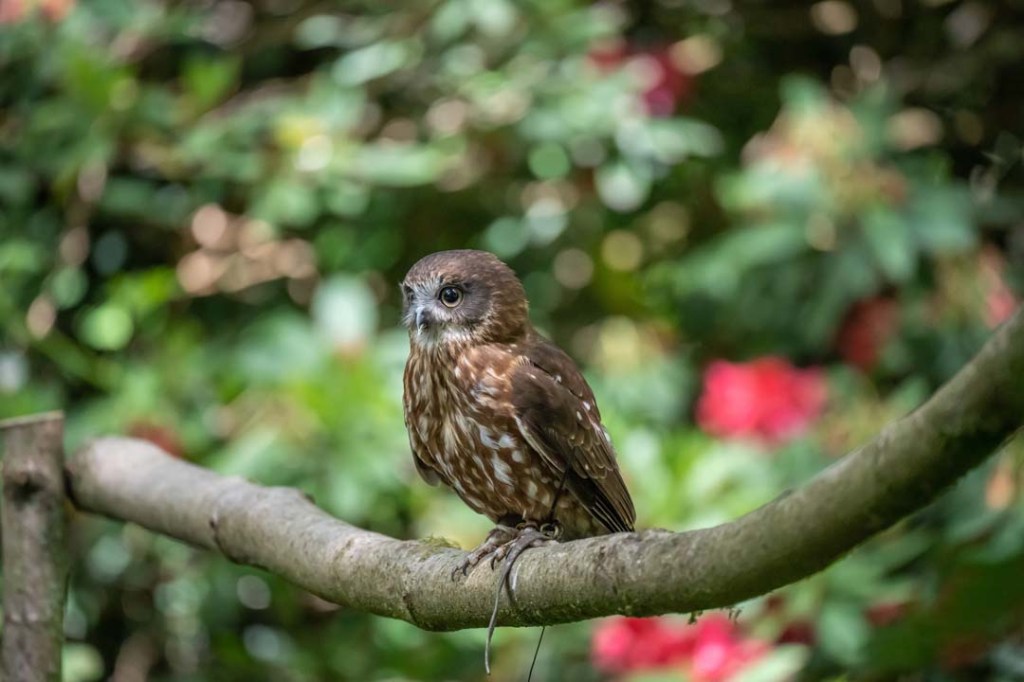
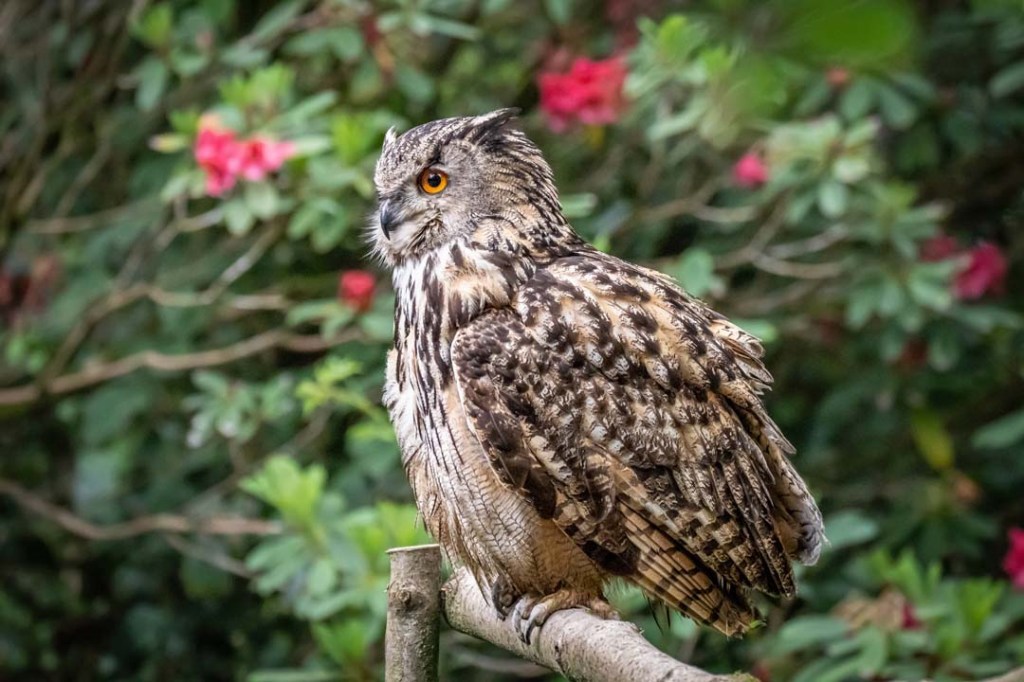
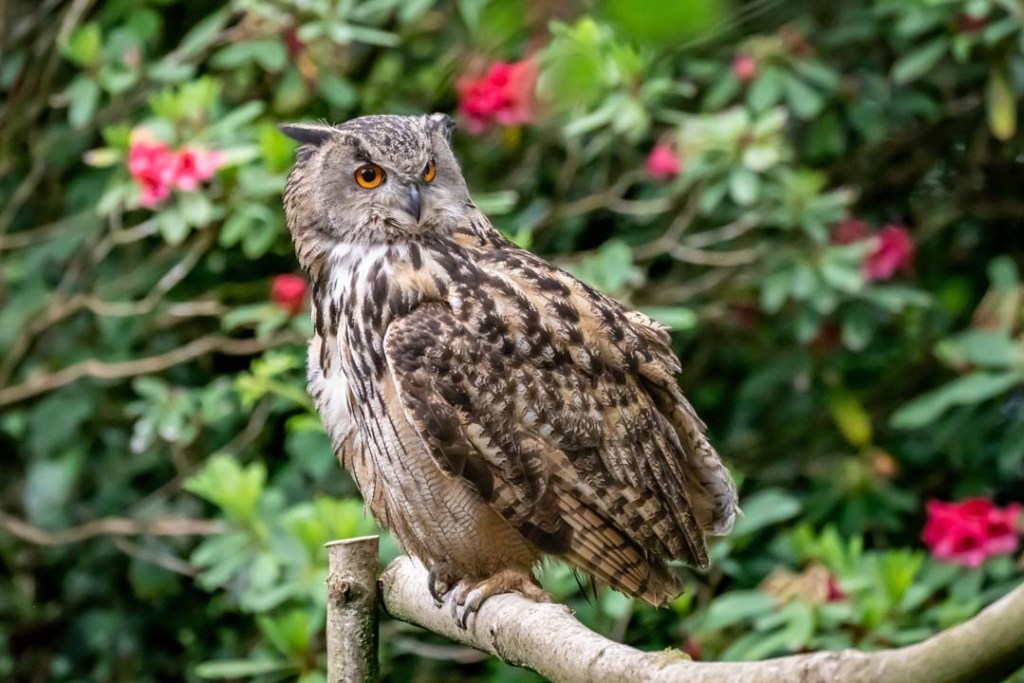
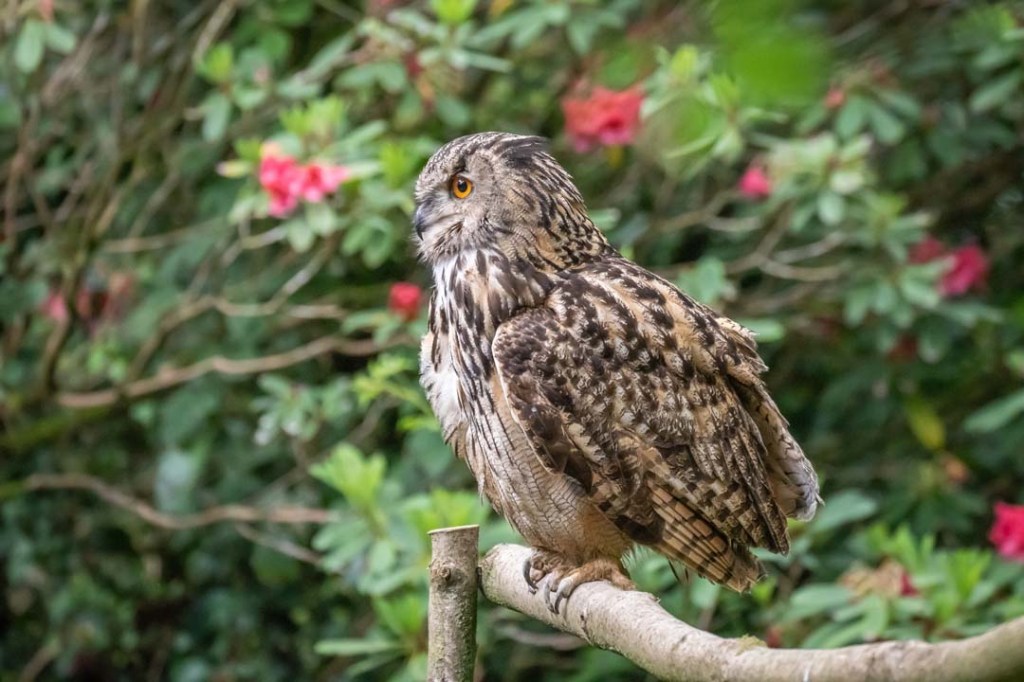
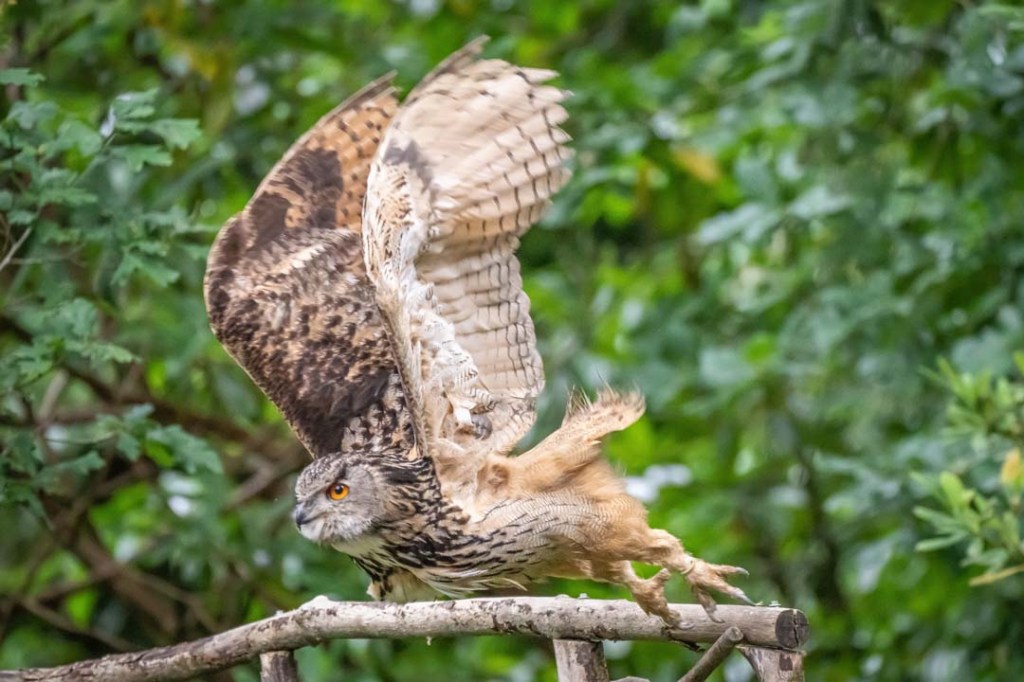
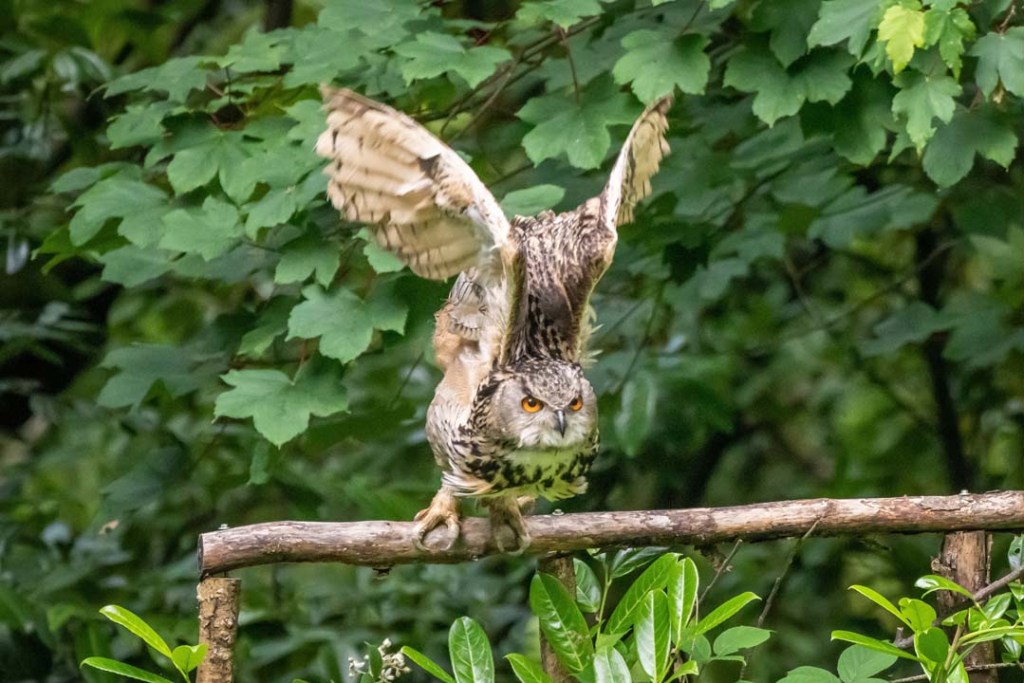
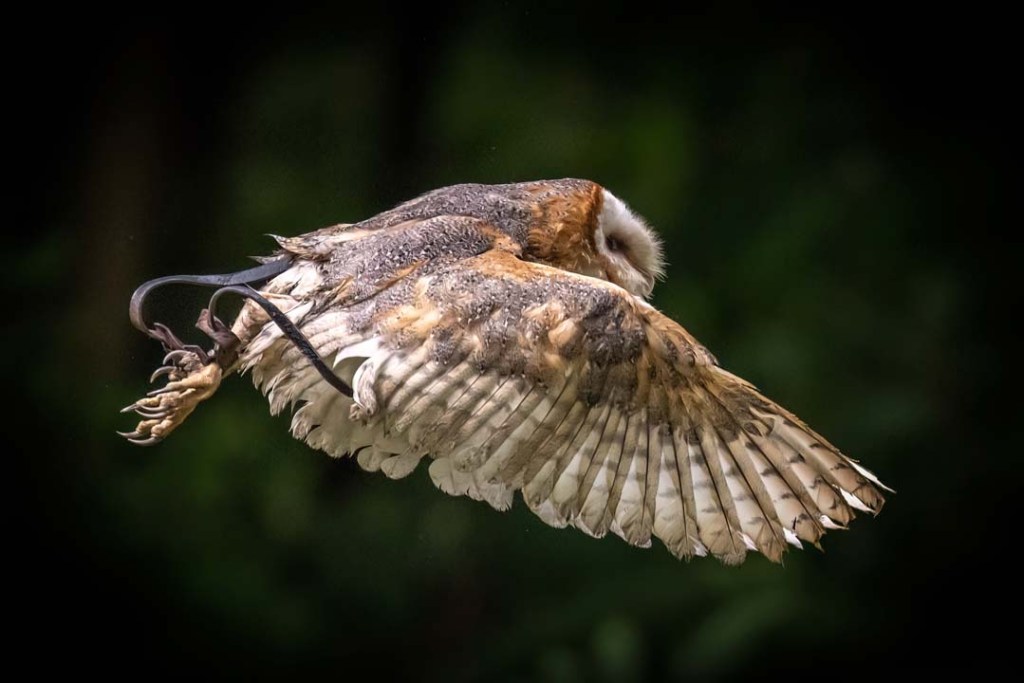
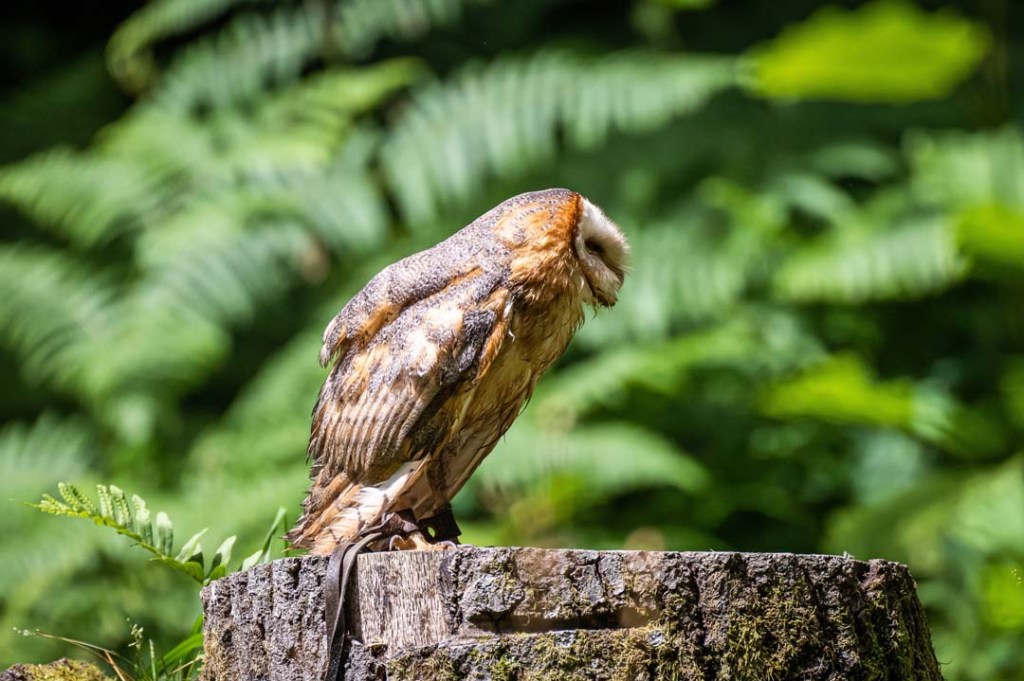
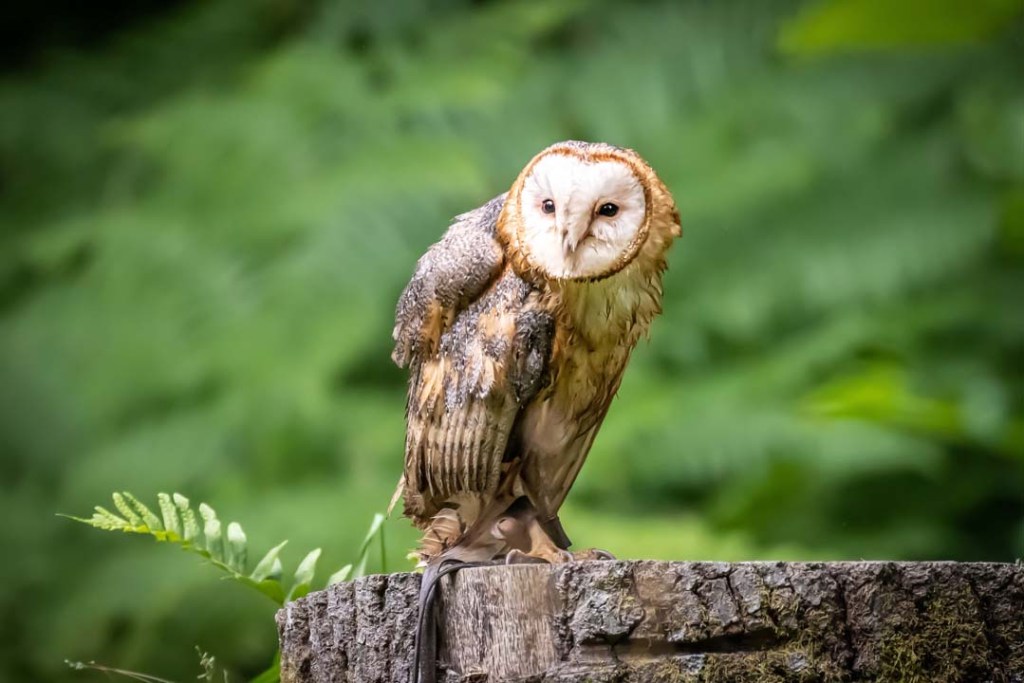
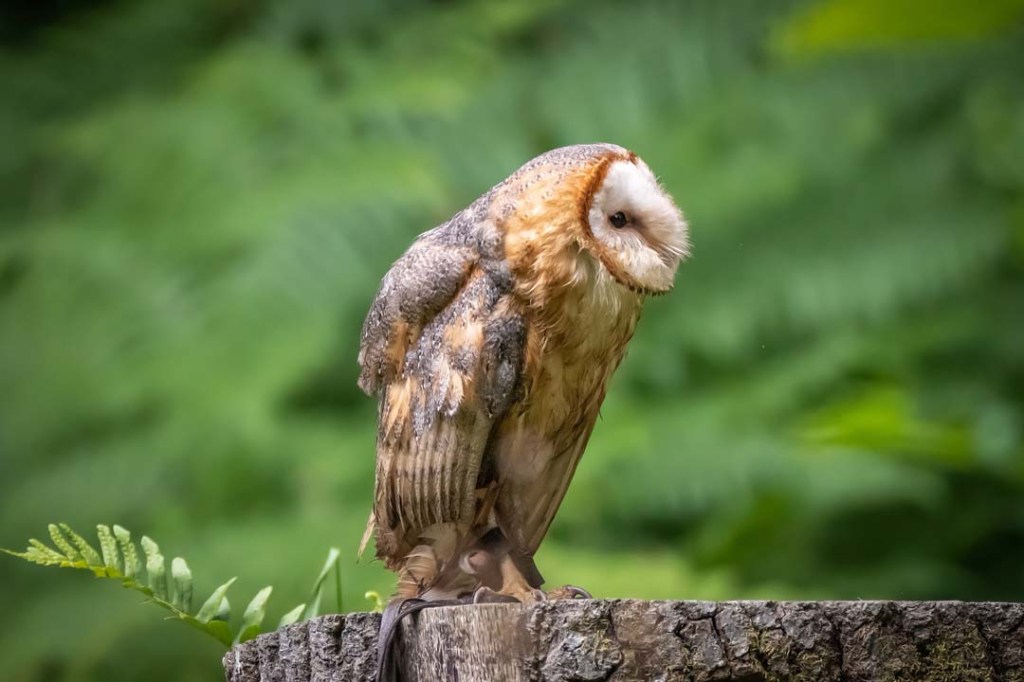
I missed the beginning of both sessions at The Owl Garden at Picton Castle and was too busy photographing the birds to catch what was what. I do know the African Fish Eagle because we had booked a trip to see these magnificent birds in the wild as we were travelling along the Garden Route in South Africa just before the COVID pandemic. Unfortunately the trip along the River Kromme at St Francis Bay was cancelled due to bad weather. How ironic that we should manage to see one in Wales in a week where we have had plenty of bad weather.
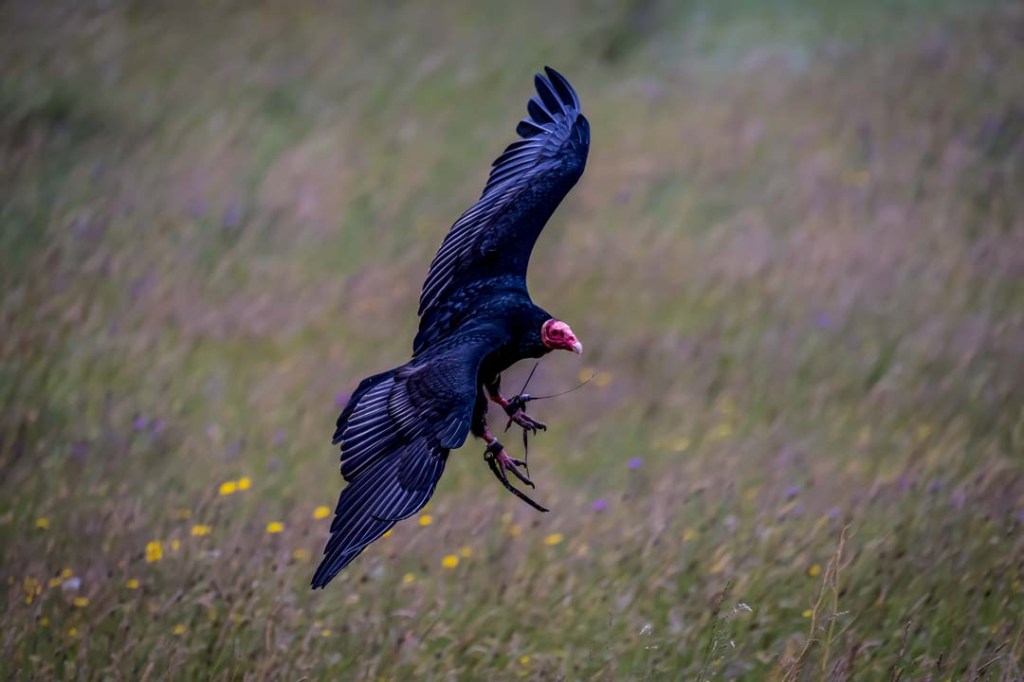
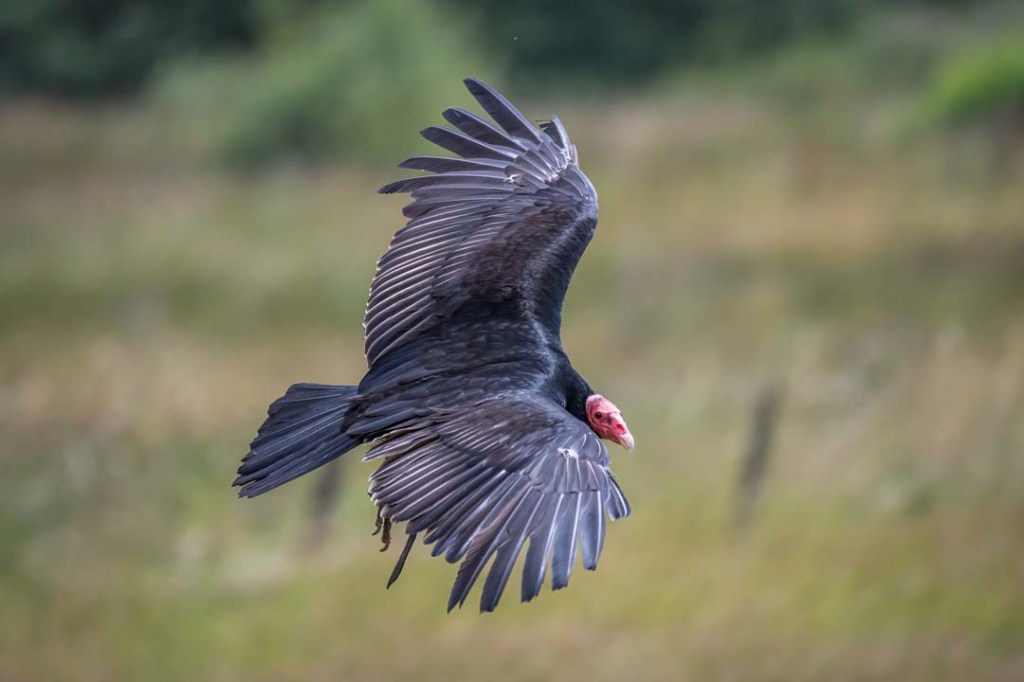
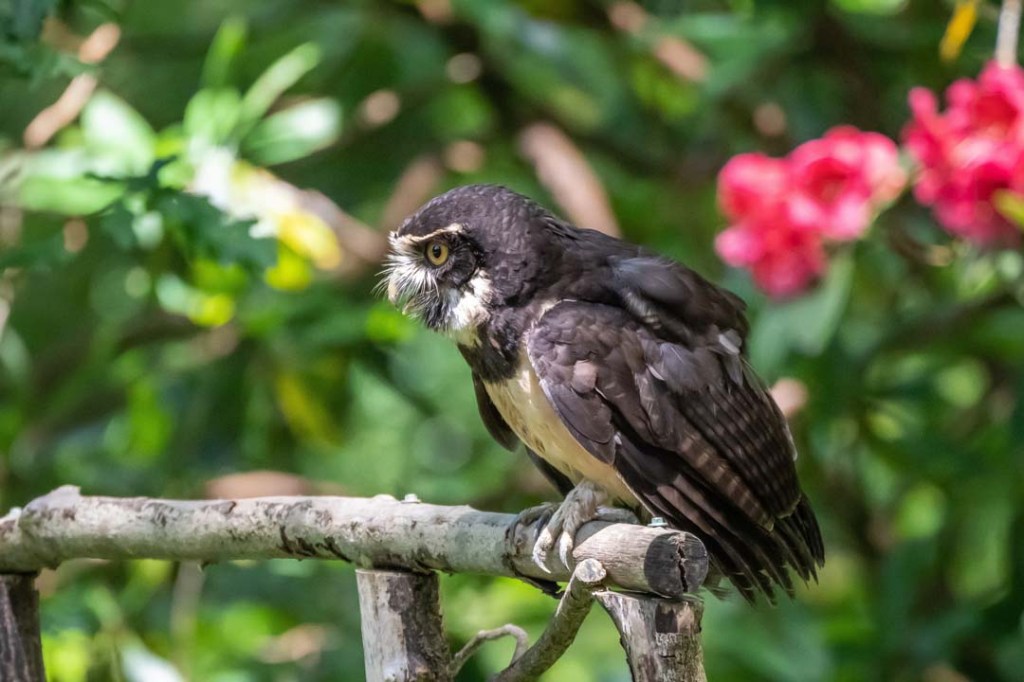
There were two sessions to see these rescue birds: the first was exclusively owls in the Owl Garden; the second was raptors flying in front of the castle.