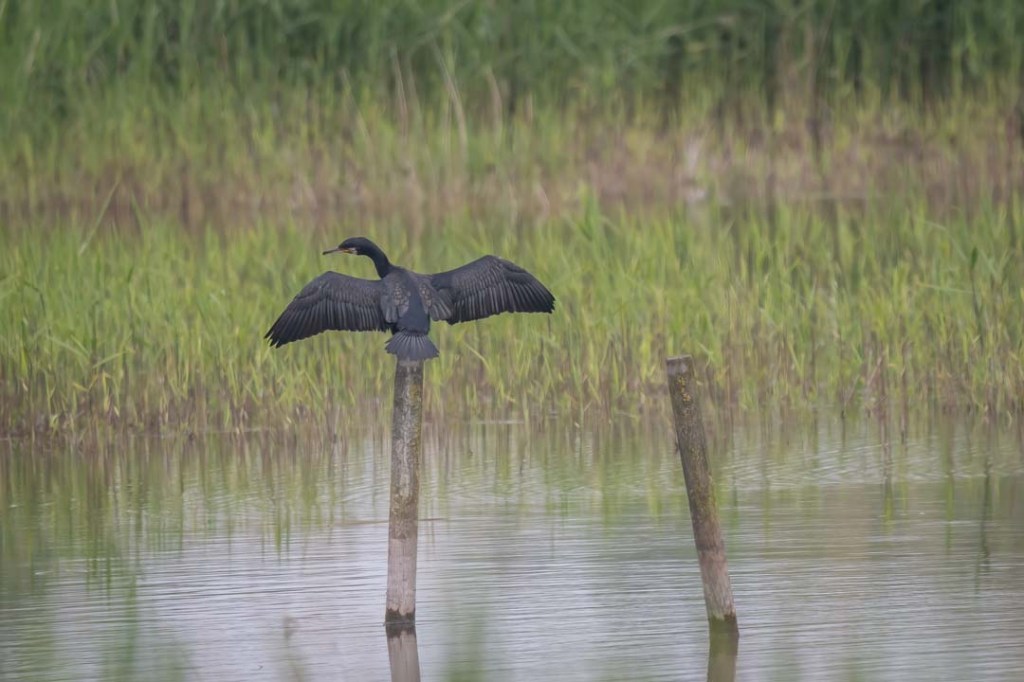
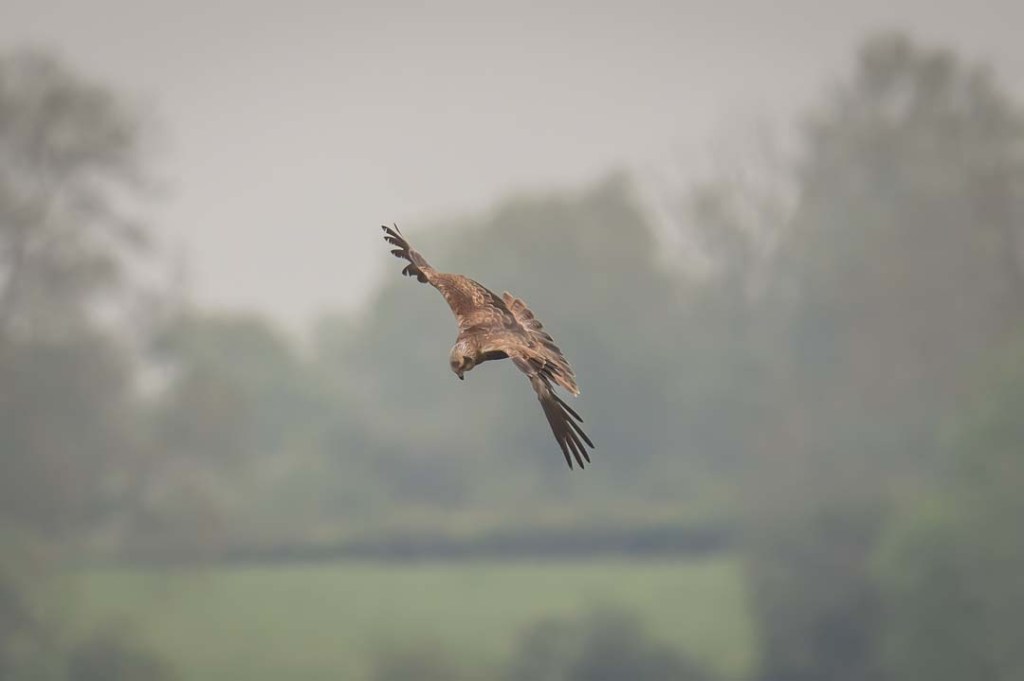
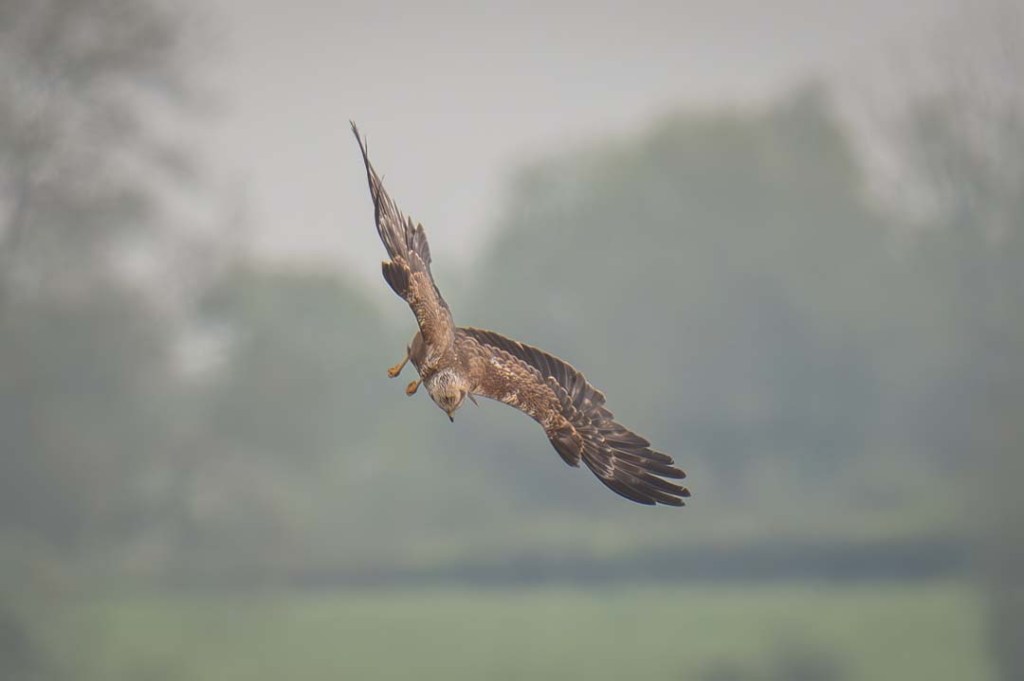
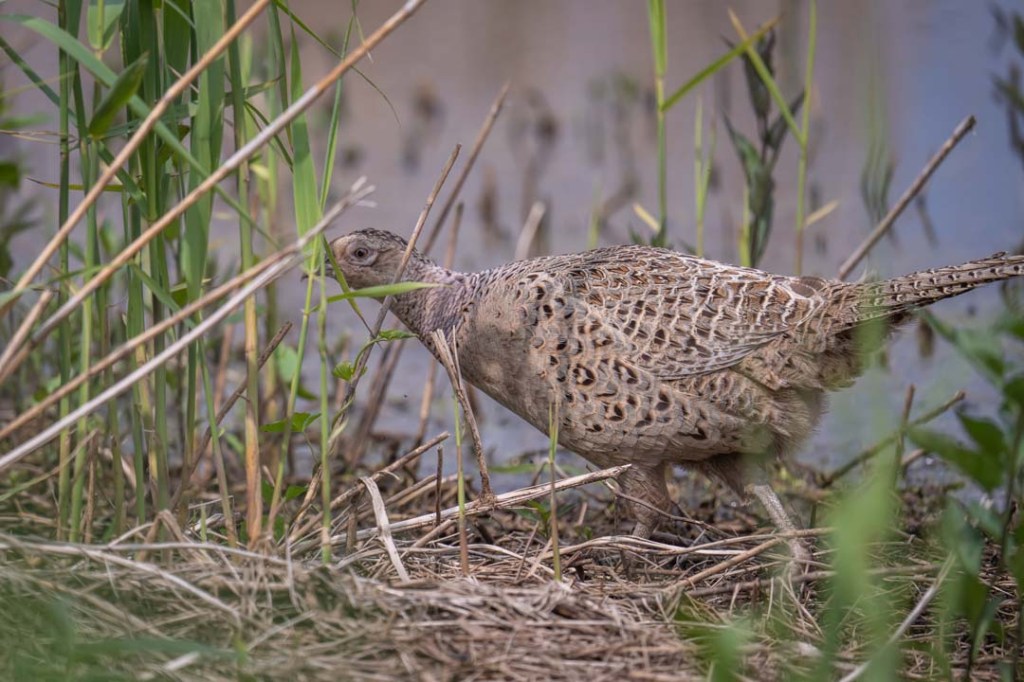
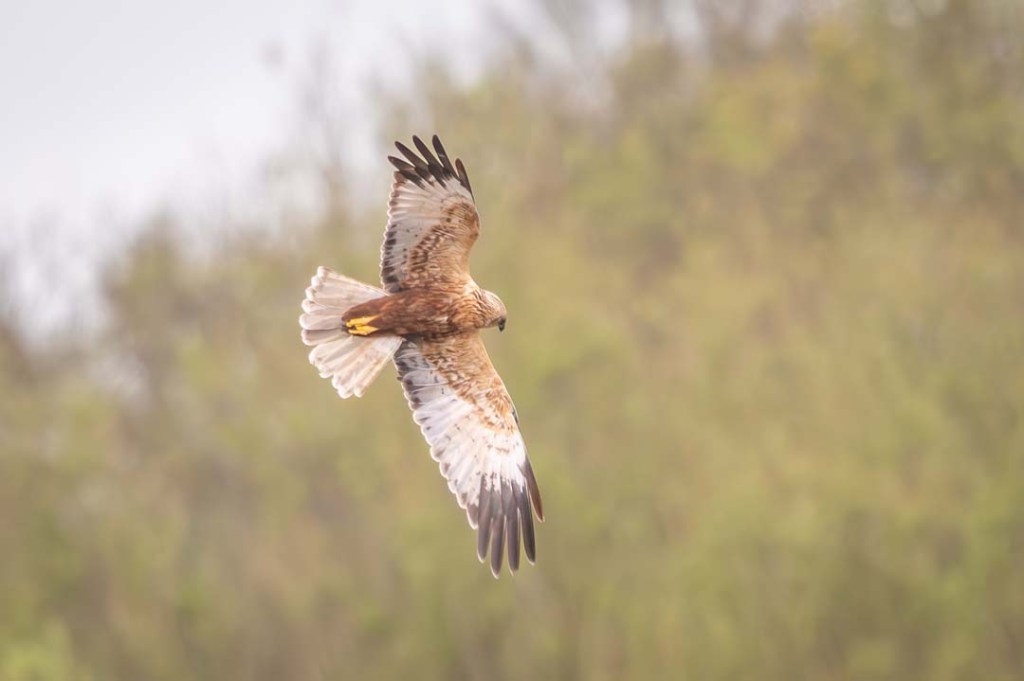
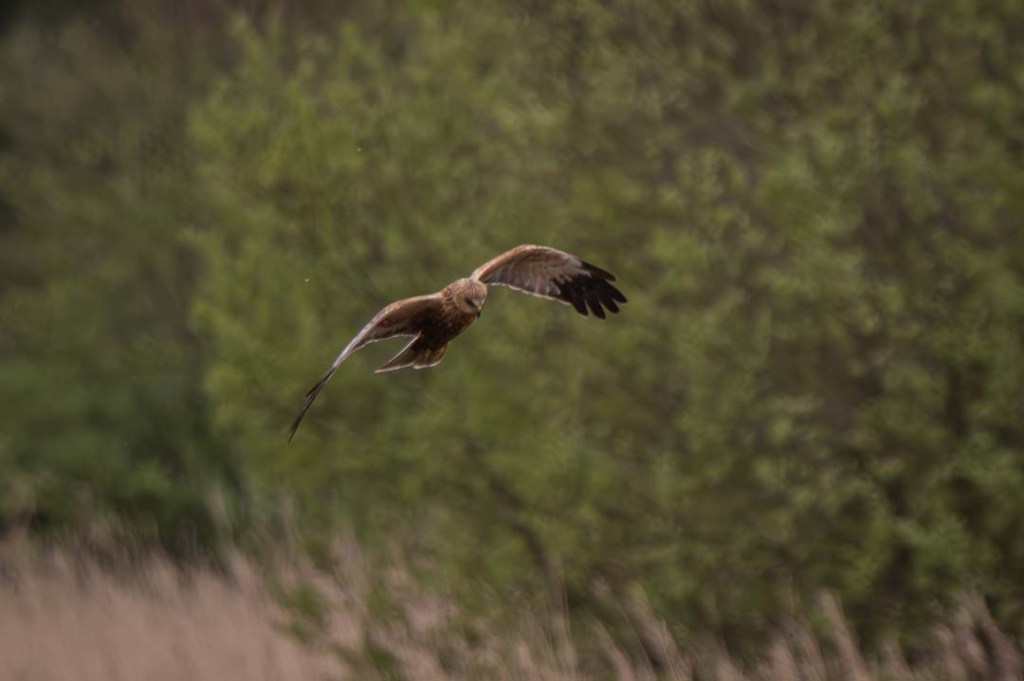
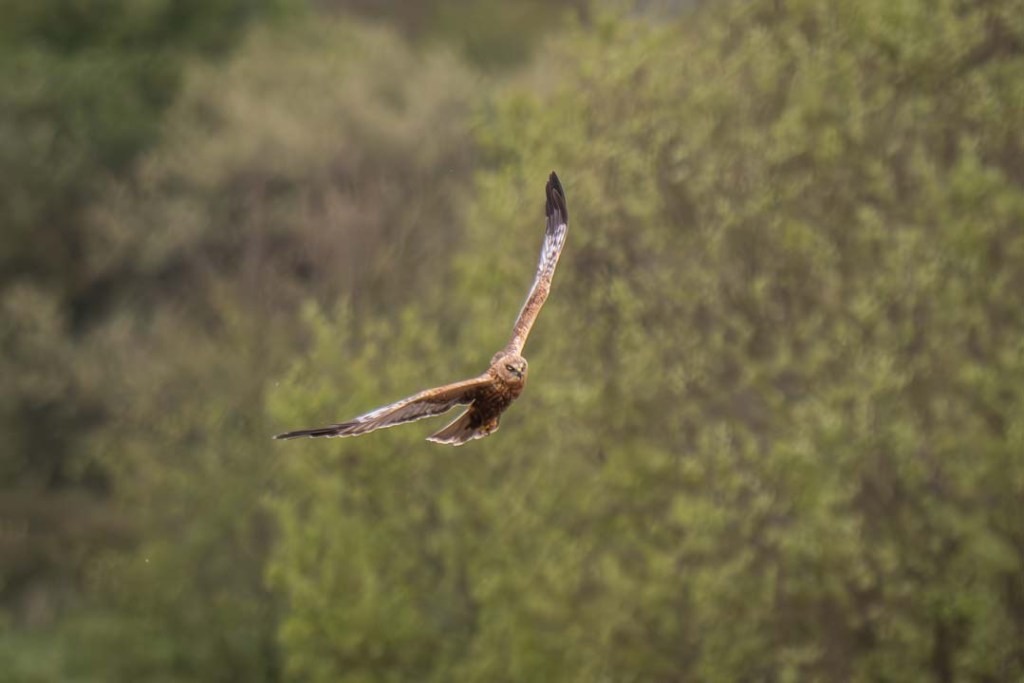
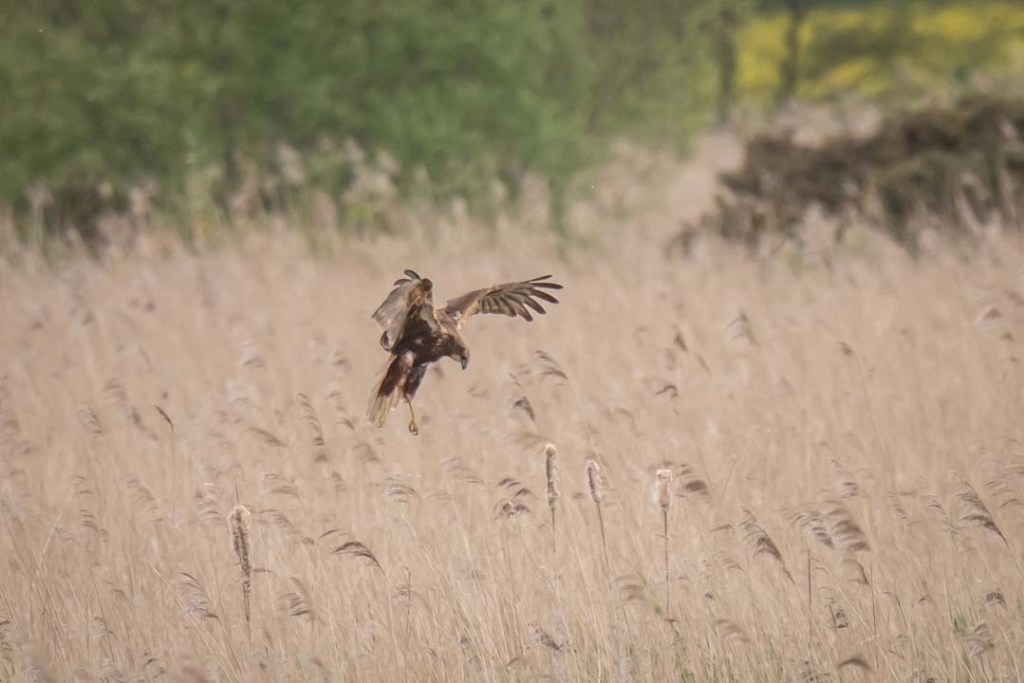
Back to real birds today.
It was rather misty on the Avalon marshes today but it warmed up as the day progressed and it was nice and sunny for my drive home.
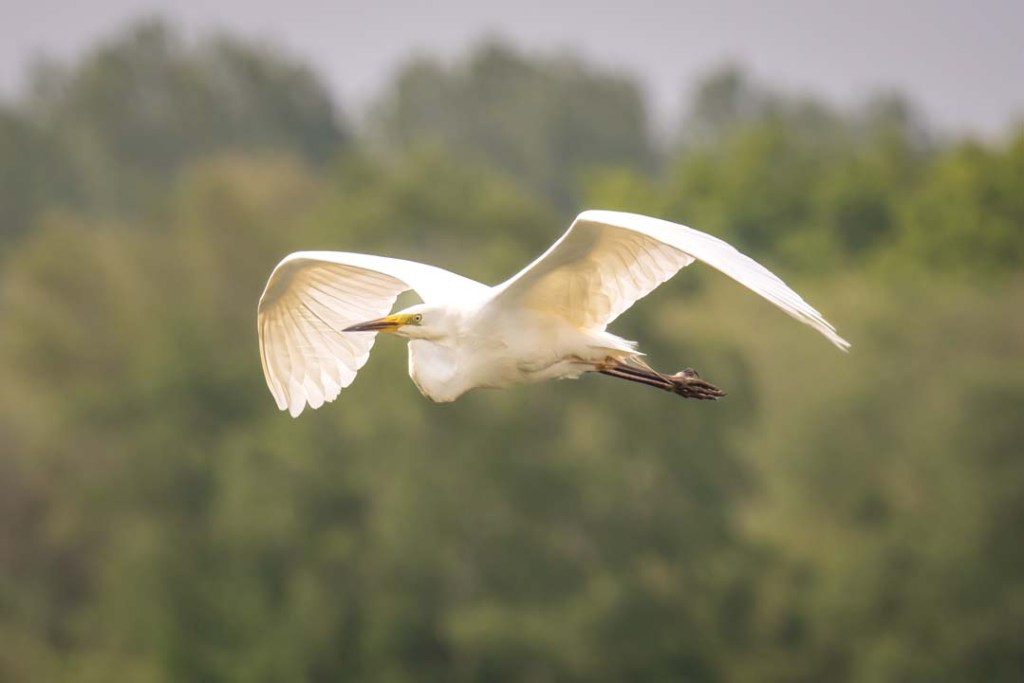
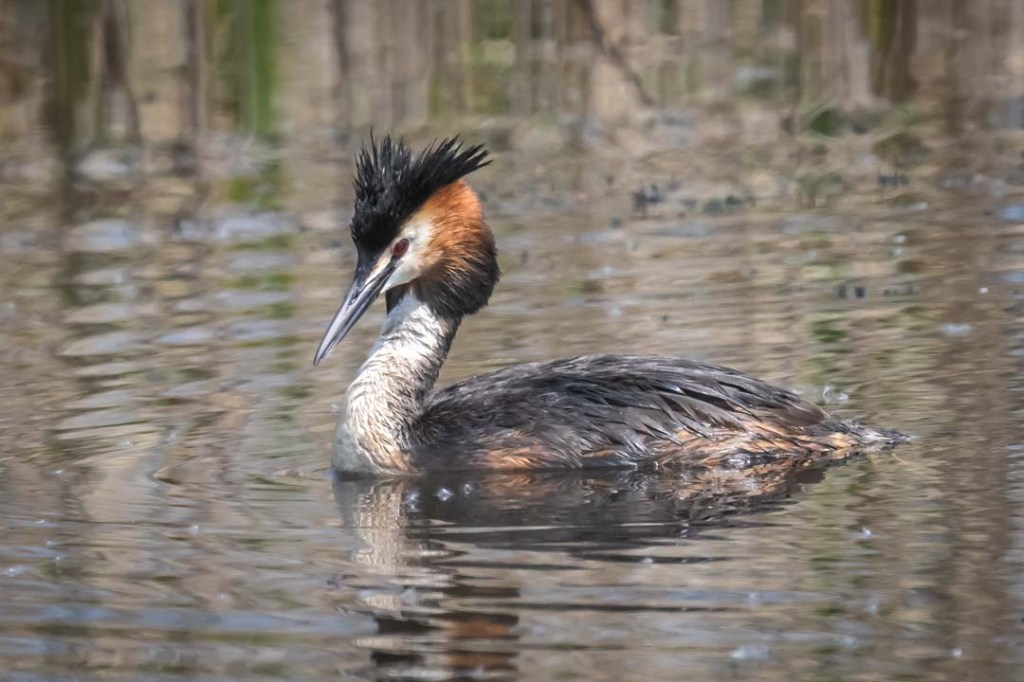


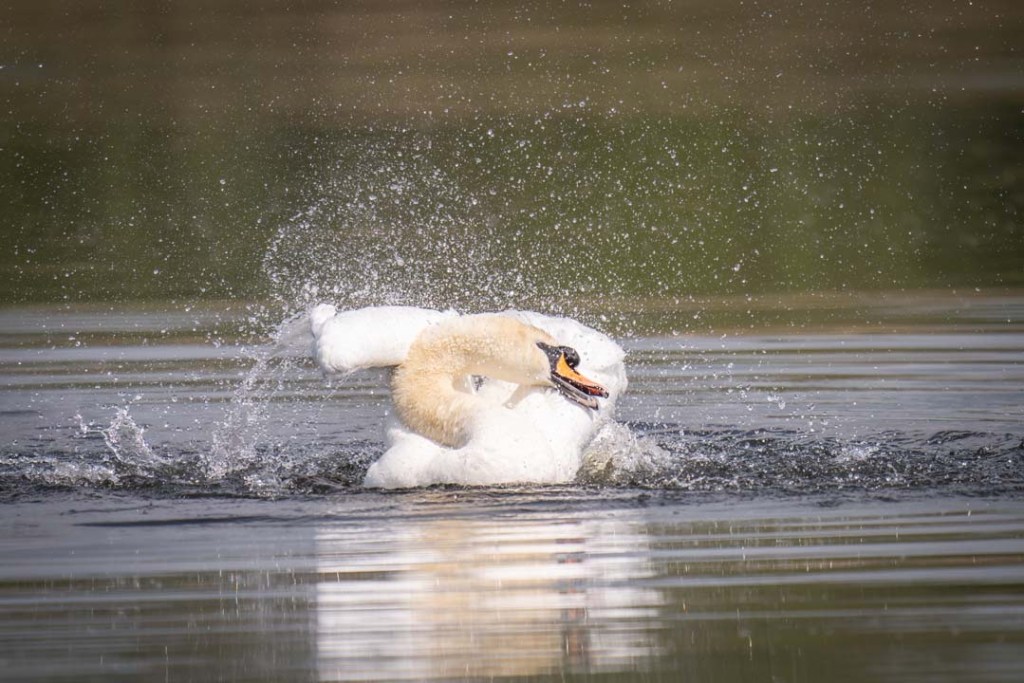
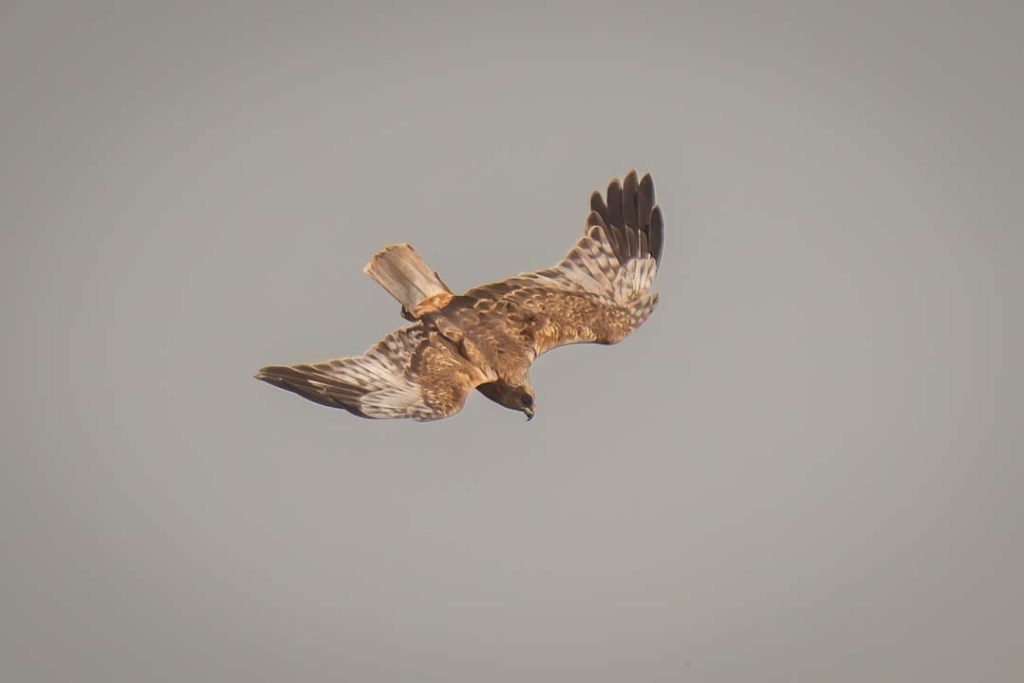


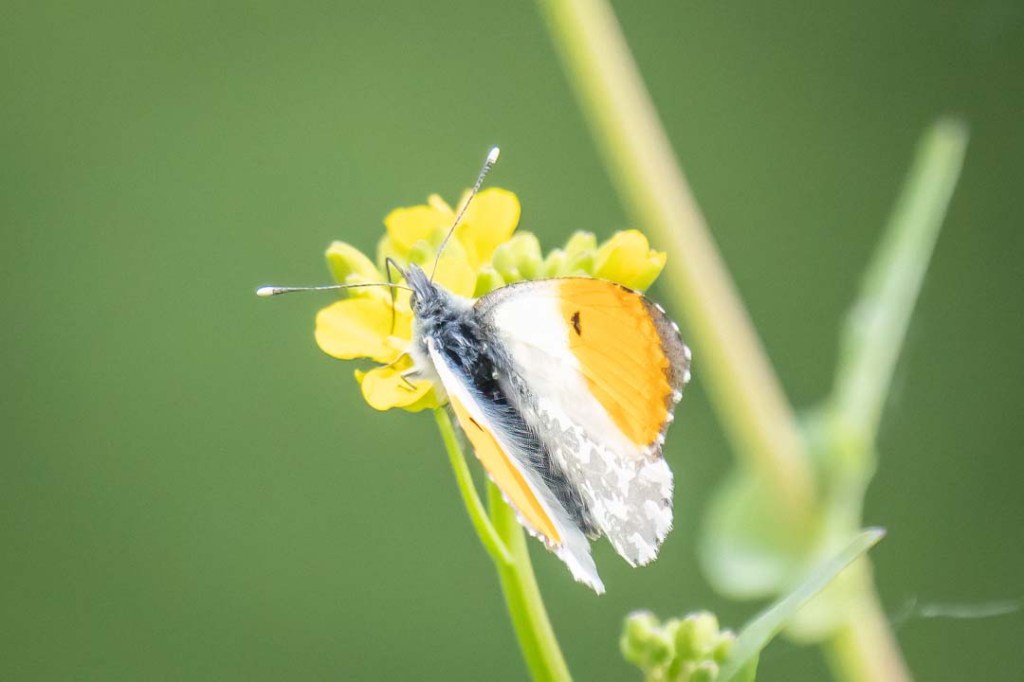
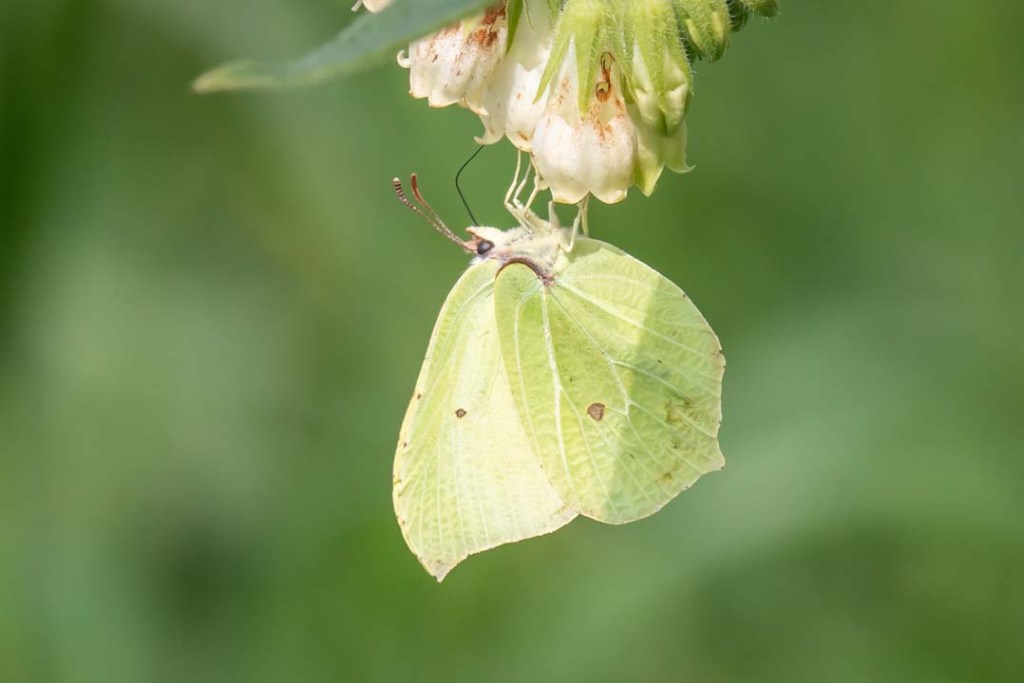
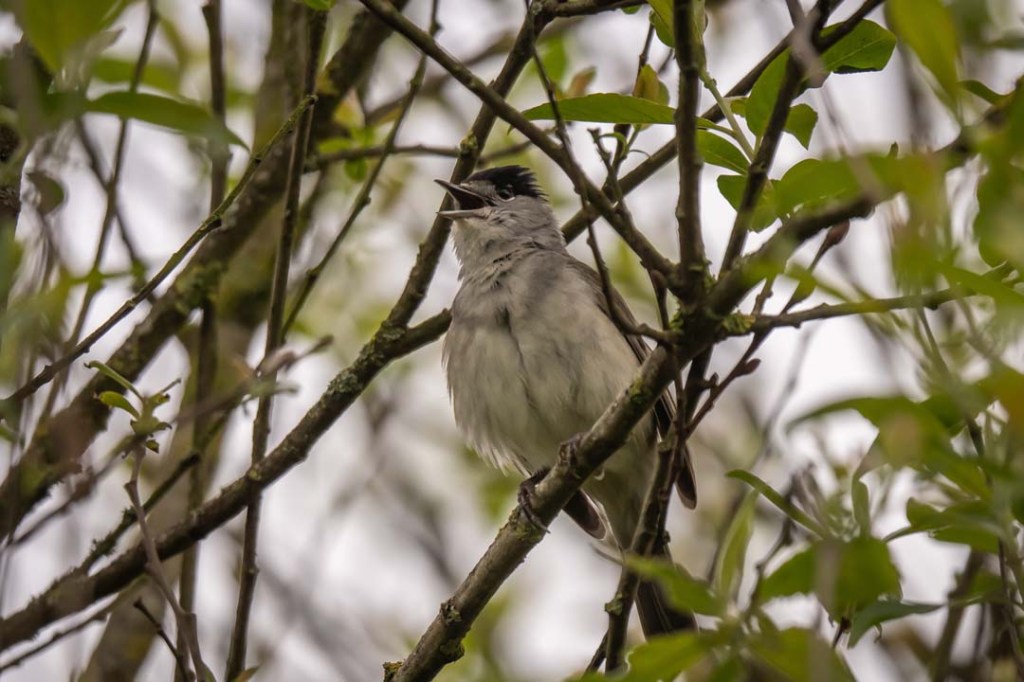
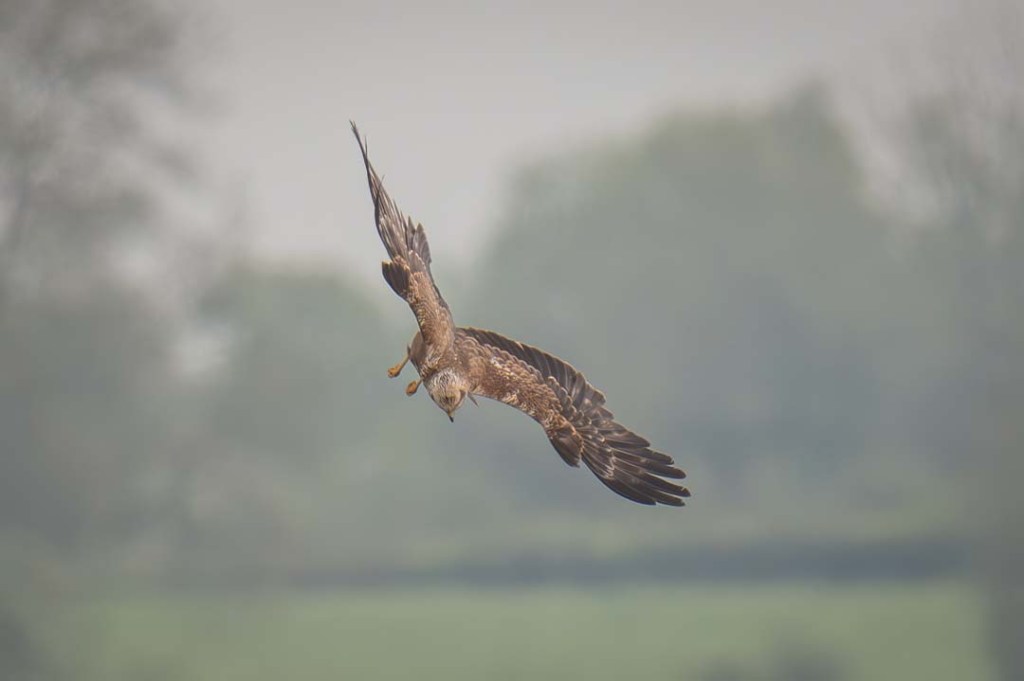
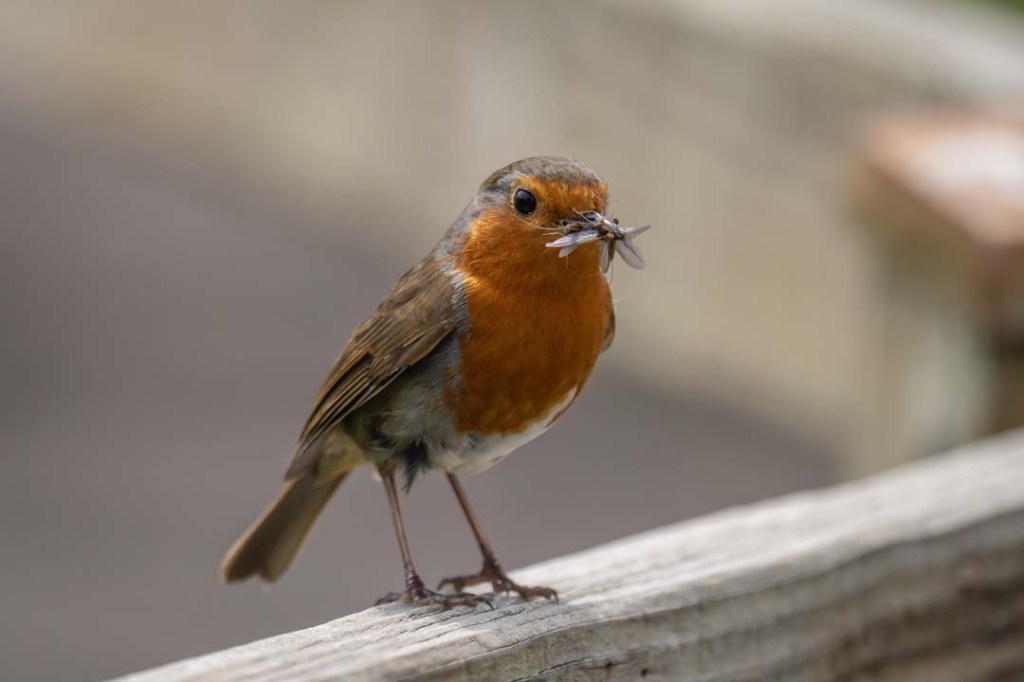


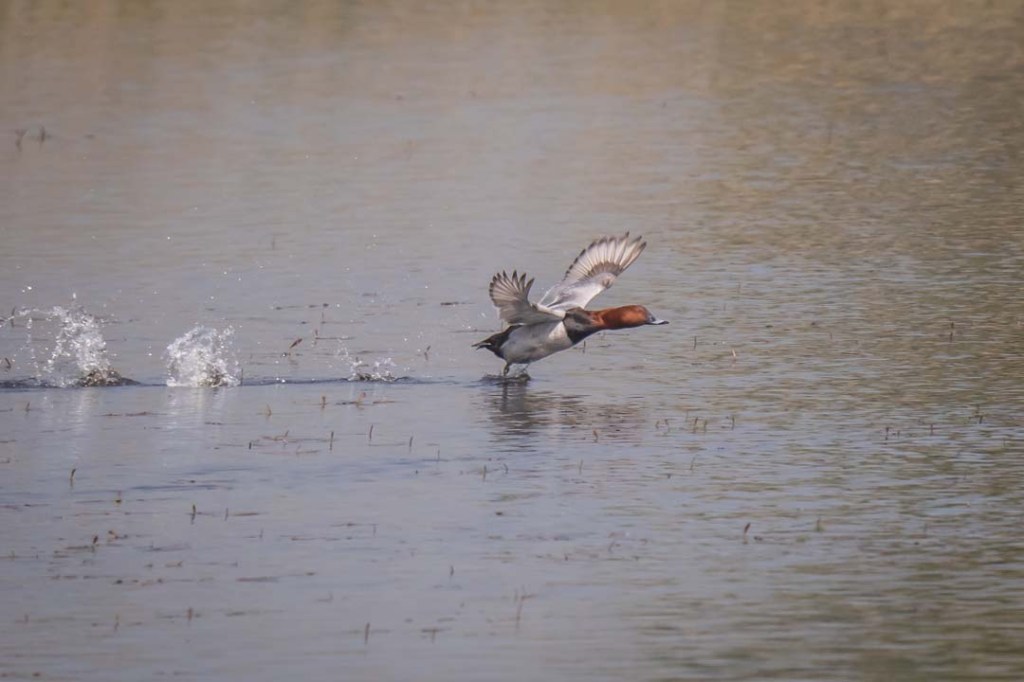
And a cuckoo calling …
Slideshow of my photos from today:
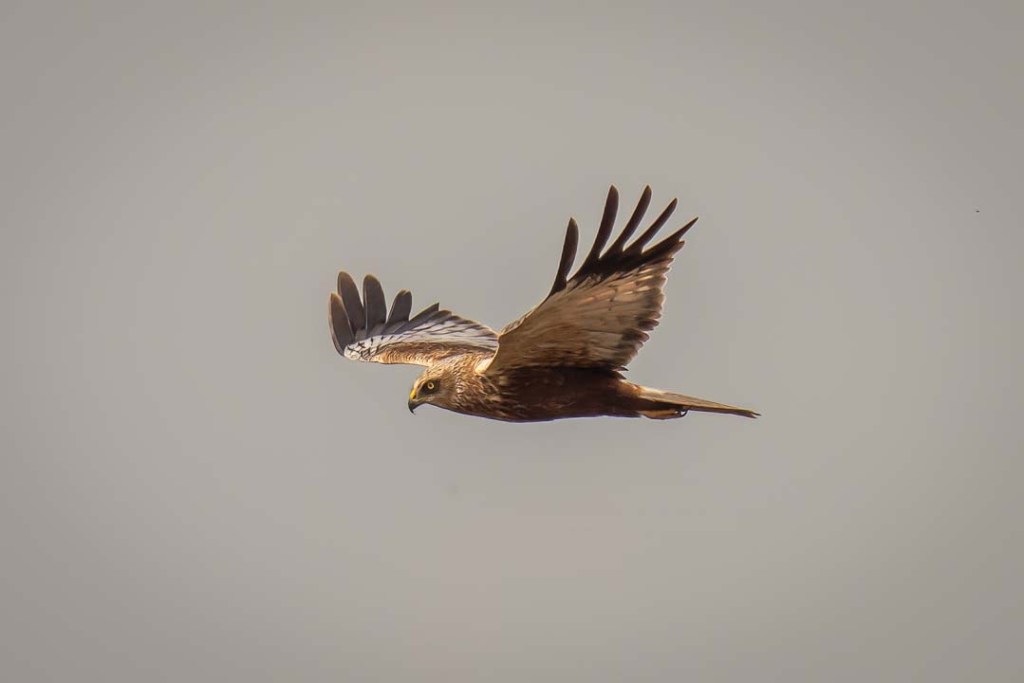
Back to real birds today.
It was rather misty on the Avalon marshes today but it warmed up as the day progressed and it was nice and sunny for my drive home.
And a cuckoo calling …
Slideshow of my photos from today:
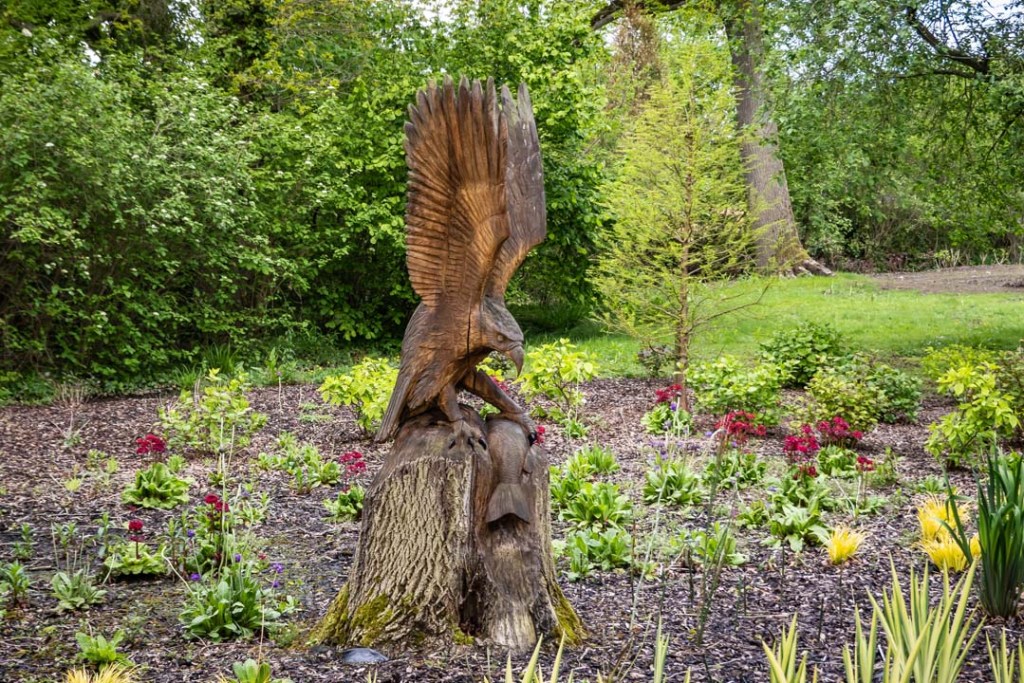
No real birds today – just some sculptures.


This morning we had our first outing of the year to a National Garden Scheme garden.
Highnam Court, 3 miles out of Gloucester on the A40, was supporting the Pied Piper Appeal. Founded in 1992, The Pied Piper Appeal is the leading children’s charity in Gloucestershire. Their mission is to make a difference to the lives of sick and disabled children in the county.


We combined our visit to Highnam Court with a visit to Highnam Church which features in Simon Jenkins’ England’s 1000 Best Churches.


The Holy Innocents Church, Highnam, is a Grade I Listed Building, one of the most significant Victorian churches in the country. The church was commissioned by Thomas Gambier Parry the owner of the nearby Highnam Court, and was consecrated in 1851. The architecture is gothic revival style, and the church is decorated throughout with frescos painted by Thomas Gambier Parry. Hubert Parry, his son, inherited the estate and is best remembered for his musical setting for Blake’s poem ‘Jerusalem’ and much other memorable church music.


In Sir John Benjamin’s words The Church of the Holy Innocents is the most complete Victorian Church in England
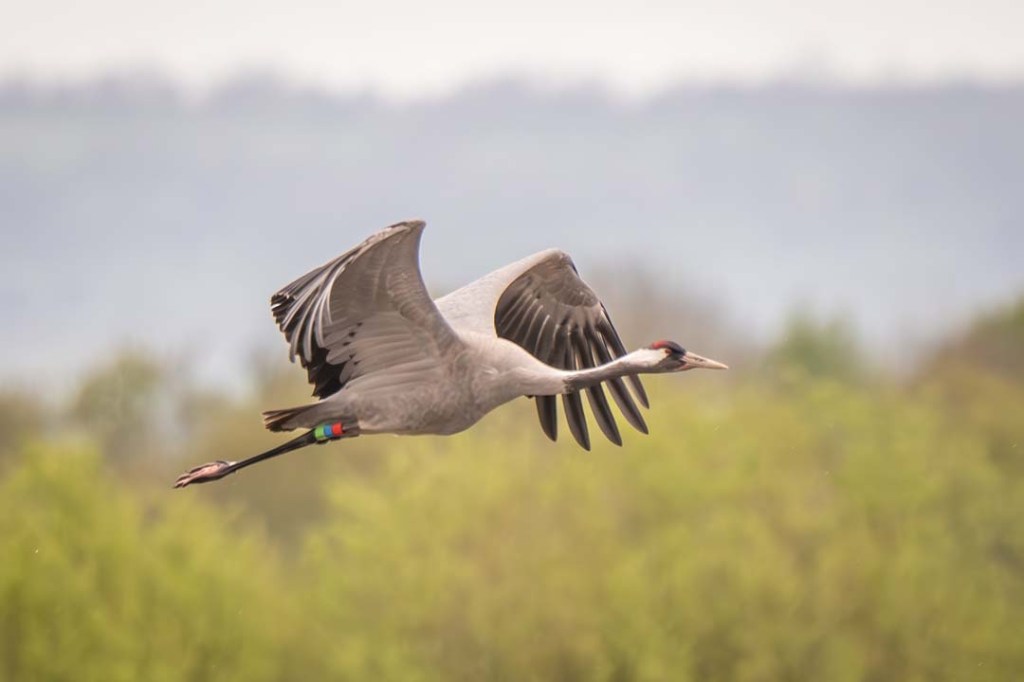
Why did I bother to go to the Iberian Peninsula birding when there’s so much to see in the heart of Somerset? Because it’s a darn sight warmer!
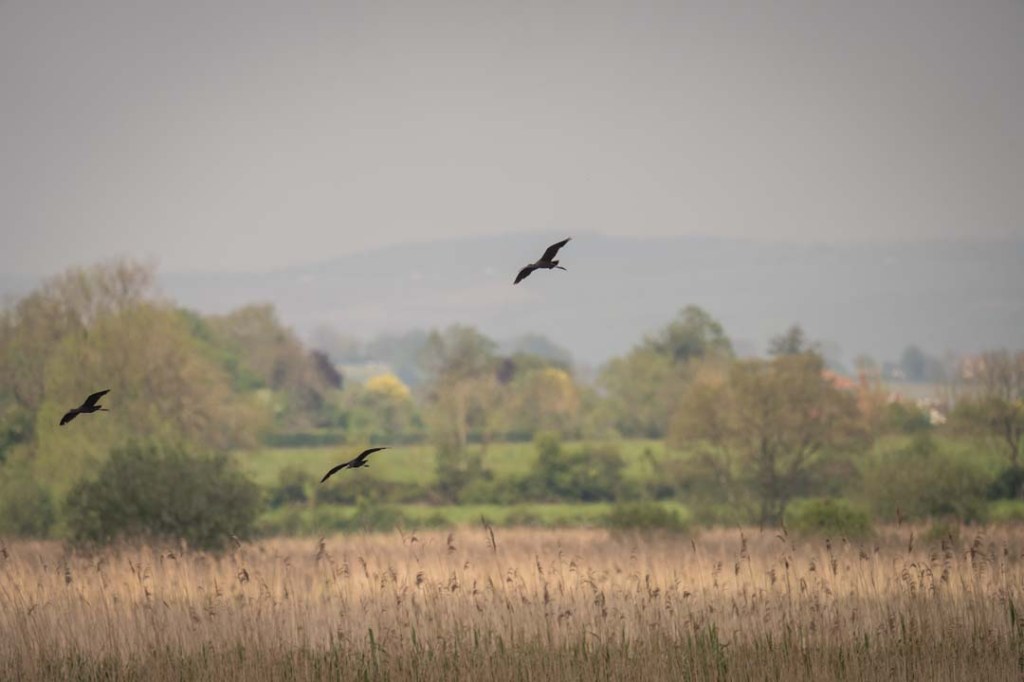
It was very windy, very fresh and with the threat of rain throughout for my morning’s birding on the Somerset Levels at RSPB Ham Wall.
The weather may have been dull but from an excitement point of view it was far from that.


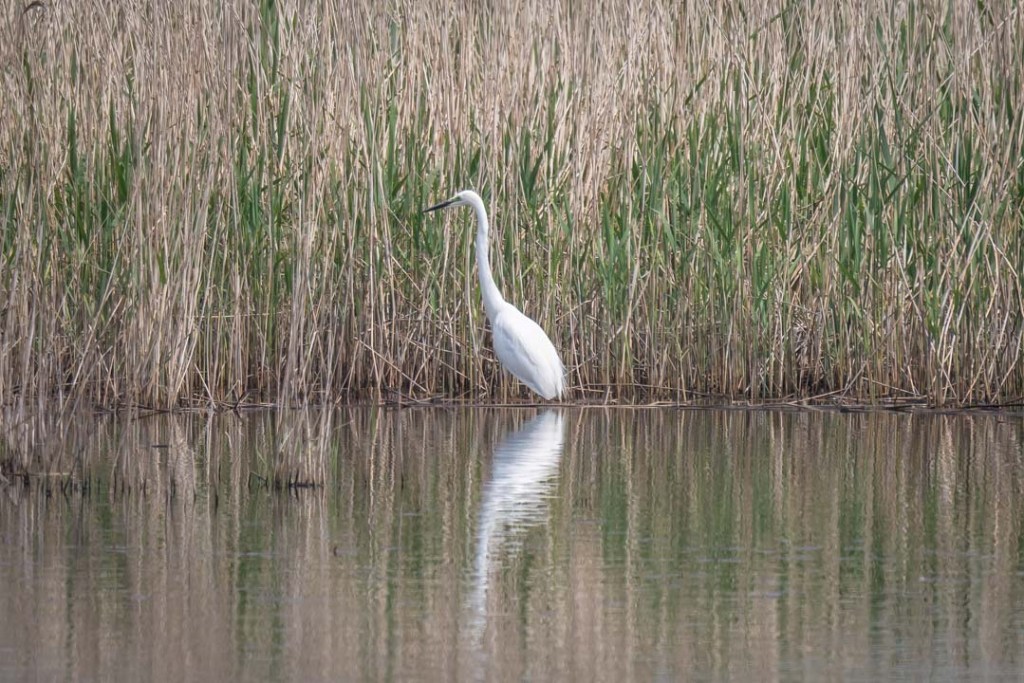
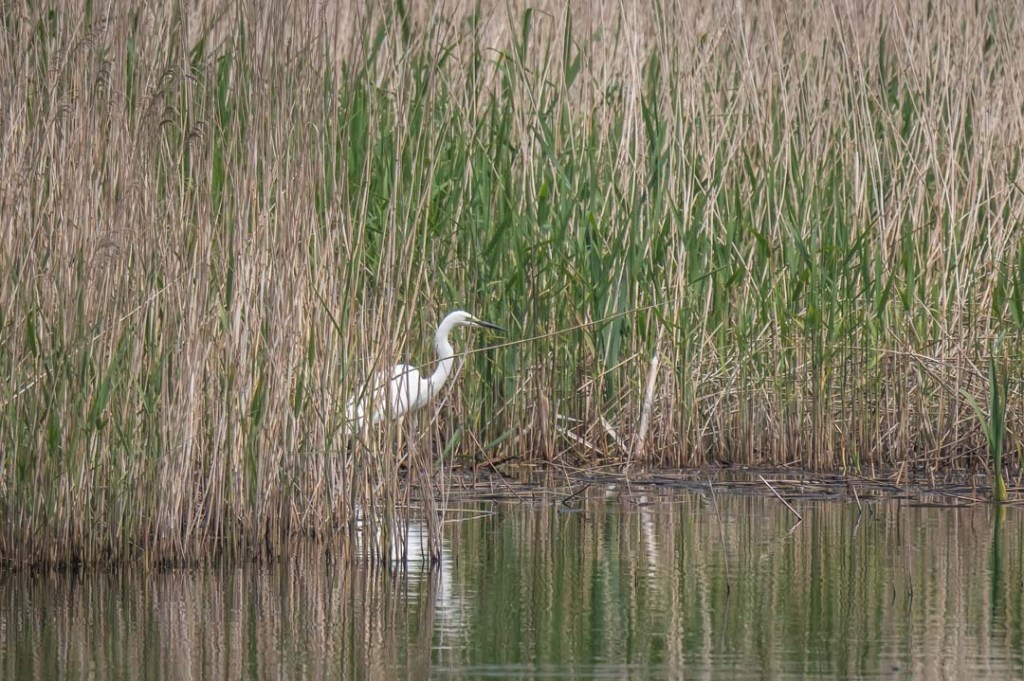
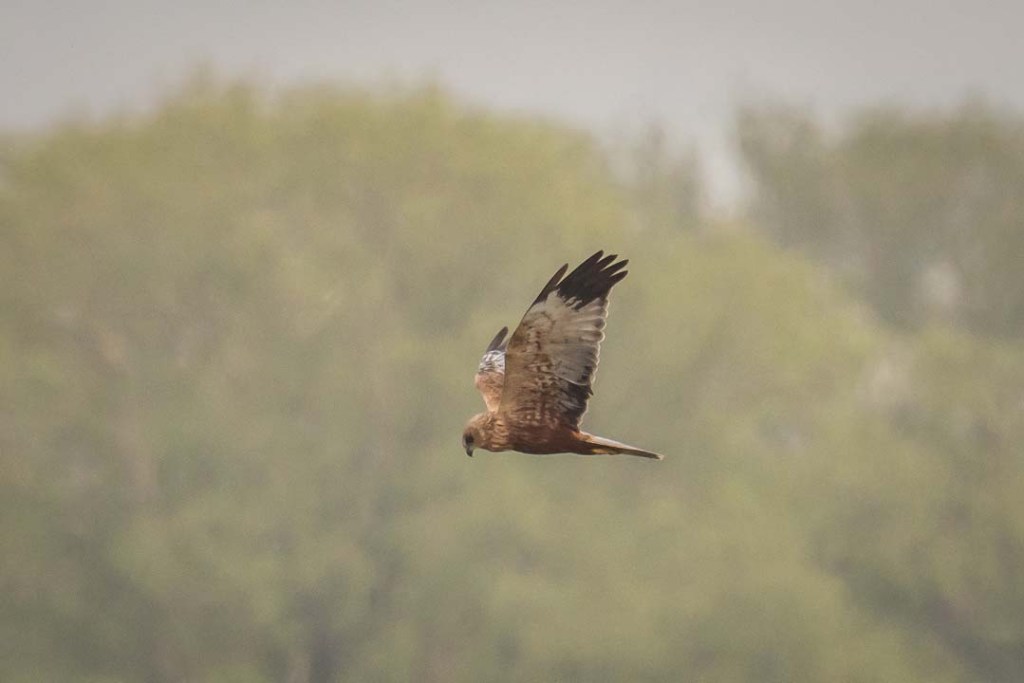
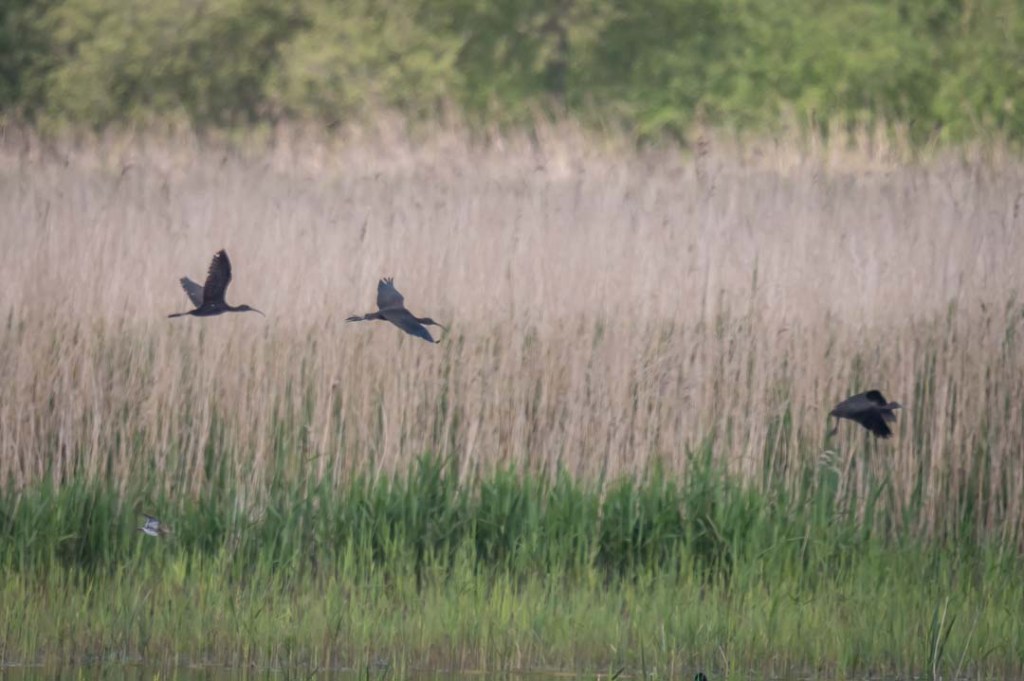
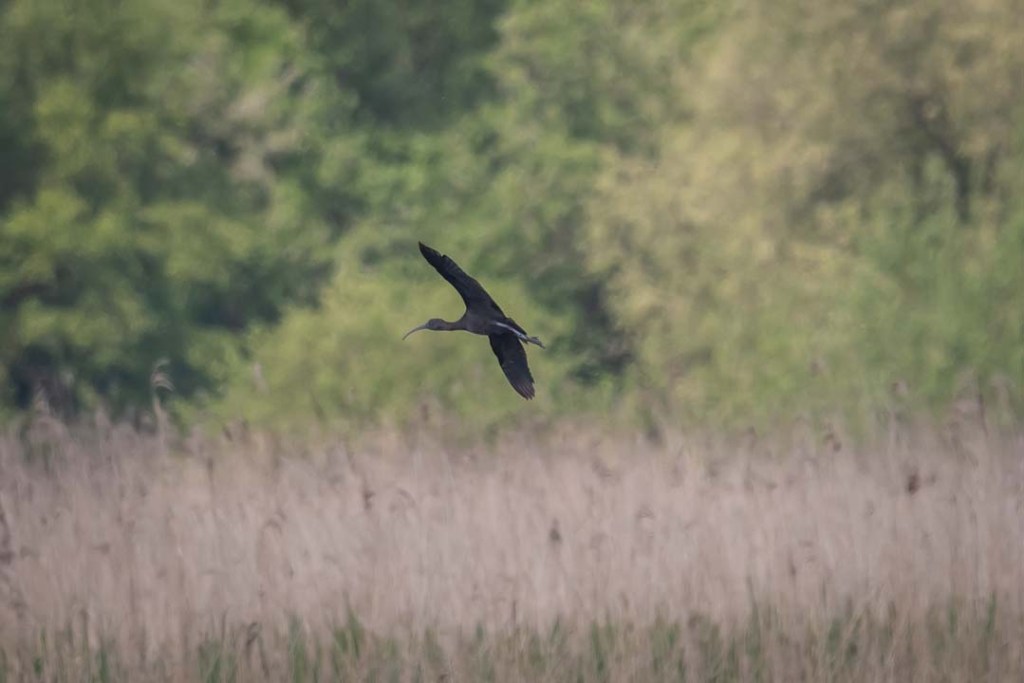
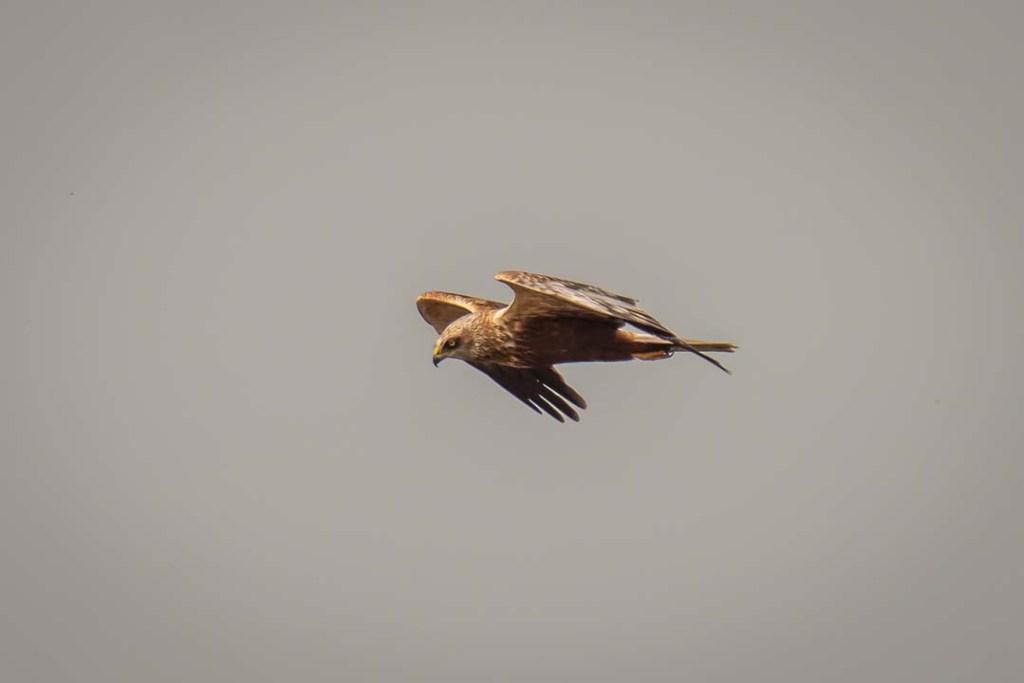
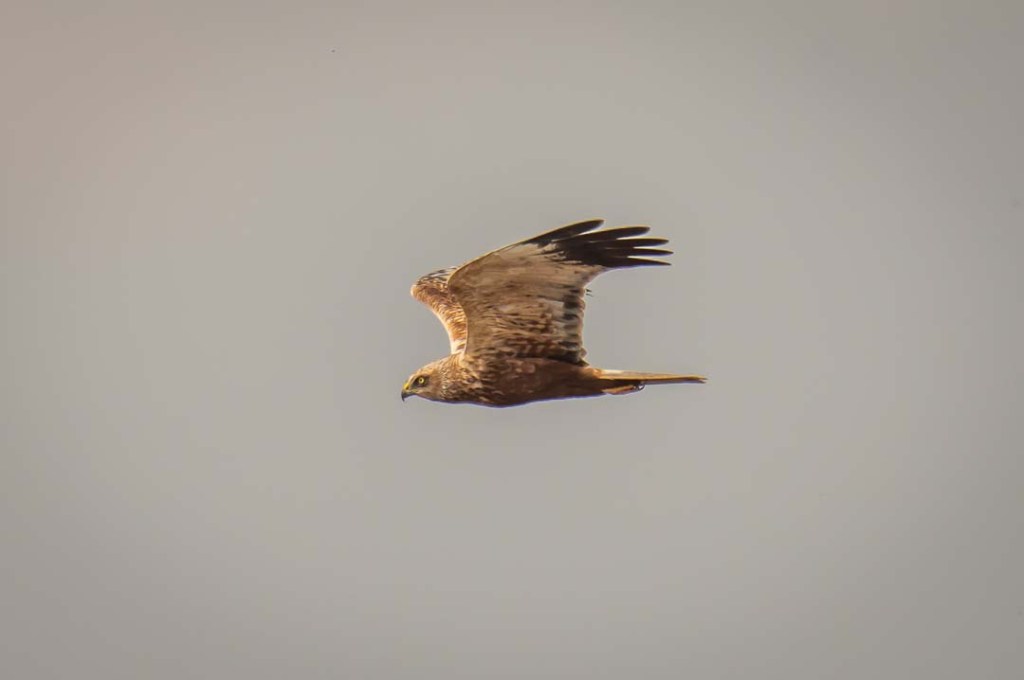
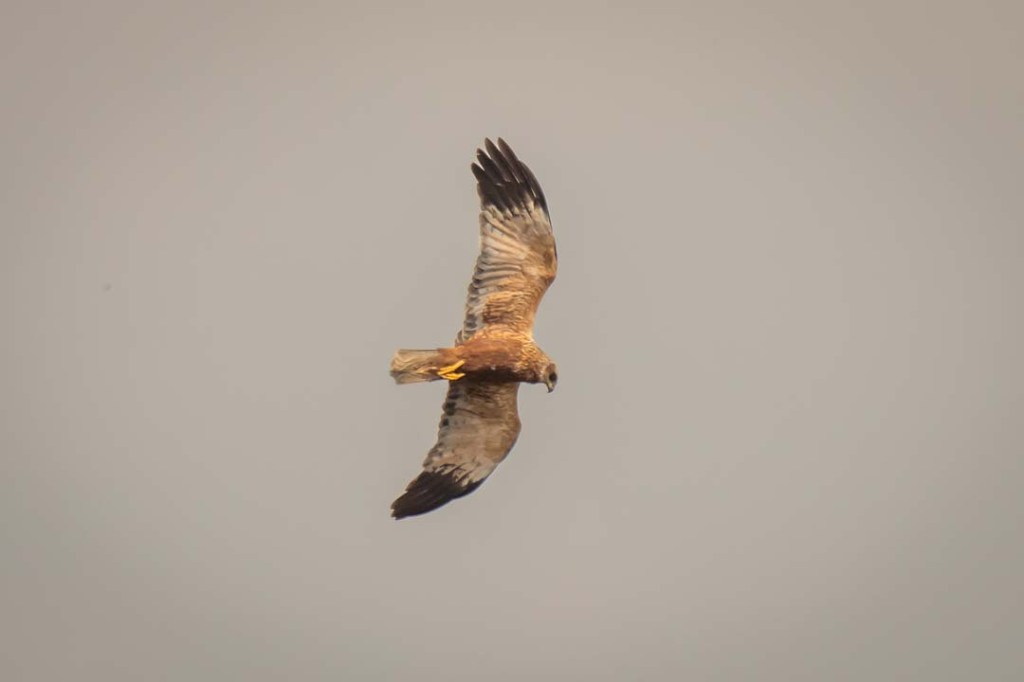
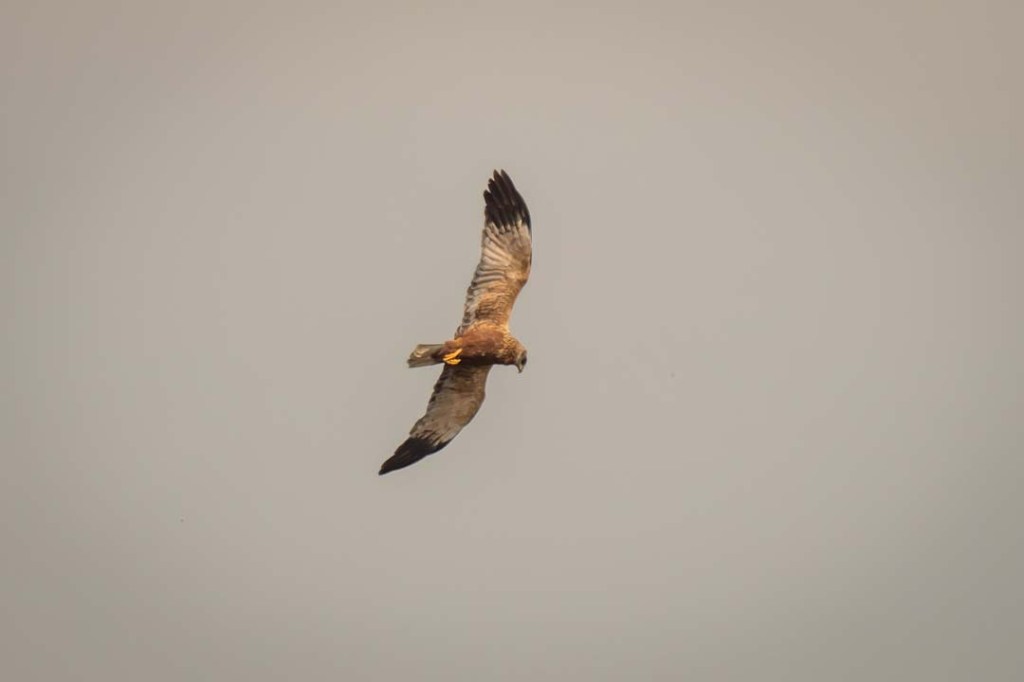
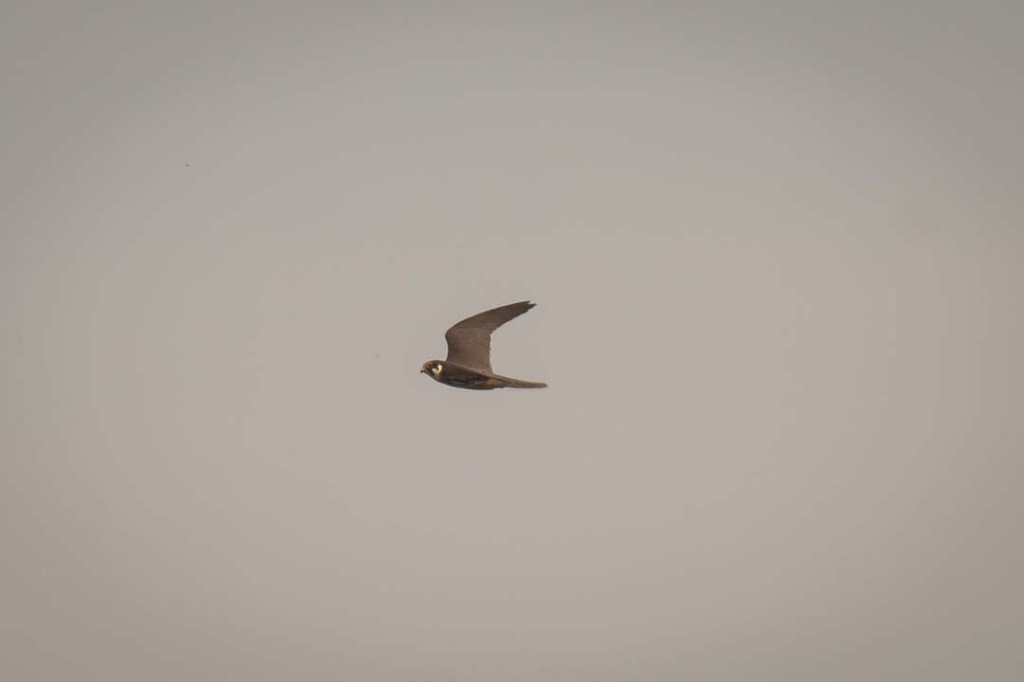
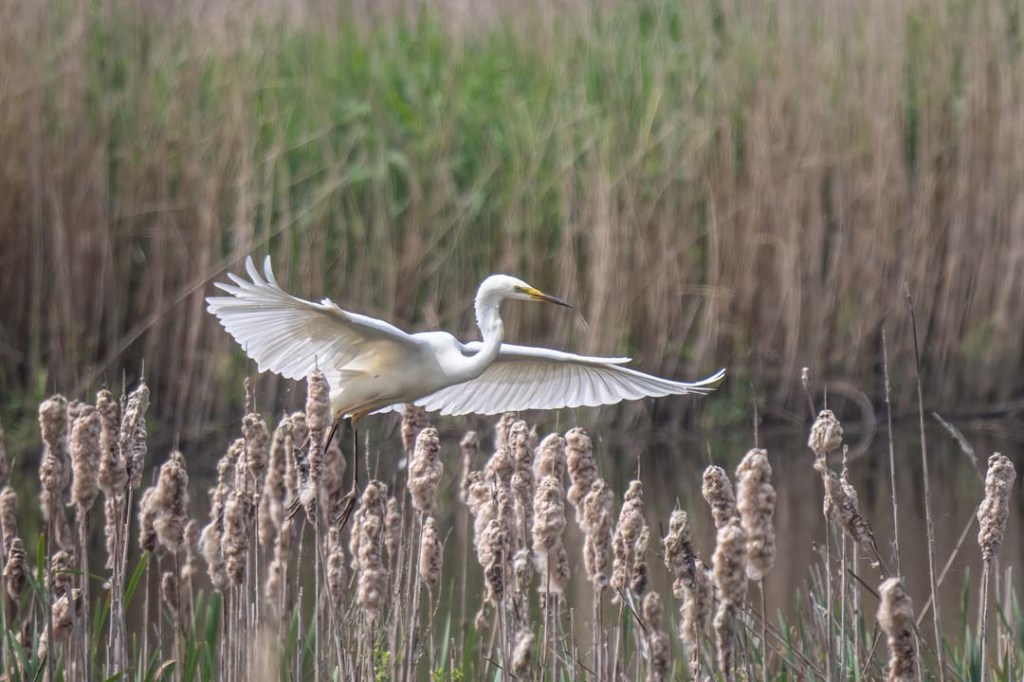
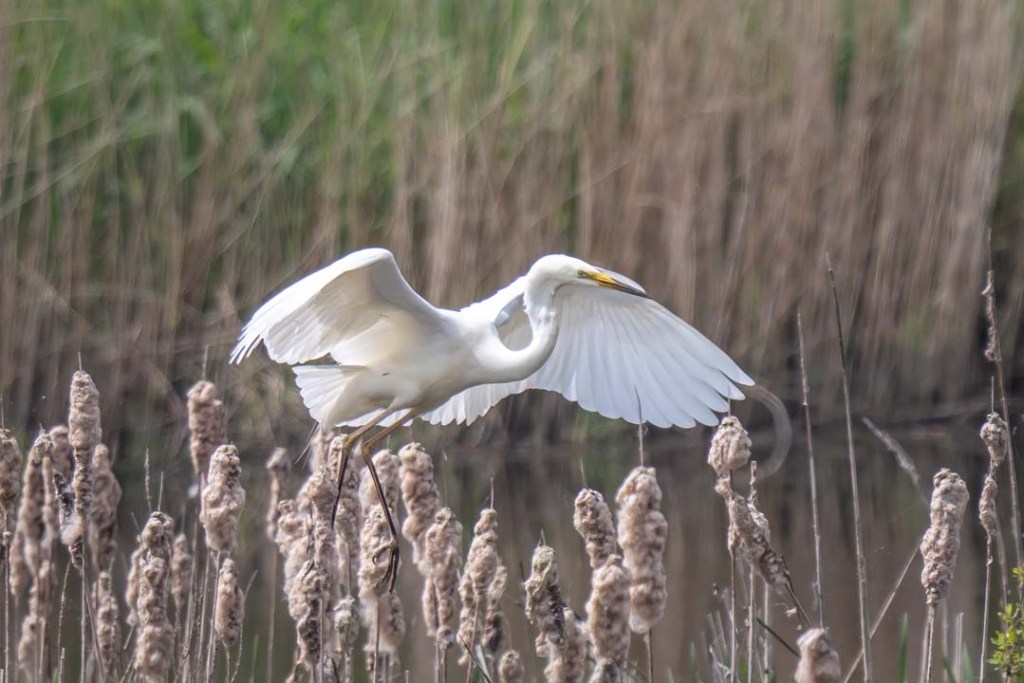
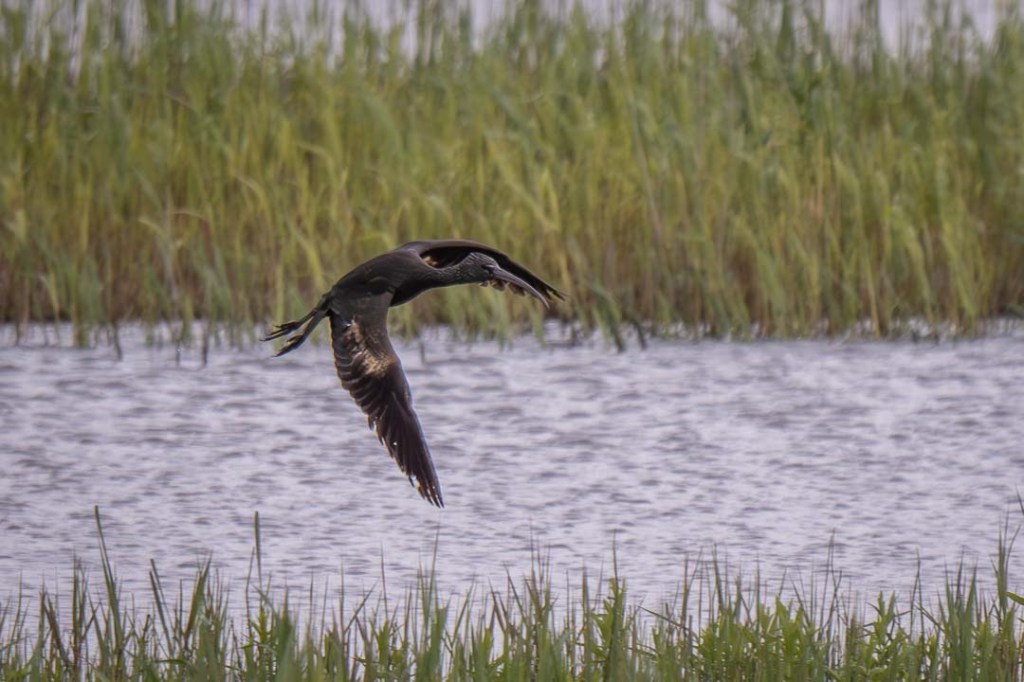
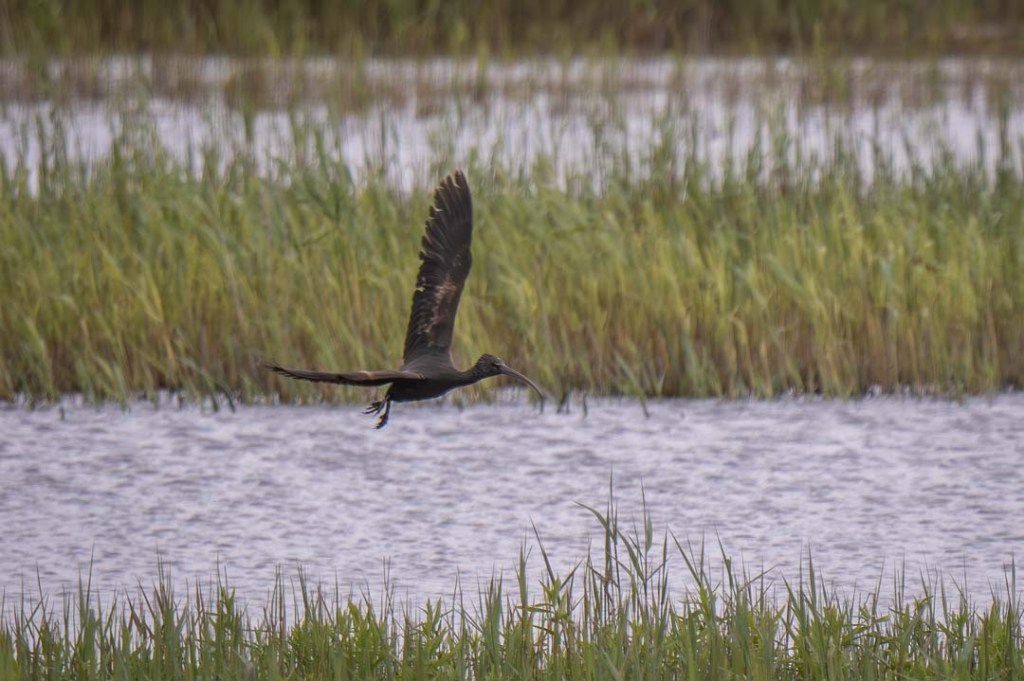
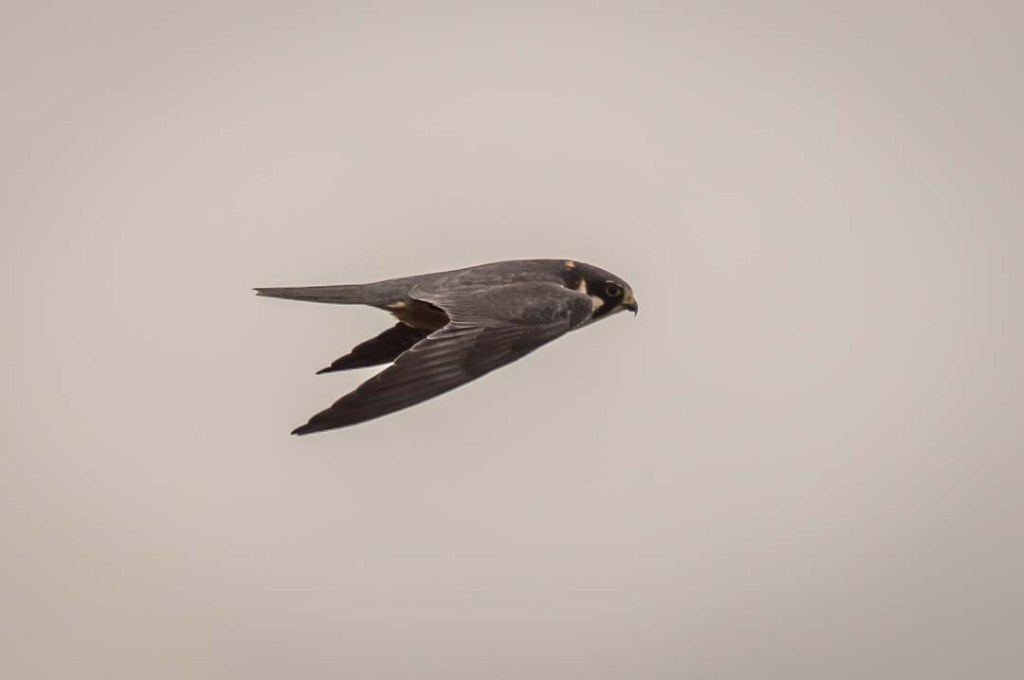
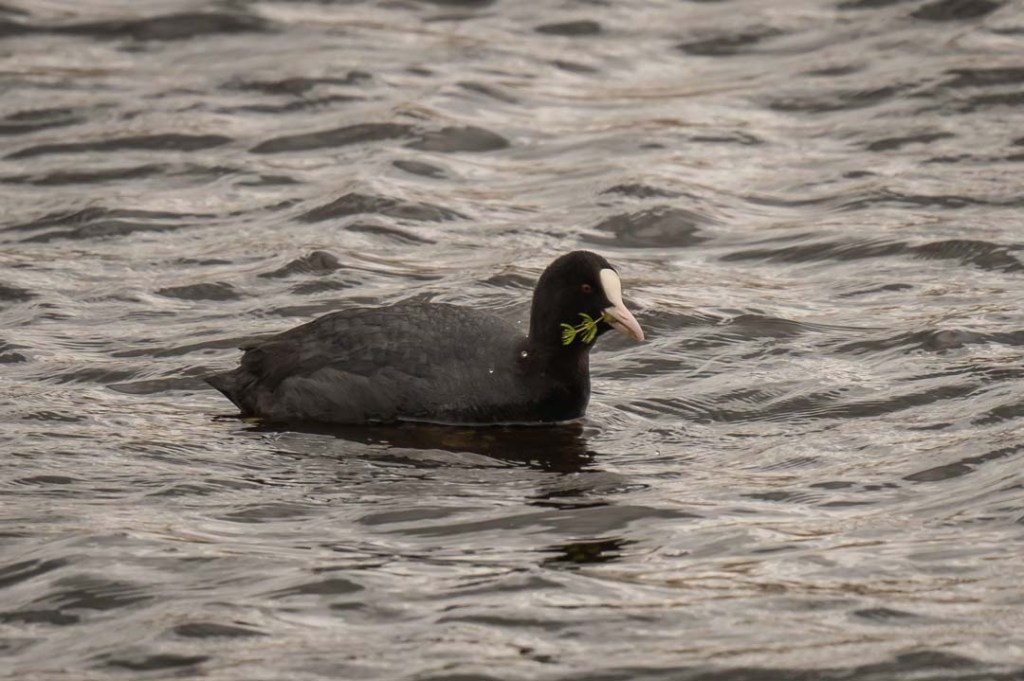
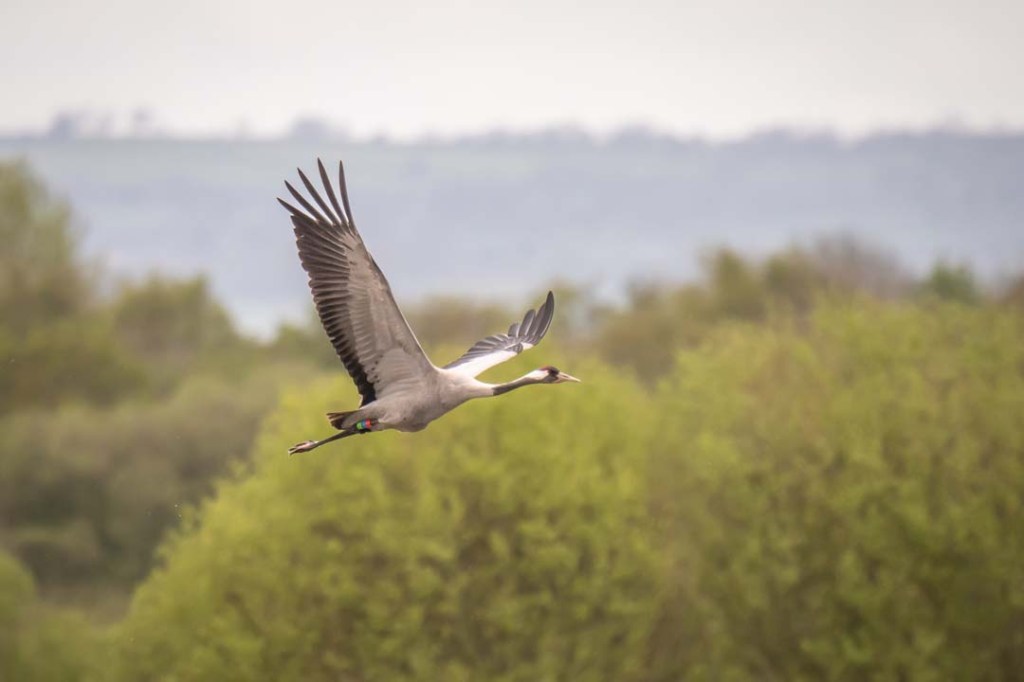
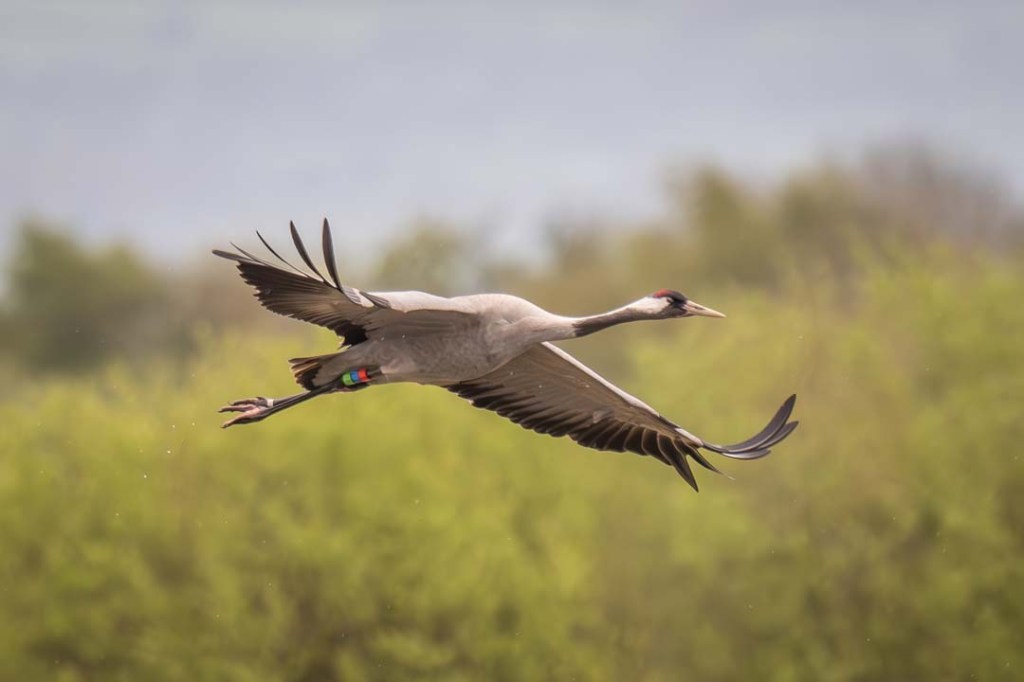
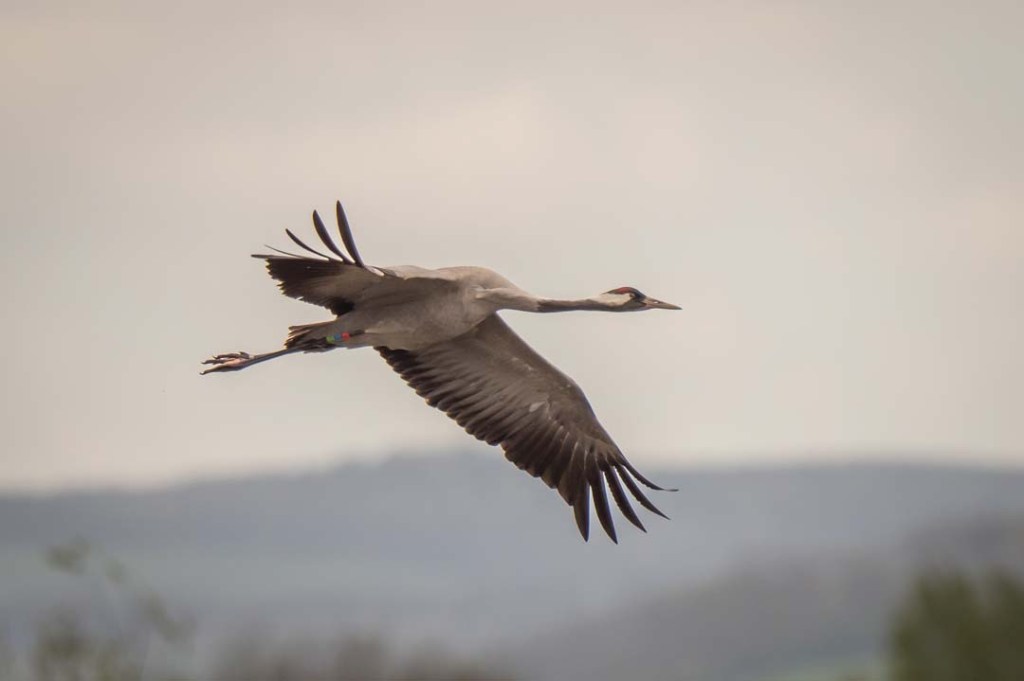
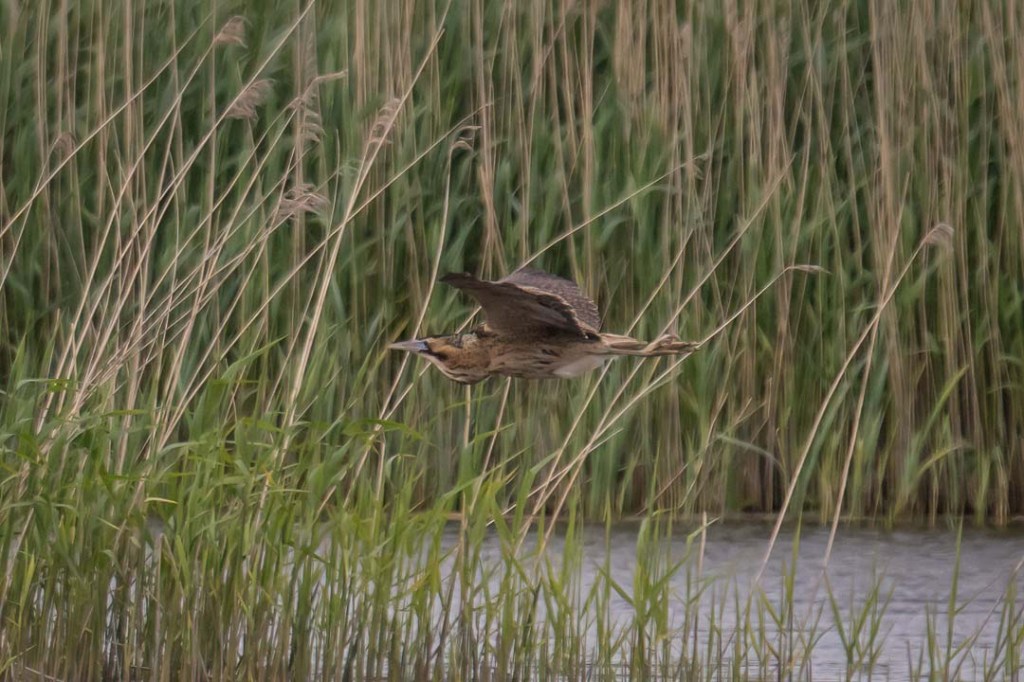
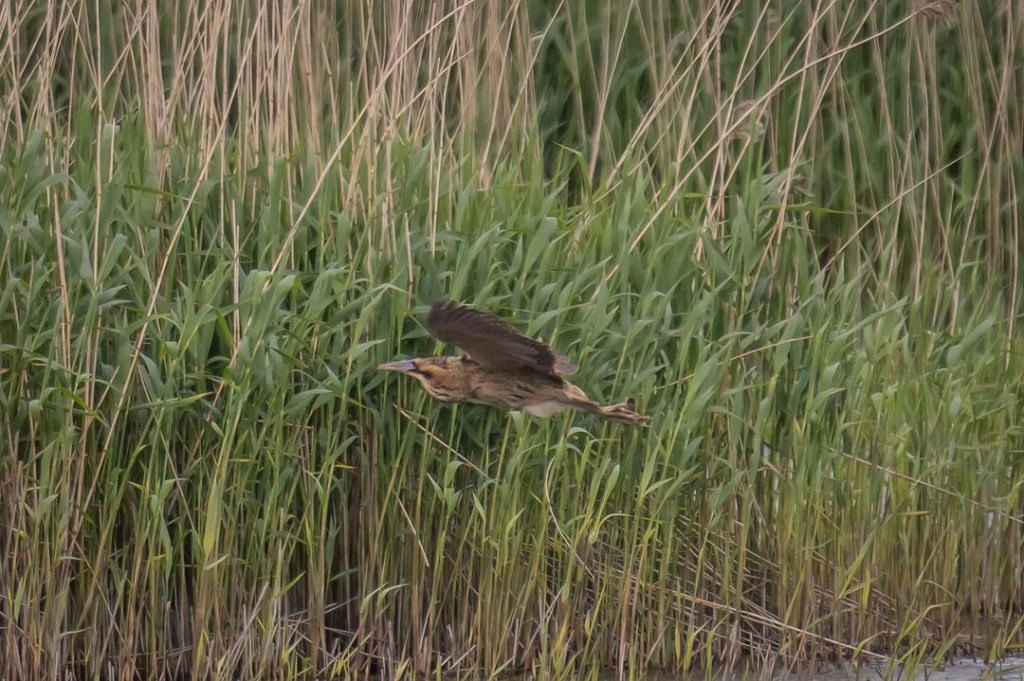
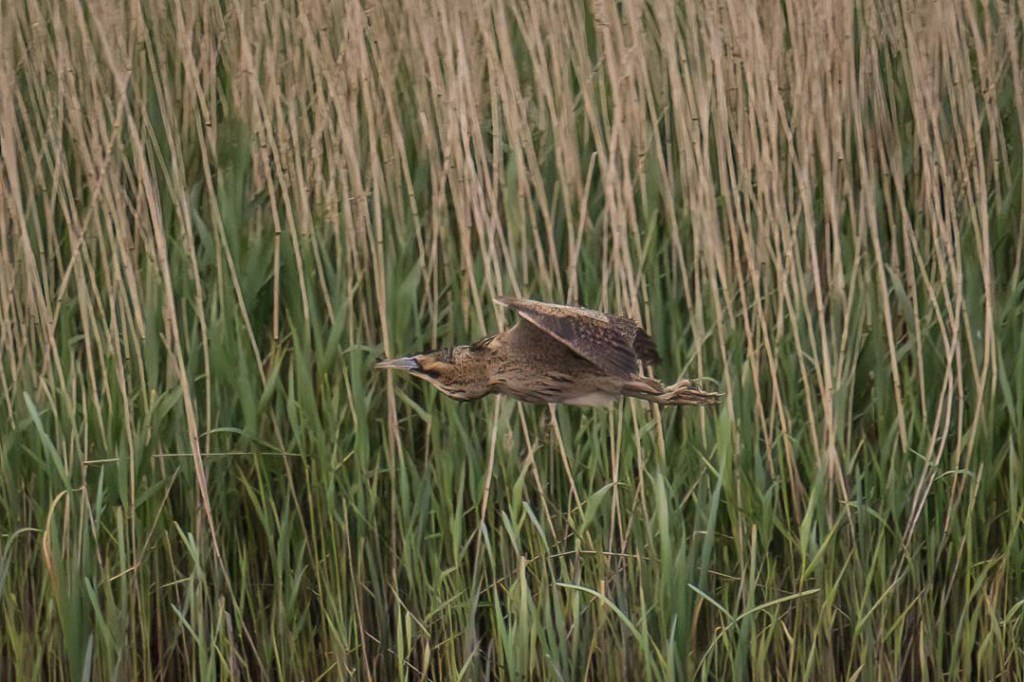
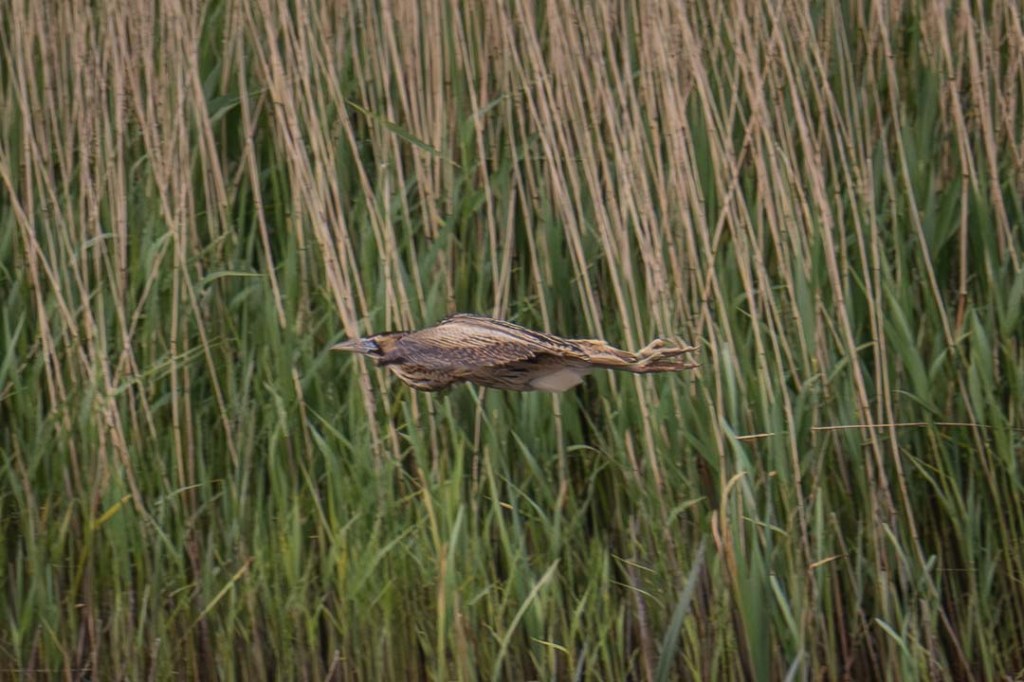
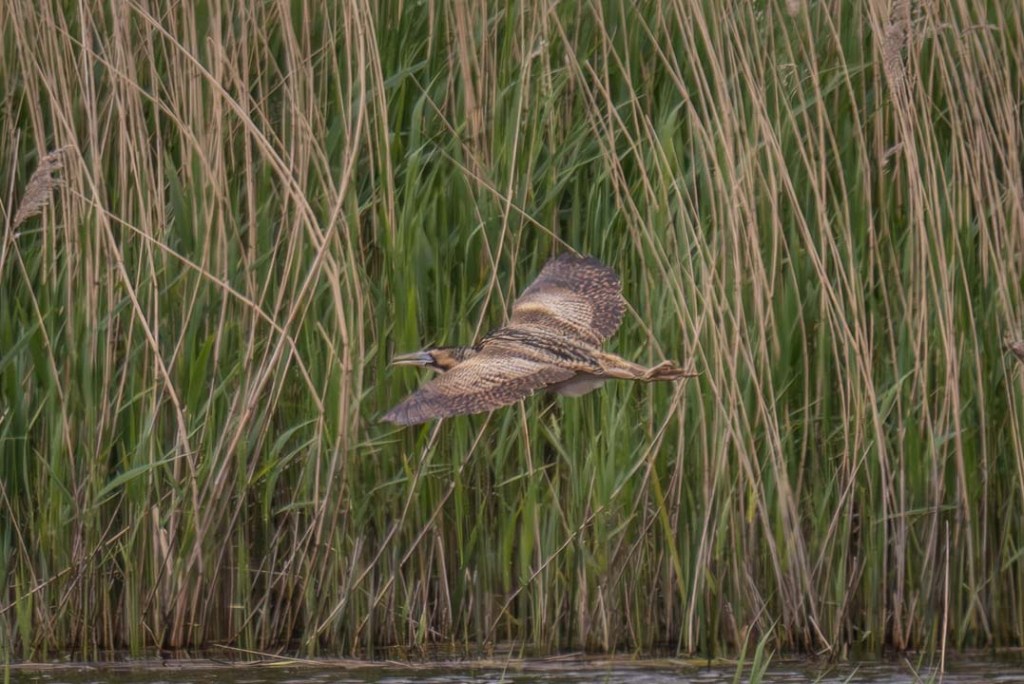
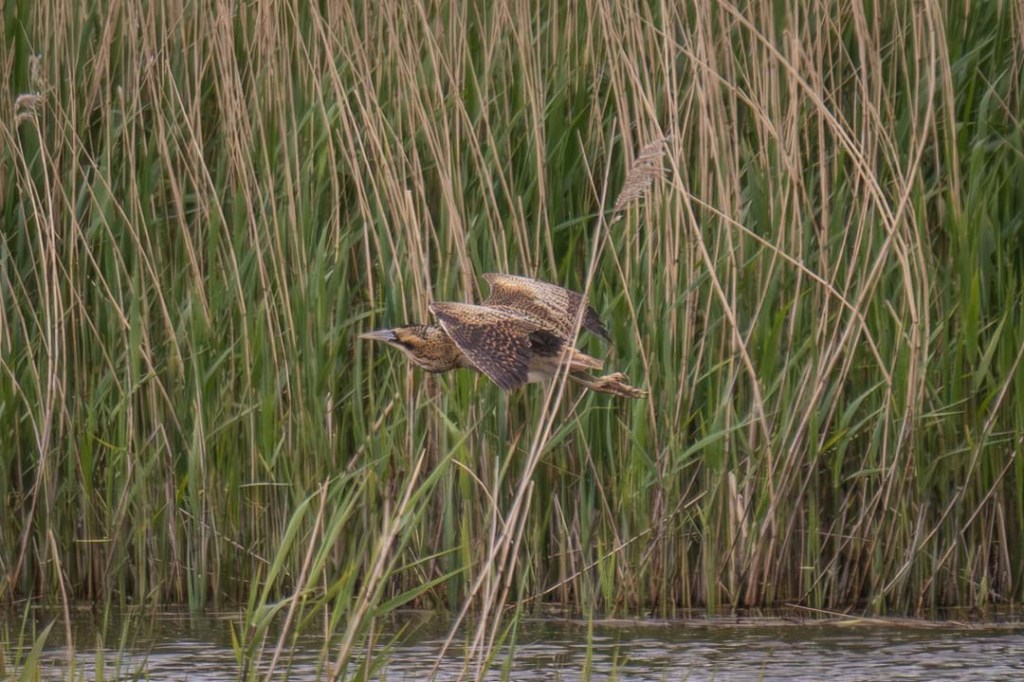
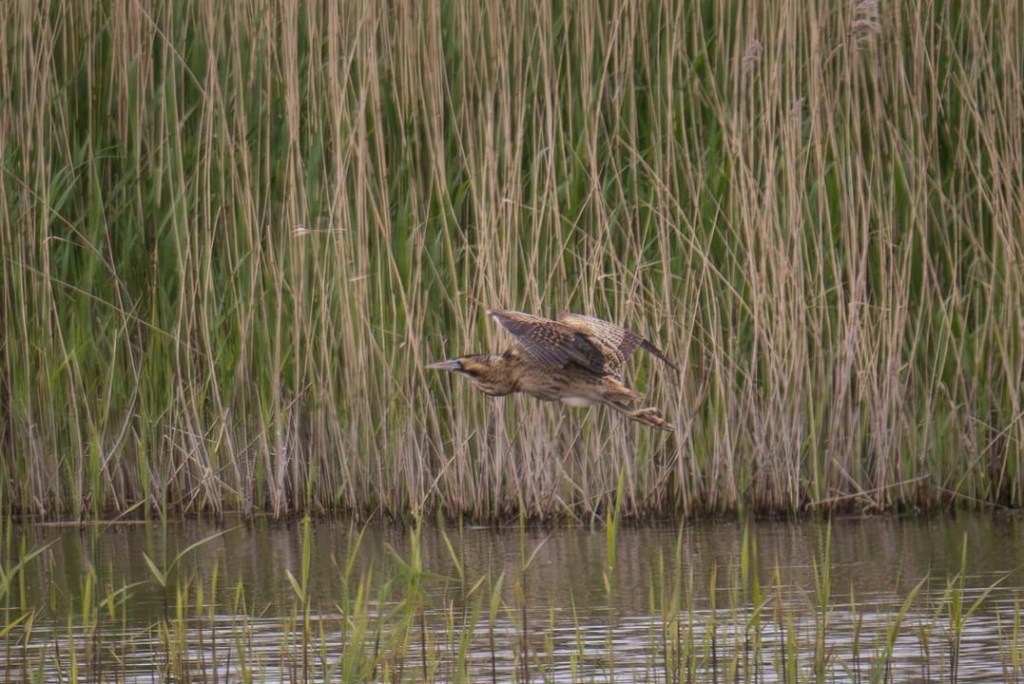
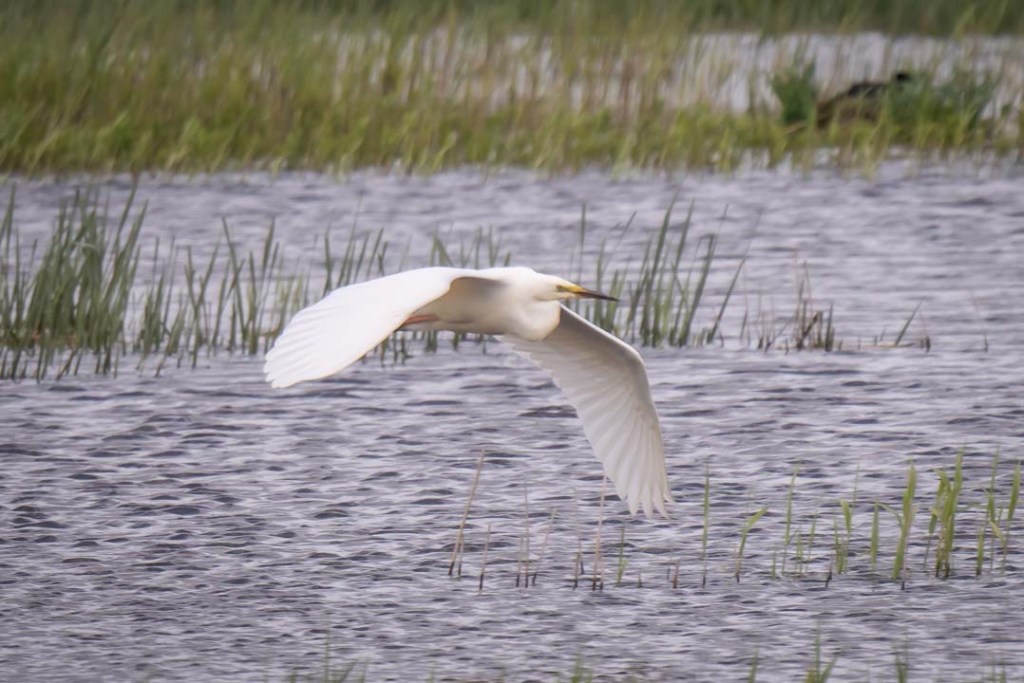
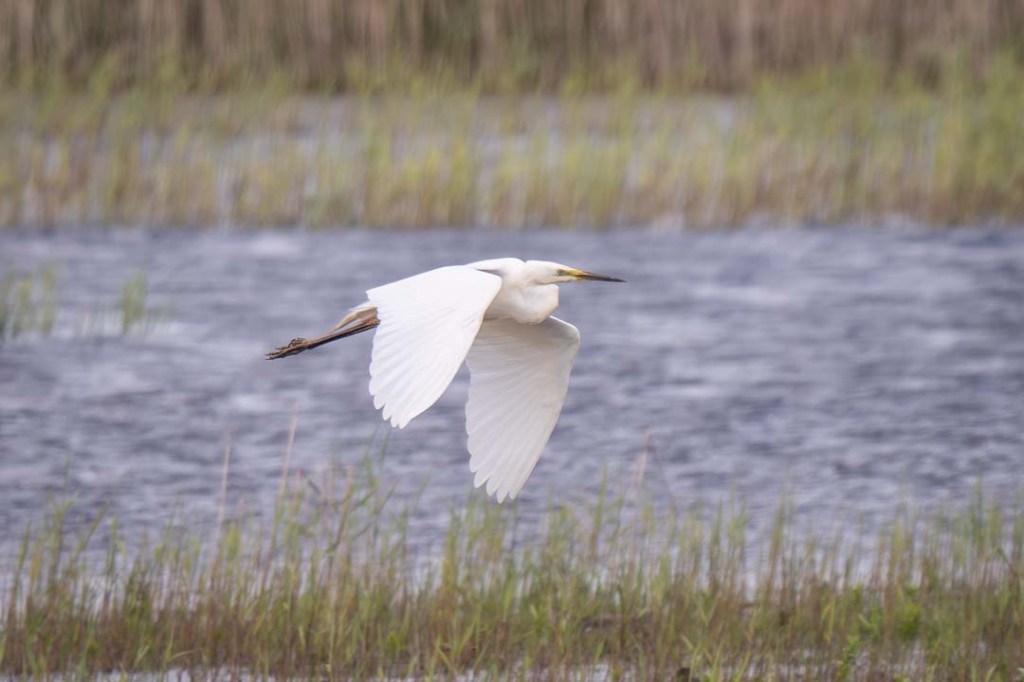
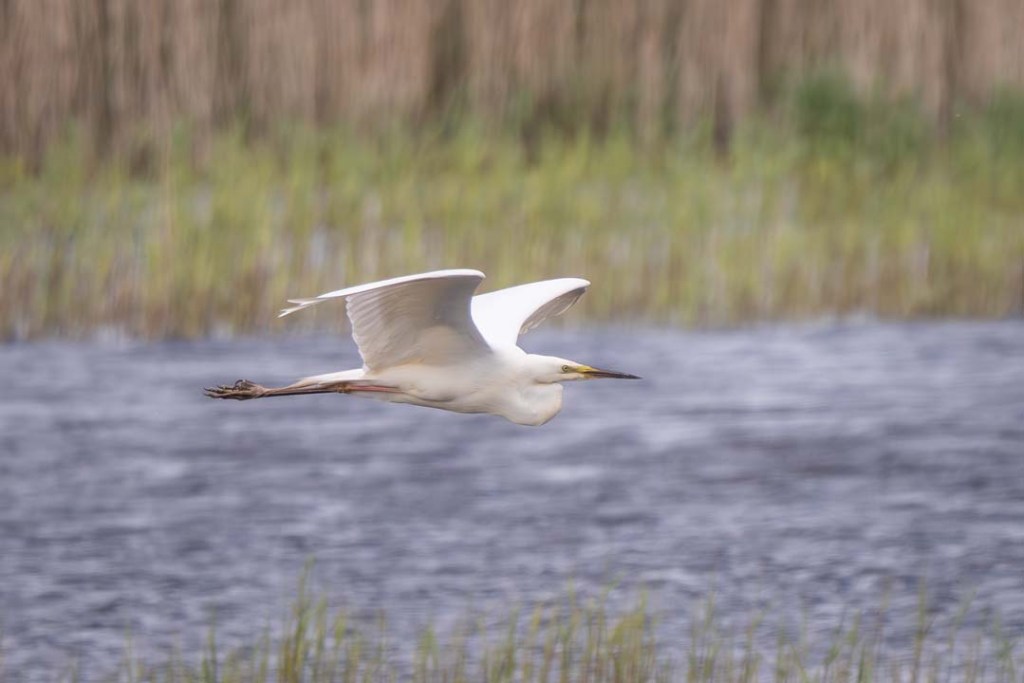
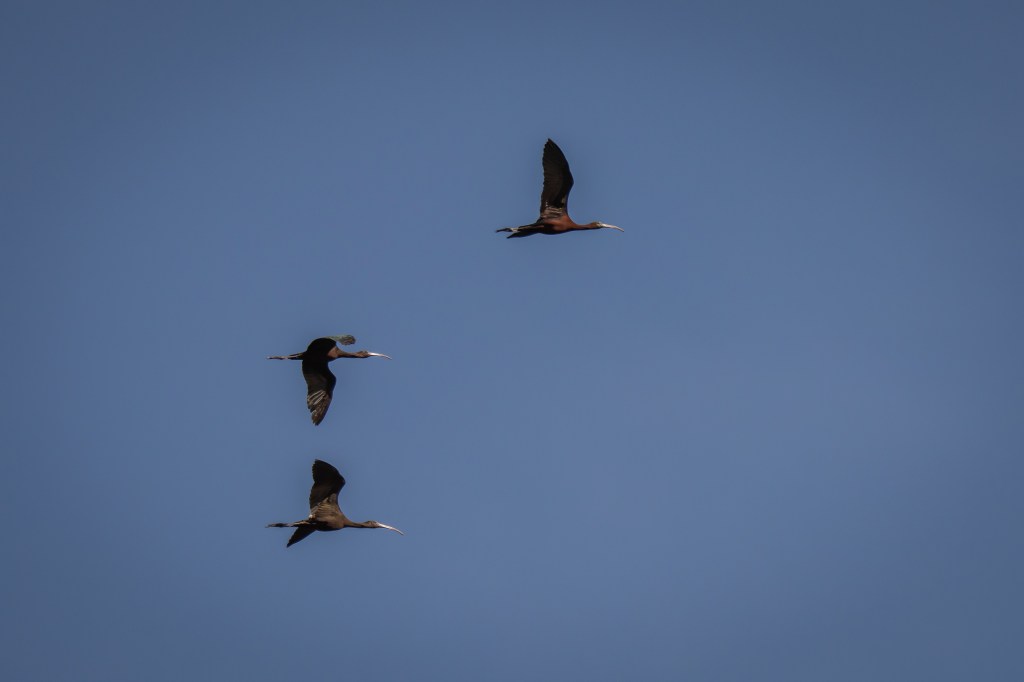
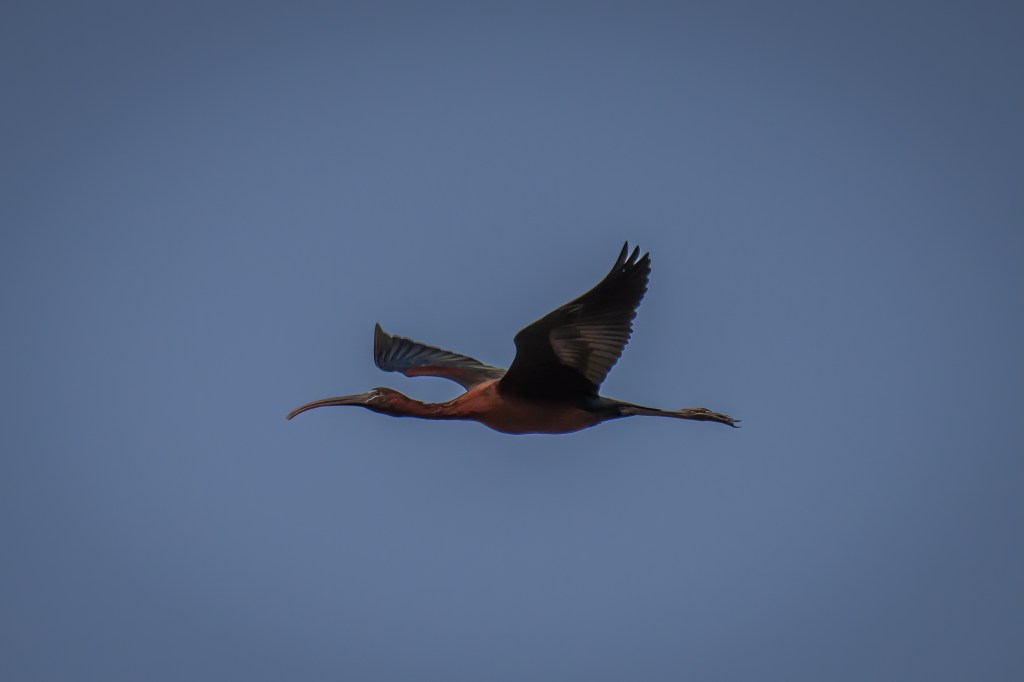
Glossy ibis, common crane, marsh harriers, great white egrets, a hobby and a bittern in flight were the highlights. However, there were plenty of other birds to see too. Quite a joy.
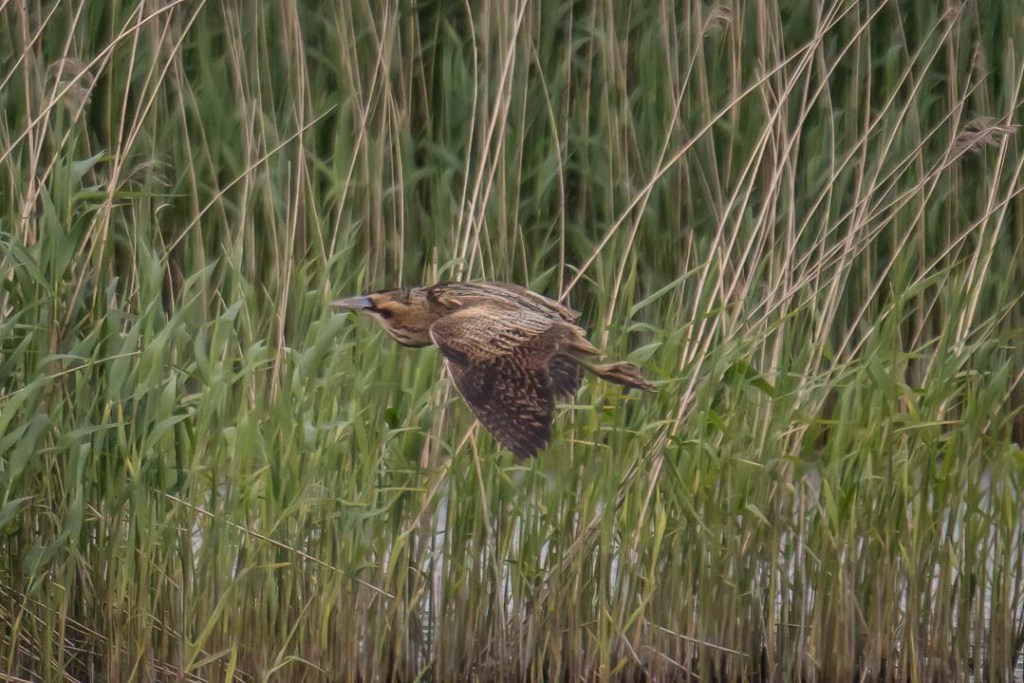
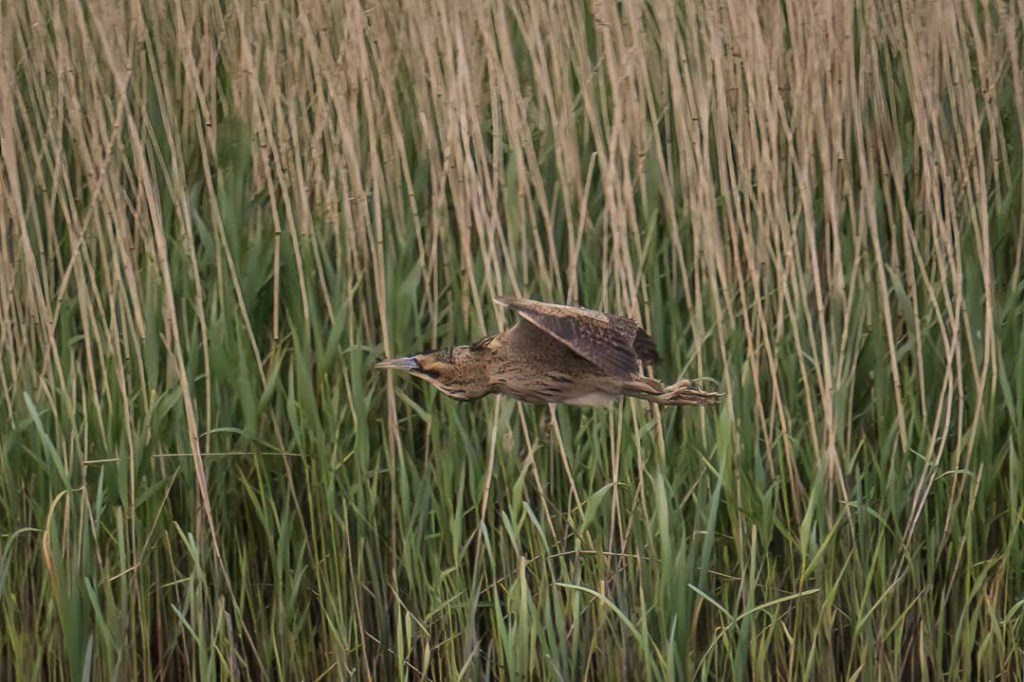


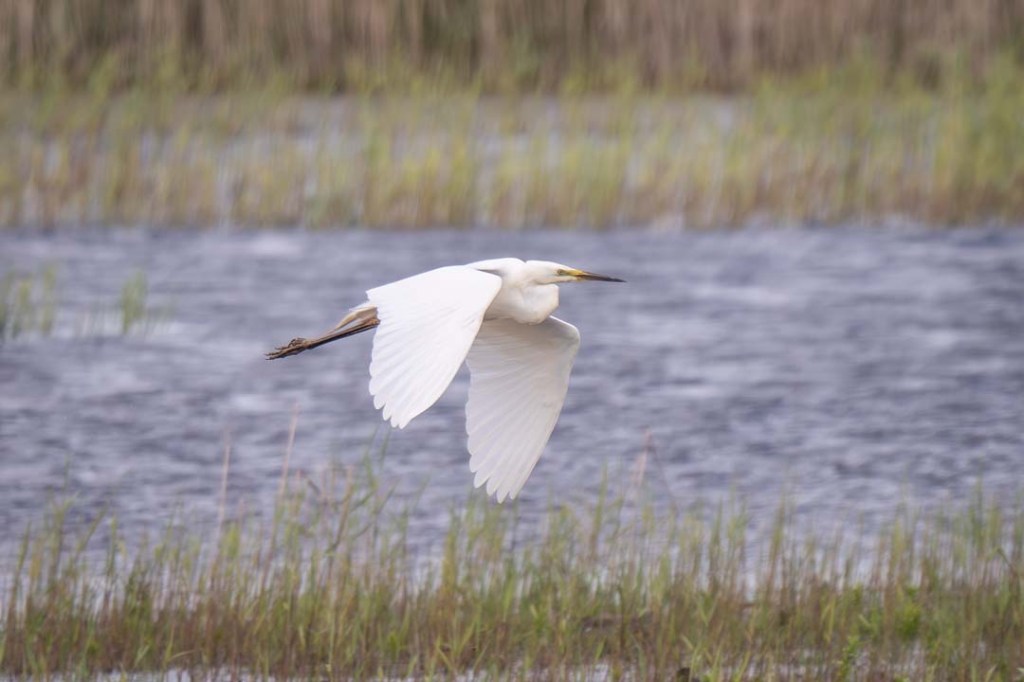
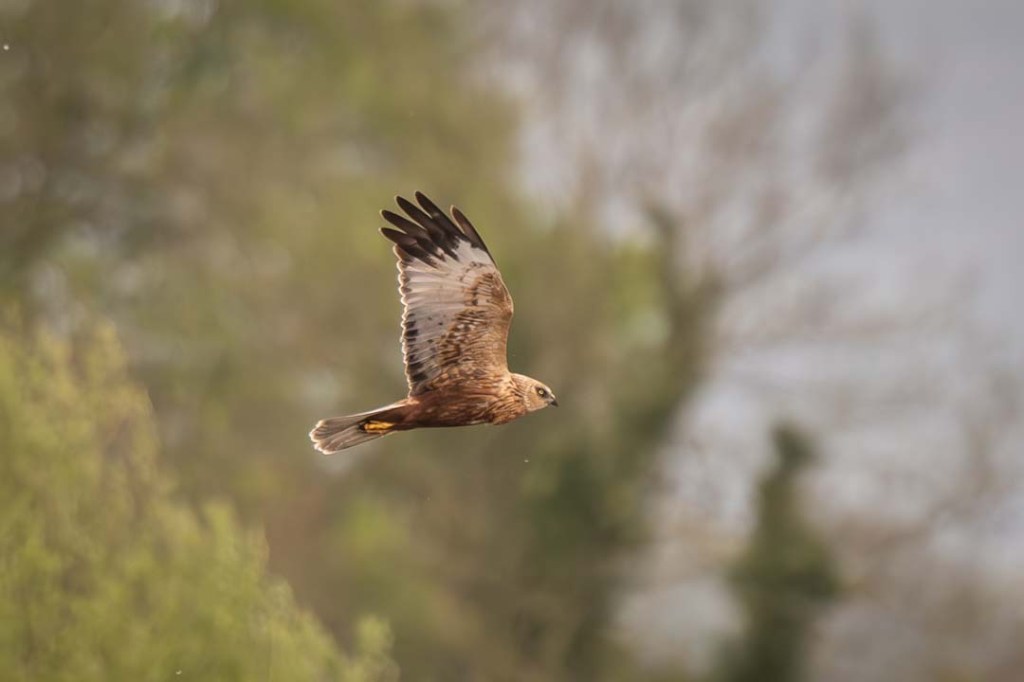
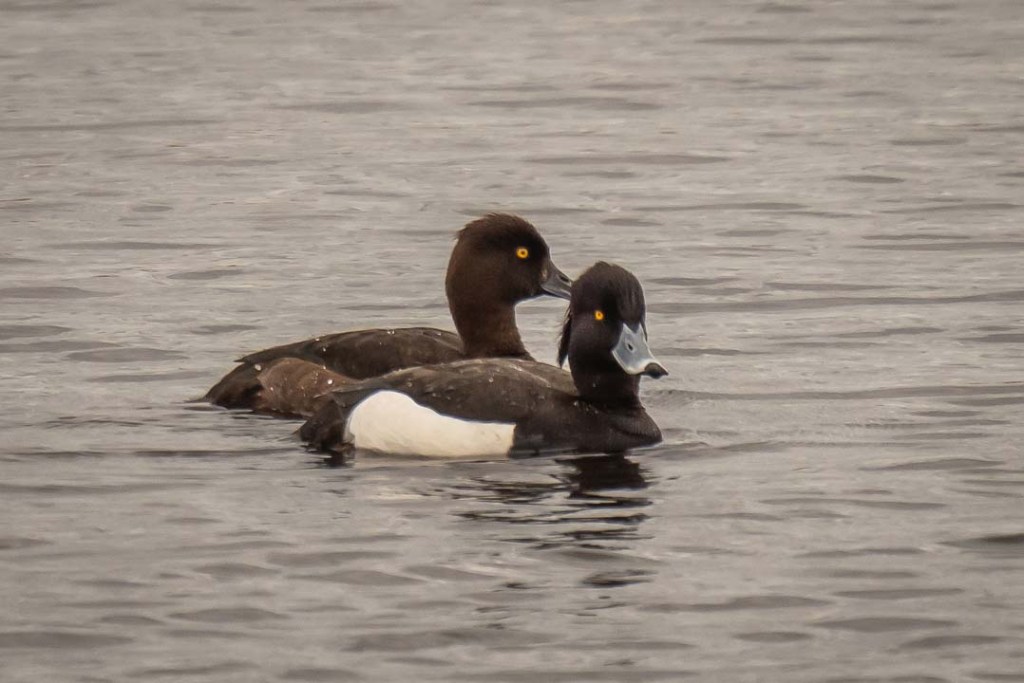


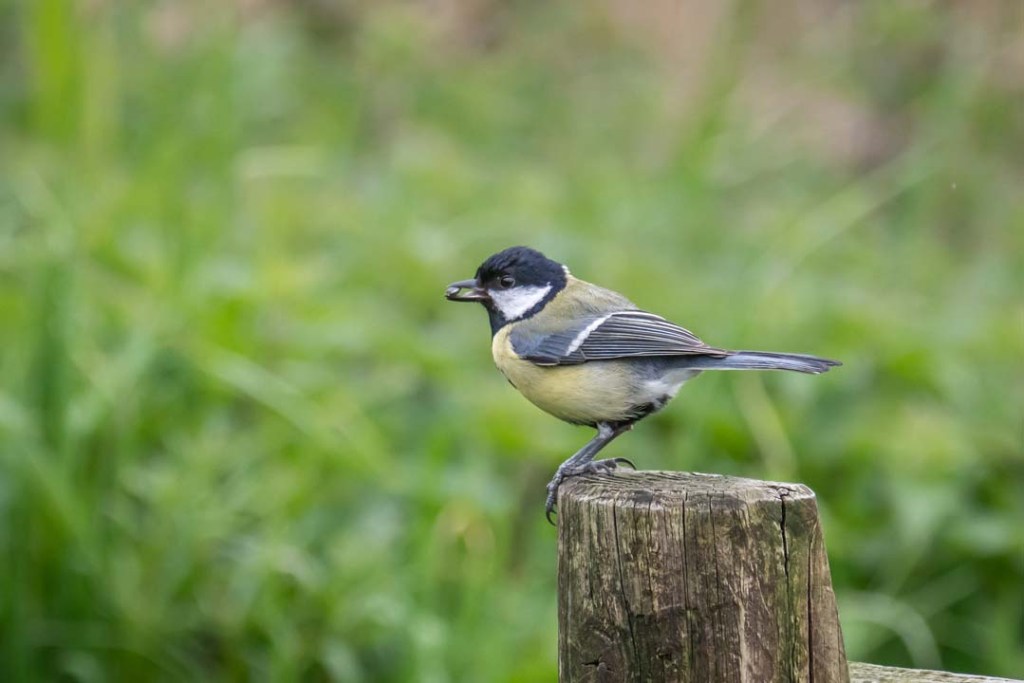


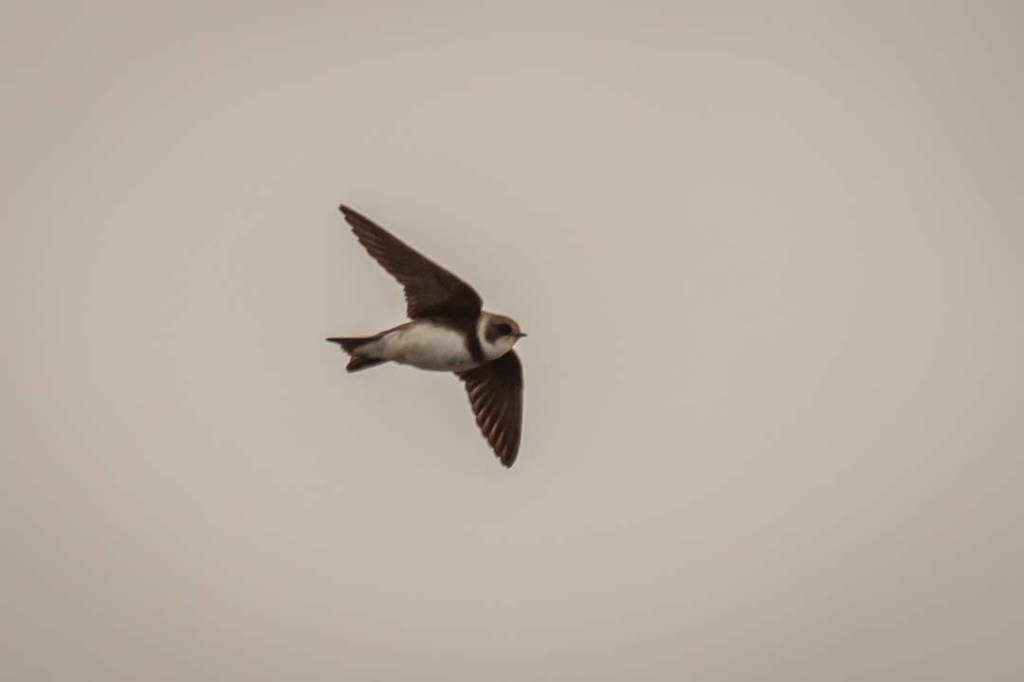

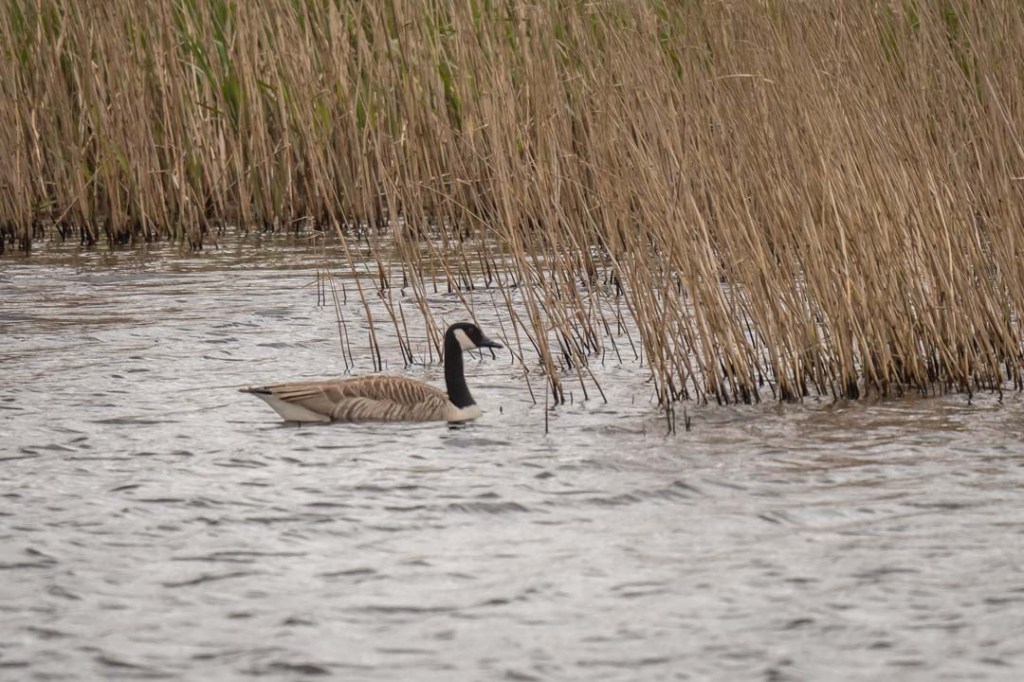

Slideshow of photos from Ham Wall.

16th -23rd April 2024
We have had a very happy week immersed in the nature of a wonderful part of Spain, in the company of a small group of like-minded people.
Our fellow birders clearly had a huge knowledge and experience of nature. They also had great observational skills from which Wendy and I benefited enormously.
During the week I have reflected often about the purpose of my blog. I particularly enjoy the mental stimulus it provides and I feel, at my time of life, that the exercising of the grey cells is good for me. It certainly helps me to reflect on what we have done and seen (or heard) on each sortie and it serves as a very important souvenir for us.
I am happy to share my experiences with others but I do not particularly pretend to inform – there are many people who are much better equipped to do that than me.
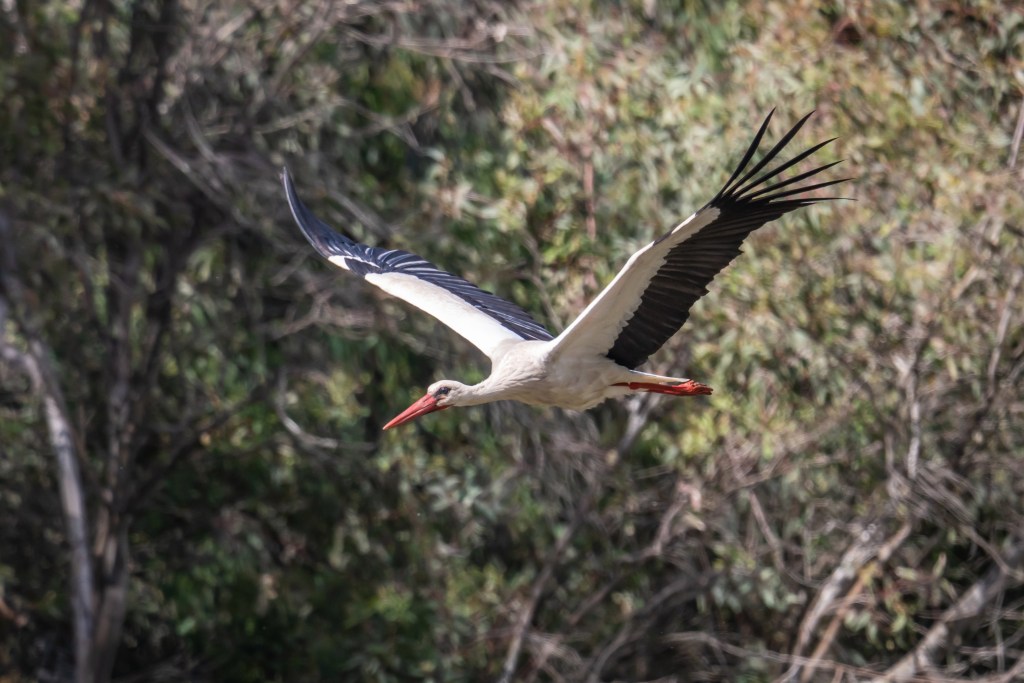
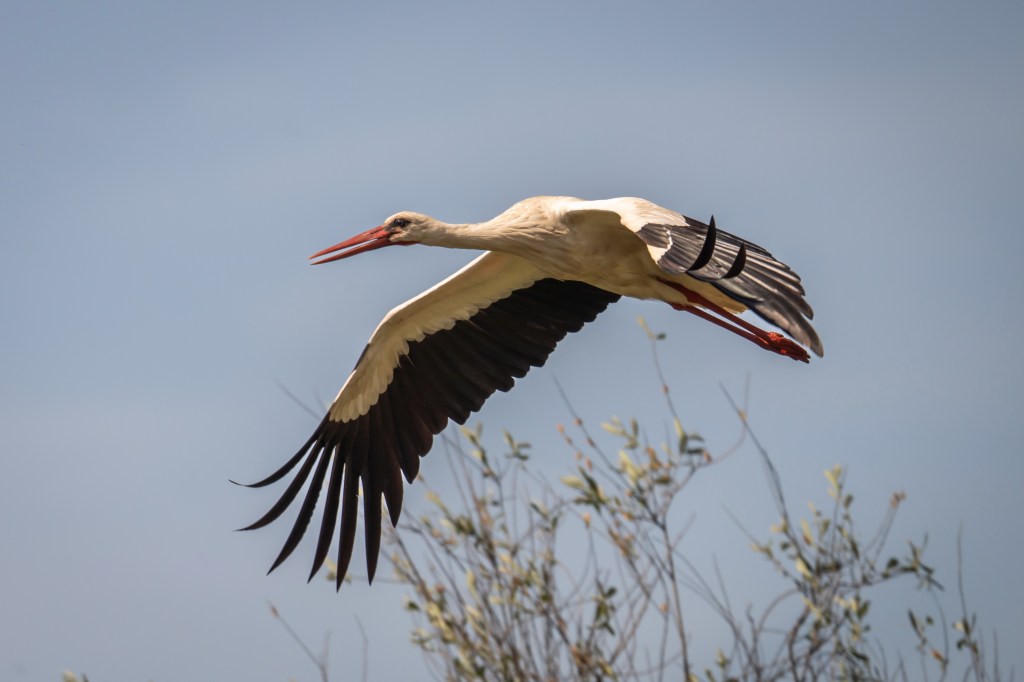
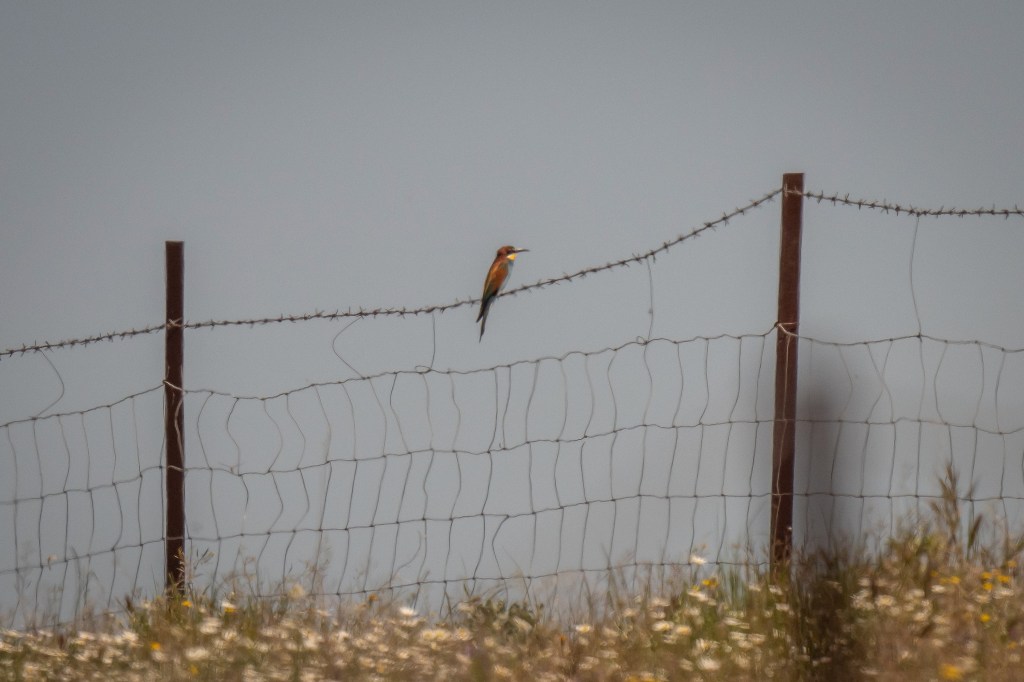
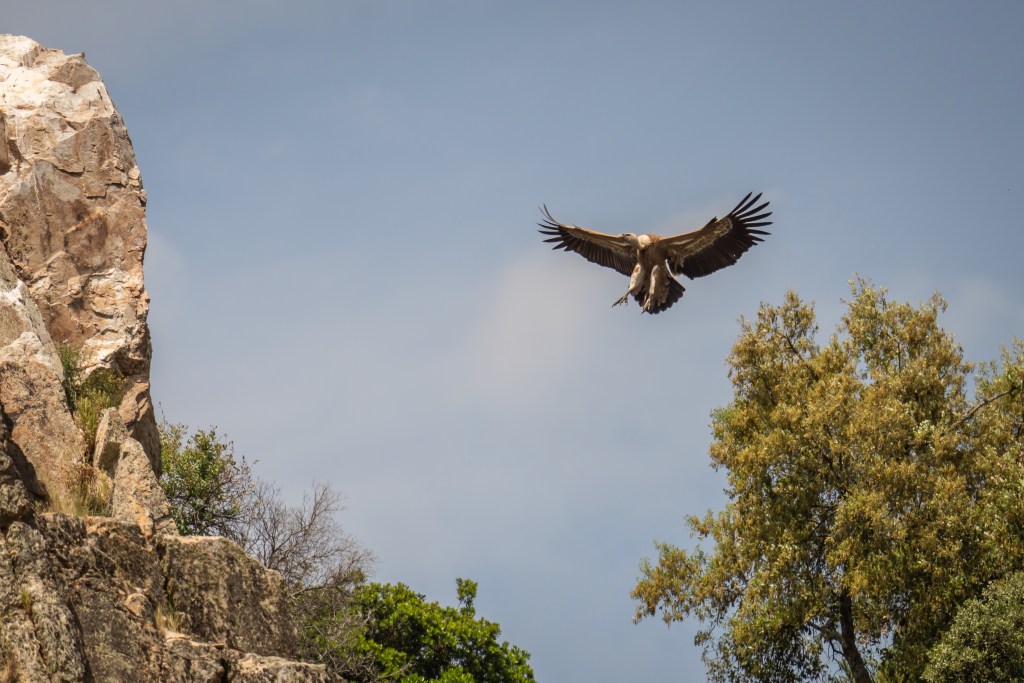
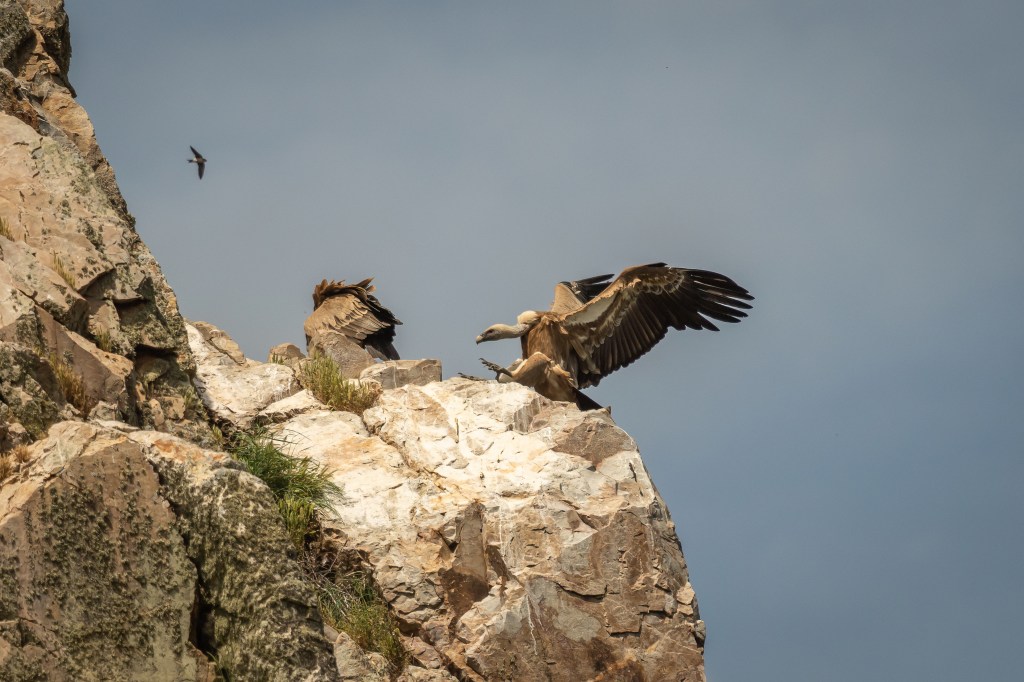
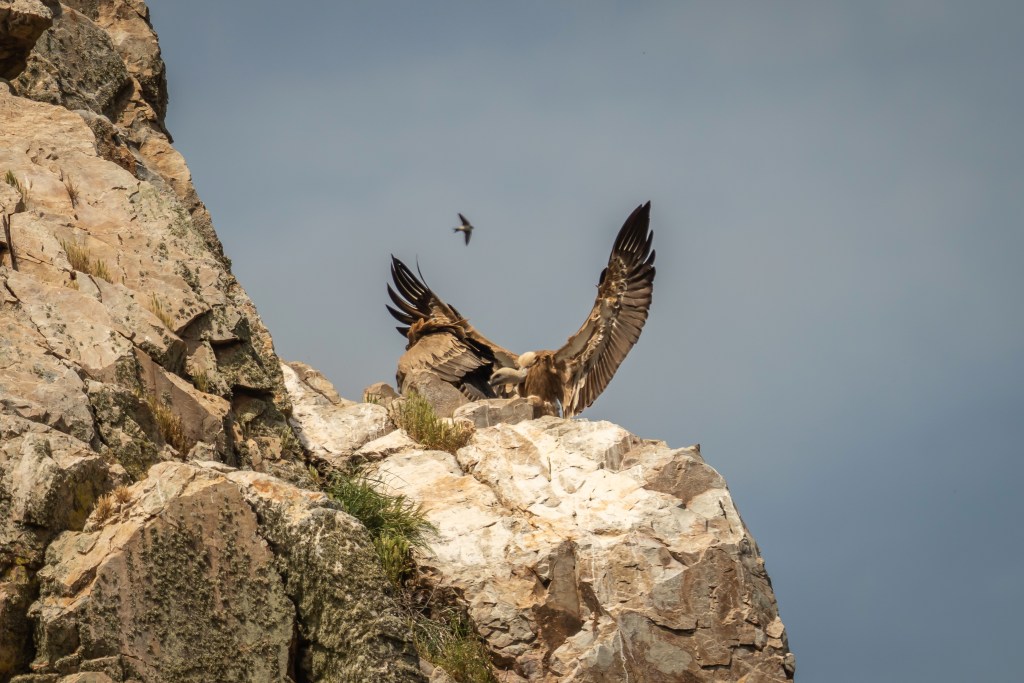
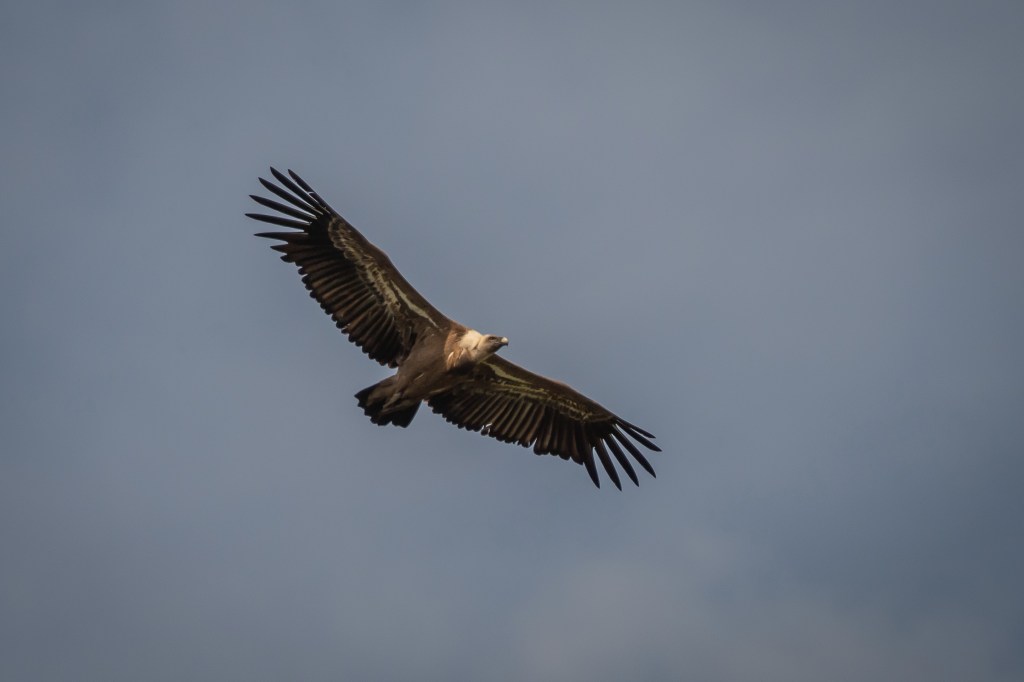
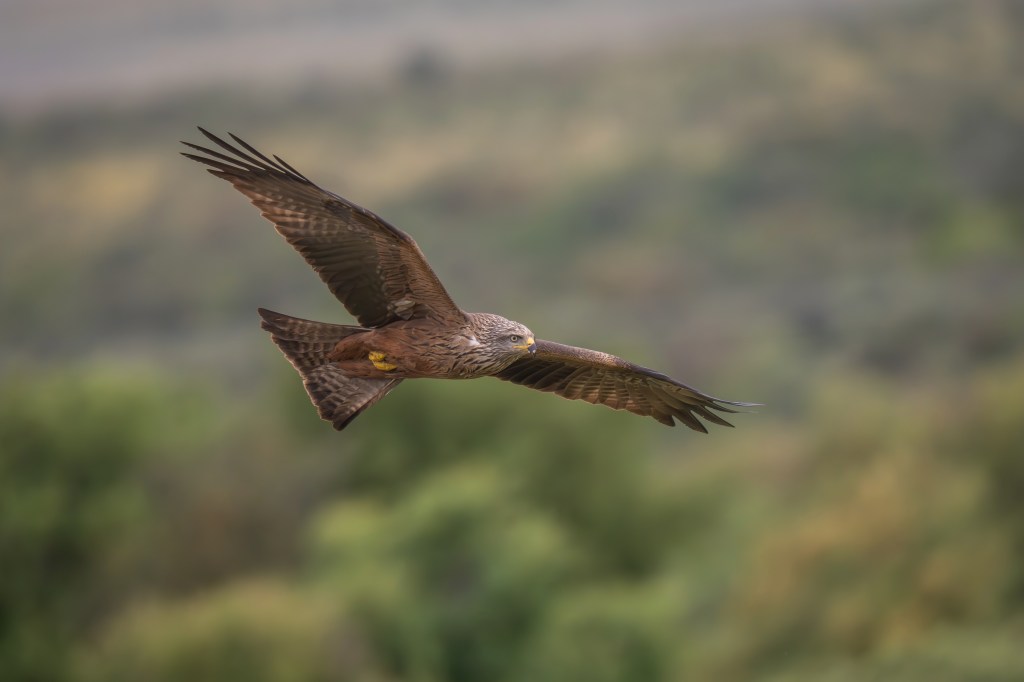
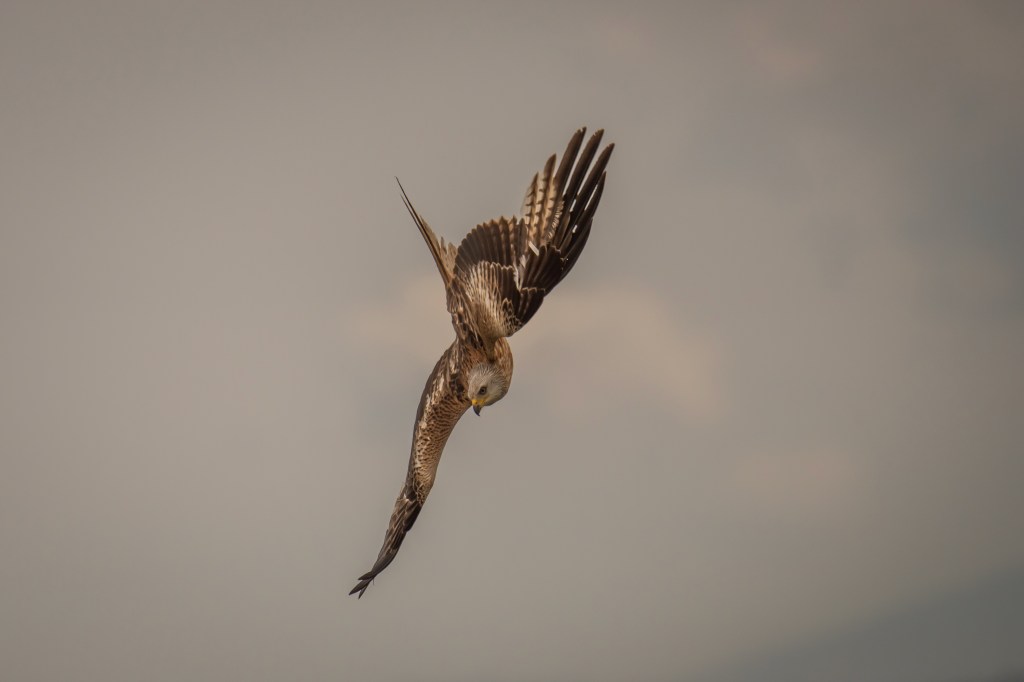
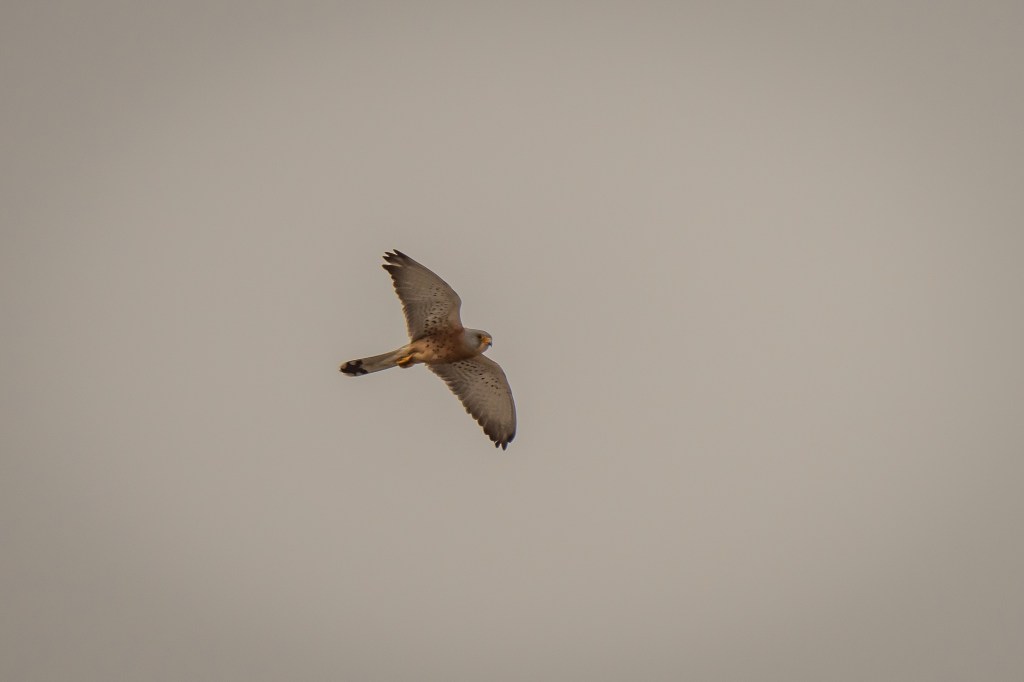
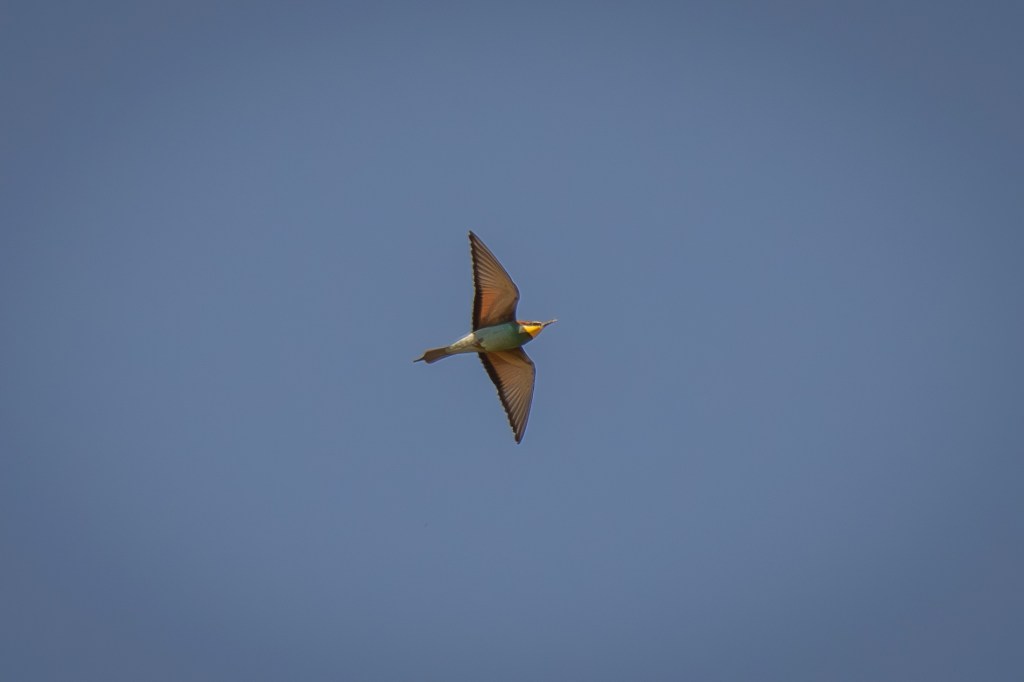
In this blog I start with a slideshow of some of the bird highlights of the trip and try to show, through my photos, why we had such a wonderful trip.
I follow with a more detailed personal day-by-day breakdown of the trip with relevant photos. I won’t attempt a tour report per se as that would duplicate what Naturetrek offers and my version would certainly be full of inaccuracies.
As a friend once said to me: “We don’t read all the writing, Martin, we just look at the photos”.
On this trip I have taken photos with a Sony A7R Mark IV camera (with a 200-600 lens), a Sony RX10 Mark IV bridge camera and with the camera of my iPhone 14. I recognise that by spending a lot of my time taking photos I will have seen less than others, but I thank our guides who were very generous with their telescopes and gave us plenty of opportunity to see things out of my range.
For me there were some key elements to the success of the tour and I list them in no particular order:
The choice of travel company:
We chose to travel with Naturetrek as we feel they have a very good reputation in the nature travel market and present themselves very well. The organisation before and throughout the tour was faultless. They responded very quickly and fully to any communication we had with them. The small size of the group was a real bonus.
The guides:
We were very fortunate to have two excellent and very experienced guides: they were fundamental to our enjoyment of this trip. First and foremost they were really nice people and genuinely good company. They both had a huge knowledge of the natural world and were very good at sharing it with us.
Dominic Couzens is a leading nature writer, tour leader and lecturer based in the UK. He has now written 50 books largely based on nature, he writes three regular magazine columns, and to date, has had more than 700 published articles. His nature anecdotes enlightened our day from before breakfast until bedtime and he was excellent at spotting things and pointing them out to us.
Keith Hamilton is a very proud West Cumbrian now based in Spain in la Sierra de Gredos with clearly a good knowledge of Extremadura. As well as sharing his knowledge of birds and all things to do with nature he gave us a great insight into Spain, the Spanish people and their language. His love of Spain seems to match his love of Cumbria. One night he also gave us an interesting practical introduction into “mothing”, one of his many passions.
There was continuous banter between the two of them and their ability to work as a team made for a very harmonious group. I also appreciated that they both drove the comfortable hire minibus and car cautiously and we felt safe at all times. They also gave us plenty of “comfort” breaks.
The picnics they provided were very healthy, tasty and refreshing and were often in lovely surroundings.
The accommodation:

A real highlight of our trip was the accommodation and meals we enjoyed at La Casa Rural Finca Flores Amarillas. Its setting, in the middle of the countryside a few kilometres from the quiet village of Almoharin (an hour south of Trujillo), was stunning. However, the friendly welcome we received from our hosts Paul and Eva even surpassed that. Their Spanish home-cooked food and wine were also always tasty and generous and greatly appreciated by all.
https://www.fincafloresamarillas.com/home.html

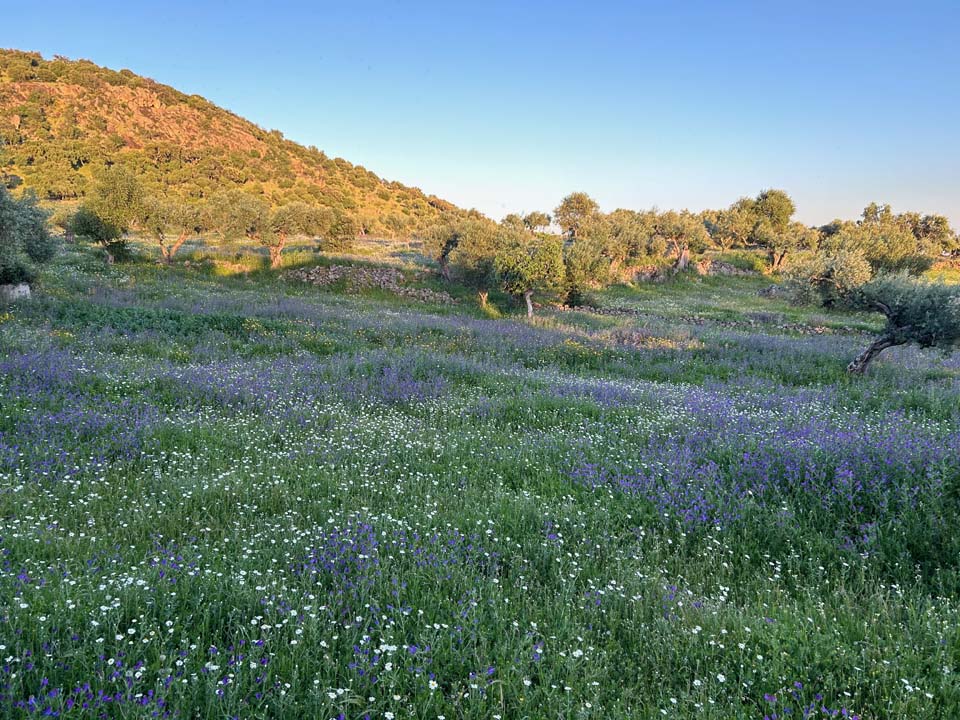
The region and the birds:
This region of Spain is a hidden jewel. At this time of the year the flora is spectacular as is the bird life.
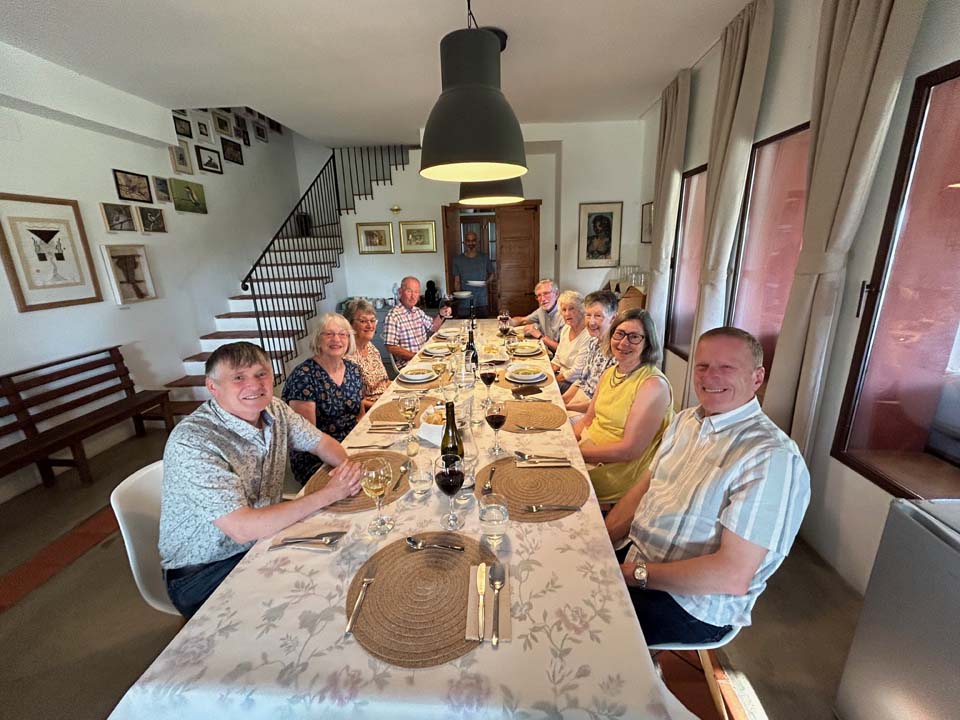
I felt we were a very harmonious group and I thank our fellow travellers for their good company which was genuinely appreciated.
What would I have liked to be different? Not a lot really. I would have appreciated being able to “go birding” a bit like I do in the UK, that is to walk a little more and to spend more time just watching and listening.
It might have meant giving up on one of the top aspects of the tour such as the raptor feeding session or looking for sand grouse and bustards. But then again if we had had good views of the latter I might be seeing things very differently!
Please click on links below for fuller details of the trip day by day:
Wednesday 17th April 2024
Madrigalejo rice fields and Campalugar

Thursday 18th April 2024

Friday 19th April 2024
Arrocampo Nature Reserve and Monfragüe National Park
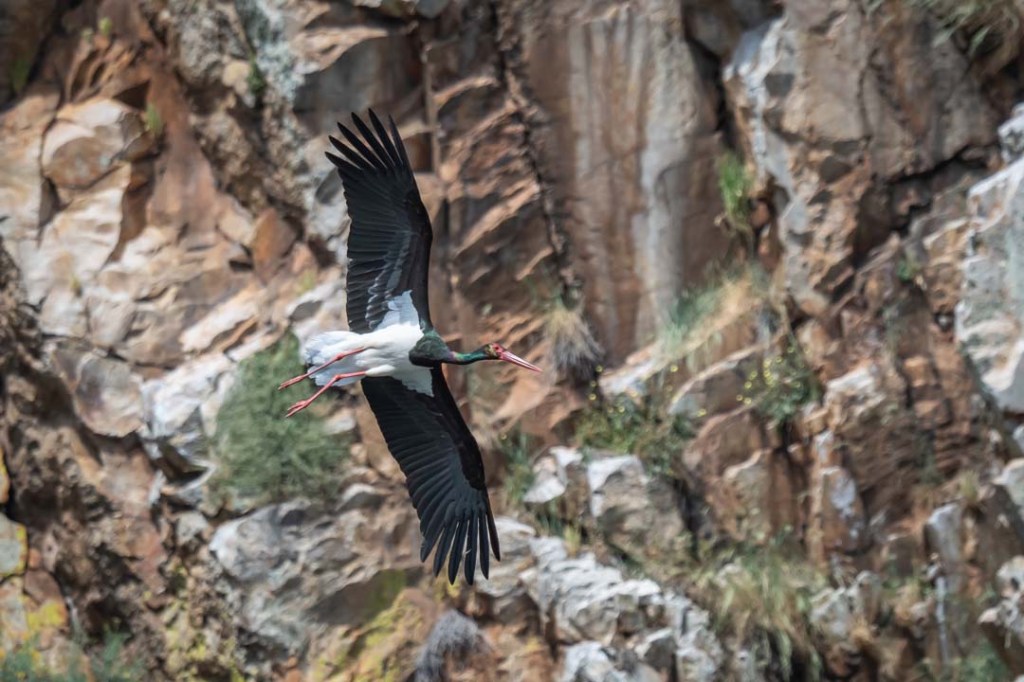
Saturday 20th April 2024
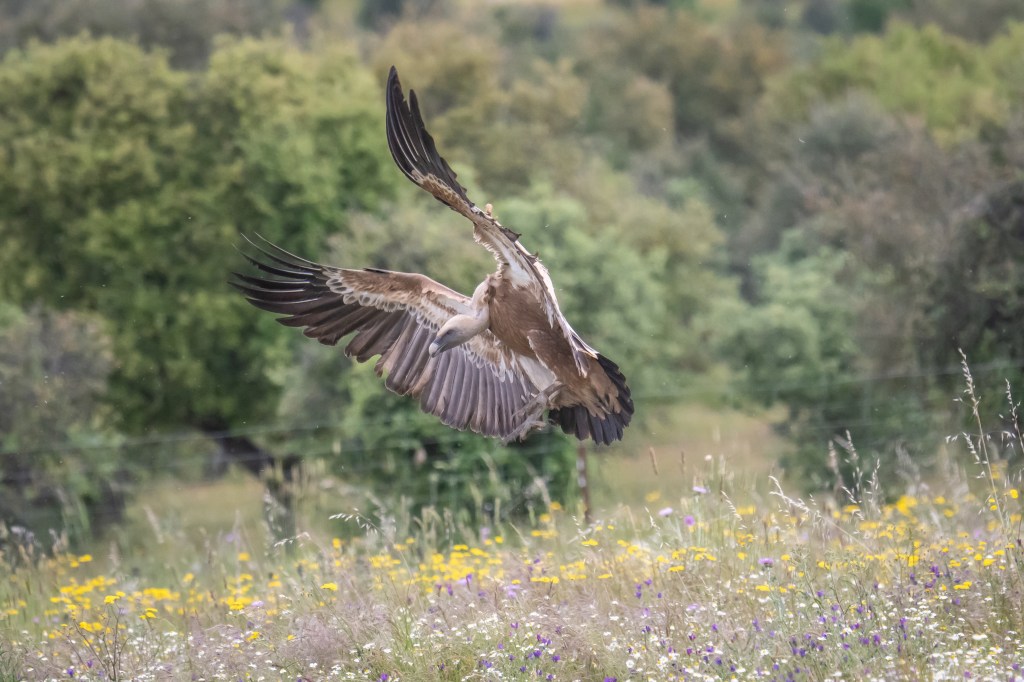
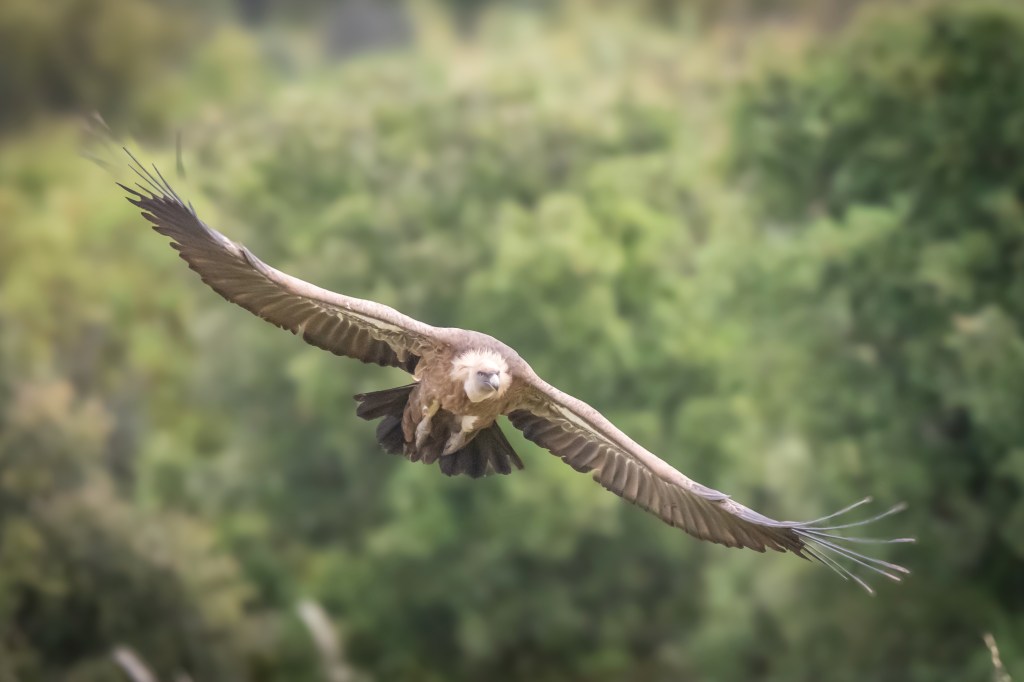
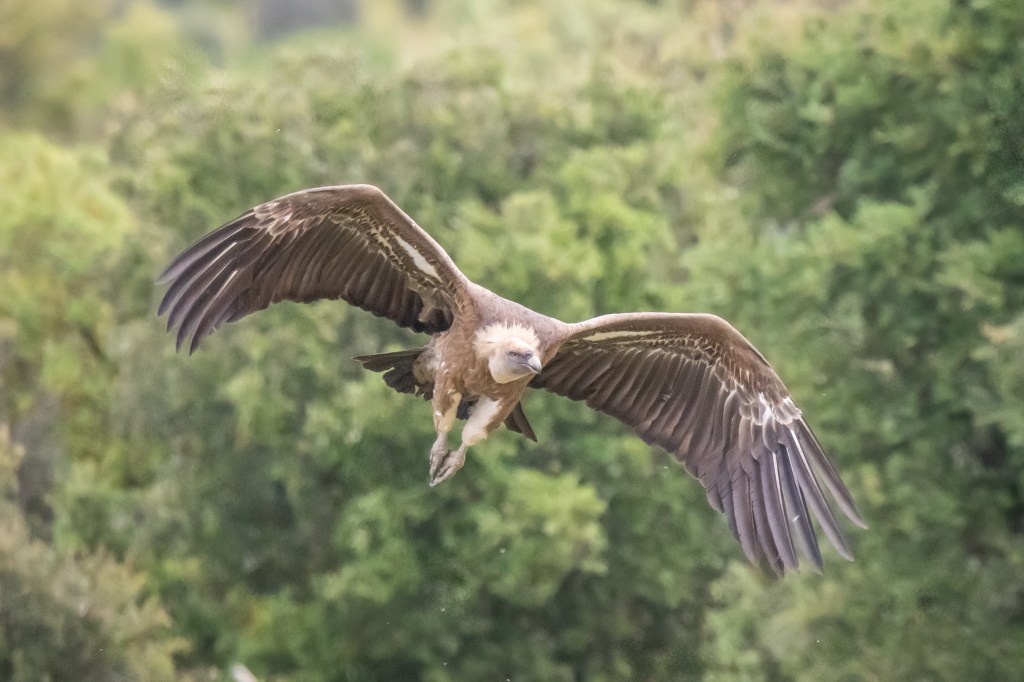
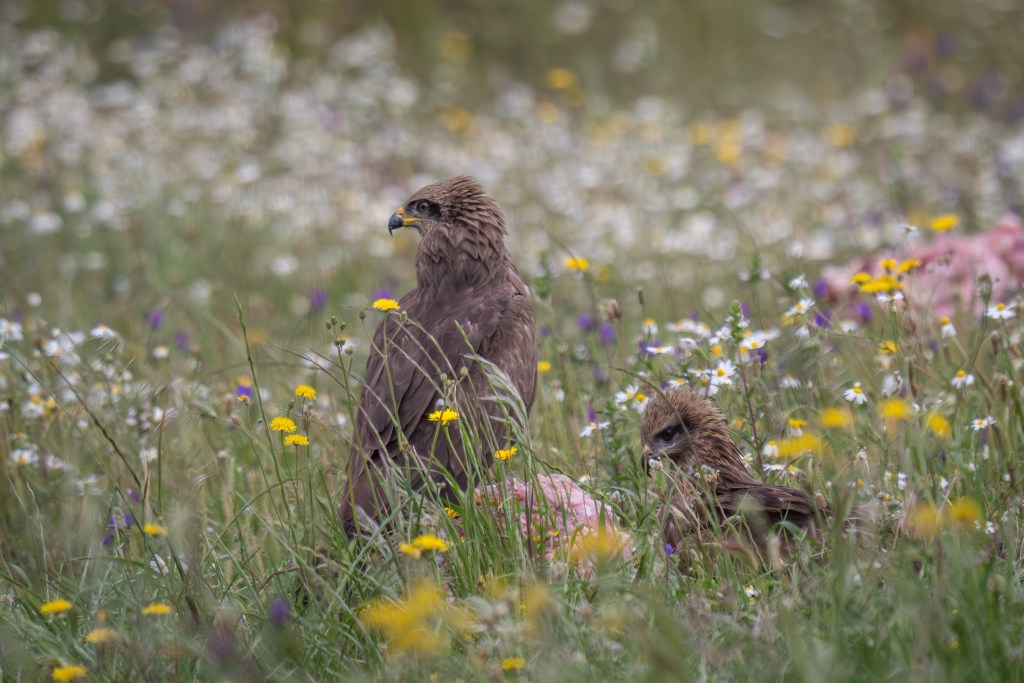
Raptor feeding station at Santiago del Campo

Visit to the historic town of Trujillo

Sunday 21st April 2024

Monday 22nd April 2024

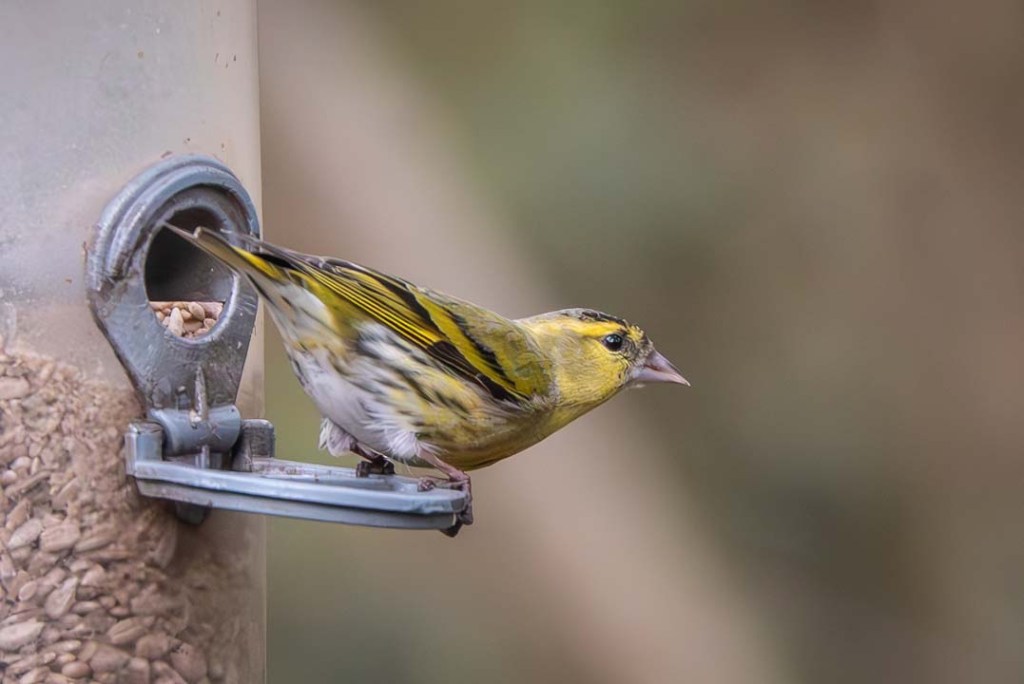
We have spent the last few days in North Devon. It wasn’t a birding trip but on our visit to RHS Garden Rosemoor I did get to see siskins which are not very common where I live in Bristol.
I share a few of the other “garden” birds we saw as well as a few photographs from this wonderful garden in Devon.
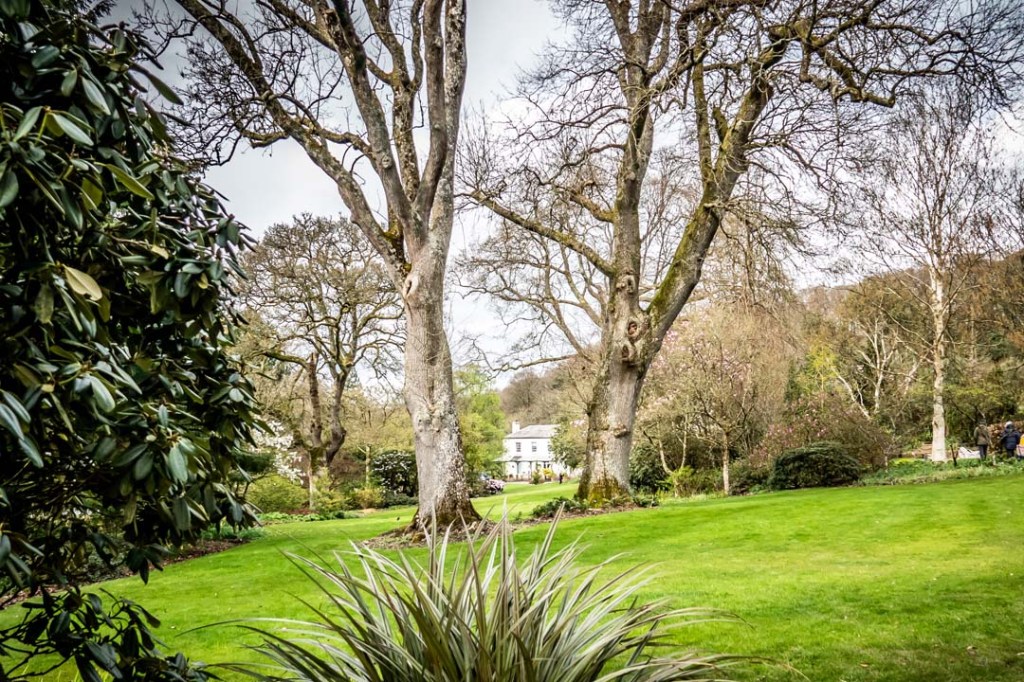


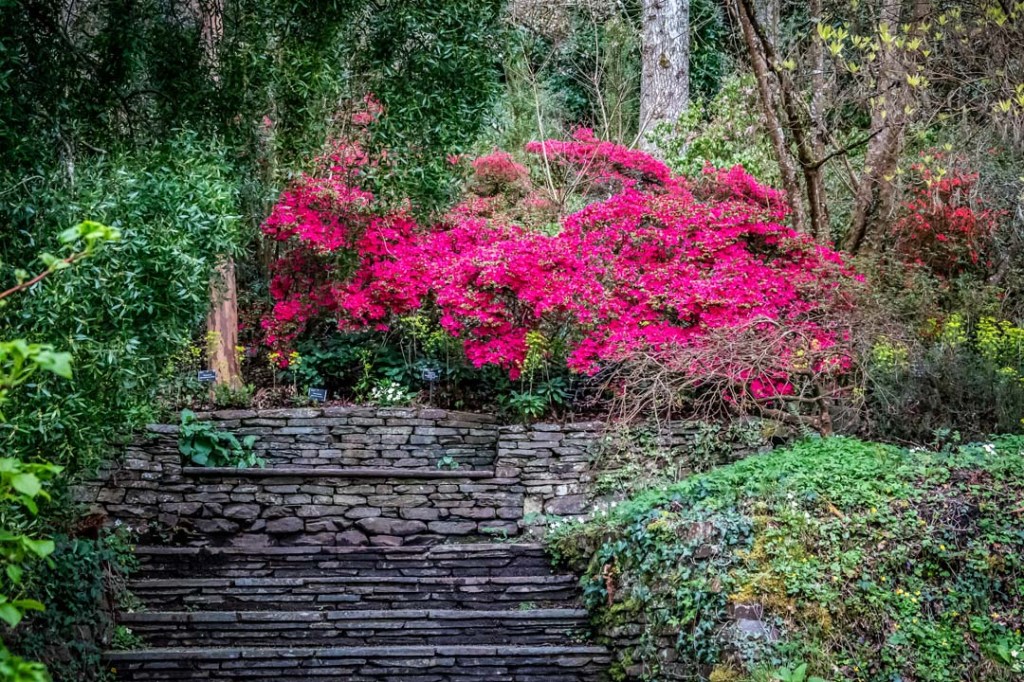
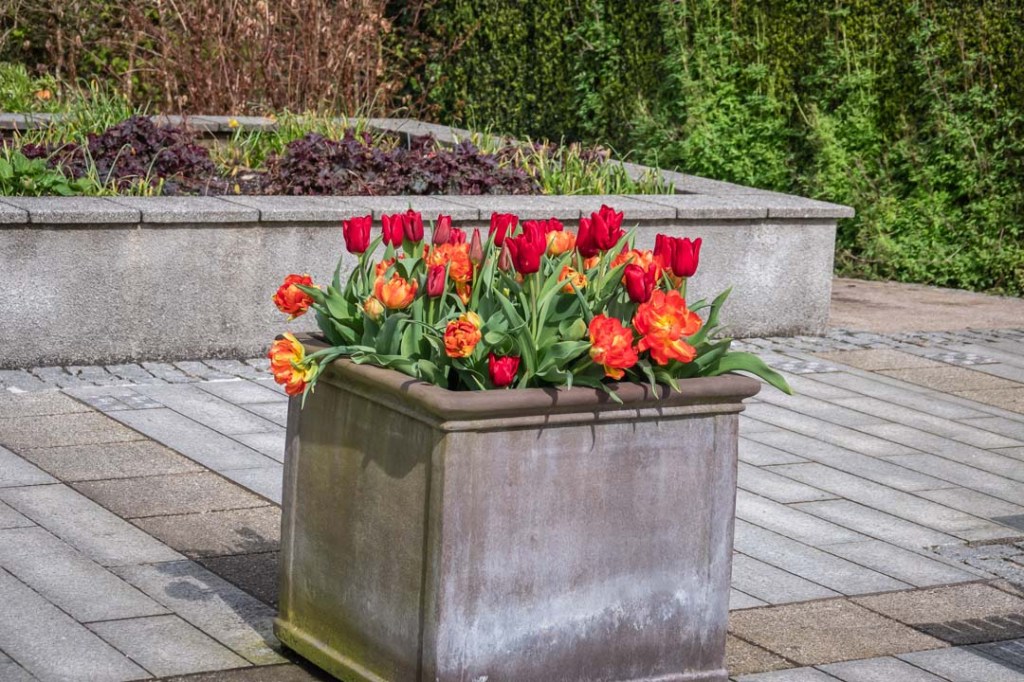
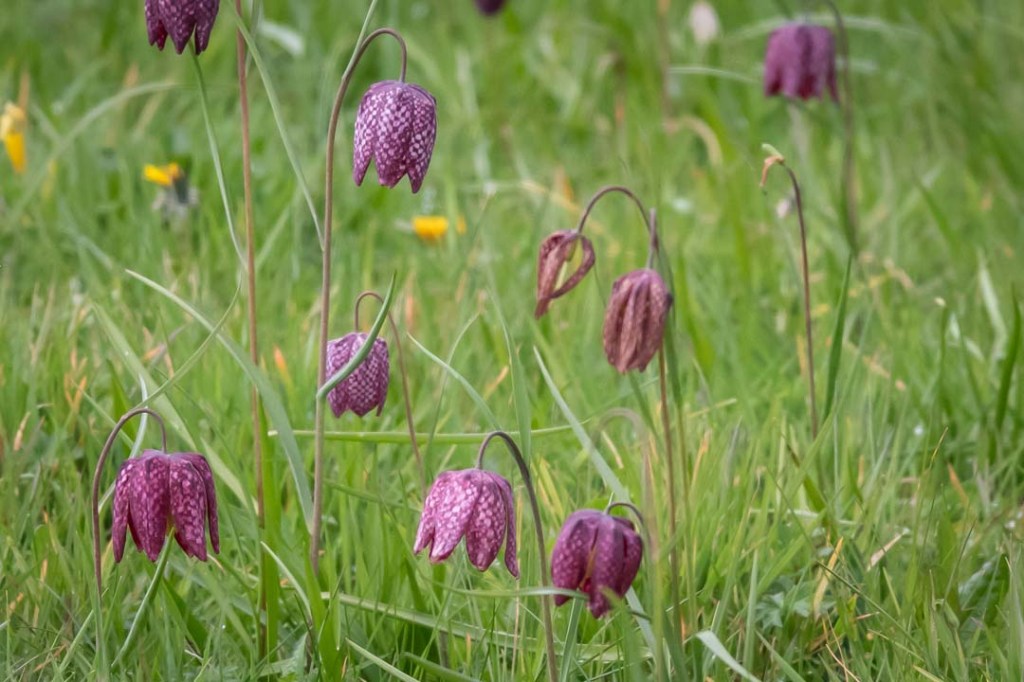
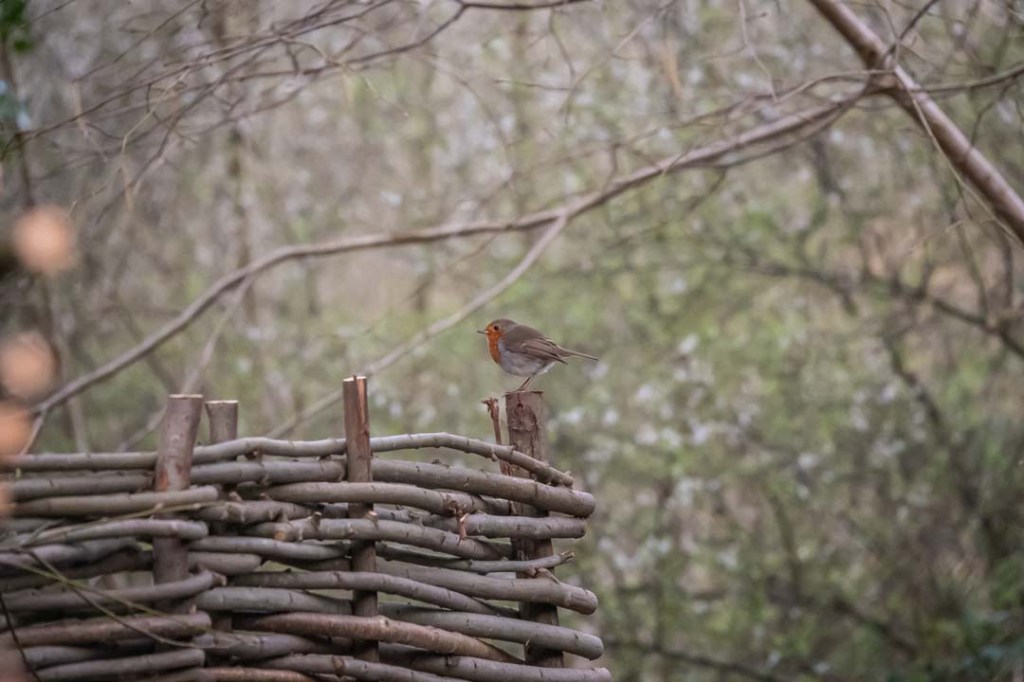
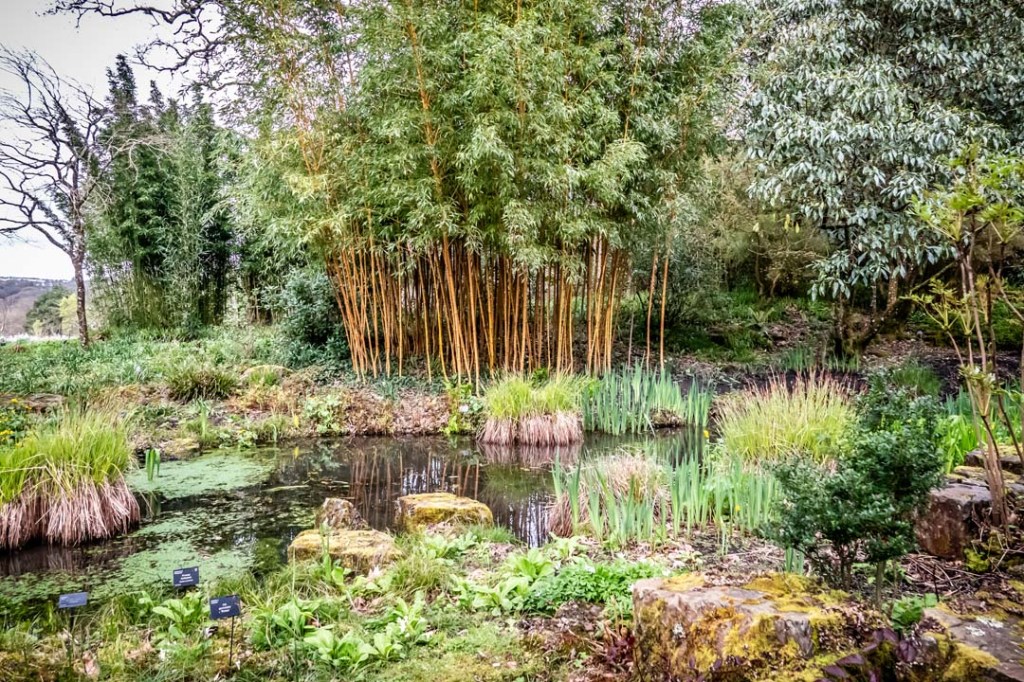

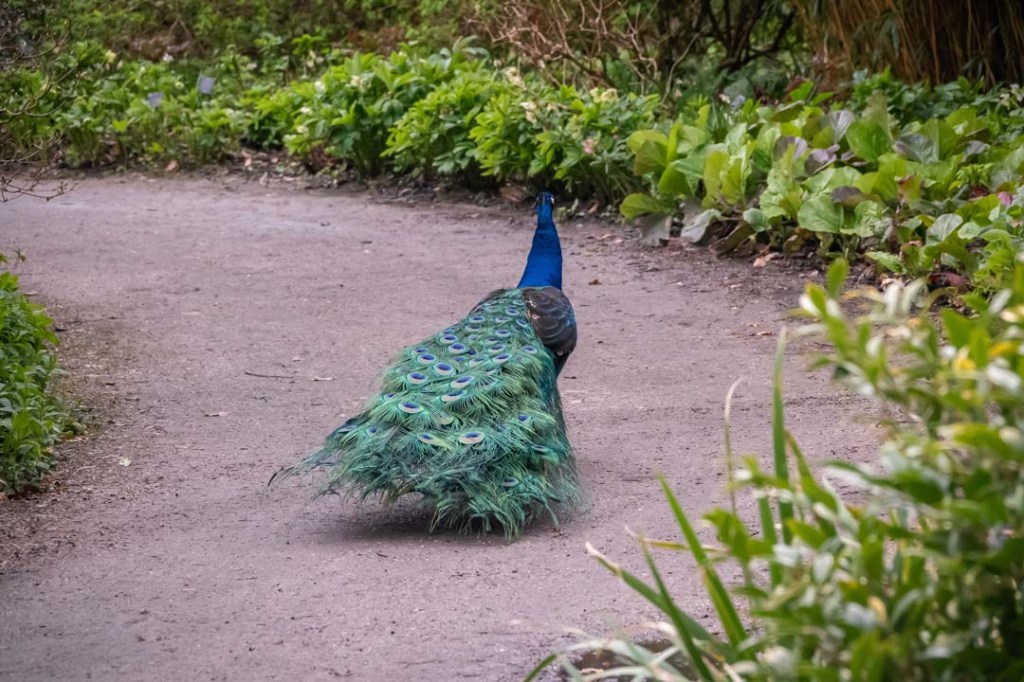


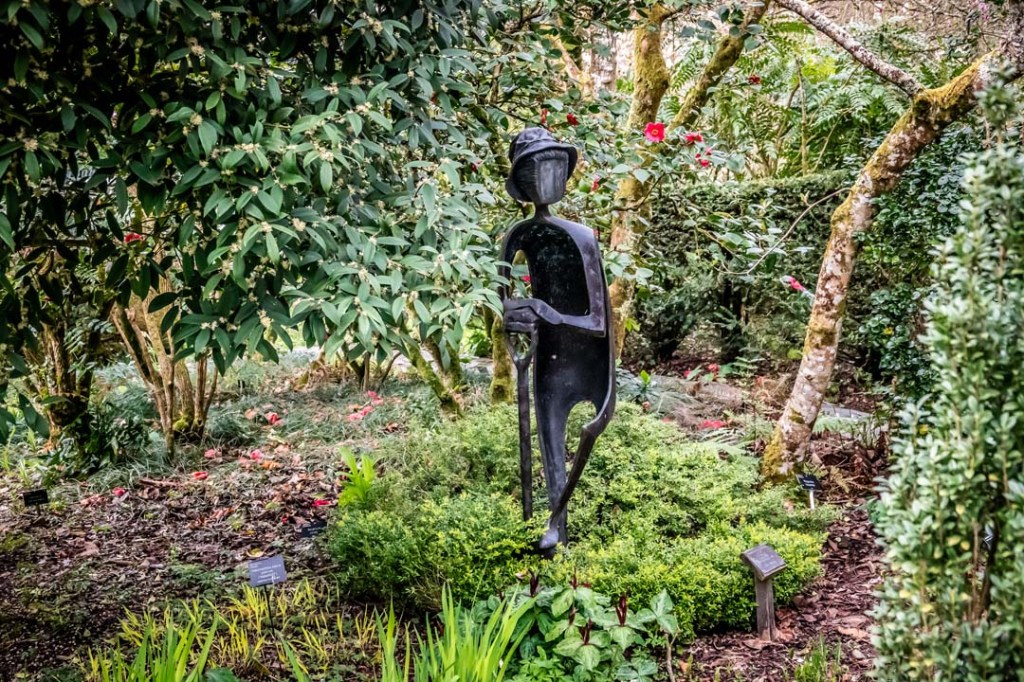
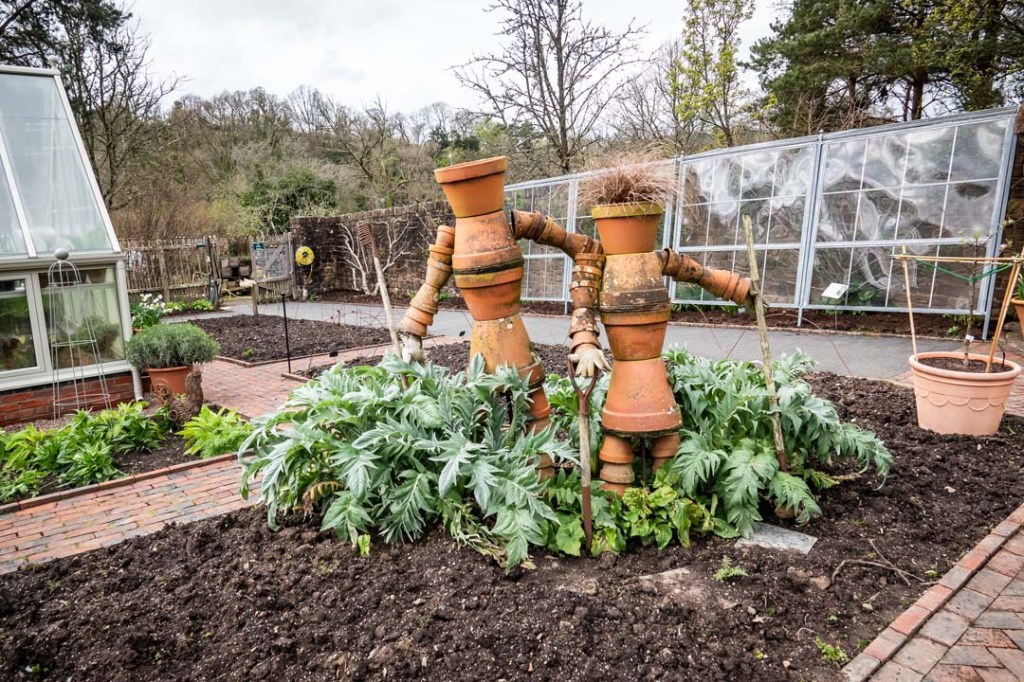


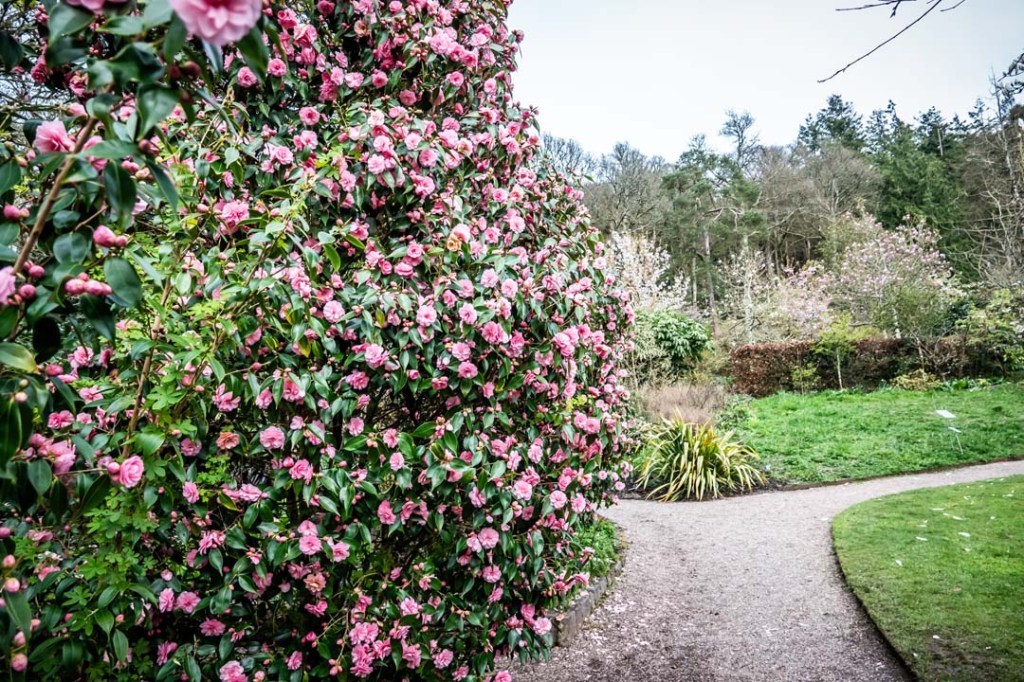
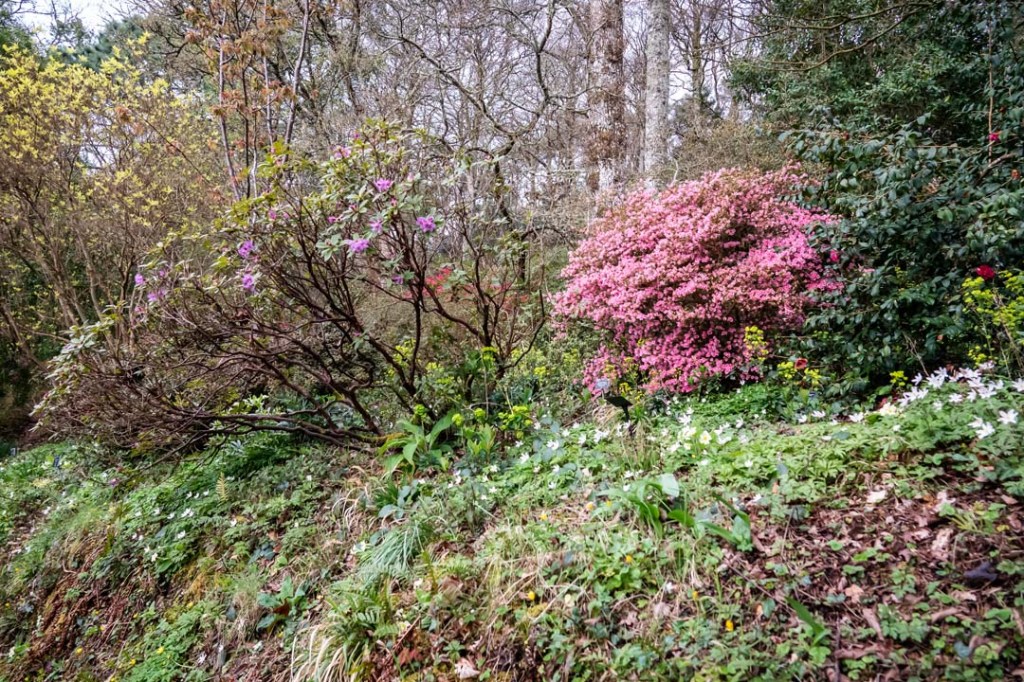

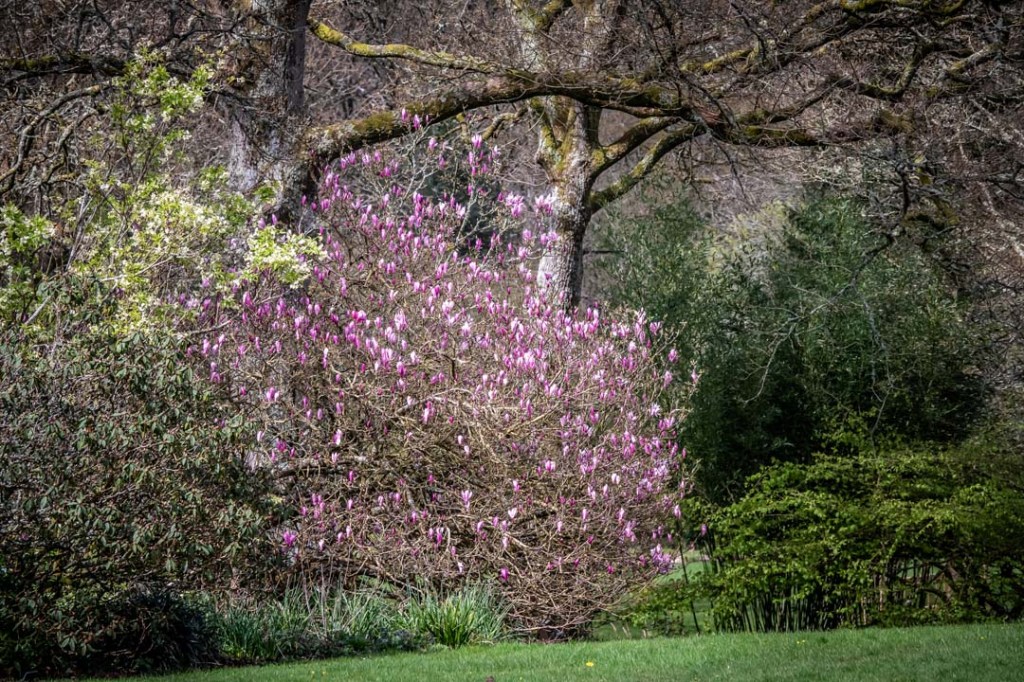
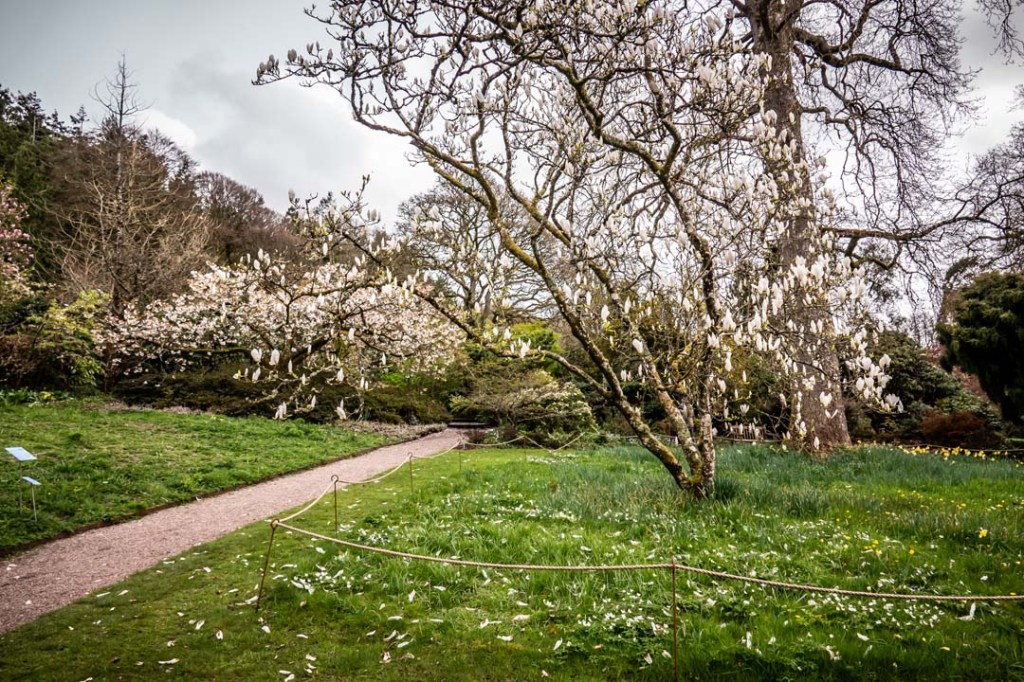
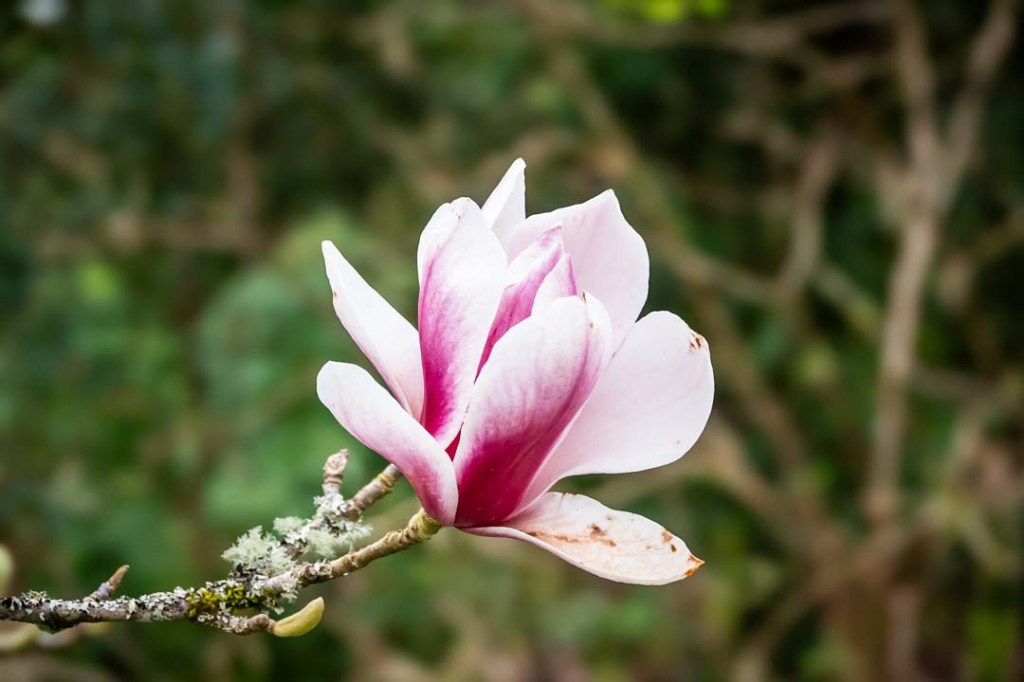
En route we stopped off at Tawstock to visit St Peter’s Church. You are most welcome to have a look if you like that sort of thing:

… and my other non-birding blogs

It’s been so wet underfoot that birdwatching has not been my preferred pastime in the last few weeks.
I’ve even been tempted to start a blog of other activities and had a go at a visit to a local church (see St Mary’s Berkeley, further up the Severn Estuary).
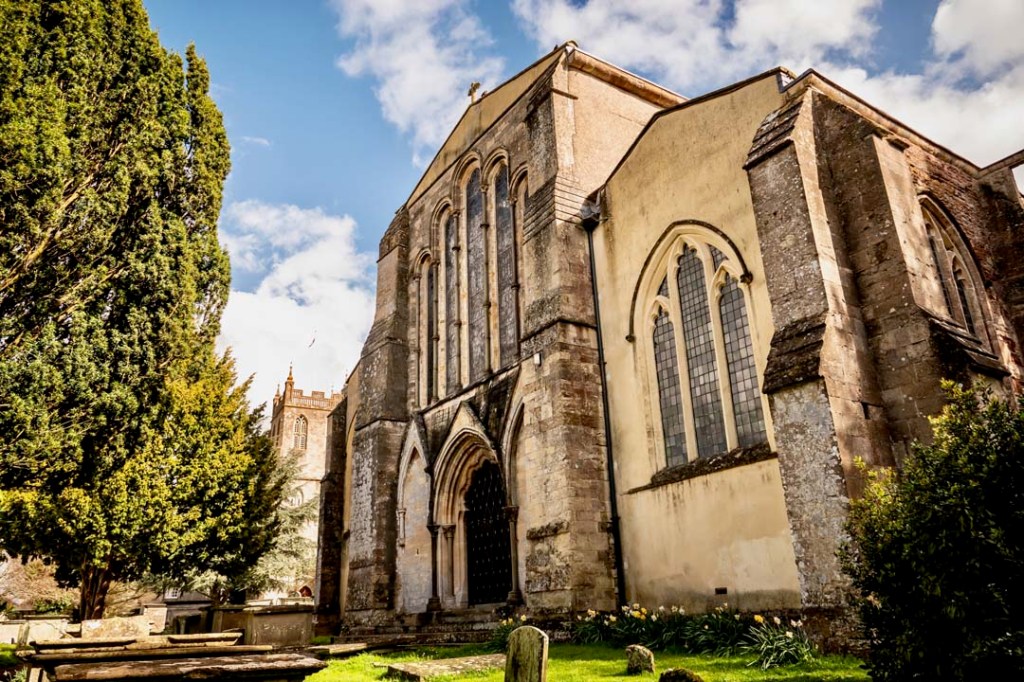
However, I am probably on dodgy ground here as I know so little about ecclesiastical architecture and just as little about history.
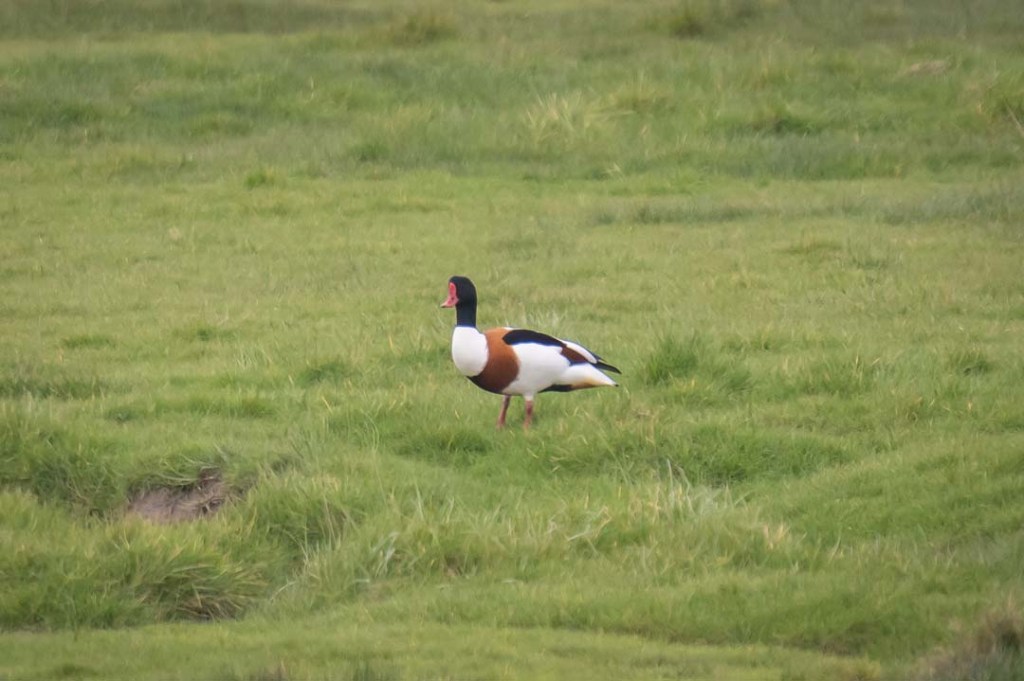
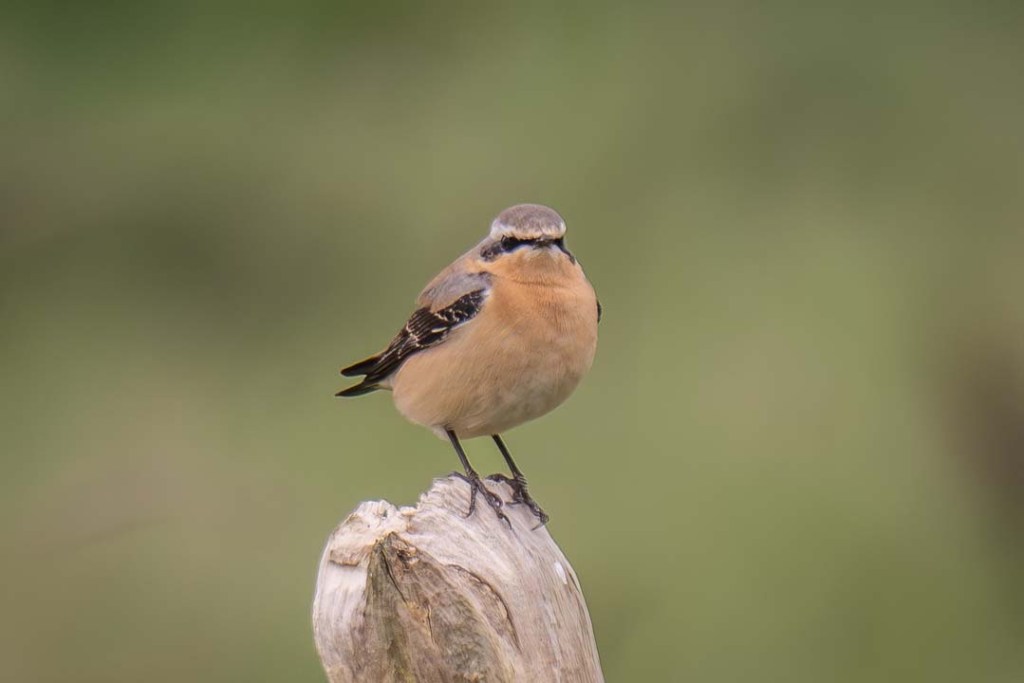
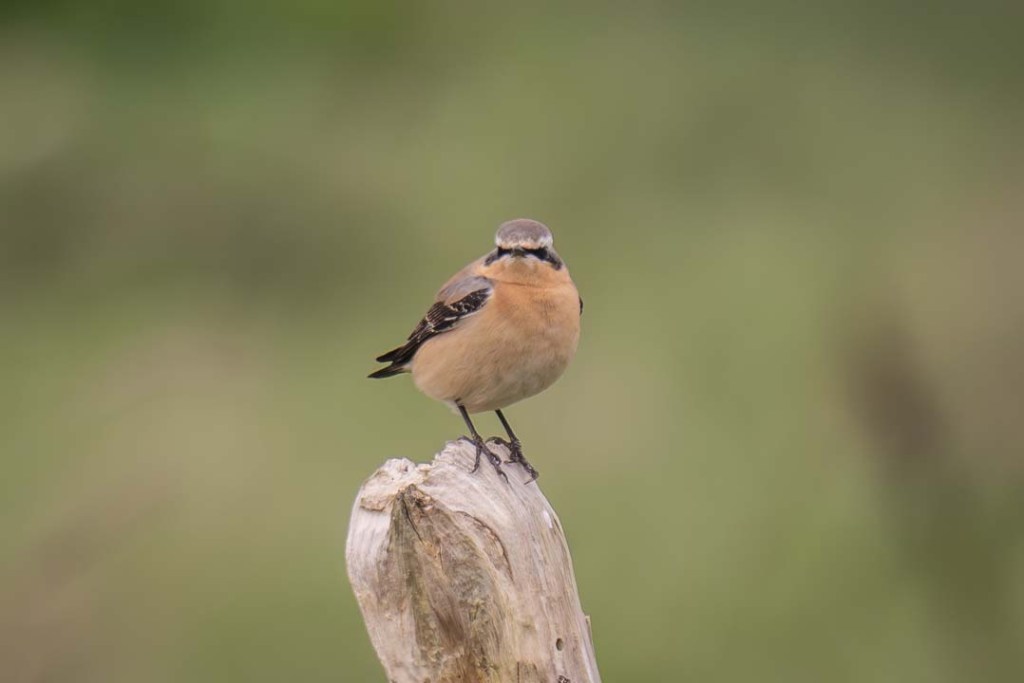
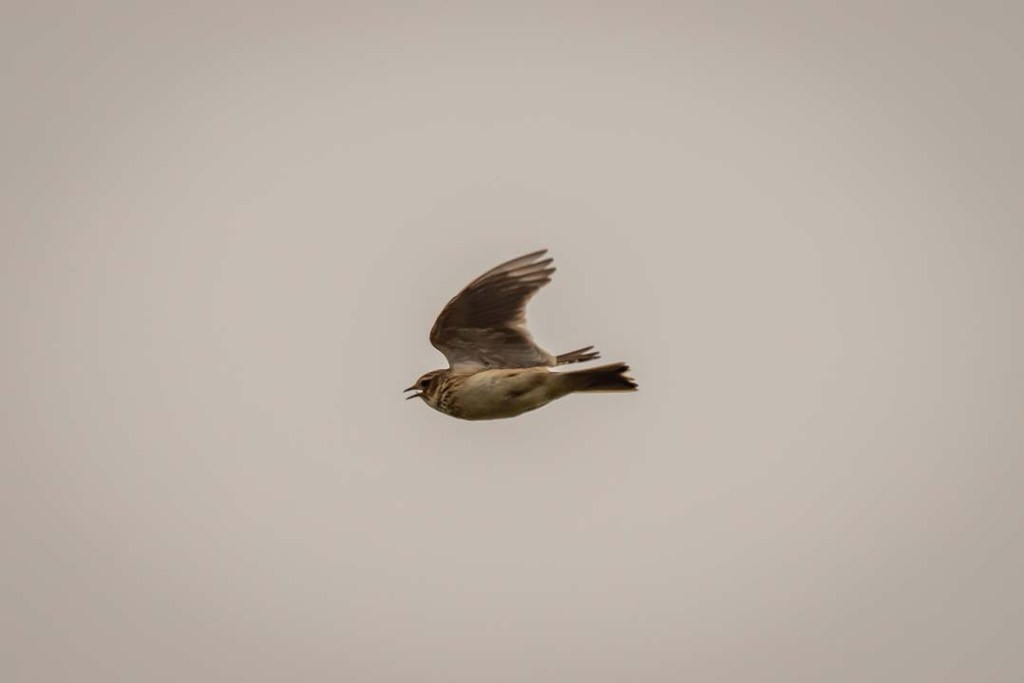
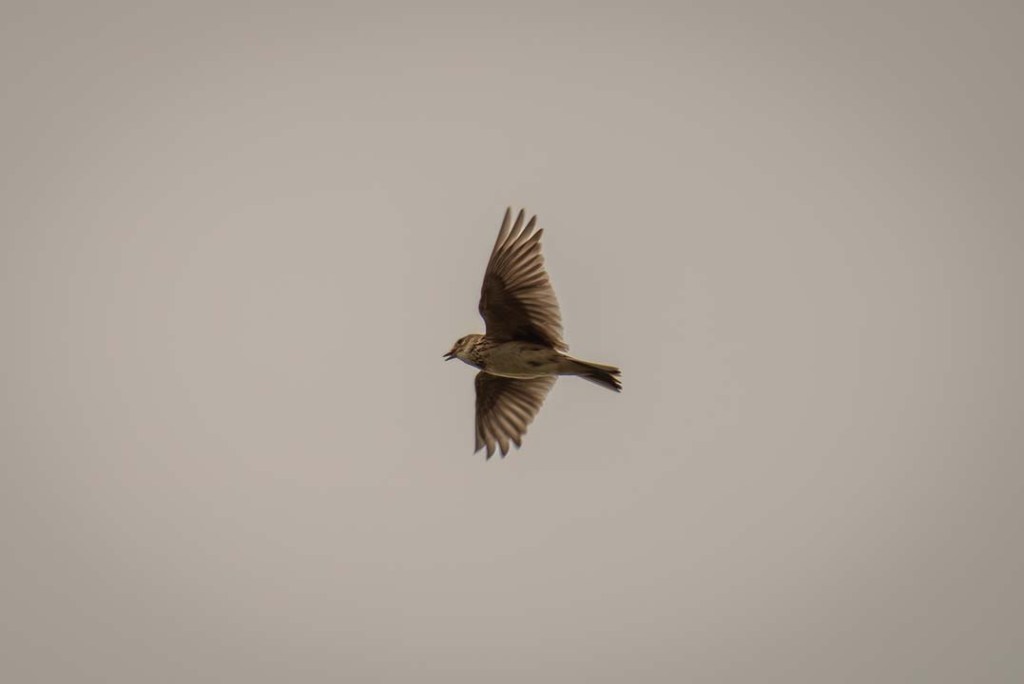
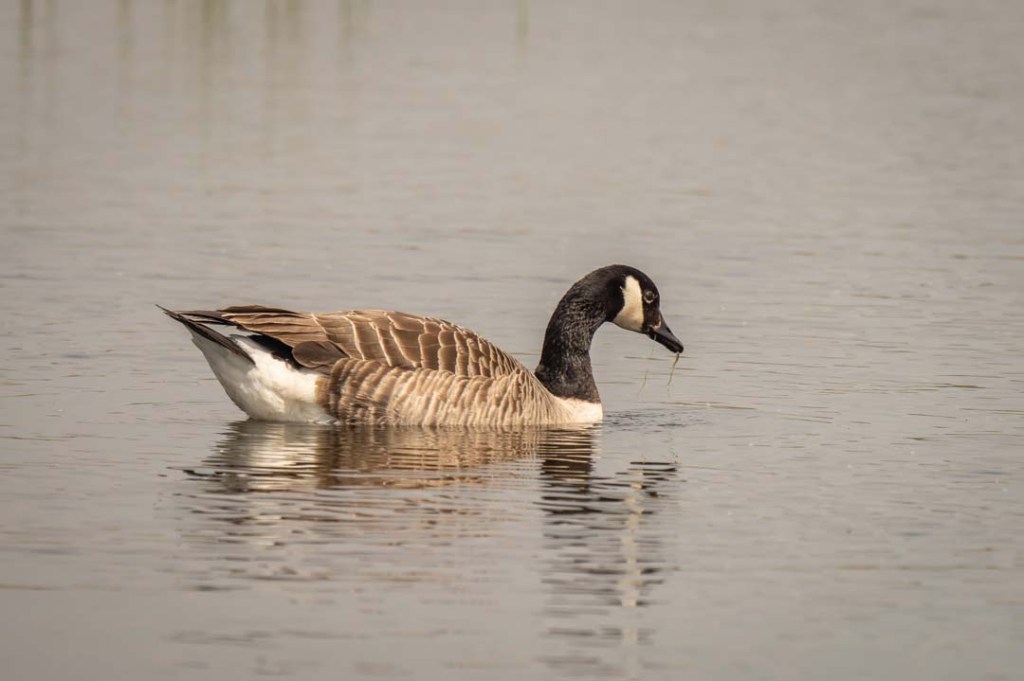
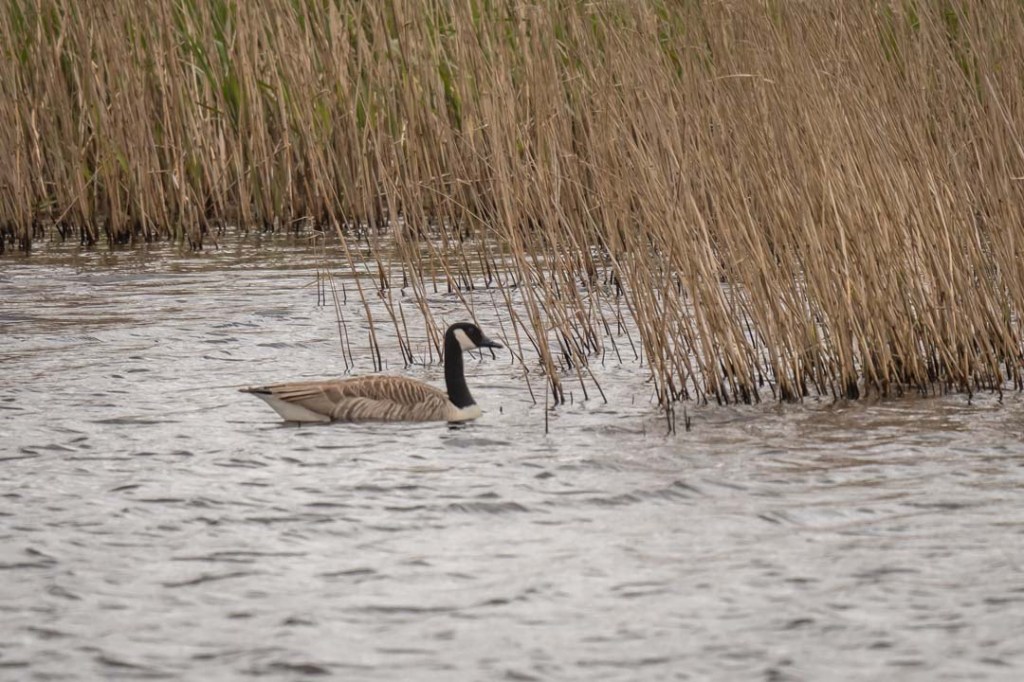
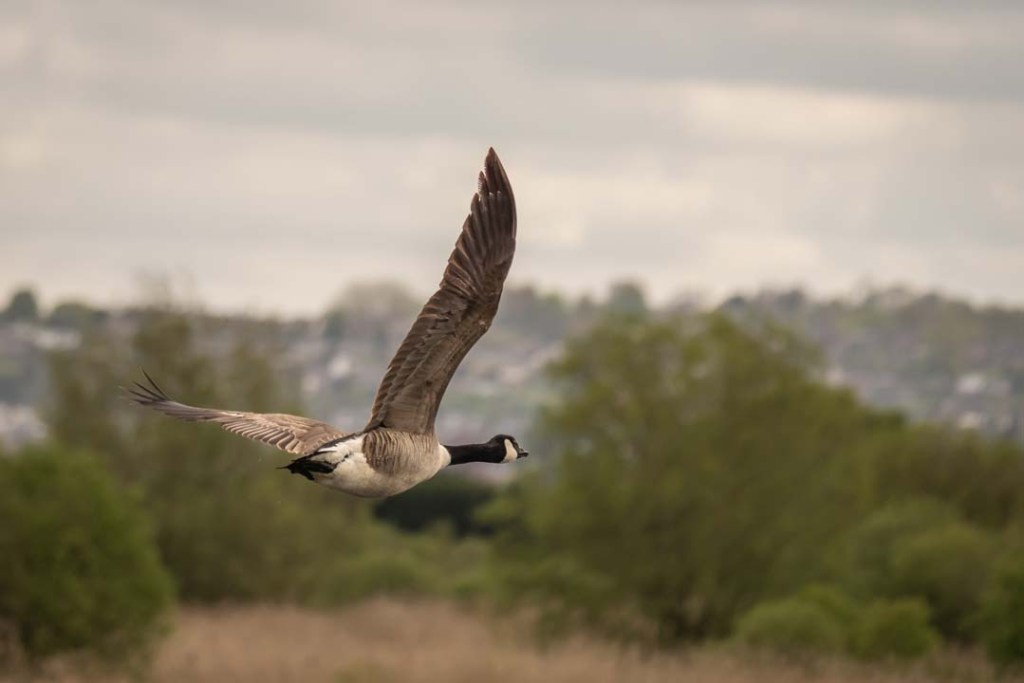
We hit on a walk along the new flood defences along the Severn Estuary near Aust. We were hoping that the new path would not be too muddy, as turned out to be the case. The tide was very high and so there were no waders around but we did have distant views of lots of shelduck and a few Canada geese.
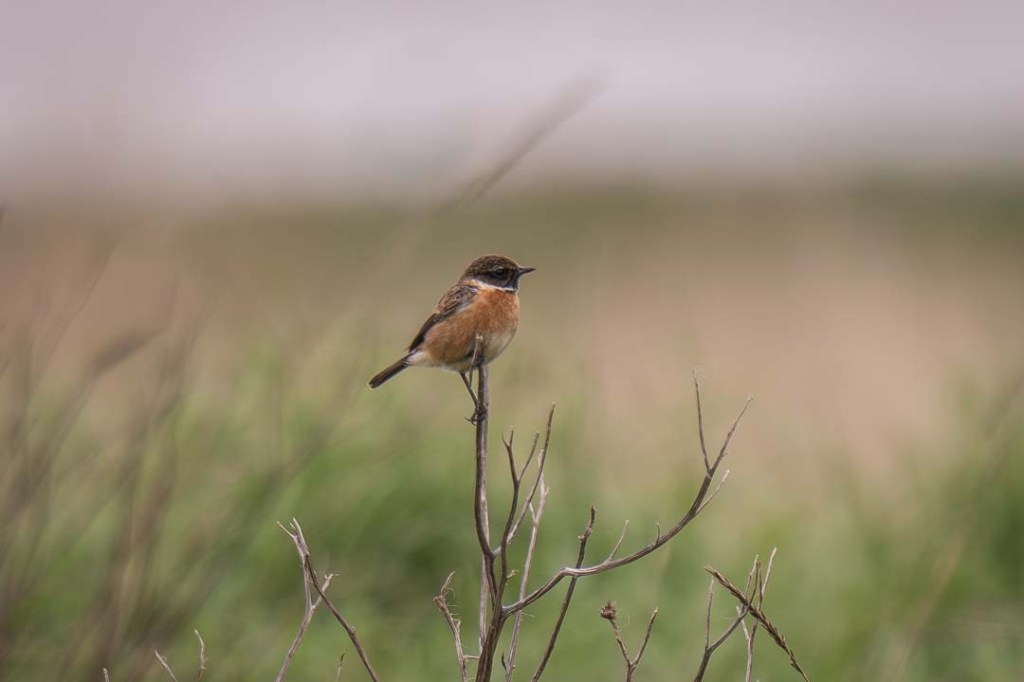

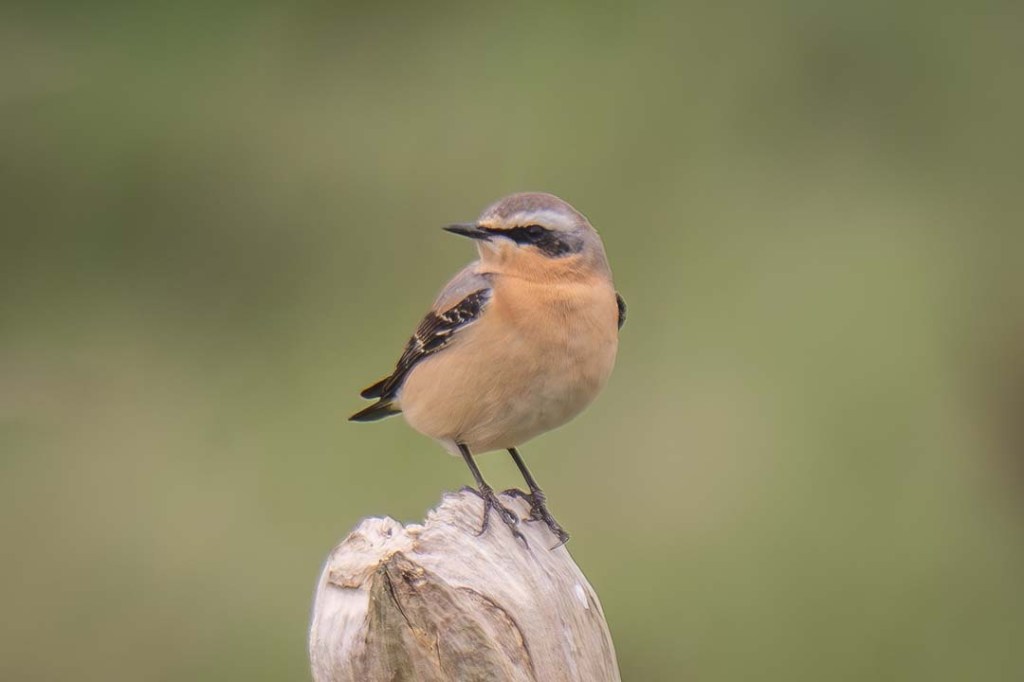
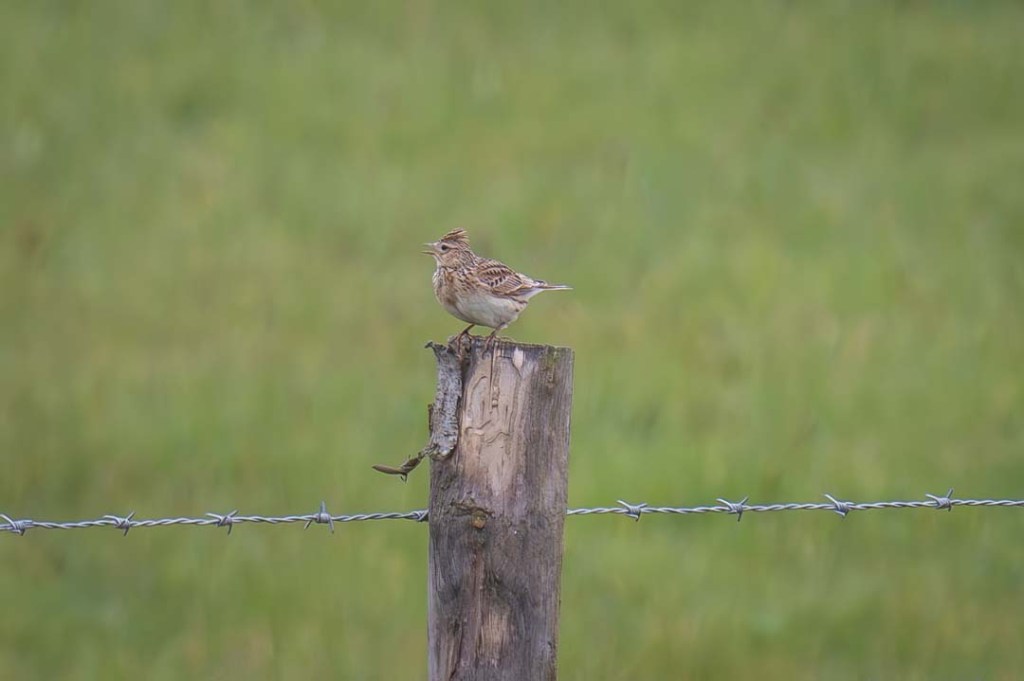
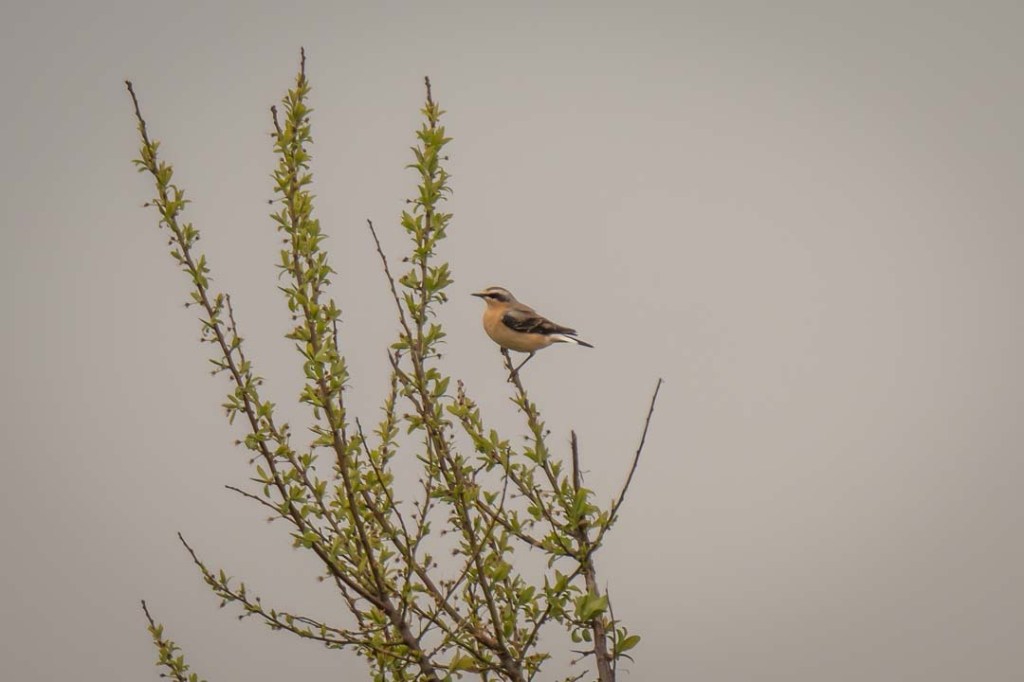
However, we were rewarded in the early part of our walk with a a fairly close-up view of a northern wheatear and a stonechat; skylarks were with us all along the walk and certainly lifted our spirits.

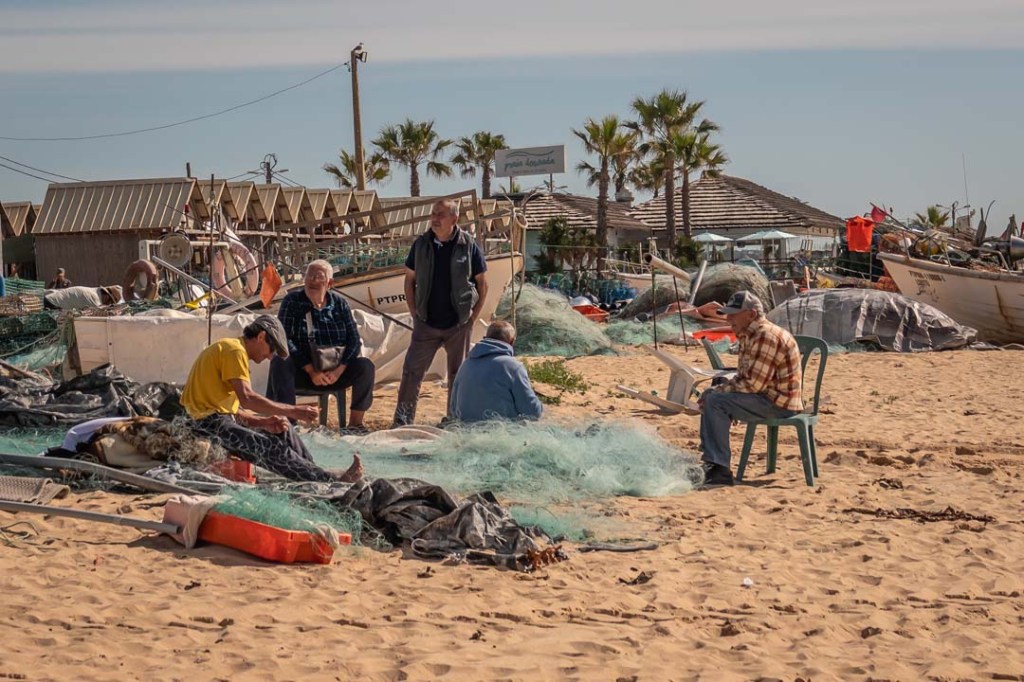
The last day of our holiday in Portugal called for a leisurely walk along the beach at Amação de Pêra. This morning there was some warmth in the sun and it felt even more like spring.
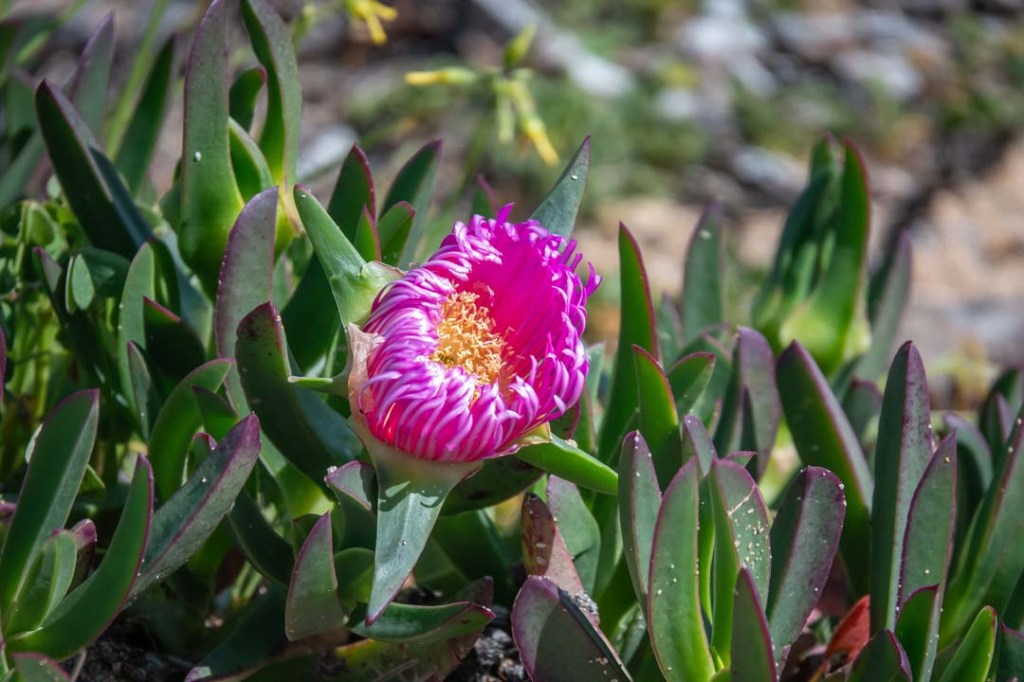
Carpobrotus edulis is a ground-creeping plant with succulent leaves in the genus Carpobrotus, native to South Africa. Its common names include hottentot-fig, sour fig, ice plant or highway ice plant

We really only expected to see gulls on our walk and so it was a special delight to see some other birds as we made a small diversion to the back of the beach.

We first came across a small flock of waxbills and I managed to get just one shot before they disappeared.

From a new walkway (which isn’t quite open yet) across the marsh we saw black-wing stilts.

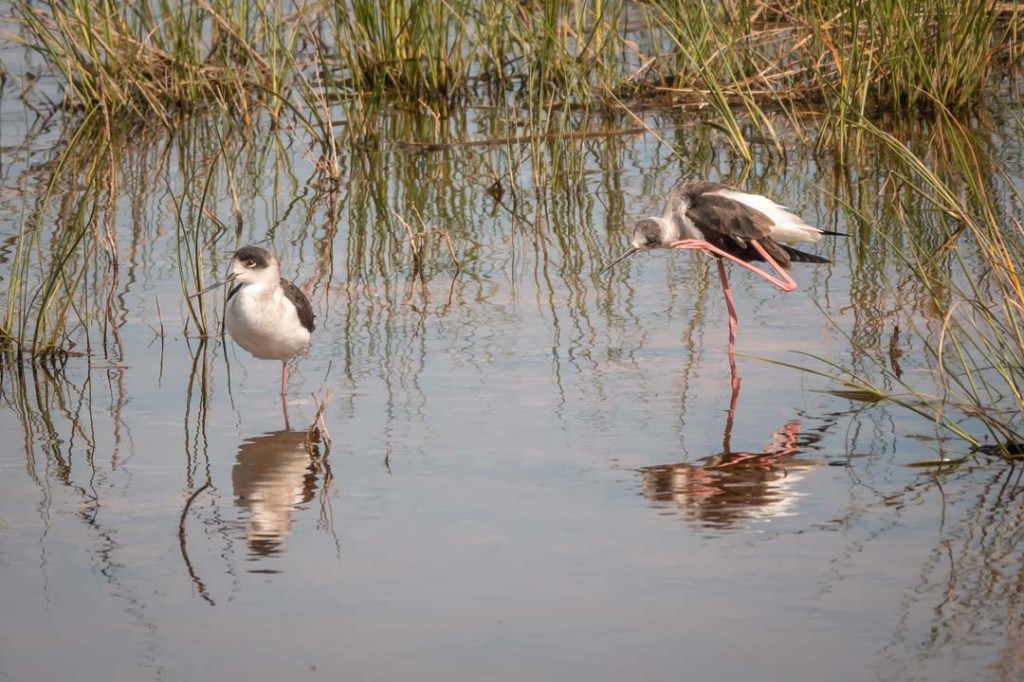
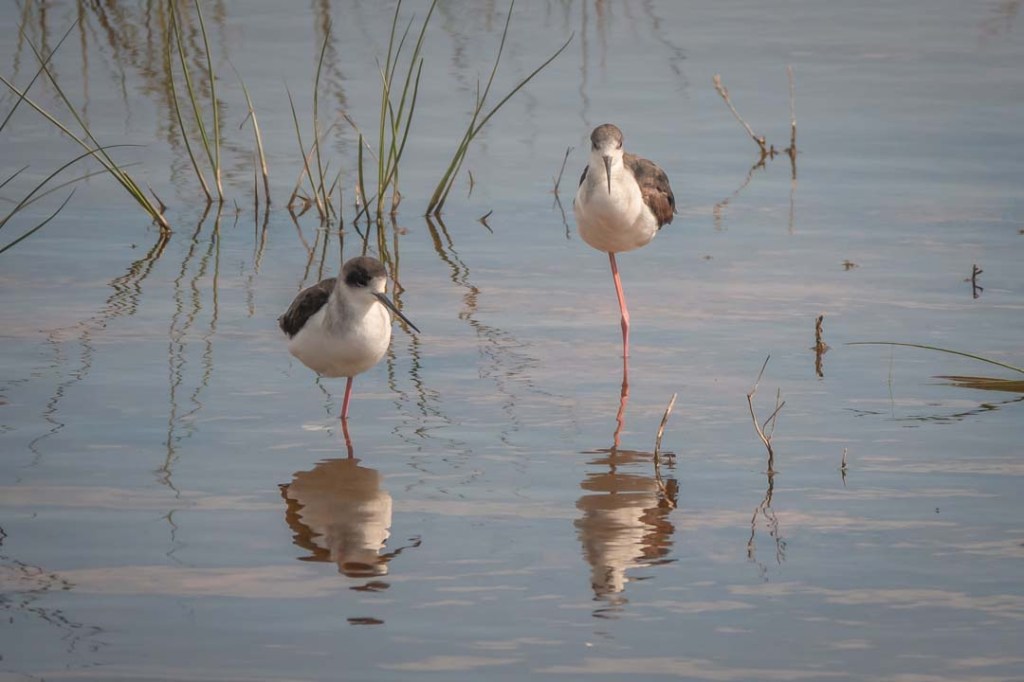
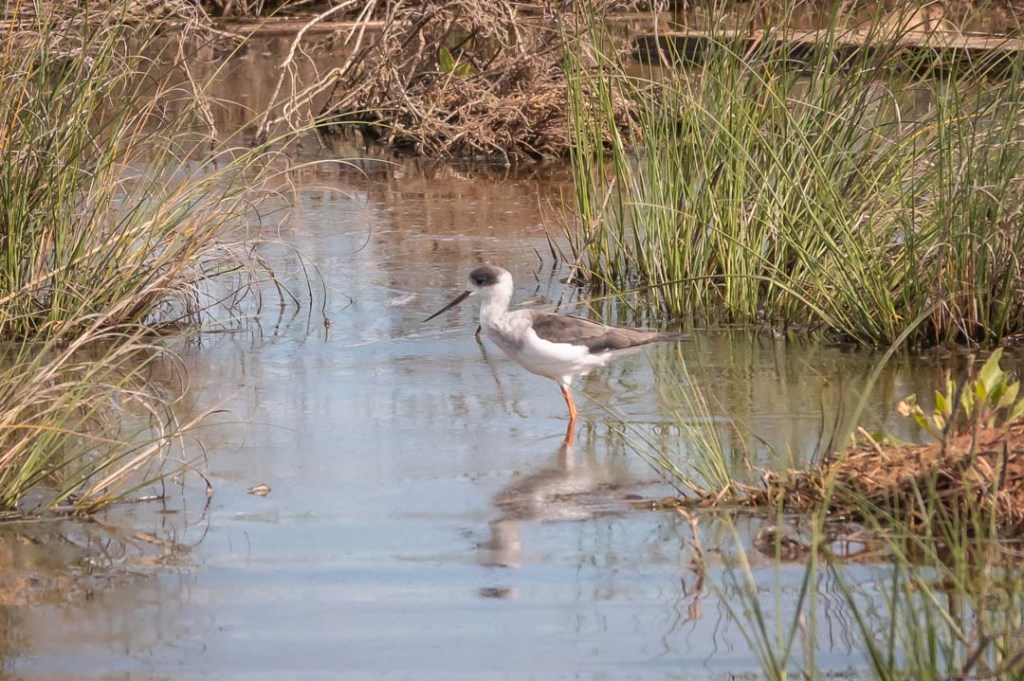
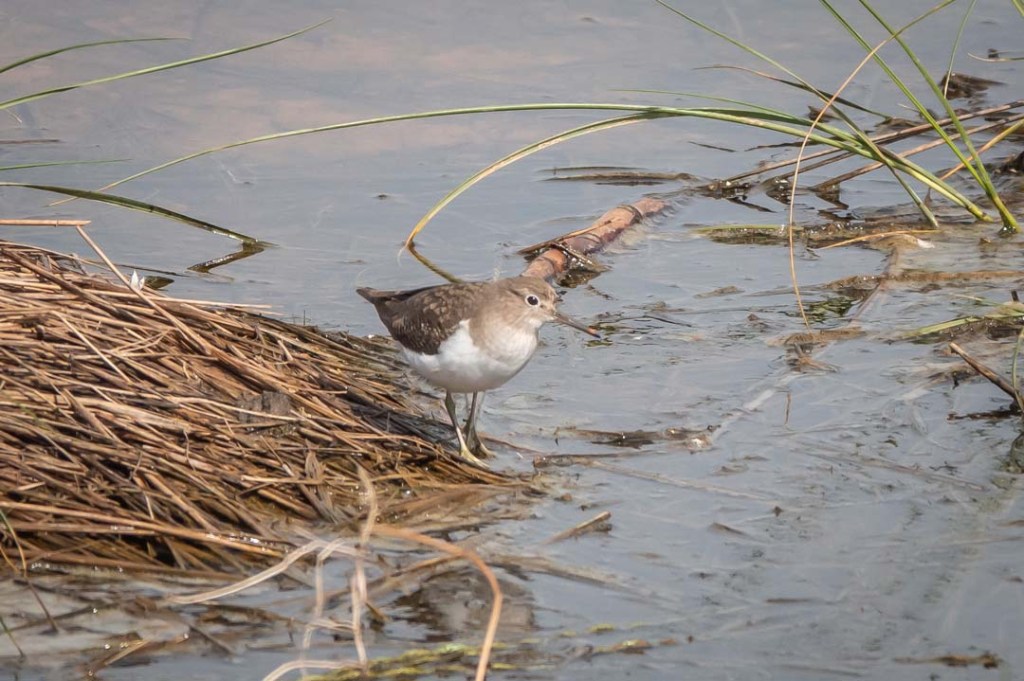
A little further there was a common sandpiper and then a small group of sanderling who didn’t seem at all nervous about our presence.


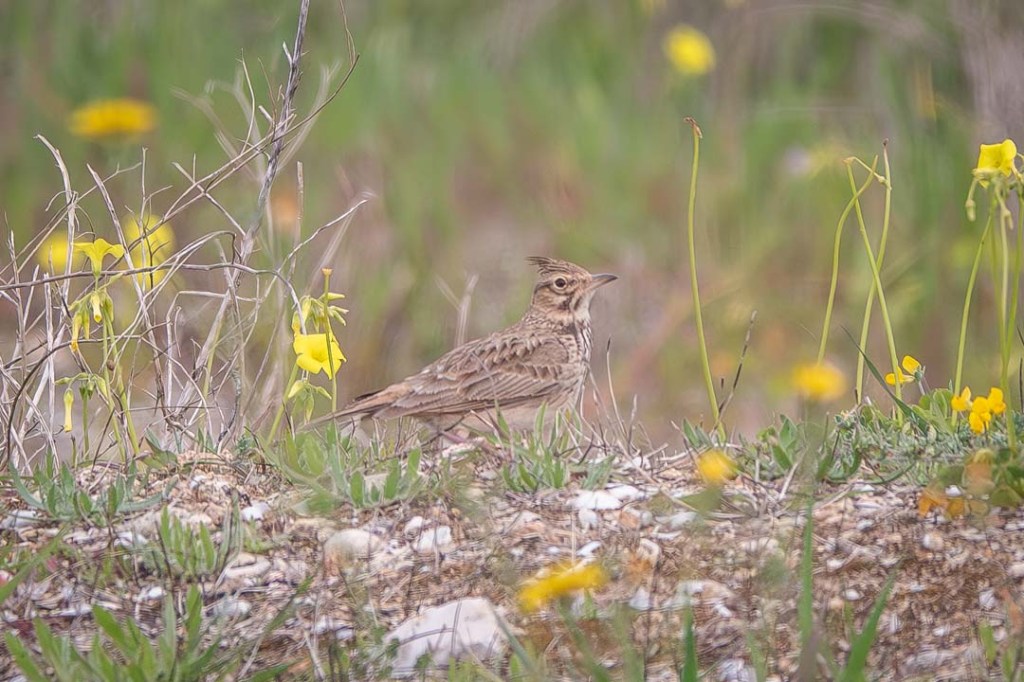
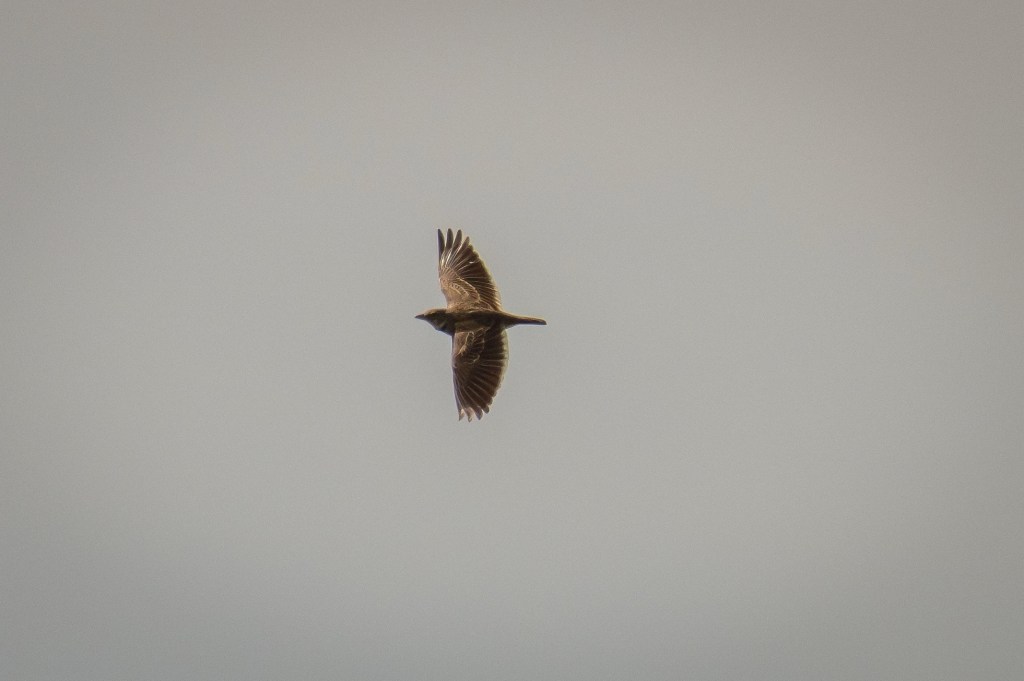
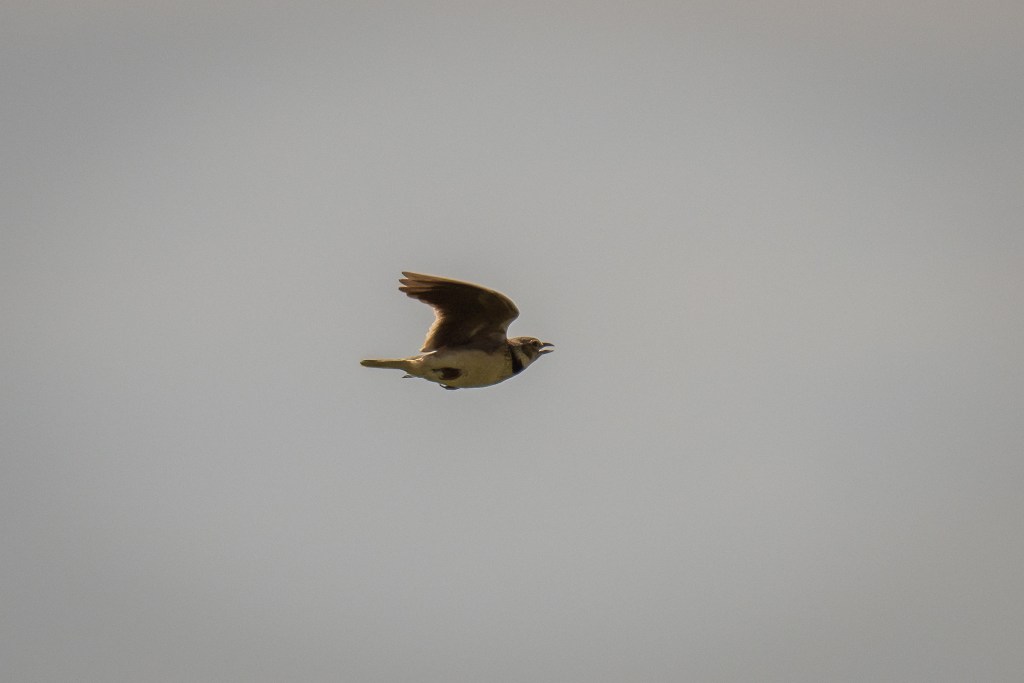
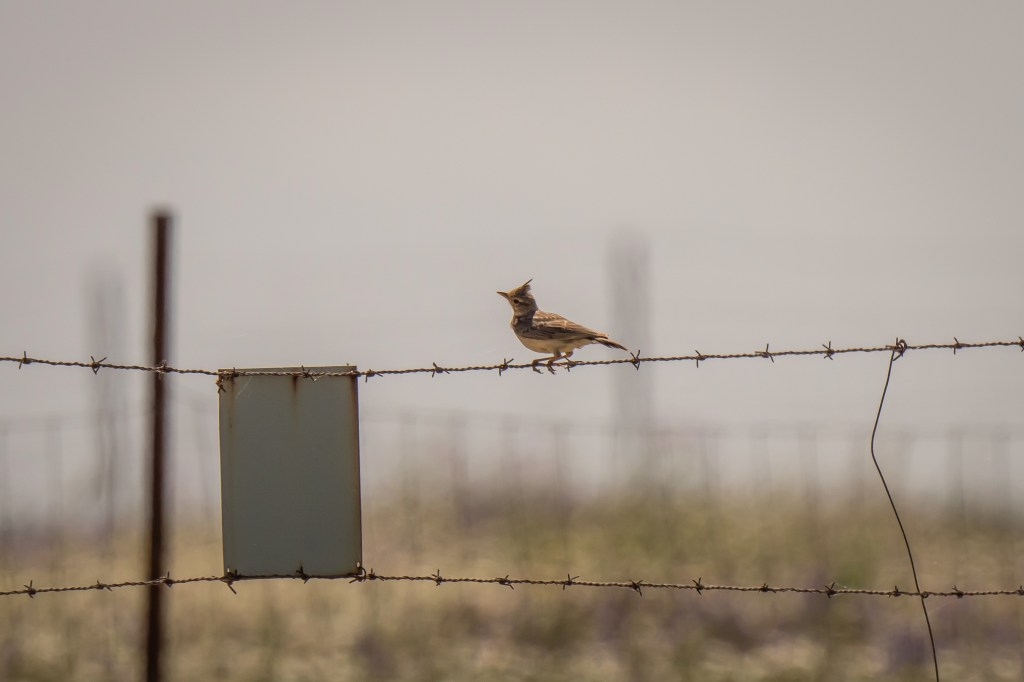
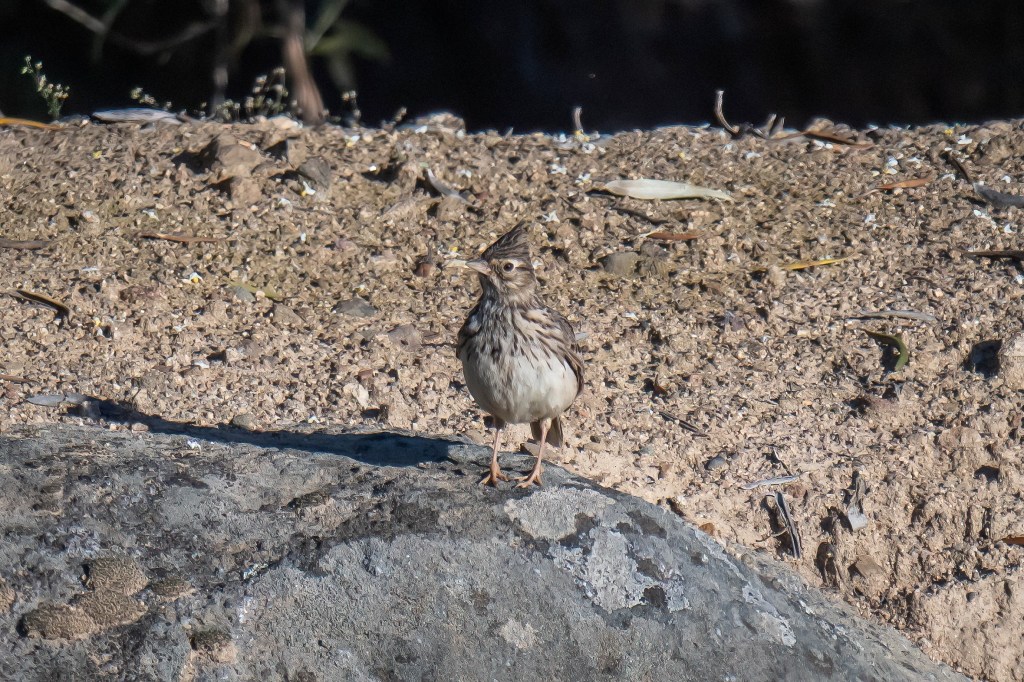
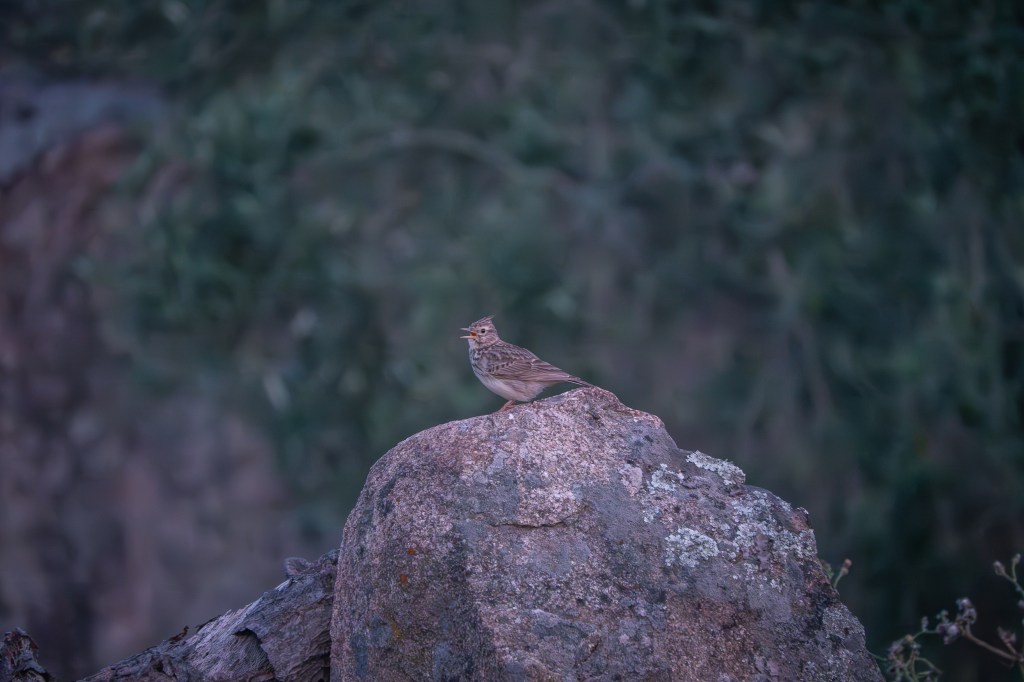
There was just a single crested lark and a white wagtail before we were back on the beach and back in the company of gulls.
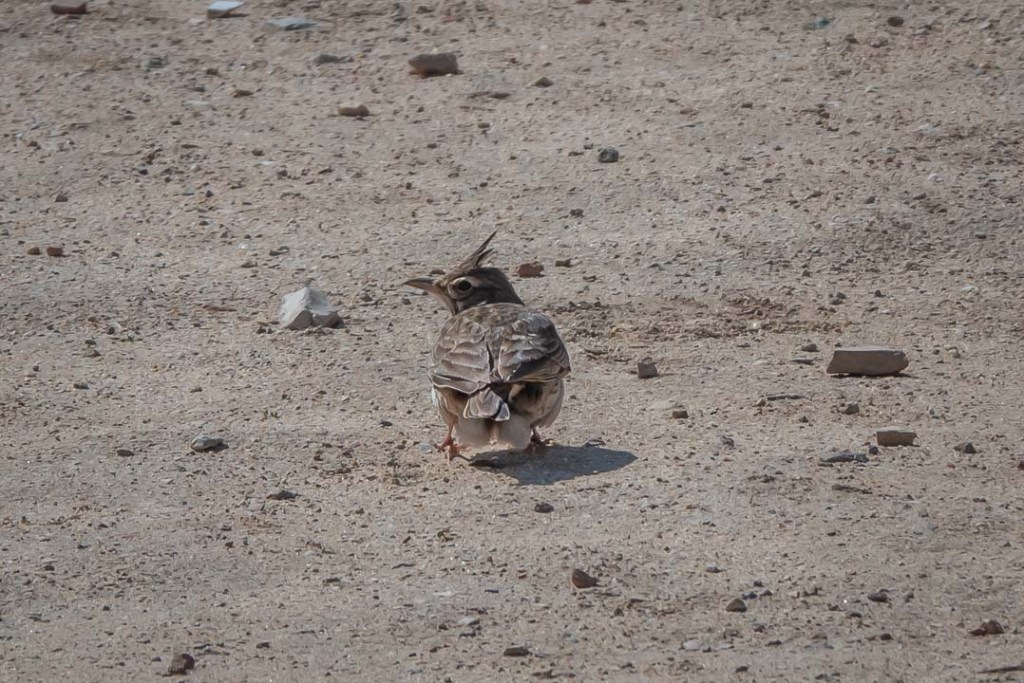
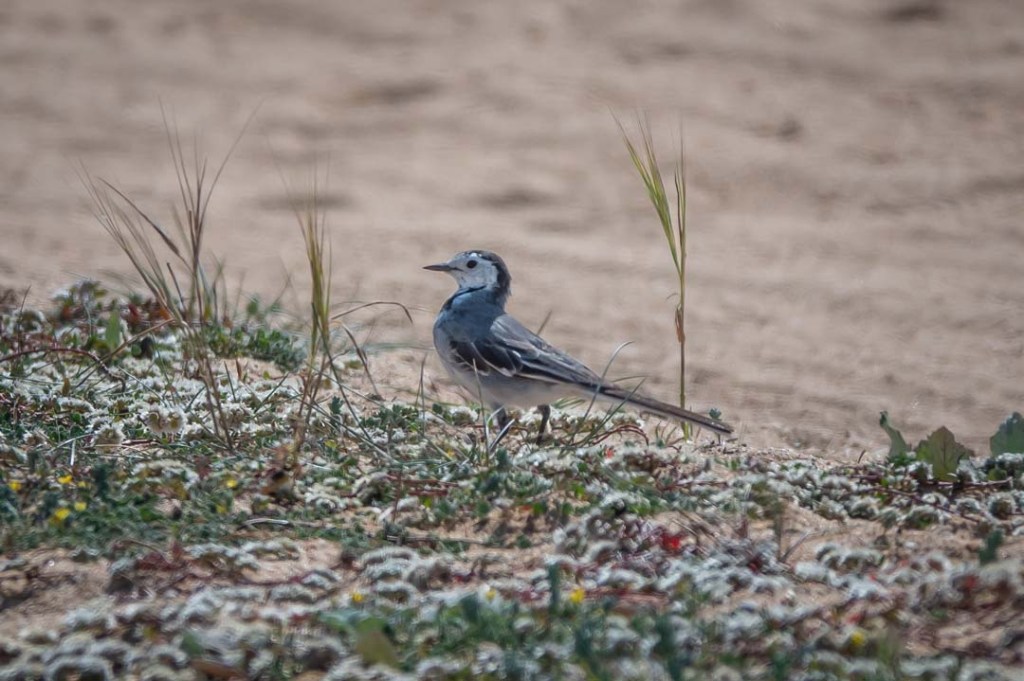


A very pleasant couple of hours to conclude a great holiday on The Algarve.
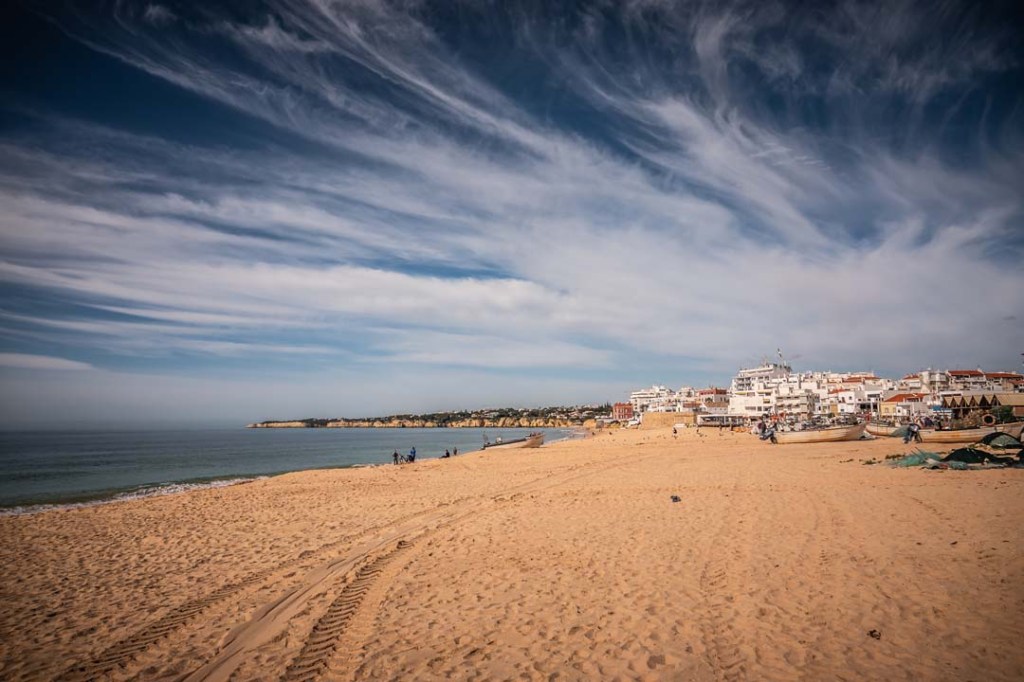
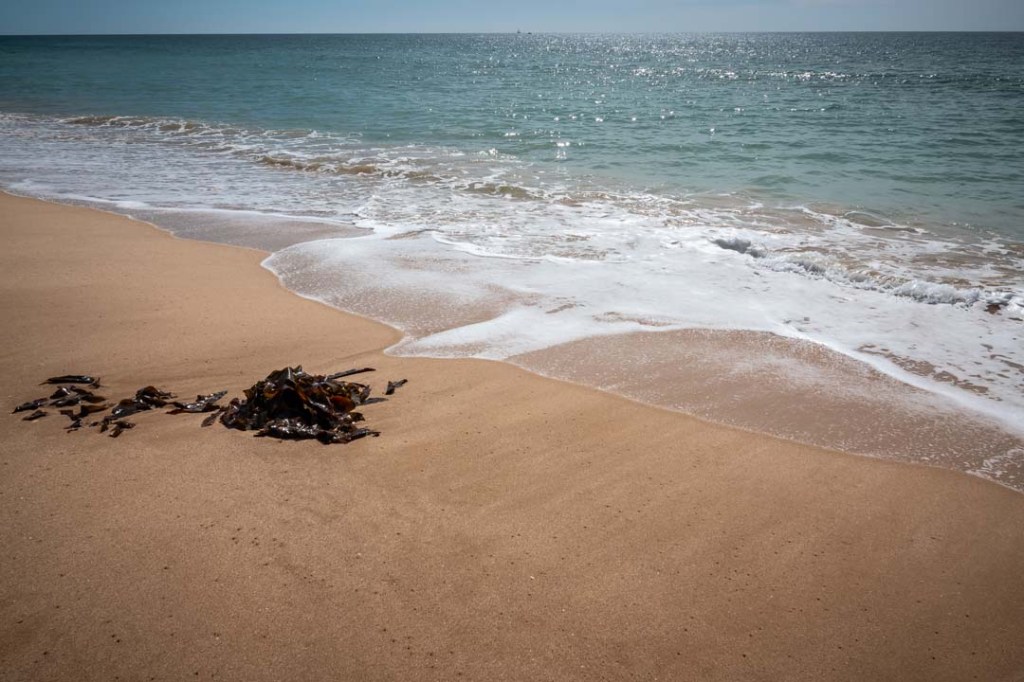
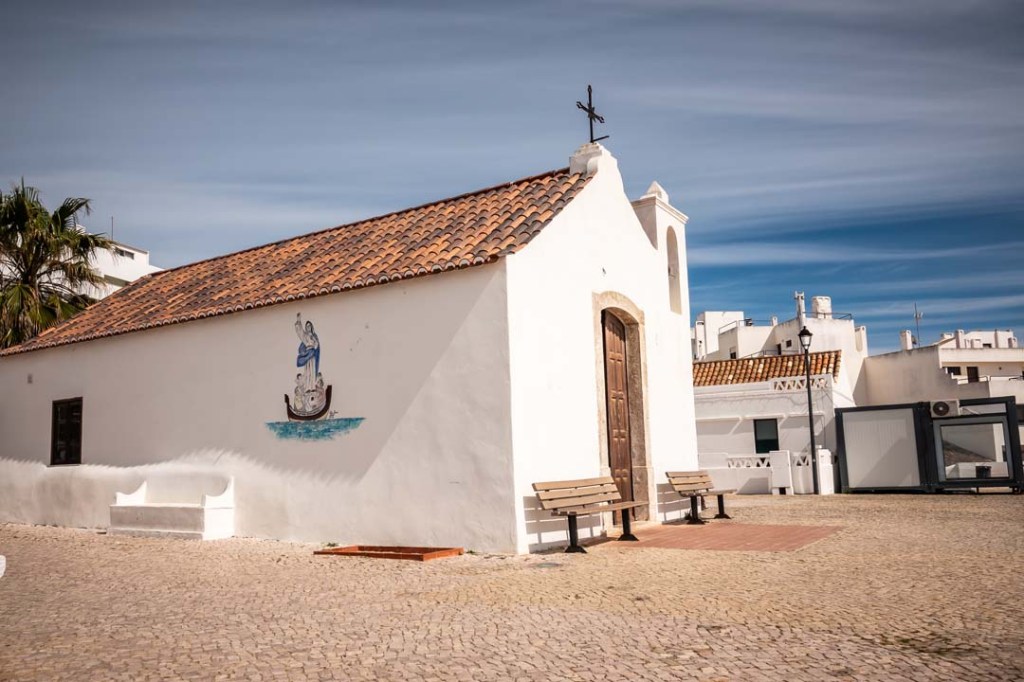
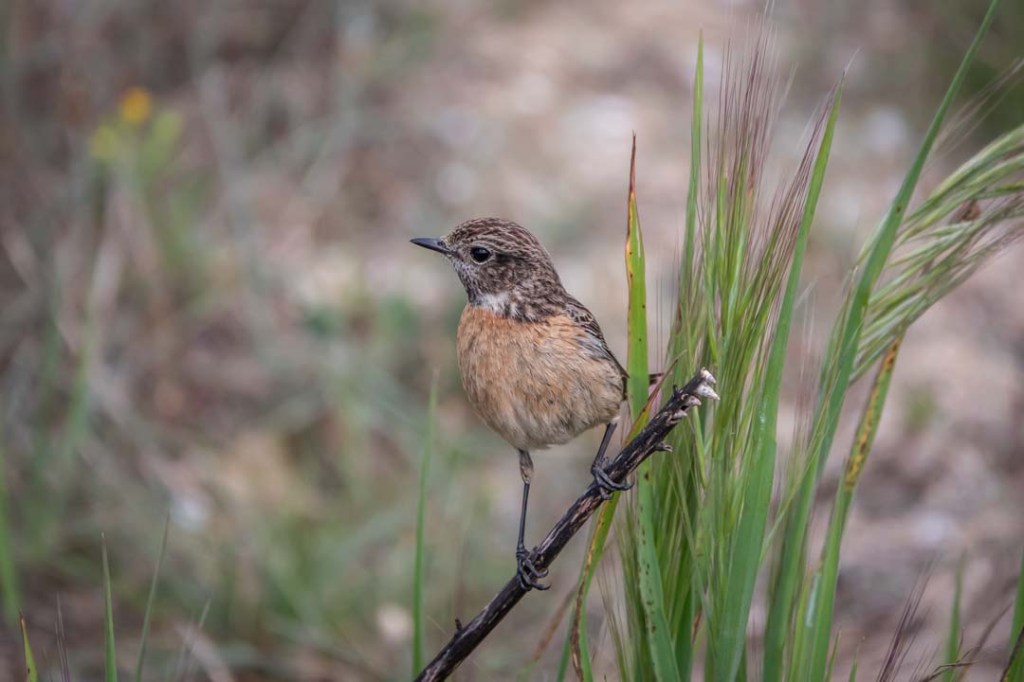
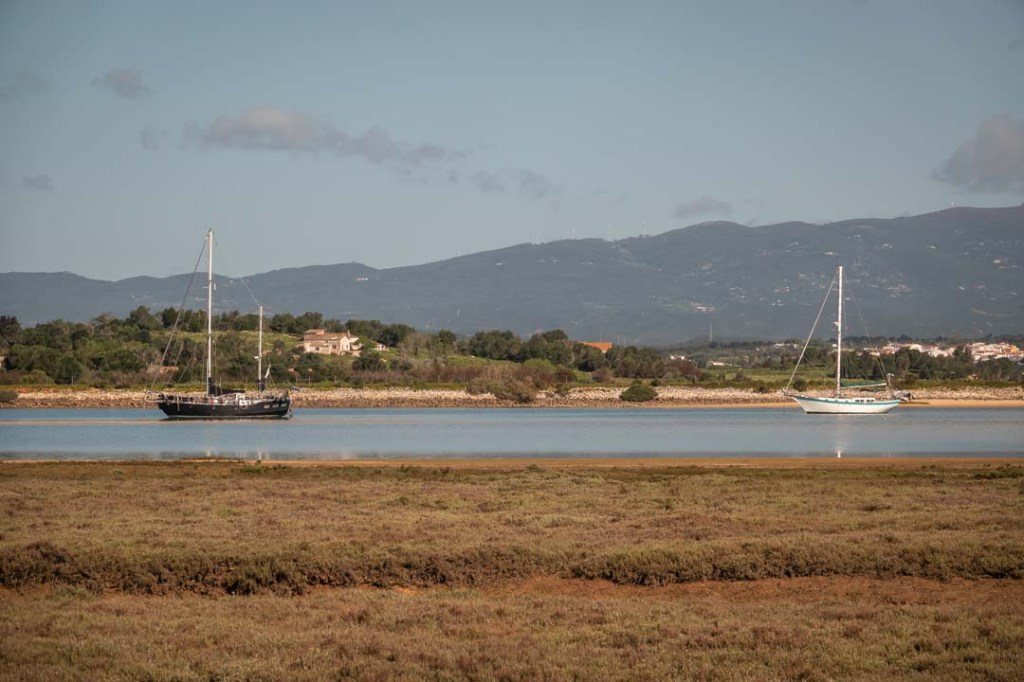
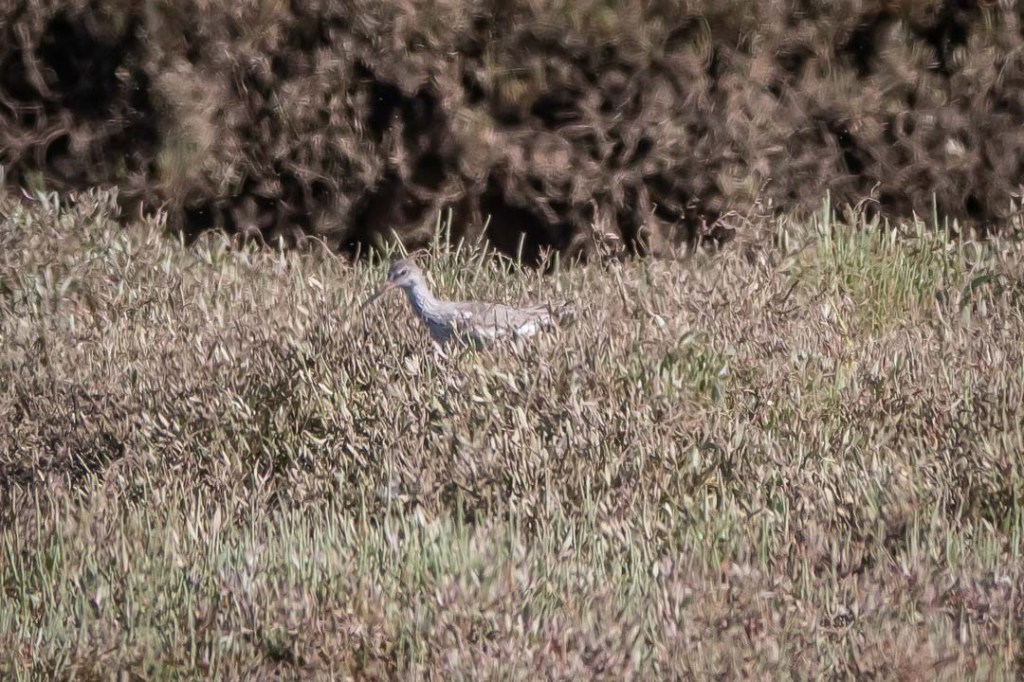
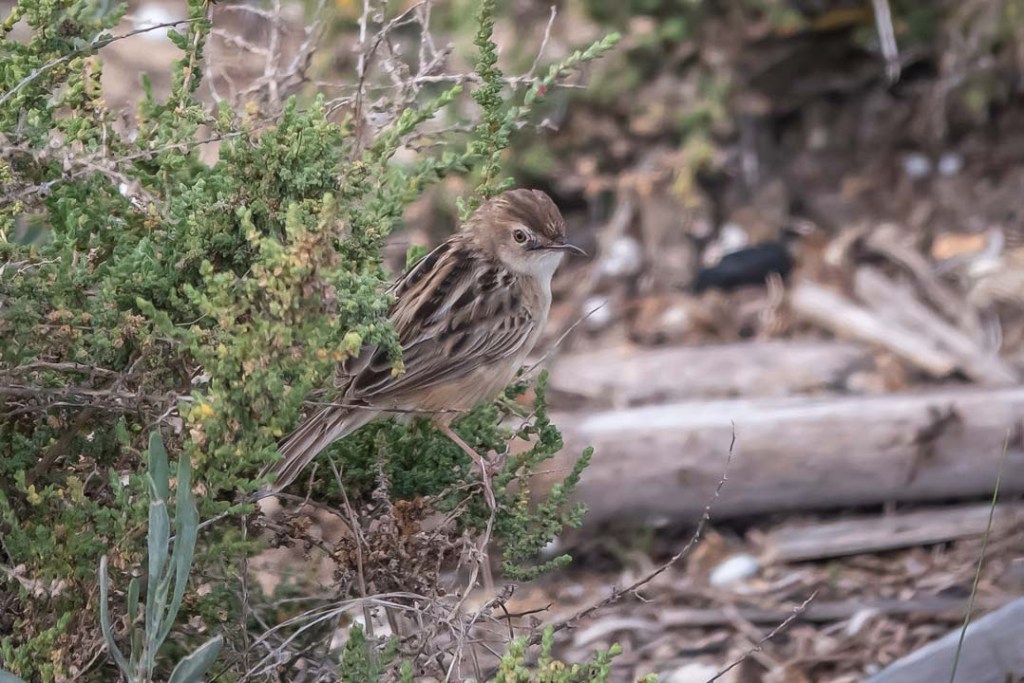
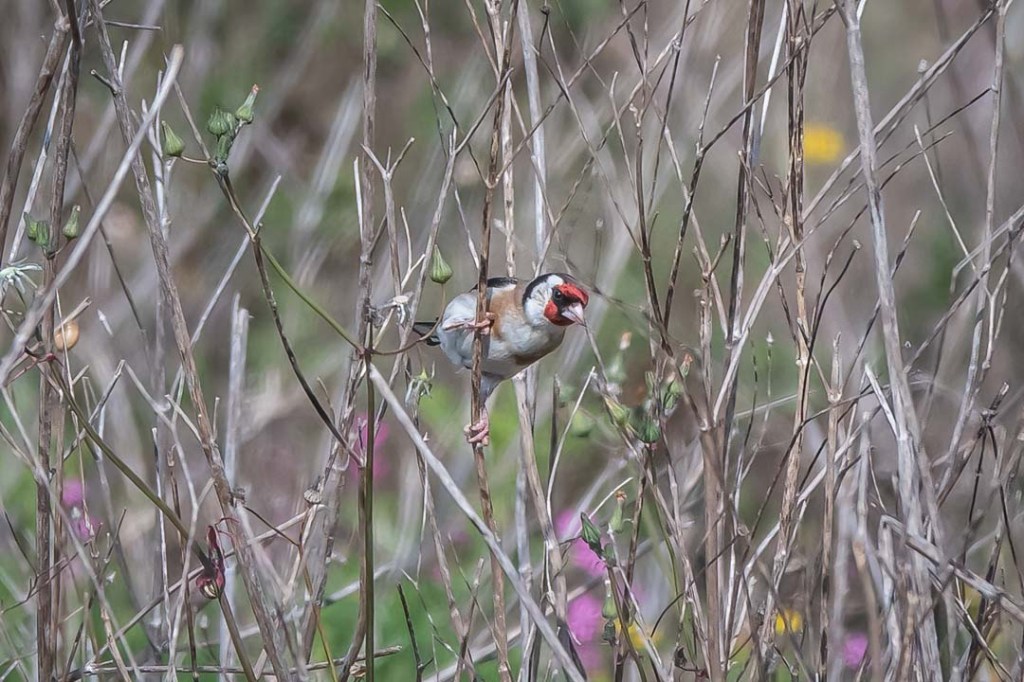
Well, this is definitely my kind of birding. We spent the morning walking along The Passadiços de Alvor, the series of raised walkways that pass through the protected sand dunes of the Ria de Alvor Nature Reserve west of Portimāo.
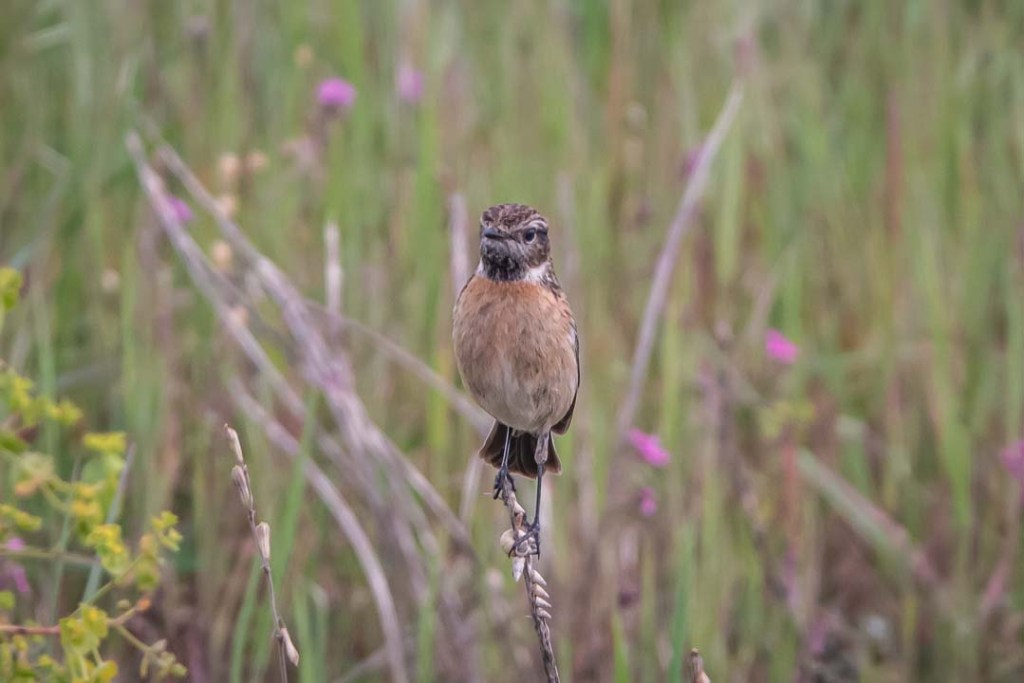

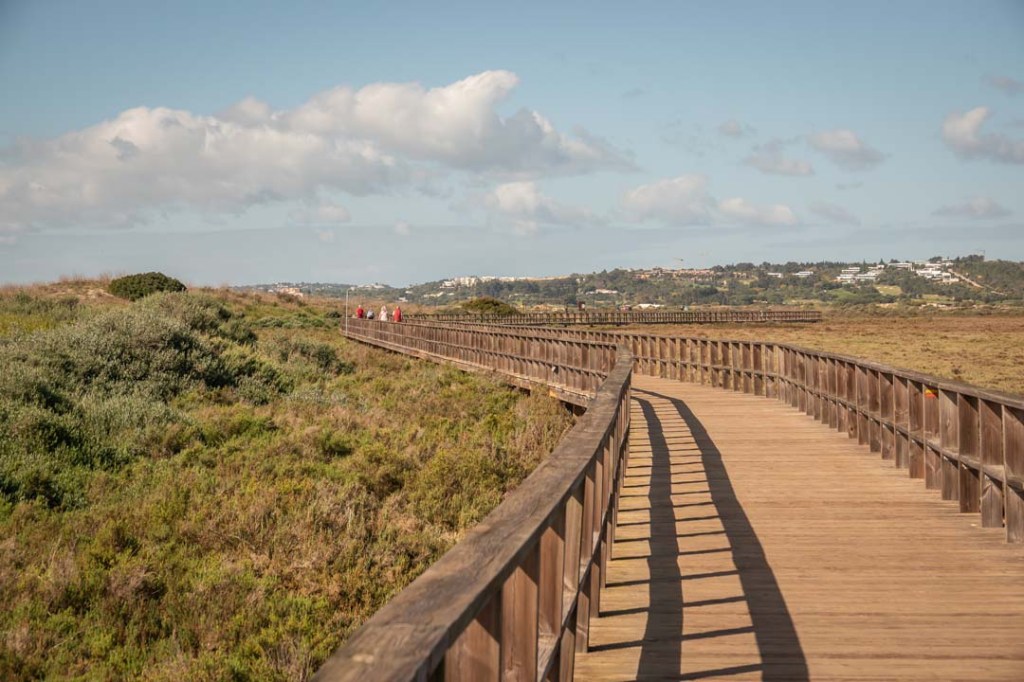
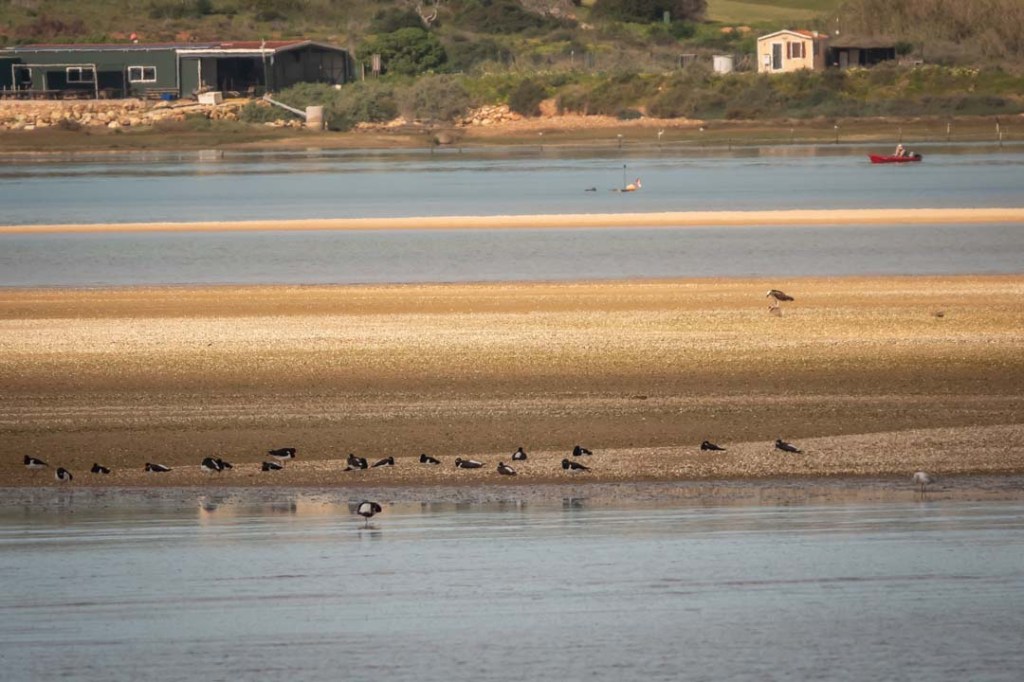
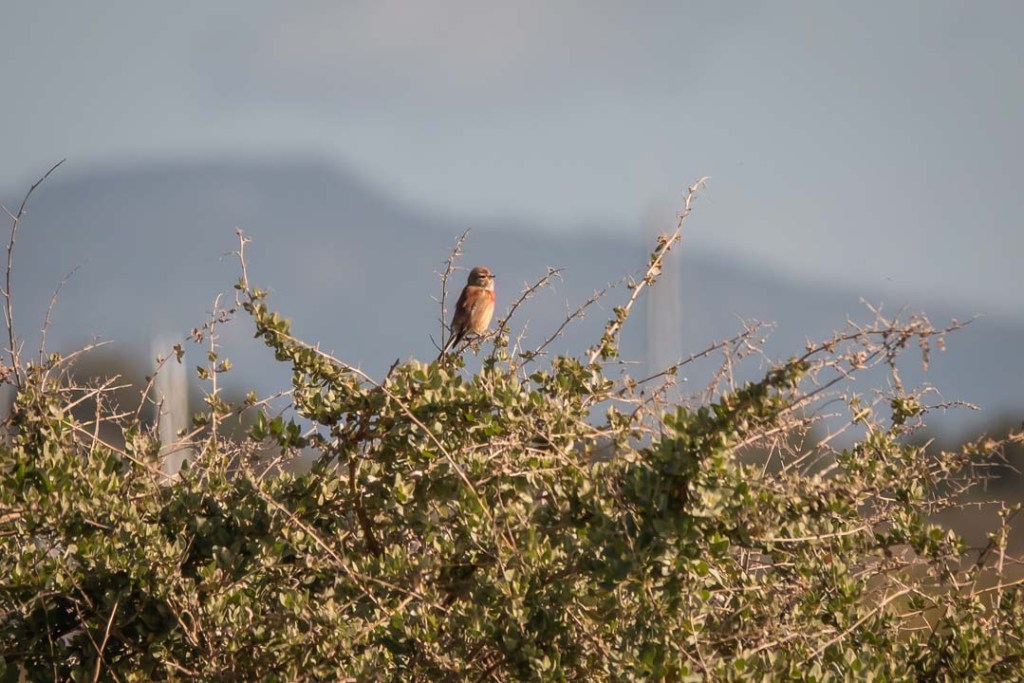
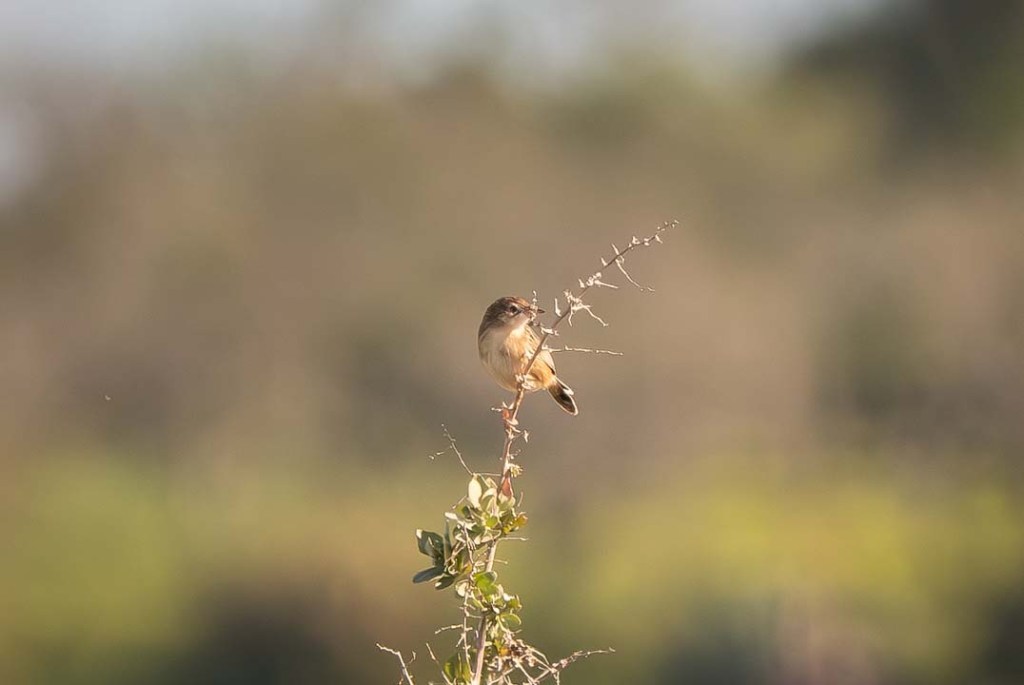
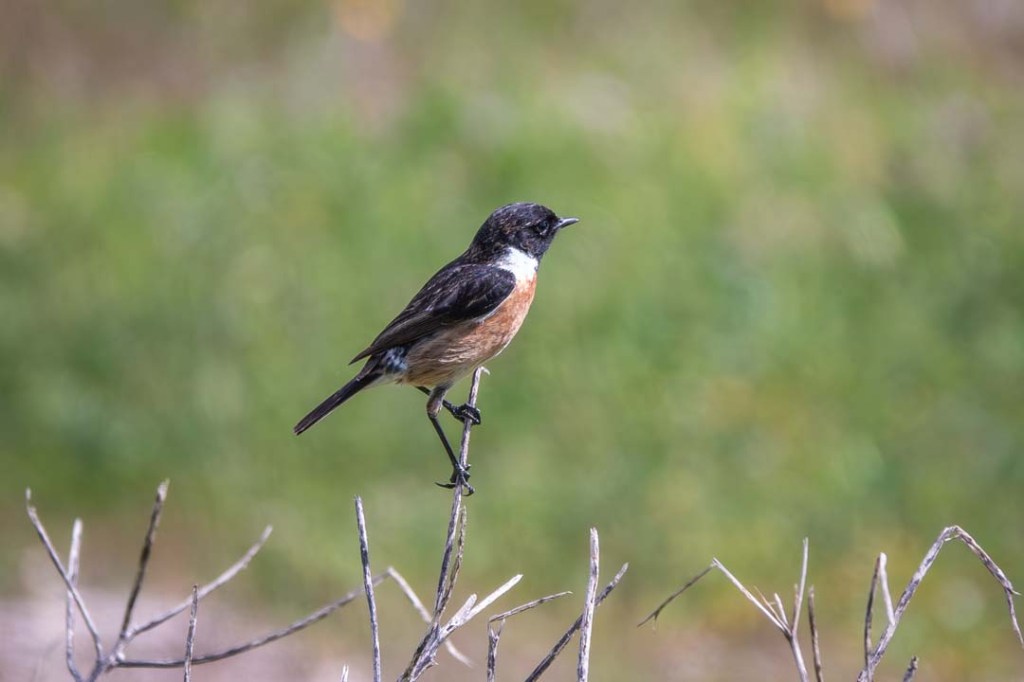
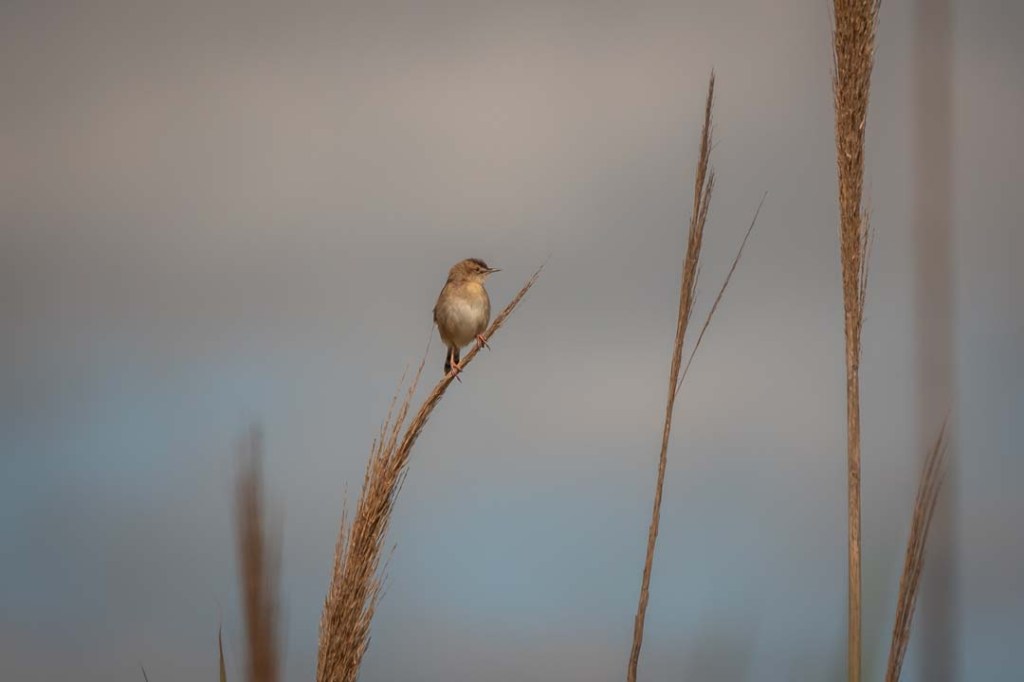
We heard and then saw linnets, crested lark, zitting cisticolas, goldfinch and both male and female stonechats amongst the dunes. On the estuary we could see lots of cormorants, oystercatchers, whimbrel and curlew, common sandpiper and greenshank. I believe I could also make out an osprey feeding on its prey on the sand bank.
A really splendid morning. However, my recollection might have been influenced by the delicious lunch we had in a typical Portuguese restaurant next to the pretty fishing port of Alvor in the company of two other birders from our group who joined us on the trip.

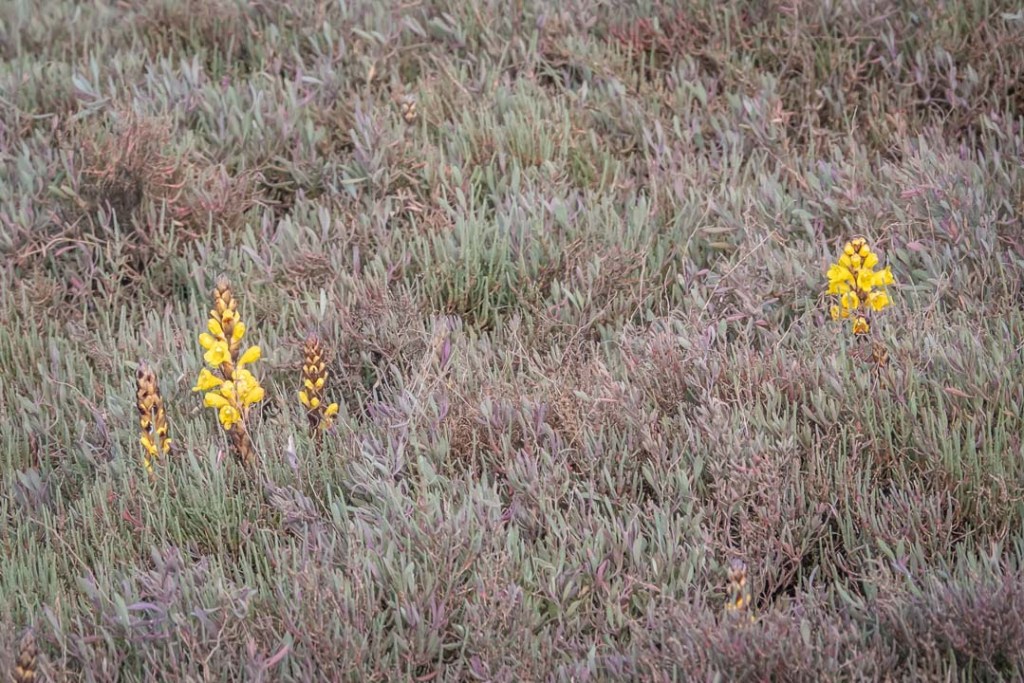




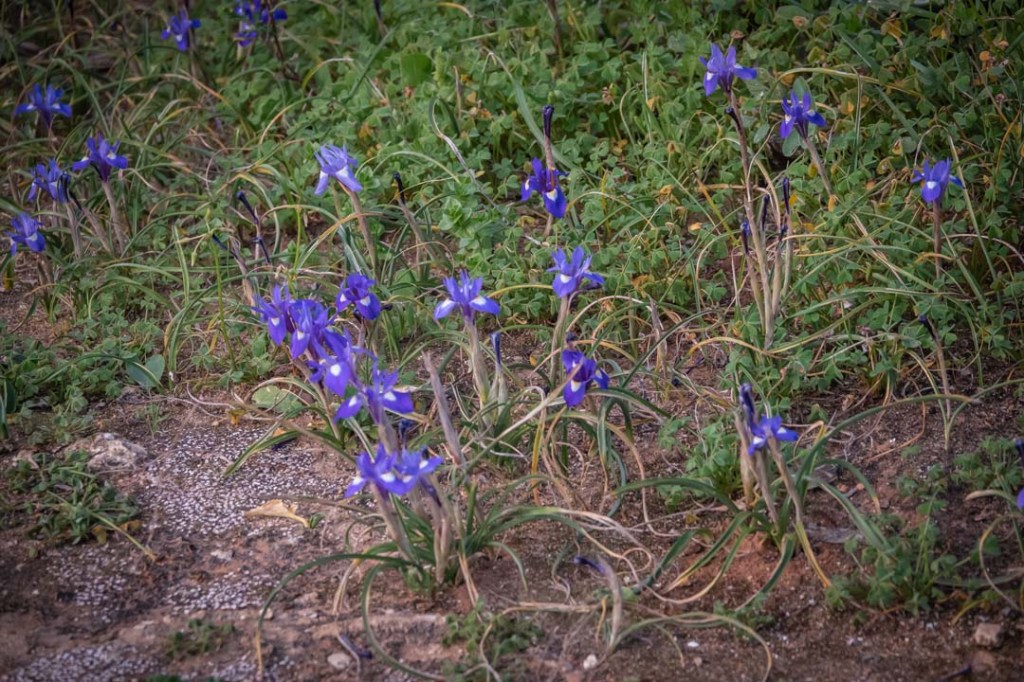
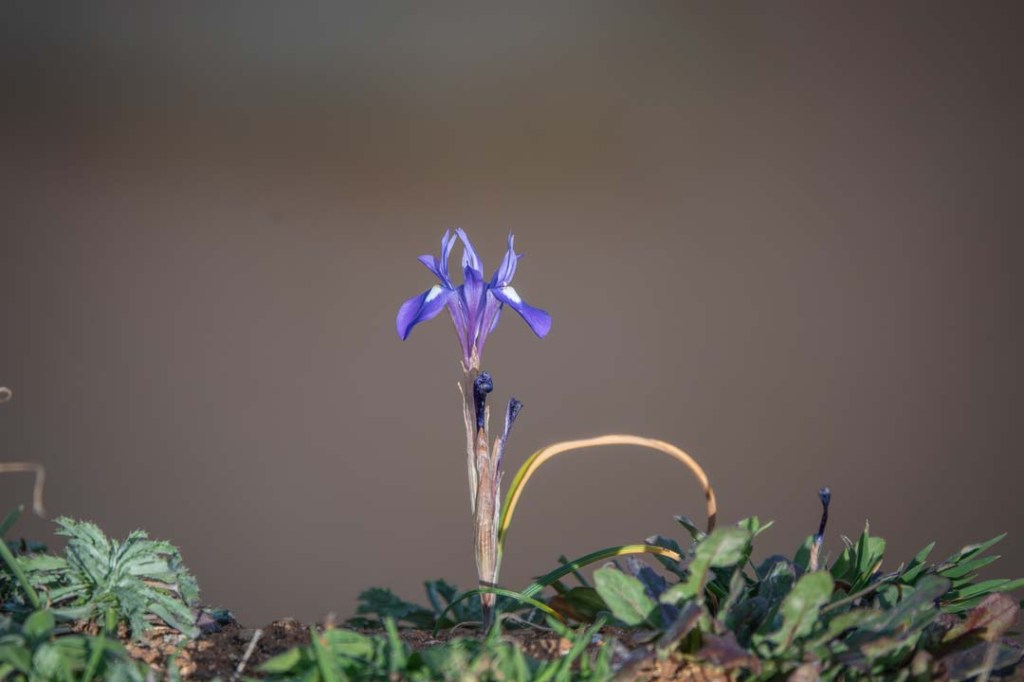
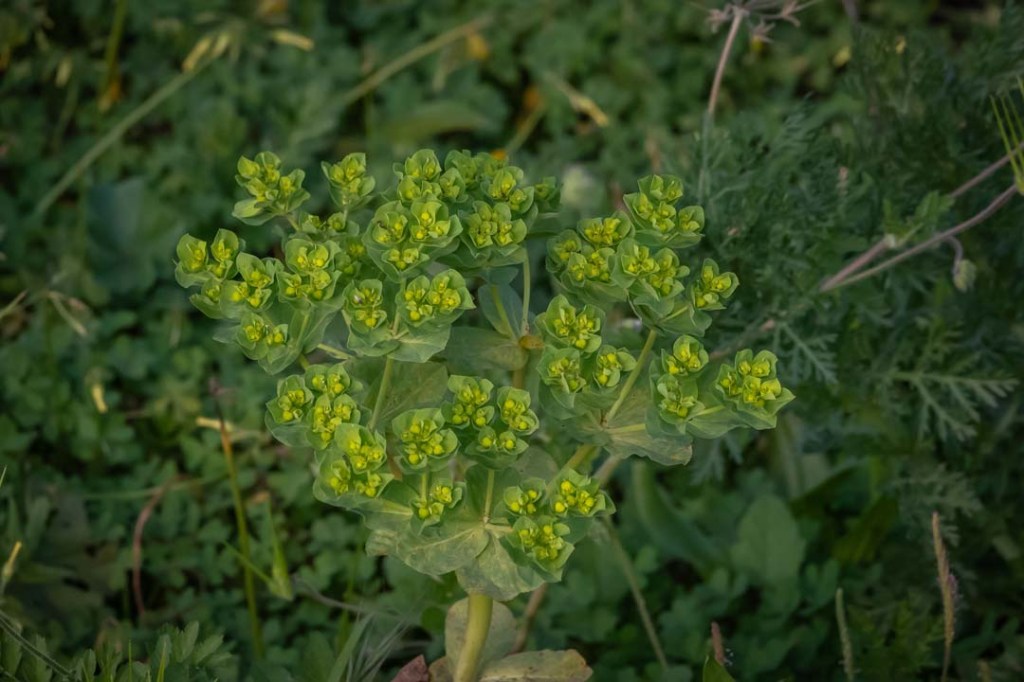
The spring flowers are already quite abundant along the coast of The Algarve but you can’t help feeling that with a little more warmth of spring there will soon be a riot of colour.
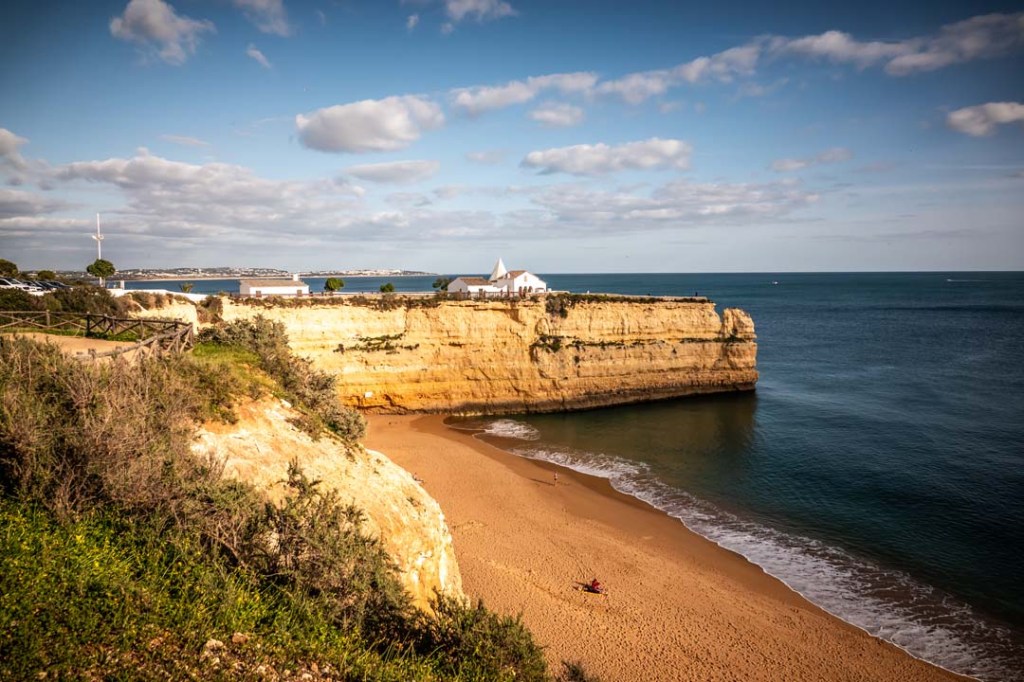
Yesterday afternoon ,as we walked a little from our clifftop hotel in Porches-Armação de Pêra, in the Algarve, up above the Senhora da Rocha beach, we saw lots of examples of the local flora.
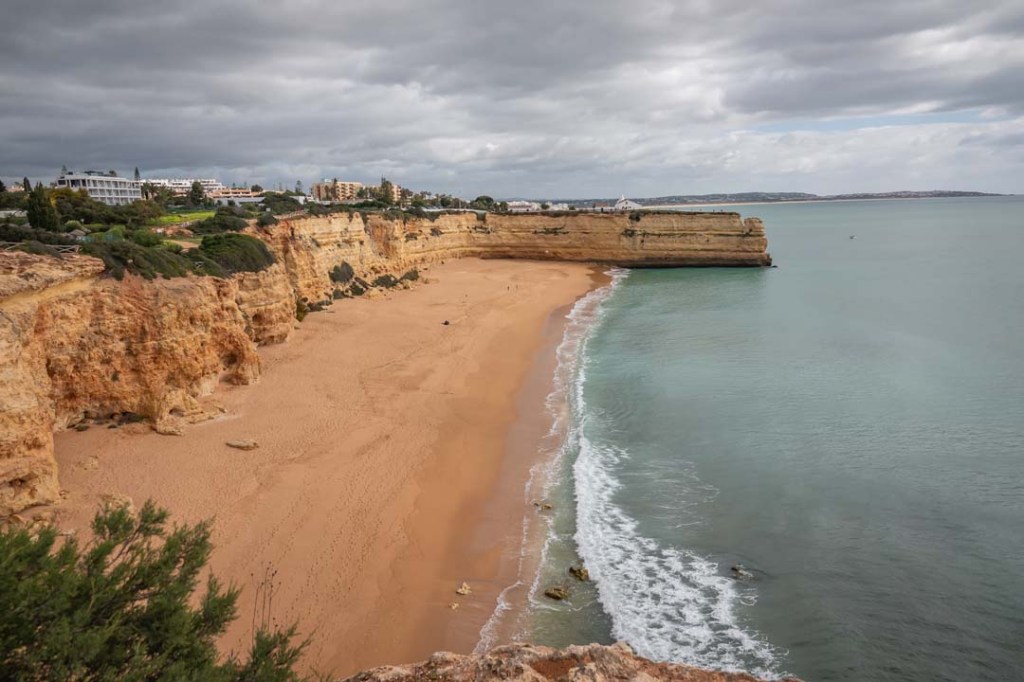
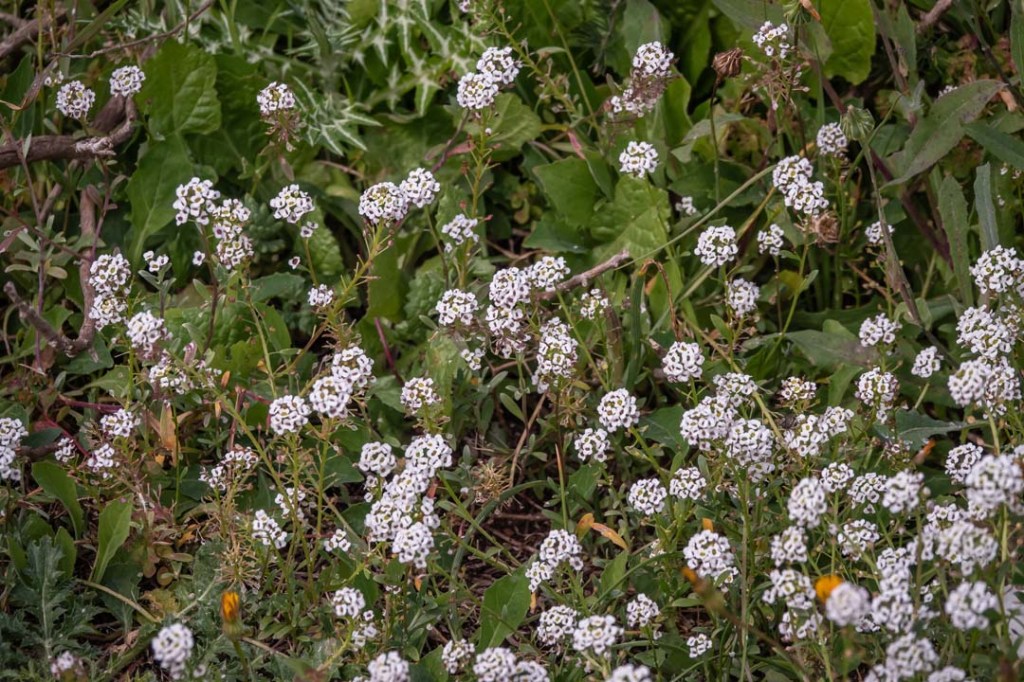
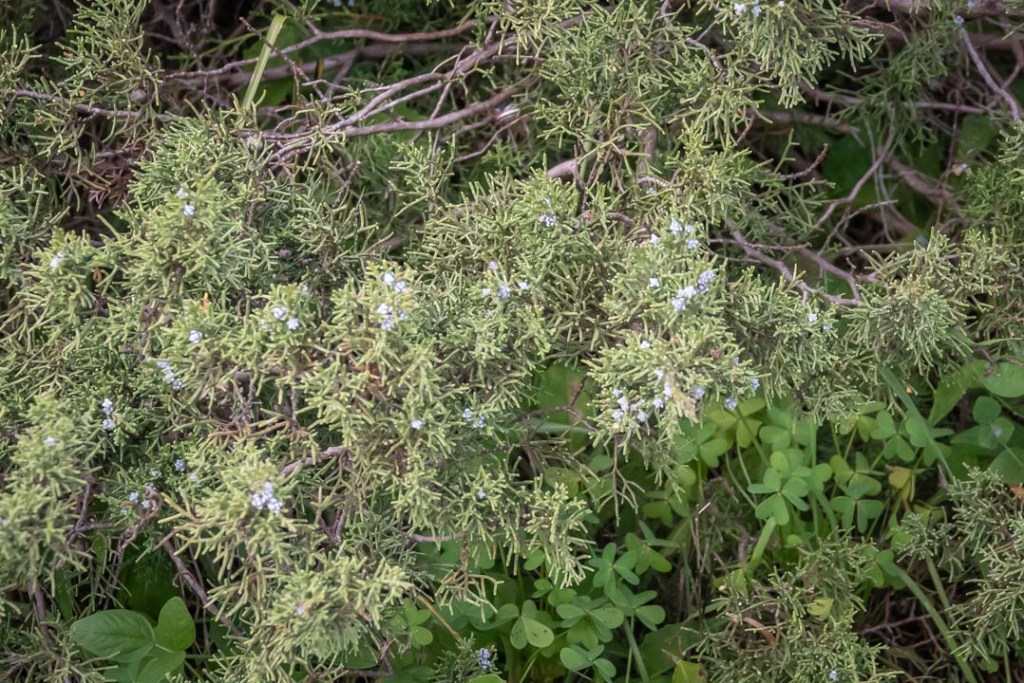


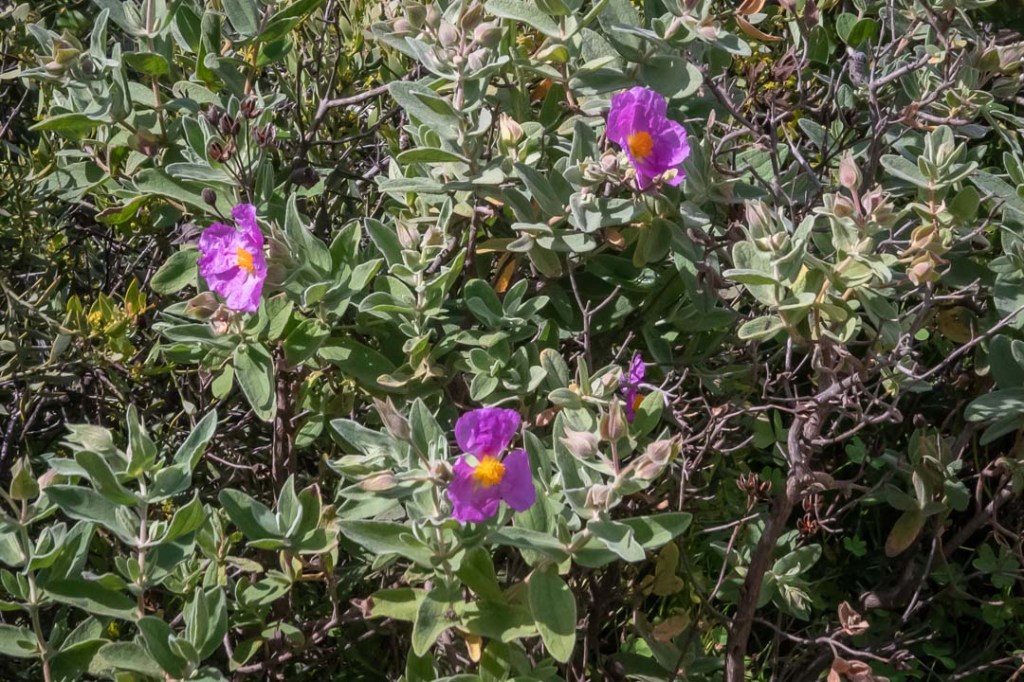
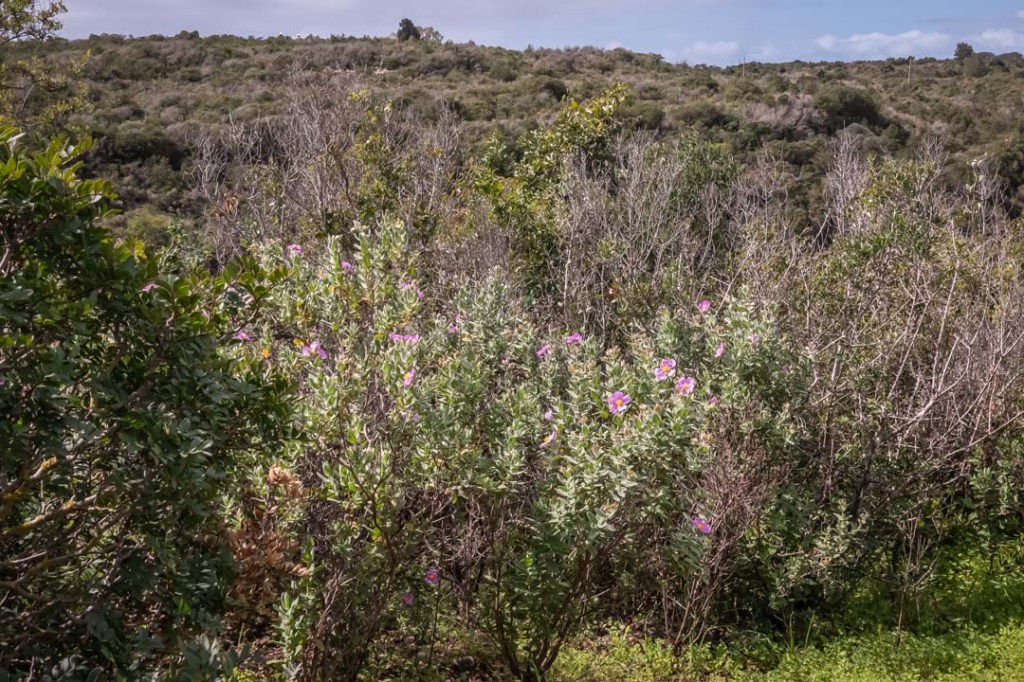
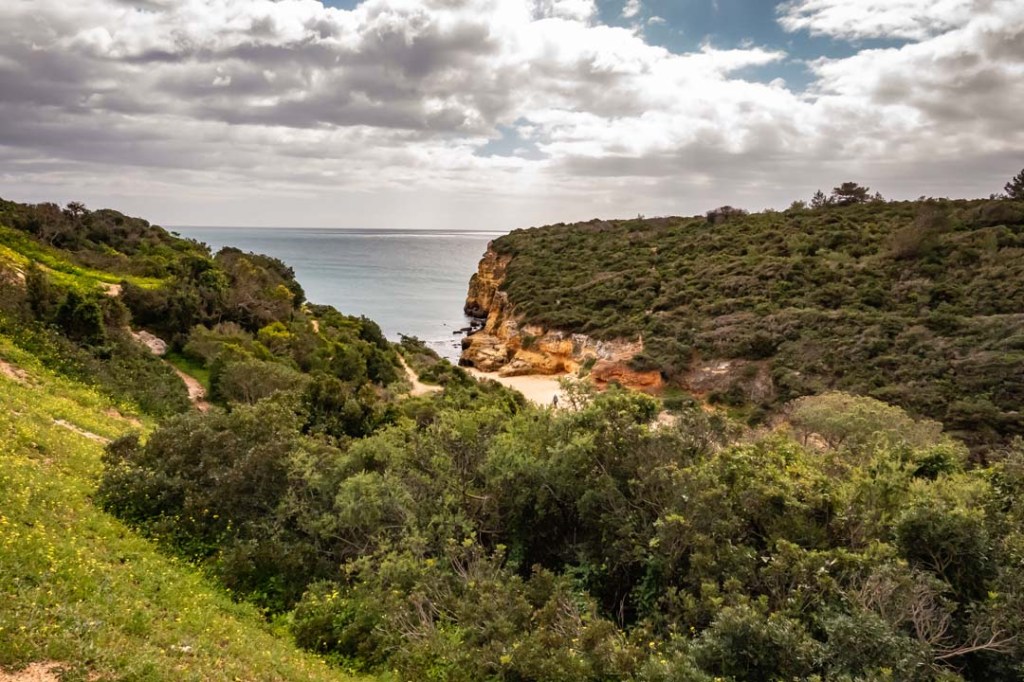

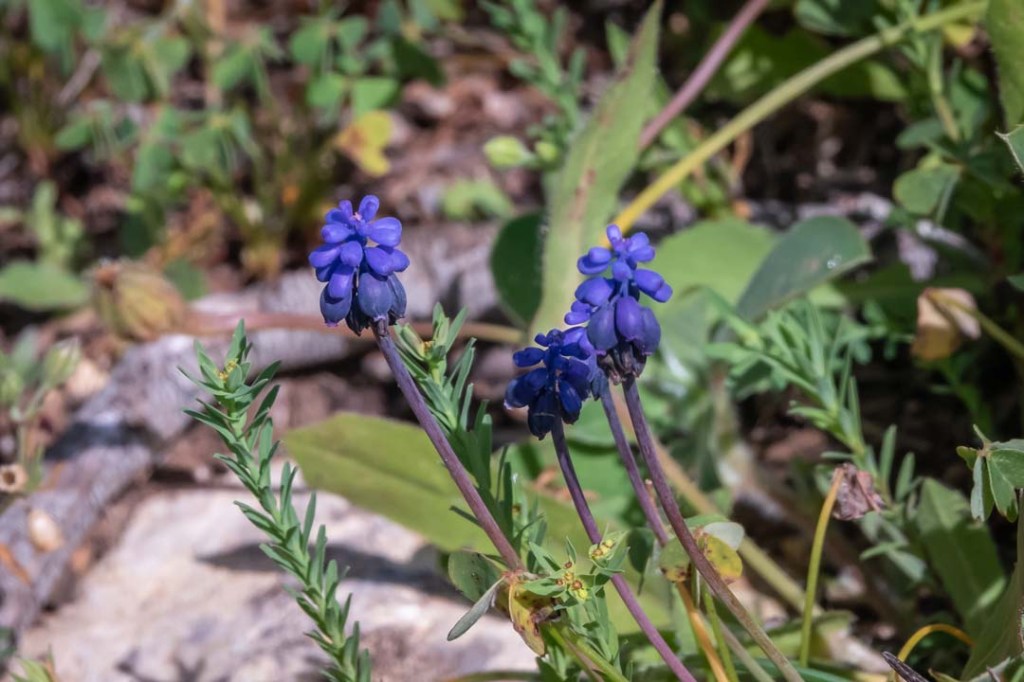
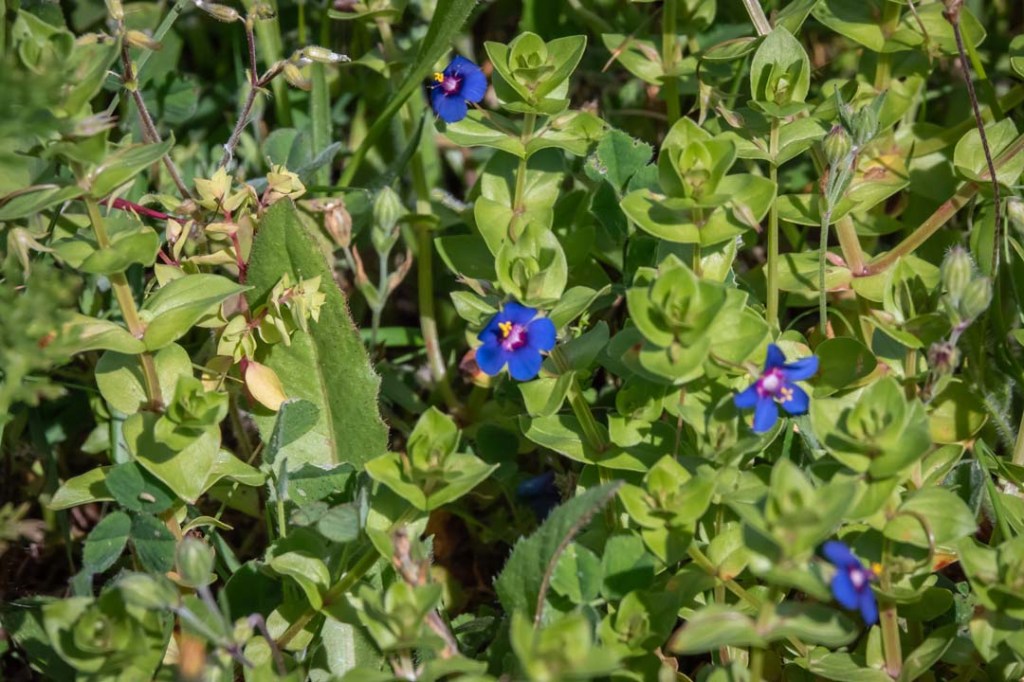
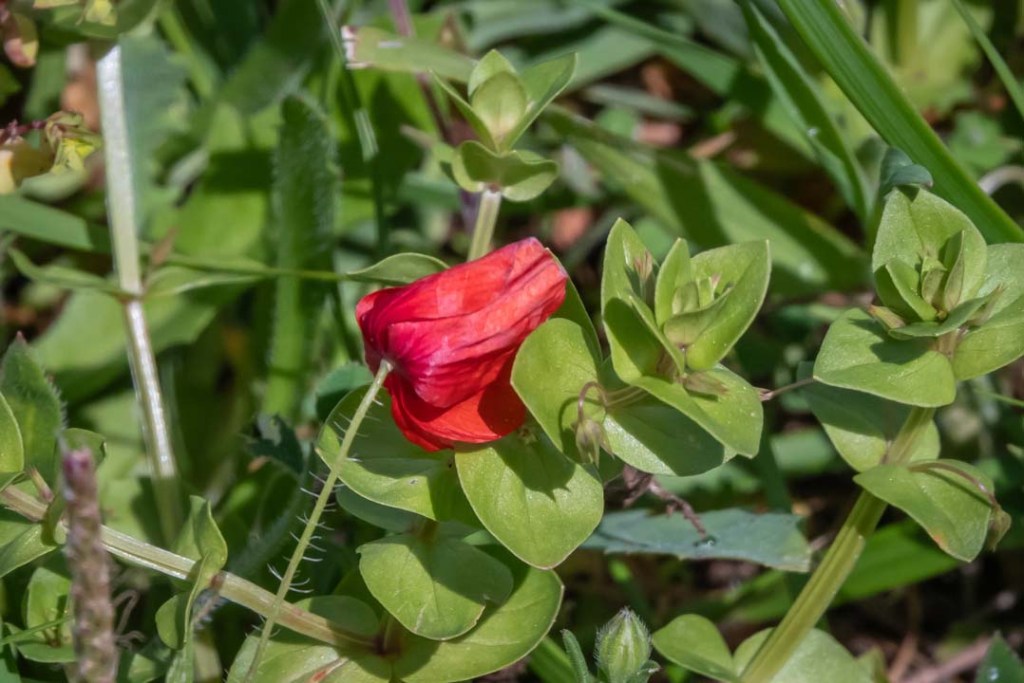
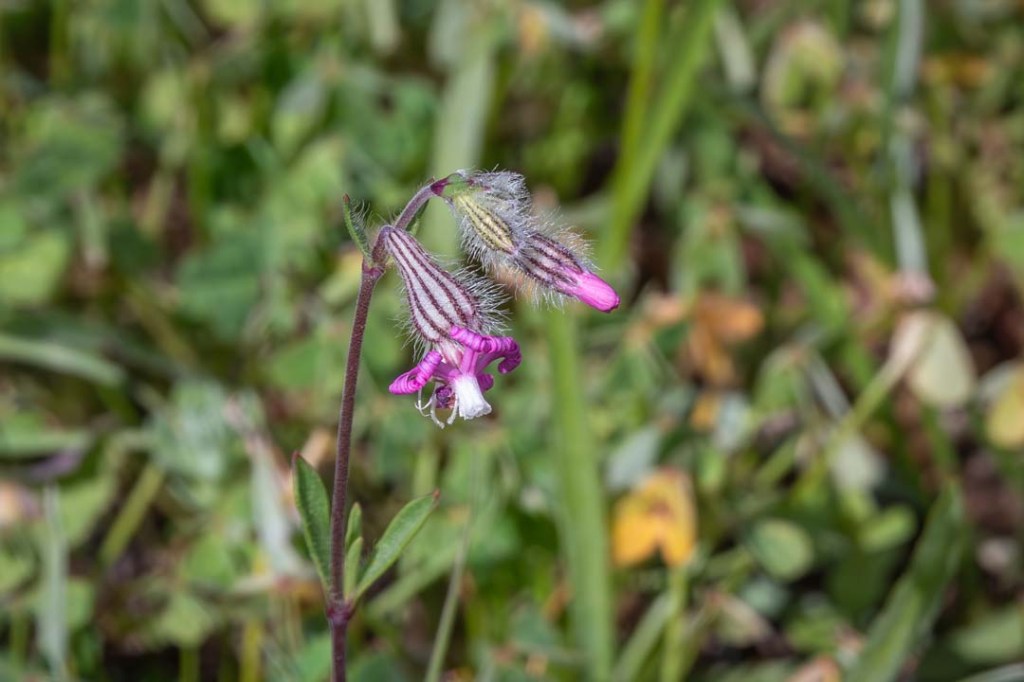
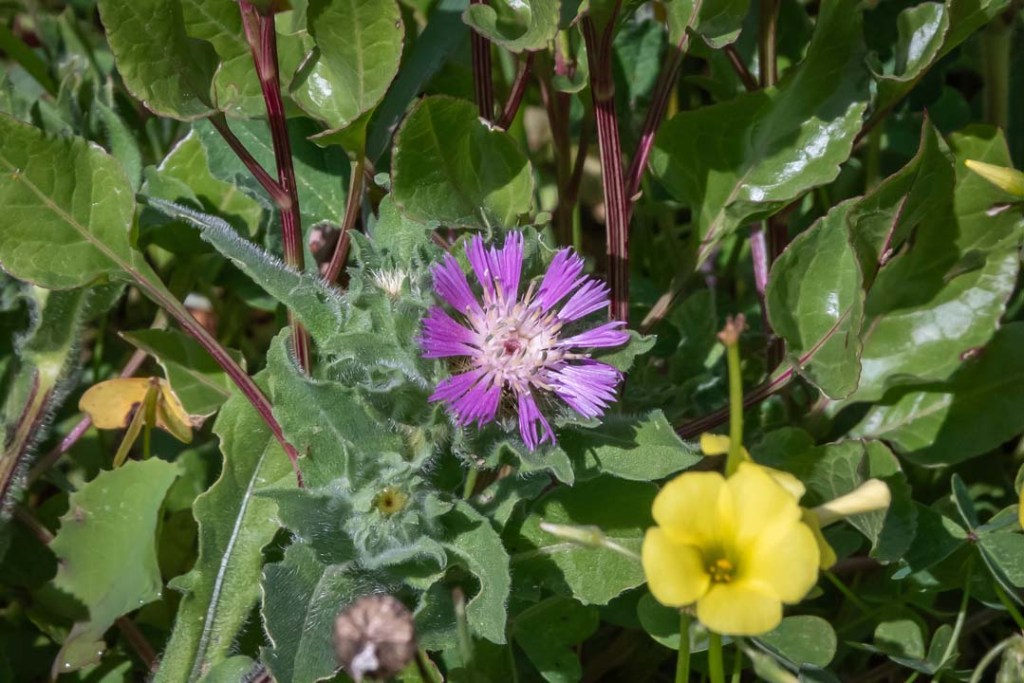
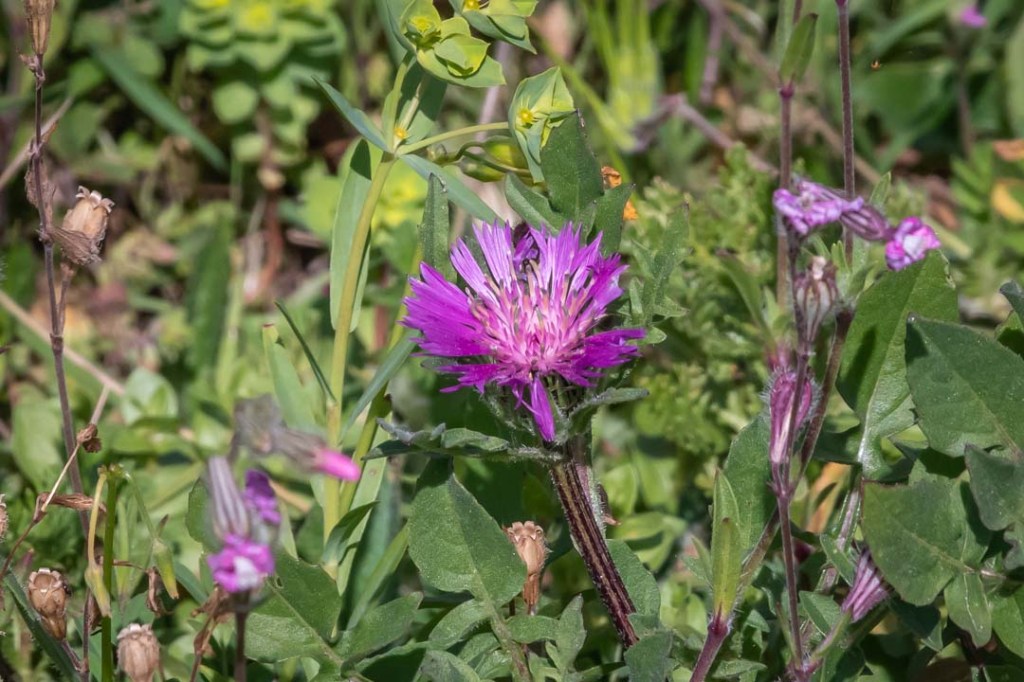
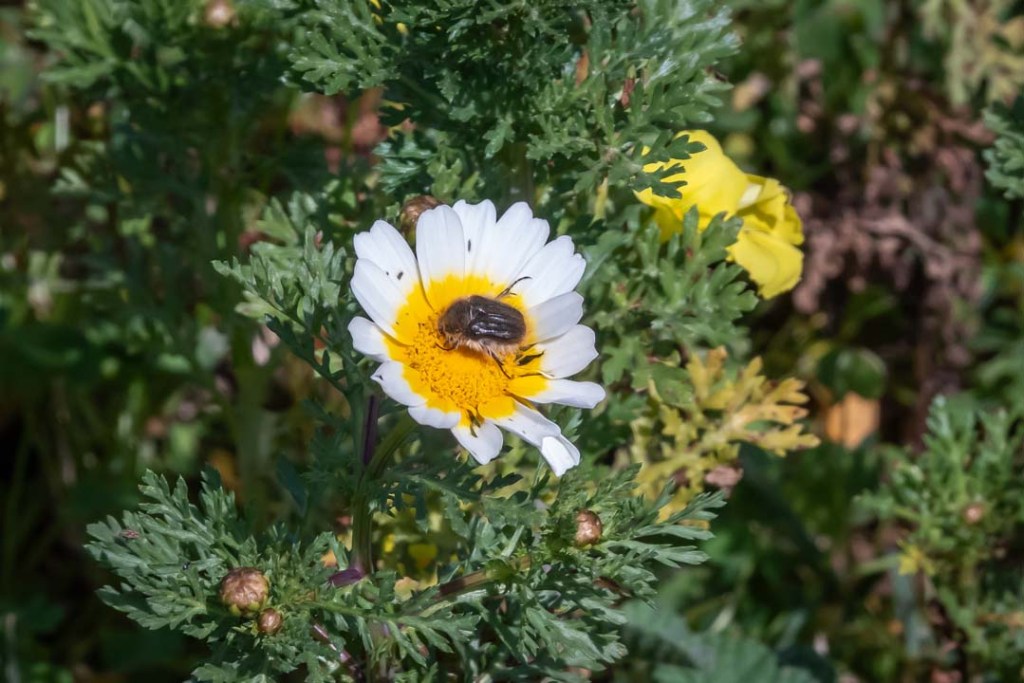

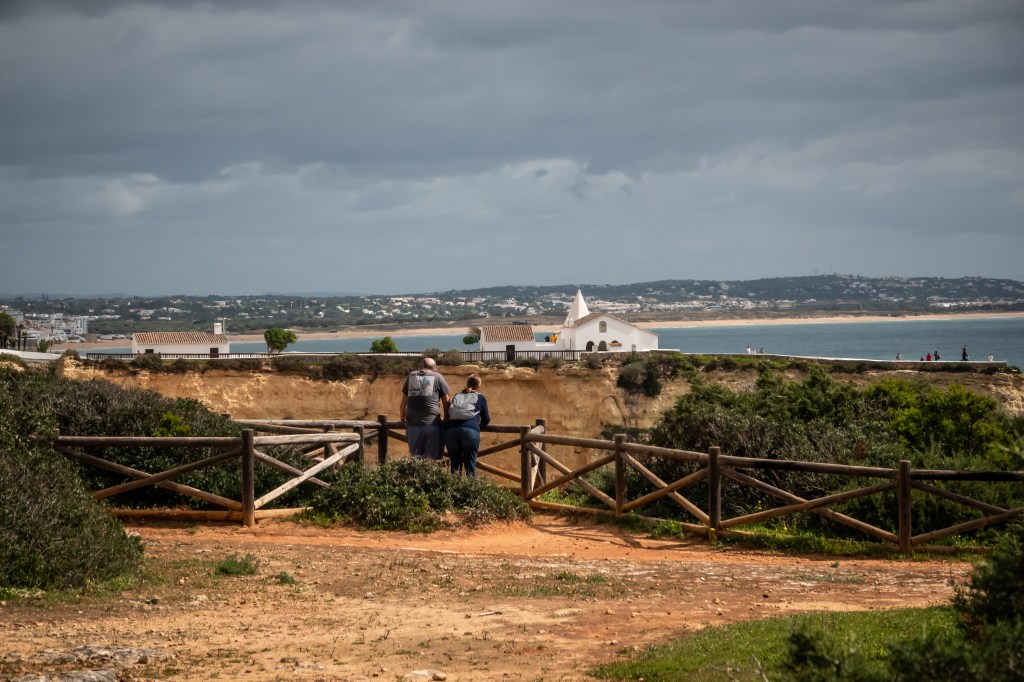
Again this morning we walked another short section of the coast from Algar Seco to the pretty coastal village of Carvoeiro.

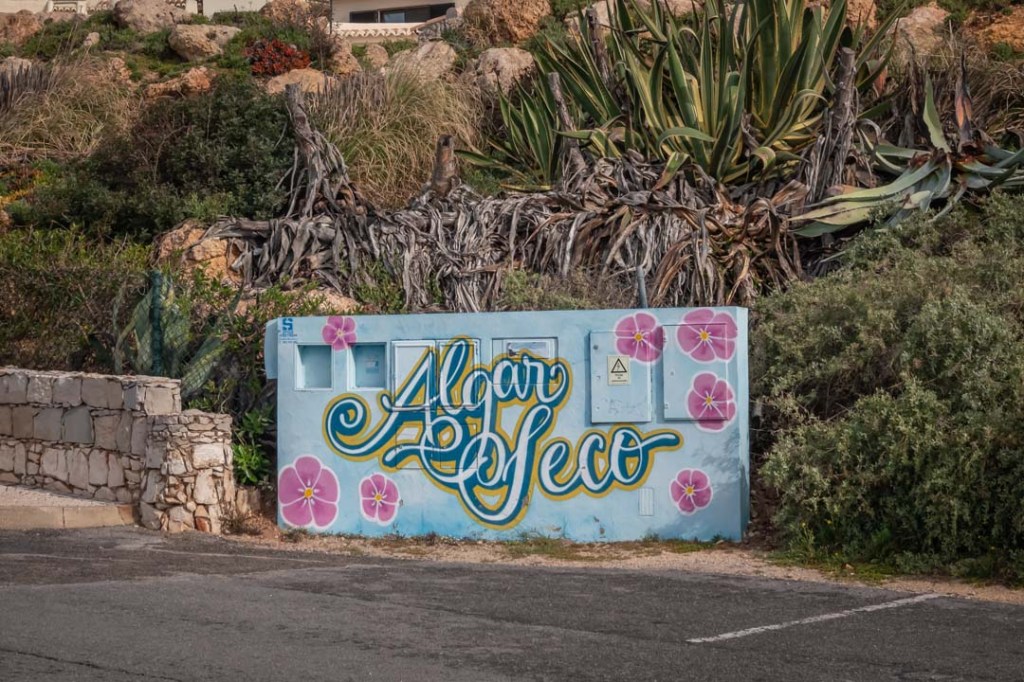
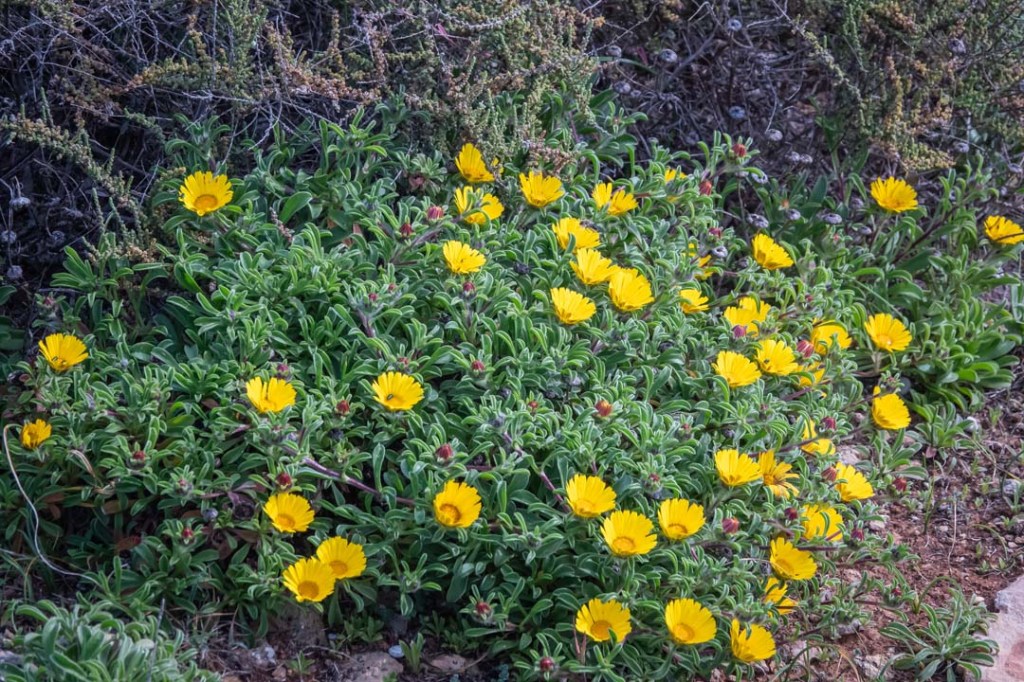


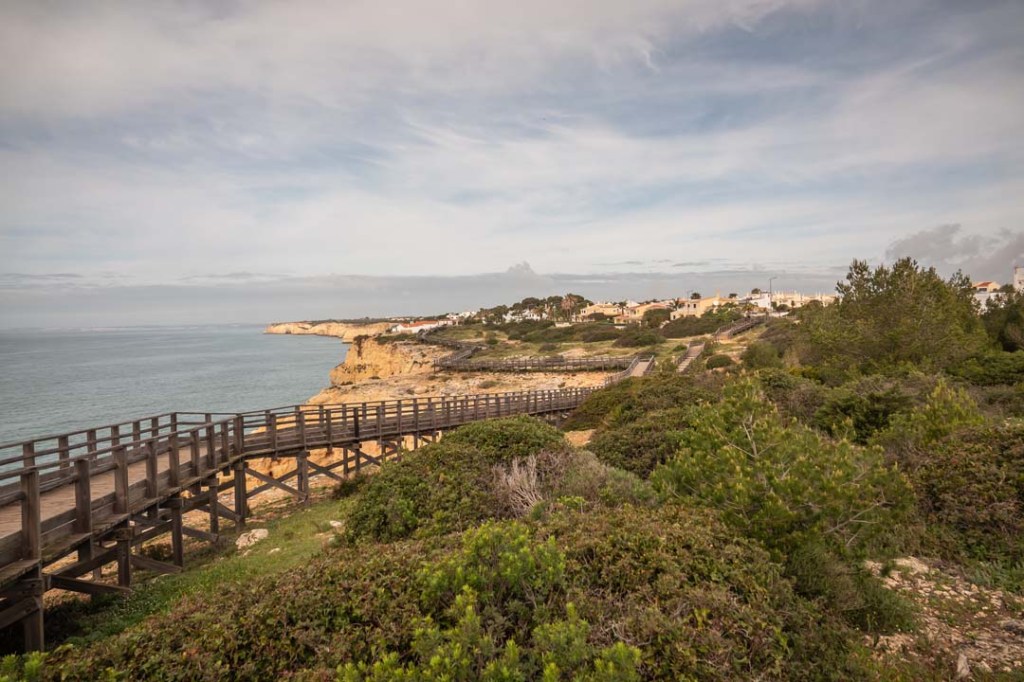
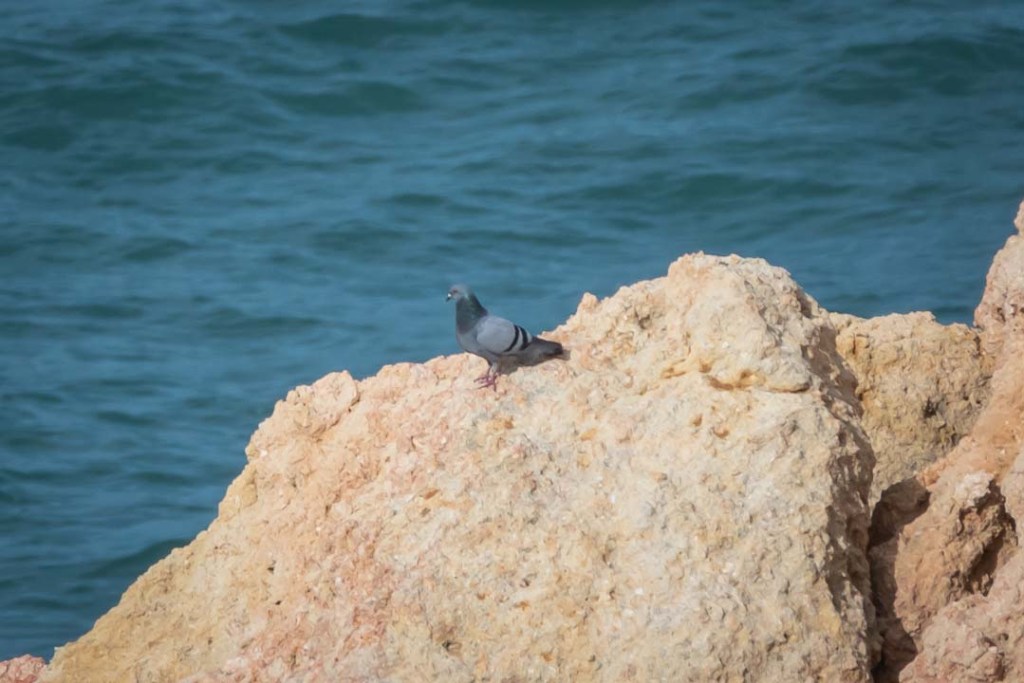


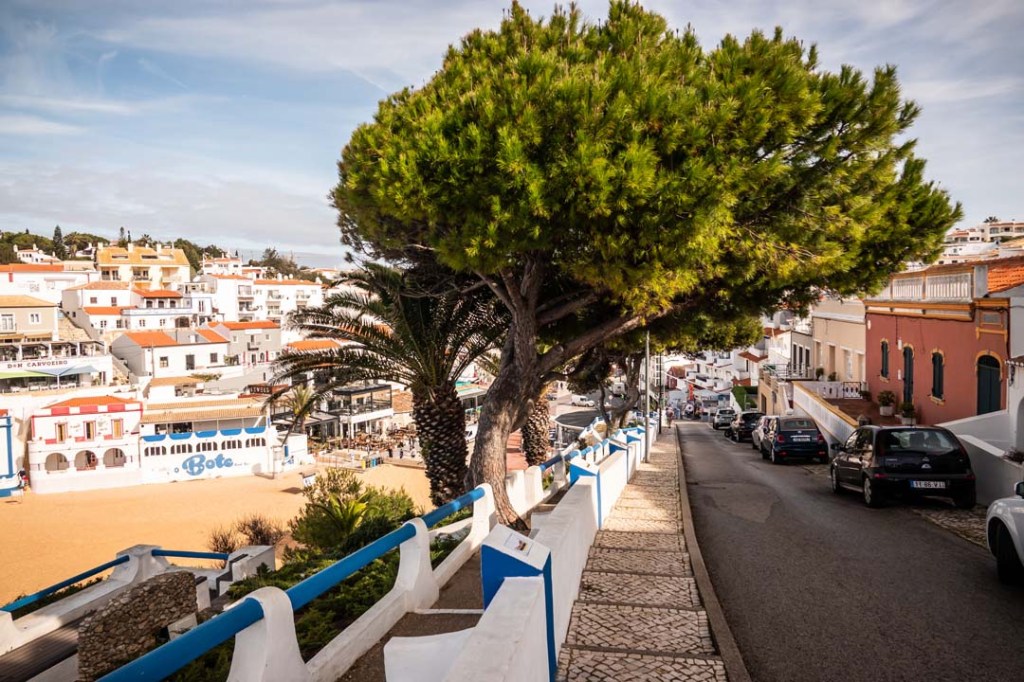
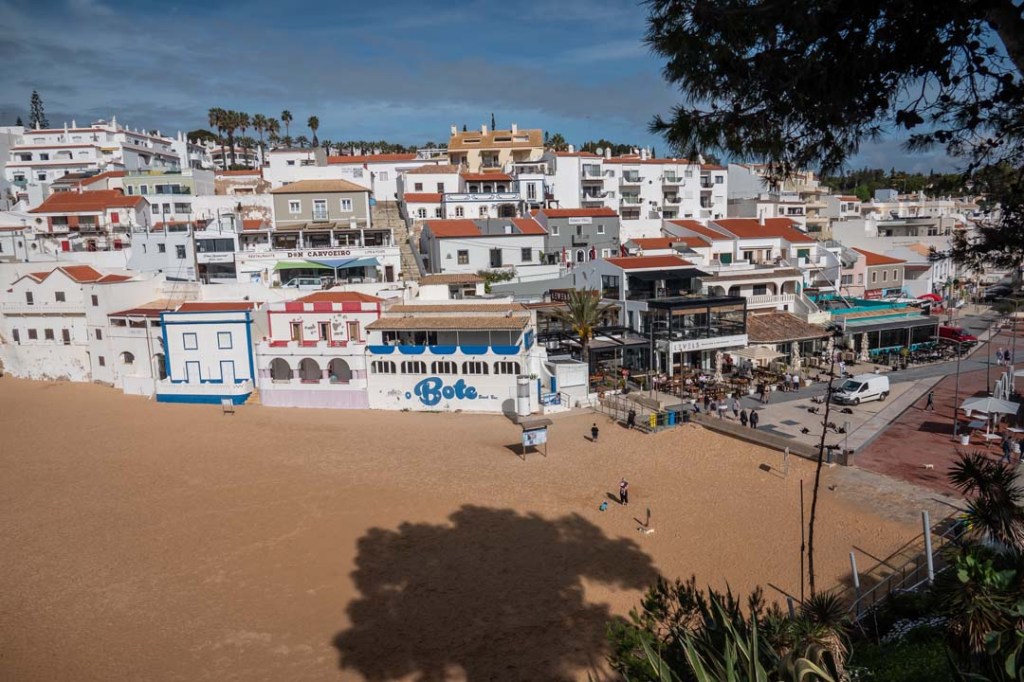

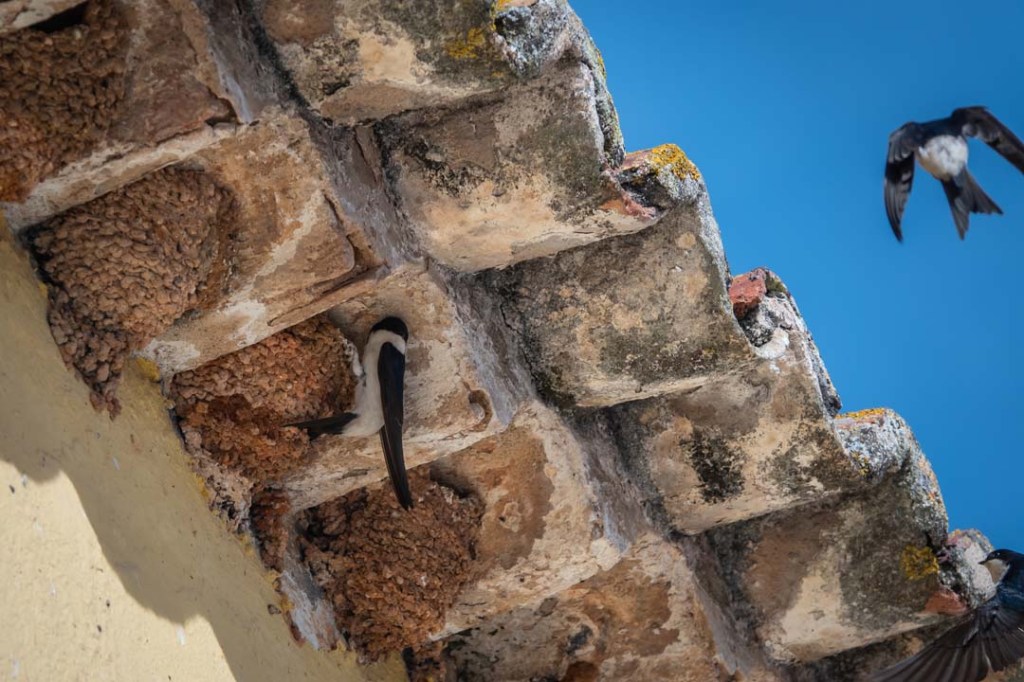
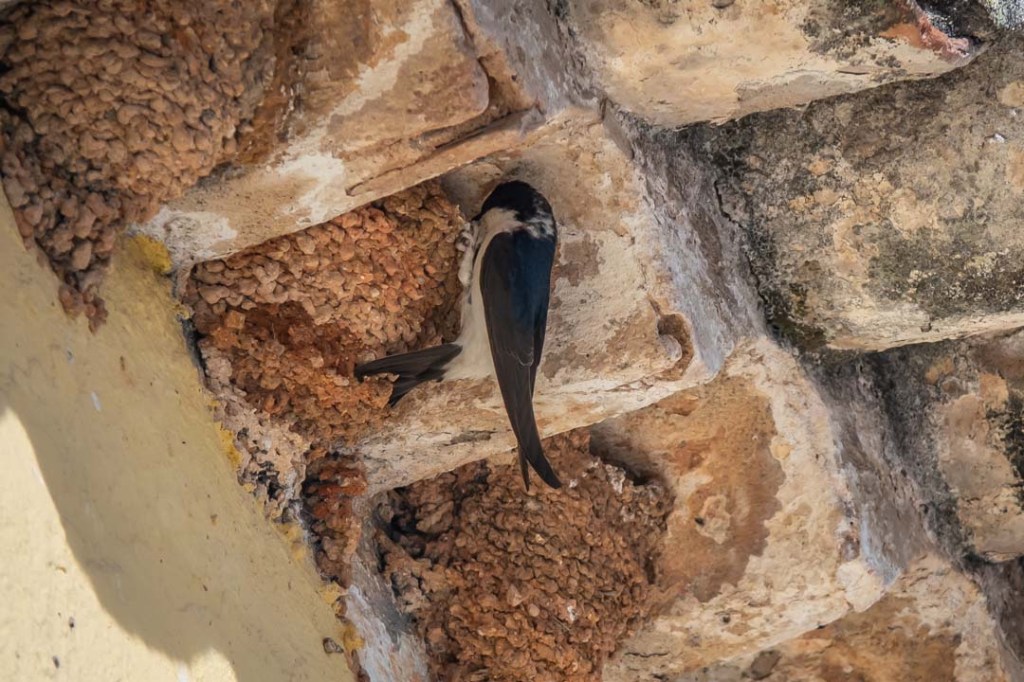

This morning we returned to the same area we had visited on our first day on our birding holiday in Portugal. Today was a very different experience. We made no lists, probably saw fewer birds and certainly took fewer photographs. Yet, we really enjoyed meandering around the site and taking in the various aspects of nature.
A simple chiiffchaff gave us as much joy as seeing a rarer purple swamphen. I would have loved to see a bluethroat again but we just had to make do with hearing them.

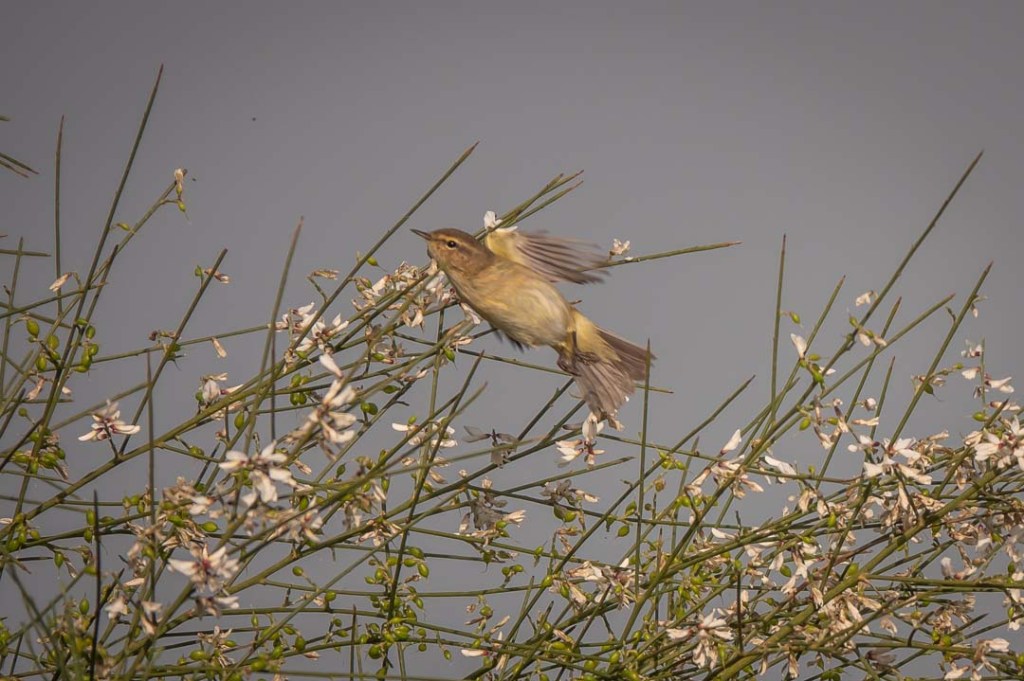

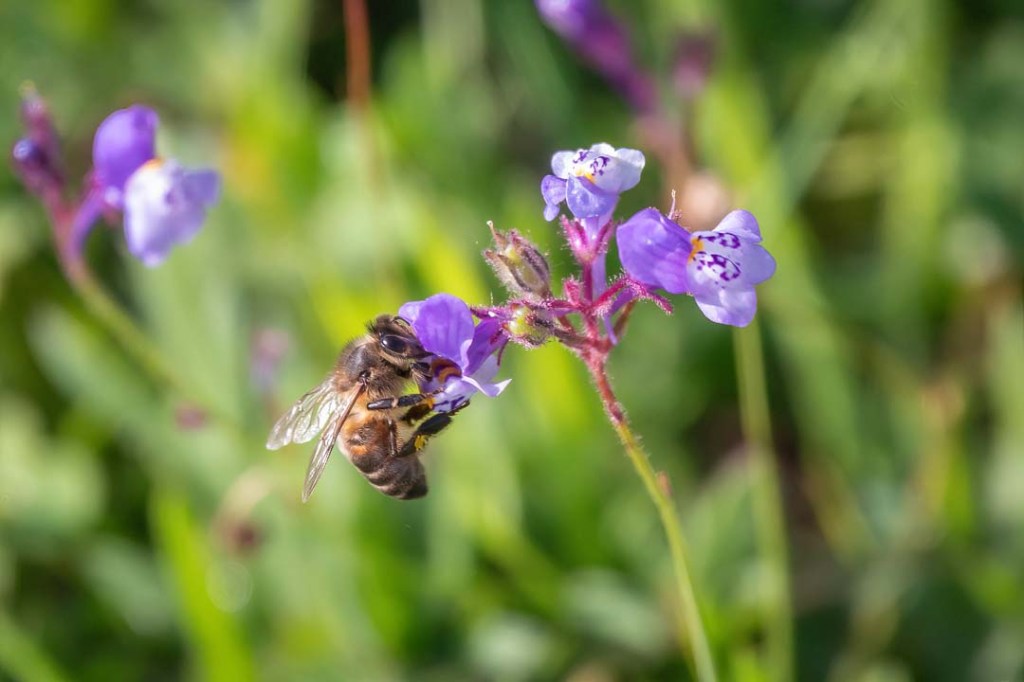

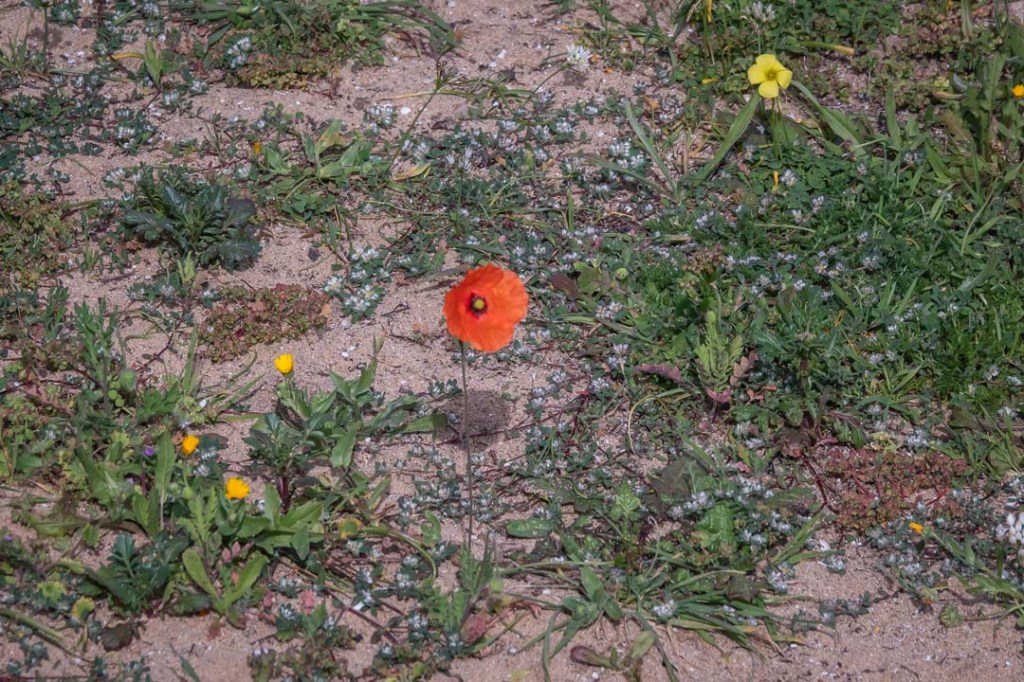

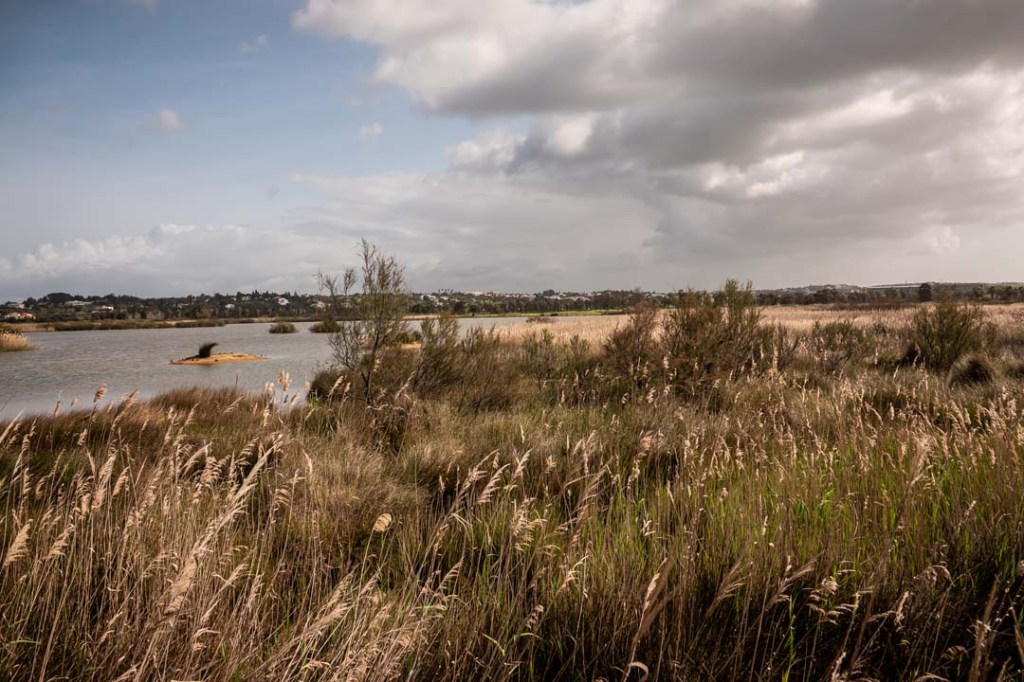
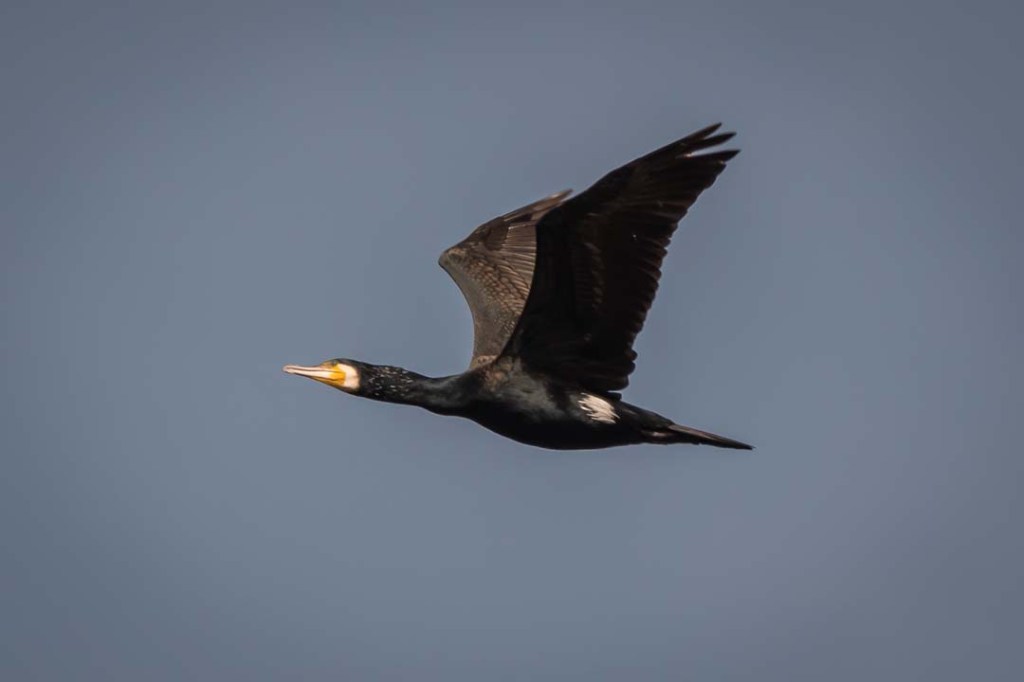

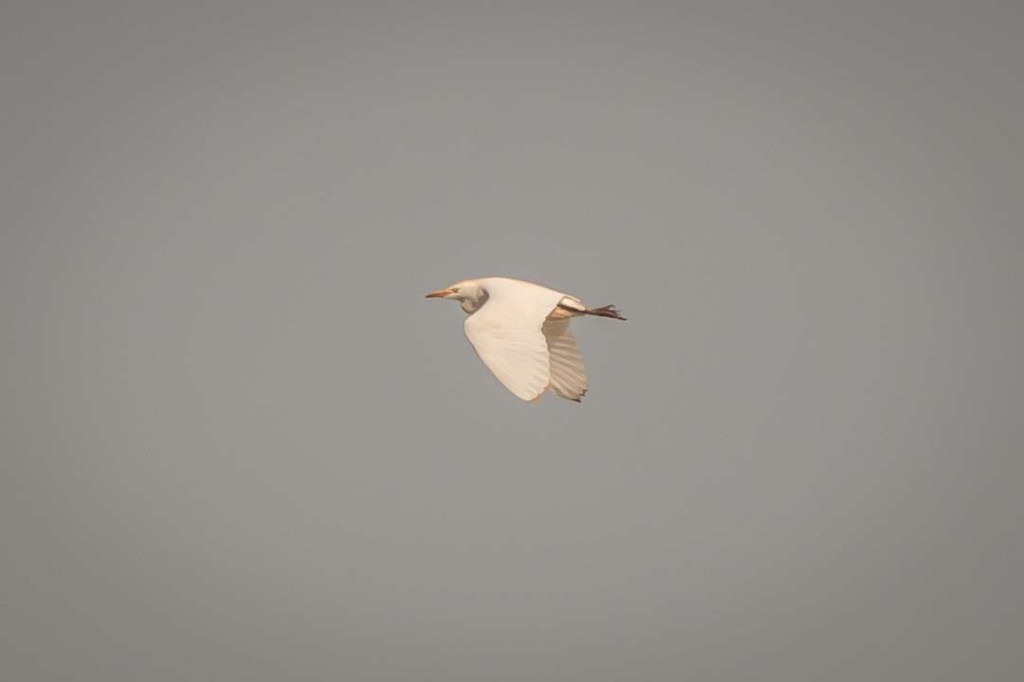
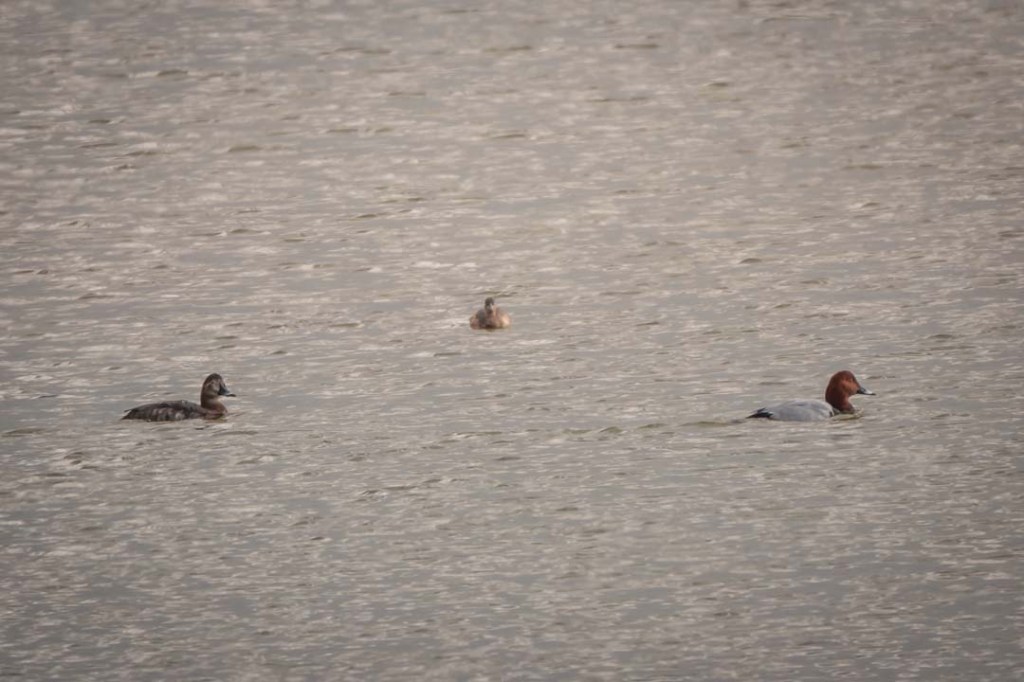
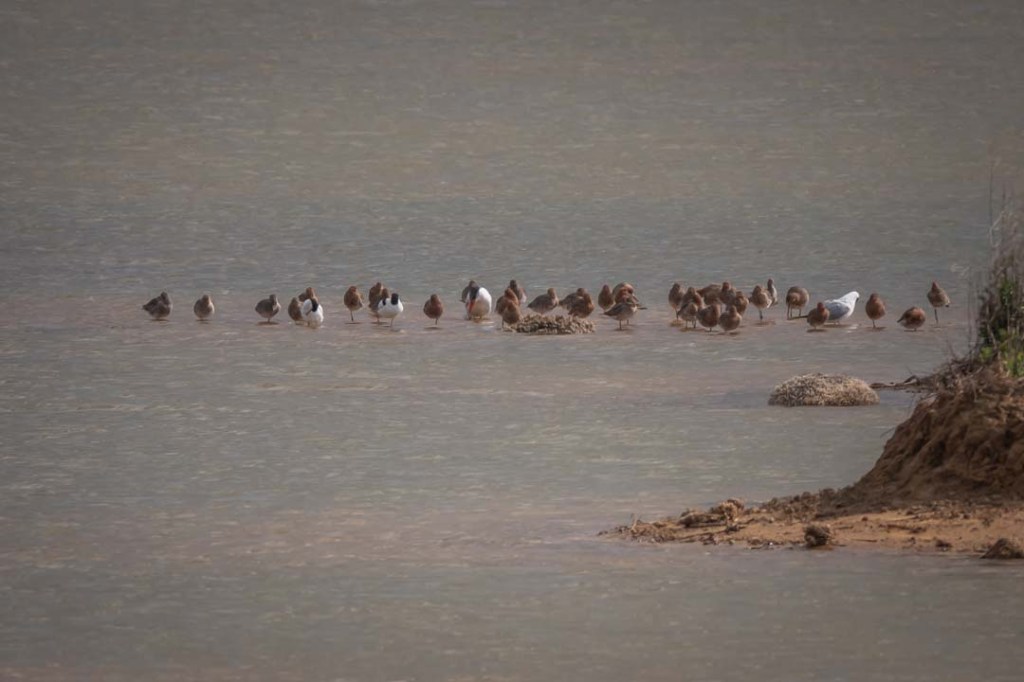
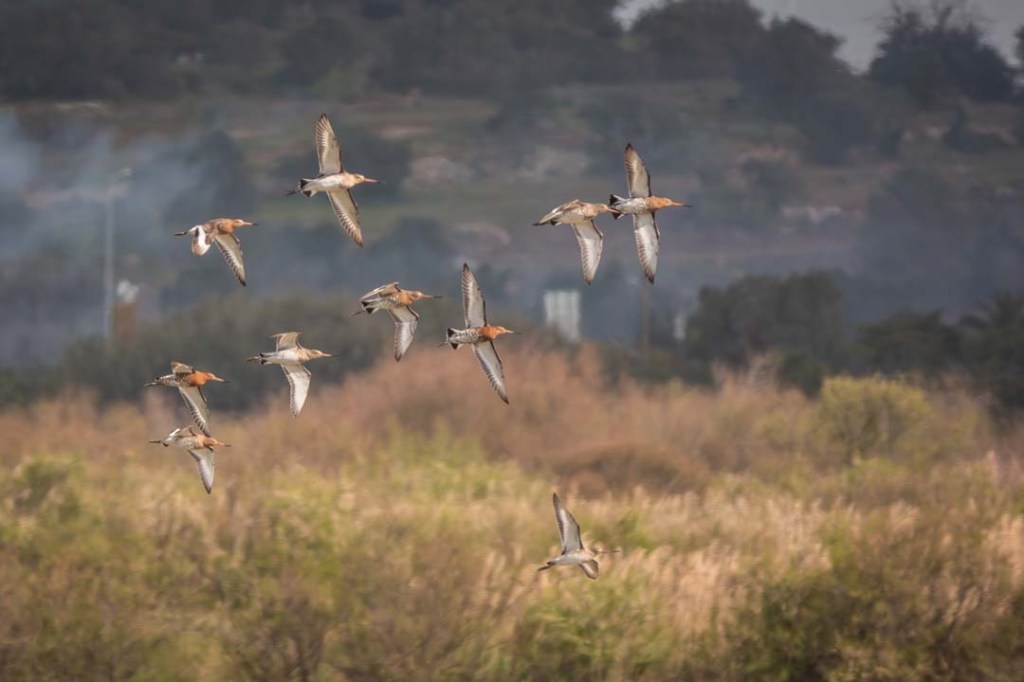
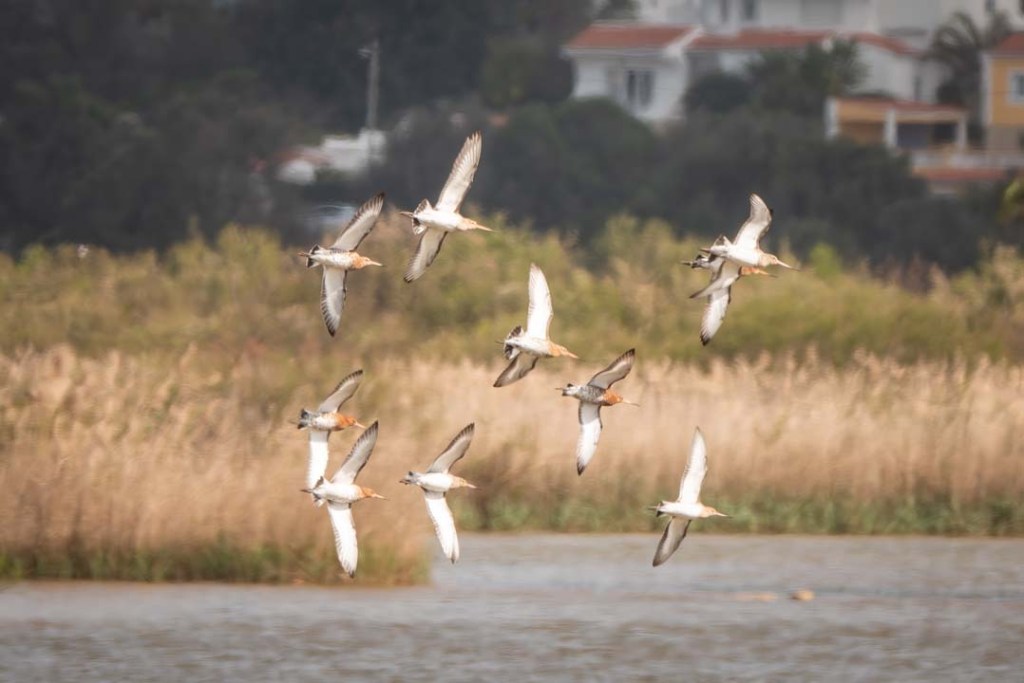

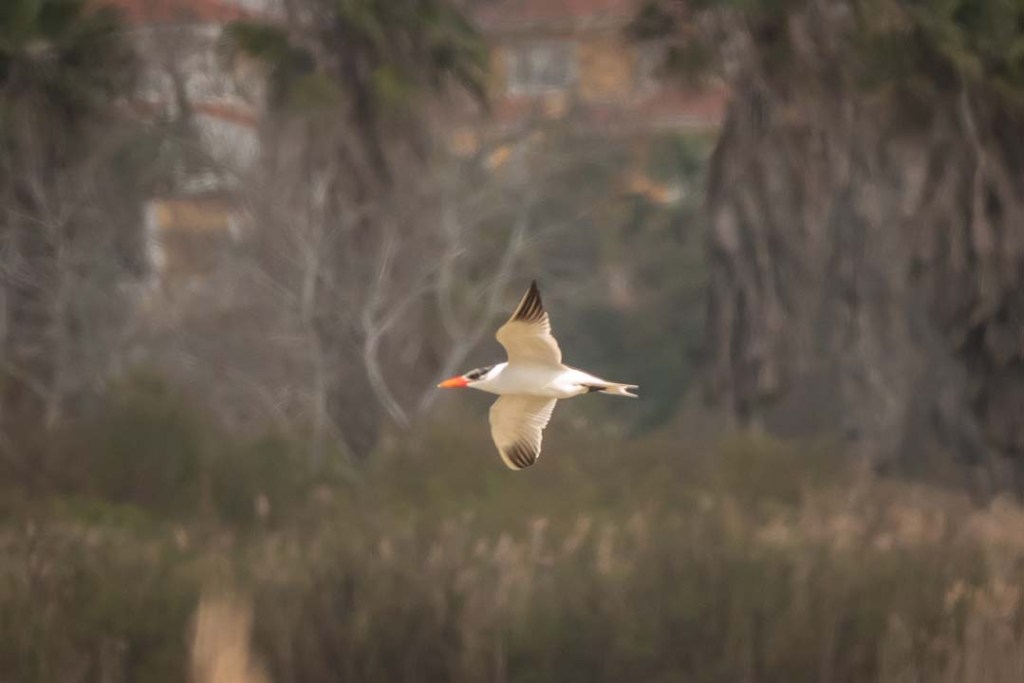

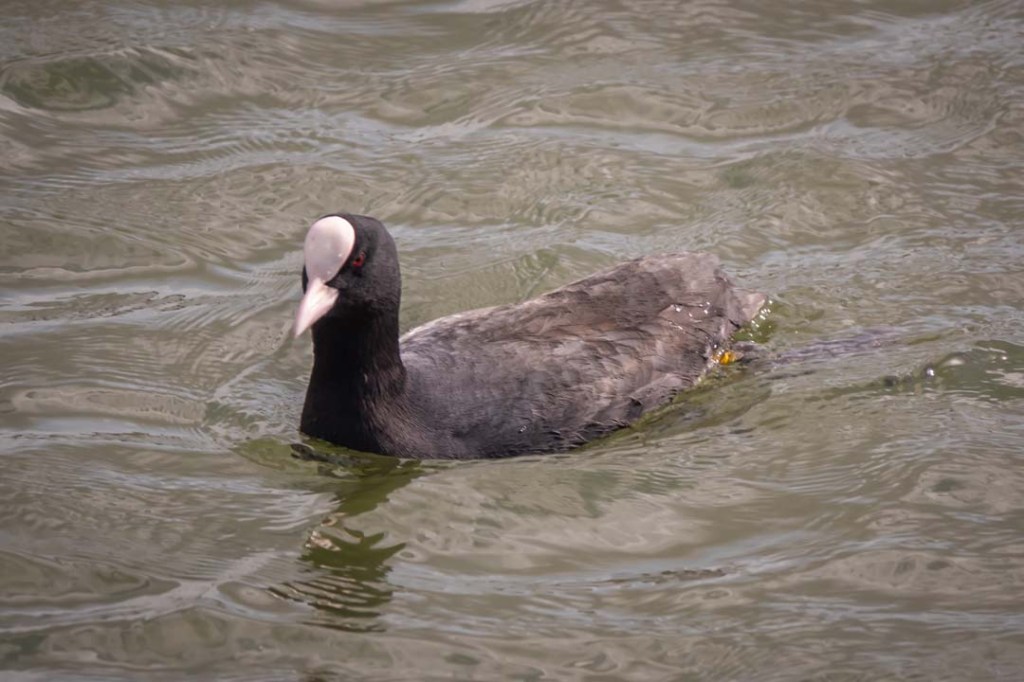
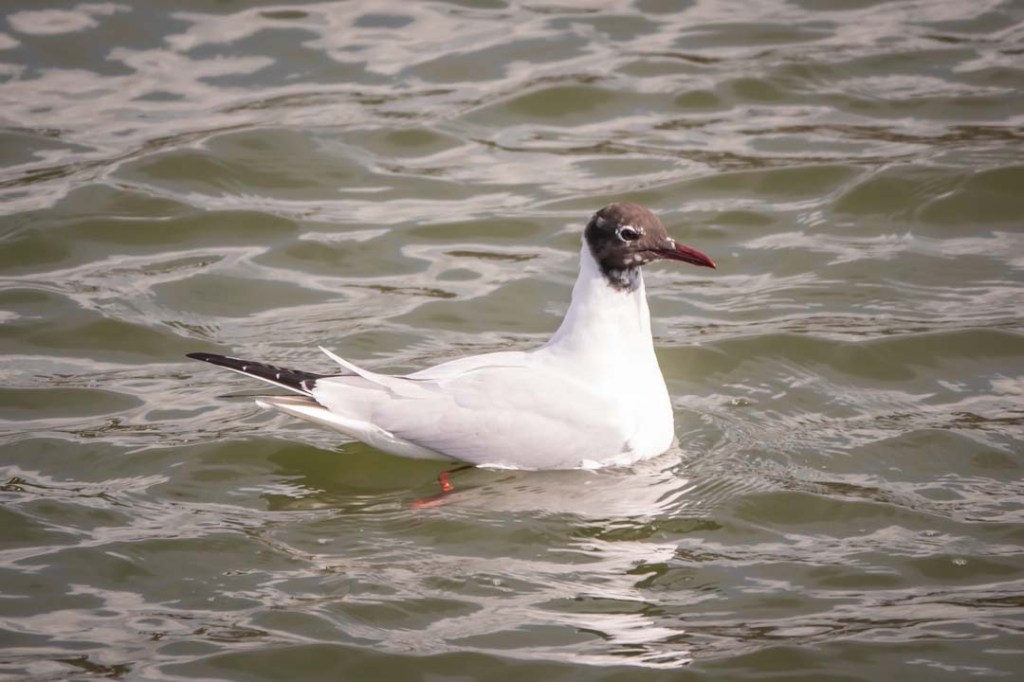
A bit like being at home really, except in Bristol it was snowing this morning!

Our five day birdwatching tour has now finished and we have been enjoying the slower pace by discovering the locality around our hotel at Praia Senhora da Rocha along the coast from Armação de Pêra. There continue to be opportunities for more nature photographs .
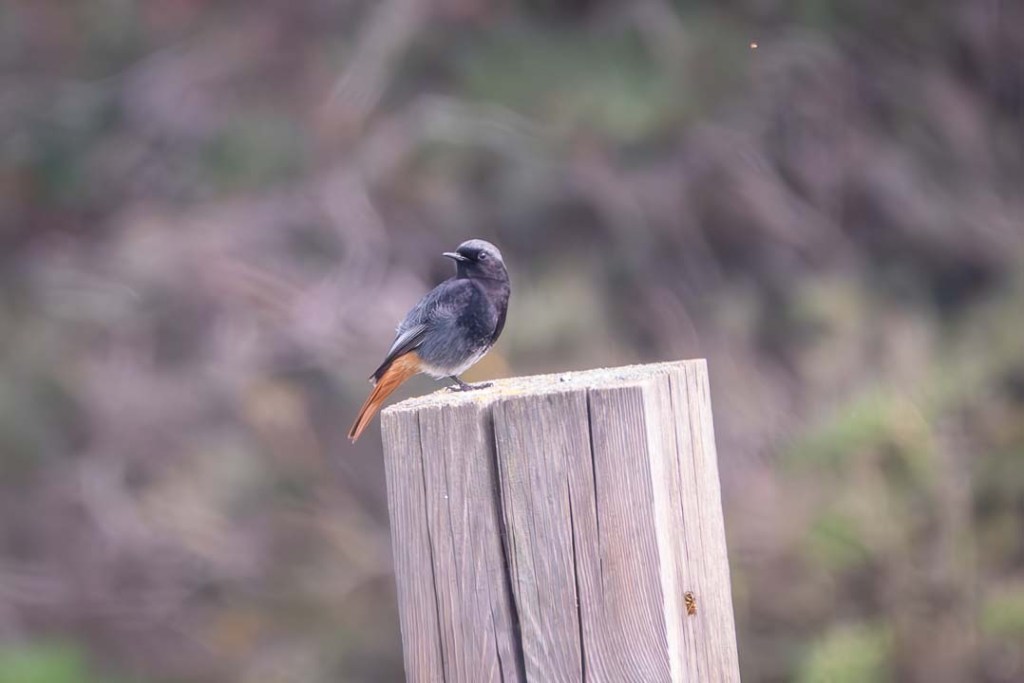
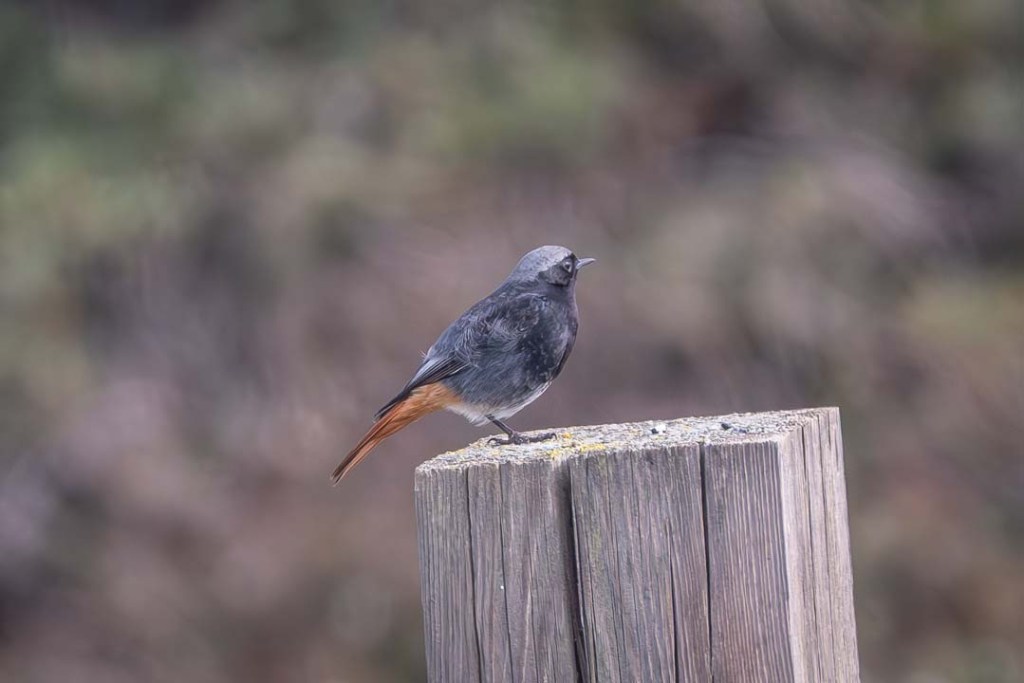
Along the coastal path we had close encounters with a black redstart, a blackbird, house sparrows and chiffchaffs.
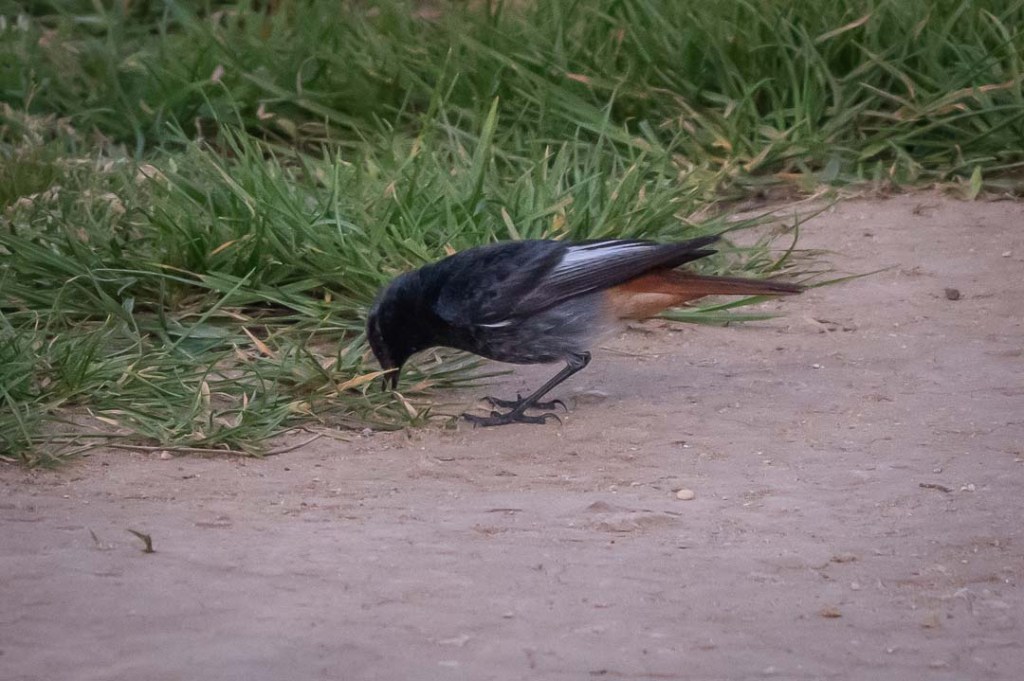
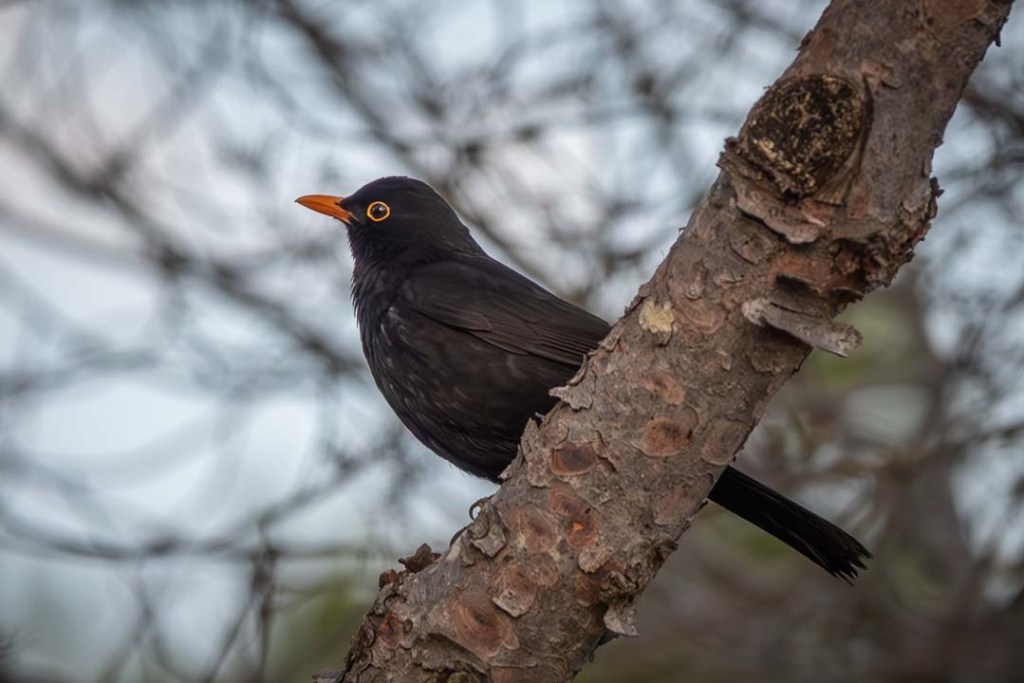
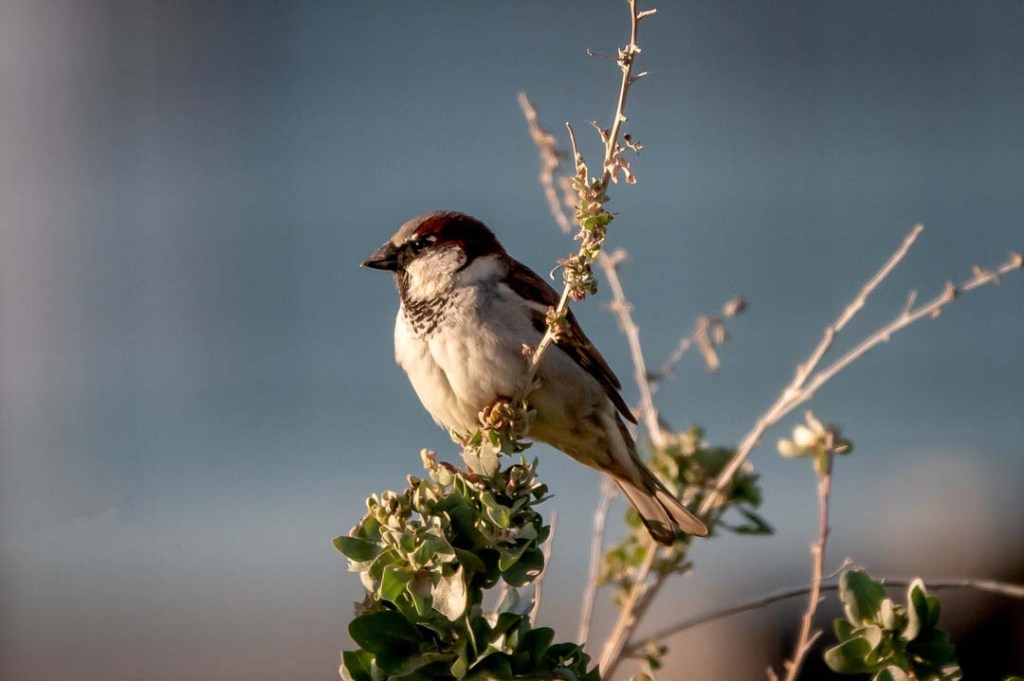
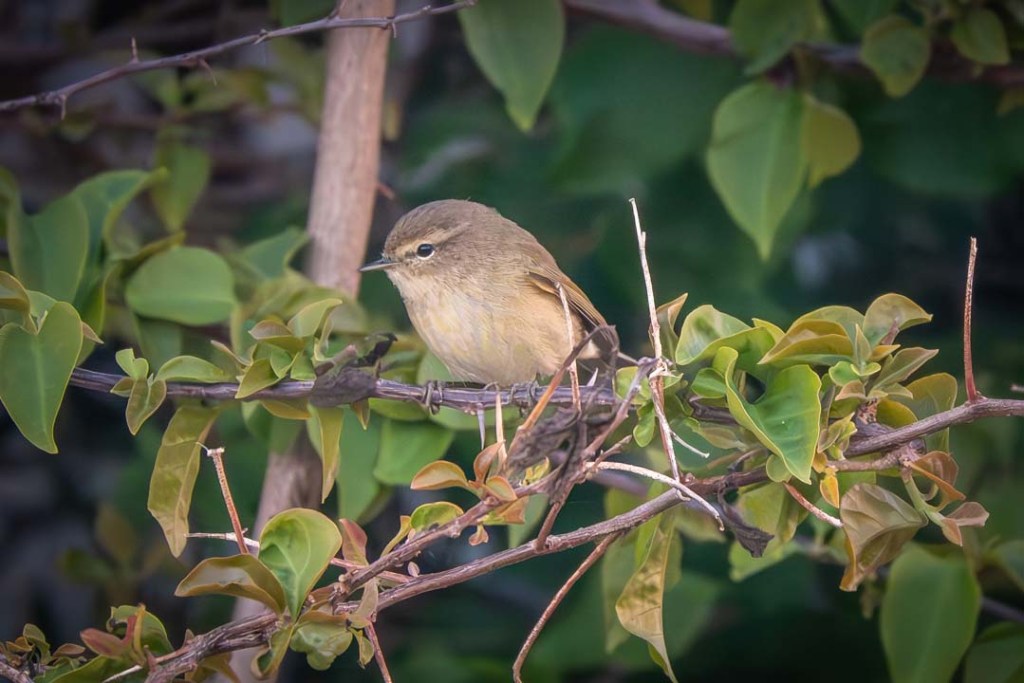
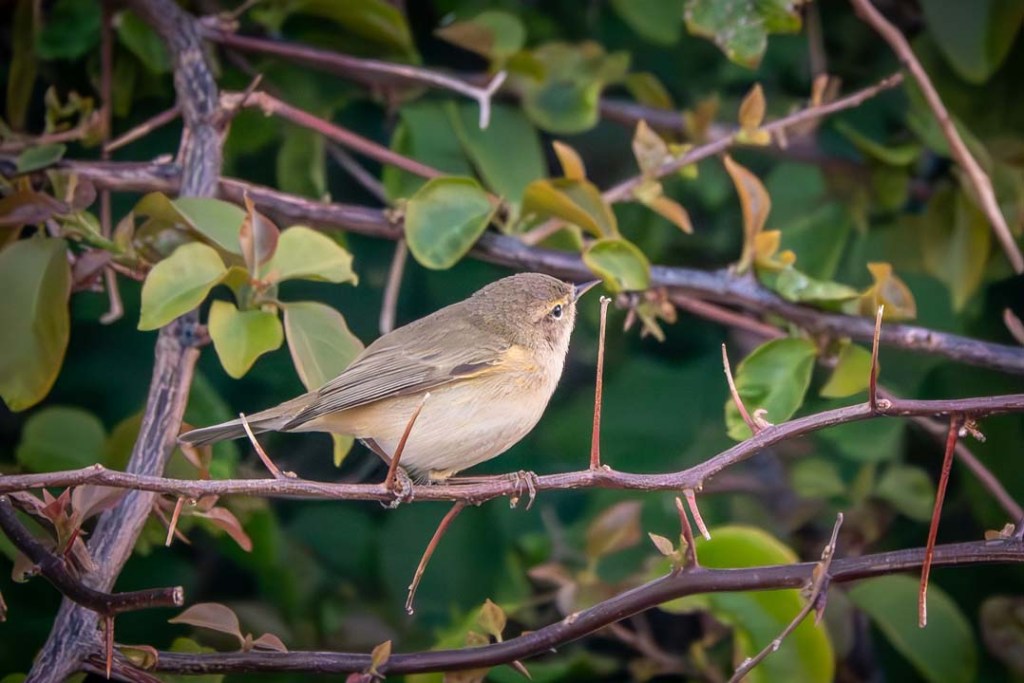
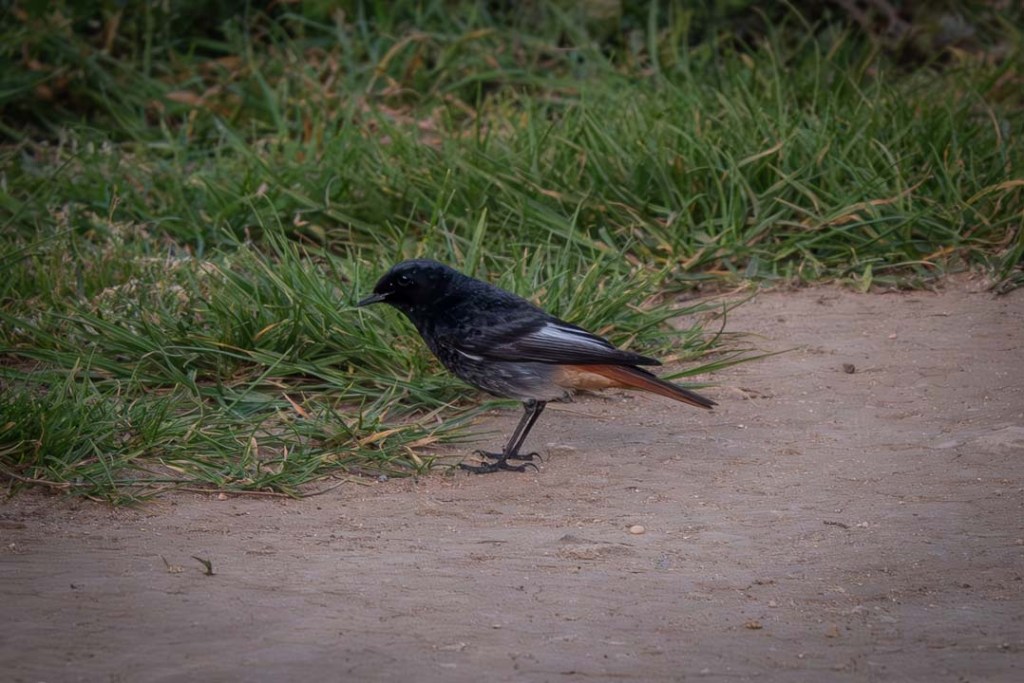
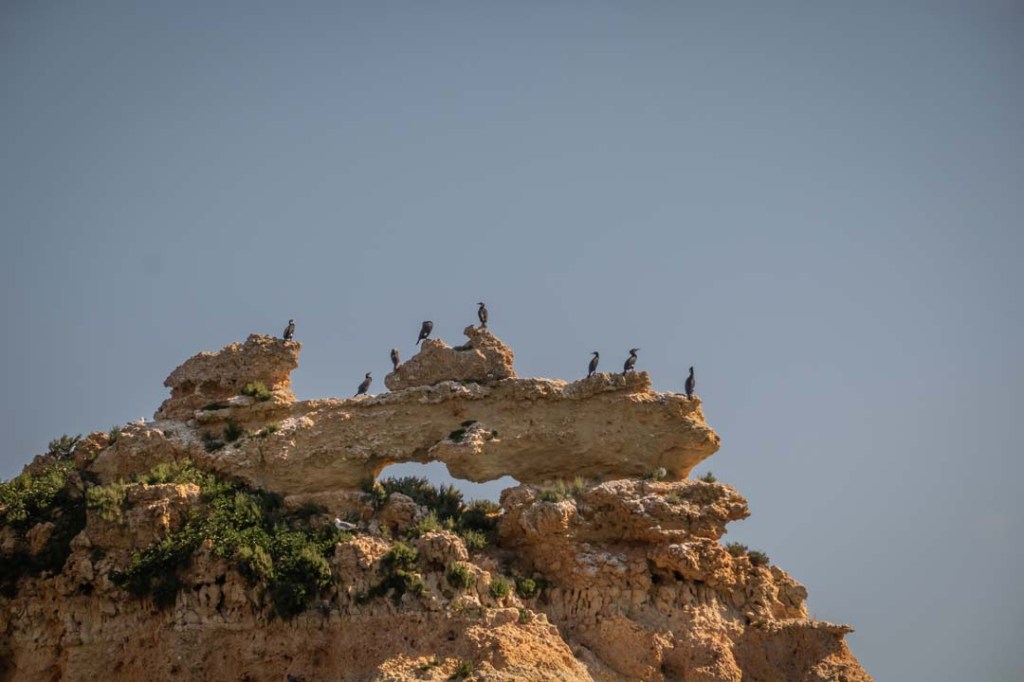
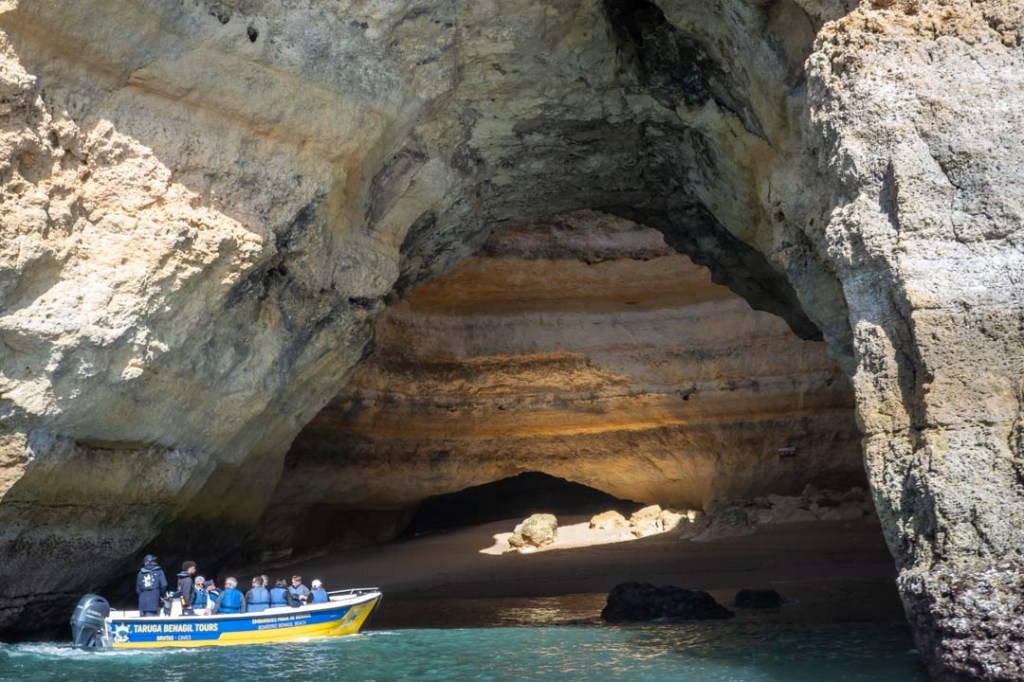
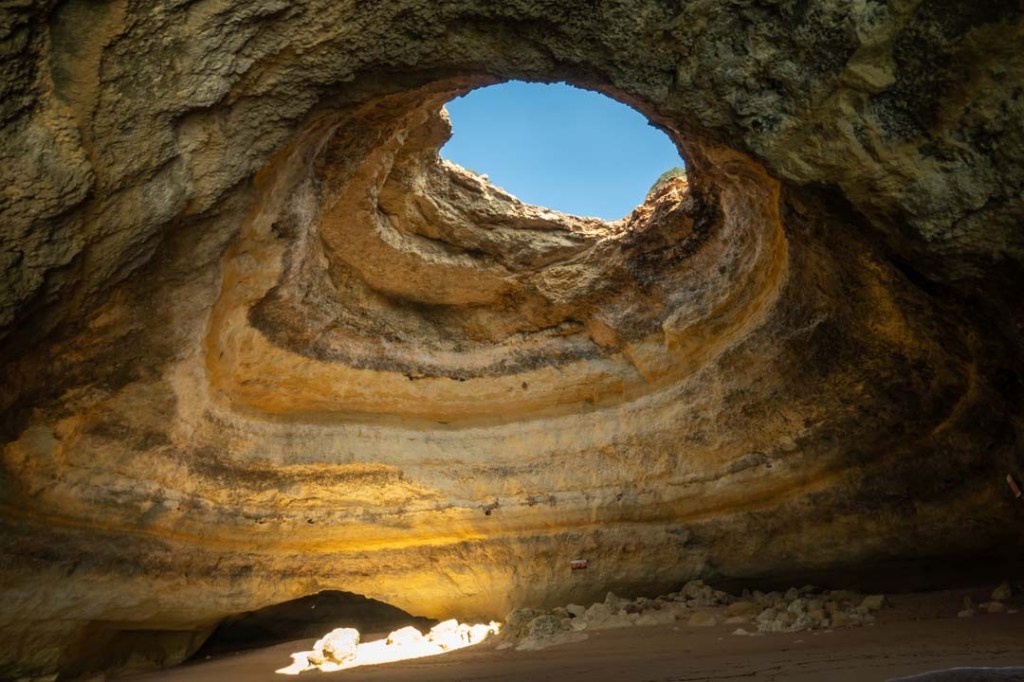
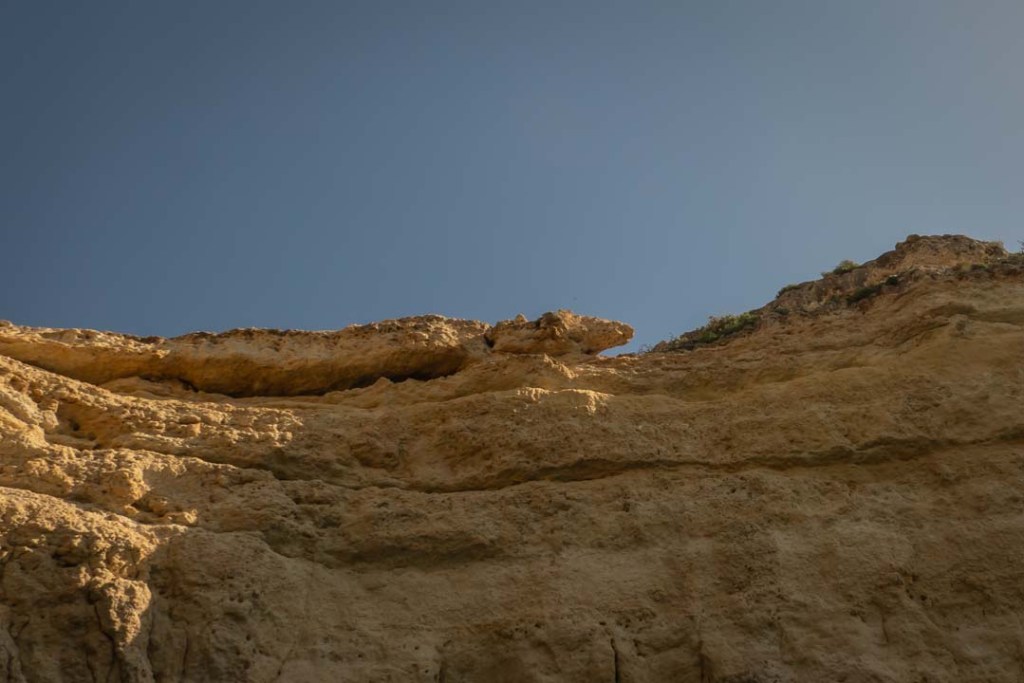
On our visit to the famous Benagil caves there were cormorants and, of course, yellow legged and lesser black-backed gulls.

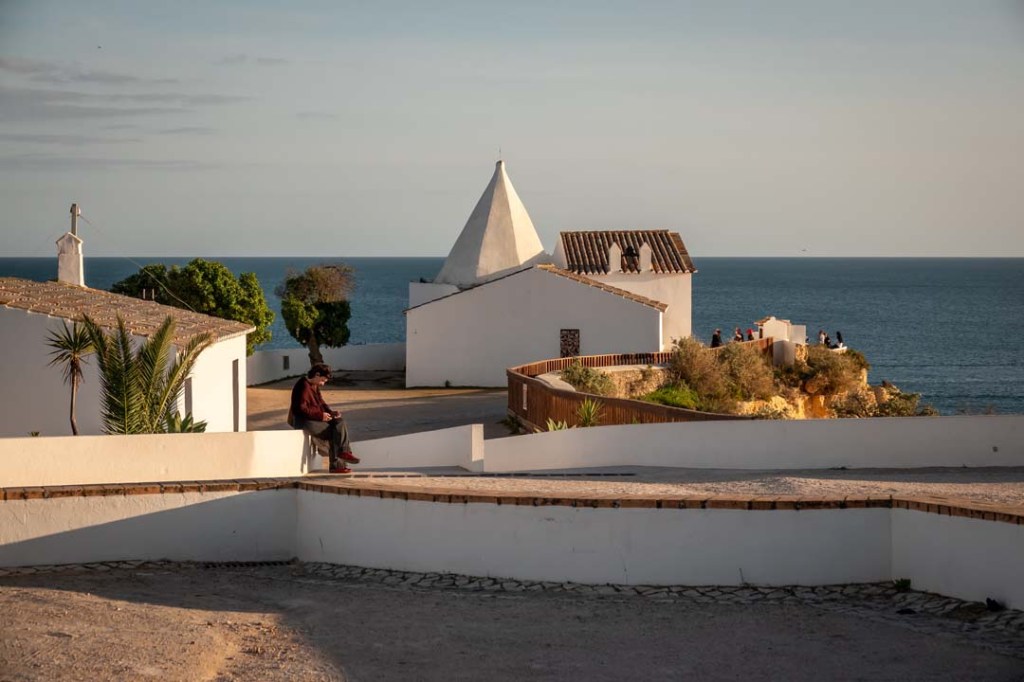
The flora near the church at Praia da Rocha is quite amazing too.



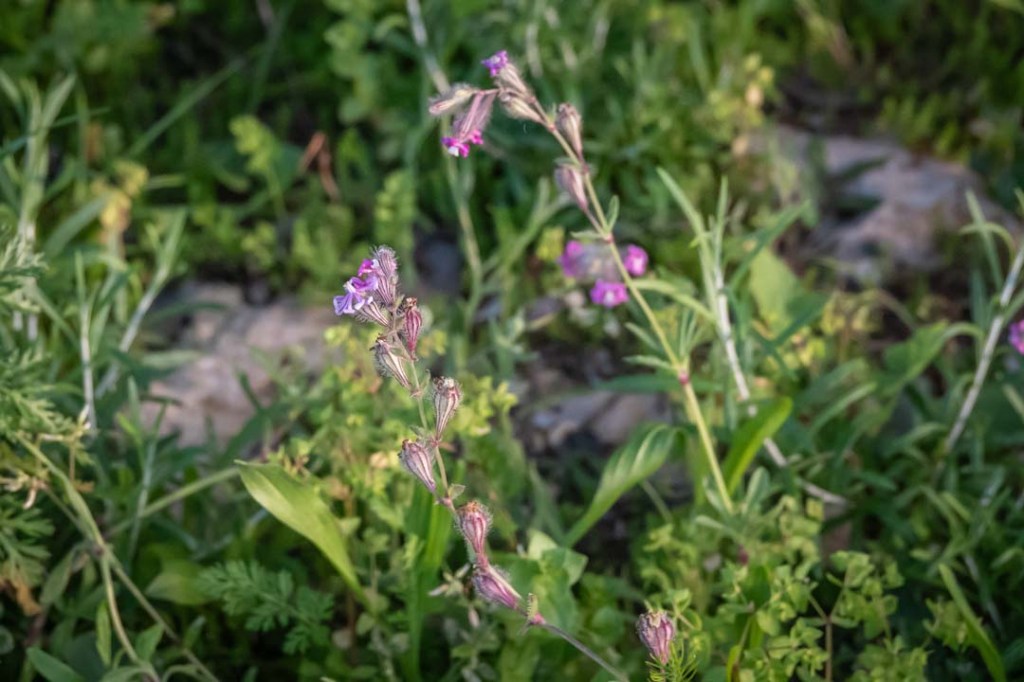
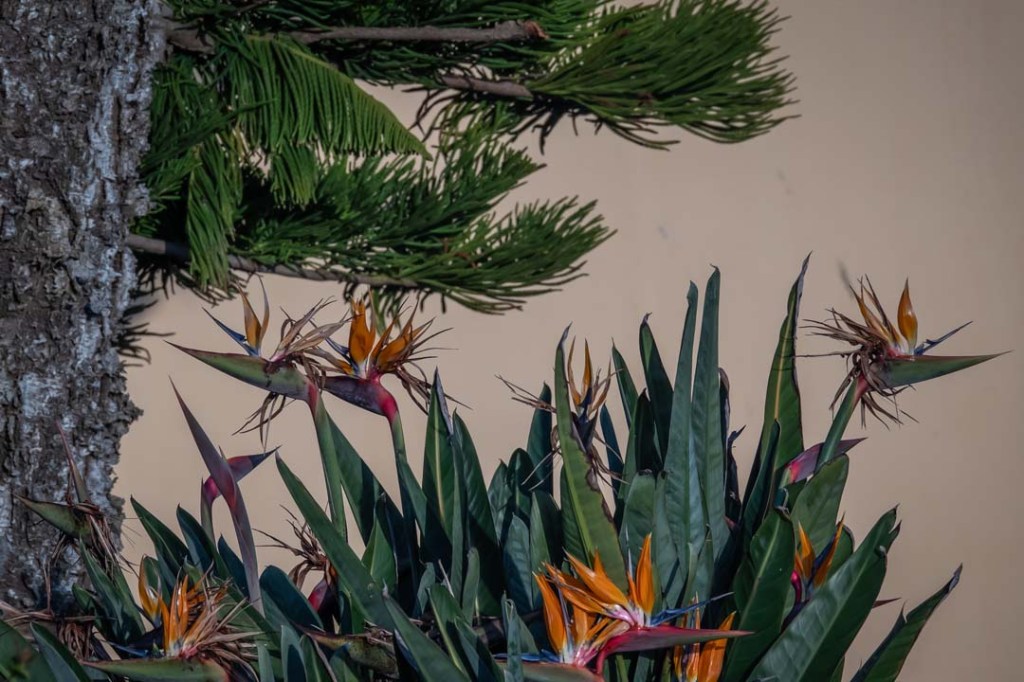
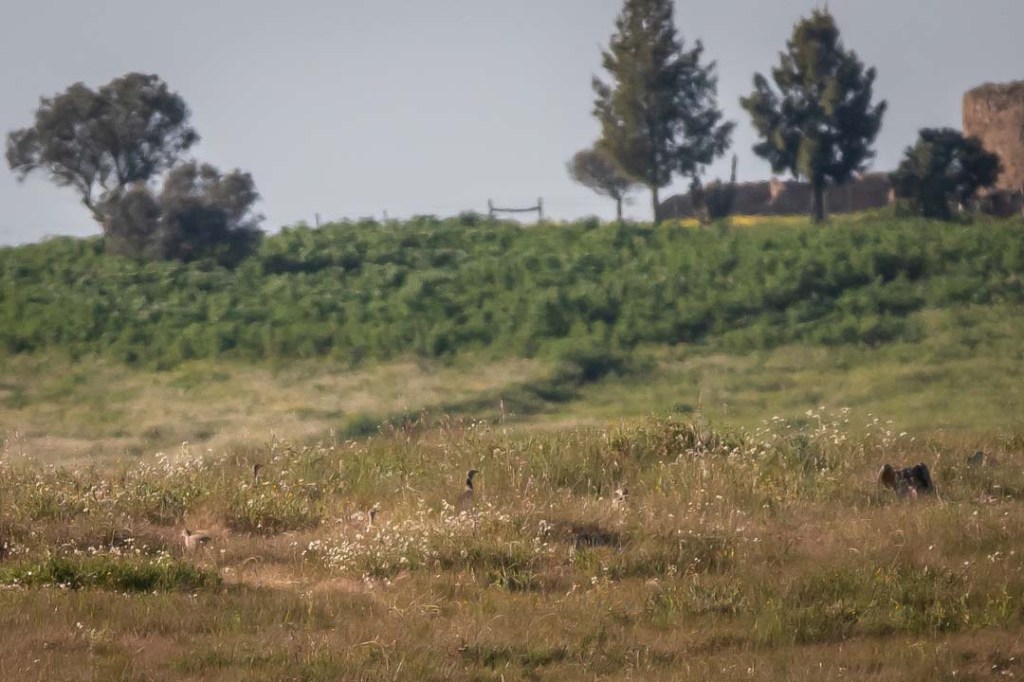
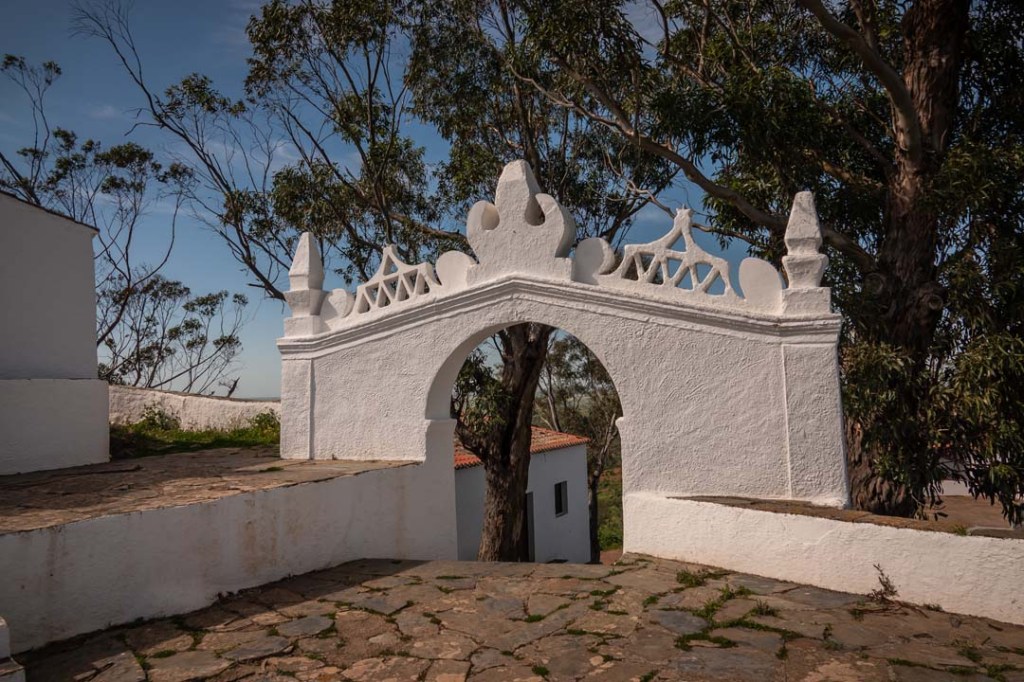
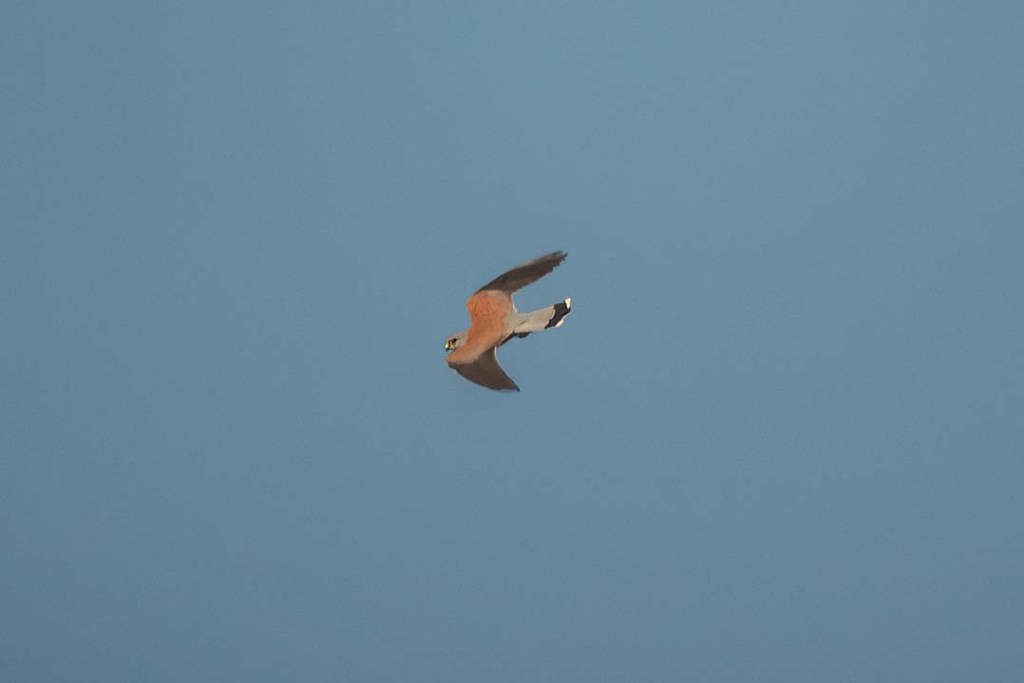
On our fifth and final day of our birding trip in Portugal we travelled 2 hours north to Castro Verde. The landscape here, on the edges of the steppes, was totally different to what we had seen in The Algarve. It was a different birding experience too when the telescope really came into its own and photographs of birds were rarer because of the great distances at which we observed birds.

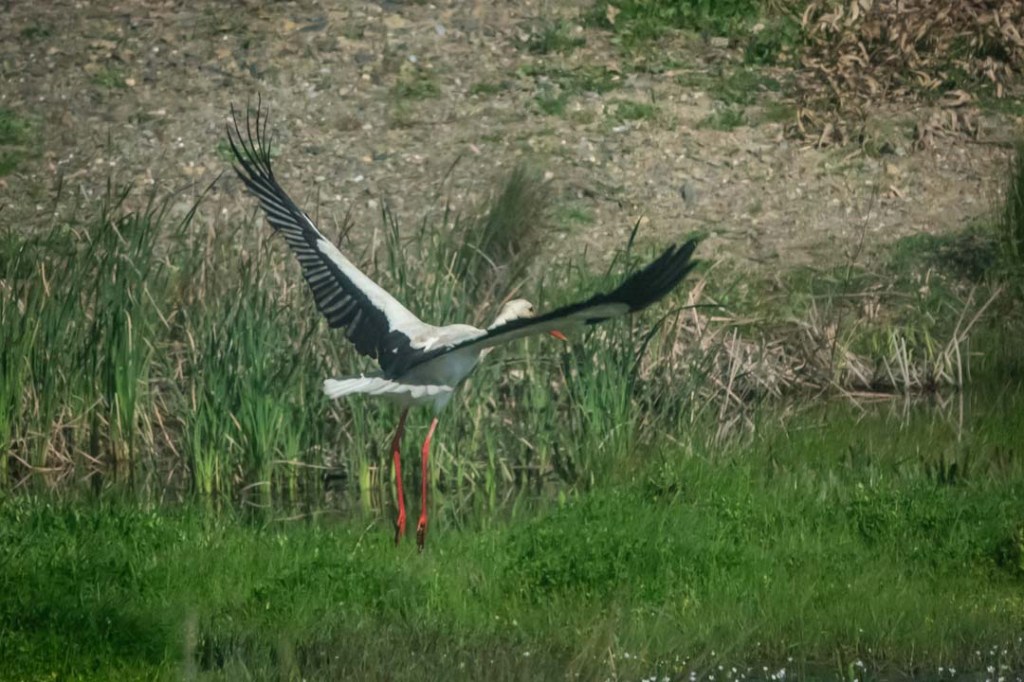
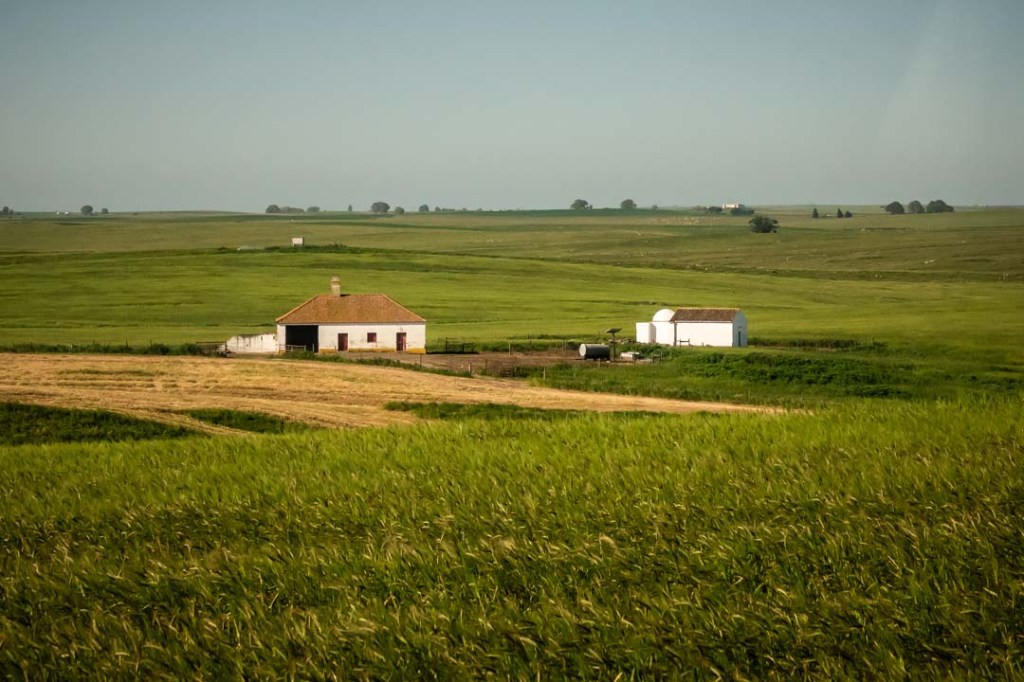

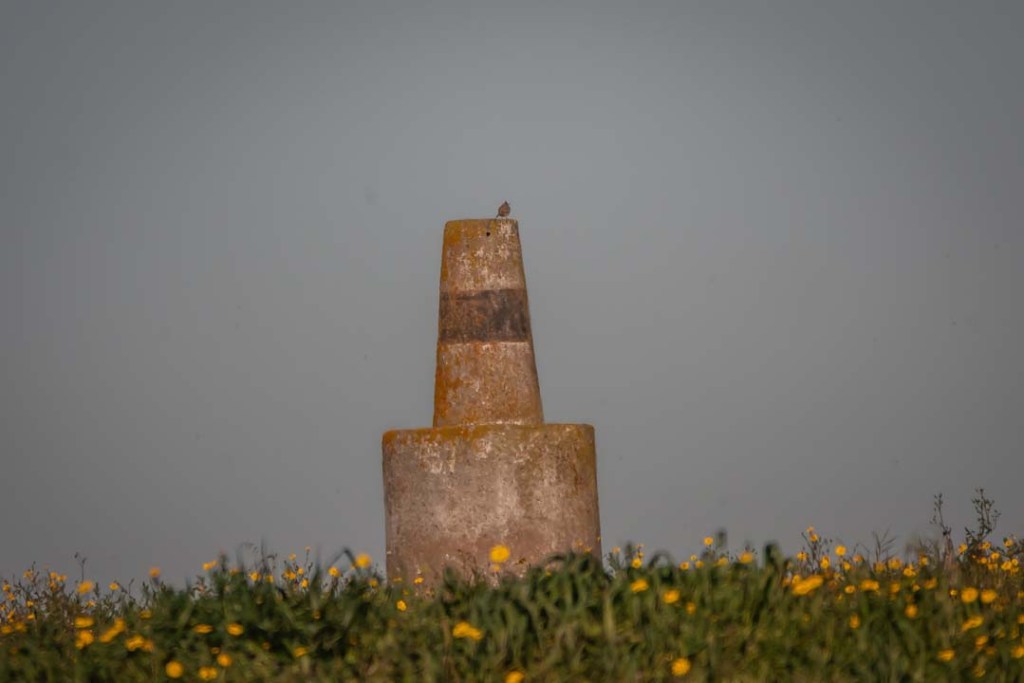

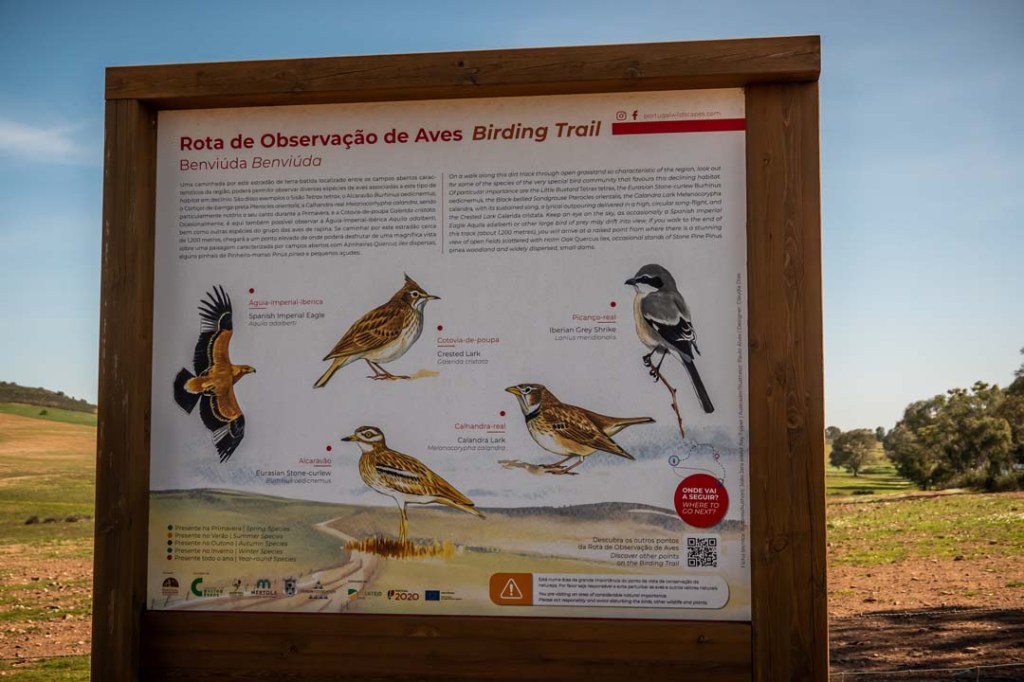
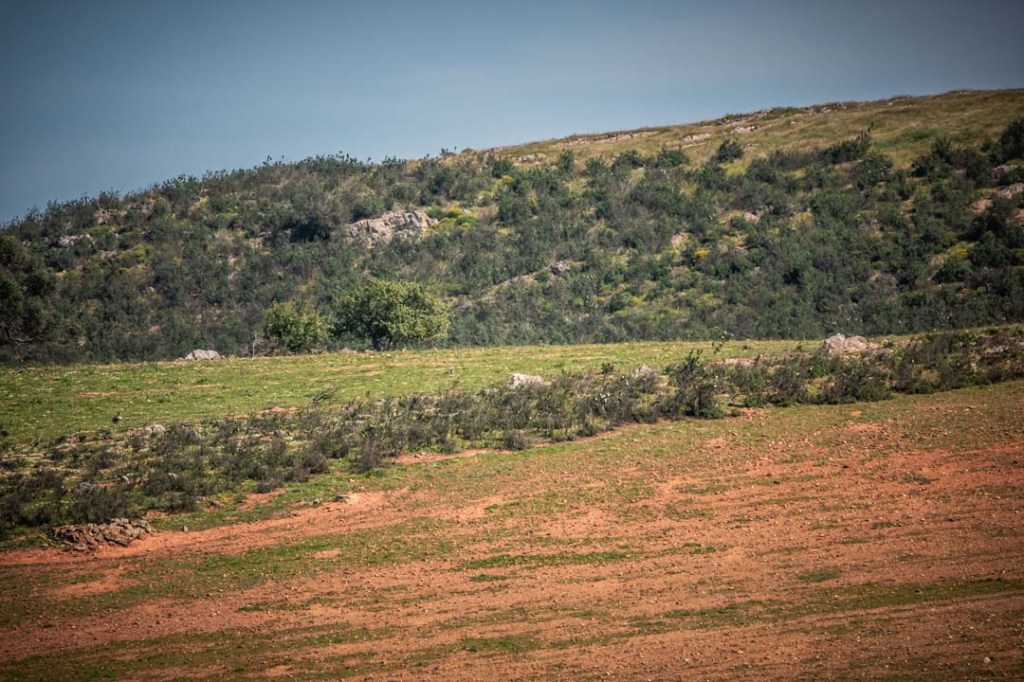
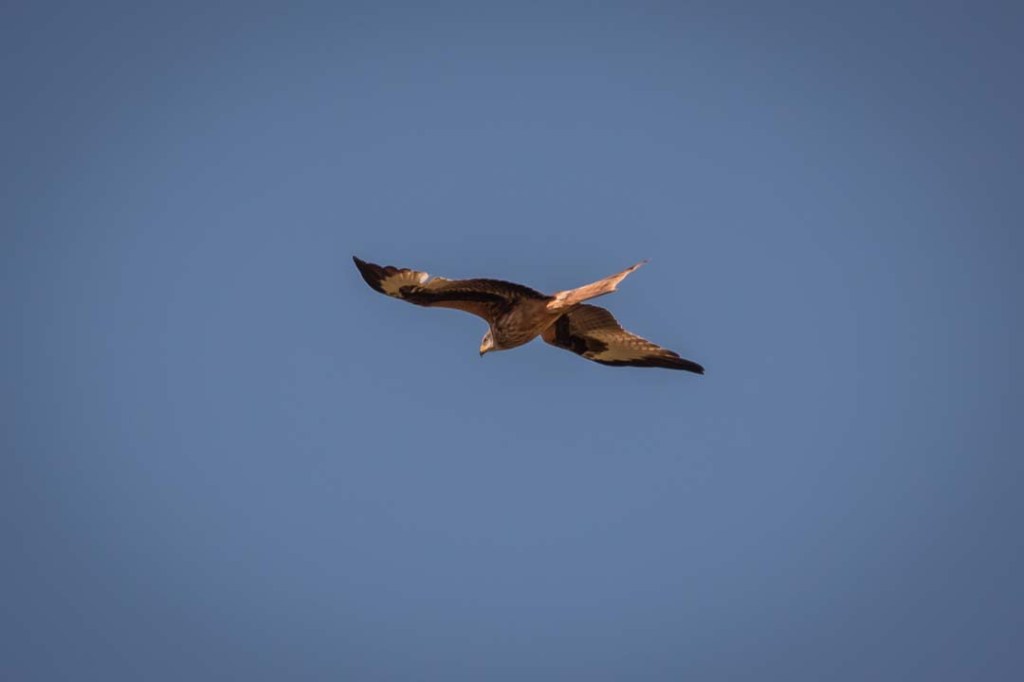
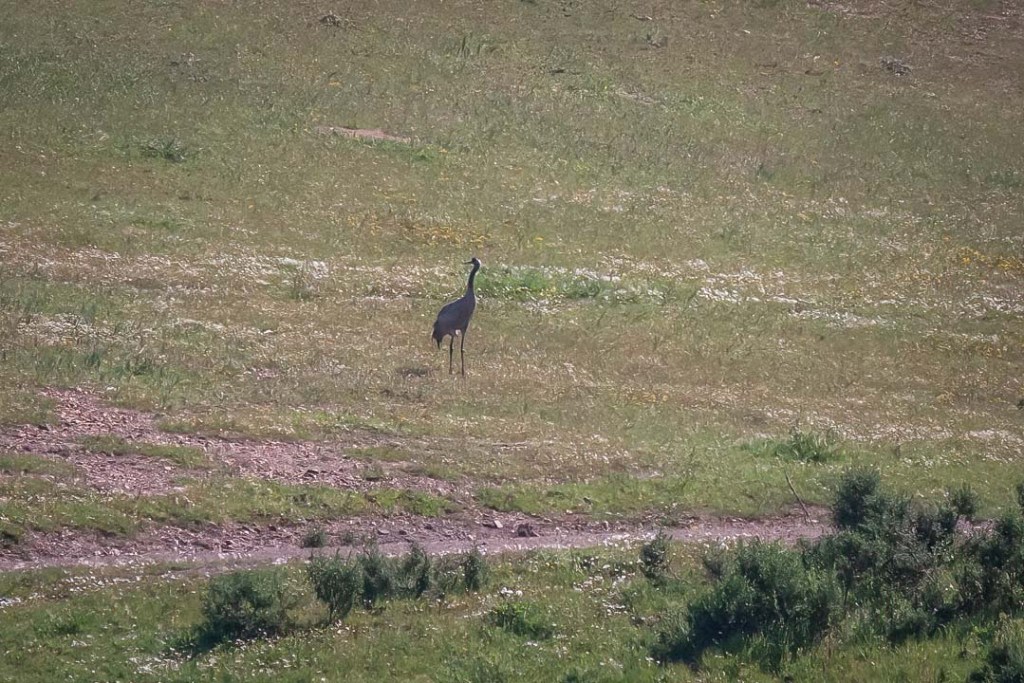
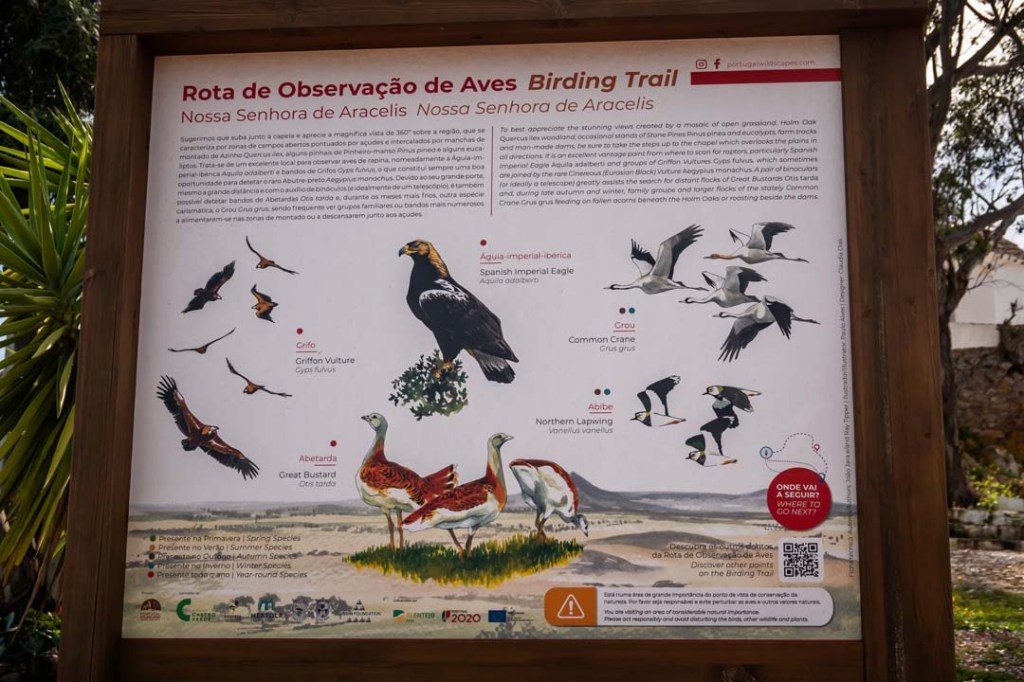
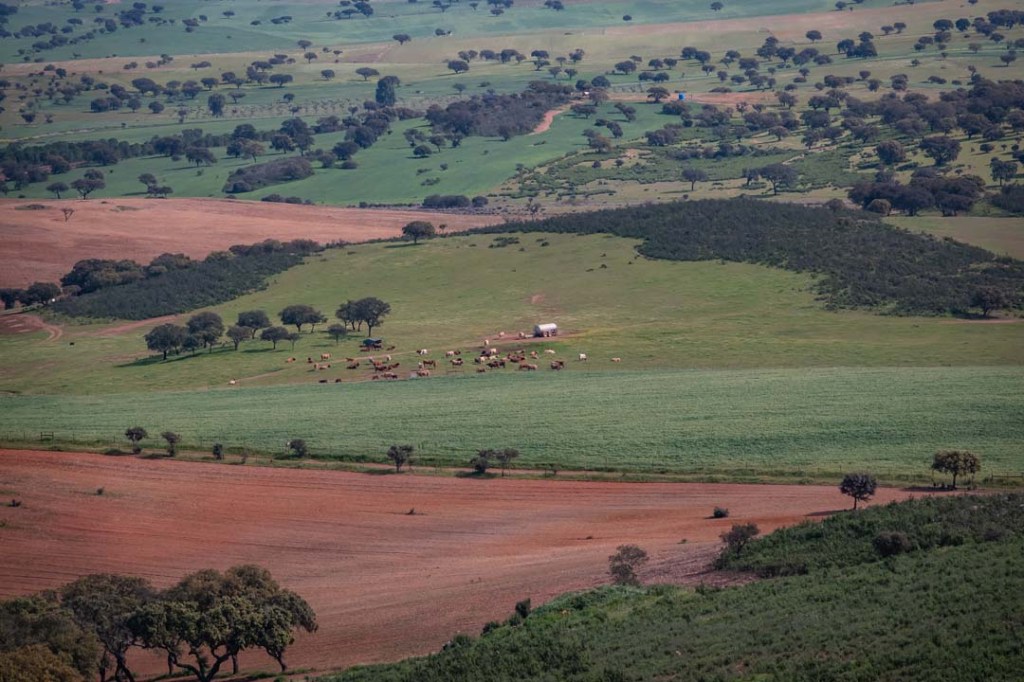
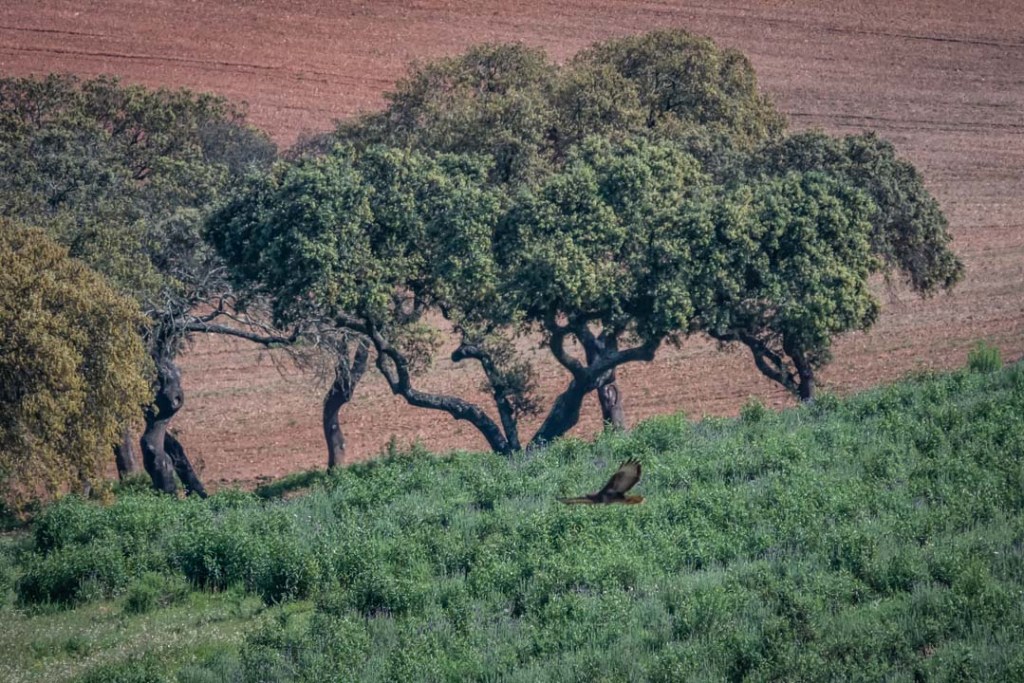


57 species observed:
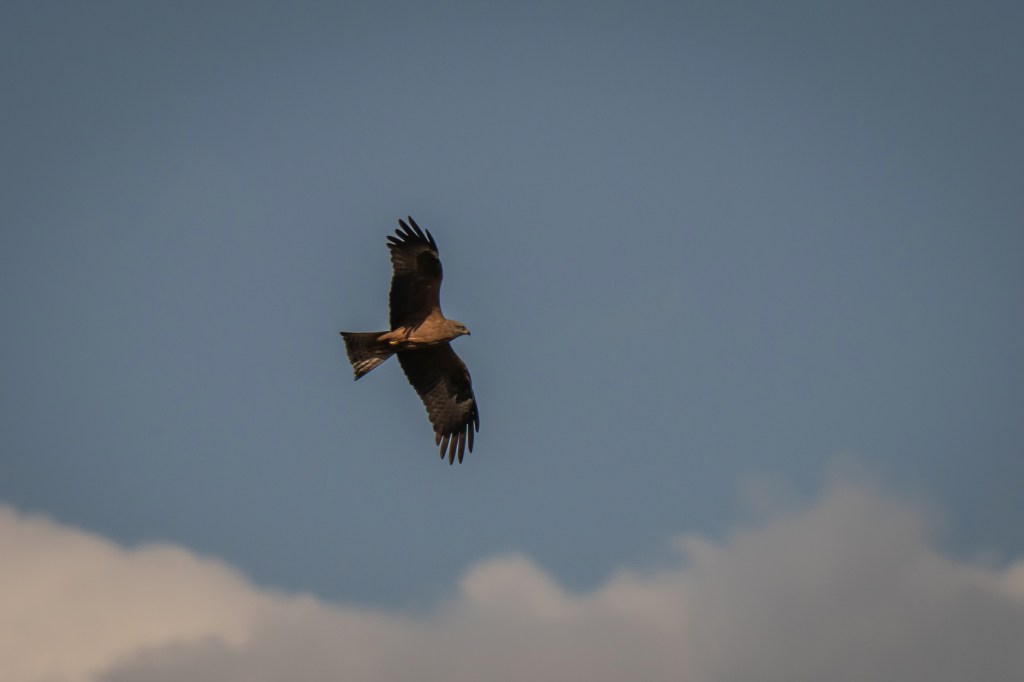
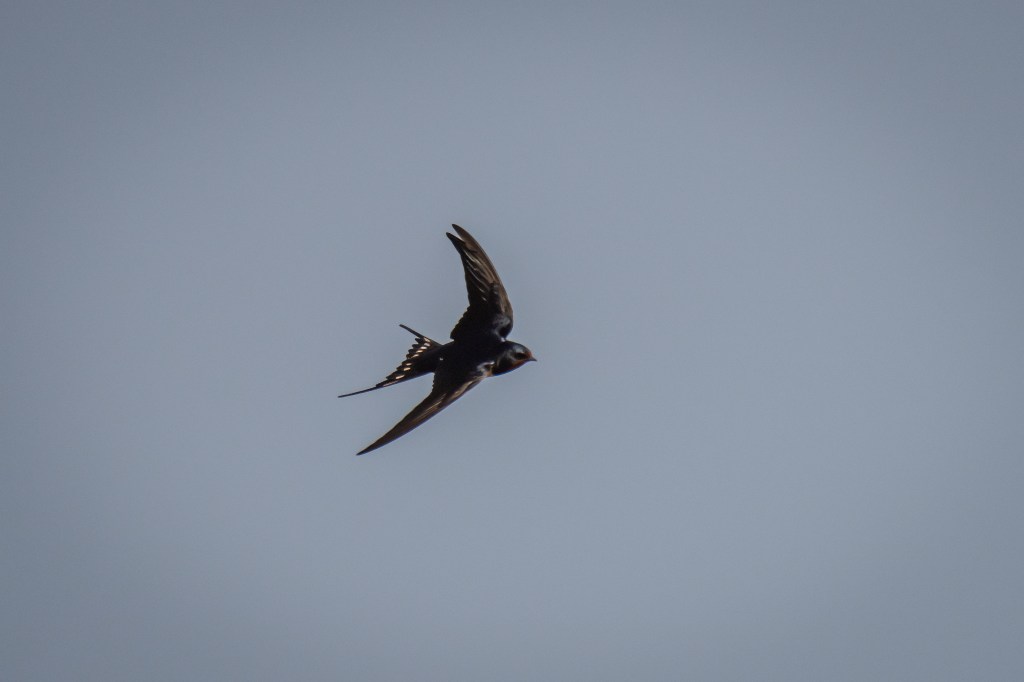
Gadwall; Mallard; Ferruginous Duck; Little Grebe; Common Woodpigeon; Collared Dove ; Black-bellied Sandgrouse; Great Bustard; Little Bustard; Eurasian Coot; Common Crane; European Golden Plover; Northern Lapwing; Yellow-legged Gull; White Stork; Little Egret ; Western Cattle Egret; Eurasian Spoonbill; Spanish Eagle; Western Marsh Harrier ; Hen Harrier; Red Kite ; Black Kite; Common Buzzard; Long-eared Owl (in the village of Castro Verde); Eurasian Hoopoe; Lesser Kestrel ; Common Kestrel ; Iberian Grey Shrike; Iberian Magpie; Common Magpie; Eurasian Jackdaw; Carrion Crow; Common Raven; Eurasian Blue Tit (heard); Calandra Lark; Eurasian Skylark; Thekla’s Lark; Crested Lark; Zitting Cisticola (heard); Barn Swallow; Western House Martin; Common Chiffchaff; Iberian Chiffchaff; Sardinian Warbler; Short-toed Treecreeper; Spotless Starling; Eurasian Blackbird; European Stonechat; House Sparrow; Spanish Sparrow; Pied Wagtail/White Wagtail; Meadow Pipit; Common Linnet; European Goldfinch; European Serin; Corn Bunting.
Throughout the holiday we saw a total of 130 species:
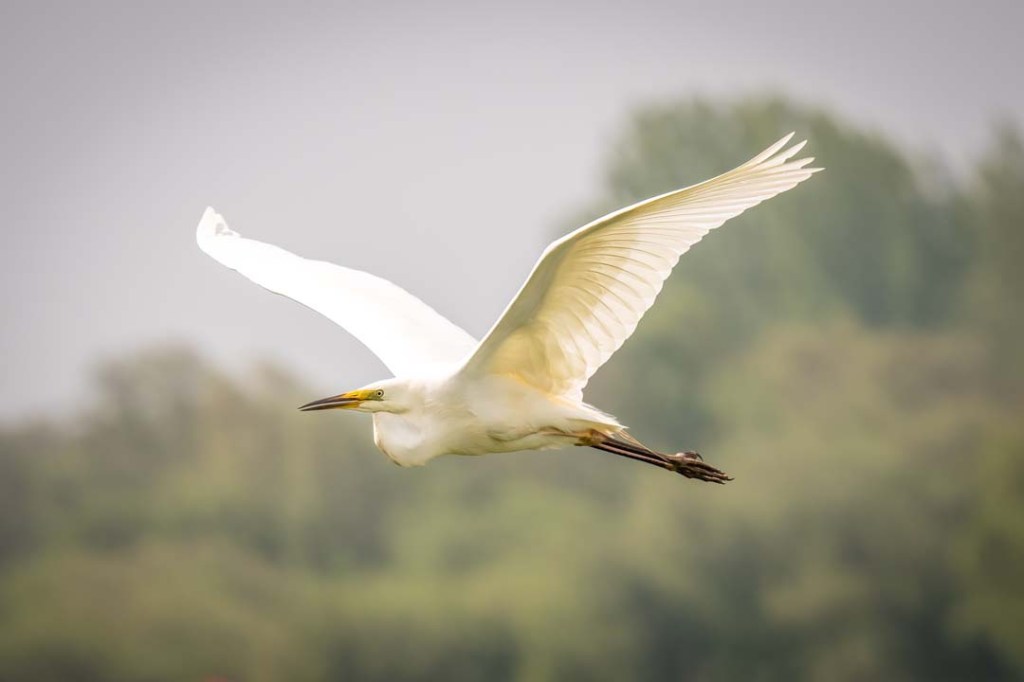
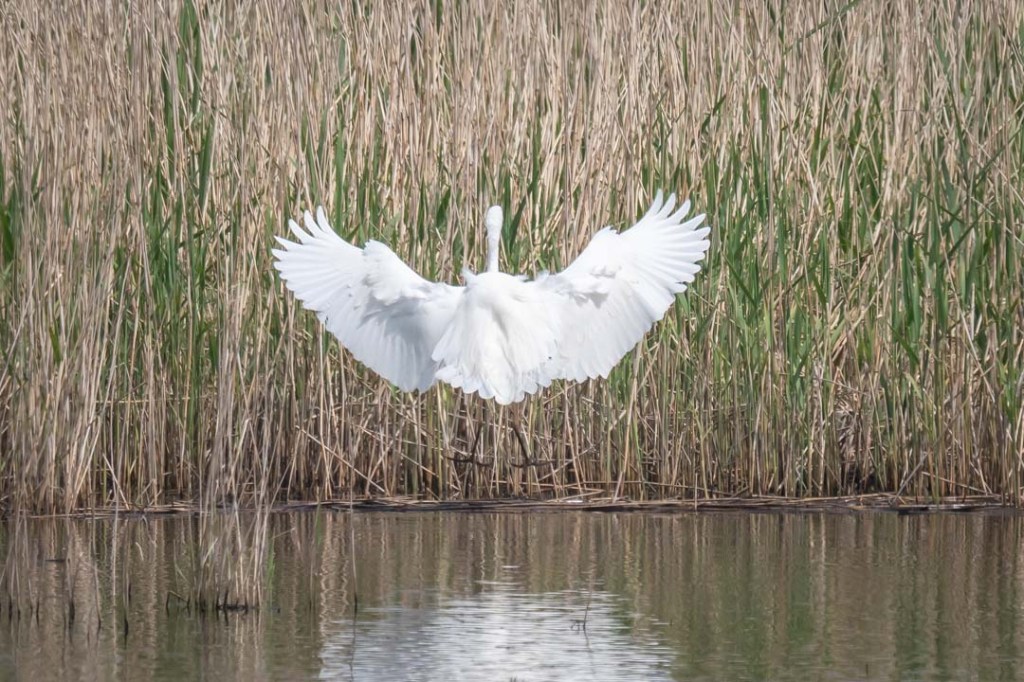
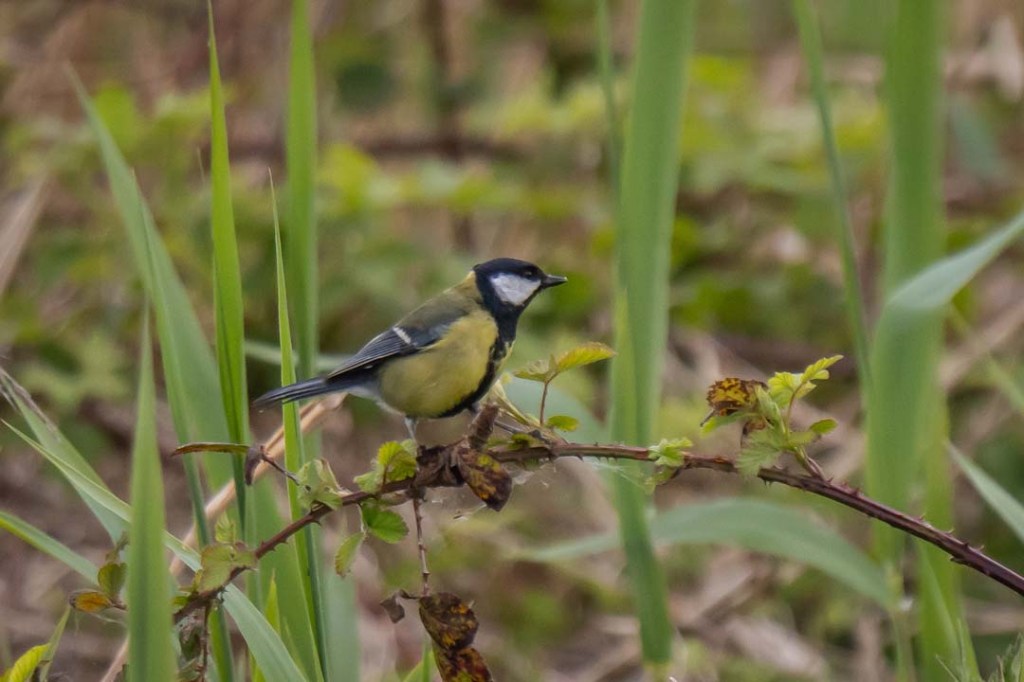
Common Shelduck; Northern Shoveler; Gadwall; Eurasian Wigeon; Mallard; Northern Pintail; Eurasian Teal; Red-crested Pochard; Common Pochard; Ferruginous Duck; Red-legged Partridge;Greater Flamingo; Little Grebe; Rock Dove; Common Woodpigeon; Collared Dove; Black-bellied Sandgrouse; Great Bustard; Little Bustard; Common Moorhen; Eurasian Coot; Western Swamphen; Common Crane; Stone-curlew; Black-winged Stilt; Pied Avocet; Eurasian Oystercatcher; Grey Plover; European Golden Plover; Common Ringed Plover; Northern Lapwing; Kentish Plover; Whimbrel; Eurasian Curlew; Bar-tailed Godwit; Black-tailed Godwit; Common Snipe; Common Sandpiper; Common Redshank; Spotted Redshank; Common Greenshank; Ruddy Turnstone; Ruff; Curlew Sandpiper; Sanderling; Dunlin; Purple Sandpiper; Little Stint; Black-headed Gull; Audouin’s Gull; Yellow-legged Gull; Lesser Black-backed Gull; Caspian Tern; Sandwich Tern; Northern Gannet; Great Cormorant; European Shag; Little Egret; Western Cattle Egret; Great White Egret; Grey Heron; Glossy Ibis; Eurasian Spoonbill; Osprey; Black-winged Kite; Short-toed Eagle; Booted Eagle; Spanish Eagle; Western Marsh Harrier; Hen Harrier; Red Kite; Common Buzzard; Little Owl; Long-eared Owl; Eurasian Hoopoe; Common Kingfisher; Eurasian Wryneck; Great Spotted Woodpecker; Lesser Kestrel; Common Kestrel; Peregrine Falcon; Iberian Grey Shrike; Iberian Magpie; Common Magpie; Red-billed Chough; Eurasian Jackdaw; Carrion Crow; Common Raven; Crested Tit; Eurasian Blue Tit; Great Tit; Calandra Lark; Eurasian Skylark; Thekla’s Lark; Crested Lark; Zitting Cisticola; Eurasian Crag Martin; Barn Swallow; Western House Martin; Common Chiffchaff; Iberian Chiffchaff; Cetti’s Warbler; Long-tailed Tit; Eurasian Blackcap; Sardinian Warbler; Goldcrest; Short-toed Treecreeper; Common Starling; Spotless Starling; Eurasian Blackbird; Ring Ouzel; European Robin; Bluethroat; Black Redstart; Blue Rock Thrush; European Stonechat; Black-headed Weaver; Common Waxbill; House Sparrow; Spanish Sparrow; Western Yellow Wagtail; Pied Wagtail/White Wagtail; Meadow Pipit; Water Pipit; Common Chaffinch; European Greenfinch; Common Linnet; European Goldfinch; European Serin; Eurasian Siskin; Corn Bunting.
































































































 Martin's Bird Blog & Nature Photos